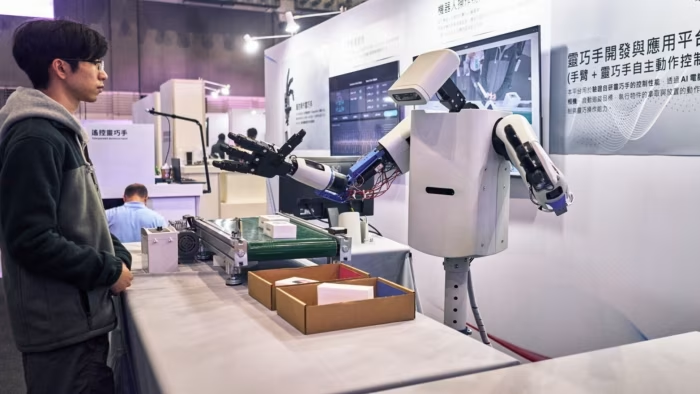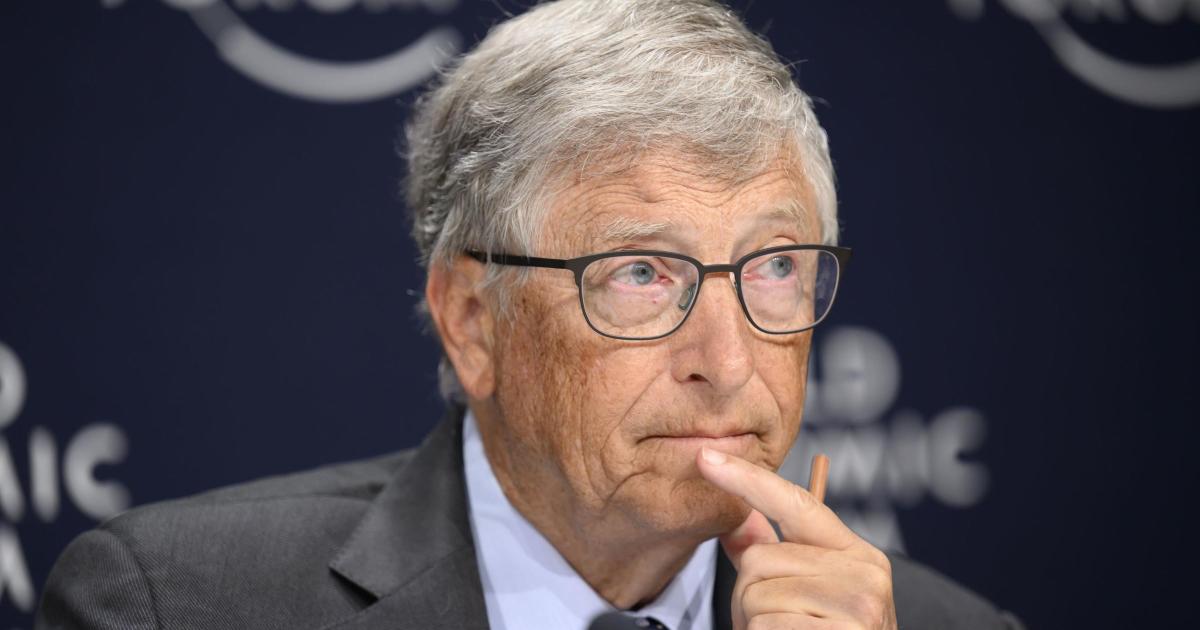
He compared the idea to nature reserves: places that could be developed but are protected because something valuable would be lost. Mr Gates suggests there are some tasks involving care, empathy and human connection that no robot should replace, regardless of whether it technically could.
For all the discussion about artificial intelligence, much of the debate remains stuck between two familiar positions. One side sees AI as an economic miracle that will unlock productivity, boost growth and eliminate drudgery. The other fears machines replacing millions of workers and hollowing out entire professions. Neither tells the full story.
Read more:
The most pertinent question is not whether AI will take jobs. It almost certainly will, just as previous waves of technological change eliminated occupations ranging from switchboard operators to typists. Nor is the question whether AI will create new jobs. History strongly suggests it will.
The question is what becomes more valuable when machines become capable of doing more of the work that humans currently perform.
The Scottish Government’s AI strategy describes artificial intelligence as a technology capable of reshaping economies, industries and public services. It argues that Scotland must harness AI to improve productivity and competitiveness while ensuring people and businesses are supported through the resulting changes.
The strategy also acknowledges concerns about fairness, transparency and the impact on jobs. Those concerns are hardly irrational.
Read more:
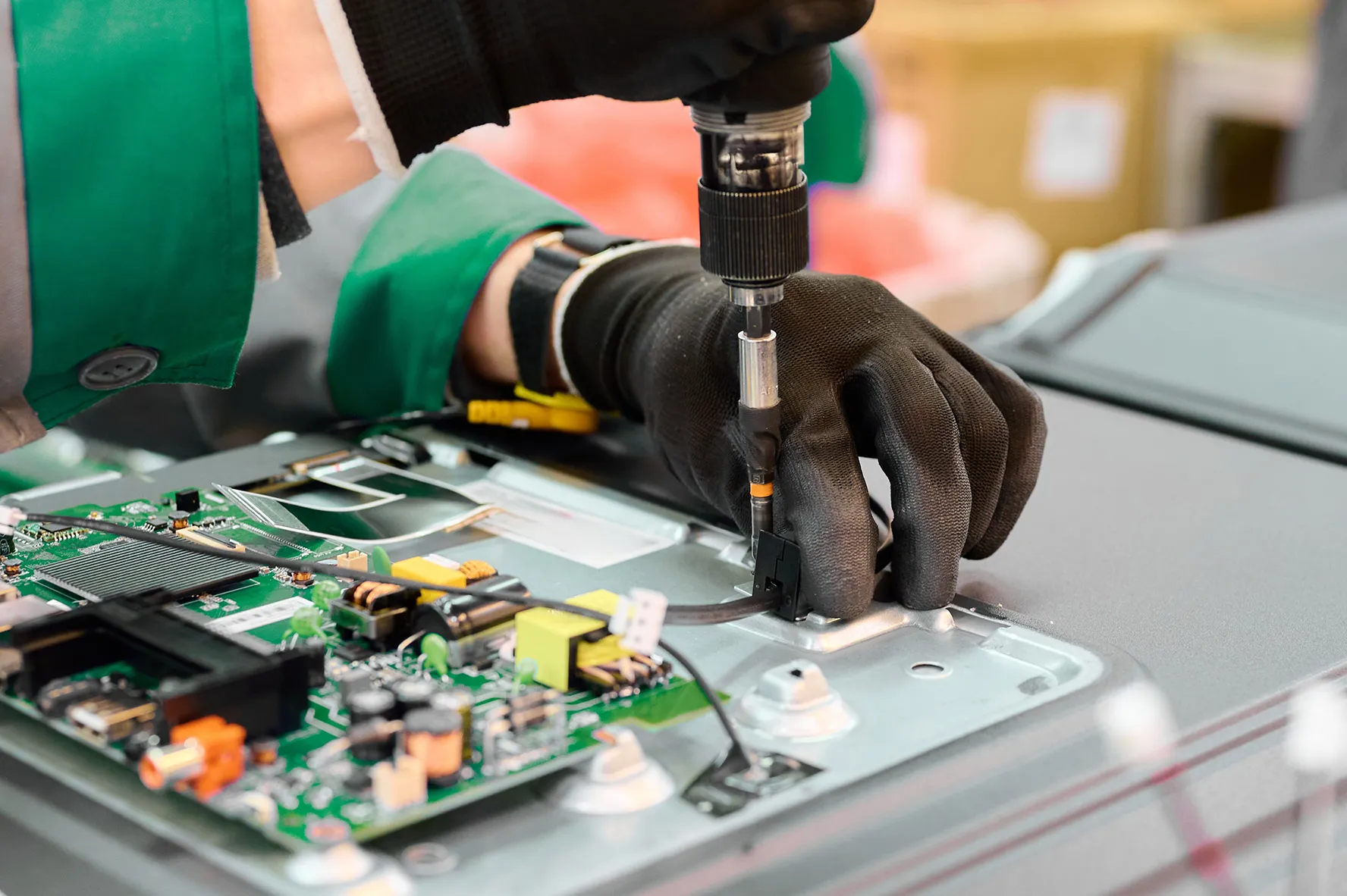
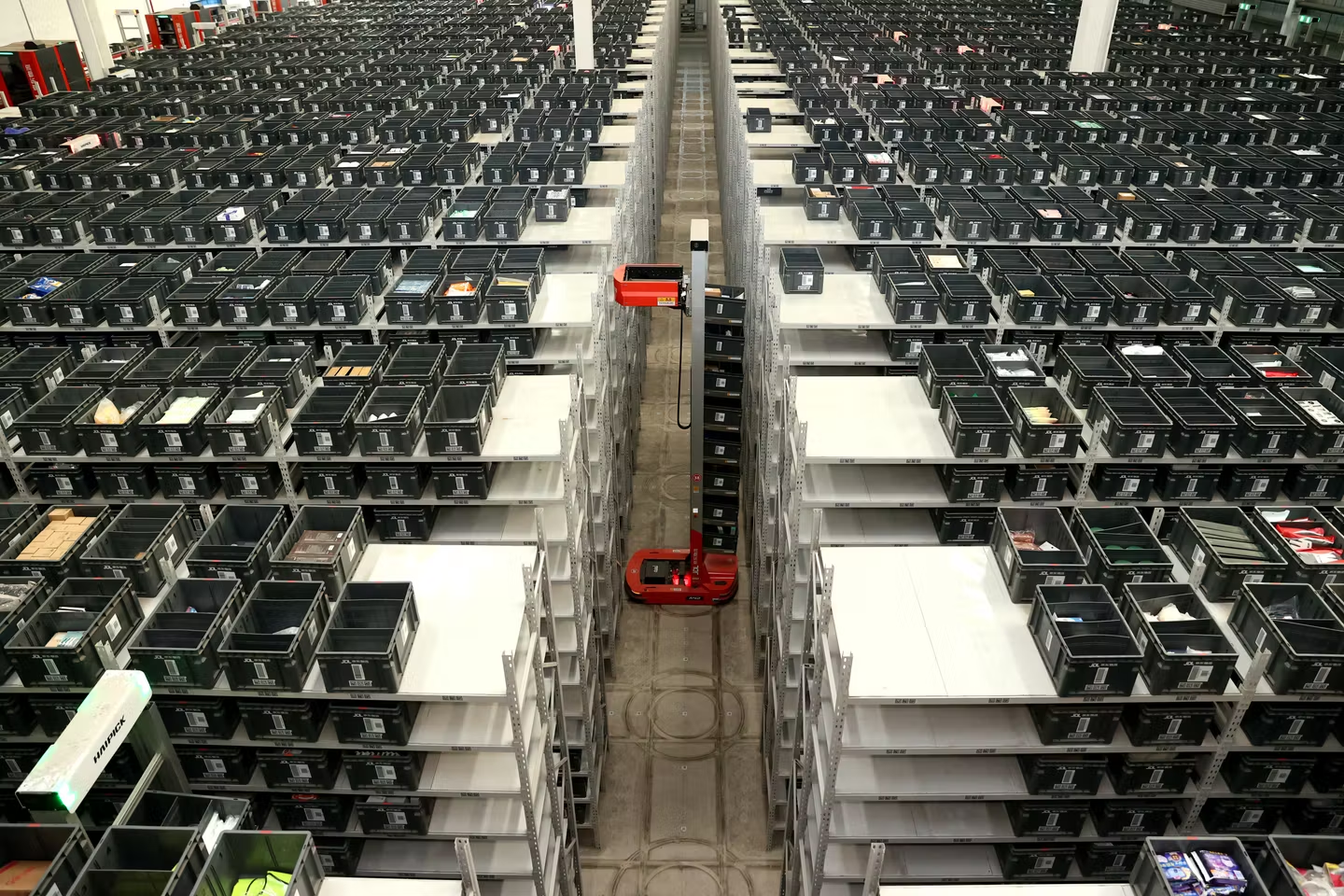
Unlike previous forms of automation, AI is not confined to factories, warehouses or production lines. It is moving directly into offices, with many of the jobs traditionally regarded as safe from automation now among the first being reshaped by the technology.
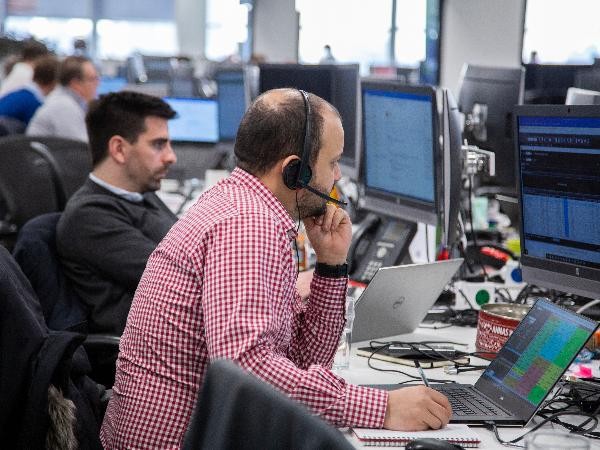
Lawyers can use AI to scan thousands of documents in minutes. Accountants can automate routine analysis. Financial professionals can process data more quickly. Journalists can use AI to summarise reports, identify patterns and draft material. Software developers are increasingly working alongside systems capable of producing large chunks of computer code.
In each case, technology is not necessarily replacing the professional altogether. But it is changing the value of individual tasks. The first draft becomes less valuable. Collecting information becomes less valuable, and basic analysis becomes less valuable.
What becomes more valuable is deciding whether the output is correct, whether it makes sense and what should be done with it. That shifts the conversation away from jobs and towards skills.
Read more:
For decades, policymakers have worried about Scotland’s poor productivity performance. The promise of AI is that routine tasks can be completed faster, allowing employees to focus on work that genuinely adds value. The Scottish Government‘s strategy explicitly frames AI as a tool for driving economic growth and improving productivity.
The challenge is that some human skills are much easier for machines to replicate than others.
A graduate entering the workforce today might reasonably wonder which abilities will still command a premium a decade from now. Memorising information becomes less important when machines can retrieve it instantly. Producing a first draft becomes less valuable when software can generate one in seconds.
What may become more valuable are the qualities that machines struggle to replicate: judgement, creativity, communication, leadership, empathy, and trust. These sound suspiciously like management seminar buzzwords, yet they may prove to be among the most valuable skills in an AI economy.
Read more:
Consider one of the more unexpected consequences of the AI boom. Some of the companies building the world’s most advanced artificial intelligence systems are increasingly turning not only to computer scientists and engineers, but also to philosophers. Firms including Anthropic and Google DeepMind have recruited philosophers to work on questions of ethics, decision-making, model behaviour and the alignment of AI systems with human values.
When you think about it, that is a remarkable development. For years students were told that science, technology, engineering and mathematics represented the safest route into the jobs of the future. Yet some of the world’s most sophisticated technology companies have discovered they also need people trained in moral reasoning, logic and critical thinking.
The challenge facing AI developers is no longer simply whether machines can perform a task. It is whether they can do so in ways that society regards as trustworthy and acceptable. How should an AI system respond when values conflict? What does fairness mean? How should competing interests be balanced?
In an age obsessed with technological progress, that offers an intriguing lesson about the future of work. As machines become better at processing information, some of the skills that appear most distinctly human may become more rather than less valuable.
Read more:
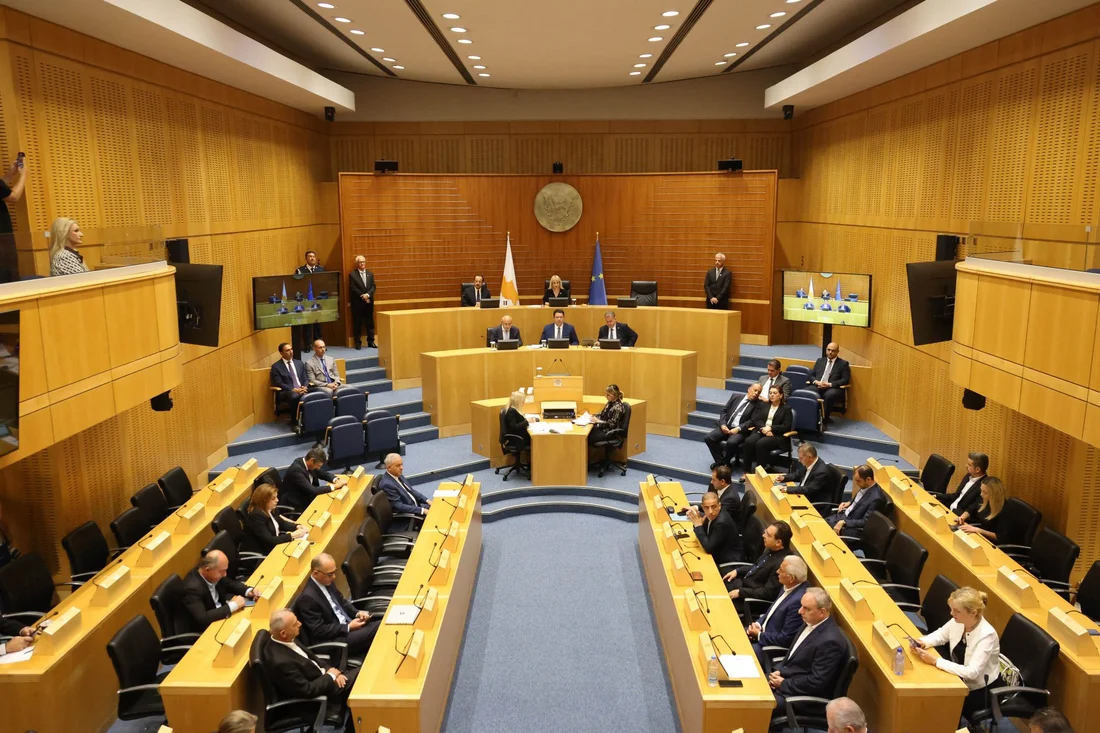
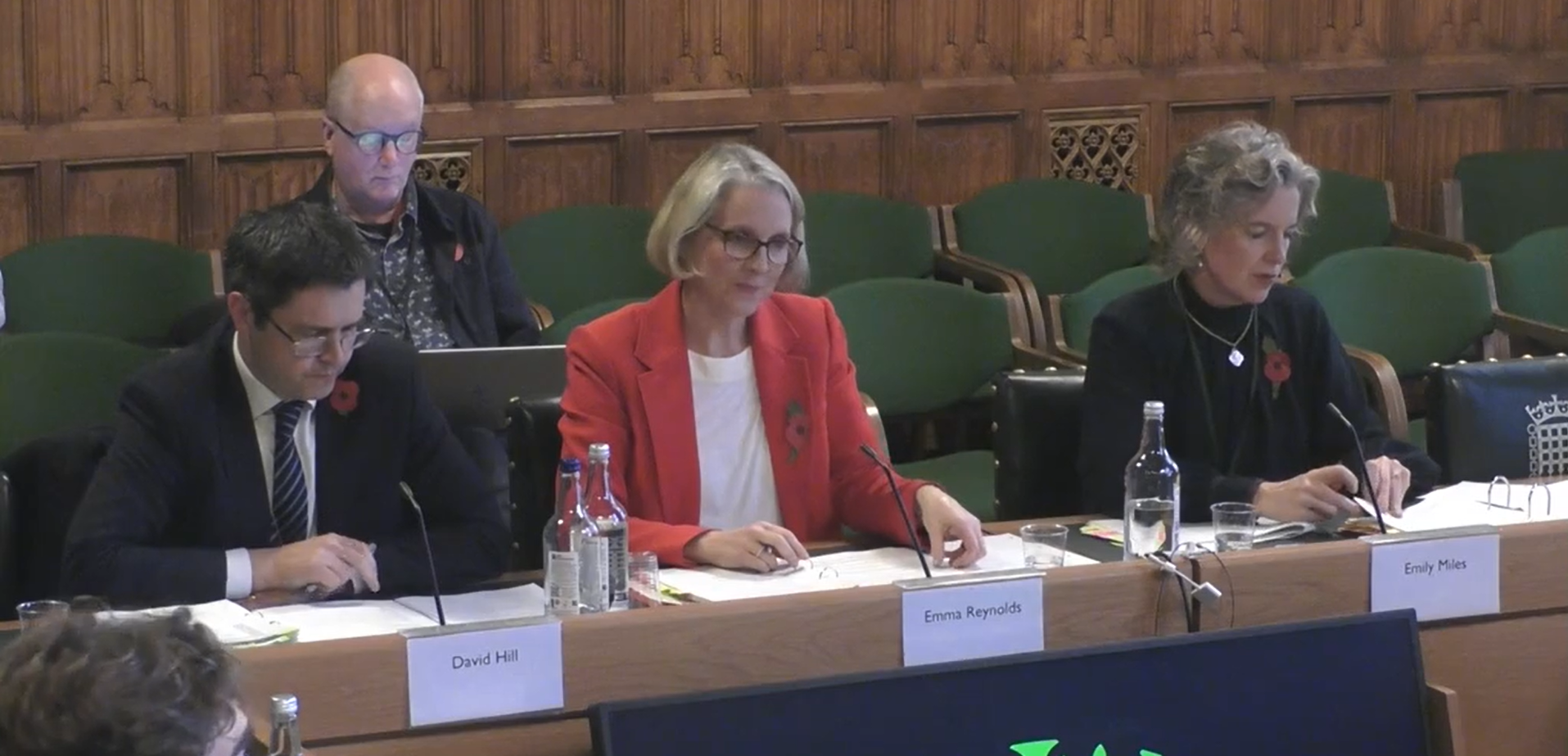
The Scottish Parliament’s Economy and Fair Work Committee recently heard evidence that AI presents both a transformative opportunity and significant labour market risks. Witnesses argued that Scotland cannot afford to ignore the technology, but must also ensure workers are equipped for the disruption it will bring.
That challenge extends well beyond the technology sector.
Healthcare may increasingly rely on AI-assisted diagnostics, but patients will still expect compassion, reassurance and accountability. Education may become more personalised through technology, but parents will still value teachers who can inspire and motivate. Businesses may use AI-generated forecasts, but boards will continue to expect human leaders to make decisions and accept responsibility for the consequences.
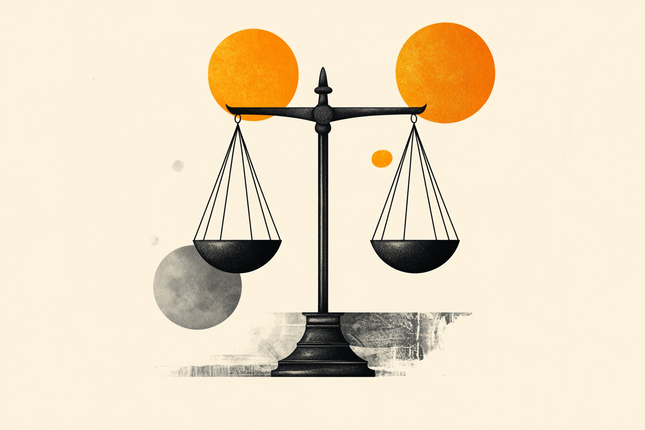
The future is unlikely to divide neatly into jobs for people and jobs for machines. Most occupations will become combinations of both. The most successful organisations may not be those that replace the greatest number of employees with AI, but those that best combine machine efficiency with human judgement.
Read more:
Likewise, the most successful workers may not be those who attempt to compete directly with AI on speed or information processing. Machines will almost always win that contest.
For generations, education and training have largely been built around teaching people how to process information, follow procedures and perform tasks efficiently. The problem is that machines are becoming very good at all three.
If AI continues to advance at anything like its current pace, the workers who prosper may not be those who know the most facts or can produce the fastest answers. Rather, it could well be those that exercise good judgement, navigate uncertainty, earn trust and take responsibility when things go wrong.
That leads to an intriguing conclusion: the skills we have traditionally described as “soft” may soon become the hardest skills of all. In the AI economy, being more human may turn out to be the ultimate competitive advantage.