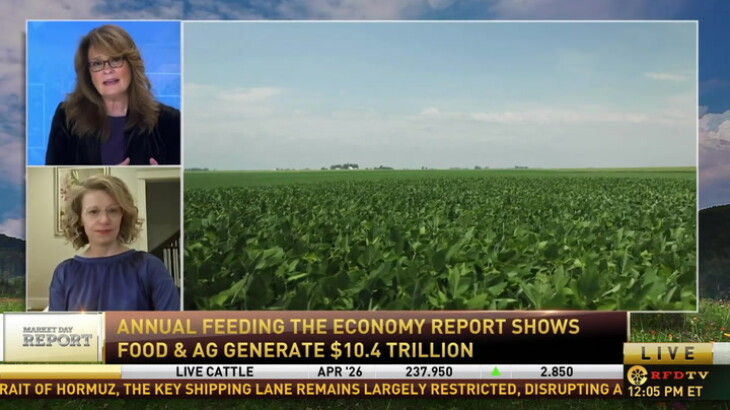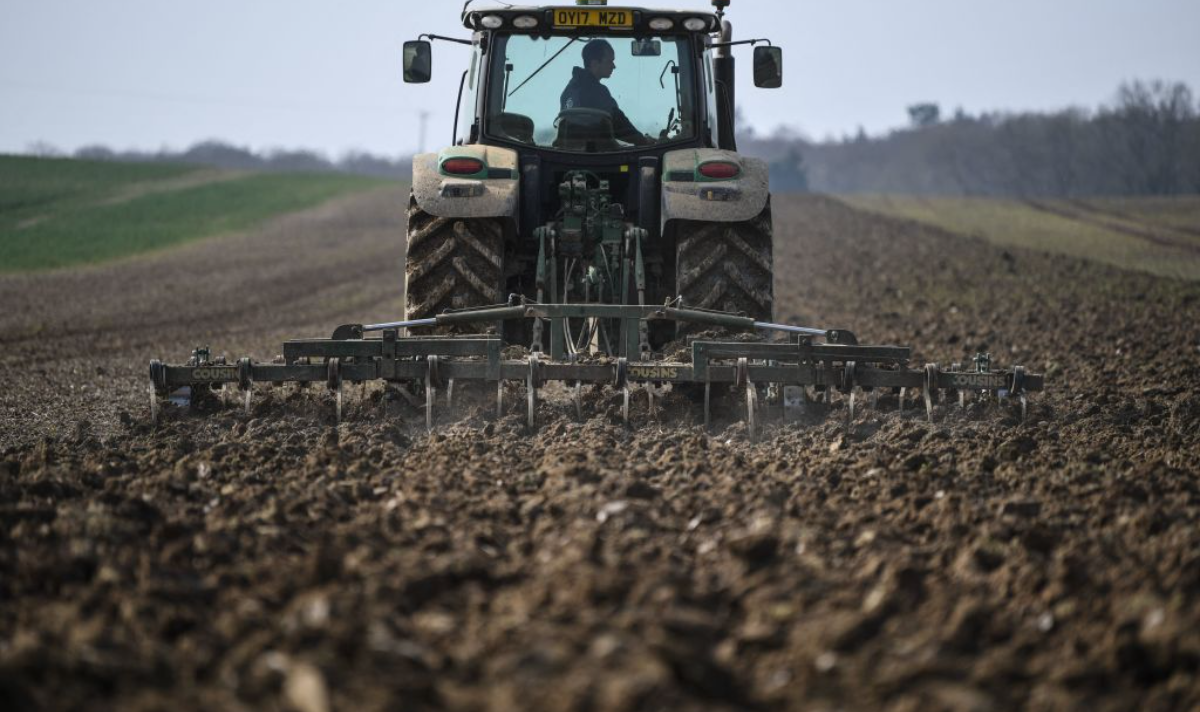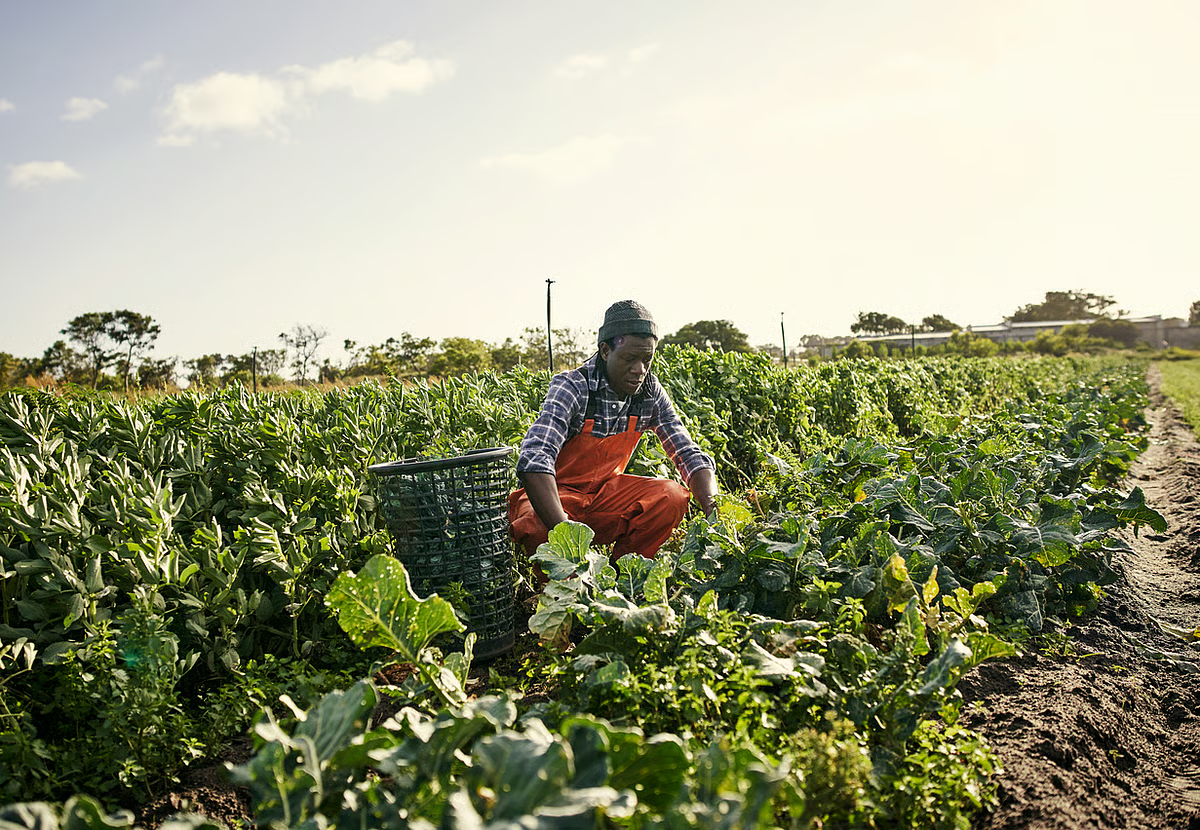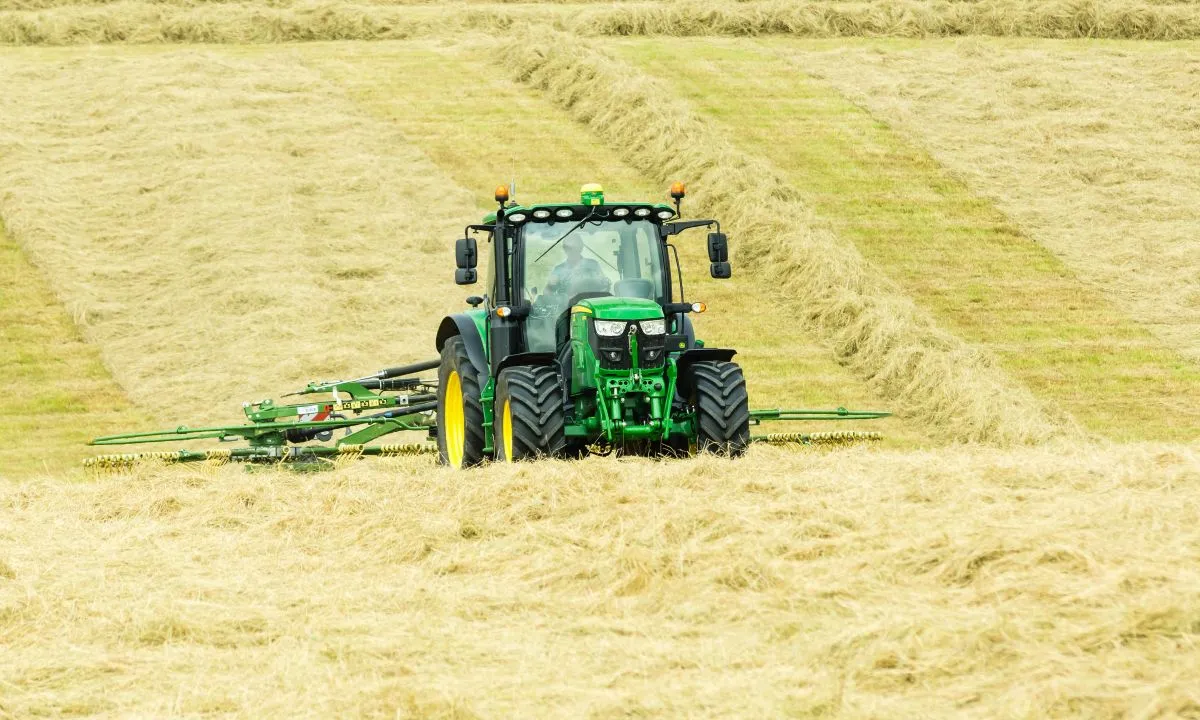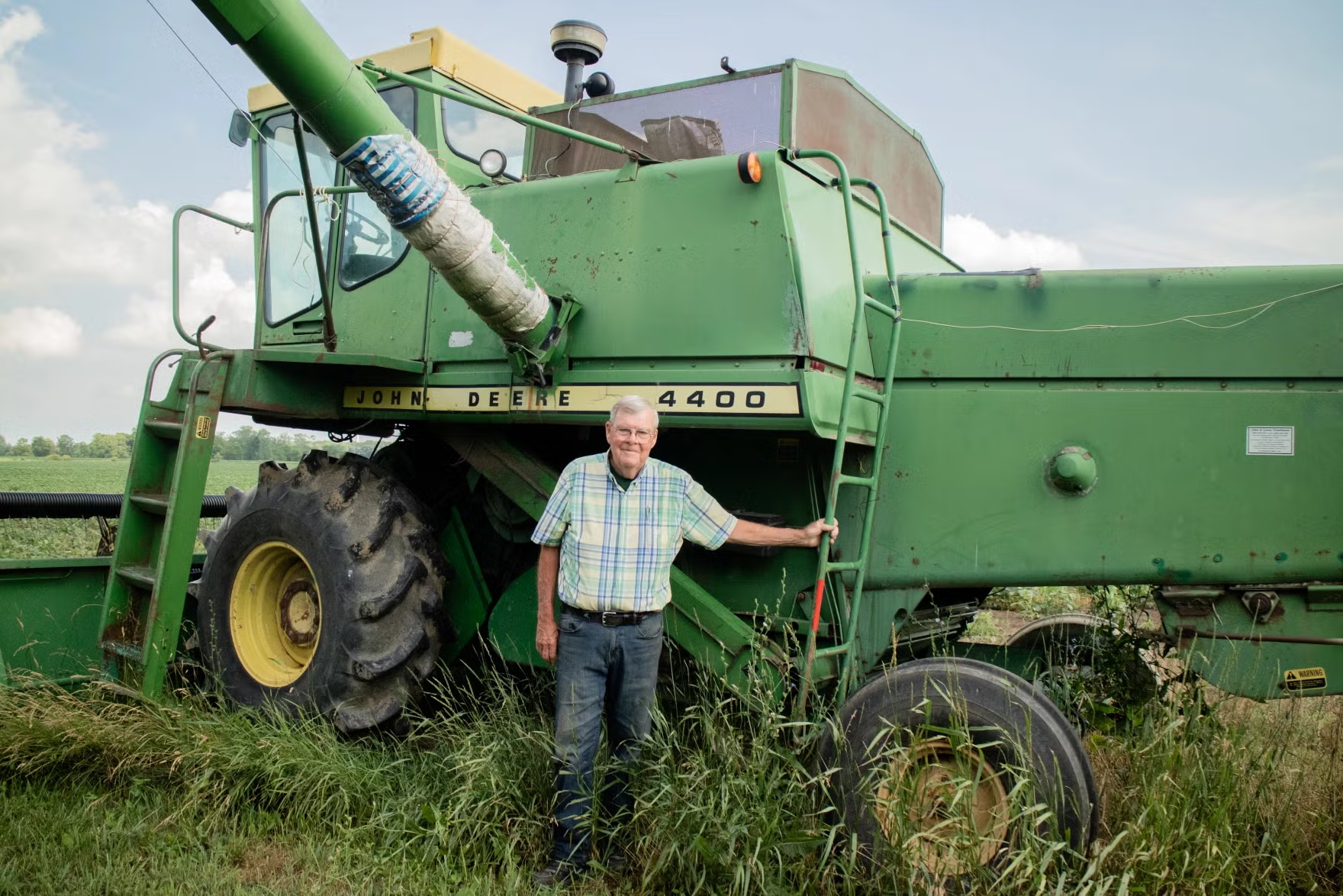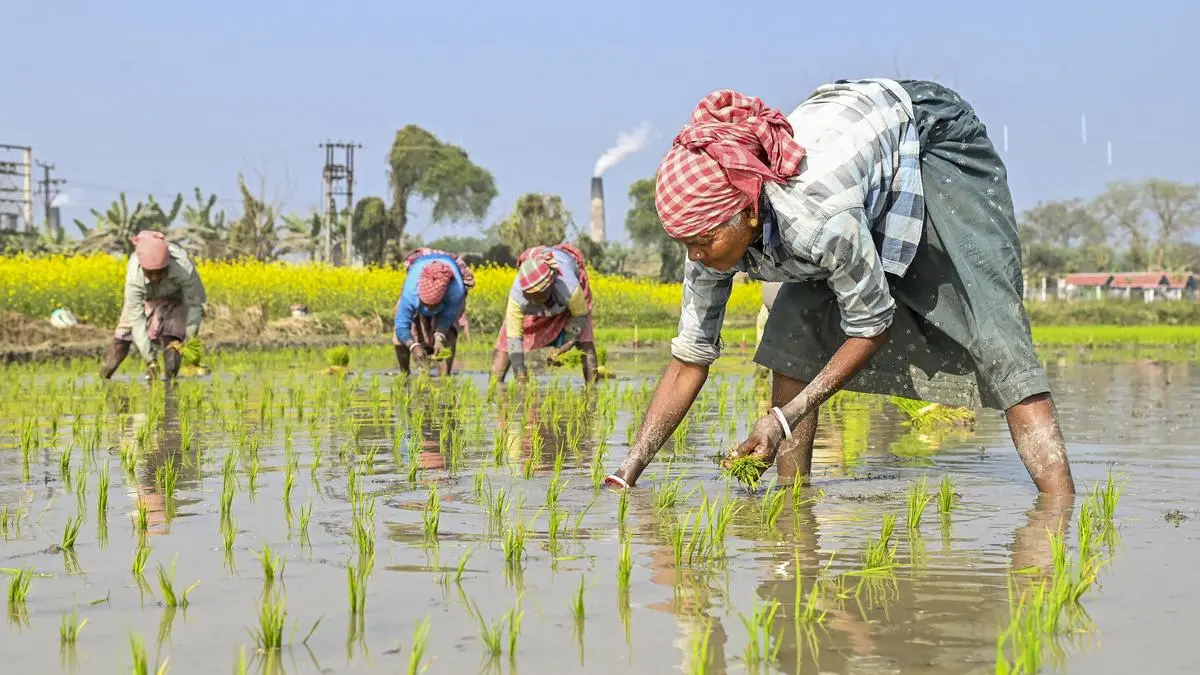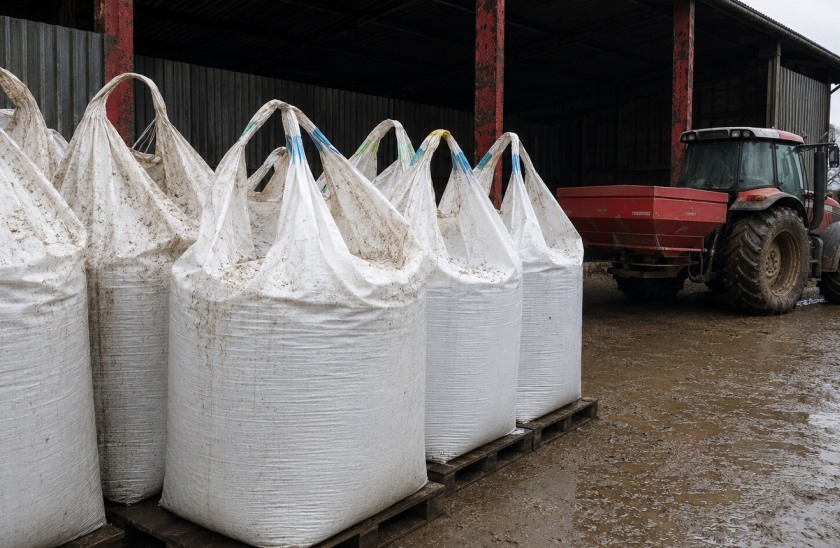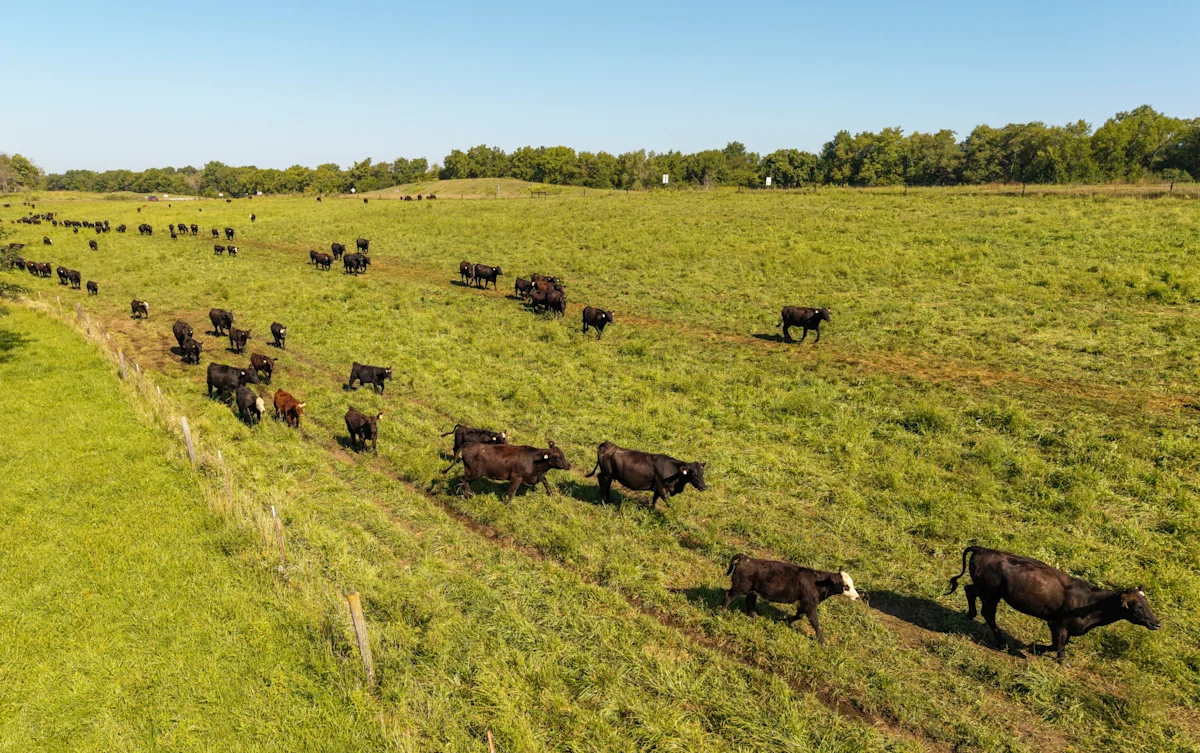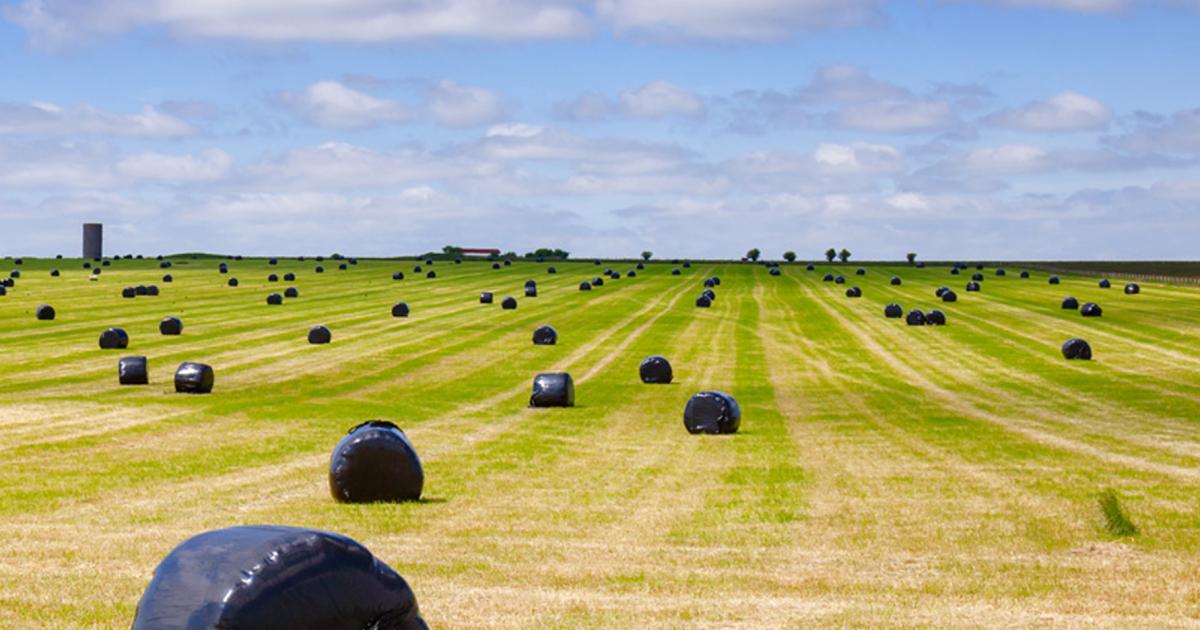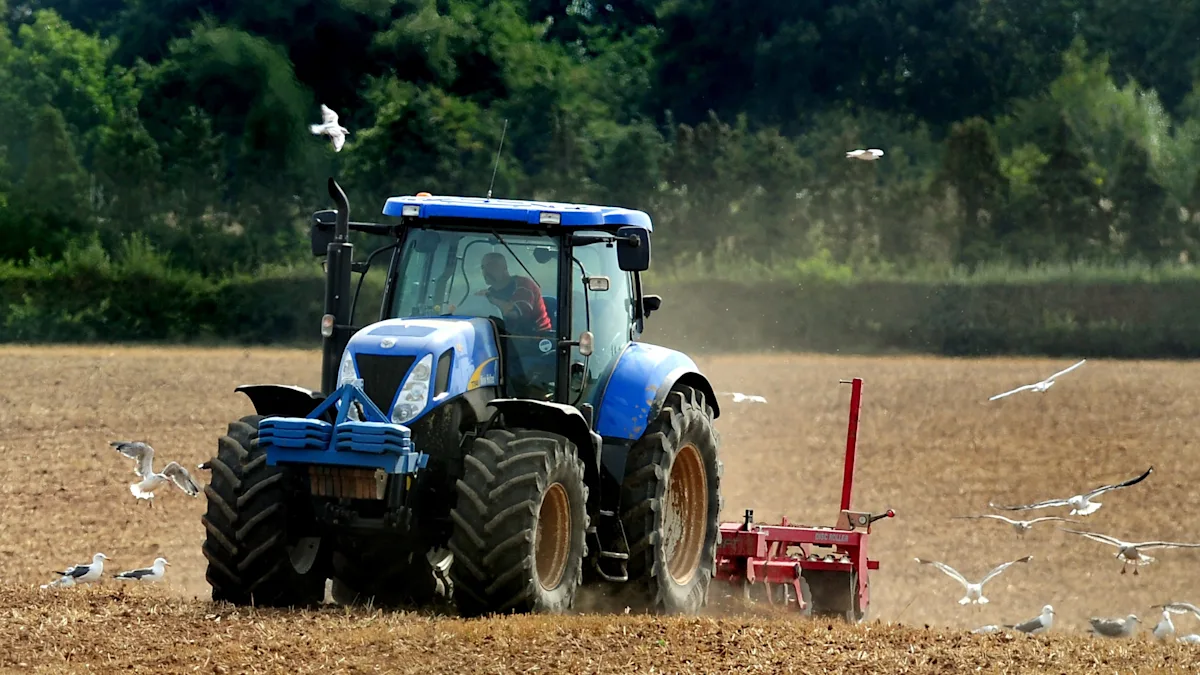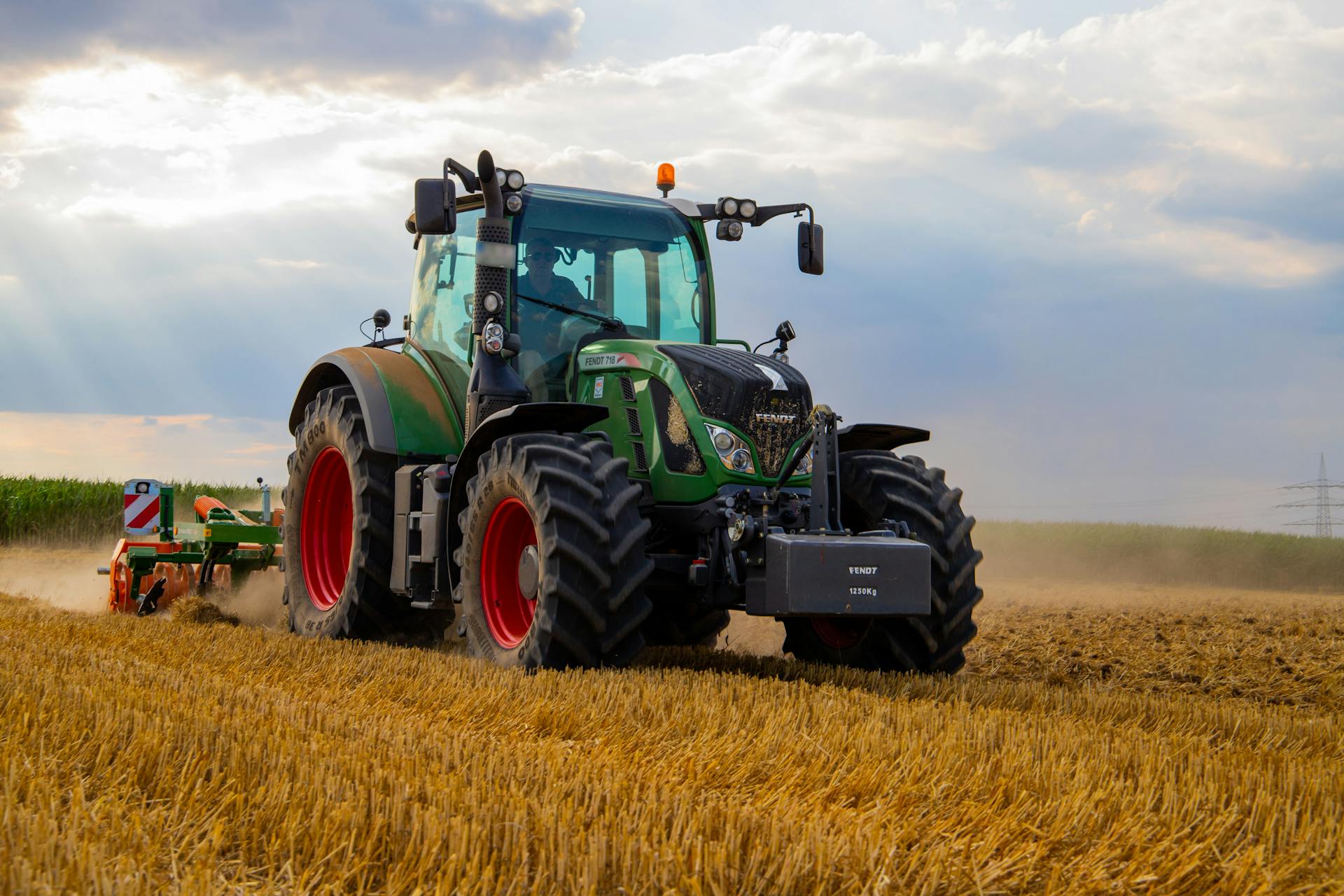
Smart farming technologies are already profitable across 42% of global cropland, and stronger environmental regulations could raise that share to 75%.
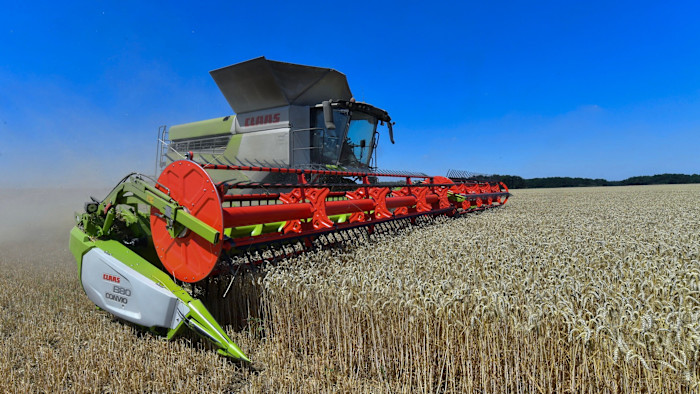
A new study has found that smart farming technologies – drones, weeding robots, precision irrigation, AI-guided machinery – are already paying off economically on 42 percent of the world’s cropland.
This is the first global estimate of precision agriculture’s profitability. That share could climb to 75 percent if countries tightened environmental regulations.
If environmental regulations were loosened, that share could fall to 31 percent.
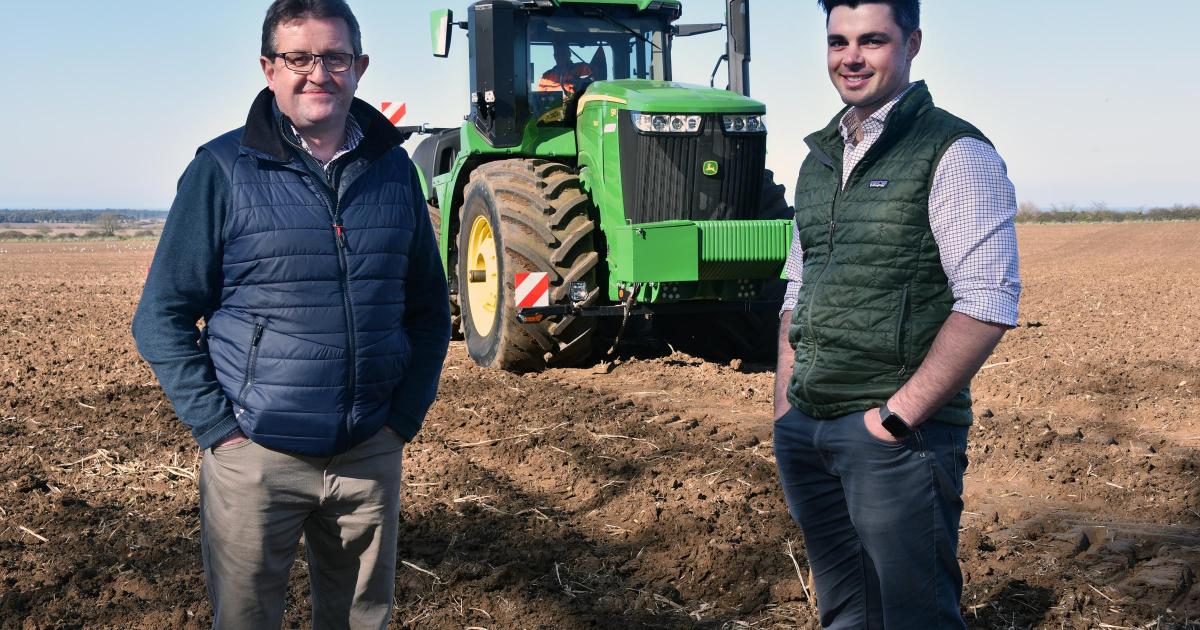
The research was led by professor David Wuepper and doctoral student Shahrear Roman at the University of Bonn.
Not cheap, but often worth it
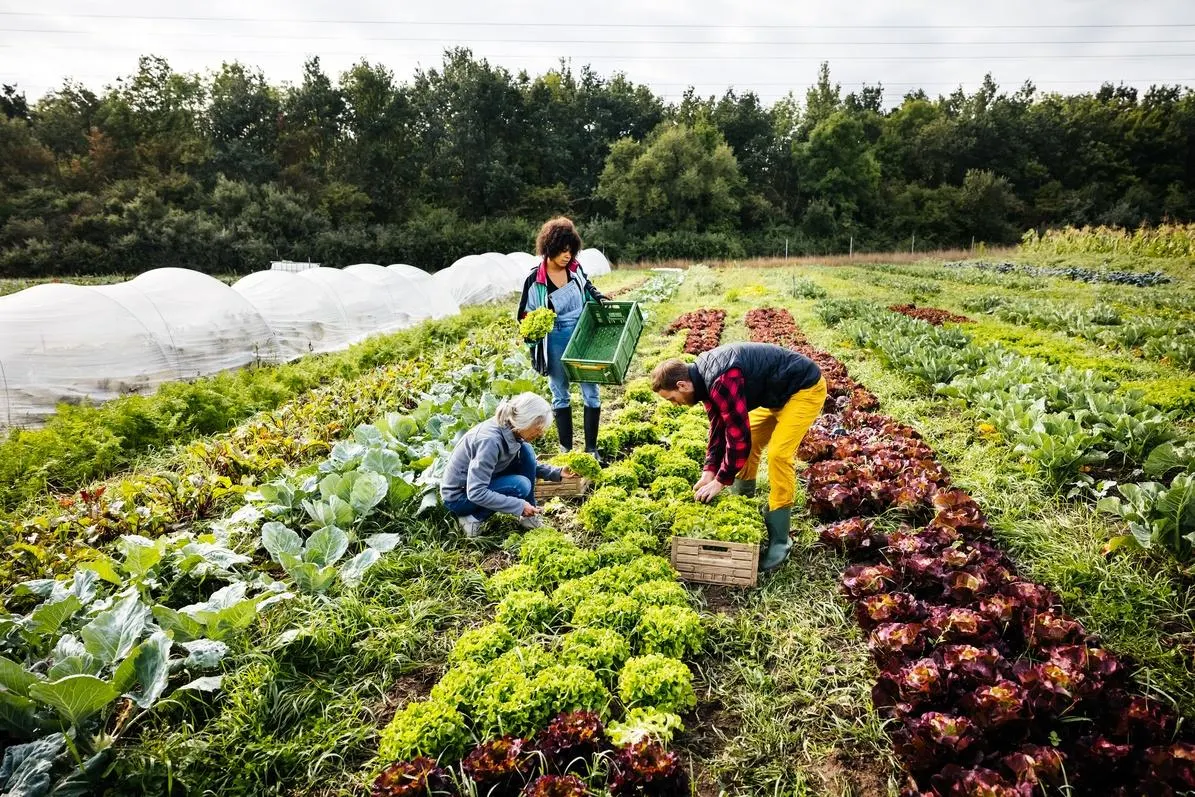
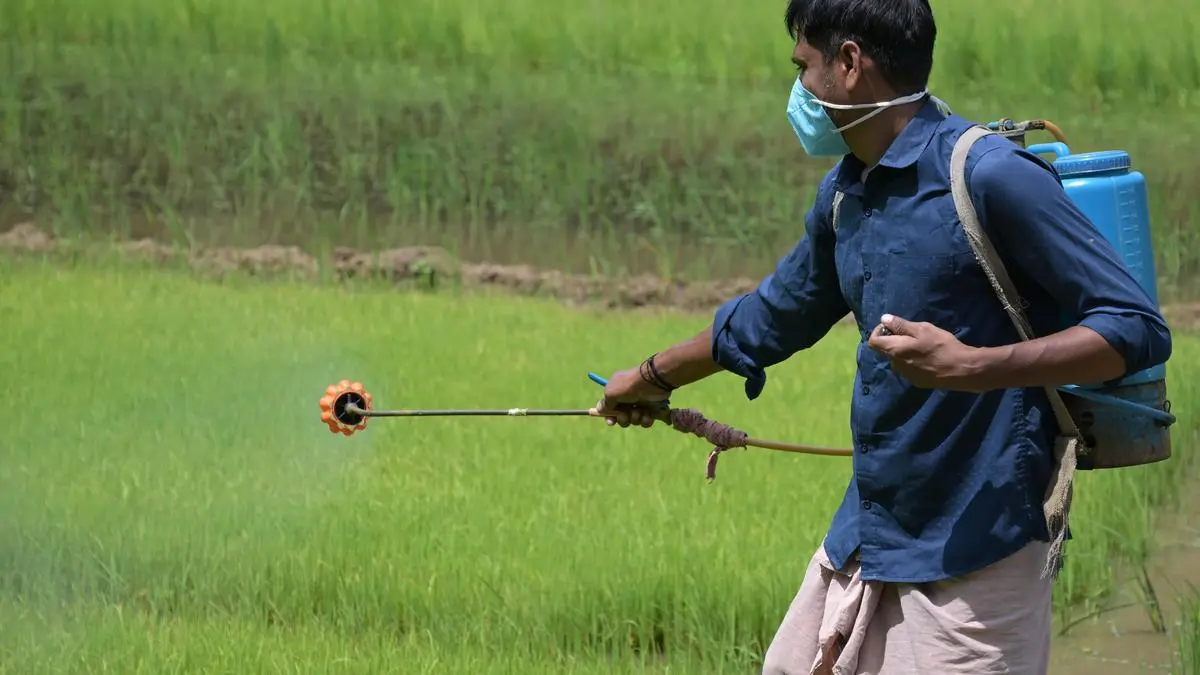
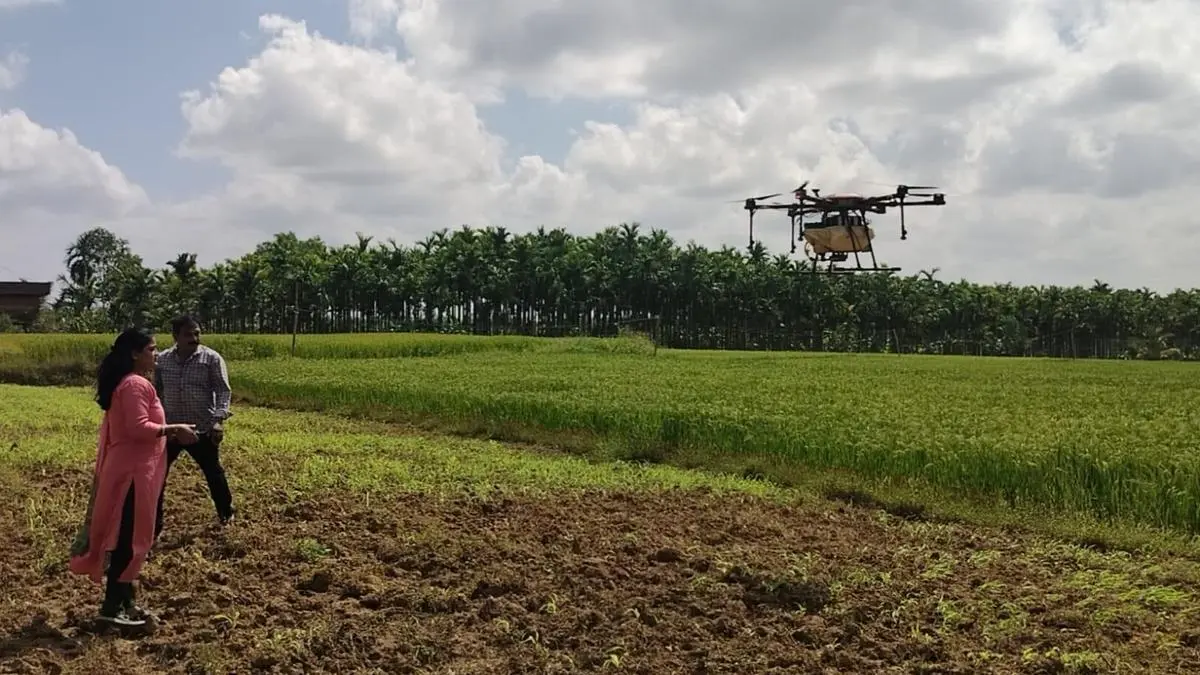
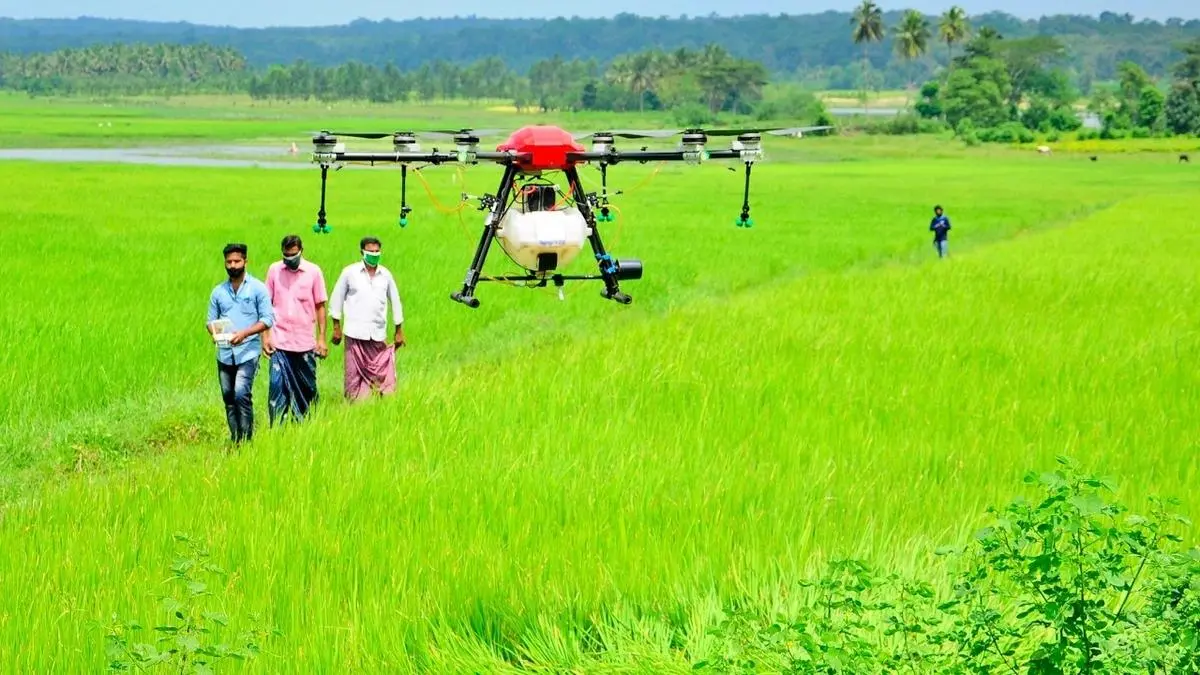
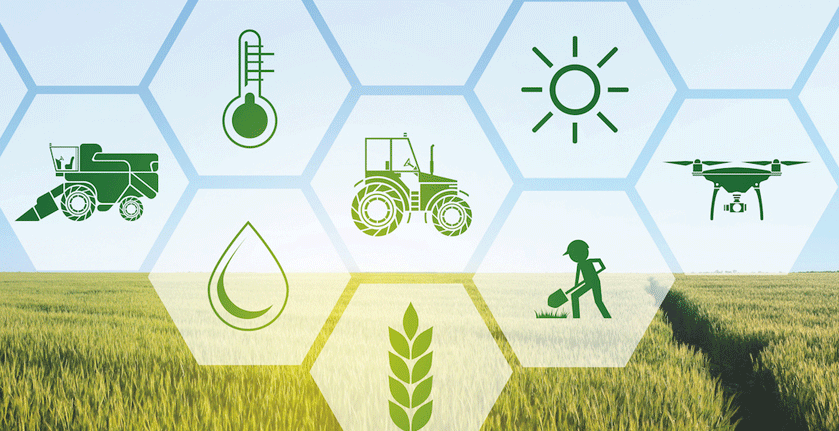
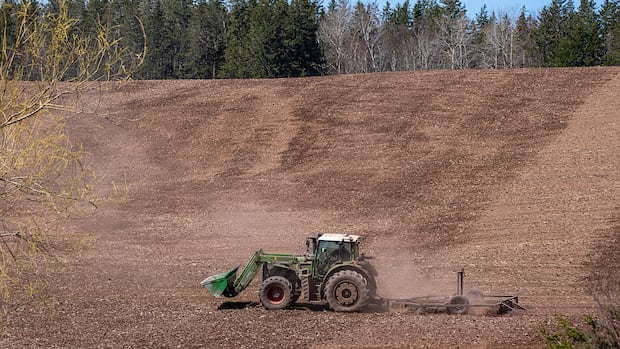
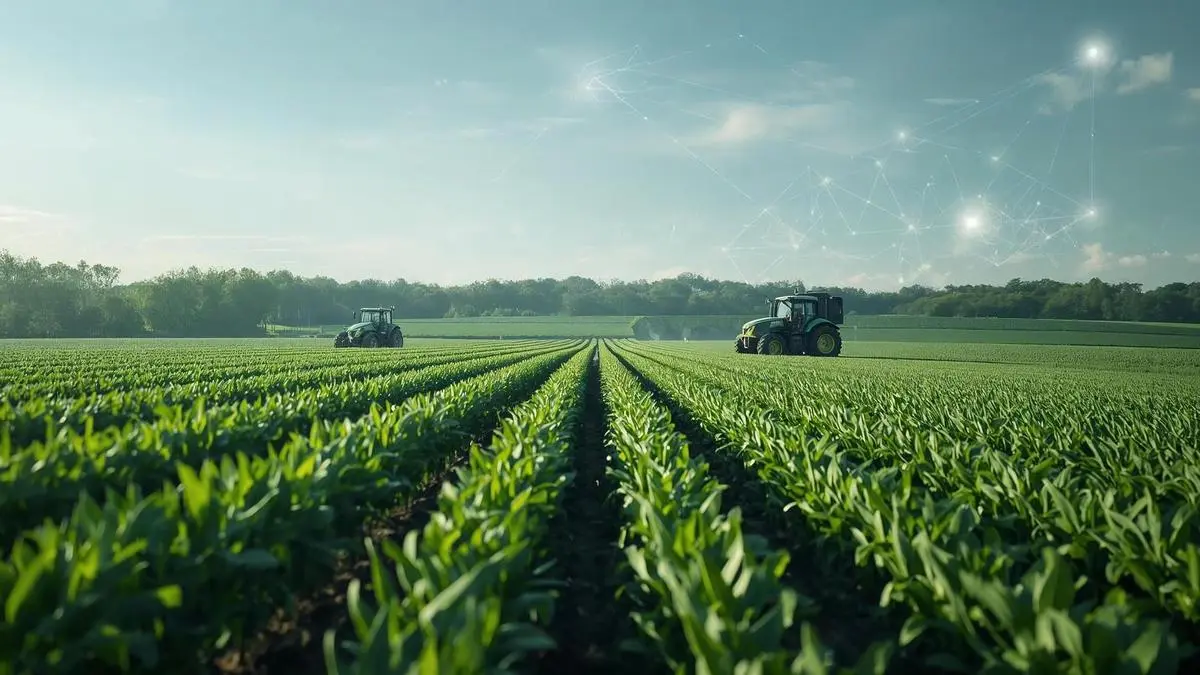
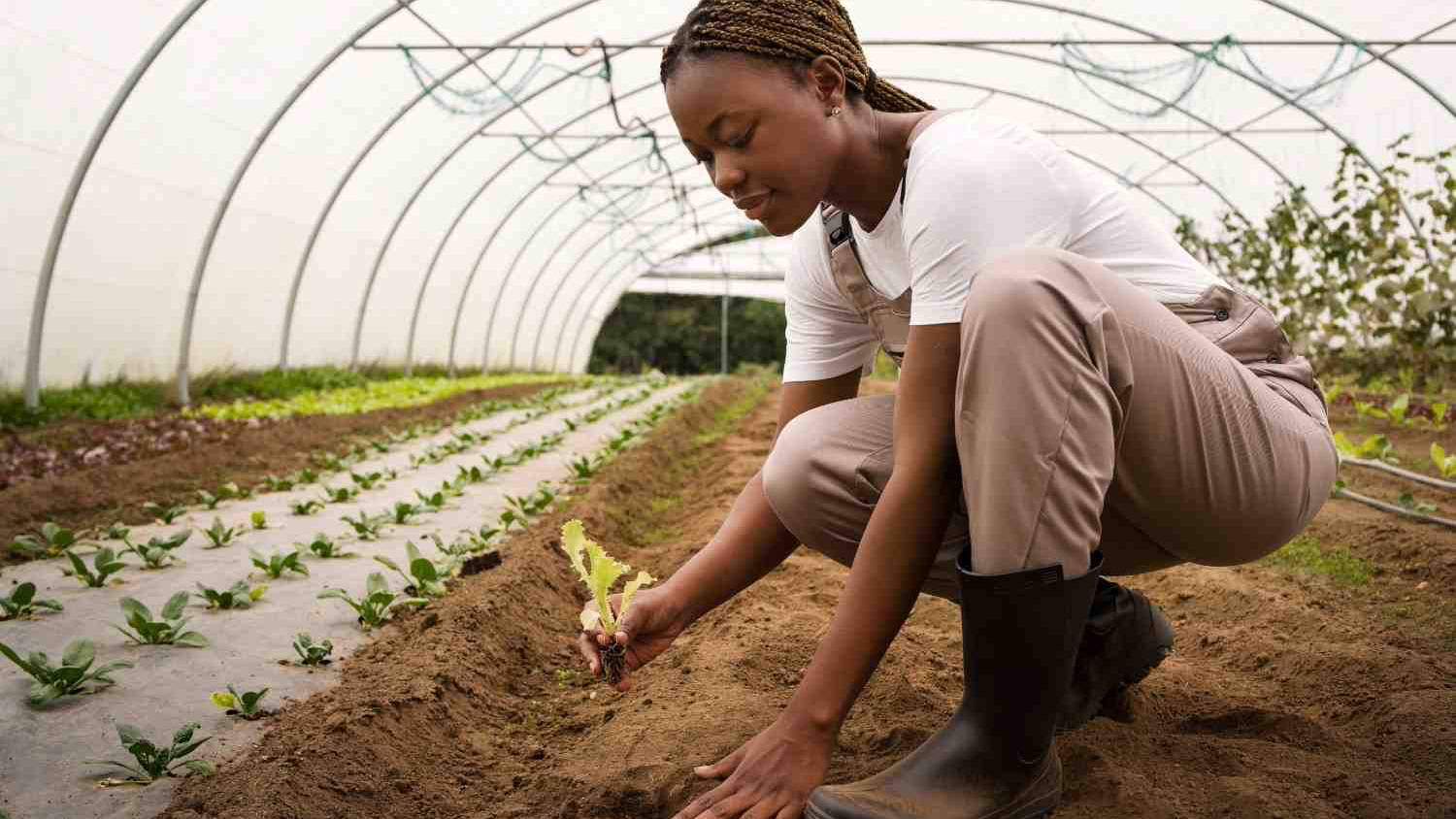
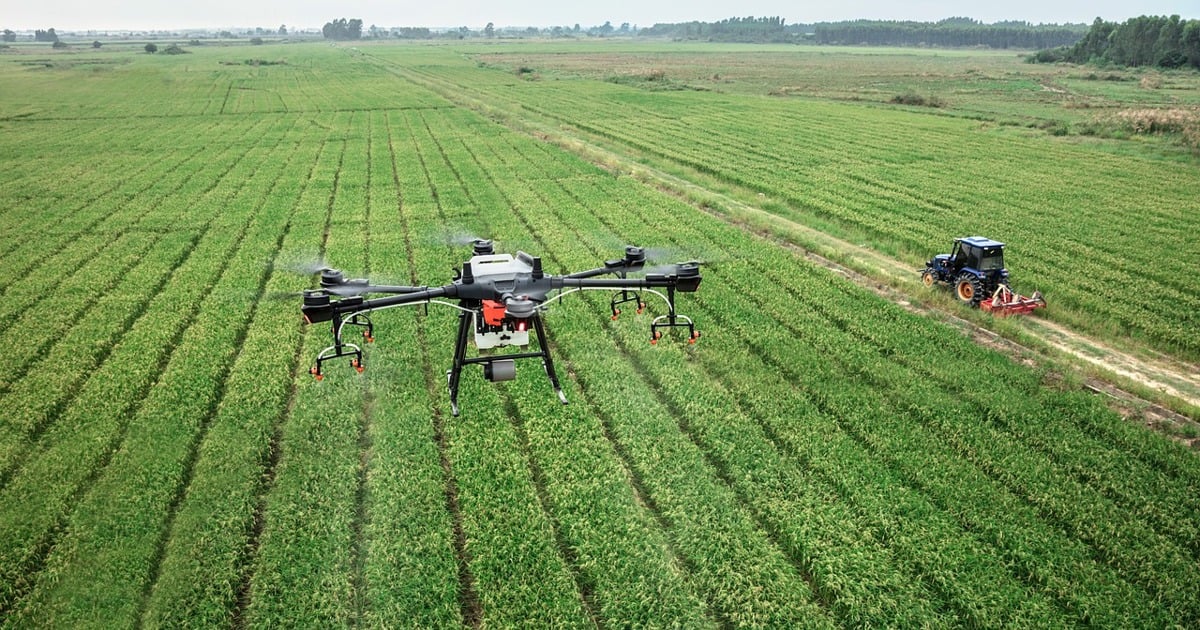
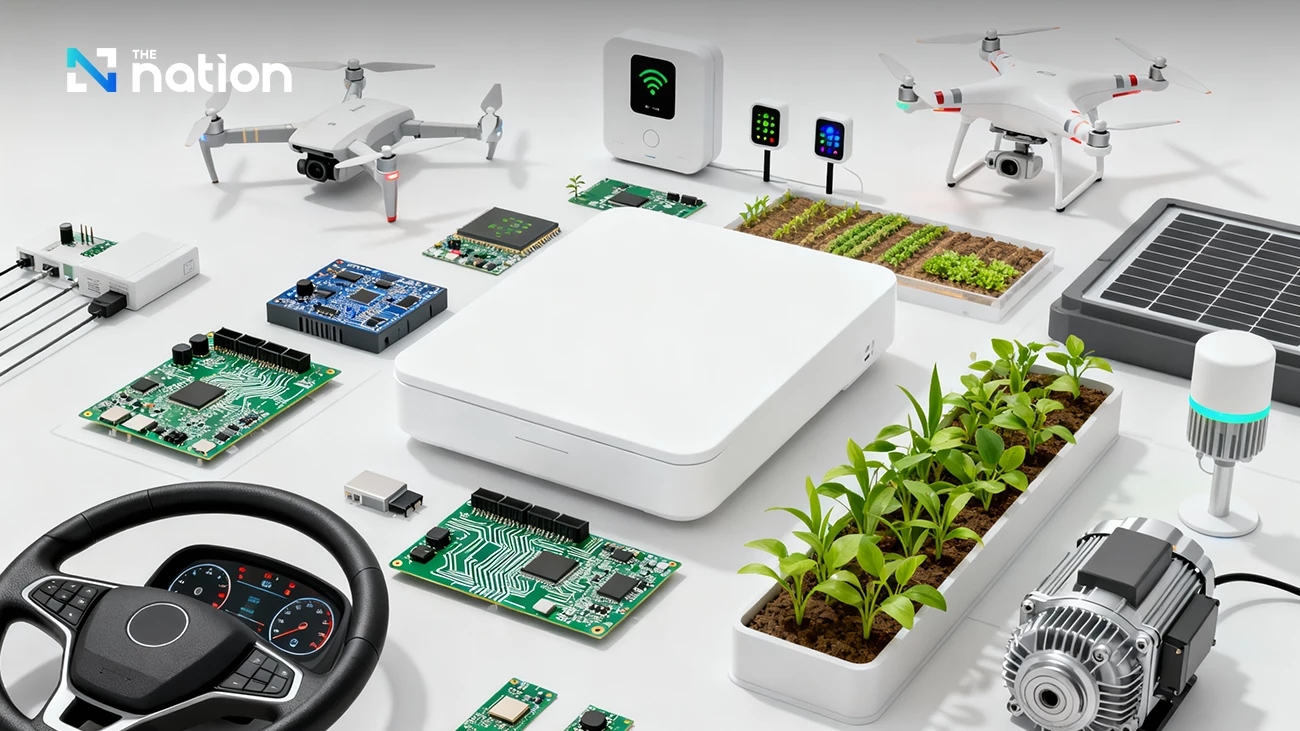
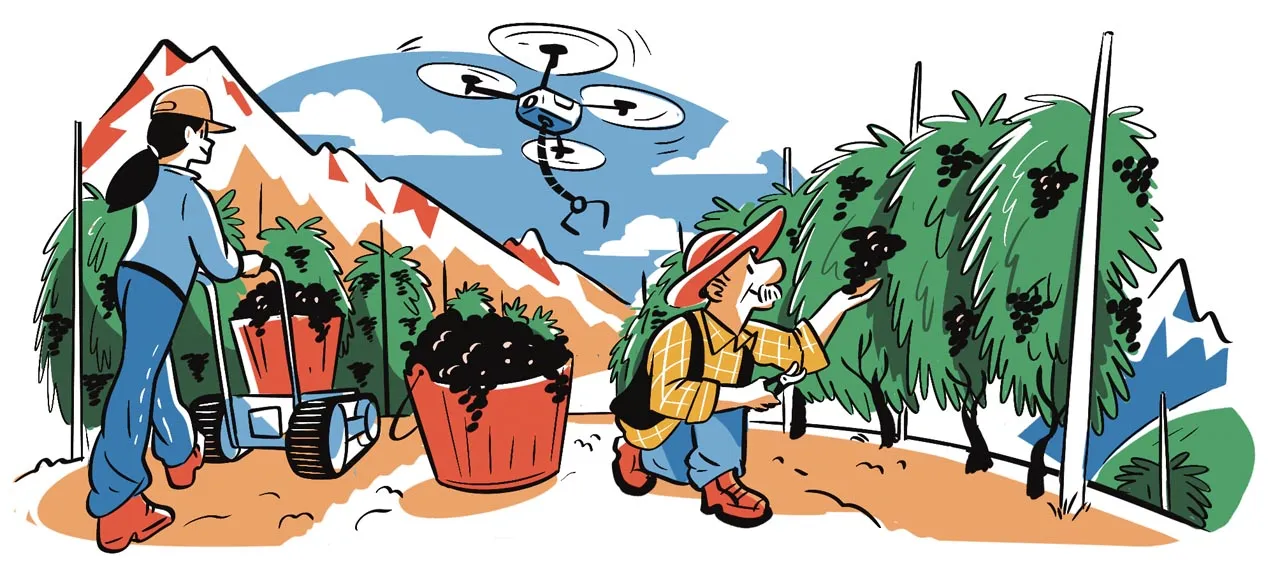
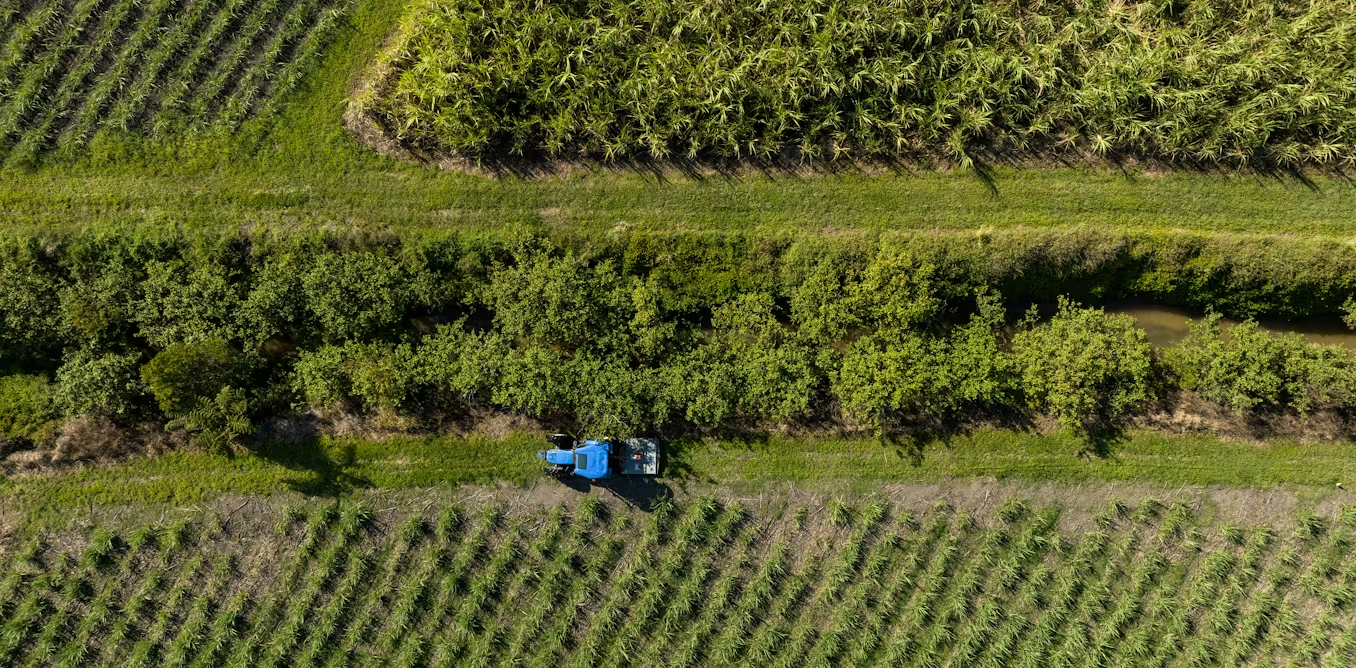
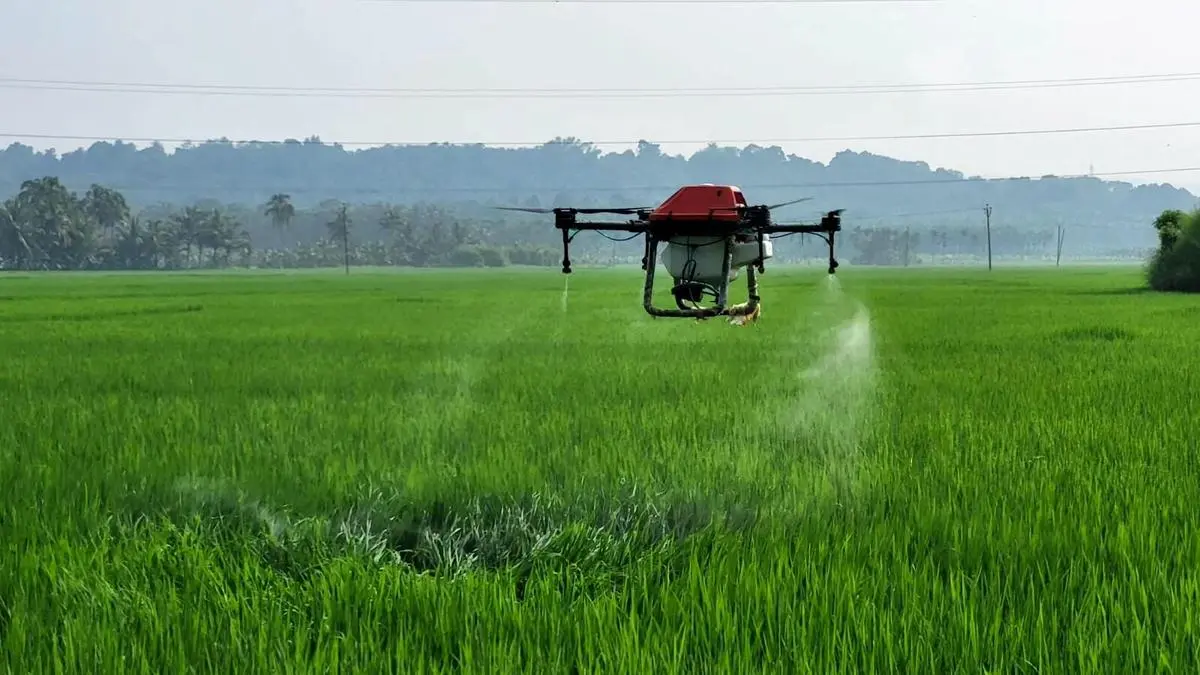
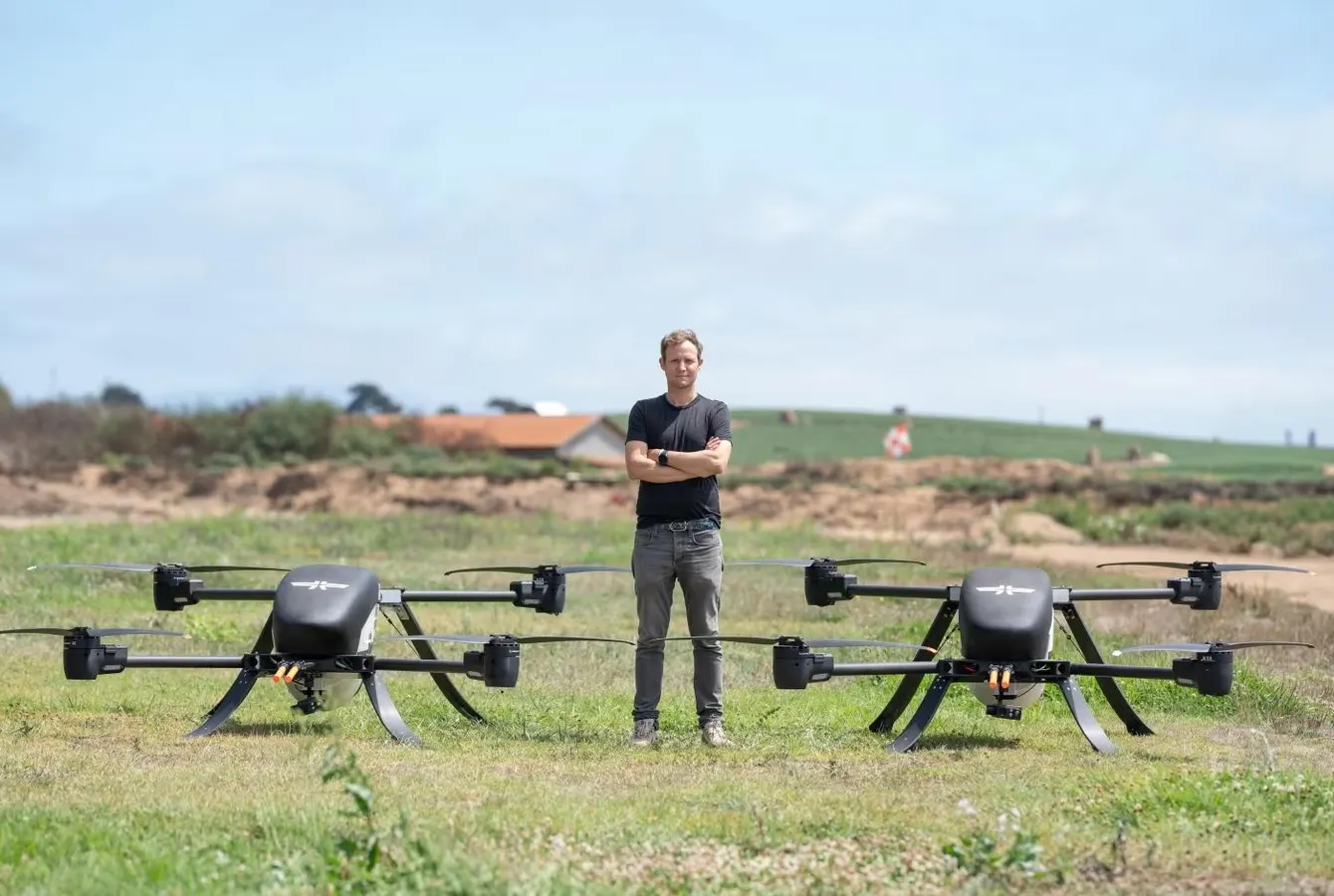
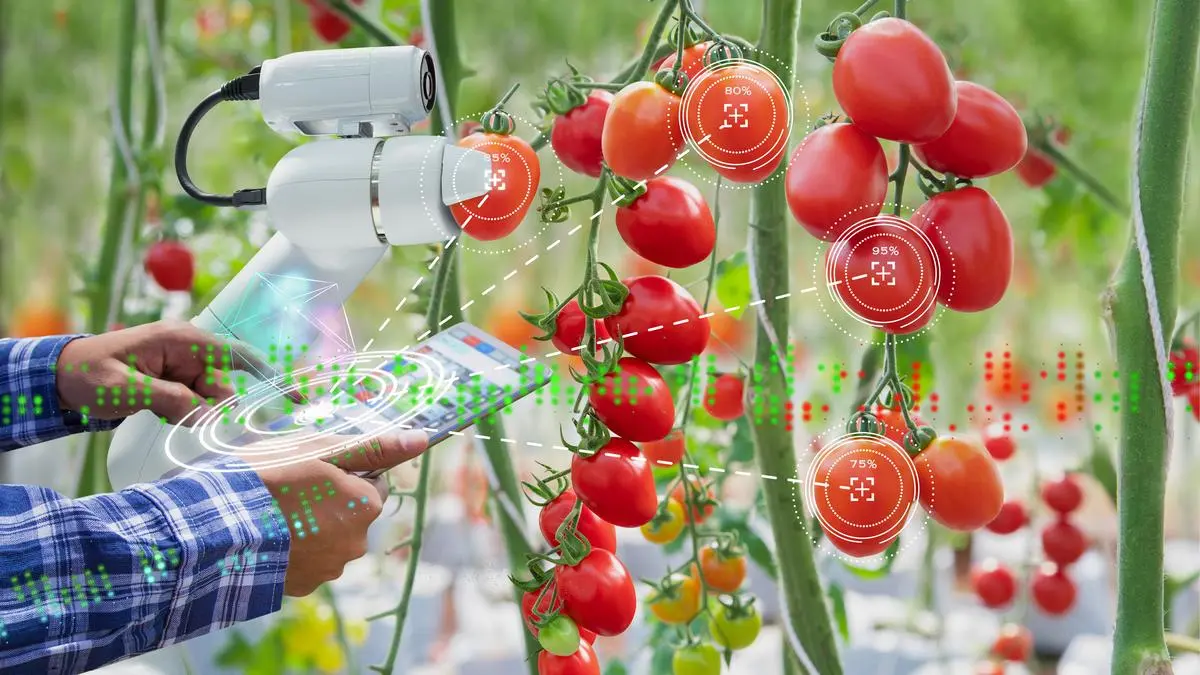
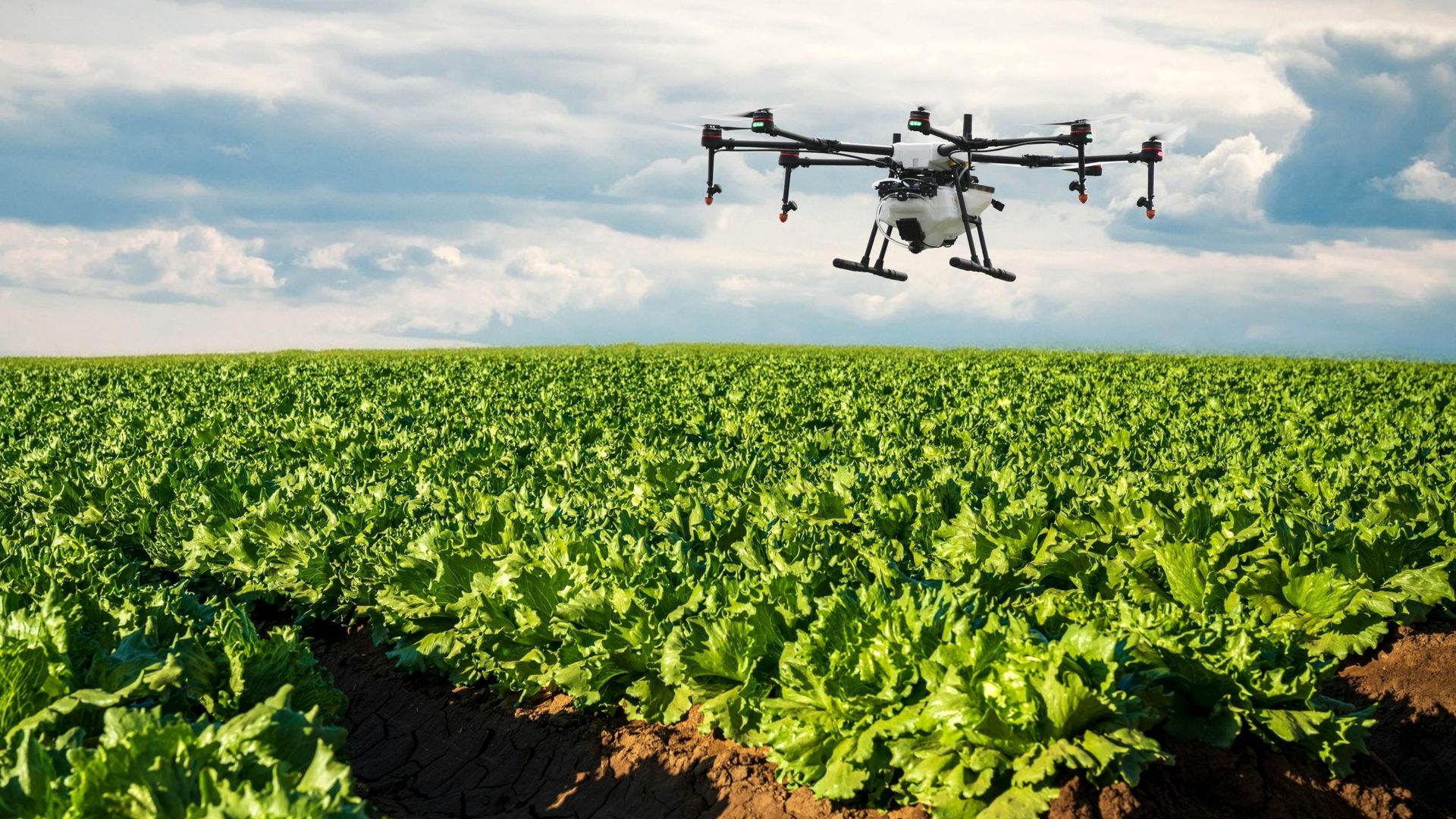
The pitch for smart farming is straightforward enough. Drones spot pest infestations and relay data to sprayers that treat only the affected area.
Robots pull weeds before they establish and irrigation systems read soil moisture only where roots actually need it.
Together, these technologies reduce inputs, cut waste, and in theory make farming both more profitable and less environmentally damaging.
The catch is cost. Switching to precision agriculture requires capital investment and technical expertise that many farms, particularly smallholders, simply don’t have.
There is also significant variation in local conditions, including labor costs, the price of inputs, the availability of training, and the structure of landholding.
That means the economics look very different depending on where in the world you are farming.
“So we wanted to know where precision agriculture is particularly worthwhile in economic terms,” Roman said.
Where precision agriculture pays off
To find out, the researchers wrote to over 8,000 smart farming experts worldwide, asking them to identify places where these technologies were already being used profitably.
Combined with a systematic sweep of the scientific literature, this produced a dataset of more than 4,000 locations where precision farming was already in operation.
Machine learning algorithms then identified the underlying conditions that made adoption economically viable. The analysis covered five technology categories.
Autonomous irrigation systems were the first, followed by weeding robots and drone-based field-mapping tools.
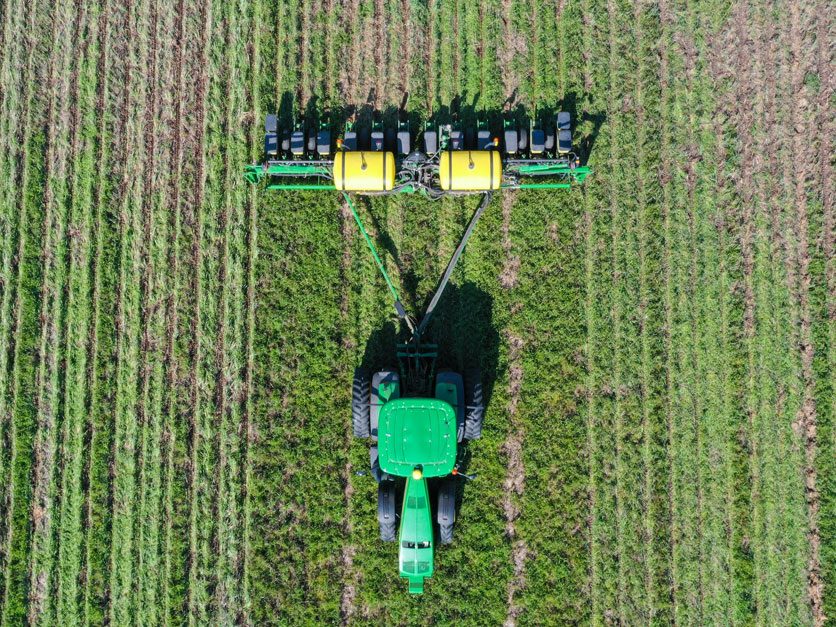
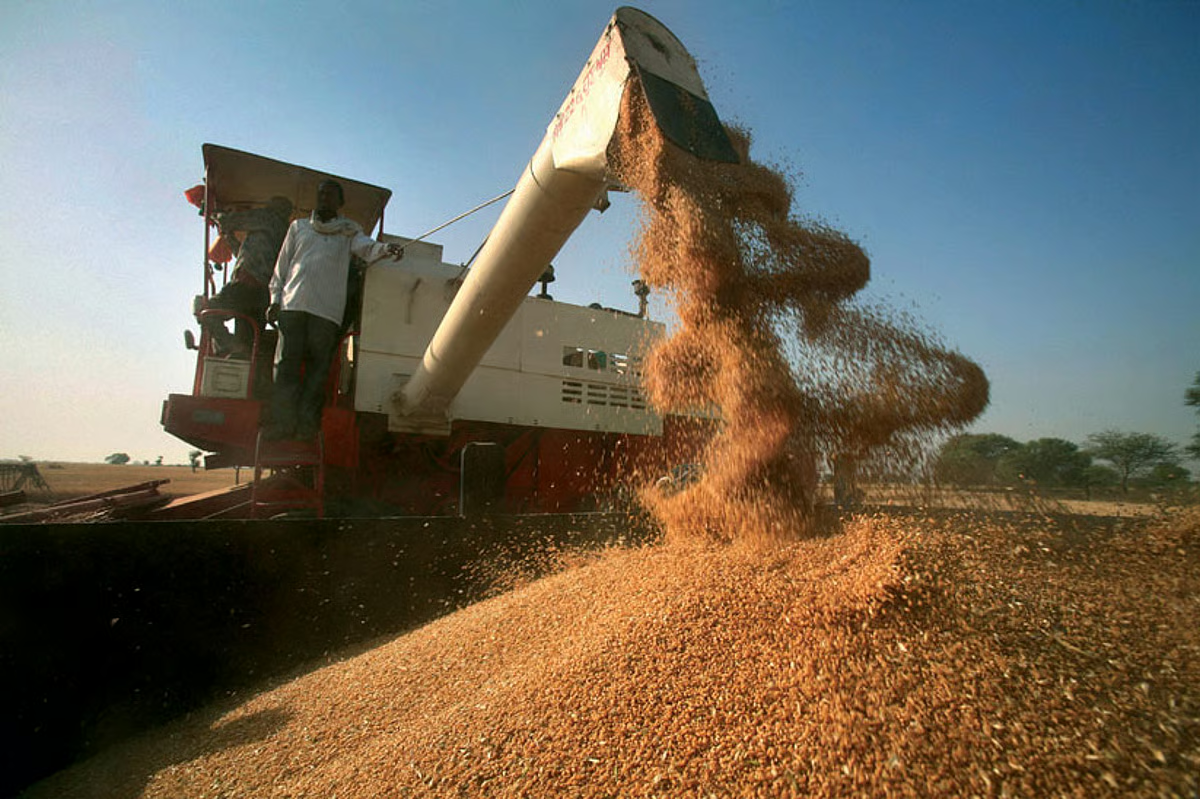
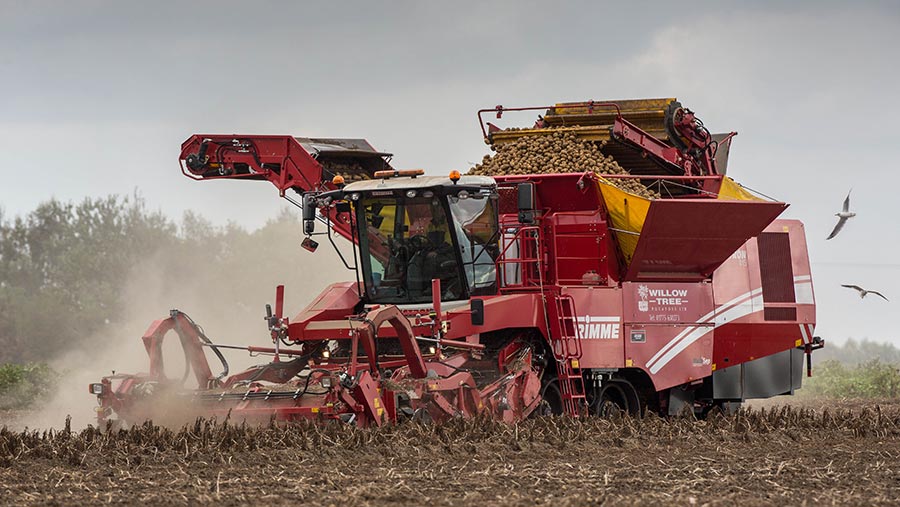
The fourth category was variable-rate application machinery. This is equipment that decides for itself how much fertilizer or pesticide to apply at any given point.
The fifth was GPS steering systems that keep machinery on precise tracks and eliminate overlapping passes that waste both fuel and inputs.
Where the method works
The economic case for smart farming is strongest where income and education levels are high, fields are large, and environmental regulations are strict – Western Europe, Canada, the United States, Australia.
The logic is reinforcing in all directions.
Wealthy regions apply heavy inputs of fertilizer and pesticide. This means precision systems that reduce over-application deliver real, measurable savings.
Labor is expensive, so machinery and robots pay their way faster than they would in a low-wage agricultural economy.
And strict regulations create financial pressure to reduce chemical use that makes the upfront investment worthwhile.
“We found that smart farming already pays off where environmental governance is strongest. It is by far the most important predictor in our models,” Roman said.
Why smart farming struggles in Africa
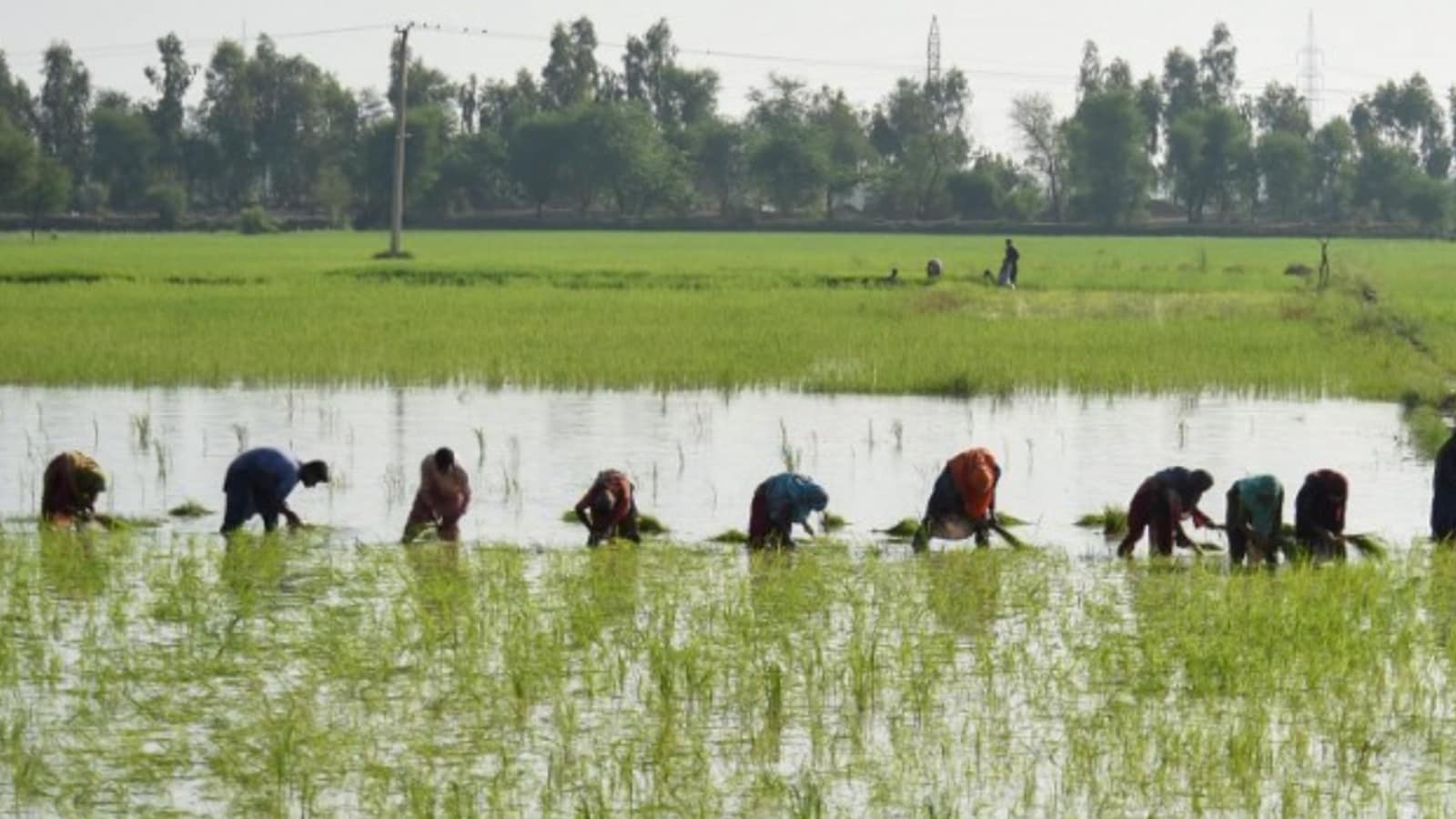
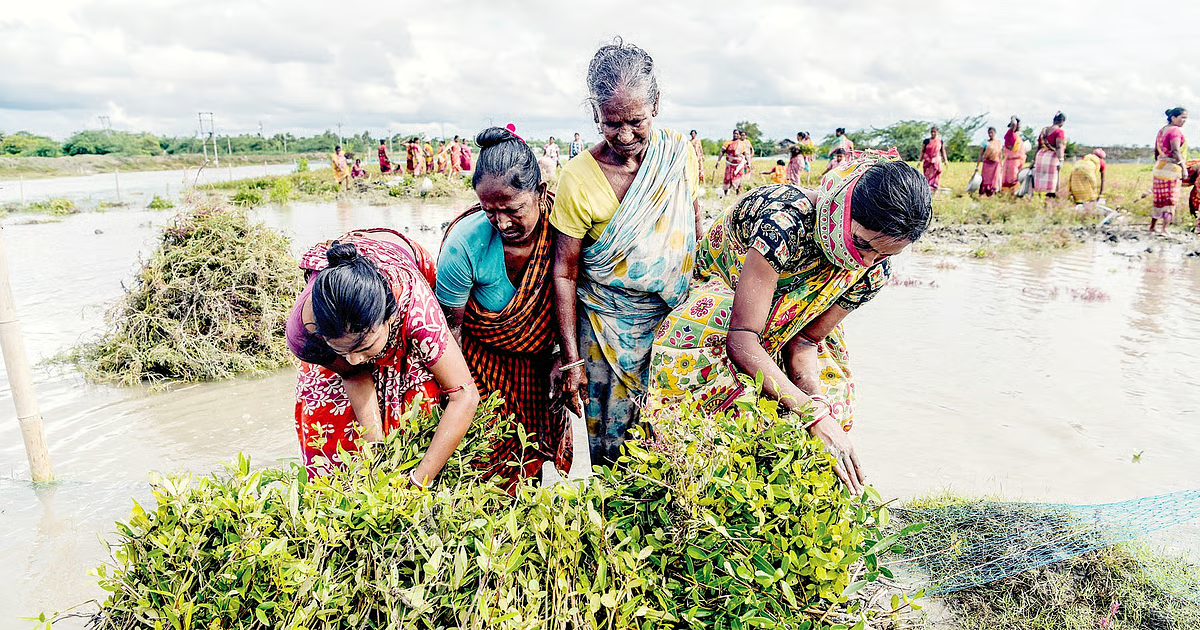
The corollary is equally stark. In sub-Saharan Africa, the potential of smart farming is currently limited.
That is not because the environmental problems are less severe. The technologies themselves are part of the issue.
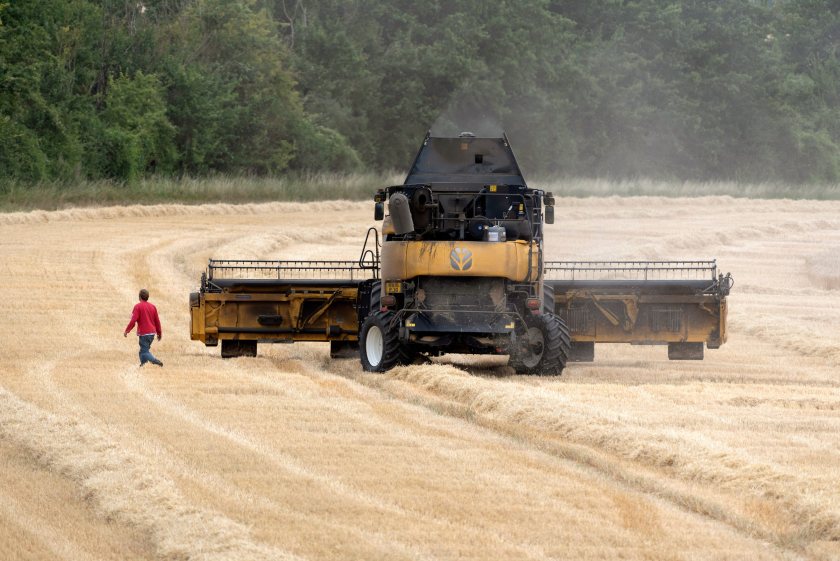
They were designed primarily for large, capital-intensive operations in North America and Europe, where fields are expansive and machinery investments can be spread across hundreds of hectares.
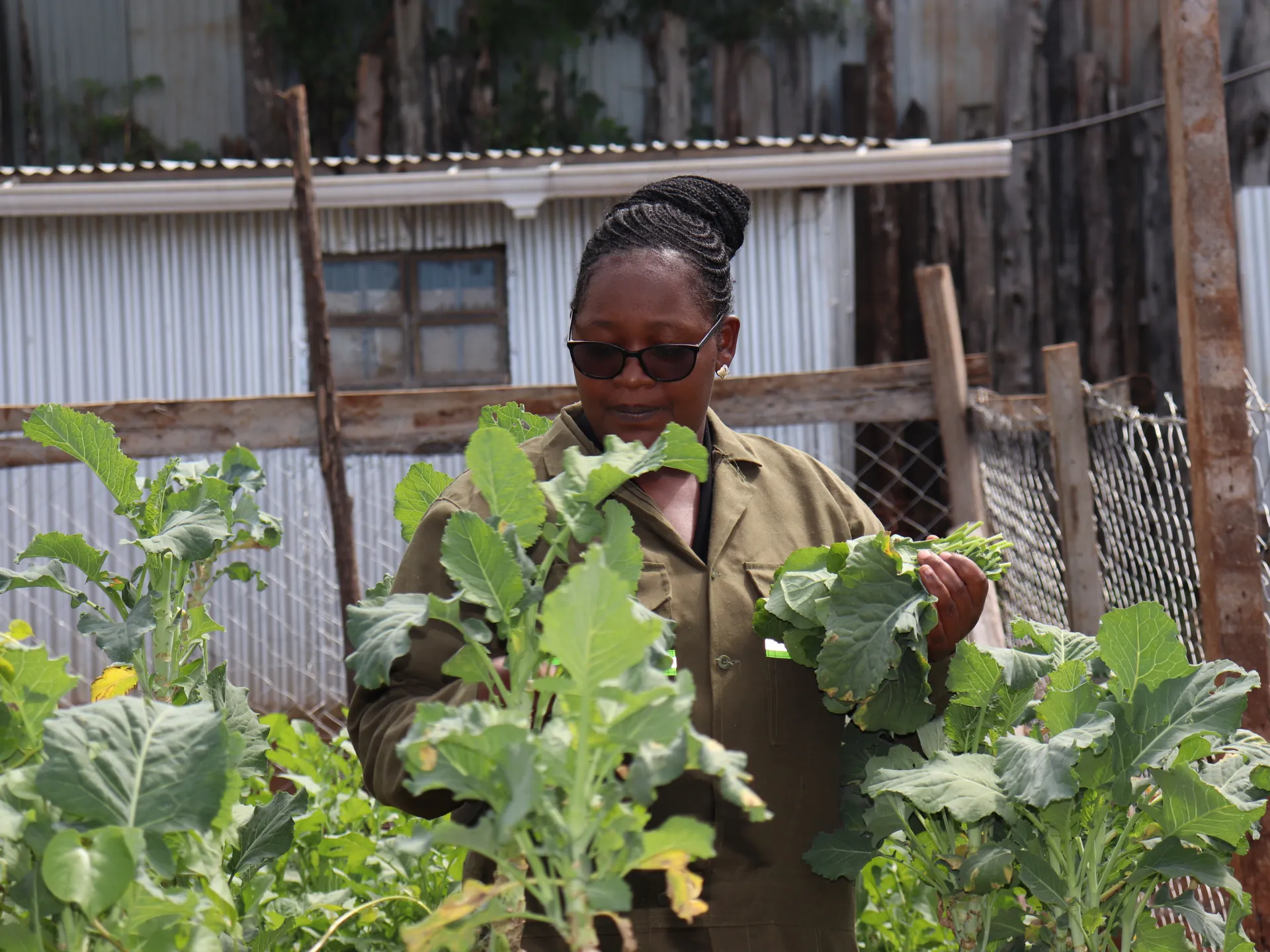
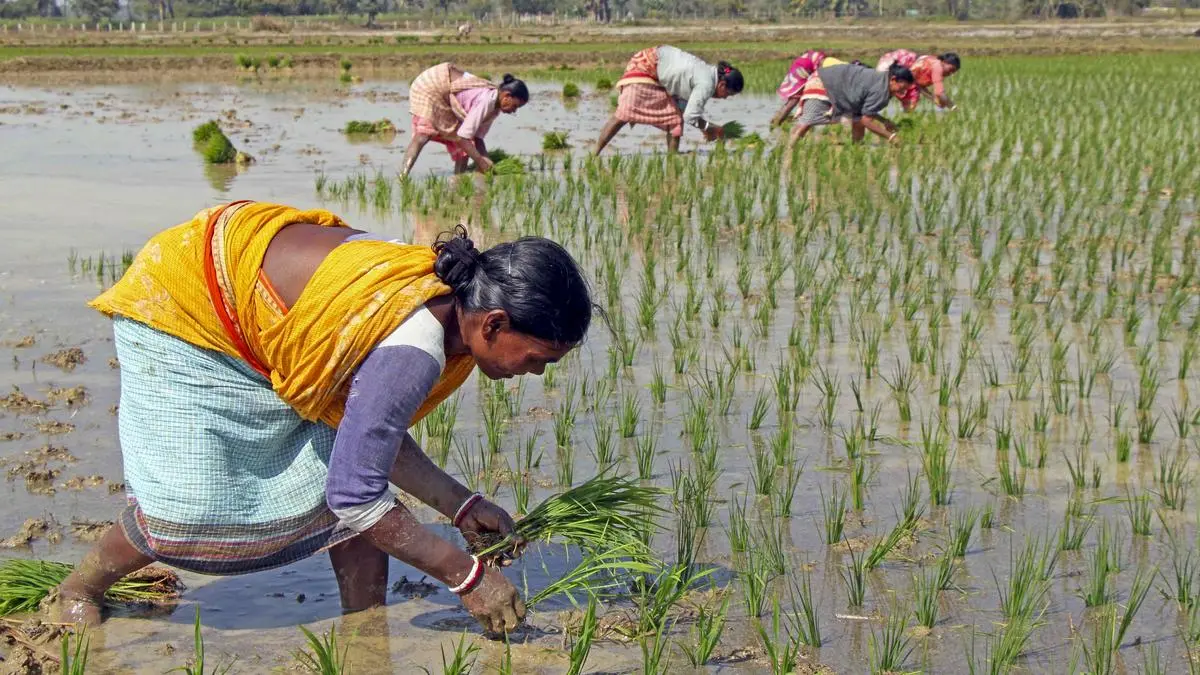
Across much of sub-Saharan Africa, farms are small and landholding is fragmented. Thus, equipment built for a thousand-acre operation in Kansas or Bavaria simply does not translate.
“At the moment, the equipment is being developed with a focus on large, capital-intensive operations in North America and Europe,” Wuepper said.
“Going forward, agricultural research and development should be stepping up the search for solutions that will be a sensible option for small farms too.”
More than an equity concern
Sub-Saharan Africa is among the regions where agricultural intensification is projected to increase most sharply over the coming decades.
The environmental consequences of getting that wrong are significant.
Without precision tools, intensification tends to mean more water withdrawn than aquifers can replenish, more fertilizer applied than crops can absorb, and more pesticide spread than pest pressure warrants.
Designing smart farming for the farms that actually exist in those regions is a practical priority.
Waiting for African smallholder farms to consolidate into something that fits current technology is waiting for a transformation that may never arrive.
Policy remains crucial
The researchers modeled three futures. In a baseline scenario, economic development continues along current trajectories without major regulatory changes.
Under these conditions, smart farming profitability expands from 42 to around 50 percent of global cropland over the next 20 years.
Tighten environmental regulations worldwide and that figure rises to 75 percent. Loosen them and it falls to 31 percent.
That range – 31 to 75 percent depending heavily on environmental regulations – is one of the study’s most consequential findings.
Technology alone doesn’t determine adoption; policy shapes whether the economics make sense at all.
Where regulations require farmers to reduce chemical inputs, precision tools that enable targeted application pay for themselves.
Where regulations are absent or weak, the incentive structure simply isn’t there, and farms continue with cheaper methods.
The largest gains
The study also mapped where smart farming could deliver the largest environmental gains by identifying regions where profitable adoption and acute environmental stress coincide.
Precision irrigation systems, for instance, tend to be economically viable precisely in the regions facing the worst water shortages.
The same logic applies to variable-rate fertilizer application in regions struggling with nutrient runoff and eutrophication of lakes and coastal waters.
“Ecological and economic benefits often go hand in hand. But they do not arrive on their own: without policy, most of the environmental gain stays on the table,” Wuepper concluded.
The study is published in the journal Proceedings of the National Academy of Sciences.
—
Like what you read? Subscribe to our newsletter for engaging articles, exclusive content, and the latest updates.
Check us out on EarthSnap, a free app brought to you by Eric Ralls and Earth.com.
——-