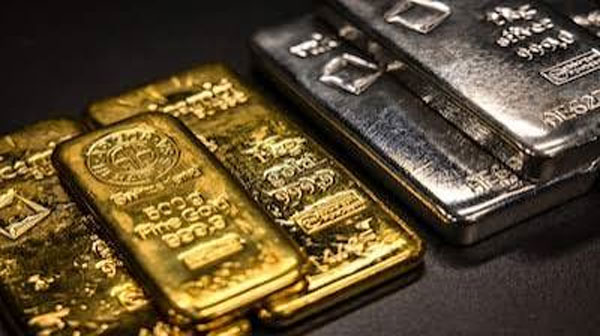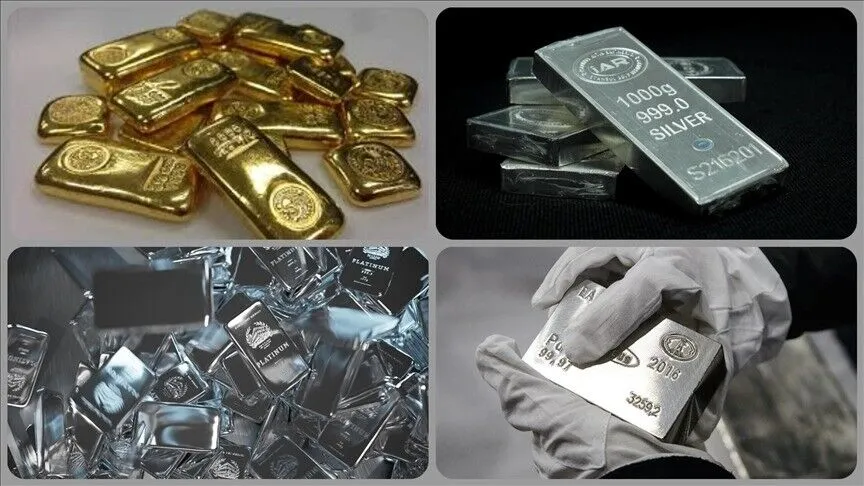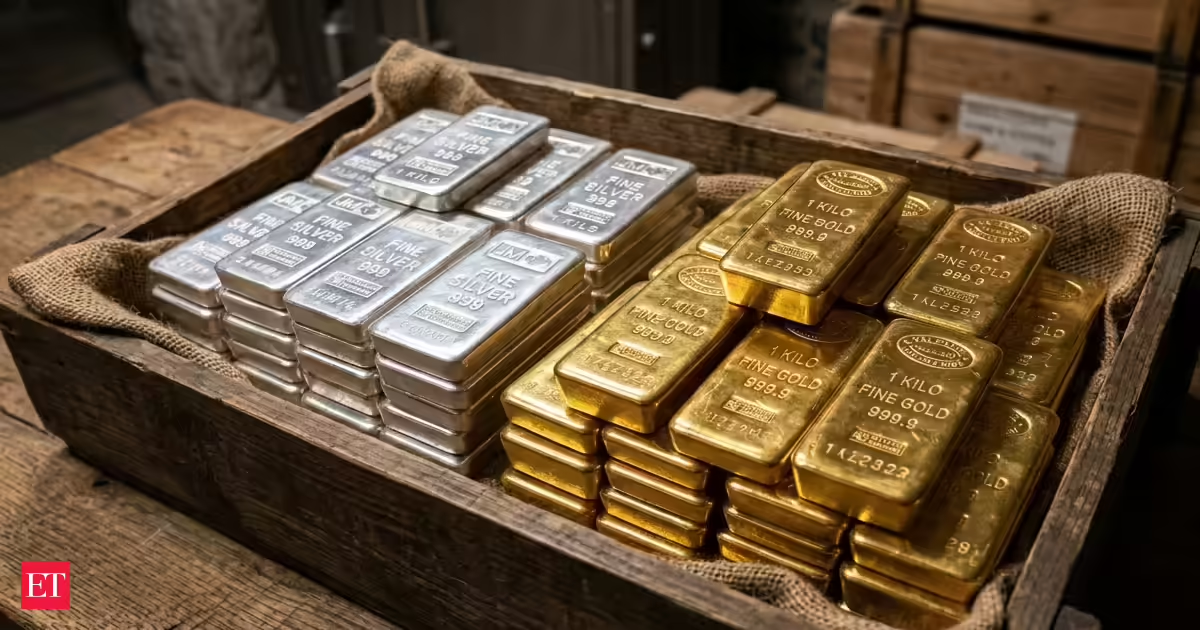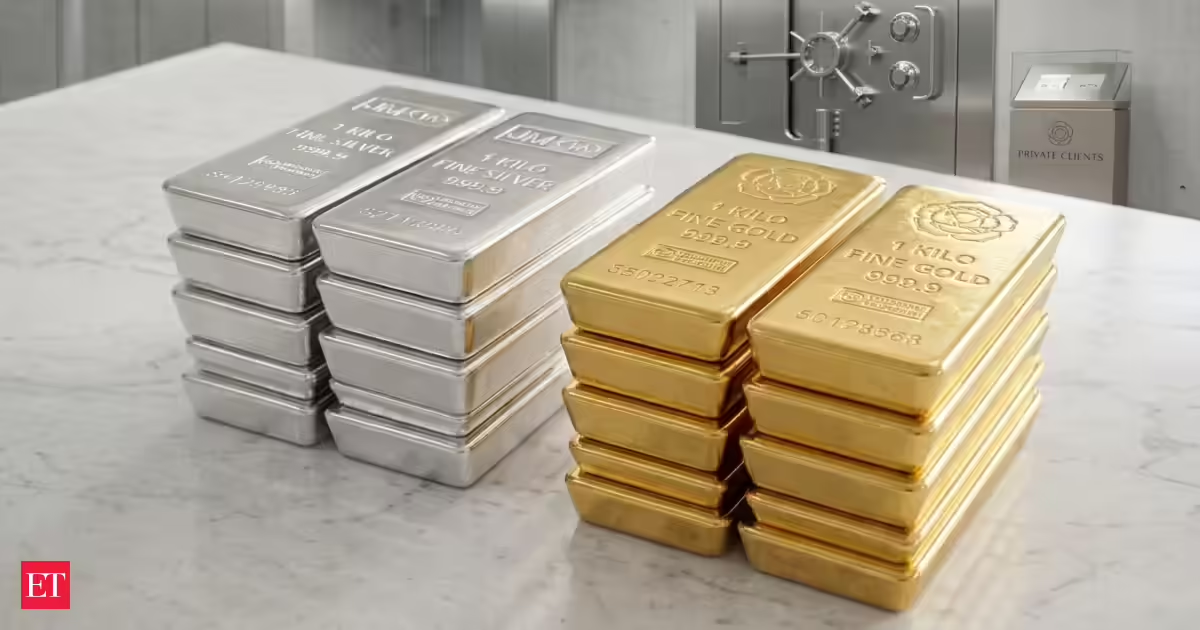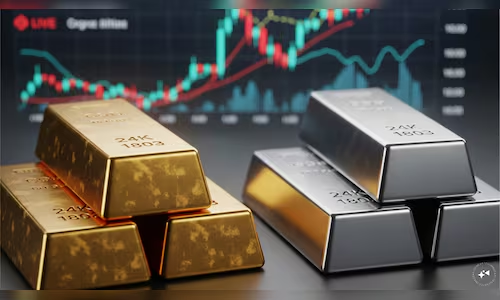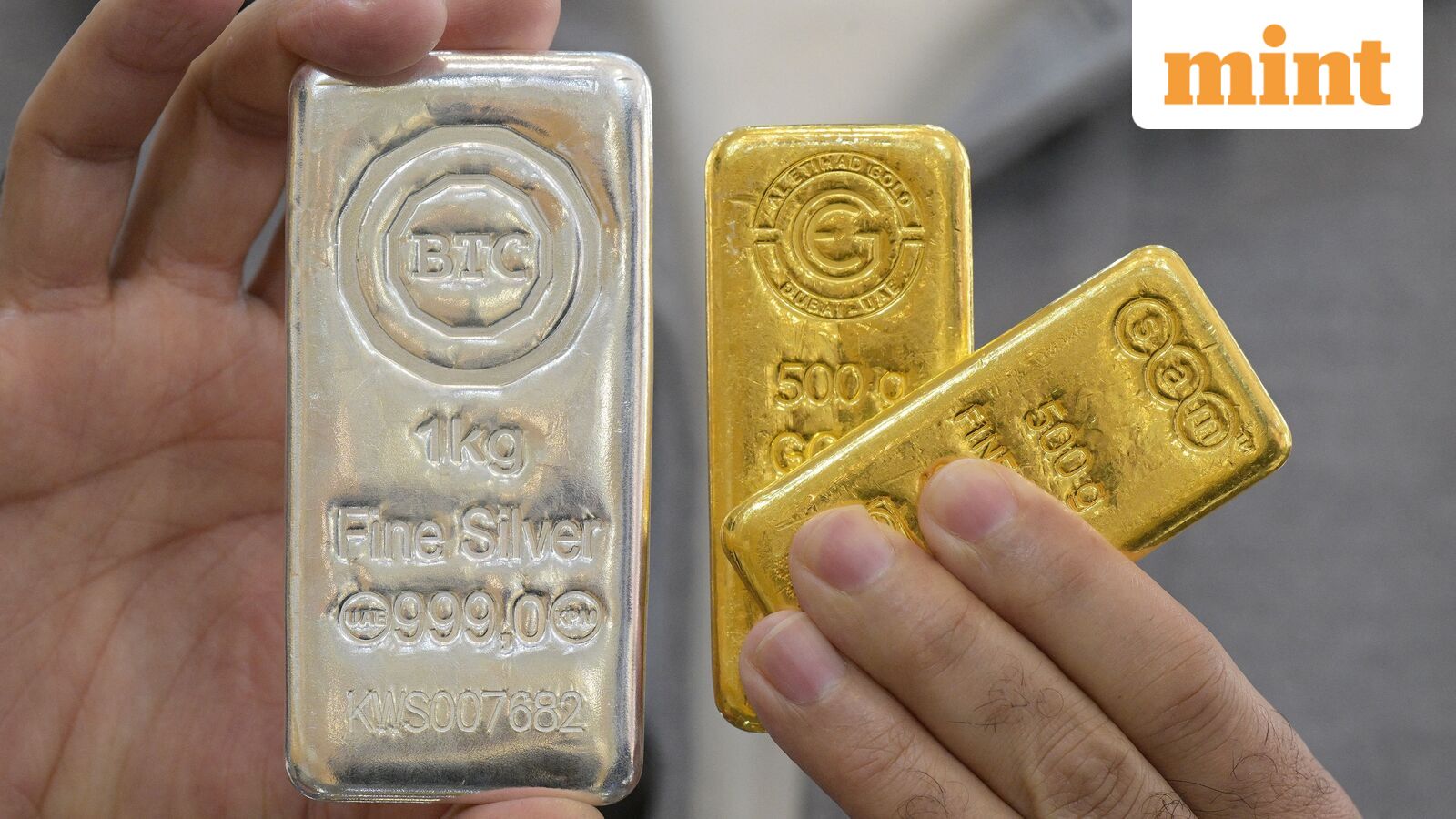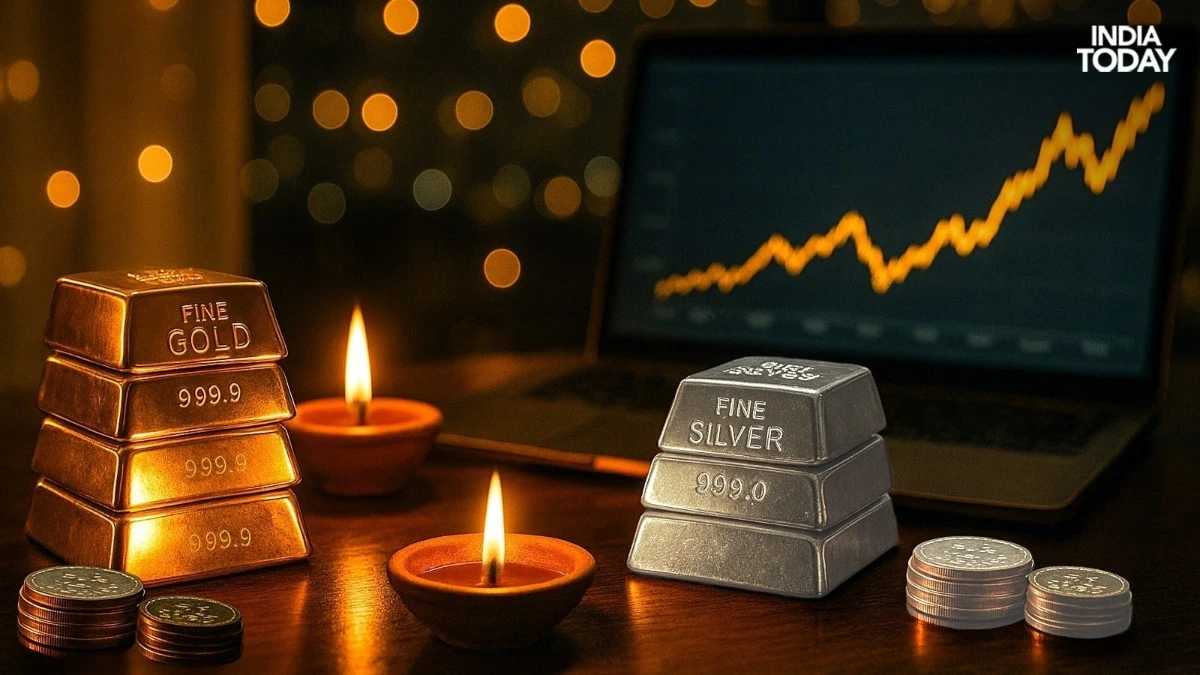
SINGAPORE: Precious metals have seen sharp swings in 2026 amid shifting interest rate expectations and geopolitical uncertainty.
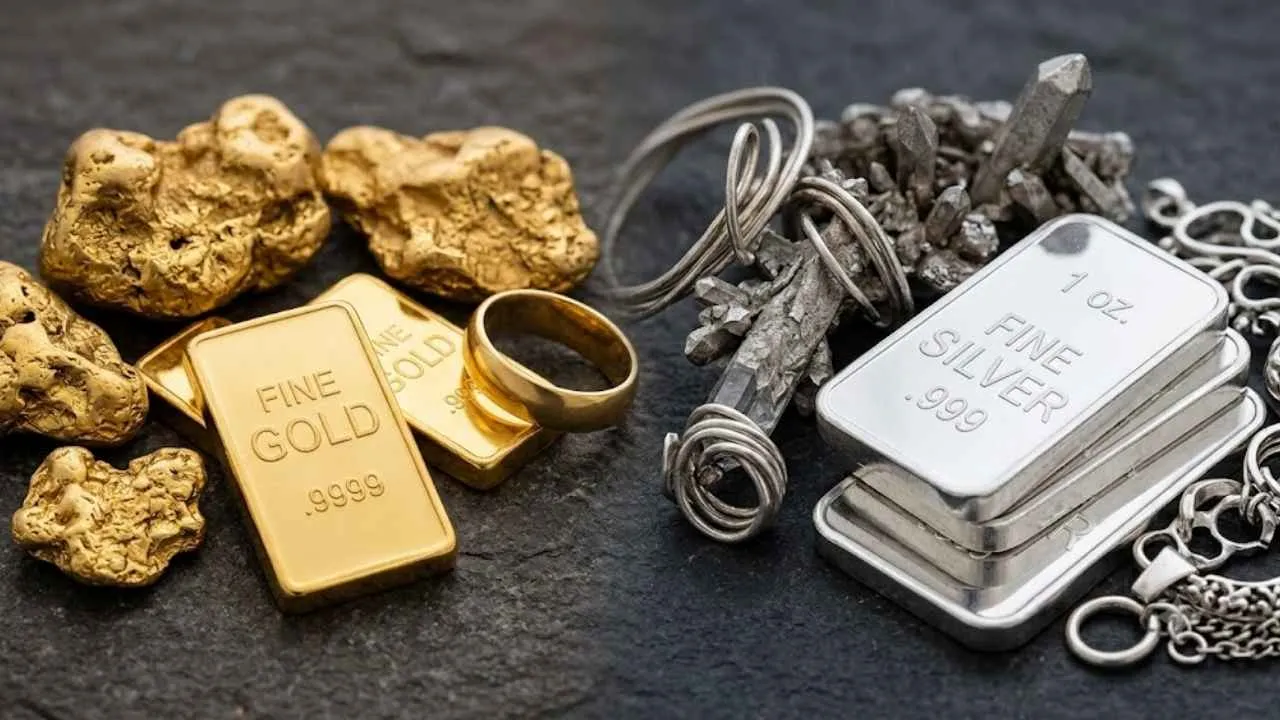
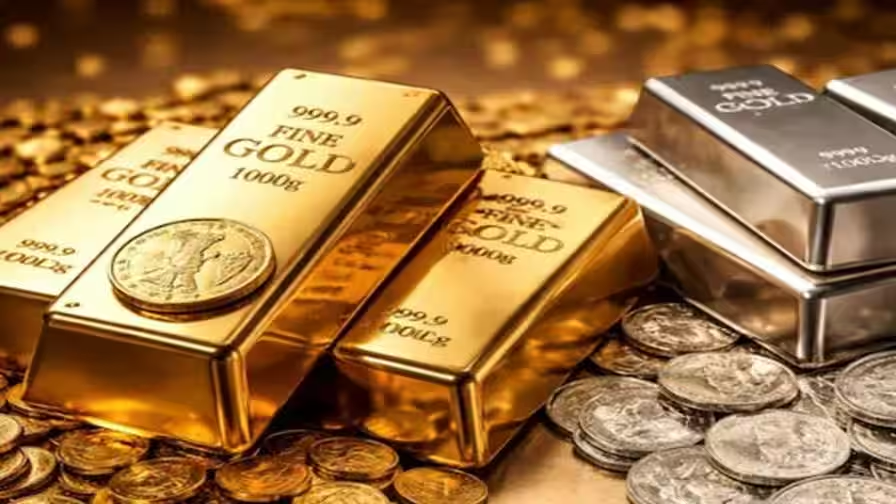
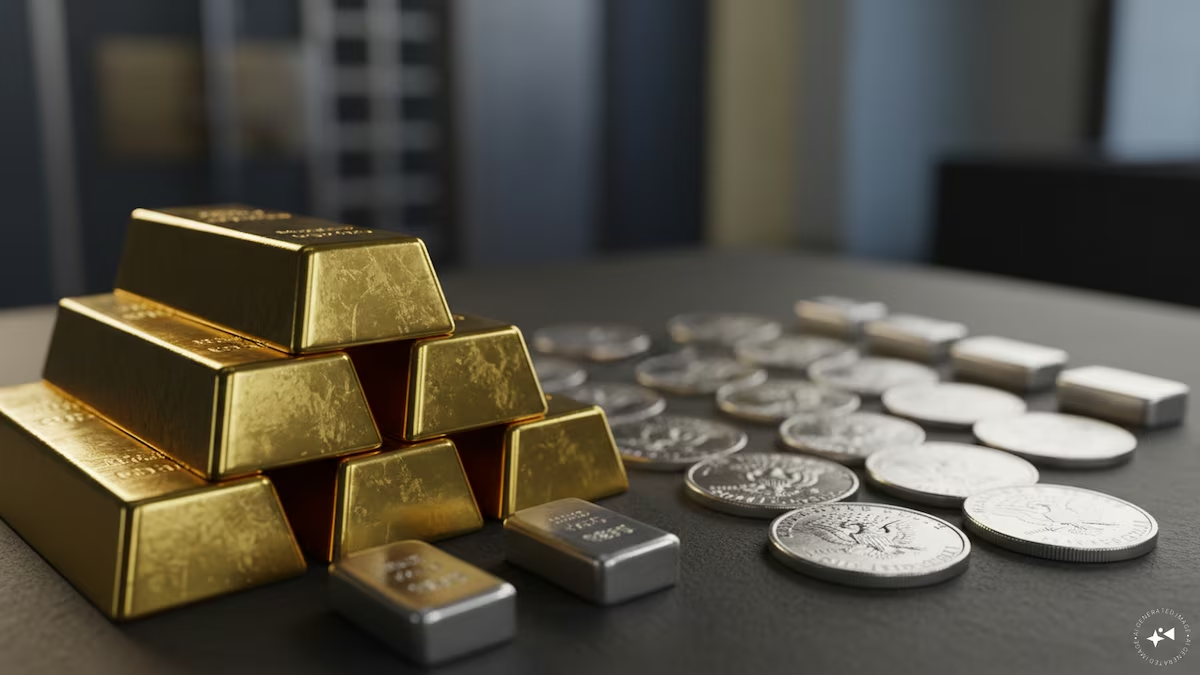
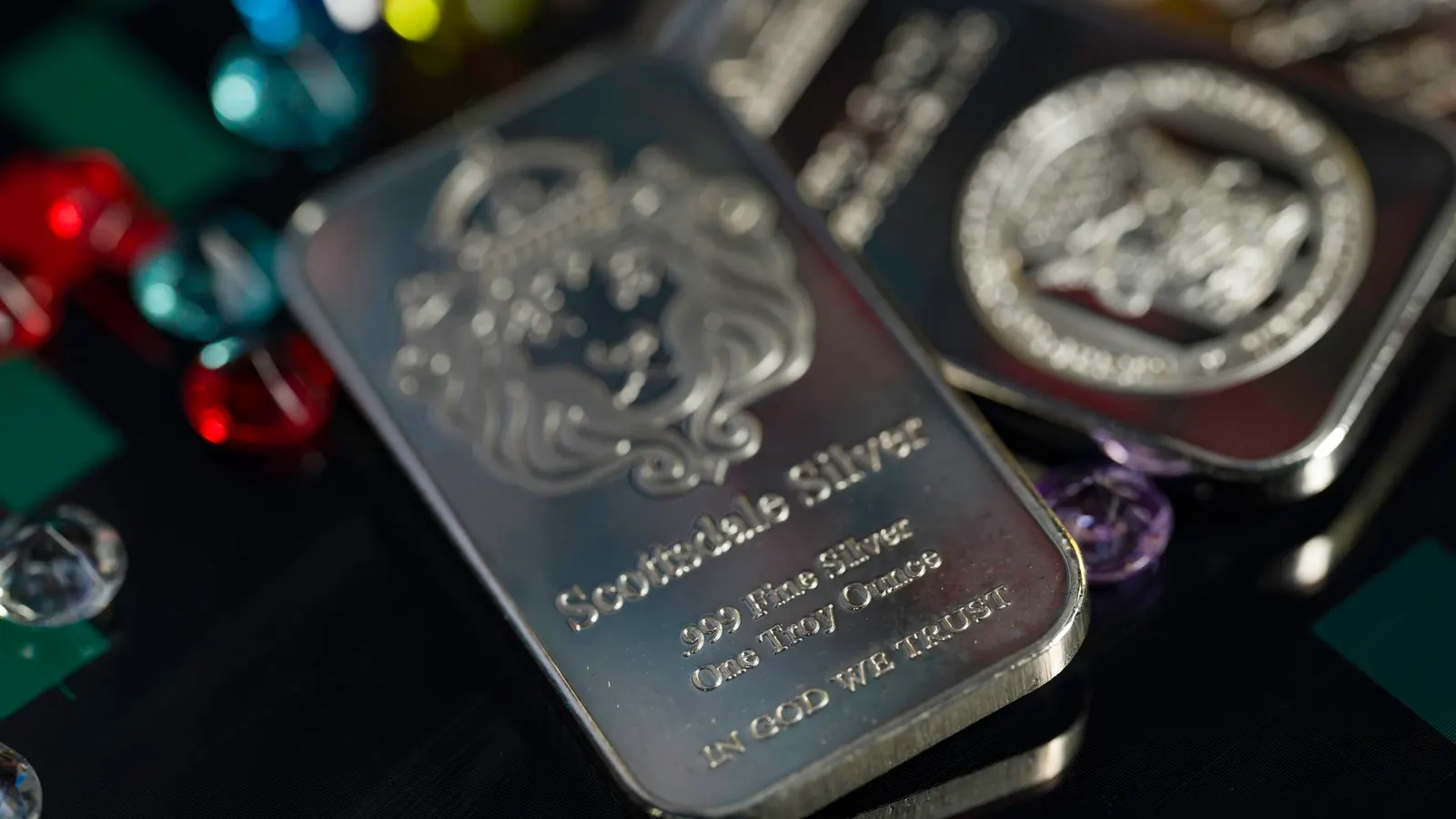
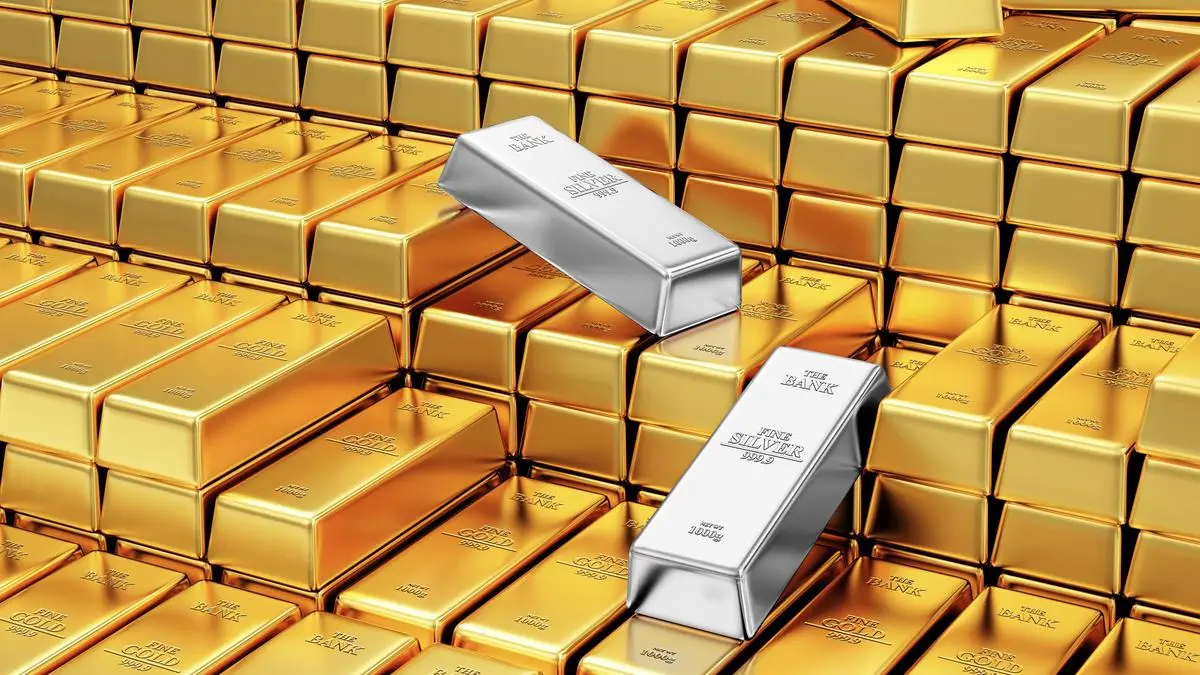
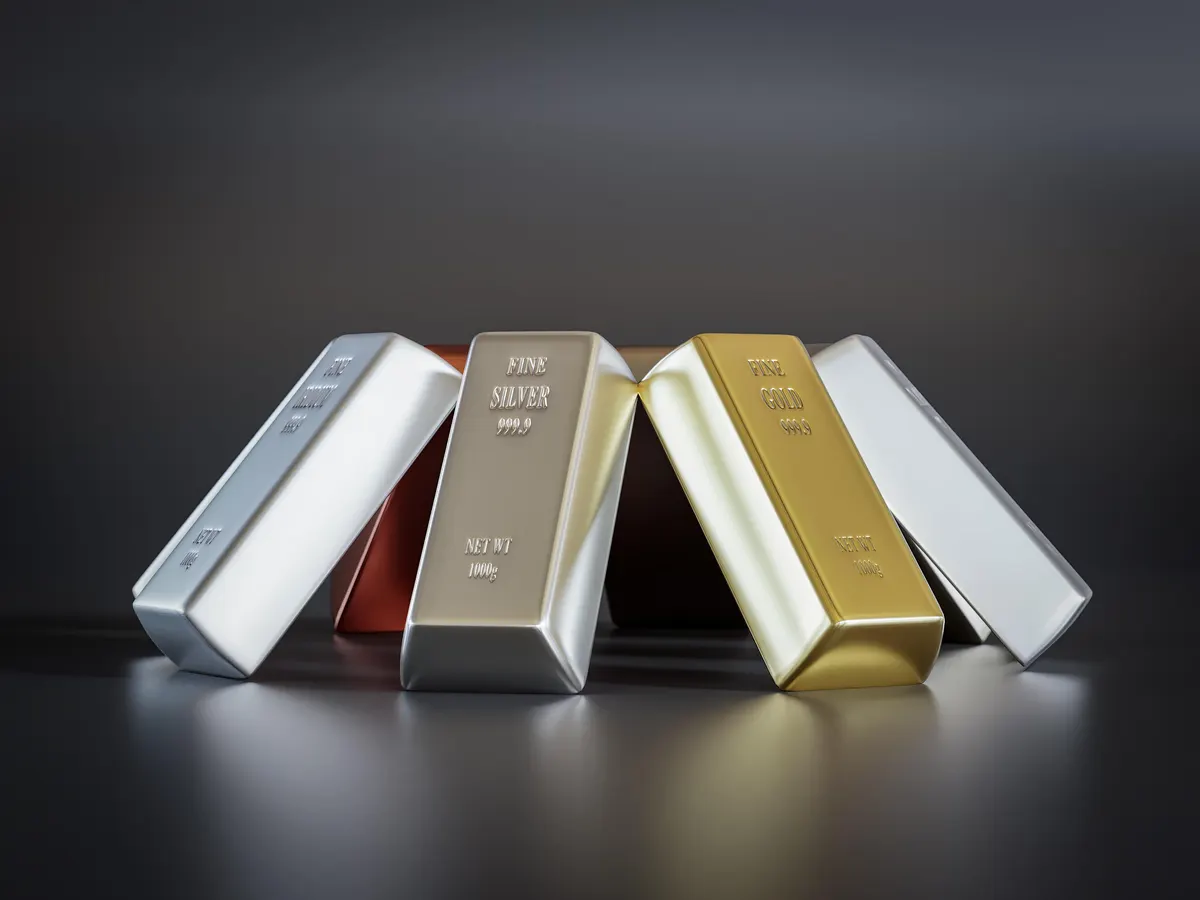
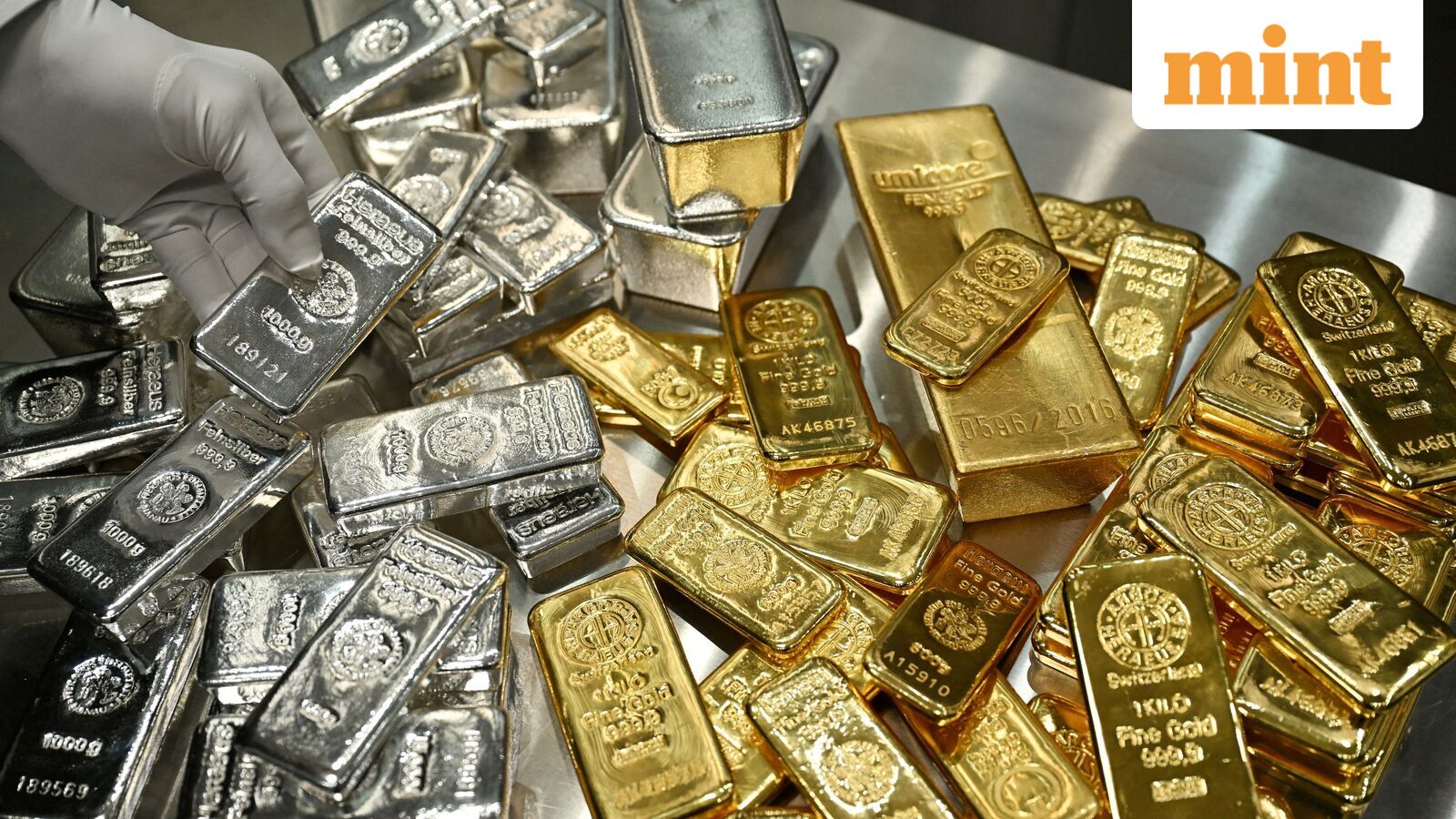
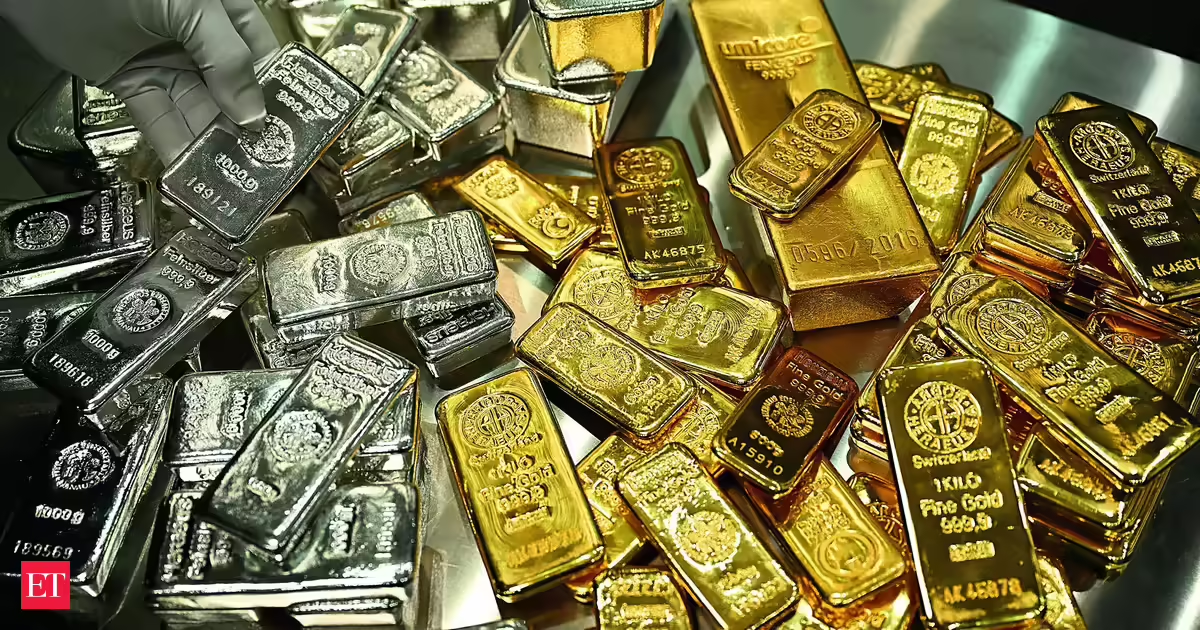
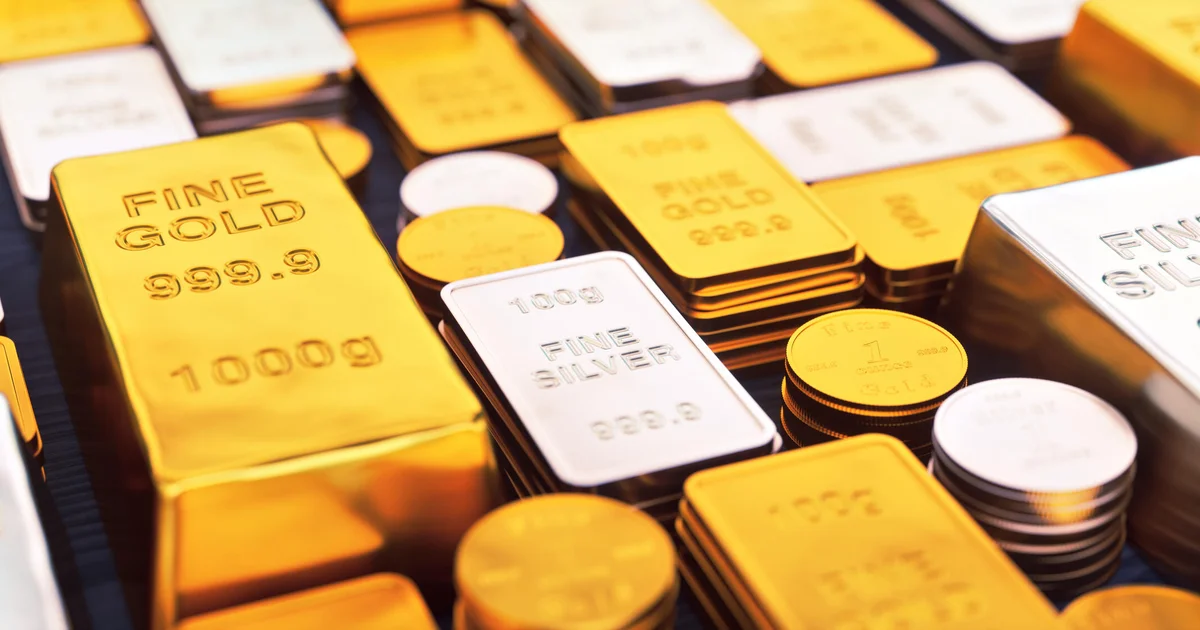
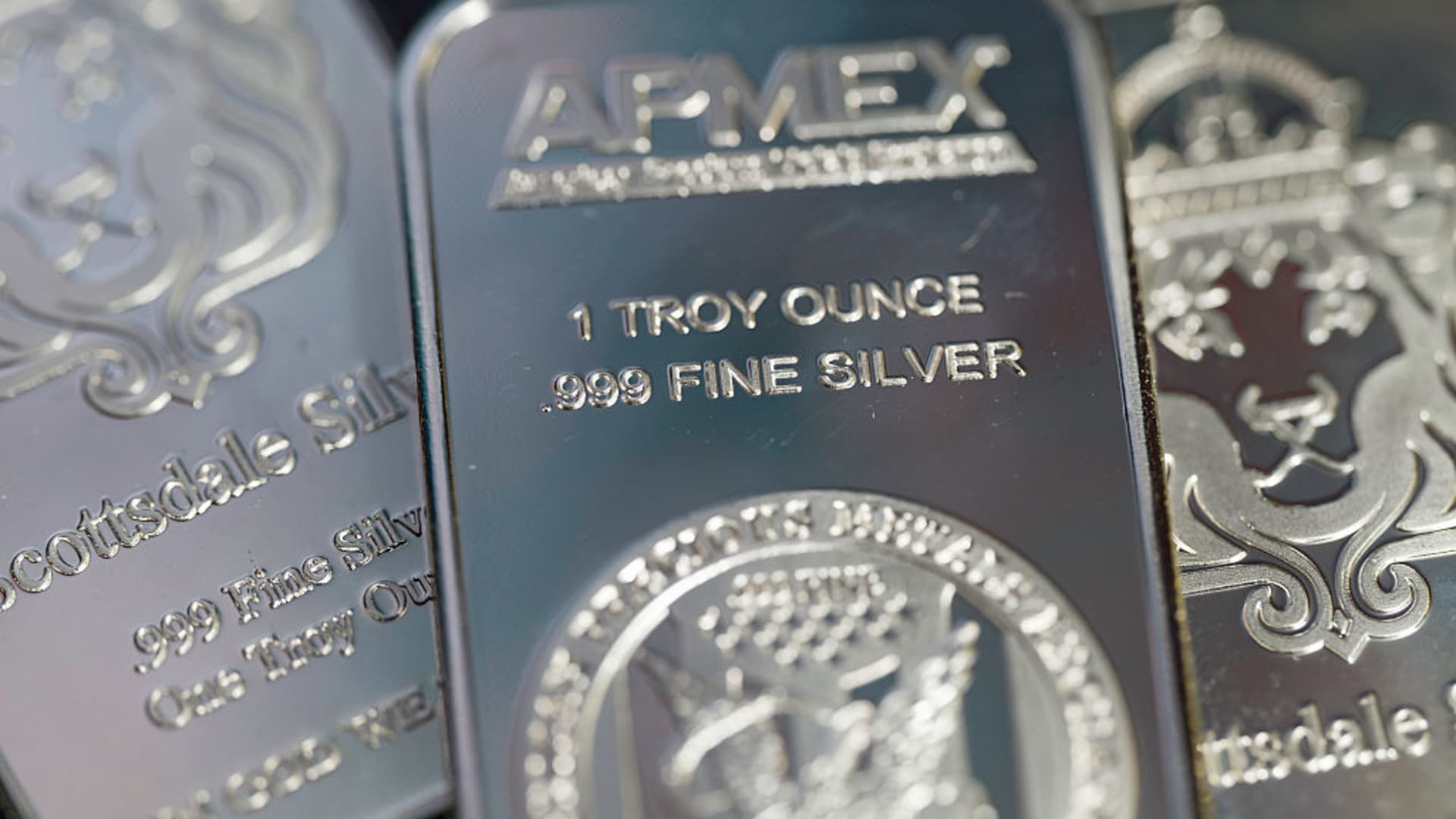
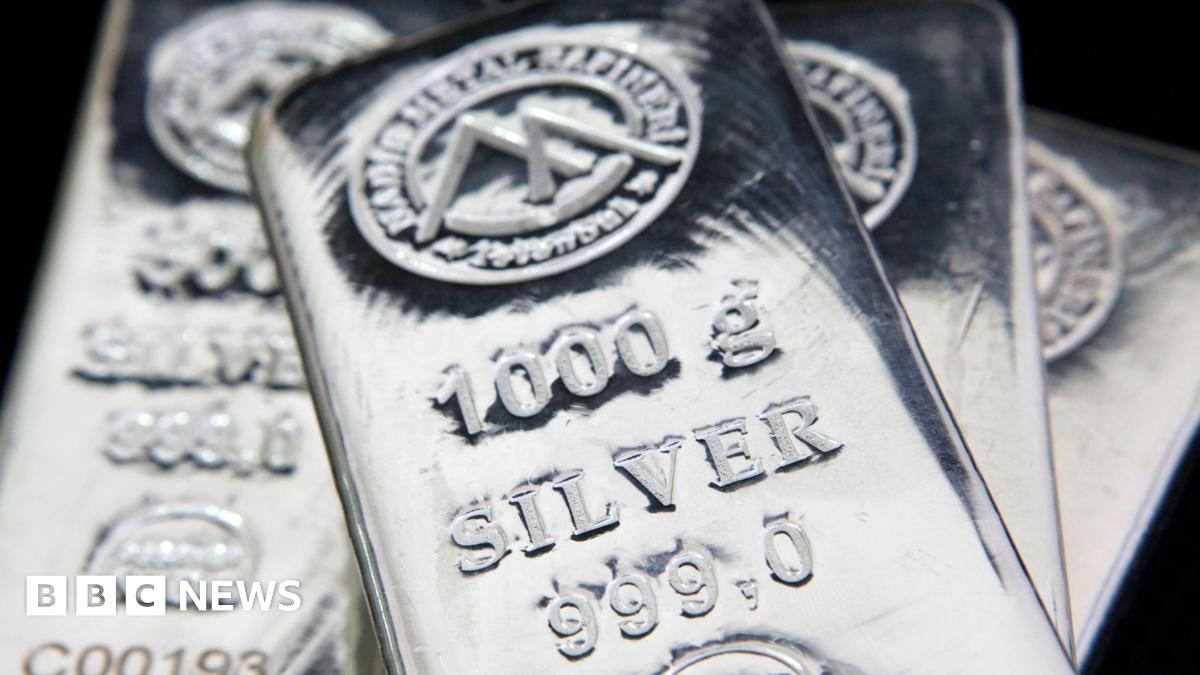
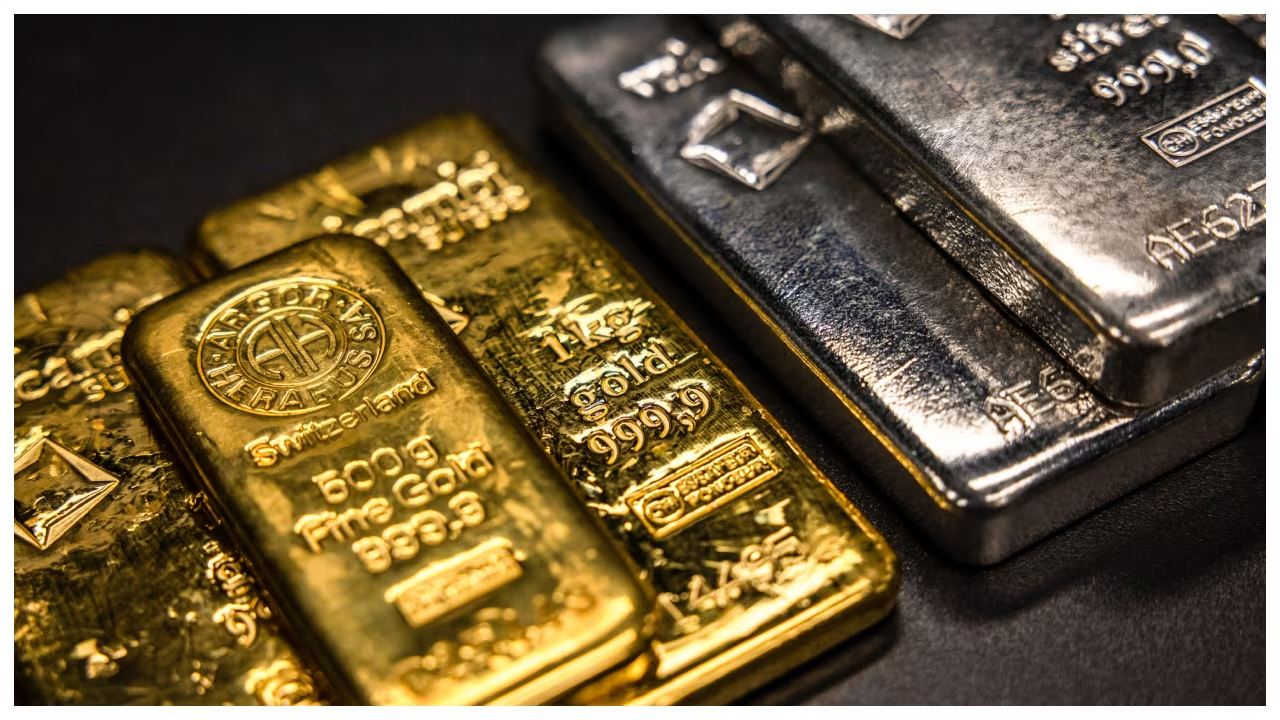
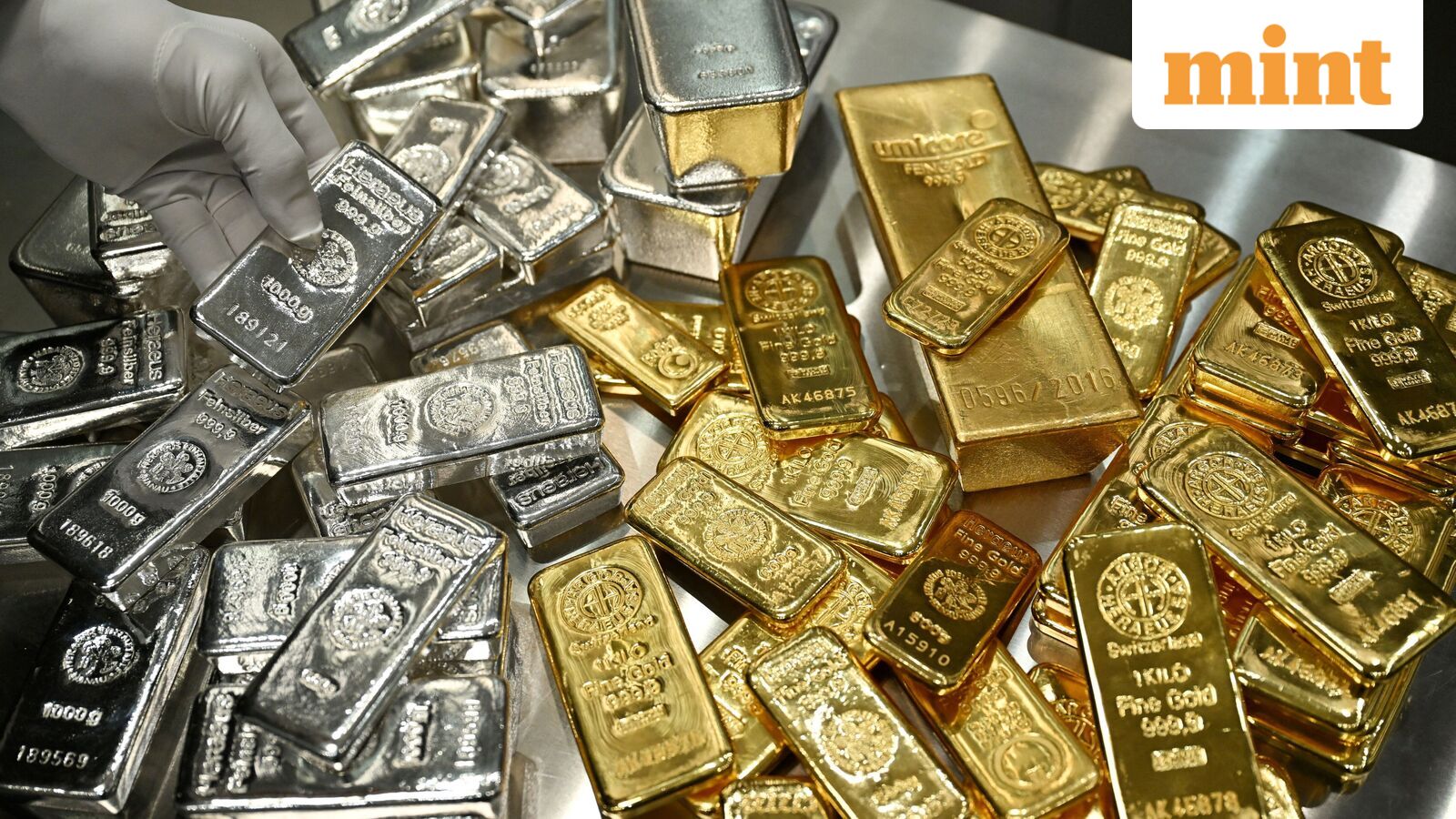
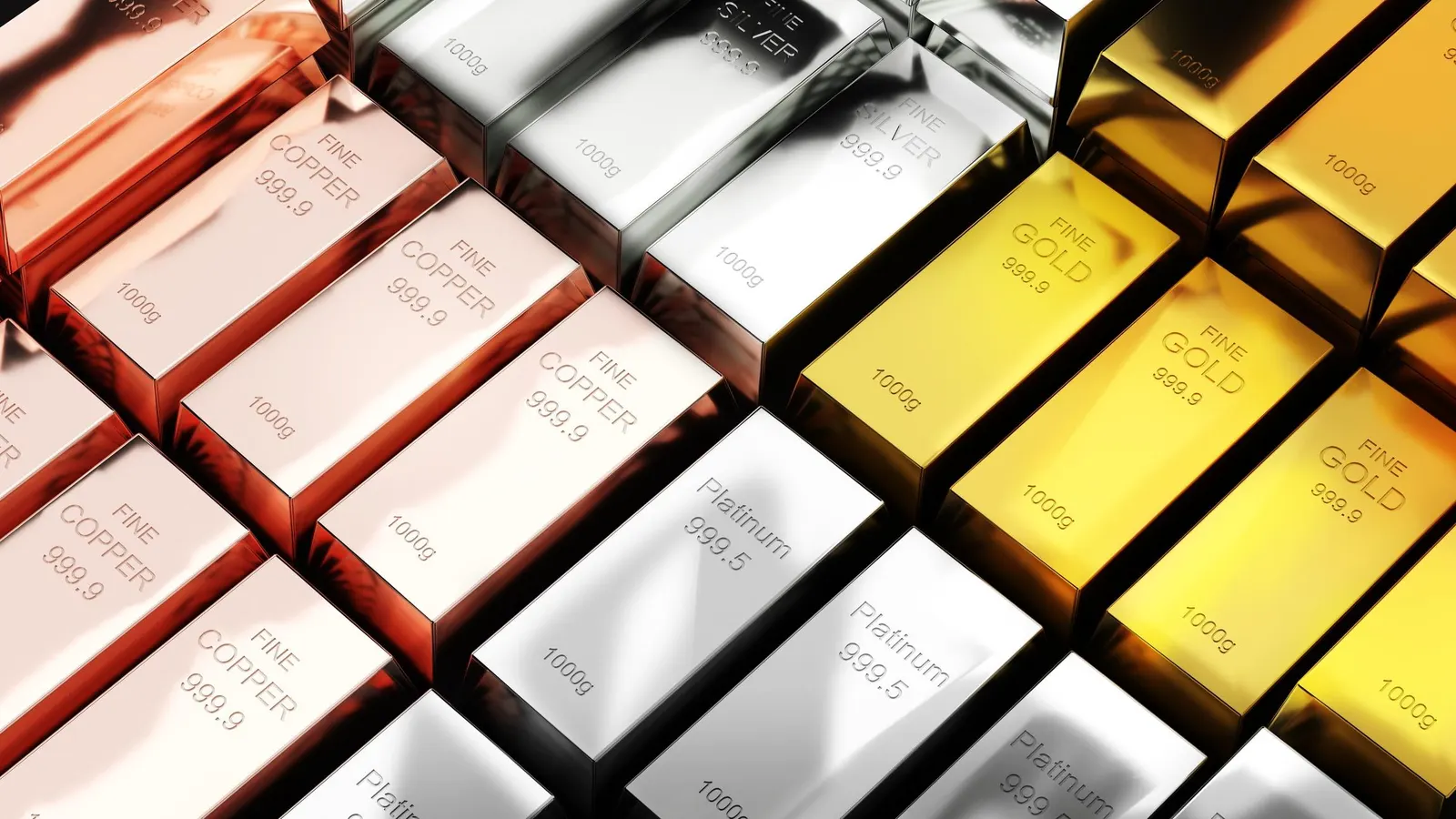
But while gold, silver, platinum and palladium are often grouped together as a single alternative asset class, their investment characteristics can differ.
Analysts say the outlook for each metal varies depending on market conditions. The Straits Times takes a closer look at each type.
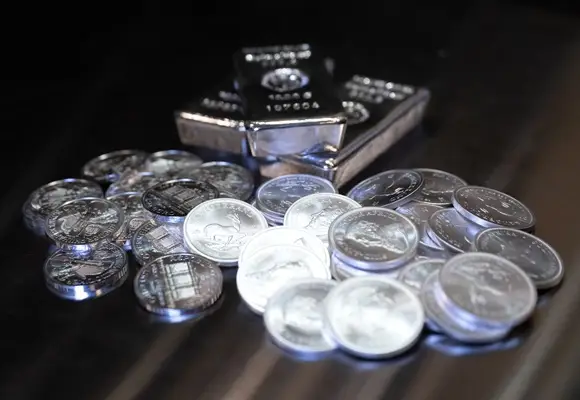
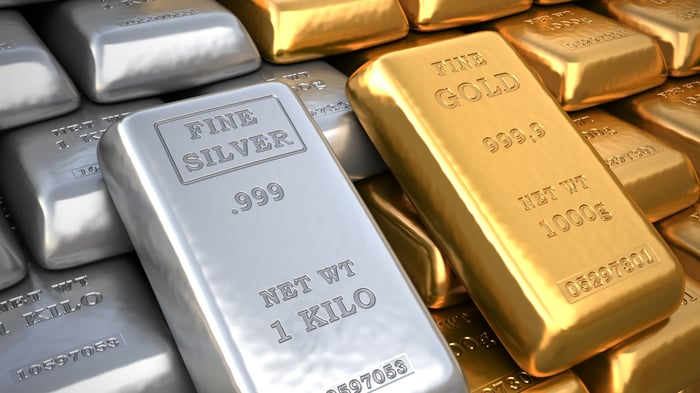
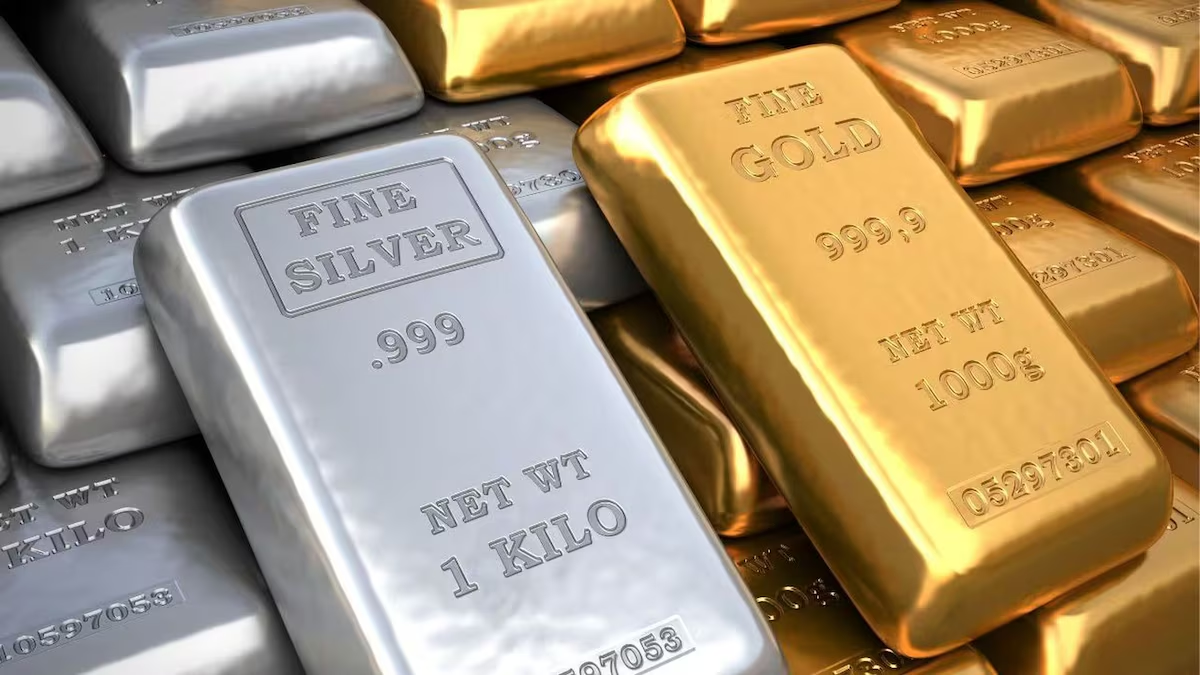
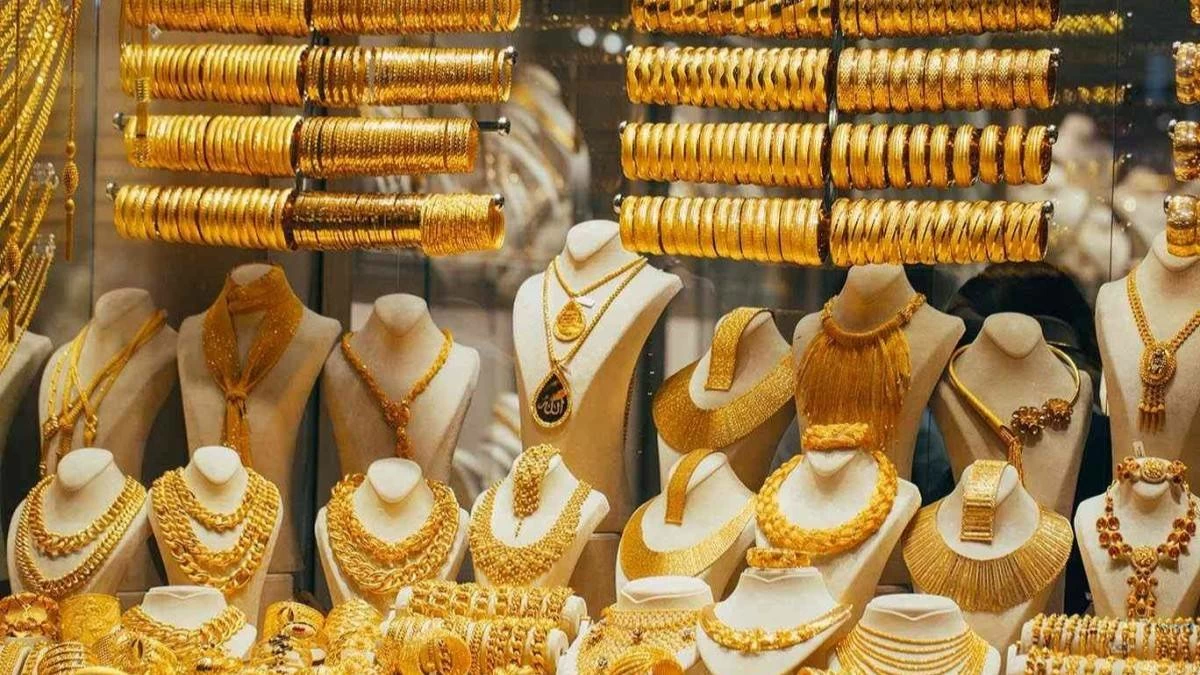
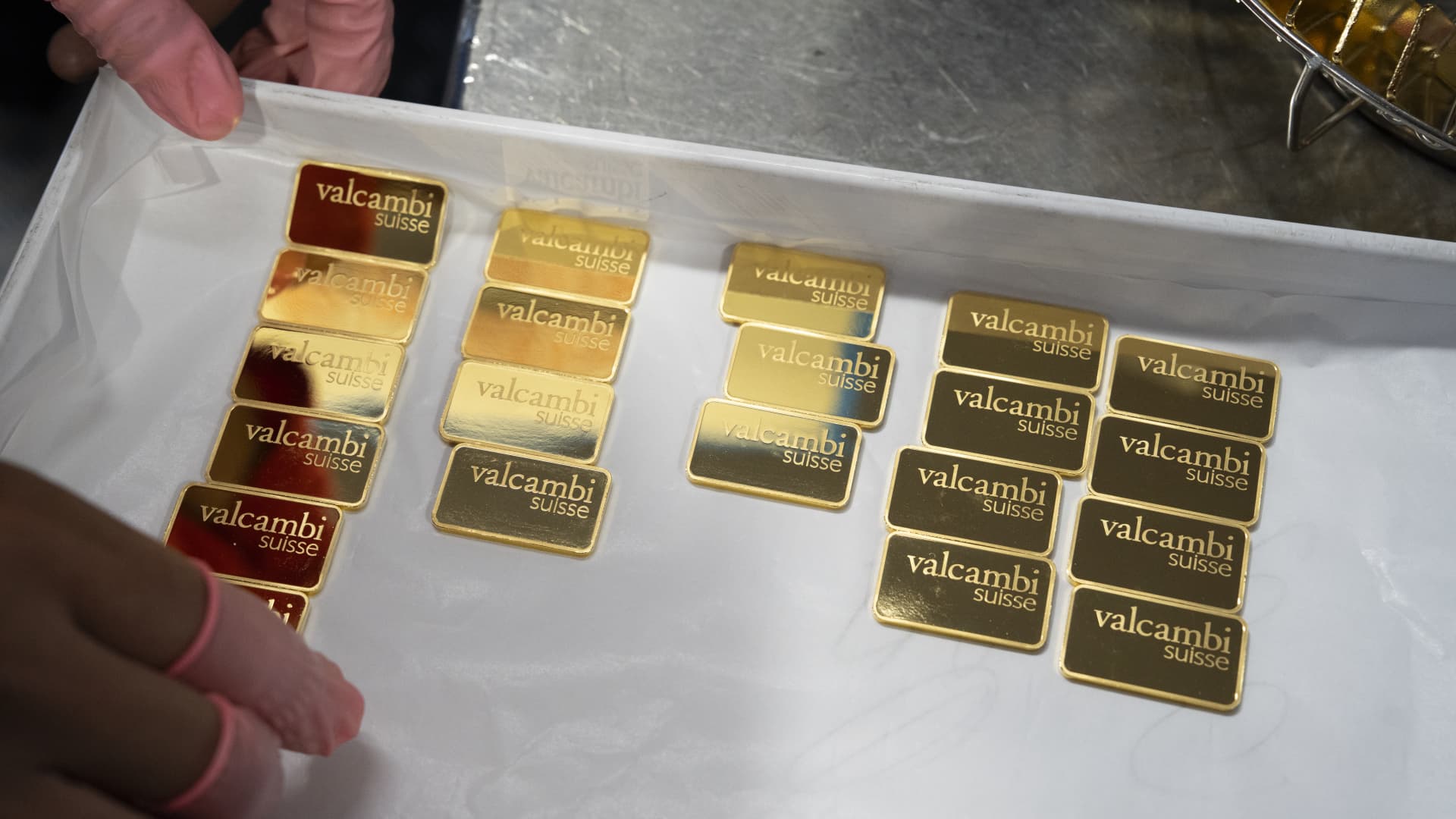
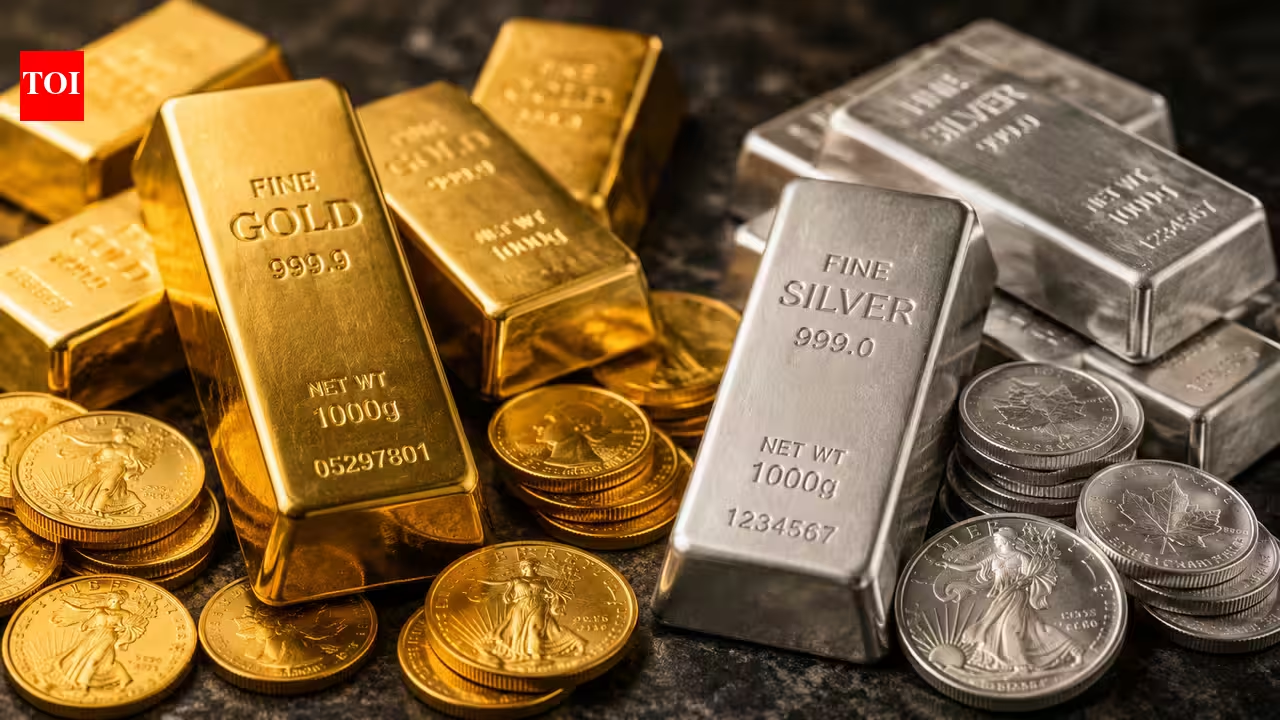
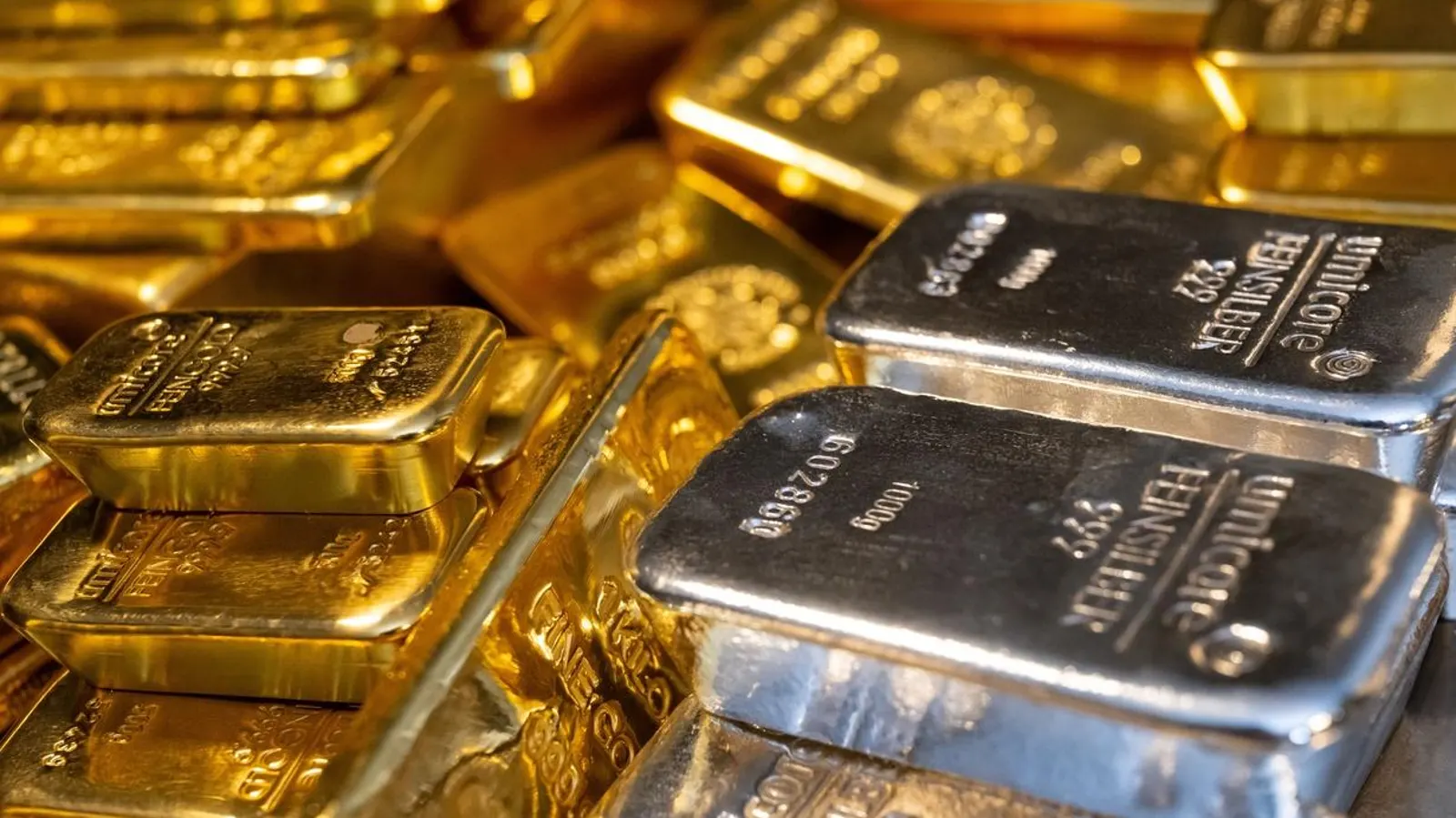
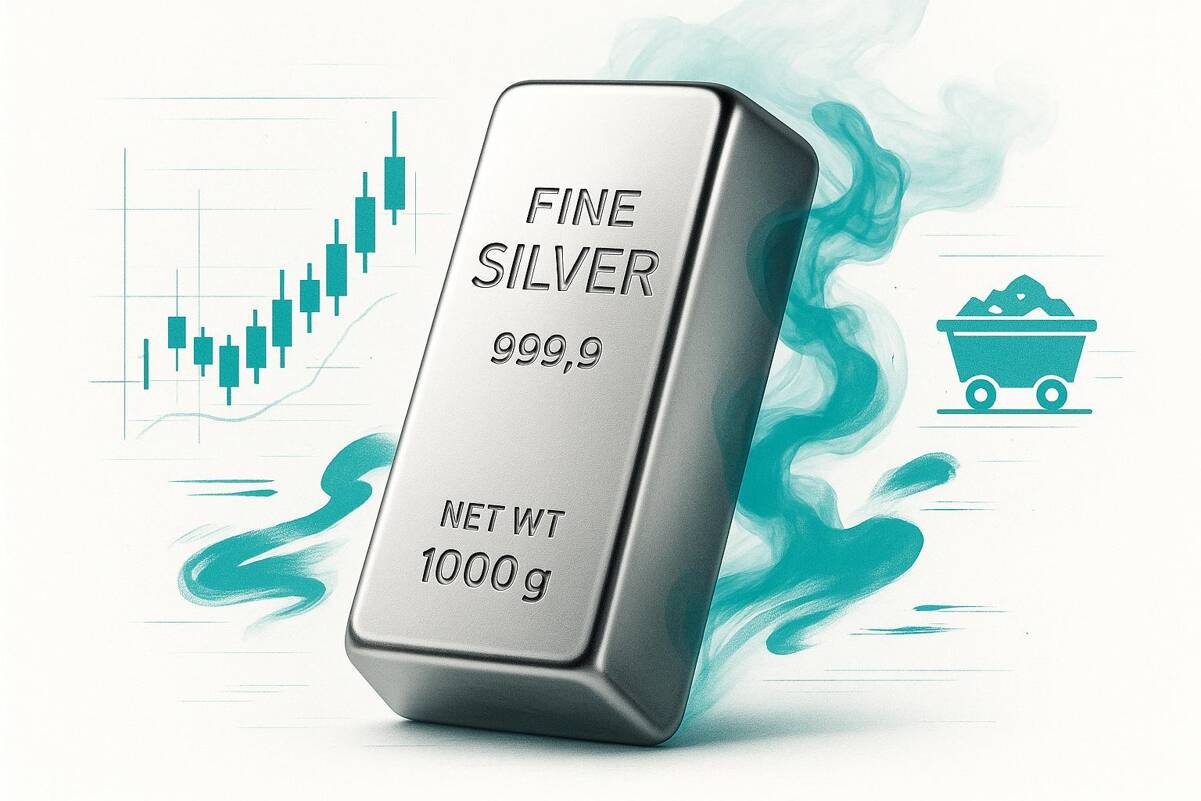
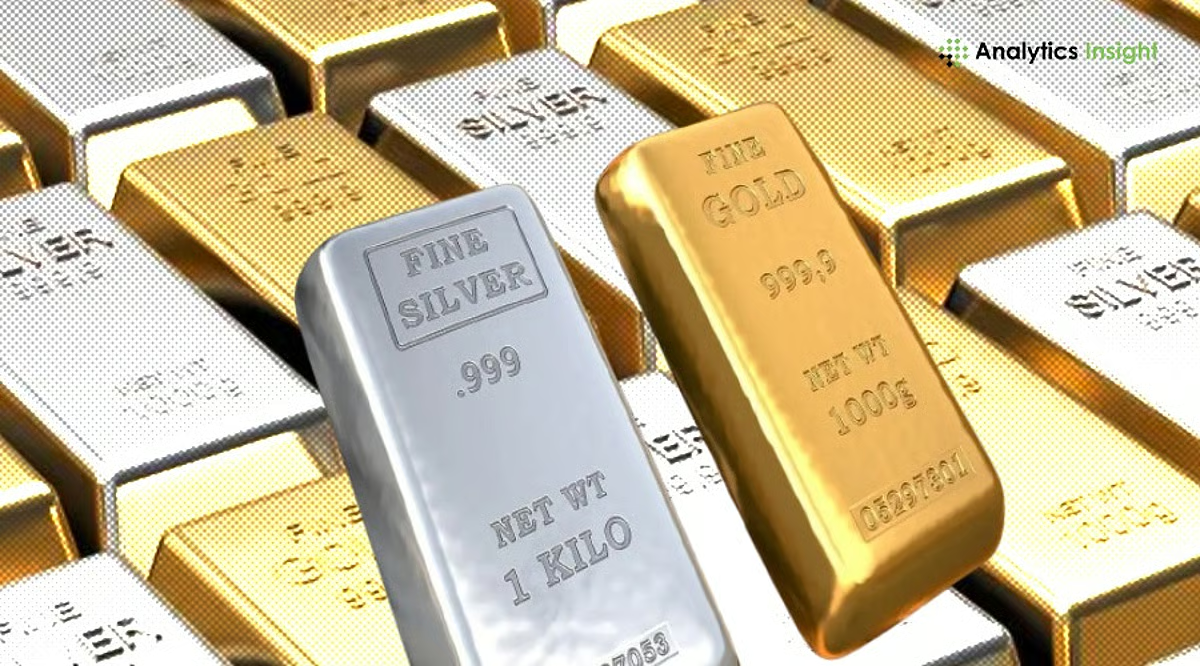
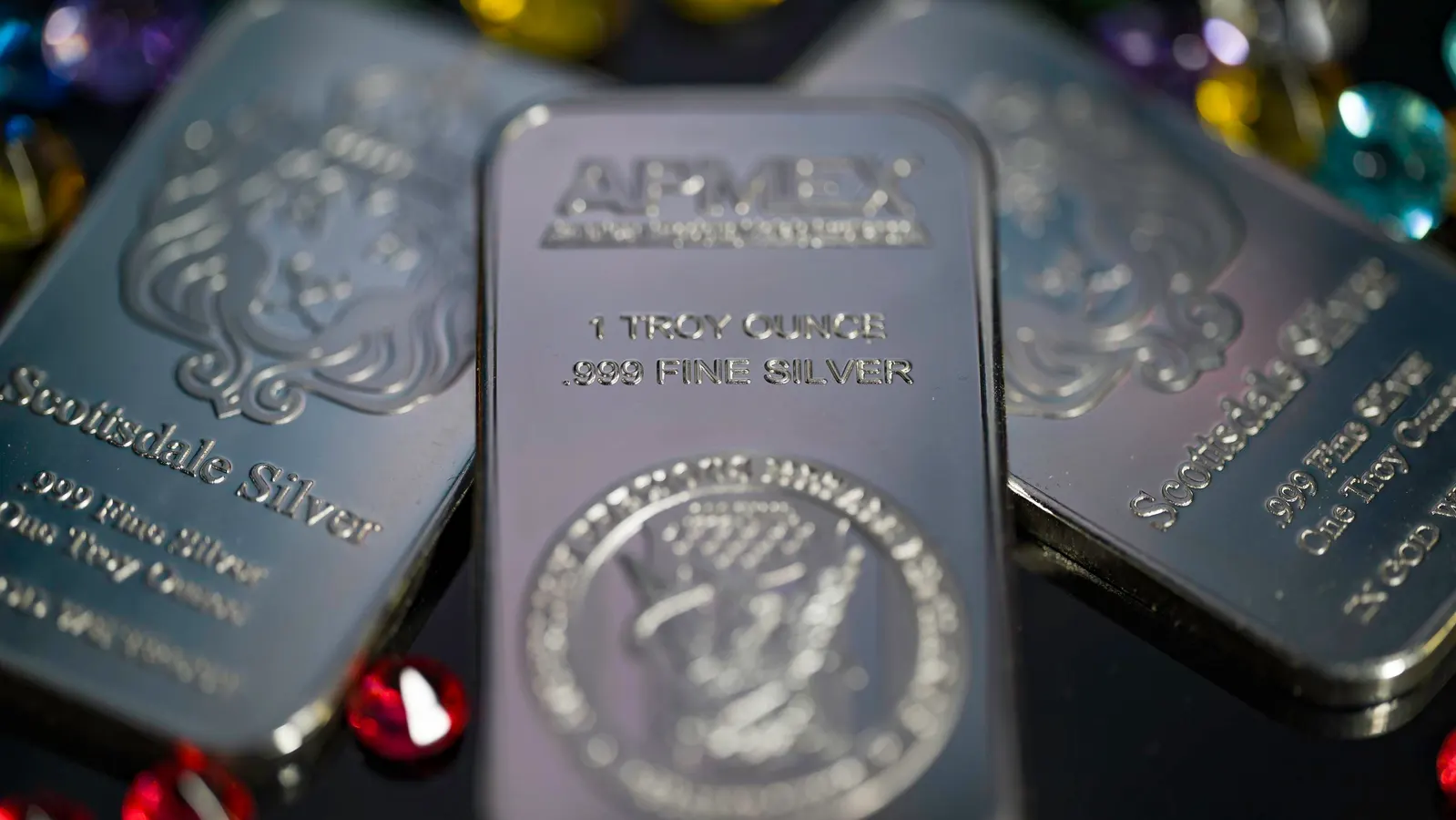
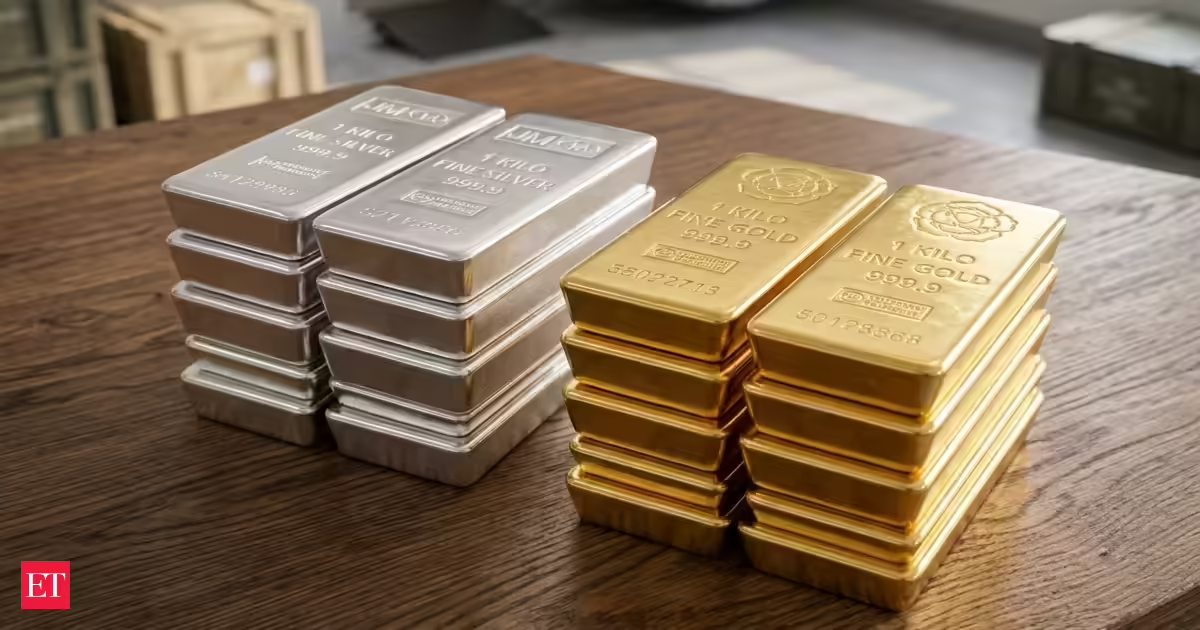
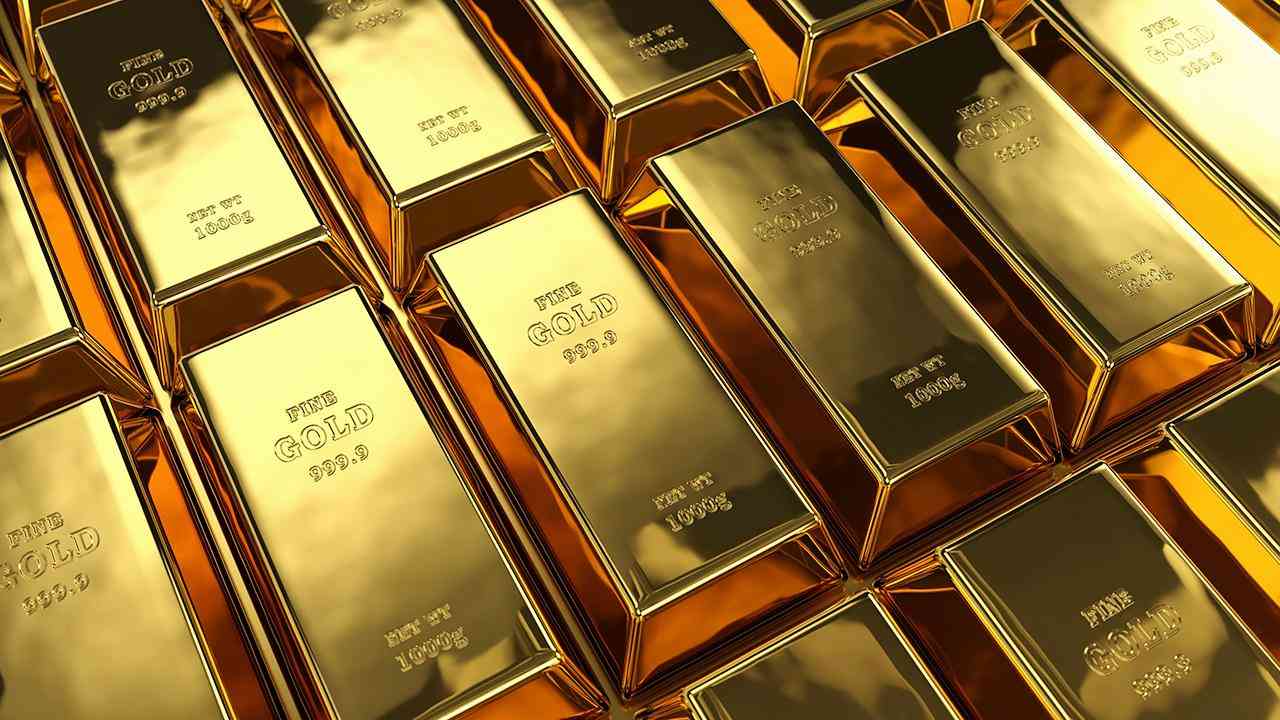
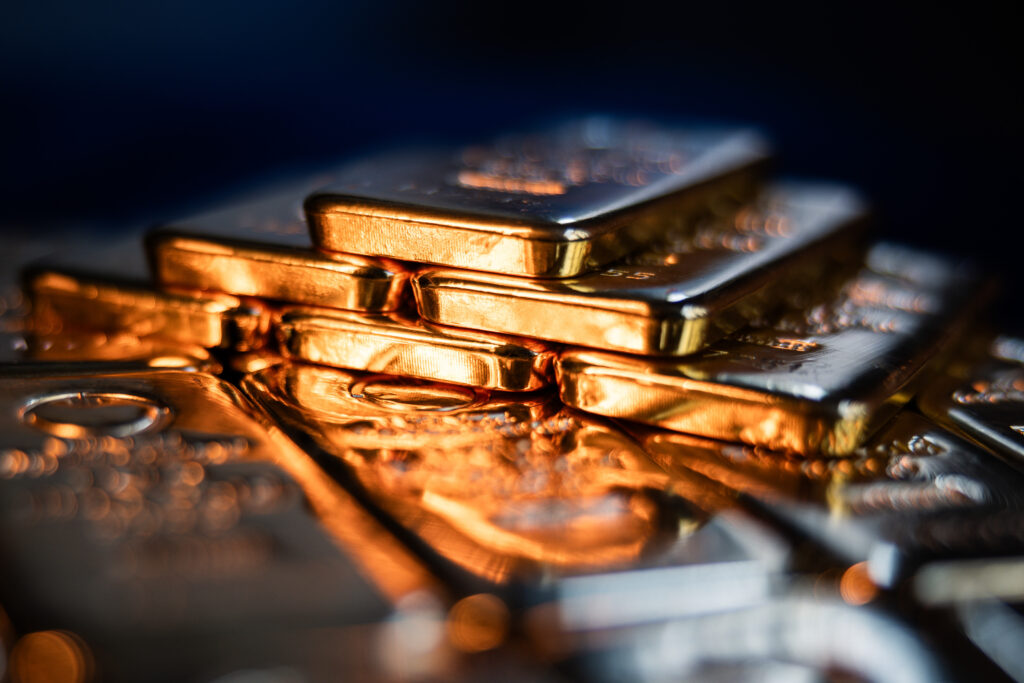
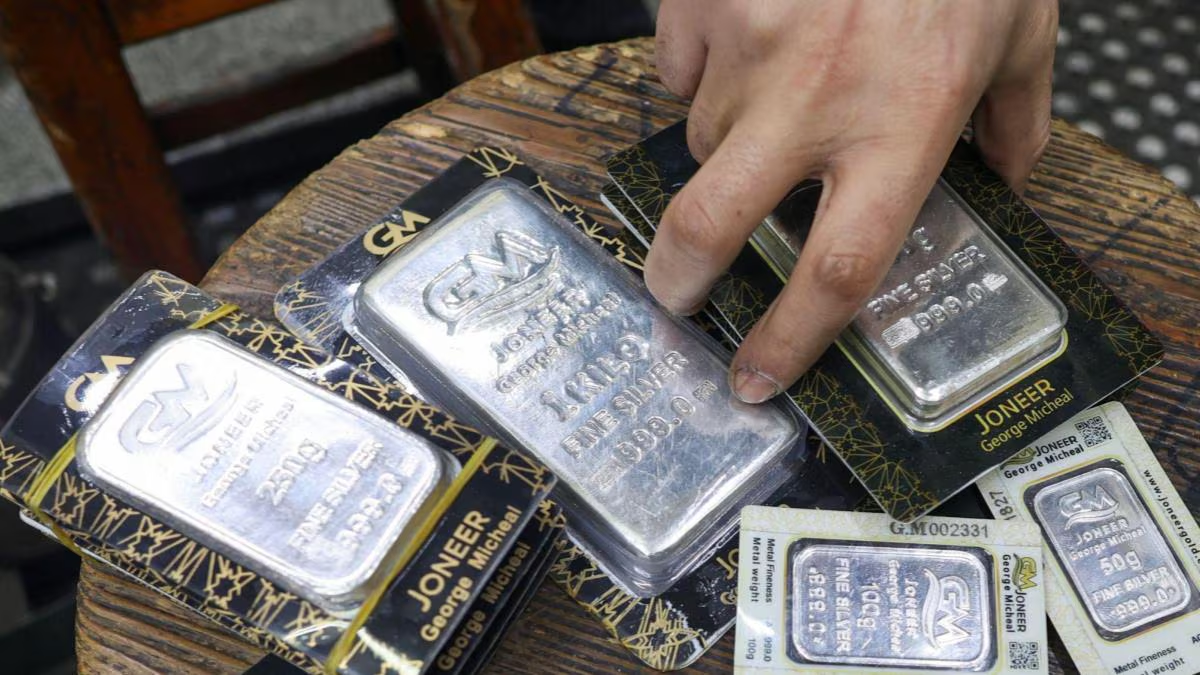
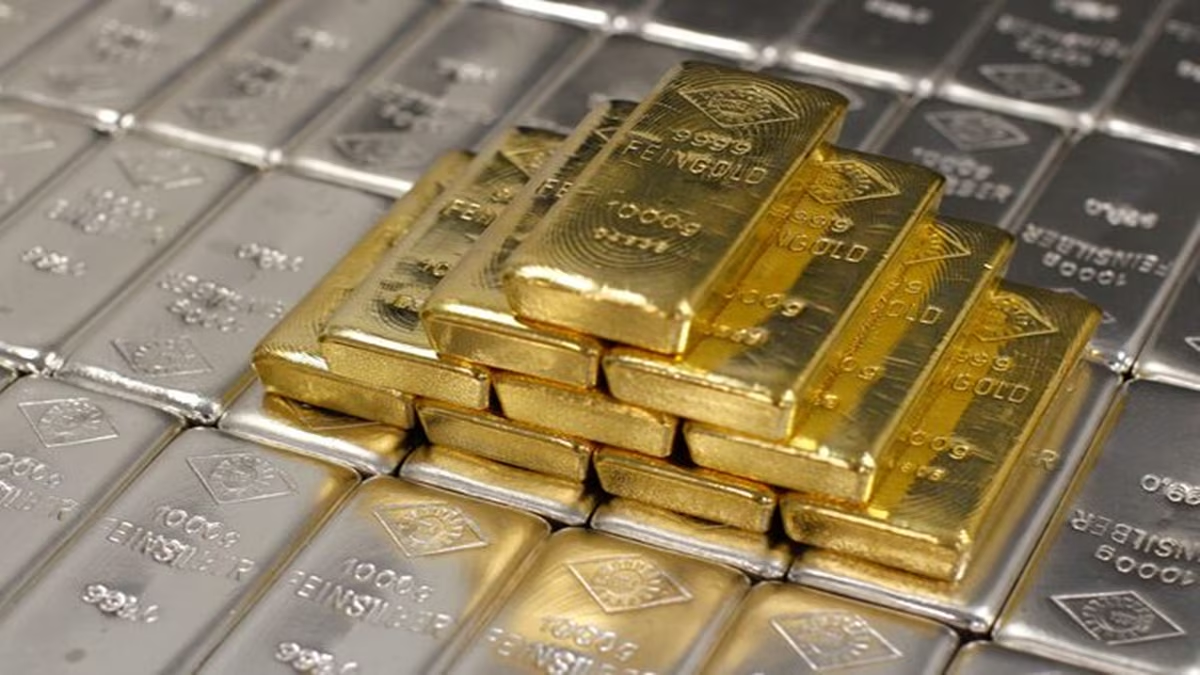
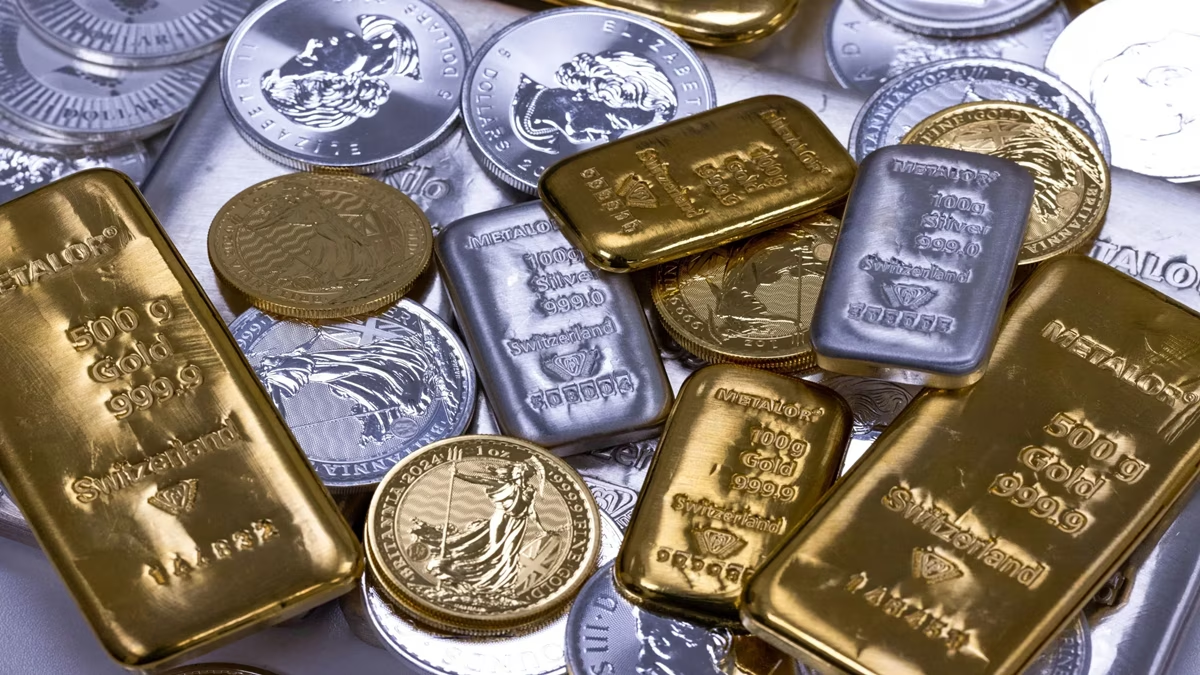
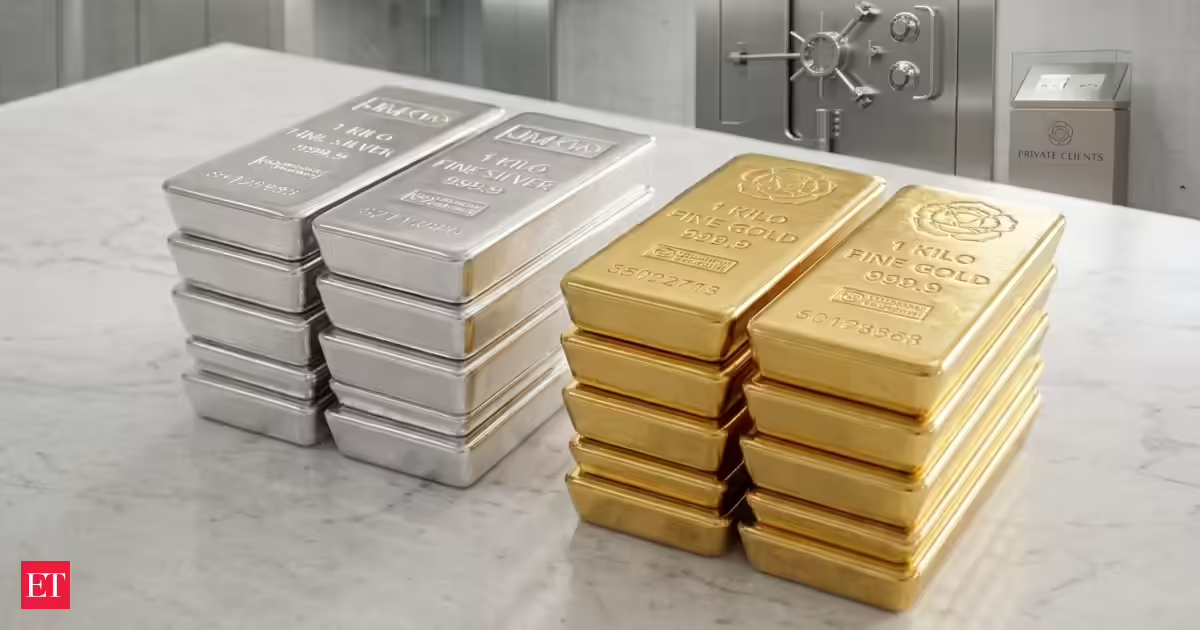
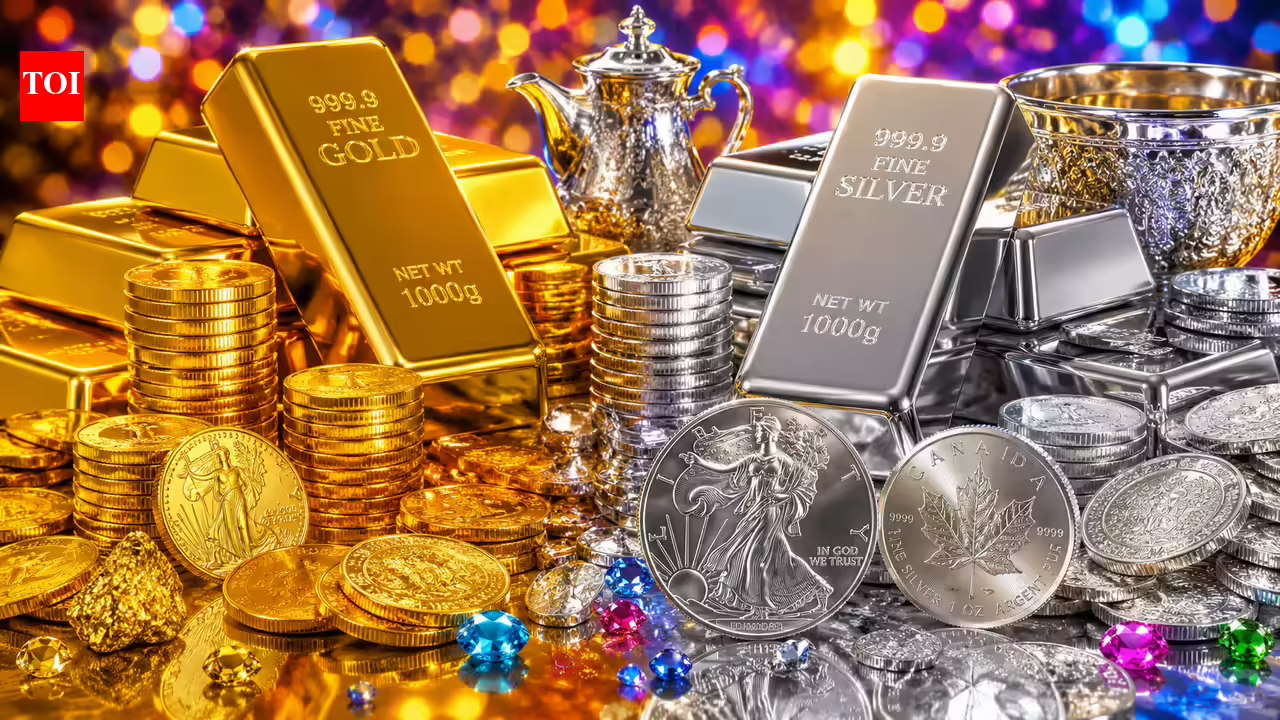
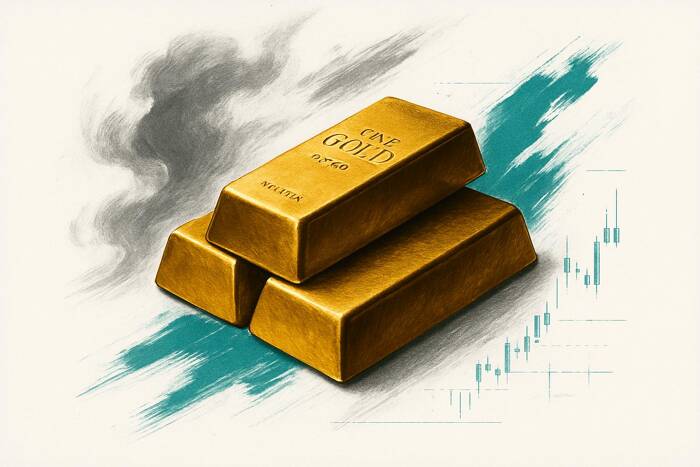
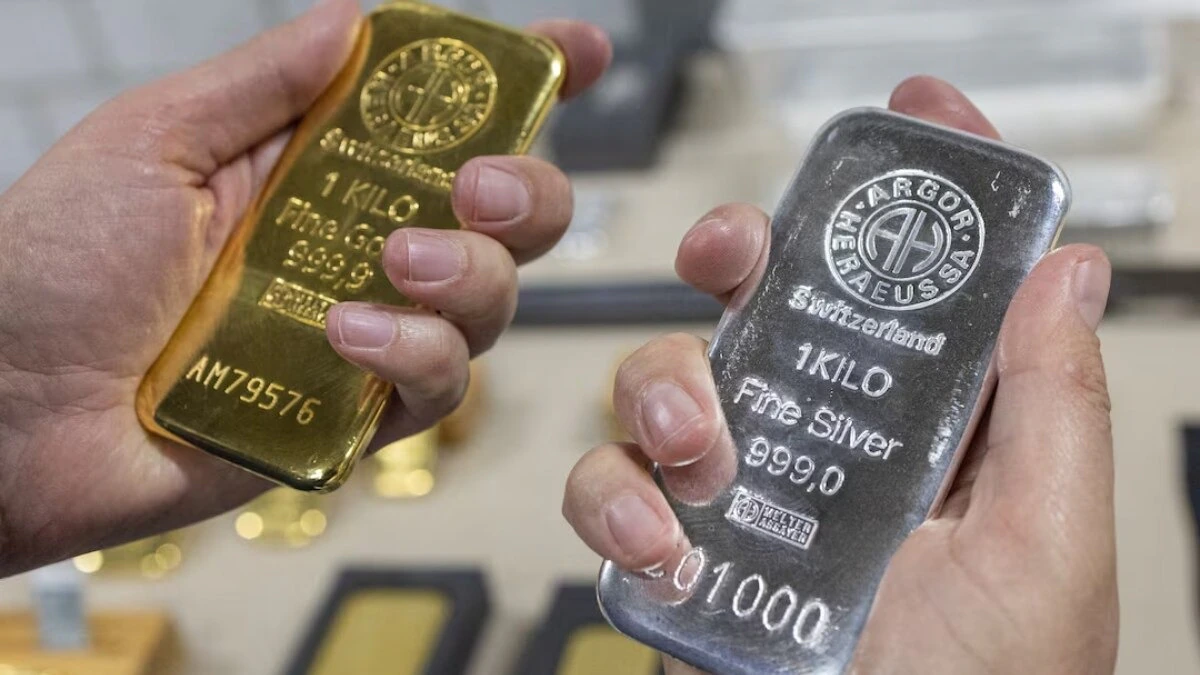
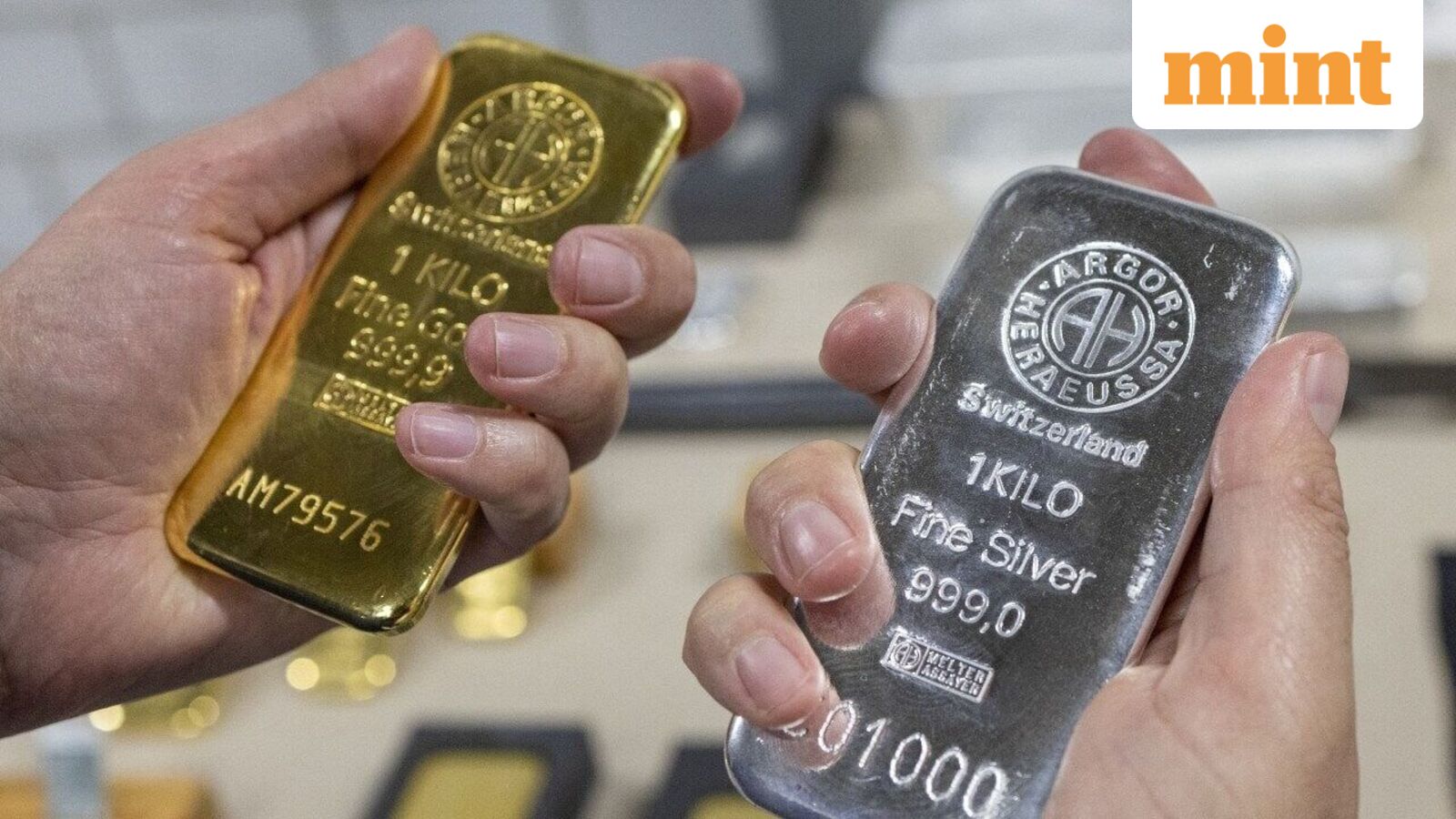
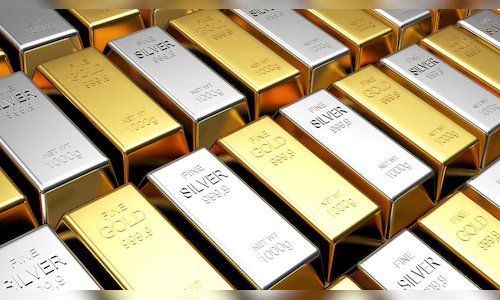
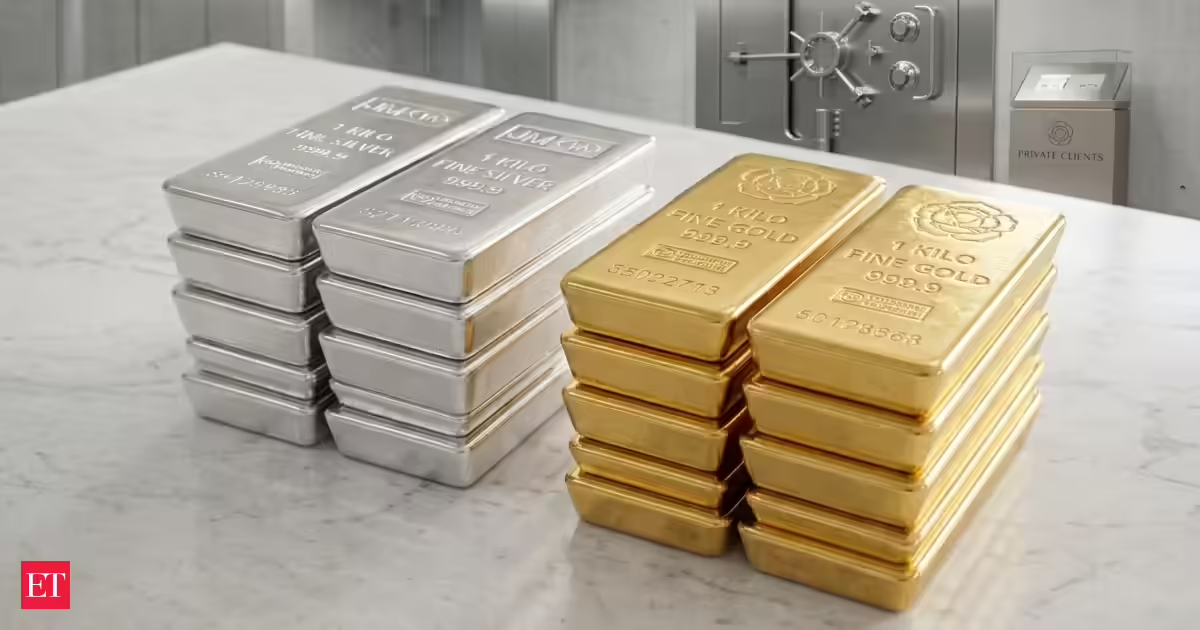
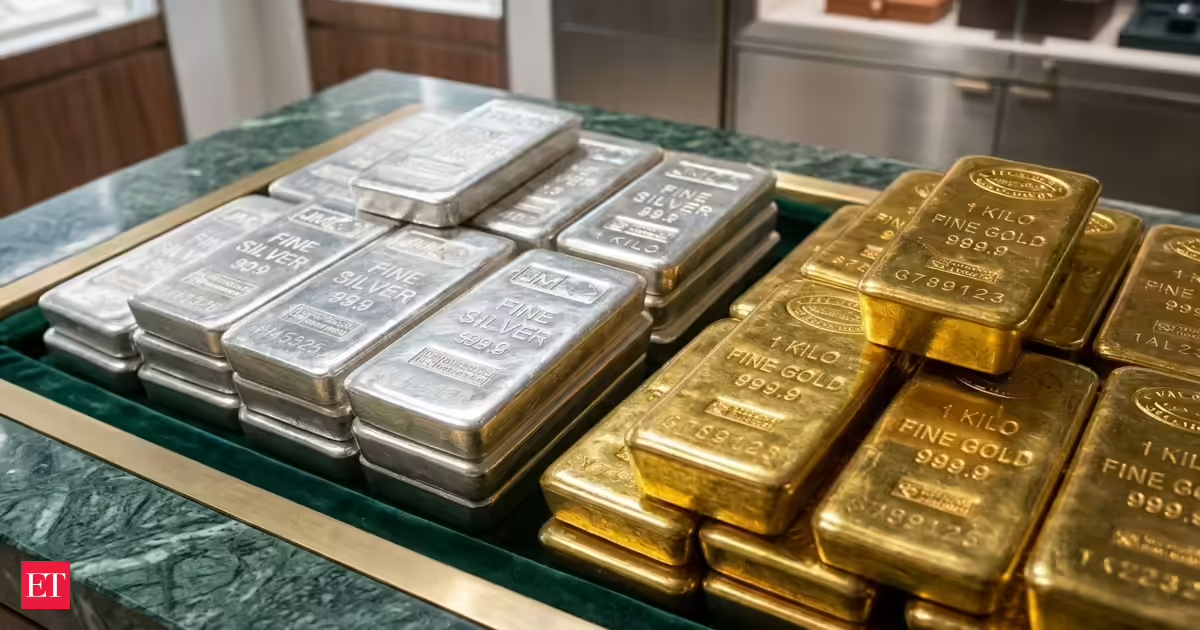
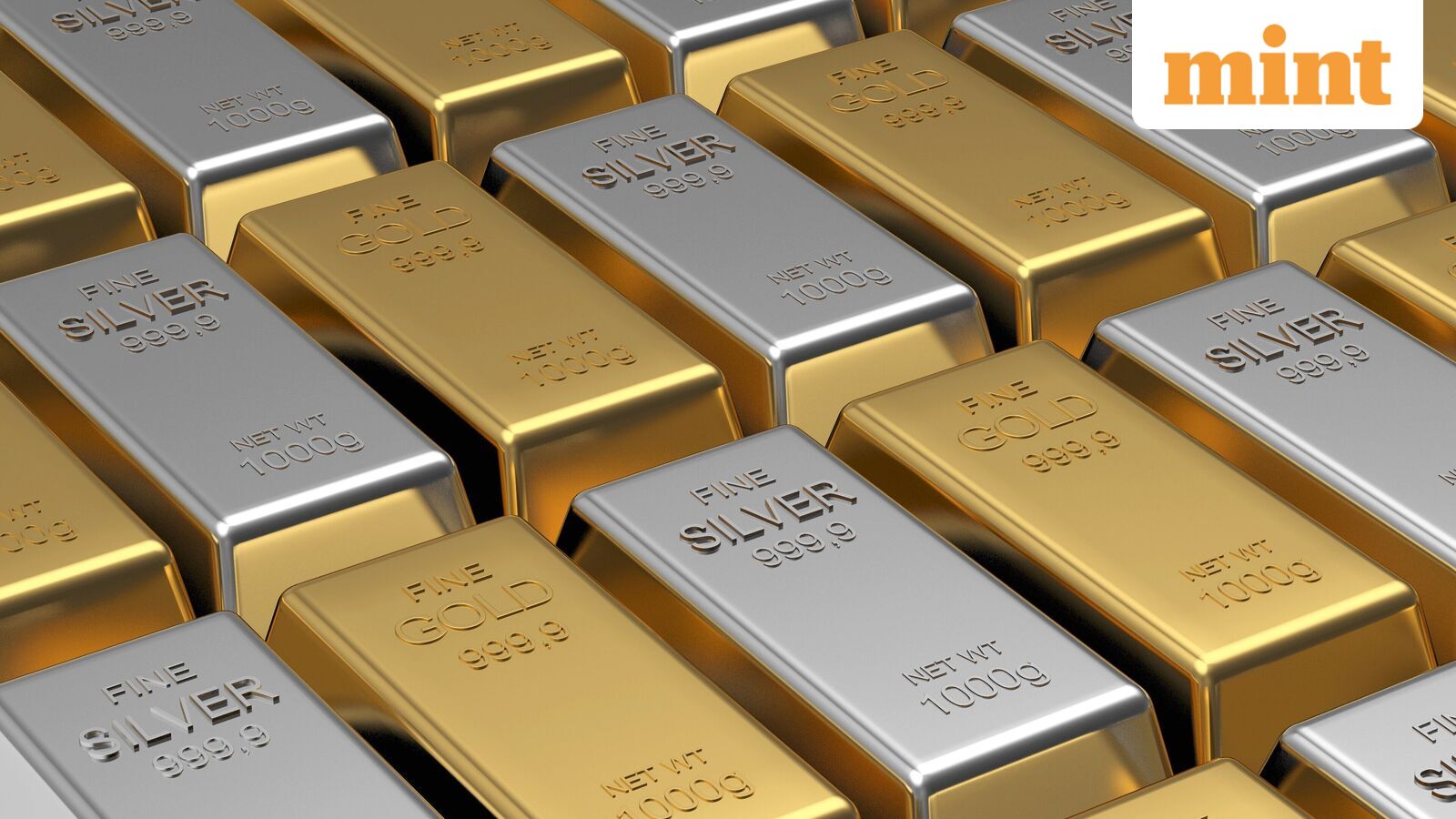
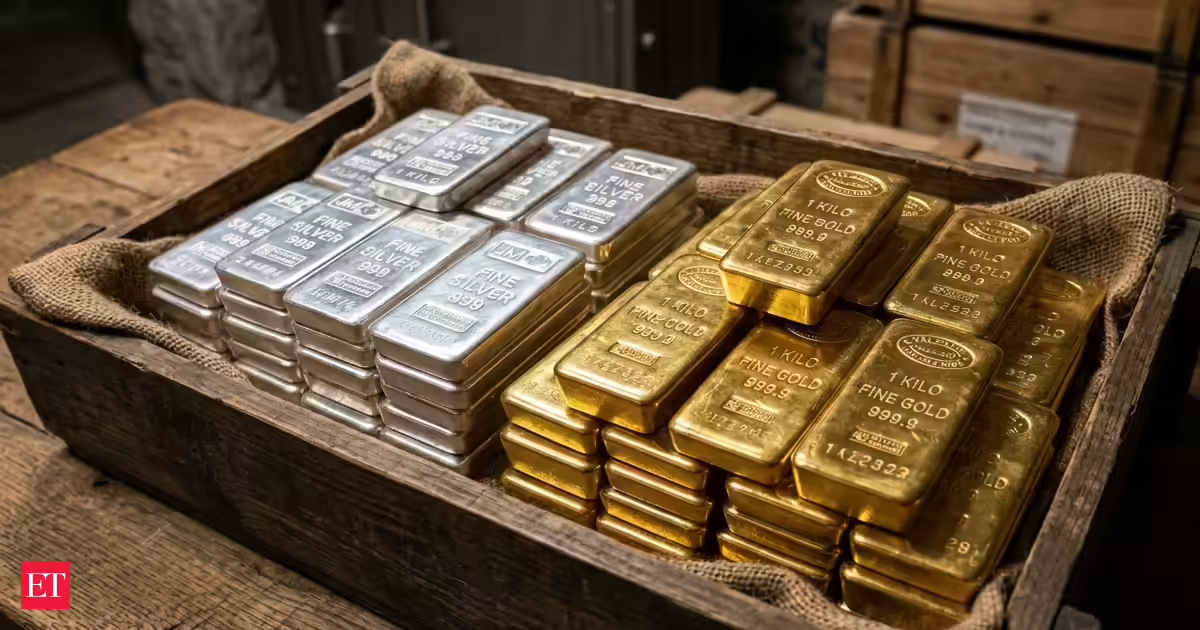
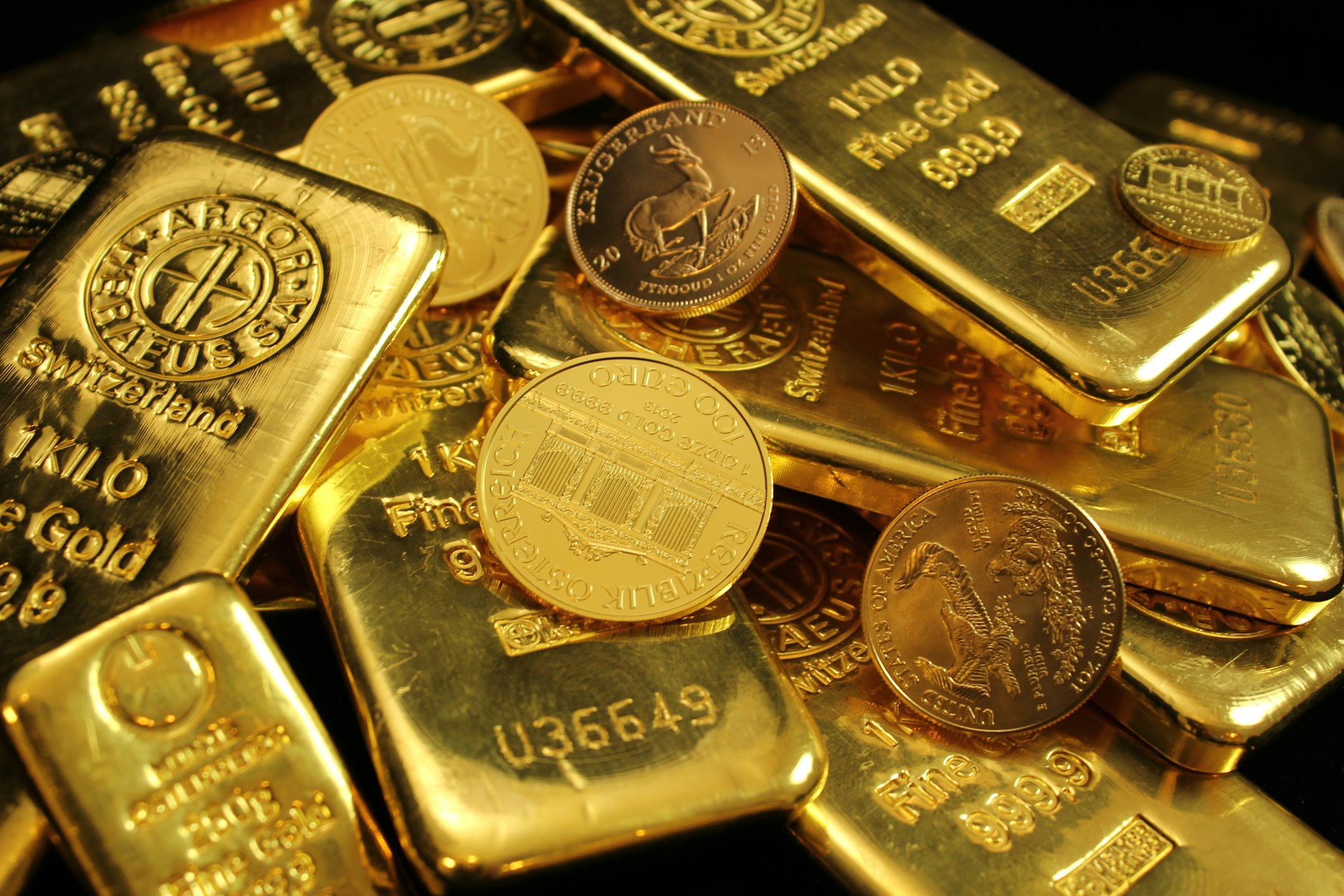
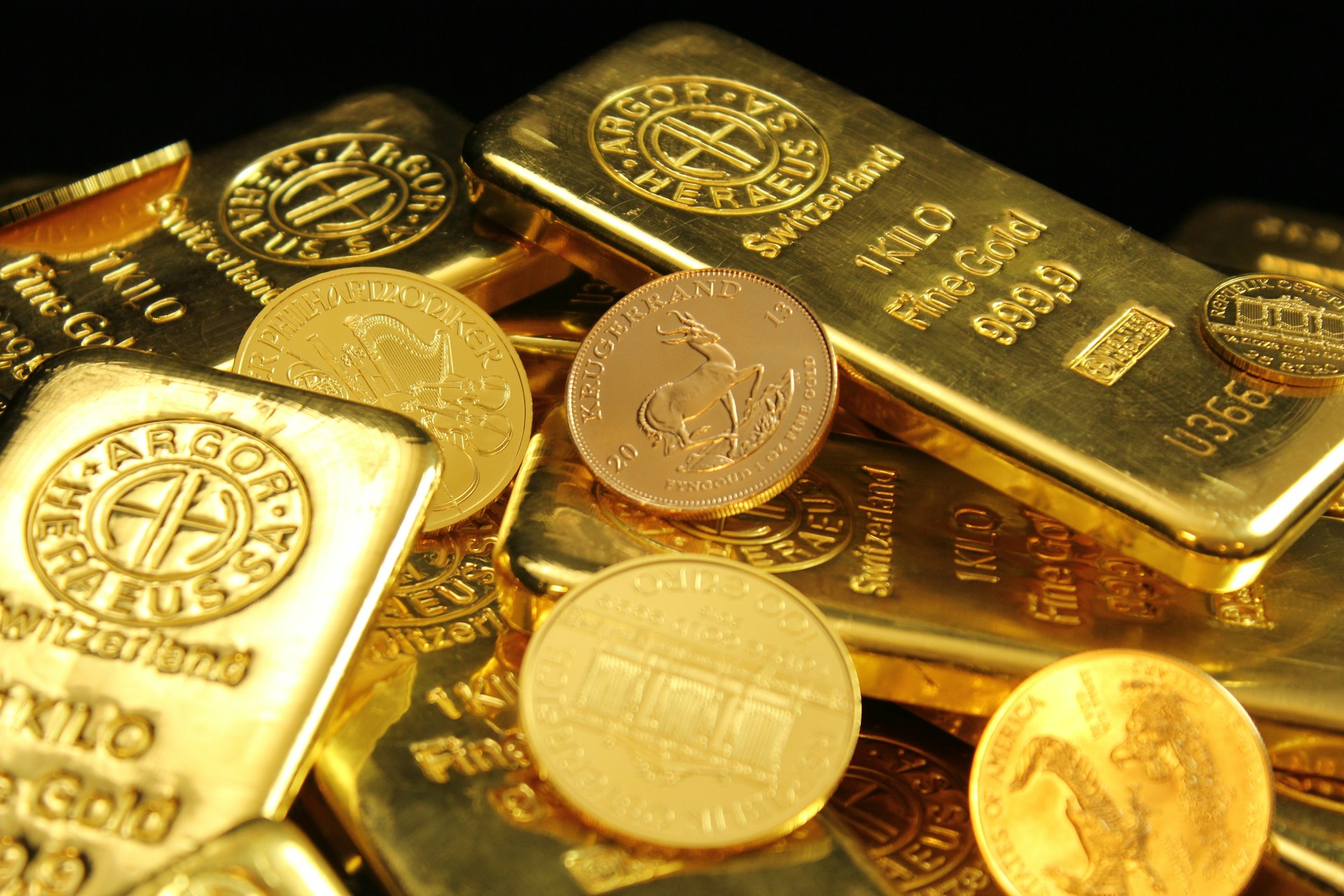
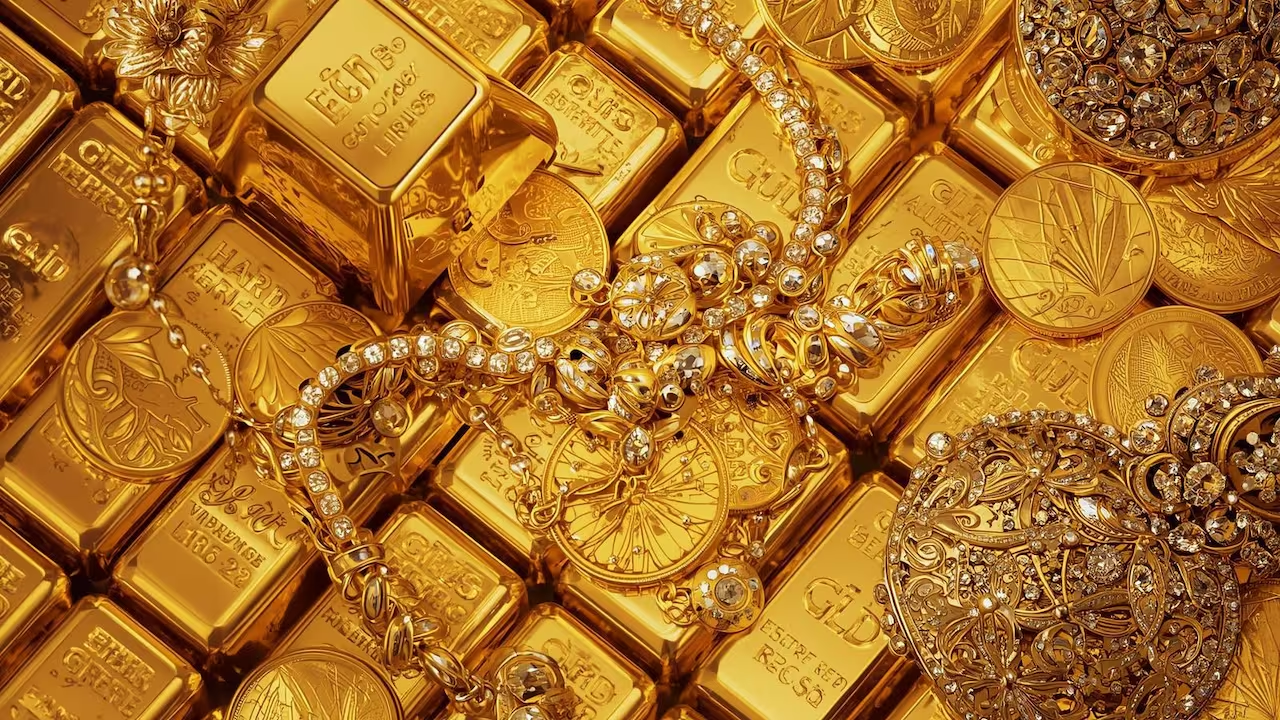
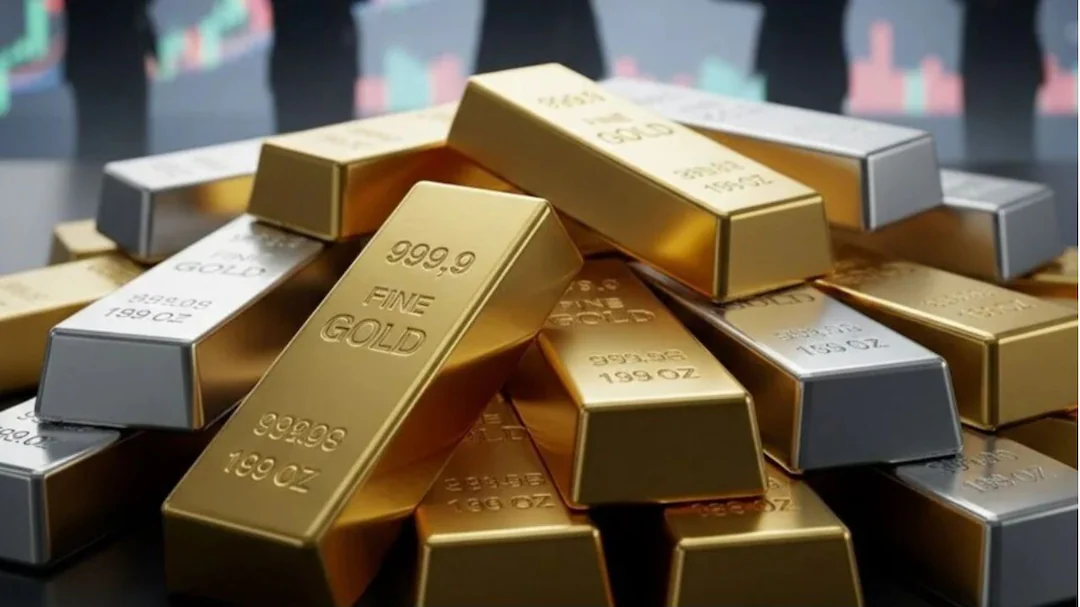
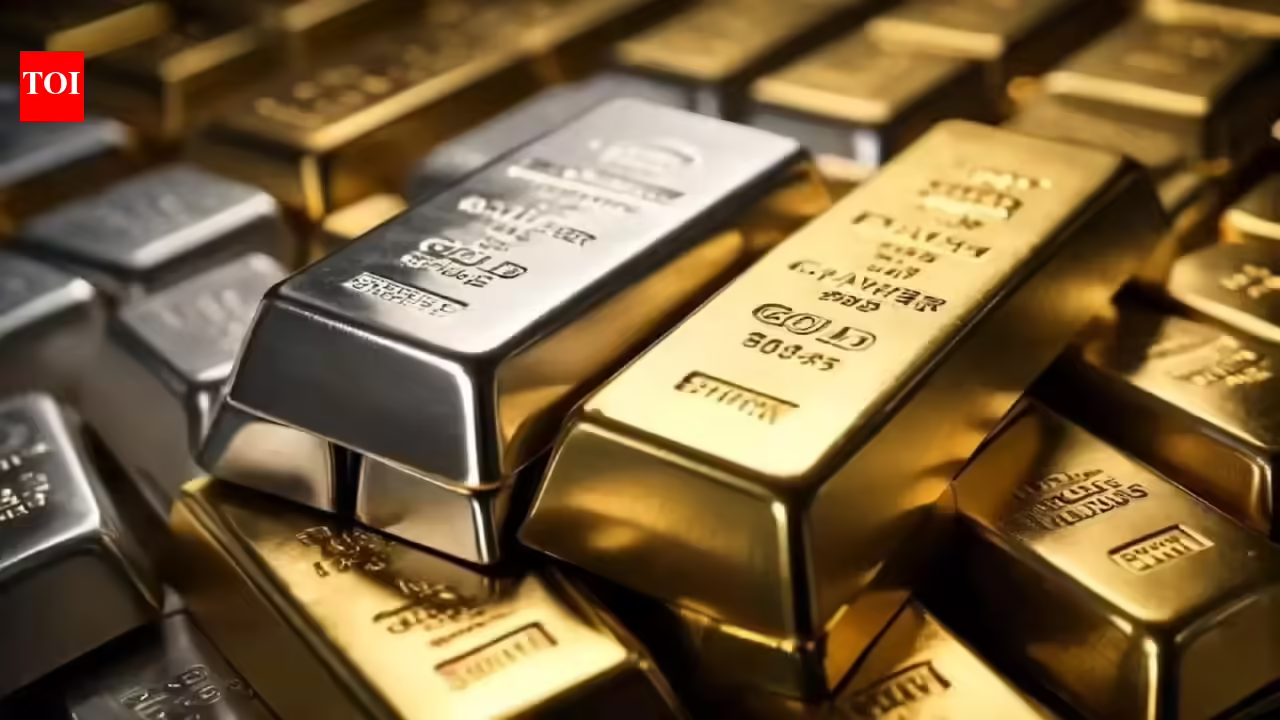
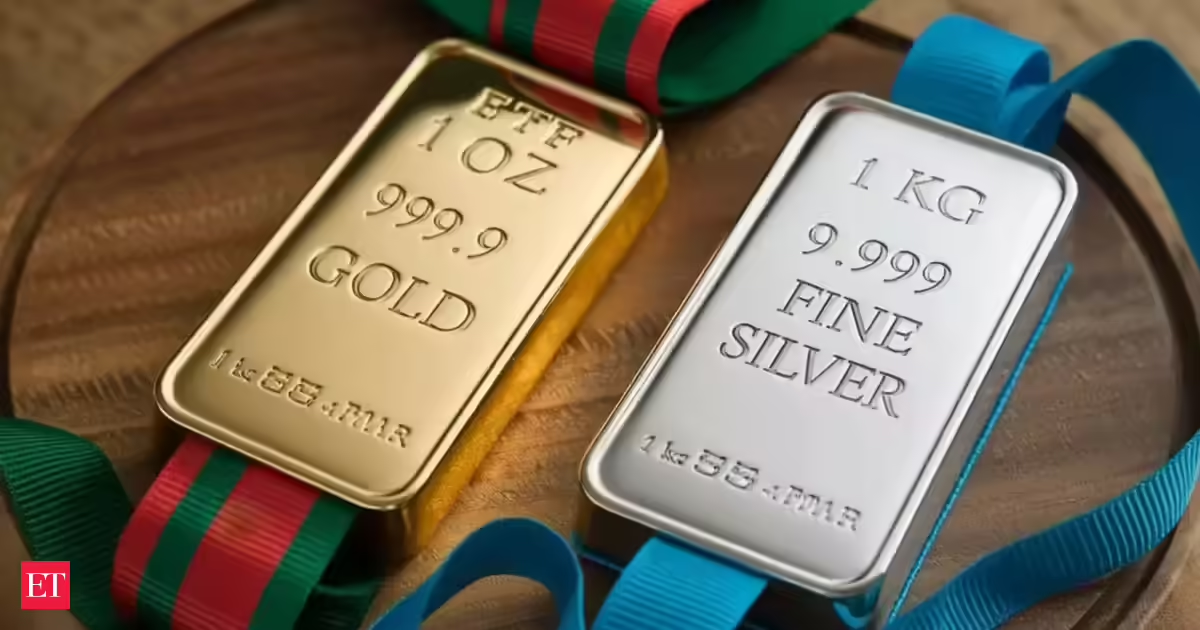
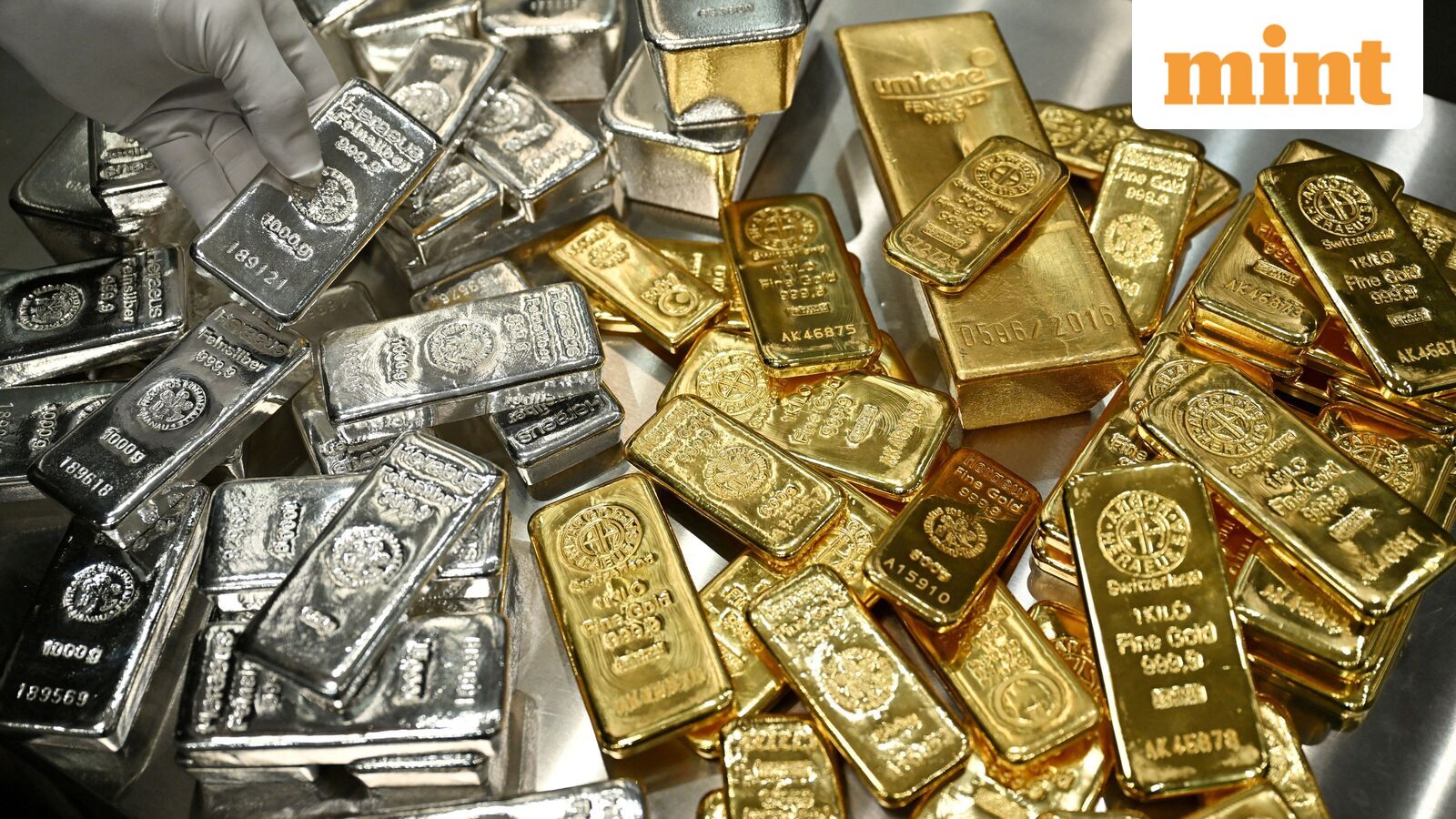
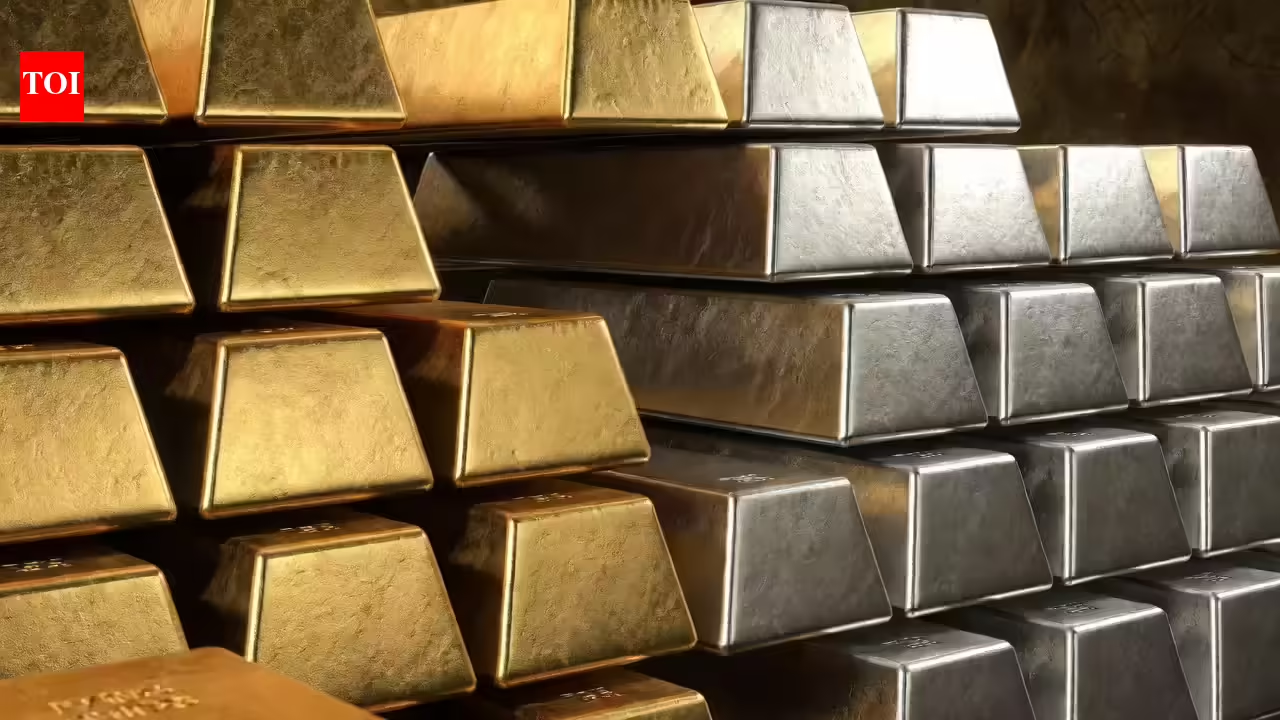
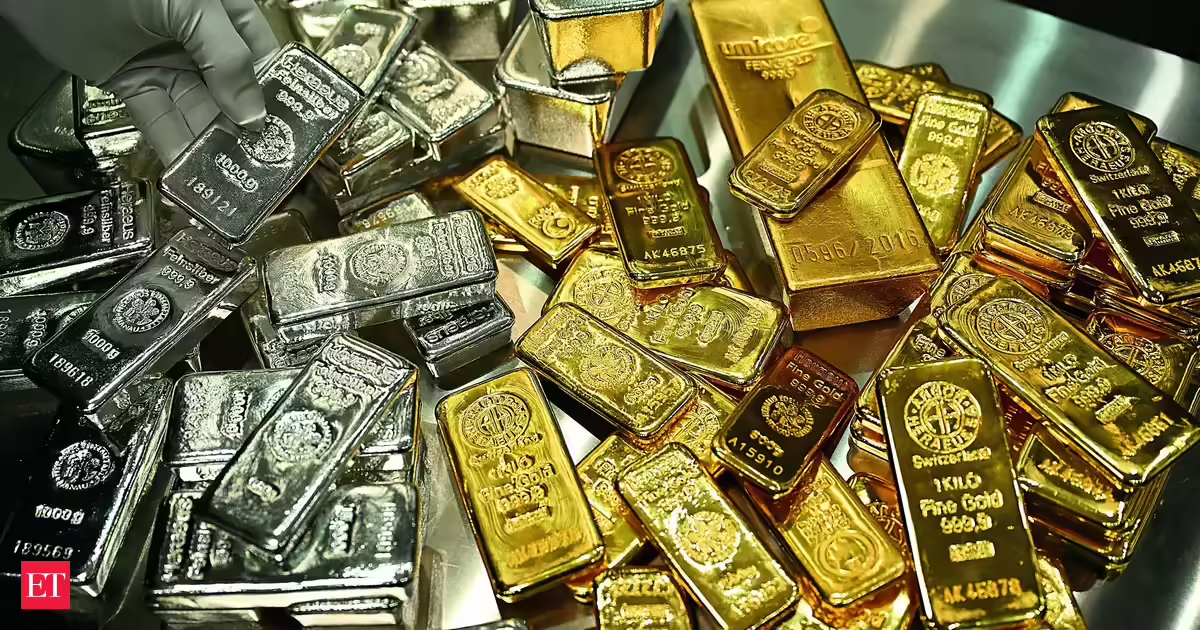
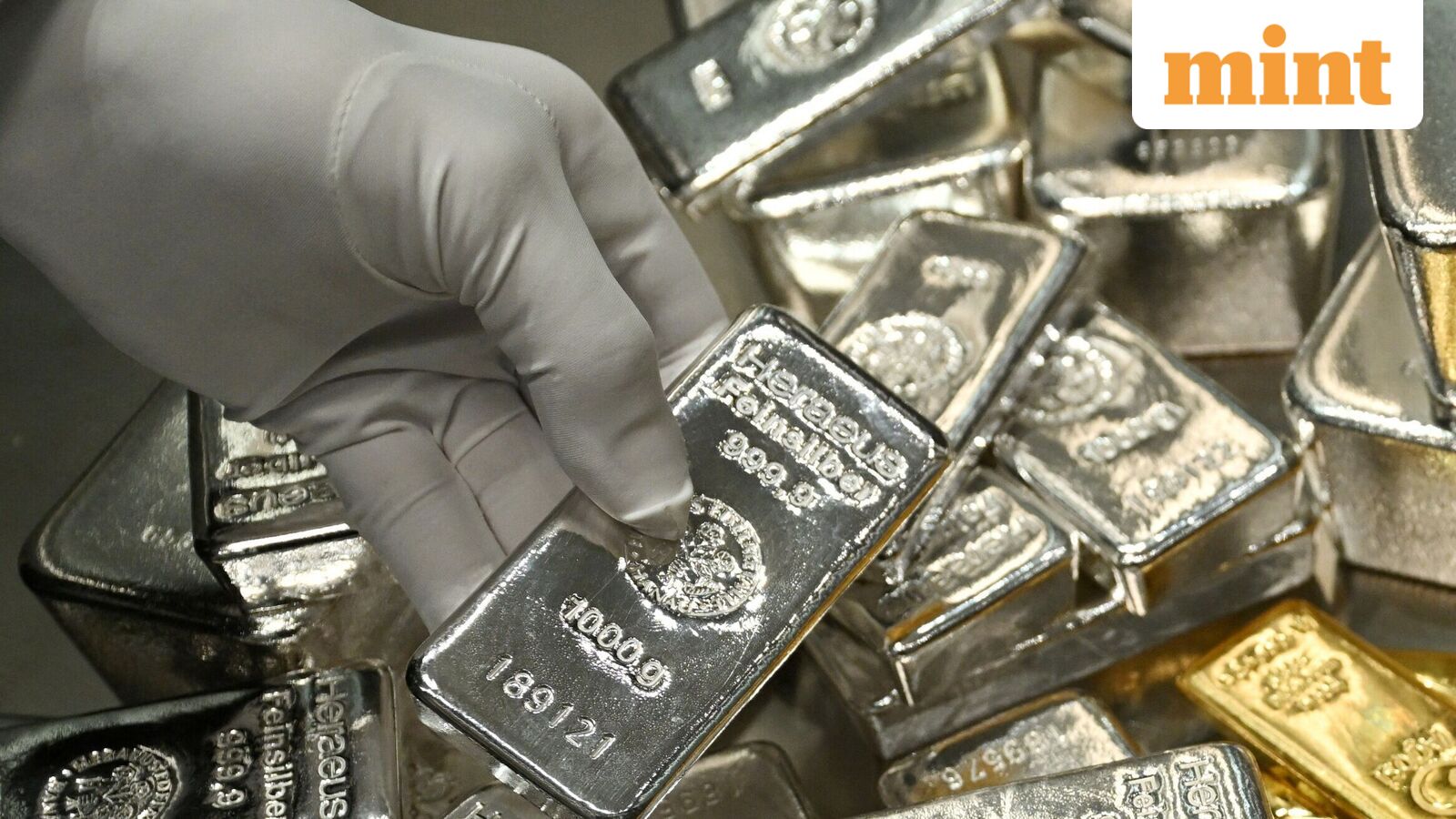
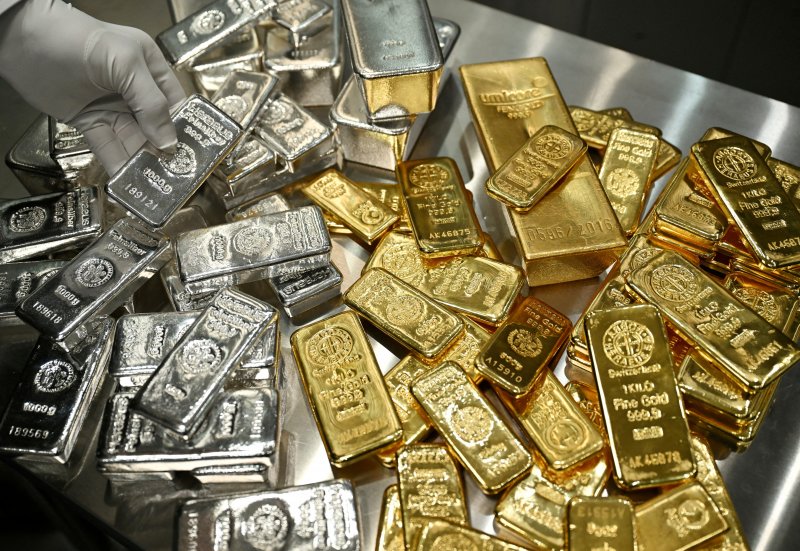
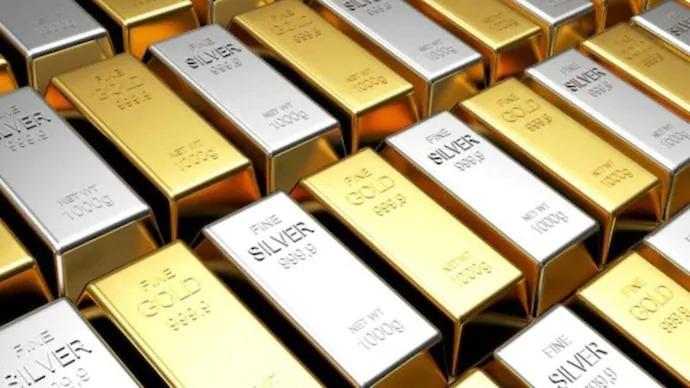
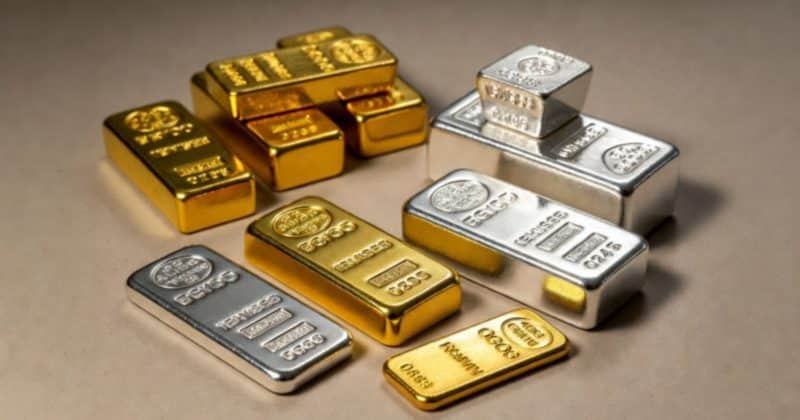
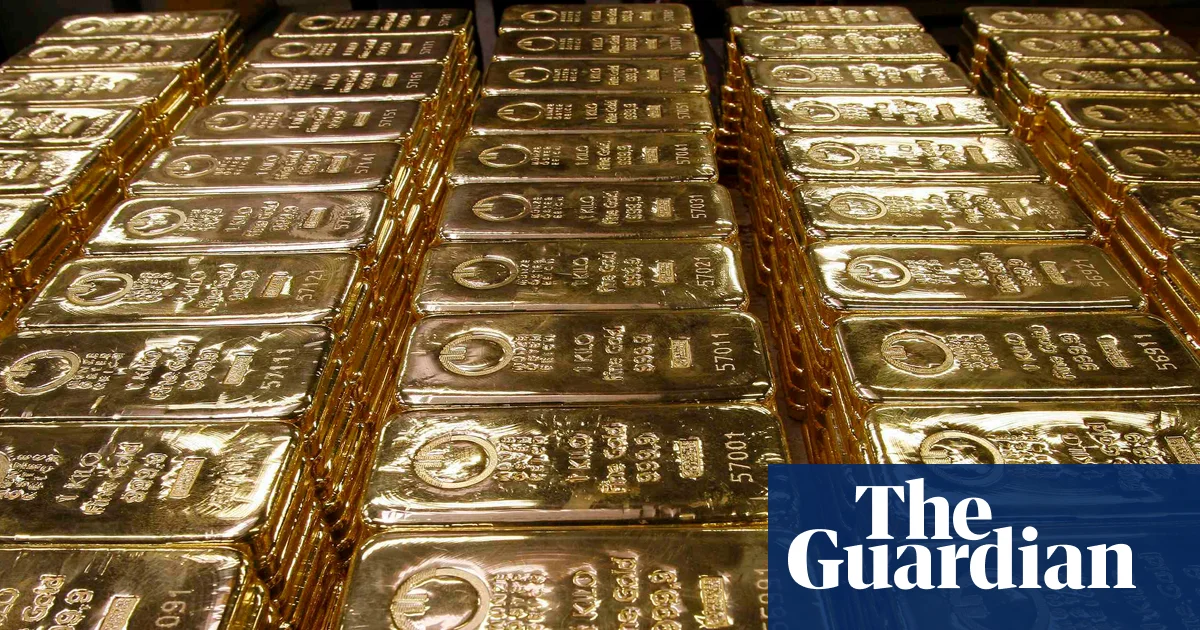
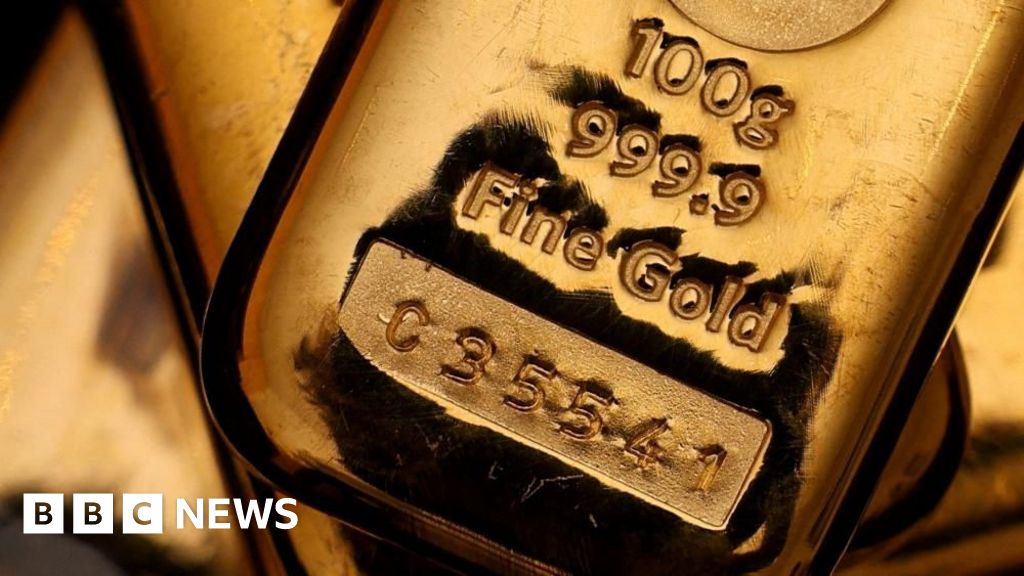
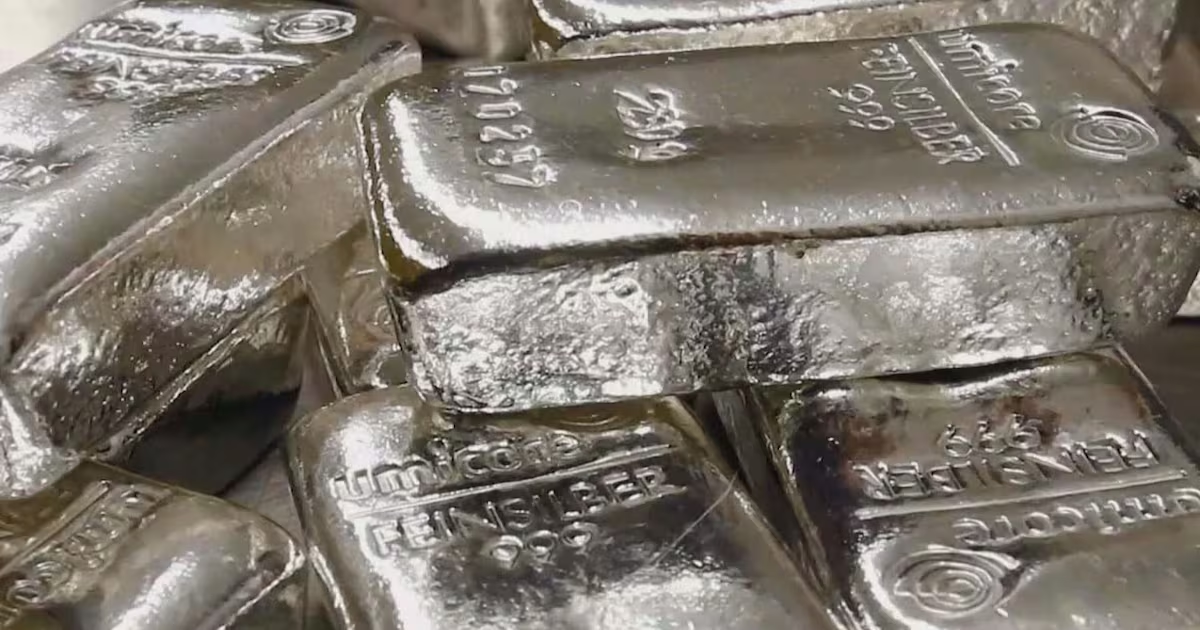
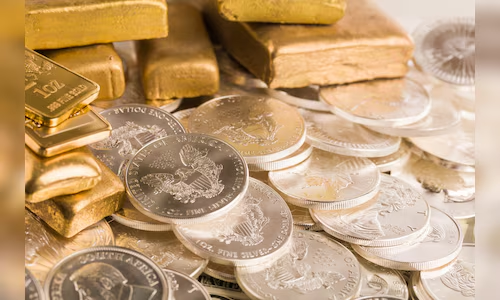
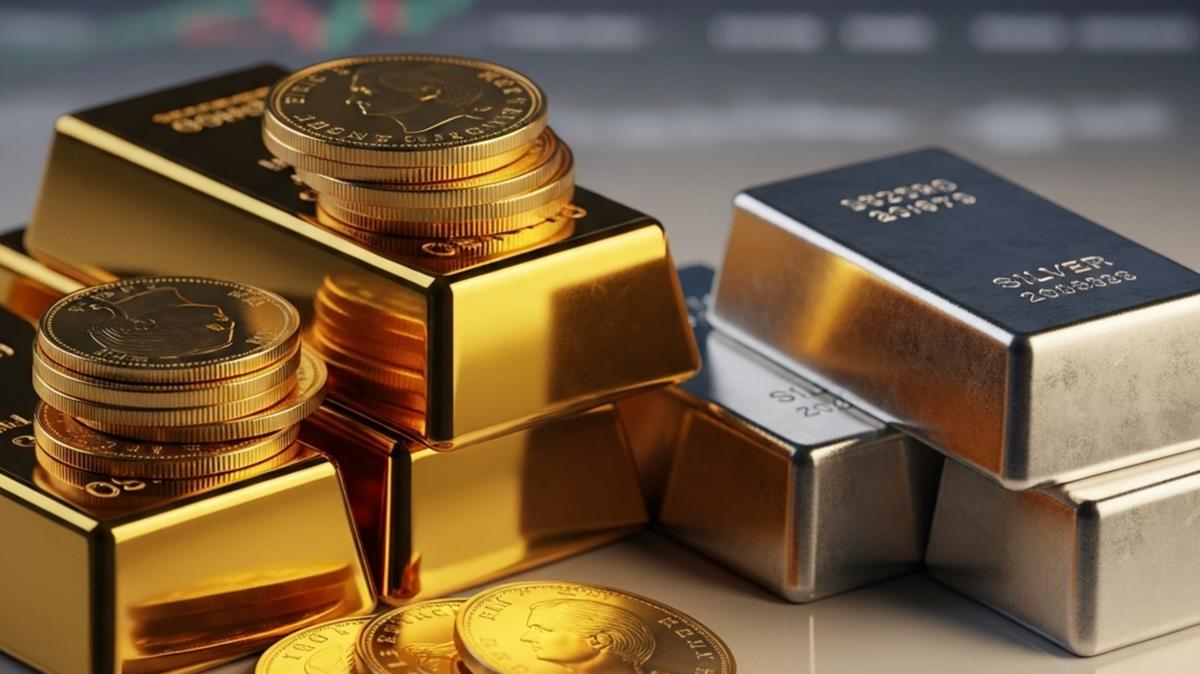
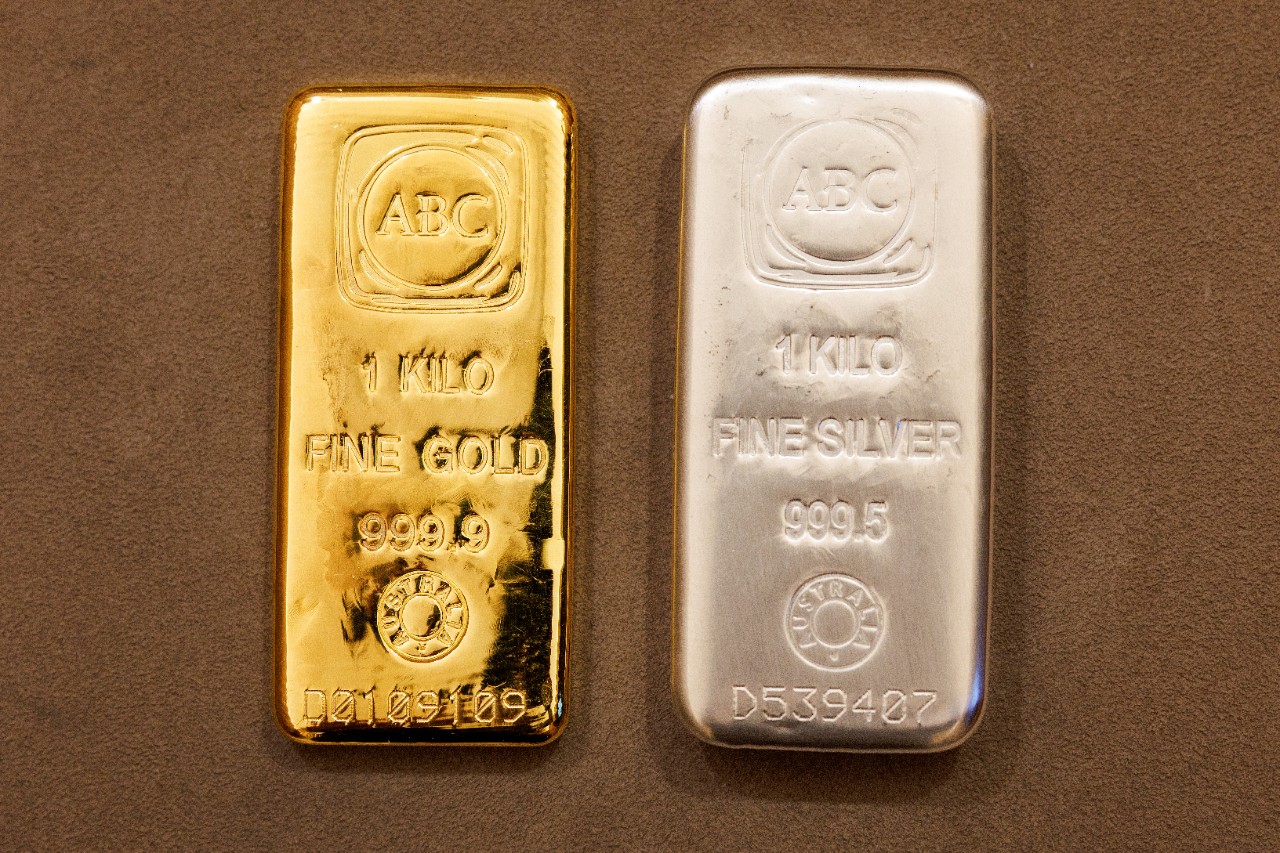
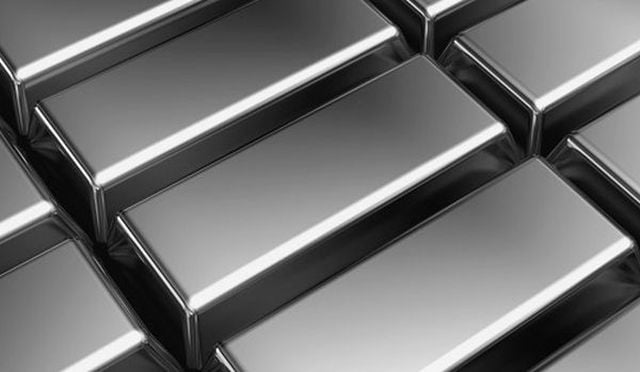
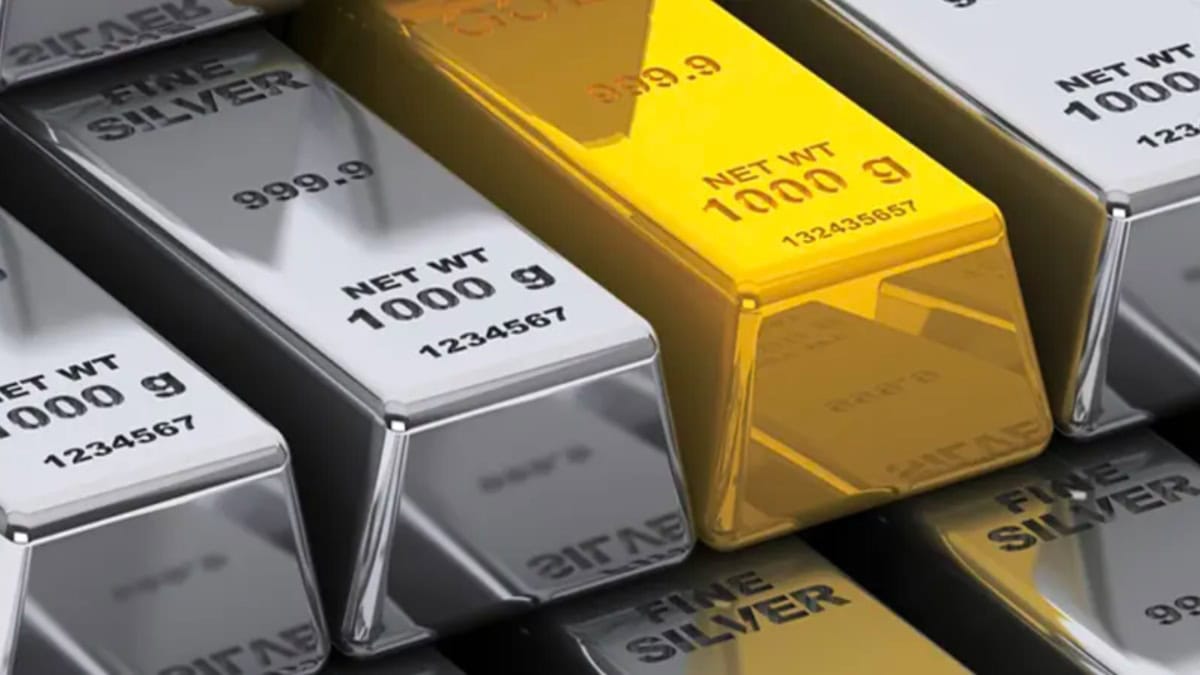
Gold and silver
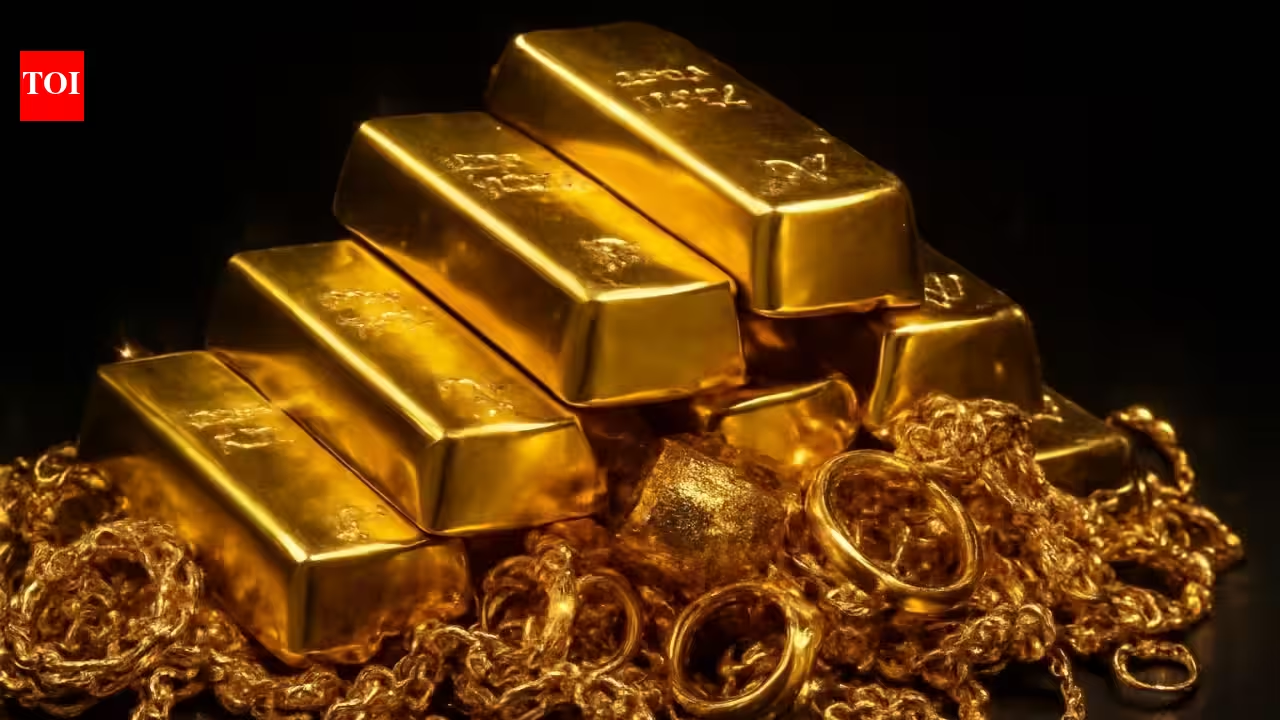
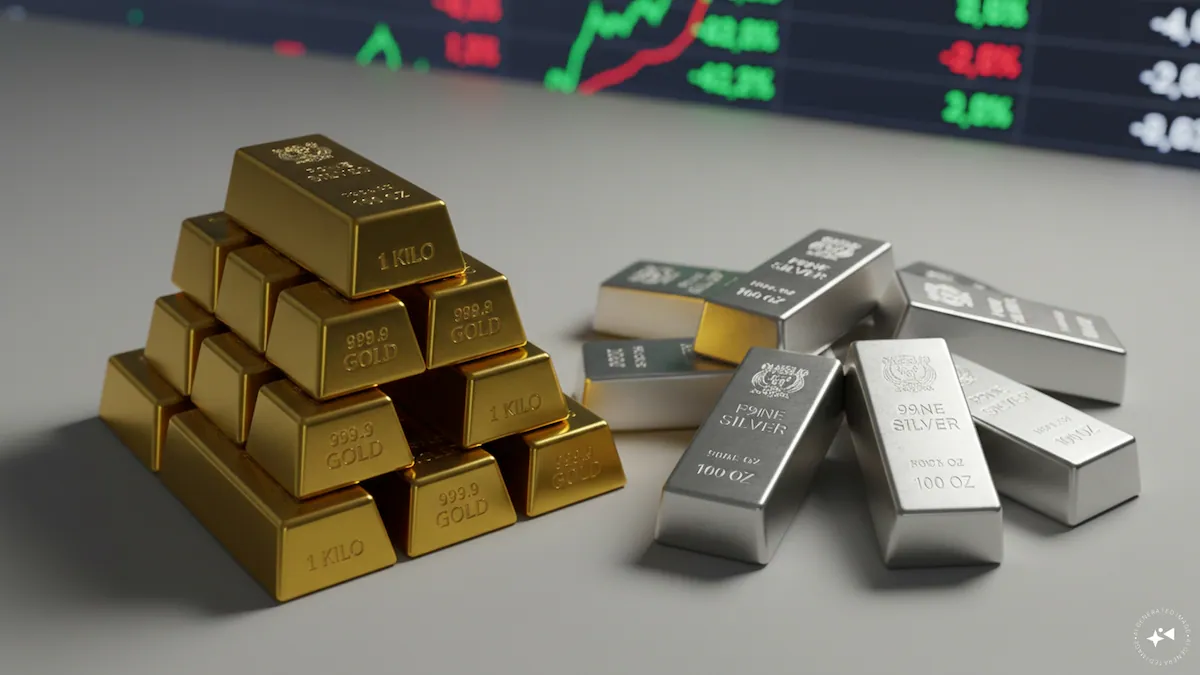
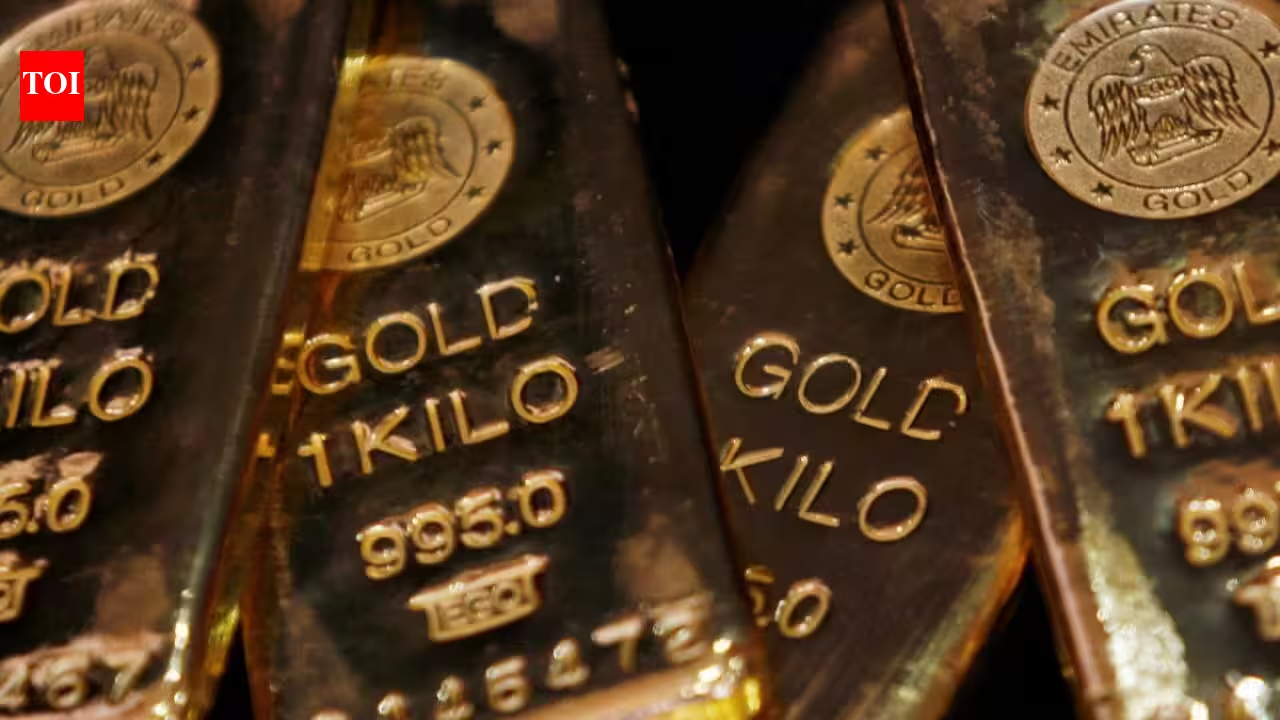
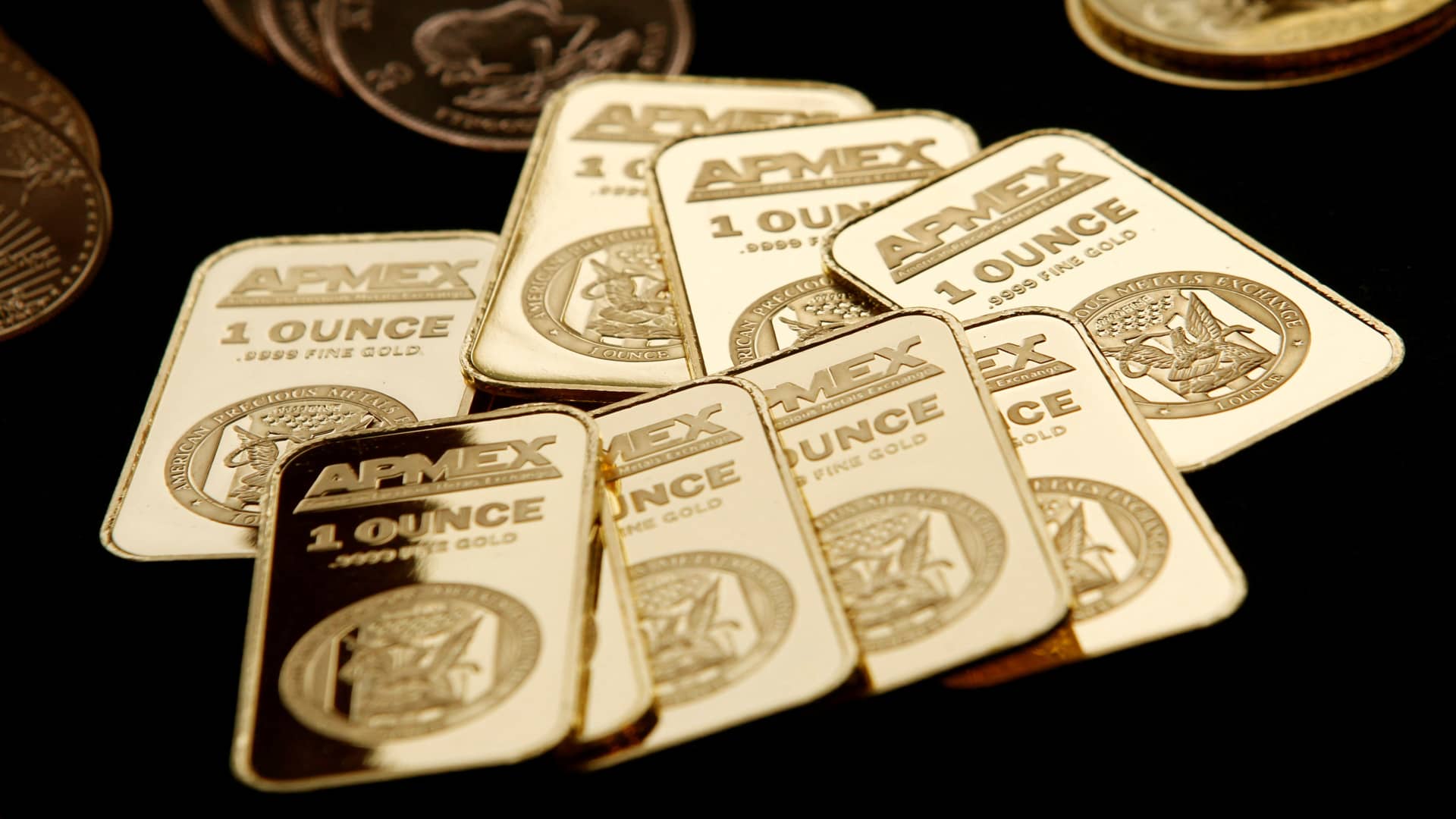
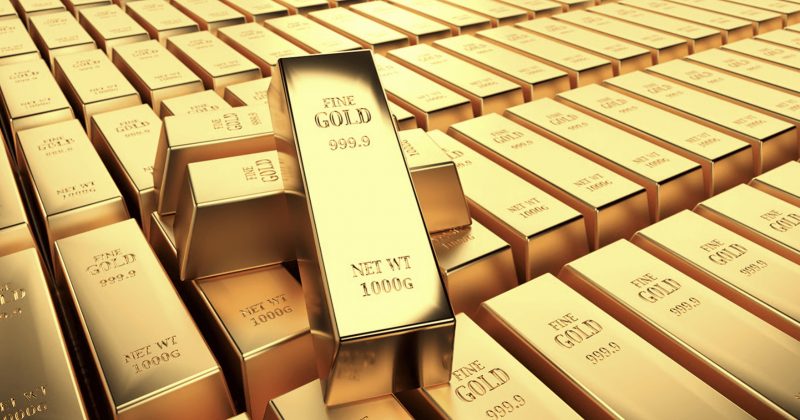
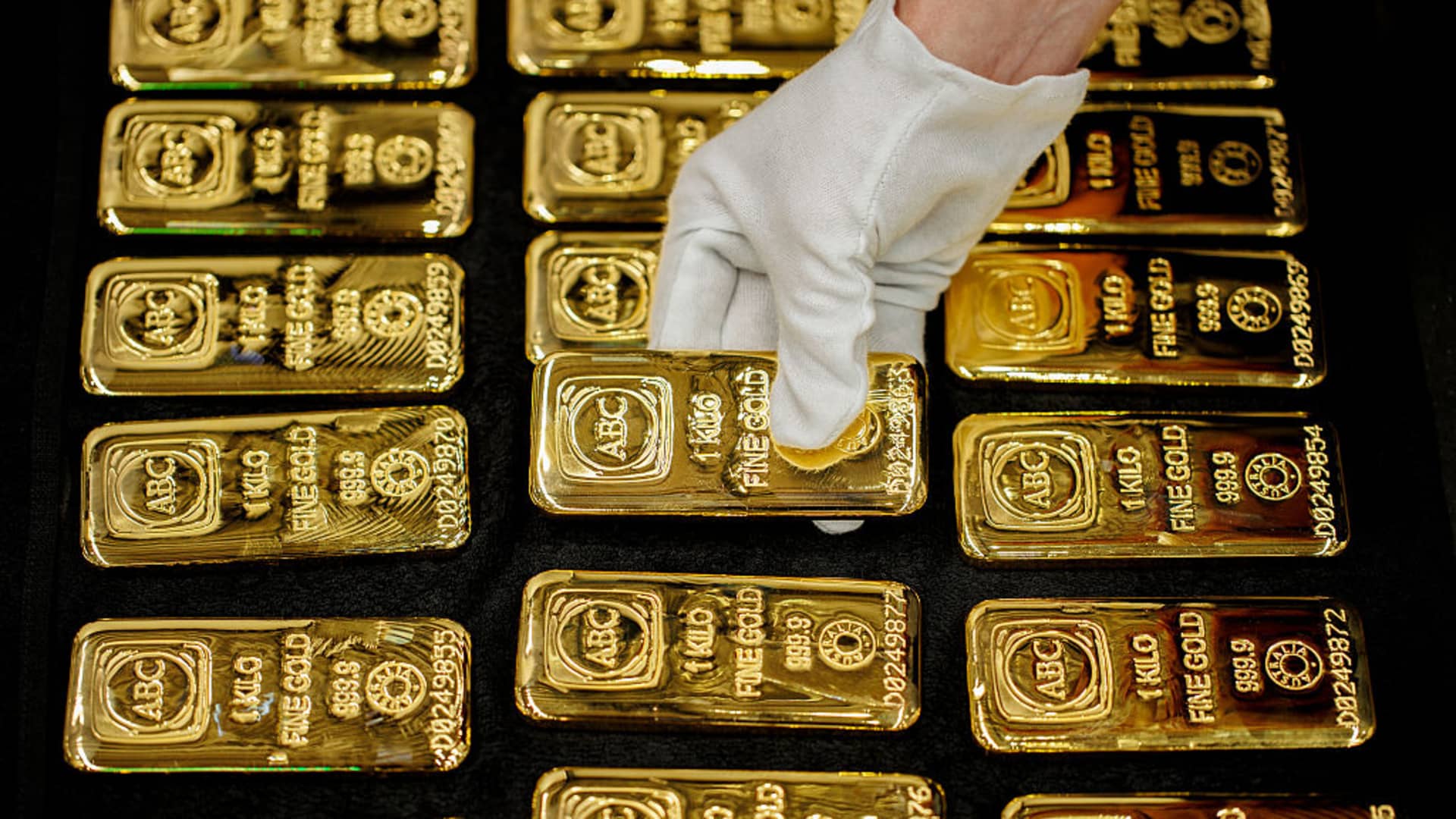
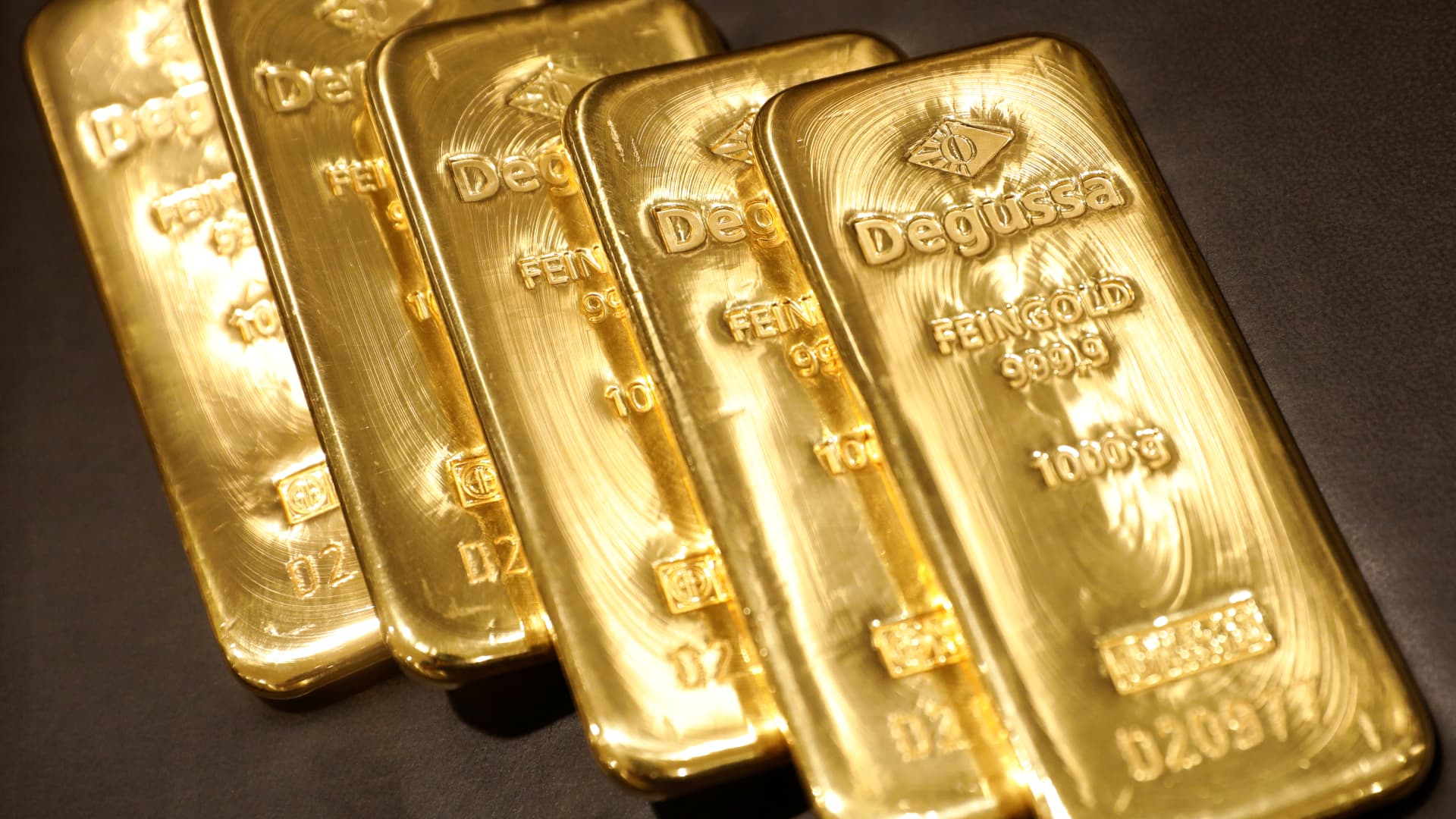
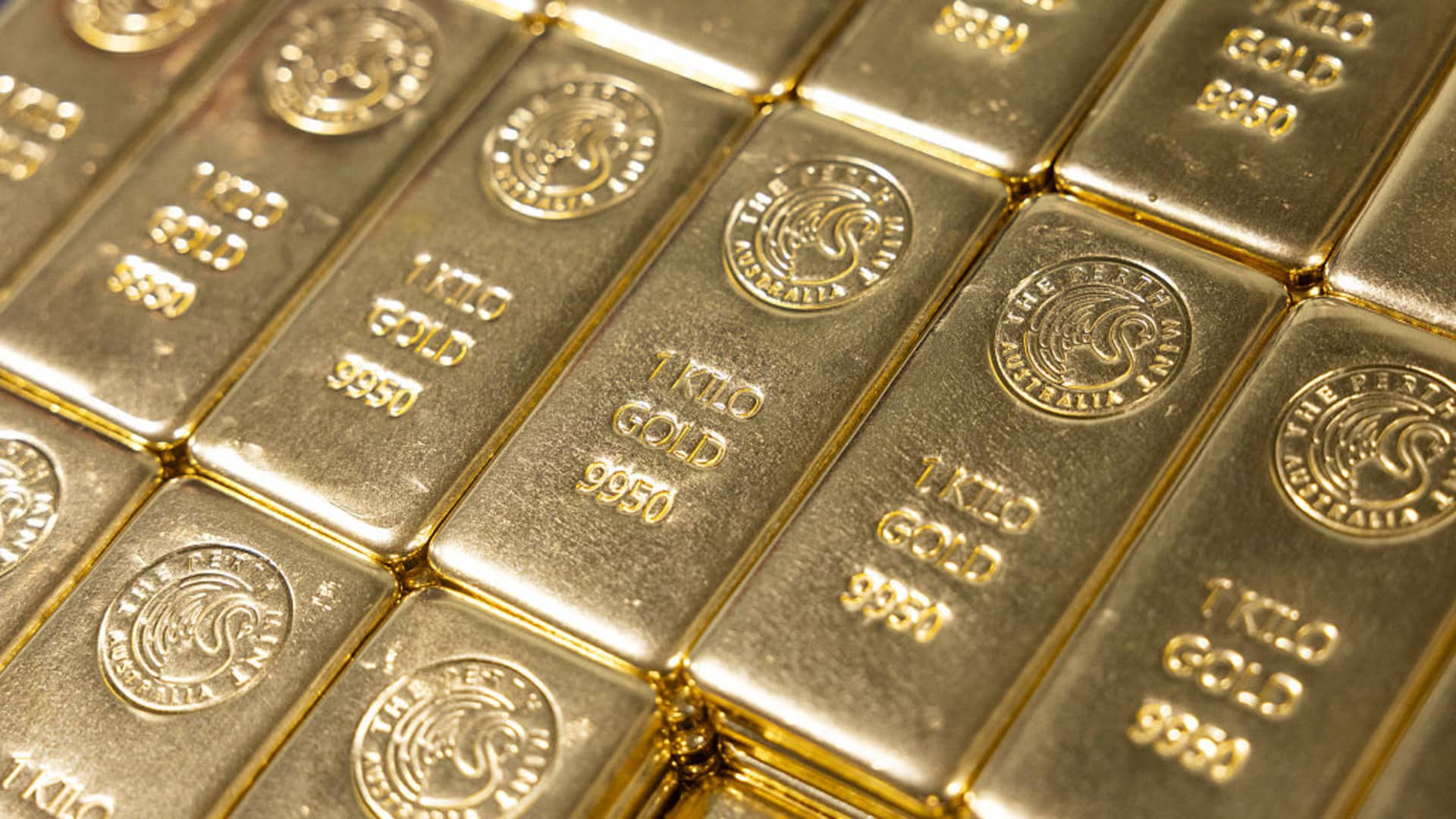
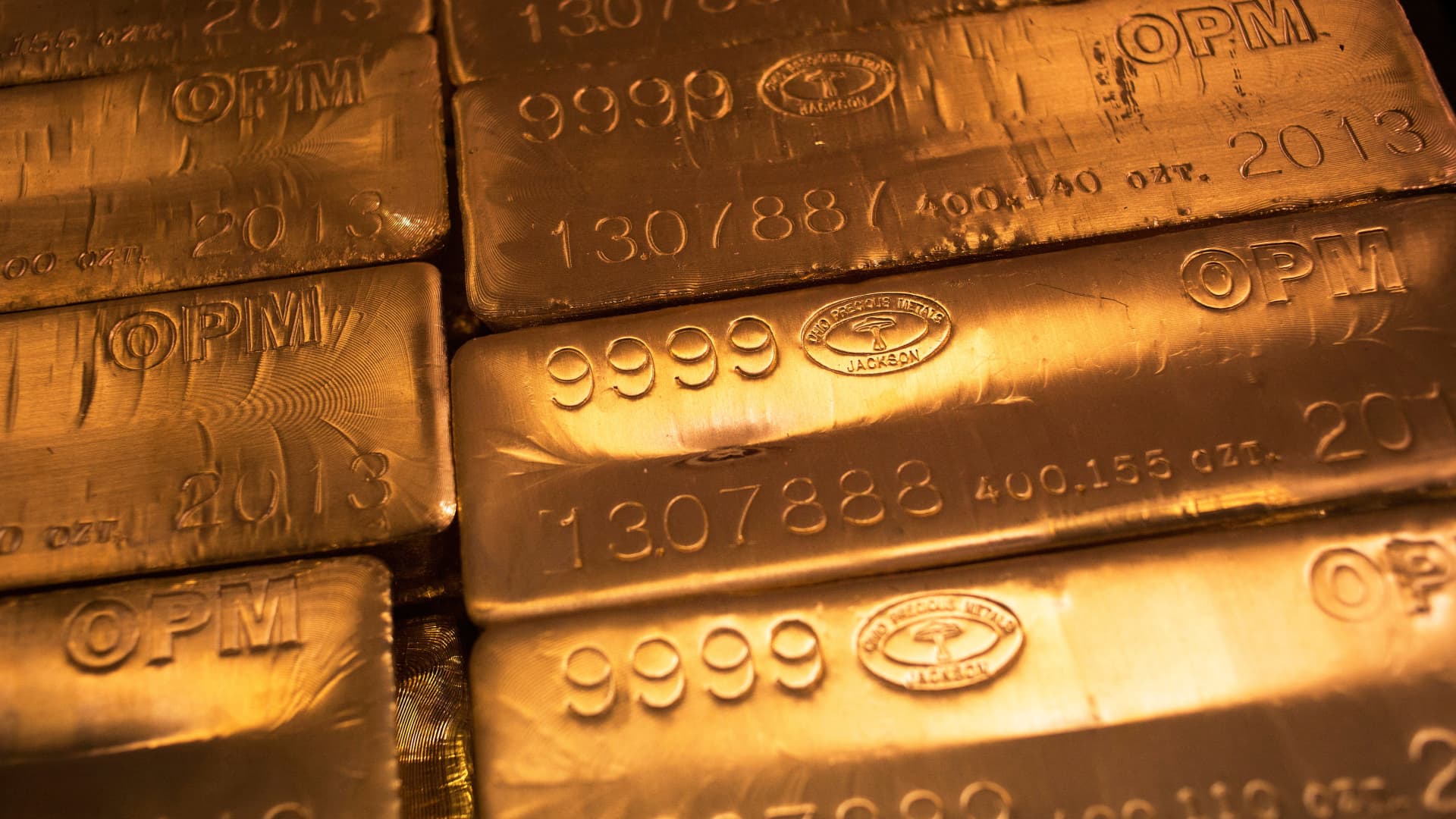
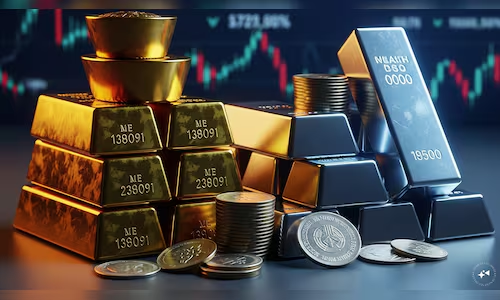
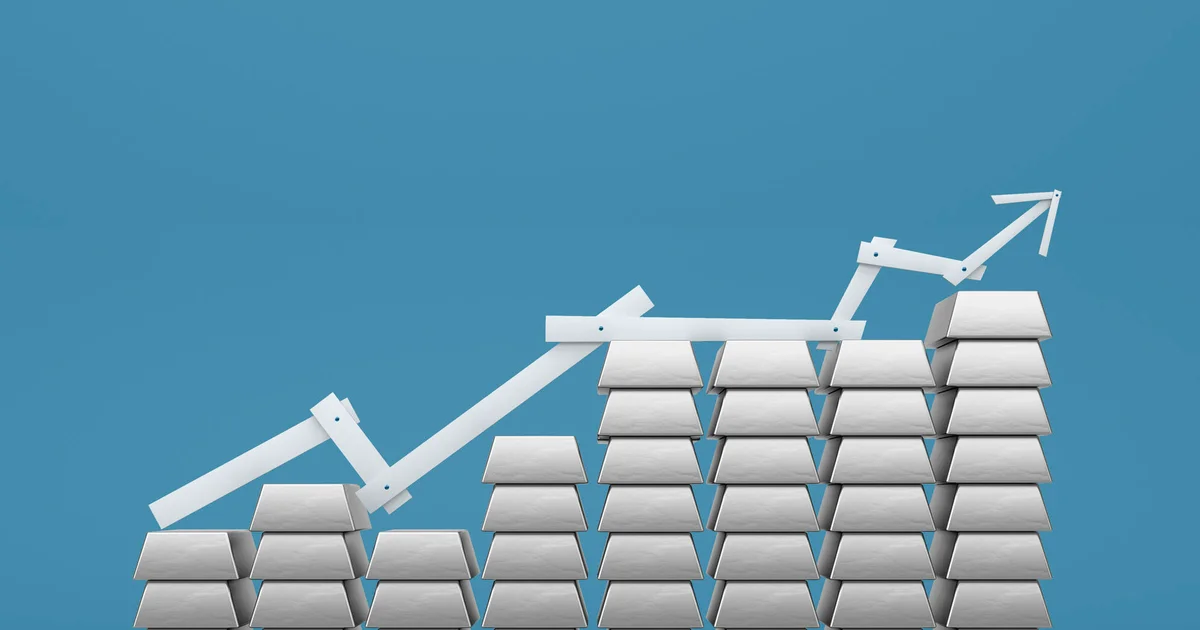
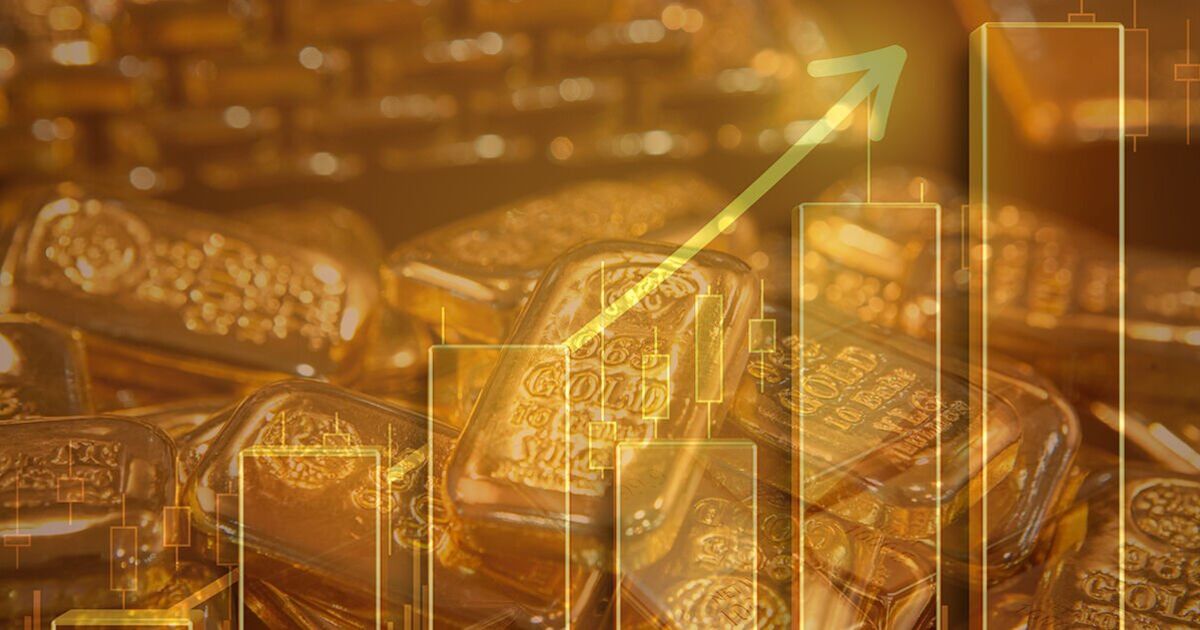
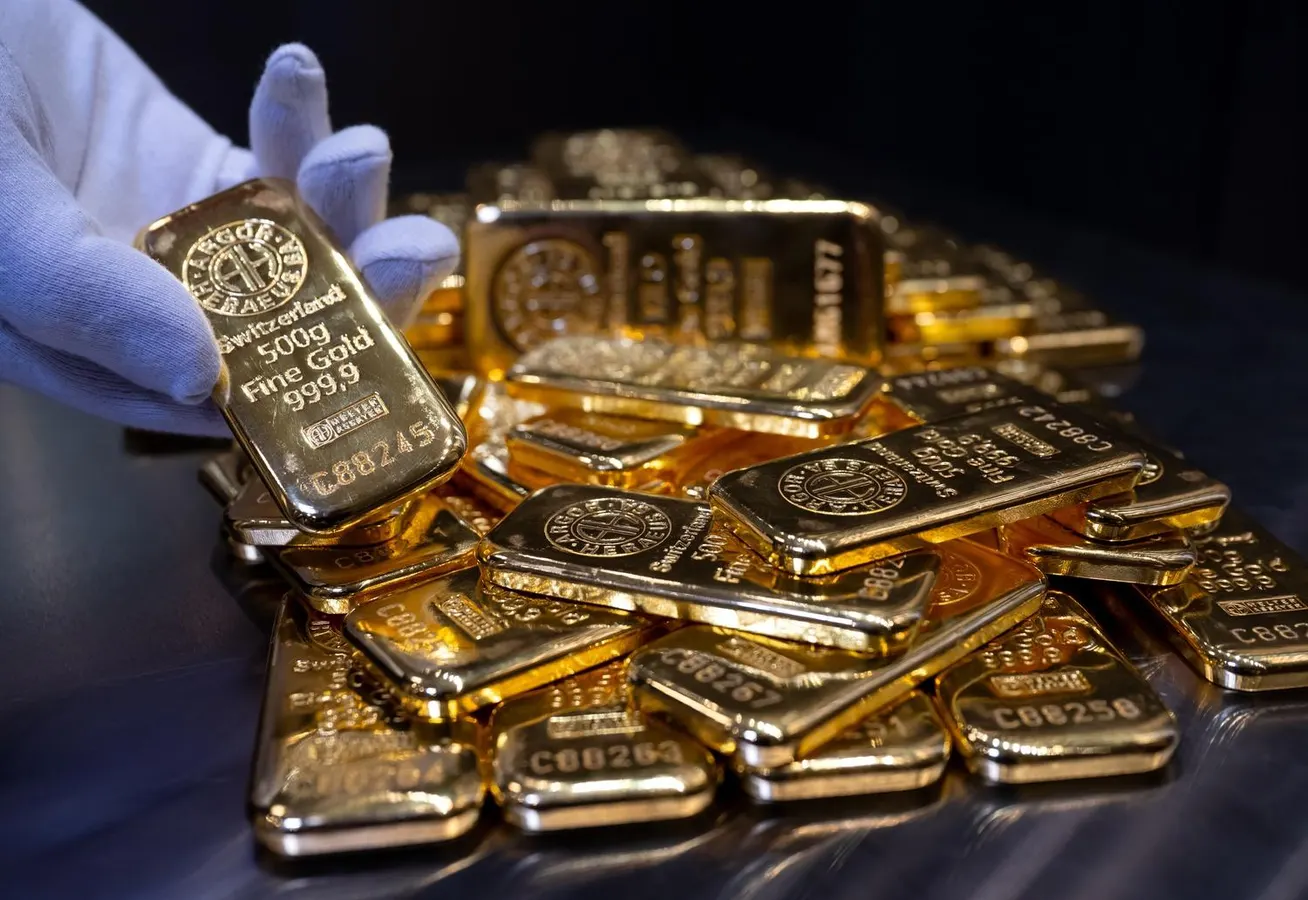
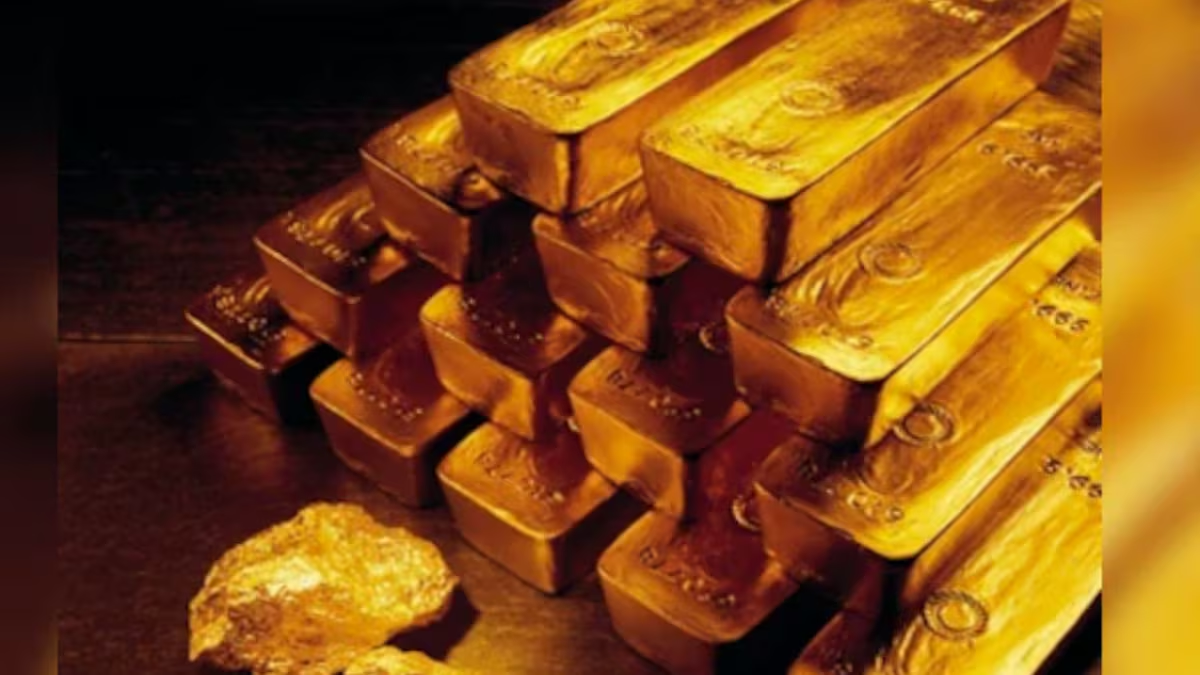
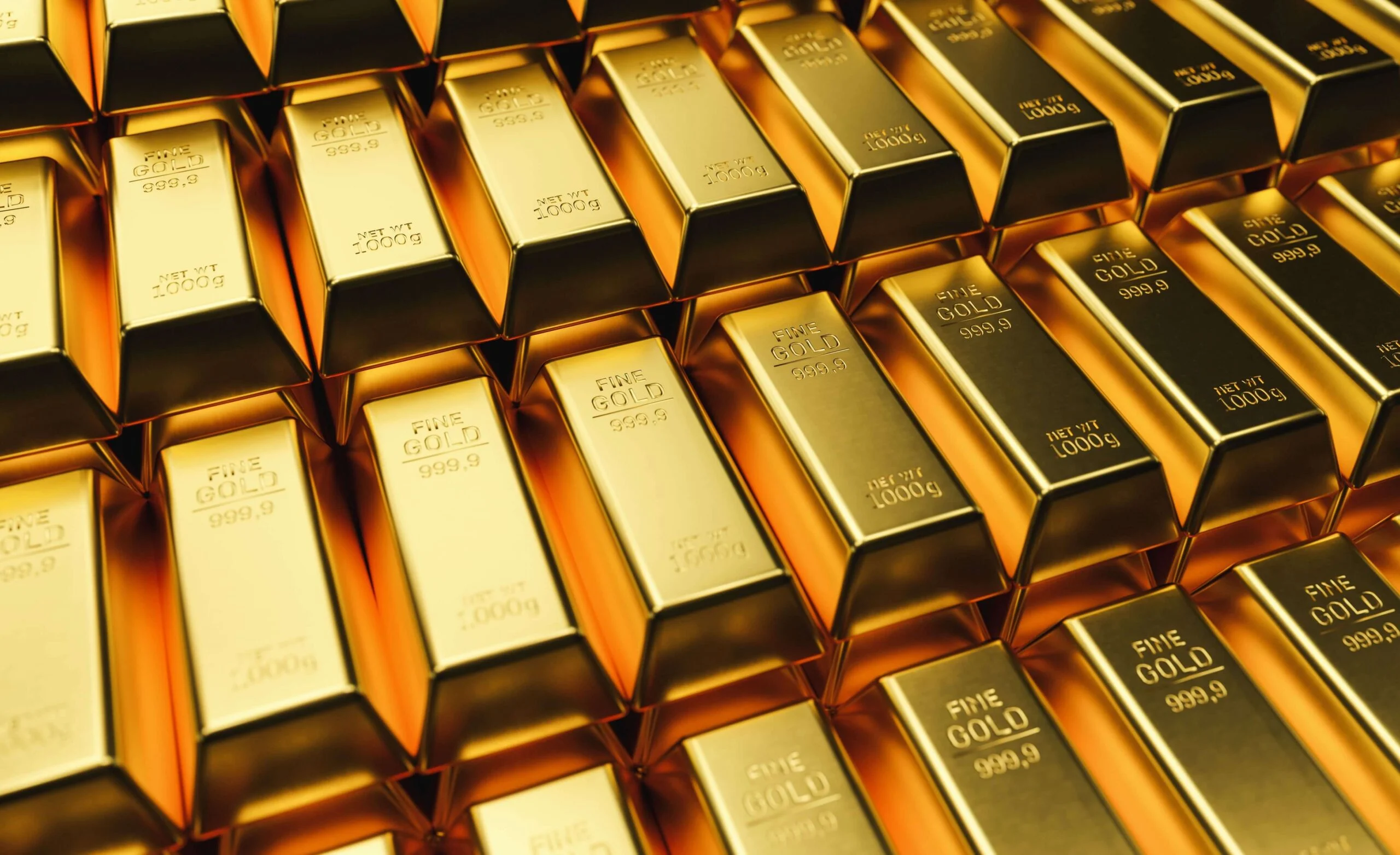
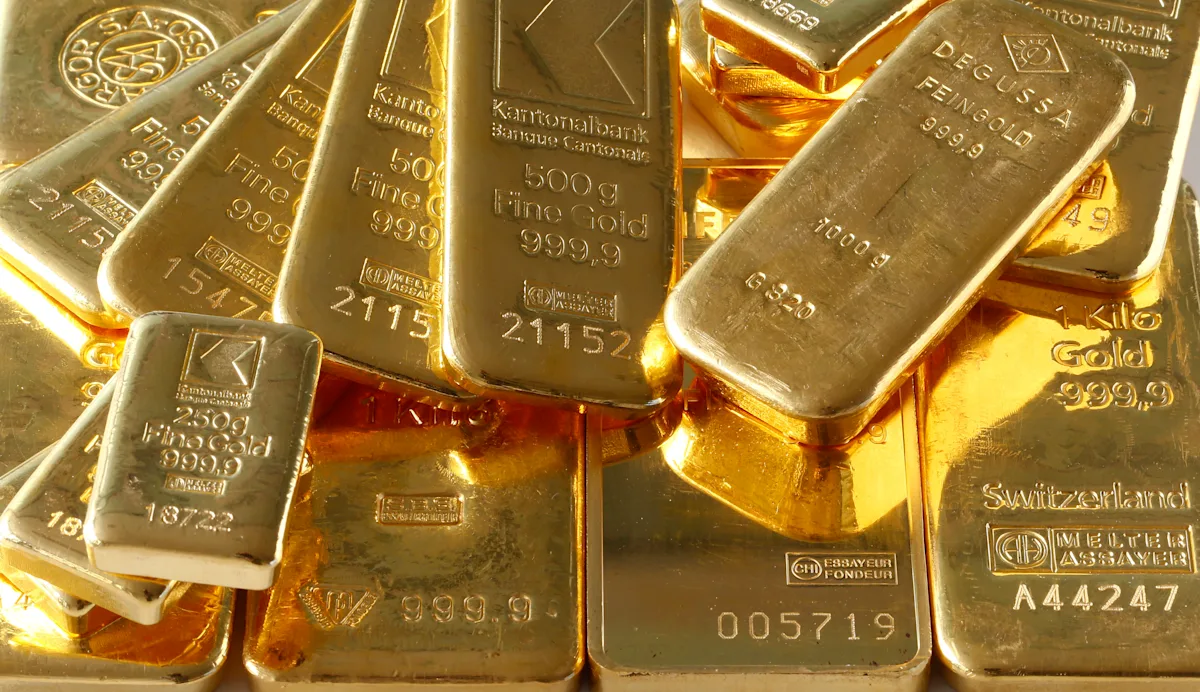
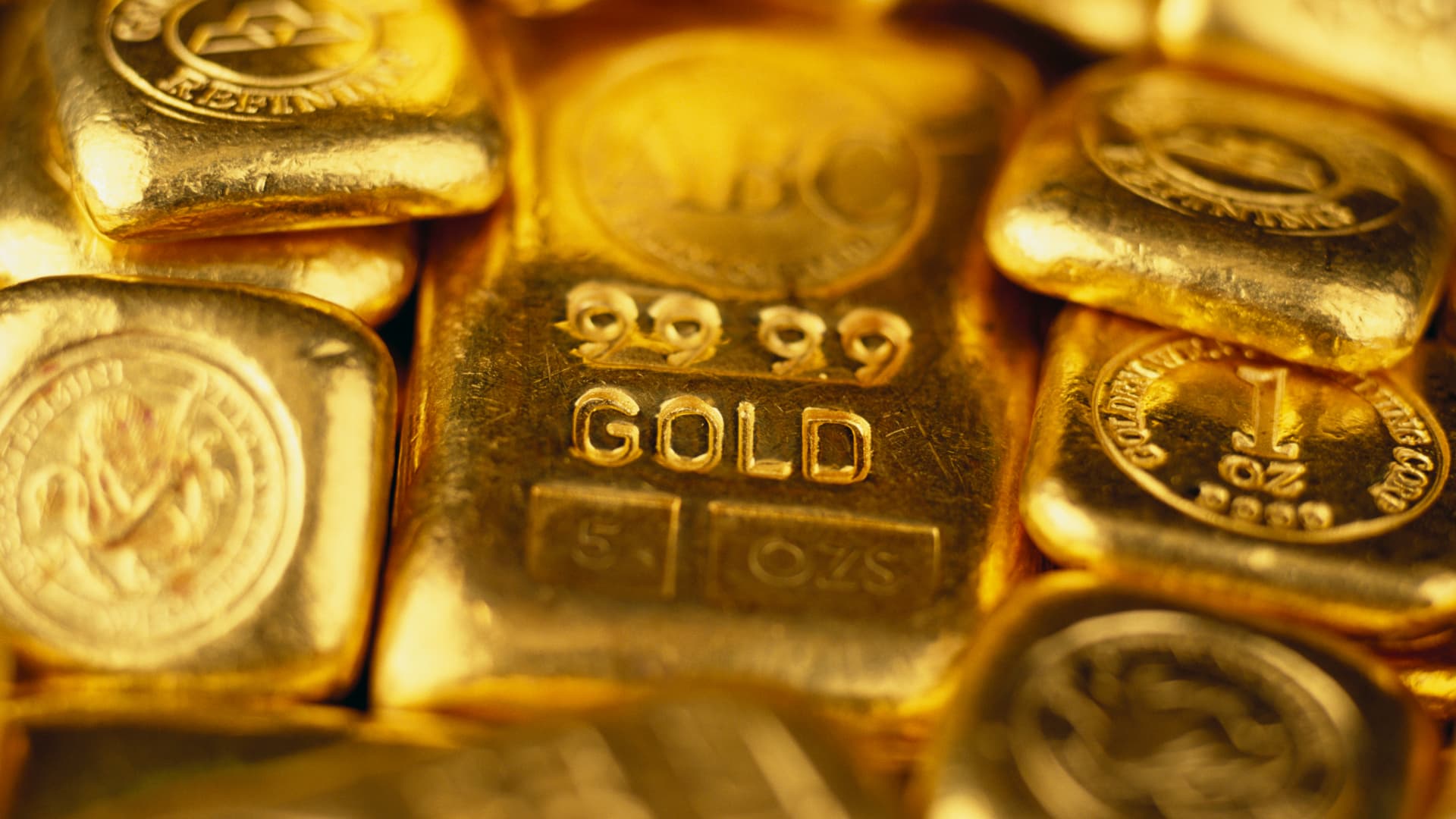
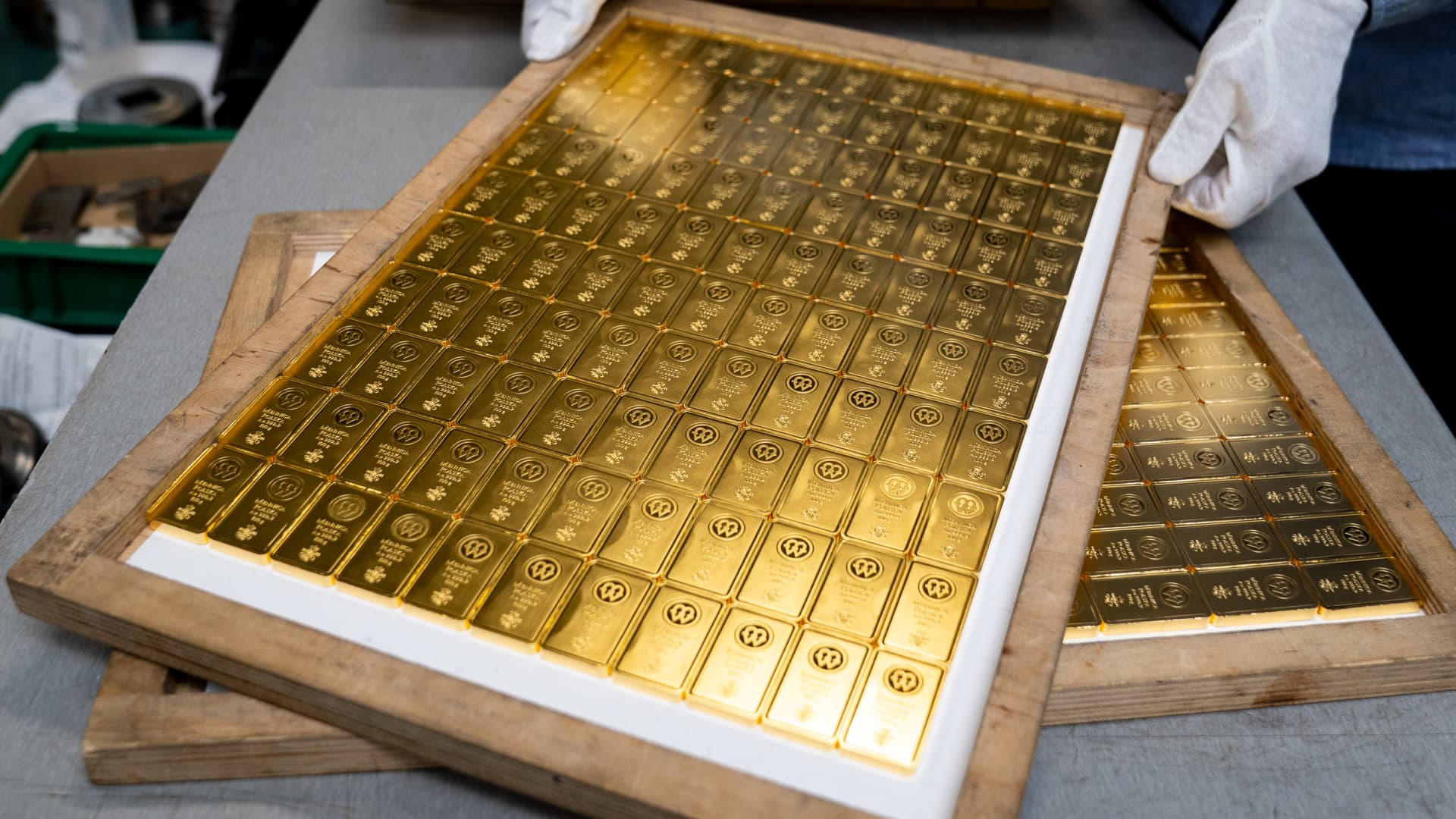
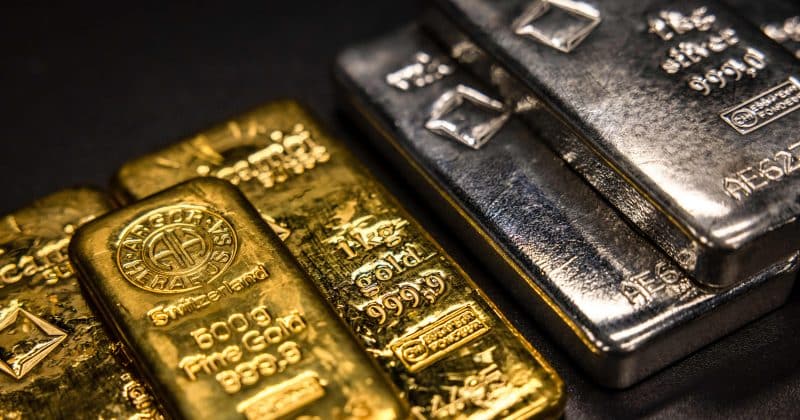
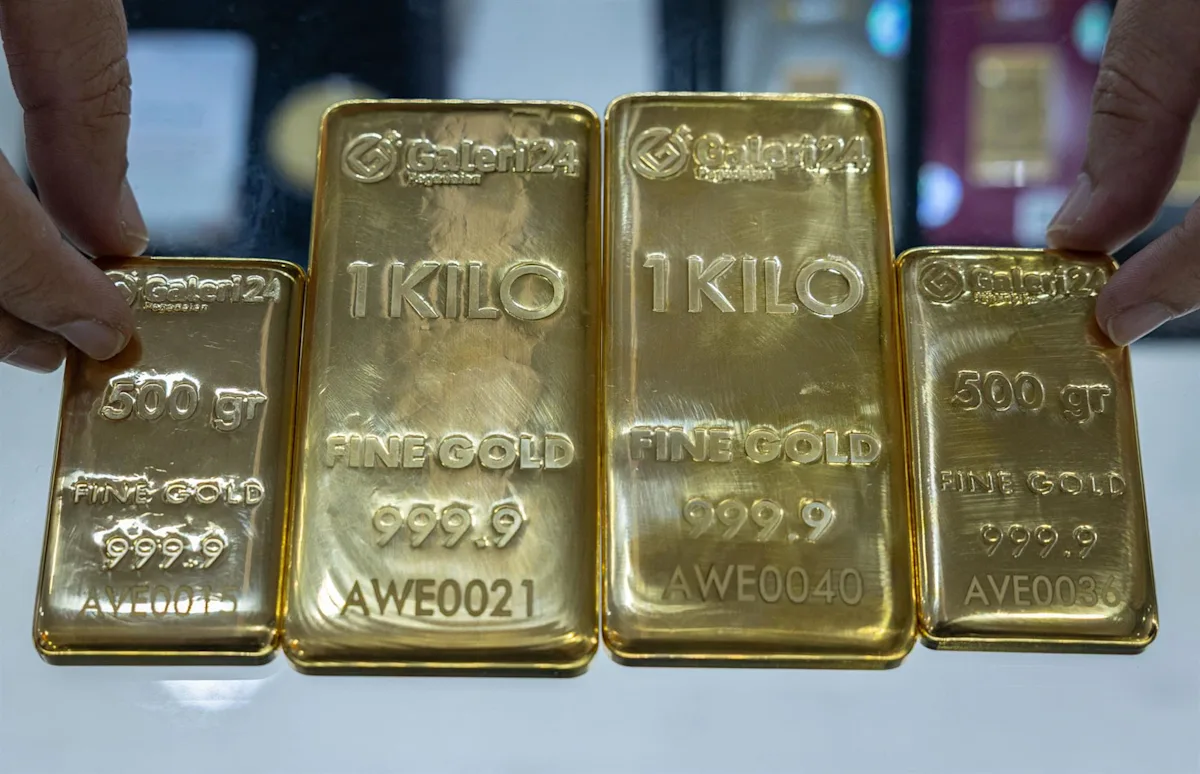
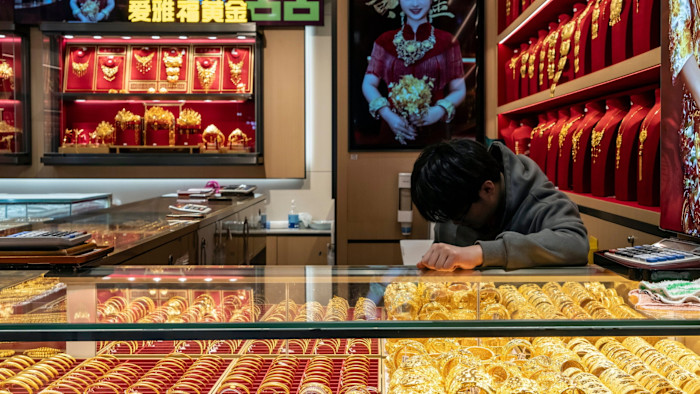
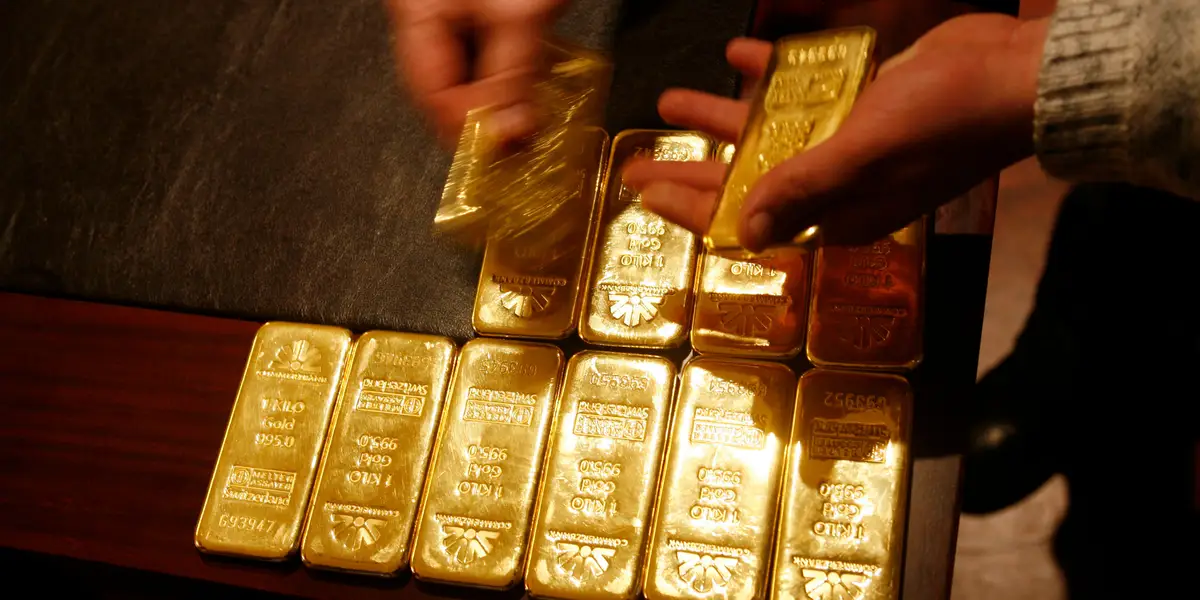
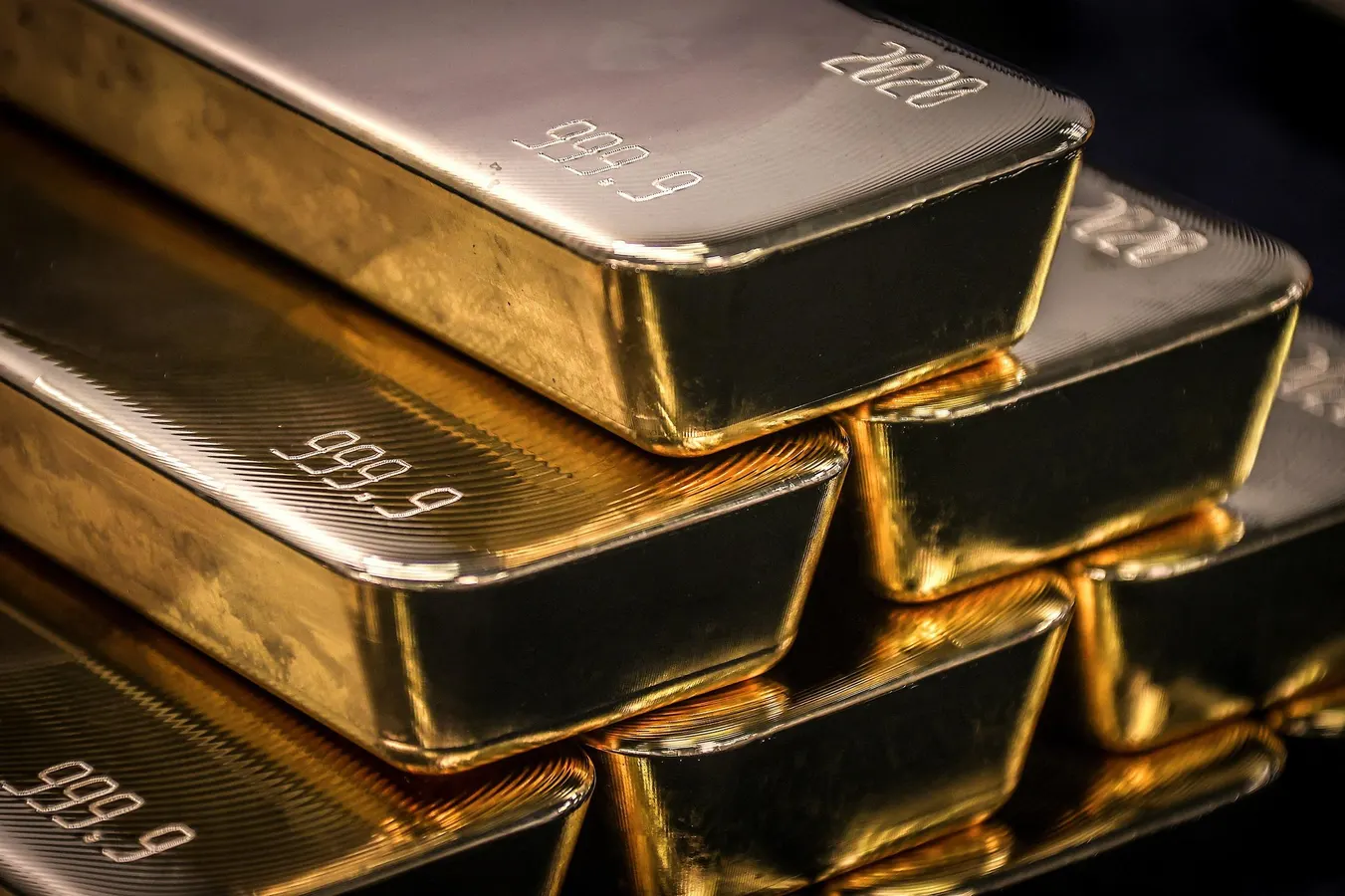
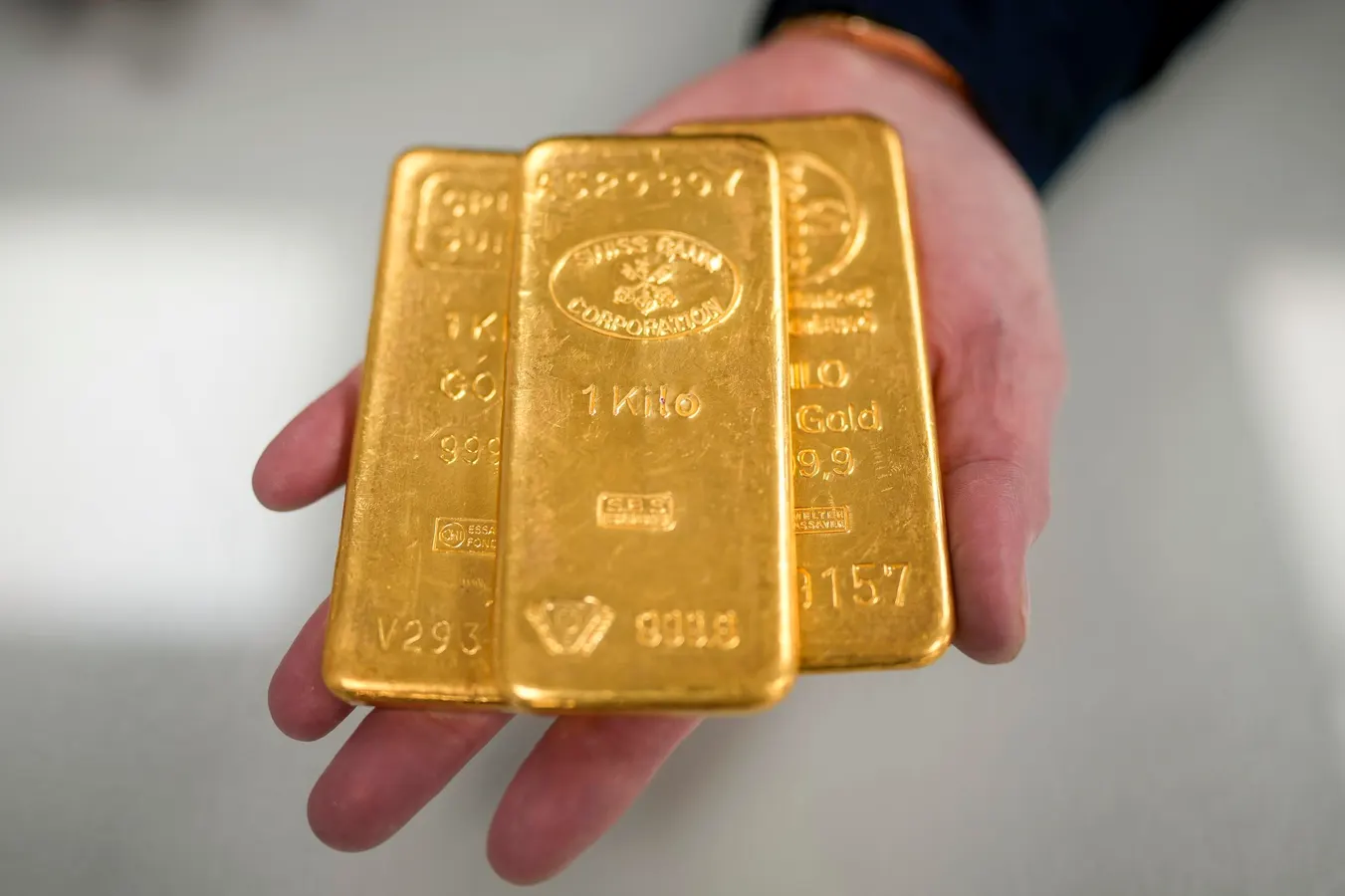
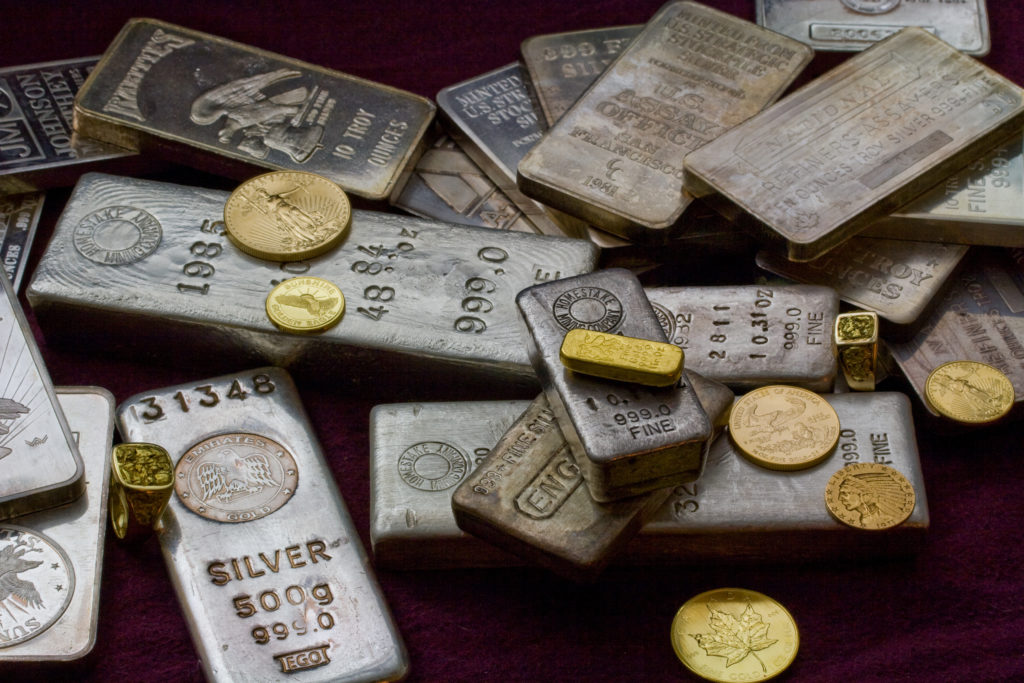
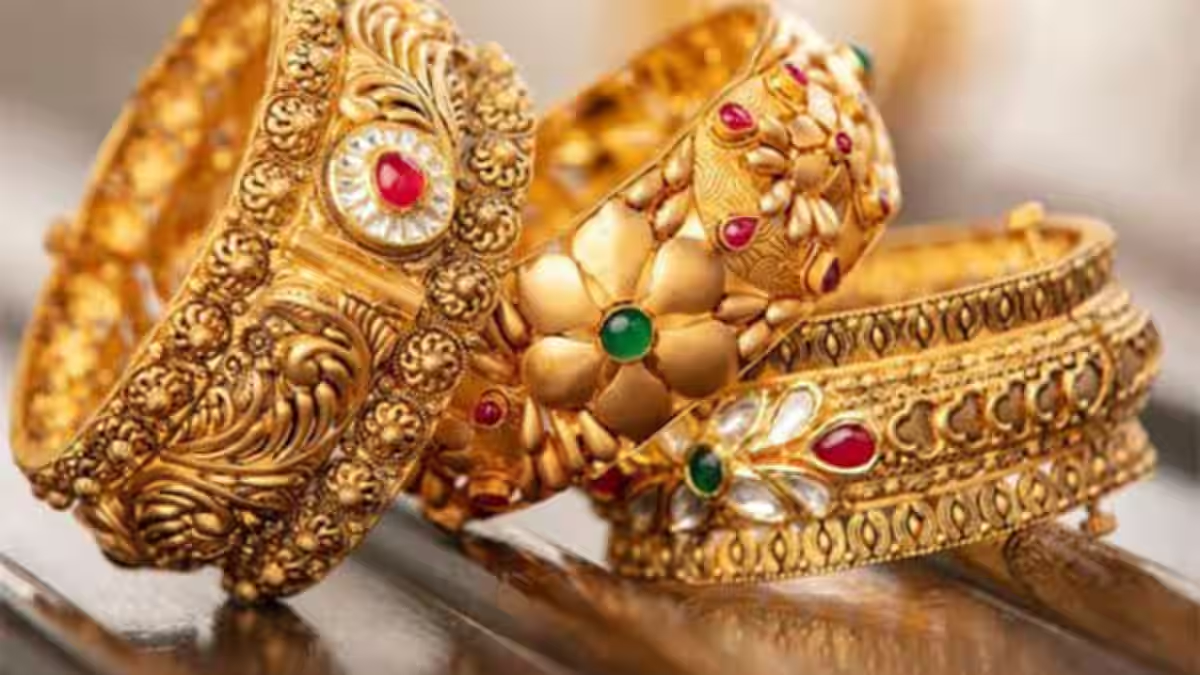
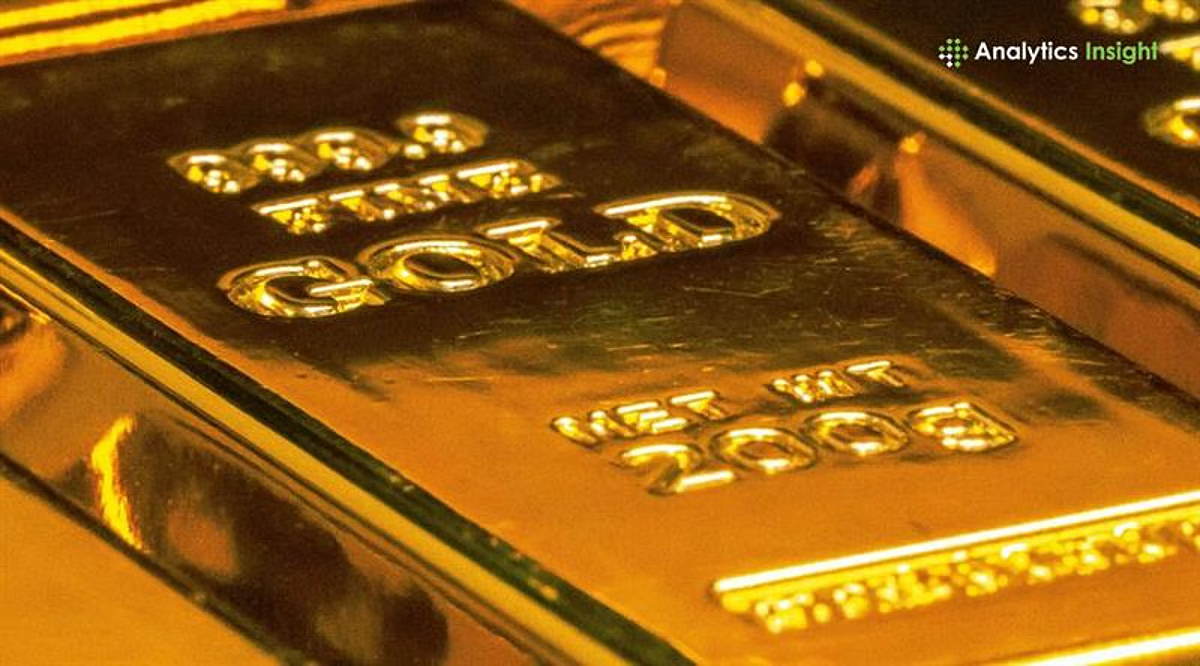
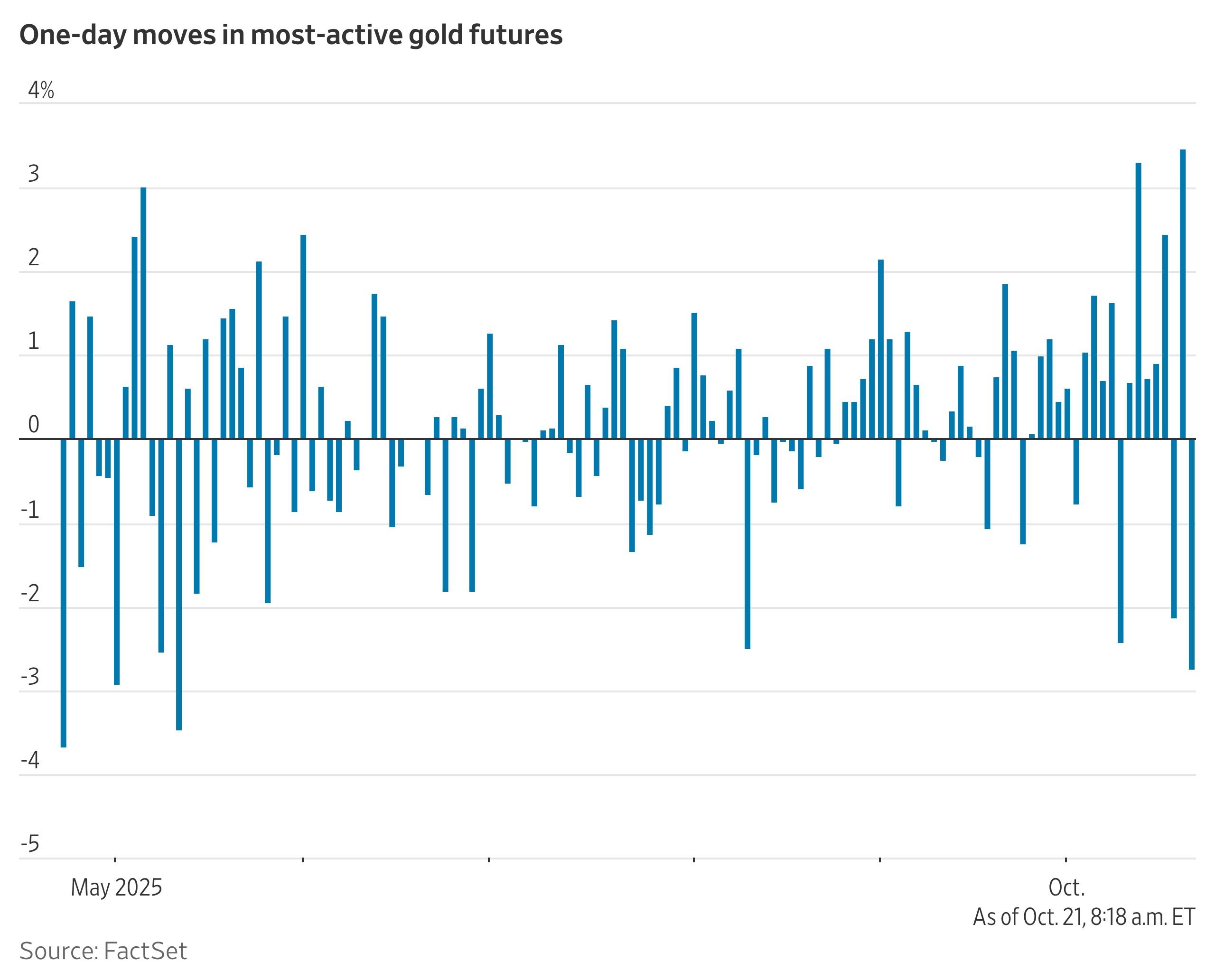
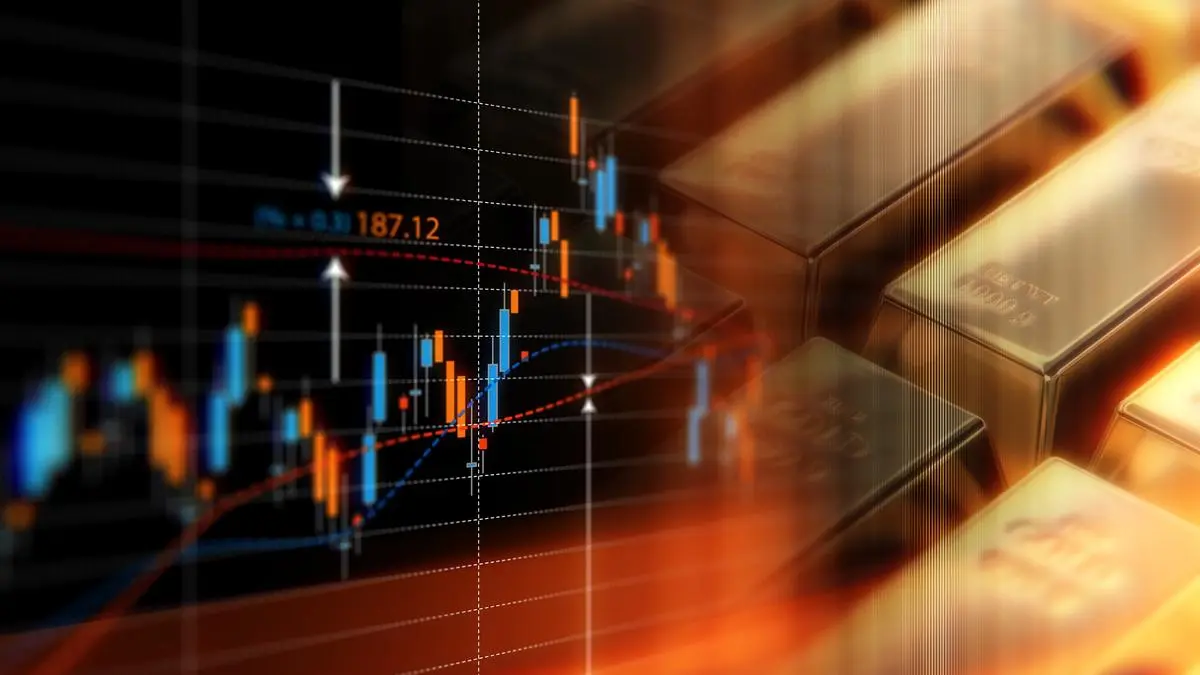
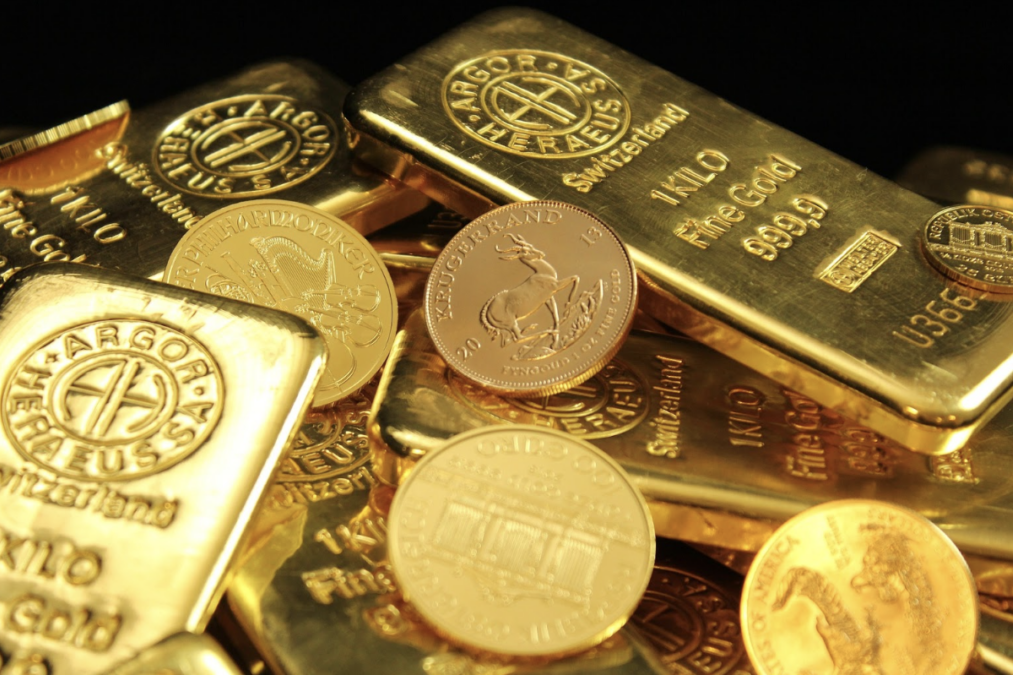
Gold prices have been volatile in the past year, weighed down at times by inflation concerns and expectations of a more hawkish Federal Reserve rate path.
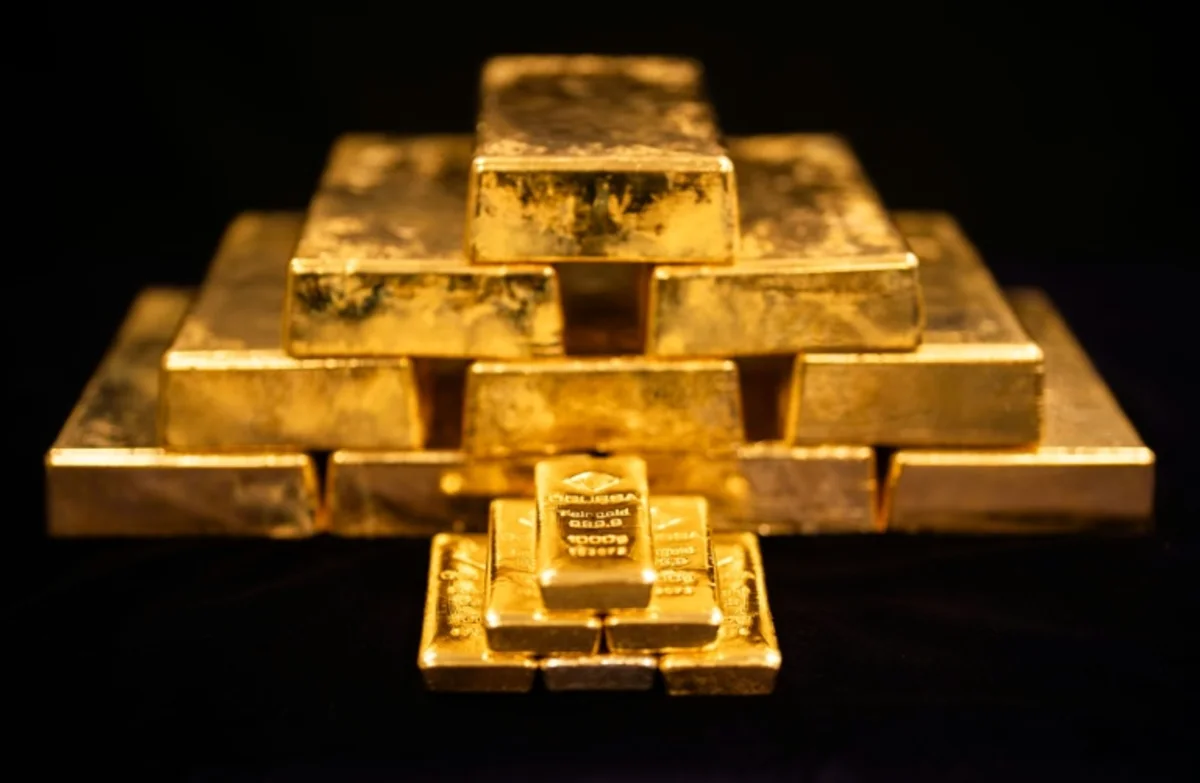
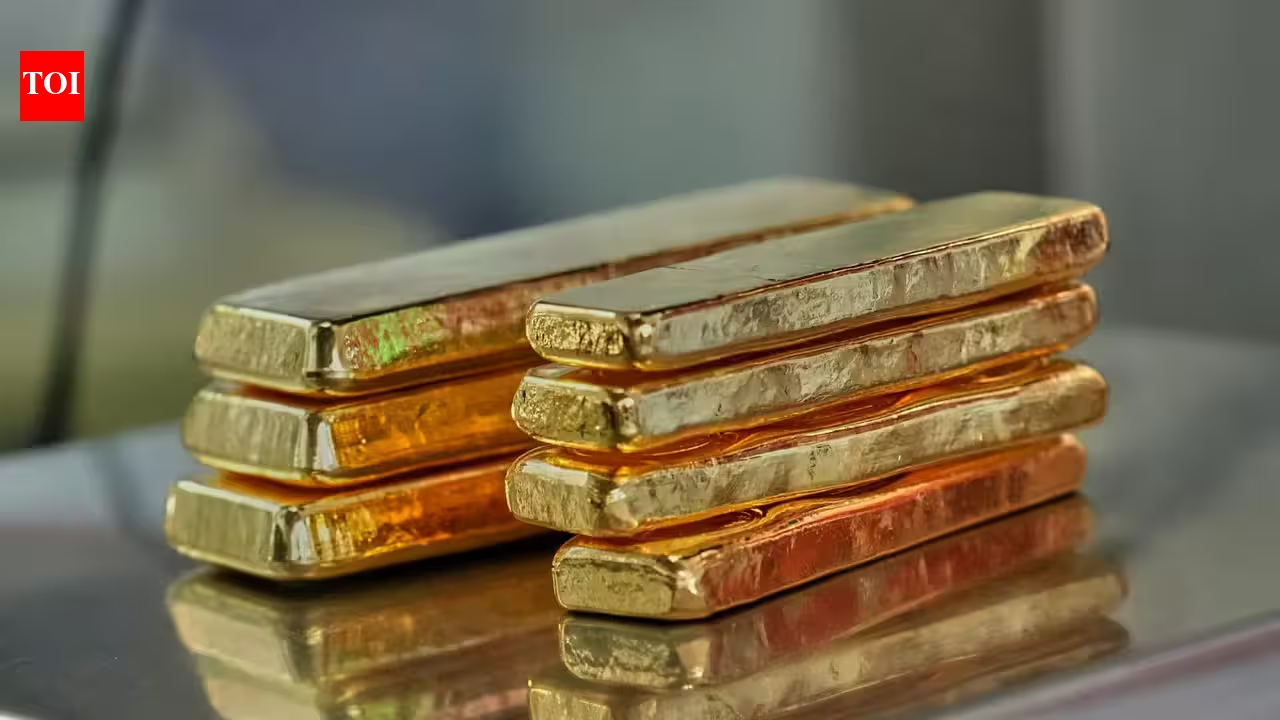
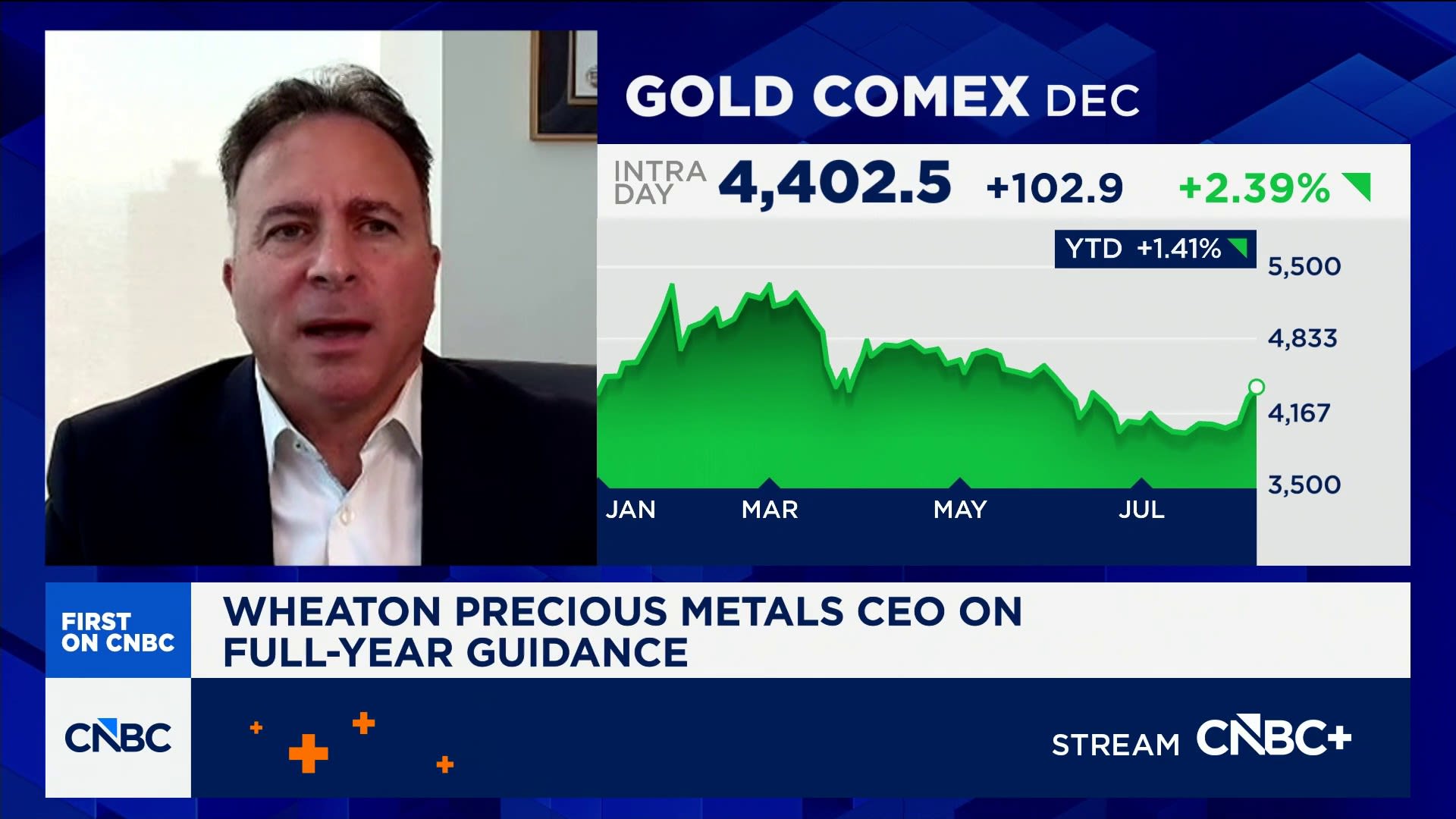
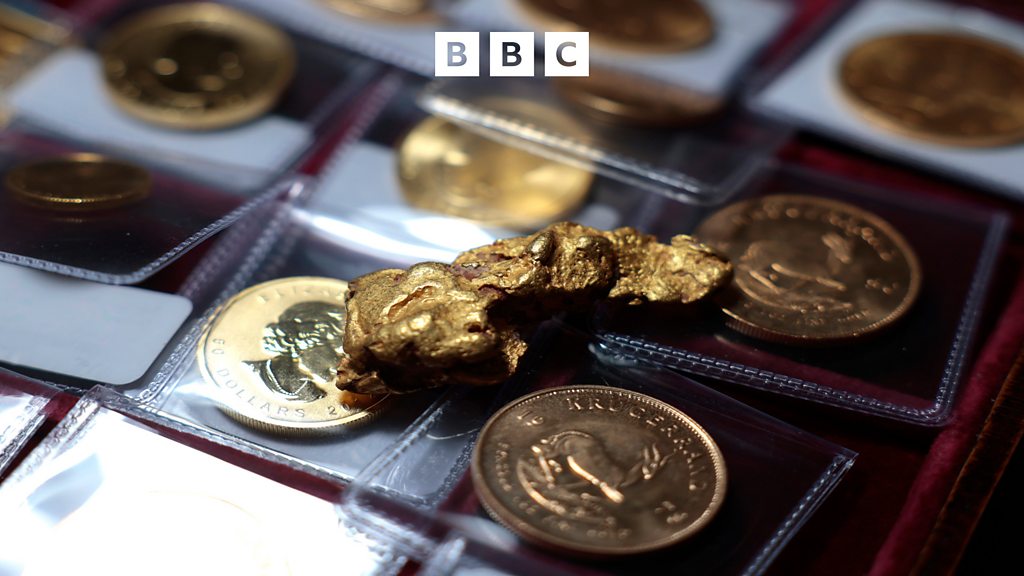
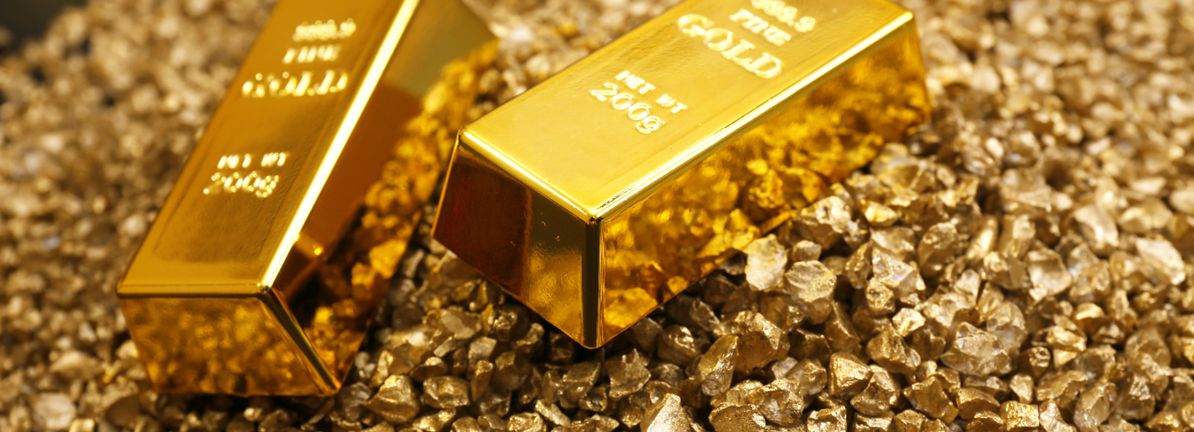
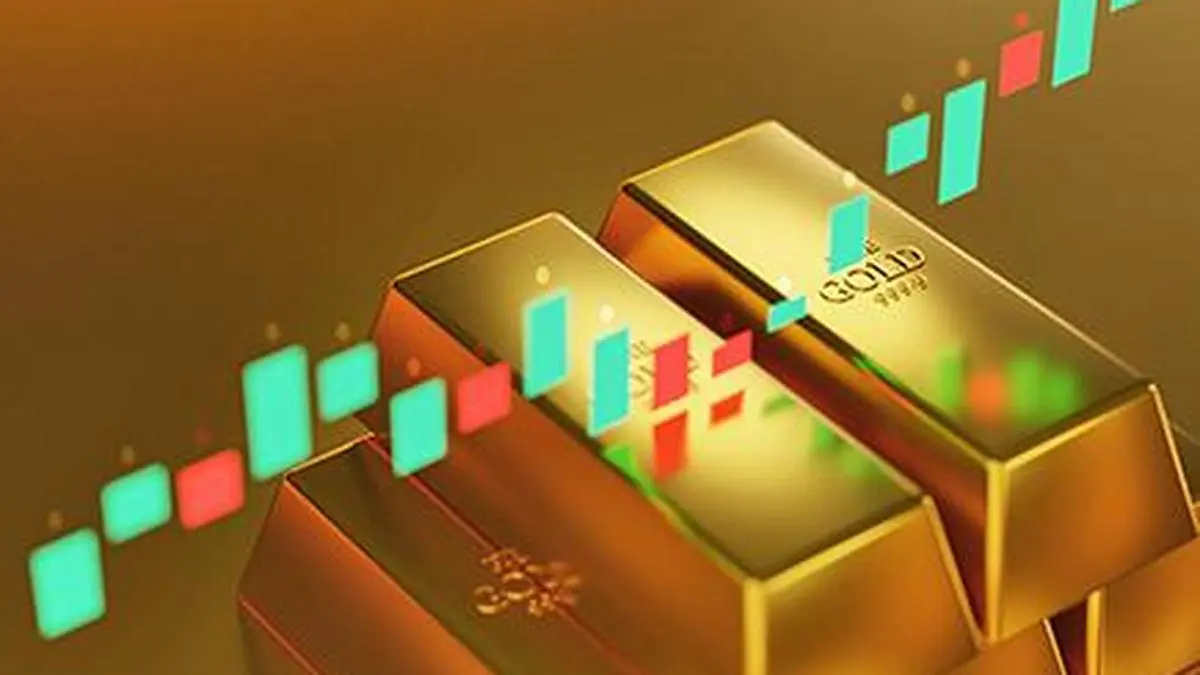
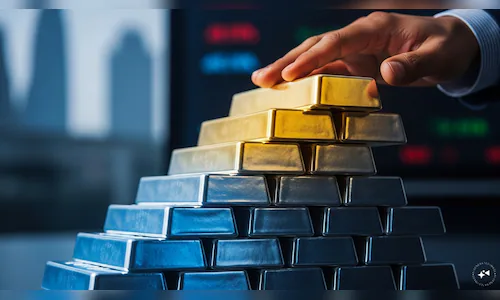
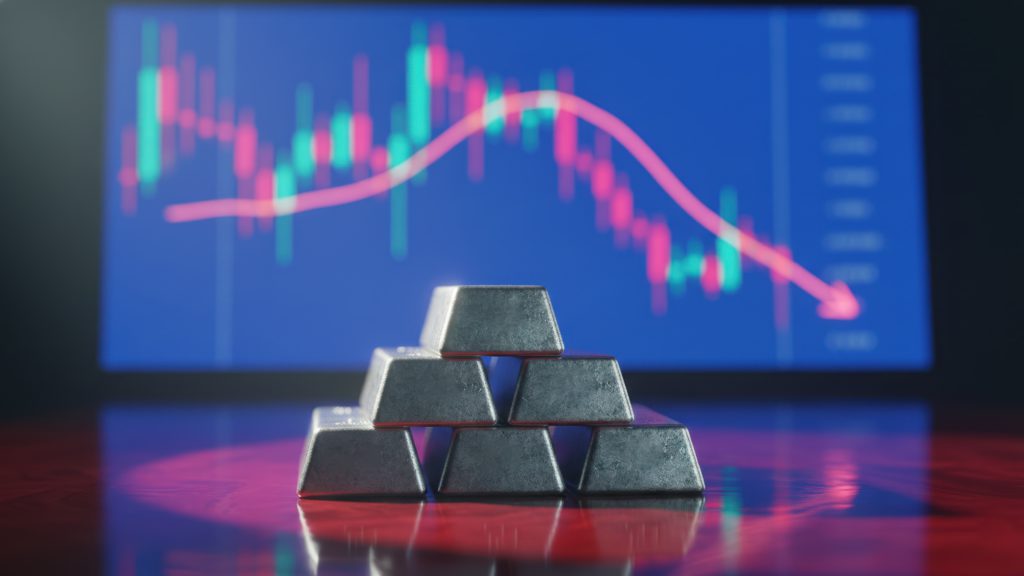
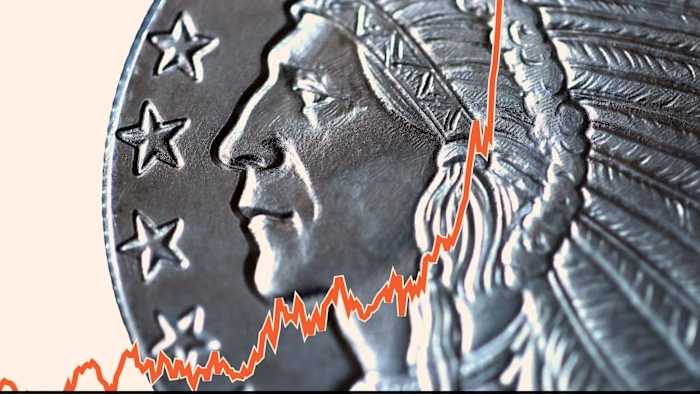
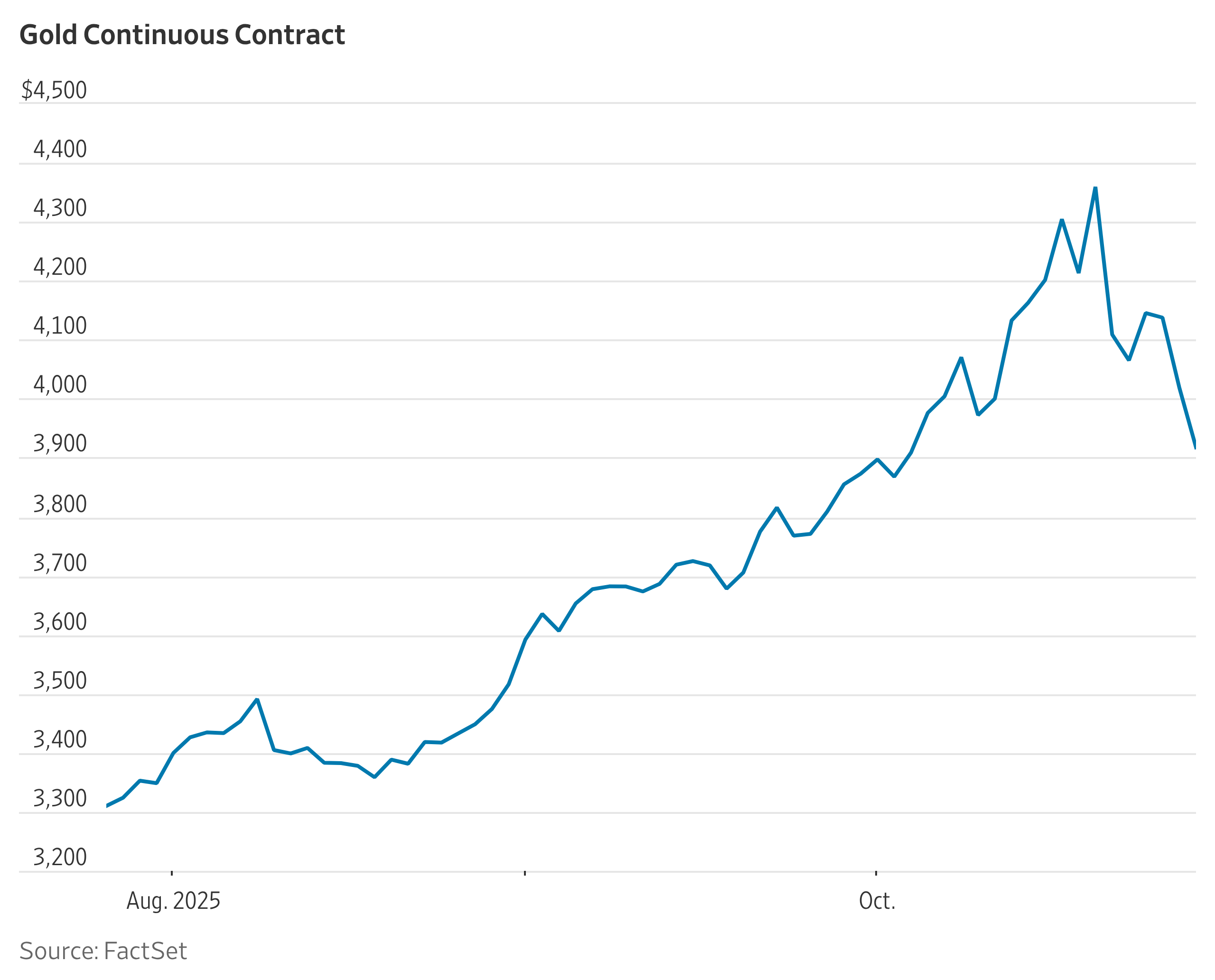
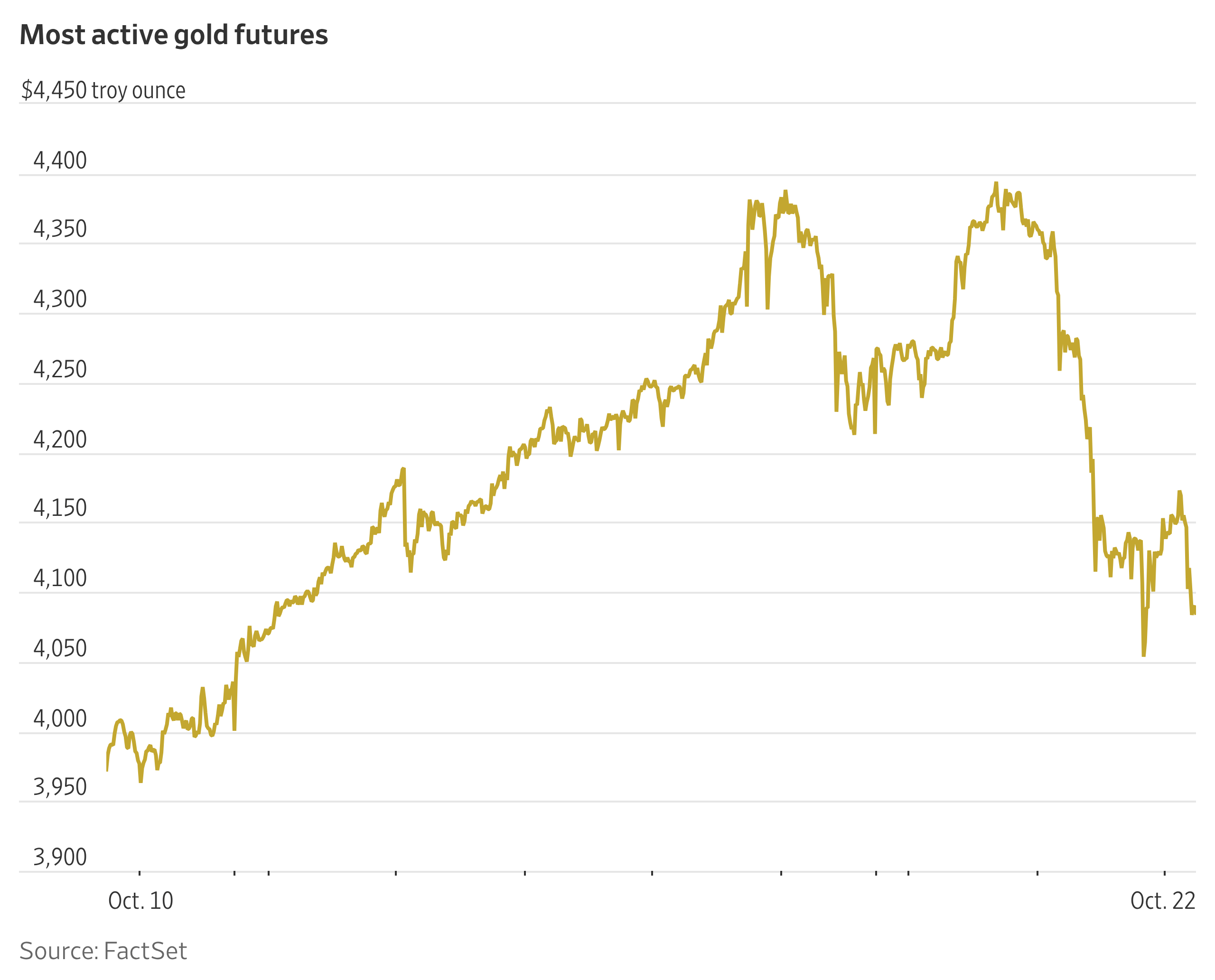
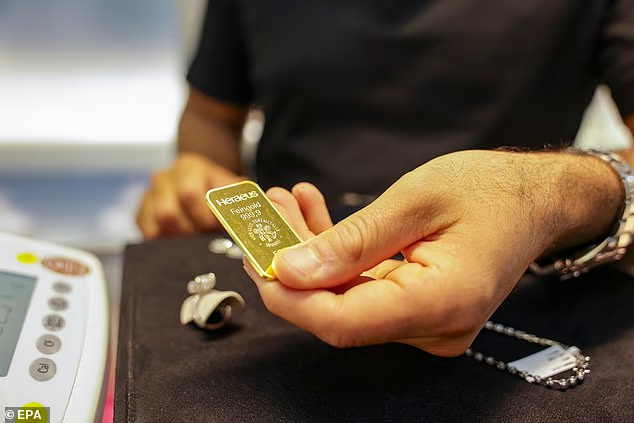
The precious metal hit a record US$5,589.38 an ounce on Jan 28 before retreating sharply and slipping below US$4,000 in July.
It has since seen a revival, touching US$4,400 on Aug 12 after a weaker-than-expected US jobs report reduced expectations of a Federal Reserve rate hike in September.
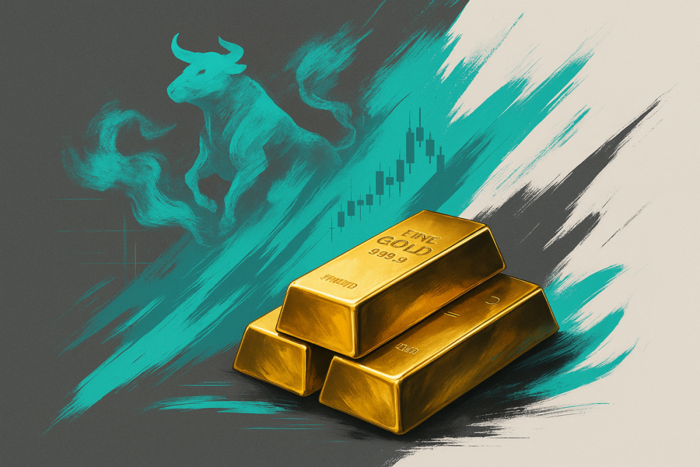
William Adams, director of market insights for metals at Fastmarkets, expects gold and silver prices to rise again, citing longer-term trends including a shift away from globalisation, de-dollarisation, growing government debt in Western economies and persistent geopolitical risks.
“There is also the risk of a correction in high-tech equities, which could raise the need for safe havens,” he said.
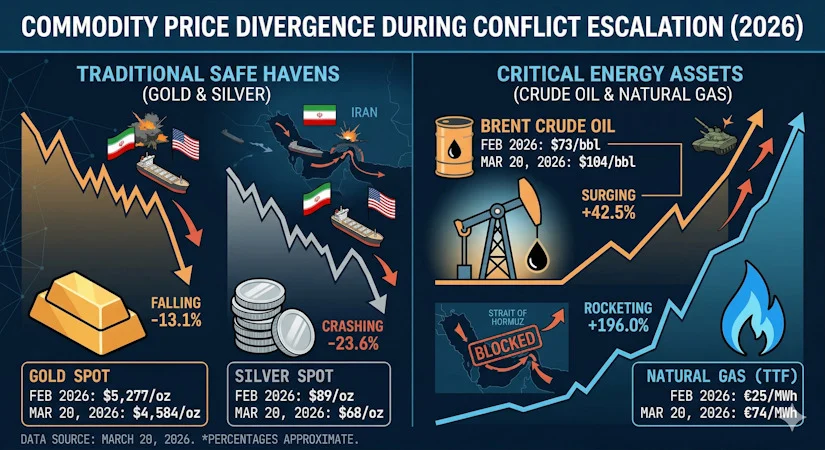
He added that while higher oil prices stemming from the Iran conflict have put pressure on some currencies, prompting some central banks to sell gold to support their currencies, these pressures are “temporary”.
“Once they fade, then gold should resume its move higher and silver is likely to follow,” he said.
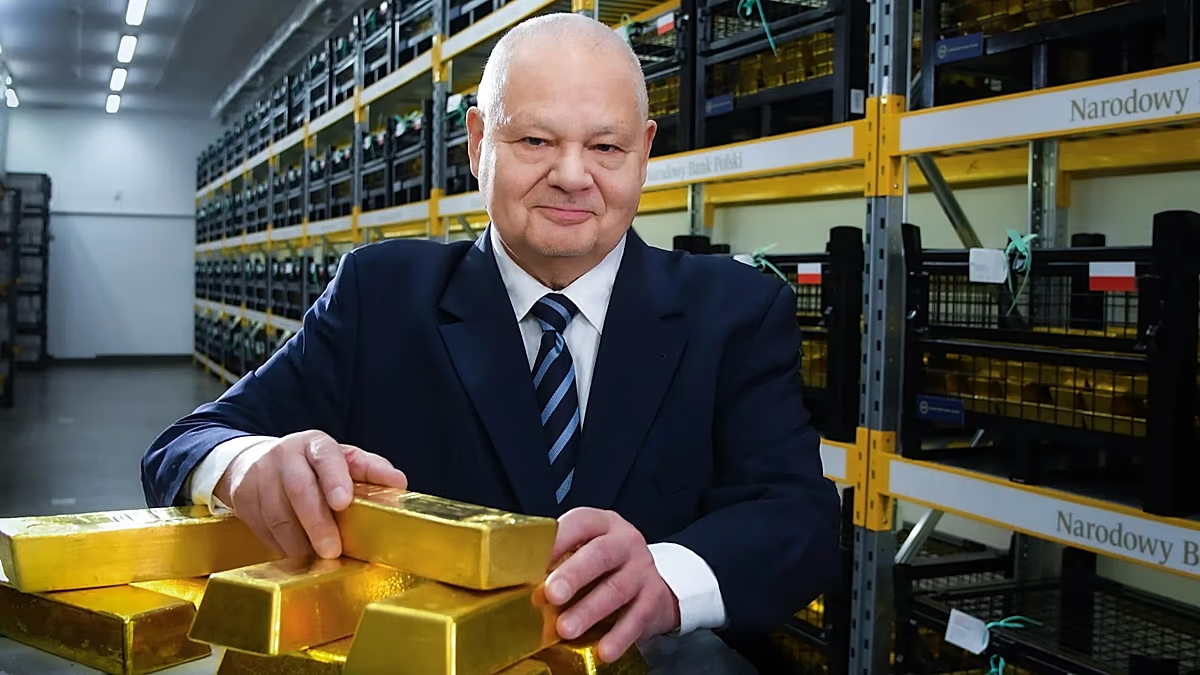
Alexandra Symeonidi, senior corporate credit and sustainability analyst at investment management firm William Blair, sees gold as having the strongest upside potential among precious metals.
“Gold’s outlook is supported by sustained central bank buying and a recovery in investor demand, with central bank purchases becoming a more structural source of demand since 2022,” she said.
Recent inflows into gold exchange-traded funds (ETFs) also suggest investor demand is starting to recover after a period of weakness, while a weaker US dollar has also strengthened the “bullish gold thesis”.
Symeonidi said: “The biggest driver for gold would be the Fed’s outlook and how investor demand reacts to it… We have seen that investor demand – both institutional and retail – have been key drivers behind the gold rally earlier this year.”
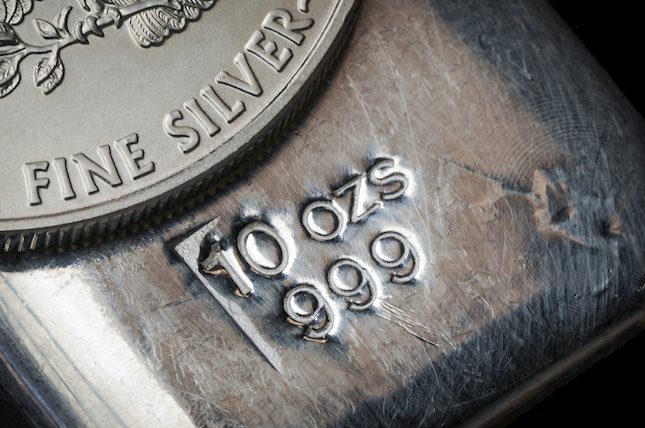
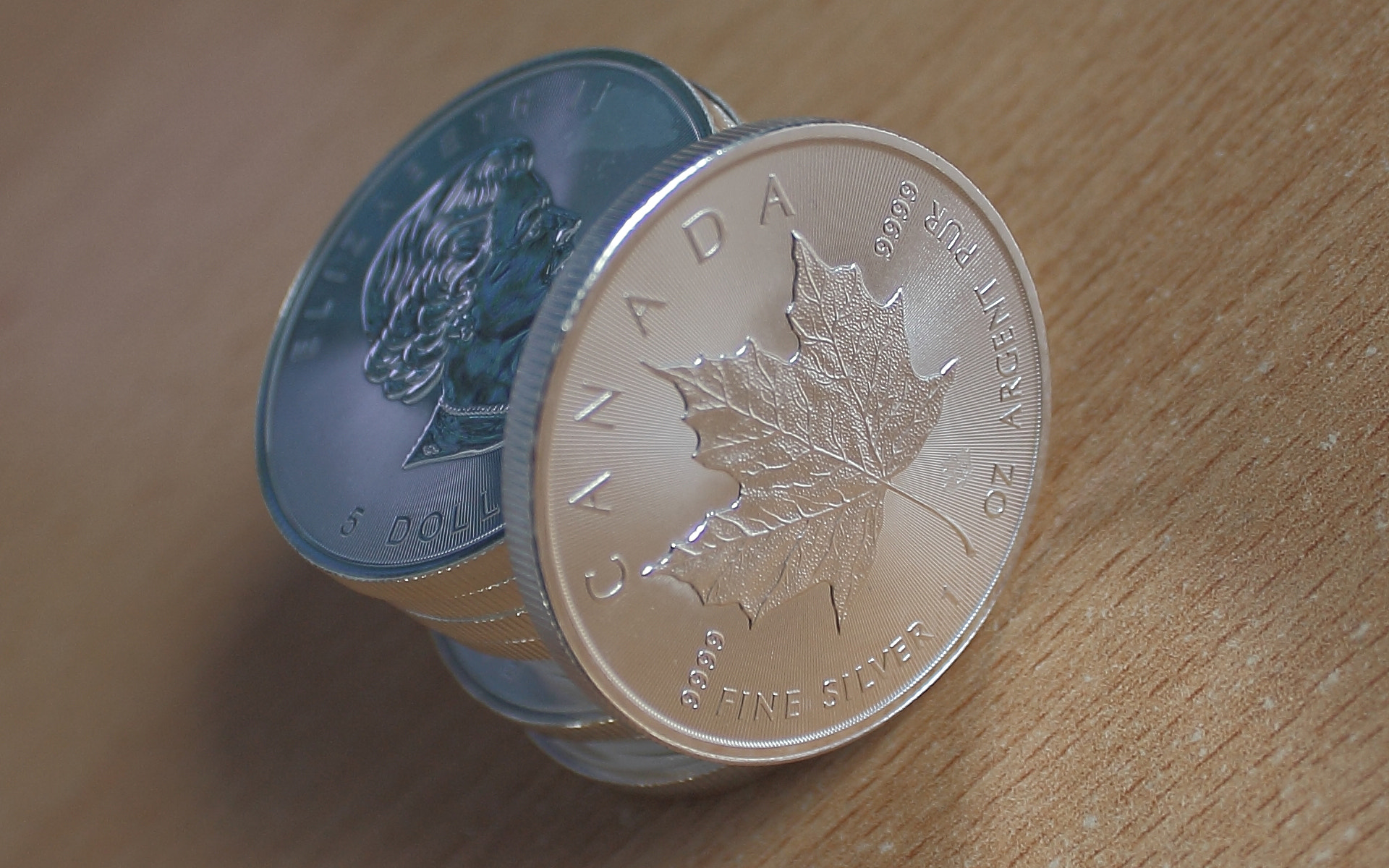
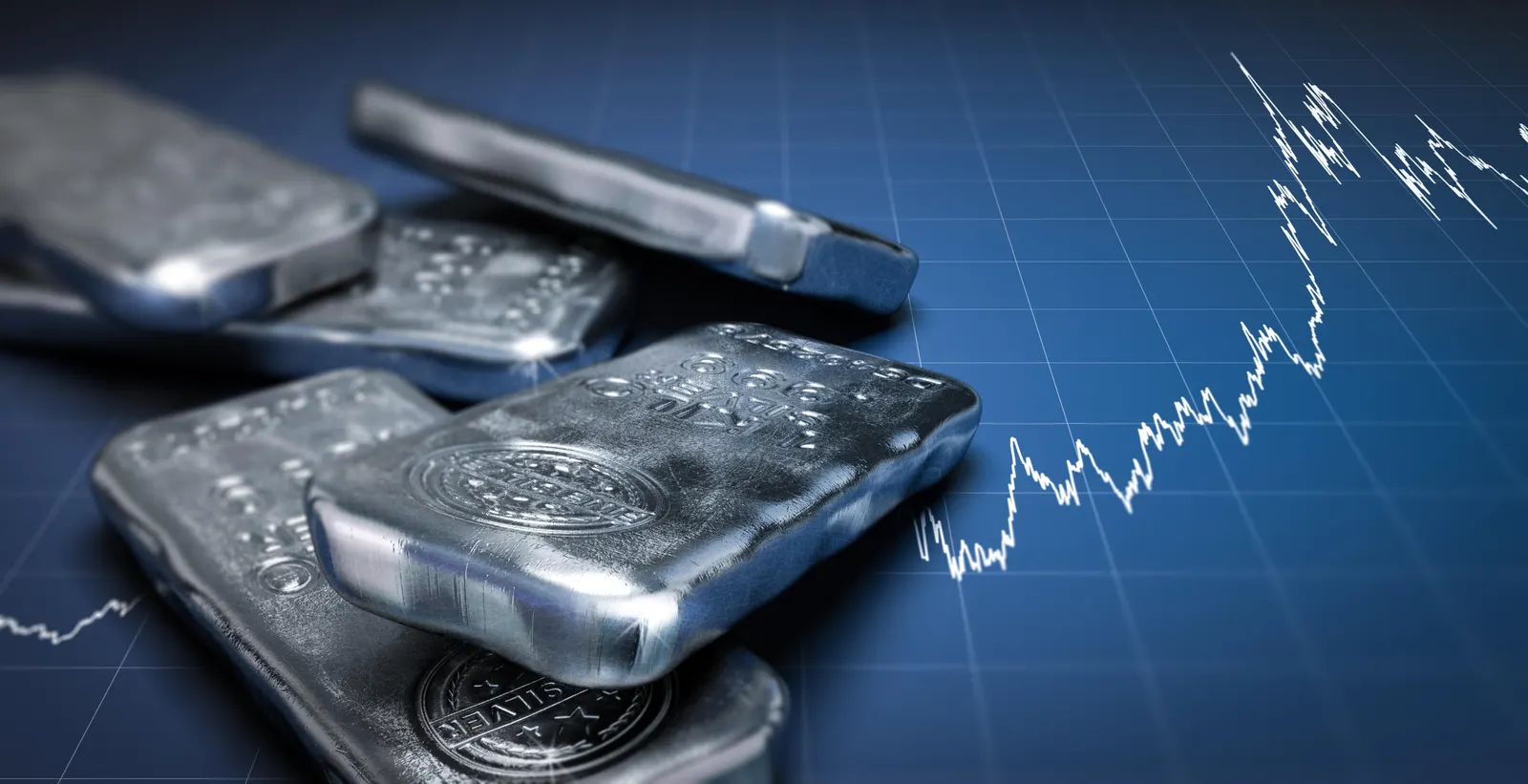
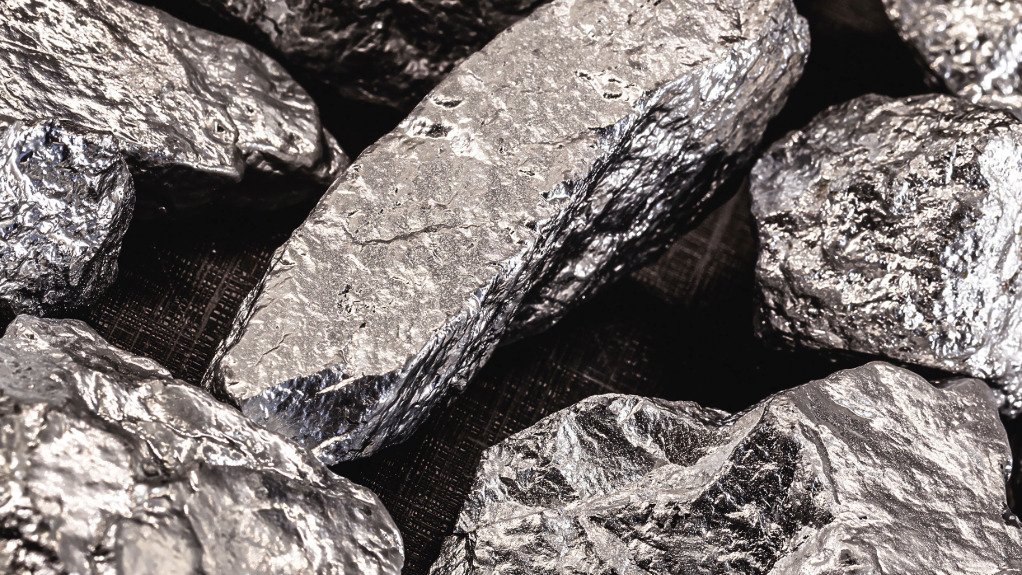
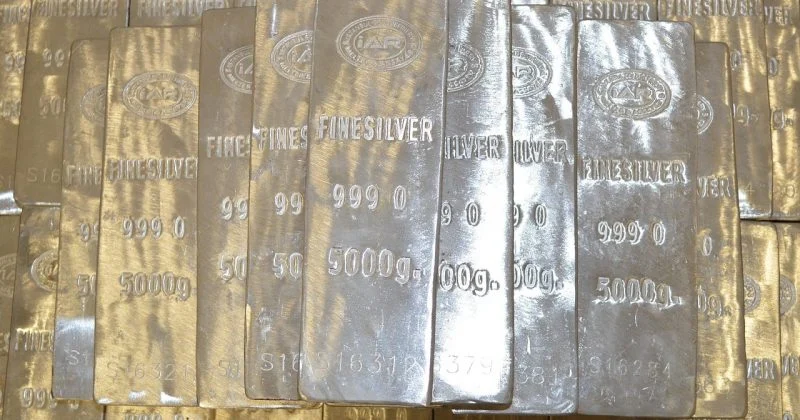
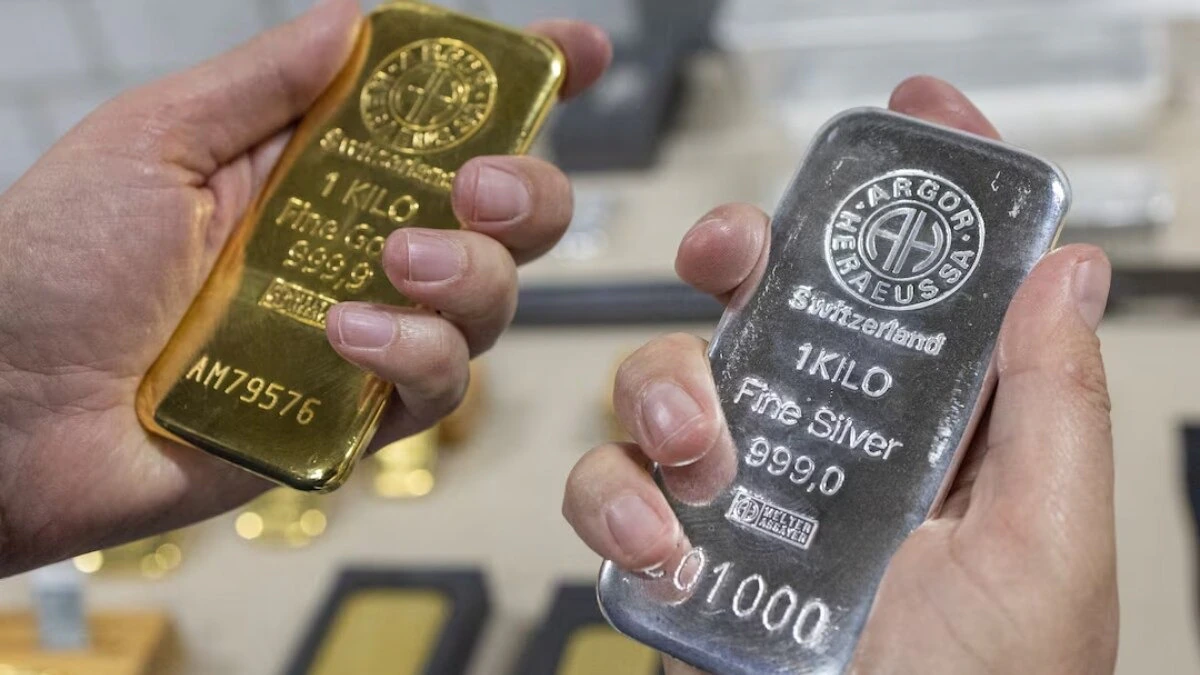
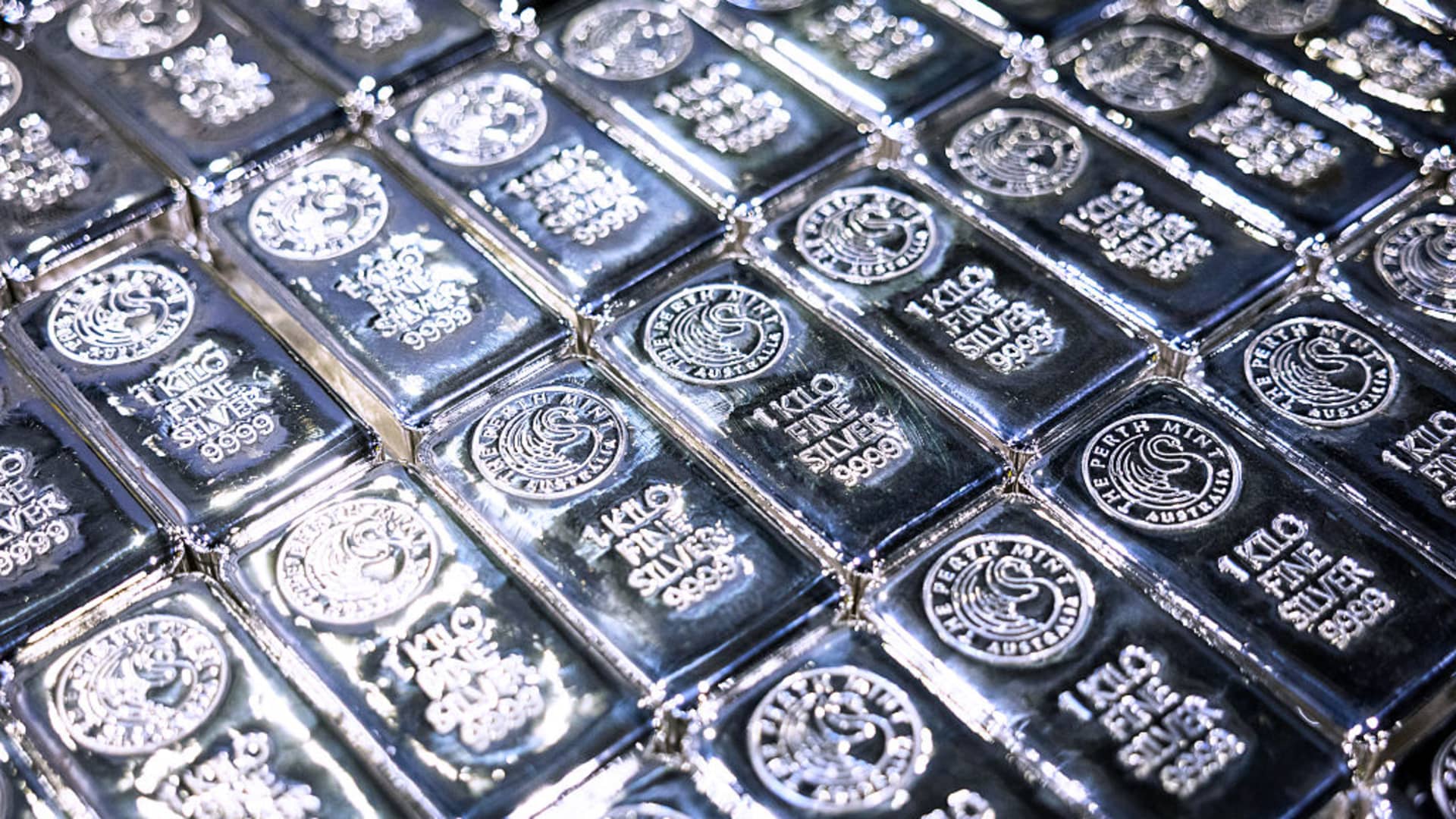
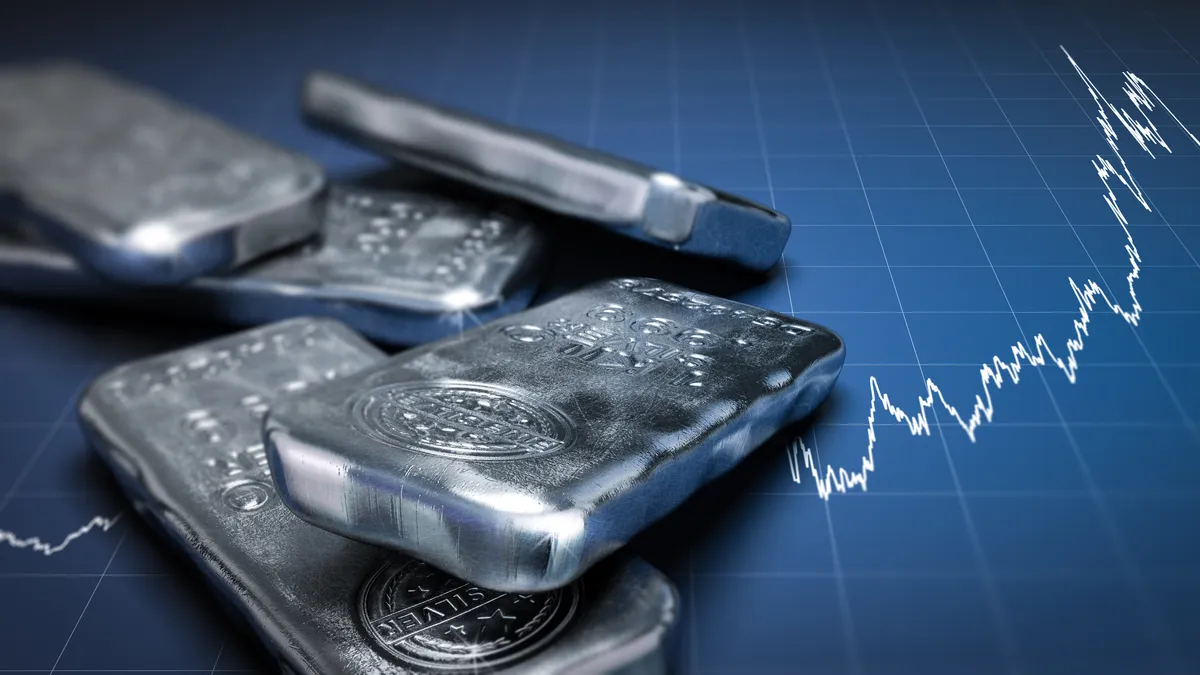
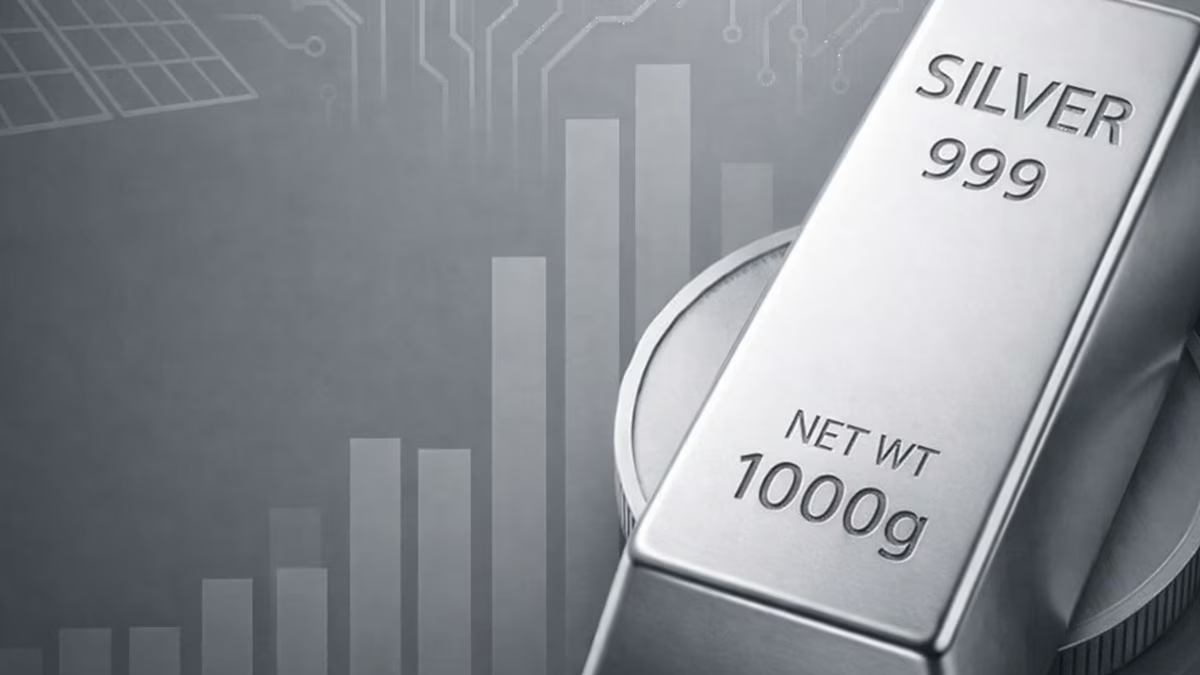
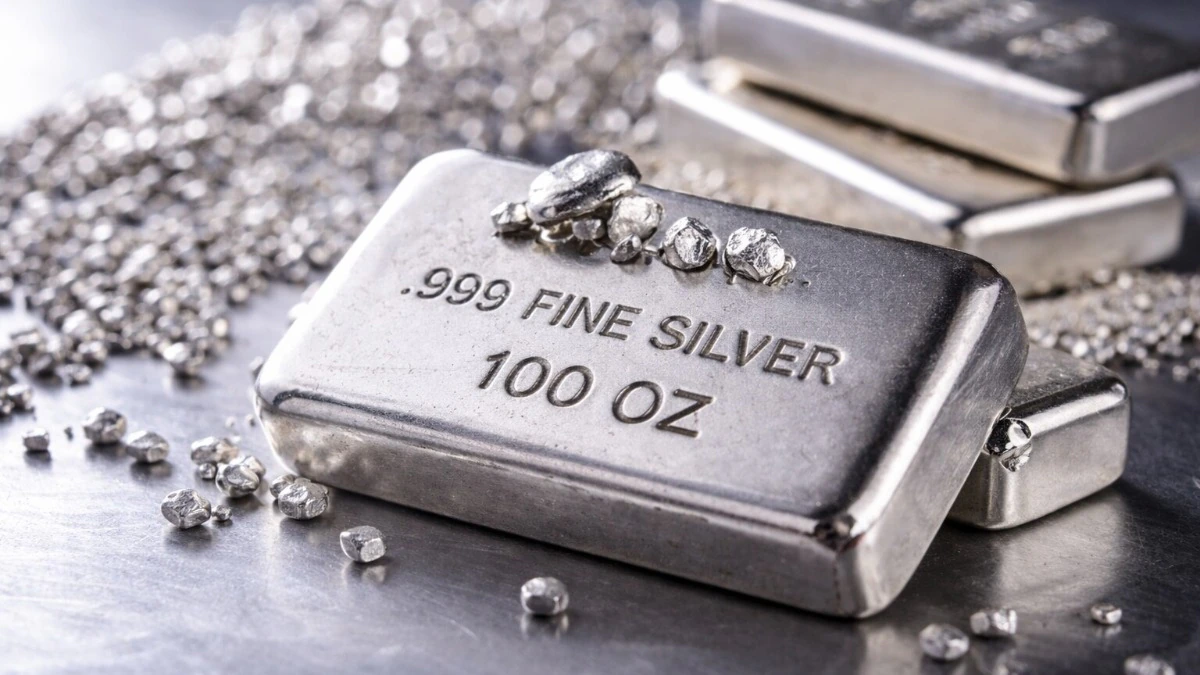
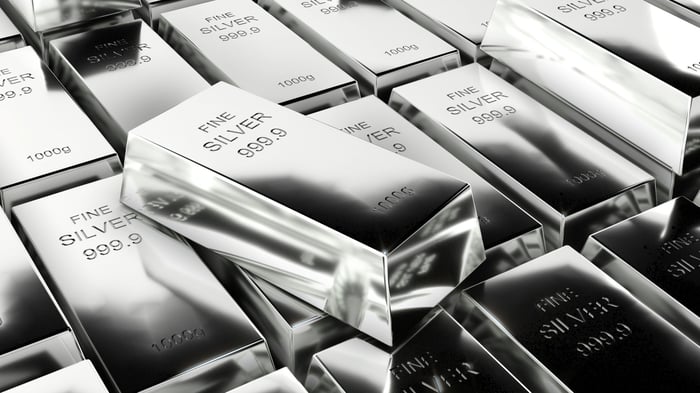
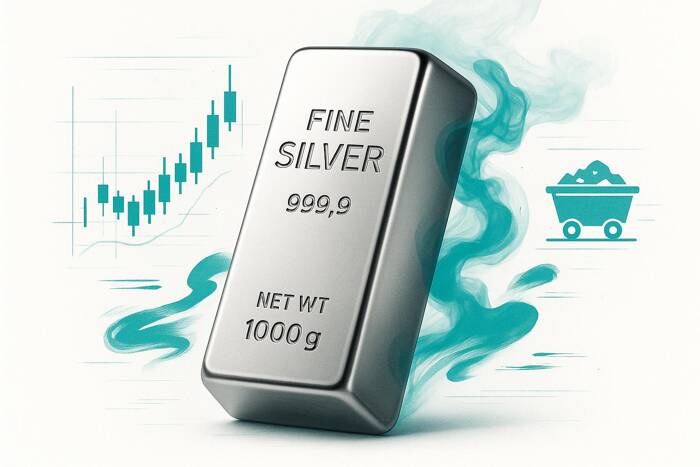
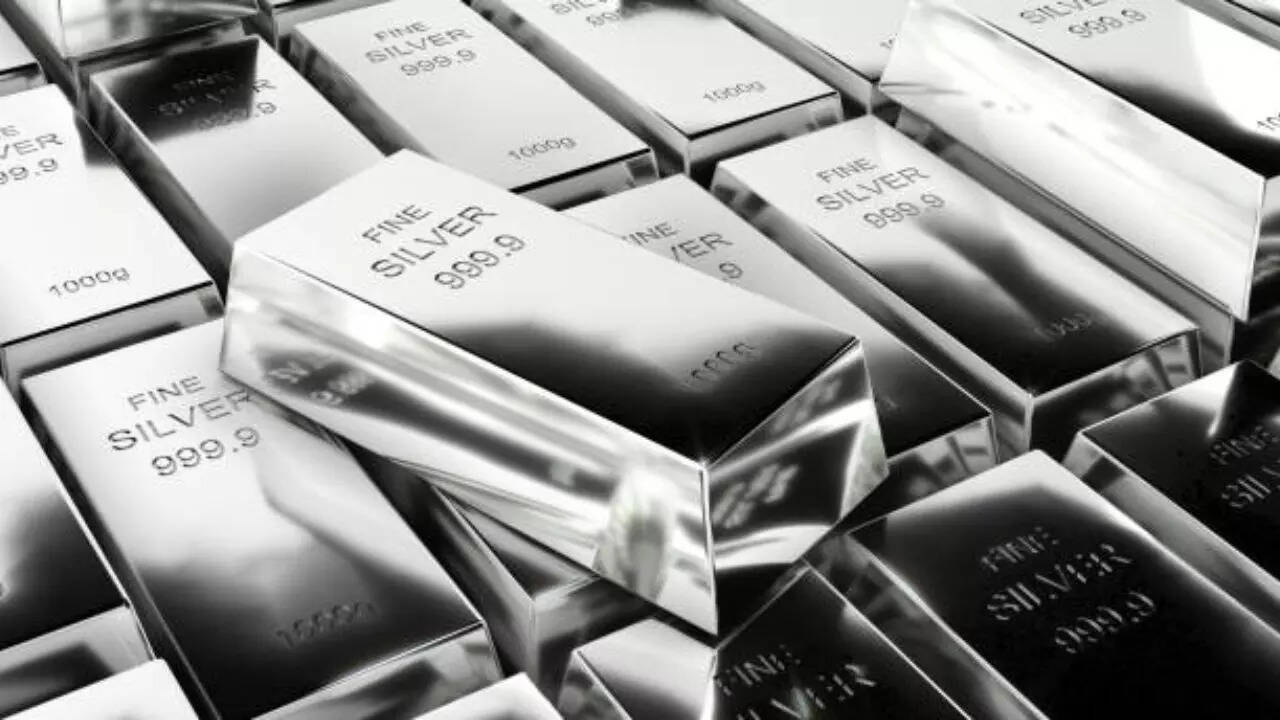
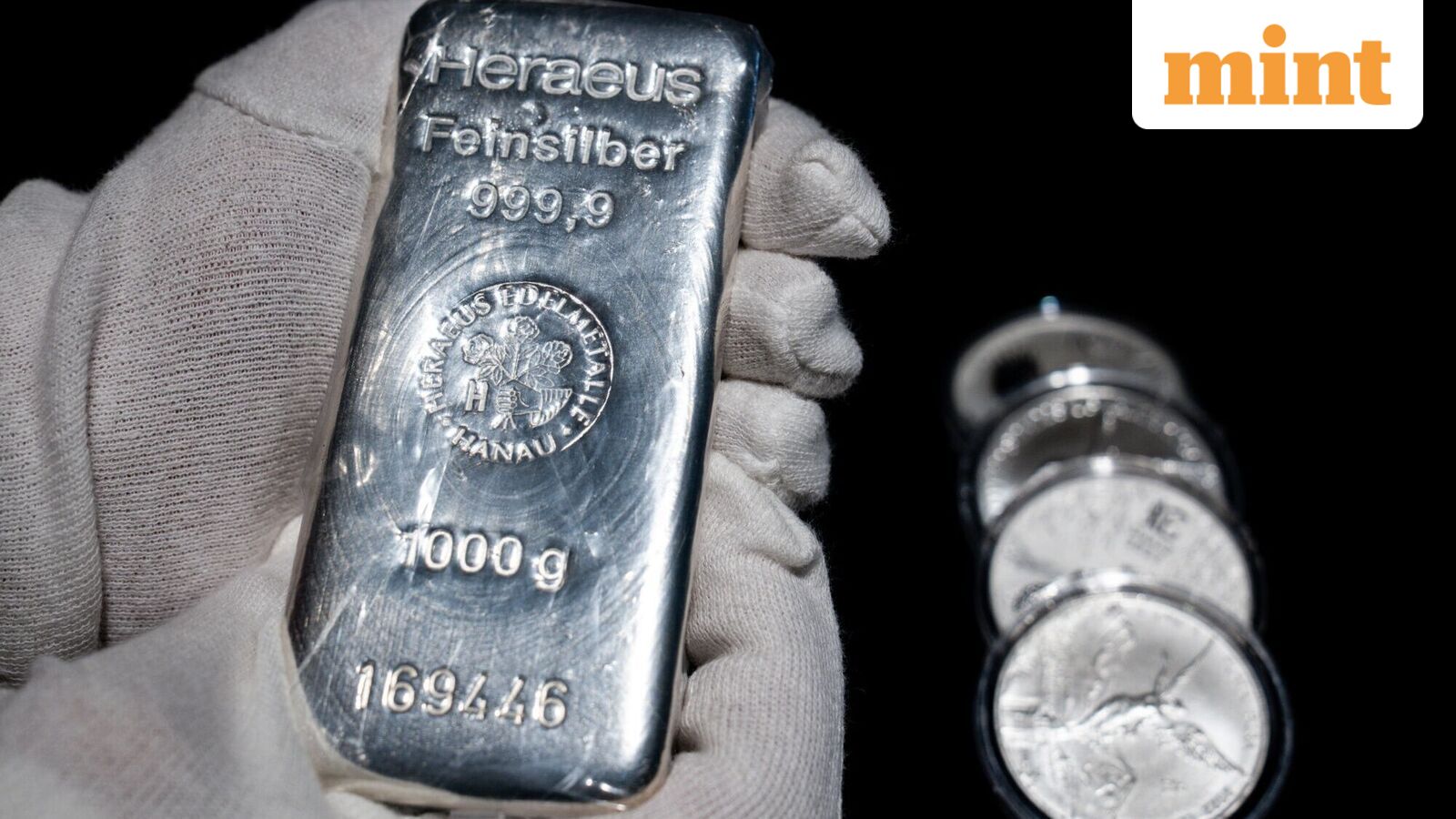
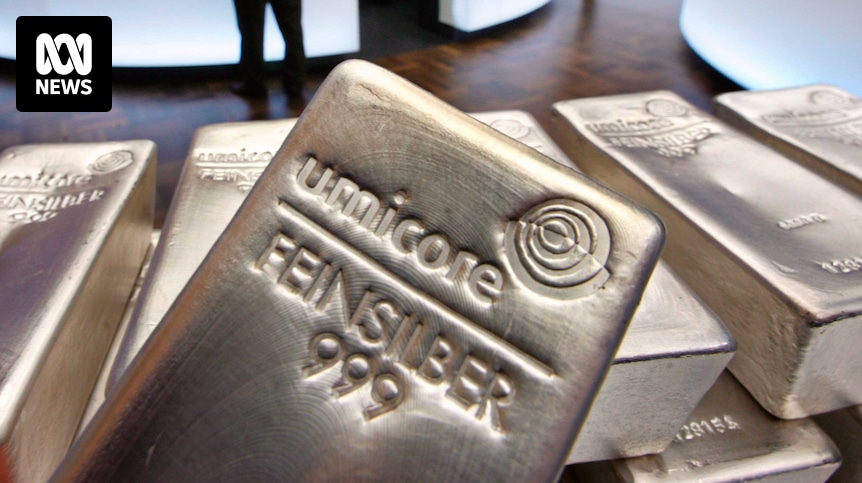
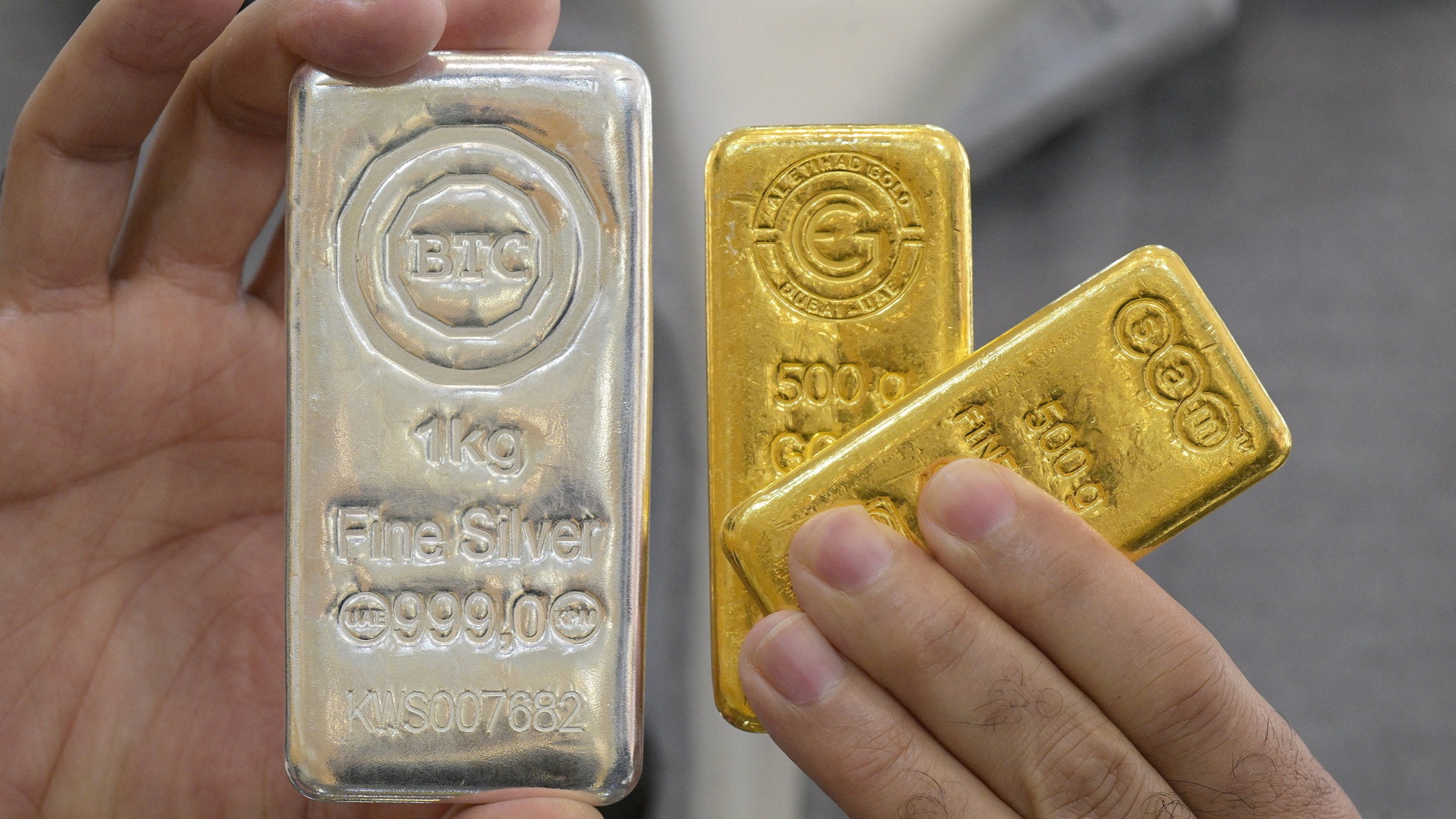
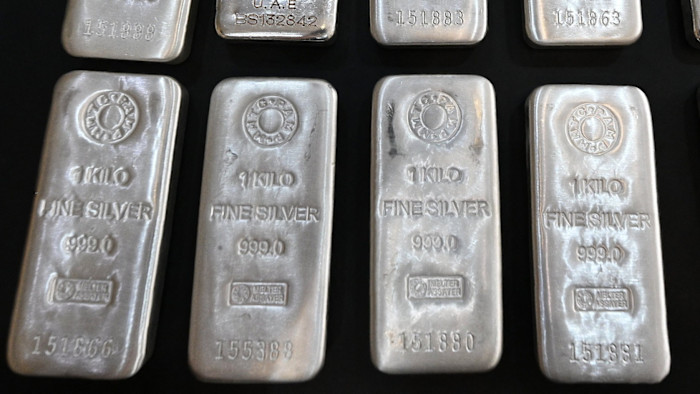
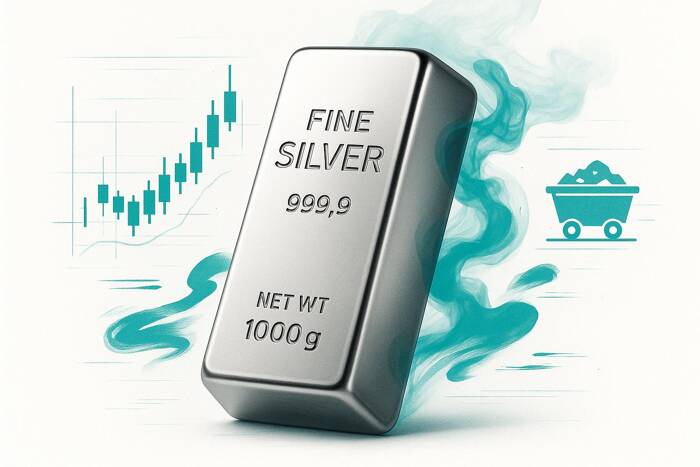
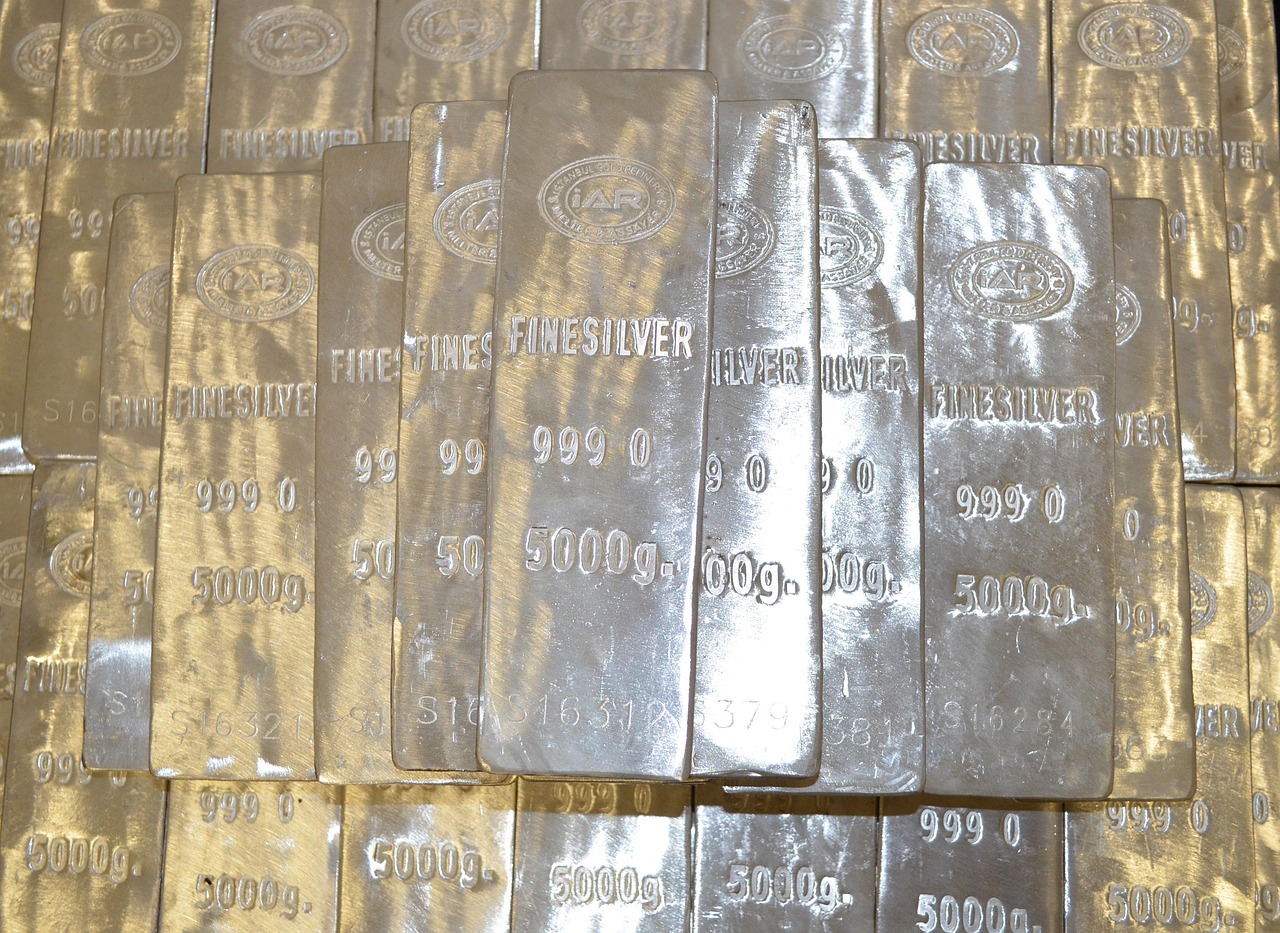
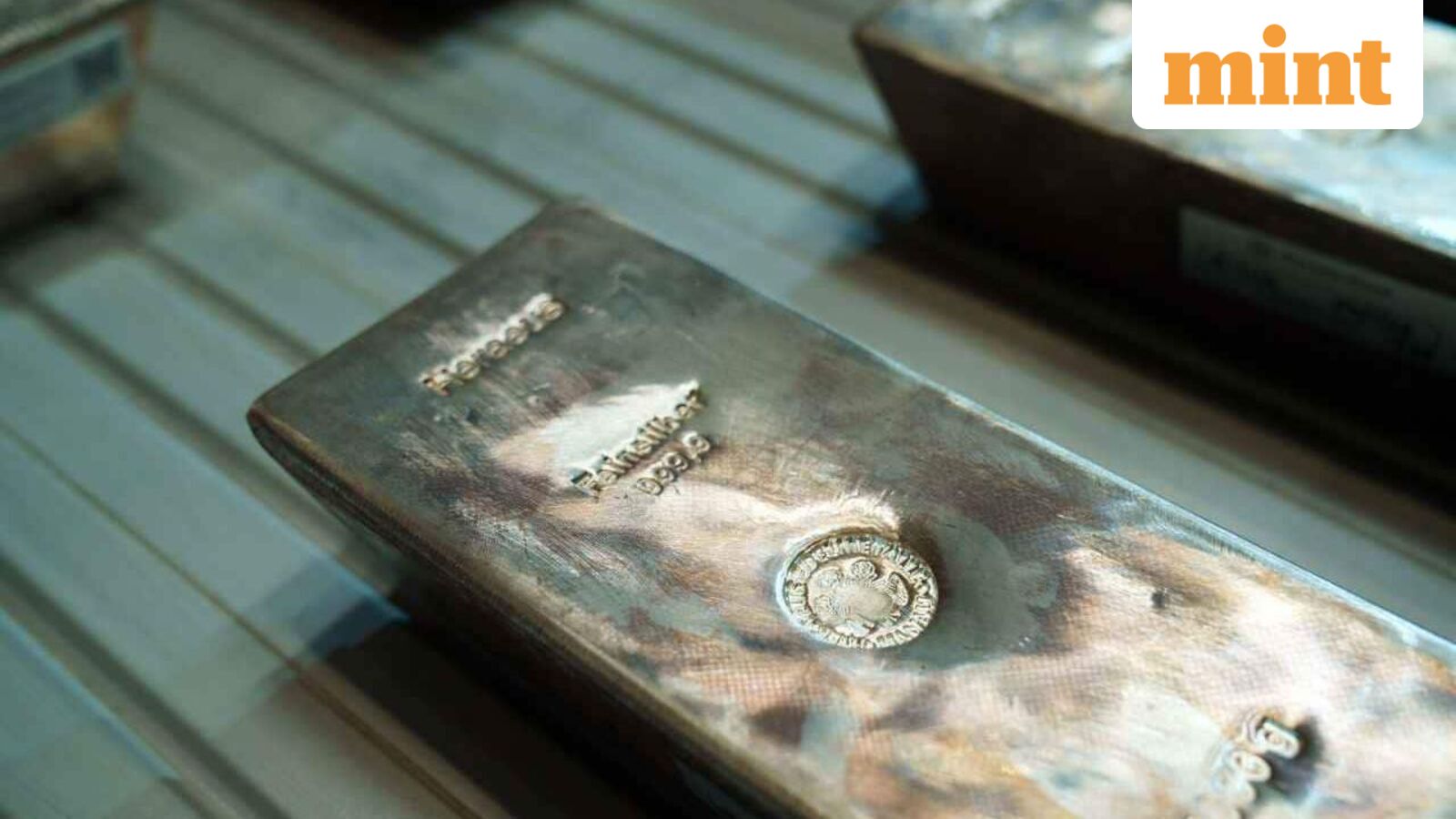
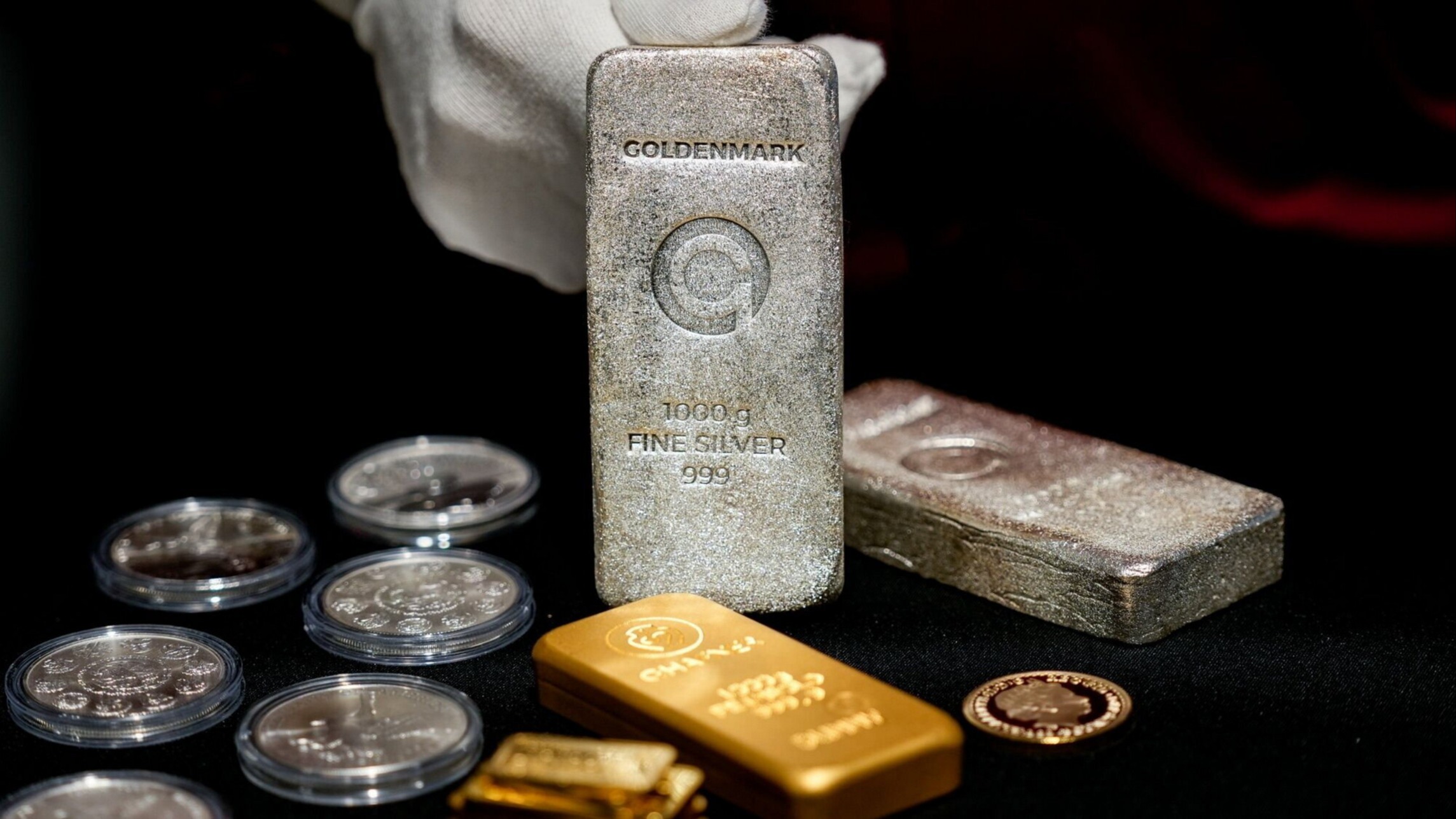
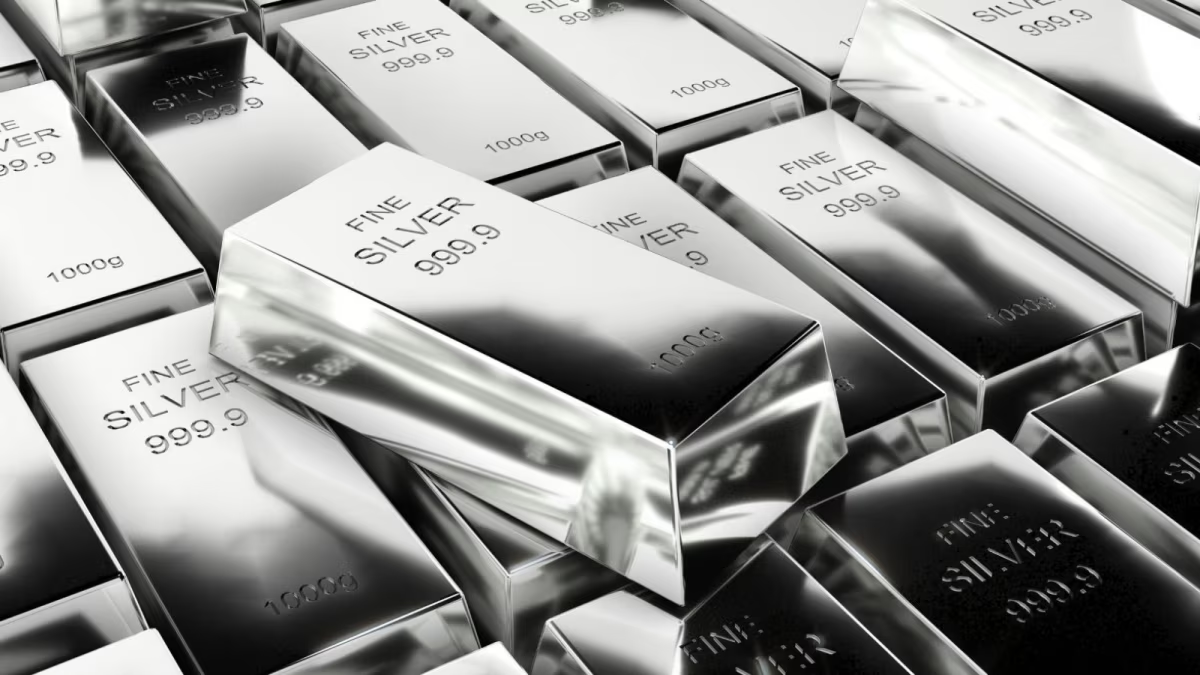
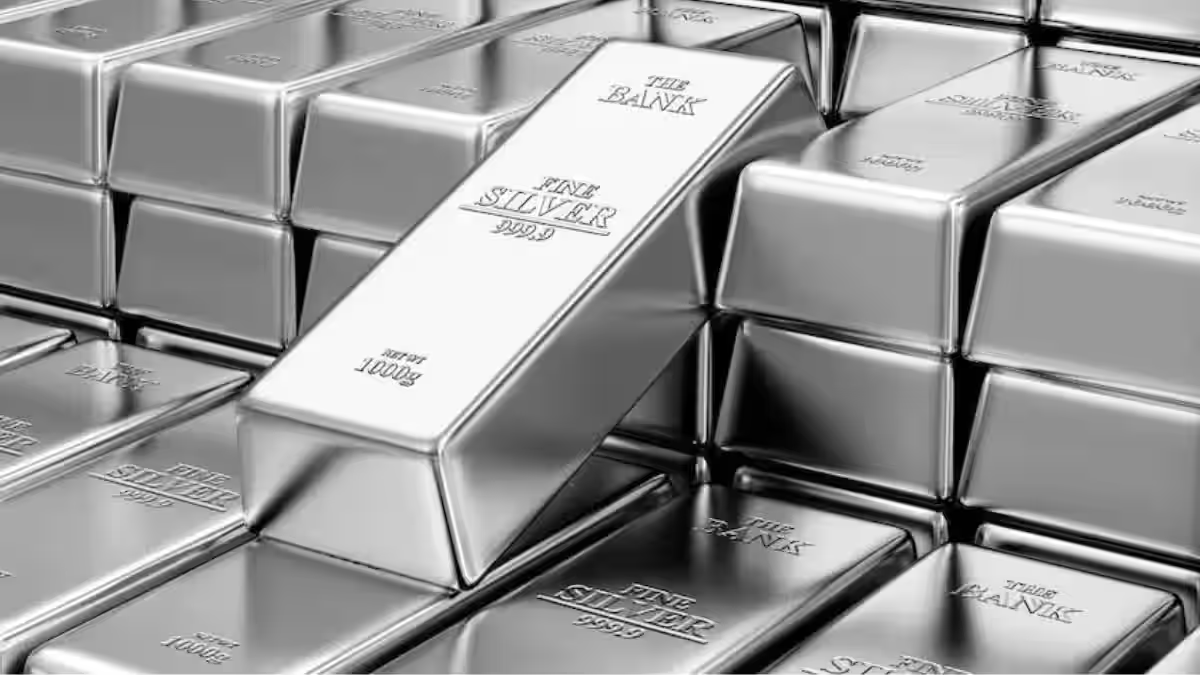
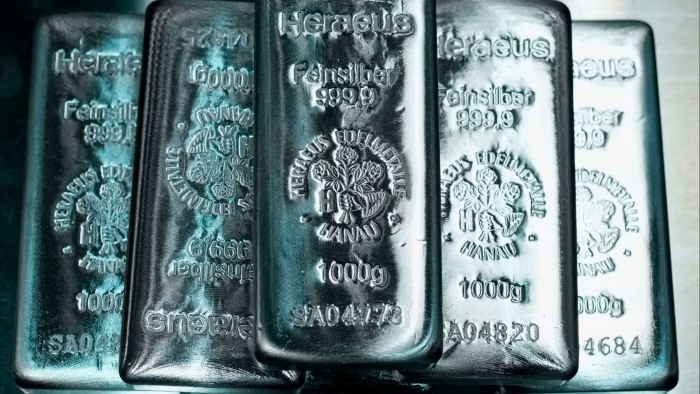
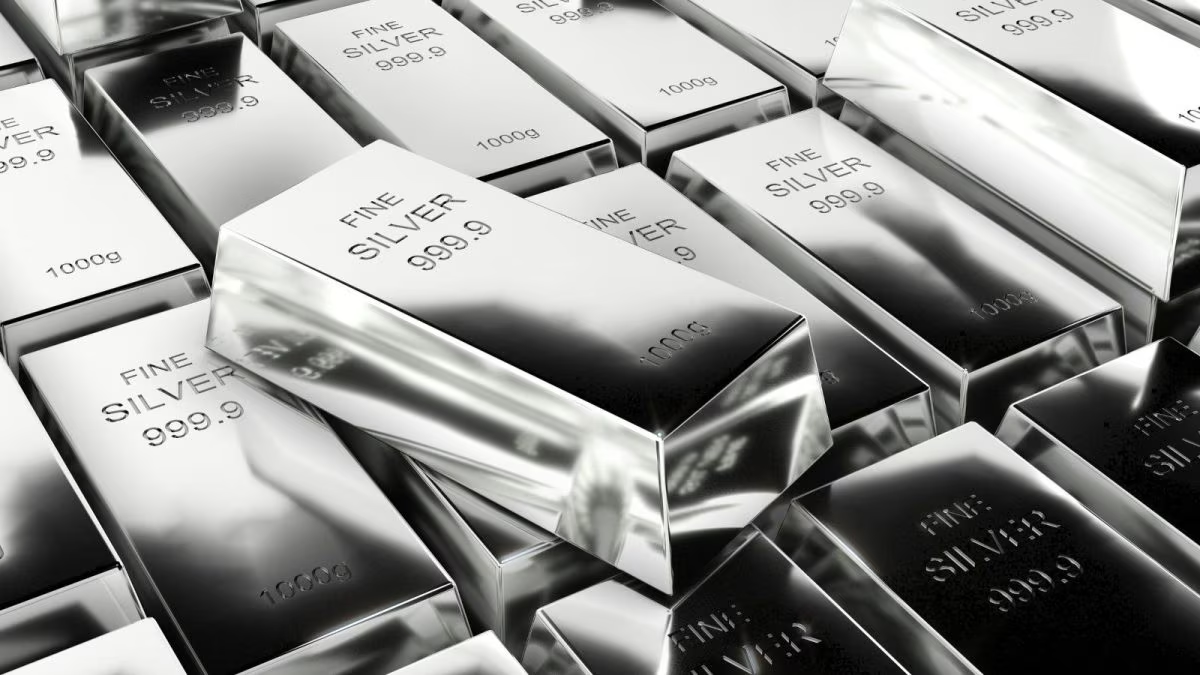
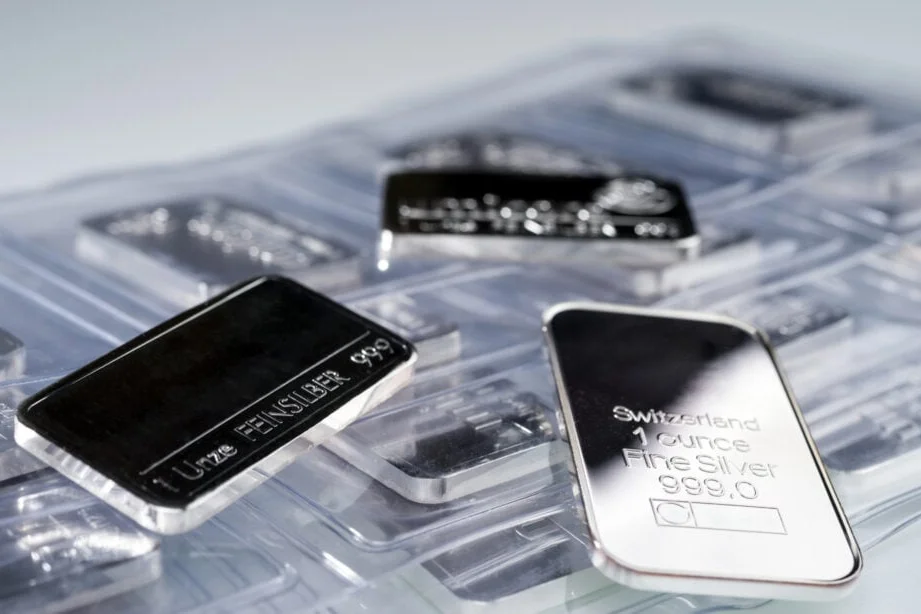
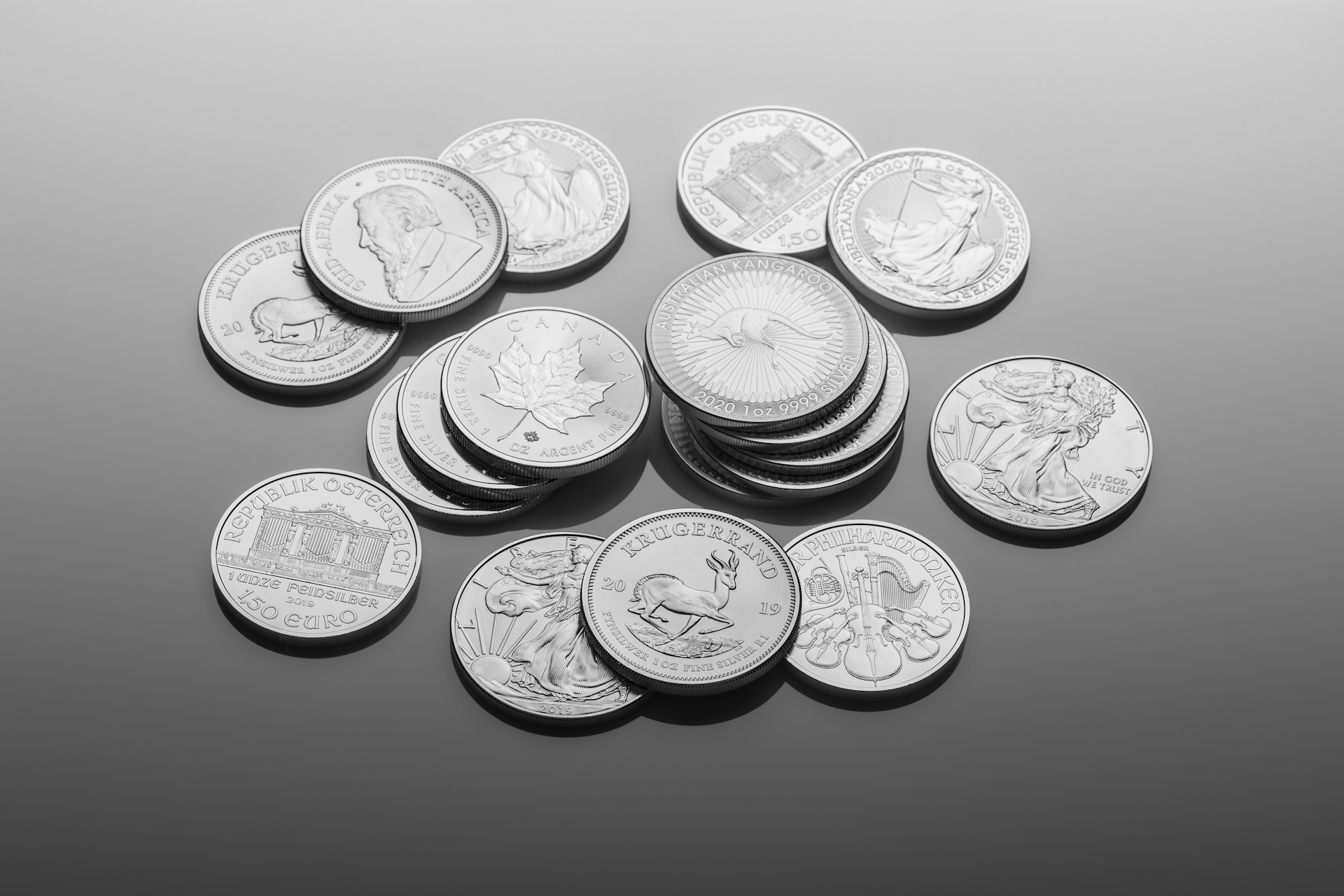
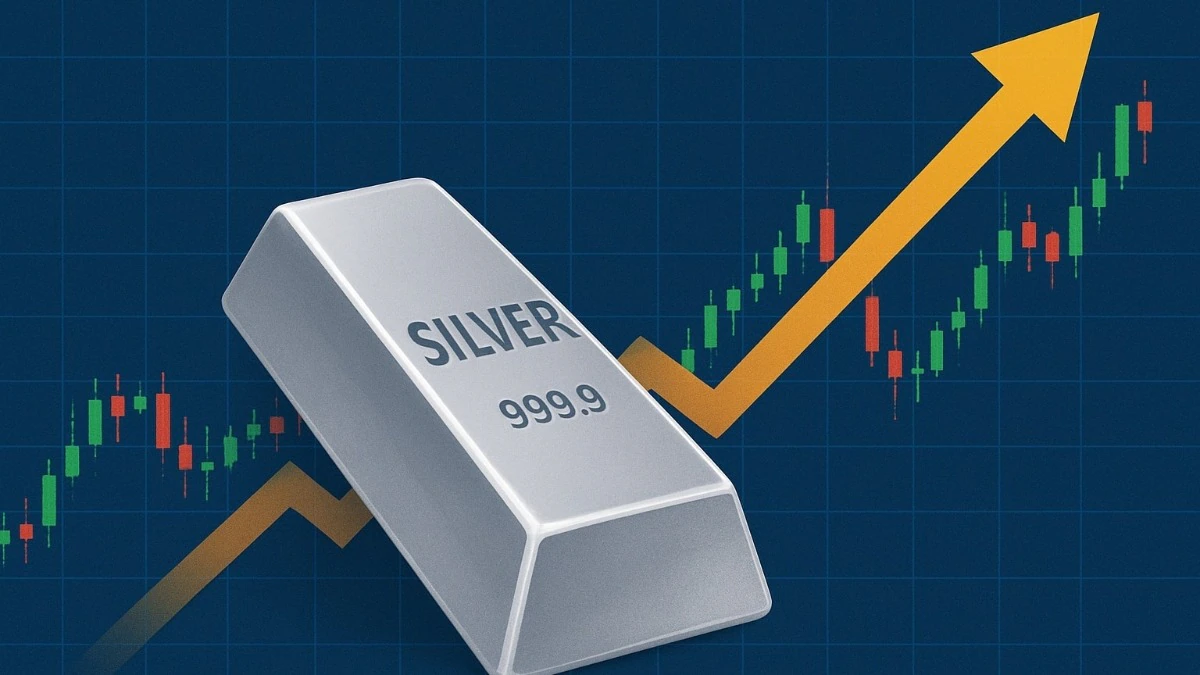
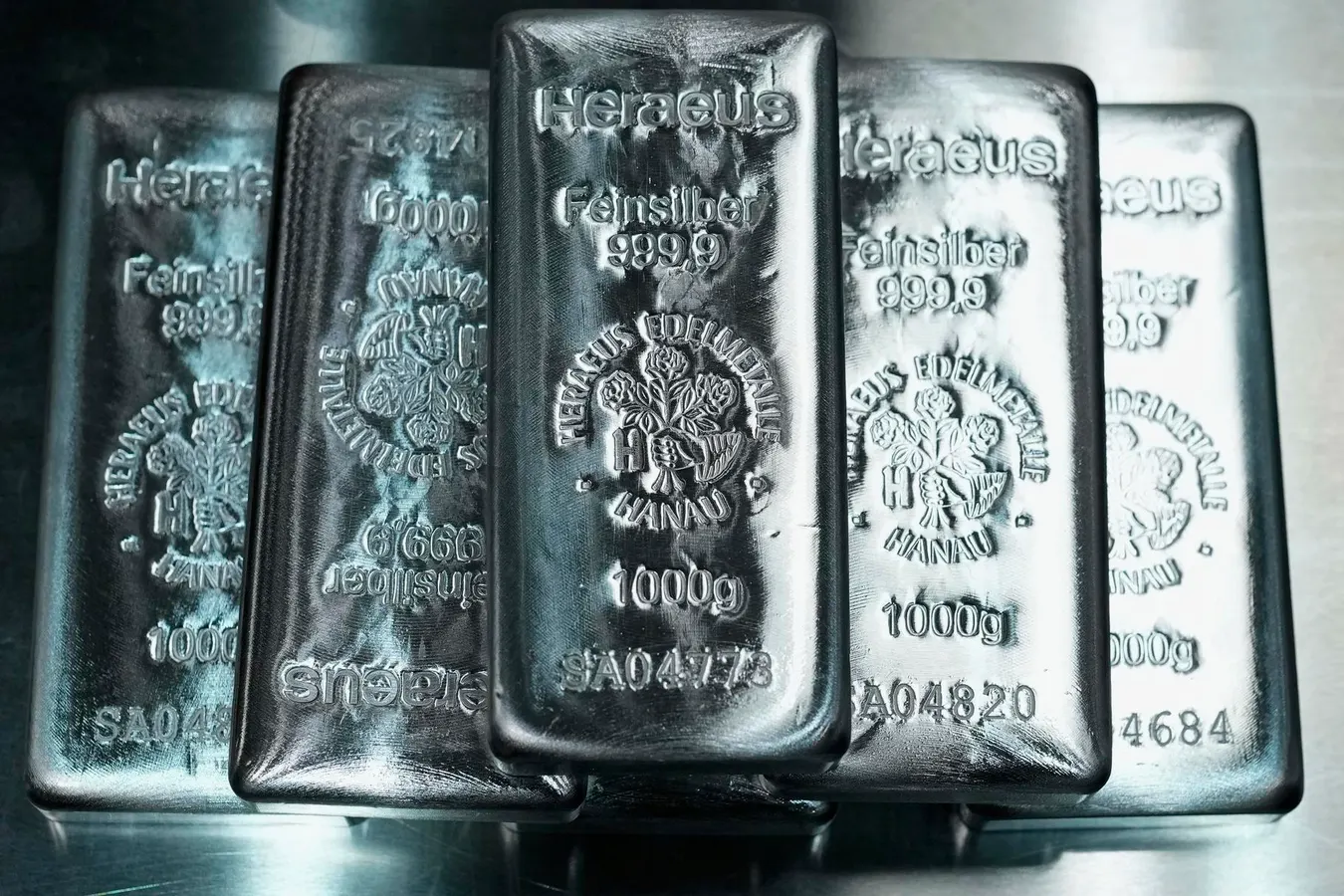
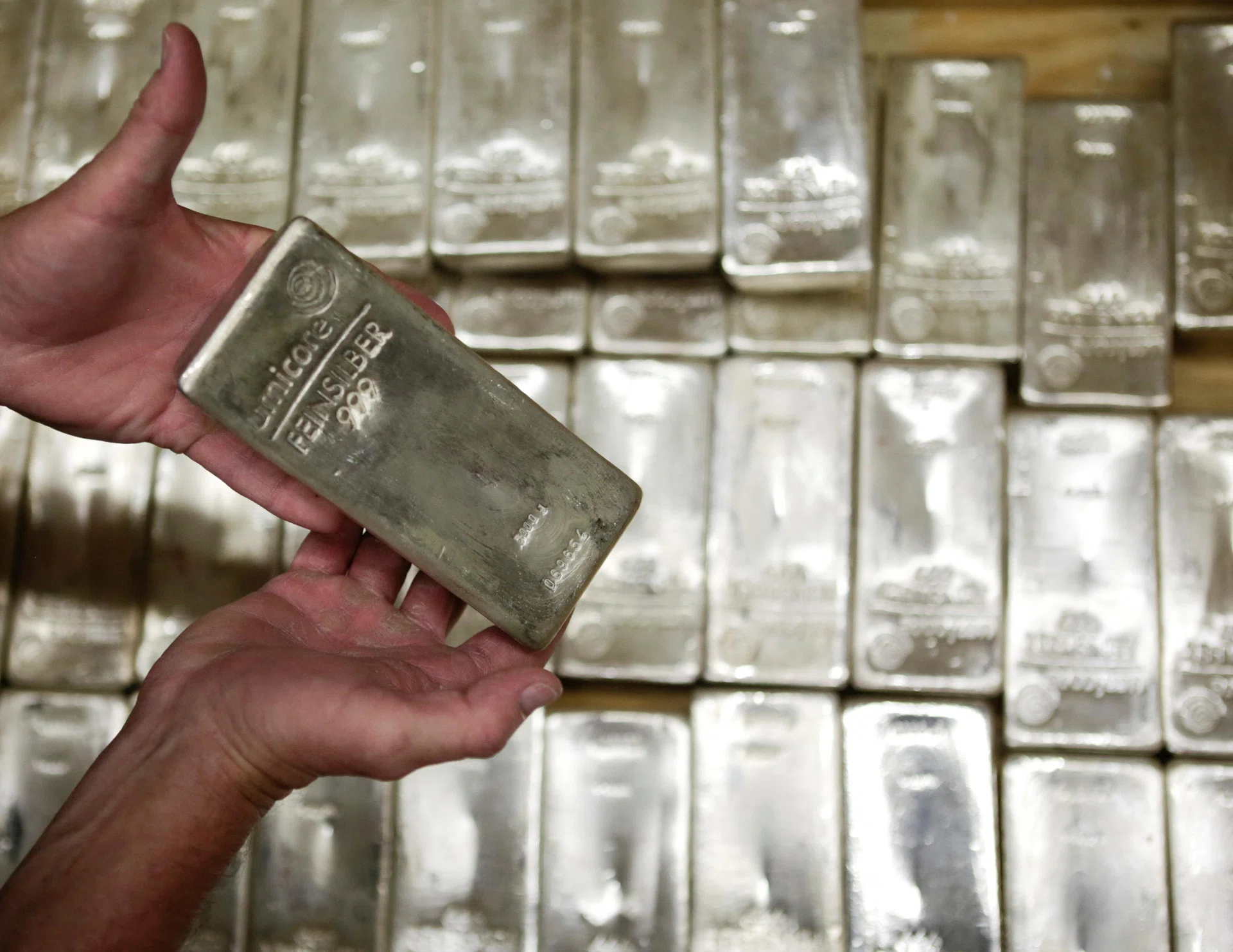
Silver also suffered a reversal, surging to US$118 an ounce in January before plunging 53 per cent to around US$55 in July, as shifting expectations for US interest rates weighed on precious metals. It has since recovered to around US$65.
Josh Gilbert, lead analyst for the Asia-Pacific and Middle East at trading platform eToro, said silver shares some of gold’s safe-haven appeal, but is more exposed to the economic cycle as around 45 per cent of demand comes from industrial uses such as solar panels and electronics.
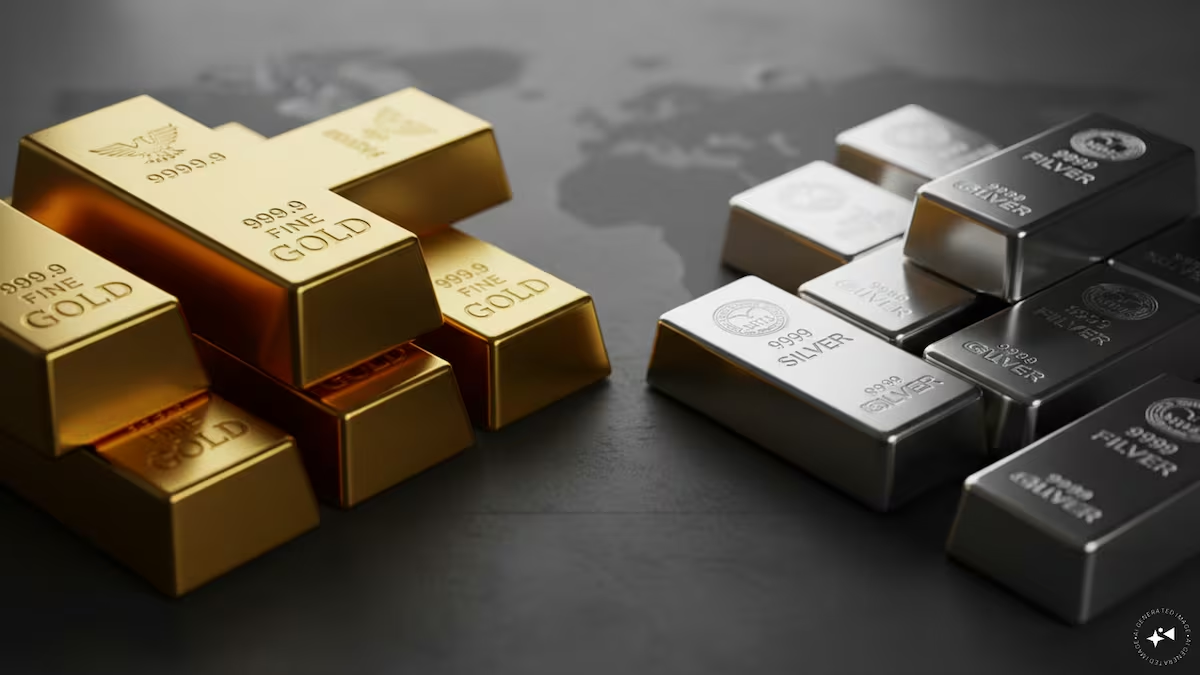
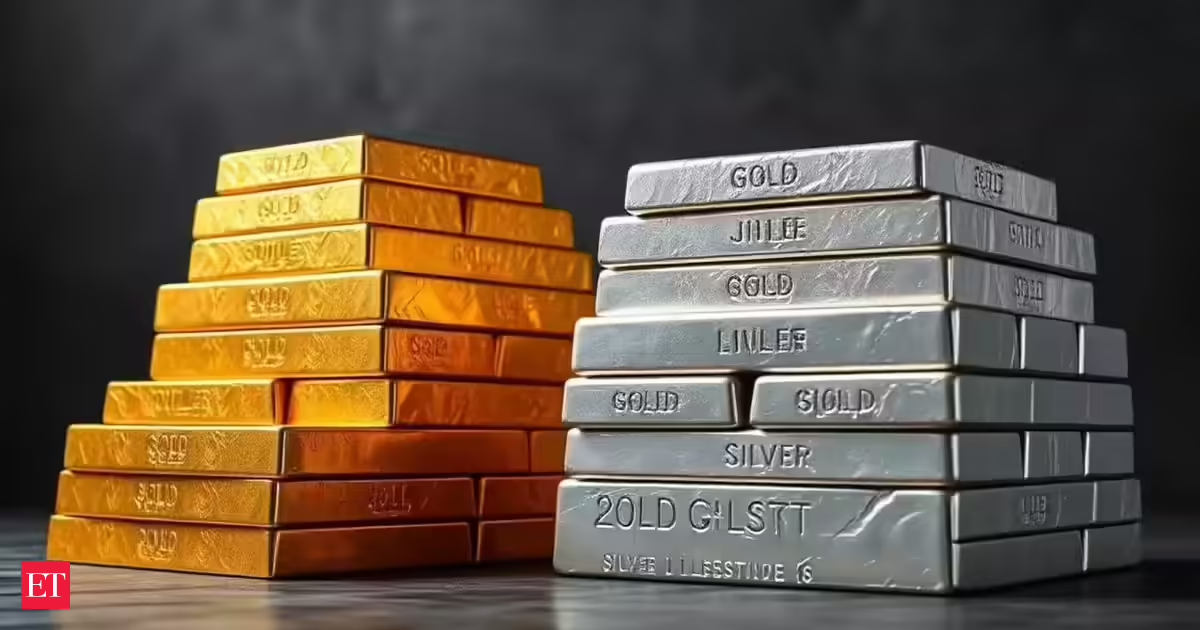
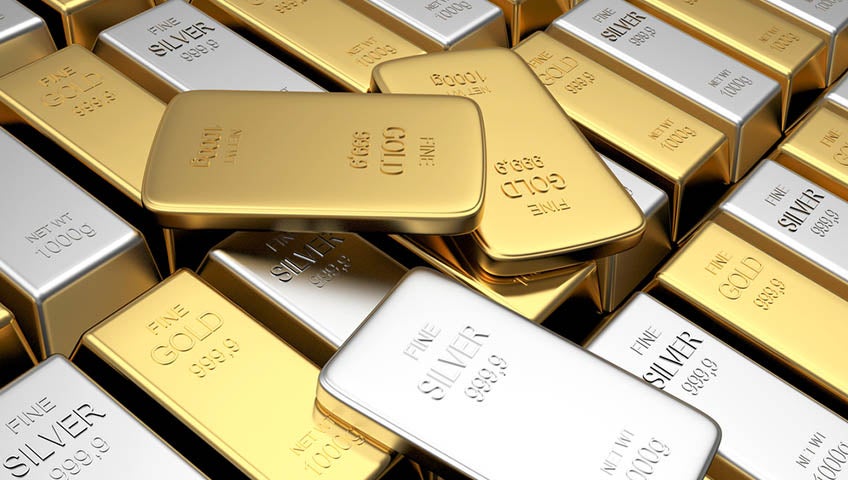
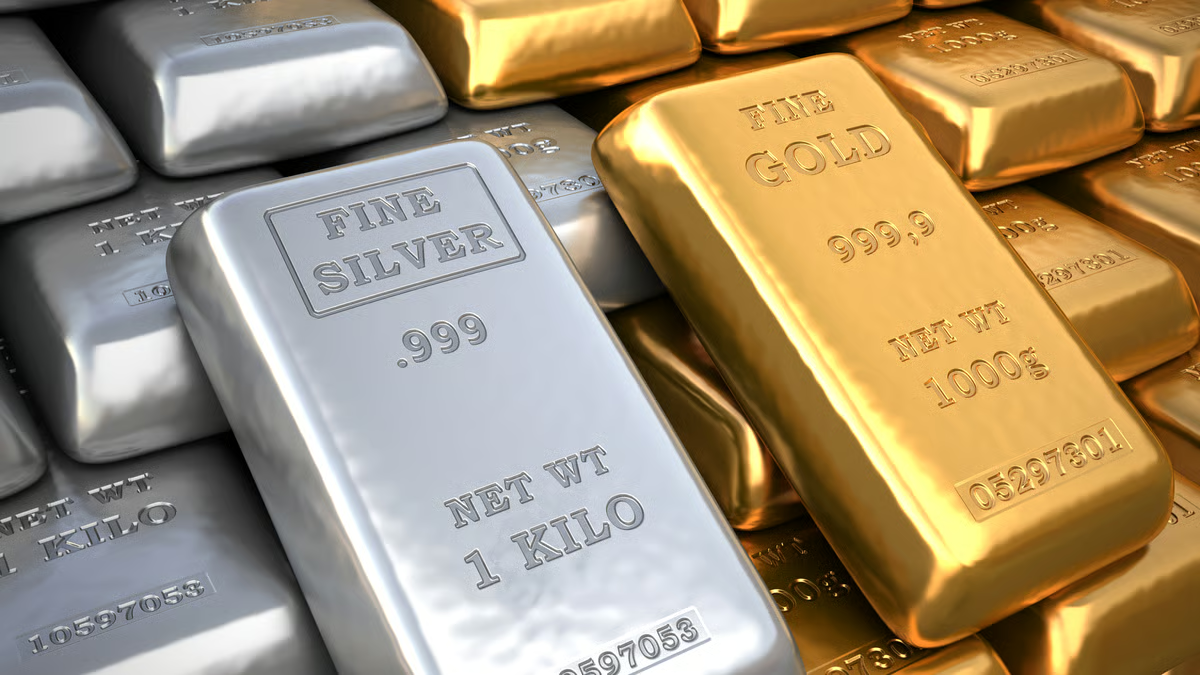
Still, silver remains relatively cheap compared with gold, based on the gold-silver ratio, he said. The ratio, which measures how many ounces of silver are needed to buy one ounce of gold, is currently around 81 – above its long-term average of about 65.
“This suggests silver remains relatively cheap compared with gold,” Gilbert added.
OCBC Bank head of wealth advisory Chez Anbu said gold remains the main hedge against market uncertainty, while silver tends to see larger price swings as it is influenced by both investment and industrial demand.
OCBC Group Research expects gold and silver to trade above US$4,600 and US$60 an ounce, respectively, by the first half of 2027, he added.
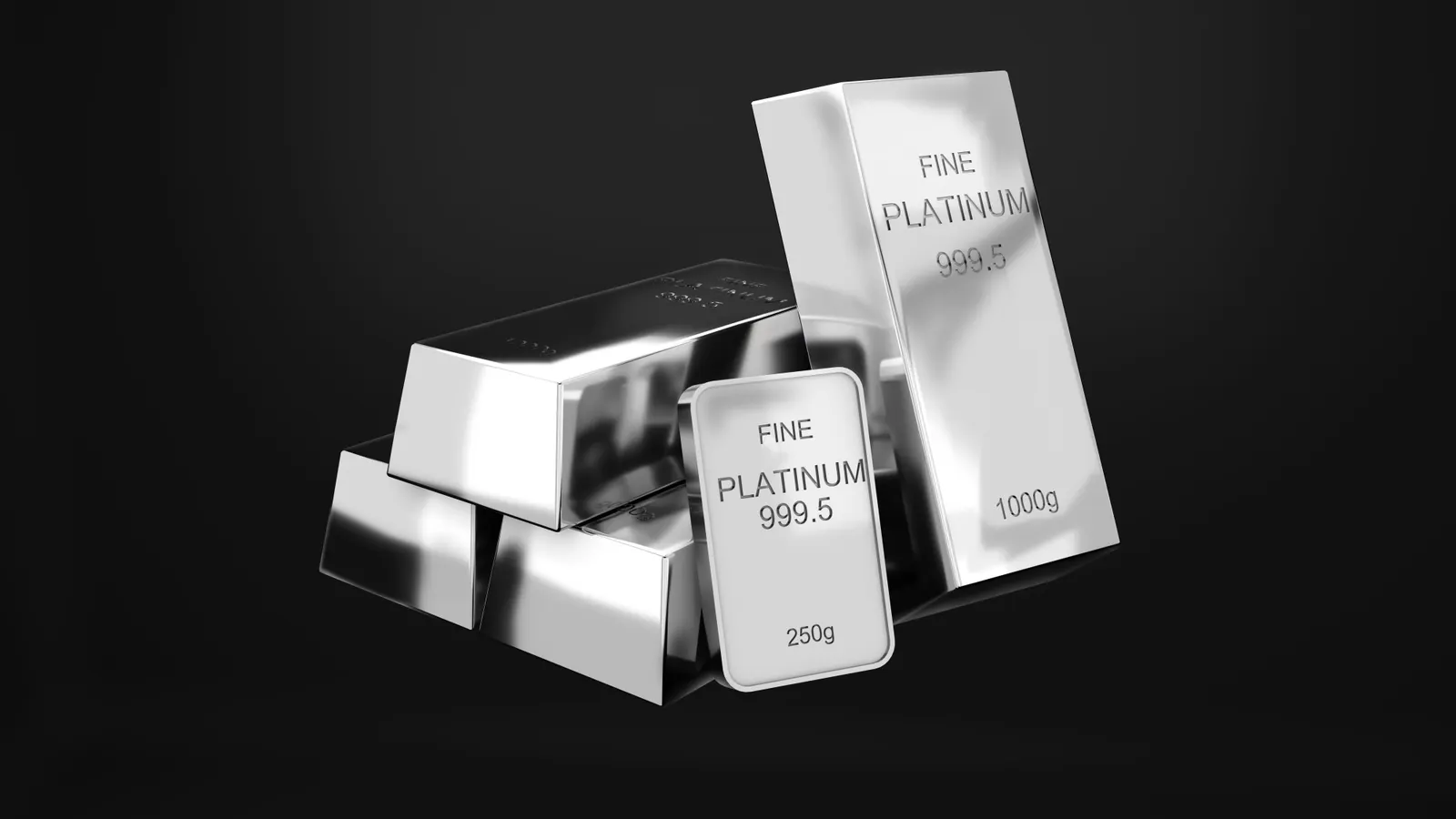
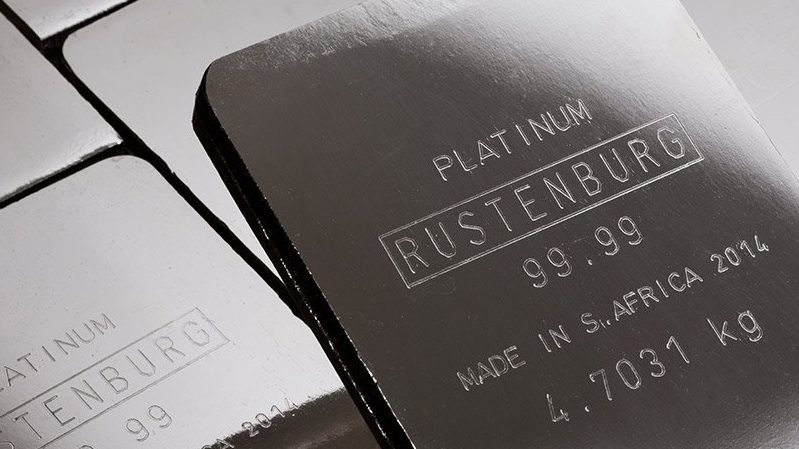
Platinum and palladium
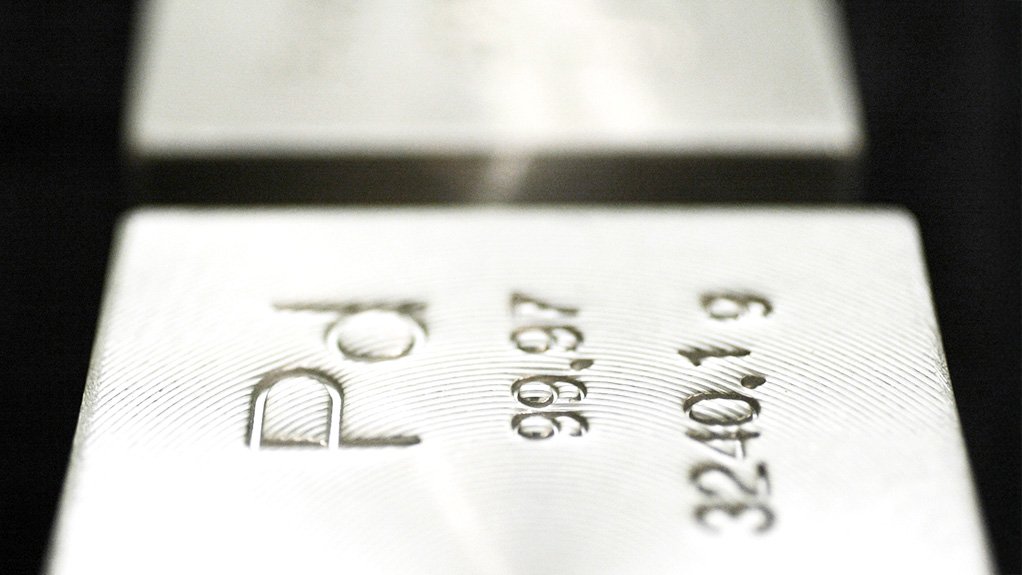
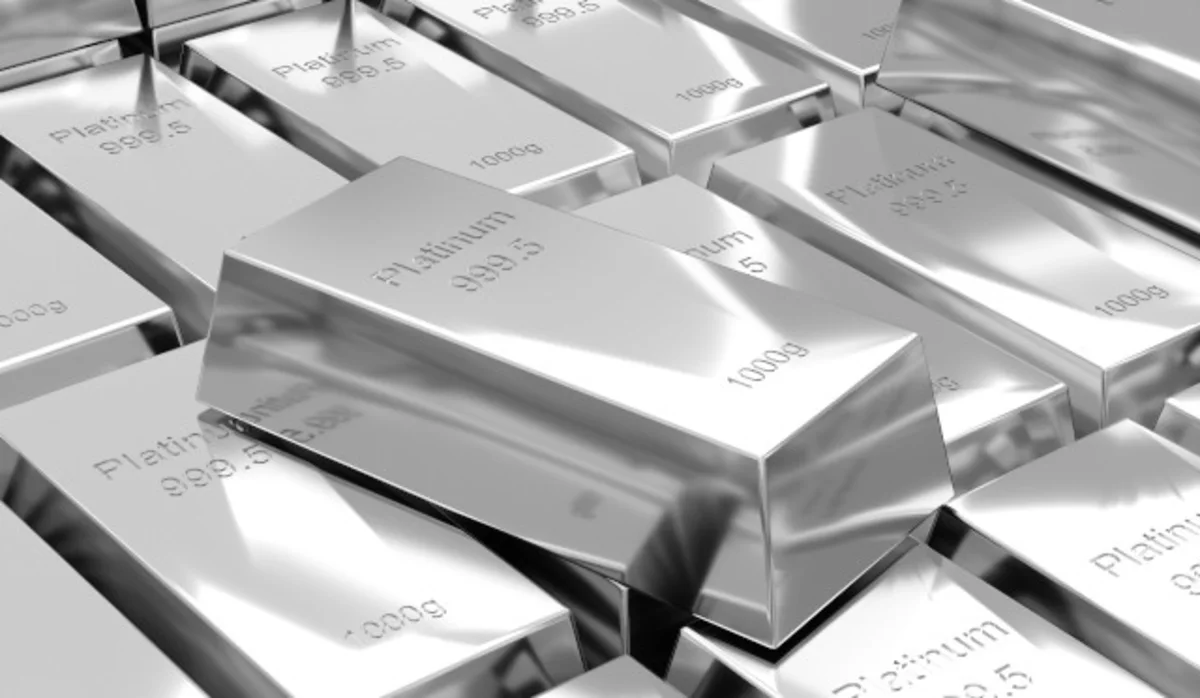
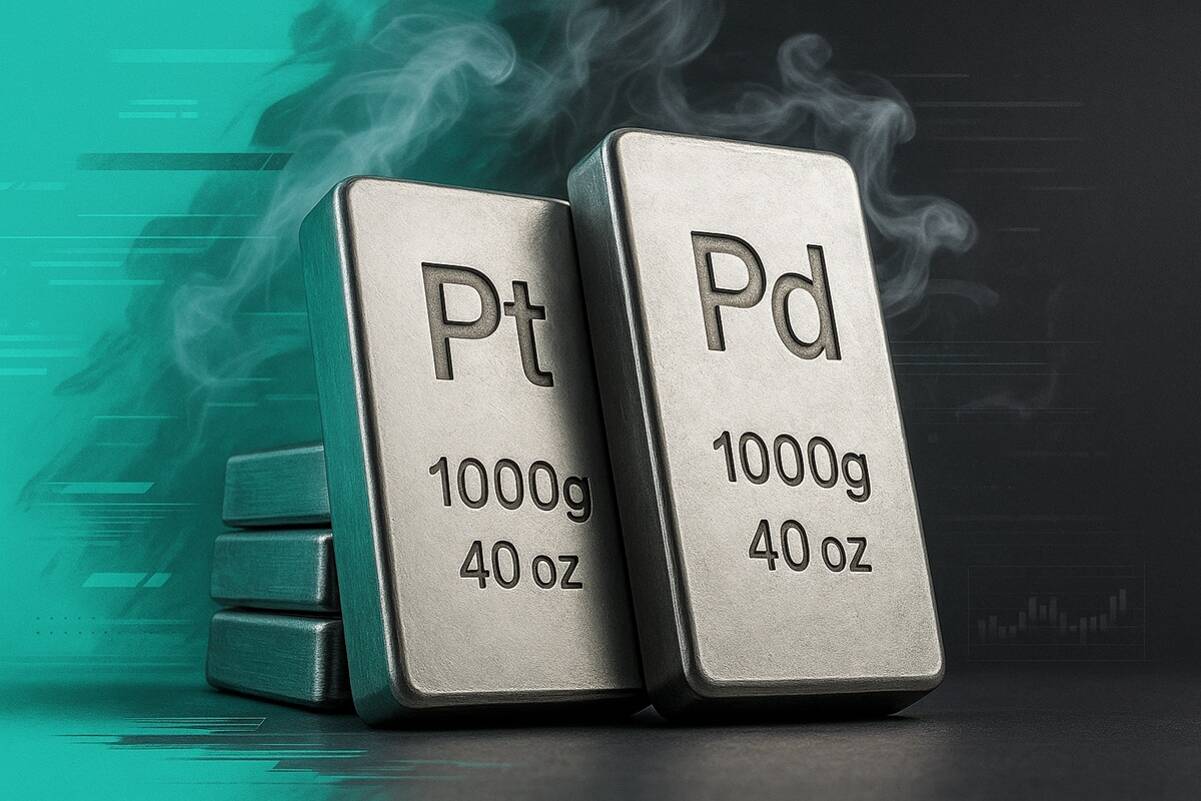
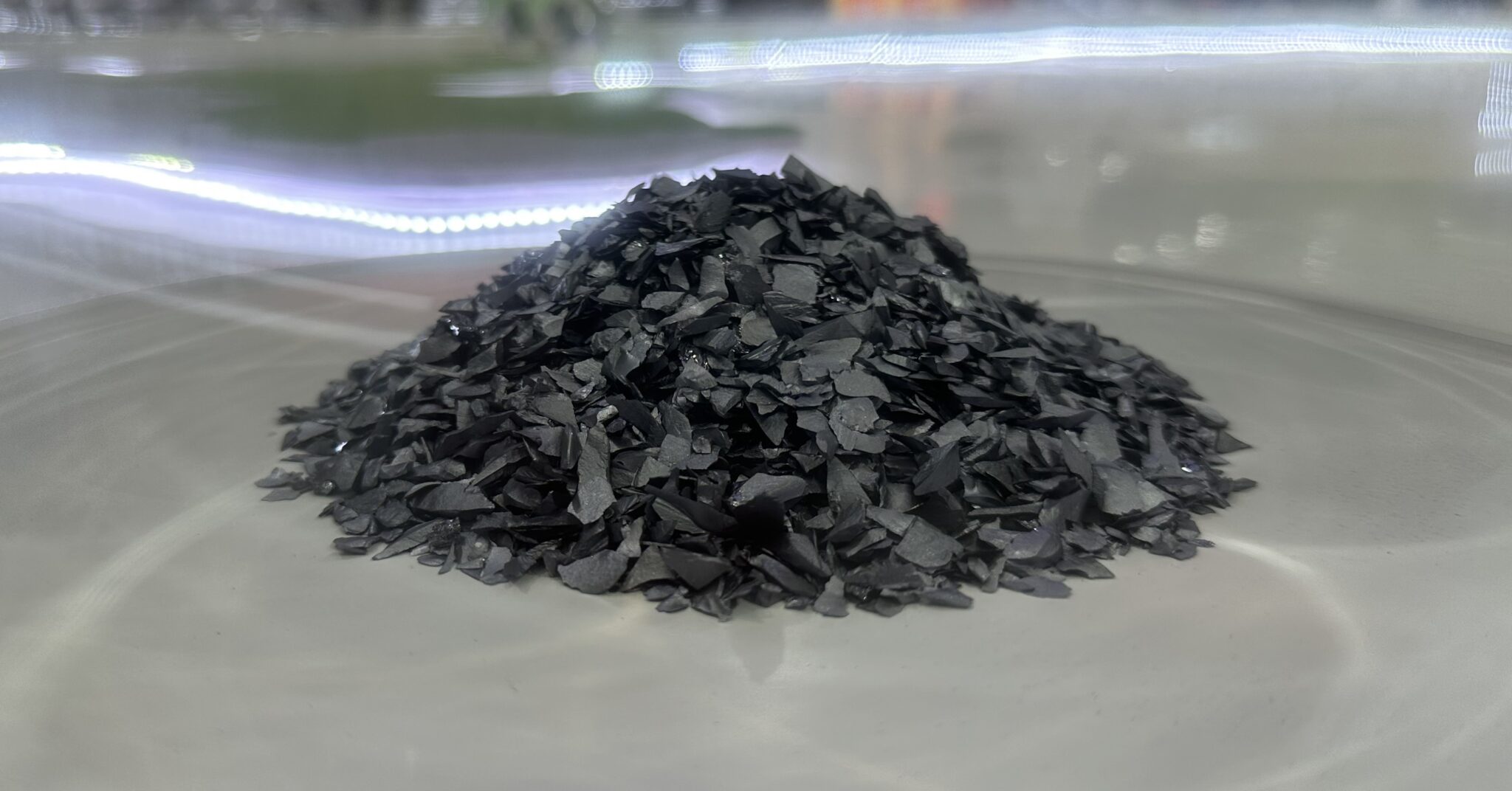
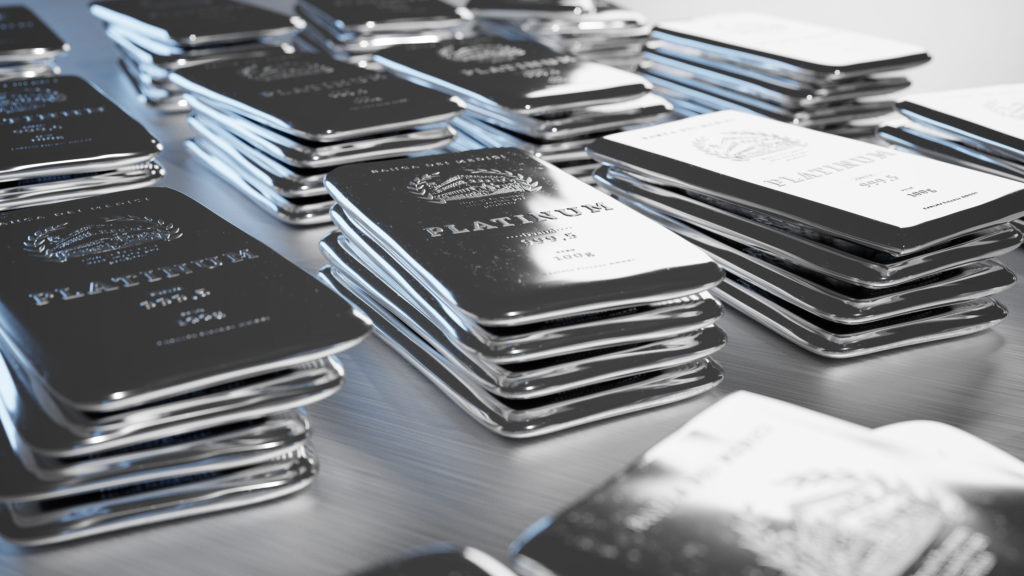
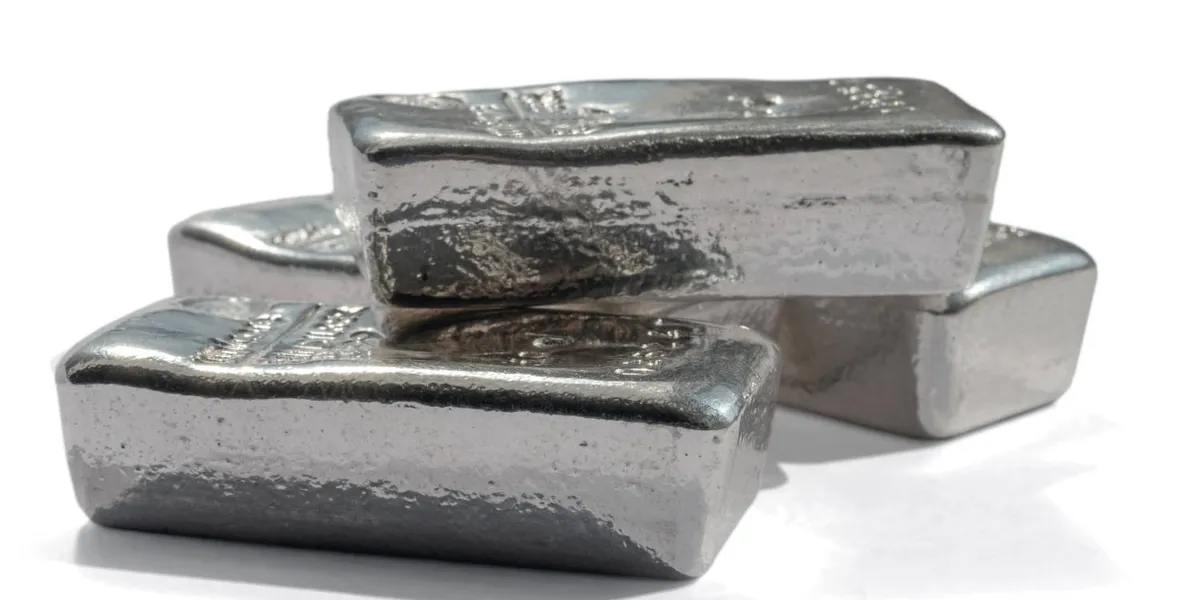
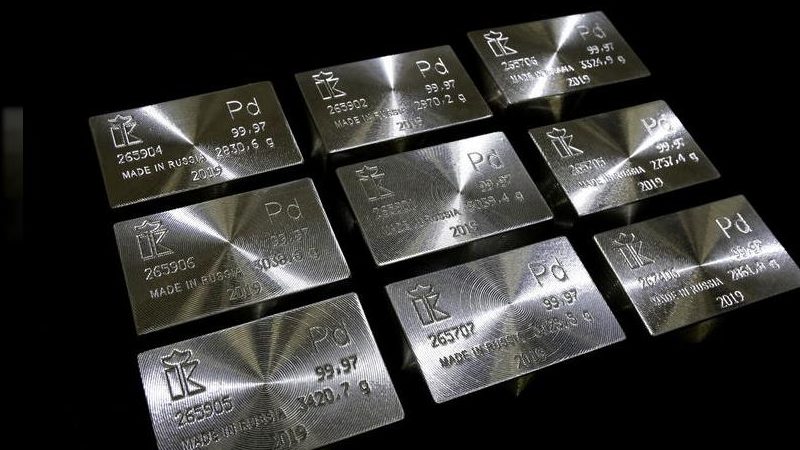
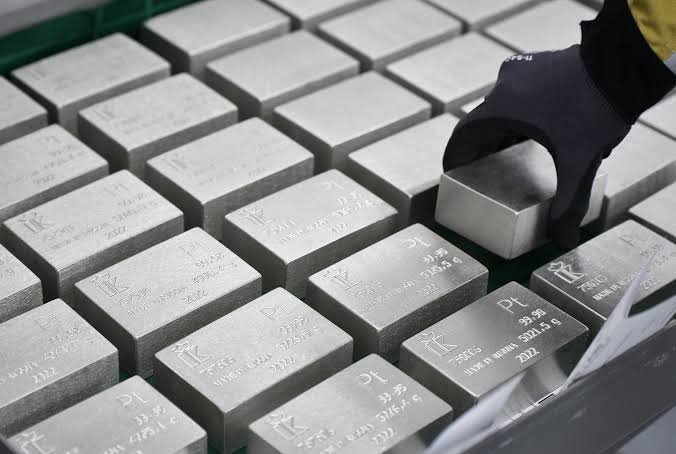
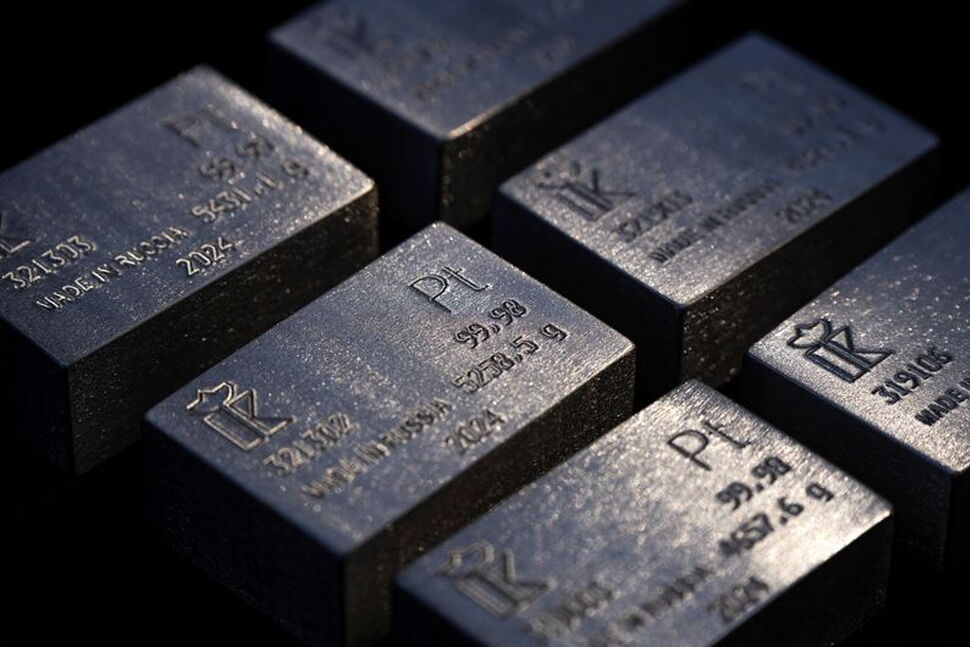
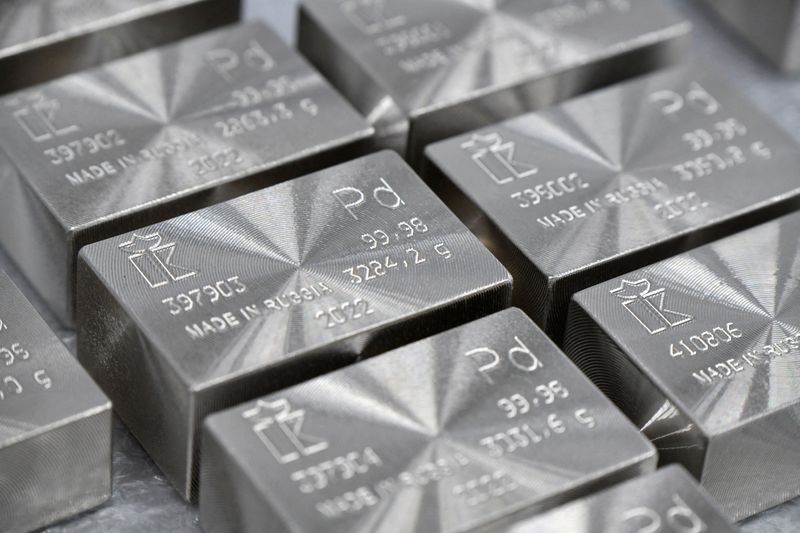
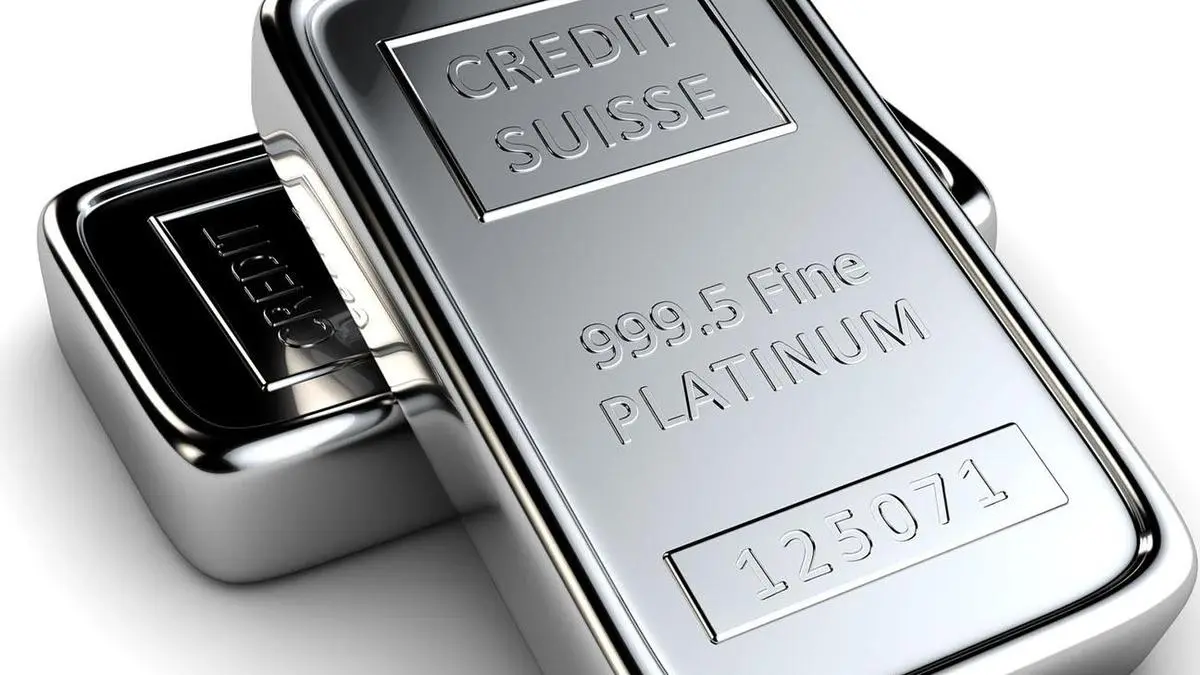
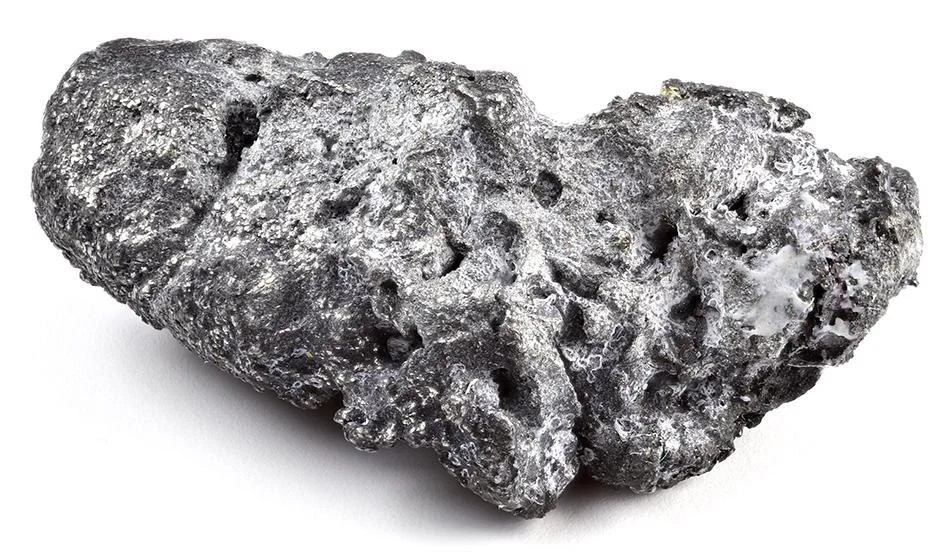
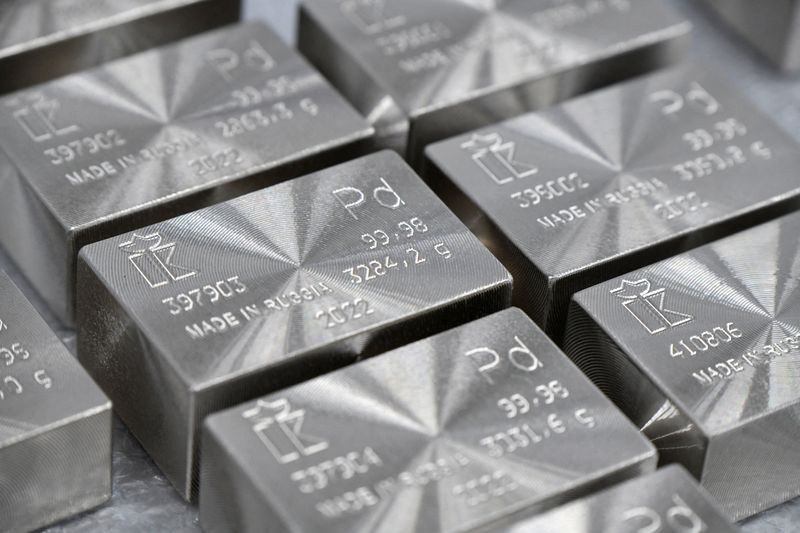
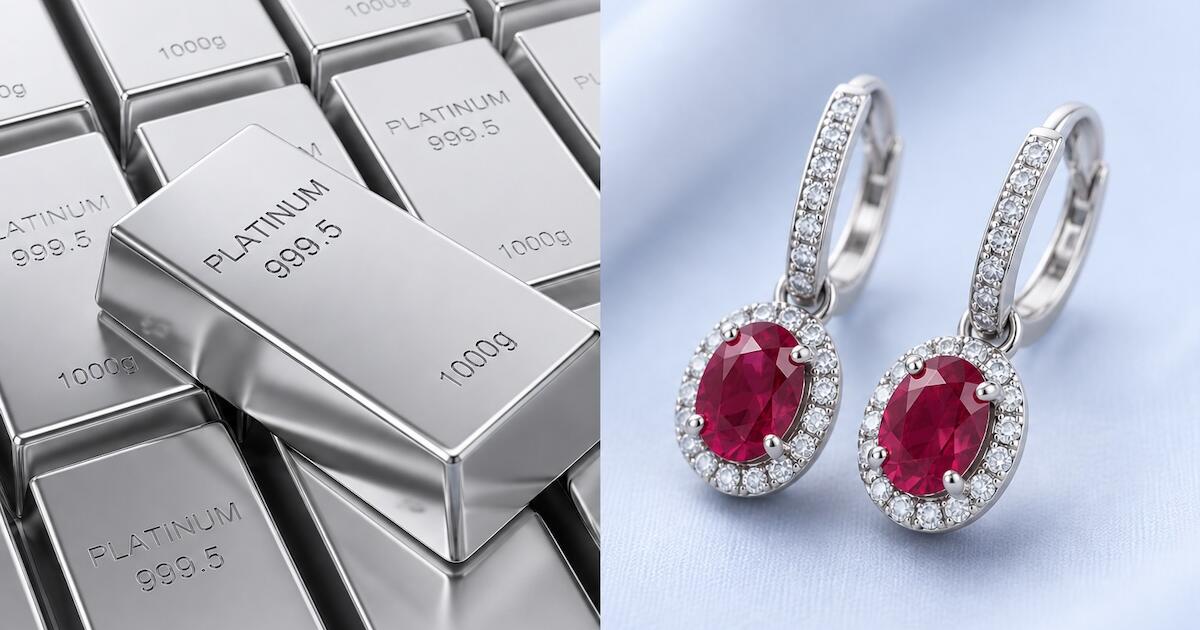
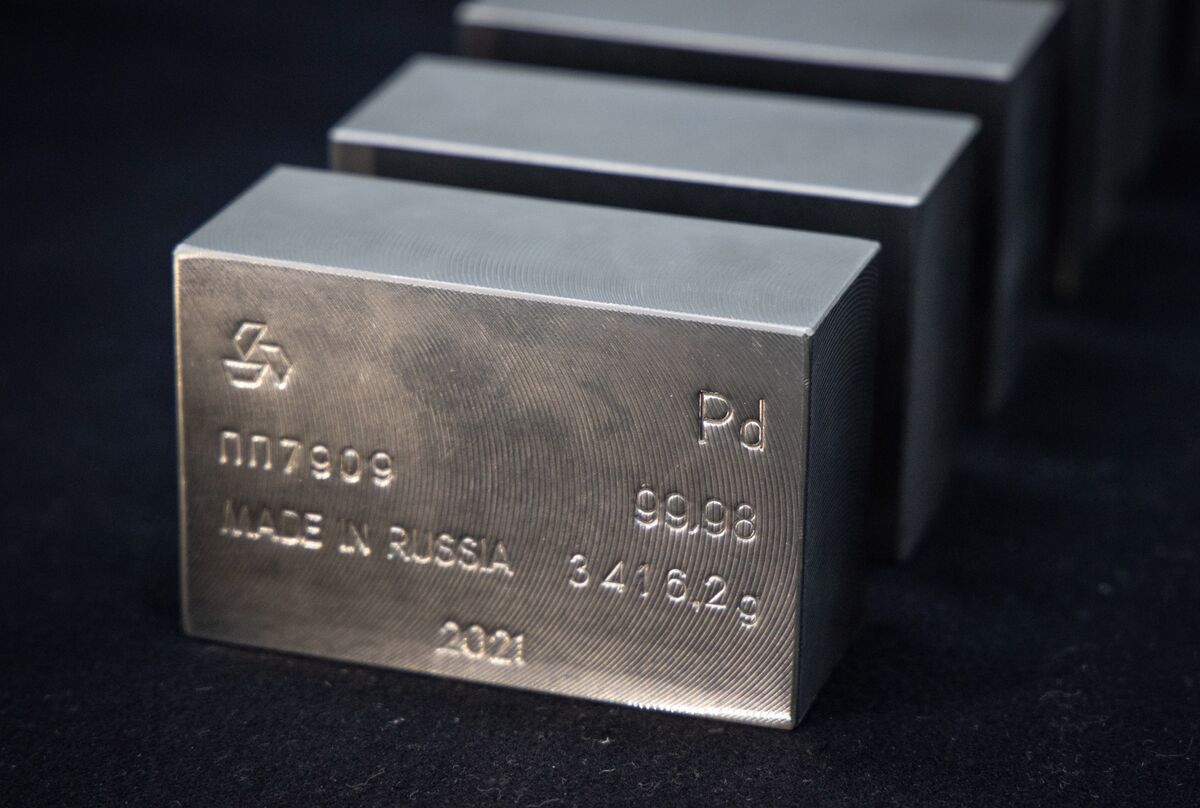
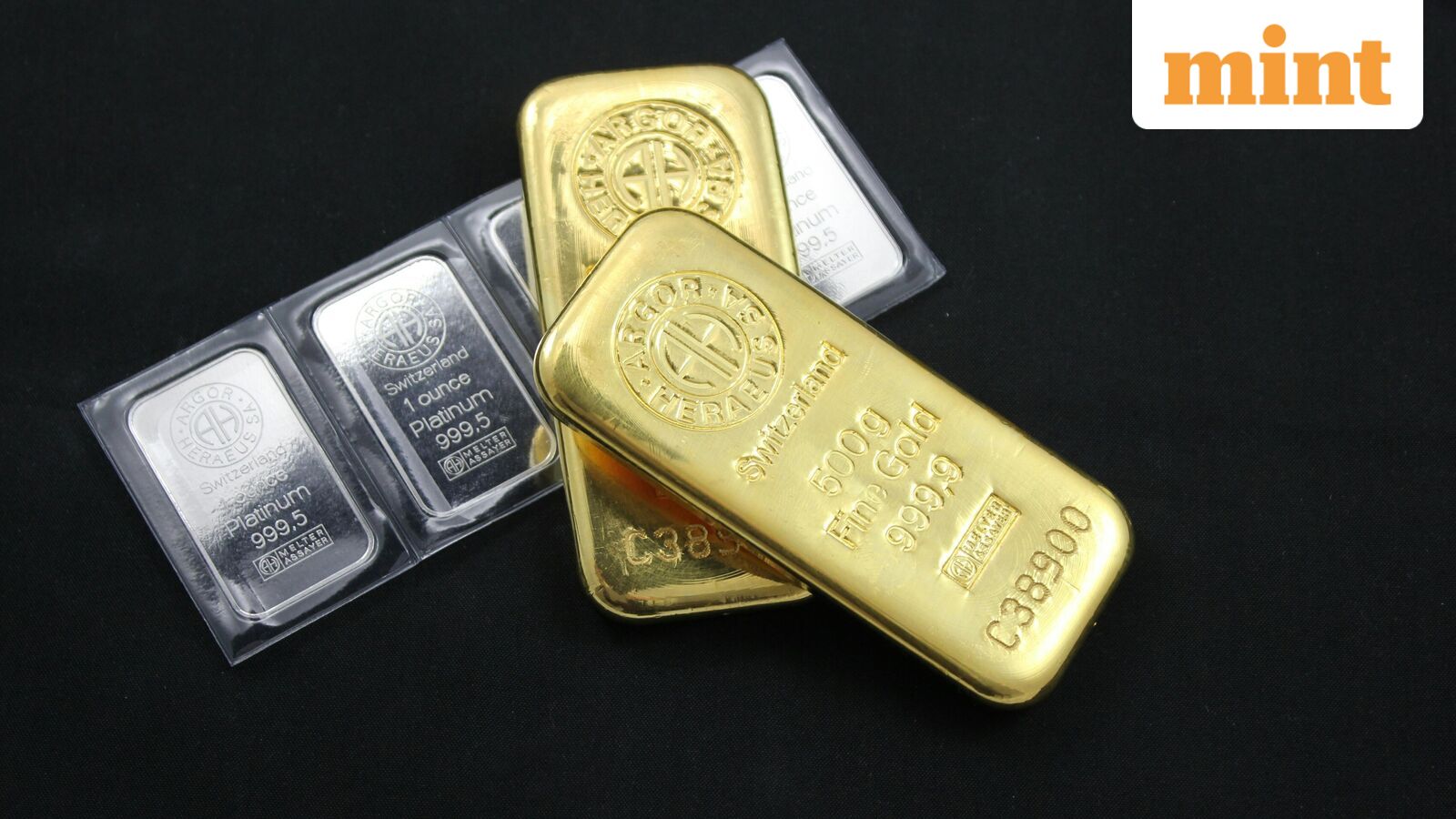
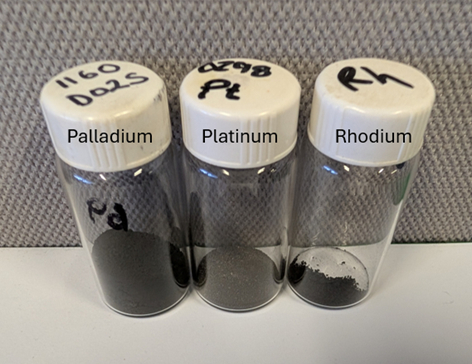
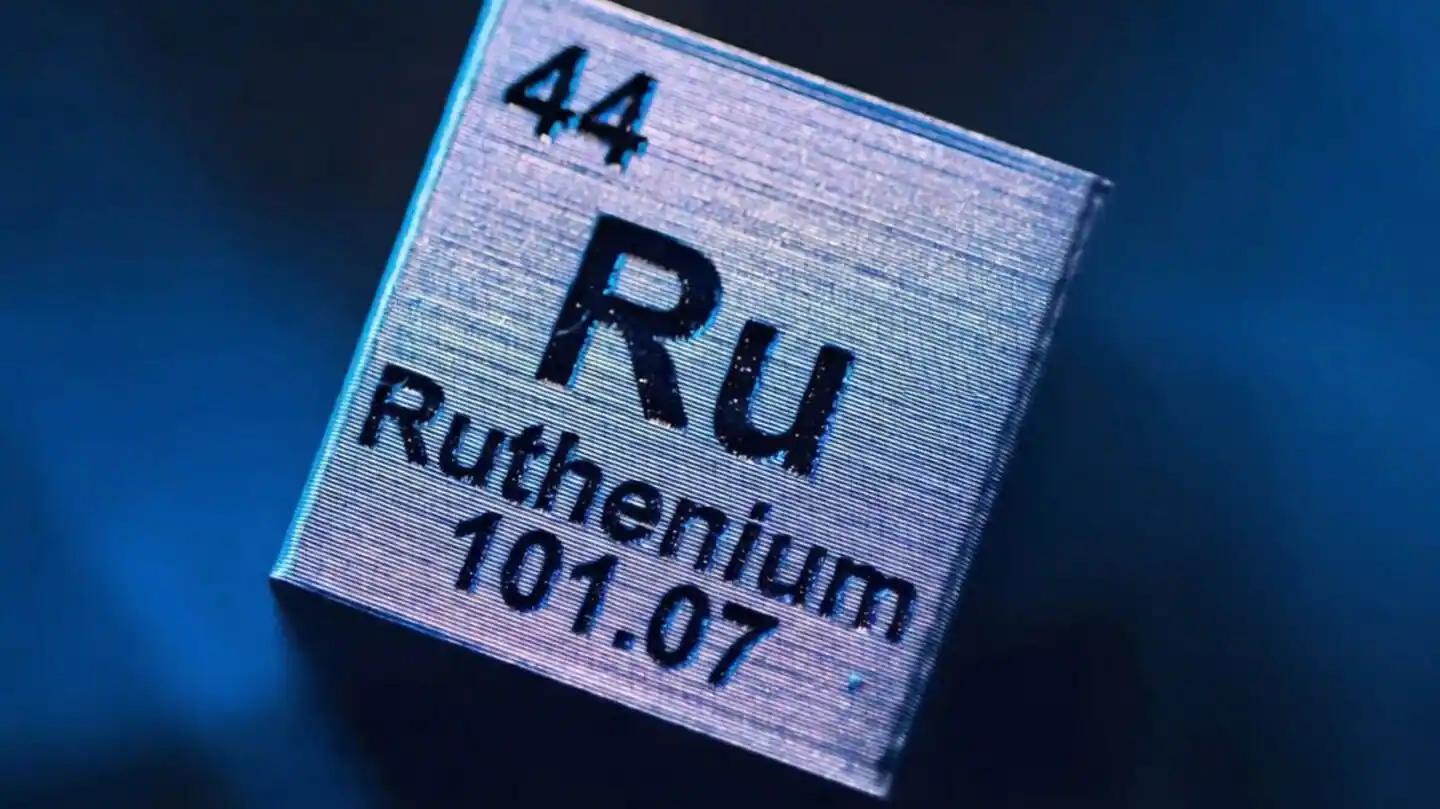
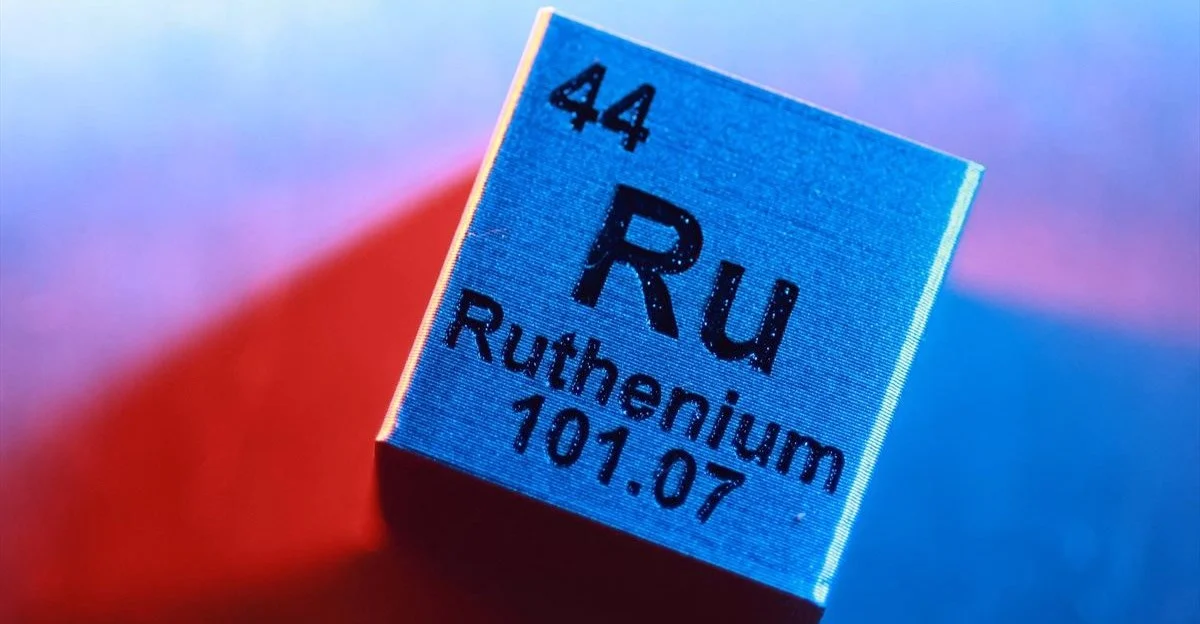
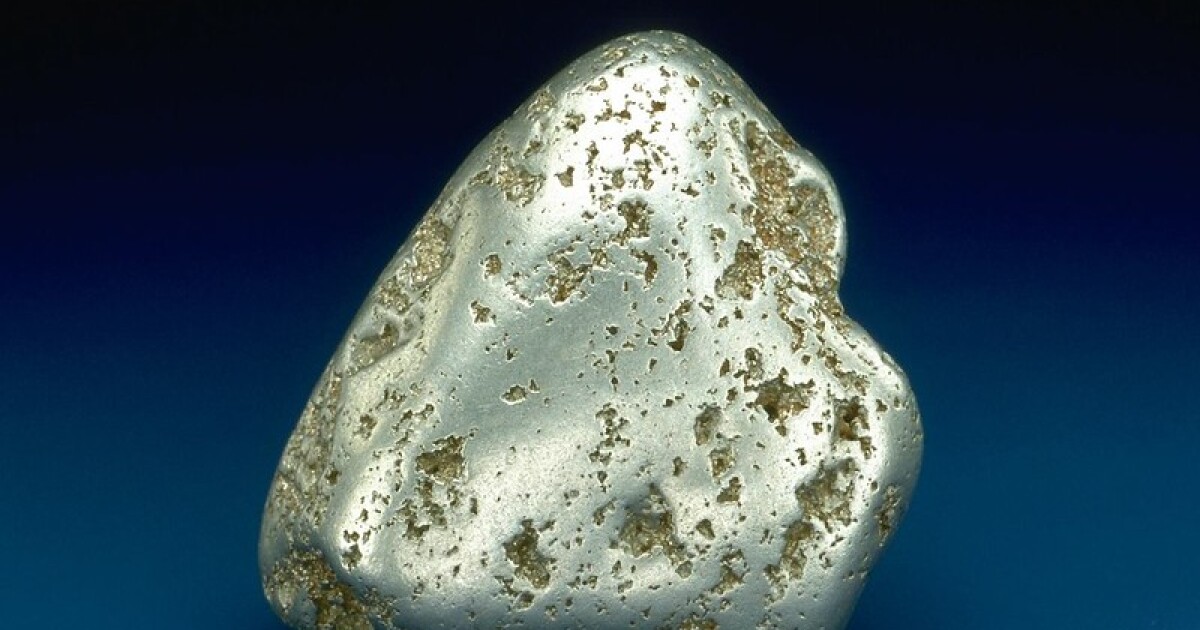
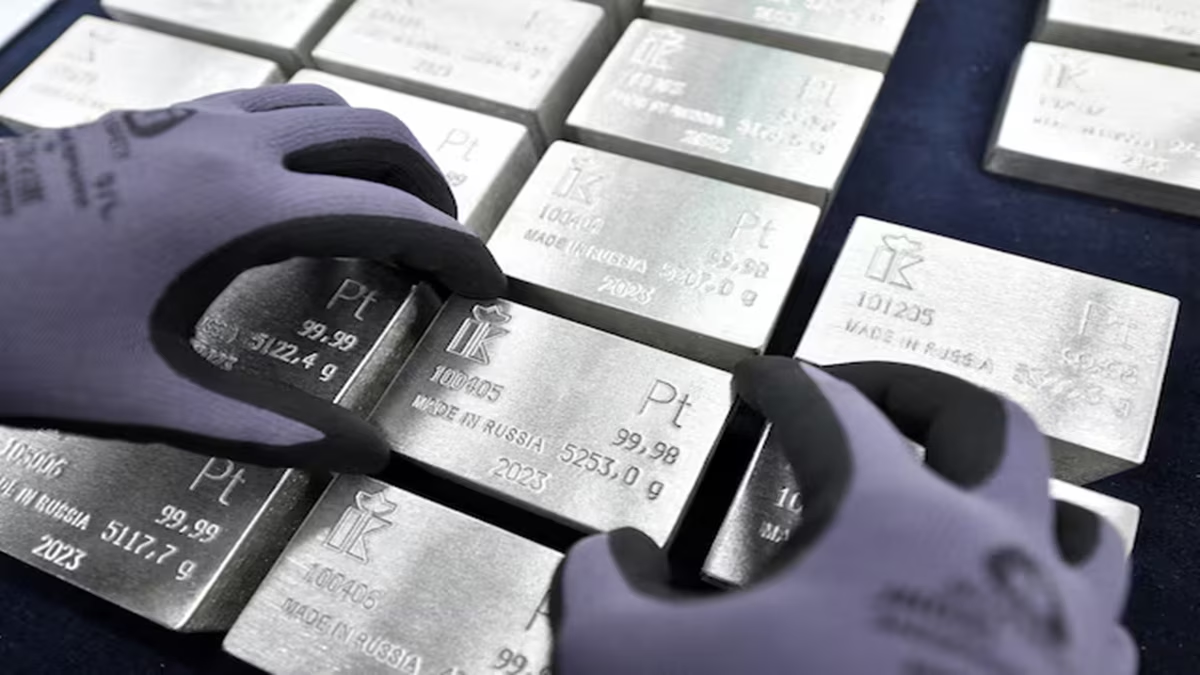
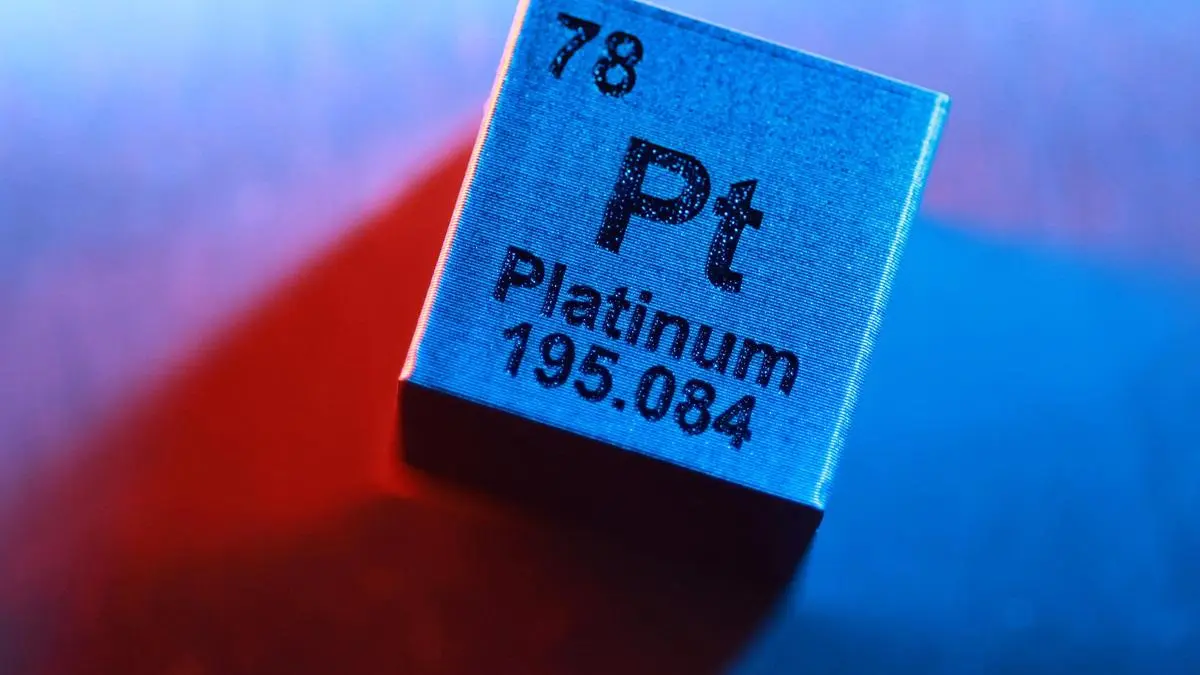
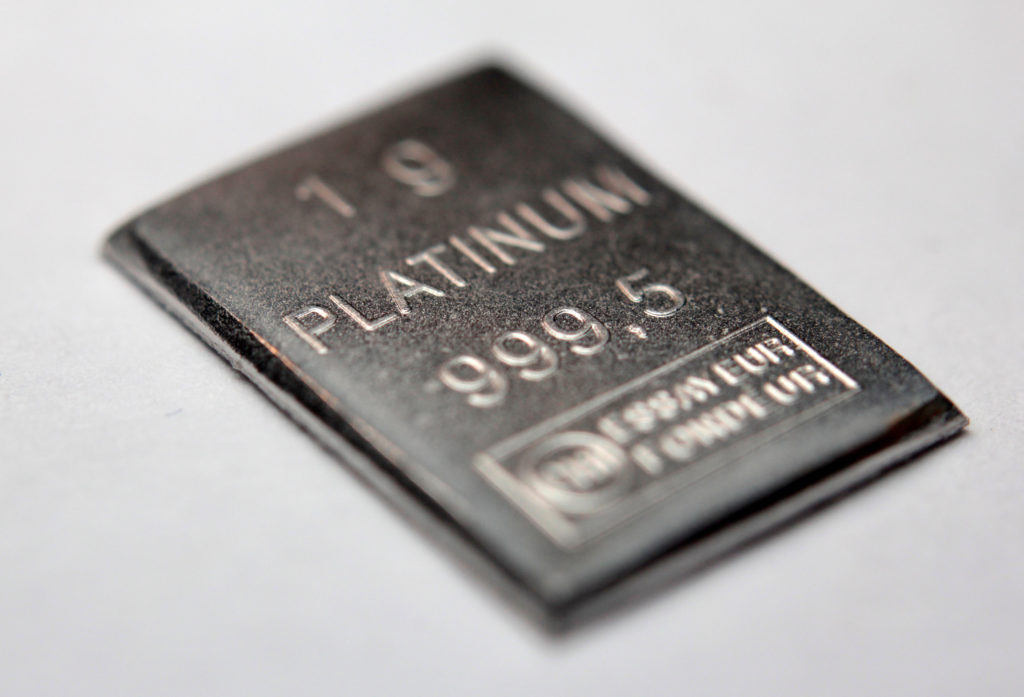
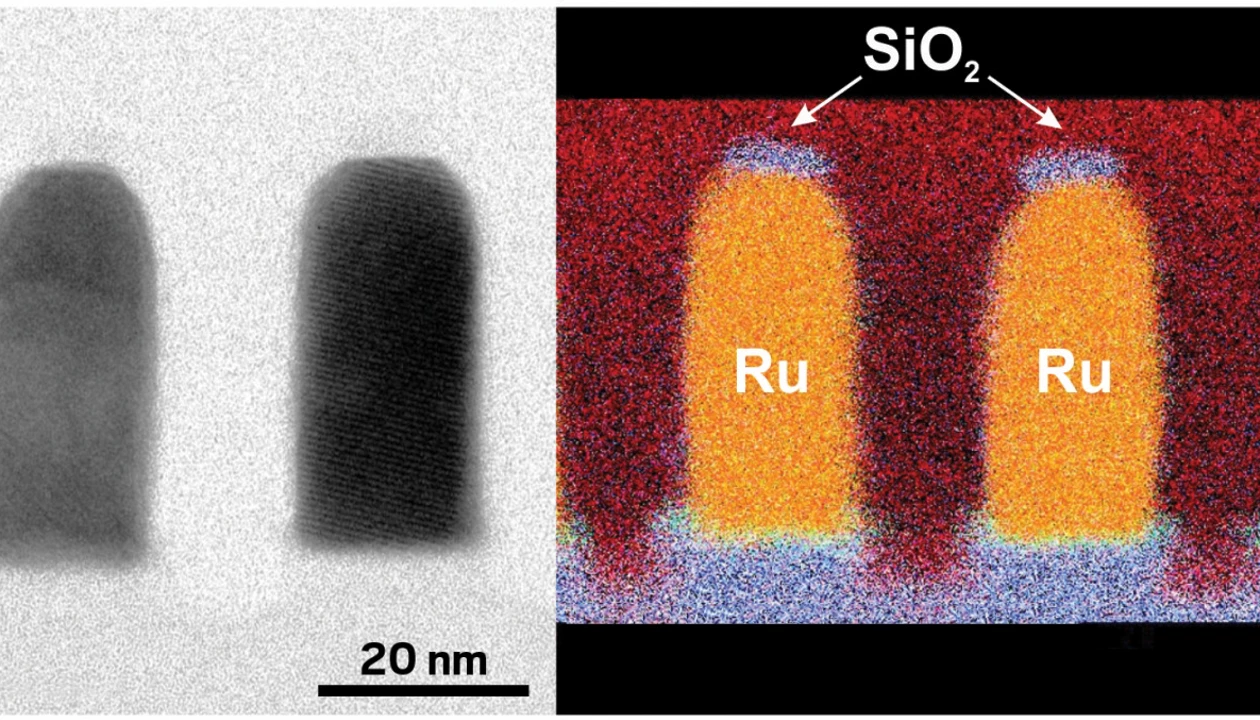
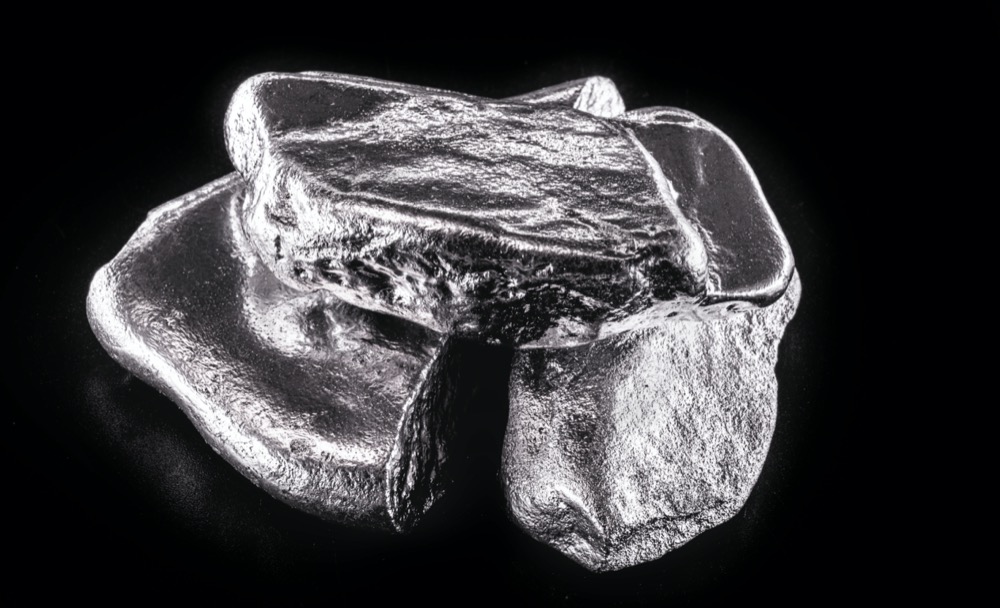
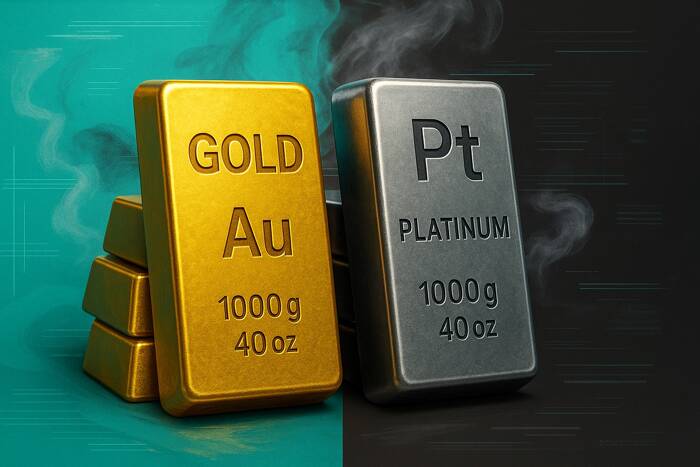
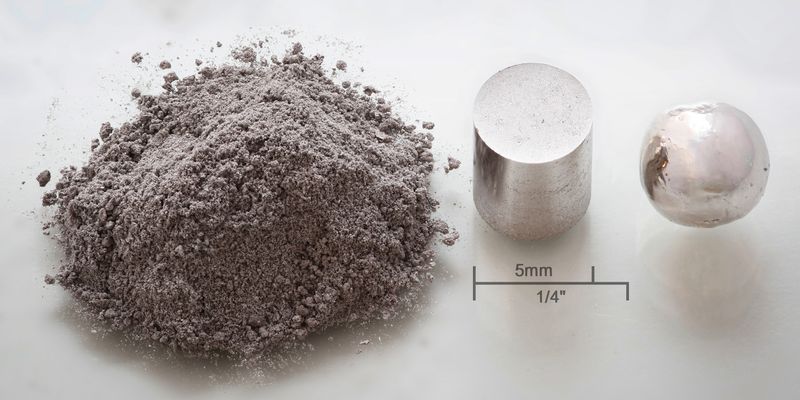
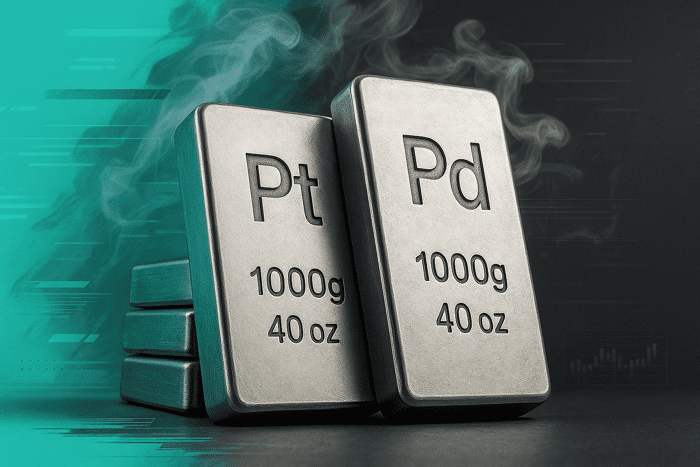
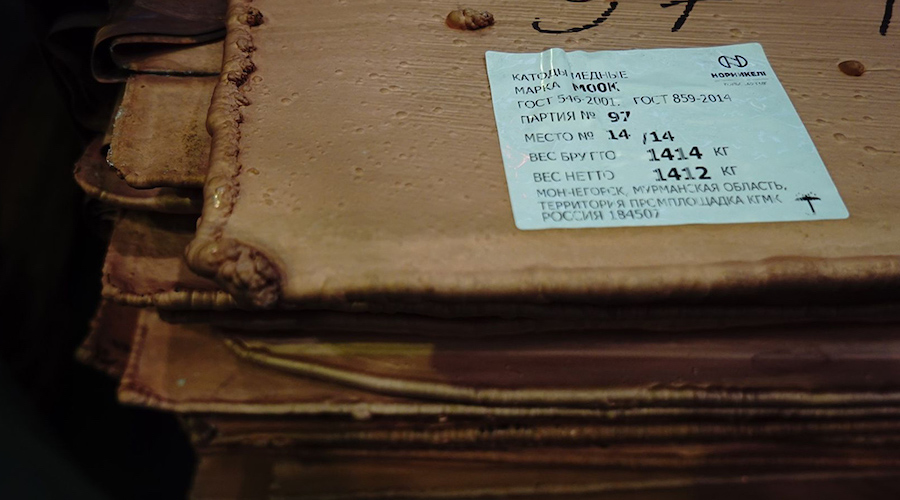
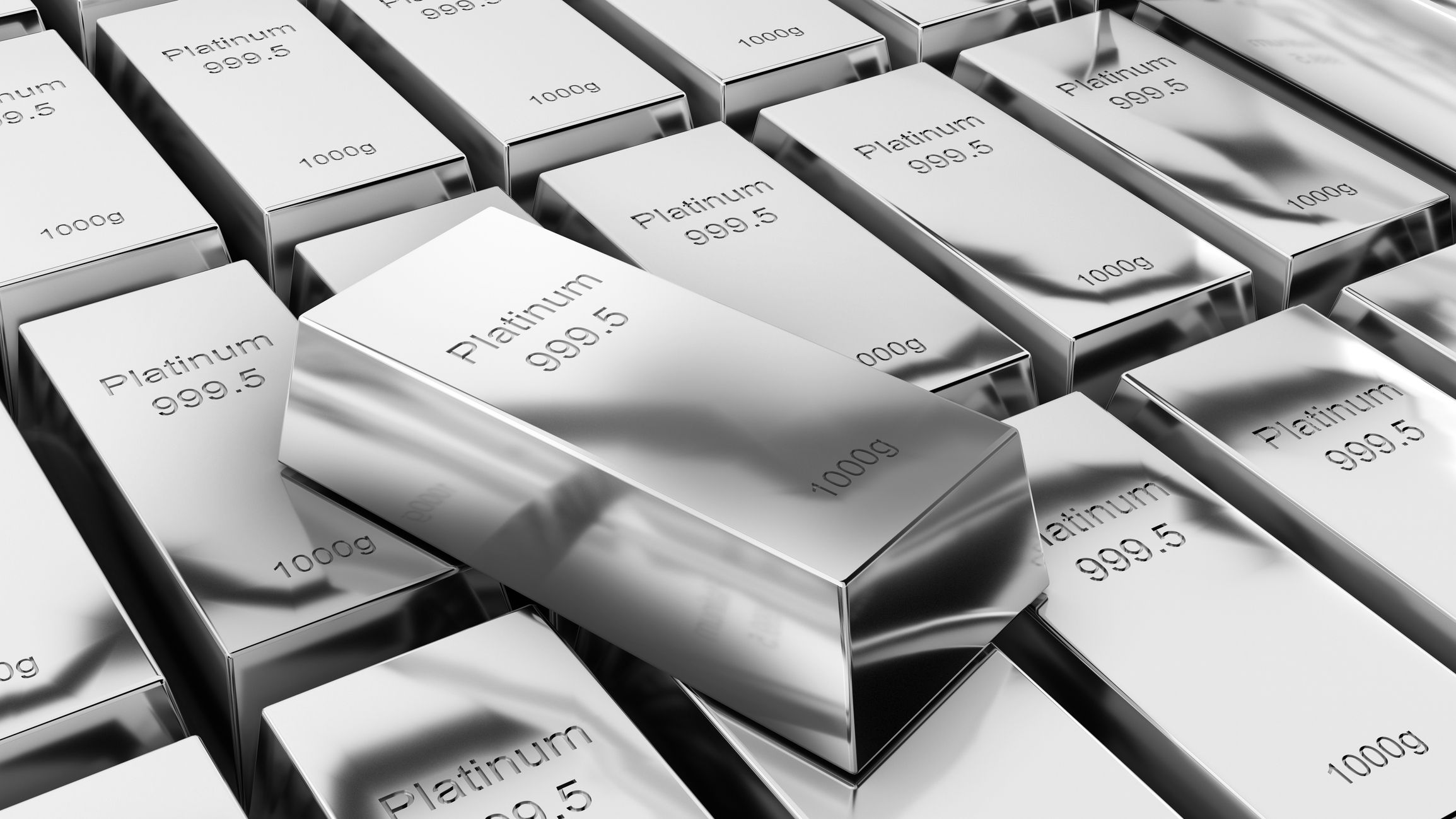
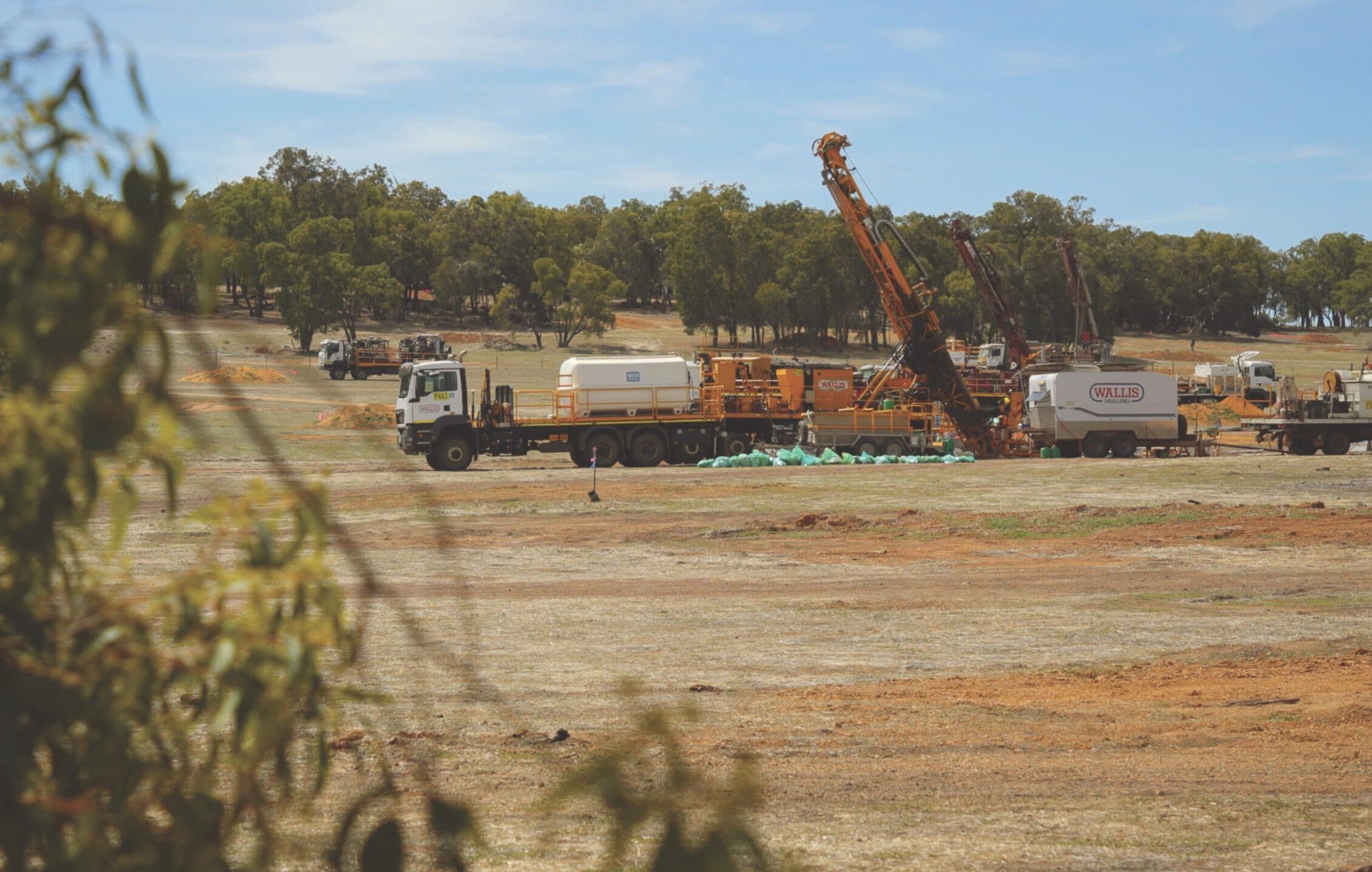
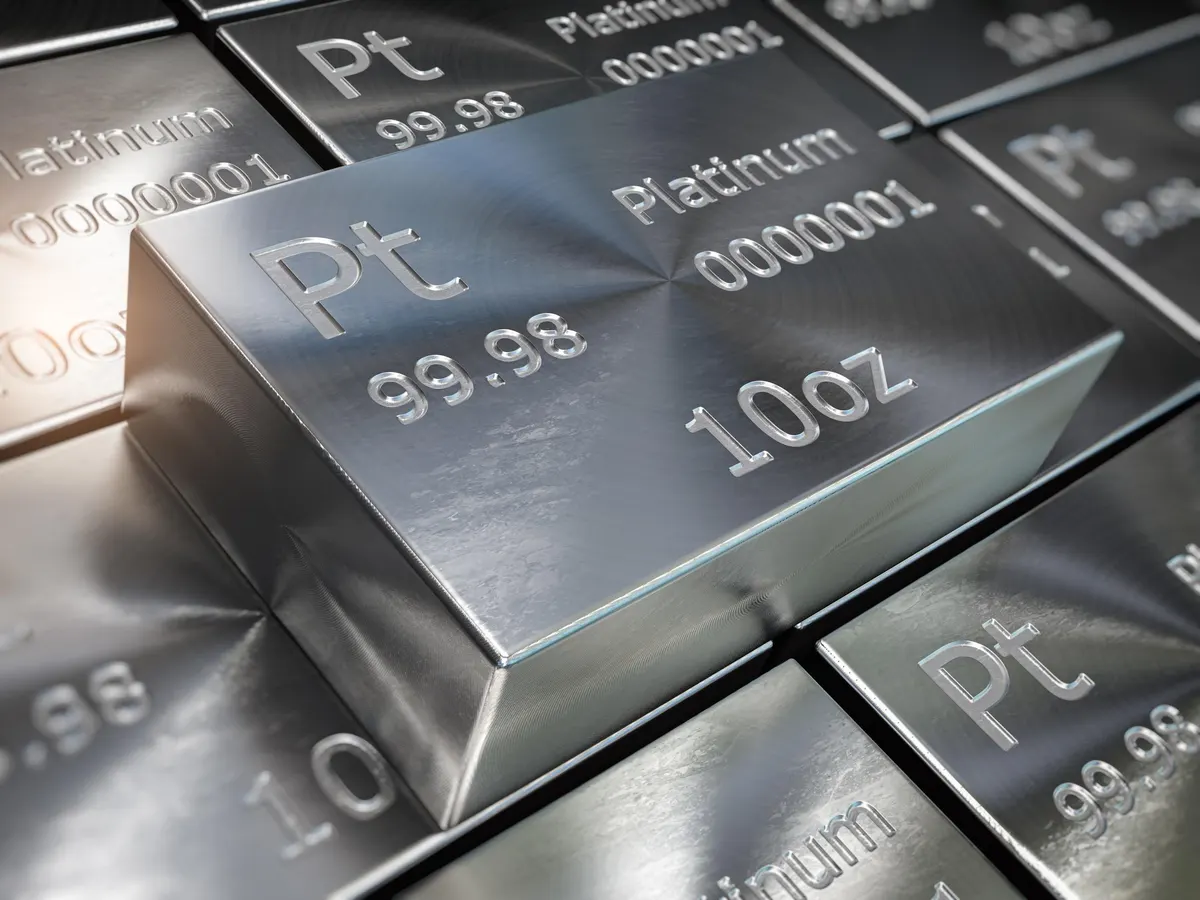
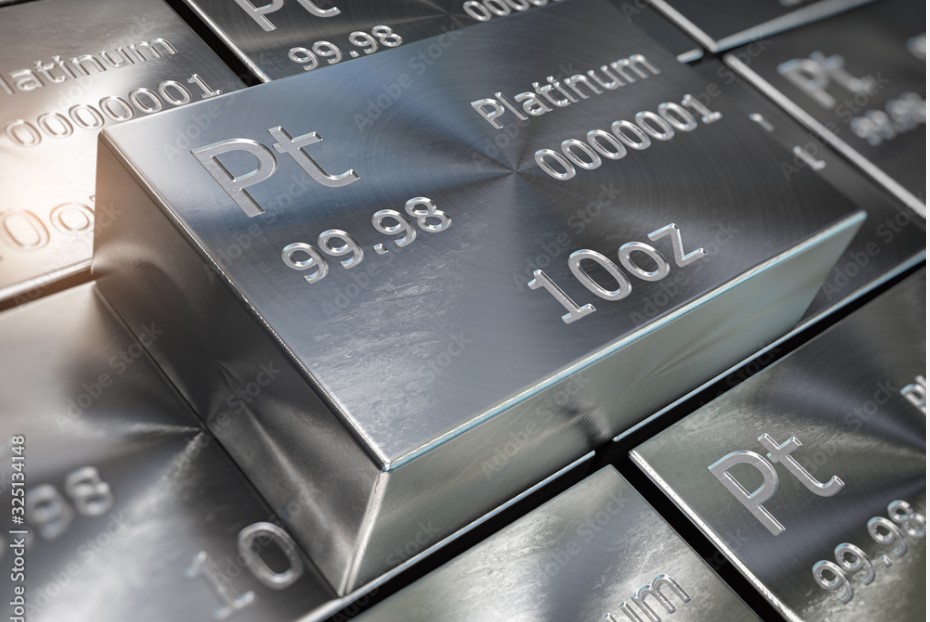
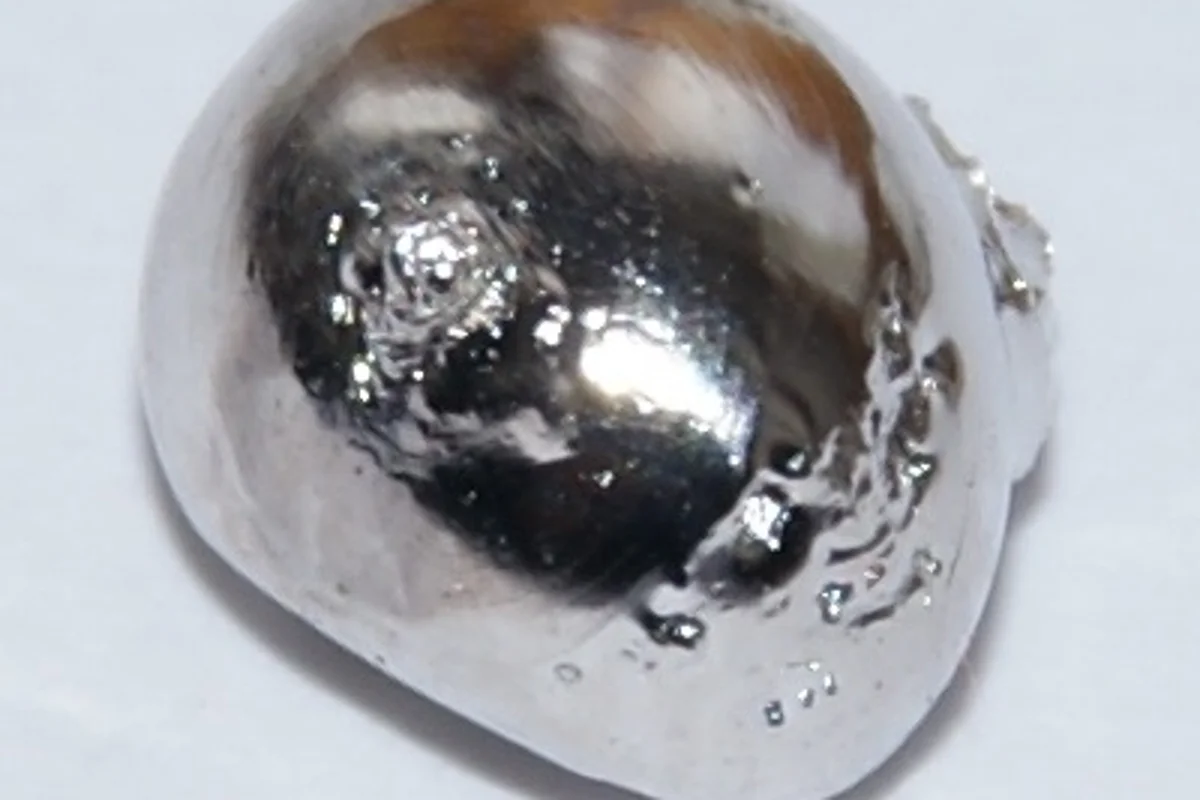
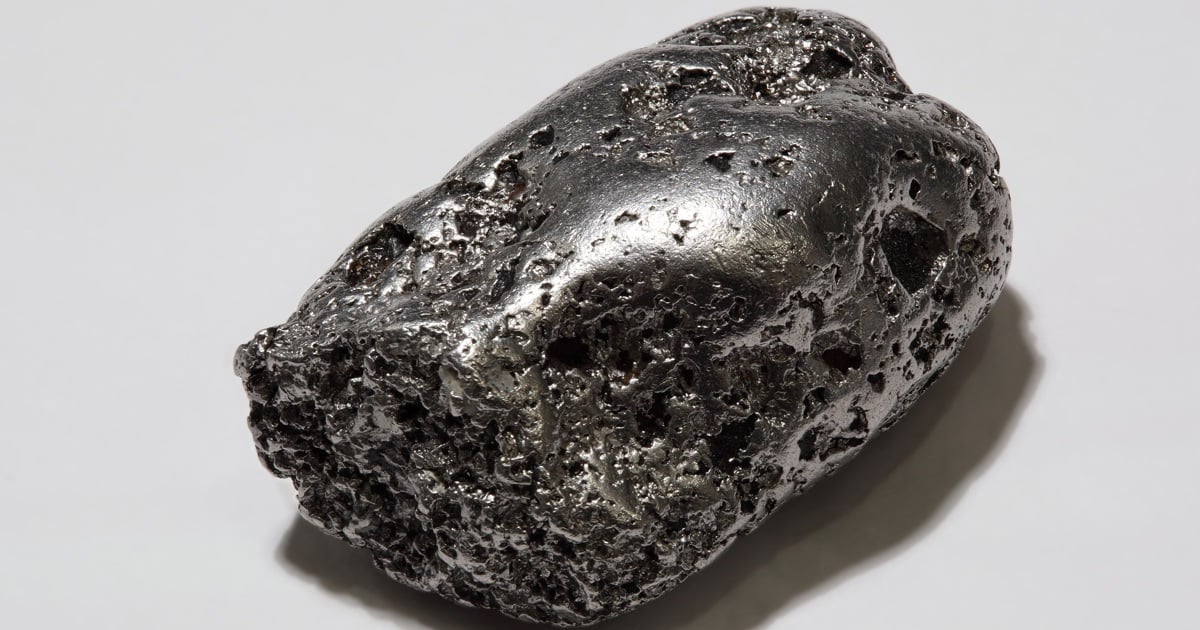
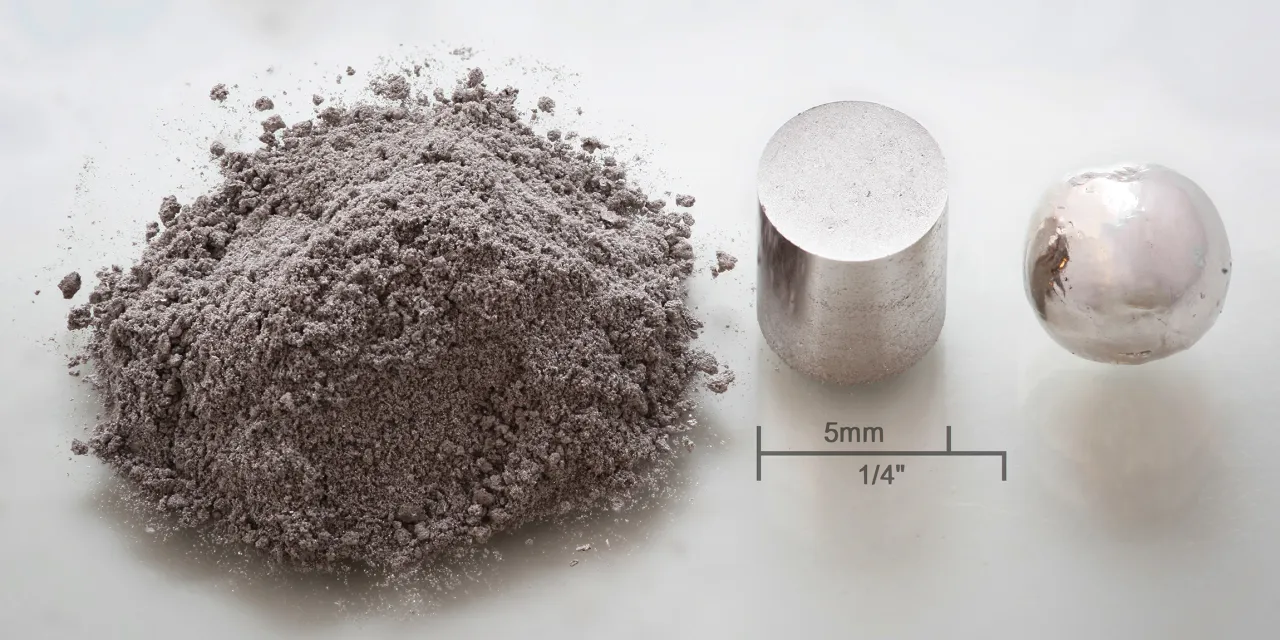
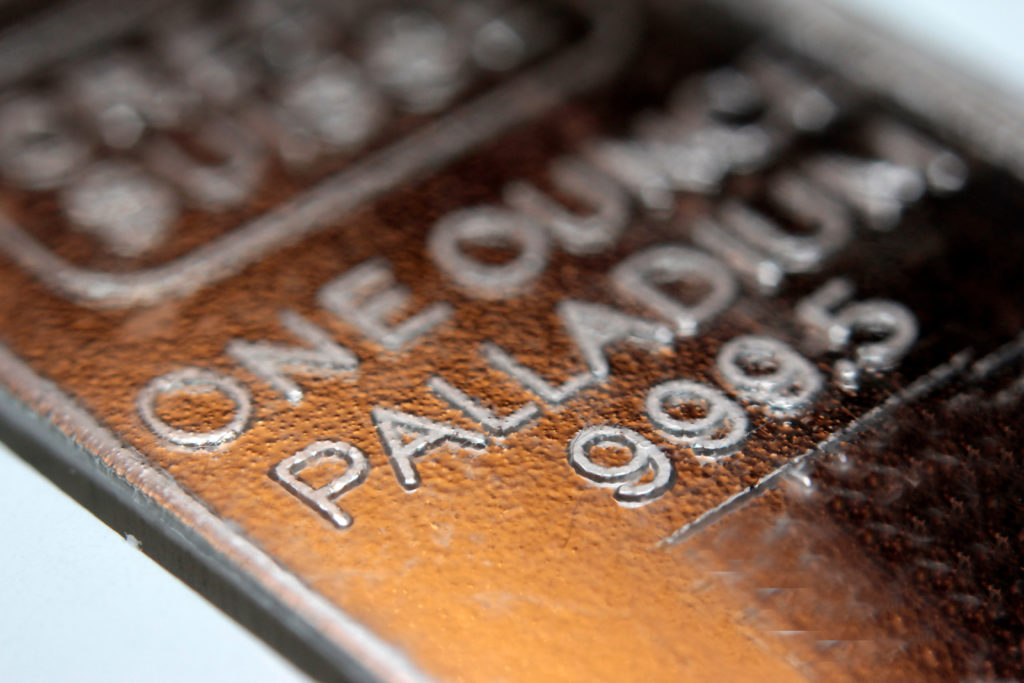
Platinum and palladium, both part of the platinum group metals, have benefited from spillover effects from gold’s rally, but their prices are more heavily influenced by industrial demand and constrained supply.
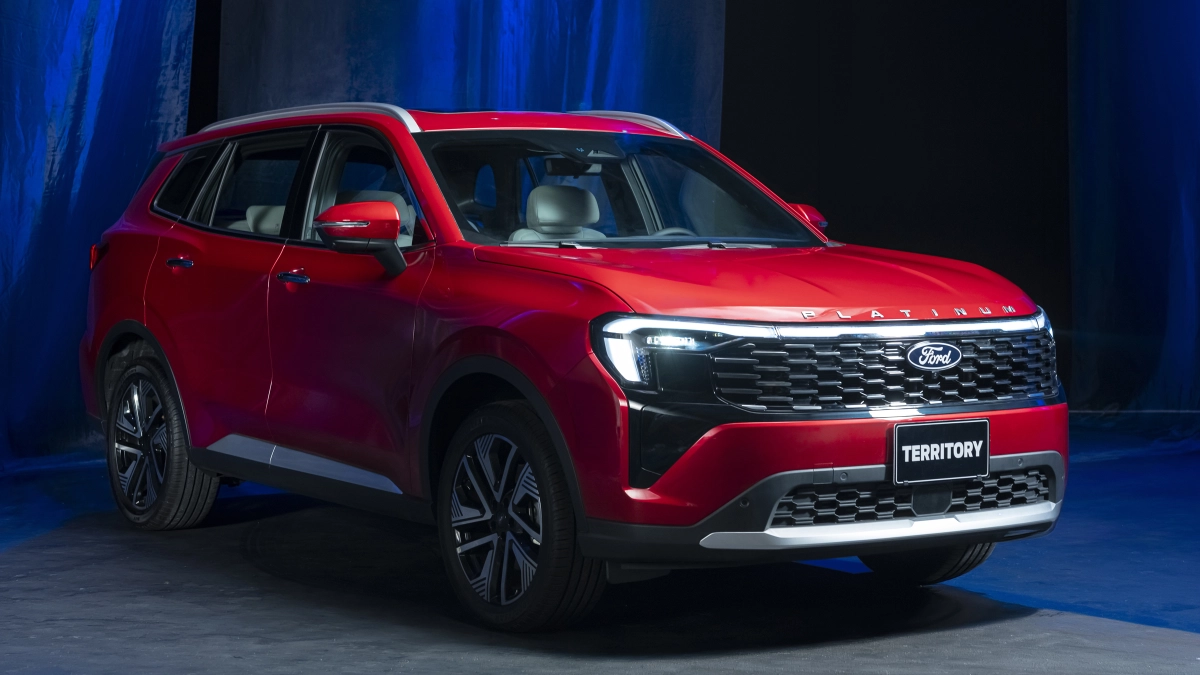
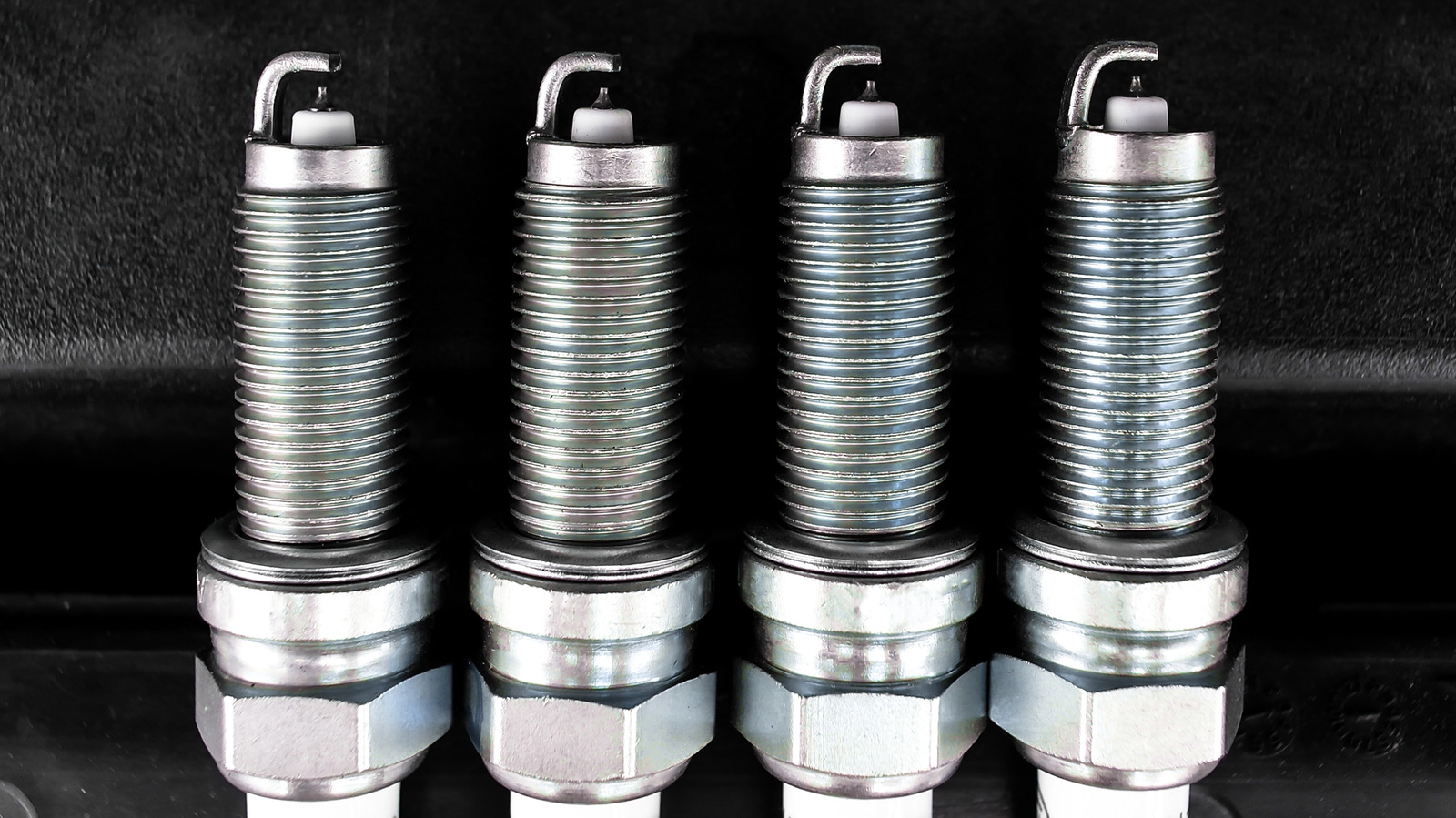
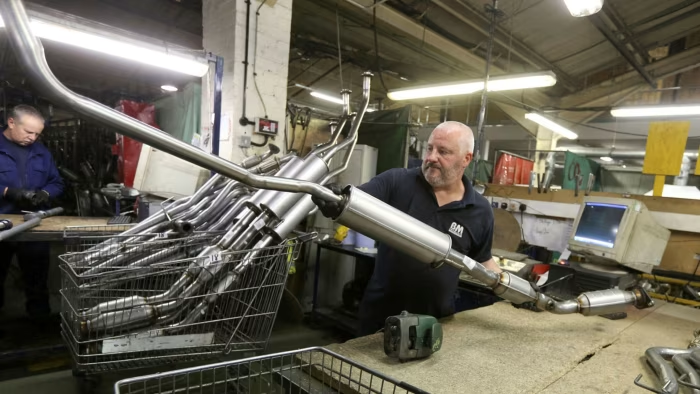
Both metals are widely used in vehicle emissions-control systems, with platinum primarily used in diesel-powered vehicles, and palladium more commonly found in petrol vehicles.
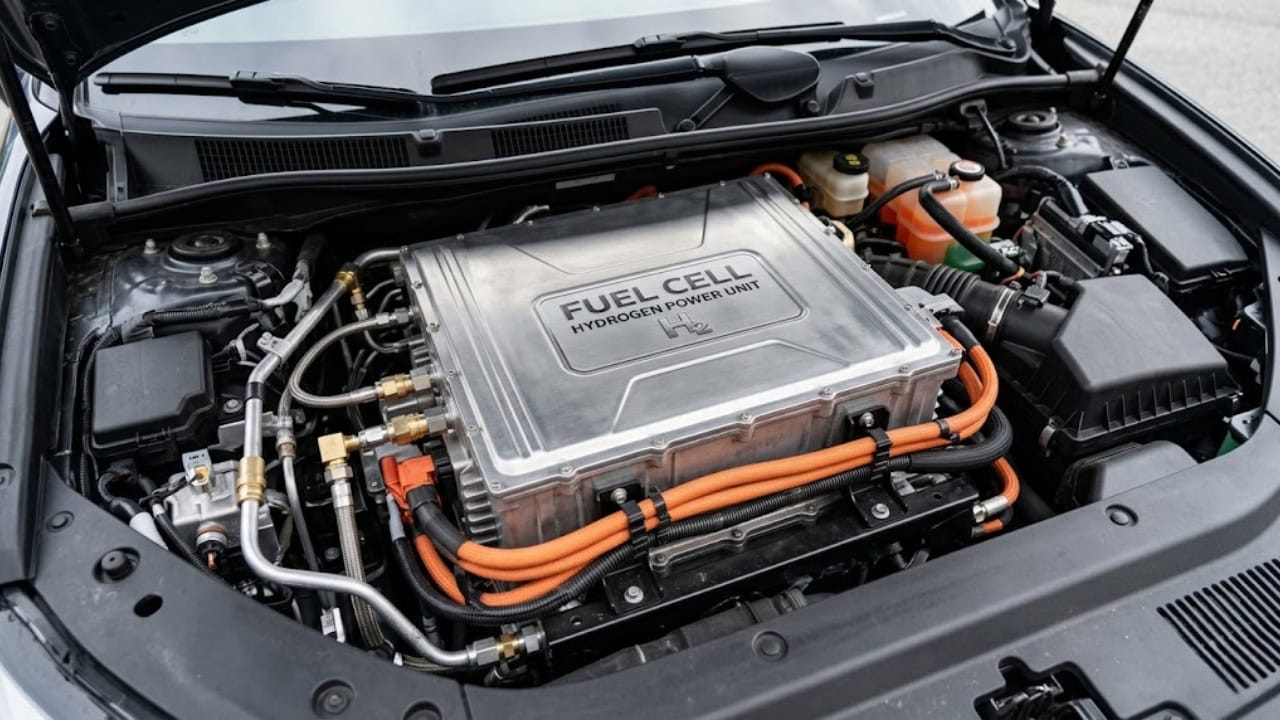
Platinum also has a broader range of applications, including industrial processes and hydrogen fuel cell technologies.
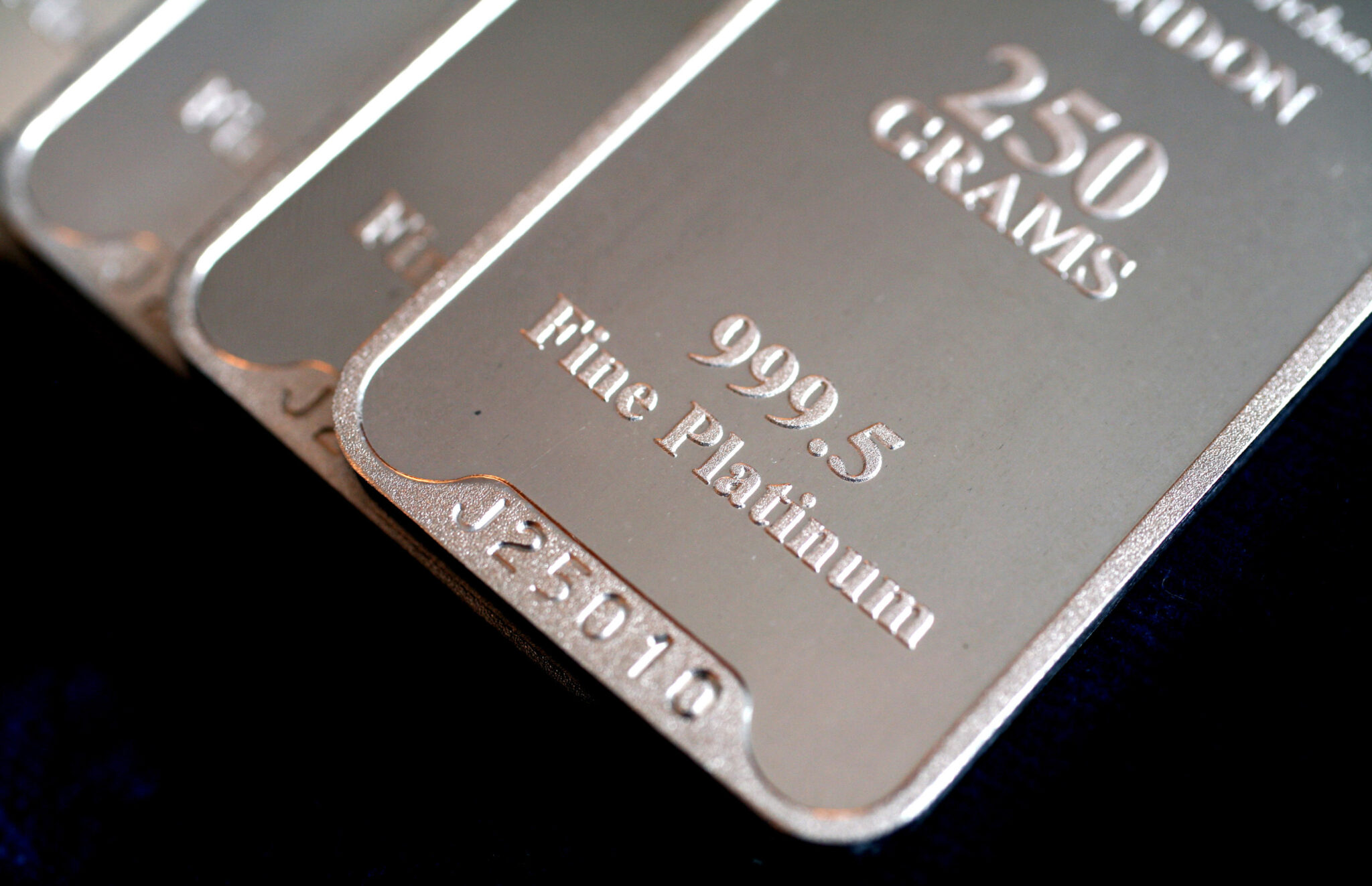
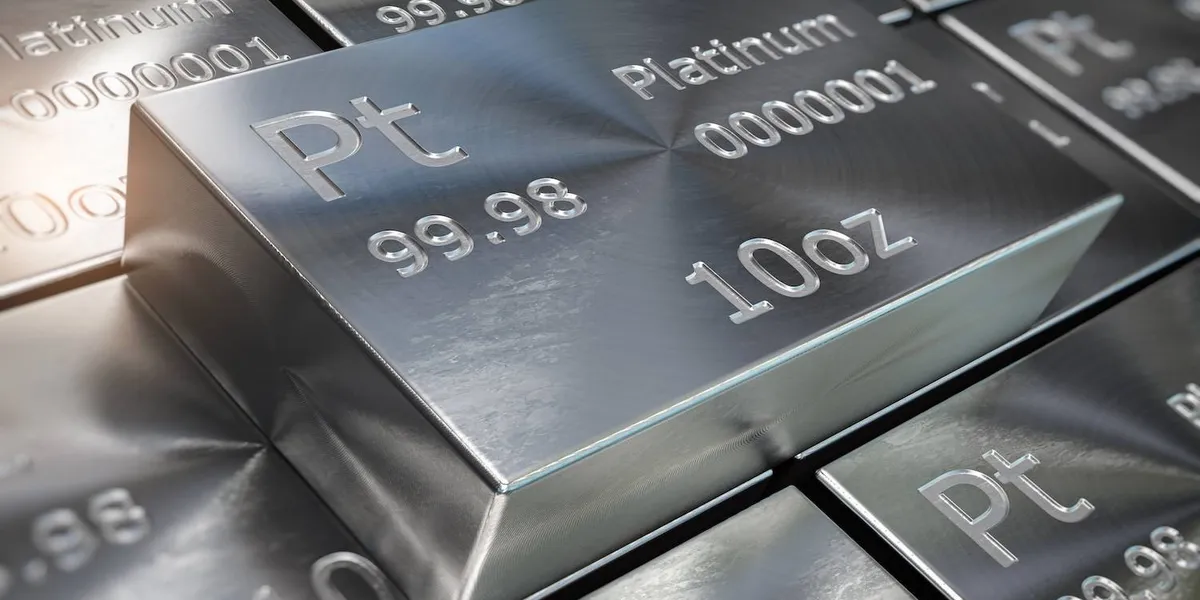
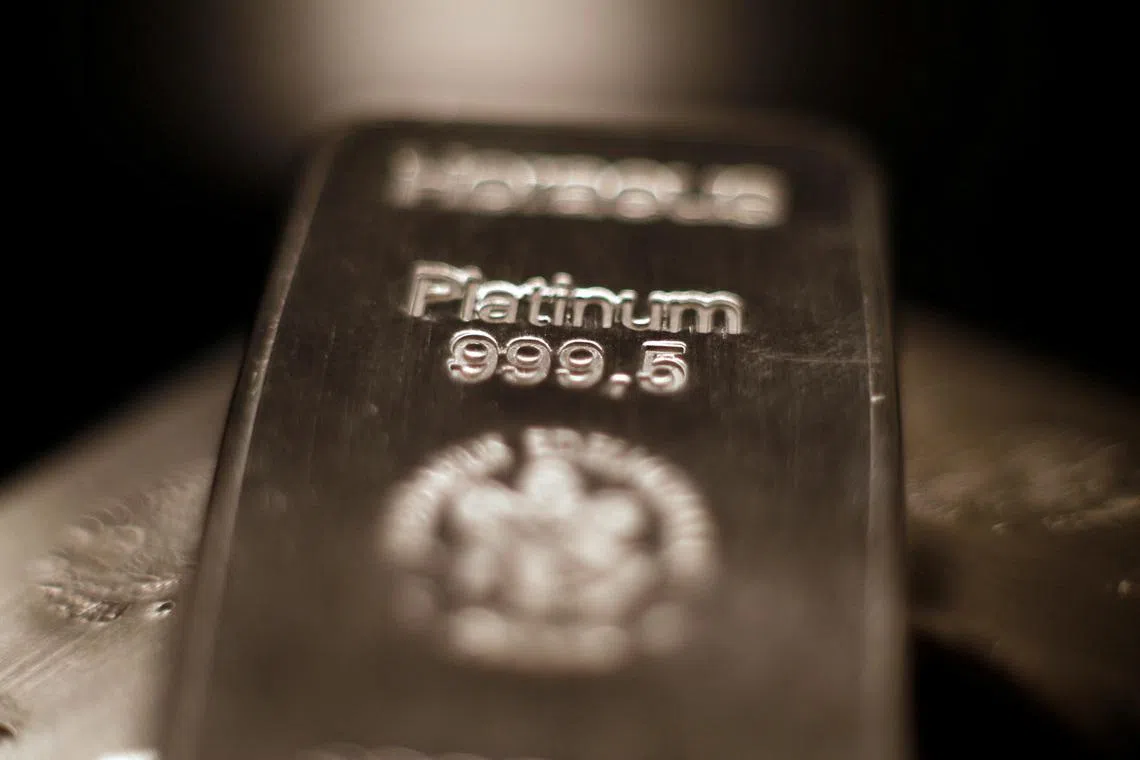
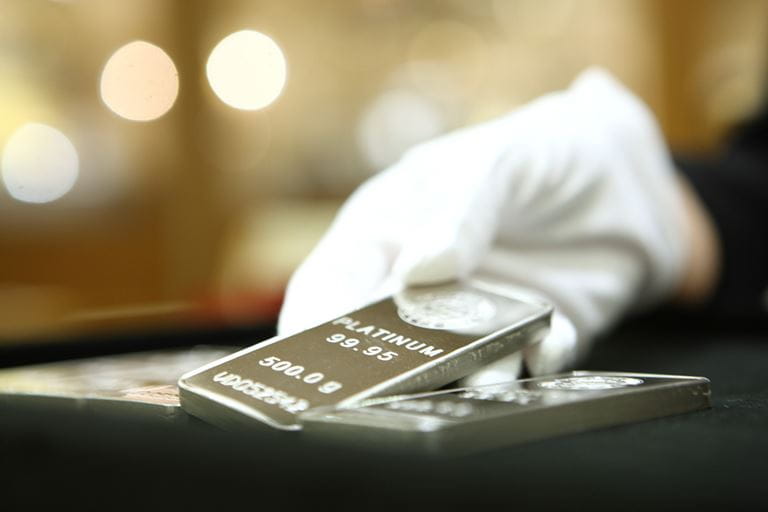
Platinum has given up some of its gains from earlier in 2026. The metal surged to a record US$2,860 an ounce in January, but has since fallen by about 39 per cent to around US$1,750.
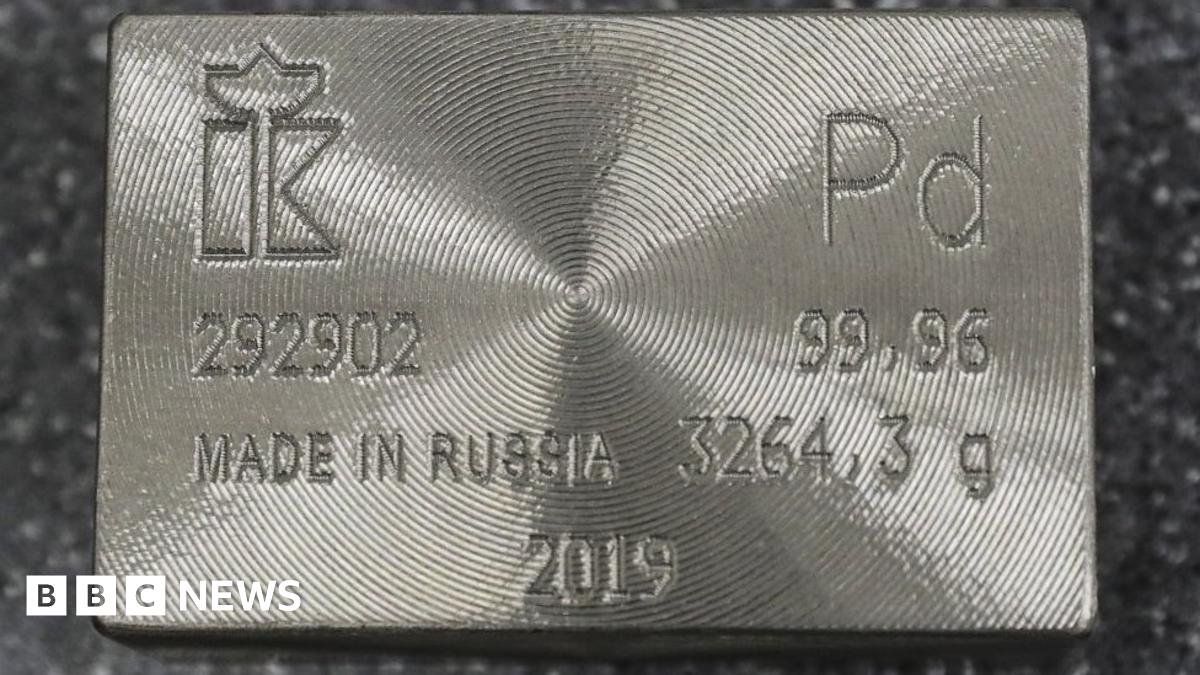
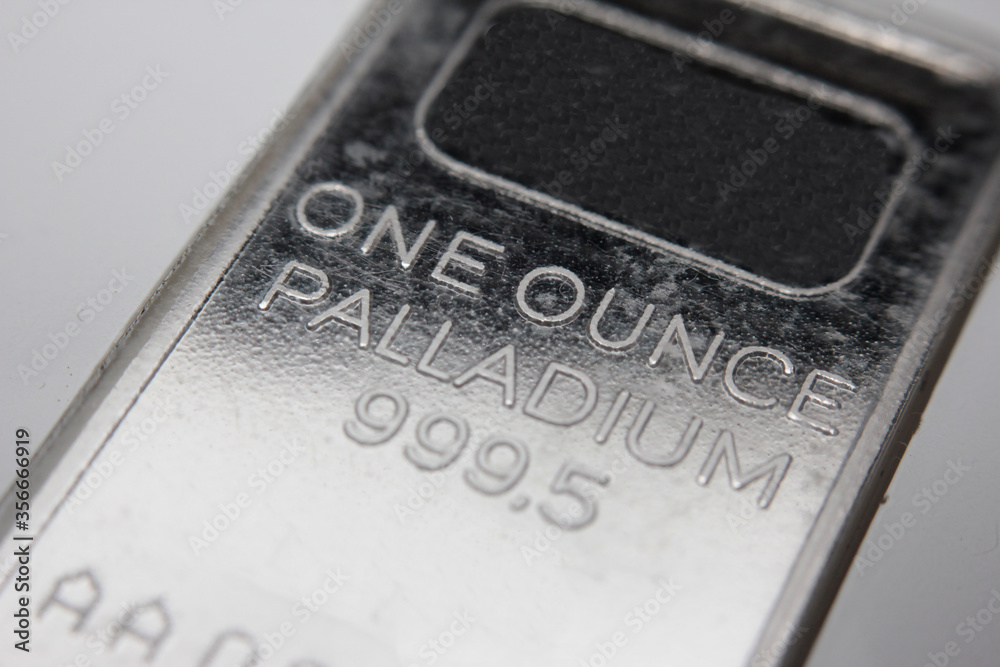
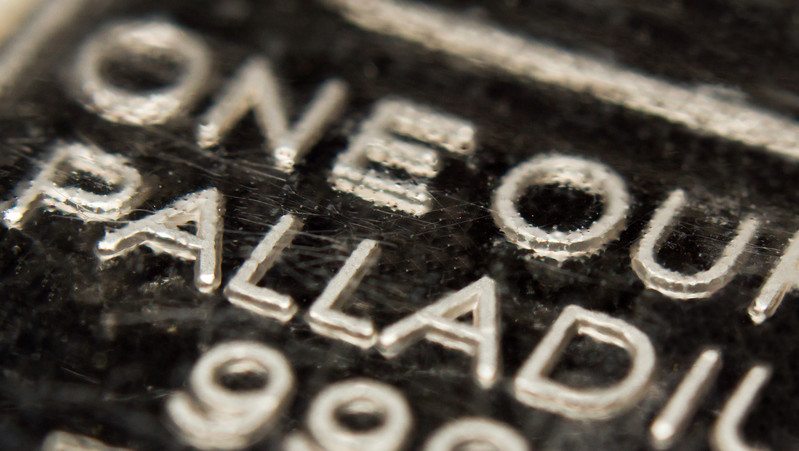
Palladium has similarly retreated by more than 30 per cent from levels above US$2,000 an ounce at the start of 2026 to around US$1,334.
Gilbert noted that the supply of both metals is highly concentrated, with Russia and South Africa accounting for the bulk of global production, leaving prices vulnerable to disruptions in either country.
But their longer-term outlooks differ, particularly as the global car industry shifts towards electric vehicles.
“Palladium’s biggest customer is slowly disappearing because electric vehicles don’t need a catalytic converter, while platinum has a second act building in hydrogen fuel cells,” he noted.
Anbu said platinum has more upside, citing its substitution from palladium and broader range of industrial uses.
OCBC expects platinum to exceed US$2,000 an ounce by the first half of 2027, while palladium is expected to rise above US$1,500 over the same period, he added.
The case for holding more than one precious metal
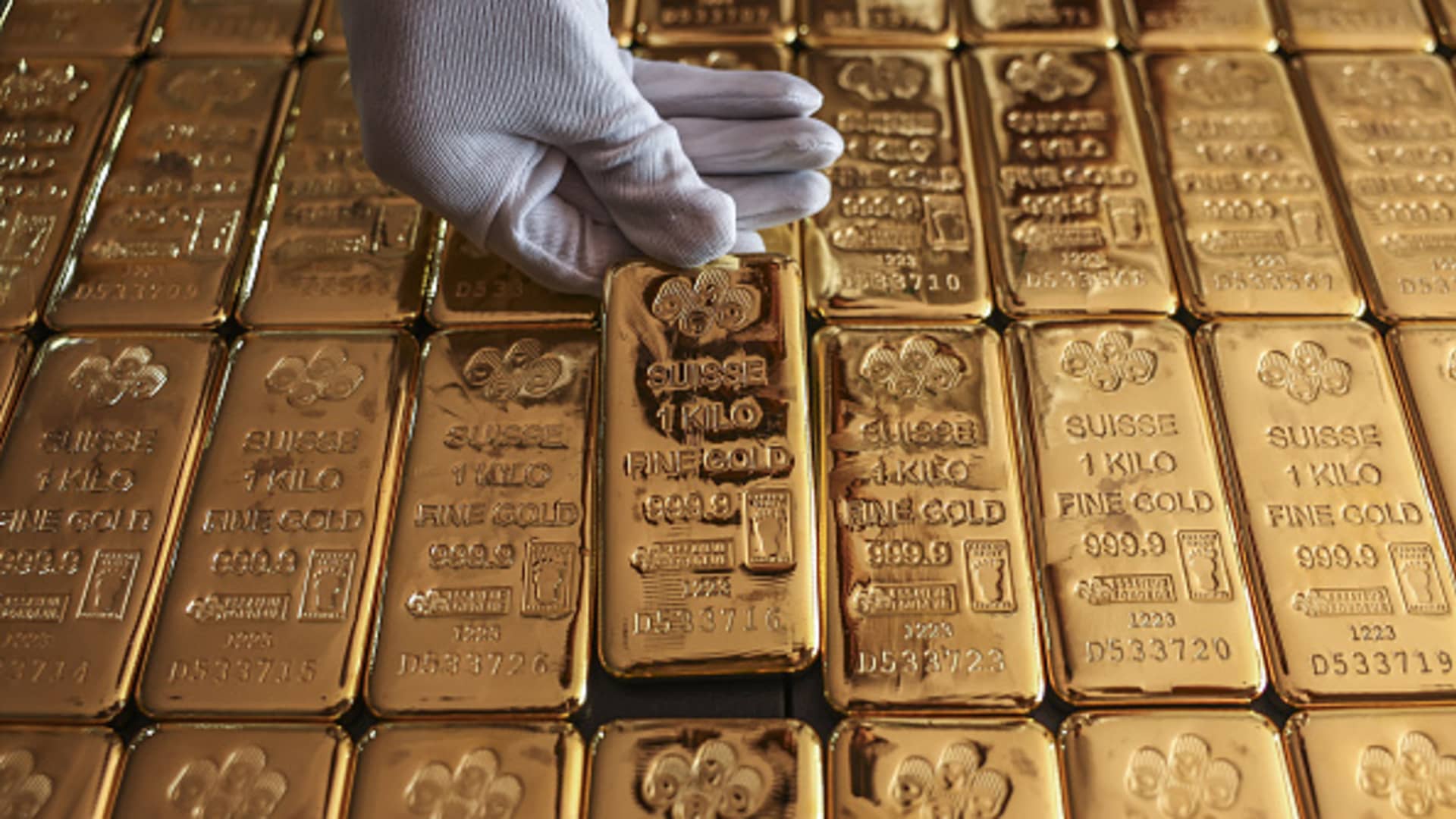
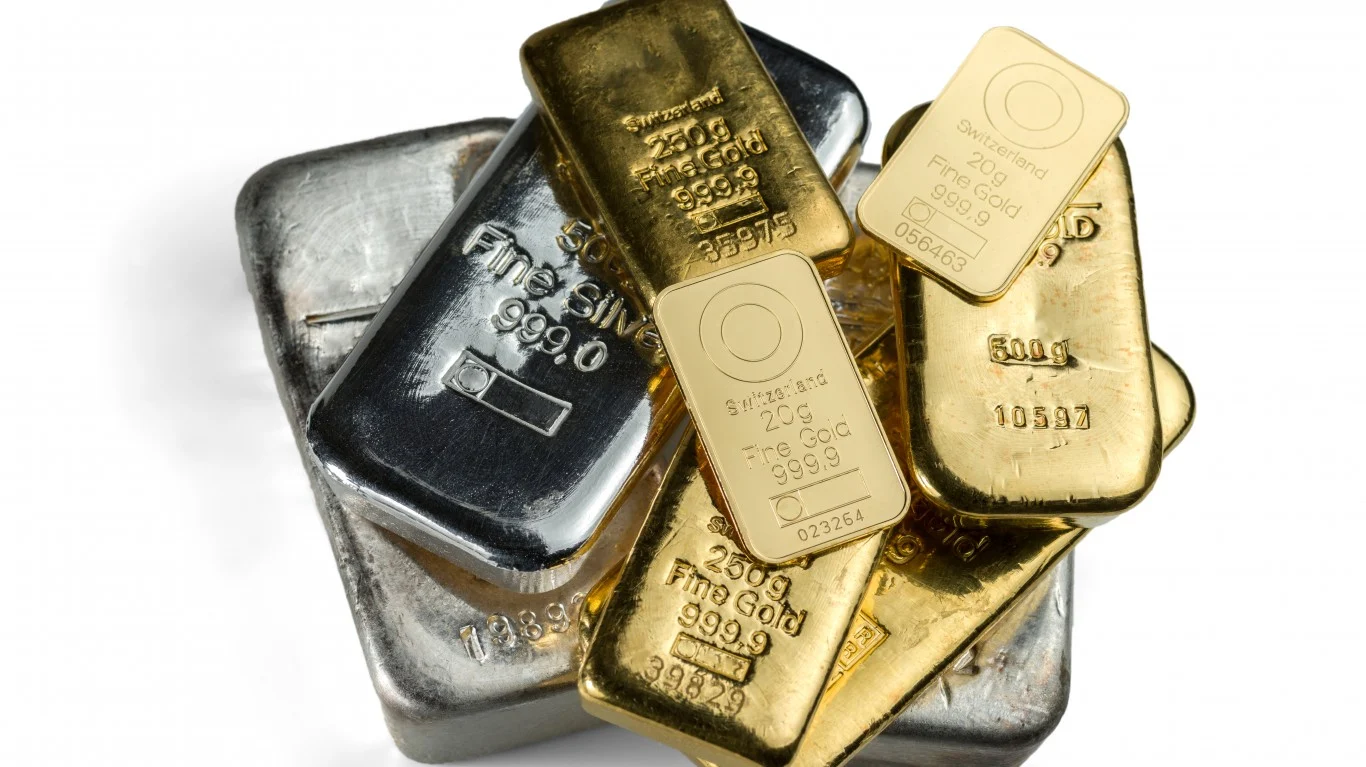
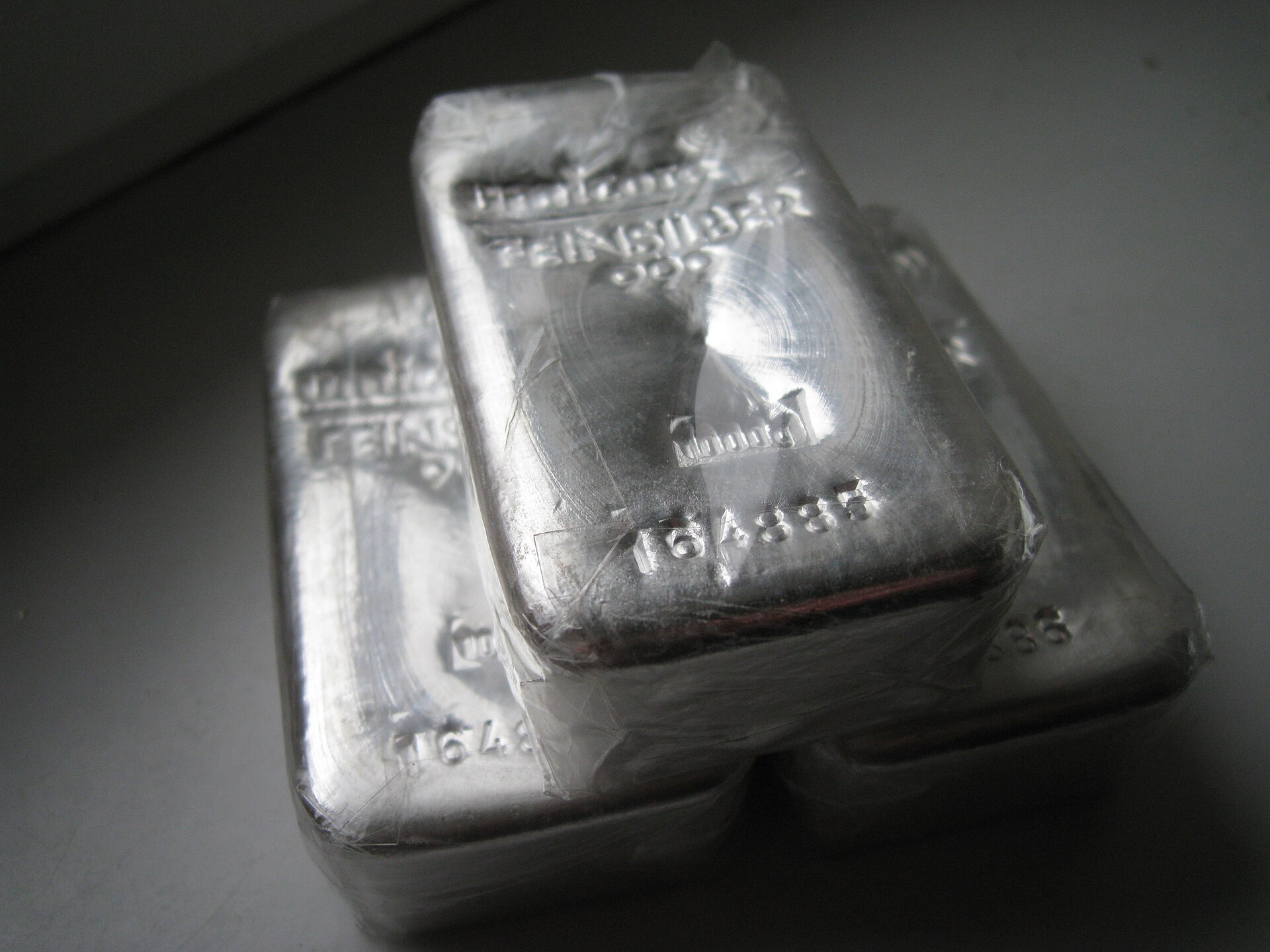
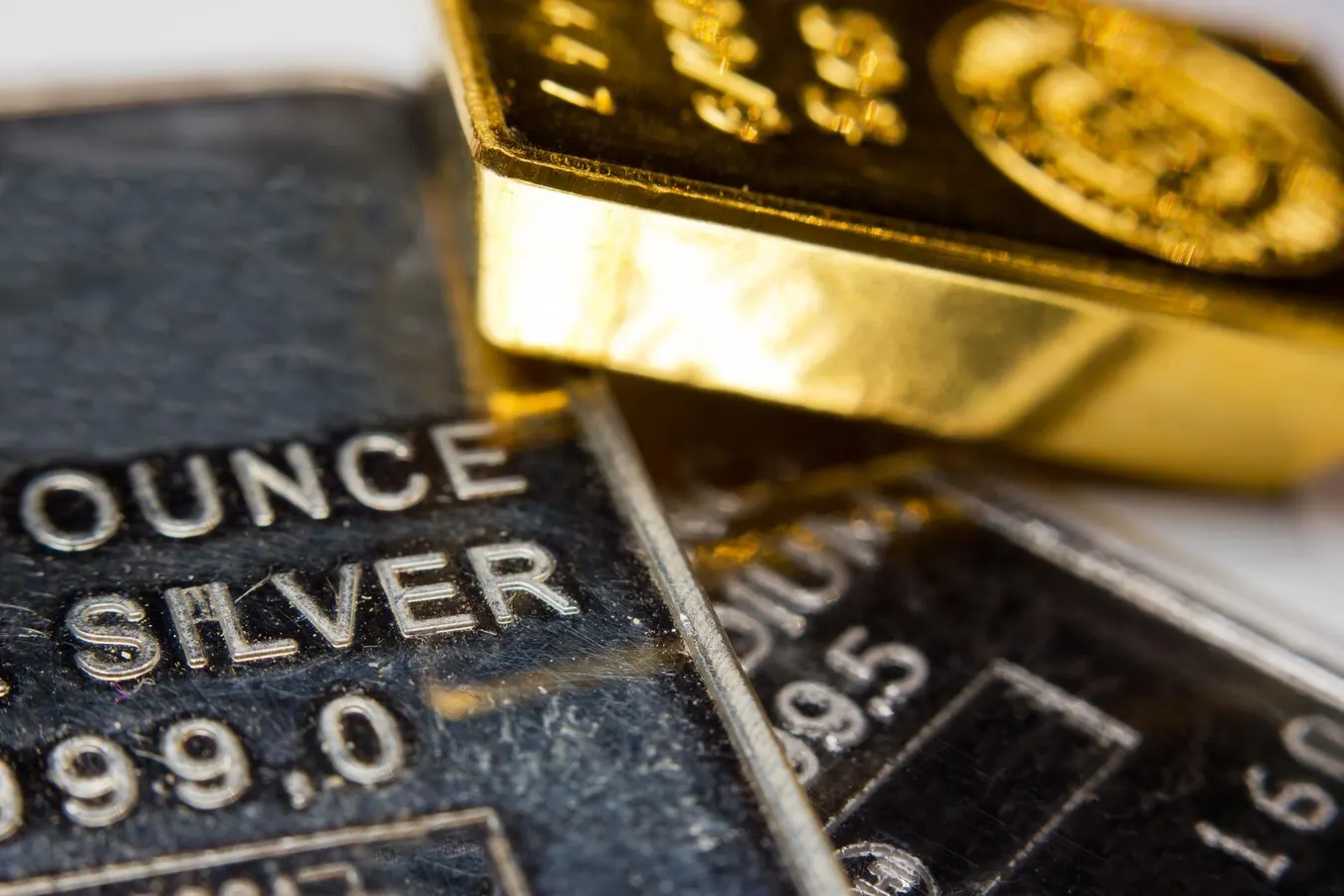
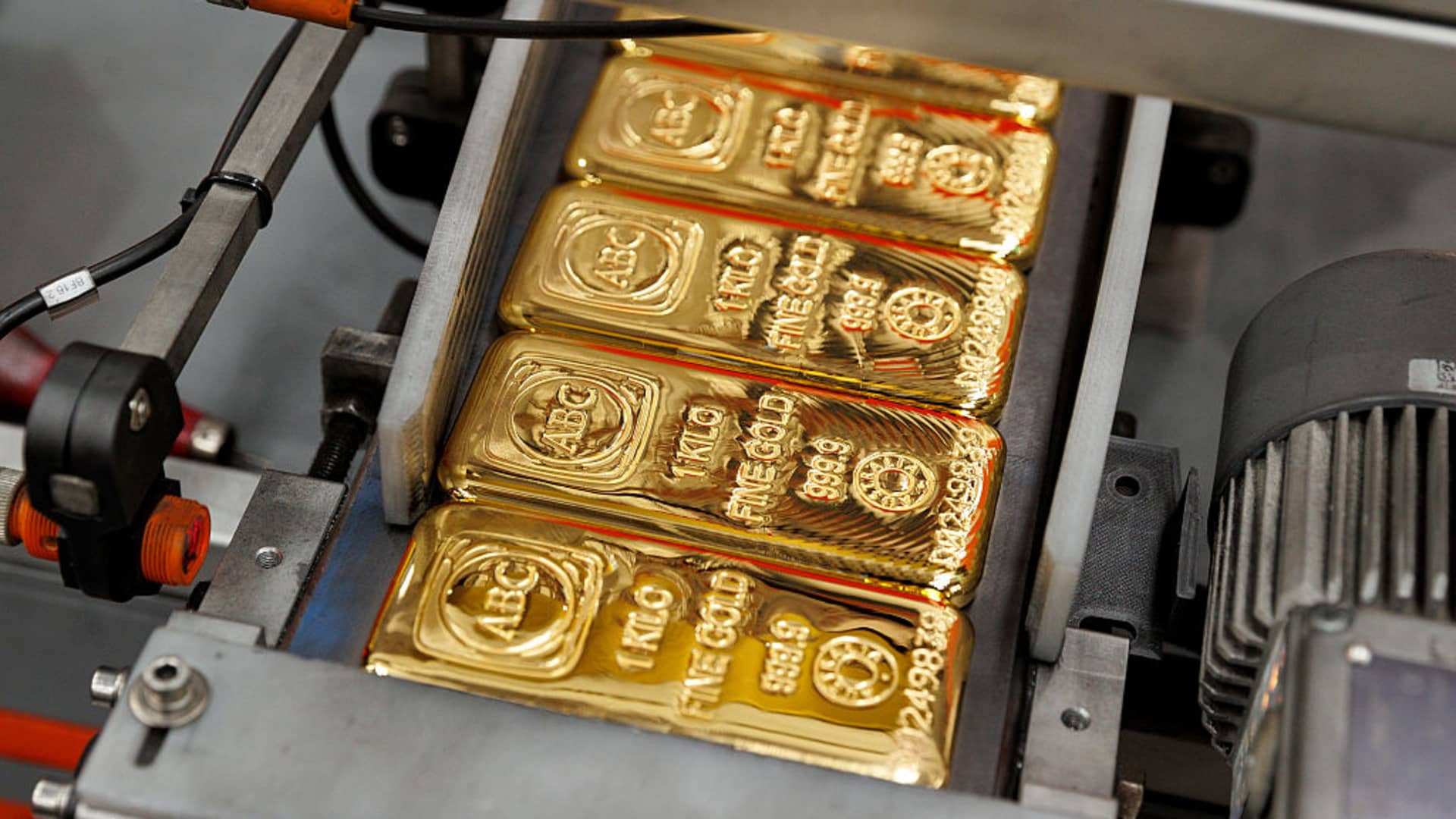
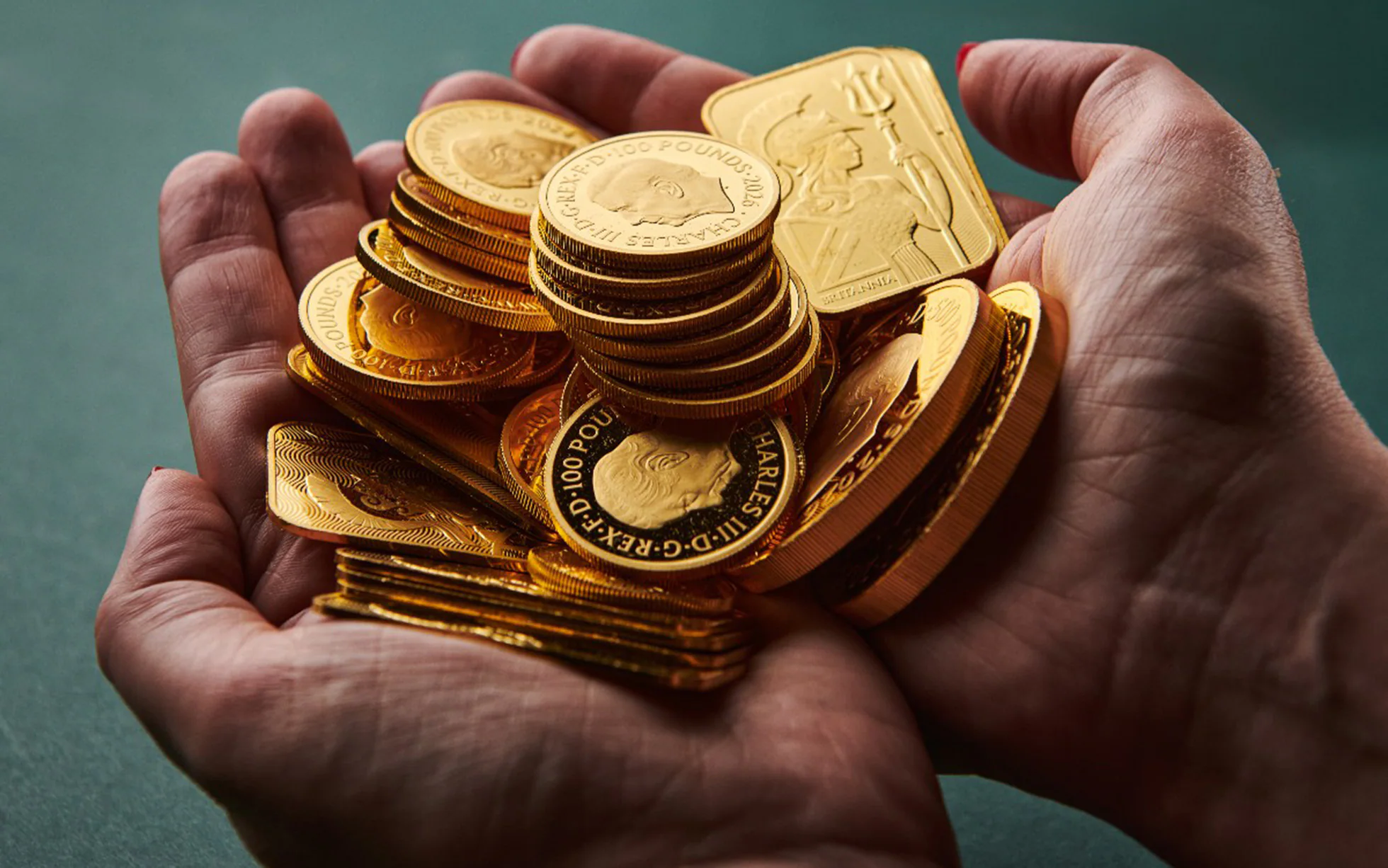
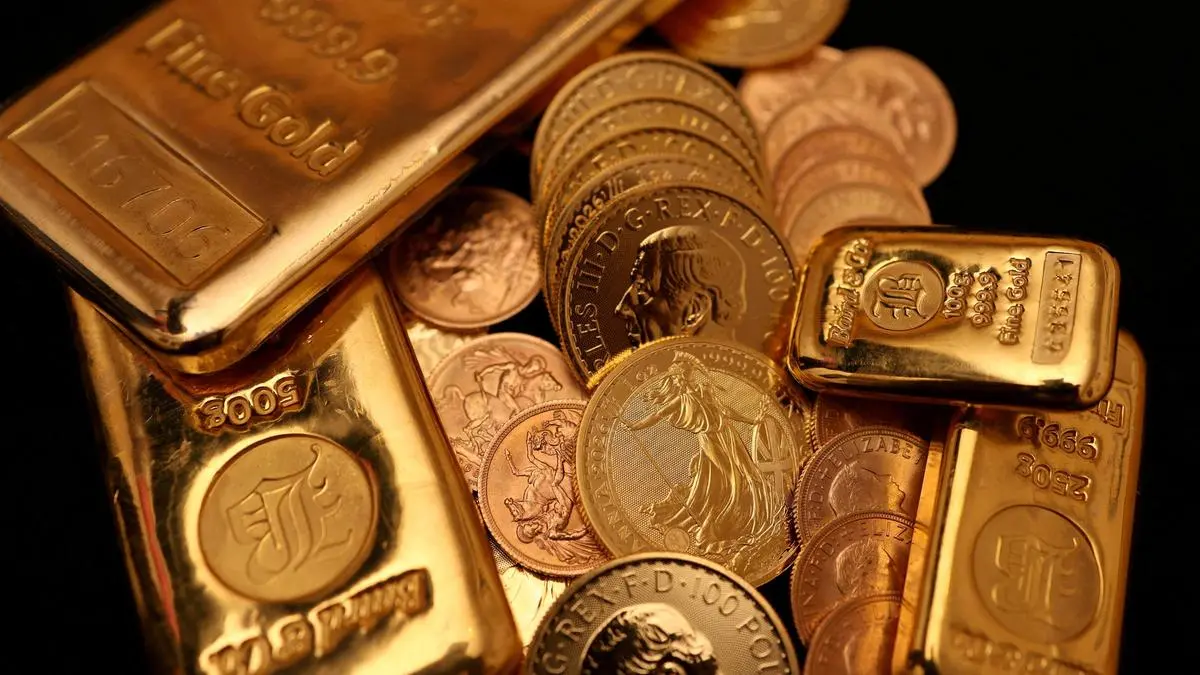
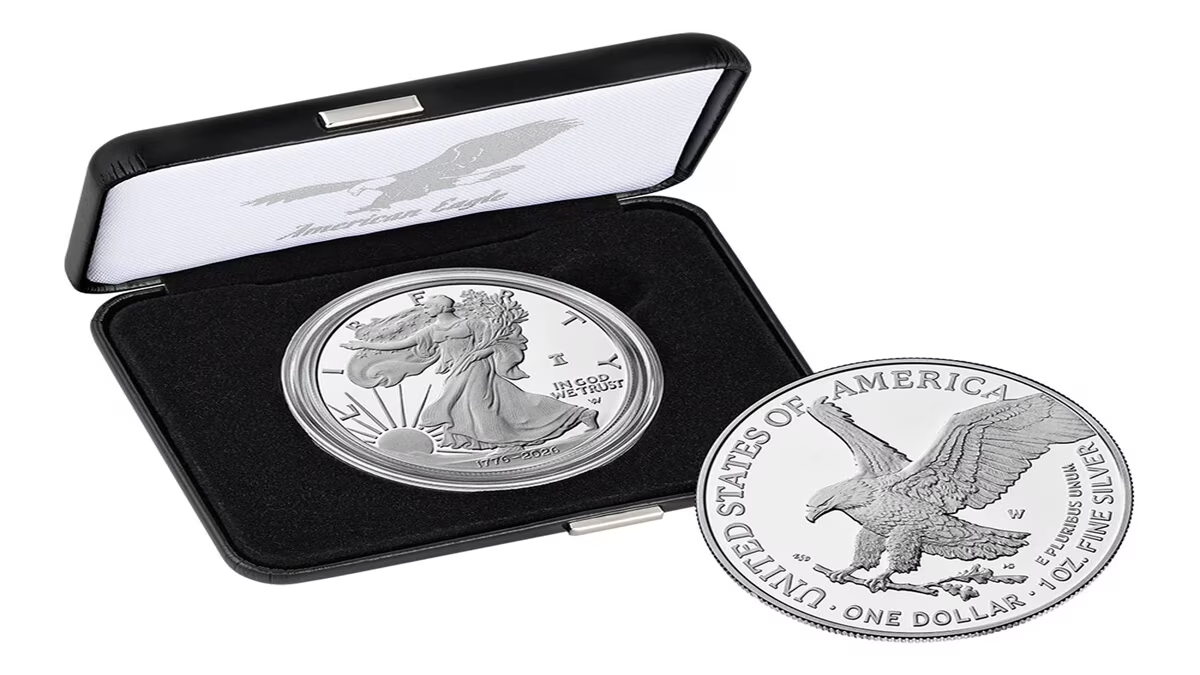
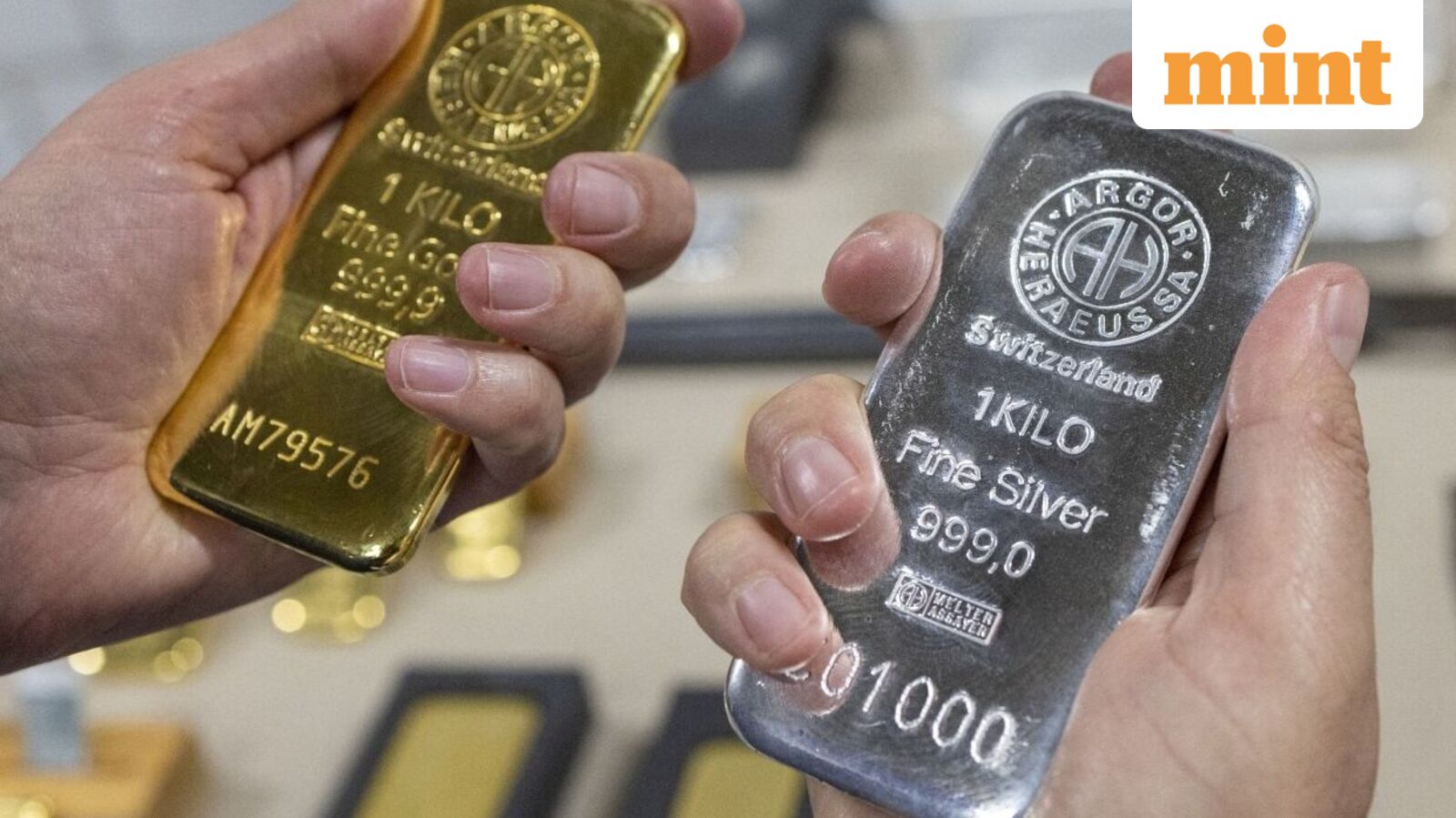
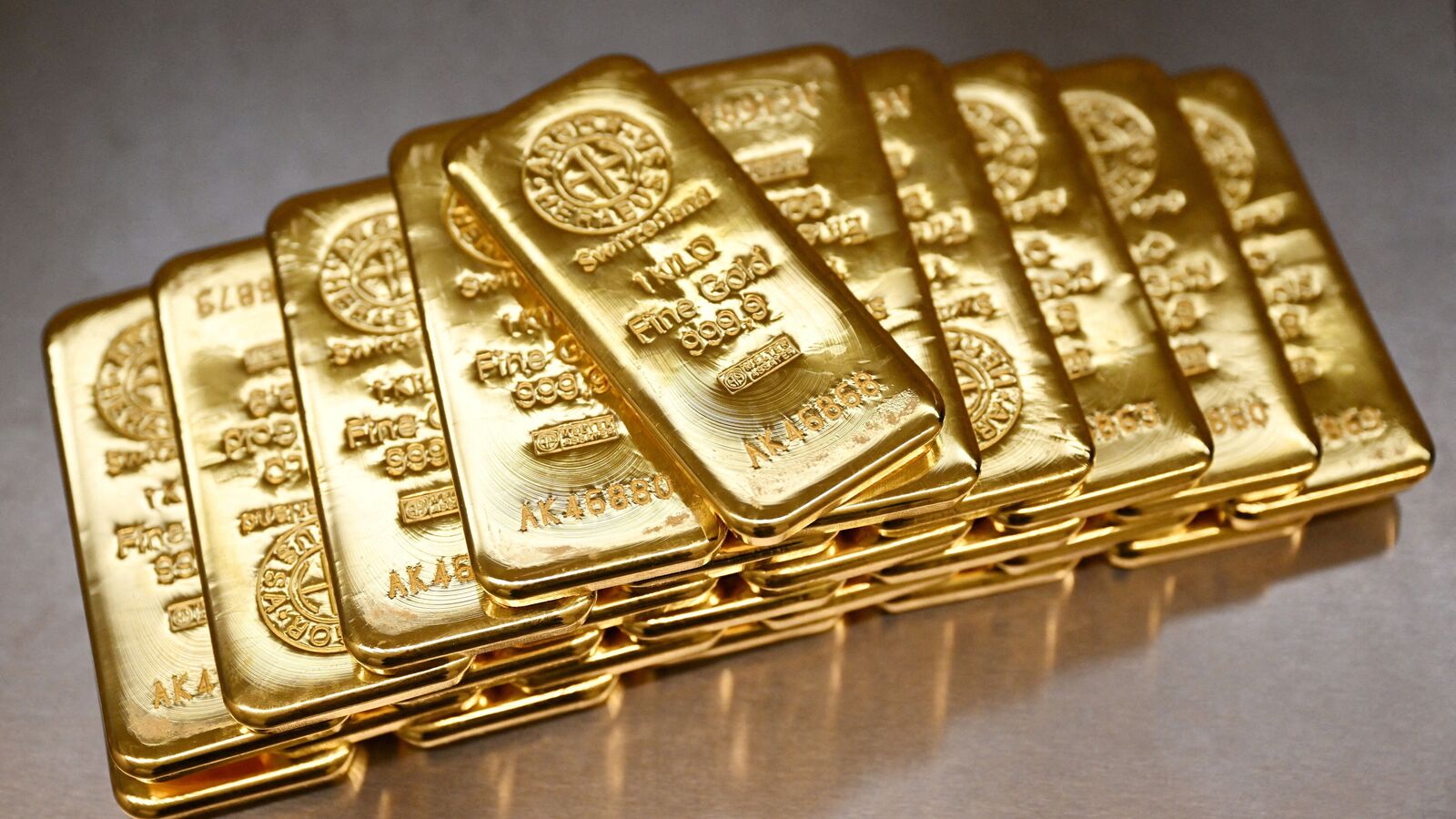
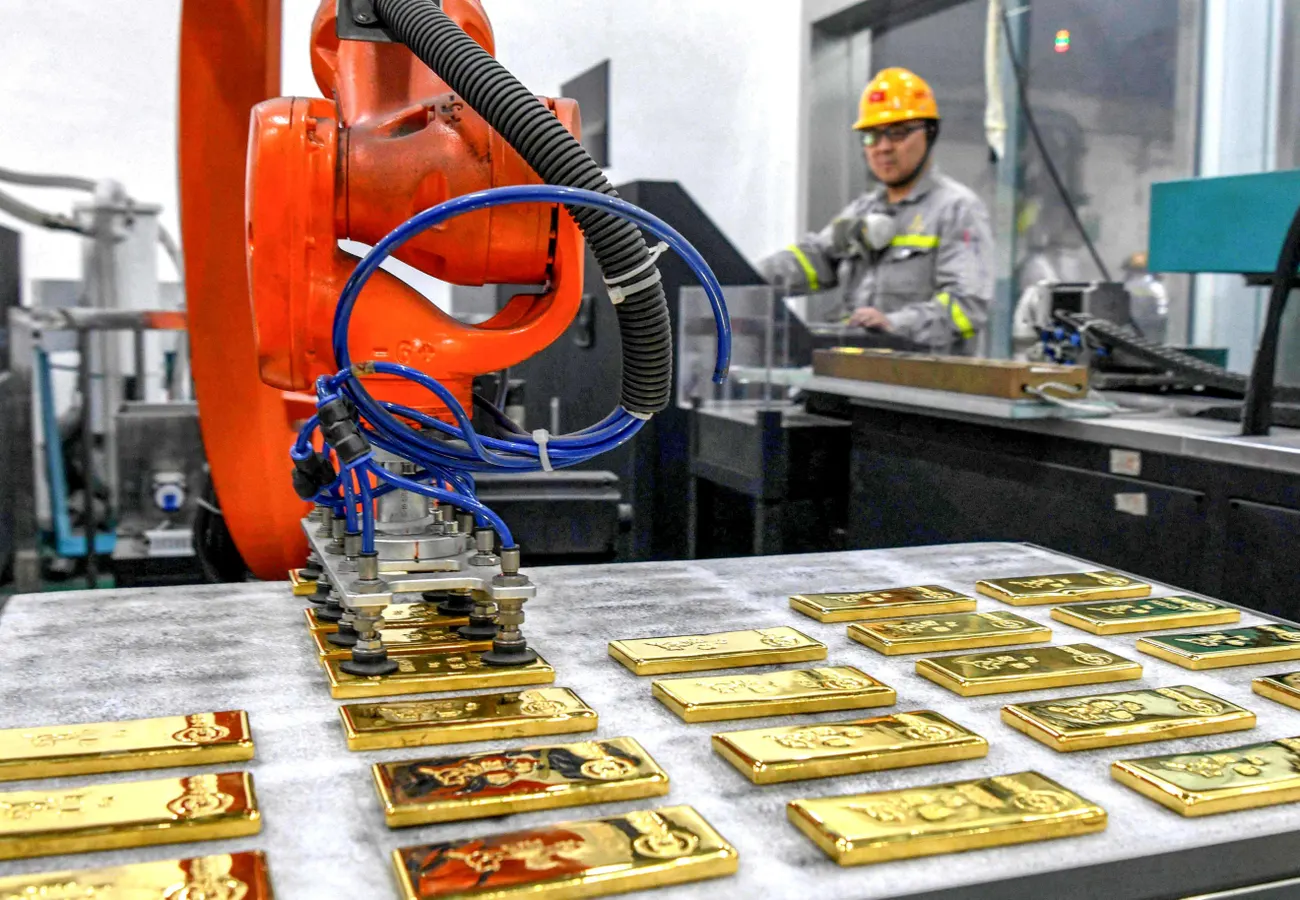
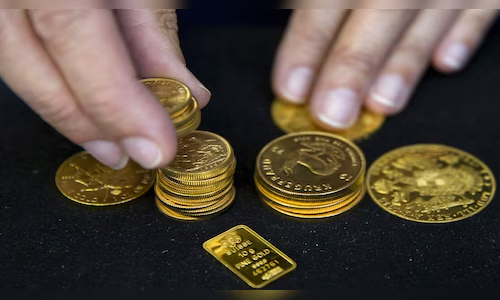
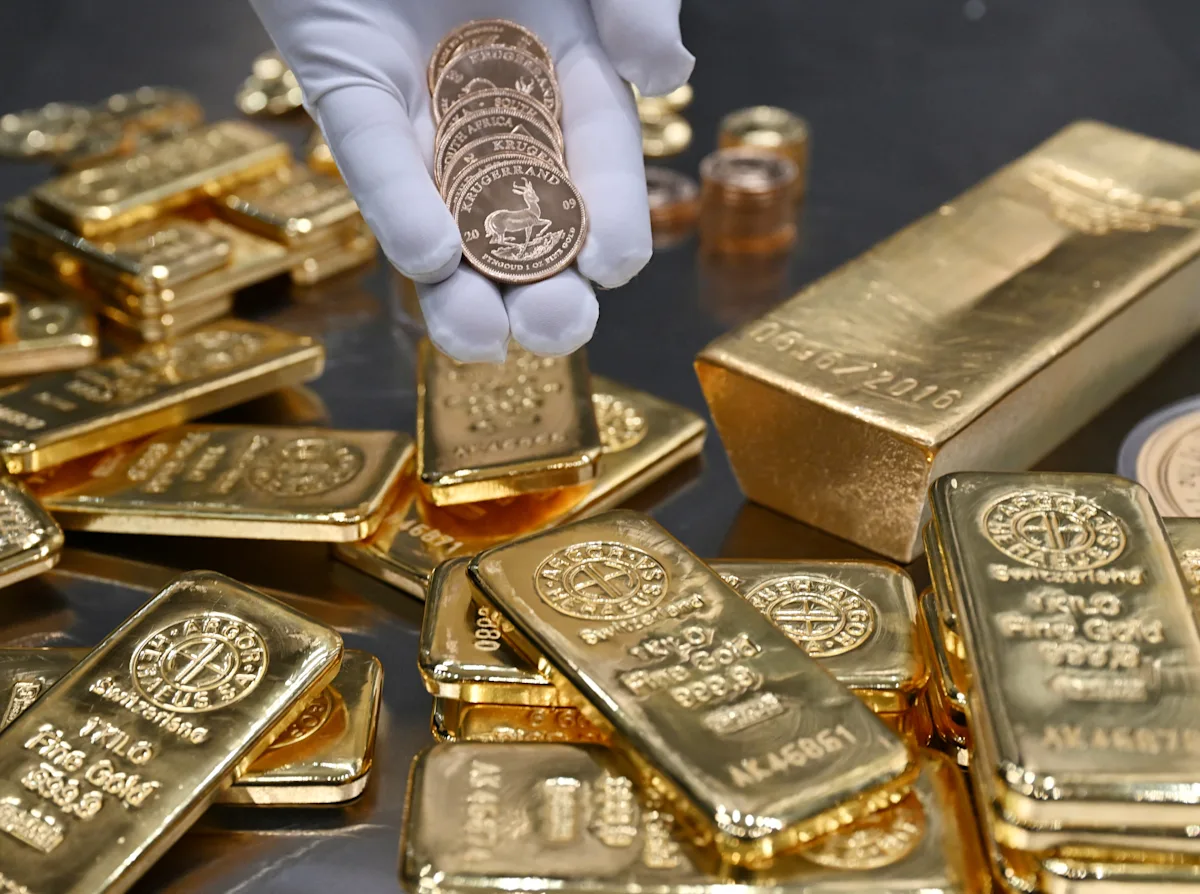
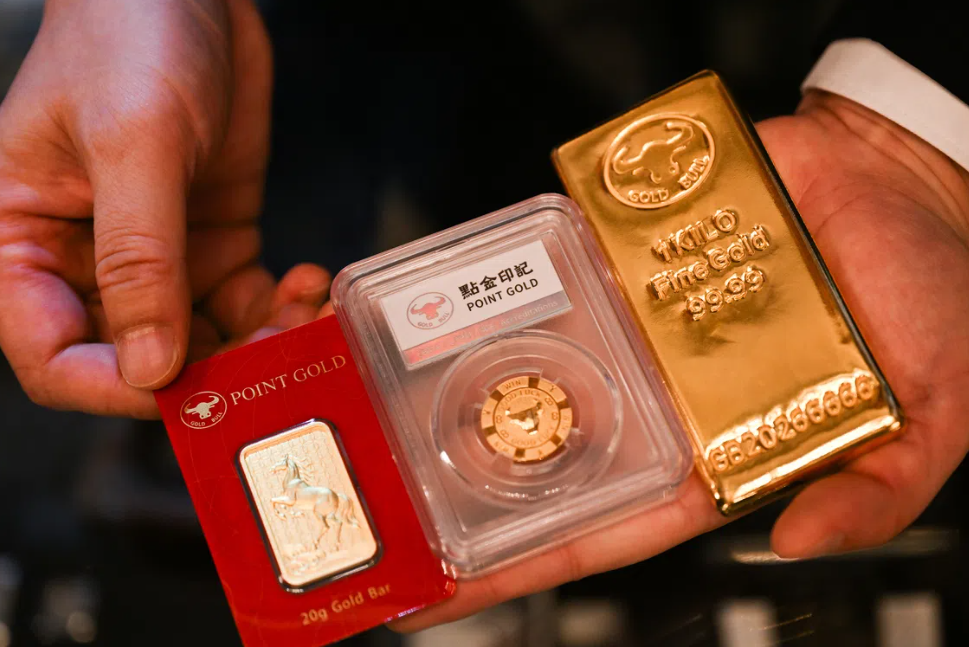
In Singapore, retail investors can gain exposure to precious metals through physical bullion, ETFs or mining-related stocks.
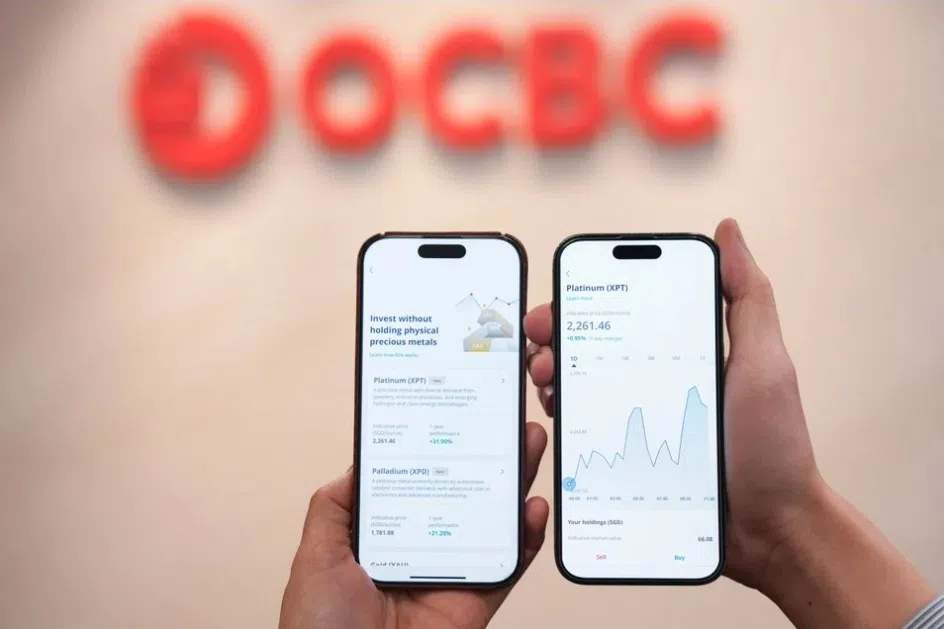
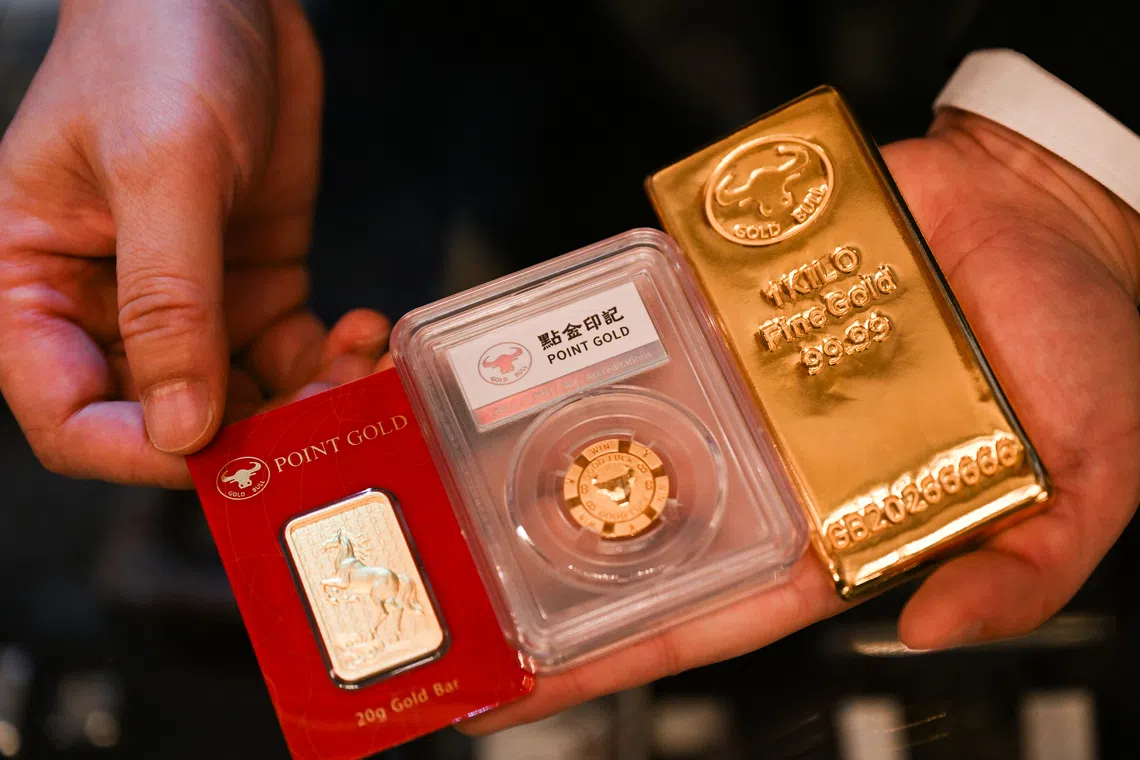
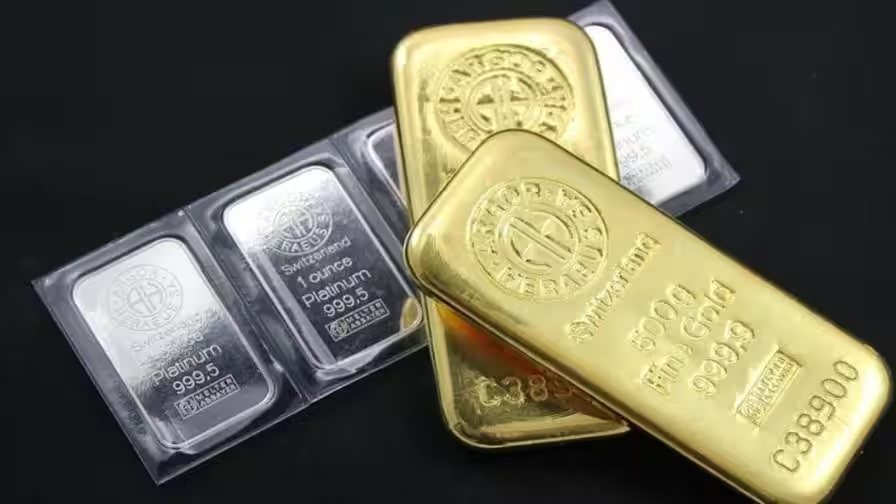
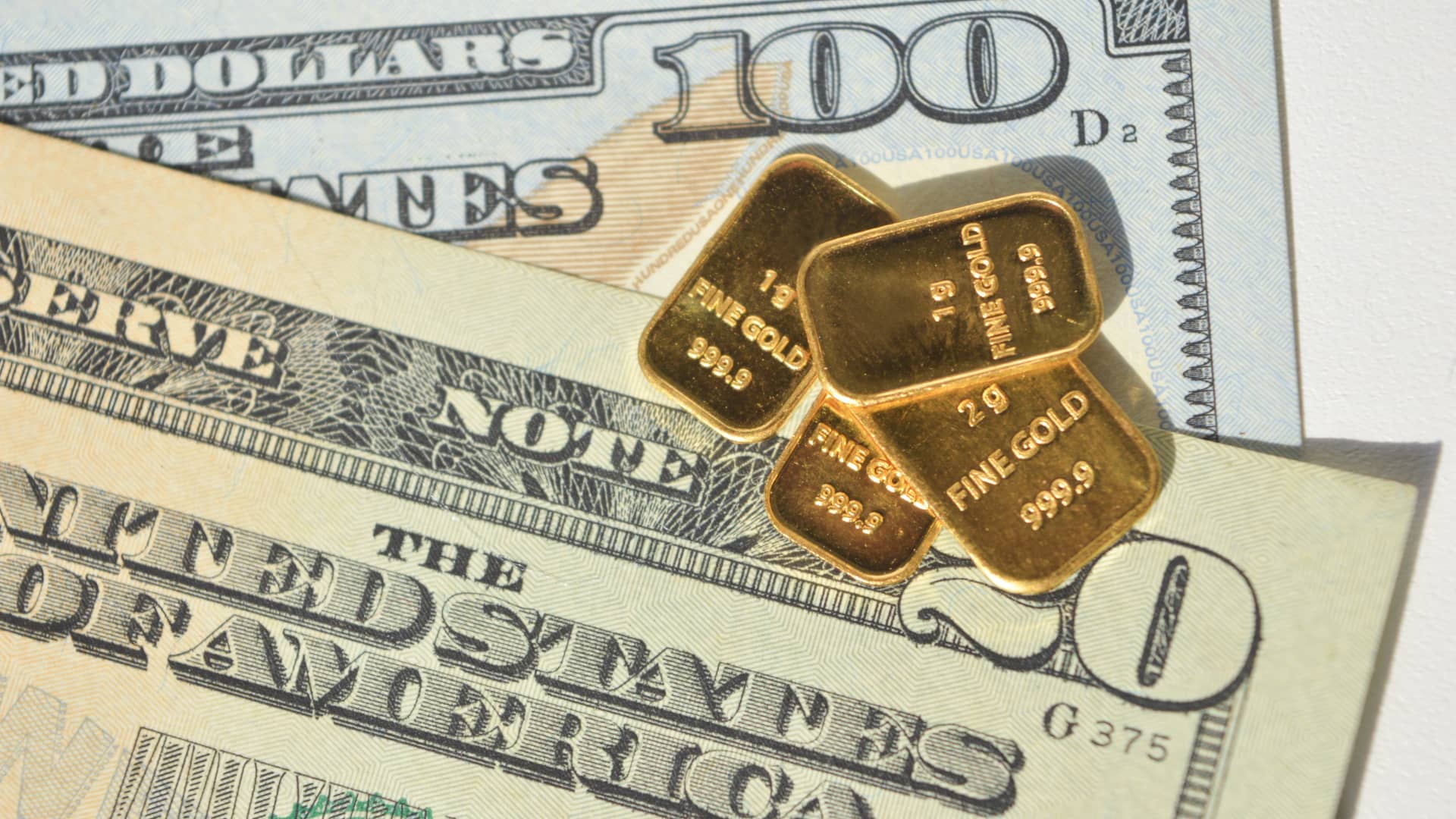
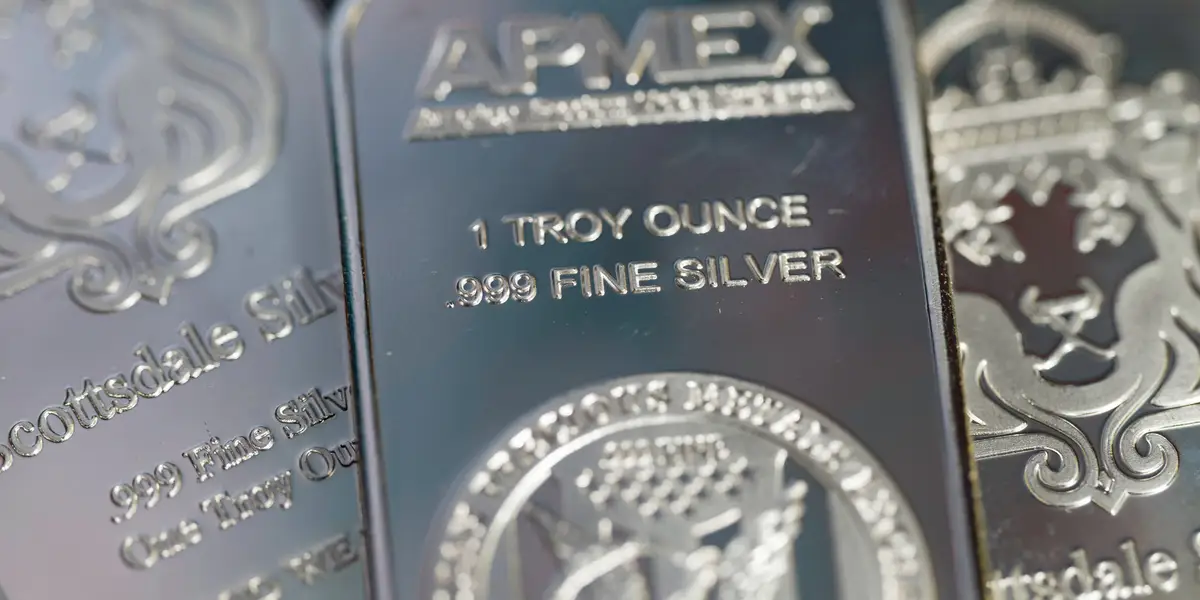
For example, UOB offers physical gold and silver, while OCBC allows customers to buy fractional amounts of digital gold, silver, platinum and palladium through its Precious Metals Account.
Also, the LionGlobal Singapore Physical Gold ETF was listed on the Singapore Exchange (SGX) in March.
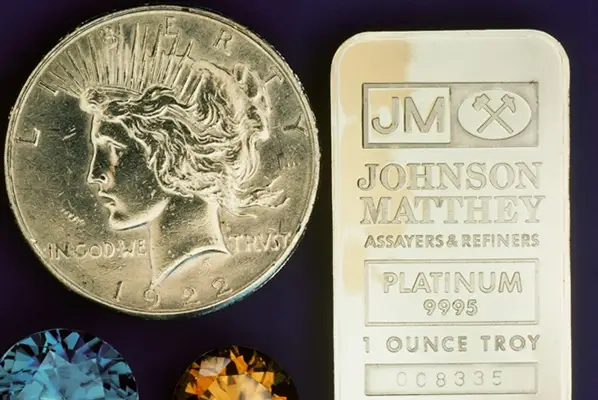
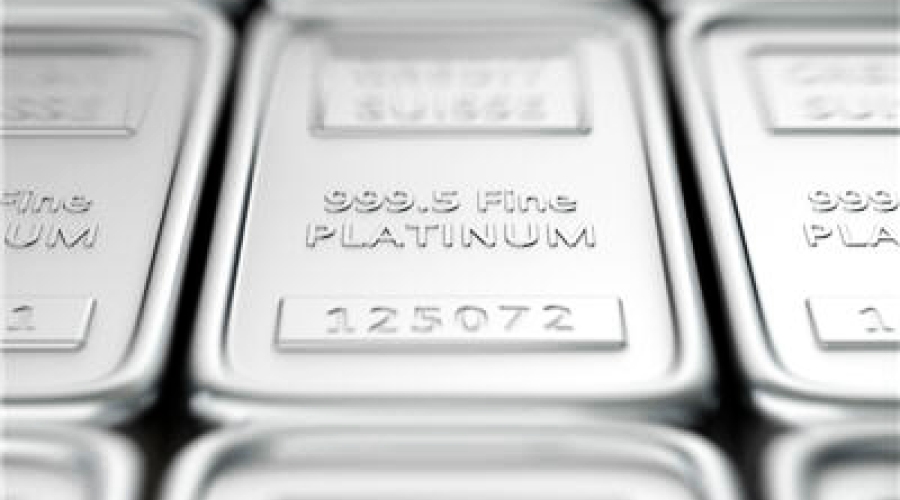
Physical platinum and palladium can also be bought from bullion dealers, though premiums can be steep, at about 30 per cent an ounce for palladium and around 18 per cent for platinum.
Alternatives include US-listed ETFs and mining stocks linked to the metals, which investors in Singapore can access through online brokerage accounts.
The Straits Times understands that there are currently no products listed on the SGX that offer direct exposure to platinum or palladium.
Anbu said there is a case for diversification across the metals, as each could outperform under different market conditions.
Gold tends to fare better during periods of risk aversion, while silver could benefit when lower interest rates are accompanied by resilient industrial growth, he said.
Platinum could outperform when supply is tight and automotive or industrial demand strengthens, while palladium could benefit from supply disruptions.
“Overall, gold remains the principal portfolio hedge and platinum has the strongest relative value case,” said Anbu.
Silver offers “higher beta exposure” to both monetary and industrial themes – meaning it tends to respond more strongly to changes in monetary conditions and industrial demand – while palladium could be the “most tactical and volatile” of the four, he added.
But not everyone sees the need to hold all four metals.
Charu Chanana, chief investment strategist at Saxo, said exposure to gold, silver, platinum and palladium at the same time could be excessive.
“Gold is the clearest portfolio diversifier, while silver, platinum and palladium add progressively more industrial and cyclical exposure,” she said.
Investors can therefore choose between the metals based on their outlook for the economy rather than own the entire basket, she added.
Gilbert similarly sees little benefit in owning all four metals, noting that their annual returns have been highly correlated over the past five years.
Platinum and palladium, in particular, have moved almost in lockstep, meaning owning both may offer little additional diversification, he said. He added that platinum and palladium are “really industrial metals first”, despite their precious metals label.
“Platinum and palladium are genuinely scarce, but scarcity alone doesn’t make a safe haven, and neither fear nor Fed policy has much say in where these two trade,” he said.
“Platinum picks up some spillover when investors want hard assets broadly, but palladium offers very little of that protection.”
Gilbert added that the overlap between all four metals could also become more pronounced if interest rates remain higher for longer, as all four metals are non-yielding assets.
“For most portfolios, gold and silver capture the commodity and metals exposure… Gold does the heavy lifting for diversification in investment portfolios, and that’s not likely to shift any time soon,” he added. – The Straits Times/ANN