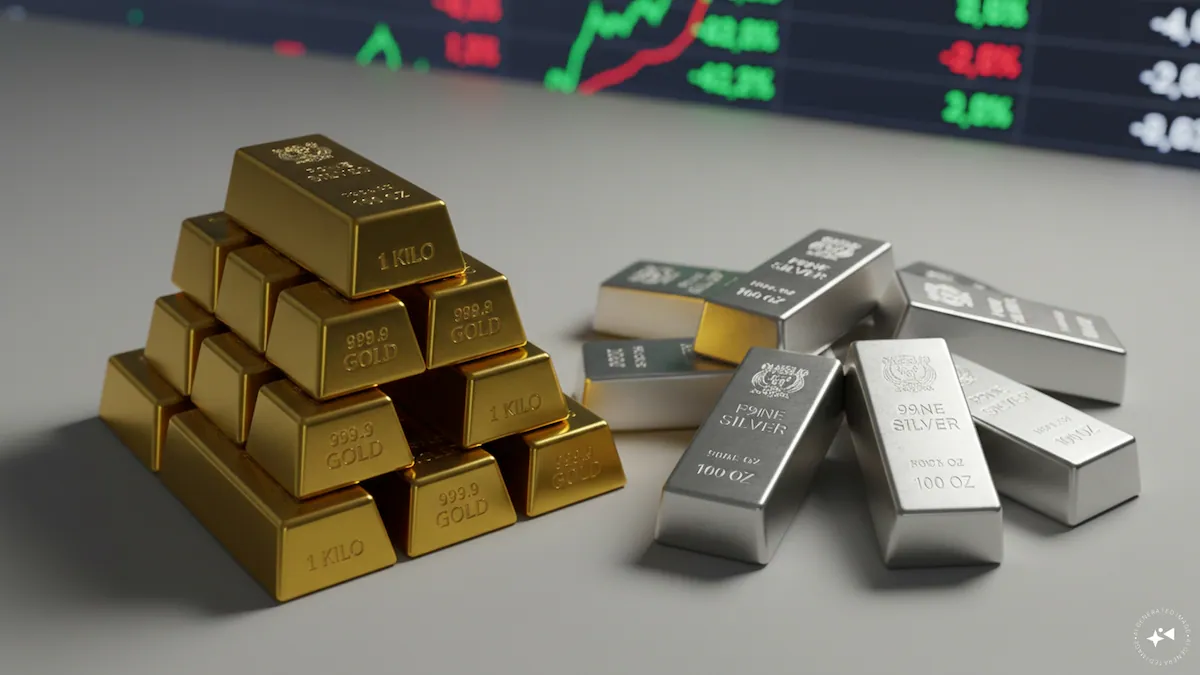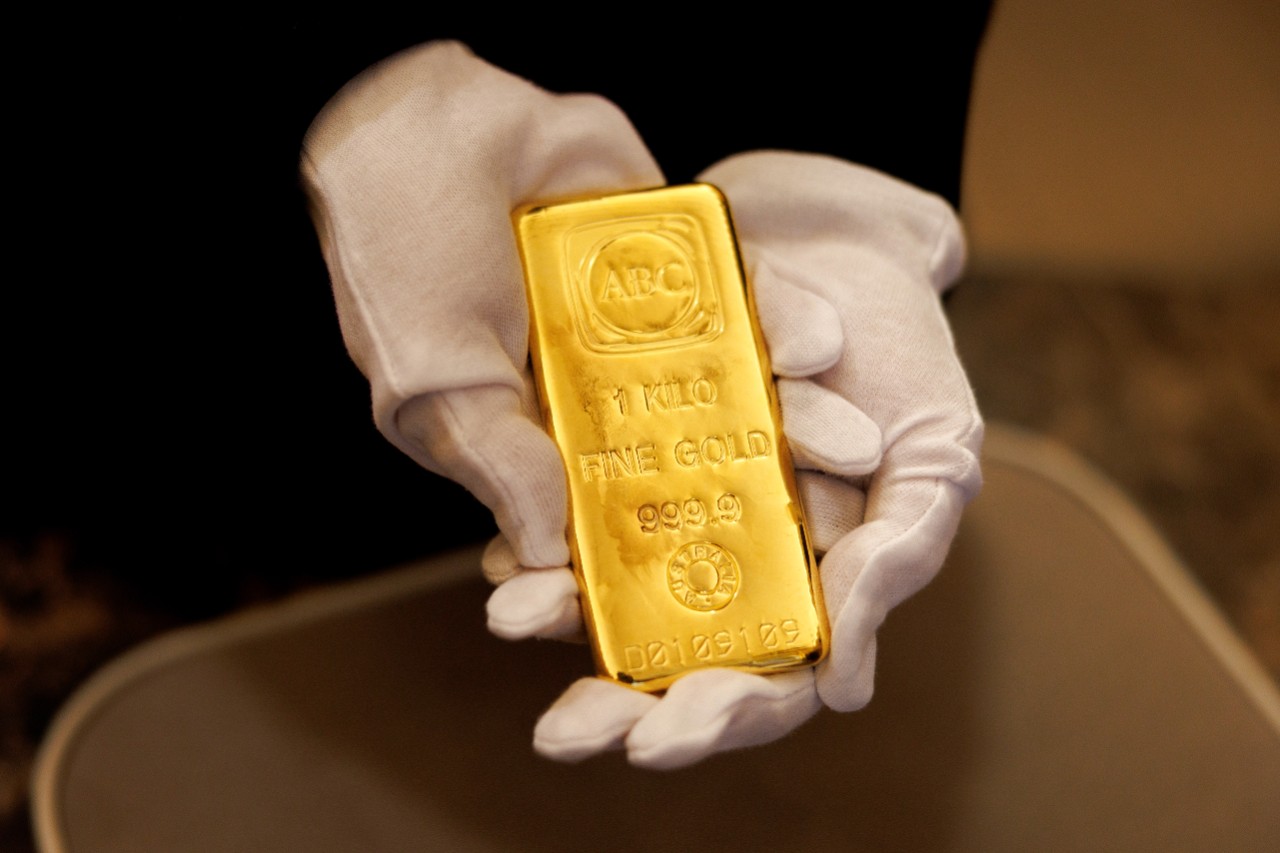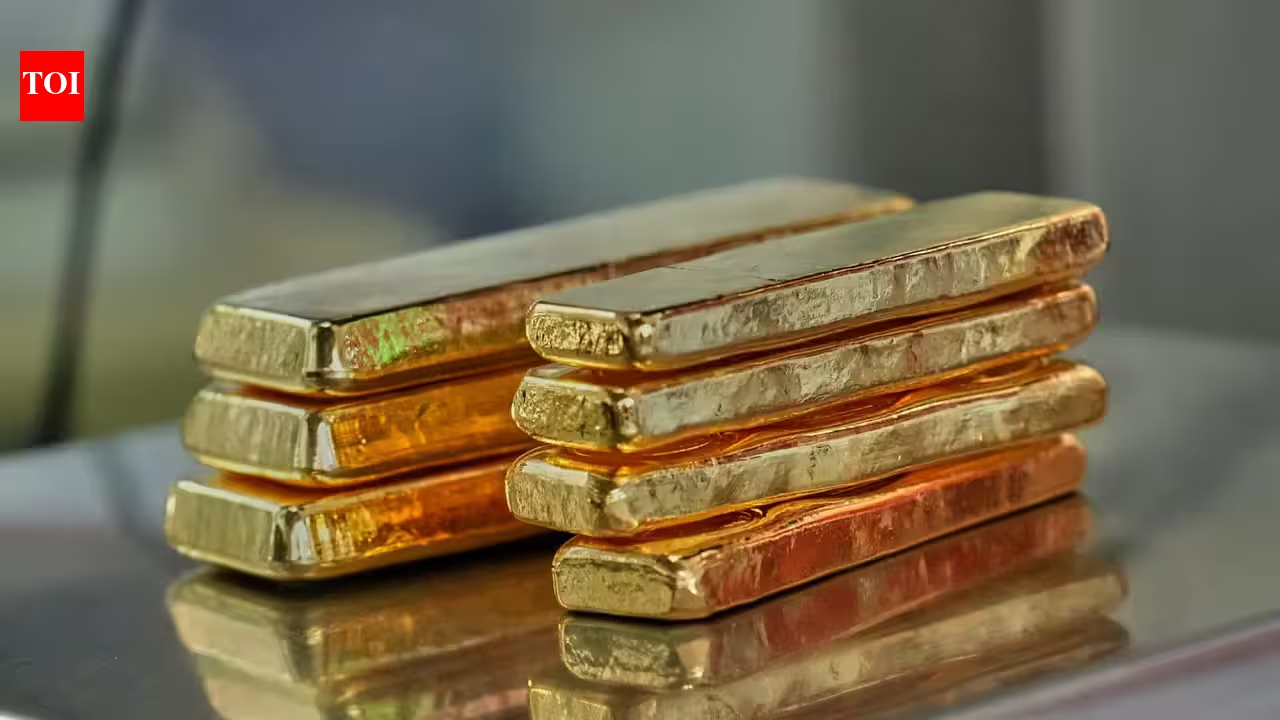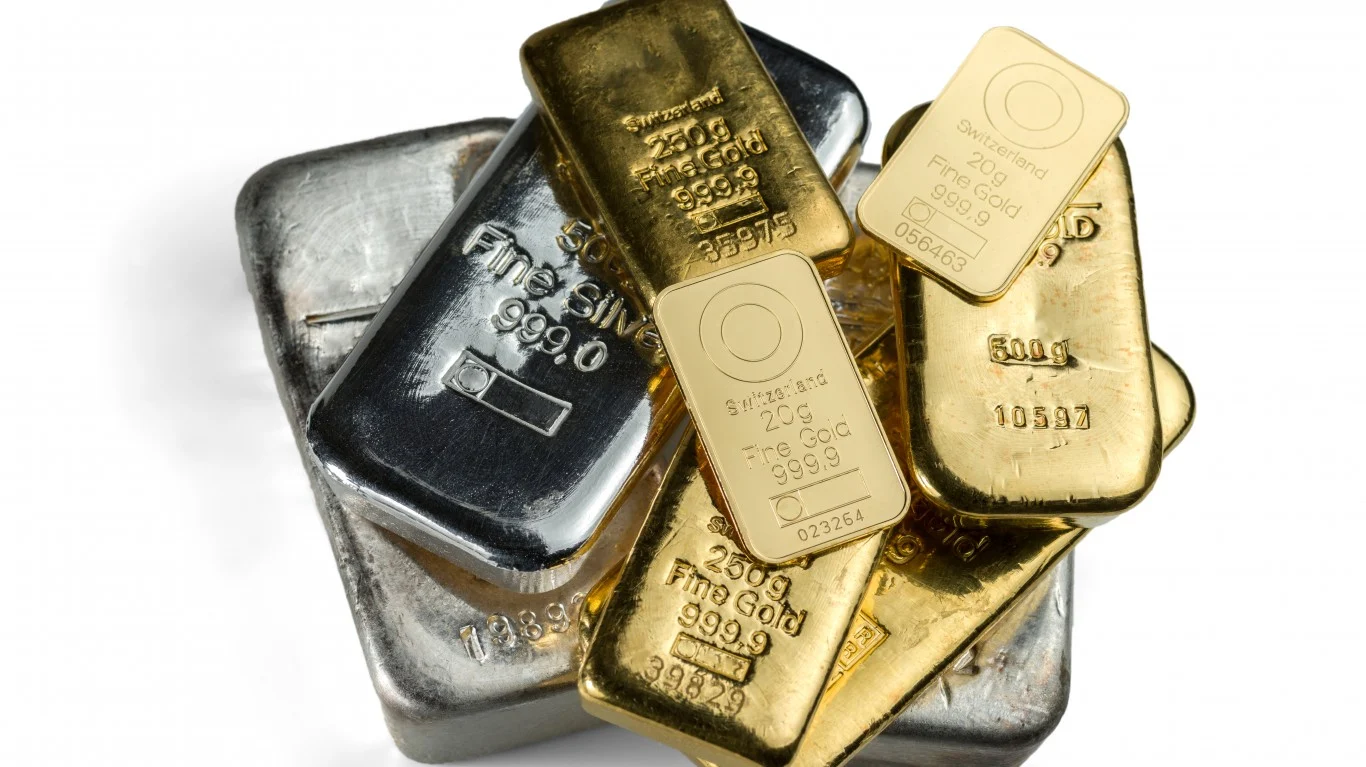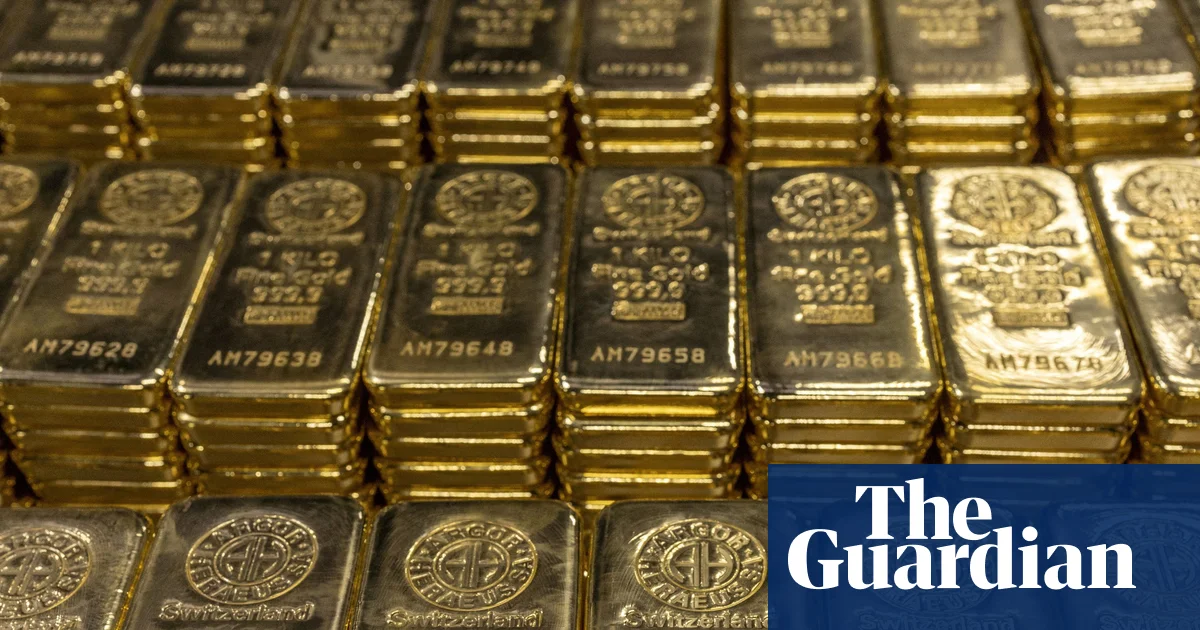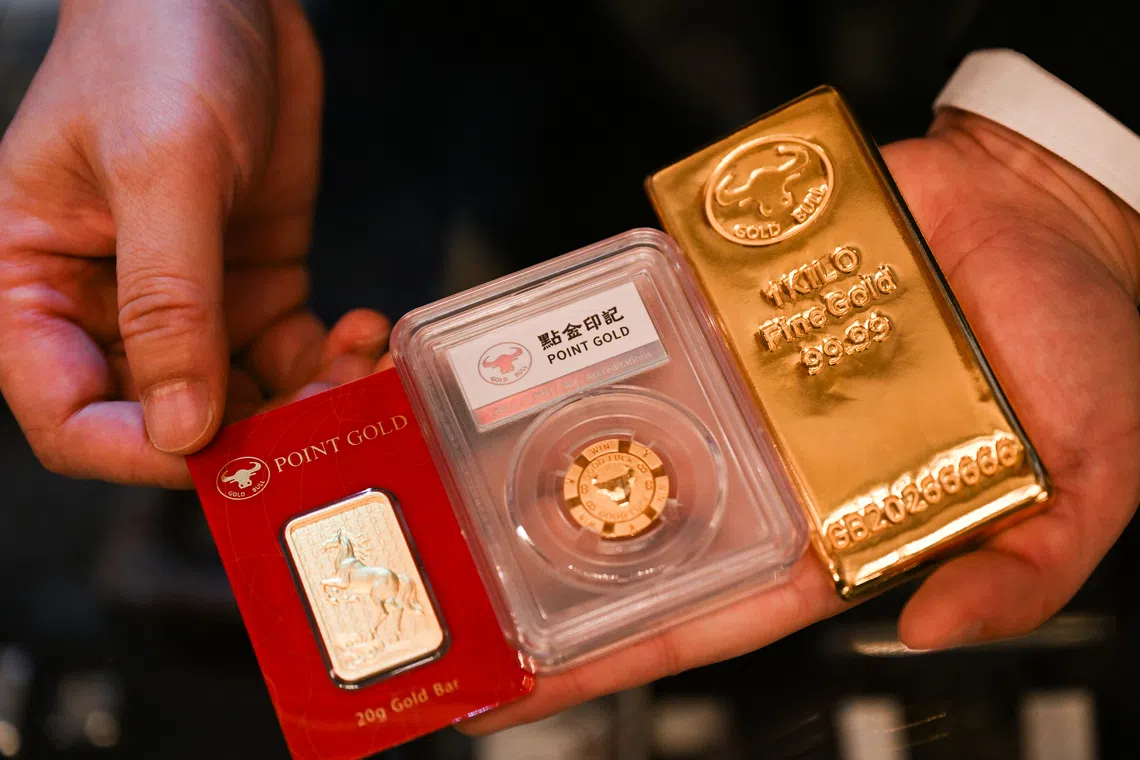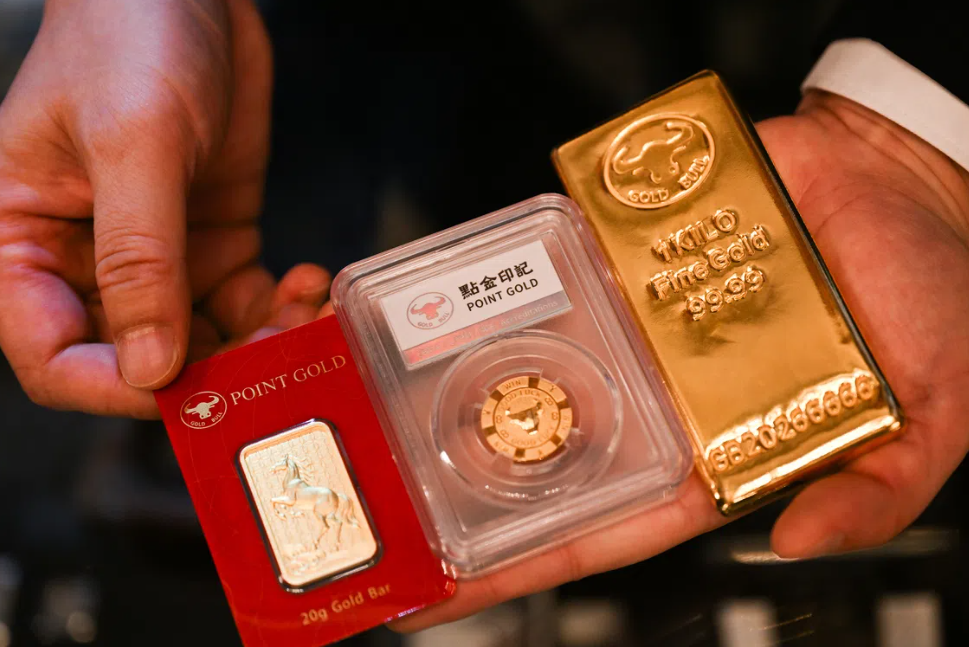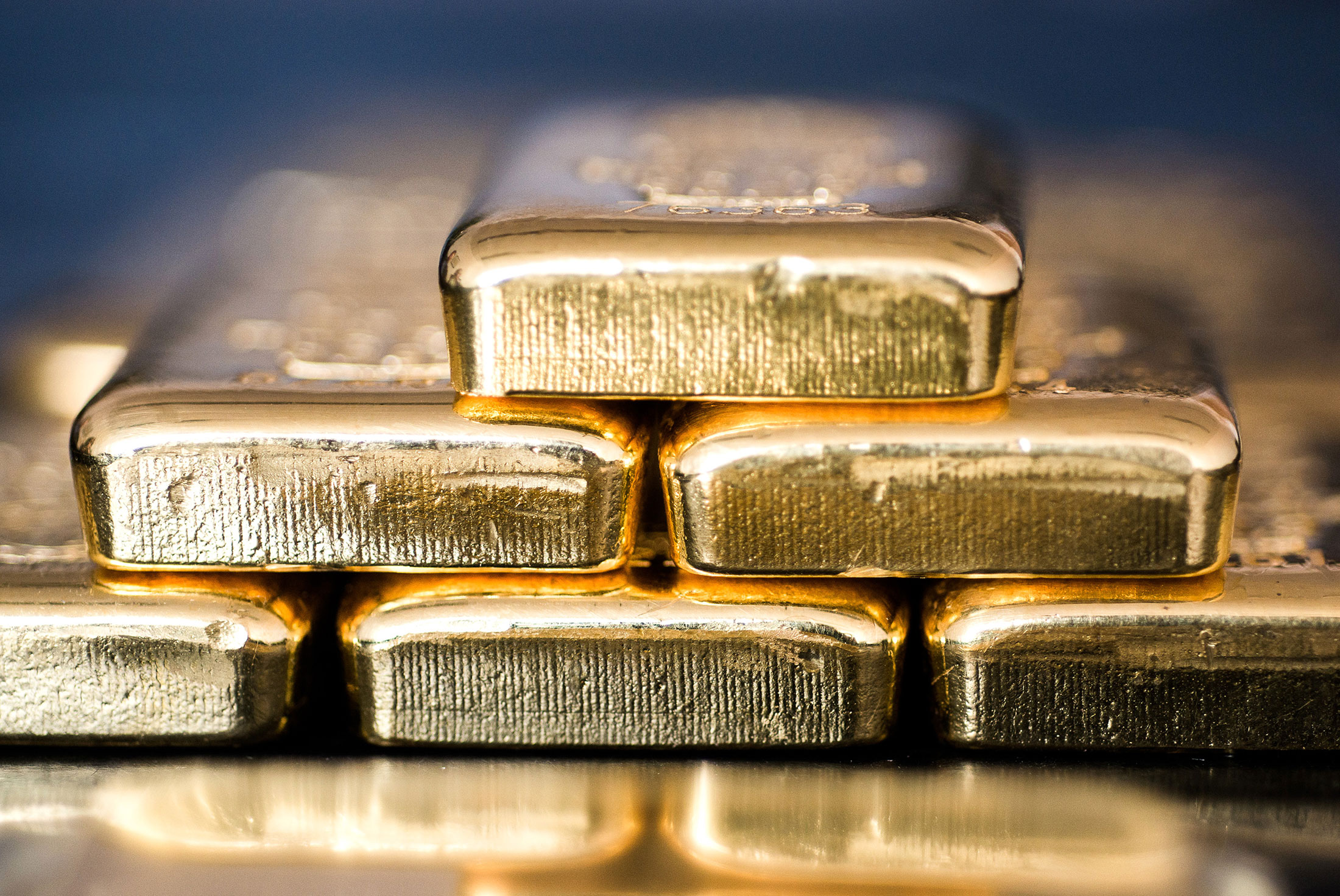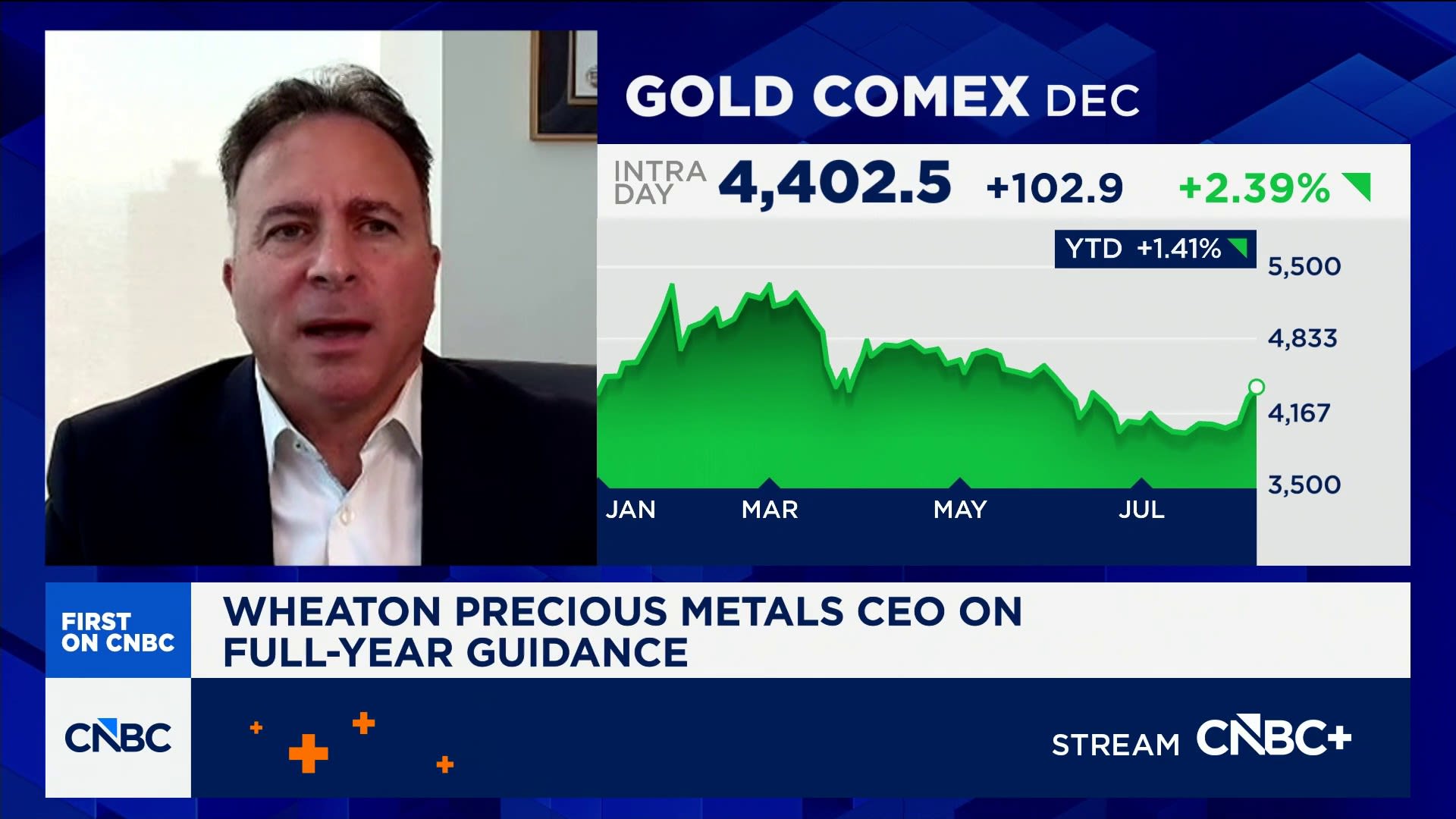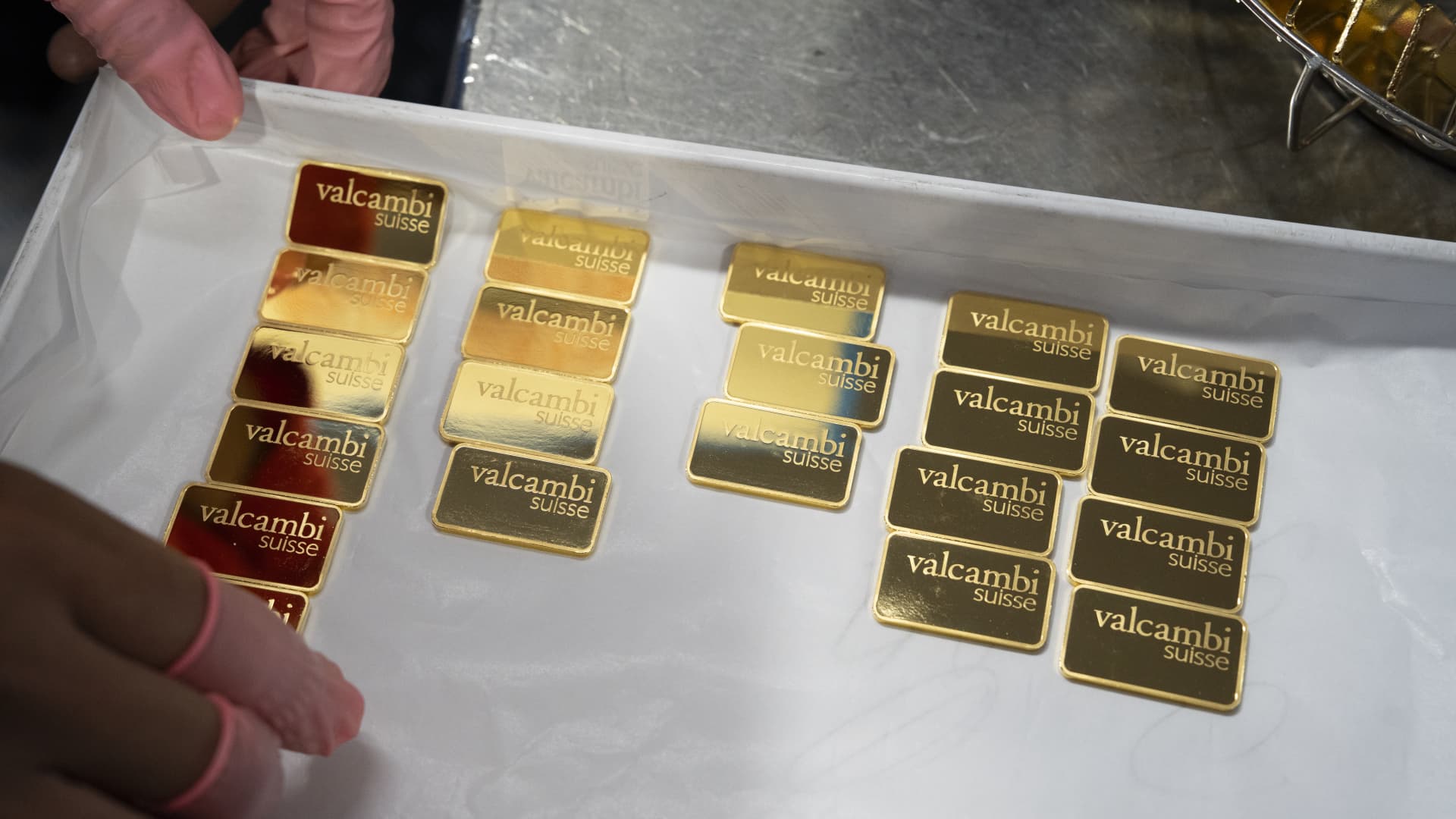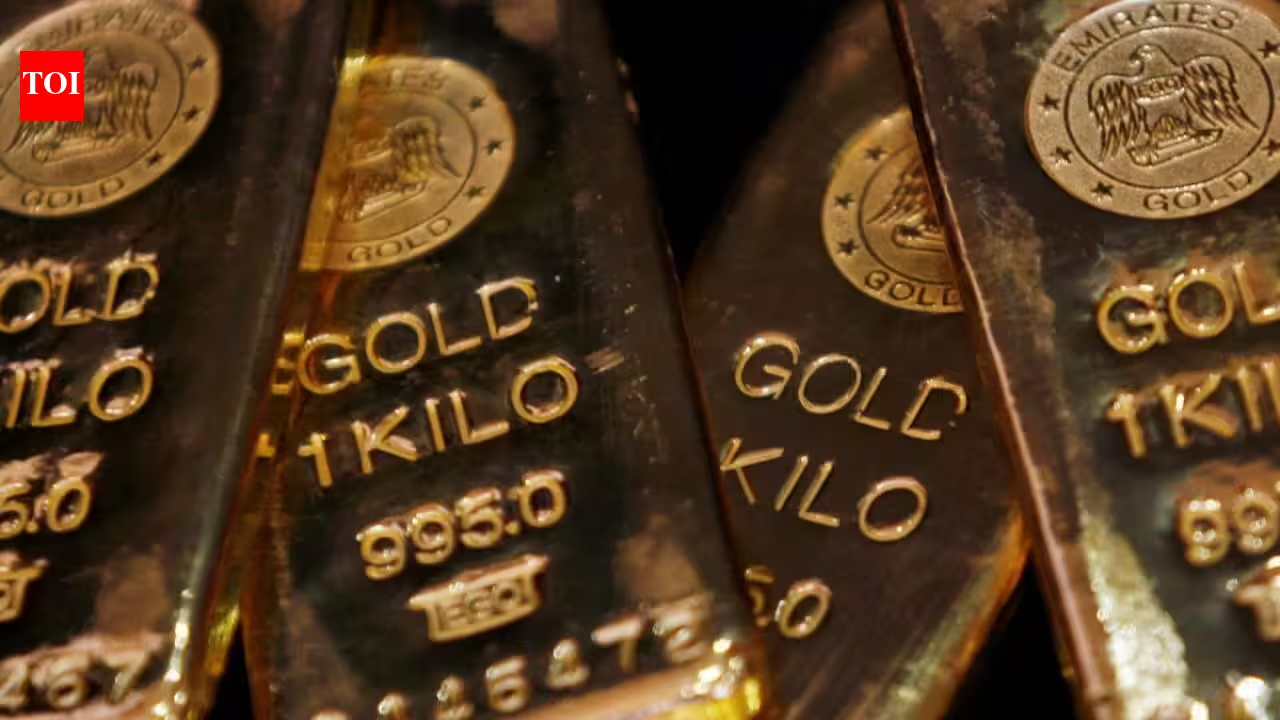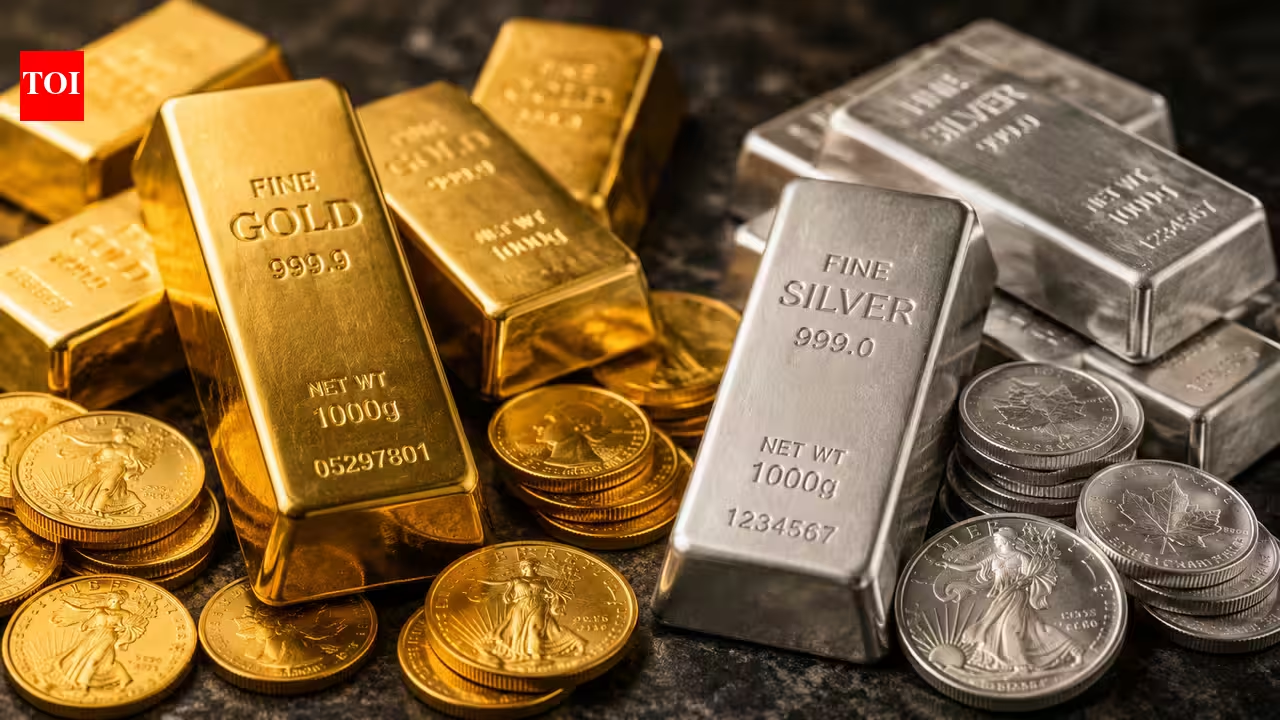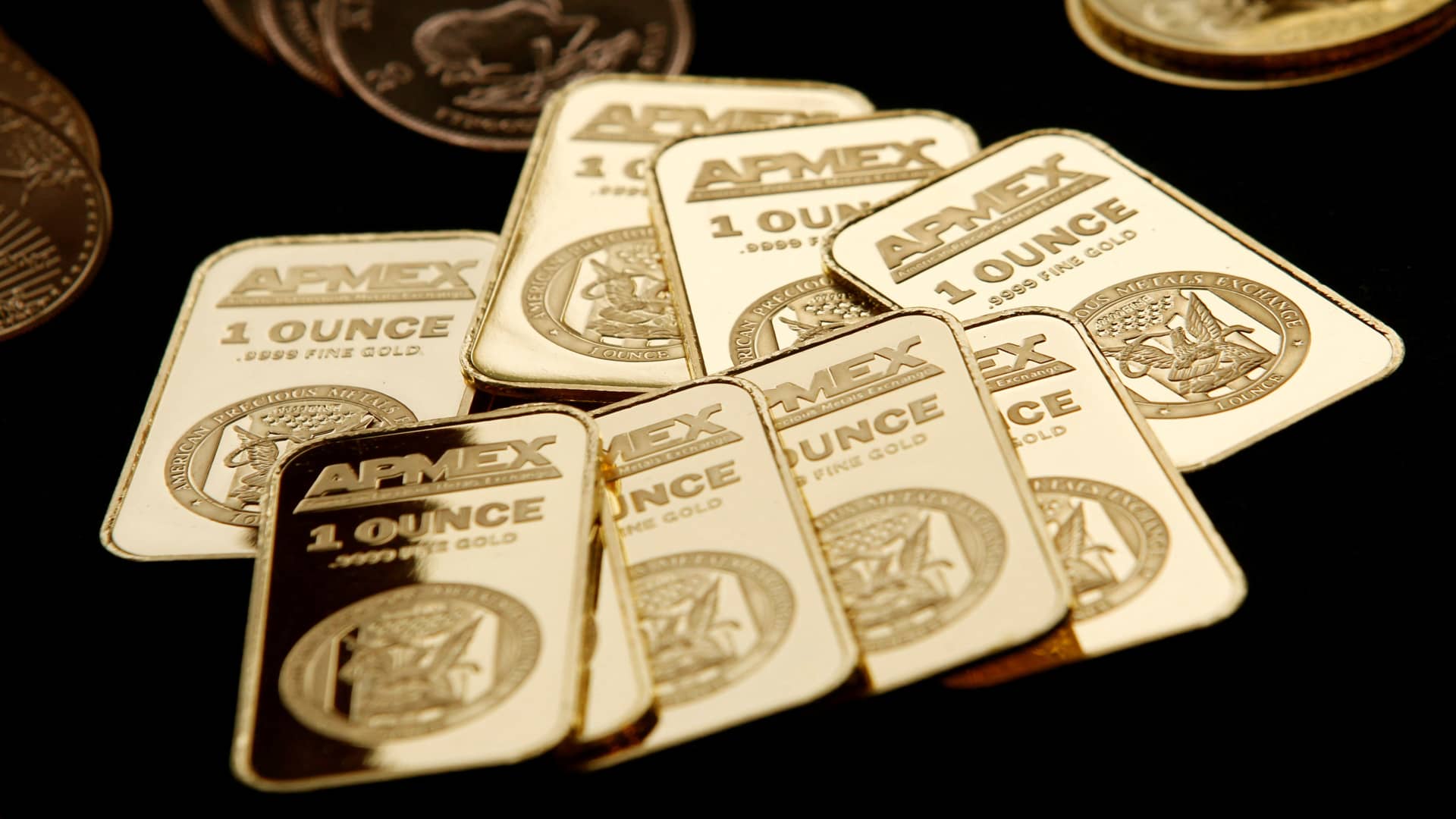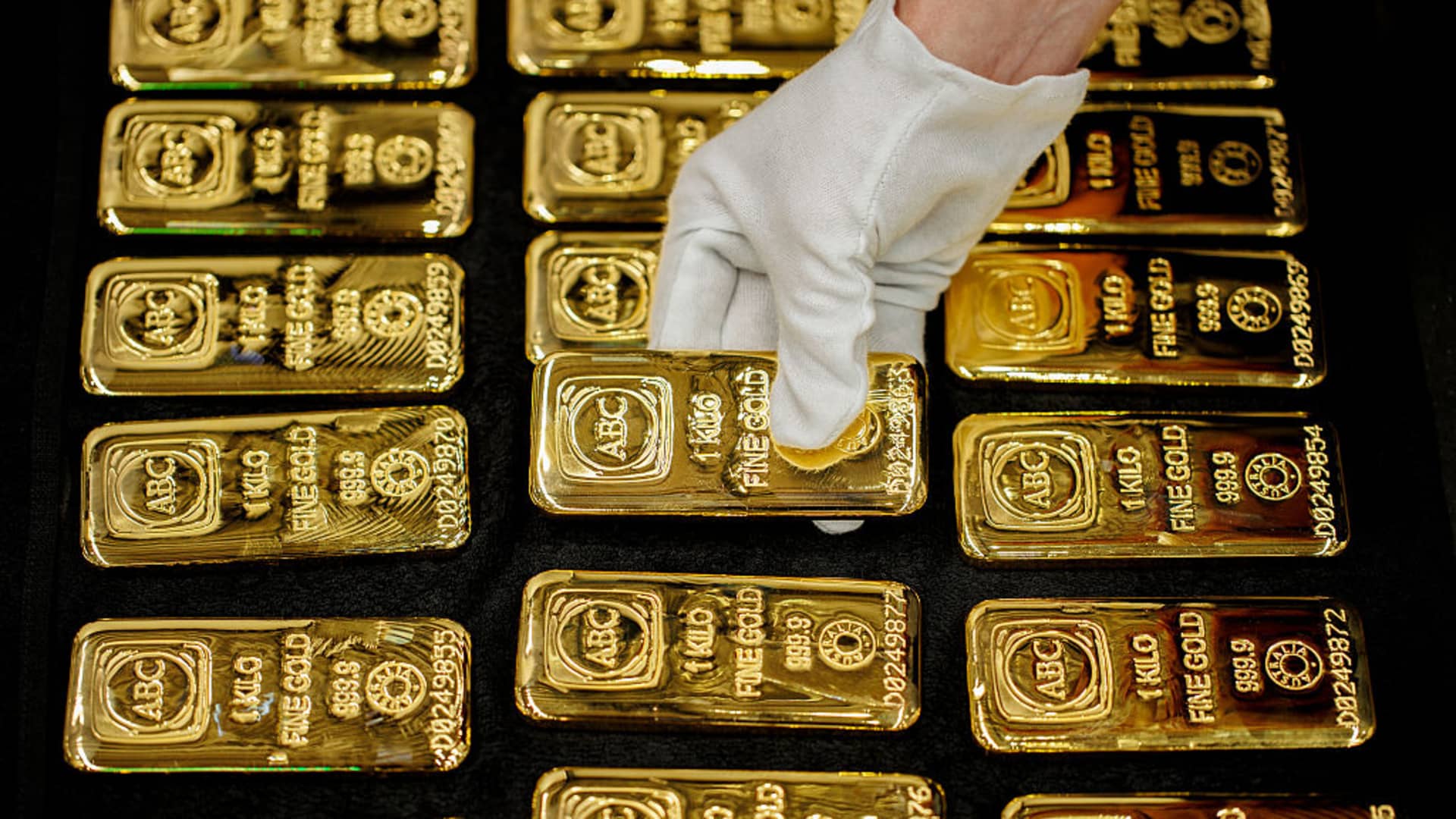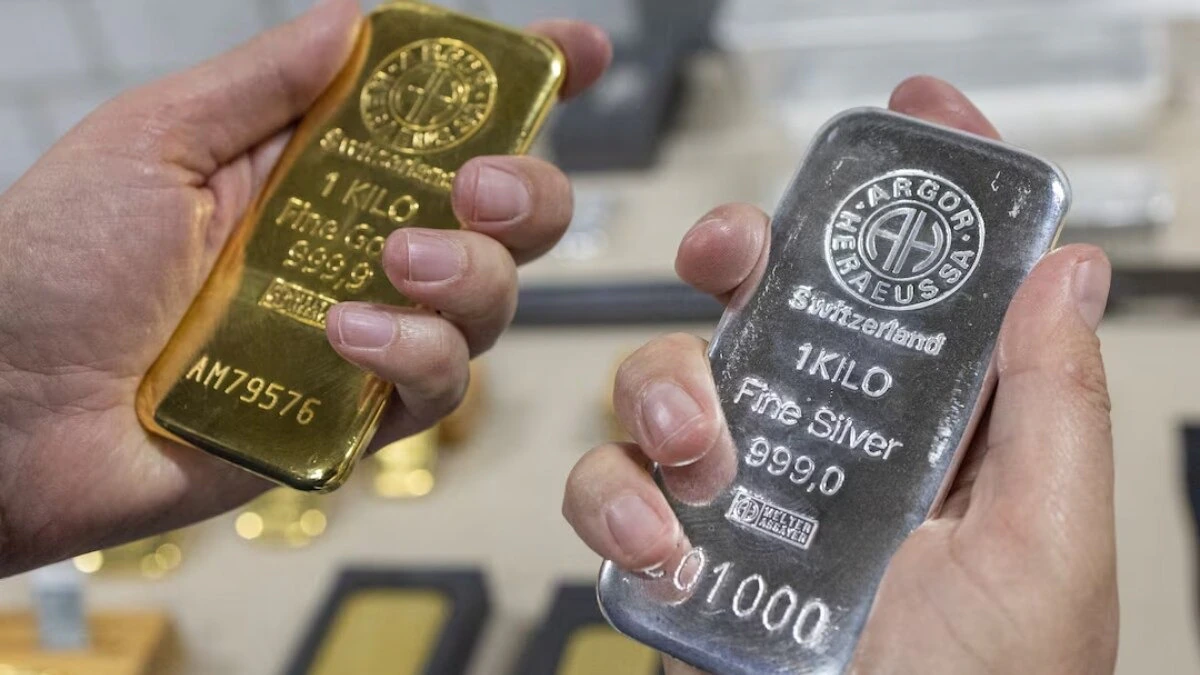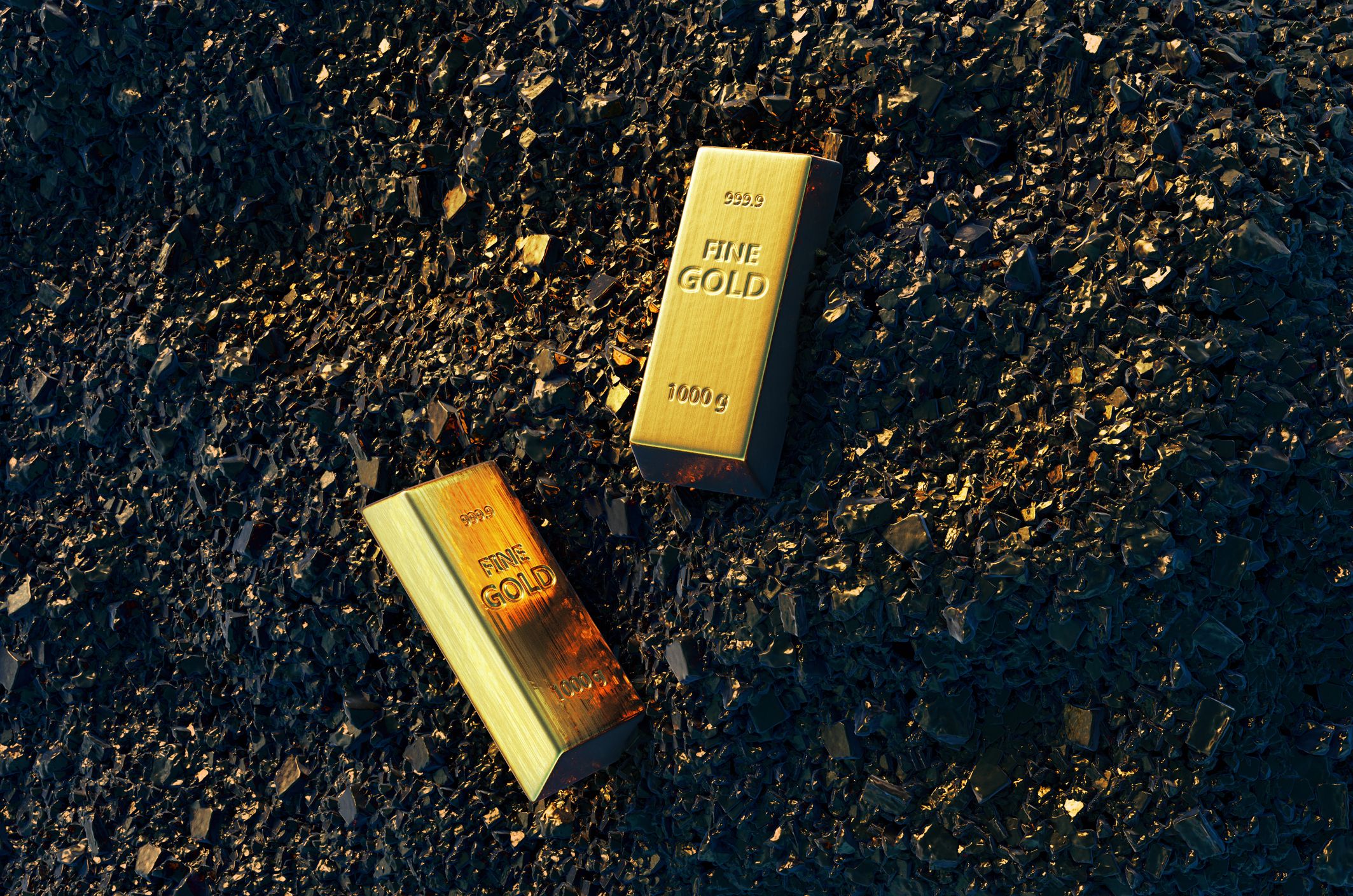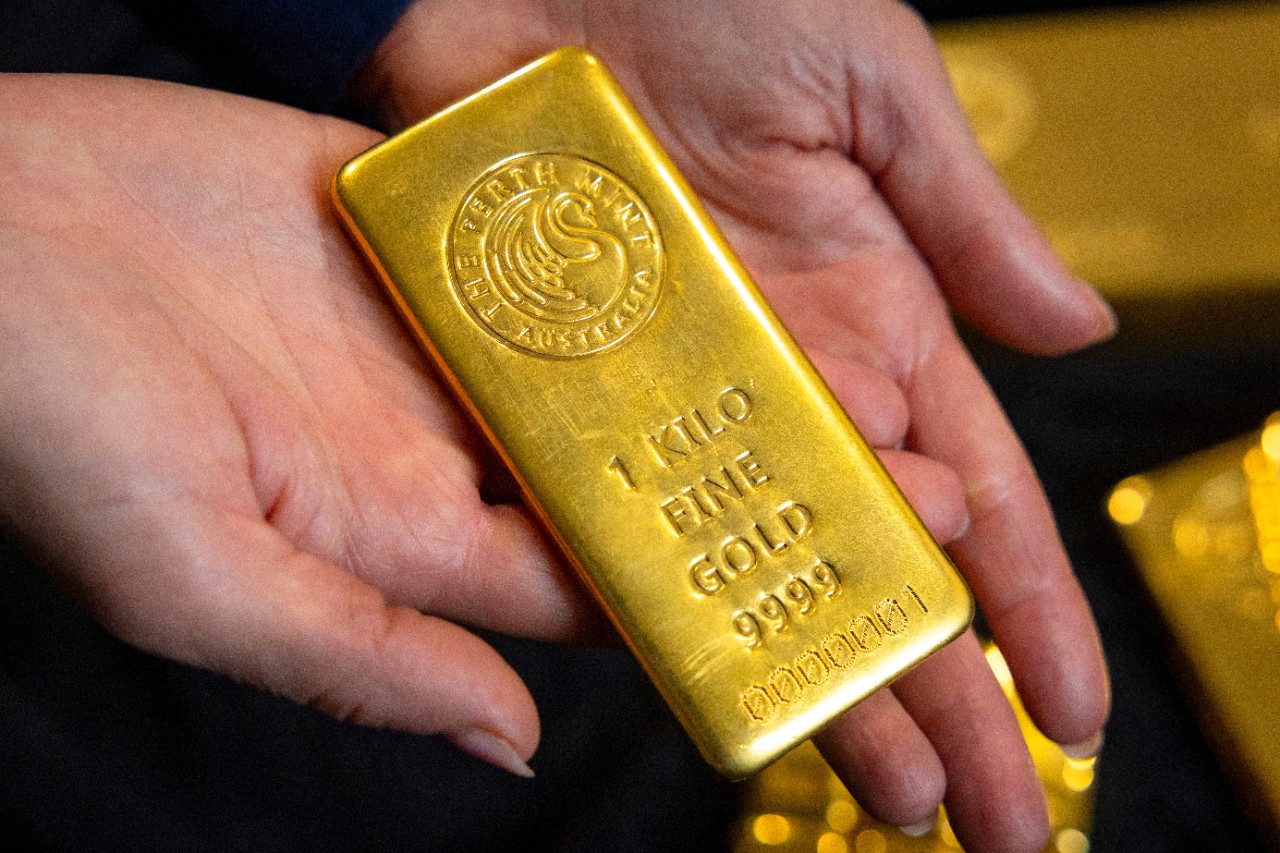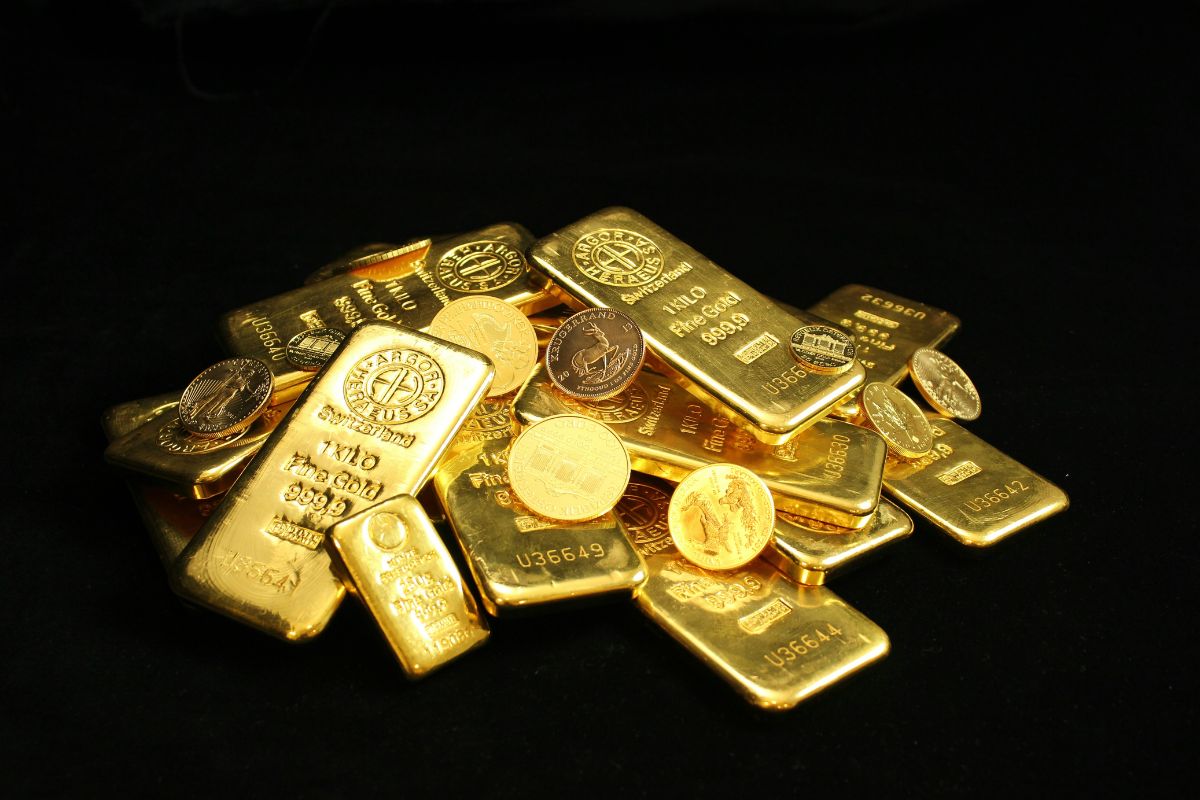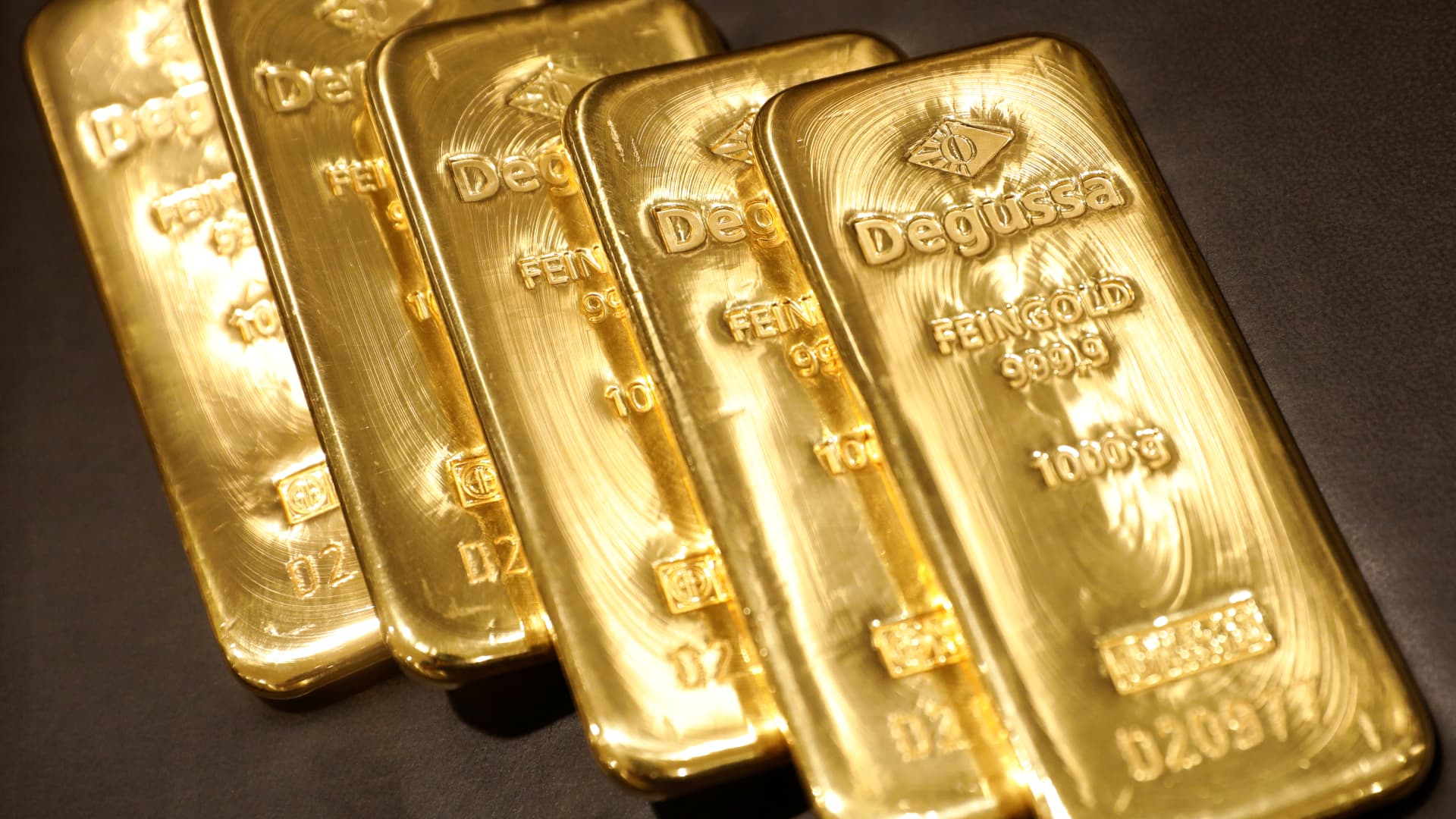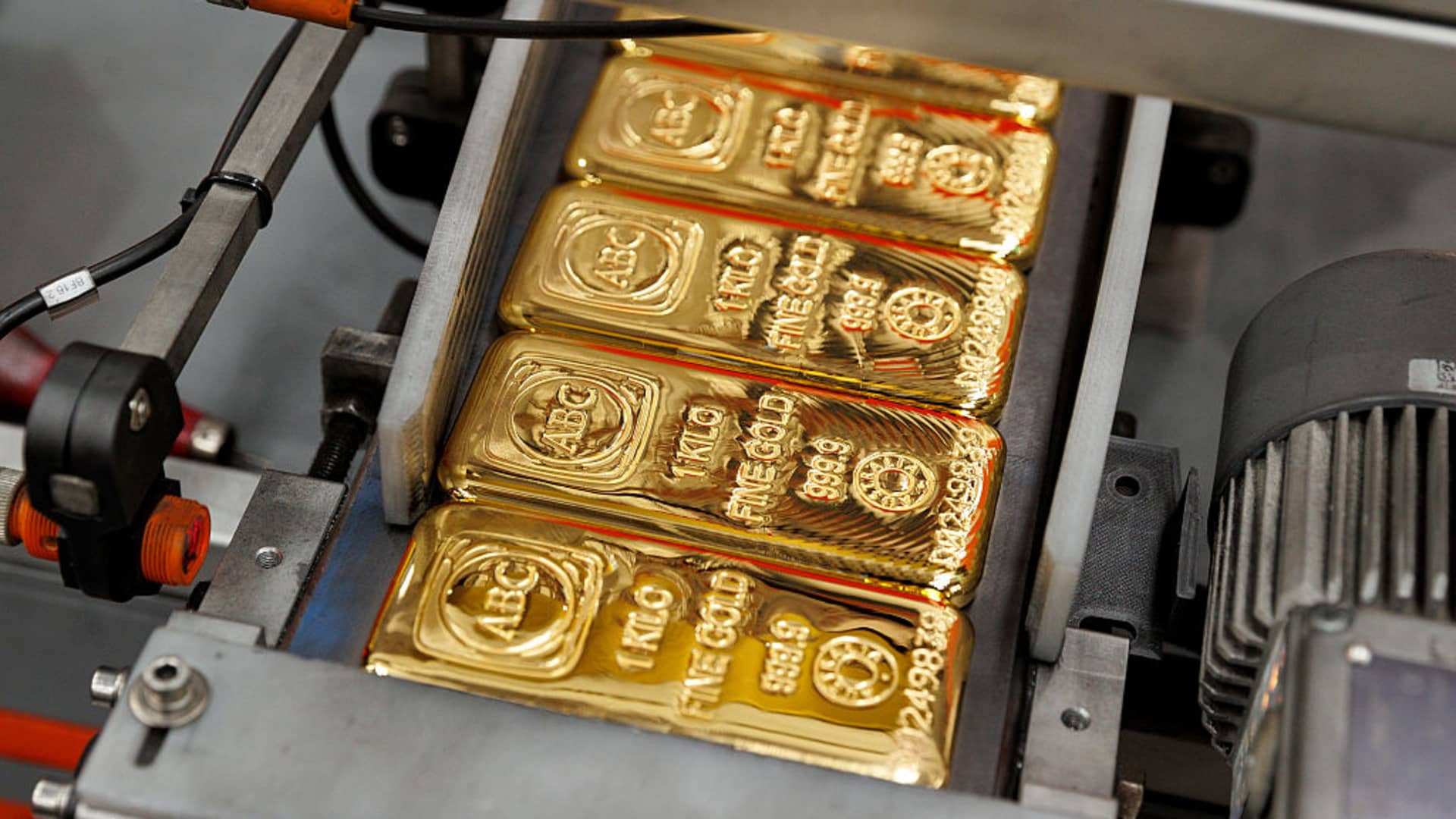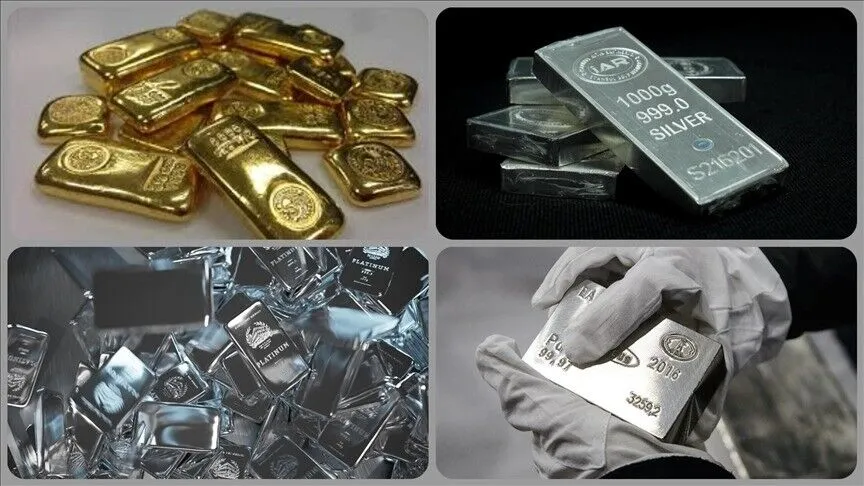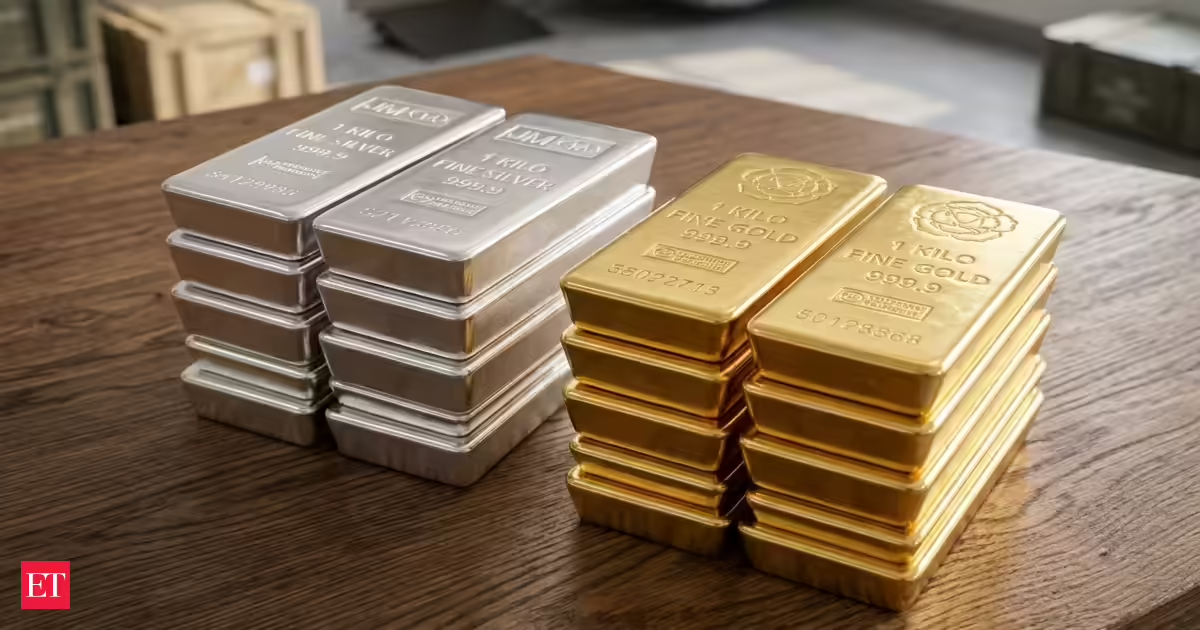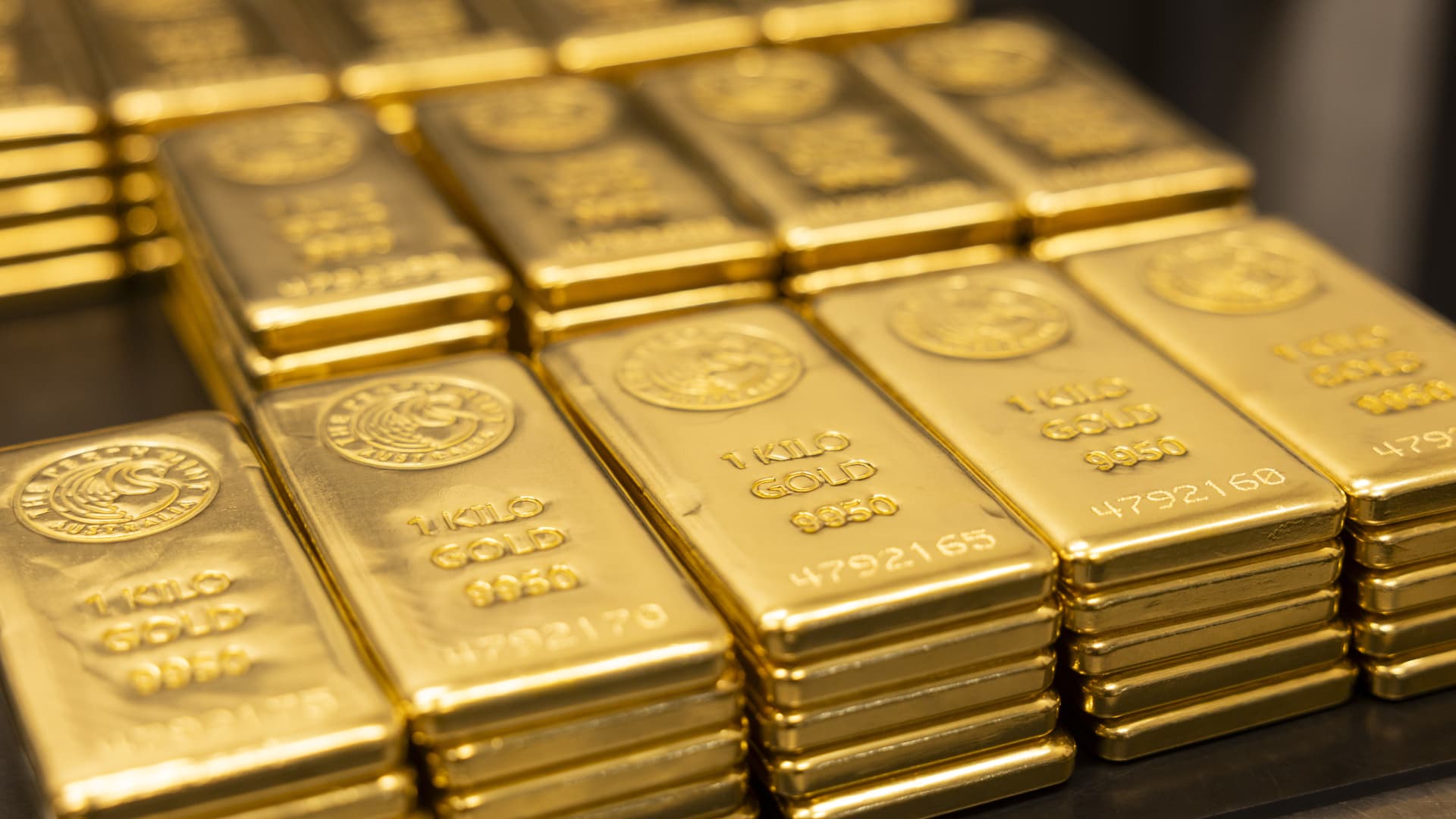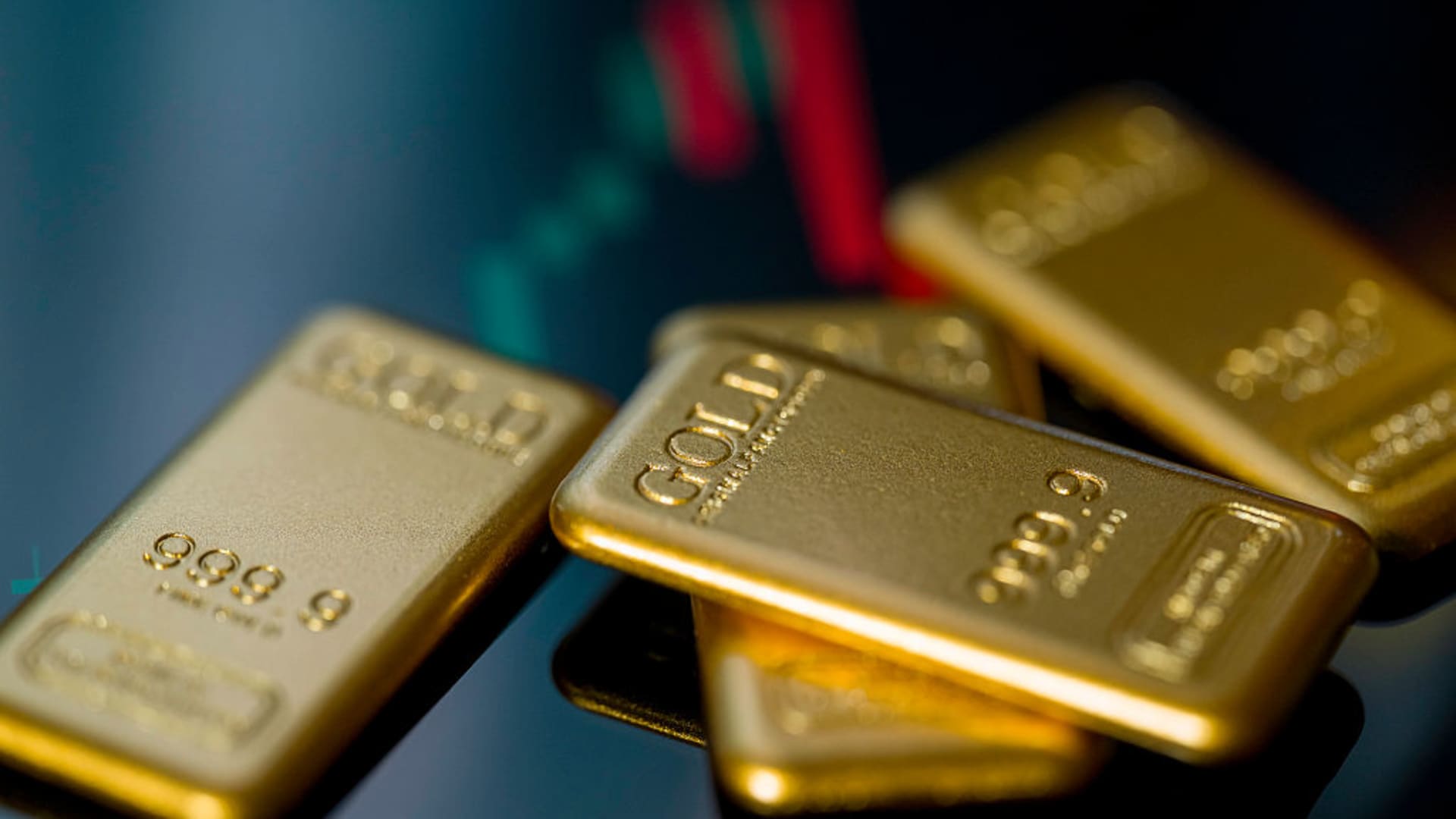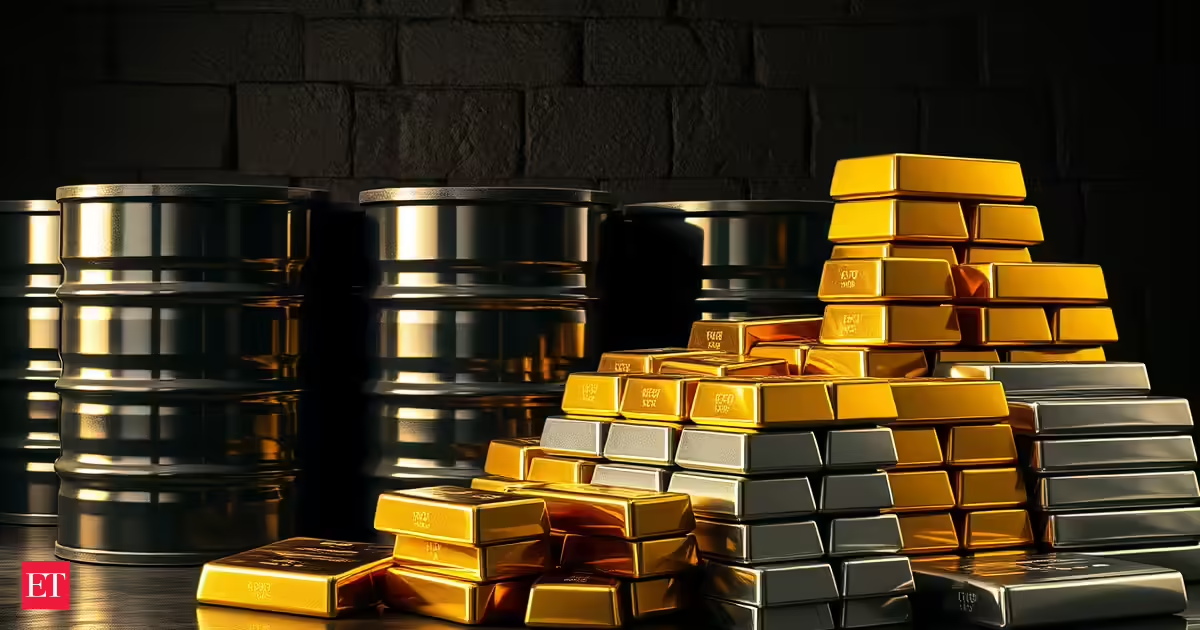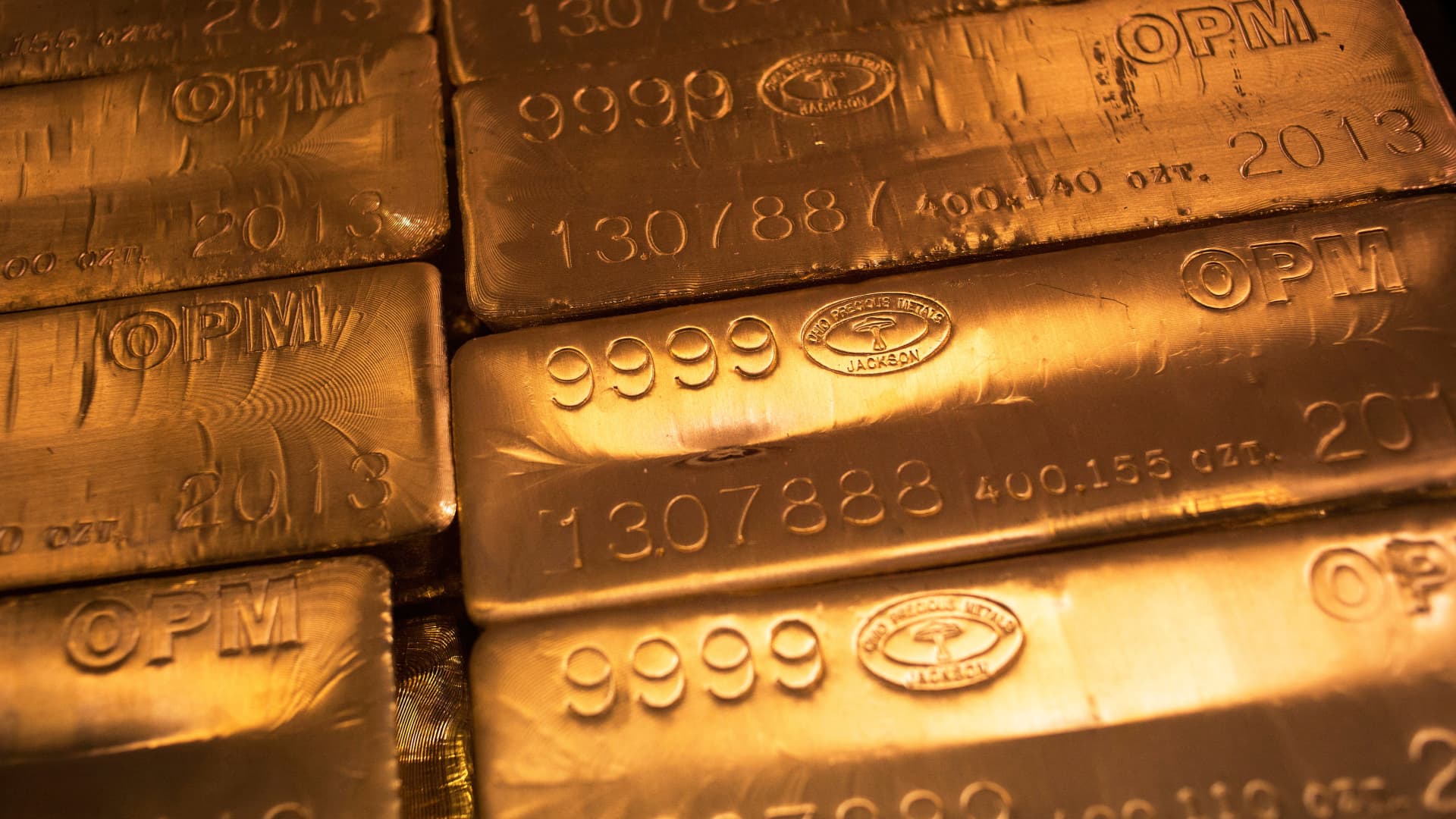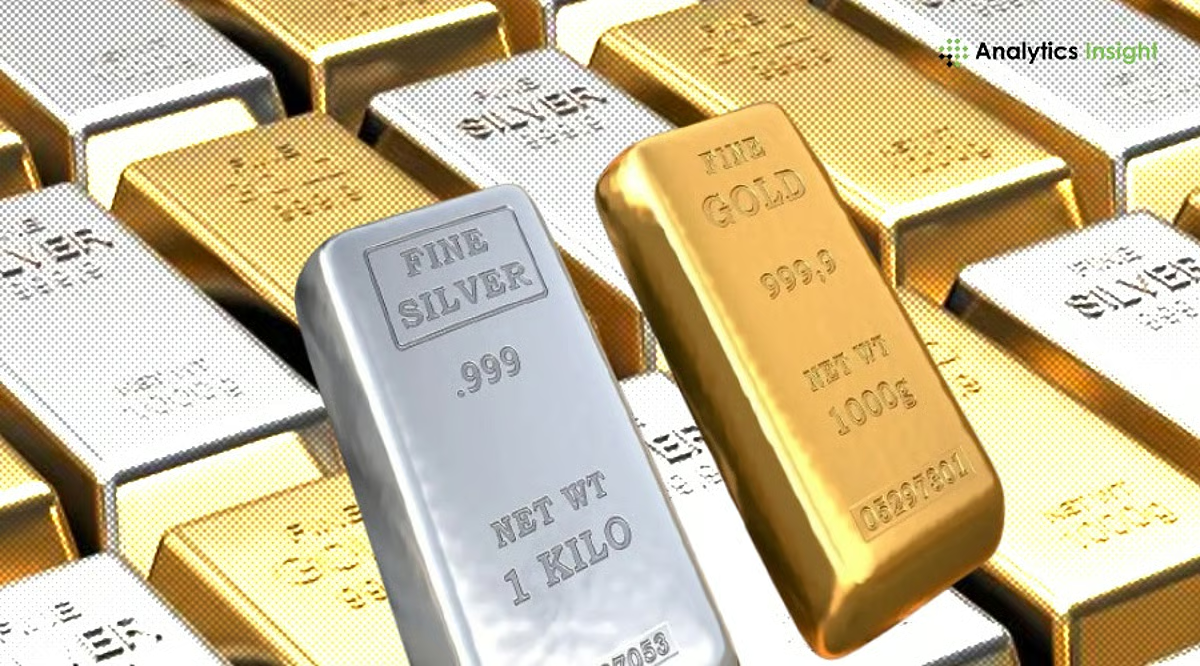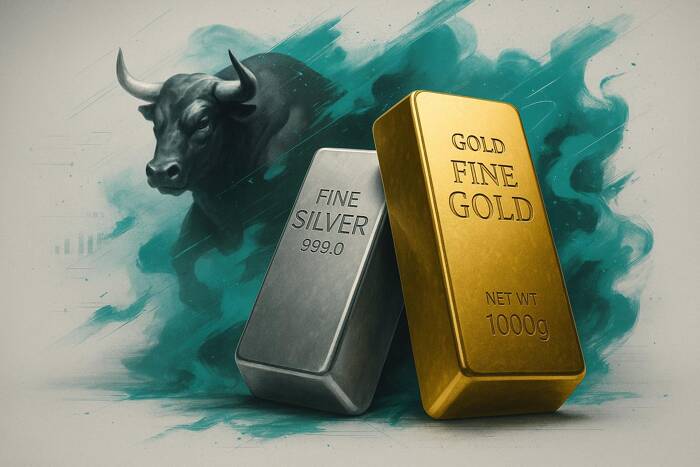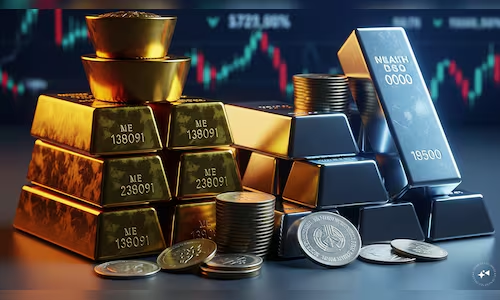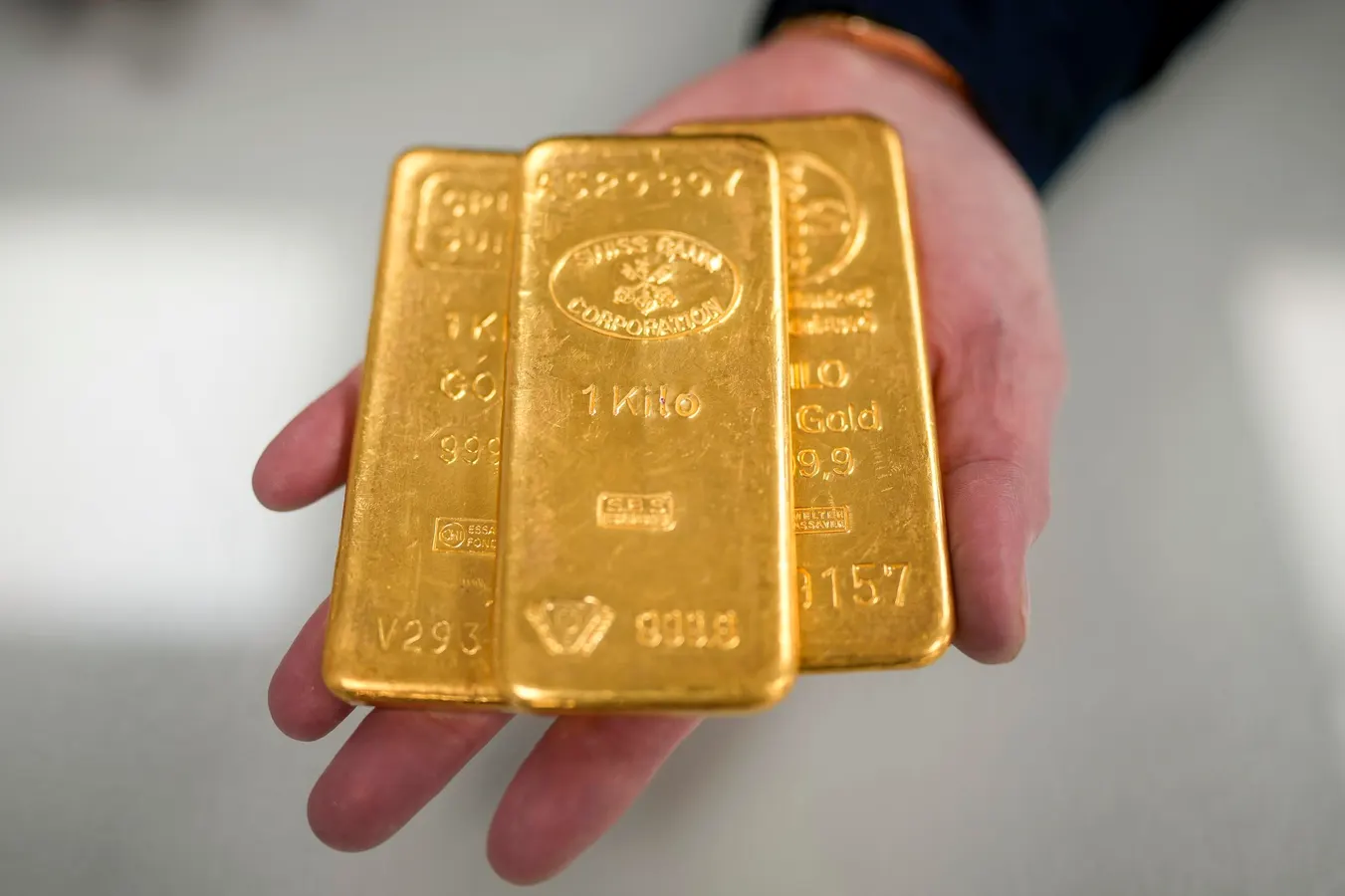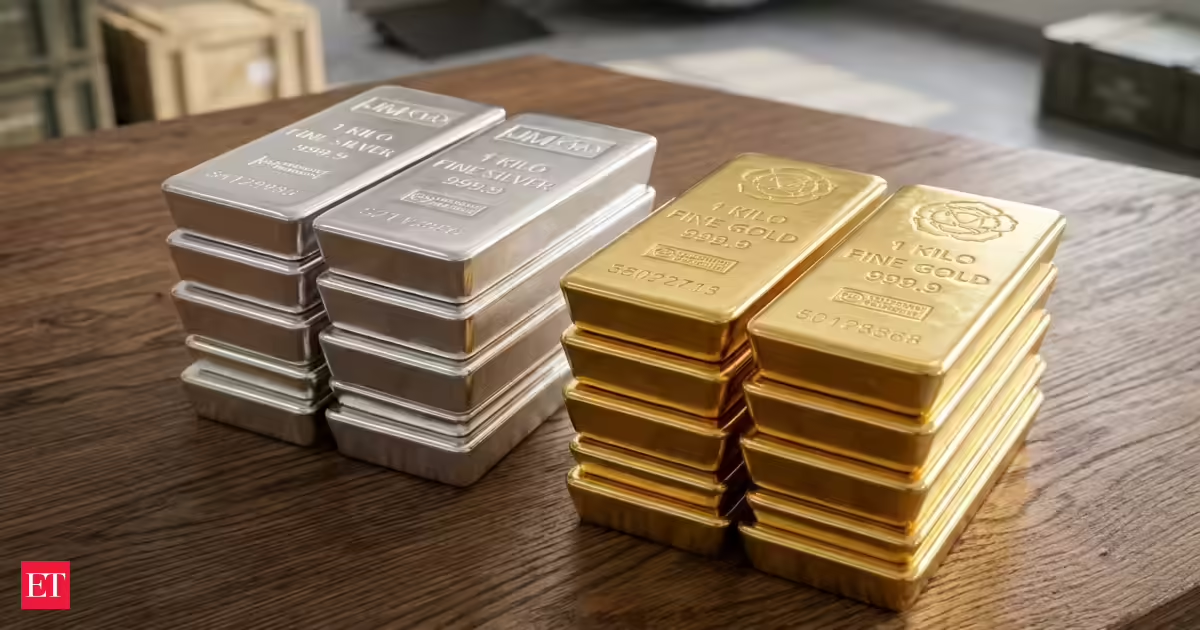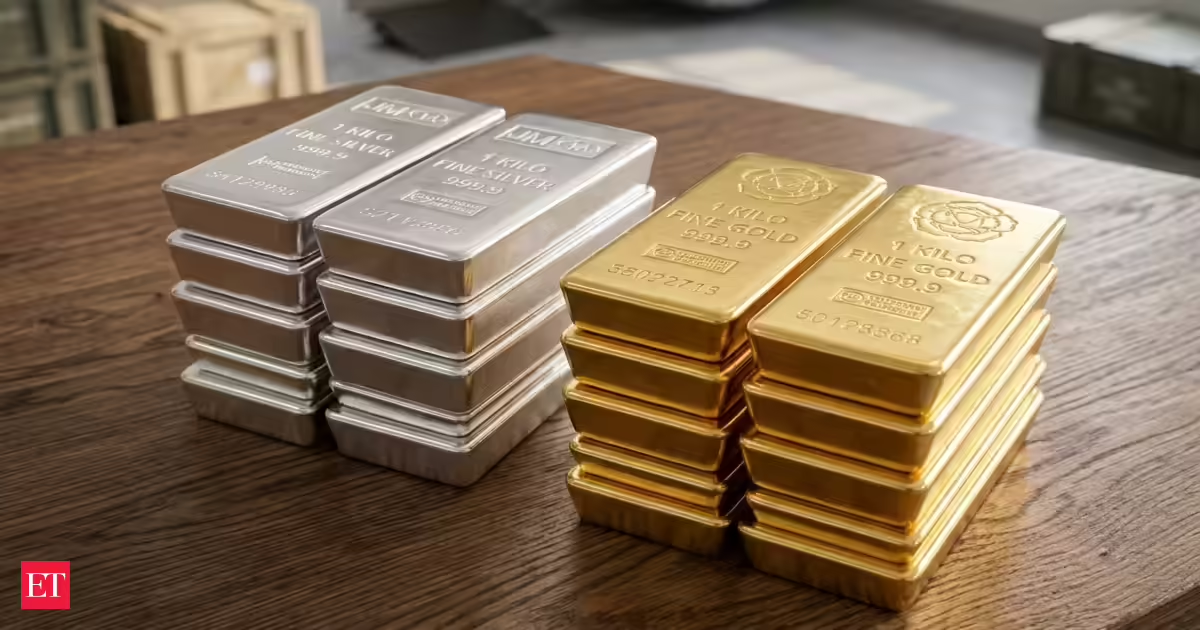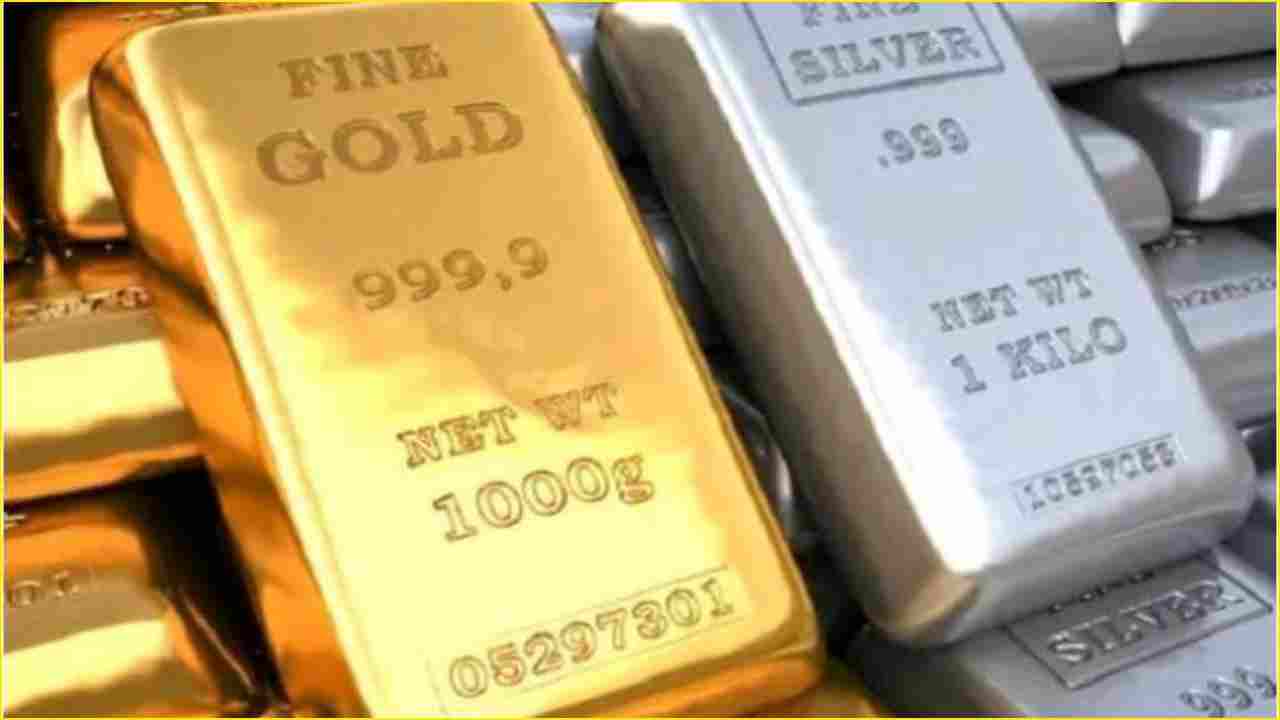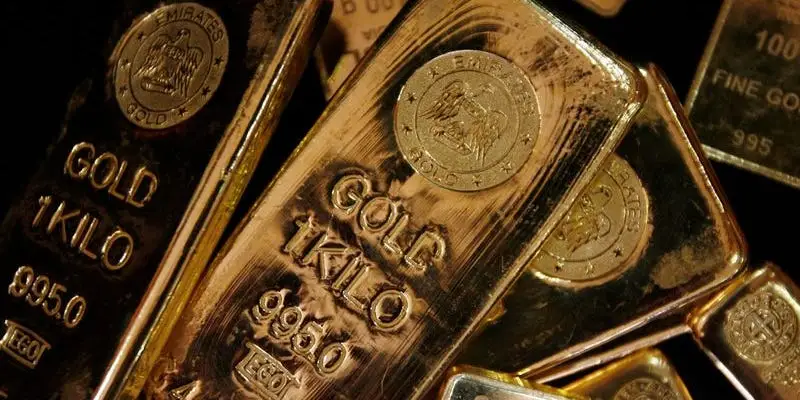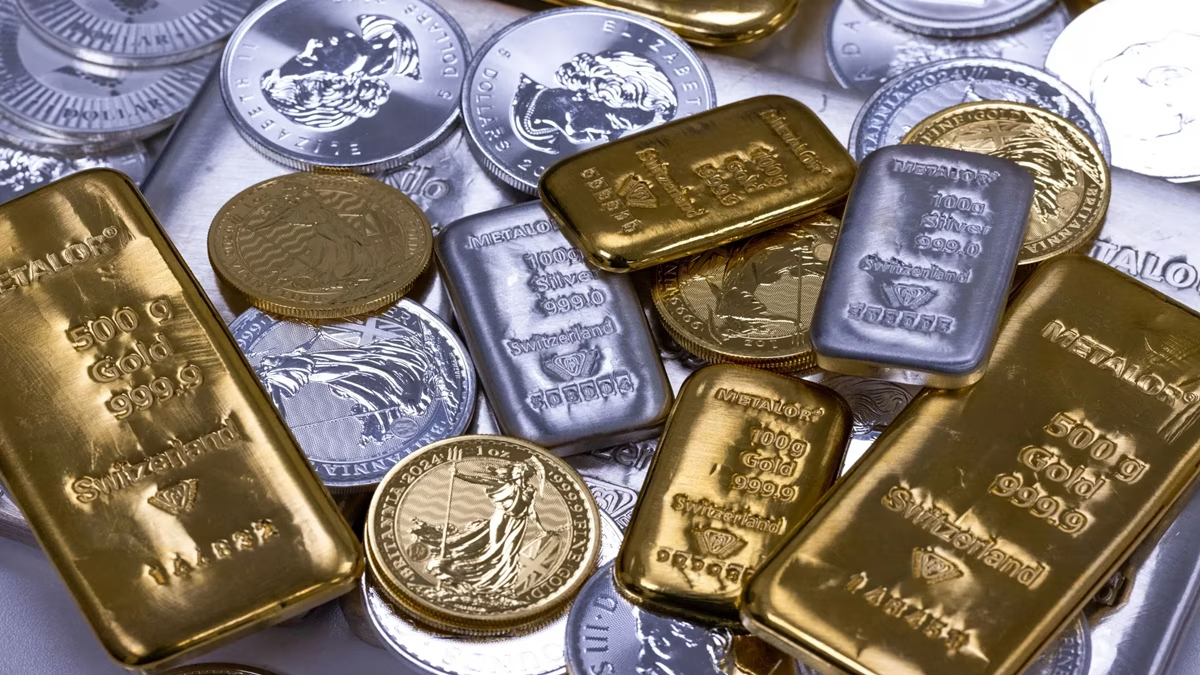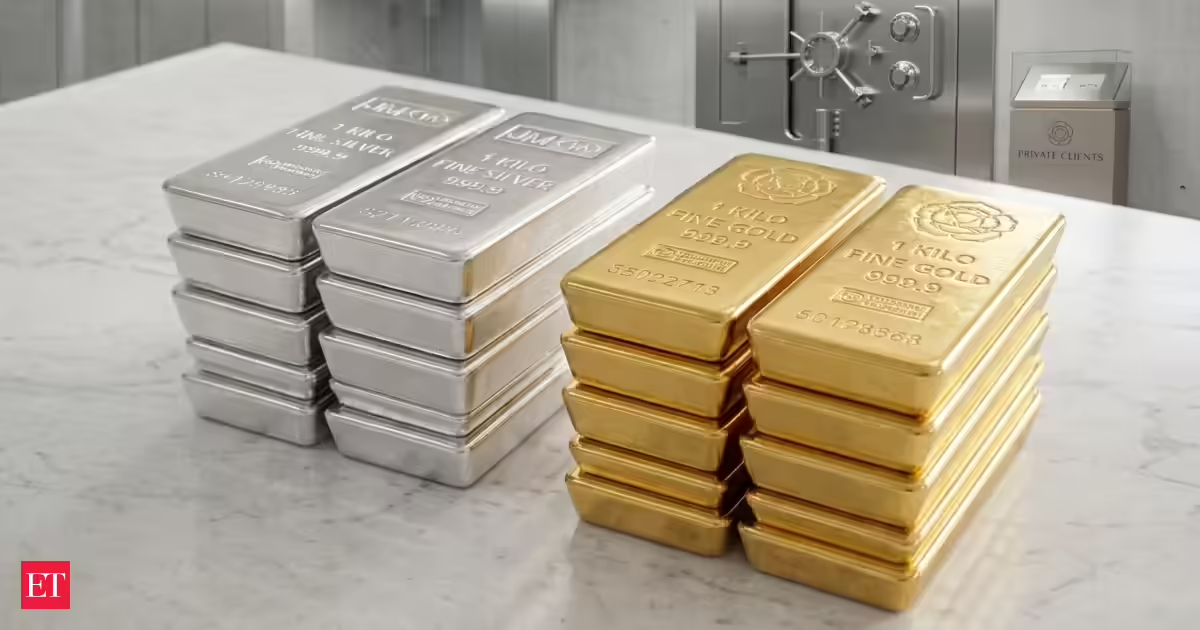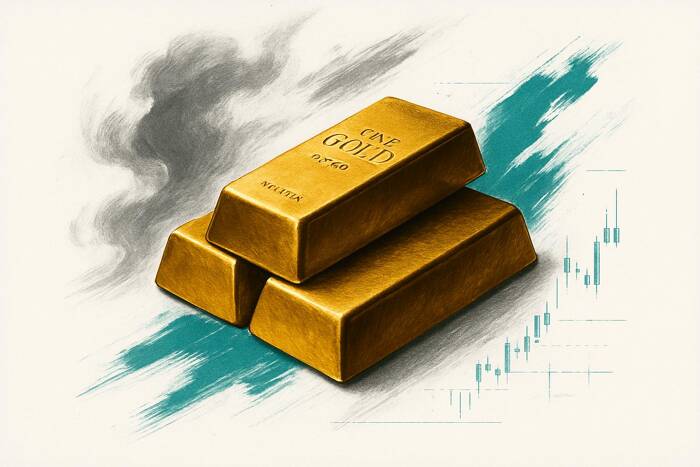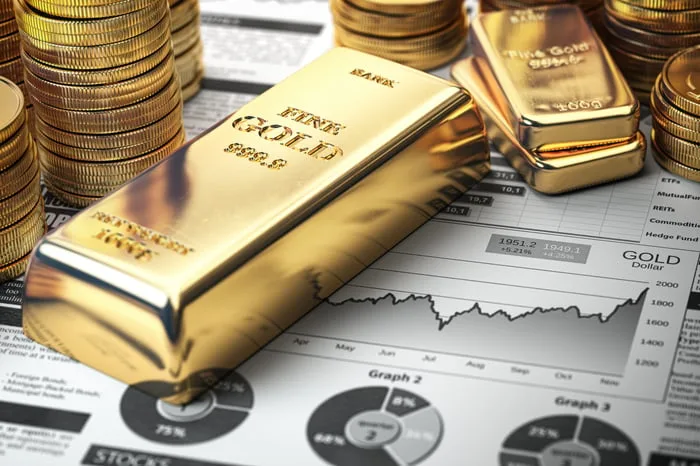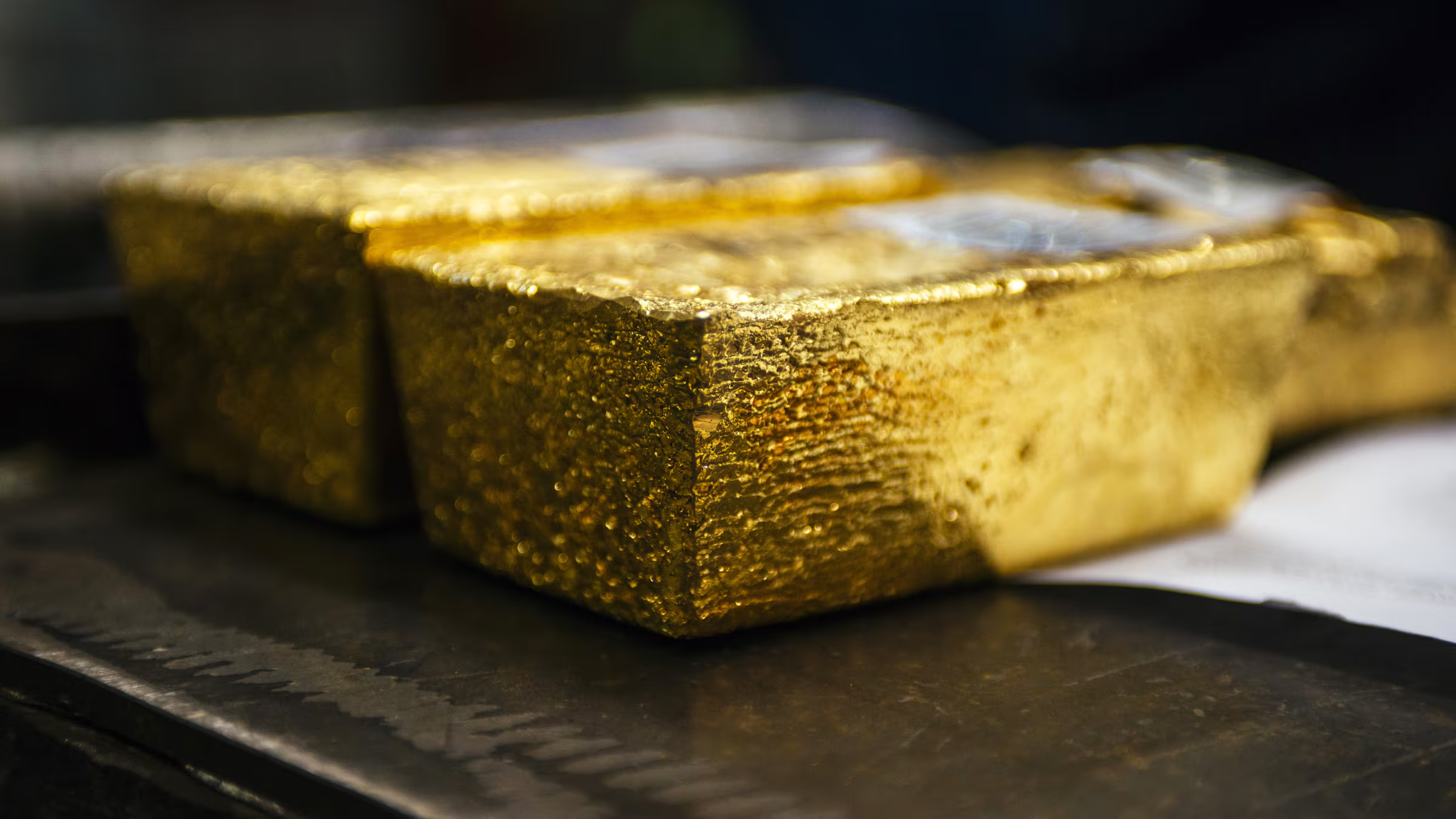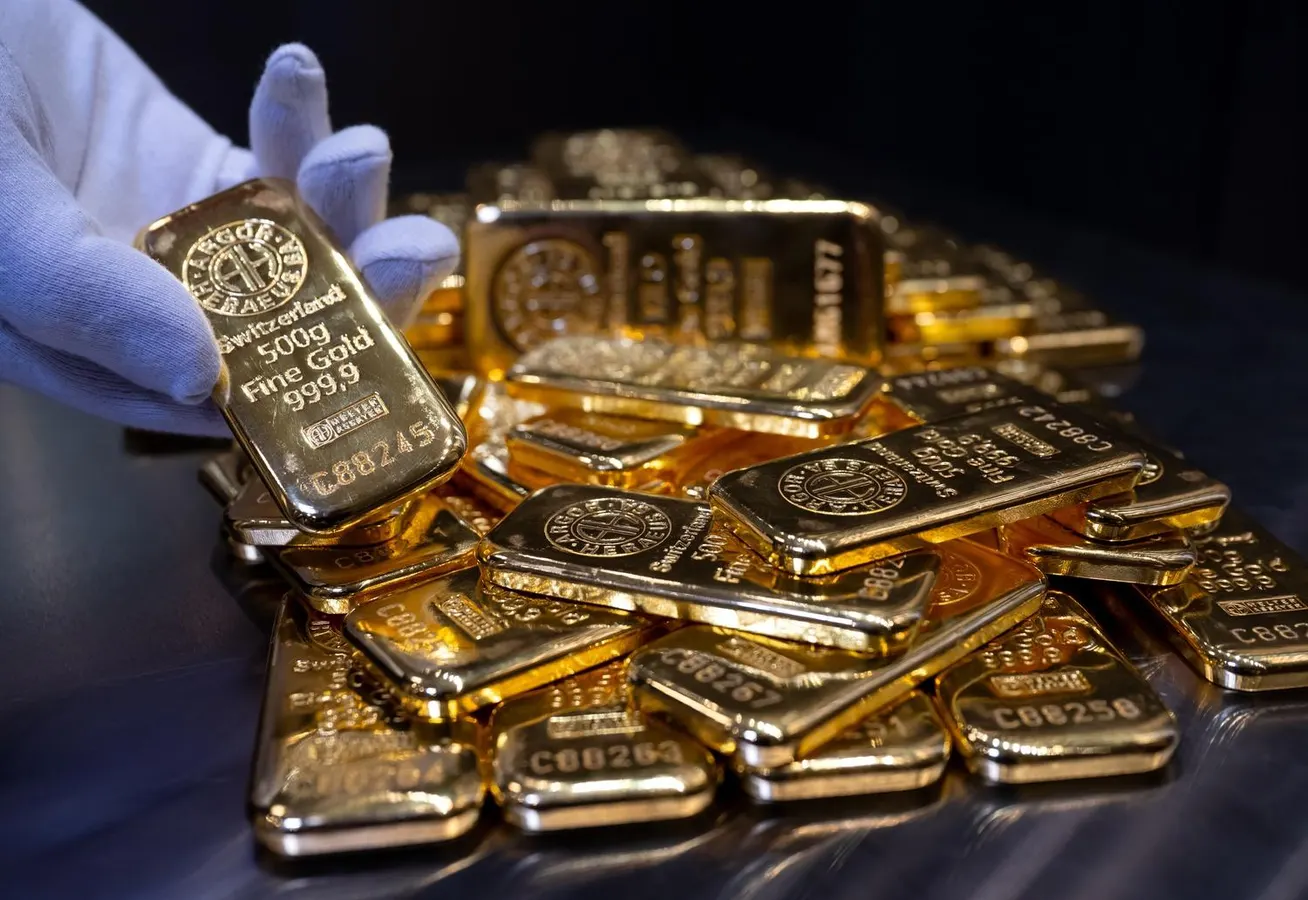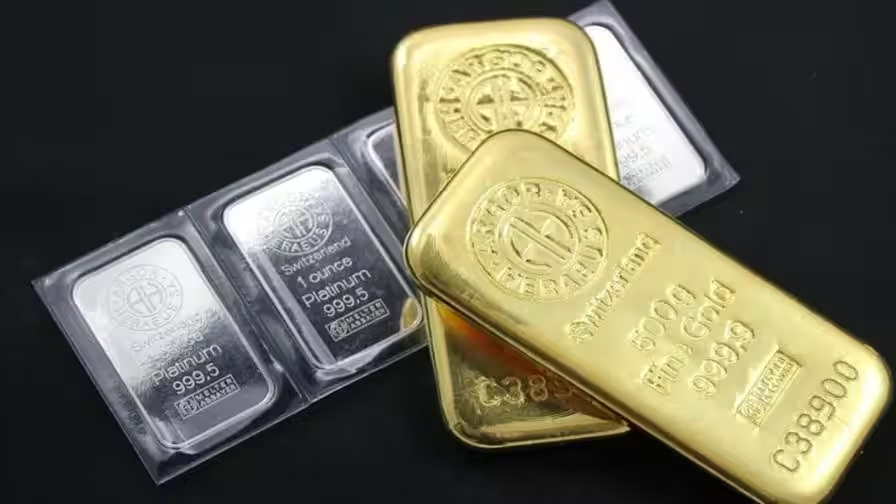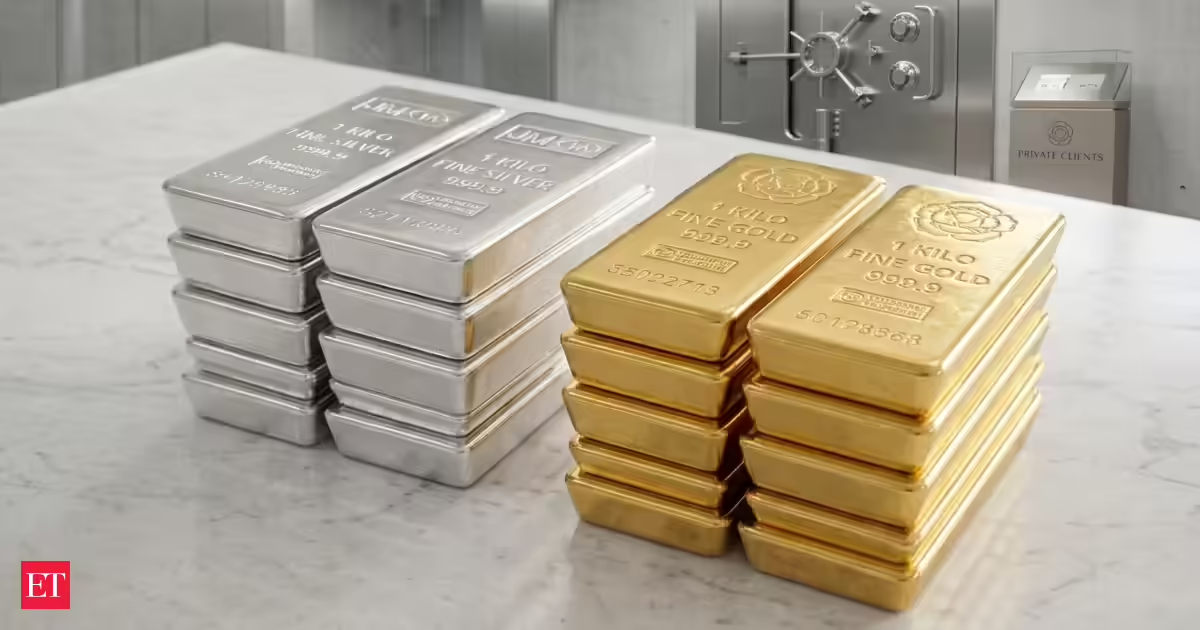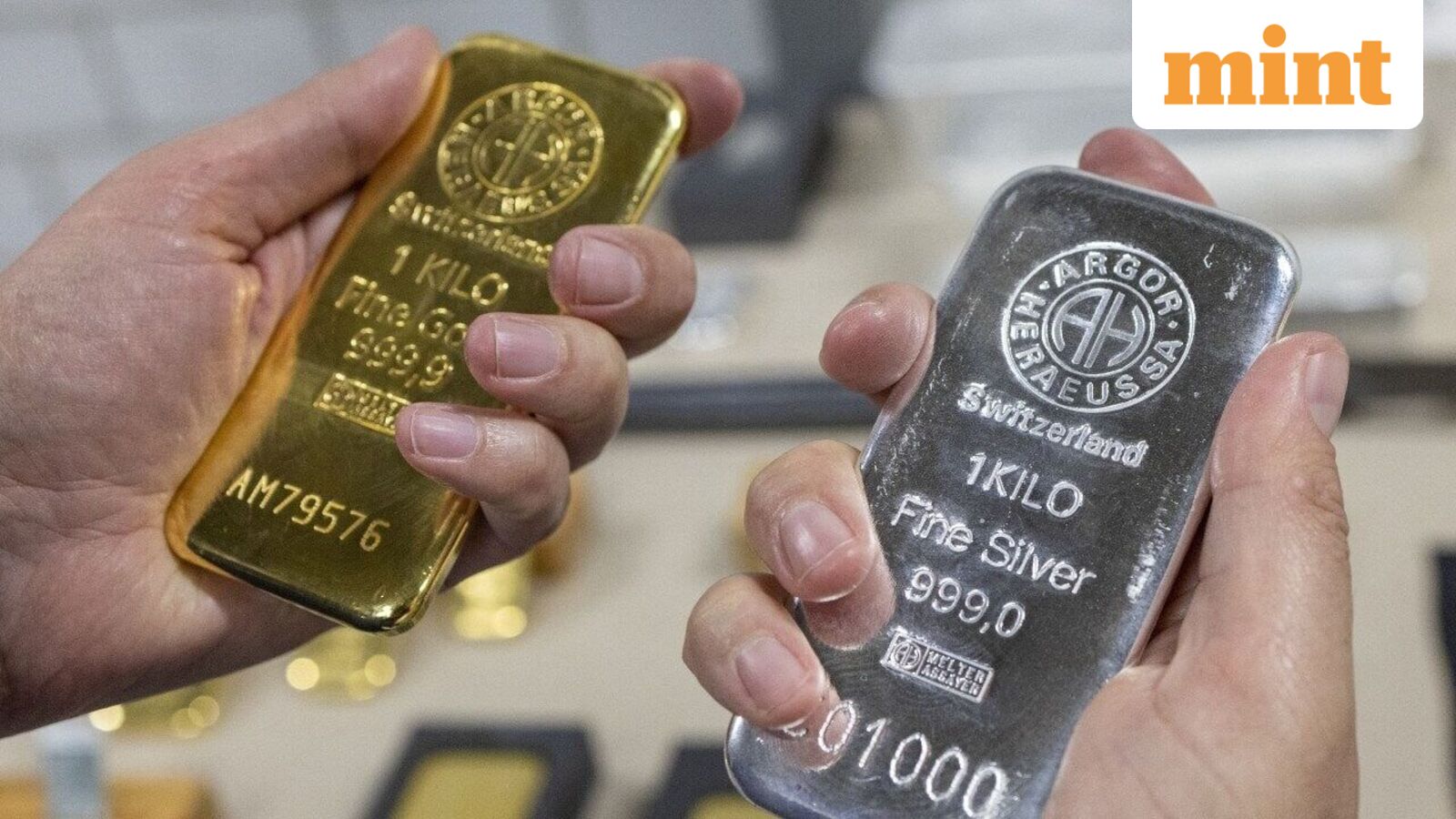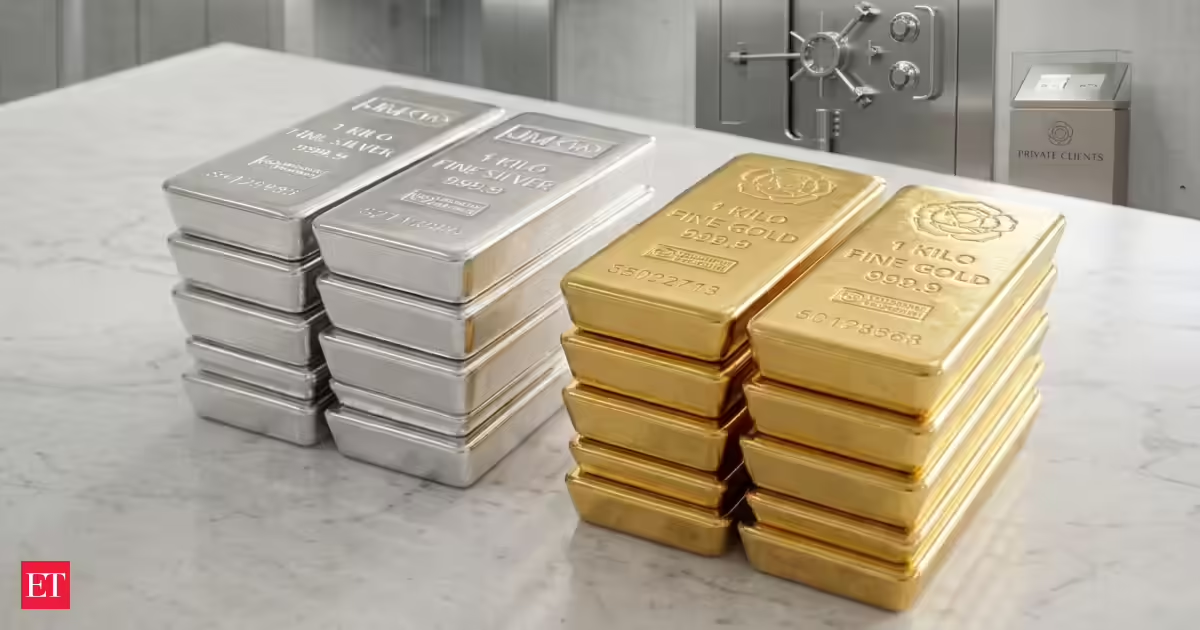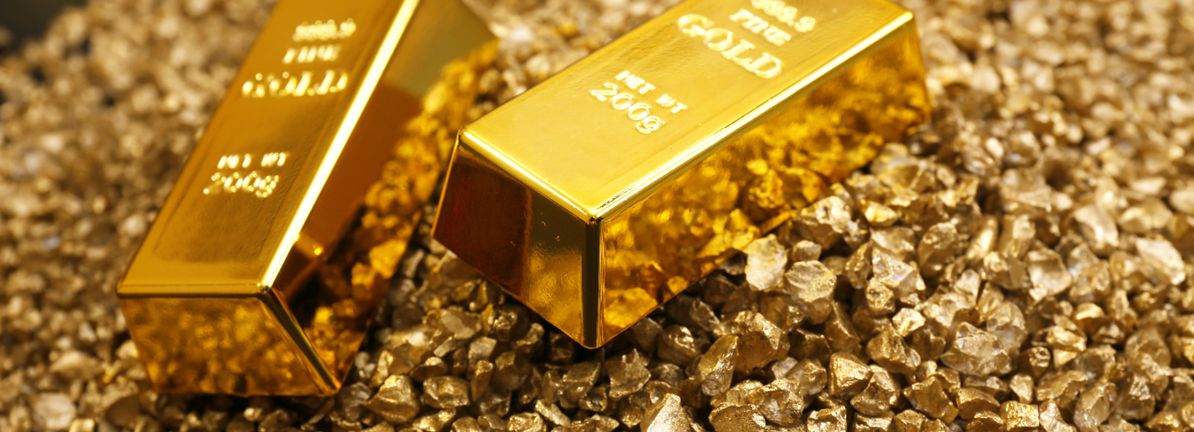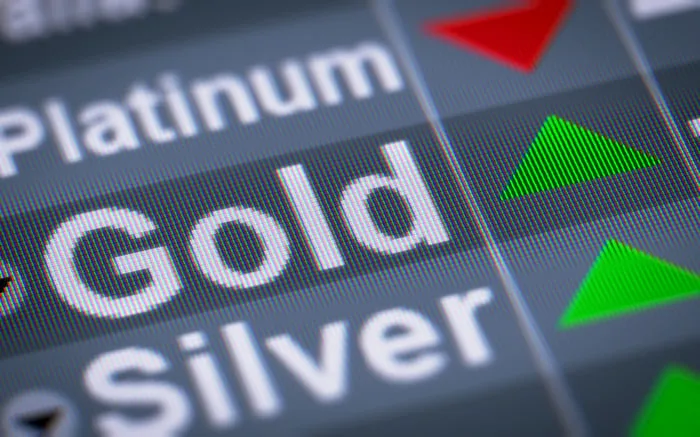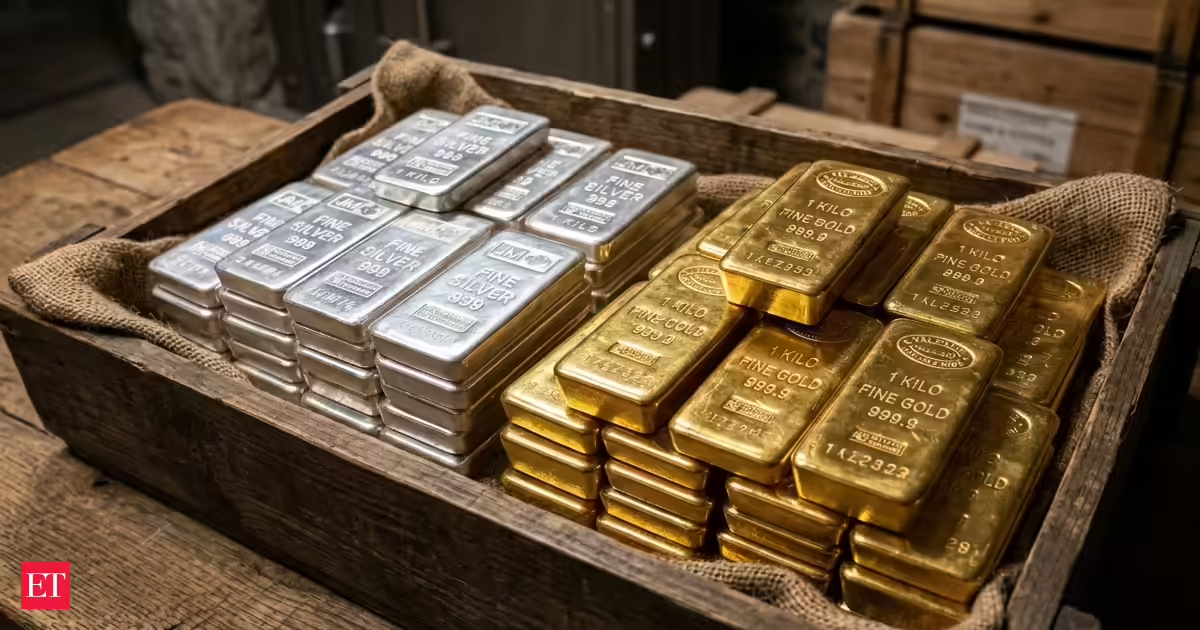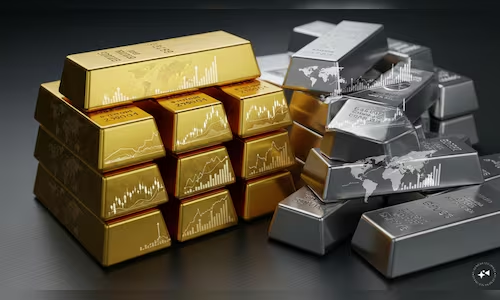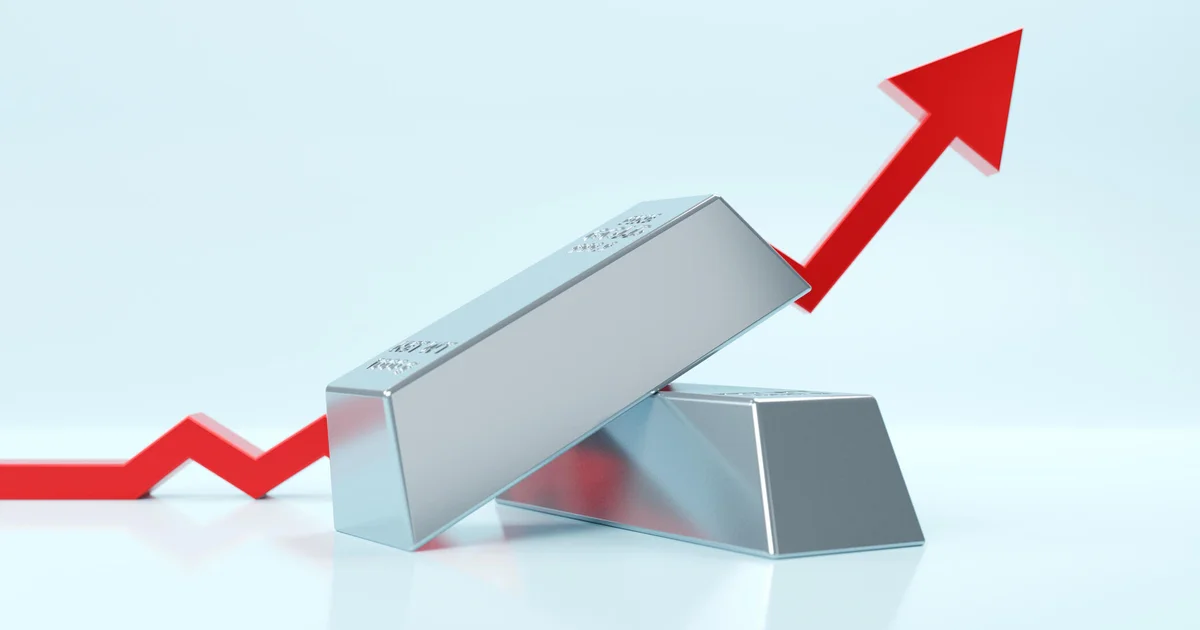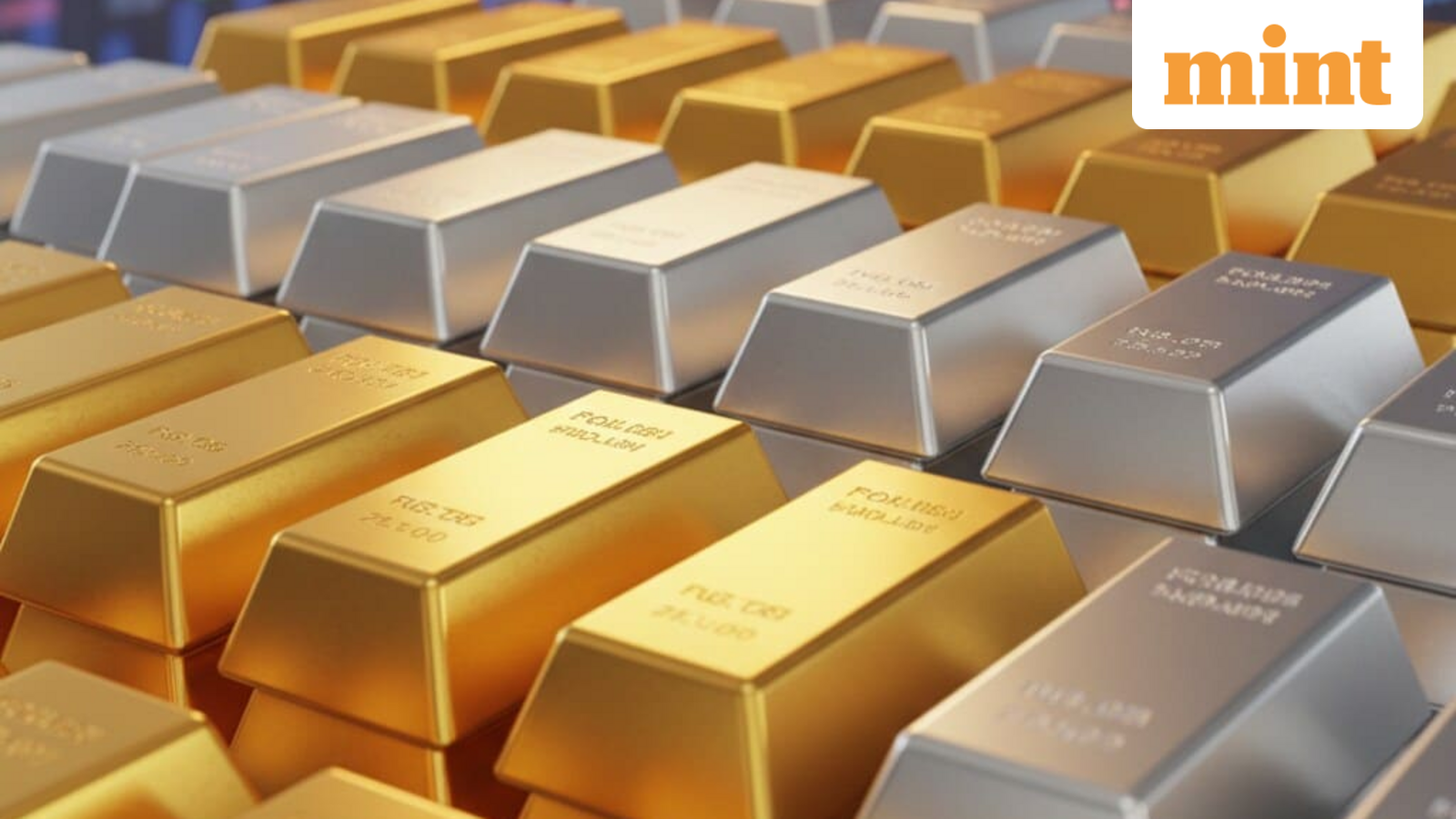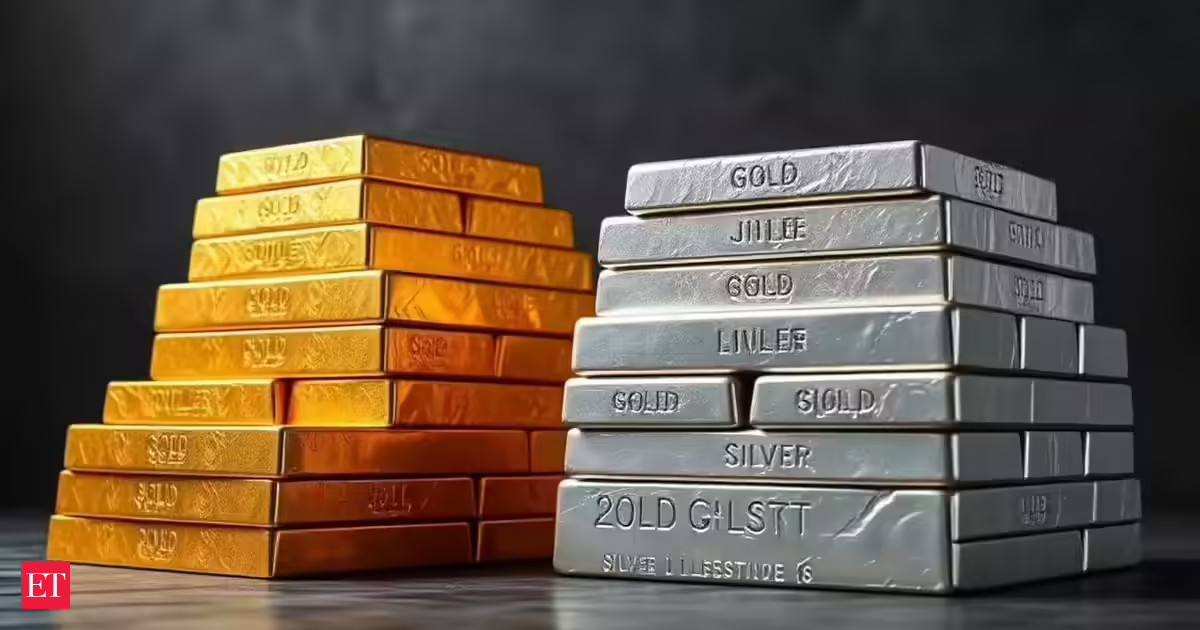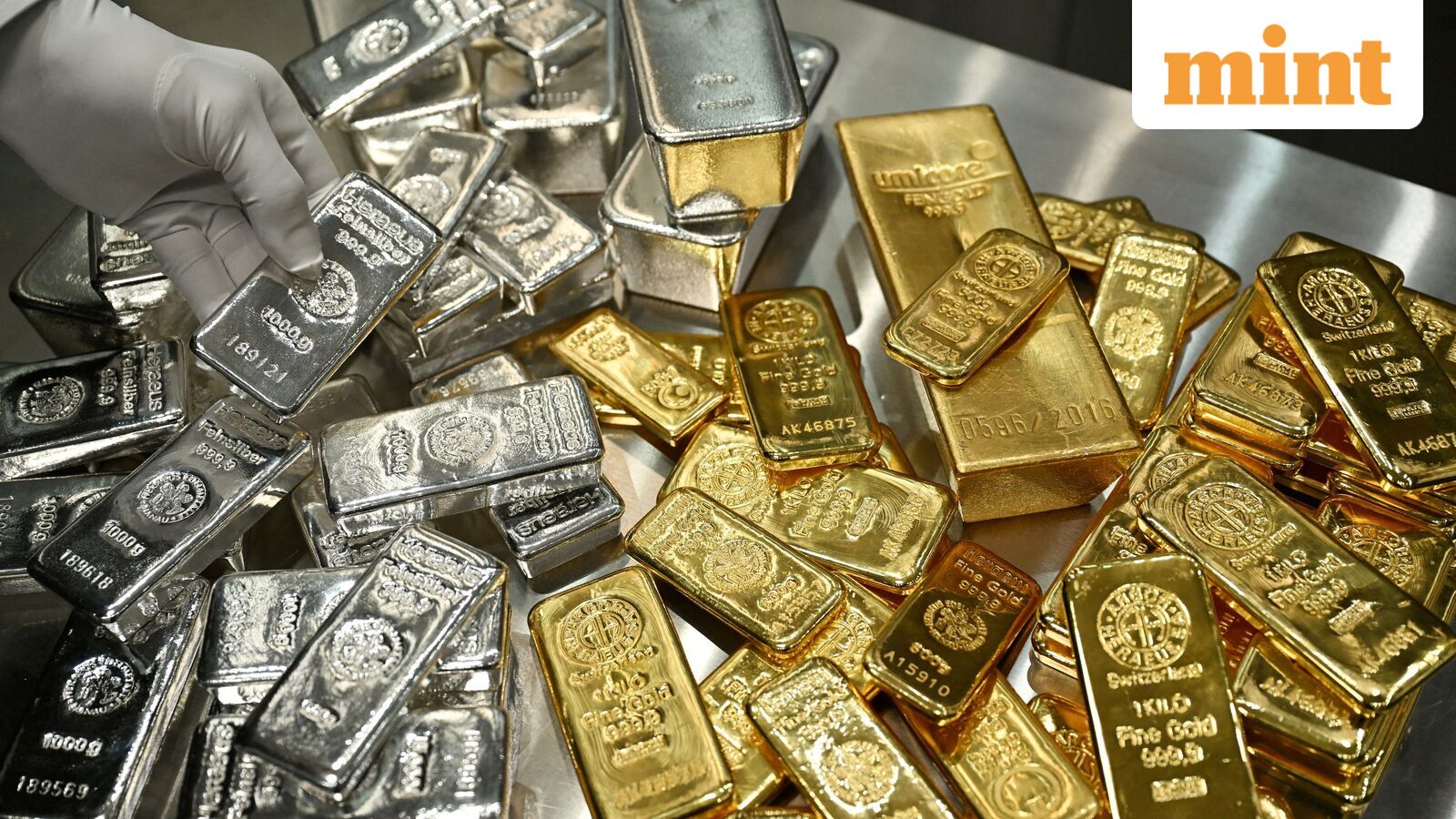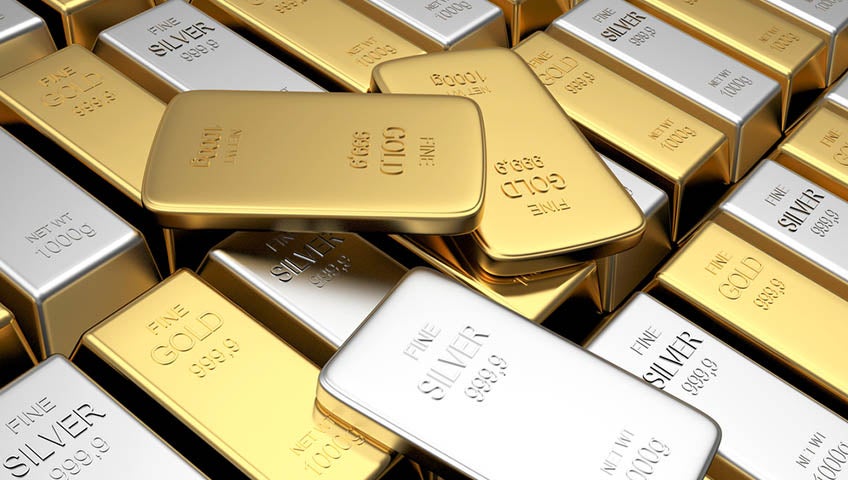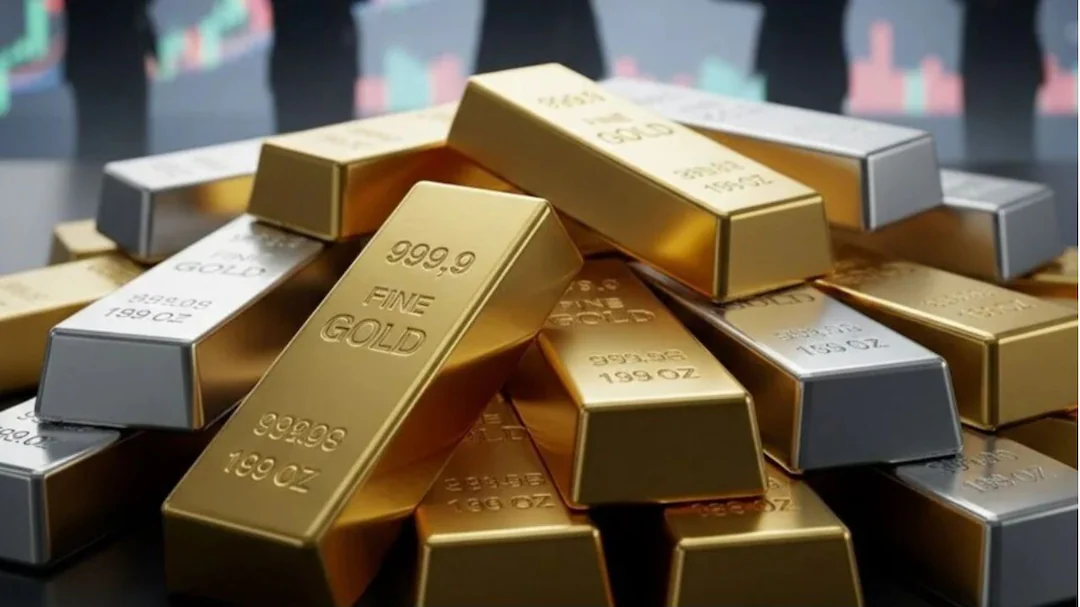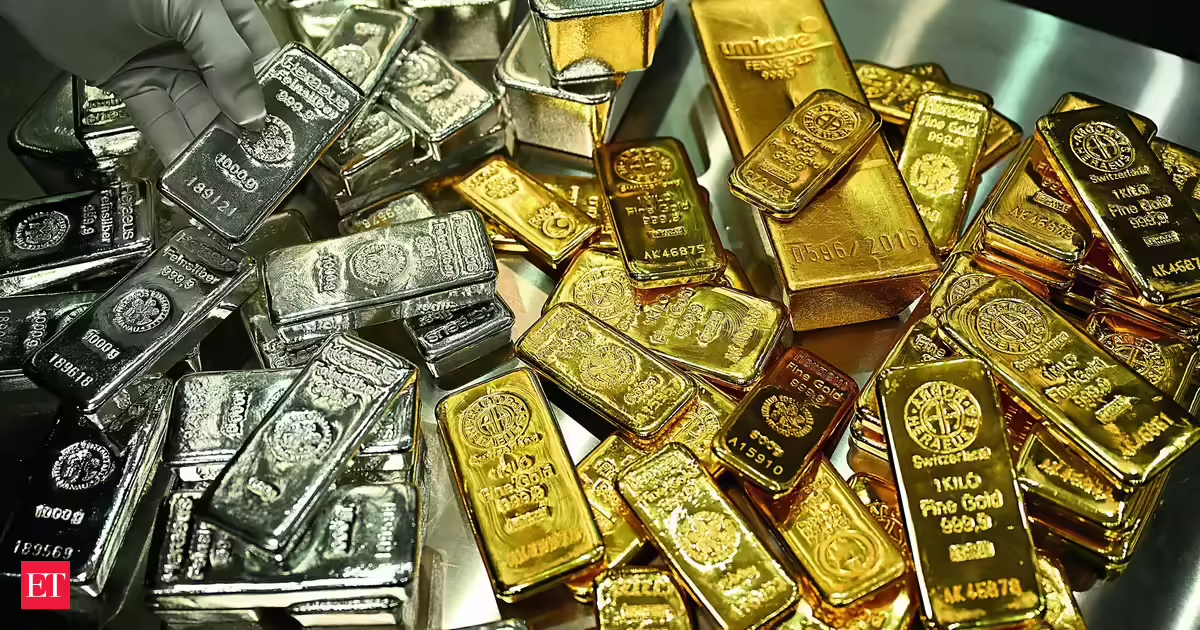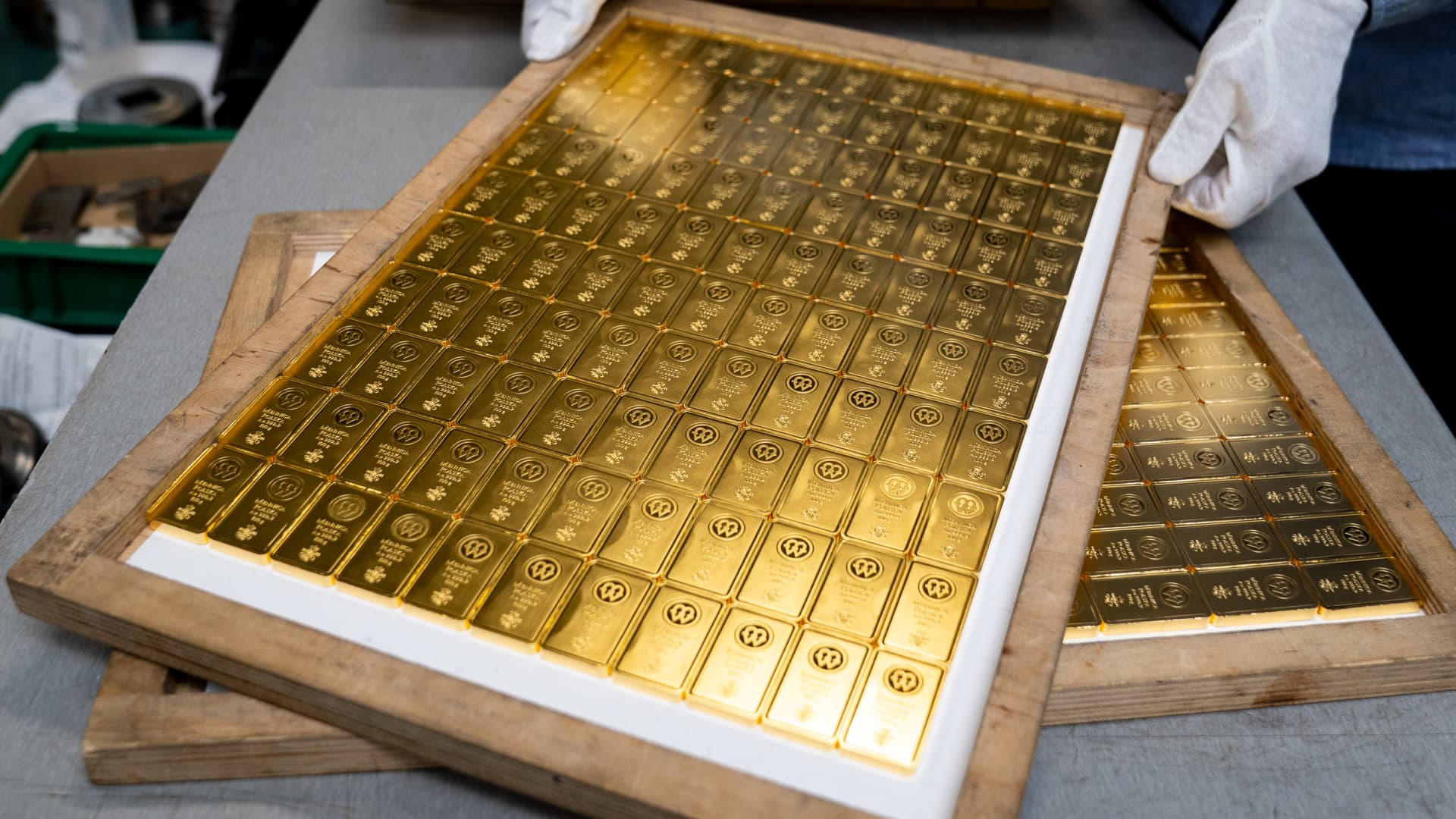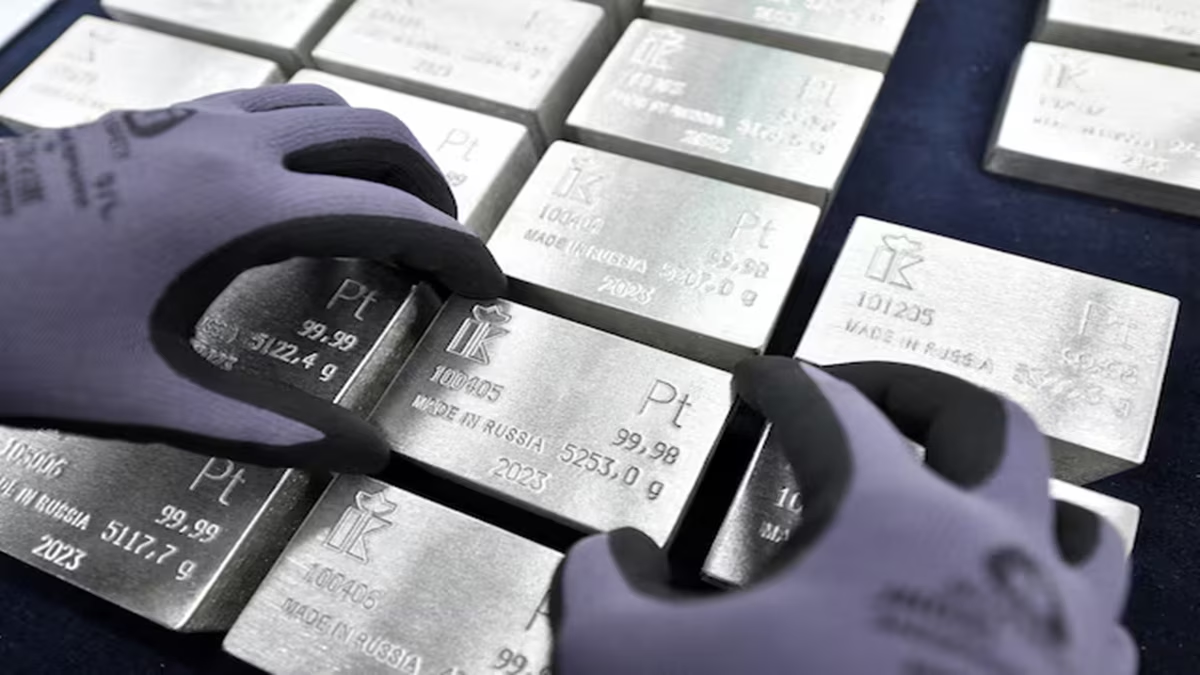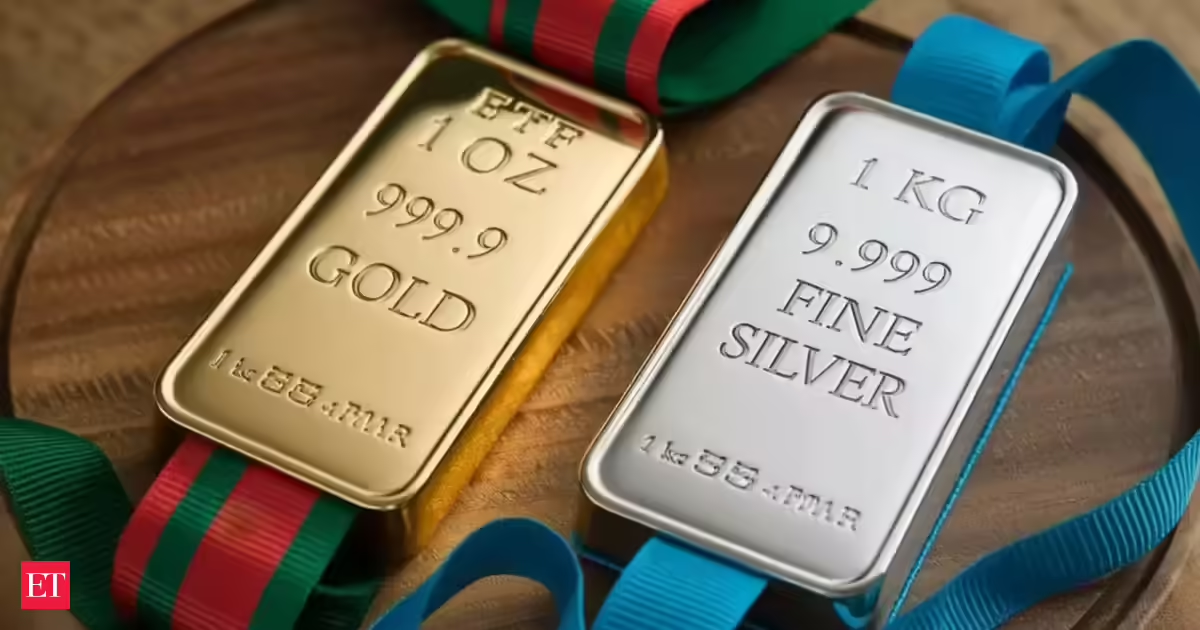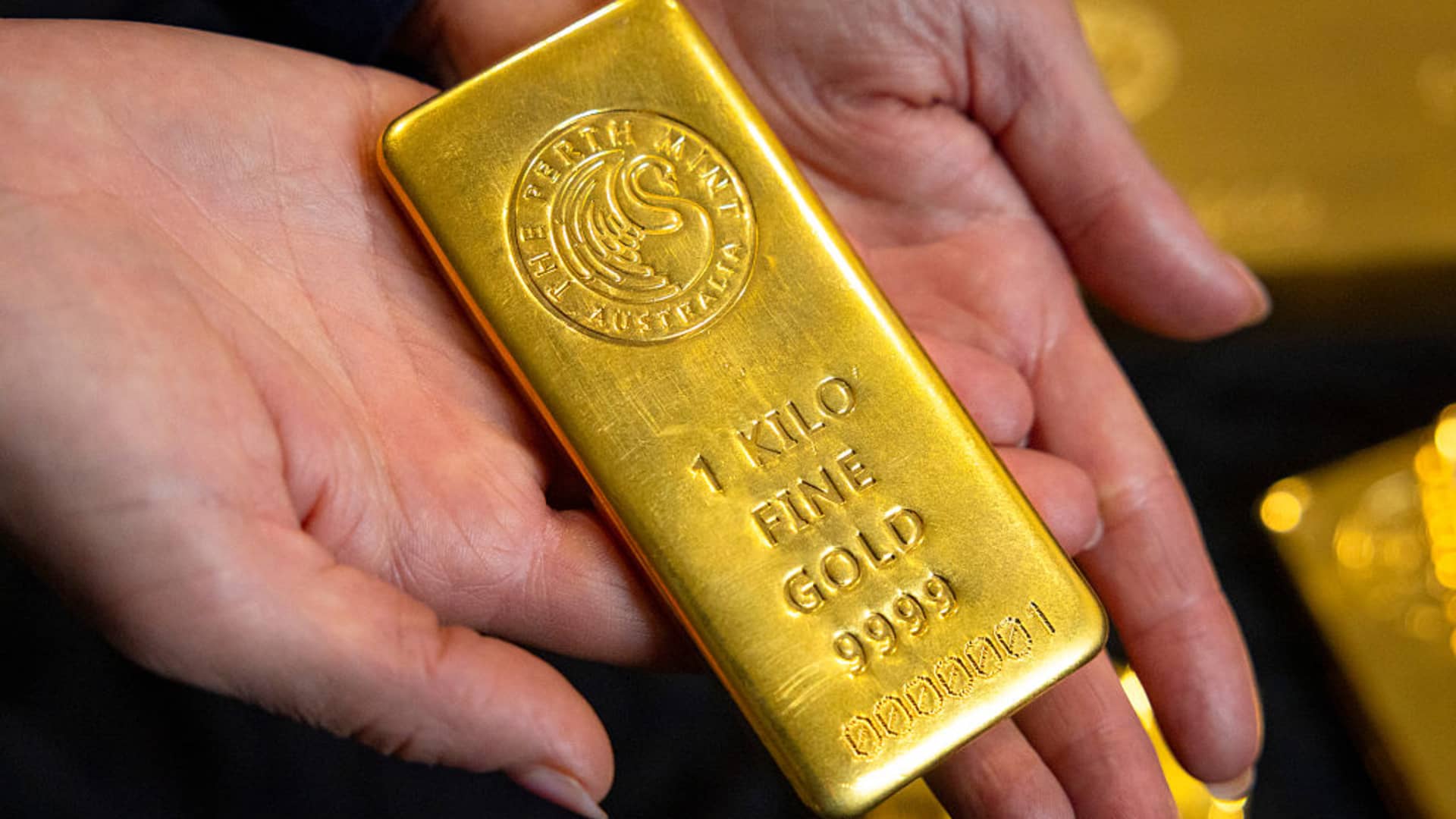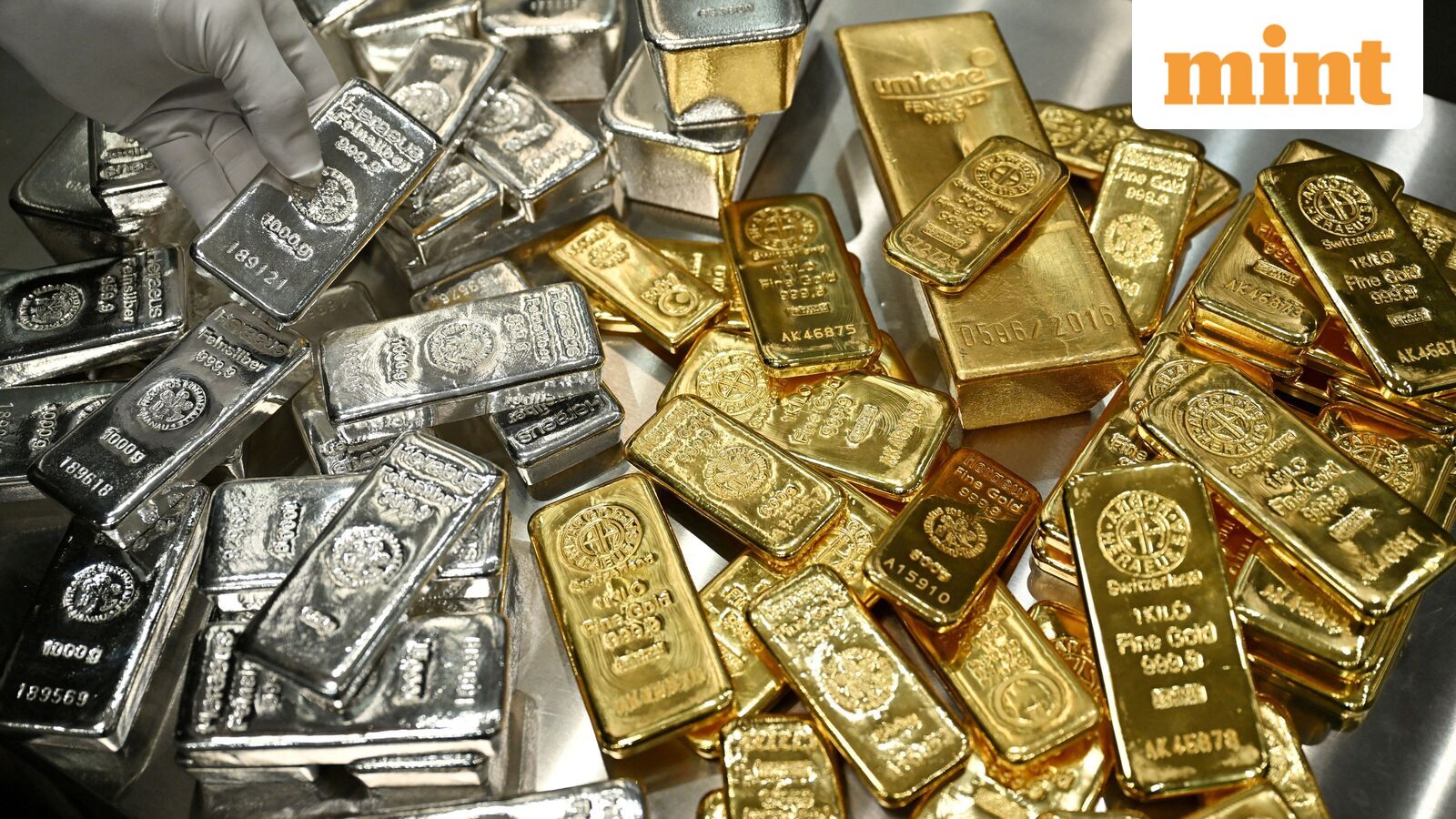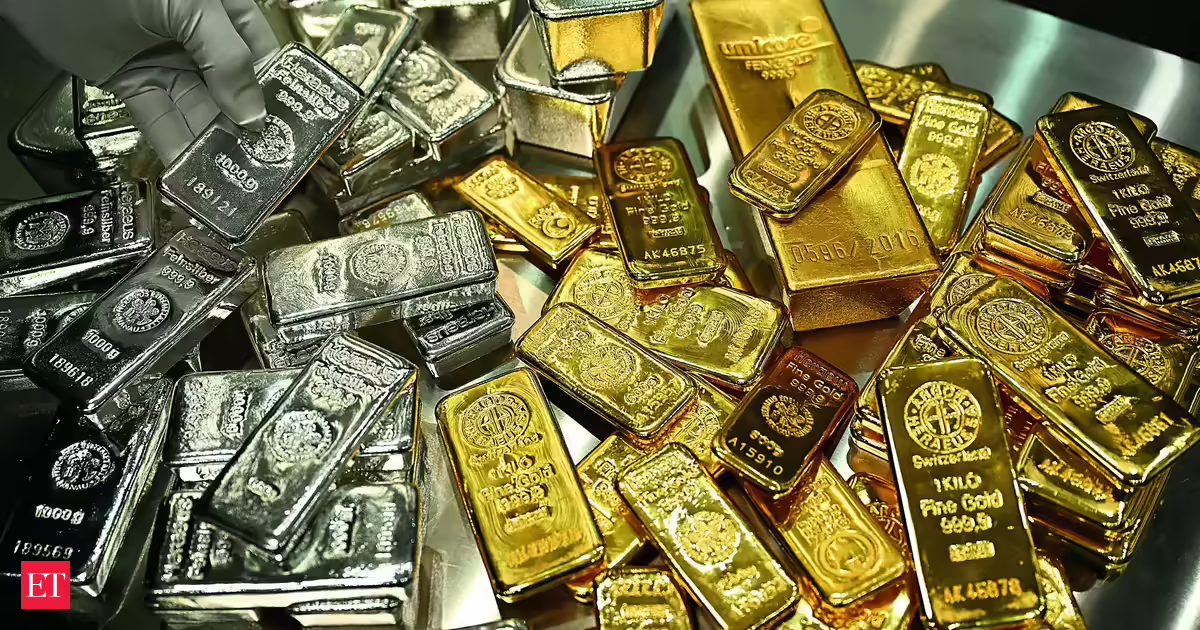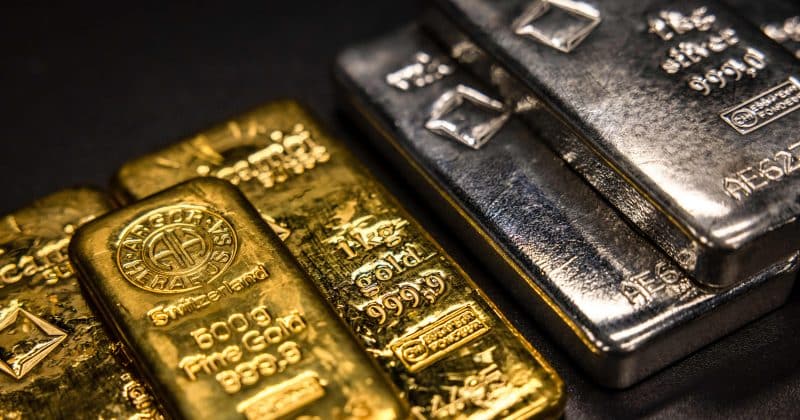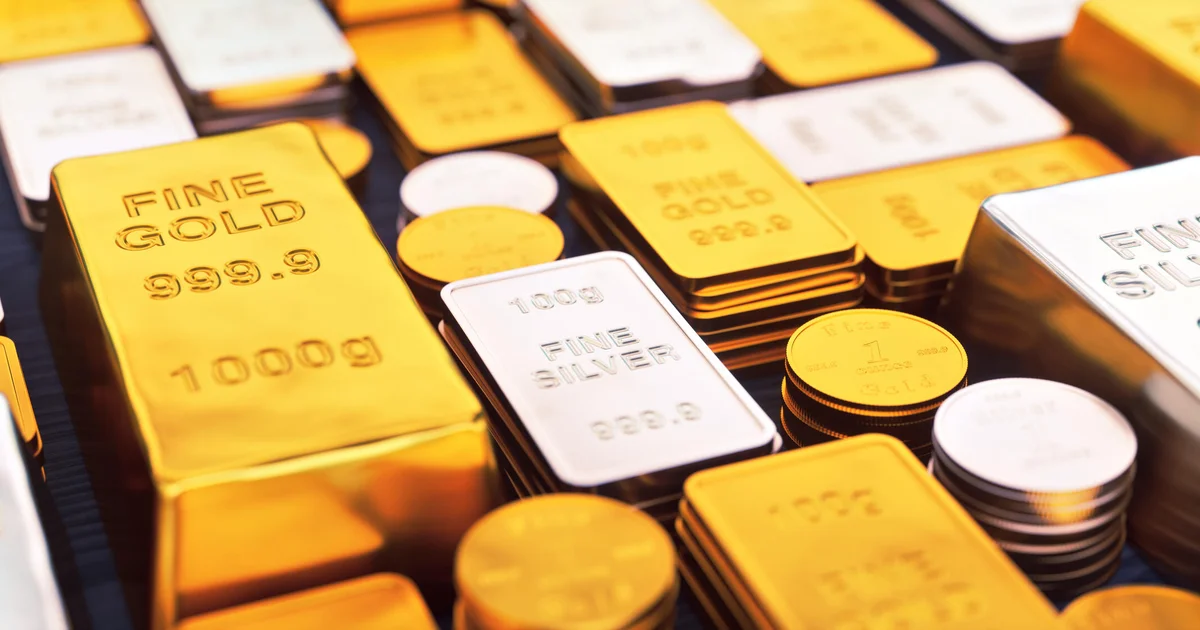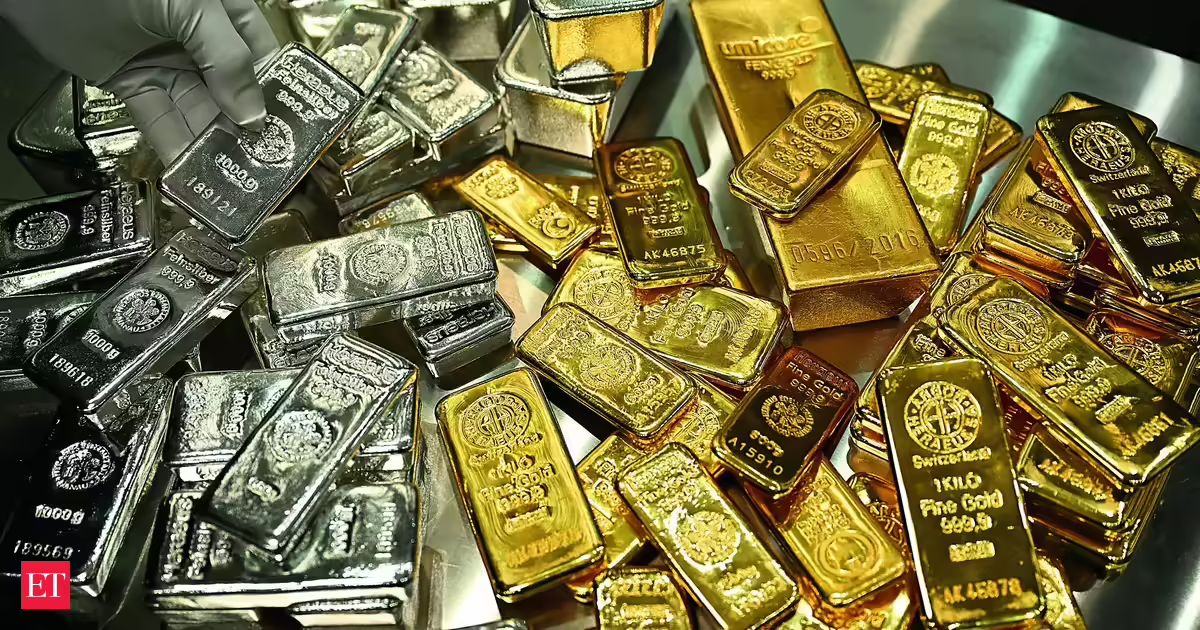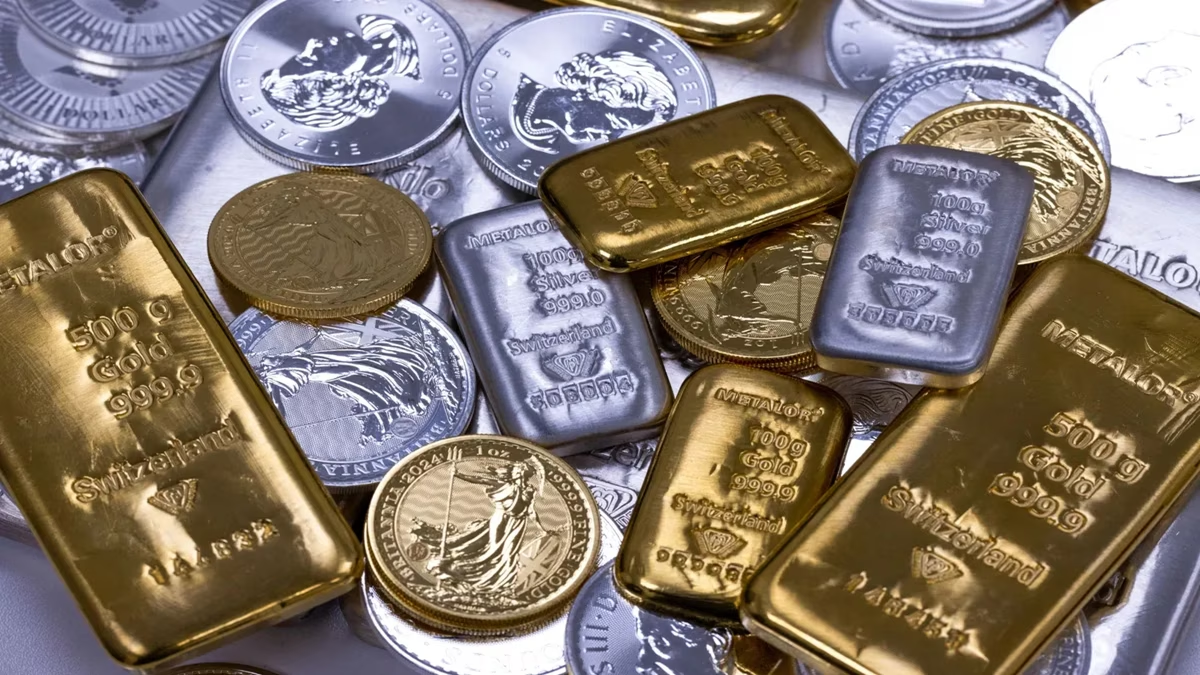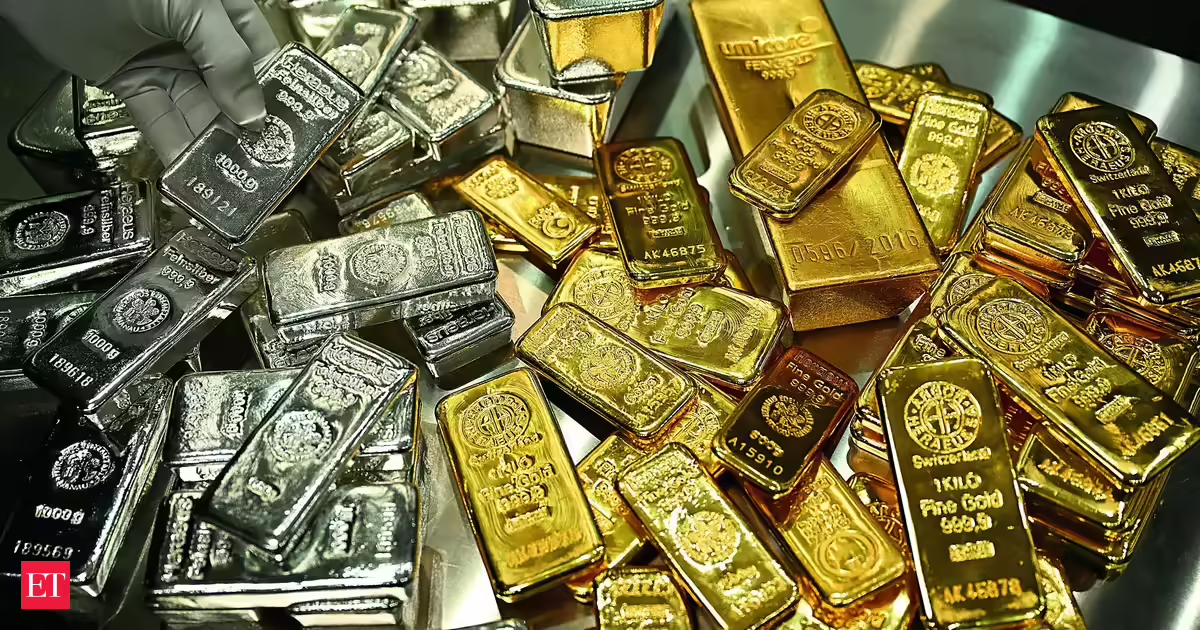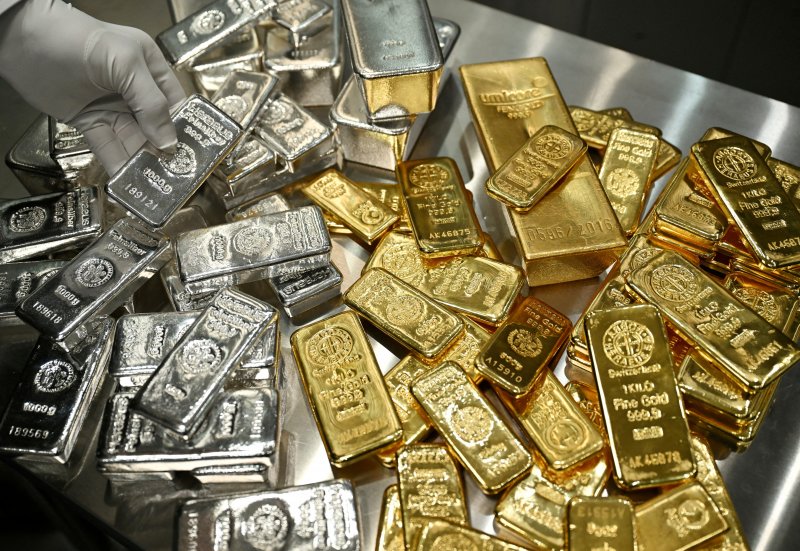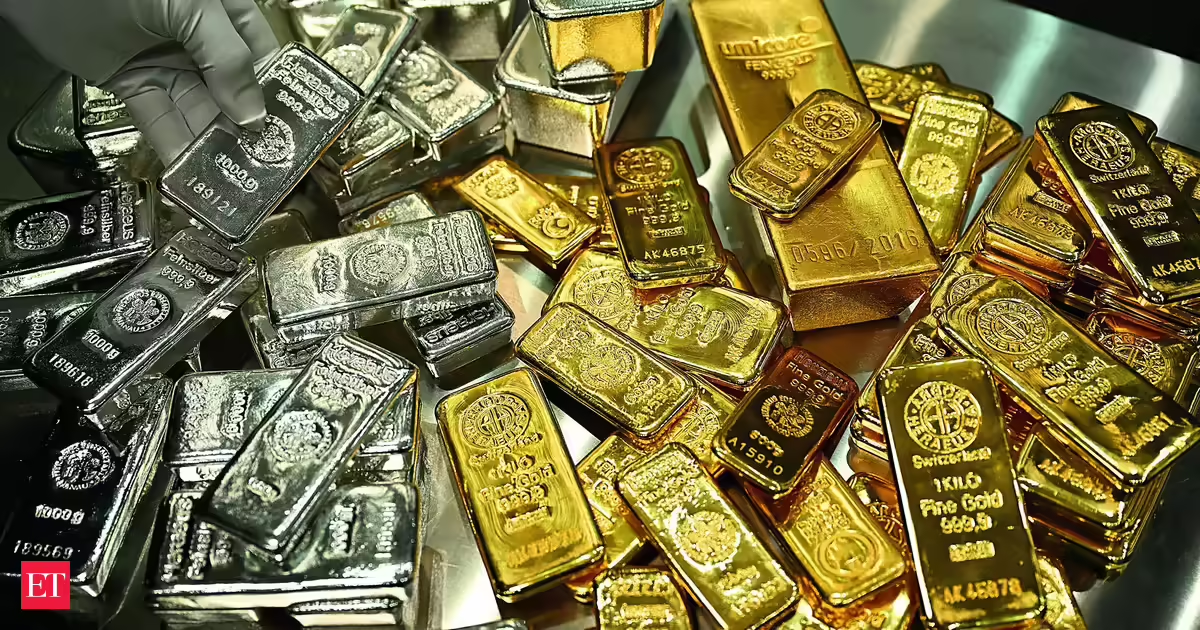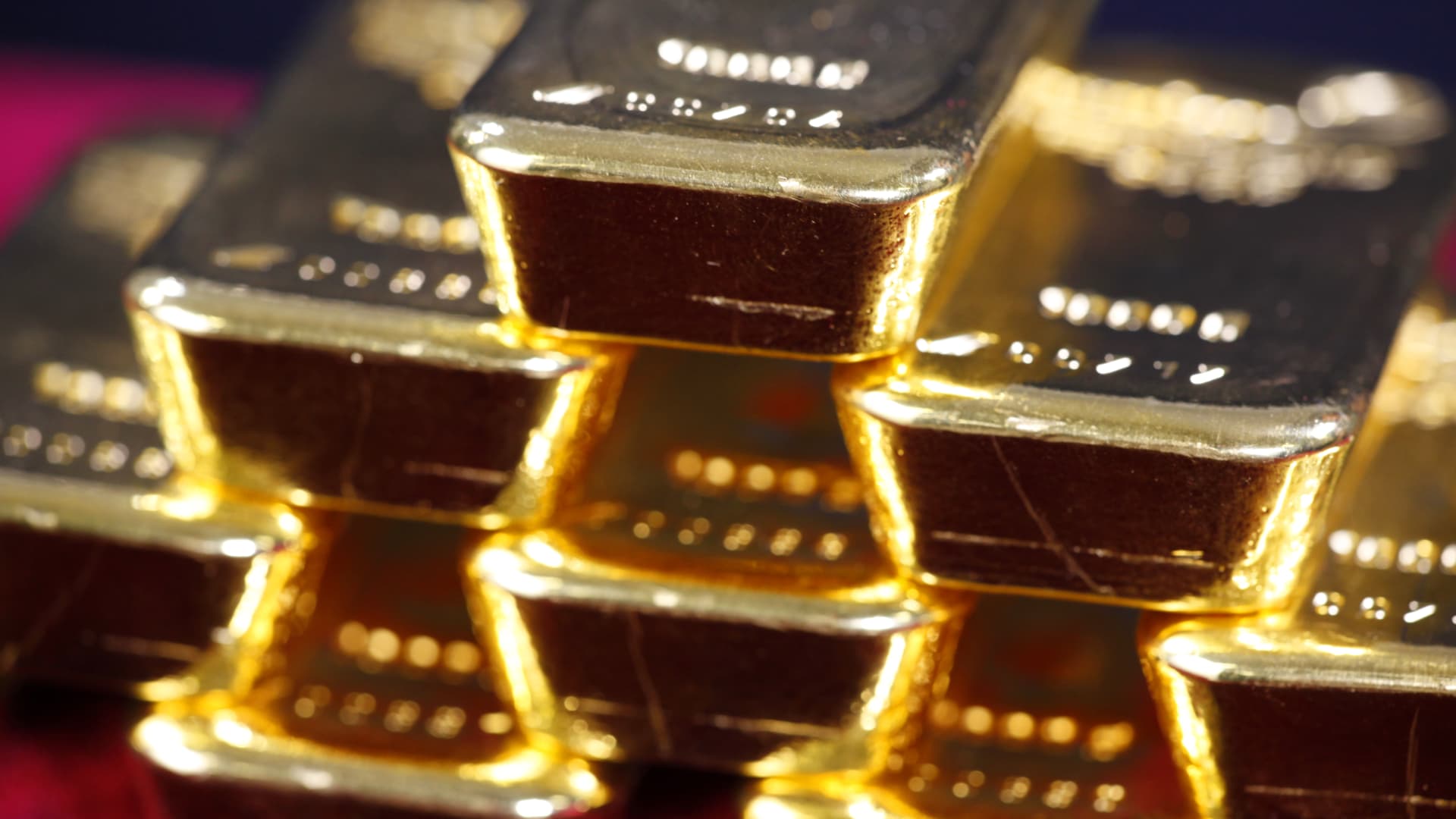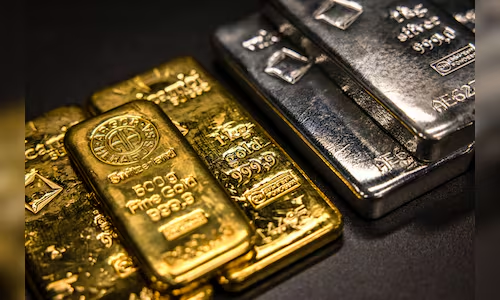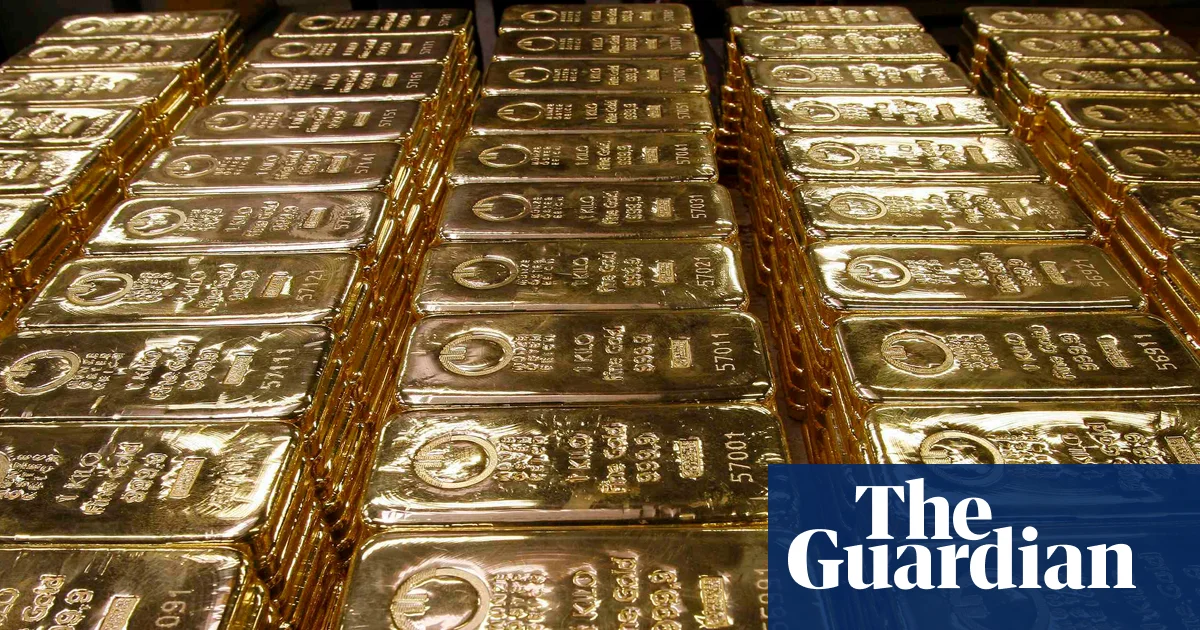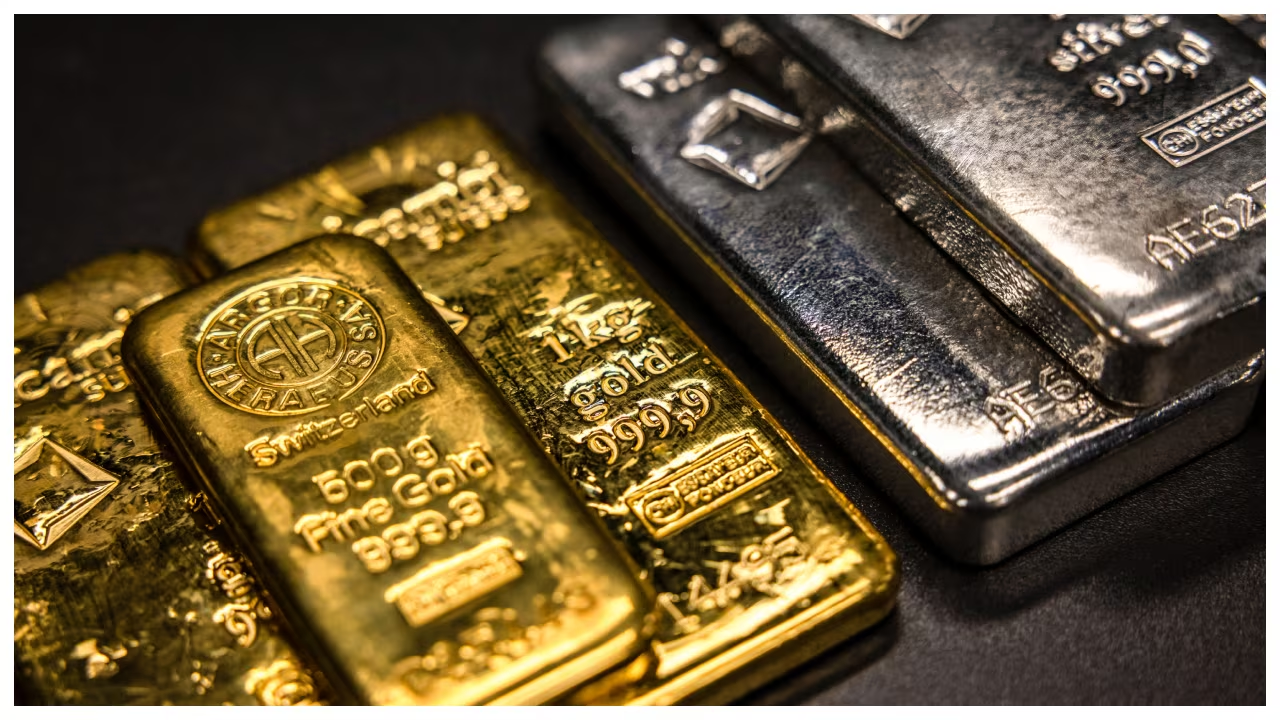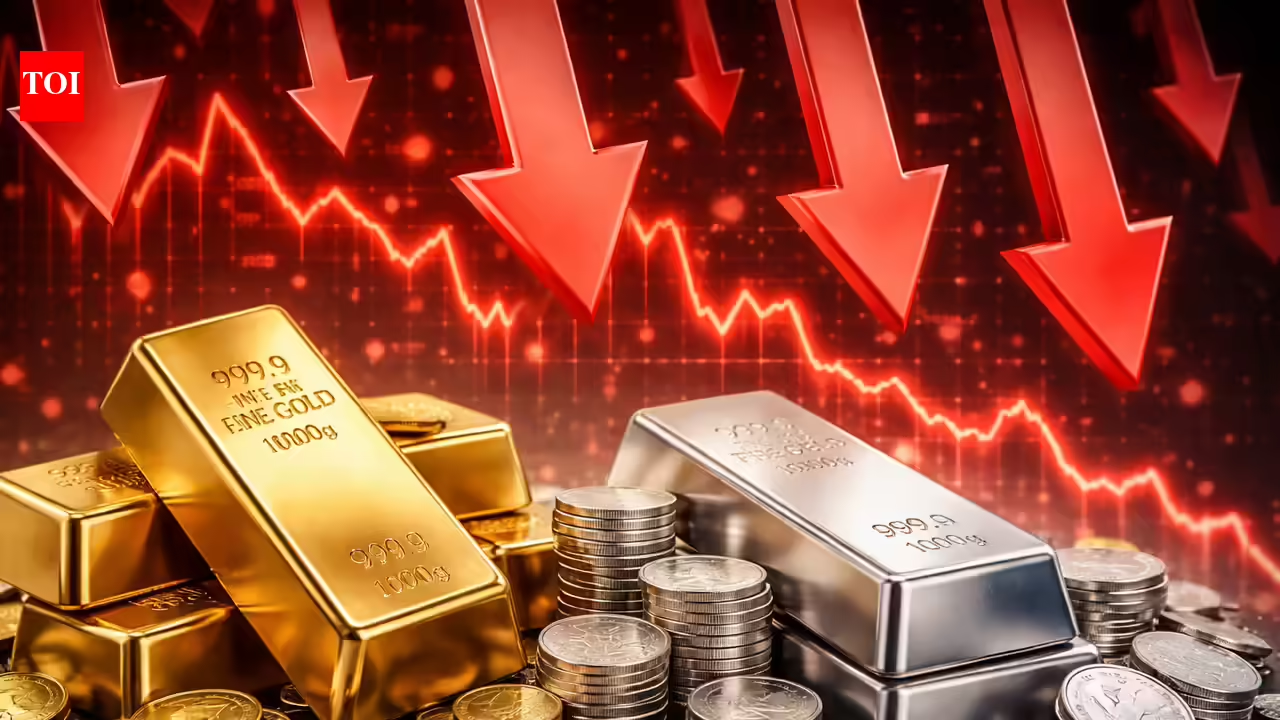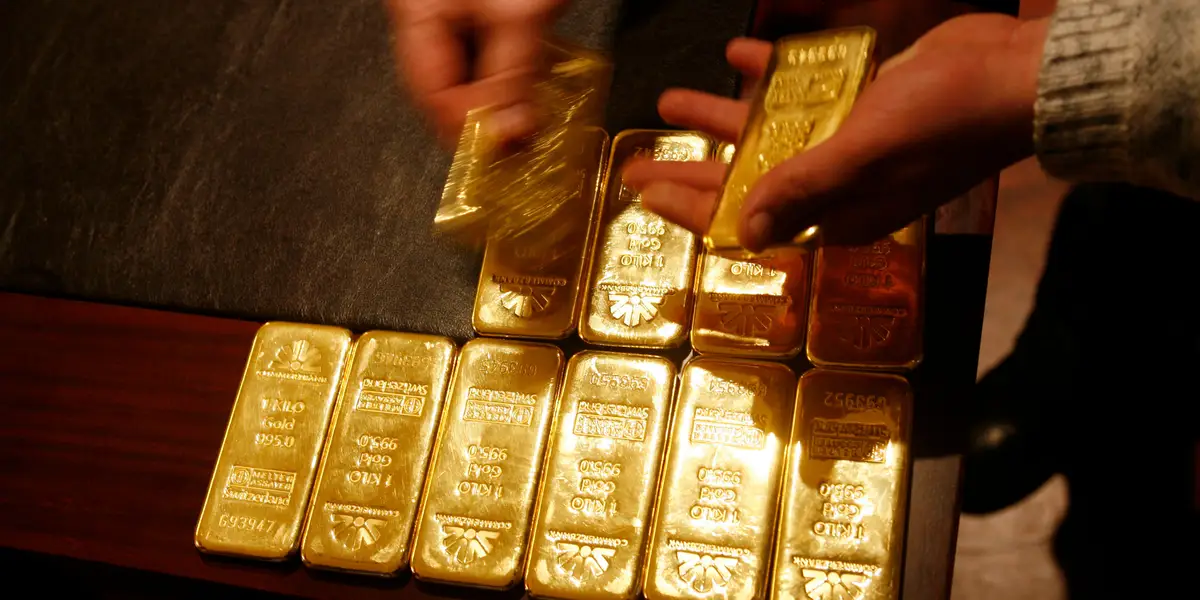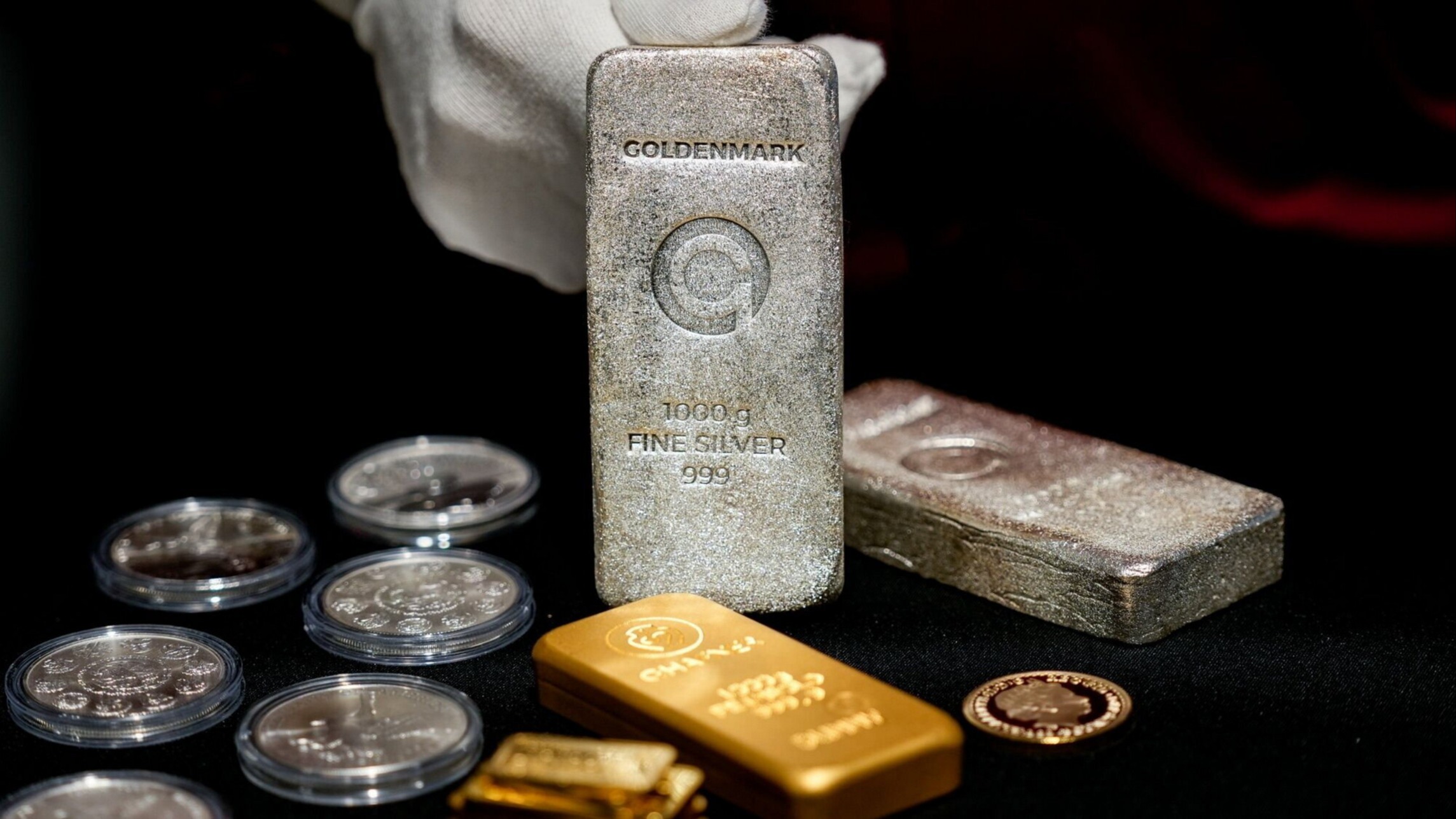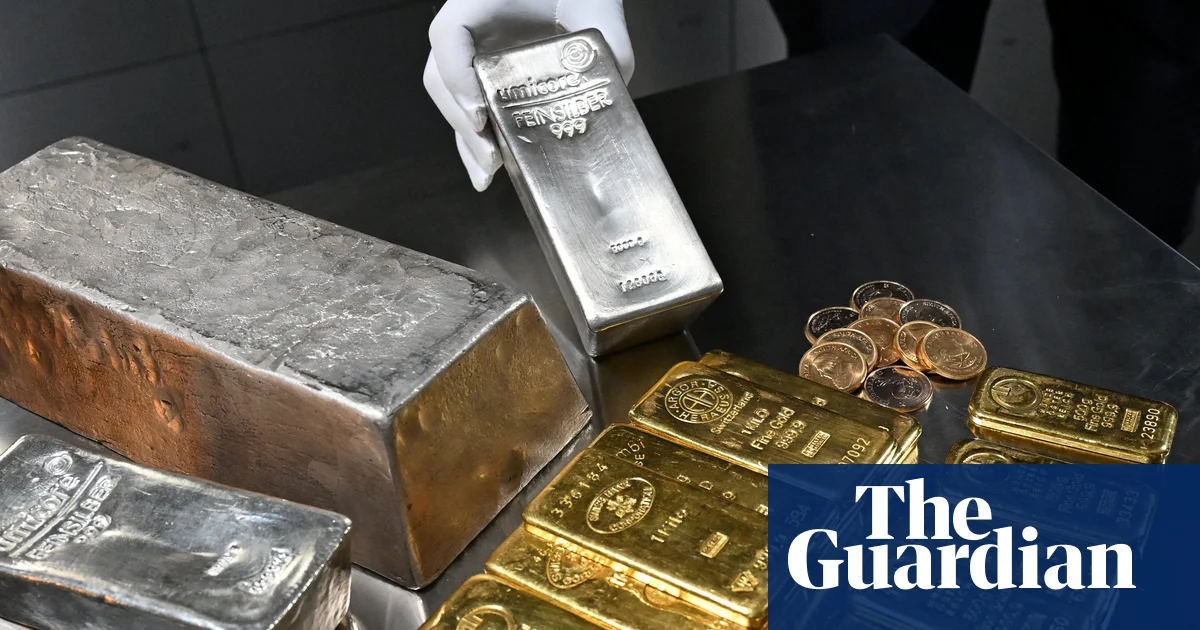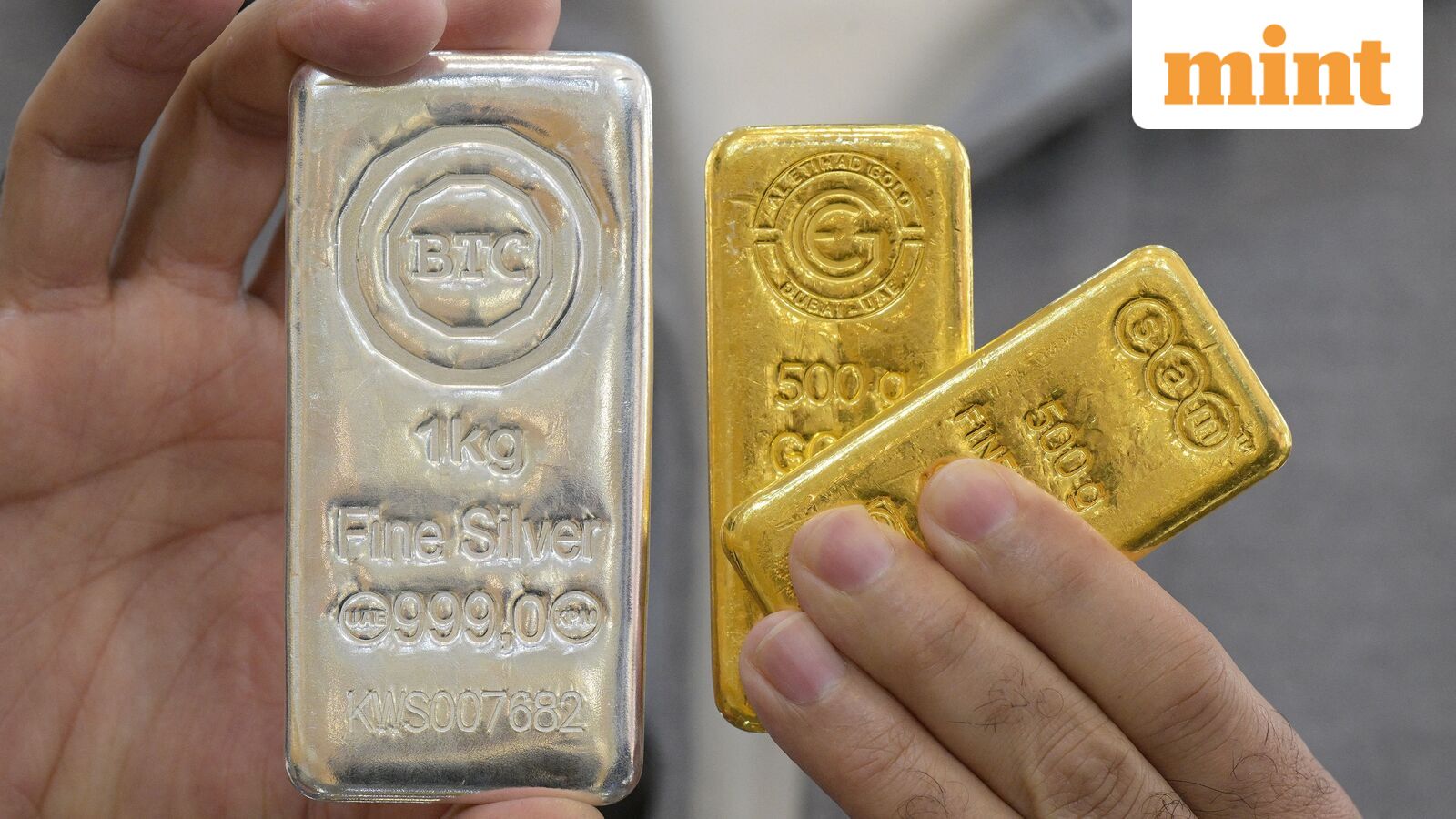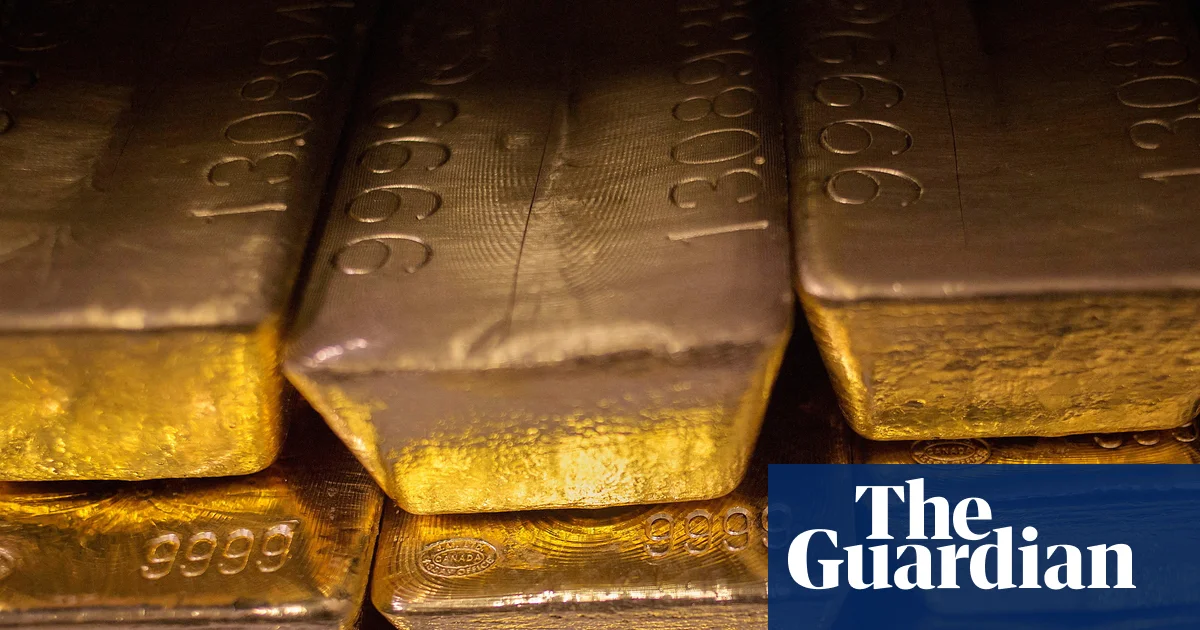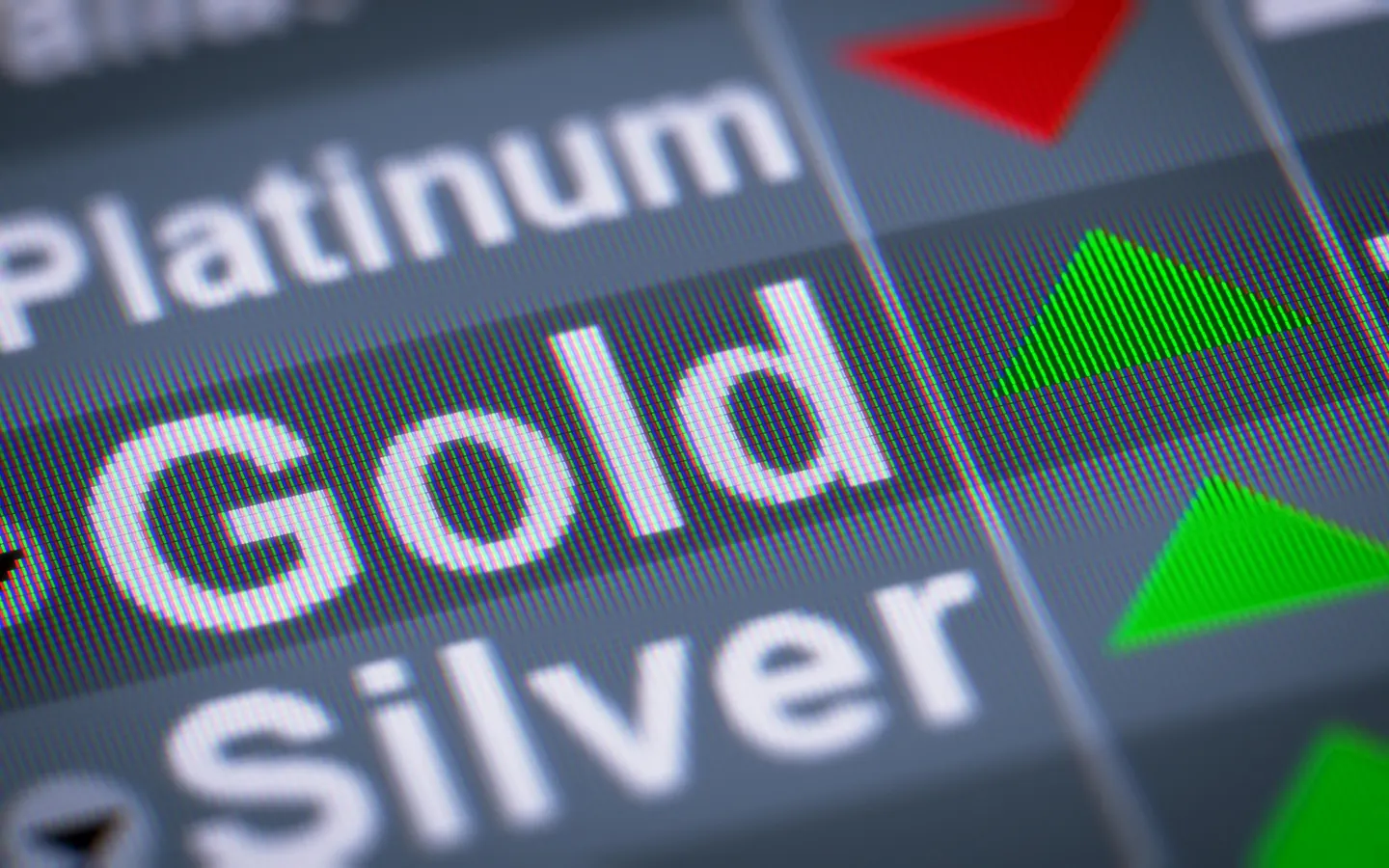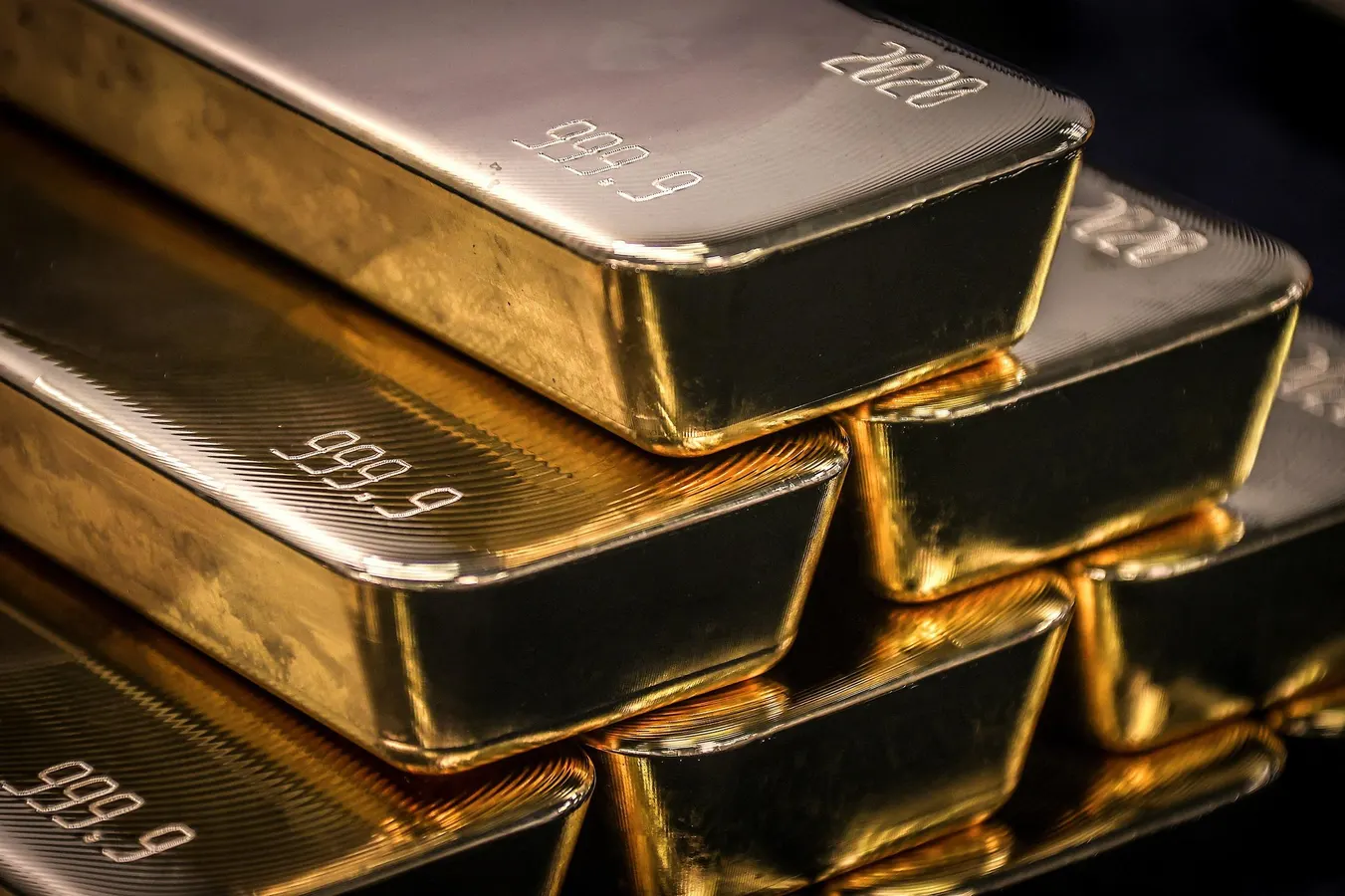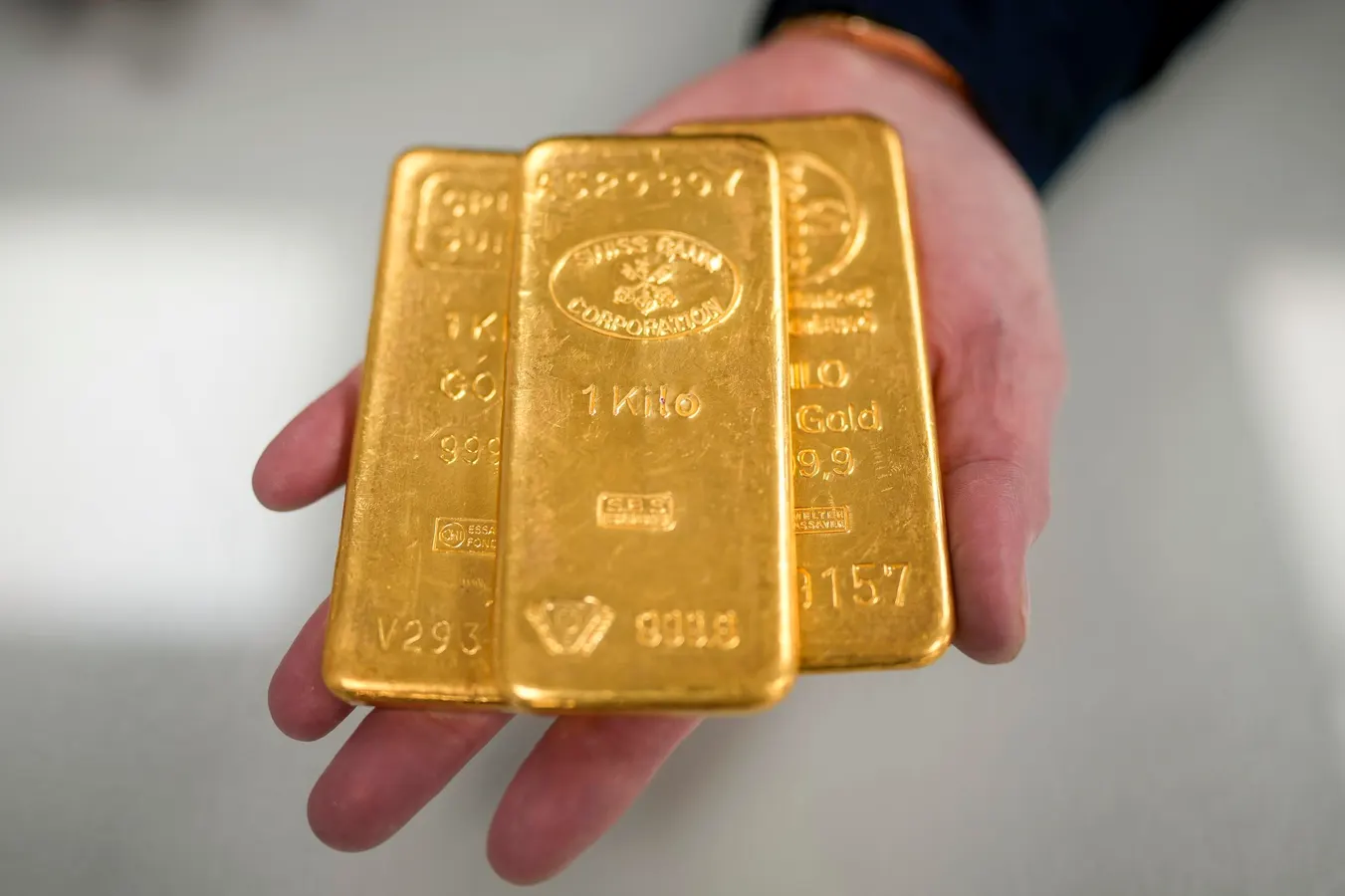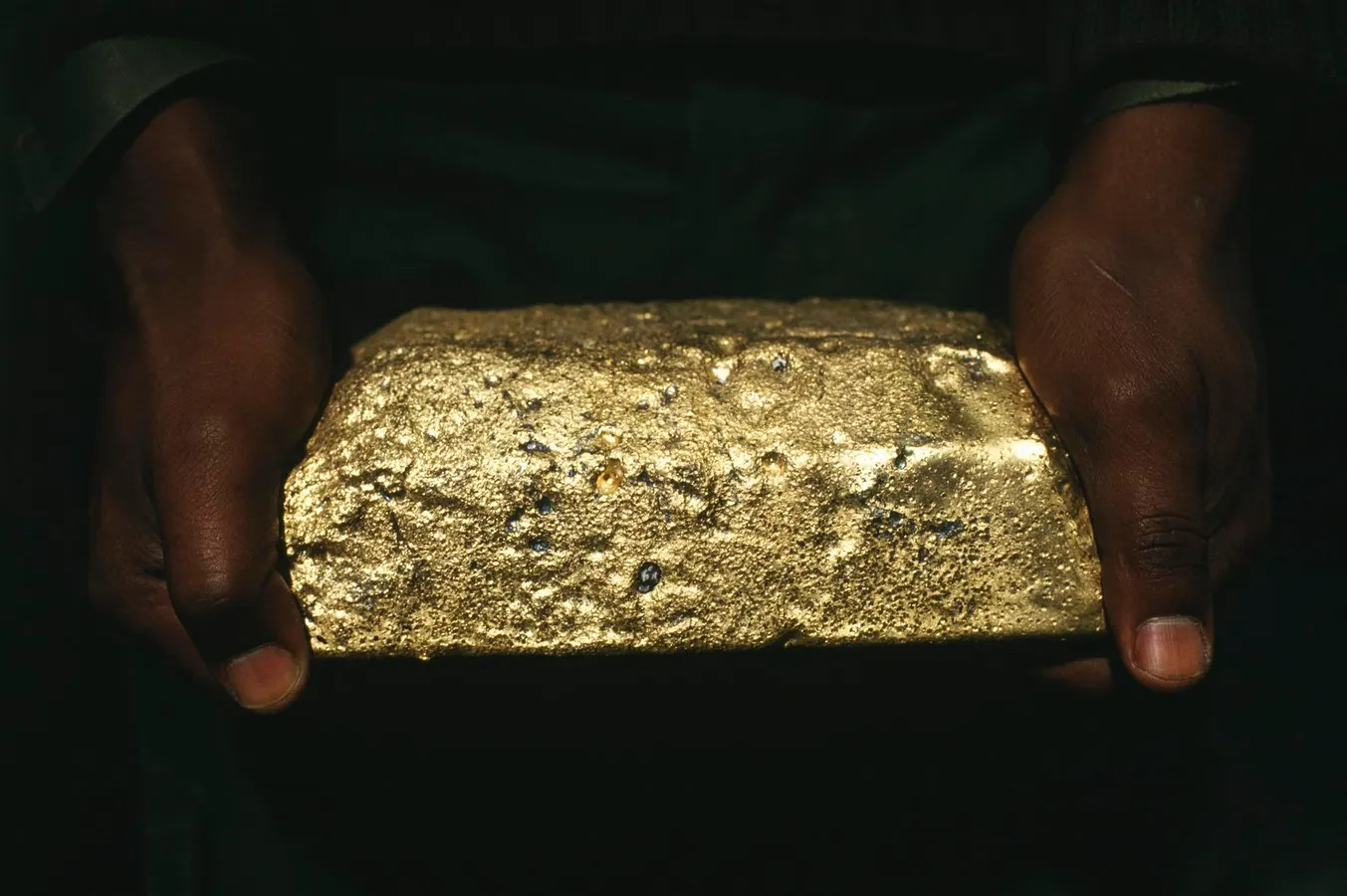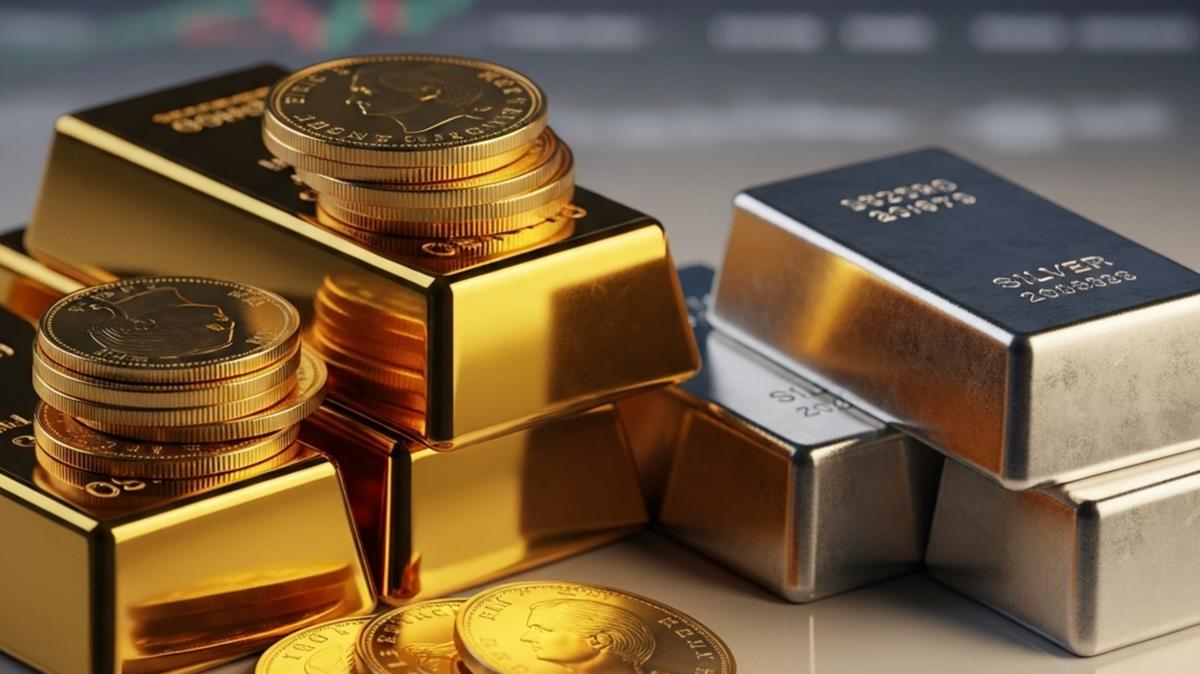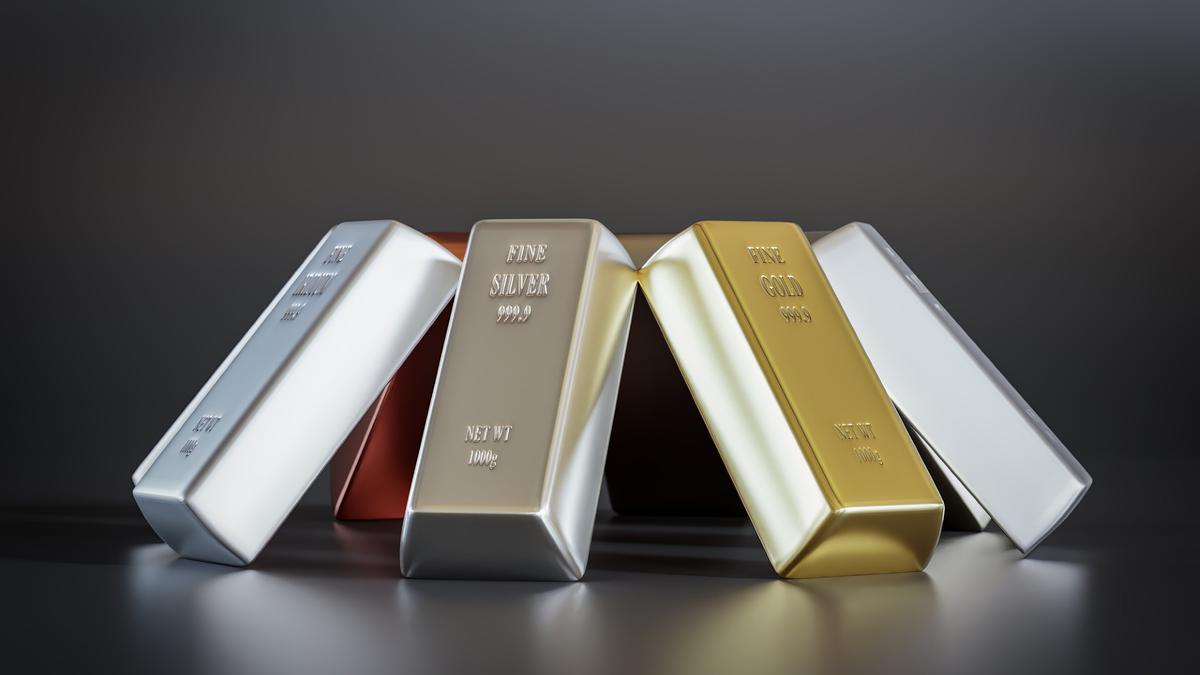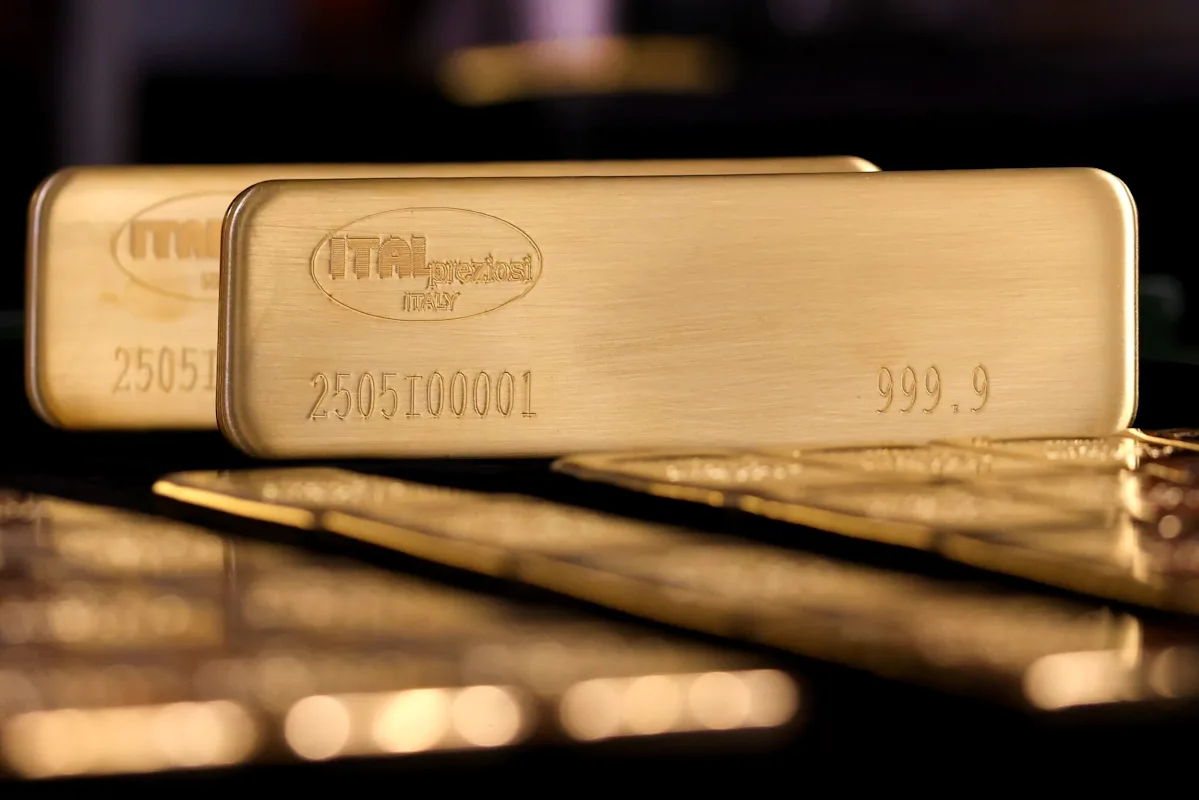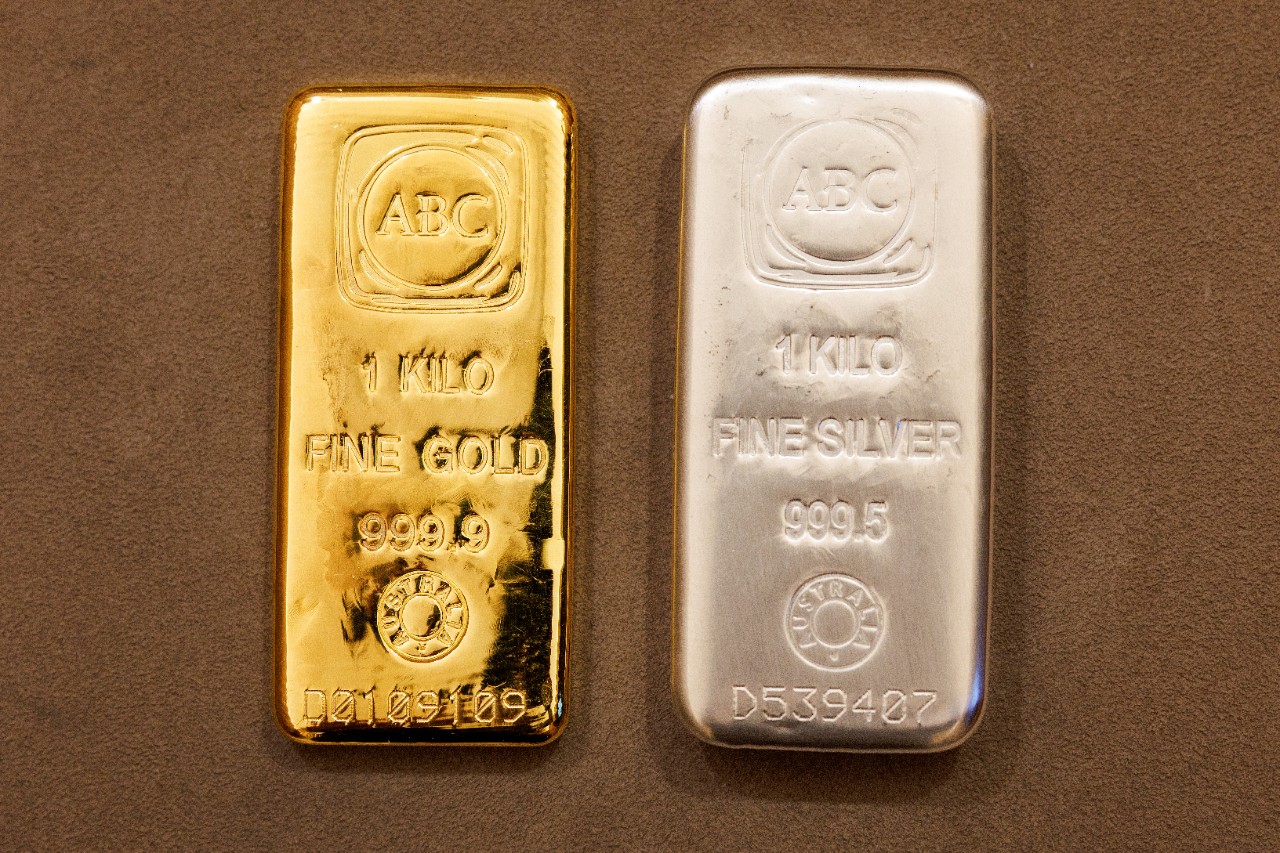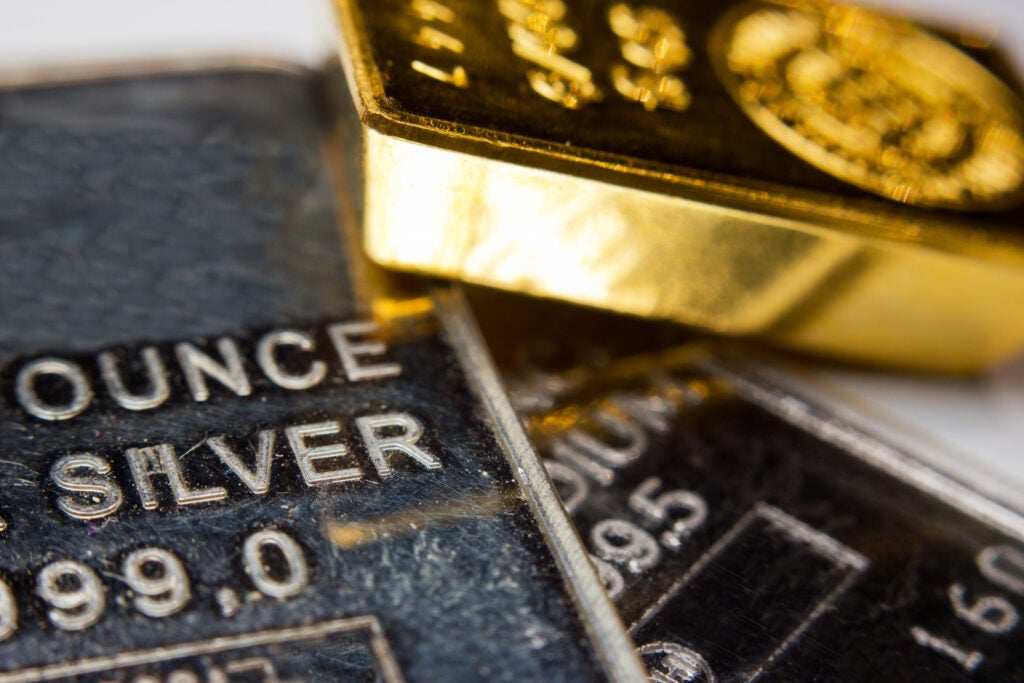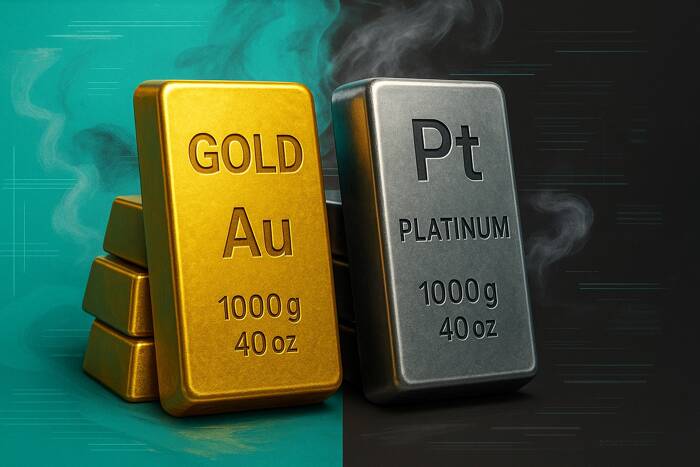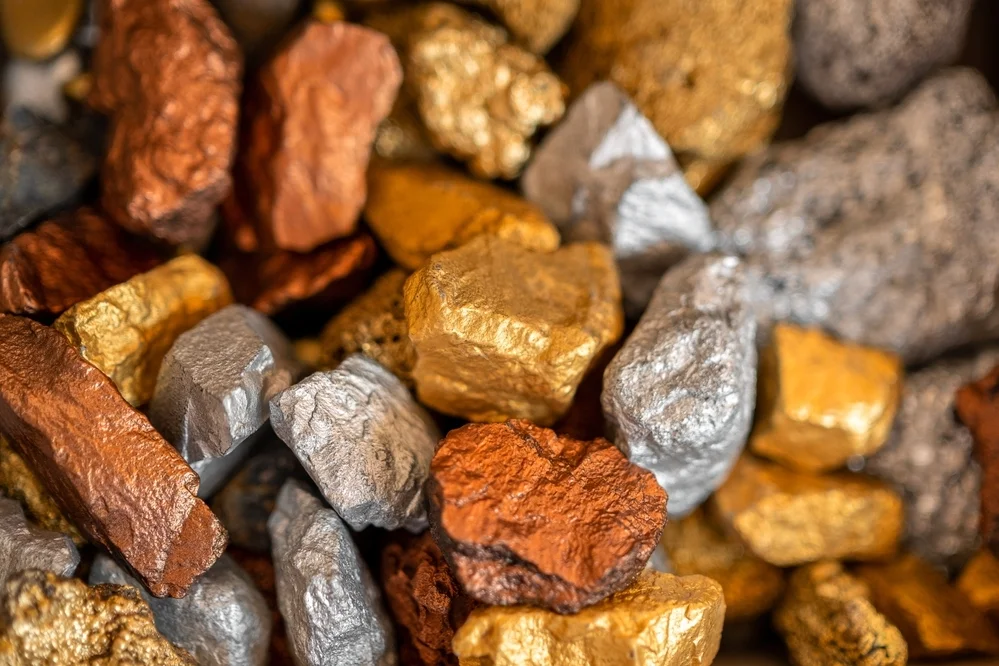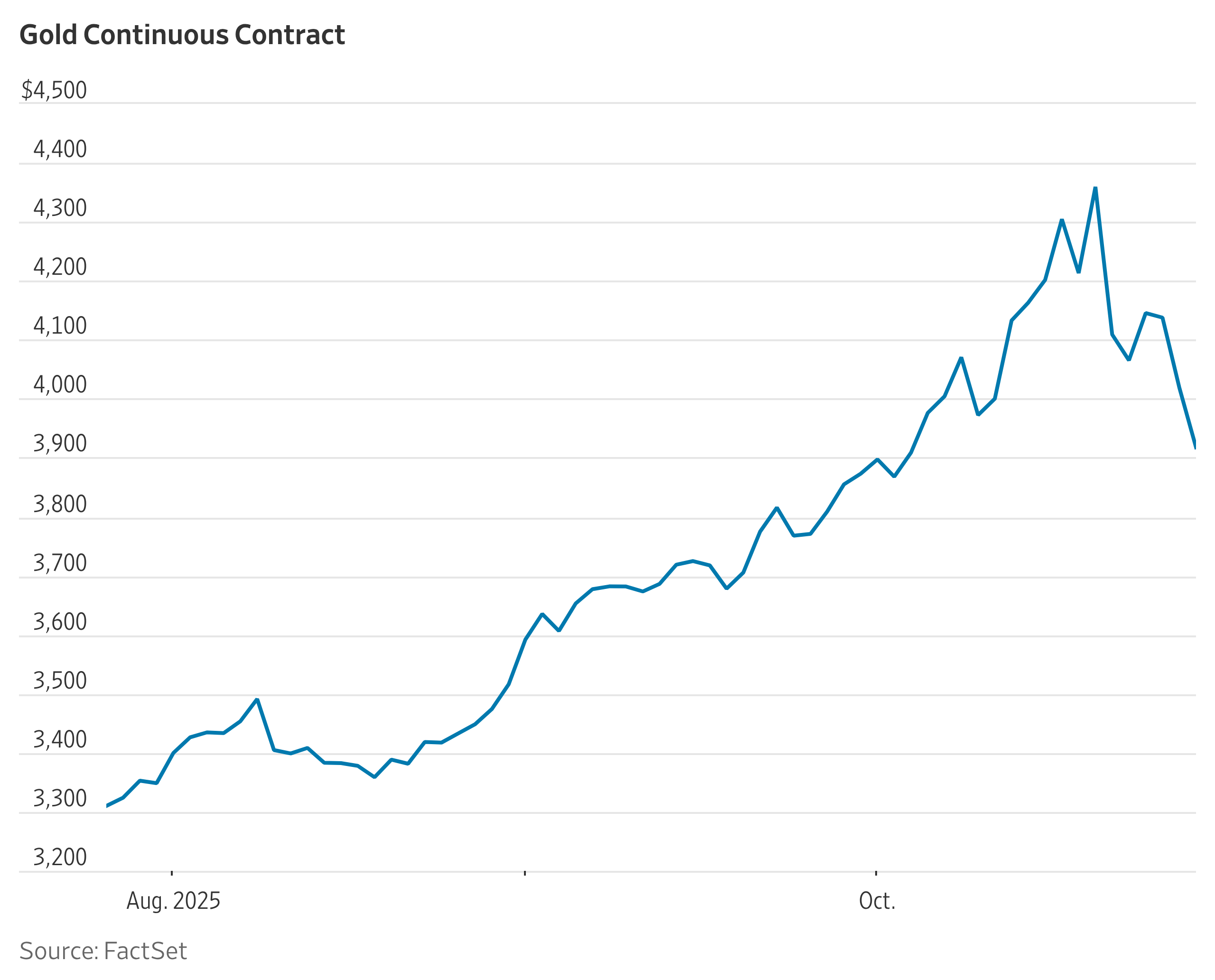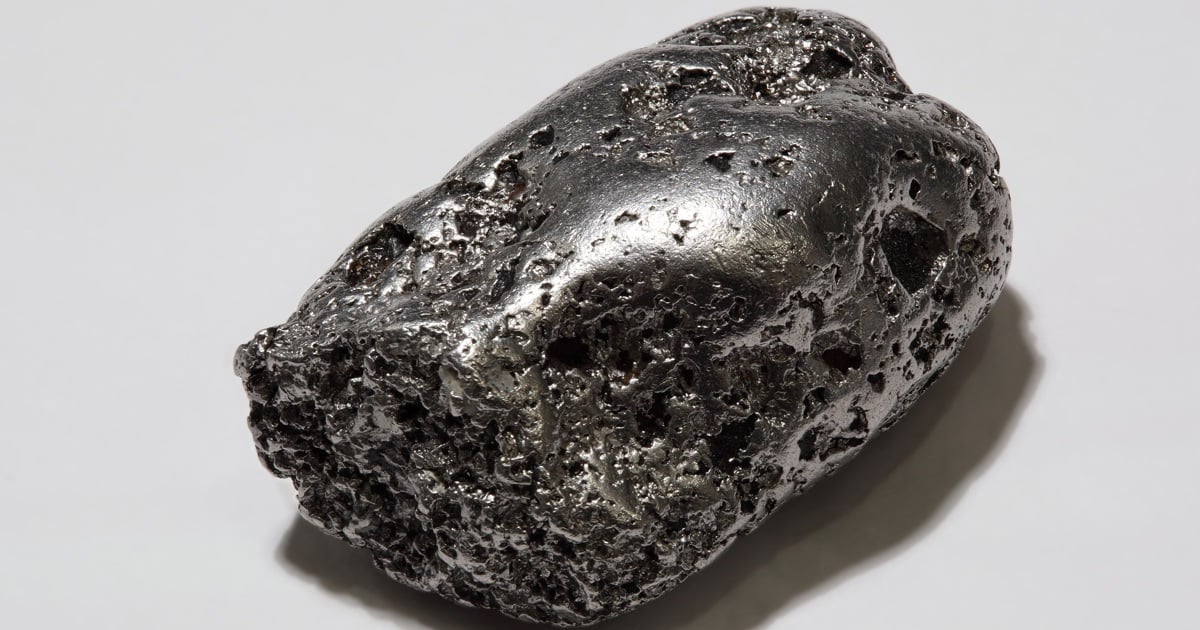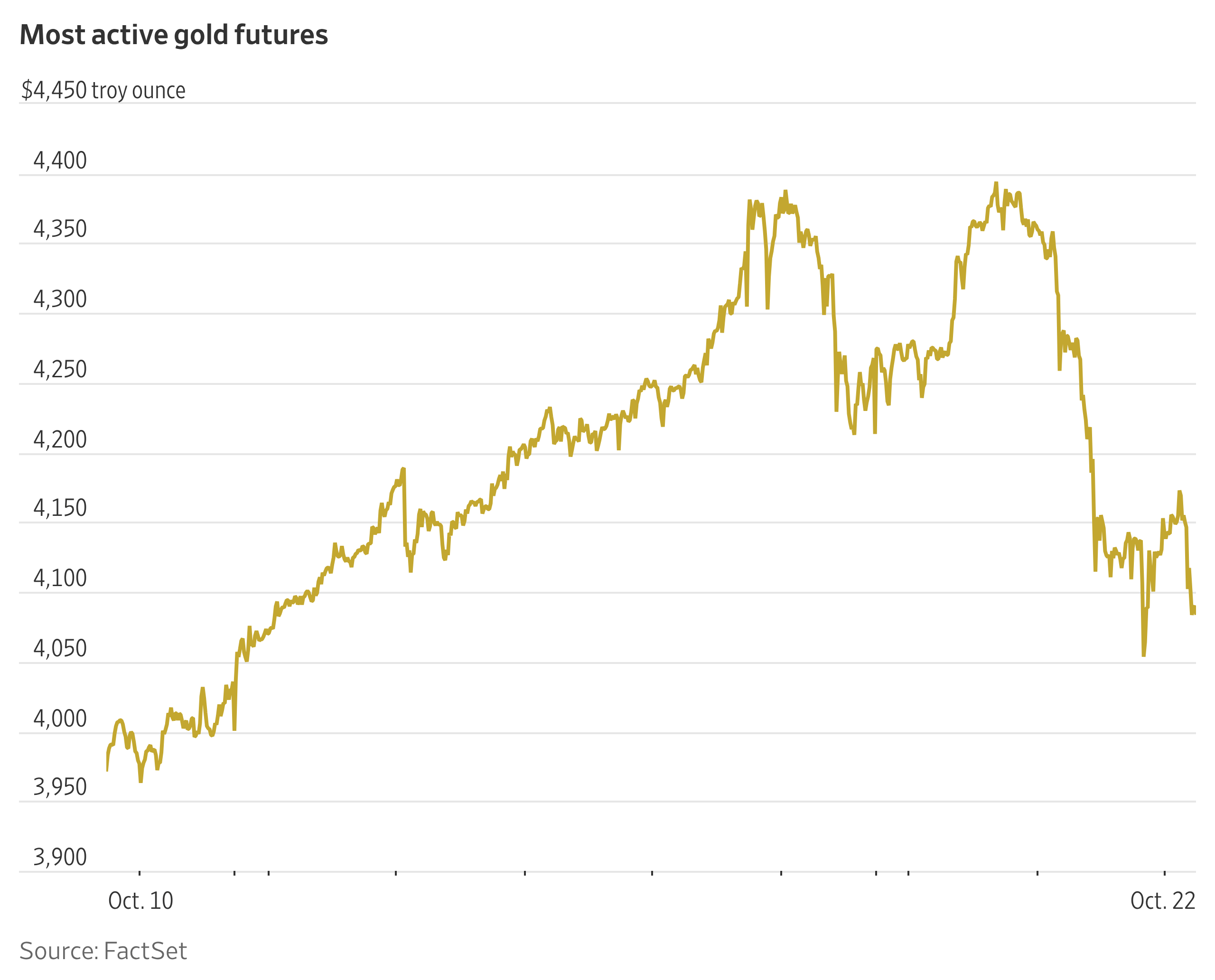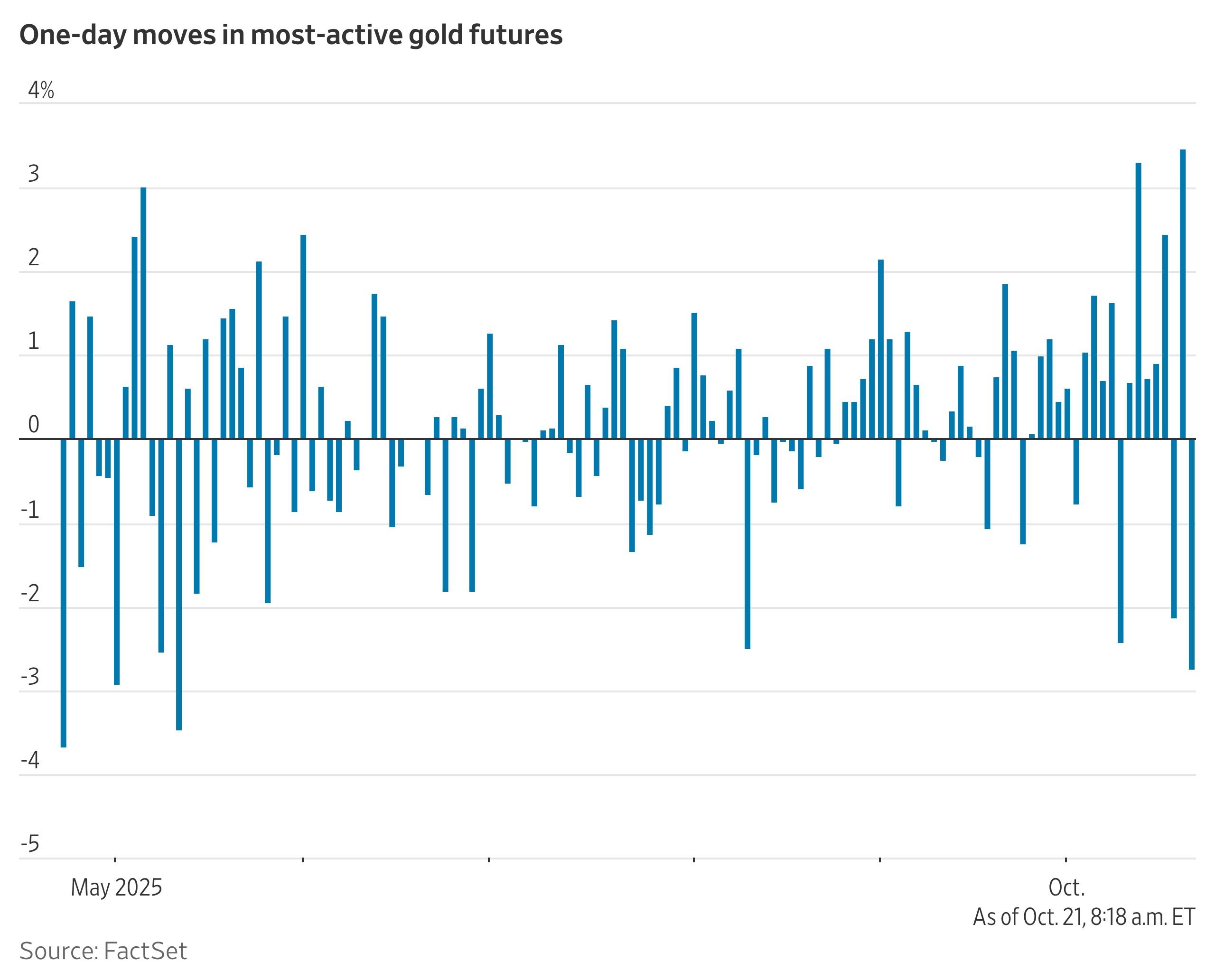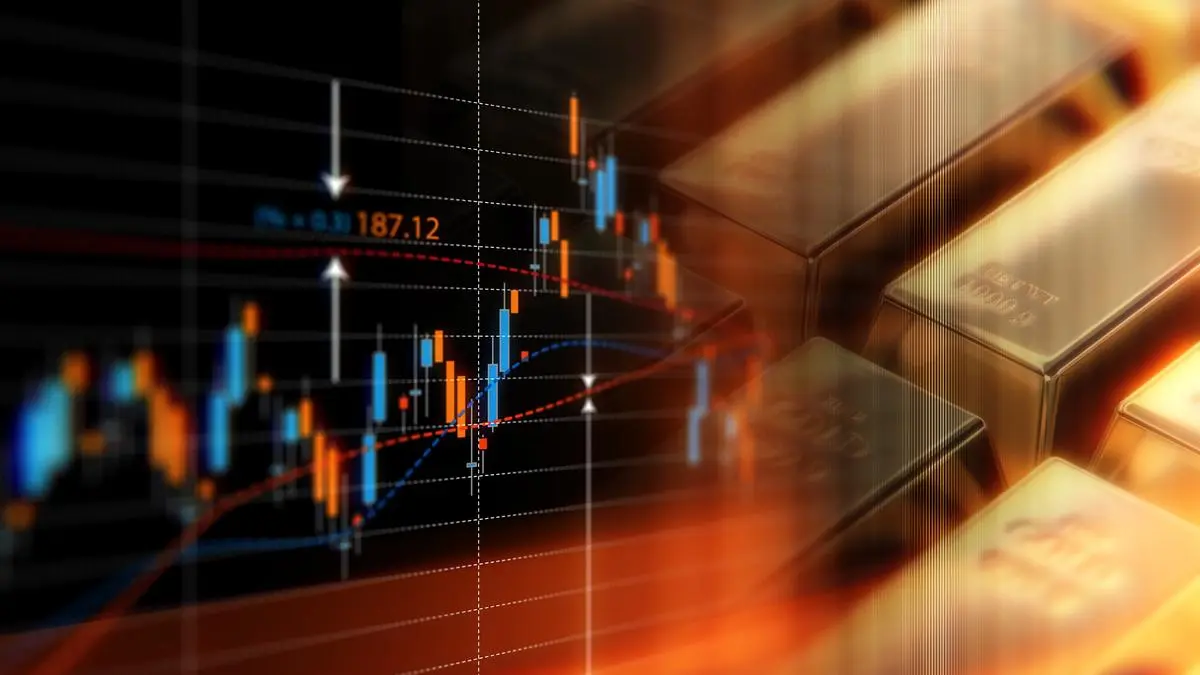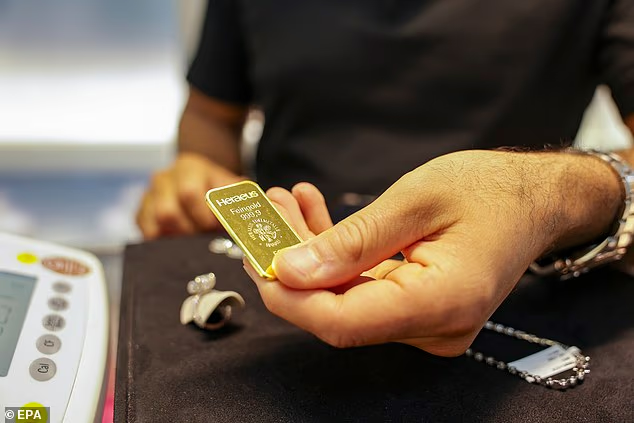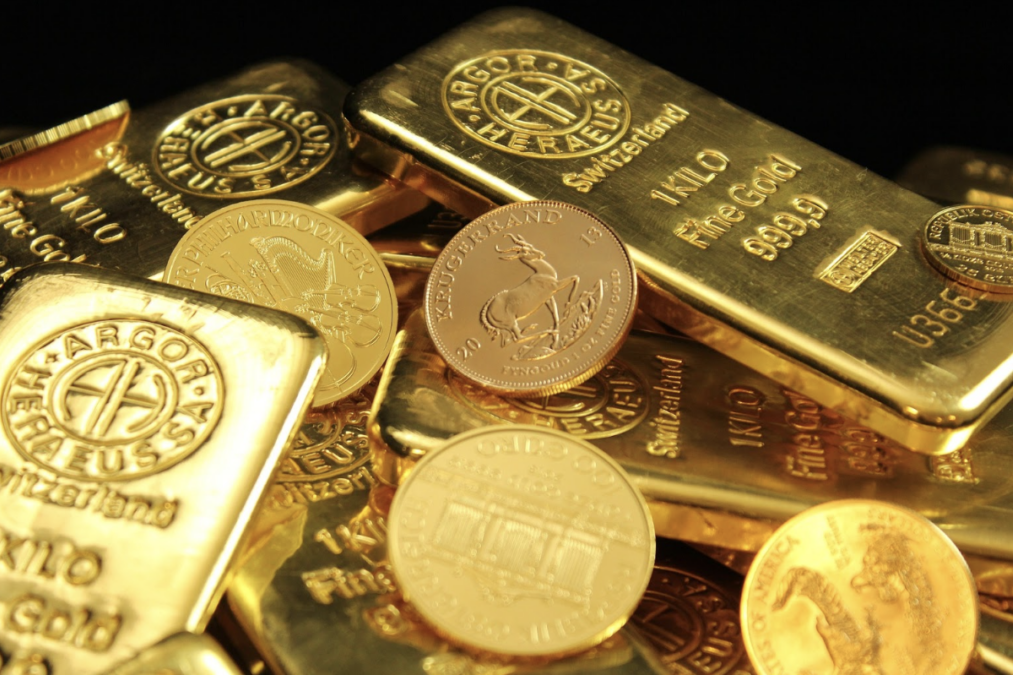
On COMEX, gold was trading at $4,451.30 an ounce, up $14, or 0.32%, from the previous close of $4,440 an ounce. The metal touched an intraday high of $4,473.20 an ounce and a low of $4,422.30 an ounce.
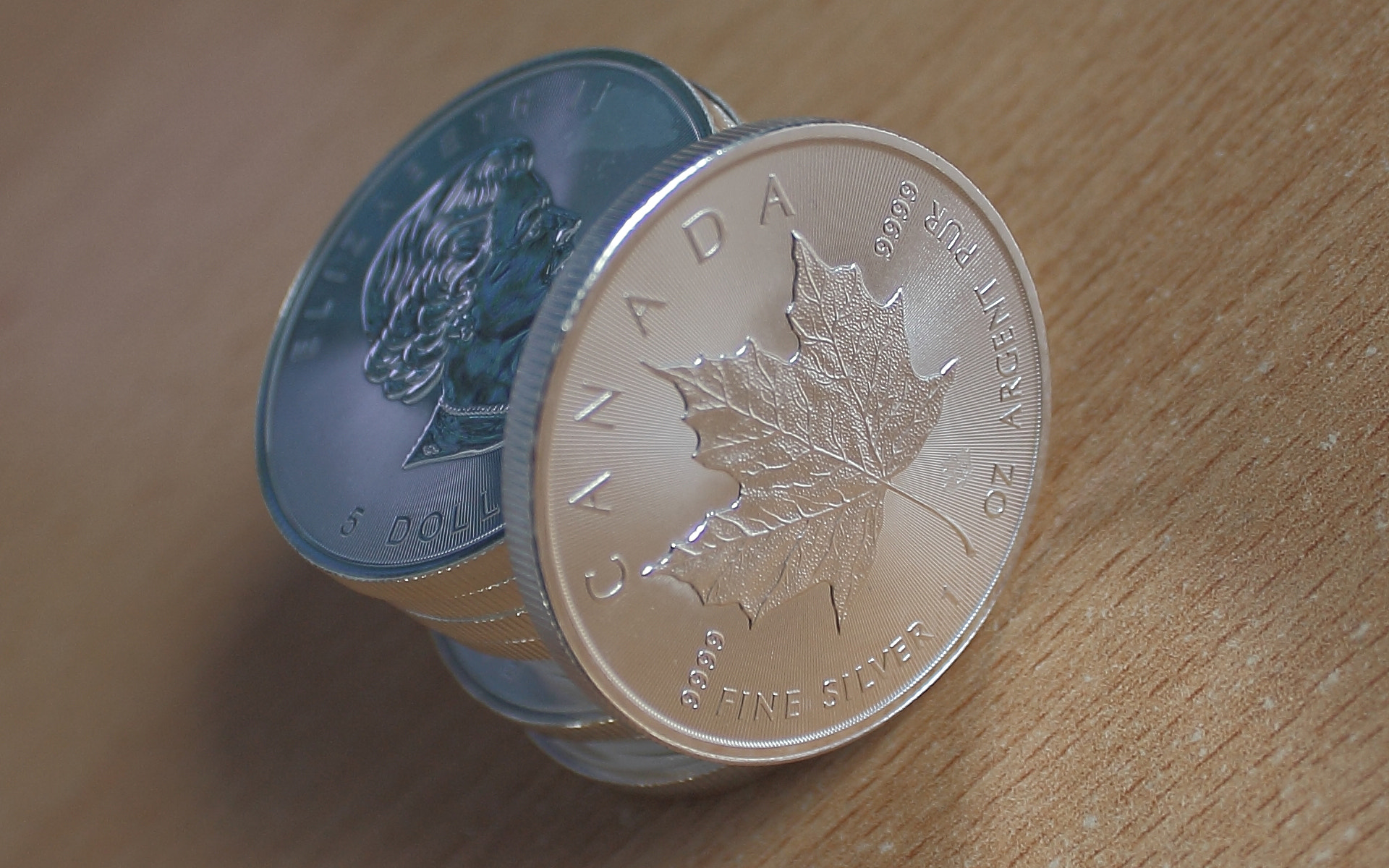
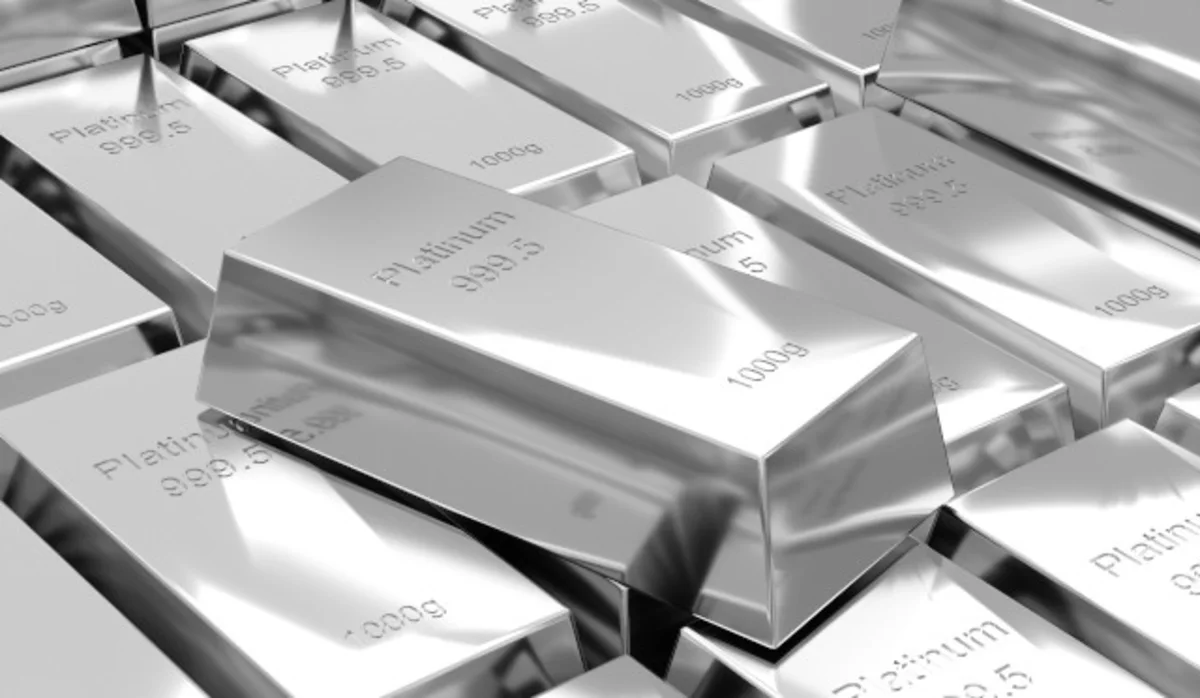
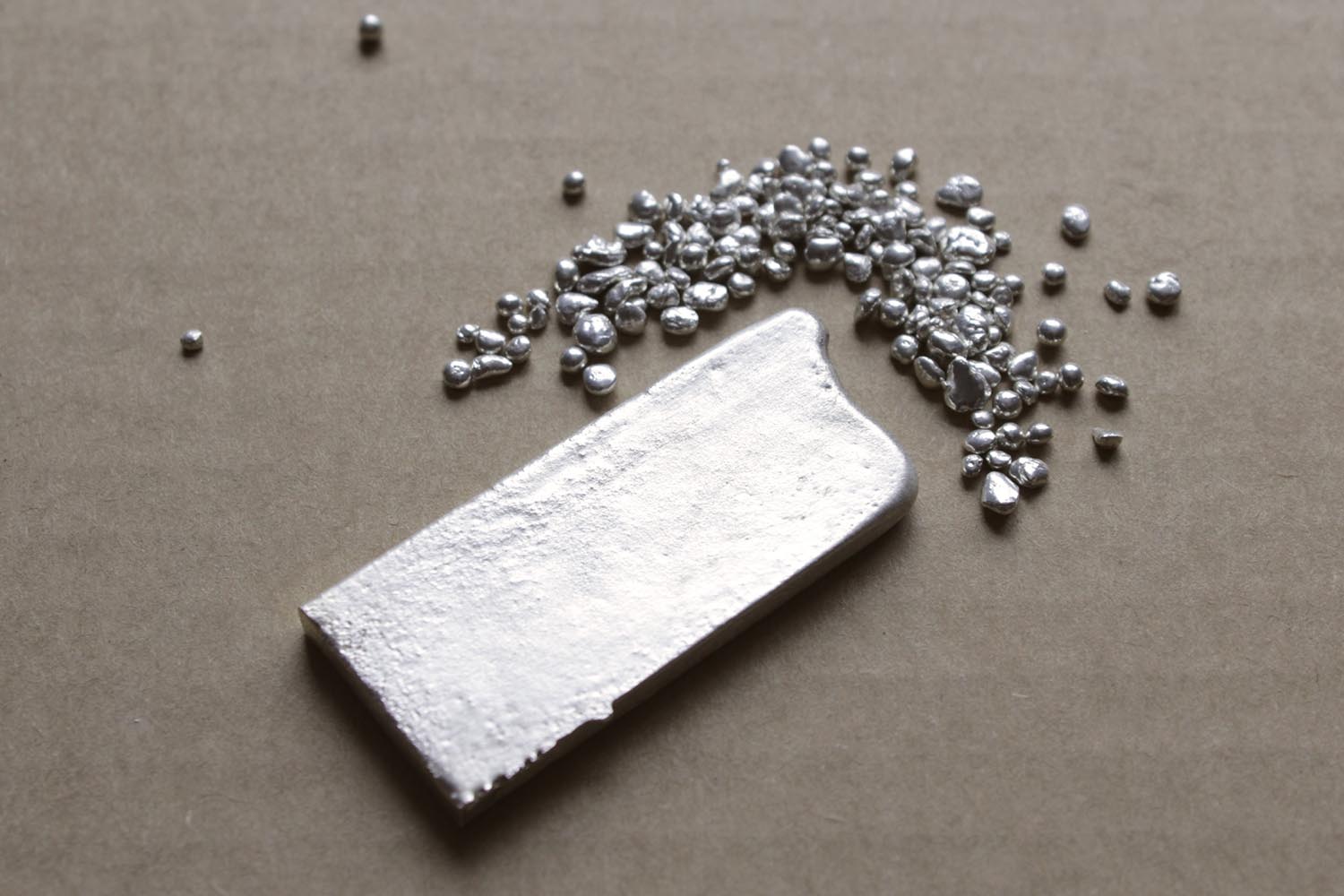
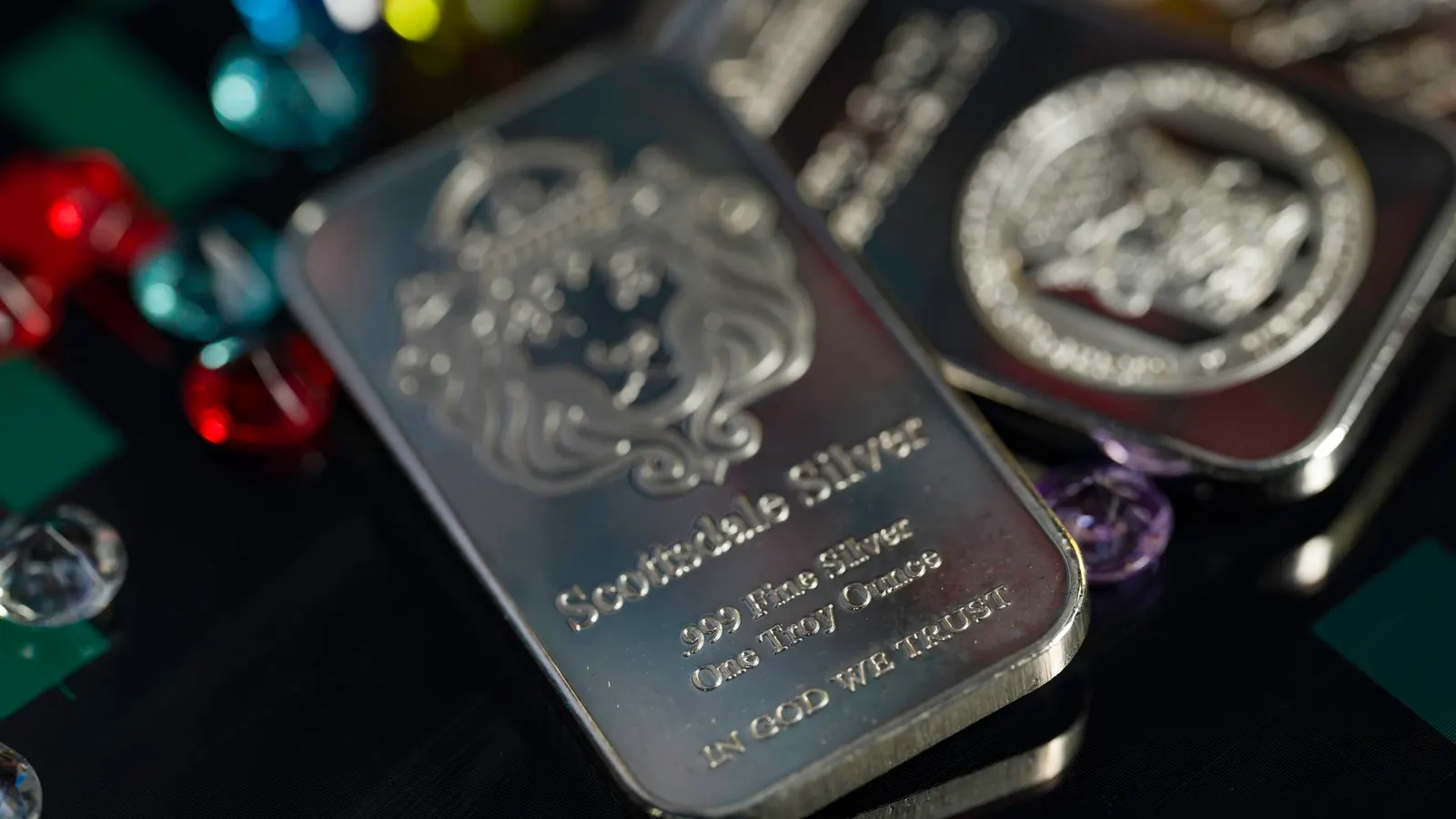
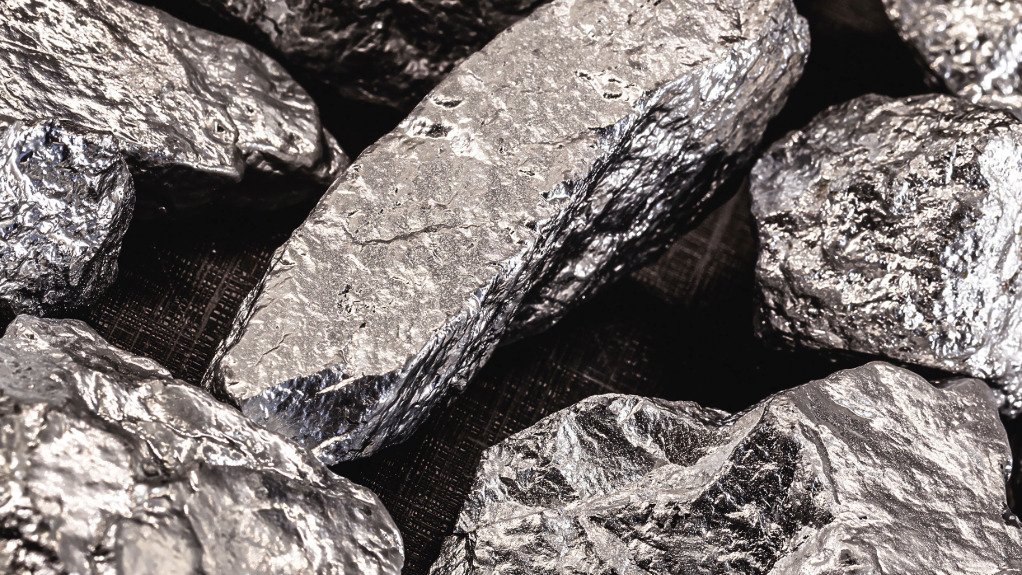
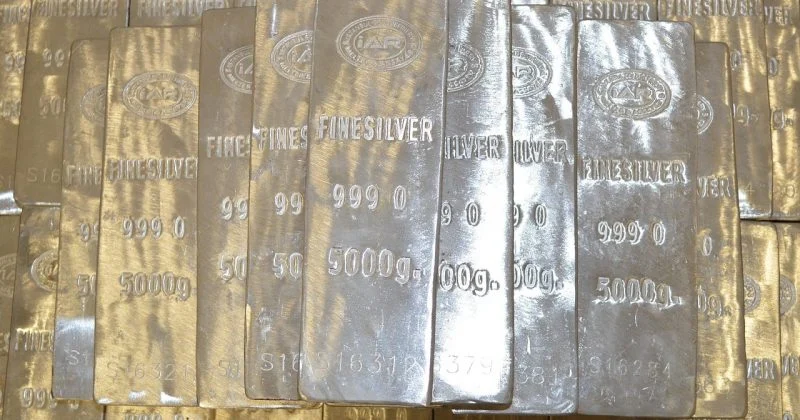
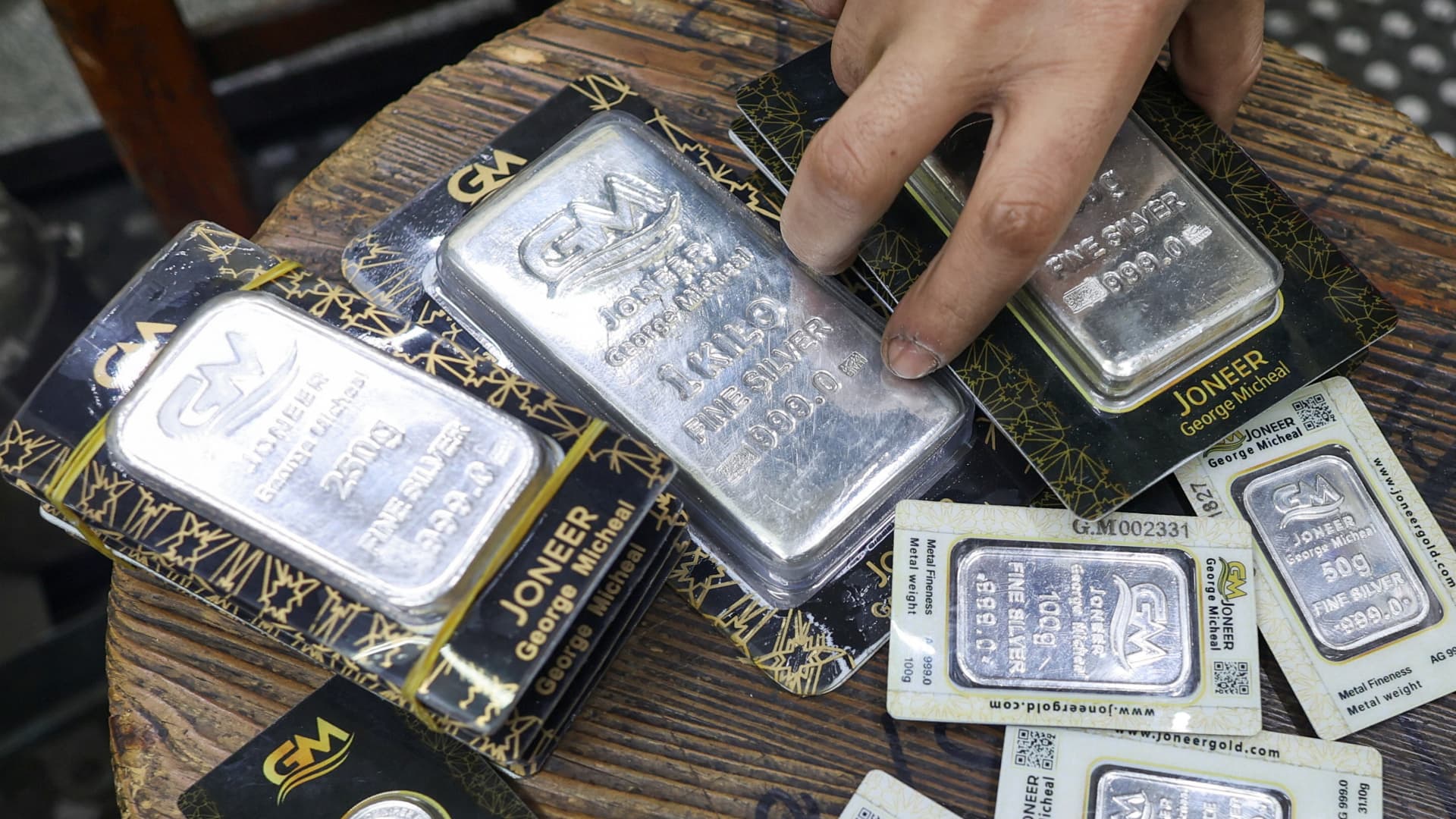
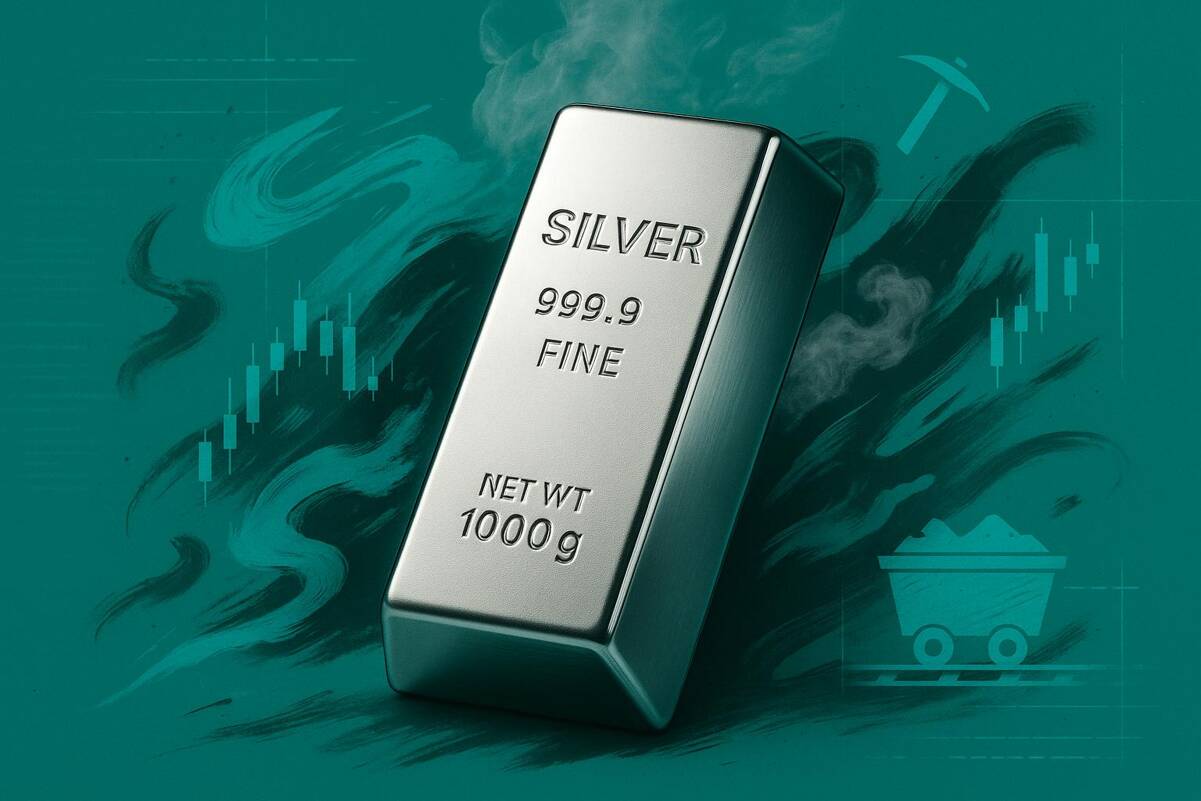
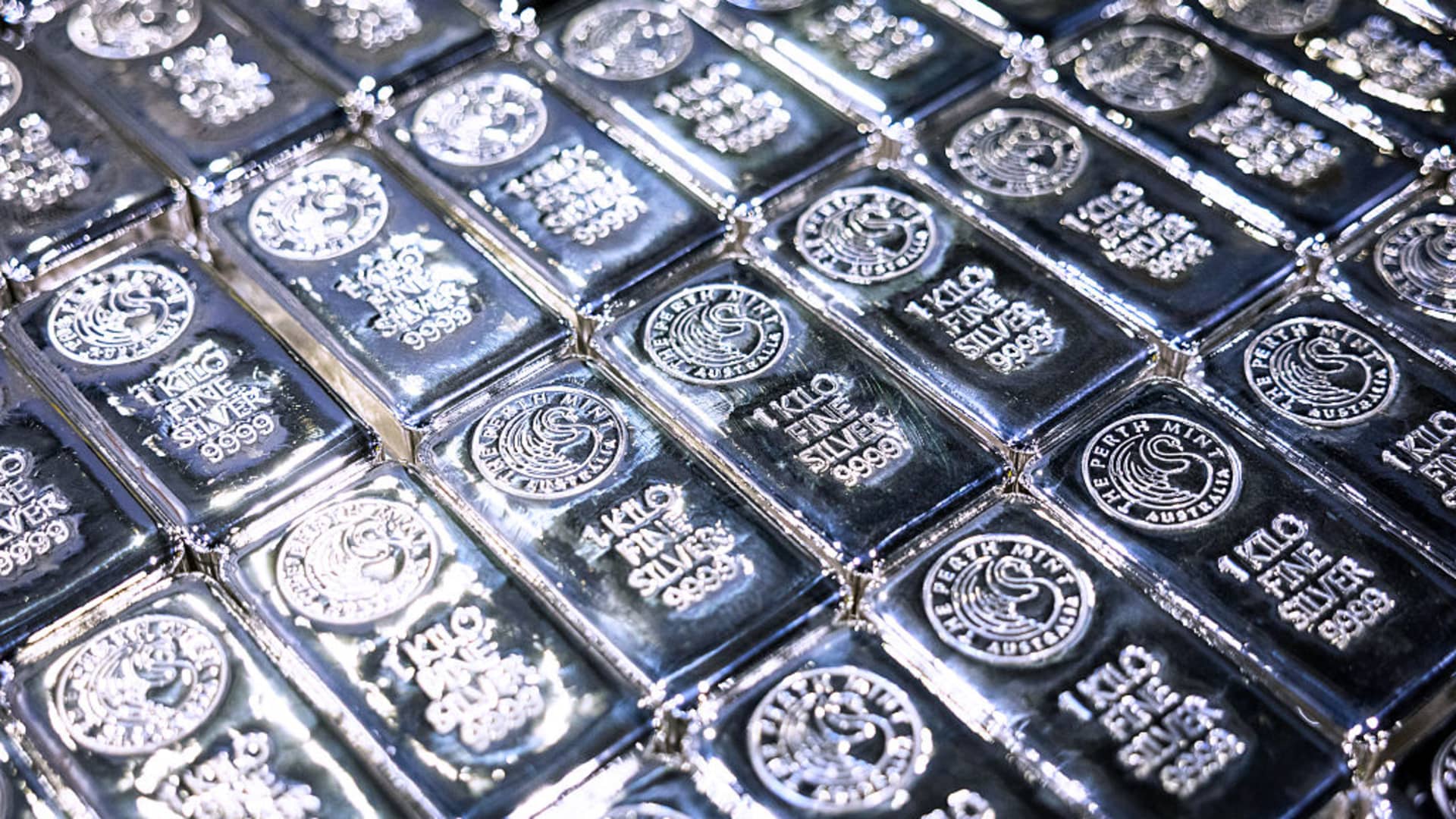
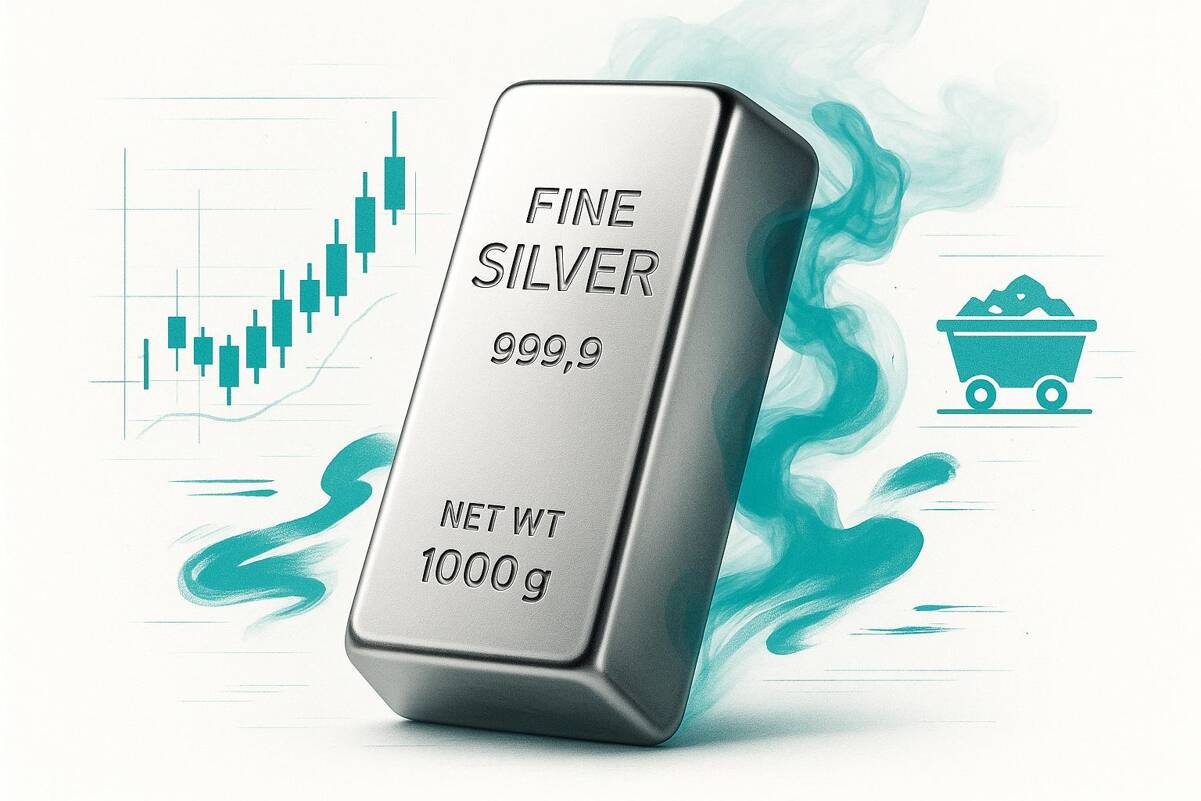
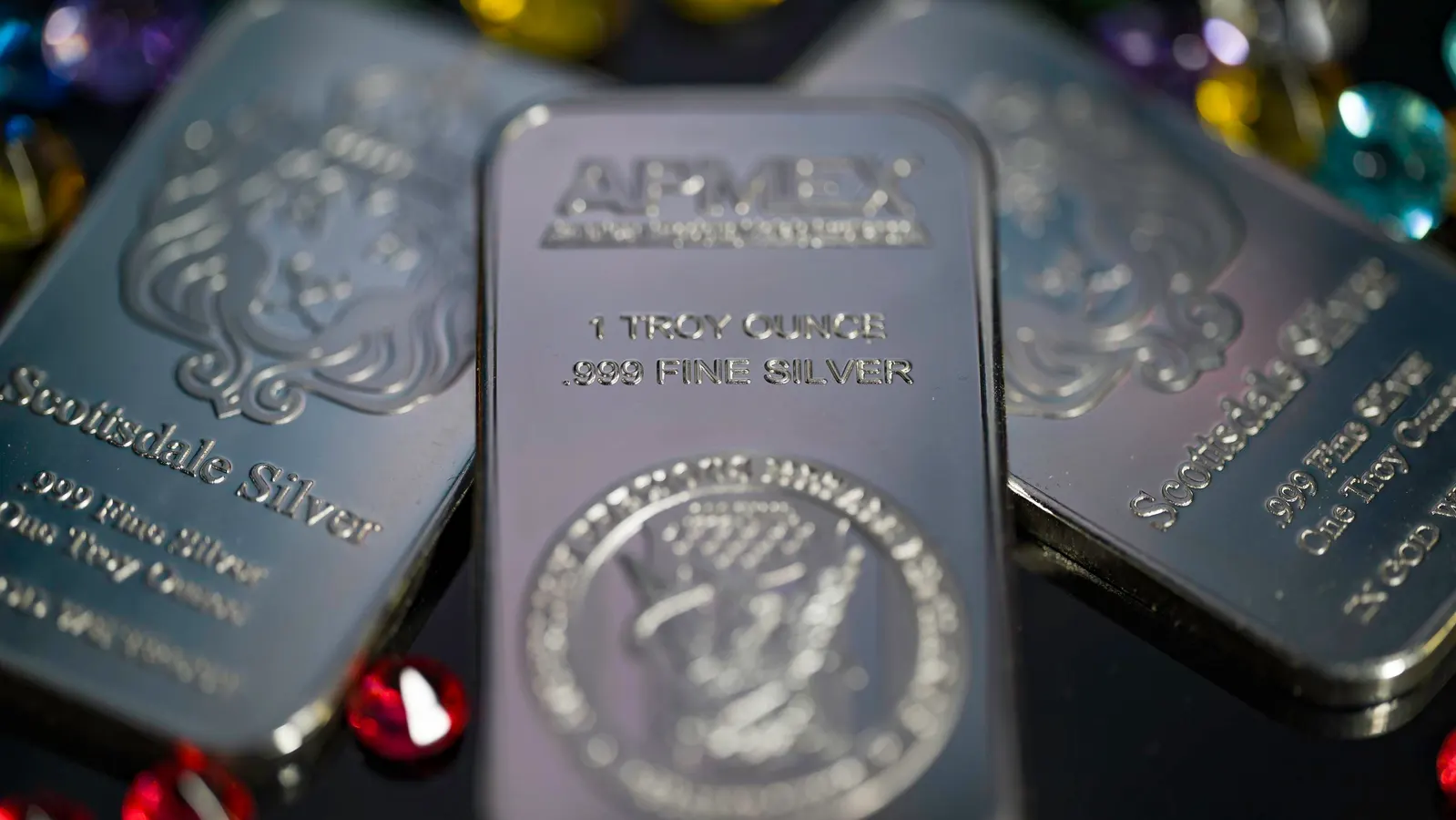
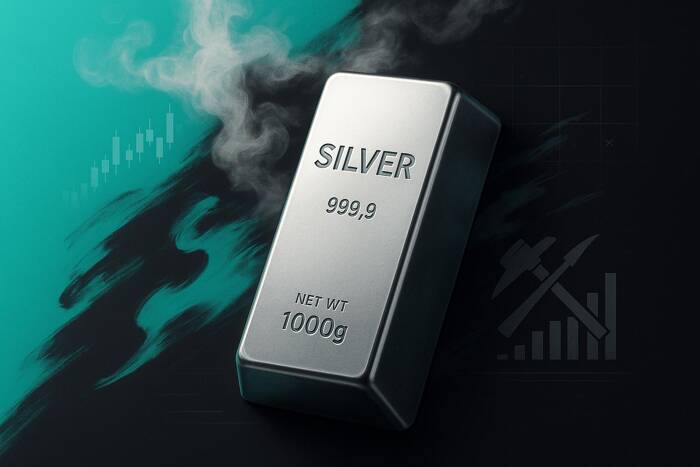
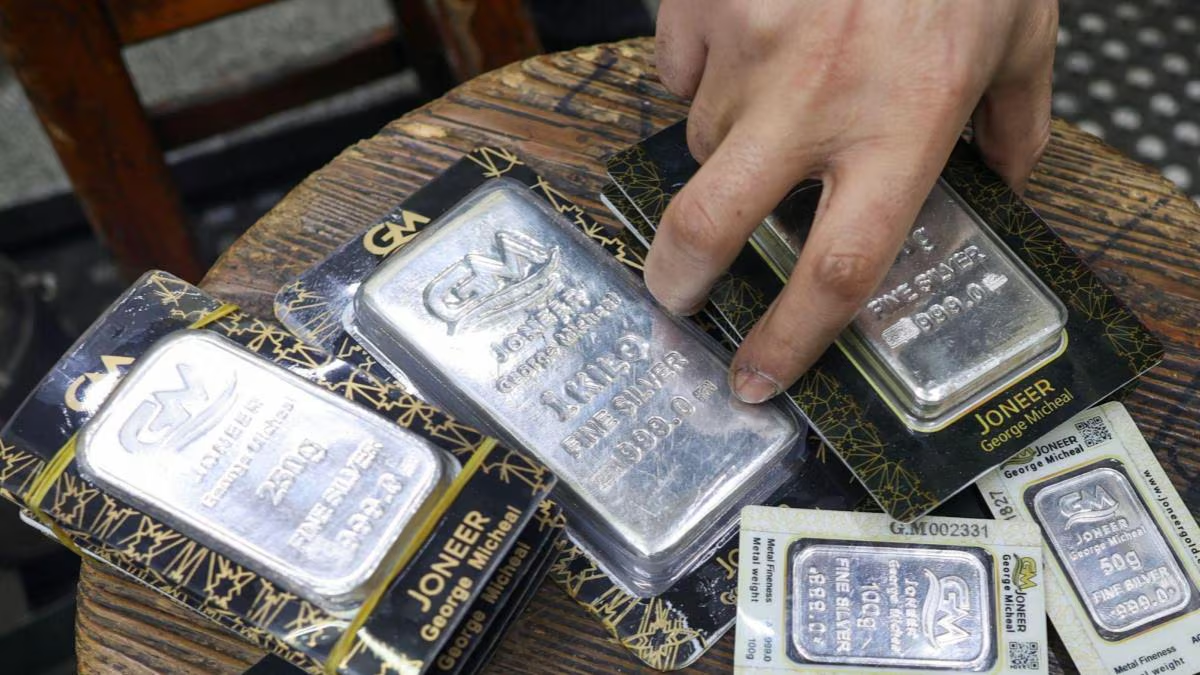
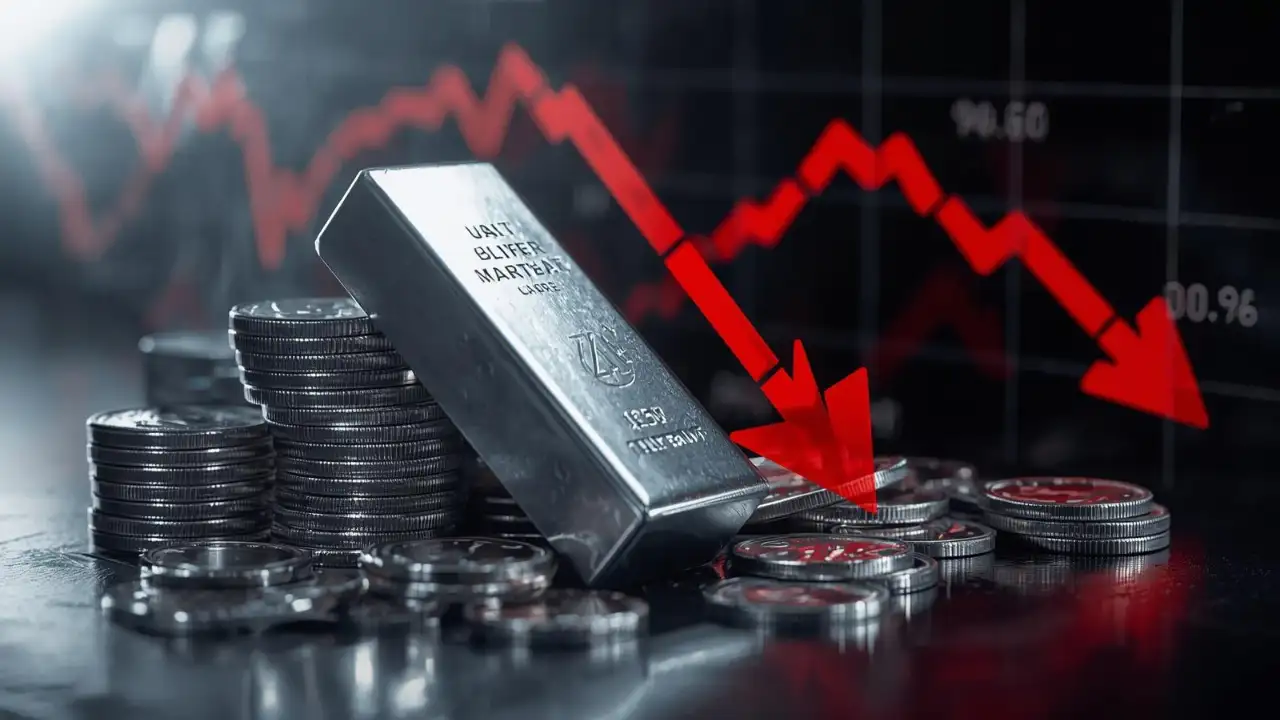
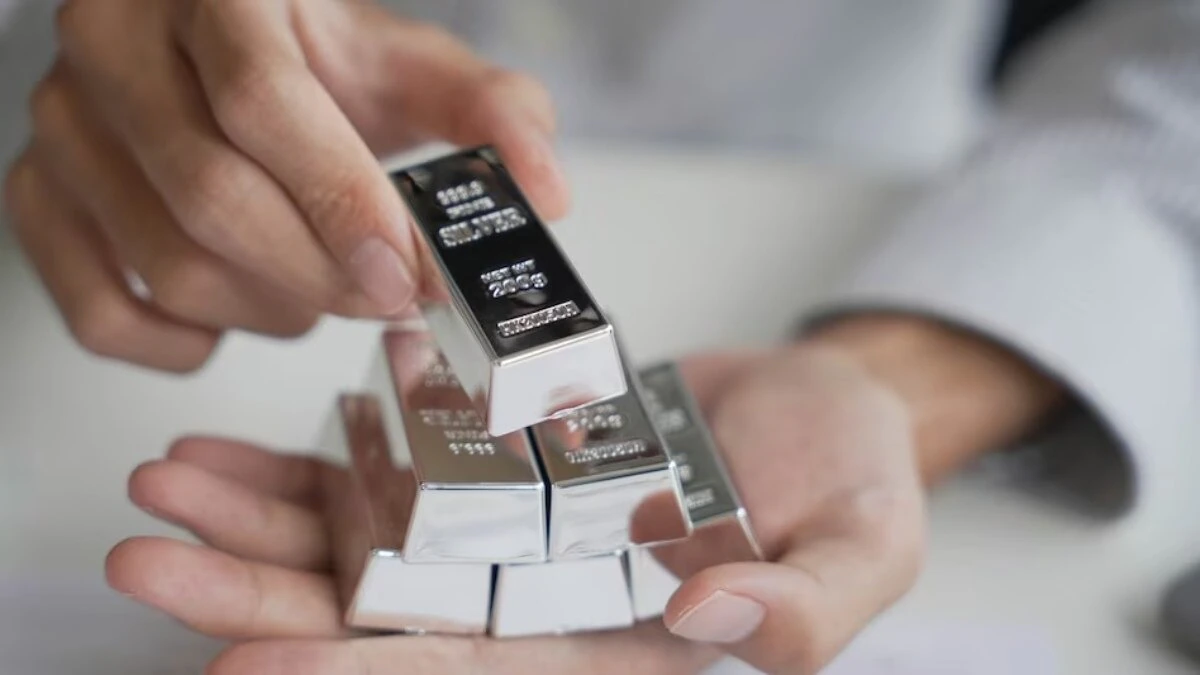
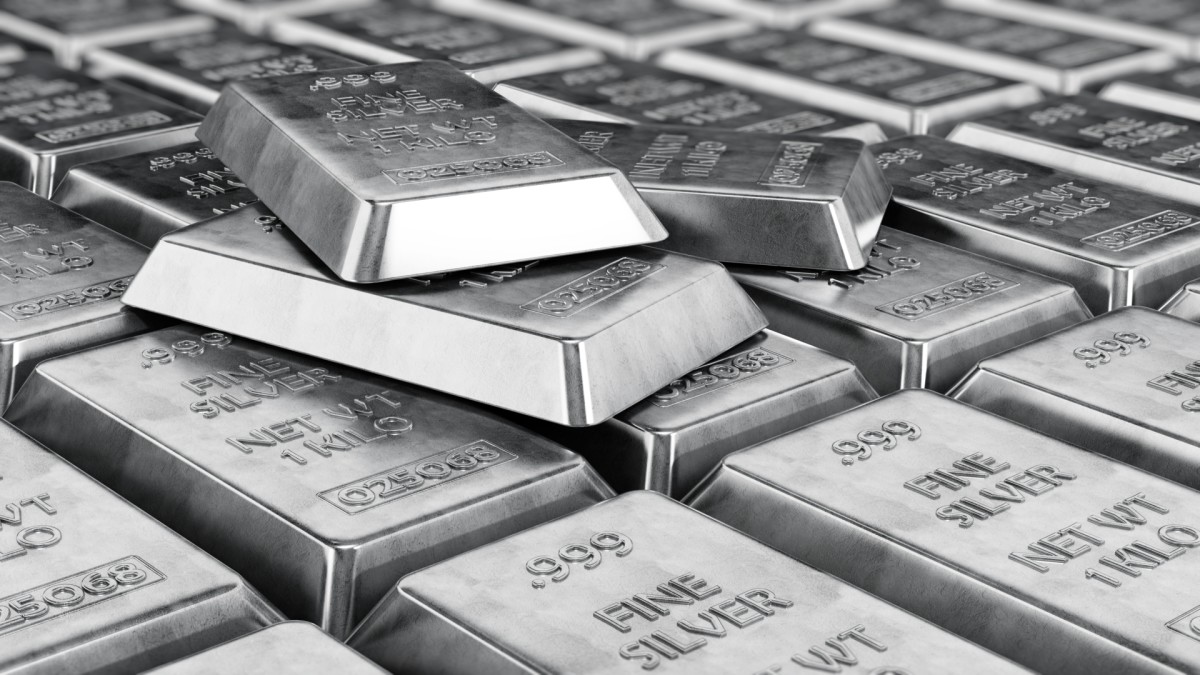
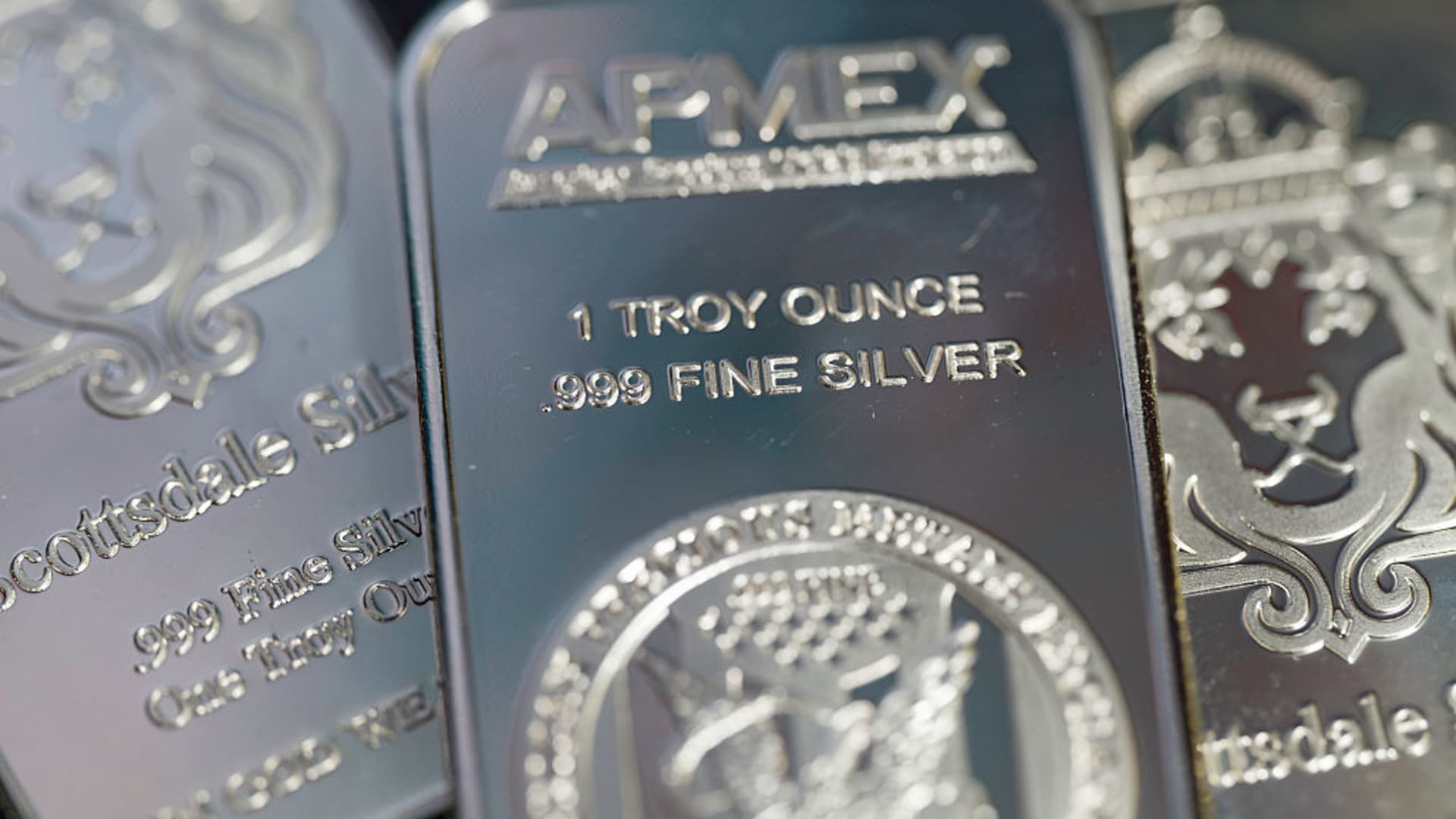
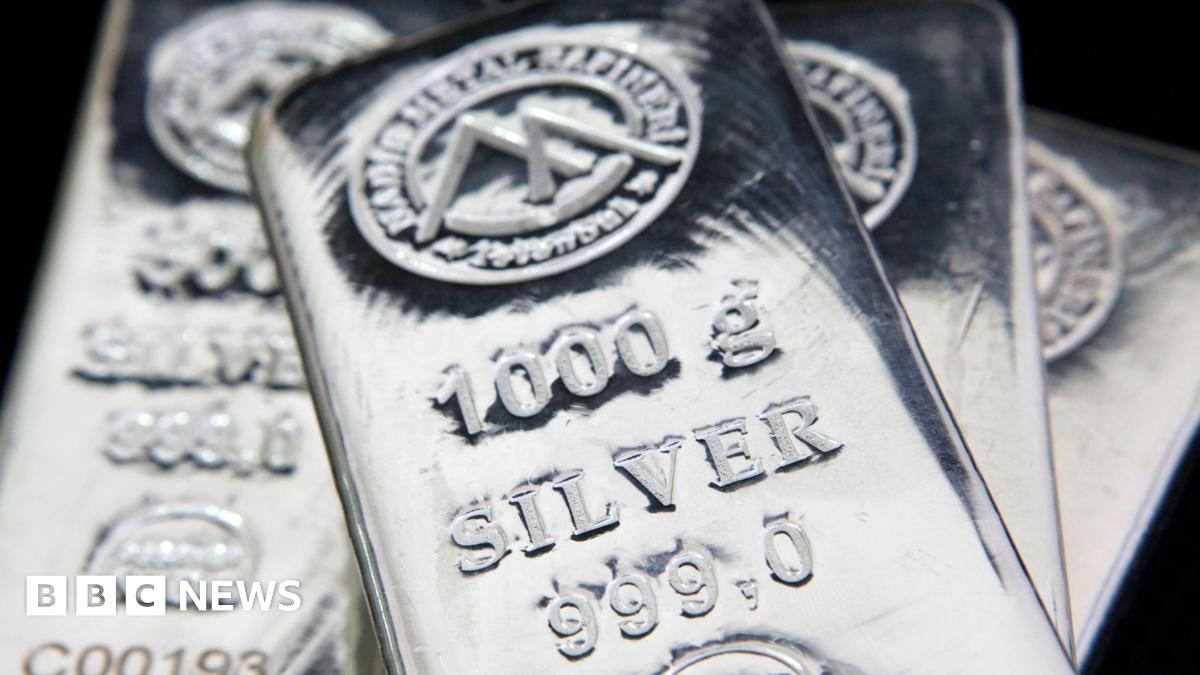
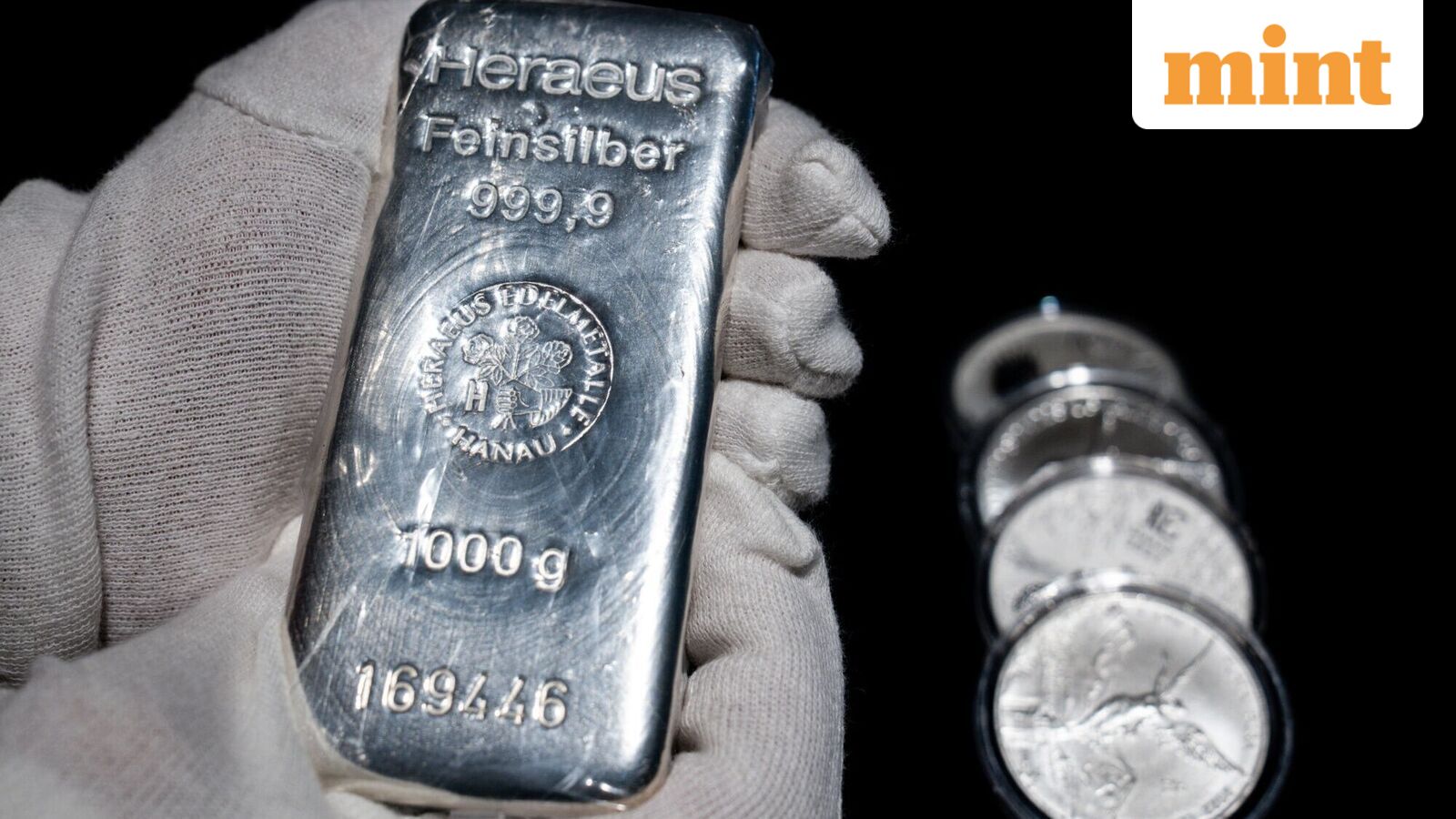
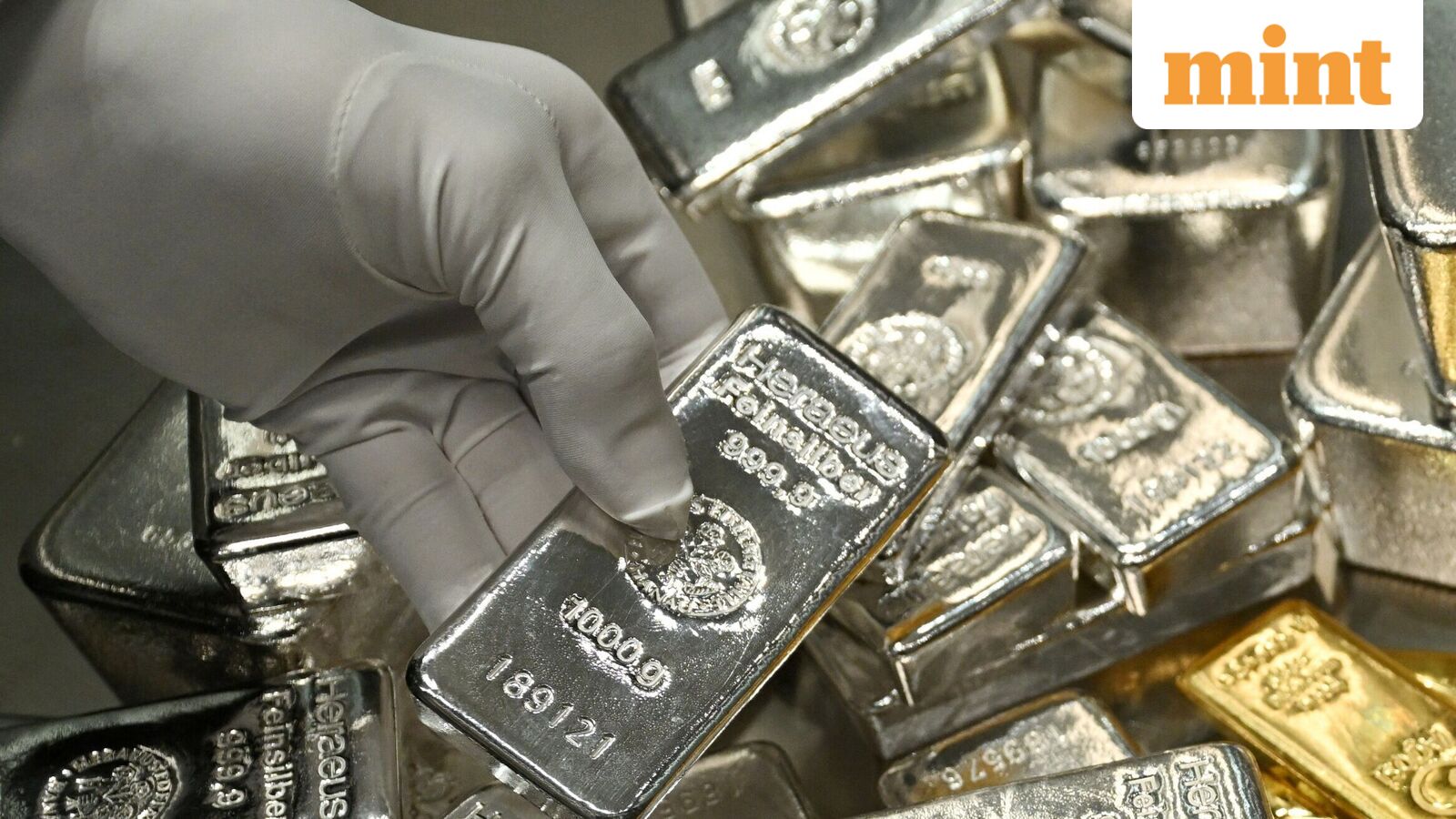
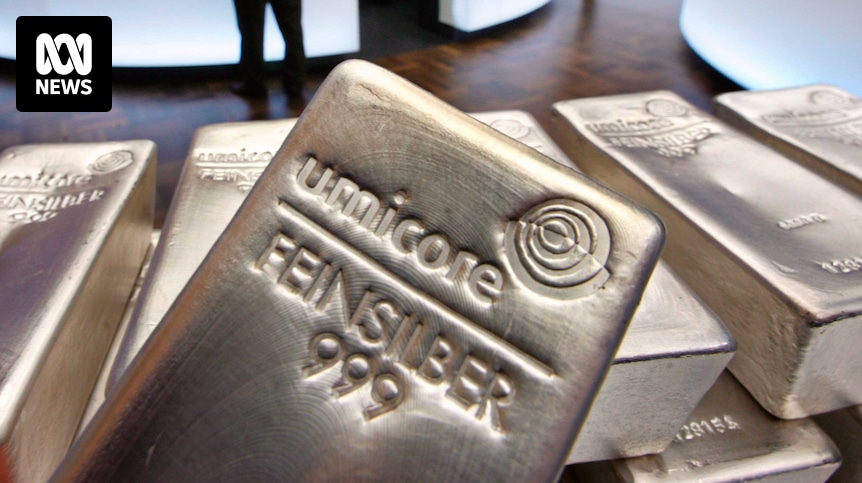
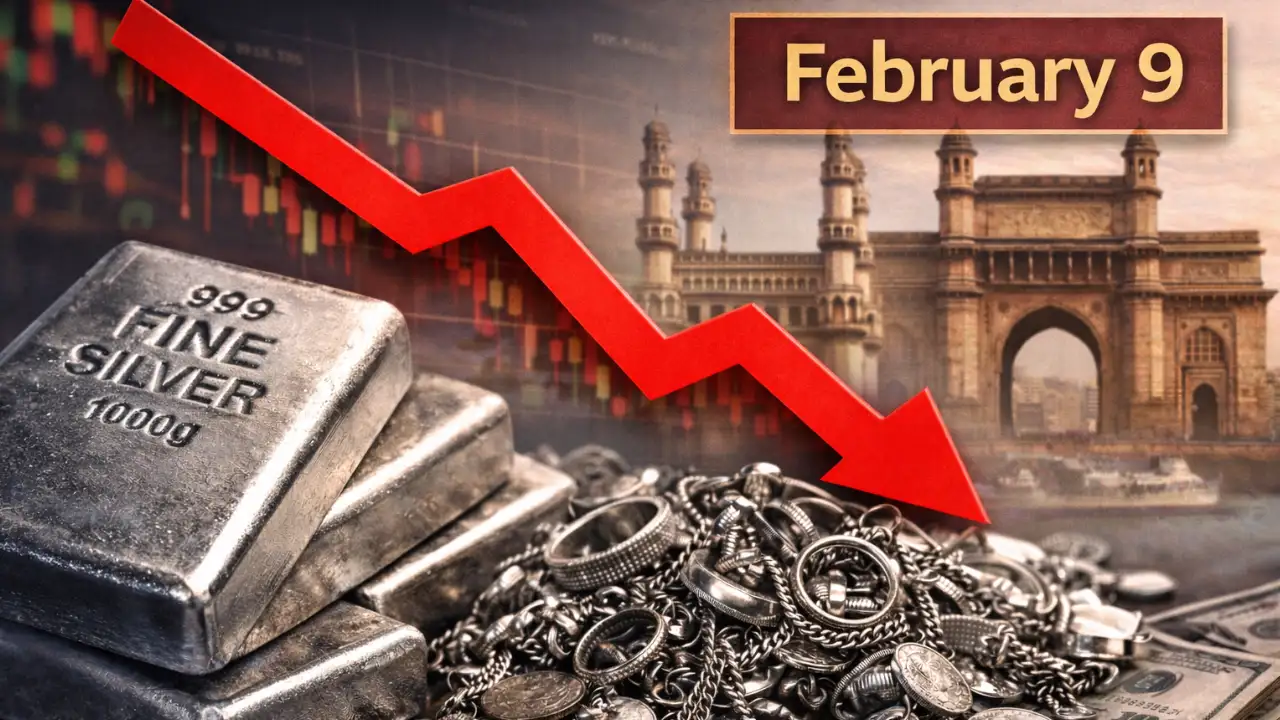
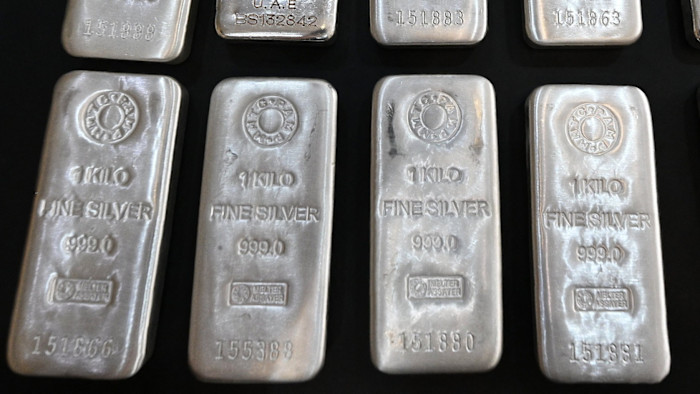
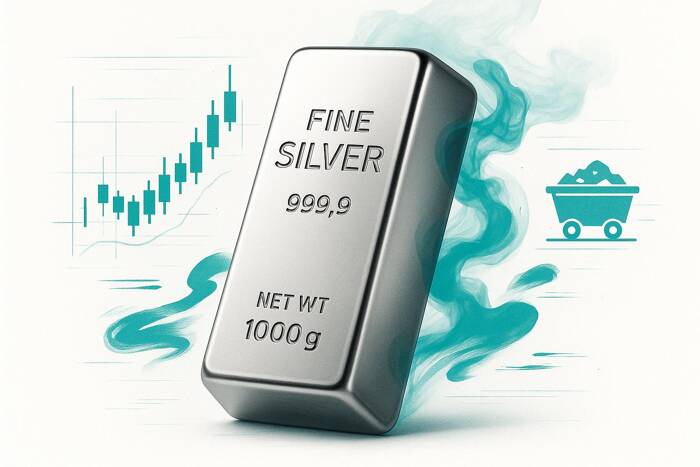
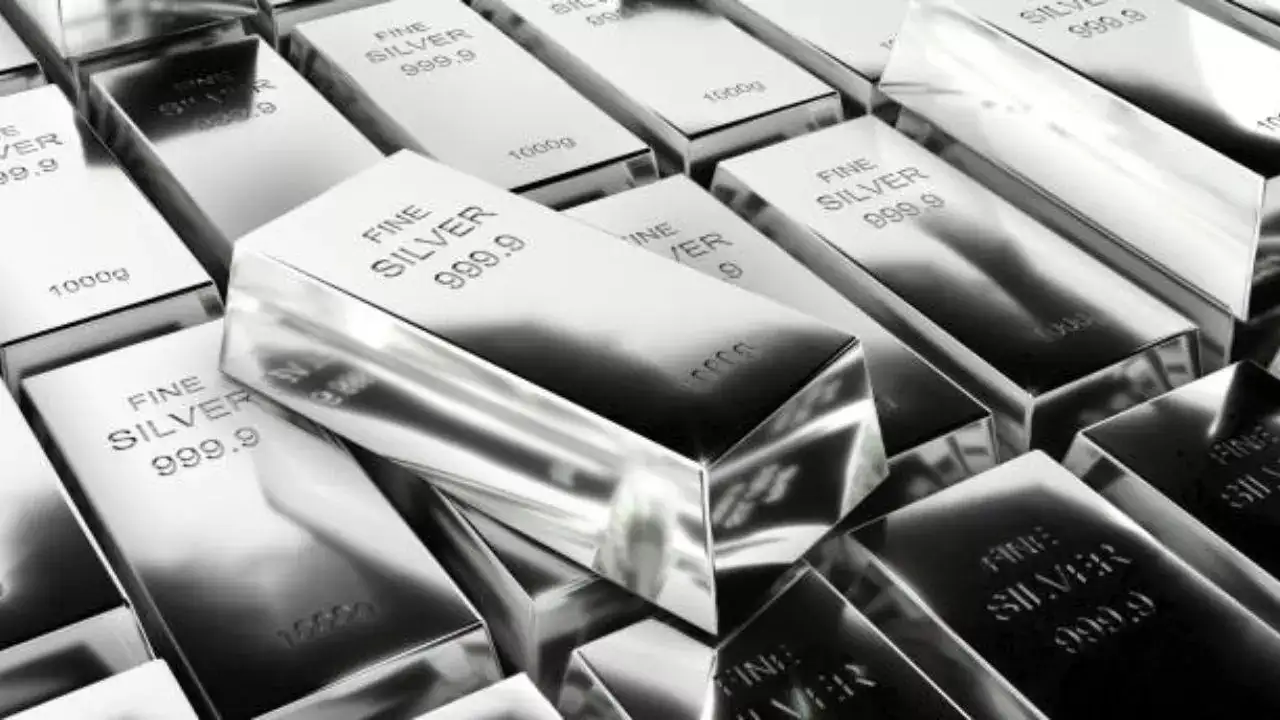
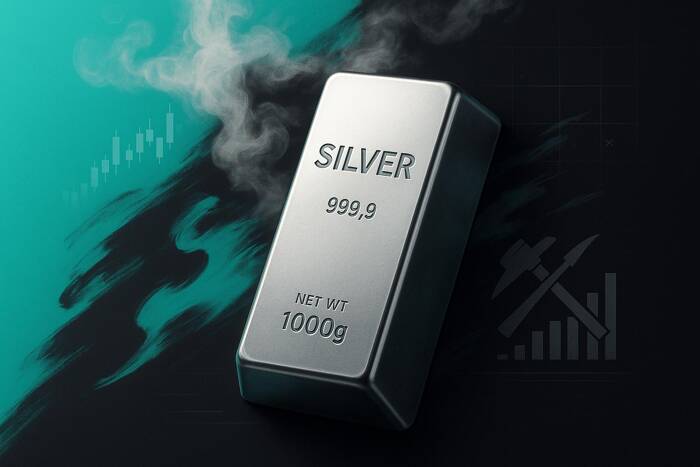
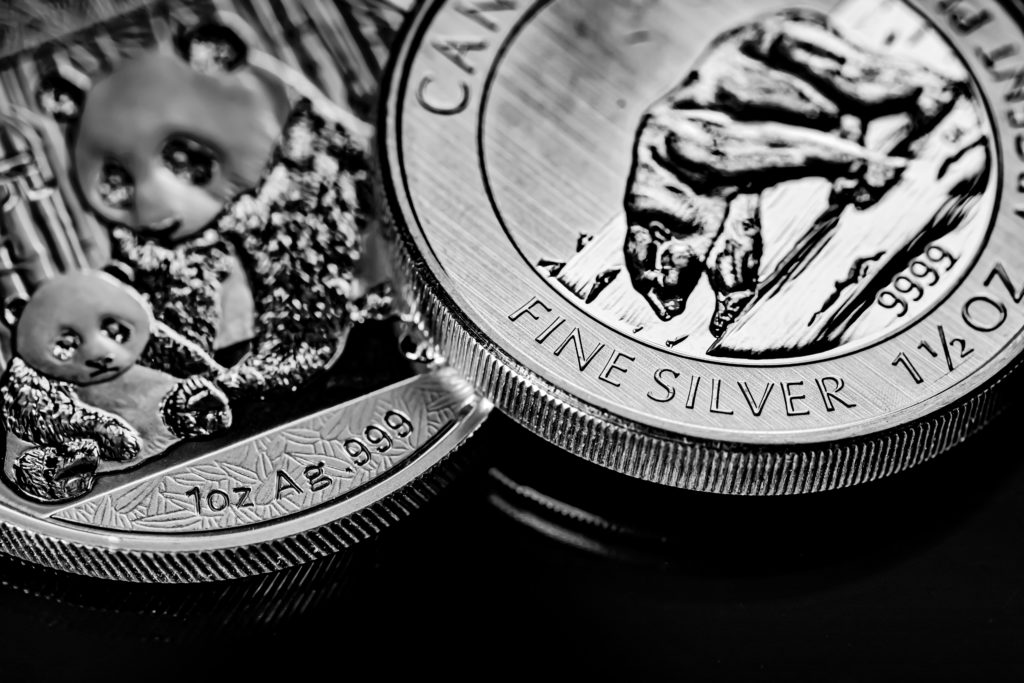
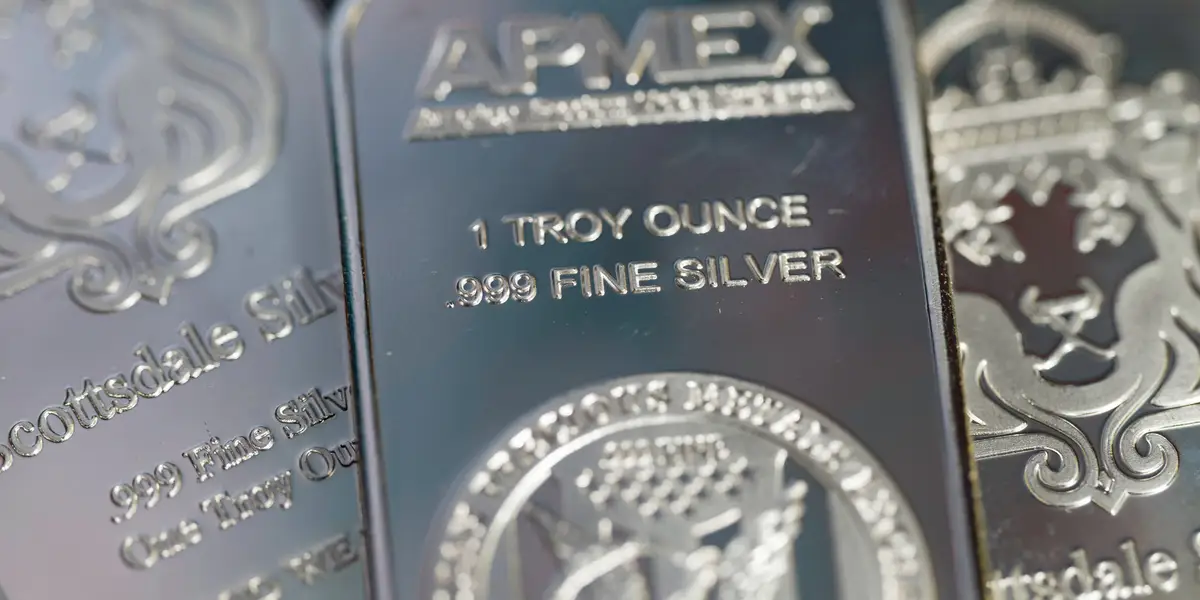
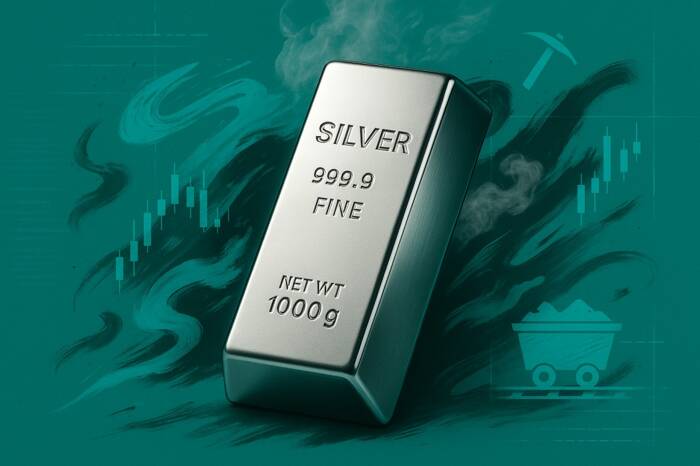
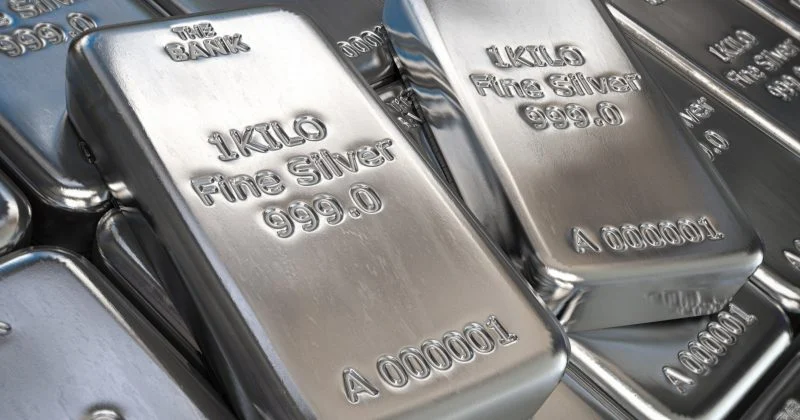
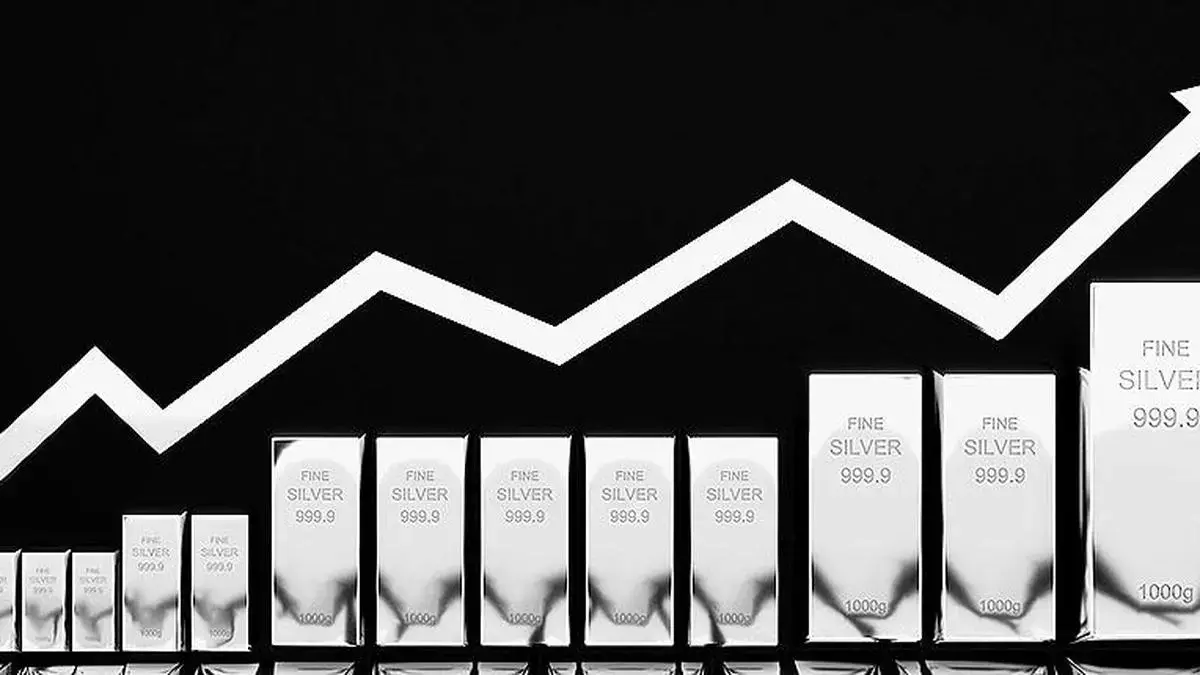
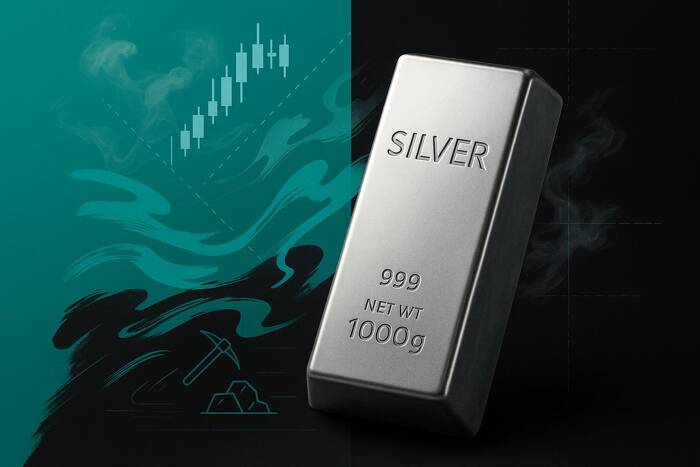
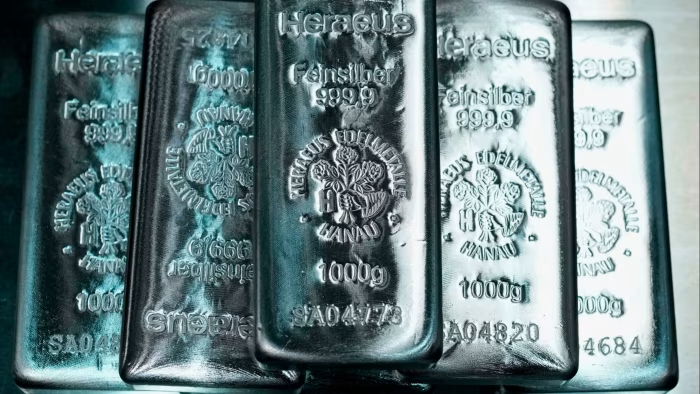
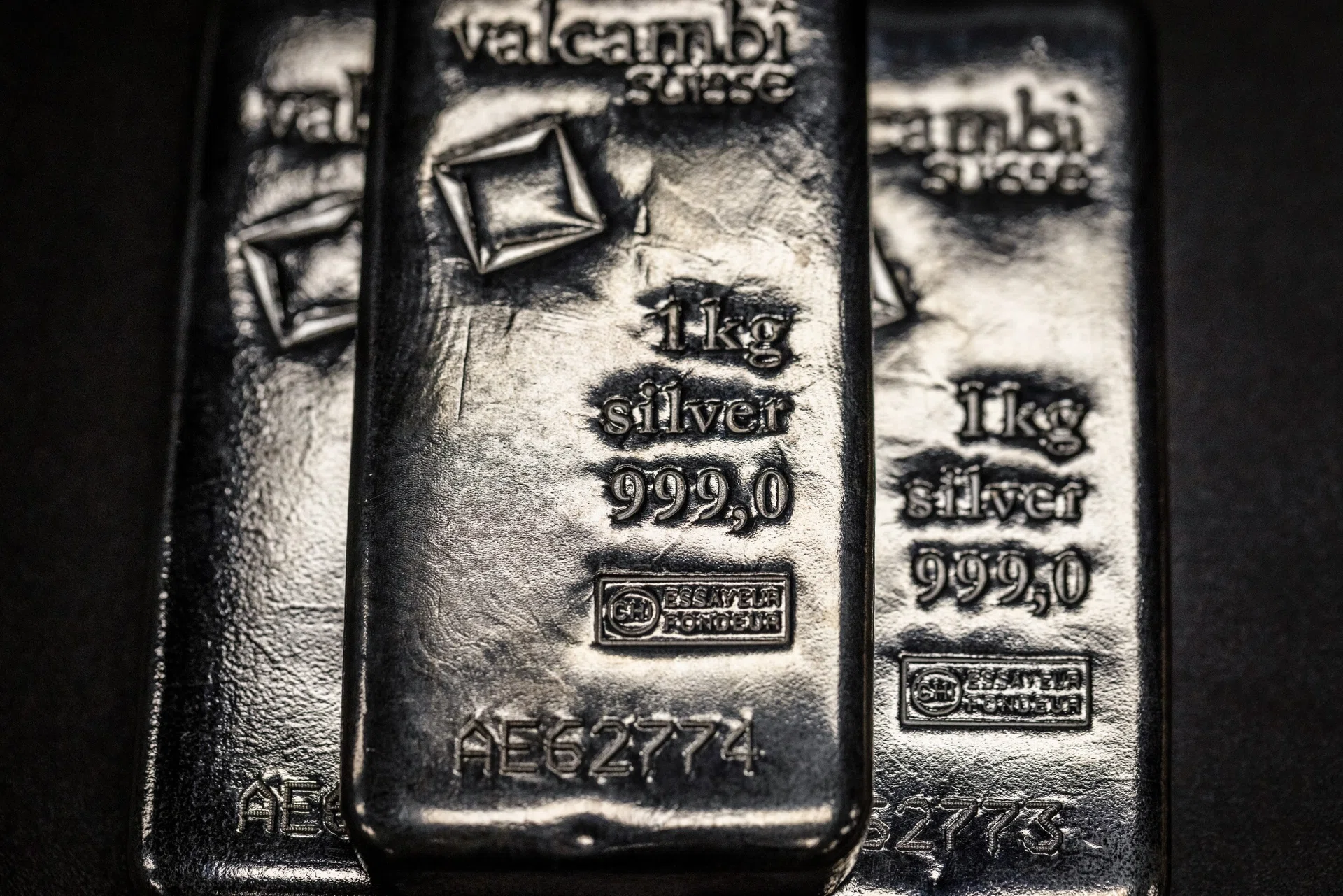
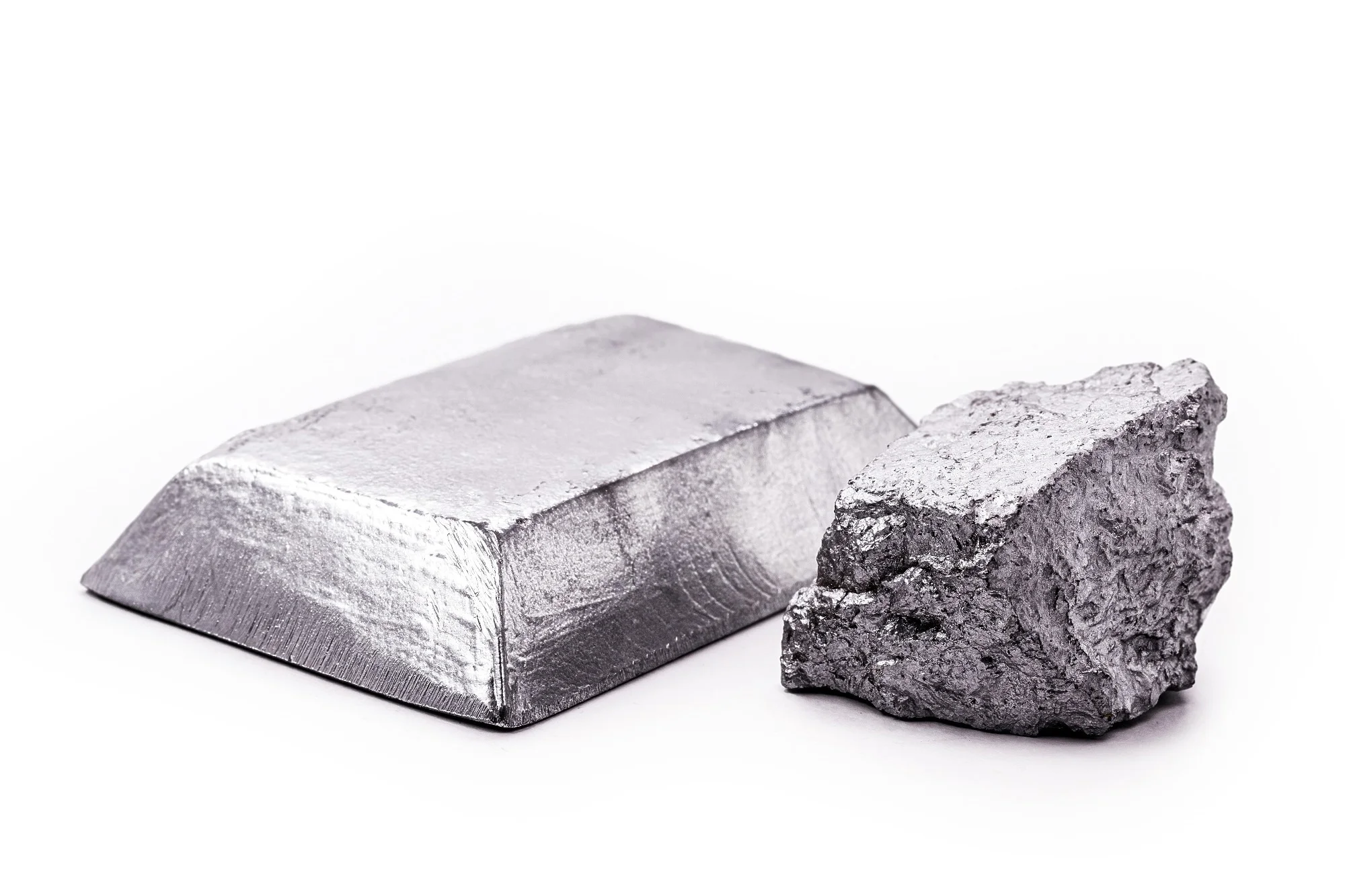
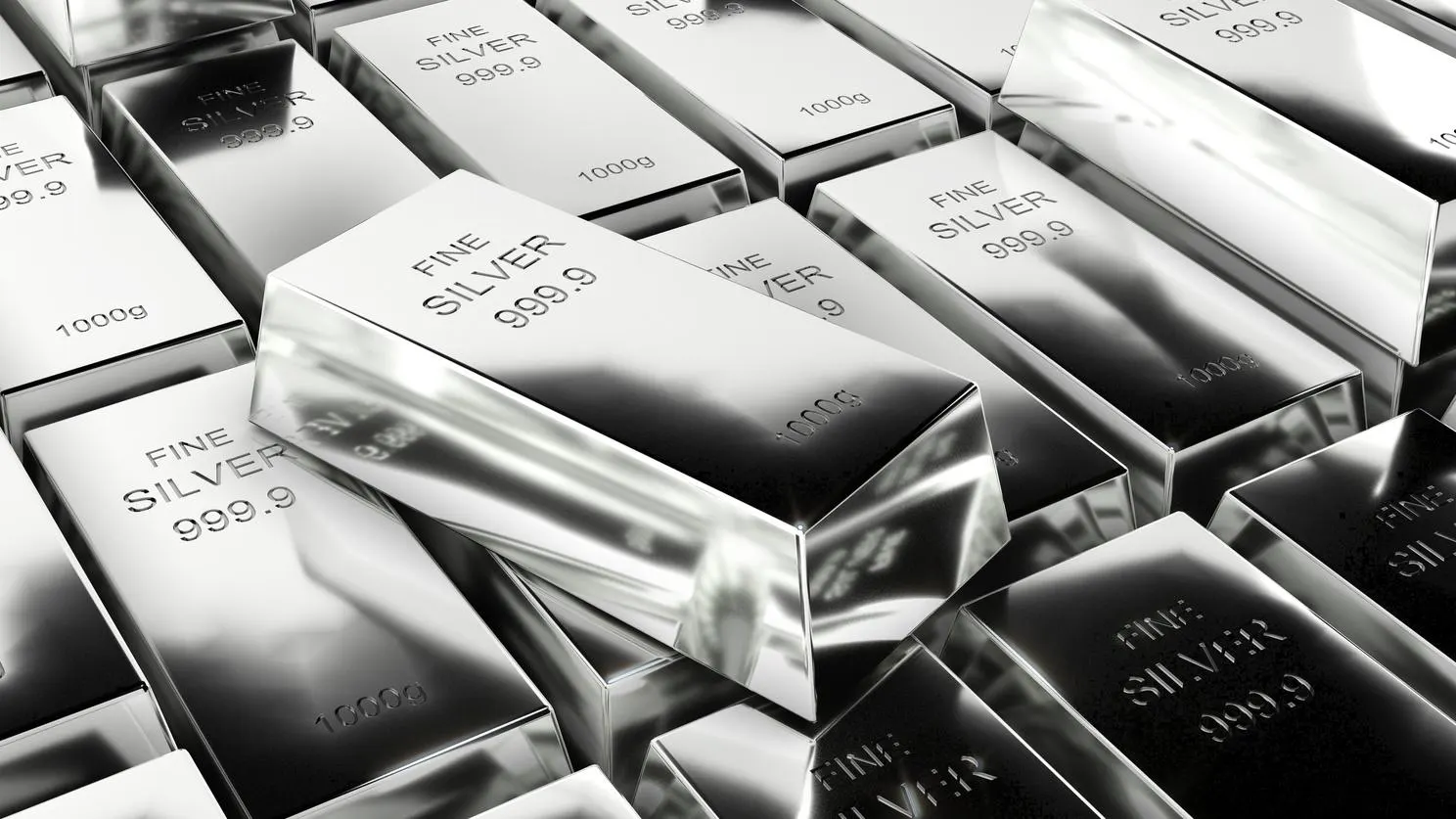
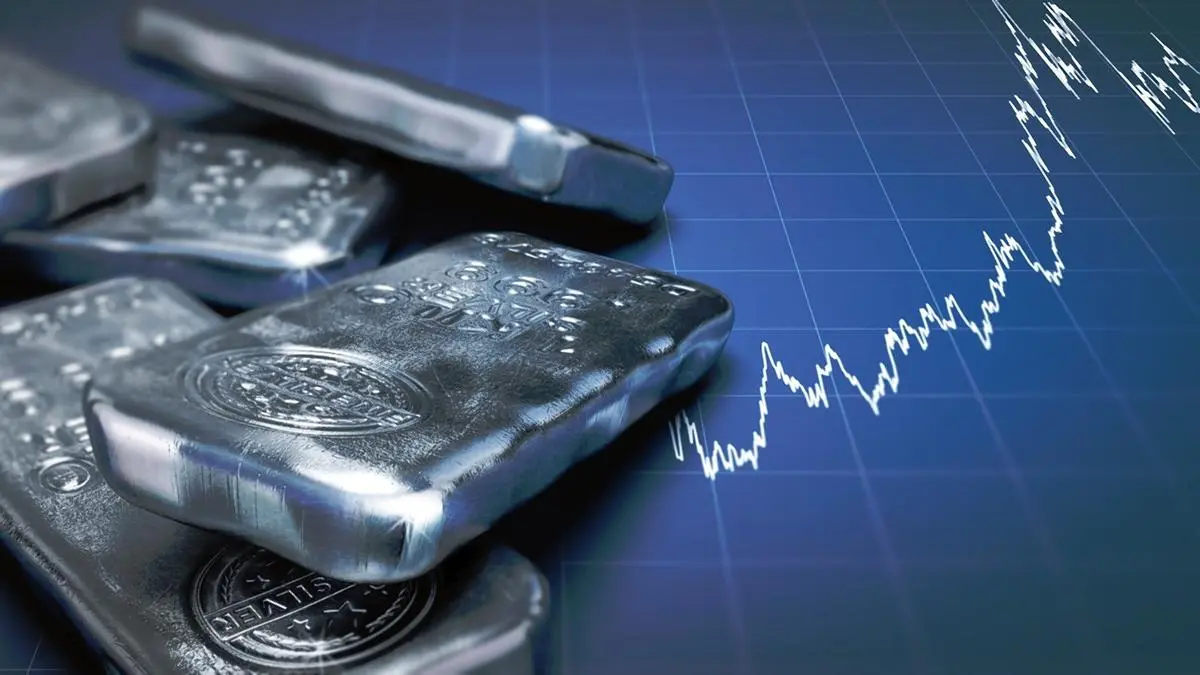
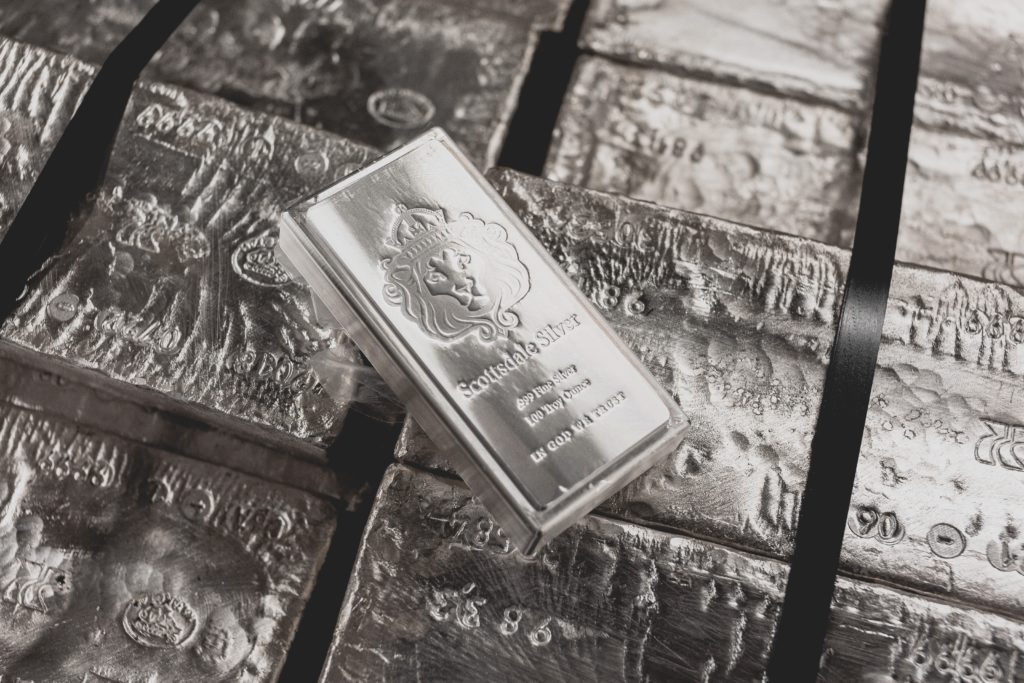
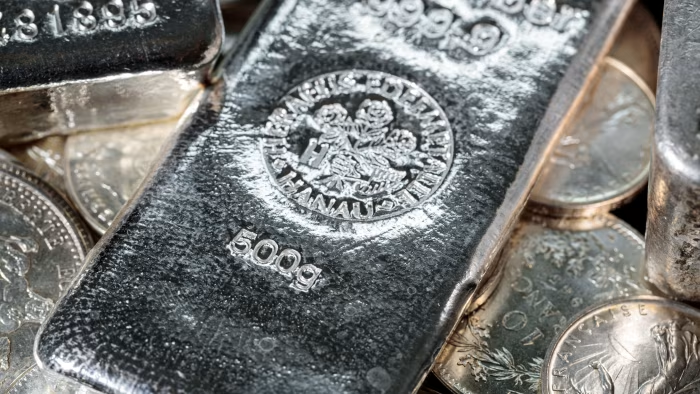
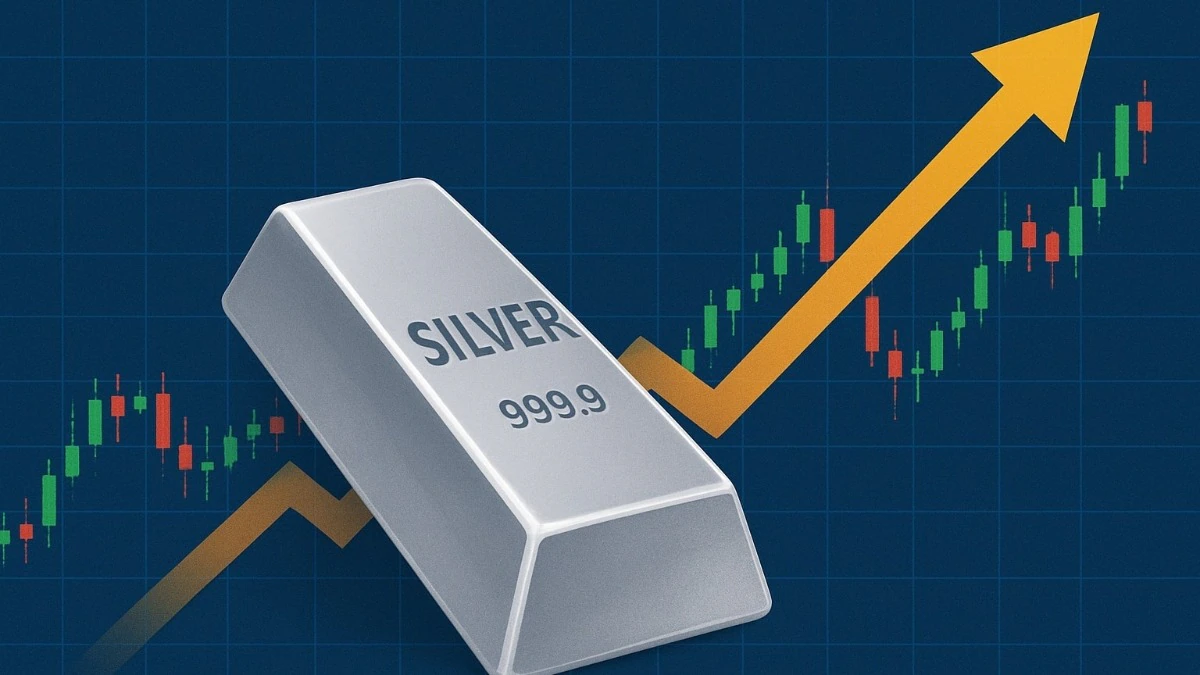
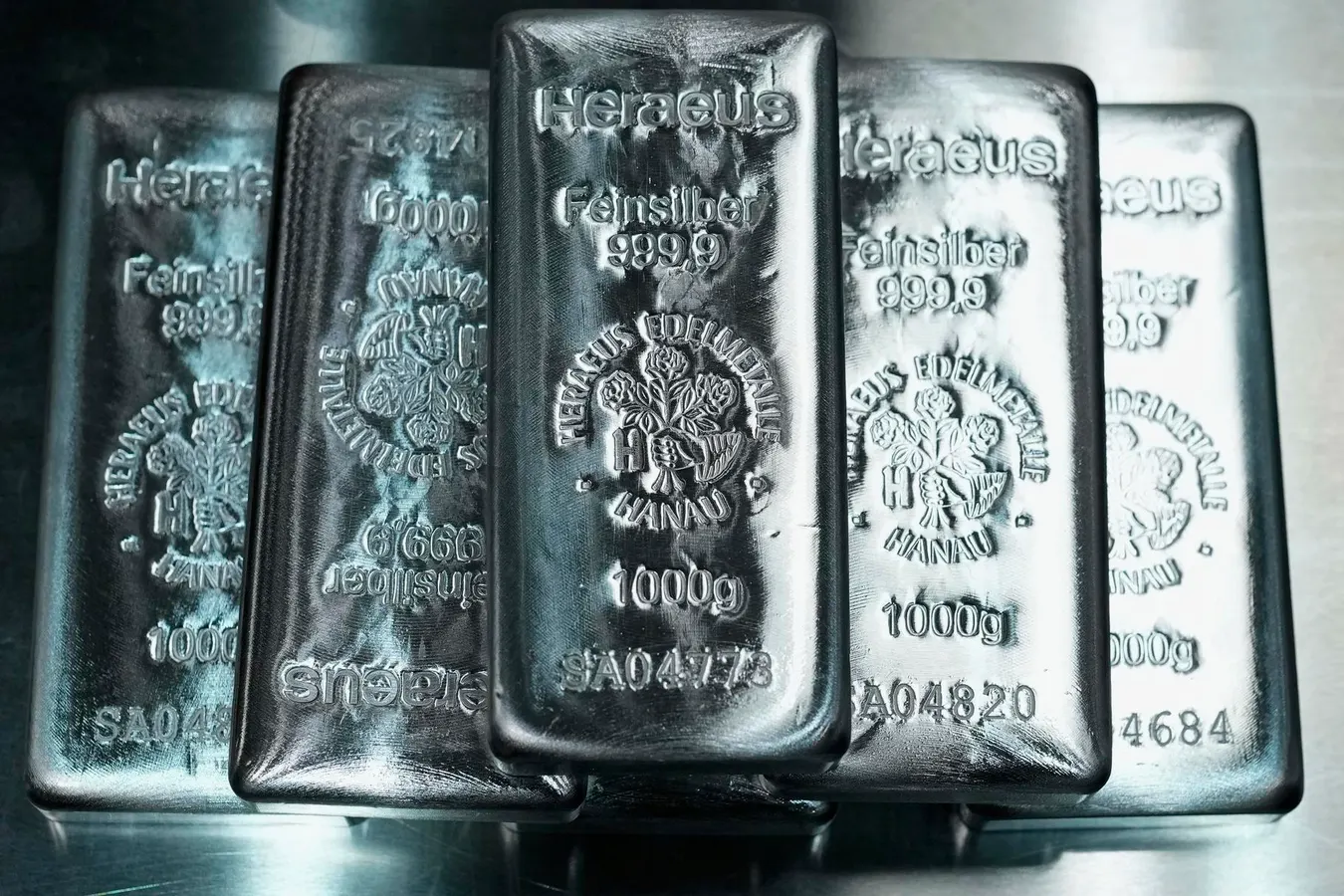
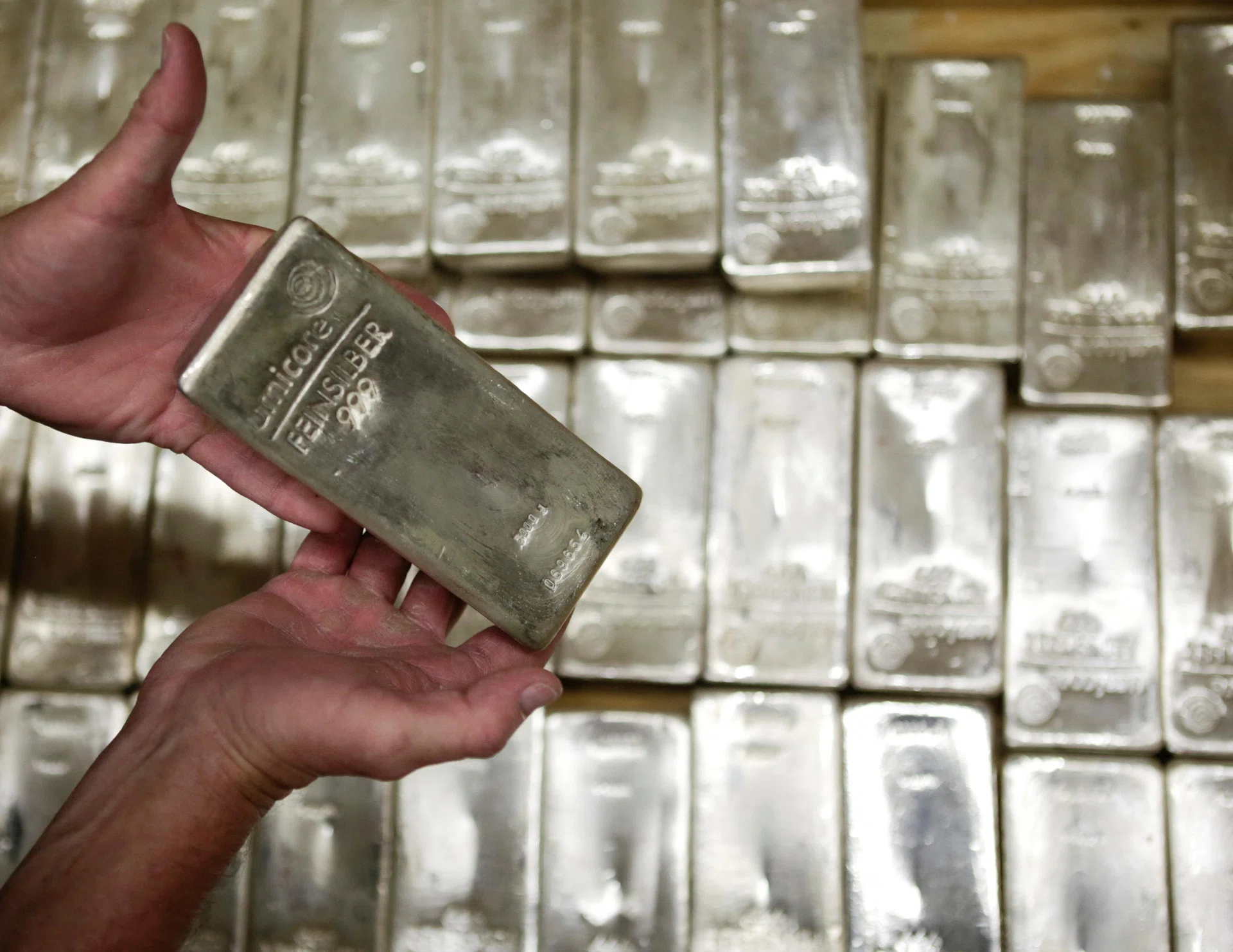
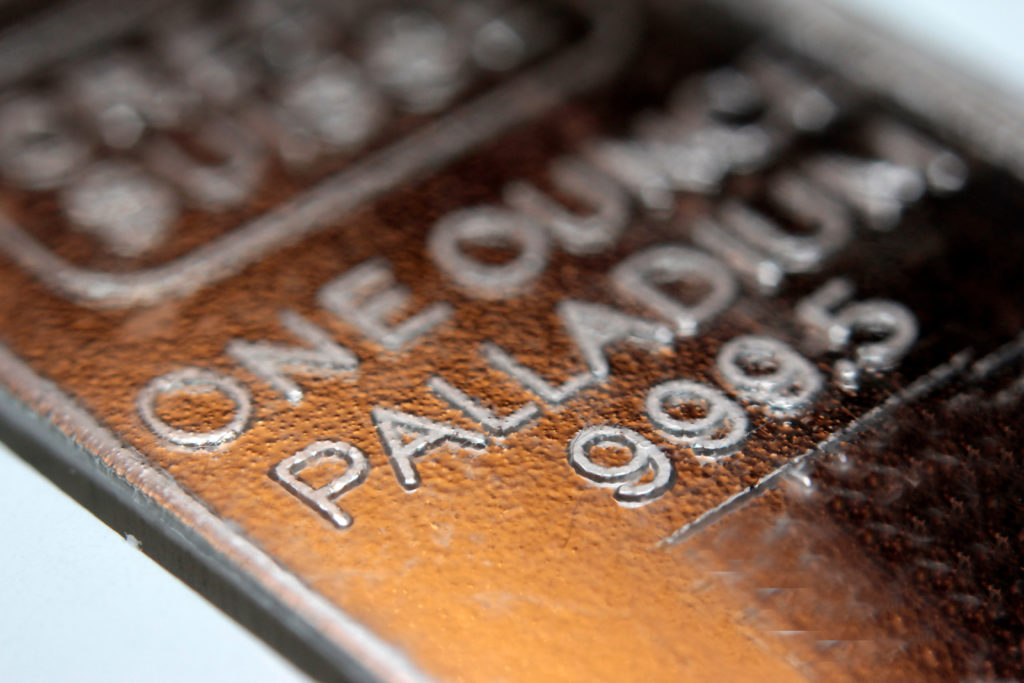
Silver gained more sharply. COMEX silver was at $65.845 an ounce, up $0.737, or 1.13%, from its previous close of $65.060 an ounce. It moved between $64.850 and $66.395 an ounce during the session.
Why are gold prices moving?
Gold has found support from softer US economic data and lower bond yields in recent weeks. Markets are also watching expectations around US monetary policy, movements in the dollar and geopolitical developments.
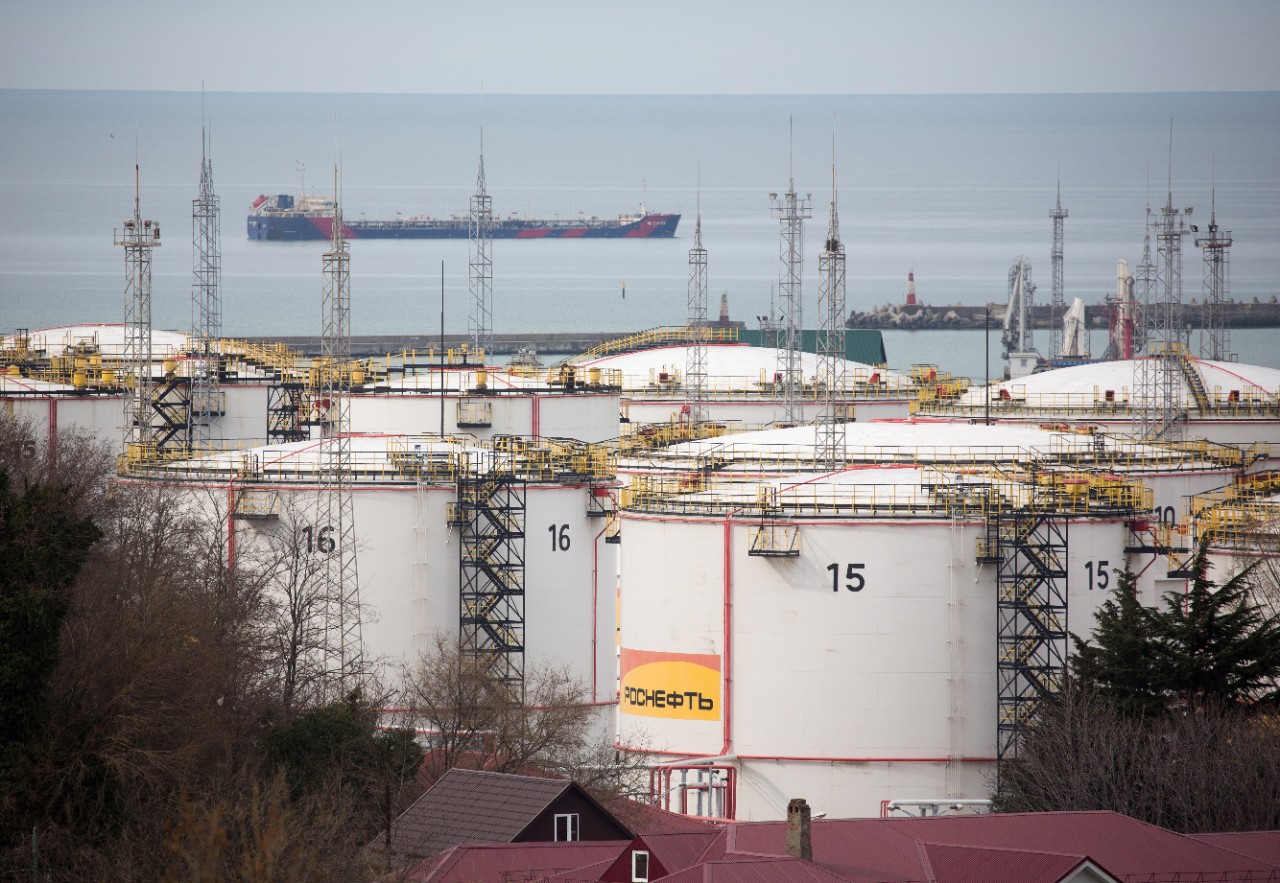
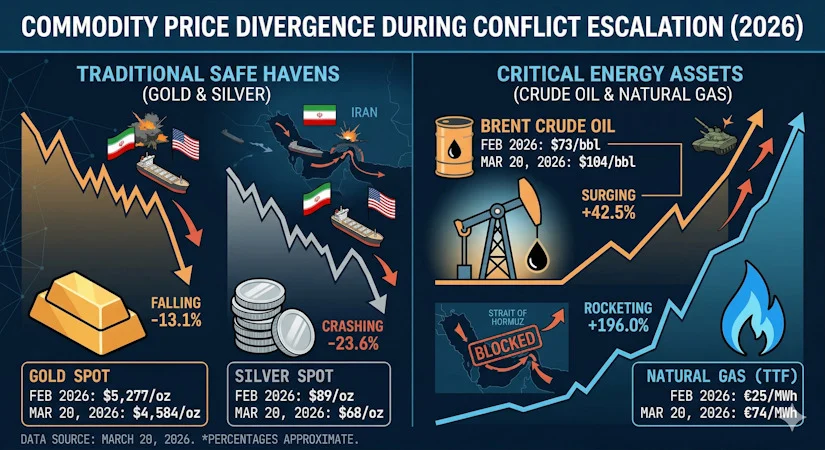
Uncertainty around the Iran conflict and disruptions to oil flows through the Strait of Hormuz have kept inflation risks in focus. Higher oil prices can complicate the outlook for central banks by adding to inflation pressures.
Gold had also gained 0.8% last week, according to the market update.
Tata Mutual Fund, in its August 2026 House View on Gold, said near-term price movements could remain volatile as investors assess interest rates, the dollar and bond yields. It retained a constructive medium- to long-term view on gold, citing central-bank buying, investment demand and portfolio diversification as structural supports.
What is driving silver?
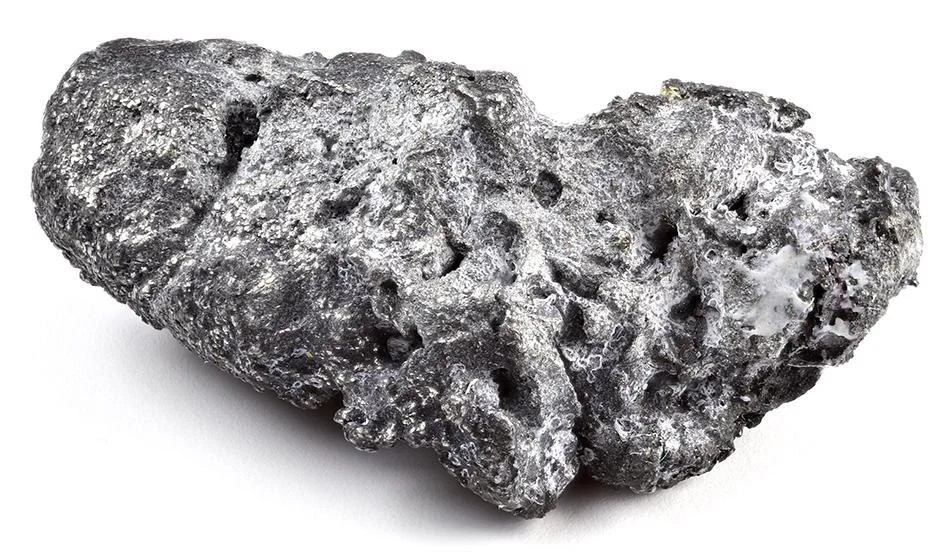
Silver has benefited from the broader rally in precious metals but has a different demand profile from gold because of its industrial use.
Tata Mutual Fund said the near-term outlook for silver would depend on global economic conditions and industrial demand. It noted that moderation in solar installations and easing supply tightness could lead to periods of consolidation and higher volatility.
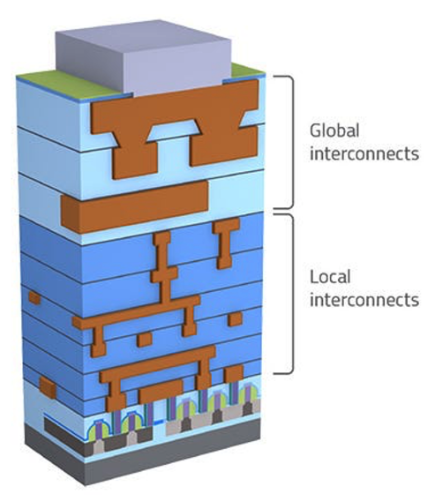
At the same time, the fund house expects longer-term demand to benefit from applications in electronics, AI-related hardware, renewable-energy infrastructure and solar power.
What should investors watch?
For gold, the key factors remain US interest-rate expectations, bond yields, the dollar and geopolitical risks. A weaker dollar and lower yields can generally support gold because the metal becomes relatively more attractive to investors.
Silver could see larger price swings because industrial demand plays a bigger role in its price.
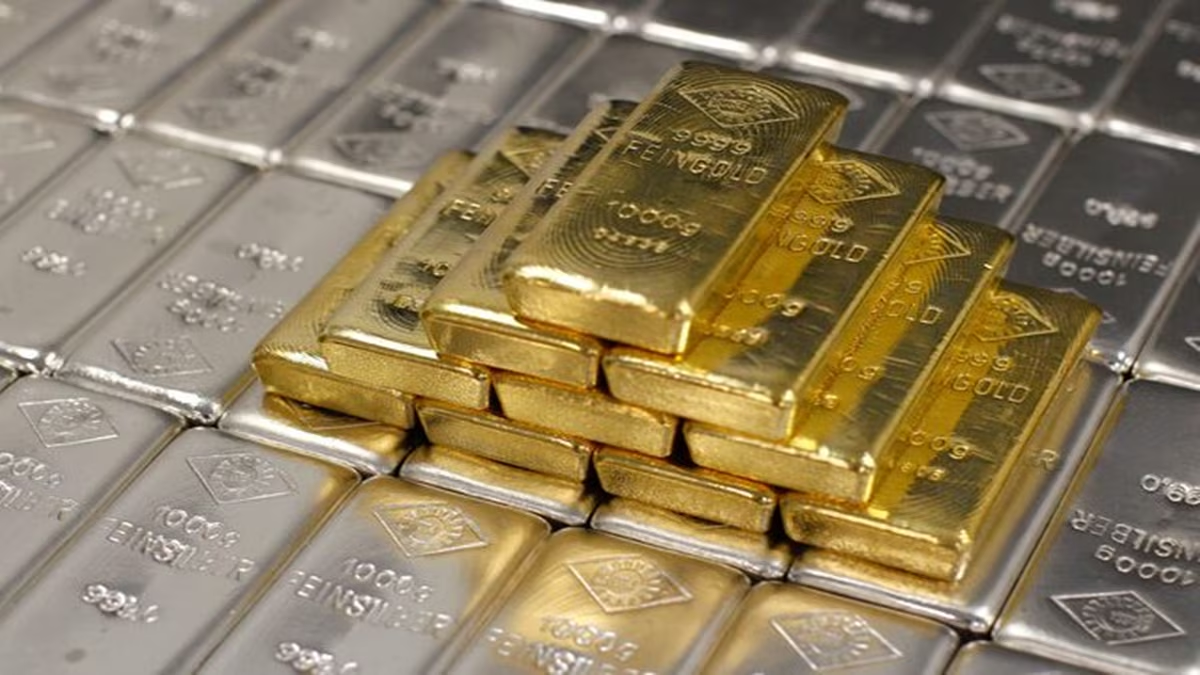
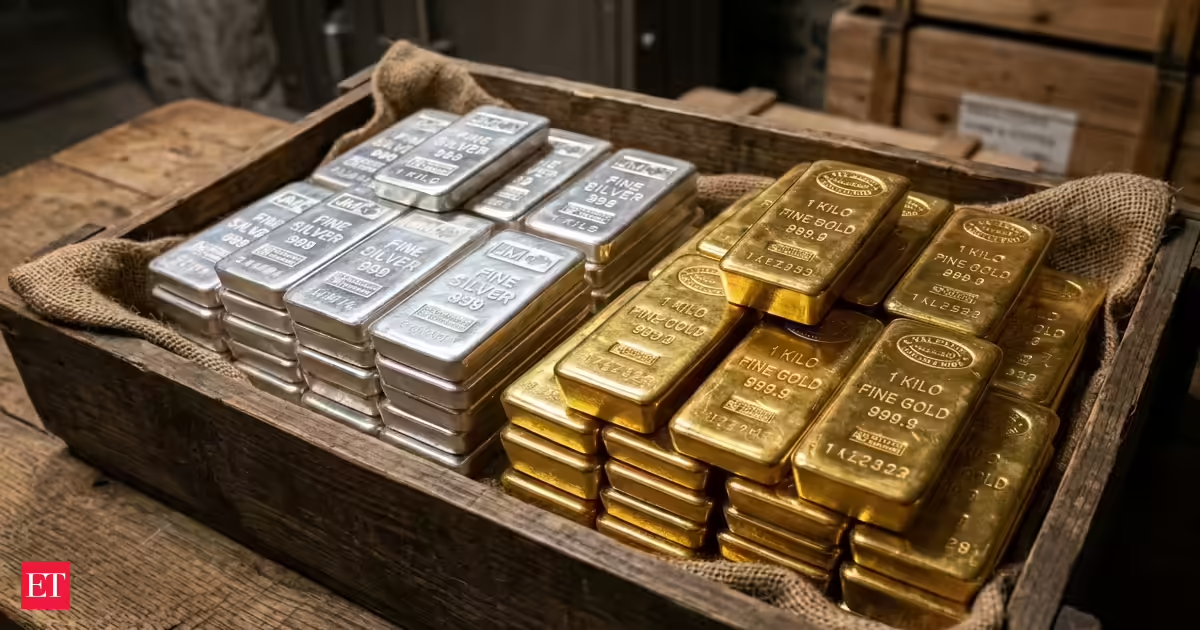
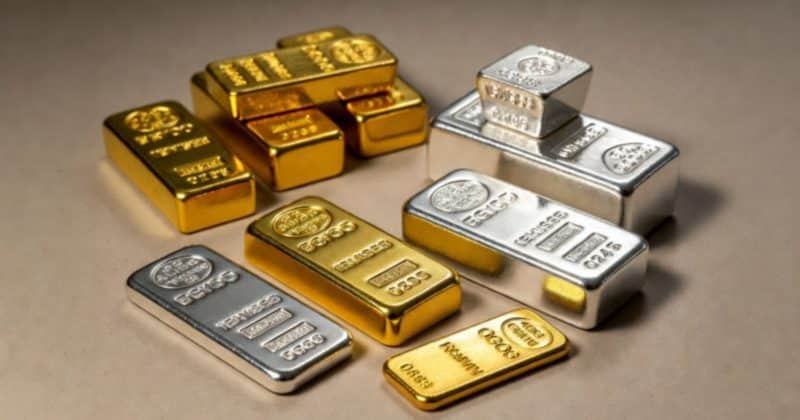
Tata Mutual Fund has suggested a staggered investment approach for investors with a medium- to long-term horizon. For diversified precious-metal exposure, it prefers a higher allocation to gold because of its defensive characteristics, complemented by silver’s longer-term growth potential.
The fund house has cited a 70:30 gold-to-silver allocation as a broad strategic framework, rather than a short-term trading call.
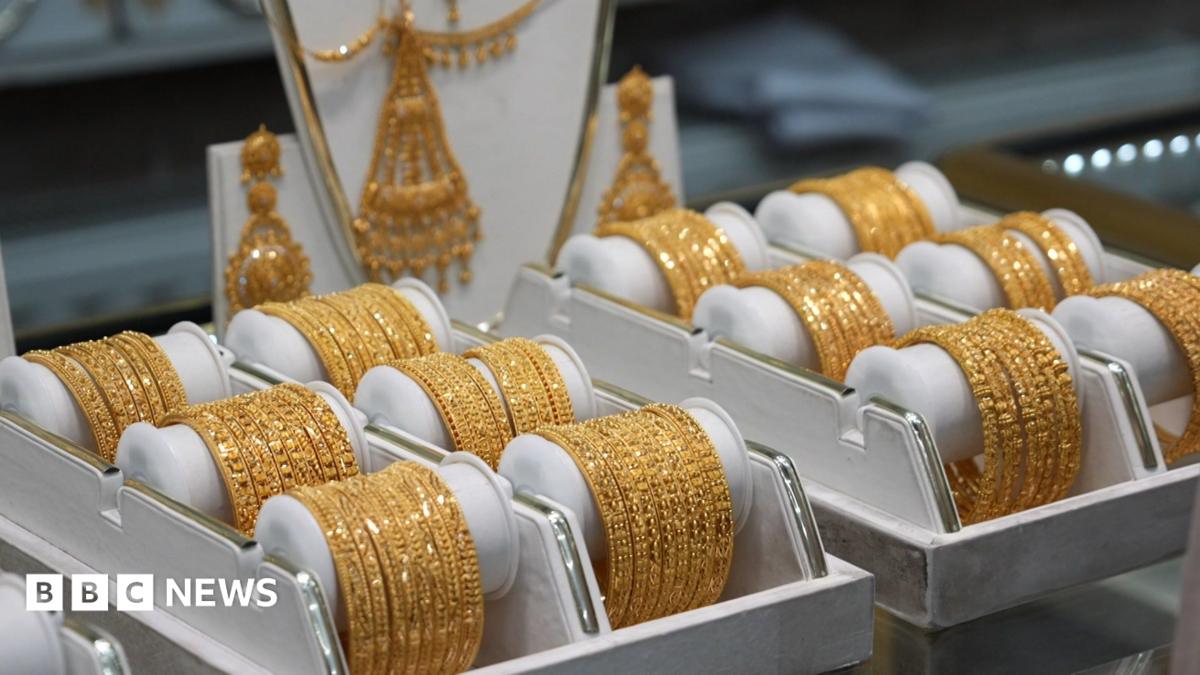
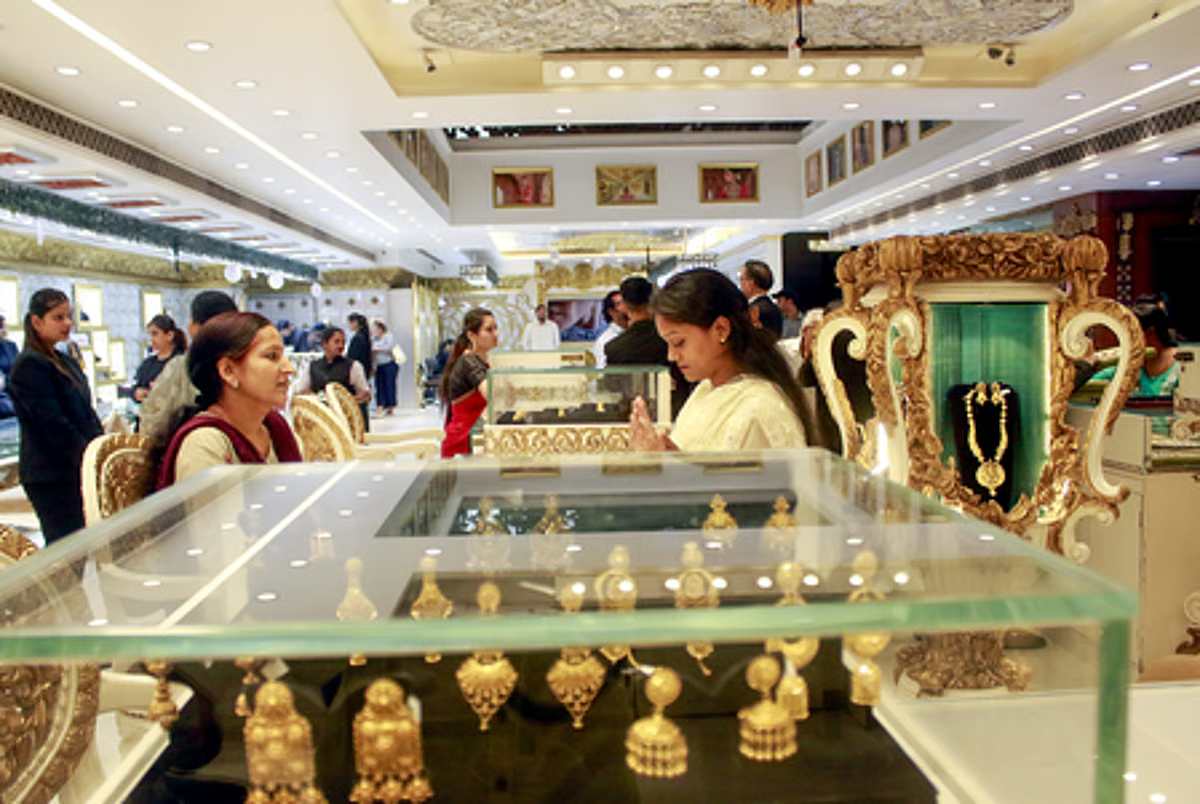
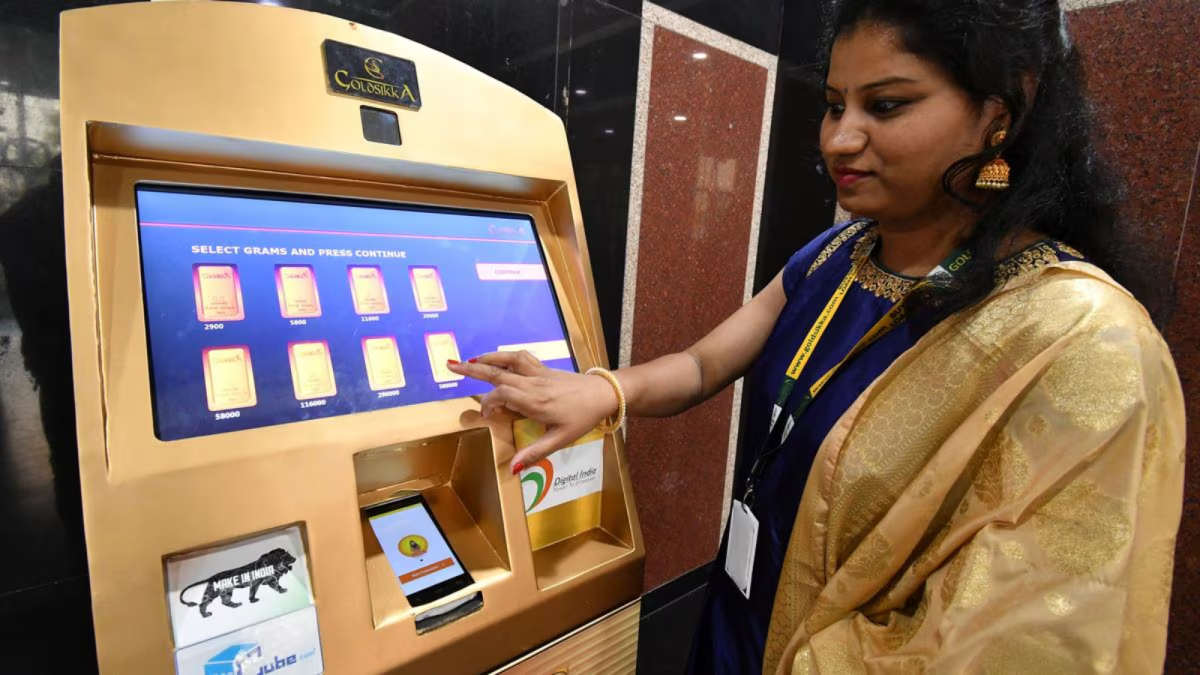
Investors should also note that global precious-metal prices can differ from domestic prices because Indian prices are influenced by currency movements, import-related costs, taxes and local market conditions.
-With Reuters inputs