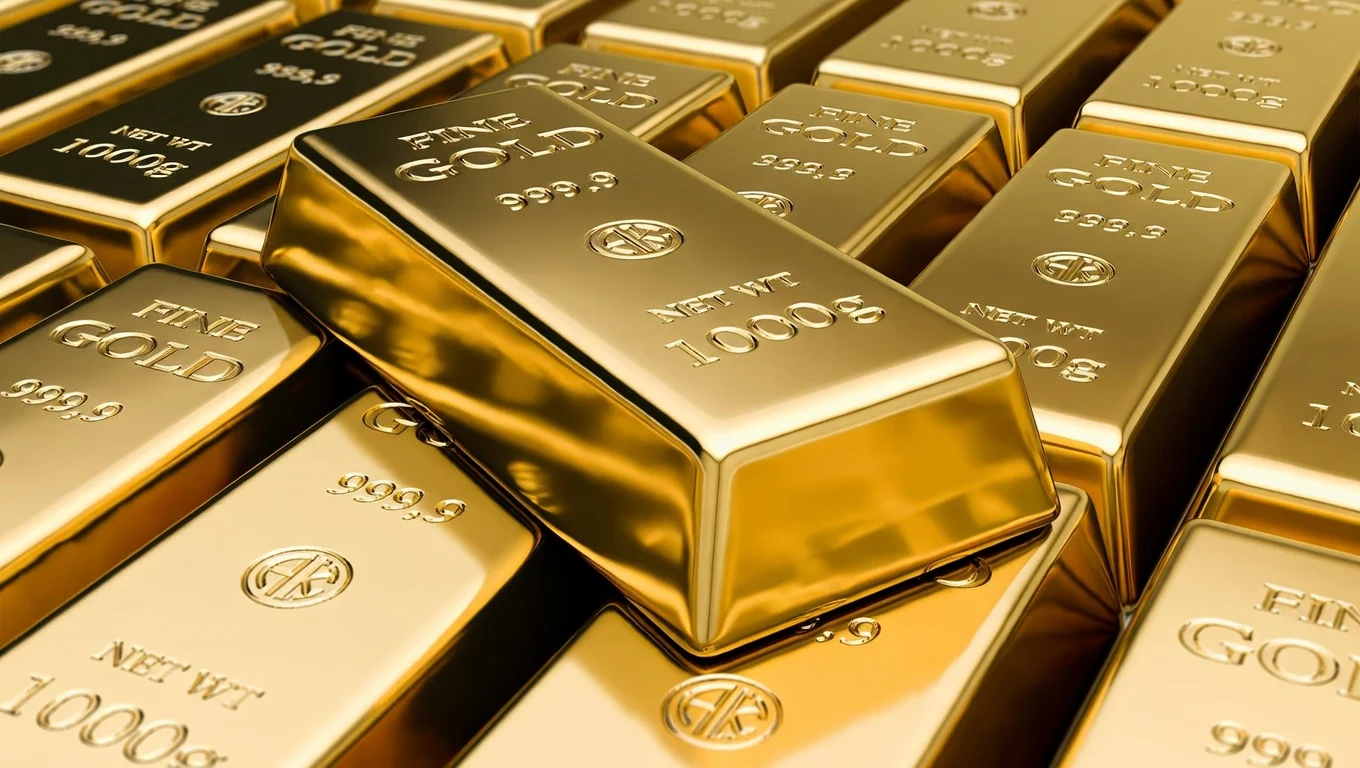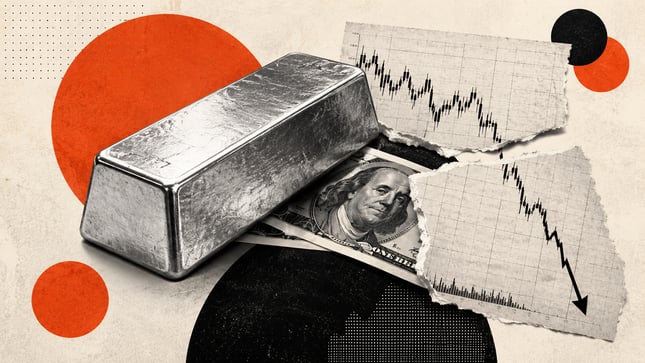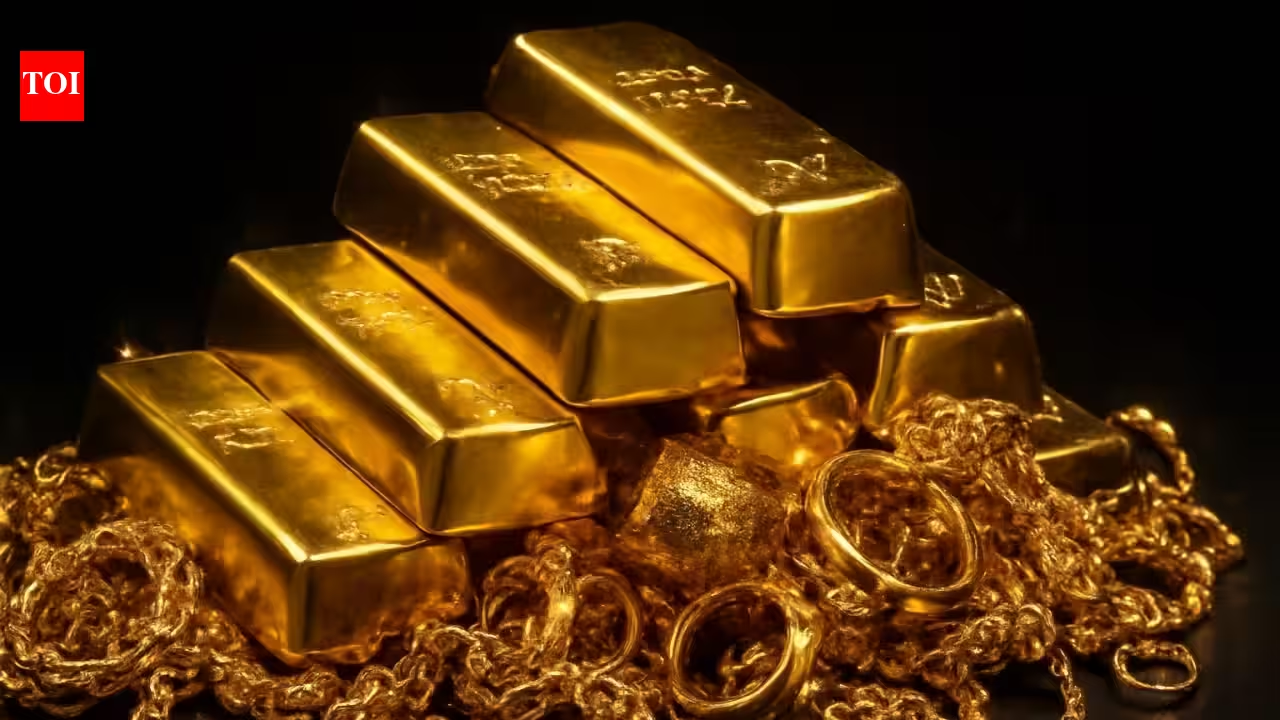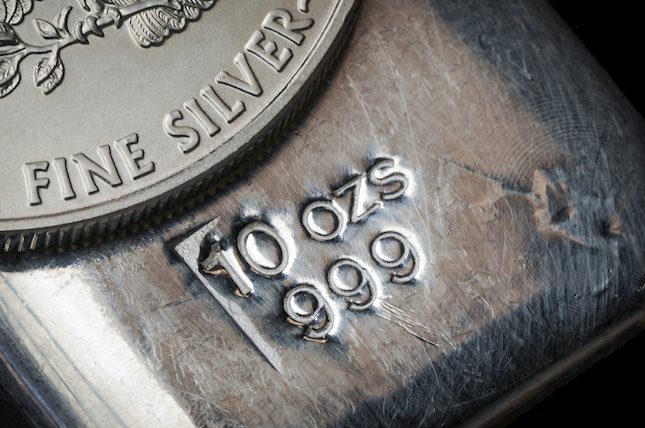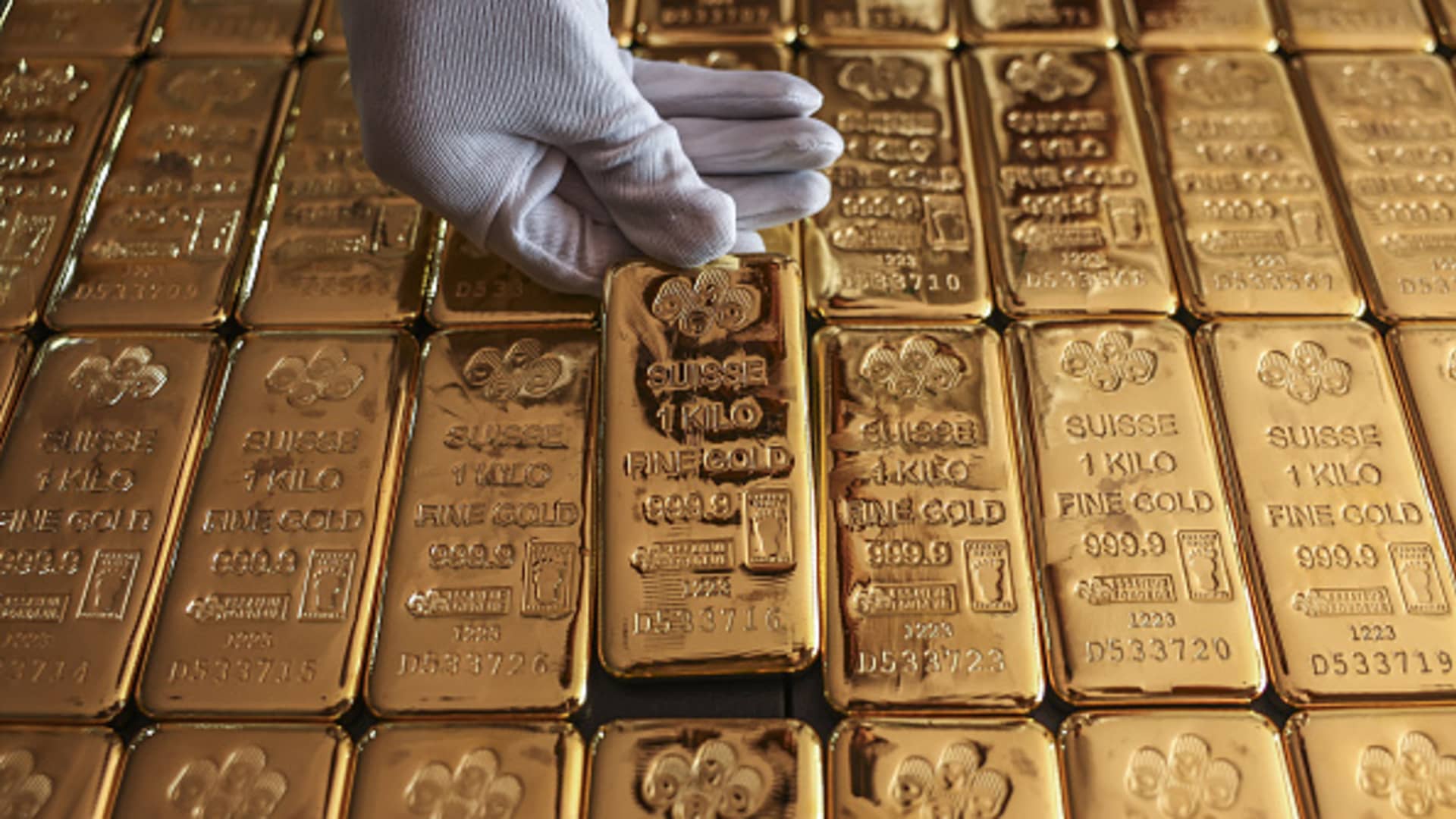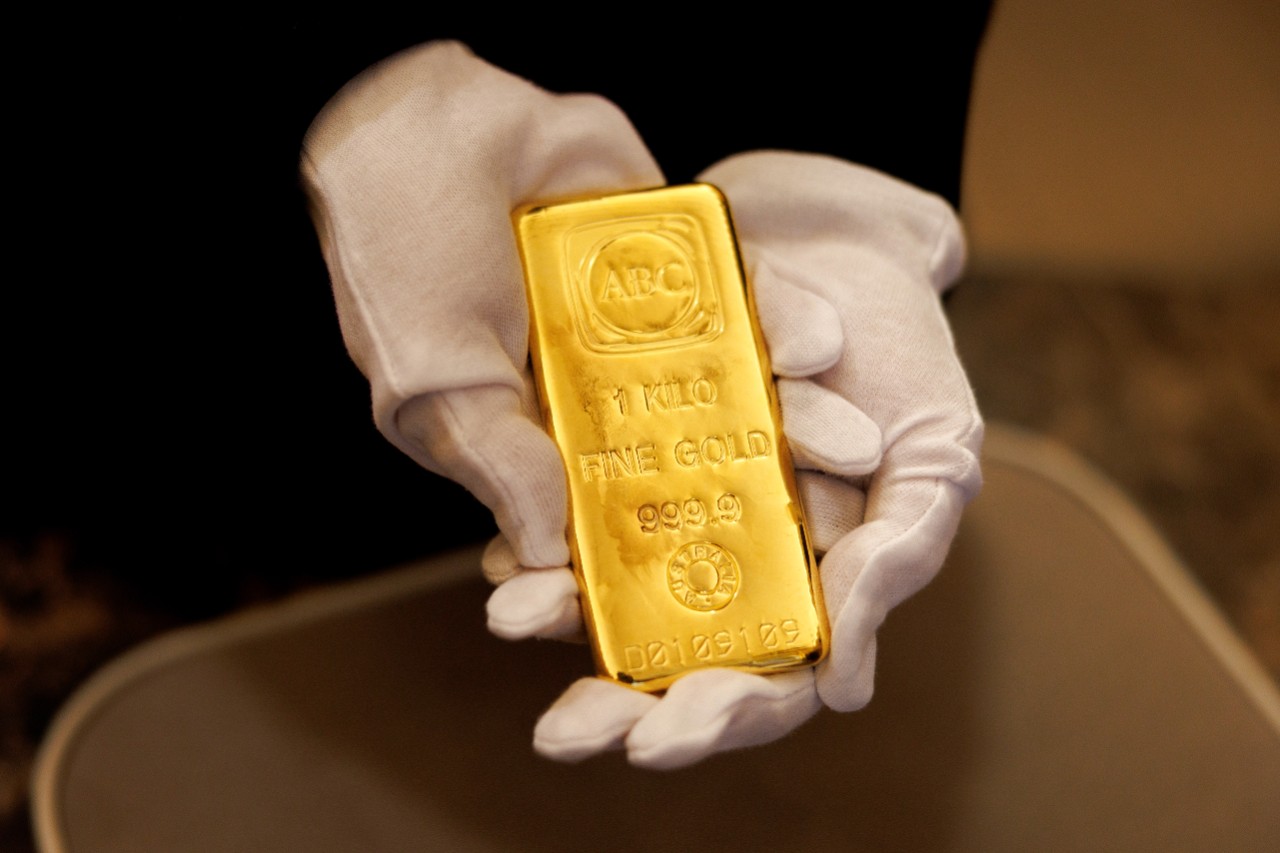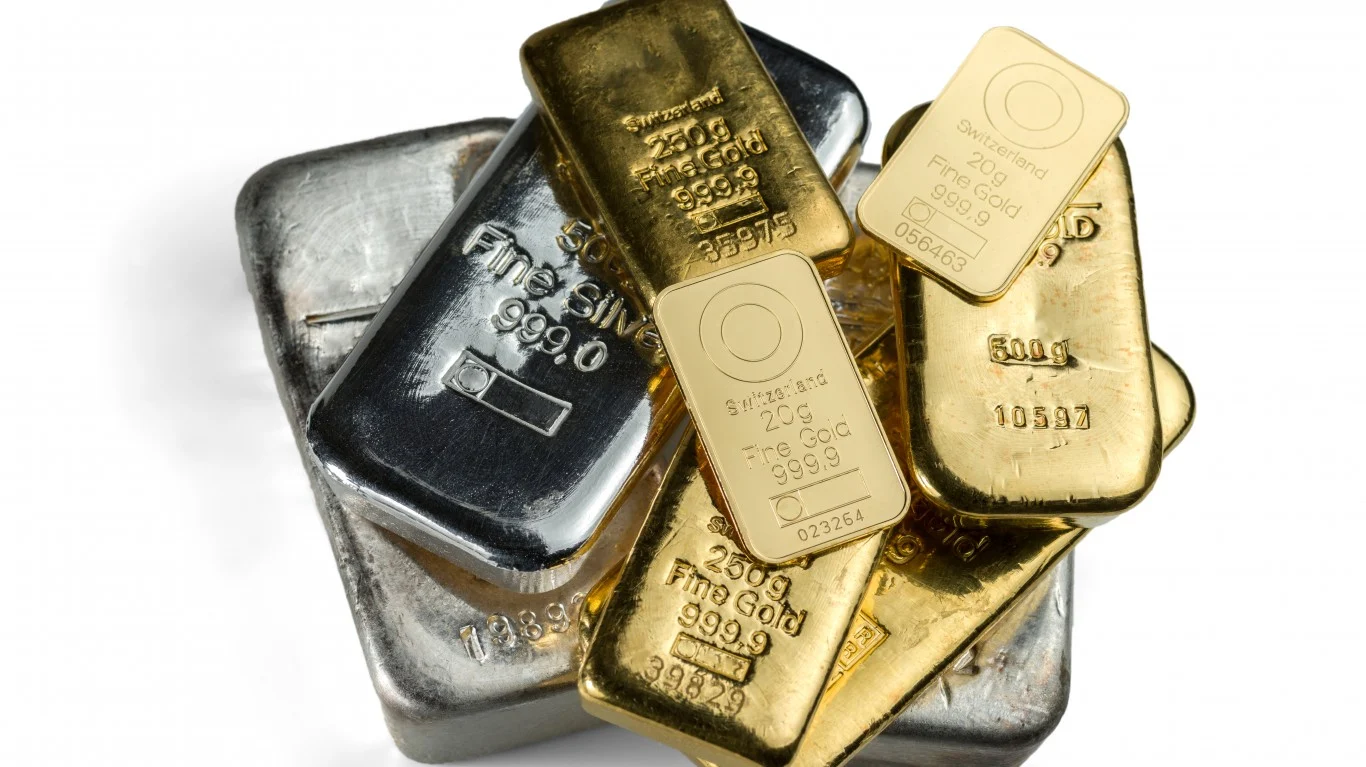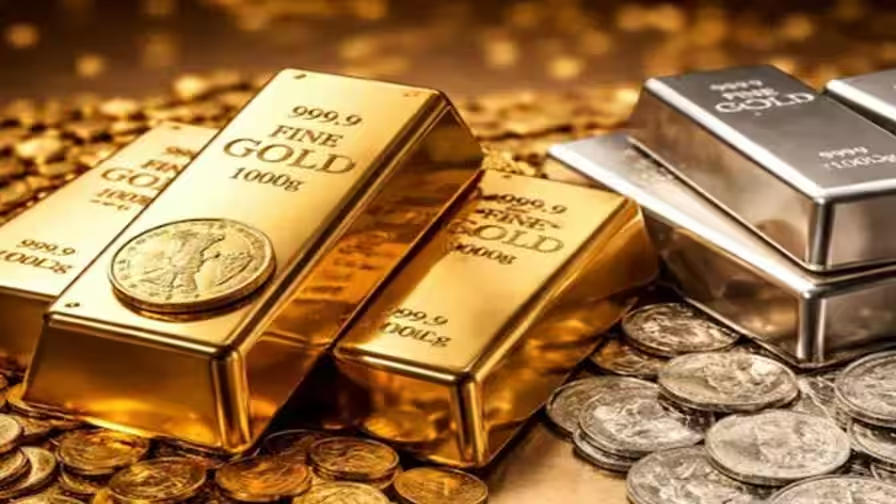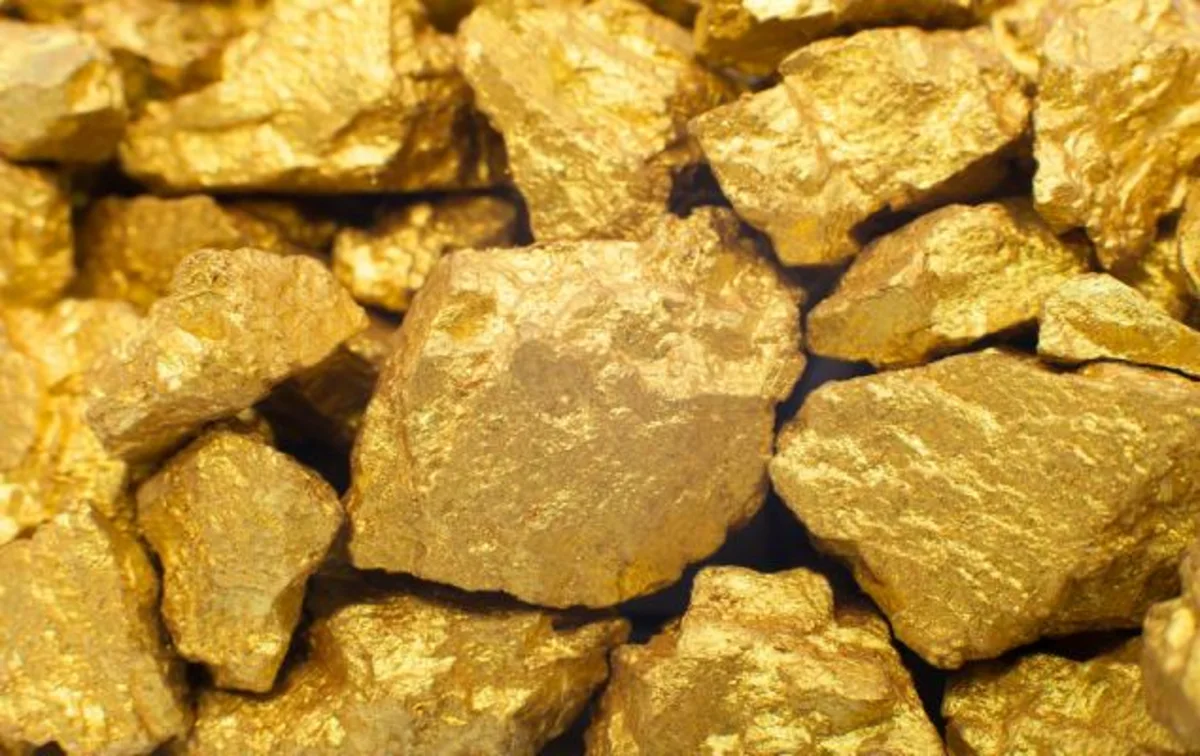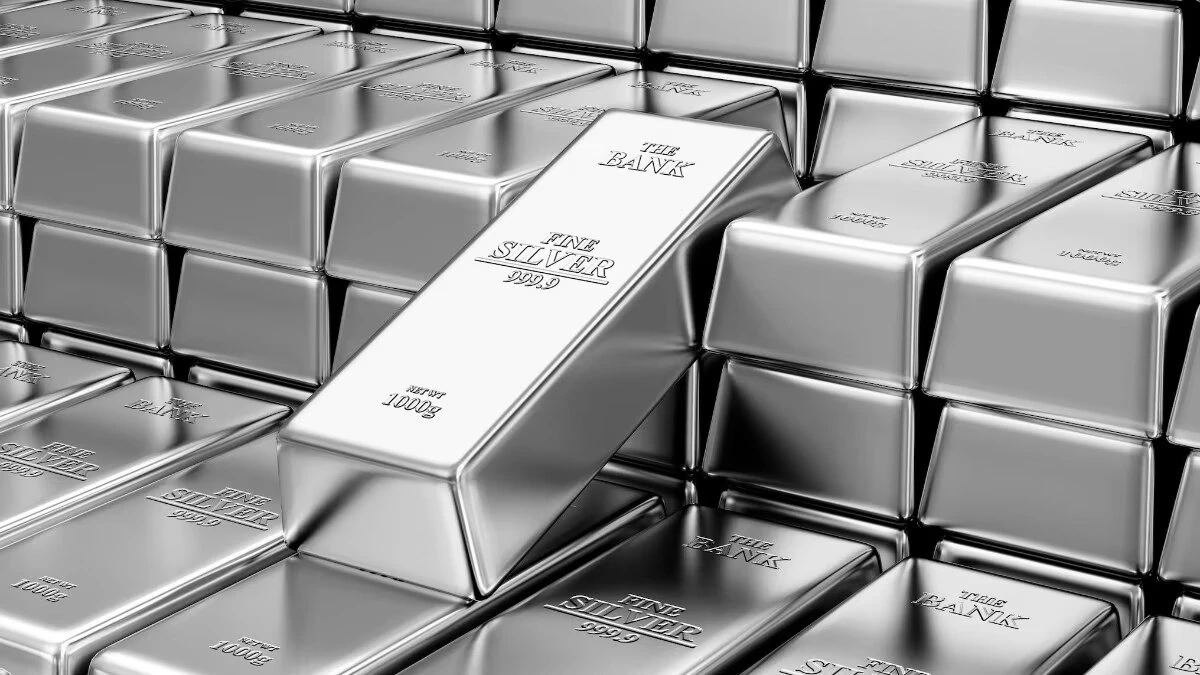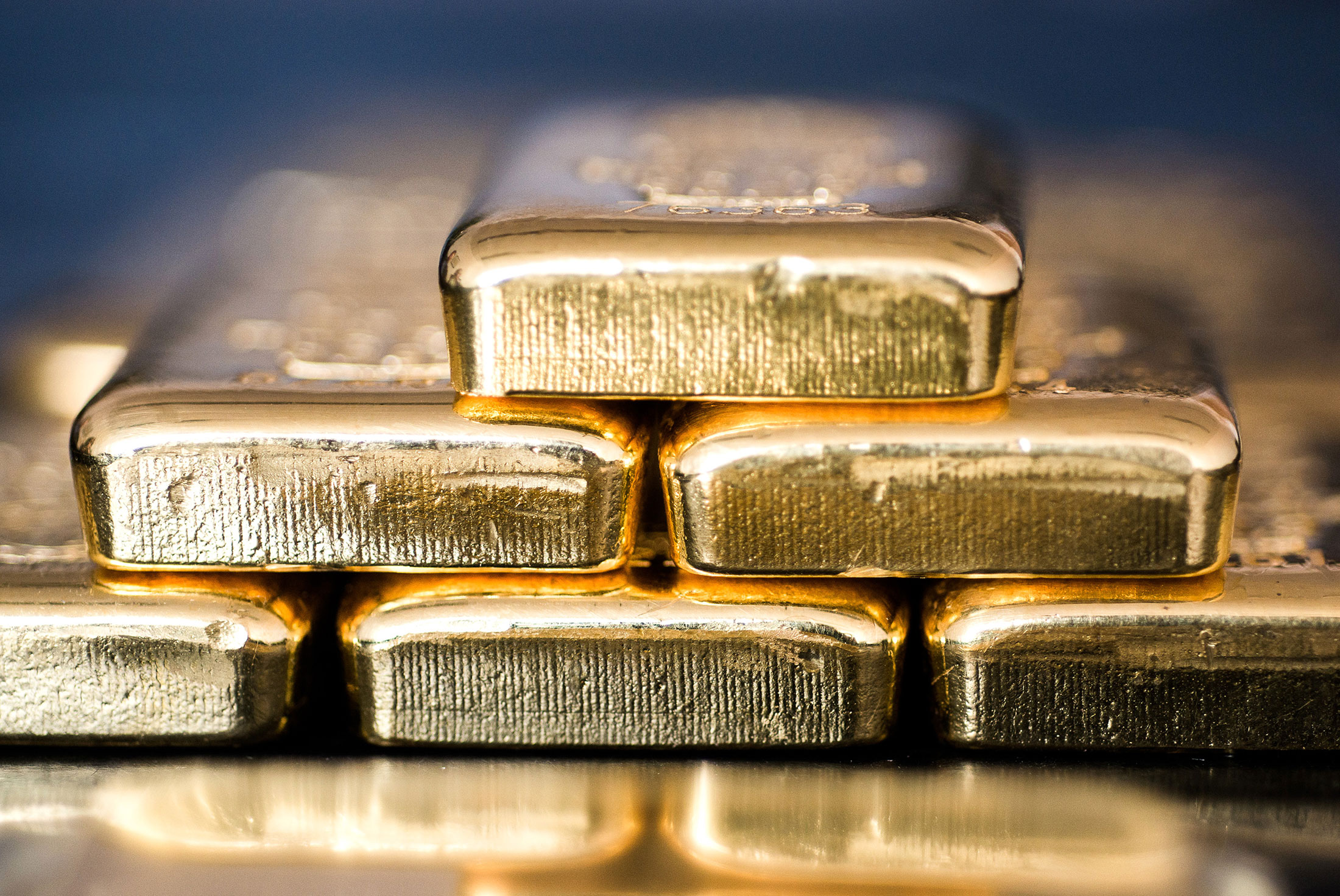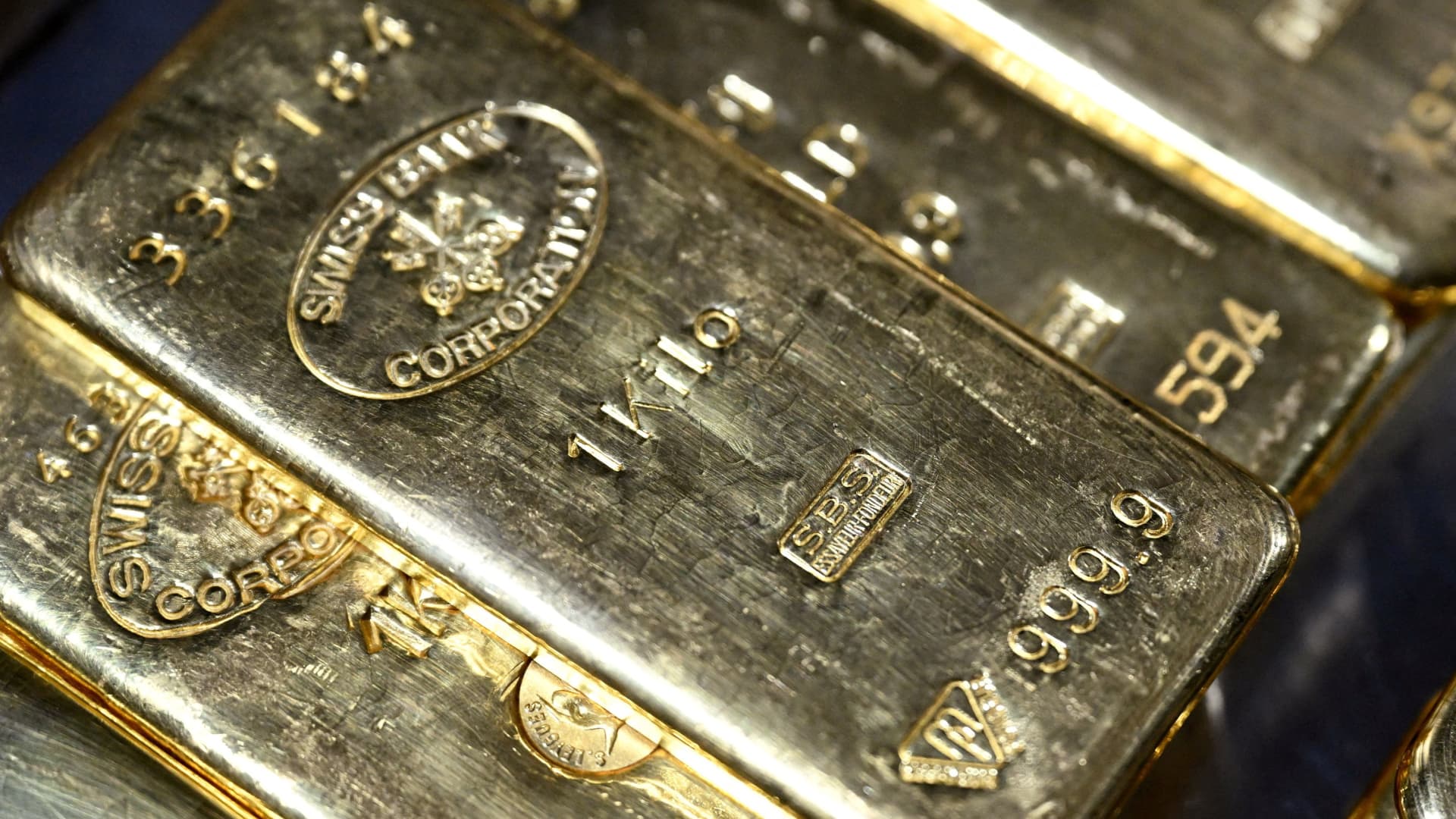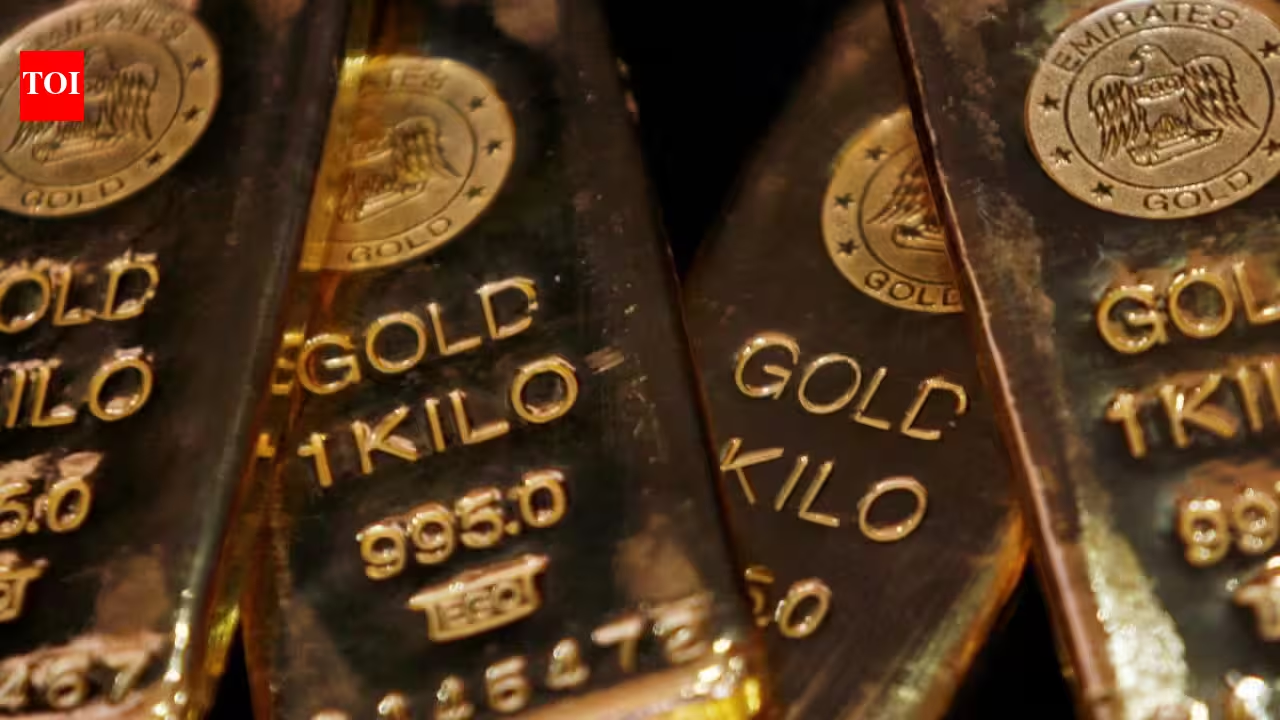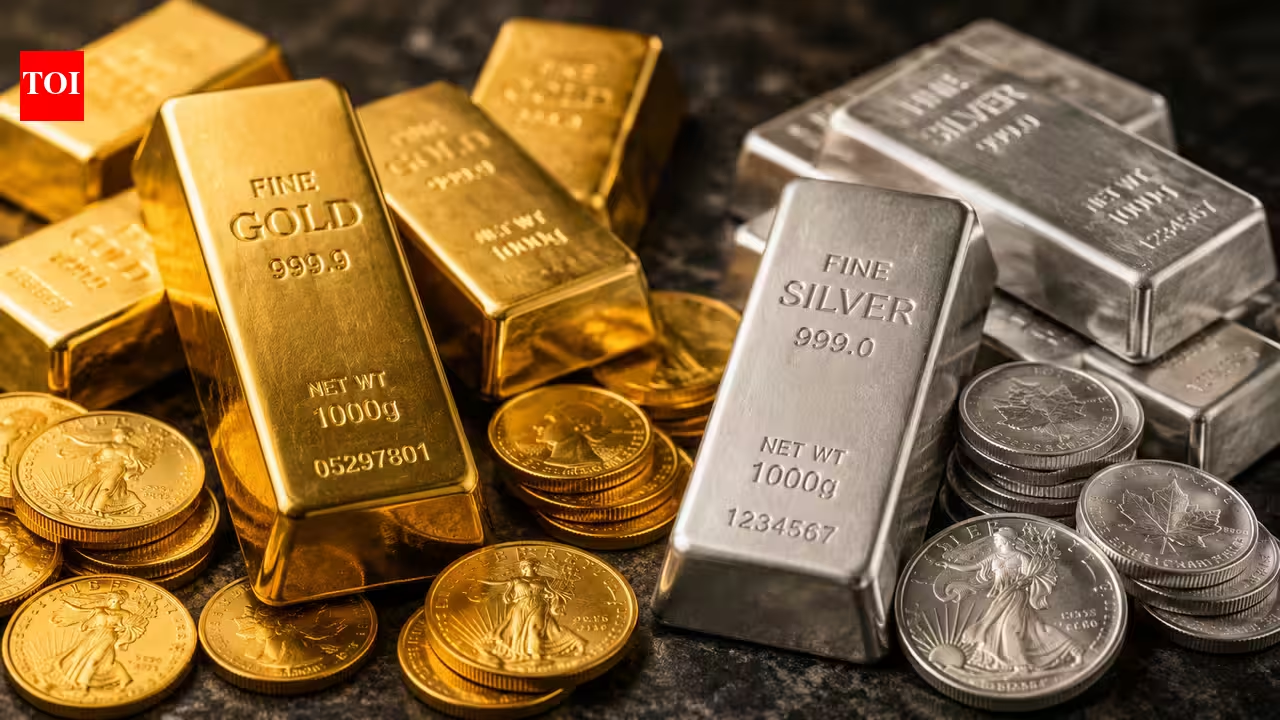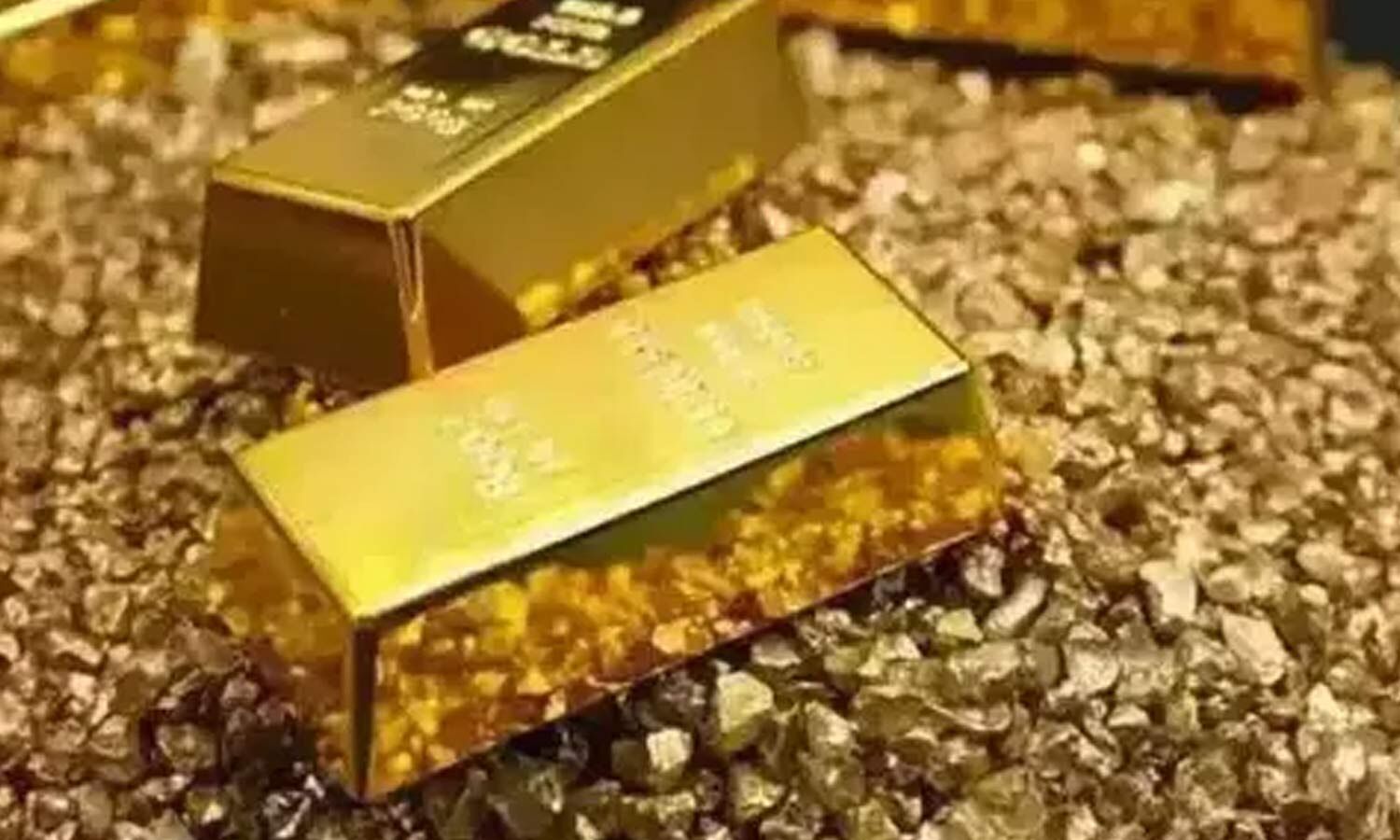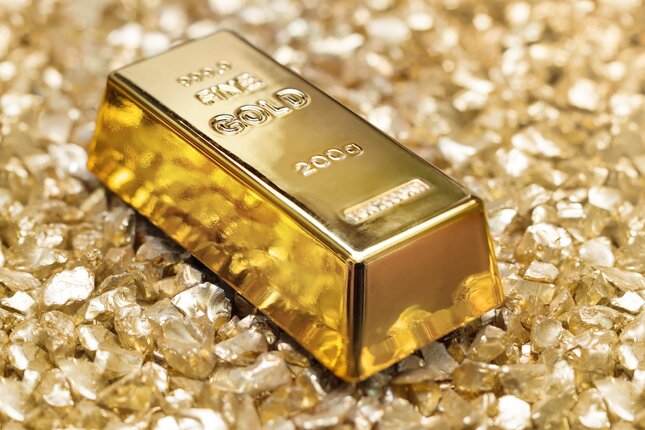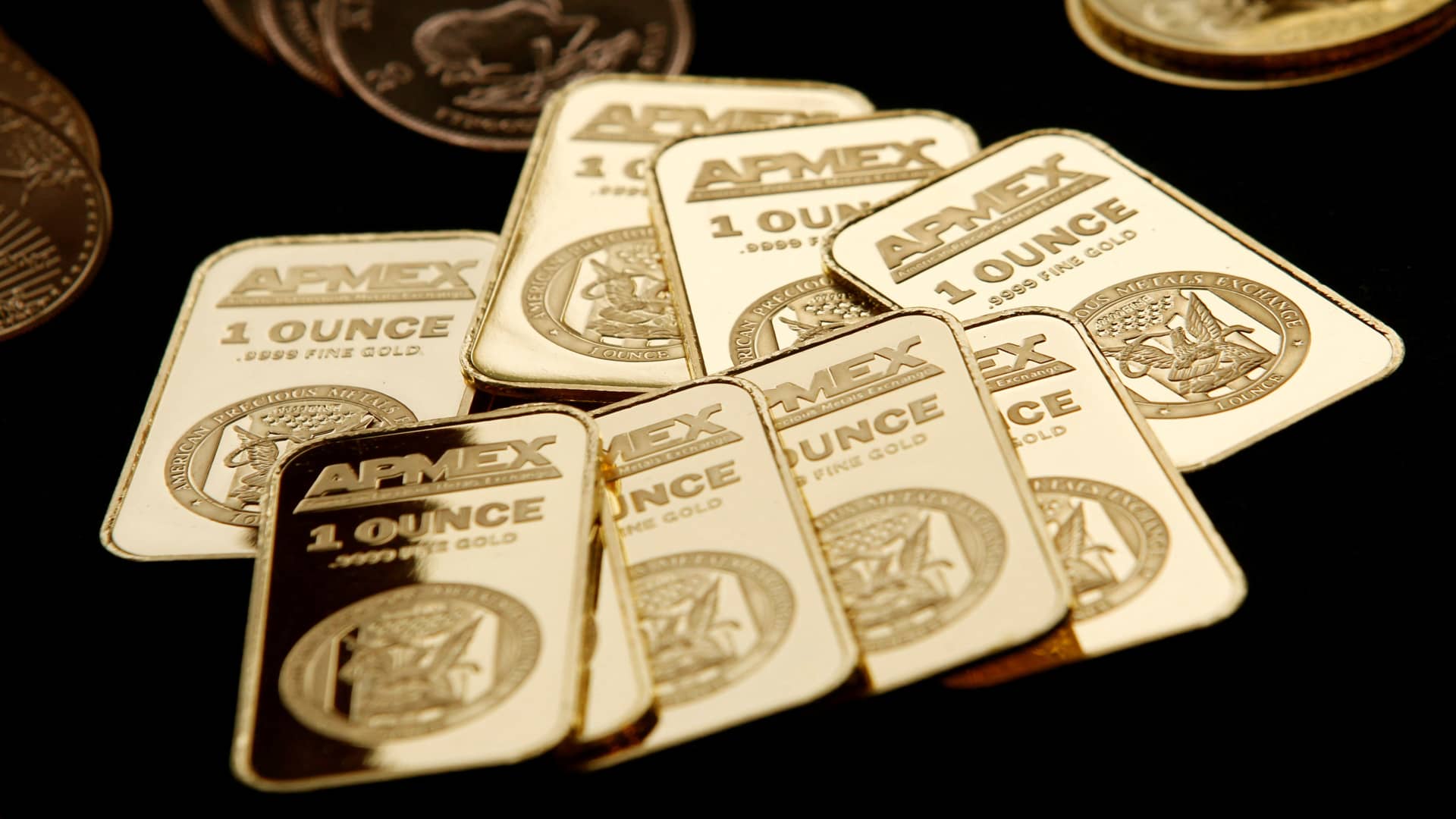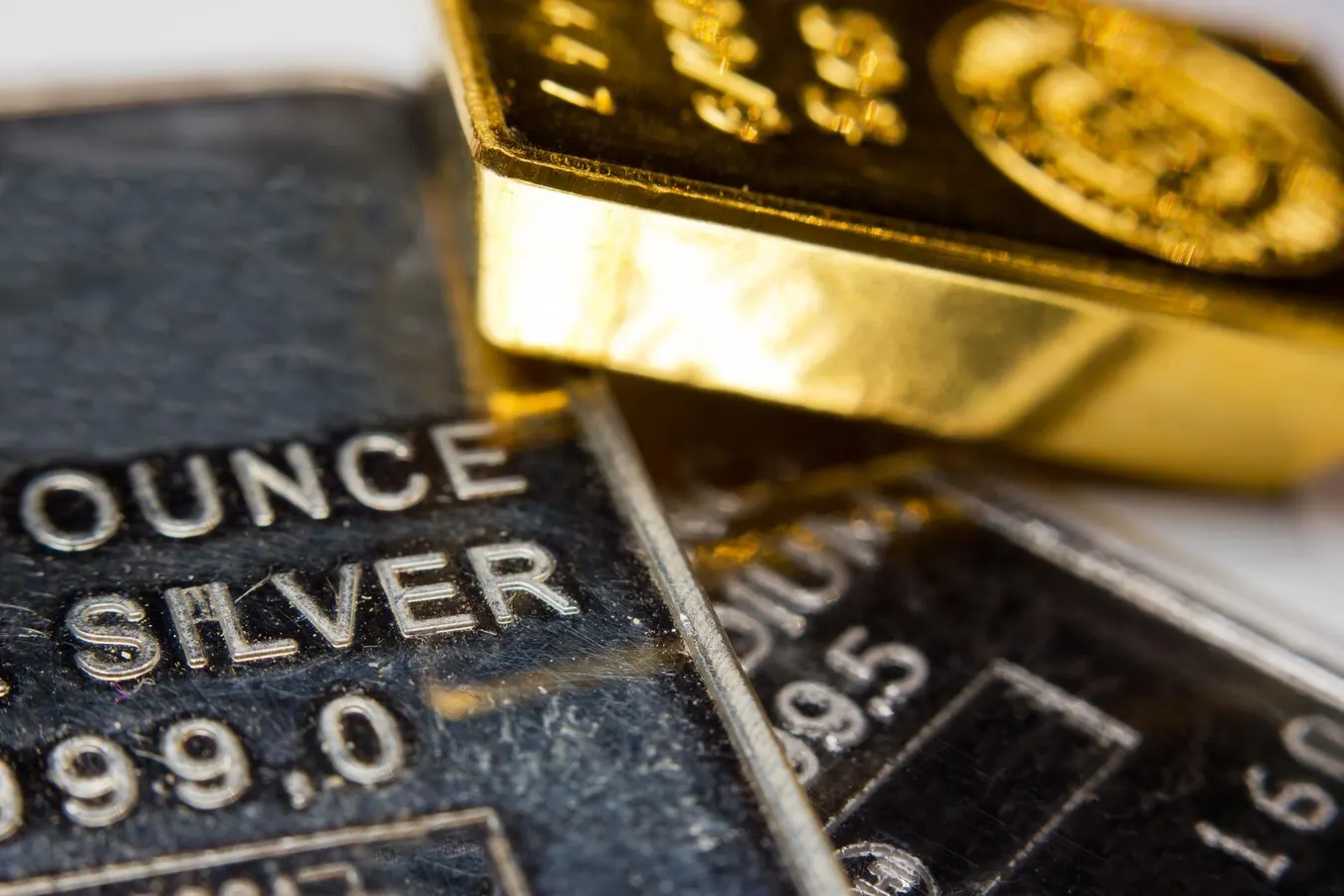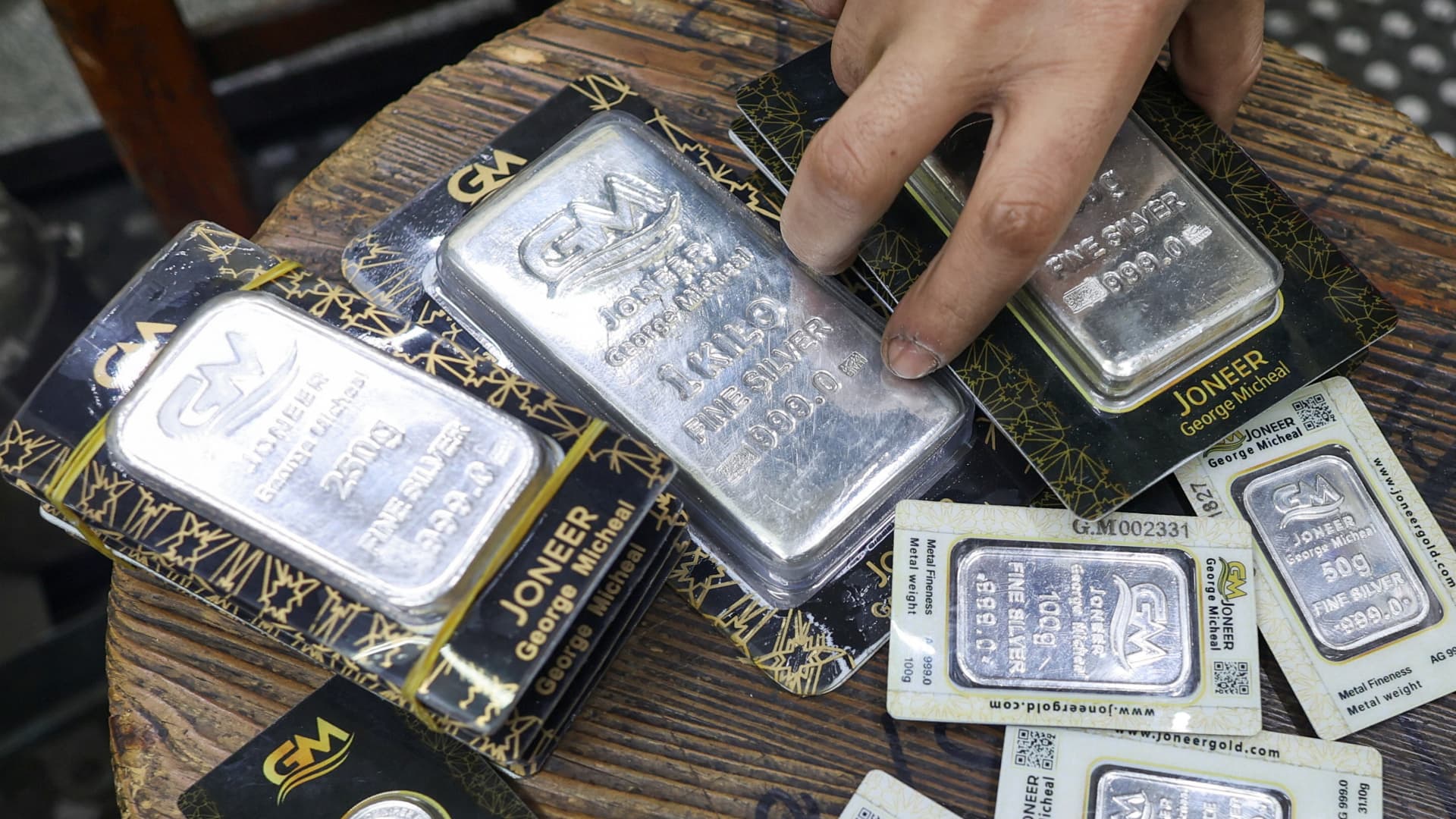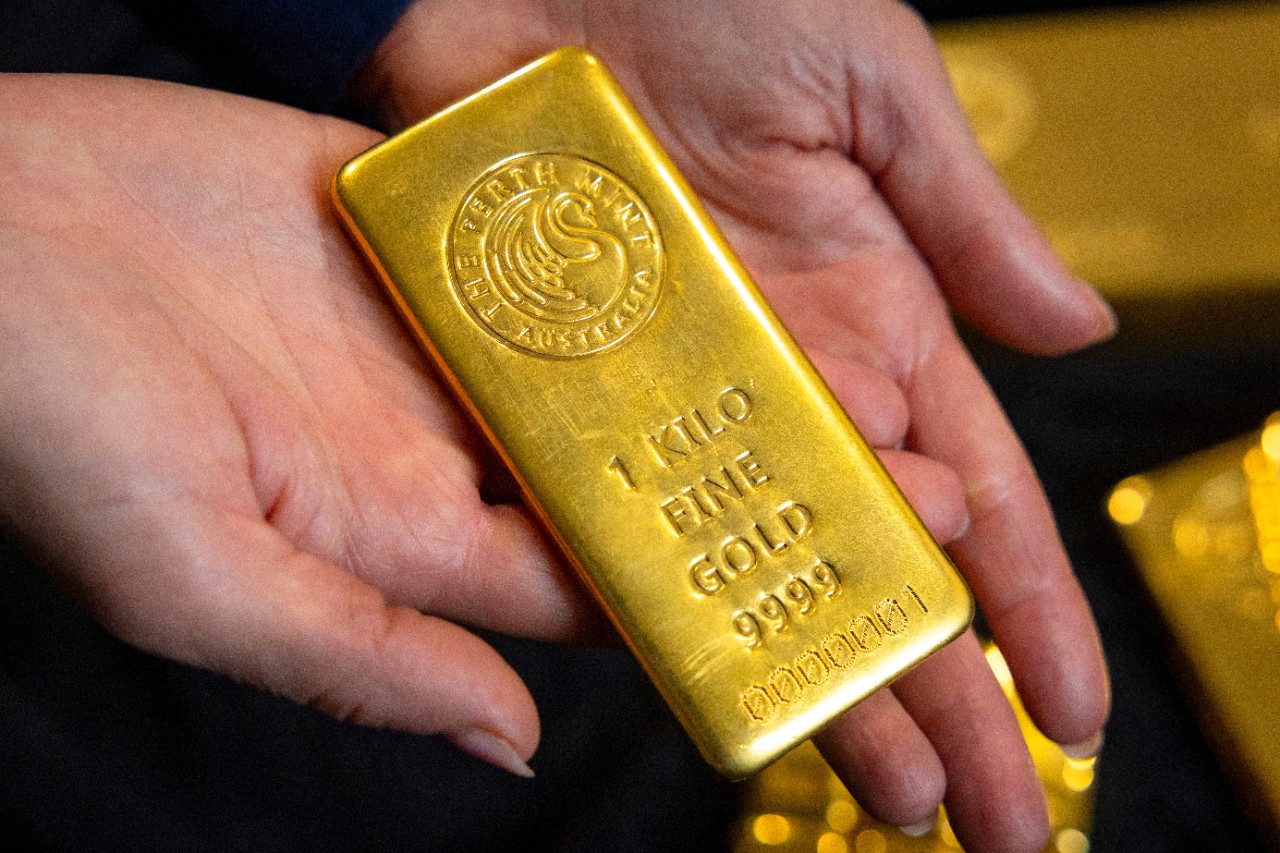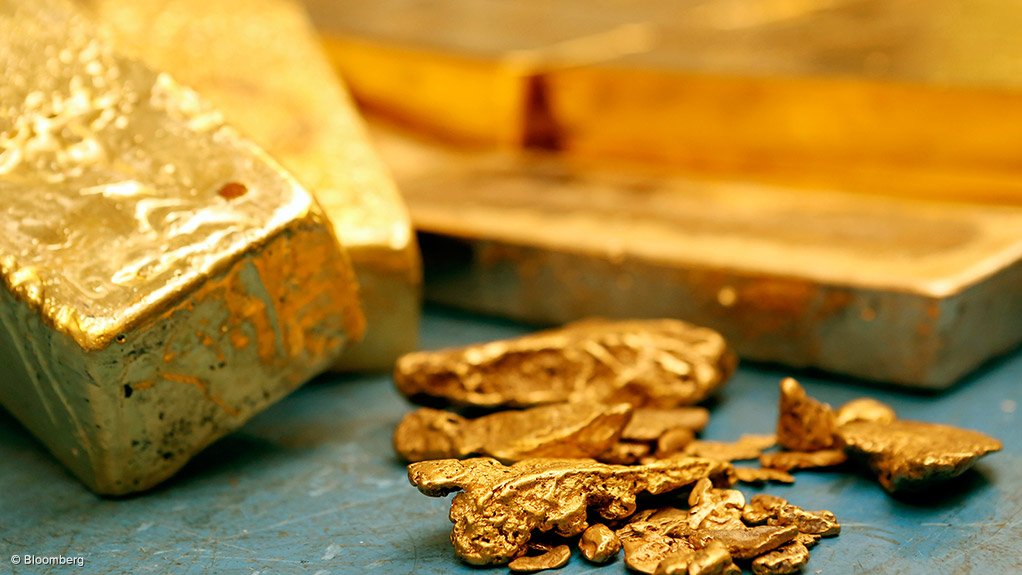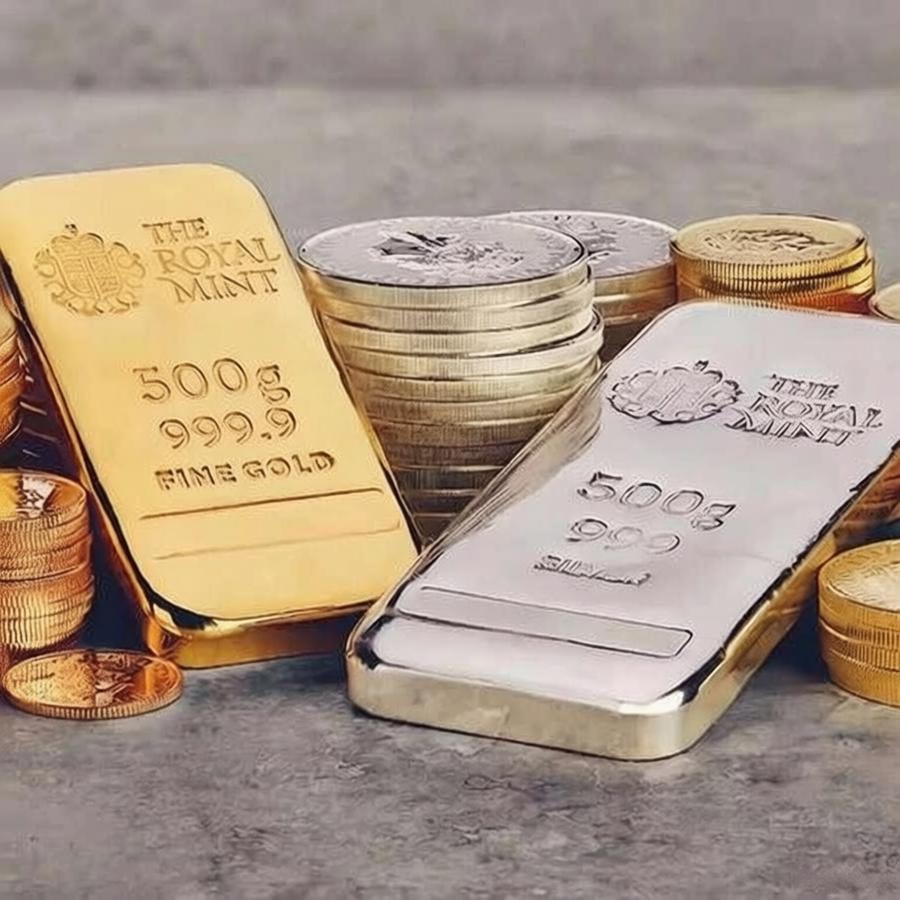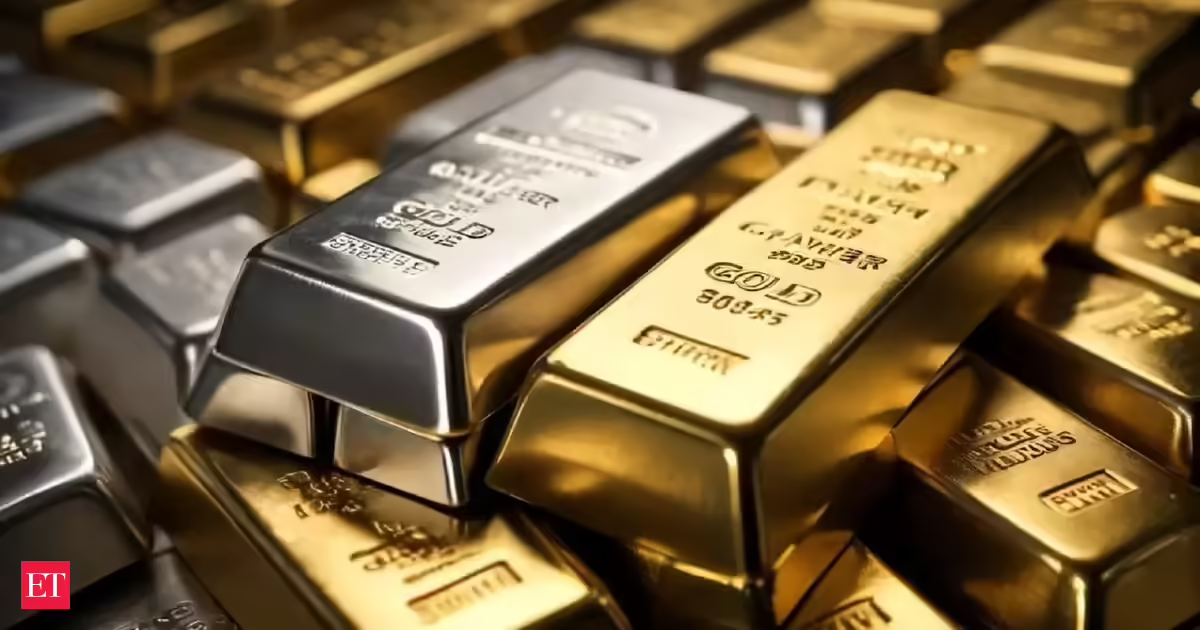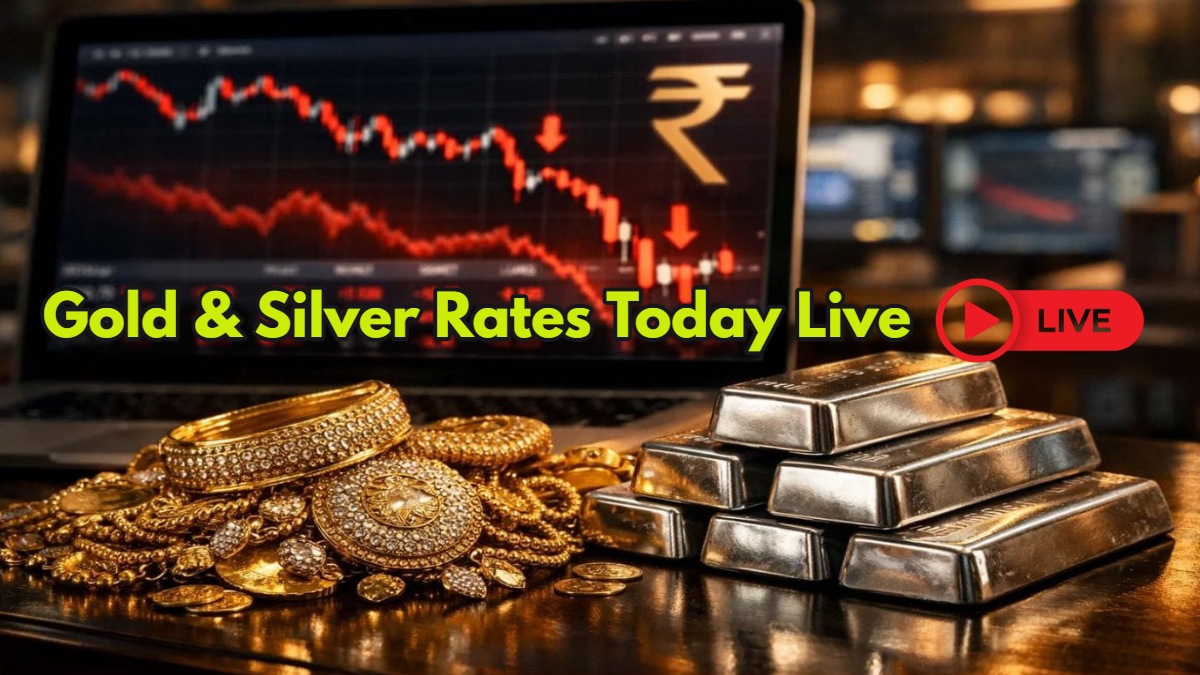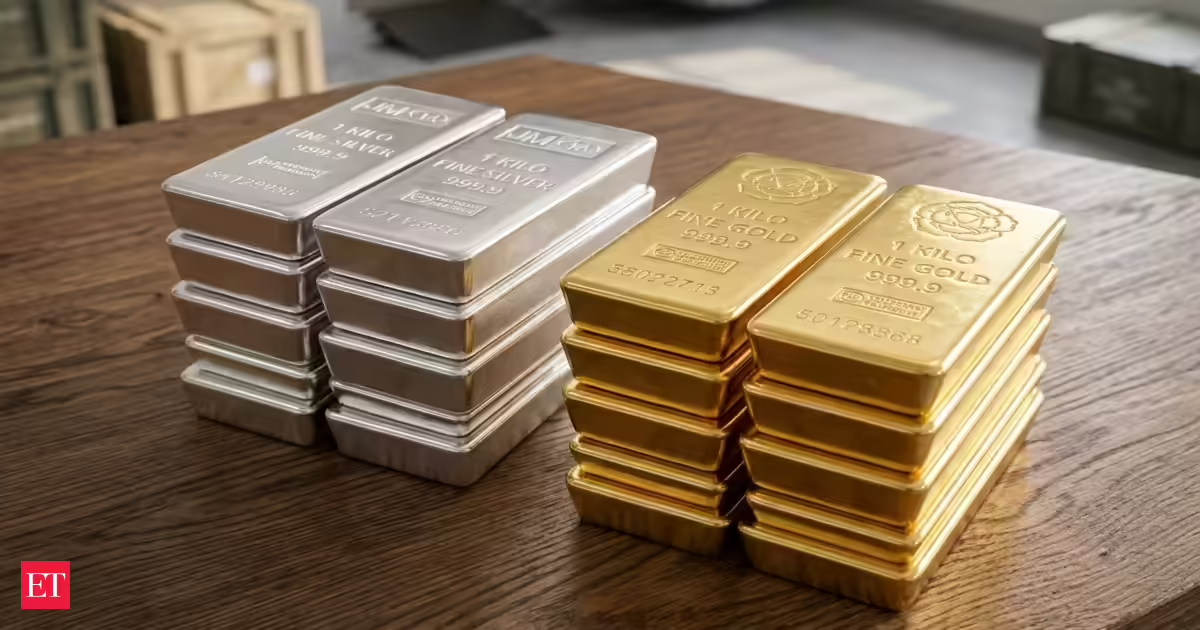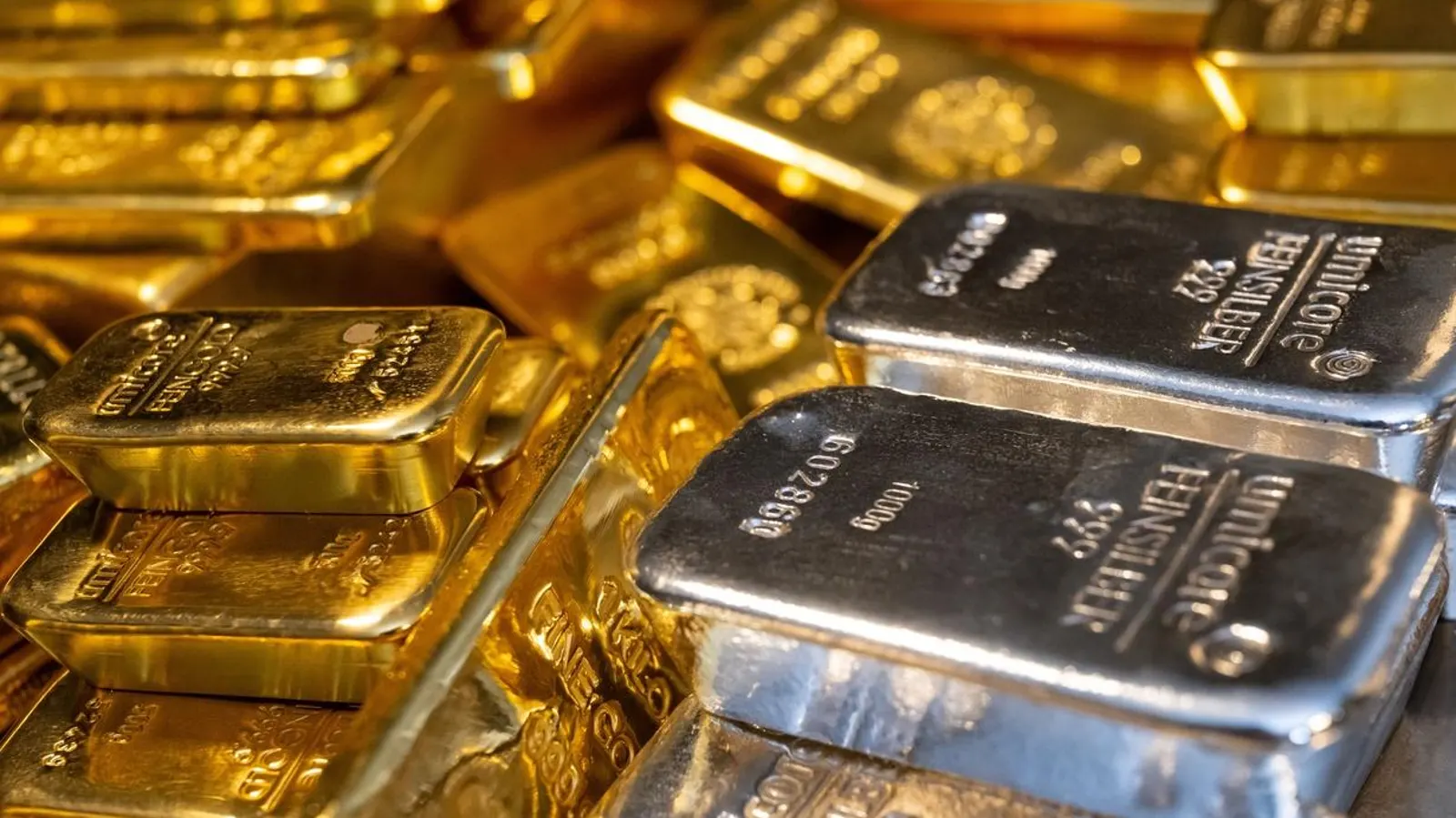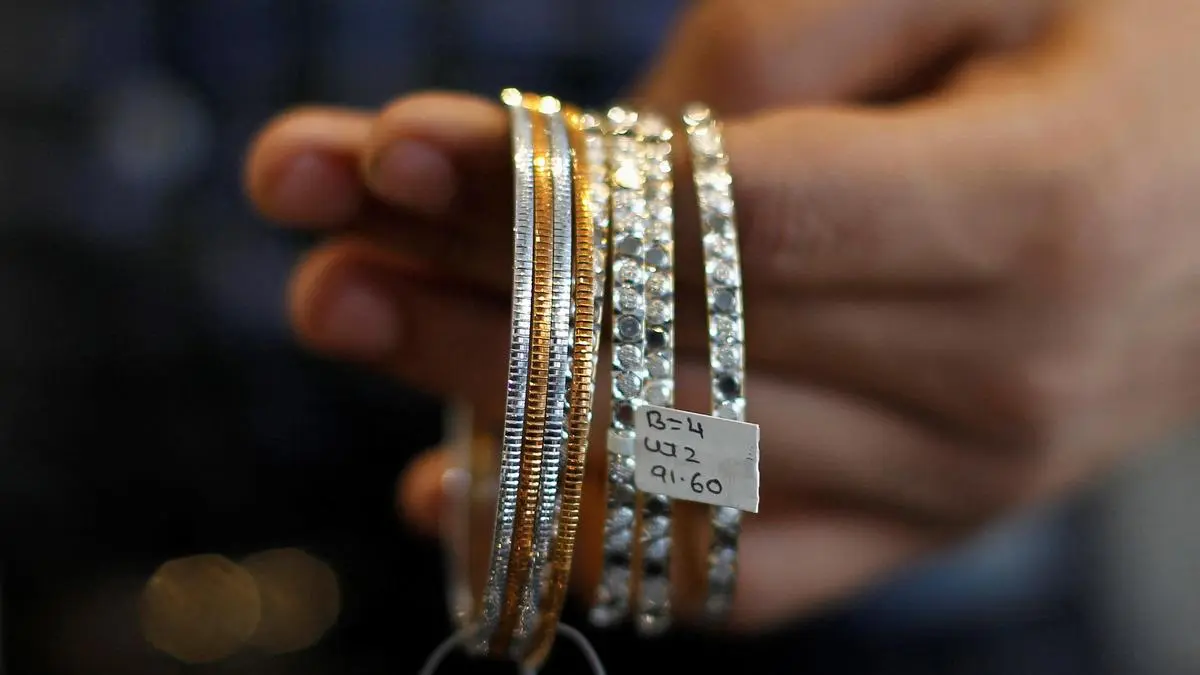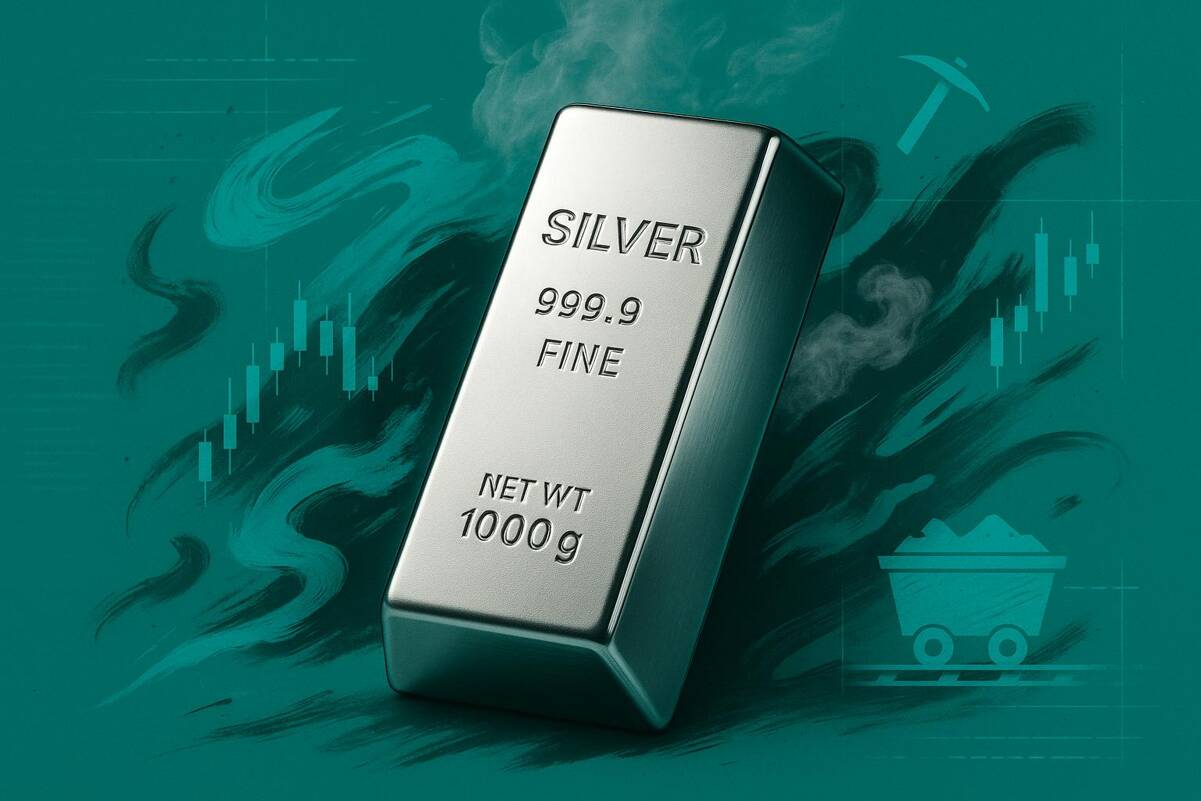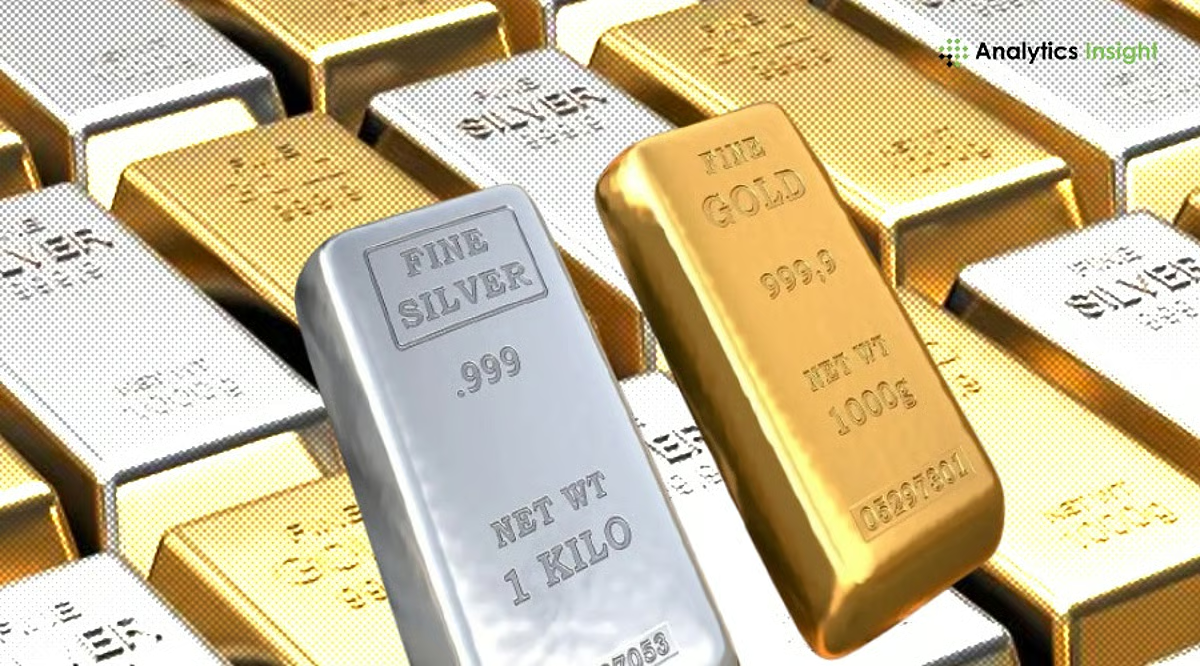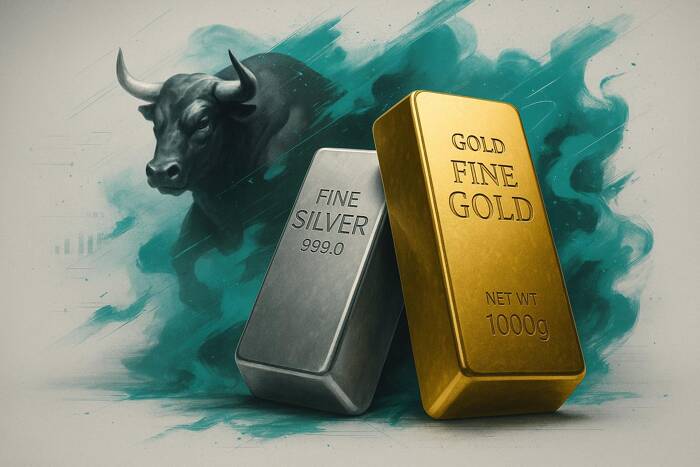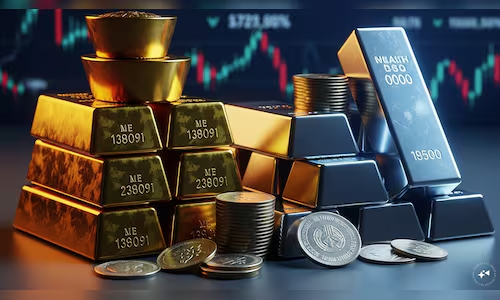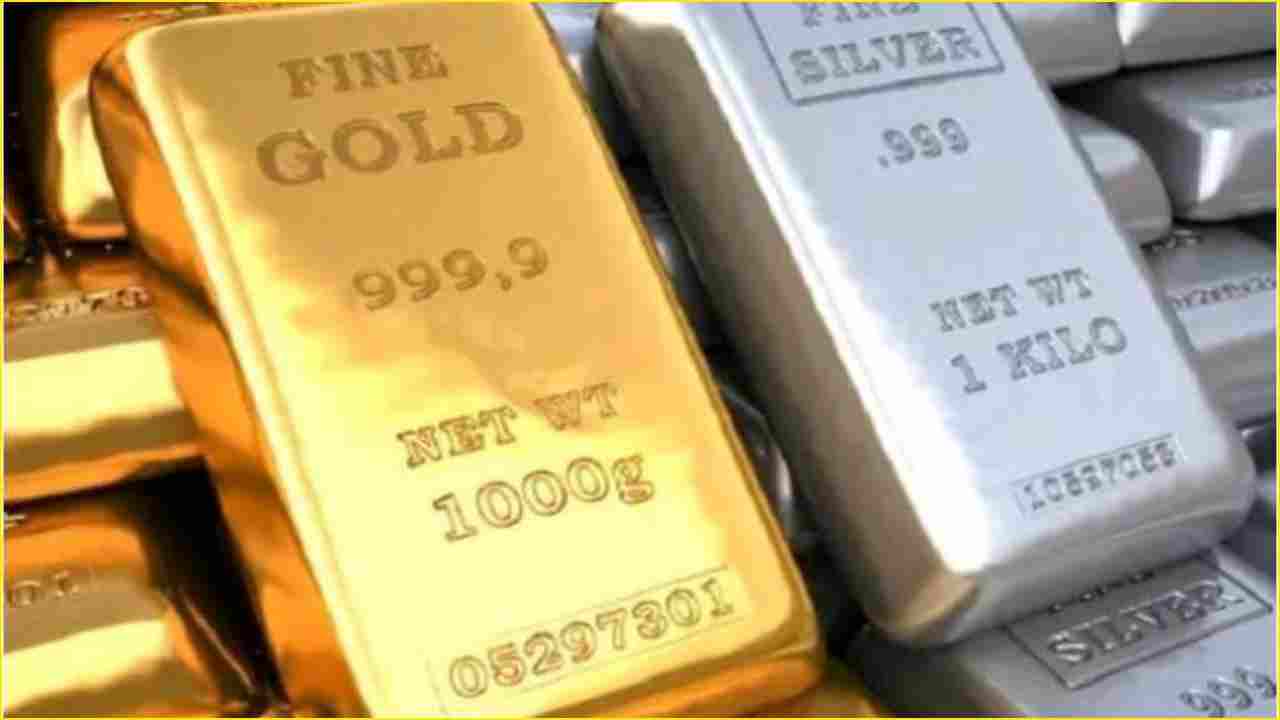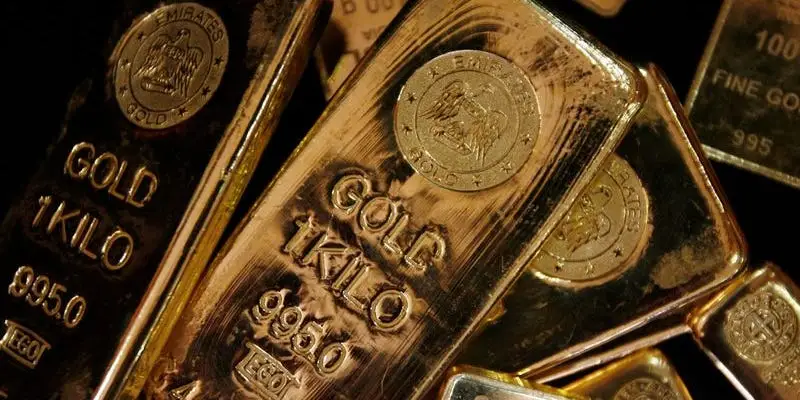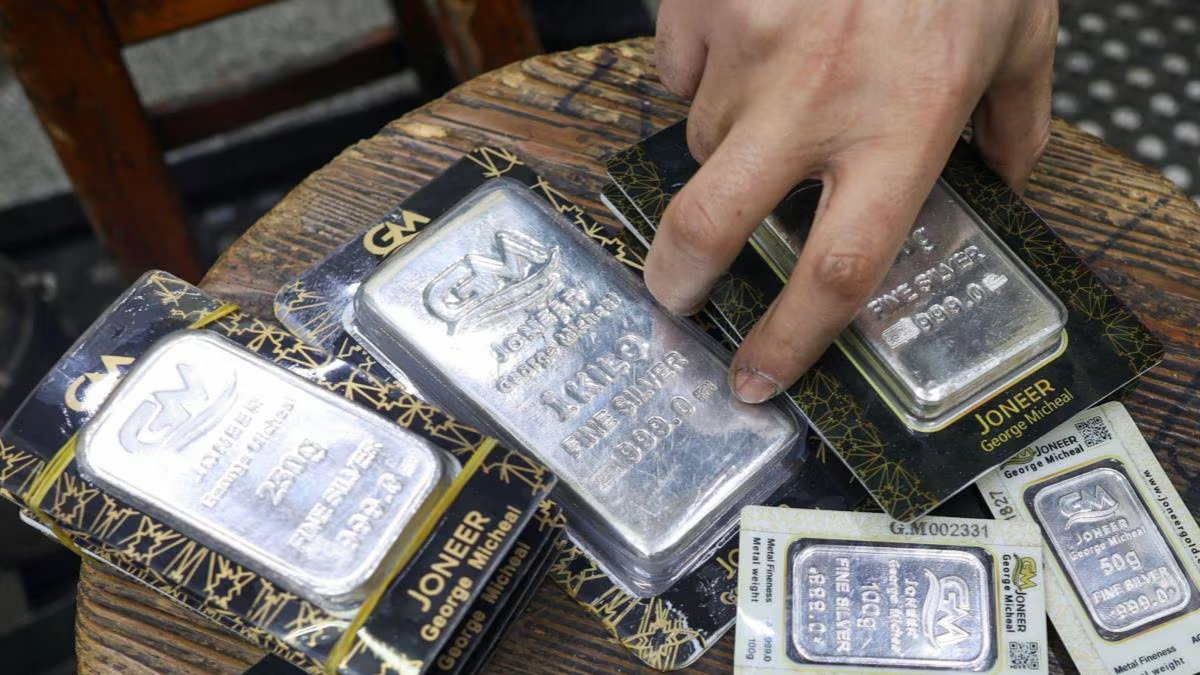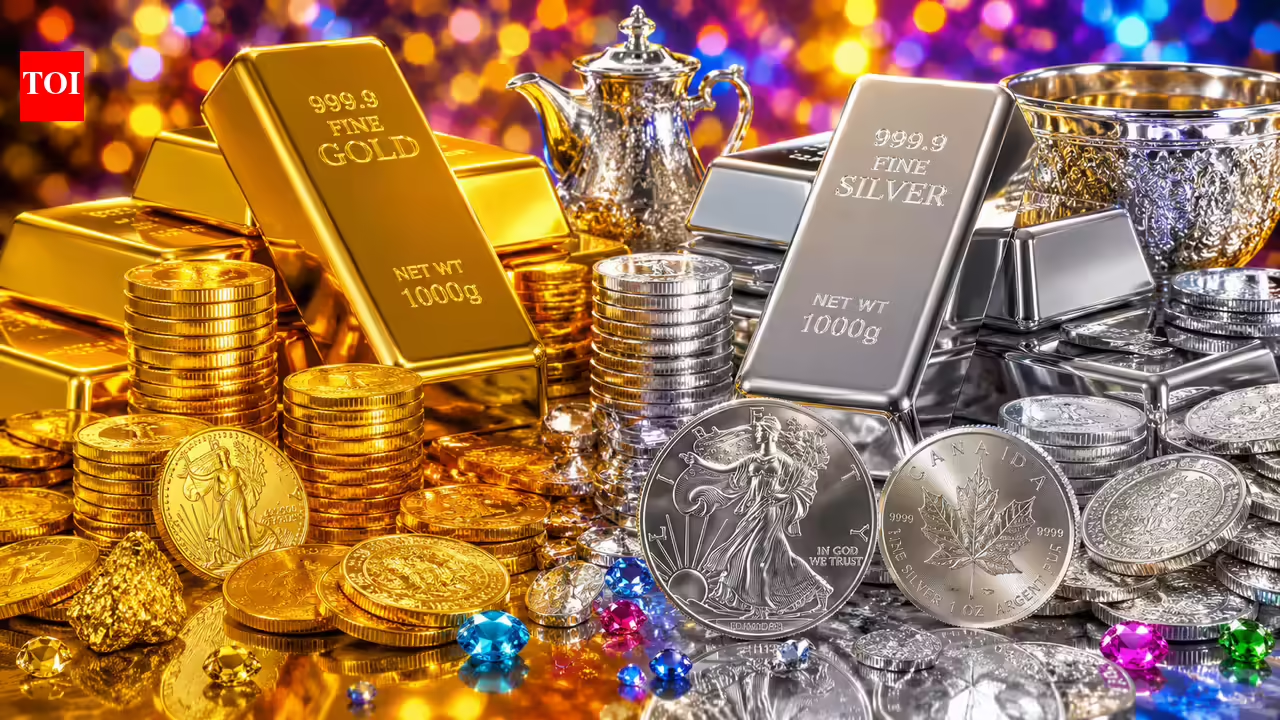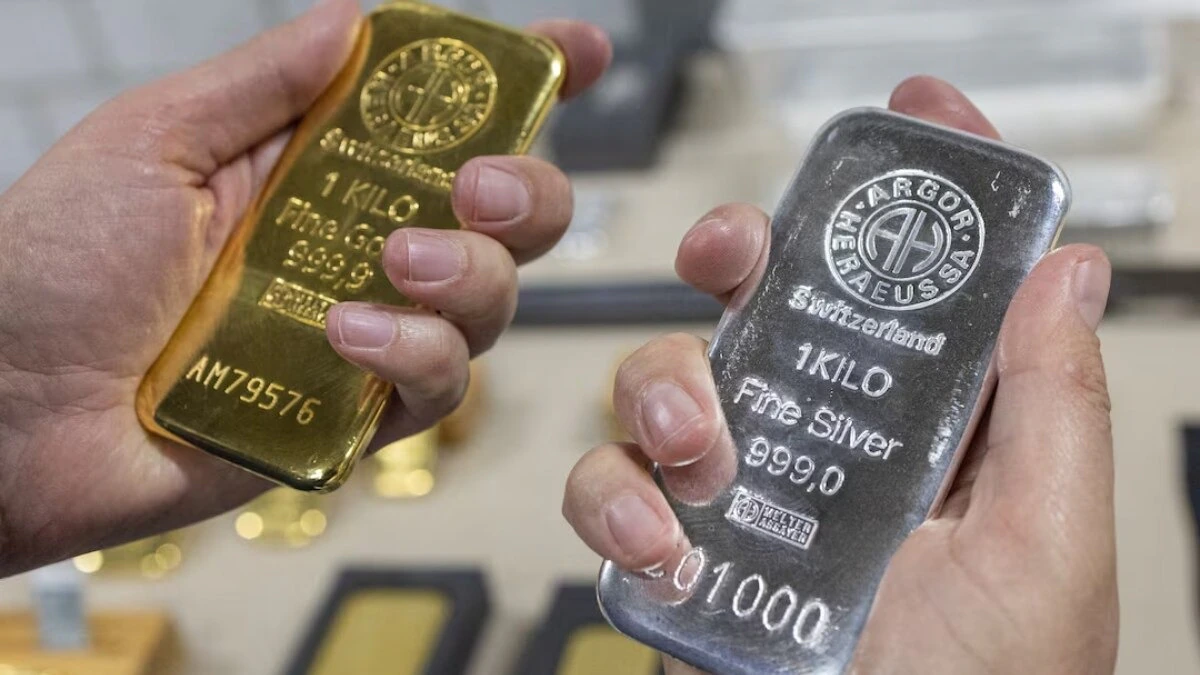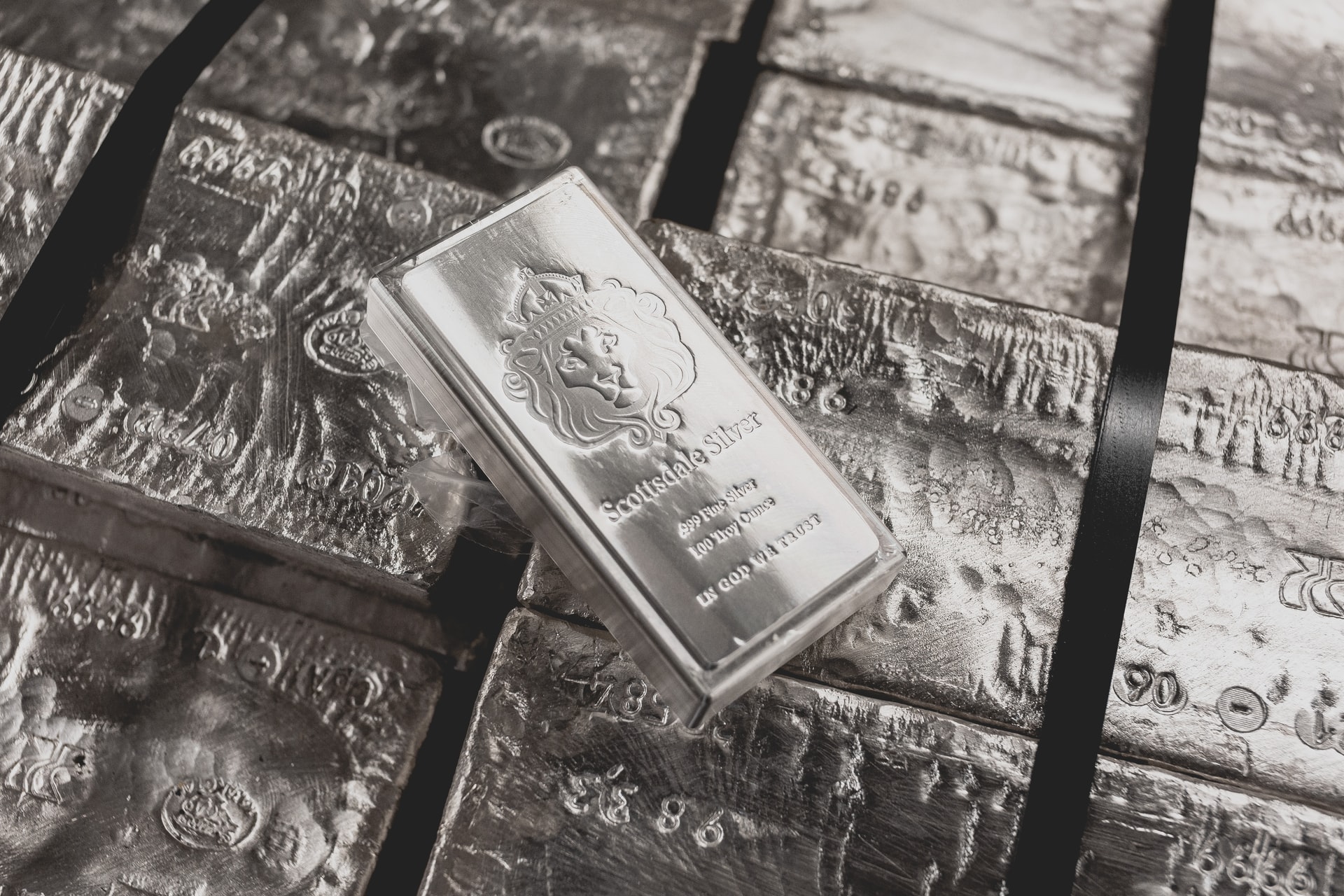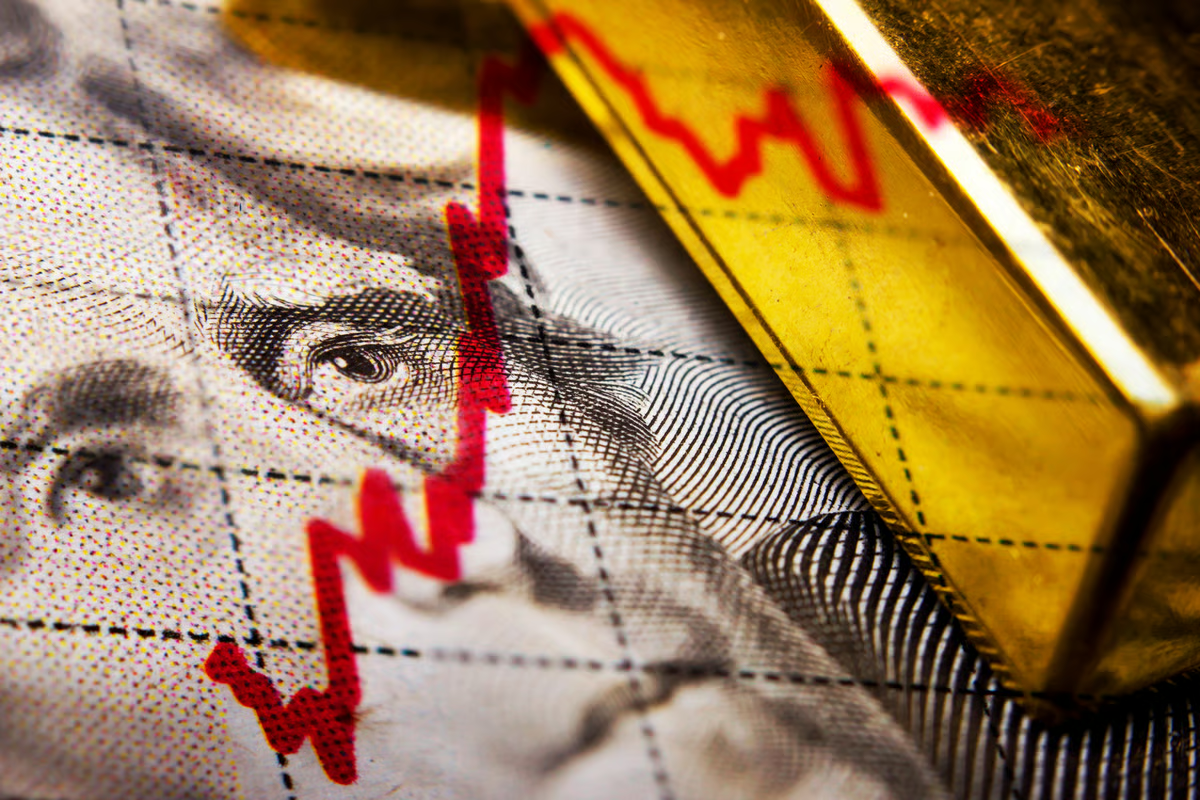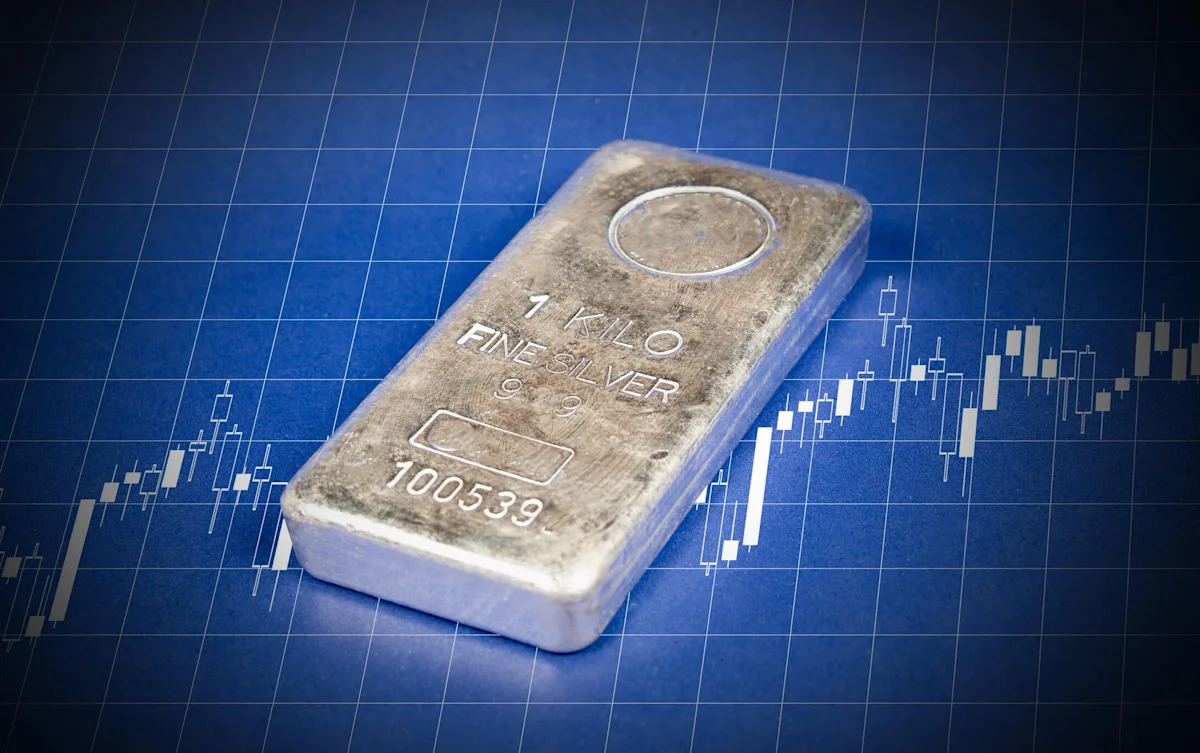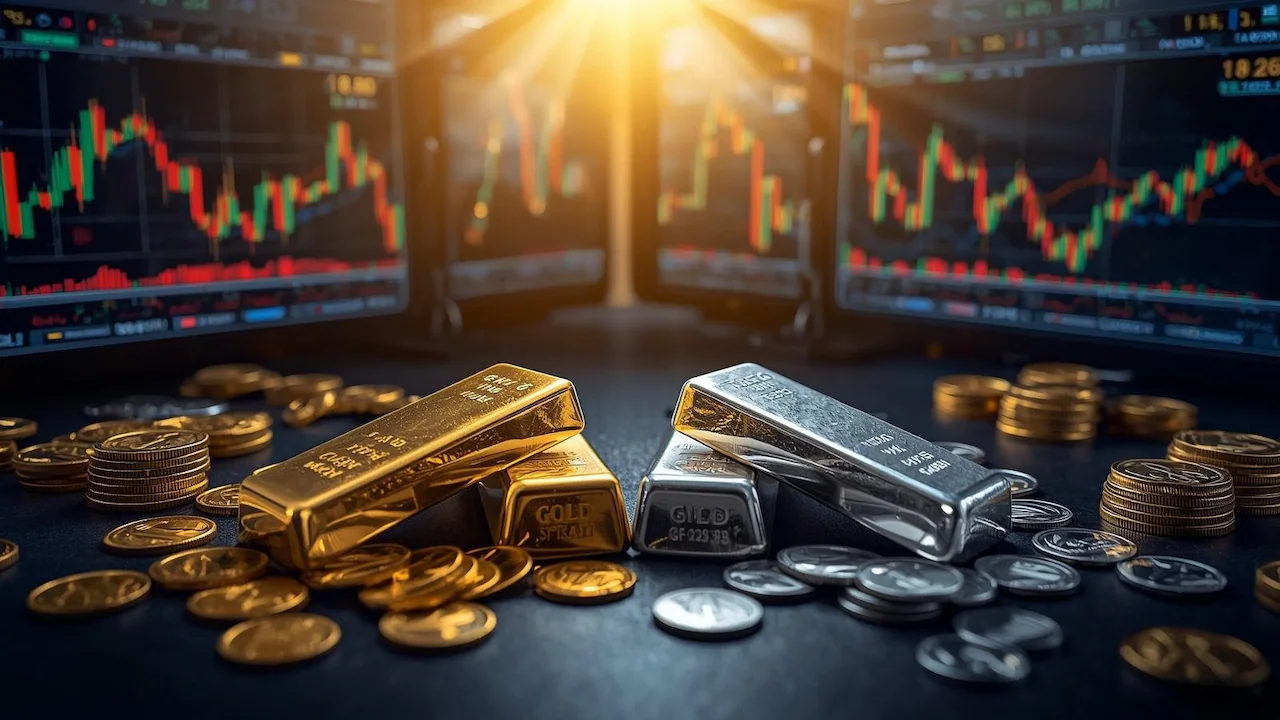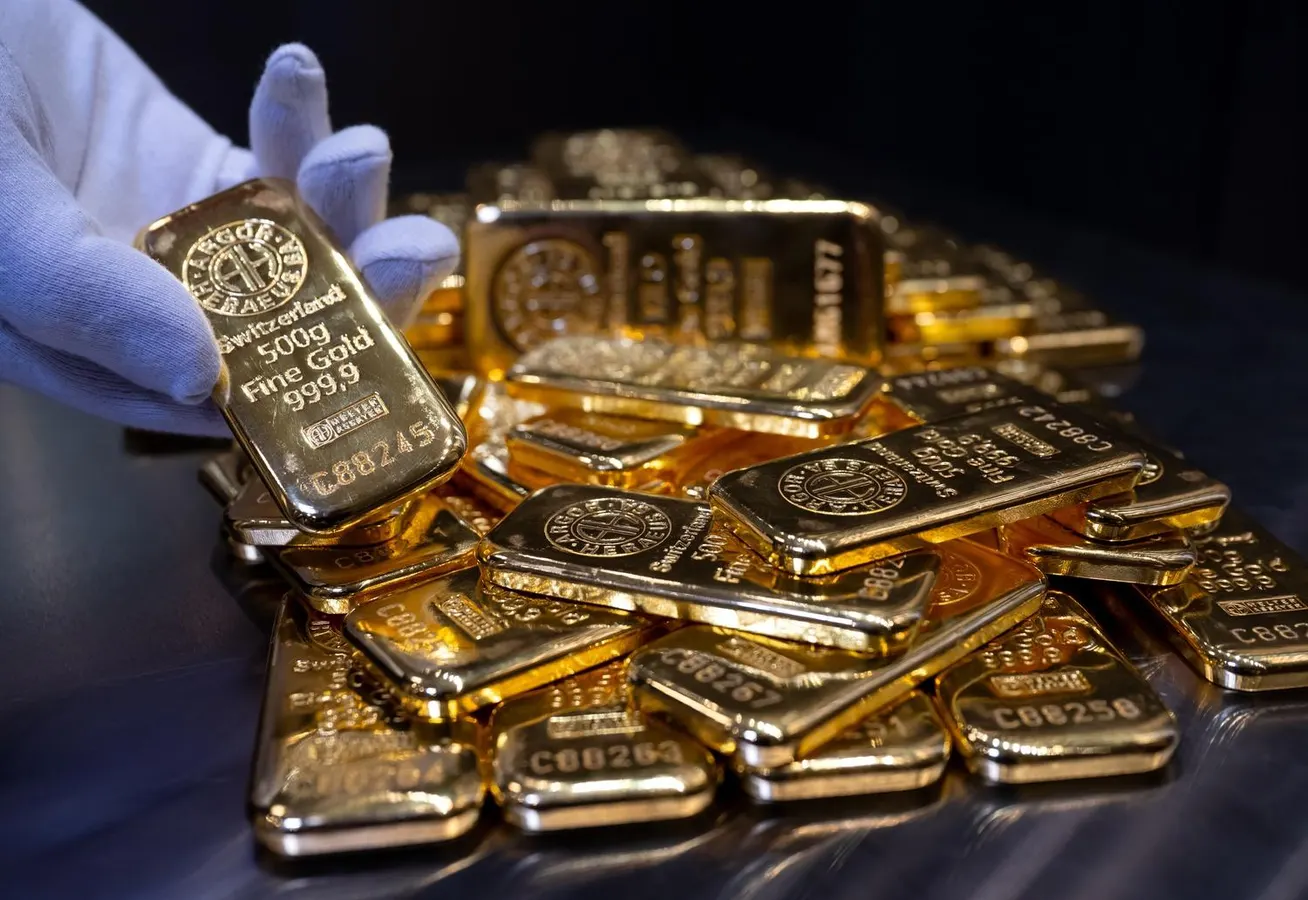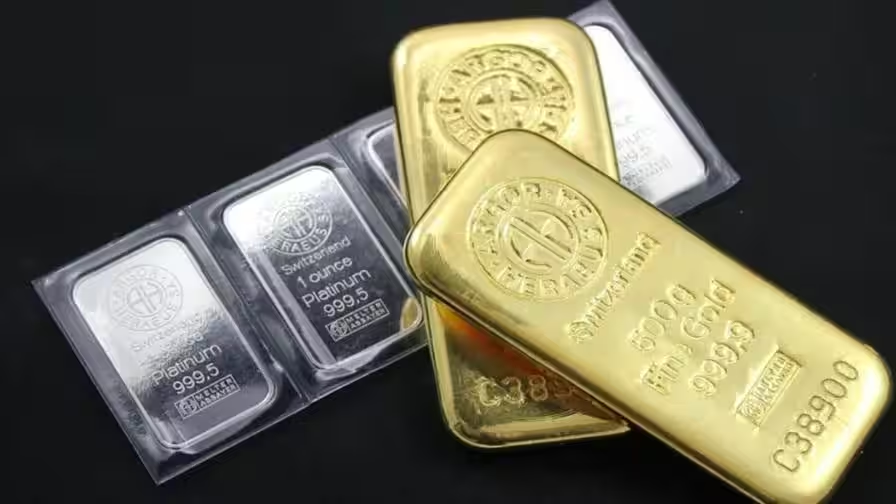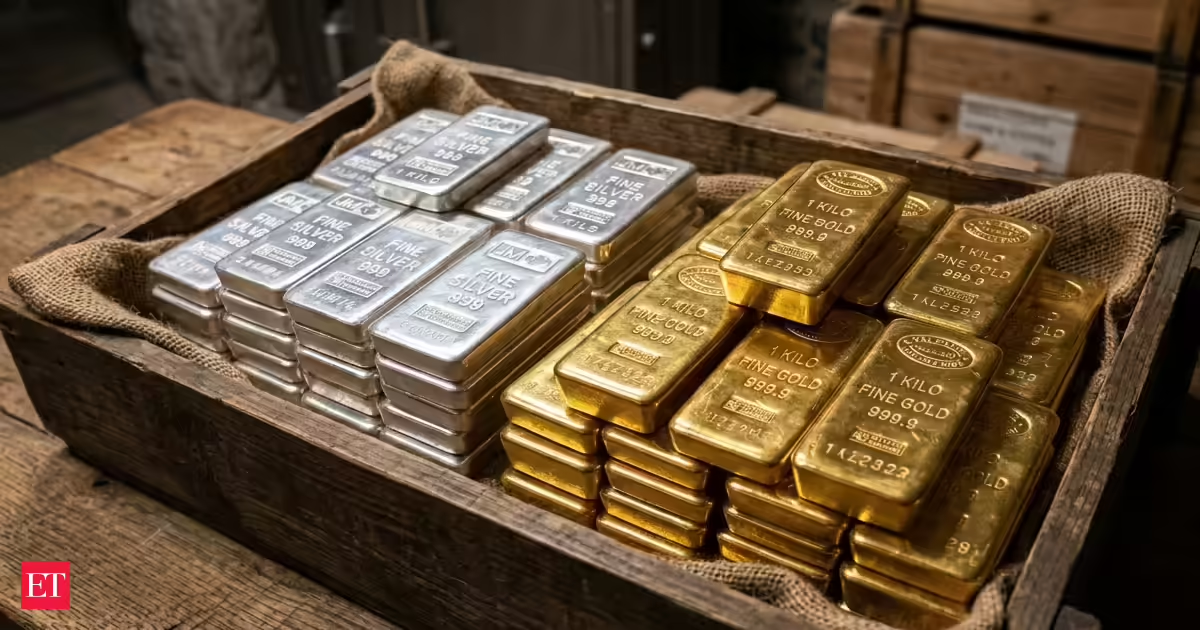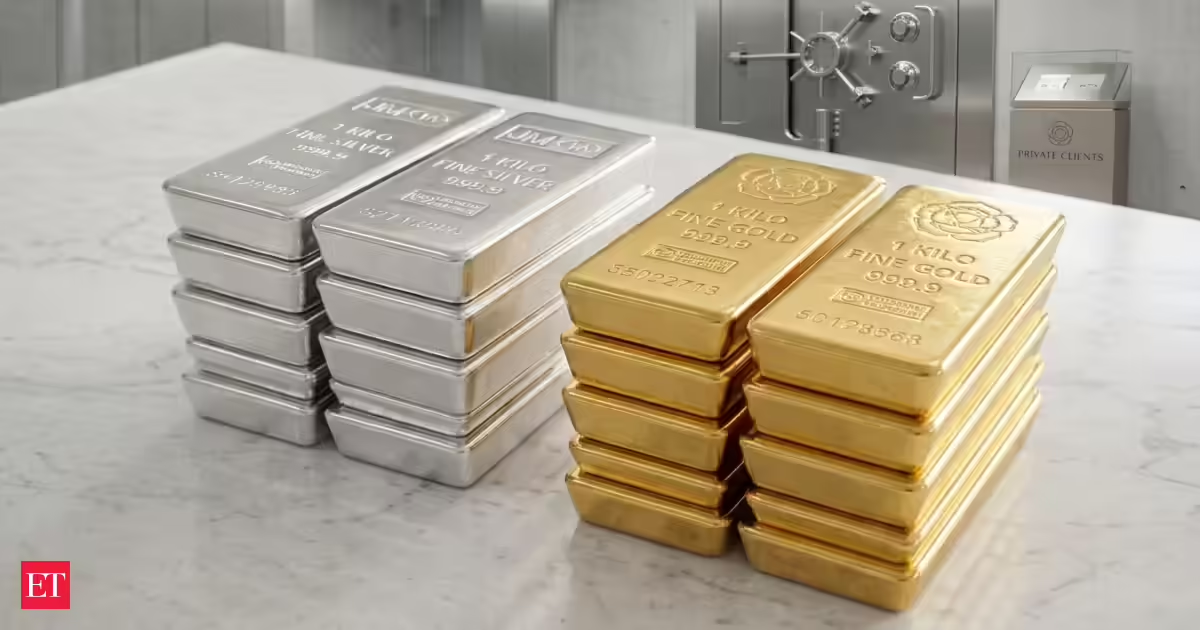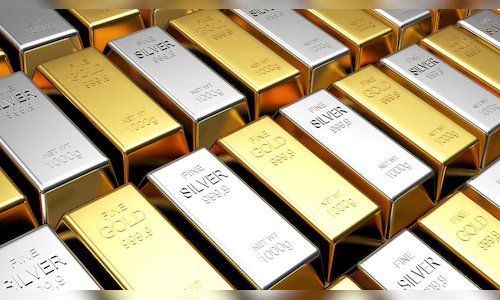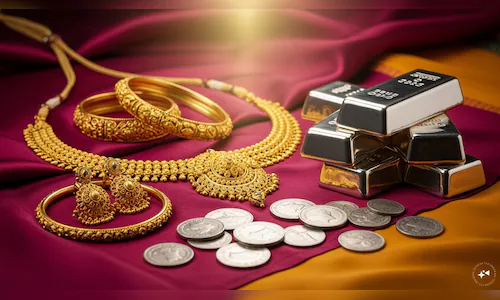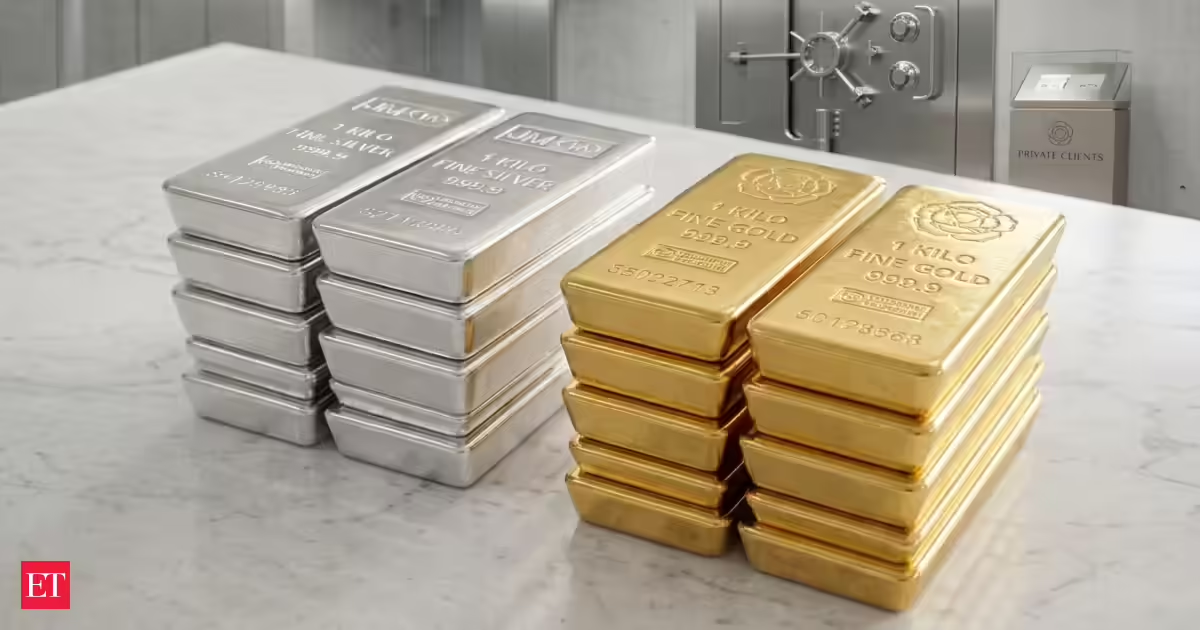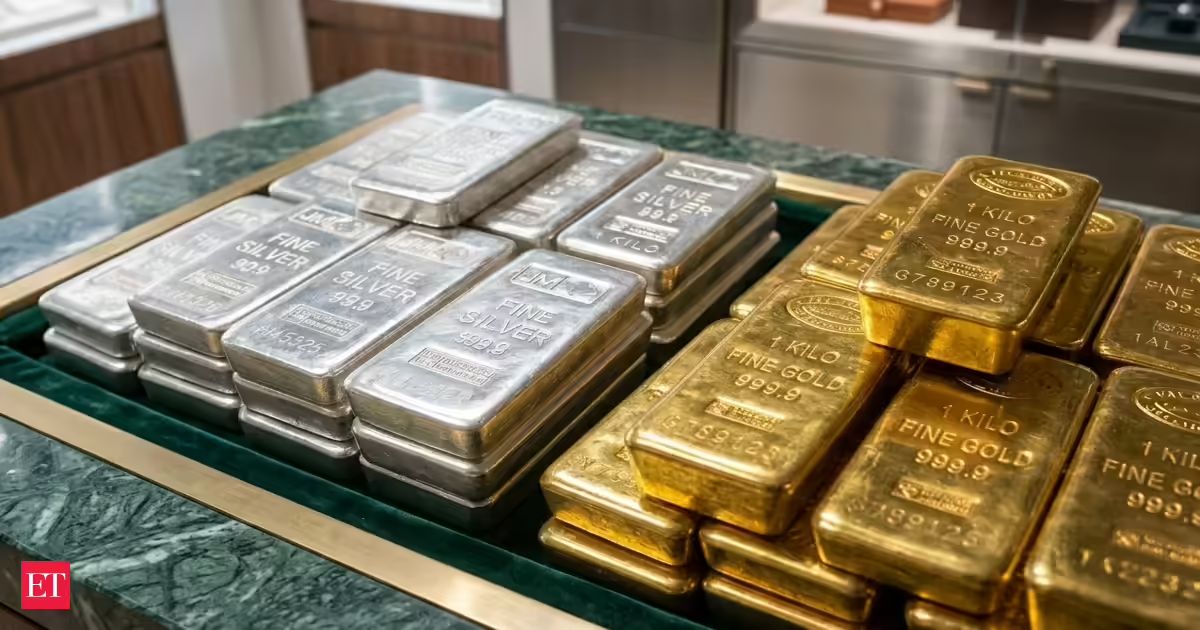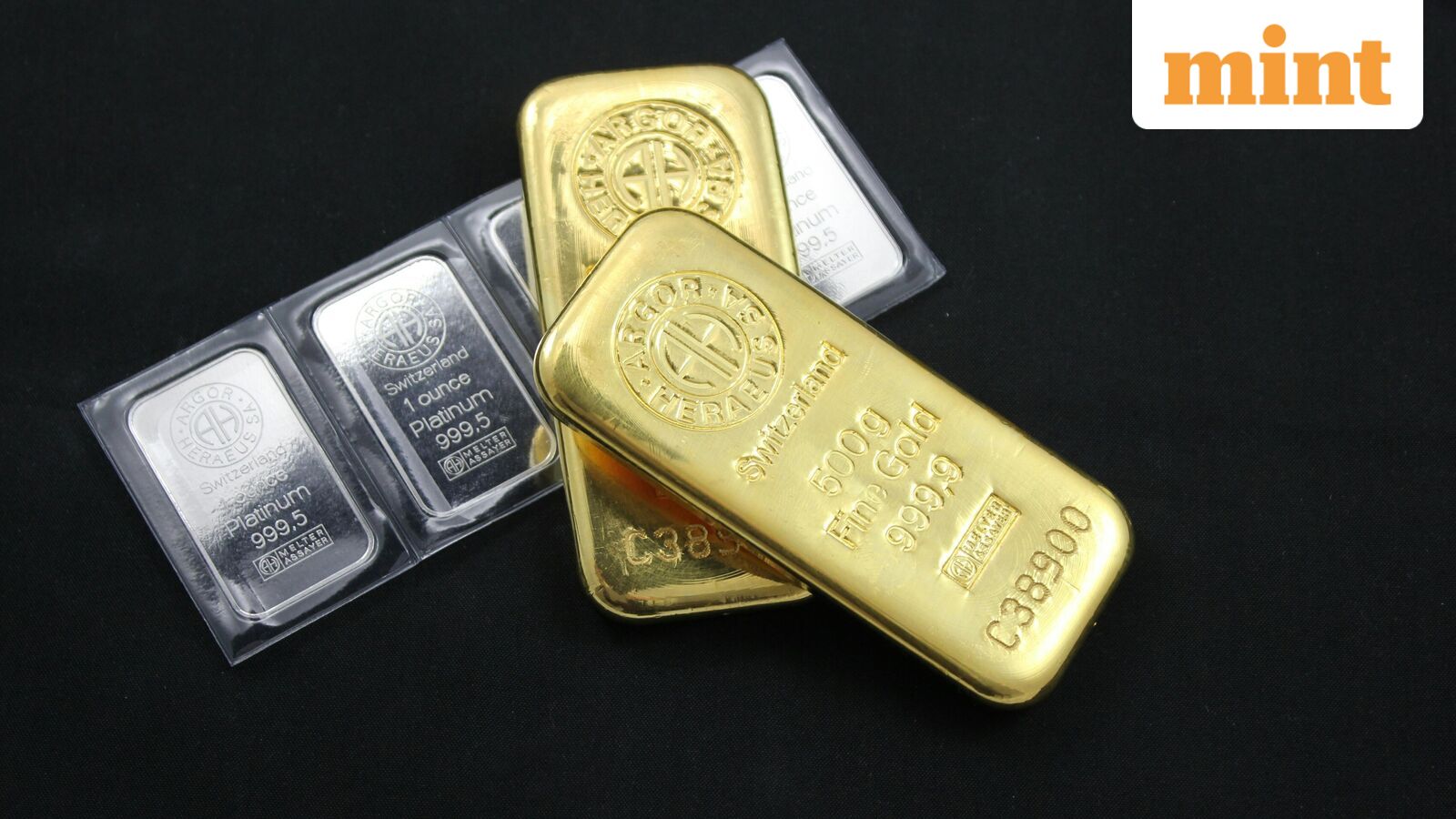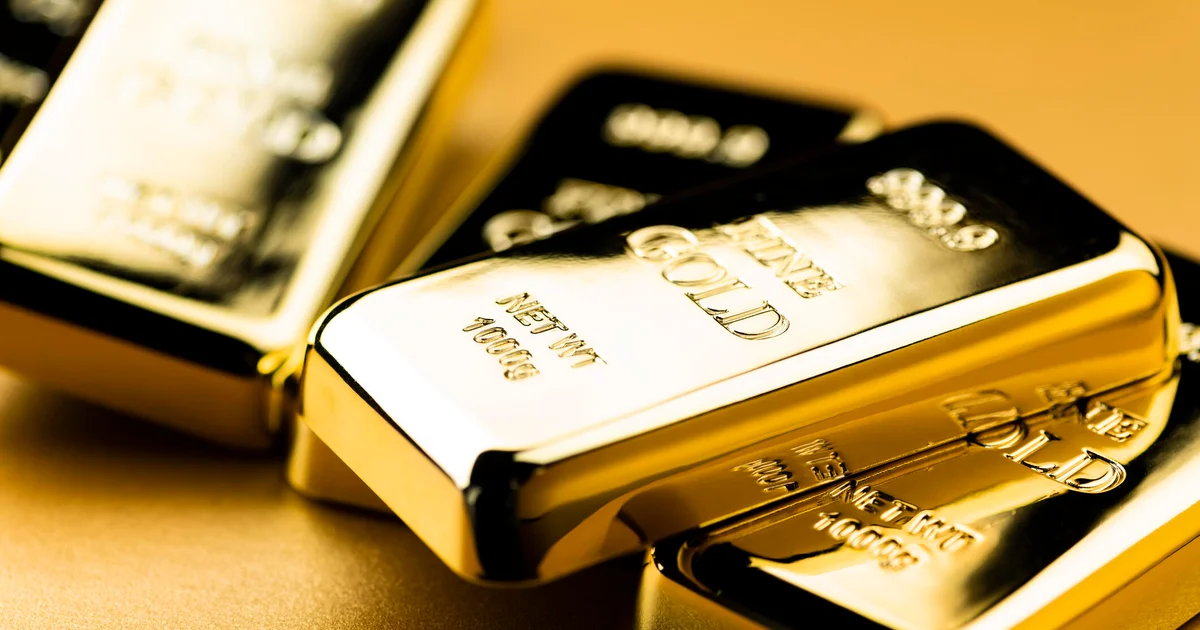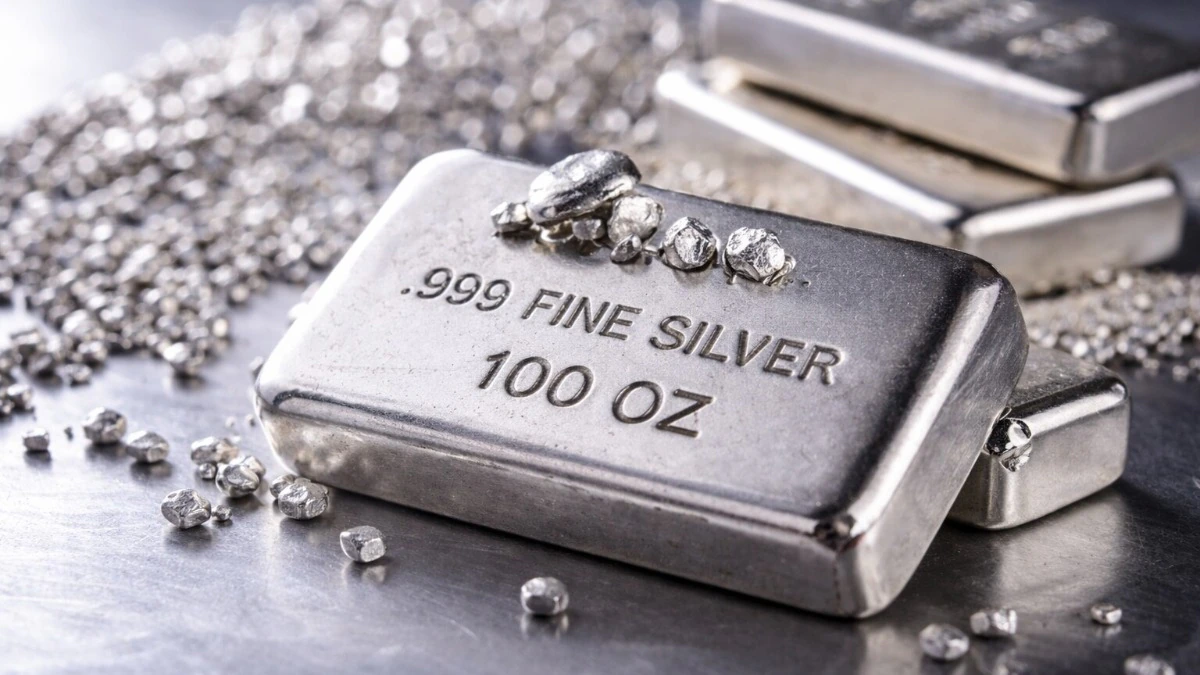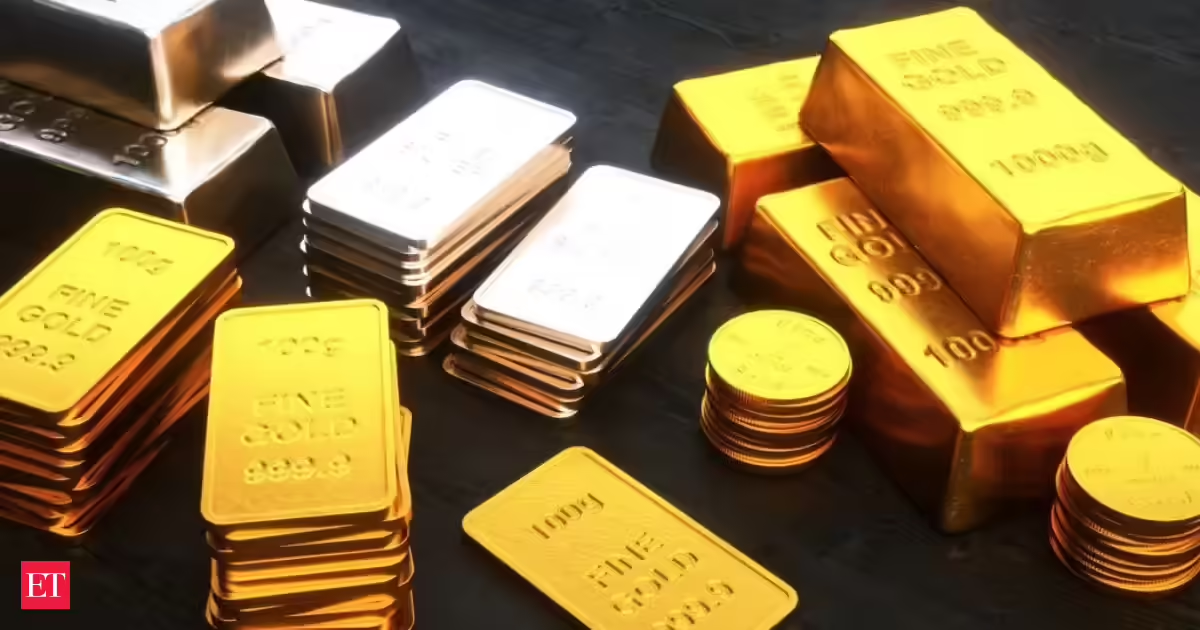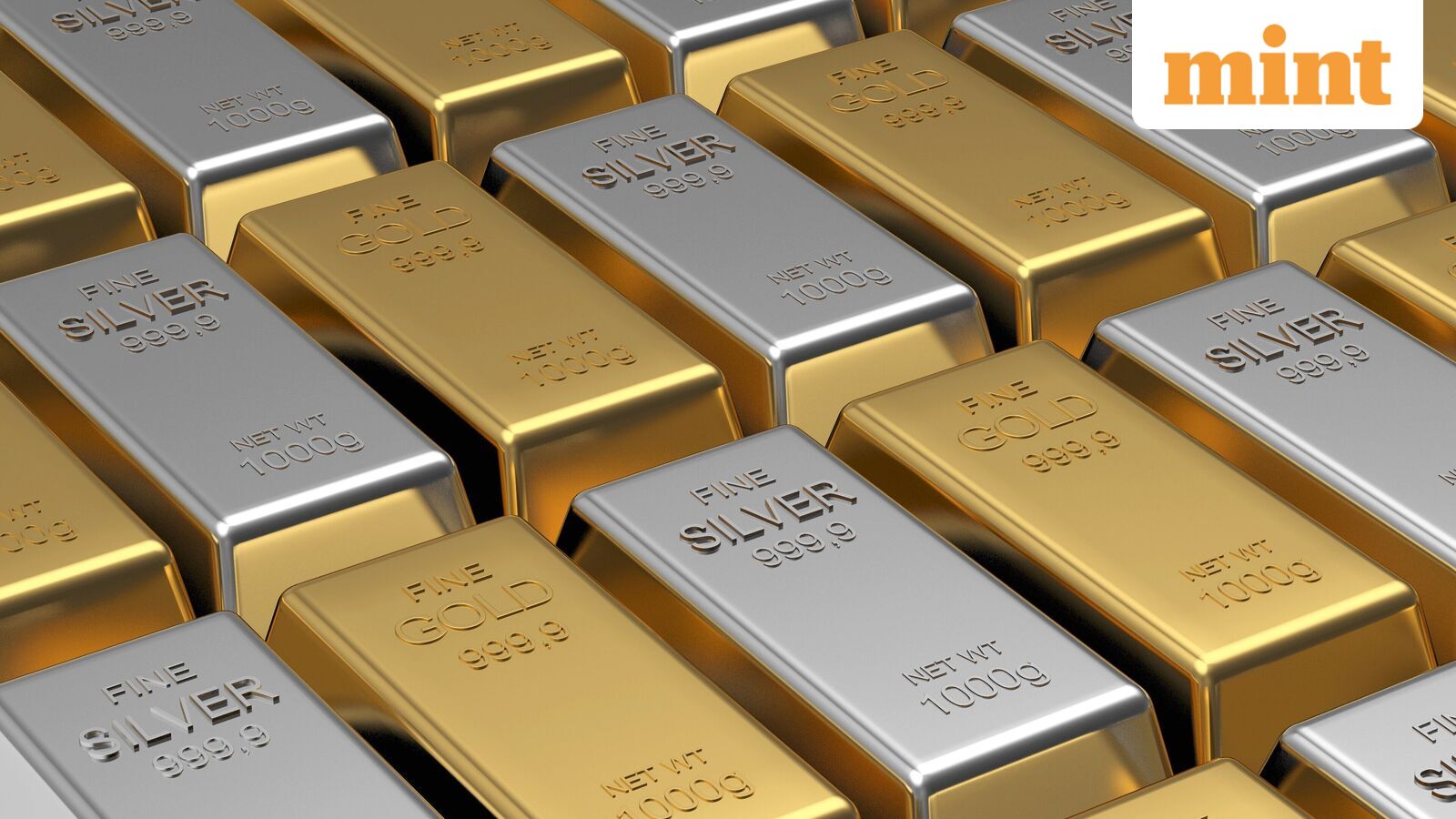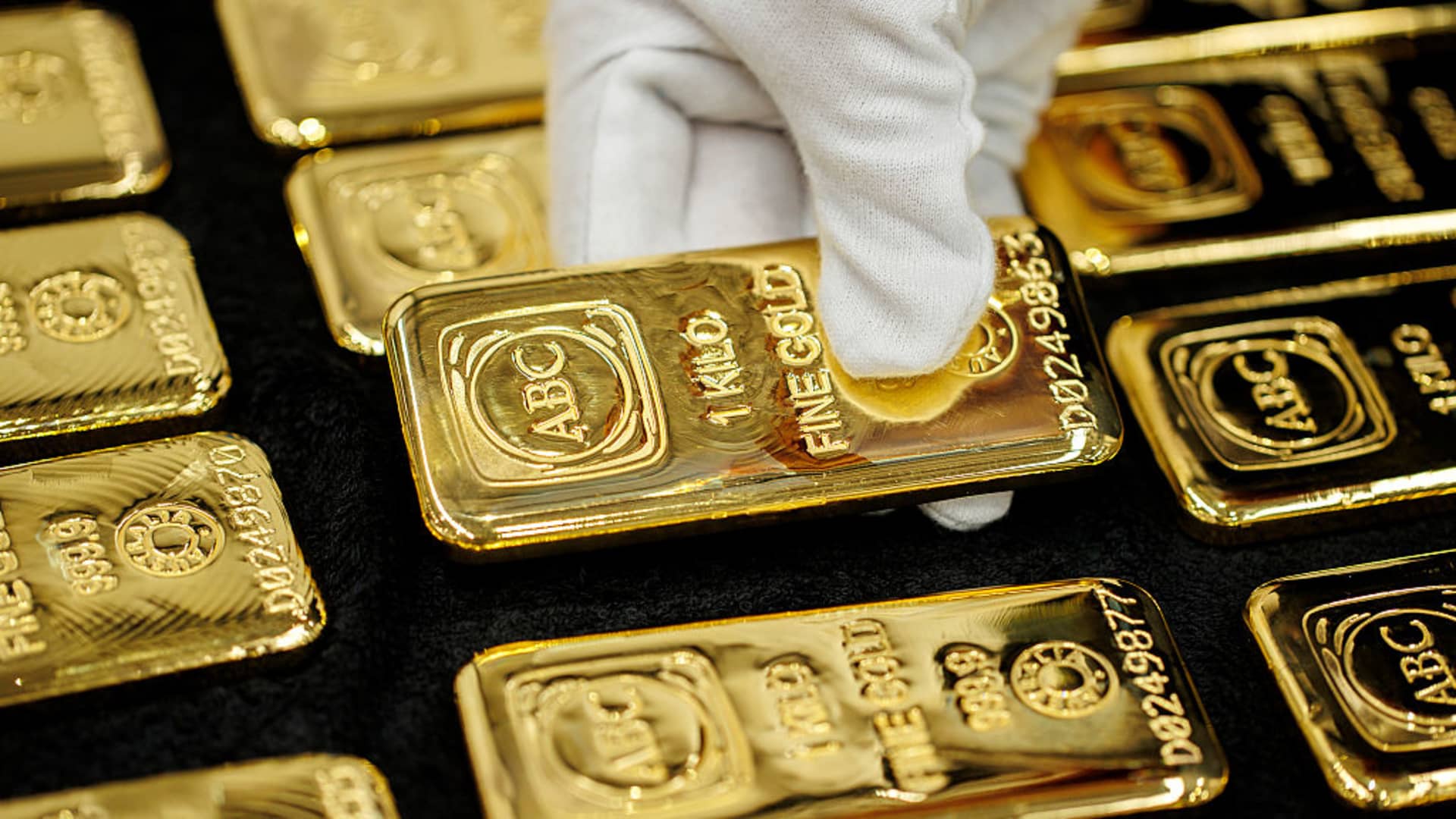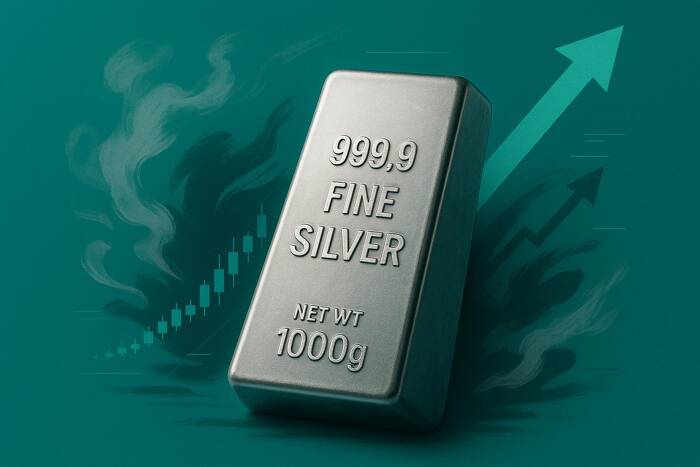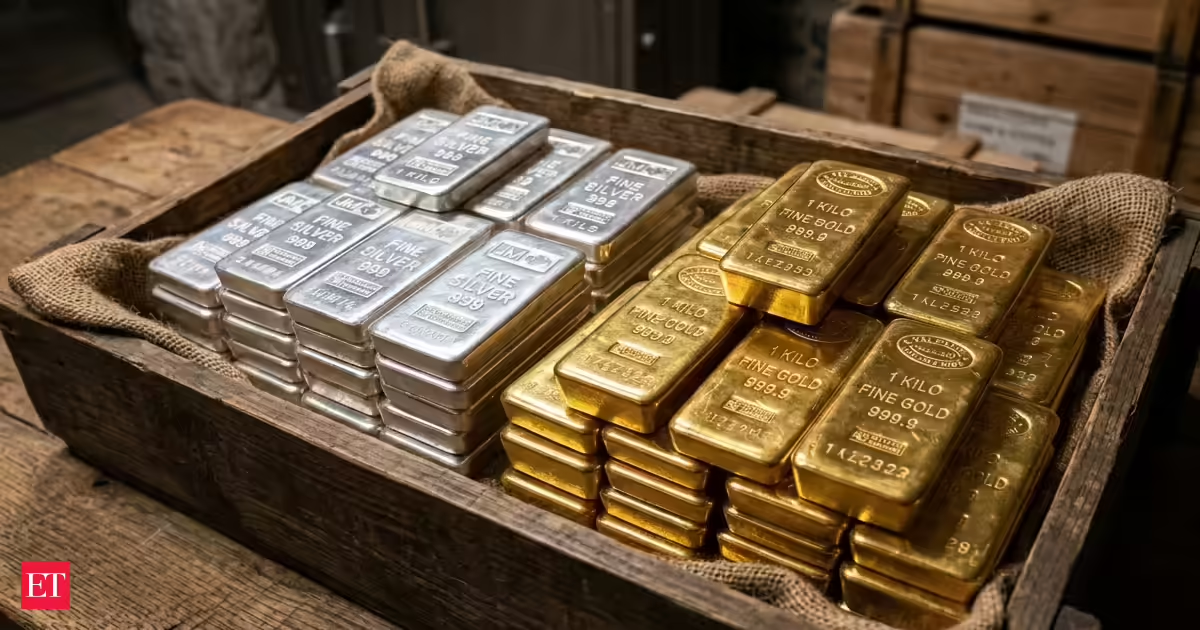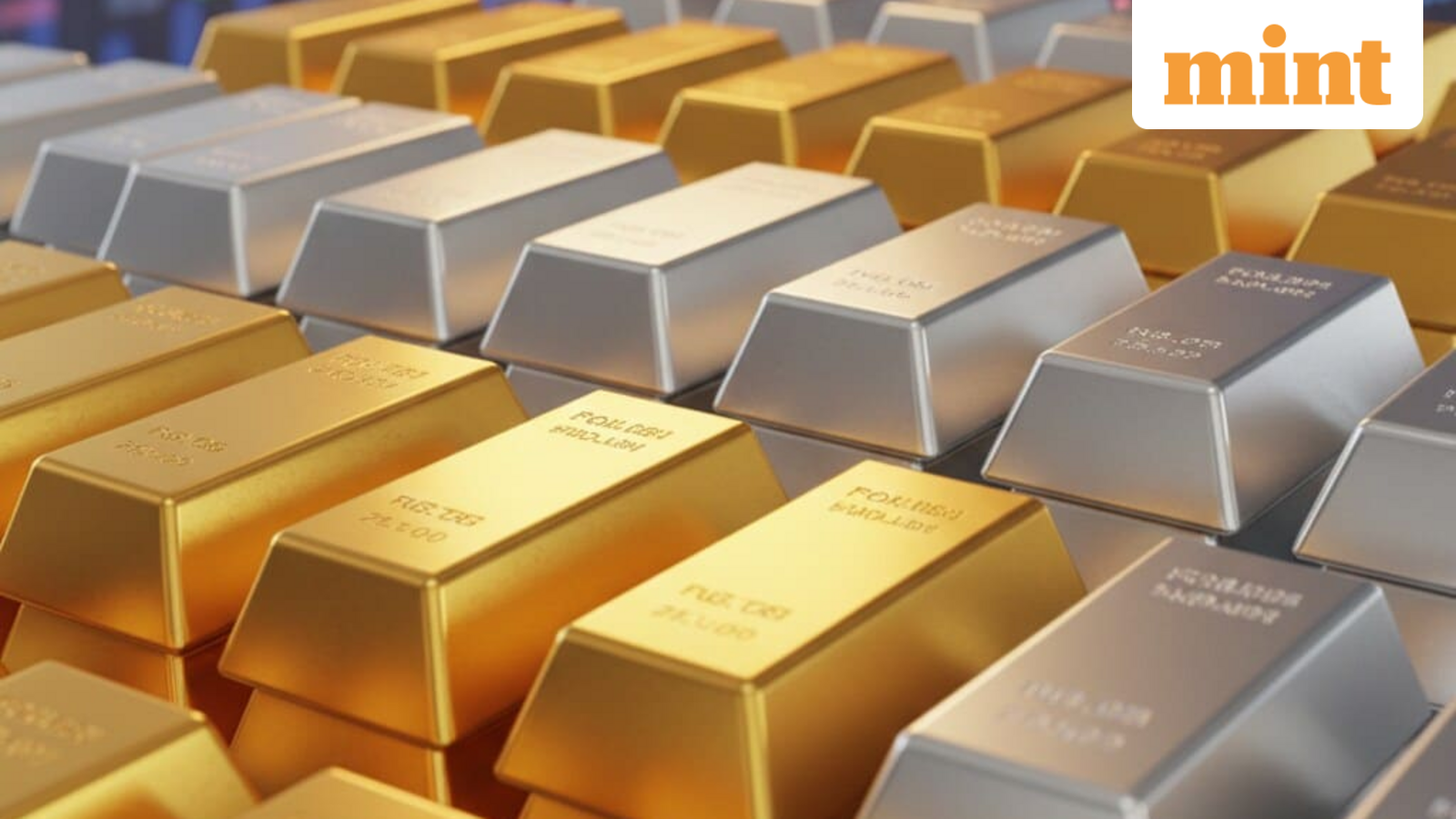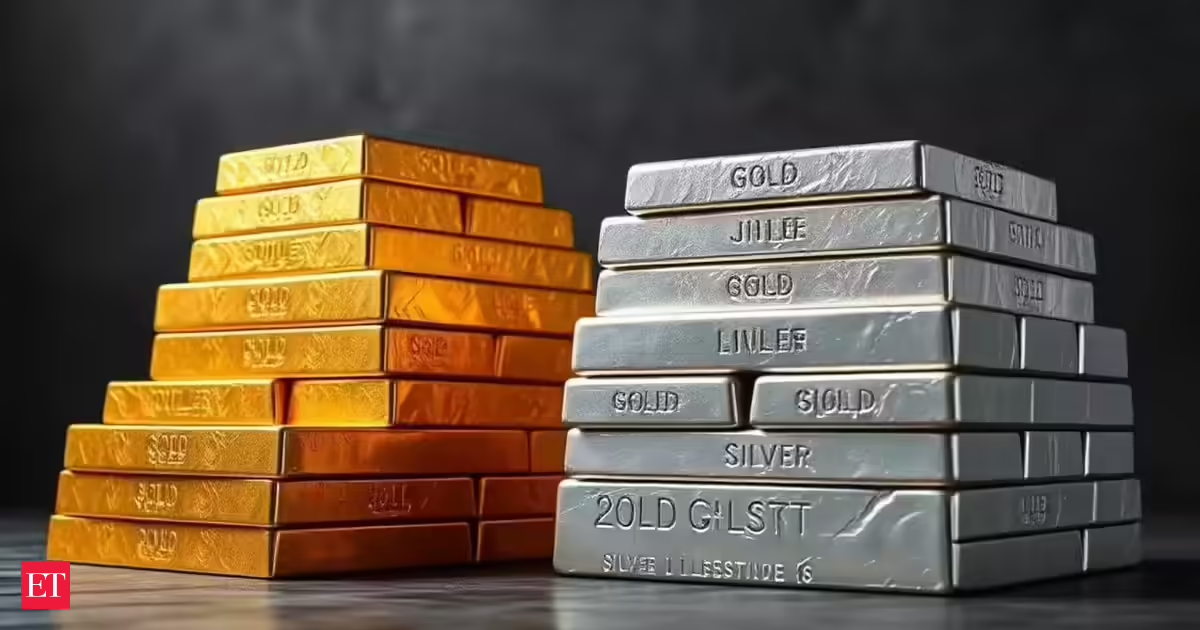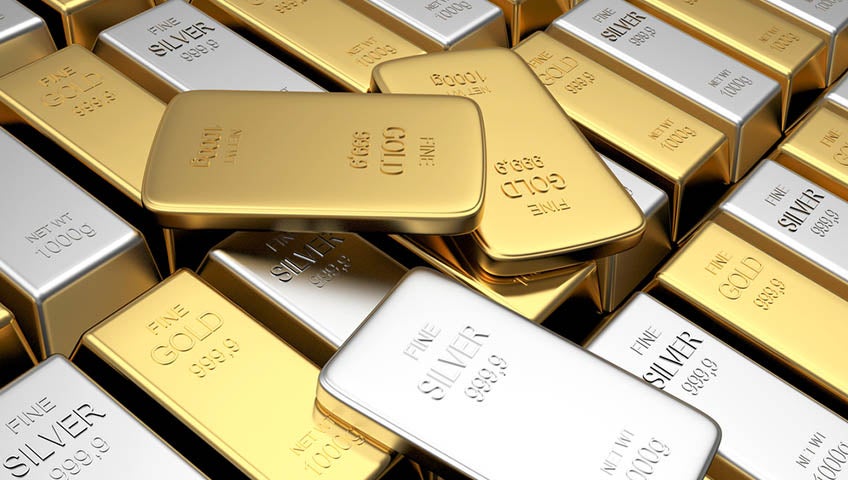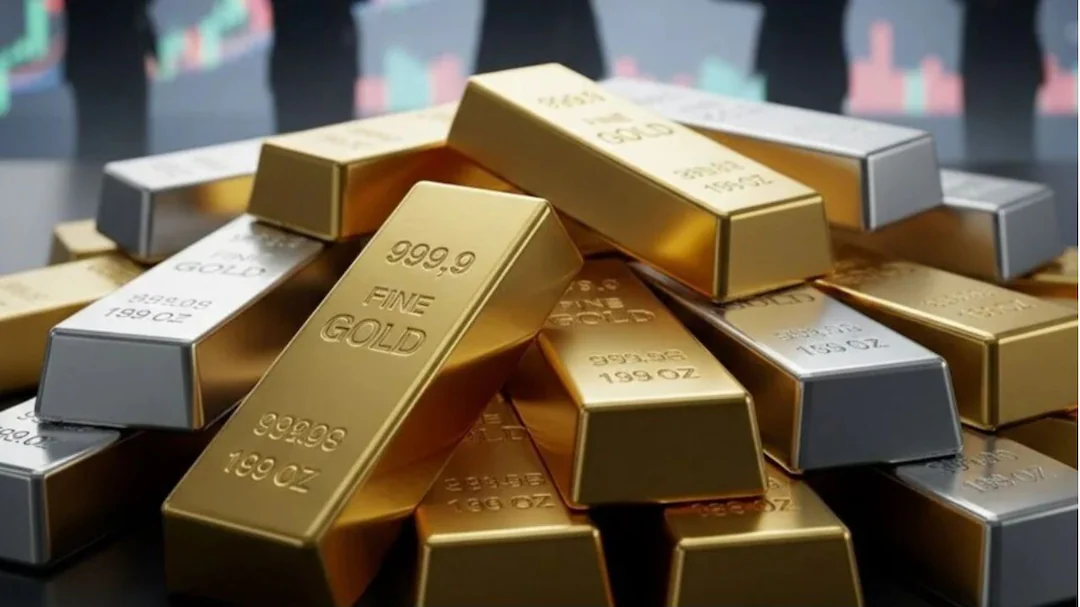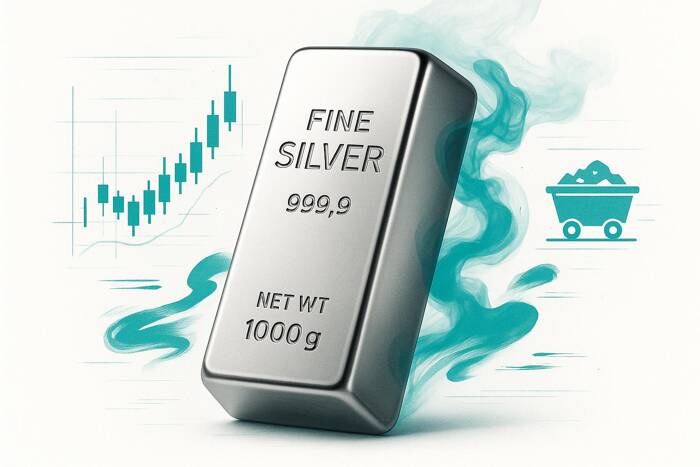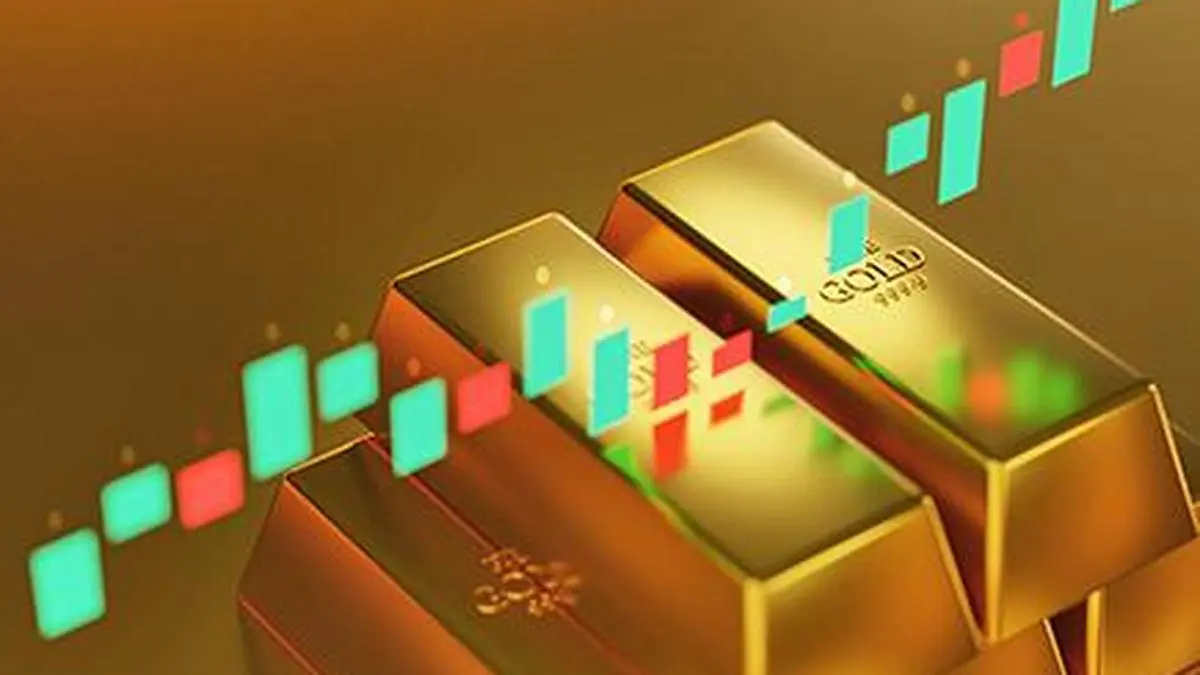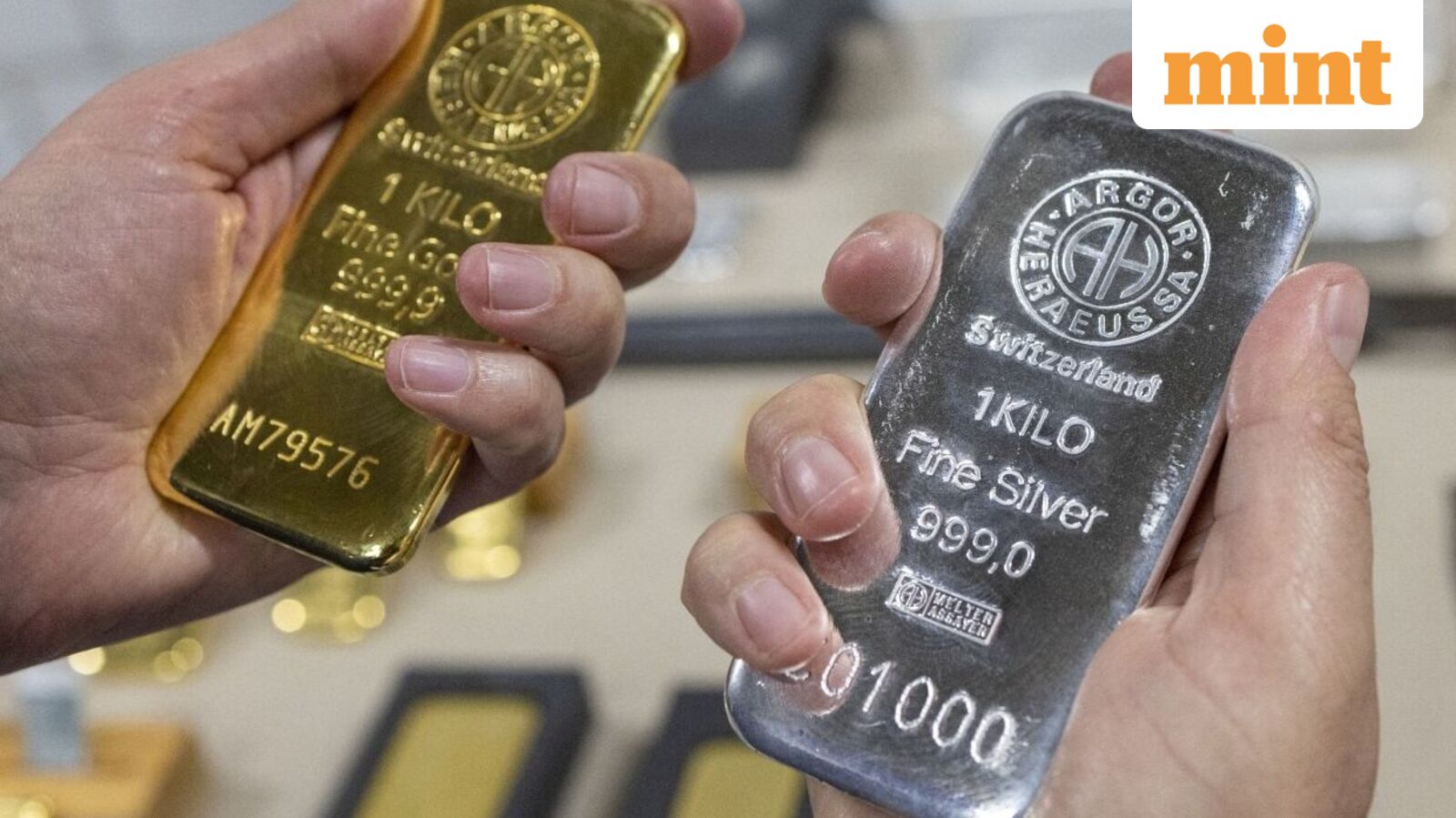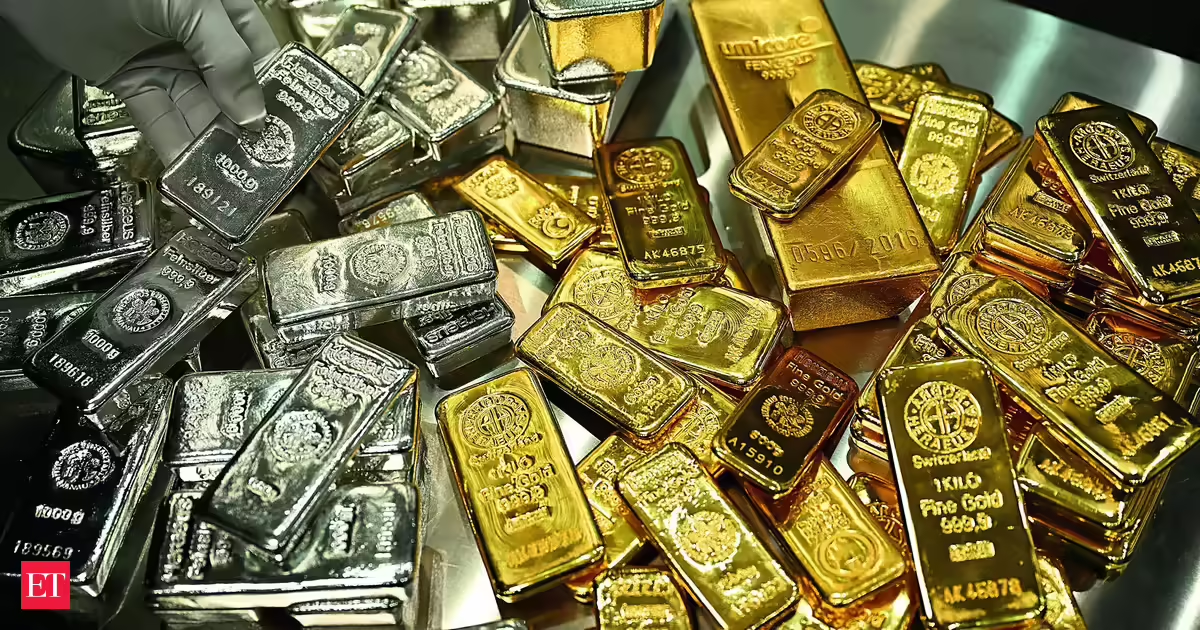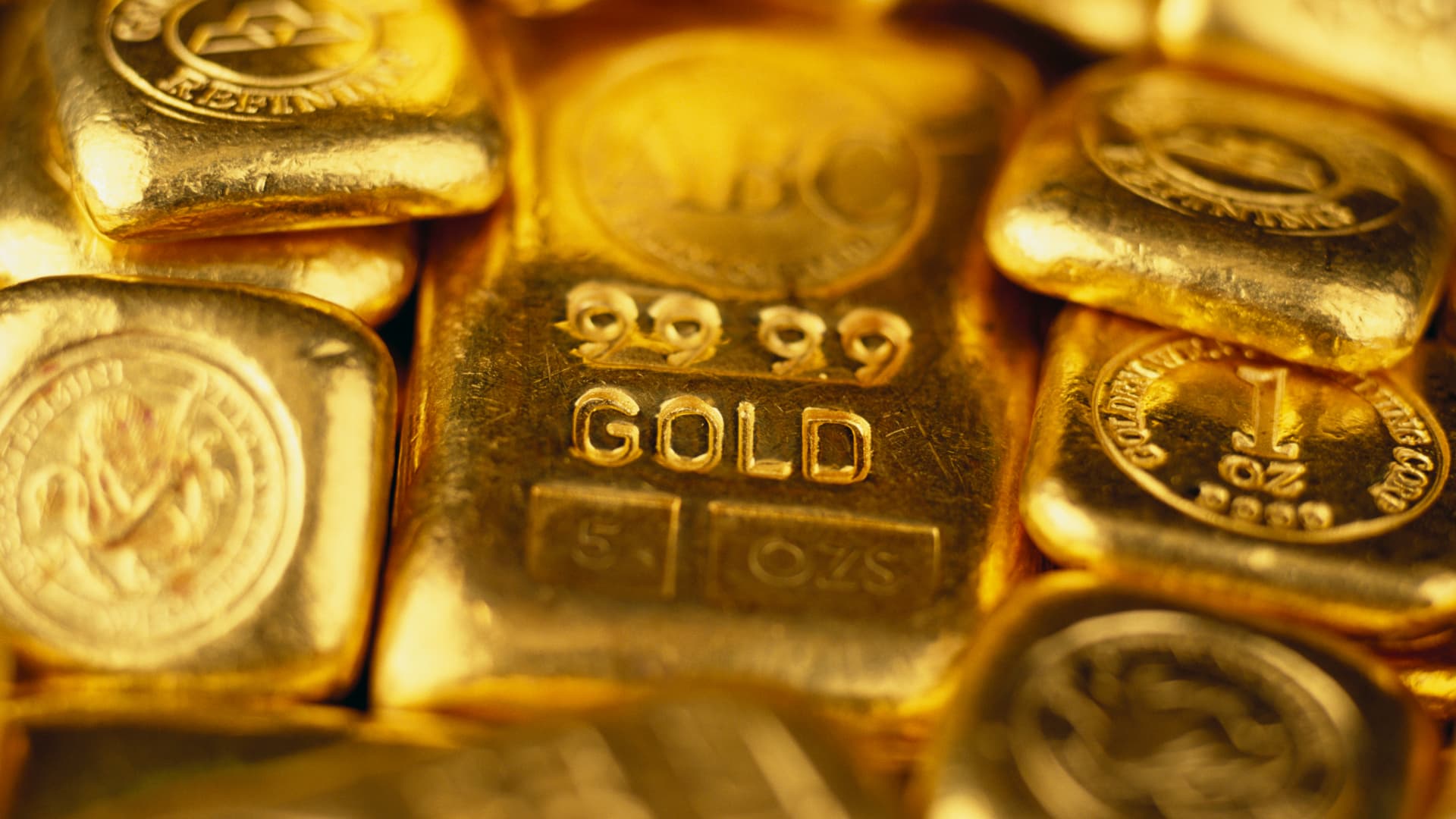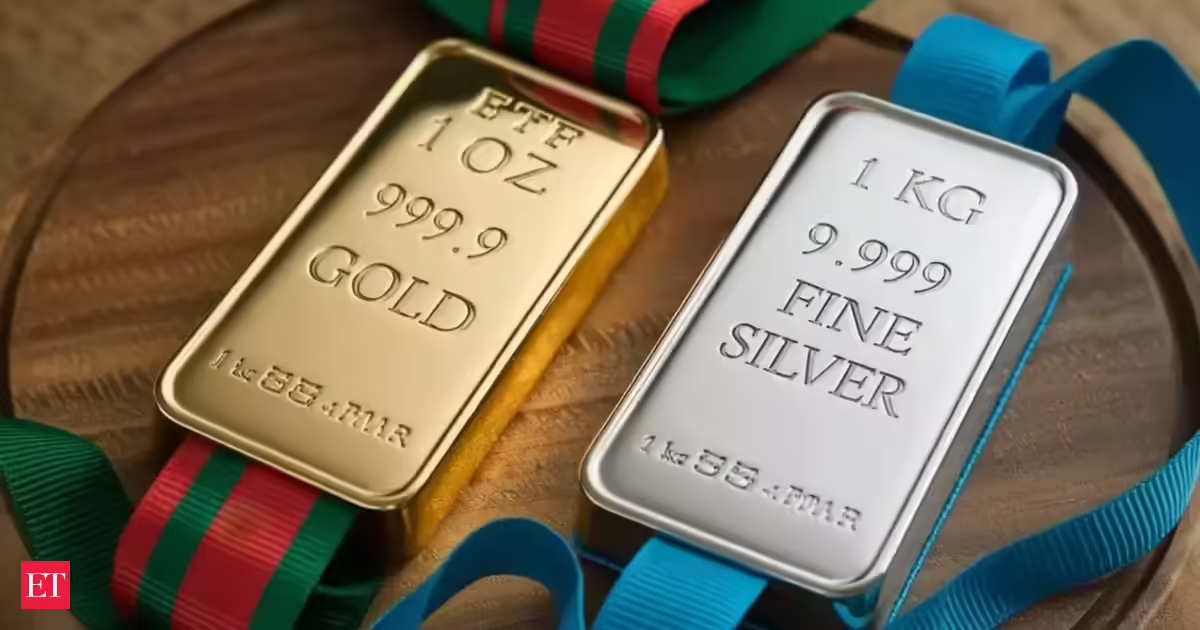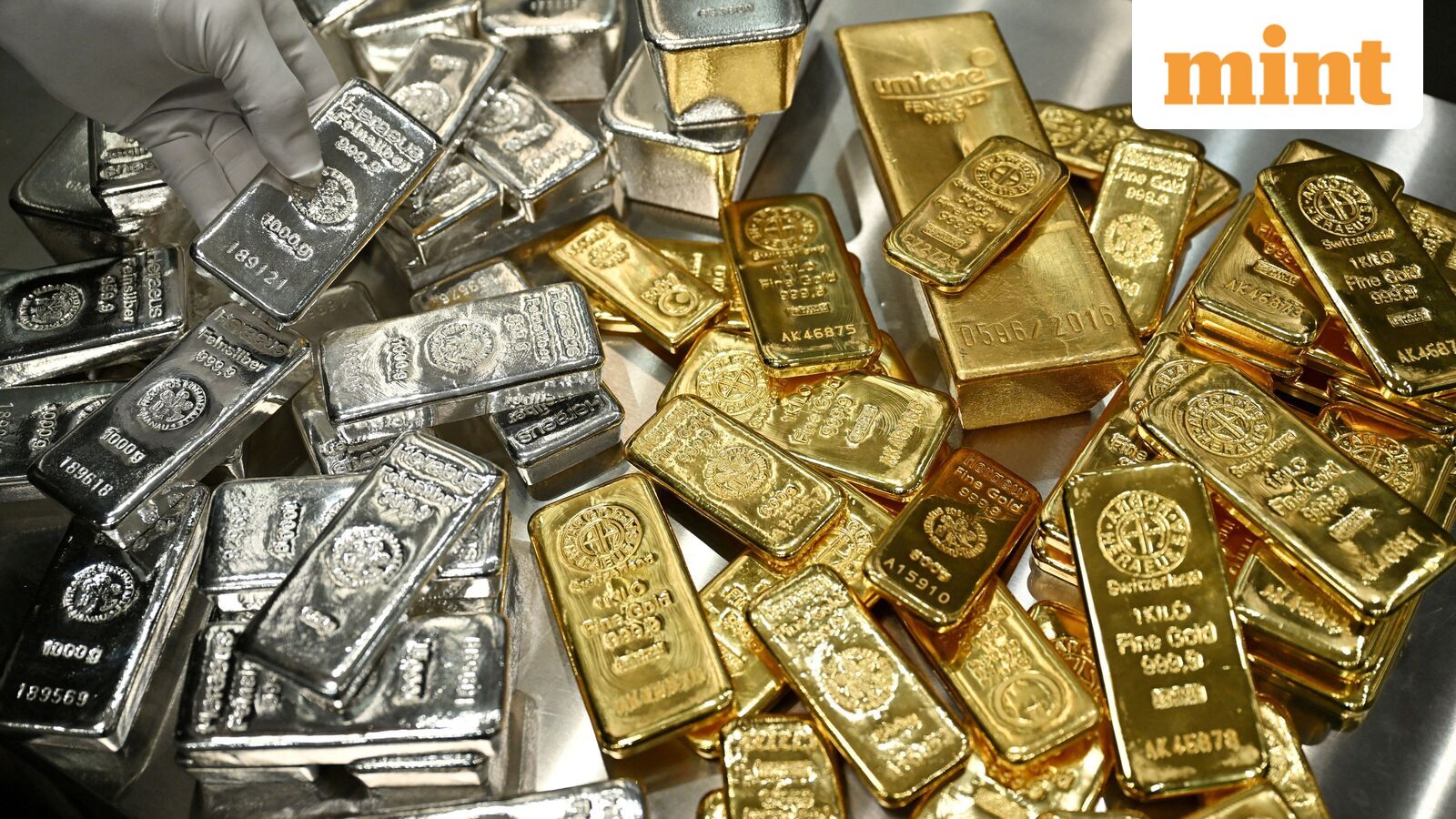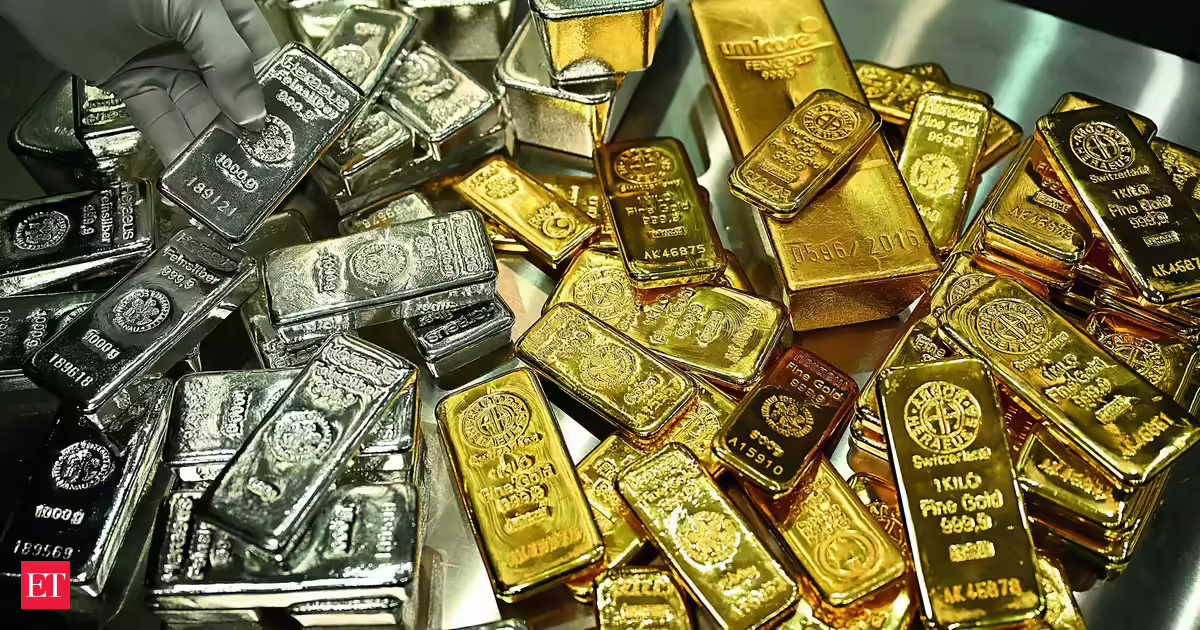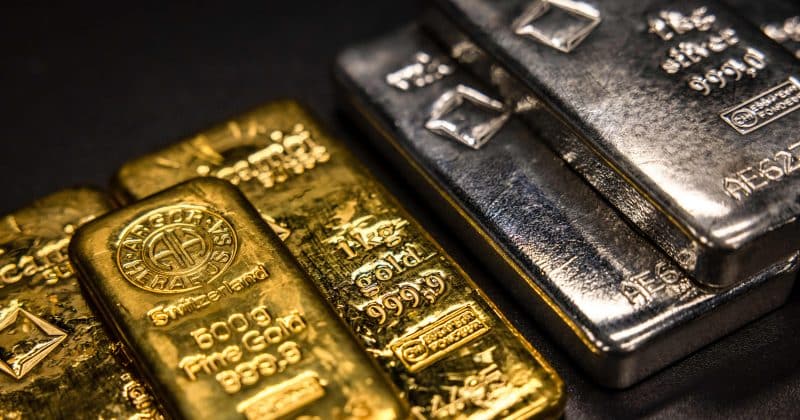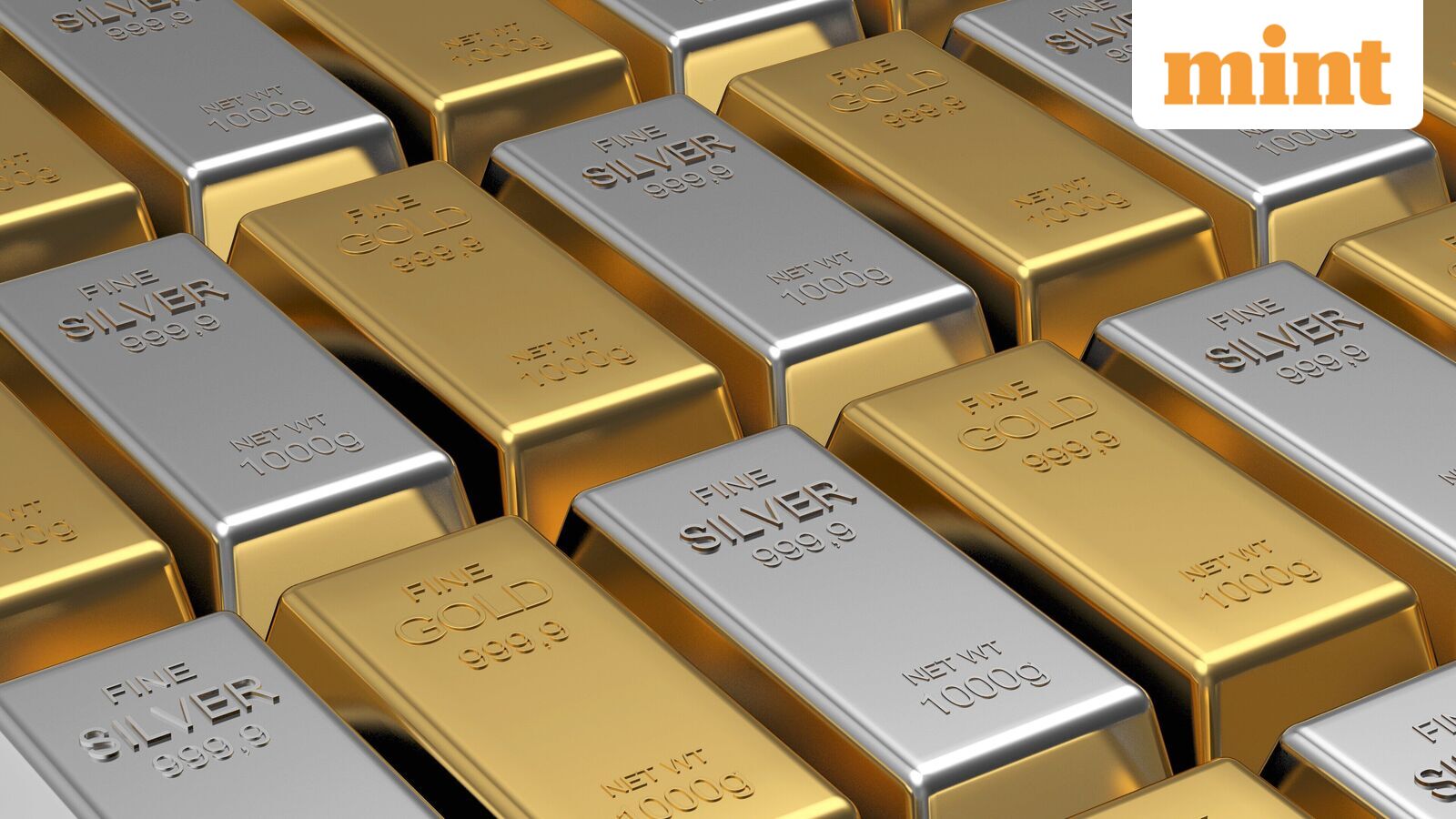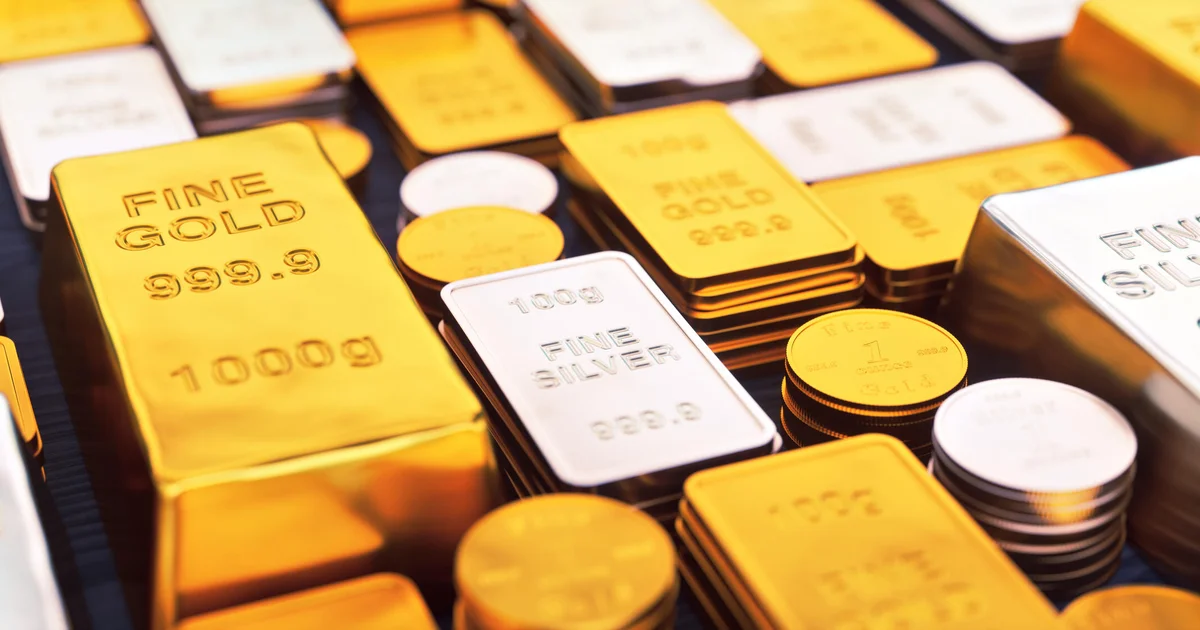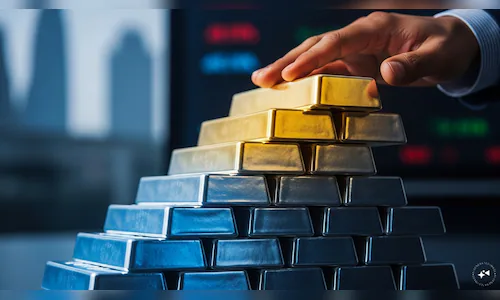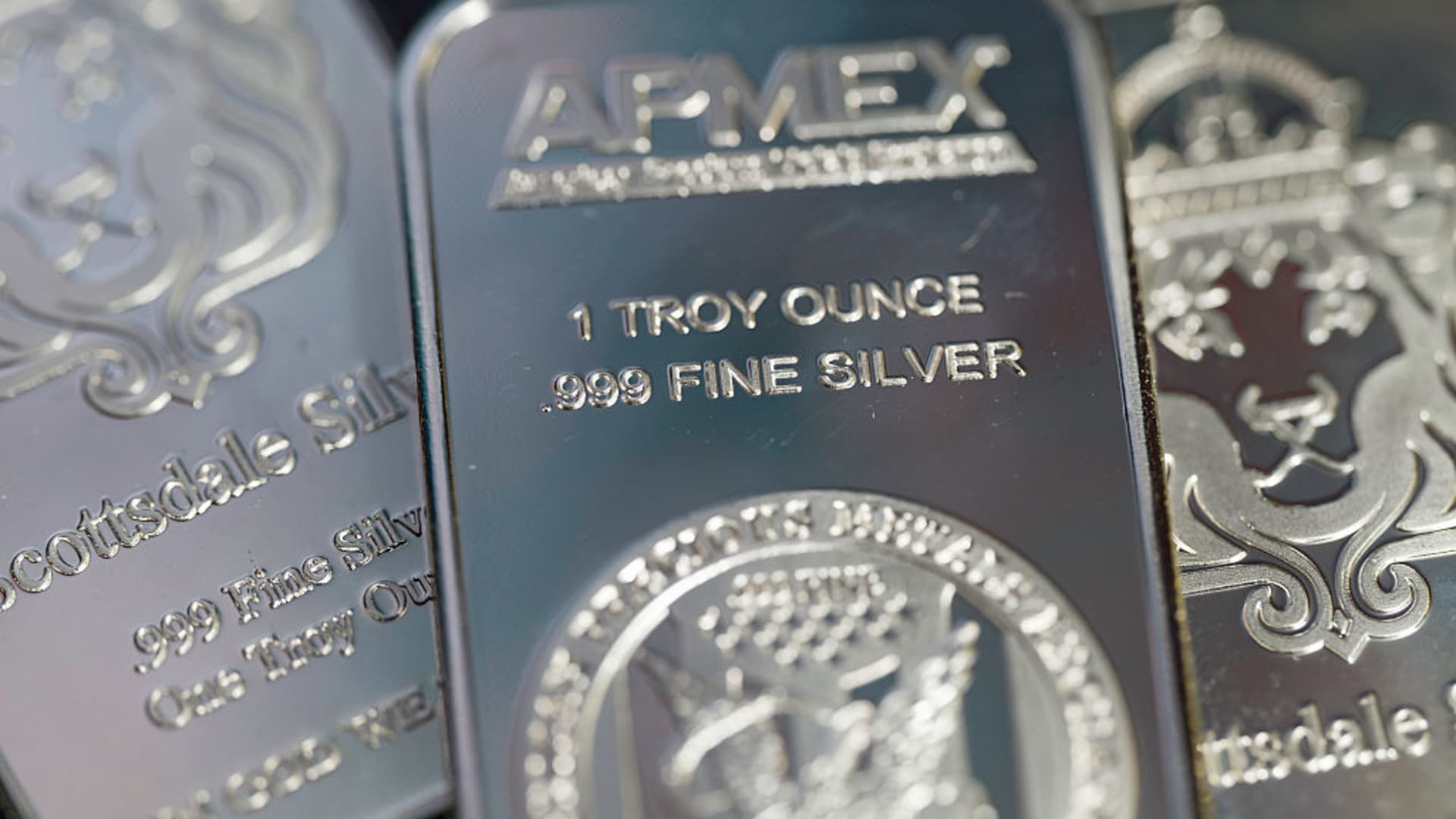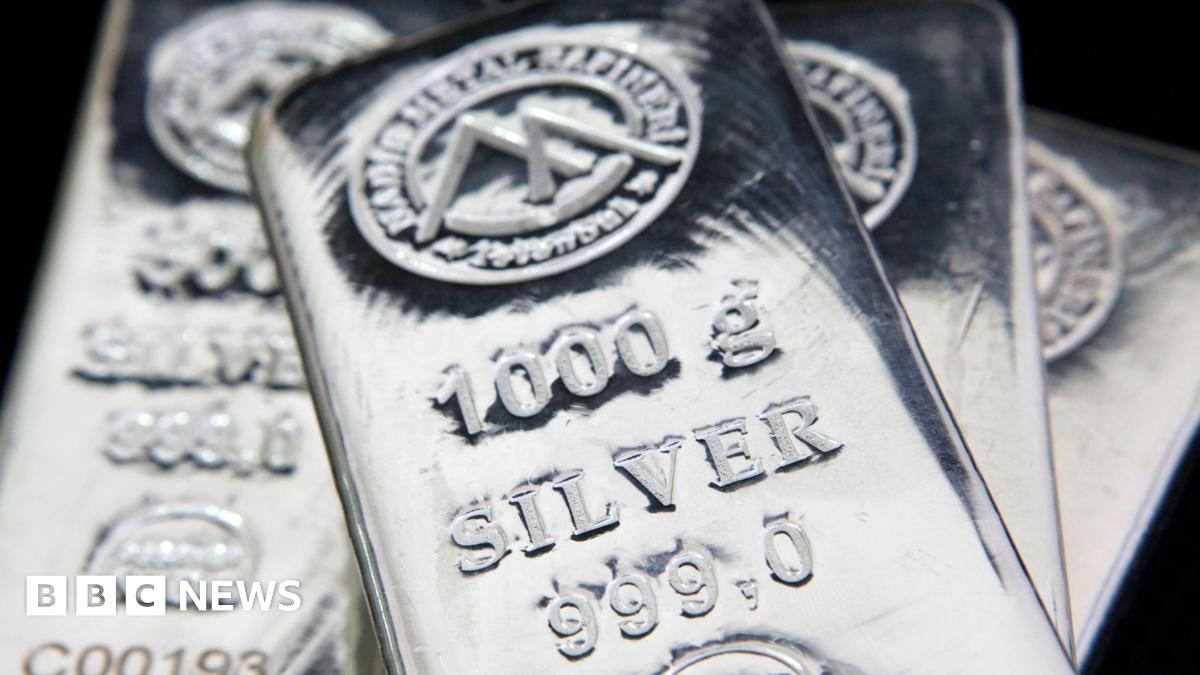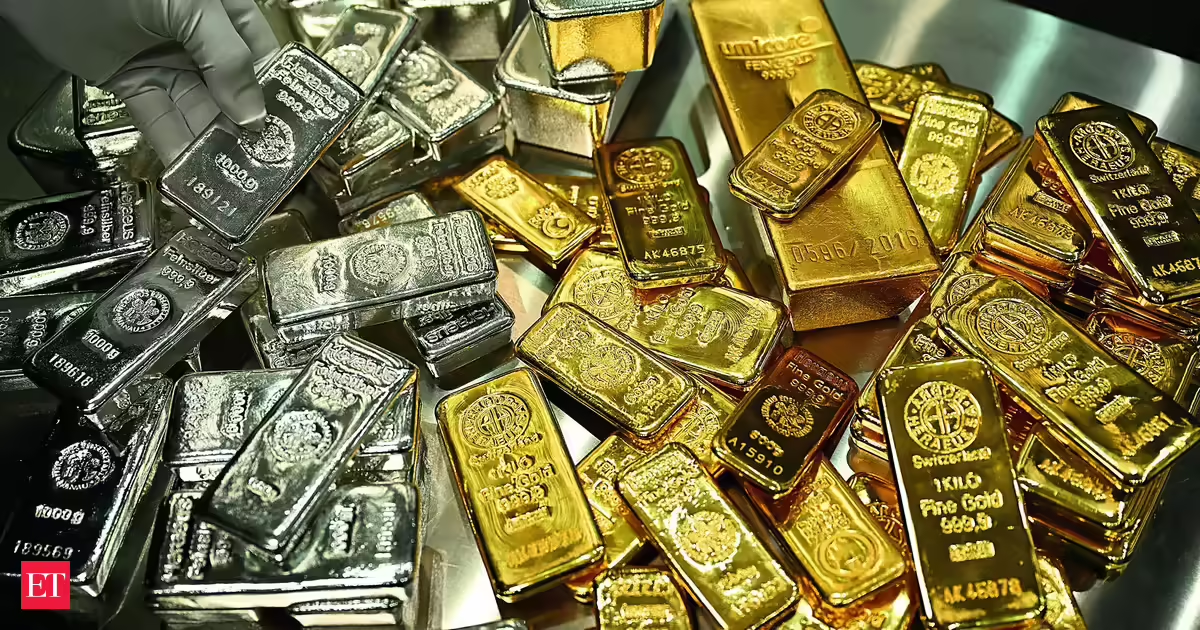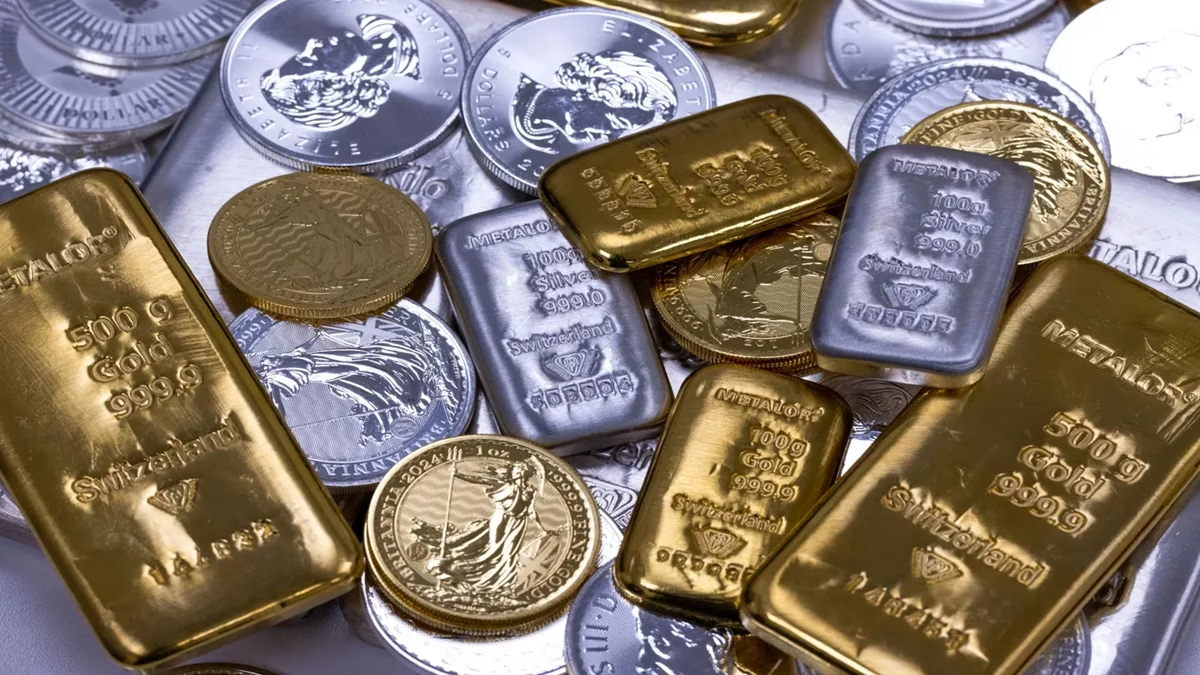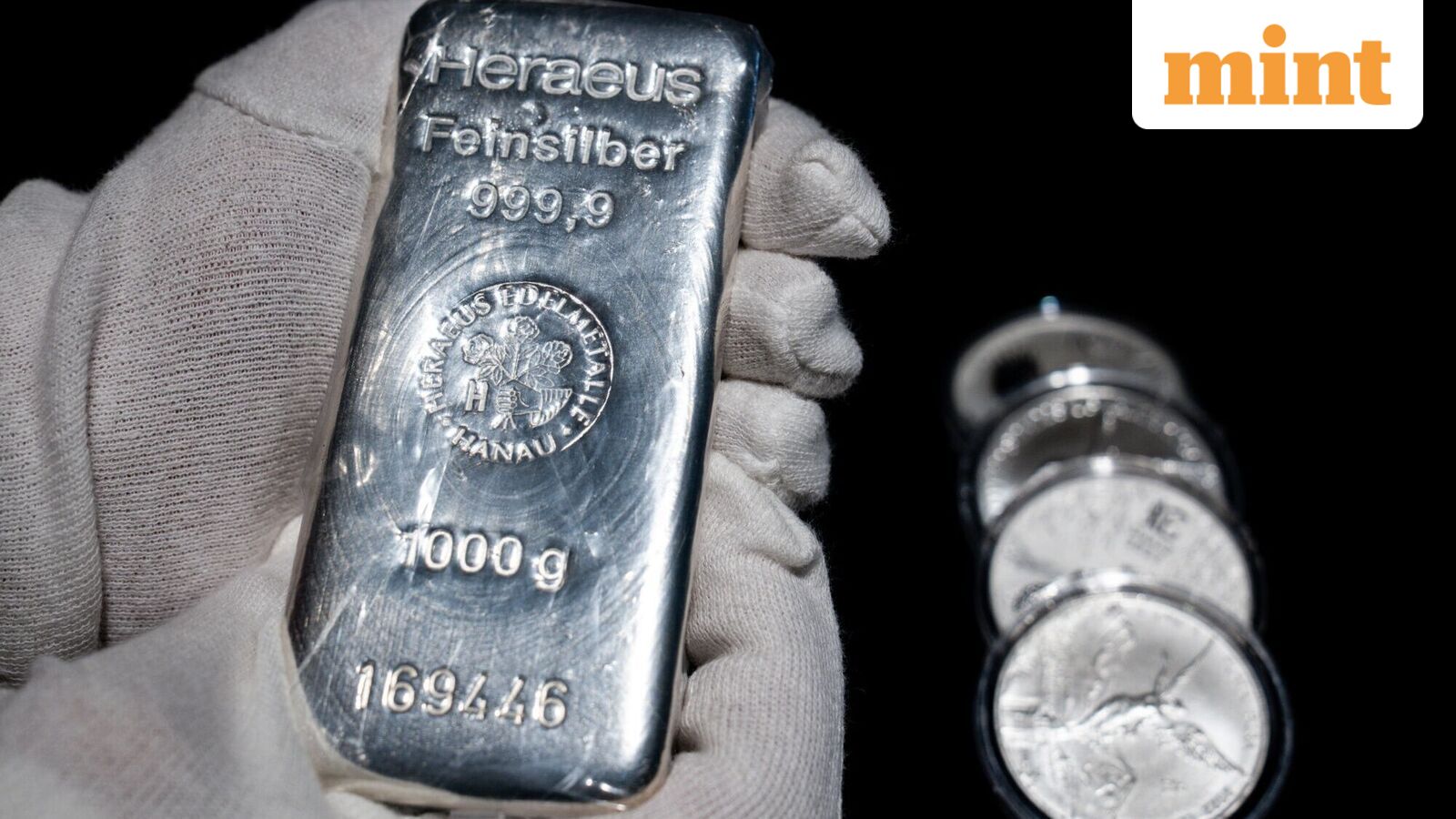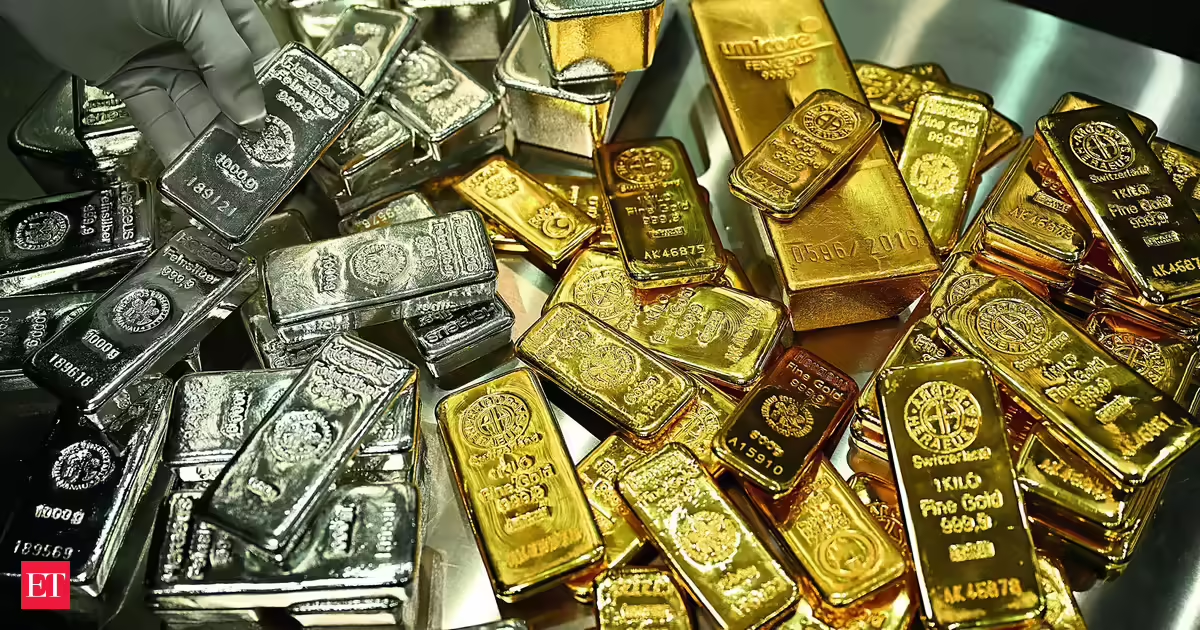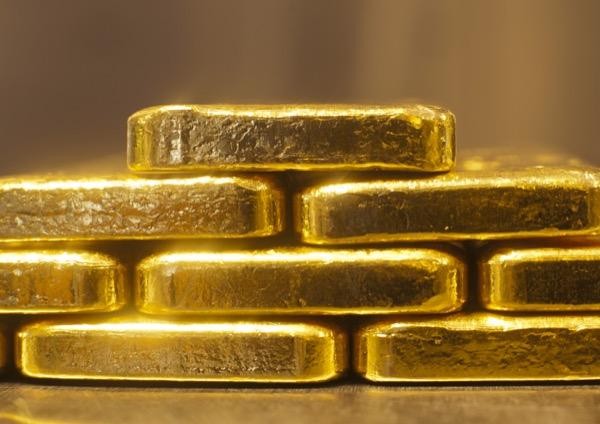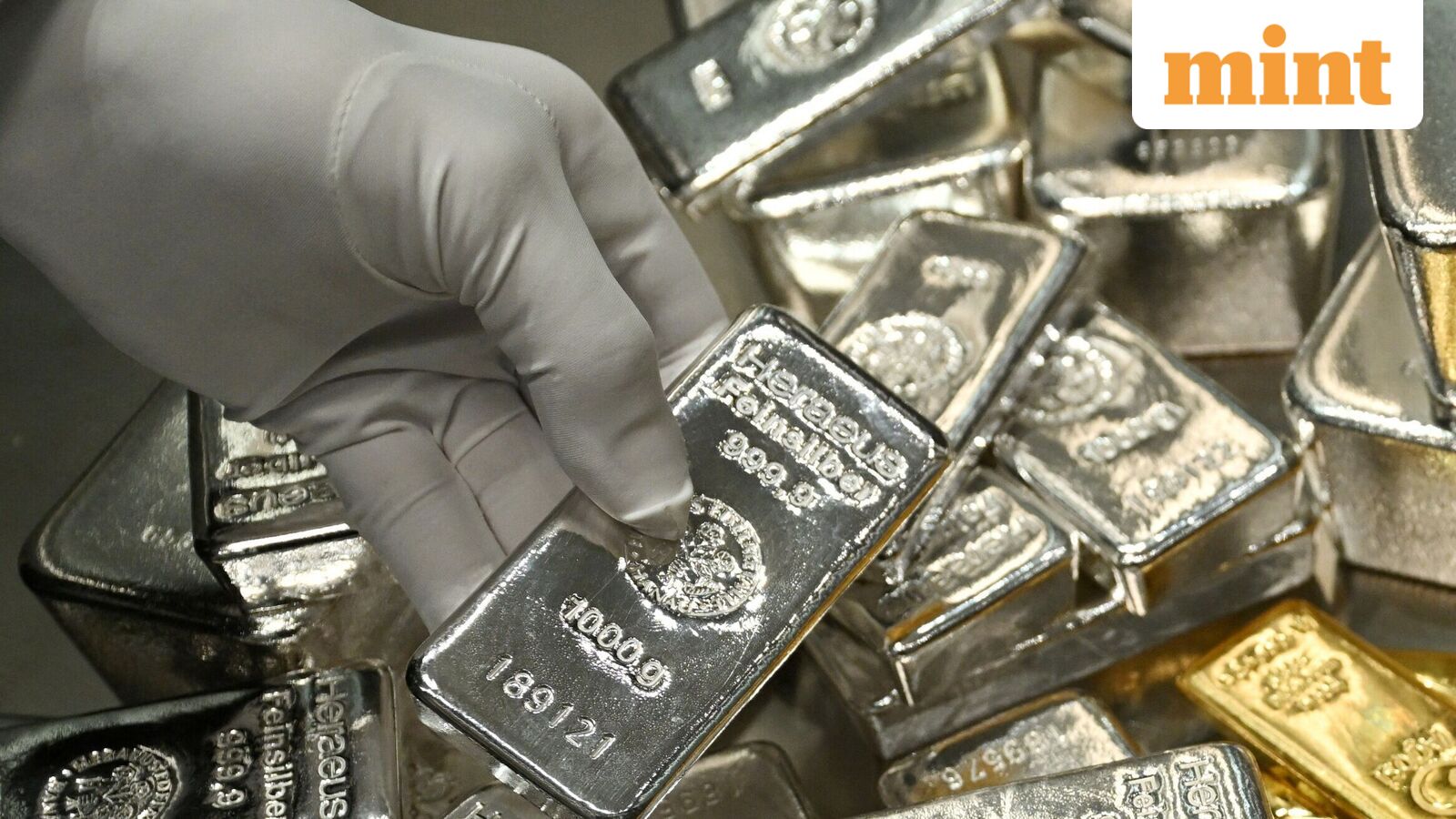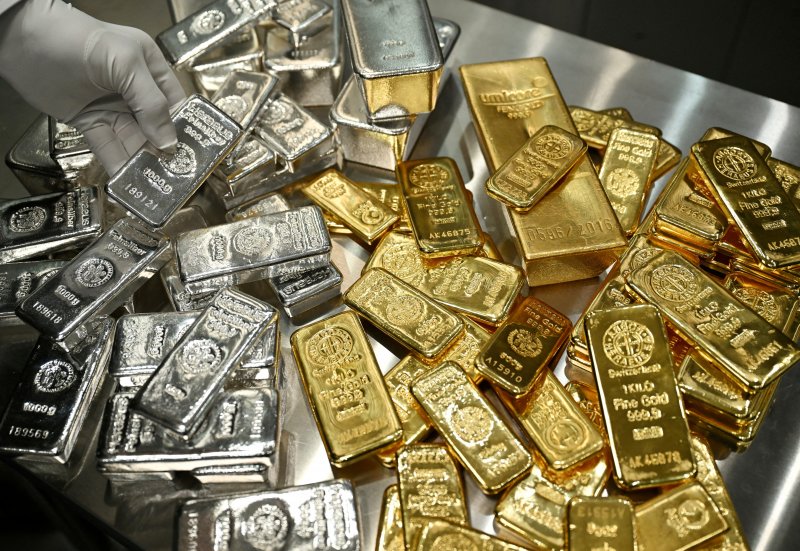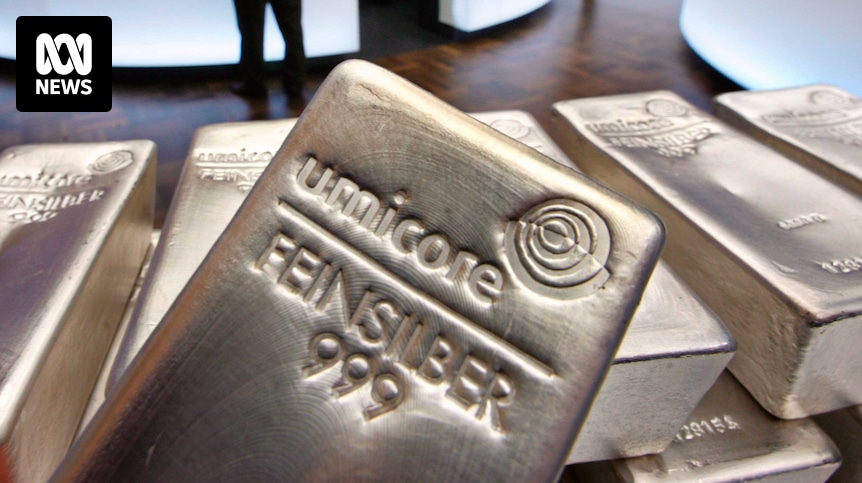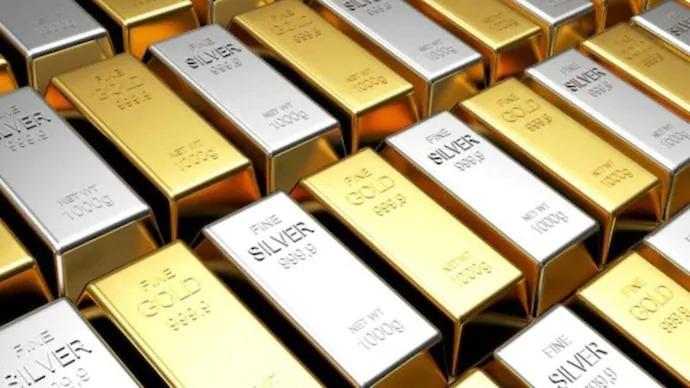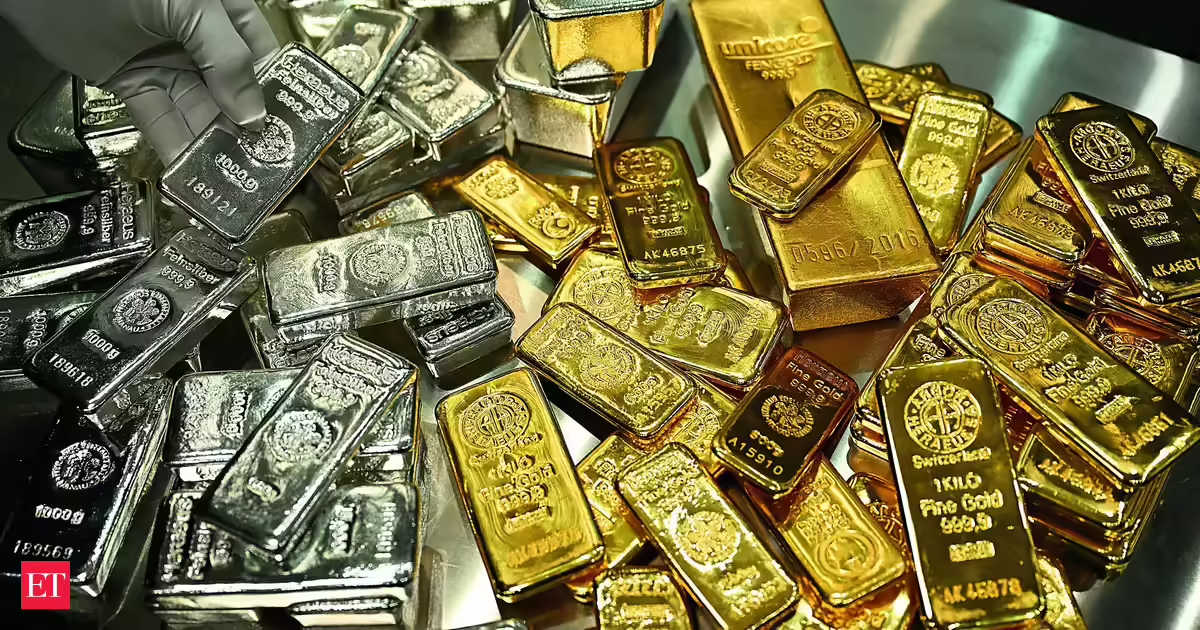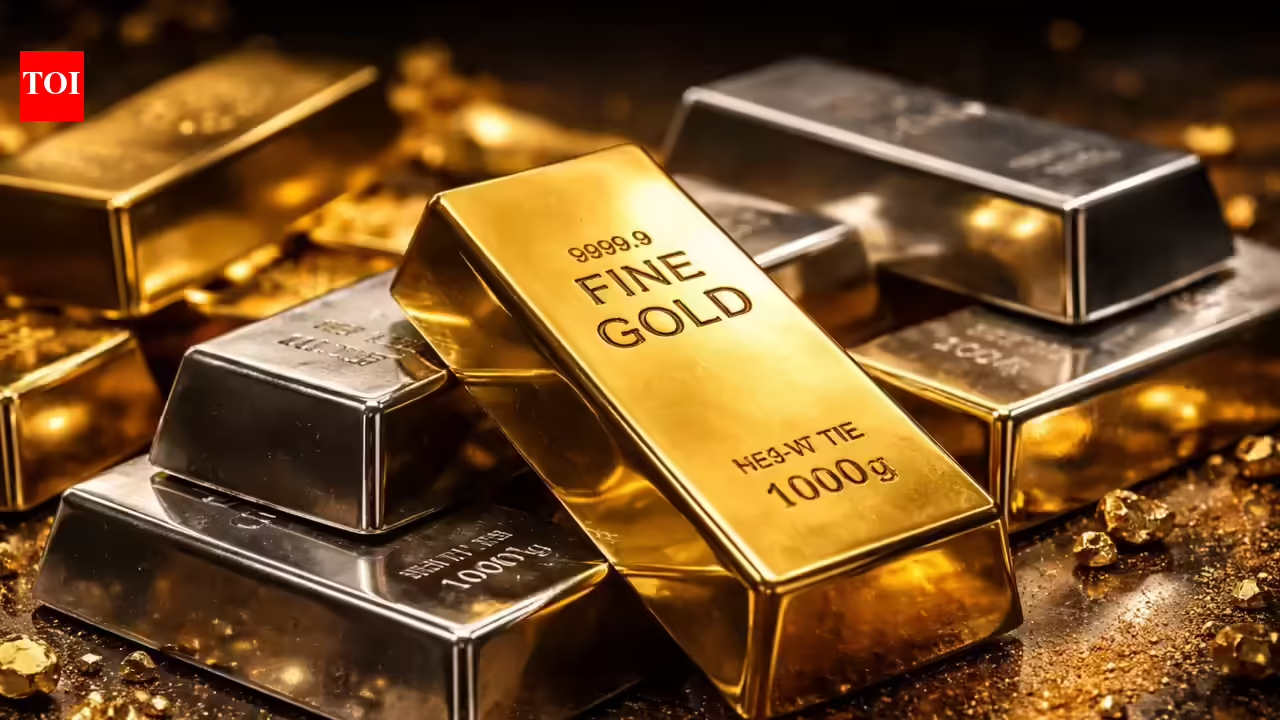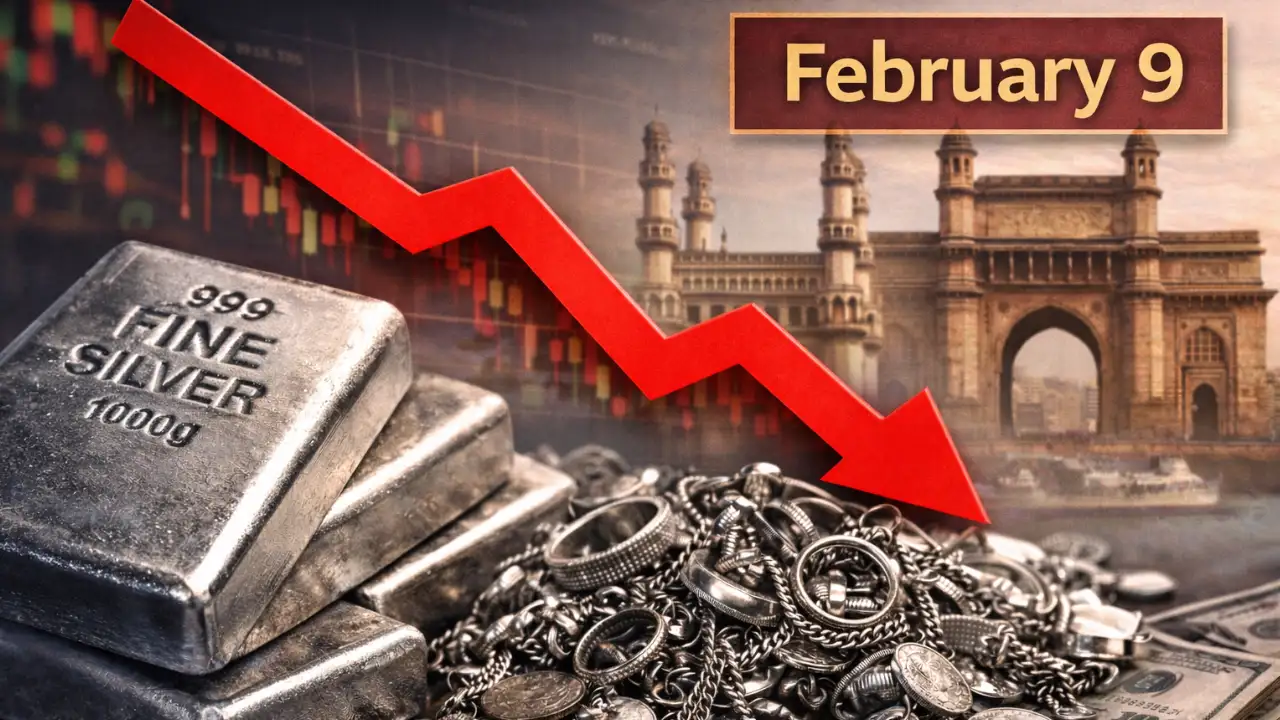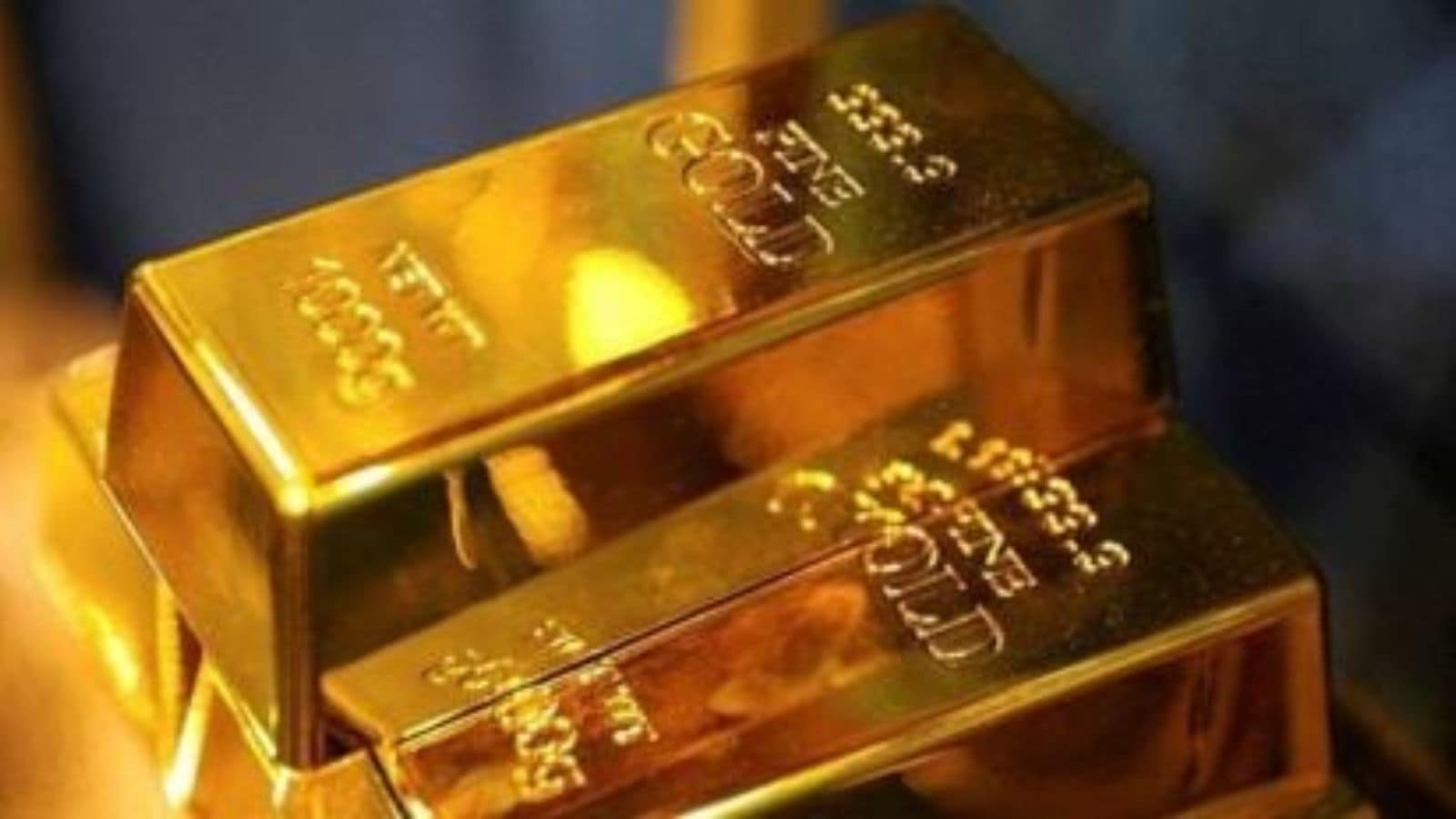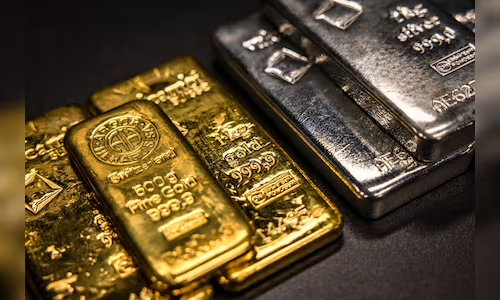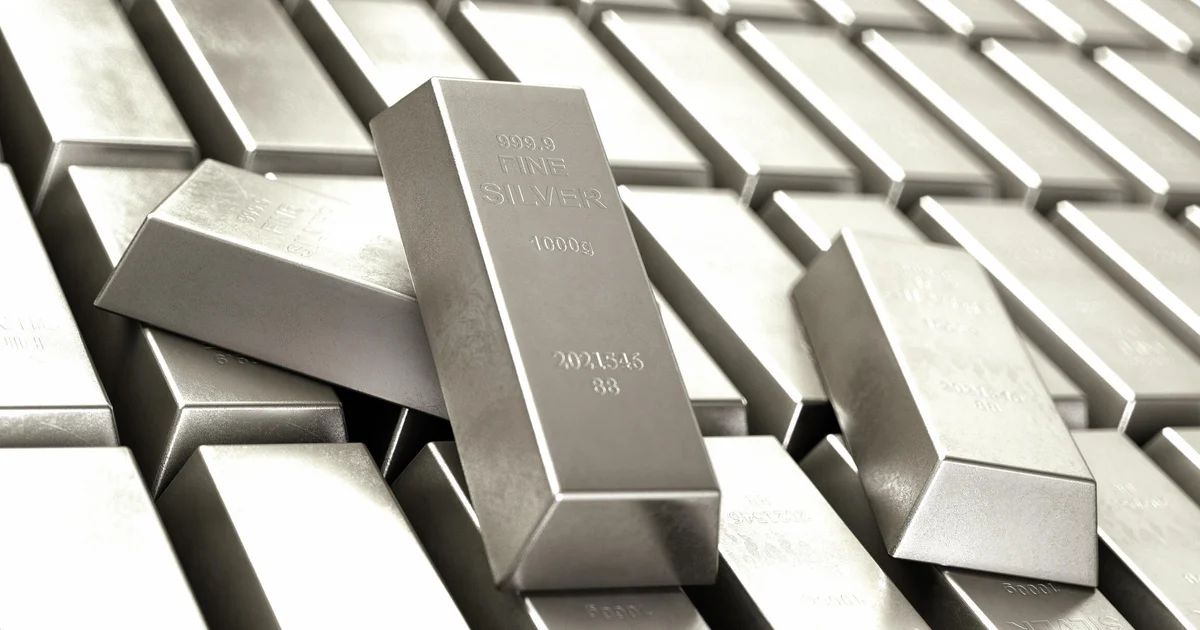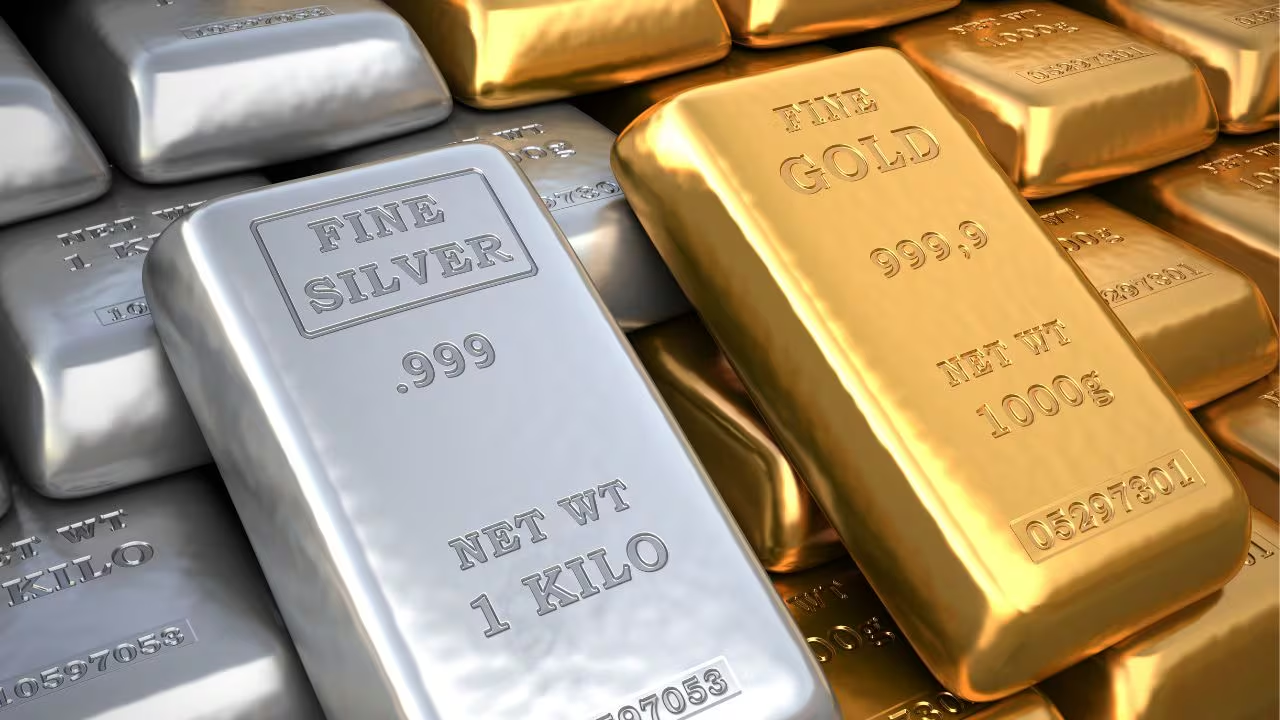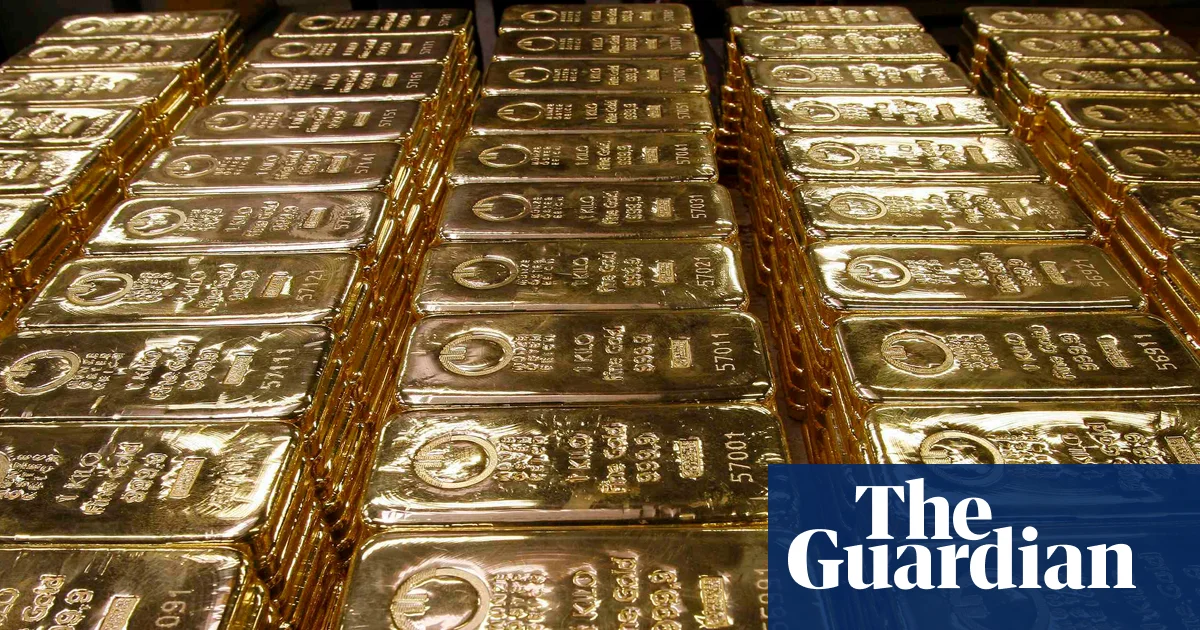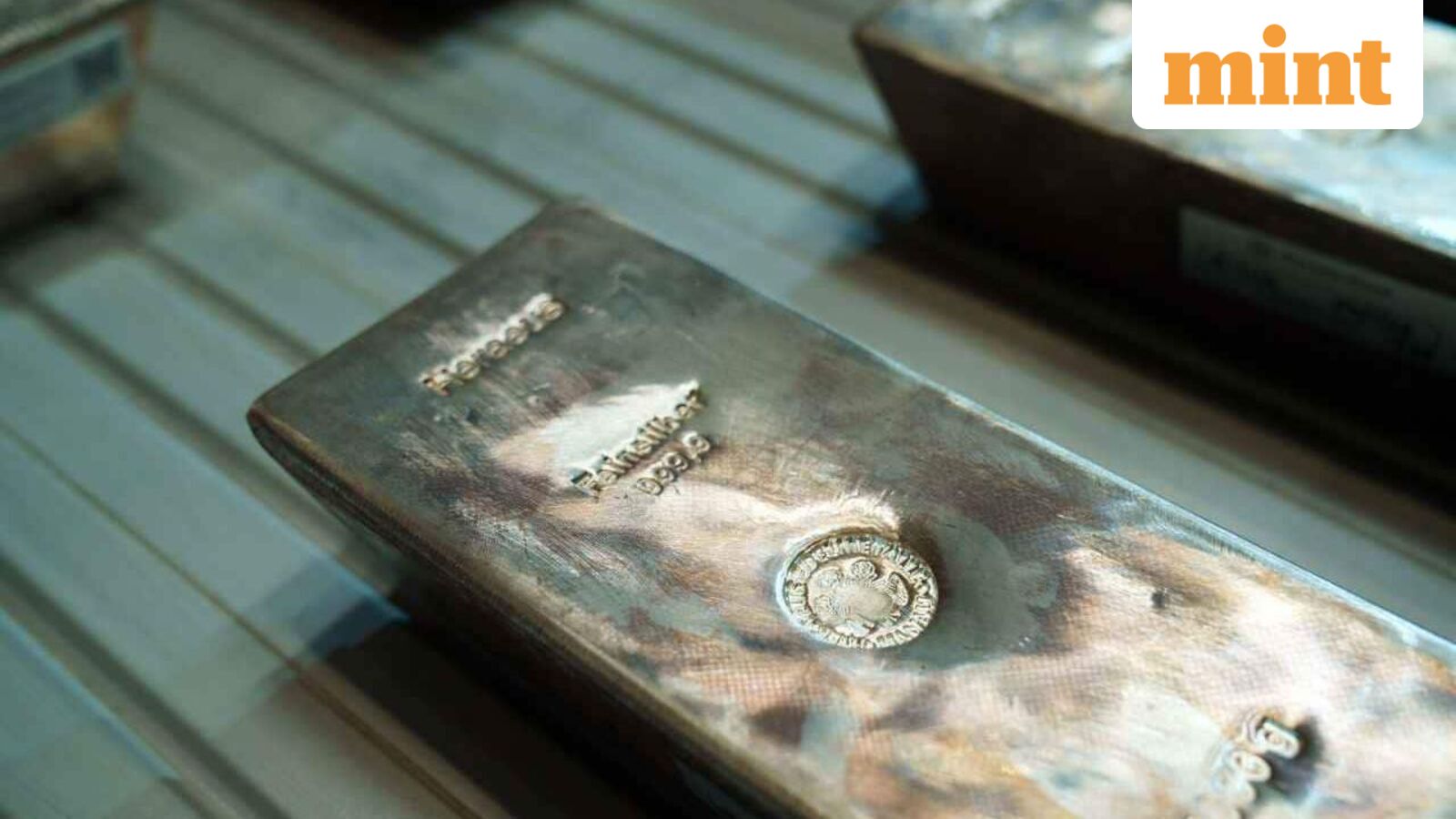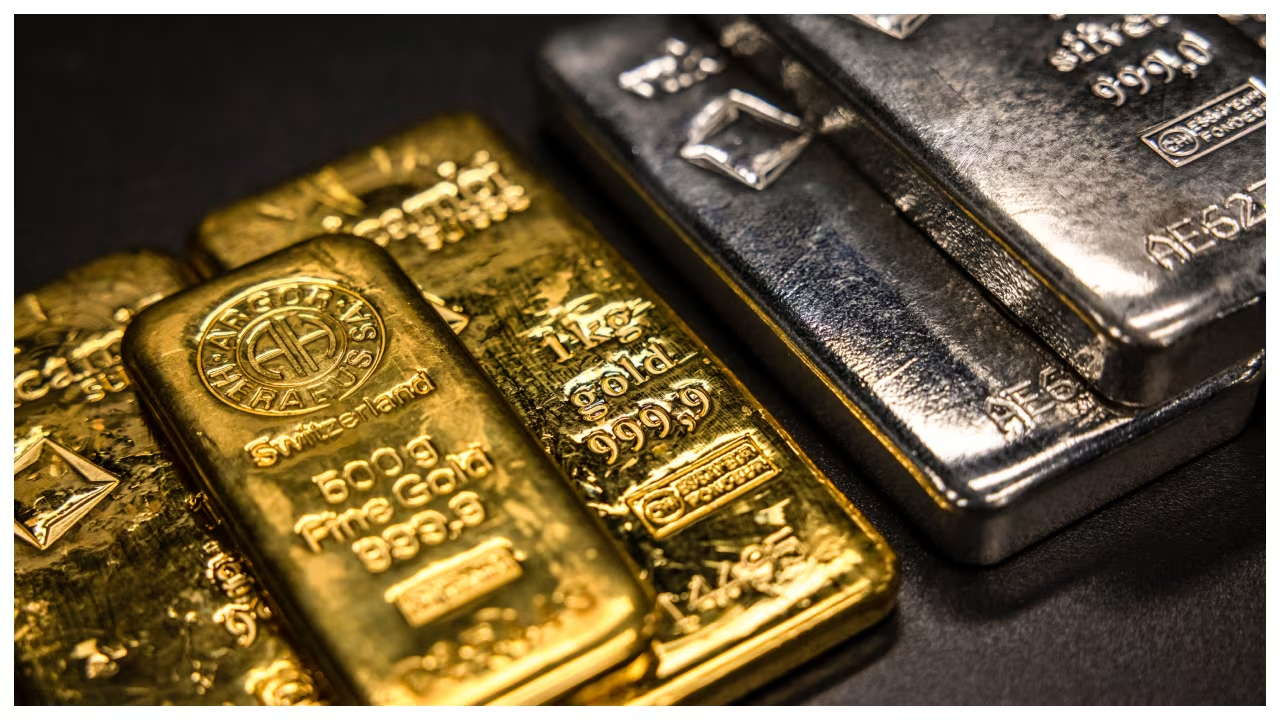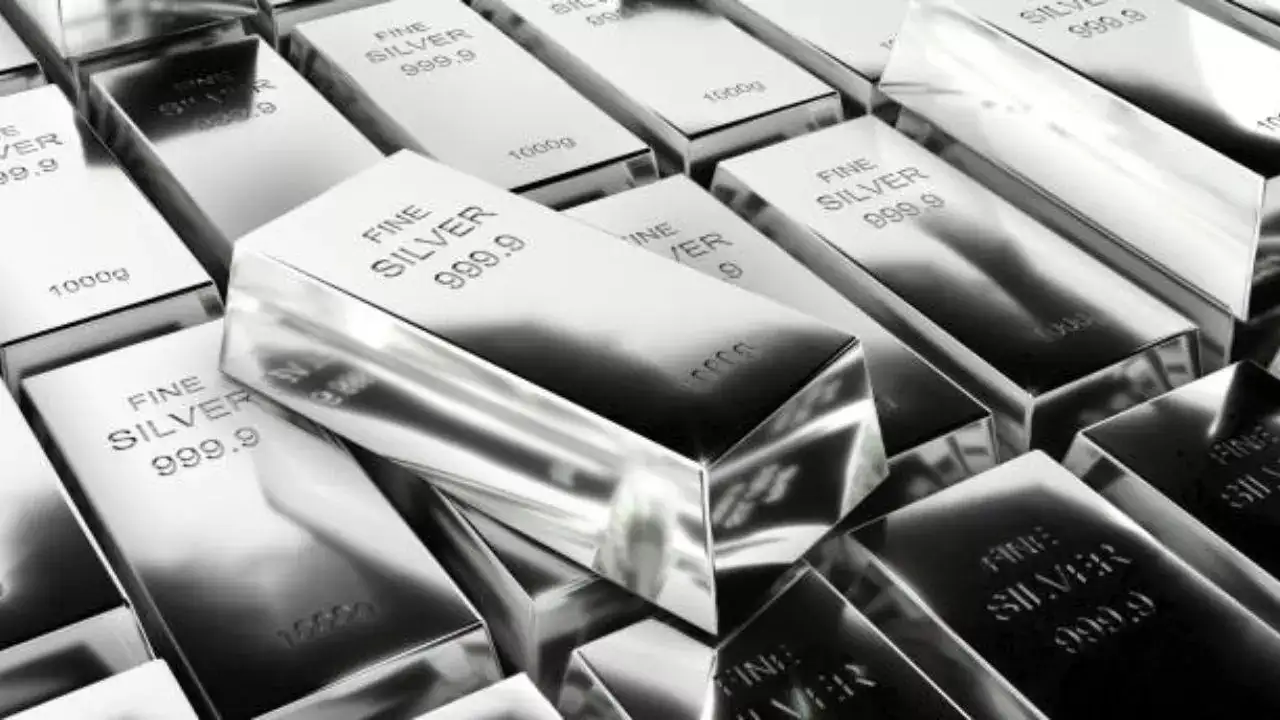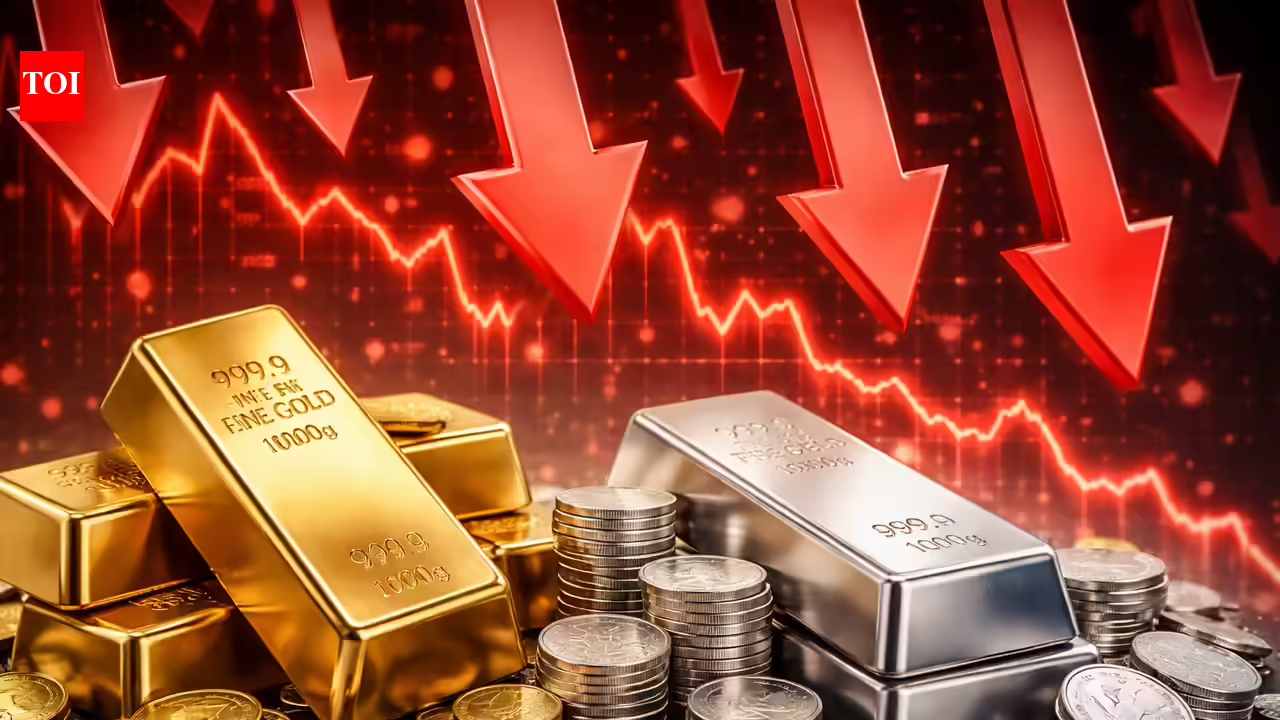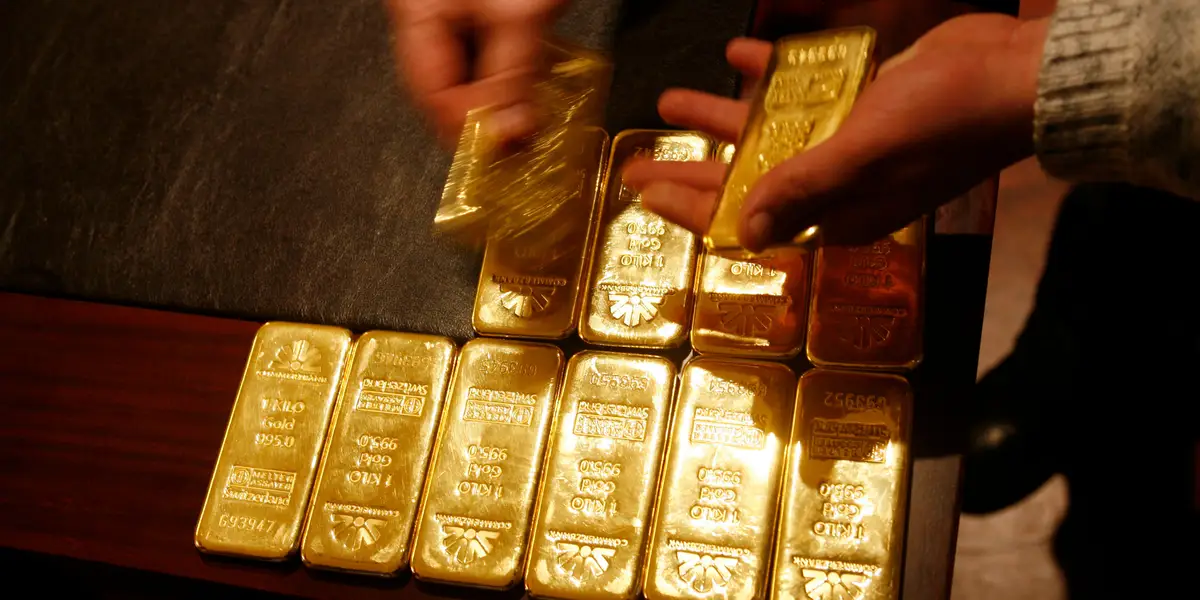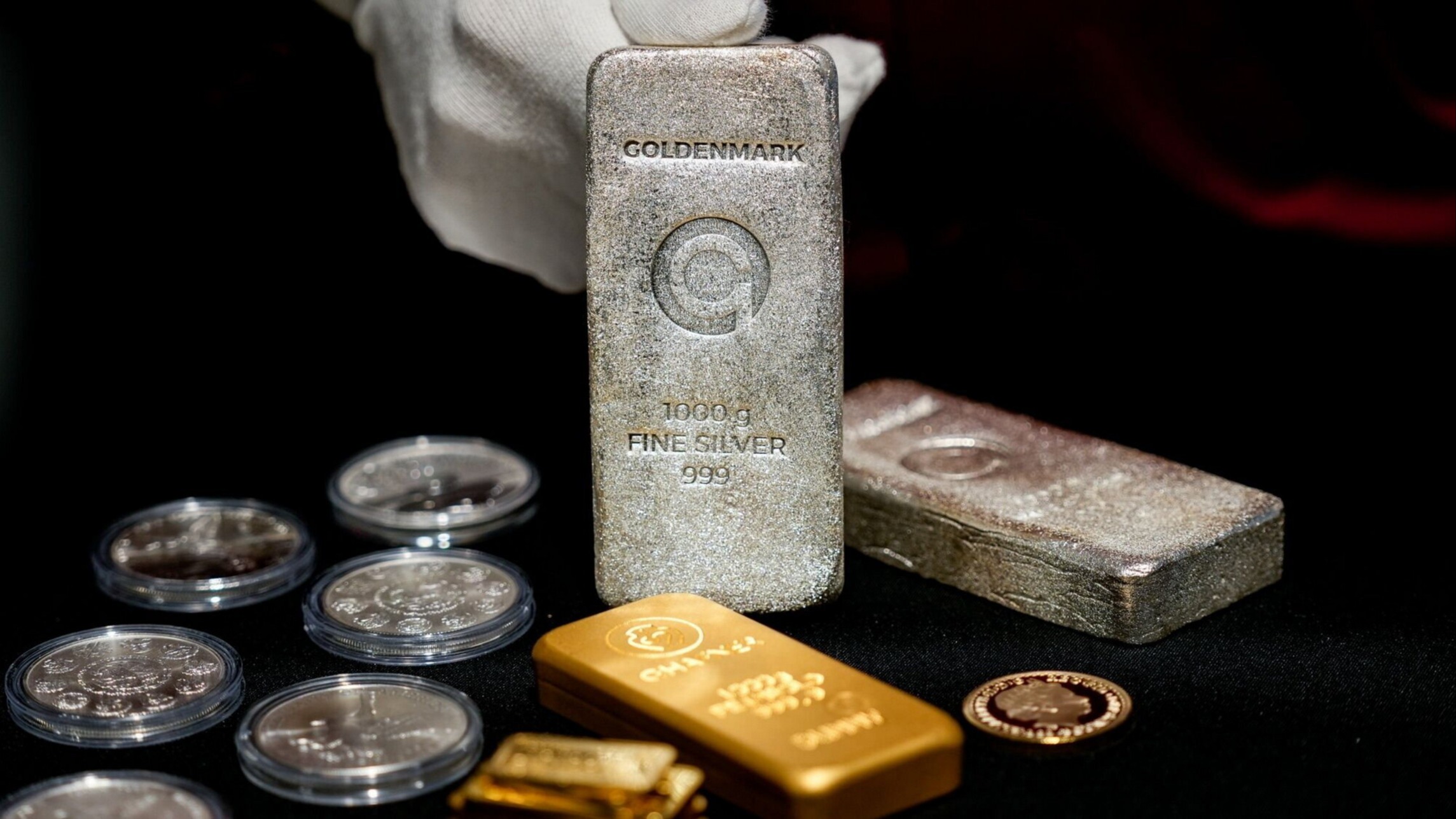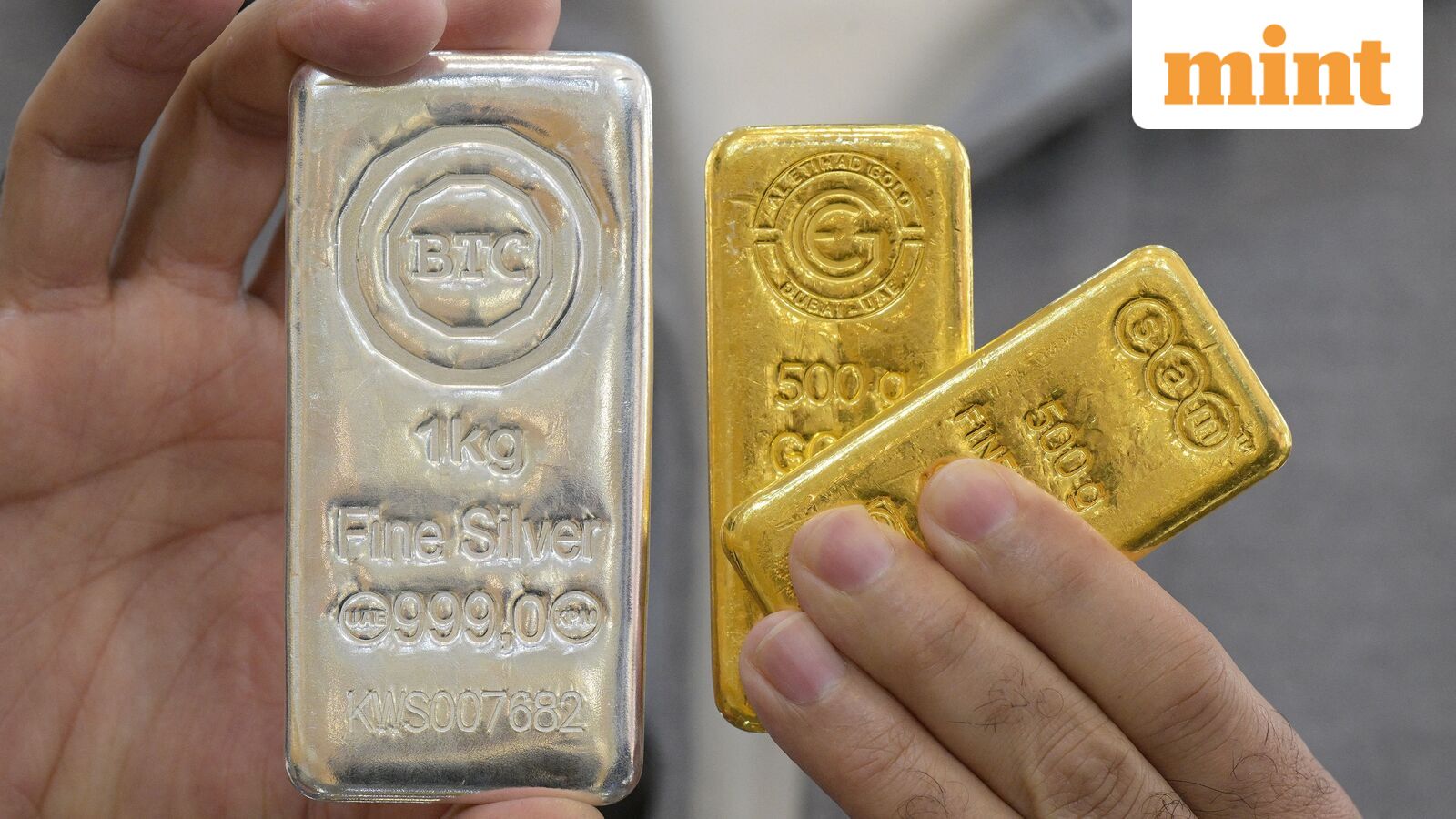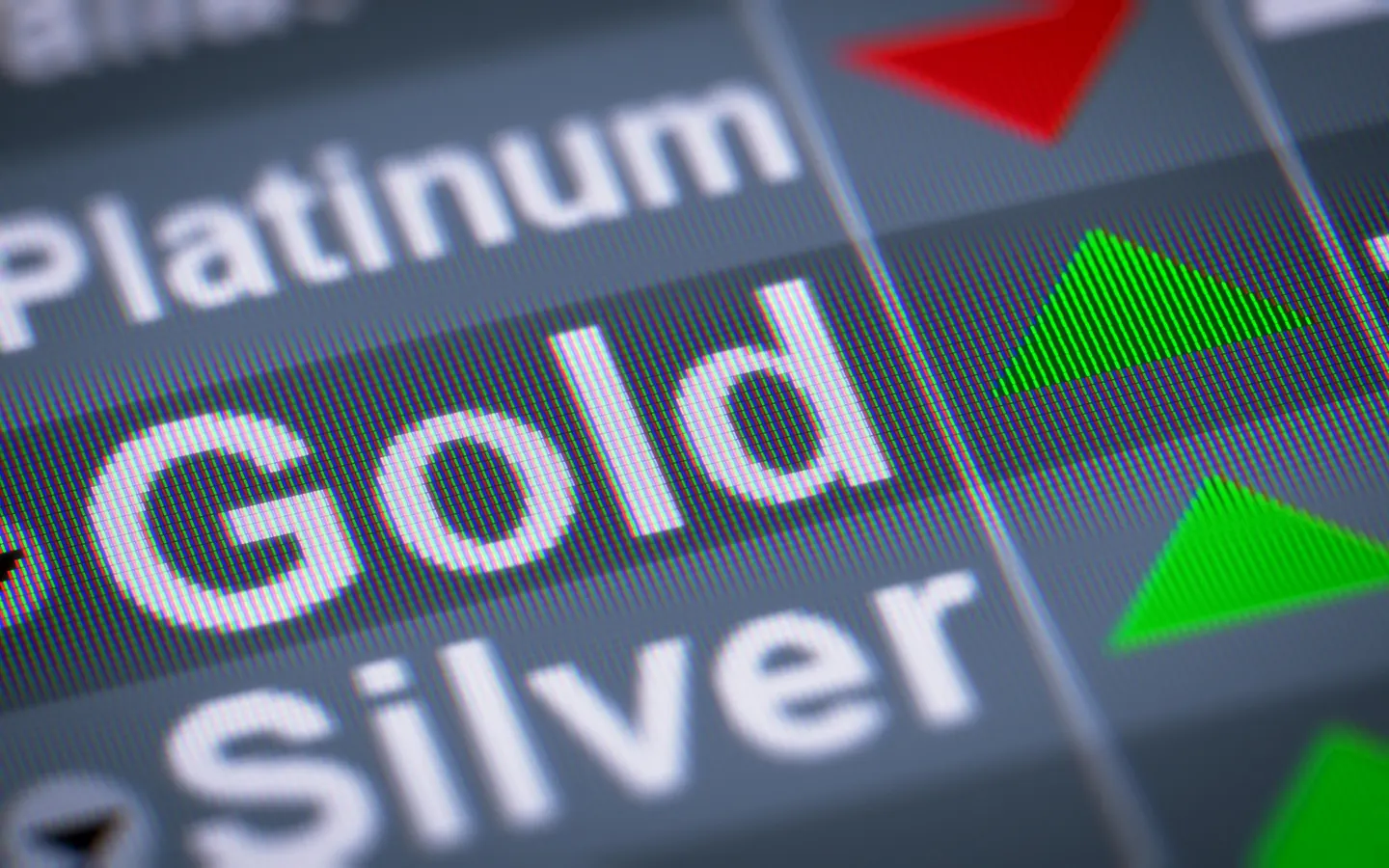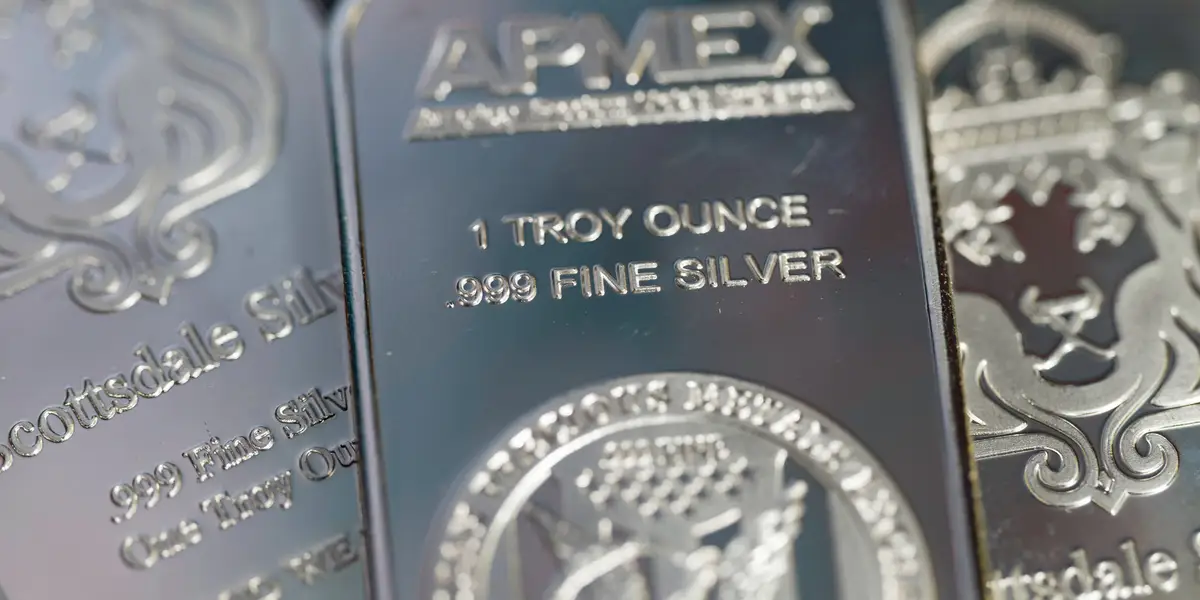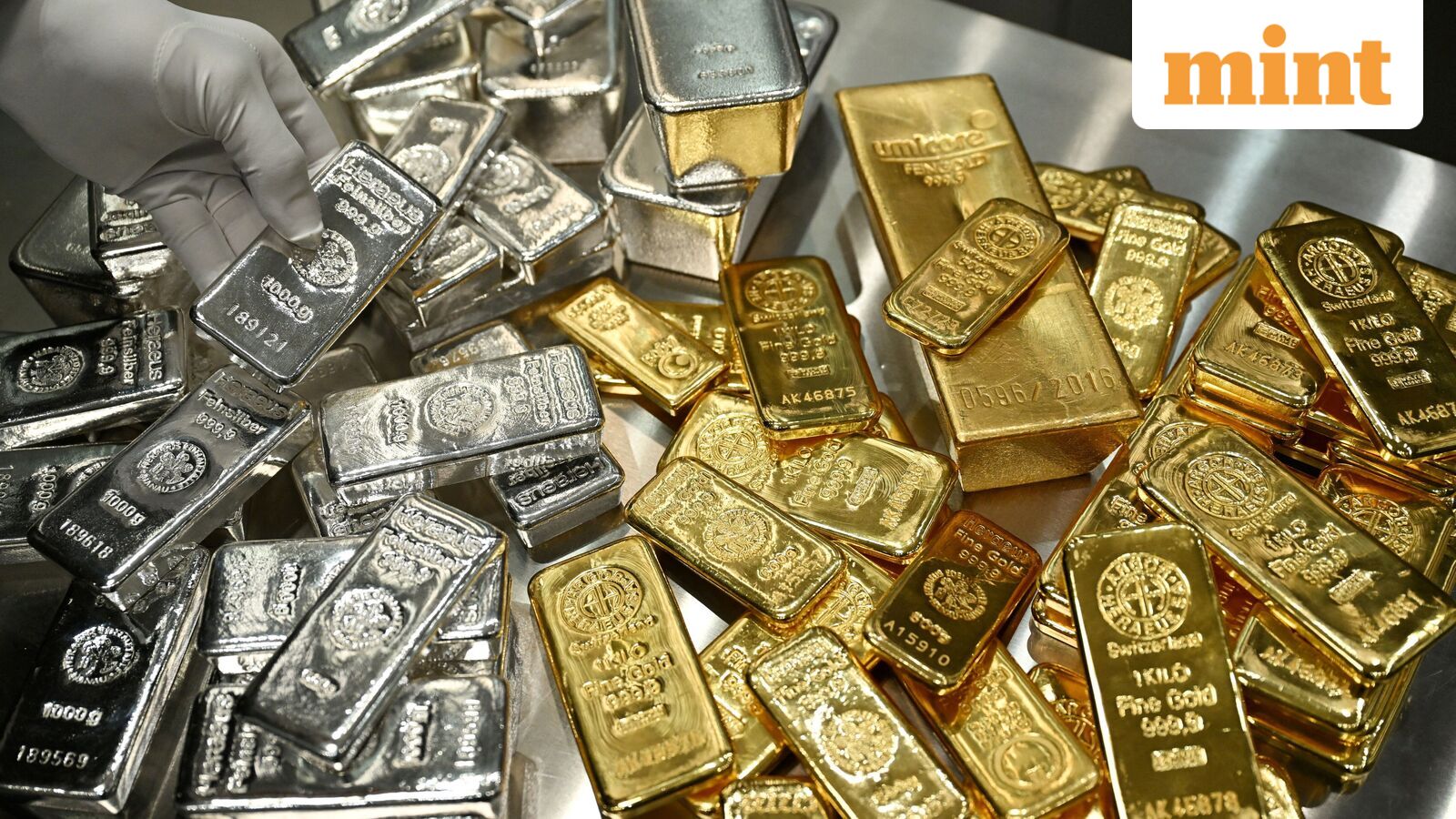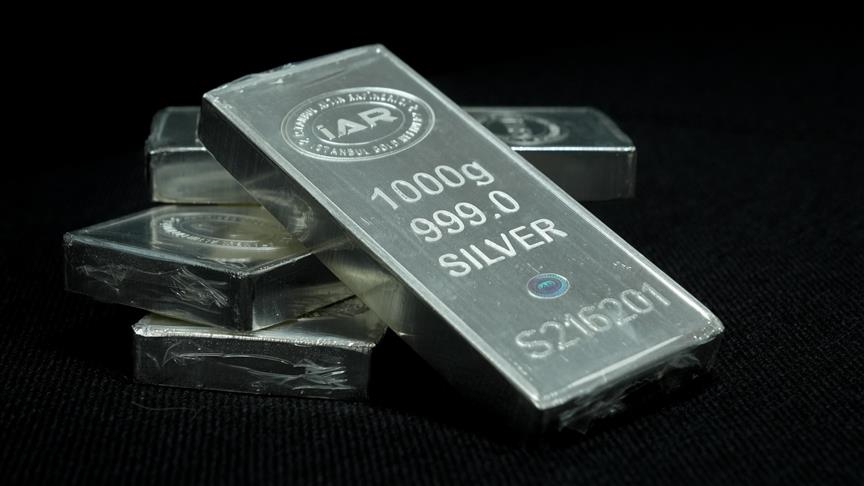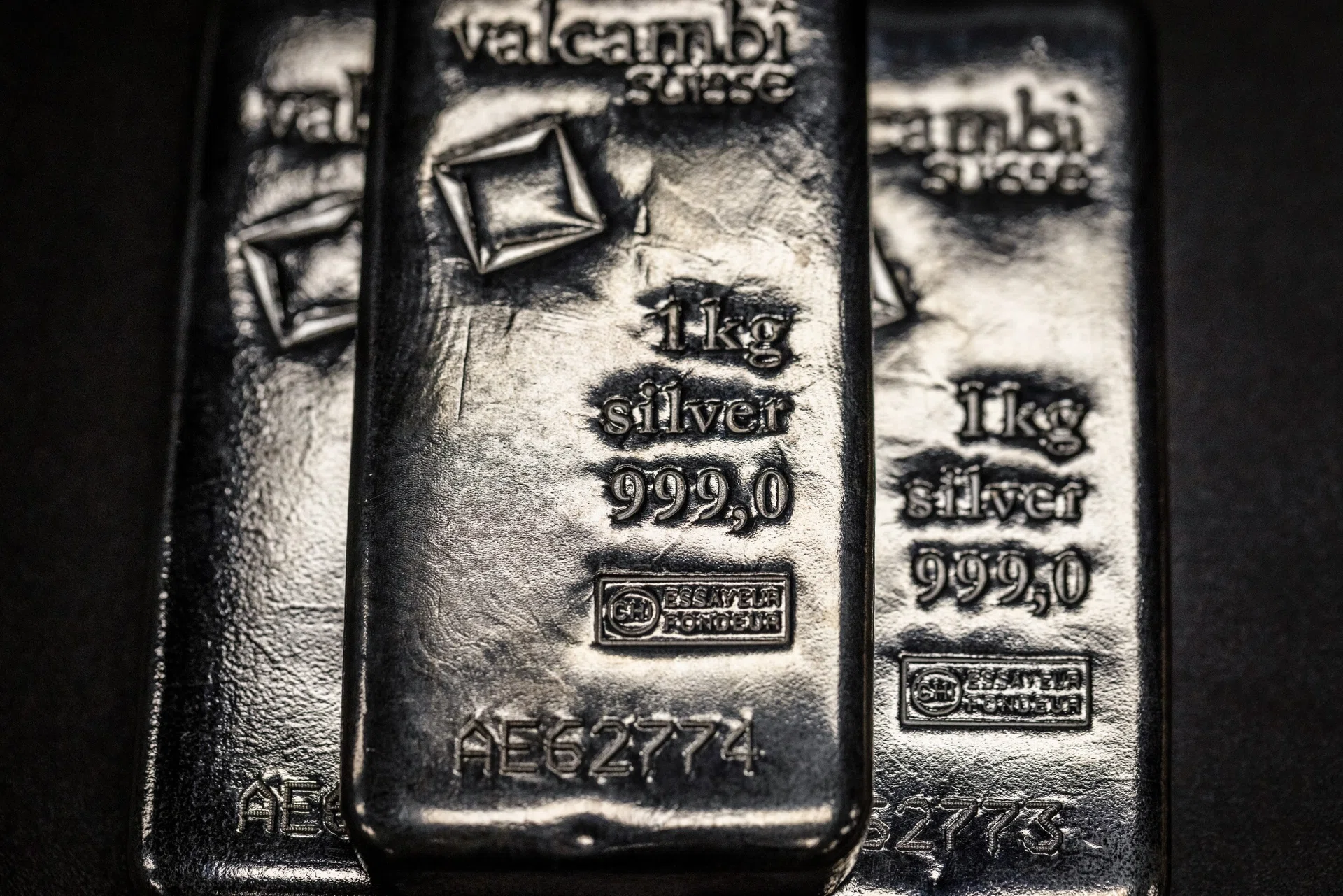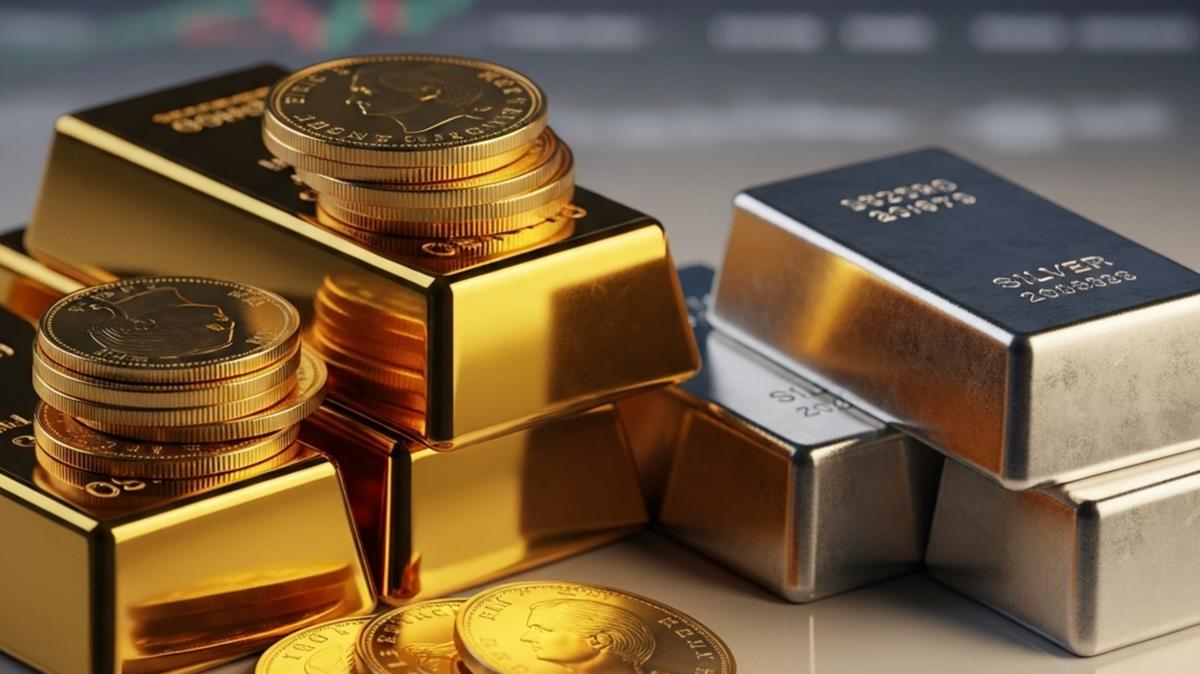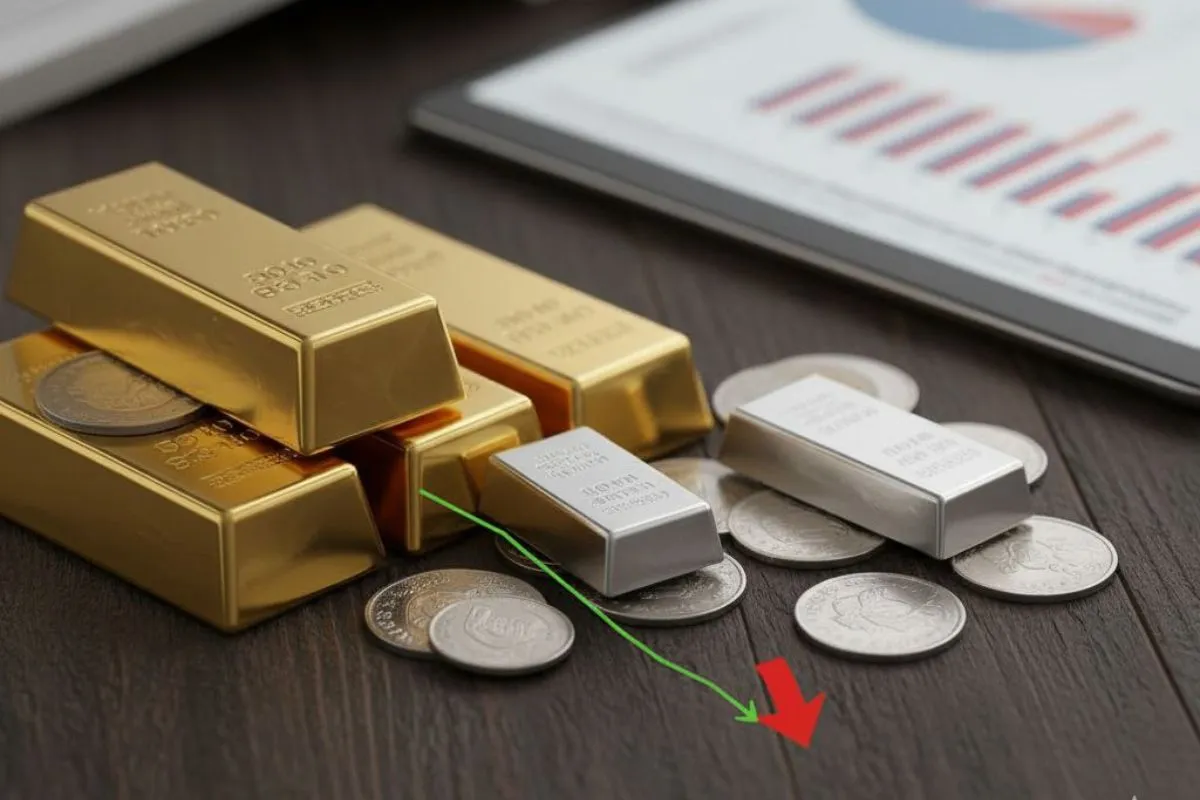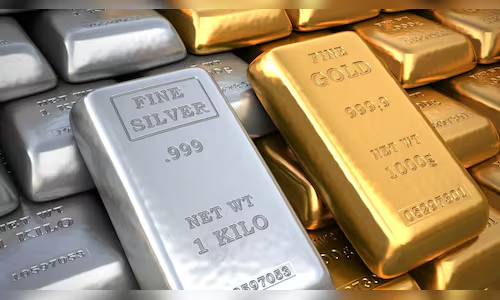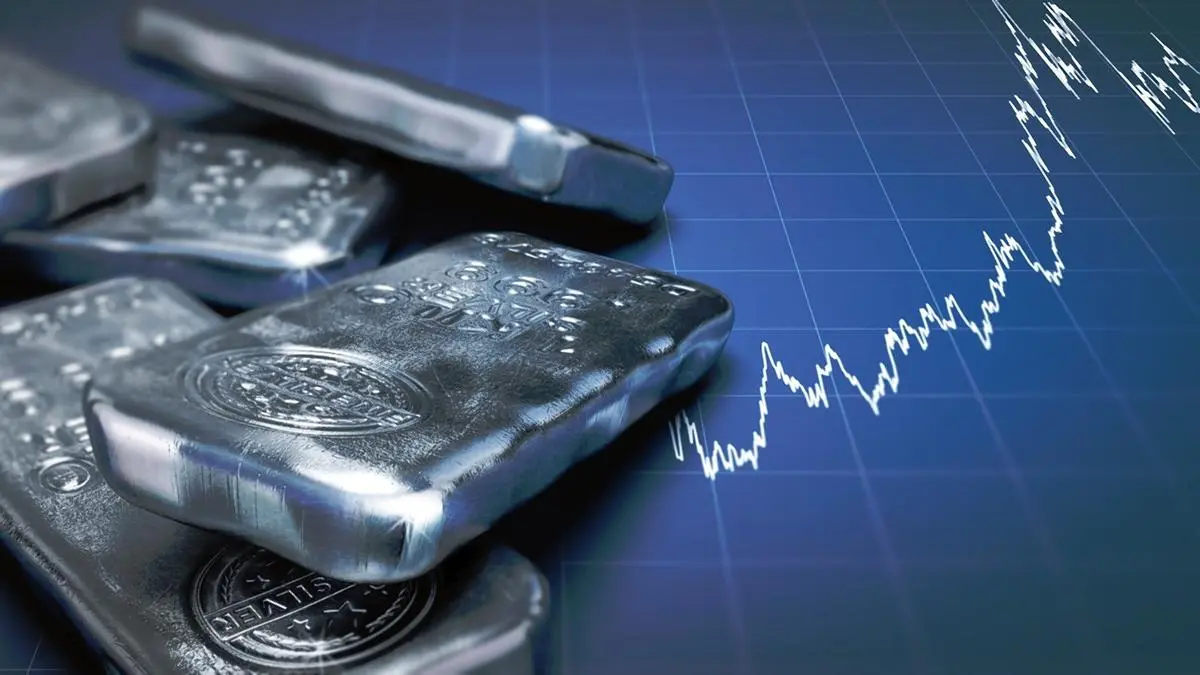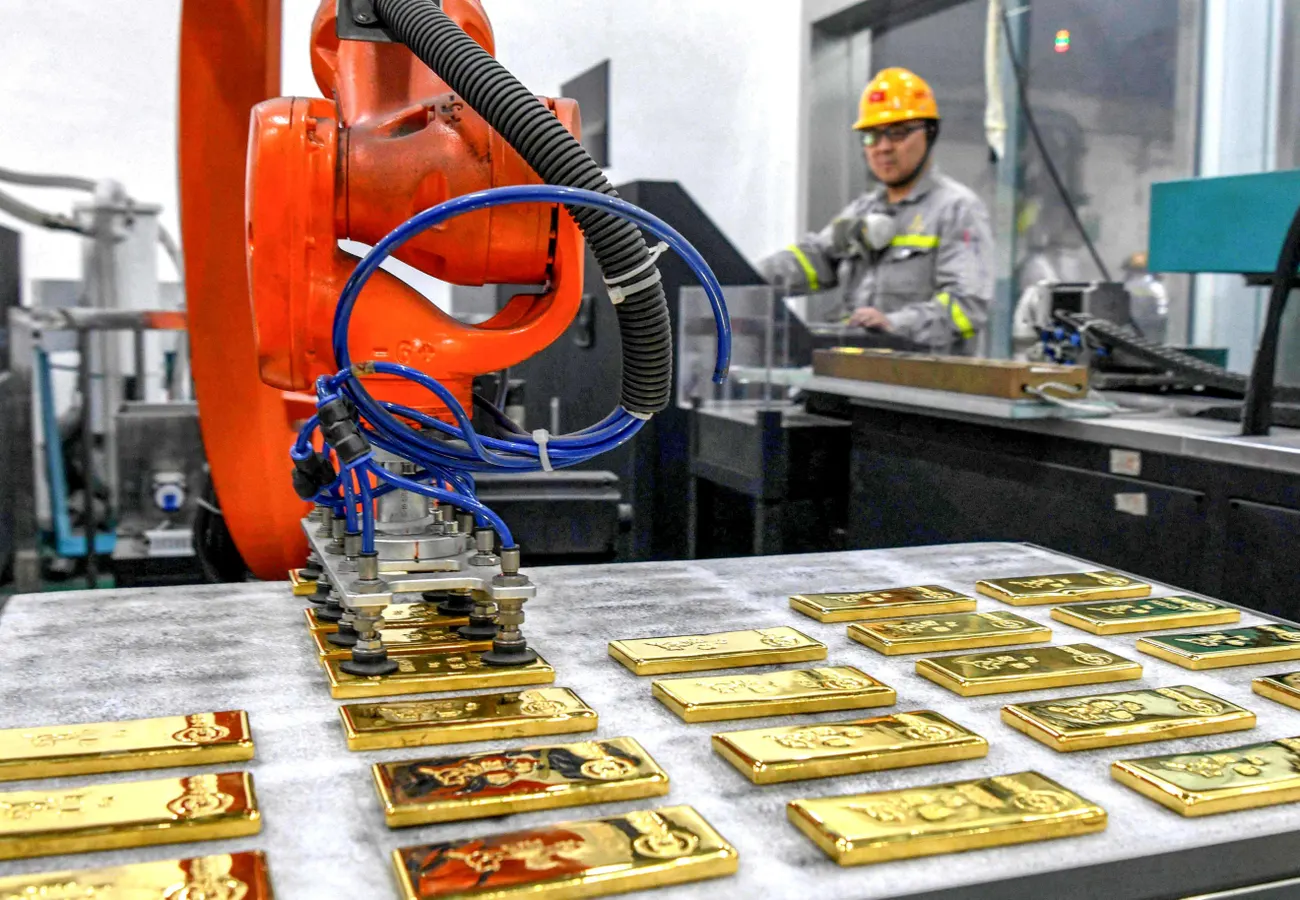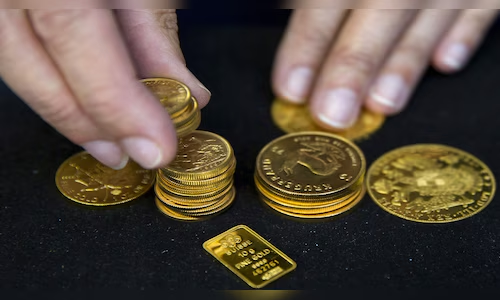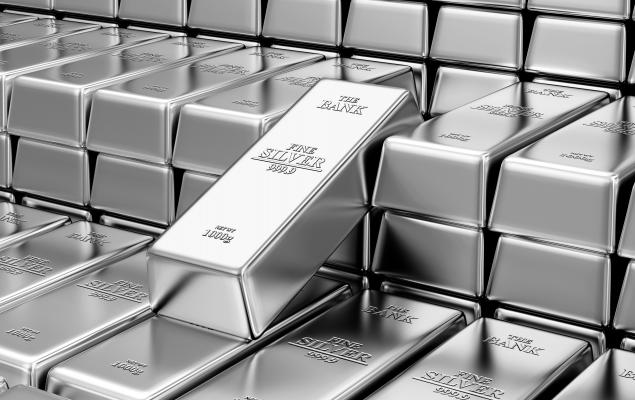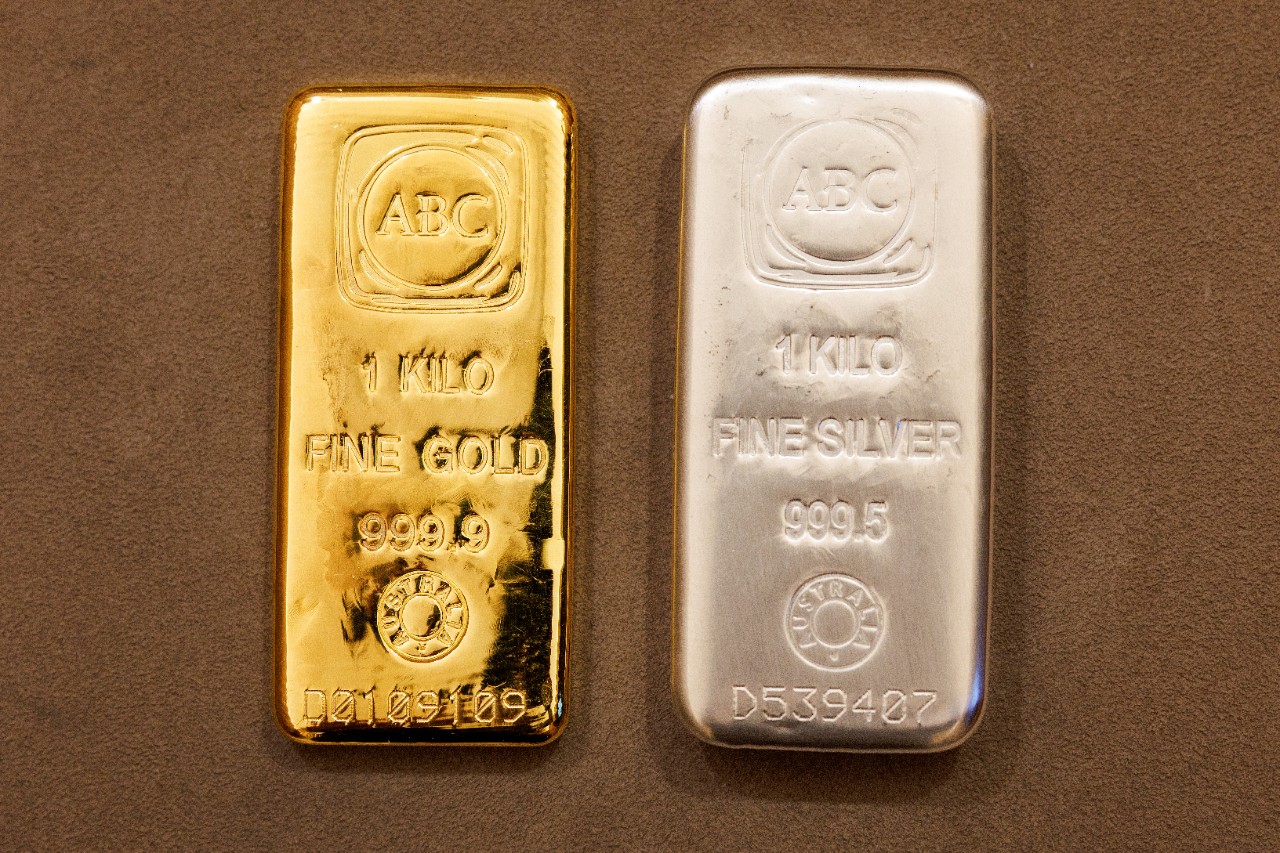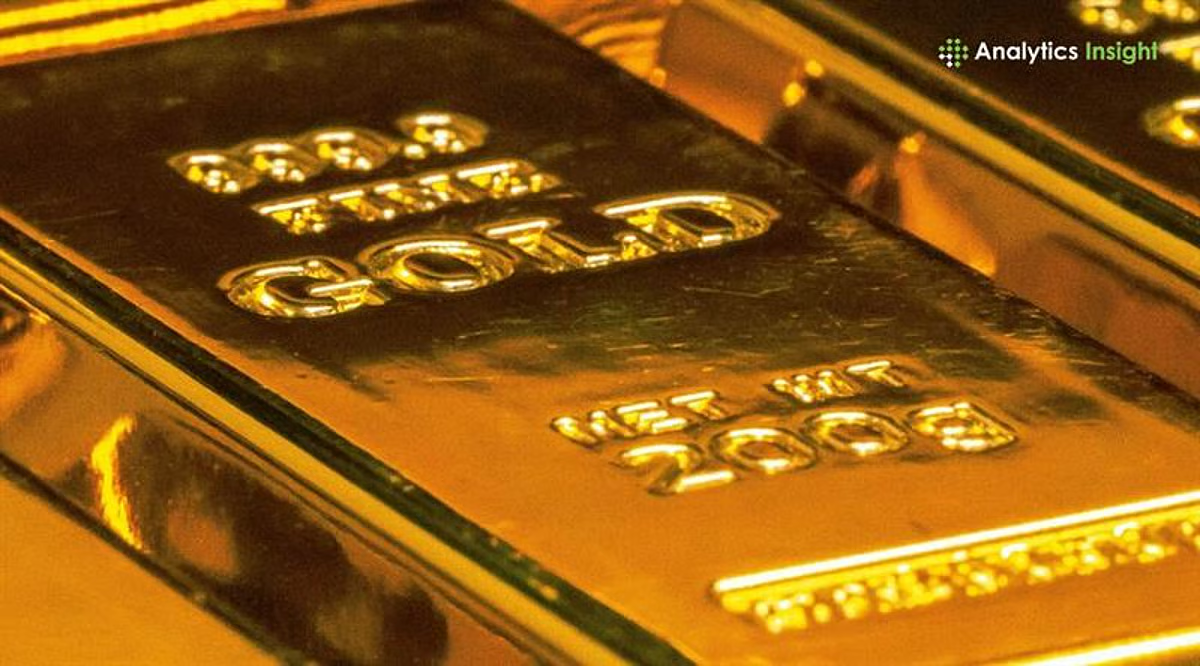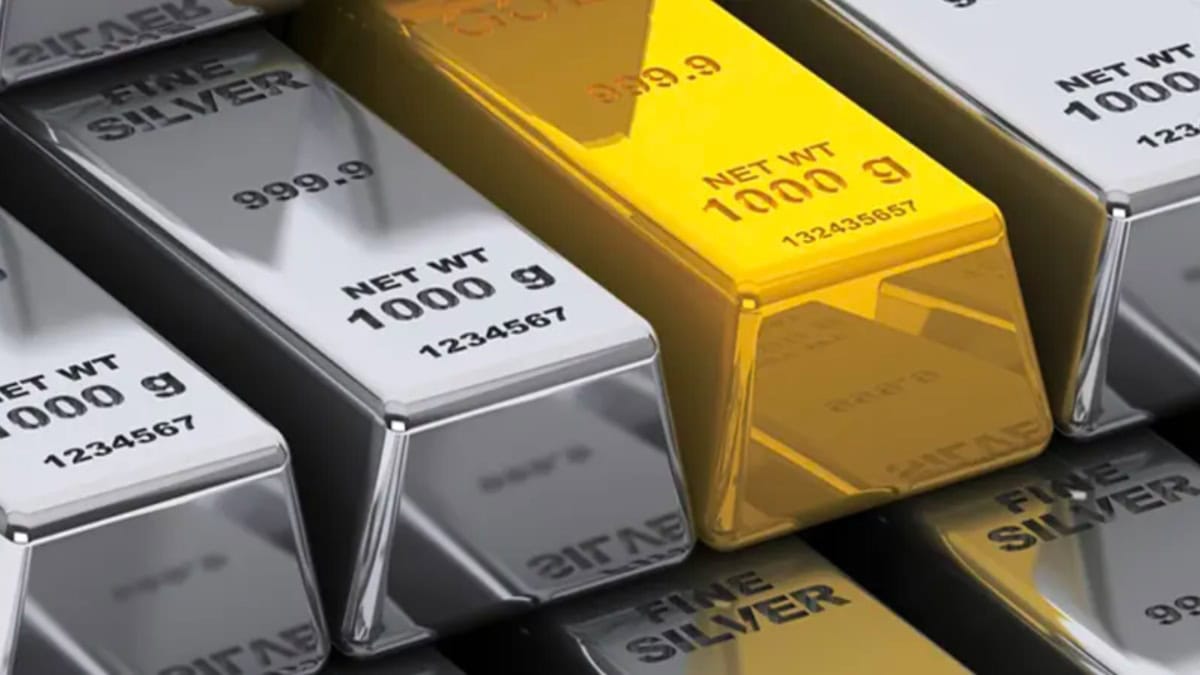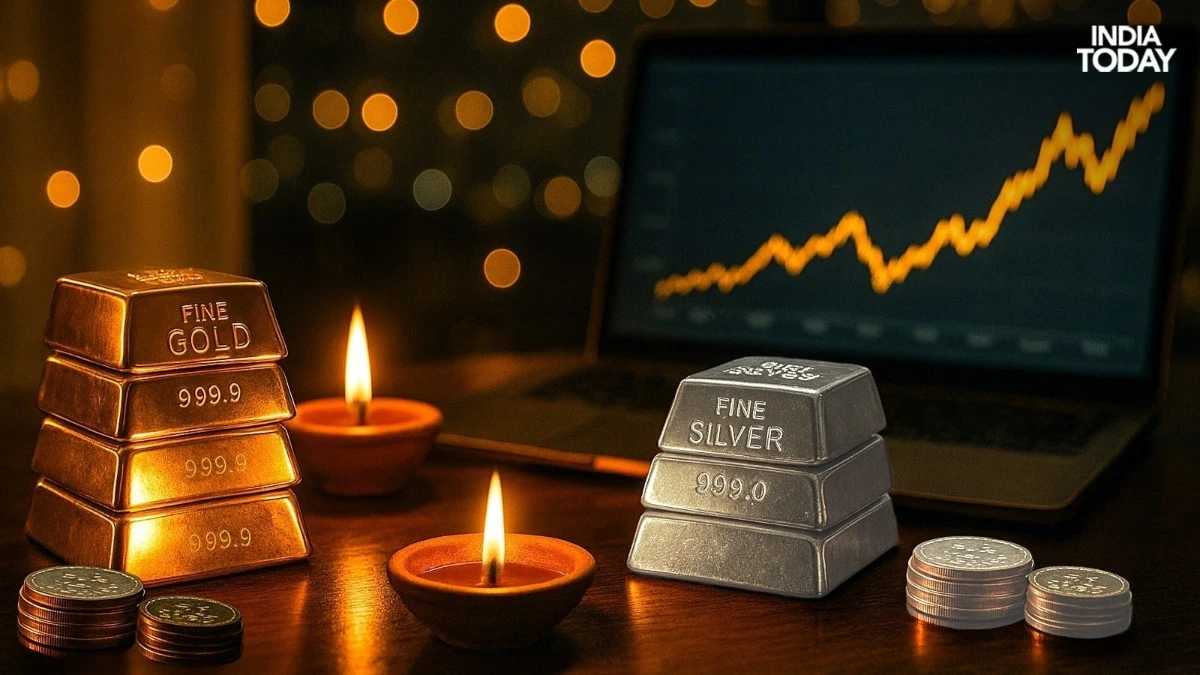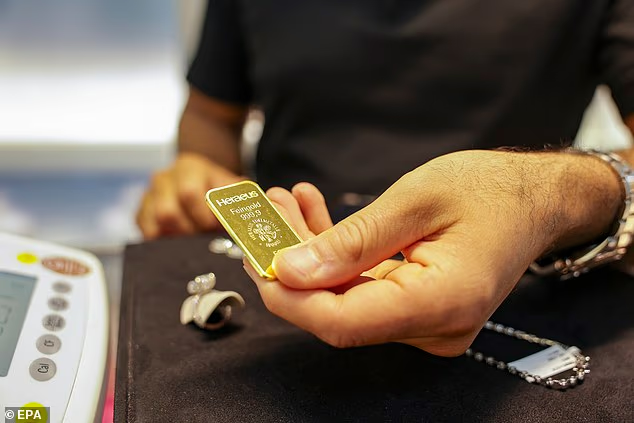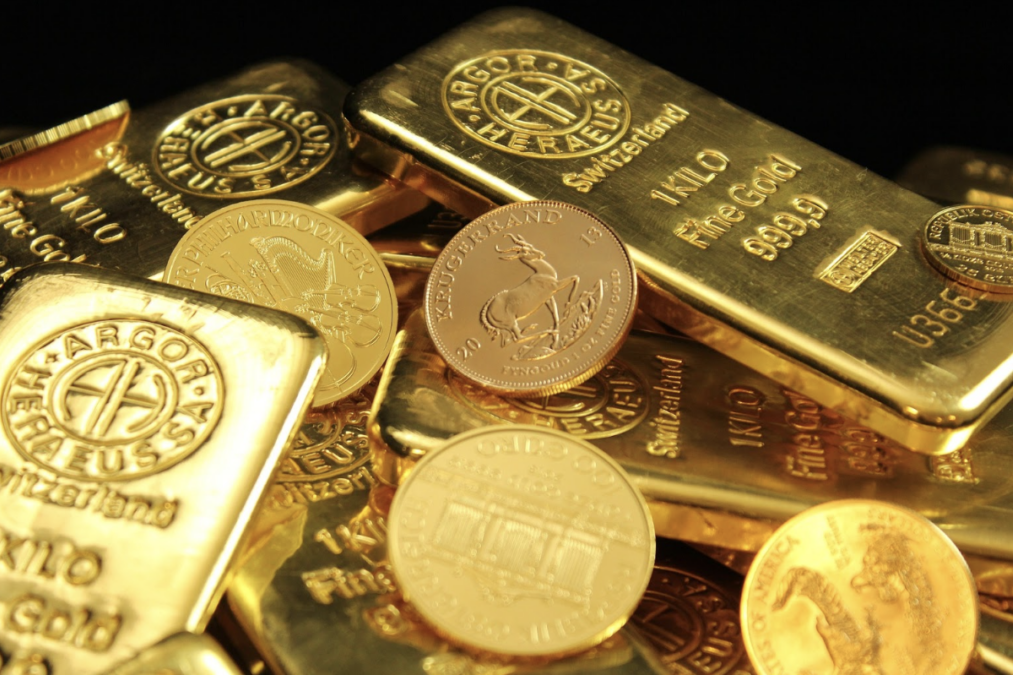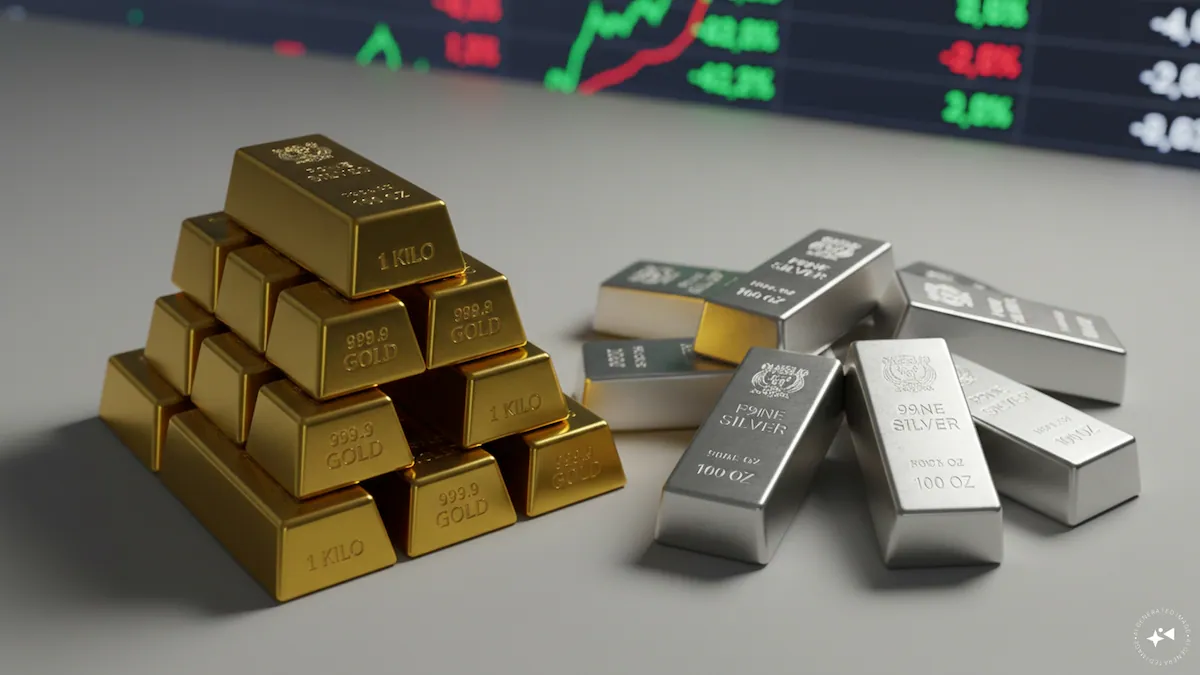
On the Multi Commodity Exchange (MCX), gold futures for October delivery fell ₹431, or 0.28%, to ₹1.55 lakh per 10 grams. Silver futures for December delivery declined ₹749, or 0.31%, to ₹2.41 lakh per kg.
Gold remains supported globally
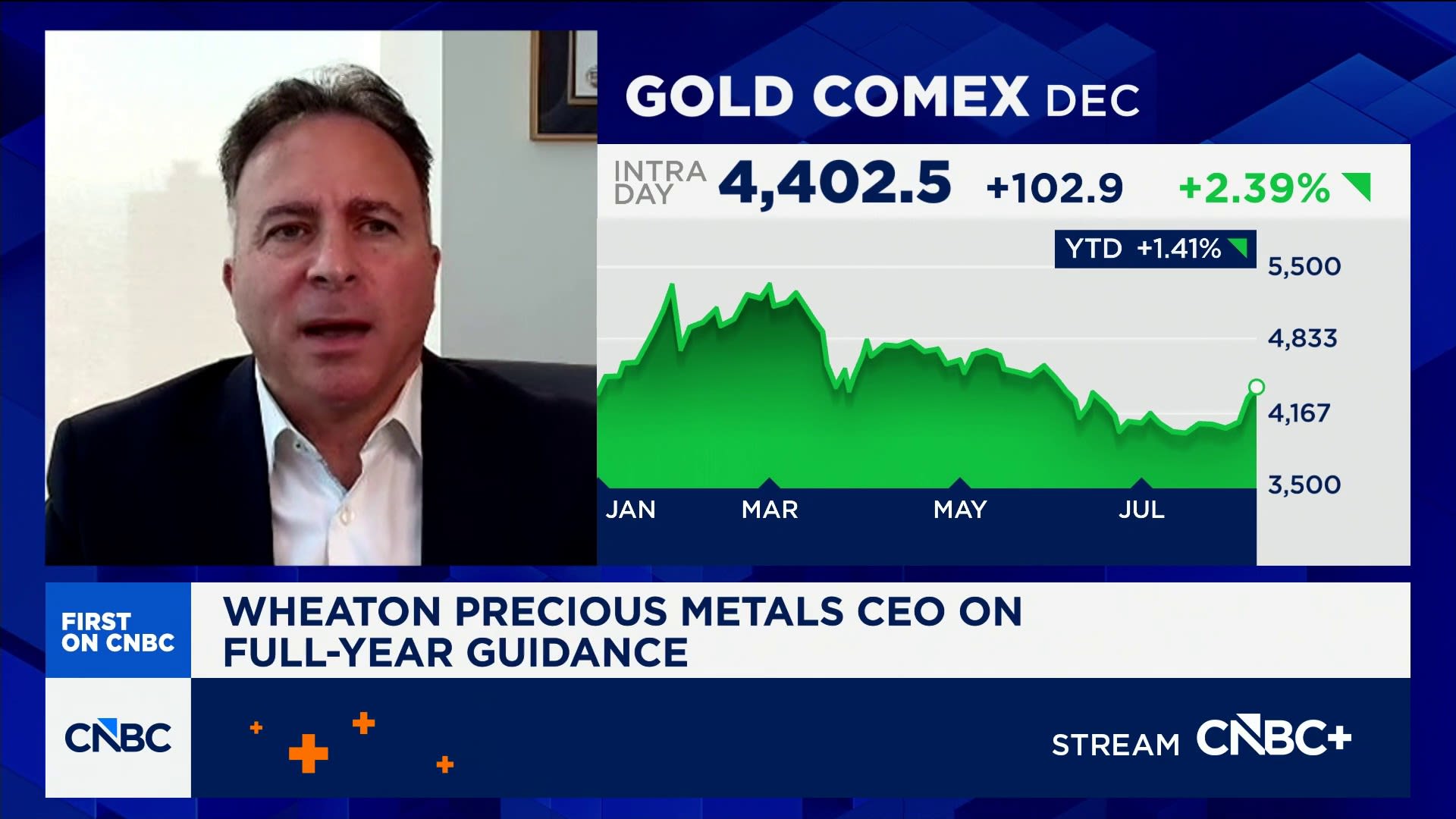
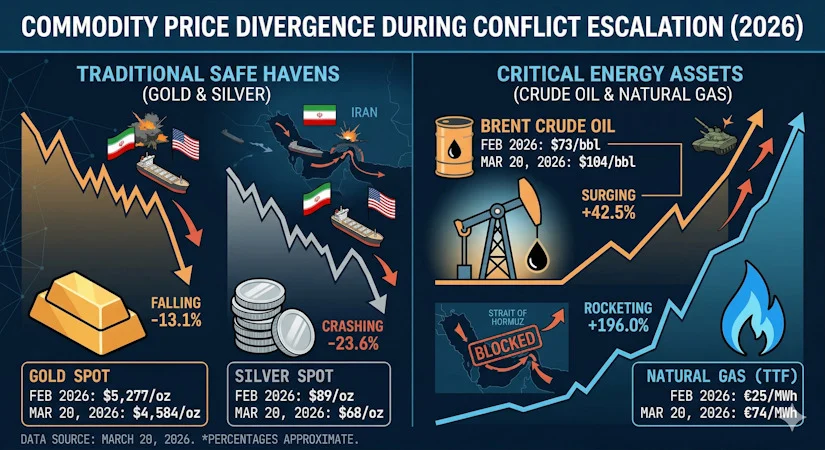
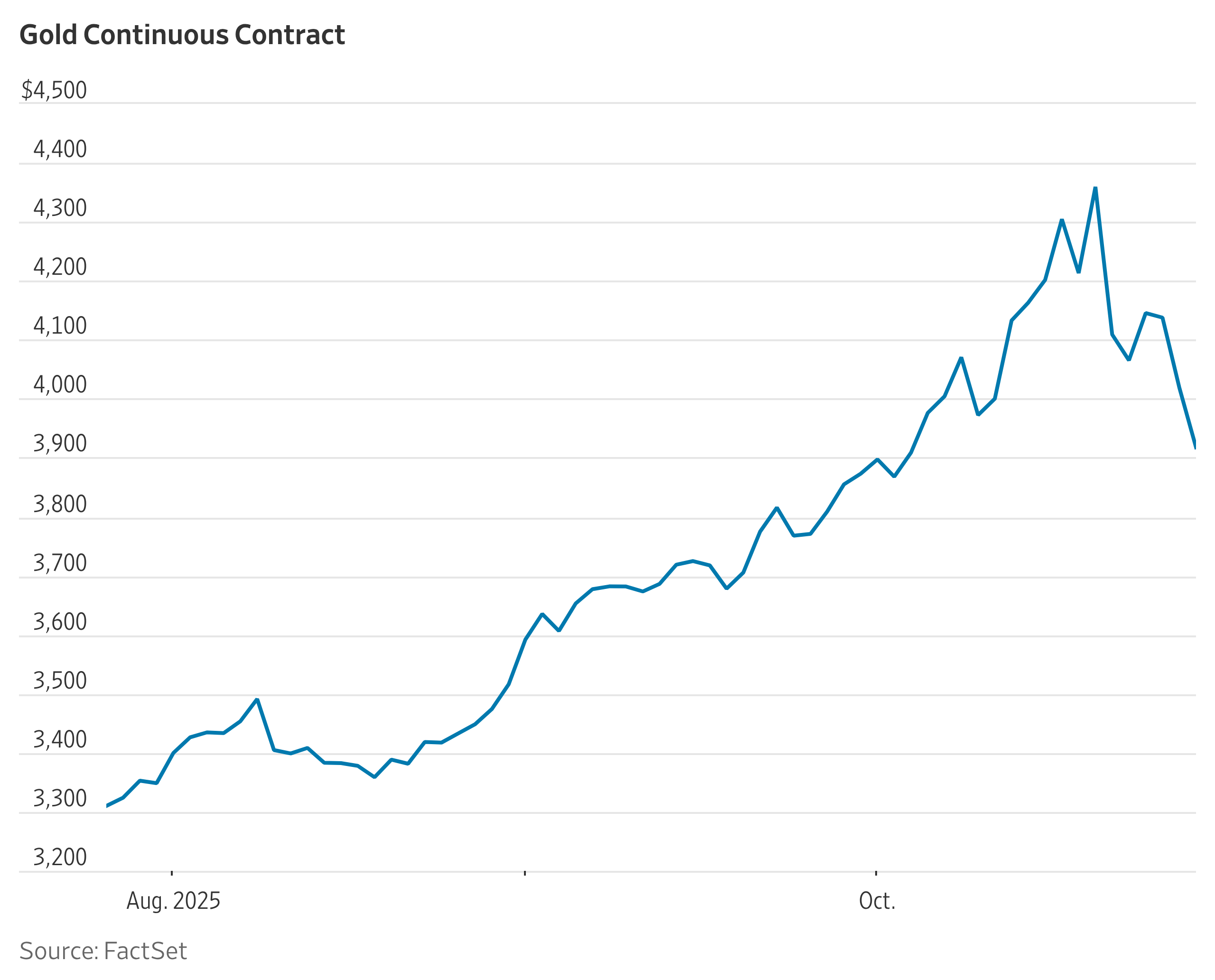
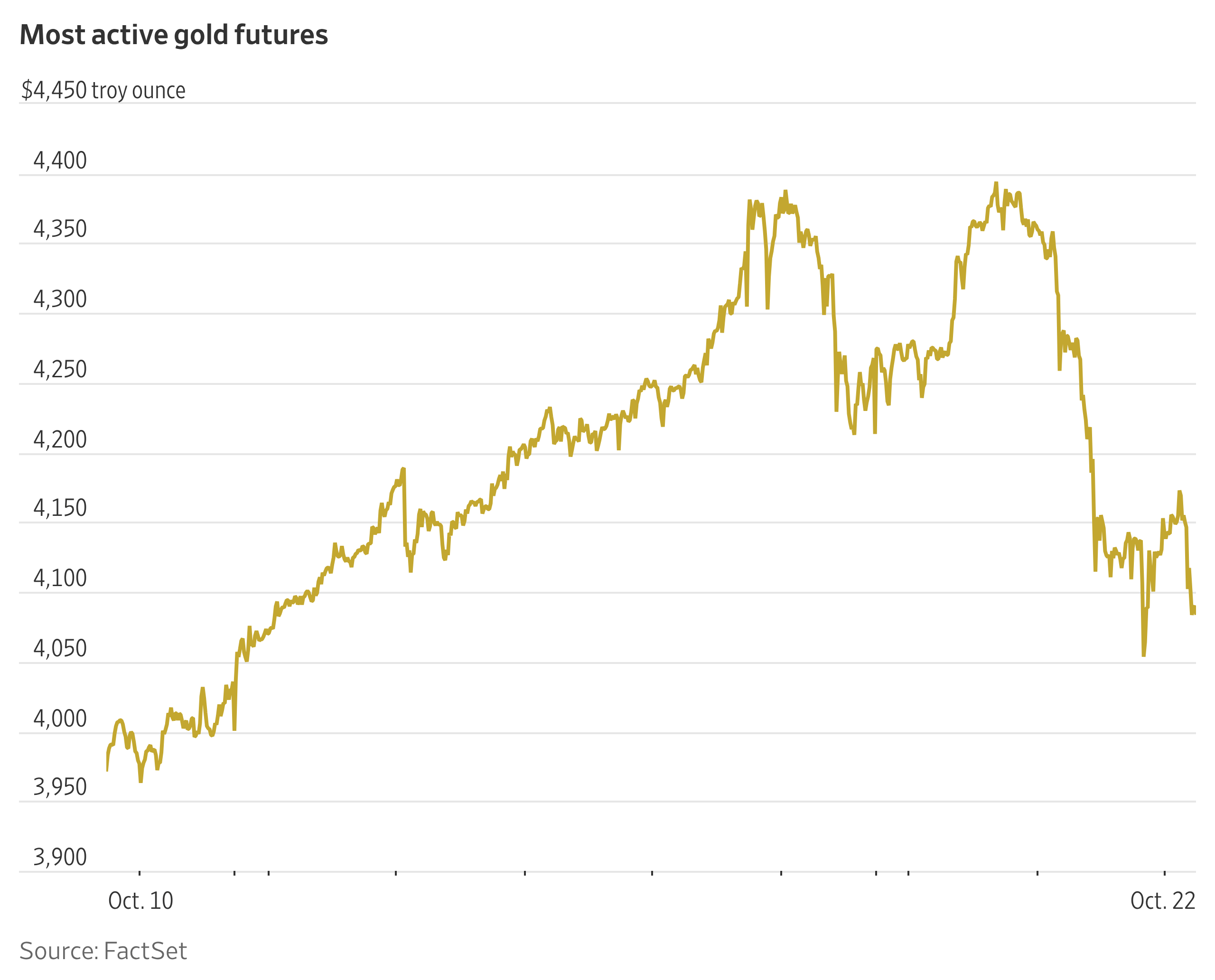
The domestic decline comes even as international gold prices remain high. Comex gold was trading around $4,528.54 an ounce for the December contract.
Vedika Narvekar, Research Analyst – Commodities & Currencies at Anand Rathi Share and Stock Brokers, said gold was holding near $4,480 an ounce after a volatile week and remained on track for a modest weekly gain.
She said expectations around US monetary policy had shifted following dovish comments from the Federal Reserve, while a weaker dollar had also supported the metal. Narvekar added that global money managers had been rebuilding gold positions in recent weeks, with exchange-traded fund interest remaining steady.
The next major cue is the US employment data. Gaurav Garg, Head of Research at Lemonn, said the nonfarm payrolls report could influence the dollar, Treasury yields and precious metals.
Why Indian gold prices can diverge from global prices
Currency movement is an important part of the equation for Indian buyers.
The rupee strengthened 0.5% on September 3 to close at 94.4850 against the US dollar. A stronger rupee reduces the rupee cost of imported bullion, putting some downward pressure on domestic prices even when international gold prices rise.
Vikram Subburaj, CEO of Giottus, said this was one reason MCX prices softened despite a sharp gain in international gold in the previous session.
The domestic market is also dealing with elevated crude prices. Garg said WTI crude remained near $92 a barrel amid US-Iran tensions and supply risks, keeping inflationary concerns in focus.
Silver fall needs a closer look
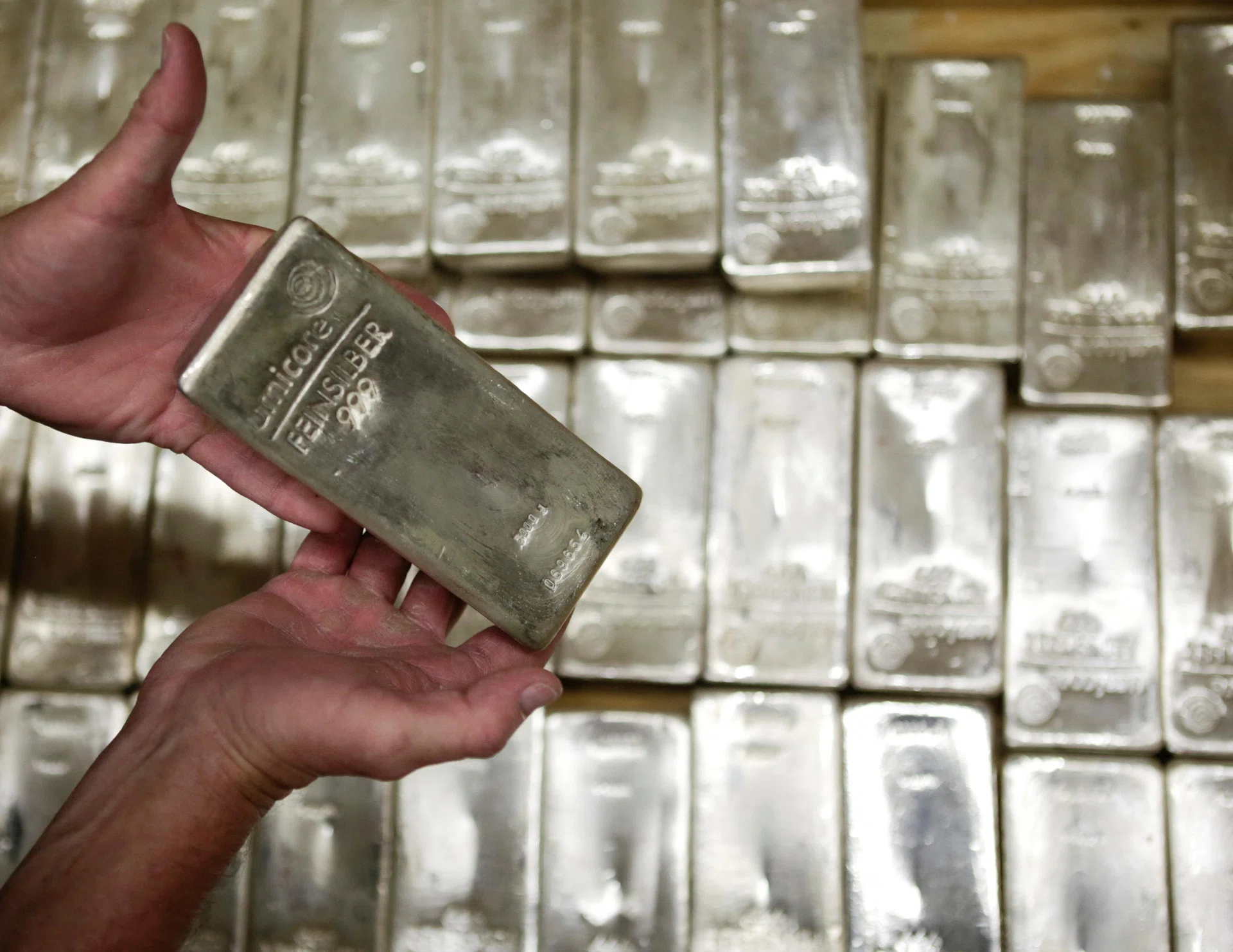
Silver’s headline decline also does not tell the full story because of the expiry of the September futures contract on September 4.
Subburaj said trading activity had shifted towards the December contract, while open interest in the expiring September contract had fallen by more than 50%. The roughly ₹5,700 an ounce difference between the two contracts therefore largely reflects expiry and rollover dynamics rather than a sudden fall in silver’s underlying value.
In global markets, Comex silver for December delivery was marginally lower at around $67.63 an ounce.
Higher crude adds another layer of uncertainty
Silver has also been affected by concerns over energy prices and the broader economic outlook.
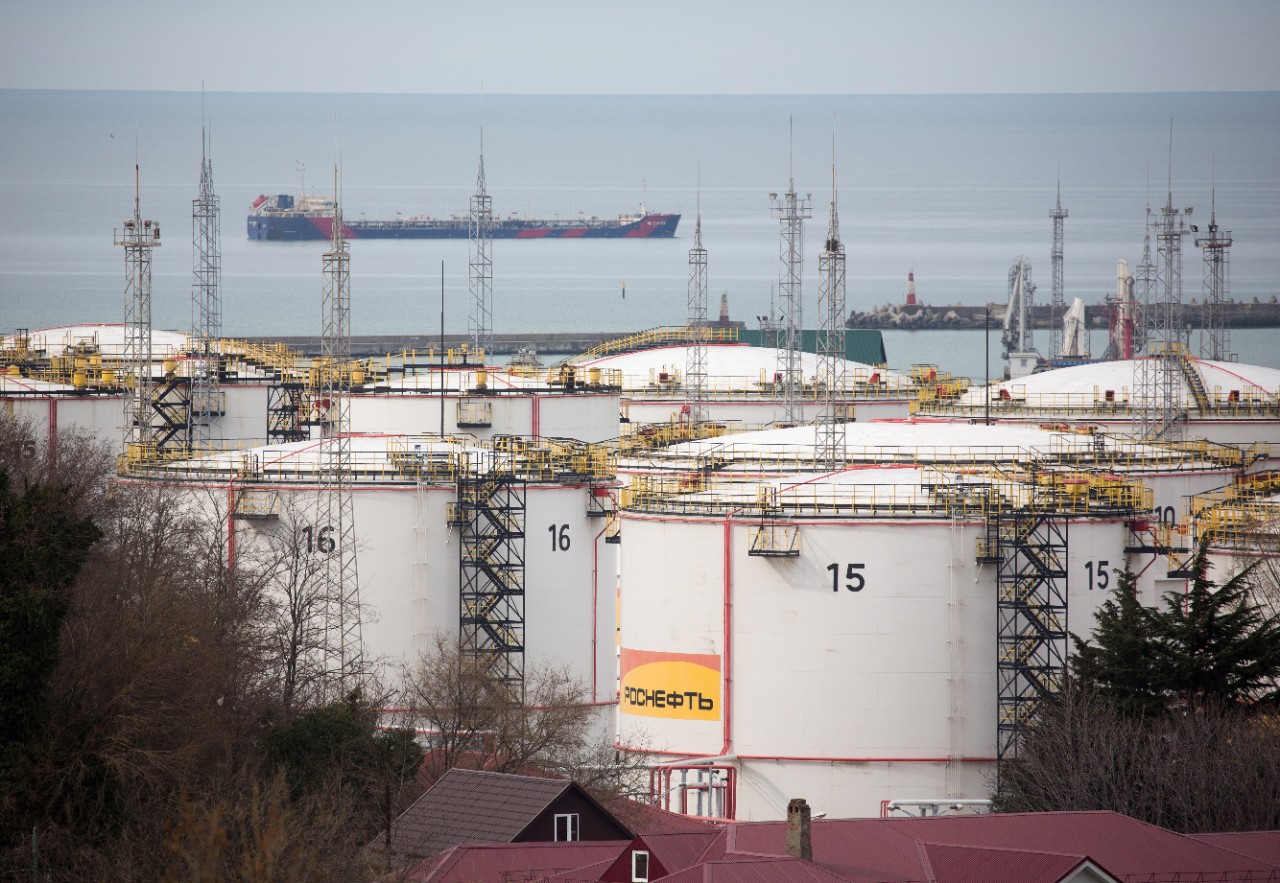
Akshat Siddhant, Lead Quant Analyst at Mudrex, said renewed US strikes on Iran and Iranian retaliation, along with reduced traffic through the Strait of Hormuz and refinery damage across the West Asia and Russia, had heightened supply concerns and kept fuel prices elevated.
Higher energy costs could add to inflationary pressure, making the interest-rate outlook an important factor for precious metals, Siddhant said.
What next for gold and silver?
The US payrolls report is the immediate market trigger. A stronger or weaker-than-expected jobs reading could alter expectations around US rates and move the dollar and Treasury yields, with implications for precious metals.
Narvekar said gold could remain firm going ahead, but added that prices need to sustain above $4,550 an ounce for the next leg higher.
For Indian investors, however, global prices will not be the only variable to watch. The rupee, crude prices and futures positioning can also determine how much of any international move gets reflected in domestic gold and silver prices.