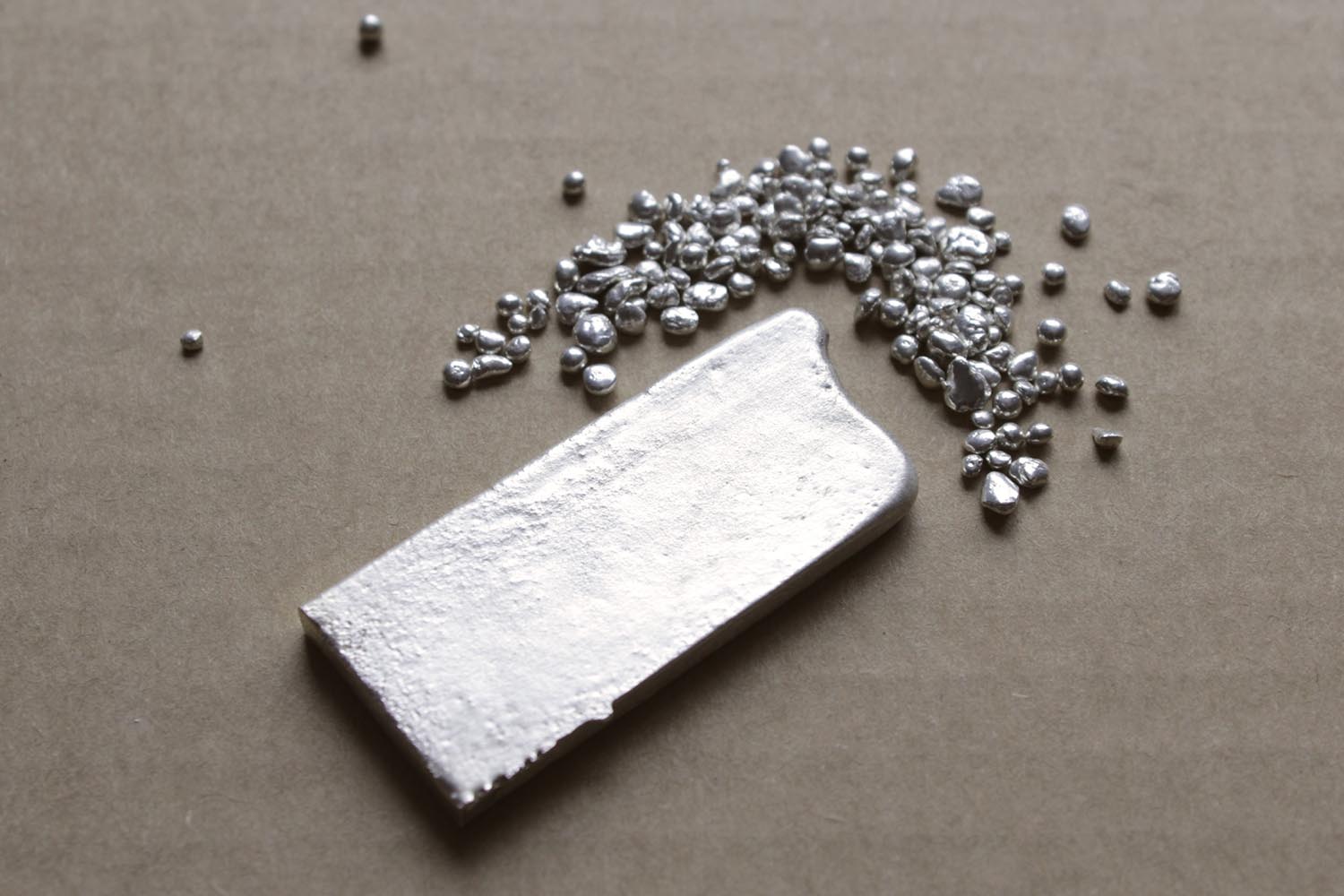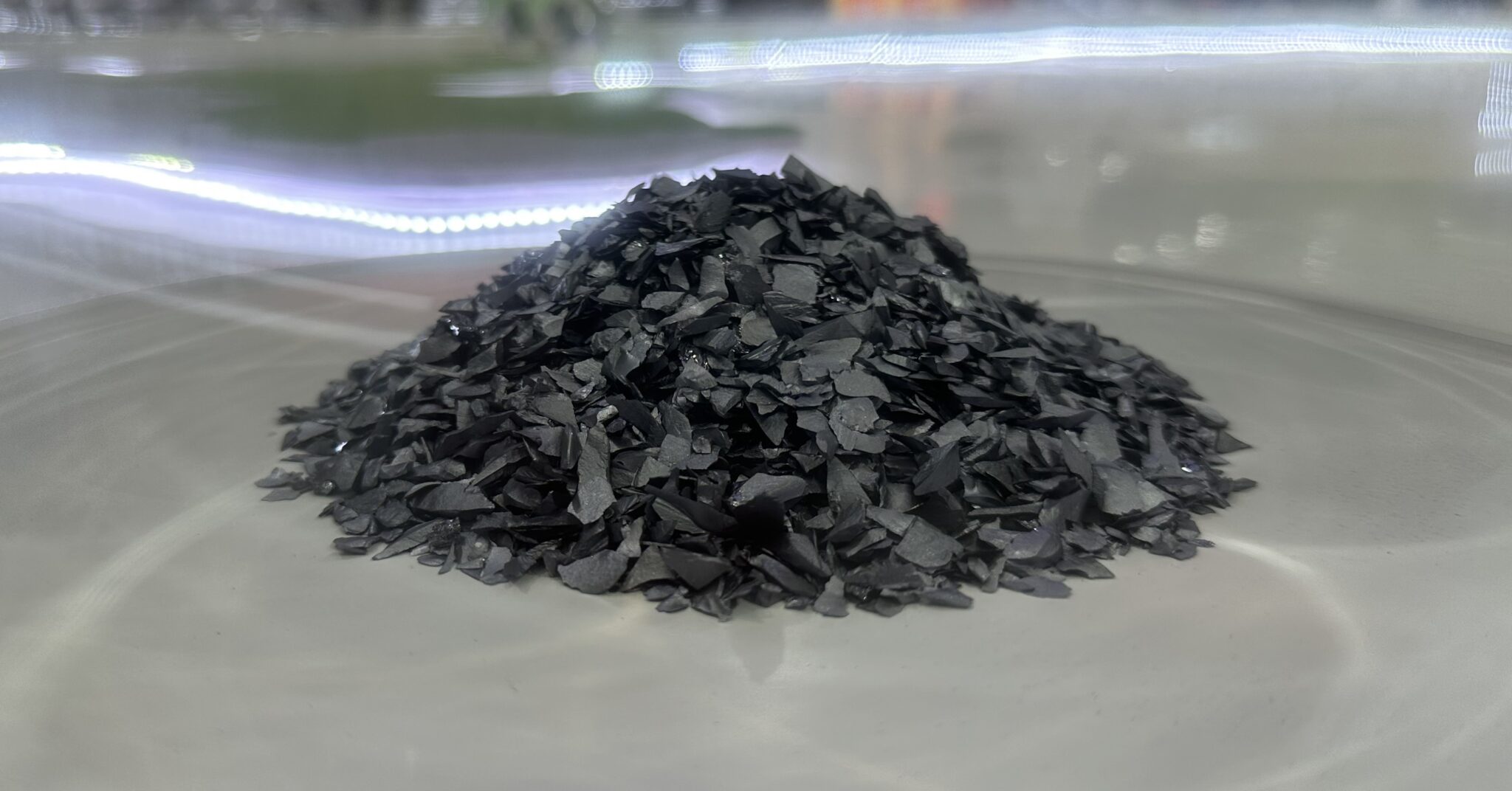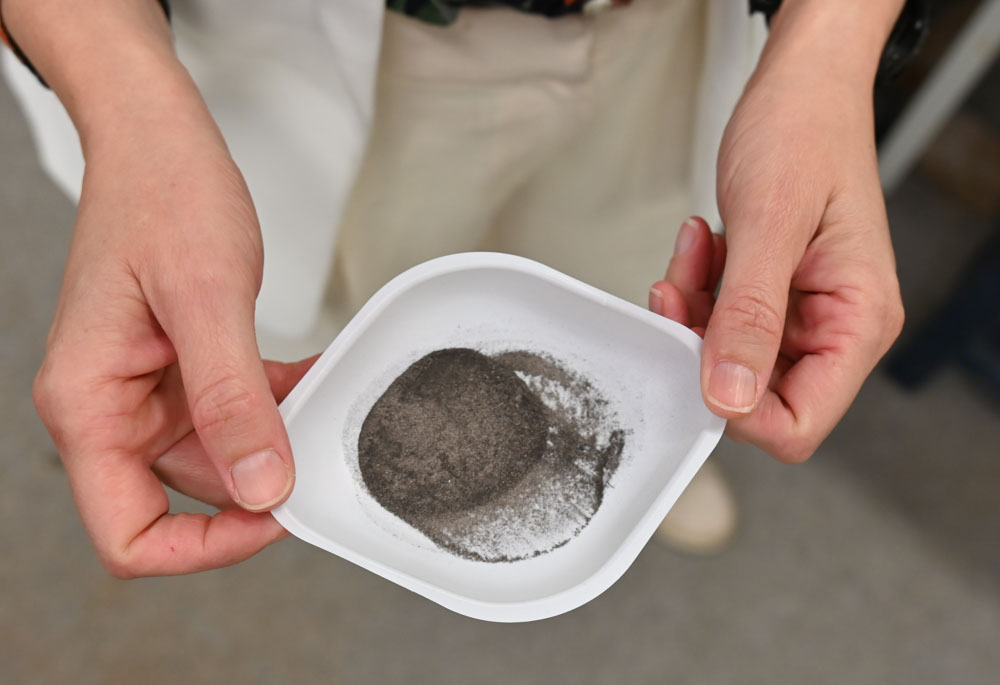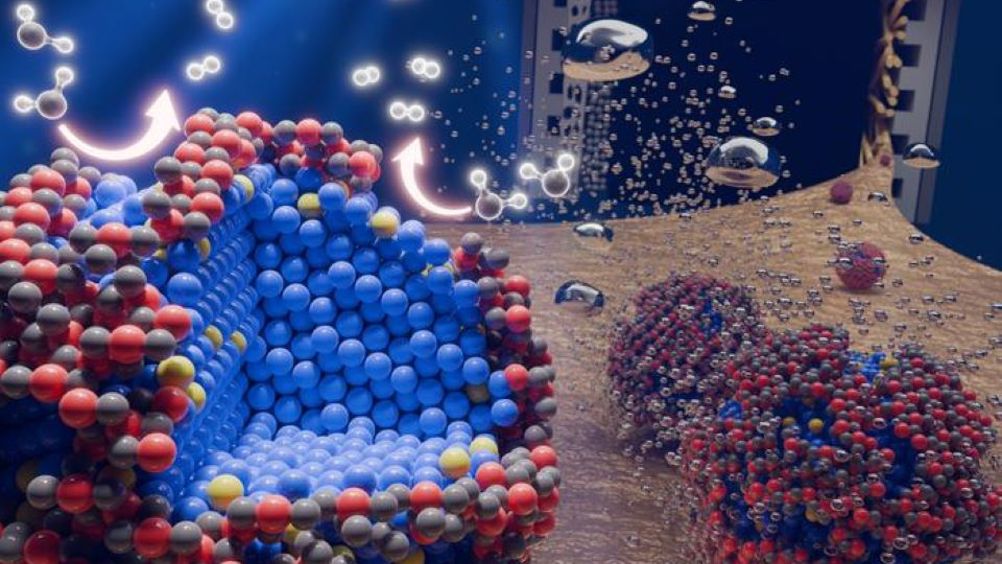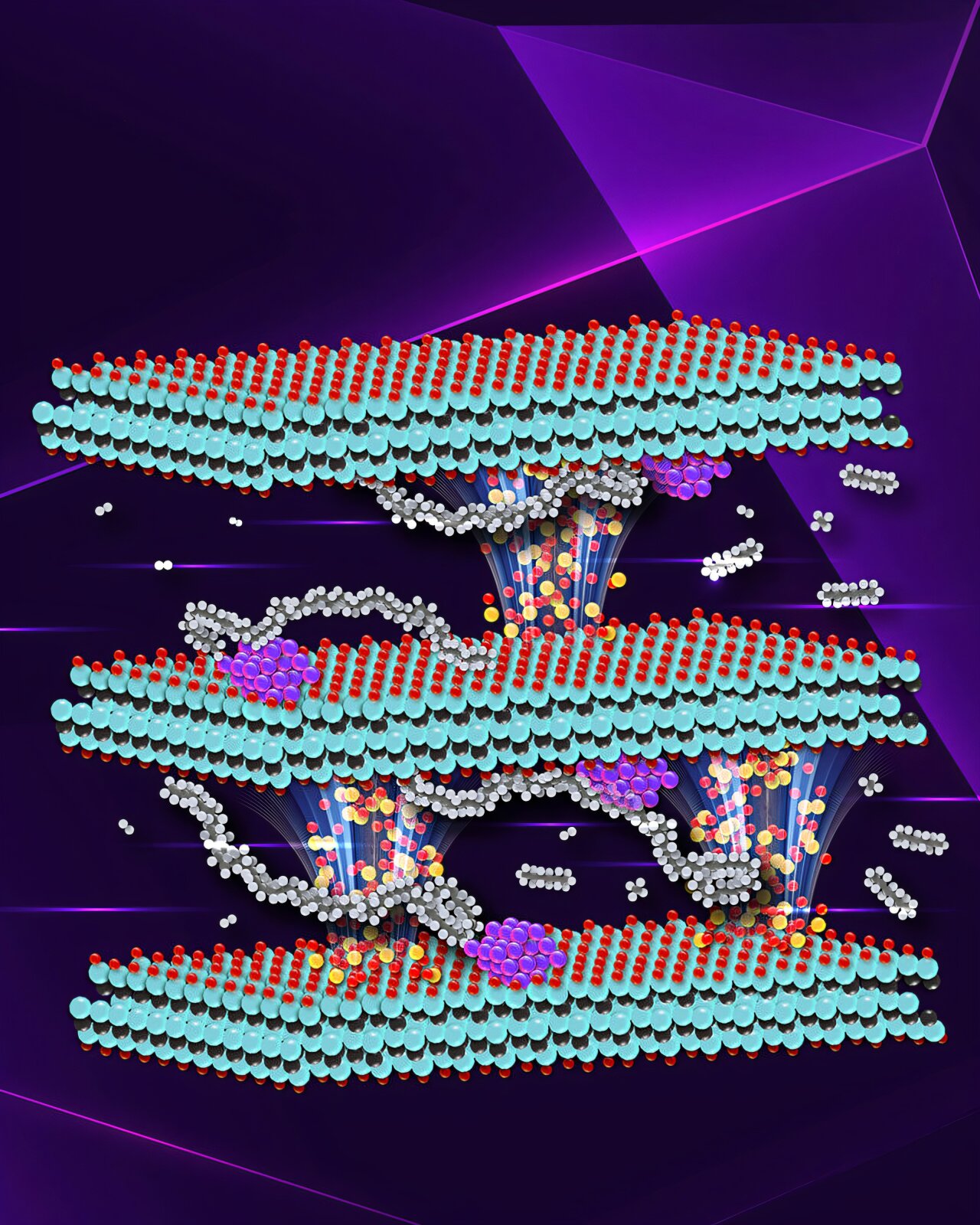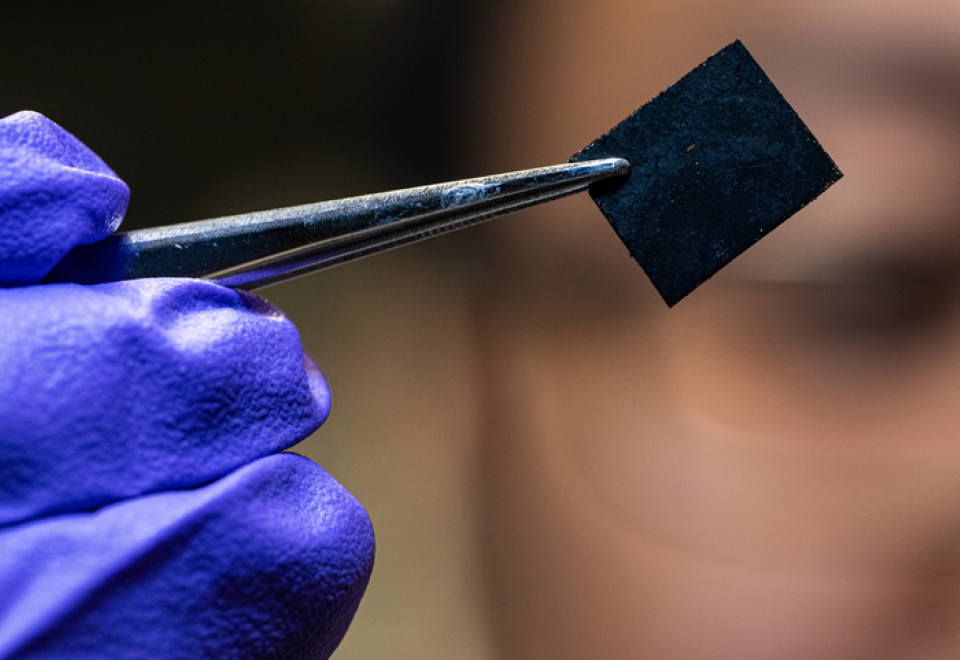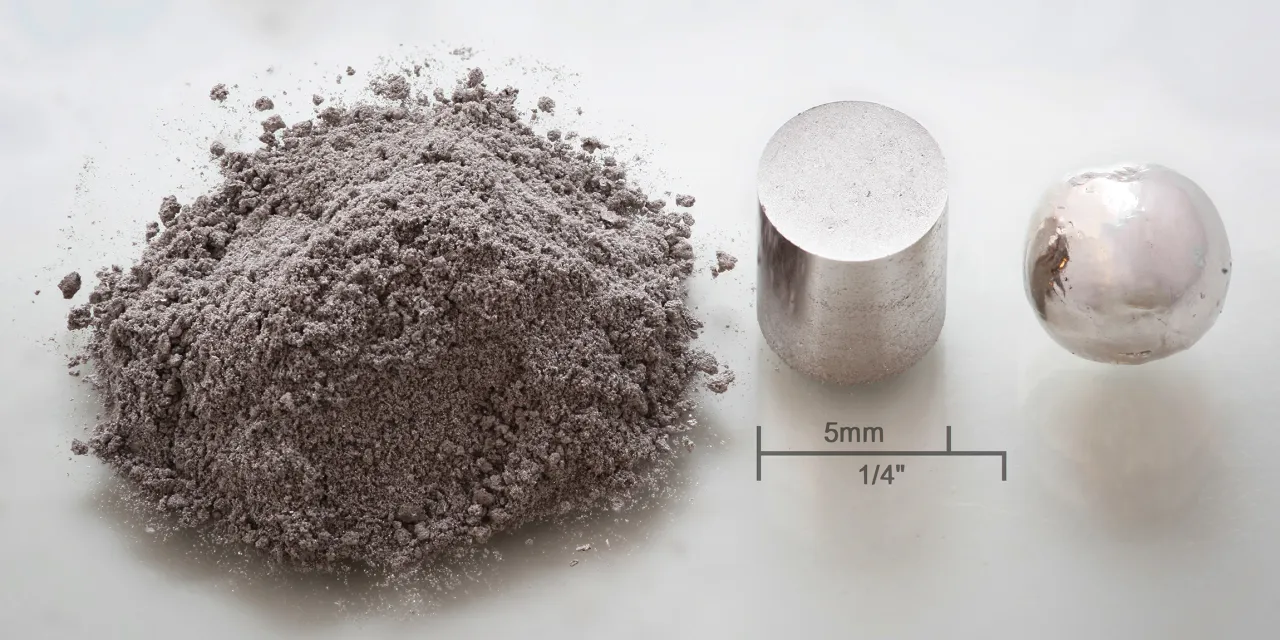
A recently proposed form of magnetism known as altermagnetism could eventually help researchers make computer memory smaller, faster, and more efficient. Now, scientists have found evidence that ruthenium dioxide, a quantum material previously considered nonmagnetic in its bulk form, may display this unusual magnetic behavior when prepared as an ultrathin film only a few atomic layers thick.
Rice University physicist Ming Yi, working with Bharat Jalan of the University of Minnesota and Milan Radovic of the Paul Scherrer Institute, reported the findings in Science Advances.
“Ruthenium dioxide was one of the first materials to be proposed as an altermagnetic candidate, but studies on its bulk form didn’t return evidence of magnetism,” said Yi, an associate professor of physics and astronomy. “Our research shows that its ultrathin form, on the other hand, may be the key in making it magnetic.”
Detecting Magnetism Through Electron Spins
To investigate the magnetic state of ultrathin ruthenium dioxide, the researchers examined its spin texture. Spin texture describes how a material’s magnetic moments — the spins of its electrons — are arranged in space. Those patterns can reveal whether a material is magnetic and, if so, what kind of magnetism it exhibits.
The team measured these patterns using a technique called spin-resolved angle-resolved photoemission spectroscopy.
“After analyzing our measurements, including informing our interpretation with theoretical calculations, we found that, in our experimental conditions, the ruthenium dioxide shows spin textures consistent with unconventional magnetism,” said Yichen Zhang, the first author on the paper and a recent Rice graduate. “This suggests that bulk and ultrathin ruthenium dioxide, under the right conditions, may have distinctly different magnetic properties.”
Atomic Strain May Act as a Magnetic Control
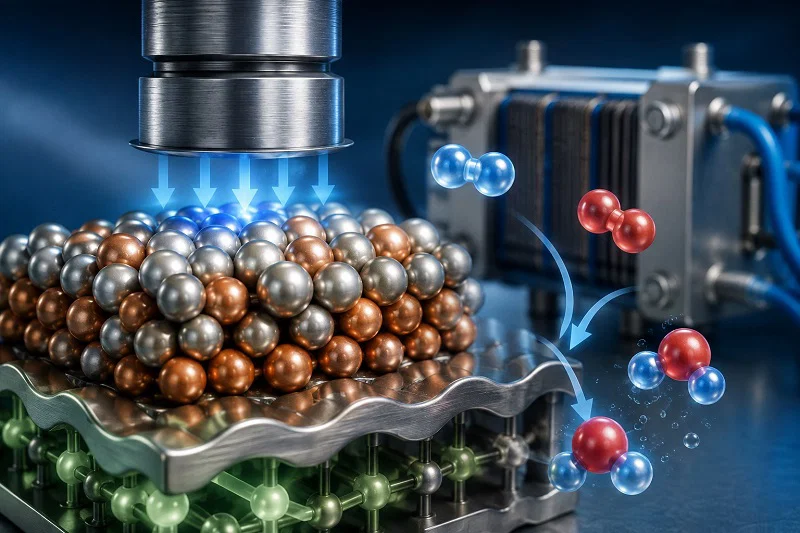
The researchers found that the unusual spin behavior appeared under specific conditions. In particular, the electron structure of the ultrathin ruthenium dioxide had to experience lattice strain, which places pressure on the material’s atomic structure.
Without that strain, as in the material’s natural bulk form, the electron spins did not show signs of altermagnetism.
“The strain-dependent nature suggests that we may be able to use lattice strain as a tuning knob to induce or control altermagnetism,” Zhang said. “This could be extremely useful when thinking about next-generation spintronics and RAM architectures.”
The result raises the possibility that researchers could deliberately adjust lattice strain to control magnetic behavior in future electronic materials. Such control could prove valuable for spintronics, a field that uses electron spin as well as electrical charge to process and store information, and for new computer memory designs.
A Longstanding Debate Over Ruthenium Dioxide
The findings also highlight how difficult it can be to identify and describe the behavior of quantum materials. Ruthenium dioxide has been at the center of a lengthy scientific debate as physicists tried to determine whether its bulk form was magnetic. Researchers ultimately reached a consensus that bulk ruthenium dioxide does not exhibit magnetism.
The new work suggests that changing the material’s dimensions and placing its atomic structure under strain can produce very different behavior.
“This work shows just how complex these questions can be,” Yi said. “The high quality material prep and the careful measurement protocol were critical to our observation of the correct electron spin properties. The results required careful analysis of spin-resolved angle-resolved photoemission spectroscopy. Through this, we were able to determine not only the magnetic state symmetries but a potential way to manipulate it in next-generation quantum materials.”
This work was funded by the U.S. Department of Energy (DE-SC0026179, DE-SC0020211, DE-SC0024710), the Gordon and Betty Moore Foundation’s EPiQS Initiative (GBMF9470) and the Robert A. Welch Foundation (C-2175).