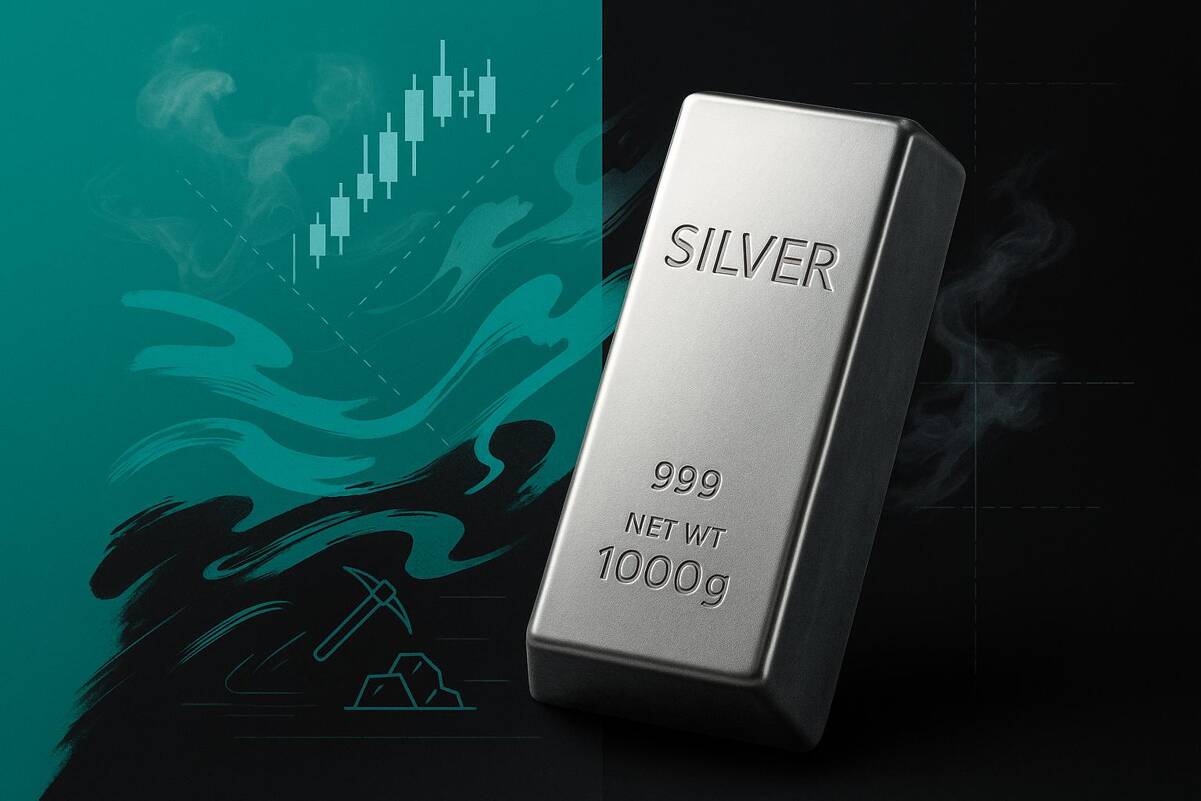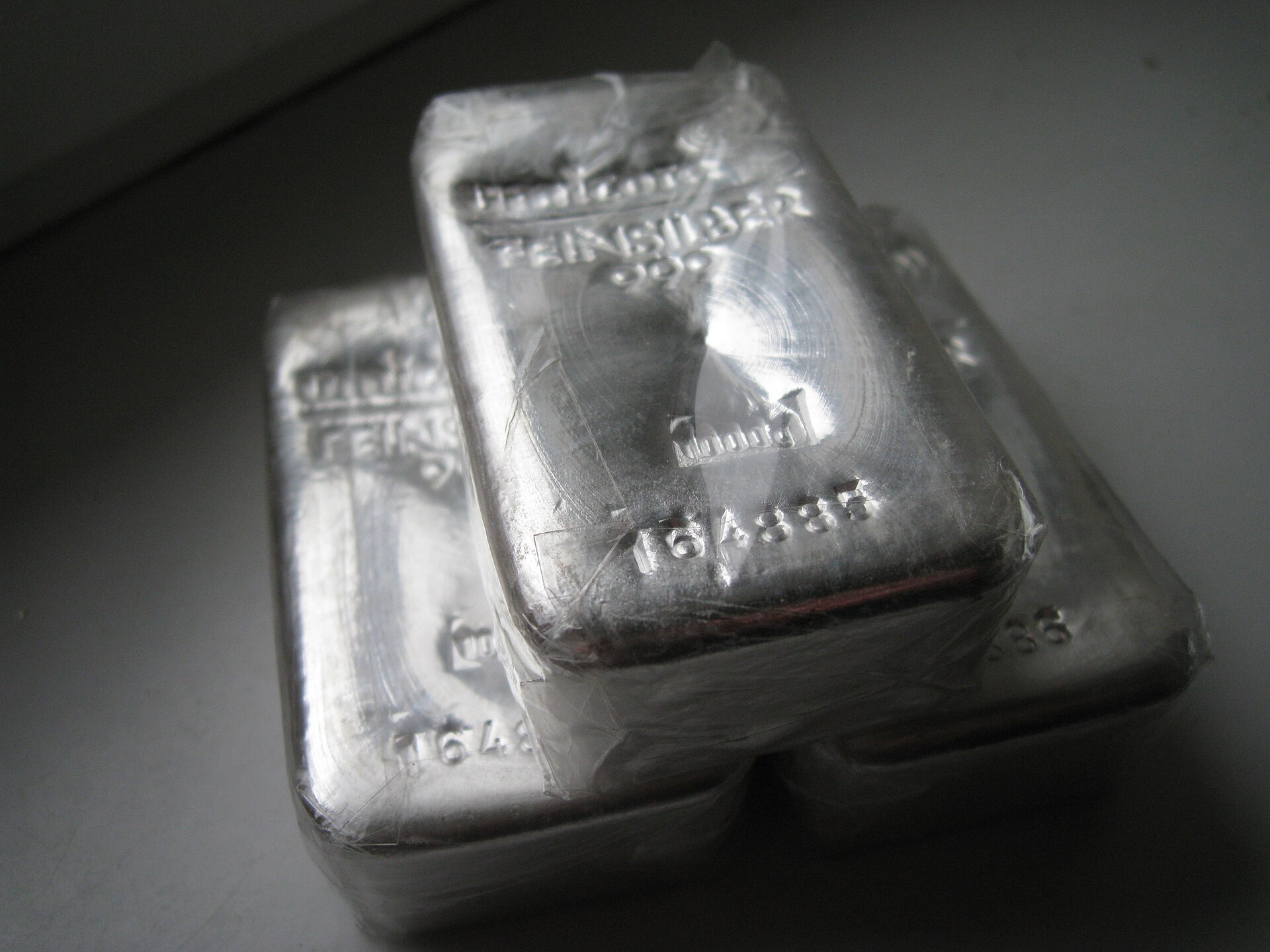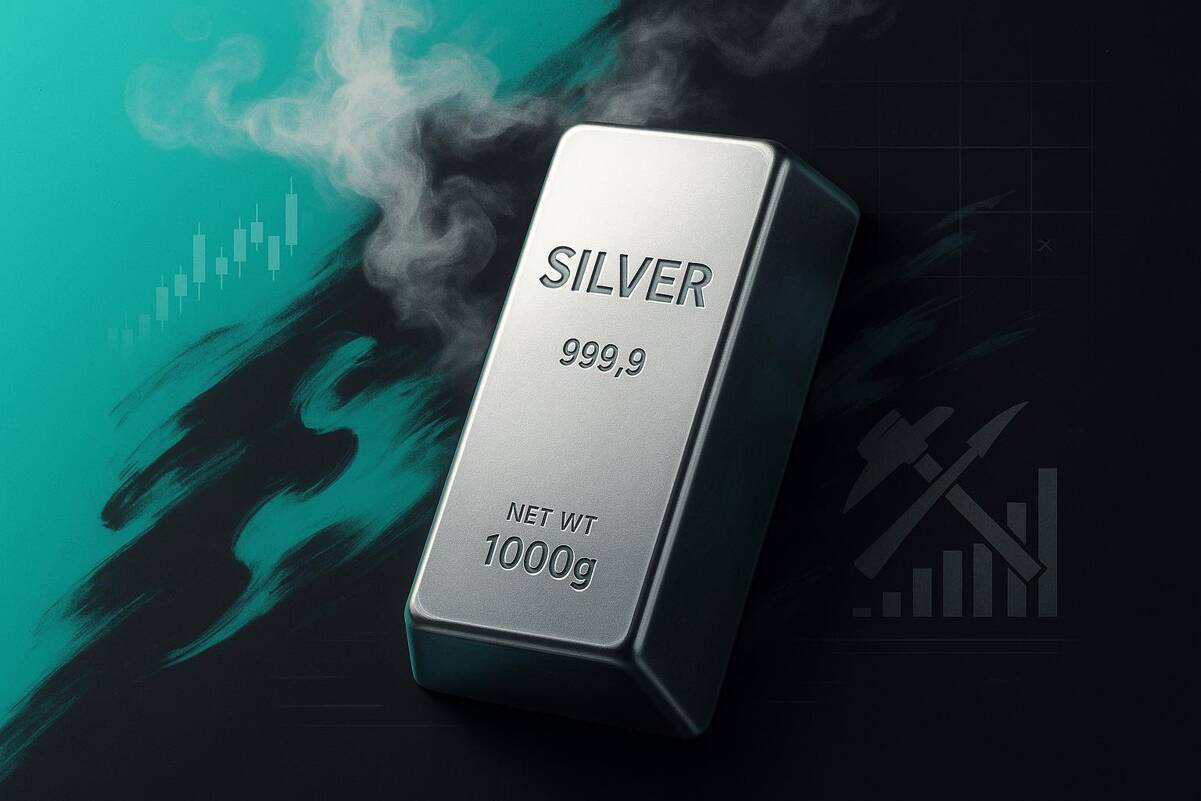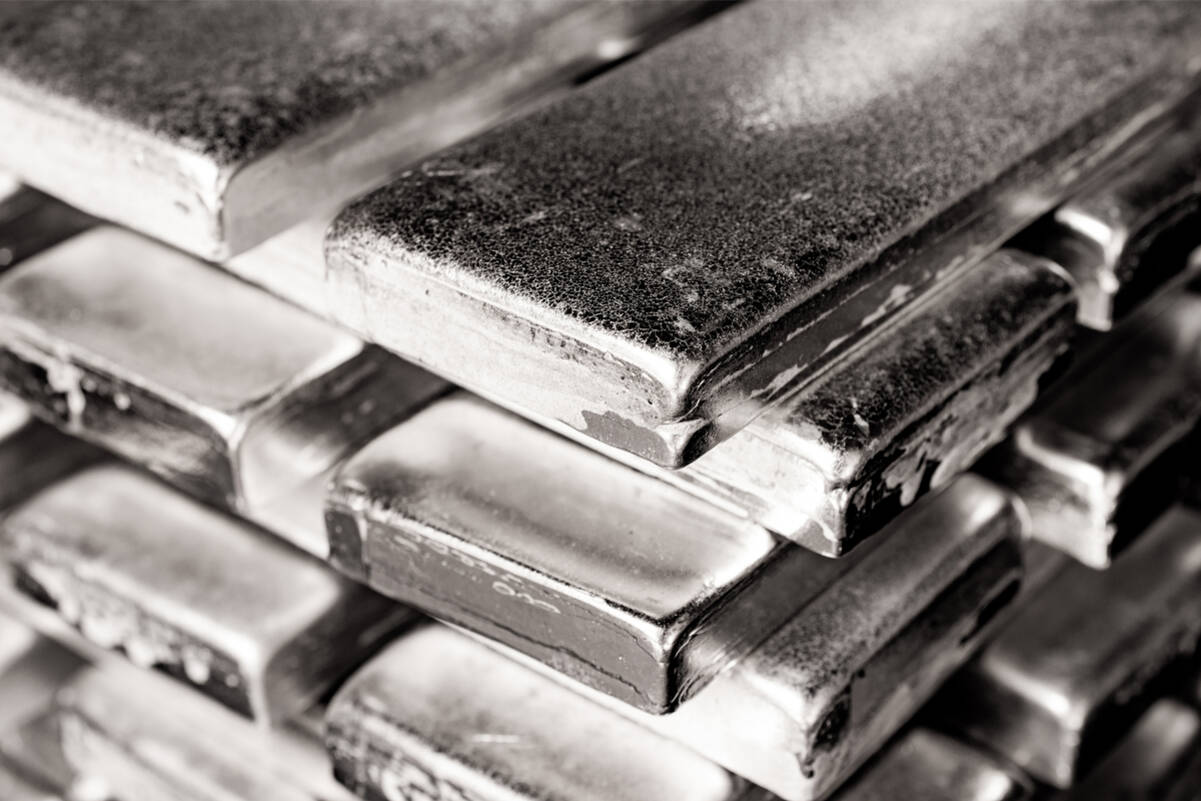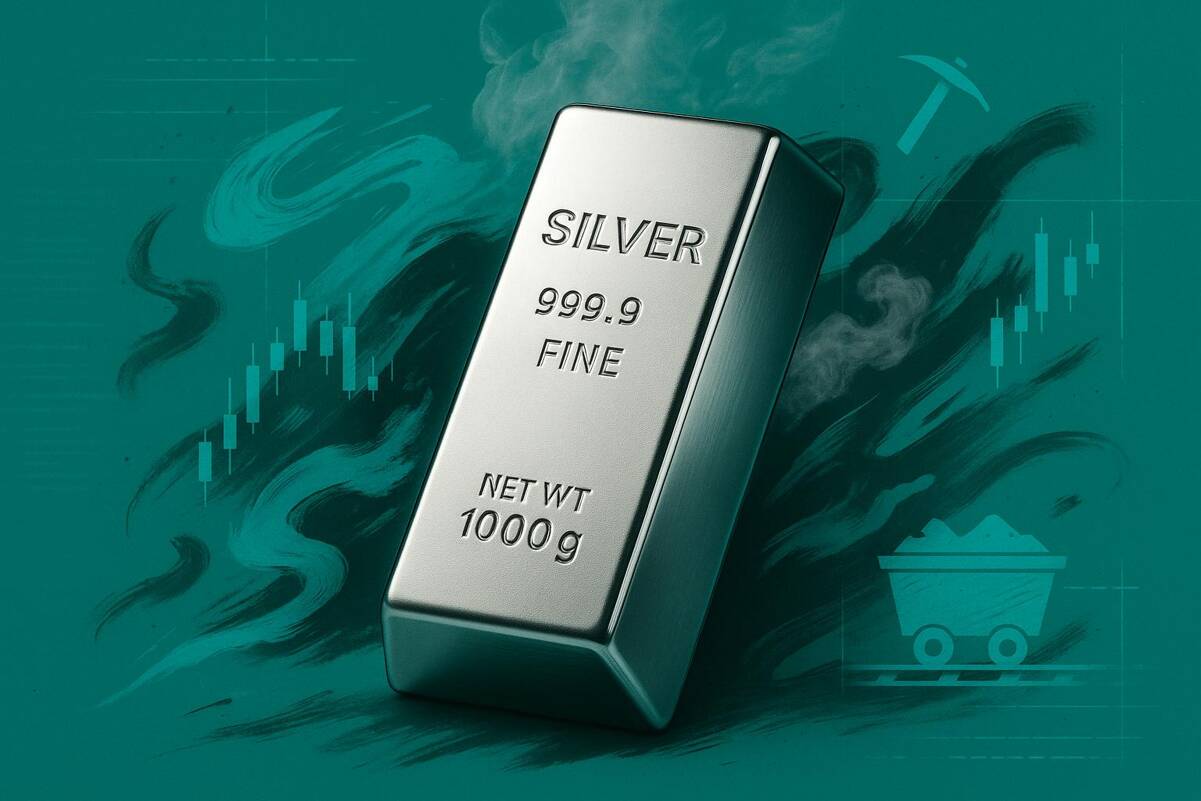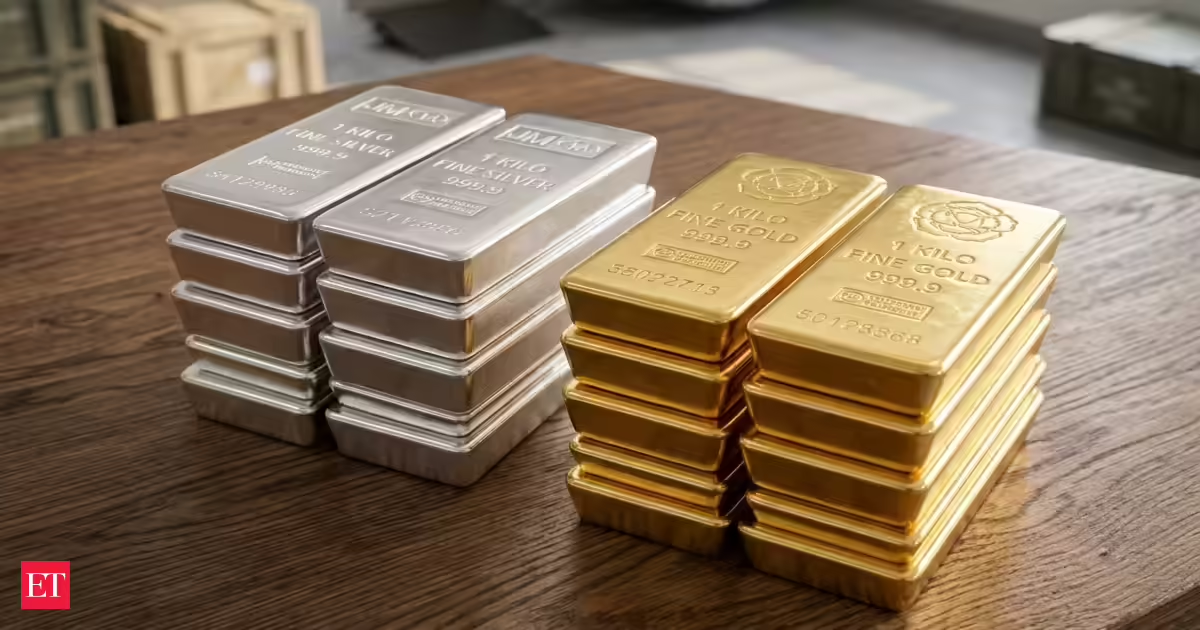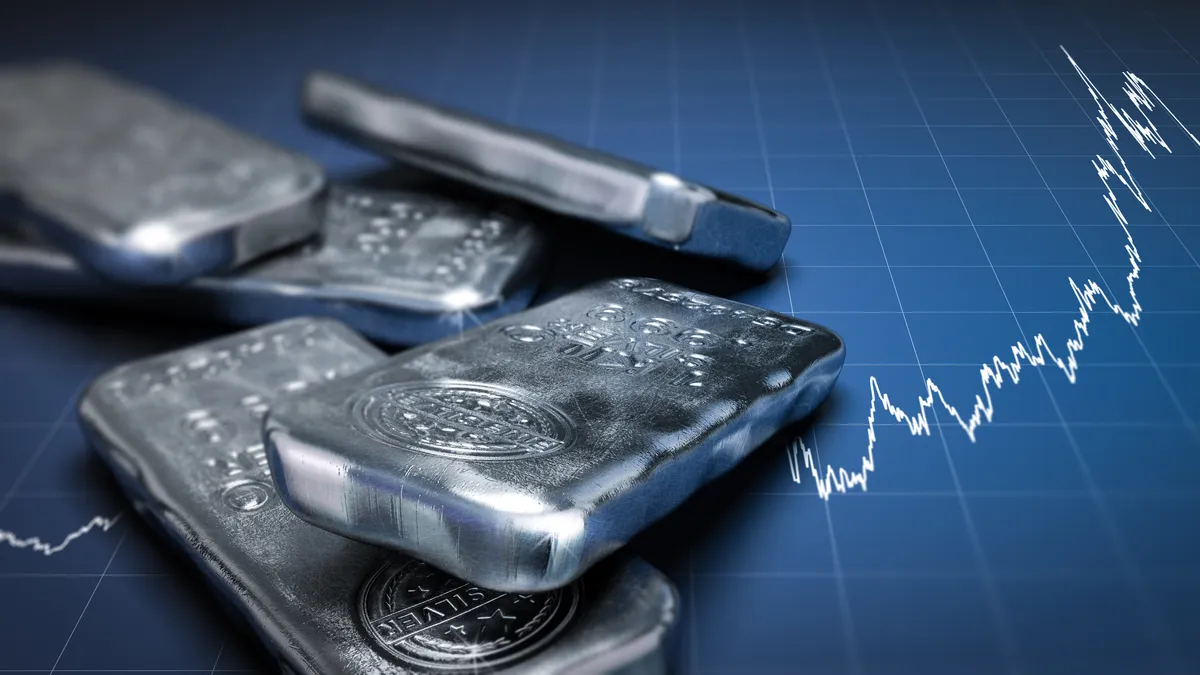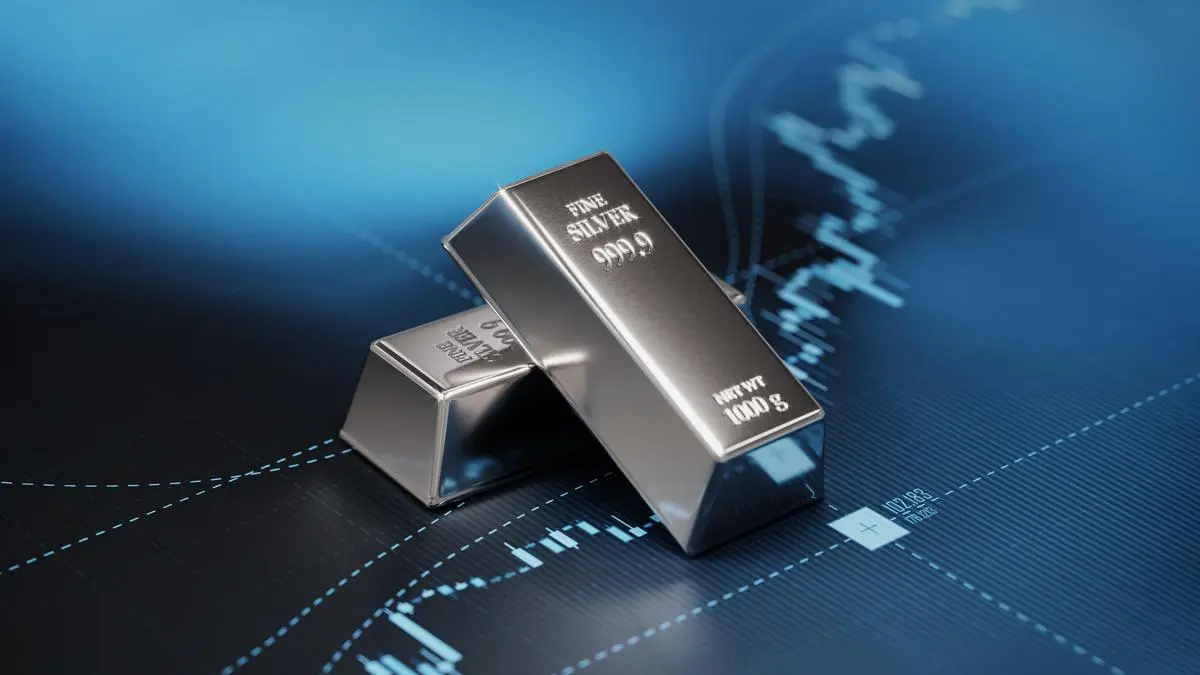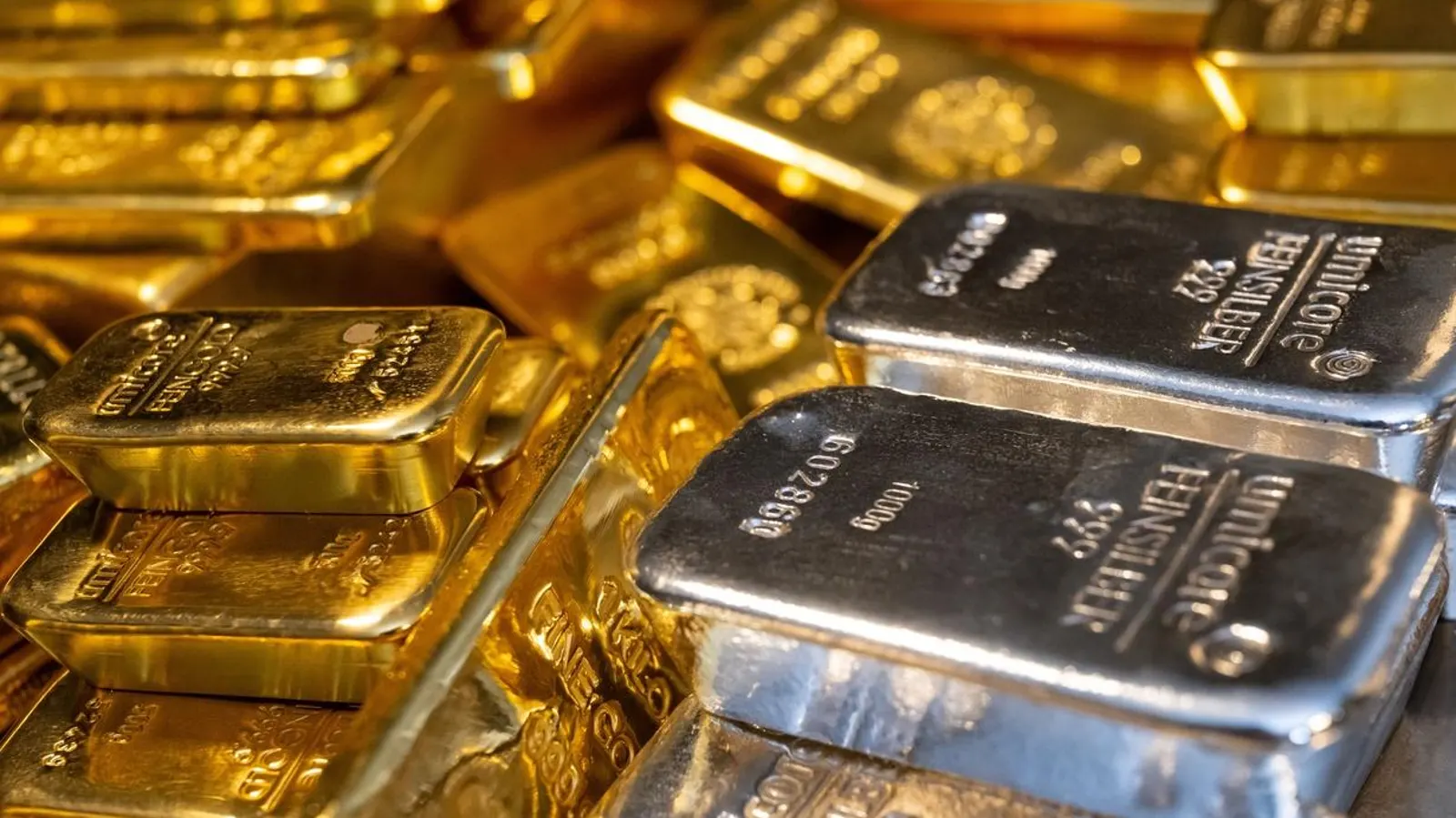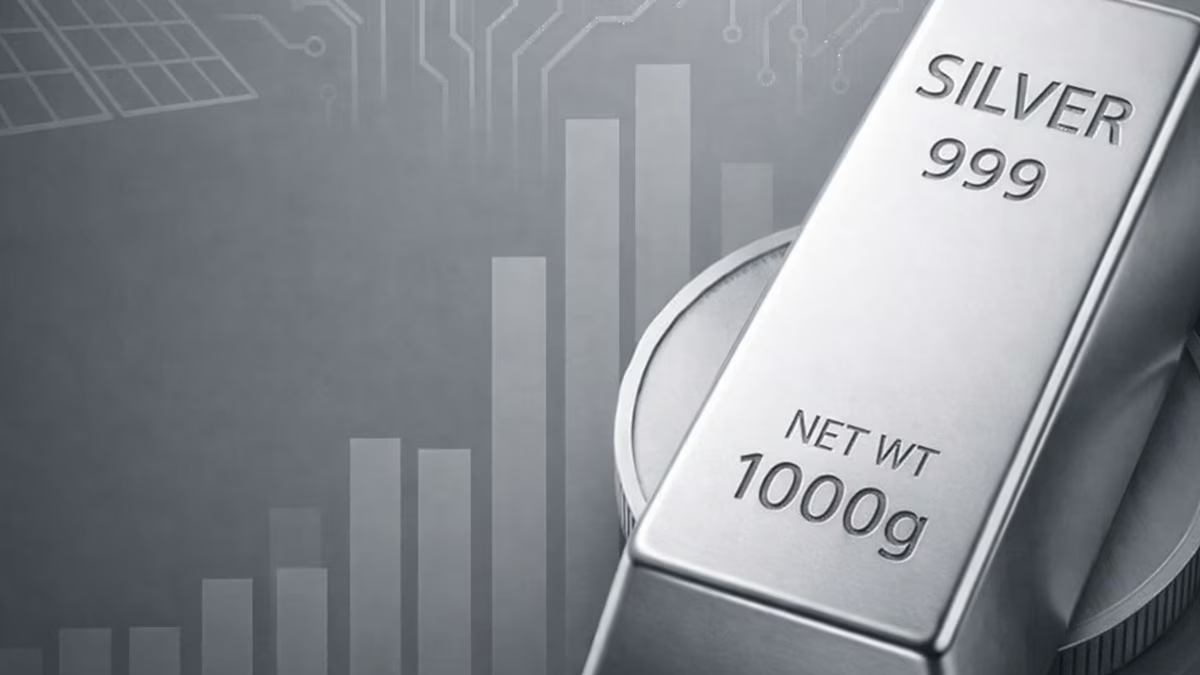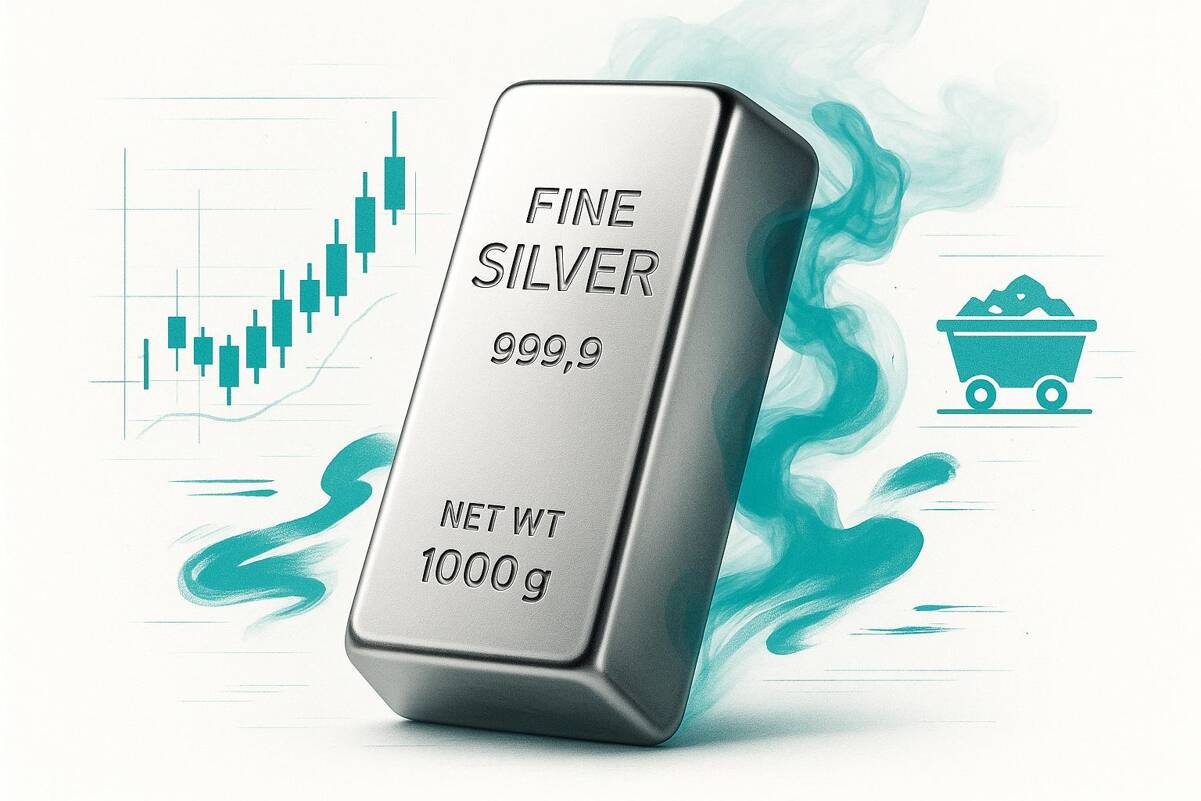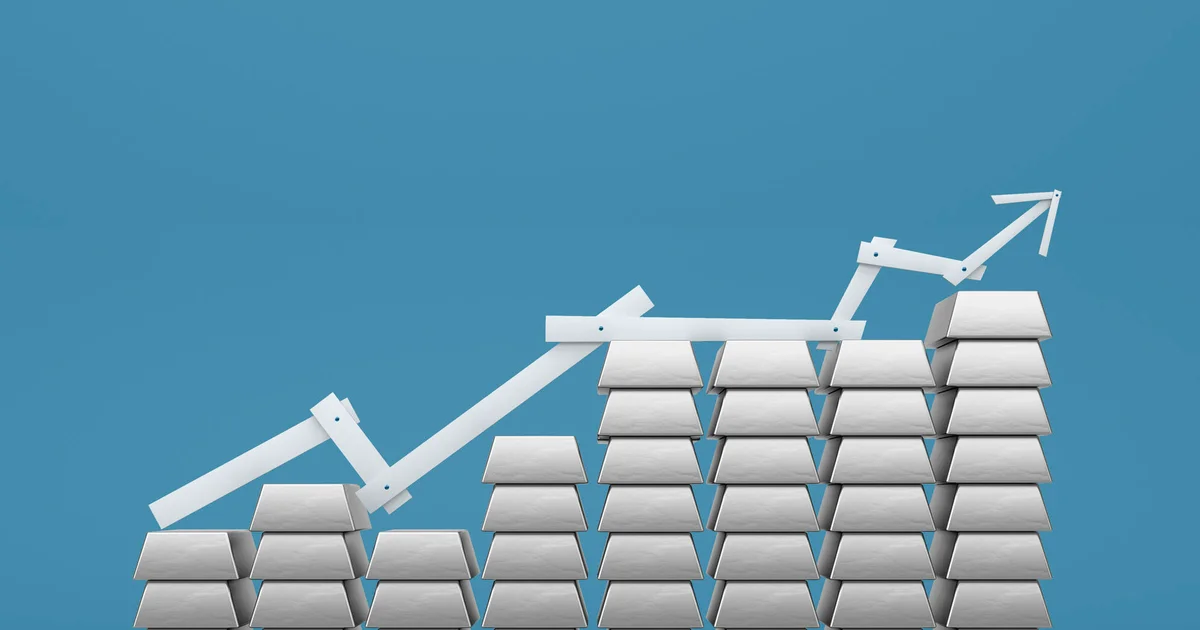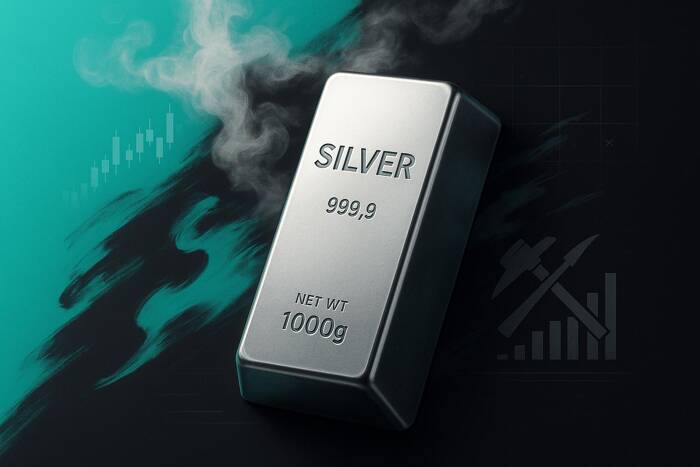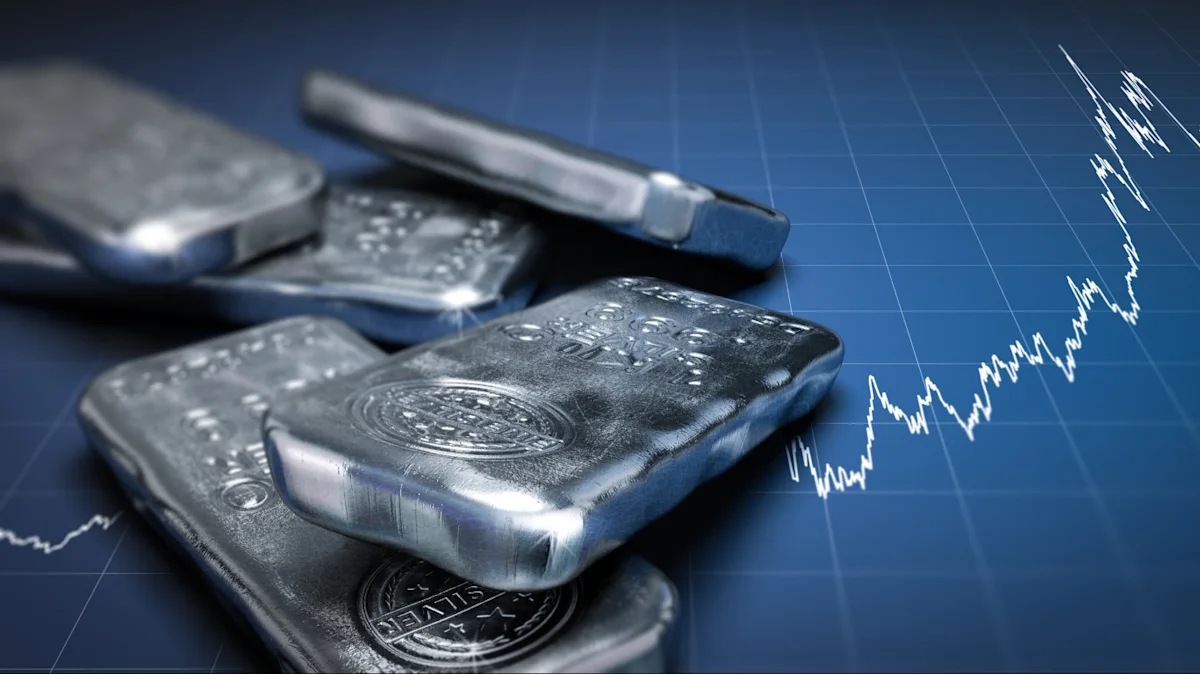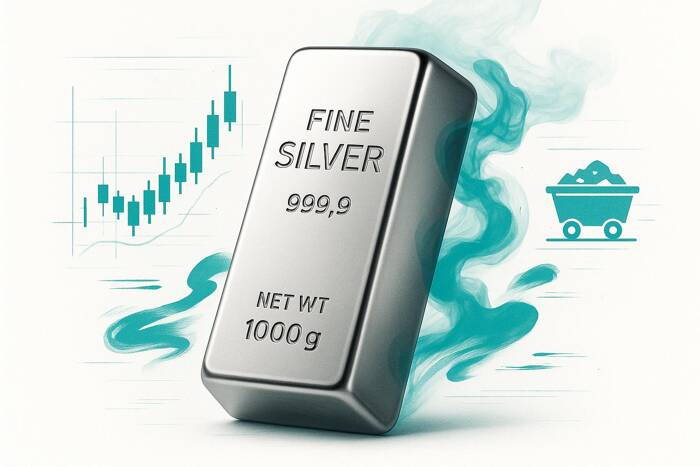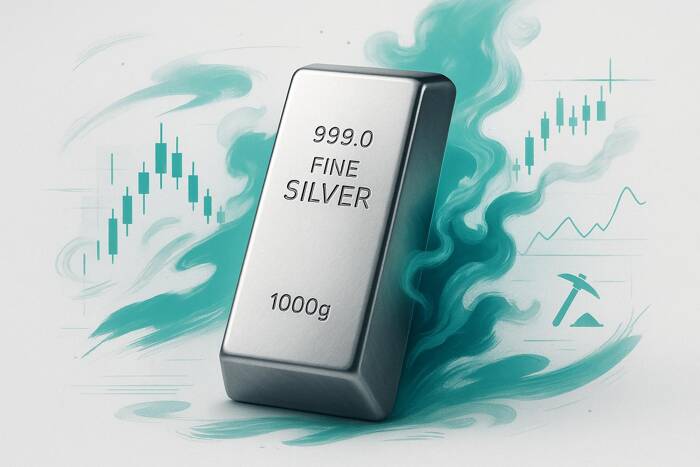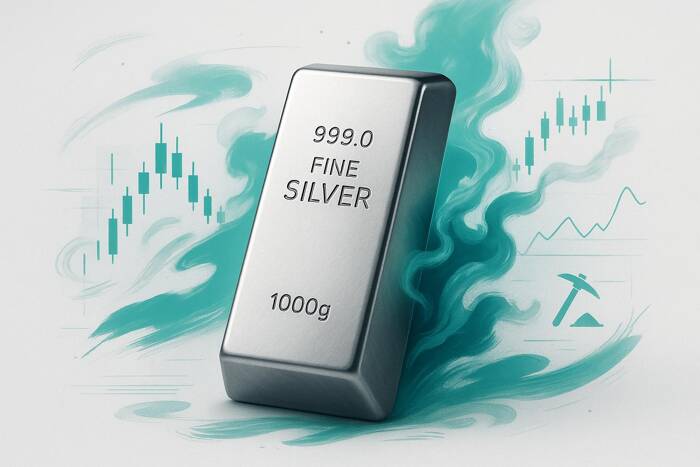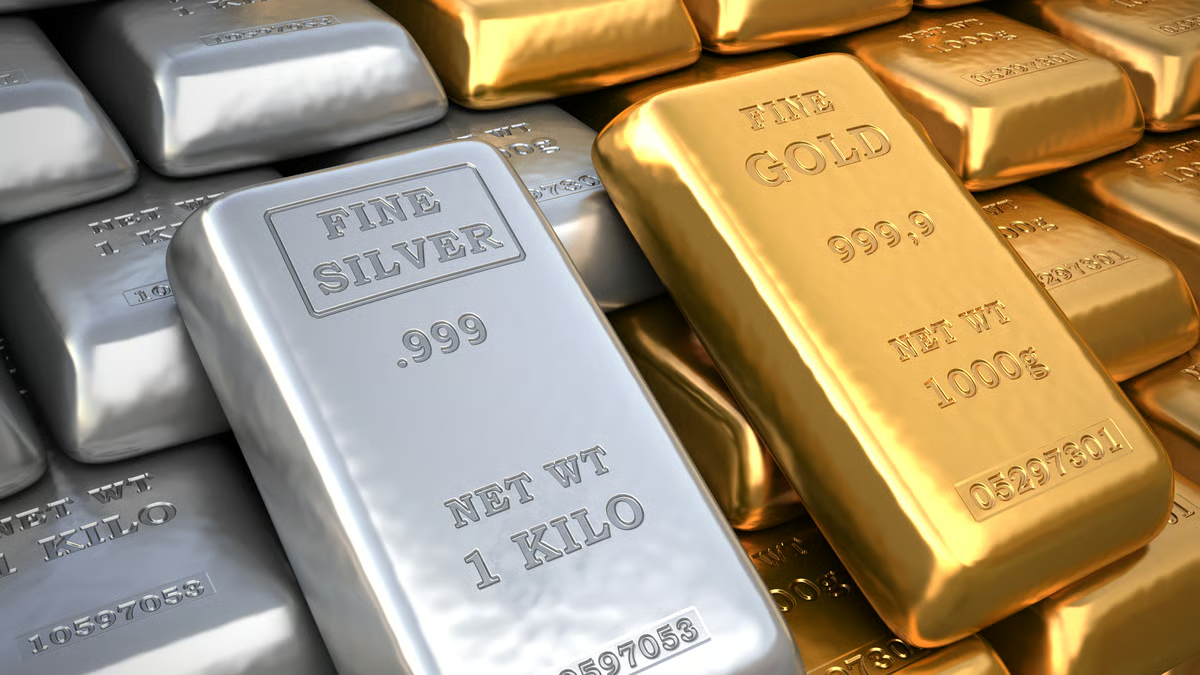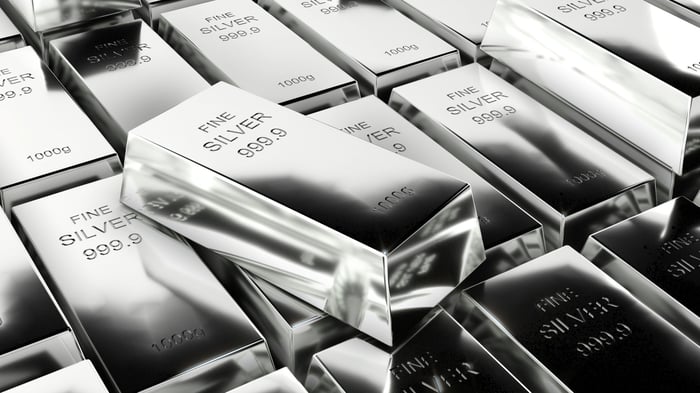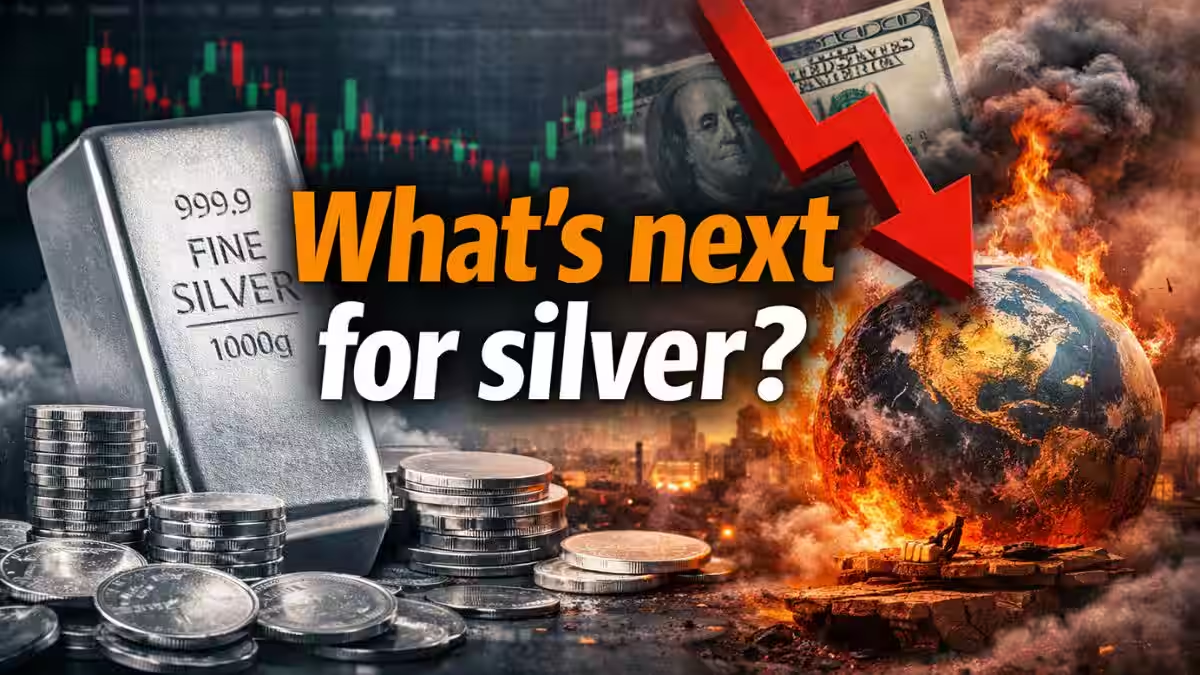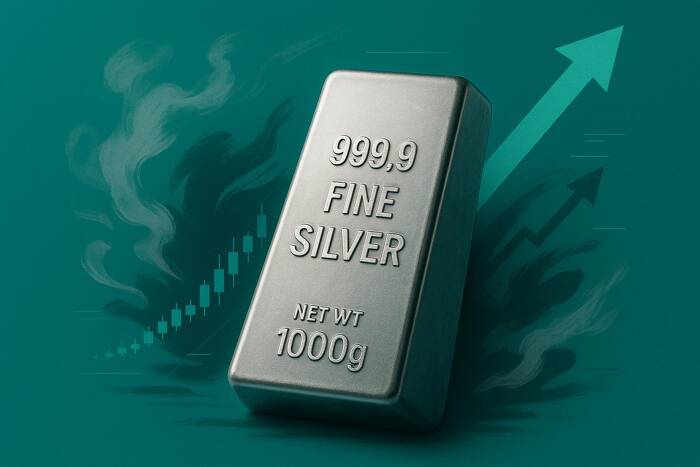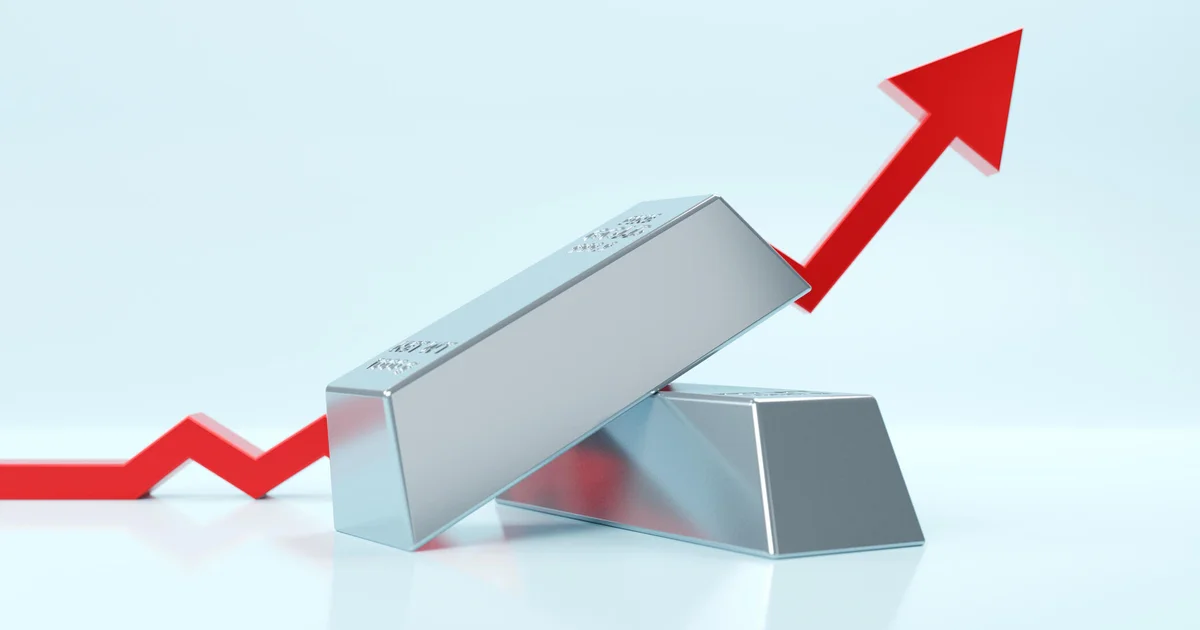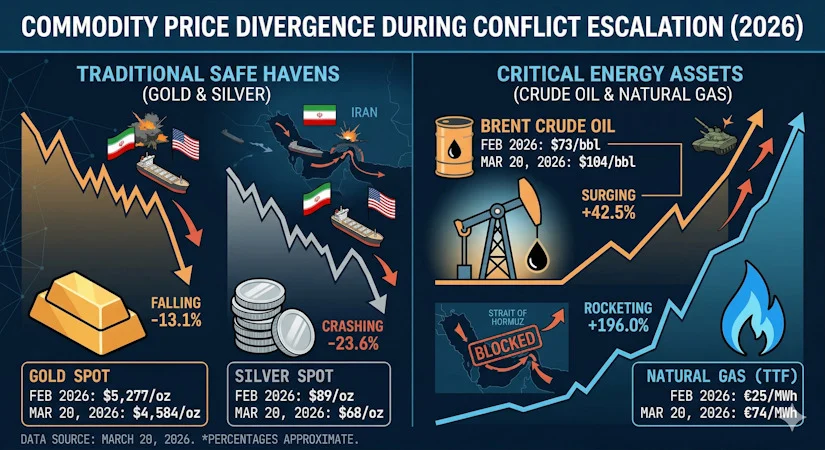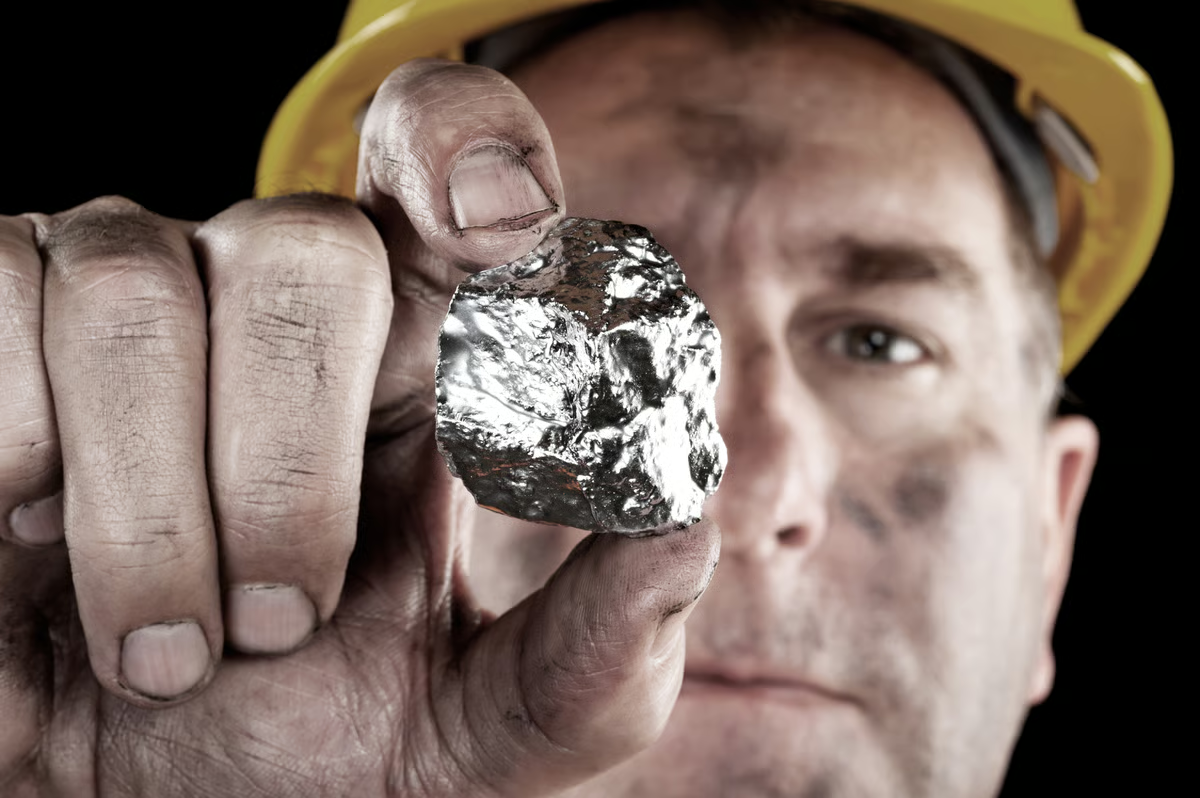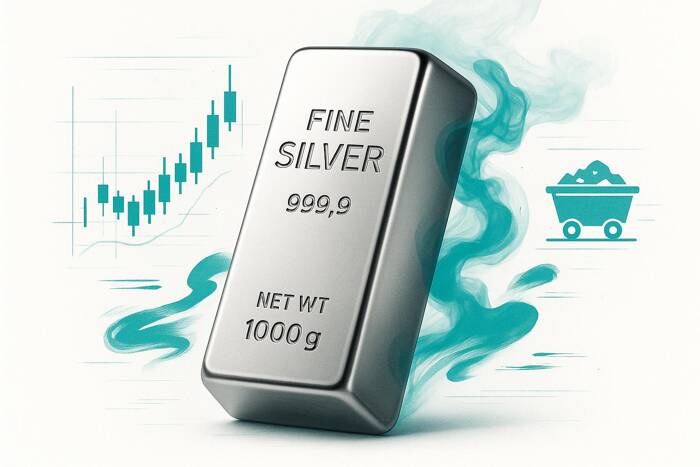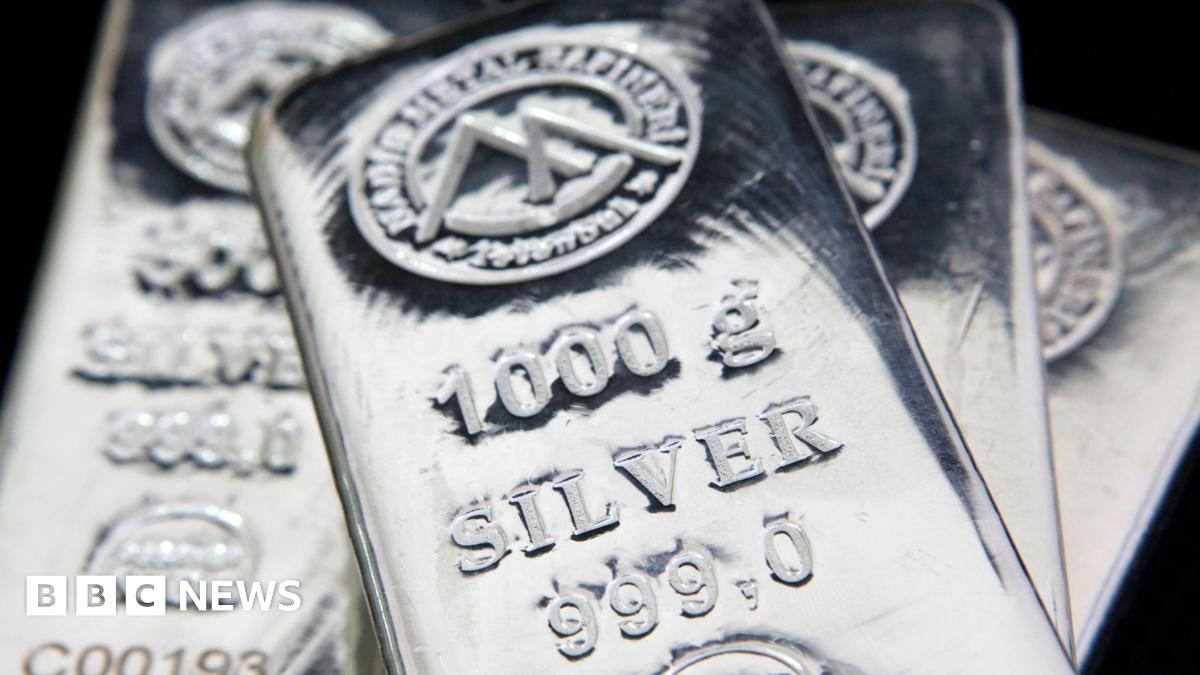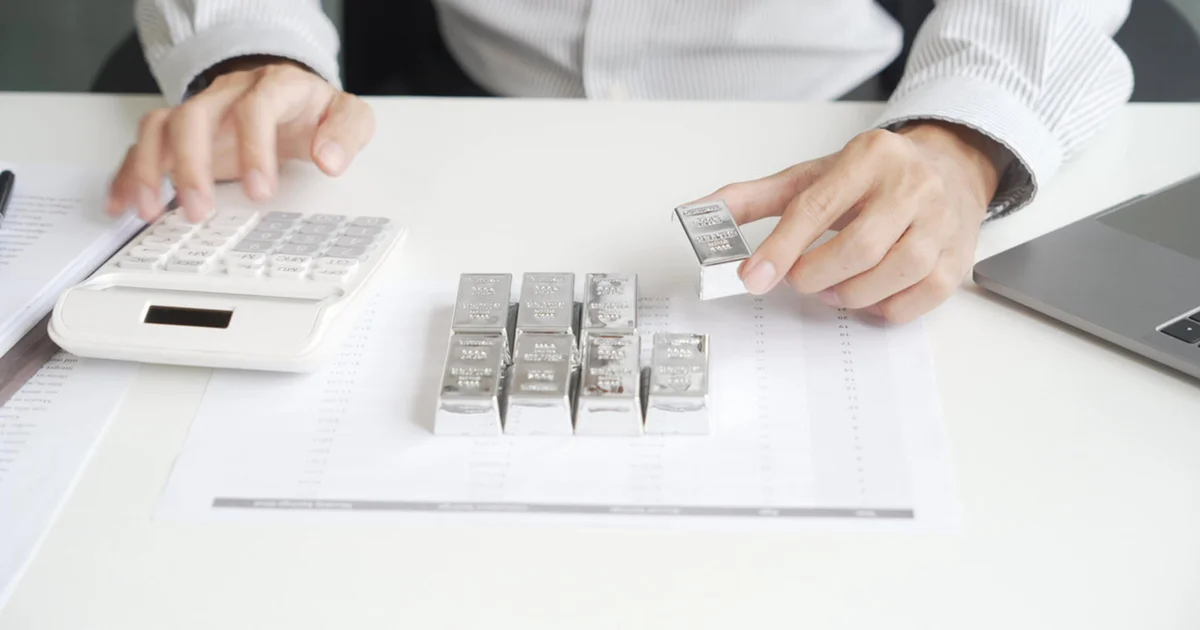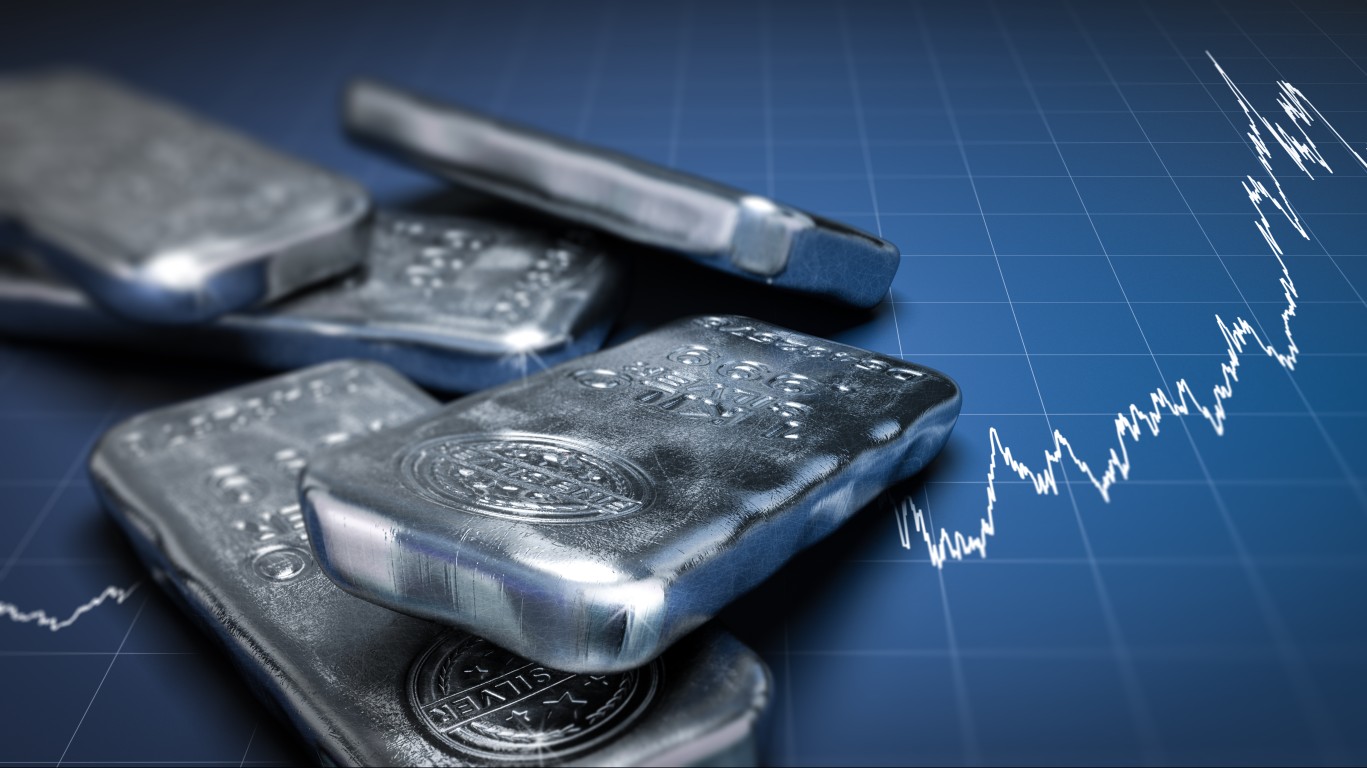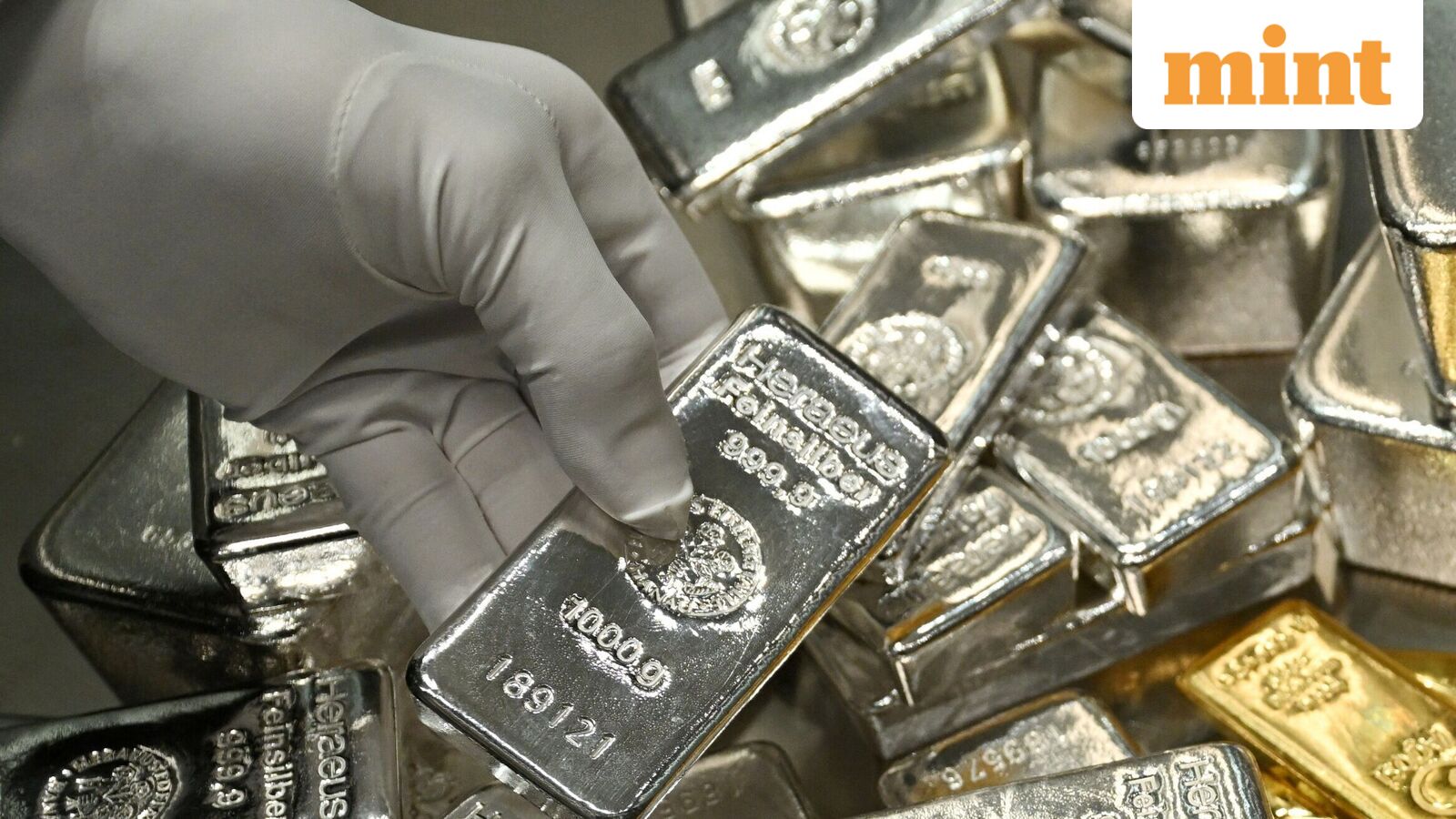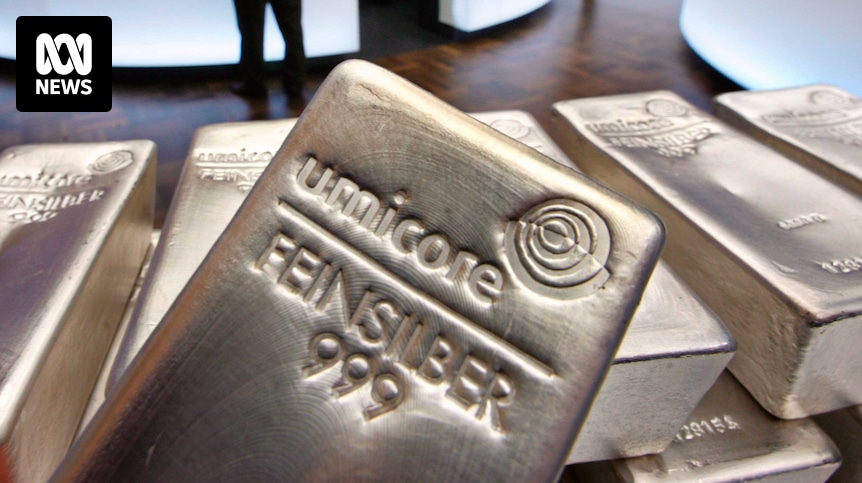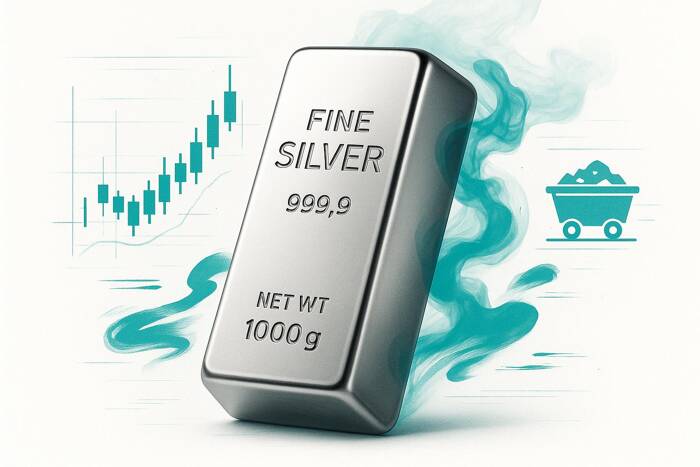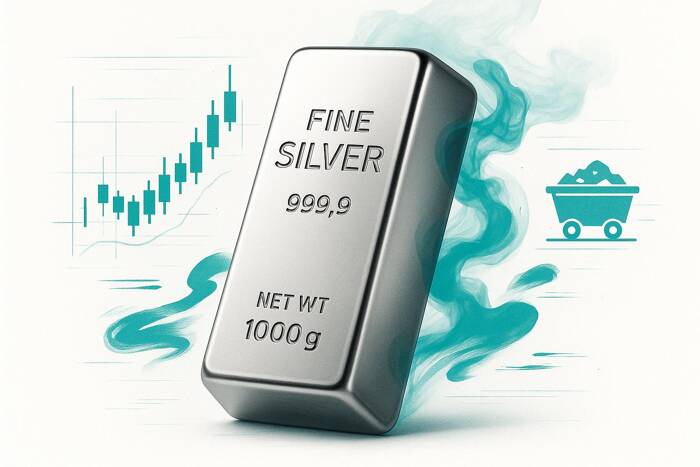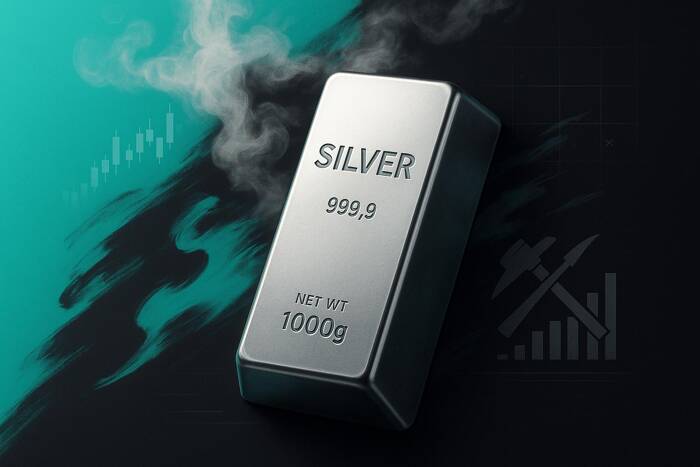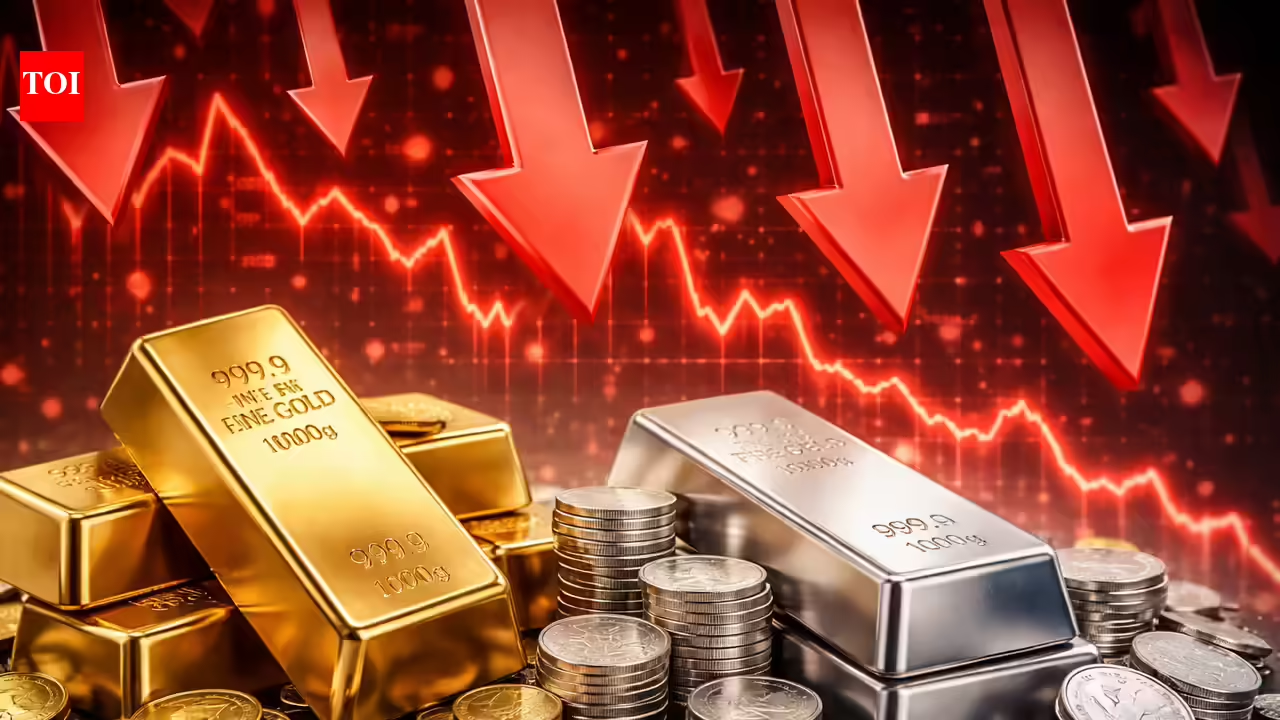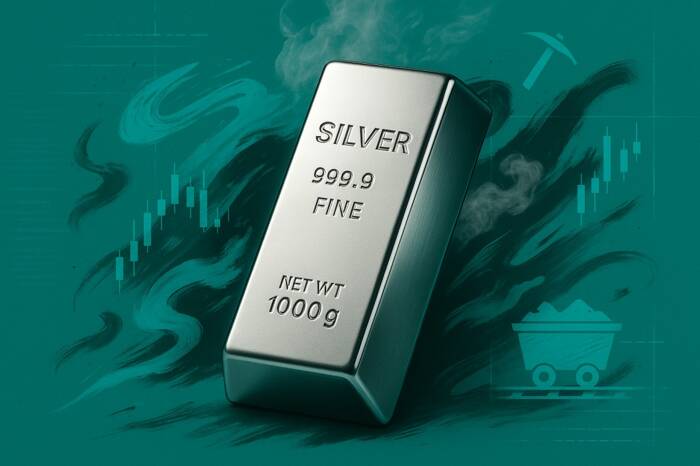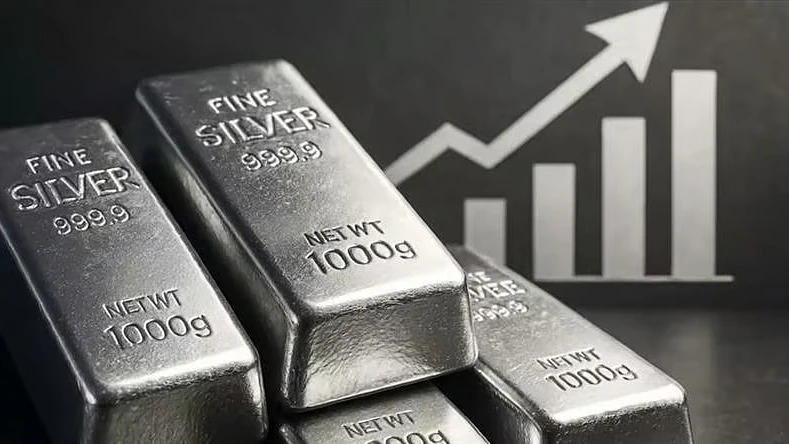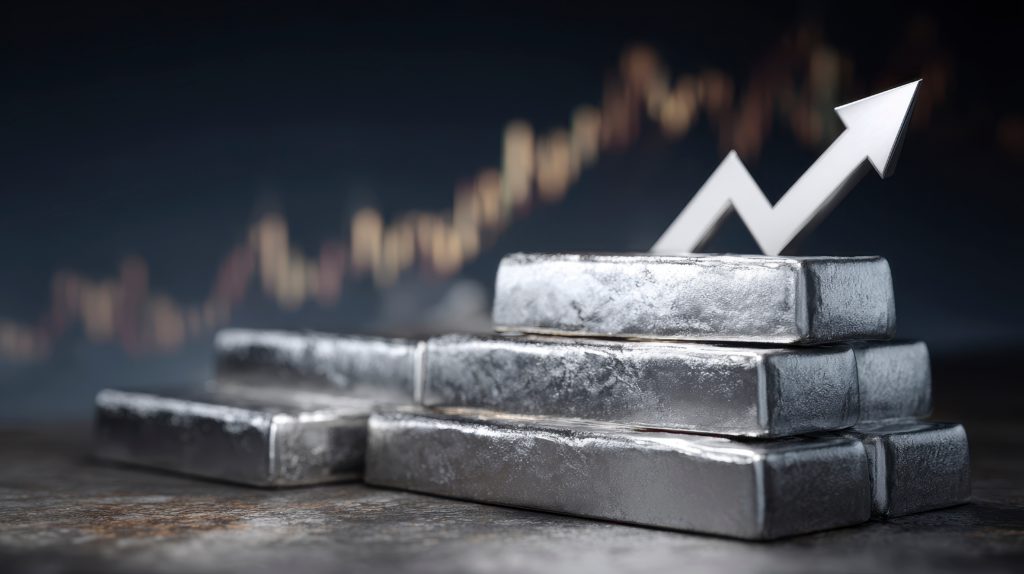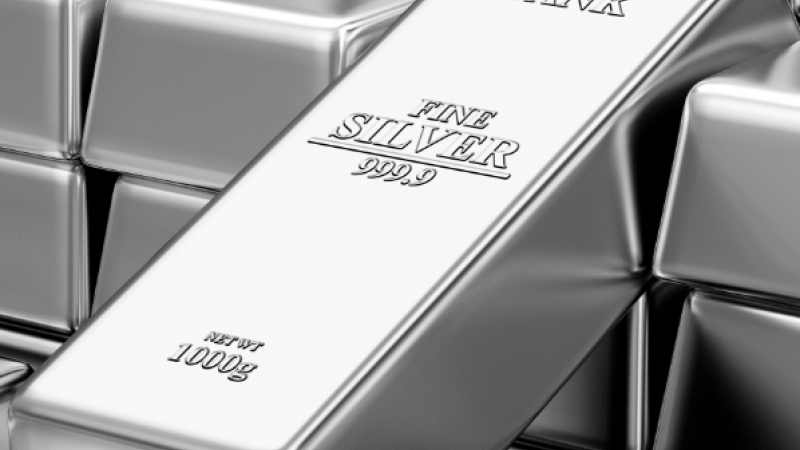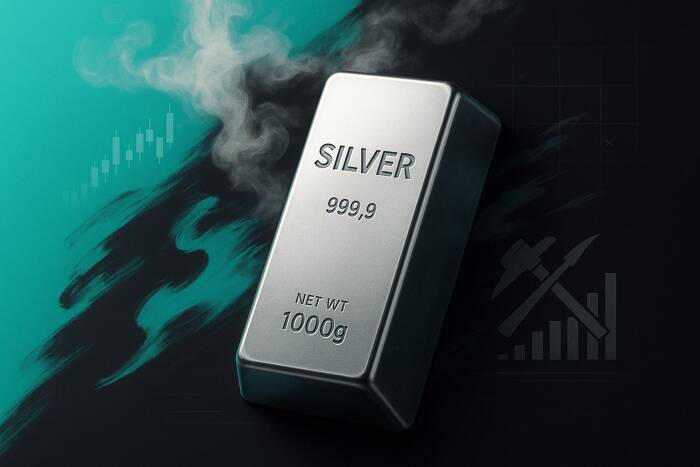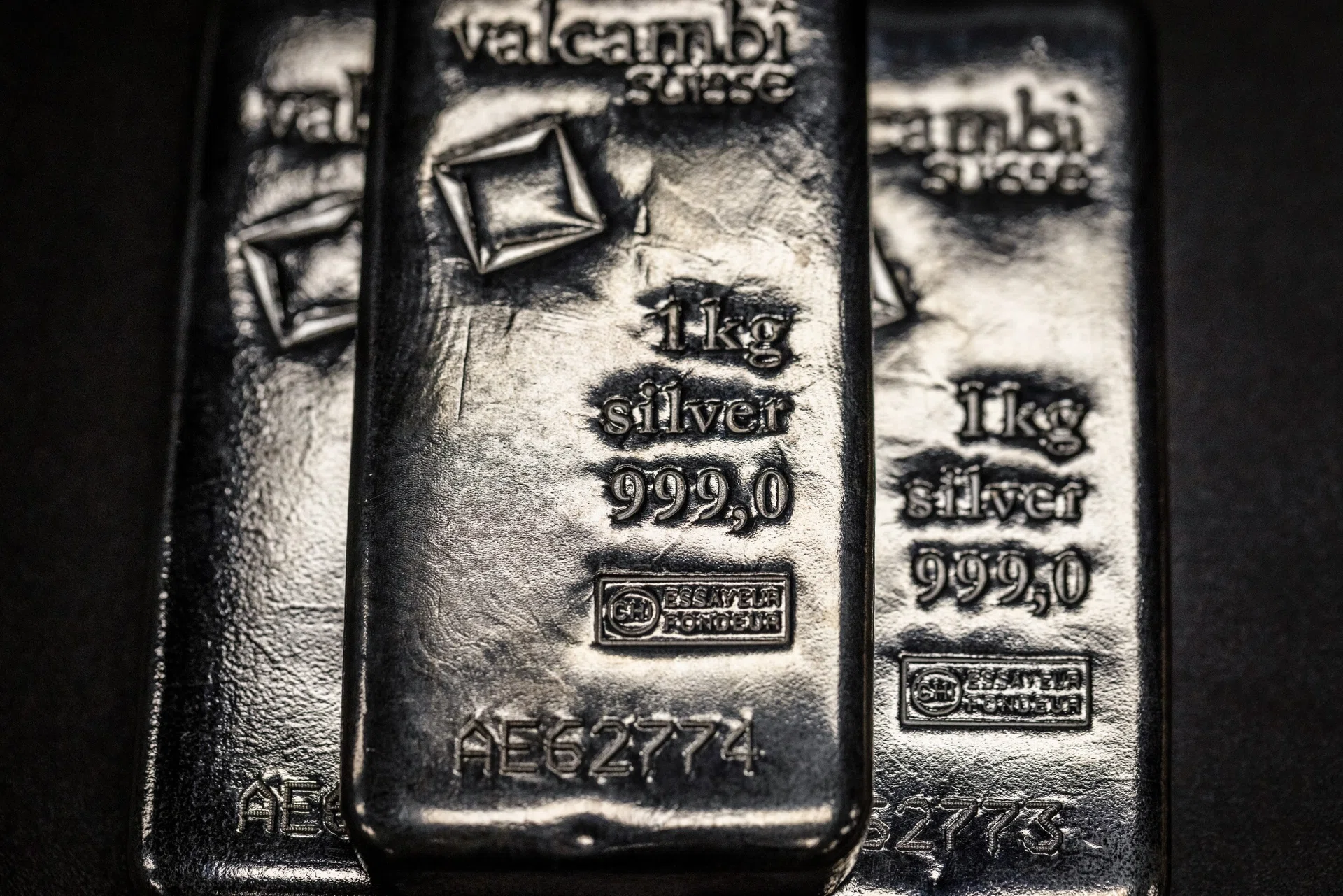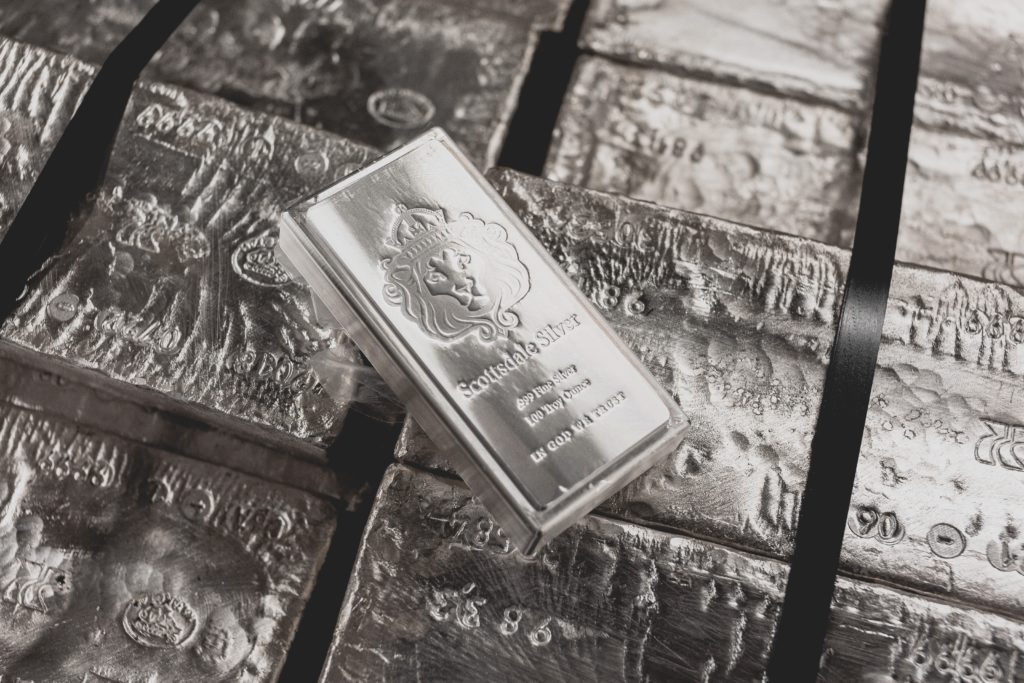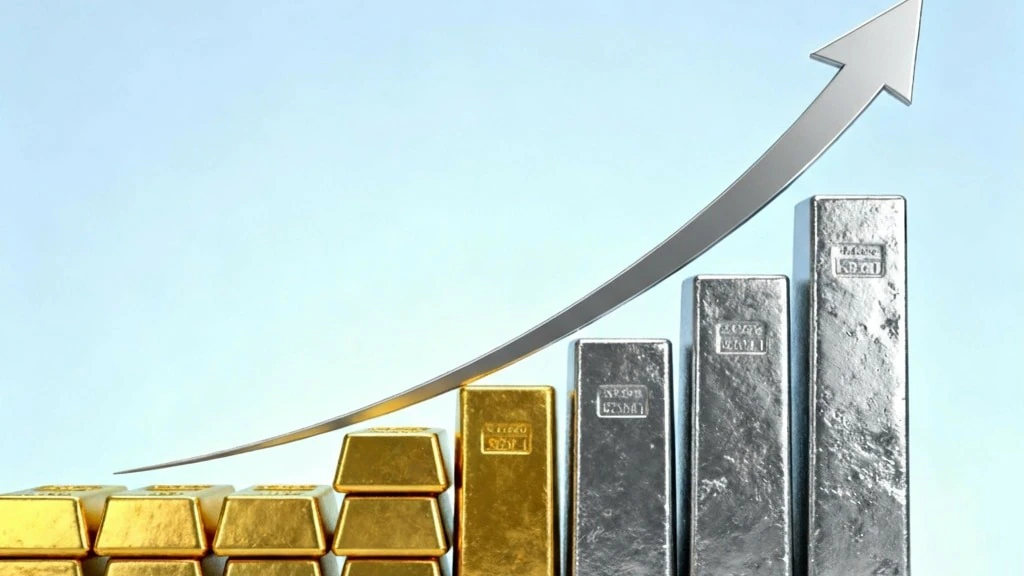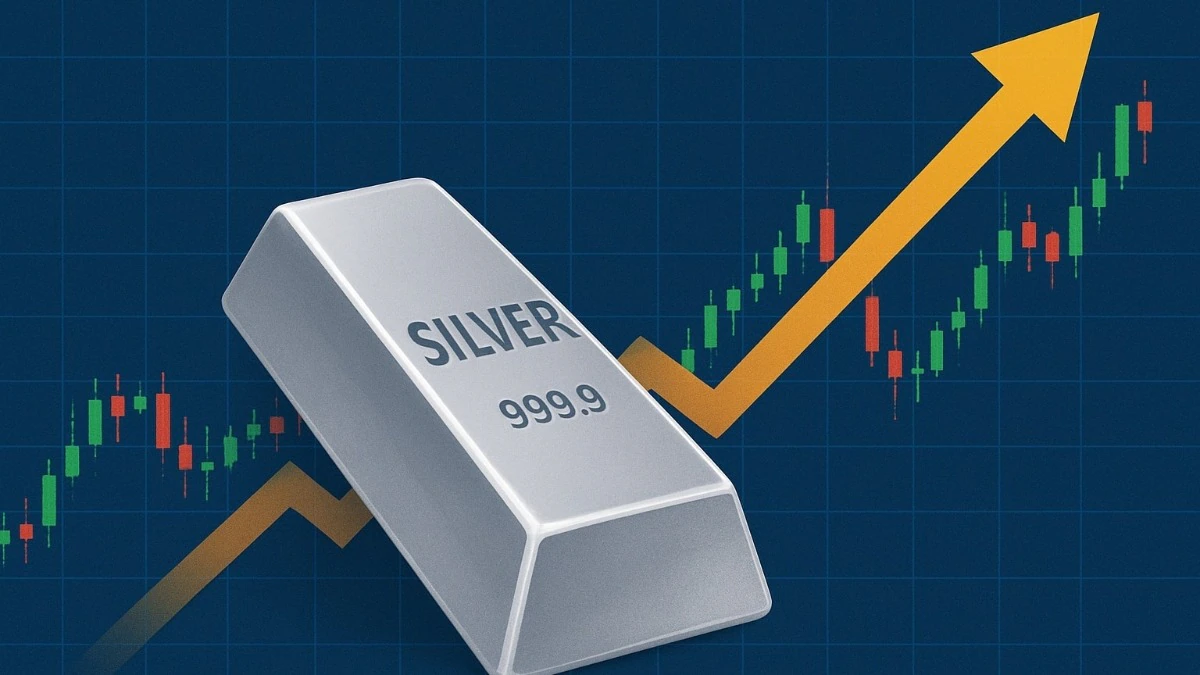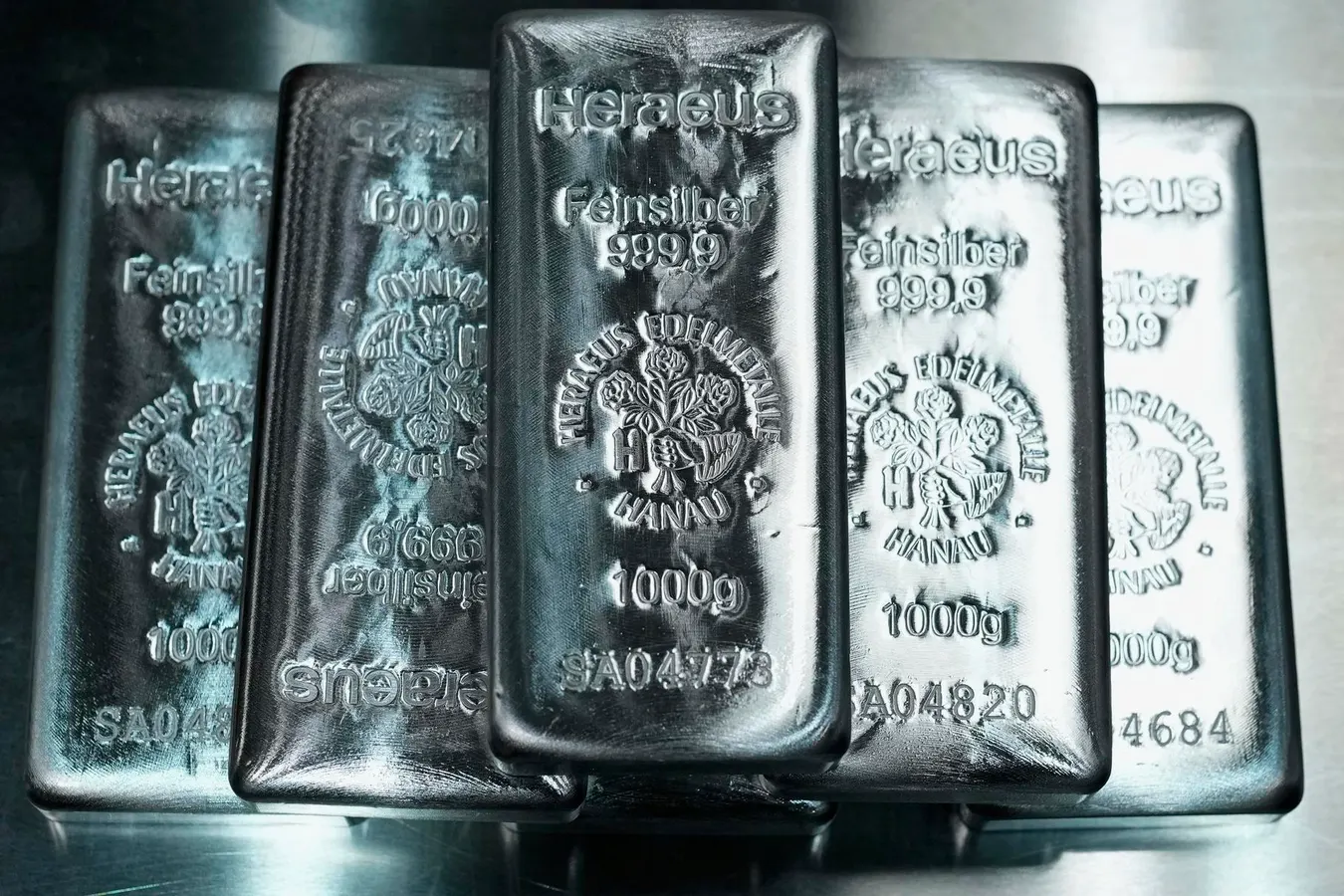
Silver (XAG/USD) rallies for the third consecutive day on Friday, hitting fresh two-month highs above $69.00 in the early European session. The precious metal is on track for a 6.6% weekly rally, as investors run away from the US Dollar following the US Treasury’s announcement of a plan to boost buybacks of long-term securities.
Commerzbank analysts affirm that the US Treasury’s plan reveals that “if faced with the choice between accepting higher interest rates or a weaker US dollar, the Treasury would rather see a weak USD.” In their view, this stance adds a structural headwind for the Dollar as investors reassess the balance between rate containment and currency strength.
Technical Analysis: The 200-day SMA, at $72.05, comes into focus
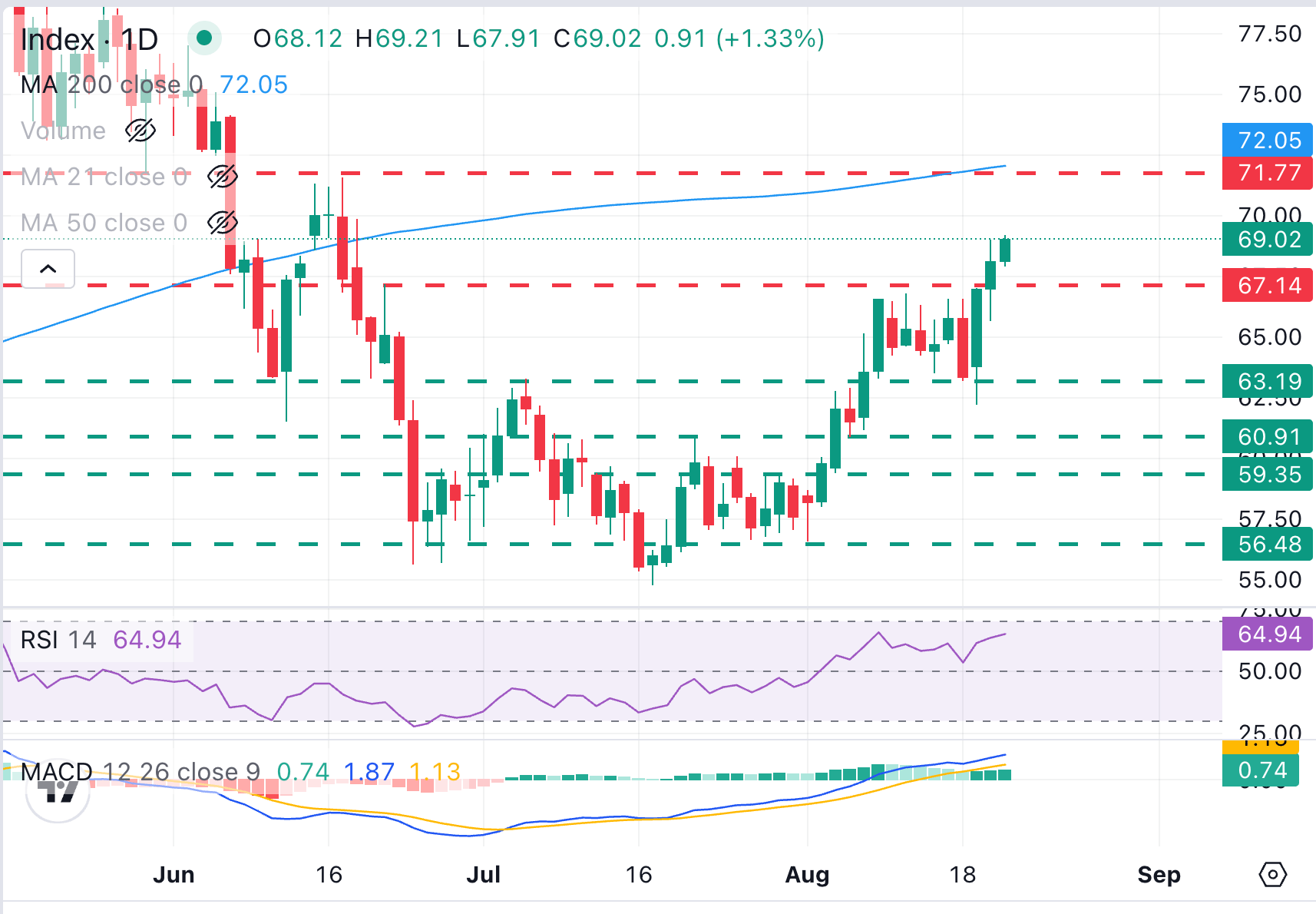
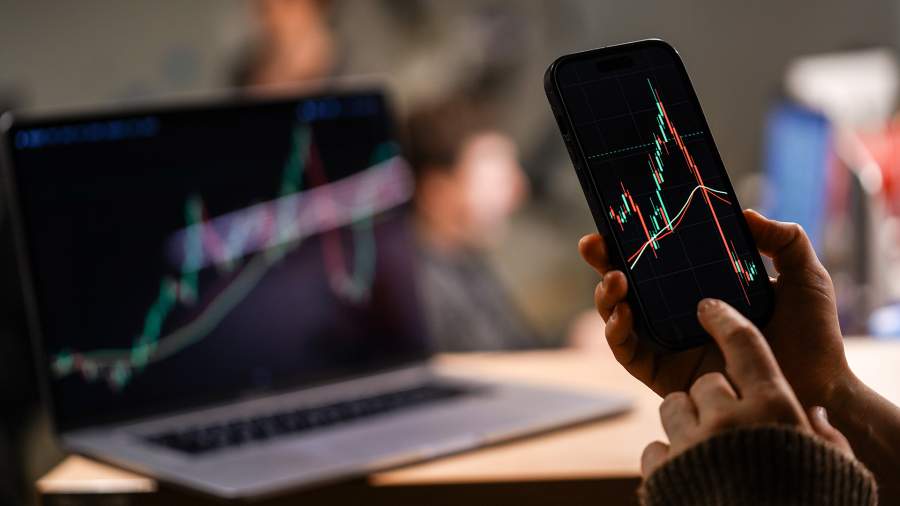
XAG/USD trades firm, at $69.02, holding a bullish structure, with momentum indicators on the daily chart endorsing the upside view. The Relative Strength Index (14) near 65 suggests strong but maturing bullish momentum, while the Moving Average Convergence Divergence (MACD) indicator remains in positive territory, hinting that upside attempts could persist.
Bulls are likely to meet some resistance at the $70.00 psychological level, although key resistance lies in the area between the mid-June highs, at $ 71.56, and the 200-day Simple Moving Average (SMA) at $72.05.
On the downside, the previous resistance area around $67.20 (June 22 high) is likely to porvide some support in case of a bearish reversal. Below here, the next targets would be the August 18 low, in the $63.20 area, and the August 5 and 6 lows around $61.00.
(The technical analysis of this story was written with the help of an AI tool. Know more.)
Silver FAQs
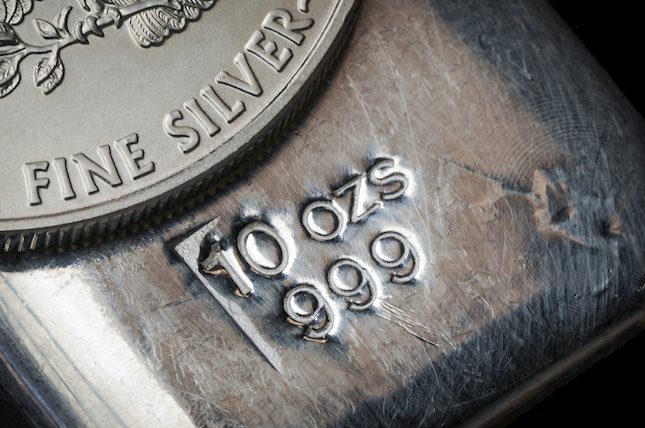
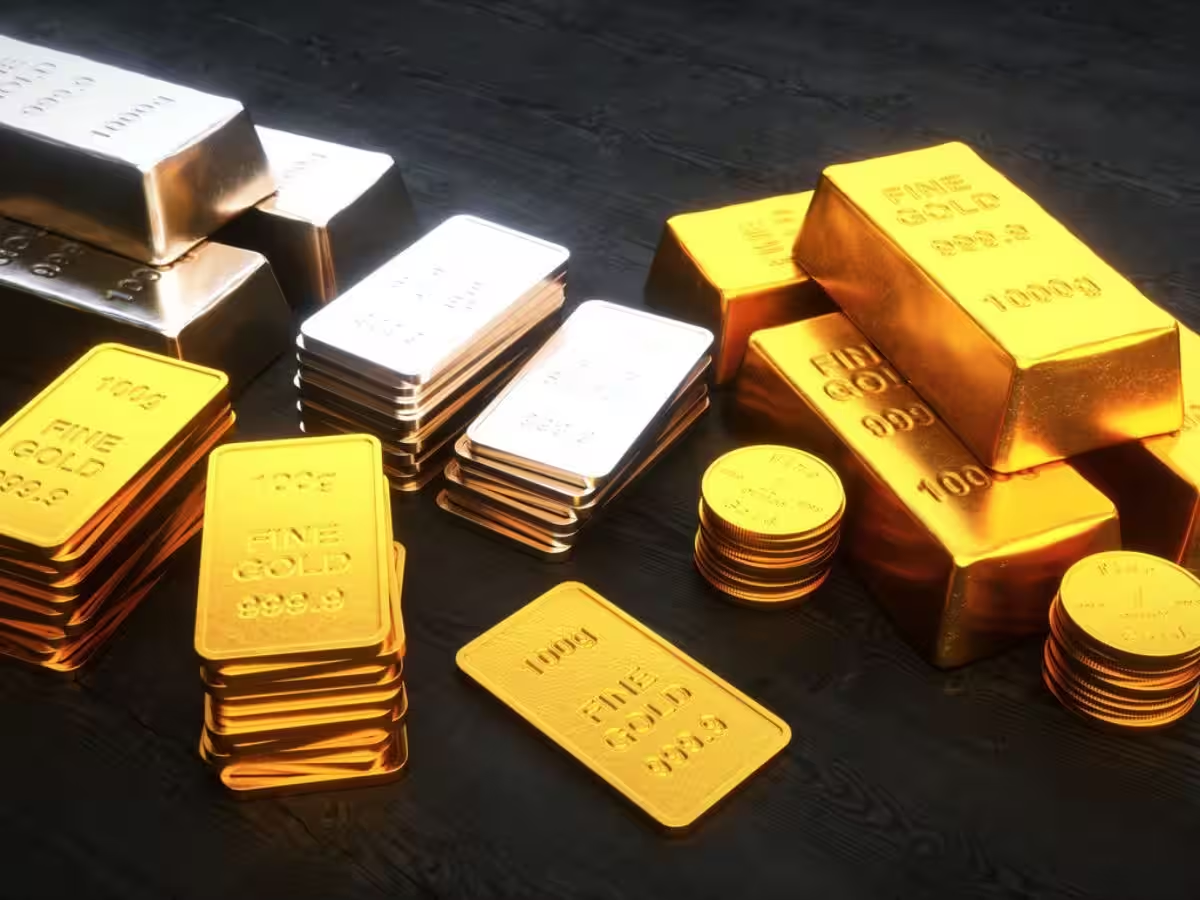
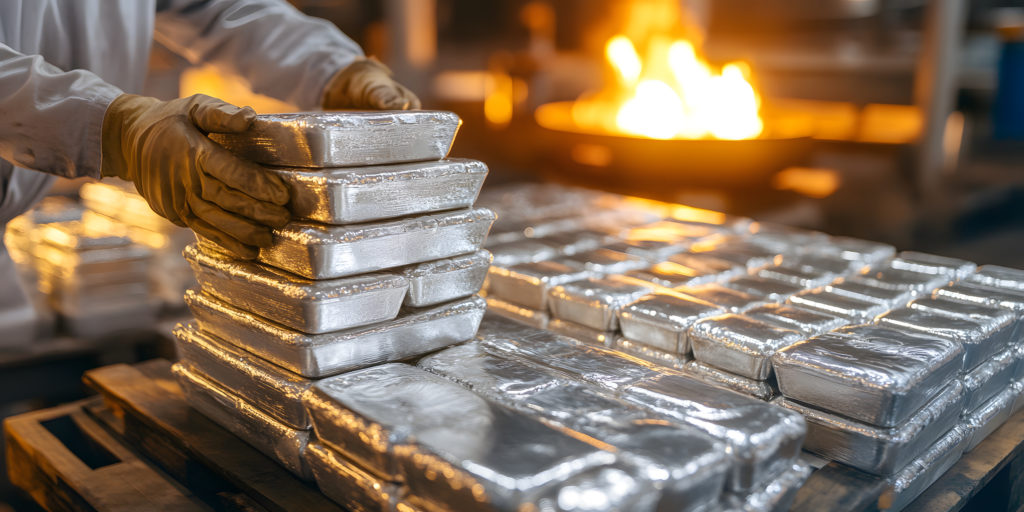
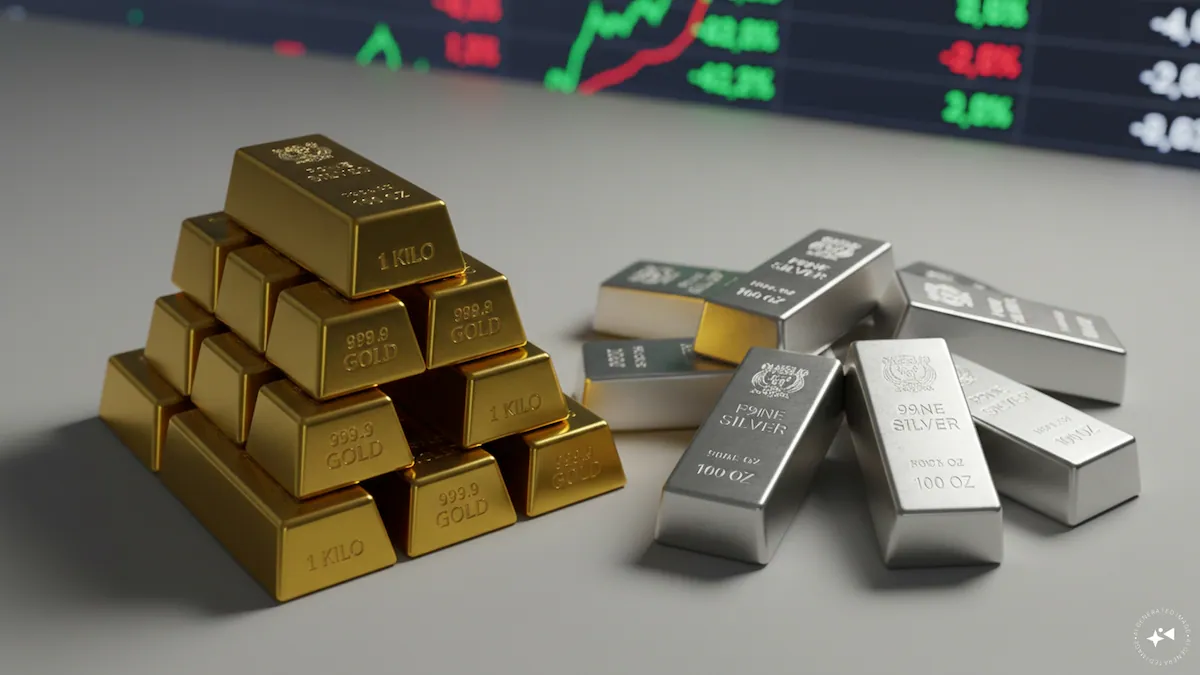
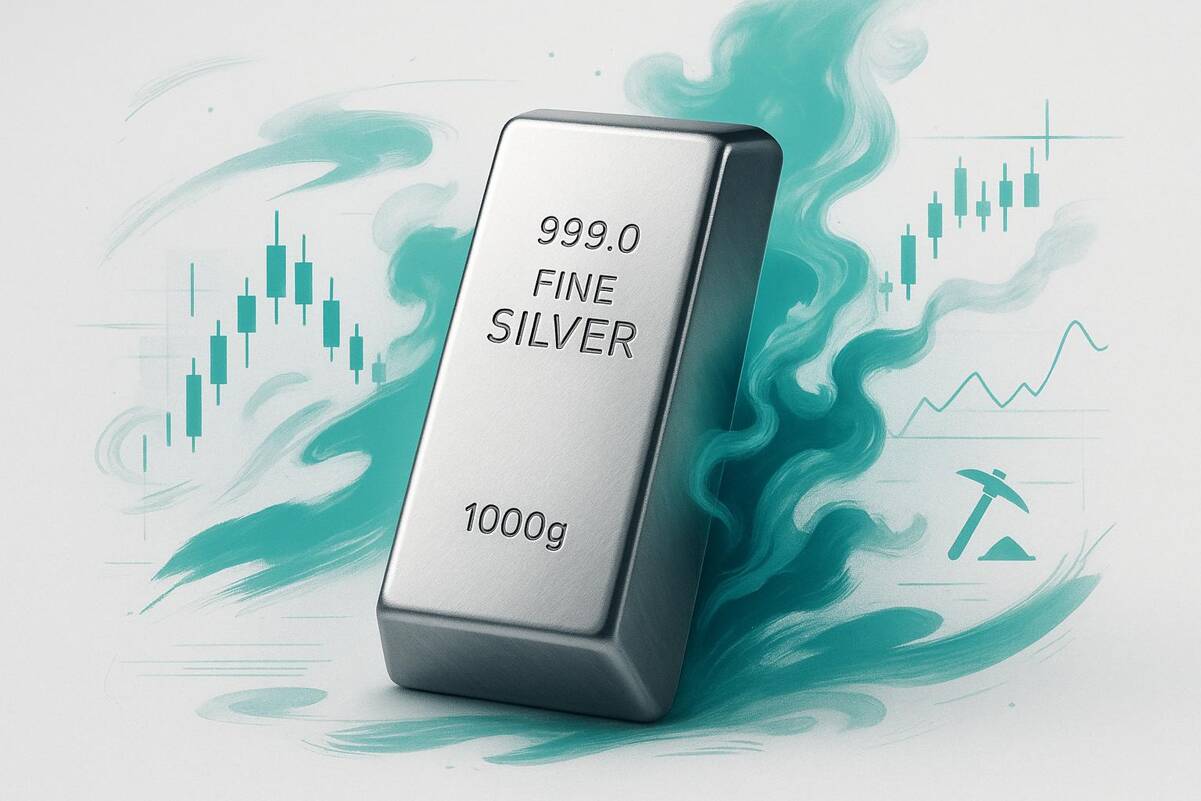
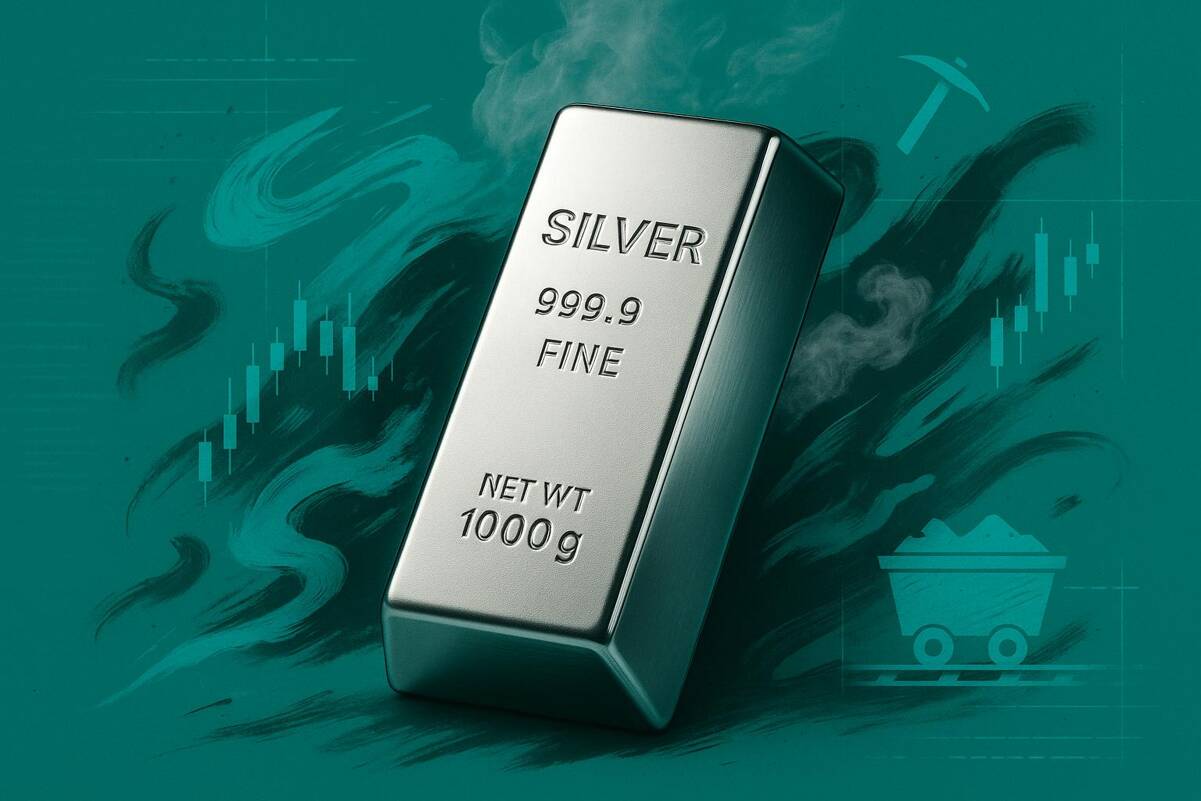
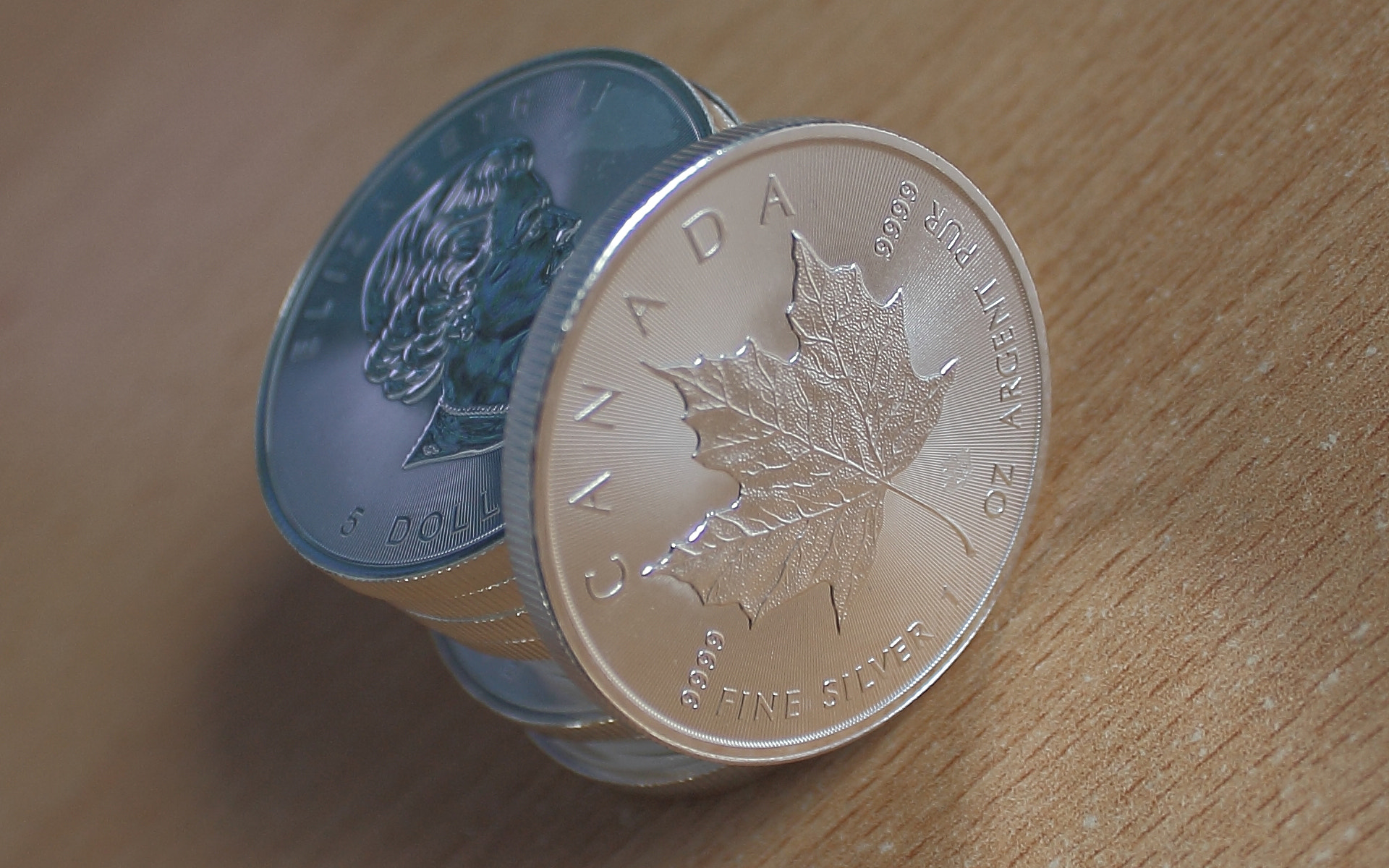
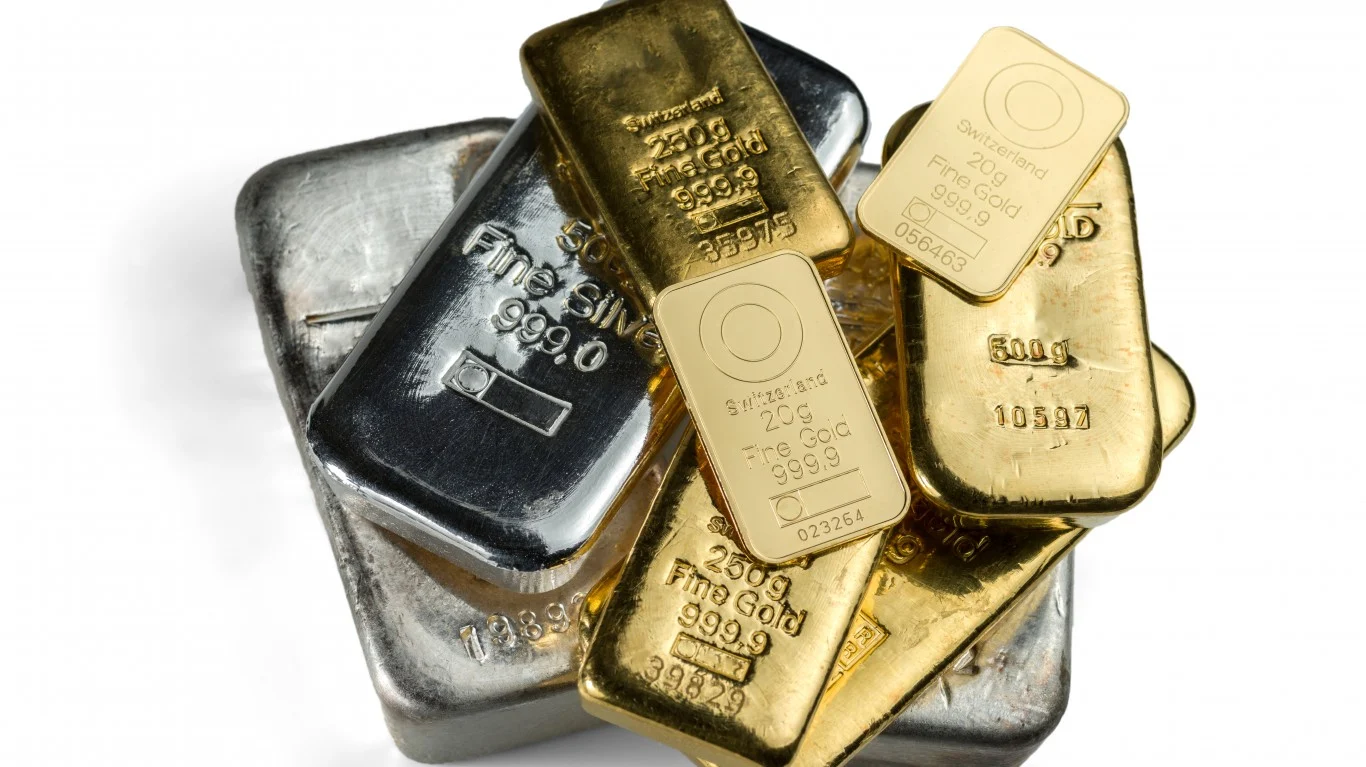
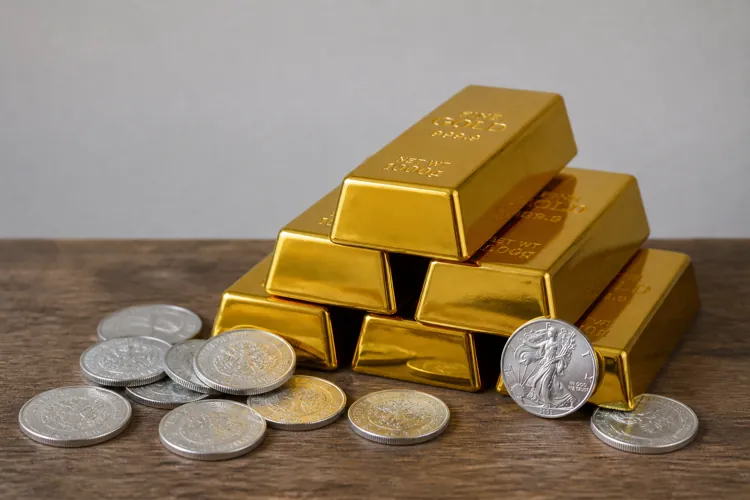
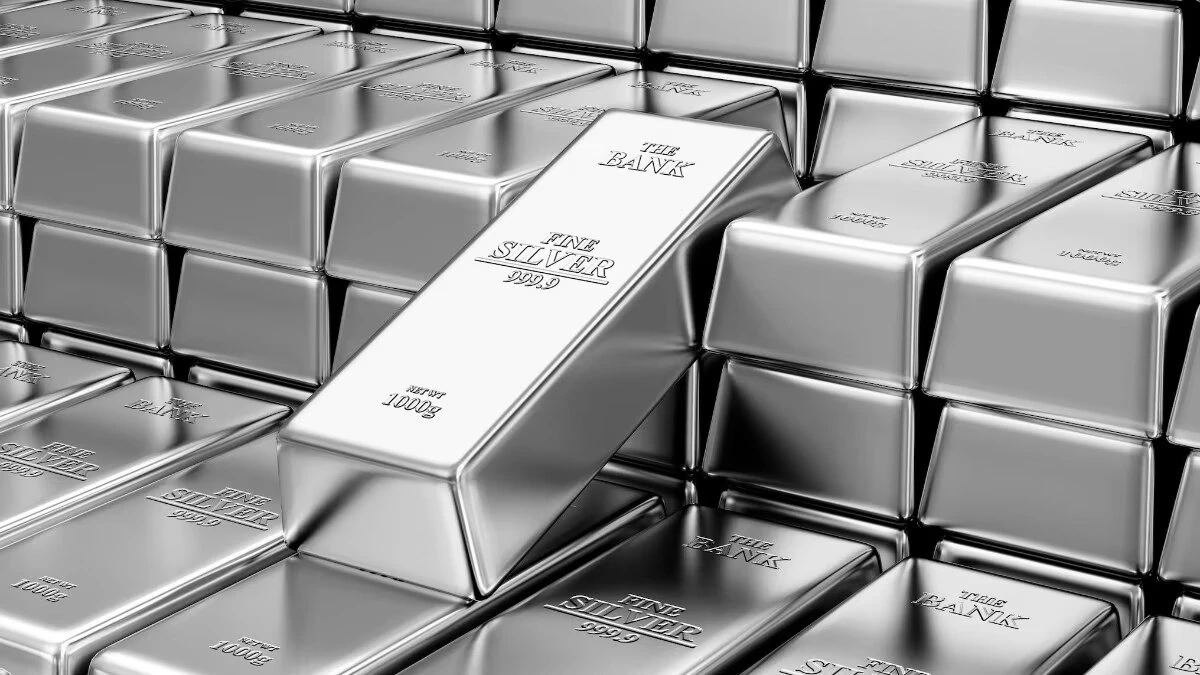
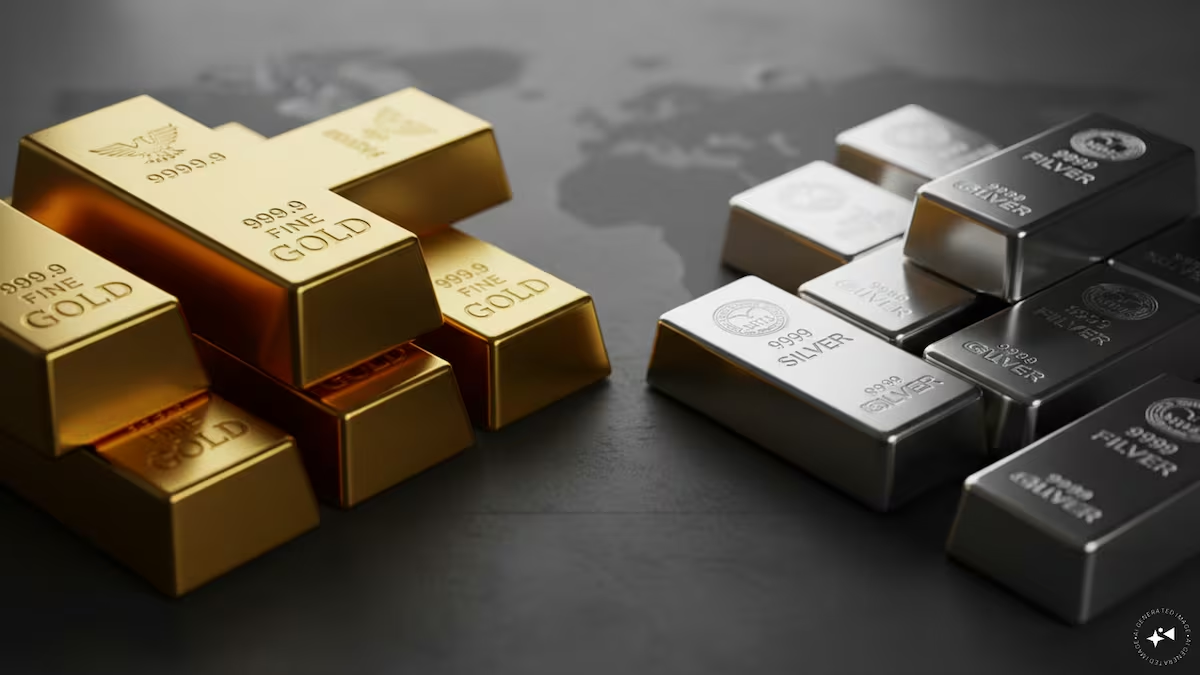
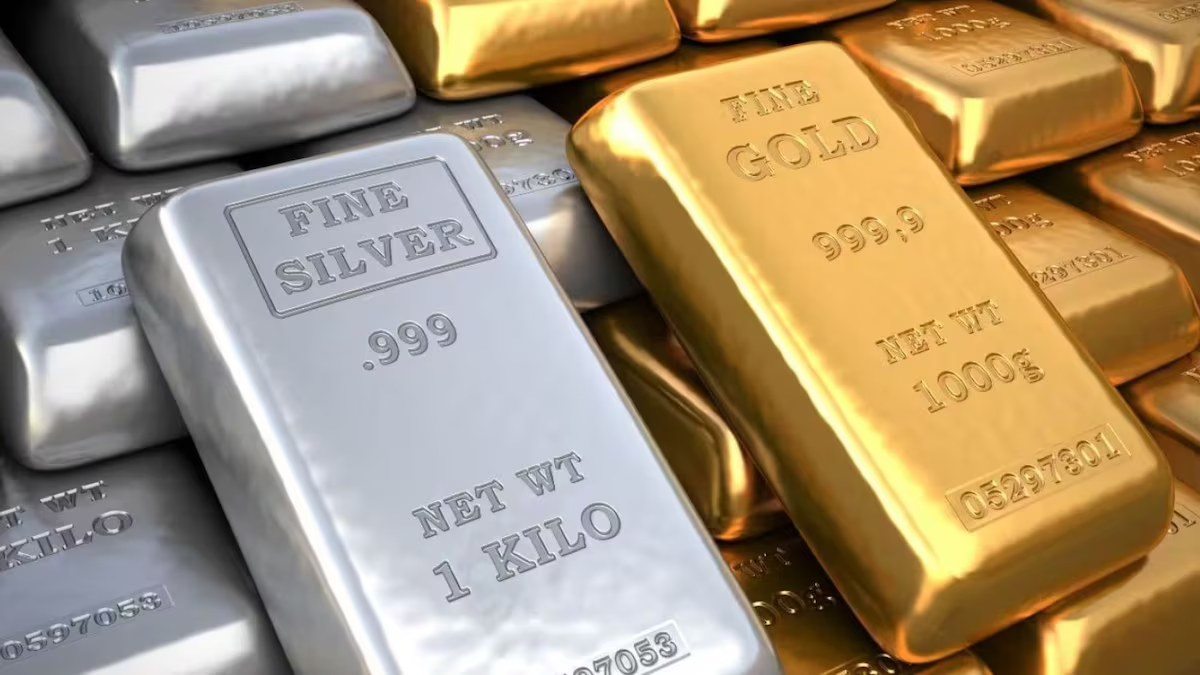
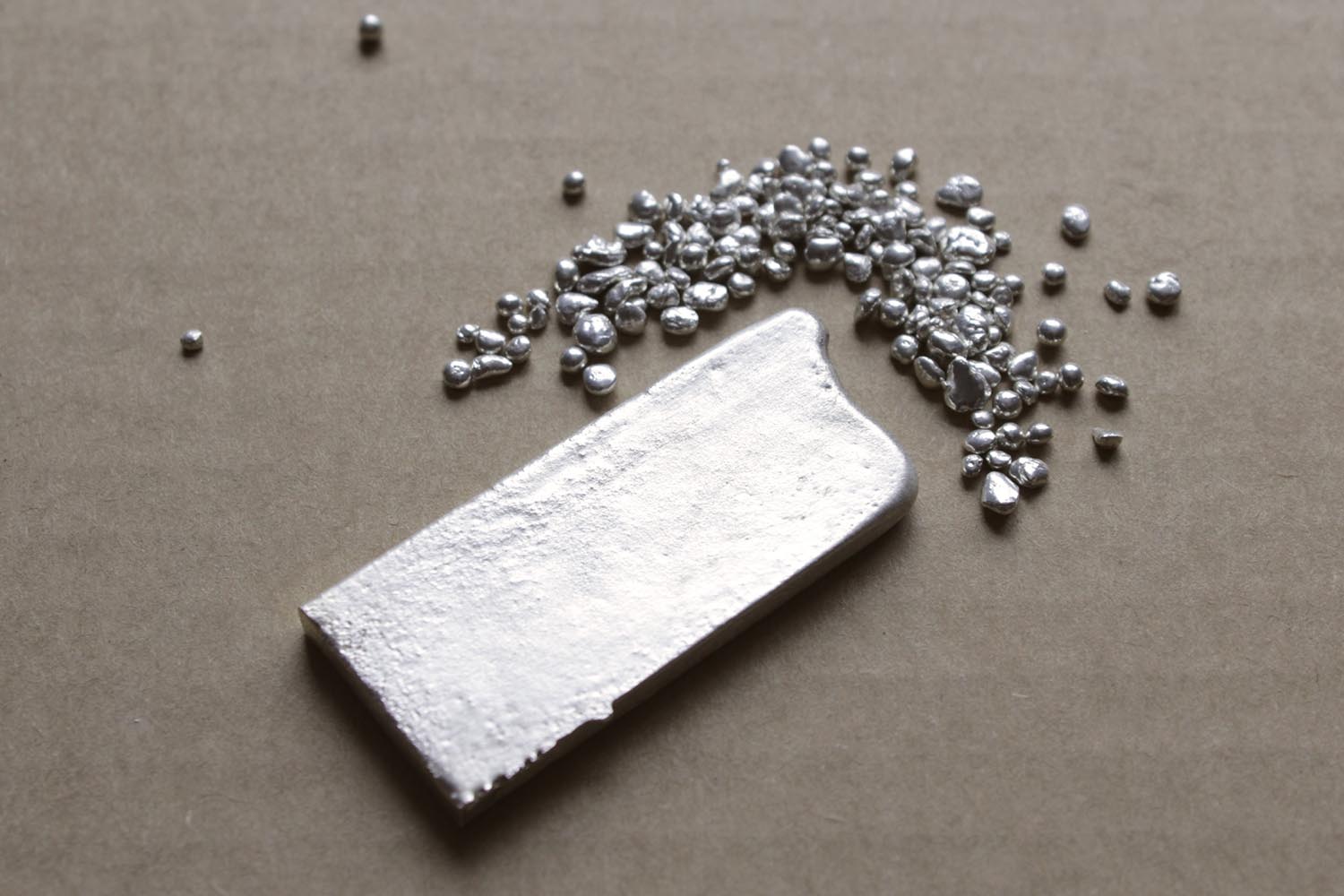
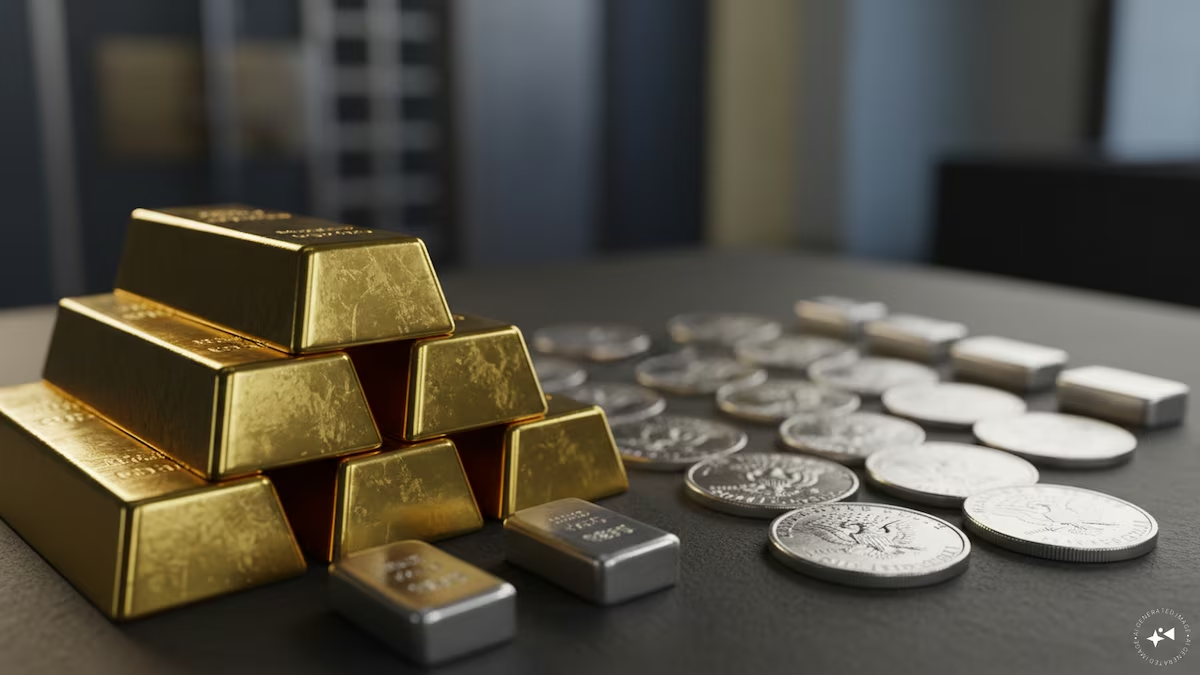
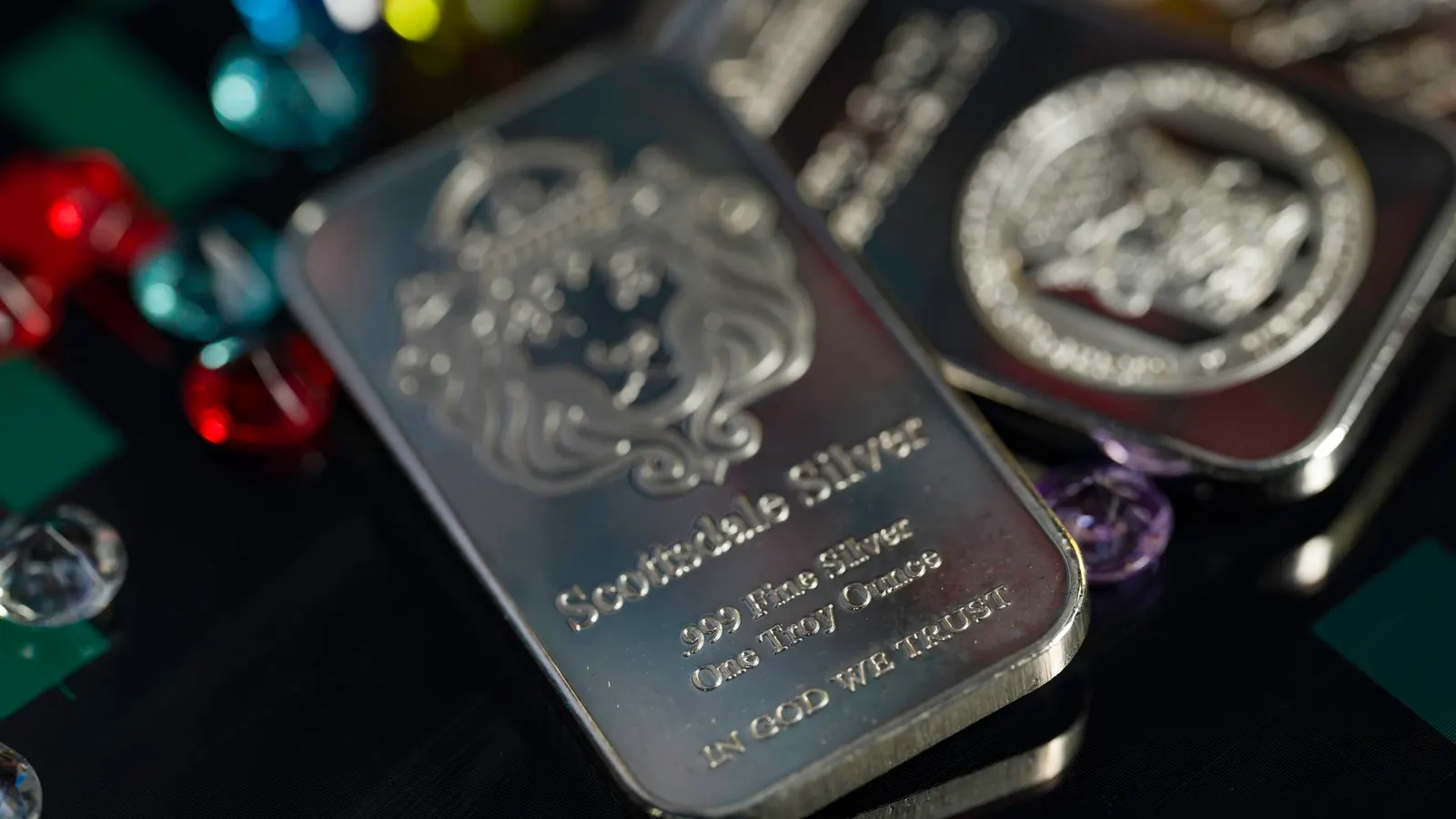
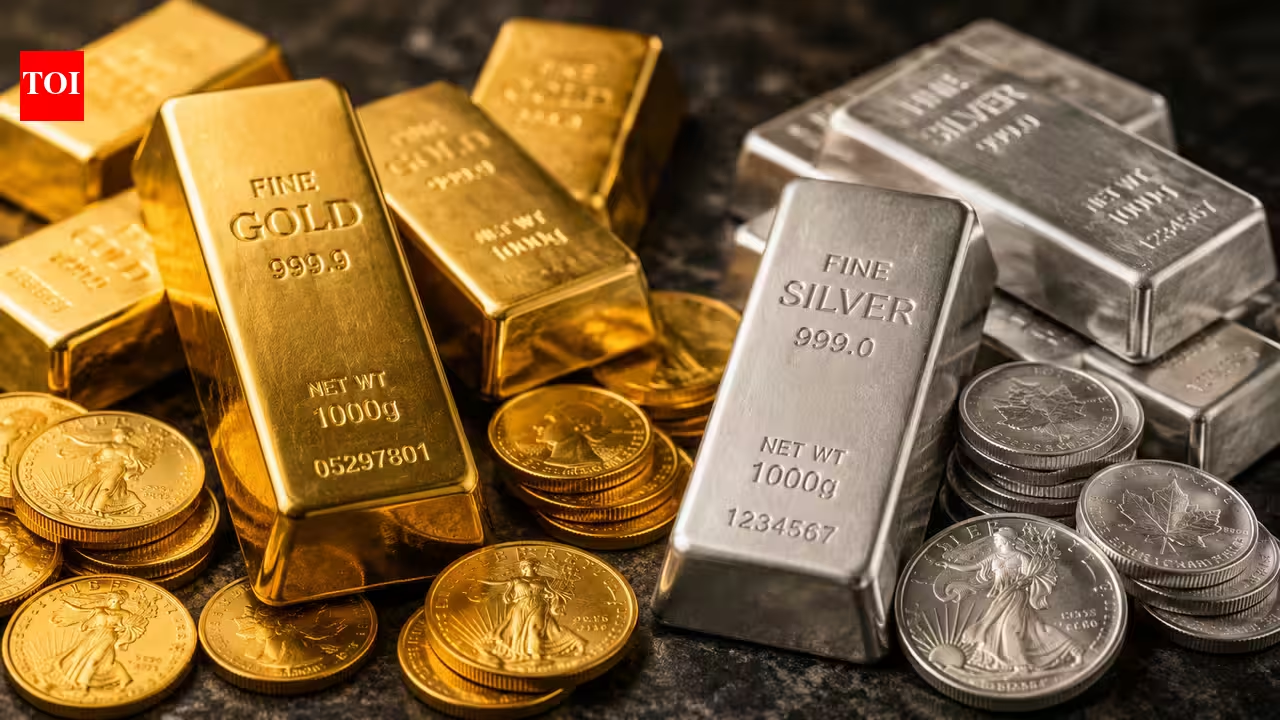
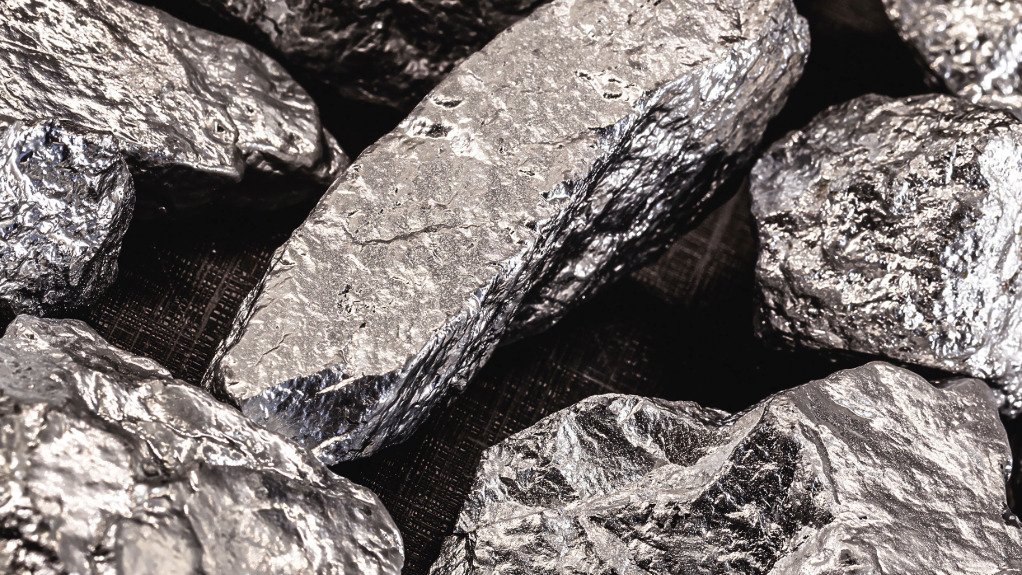
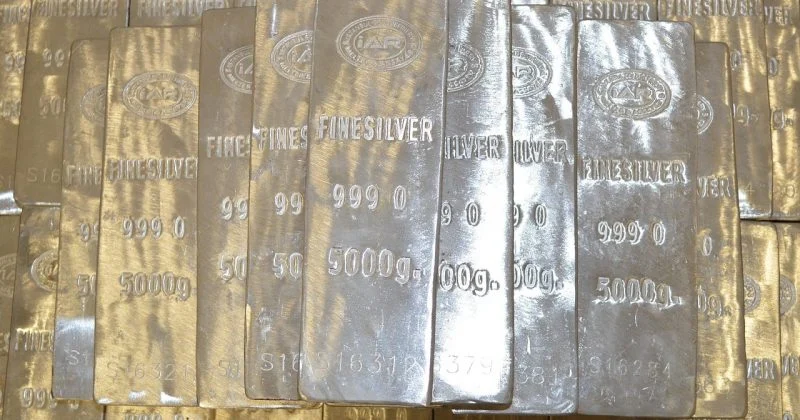
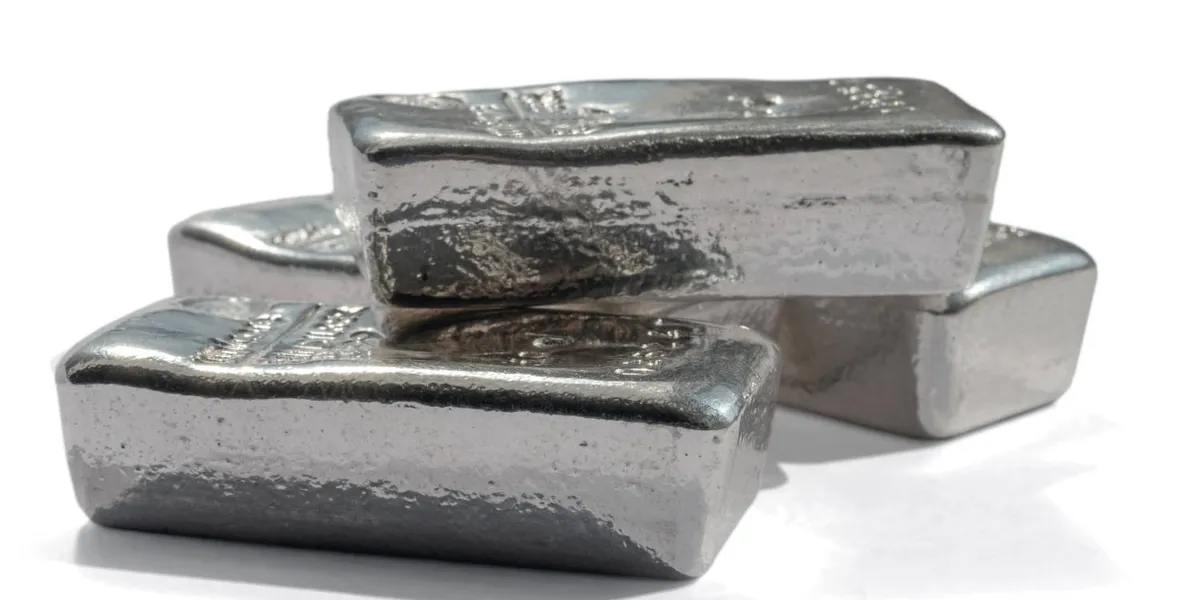
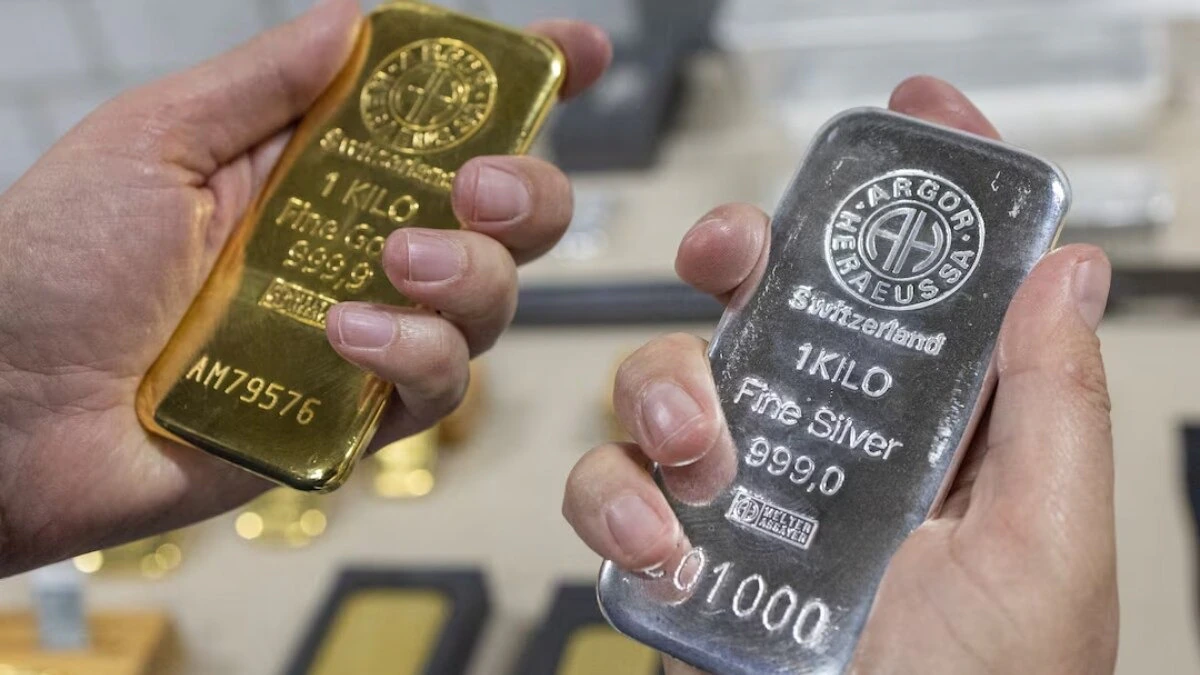
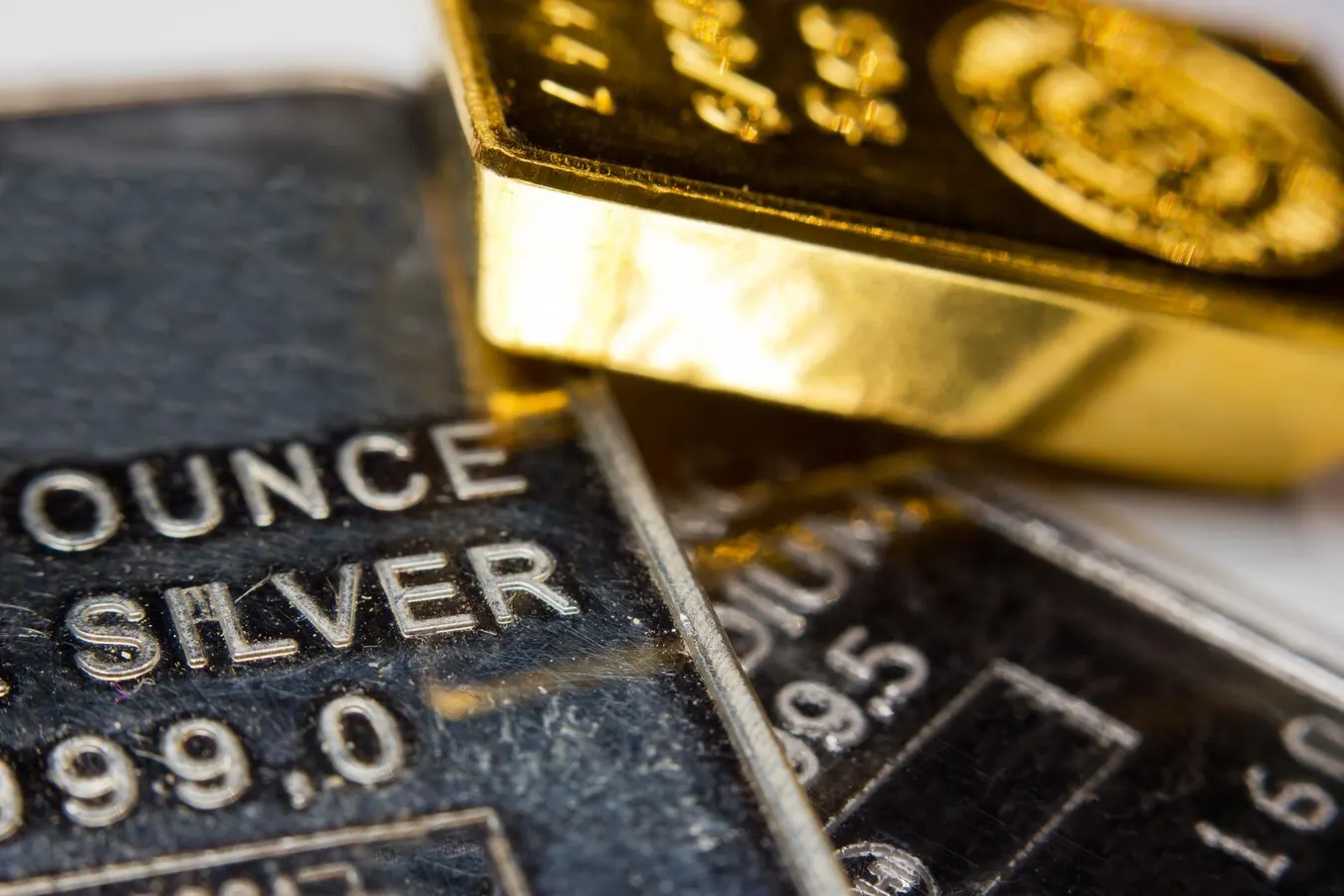
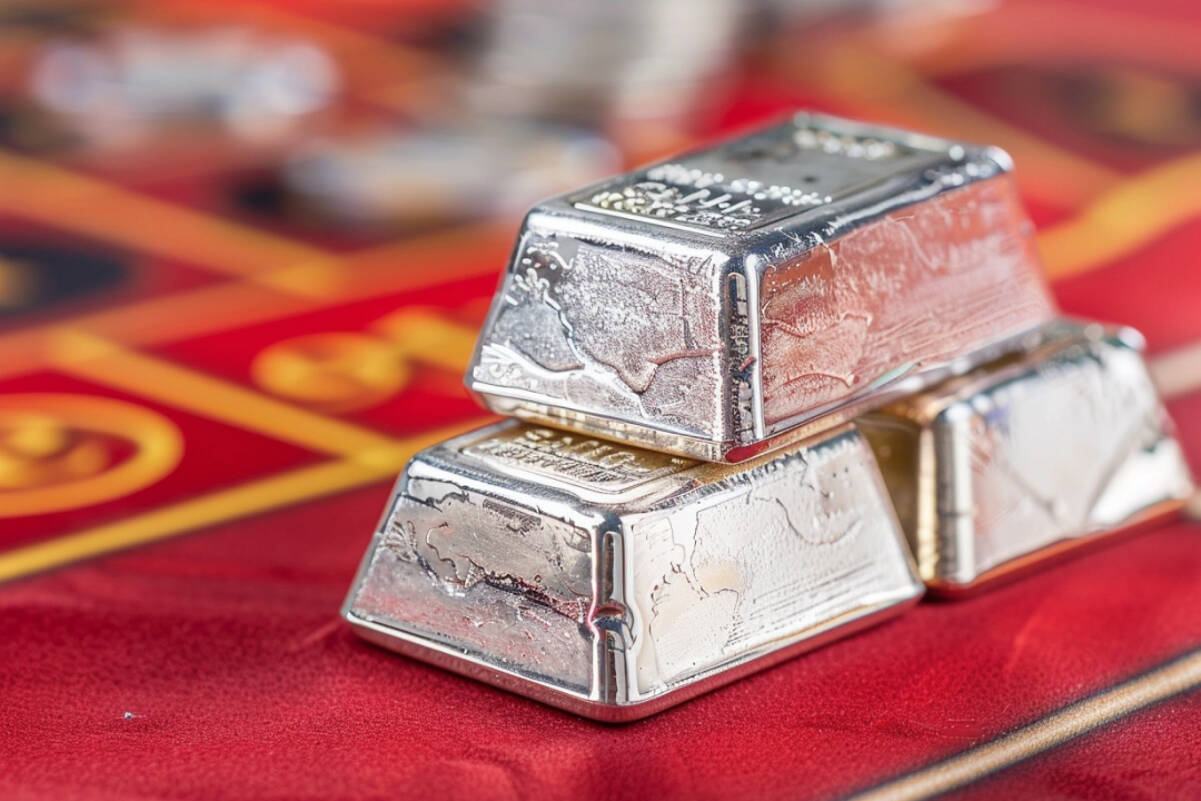
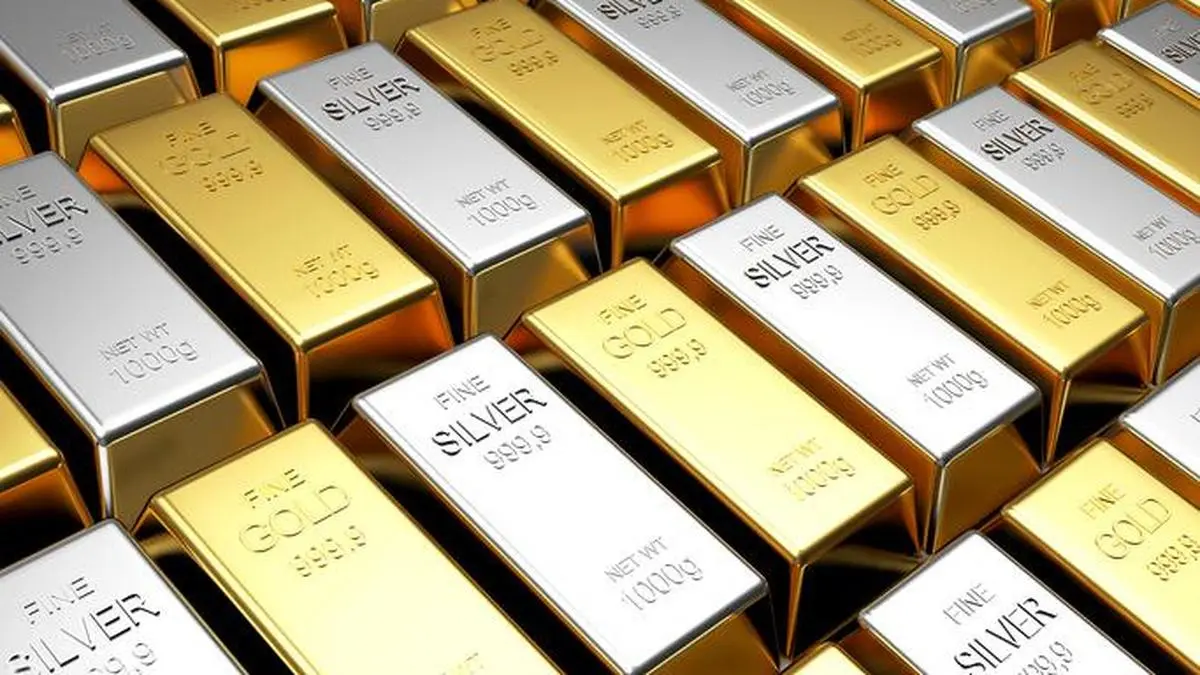
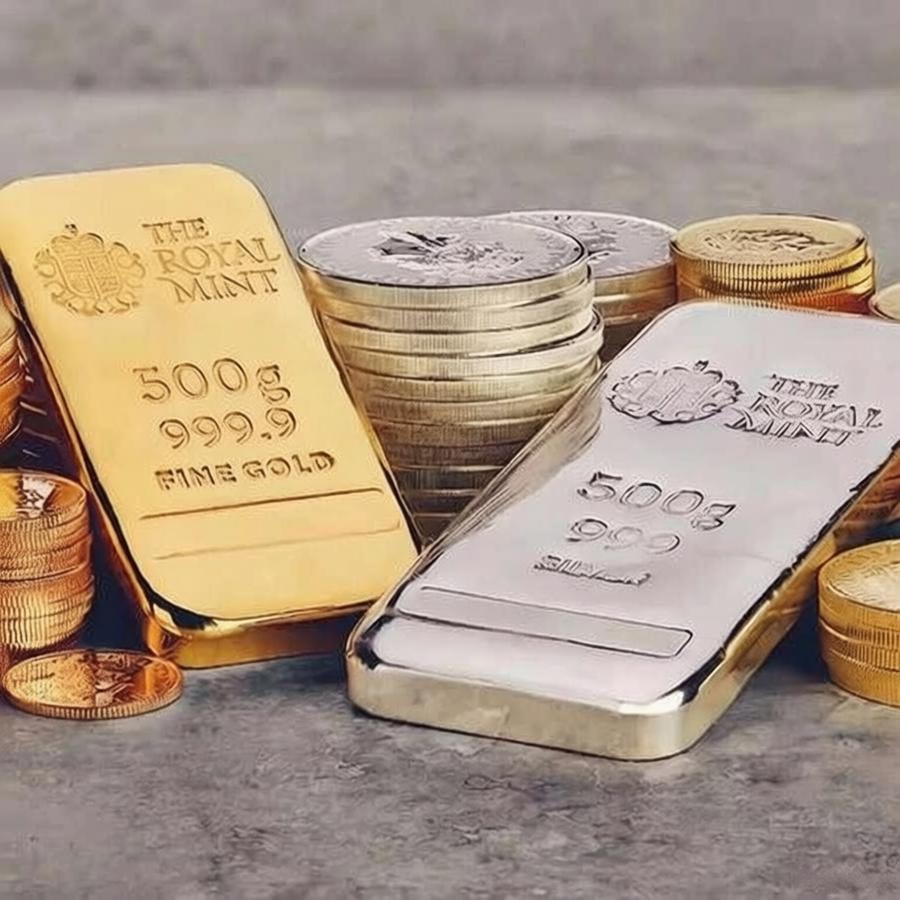
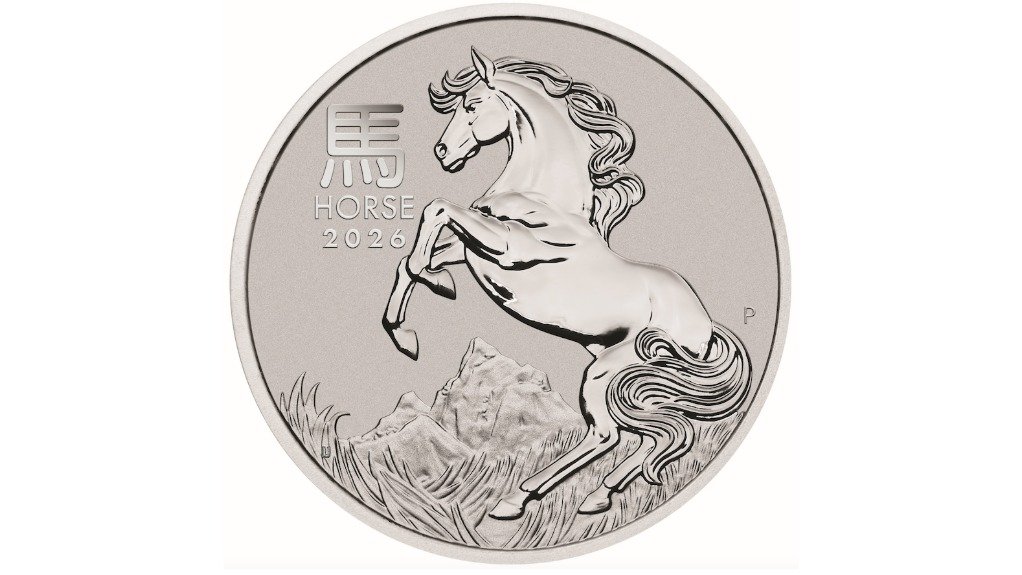
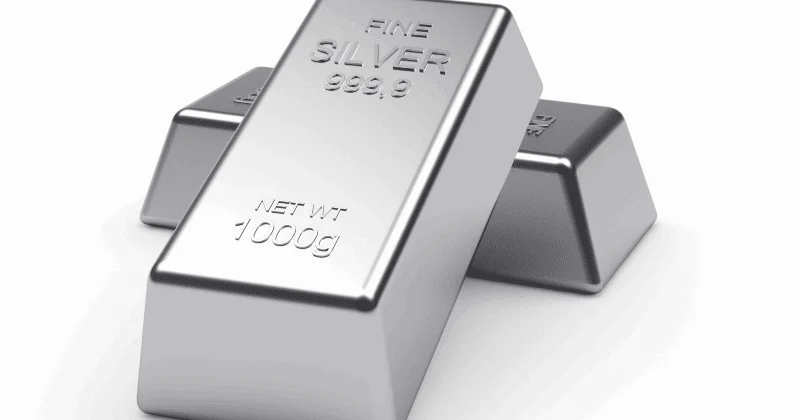
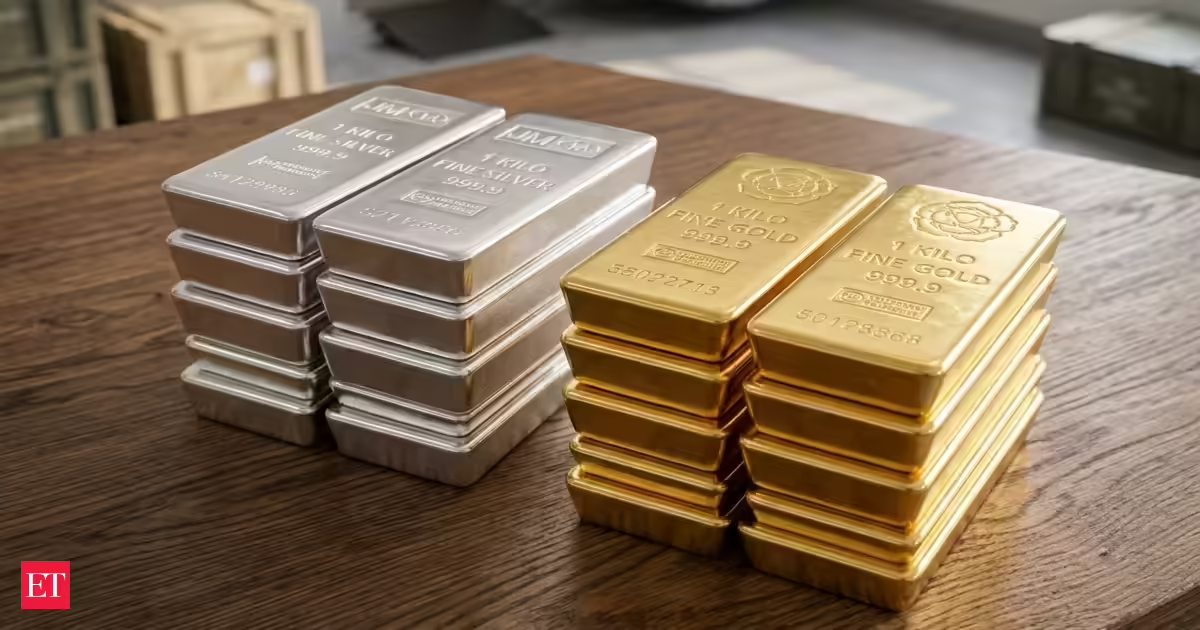
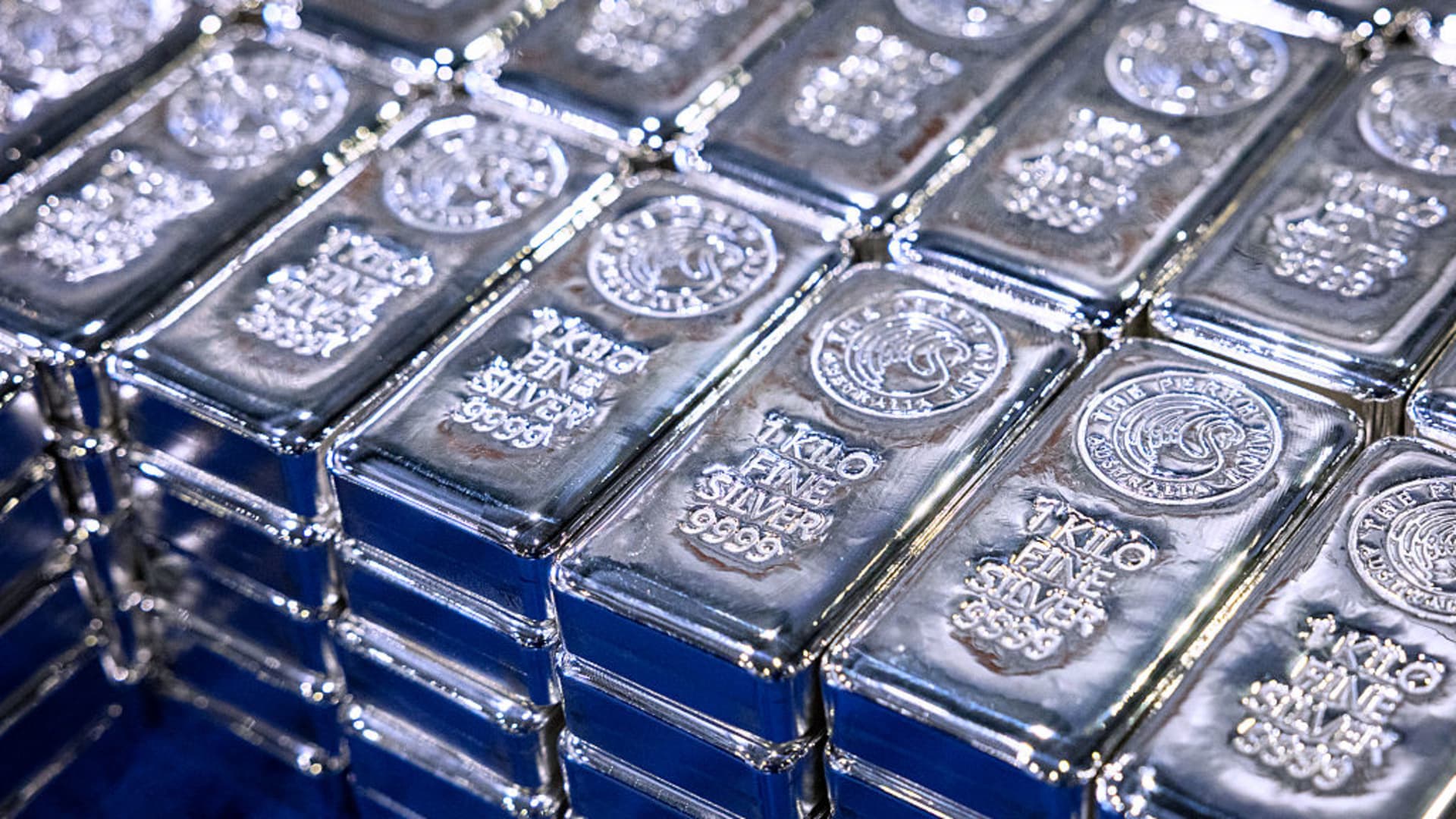
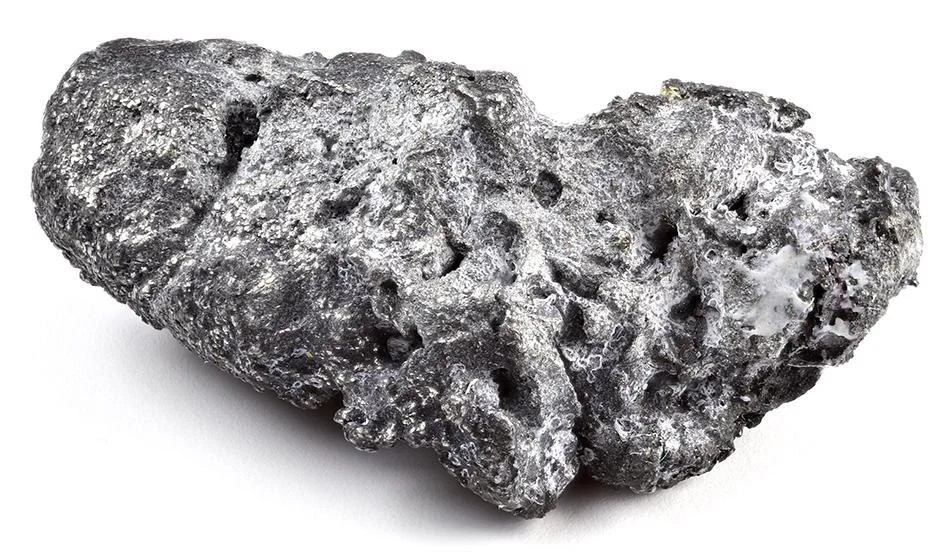
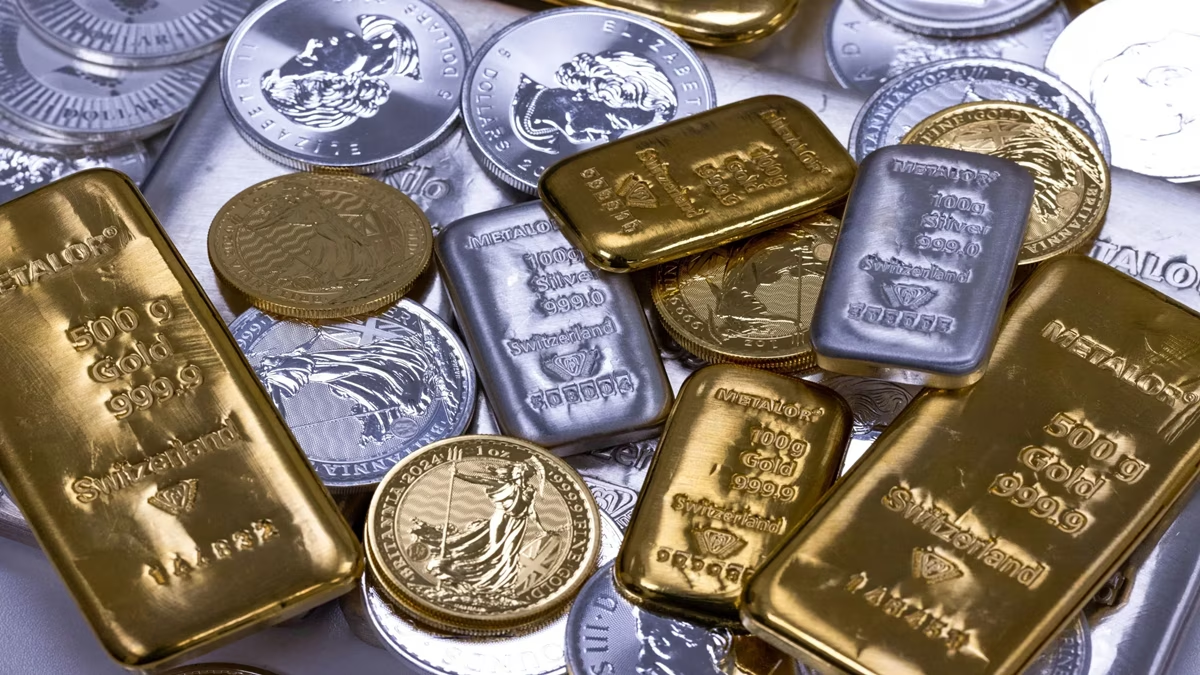
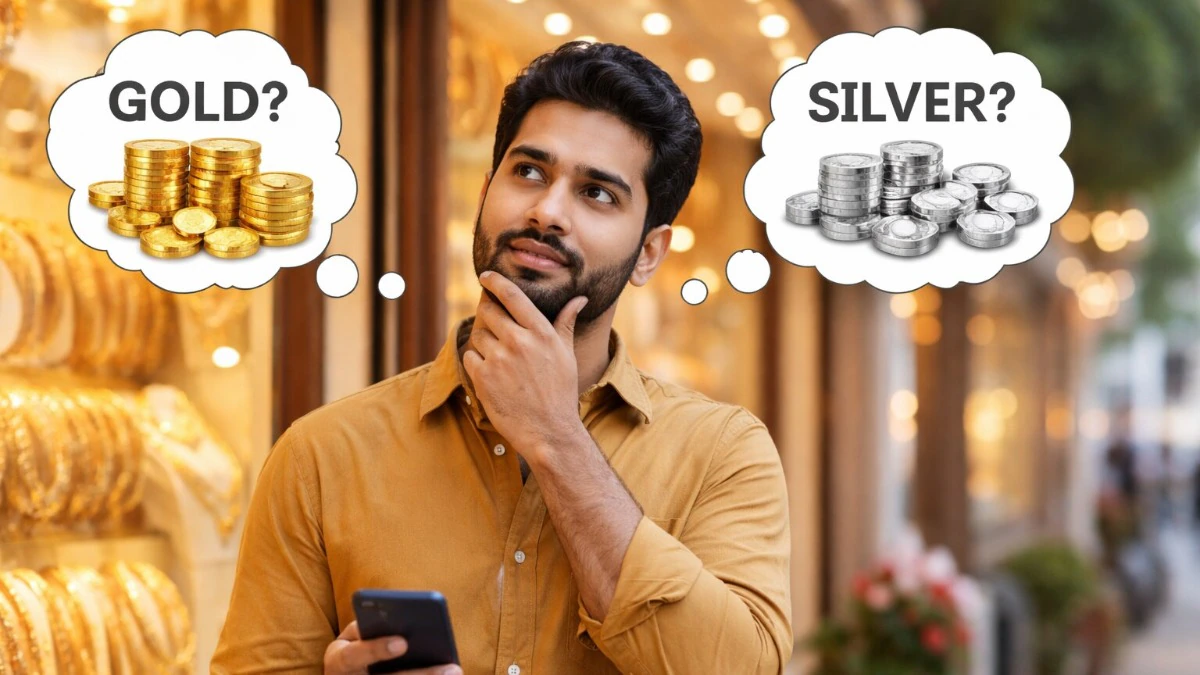
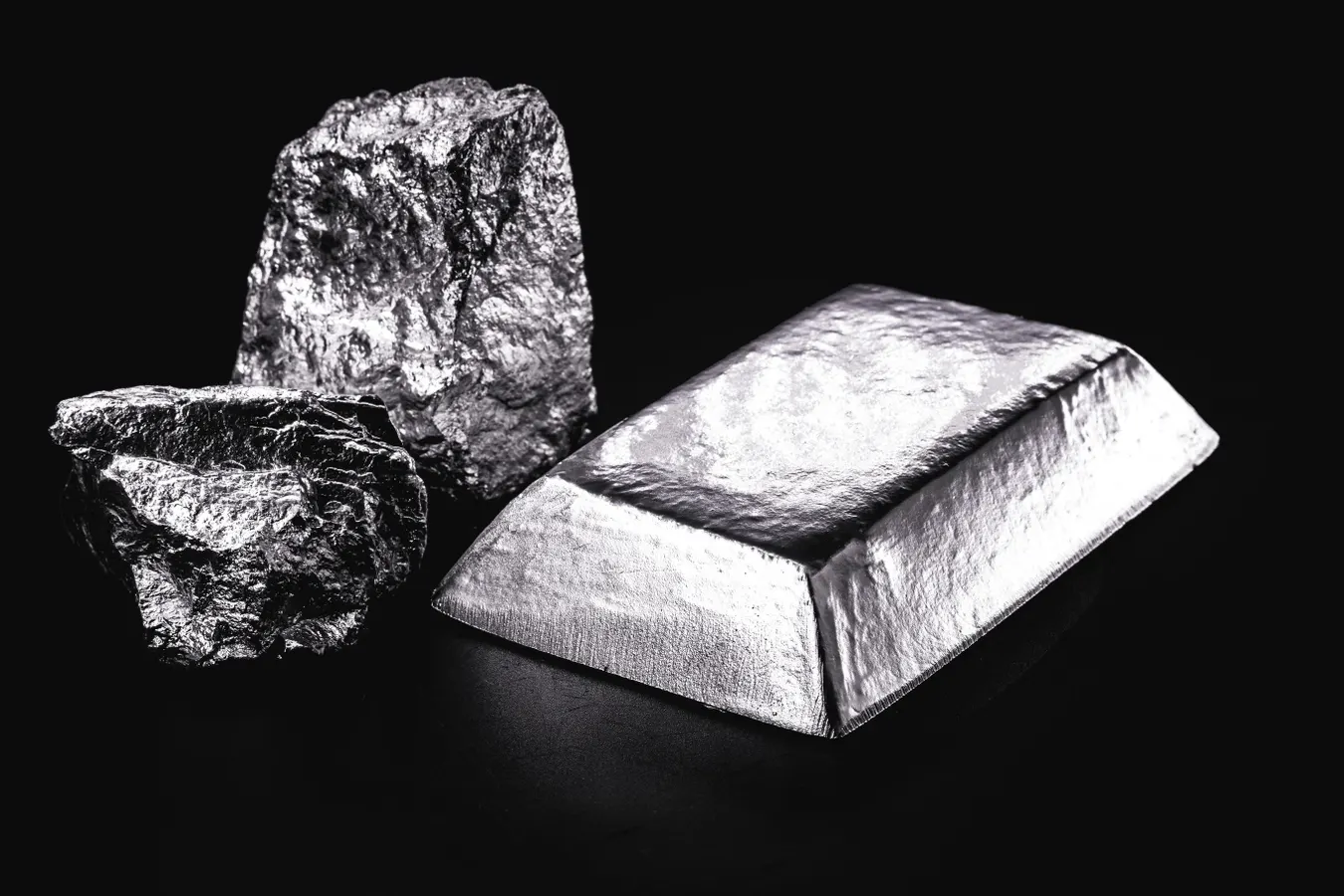
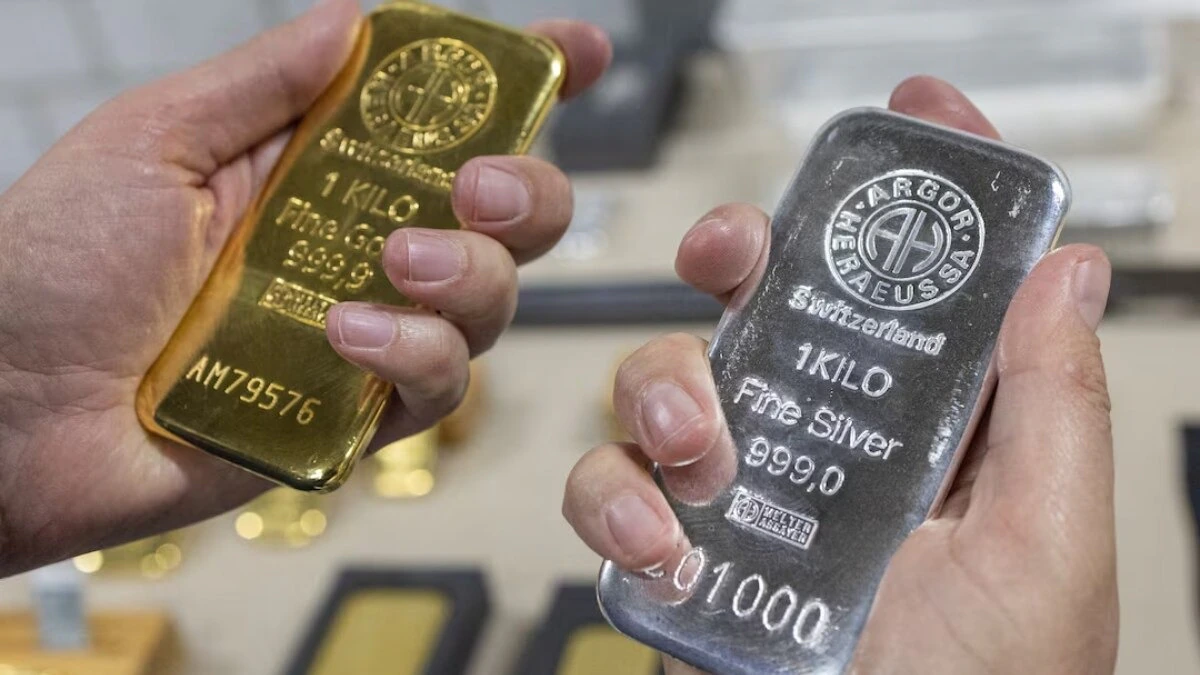
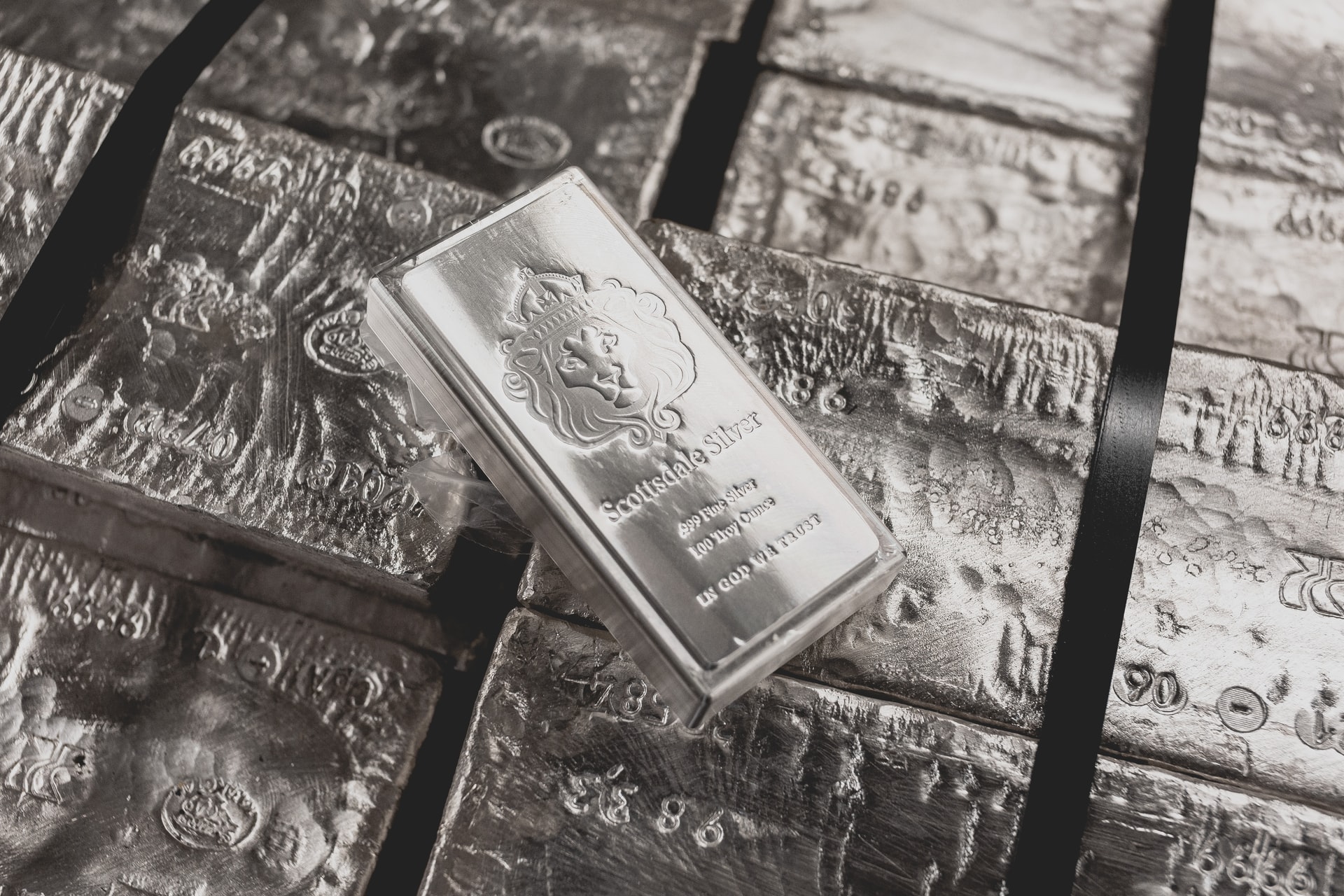
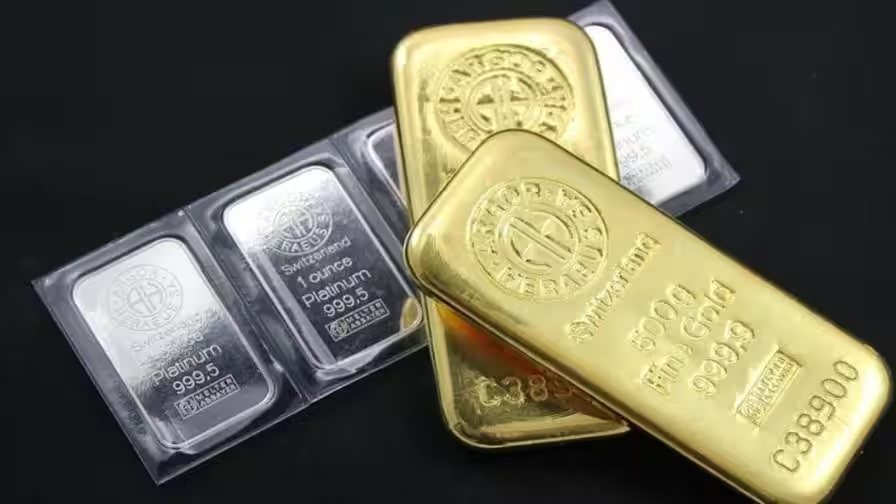
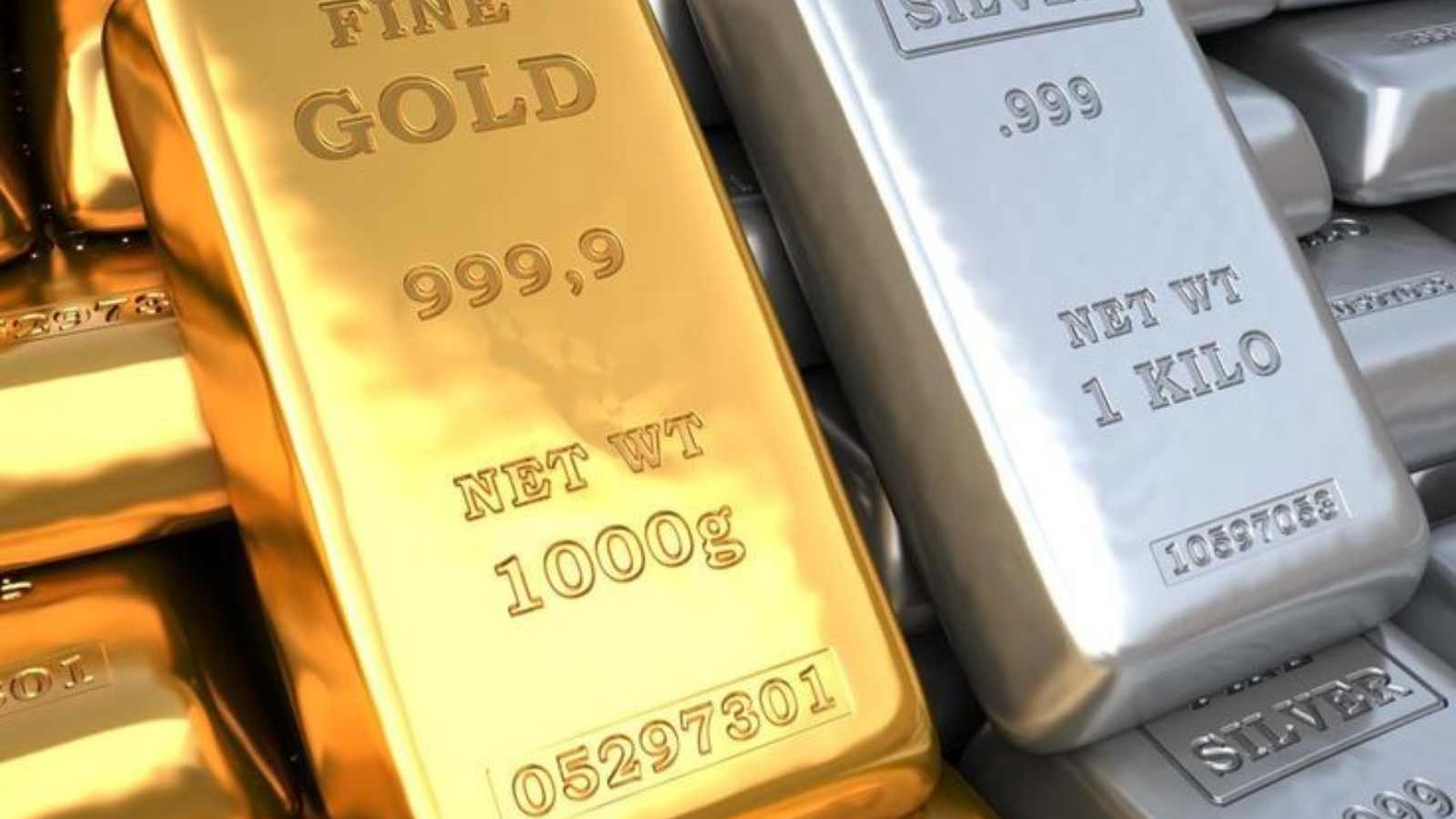
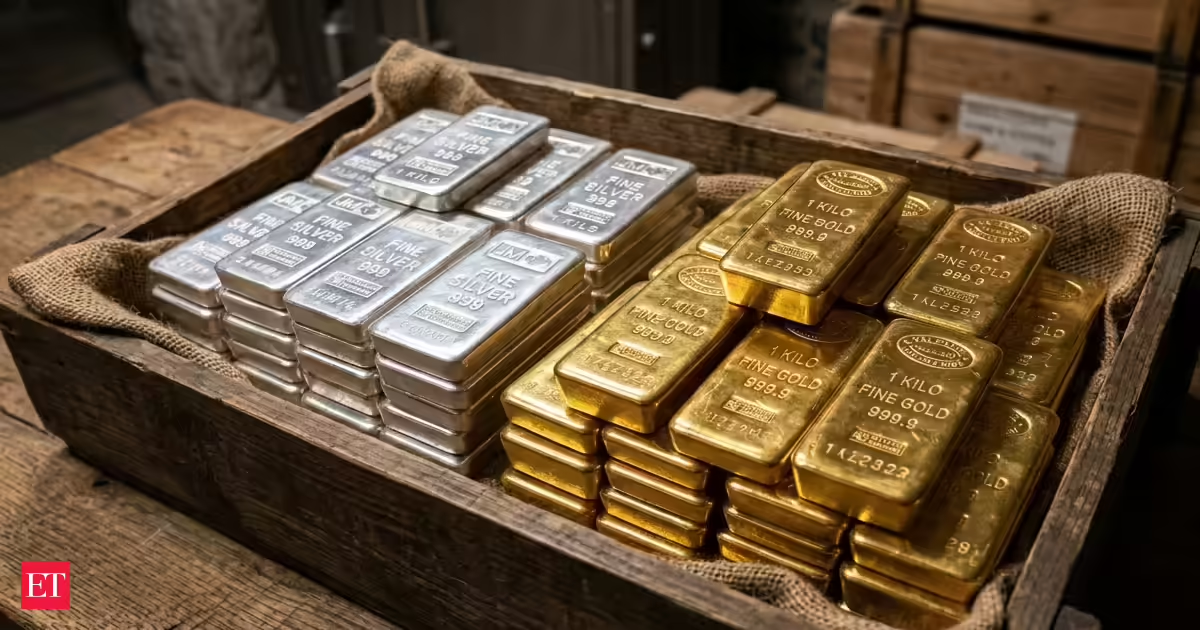
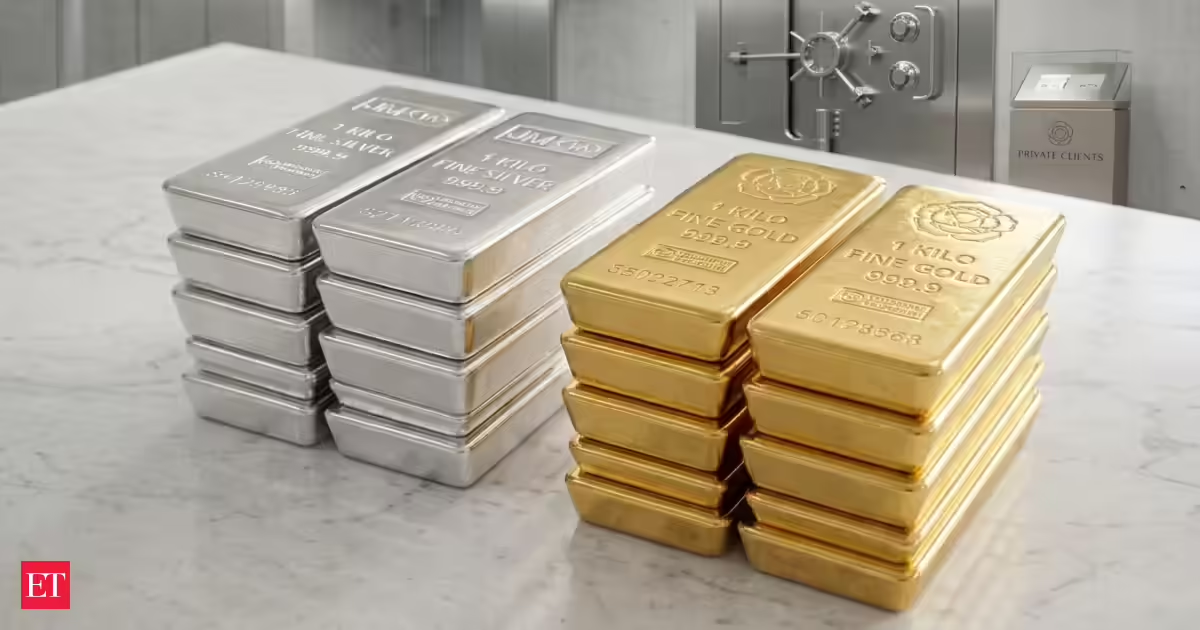
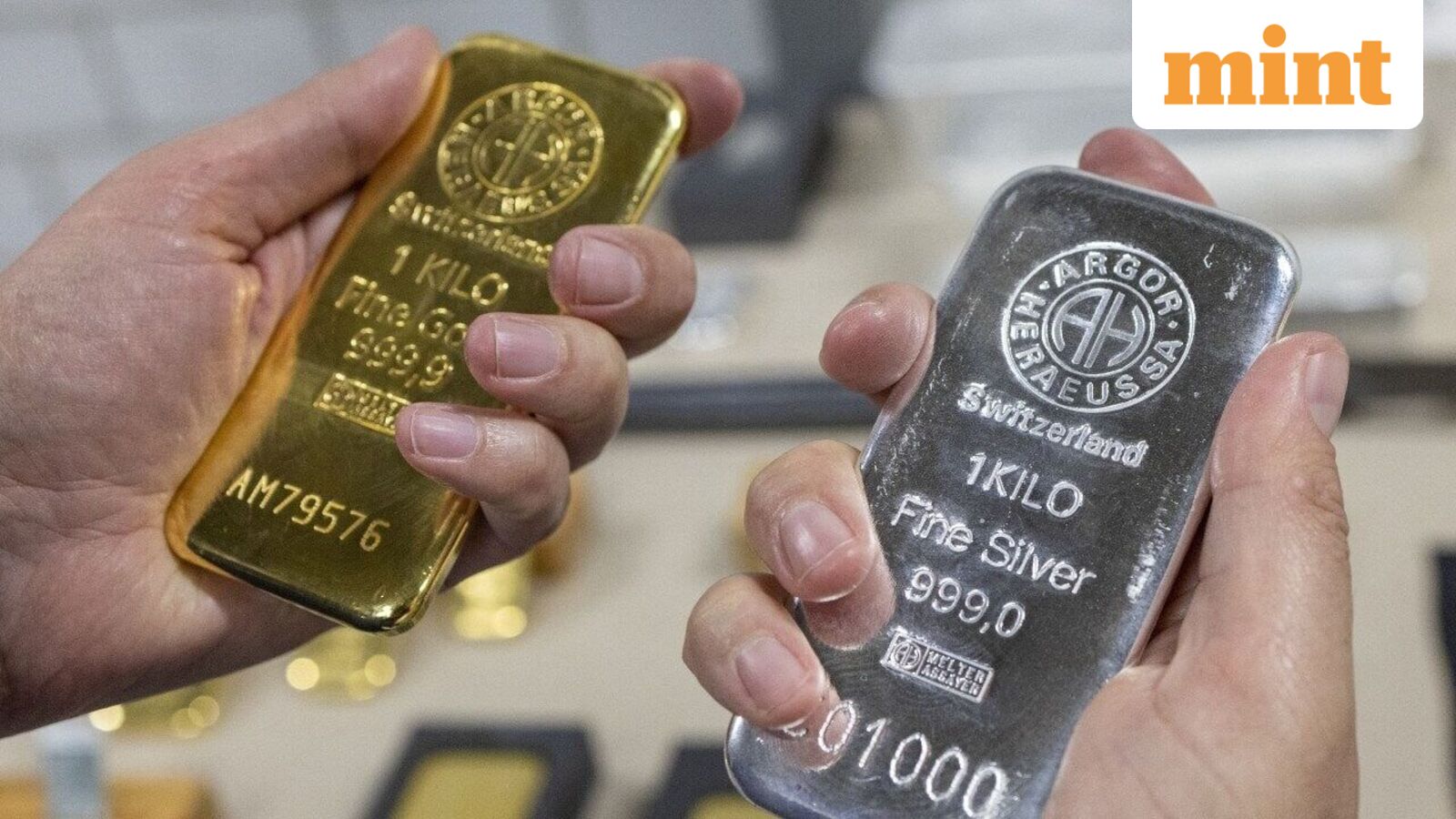
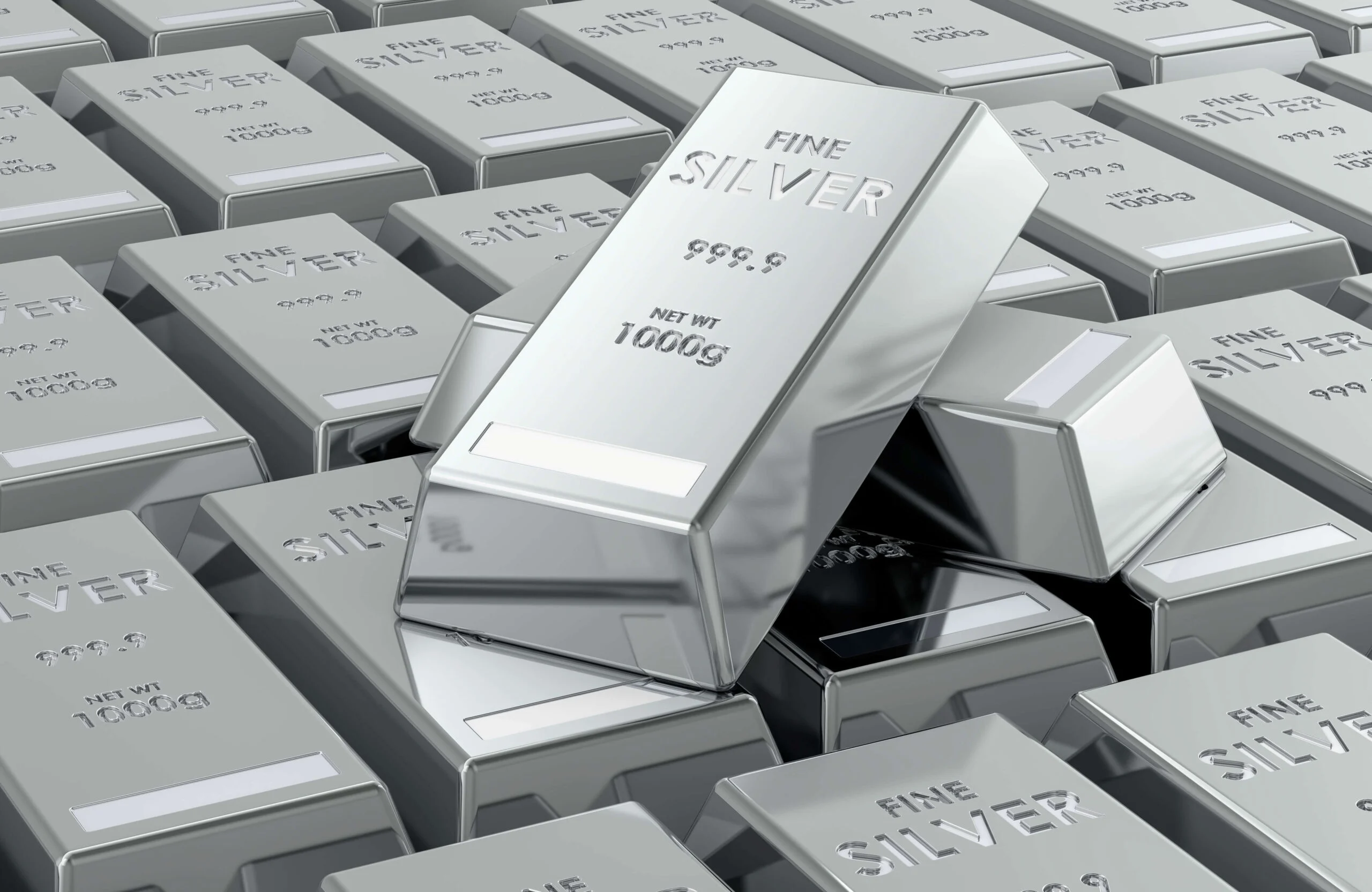
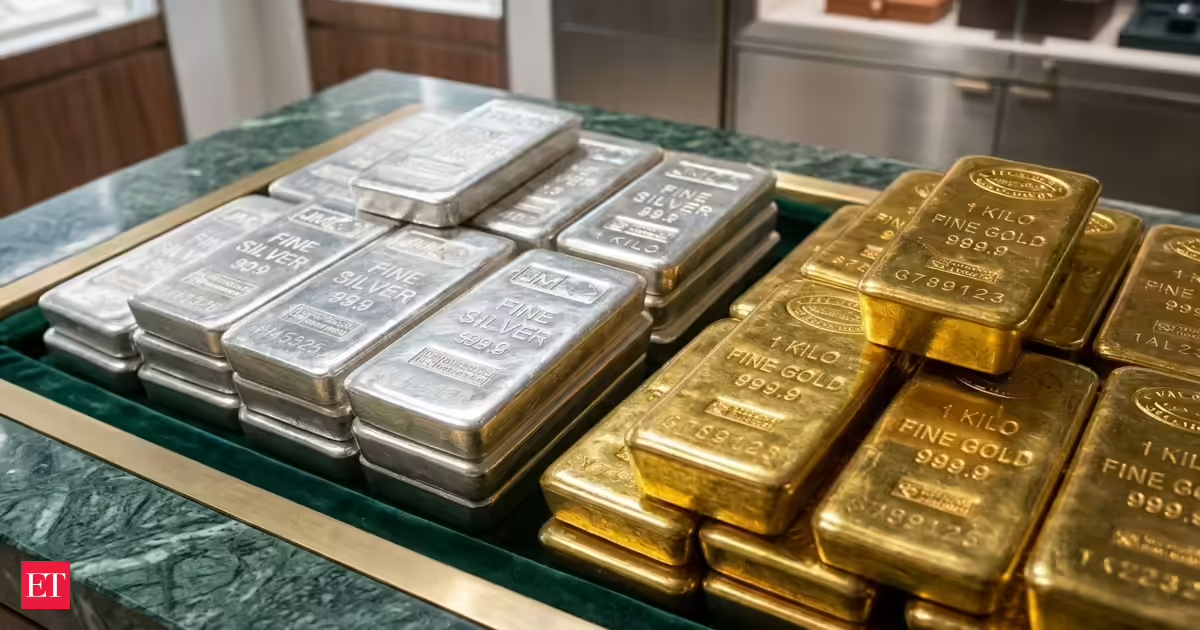
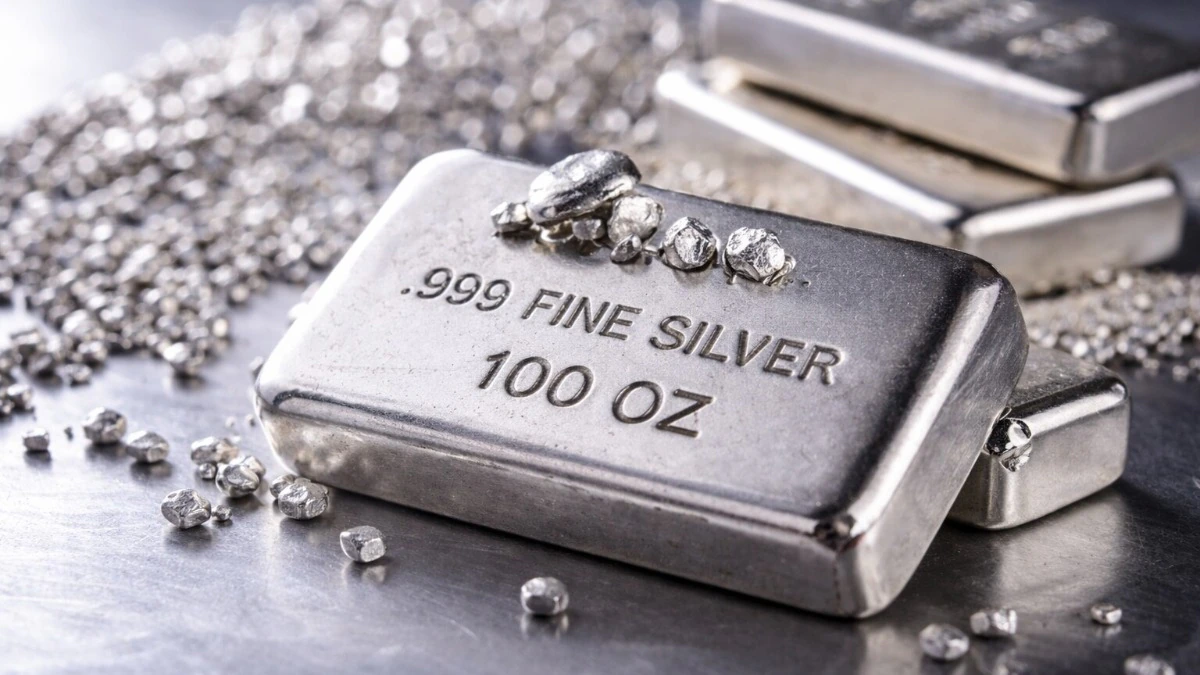
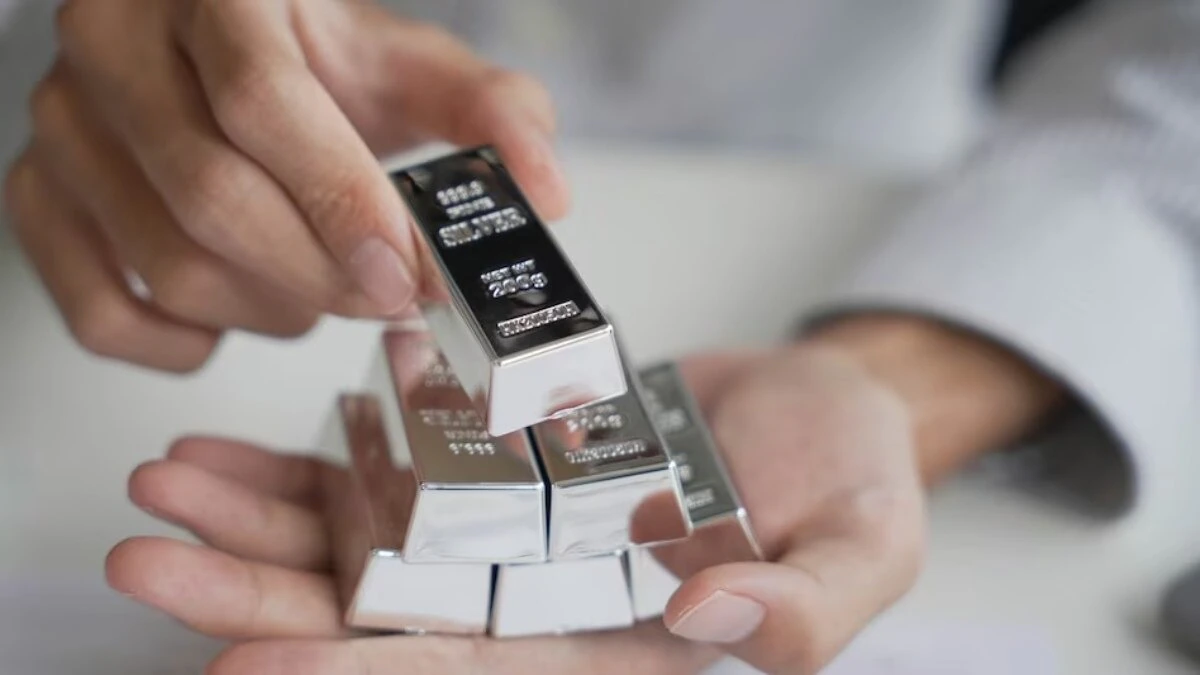
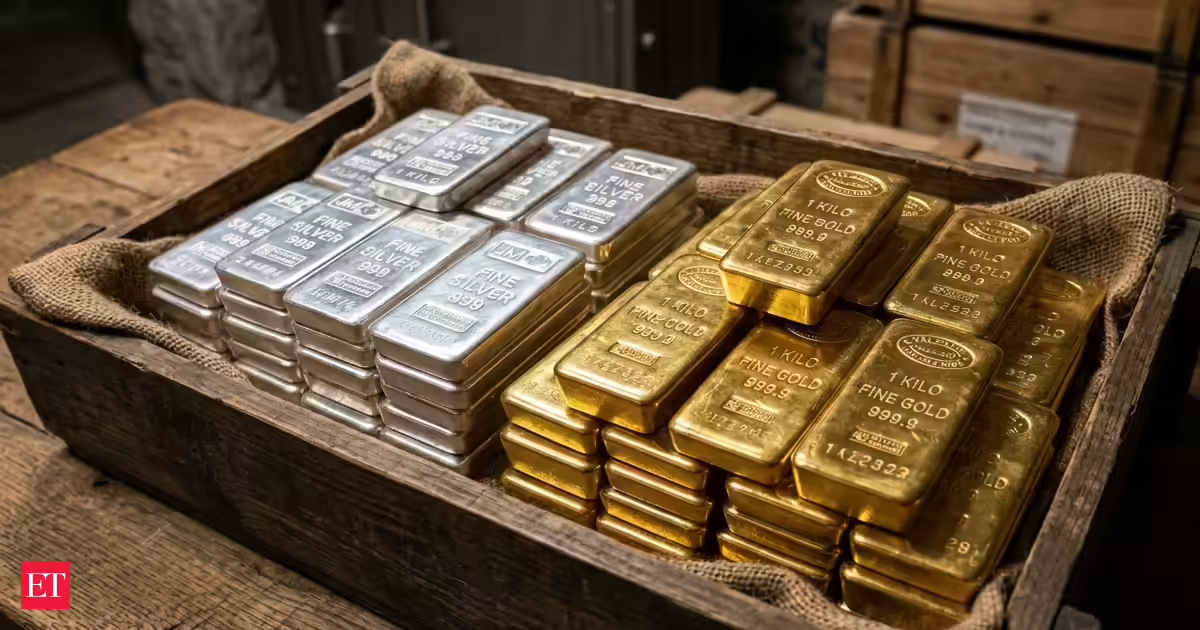
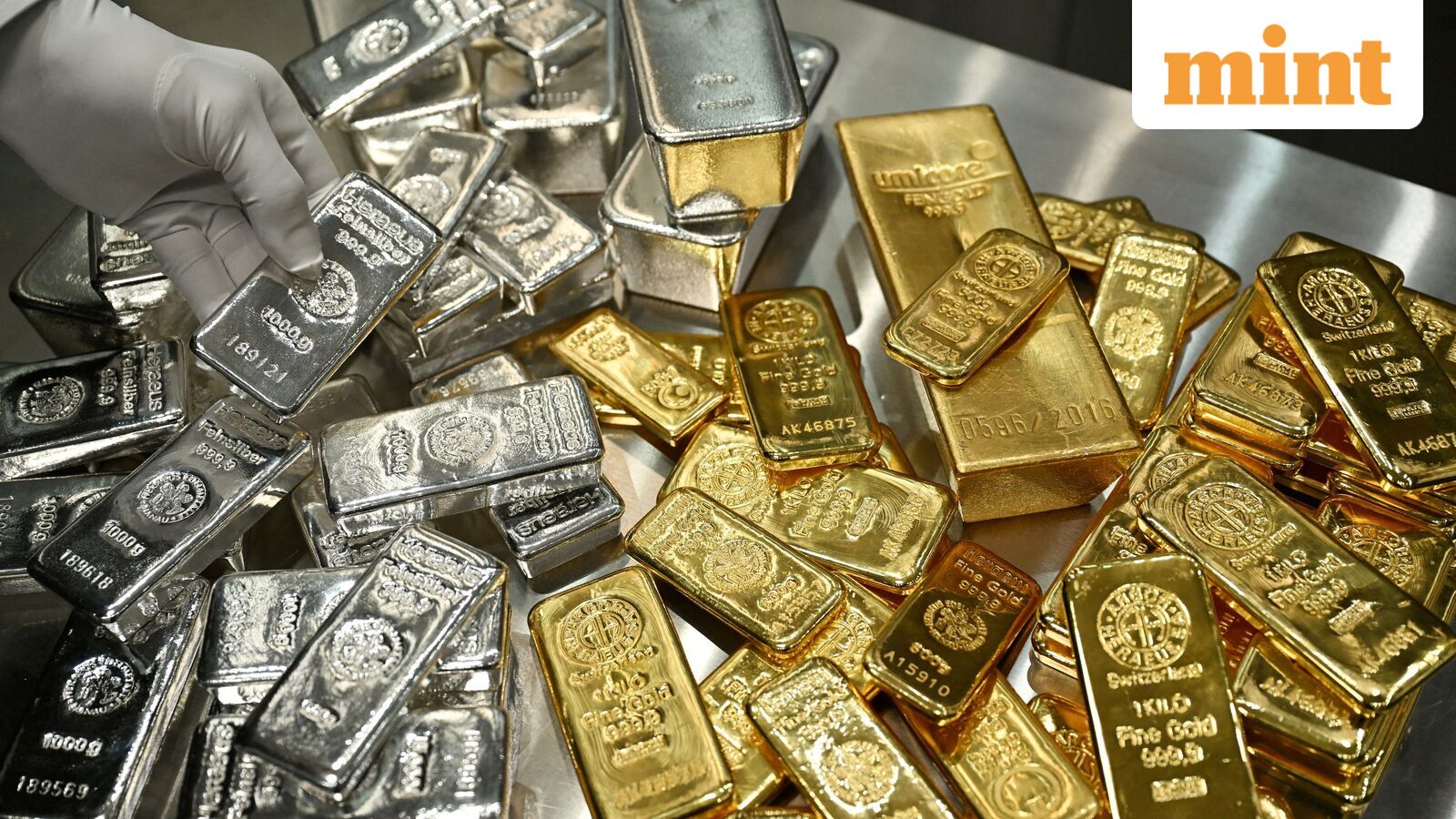
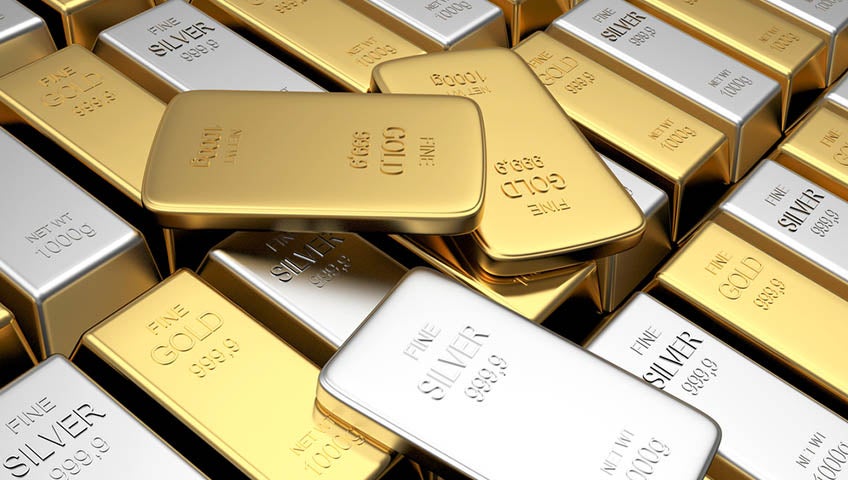
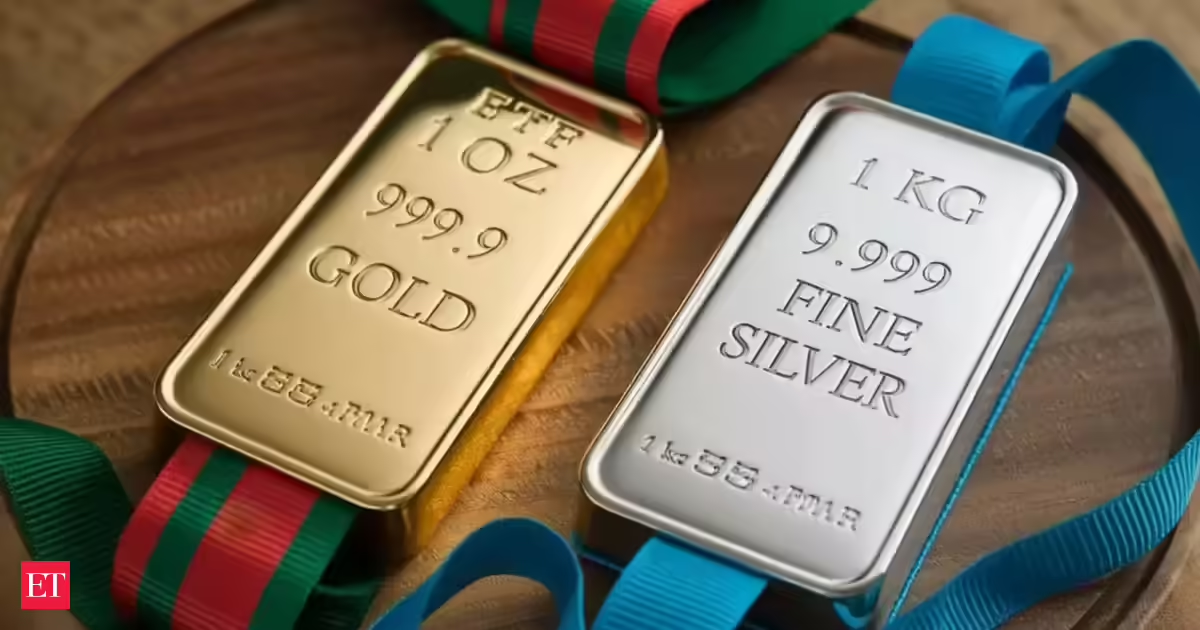
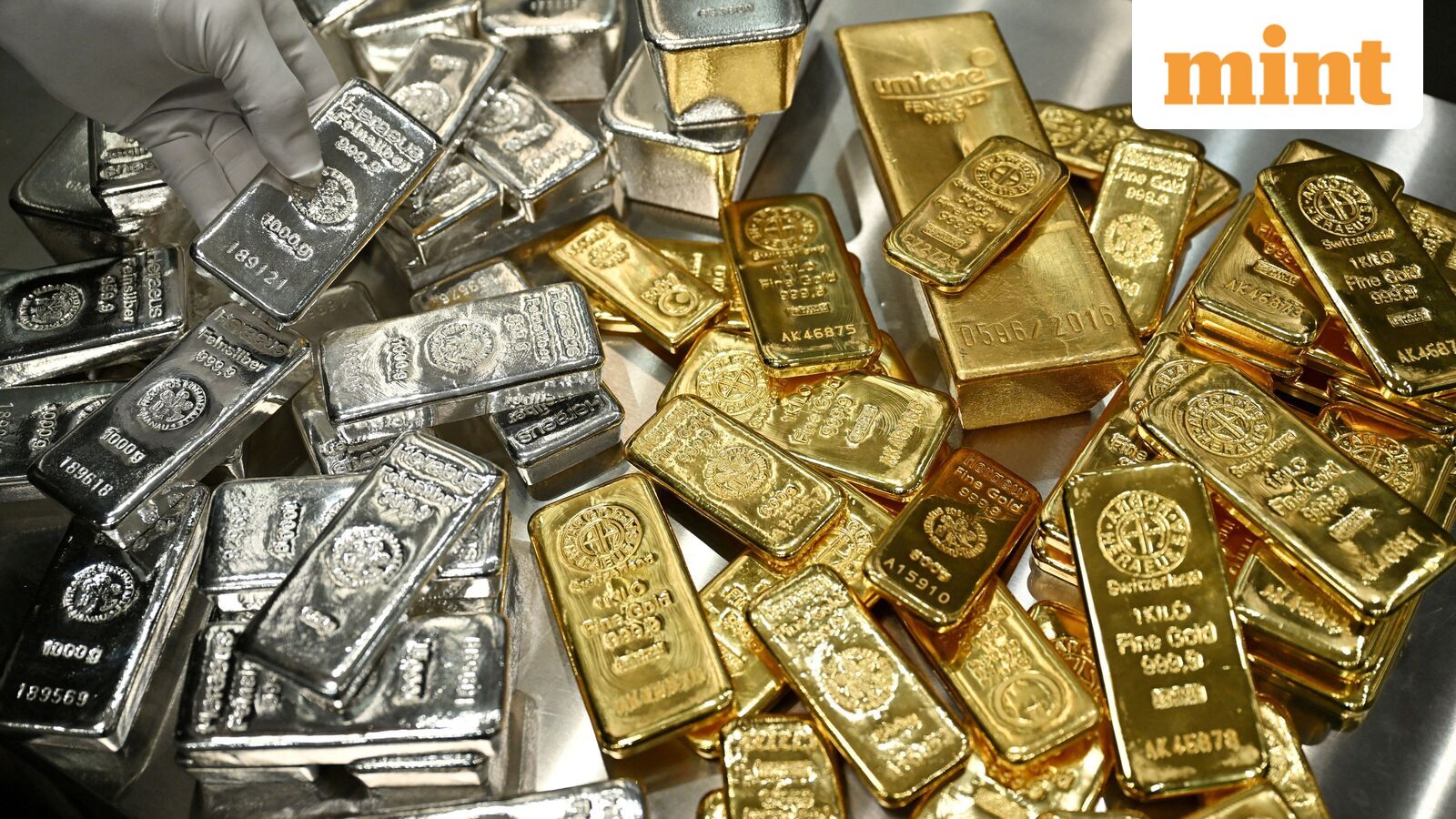
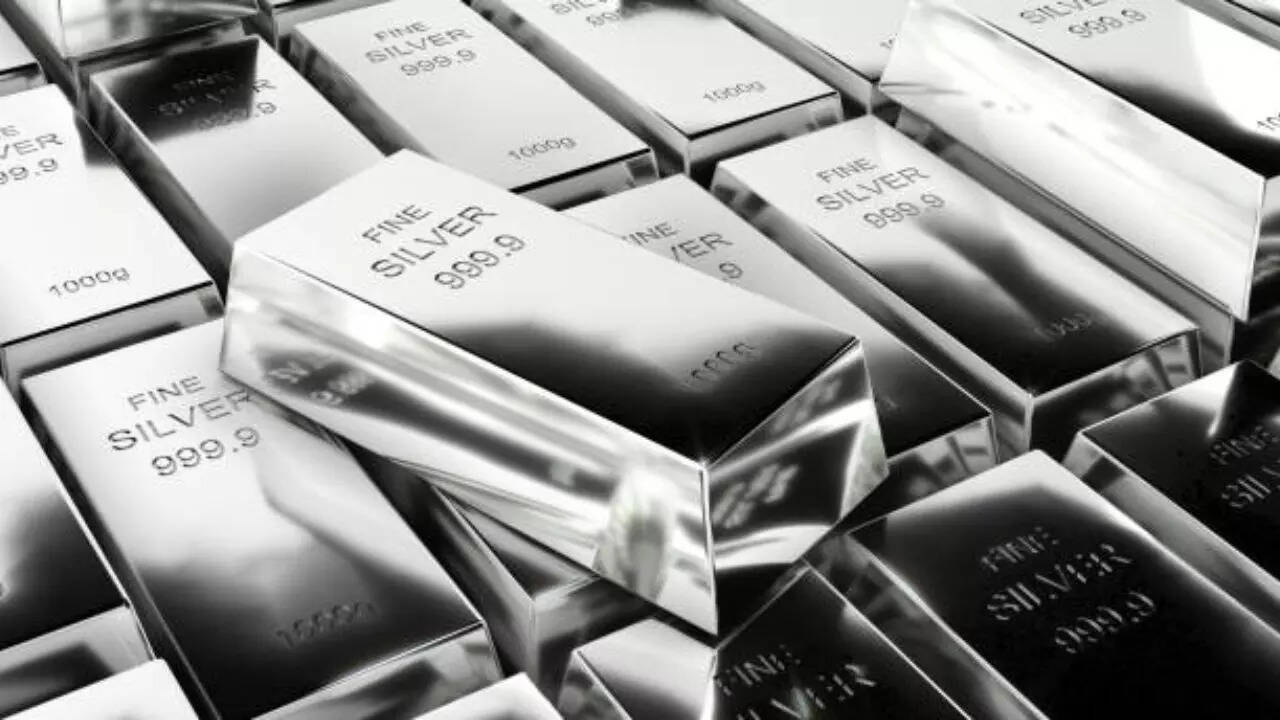
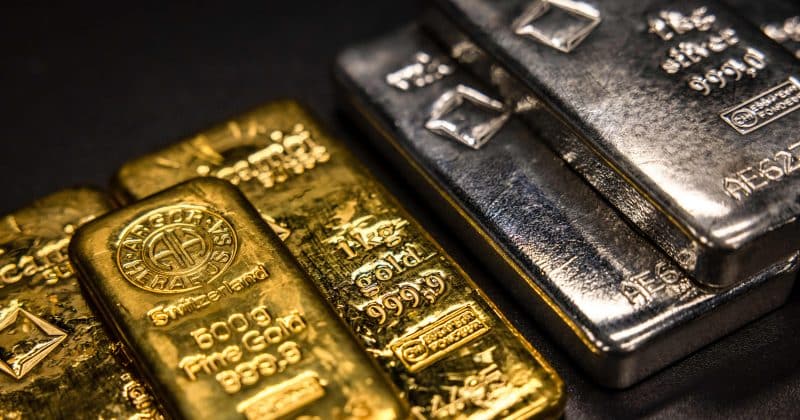
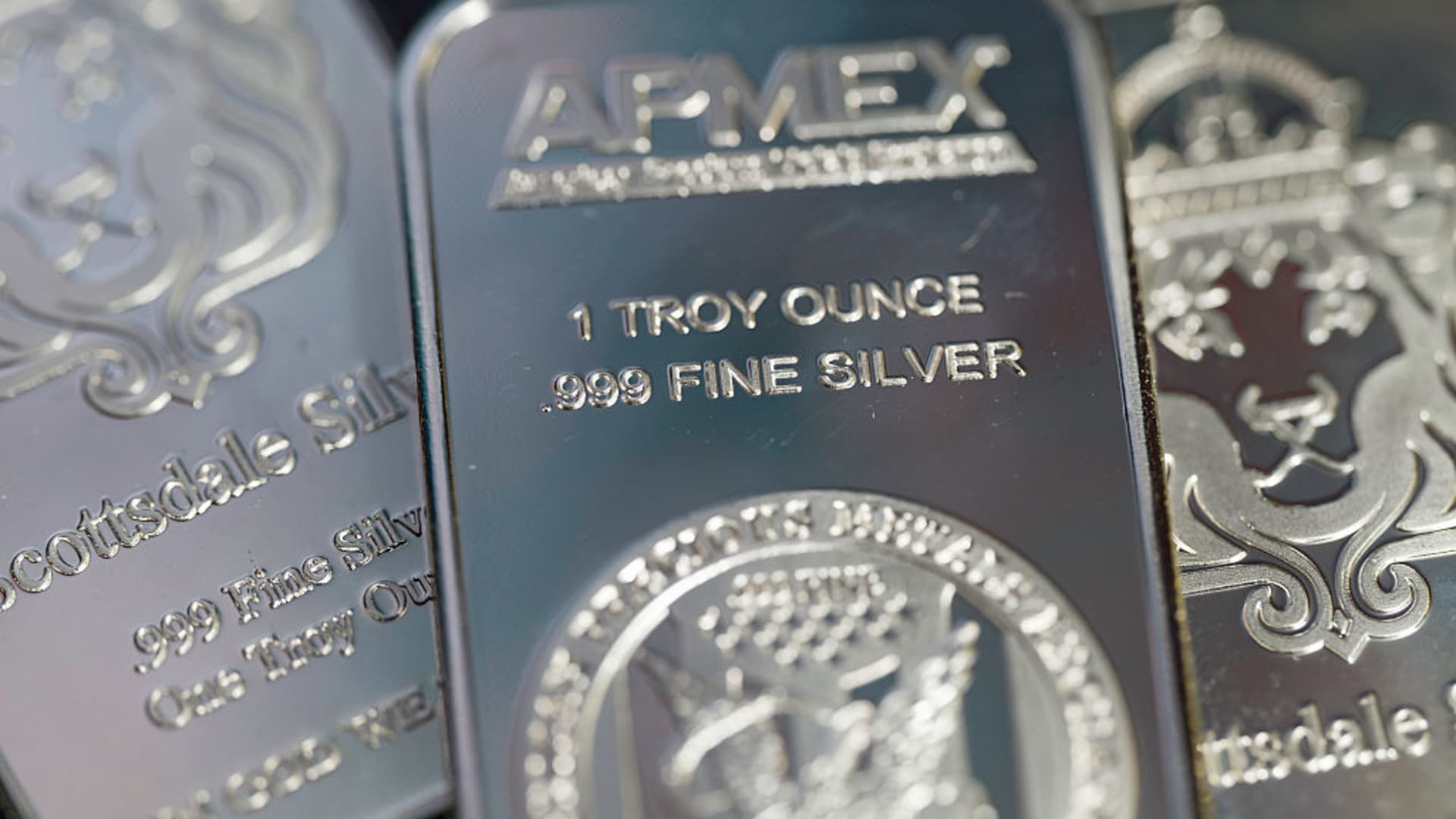
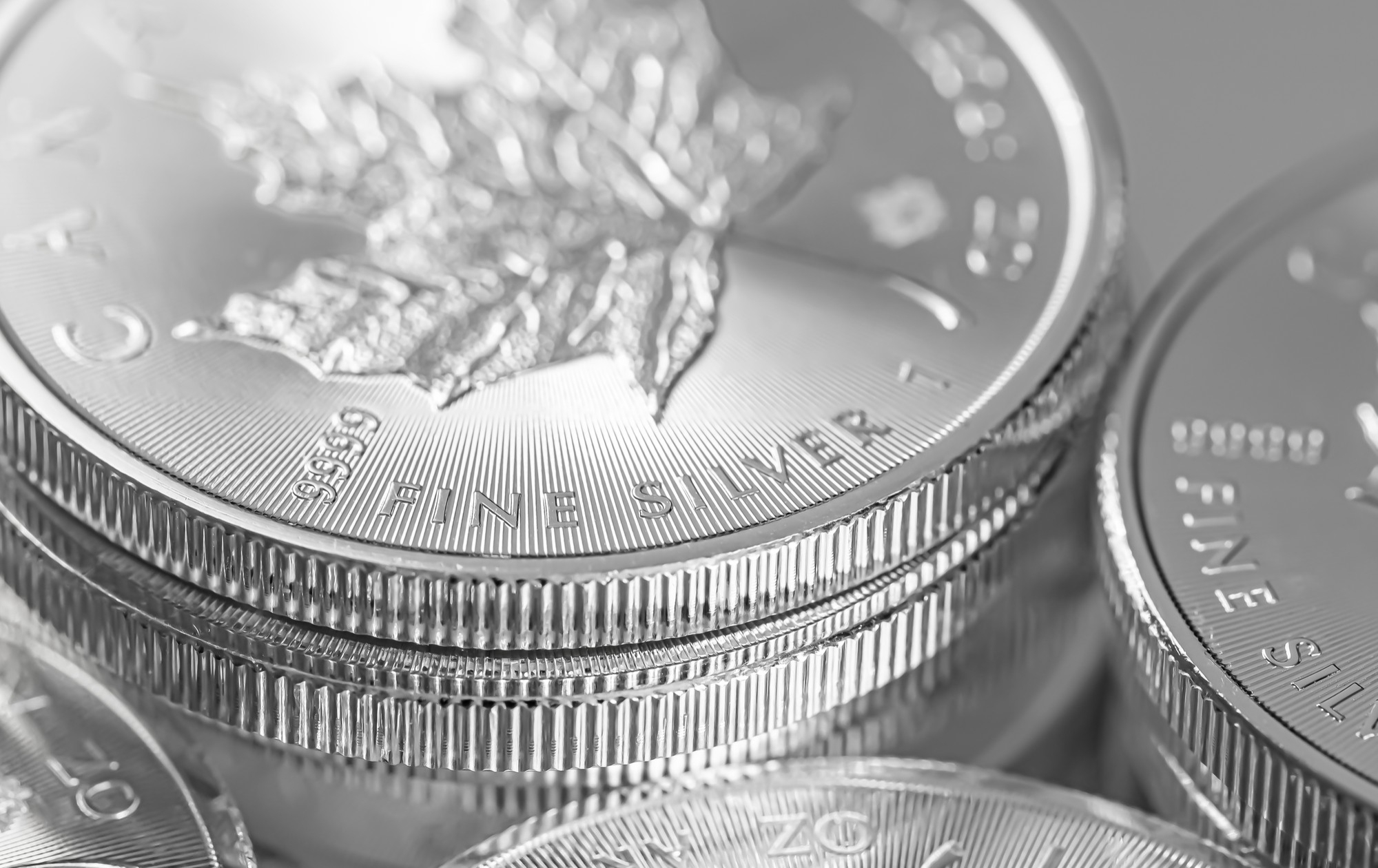
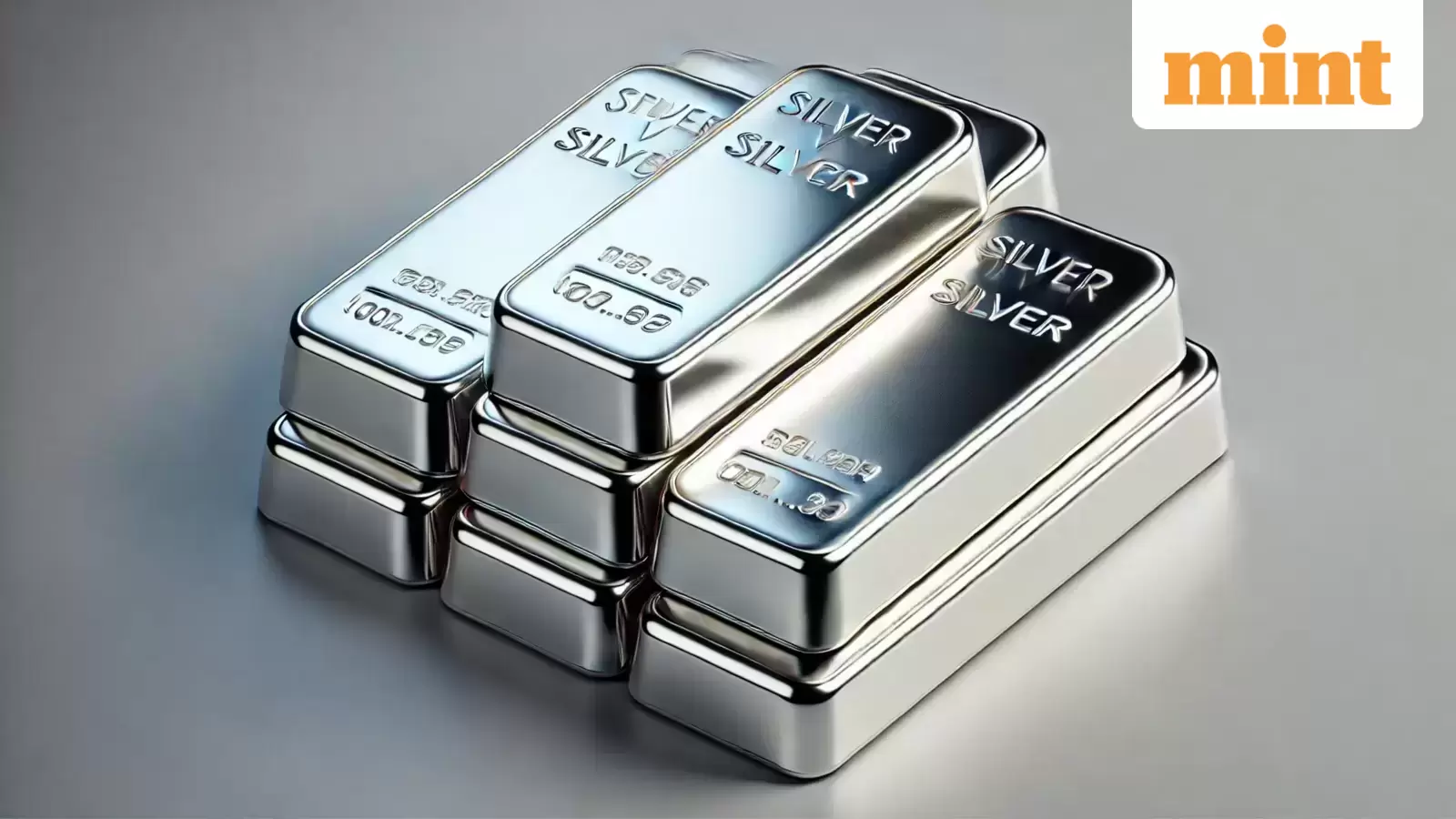
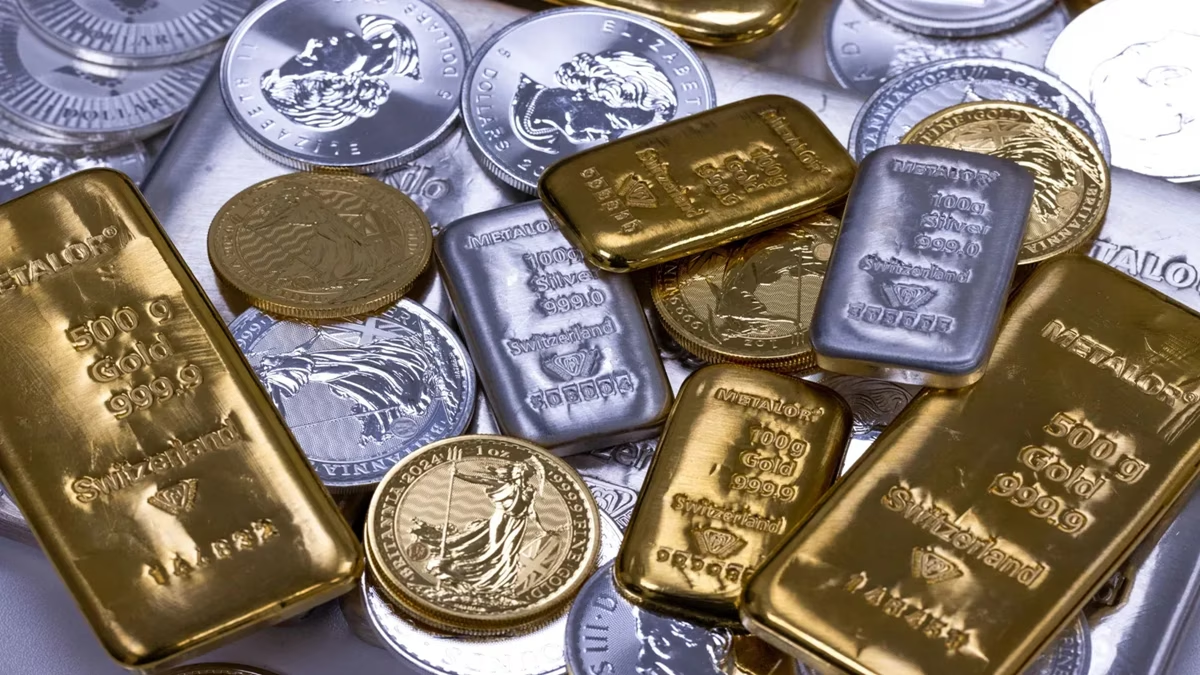
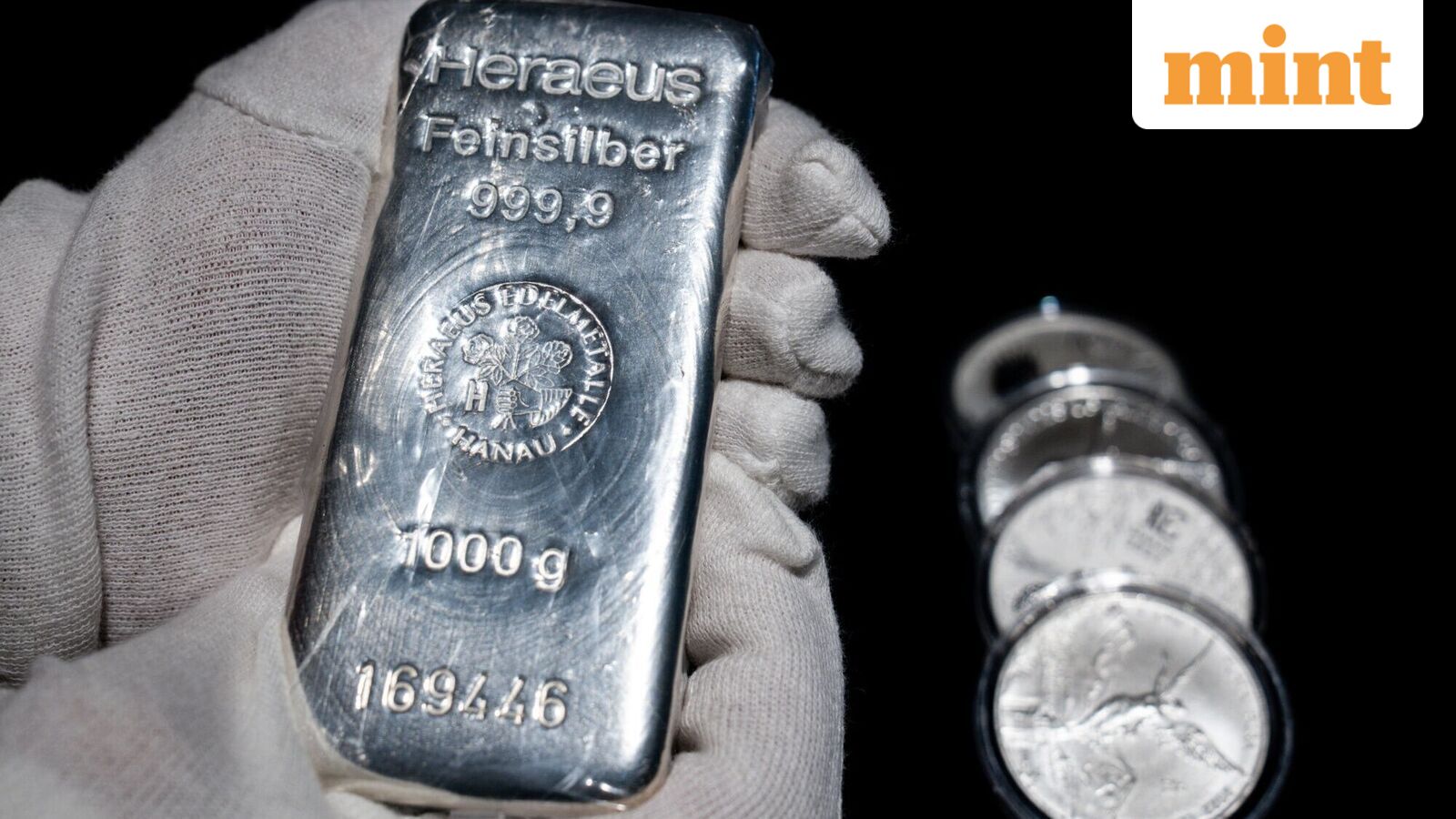
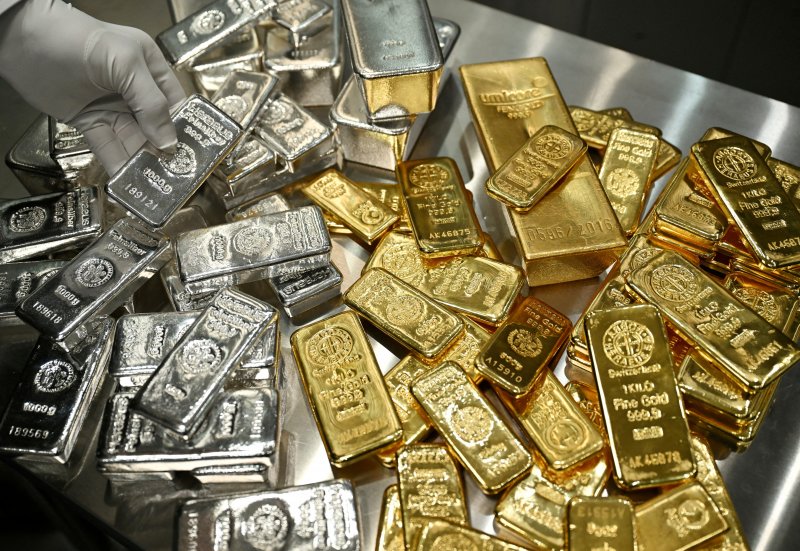
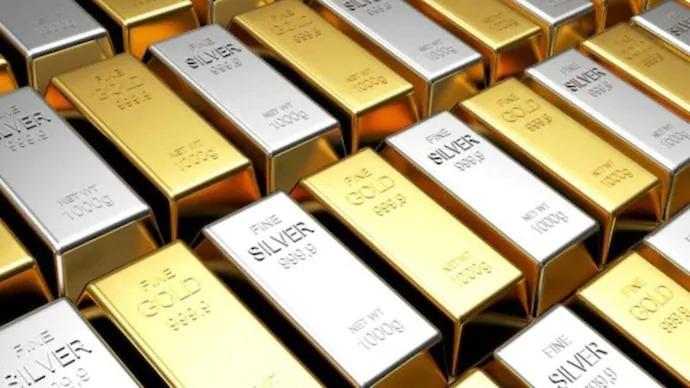
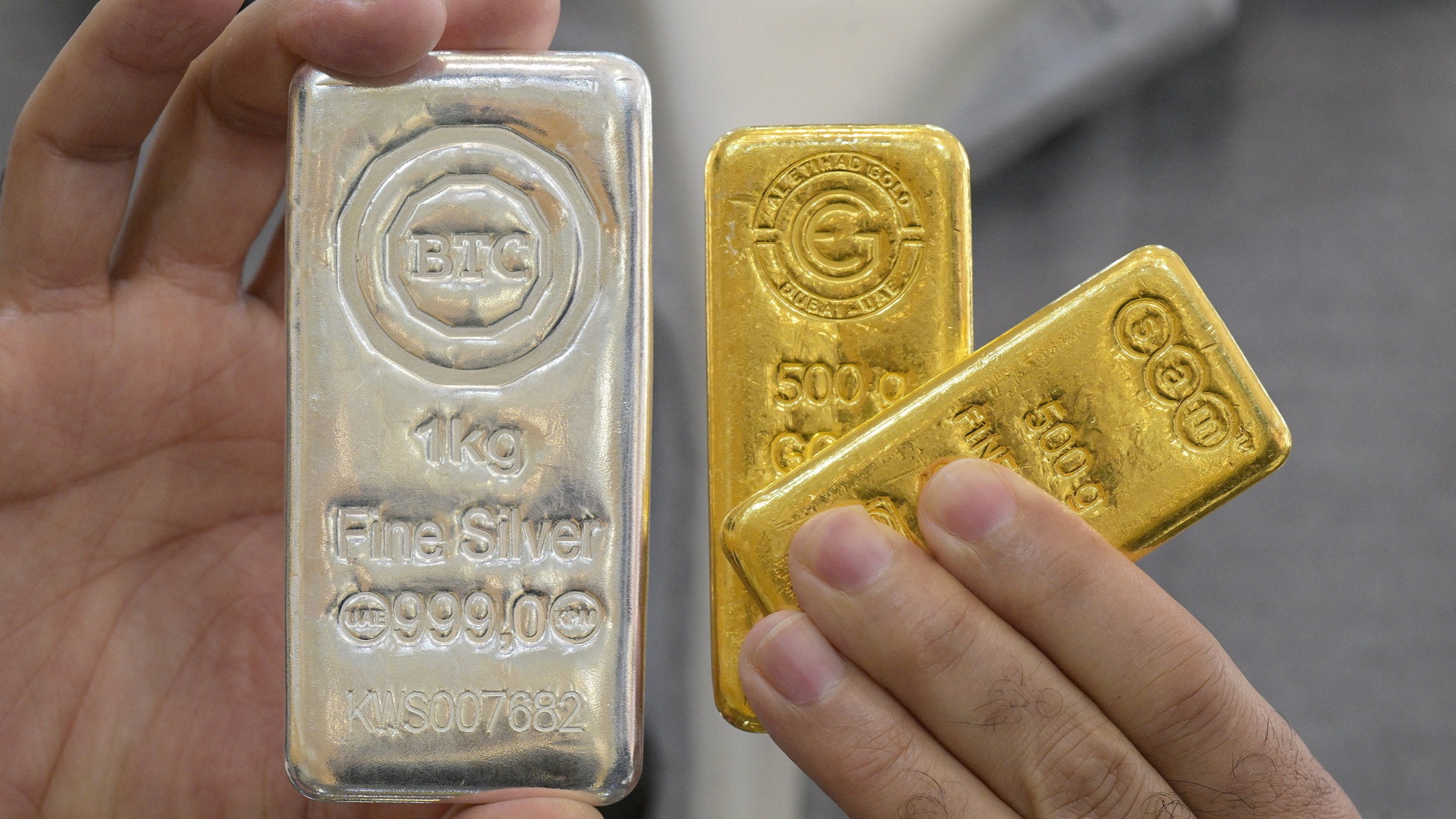
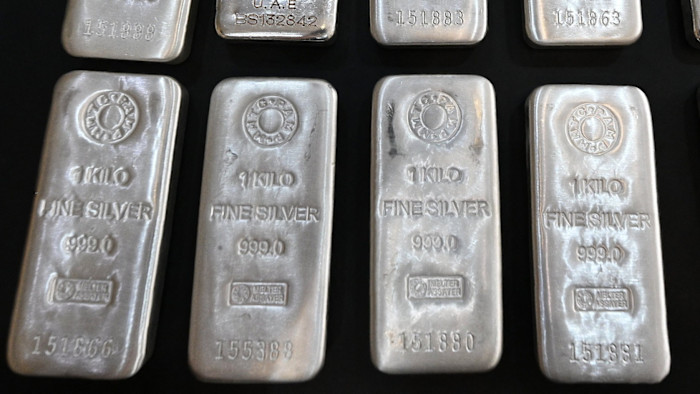
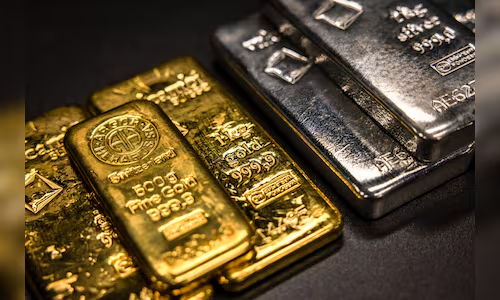
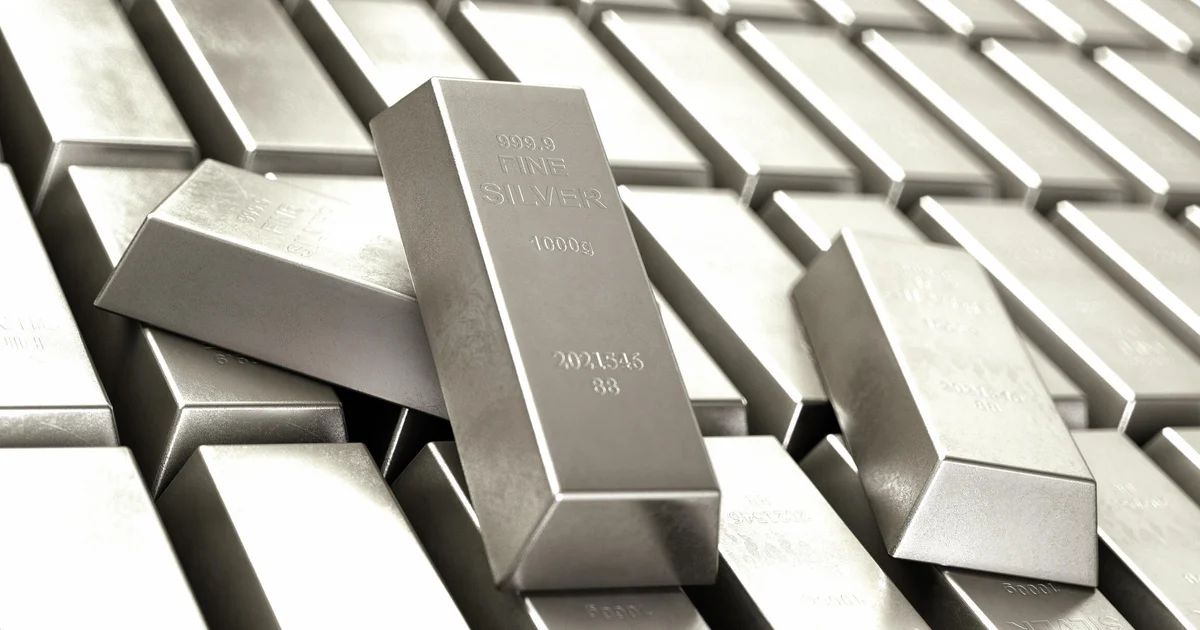
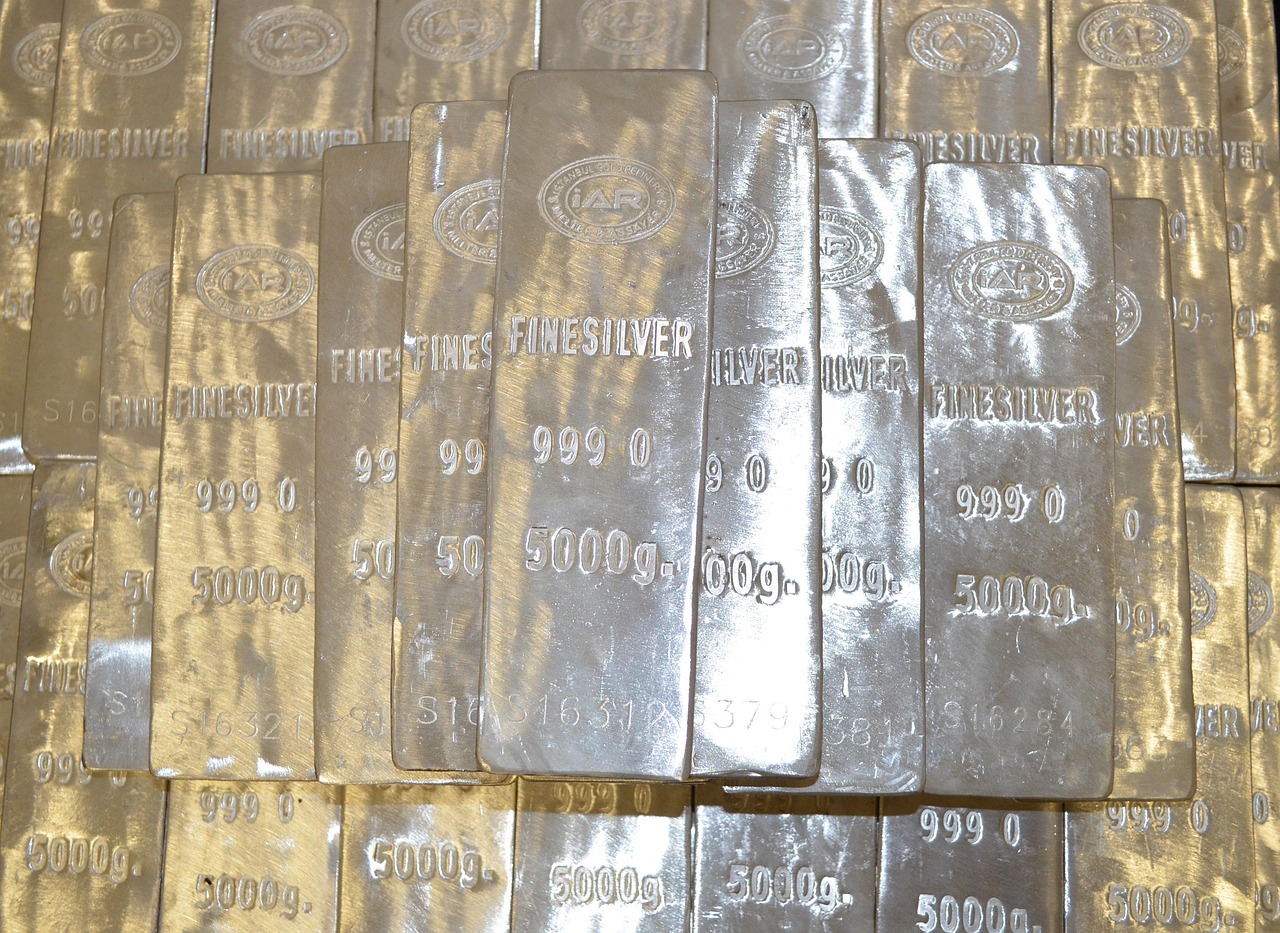
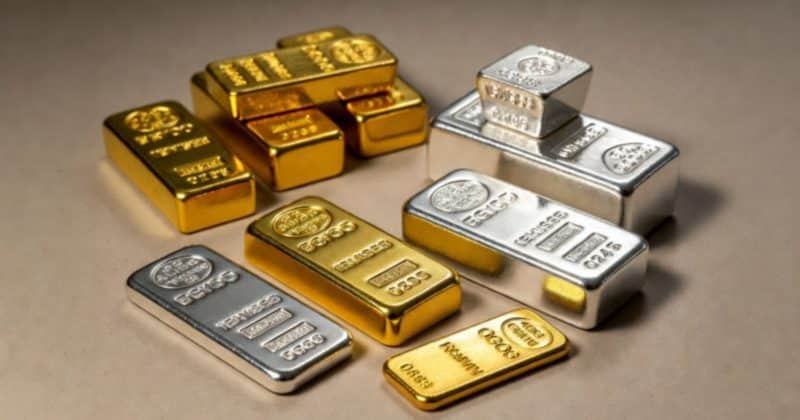
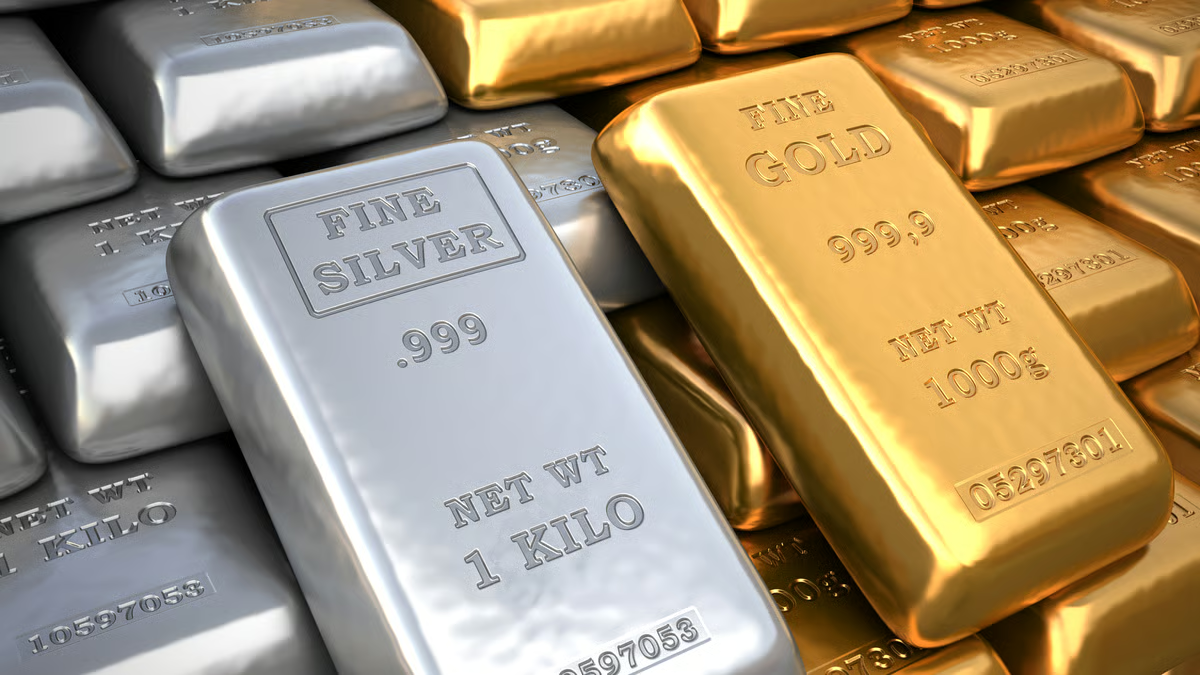
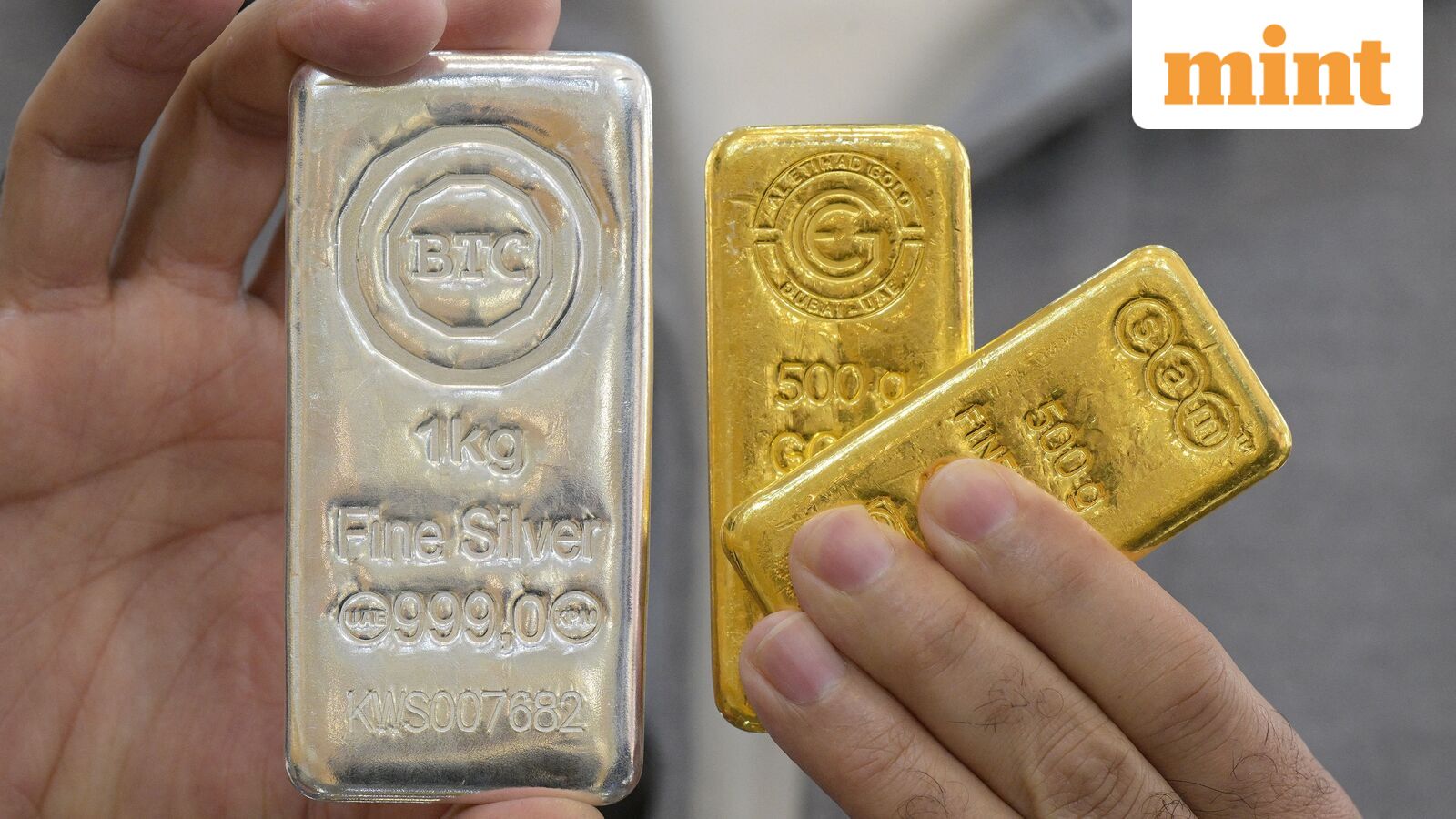
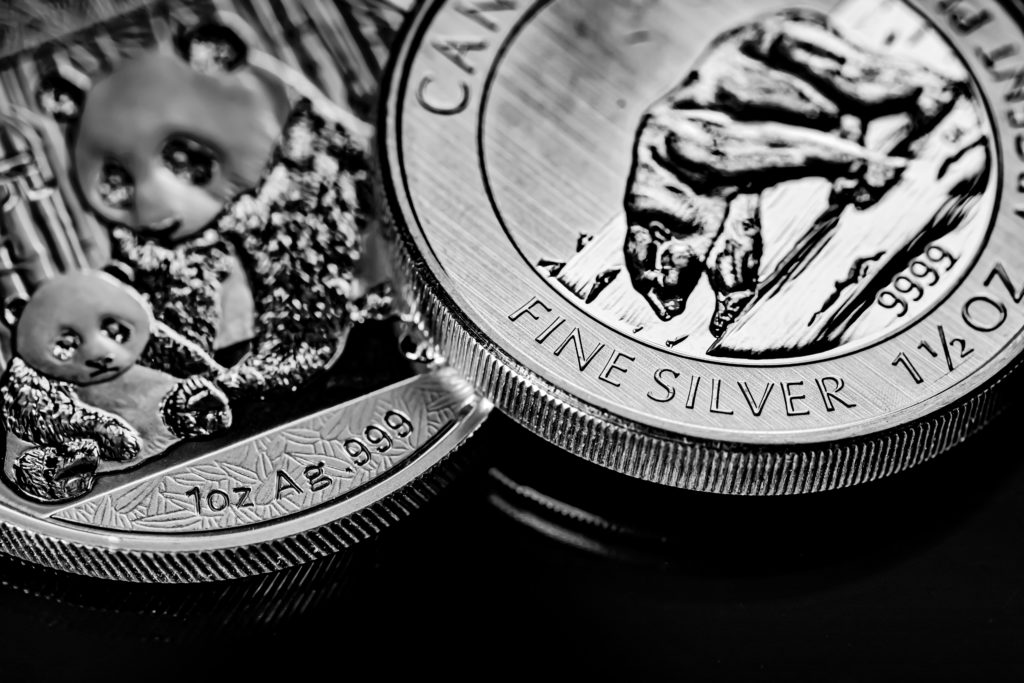
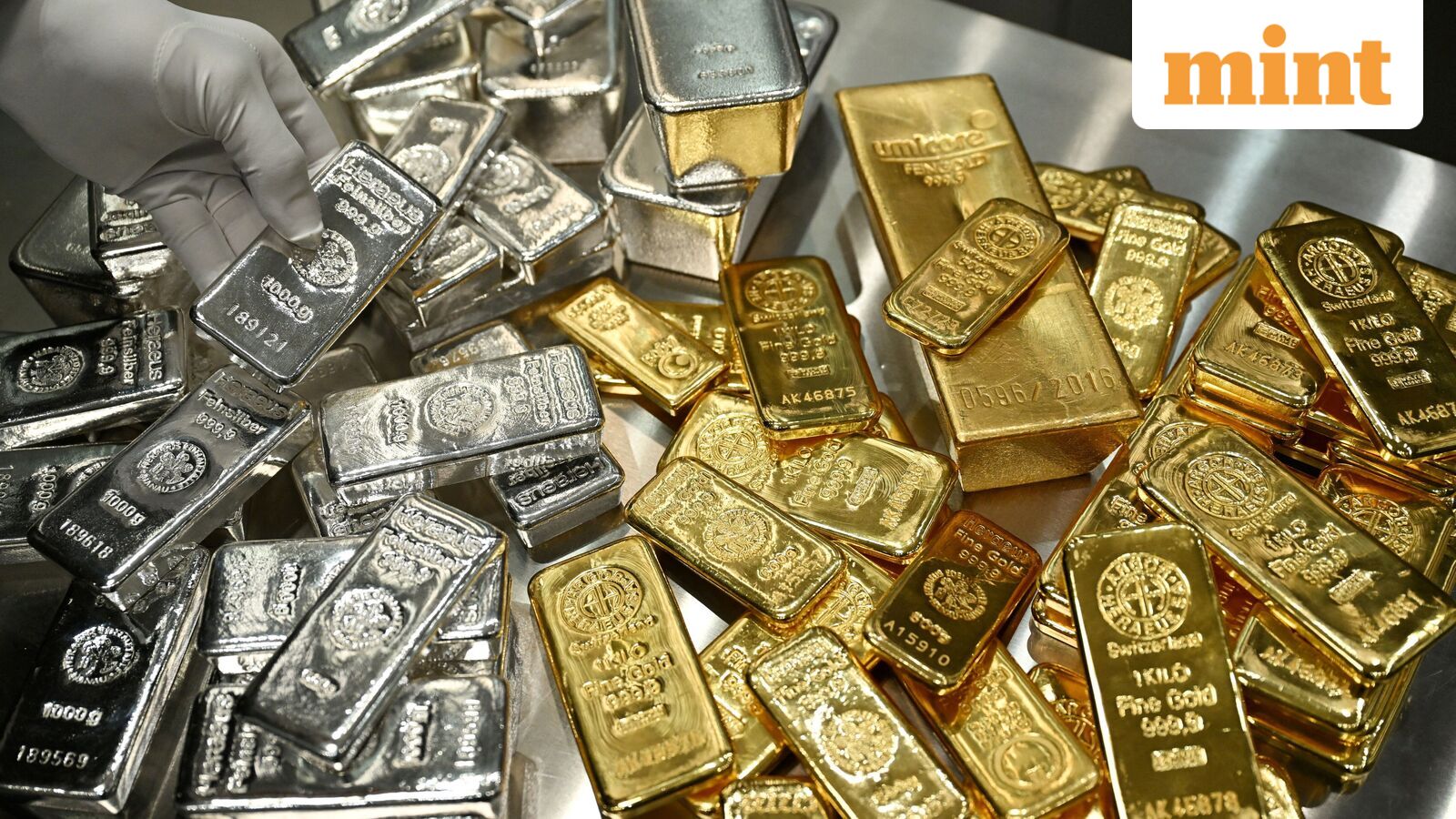
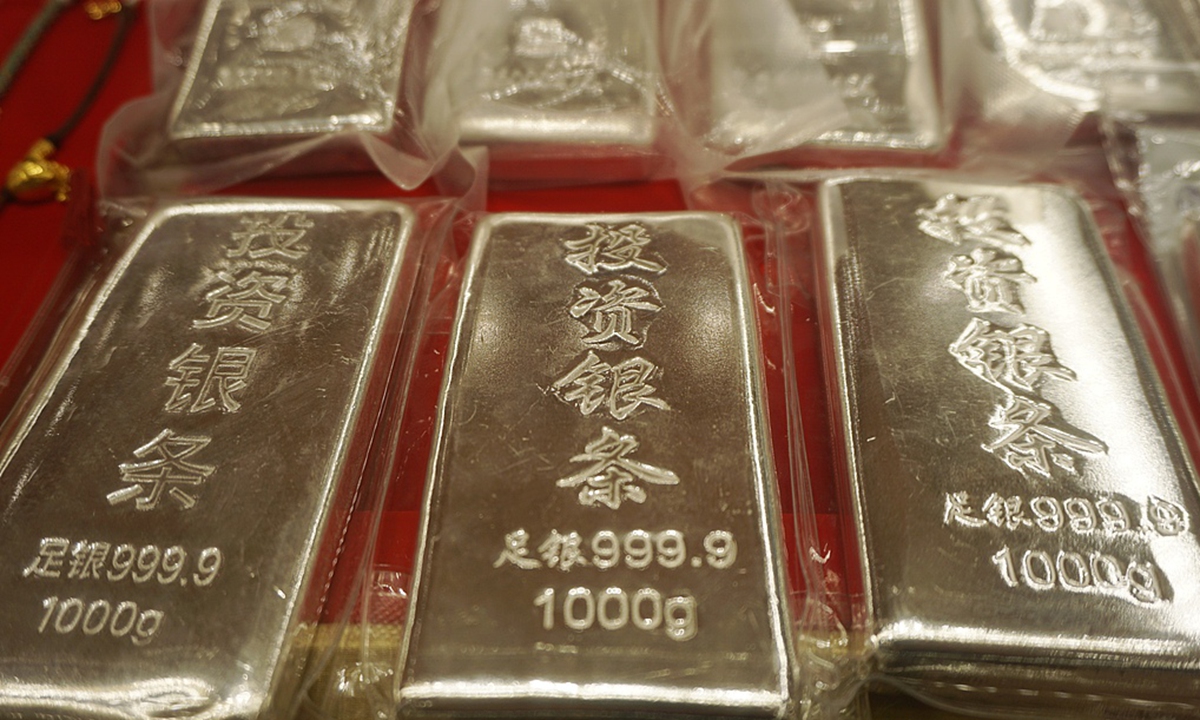
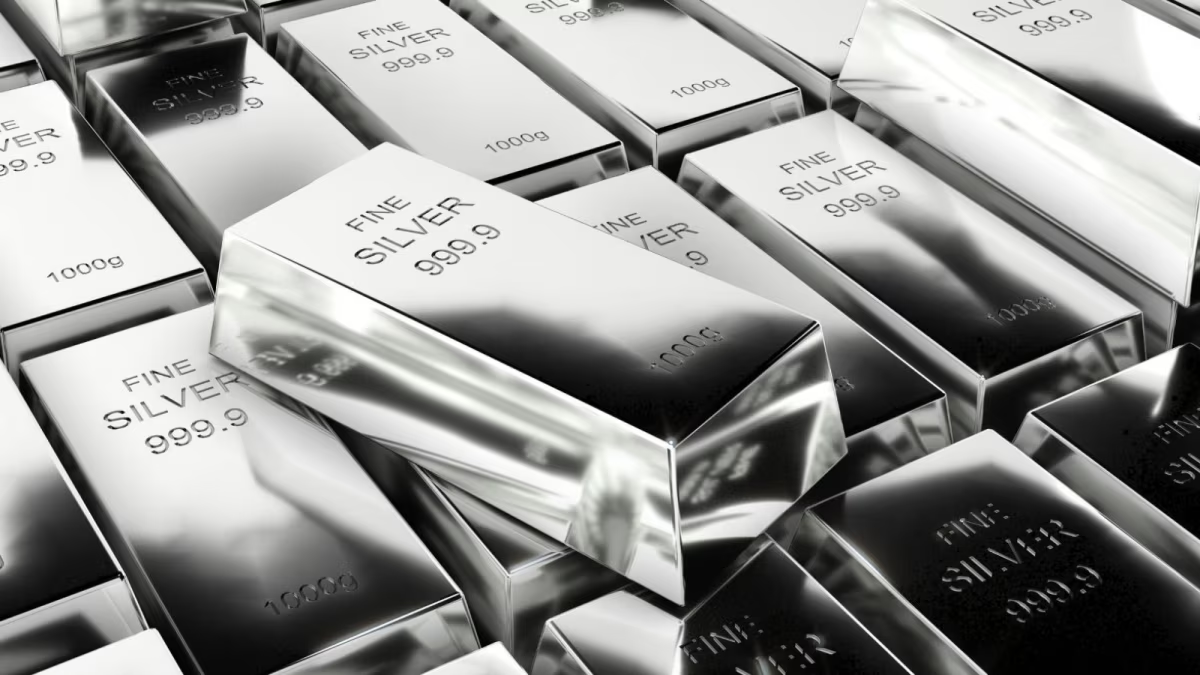
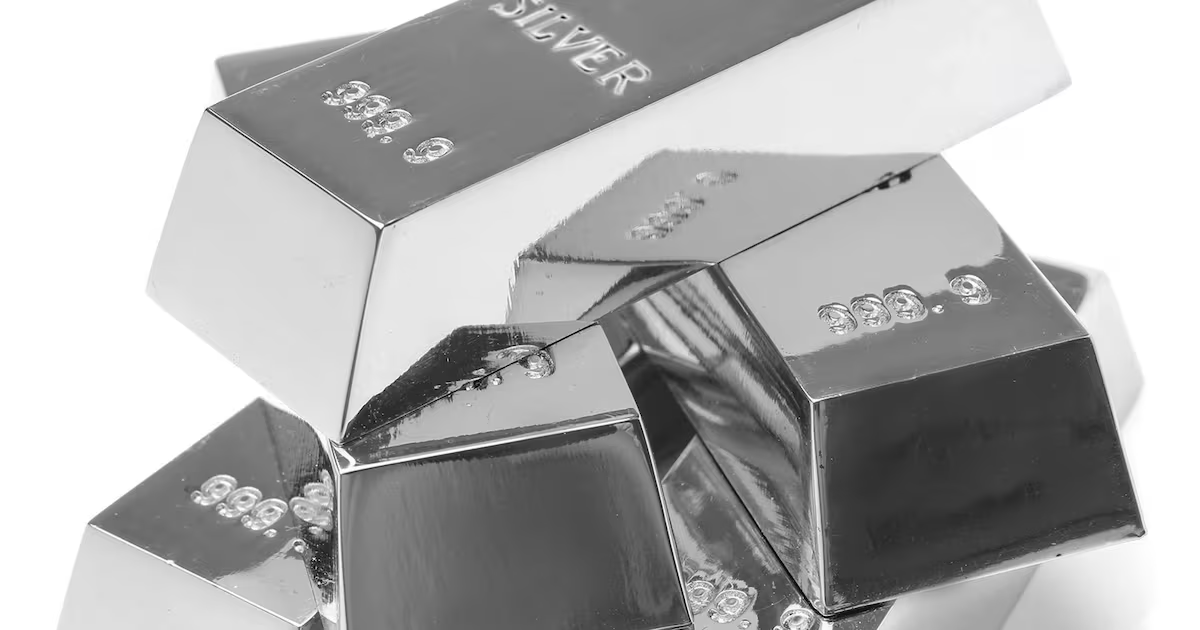
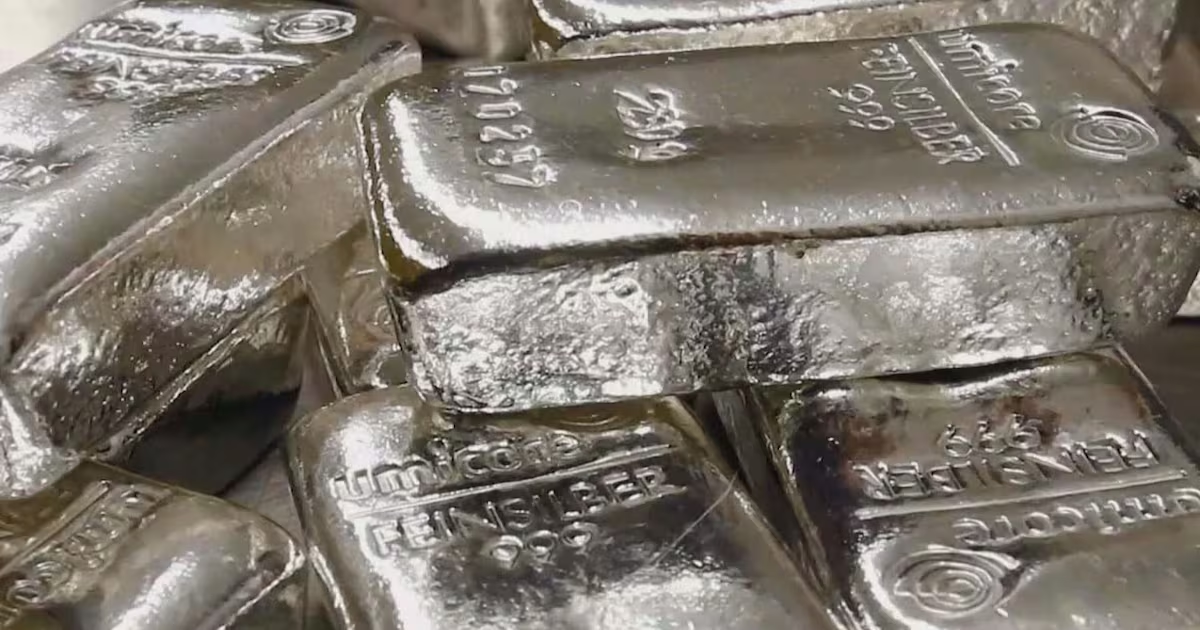
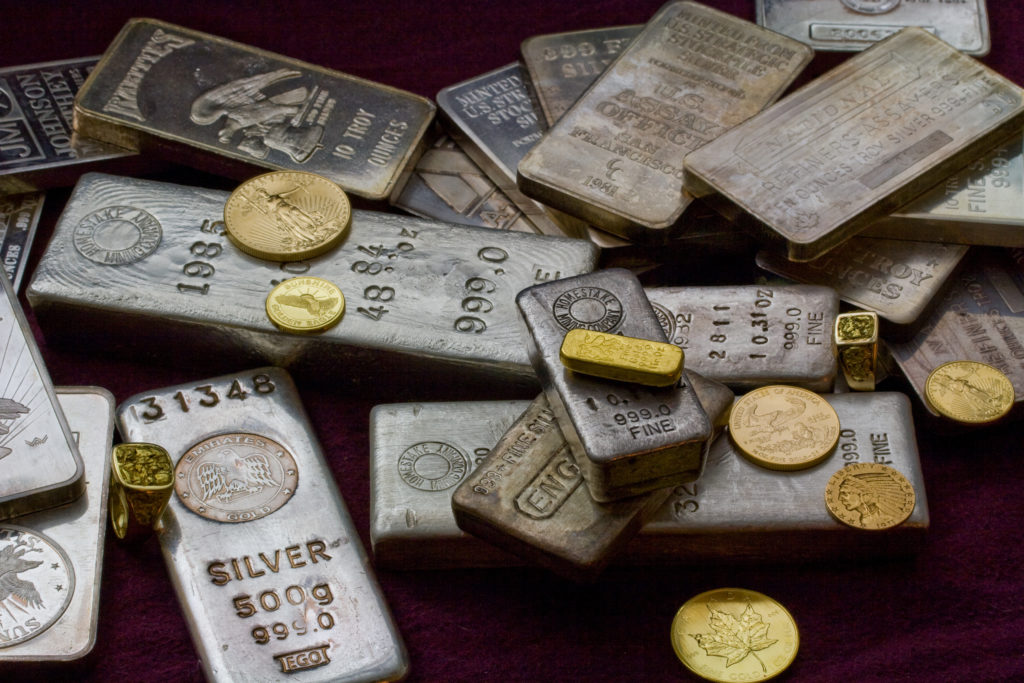
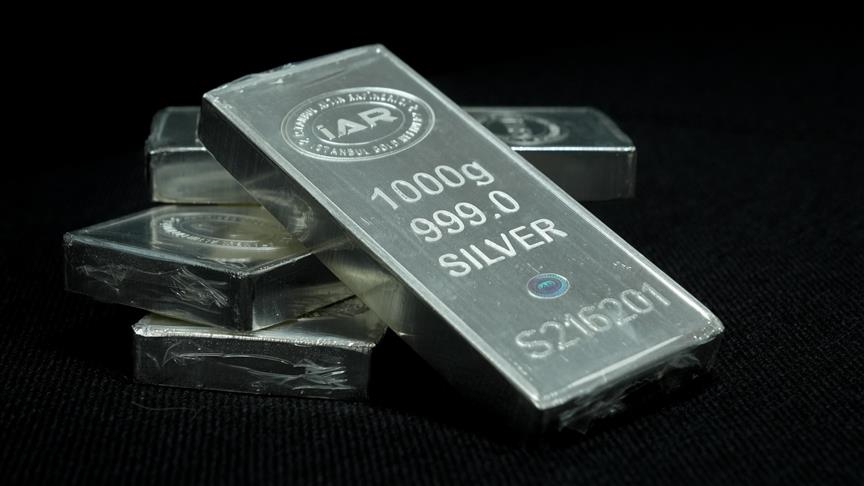
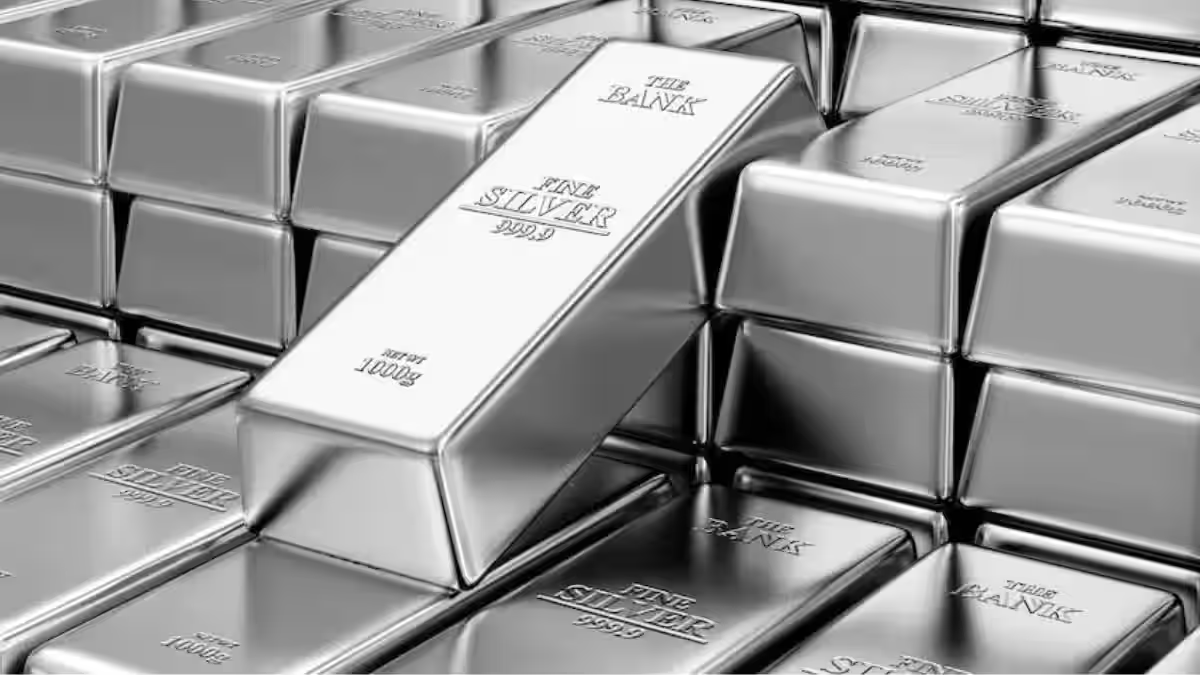
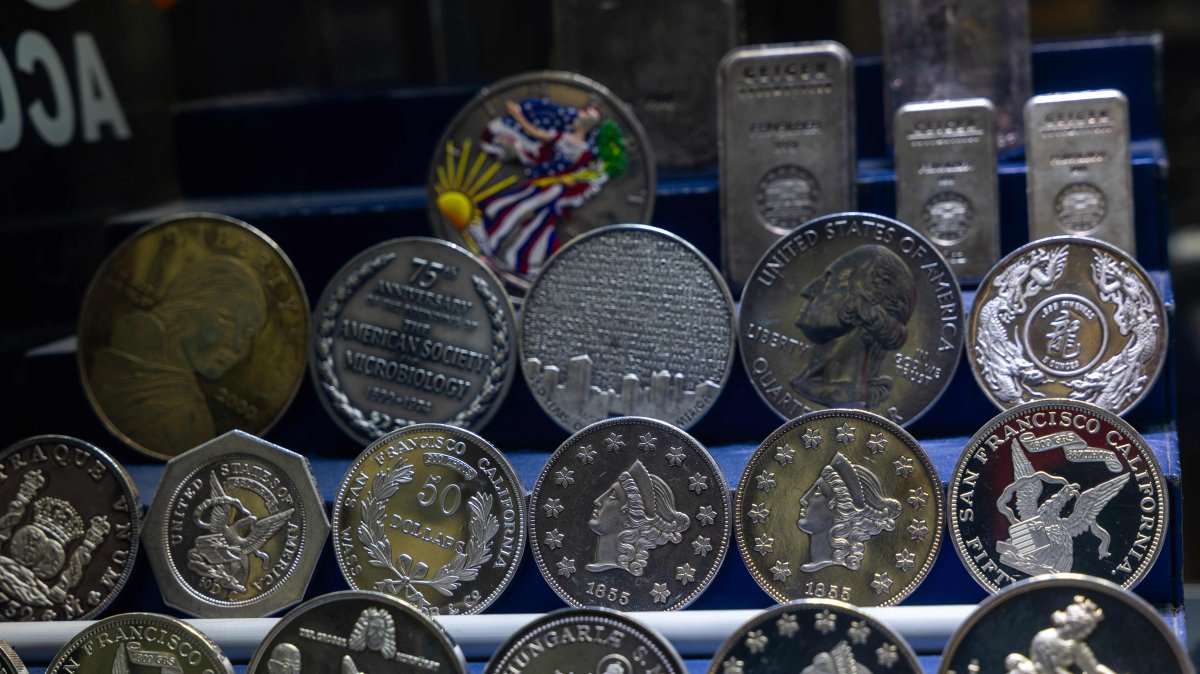
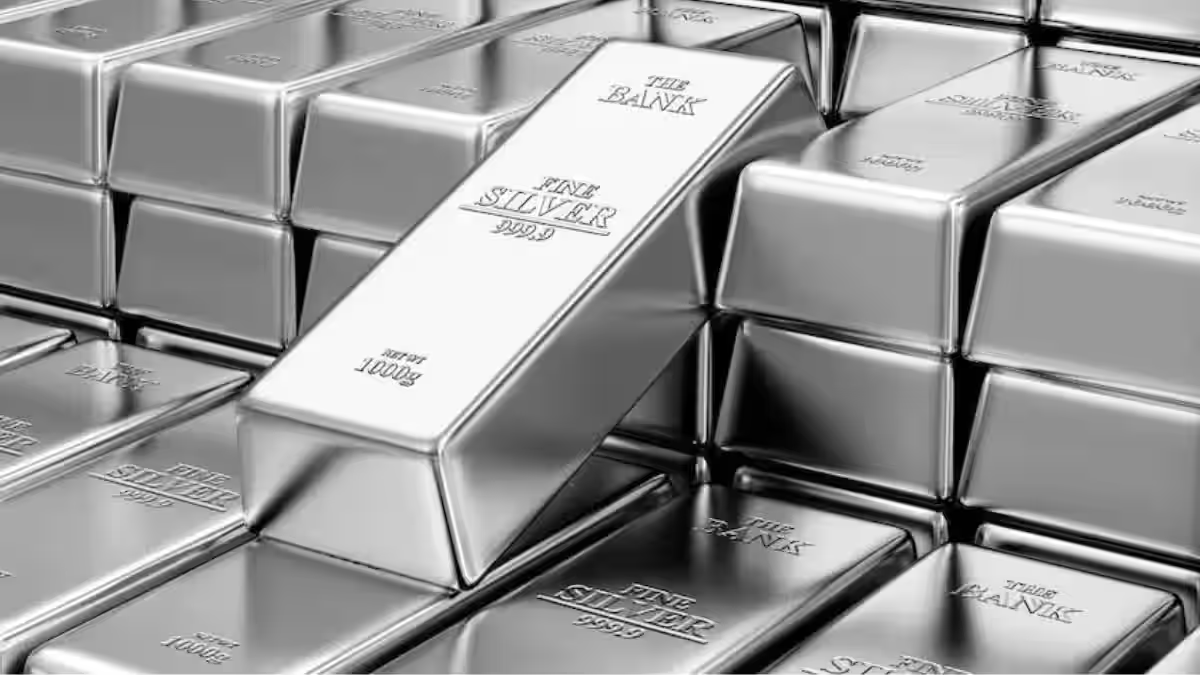
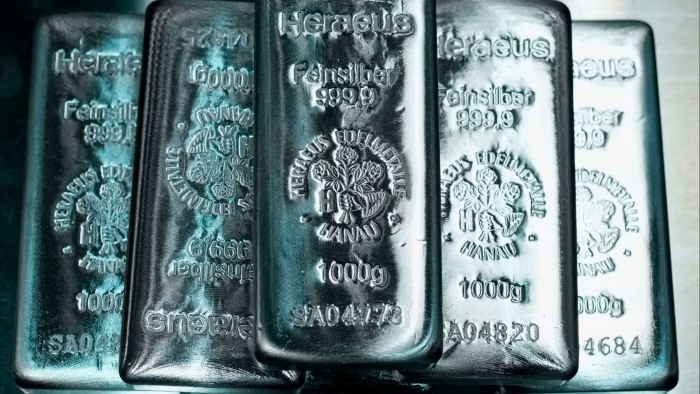
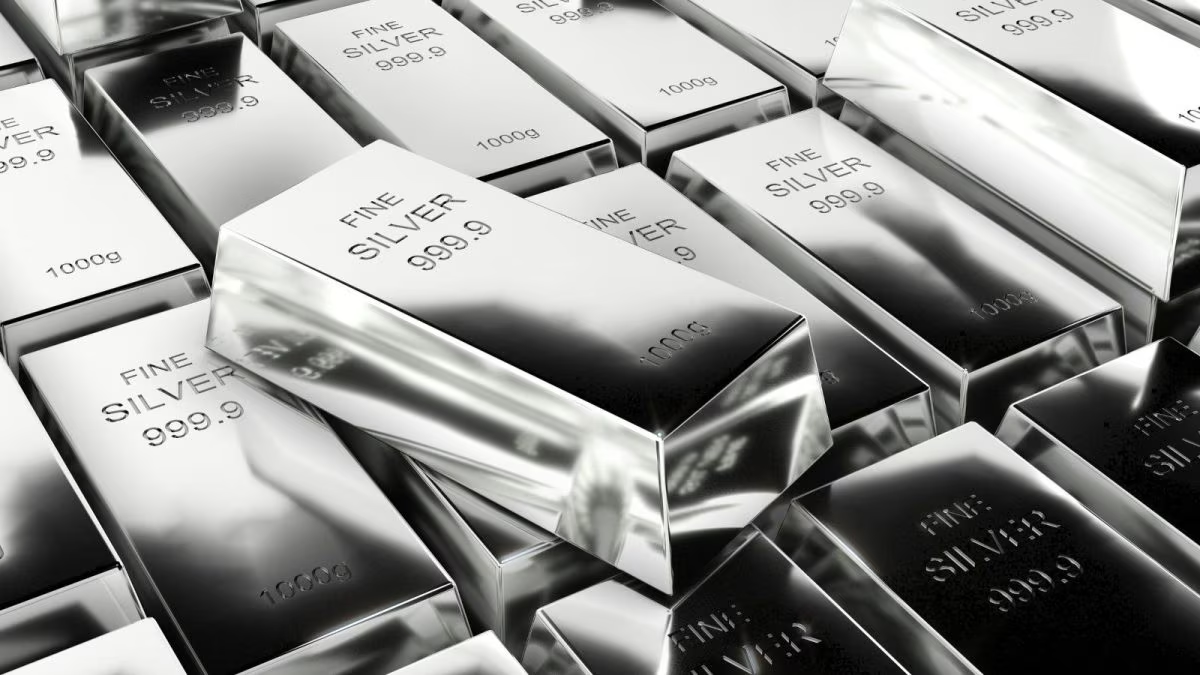
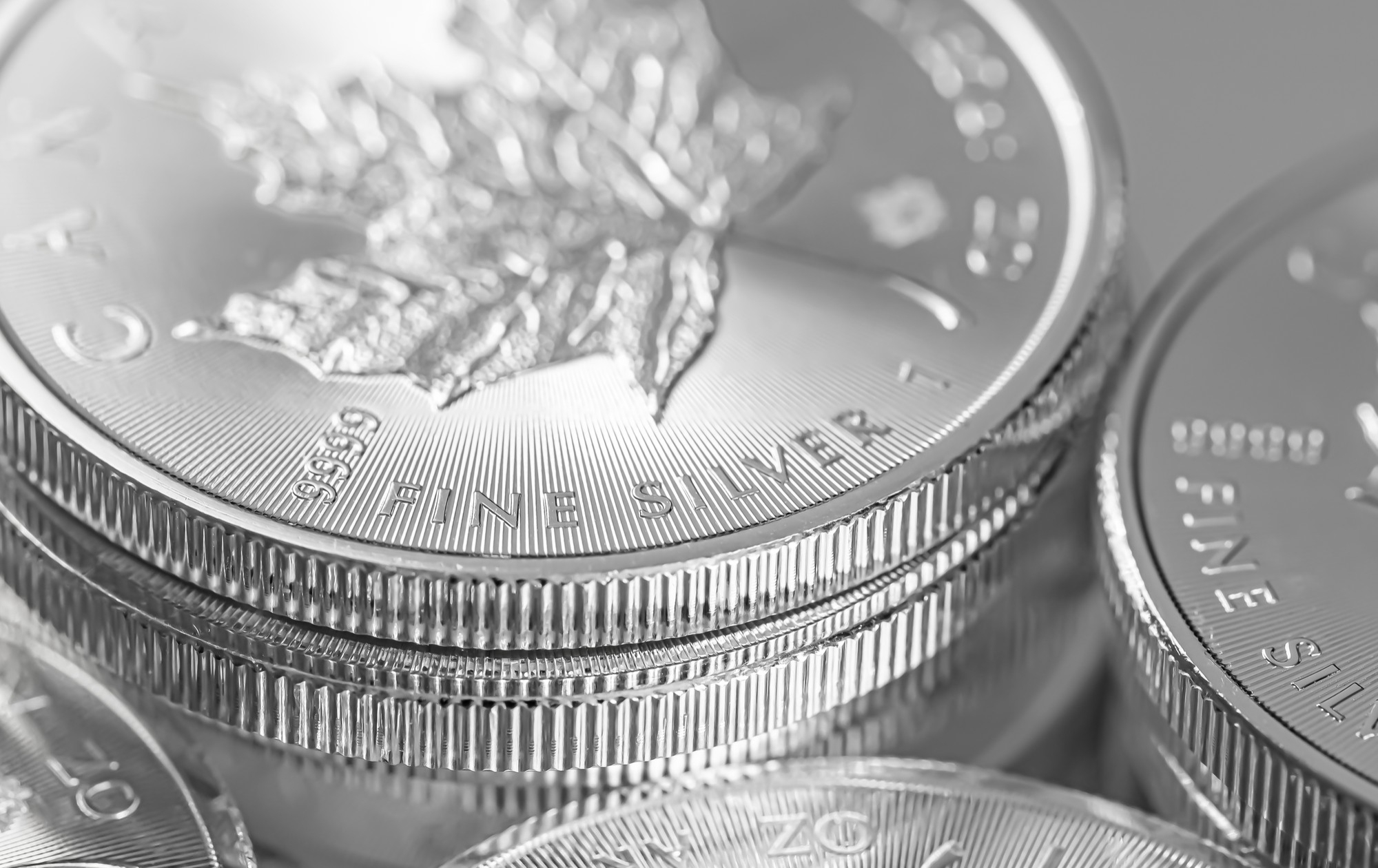
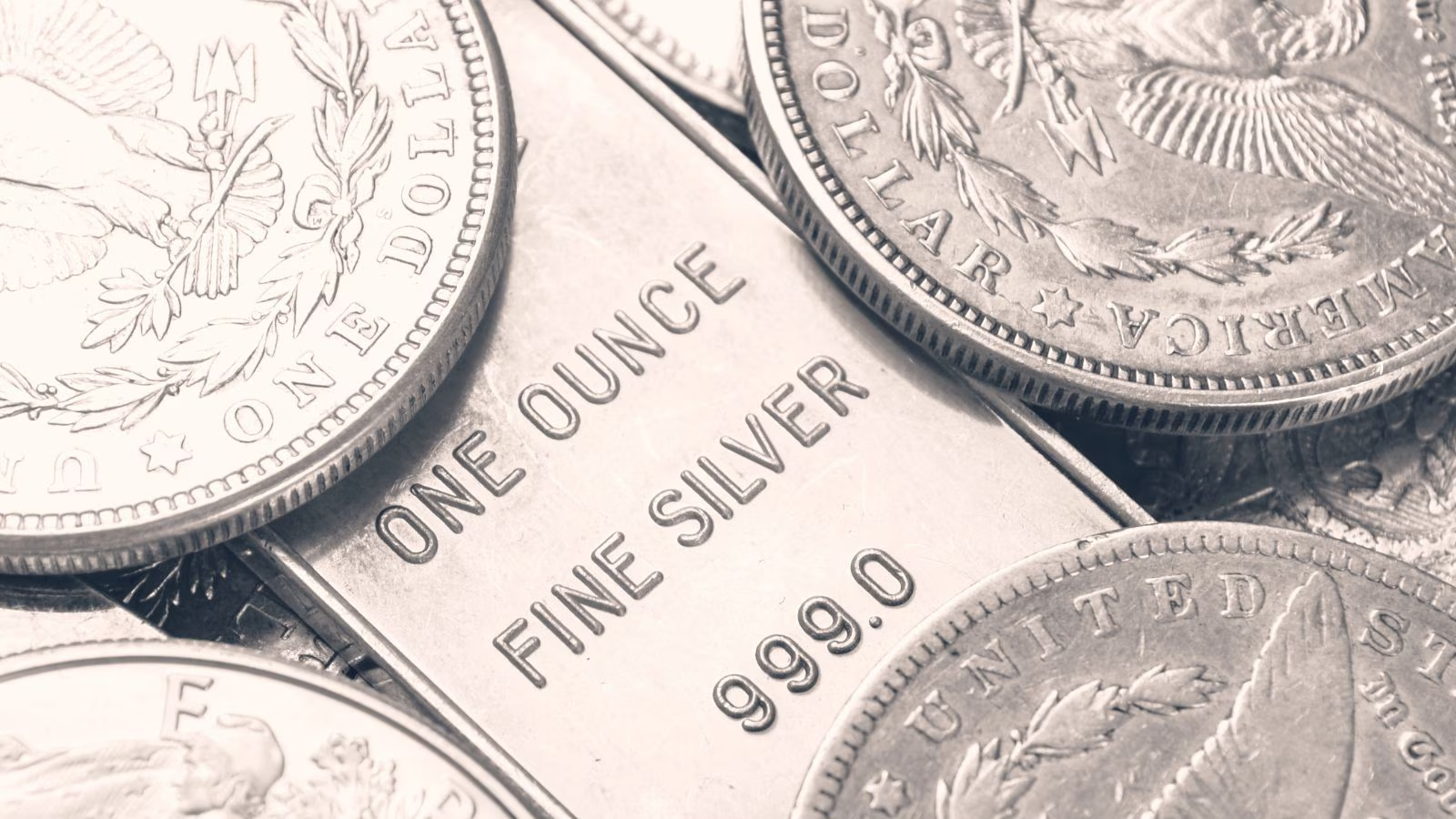
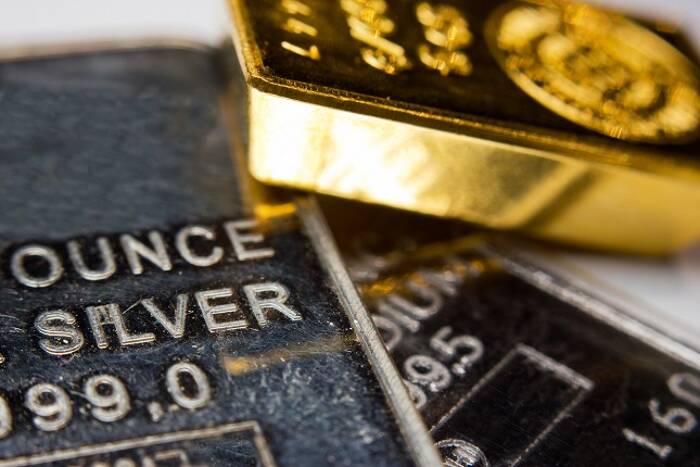
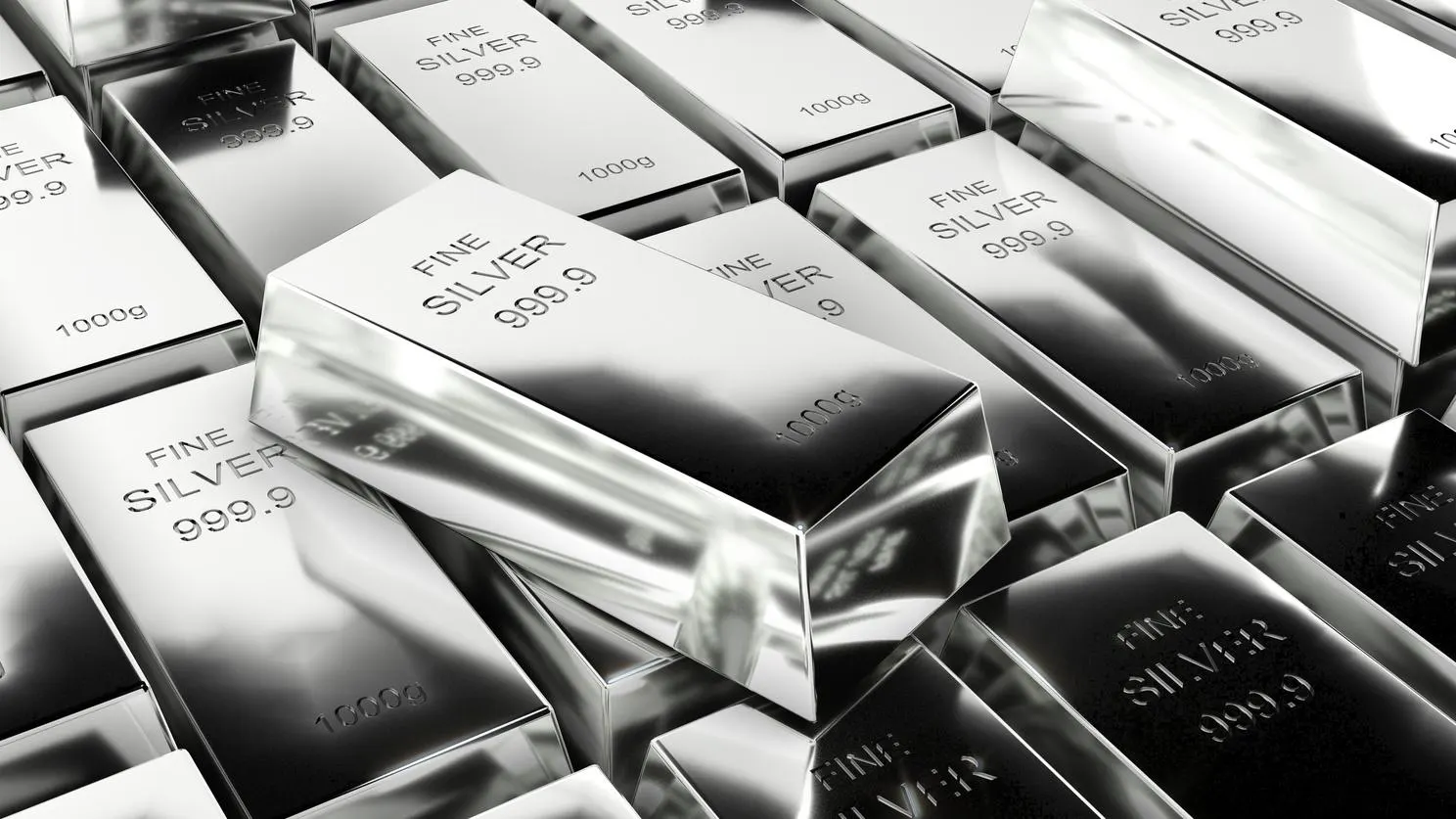
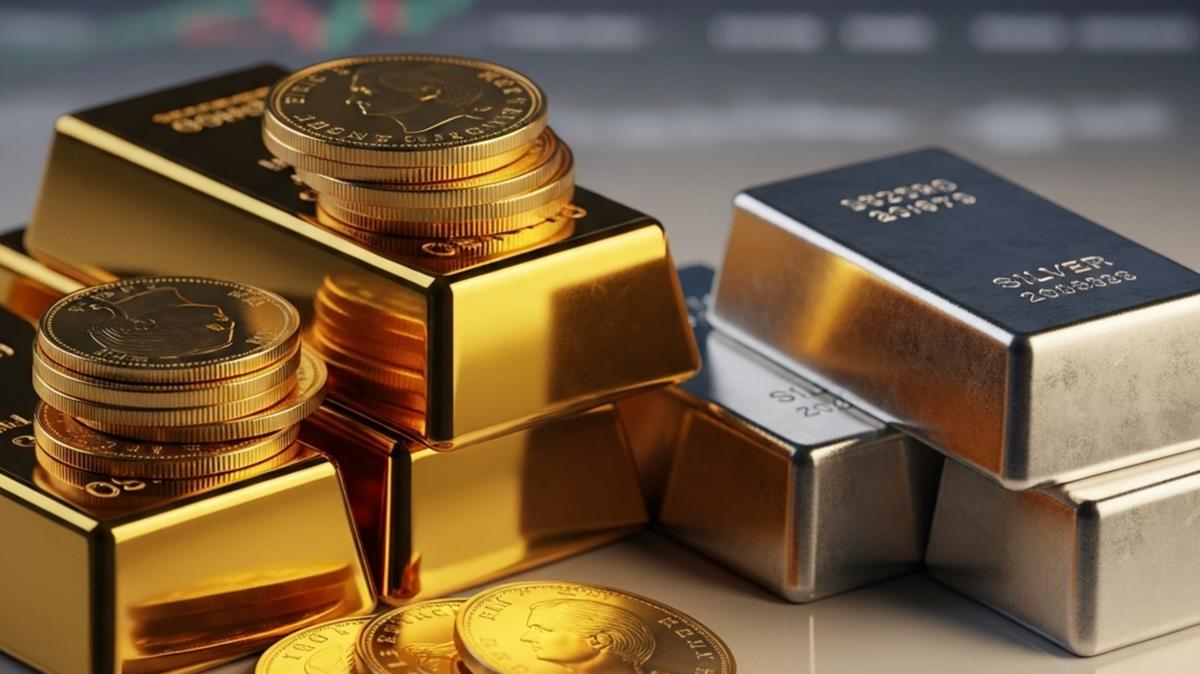
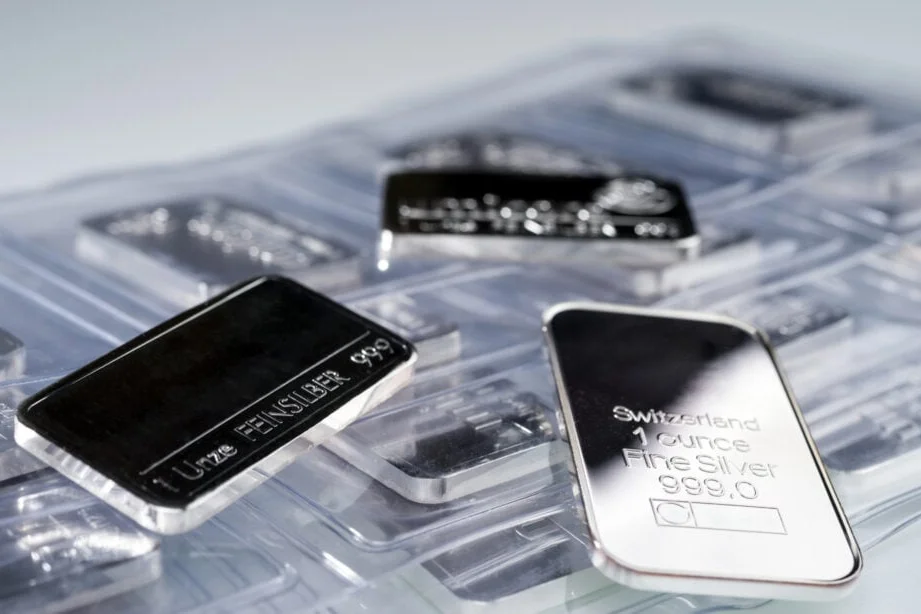
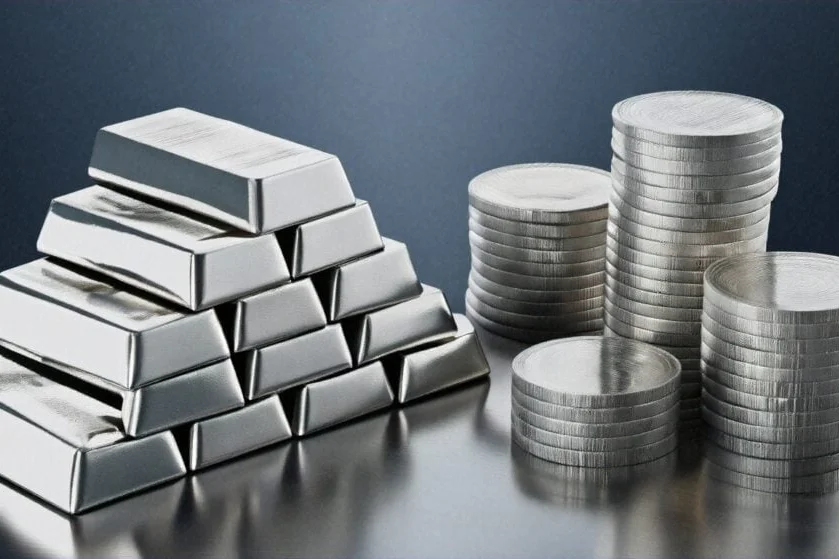
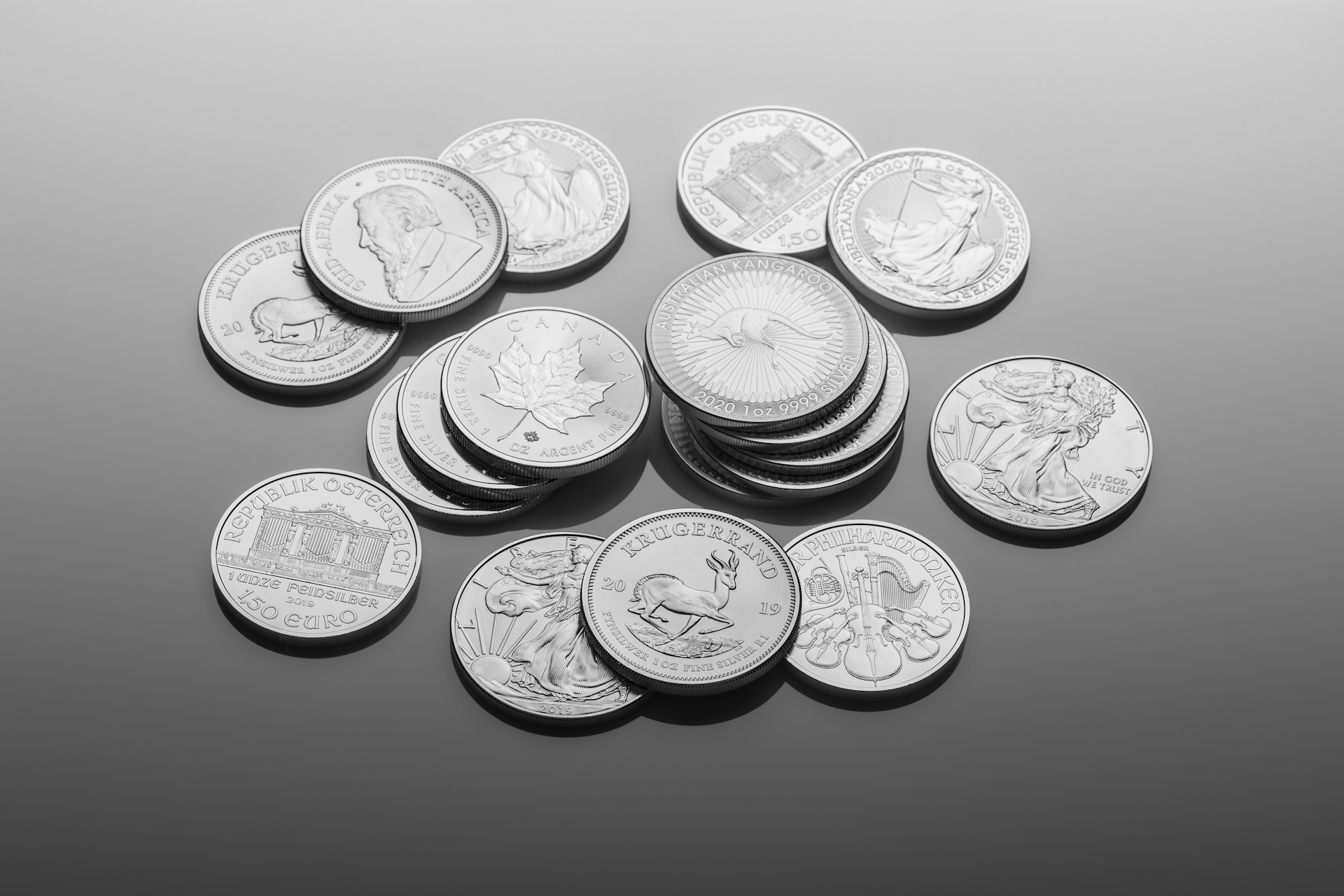
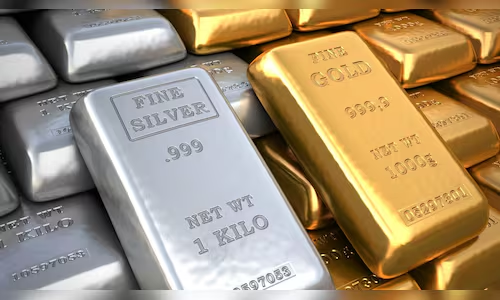
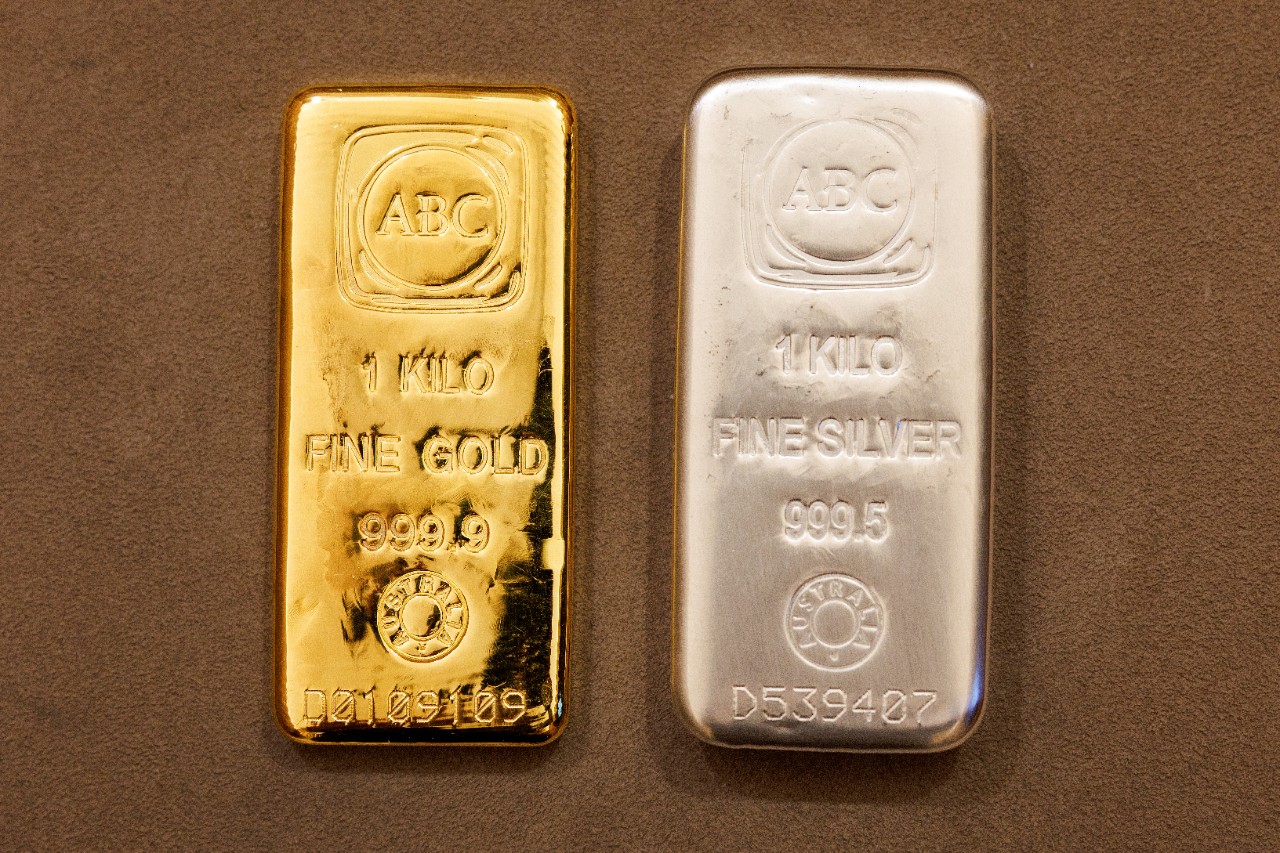
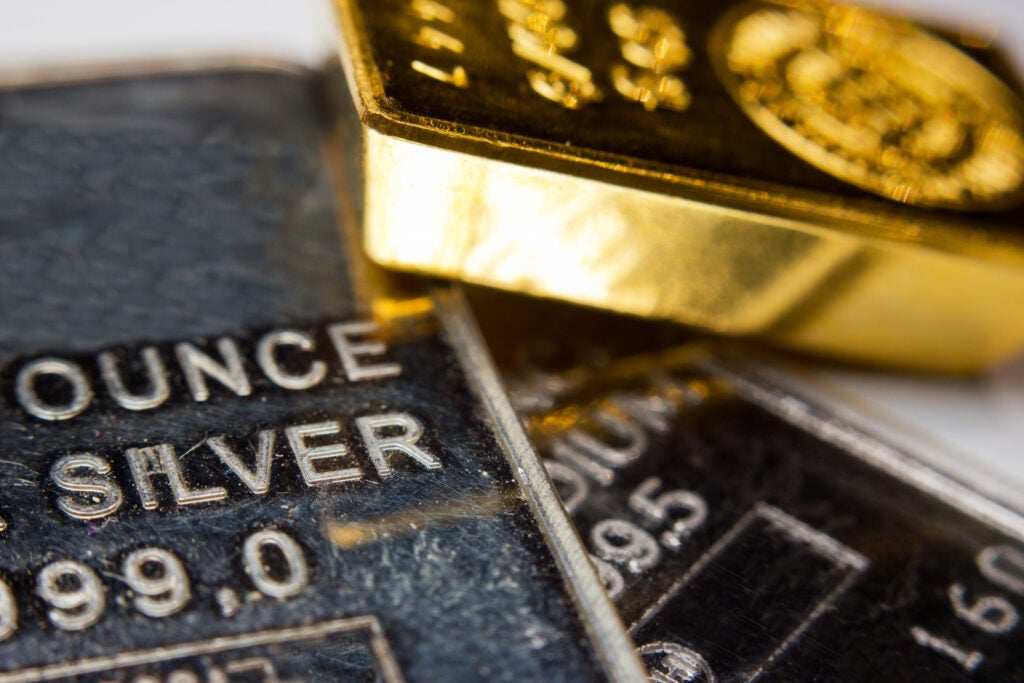
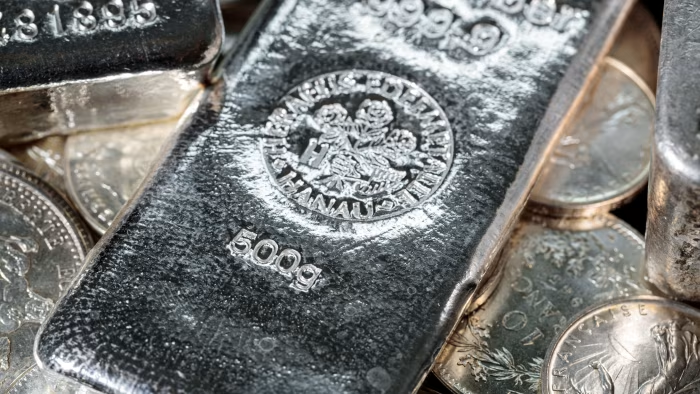
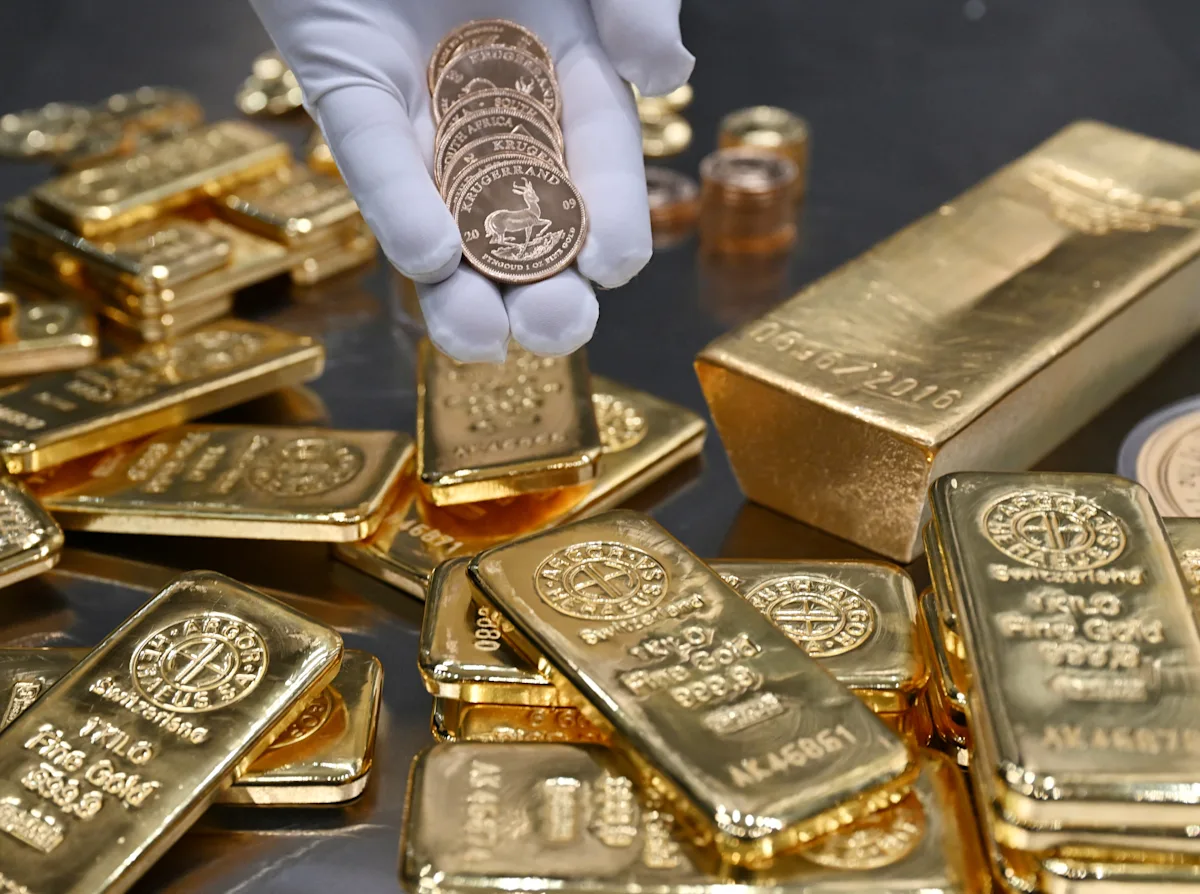
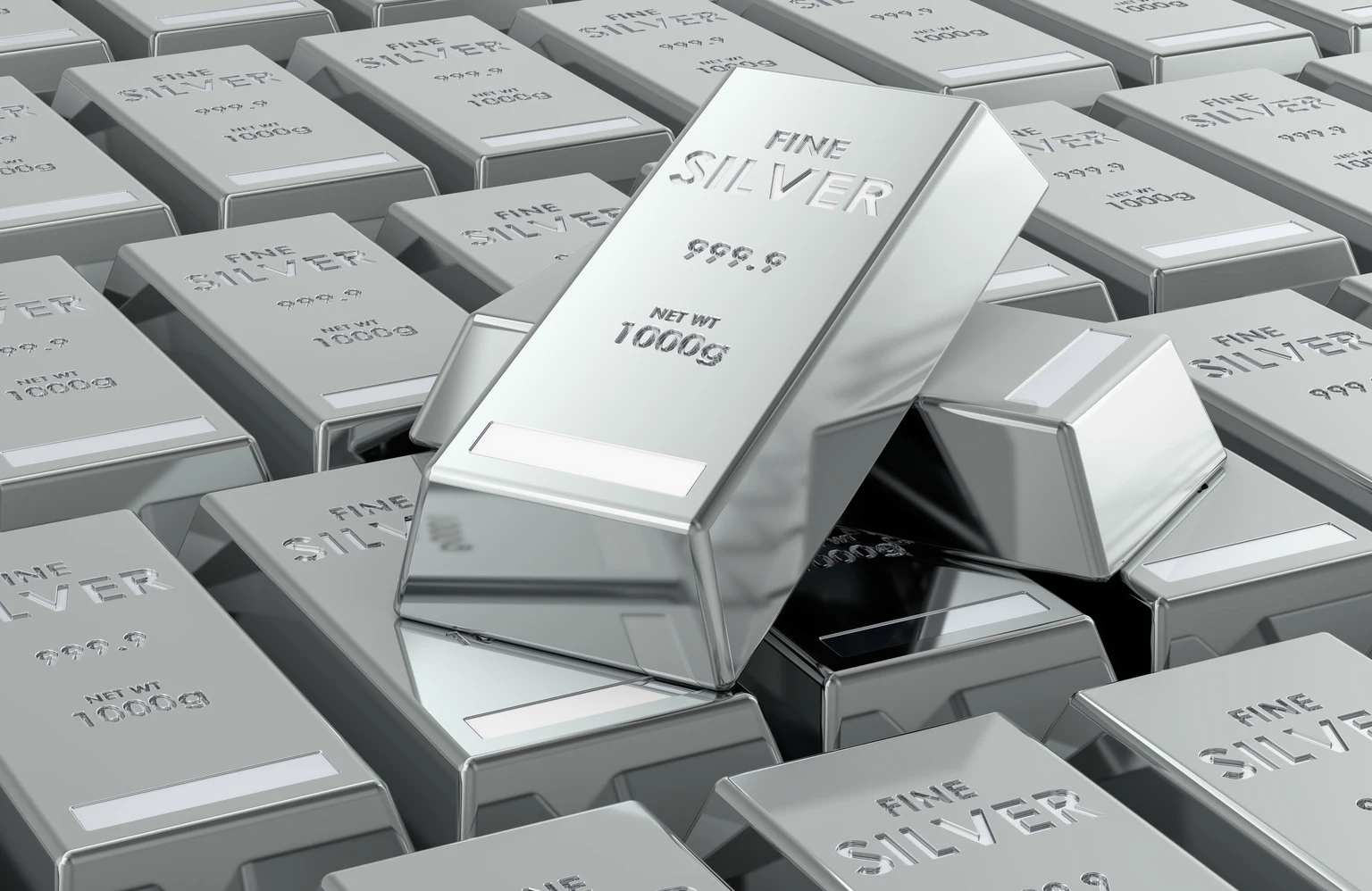
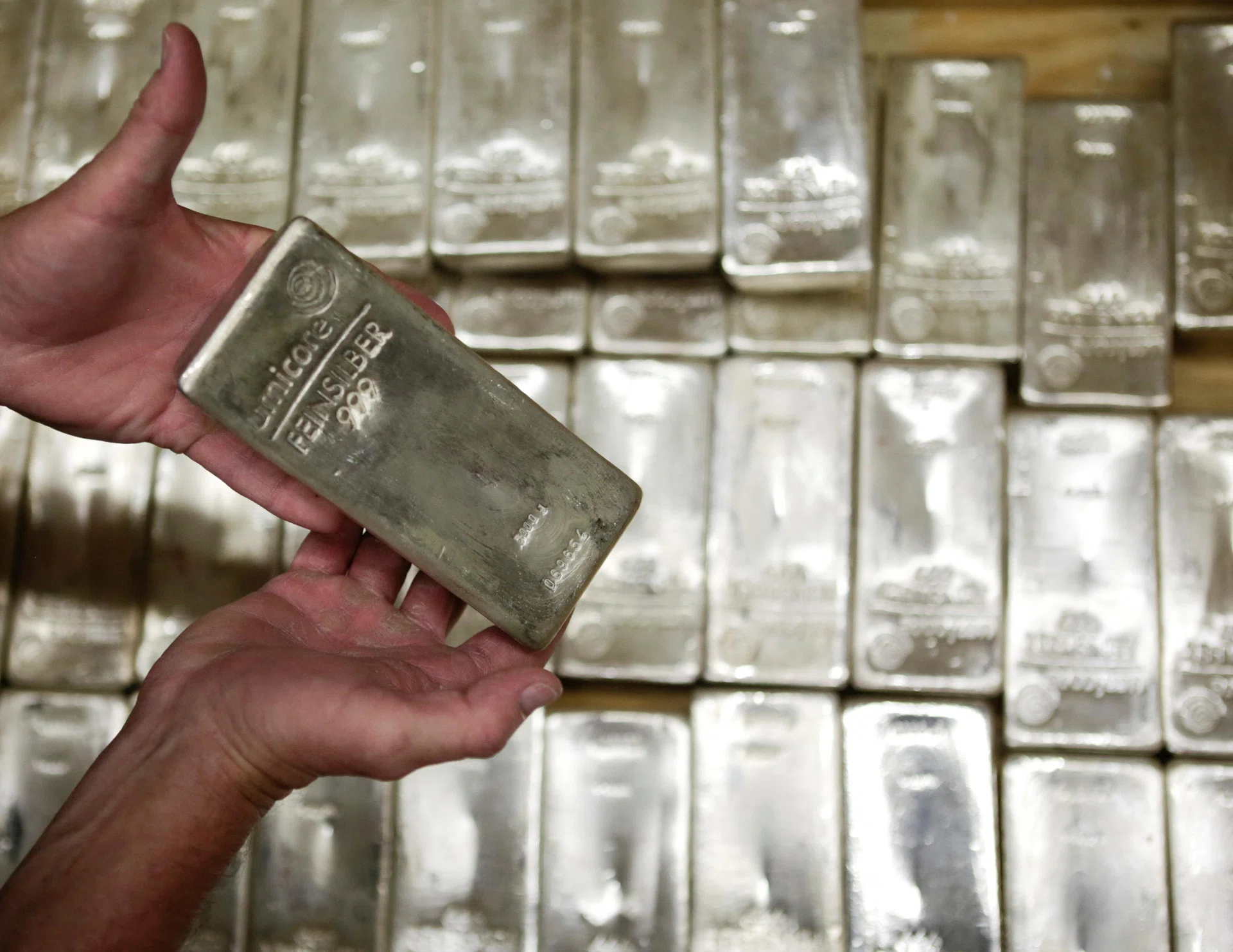
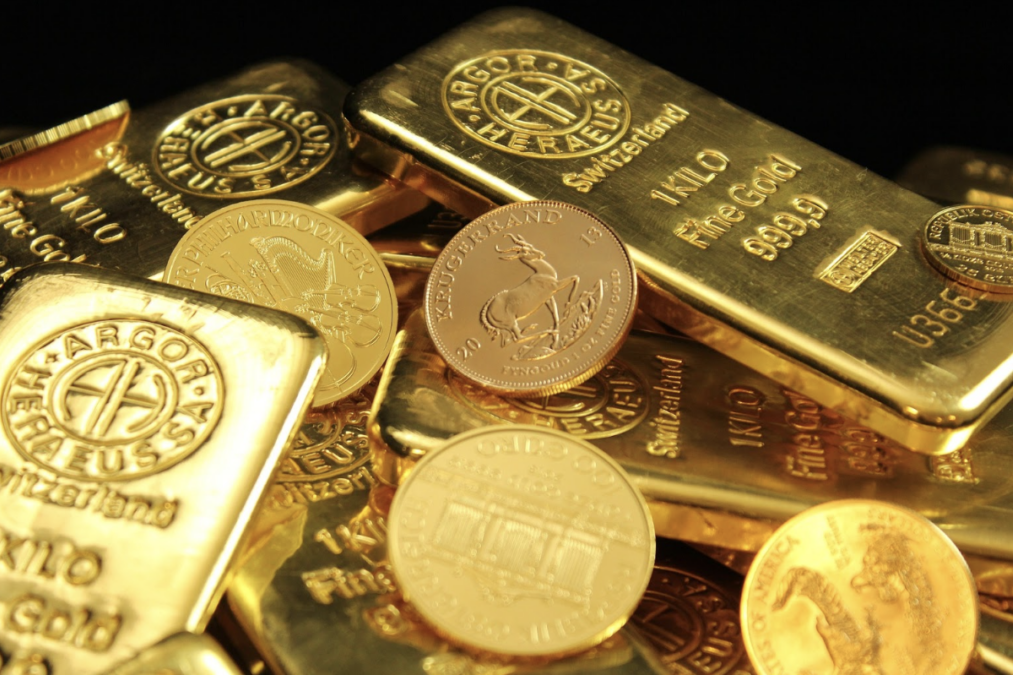
Silver is a precious metal highly traded among investors. It has been historically used as a store of value and a medium of exchange. Although less popular than Gold, traders may turn to Silver to diversify their investment portfolio, for its intrinsic value or as a potential hedge during high-inflation periods. Investors can buy physical Silver, in coins or in bars, or trade it through vehicles such as Exchange Traded Funds, which track its price on international markets.
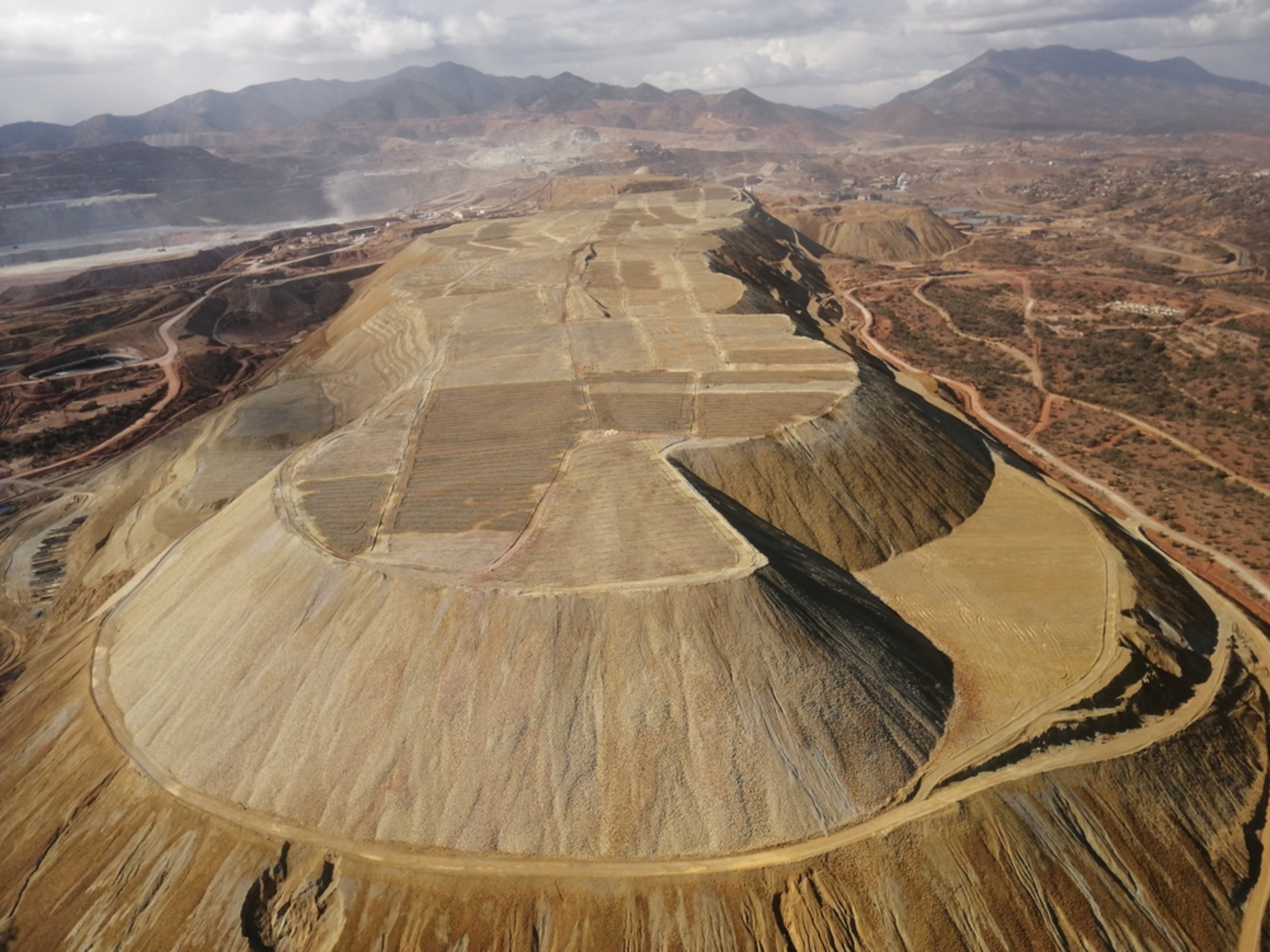
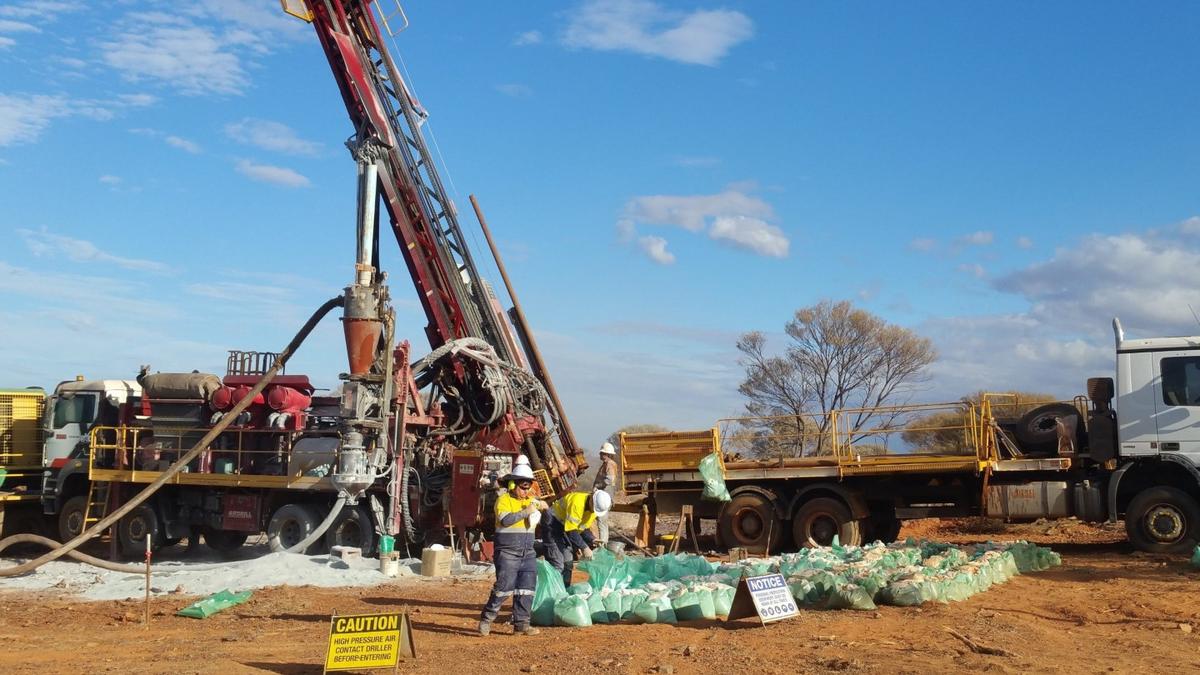
Silver prices can move due to a wide range of factors. Geopolitical instability or fears of a deep recession can make Silver price escalate due to its safe-haven status, although to a lesser extent than Gold’s. As a yieldless asset, Silver tends to rise with lower interest rates. Its moves also depend on how the US Dollar (USD) behaves as the asset is priced in dollars (XAG/USD). A strong Dollar tends to keep the price of Silver at bay, whereas a weaker Dollar is likely to propel prices up. Other factors such as investment demand, mining supply – Silver is much more abundant than Gold – and recycling rates can also affect prices.
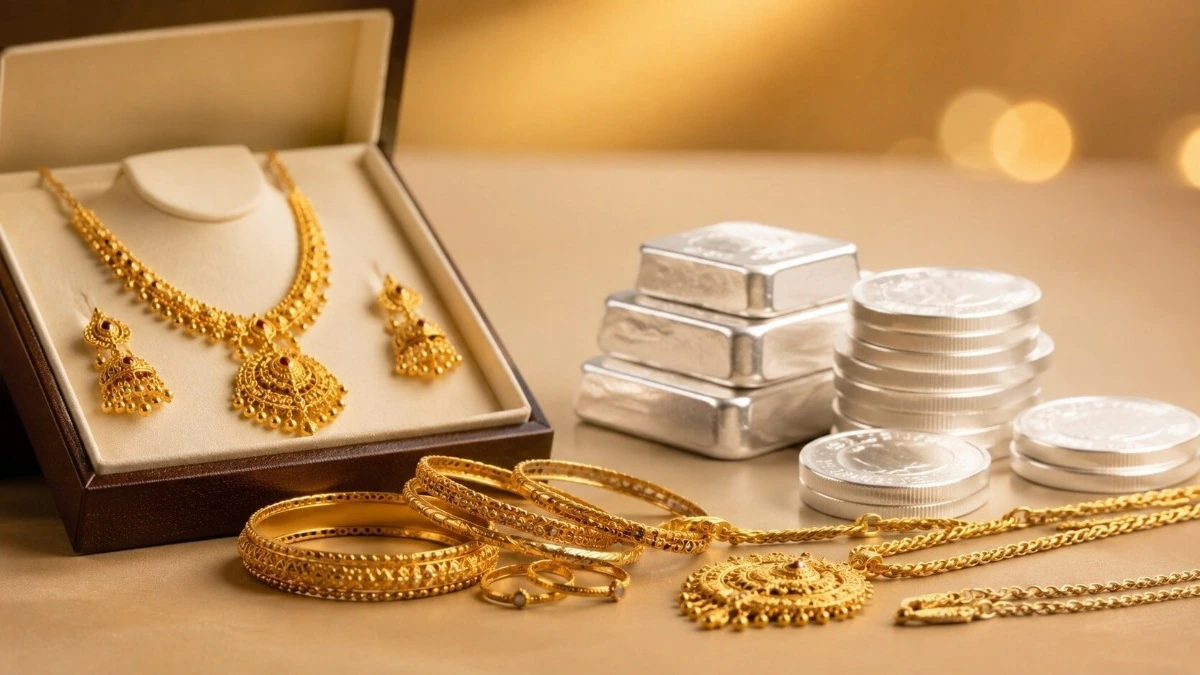
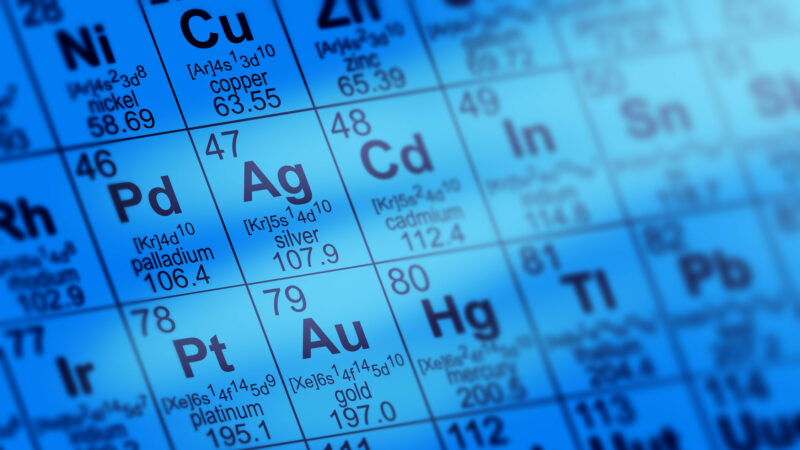
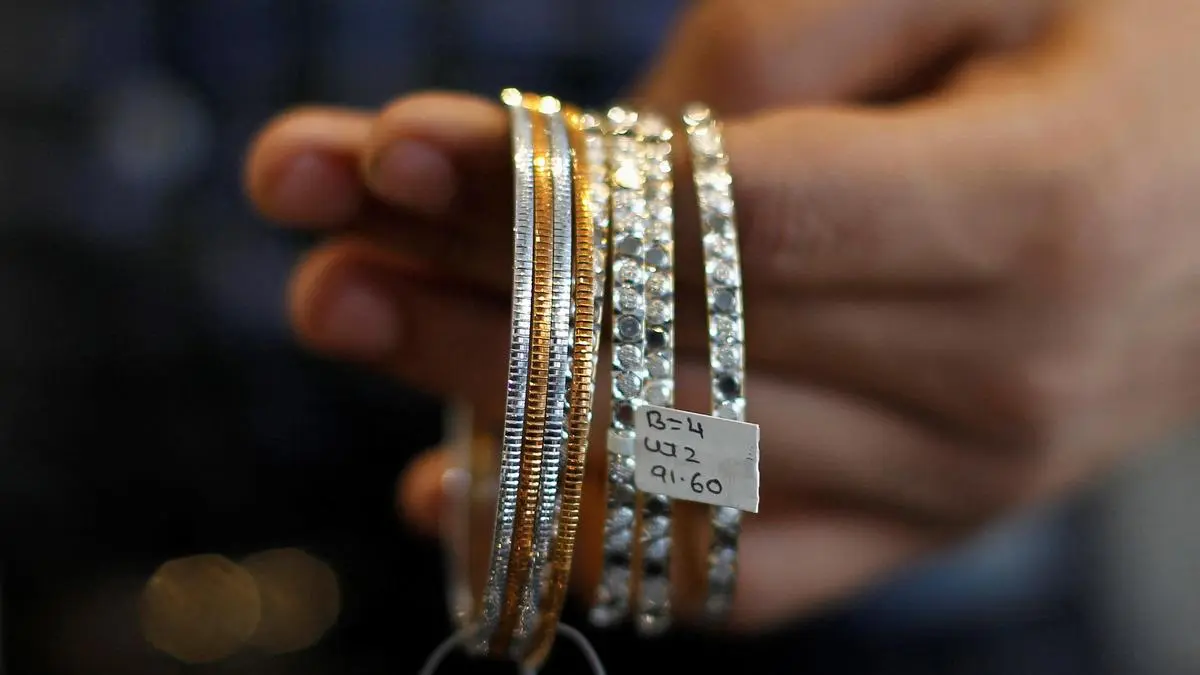
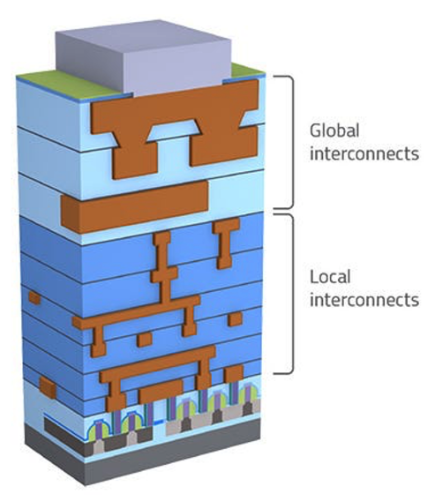
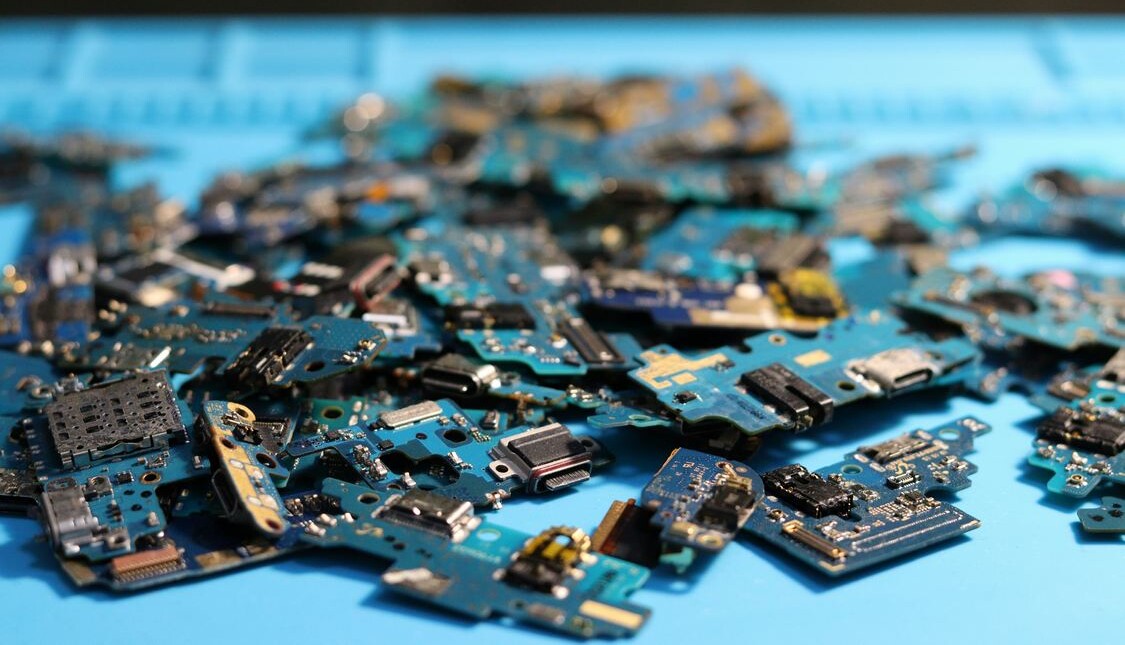
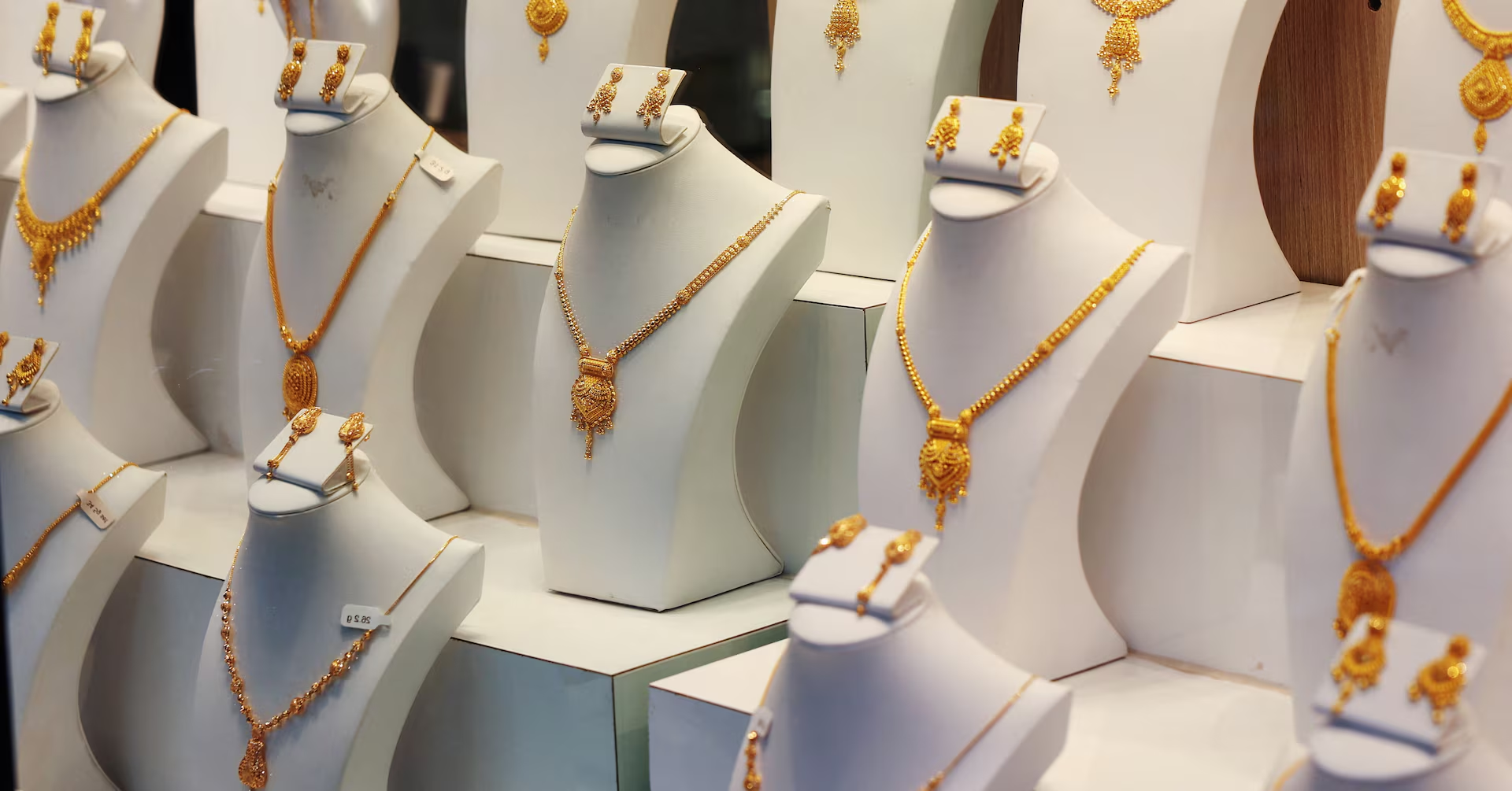
Silver is widely used in industry, particularly in sectors such as electronics or solar energy, as it has one of the highest electric conductivity of all metals – more than Copper and Gold. A surge in demand can increase prices, while a decline tends to lower them. Dynamics in the US, Chinese and Indian economies can also contribute to price swings: for the US and particularly China, their big industrial sectors use Silver in various processes; in India, consumers’ demand for the precious metal for jewellery also plays a key role in setting prices.
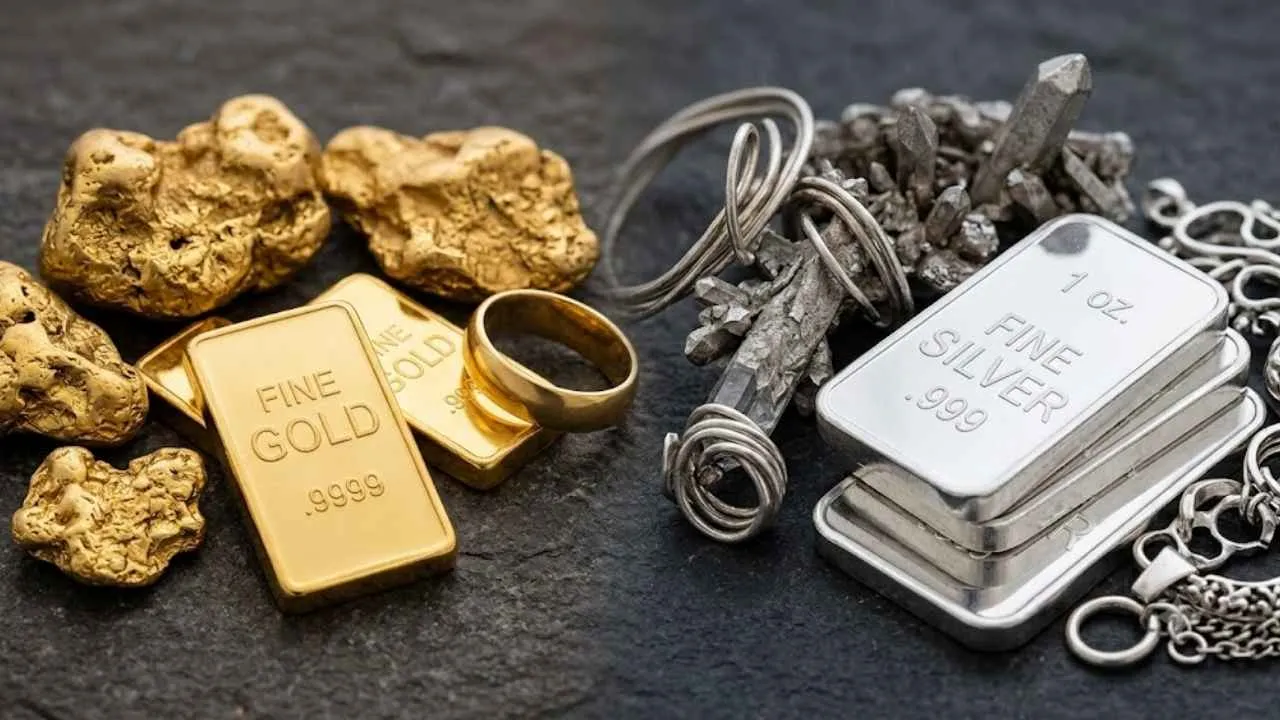
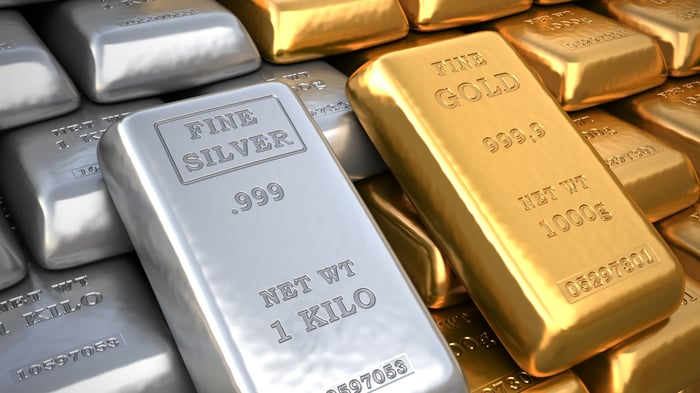
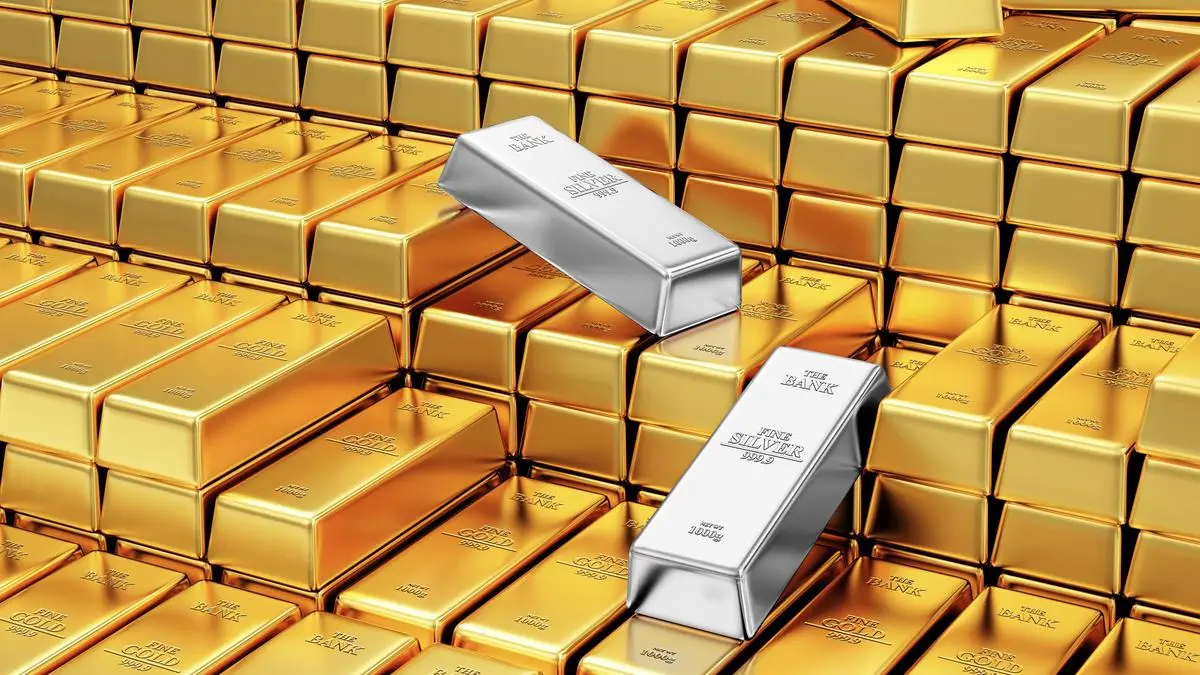
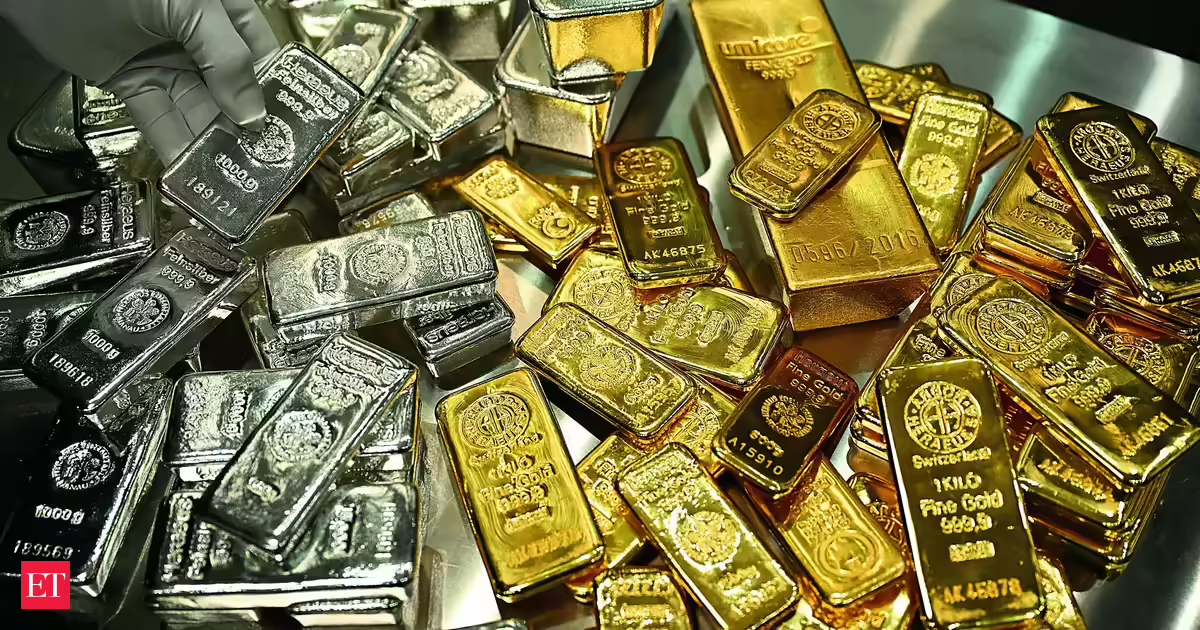
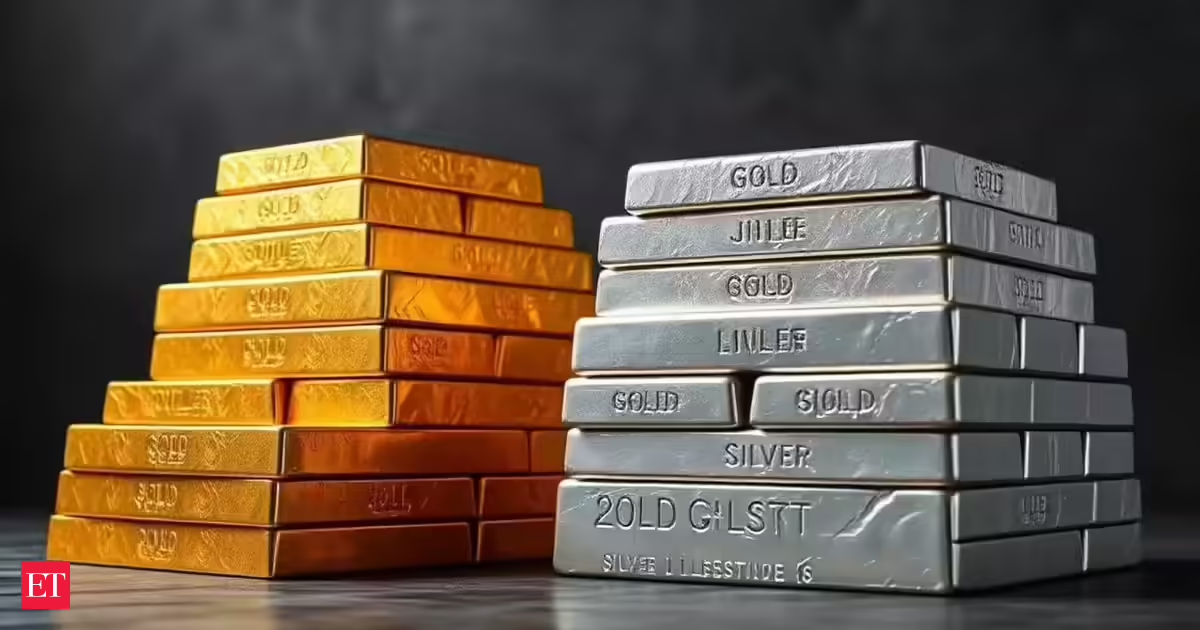
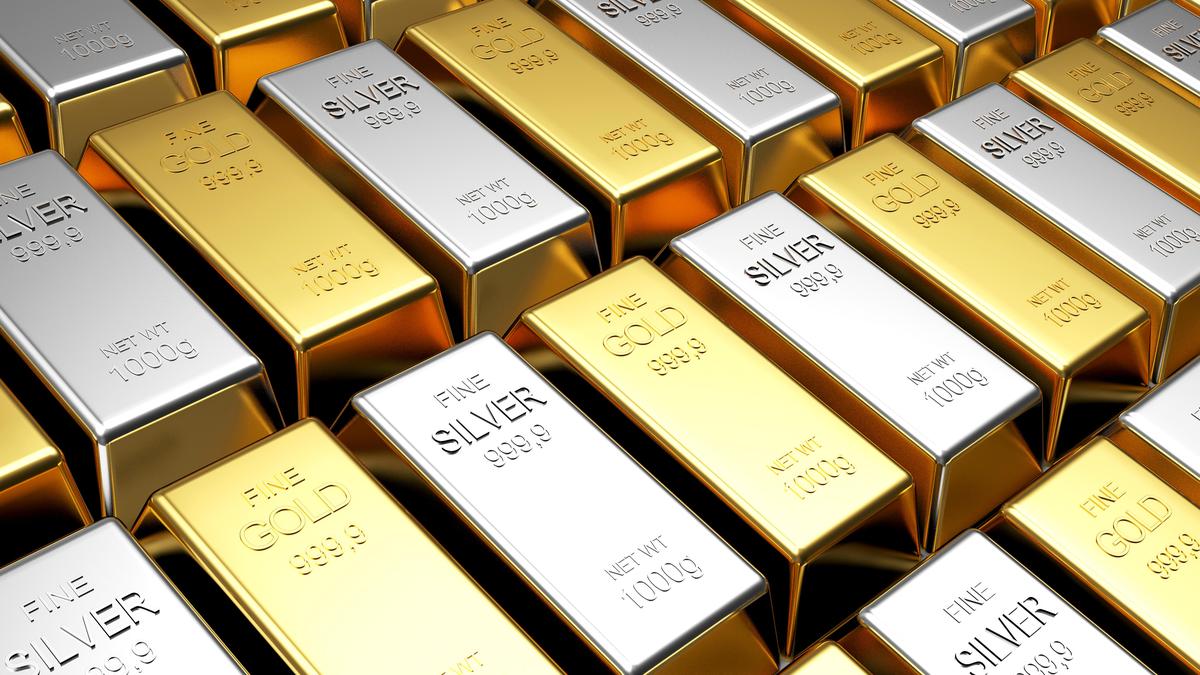
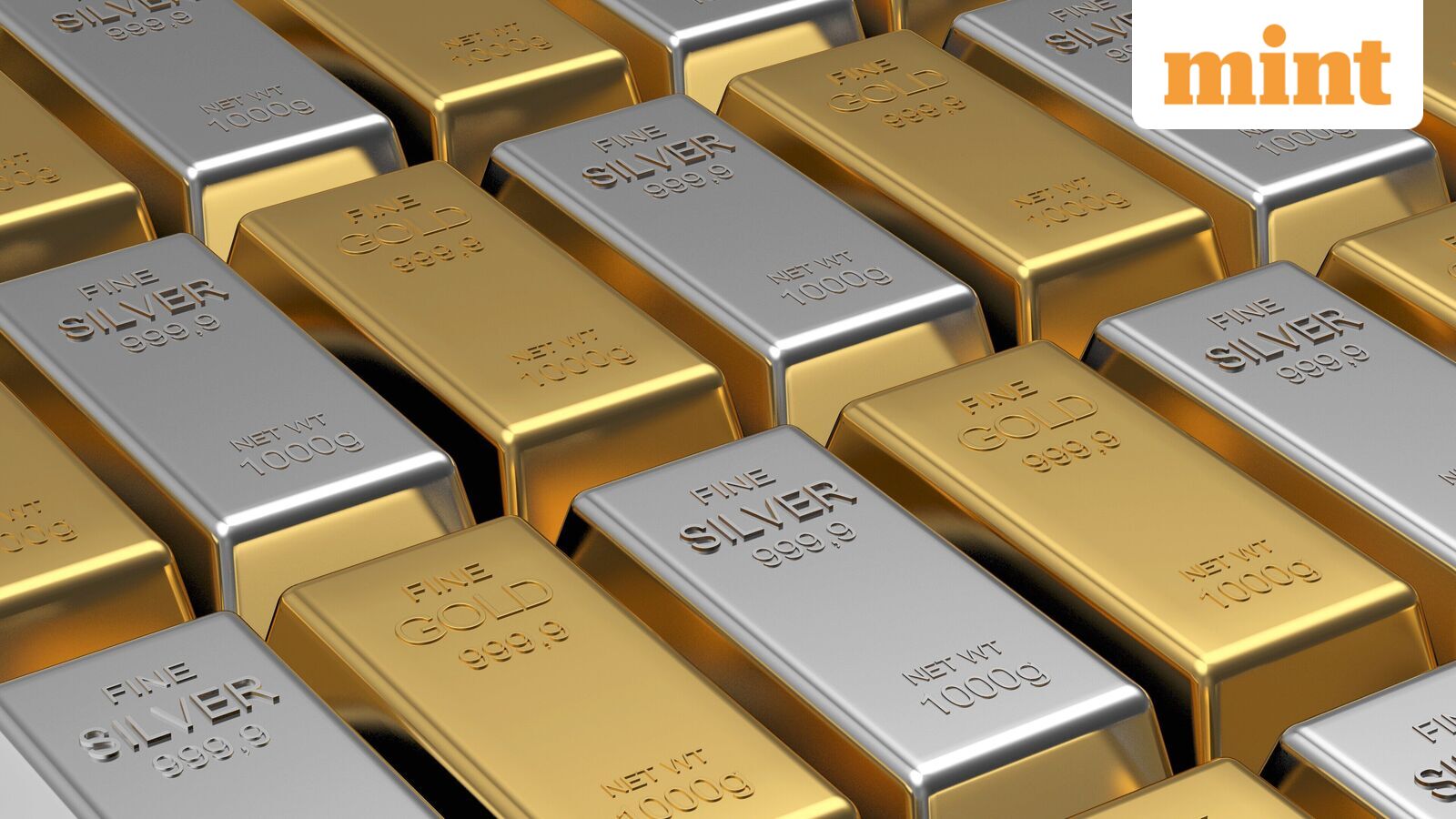
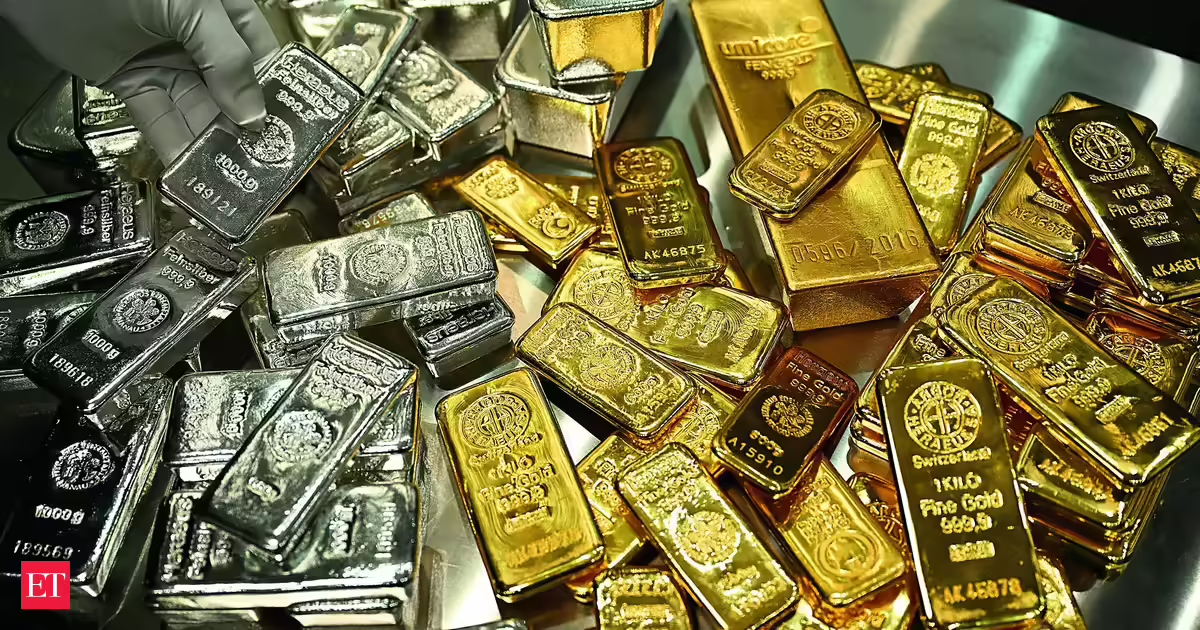
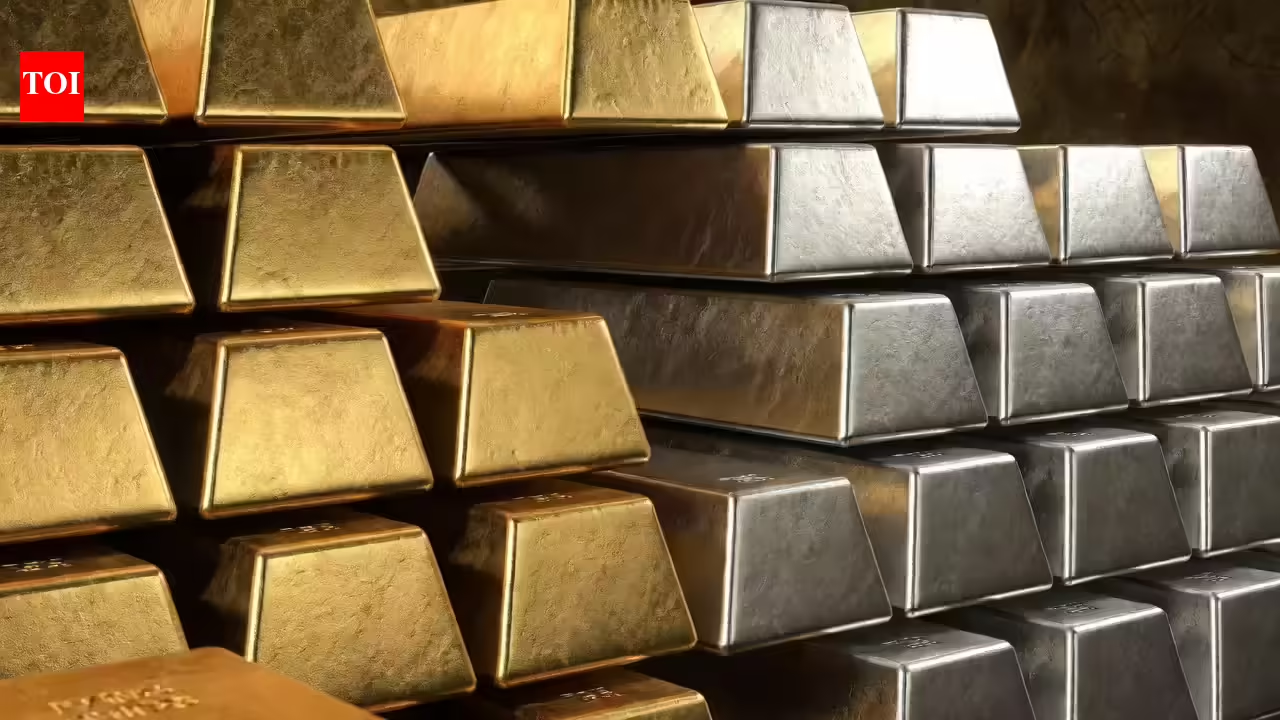
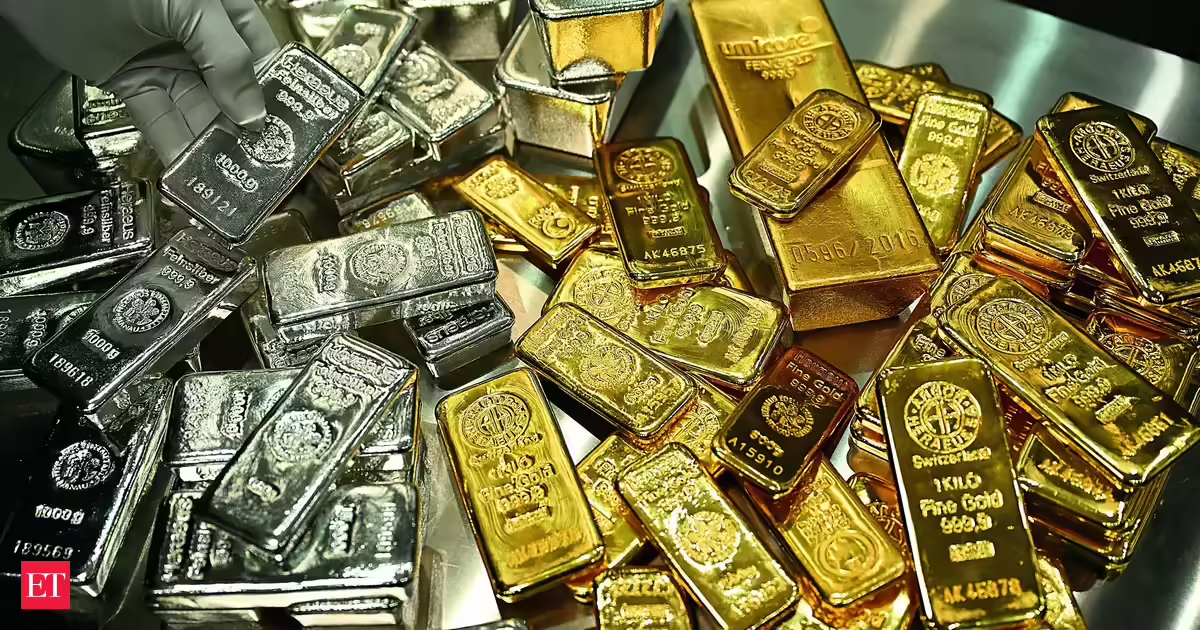
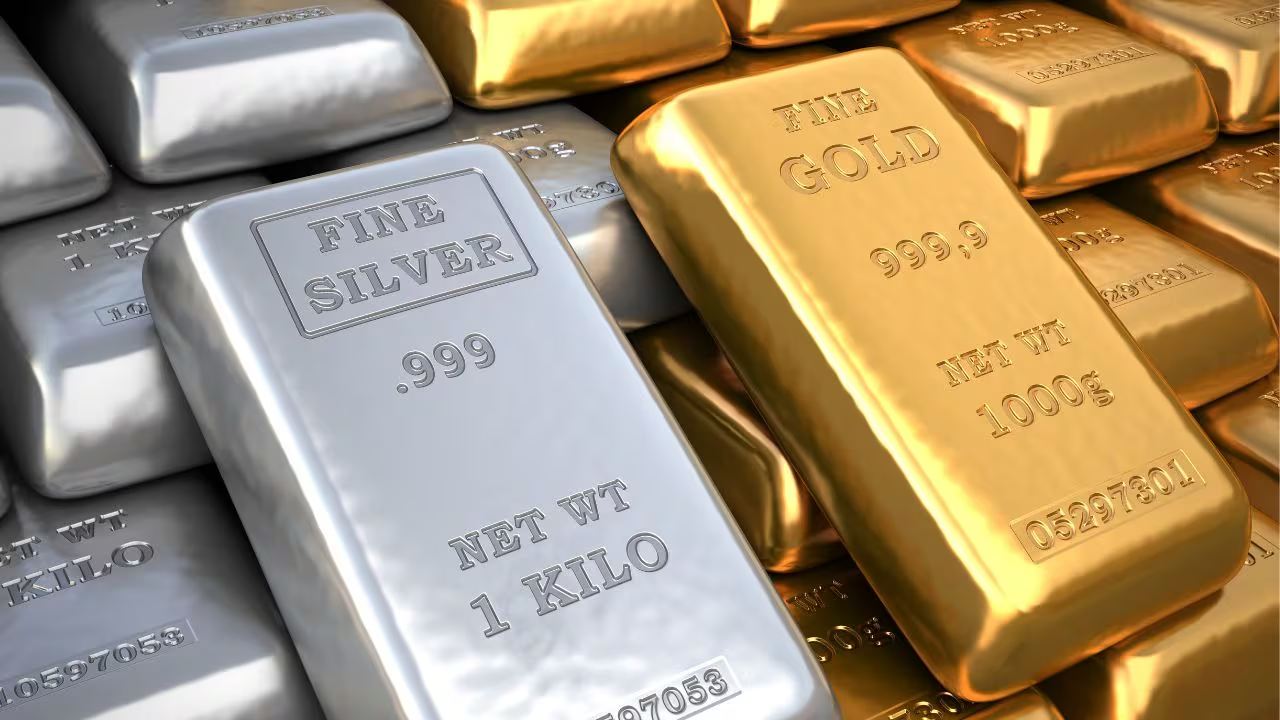
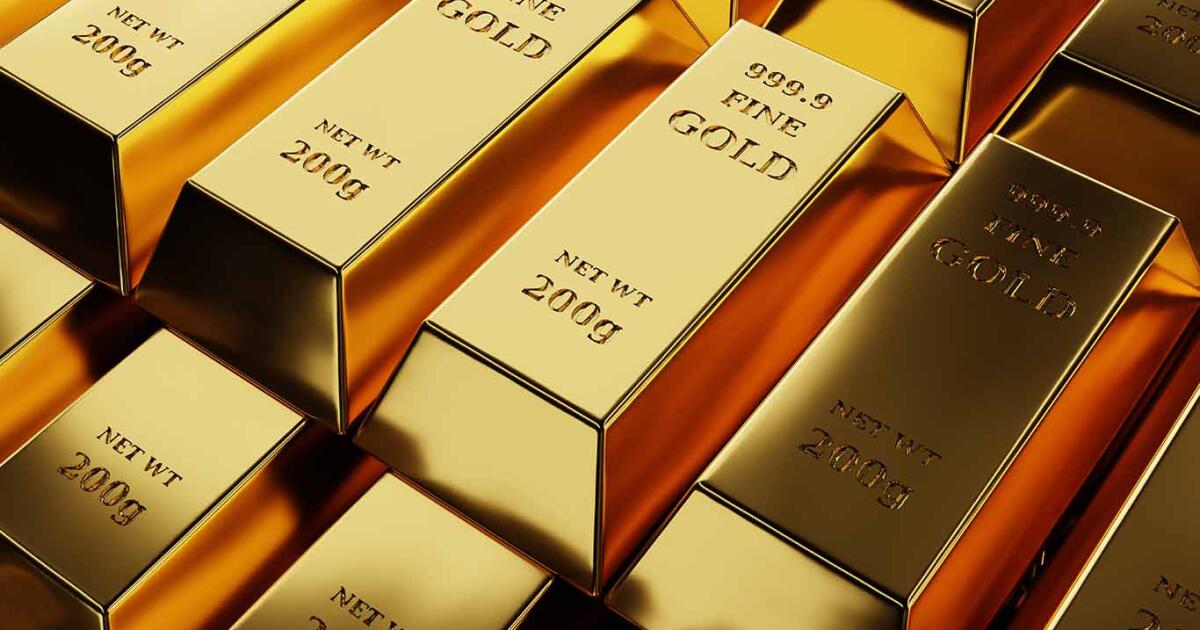
Silver prices tend to follow Gold’s moves. When Gold prices rise, Silver typically follows suit, as their status as safe-haven assets is similar. The Gold/Silver ratio, which shows the number of ounces of Silver needed to equal the value of one ounce of Gold, may help to determine the relative valuation between both metals. Some investors may consider a high ratio as an indicator that Silver is undervalued, or Gold is overvalued. On the contrary, a low ratio might suggest that Gold is undervalued relative to Silver.