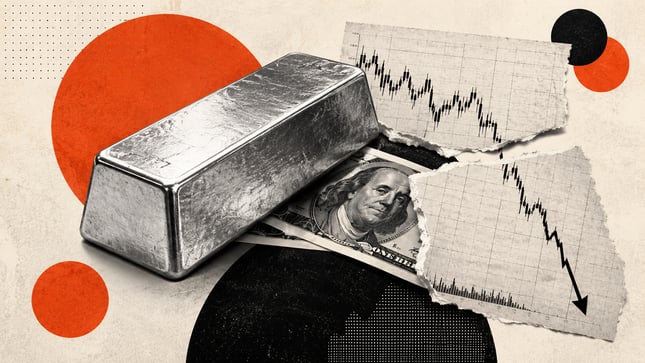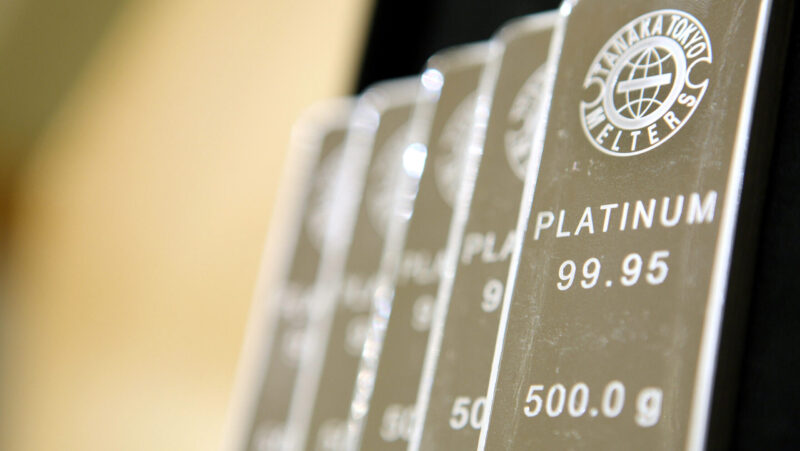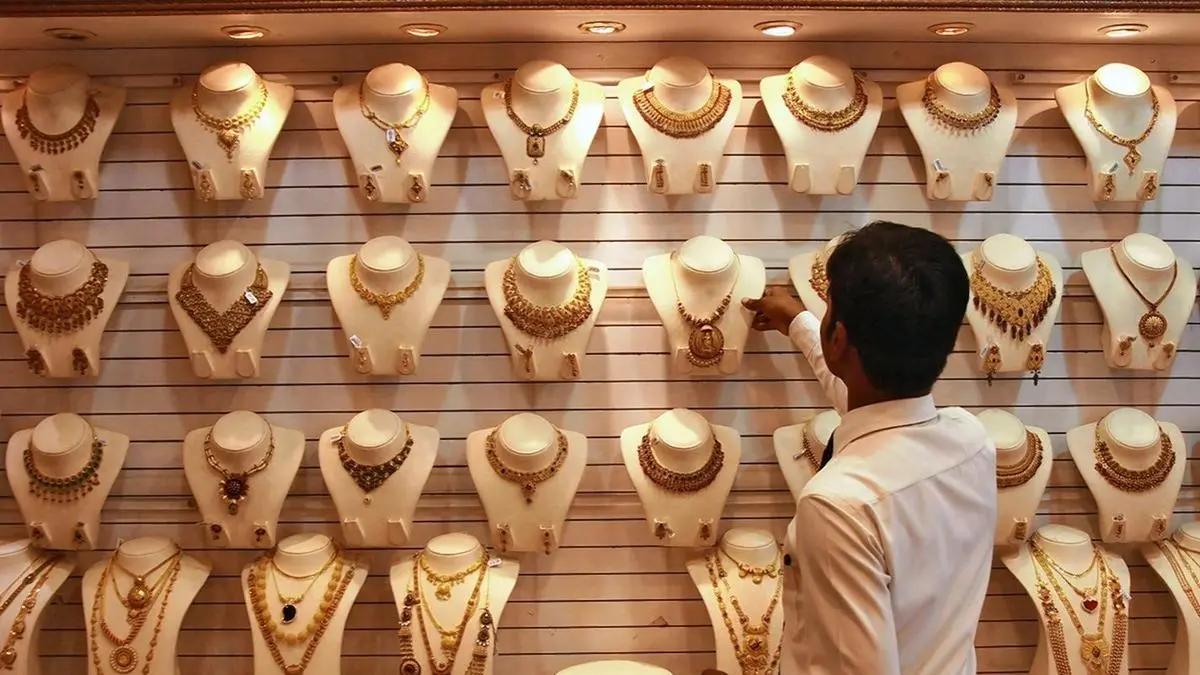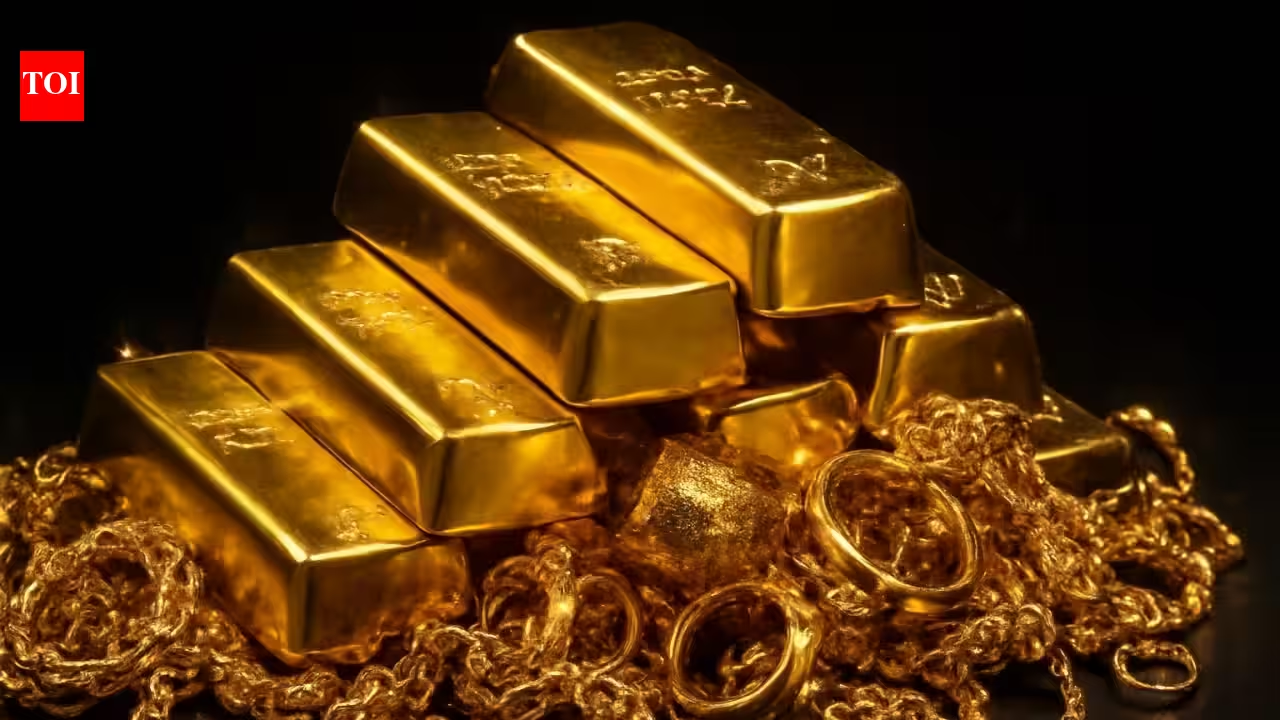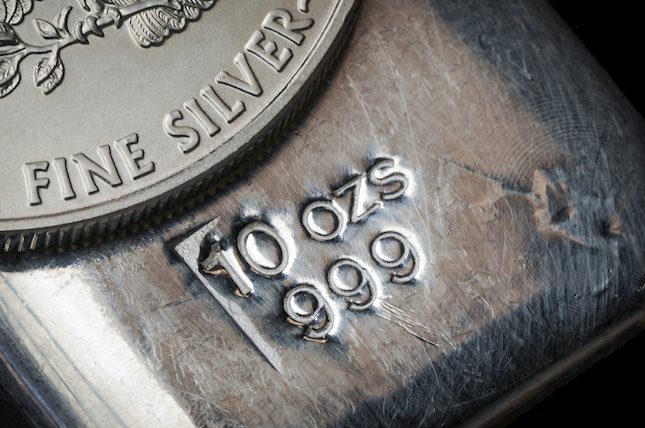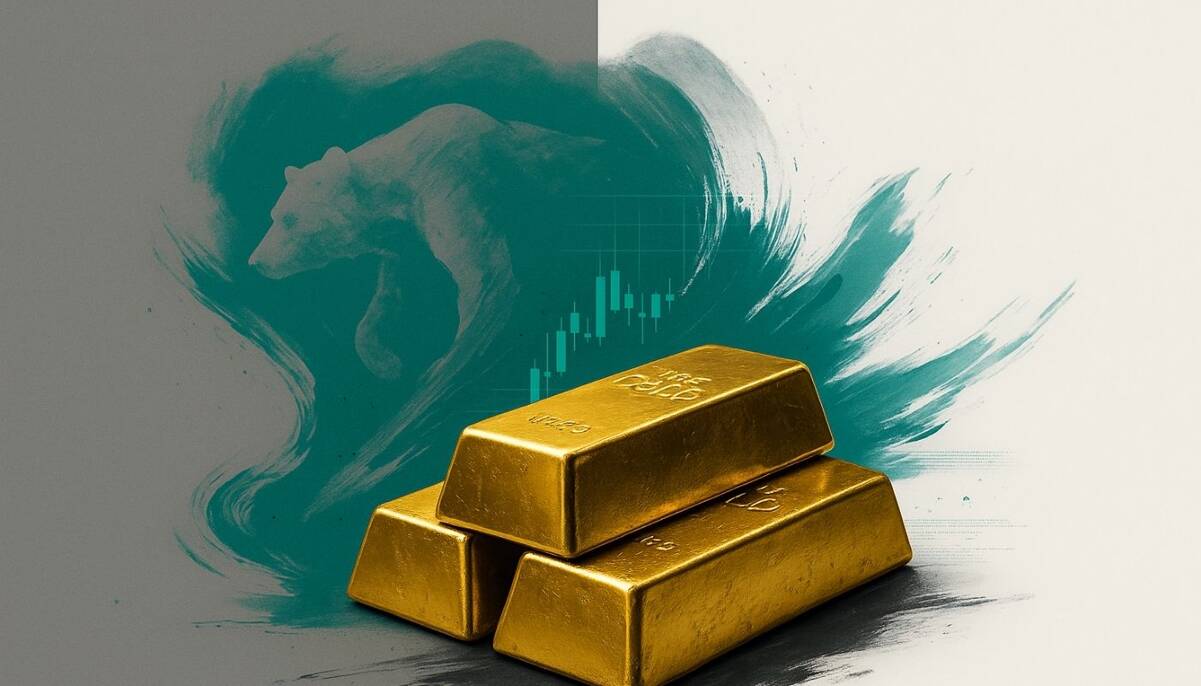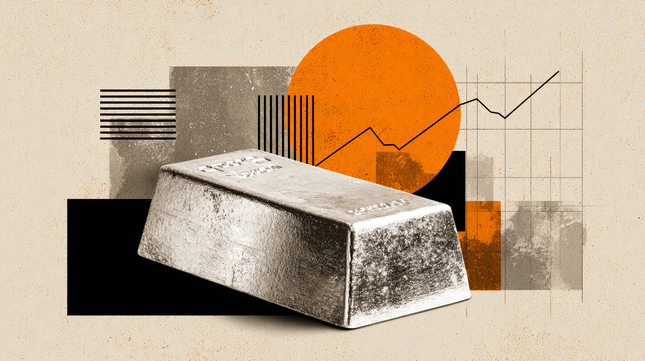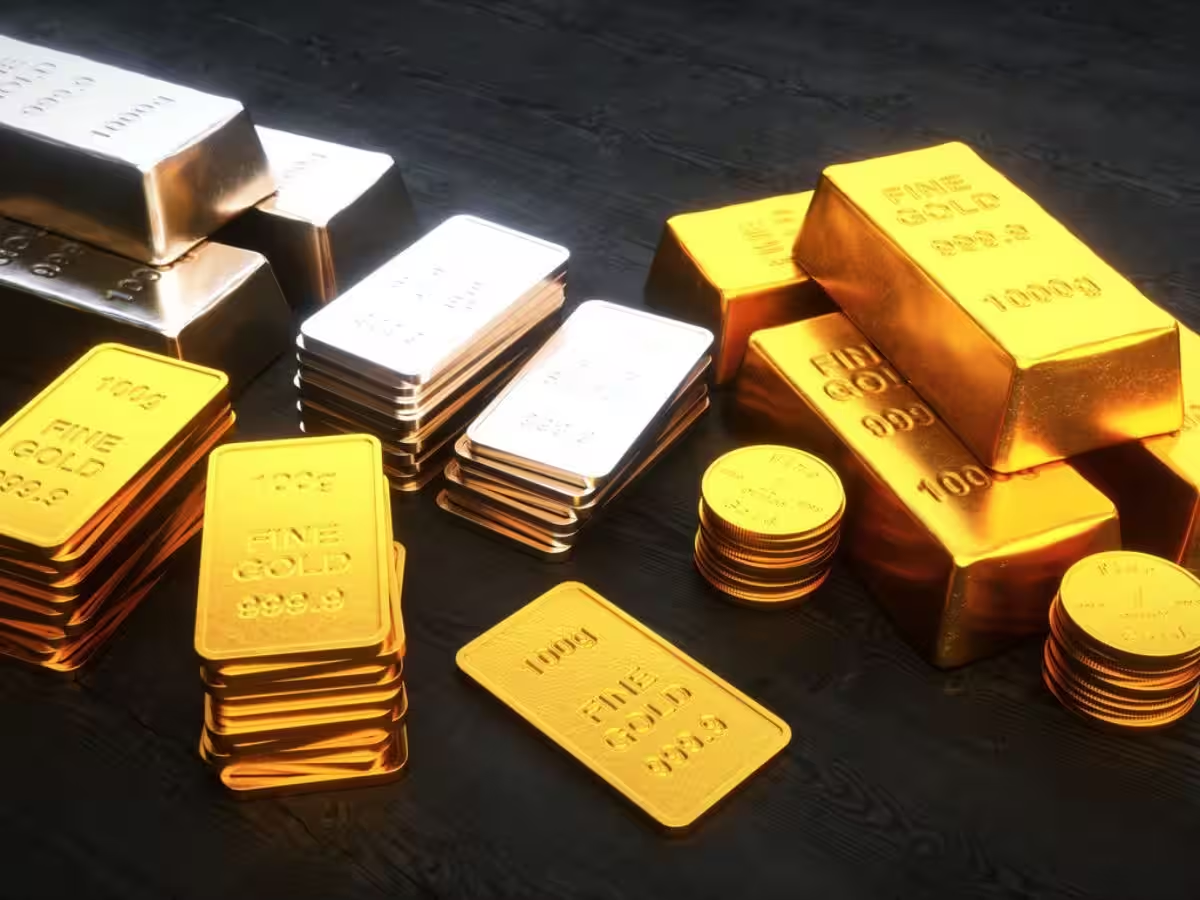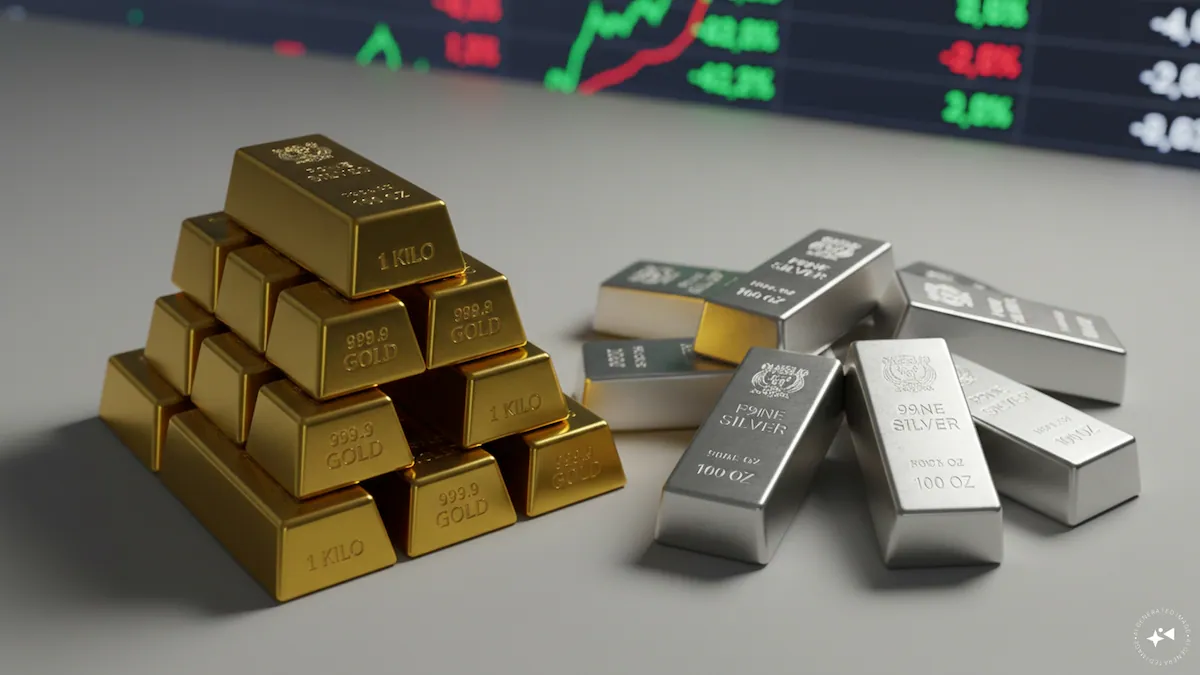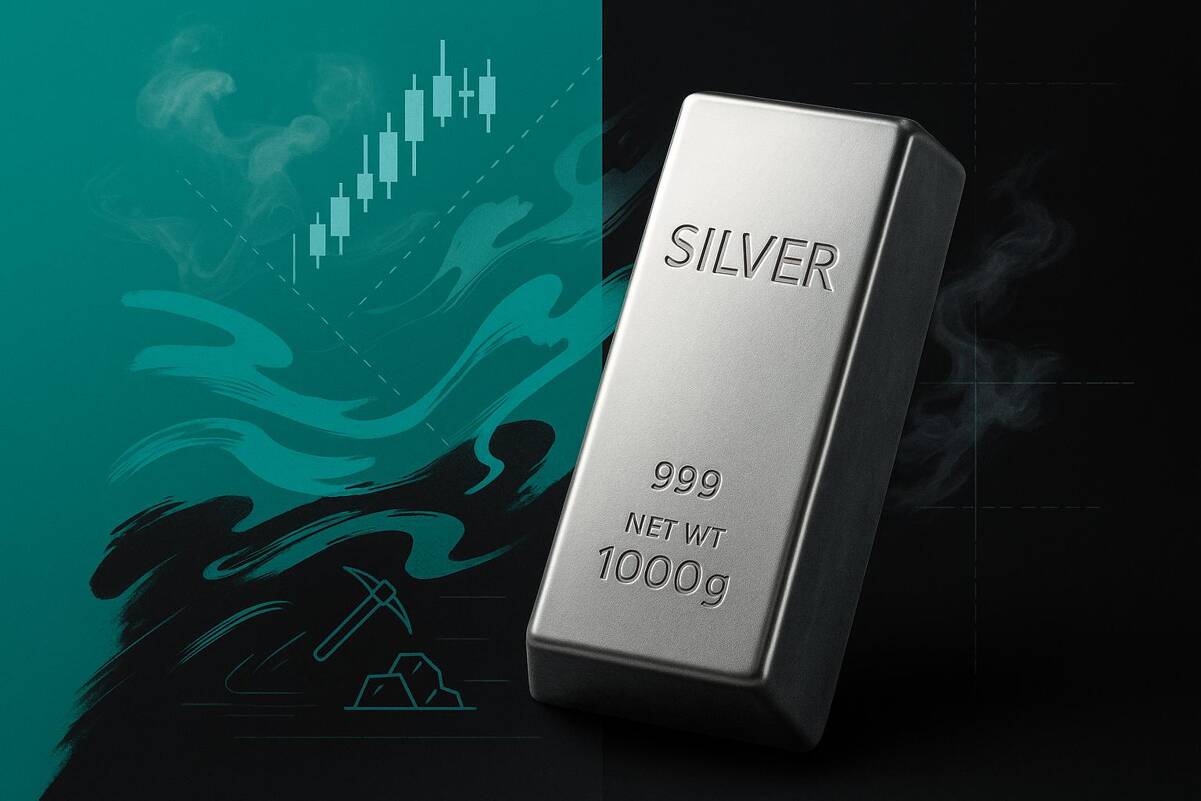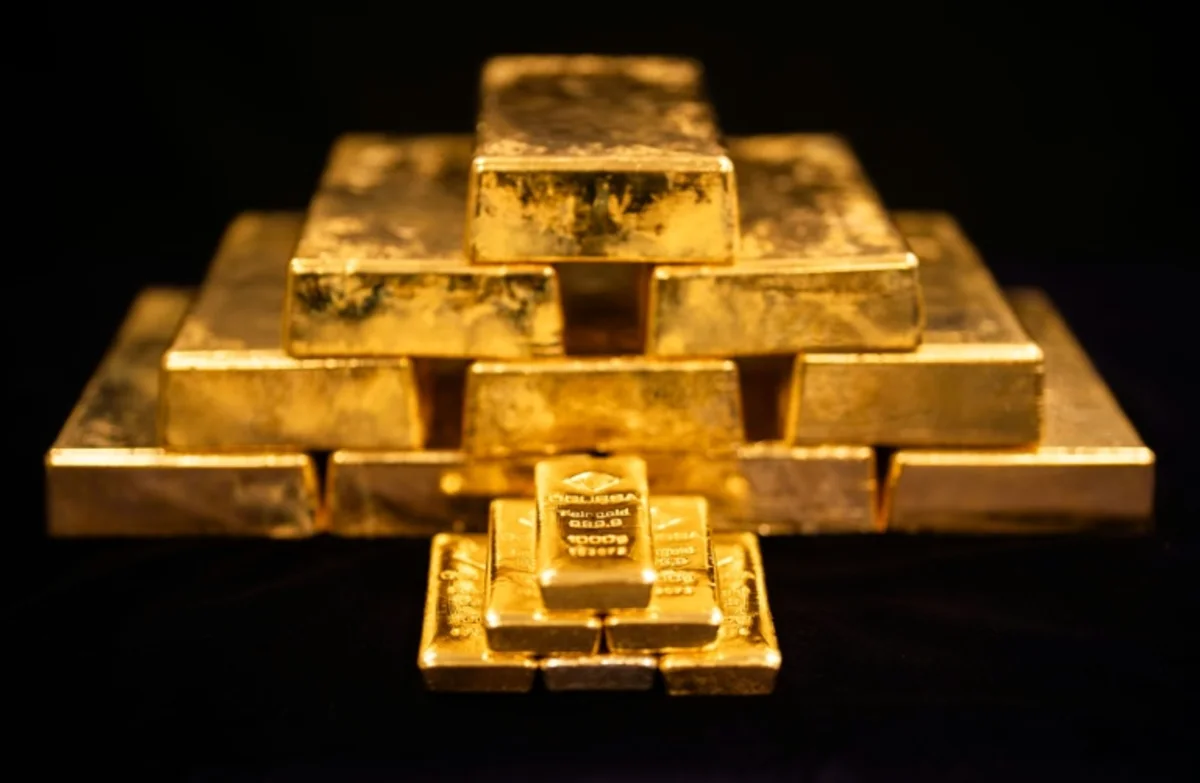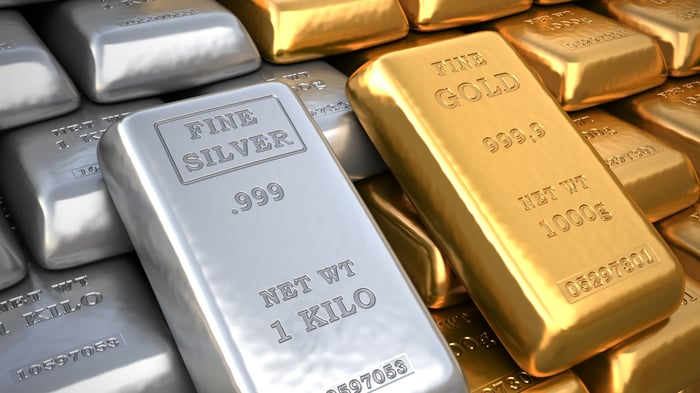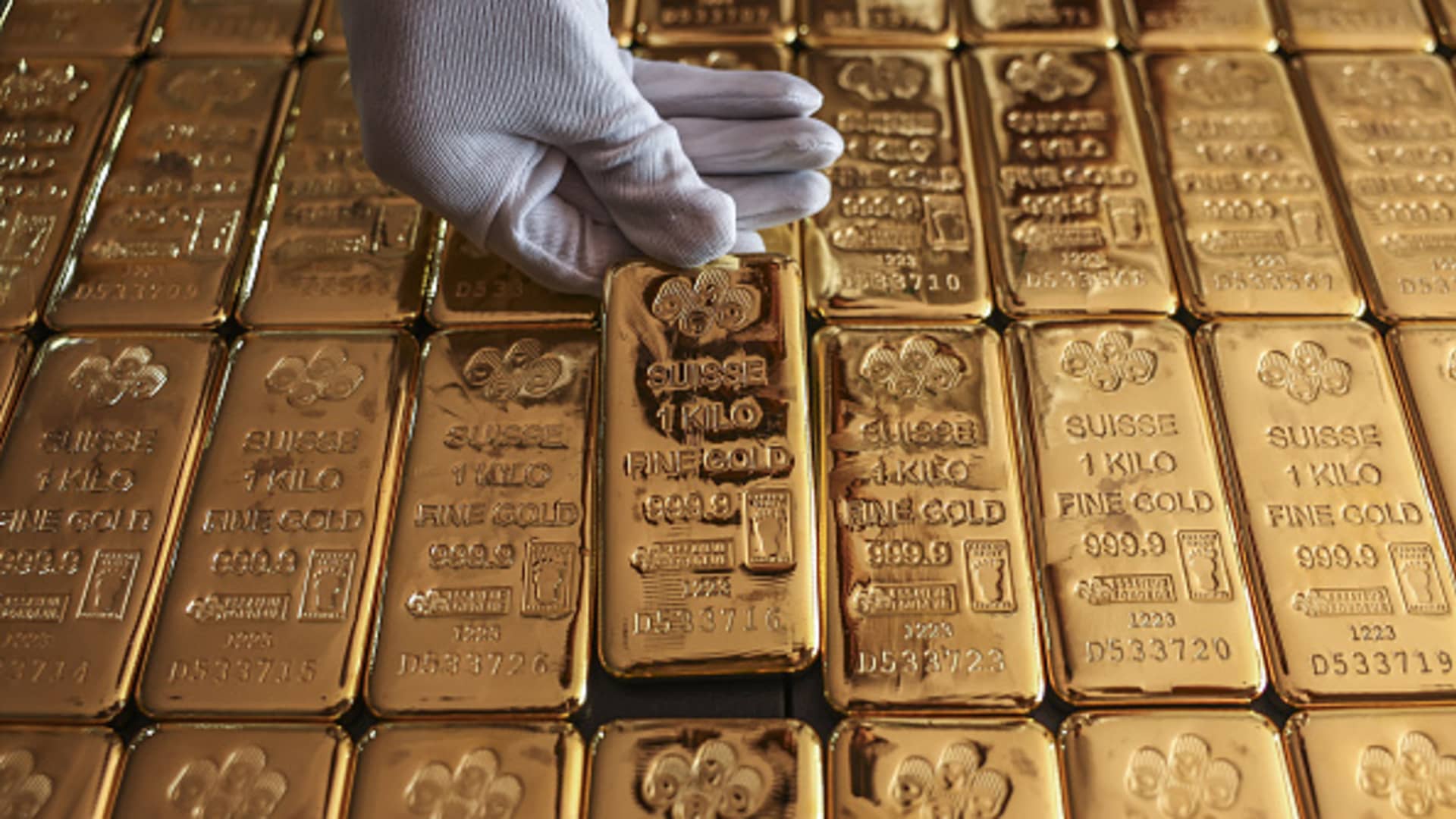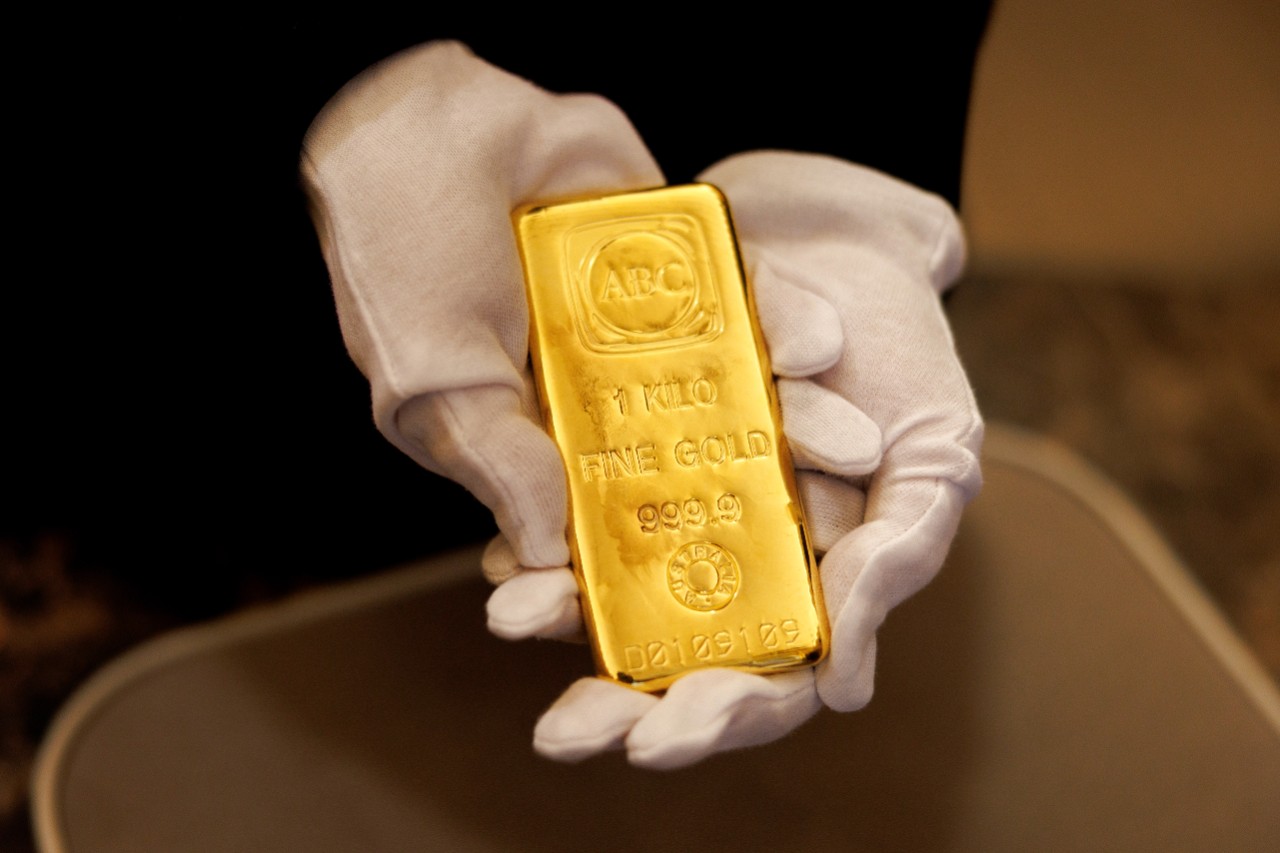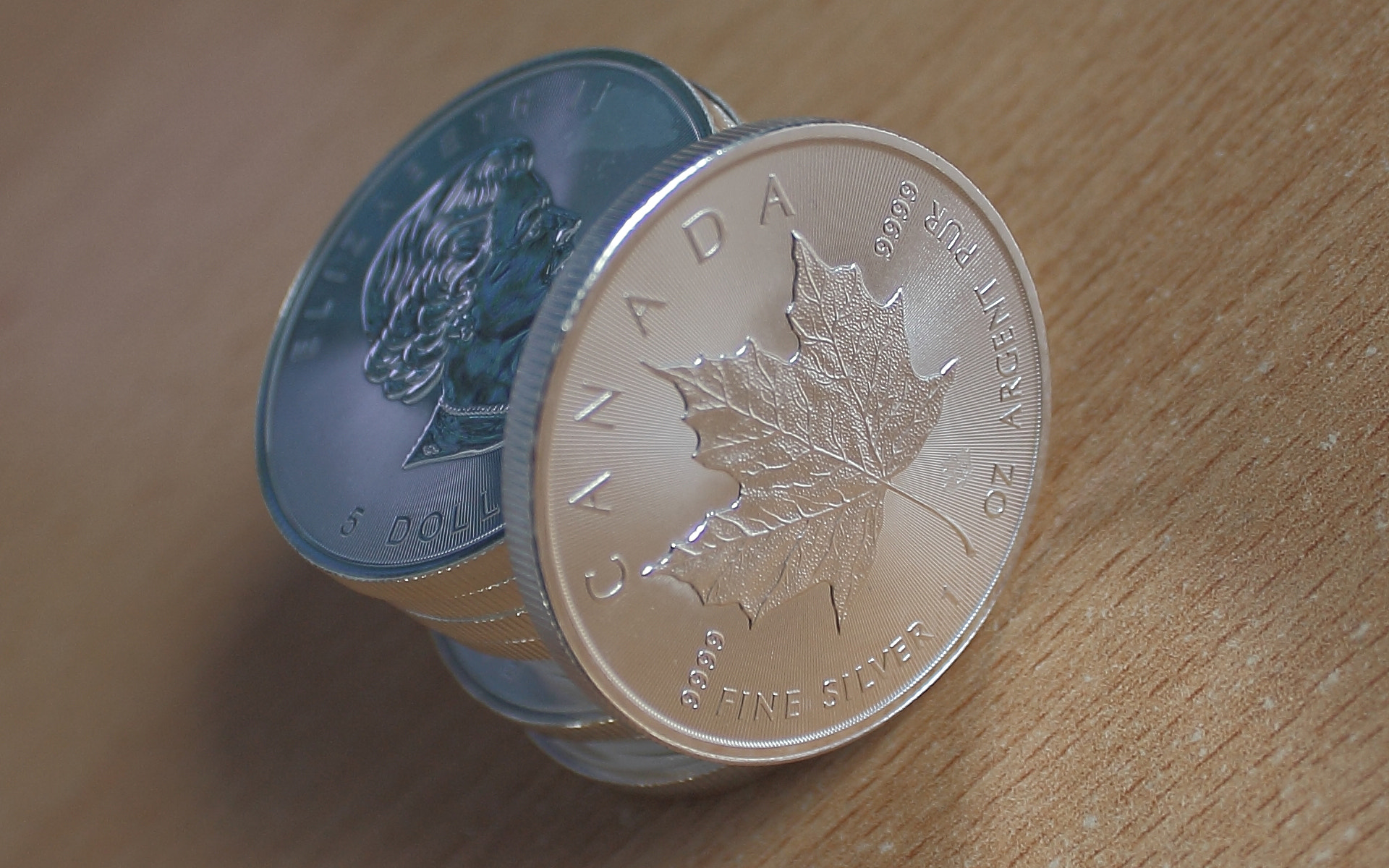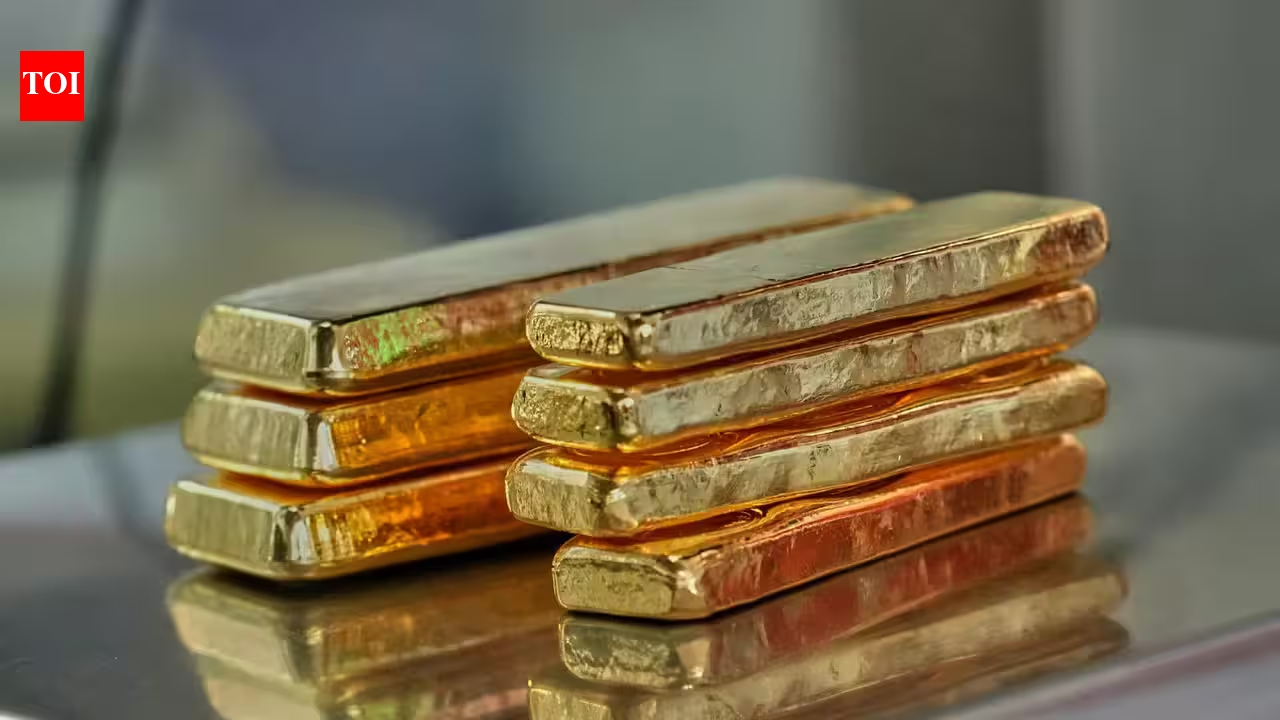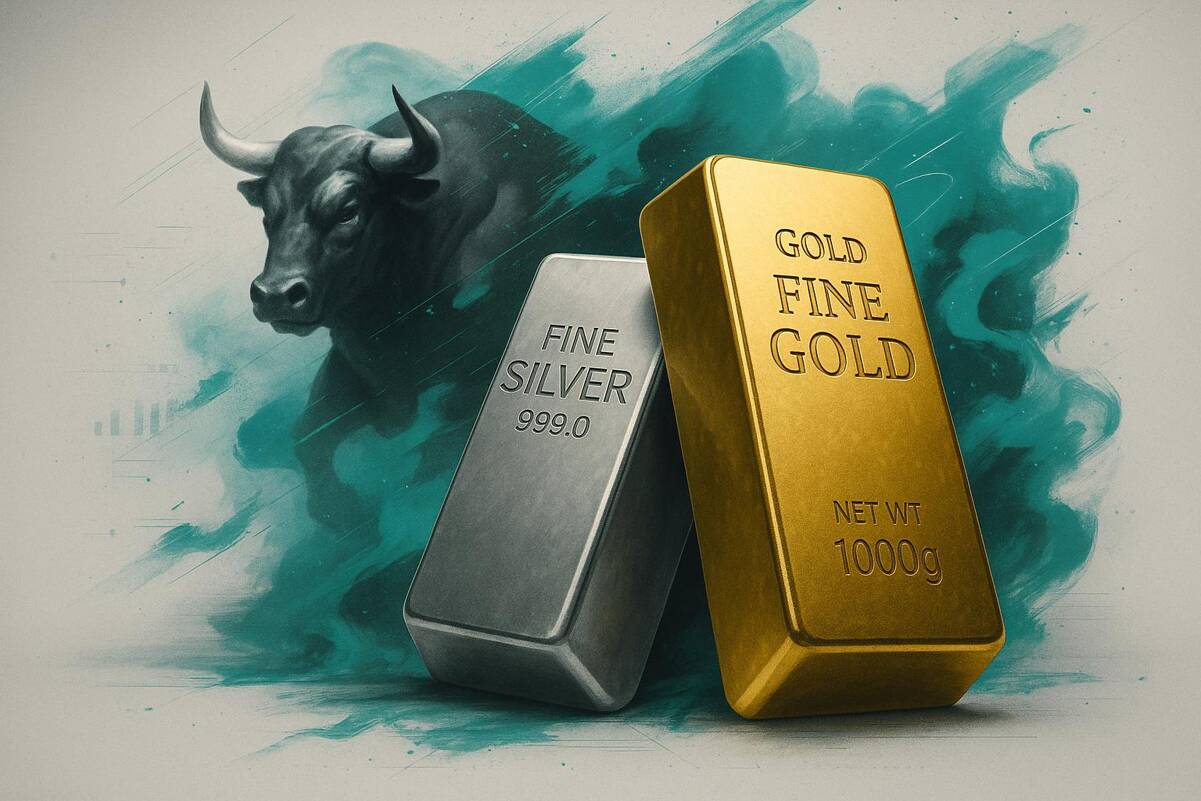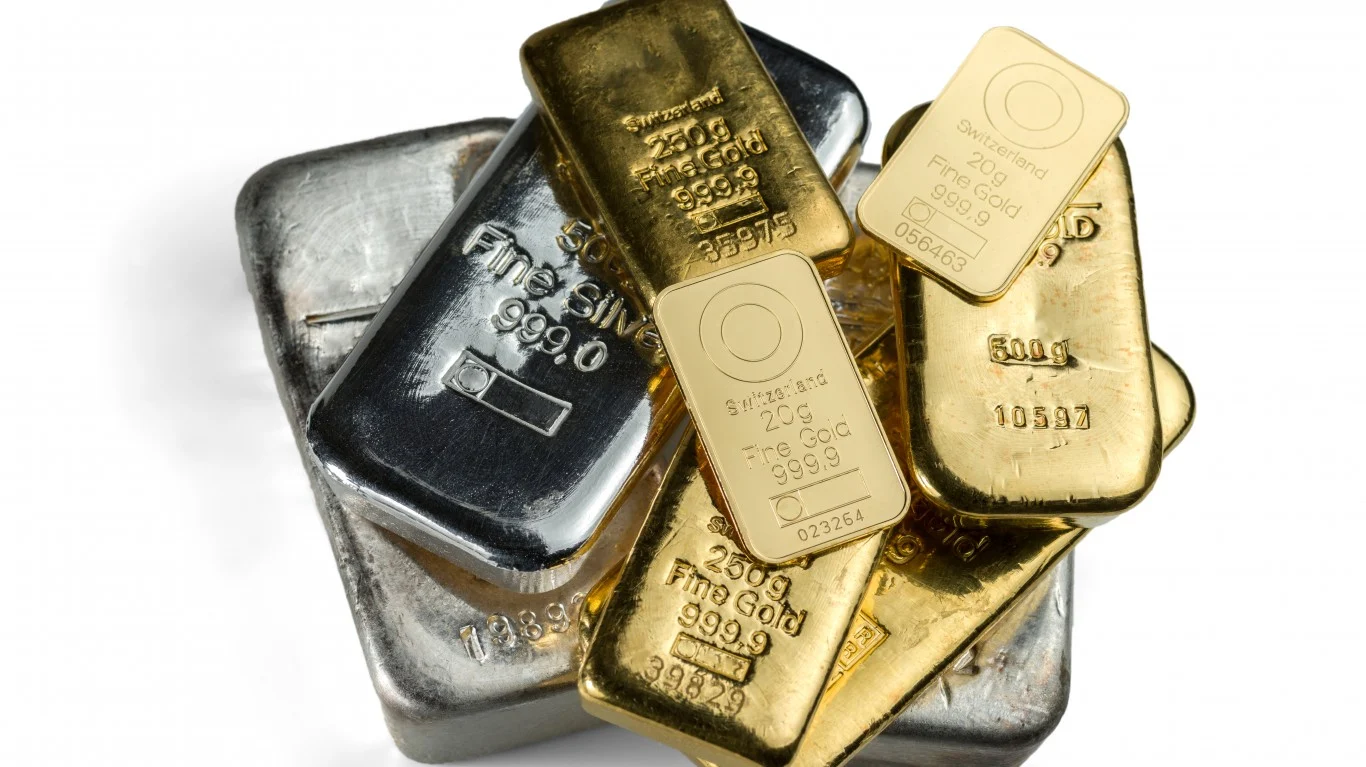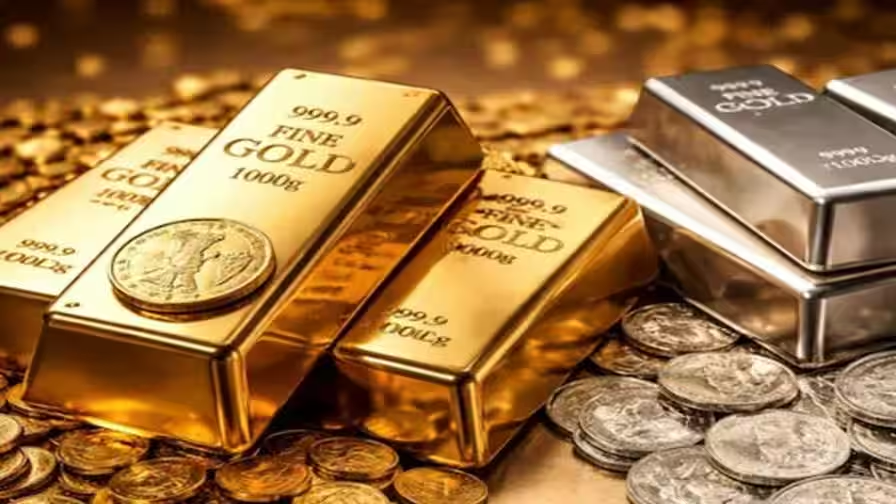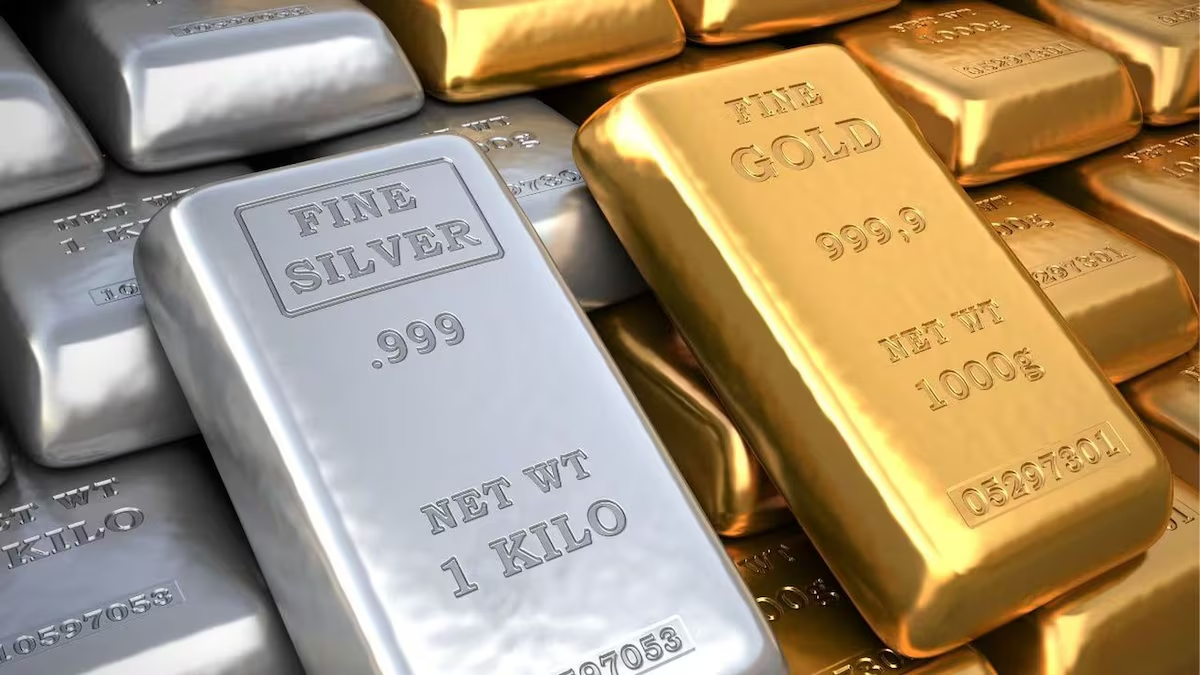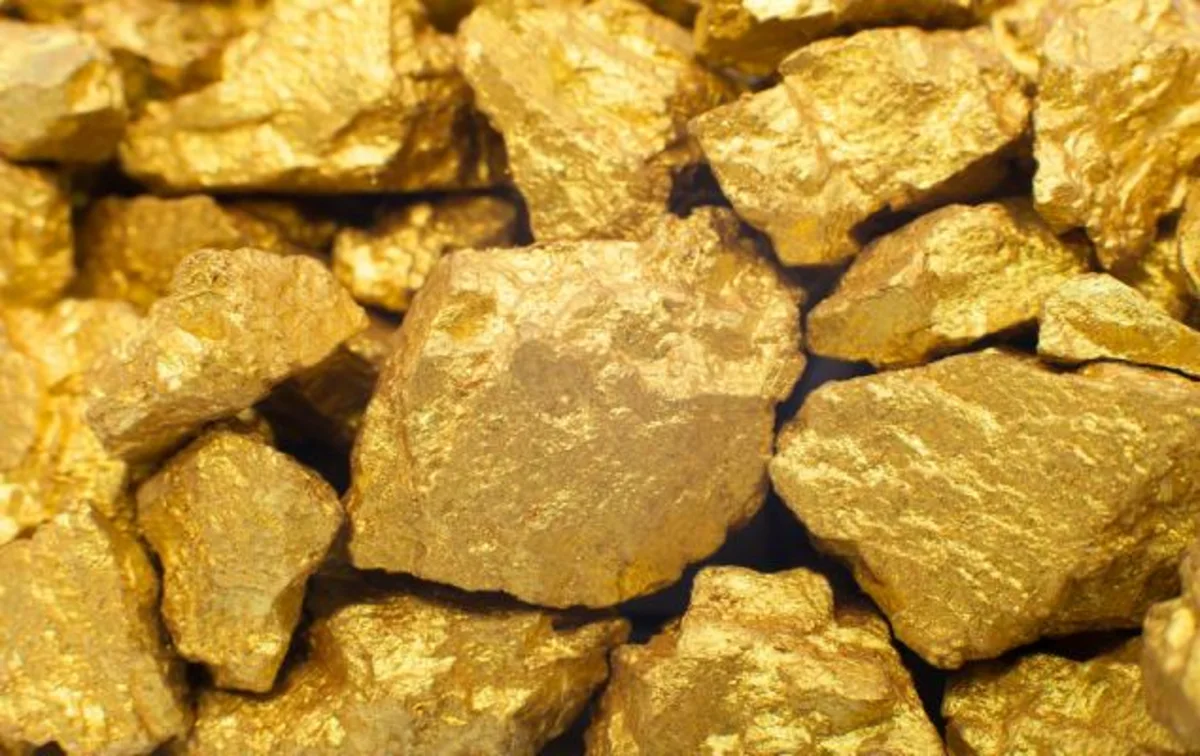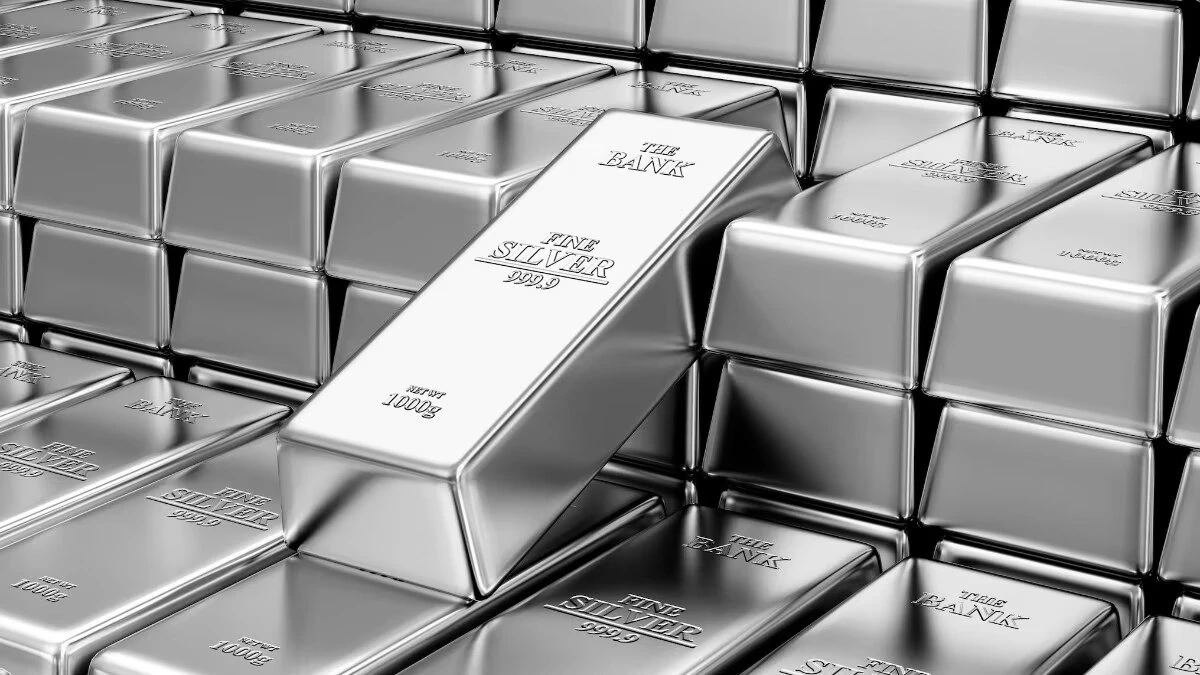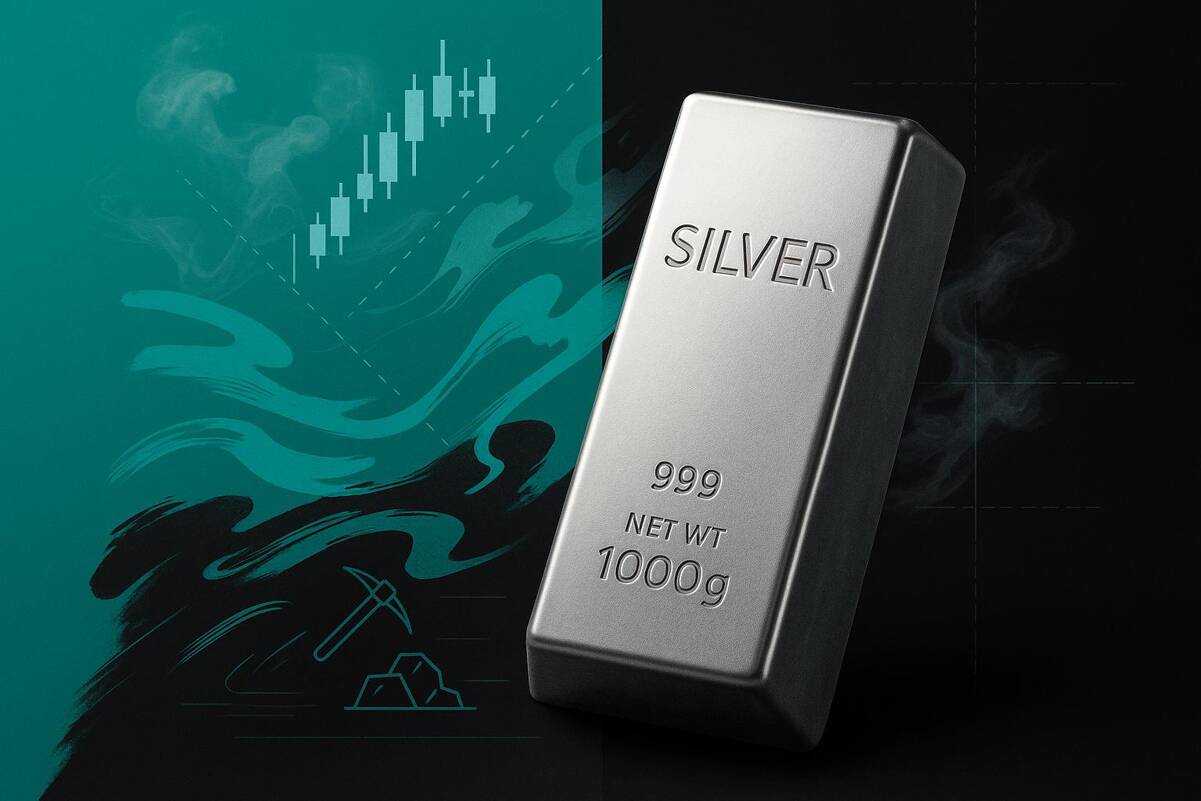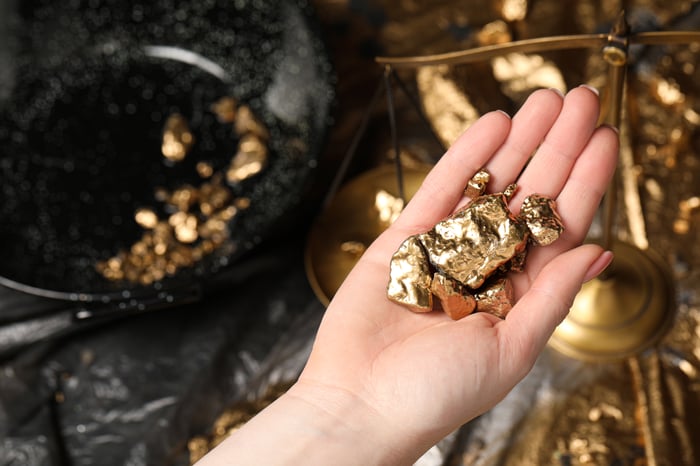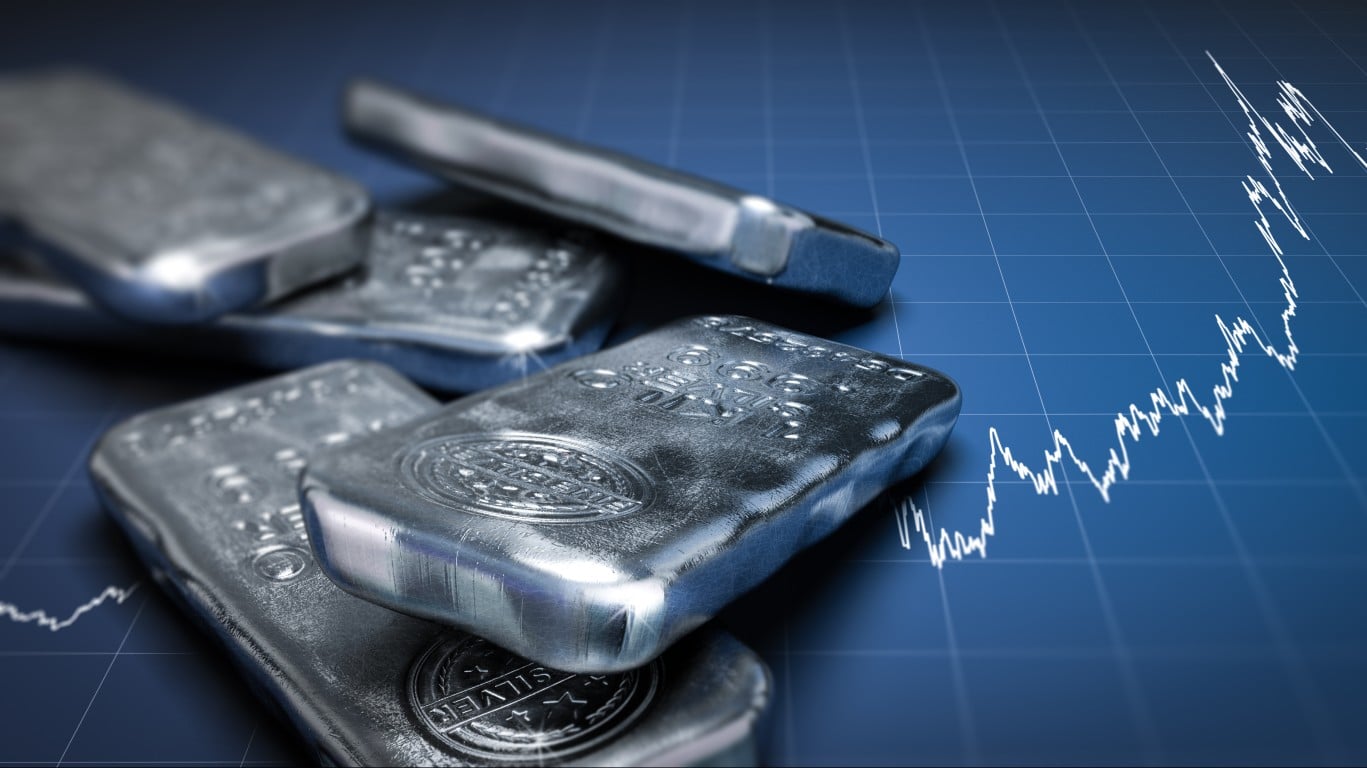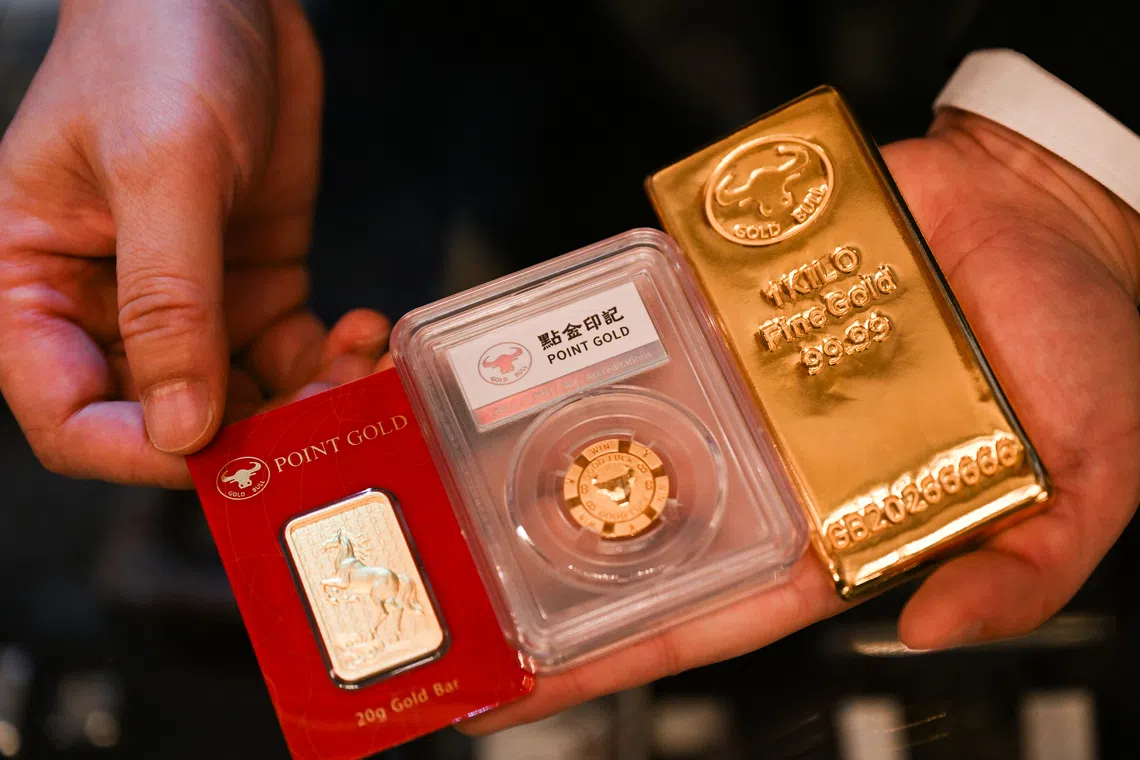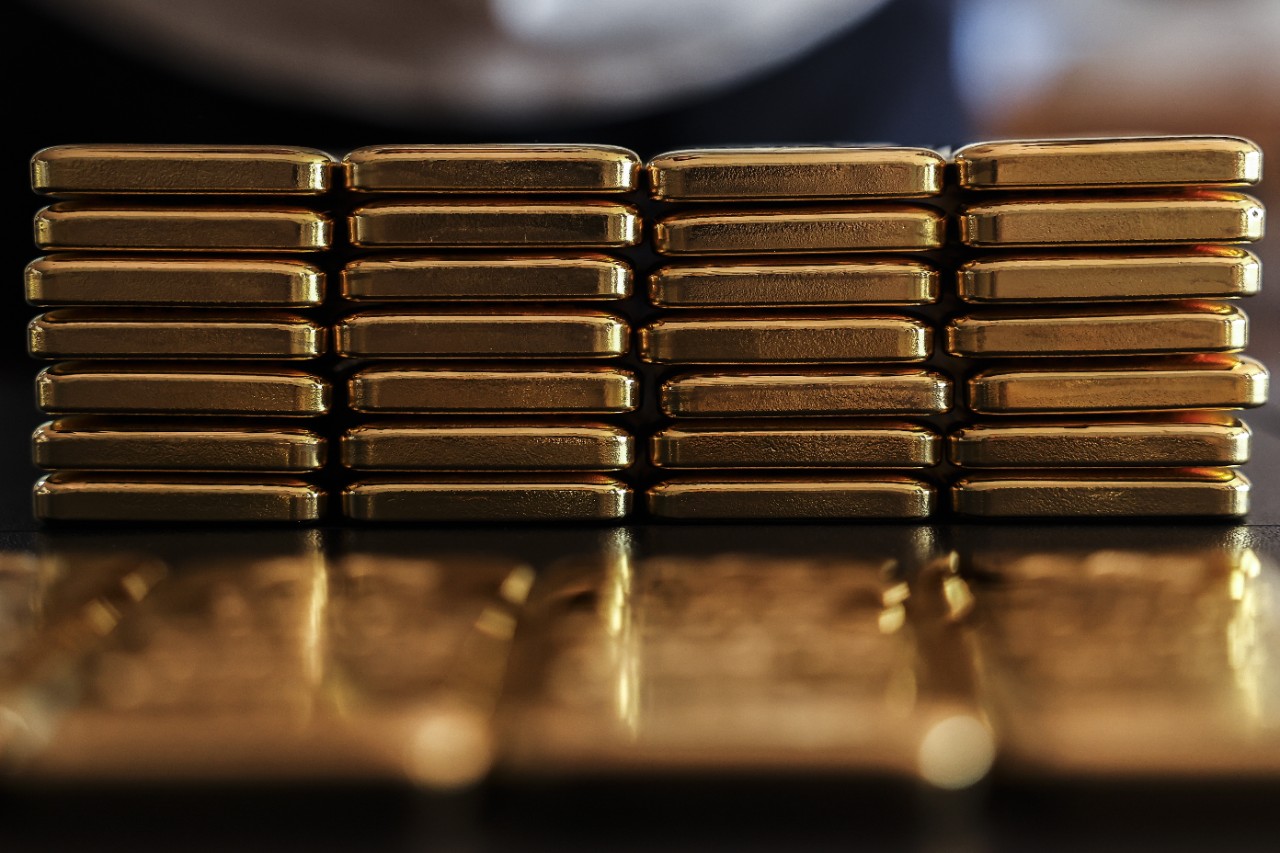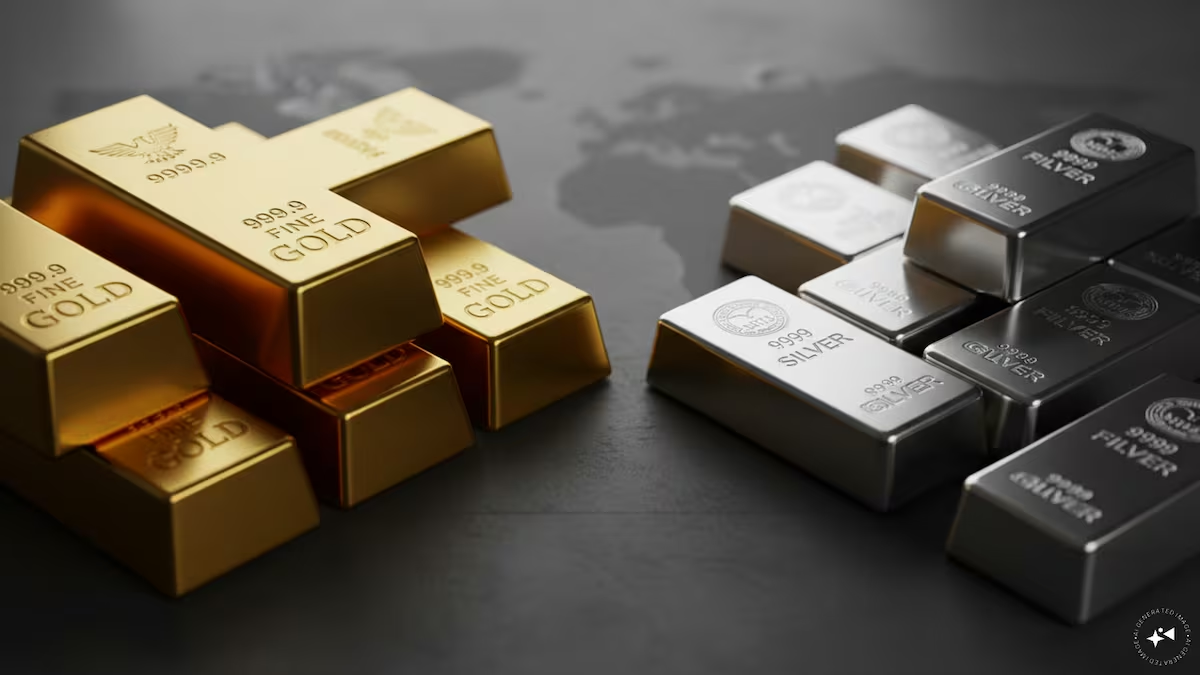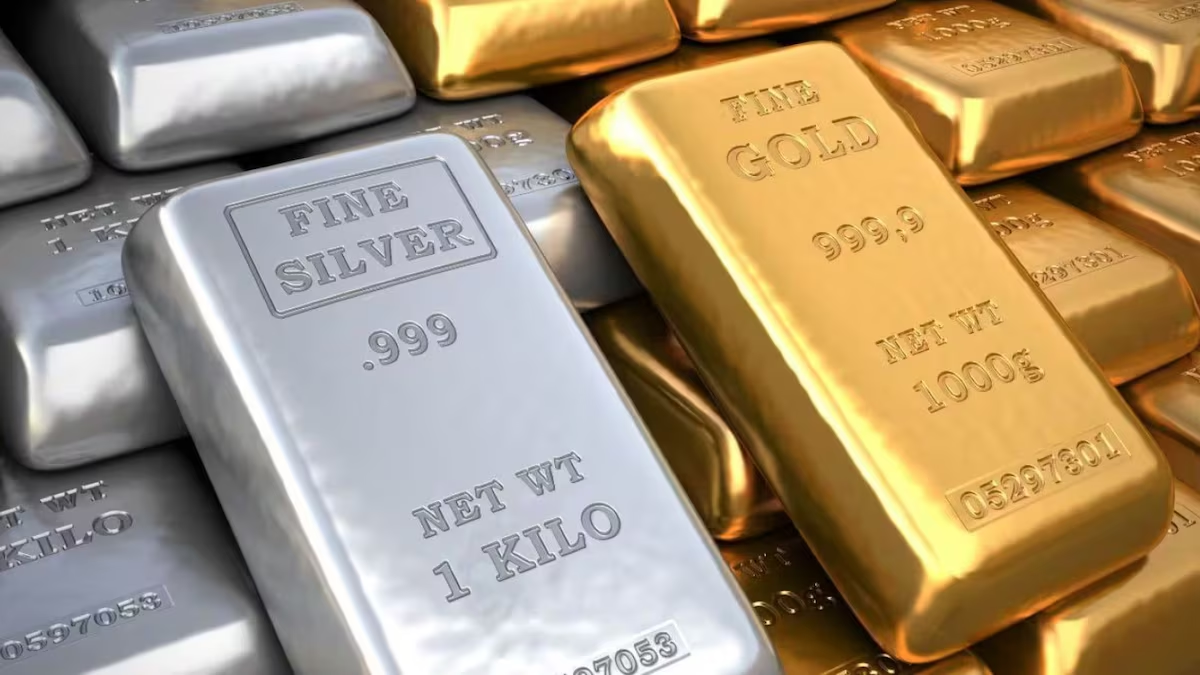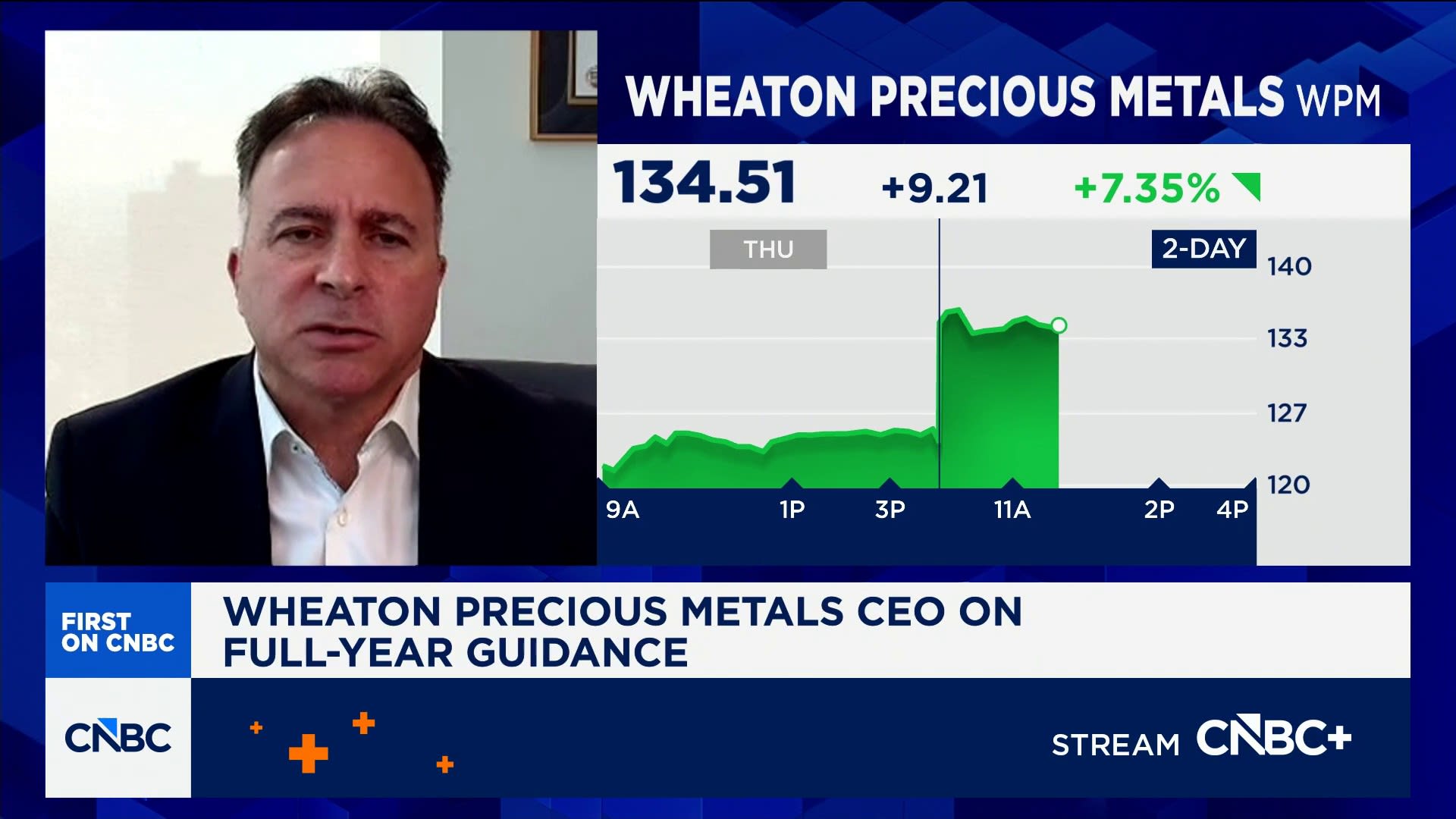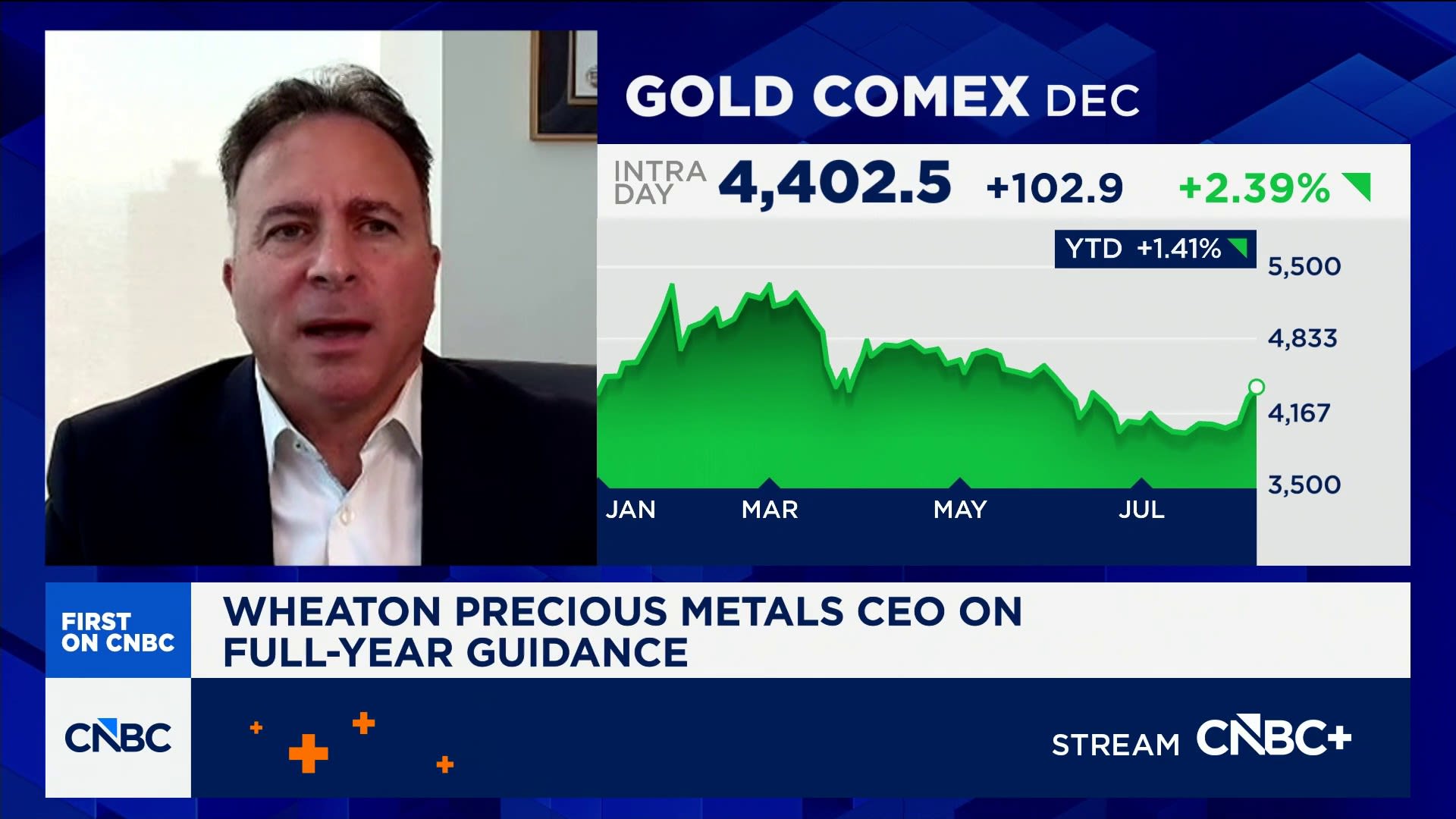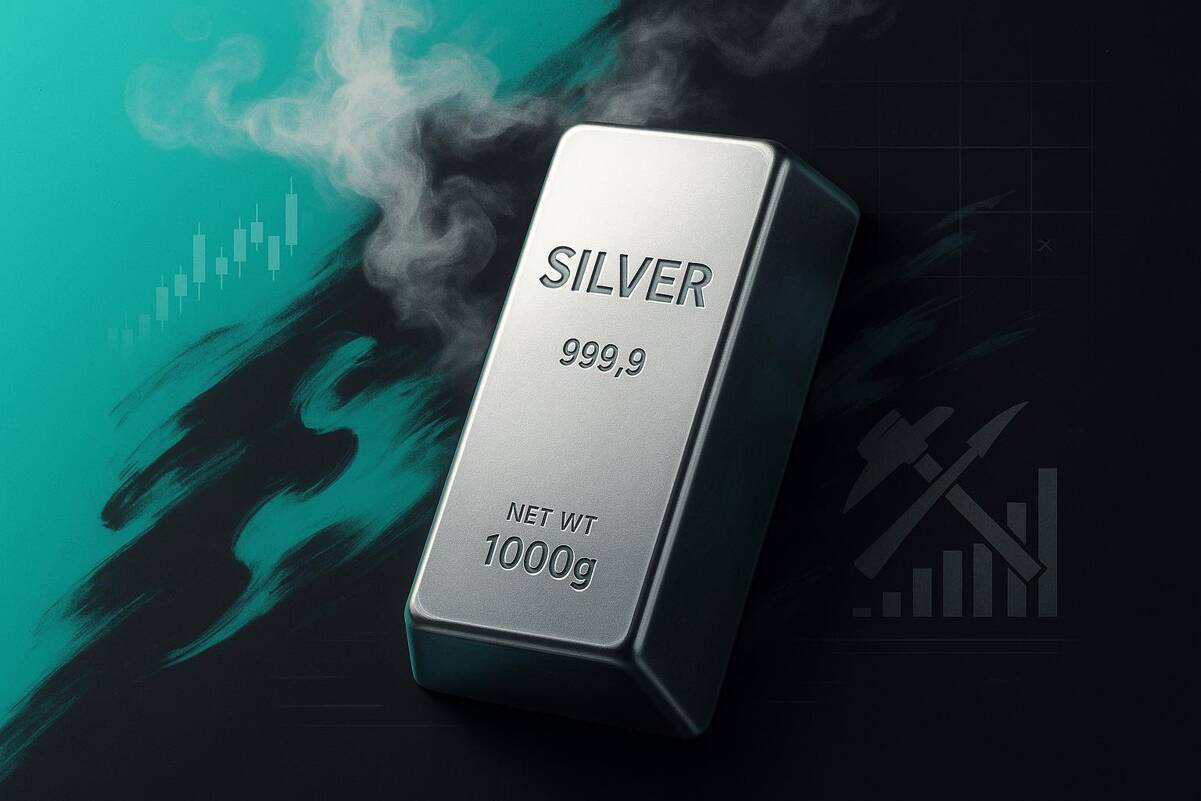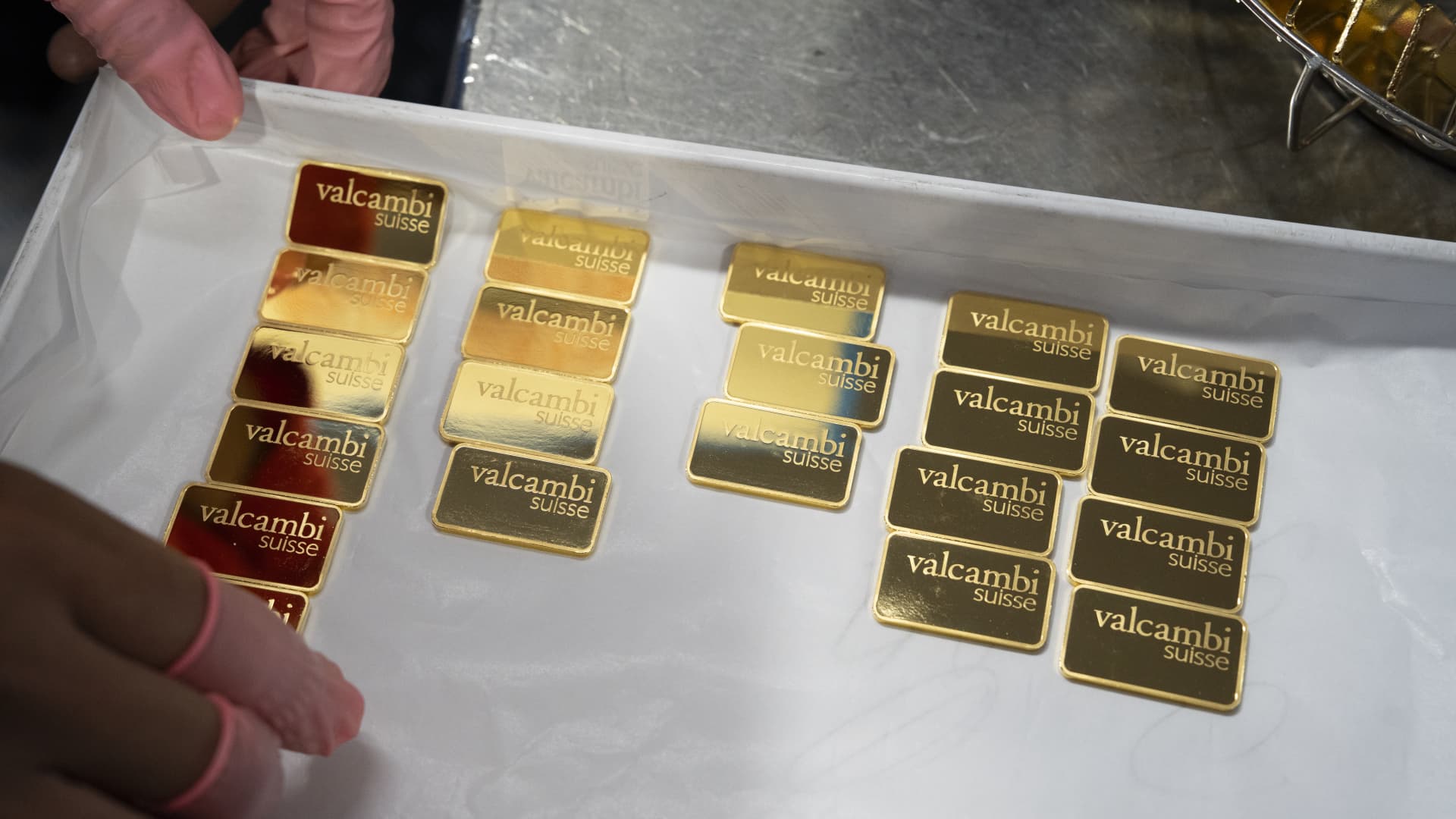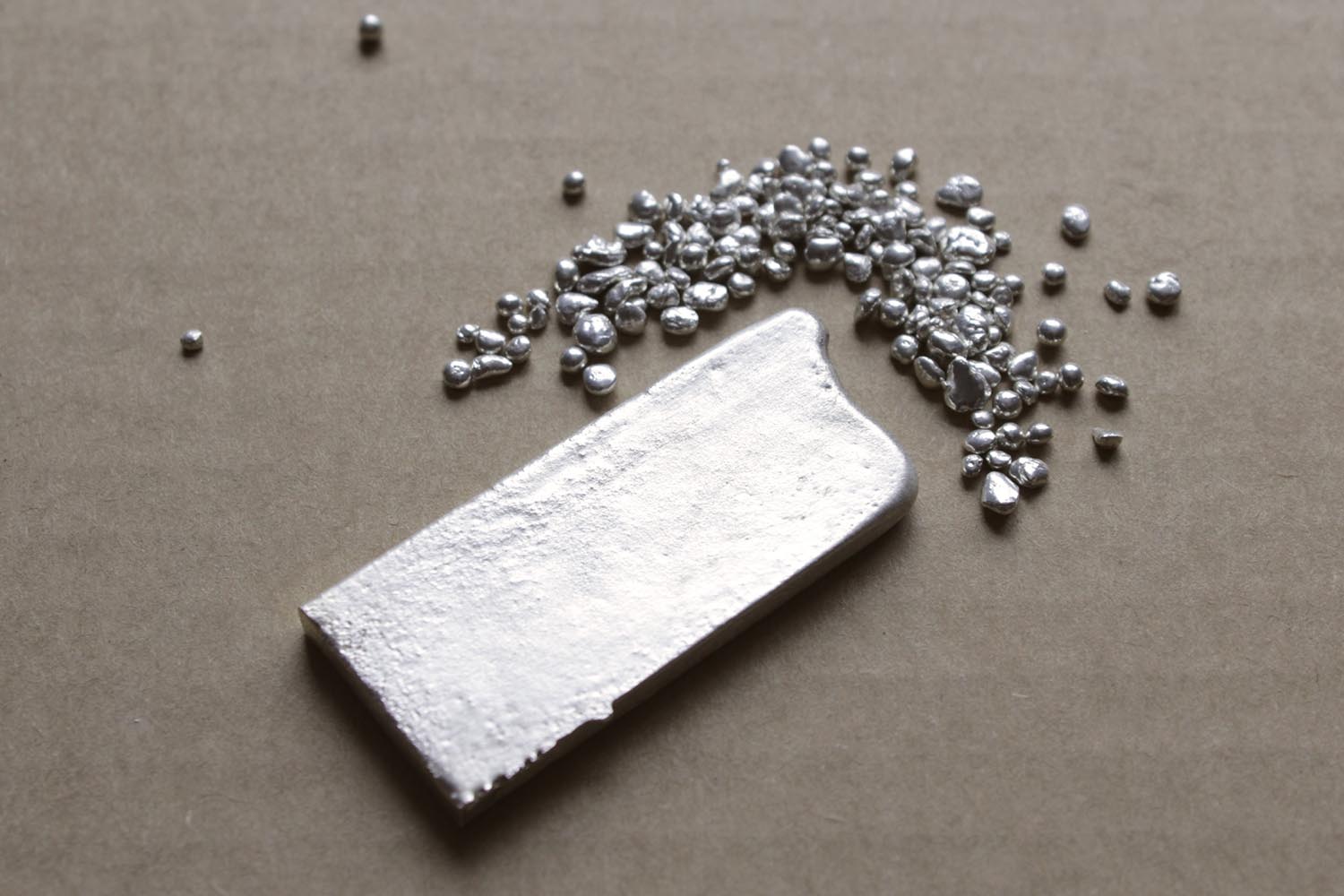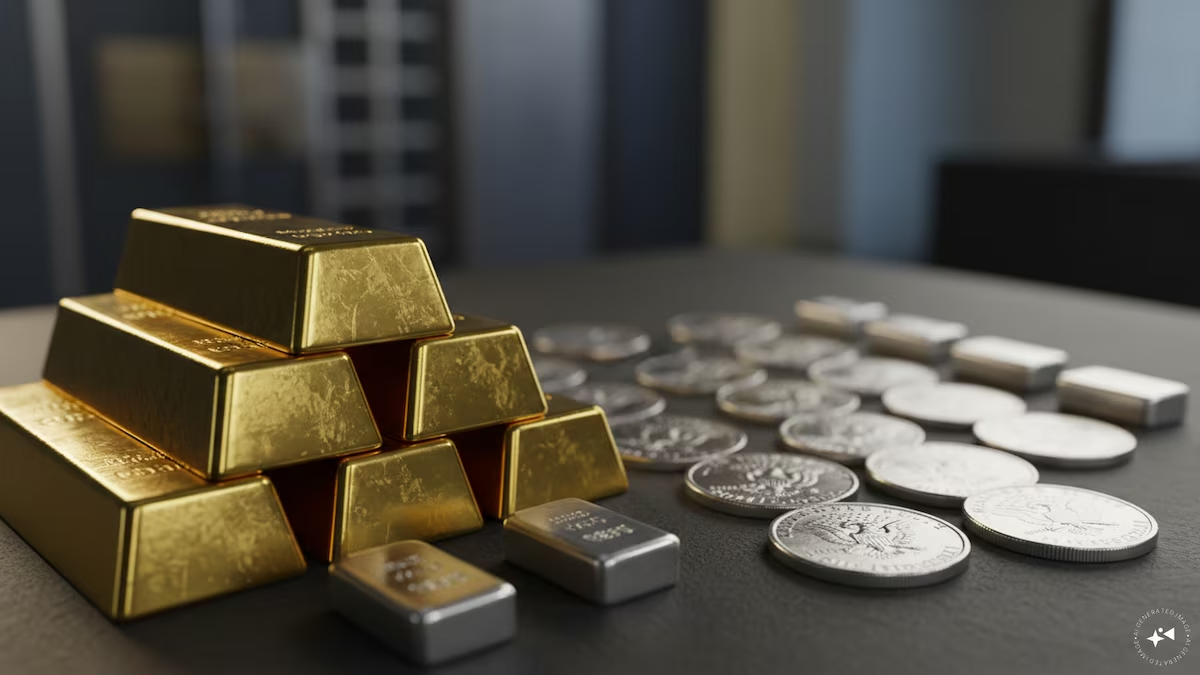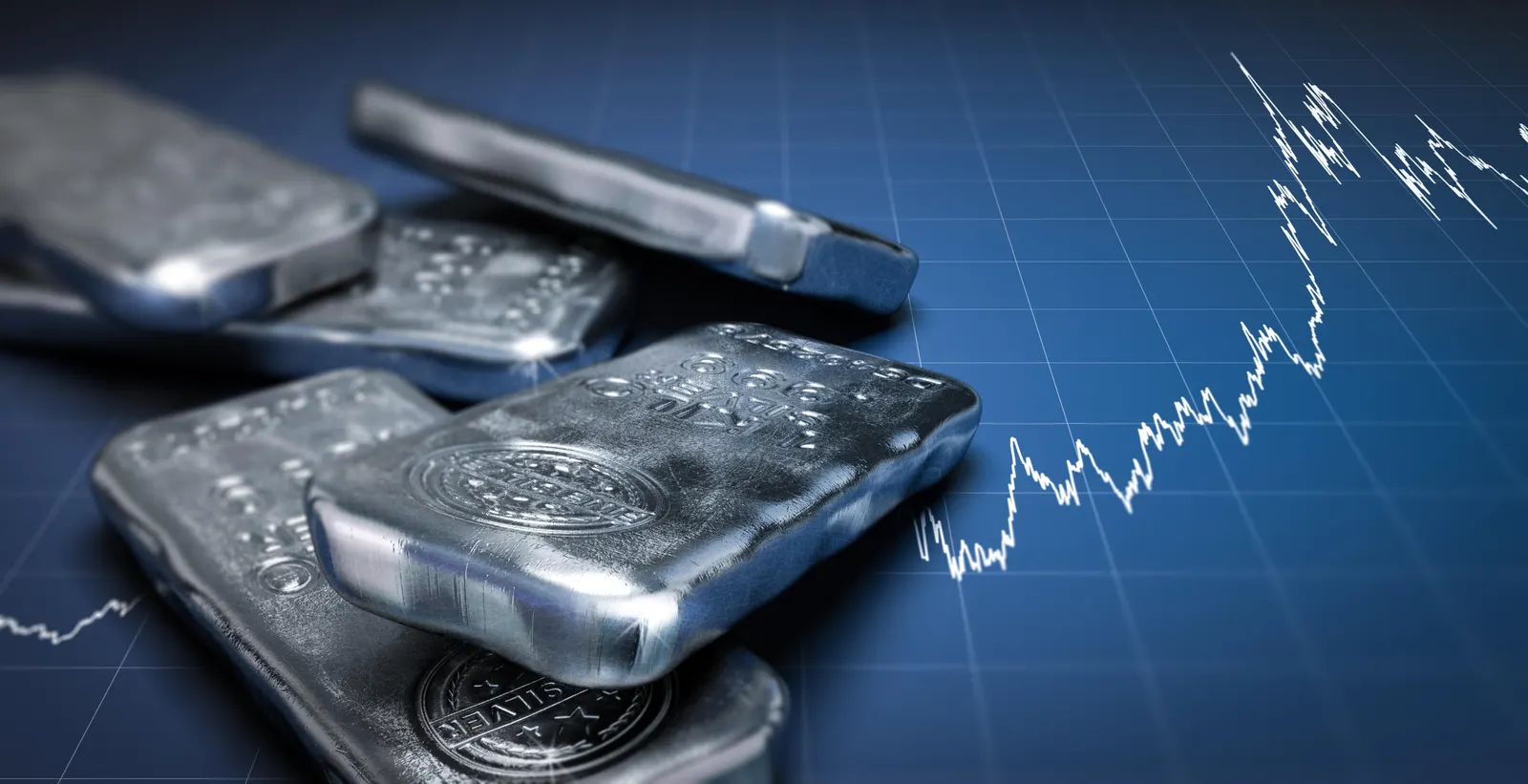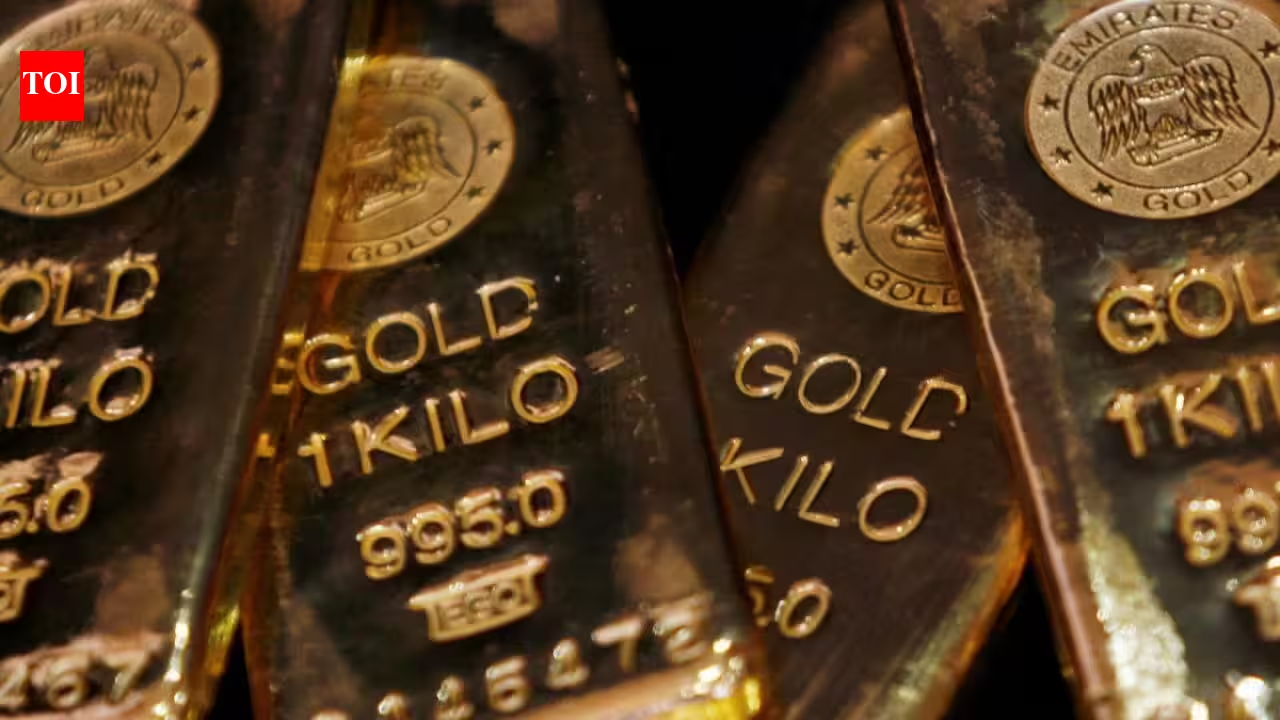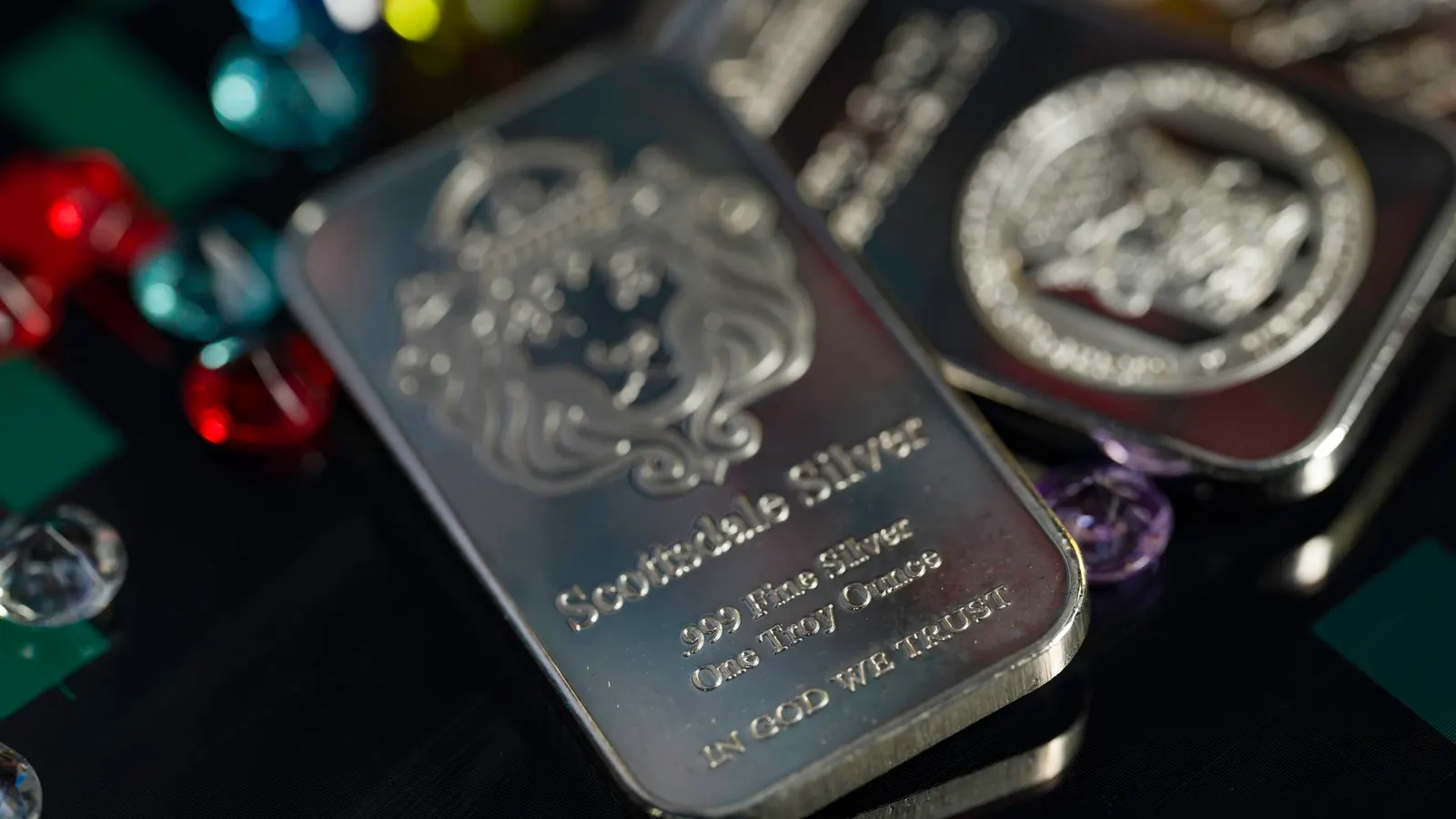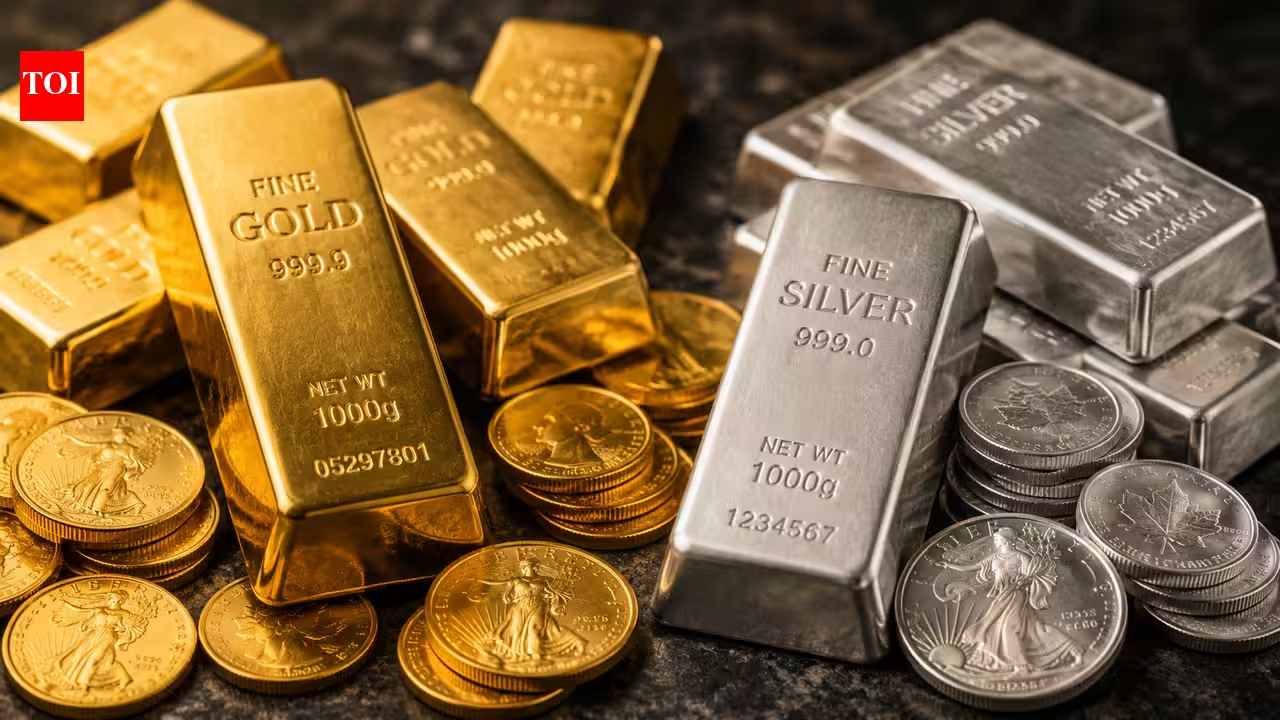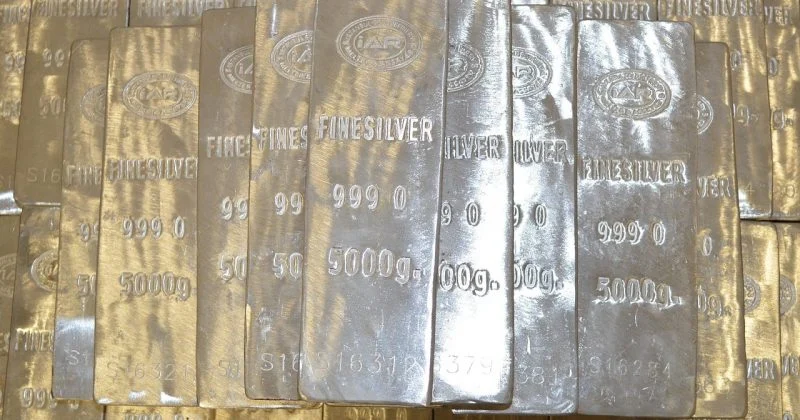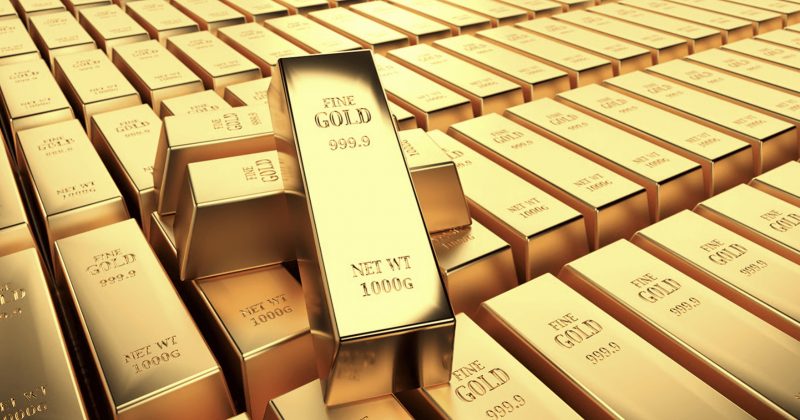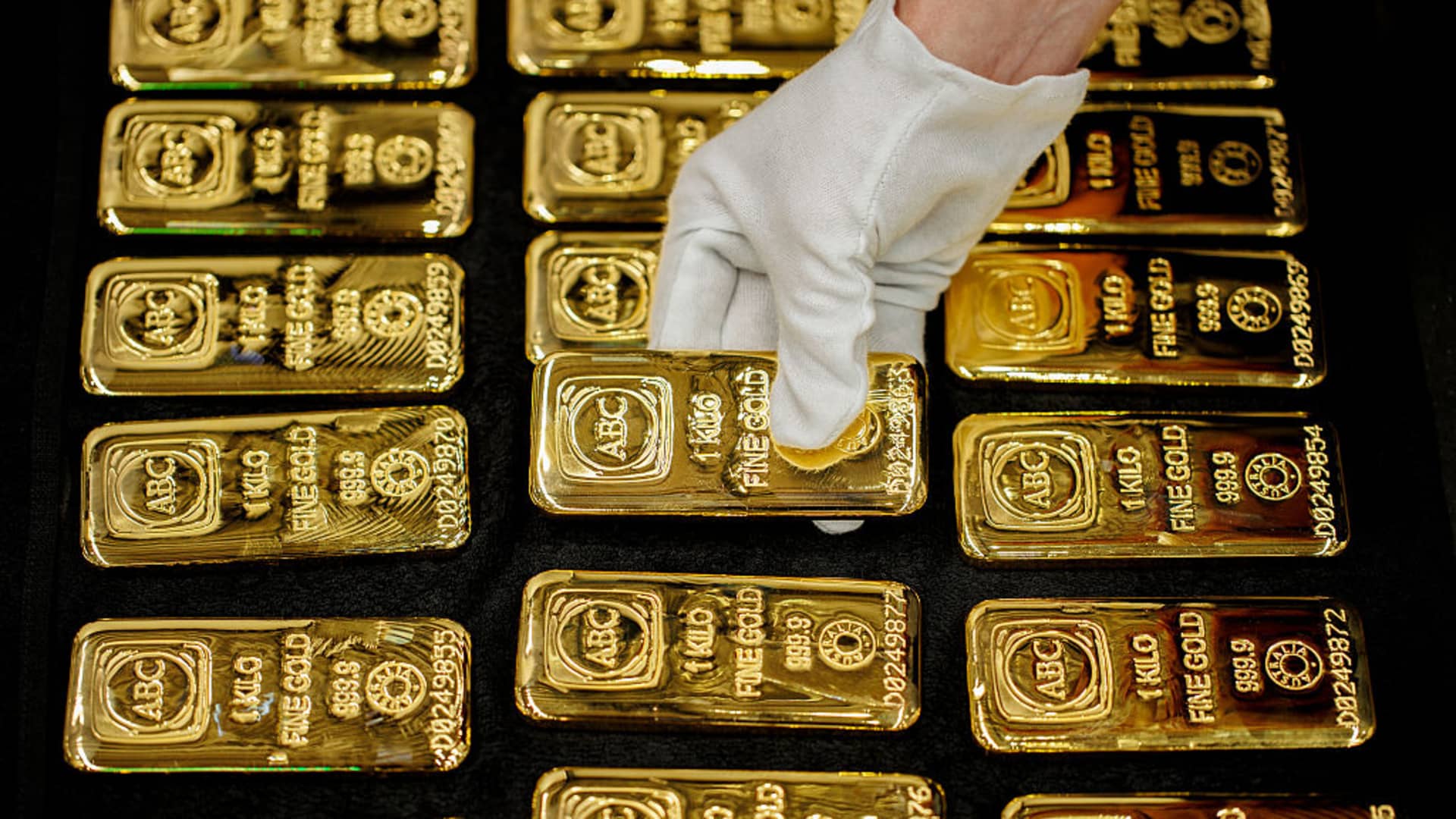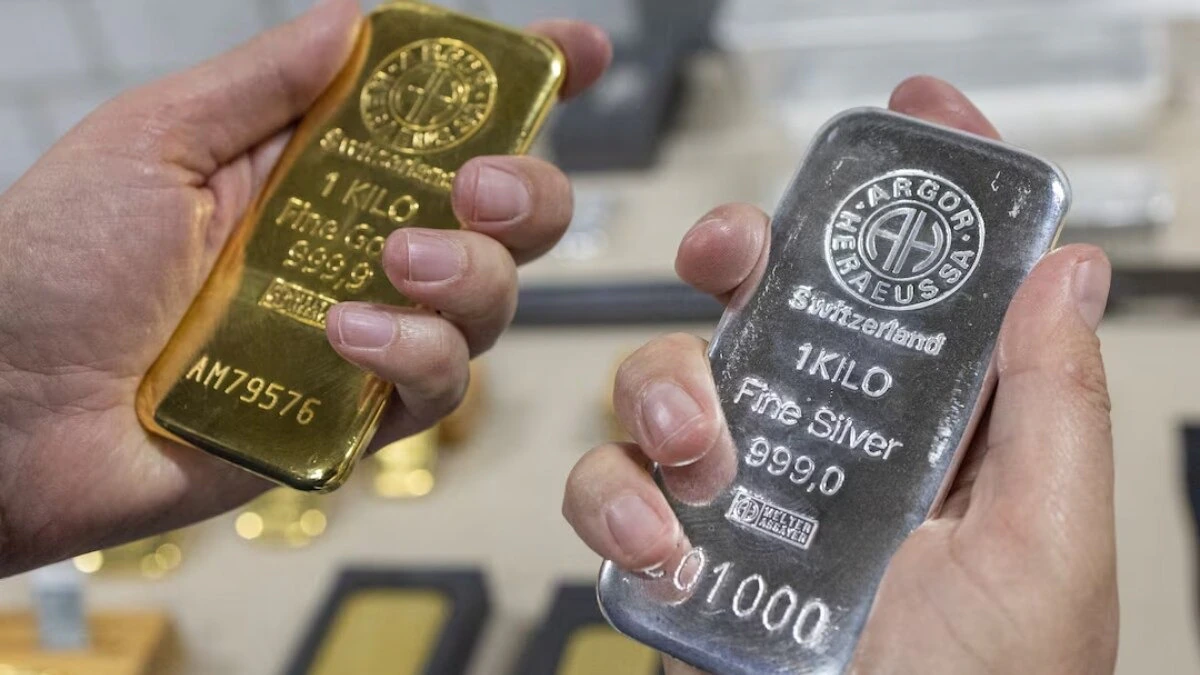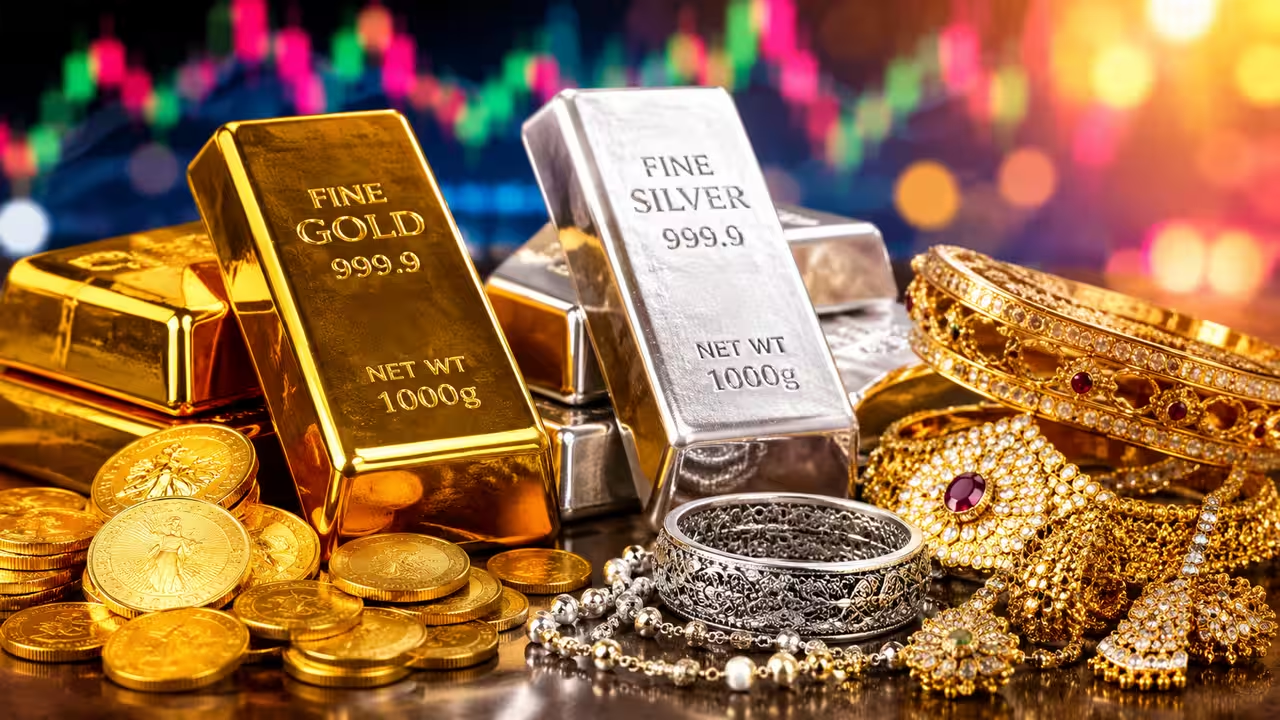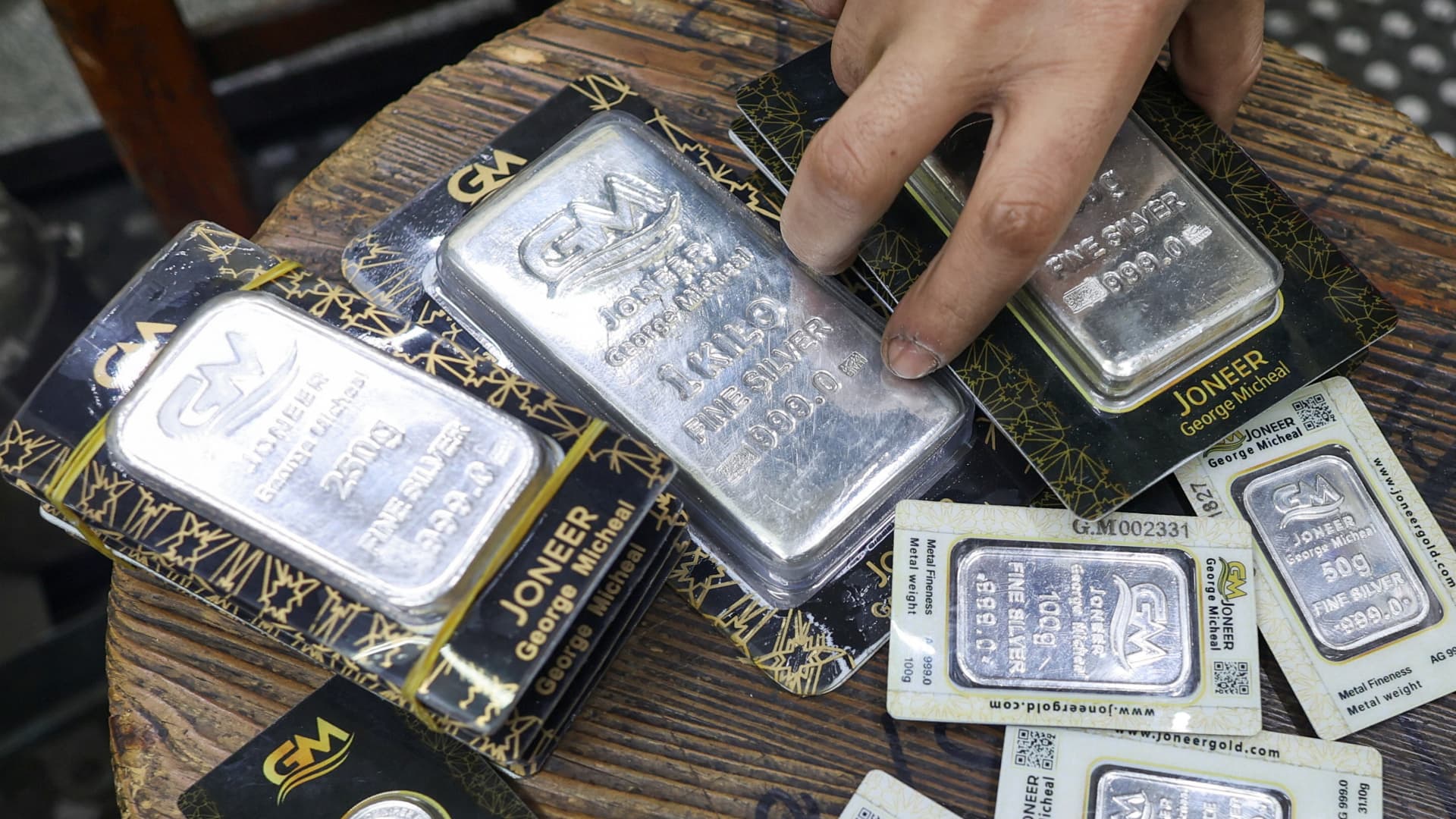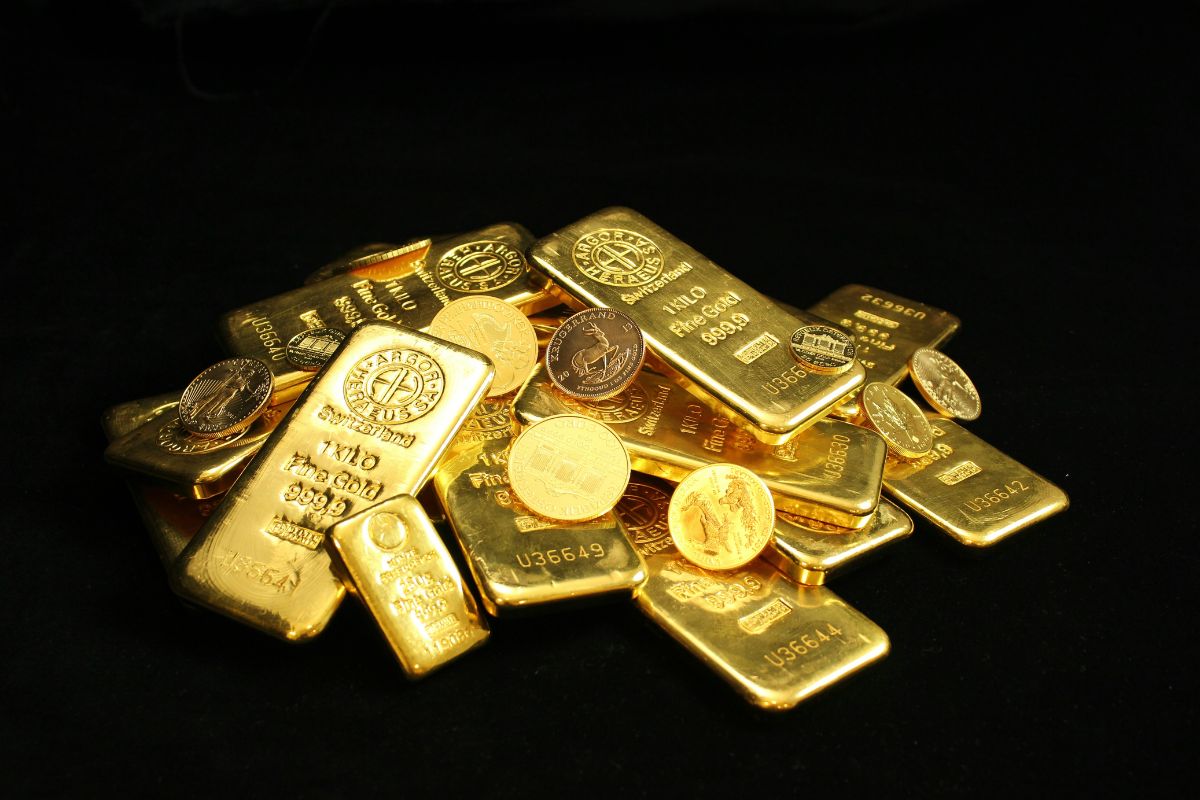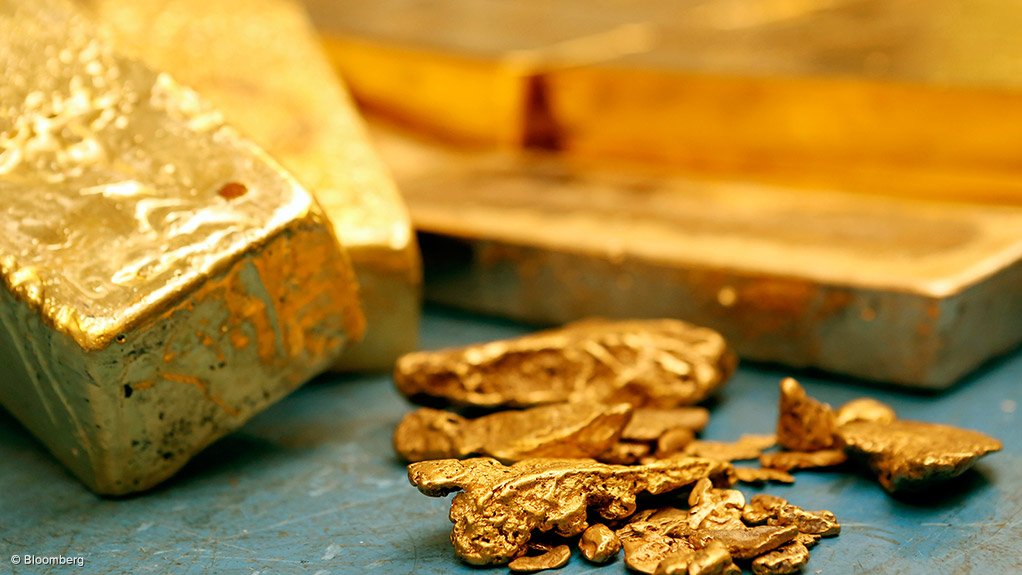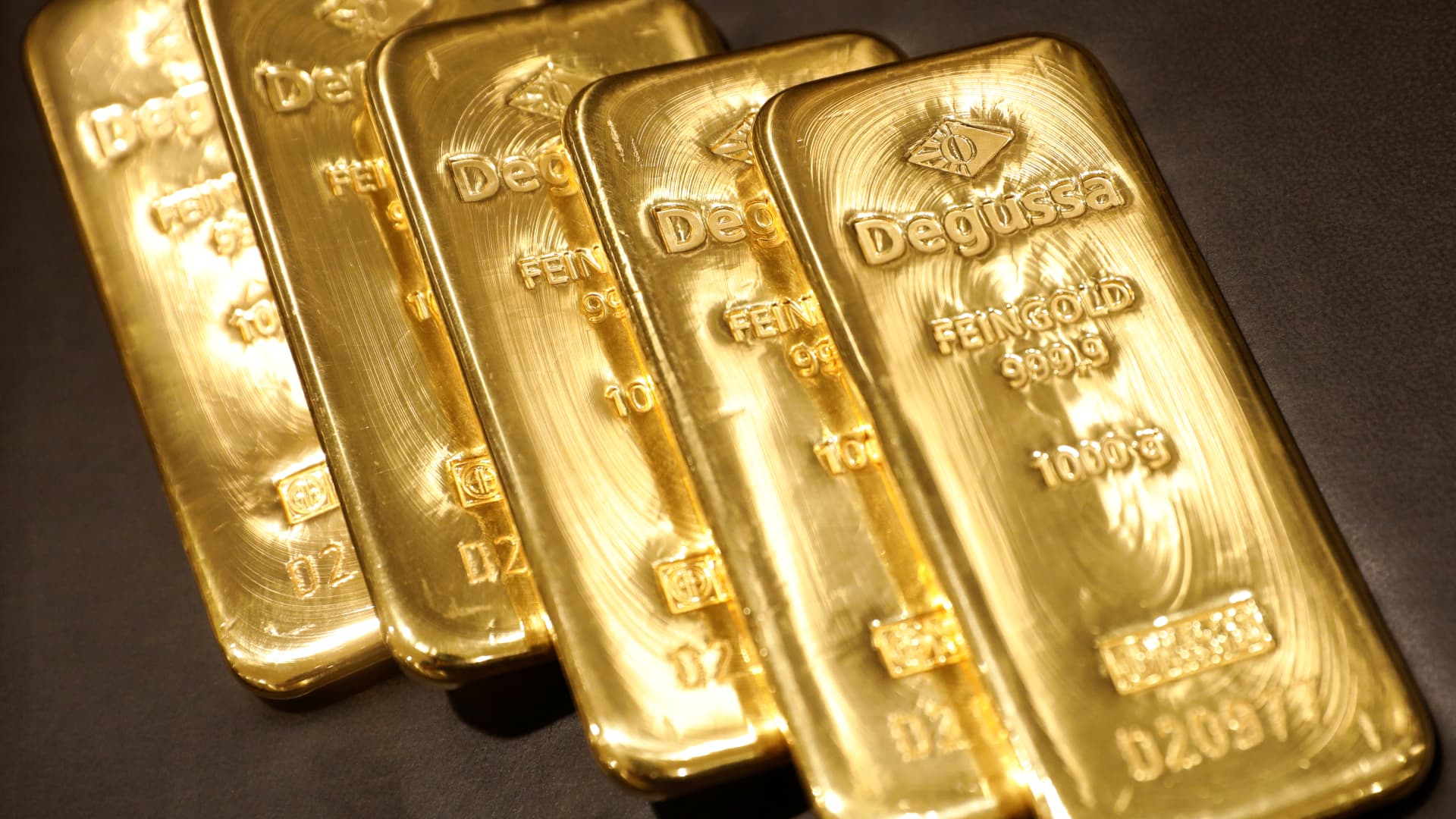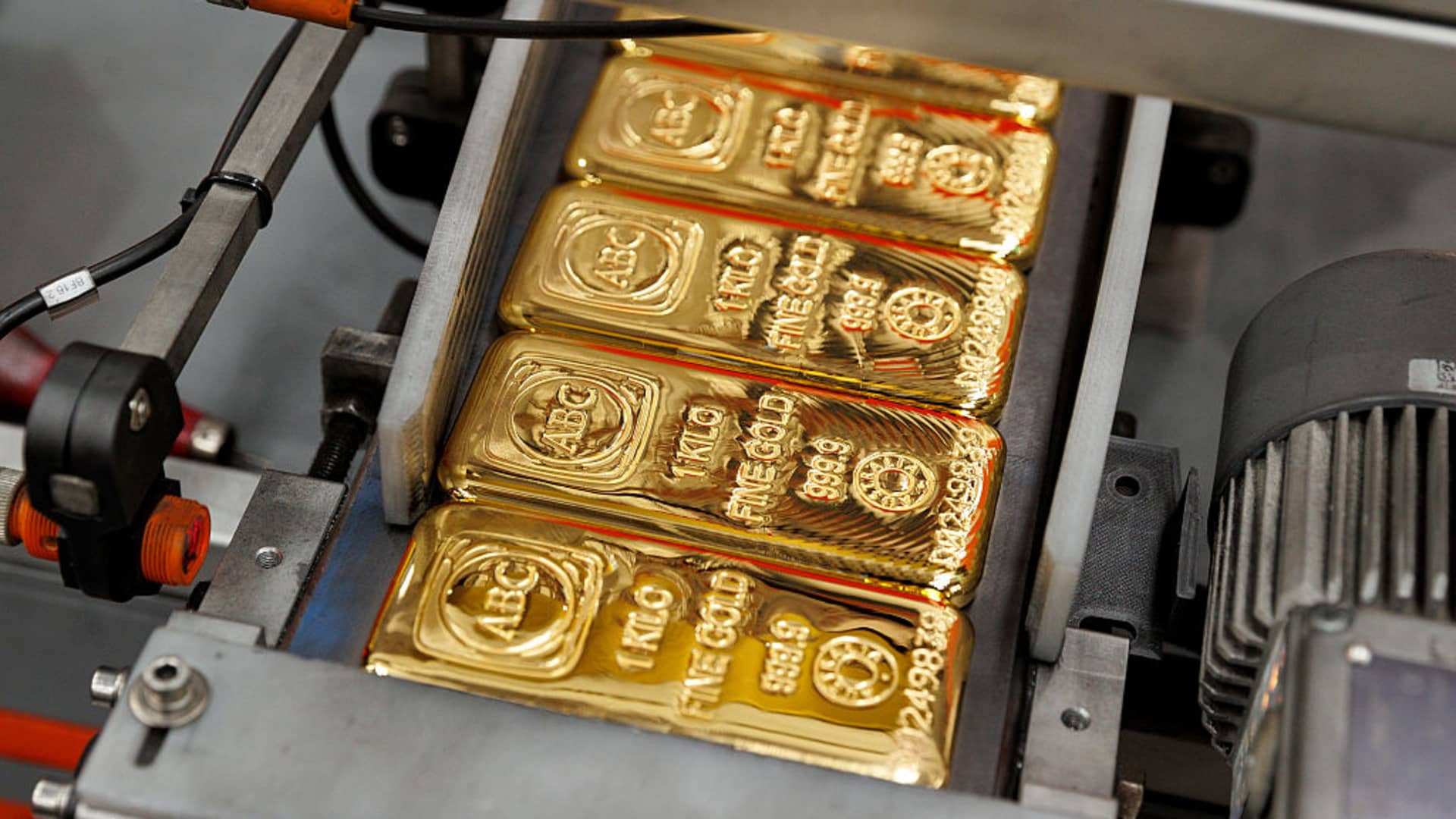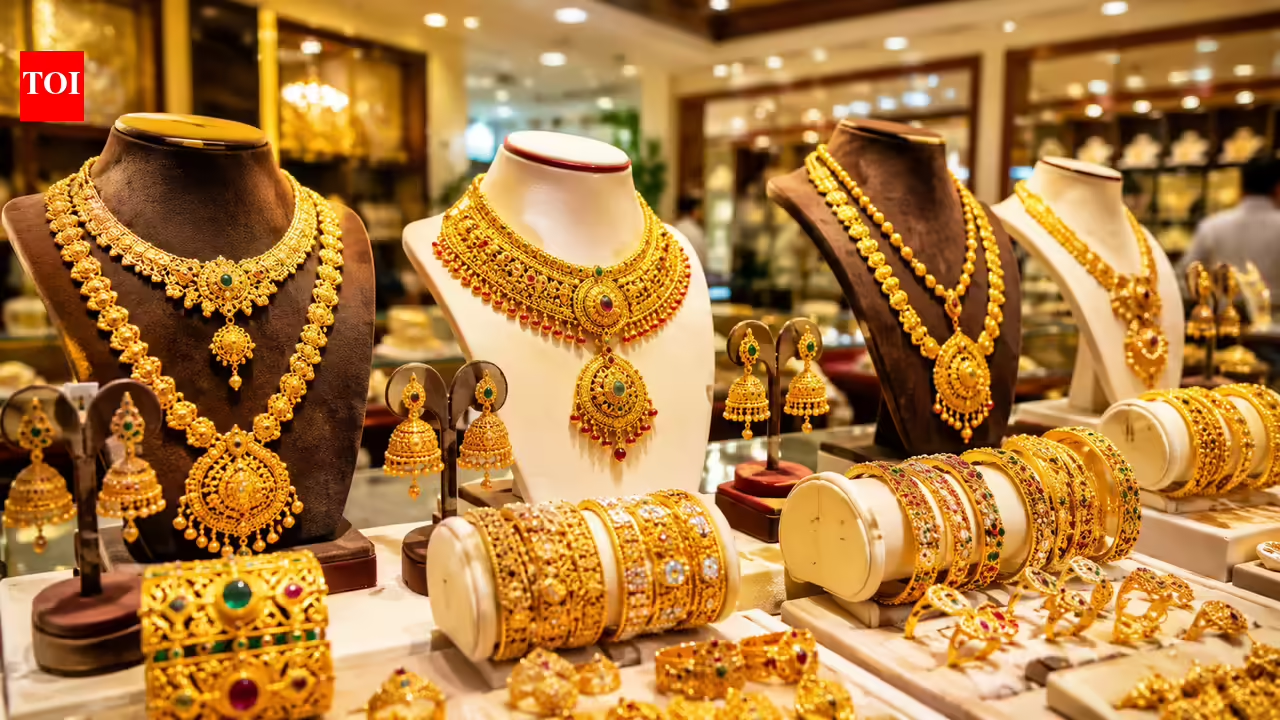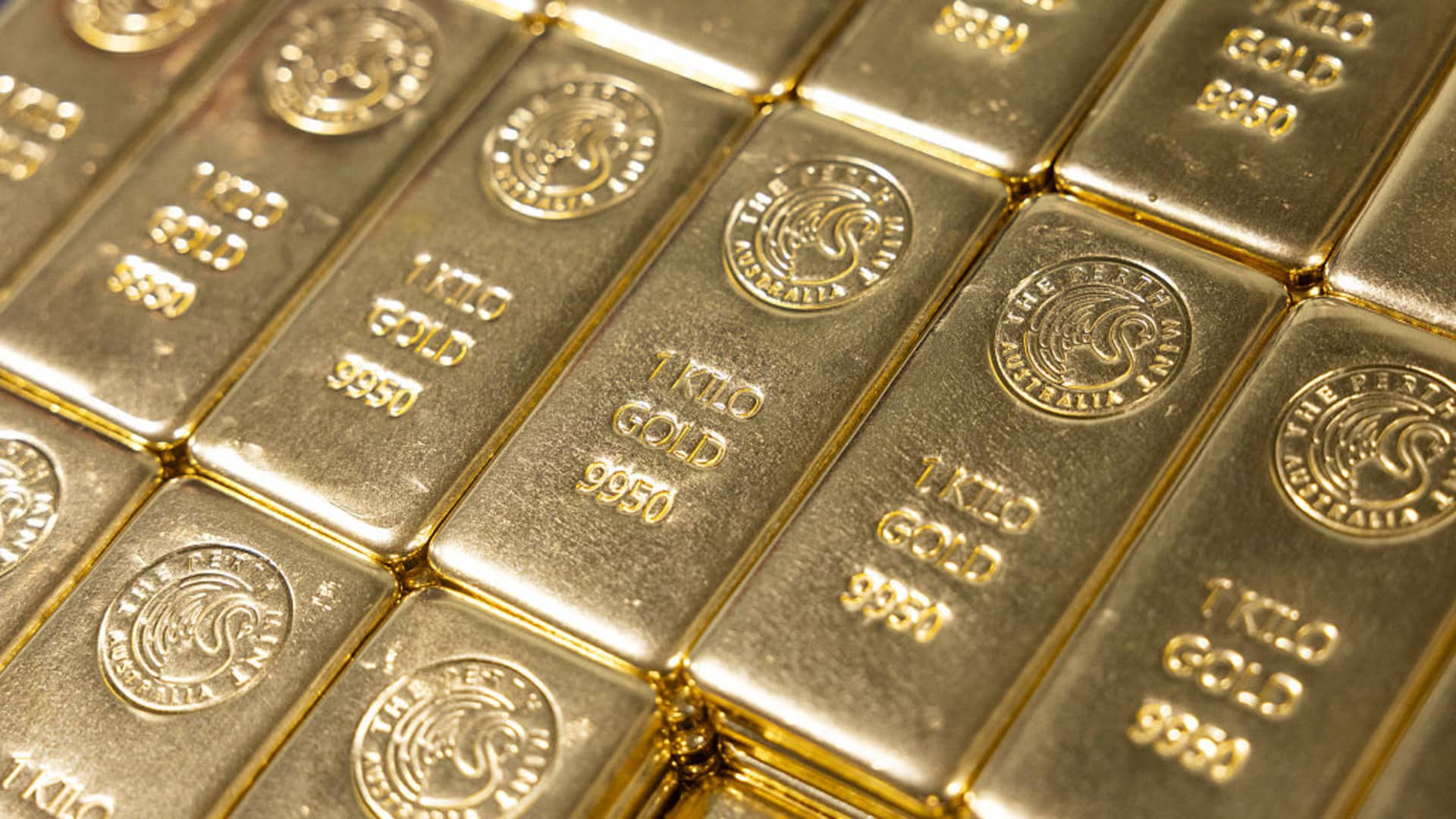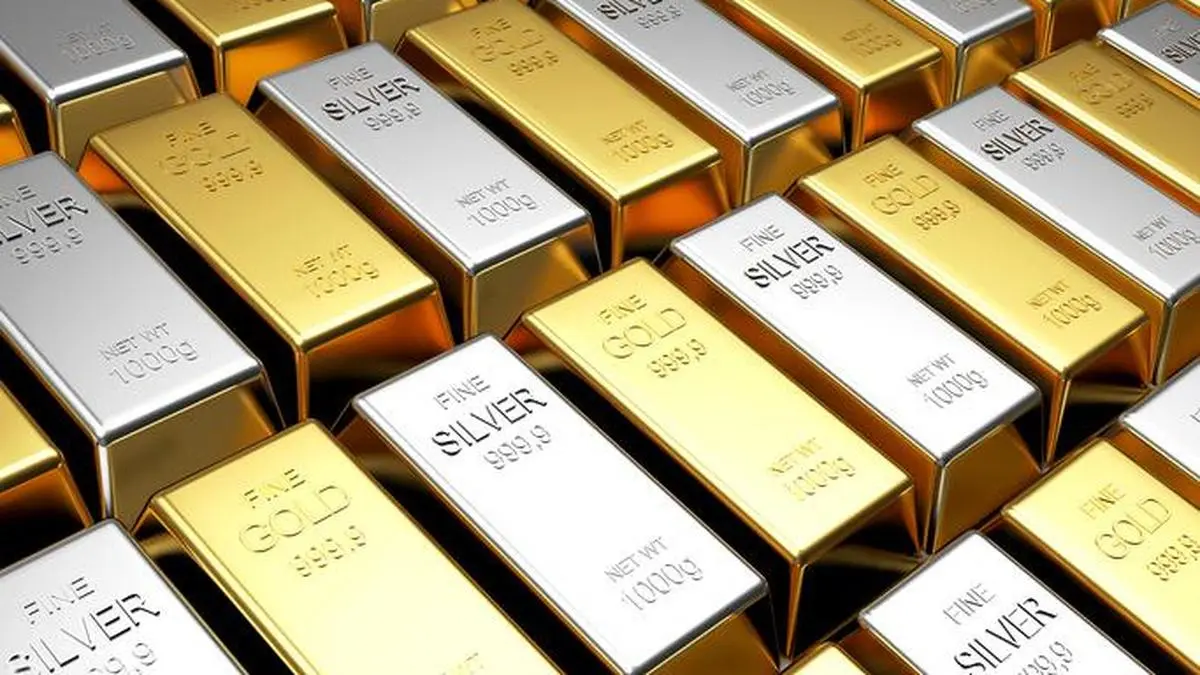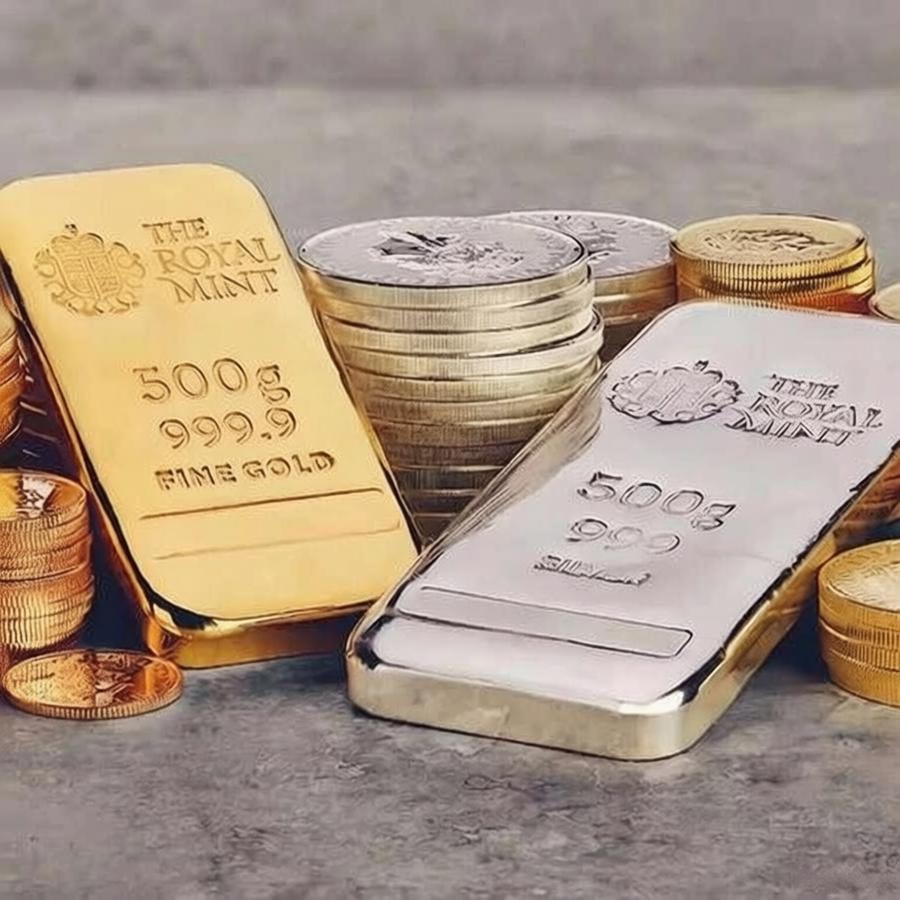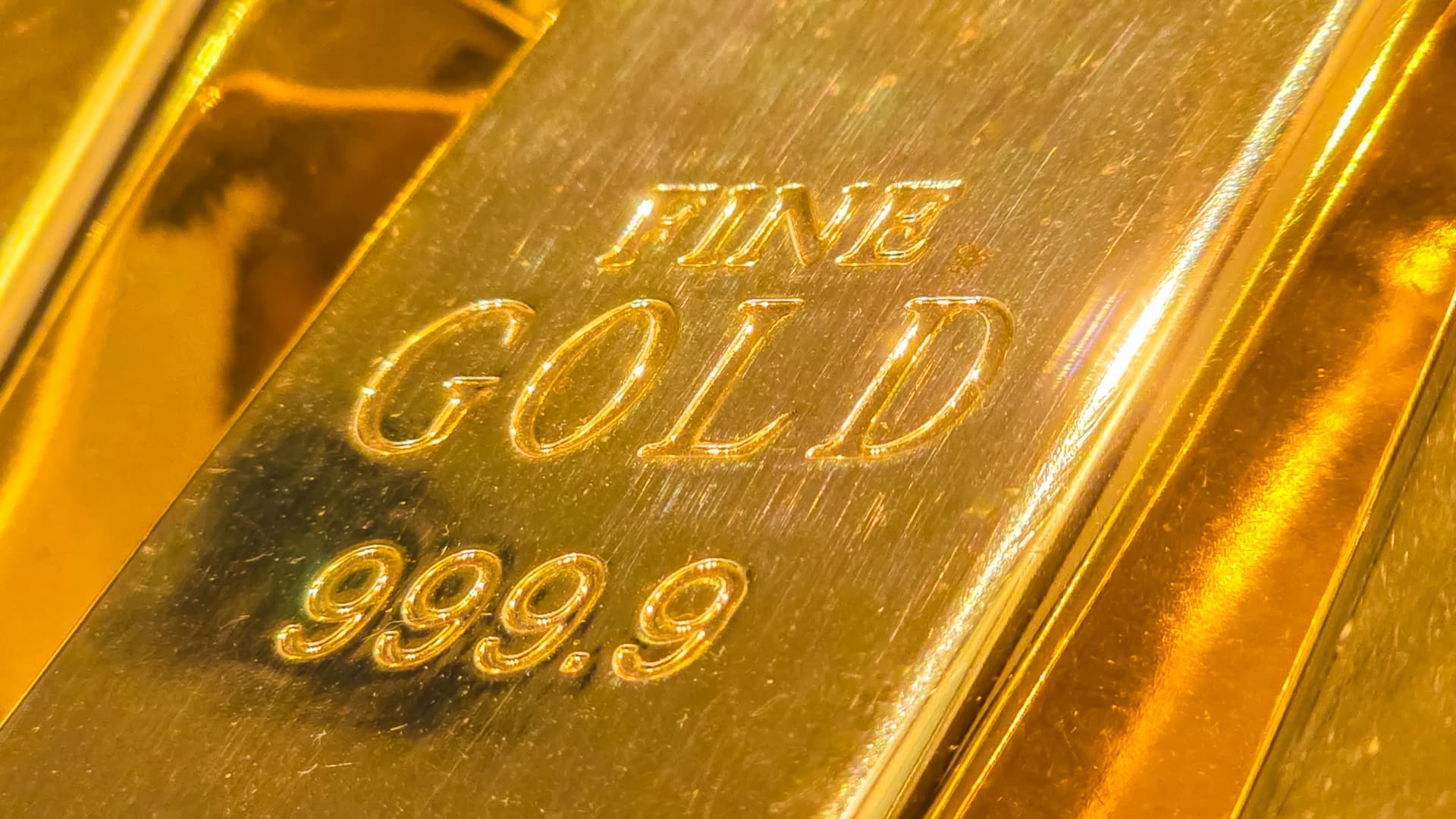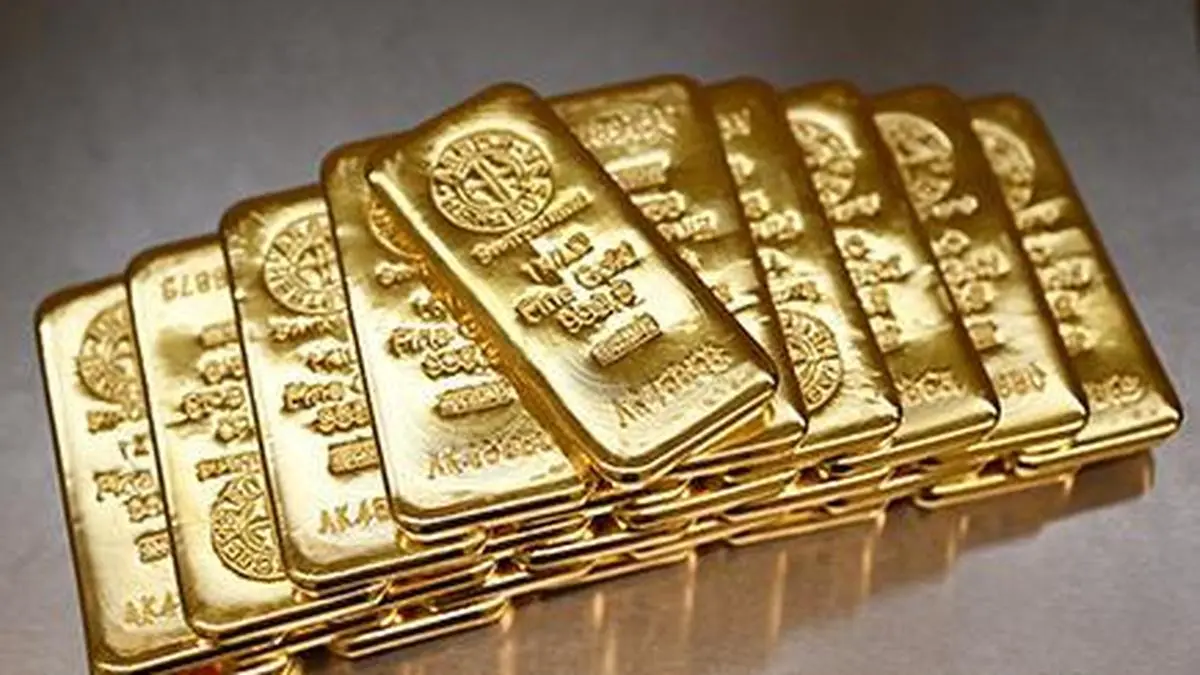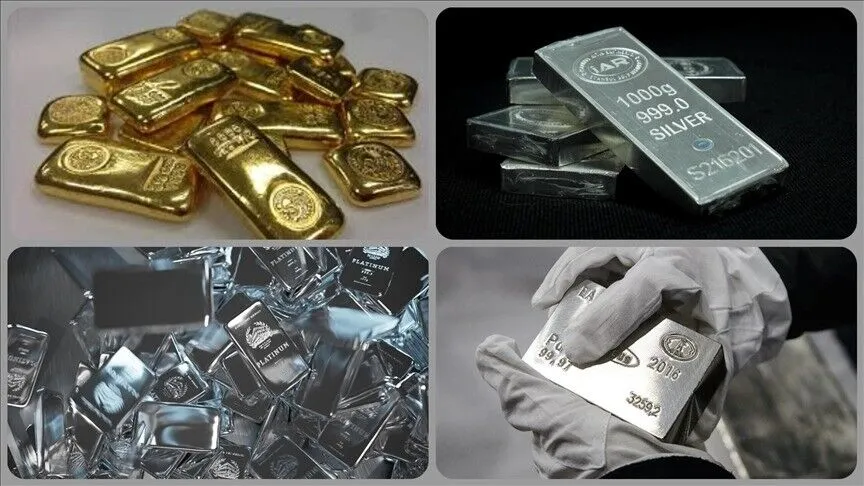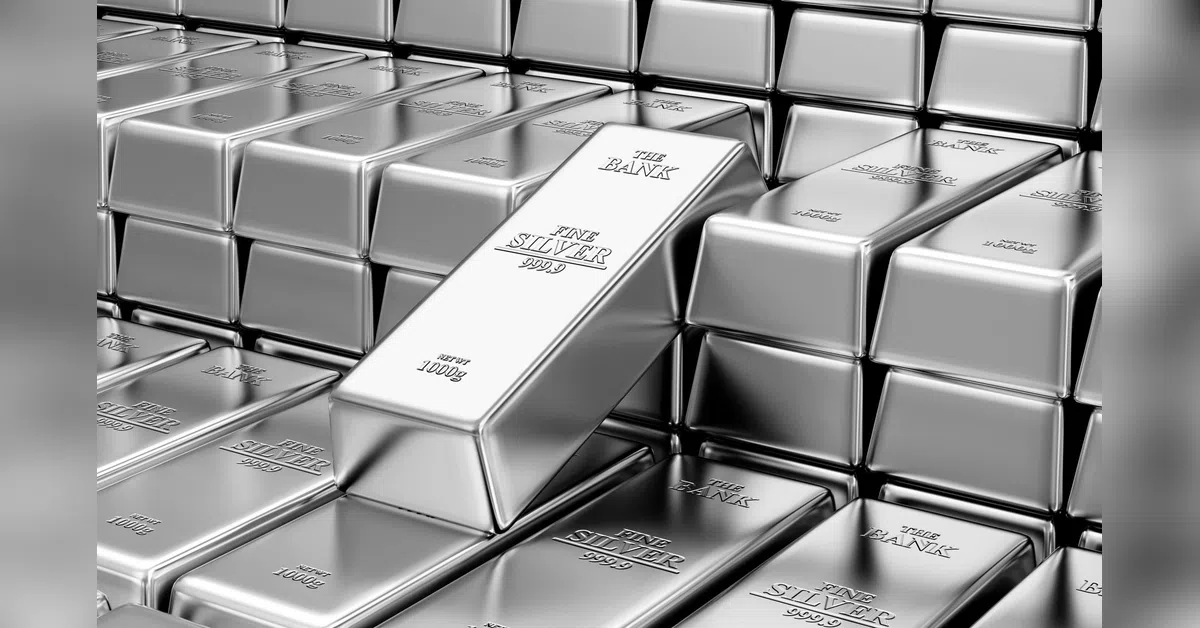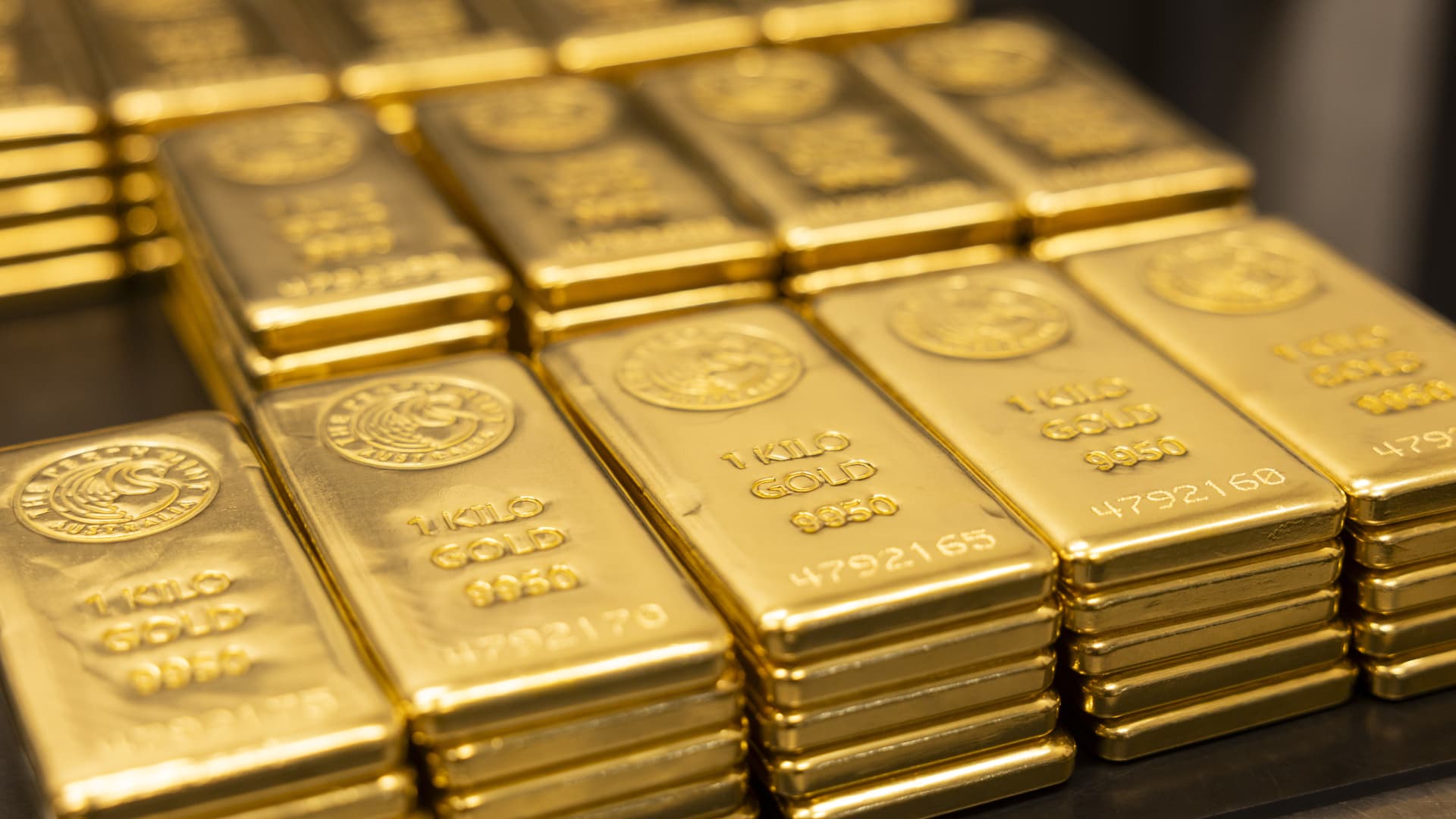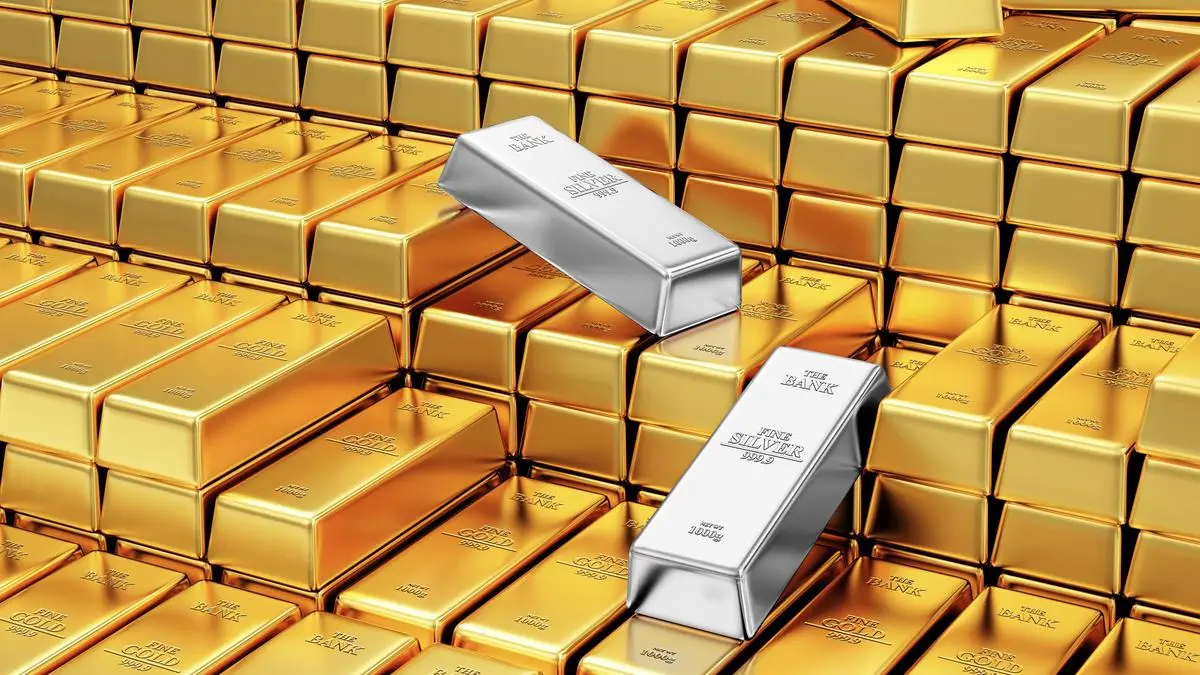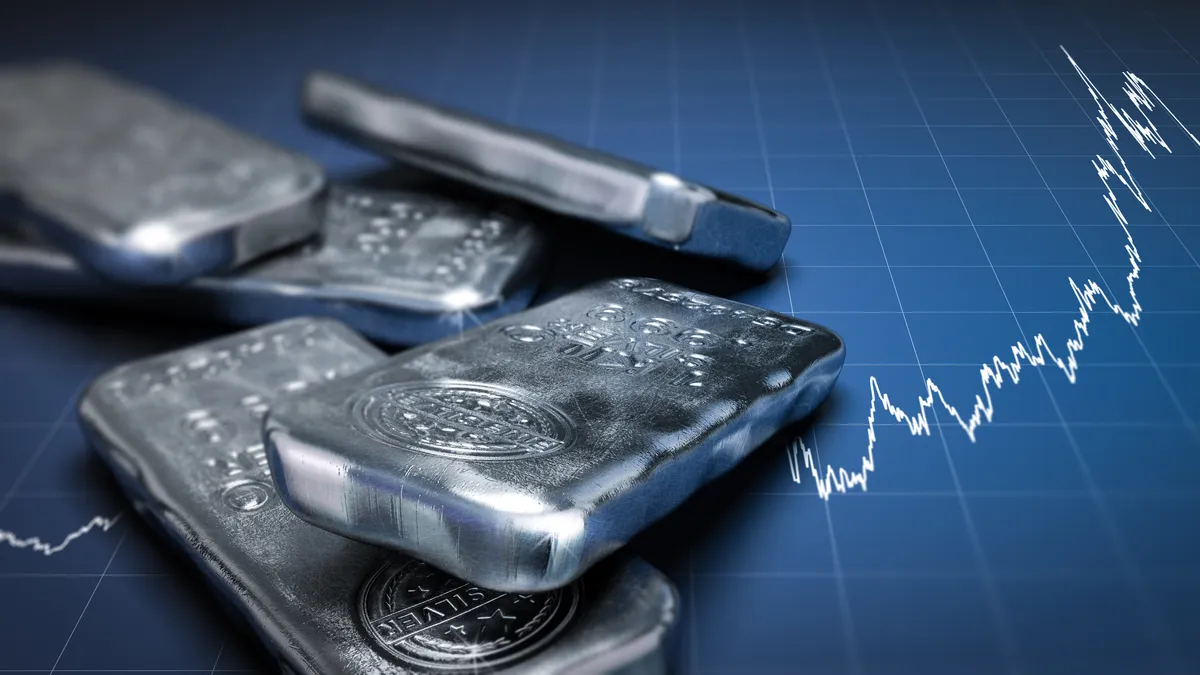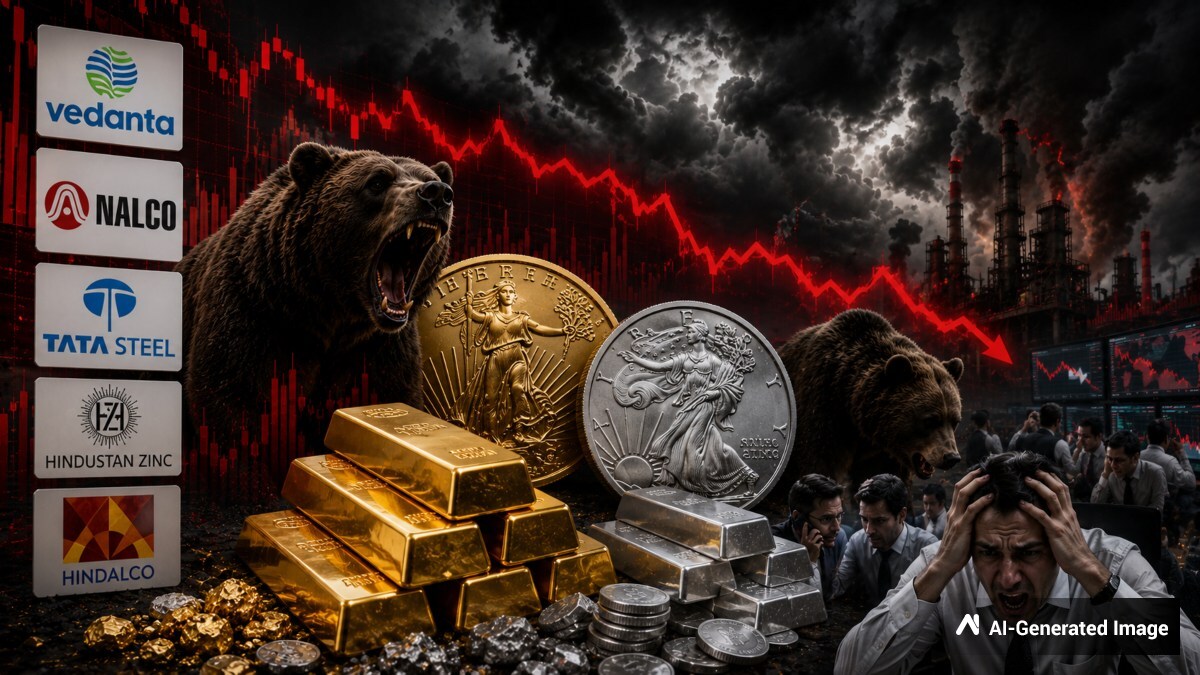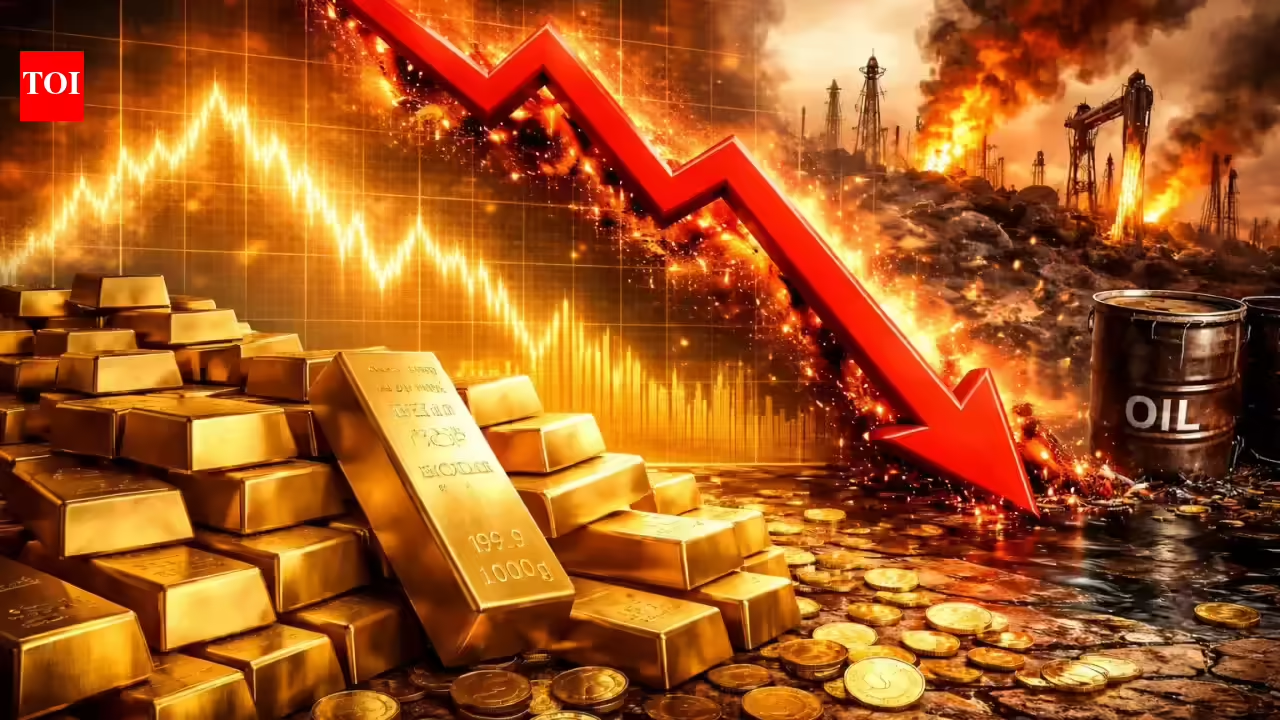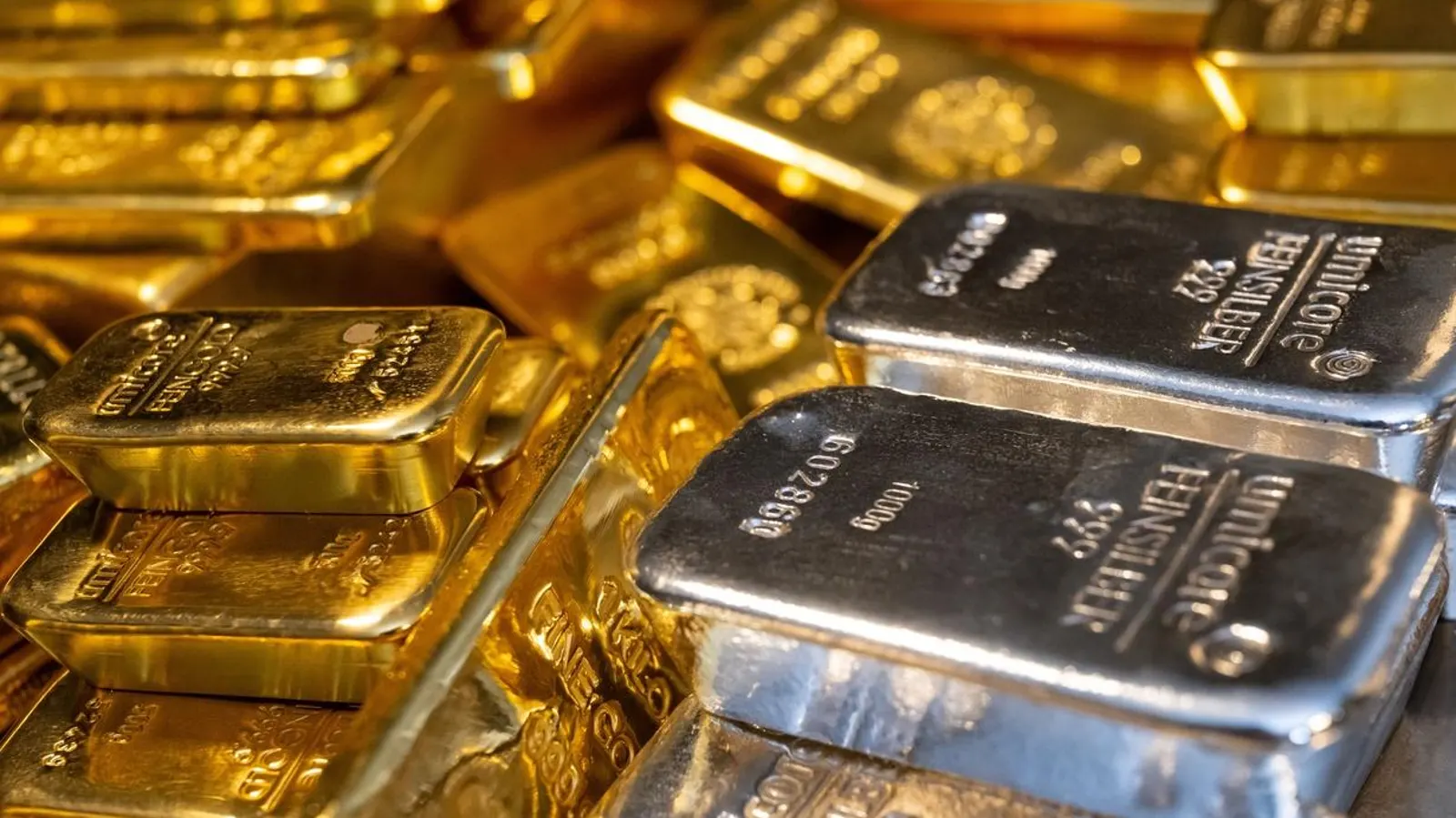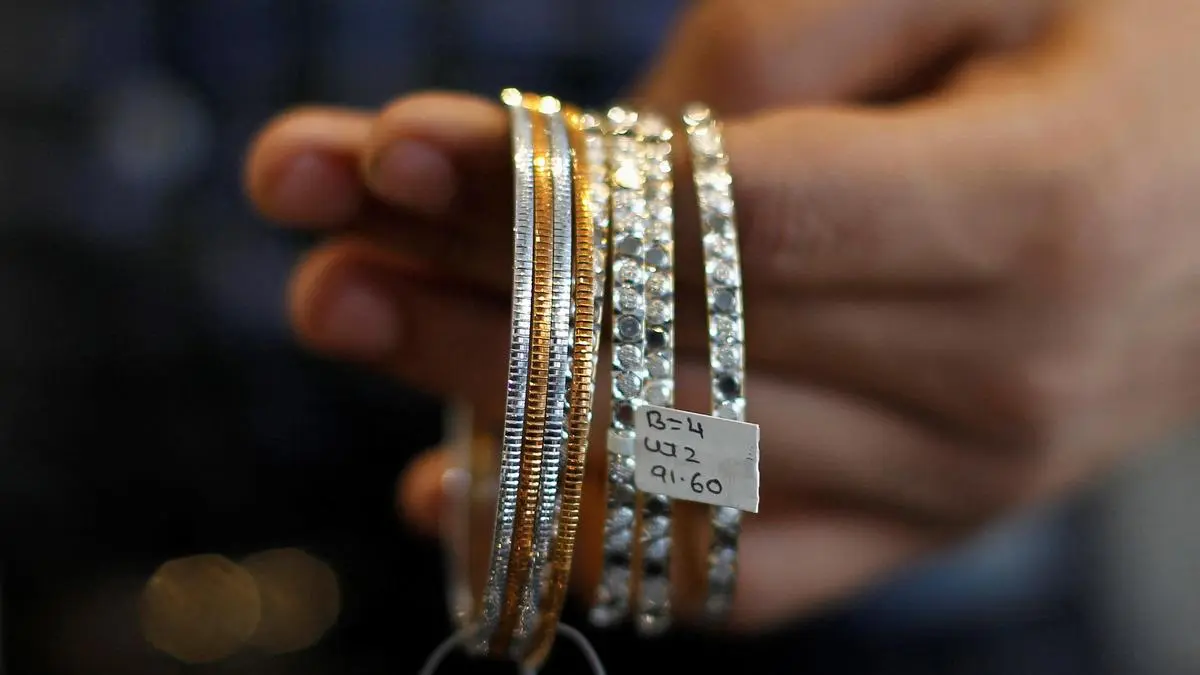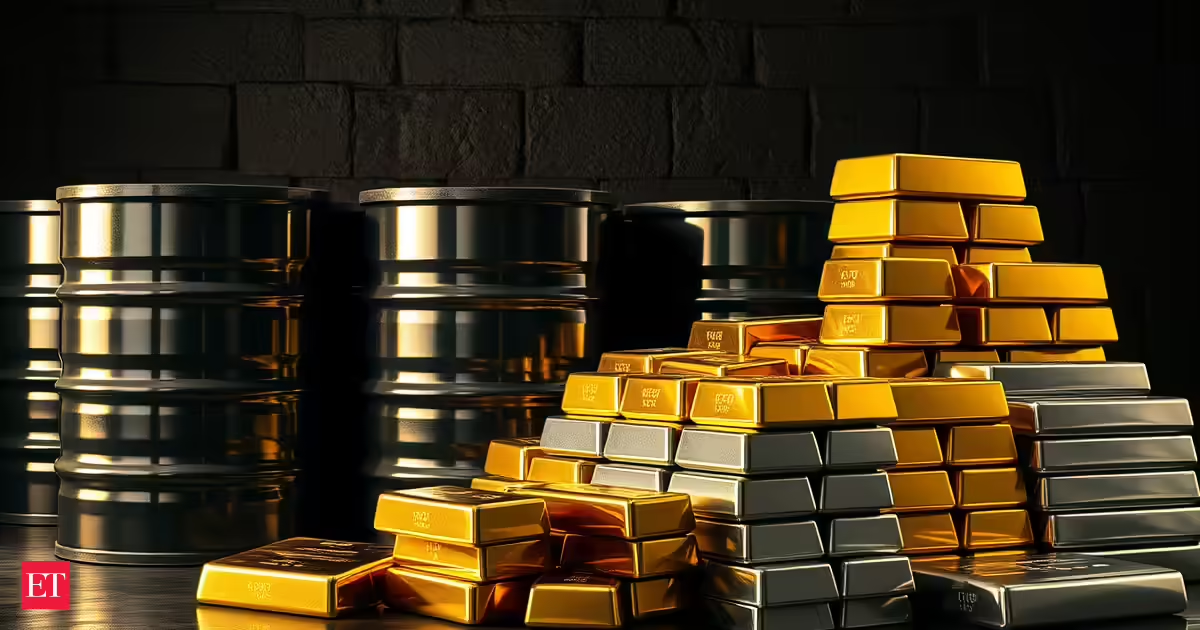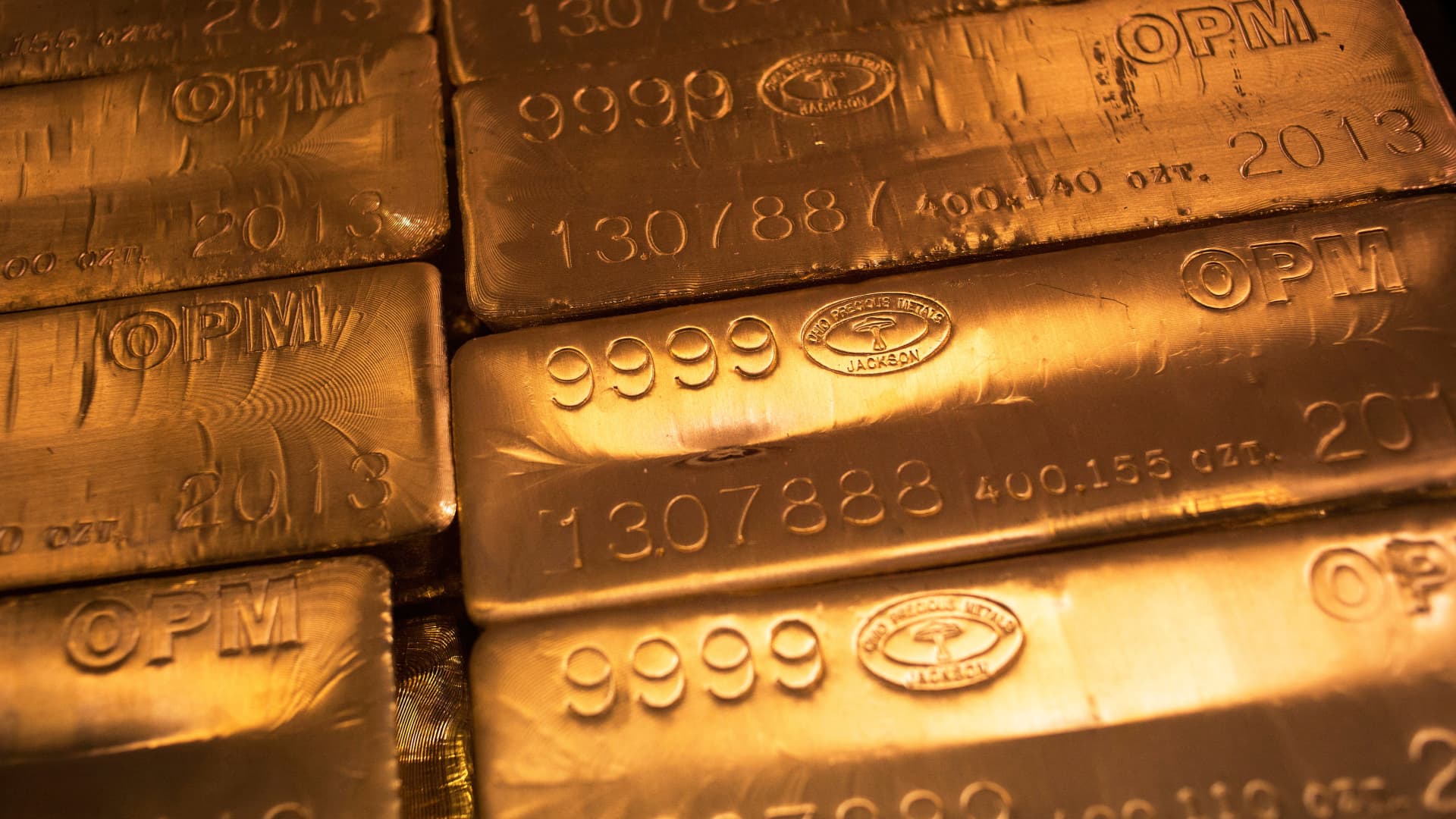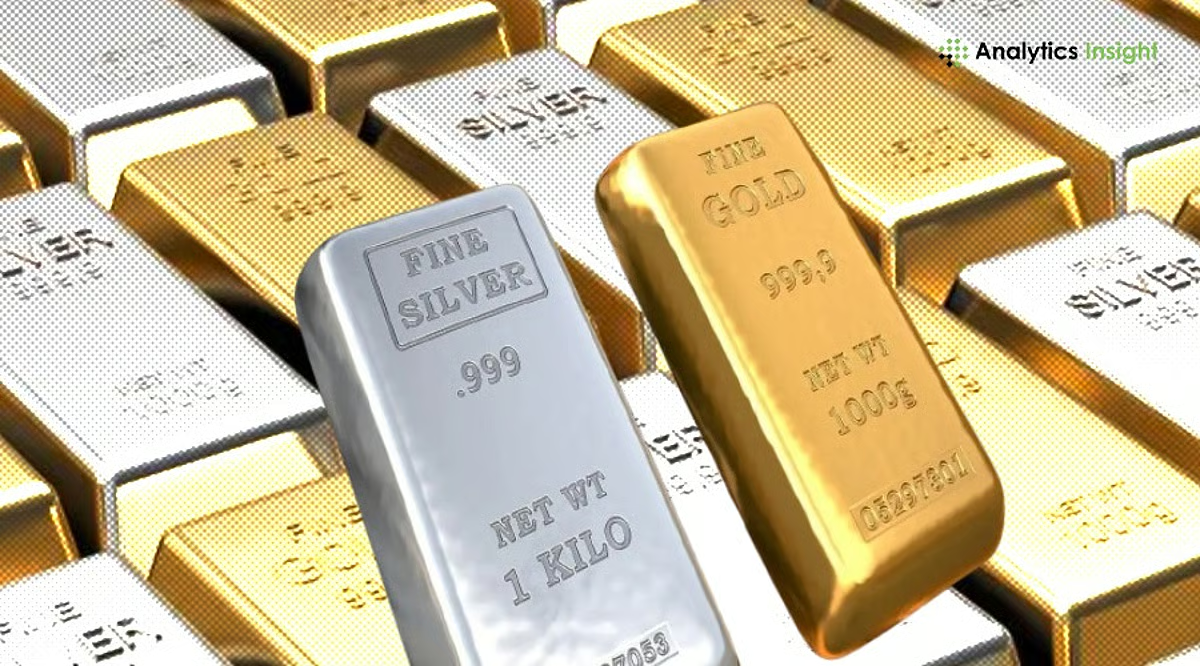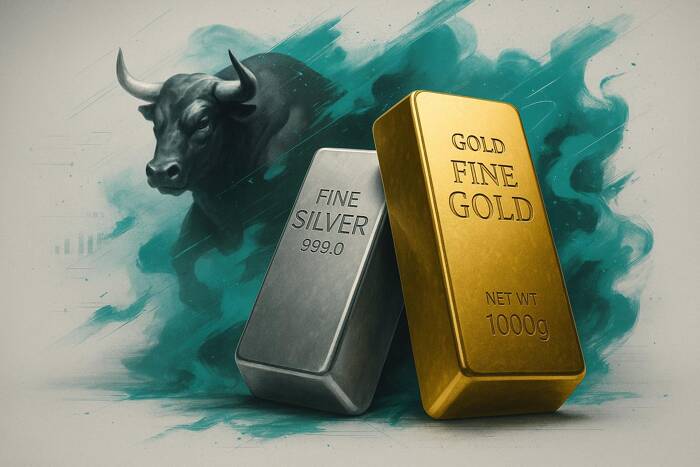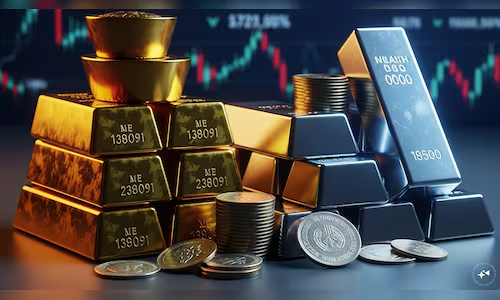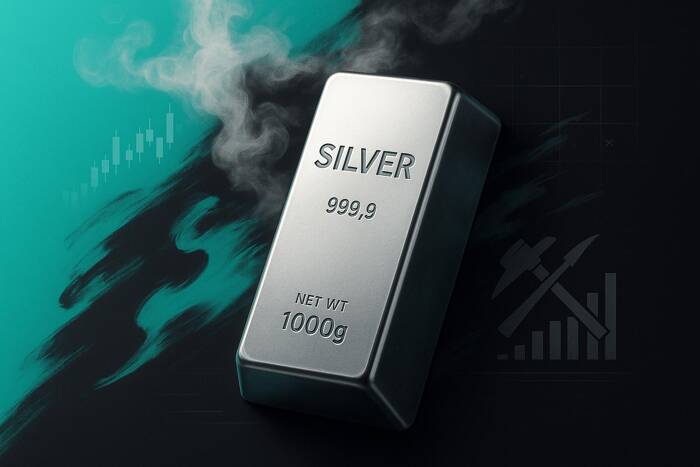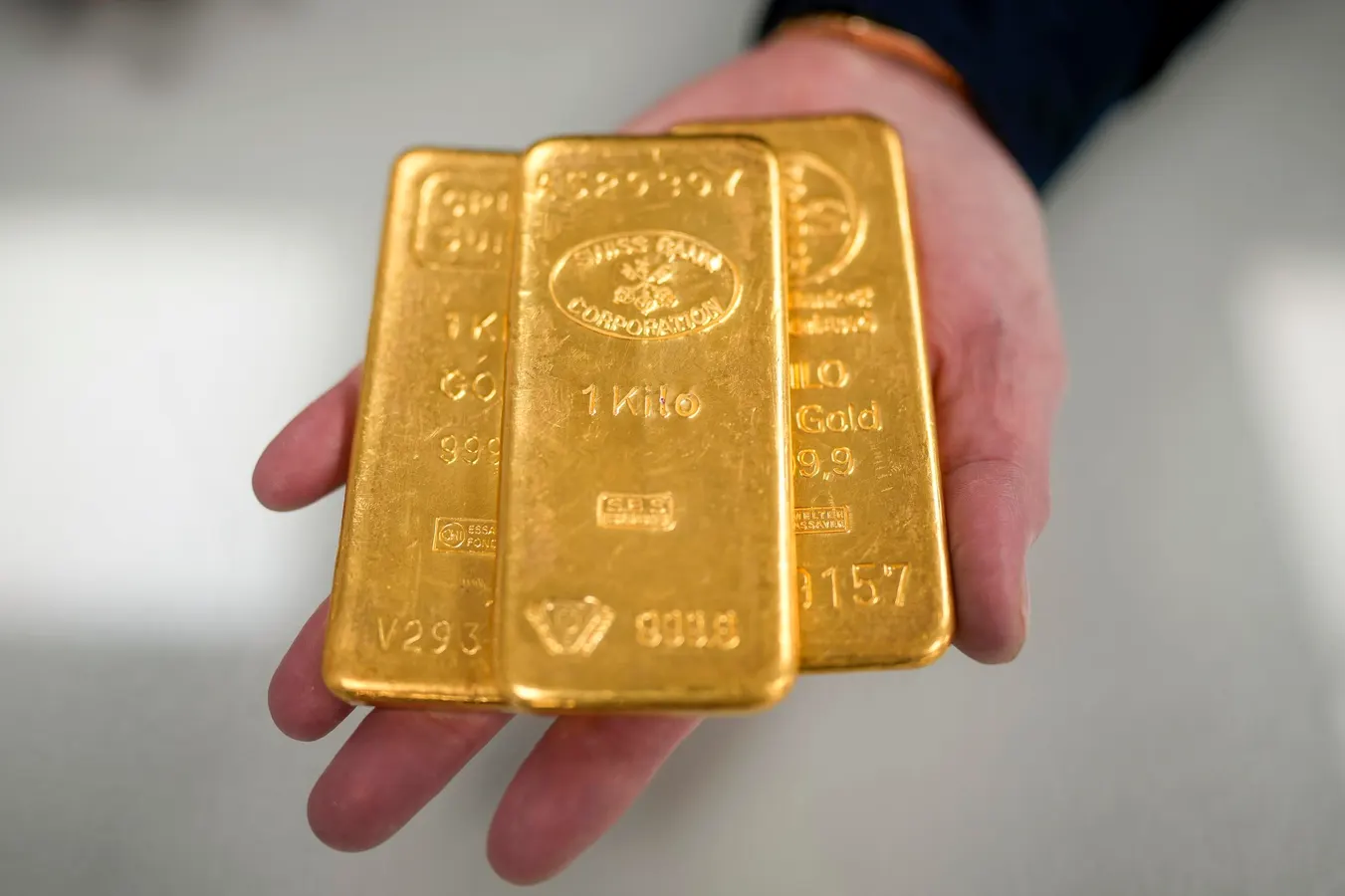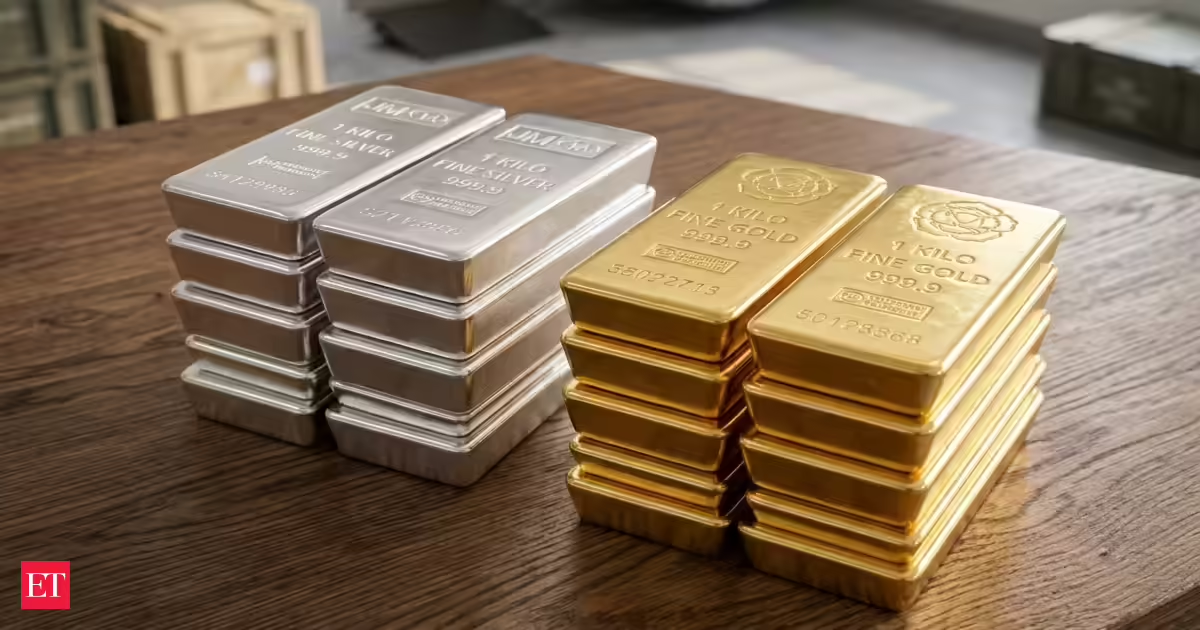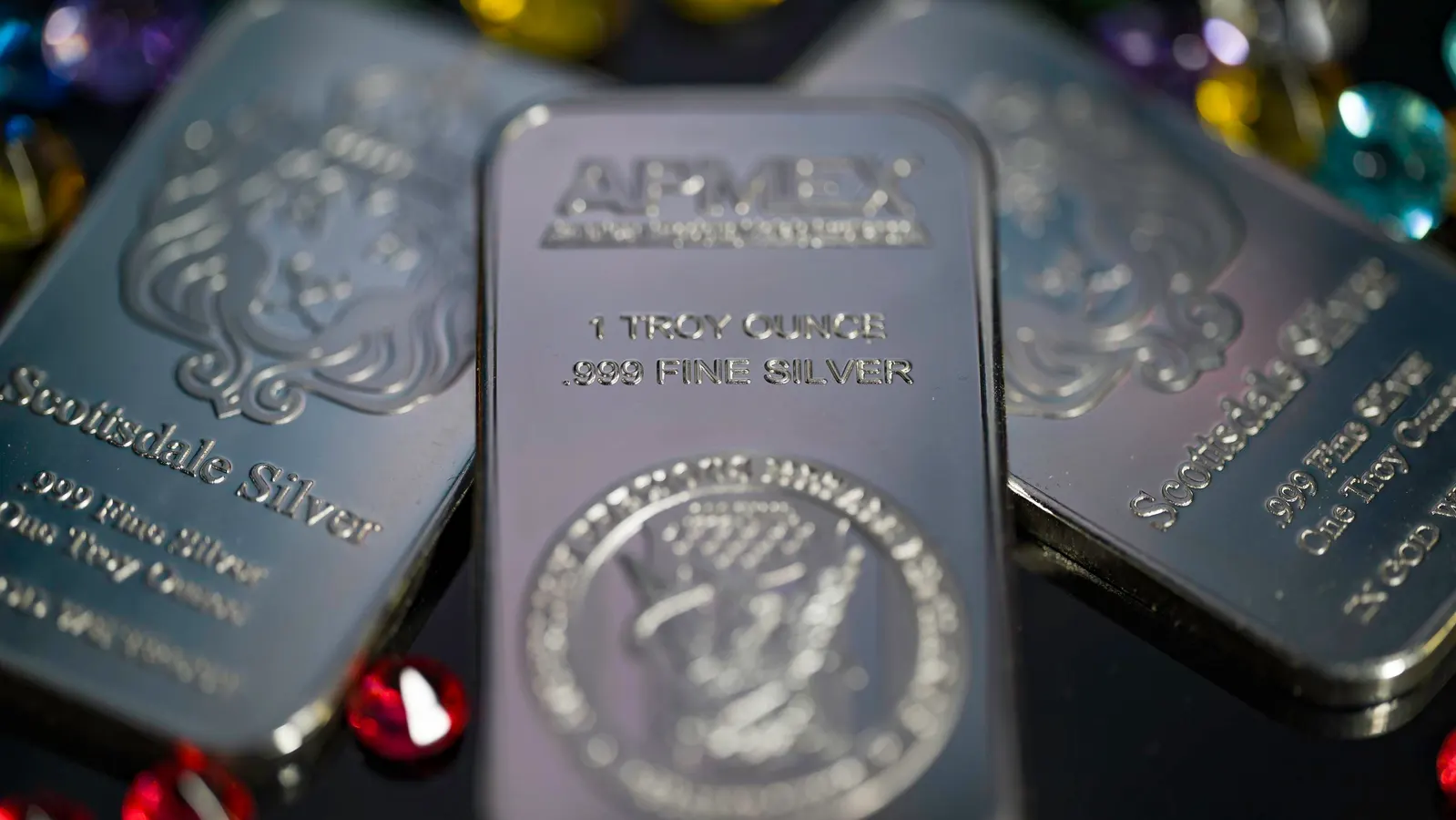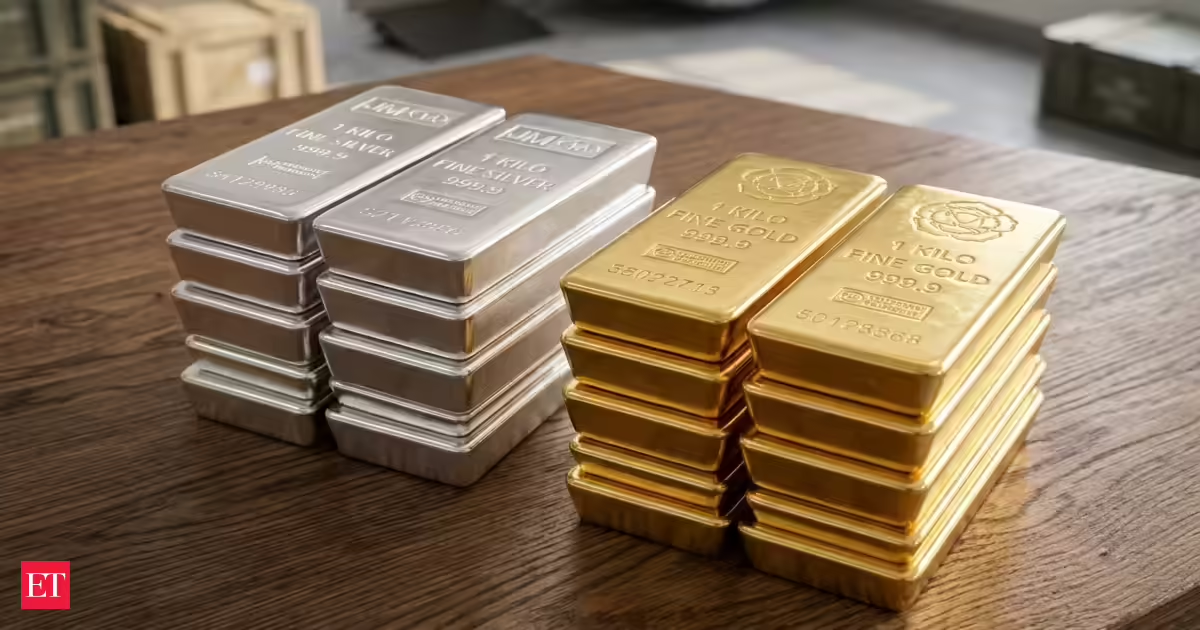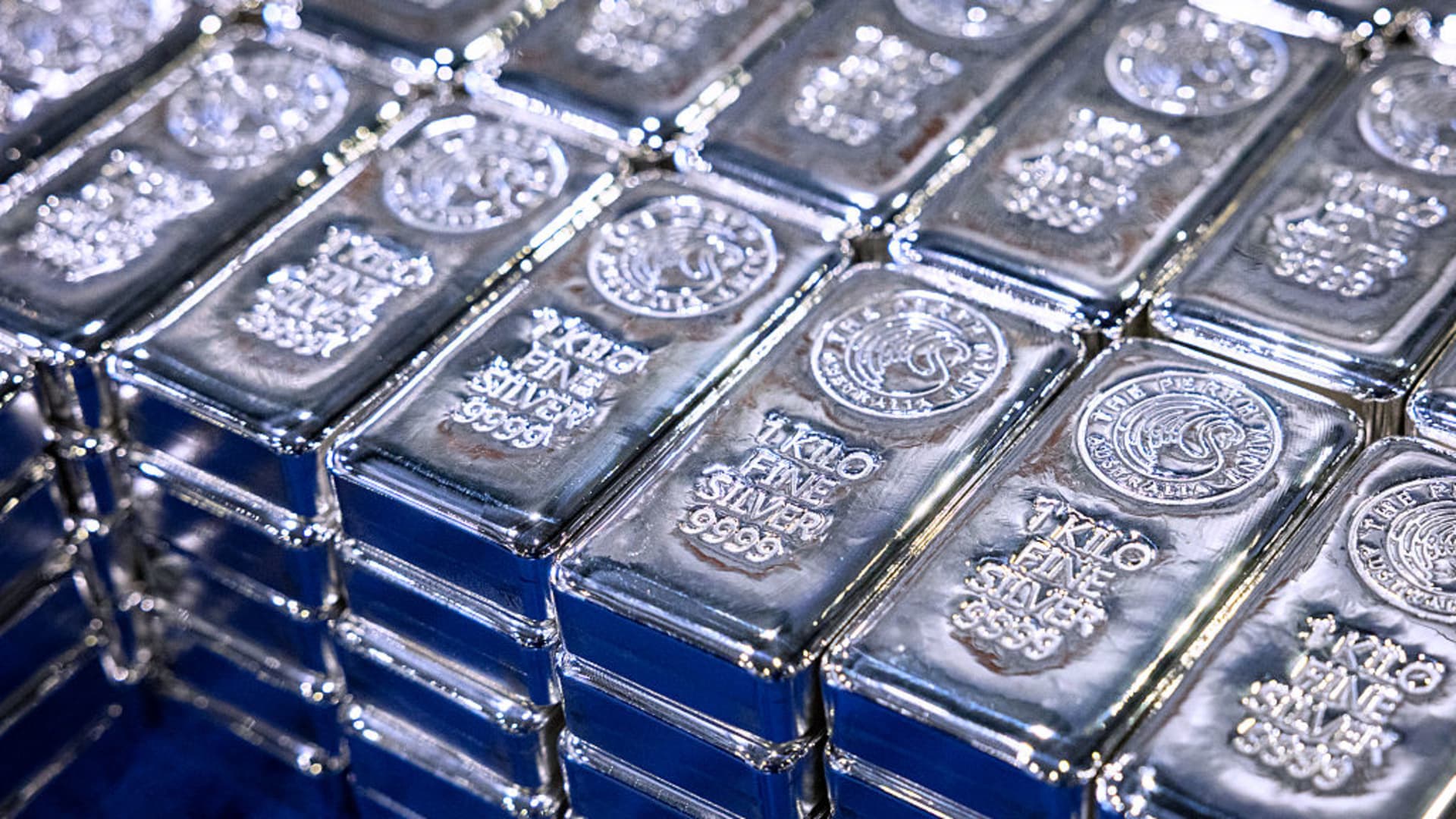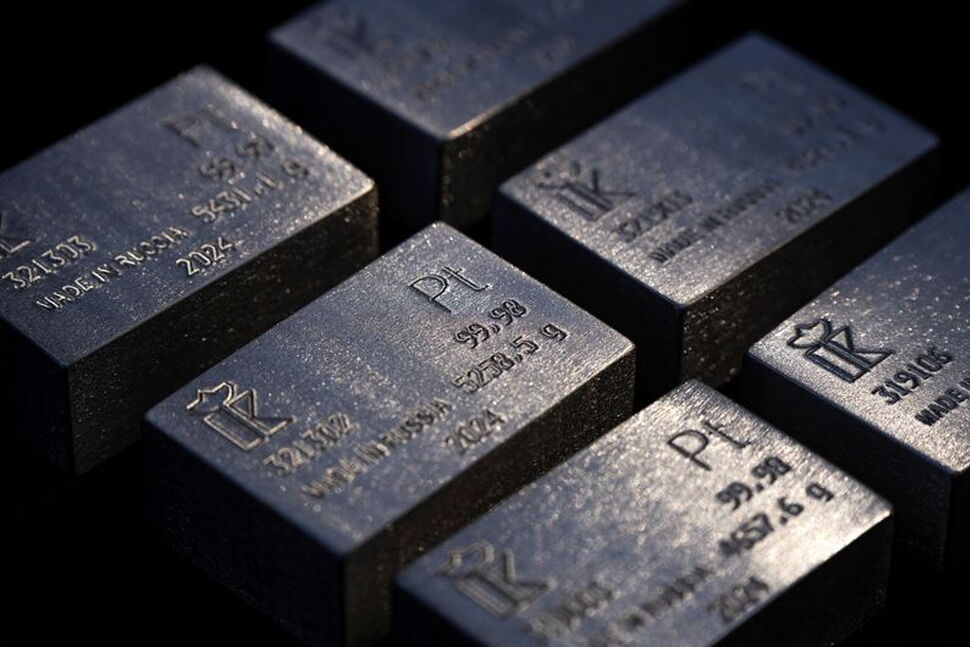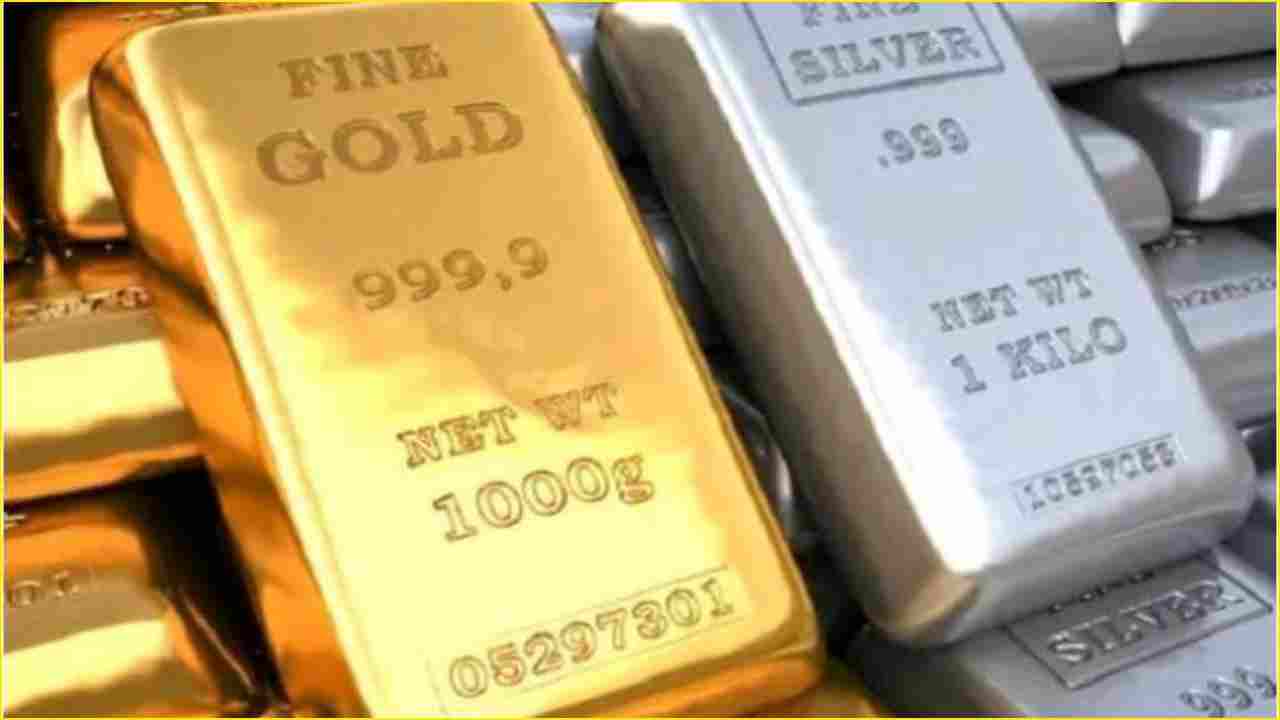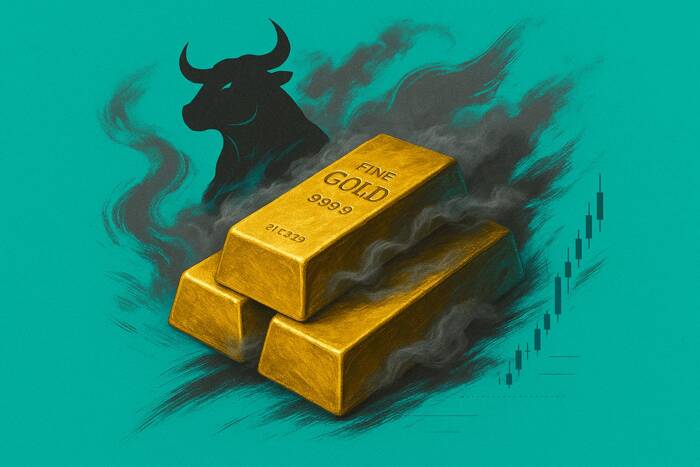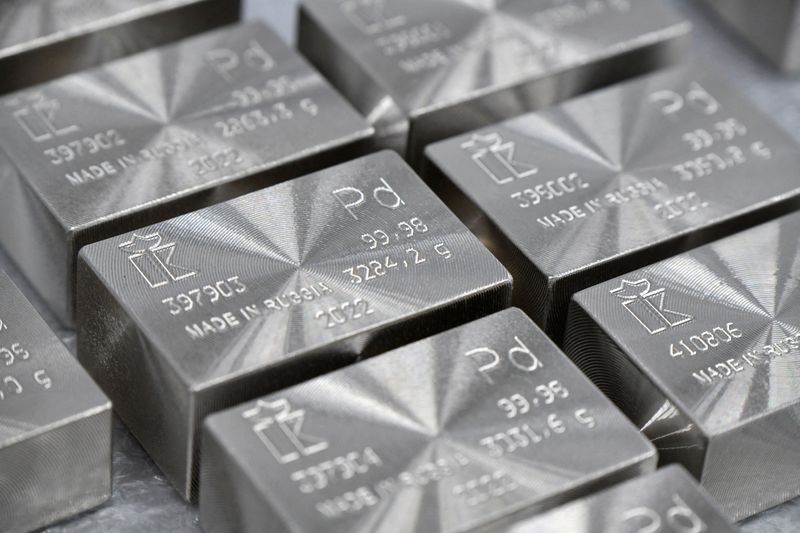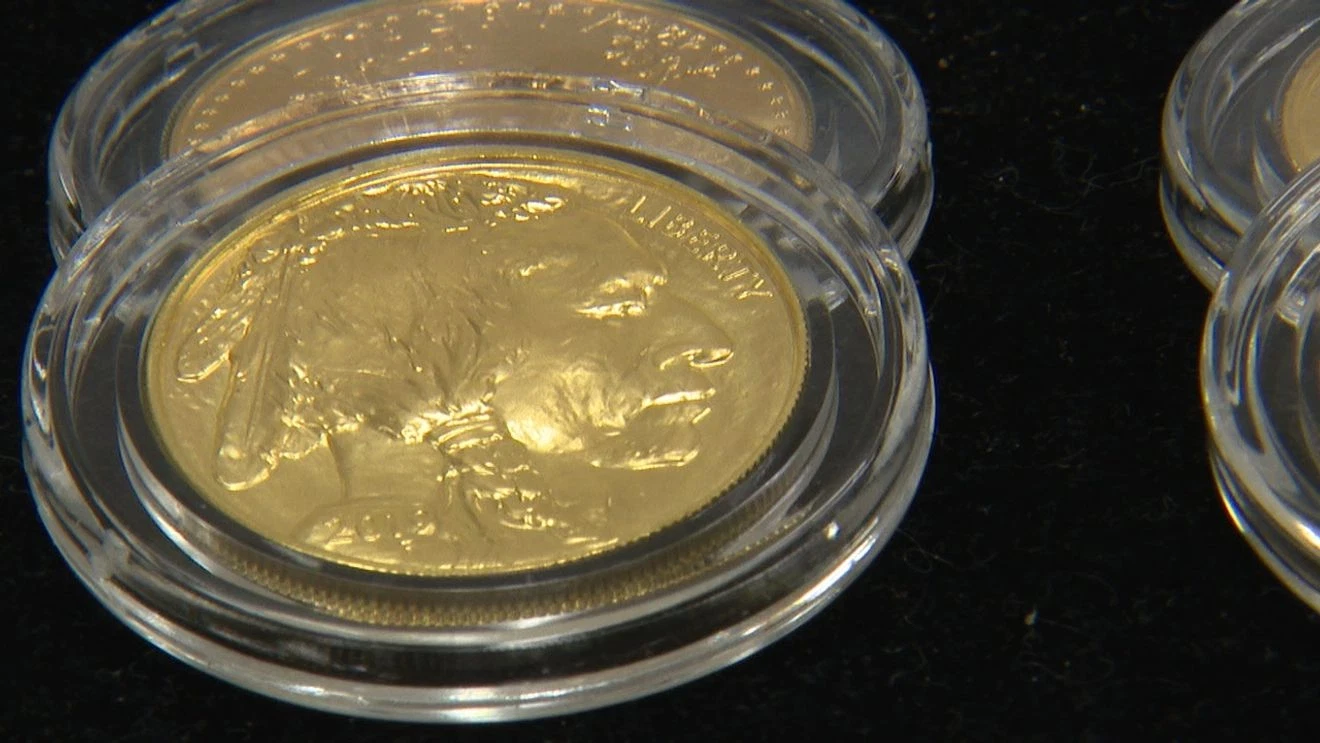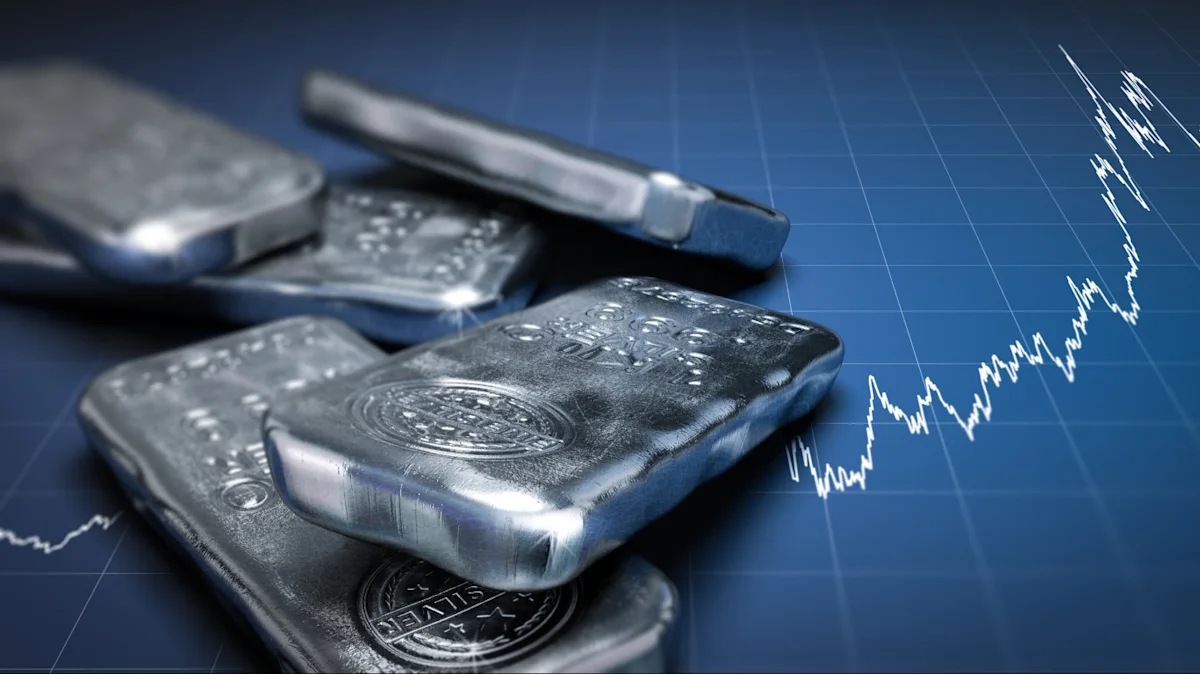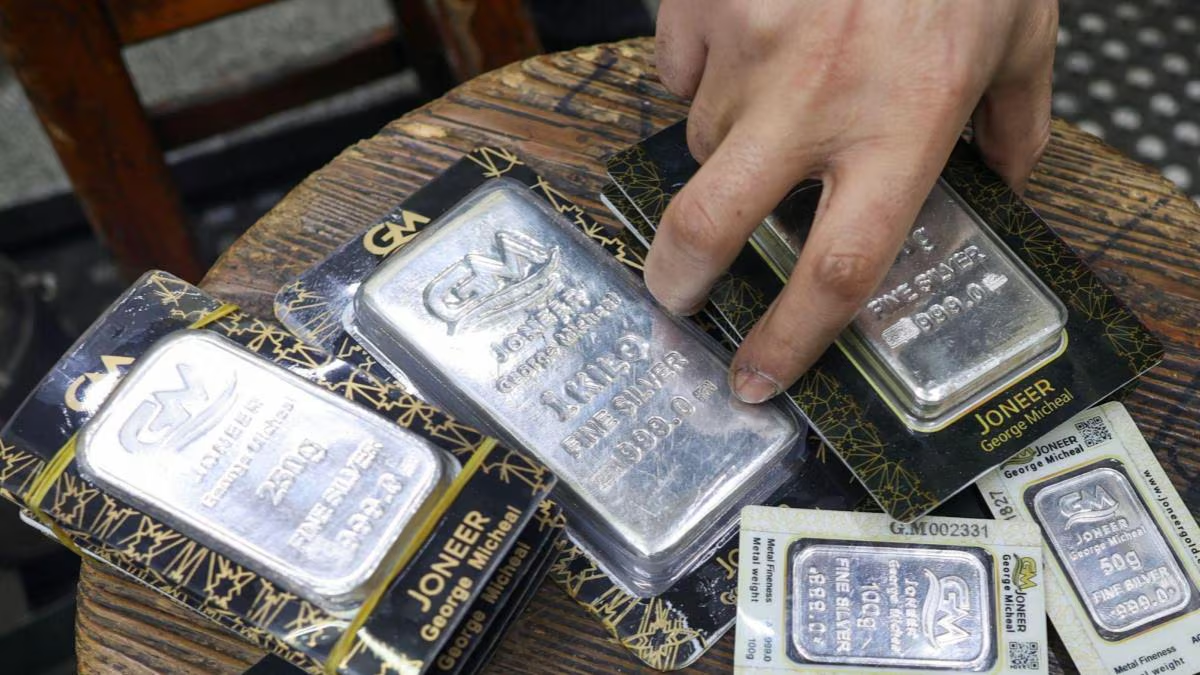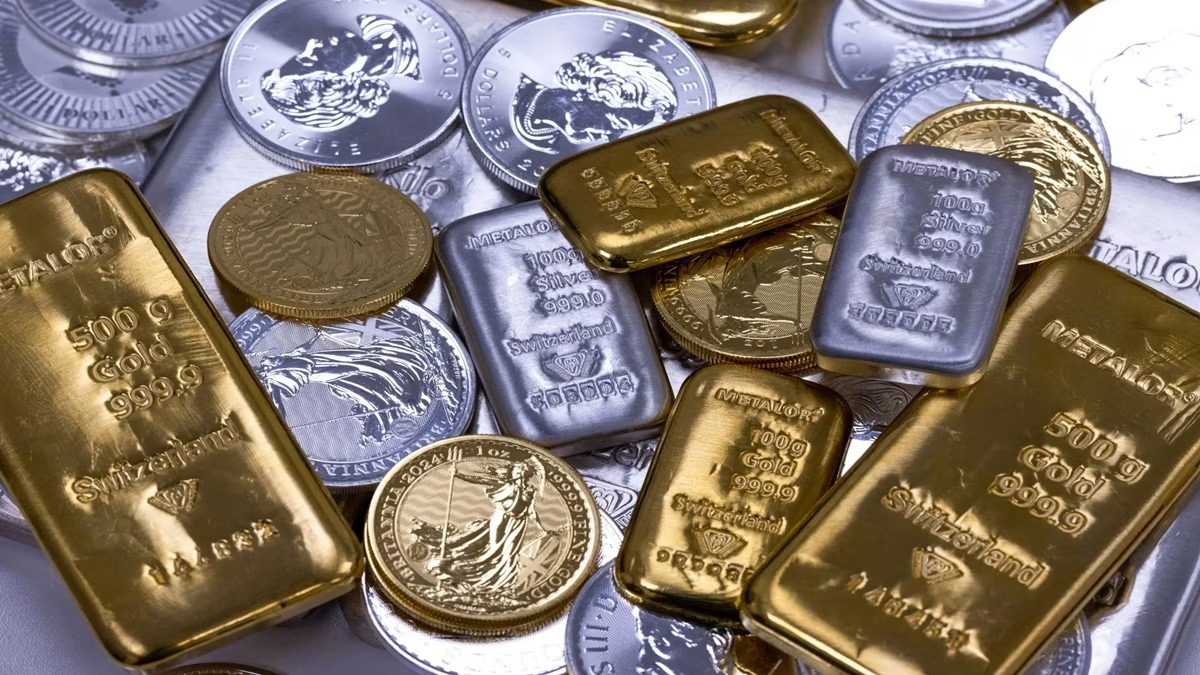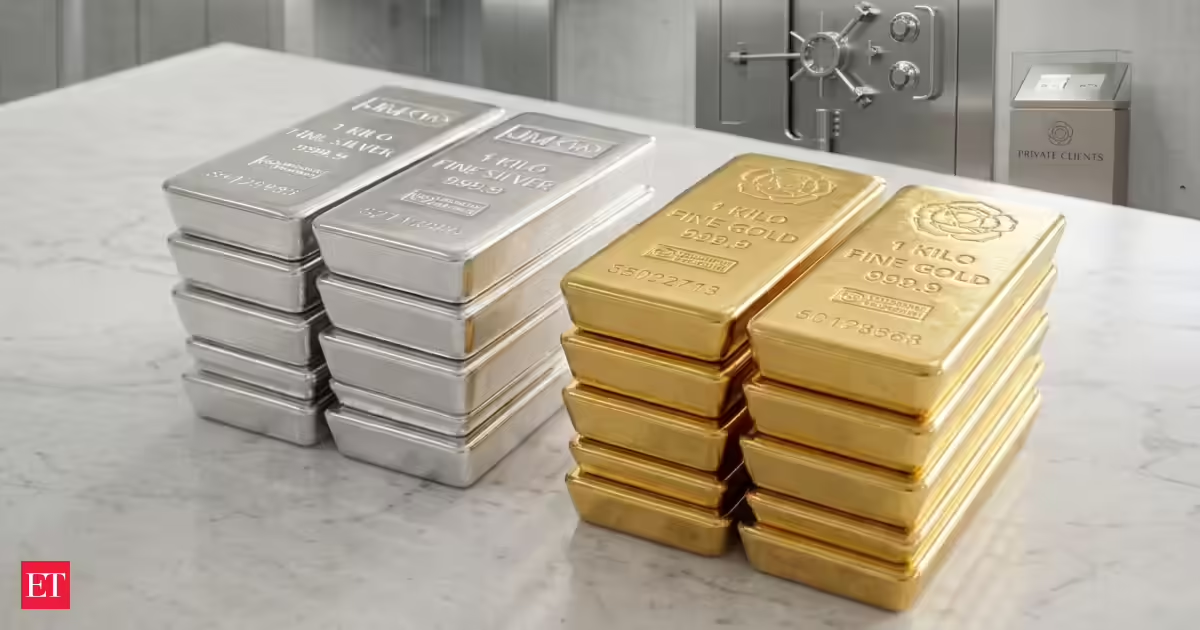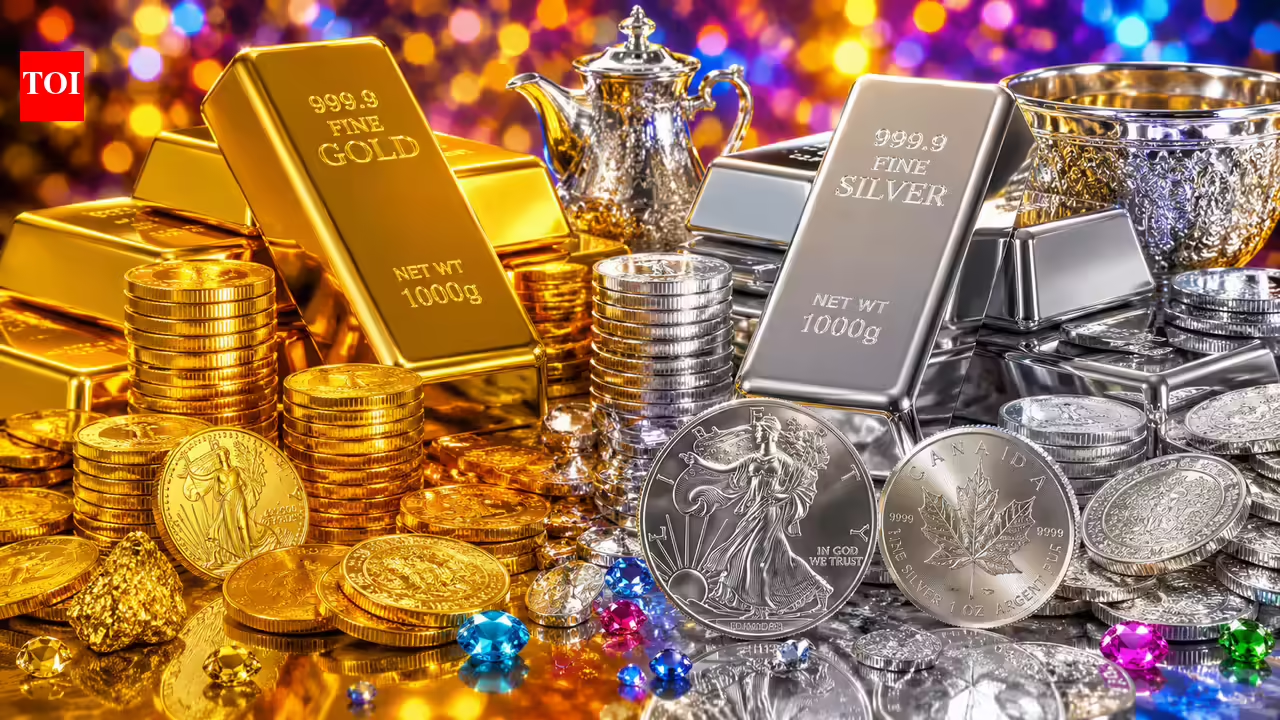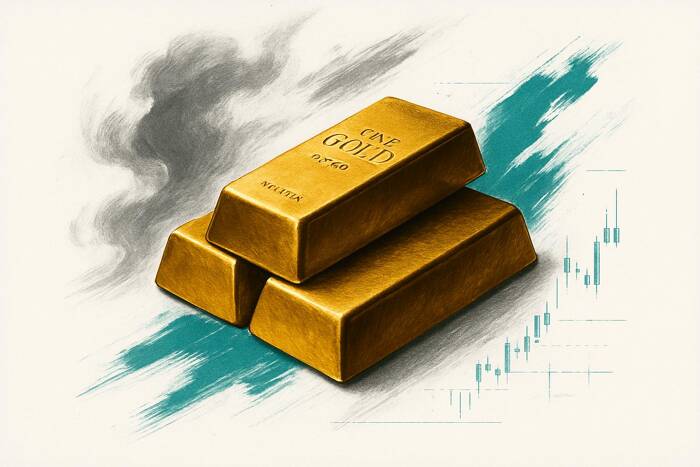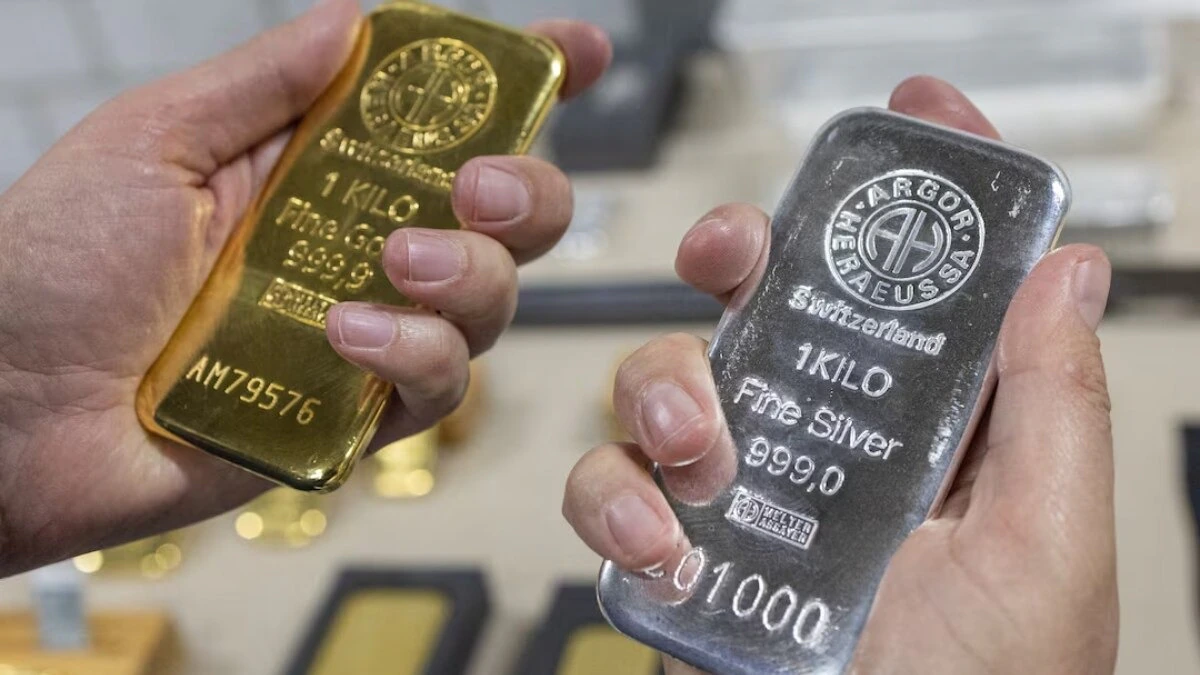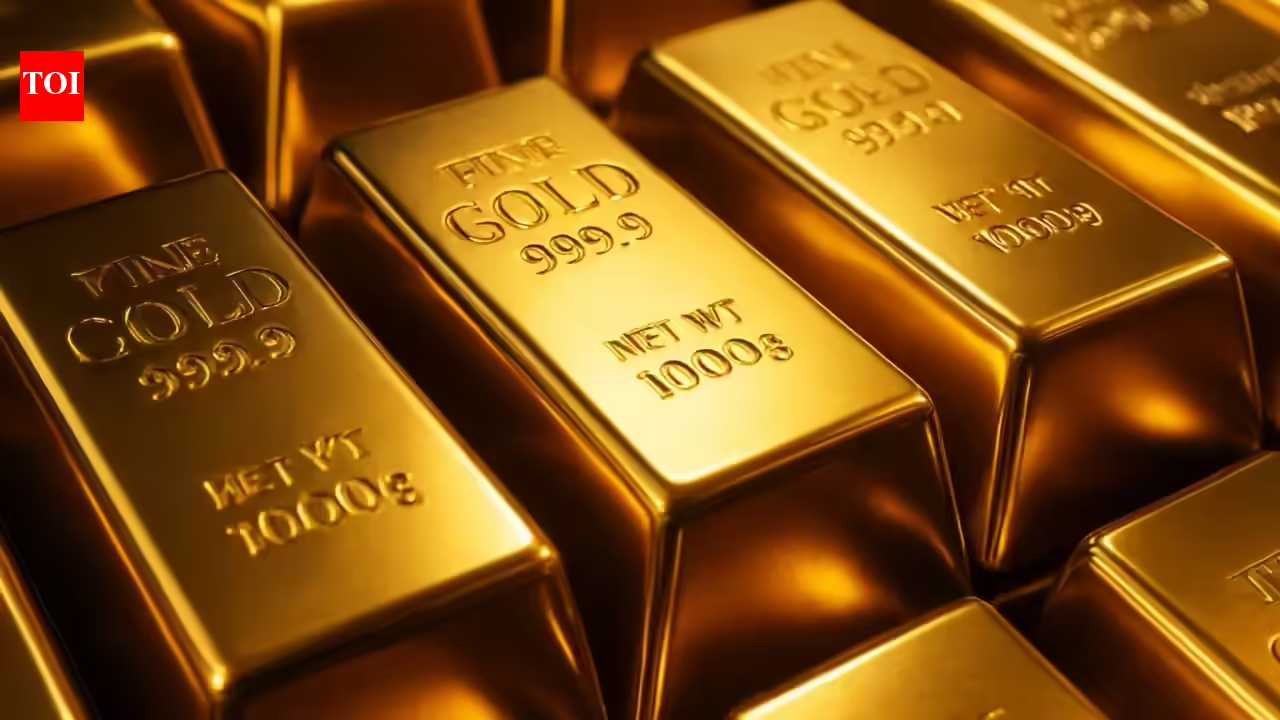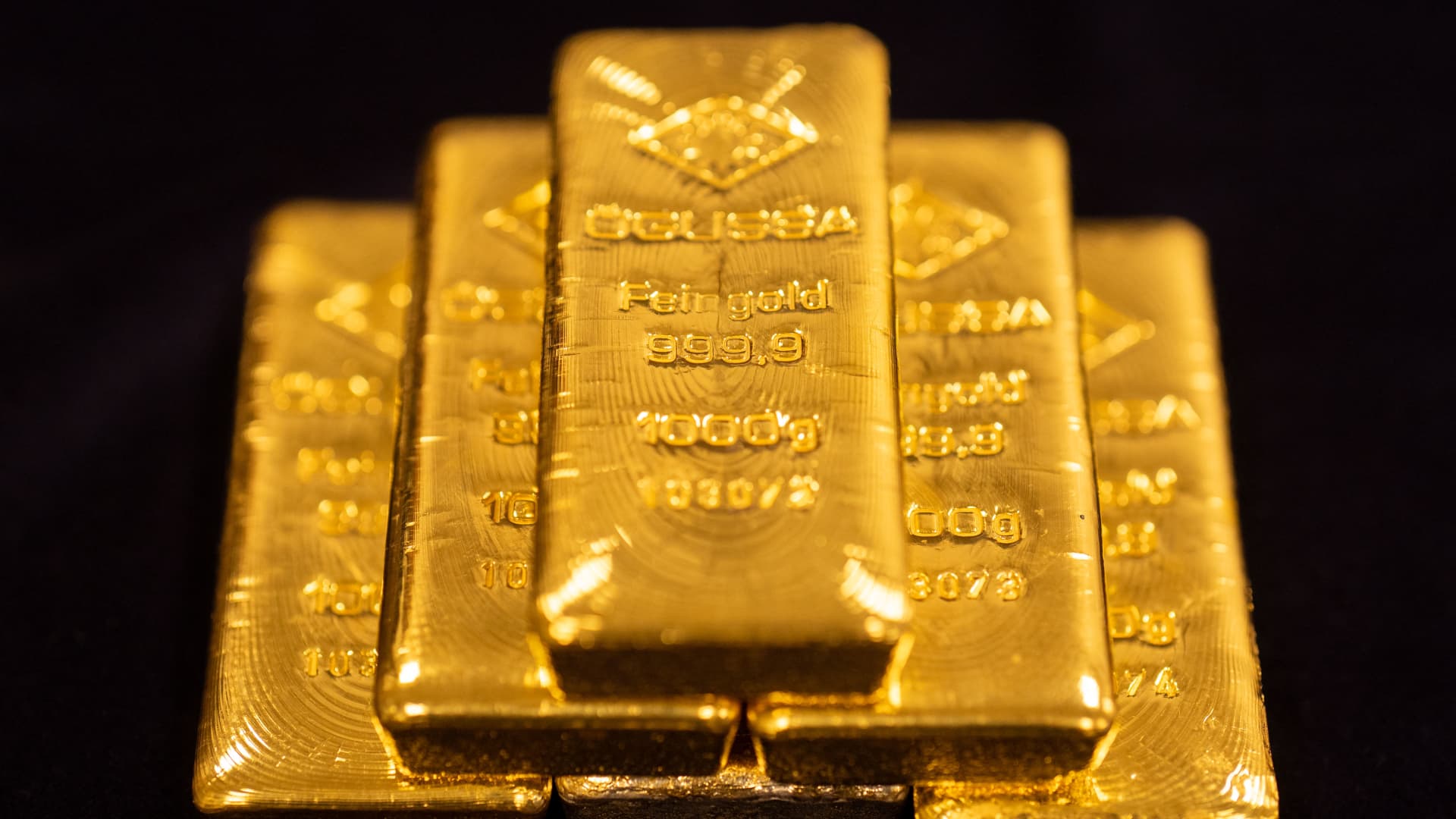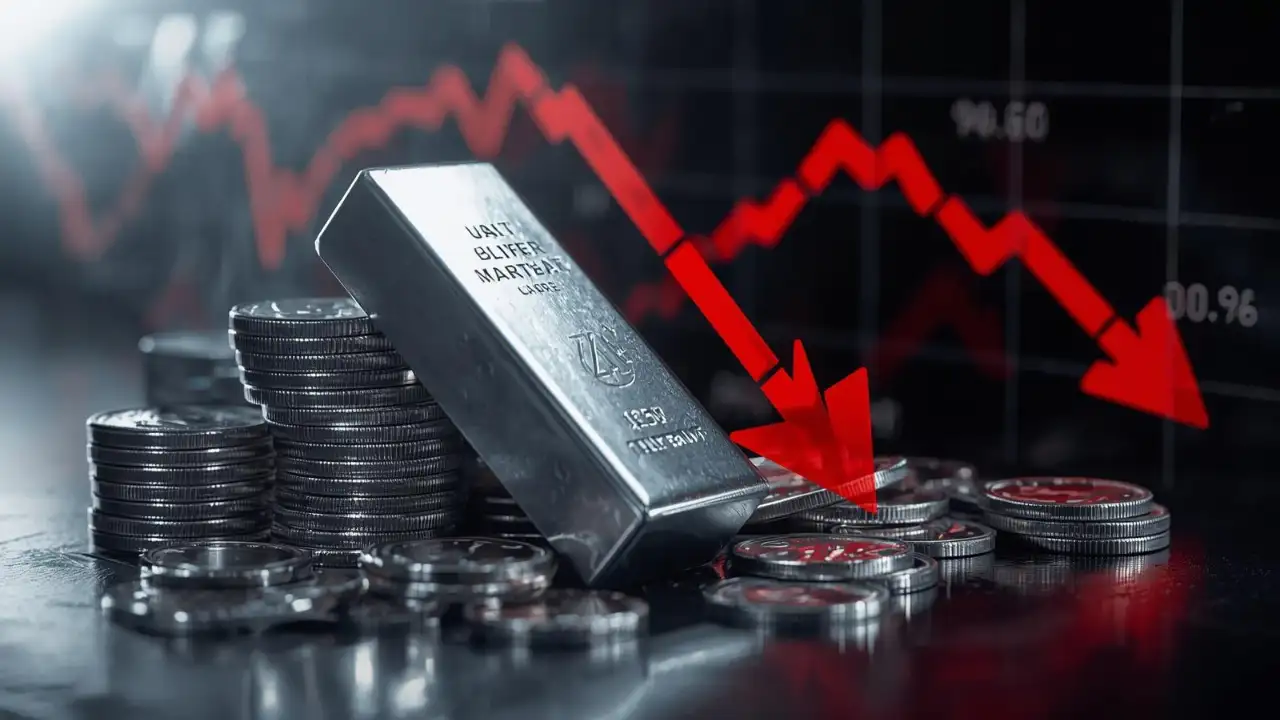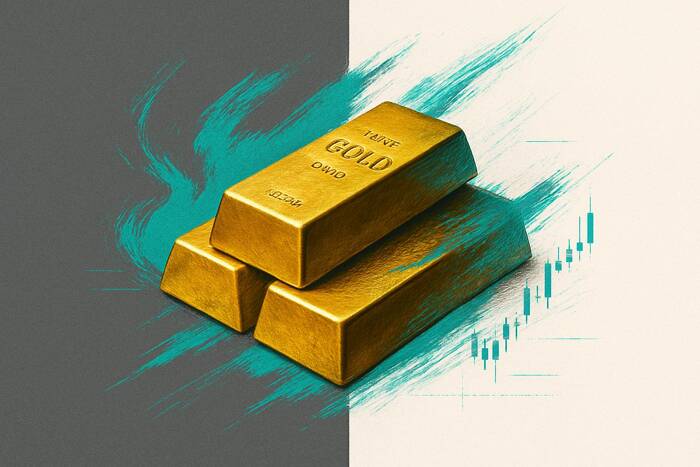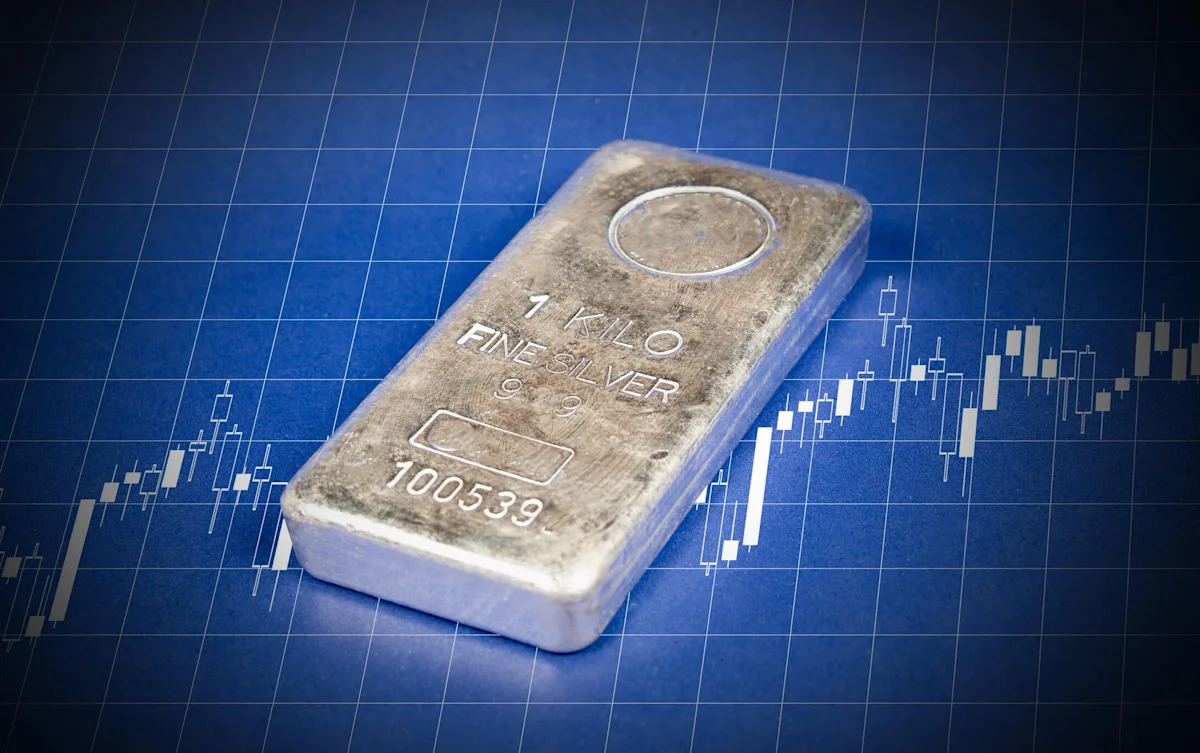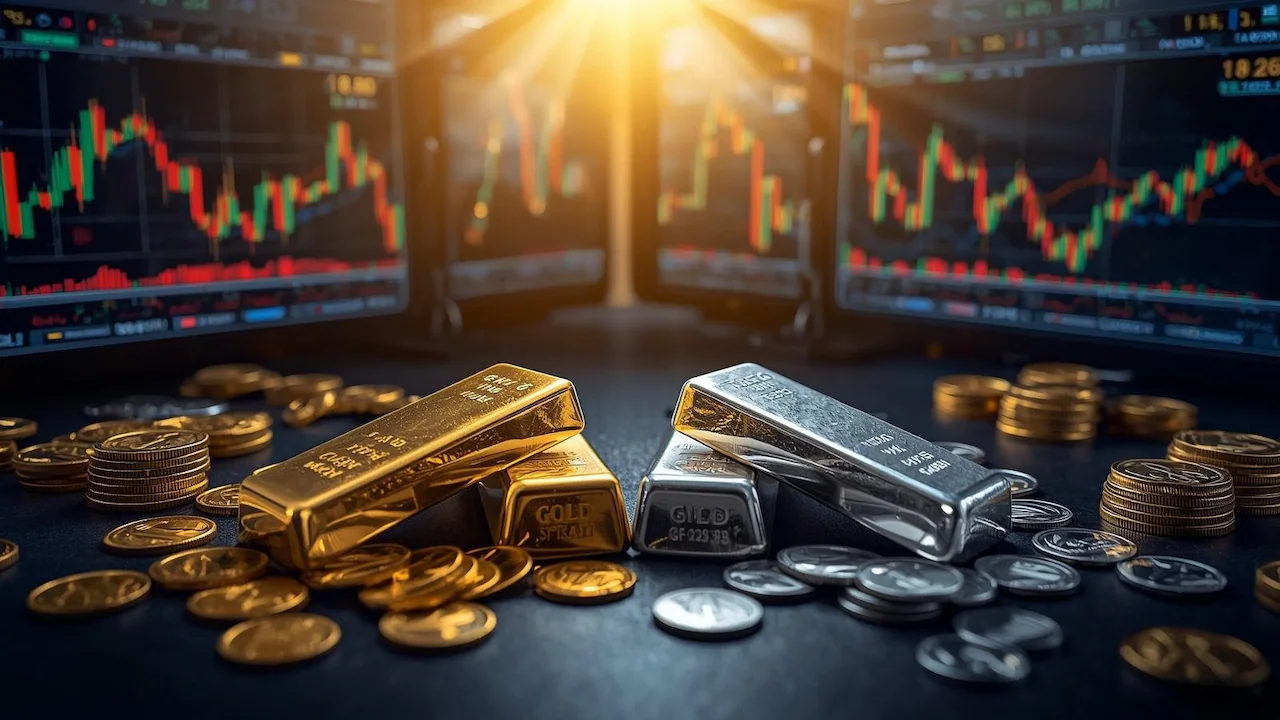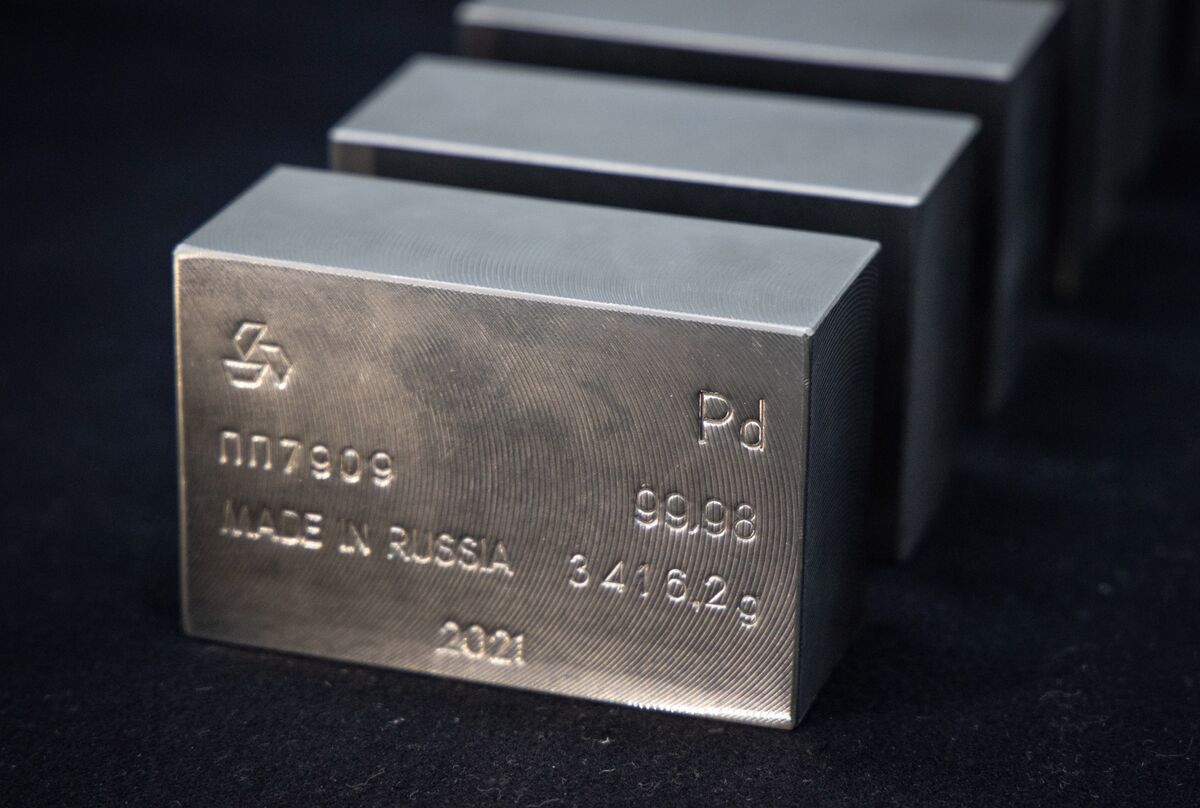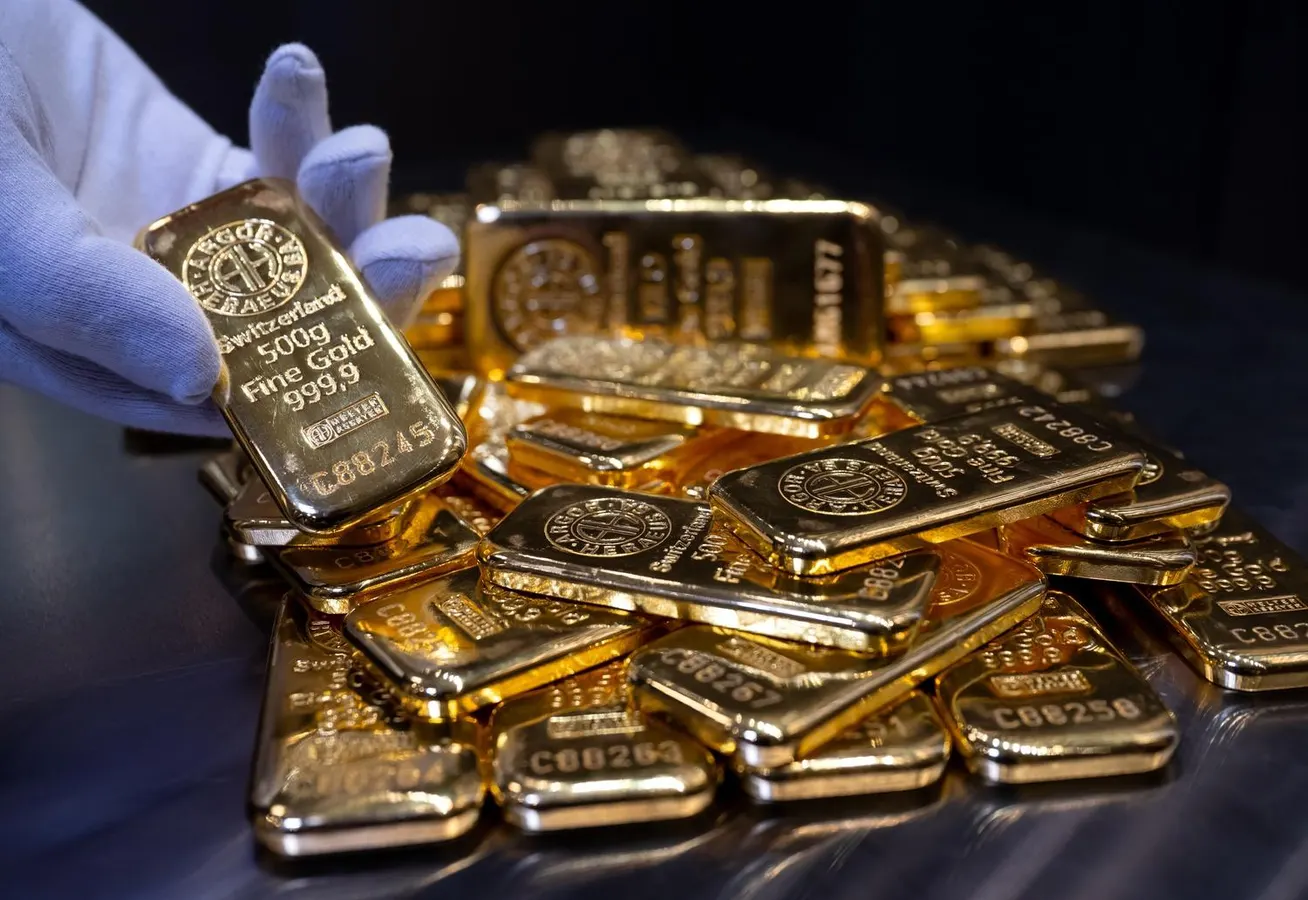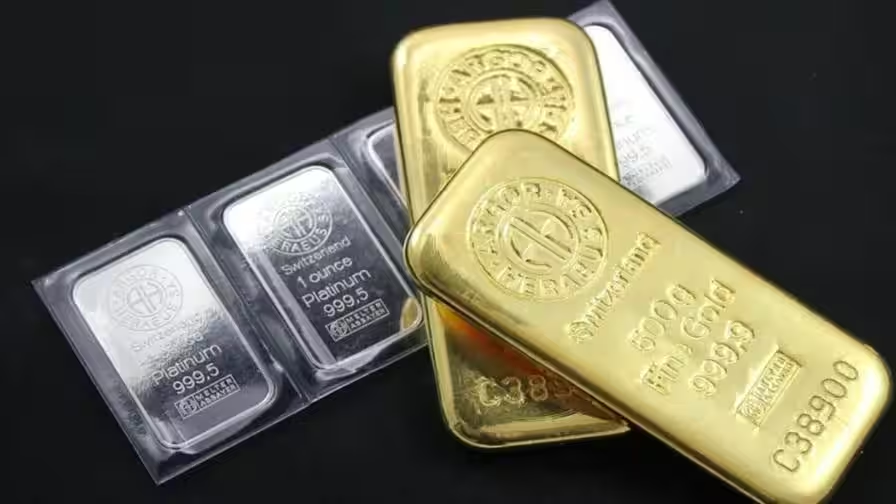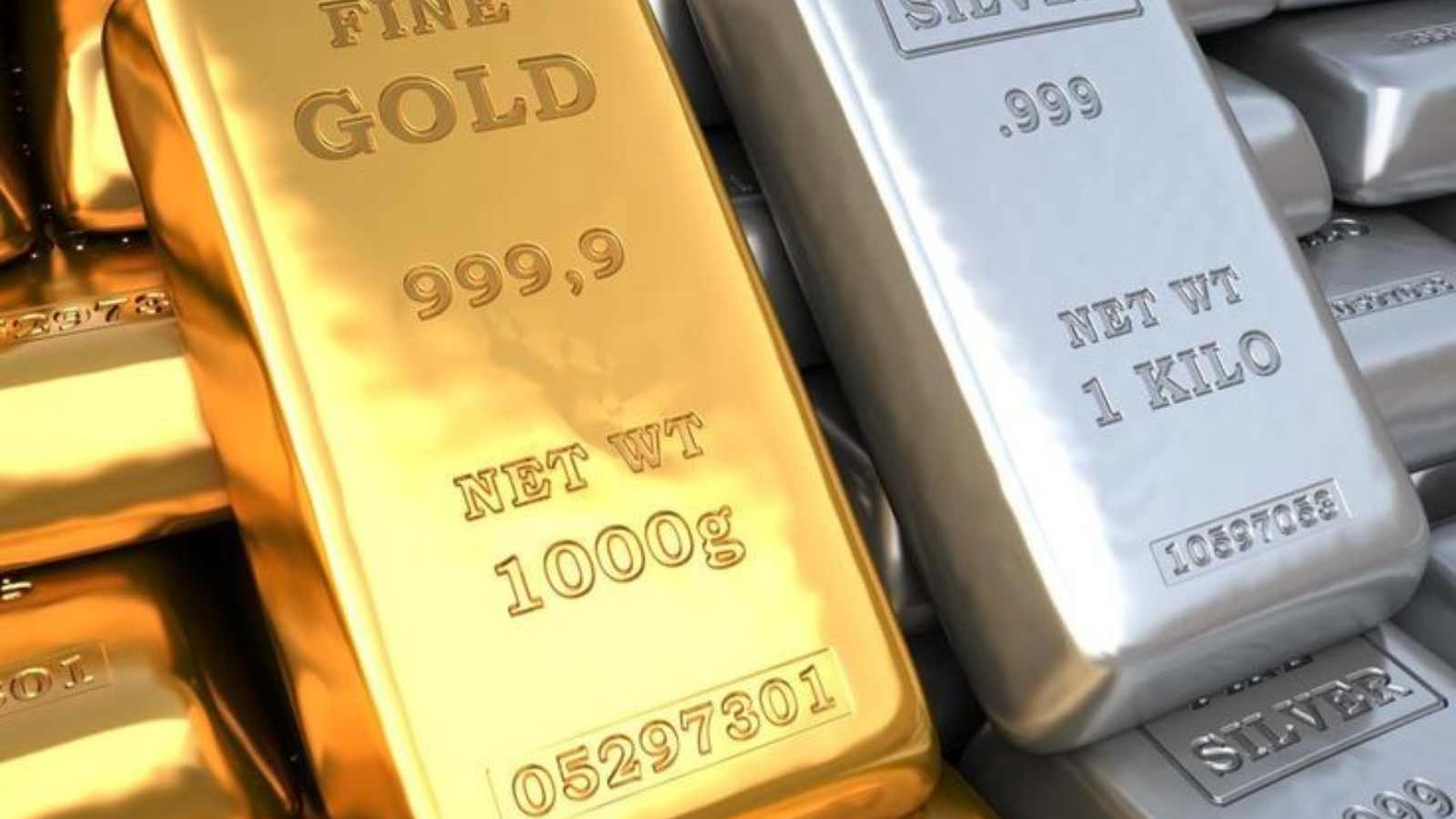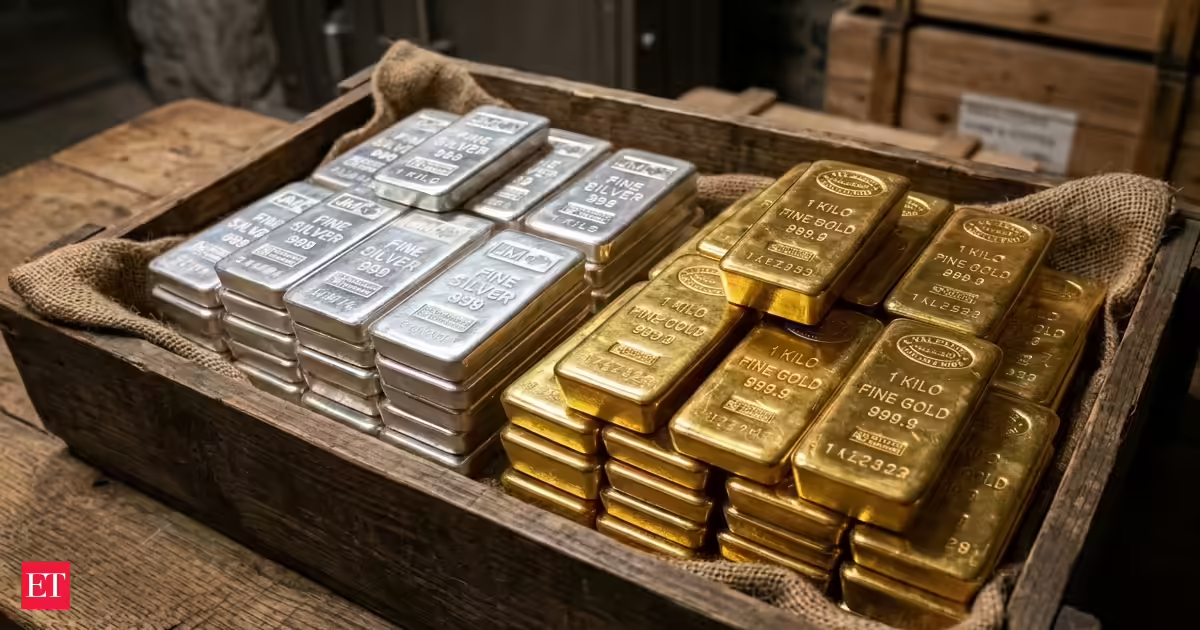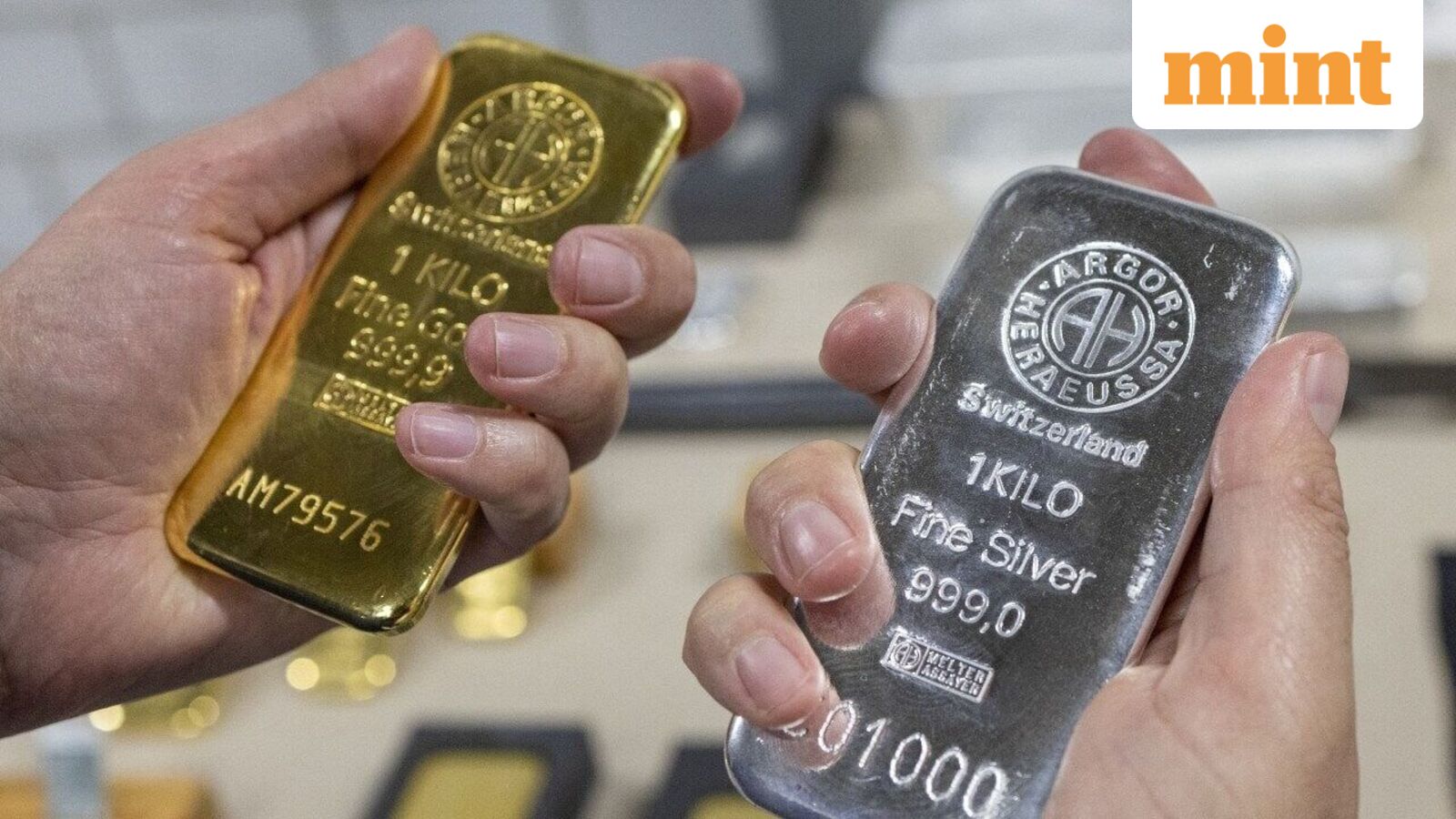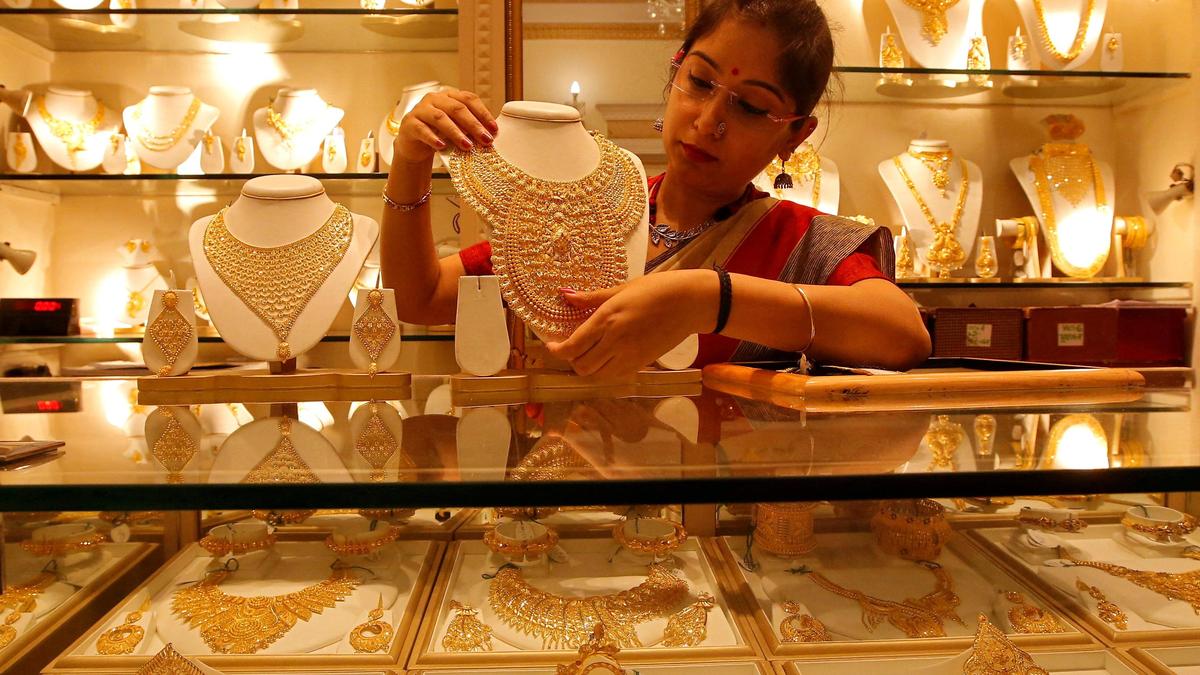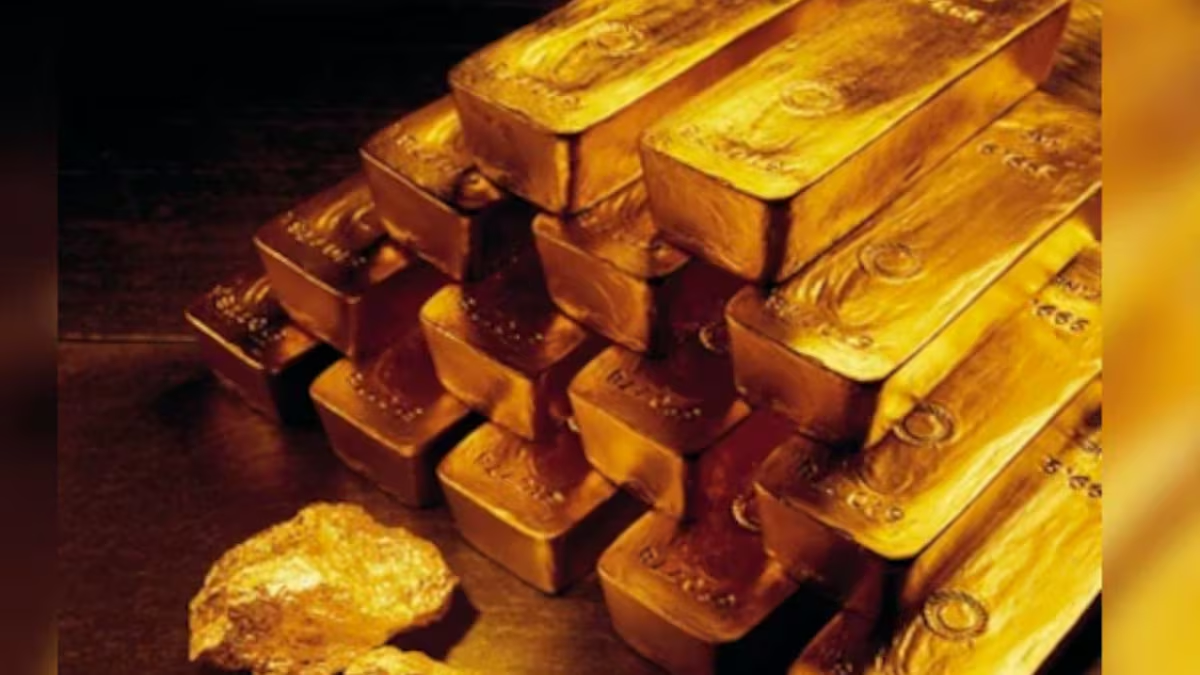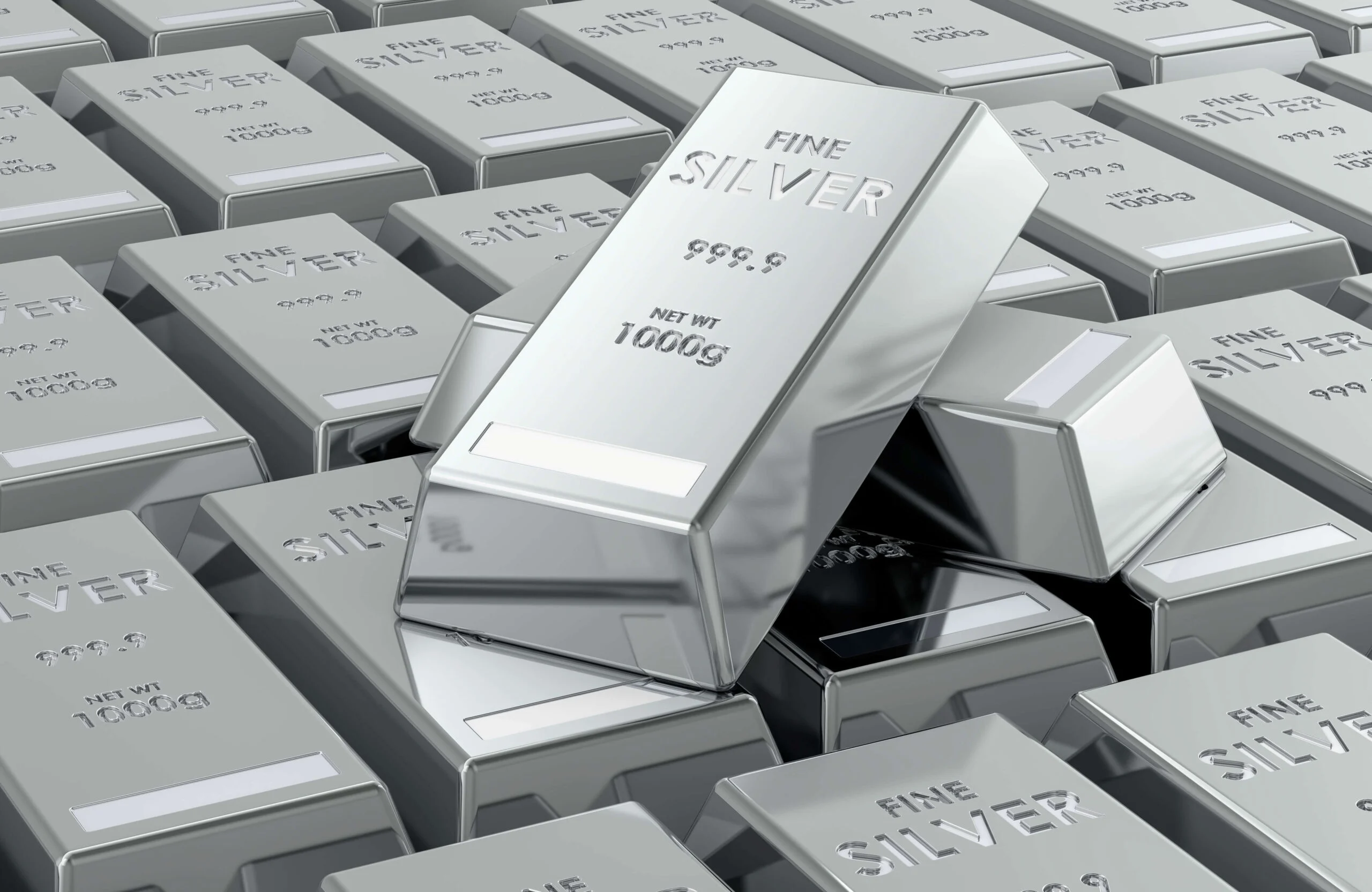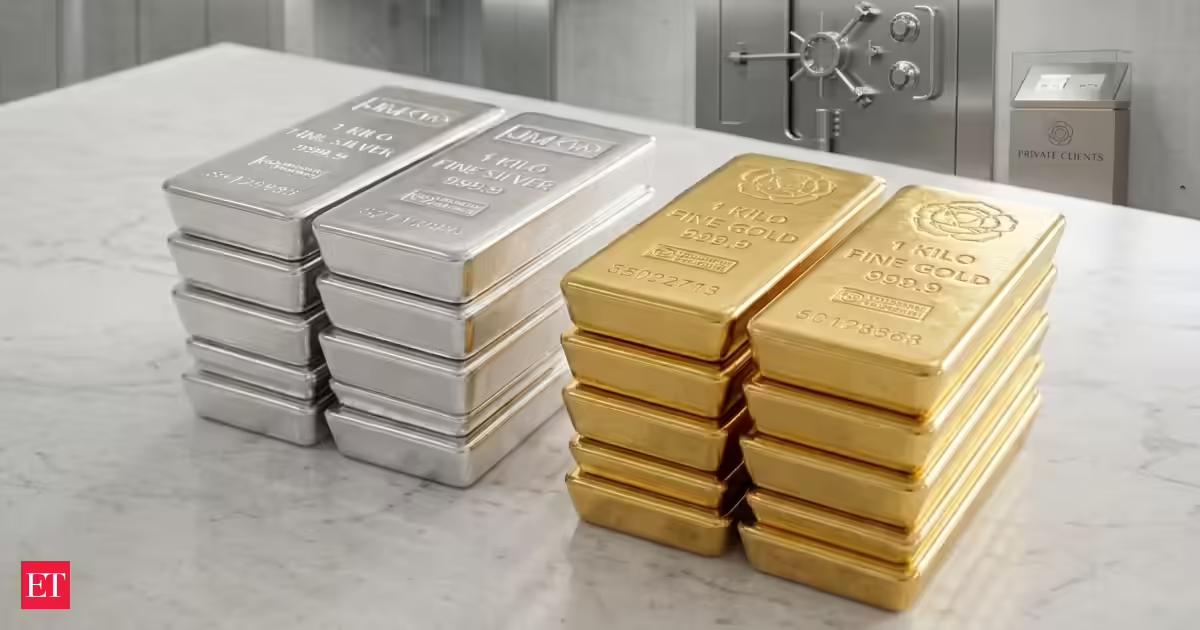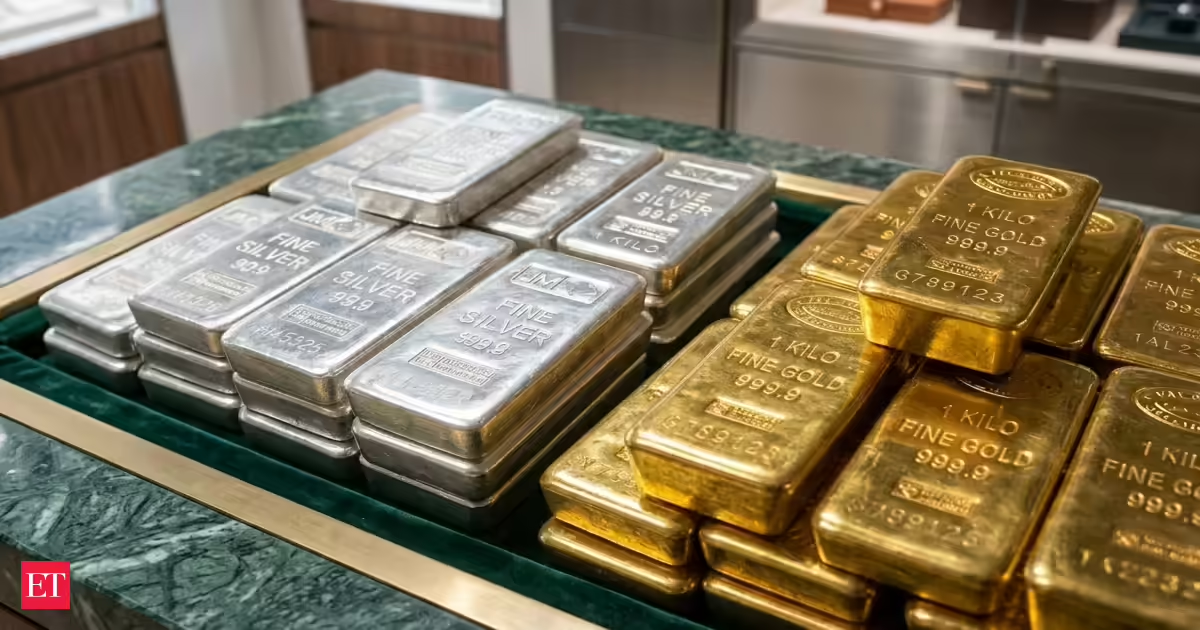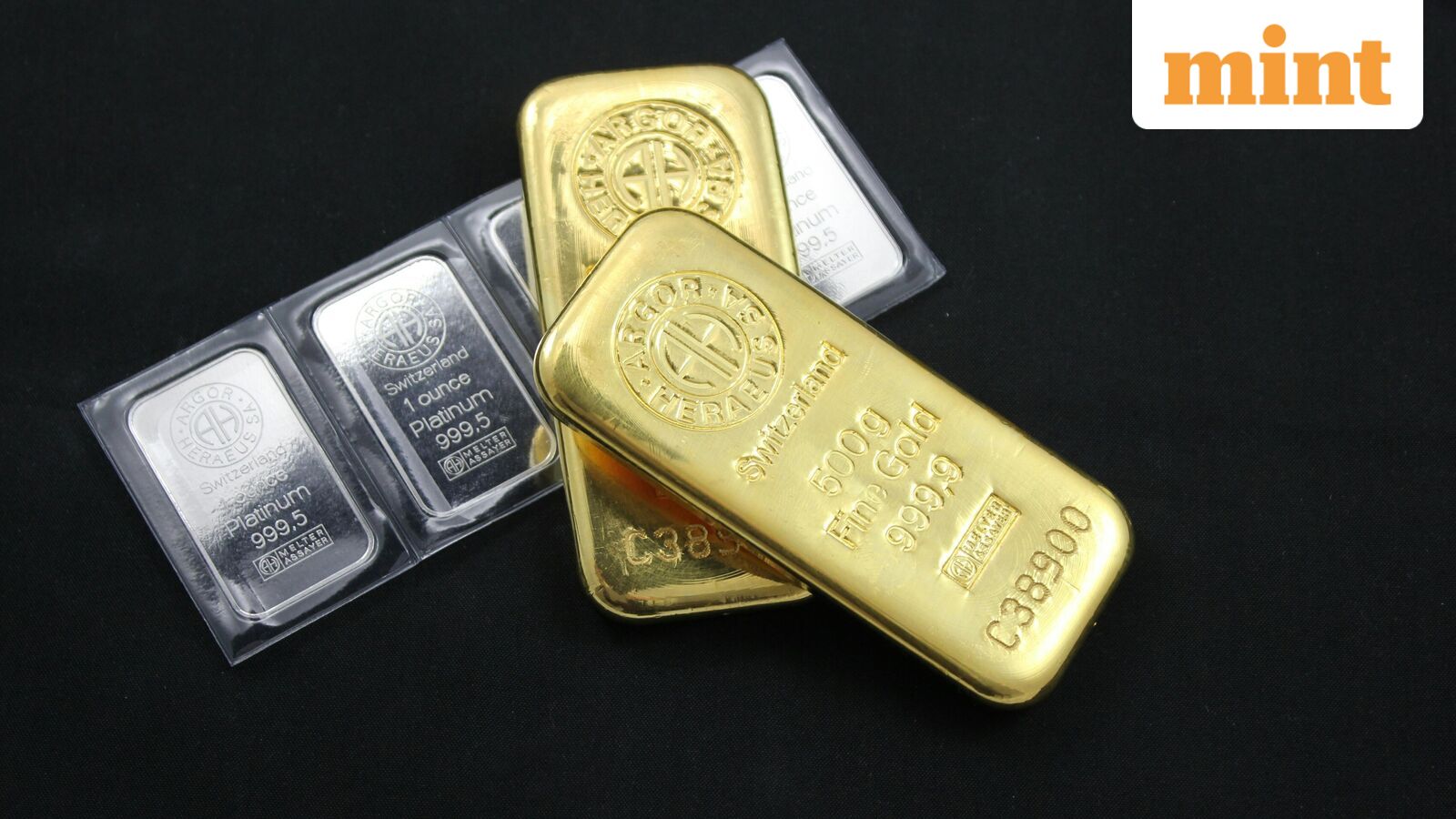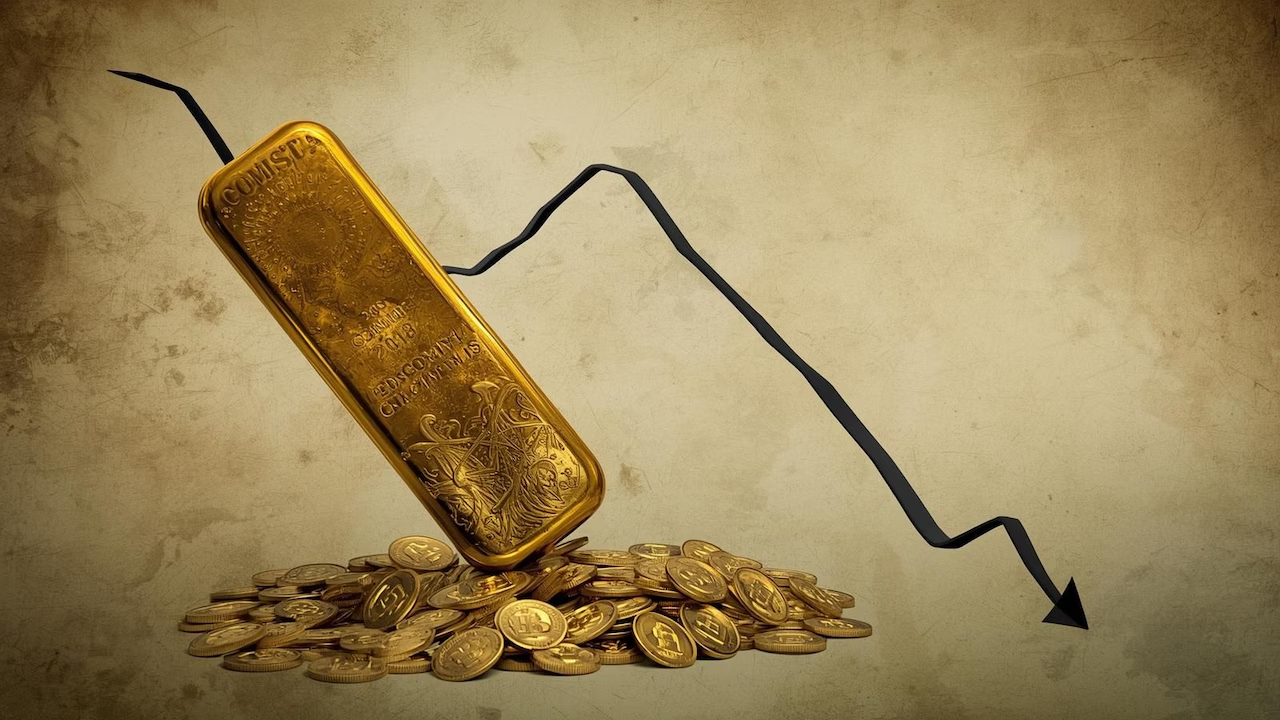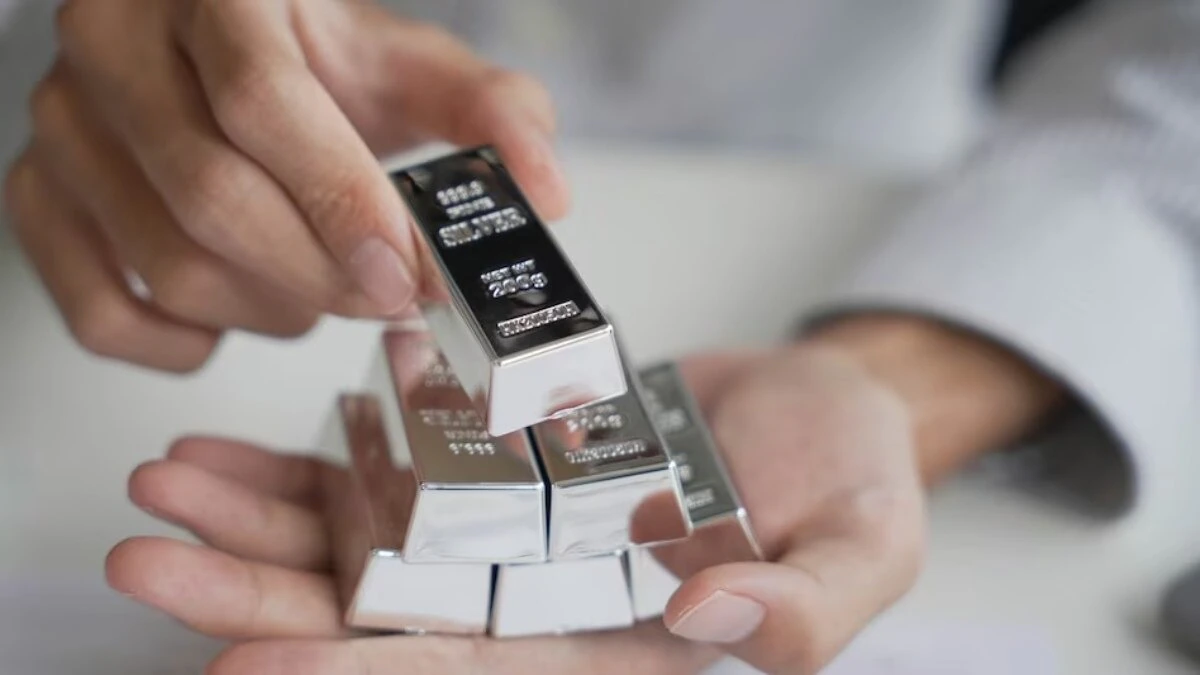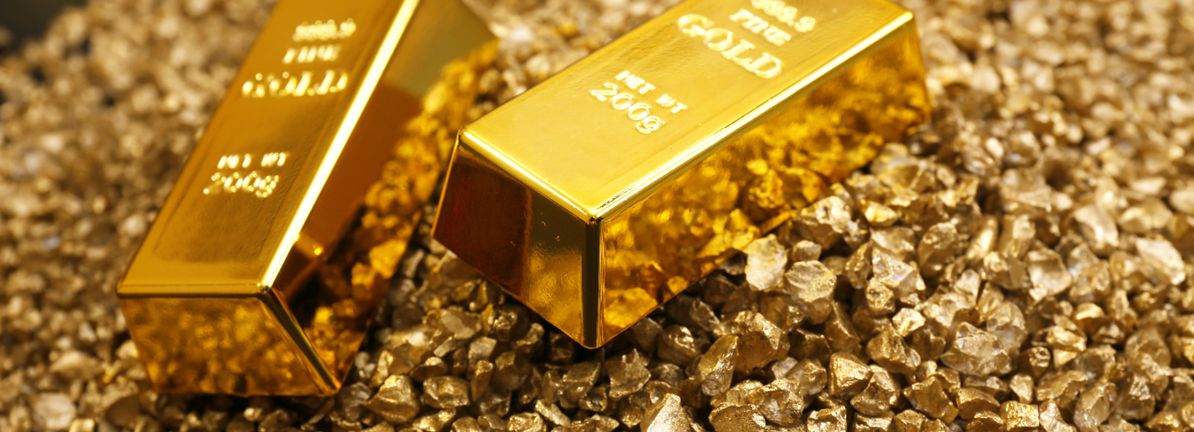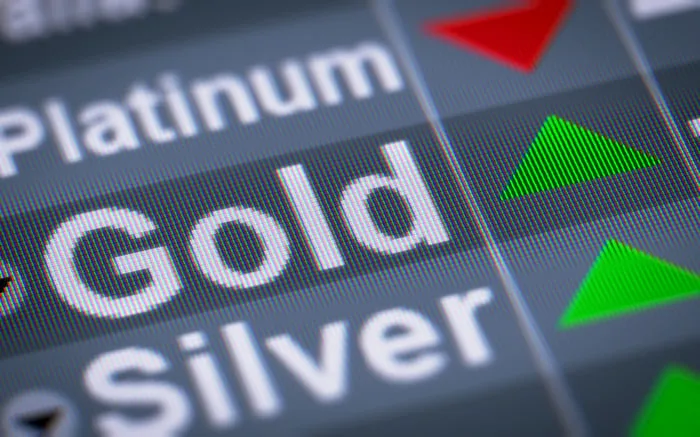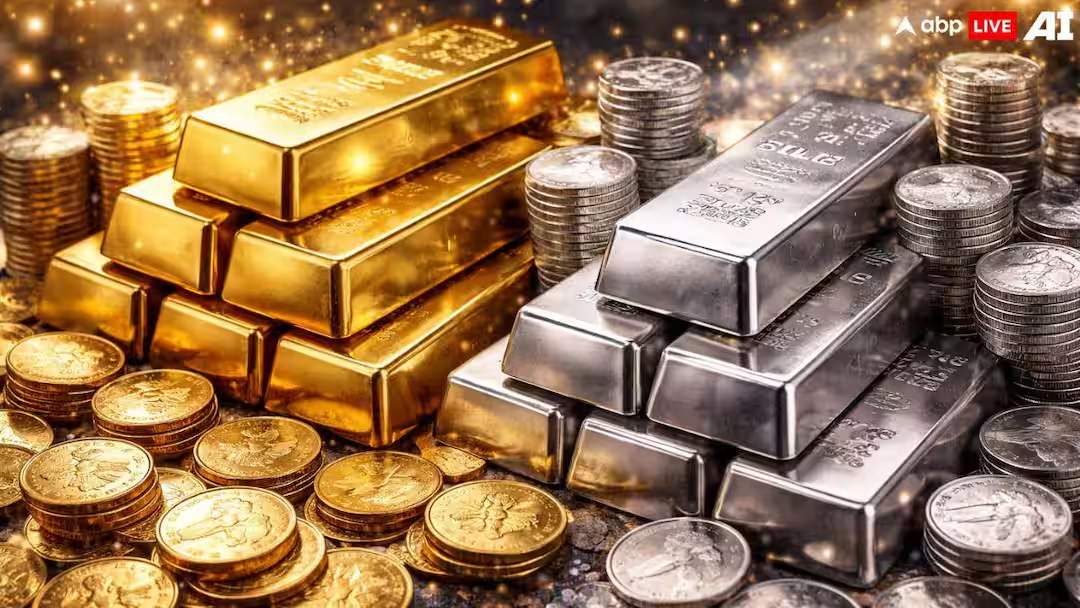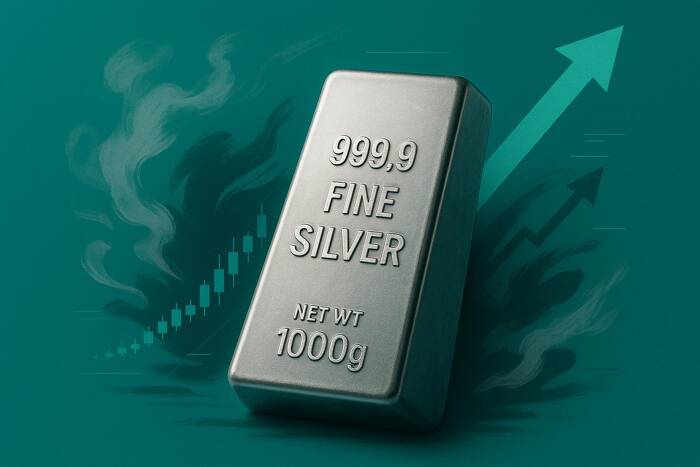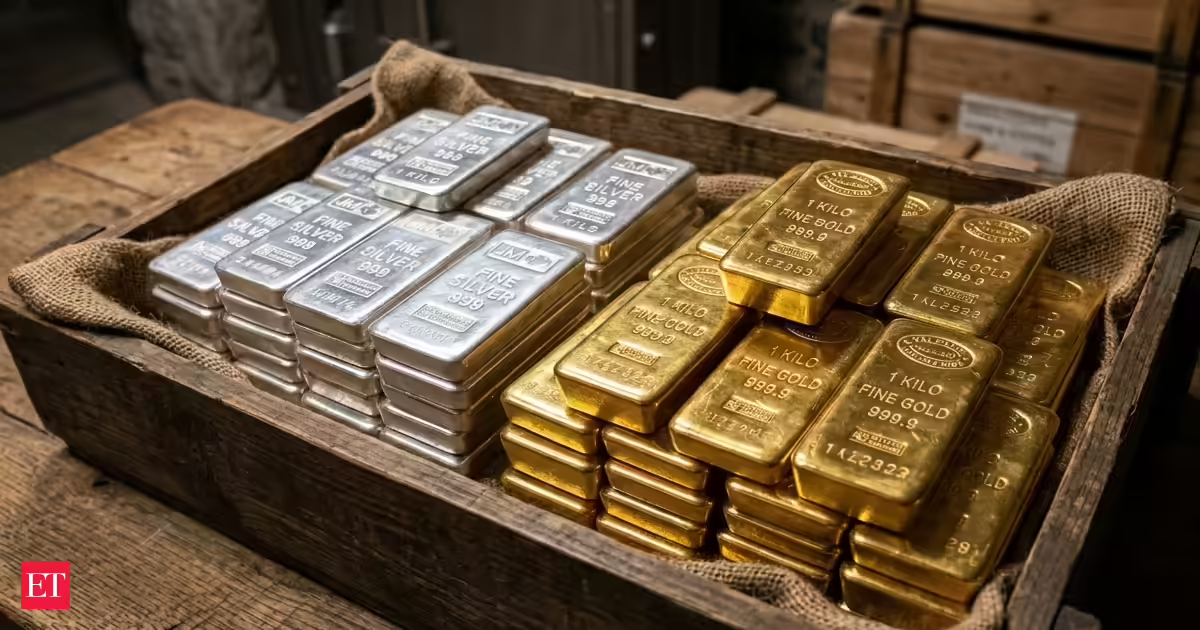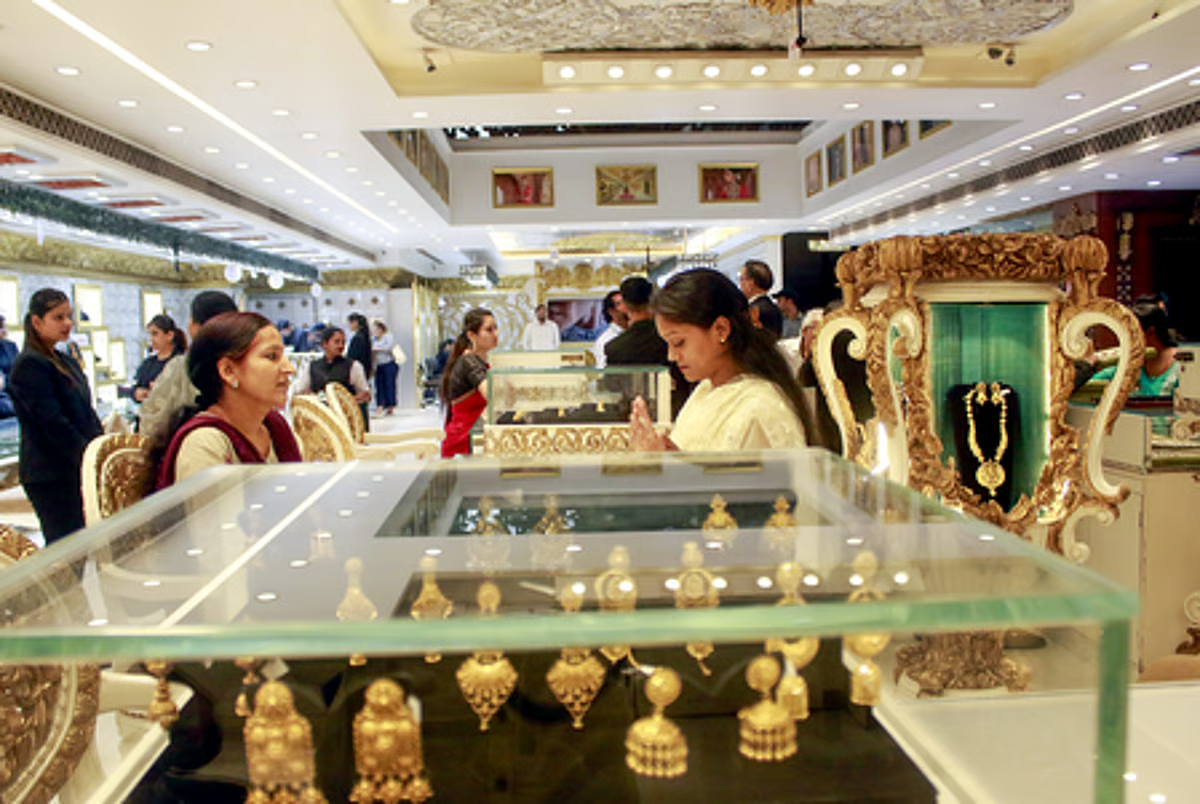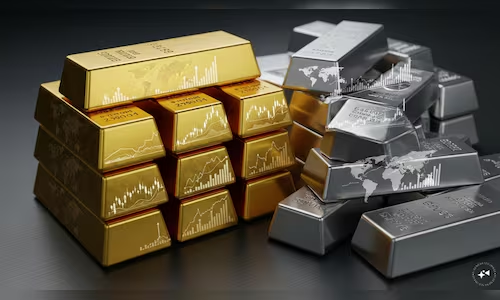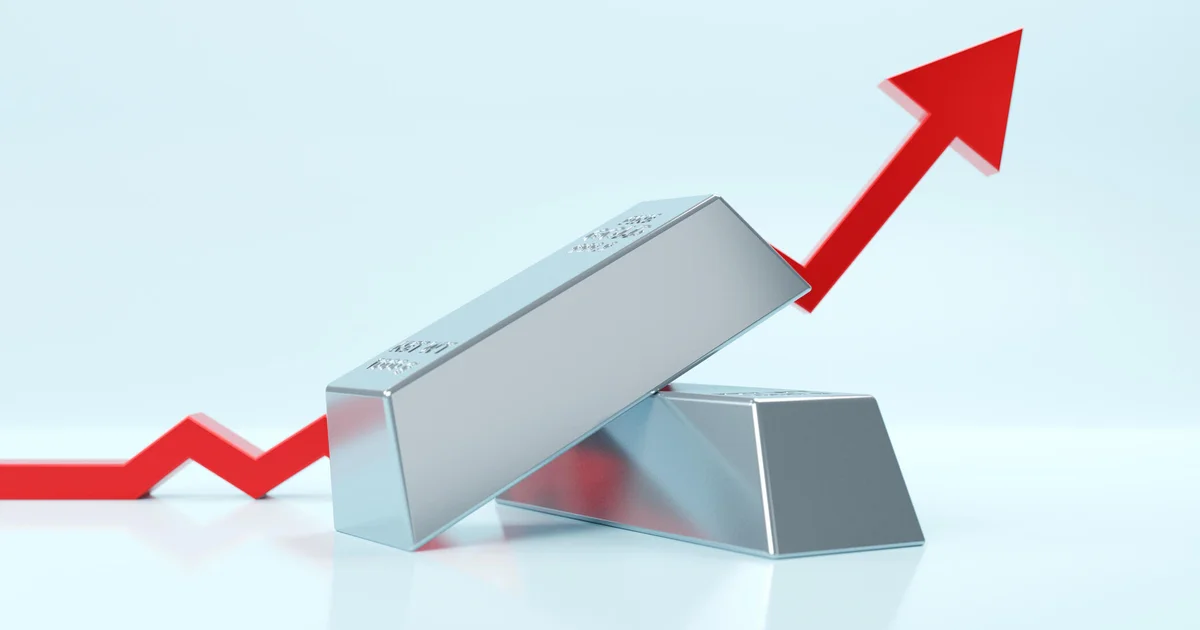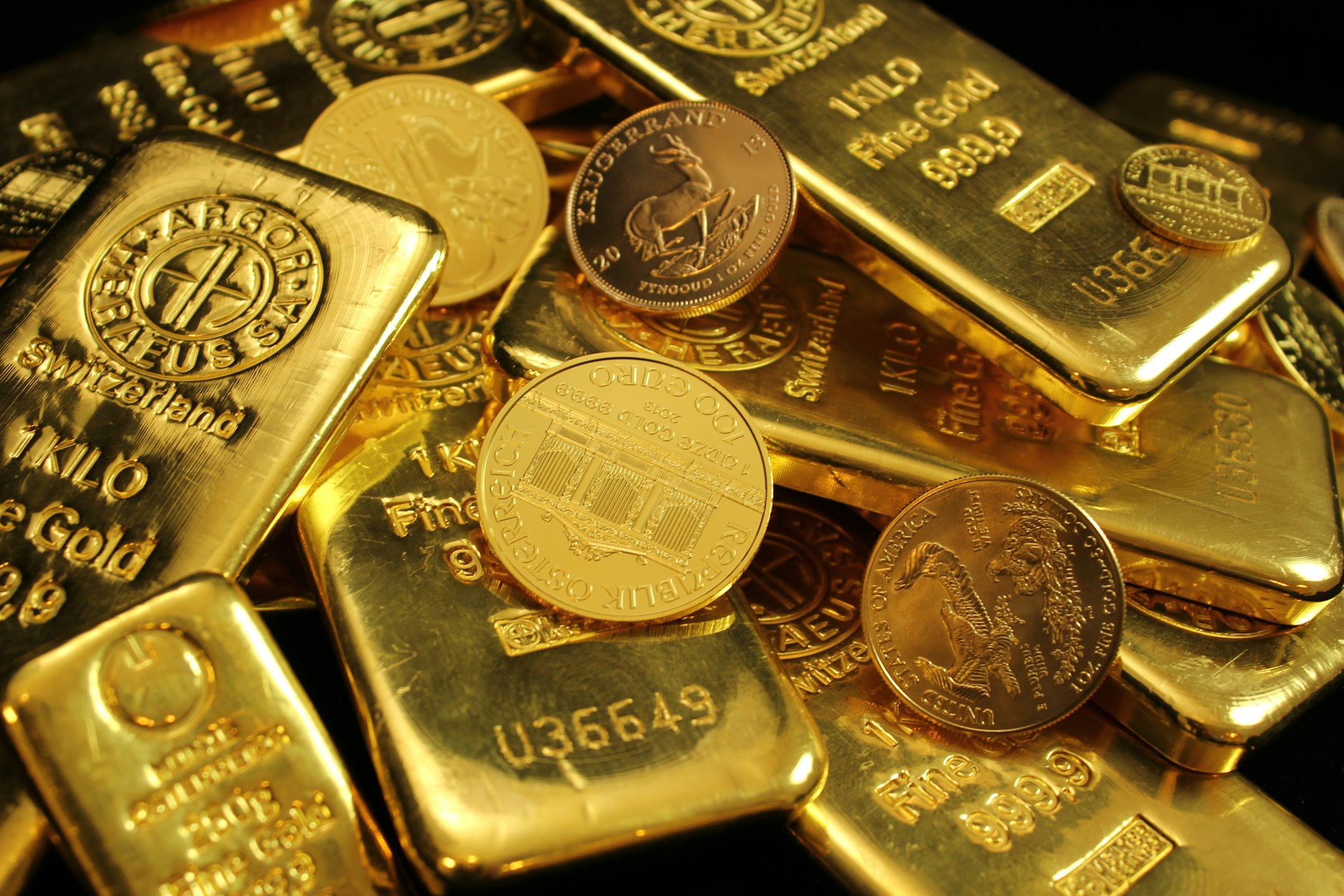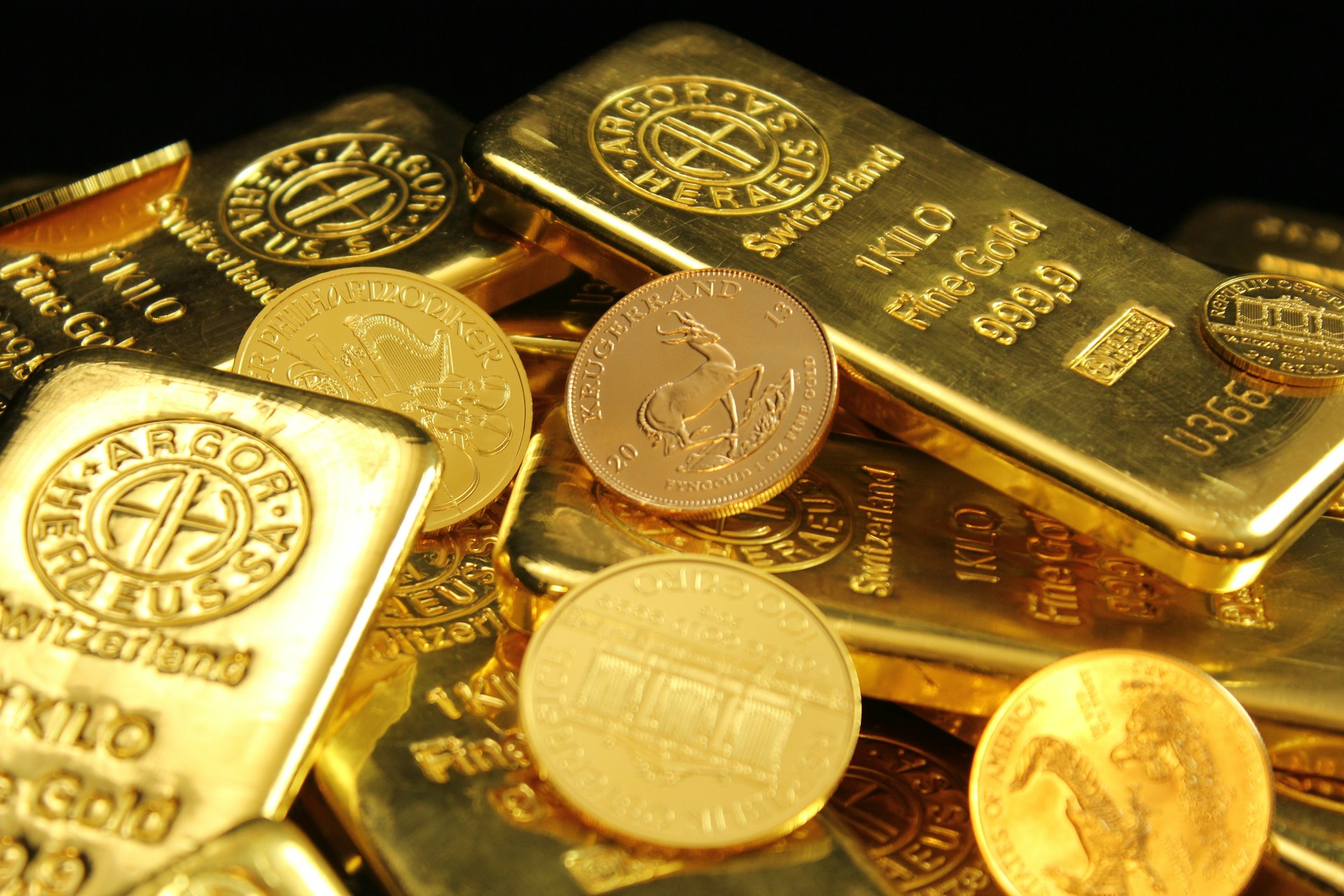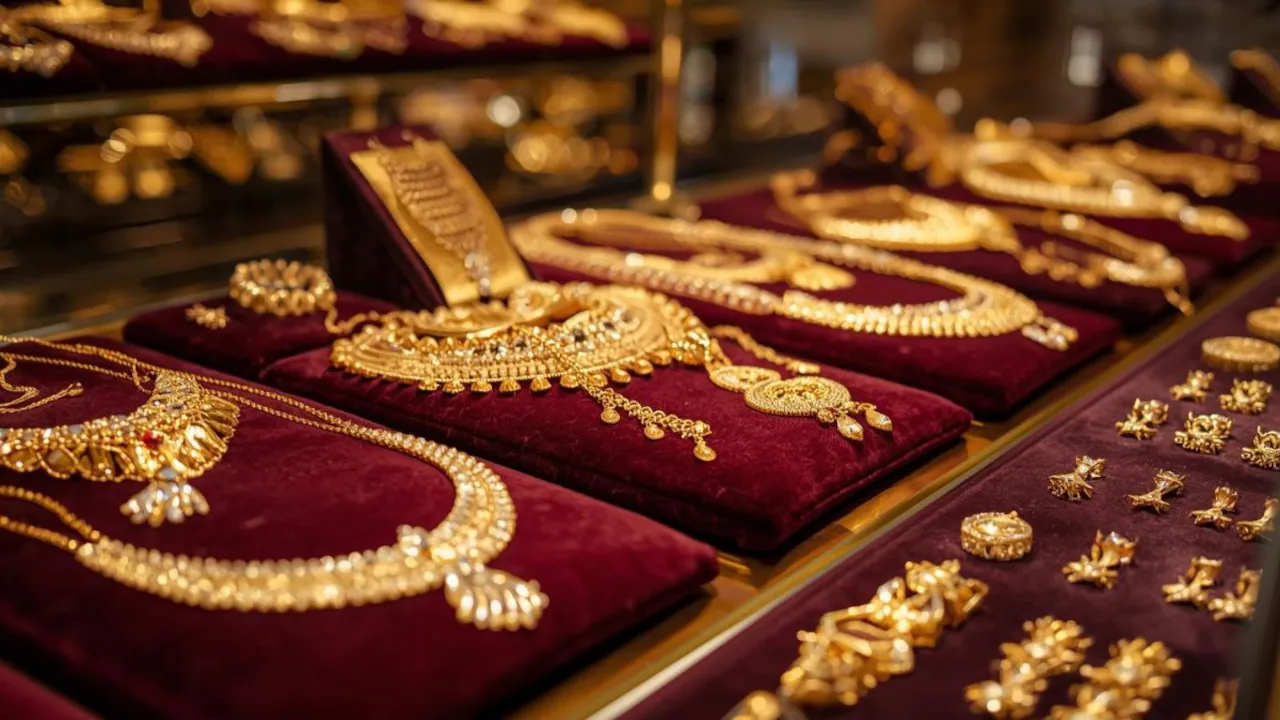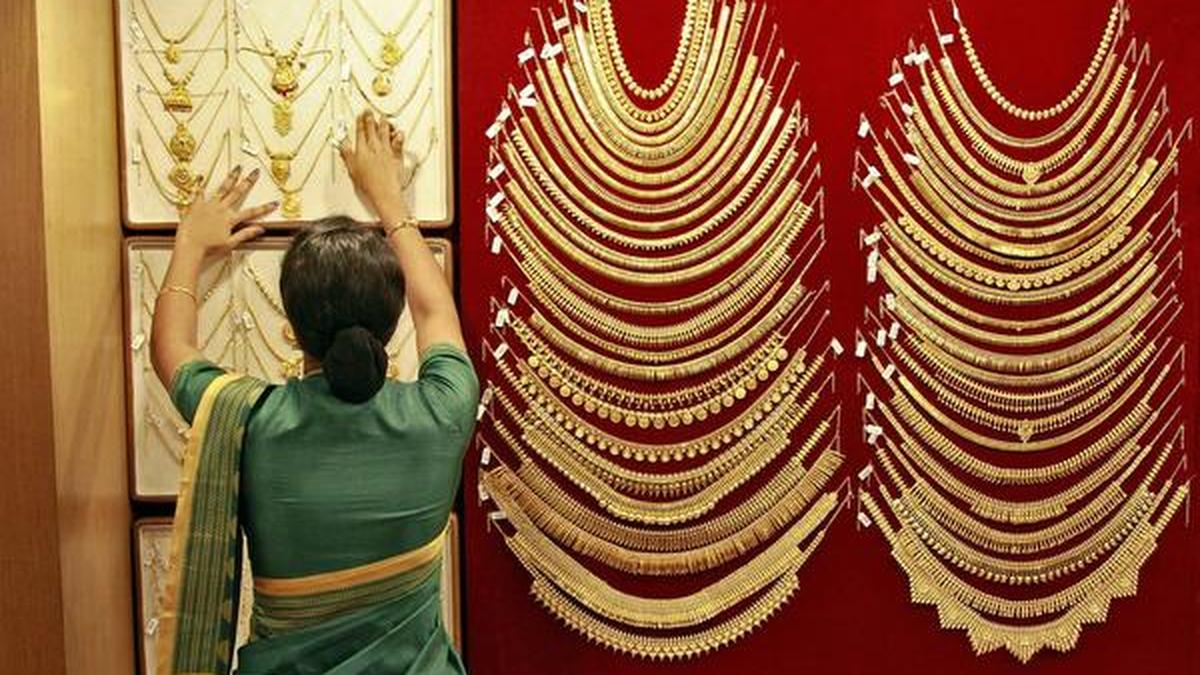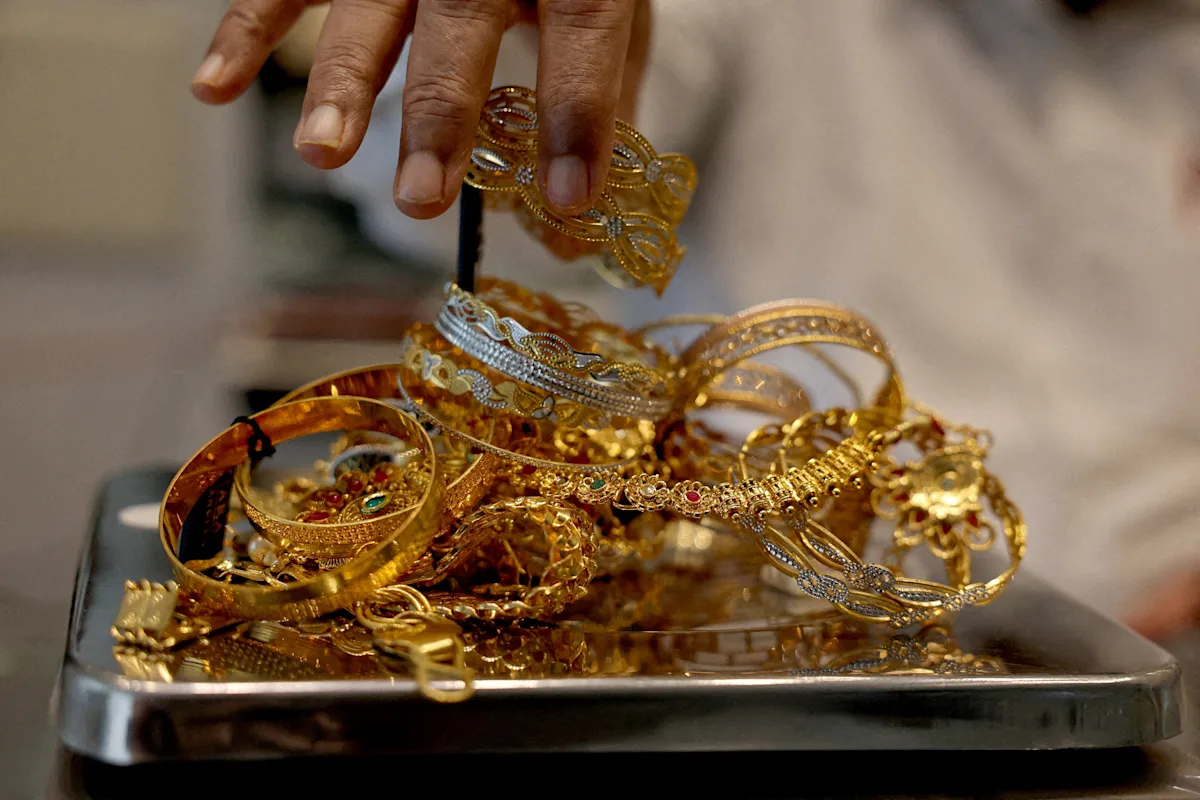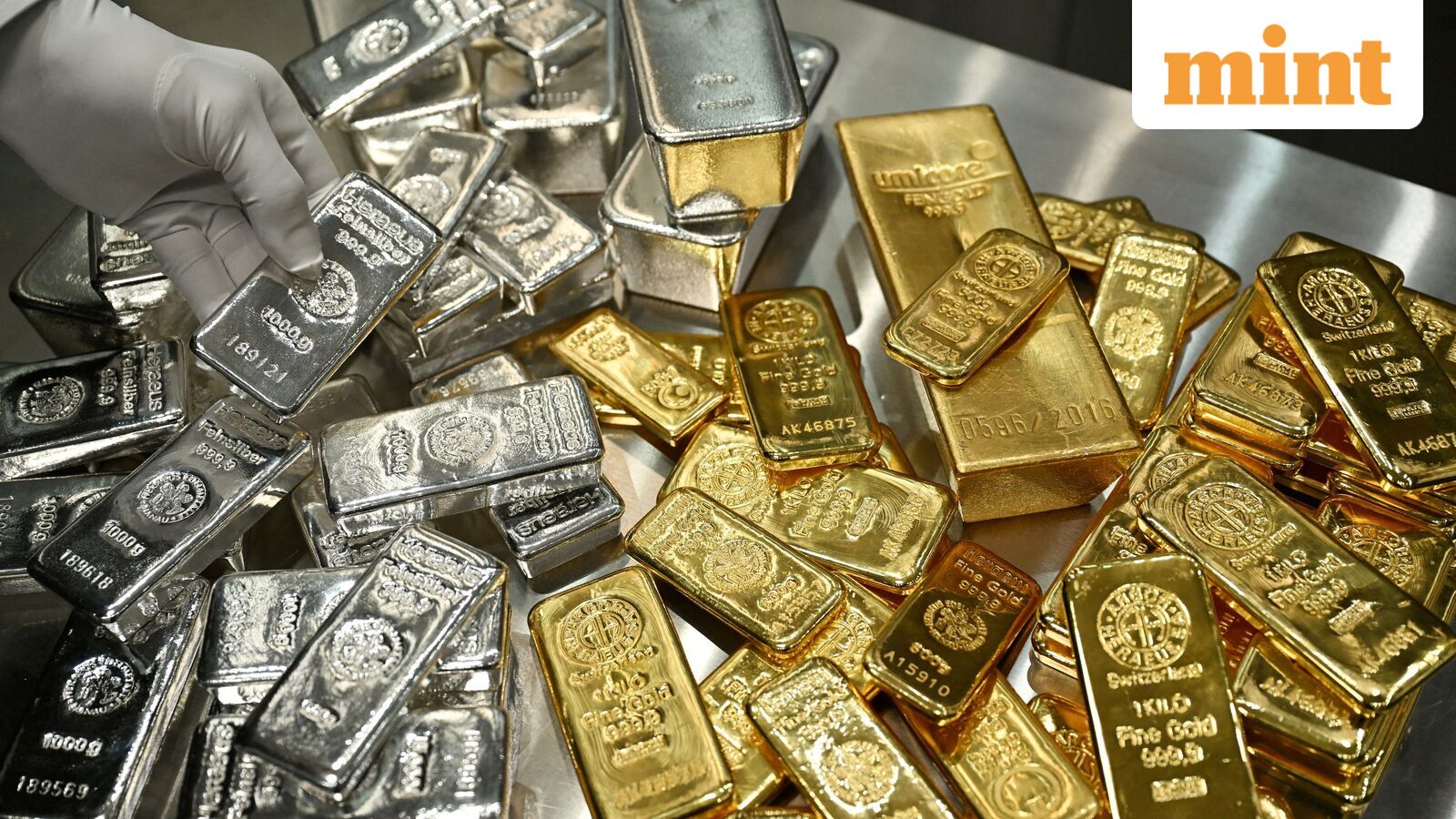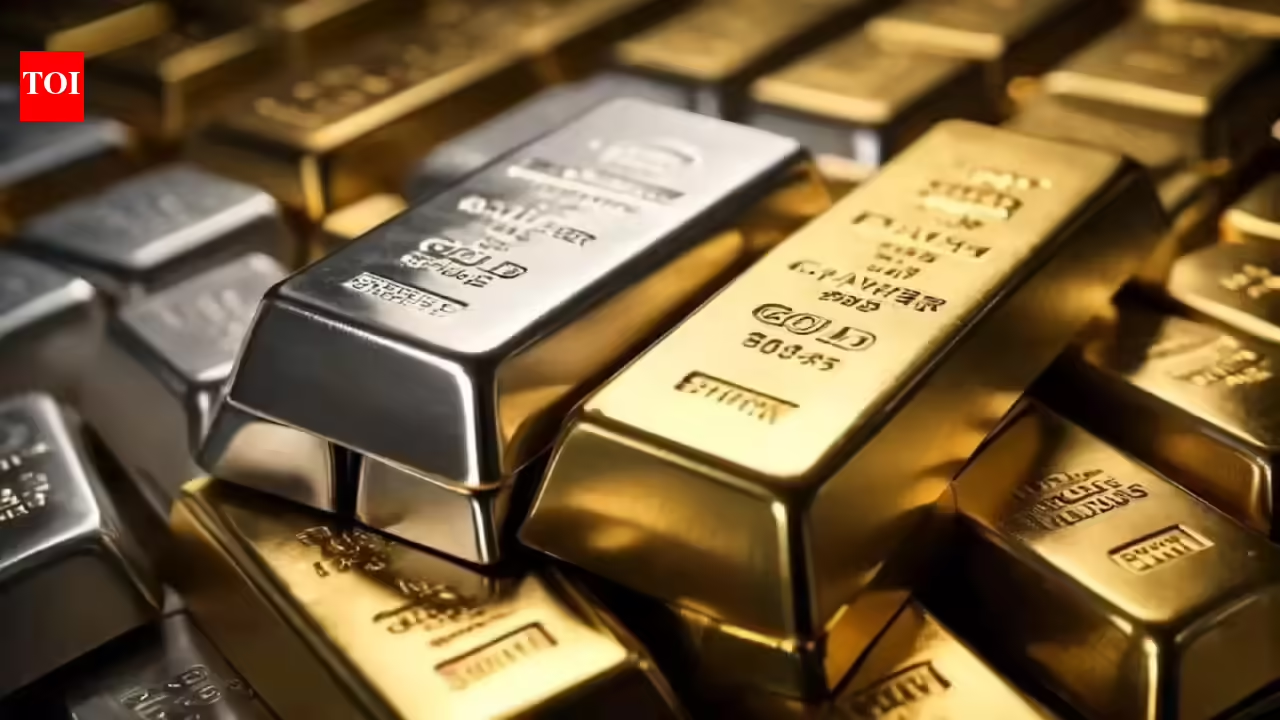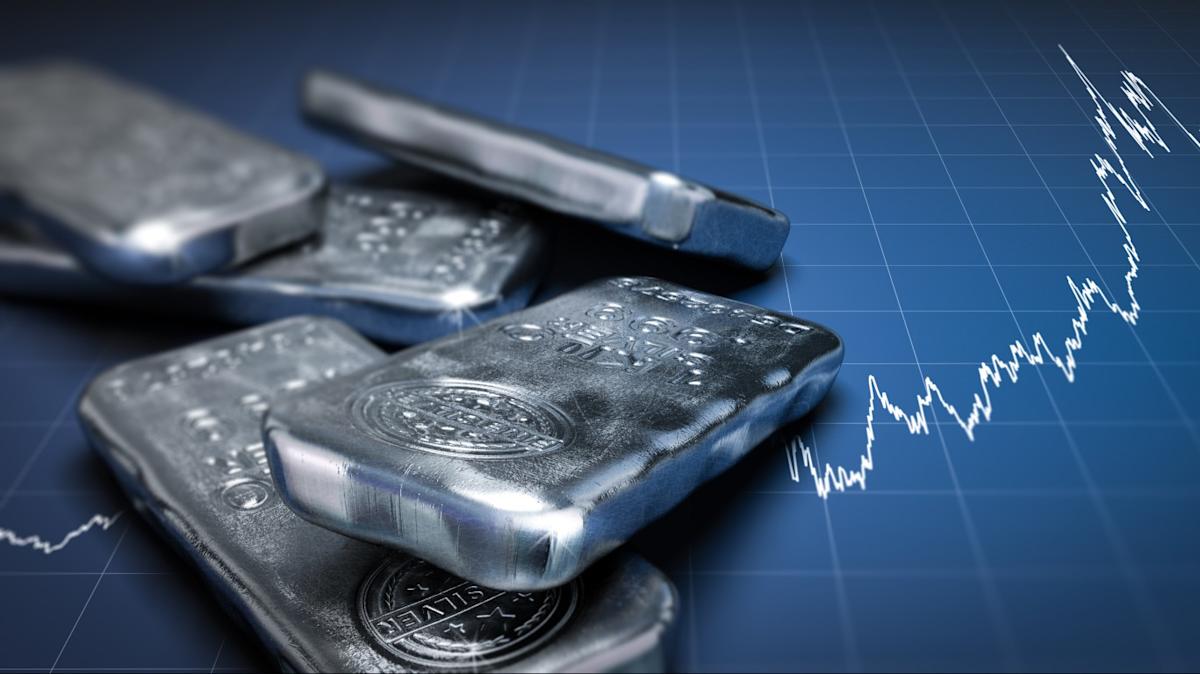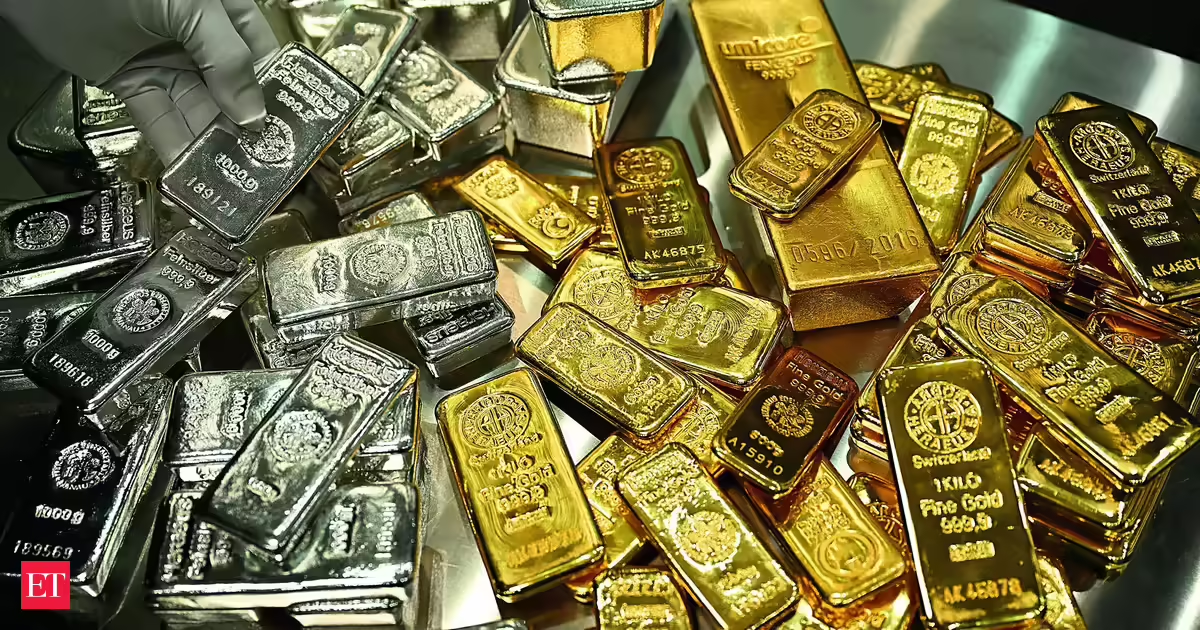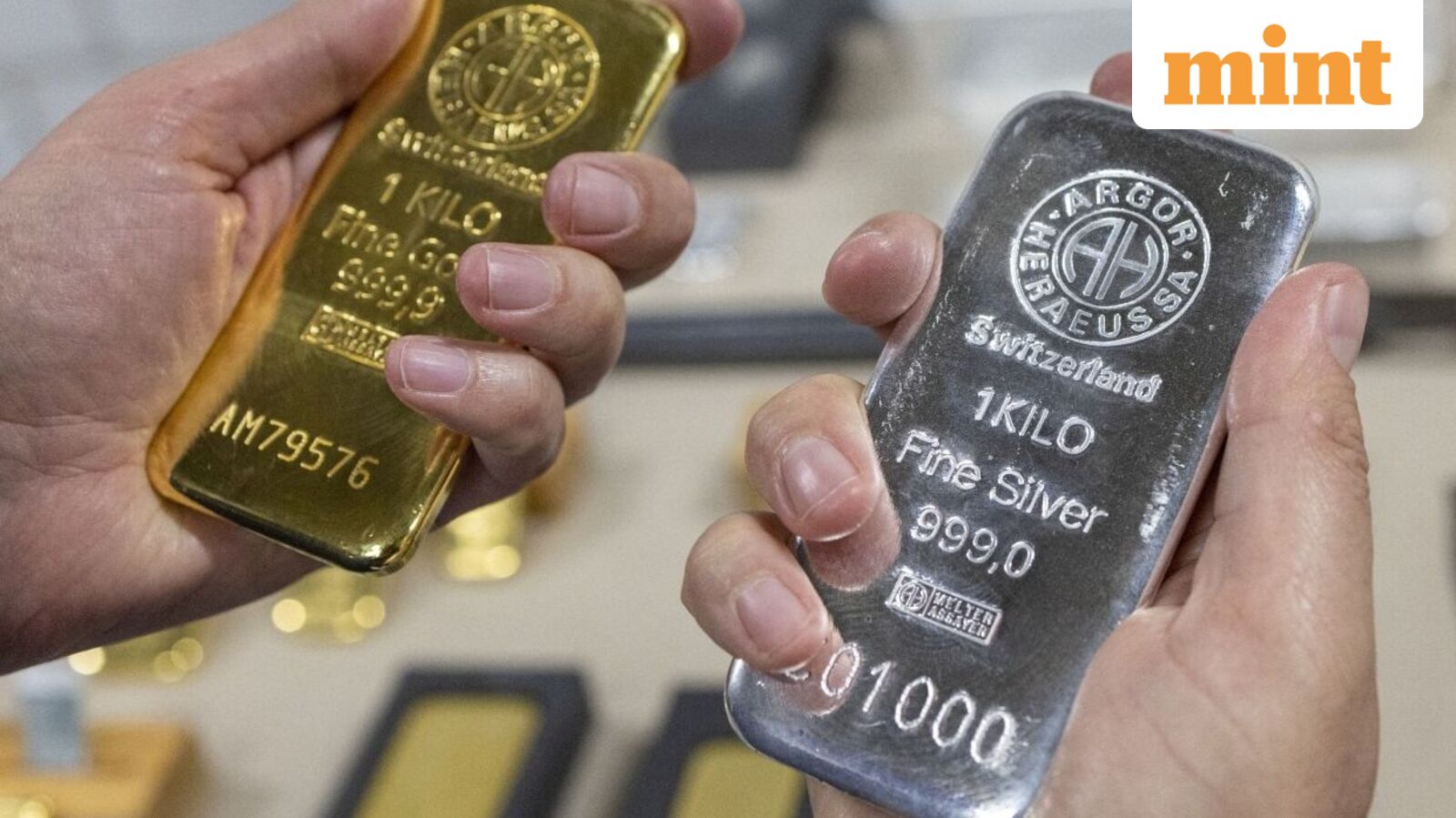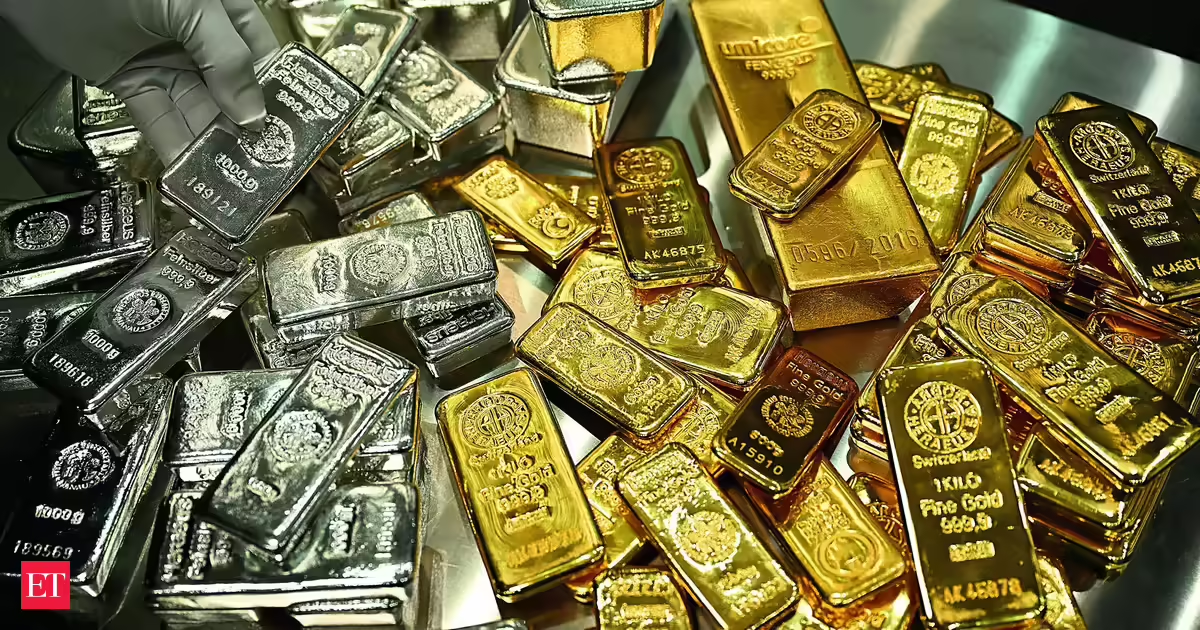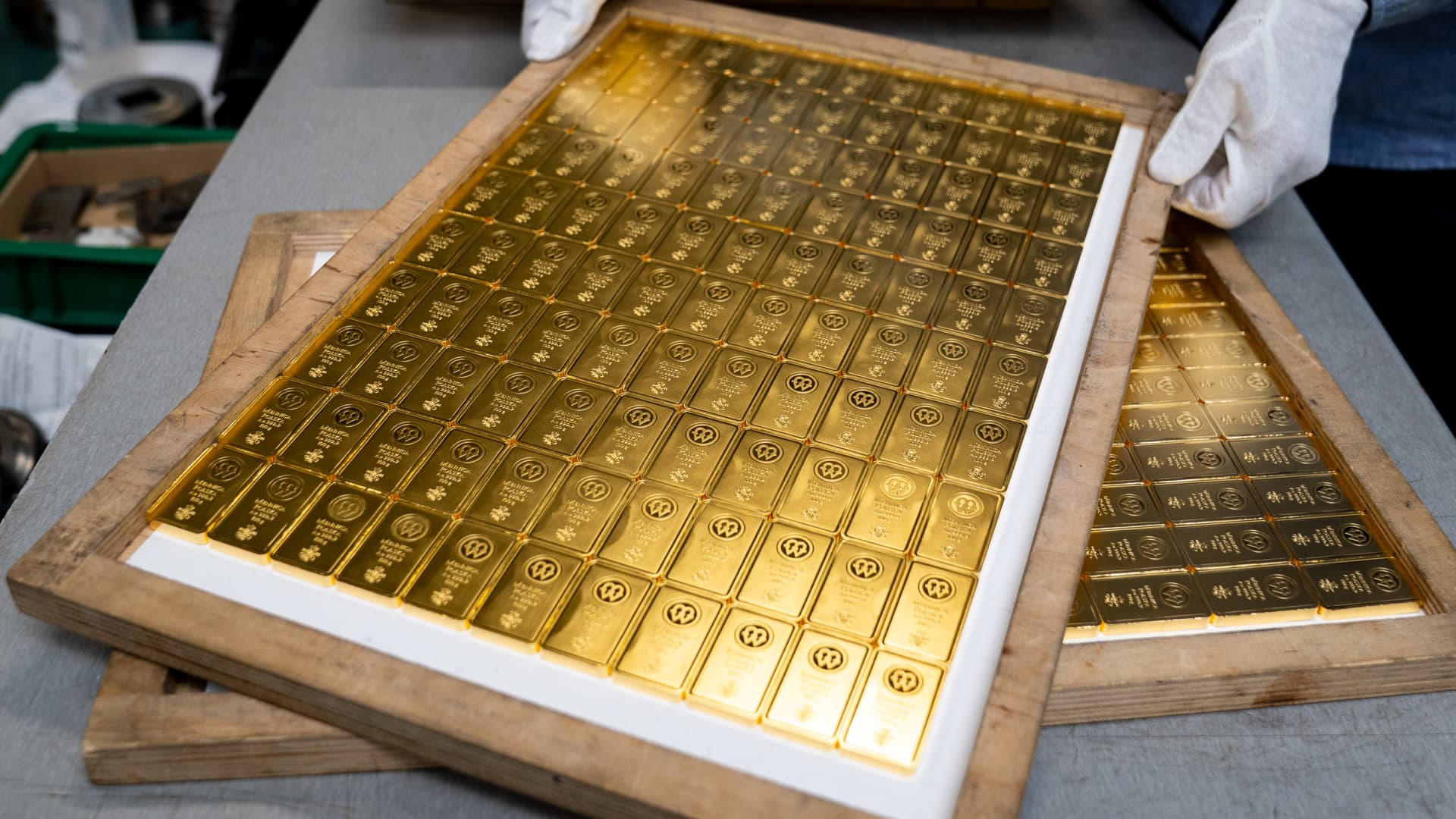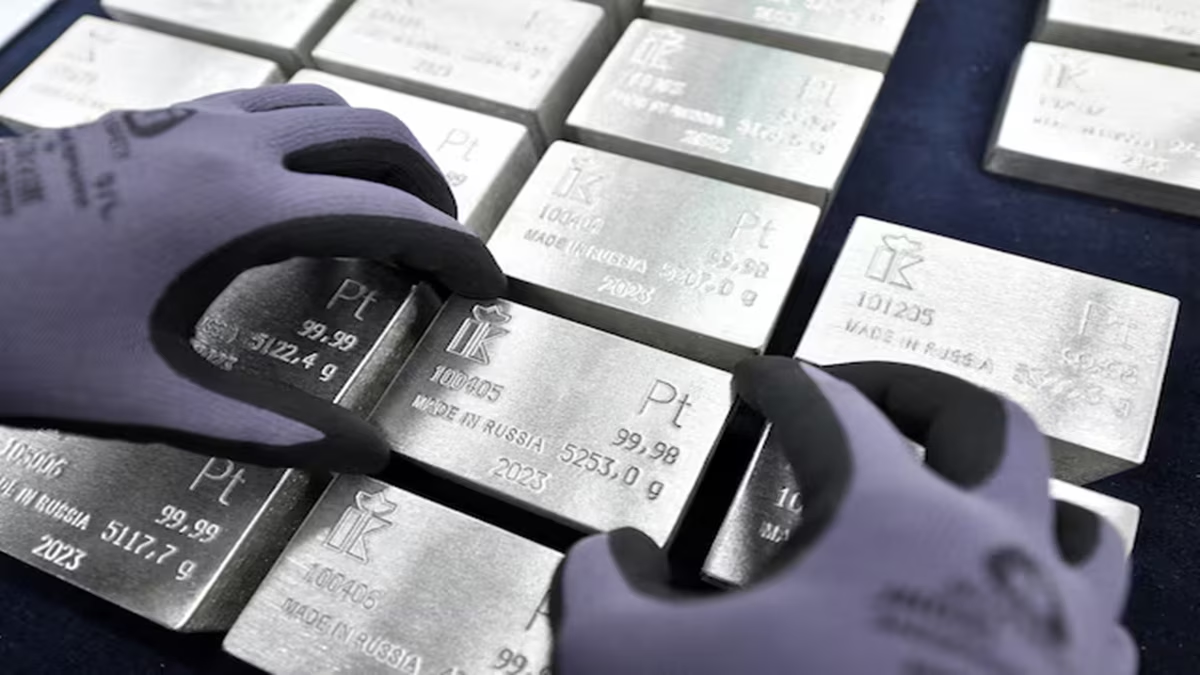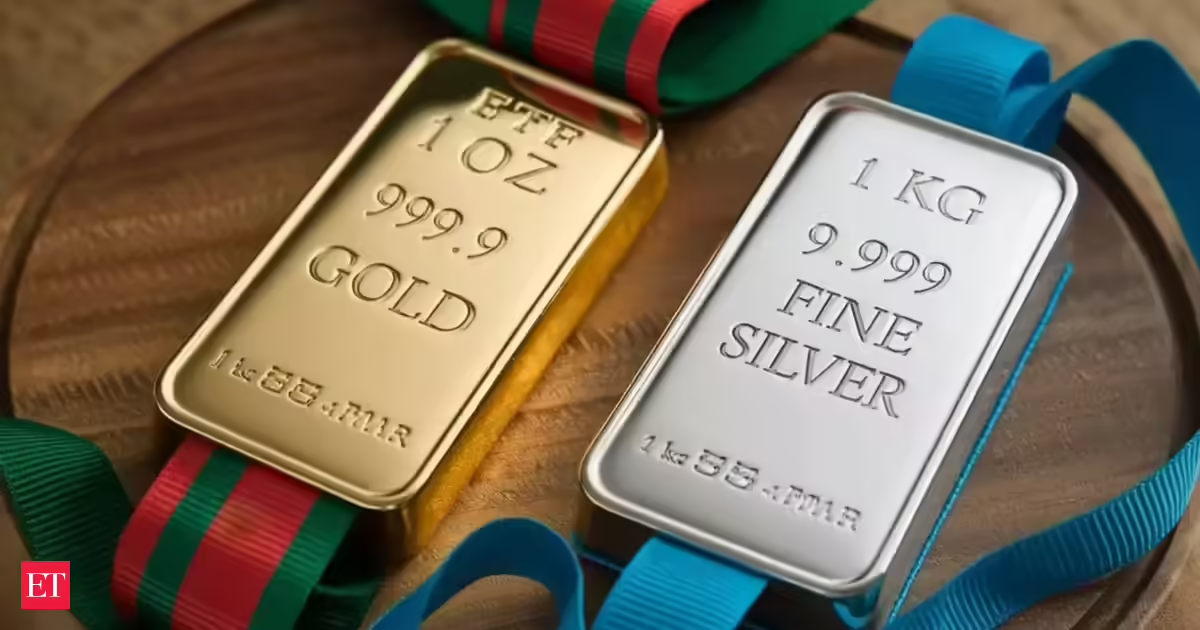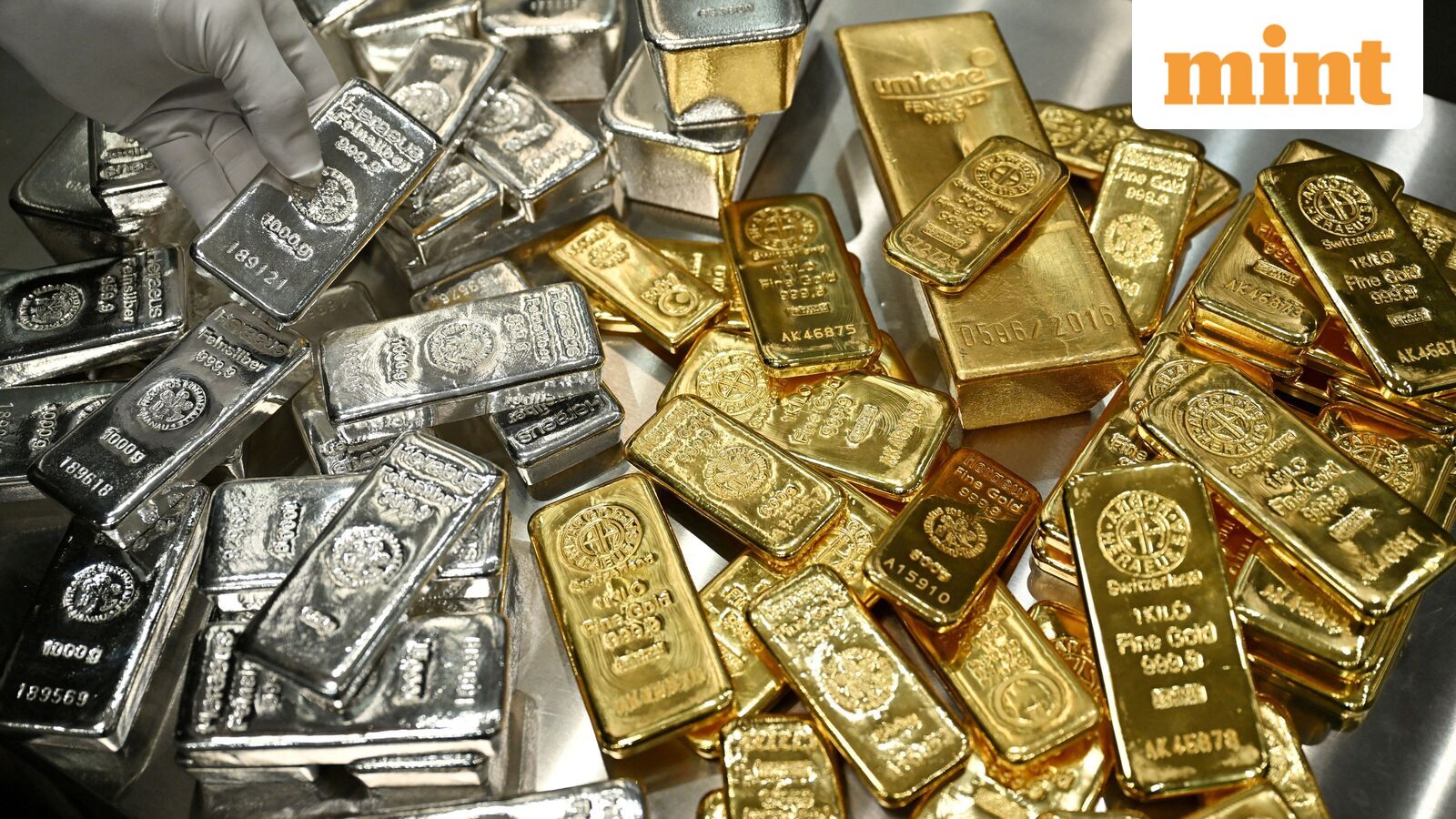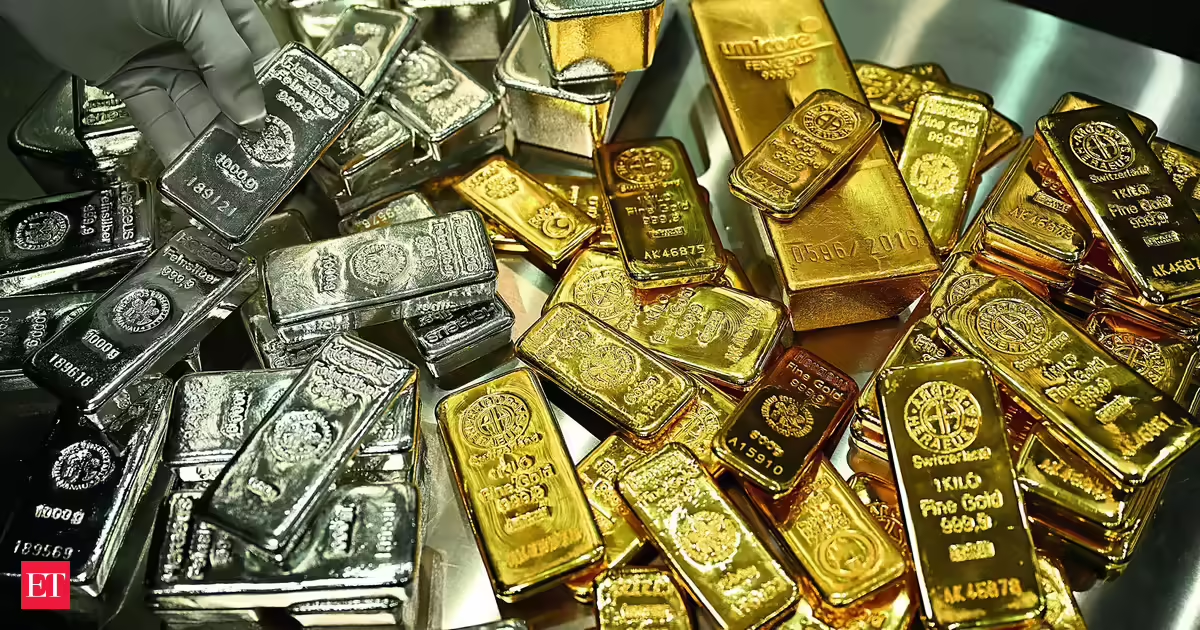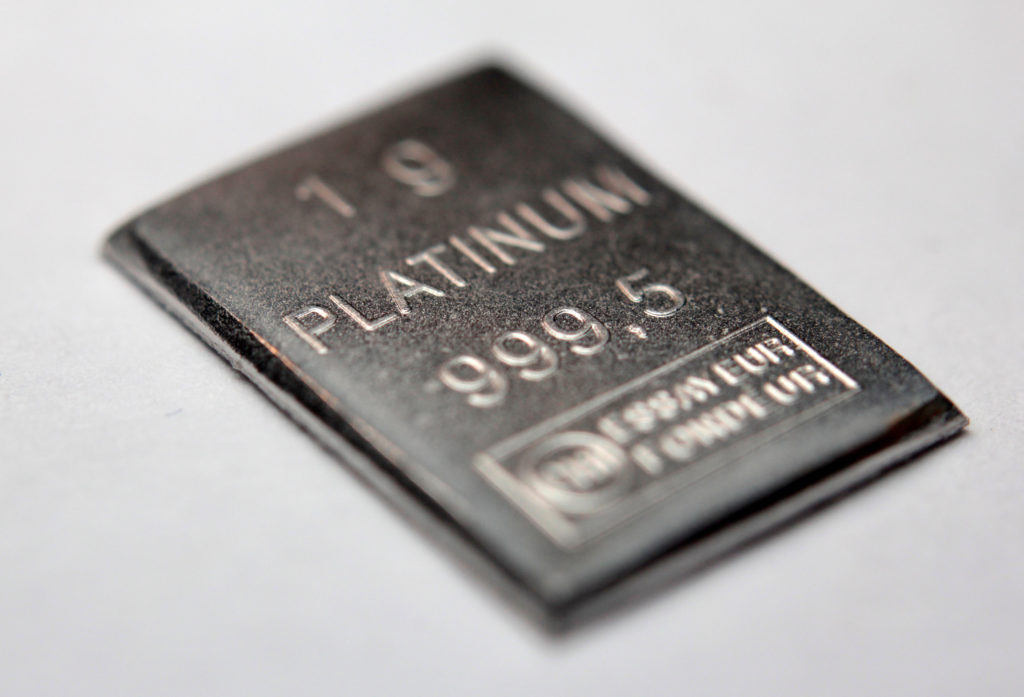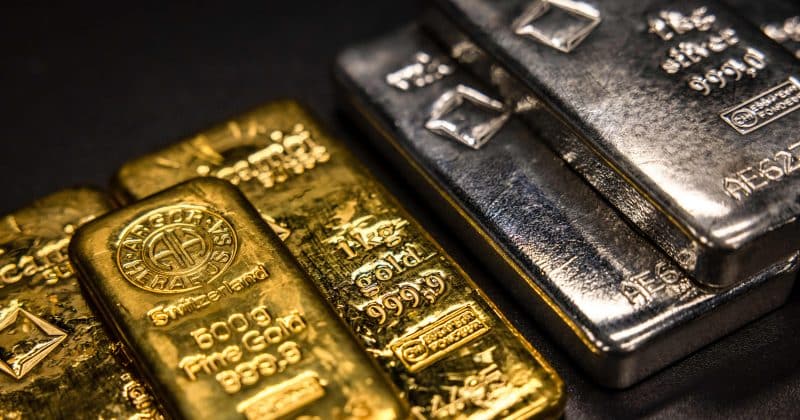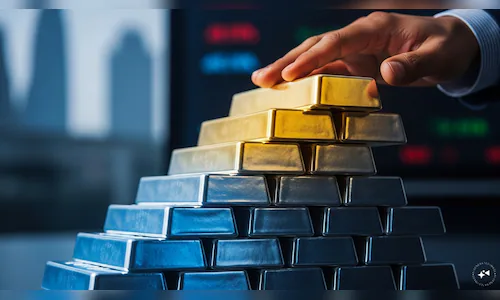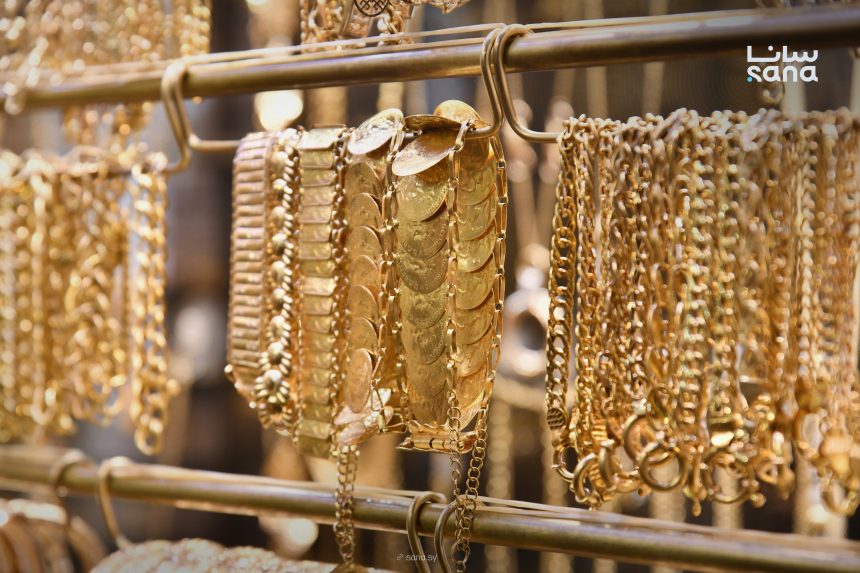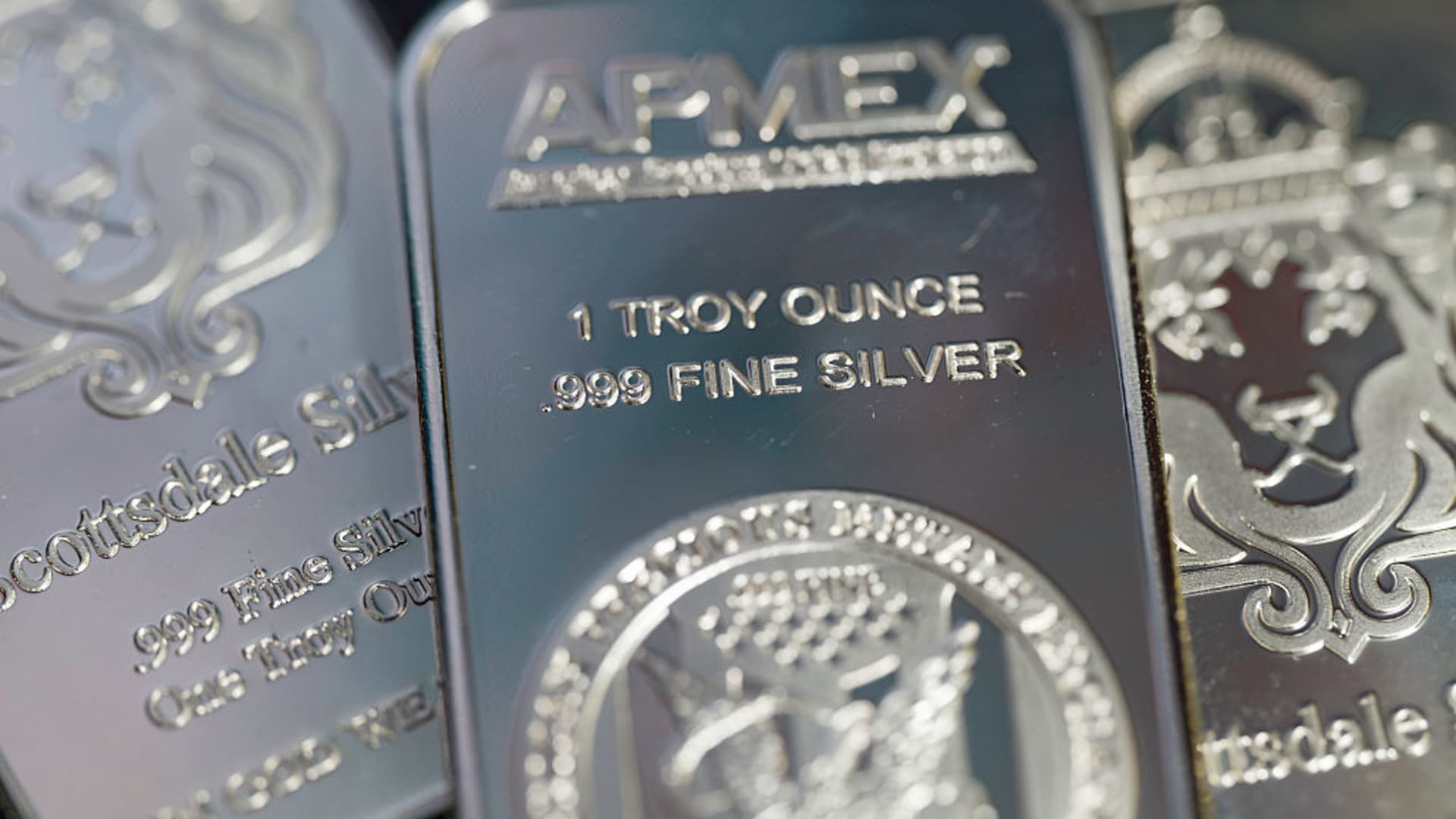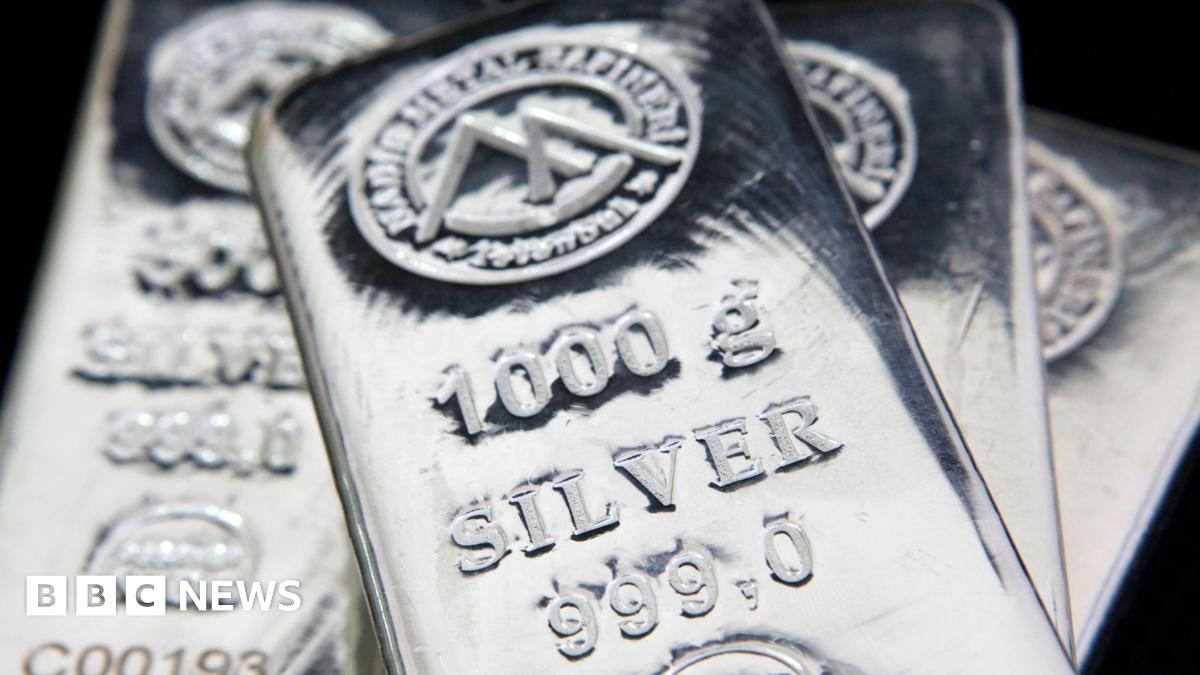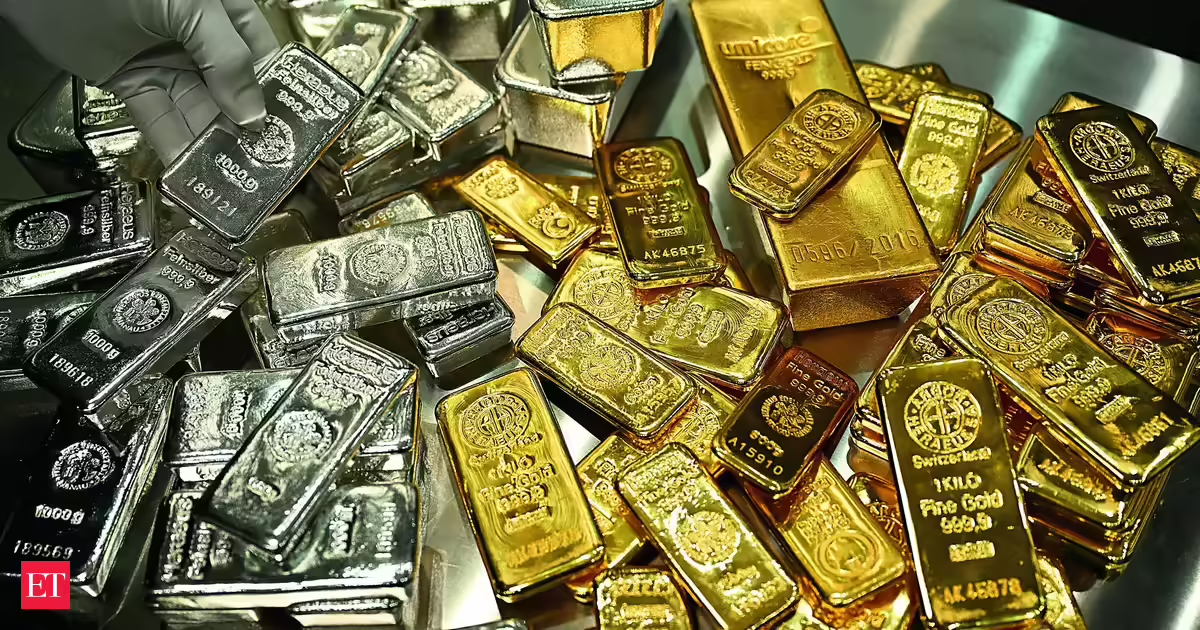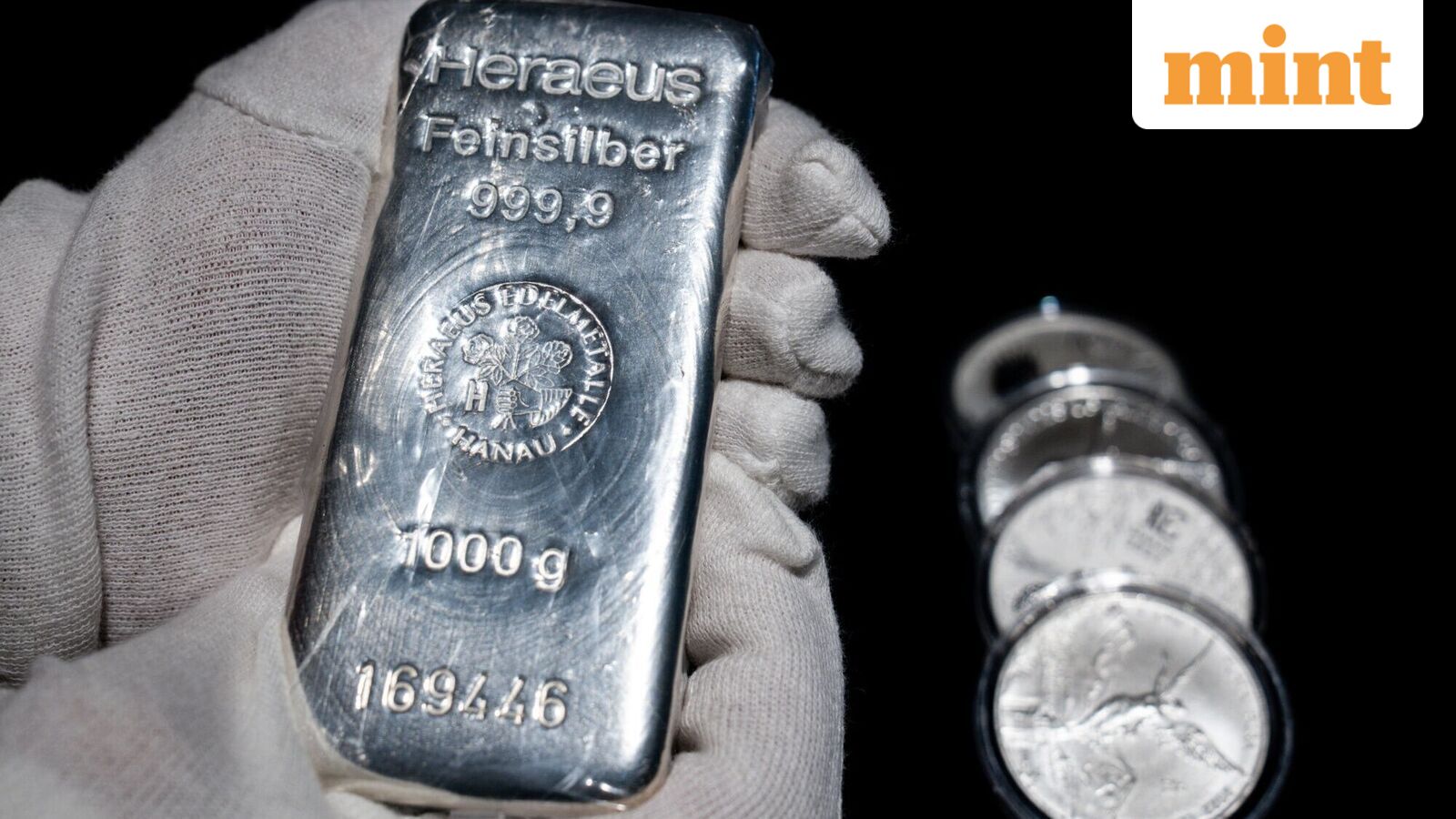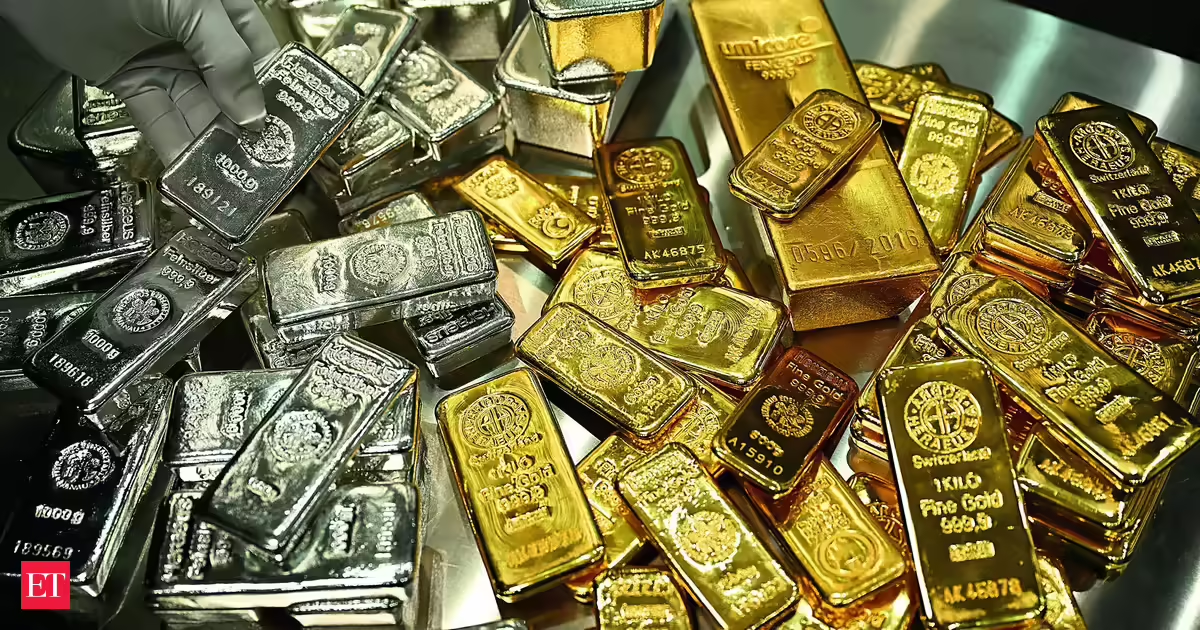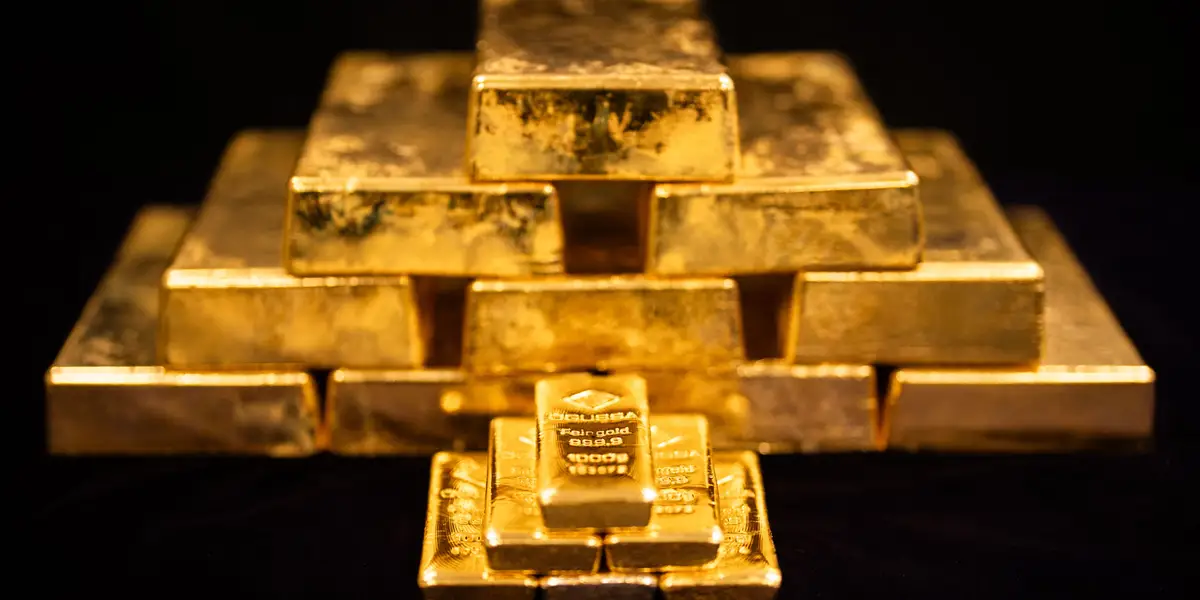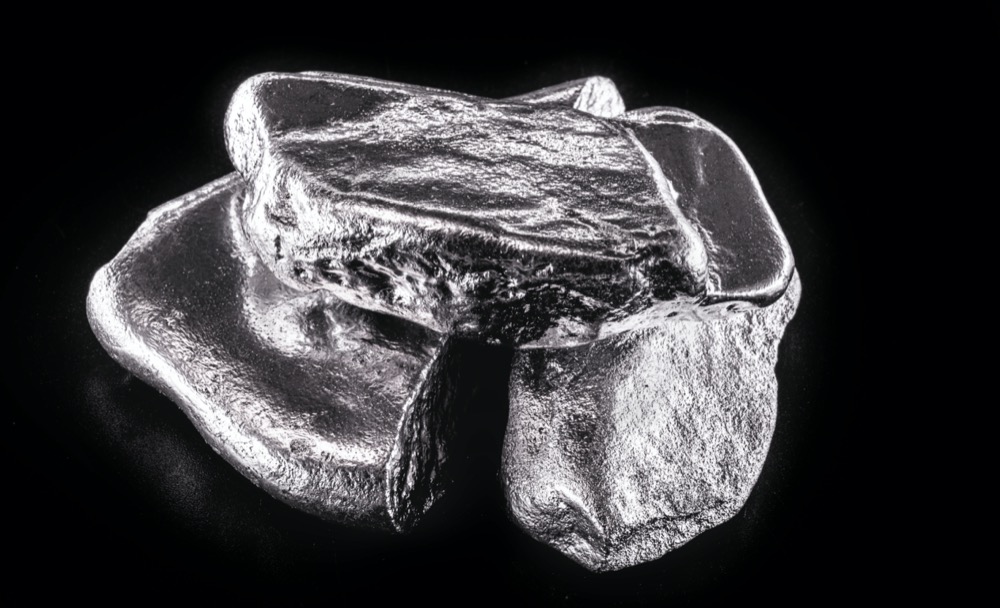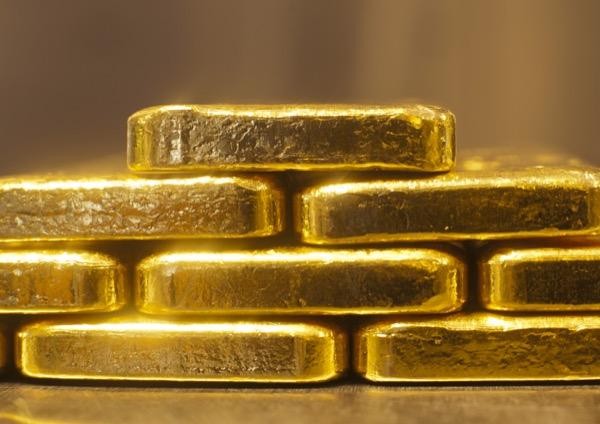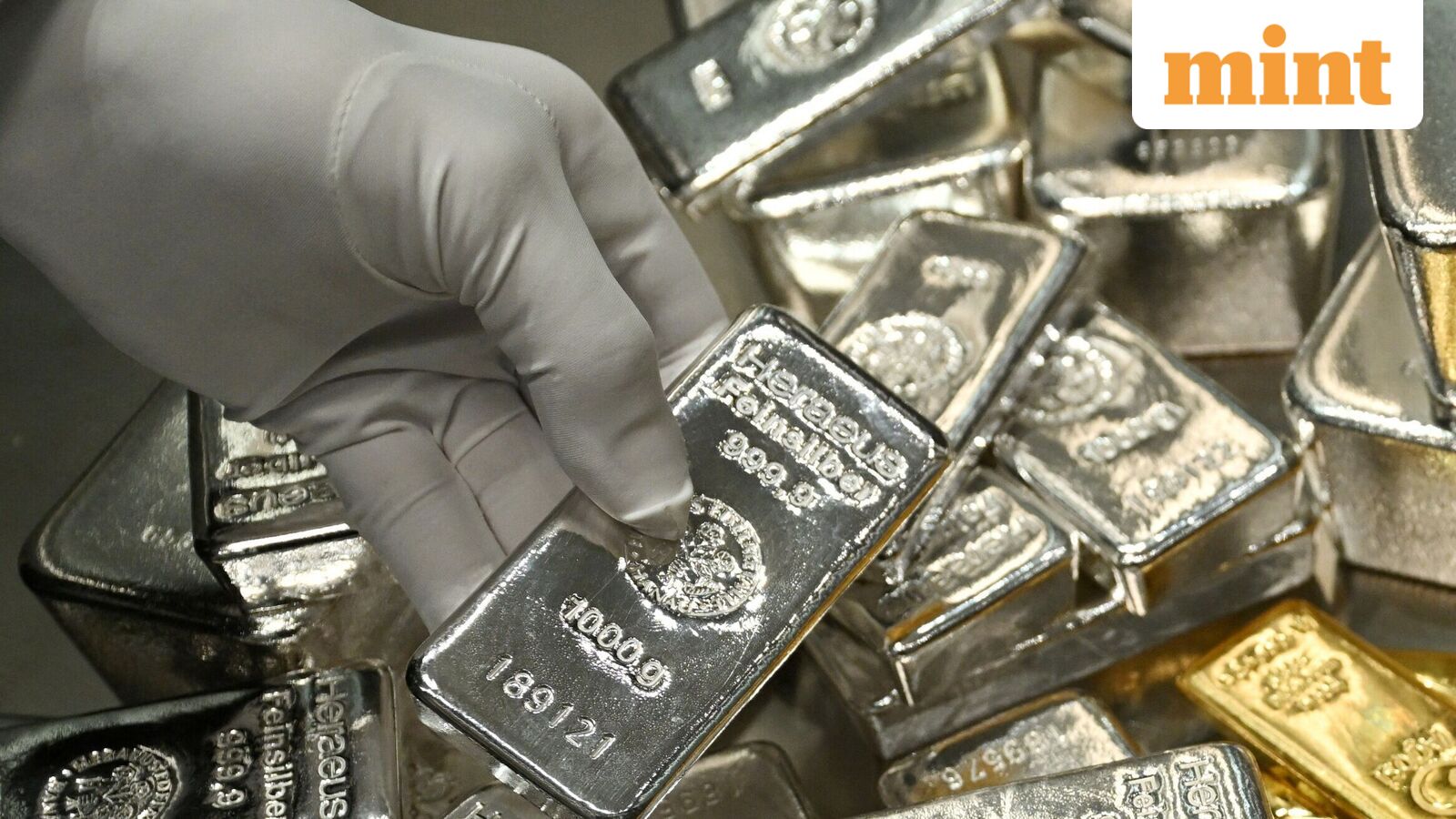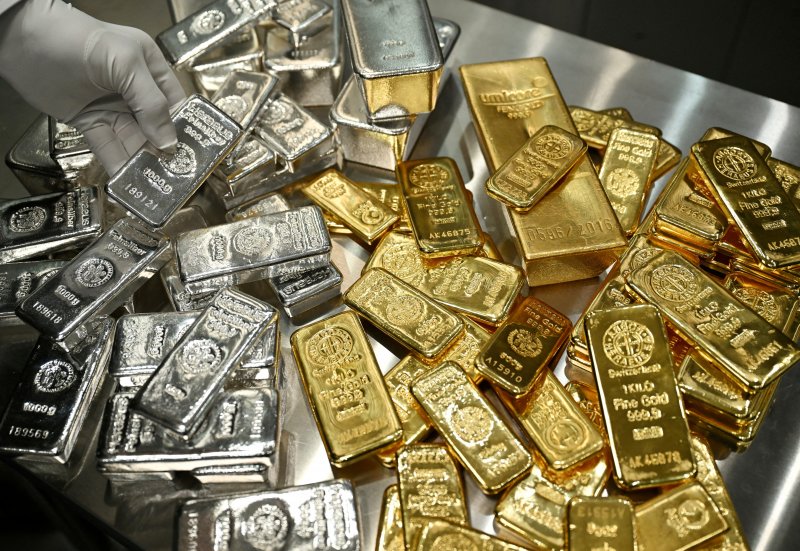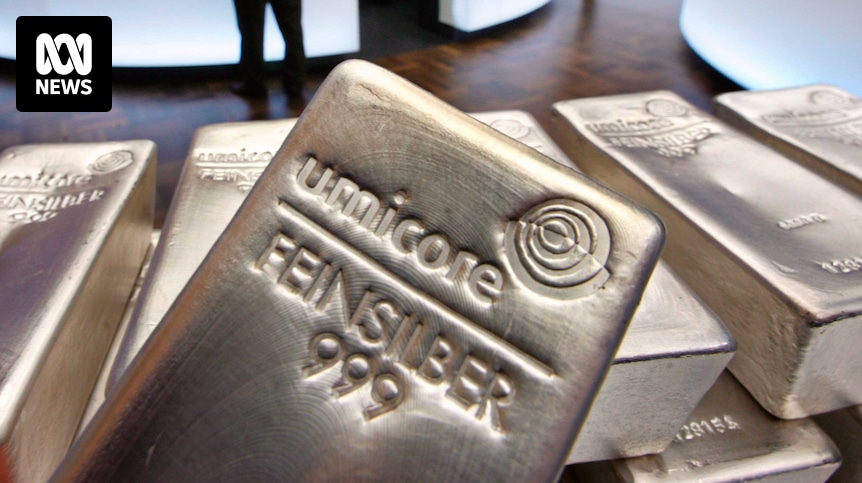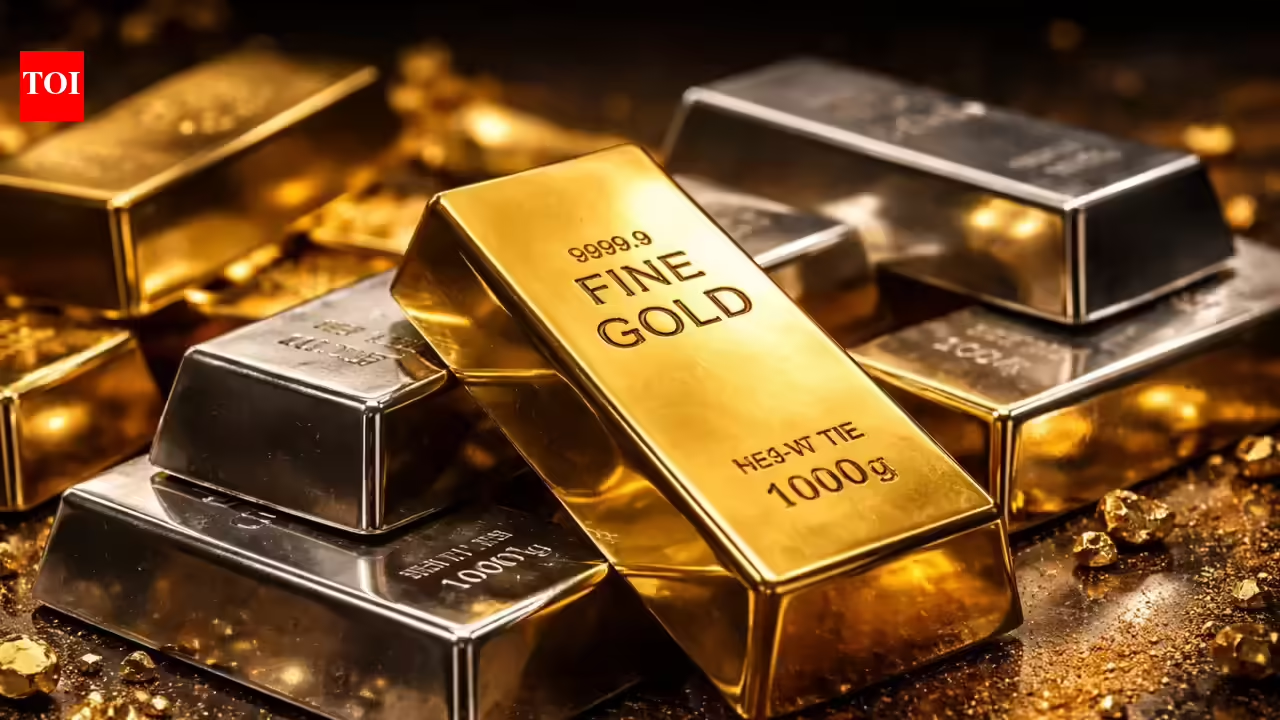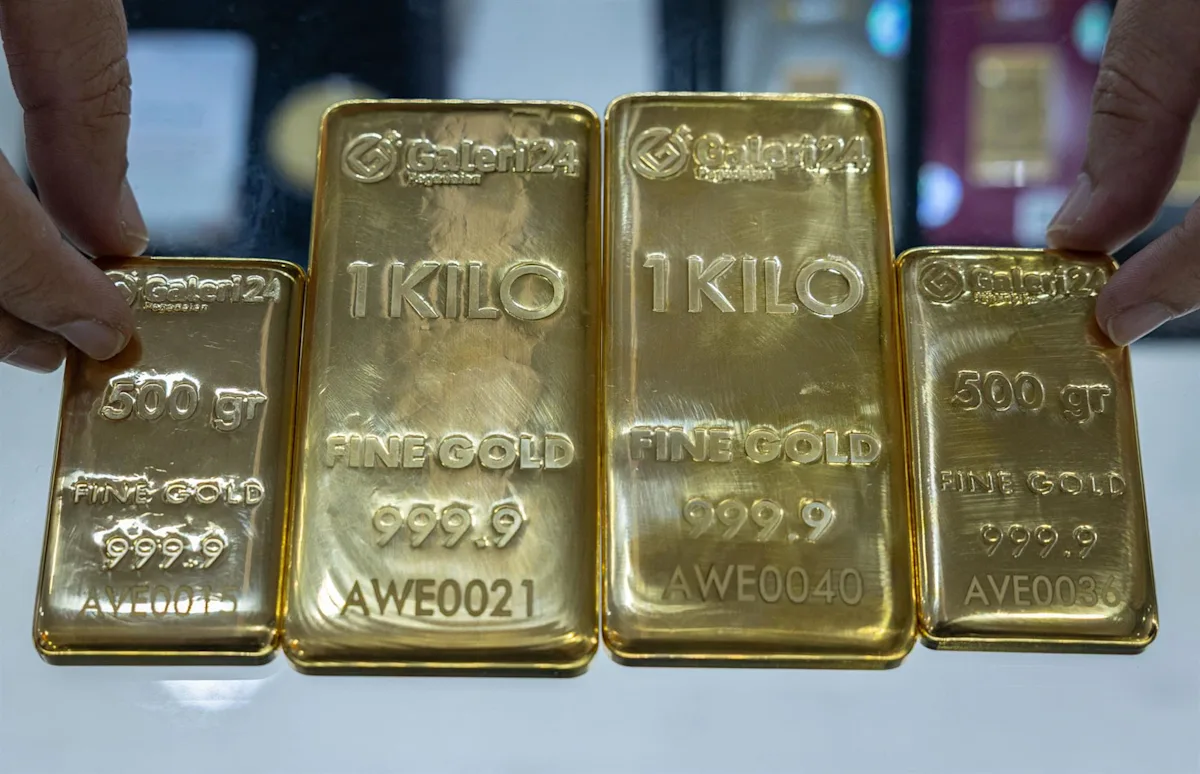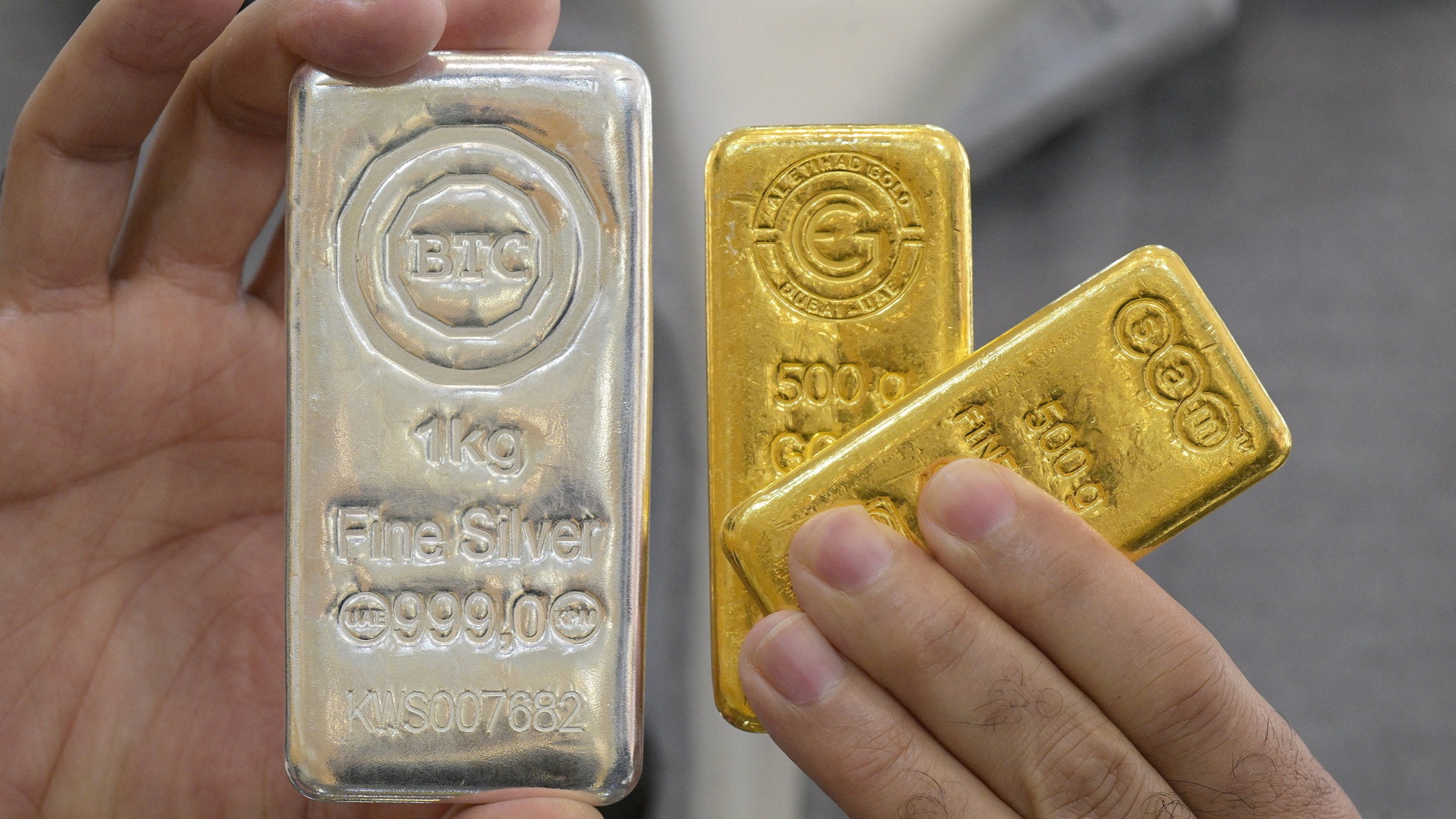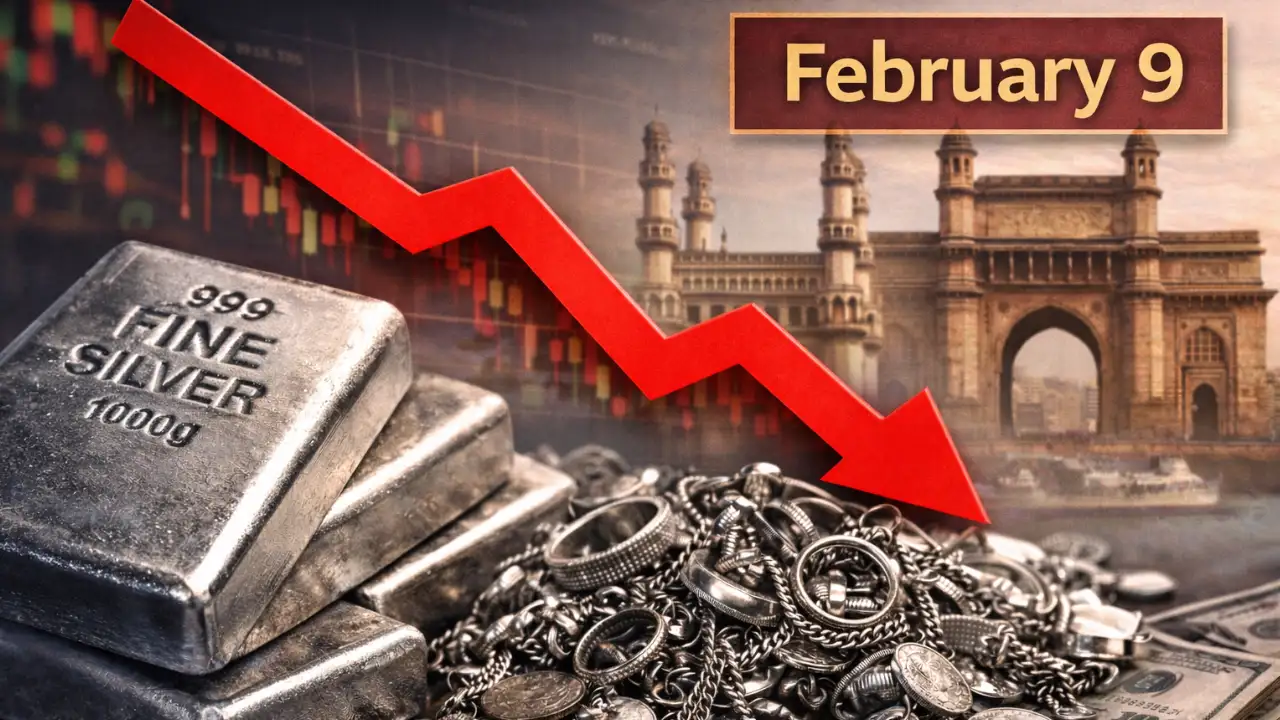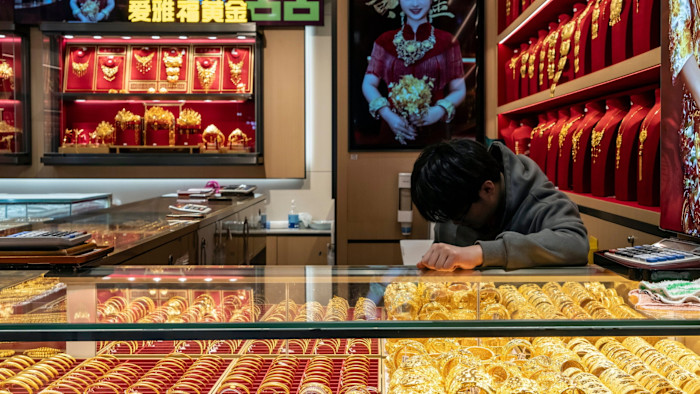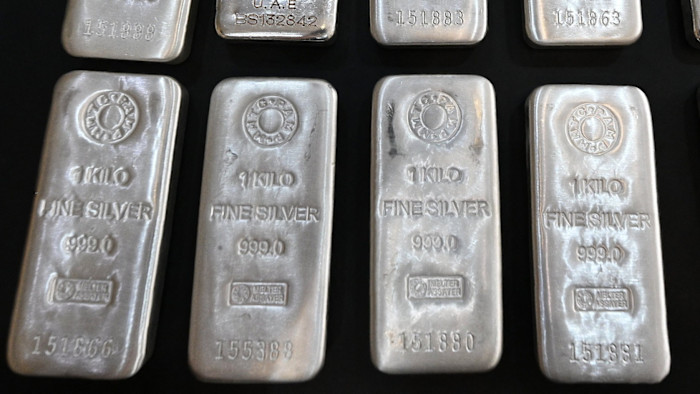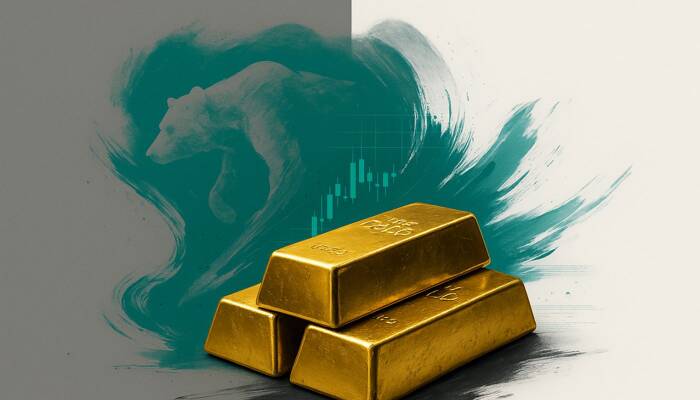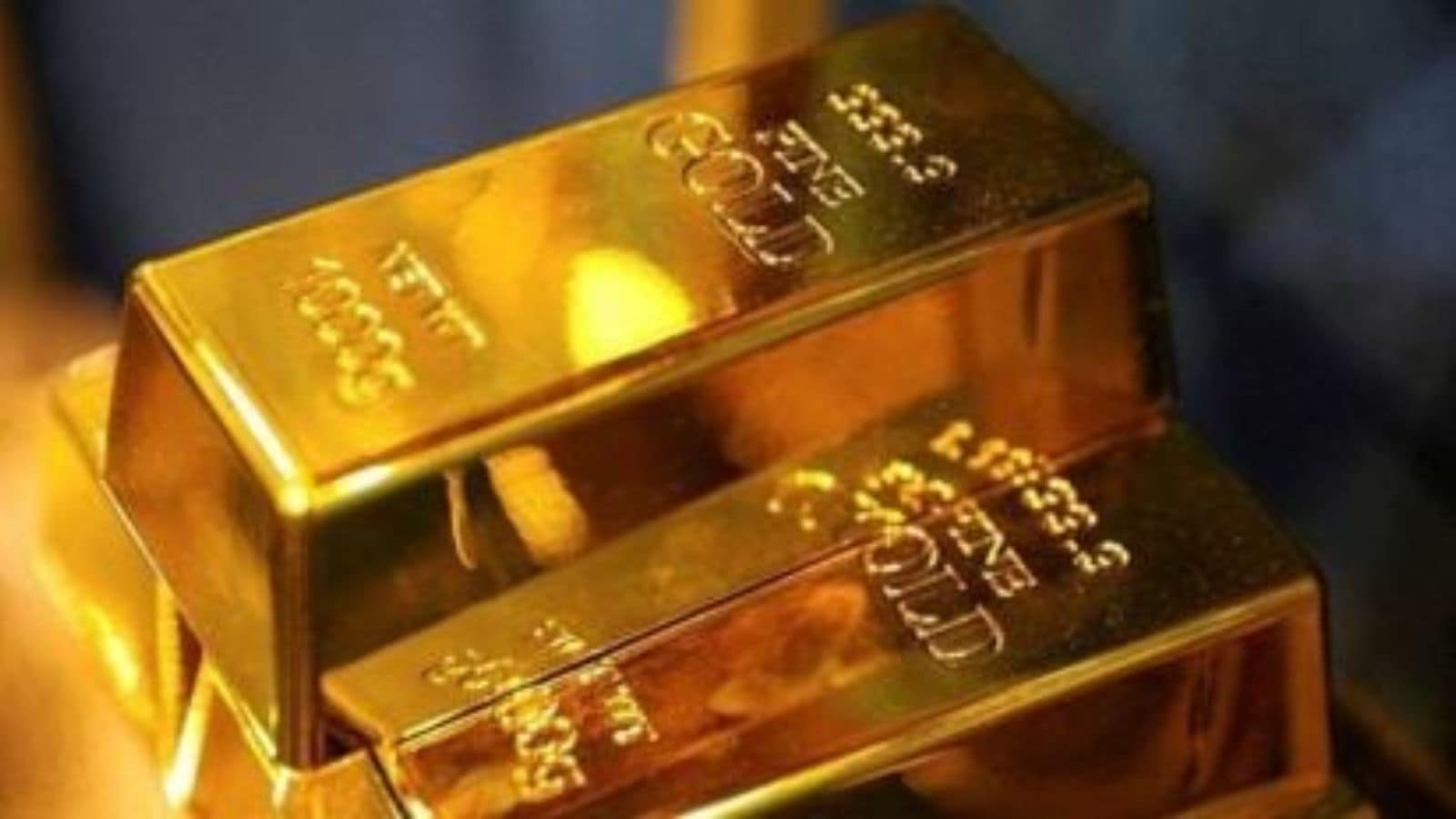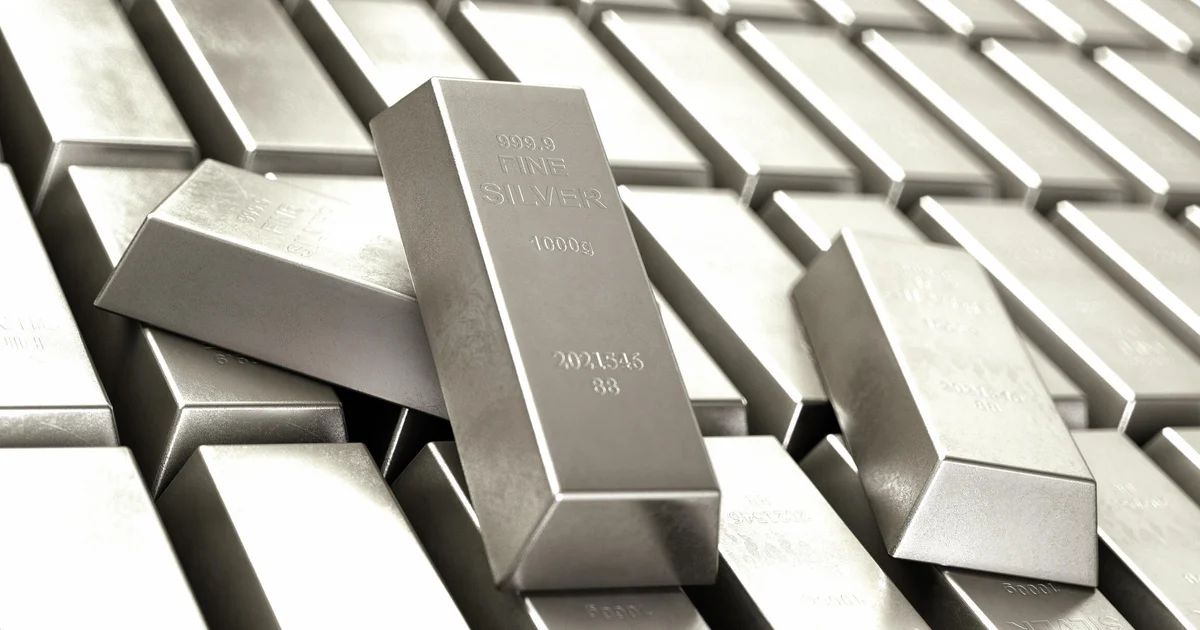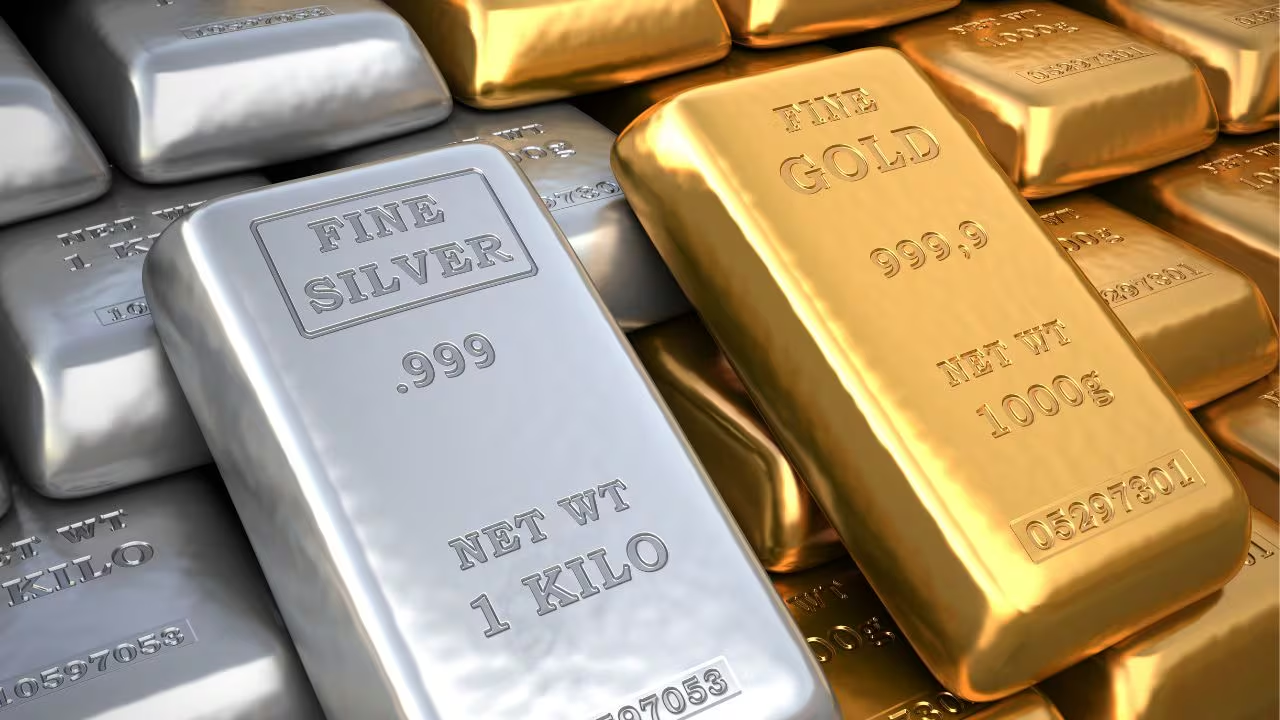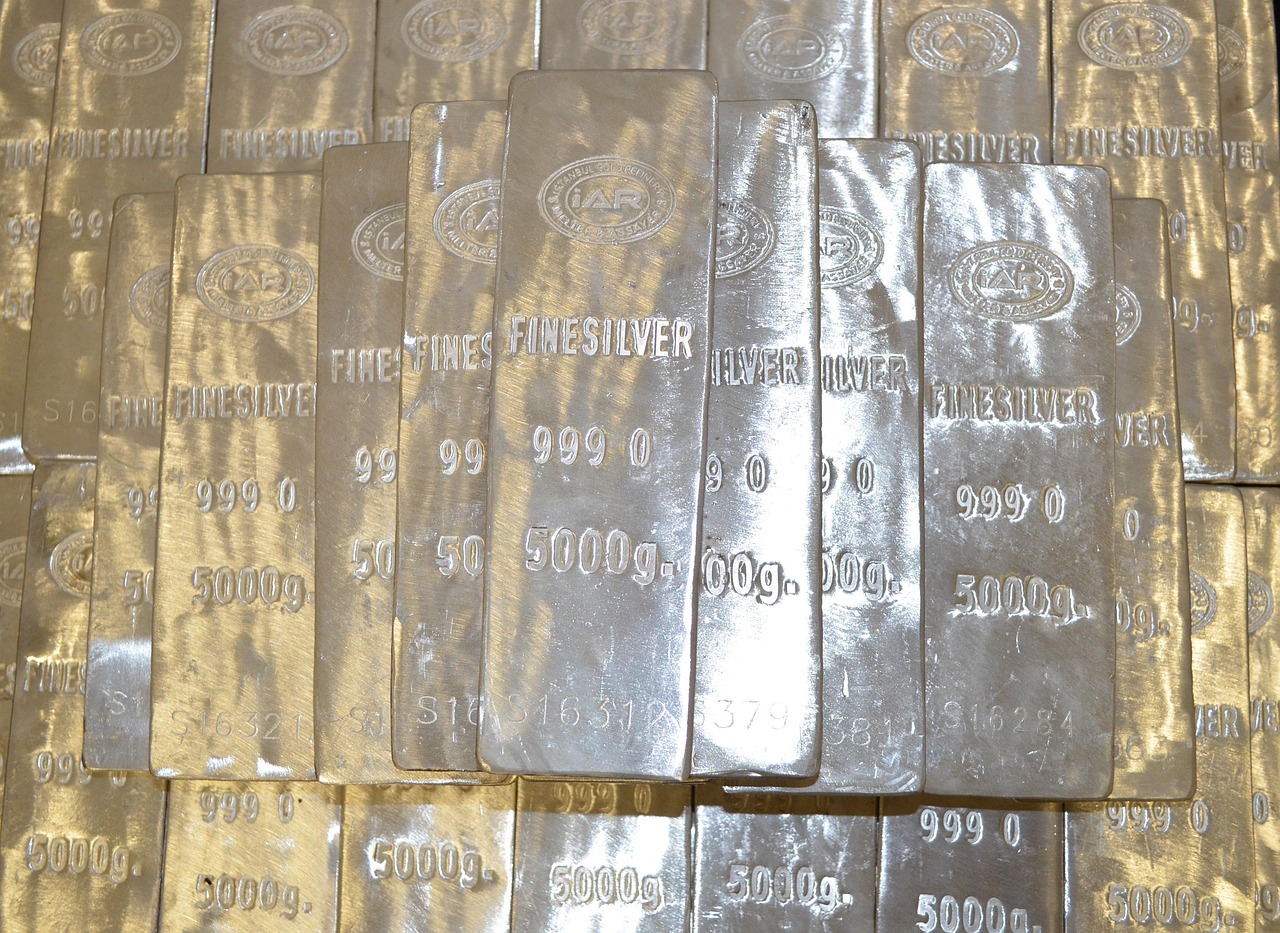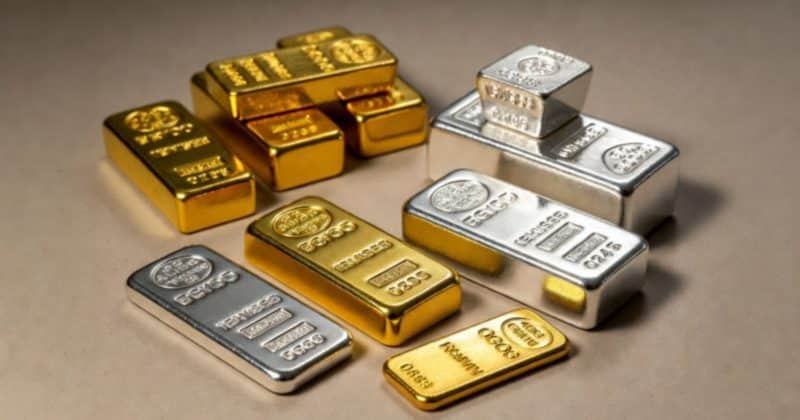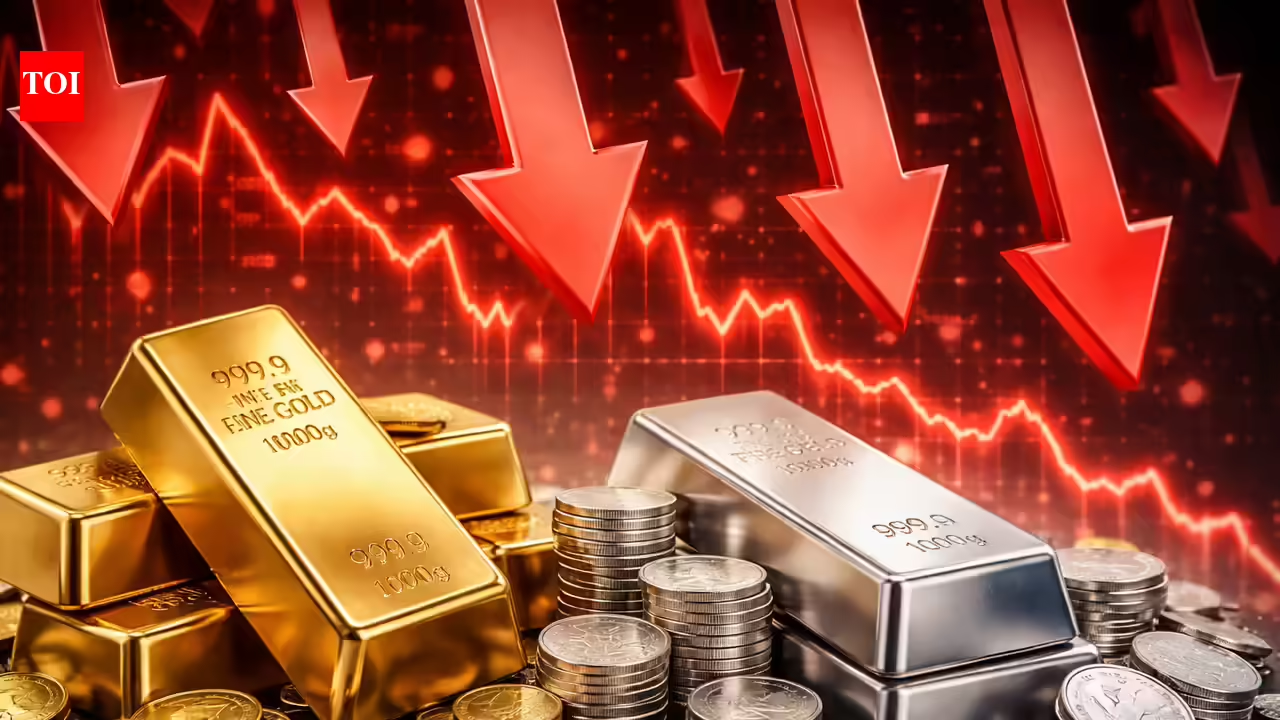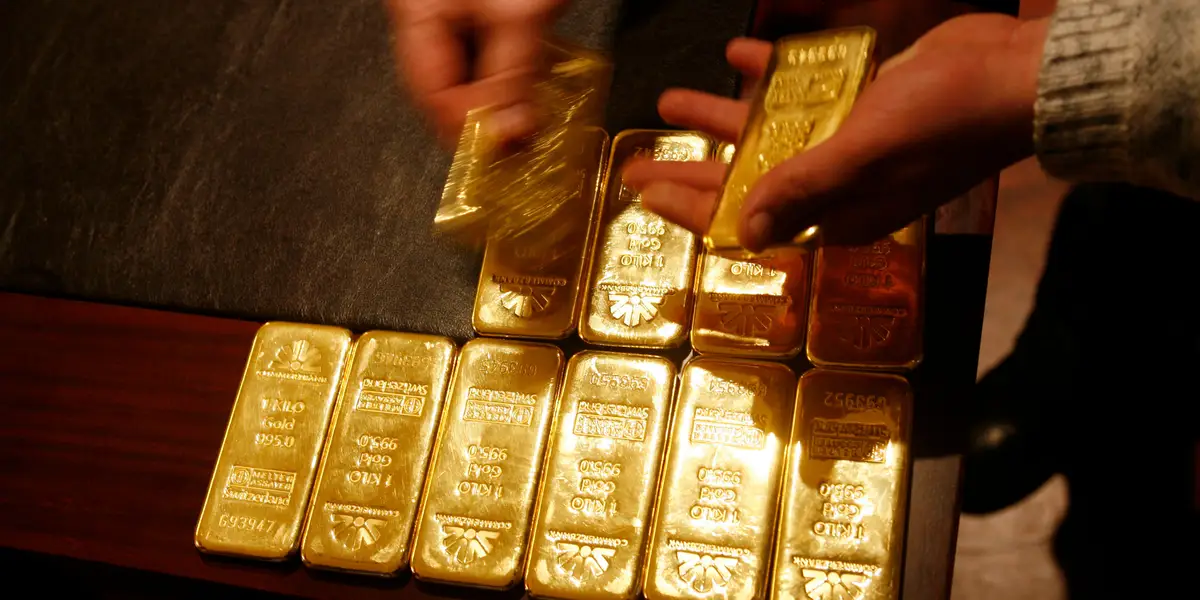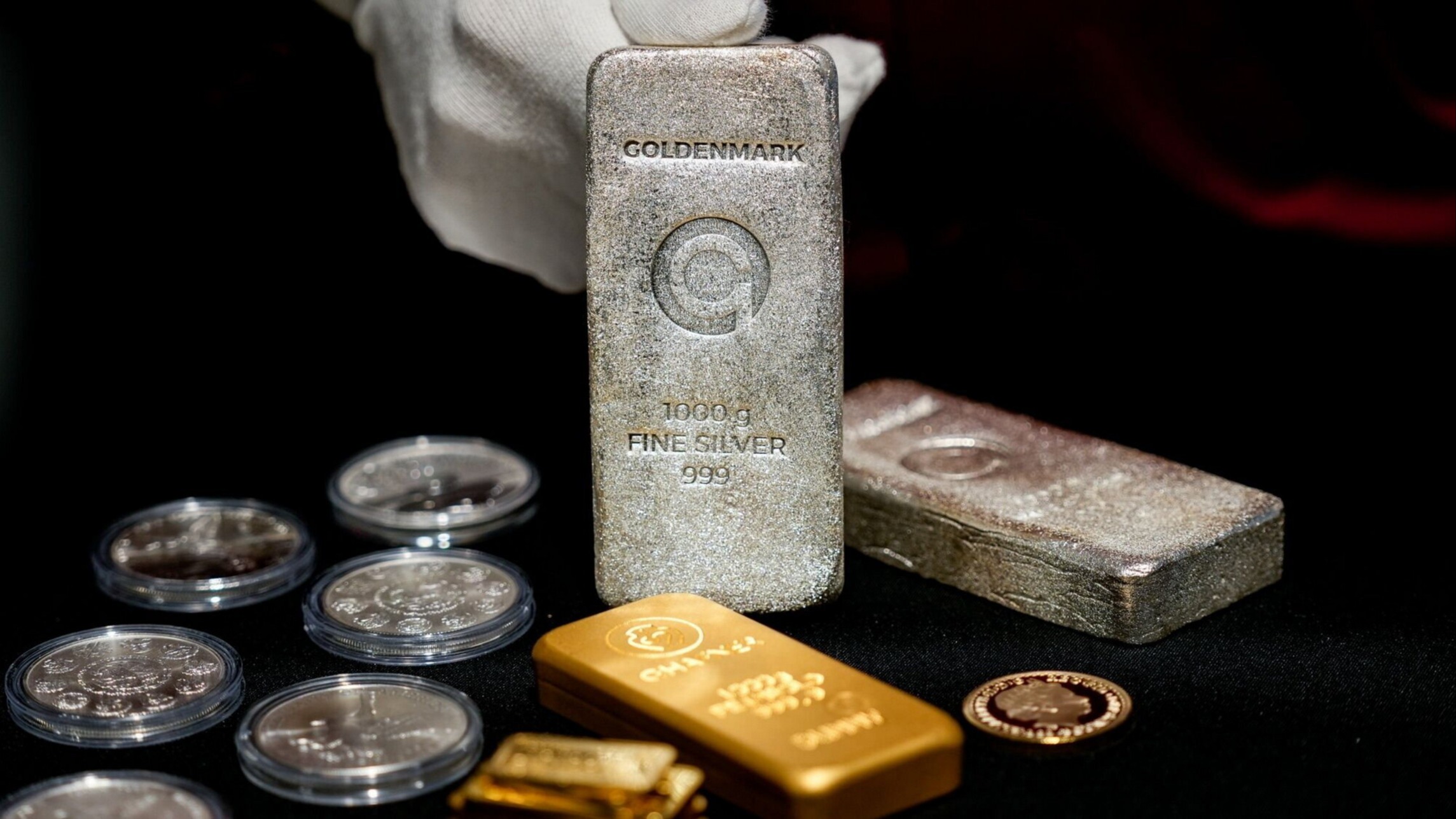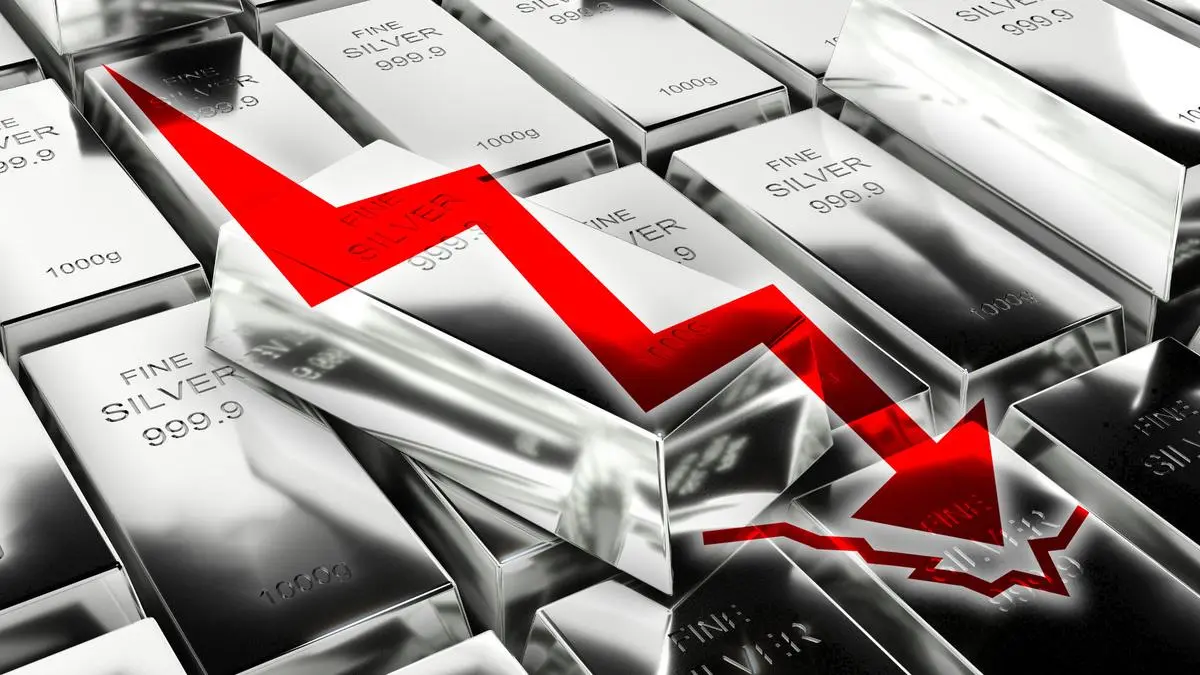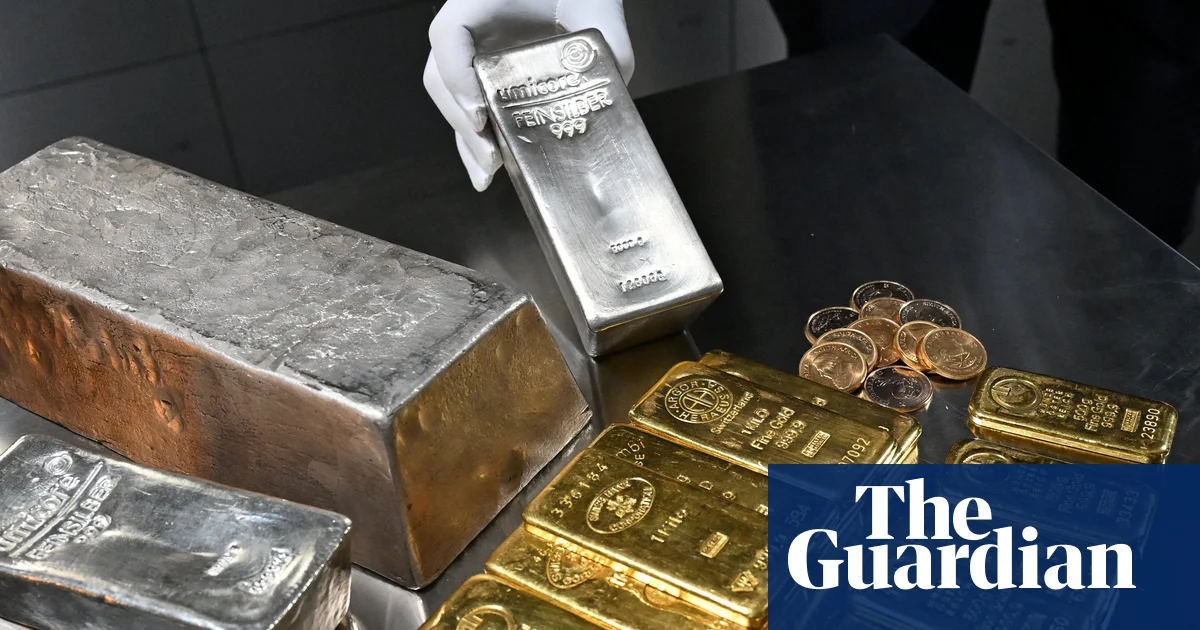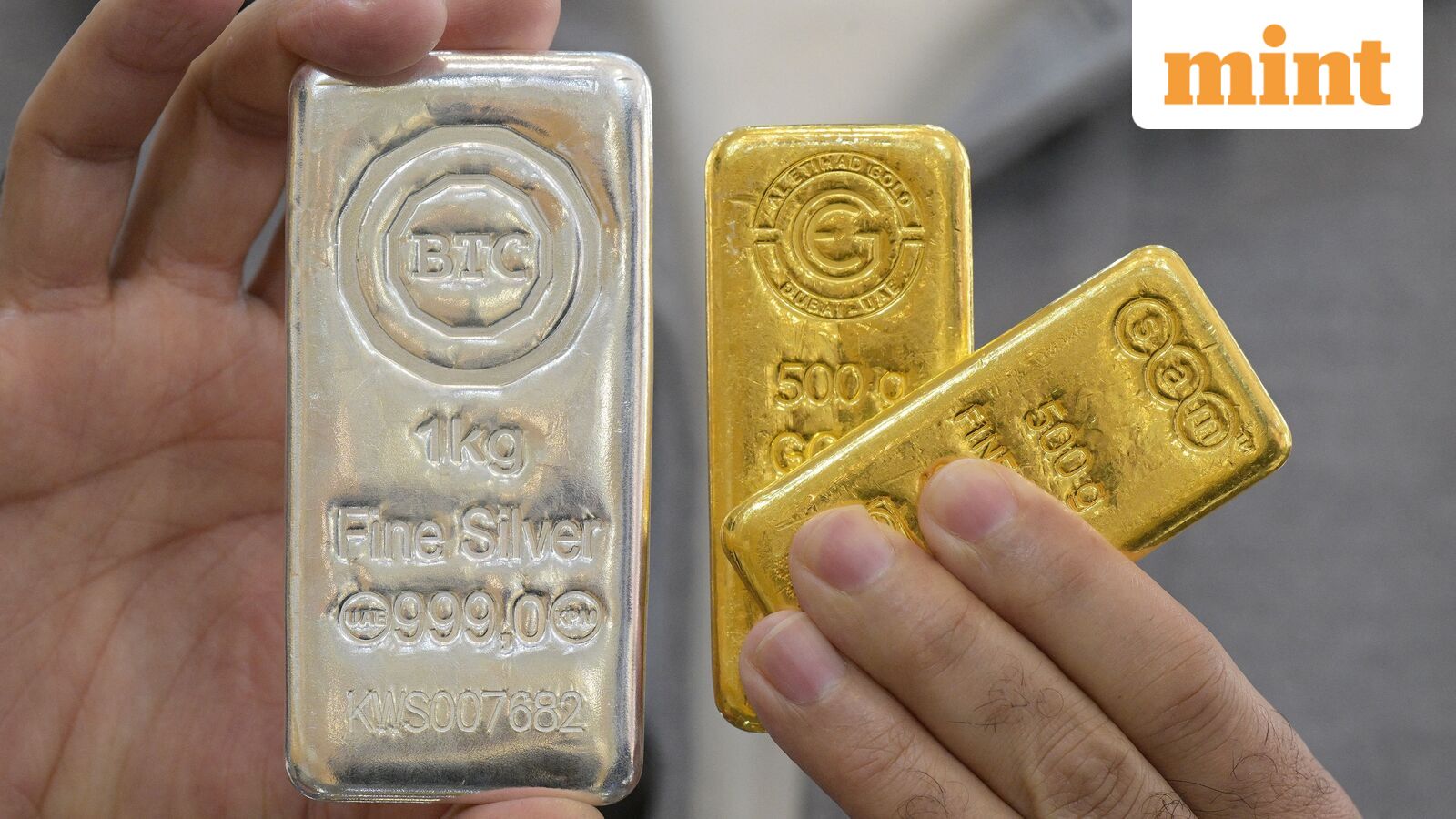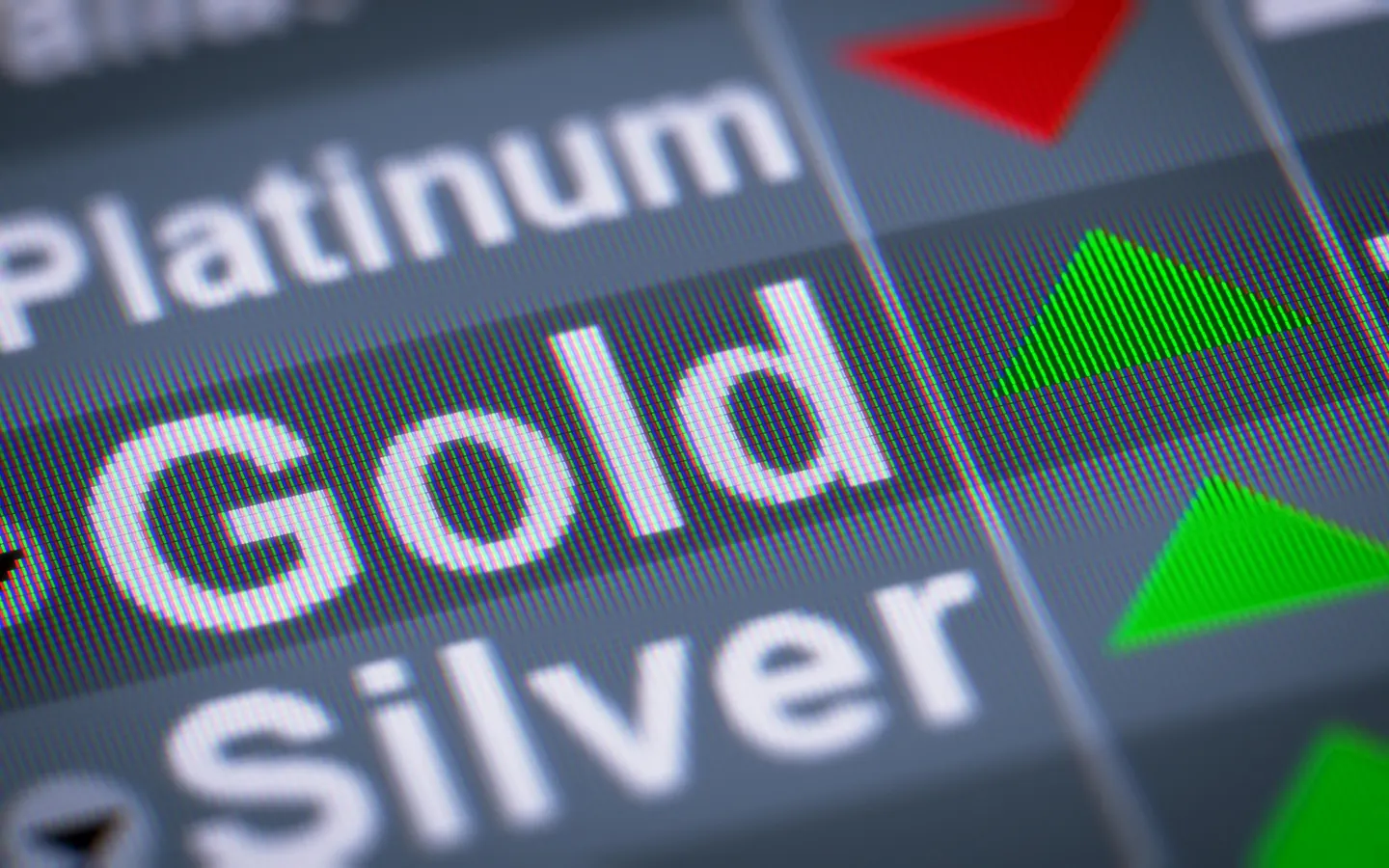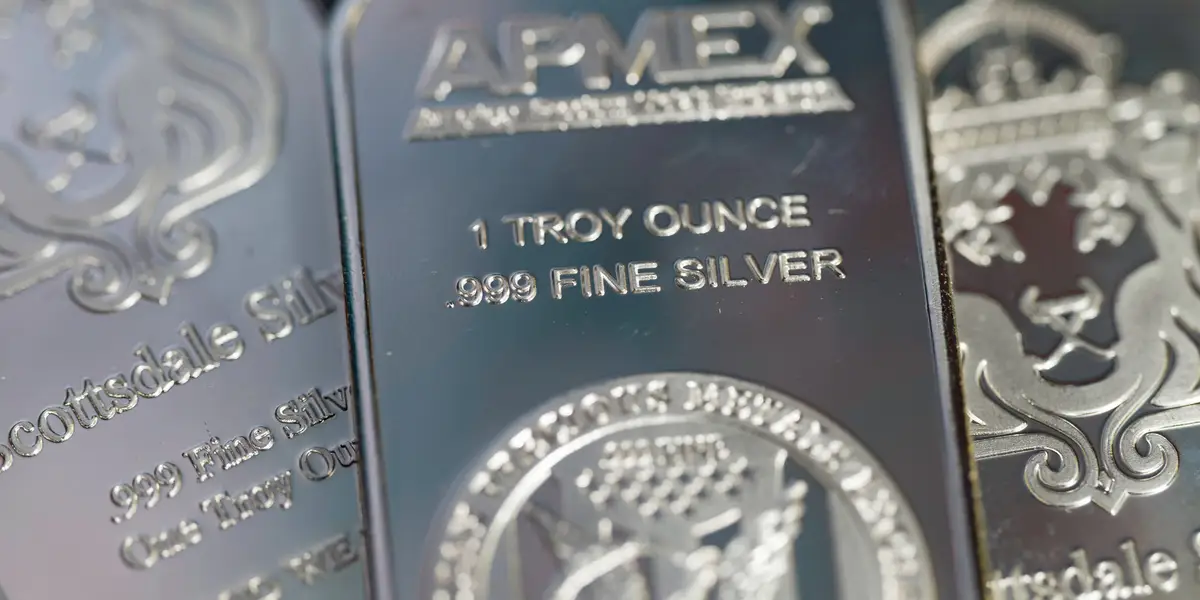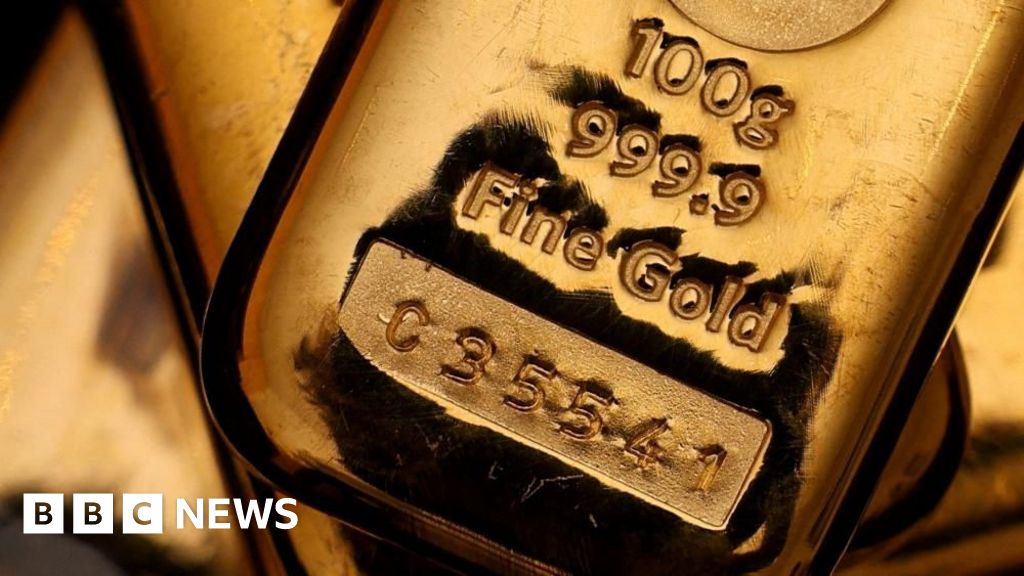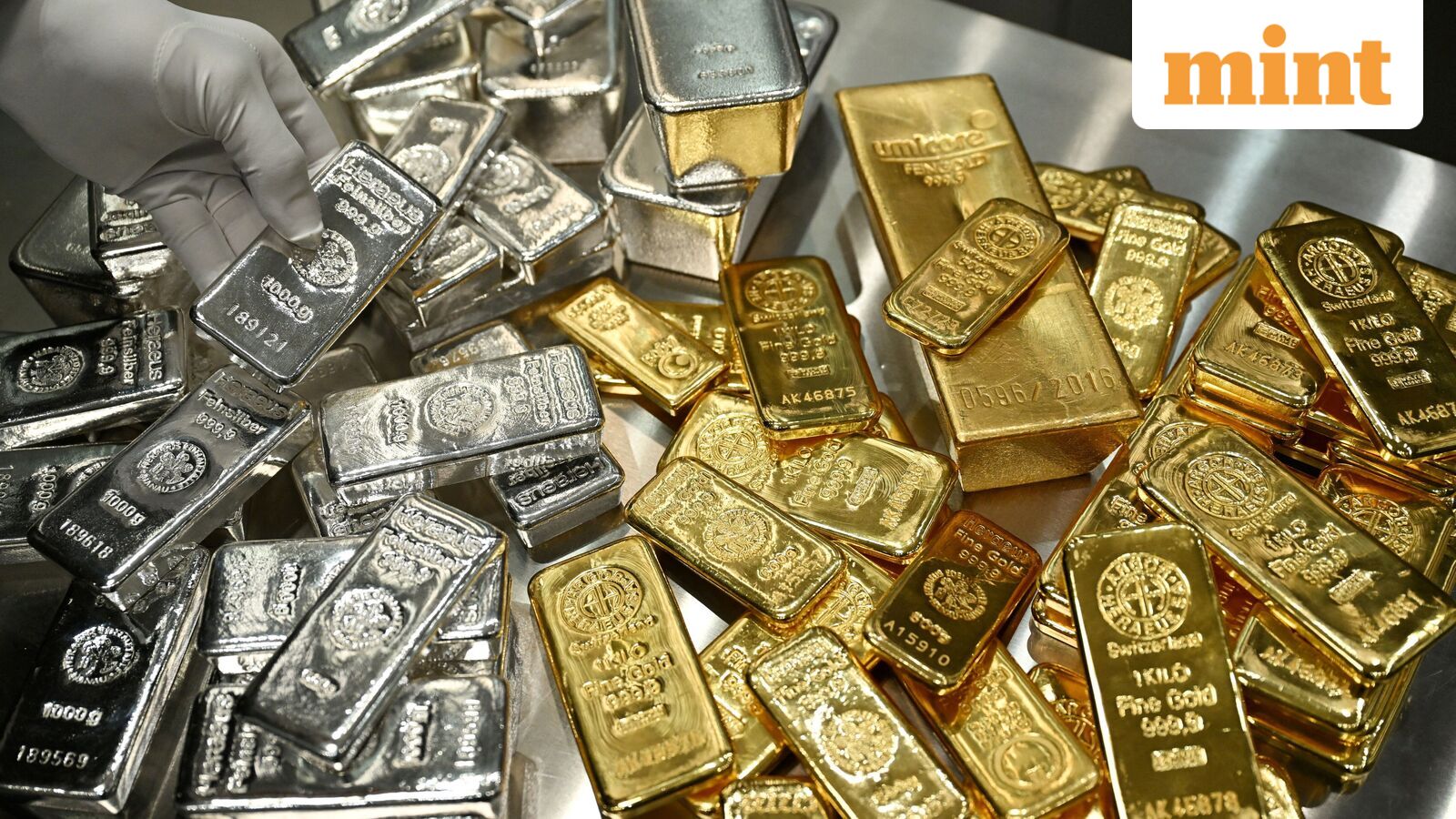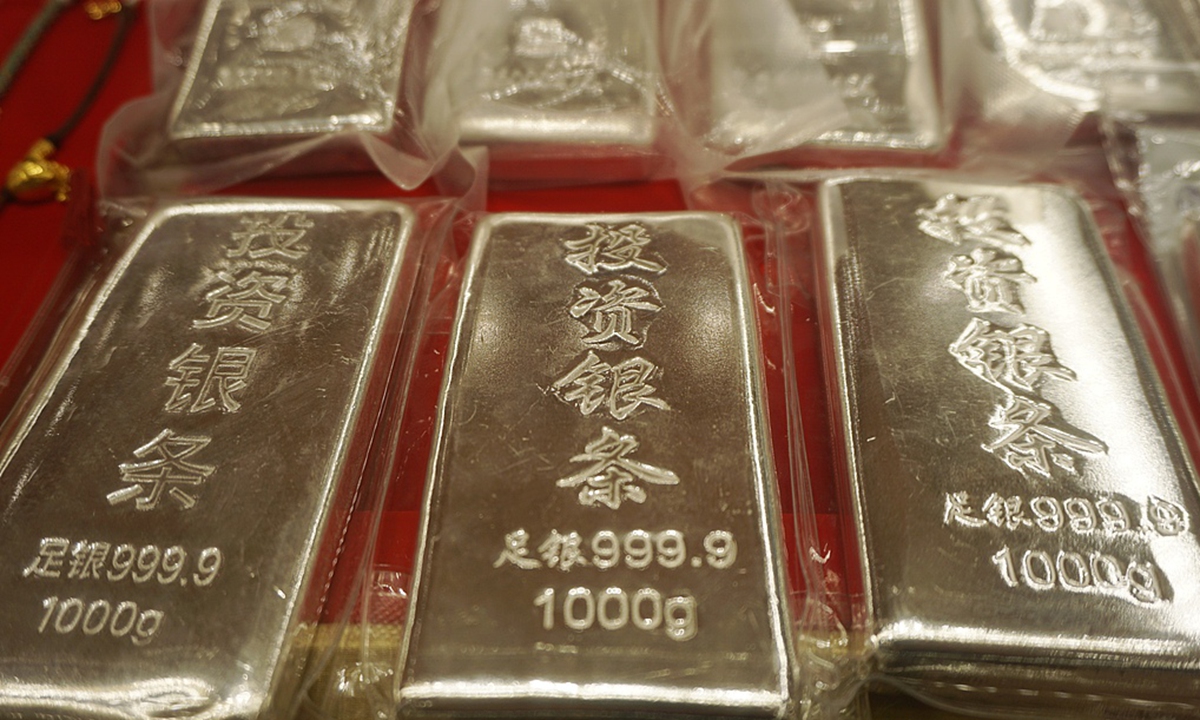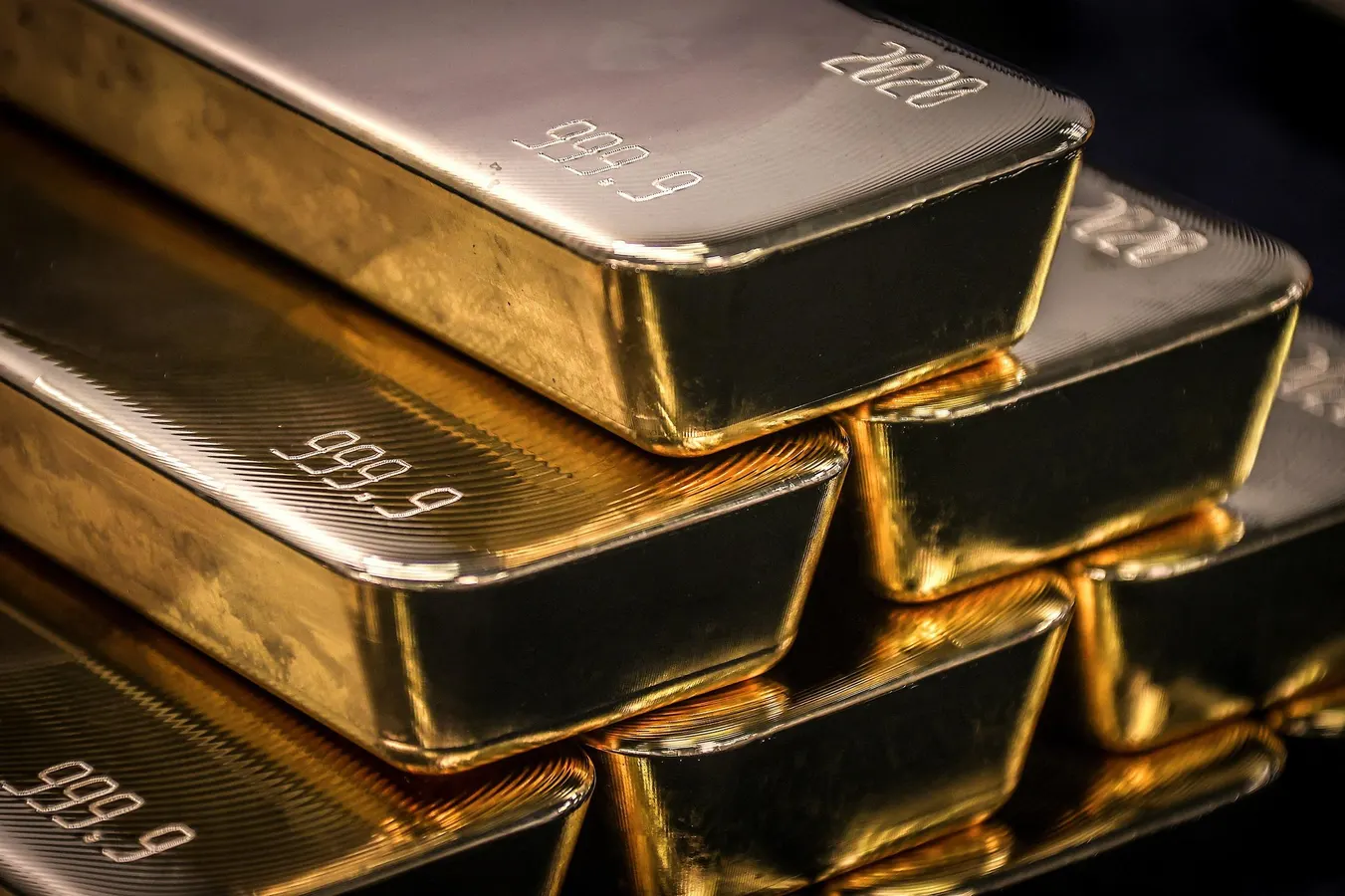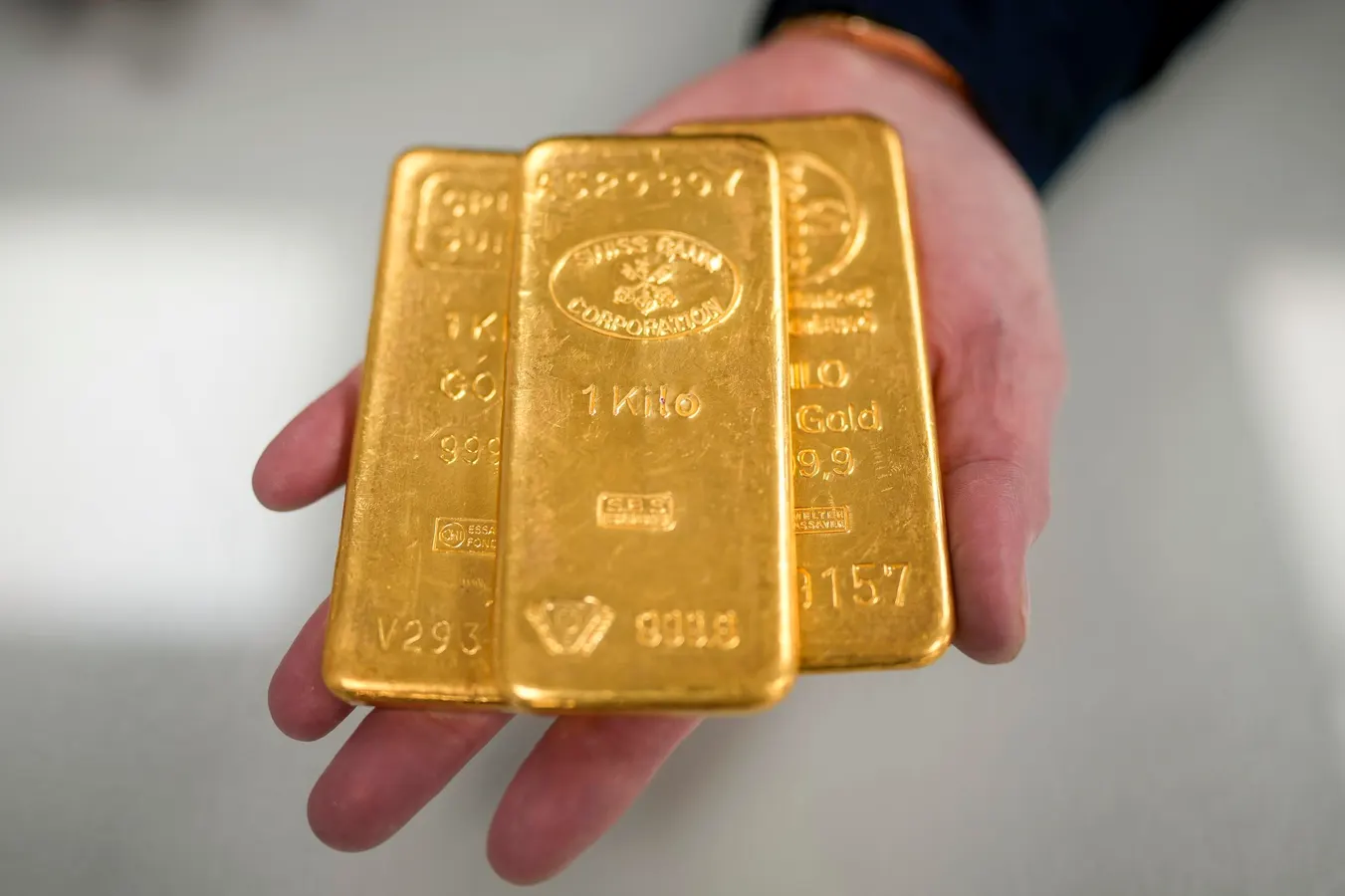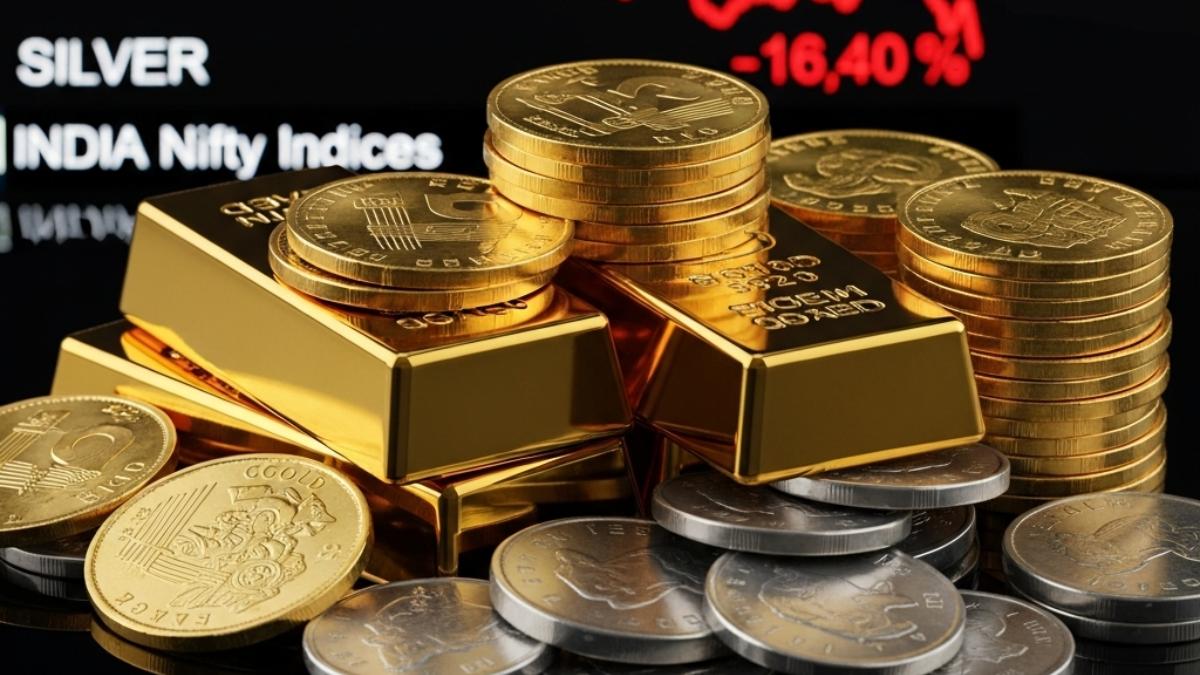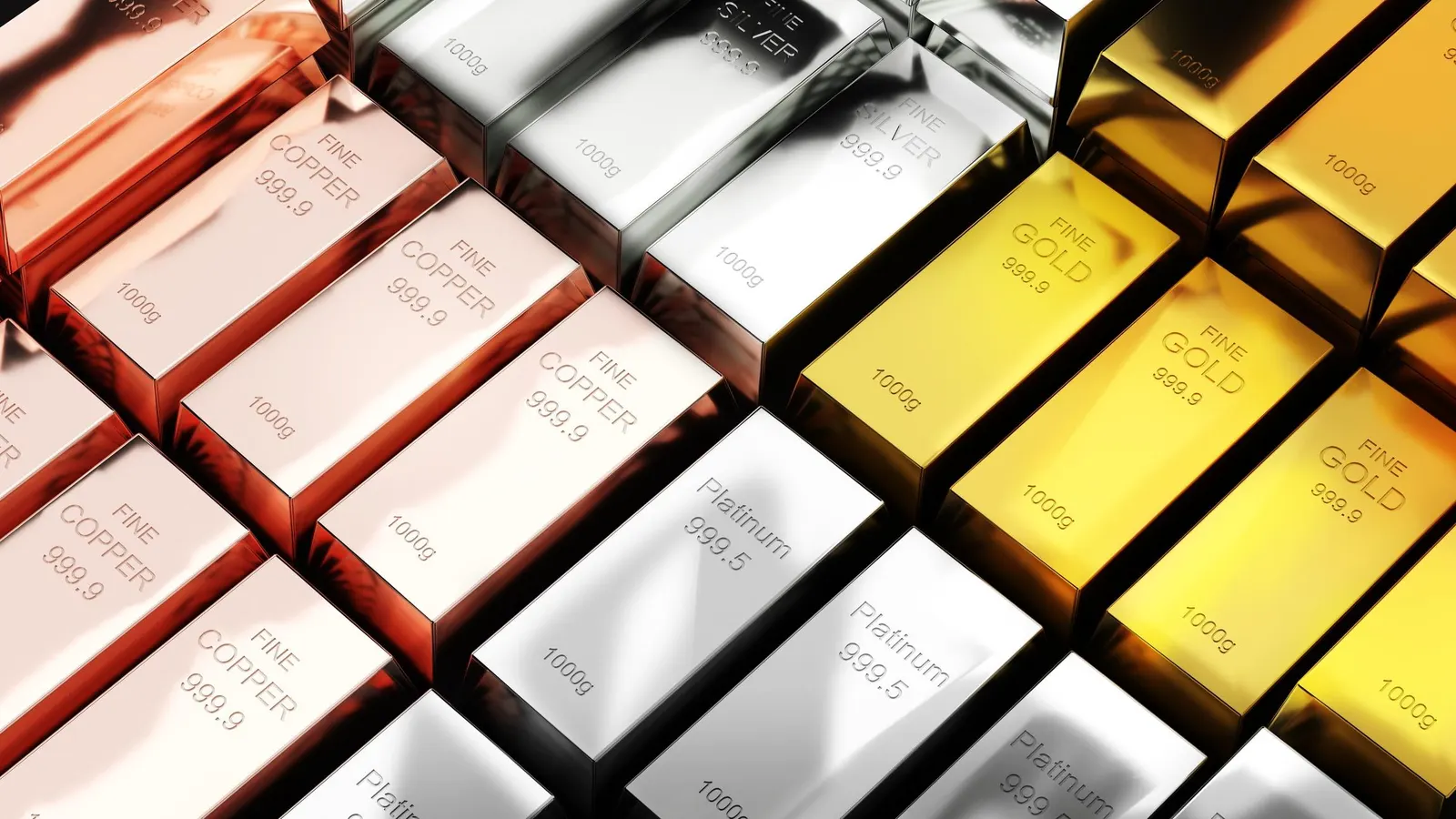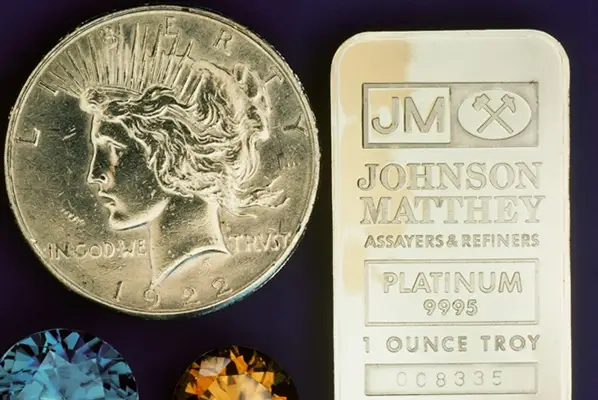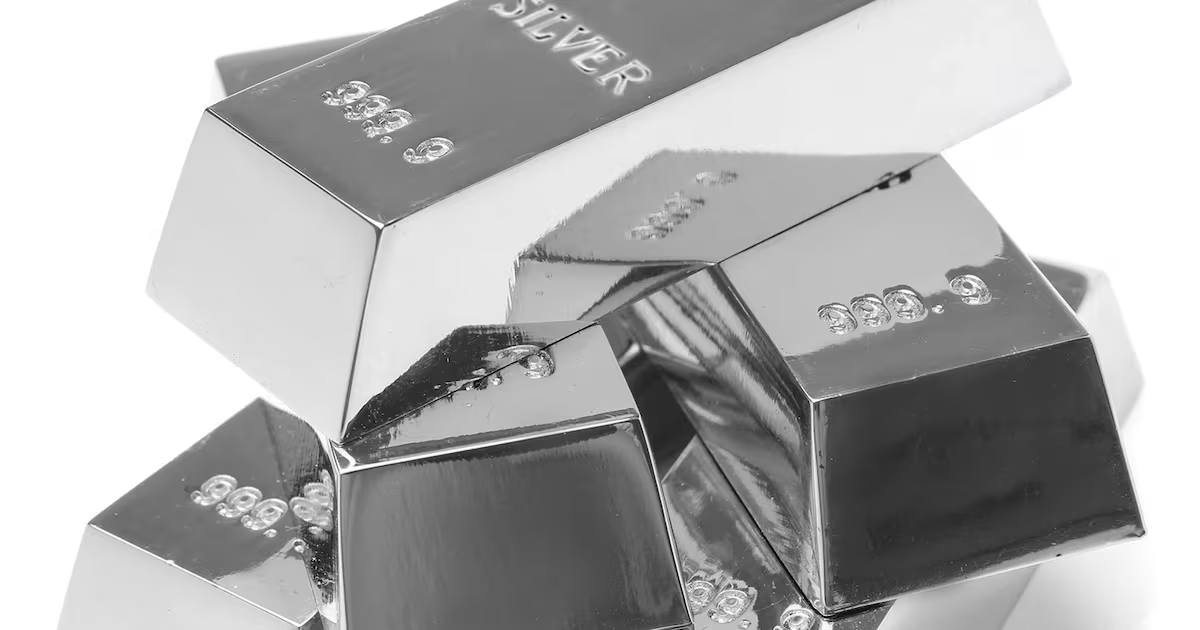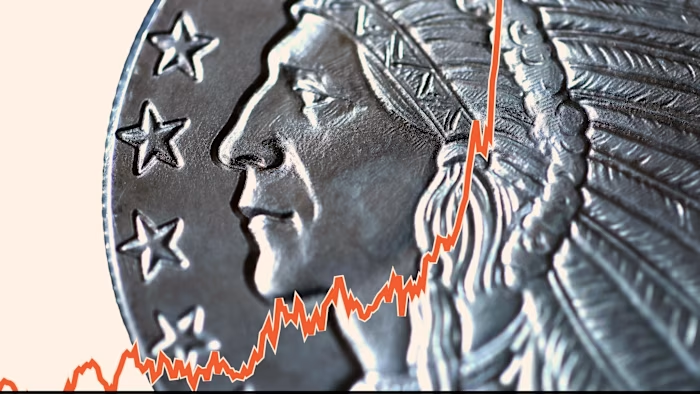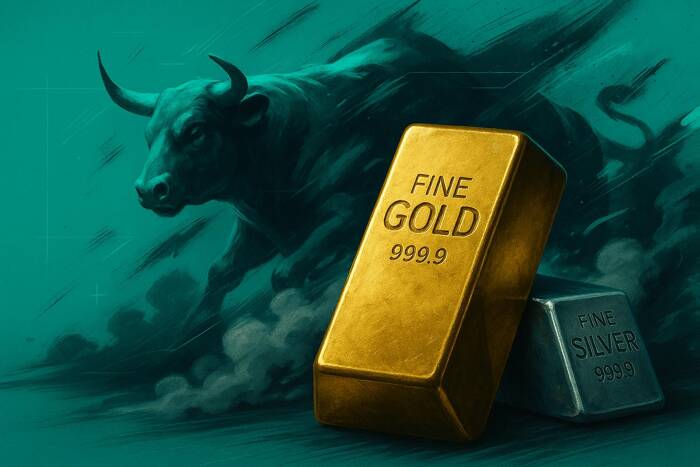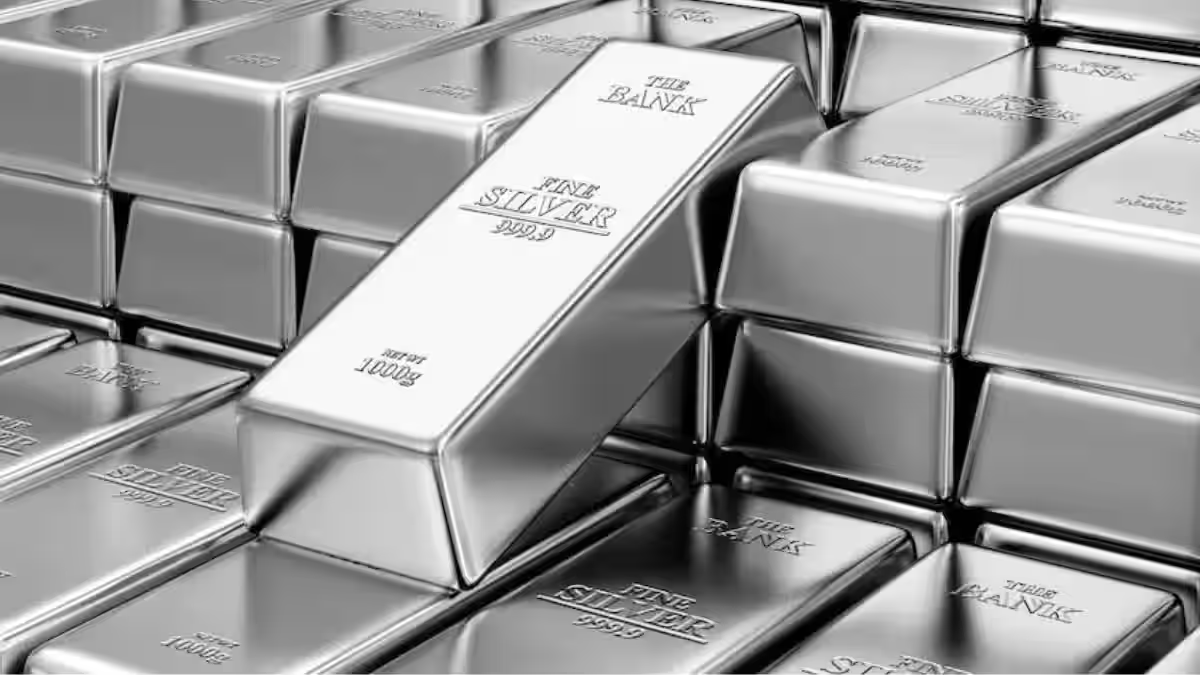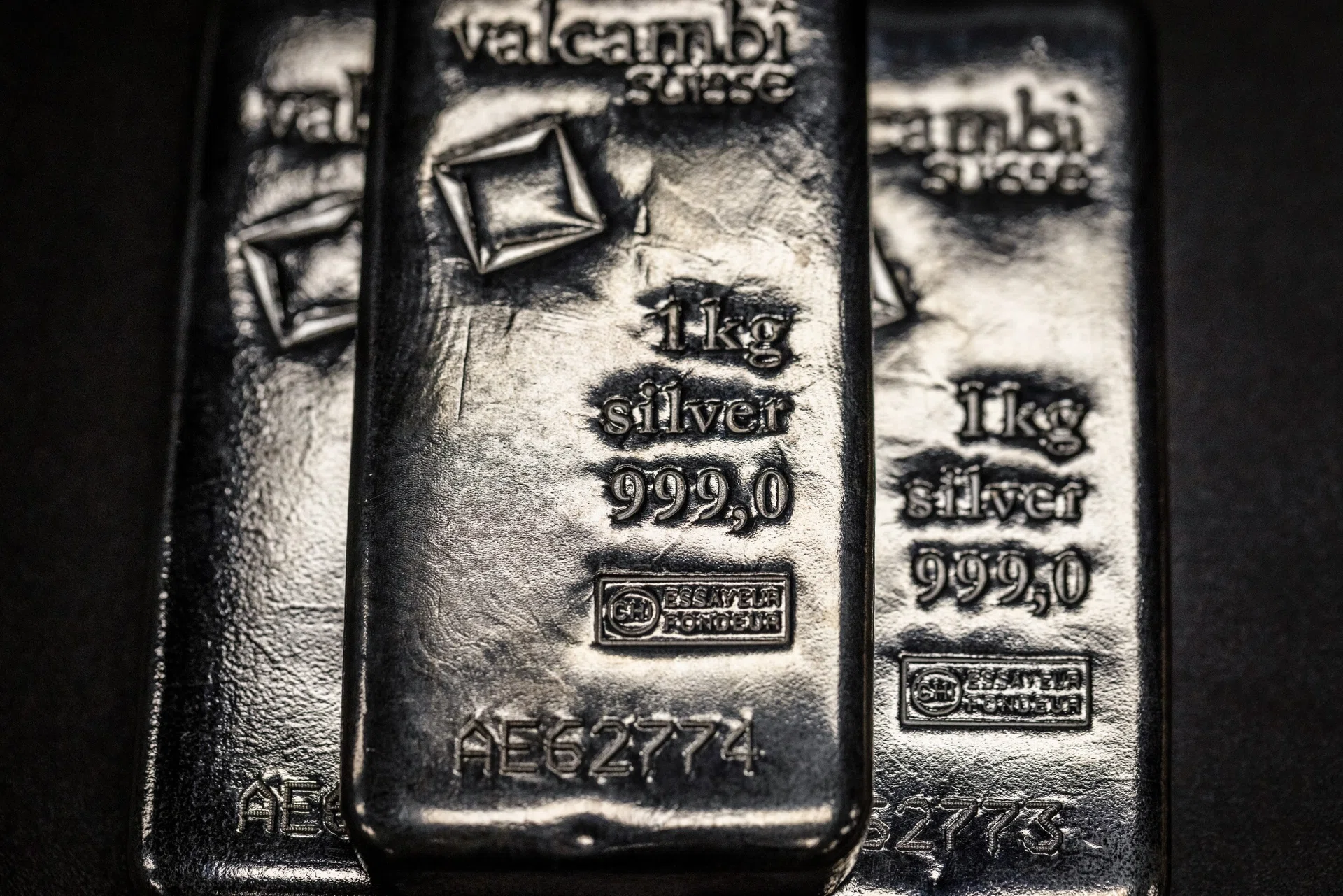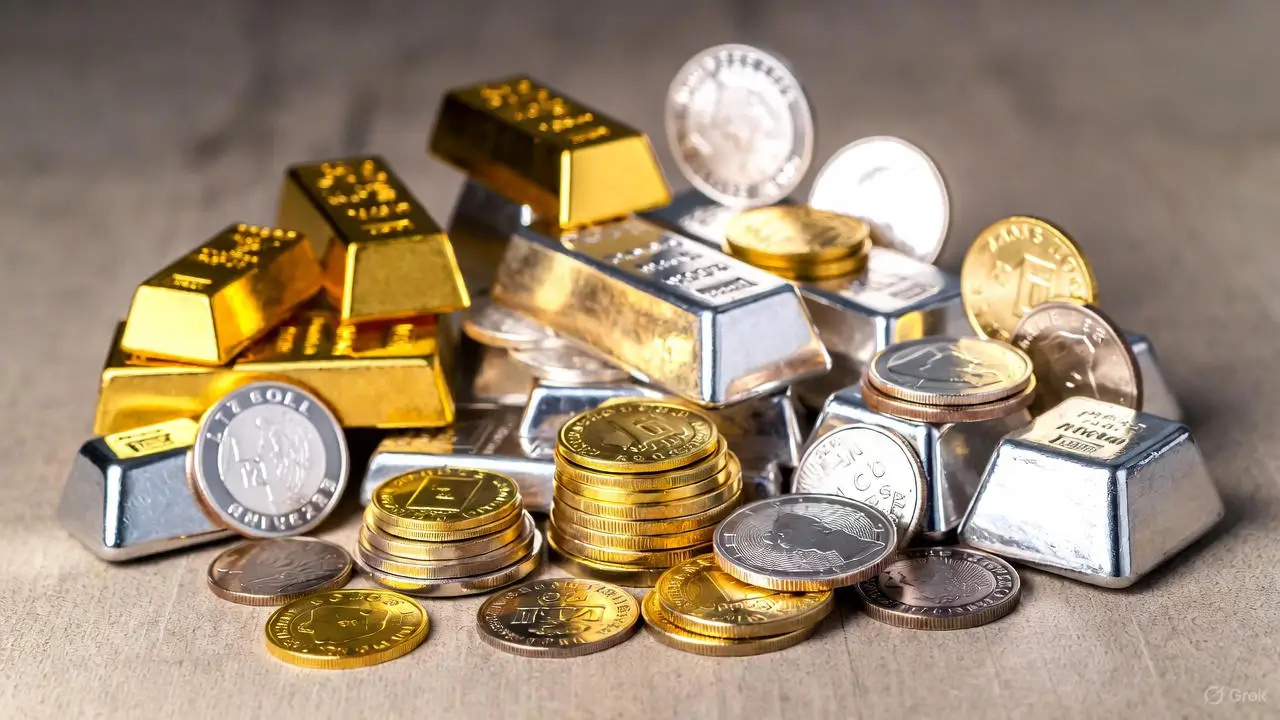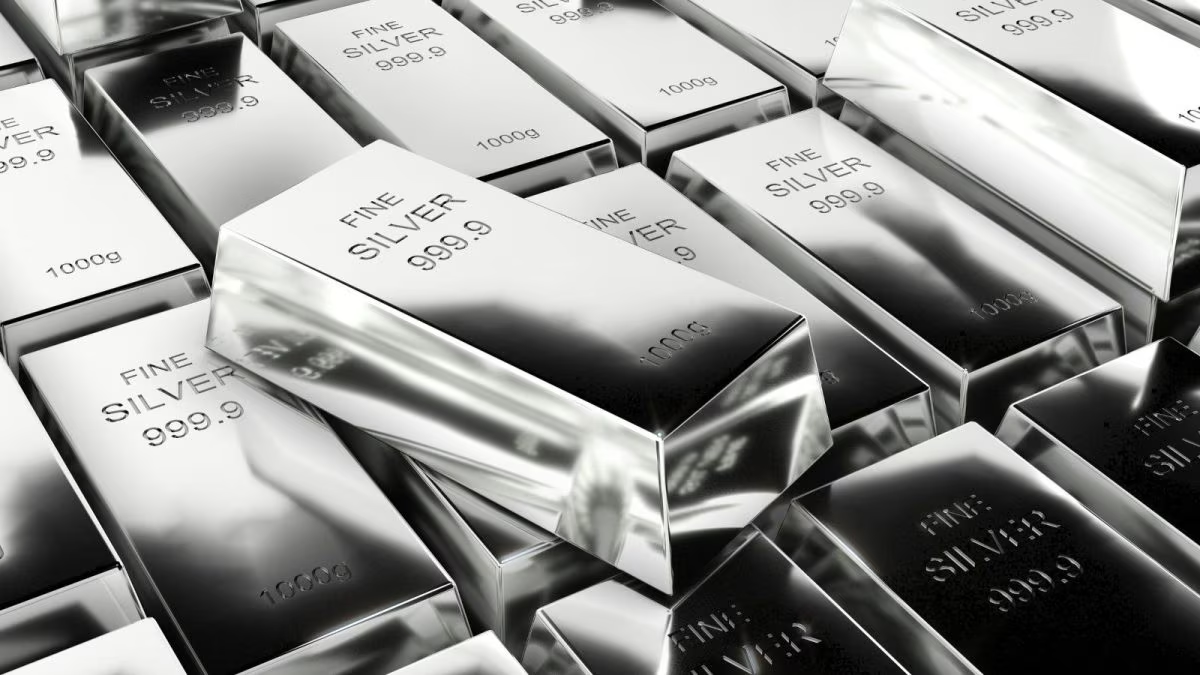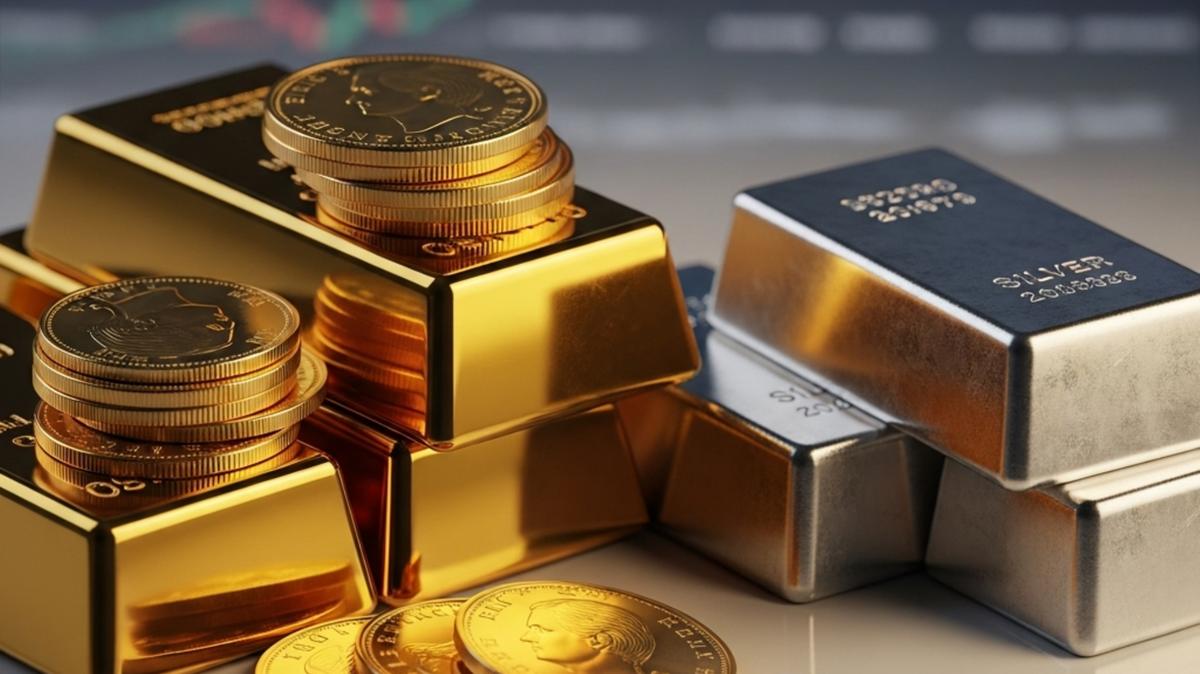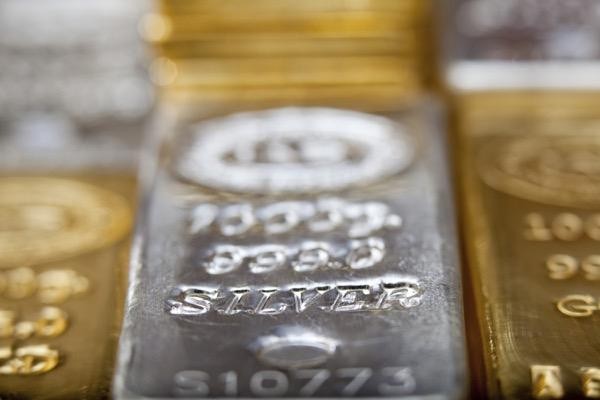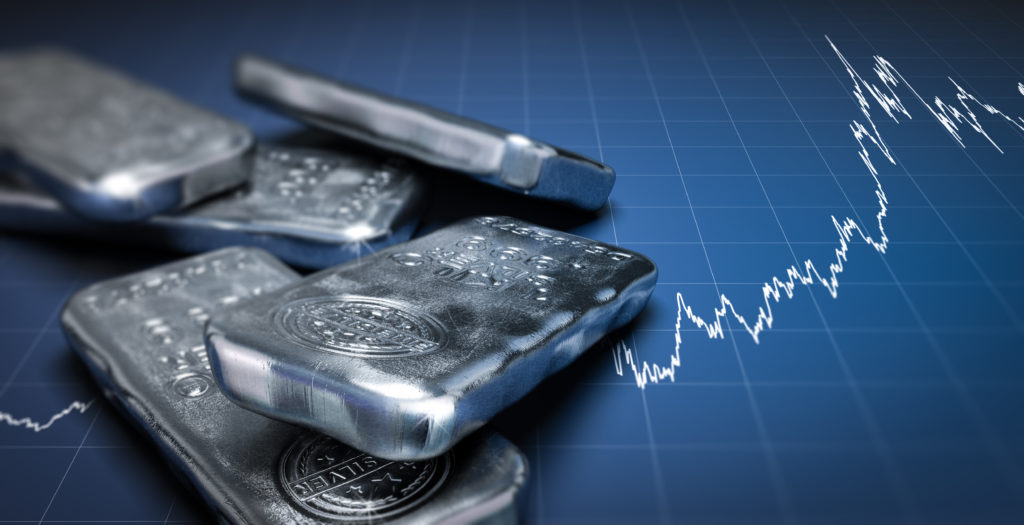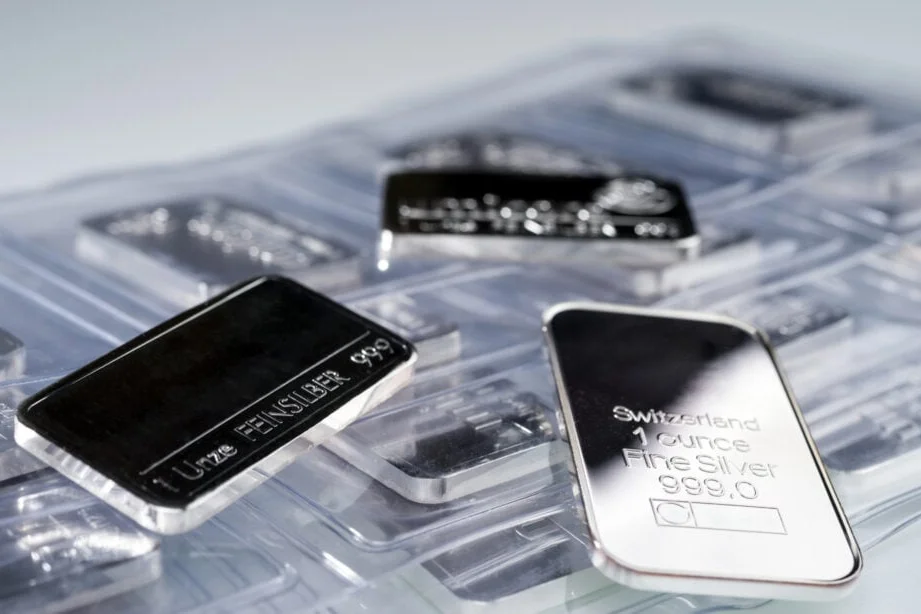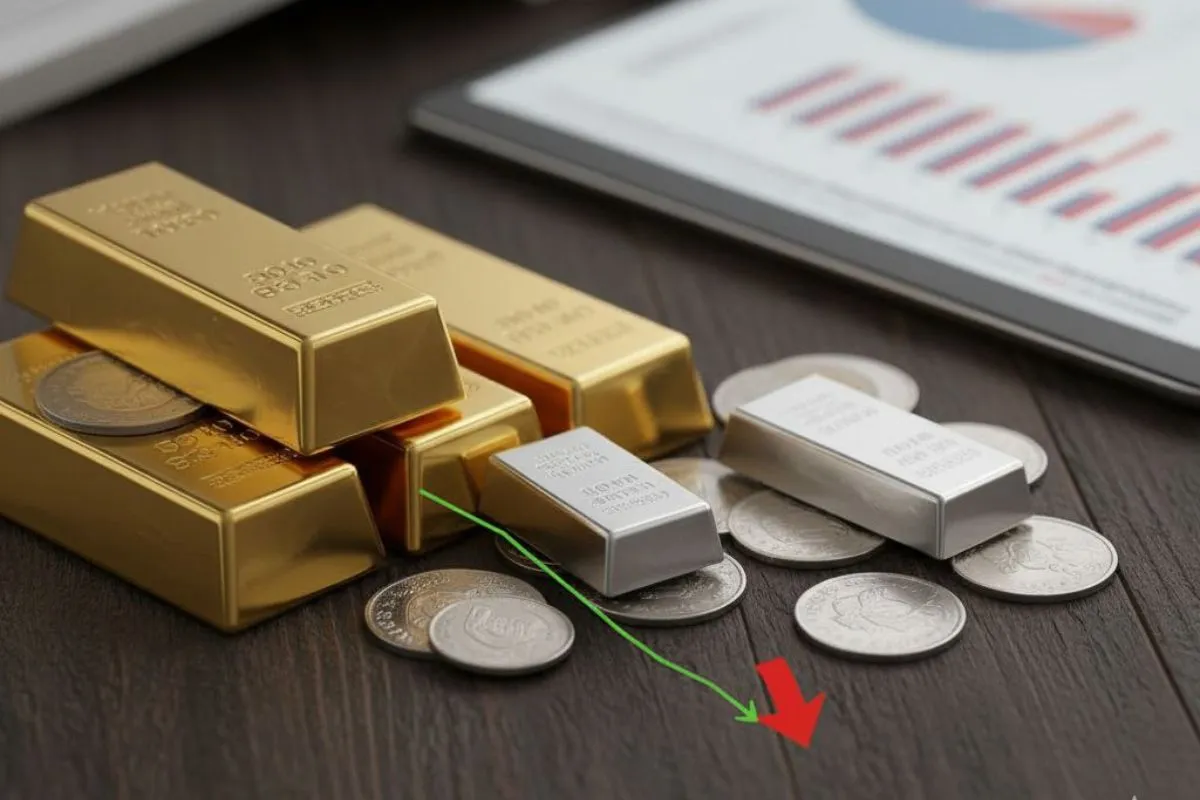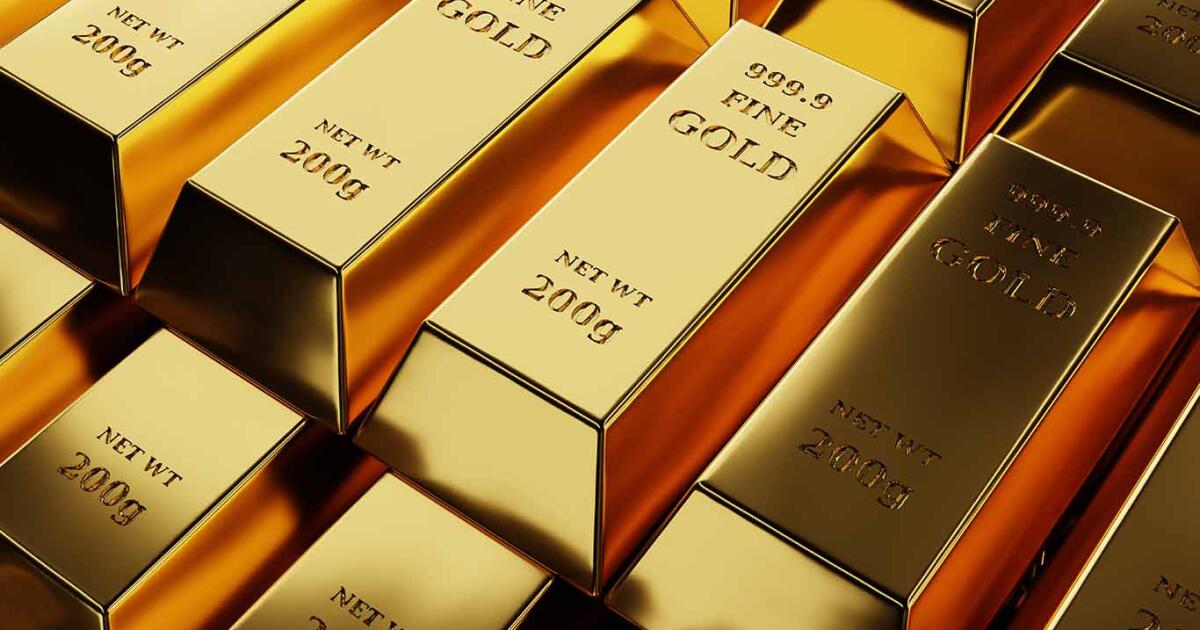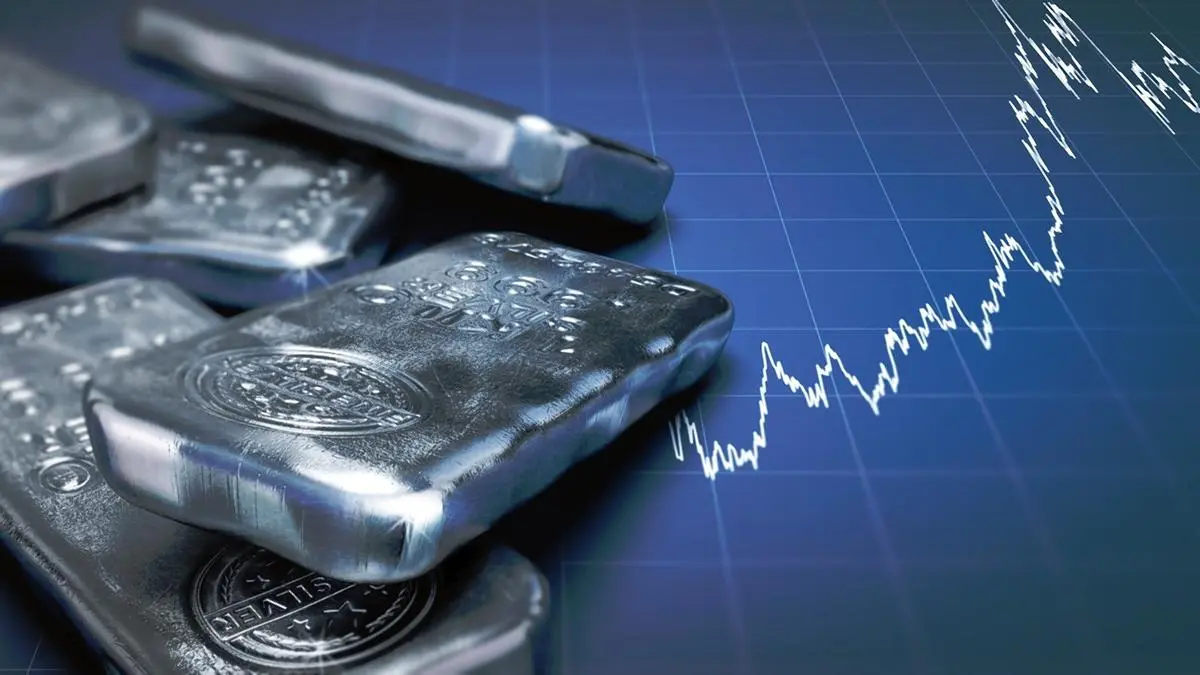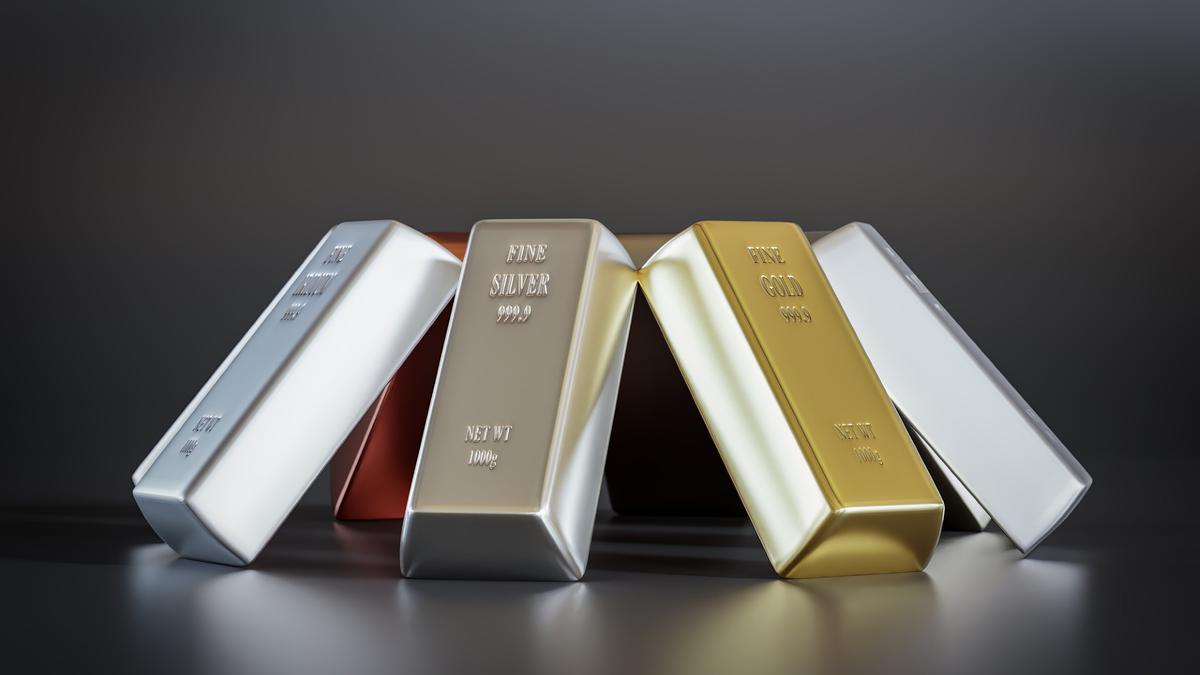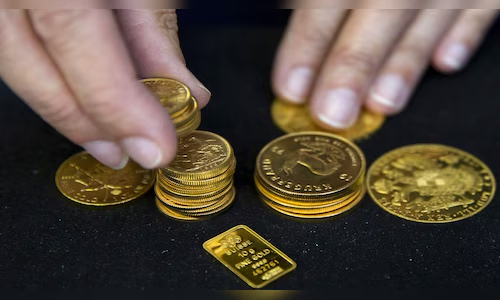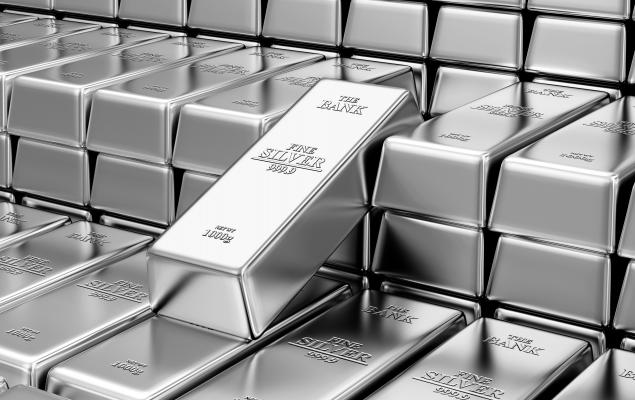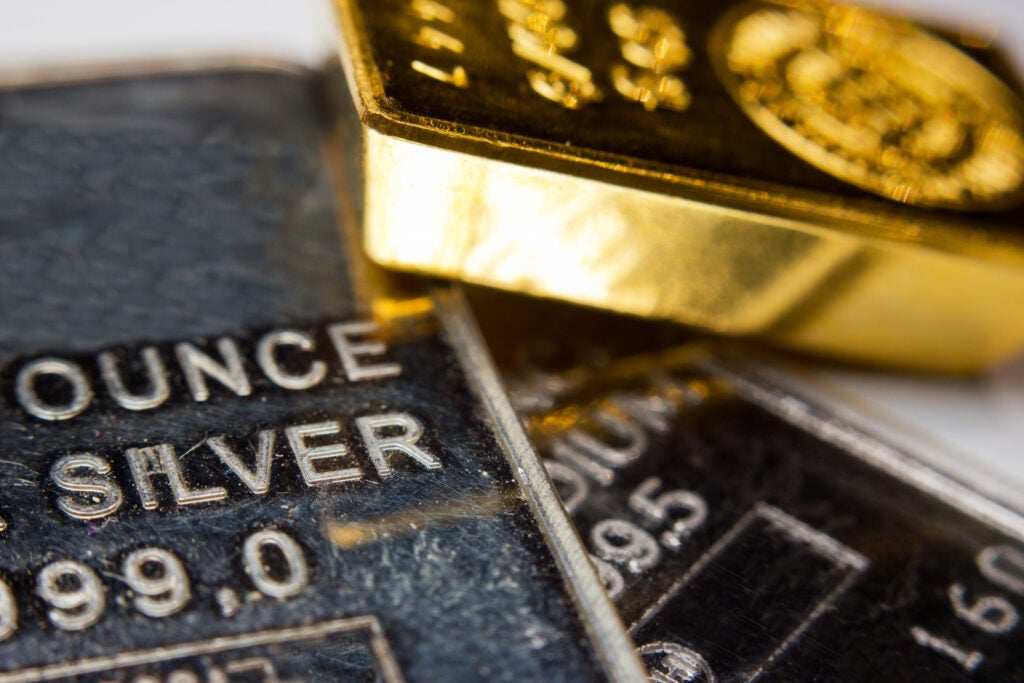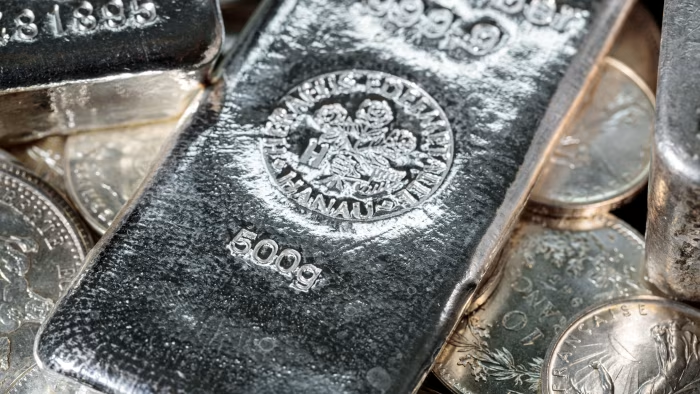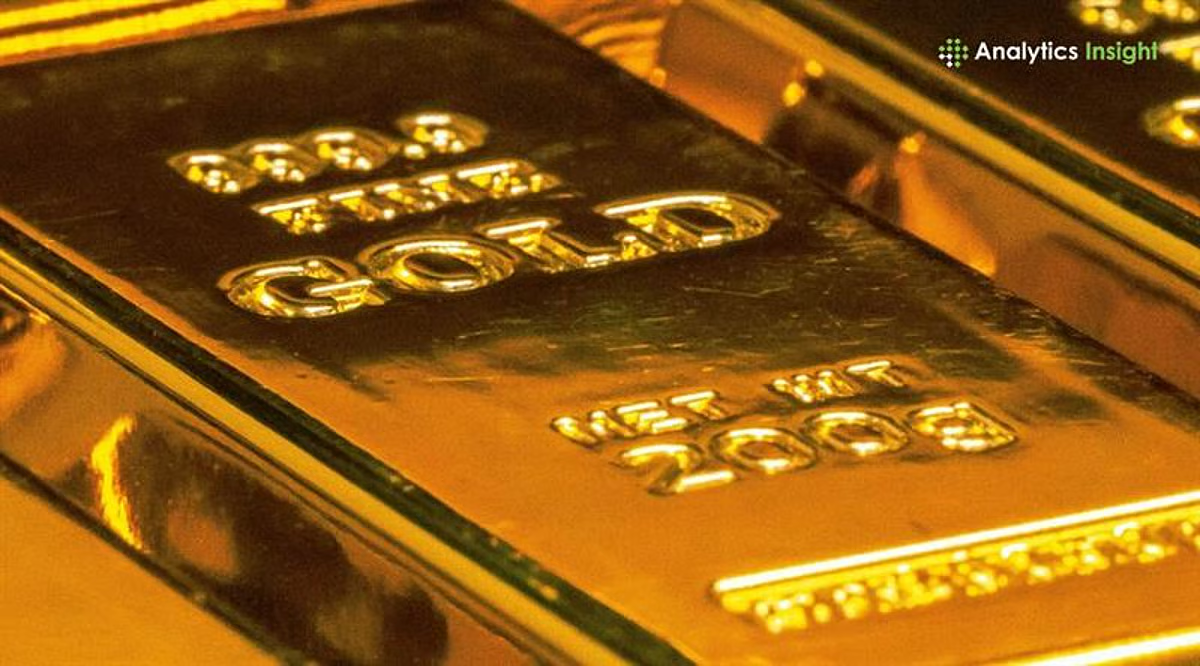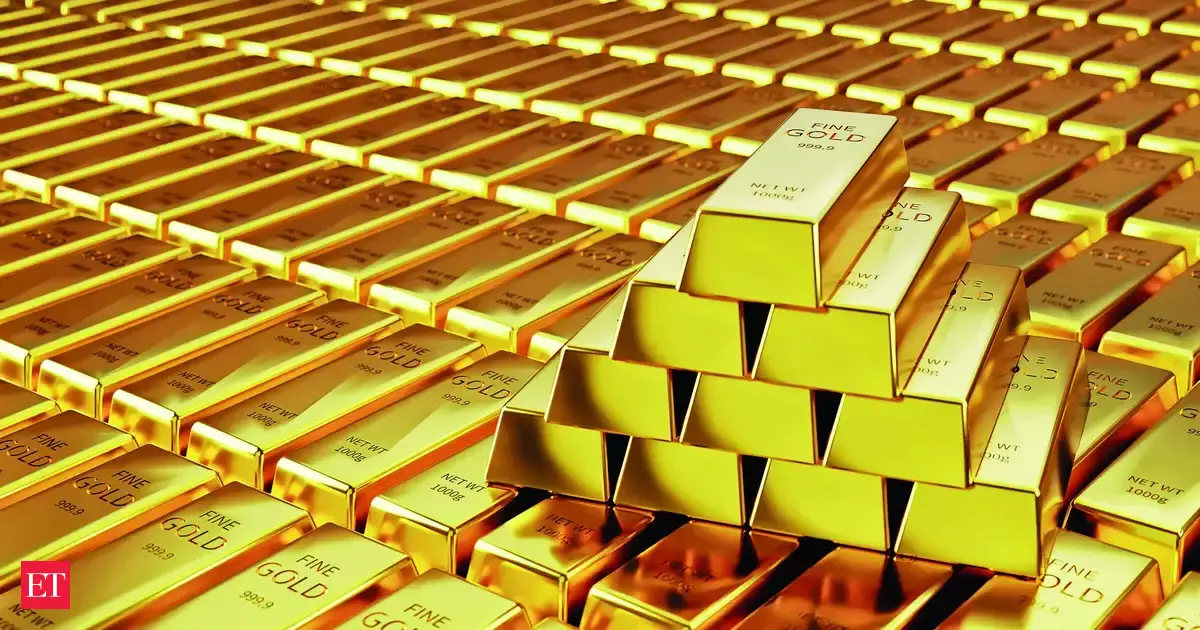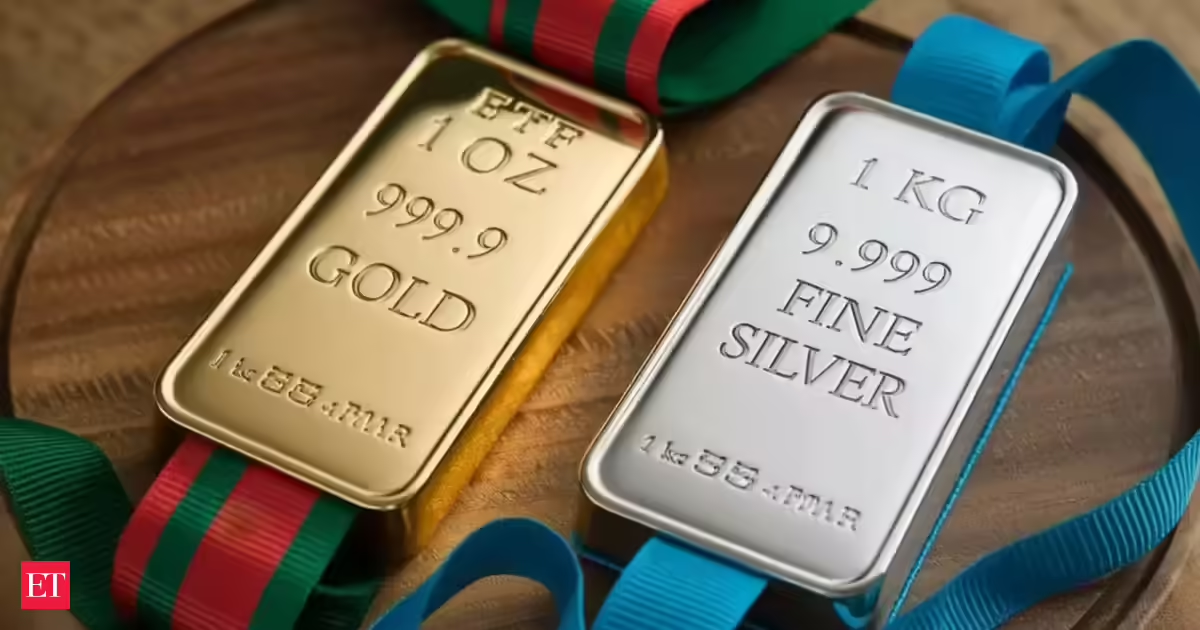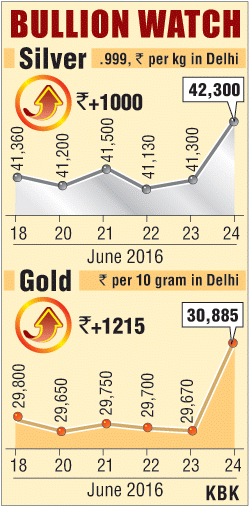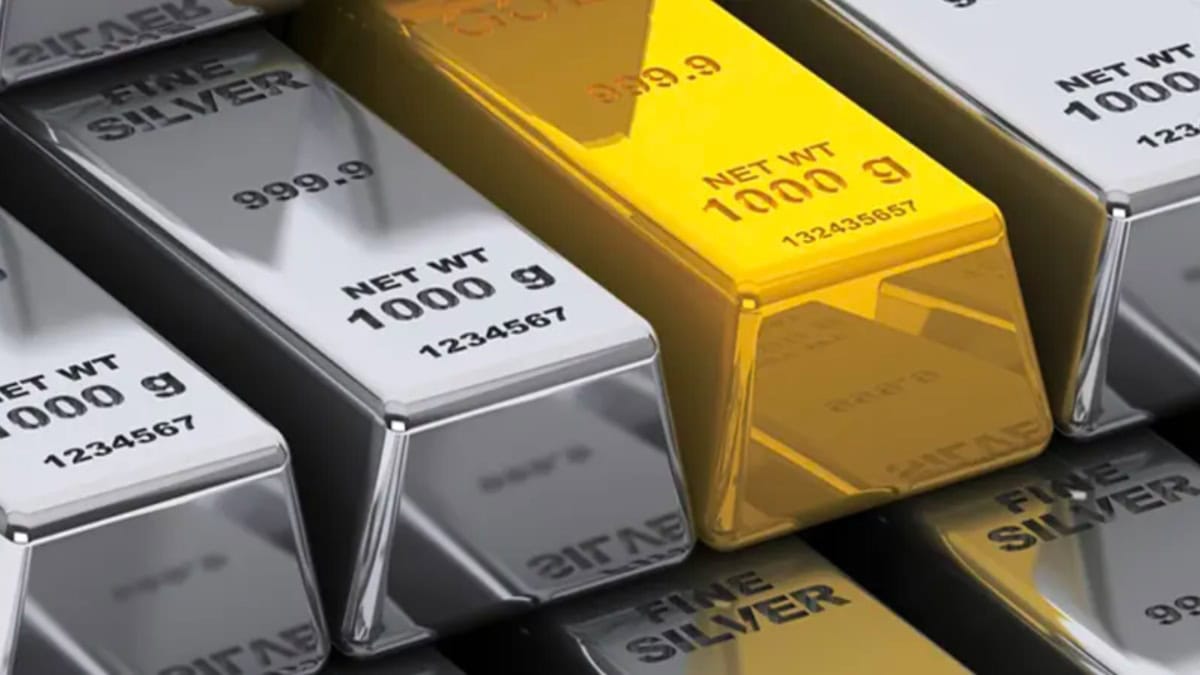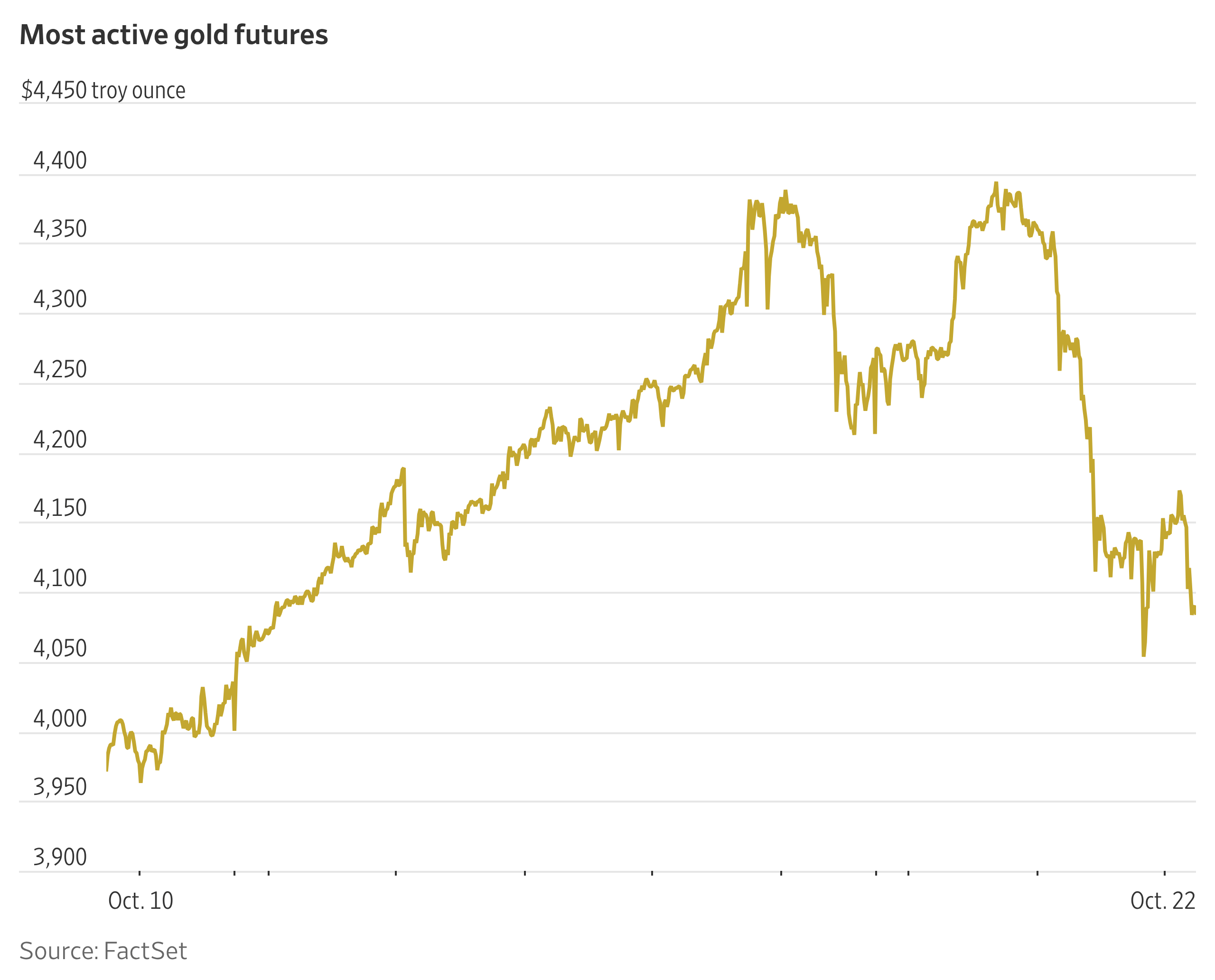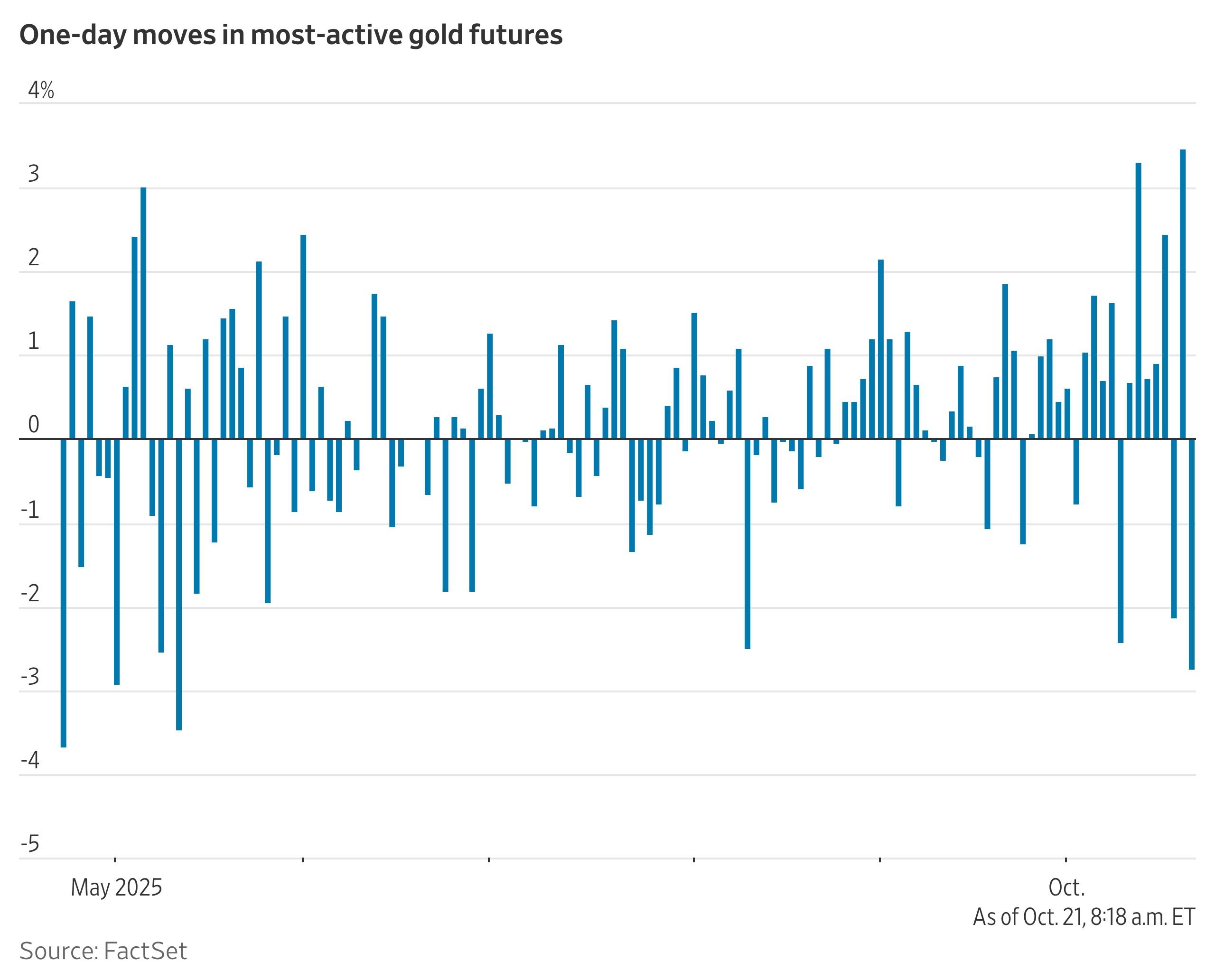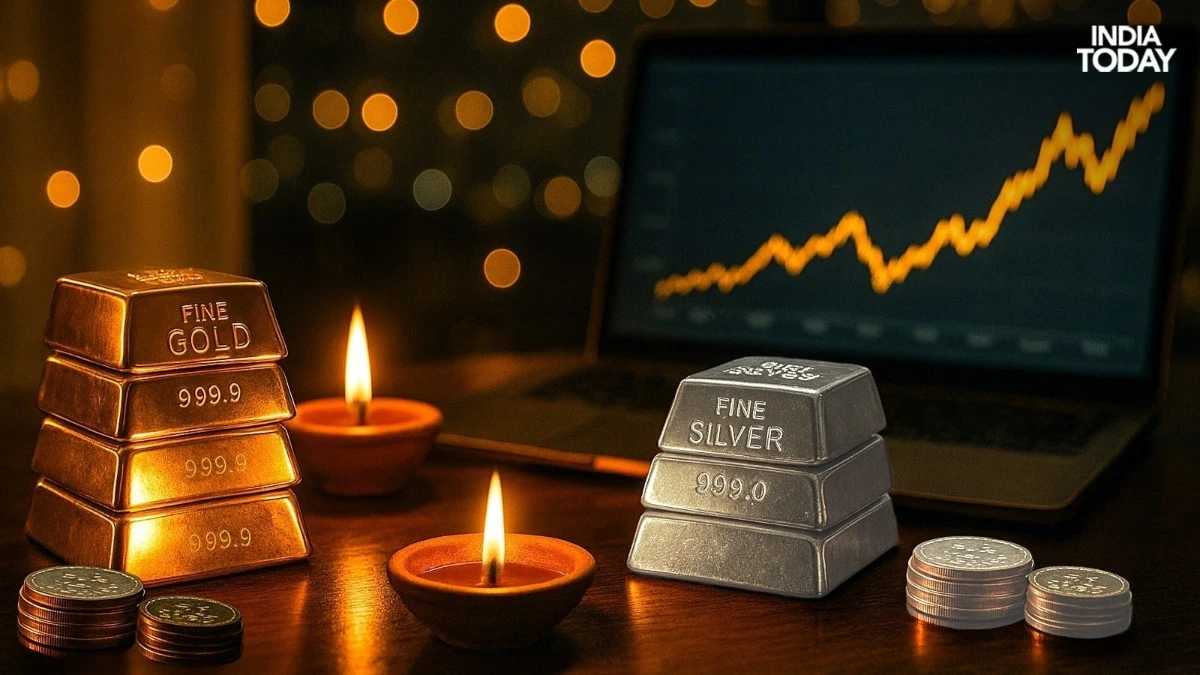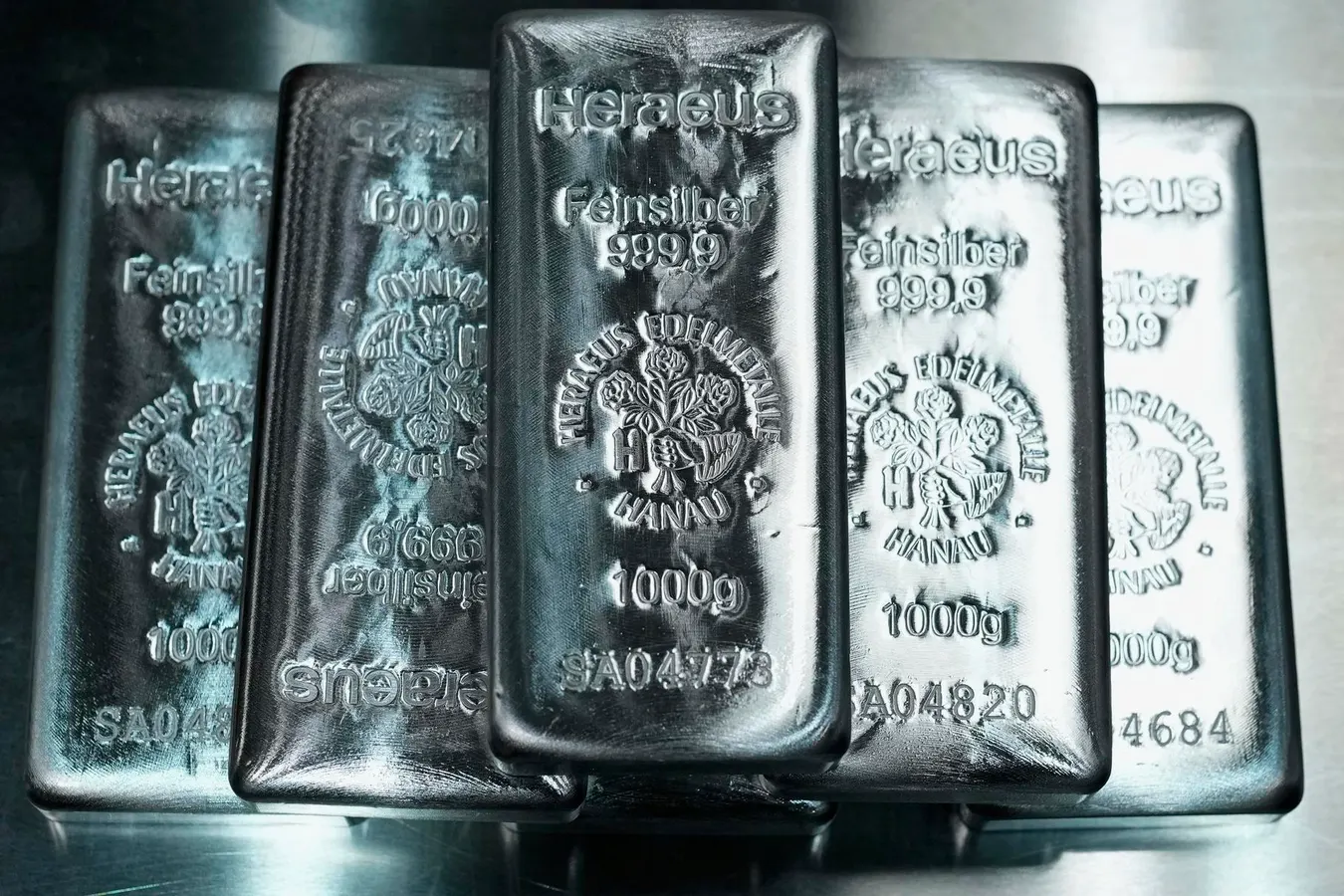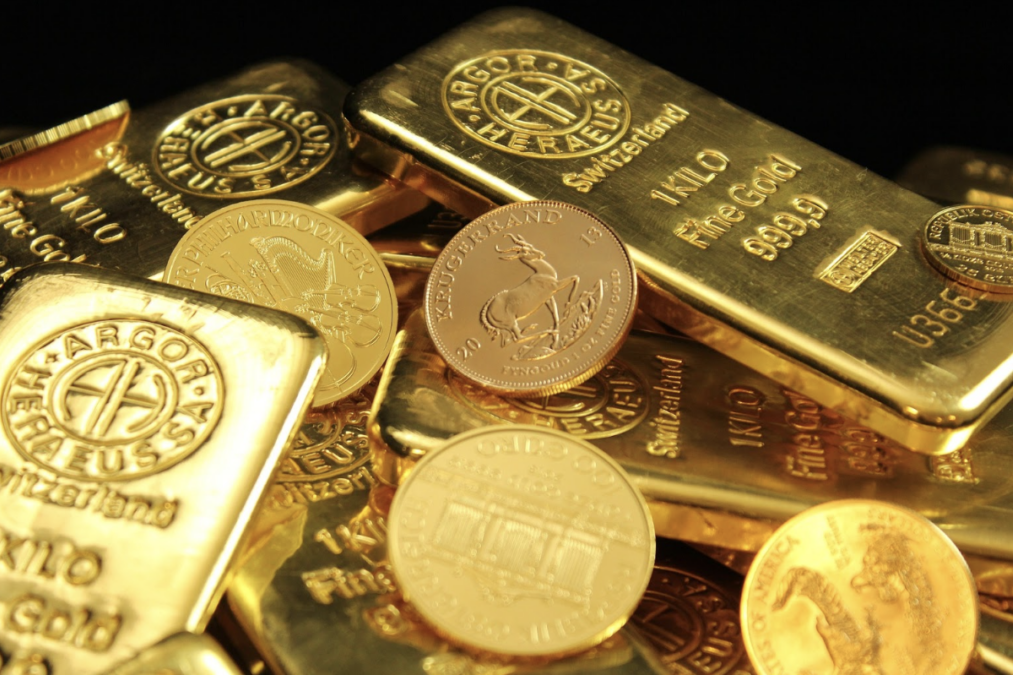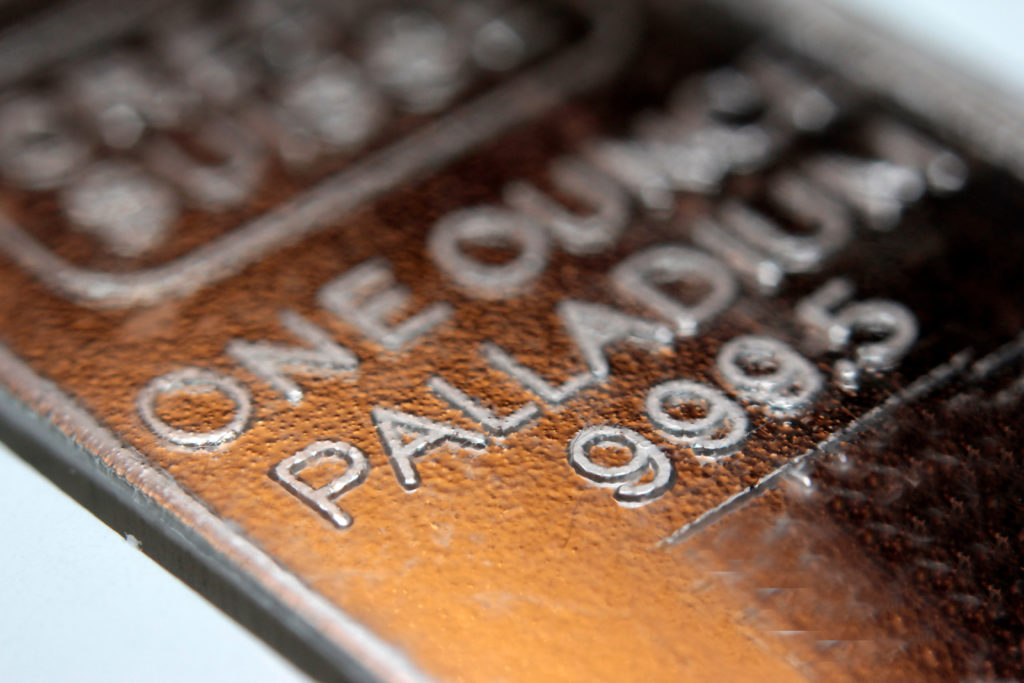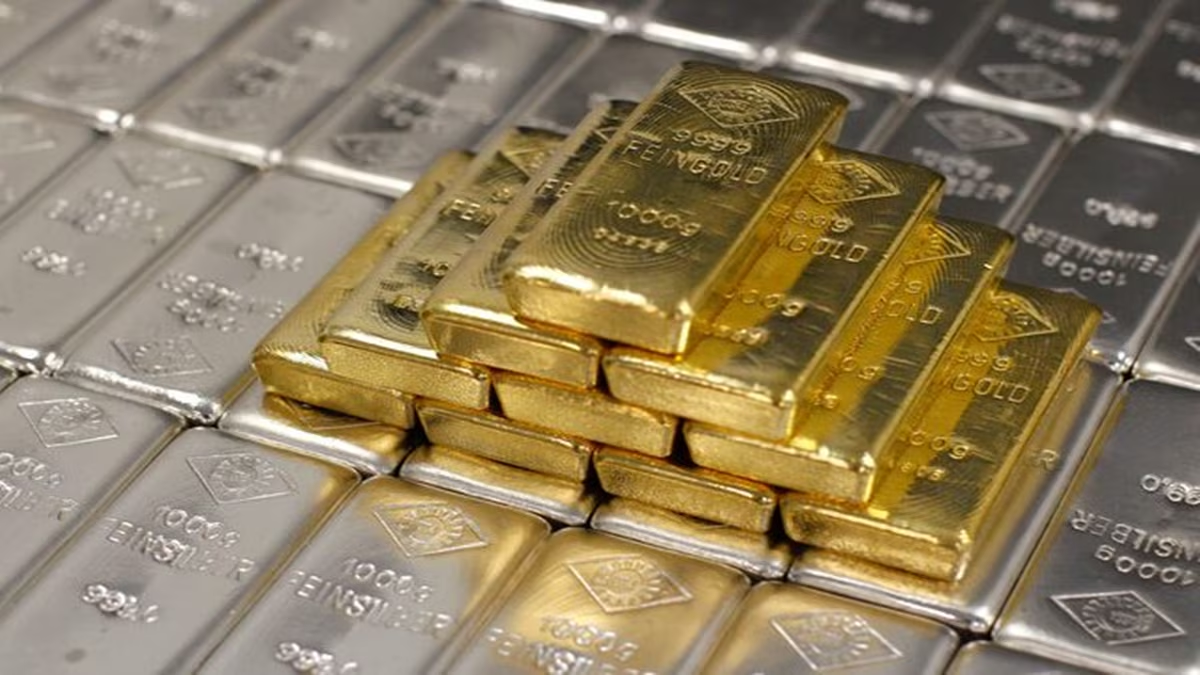
Precious metals saw a huge and sudden sell-off today. Silver plunged 9%, while gold slumped over 3% globally. It was no different for Indian markets either. MCX Gold Futures slumped by 2% while MCX Silver Futures plummeted by over 6%.
What triggered the sudden sell-off in Silver and gold
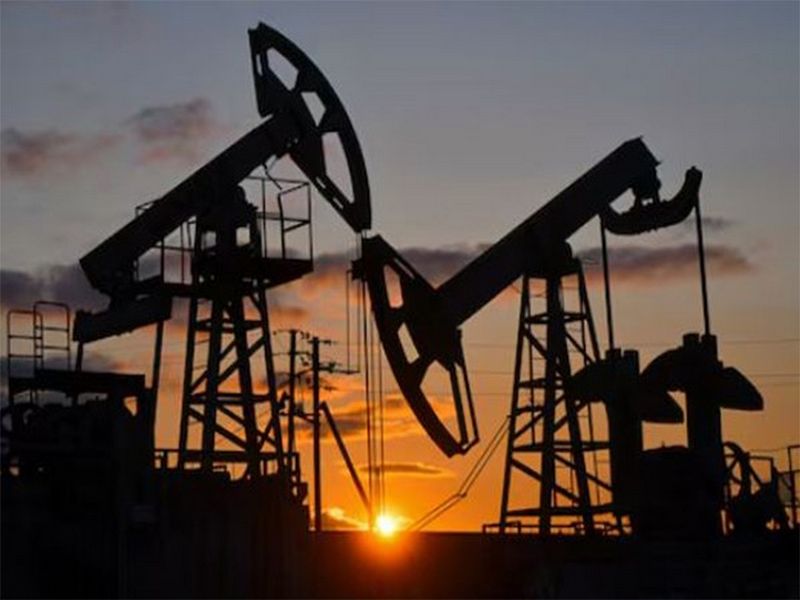
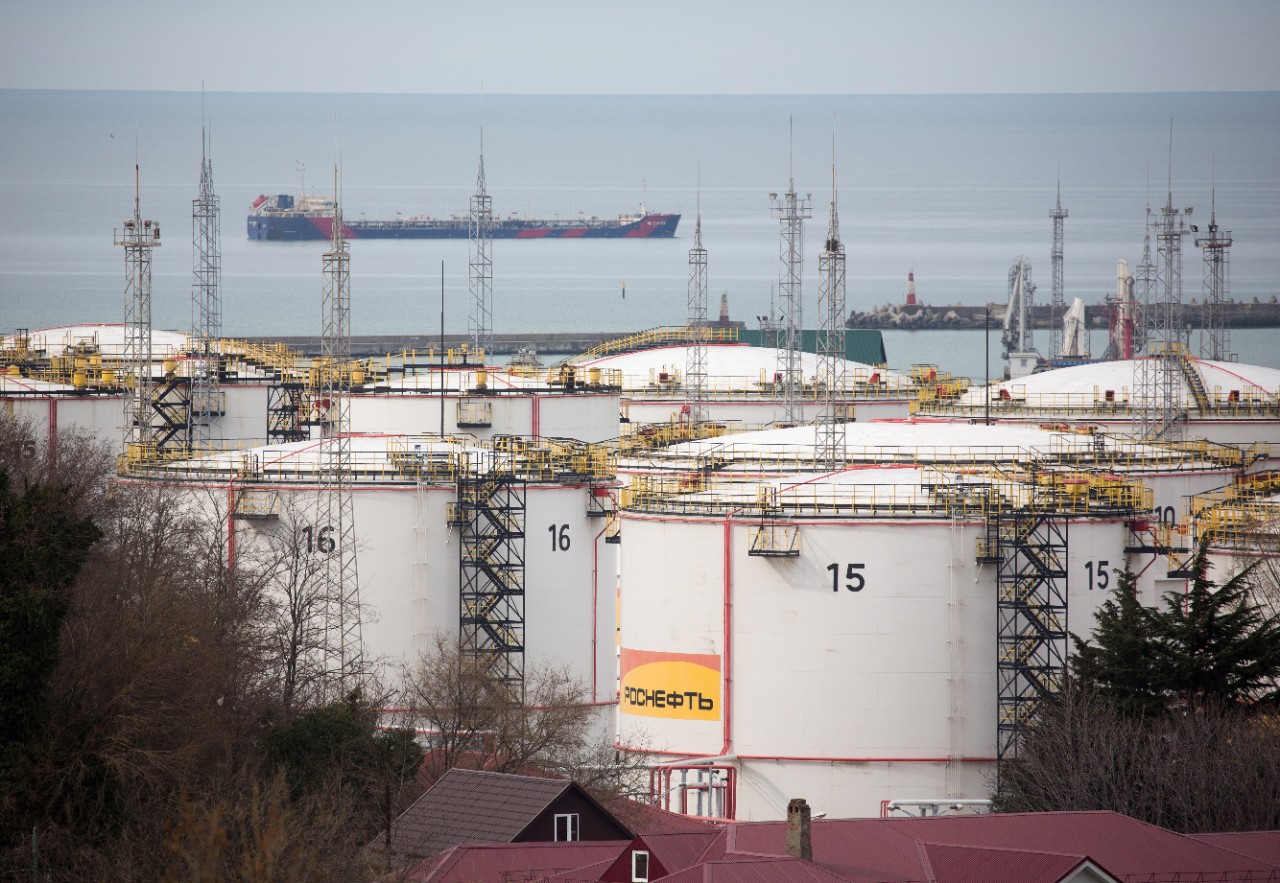
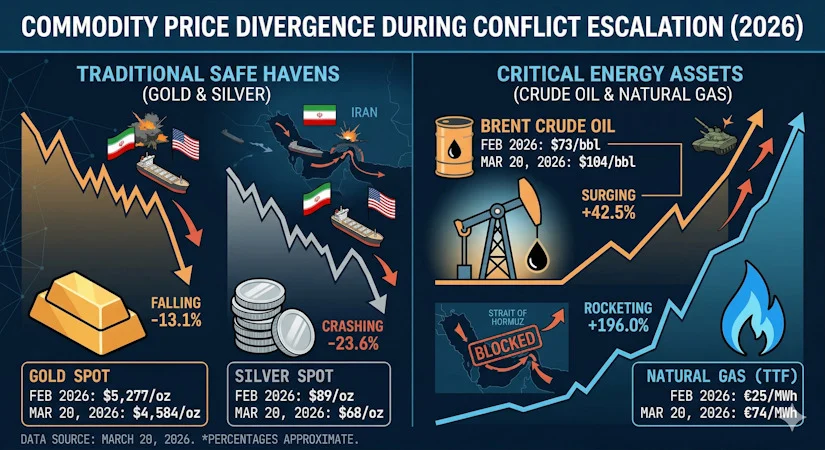
The sell-off was triggered by an escalation in crude prices which rose towards the $110/bbl mark, lack of significant progress in the US-China talks, as the Strait of Hormuz remains under dual blockade, coupled with better-than-forecasted US economic data and a rise in dollar index, which advanced by over 1%.
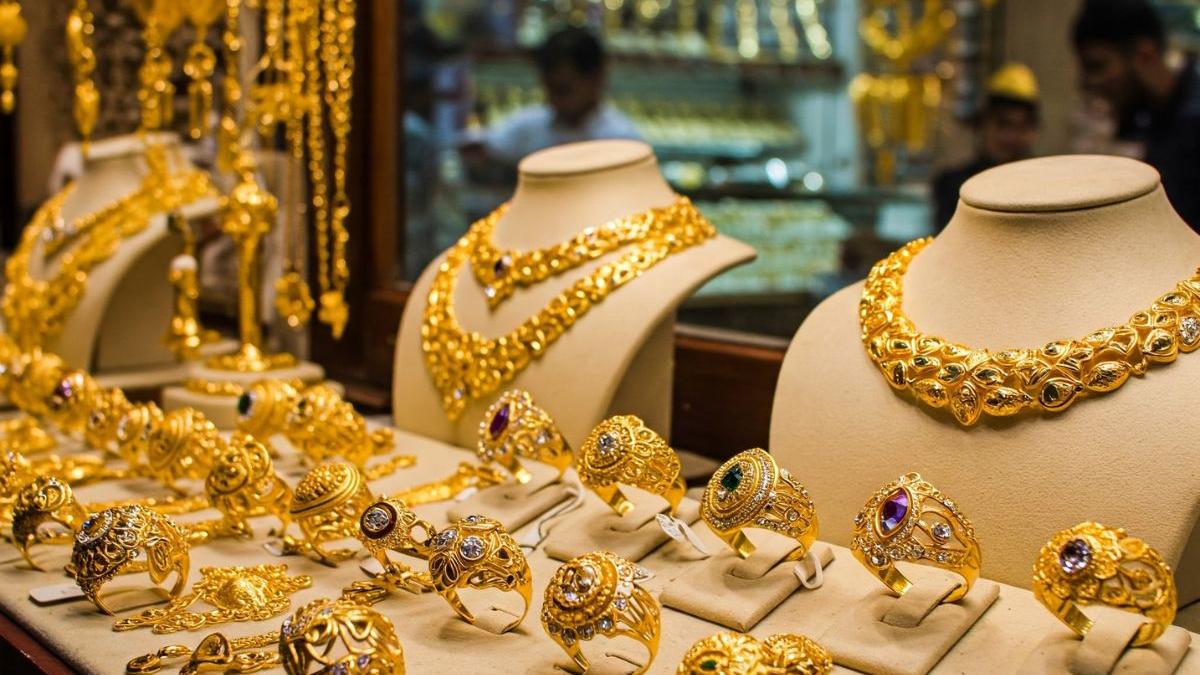
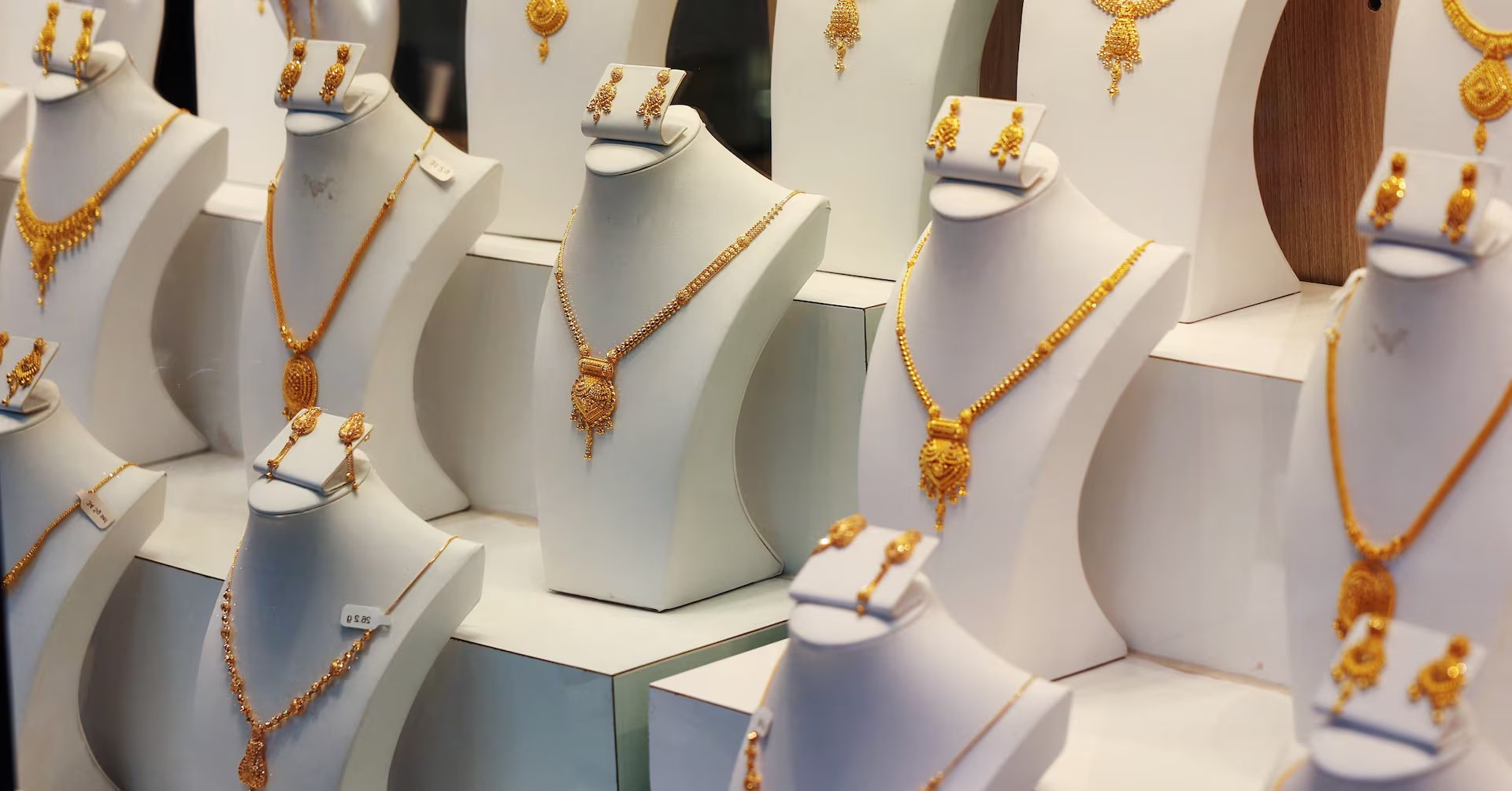
Further headwinds for precious metals came on the back of tightened import norms implemented by the Indian government. On May 14, tariffs on imports of gold and silver were increased to 15% from 6%, which was followed by a cap of 100 kg on duty-free import of gold for jewellery exporters.
Additionally, profit booking by investors added to the declines in precious metals. “Profit booking also emerged after the steep rally and elevated levels witnessed in recent sessions,” said Jateen Trivedi, VP, Research Analyst – Commodity and Currency, LKP Securities.
Silver, gold impacted by domestic concerns
Along with the global factors, these local concerns have also impacted gold and silver prices in India. The total duty on import of gold and silver coupled with the tax burden stands at 18.46% from 9.18%. This includes a basic customs duty of 10%, a 5% agriculture infrastructure and development cess (AIDC), and a 3% IGST charge on the duty-inclusive value.
India has been impacted by the West Asia conflict in multiple ways. A predominantly oil importer, the closure of Strait of Hormuz and subsequent surge in crude prices led to a ballooning of the country’s import bill and weakening of the rupee.
India imports more than 80% of its fuel and energy requirements from the Middle East, and with the closure of the Hormuz passage, oil reserves of the country have started depleting, proven by the rise in retail prices of petrol and diesel.
Discount in physical gold market impacted prices
Also, market participants said that the duty hike has triggered discounts in the physical precious metals market. Explaining the same, Manav Modi, Commodities Analyst at Motilal Oswal Financial Services said that discounts of nearly 1-2% are being offered in the physical markets.
“Let’s say gold worth Rs 1.6 lakh/10 gram is now being offered at Rs 1.58 lakh/10 gram in some markets. Similarly, one kg of silver, which was trading near Rs 2.85 lakh prior to the policy measures, is now being sold for nearly Rs 2.8 lakh in some markets.”
The analyst added that gold and silver ETFs have also been affected over these tightened measures.
Rollercoaster year for silver and gold so far
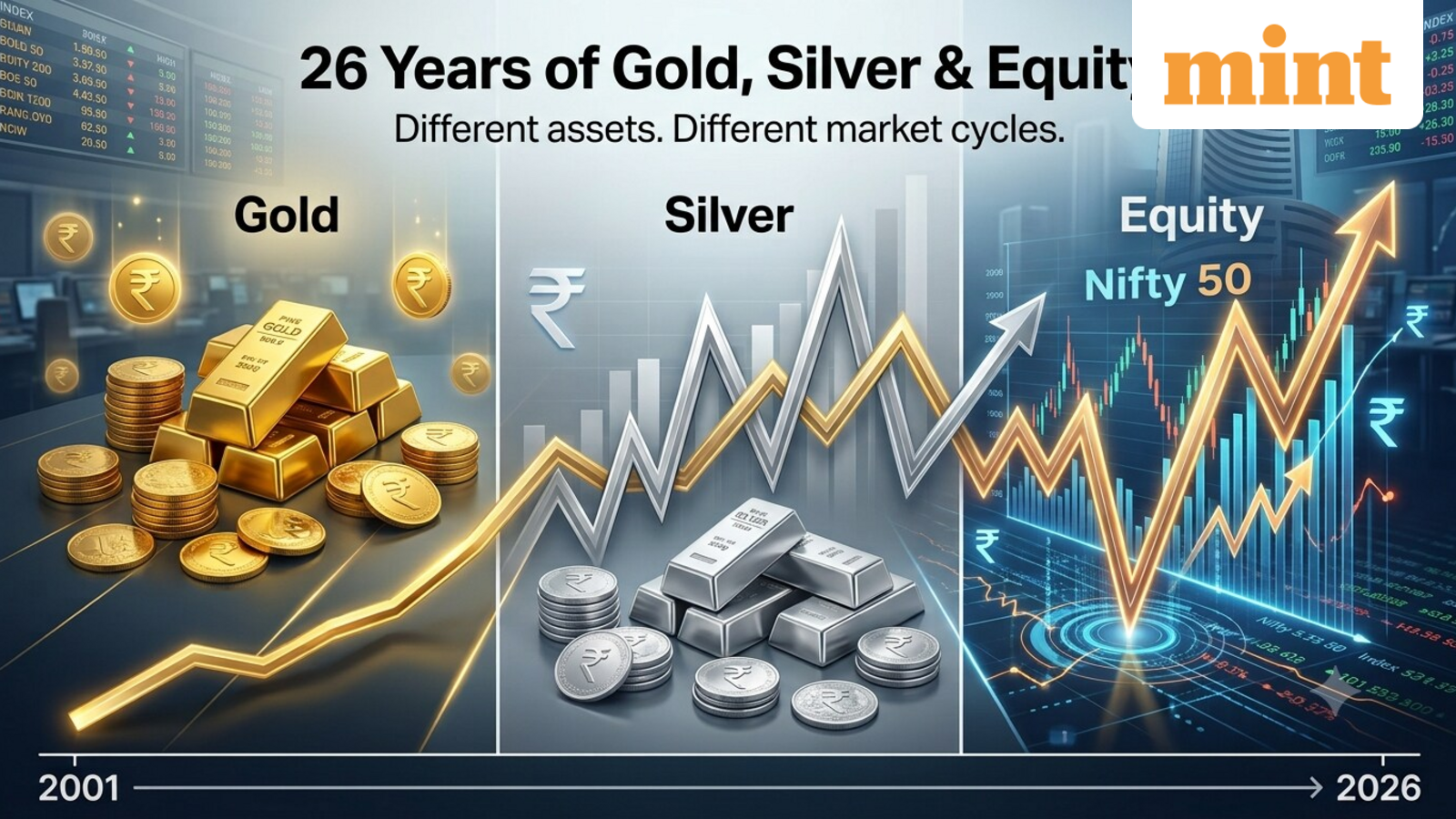
So far 2026, has been a year of extremes for gold and silver., These precious metals have hit their record highs and also nosedived towards their all-time lows.
Prices on MCX take cues from international prices to align with global trends. Earlier in February, spot gold was hovering near the $5,600/oz mark supported by a weakening dollar and safe-haven demand. But the tables turned as oil came into the picture, and in March spot gold fell below the $4,200/oz mark, touching its lowest levels since November 2025, driven by the escalations in the West Asia conflict.
The US-Iran standoff drove crude oil prices to record-high levels as it crossed the crucial $100/bbl mark, fuelling inflationary concerns and reinforcing expectations of rate hikes by central banks globally. Silver faced even more intensified selling pressure as it tumbled down to the lows of $61/oz in March, down 49% from its February’s peak of $120/oz.
Tension in the Middle East began in late February and have now stretched on for nearly 11 weeks. Amidst the US-Iran standoff the greenback emerged as the ultimate winner as the dollar index advanced towards the 100-mark and dampened the appeal for non-interest-bearing assets.
Outlook for Gold
“For the short term, gold support is seen near Rs 1,54,000 while resistance remains around Rs 1,62,000,” Trivedi added.
As for international markets, spot gold needs to hold above the $4,500/oz mark, said Ole S. Hanson, head of commodity strategy at Saxo Bank in a report.
“Gold, meanwhile, remains rangebound, with support established ahead of $ 4,500, while resistance is found at the 50-day moving average near $ 4,757, followed by $ 4,850,” he added.