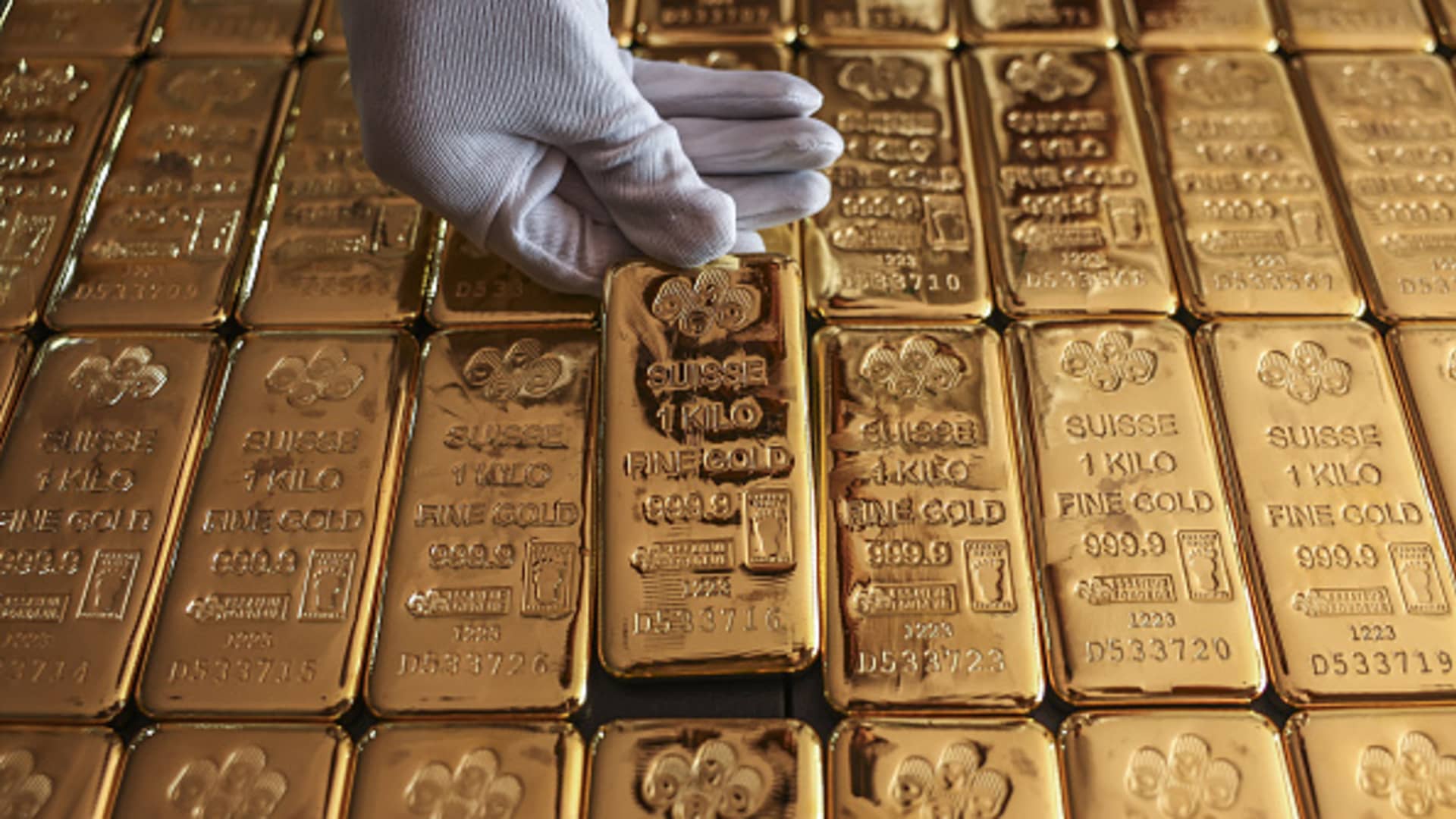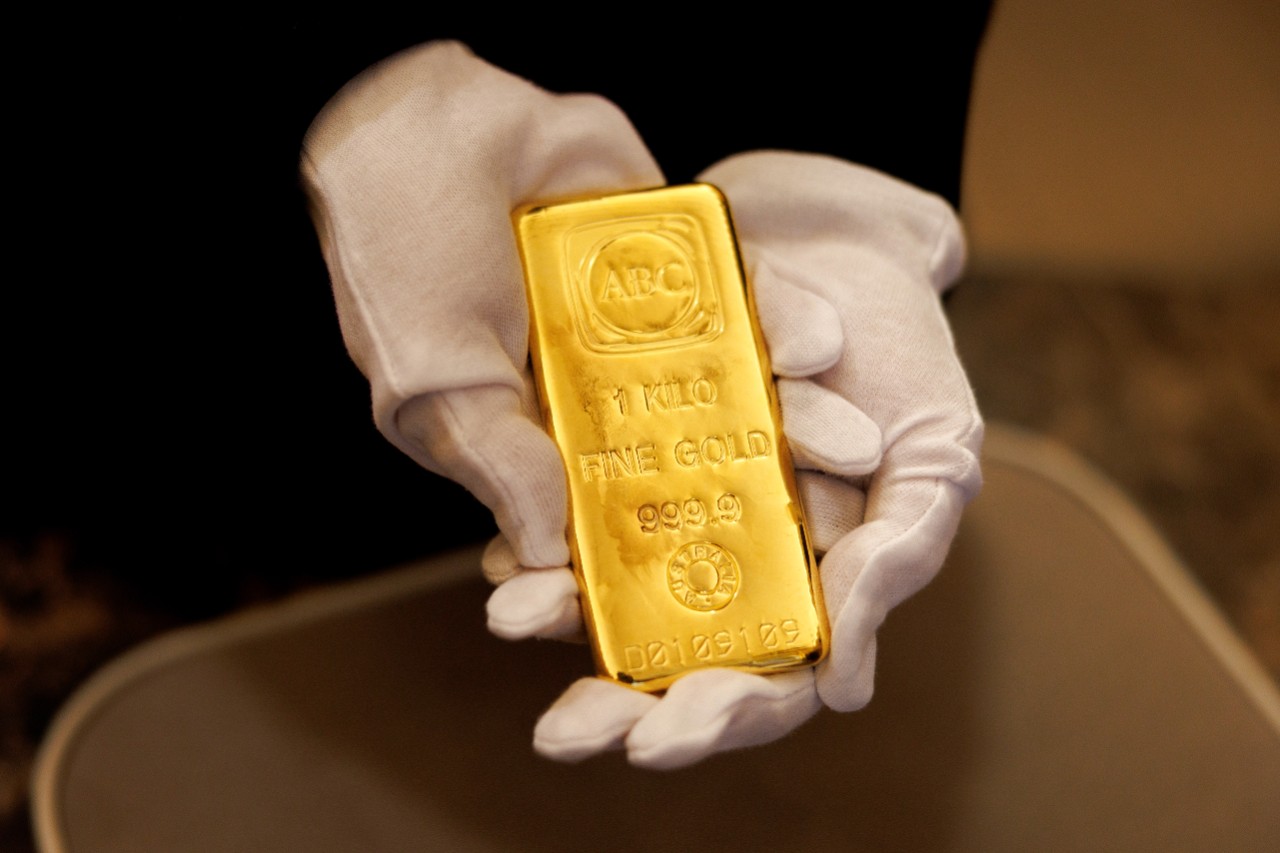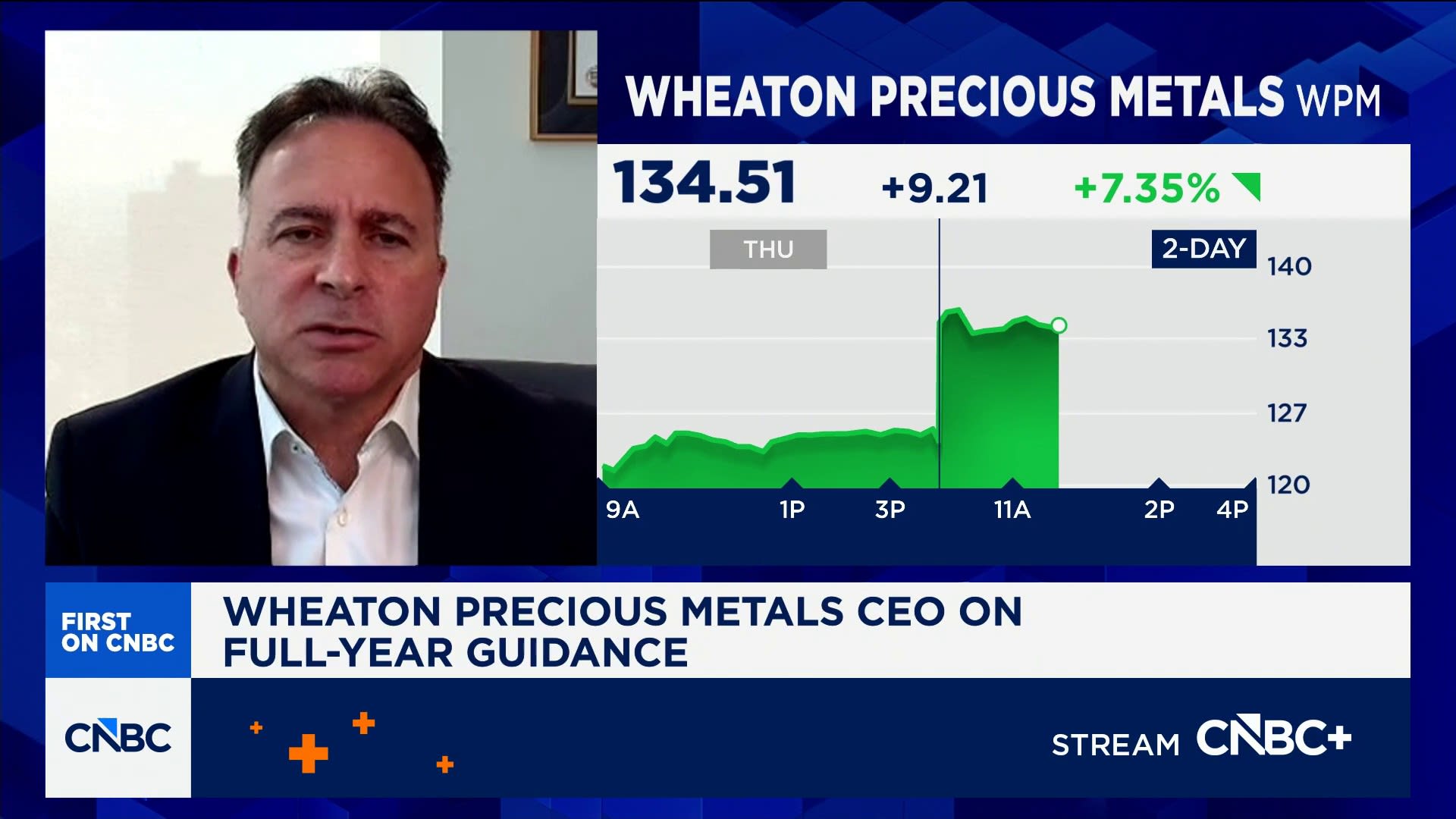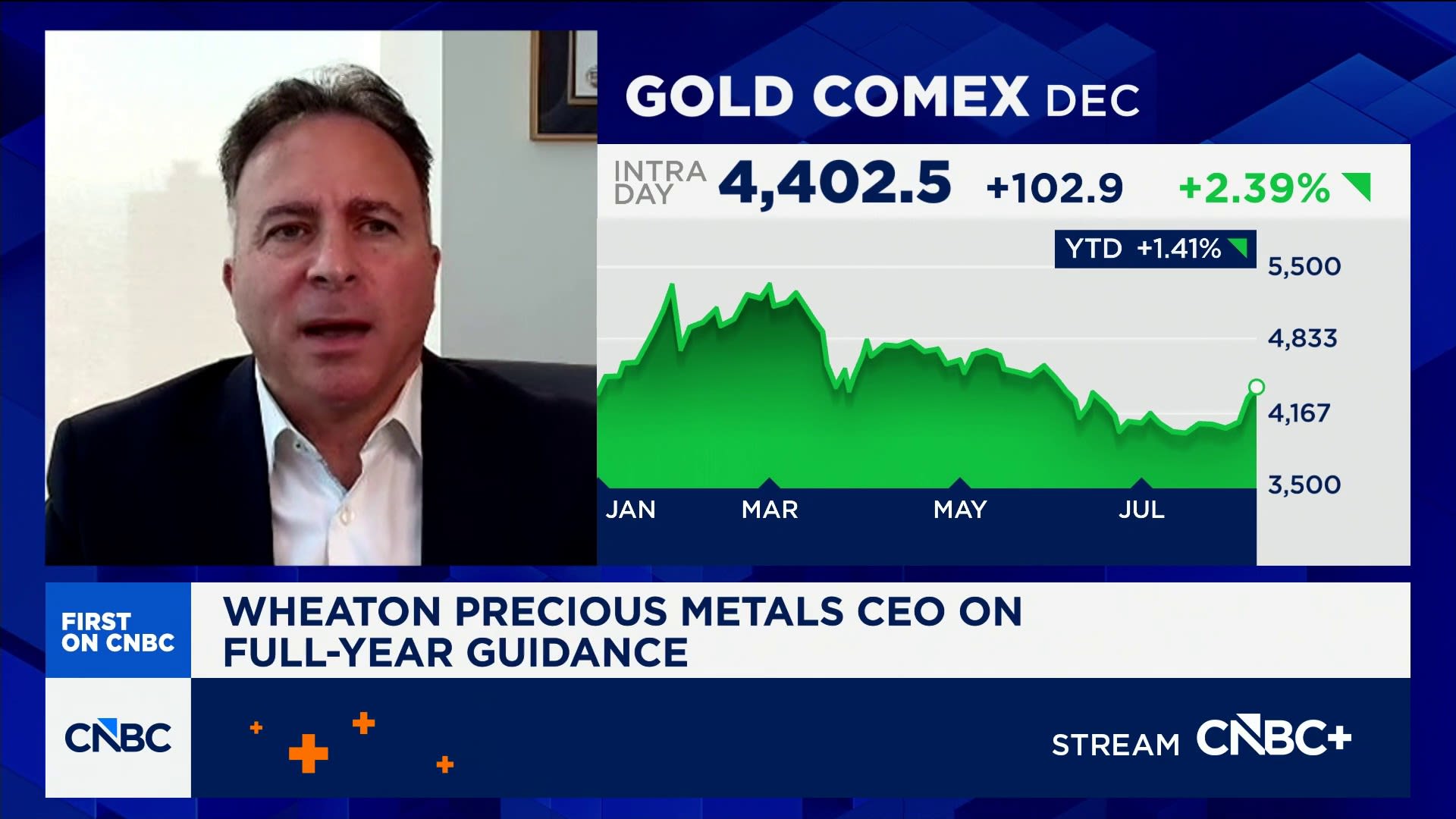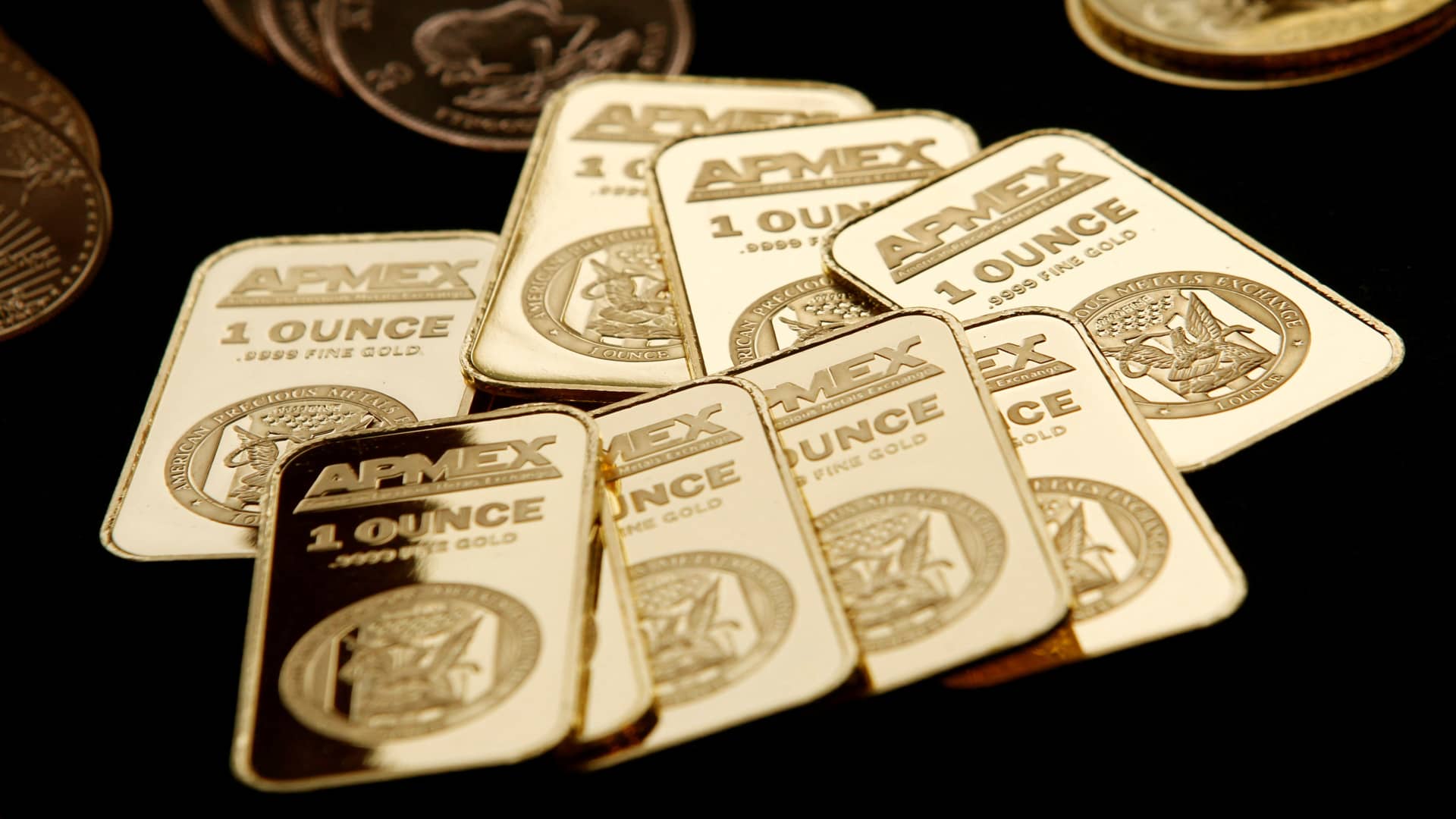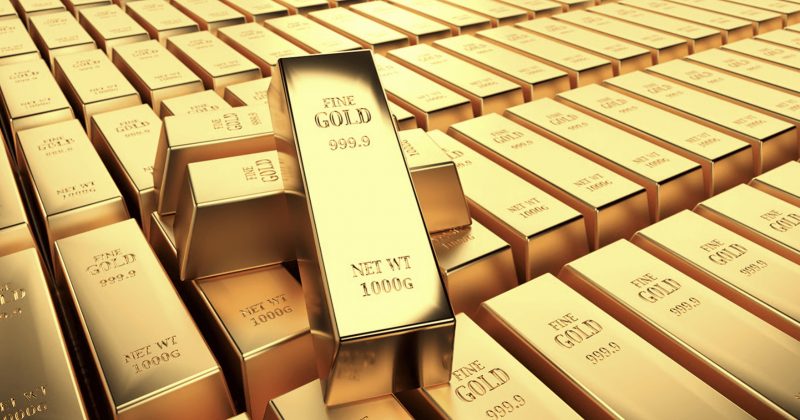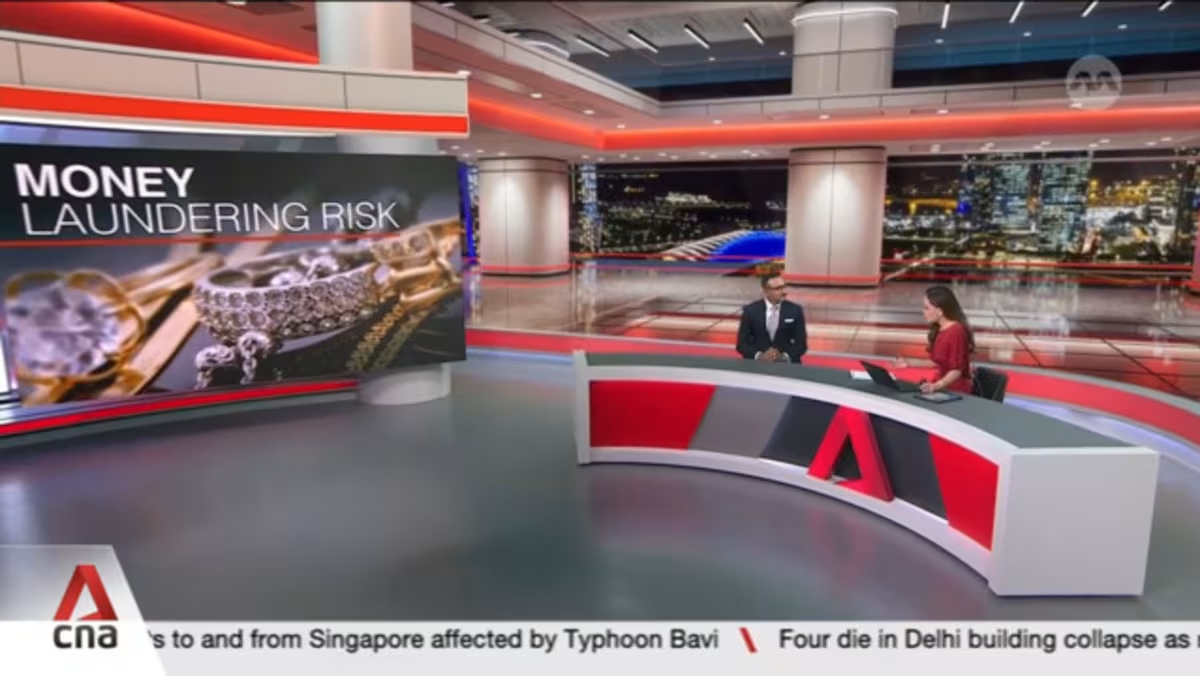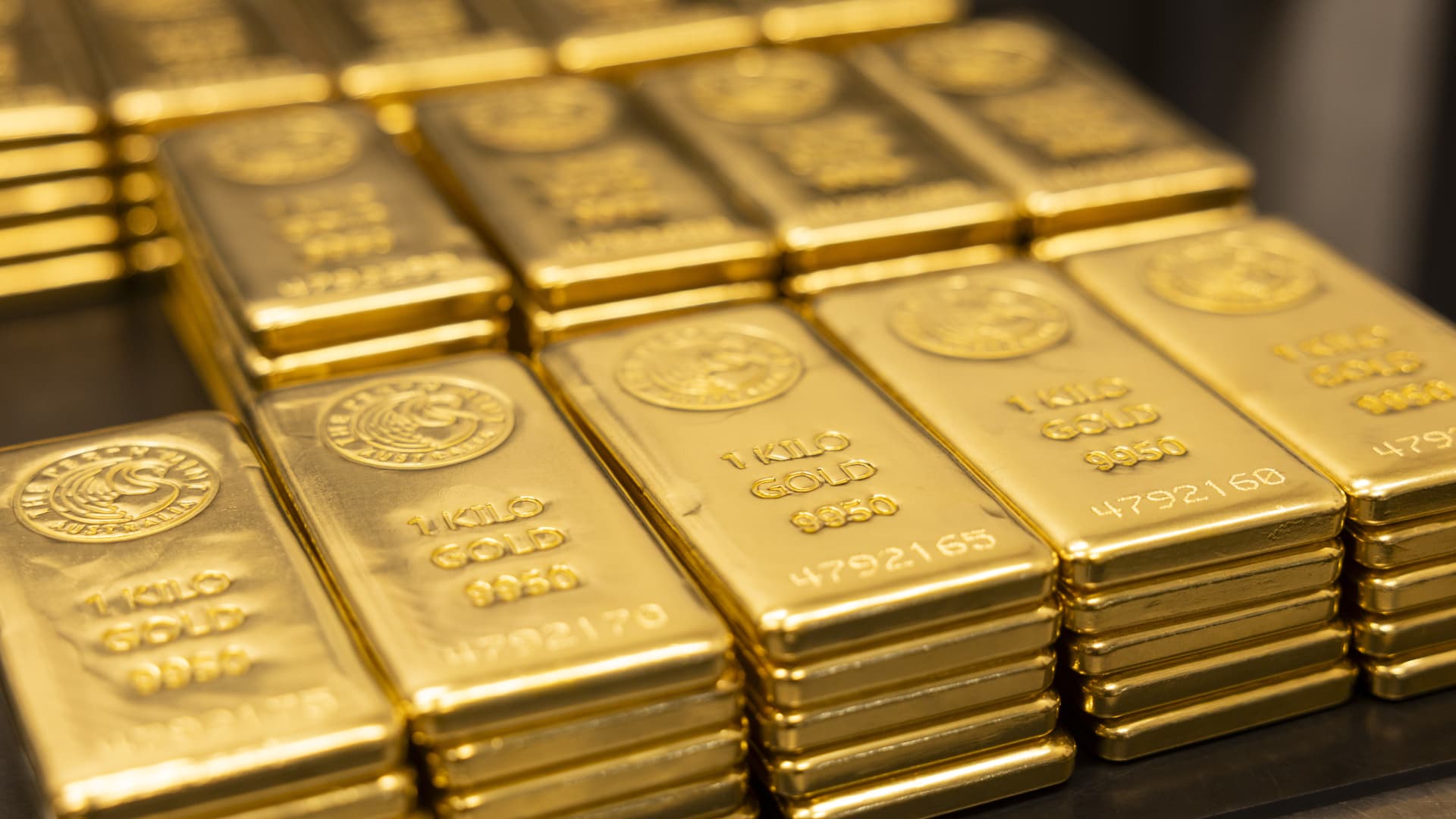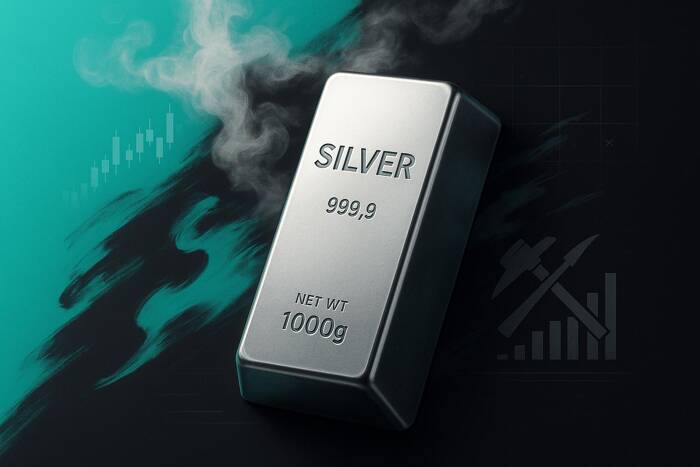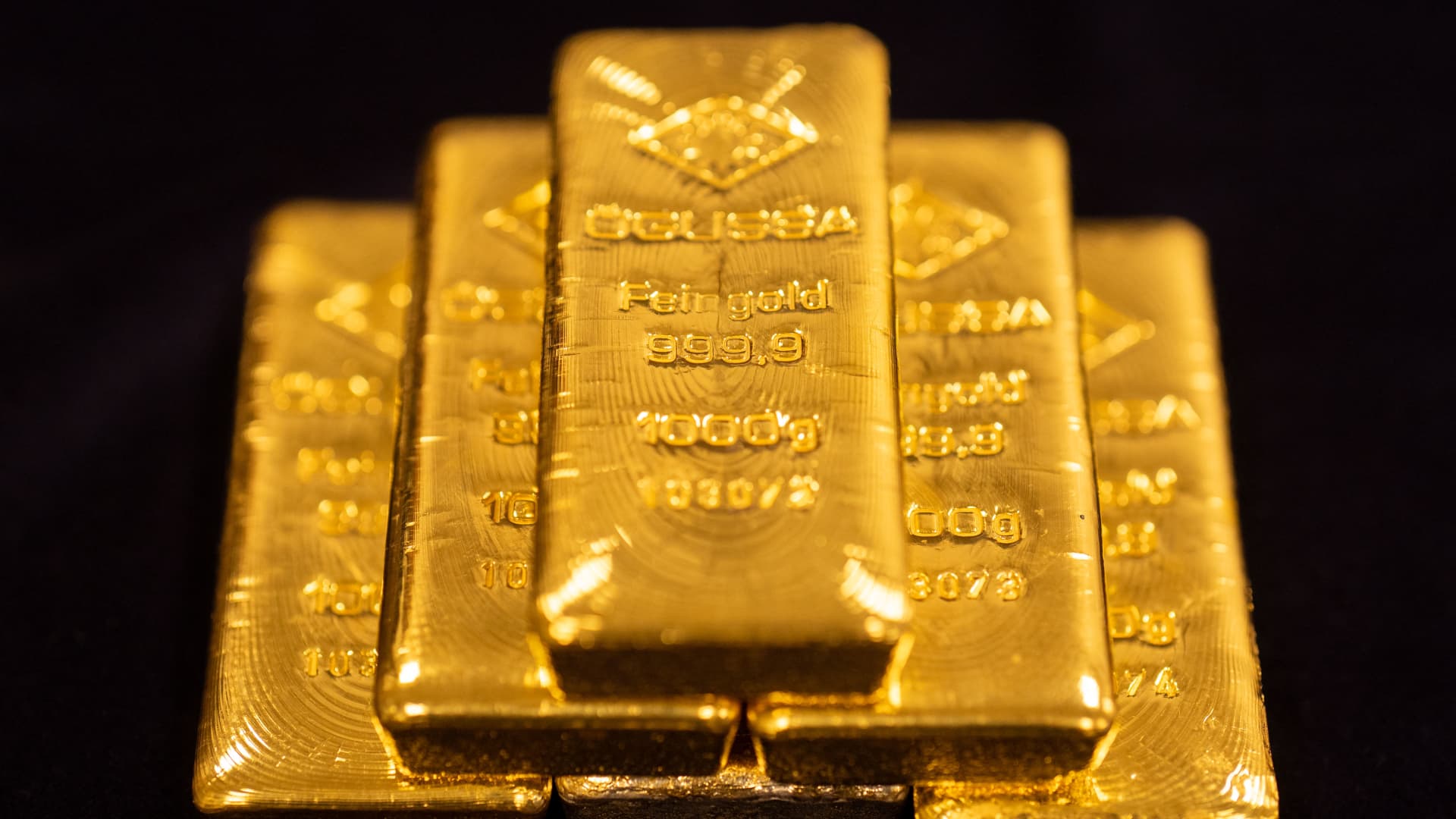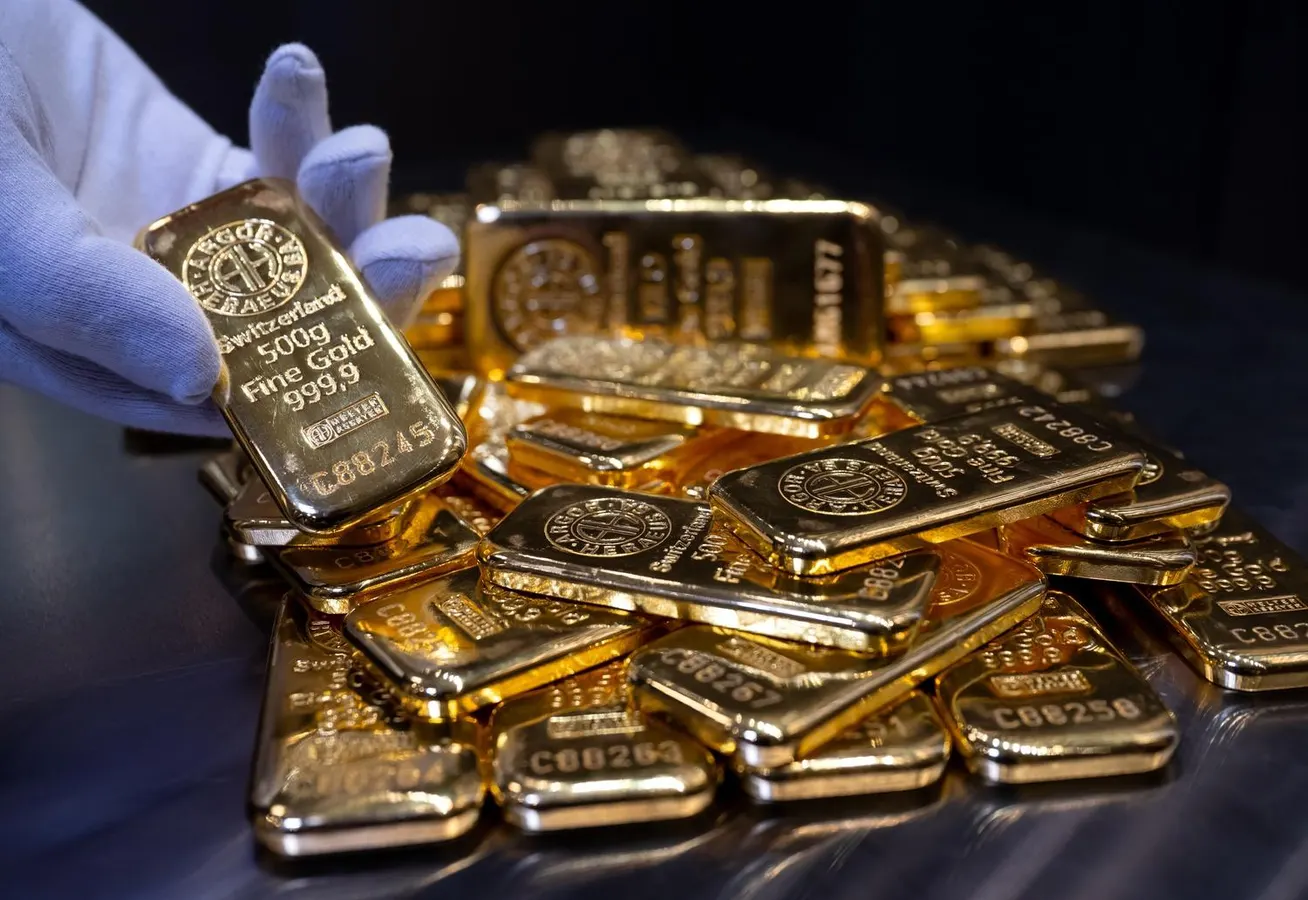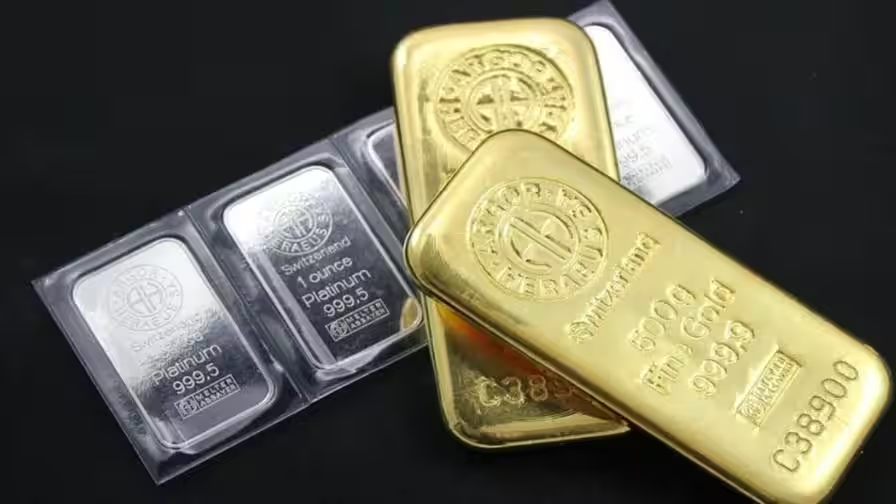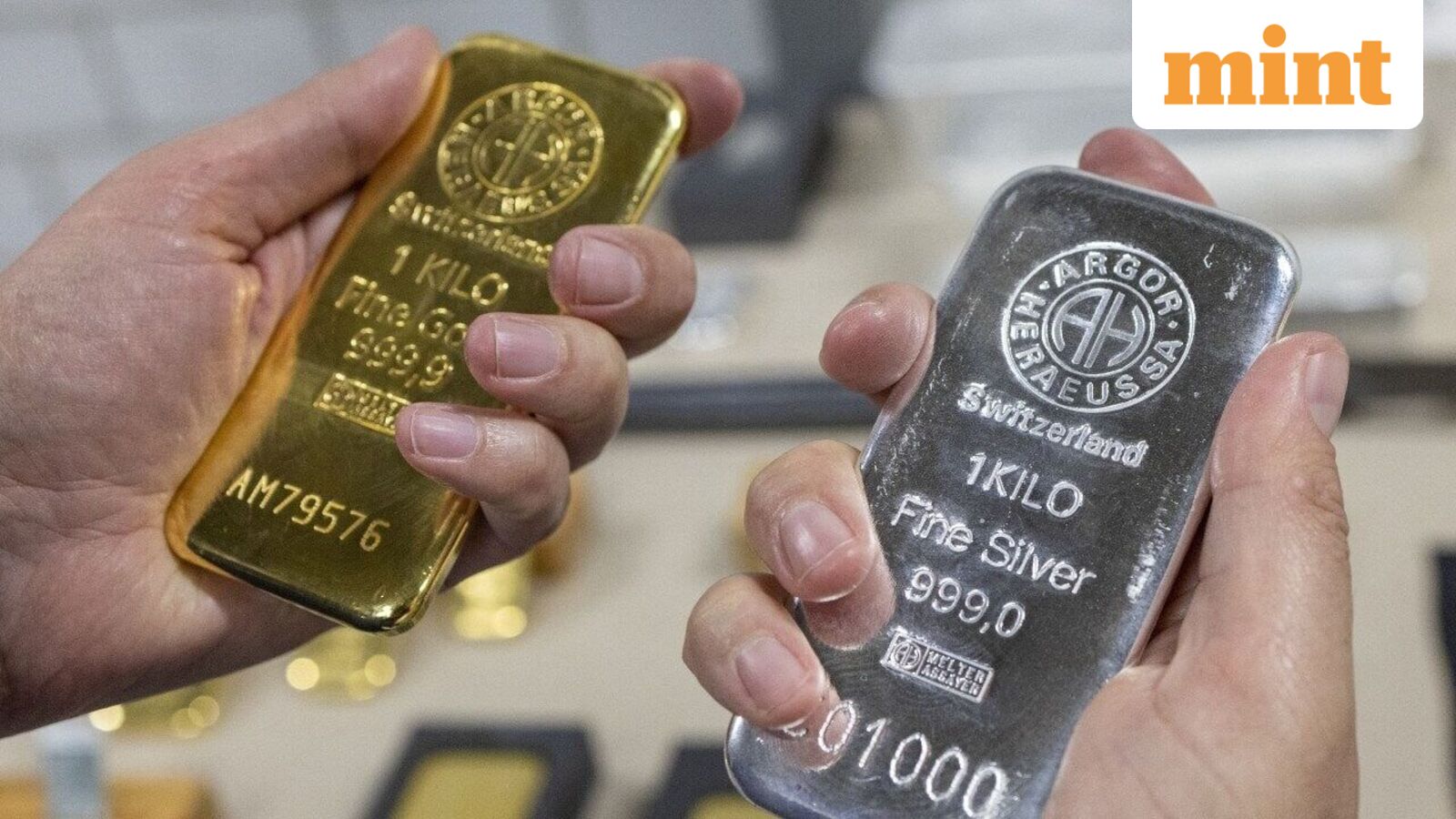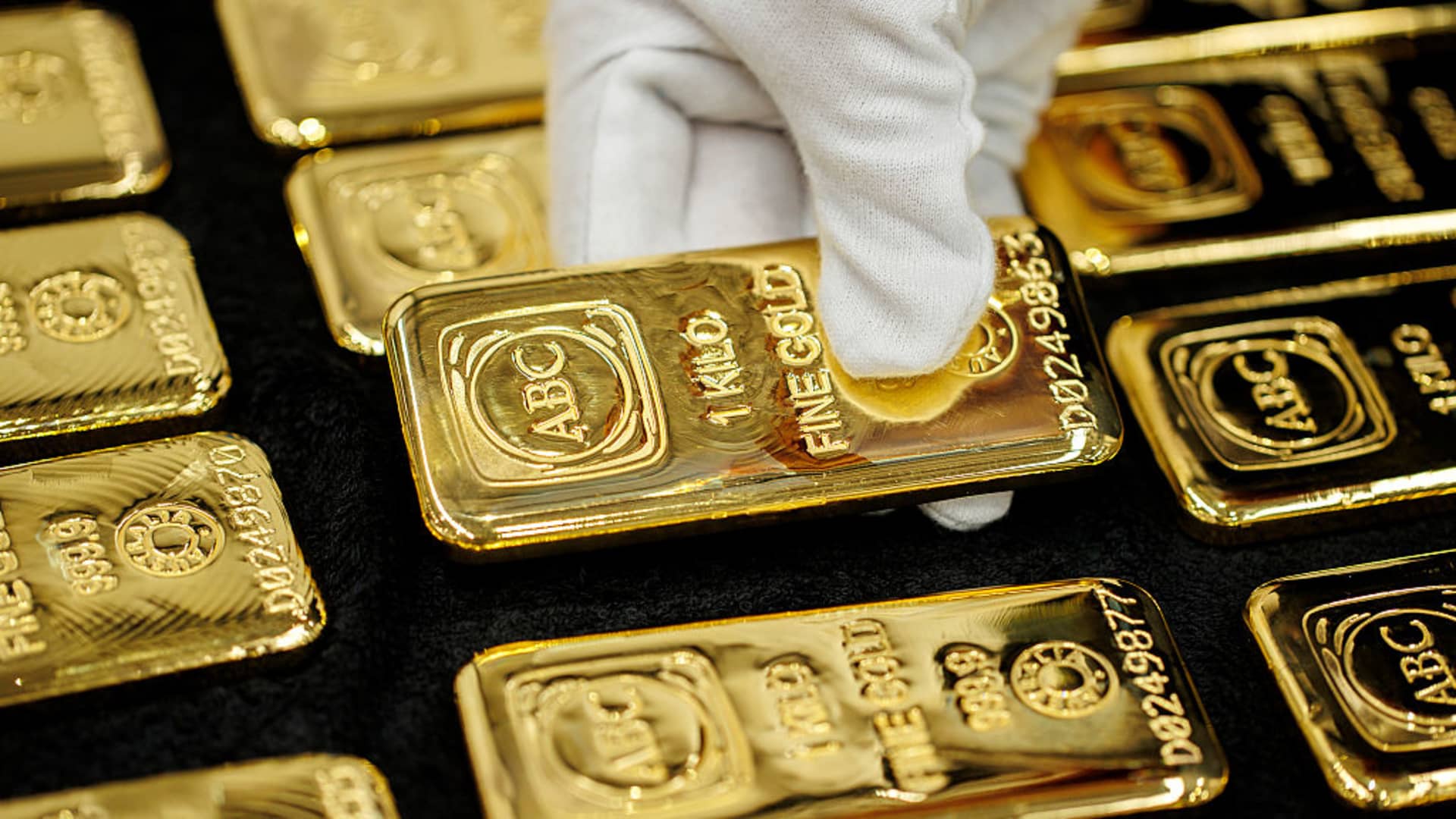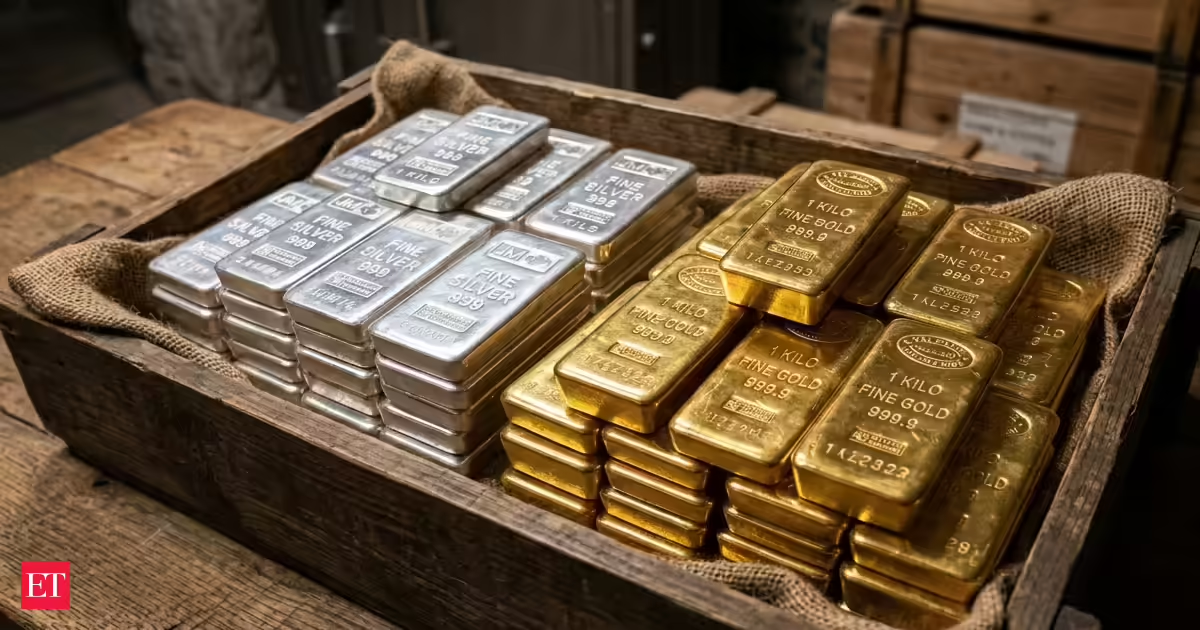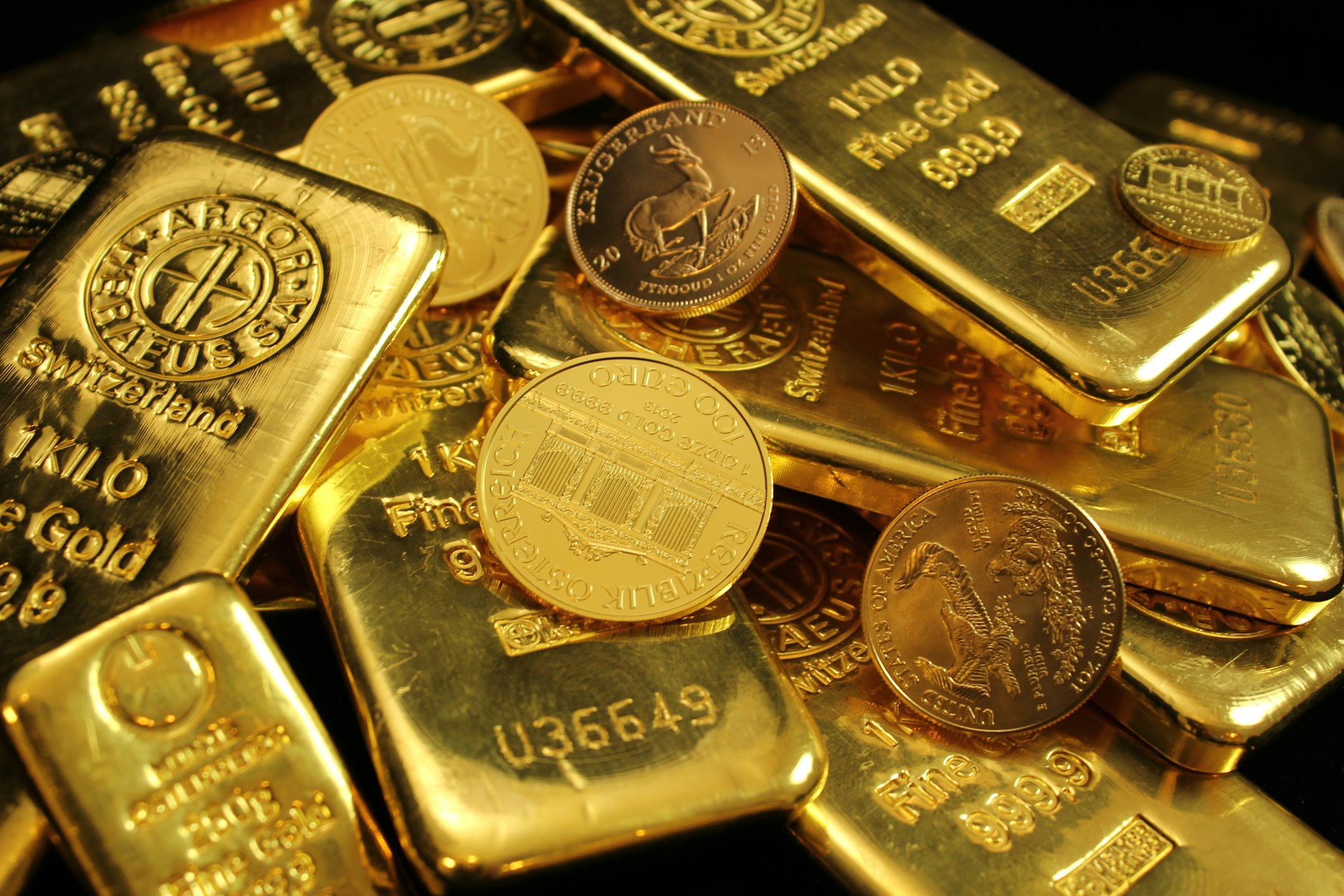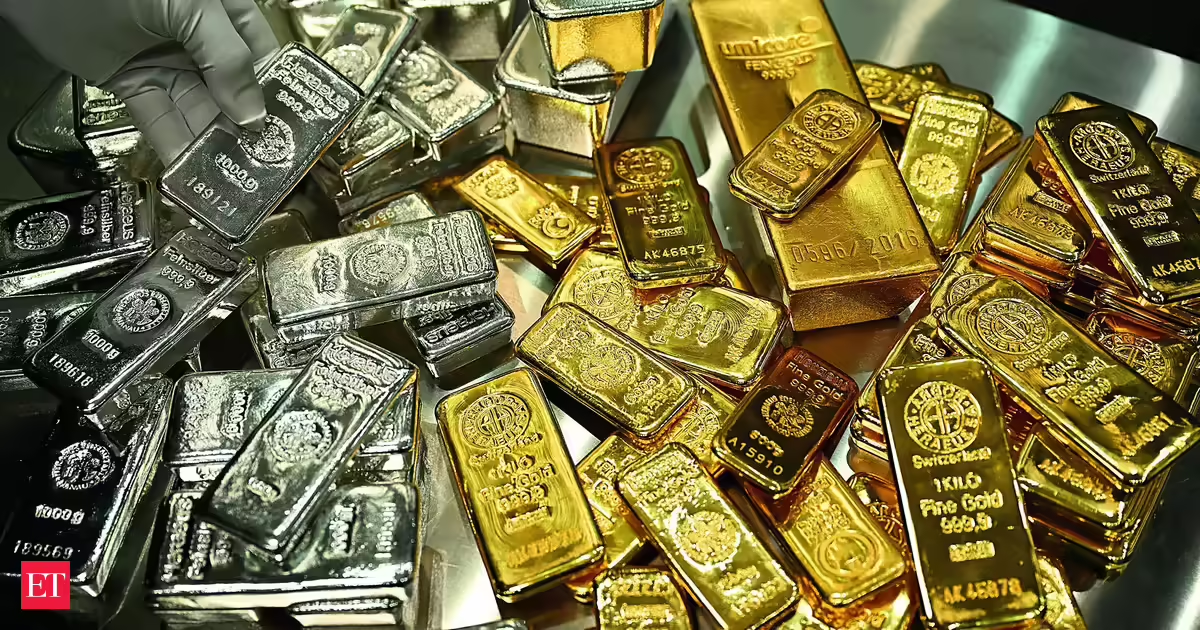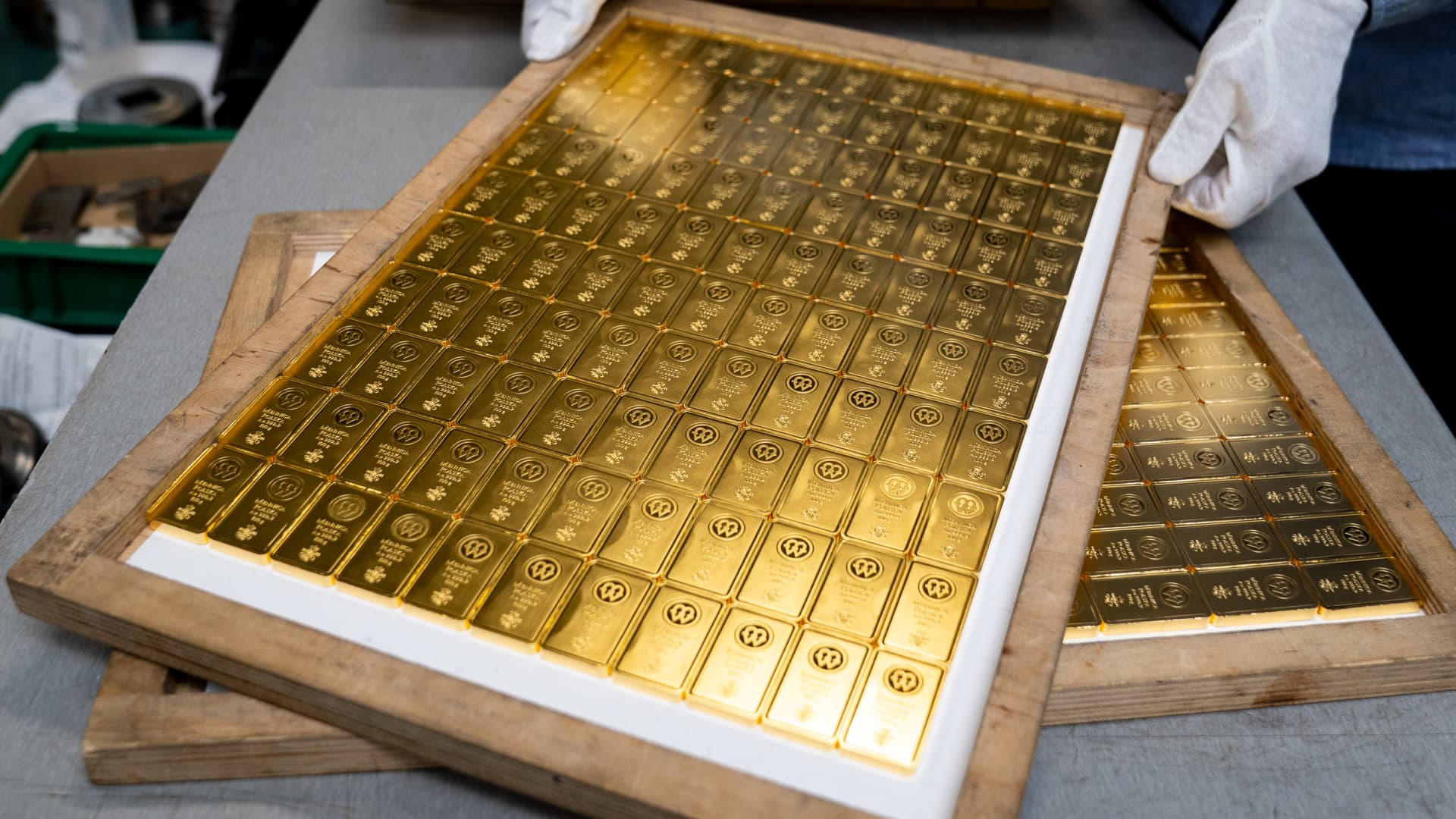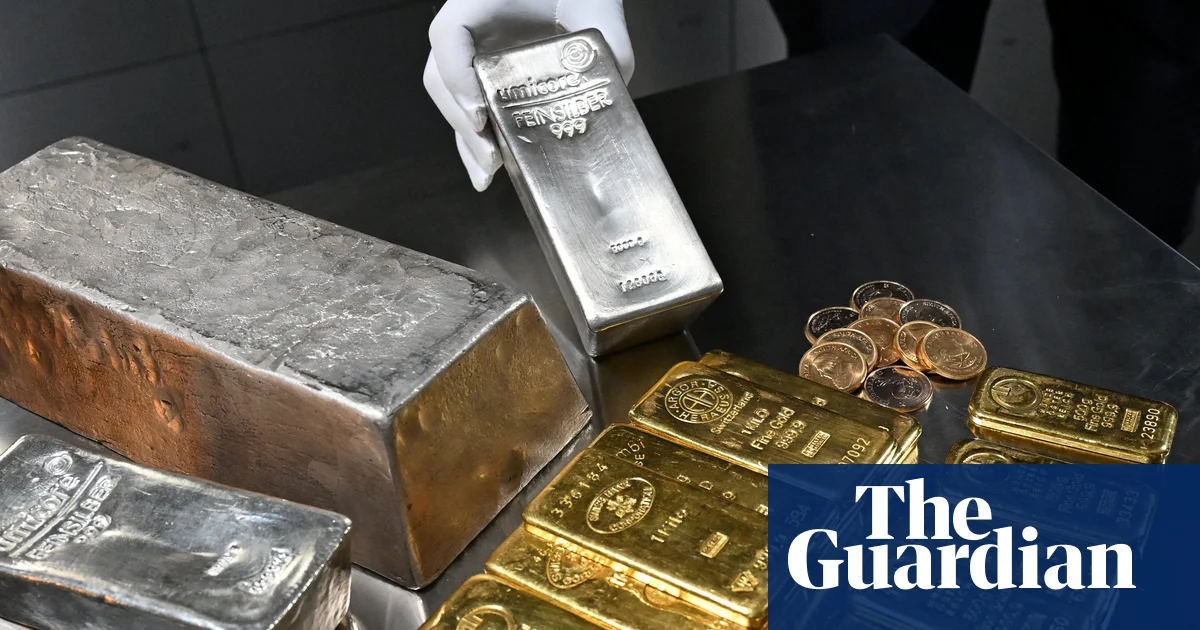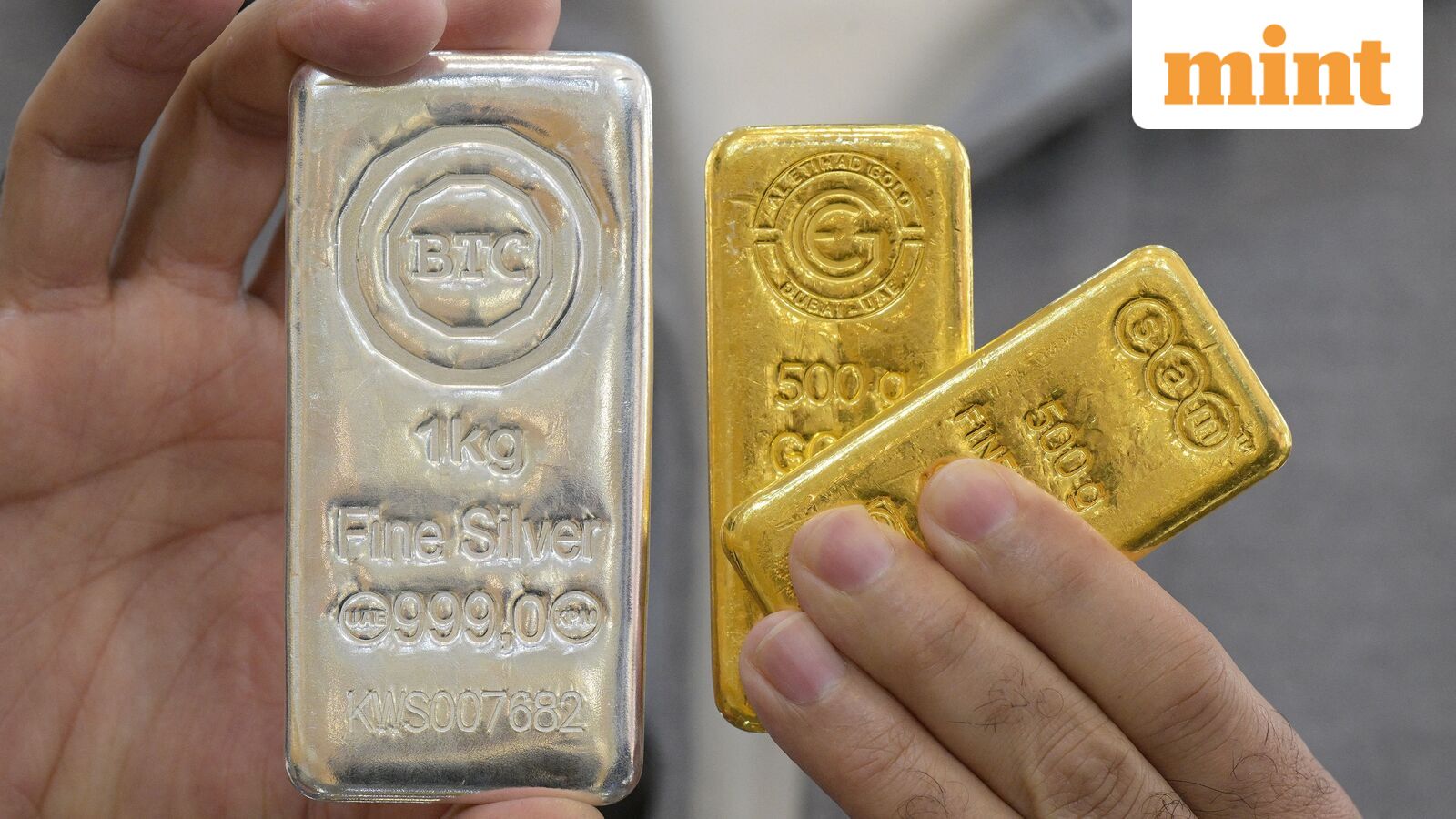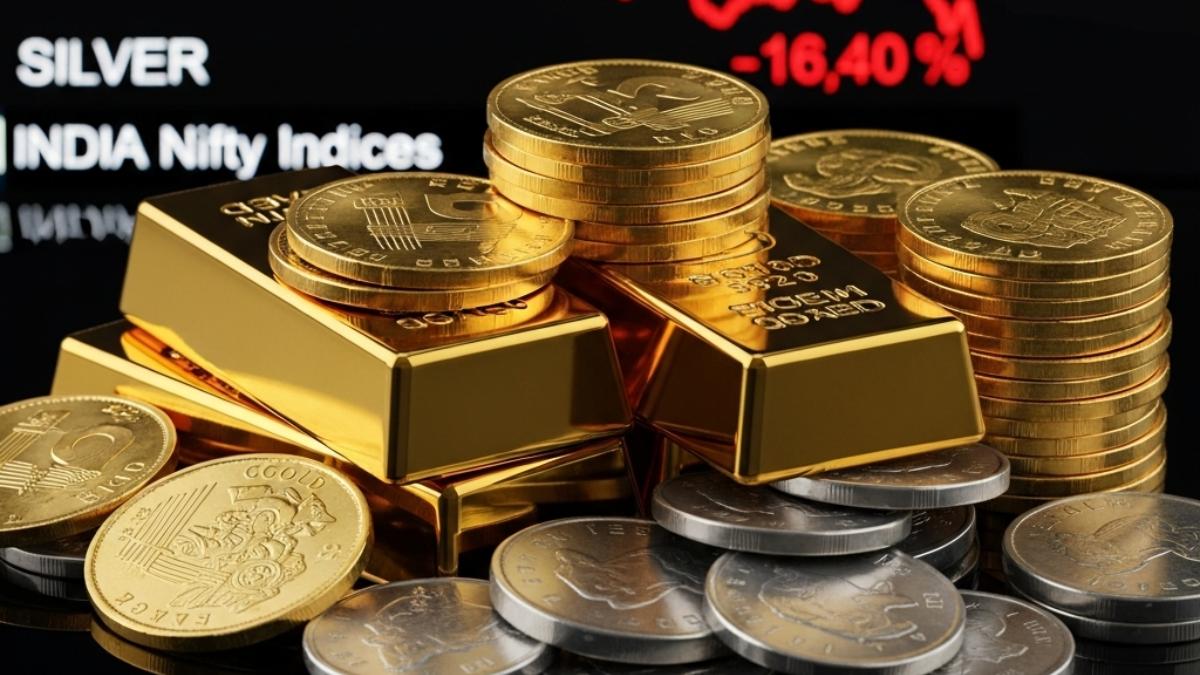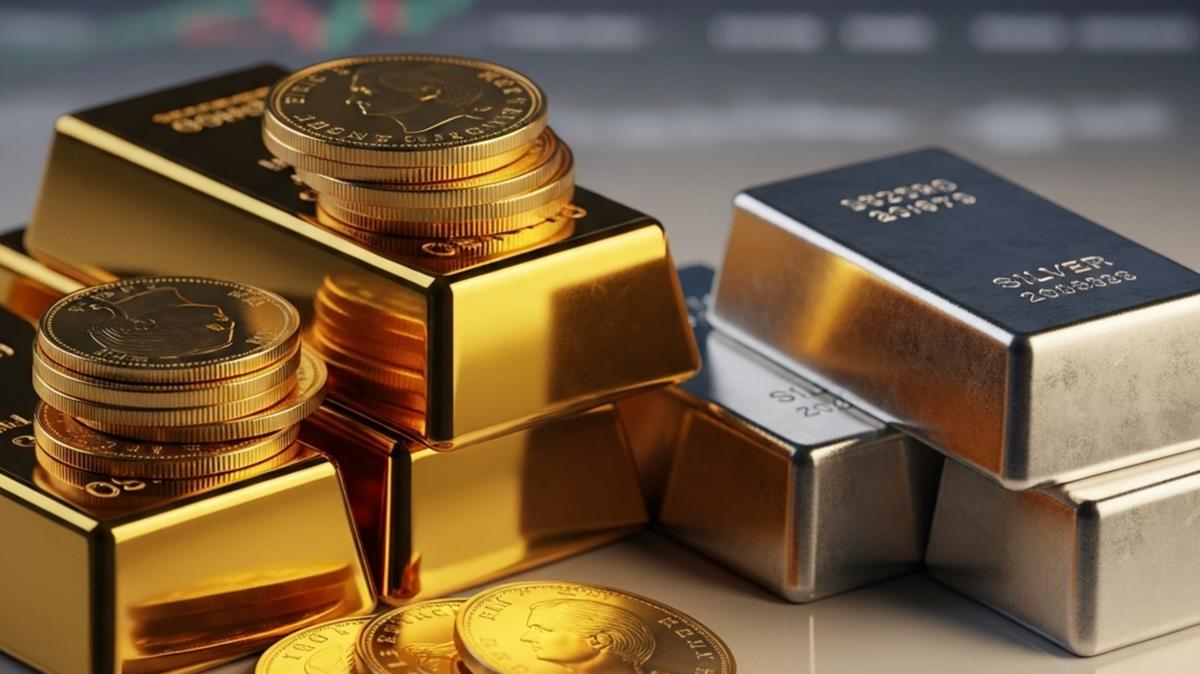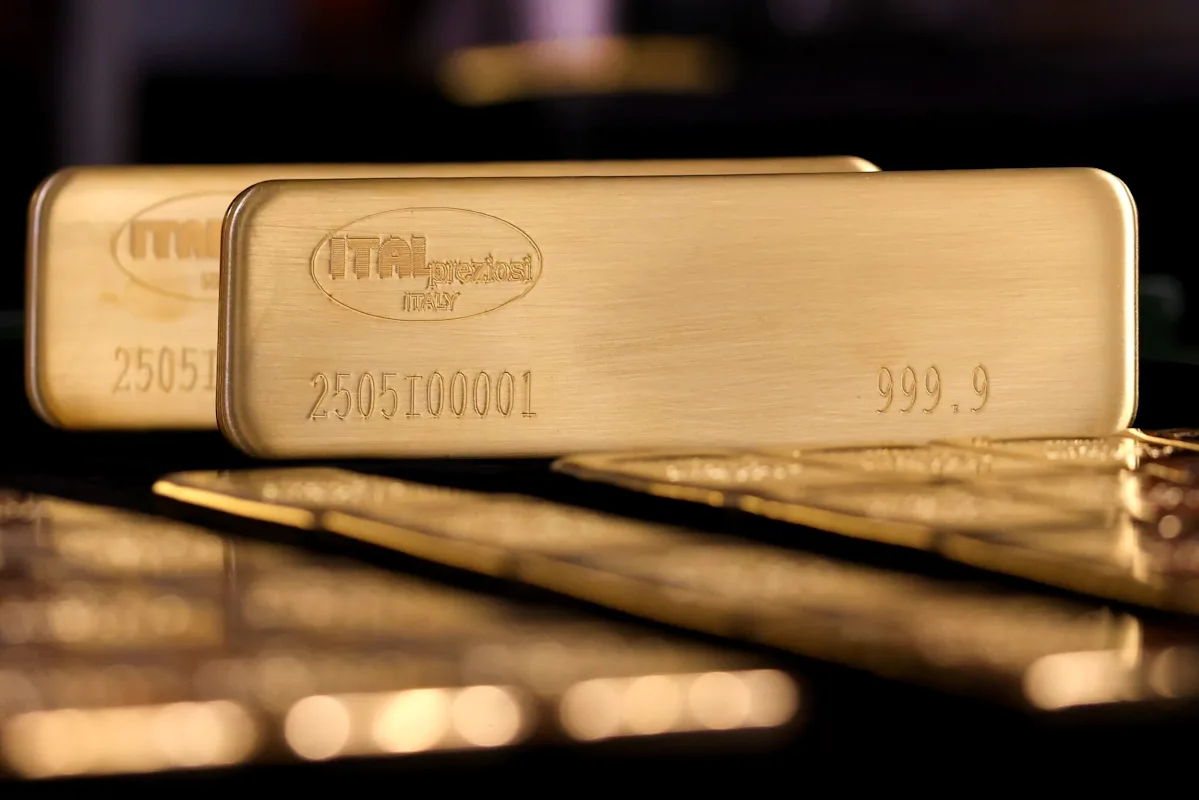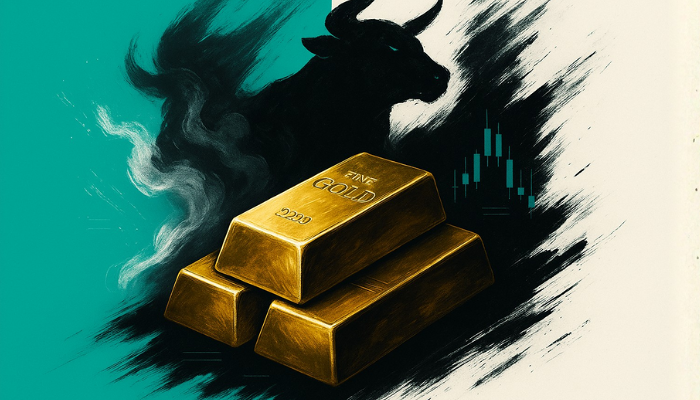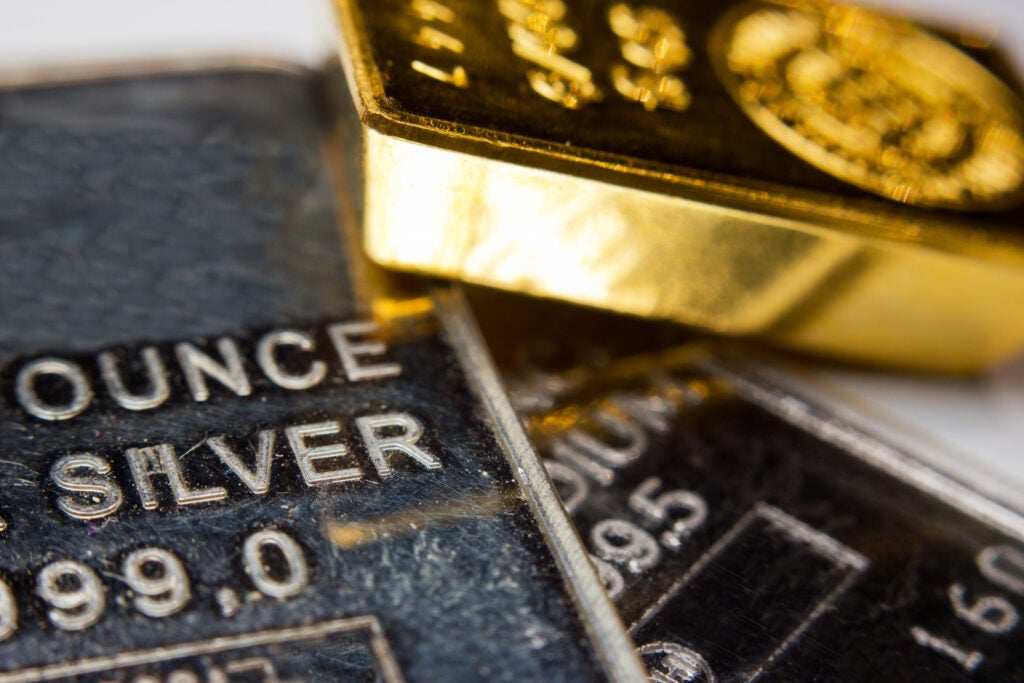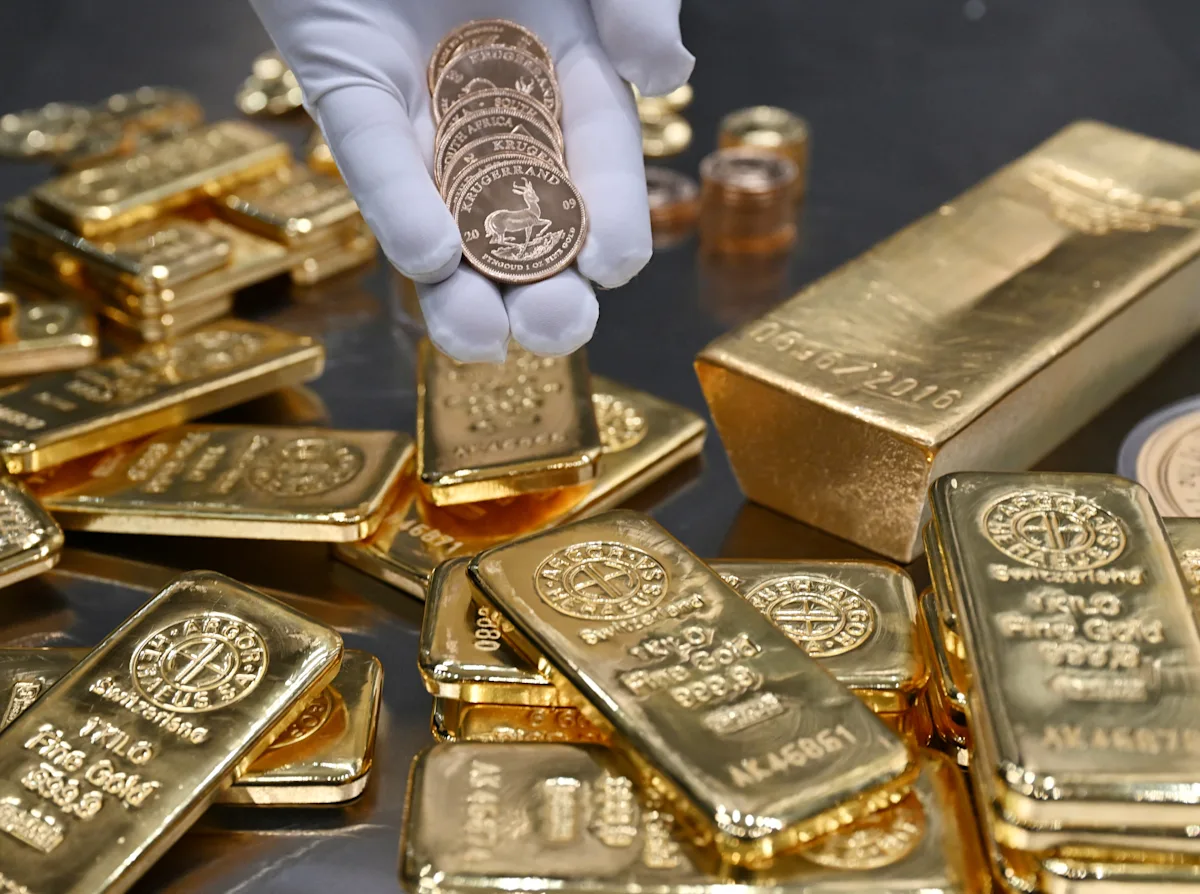
On CNBC’s Options Action, Oliver Renick flagged a single trade in the SPDR Gold Trust (NYSEARCA:GLD) that was hard to ignore. Gold has had a run for the ages this August, and one participant just wrote a very large check against its continuation.
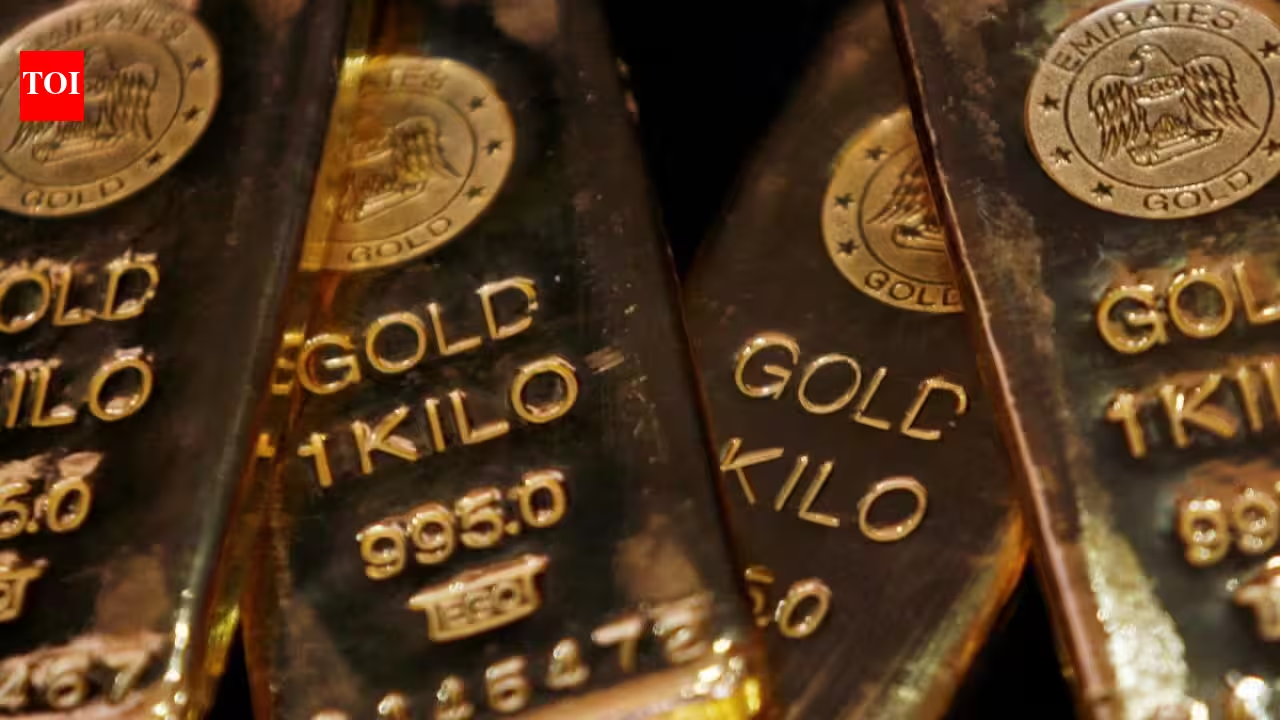
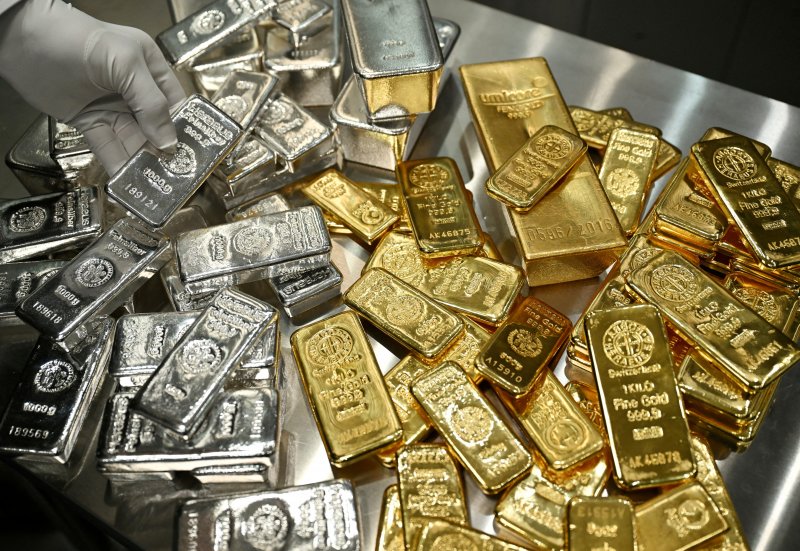
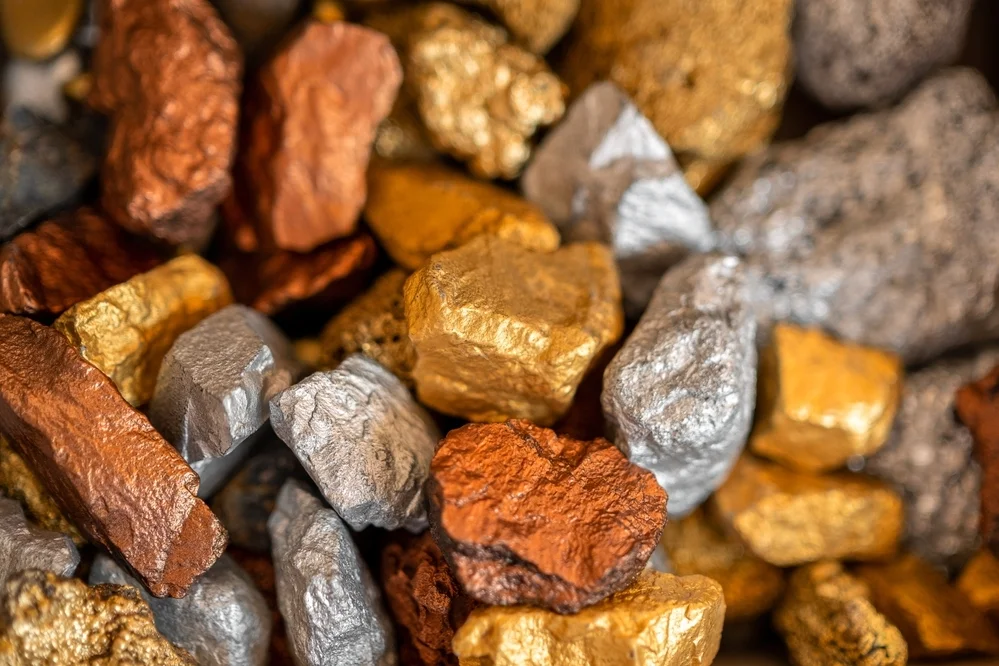
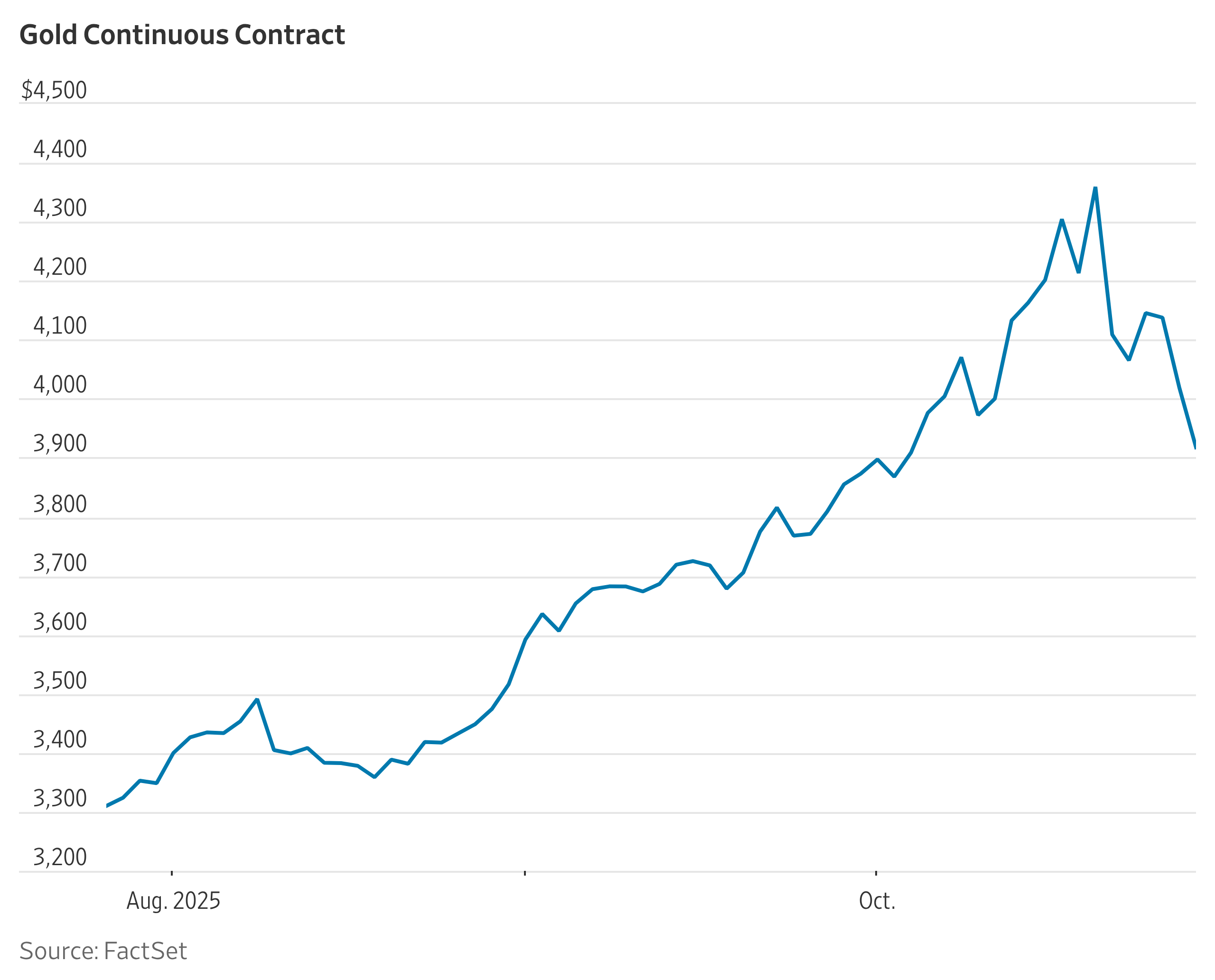
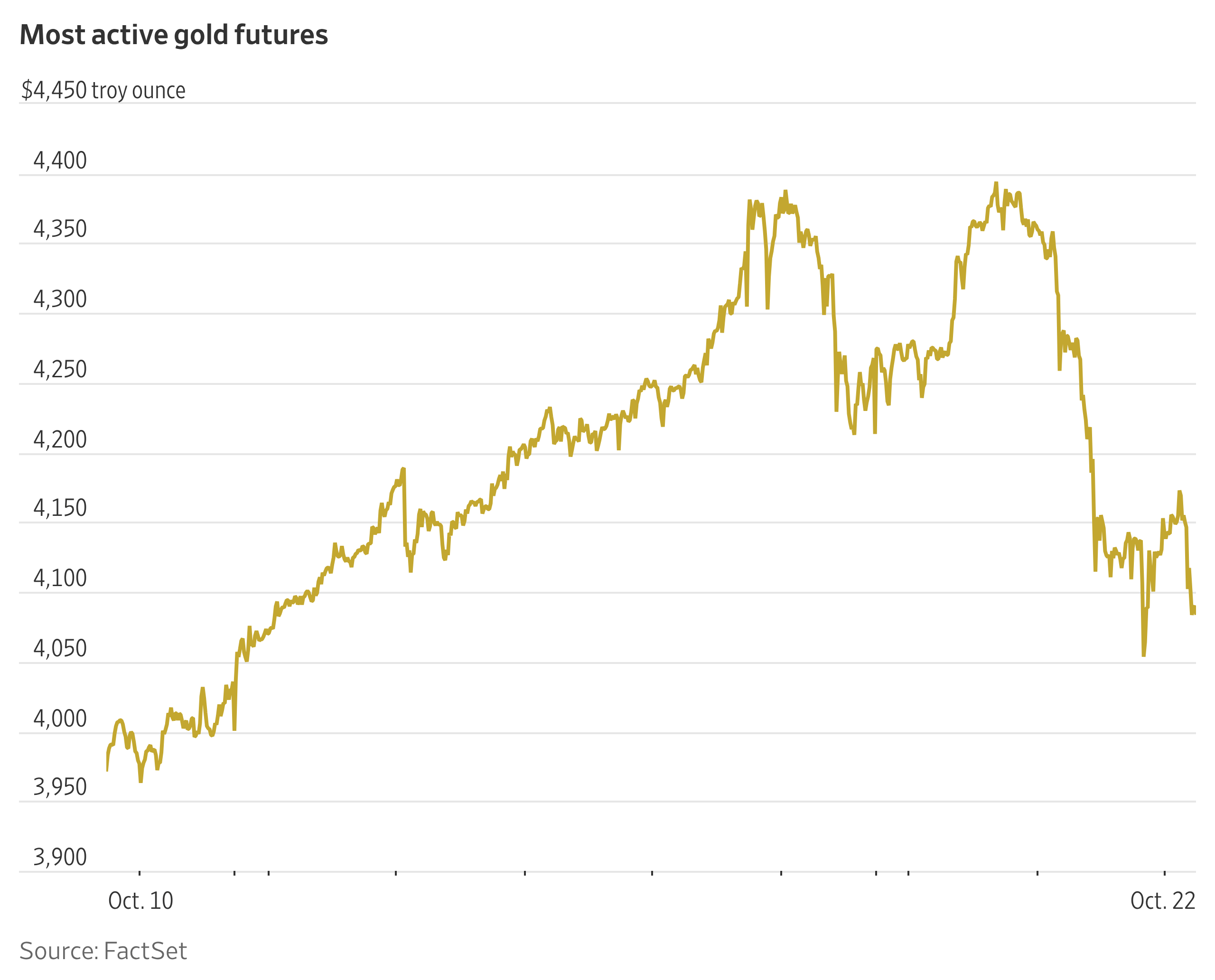
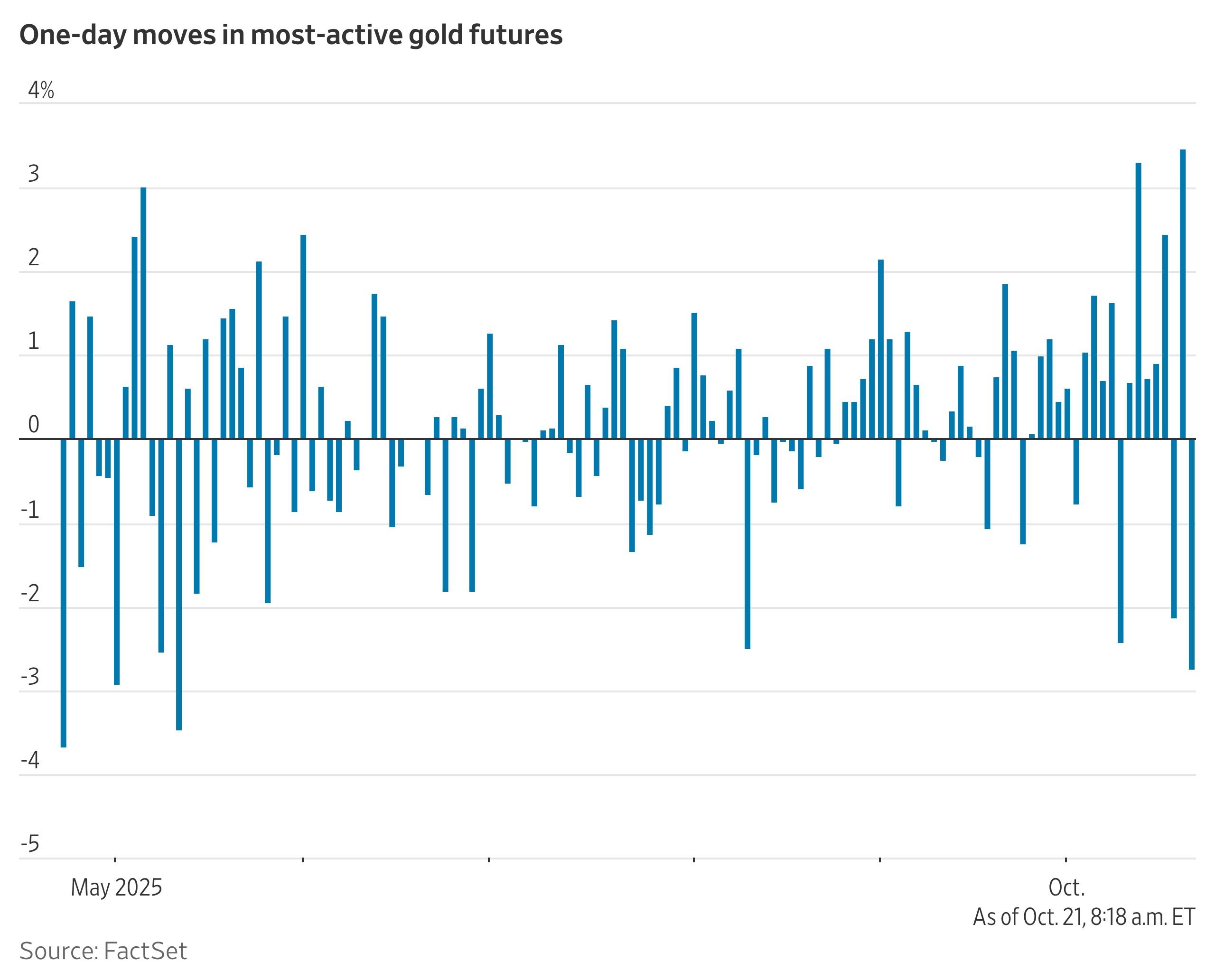
Renick said, “Gold prices are up 15% just this month, and this is the best month for gold since 2008.” The ETF closed at $426.69 on August 24, up 14.73% over the past month and up 37.38% over the past year.
Against that backdrop, someone sold a call spread worth roughly $202 million in premium. Renick said the trader “sold more than 115,000 for 420 strike calls in GLD, which are in the money right now, expiring September 18th for a total premium of $202 million” and “created a roughly $60 million credit.”
The framing on financial television will be that a big trader is betting gold has topped. That framing is louder than the trade deserves. Here is what the position actually says, and what a long-term holder should take from it.
What a Call Spread Really Says
A call spread is a pair of option contracts working together. The seller writes a call at a lower strike price, which brings in premium because the call is close to or already in the money. The seller buys a call at a higher strike as protection, paying a smaller premium, so the difference is cash in the door today.
In this case, the trader sold the 420 strike calls, which Renick noted are “in the money right now,” and paired them with a higher strike further out. GLD closed at 426.69 on the trade date, so the 420 calls already carried real intrinsic value, which is why selling them produced such a large premium haul.
The position profits if GLD sits below roughly 425 by September 18. Renick described it as “a bet that gold stays under 425 ish for the next four weeks.”
That is the entire payoff. The trade profits as long as gold simply stops climbing for four weeks, whether or not it actually falls.
Why “Bet Against Gold” Overstates It
Calling this a bet that gold’s rally is ending gets the direction right and the magnitude wrong. Selling a 420 call spread when the ETF trades at 426.69 is a view about the ceiling over roughly 25 trading days, not a view about where gold trades a year from now.
Managers who already own gold or the ETF sell calls into a violent rally to harvest premium, because the credit compensates them for capping upside on a position they were happy to hold anyway. This overwriting interpretation strikes me as more likely than a pure directional short. The seller took in $60 million against a strike sitting right on top of the current price after a 14.73% month, which is what someone does when they think the easy money is already made.
Renick acknowledged as much, describing the trade as “still a very big wager that gold’s run is basically coming to an end” while also noting that “options flows have been bullish for months in gold, as the ETF found support around $370, and the open interest across GLD is heavily skewed towards calls.”
What a Long-Term Holder Should Actually Take From This
The surrounding positioning is the more useful data point. Renick noted that on the morning of the trade nearly 20,000 calls were bought versus under 5,000 puts, and the top 22 contracts by volume were all calls. The full-chain put-call ratio on GLD sits at 0.23, which is heavily call-tilted.
Extreme one-sidedness like that is what makes a single 115,000-lot call sale possible in the first place. There is enough demand for upside exposure that a single seller can absorb a lot of it and still be paid handsomely for taking the other side.
For someone who owns gold as a long-term allocation, the practical takeaway is narrow. A four-week ceiling trade in one ETF says little about gold’s role in a portfolio over years, especially against a five-year return in GLD of 154.77% and a ten-year return of 238.51%.
The signal worth watching is what happens if that call-heavy positioning begins to unwind, because the same crowding that made this single trade attractive to sell can make price action choppy when it reverses.
Contact [email protected] for any questions or corrections.