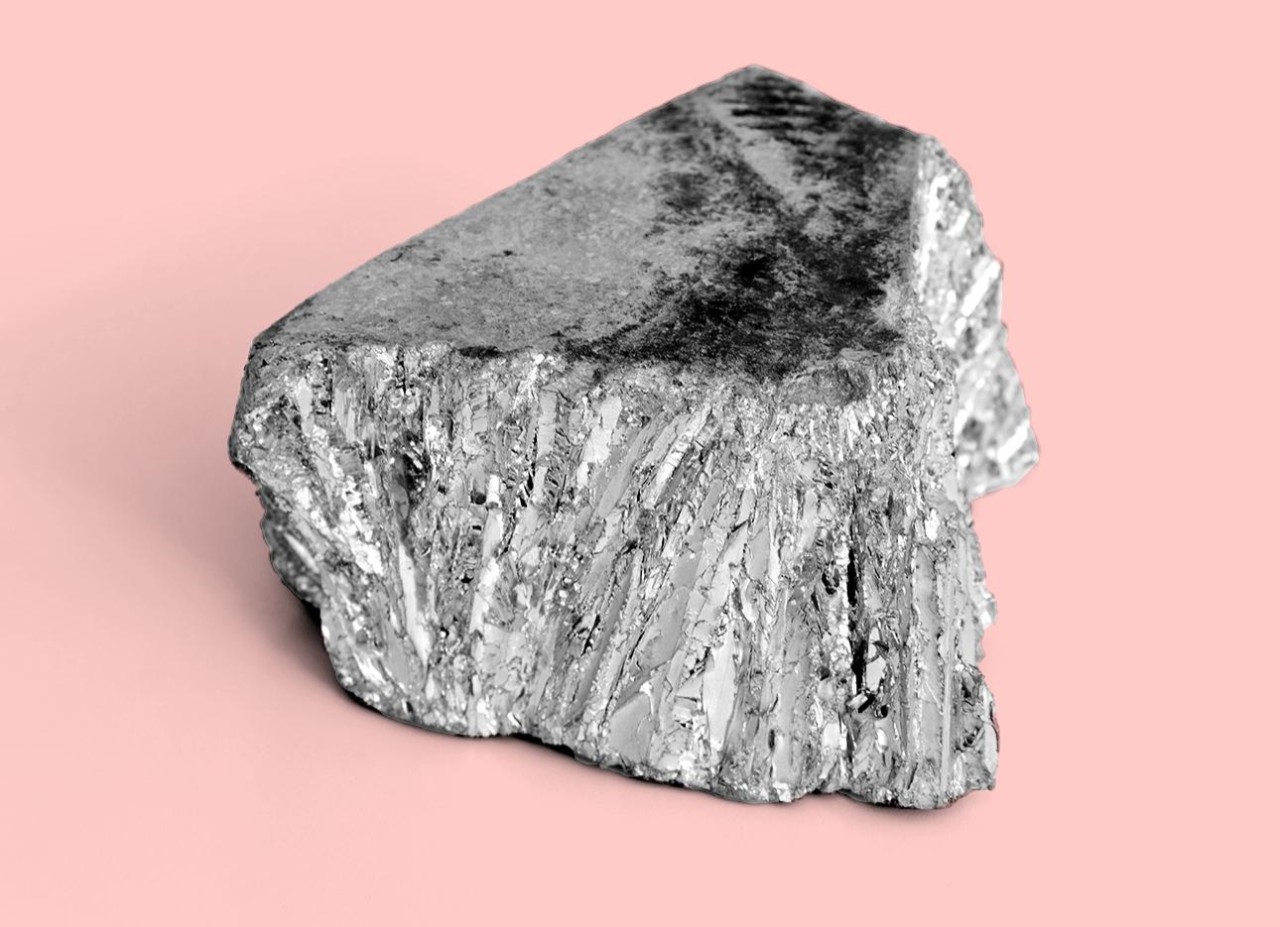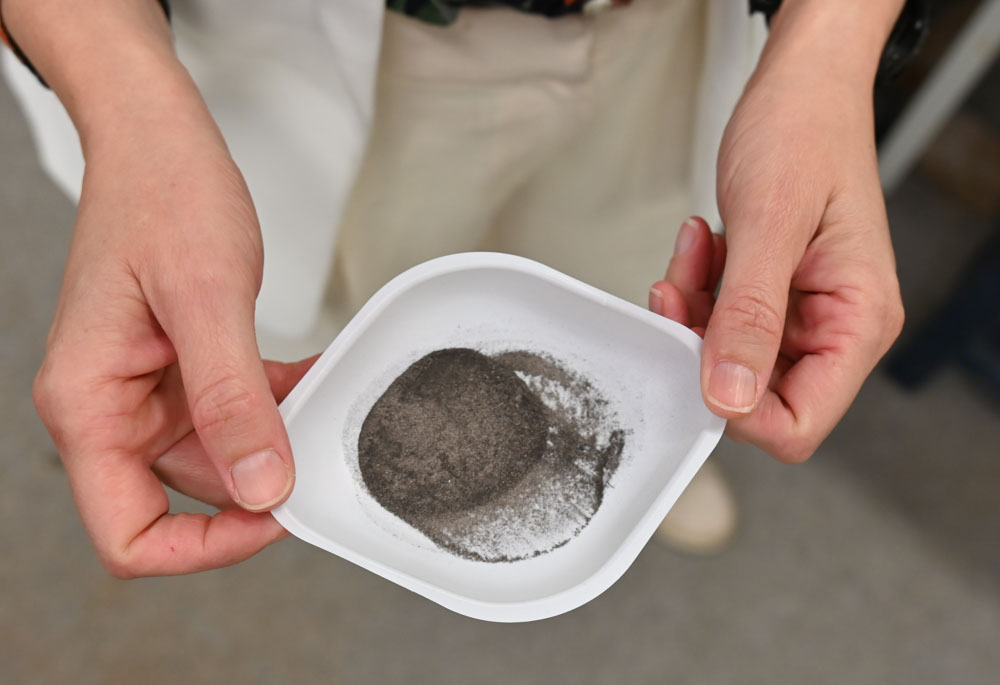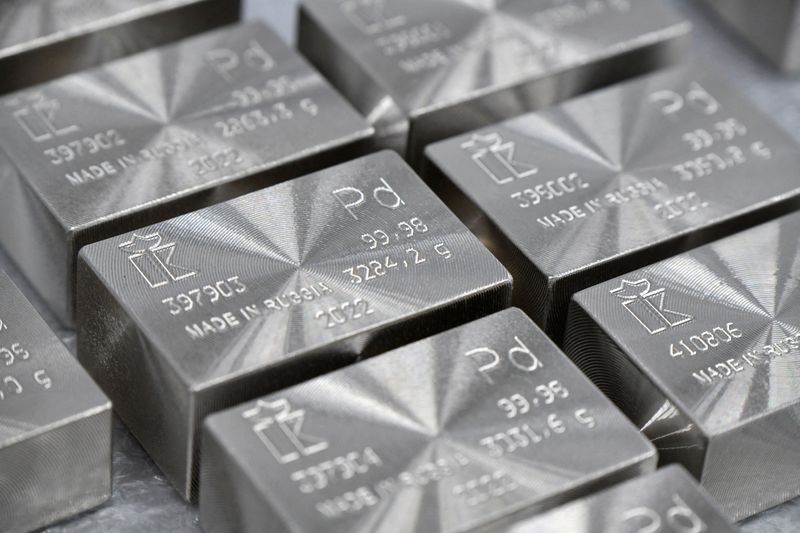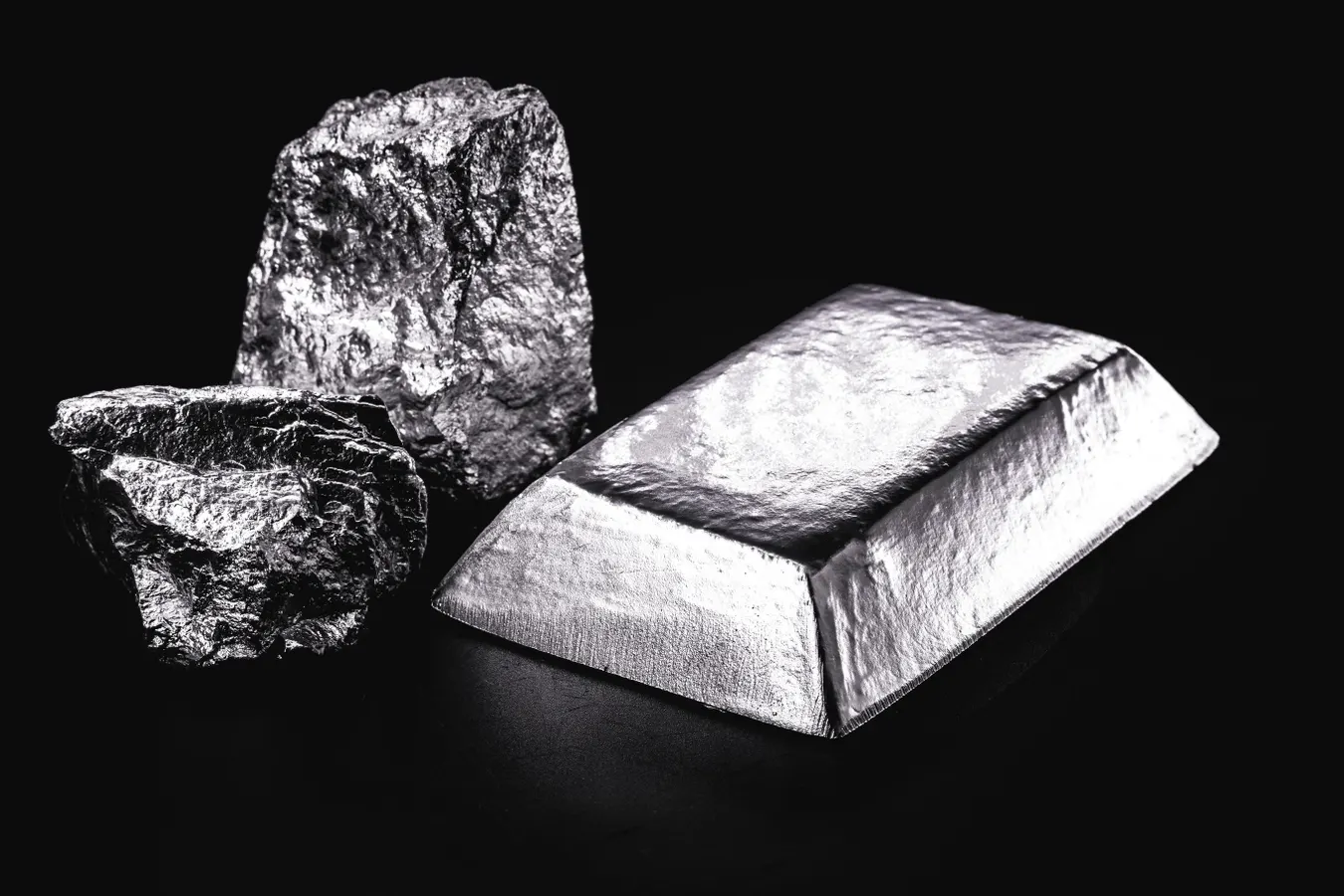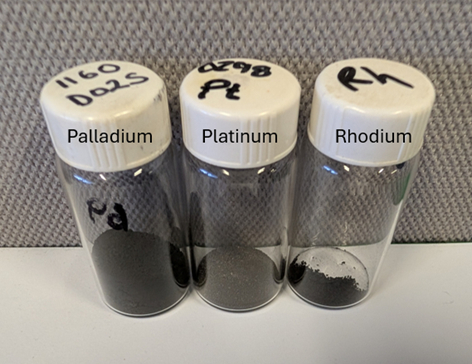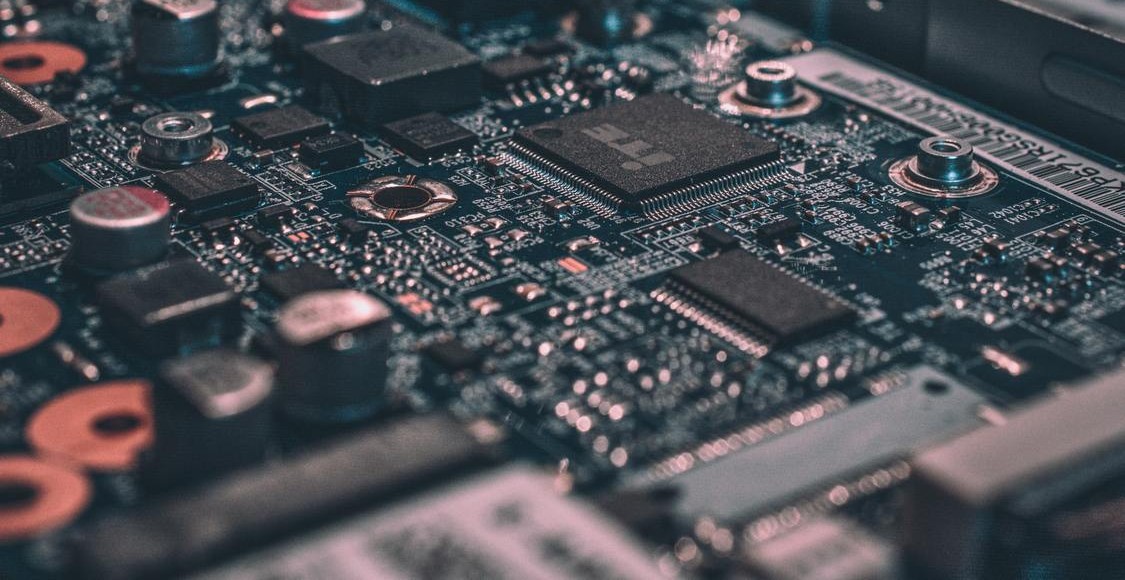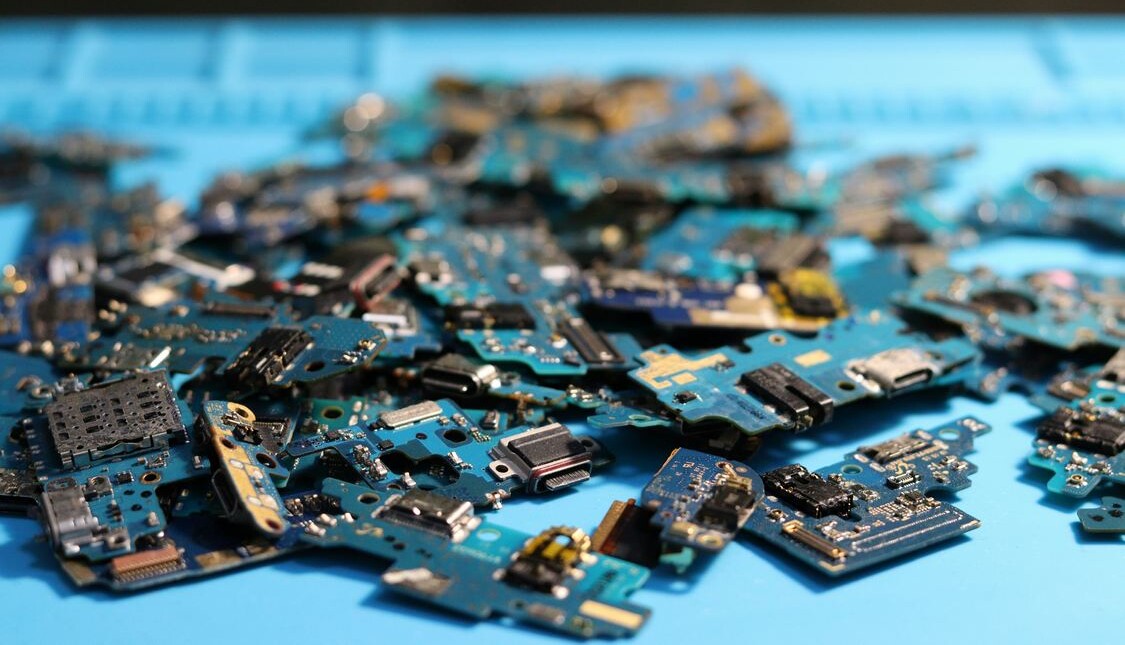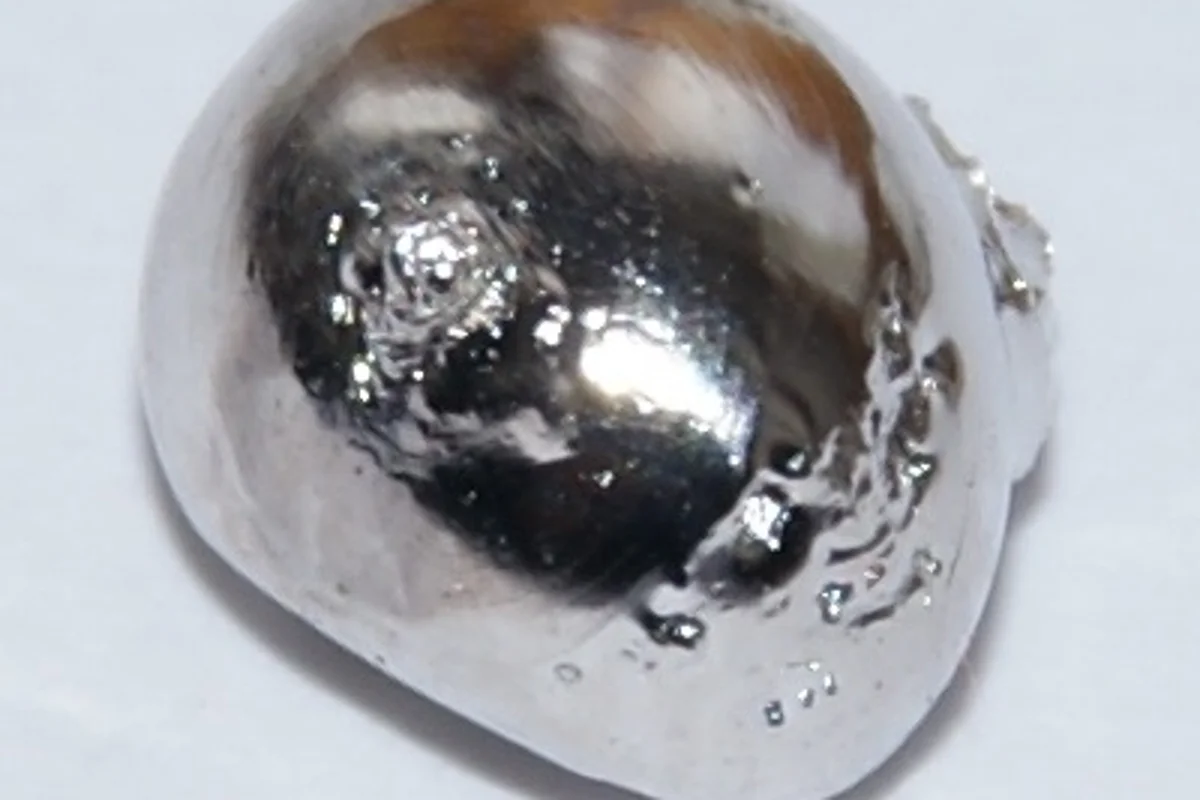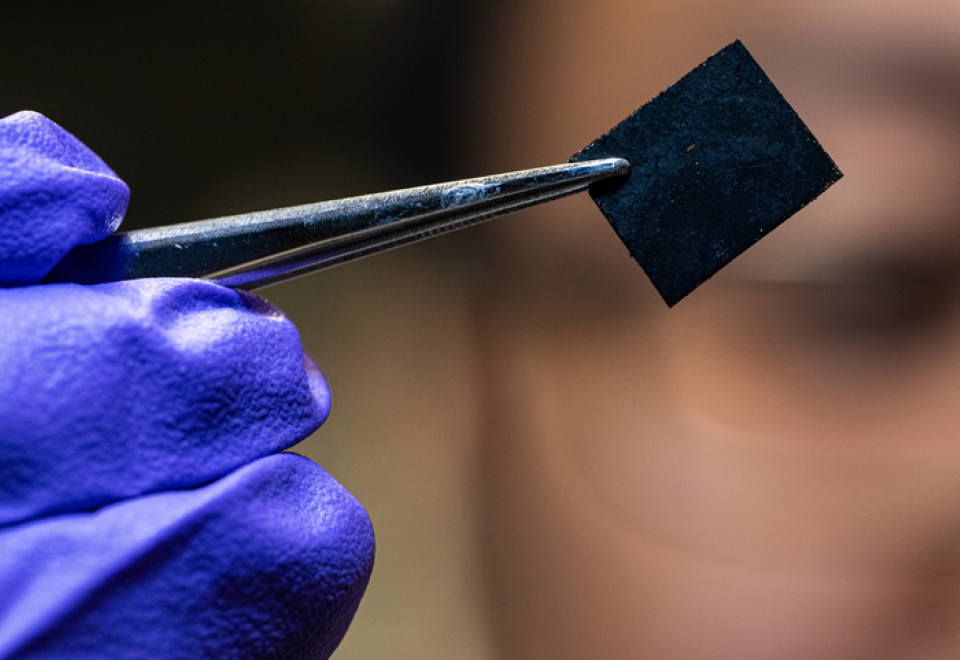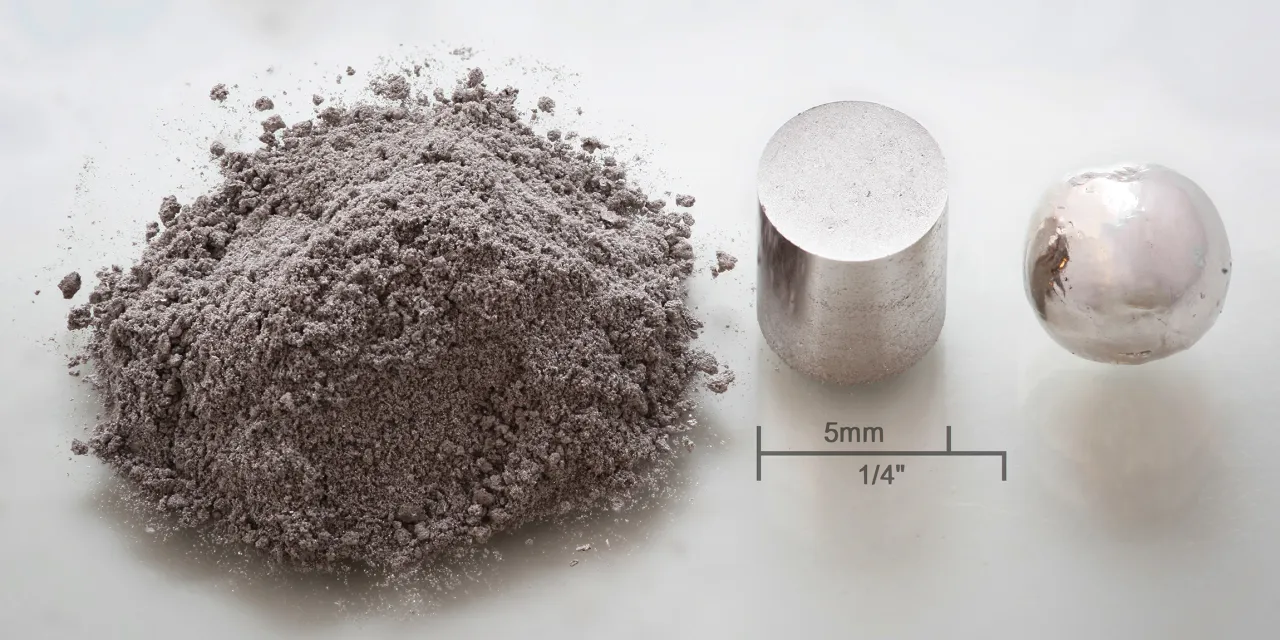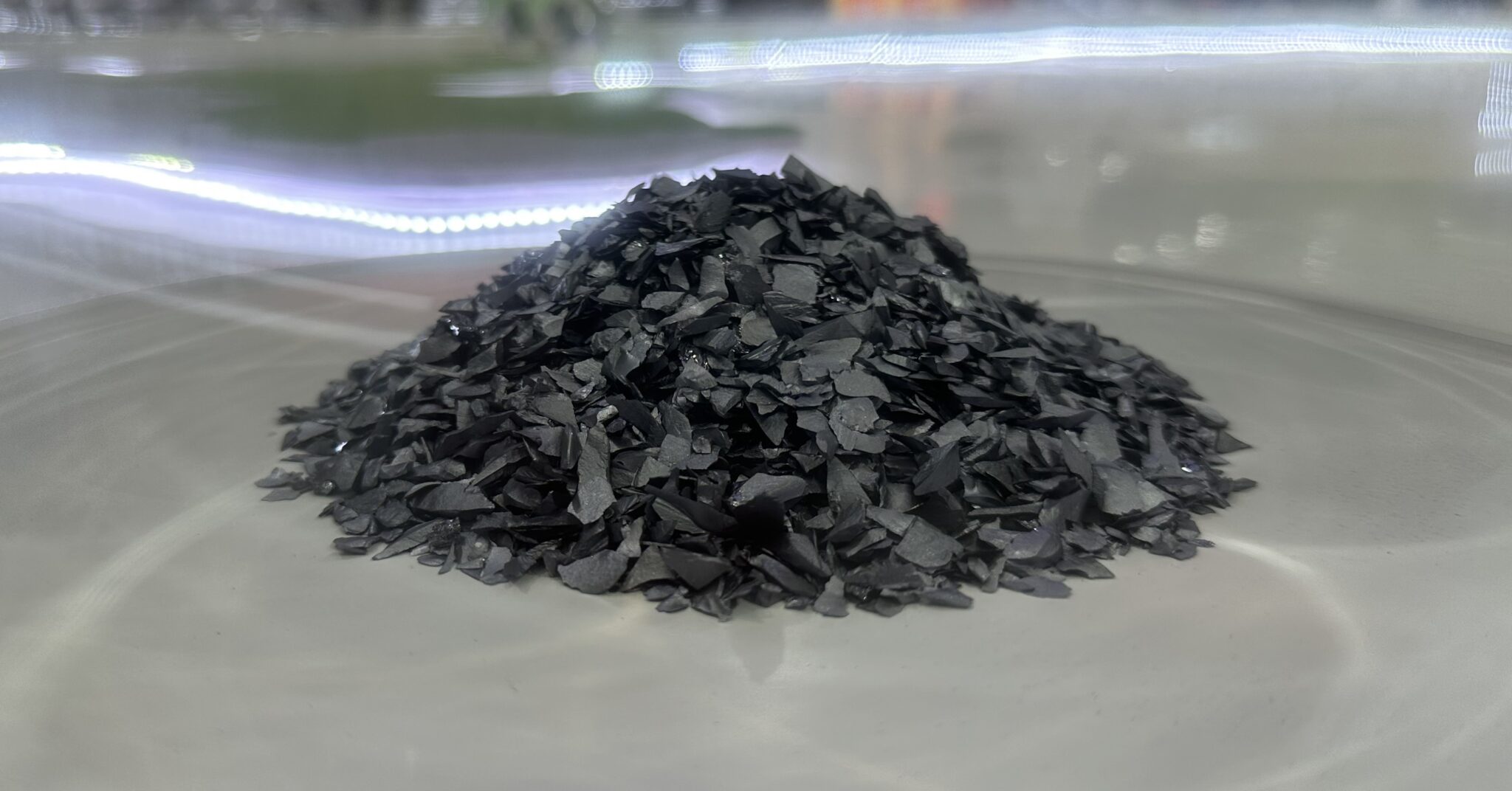
A research team from Italy has developed a novel approach to upcycle silicon (Si) recovered from end-of-life (EoL) PV modules and use it as a support material for palladium (Pd) nanoparticle catalysts.
The recycled silicon is intended for use in Pd/Si catalysts in microwave-assisted Suzuki–Miyaura cross-coupling reactions for biaryl synthesis, a widely employed process in the production of pharmaceuticals and agrochemicals.
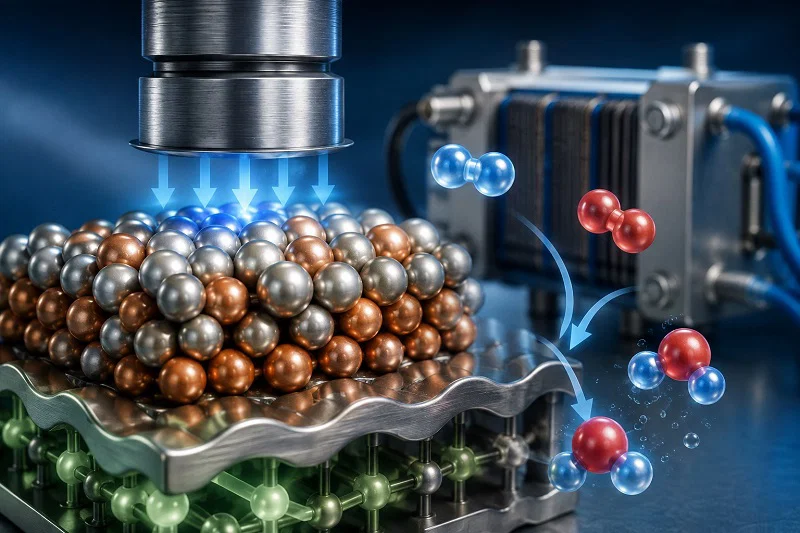
“Following the established recovery protocol for metallurgical-grade silicon (MG-Si) from EoL photovoltaic modules, we herein demonstrate a value-added application of this e-waste-derived material as a support for palladium nanoparticles,” the group explained. “The resulting Pd/Si material serves as an efficient heterogeneous catalyst for Suzuki–Miyaura cross-coupling reactions, providing access to biaryl motifs that are key structural units in several important compounds, such as tepotinib, boscalid, and the Sartan class.”
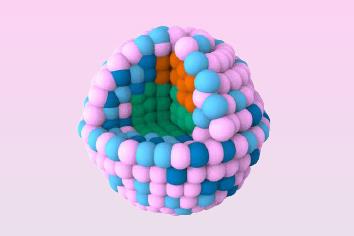
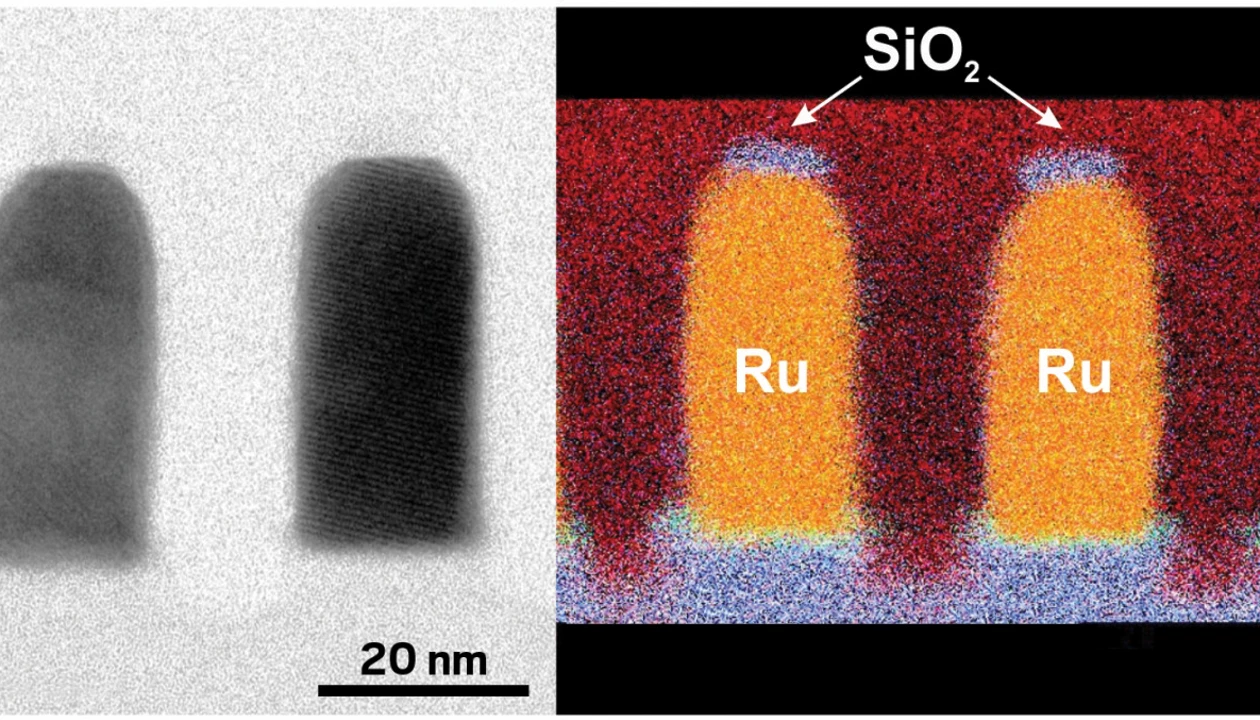
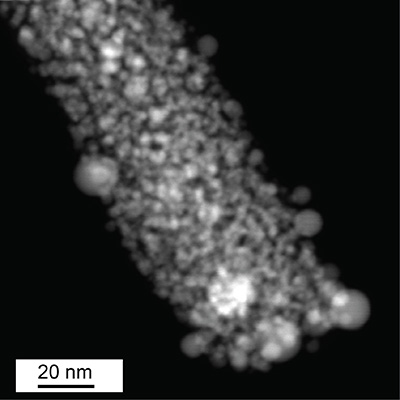
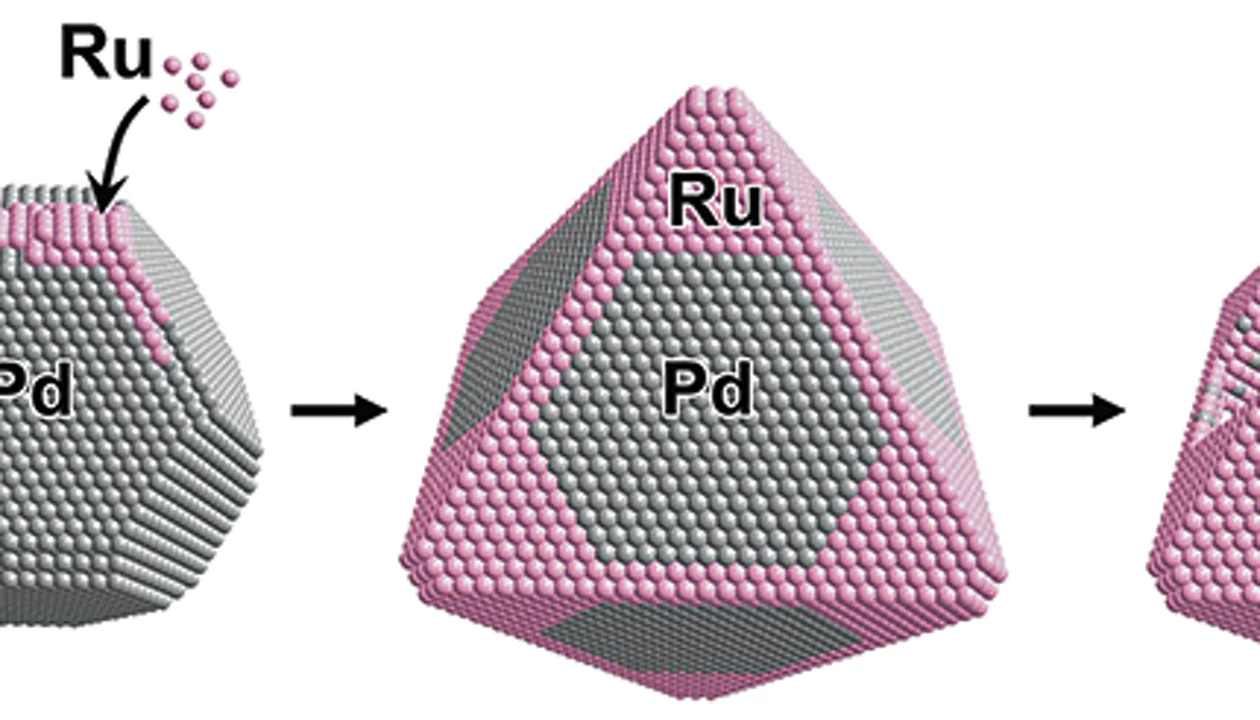
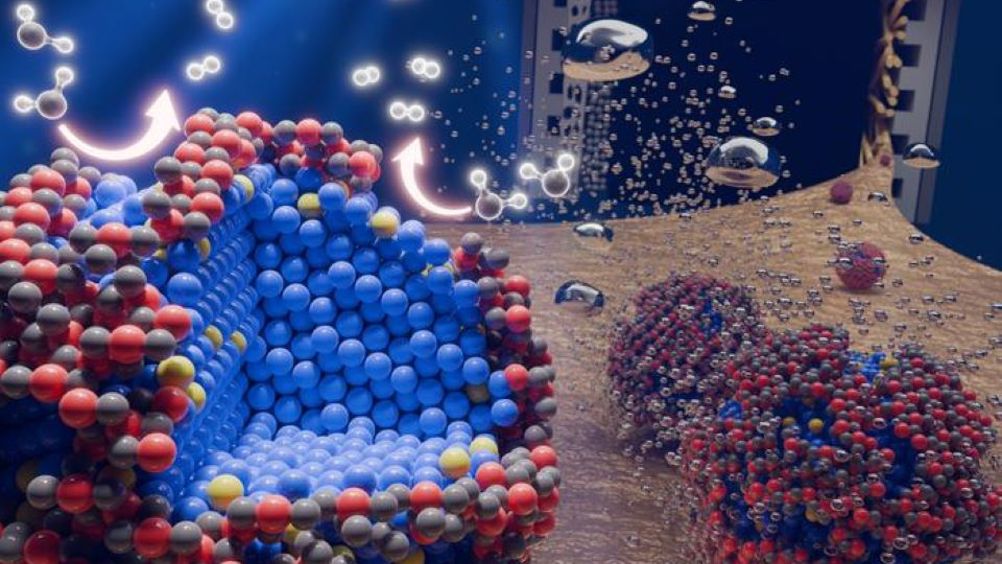
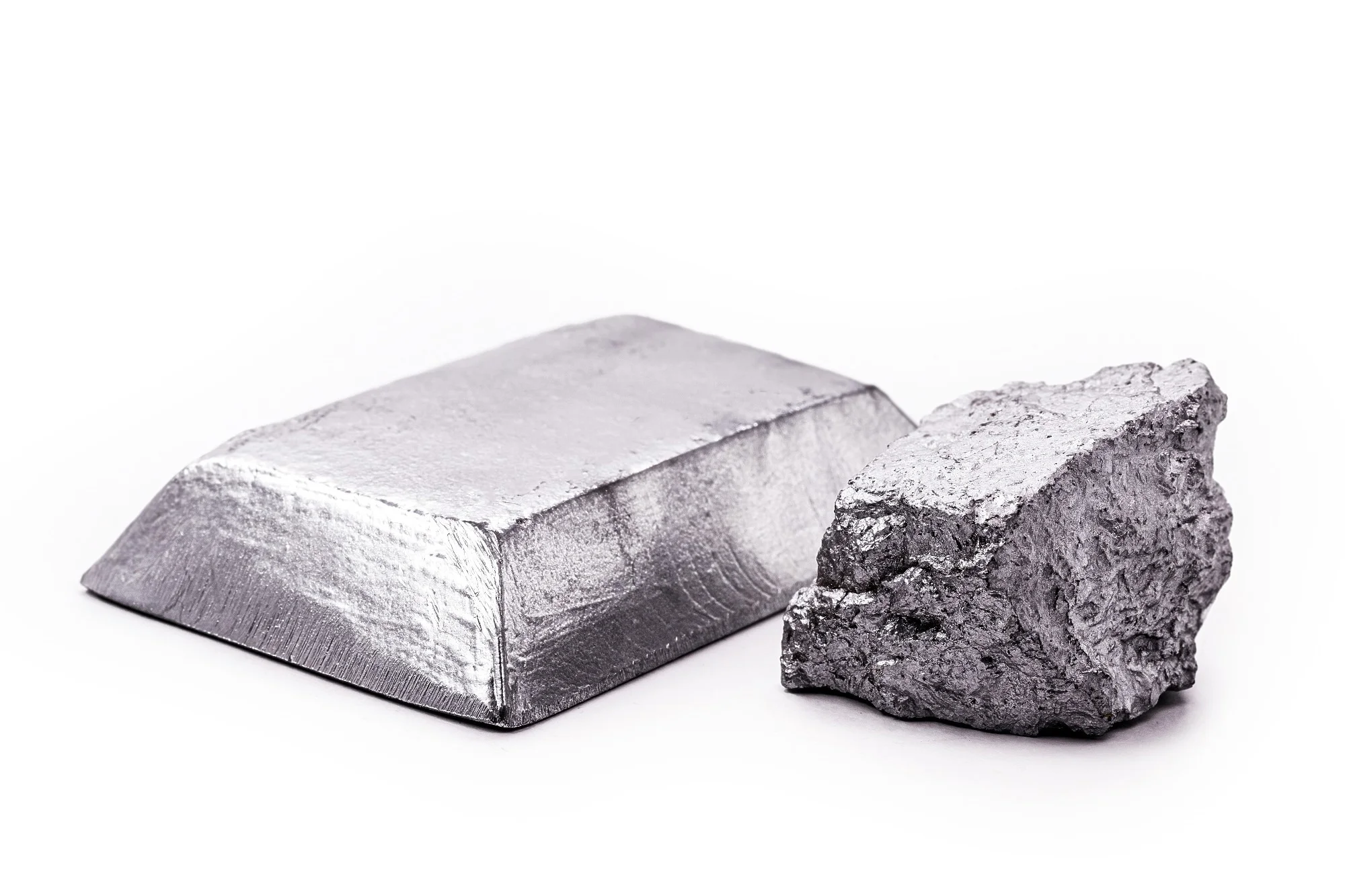
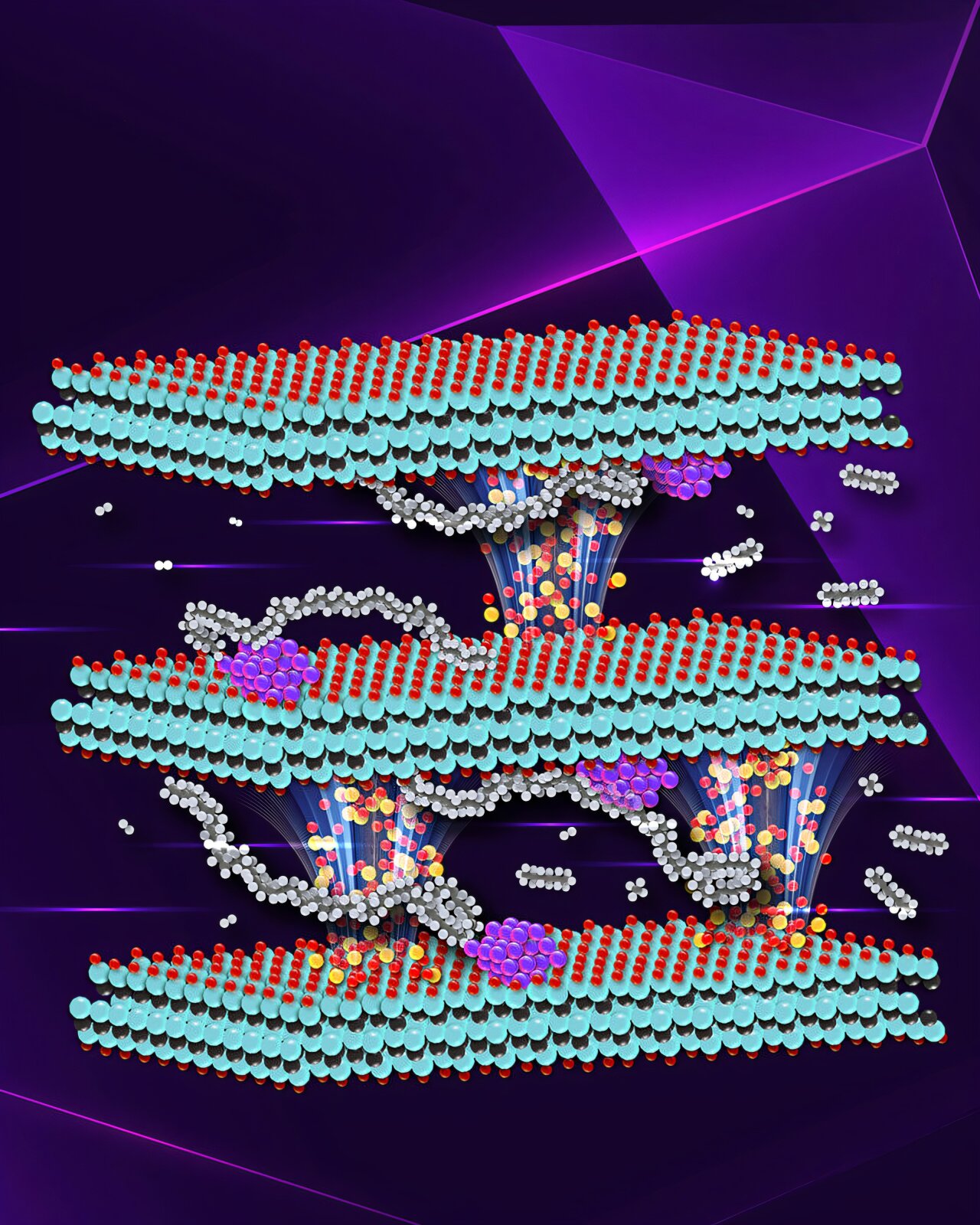
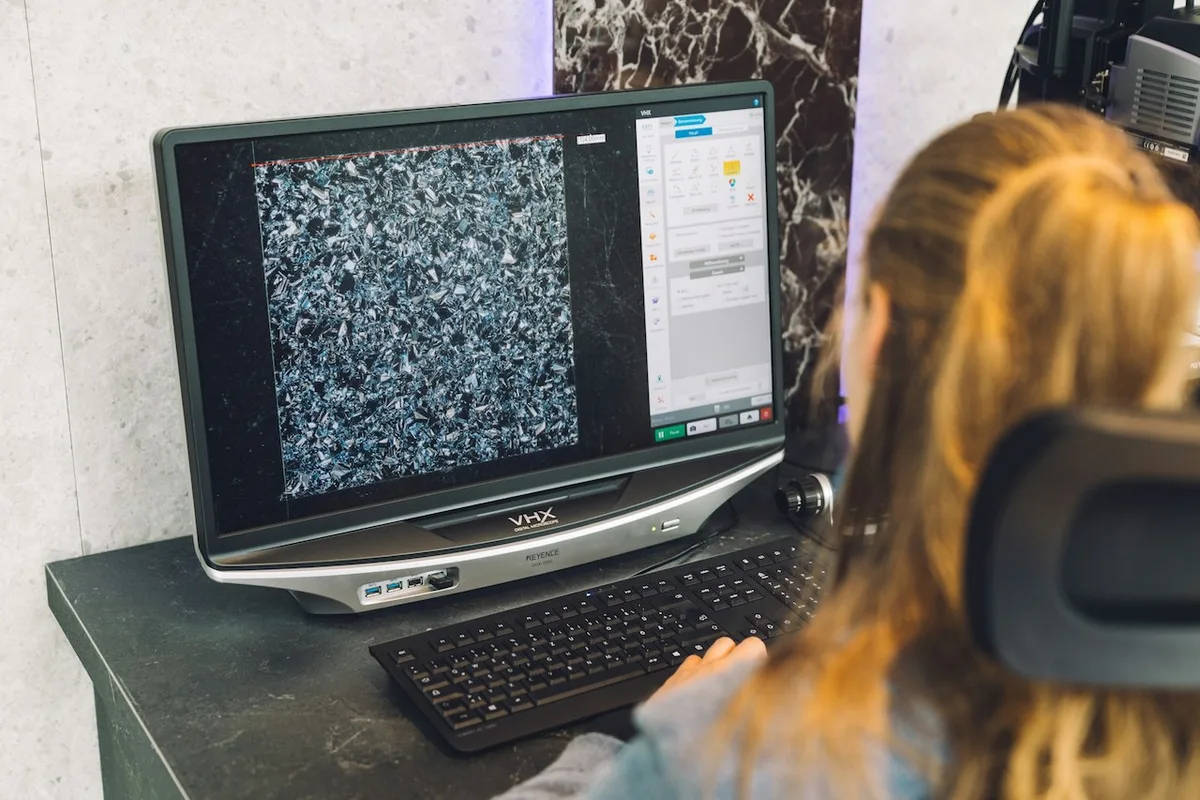
For their novel approach, the researchers developed a heterogeneous catalyst by depositing palladium nanoparticles onto MG-Si, the form of silicon typically recovered from end-of-life PV modules after recycling. The material was characterized using scanning transmission electron microscopy (STEM), energy-dispersive X-ray spectroscopy (EDS), X-ray photoelectron spectroscopy (XPS), and chemisorption analysis before being evaluated in microwave-assisted Suzuki–Miyaura cross-coupling reactions.
The team optimized the reaction conditions and found that a γ-valerolactone (GVL)/water (9:1) solvent mixture, potassium pivalate as the base, and a 0.5 mol% palladium loading enabled complete conversion within 40 minutes under microwave irradiation. The researchers also assessed the catalyst across a broad range of substrates, evaluated its recyclability over multiple reaction cycles, and performed a life-cycle assessment comparing PV-waste-derived silicon with virgin silicon and activated carbon supports.
“The catalyst Pd/Si was thoroughly characterized, confirming that Pd is predominantly present as metallic Pd⁰ nanoparticles with an average particle size of 4.8 ± 1.1 nm, well-dispersed on the silicon surface,” the researchers reported. “The Pd/Si was employed in the Suzuki–Miyaura cross-coupling reaction under microwave irradiation, effectively minimizing hot-spot formation.”
Under optimized conditions, Pd/Si enabled the synthesis of 24 biaryl compounds, including three key intermediates used in the production of sartans and boscalid. The researchers evaluated scalability through a 10 mmol synthesis of 4-formylbiphenyl, a model biaryl product obtained by coupling 4-bromobenzaldehyde with phenylboronic acid. The reaction maintained its performance under microwave irradiation, achieving a 97% isolated yield and an E-factor of 2.6. The corresponding energy-related E⁺-factor was calculated at 35.9.
“The Pd/Si catalyst exhibited excellent recyclability over 6 consecutive runs, with Pd leaching ranging from 0.6 to 0.1 ppm across 5 runs, then increasing in the 6th run,” the academics concluded.
Their work “From waste to wealth: Silicon upcycling for sustainable palladium nanoparticle catalysts in cross-coupling reaction” appeared in Sustainable Chemistry and Pharmacy. The scientists were from Italy’s University of Perugia, Mediterranea University of Reggio Calabria, the Italian National Research Council, and the University of Florence.