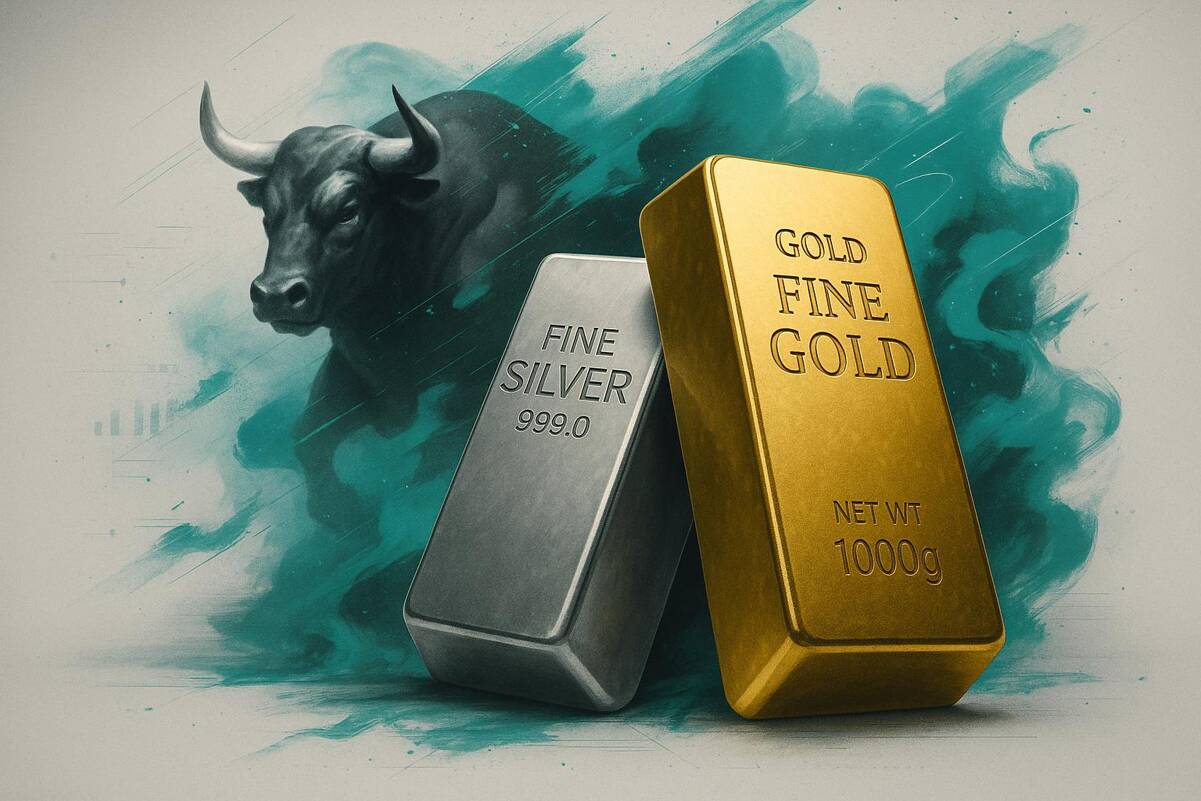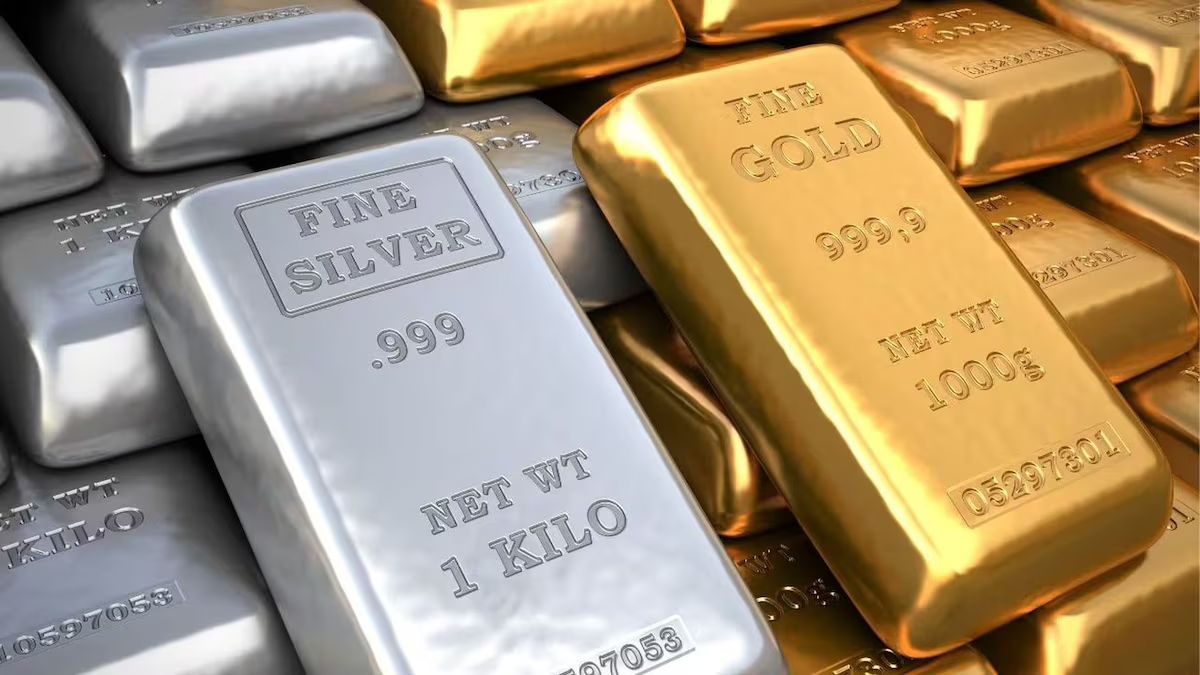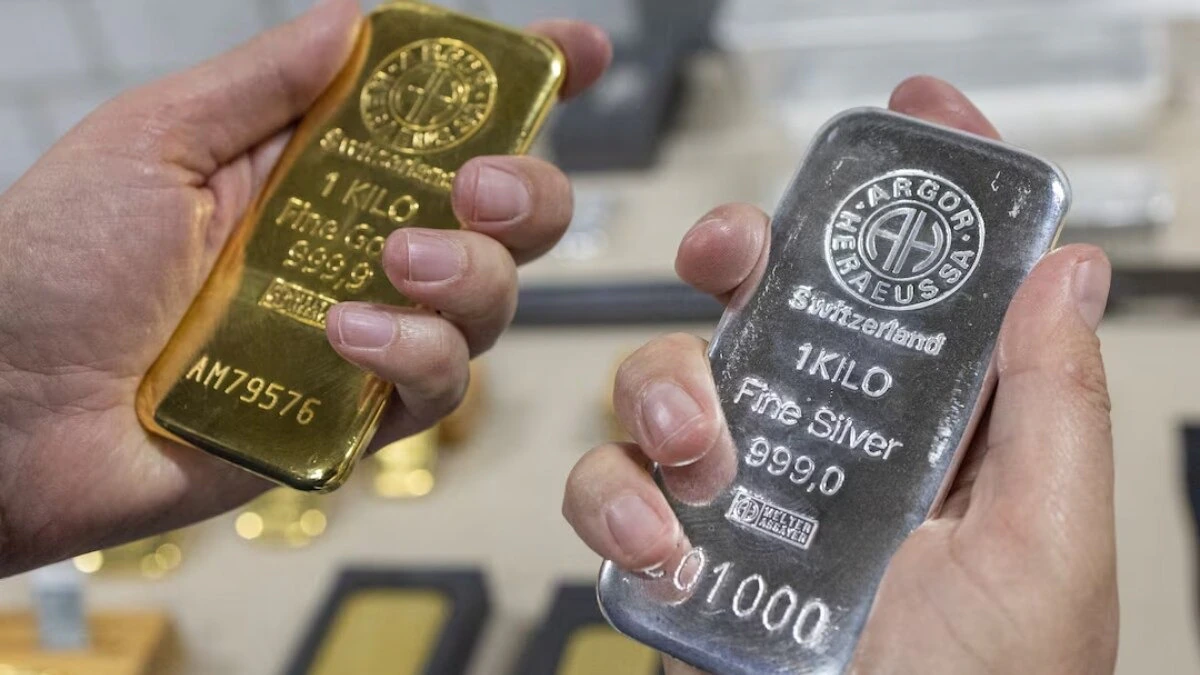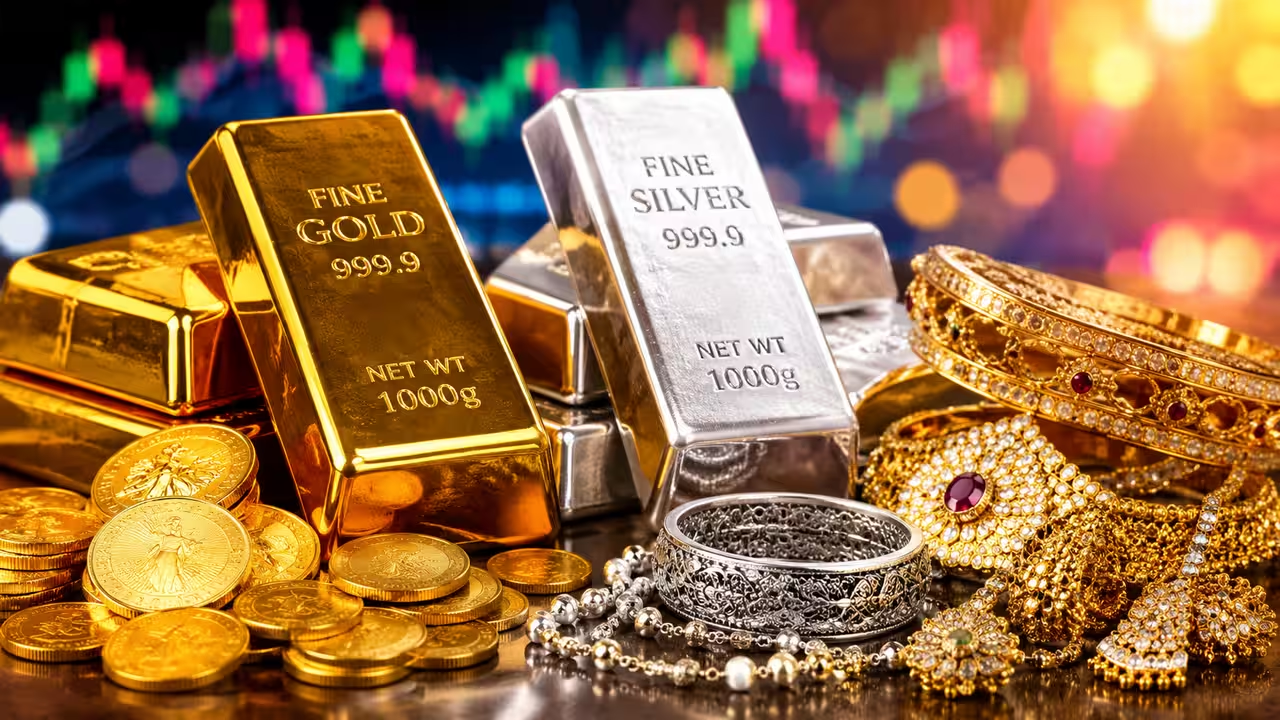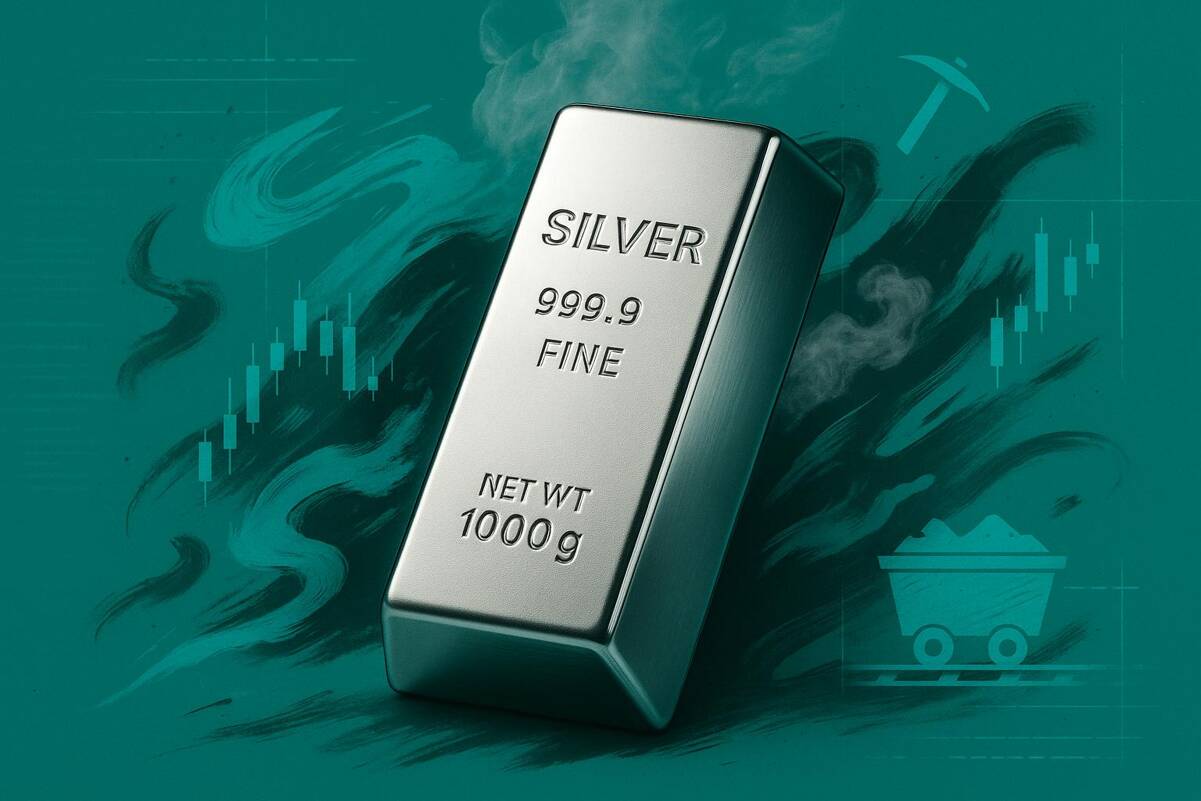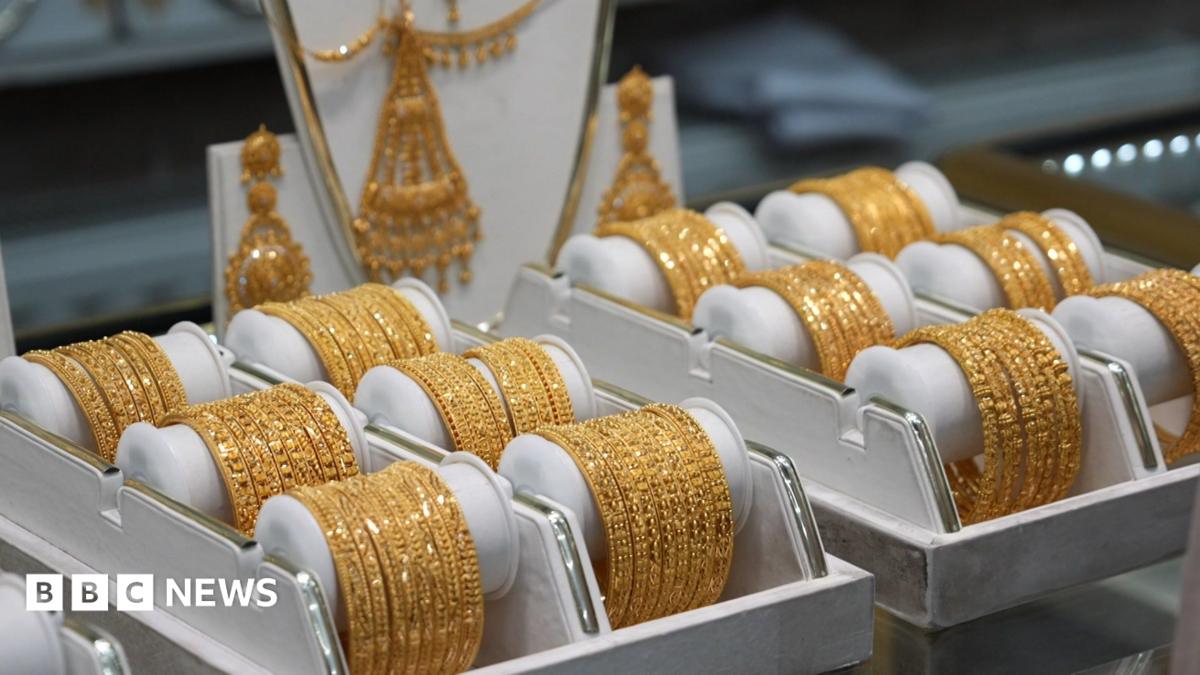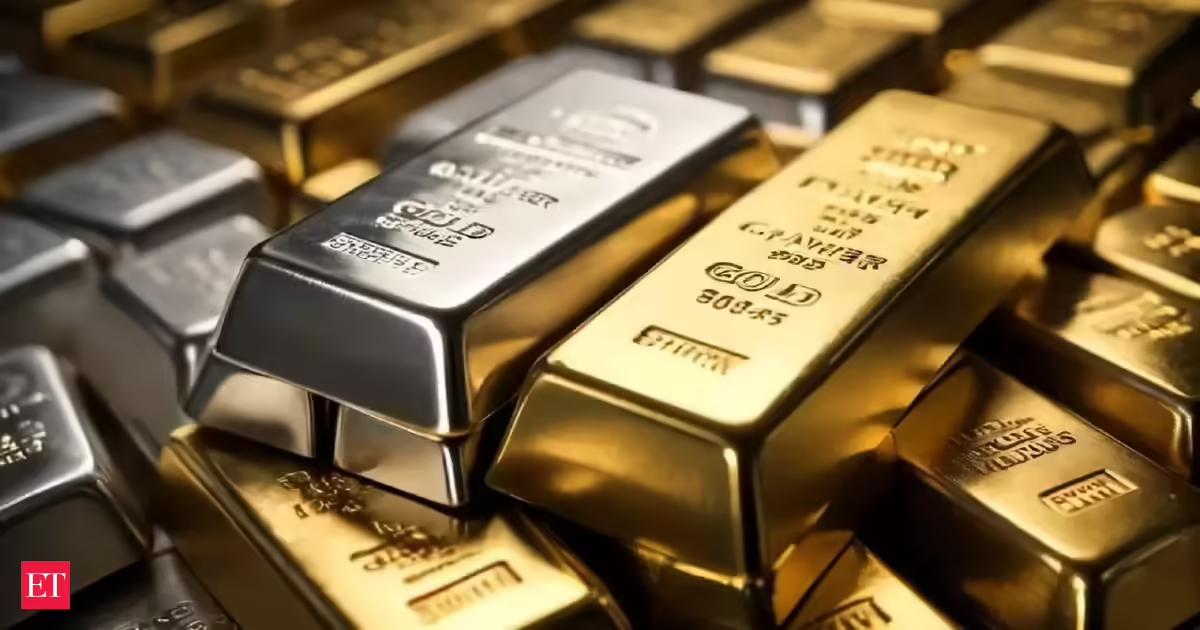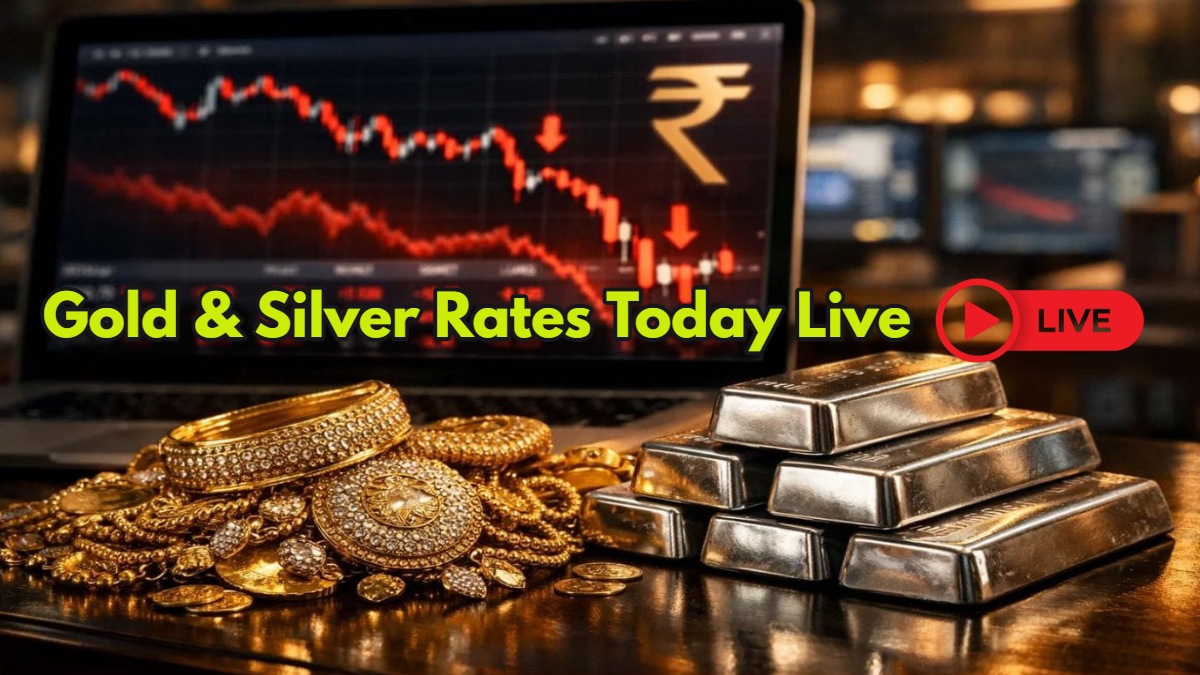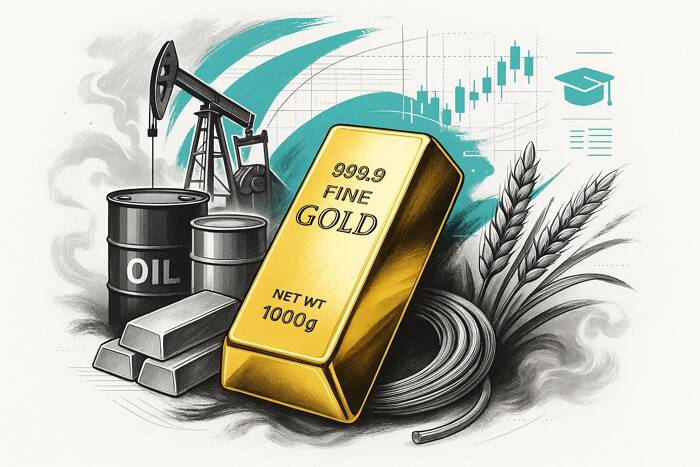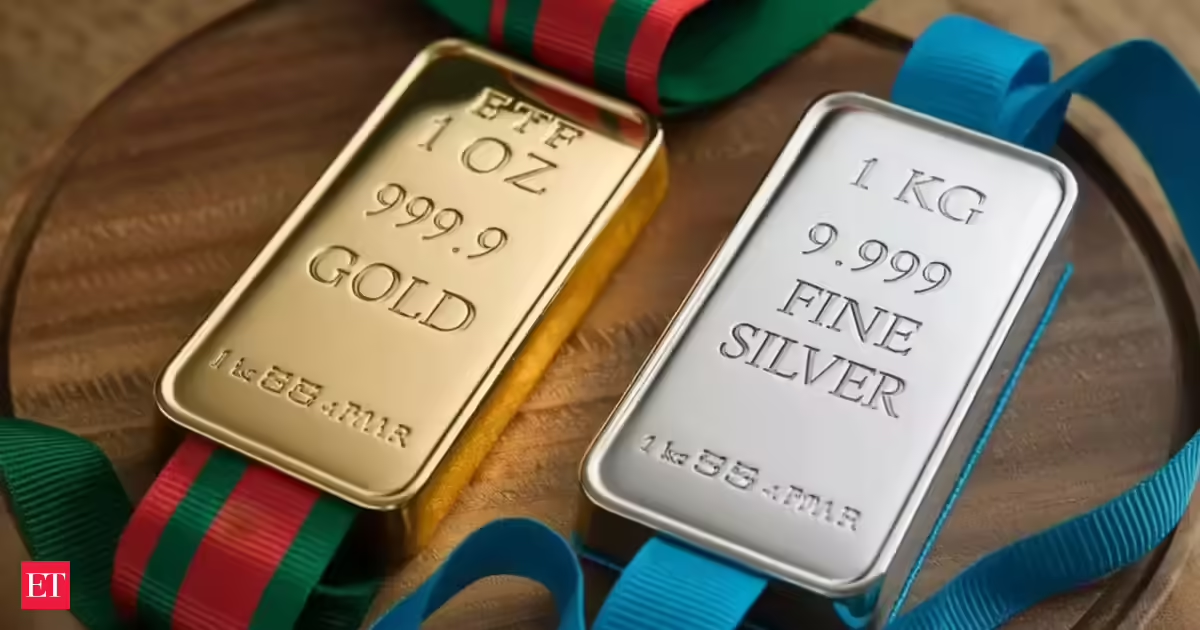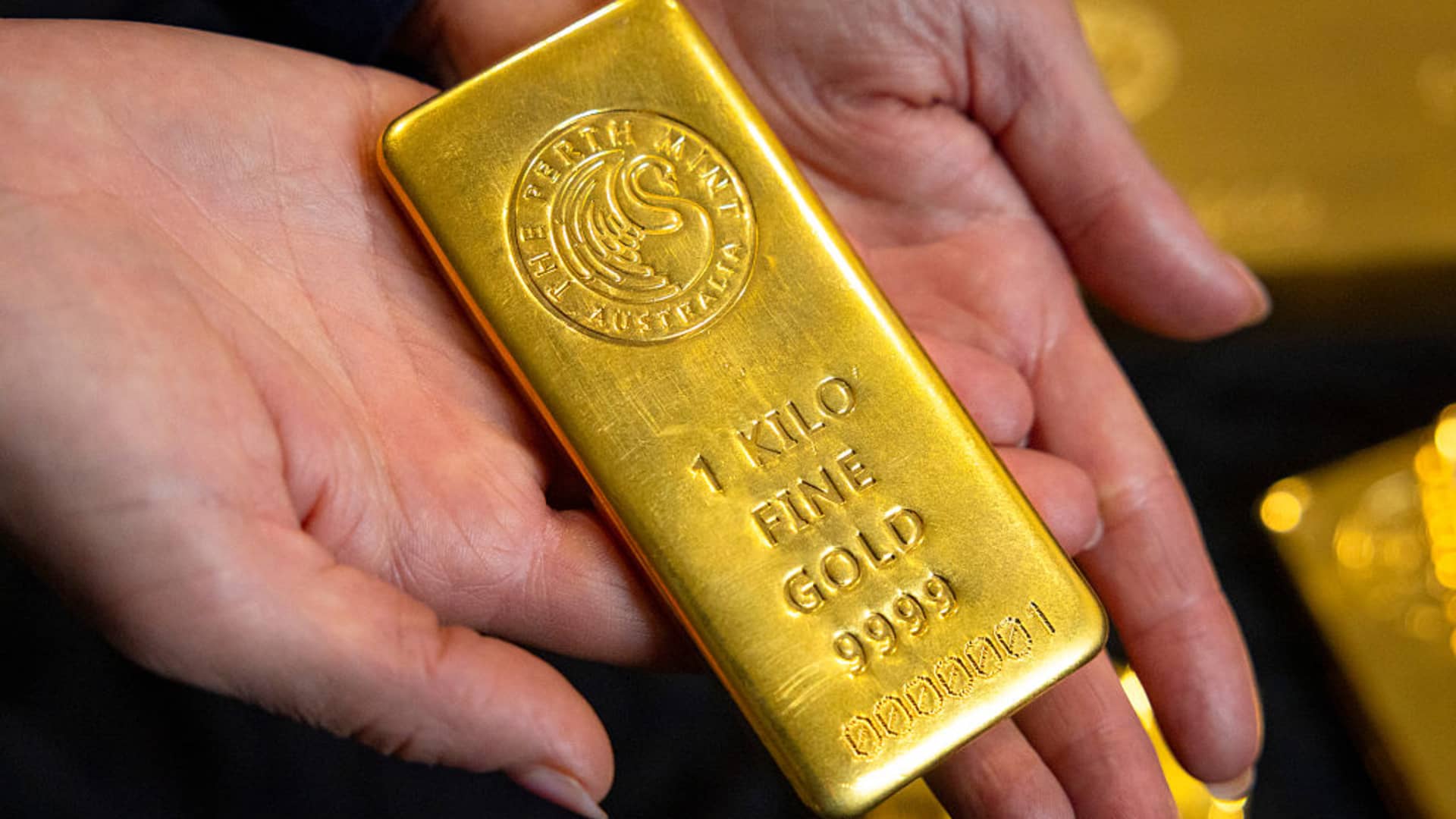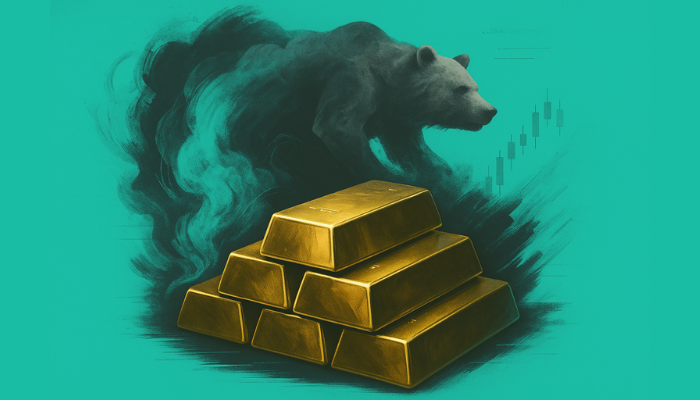
Why are gold and silver prices up today, and will precious metals continue to rise or drop again?
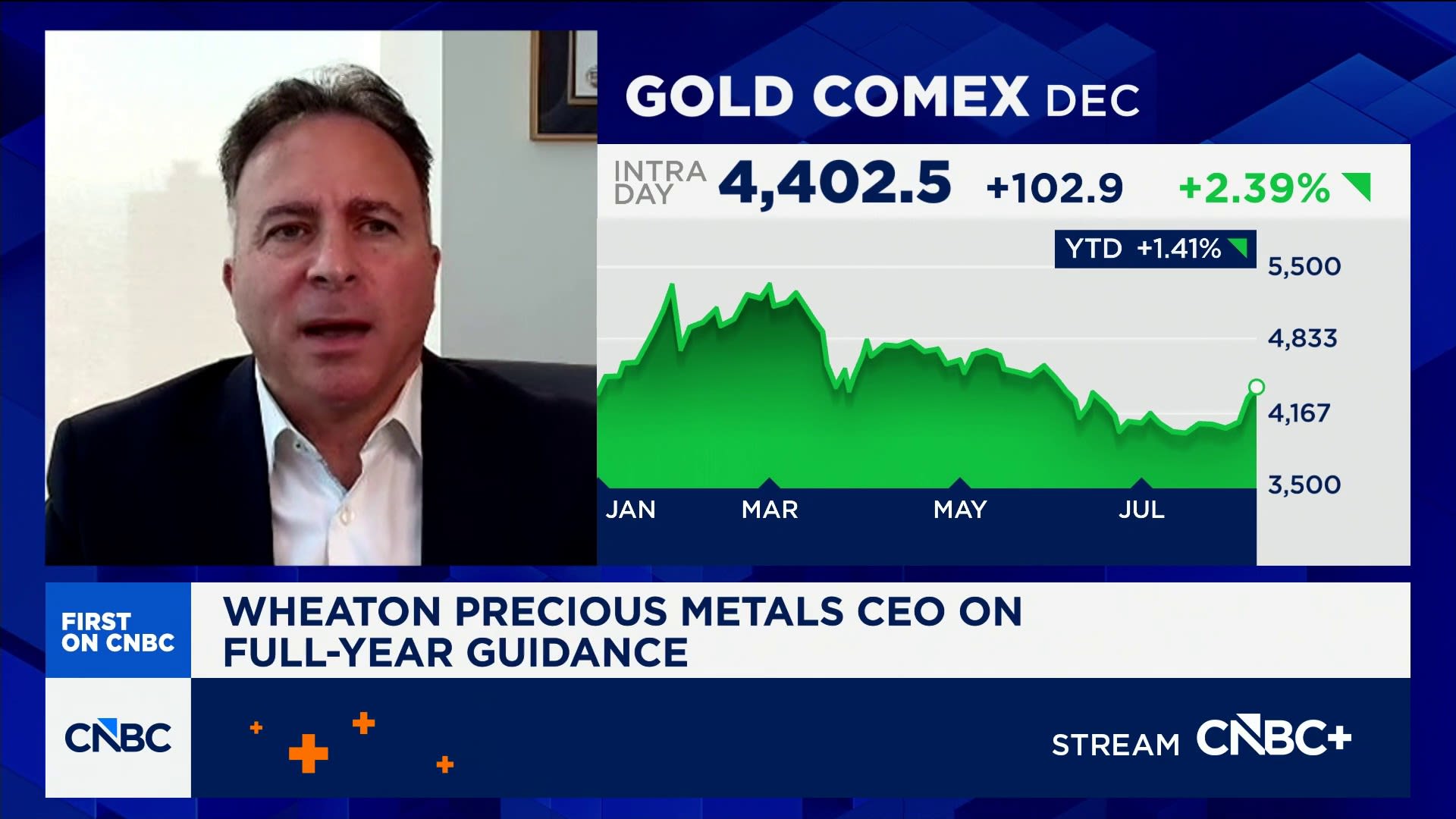
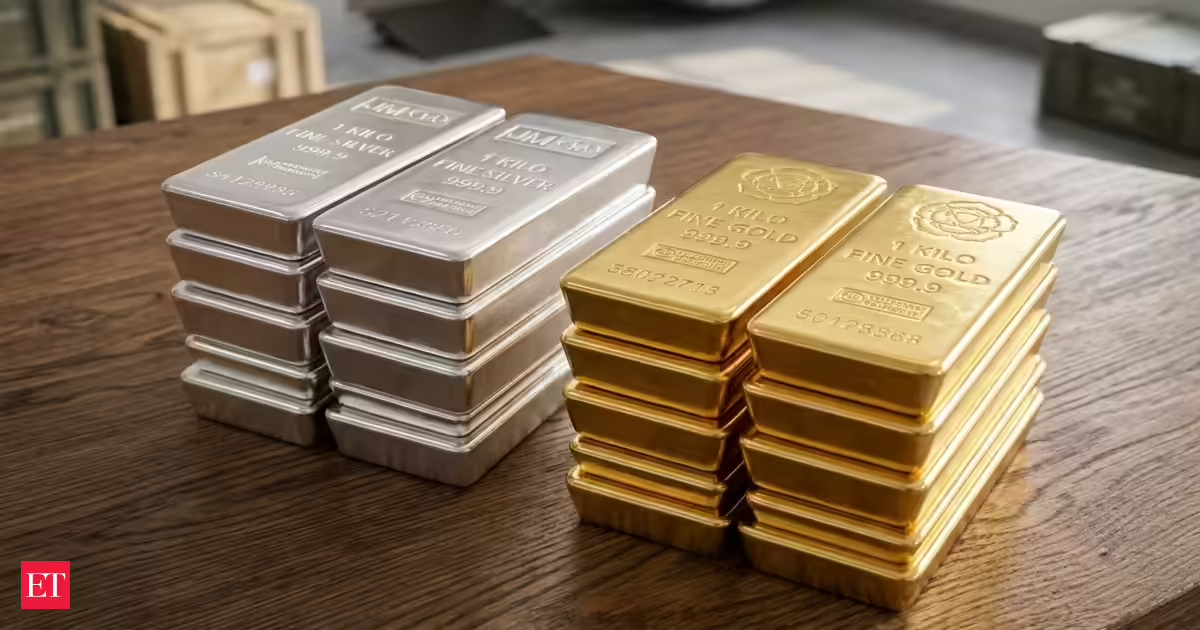
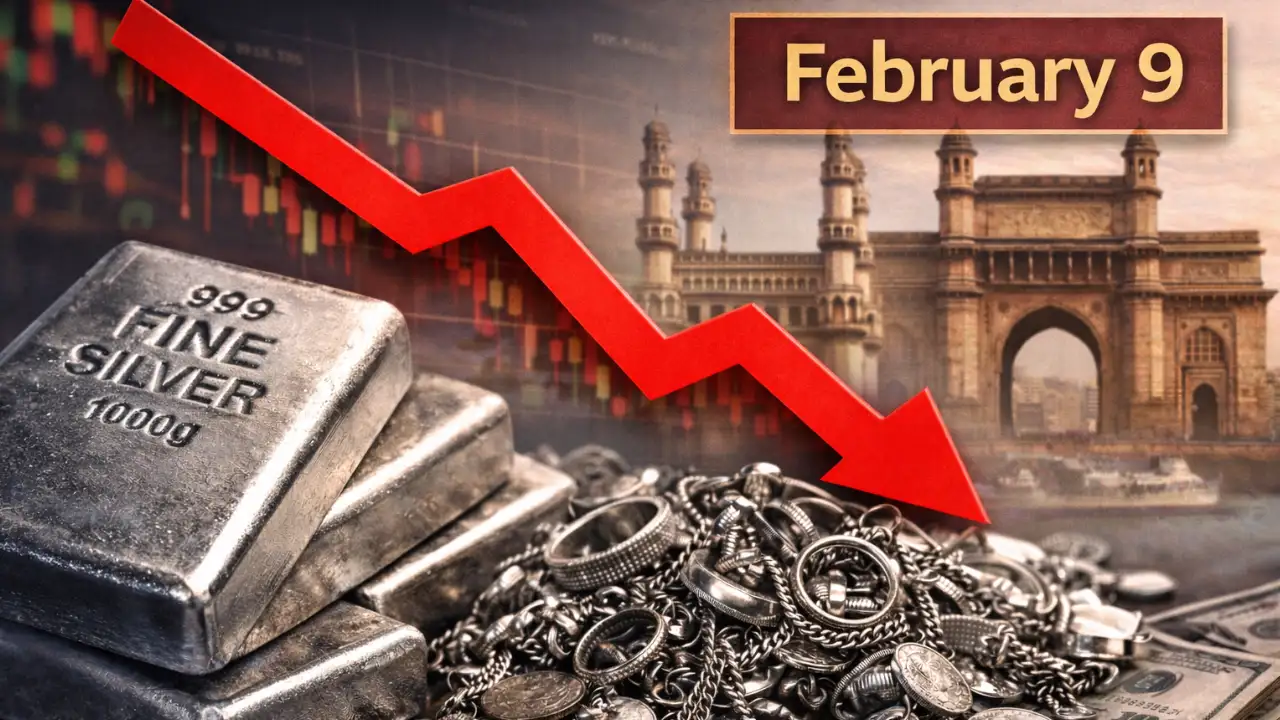
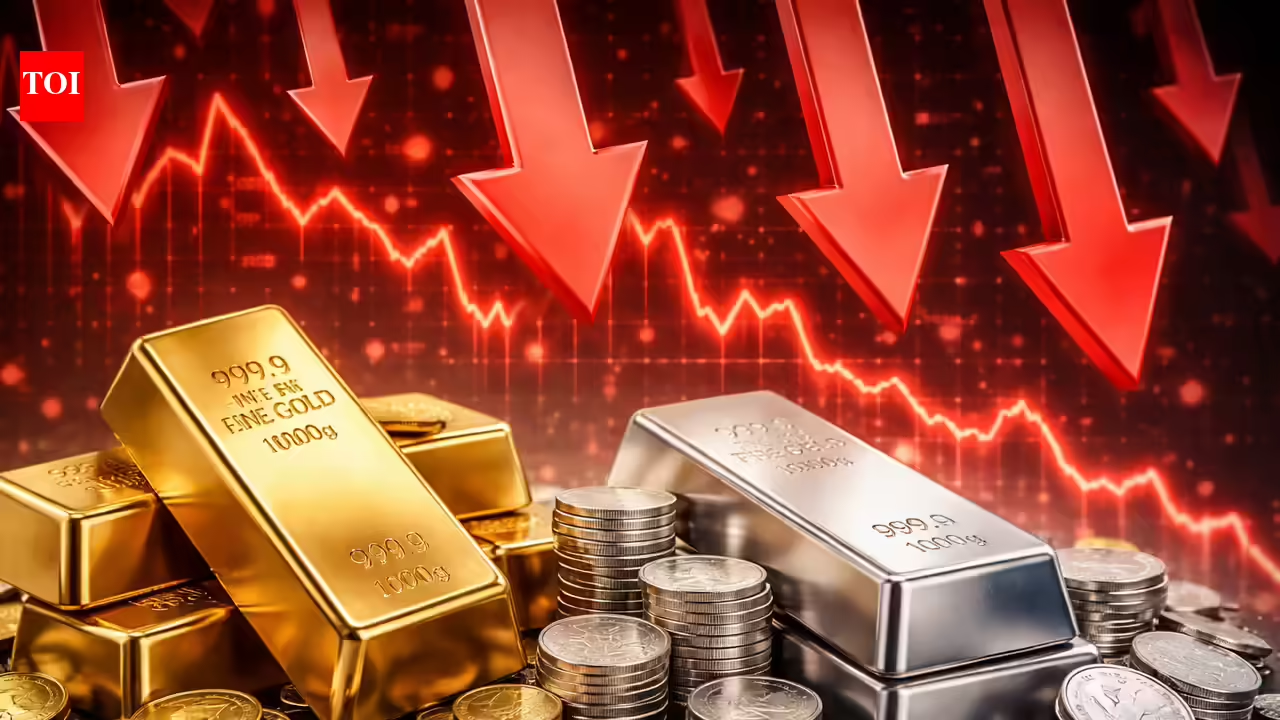
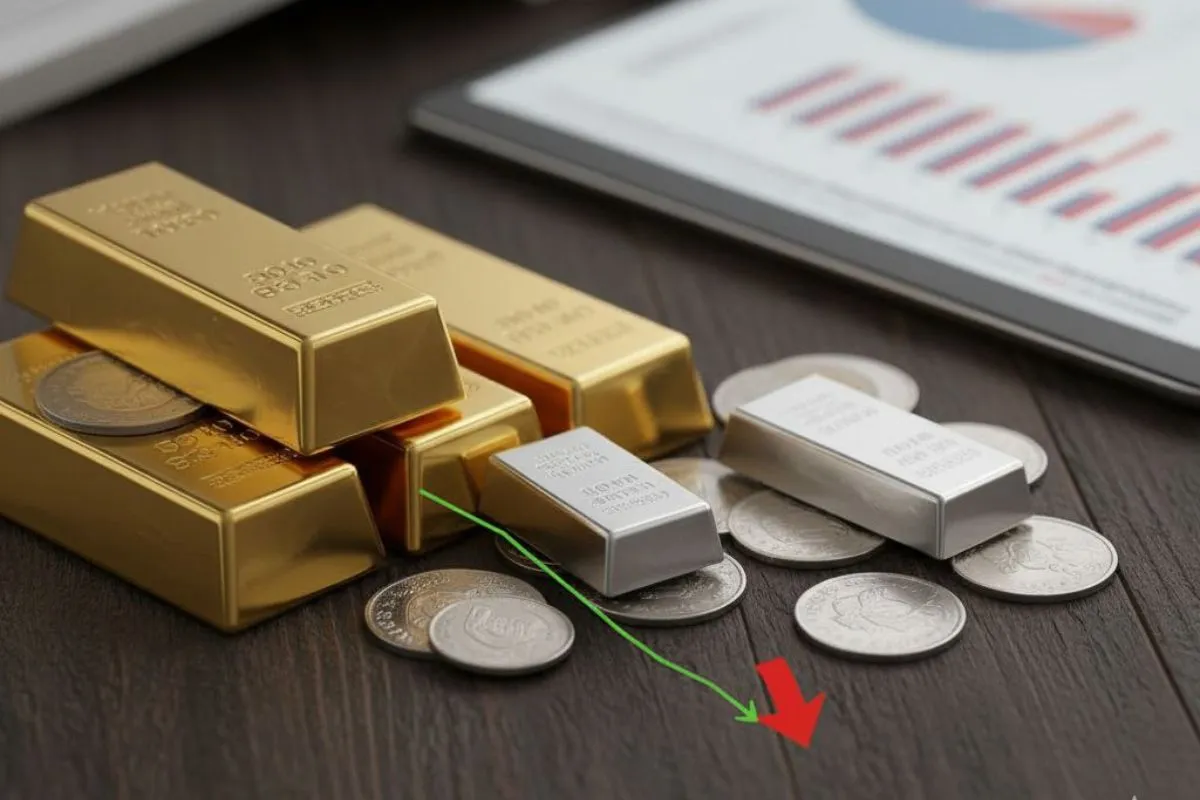
Gold prices recorded a small recovery on Tuesday after falling to their lowest level in nearly seven months. Silver, platinum and palladium also traded higher during the session. Even with this rebound, precious metals remain on course for large monthly and quarterly losses.
The market has faced pressure from a stronger US dollar and rising expectations that the US Federal Reserve could increase interest rates again this year. Higher interest rates usually reduce the appeal of gold because it does not generate interest income. Investors are also closely following new economic data from the United States to understand the next move by the central bank.
Although prices recovered during the day, analysts believe the market remains cautious. Many traders are still selling after short-term gains instead of buying during price declines. This shift in market behaviour has become an important factor in recent weeks.
Why are gold and silver prices up today, and will precious metals continue to rise or drop again?
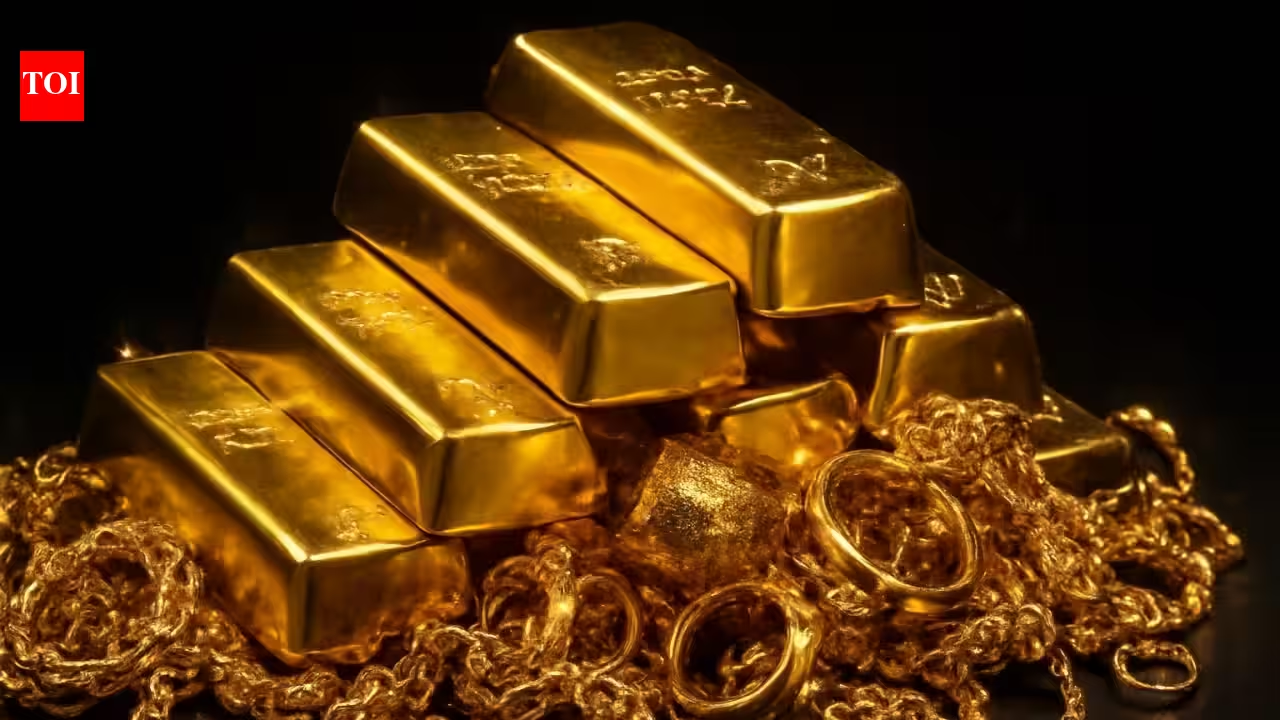
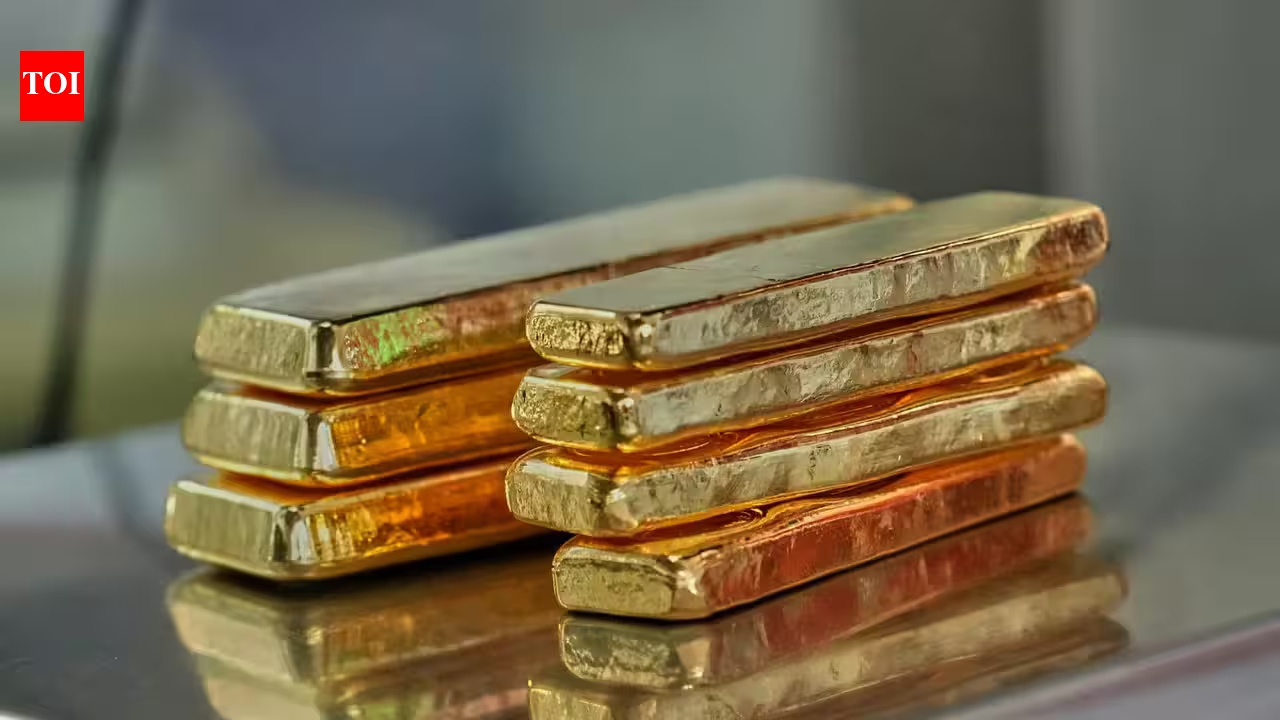
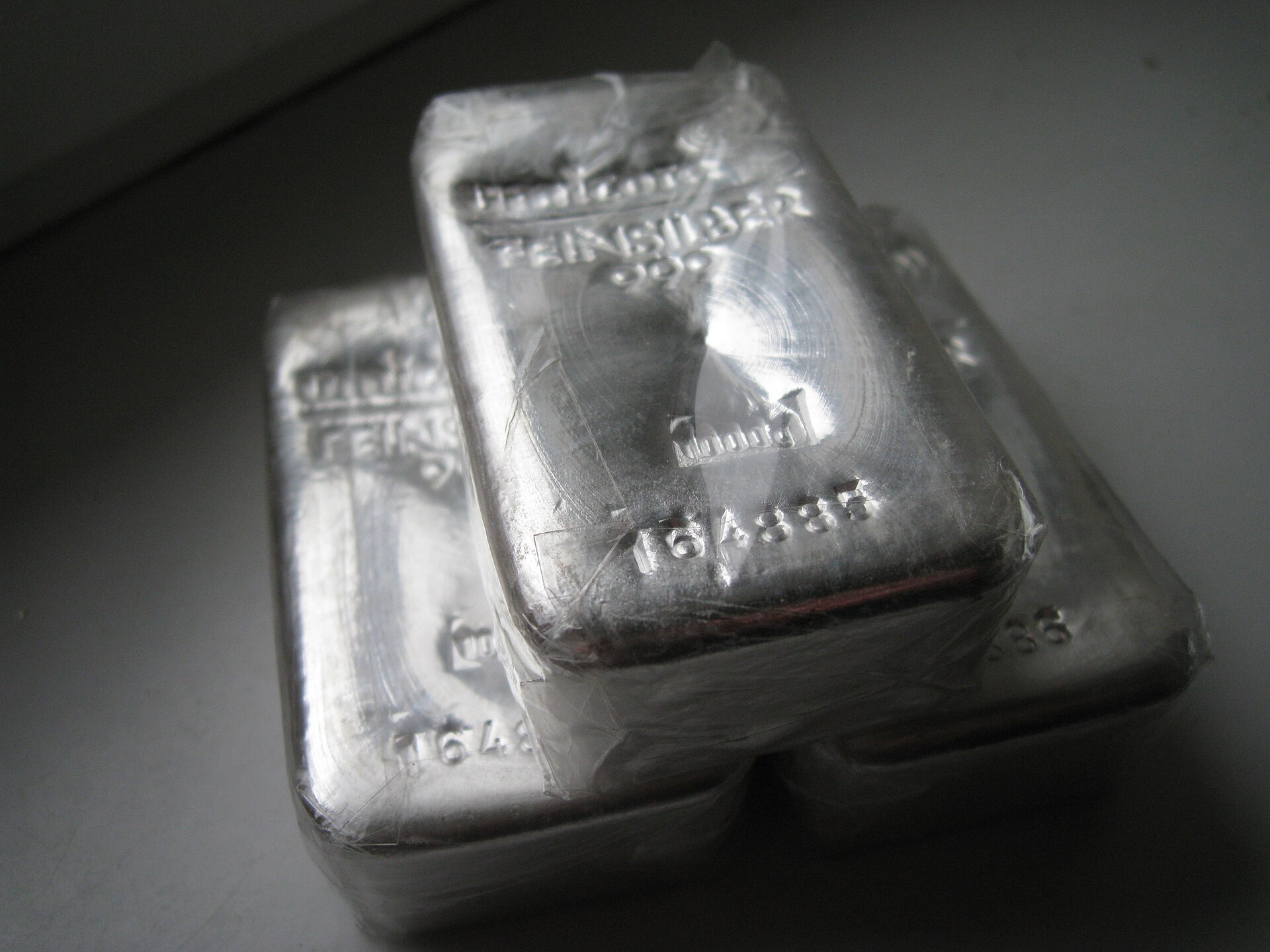
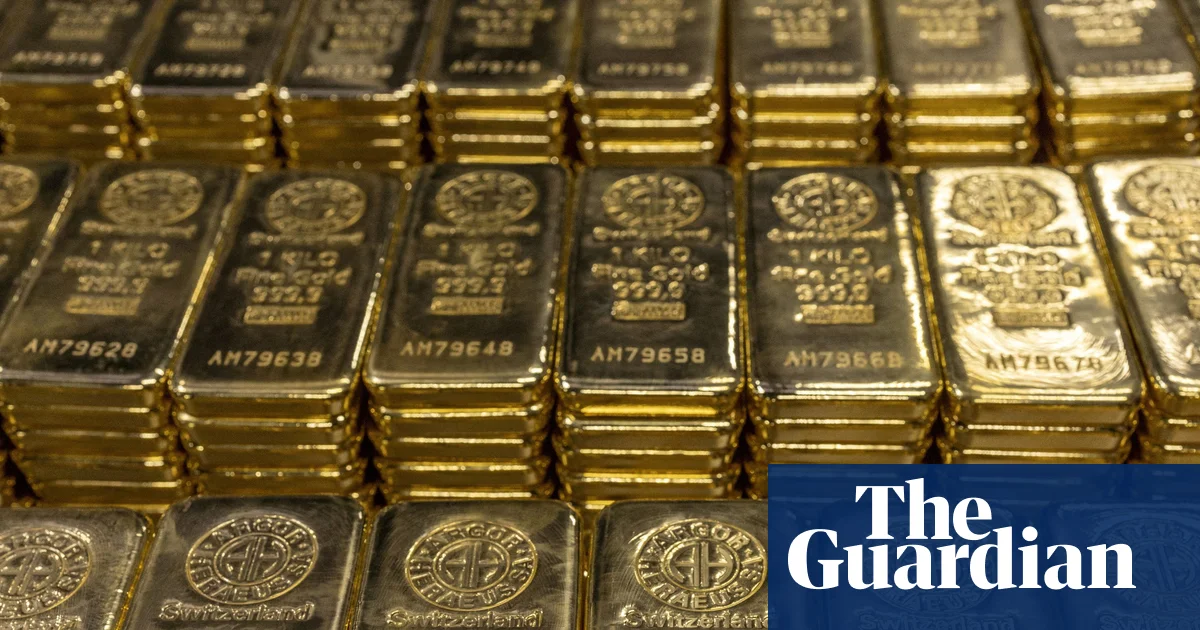
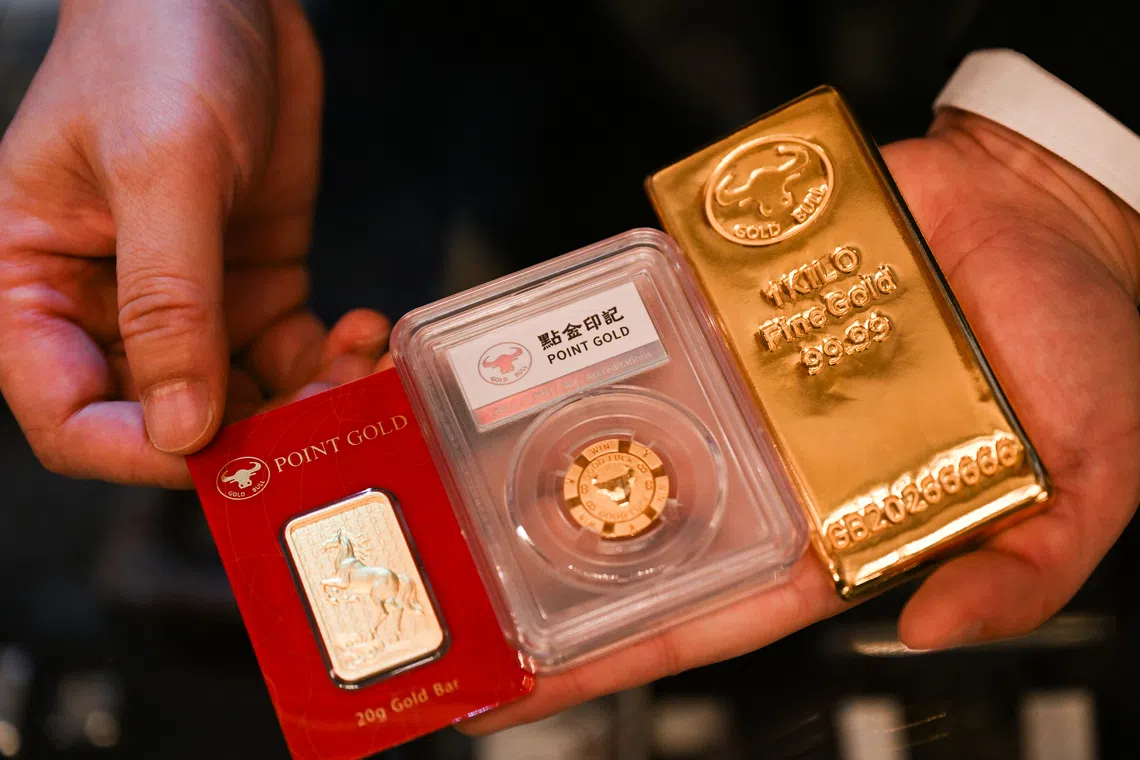
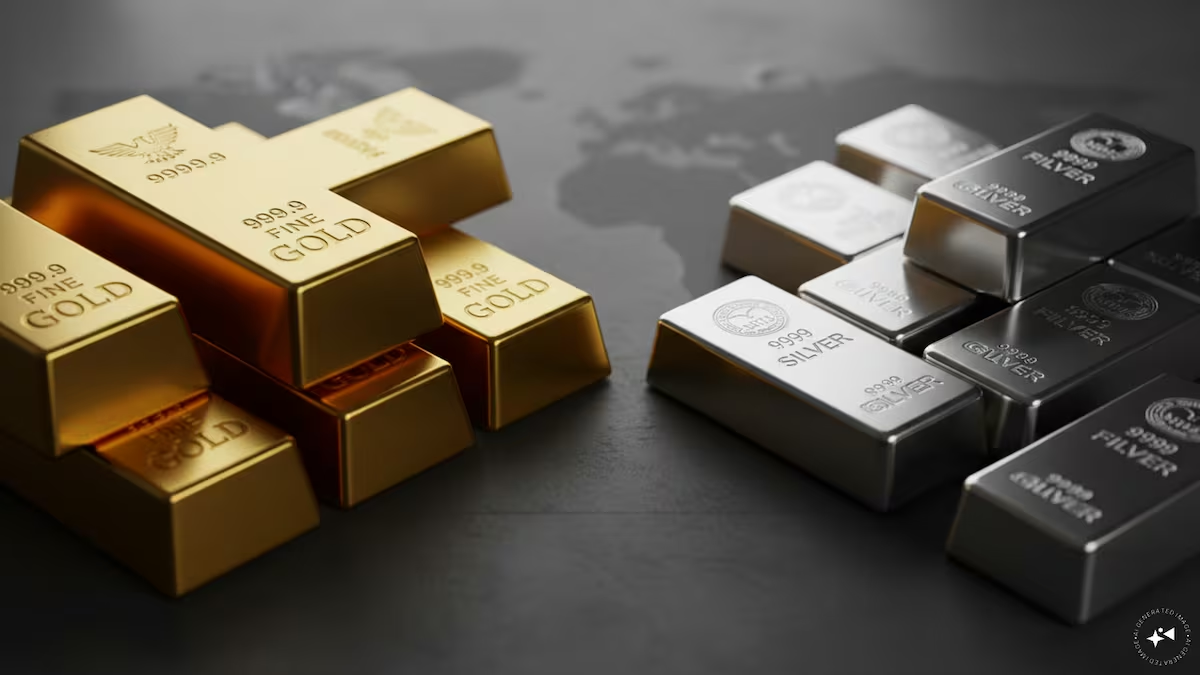
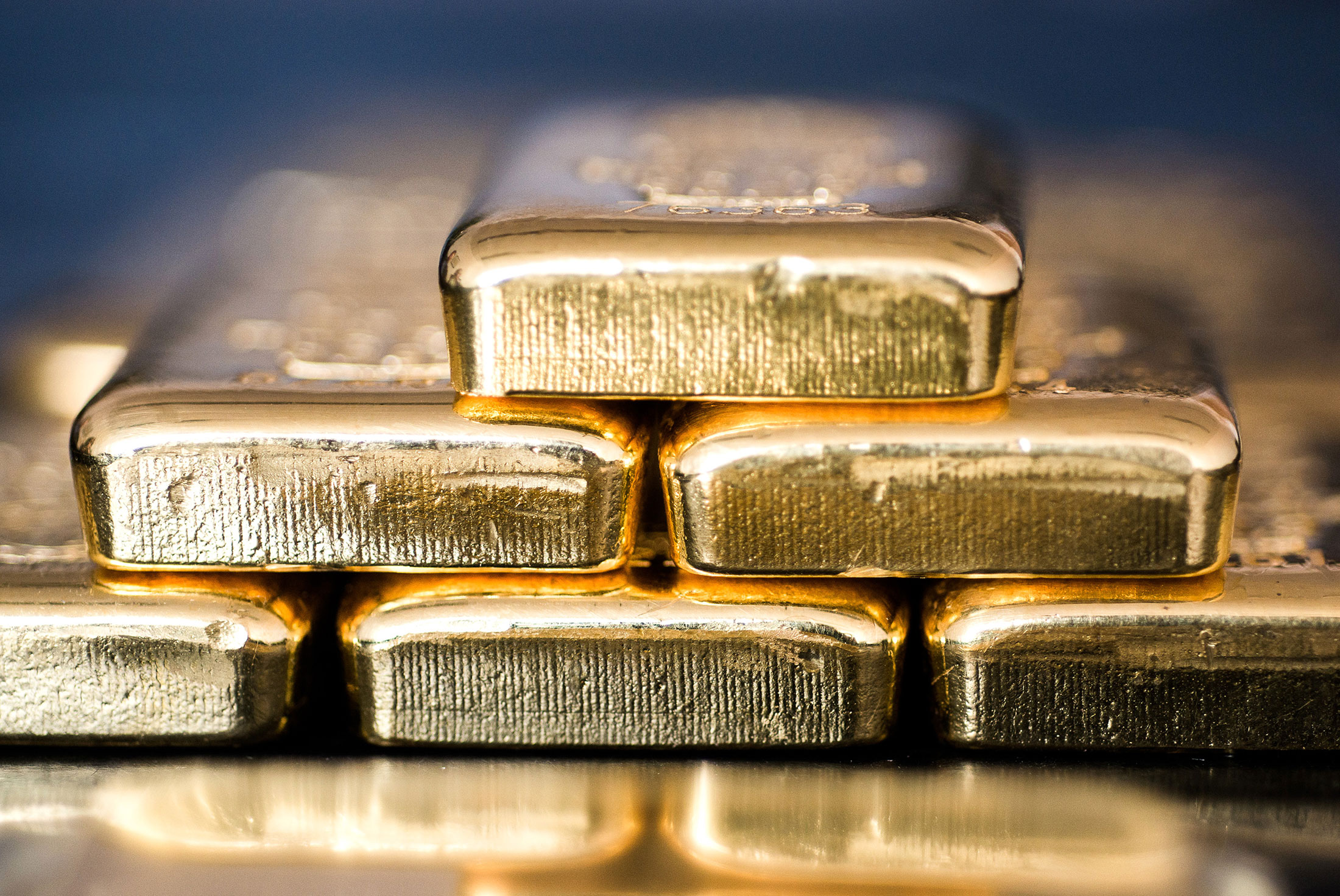
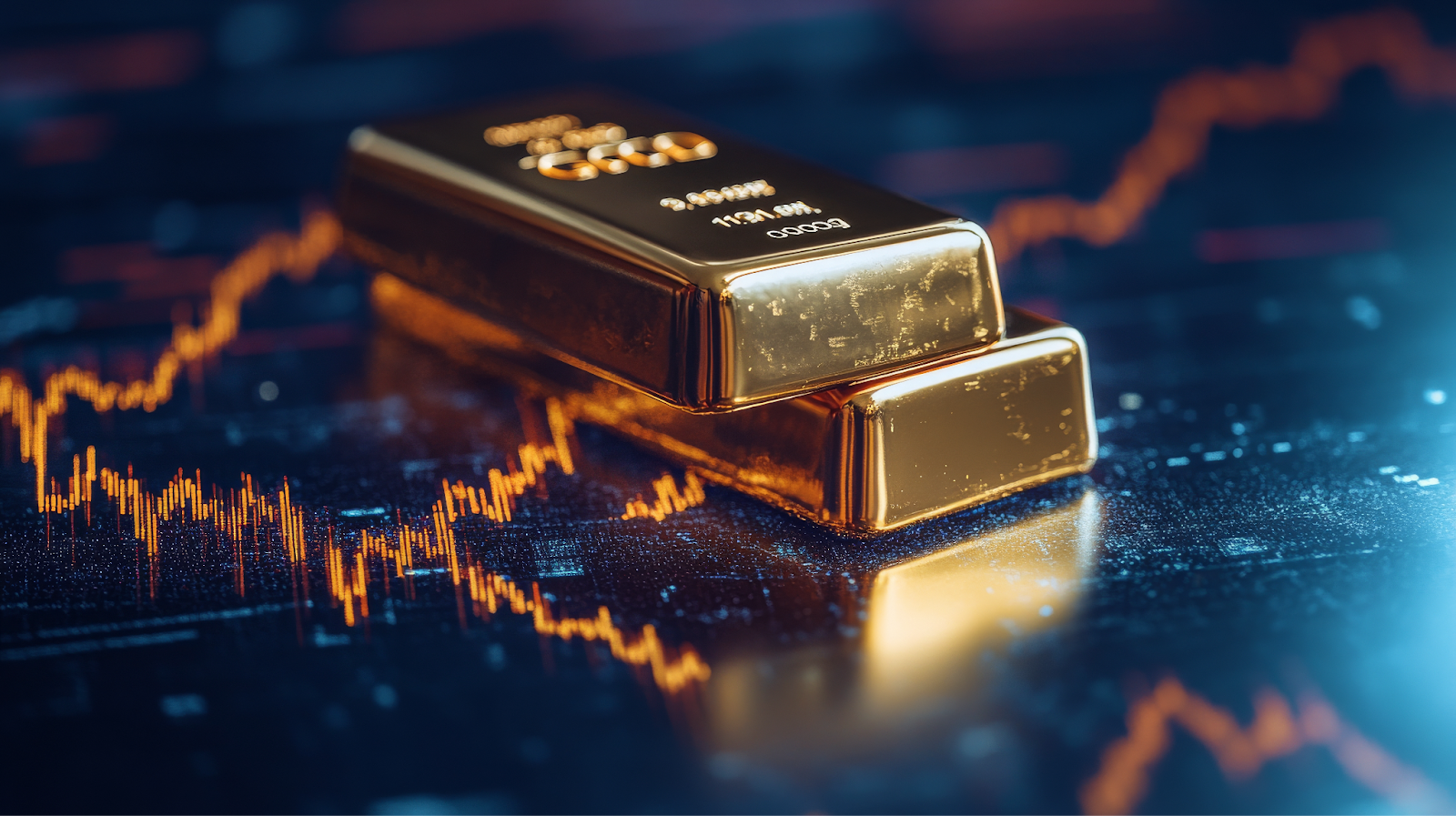
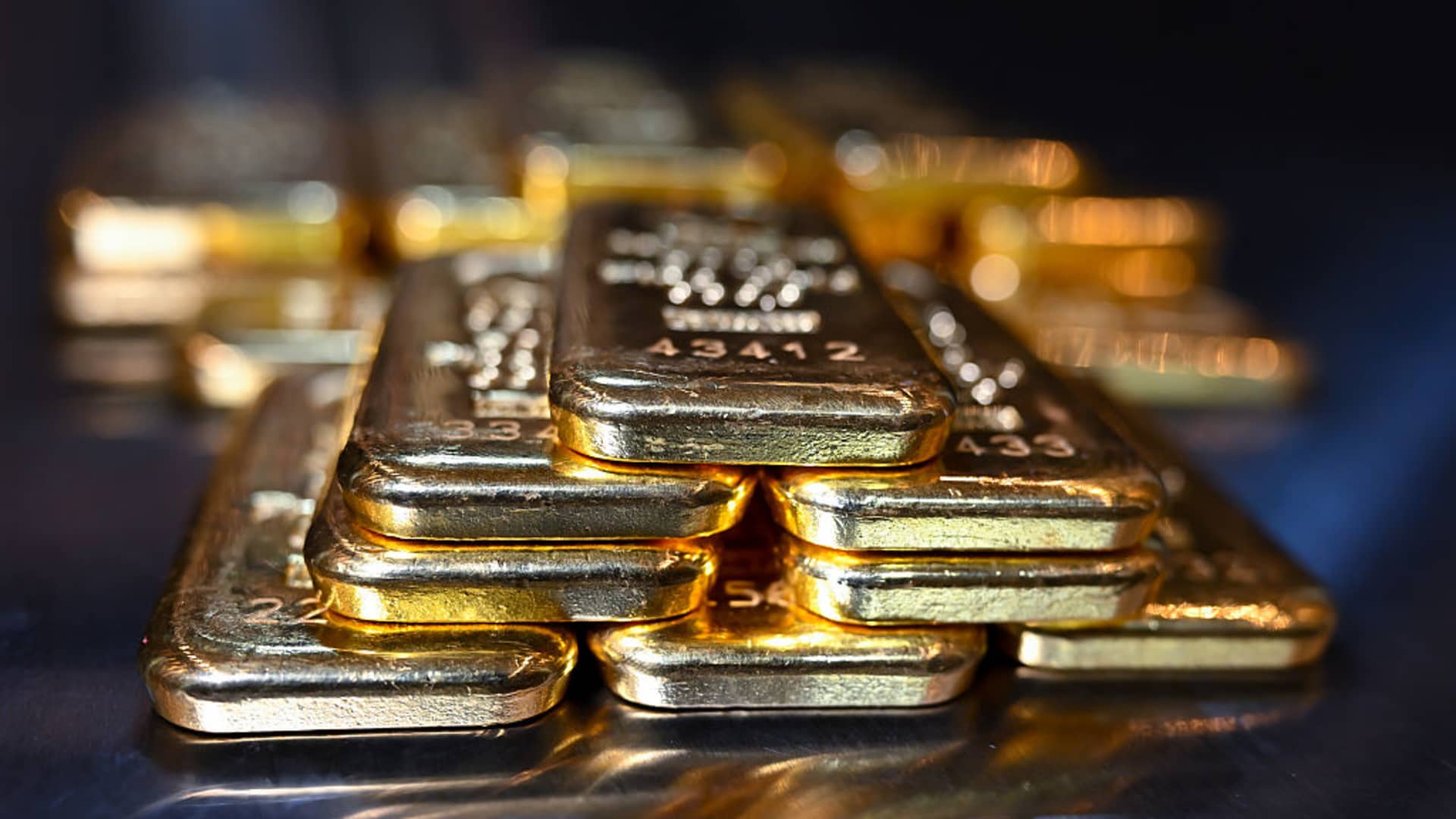
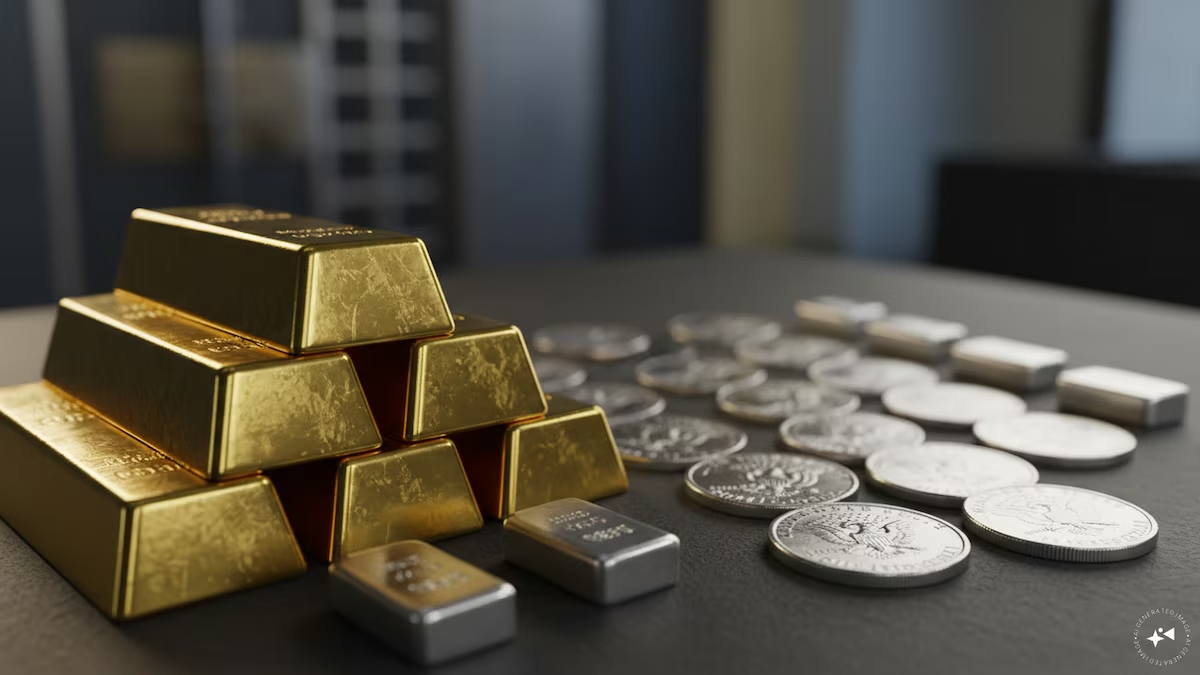
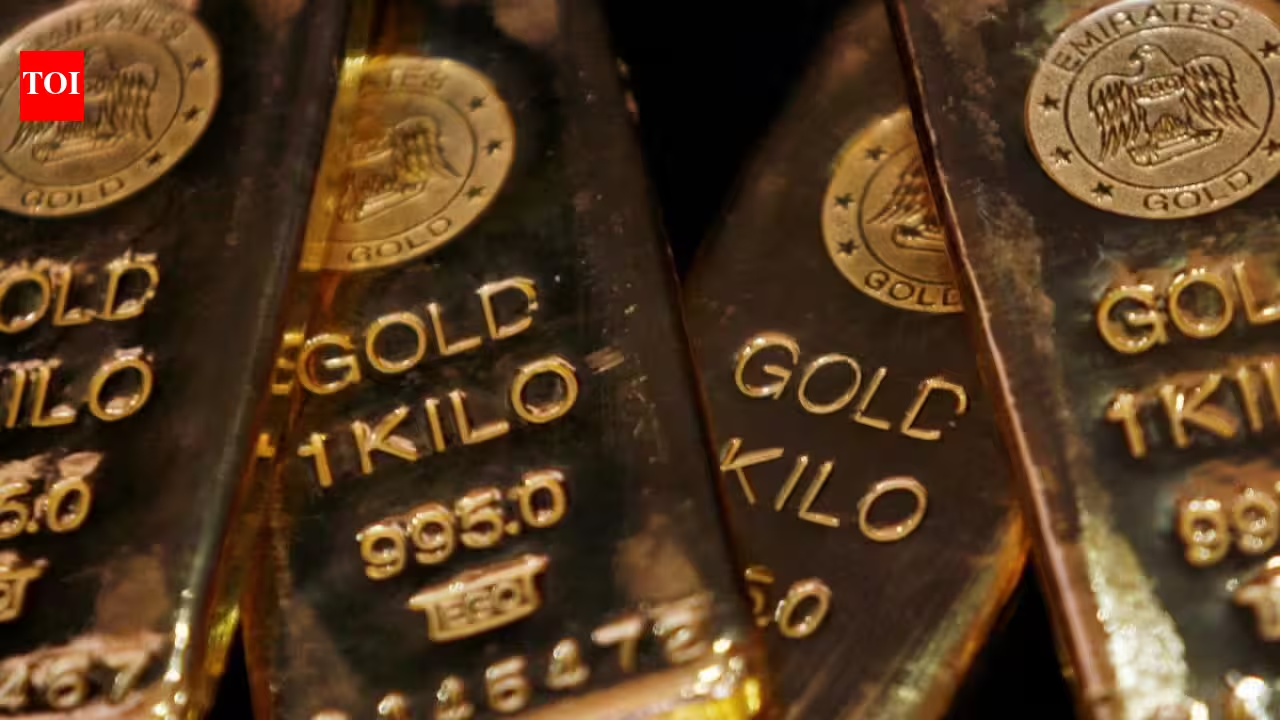
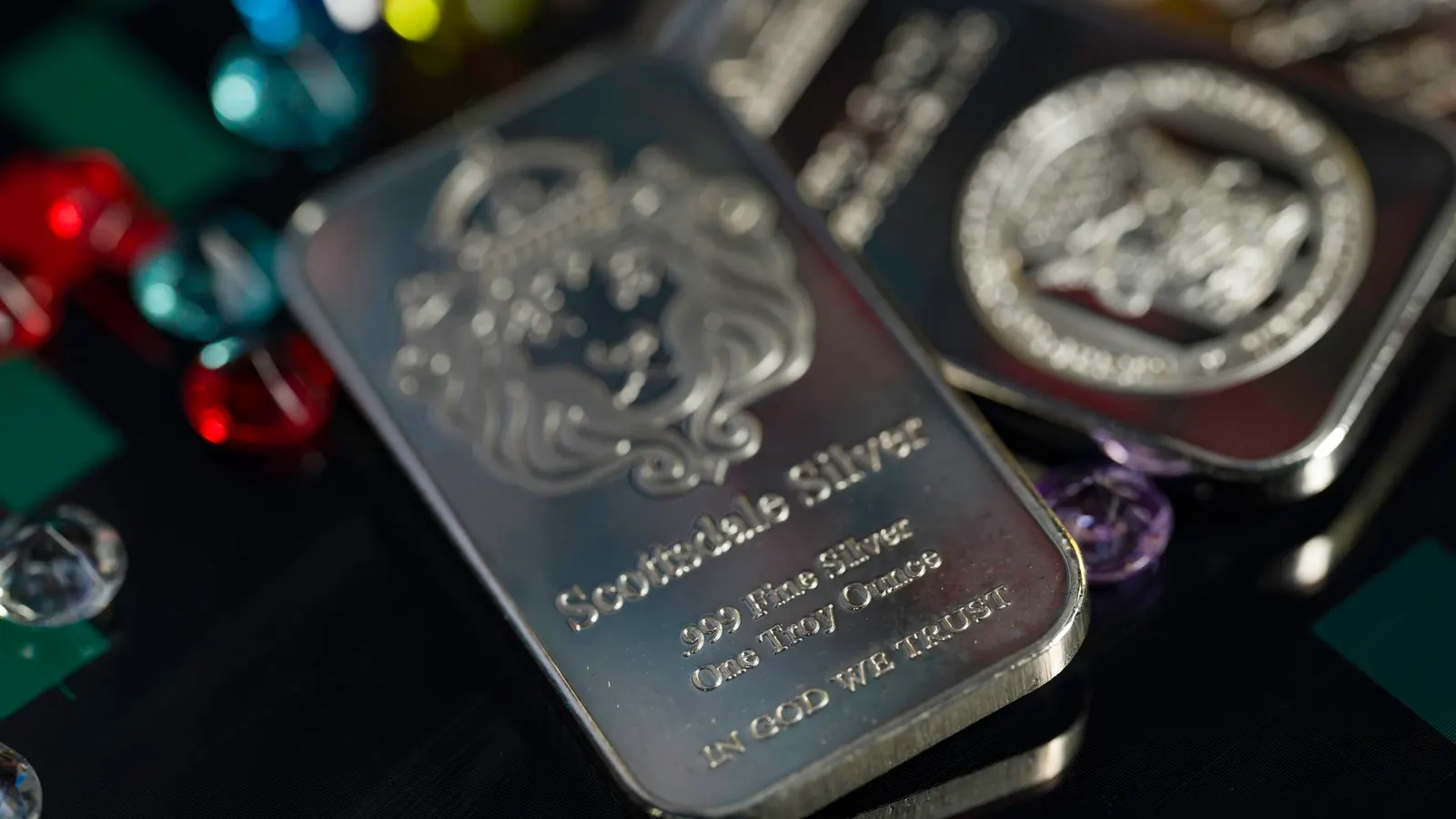
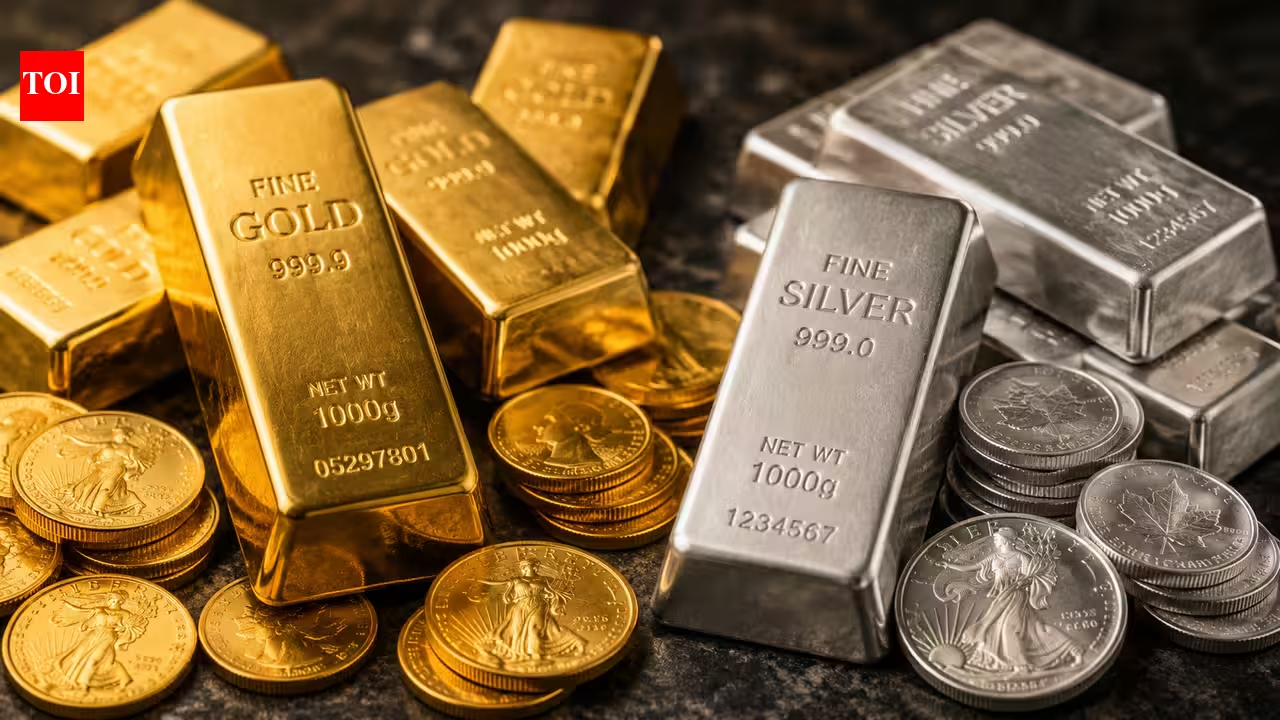
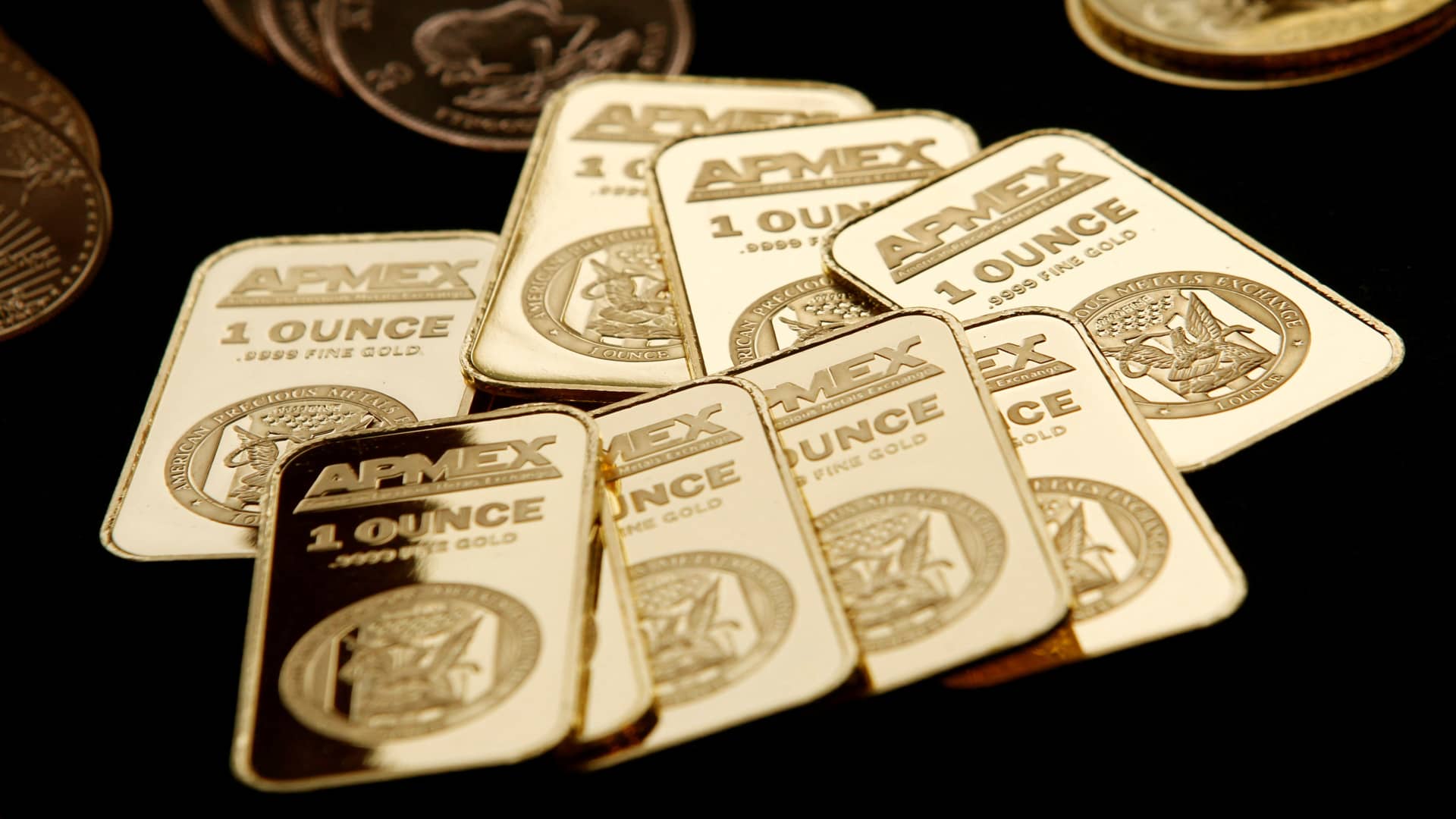
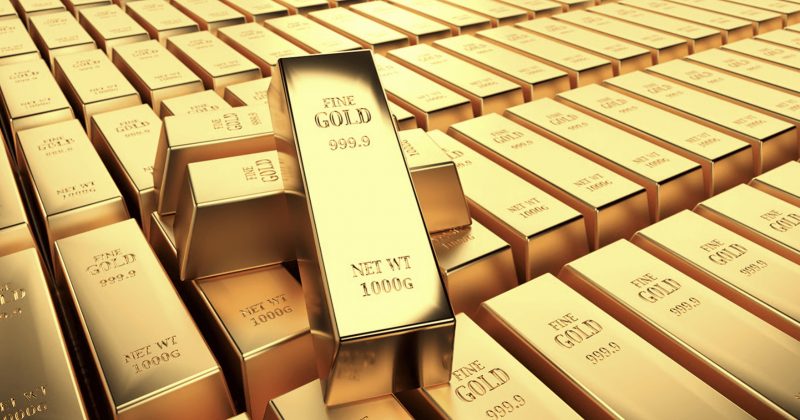
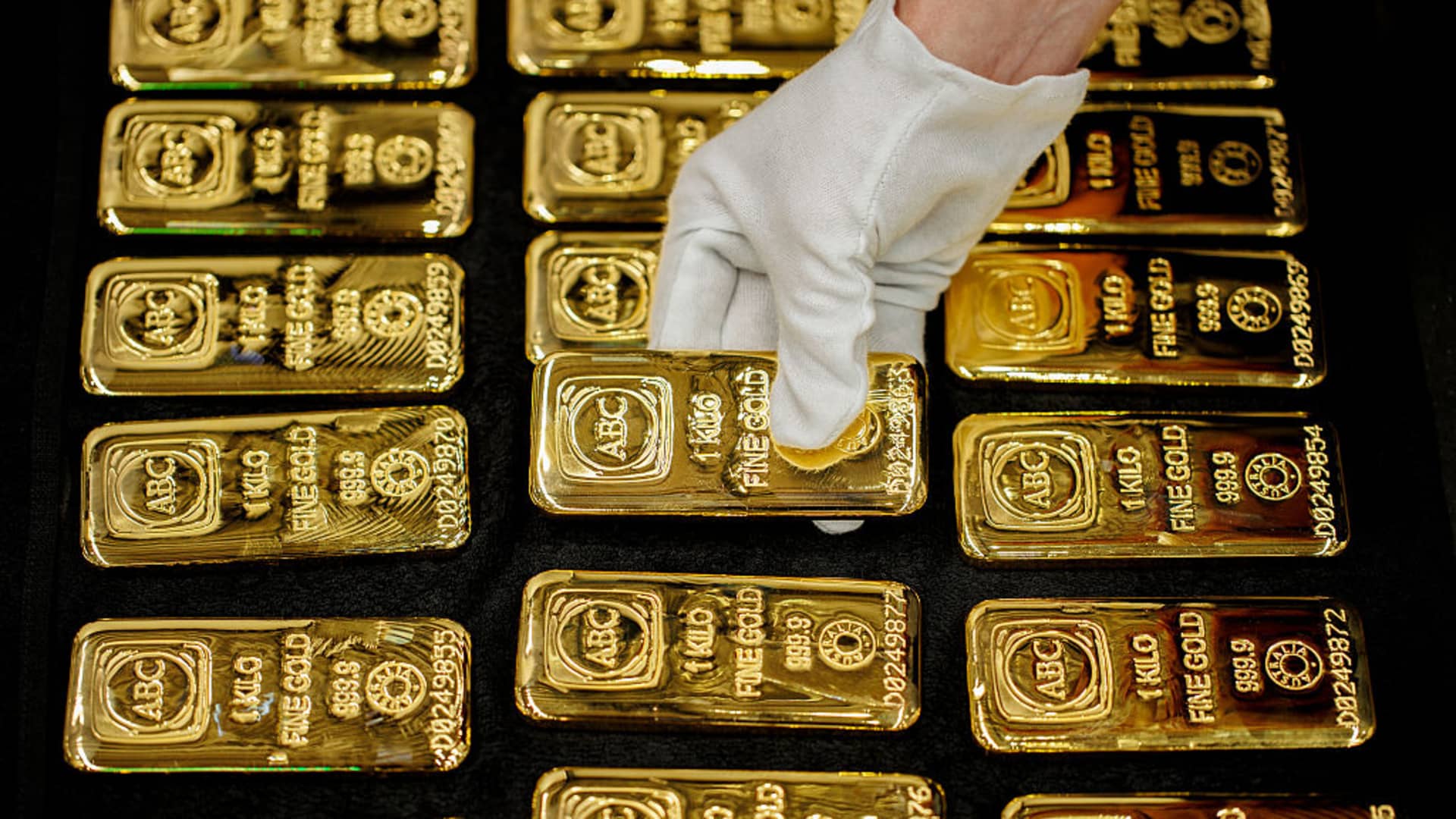
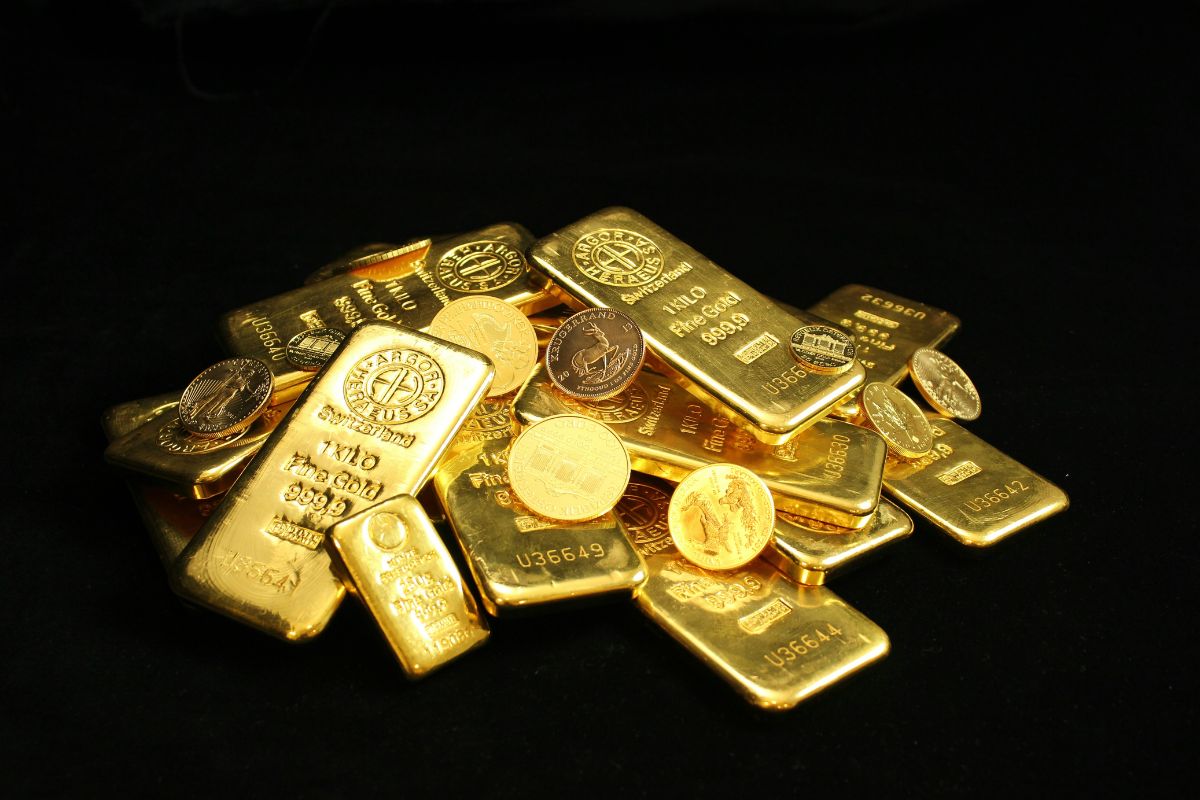
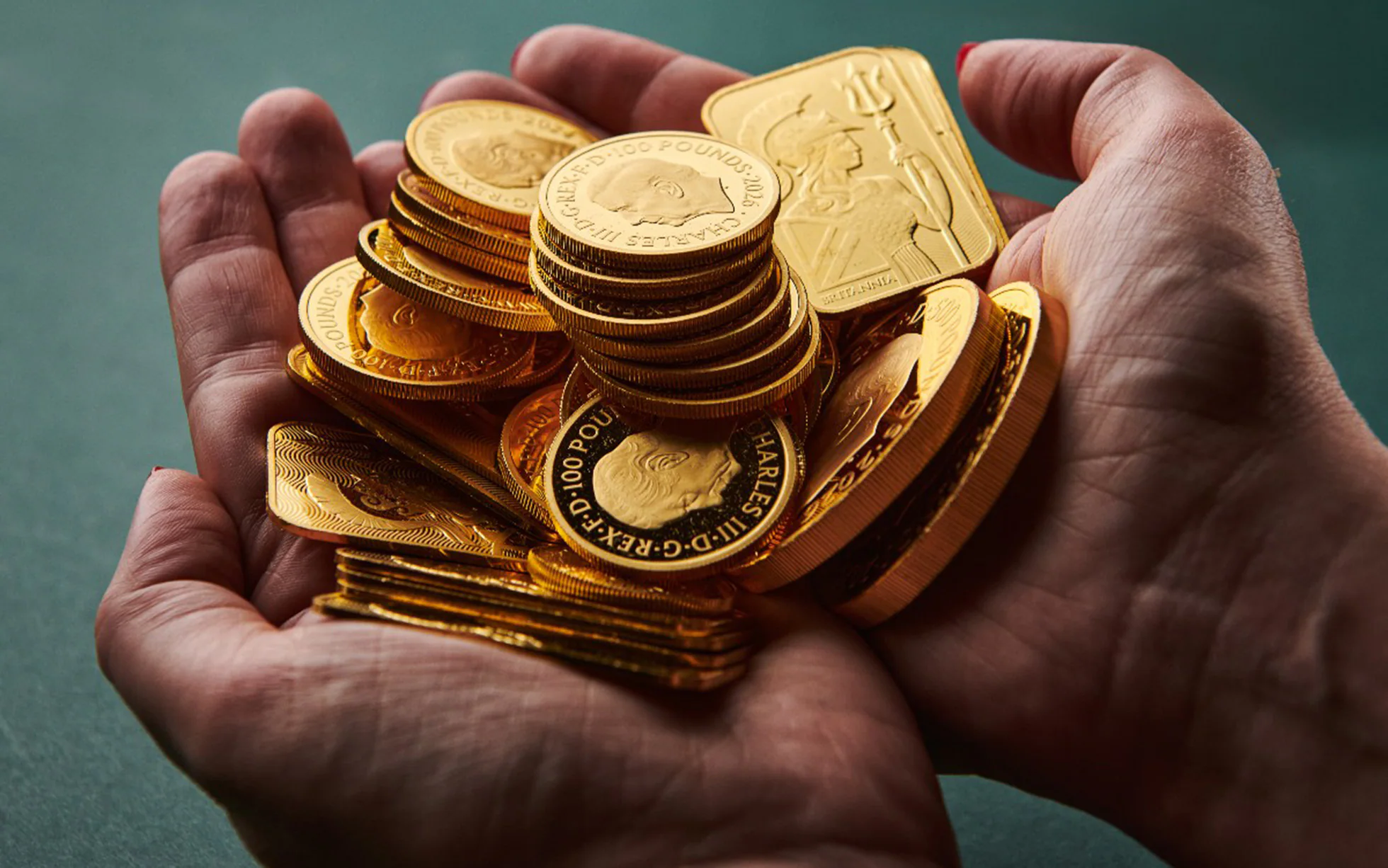
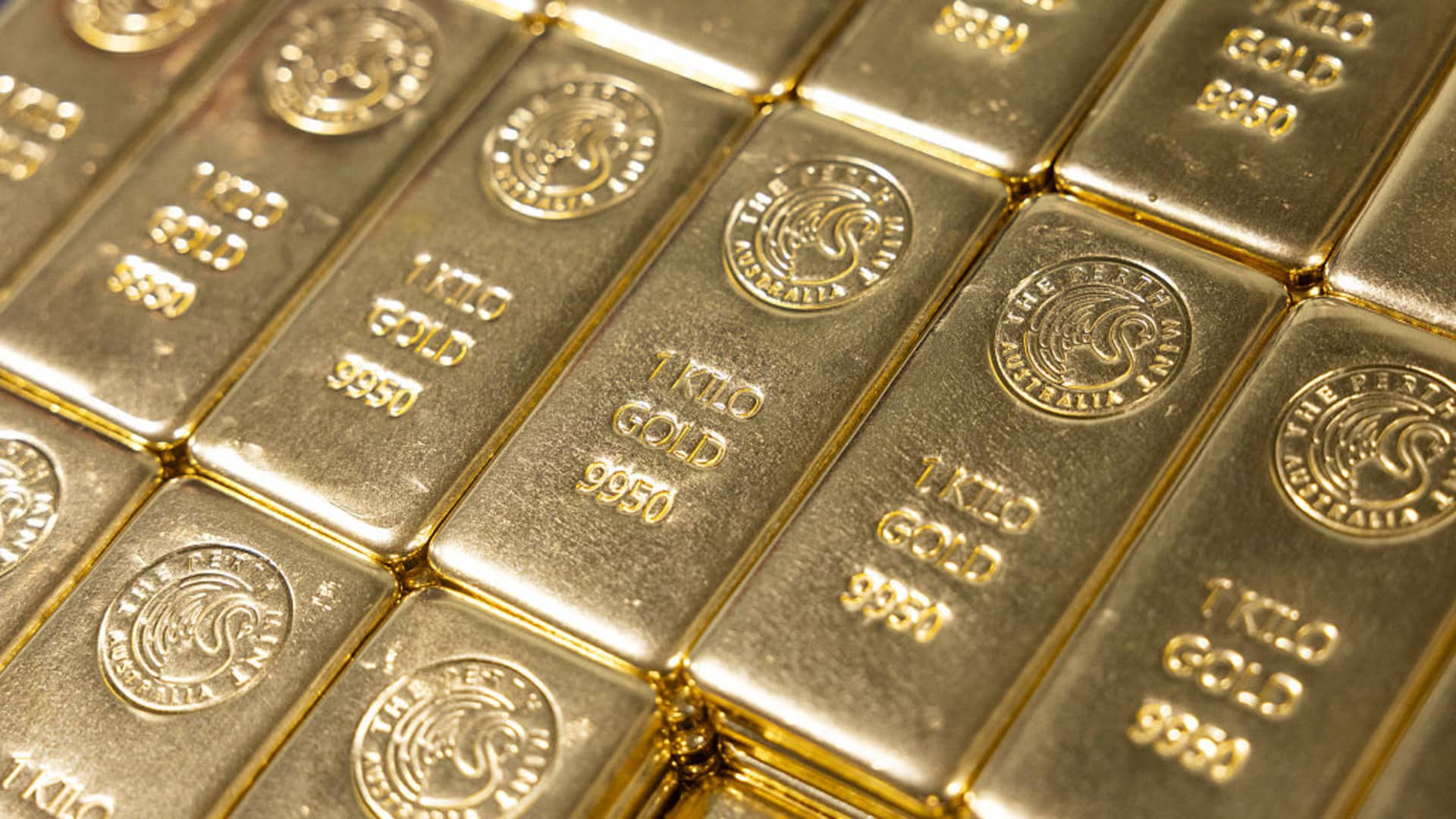
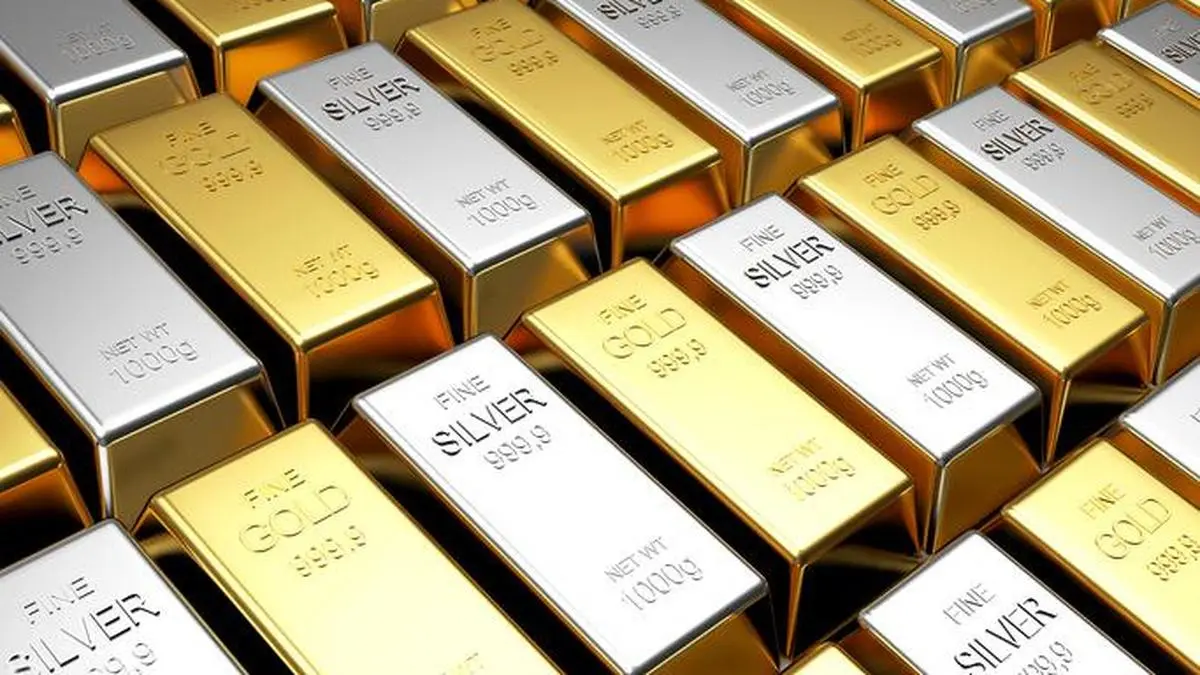
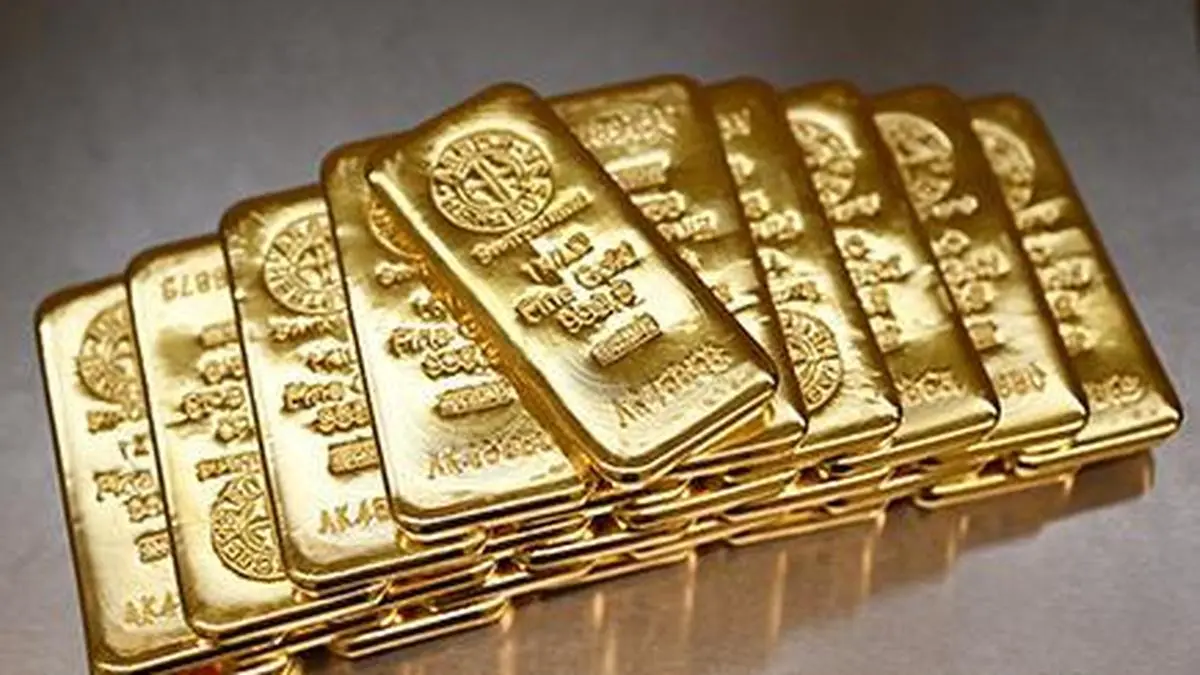
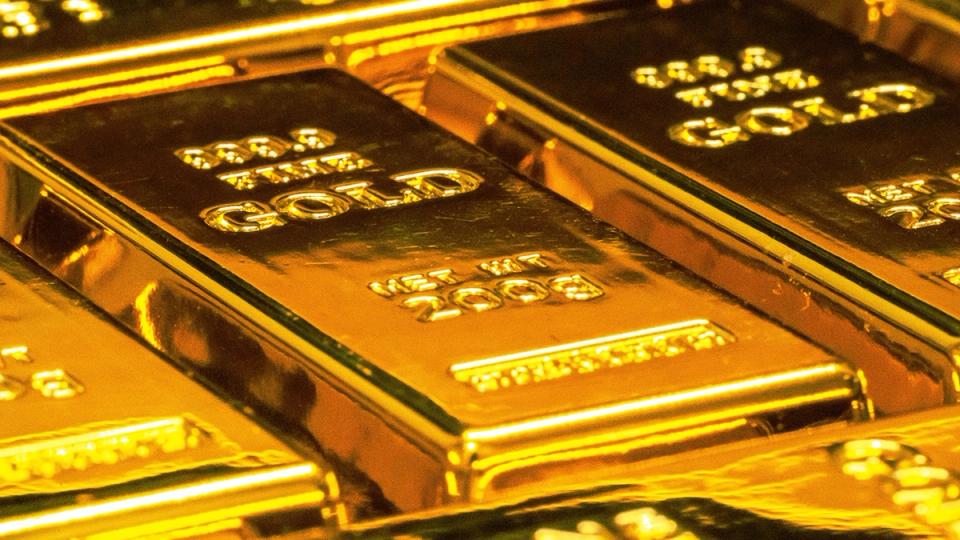
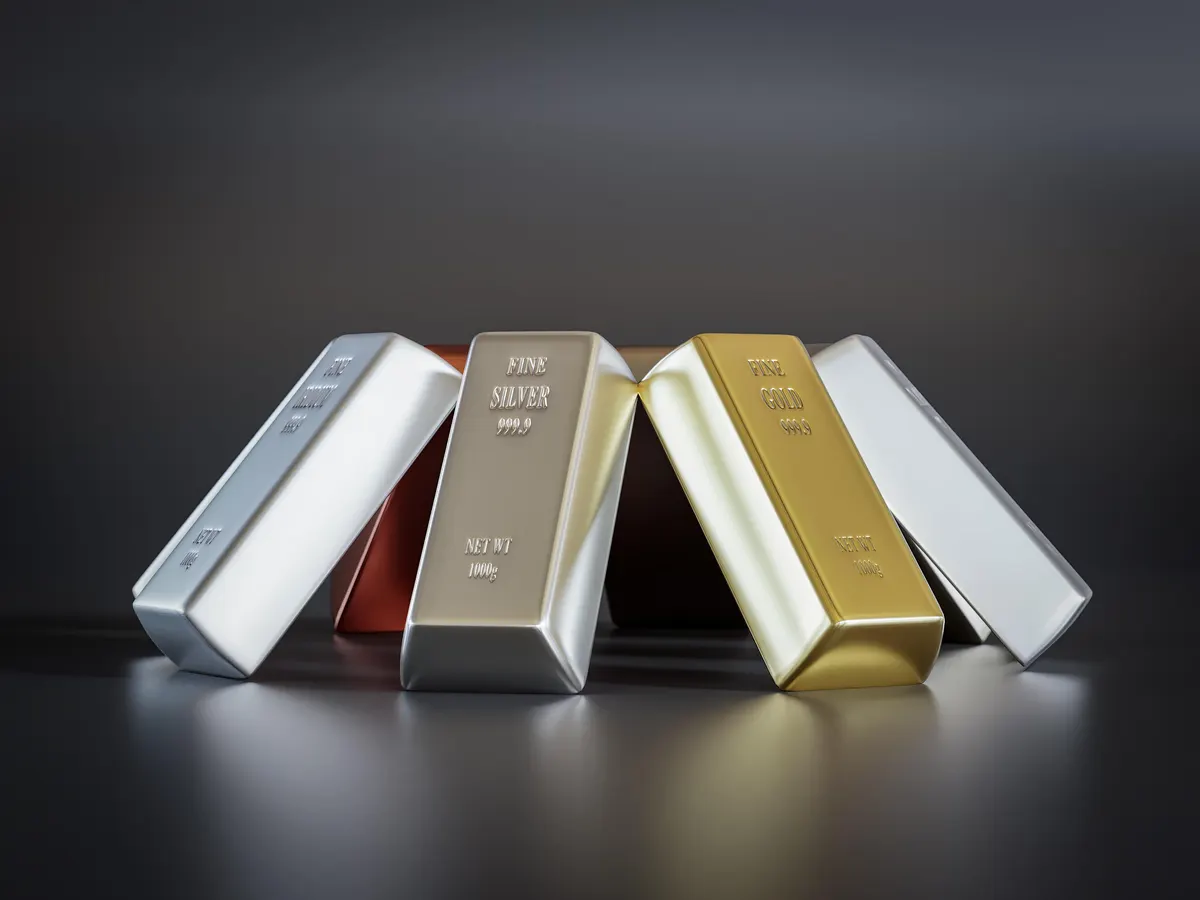
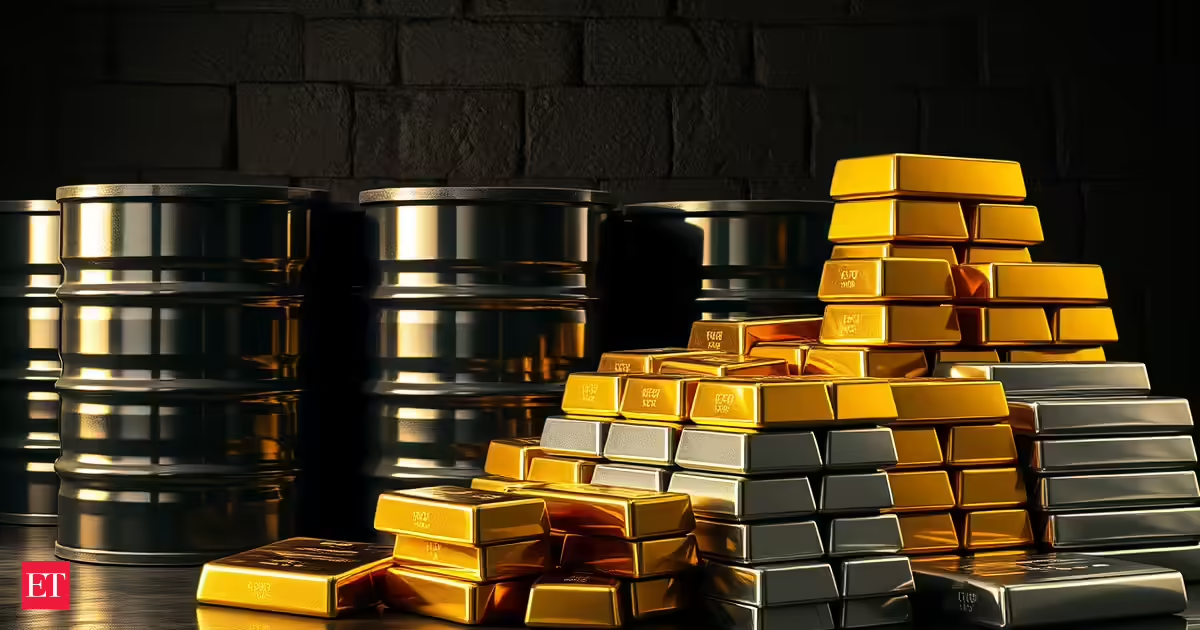
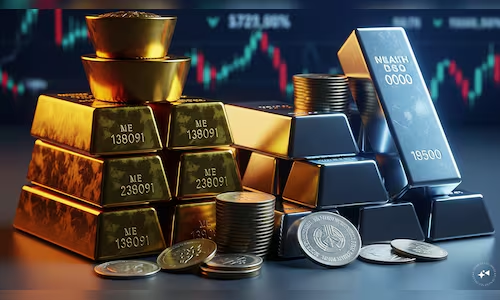
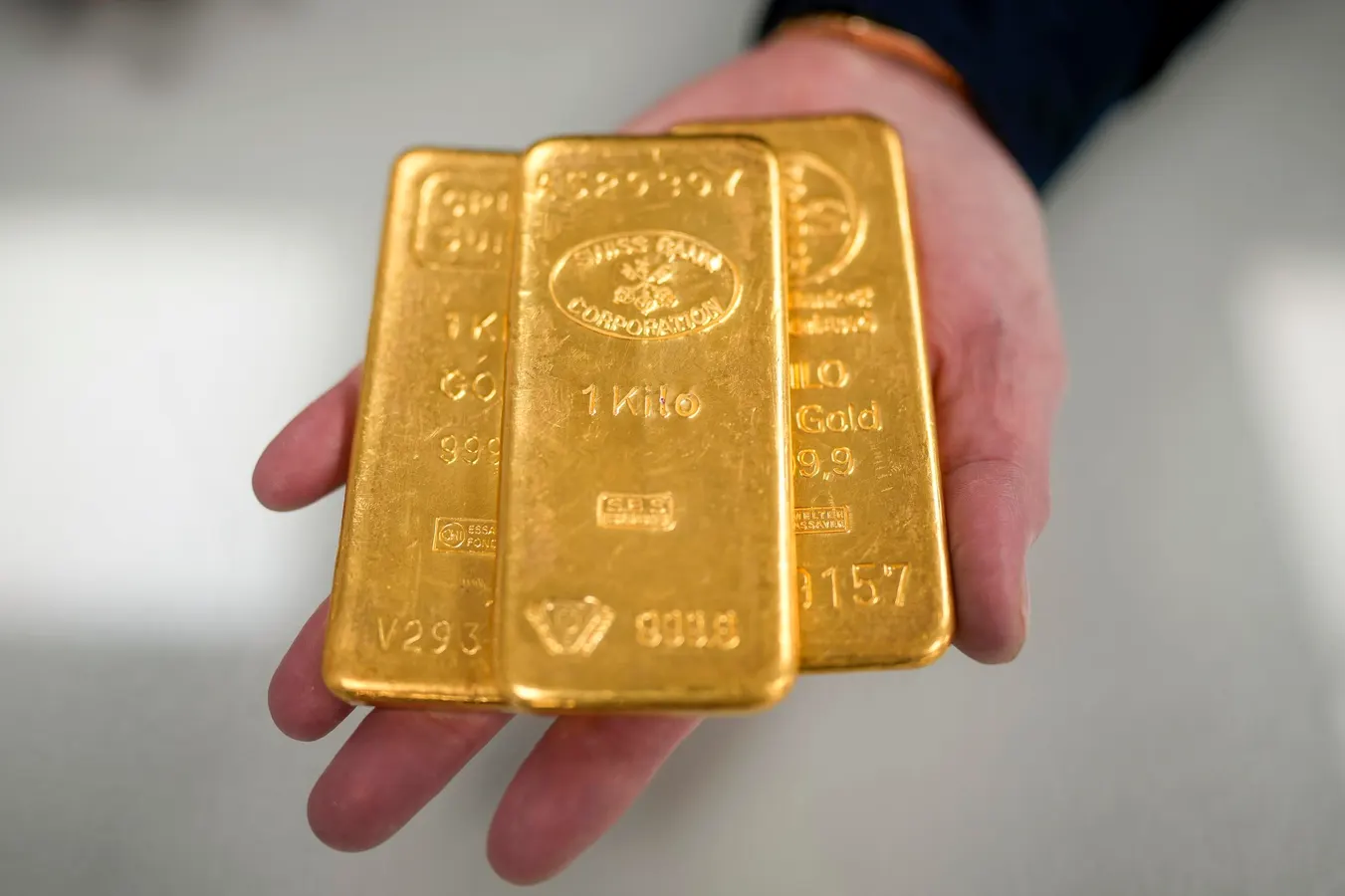
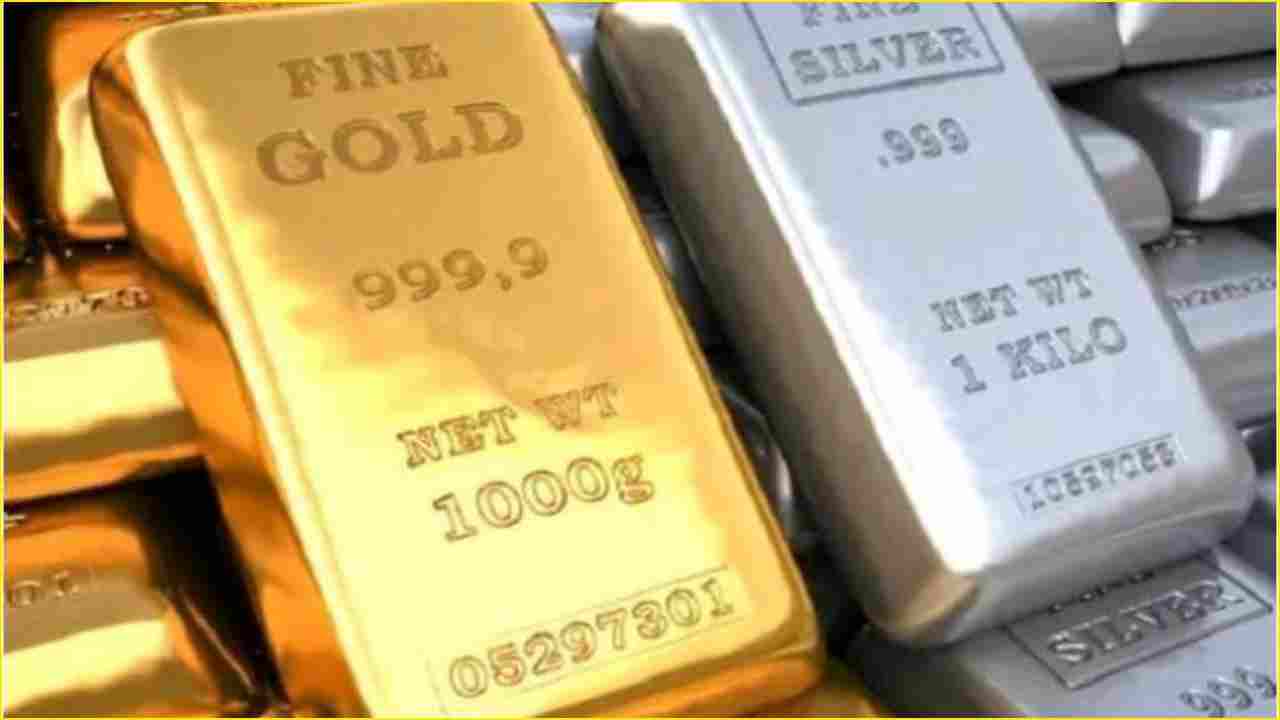
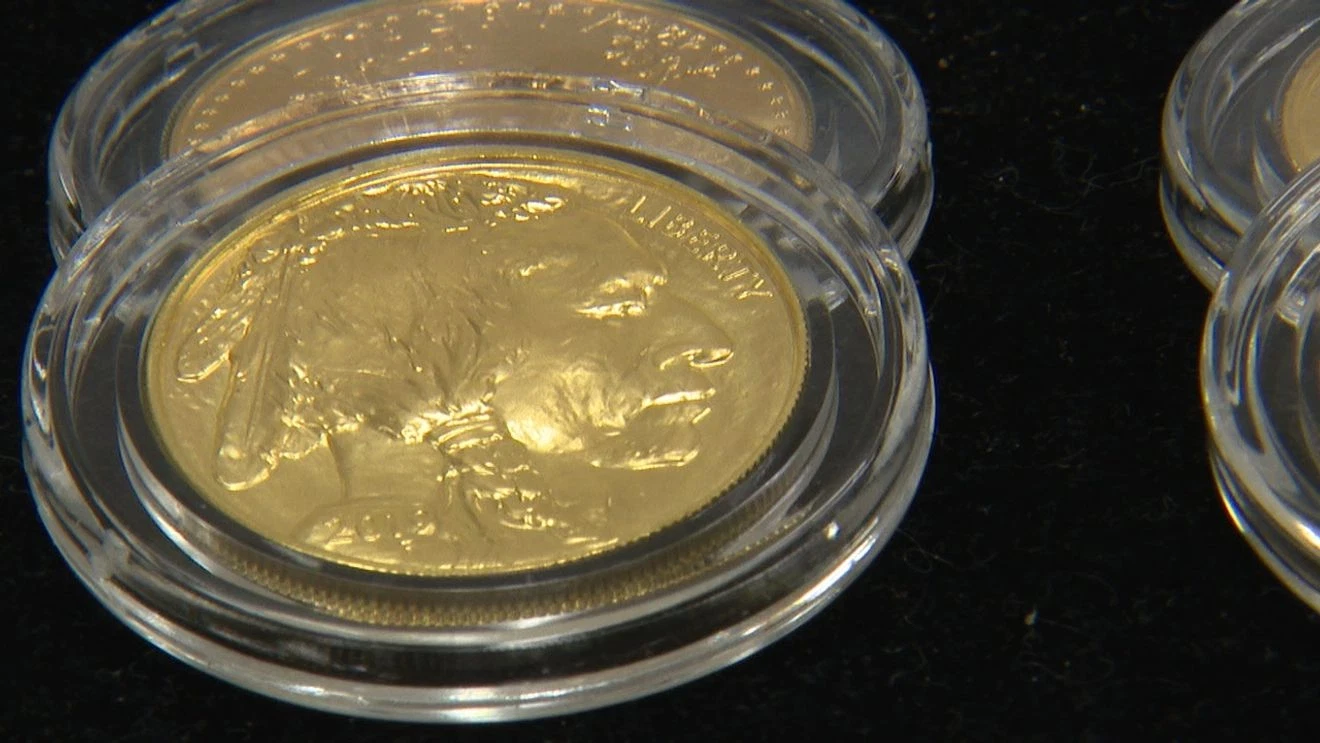
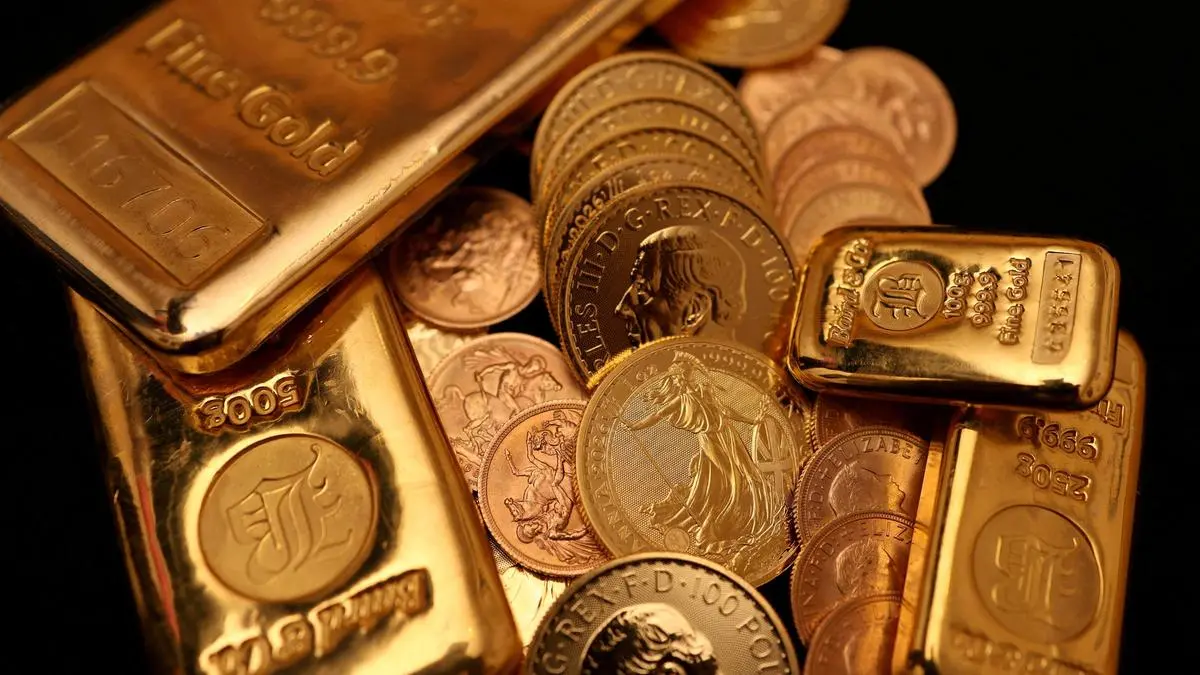
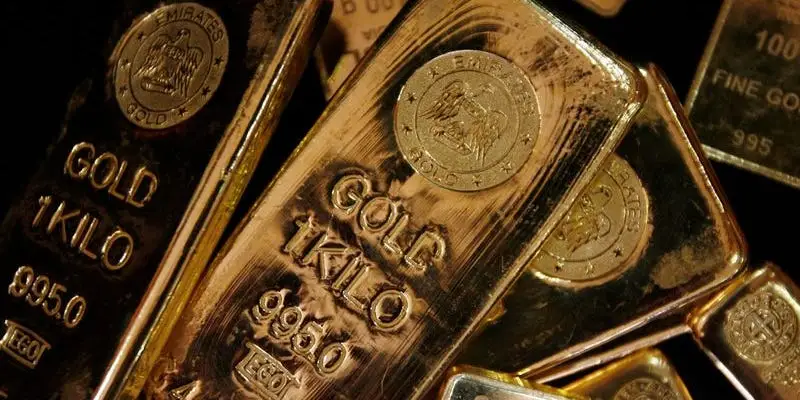
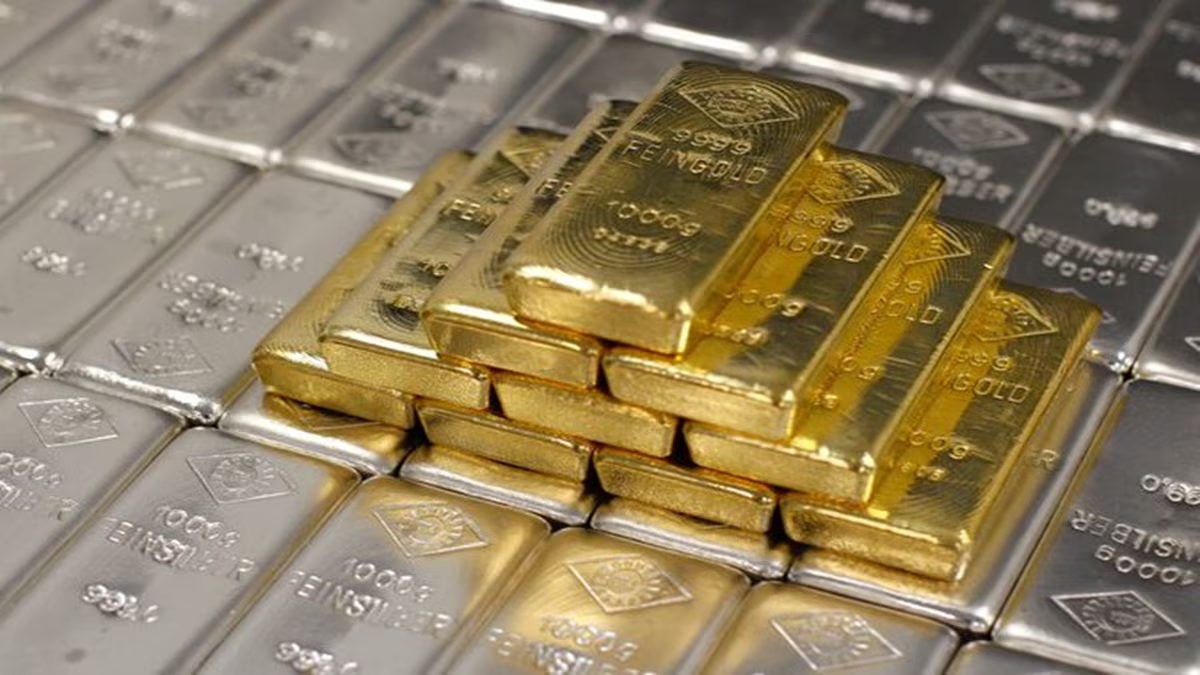
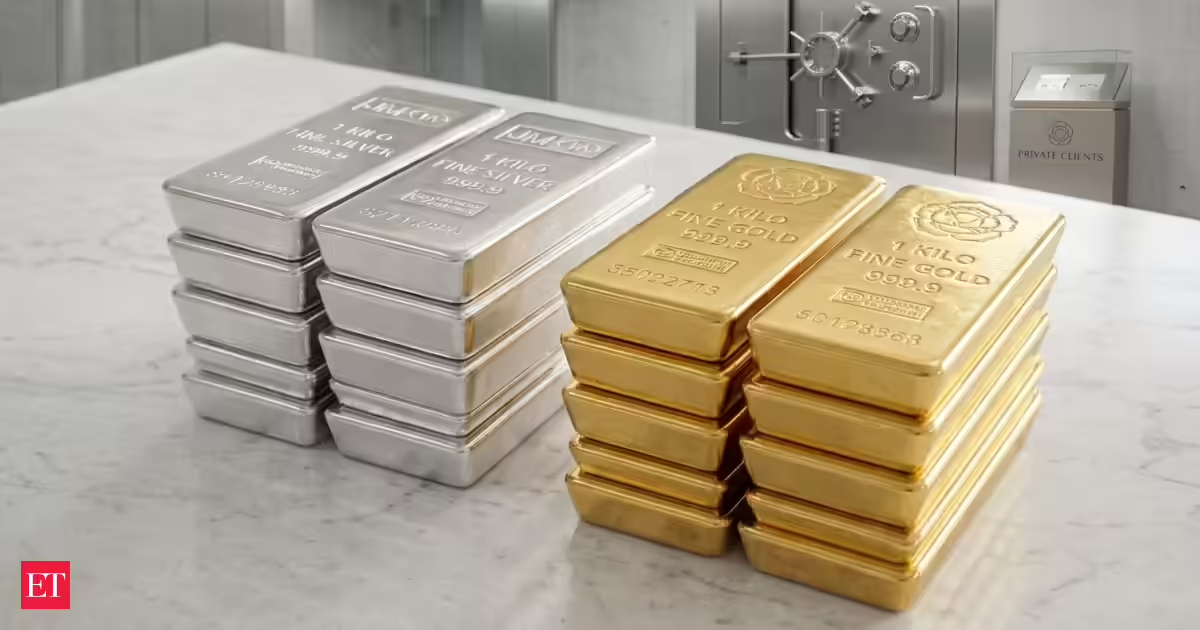
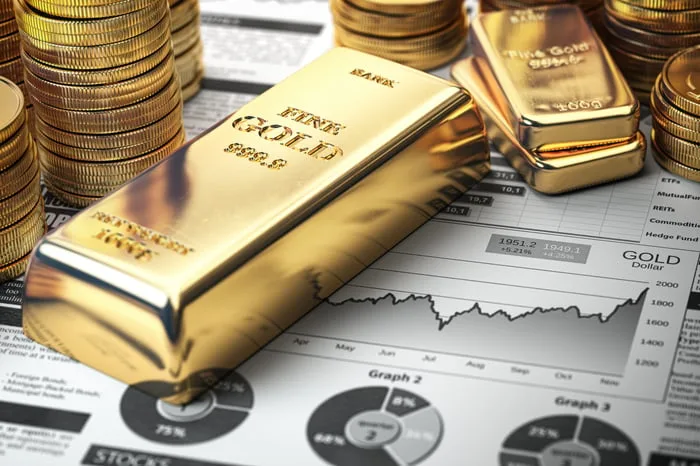
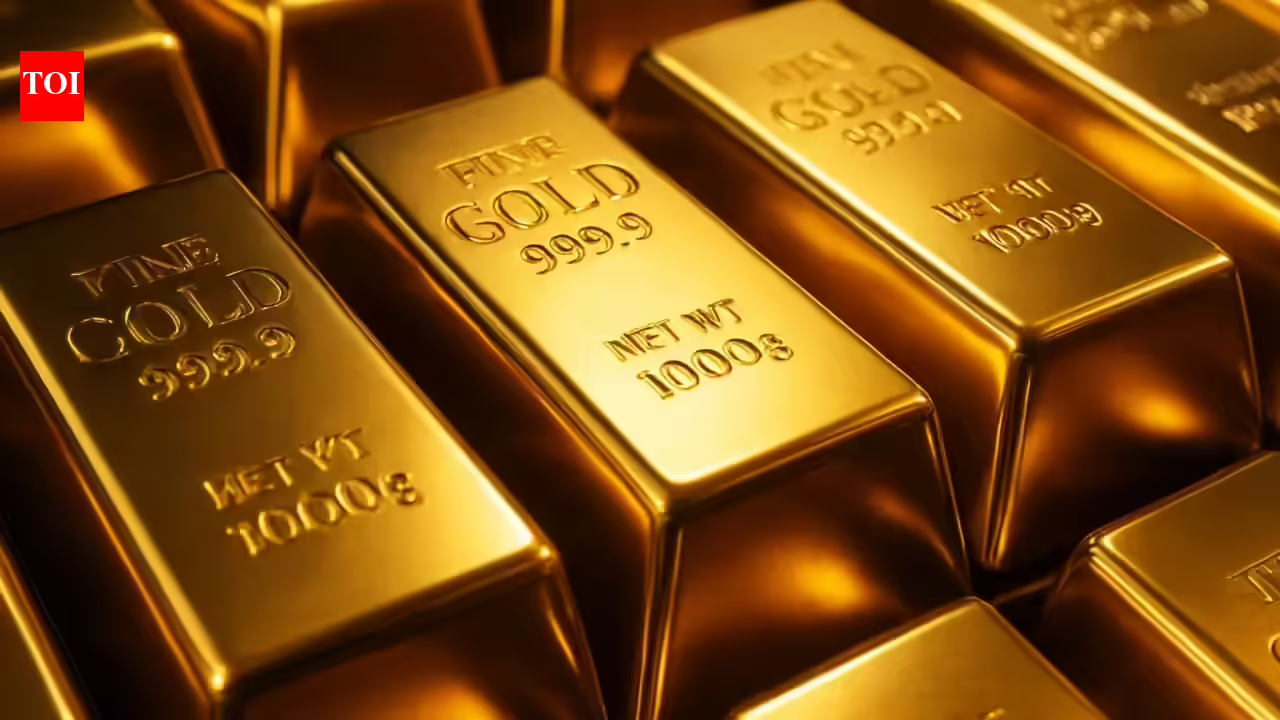
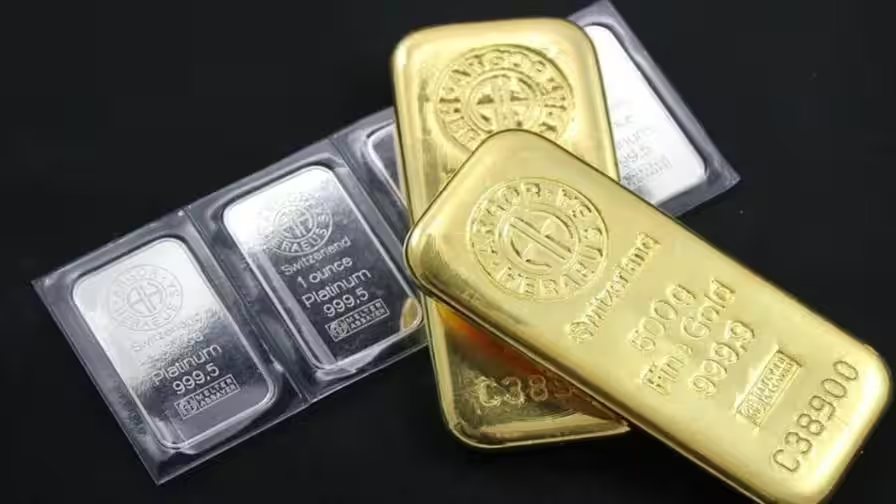
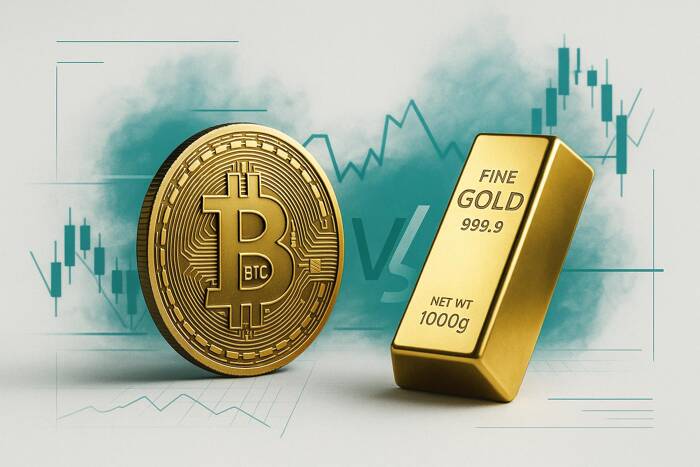
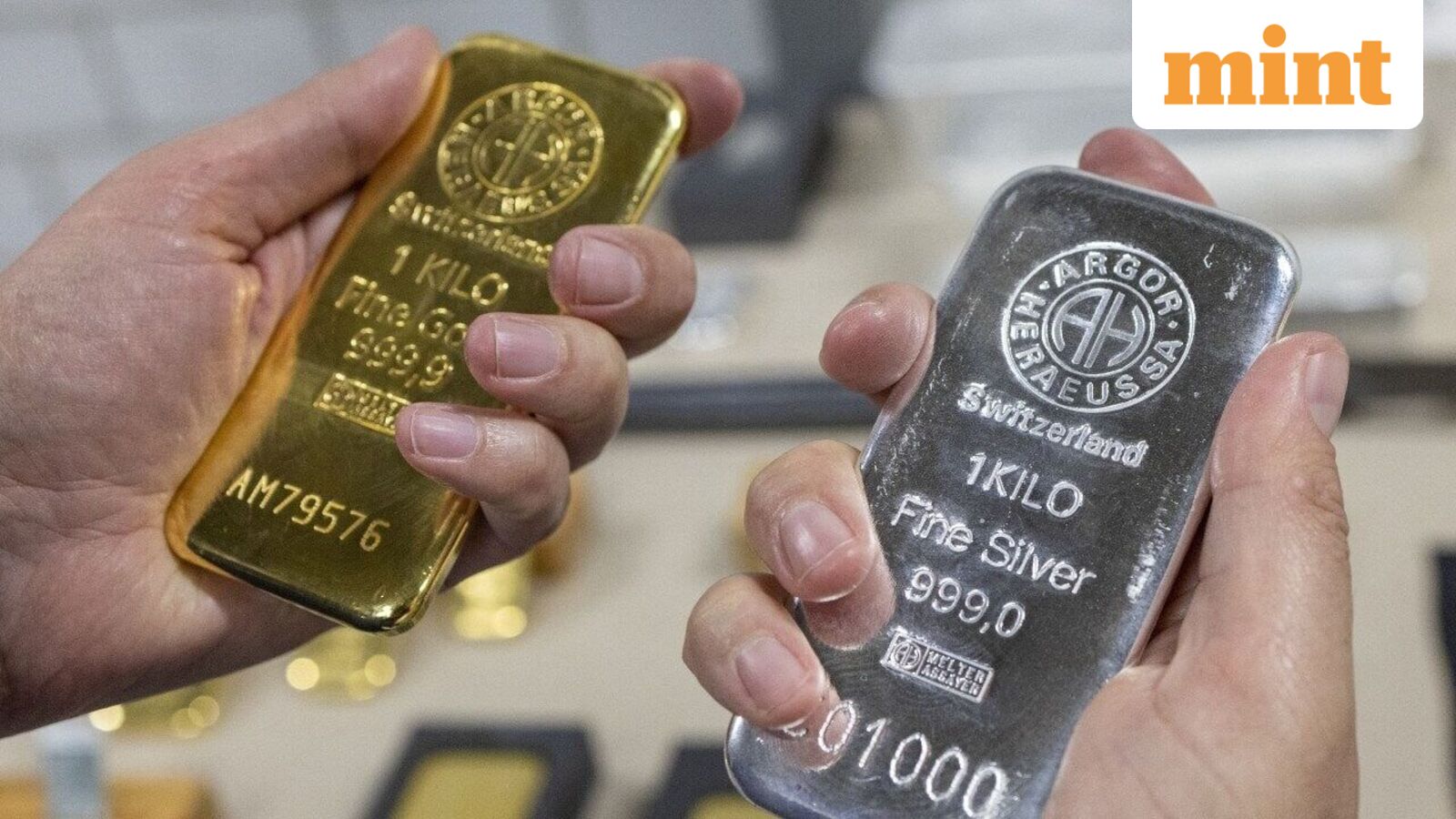
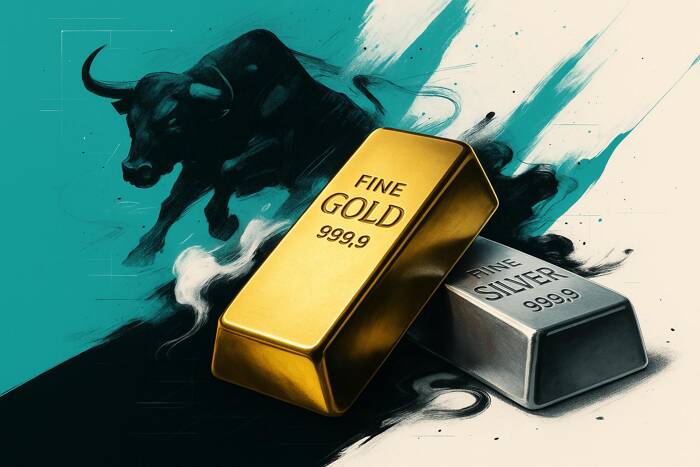
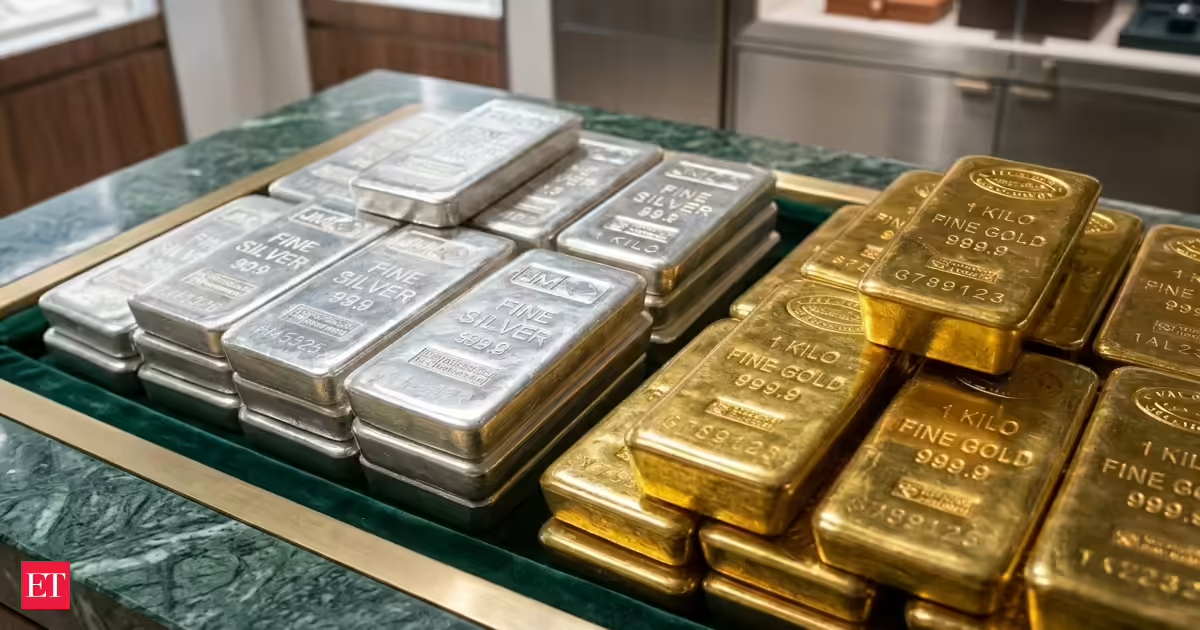
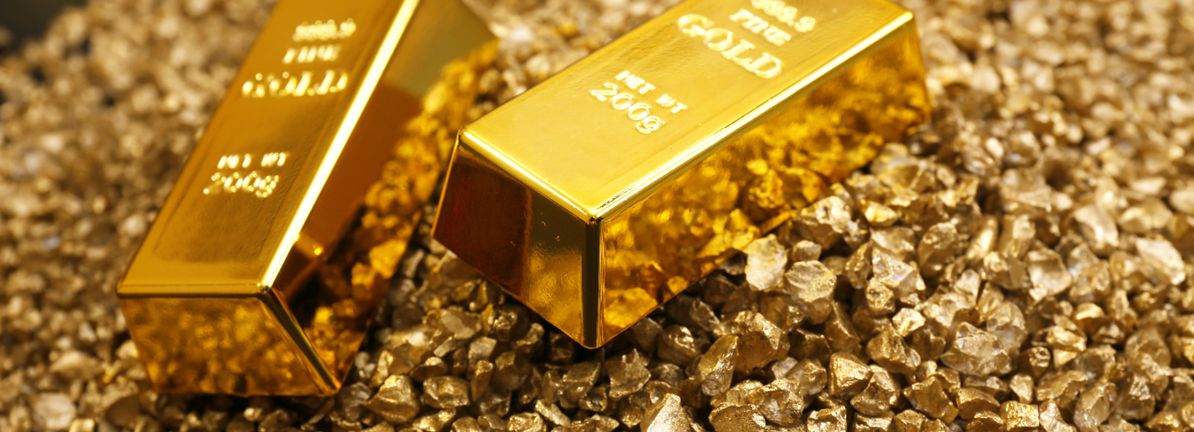
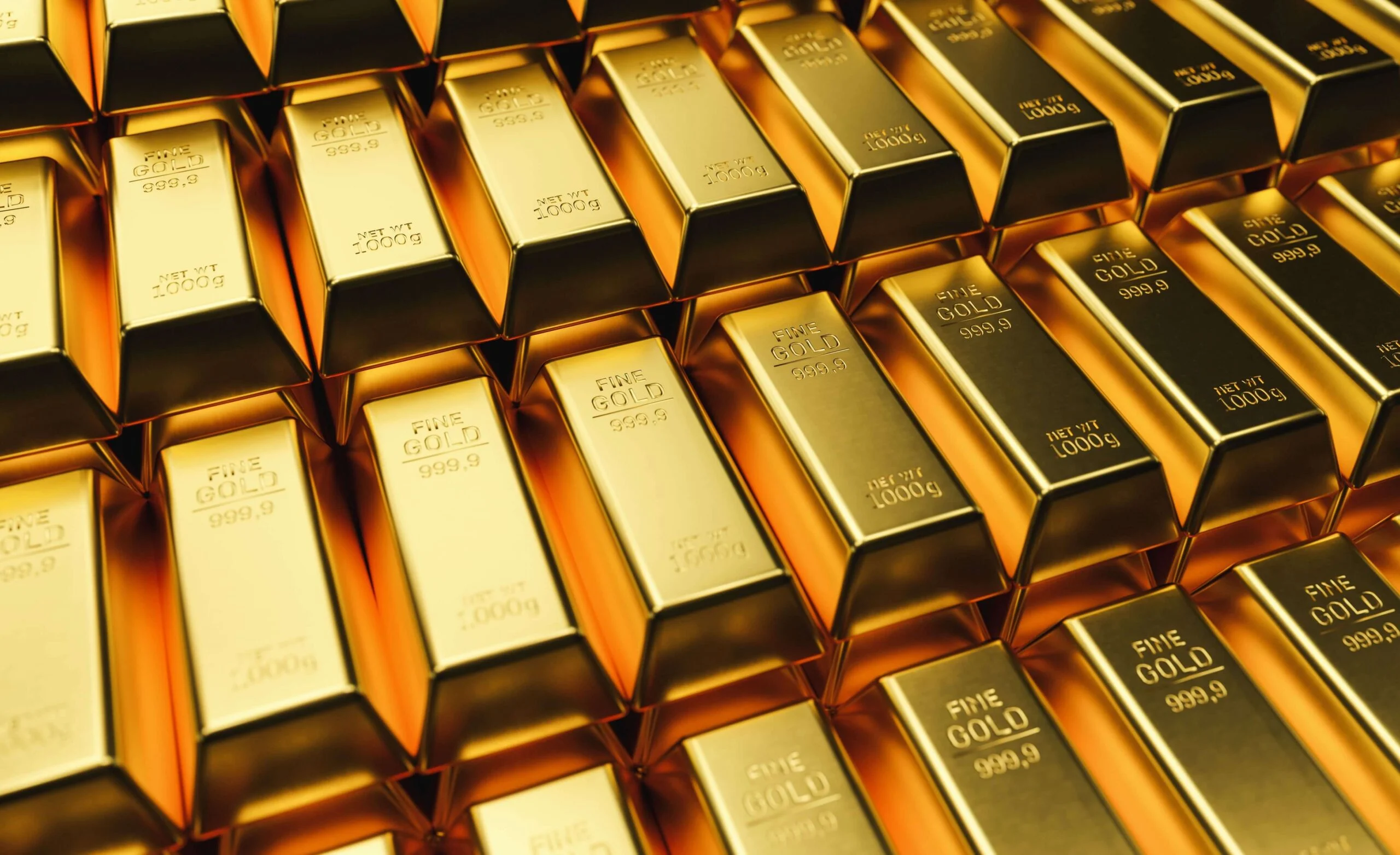
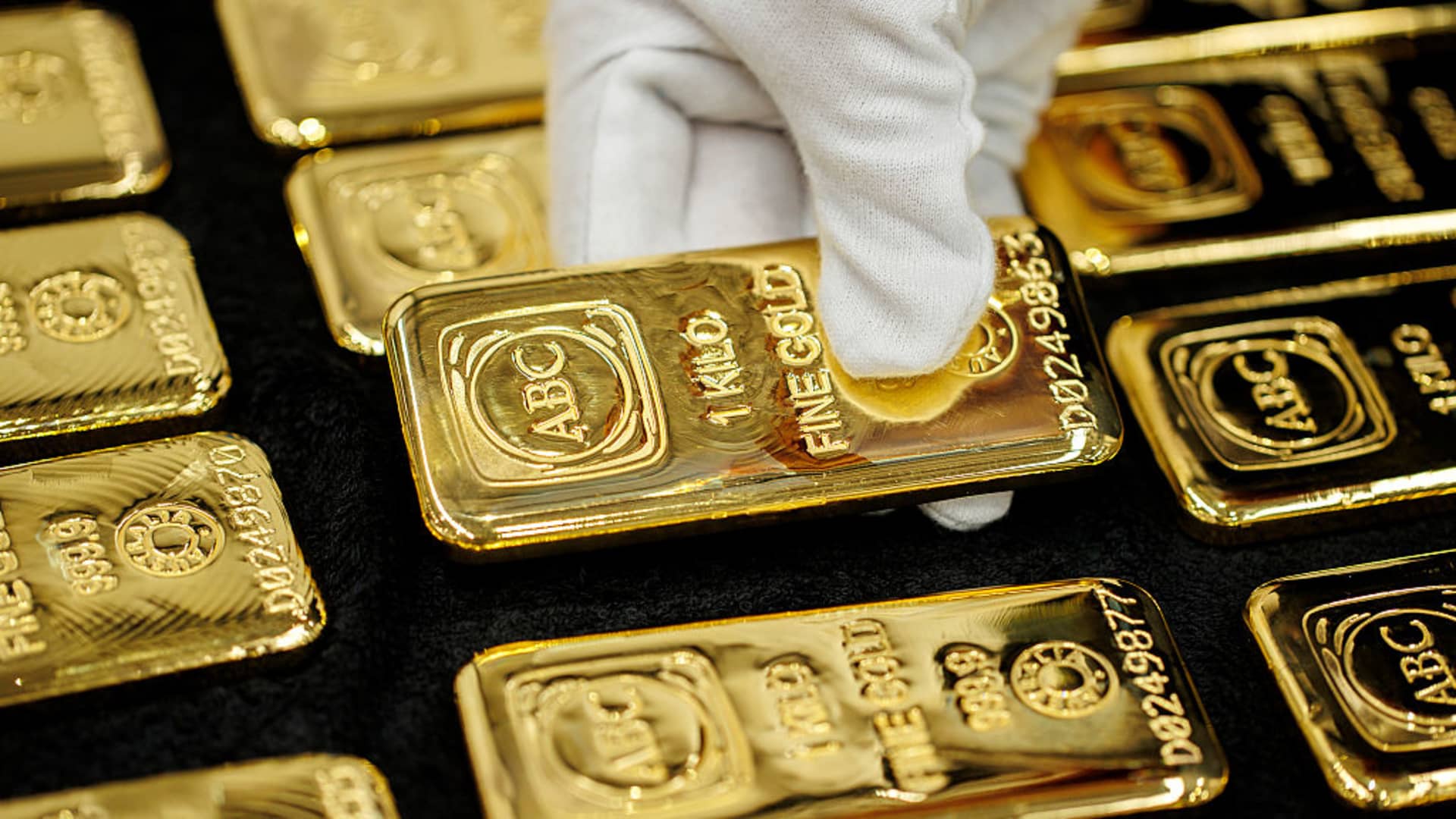
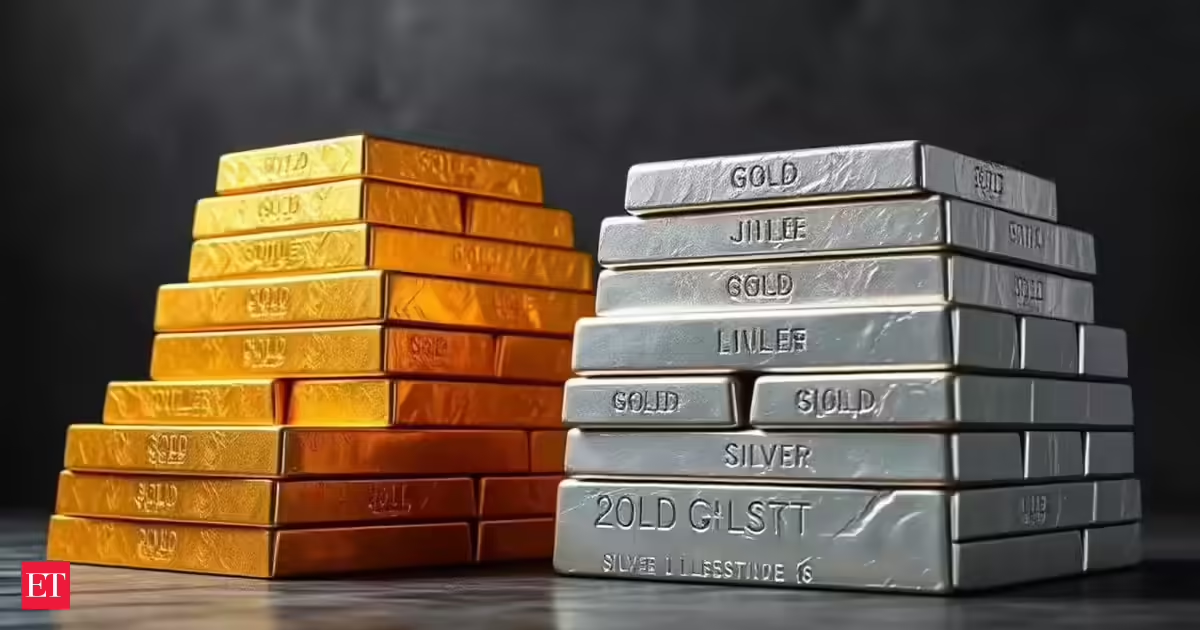
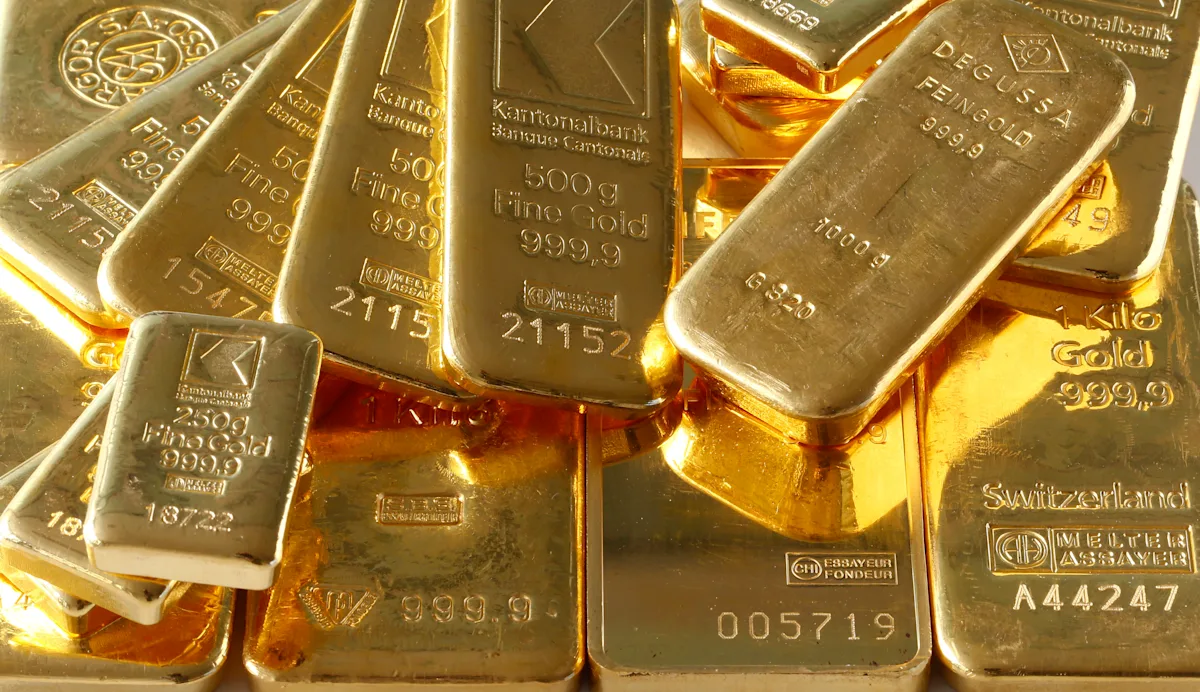
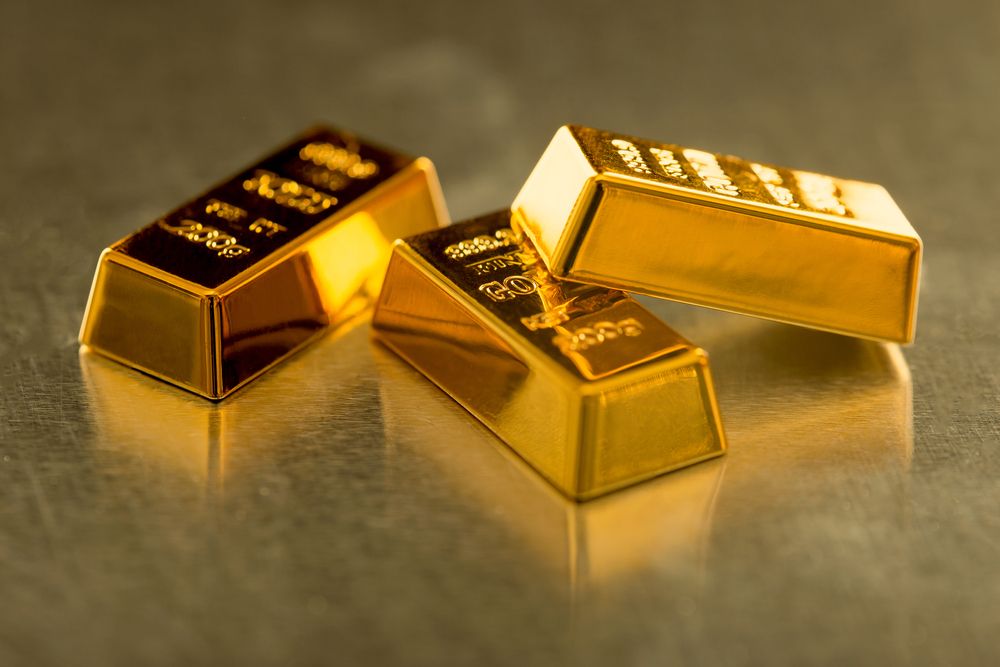
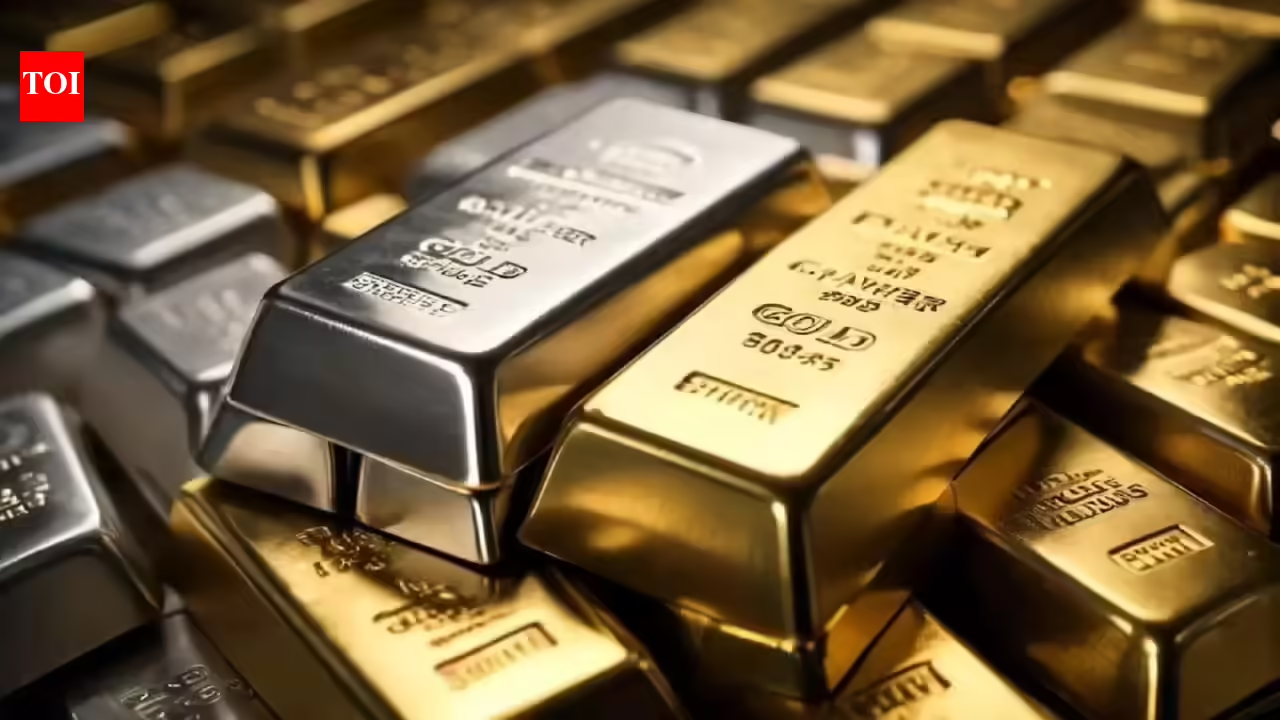
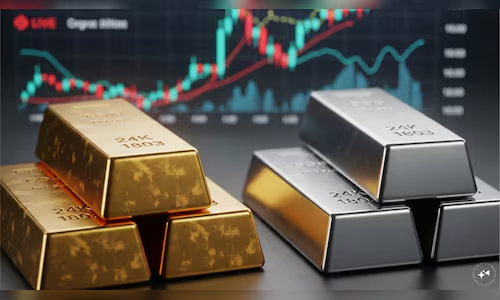
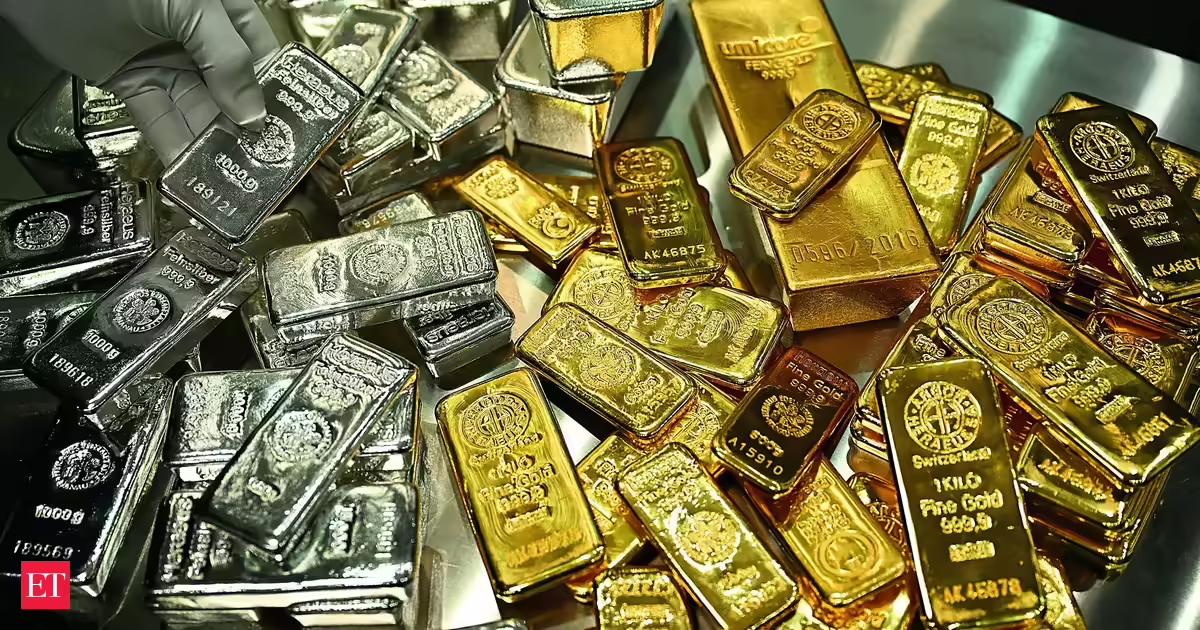
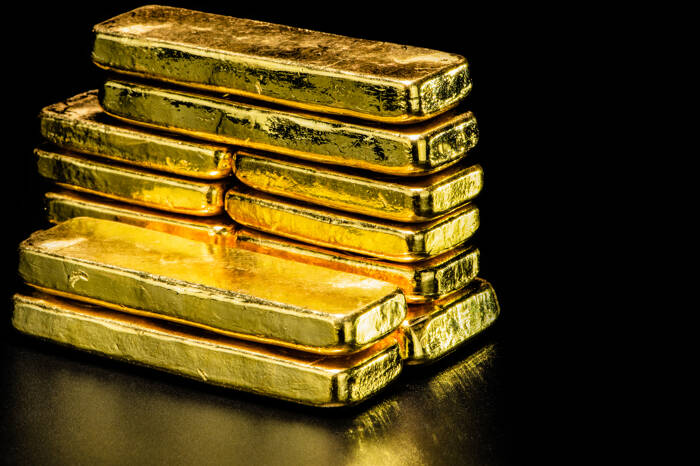
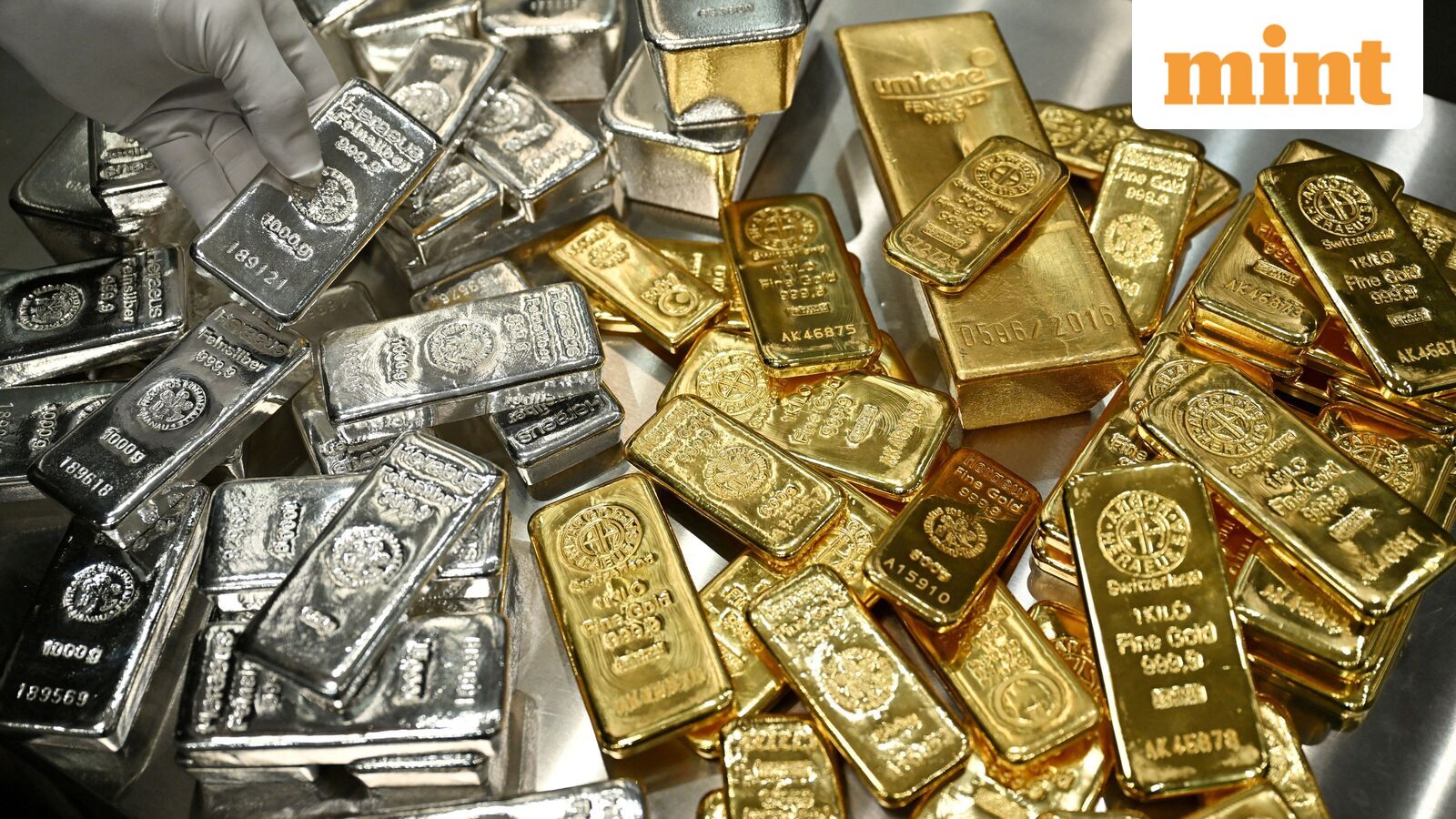
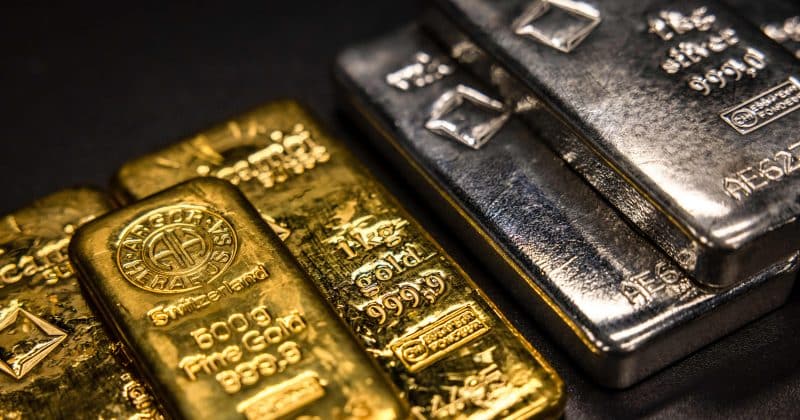
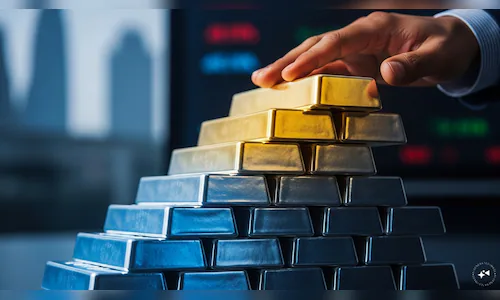
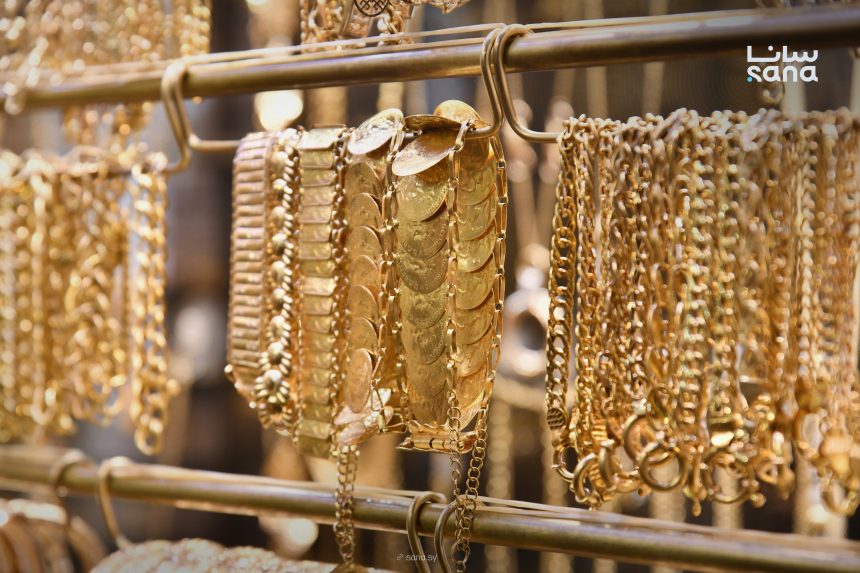
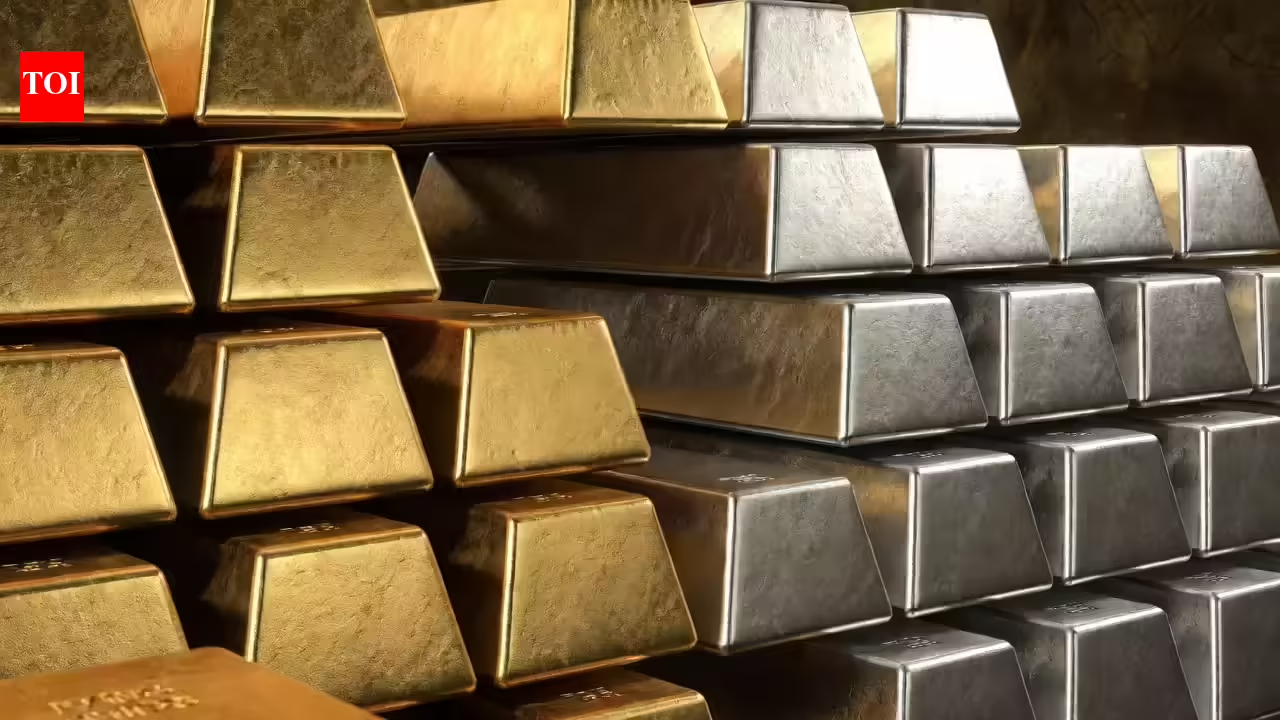
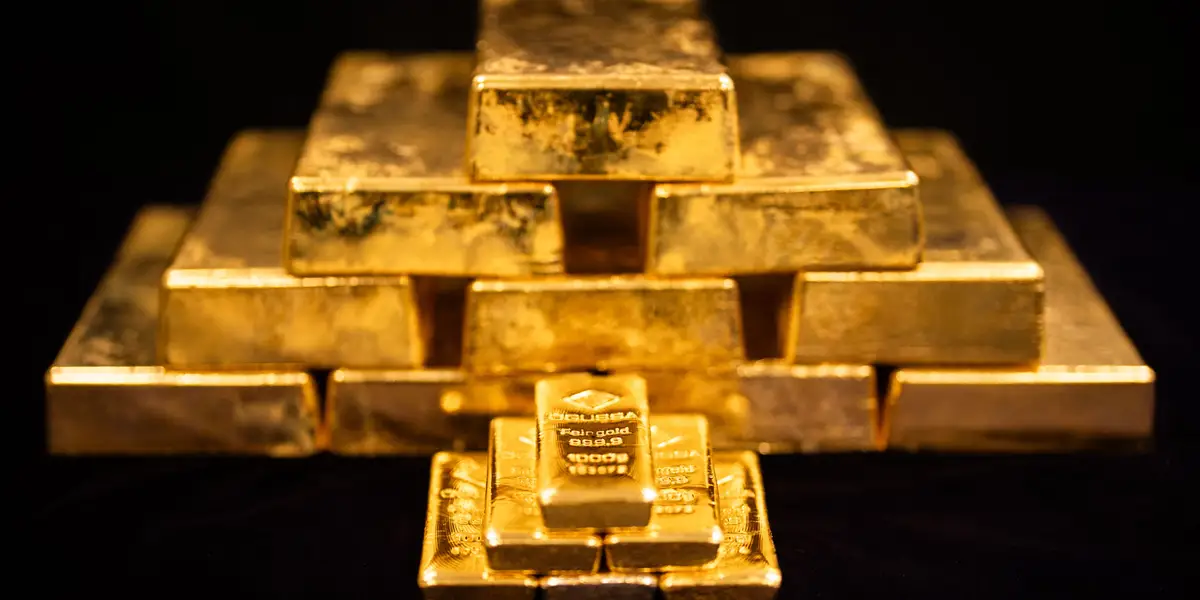
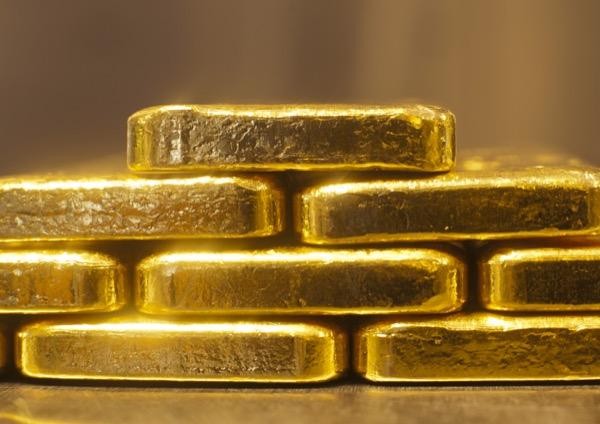
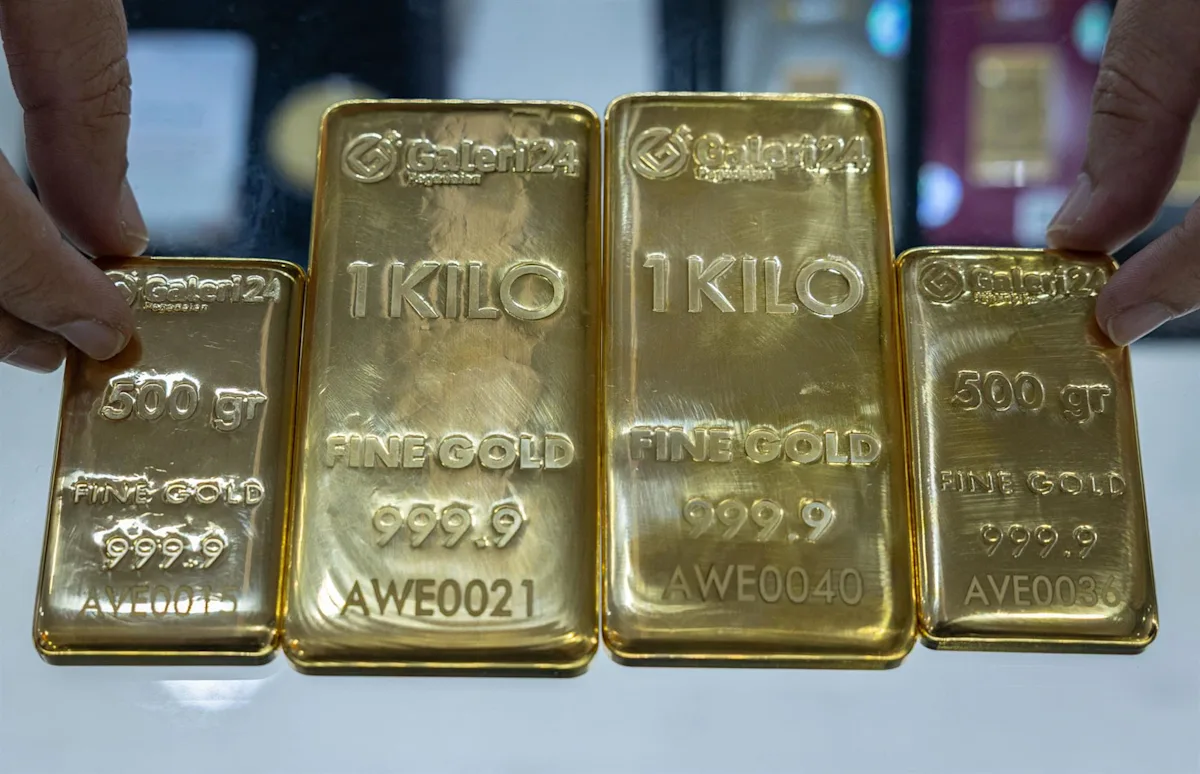
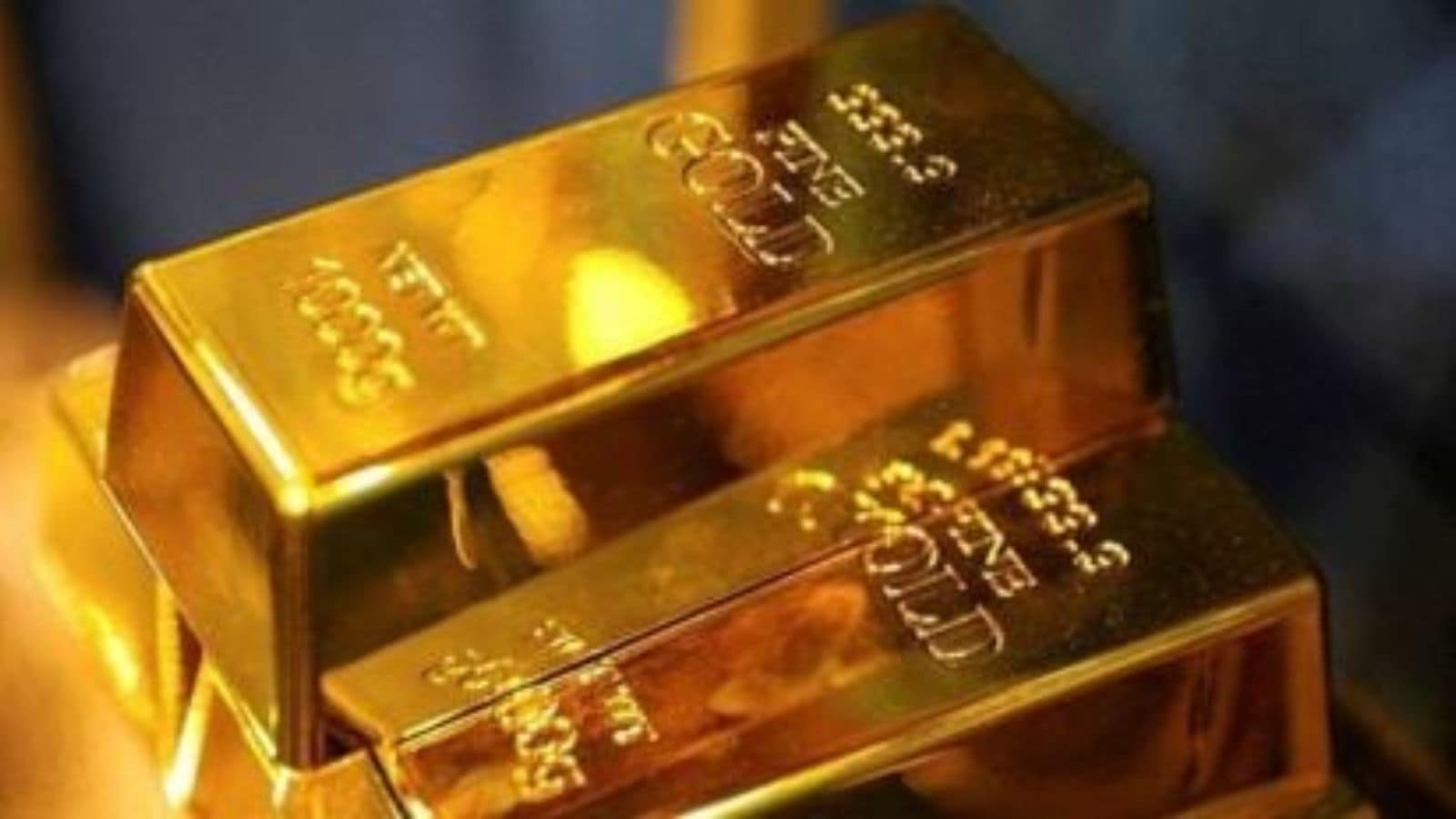
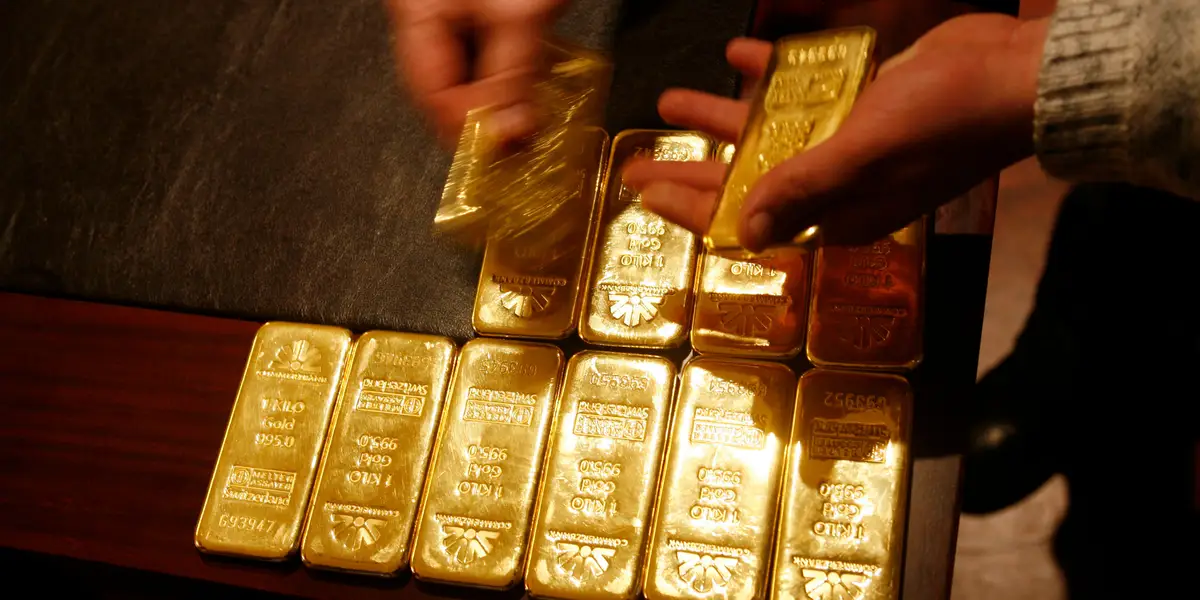
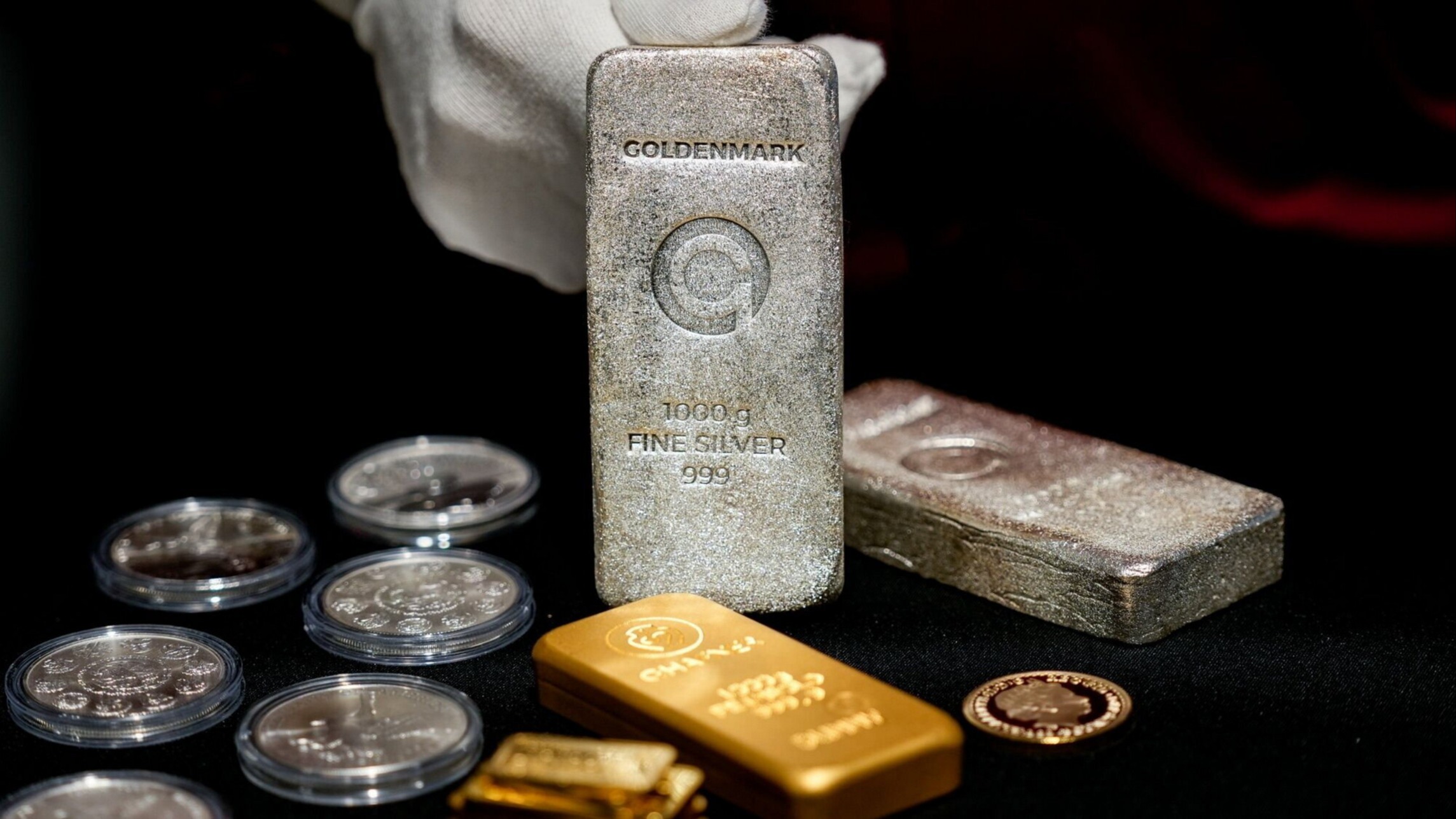
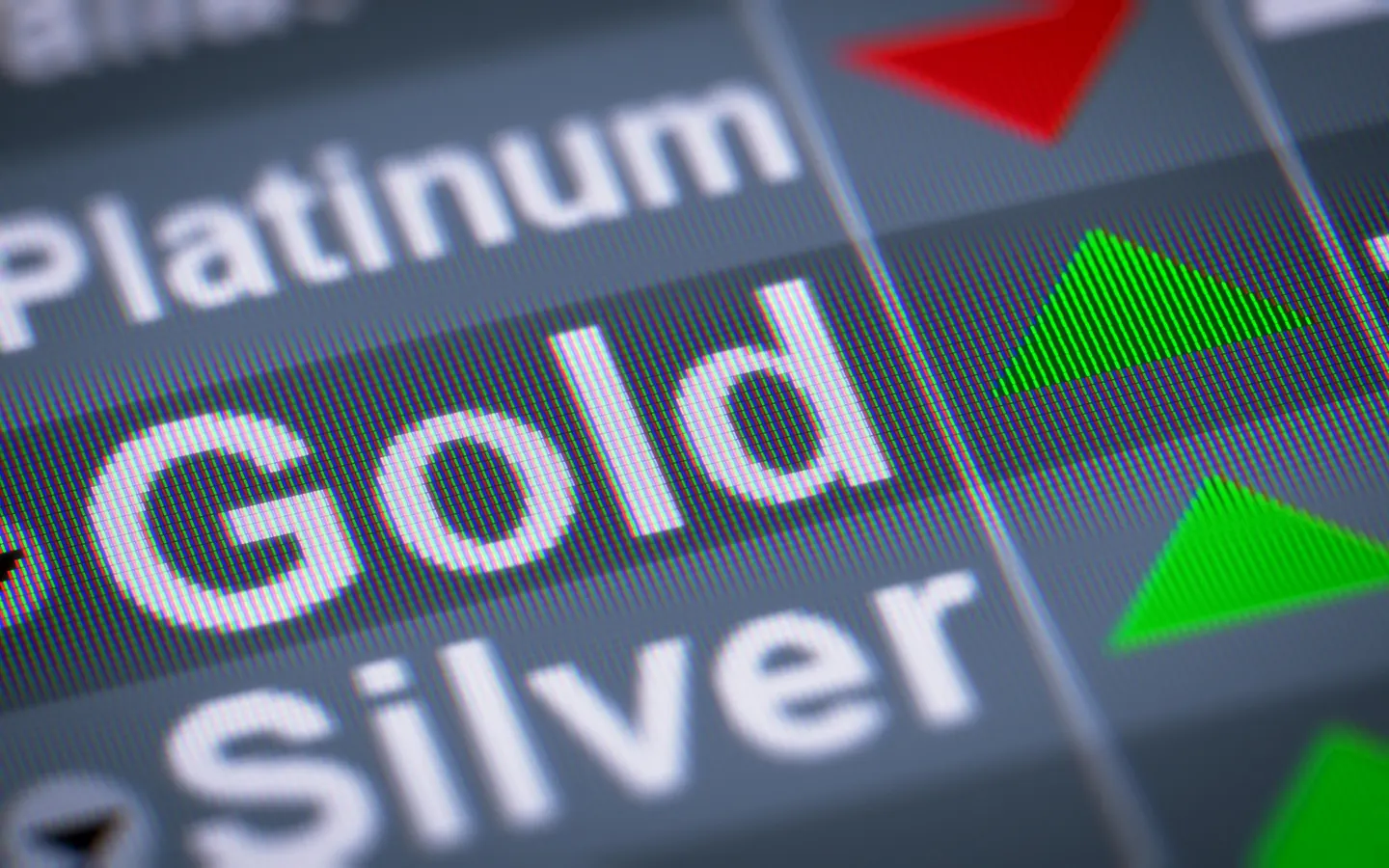
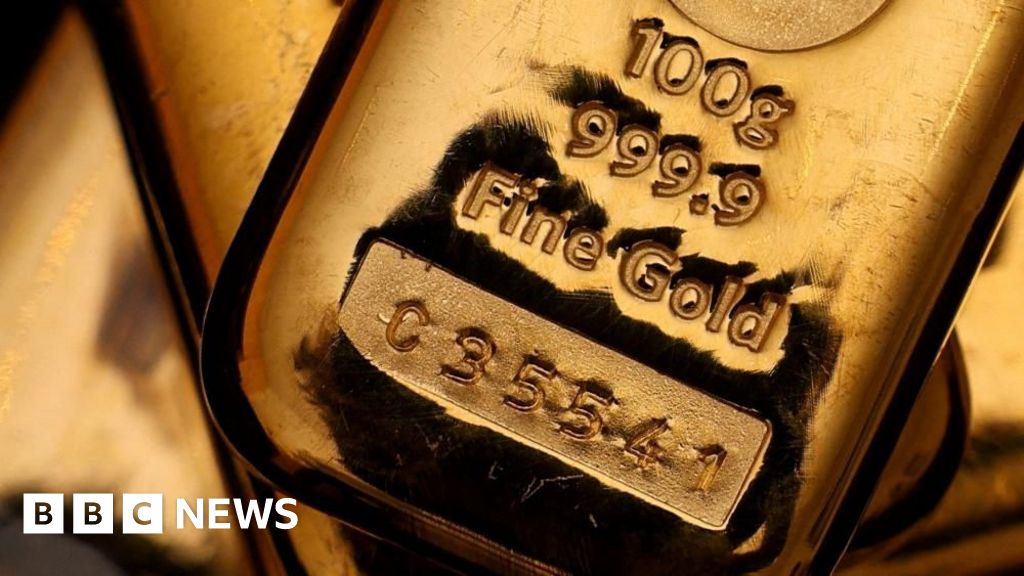
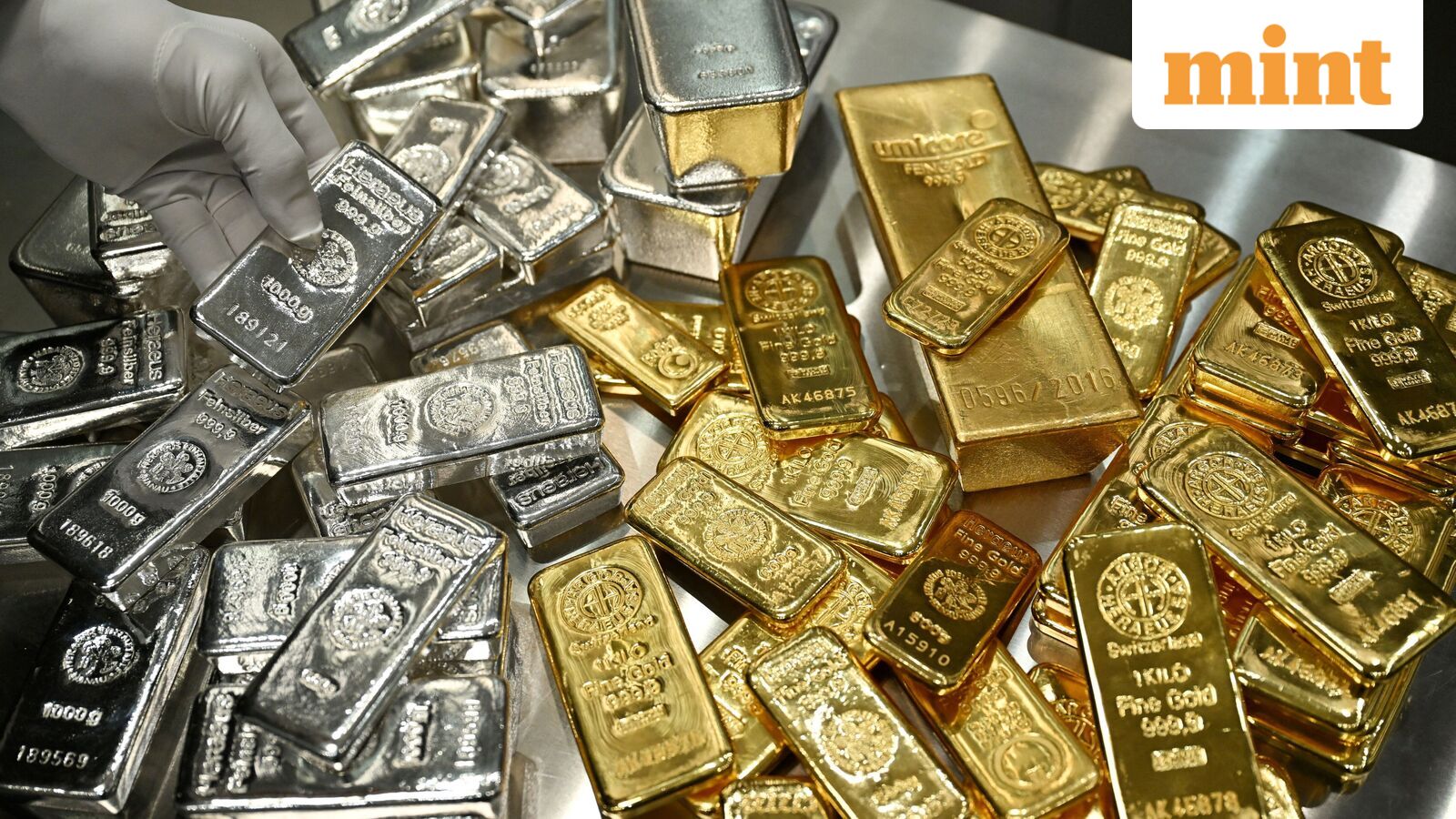
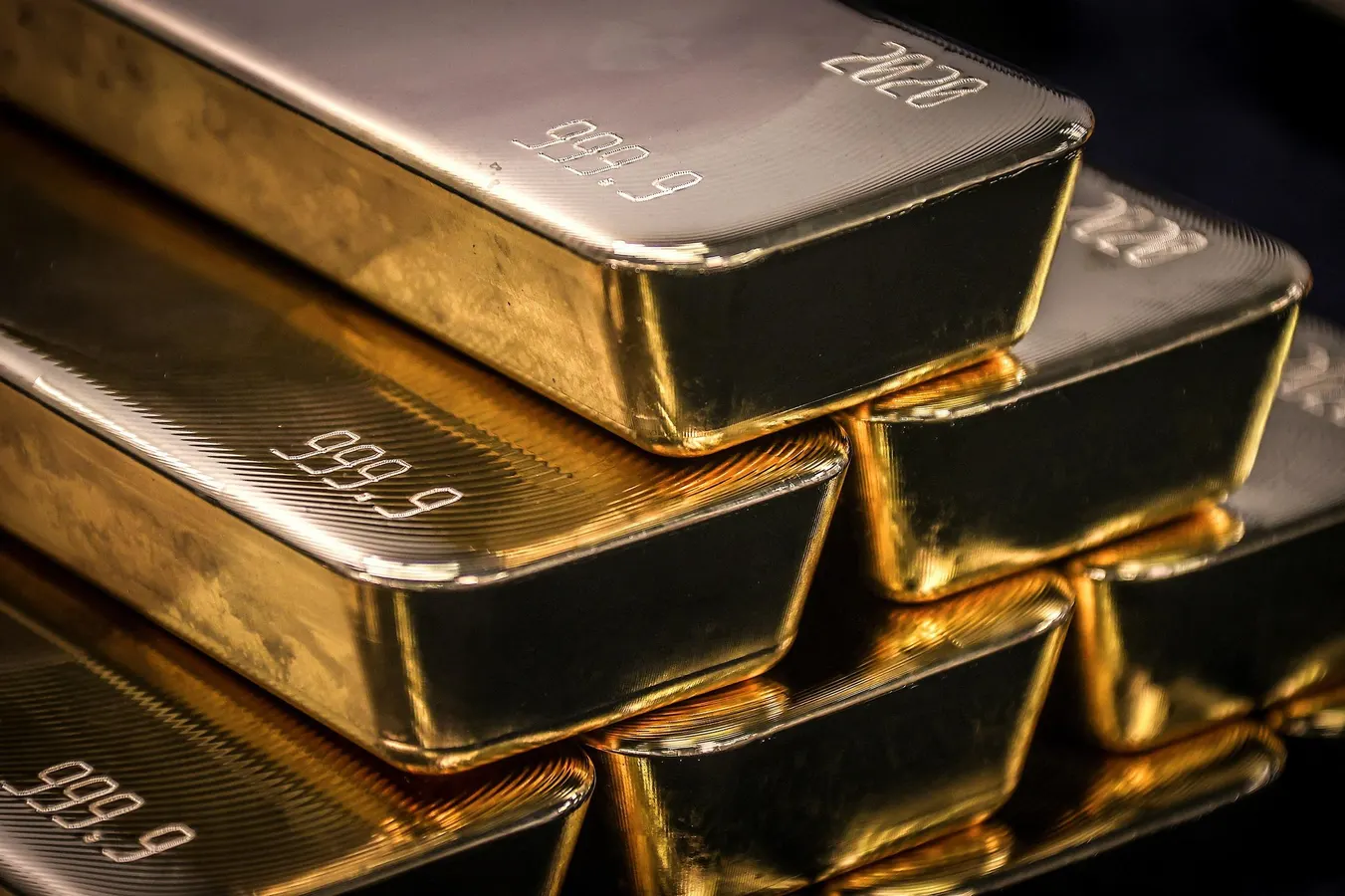
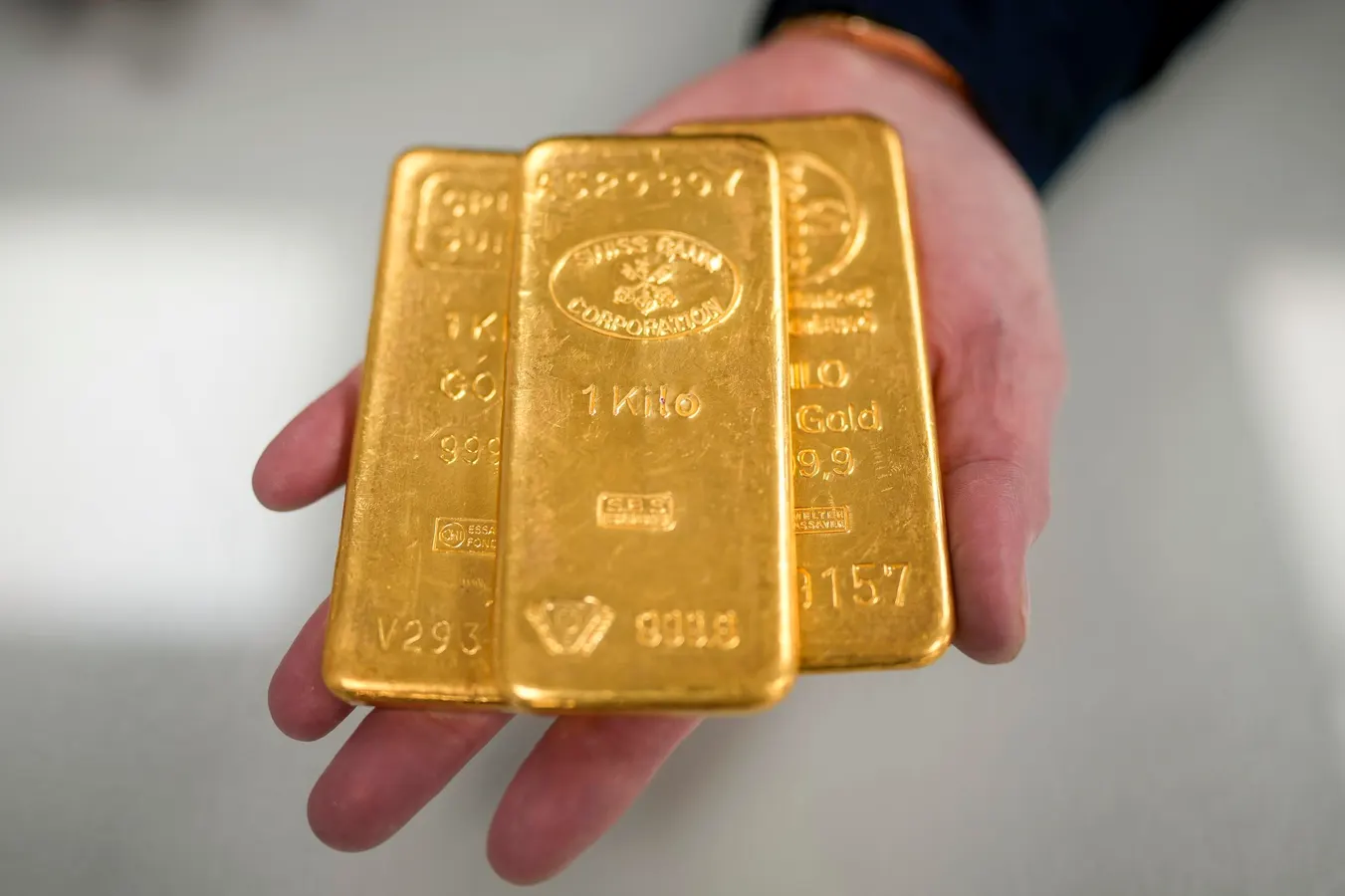
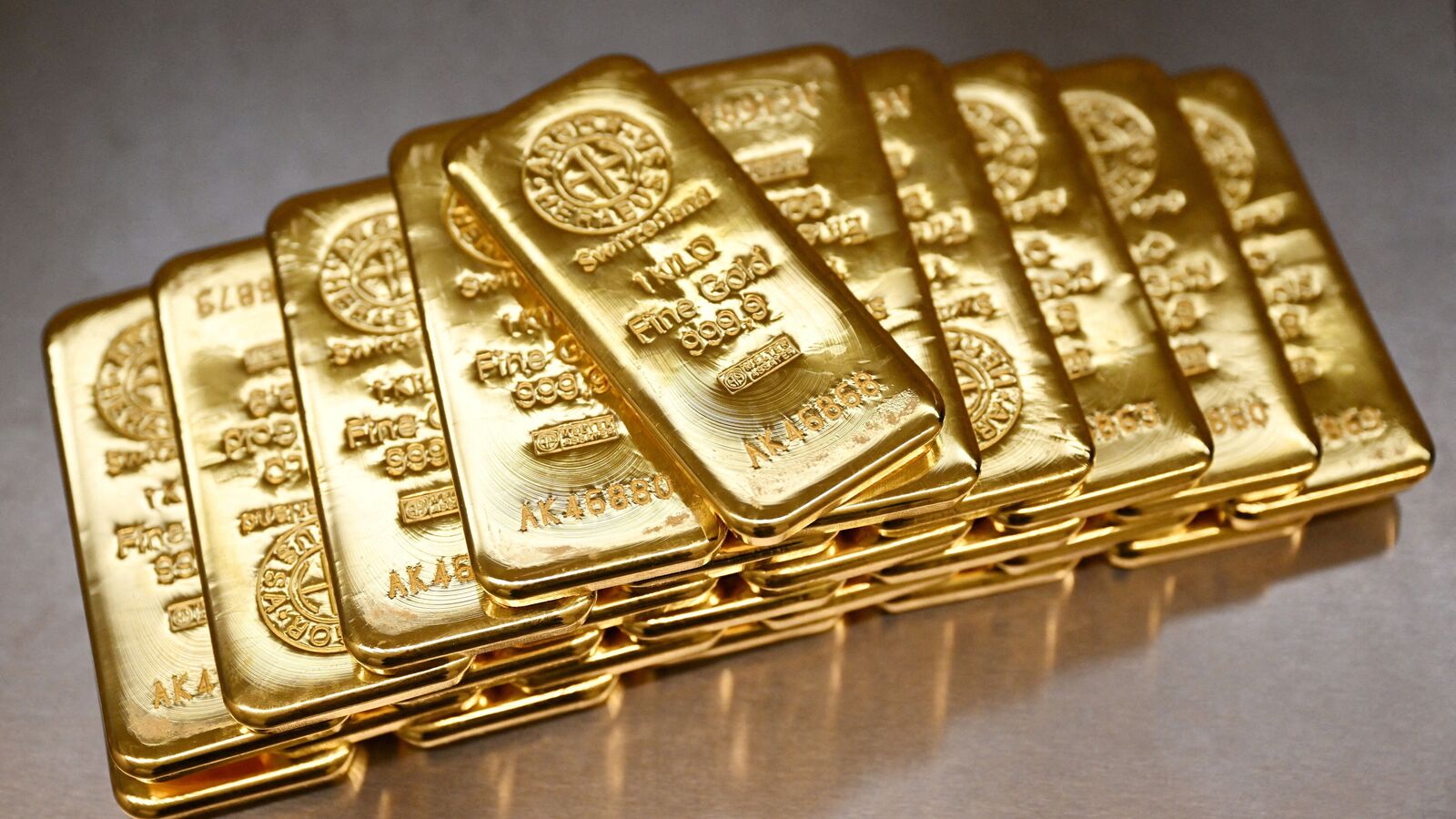
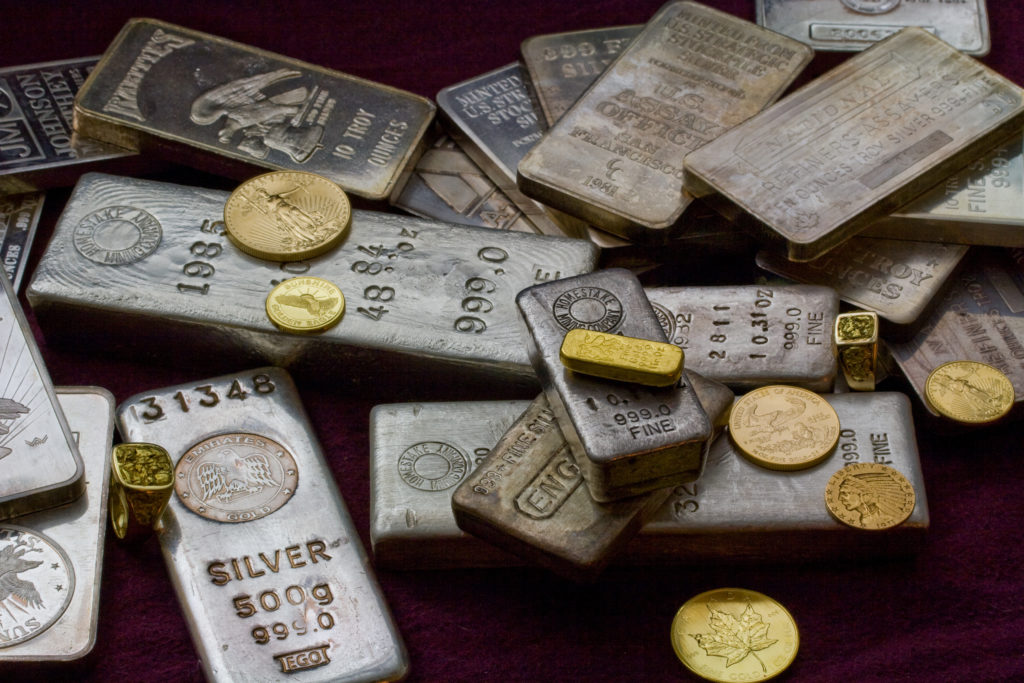
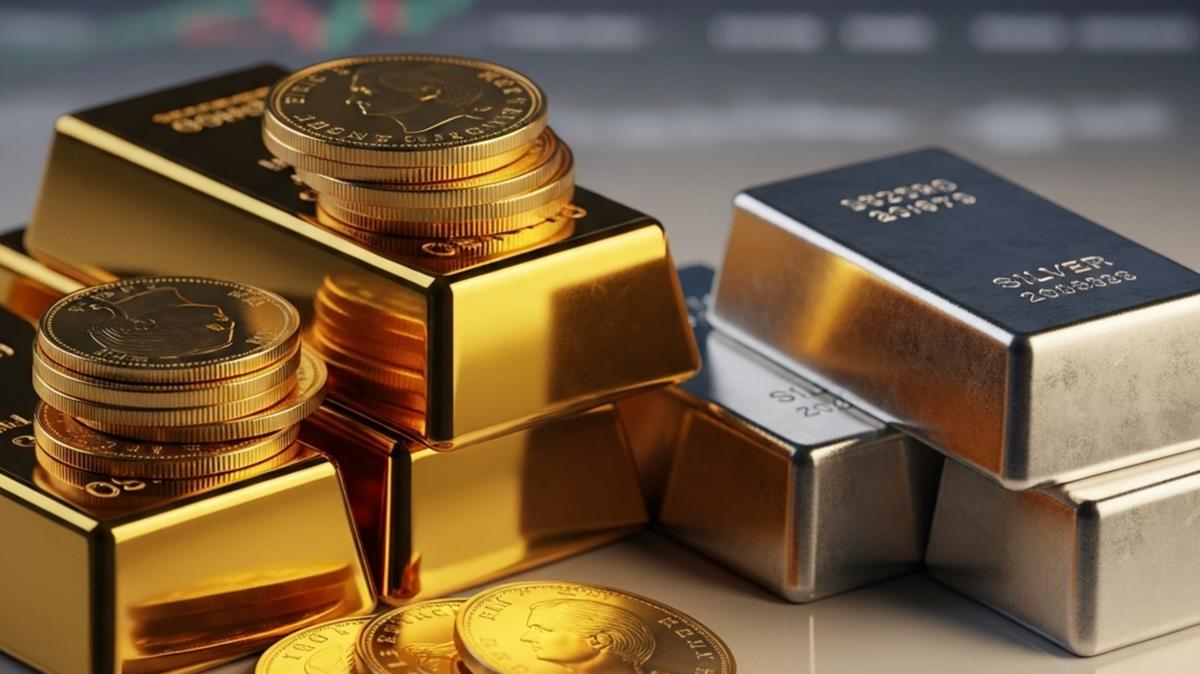
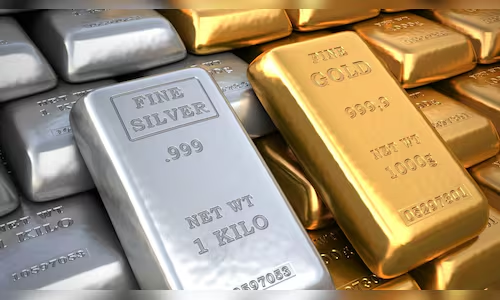
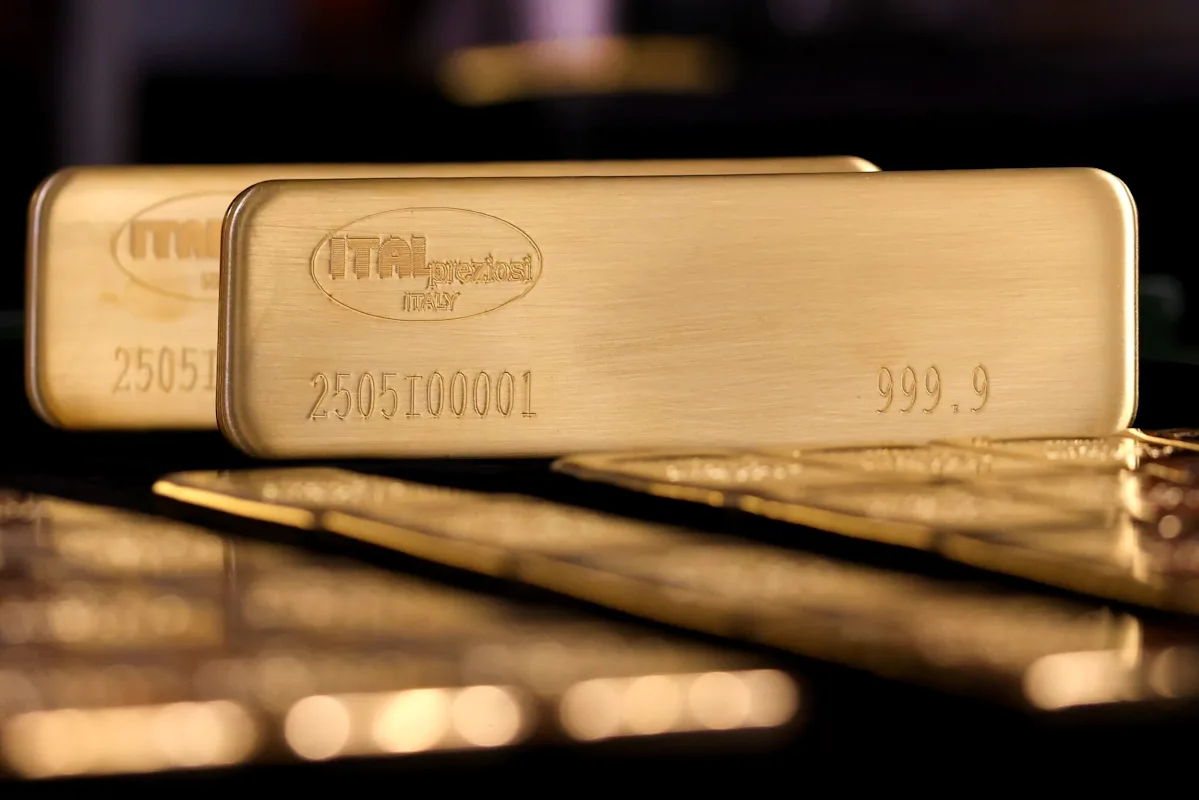
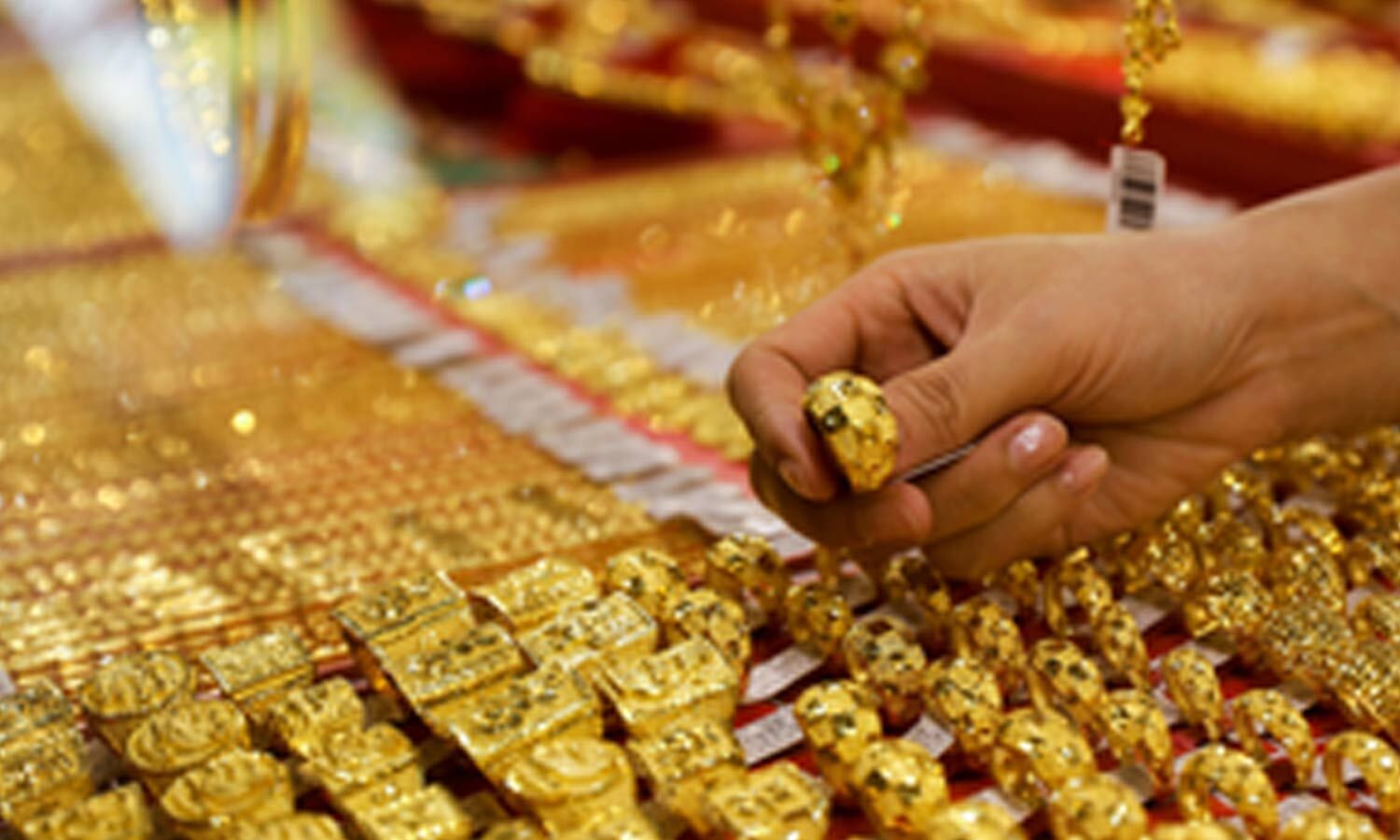
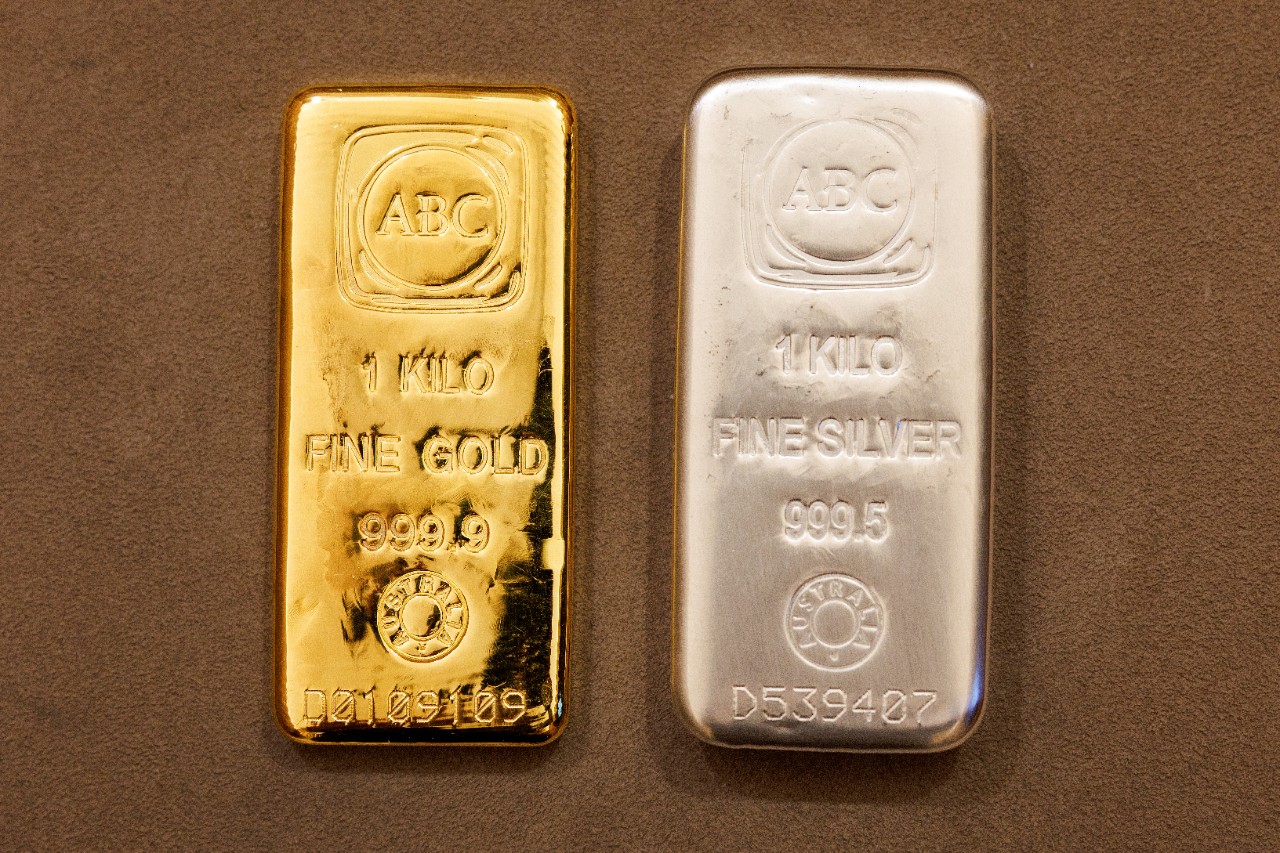
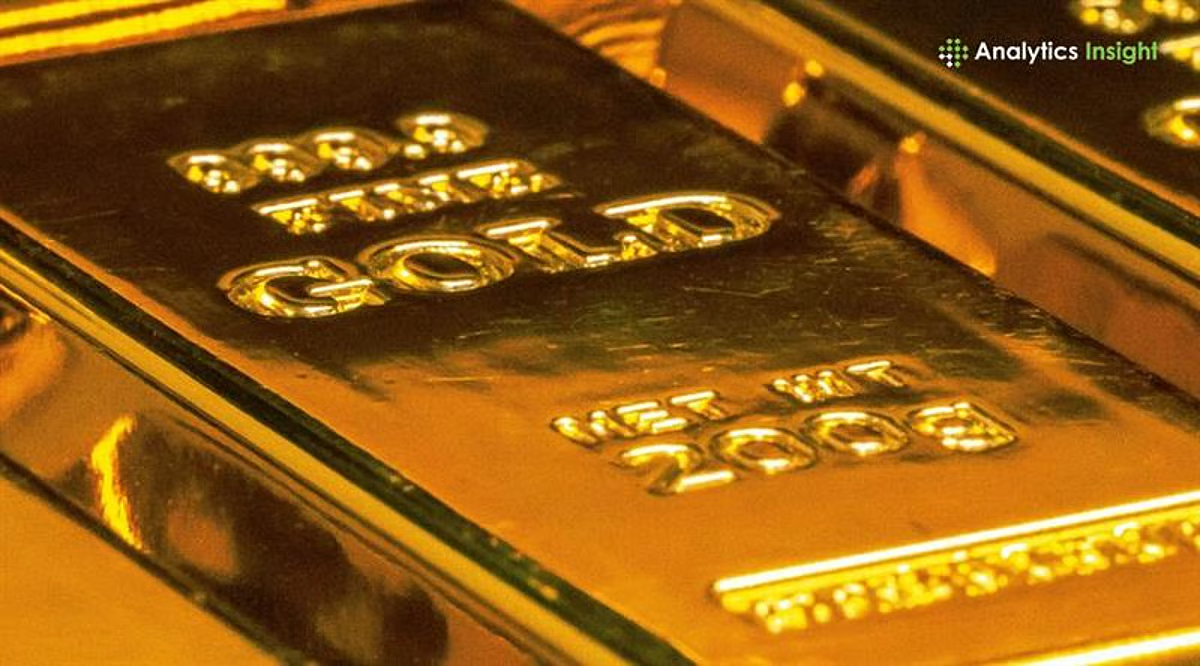
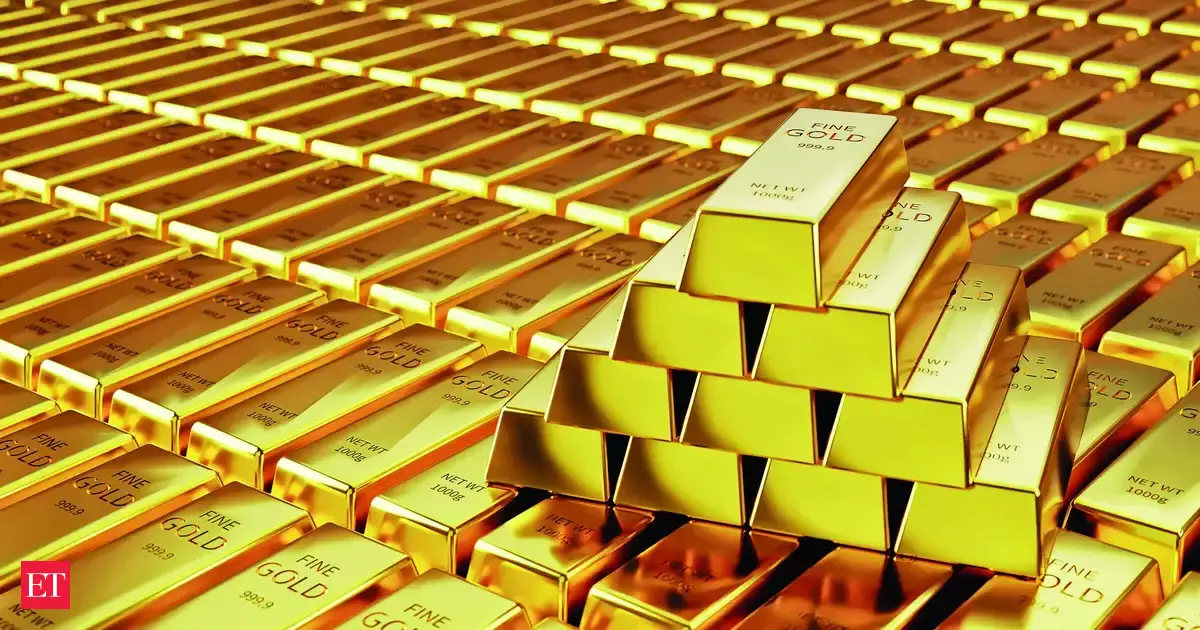
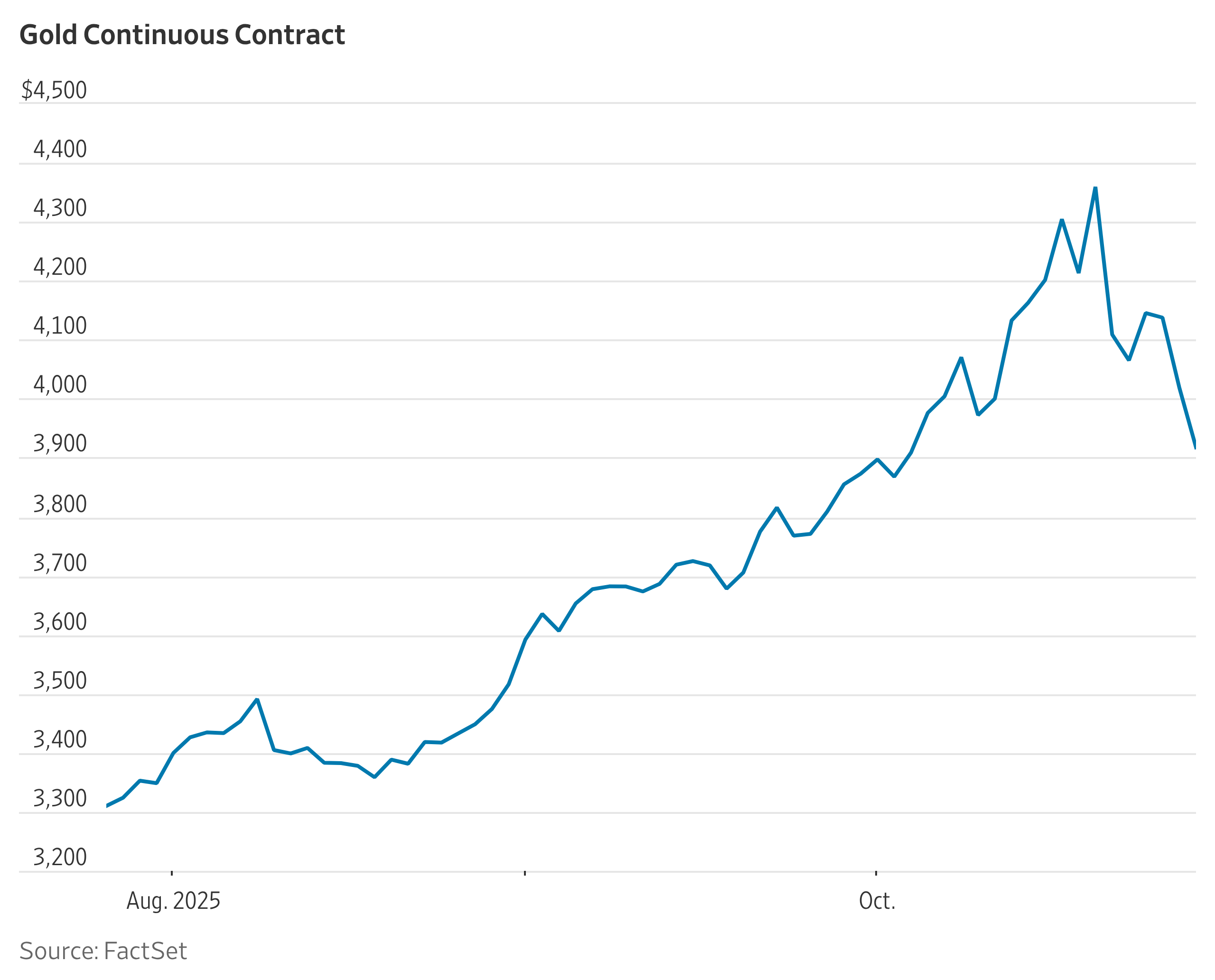
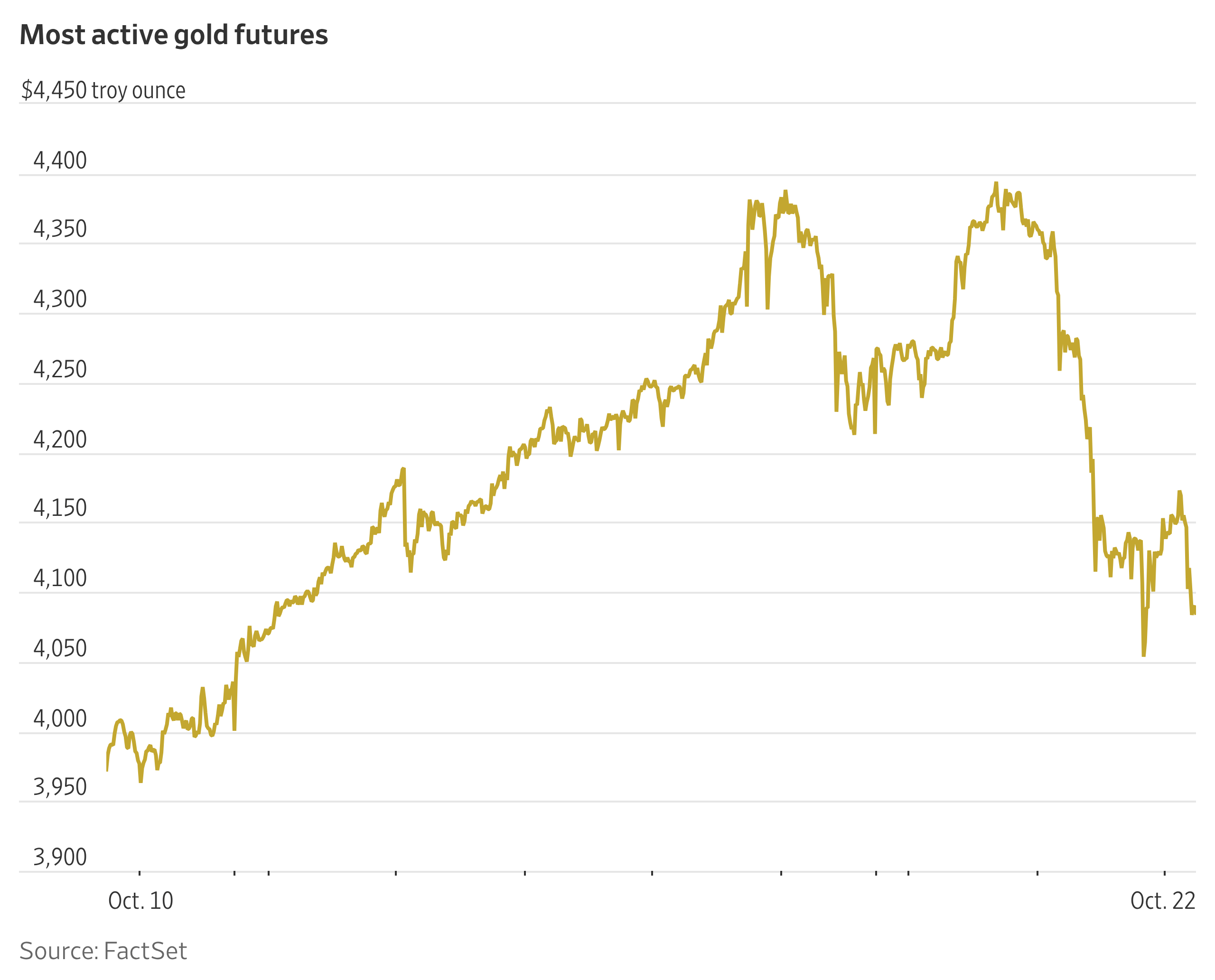
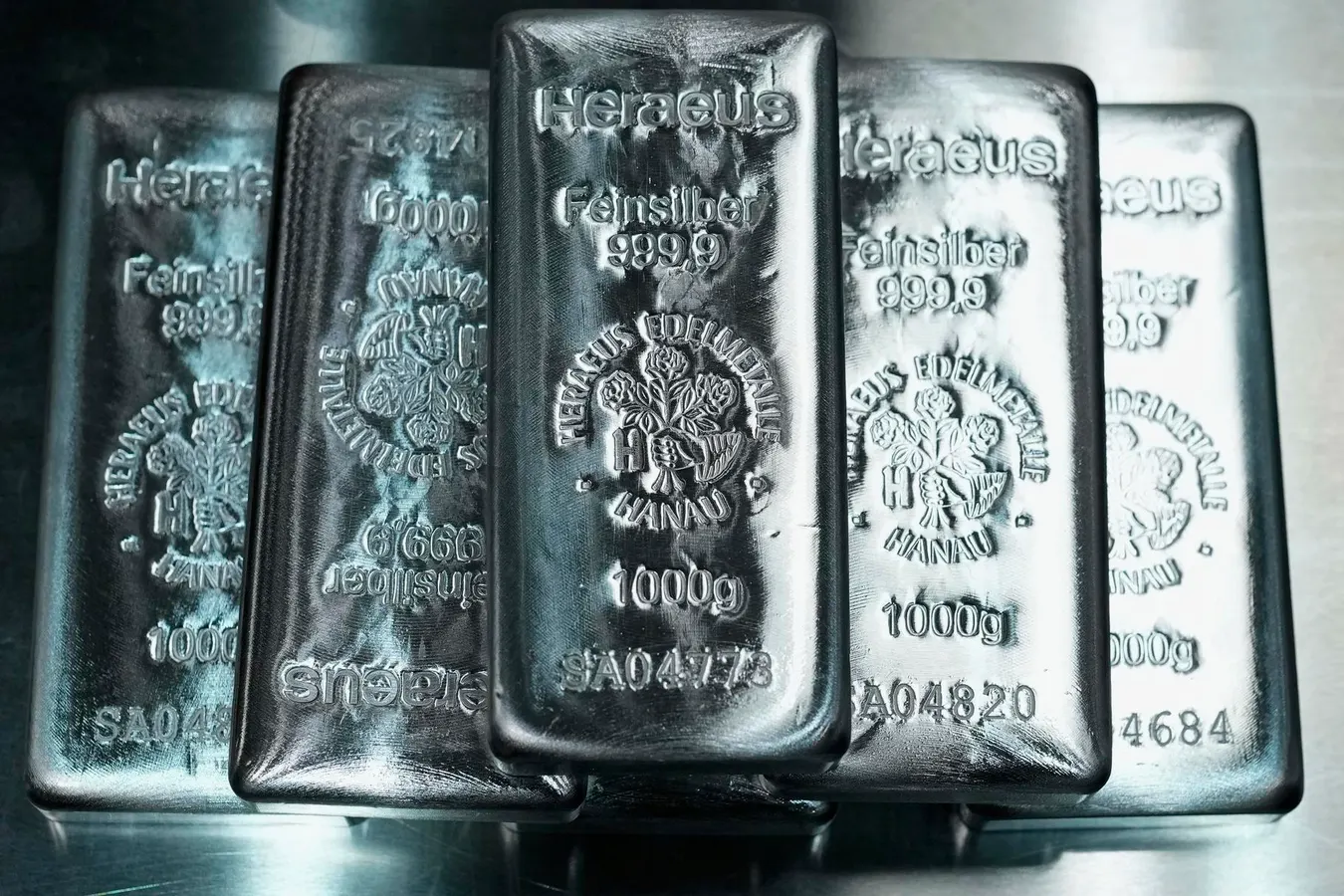
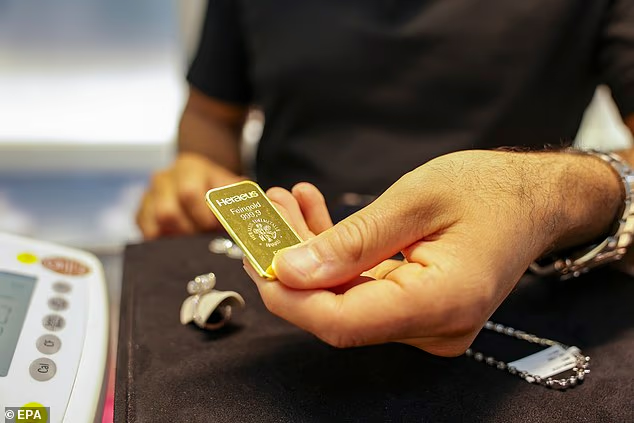
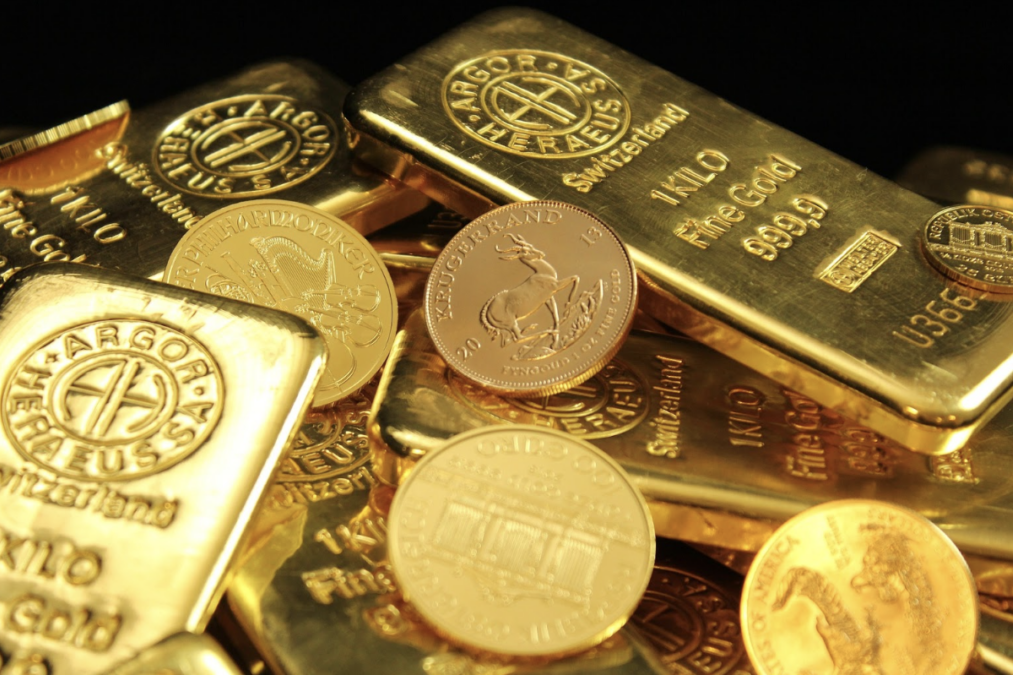
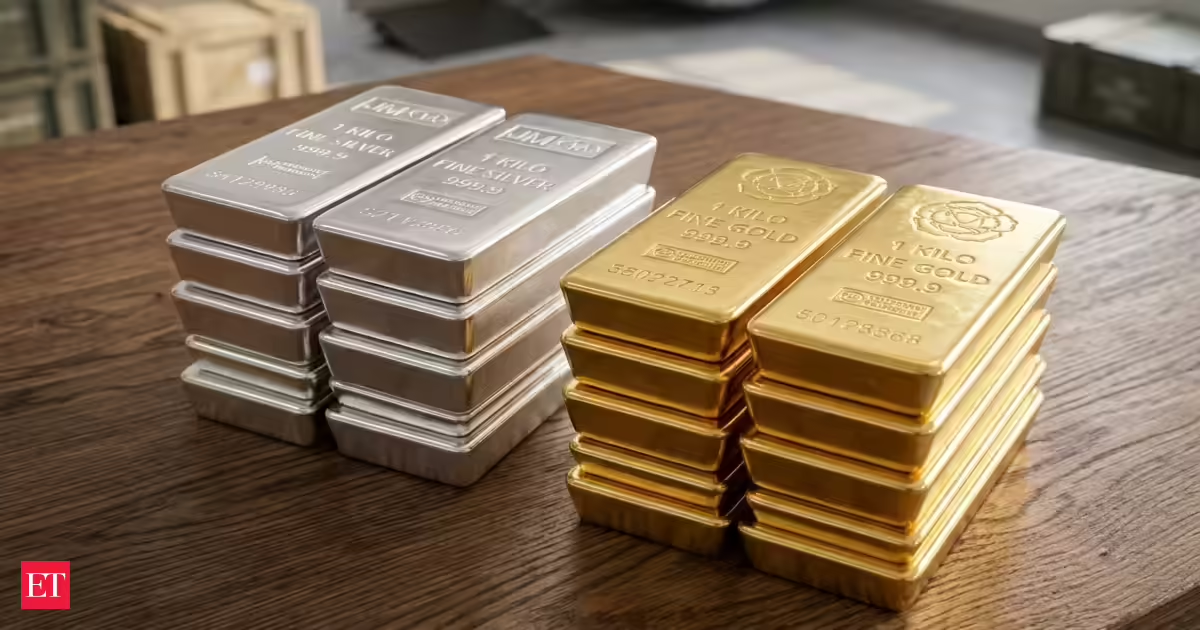
Gold prices edged higher after touching their lowest level since November 2025 earlier in the trading session. Spot gold rose 0.4% to $4,031.29 per ounce. However, US gold futures for August delivery slipped 0.2% to $4,045.30 per ounce.

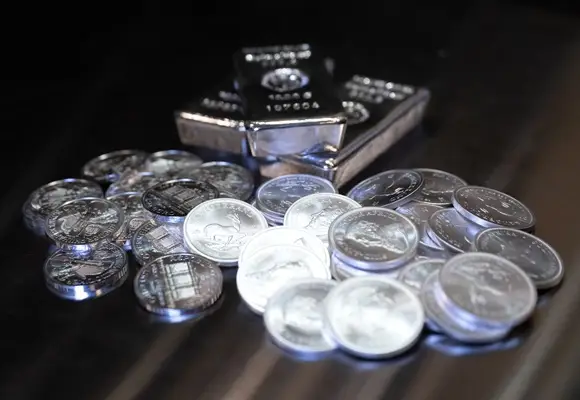
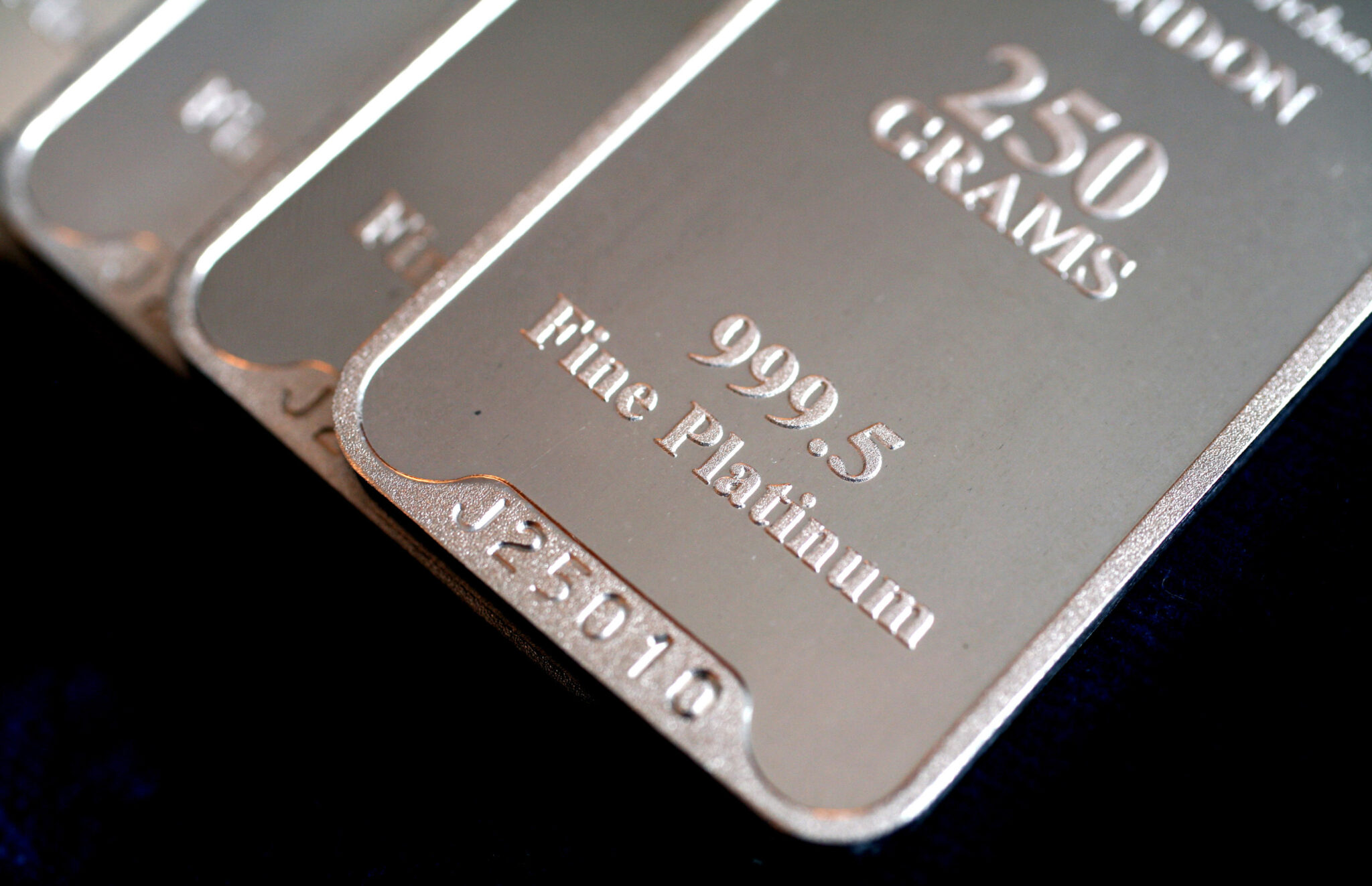
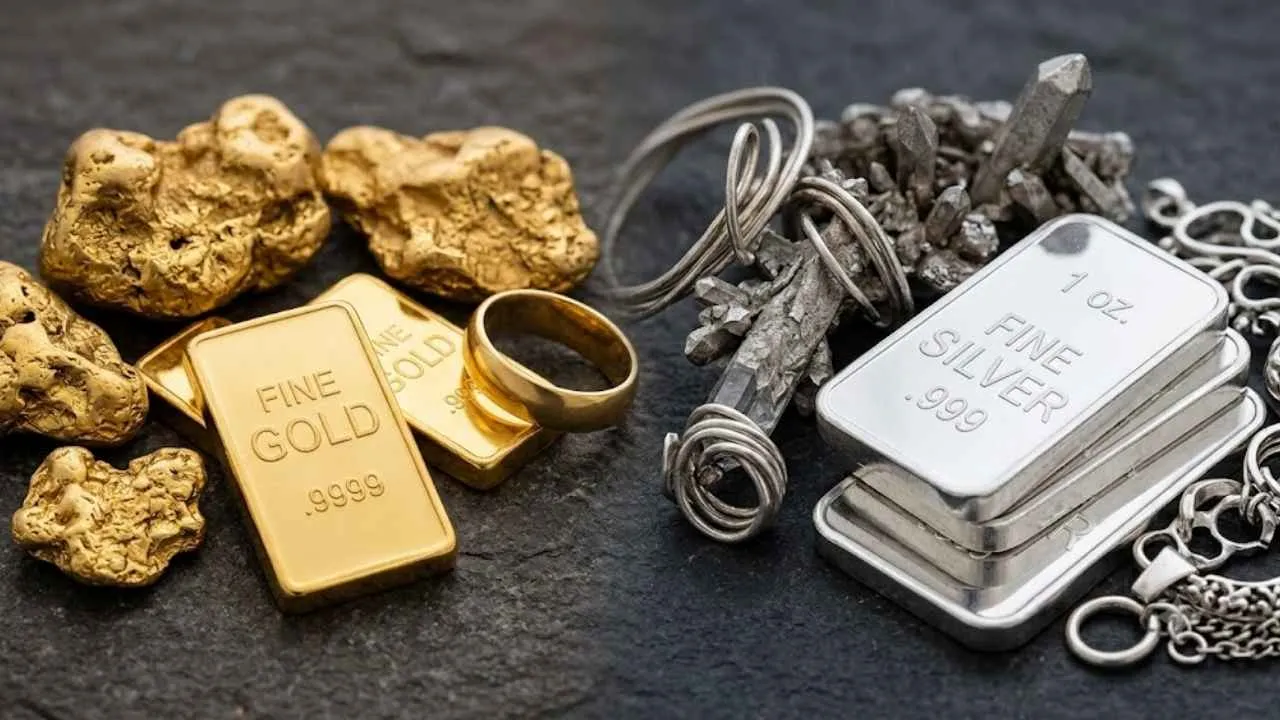
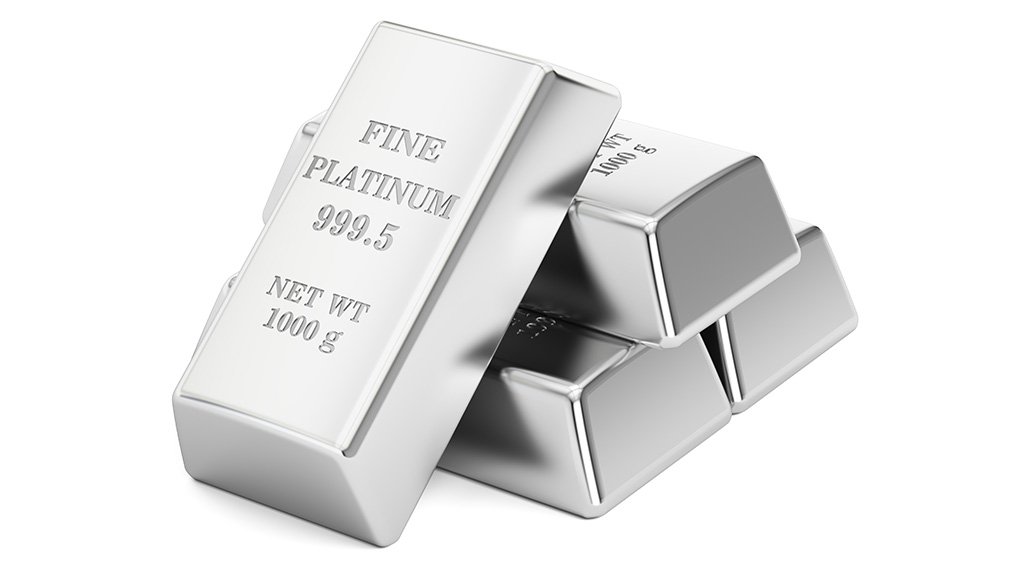
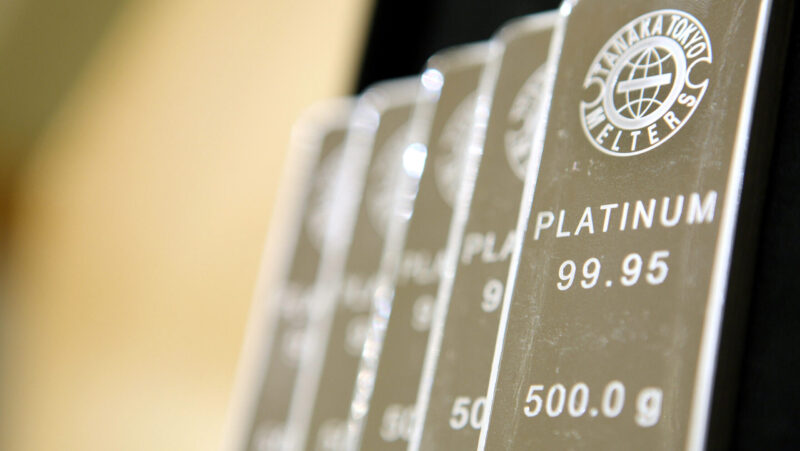
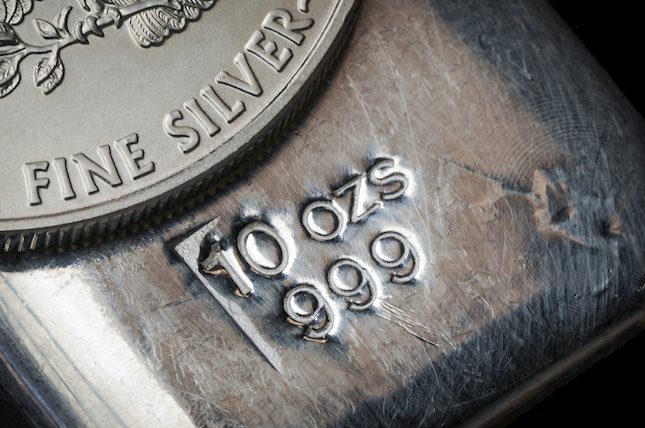
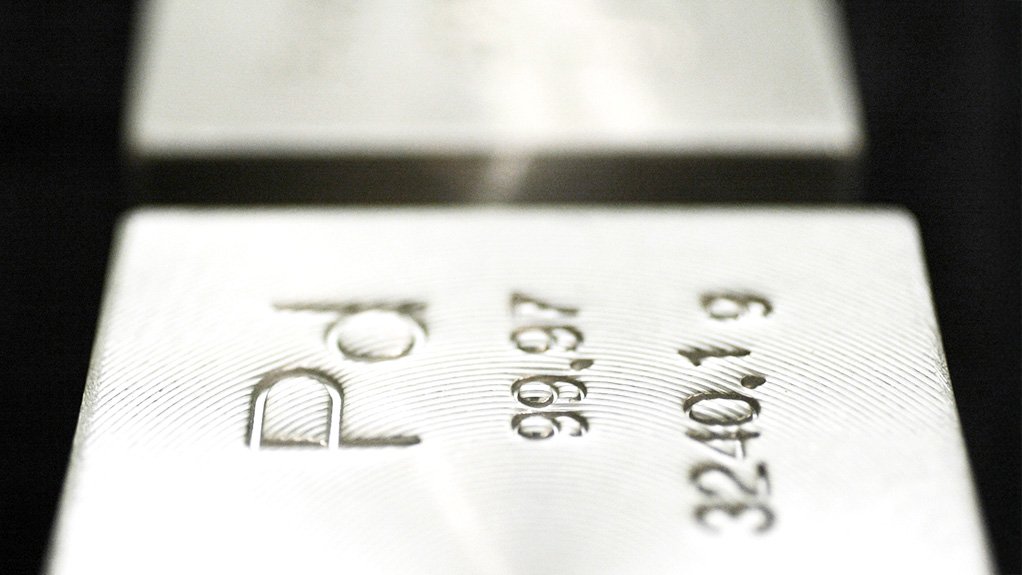
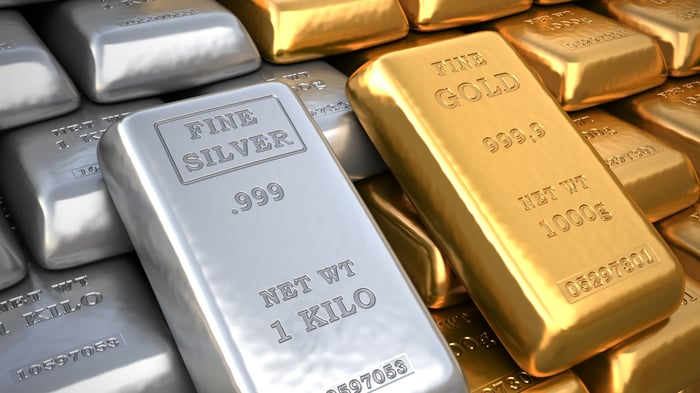
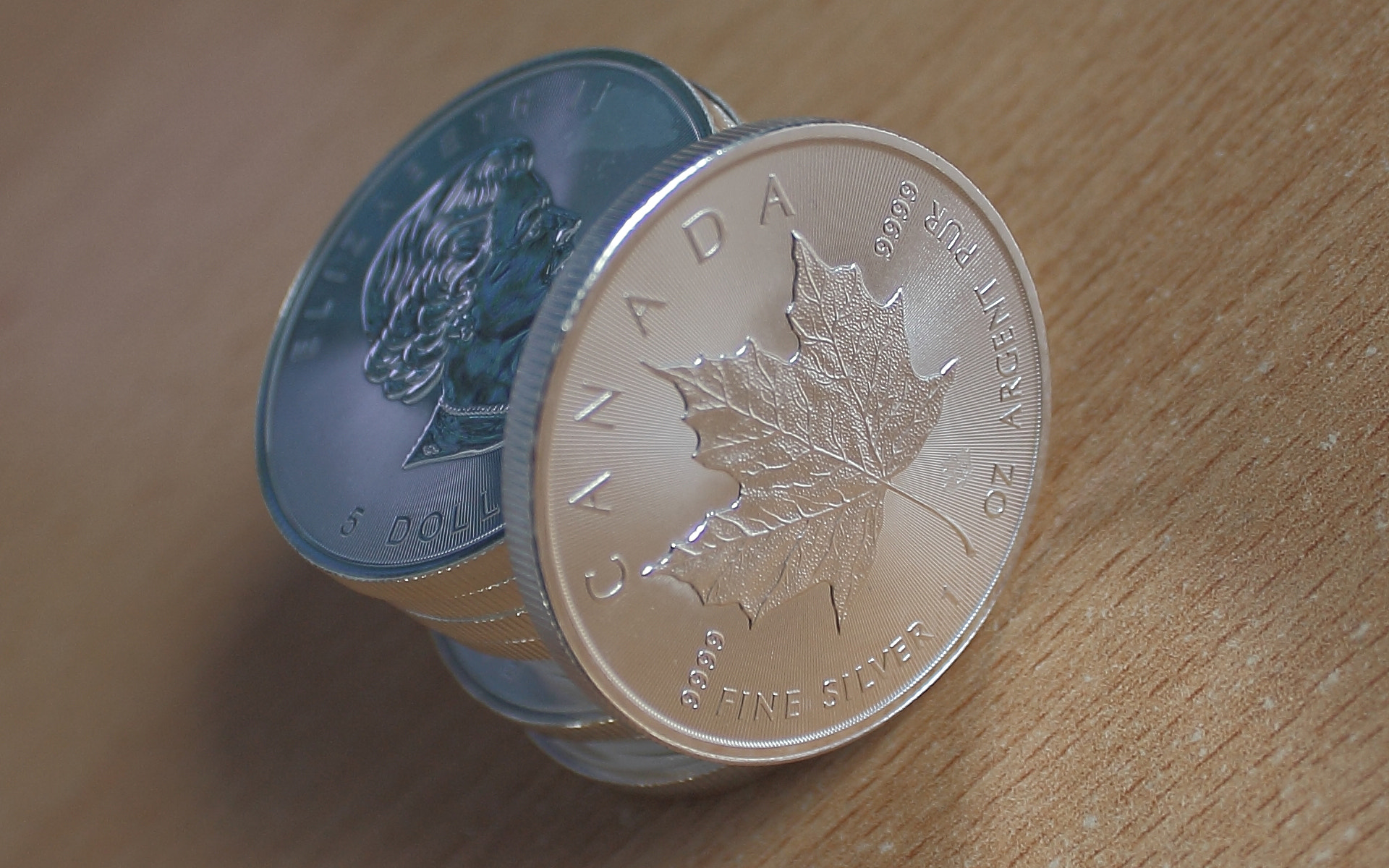
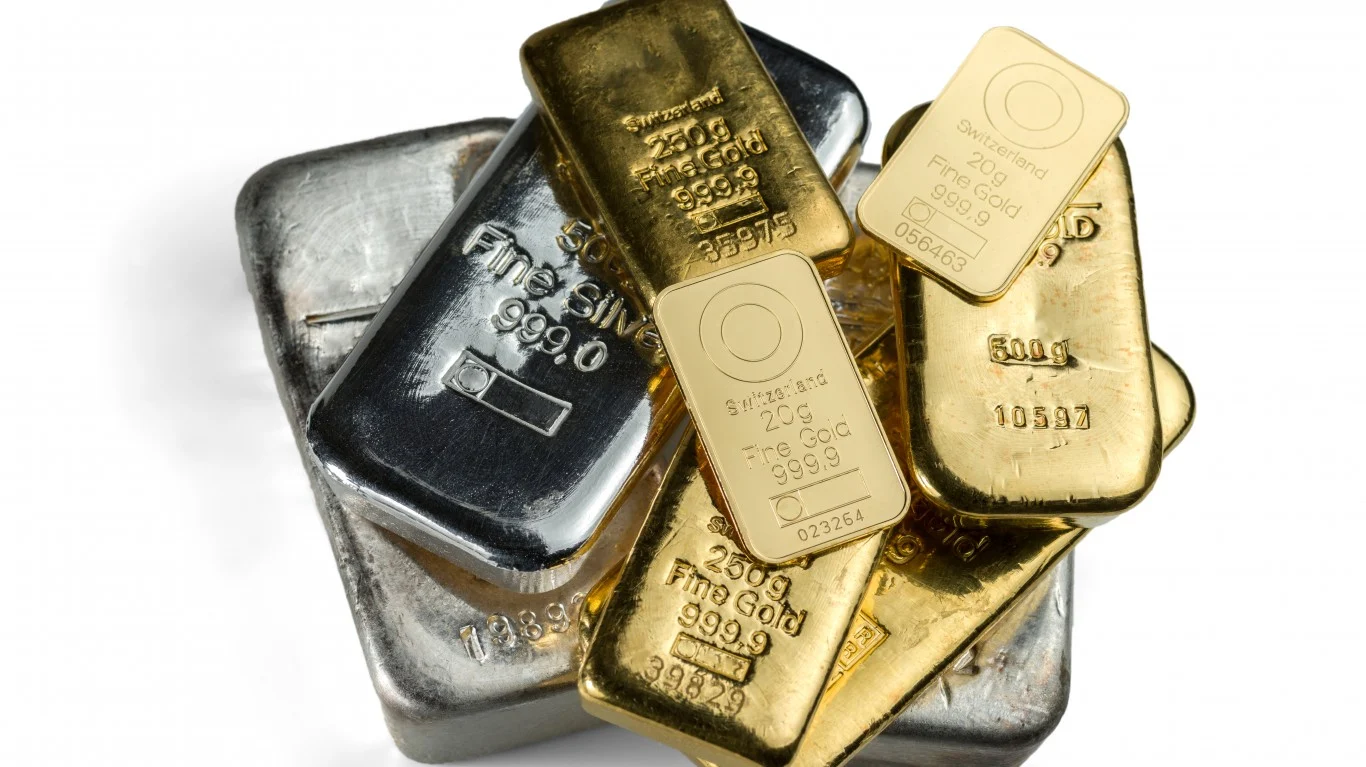
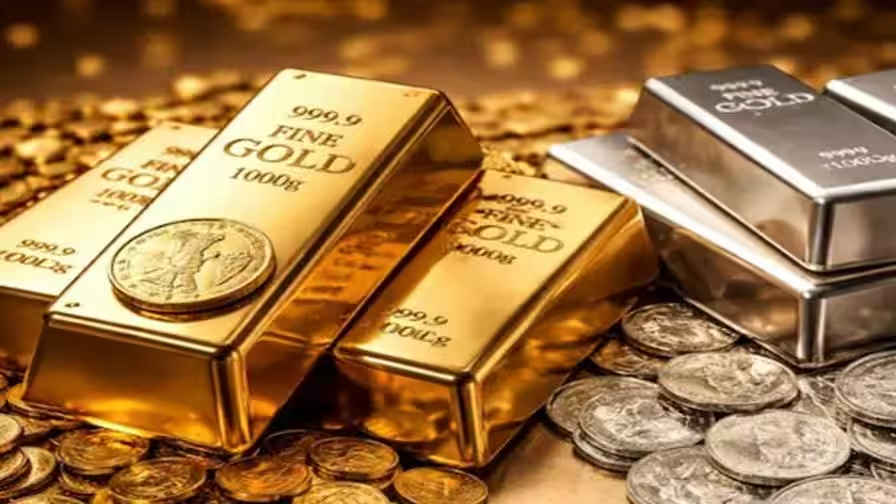
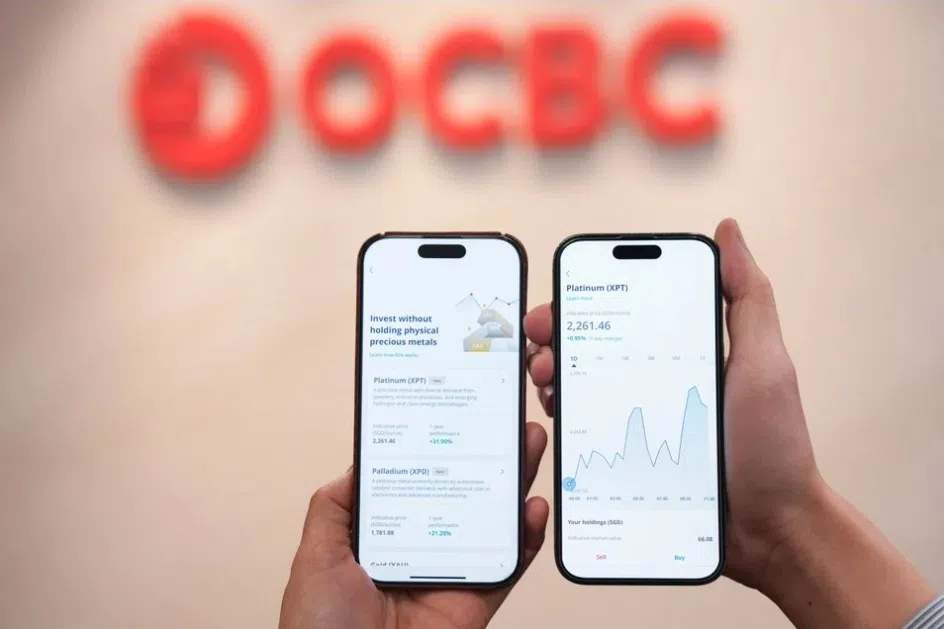
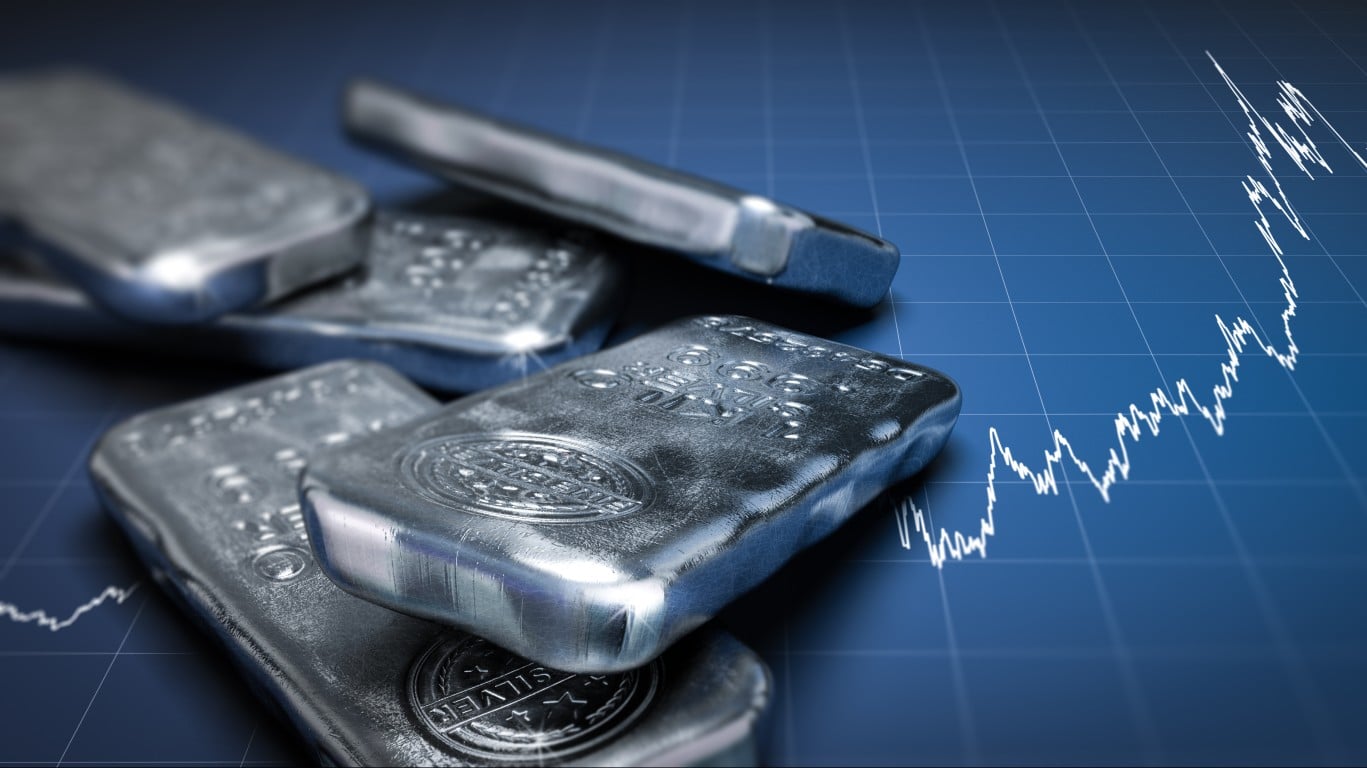
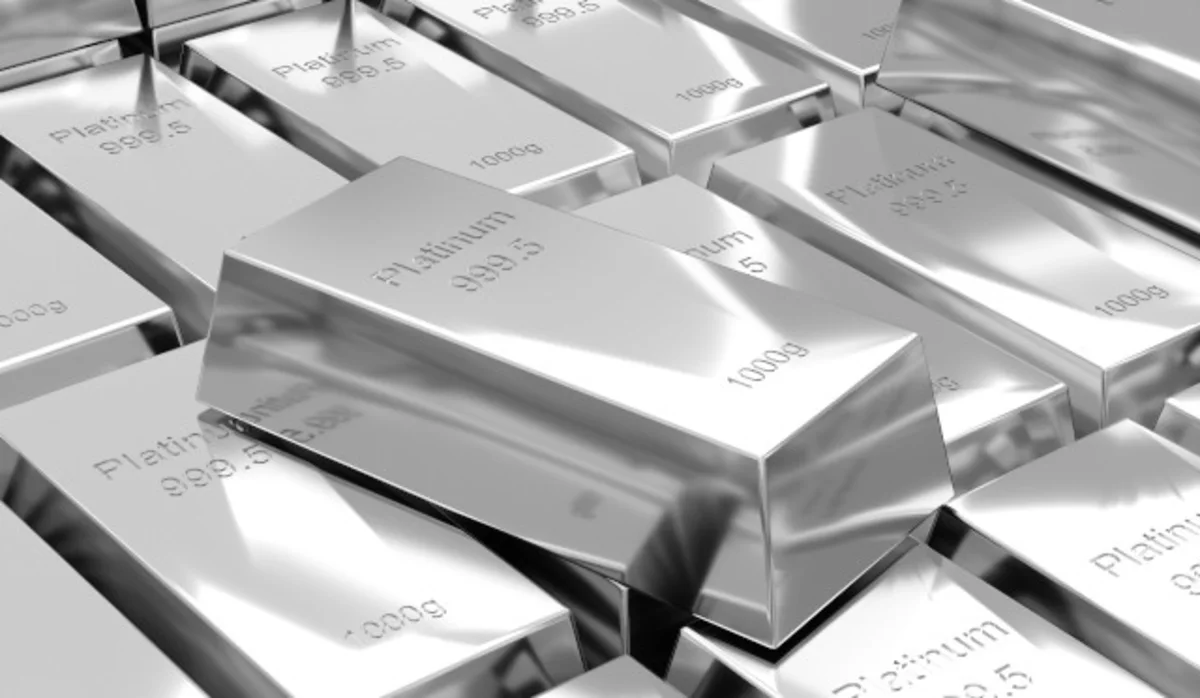
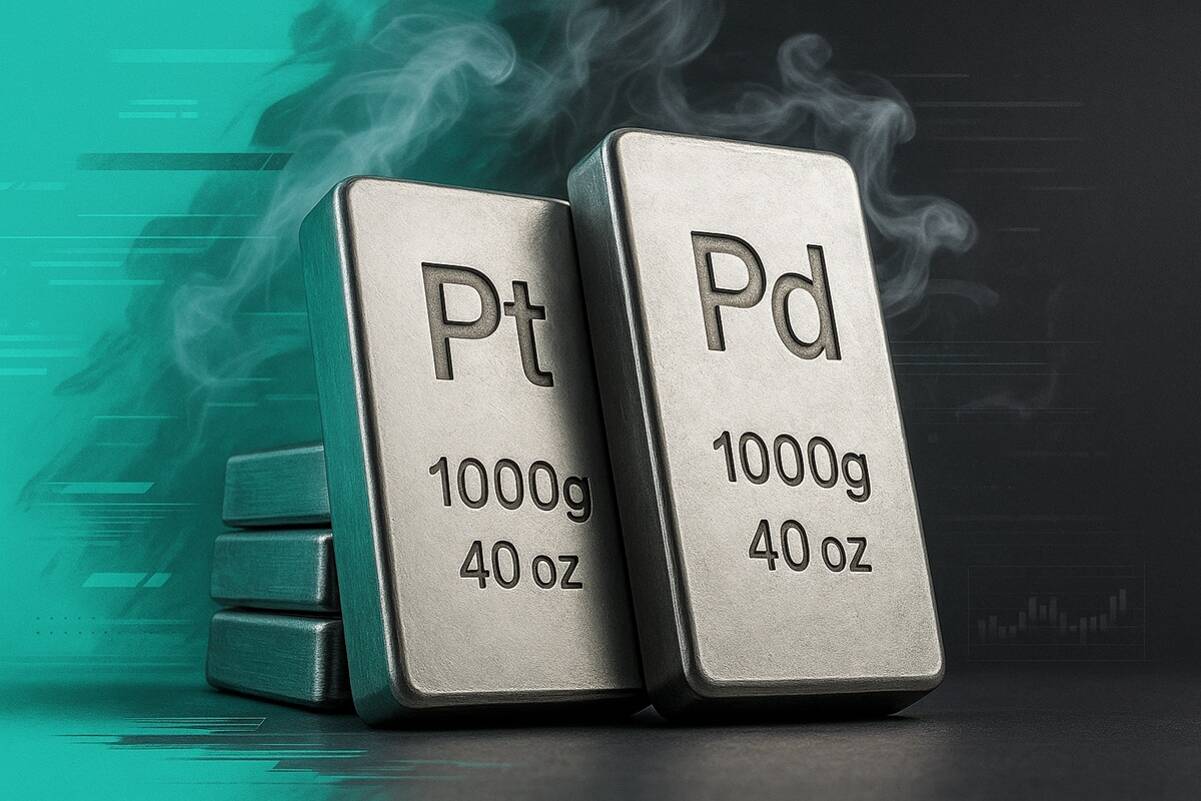
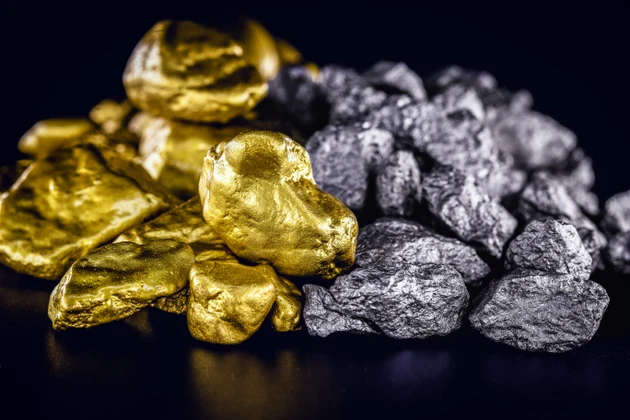
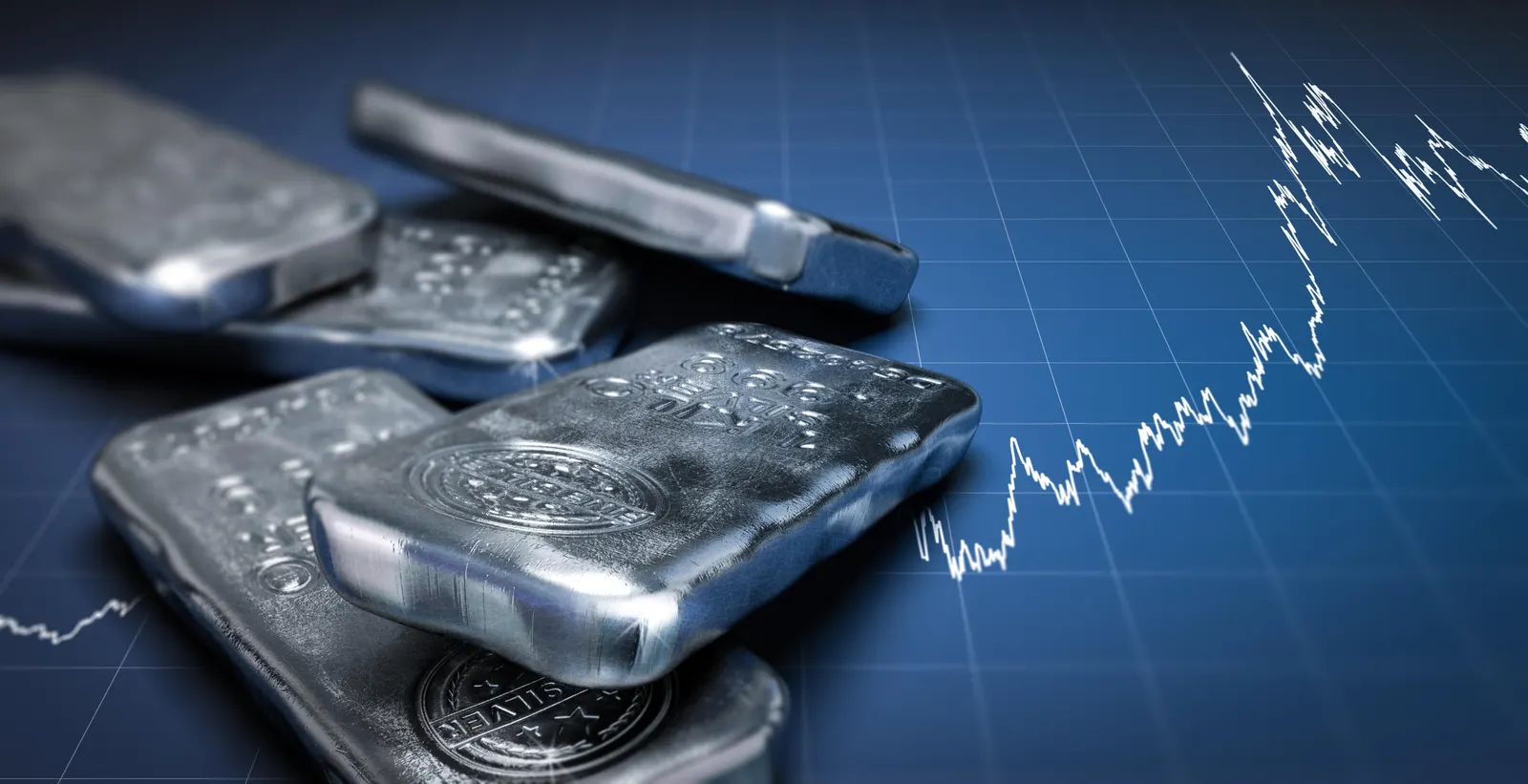
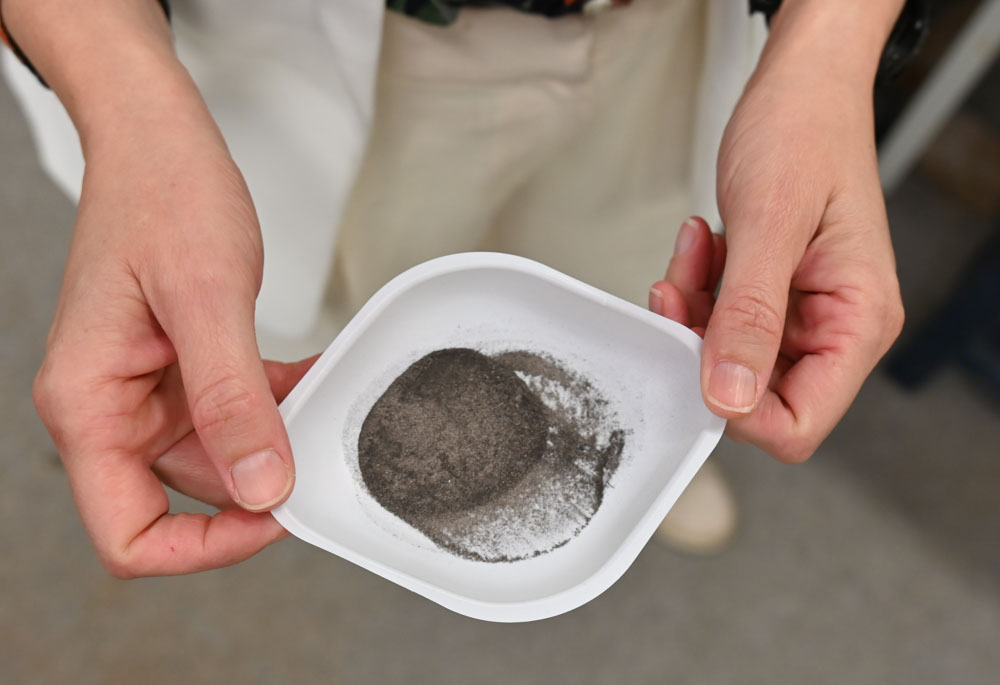
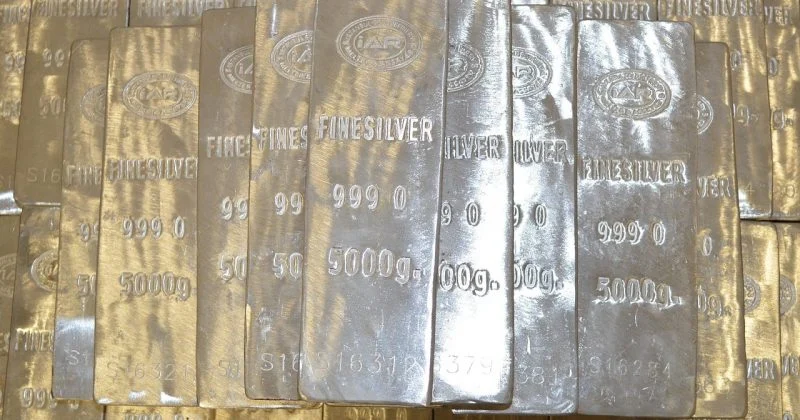
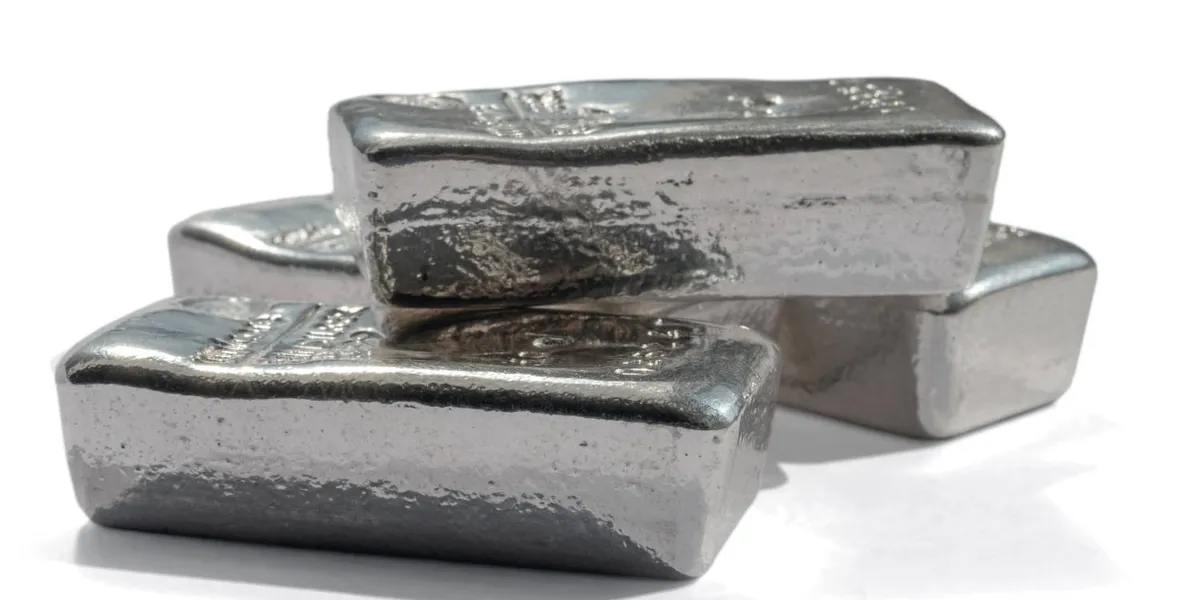
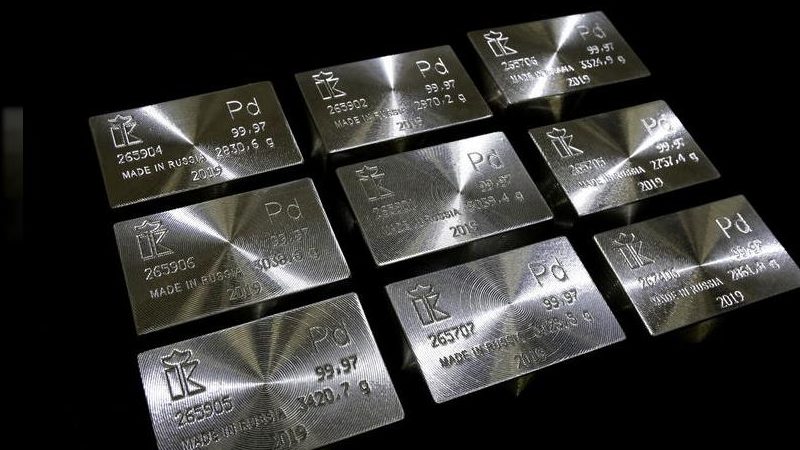
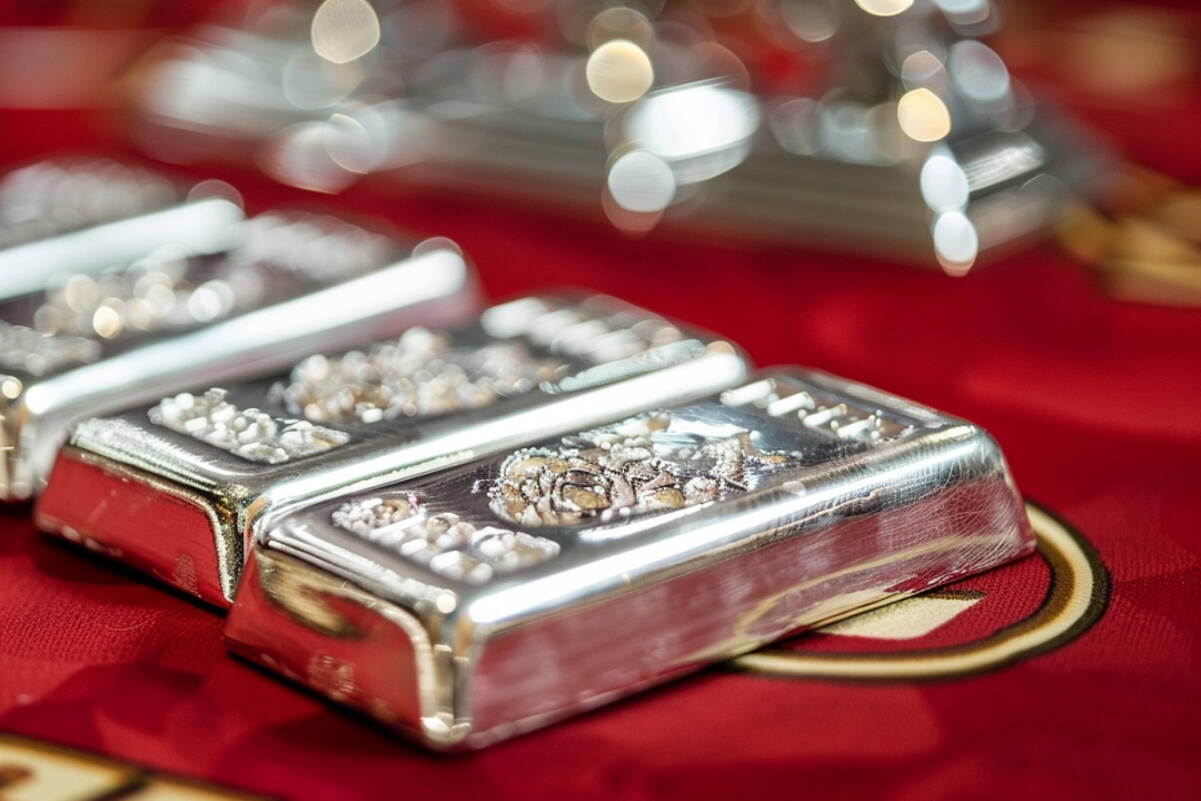
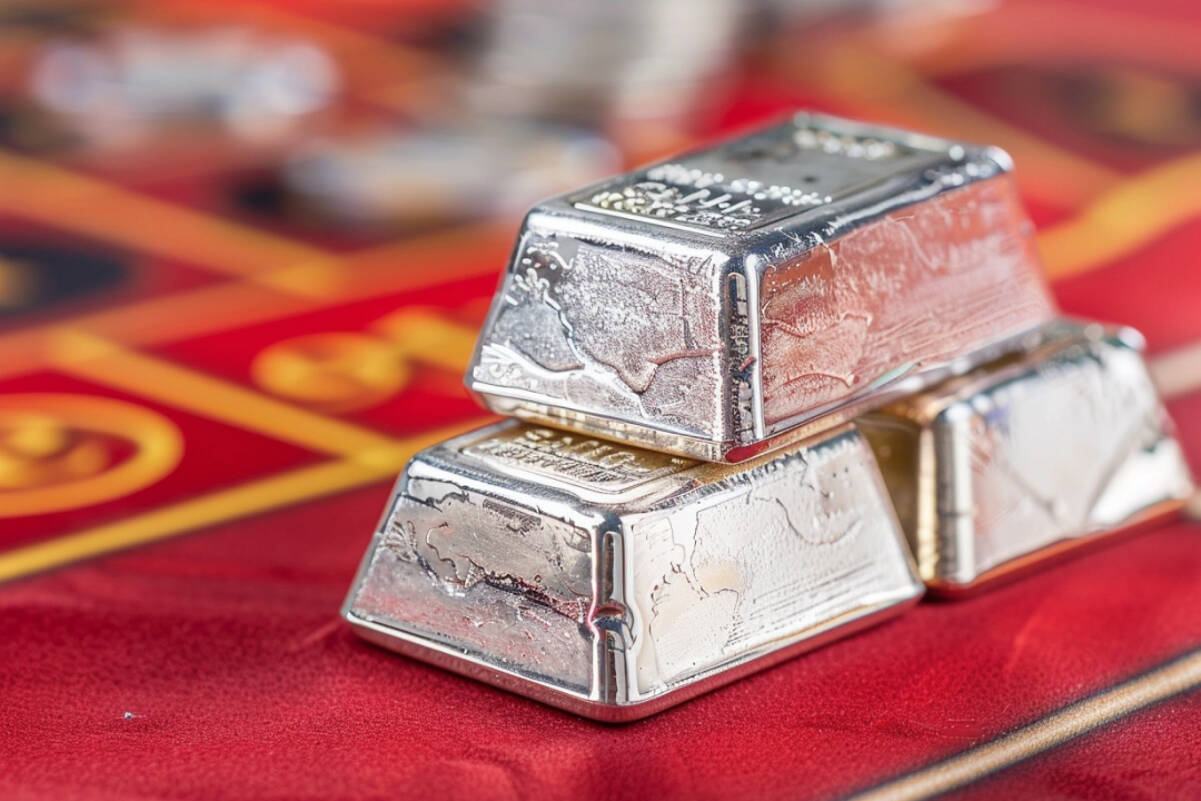
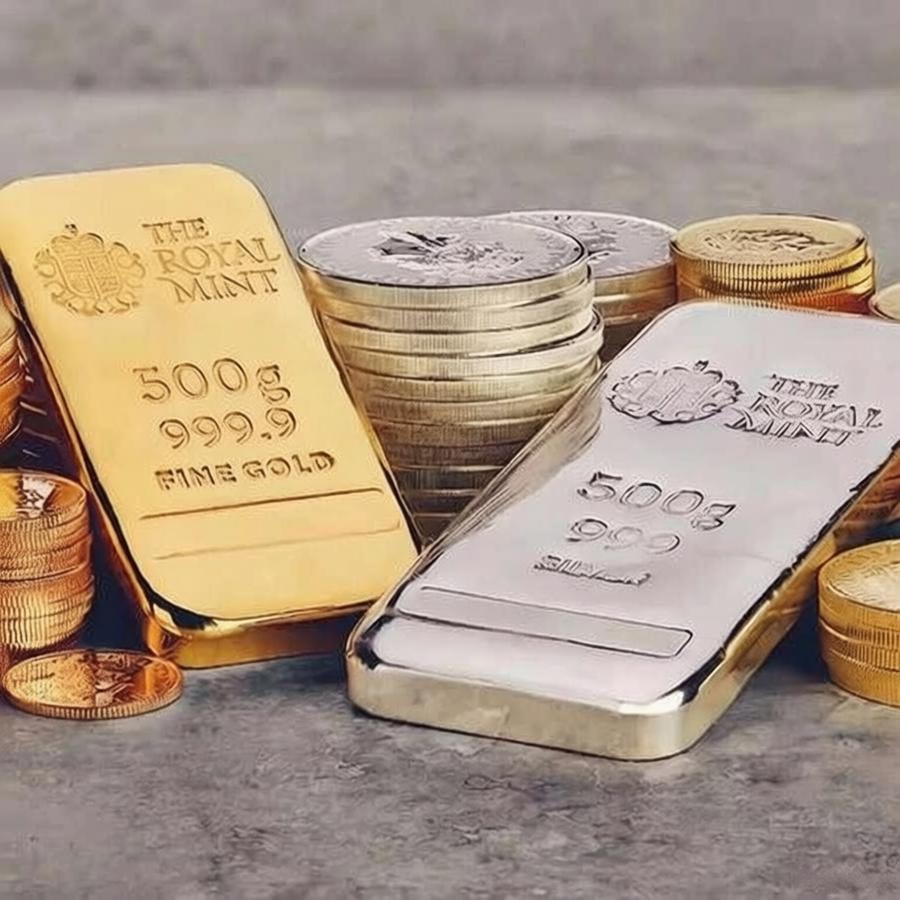
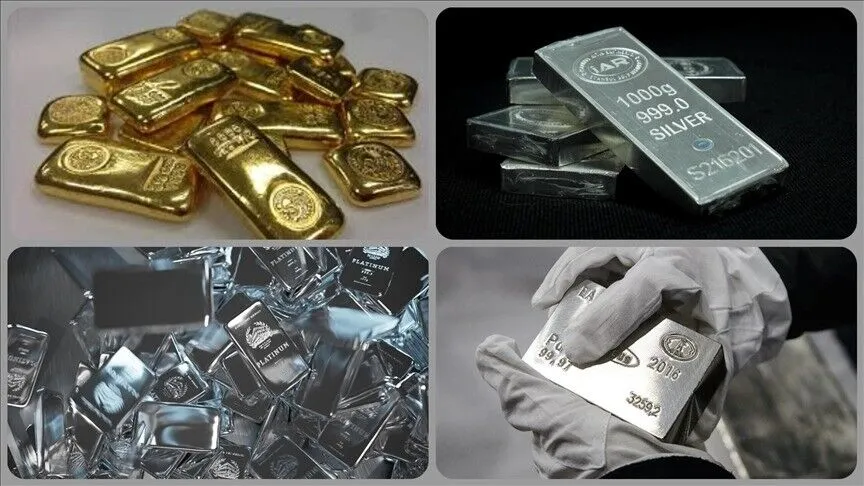
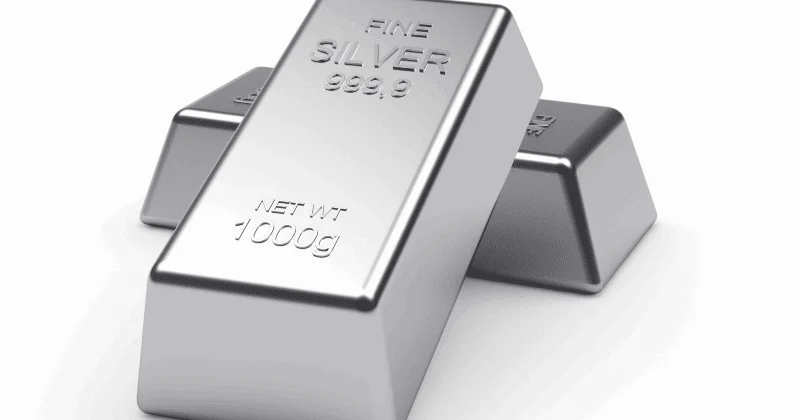
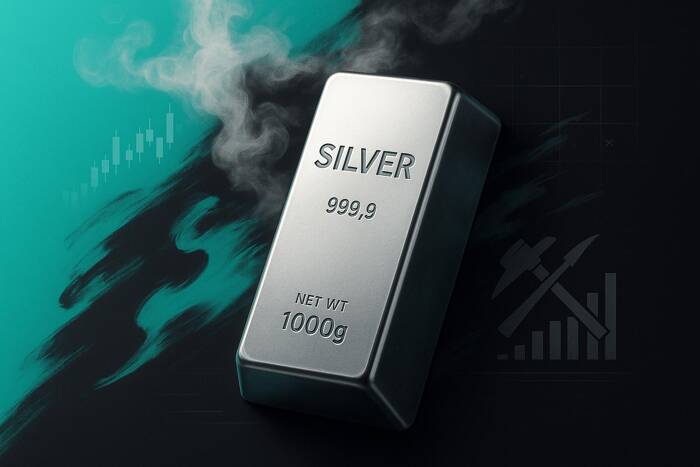
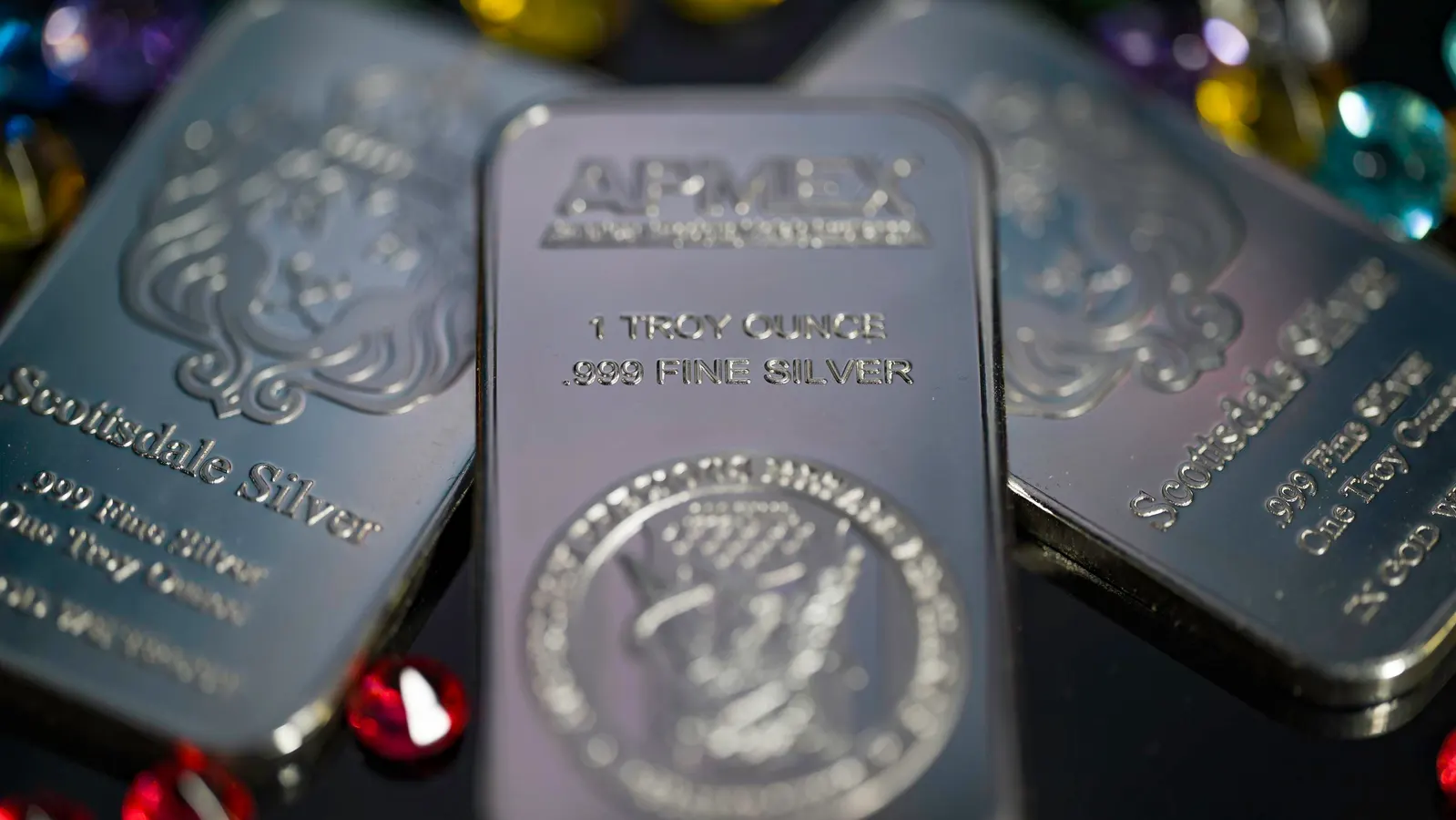
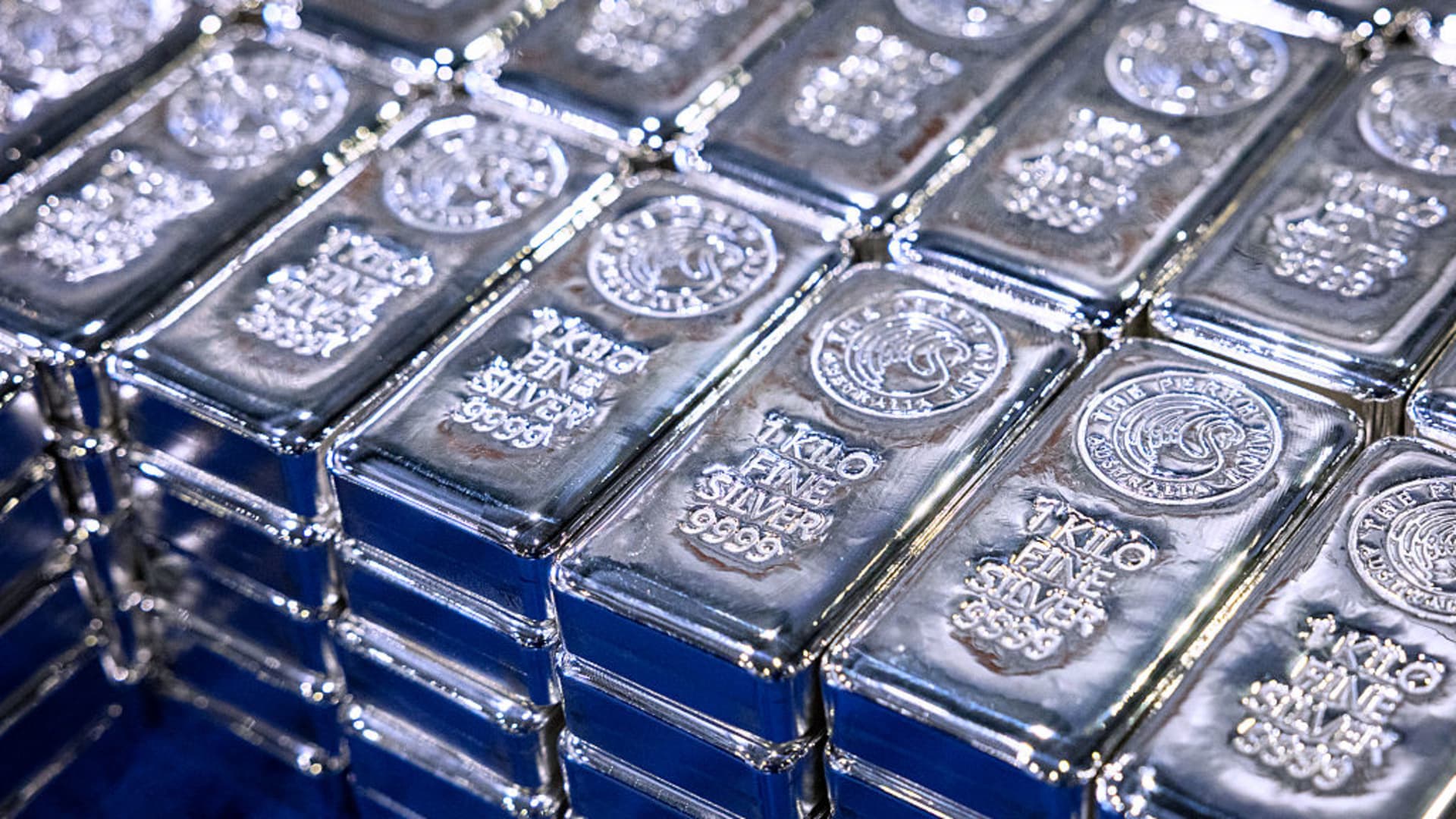
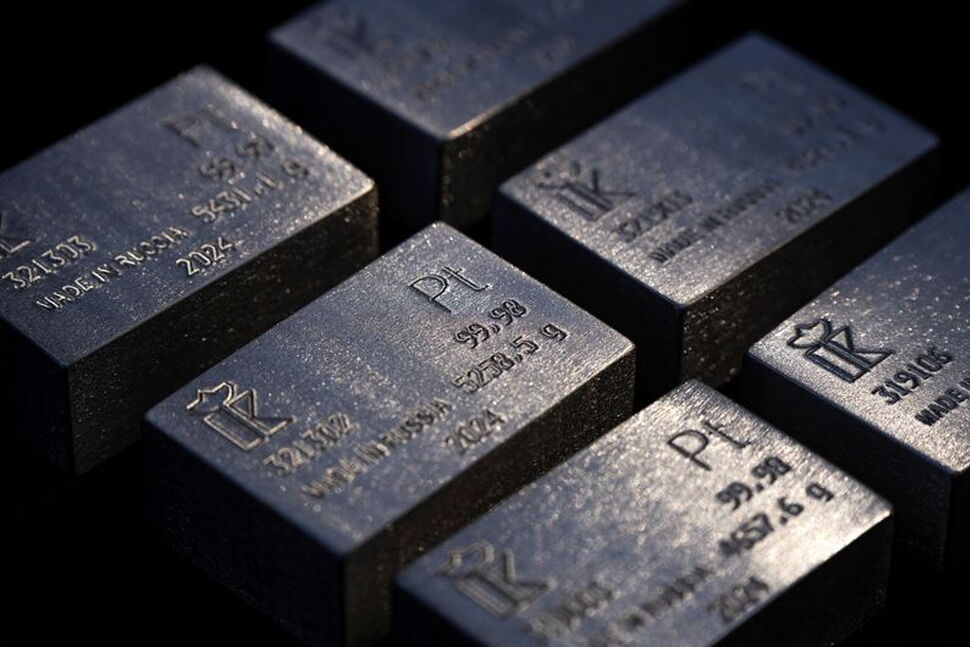
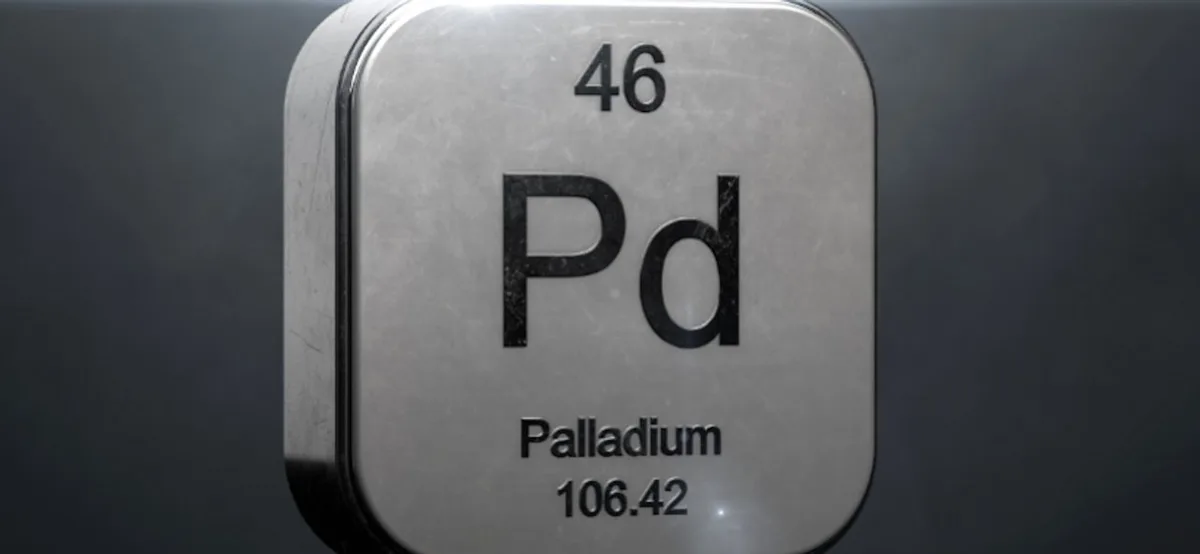
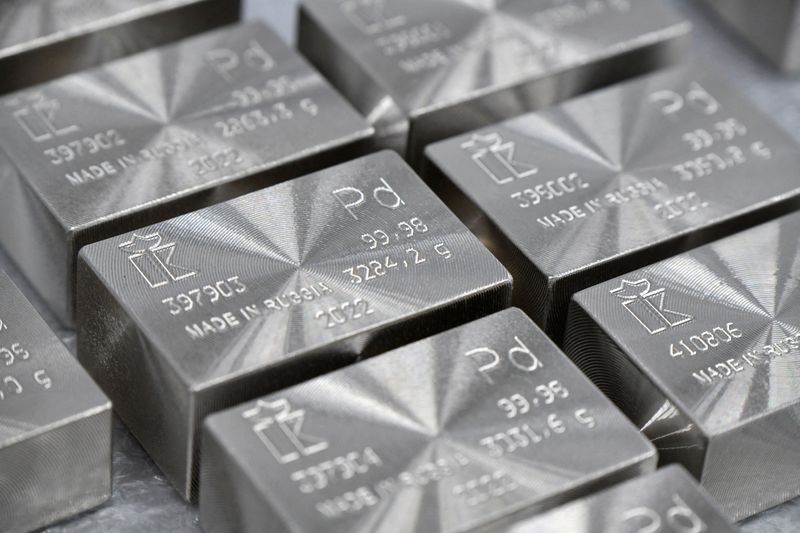
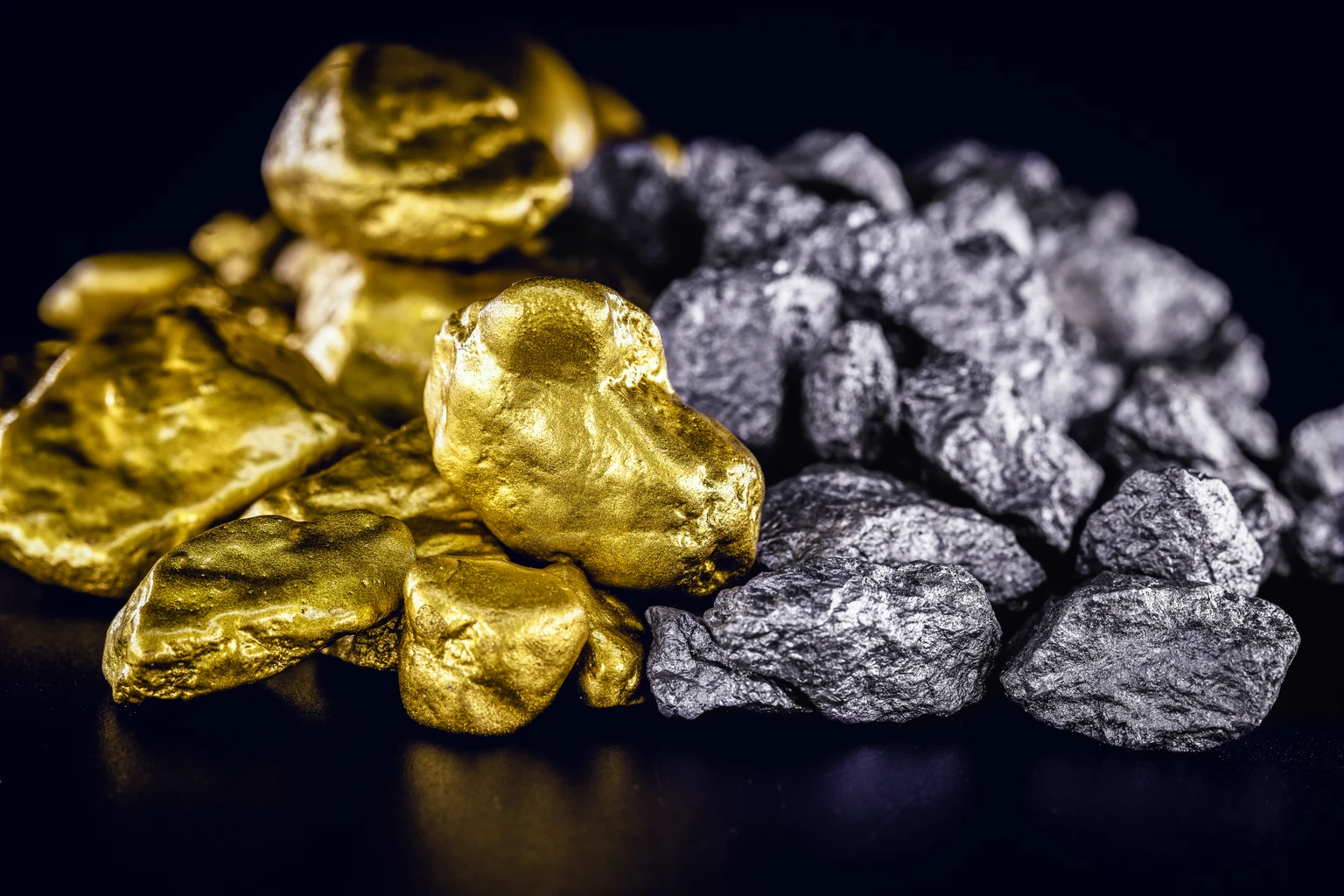
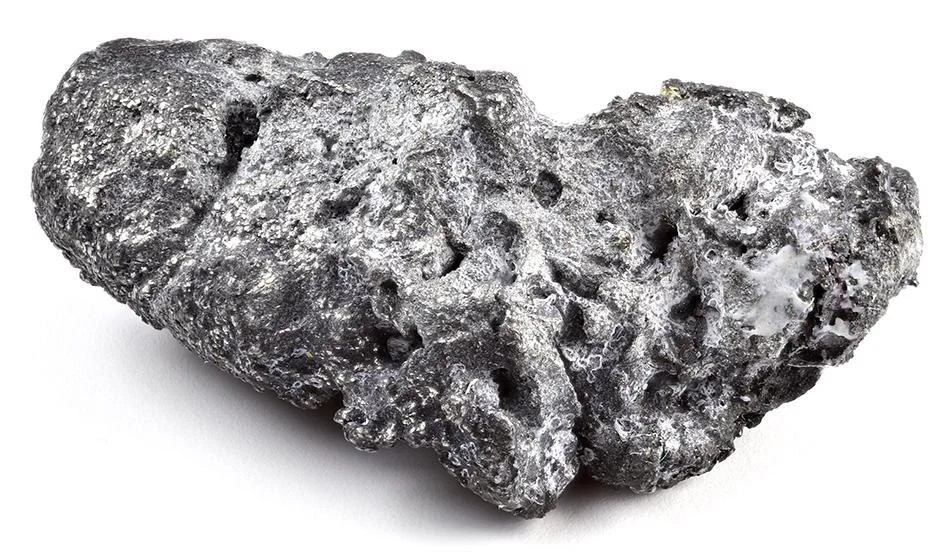
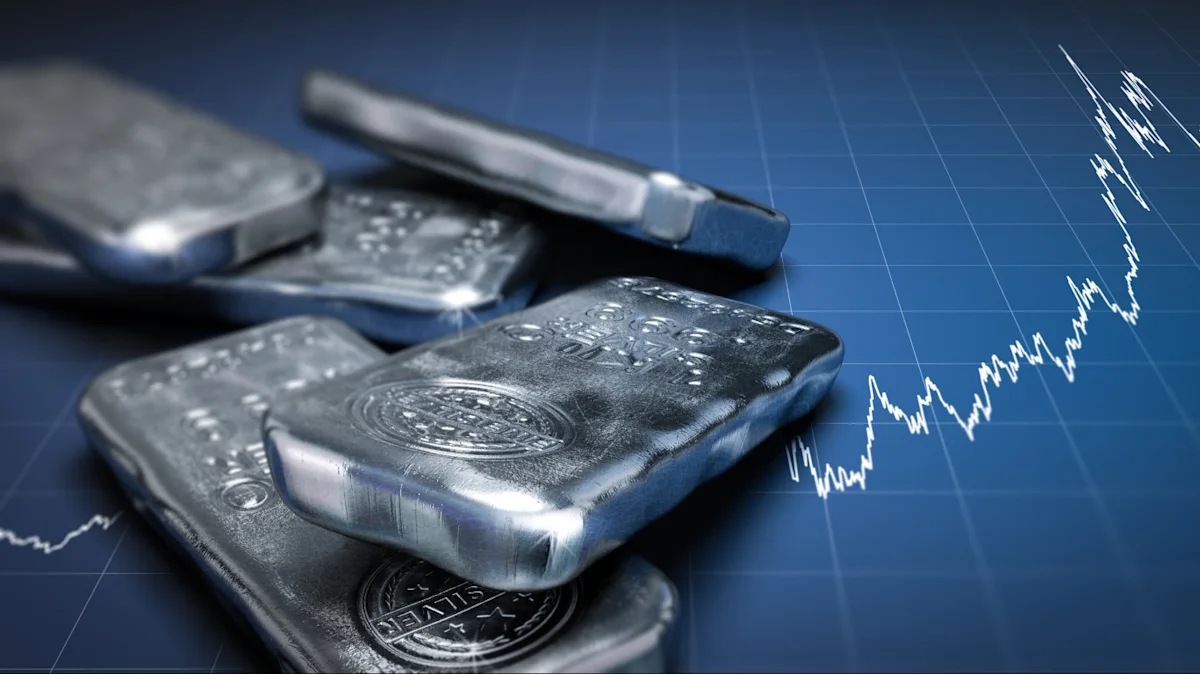
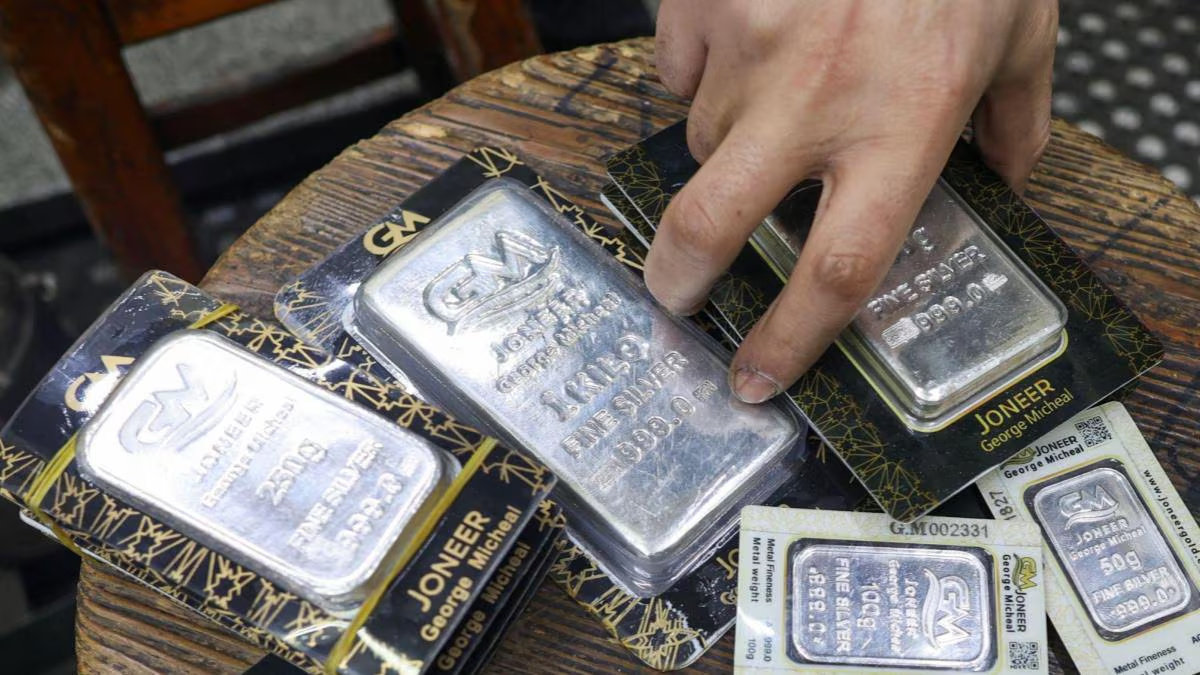
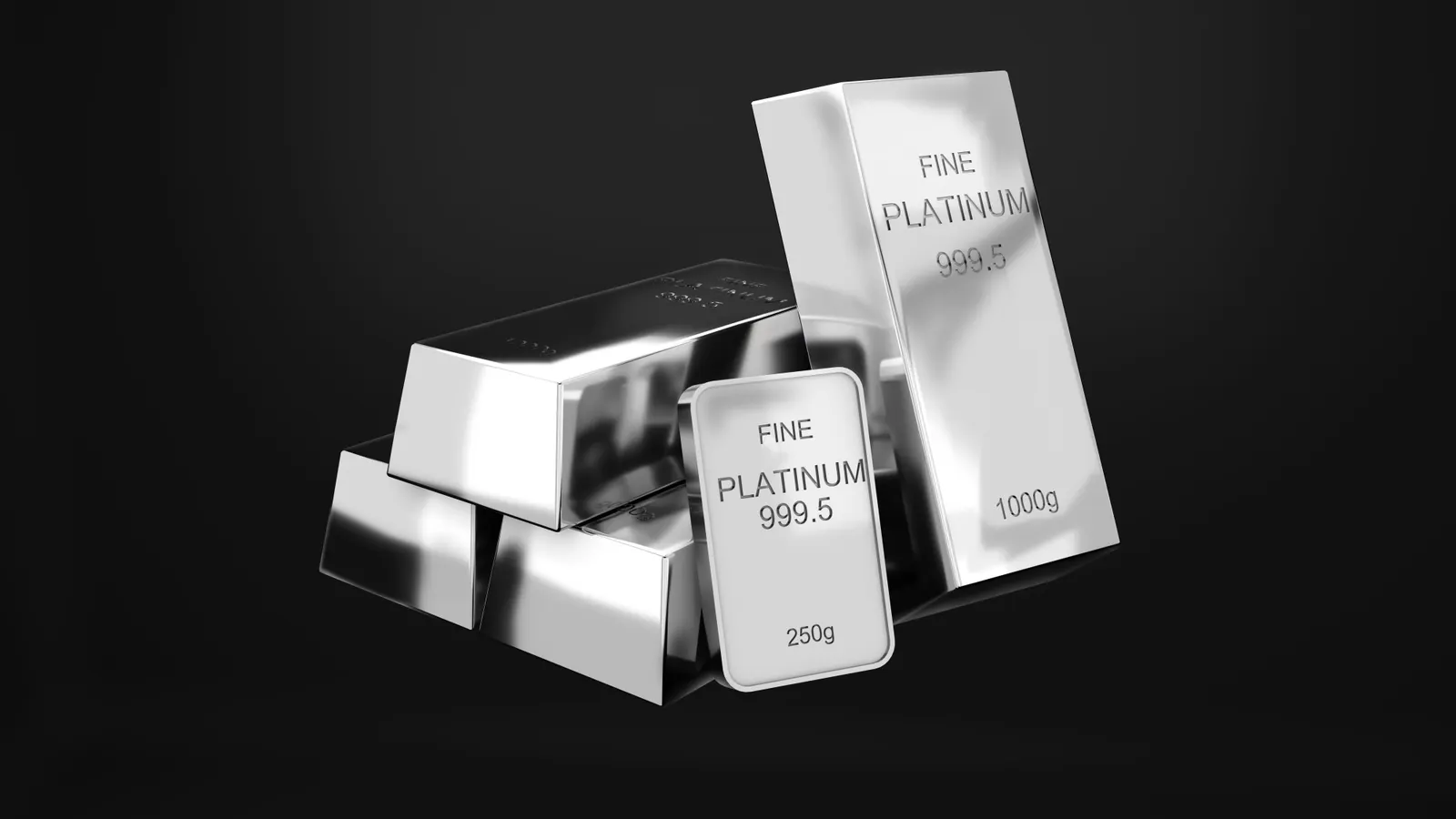
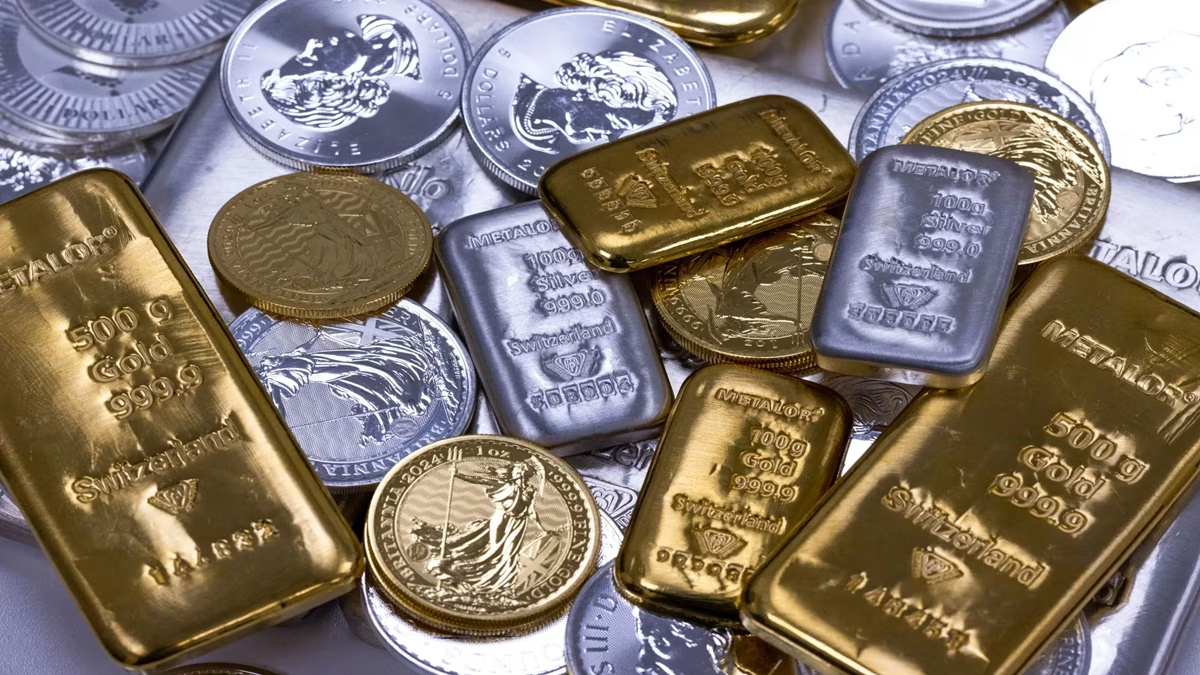
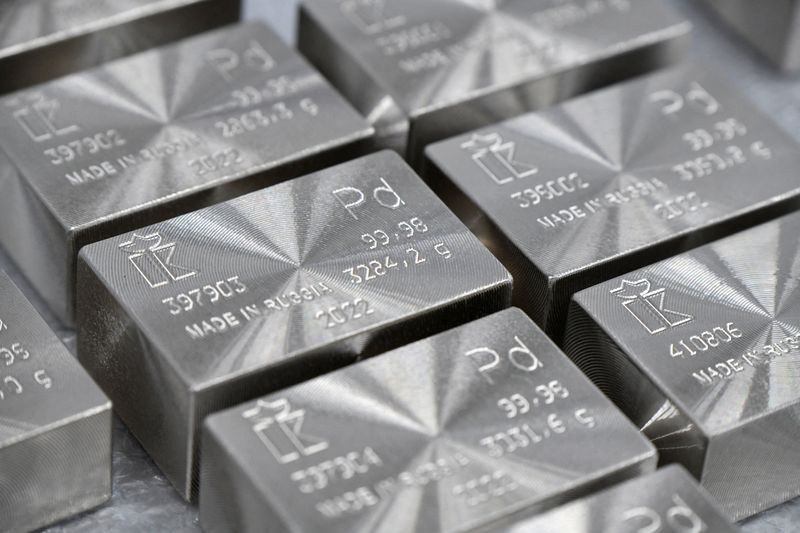
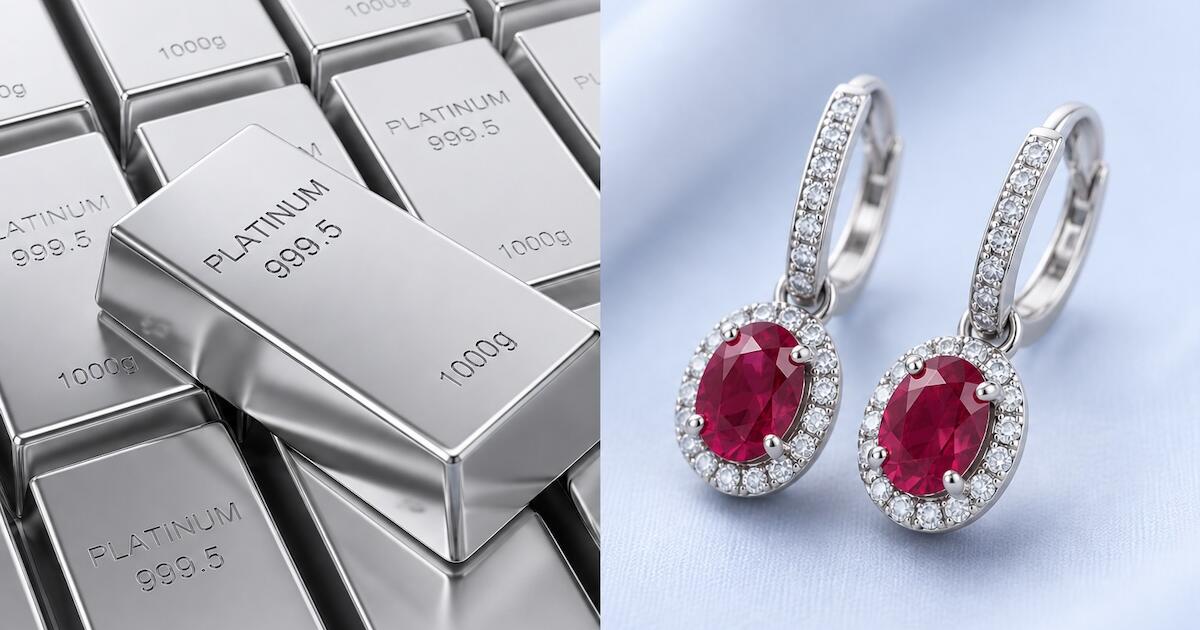
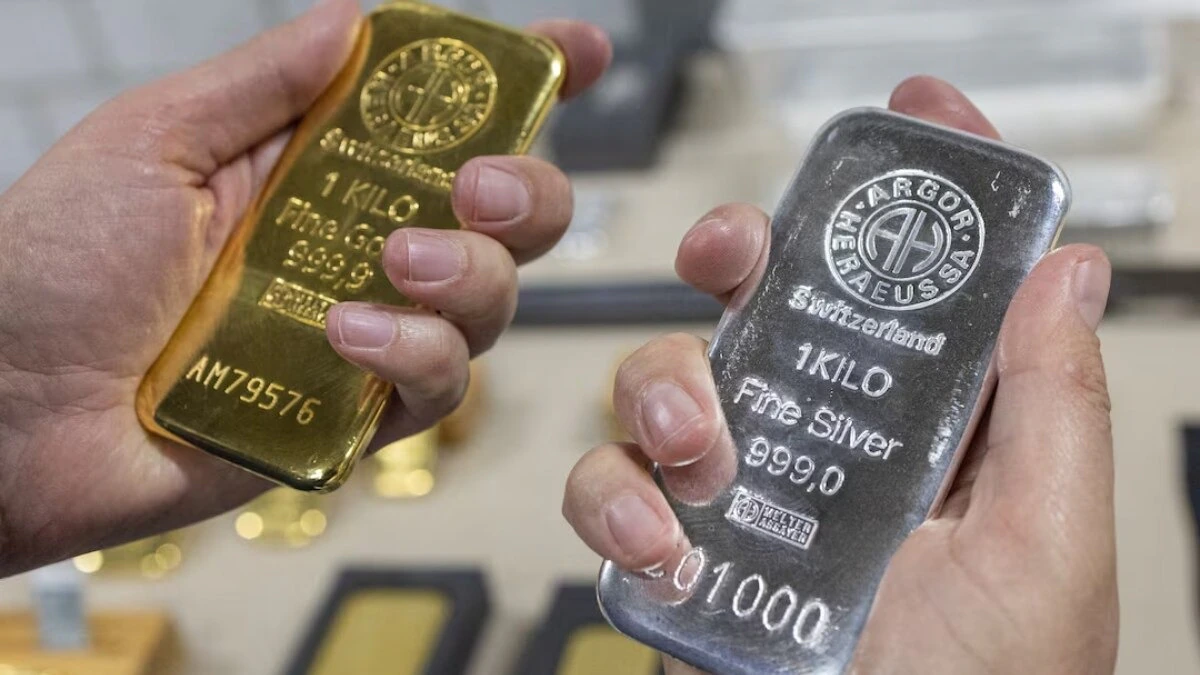
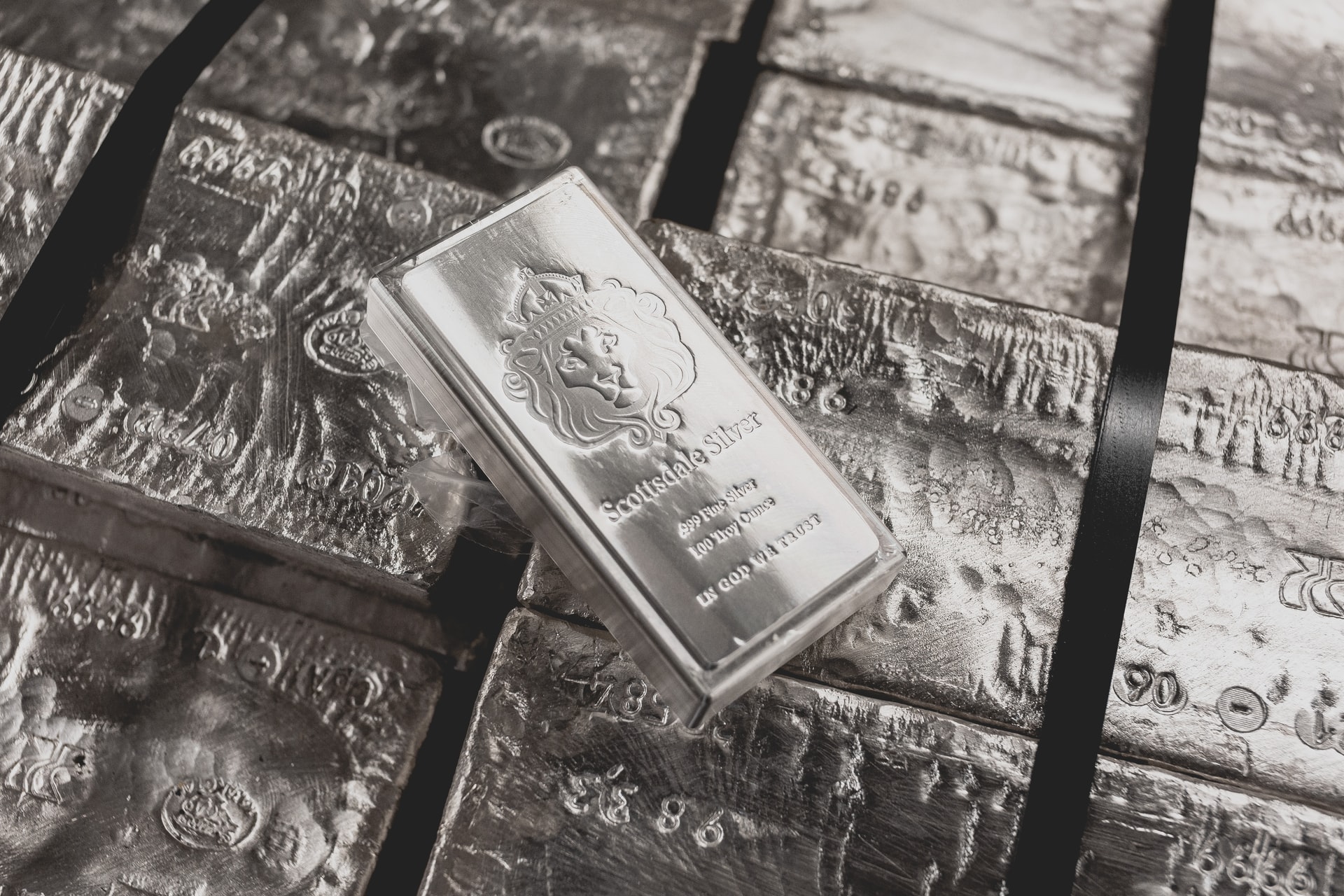
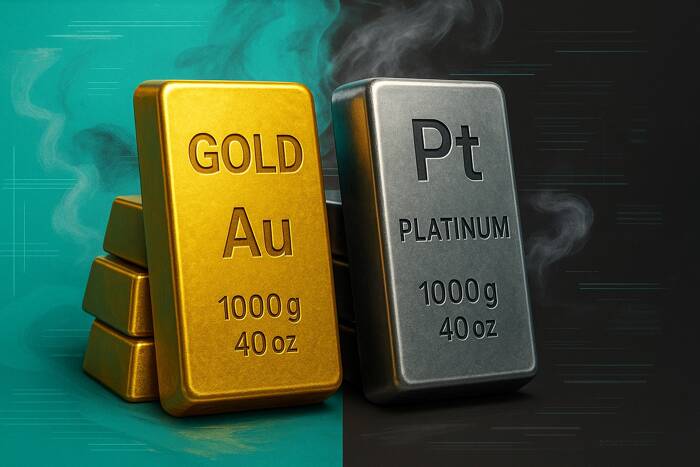
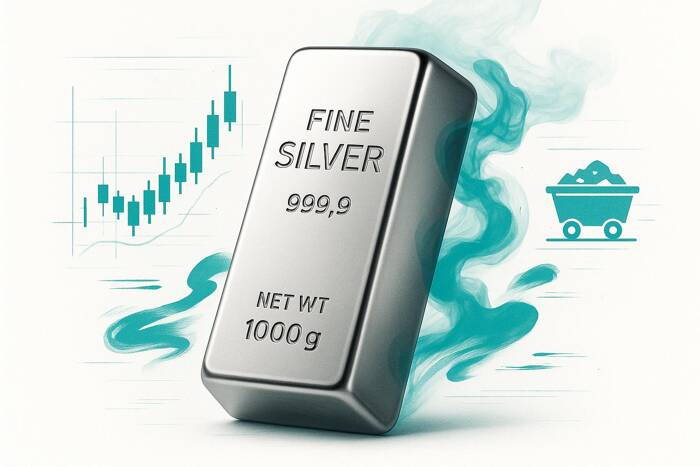
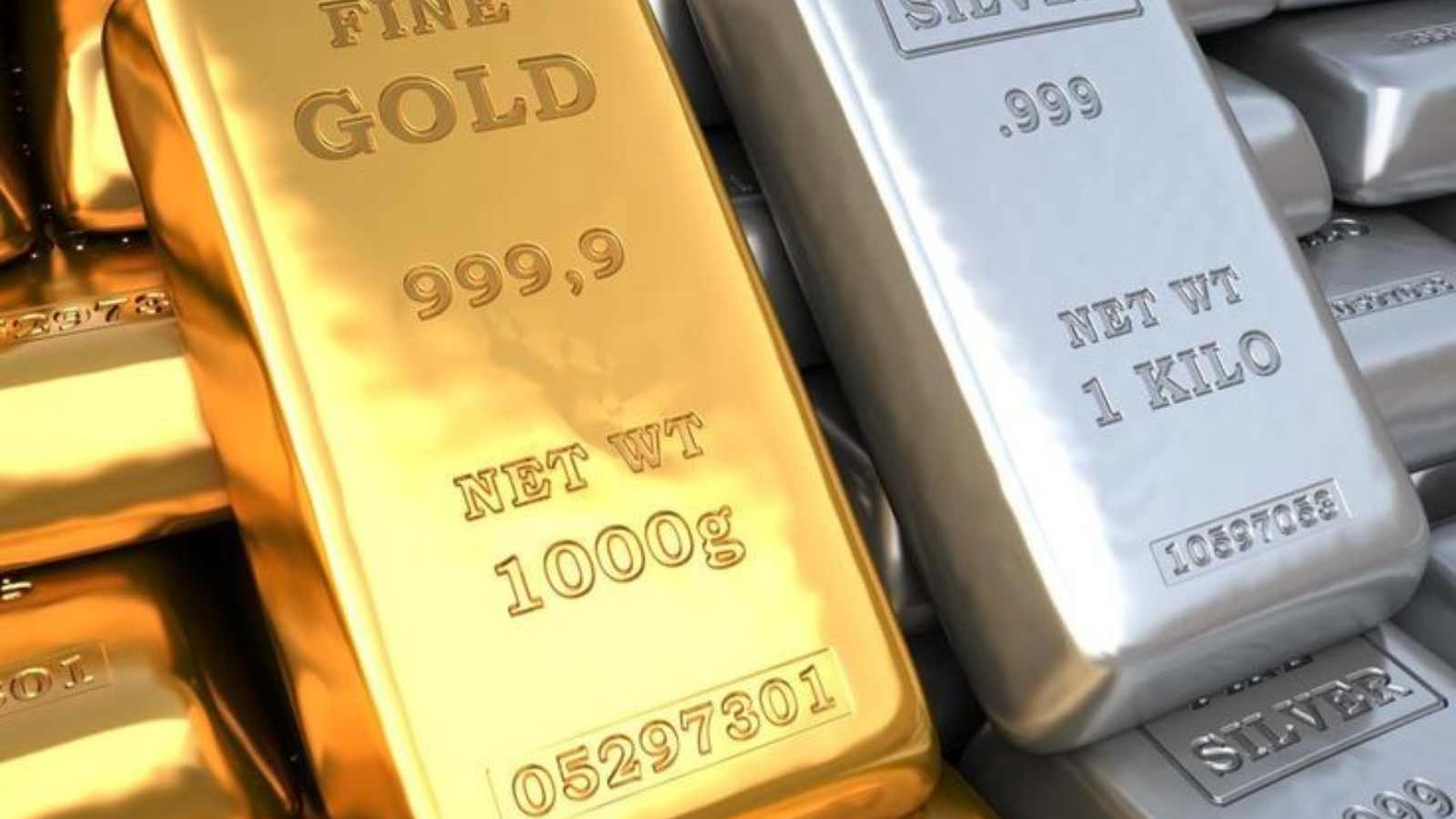
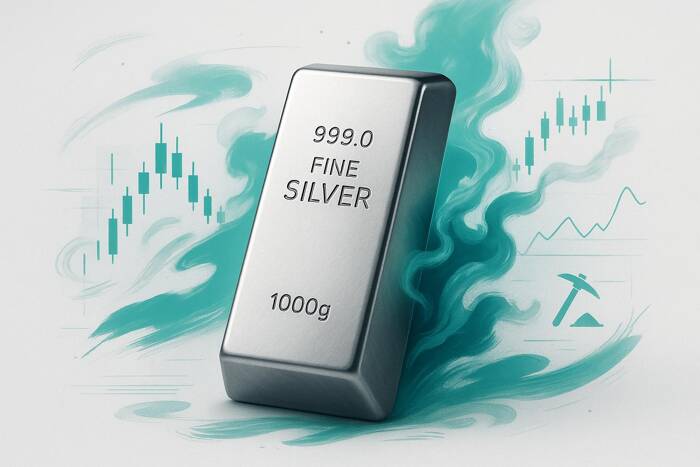
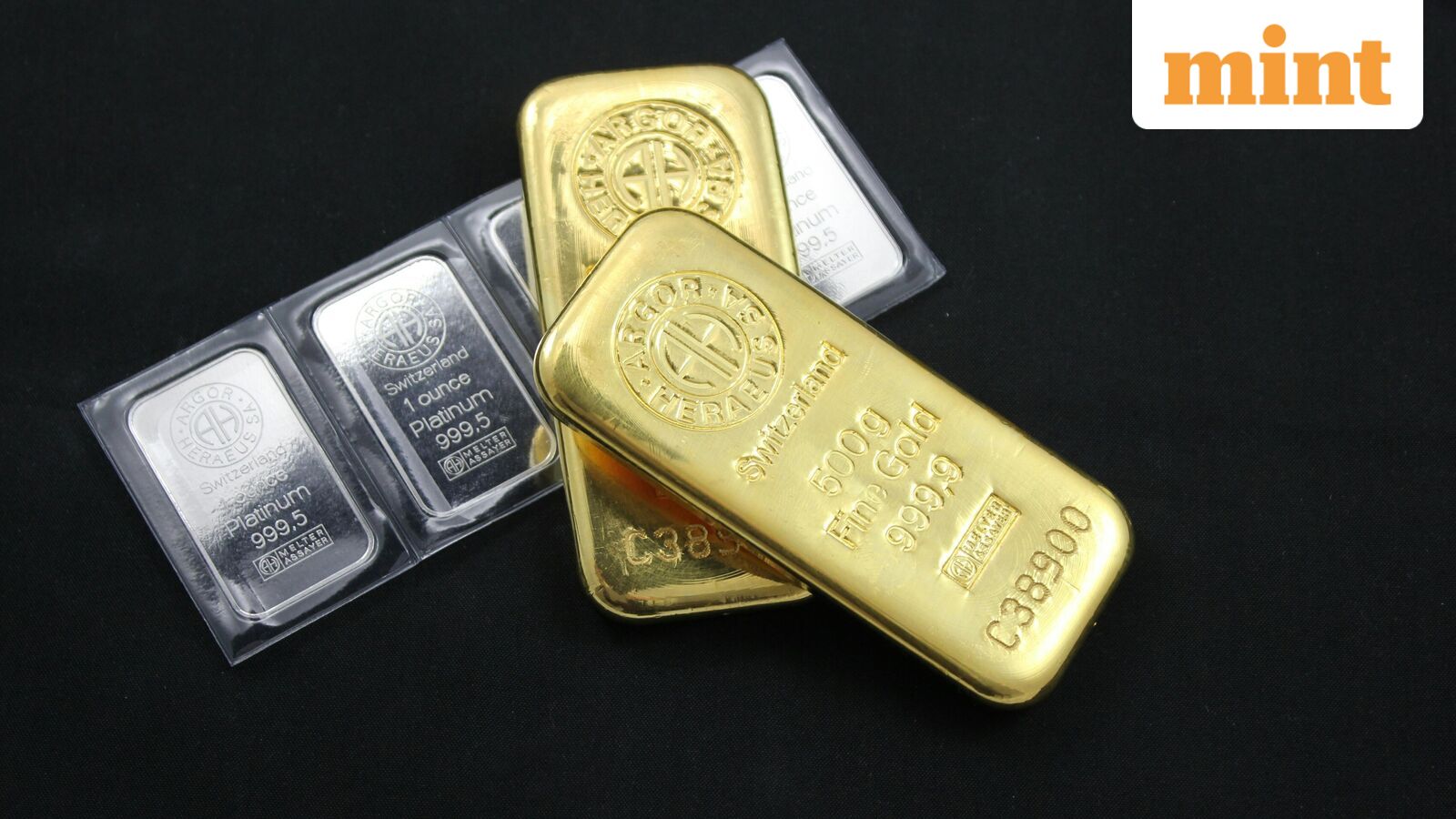
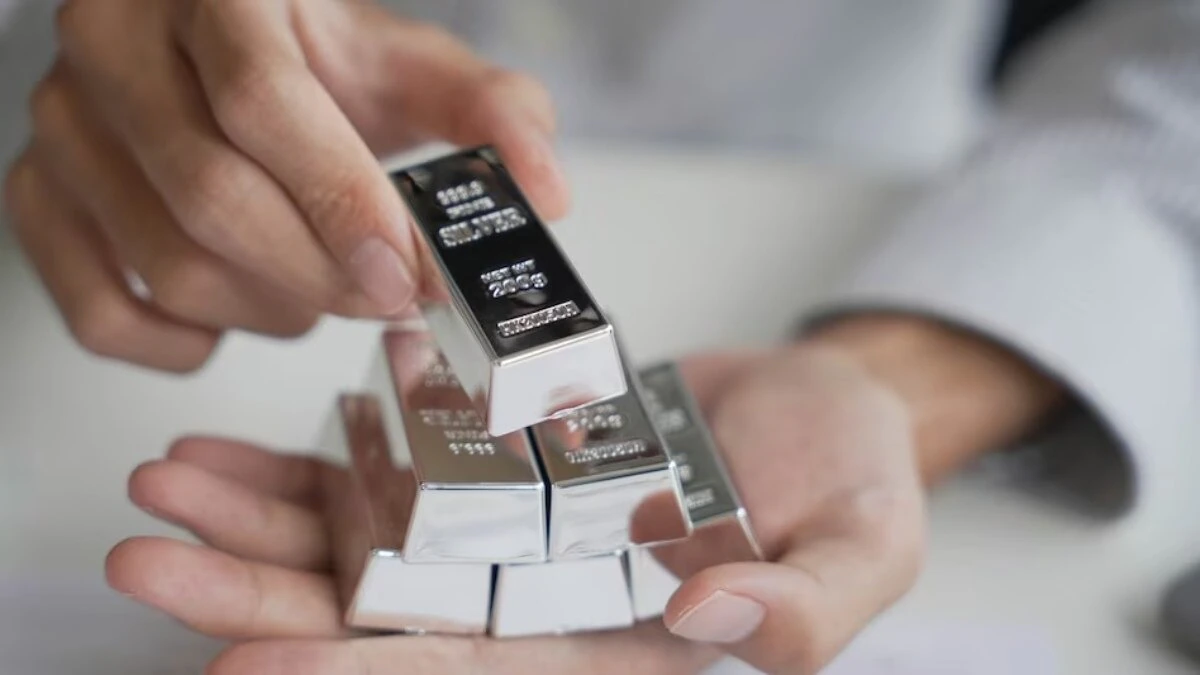
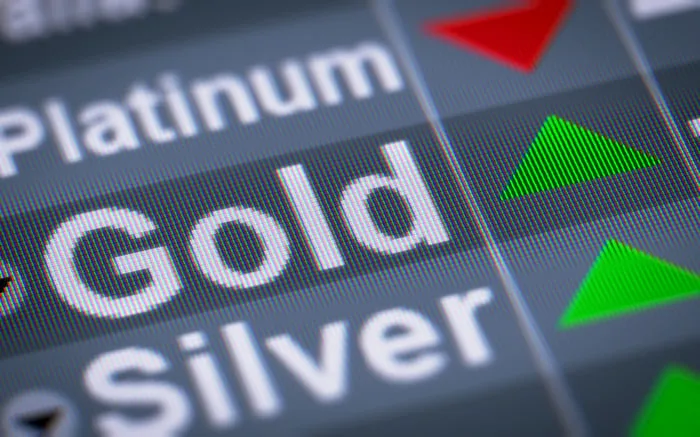
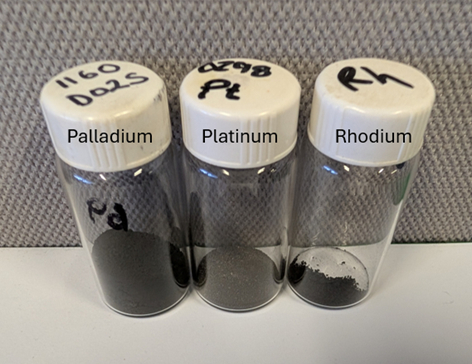
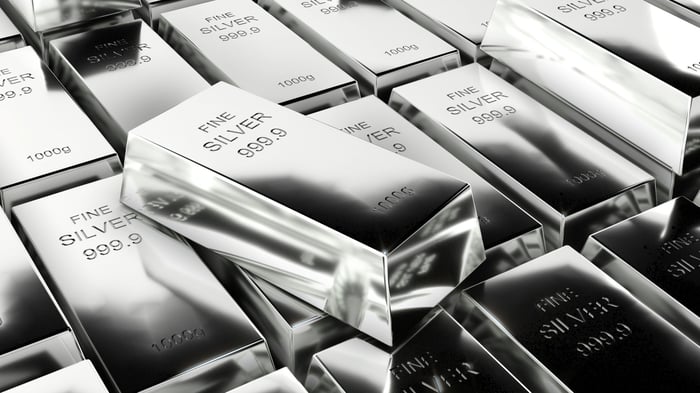
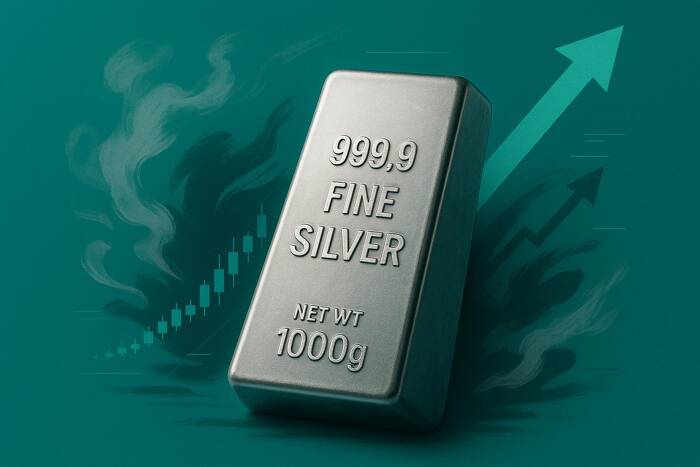
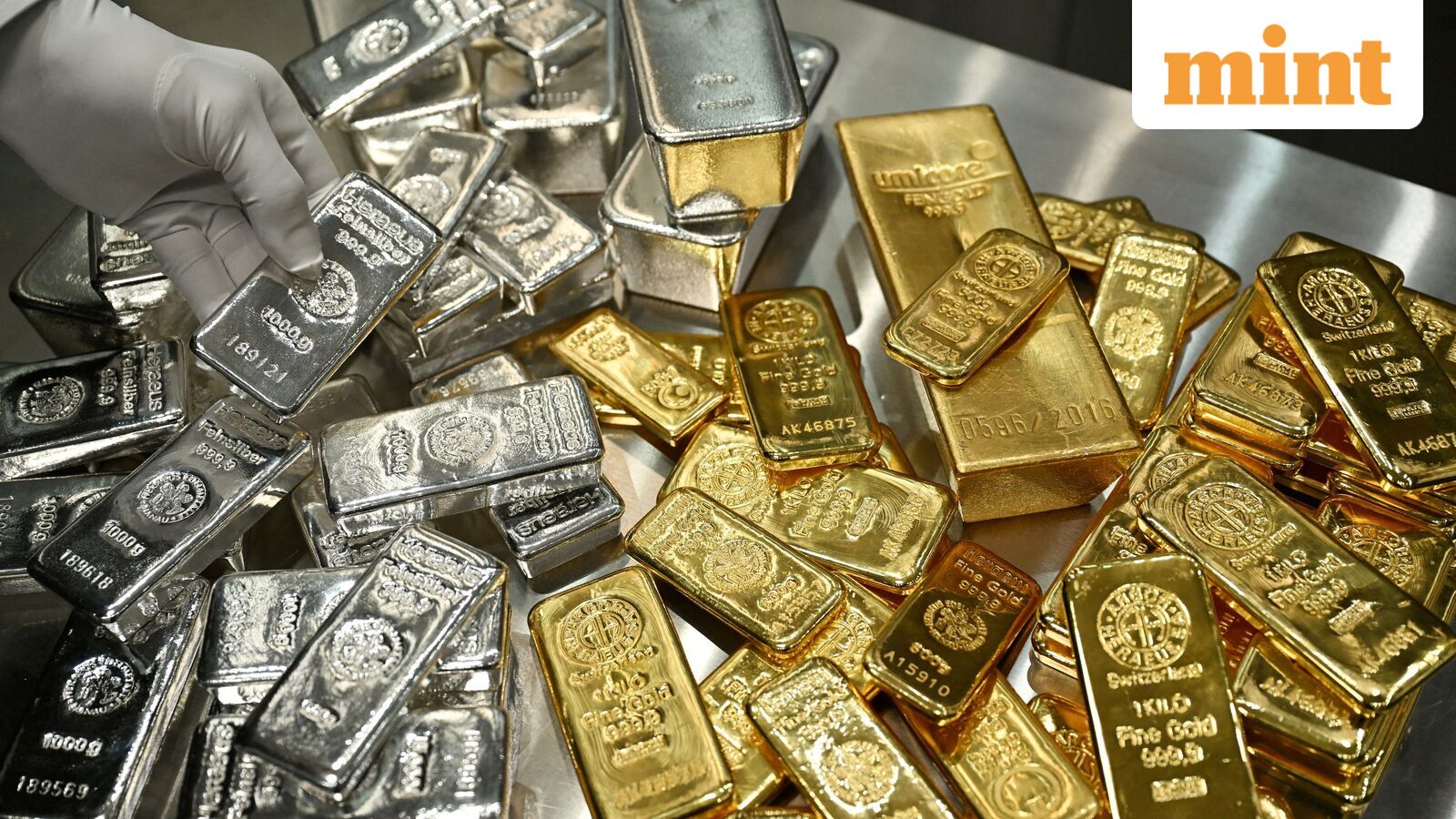
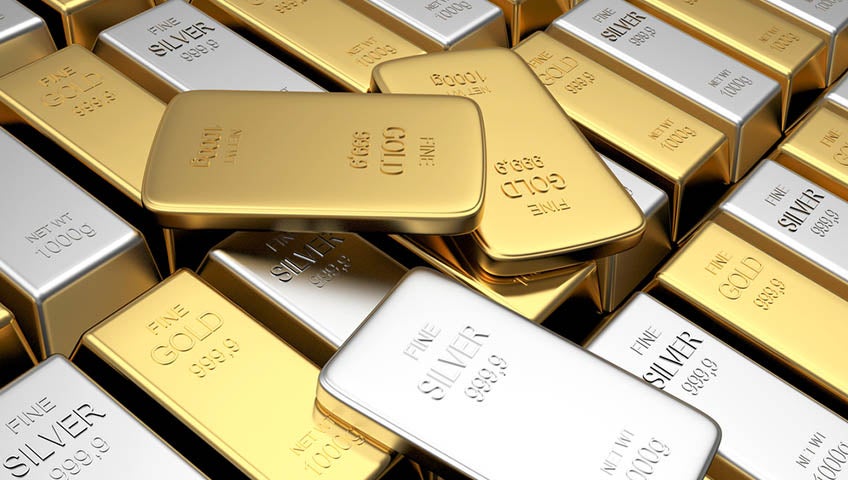
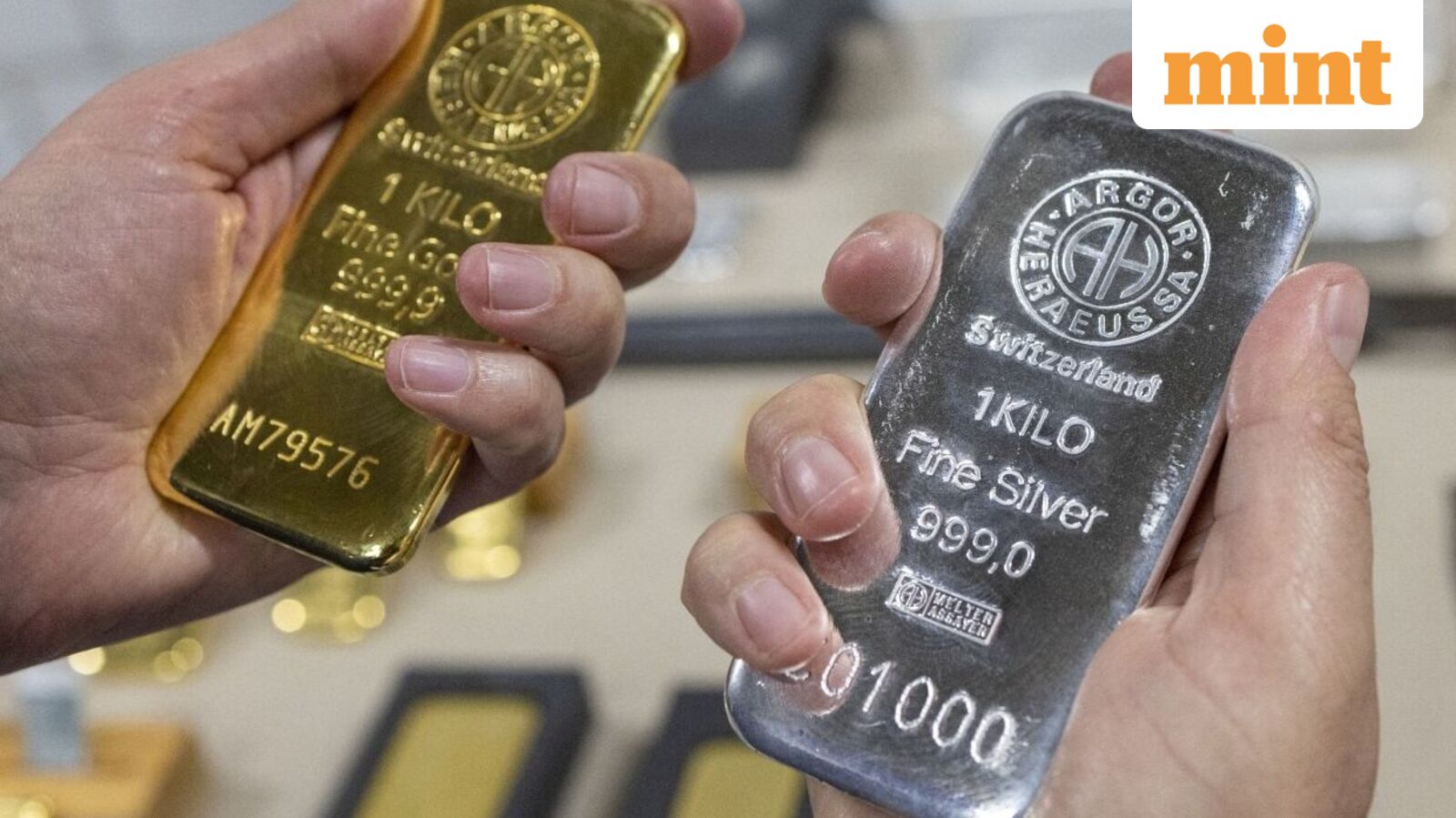
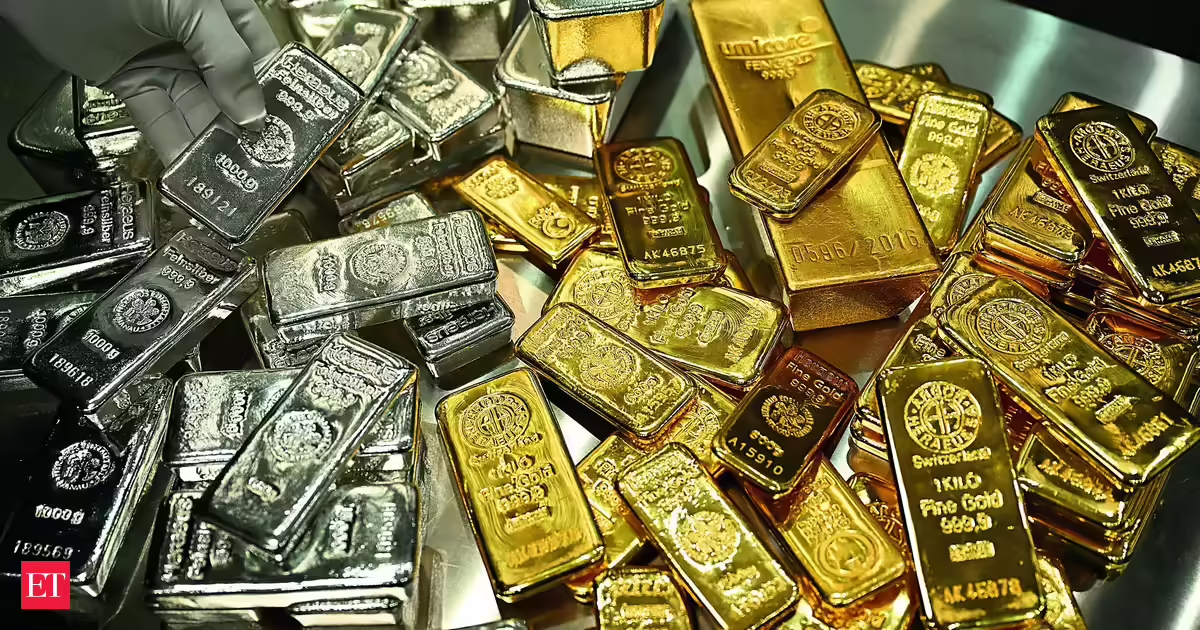
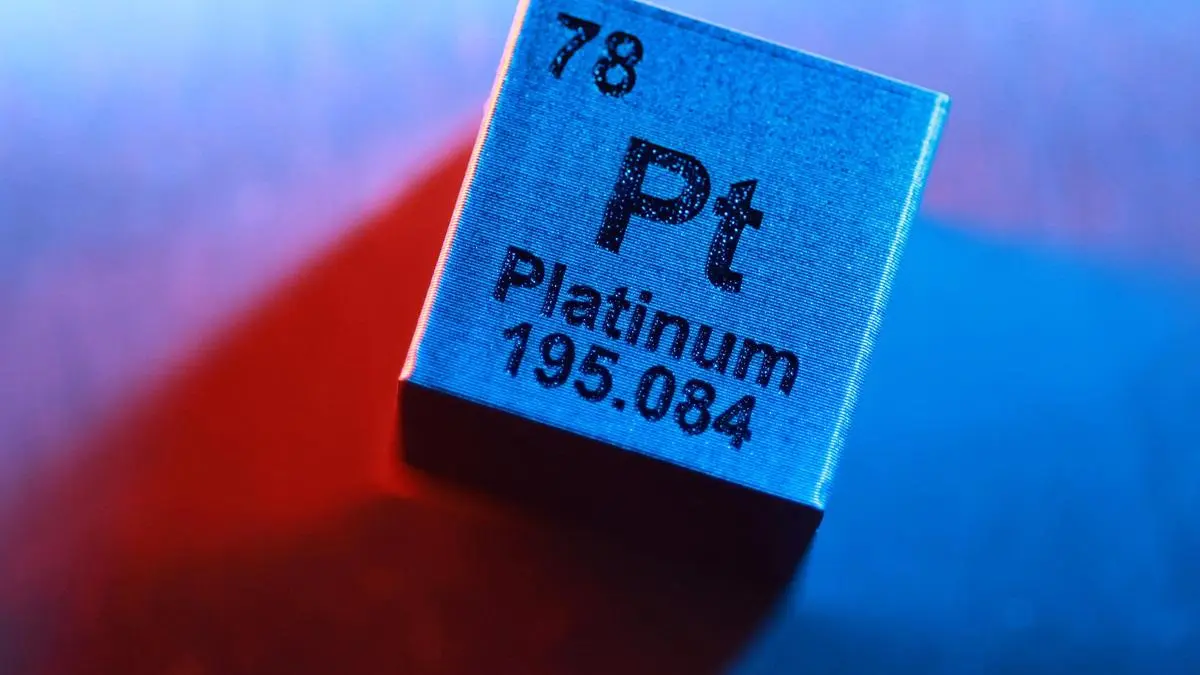
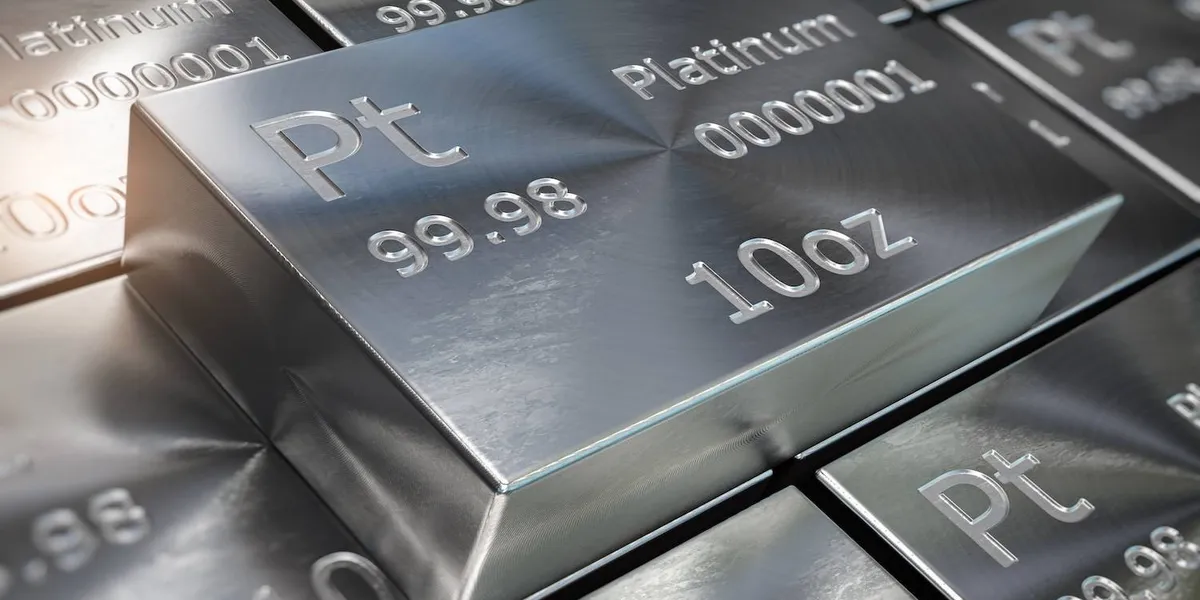
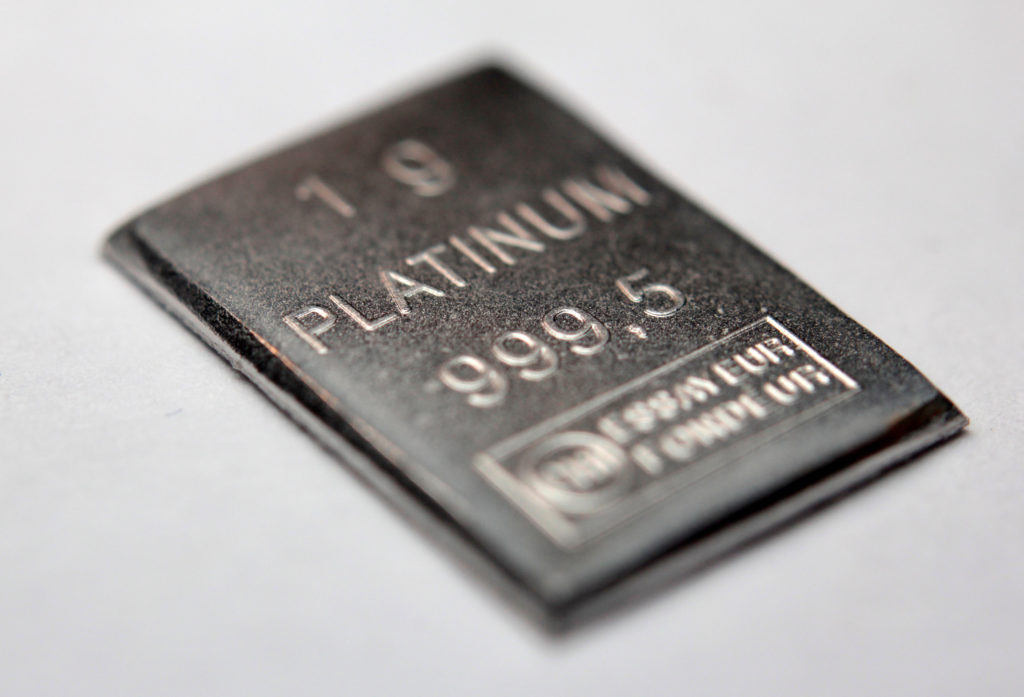
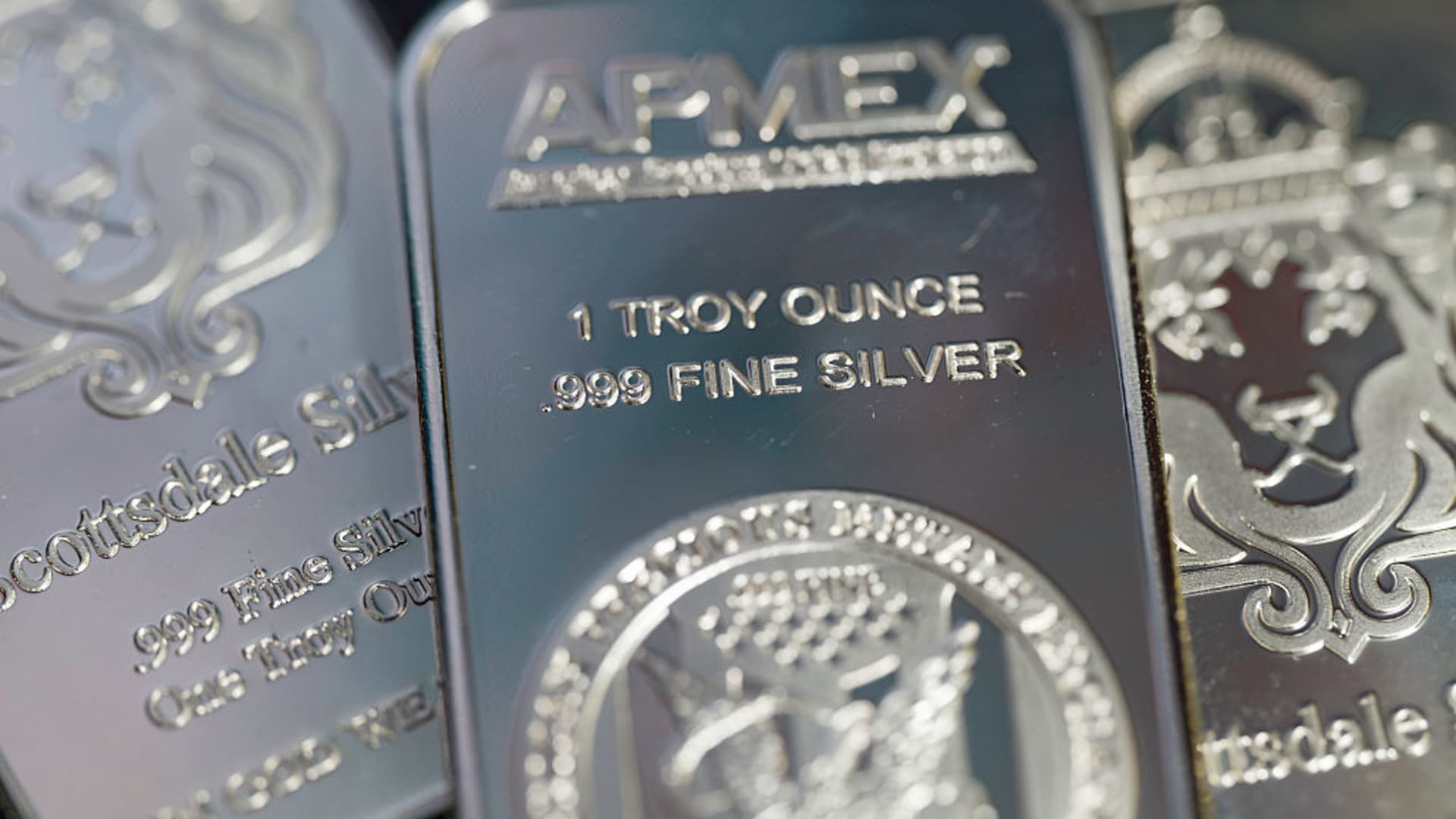
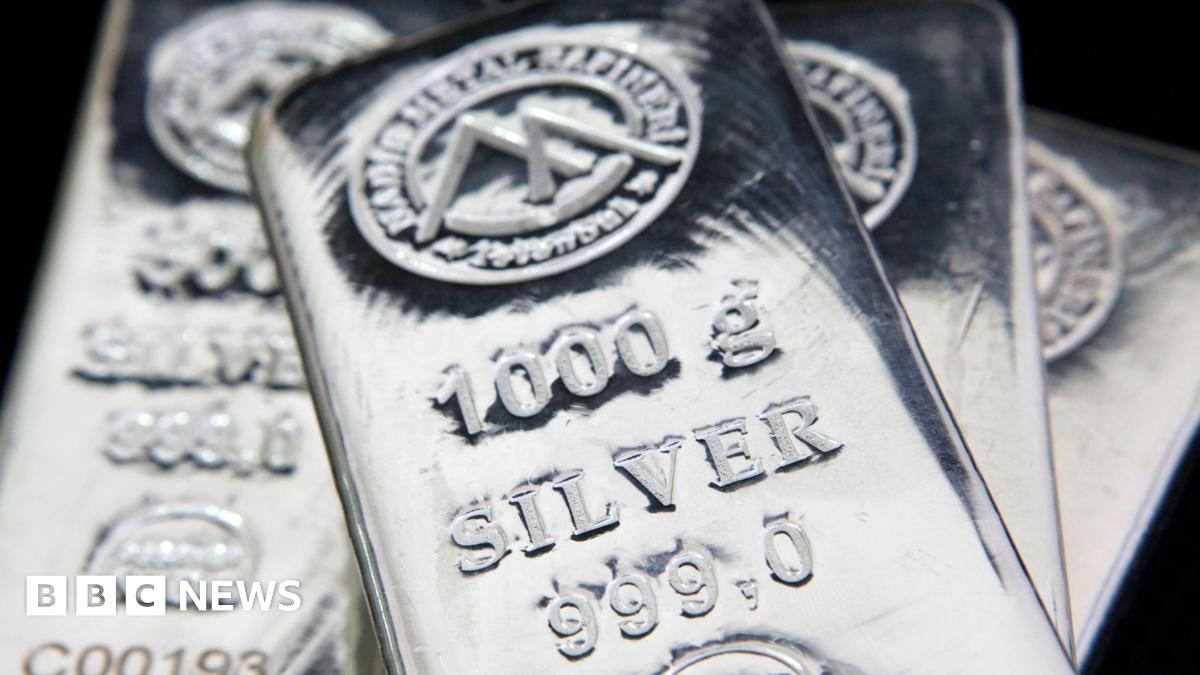
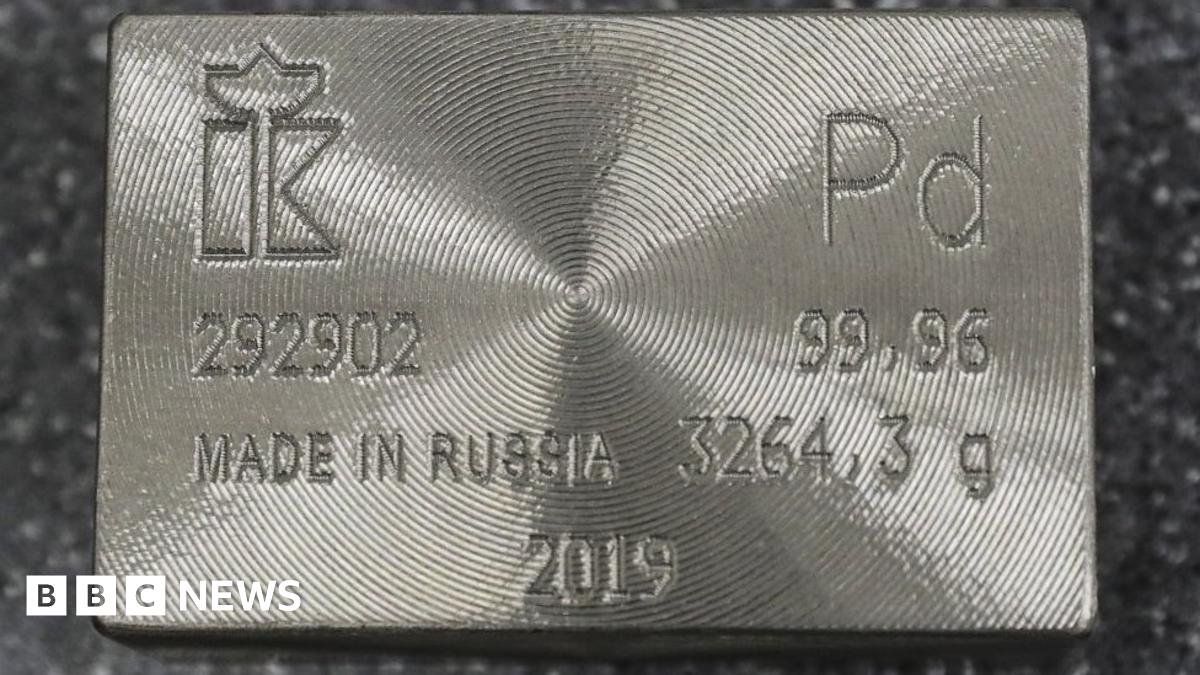
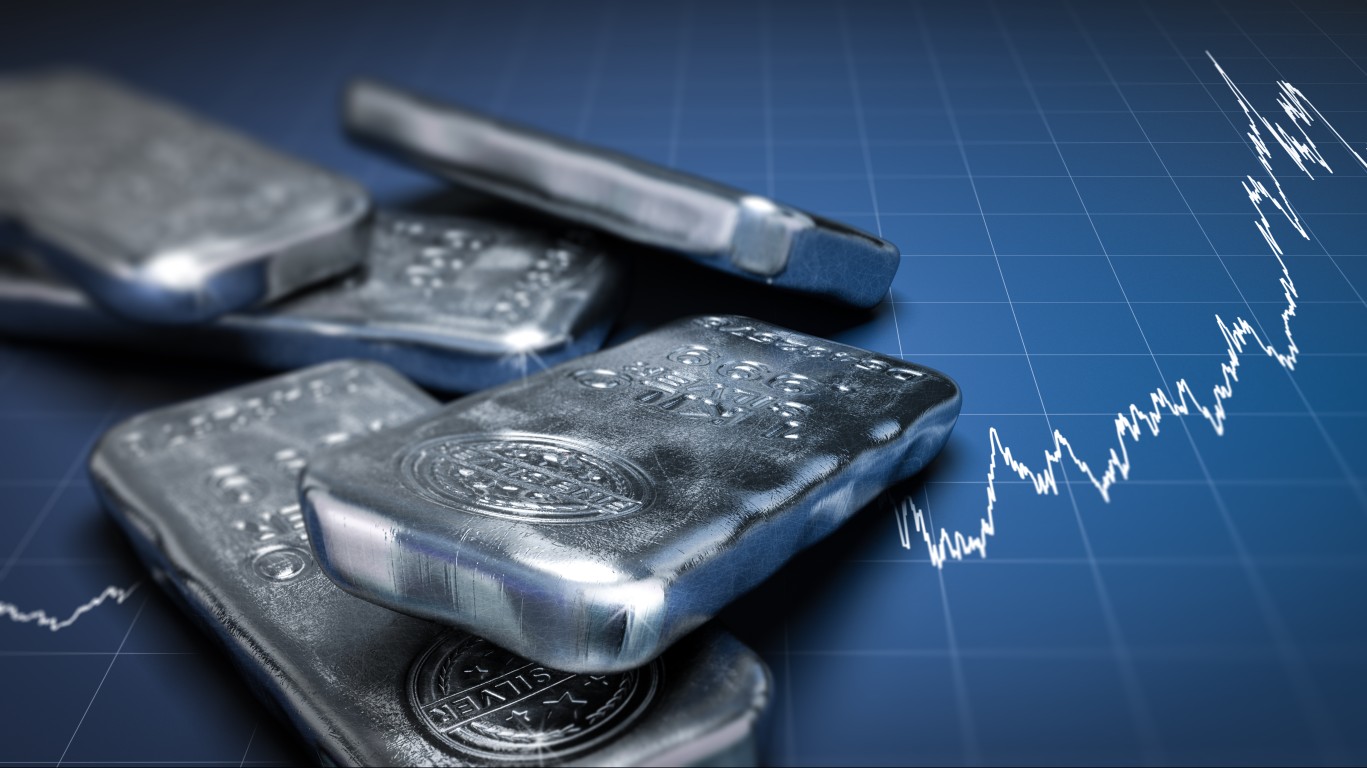
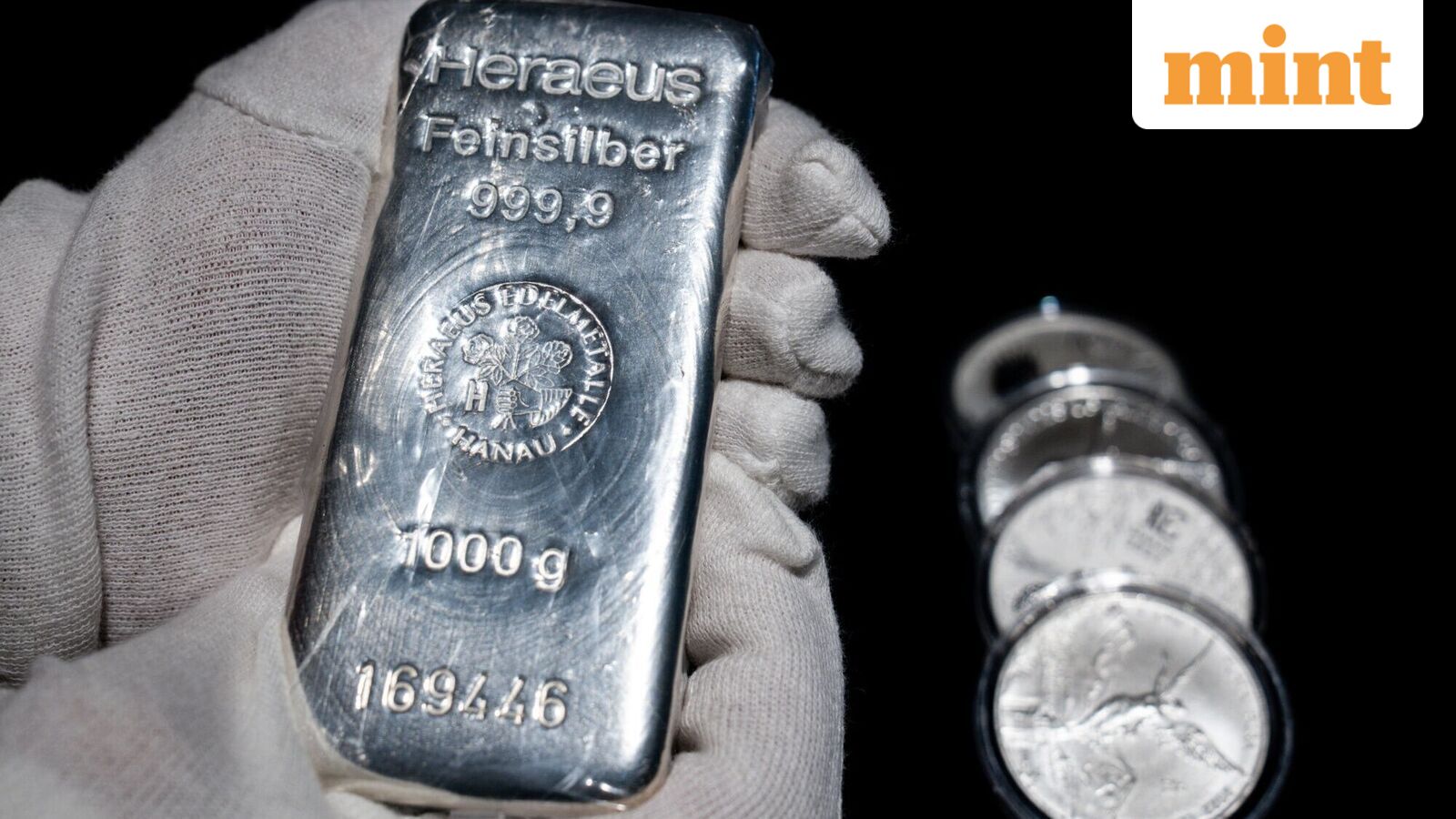
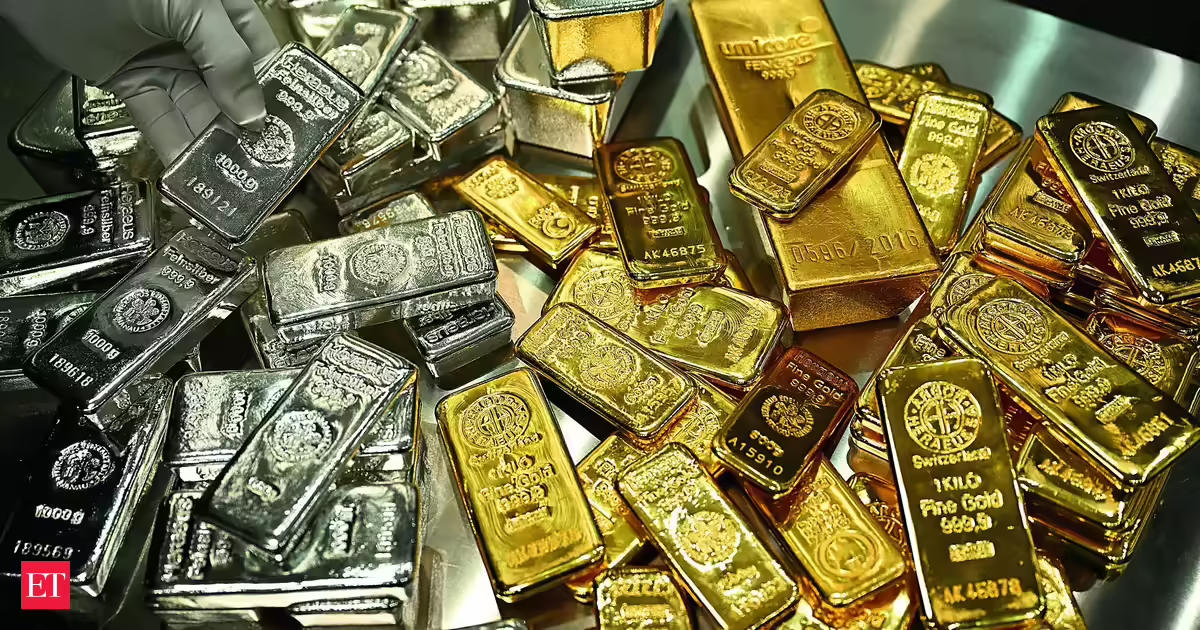
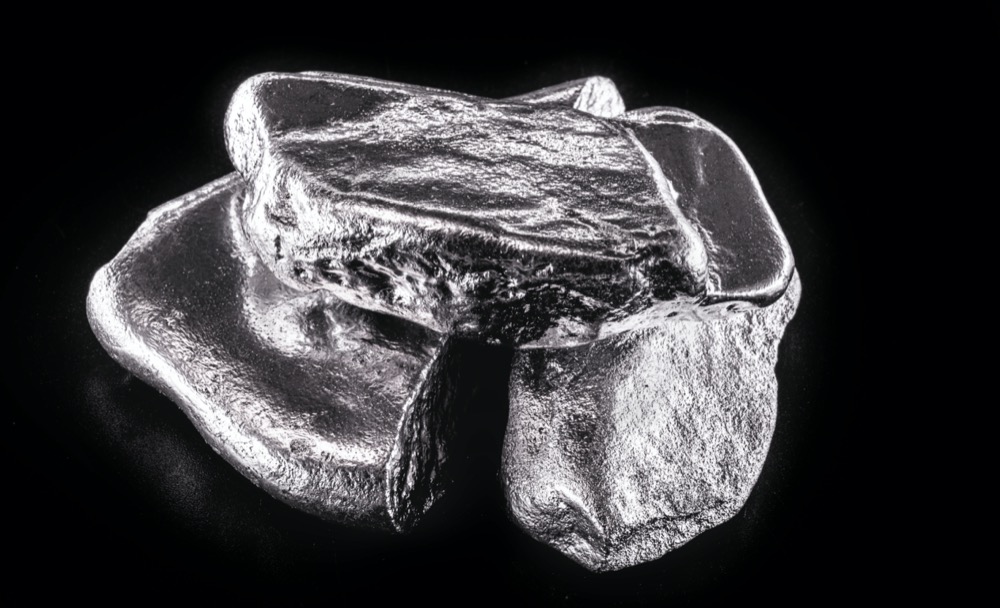
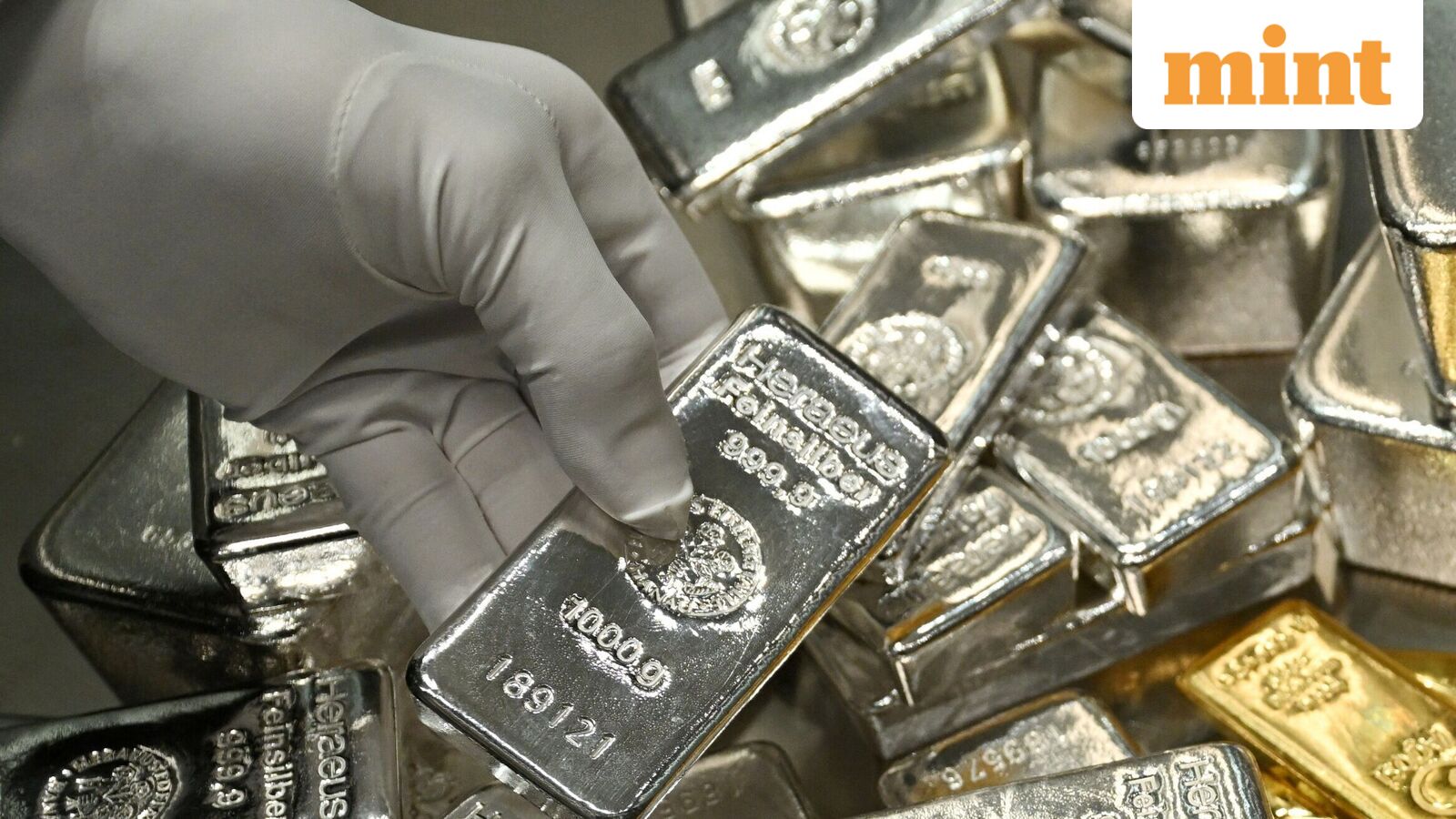
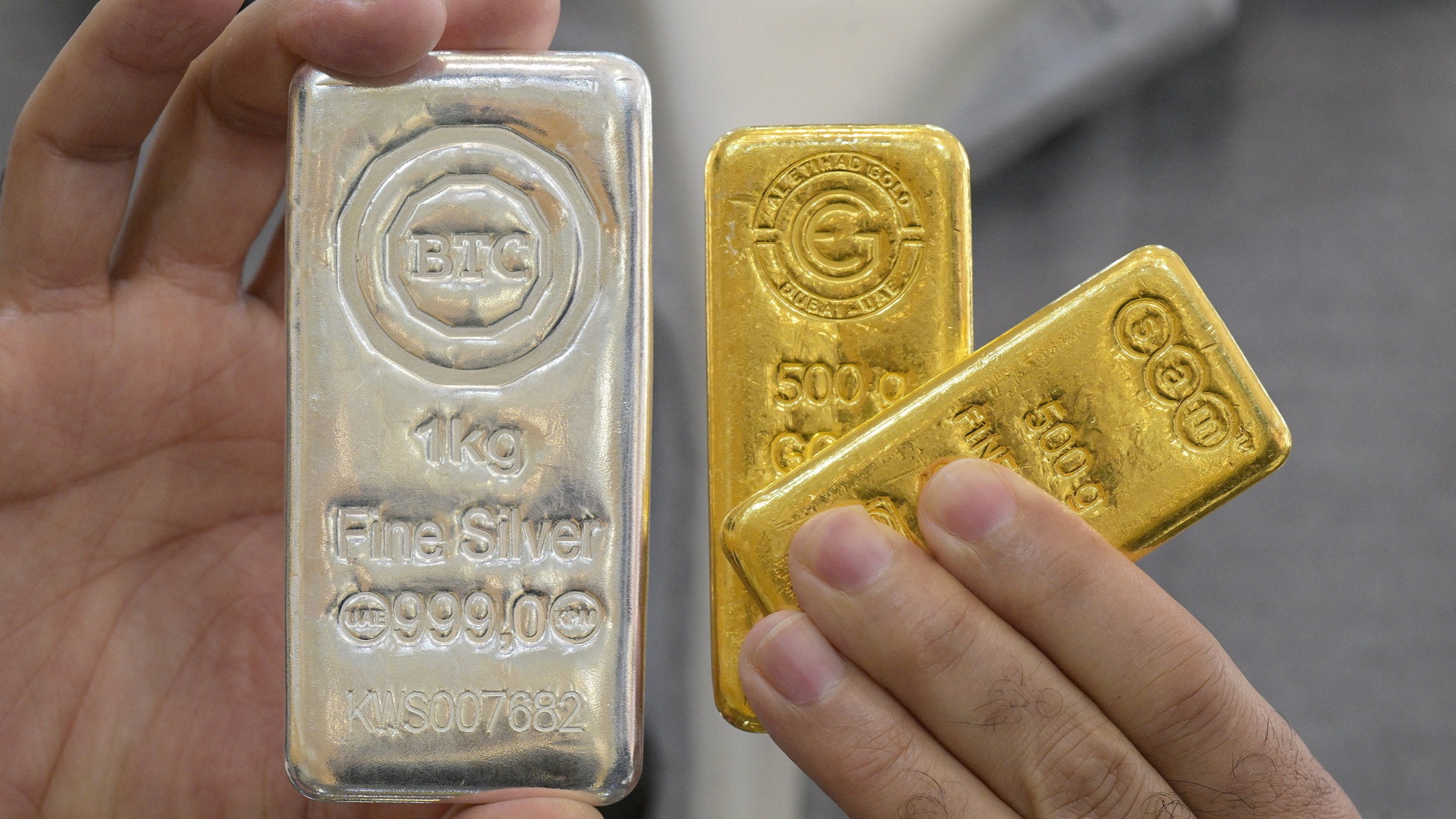
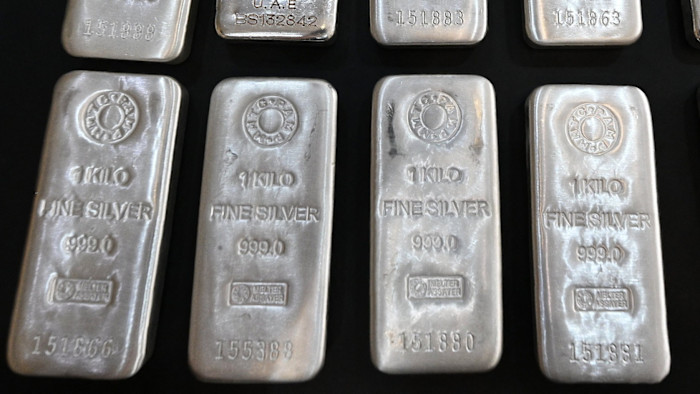
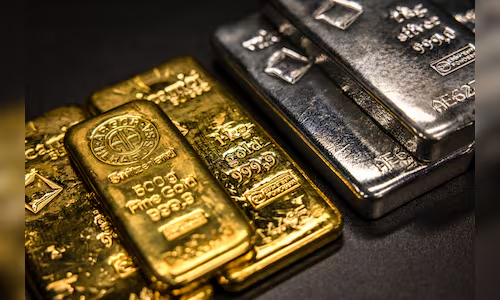
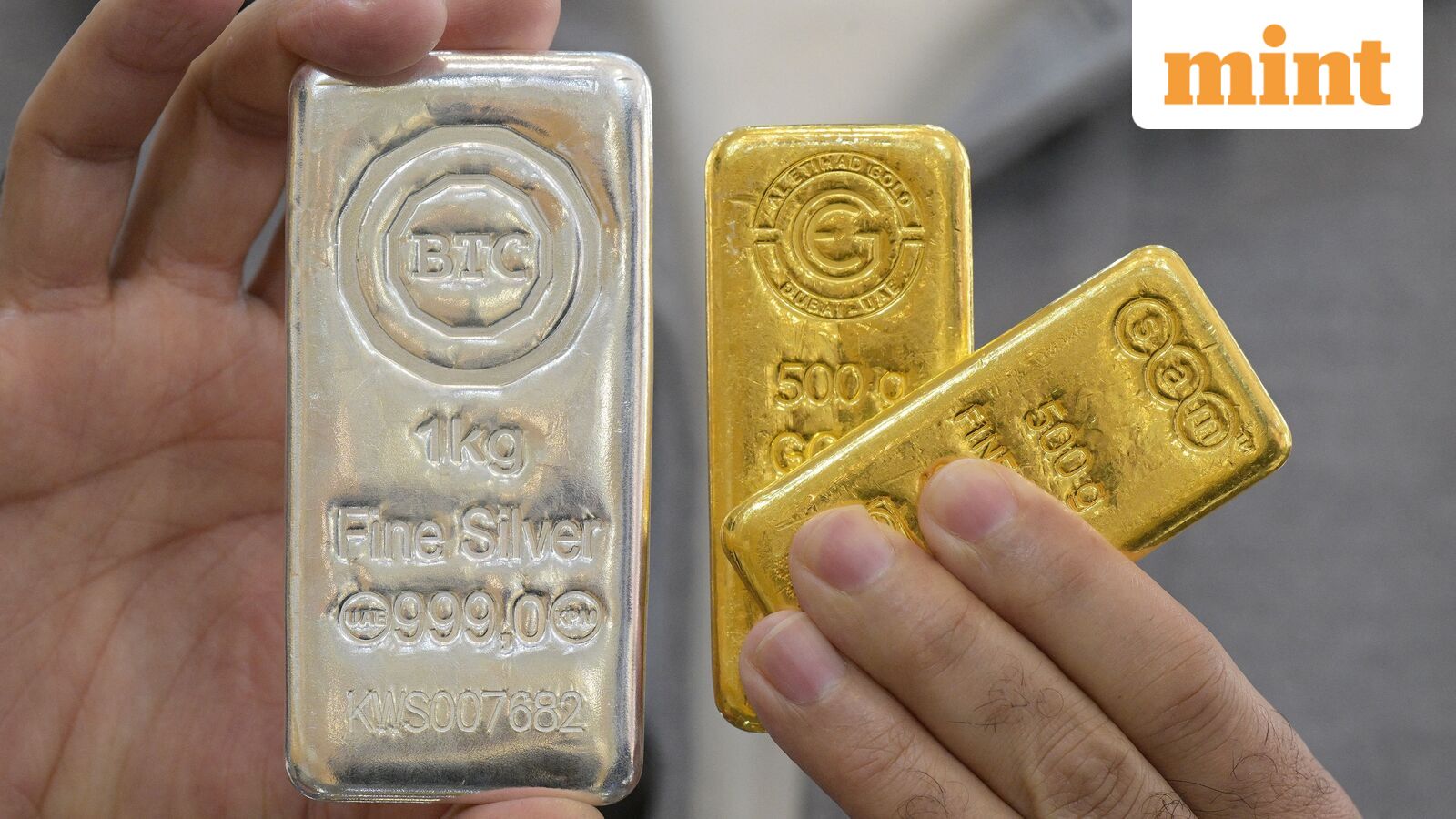
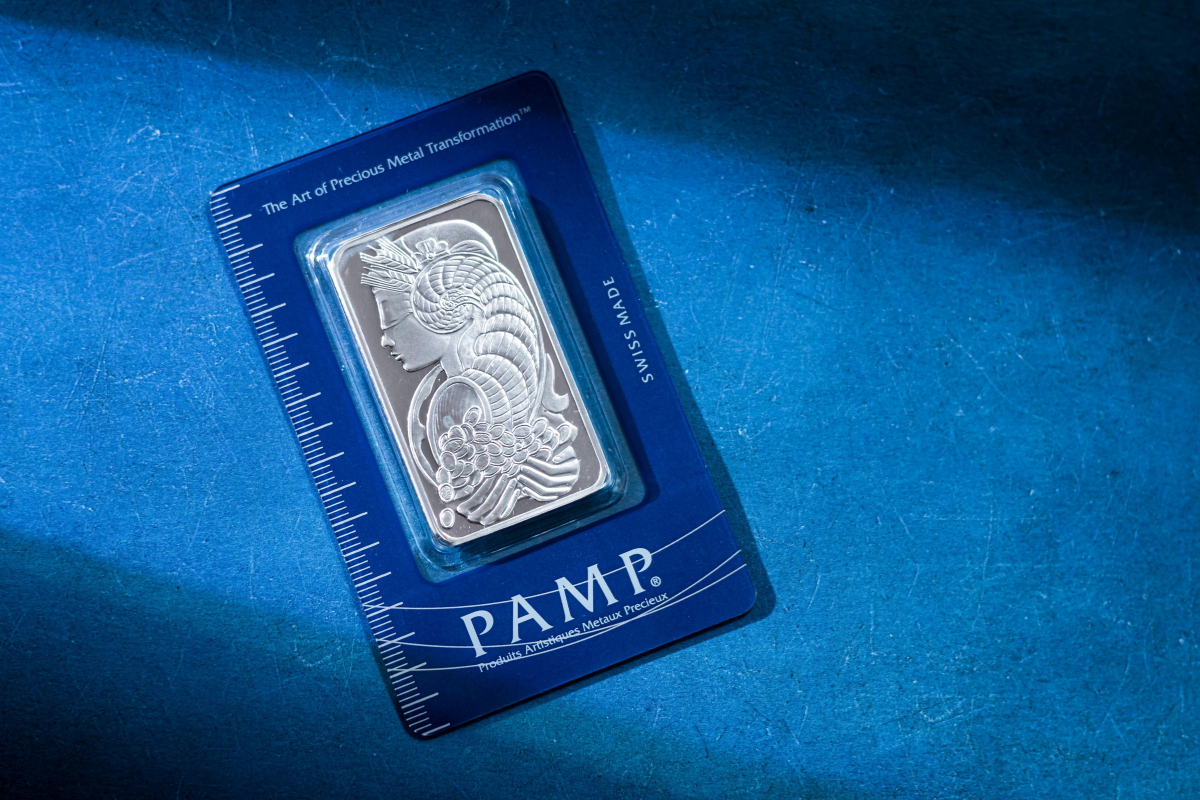
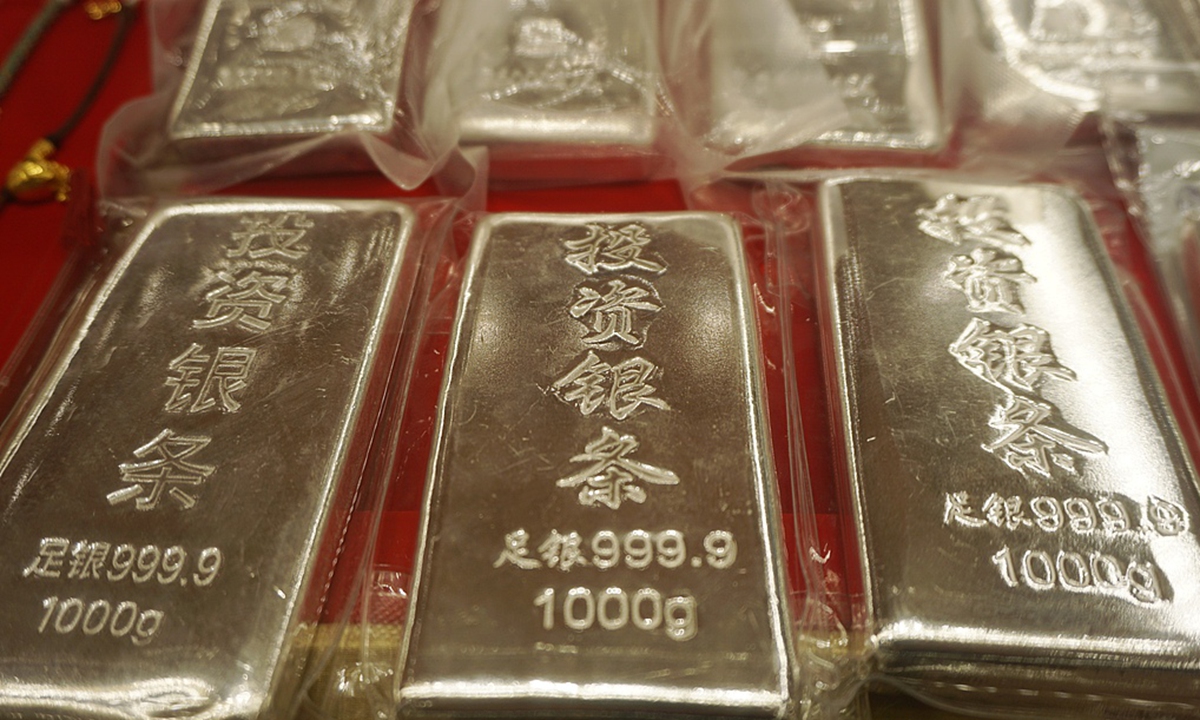
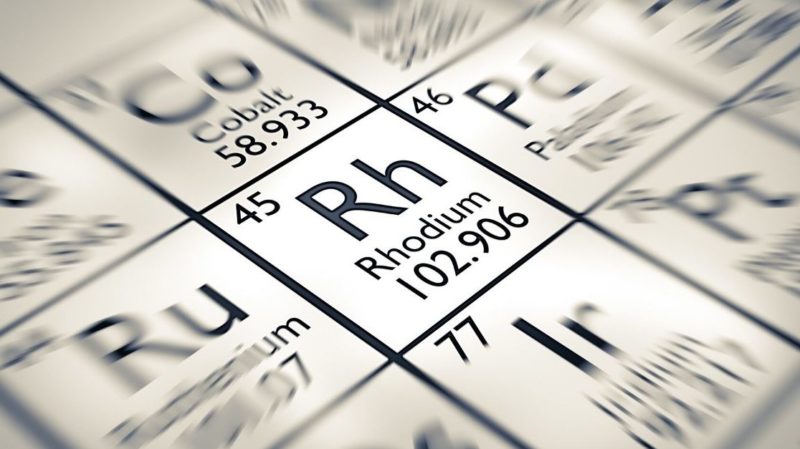
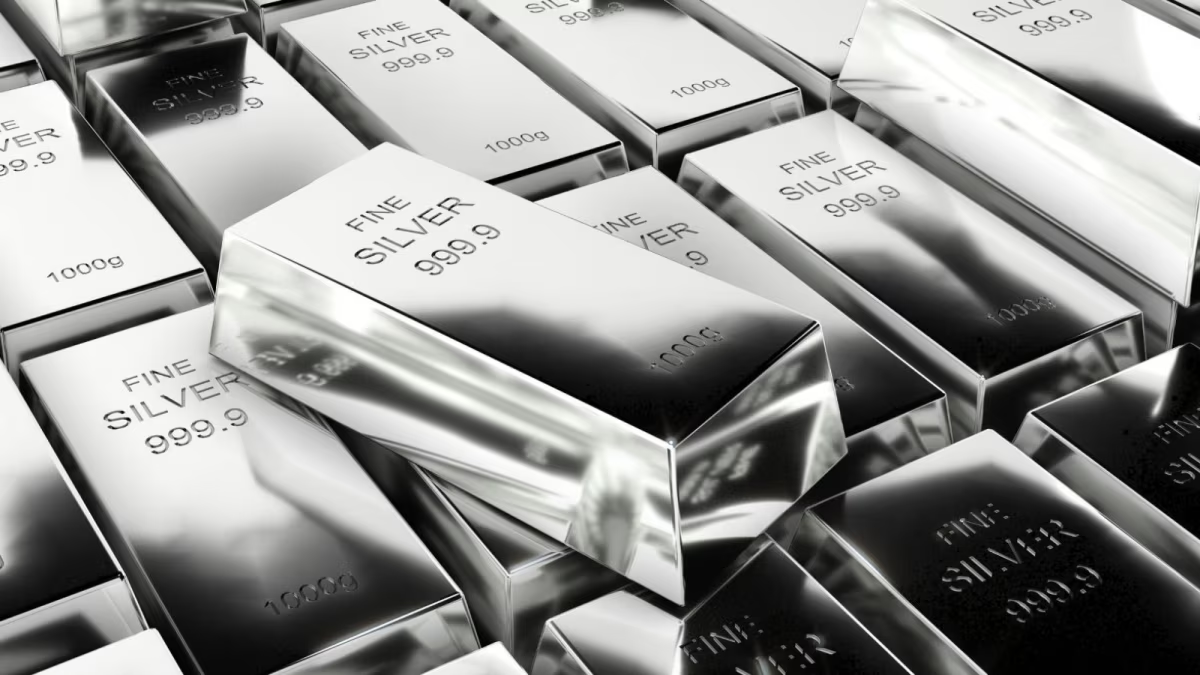
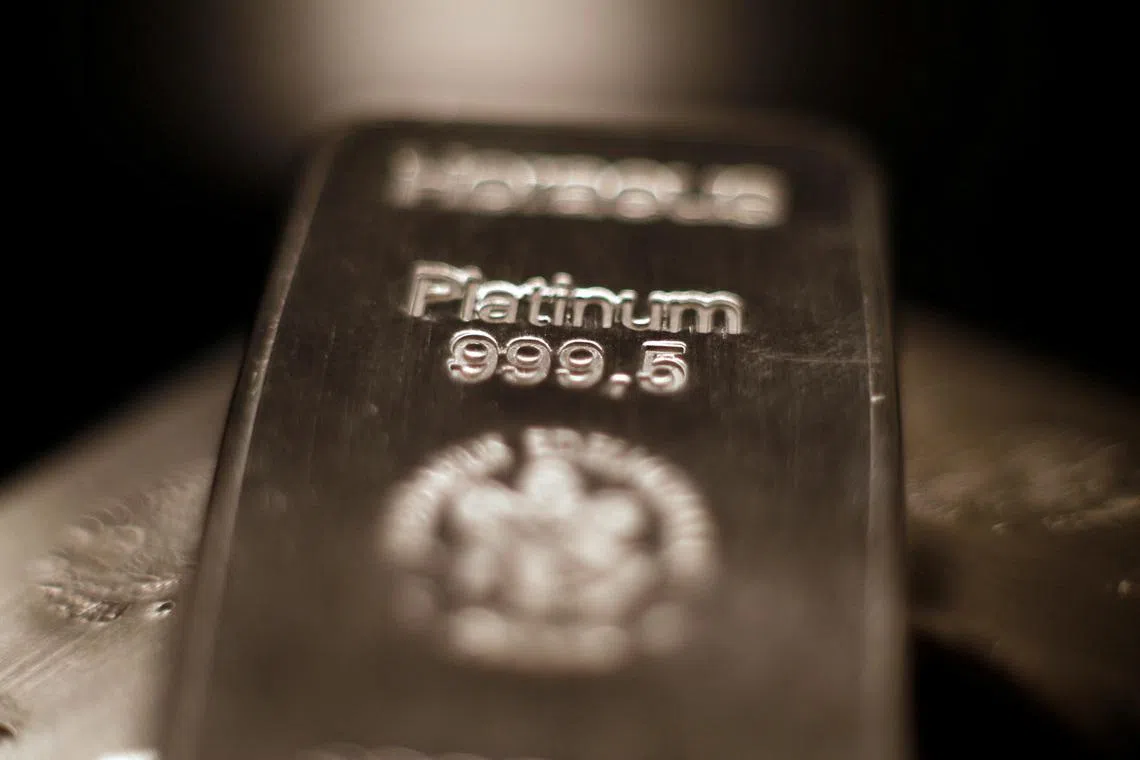
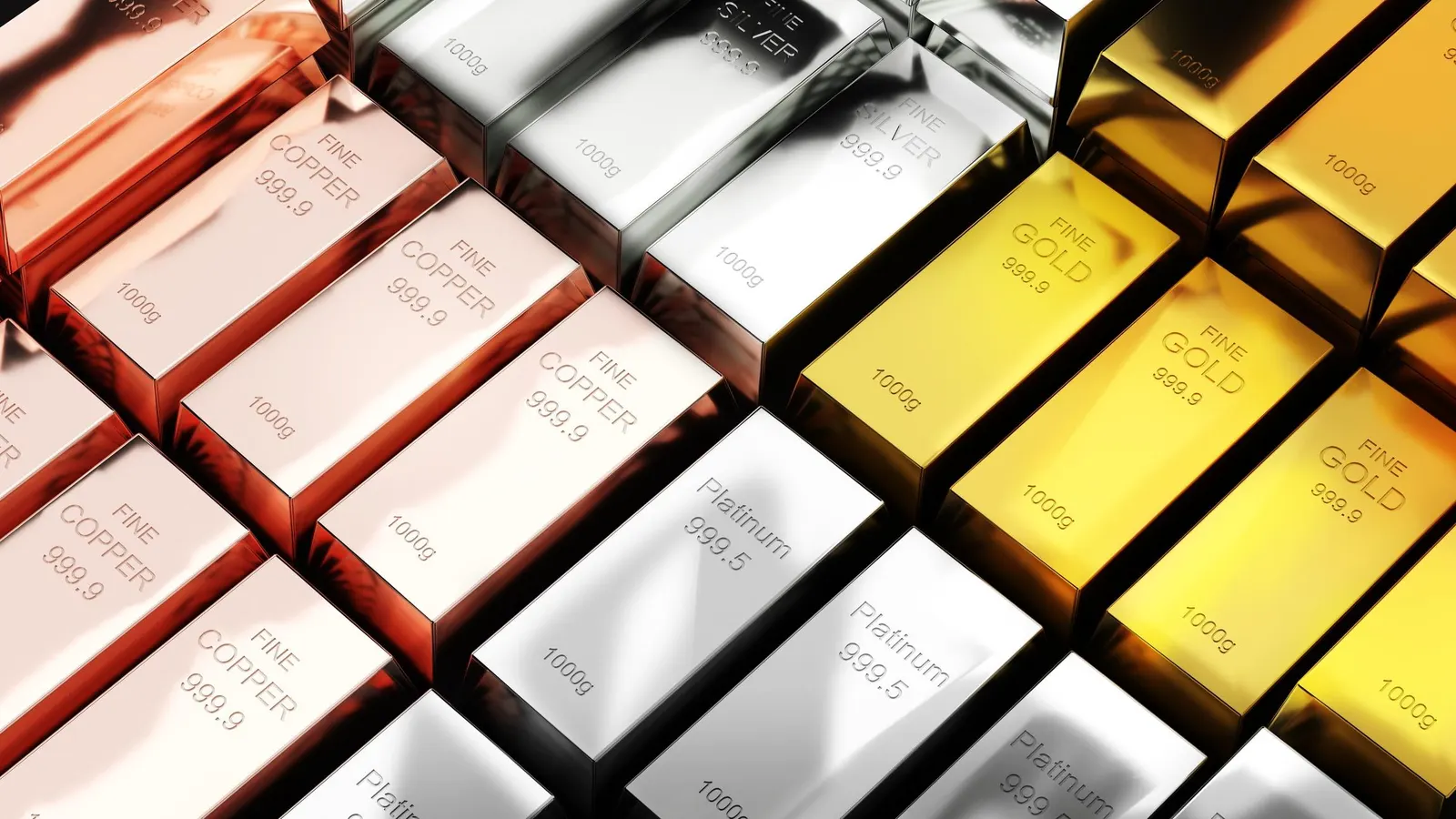
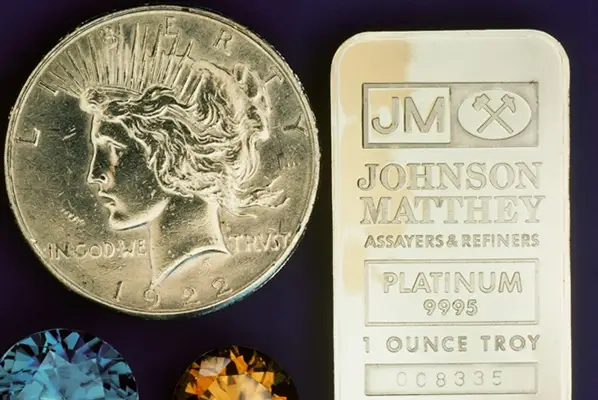
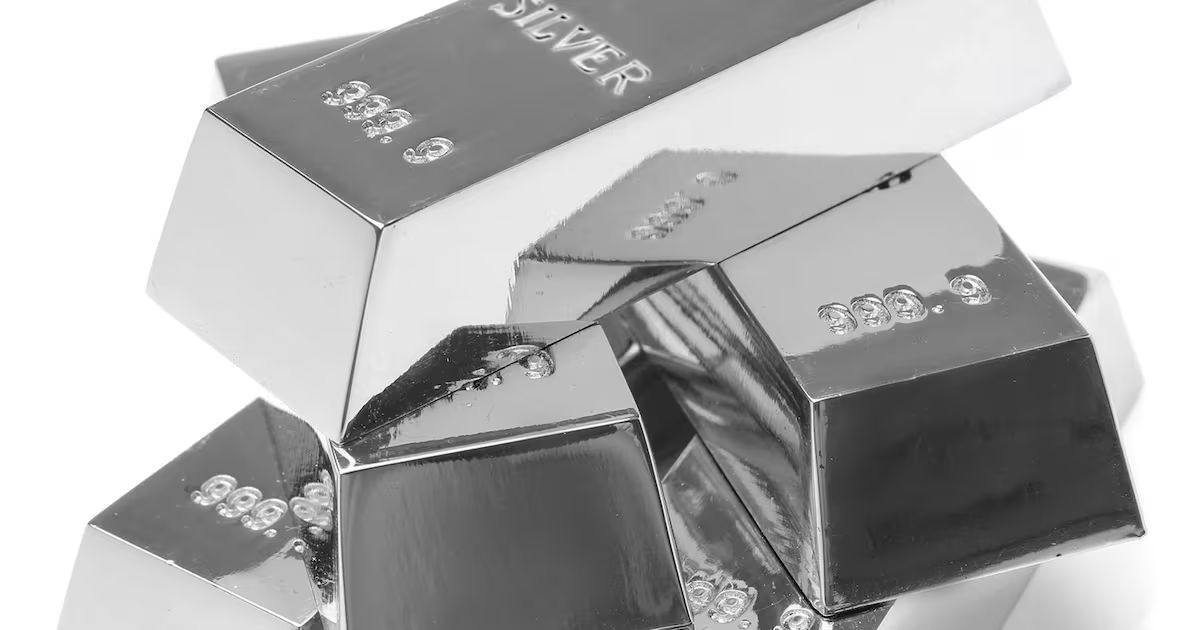
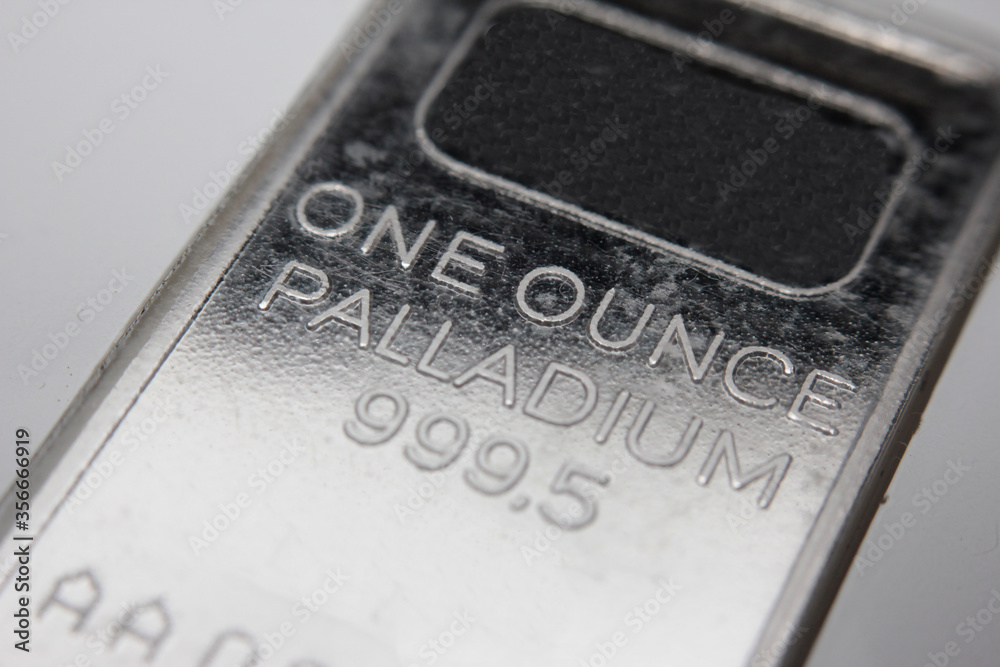
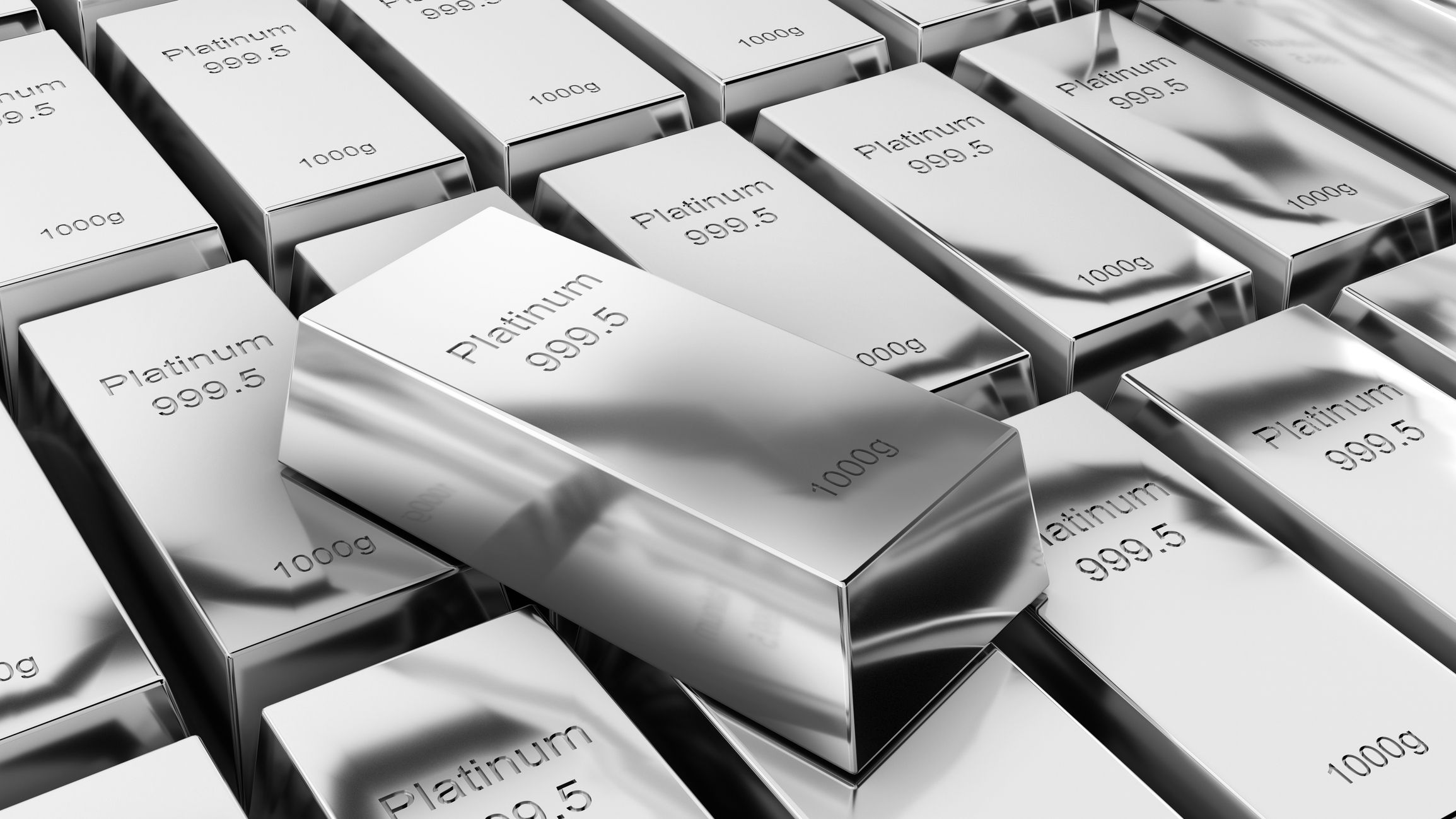
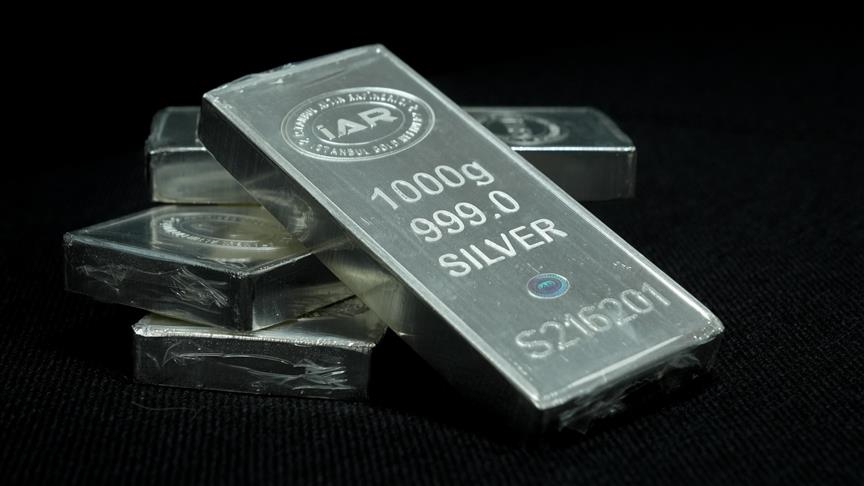
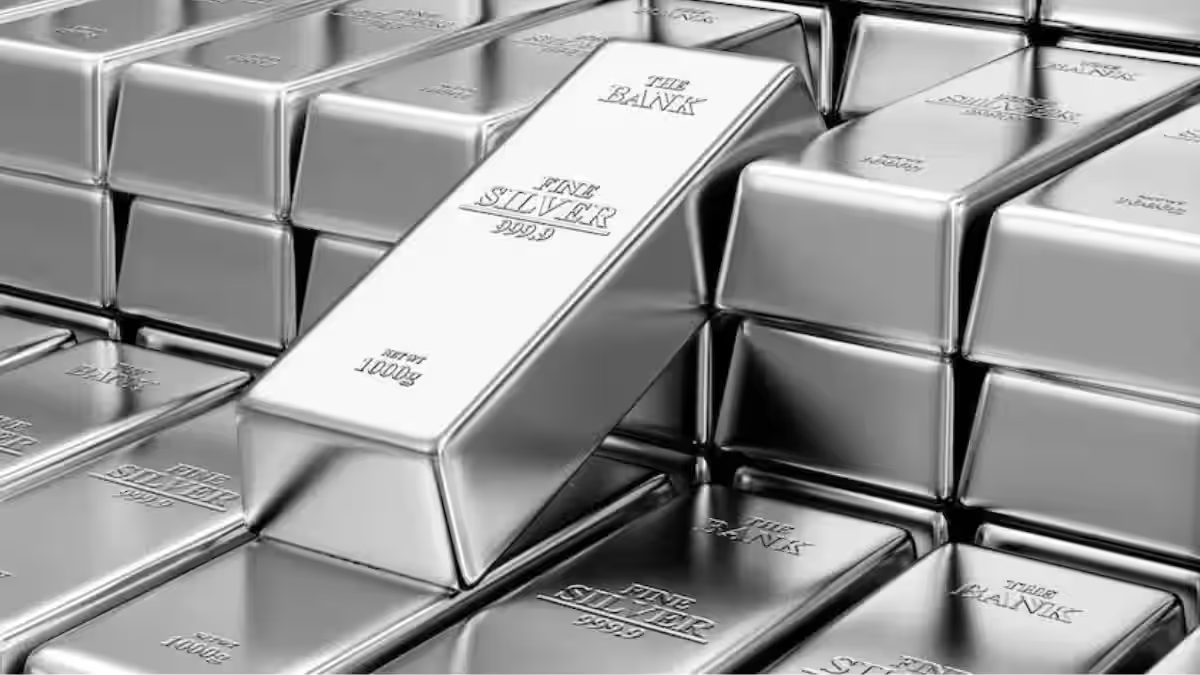
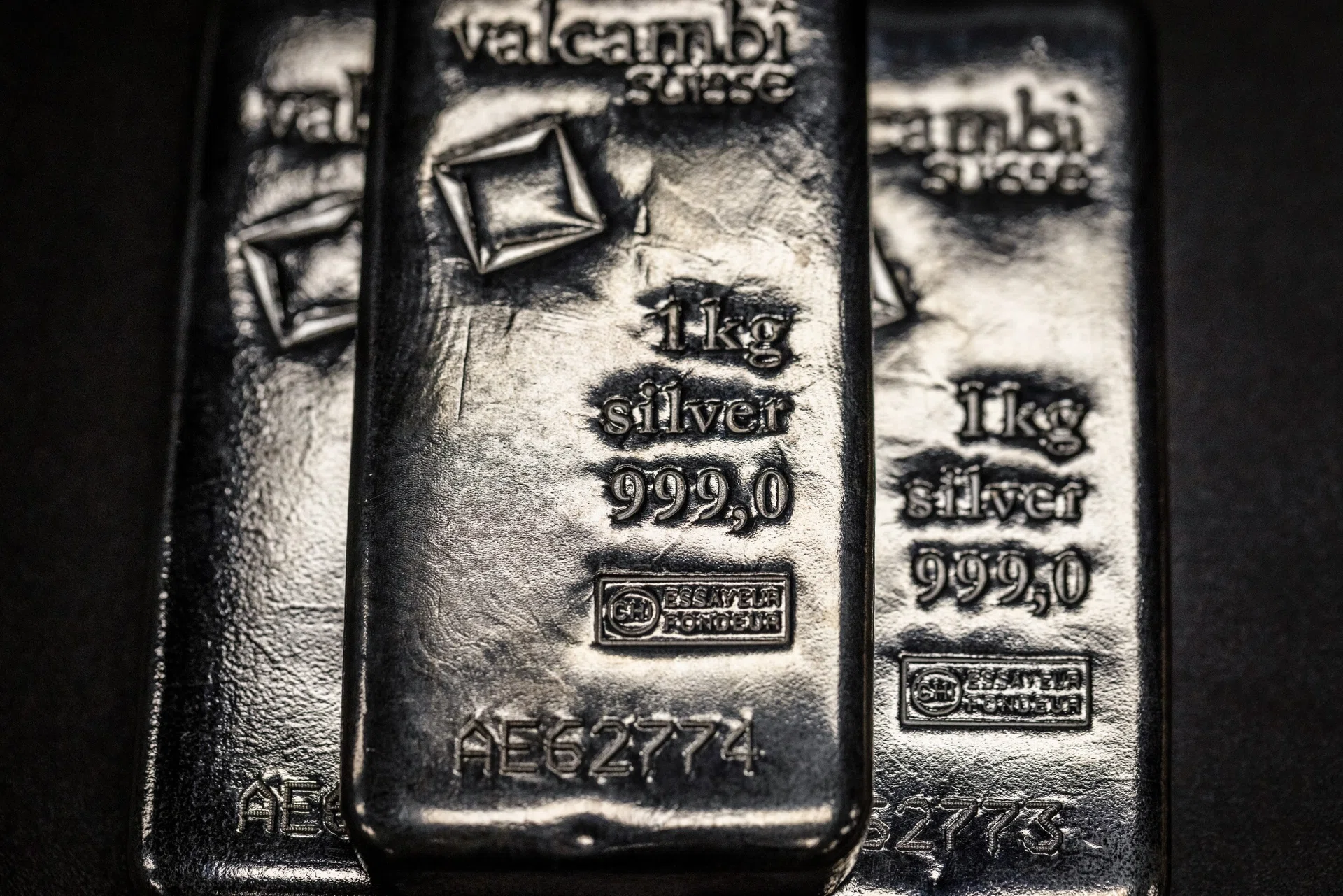
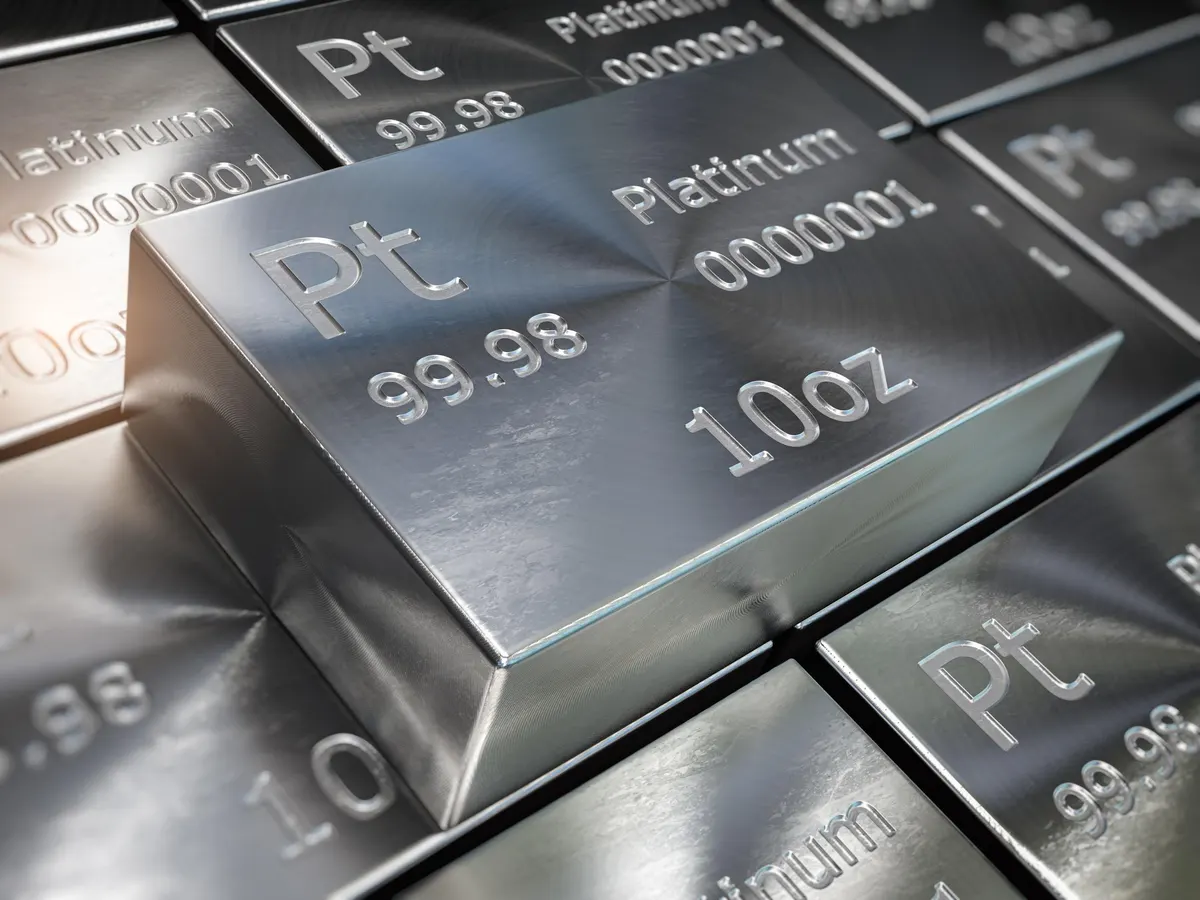
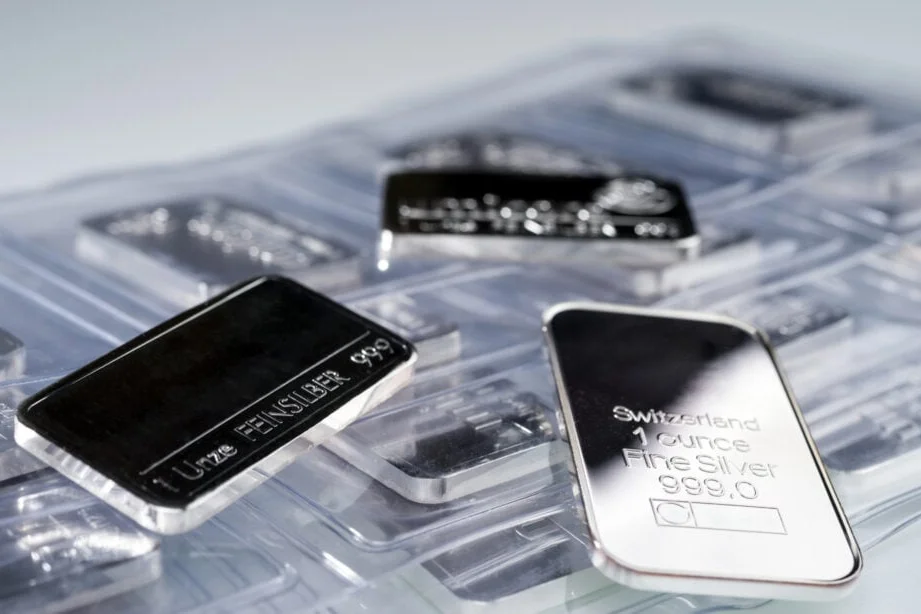
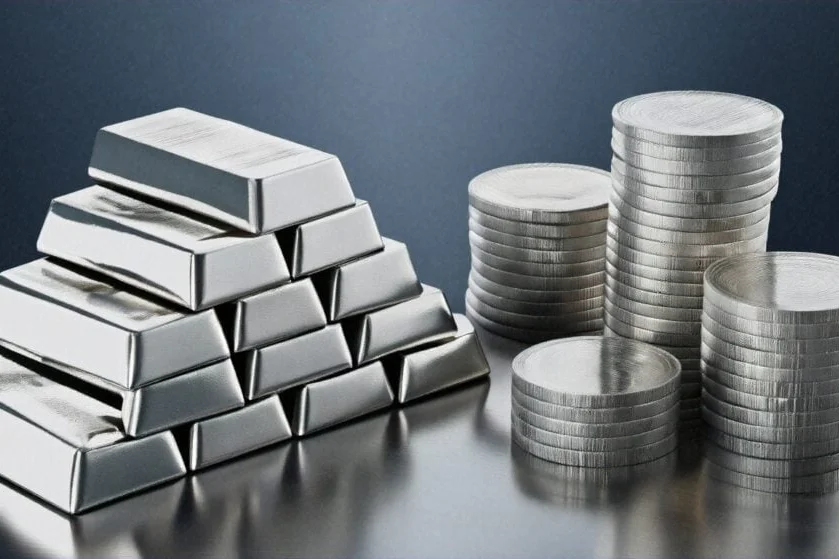
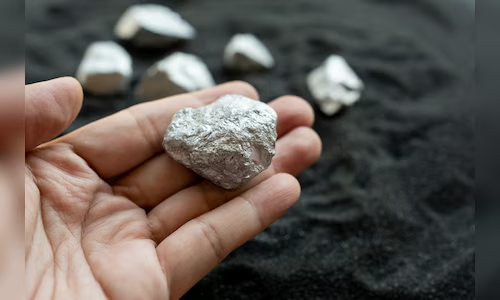
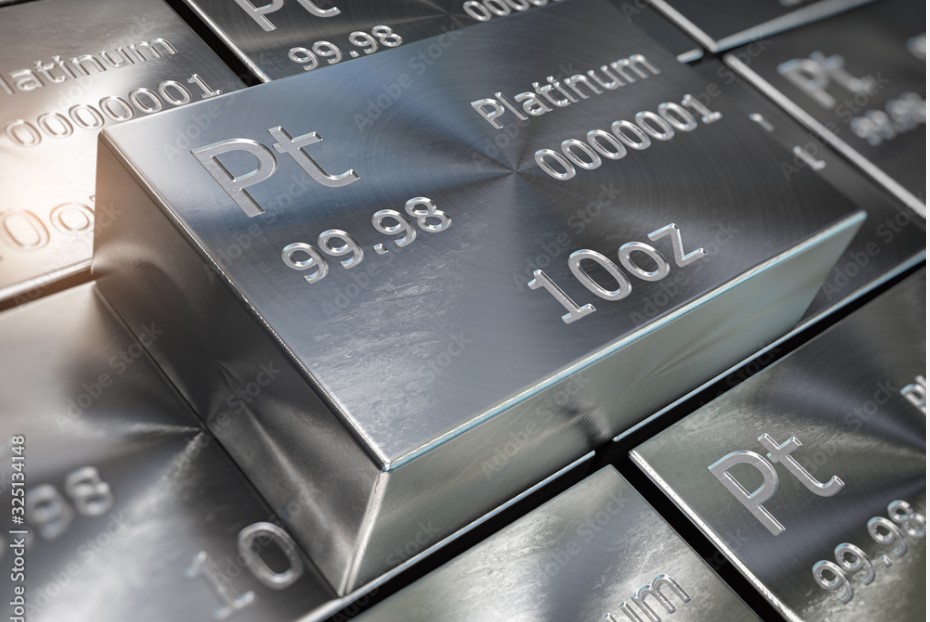
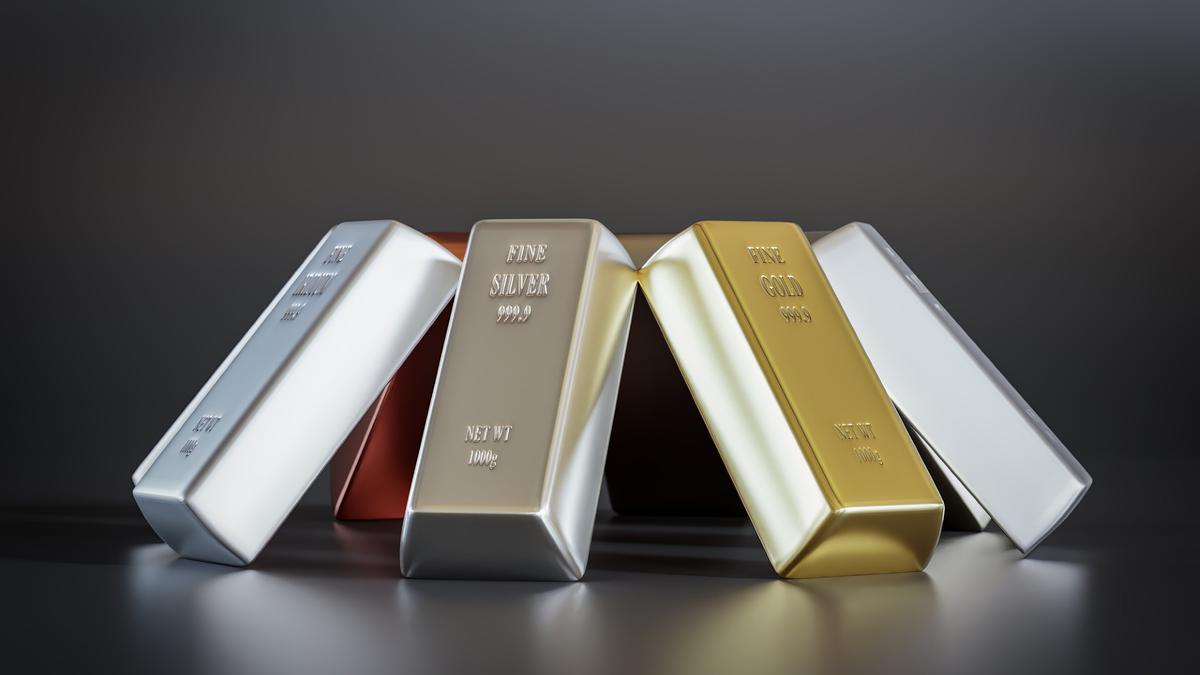
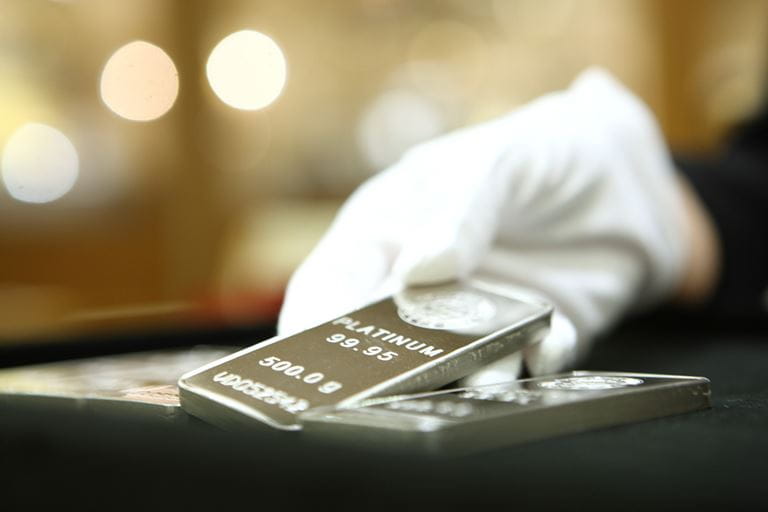
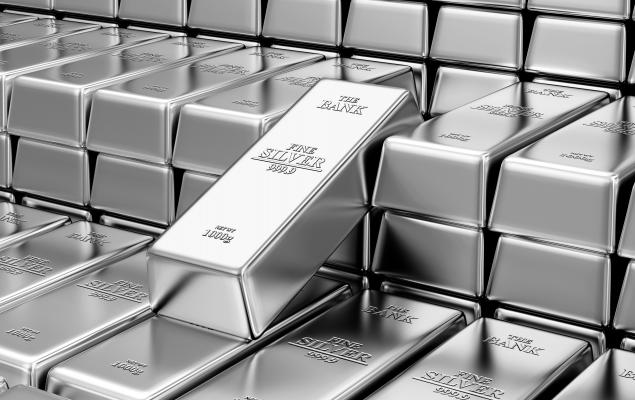
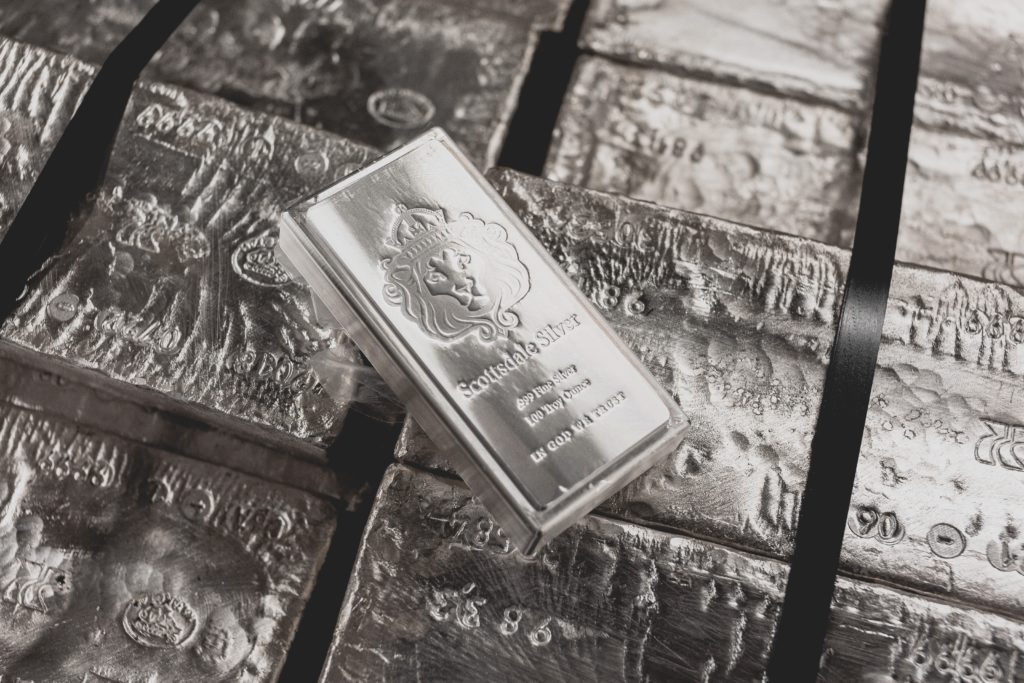
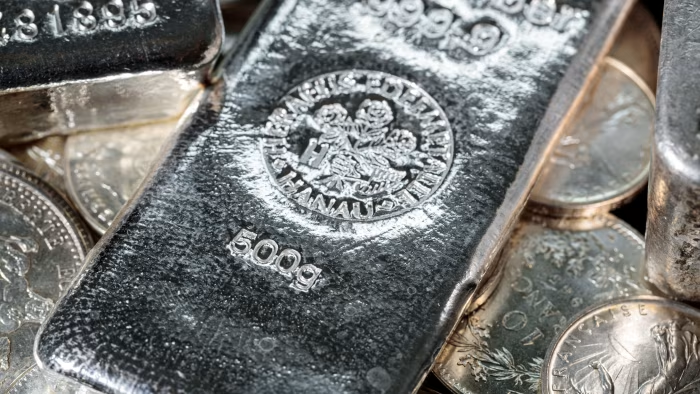
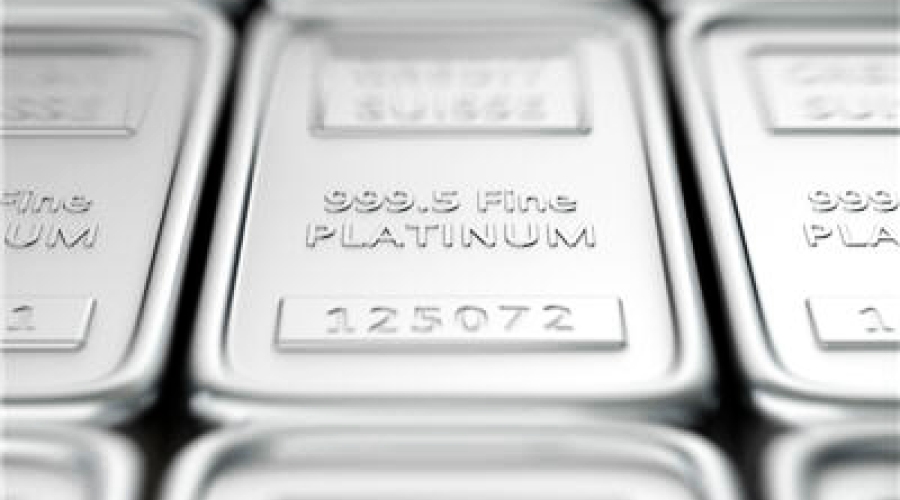
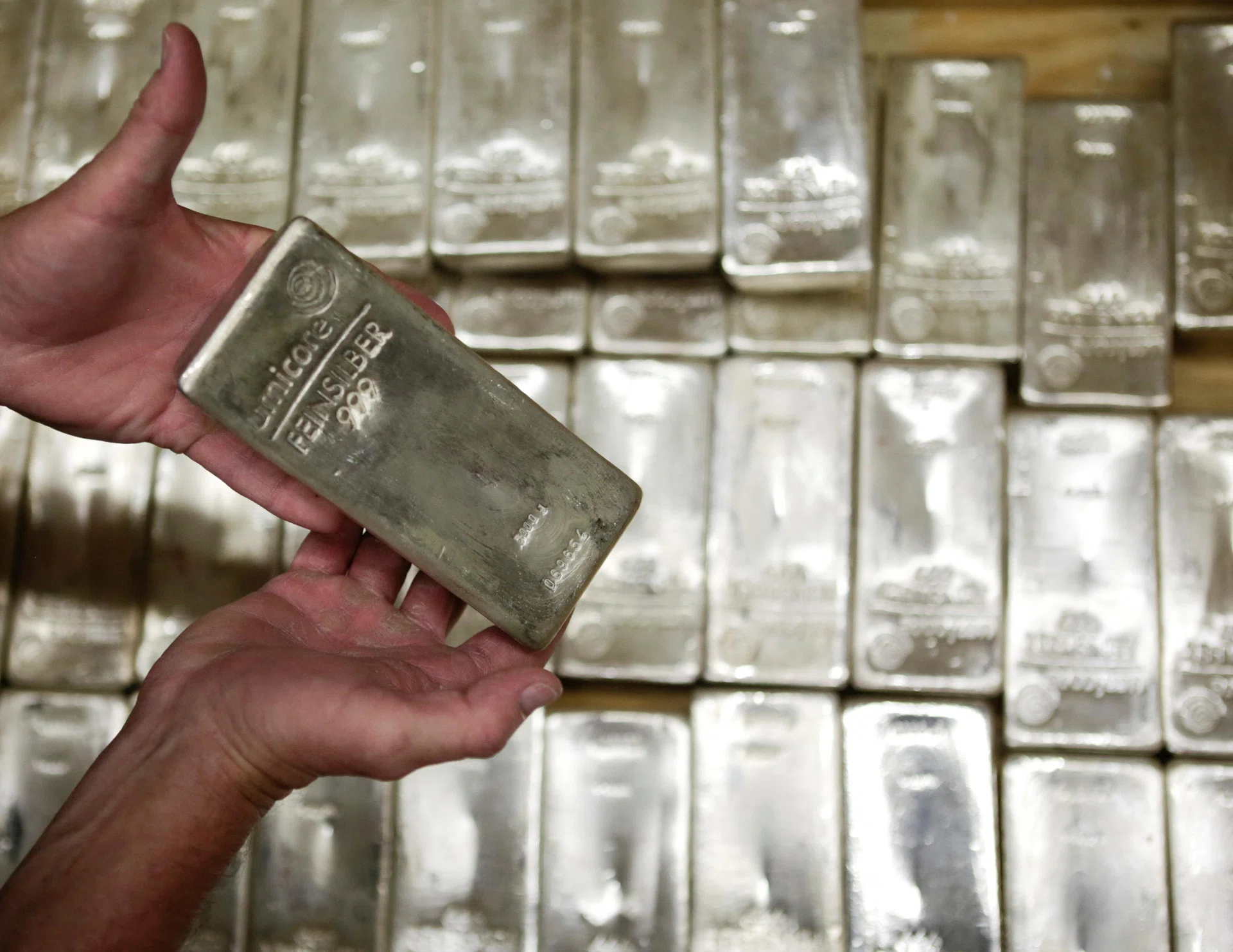
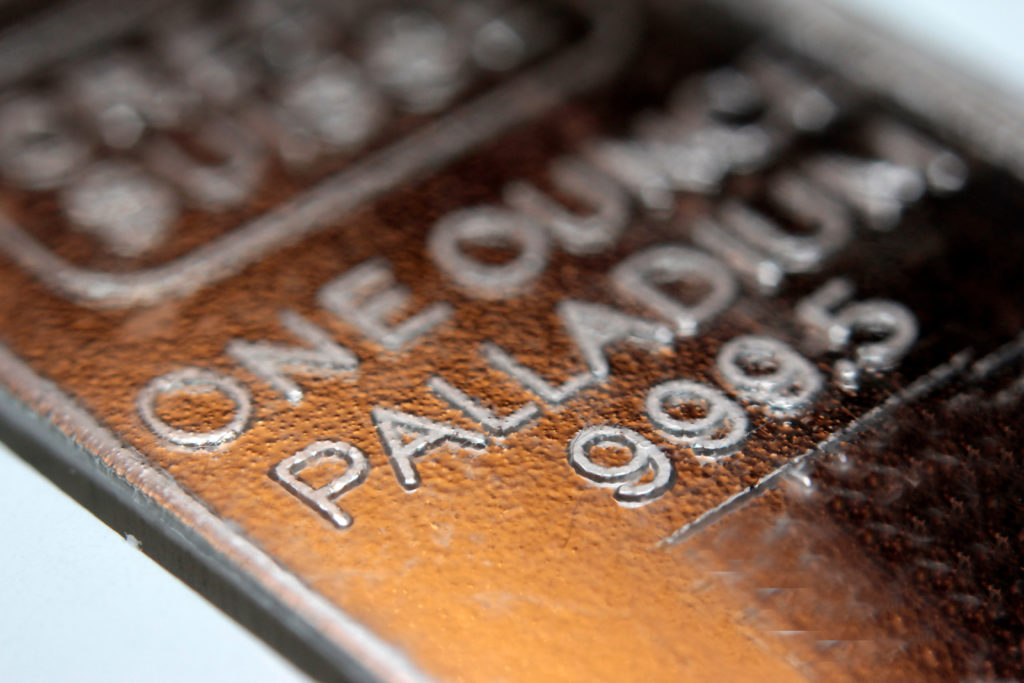
The recovery came after several days of selling pressure. Investors used the lower prices to make selective purchases, helping gold move away from its session low. Silver also recovered during trading. Spot silver gained 1.2% to $59 per ounce. Platinum increased nearly 1% to $1,589.75, while palladium rose 2.4% to $1,241.89. Despite these gains, all three metals remain on track to record both monthly and quarterly losses.
Gold remains under pressure despite the recovery
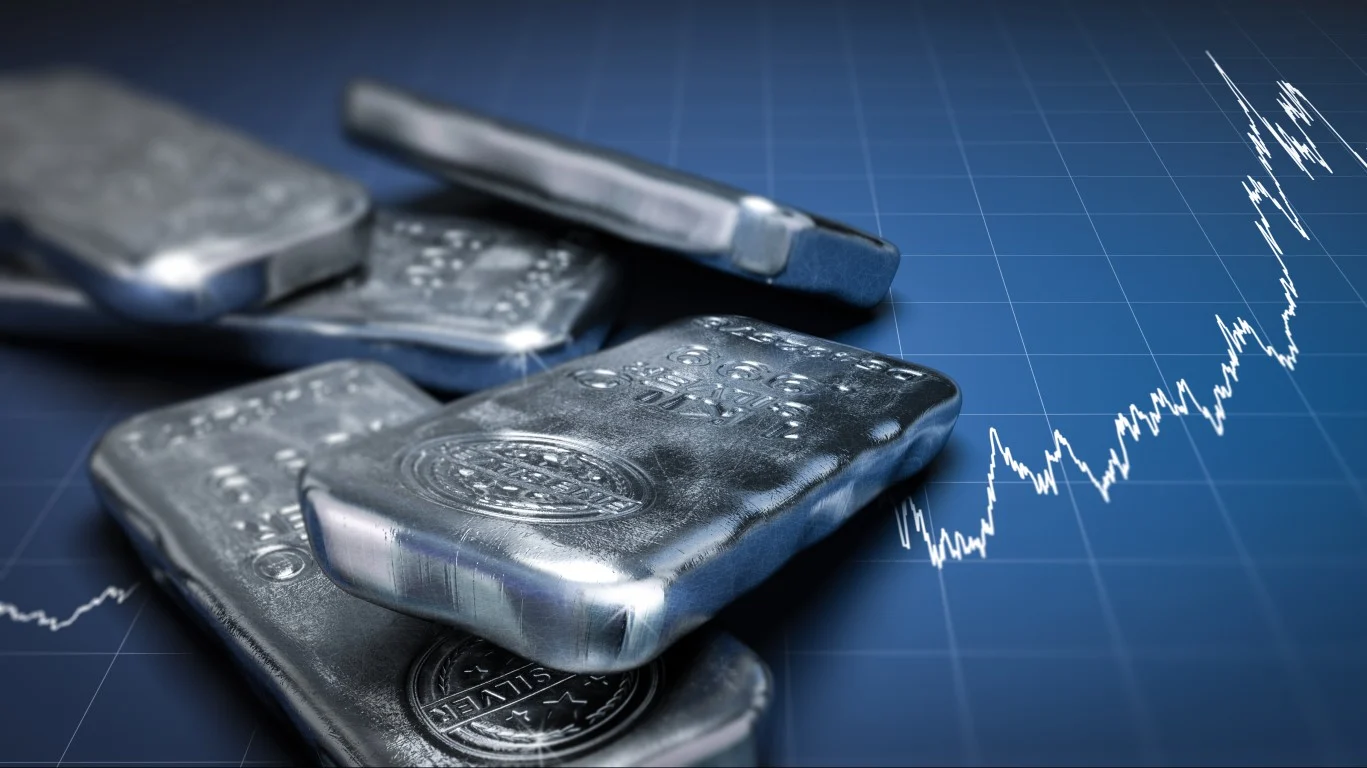
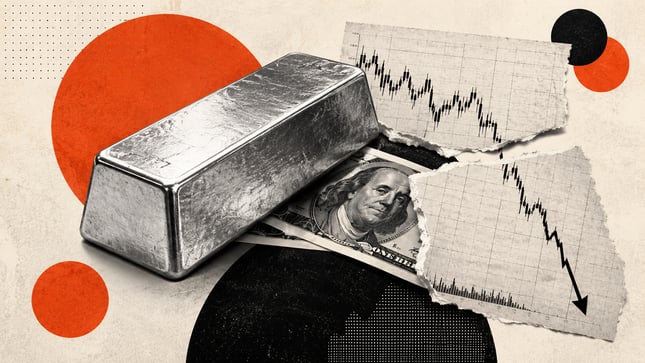
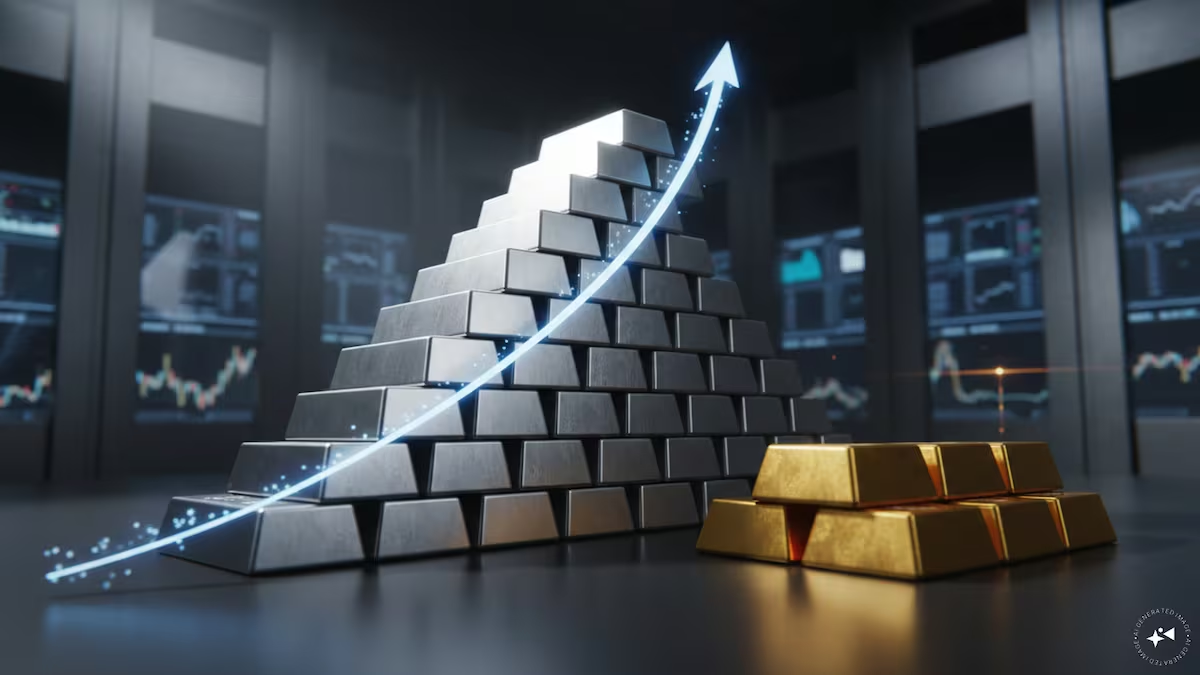
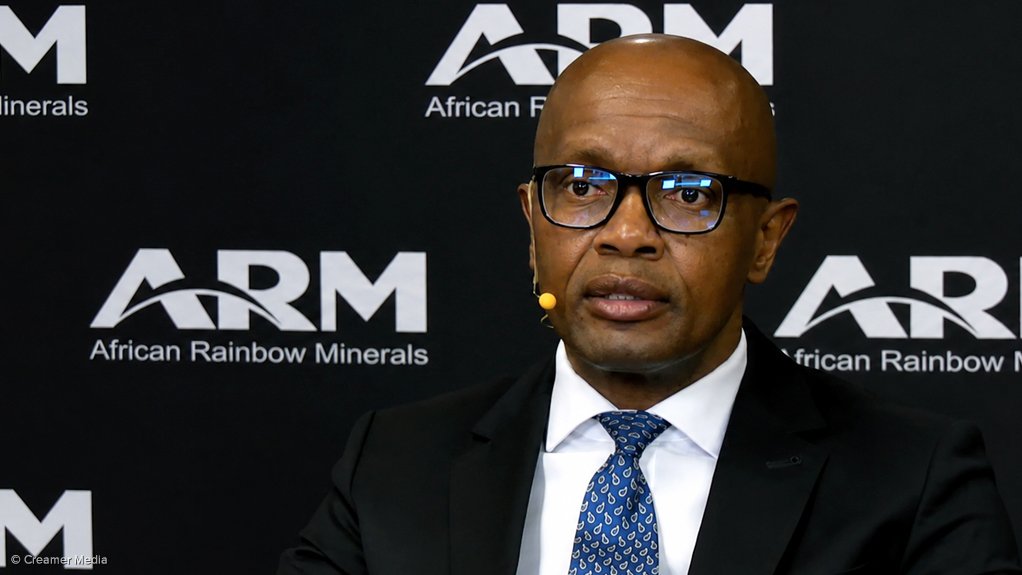
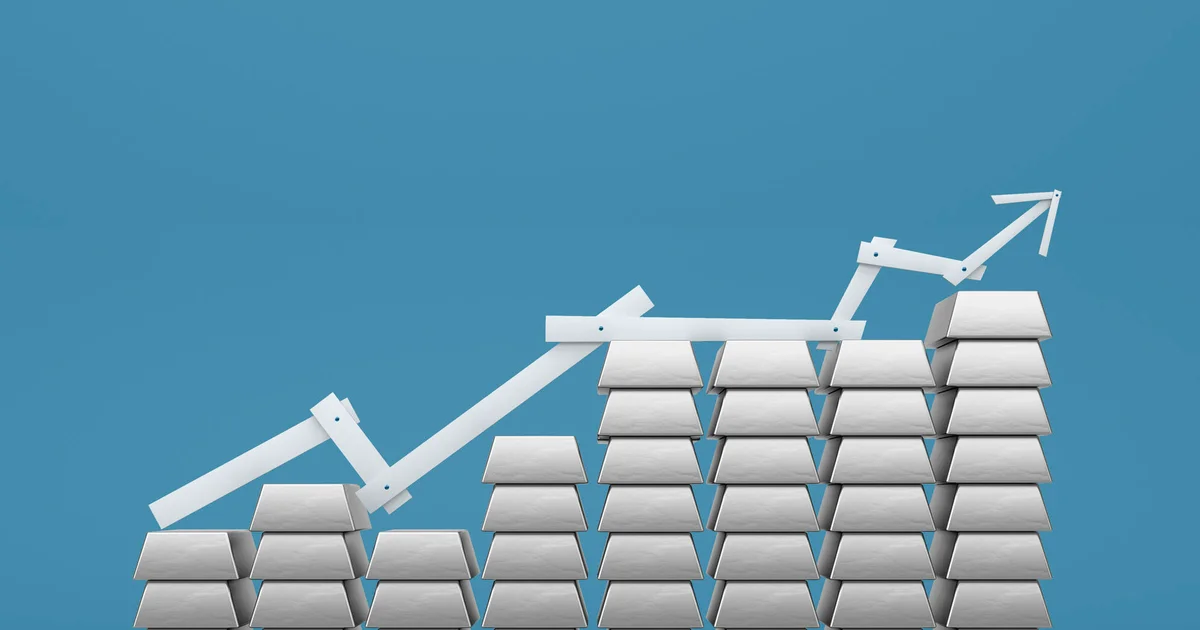
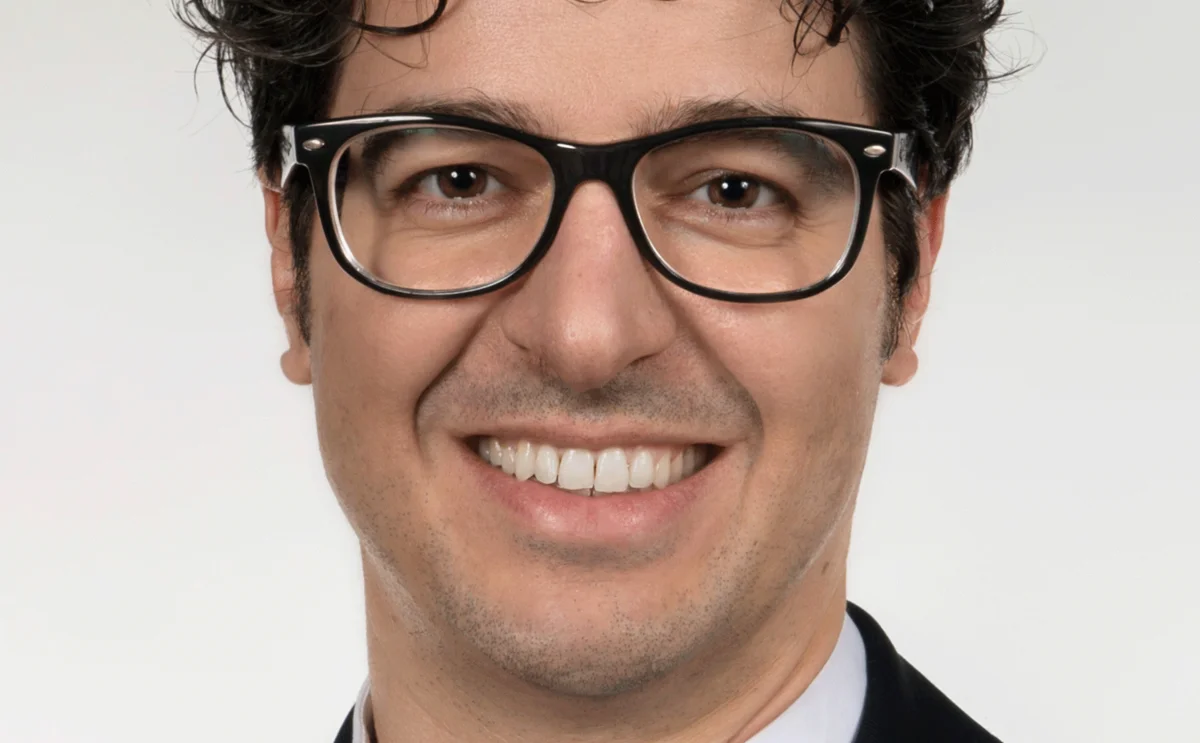
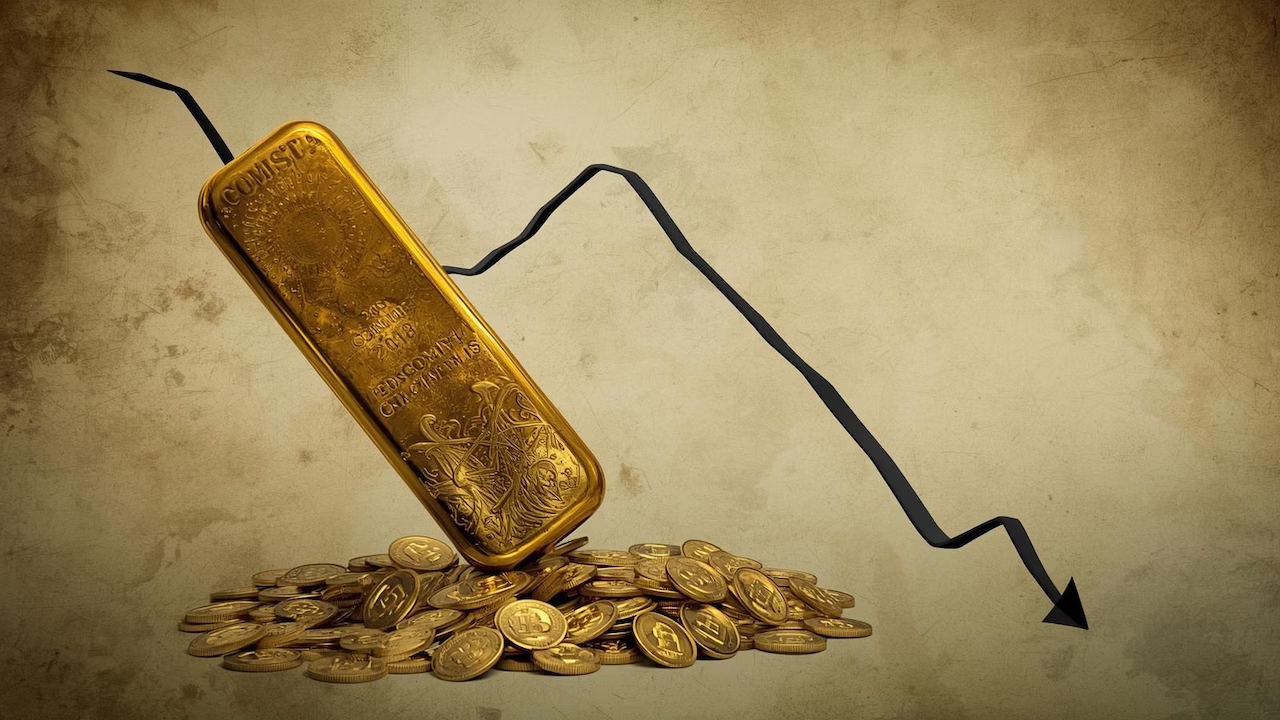
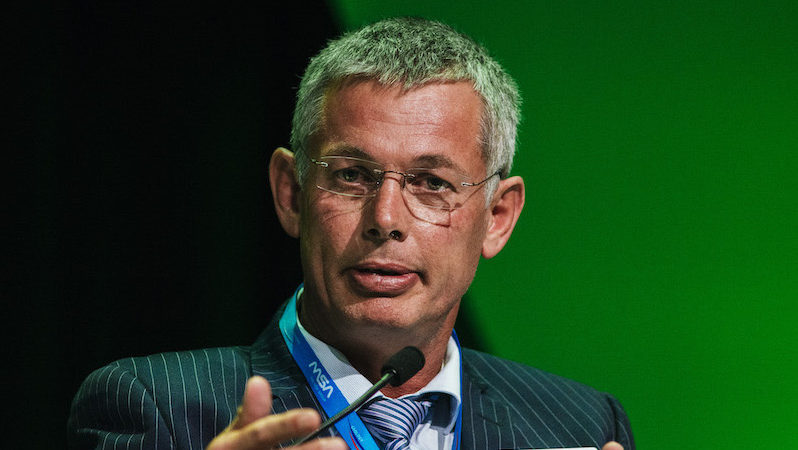
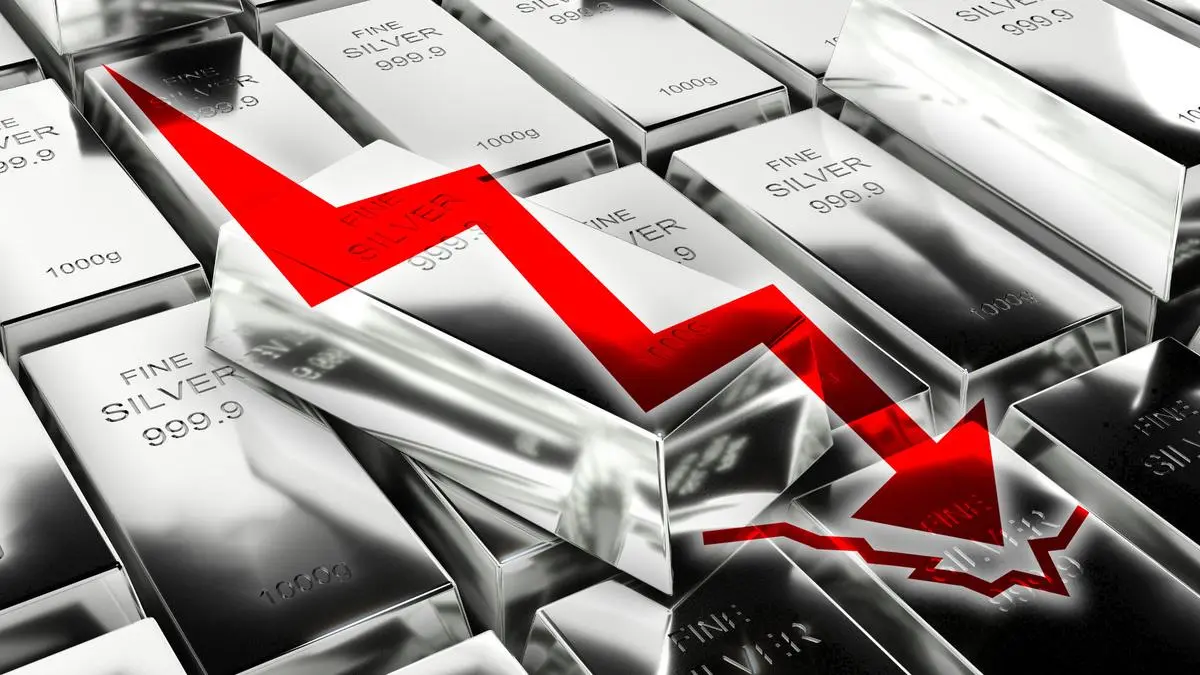
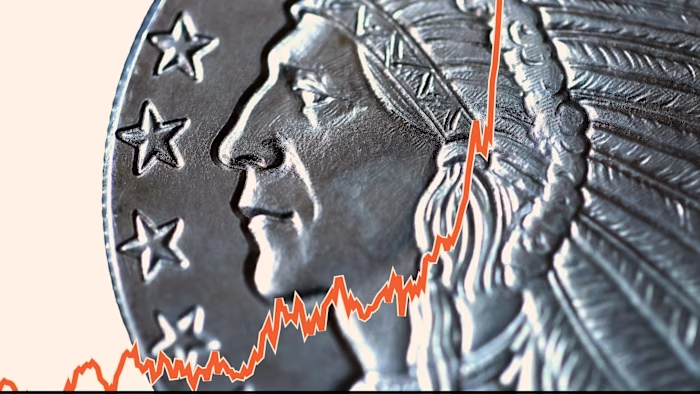
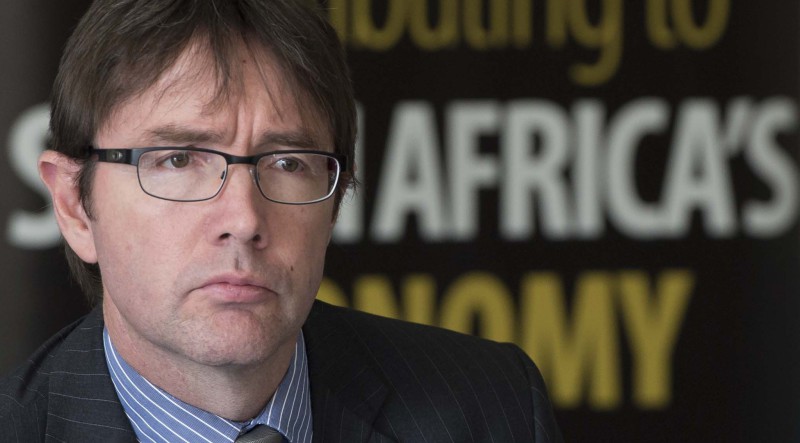
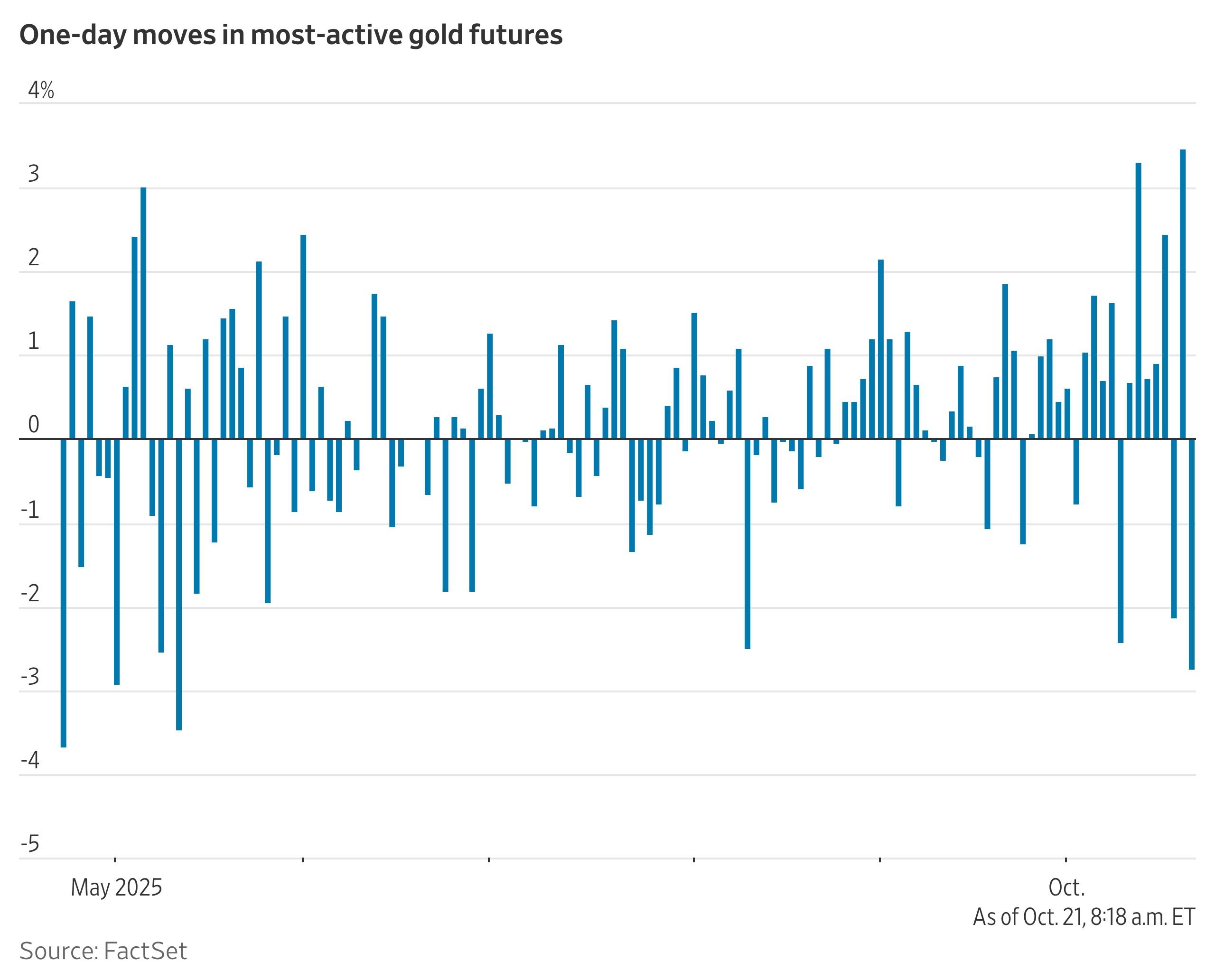
The latest price increase has not changed the overall trend in the market. Gold has fallen more than 11% during the month and is heading for its fourth straight monthly decline. The metal is also expected to record its first quarterly loss since 2024. If current levels continue, it will mark the biggest quarterly percentage decline since the second quarter of 2013.According to Ole Hansen, an analyst at Saxo Bank, the market continues to show weak sentiment. He said traders are choosing to sell after prices rise instead of buying when prices fall. This marks a change from the trading pattern seen over the past few years. Hansen also believes that gold prices need to move above $4,100 per ounce before investors can confidently say that the market has formed a price bottom.
Strong US dollar and Fed expectations continue to influence prices
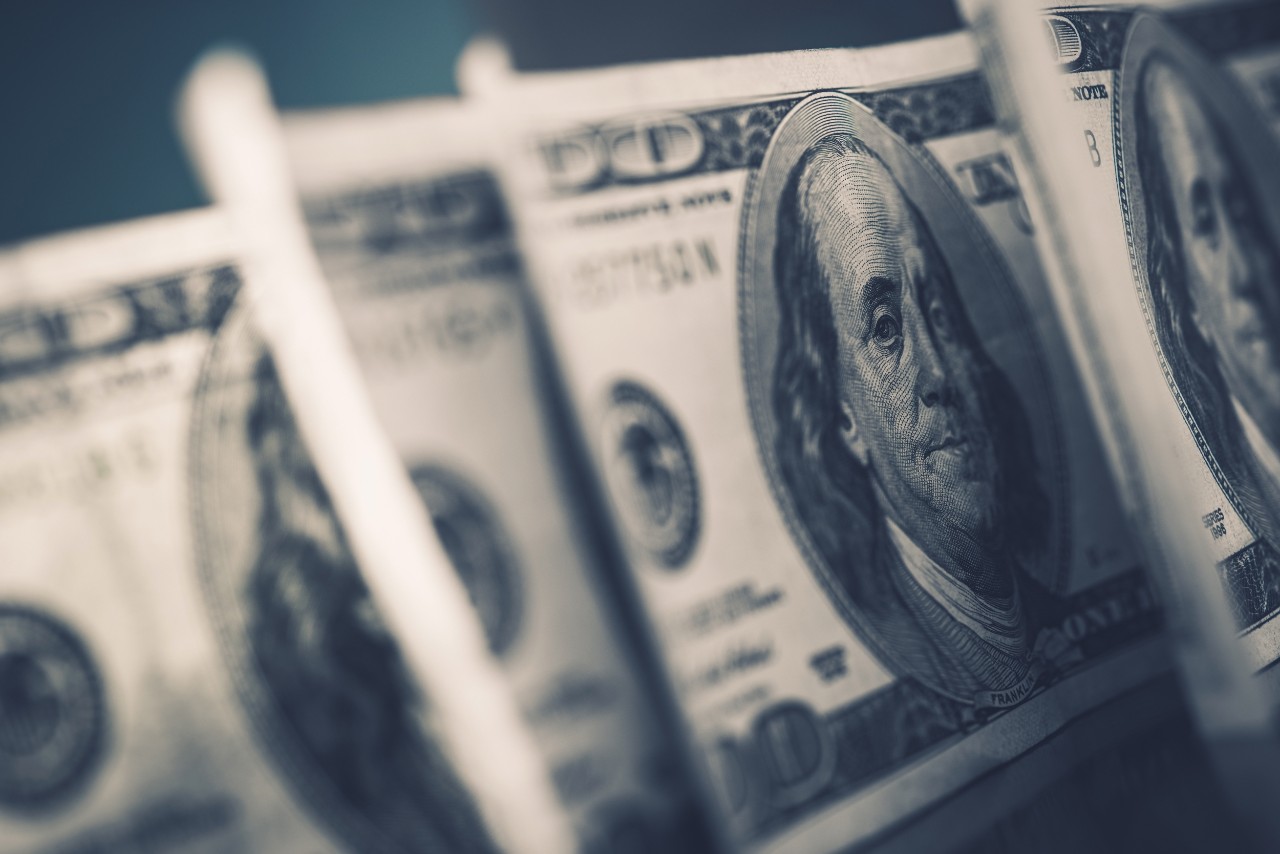
One of the biggest reasons behind the weakness in gold has been the strength of the US dollar. The dollar is on track for its second straight monthly gain as investors expect the Federal Reserve may continue raising interest rates. According to CME FedWatch data, traders currently see around a 65% probability of another interest rate increase in September.
Higher interest rates usually increase returns on assets such as government bonds. Since gold does not pay interest, investors often shift money into interest-paying investments when rates rise. Gold is widely considered a hedge against inflation. However, when borrowing costs increase, that advantage becomes less attractive for many investors.
Economic data could decide the next market direction
Investors are now waiting for several important economic reports from the United States. The upcoming ADP employment report and the nonfarm payrolls report are expected to provide fresh information about the strength of the labour market. If employment remains strong, it could support the case for another Federal Reserve rate hike. That could place additional pressure on gold prices.
On the other hand, weaker-than-expected employment data may reduce expectations of future rate increases. Such an outcome could support gold and silver prices by lowering pressure from higher interest rates. Because of this, the upcoming economic reports have become one of the main events for precious metals markets this week.
Global developments are also shaping investor sentiment
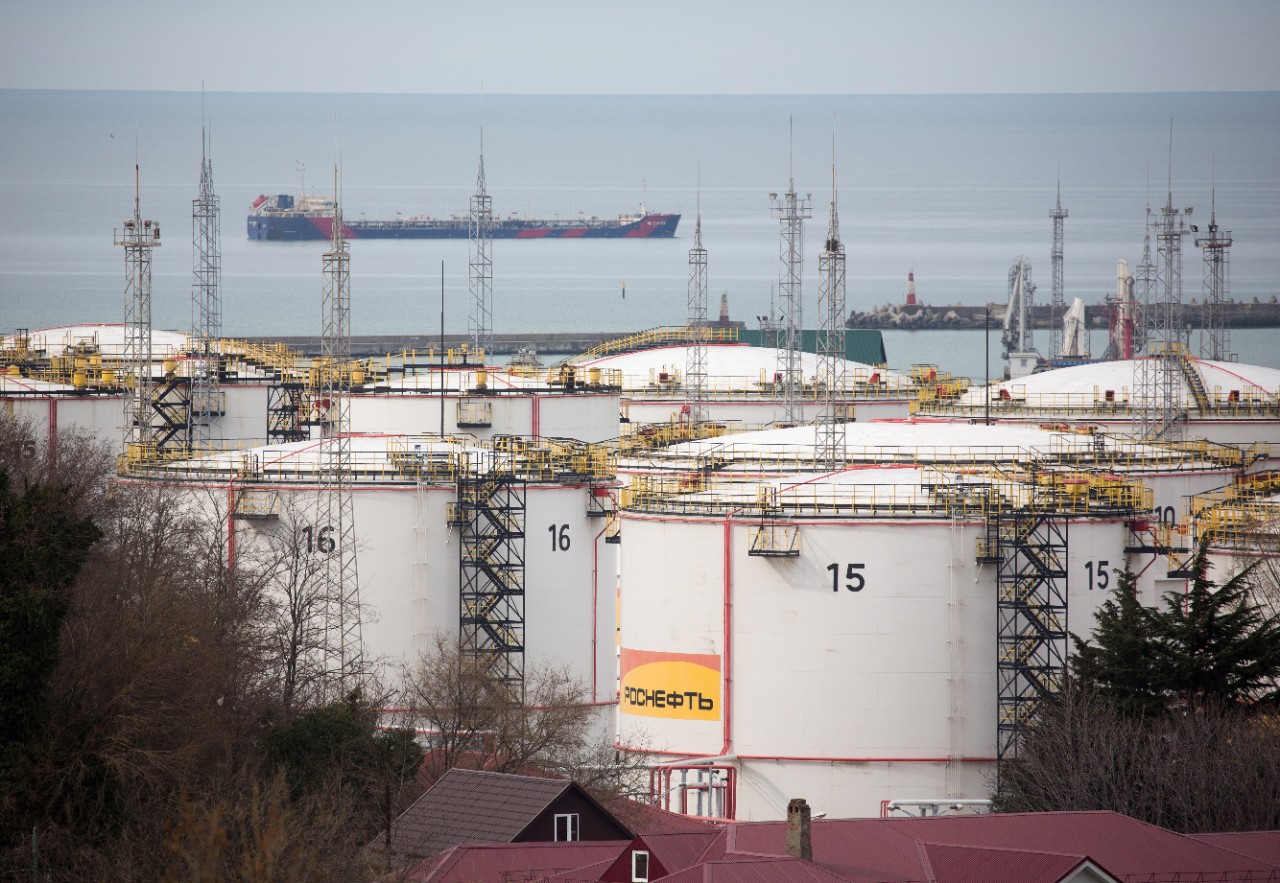
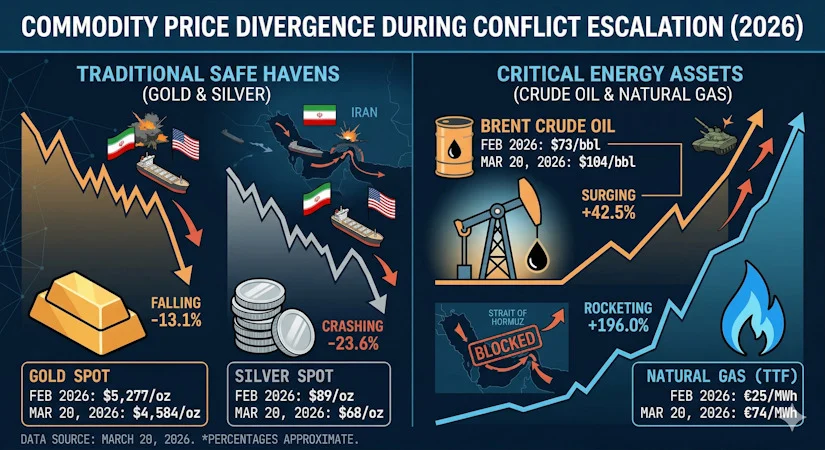
Energy prices have remained an important part of the market discussion. Earlier concerns over the conflict in the Middle East pushed oil prices higher. Rising energy costs increased inflation concerns and reduced expectations that the Federal Reserve would cut interest rates this year.
At the same time, reports suggested there could be renewed diplomatic discussions between the United States and Iran. However, Iran denied reports that talks would take place in Doha during the week. These developments continue to influence expectations for oil prices, inflation and interest rates, all of which affect demand for precious metals.
Another development came from a survey conducted by the Official Monetary and Financial Institutions Forum (OMFIF). The survey found that more central banks plan to reduce rather than increase their US dollar holdings over the next decade because of growing political risks surrounding the currency. Changes in central bank reserve strategies could influence long-term demand for both the dollar and precious metals.
Analysts insights and market outlook
Market analysts believe gold remains in a period of uncertainty. The recent recovery shows that buyers are still willing to enter the market after large price declines. However, the broader trend remains weak because of expectations for higher US interest rates and continued dollar strength.
Analysts say the market needs stronger evidence that inflation is slowing or that the Federal Reserve is nearing the end of its rate hikes before gold can begin a sustained recovery. Investors are therefore expected to remain focused on economic reports, central bank comments and currency movements over the coming weeks.
What should investors do now?
Investors may continue watching economic indicators before making major decisions. The upcoming US employment reports, Federal Reserve policy signals and movements in the US dollar are likely to remain the biggest drivers of precious metals prices.
Short-term price swings may continue as markets react to new economic data. Long-term investors may also monitor central bank buying, inflation trends and global political developments before adjusting their investment strategies. For now, gold, silver, platinum and palladium have all shown a small recovery, but their overall monthly and quarterly performance remains under pressure.
FAQs
Q1. Why are gold and silver prices up today?
Gold and silver prices recovered after recent declines as investors bought at lower levels. However, markets remain cautious because expectations of higher US interest rates and a stronger dollar continue to pressure prices.
Q2. Will precious metals continue to rise or drop again?
Future price movements will depend on US employment data, Federal Reserve decisions, inflation trends and the US dollar. Analysts believe market direction will become clearer after upcoming economic reports are released.