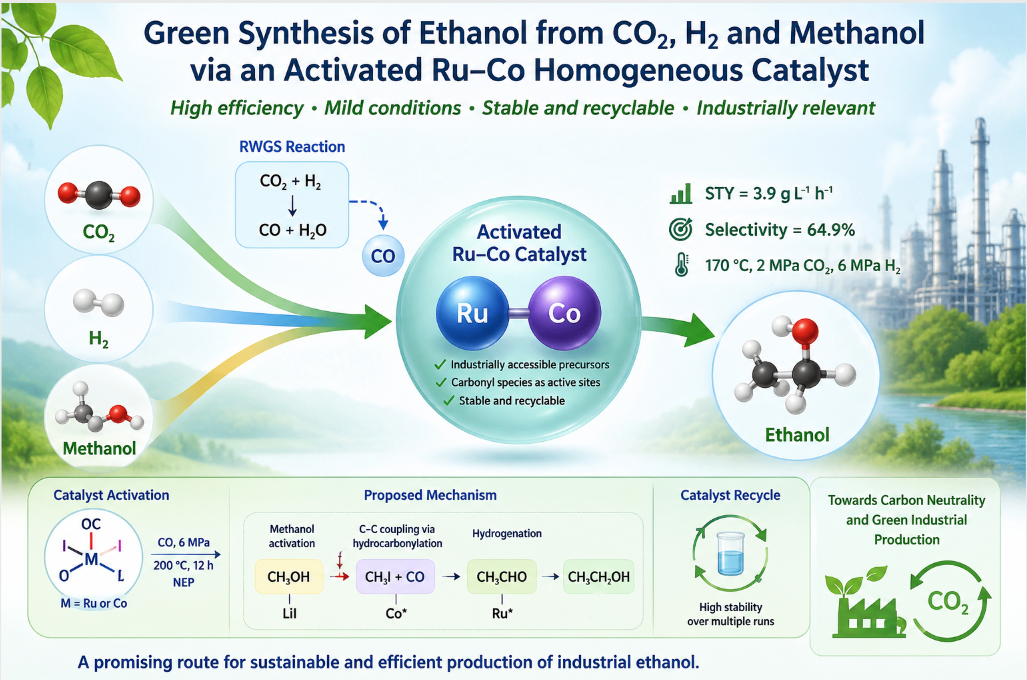
Ethanol is one of the world’s most widely used chemicals. It is used in fuels, solvents, disinfectants and as a feedstock for manufacturing. Finding new ways to produce ethanol from carbon-containing waste streams could help support broader efforts to make chemical production less dependent on fossil resources. The study focused on a process in which methanol acts as a starting material and carbon dioxide provides an additional carbon source.
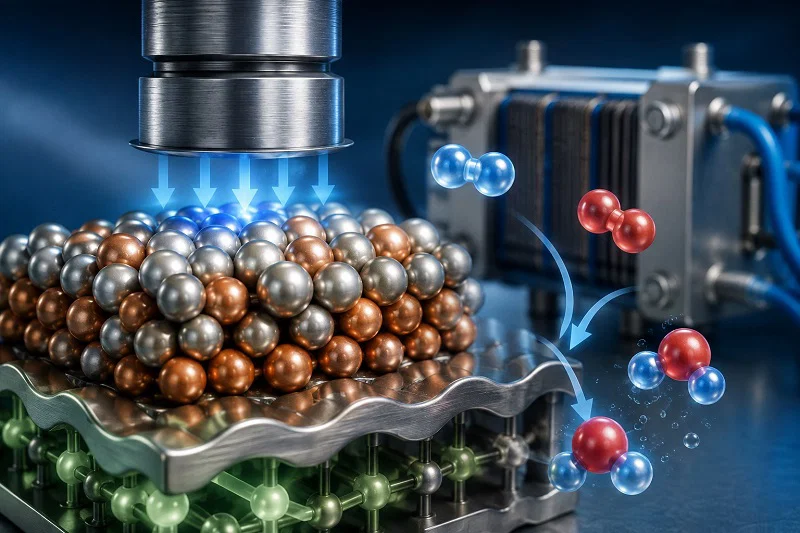
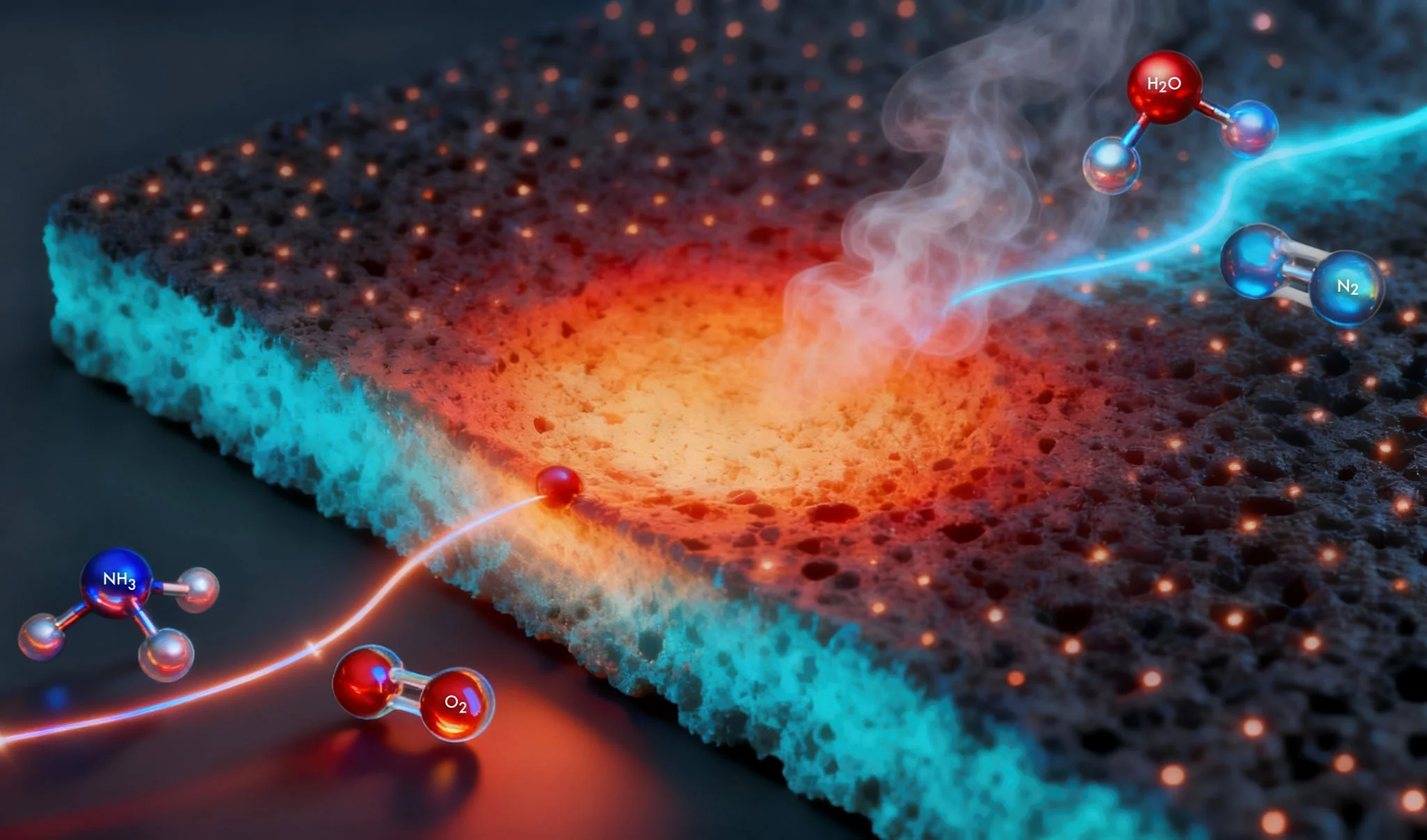
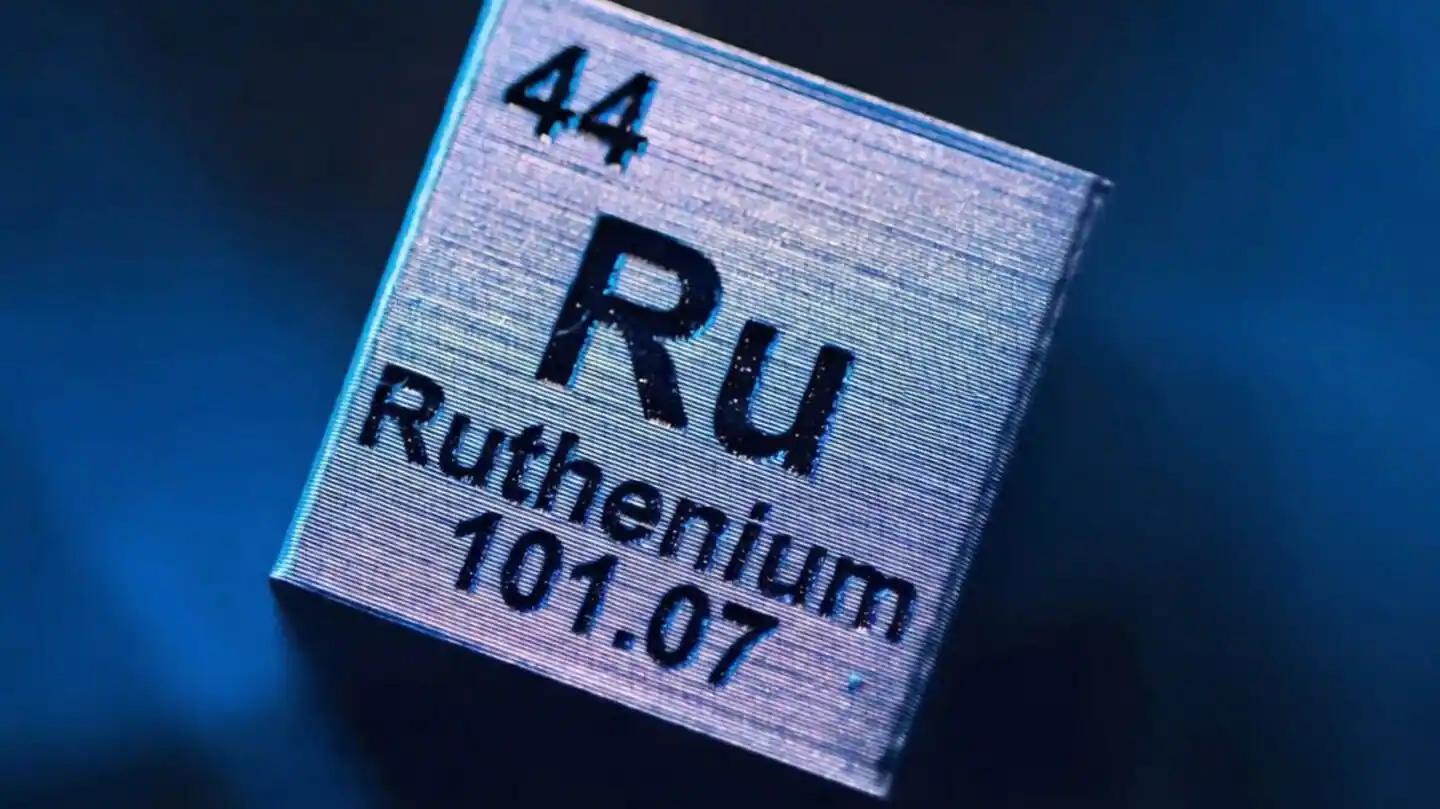
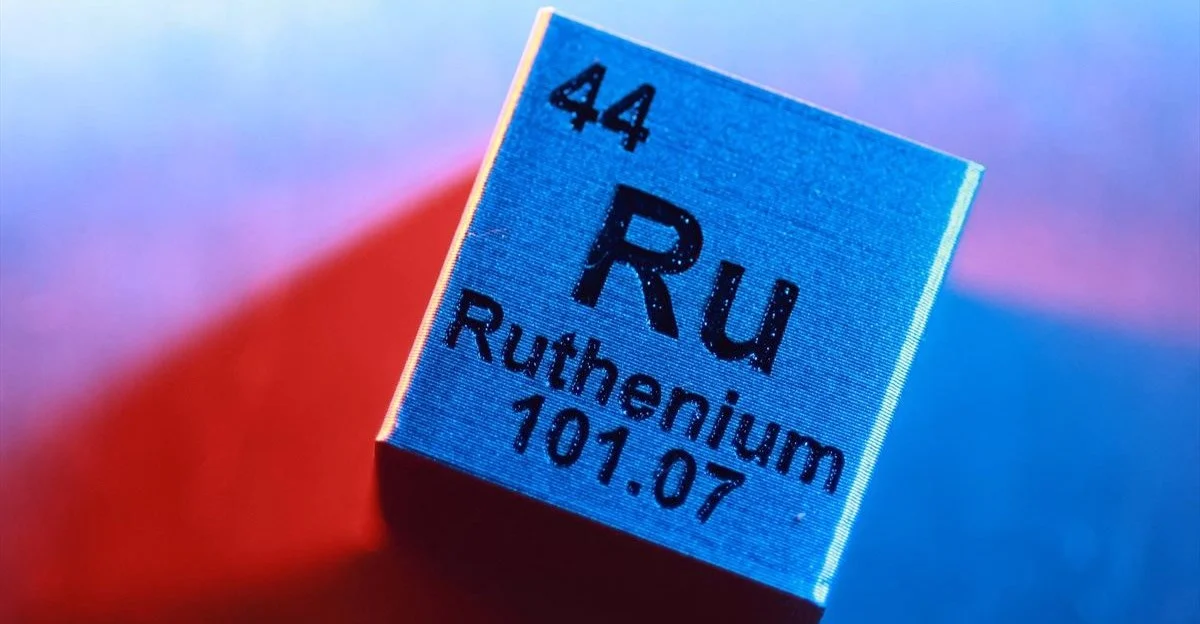
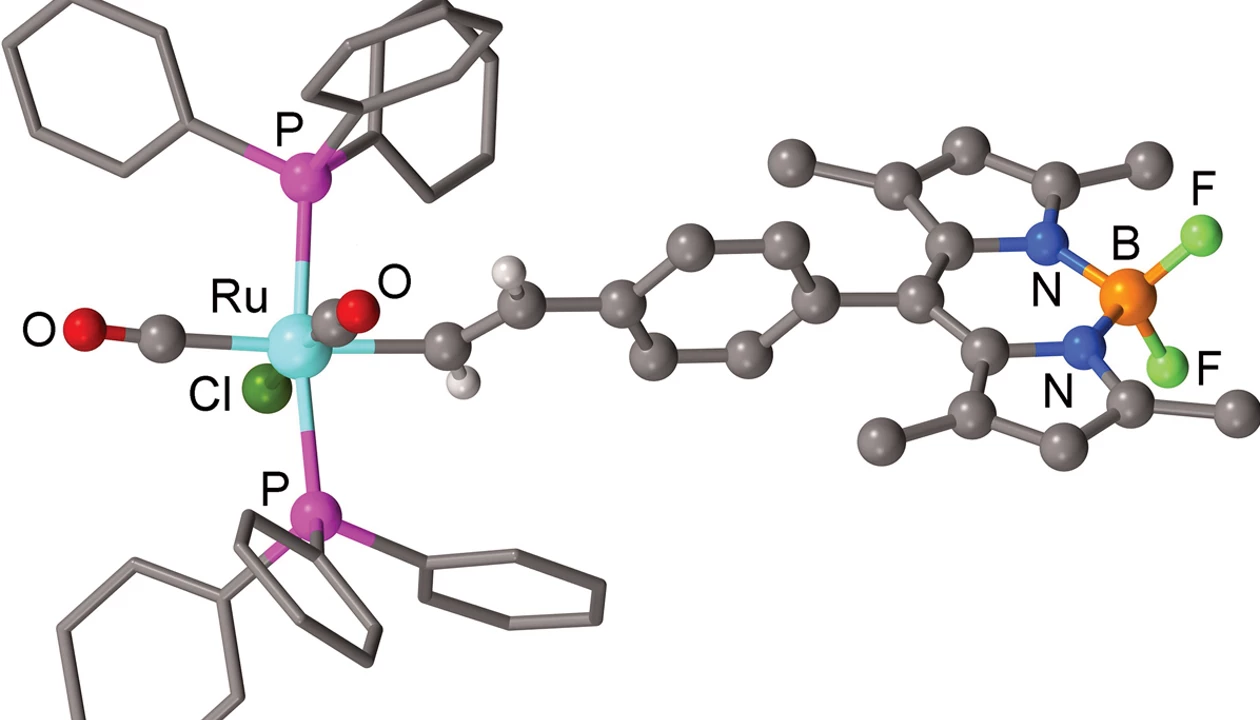
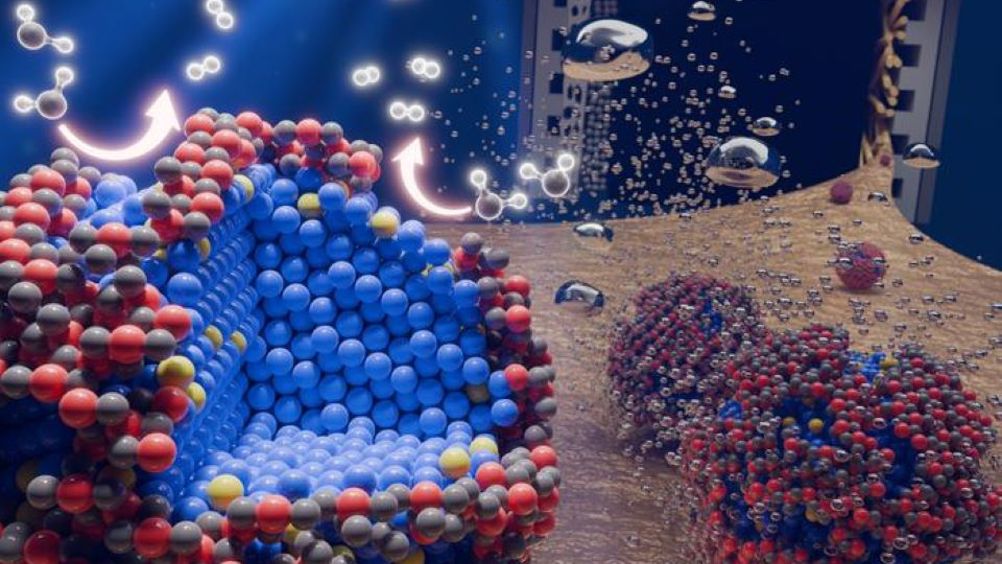
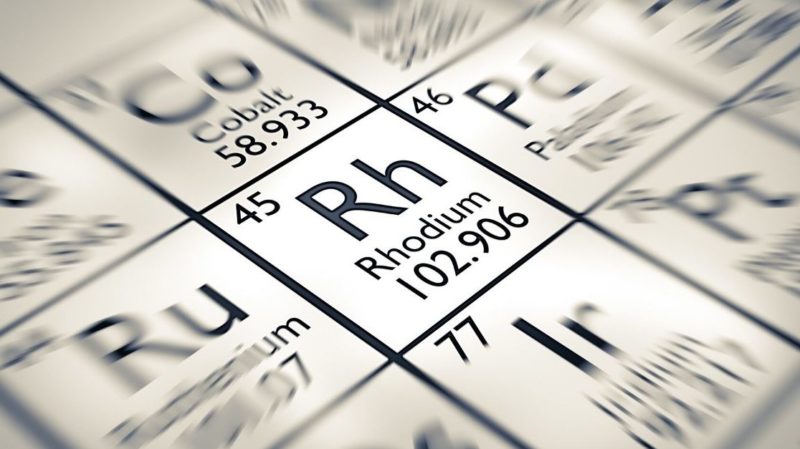
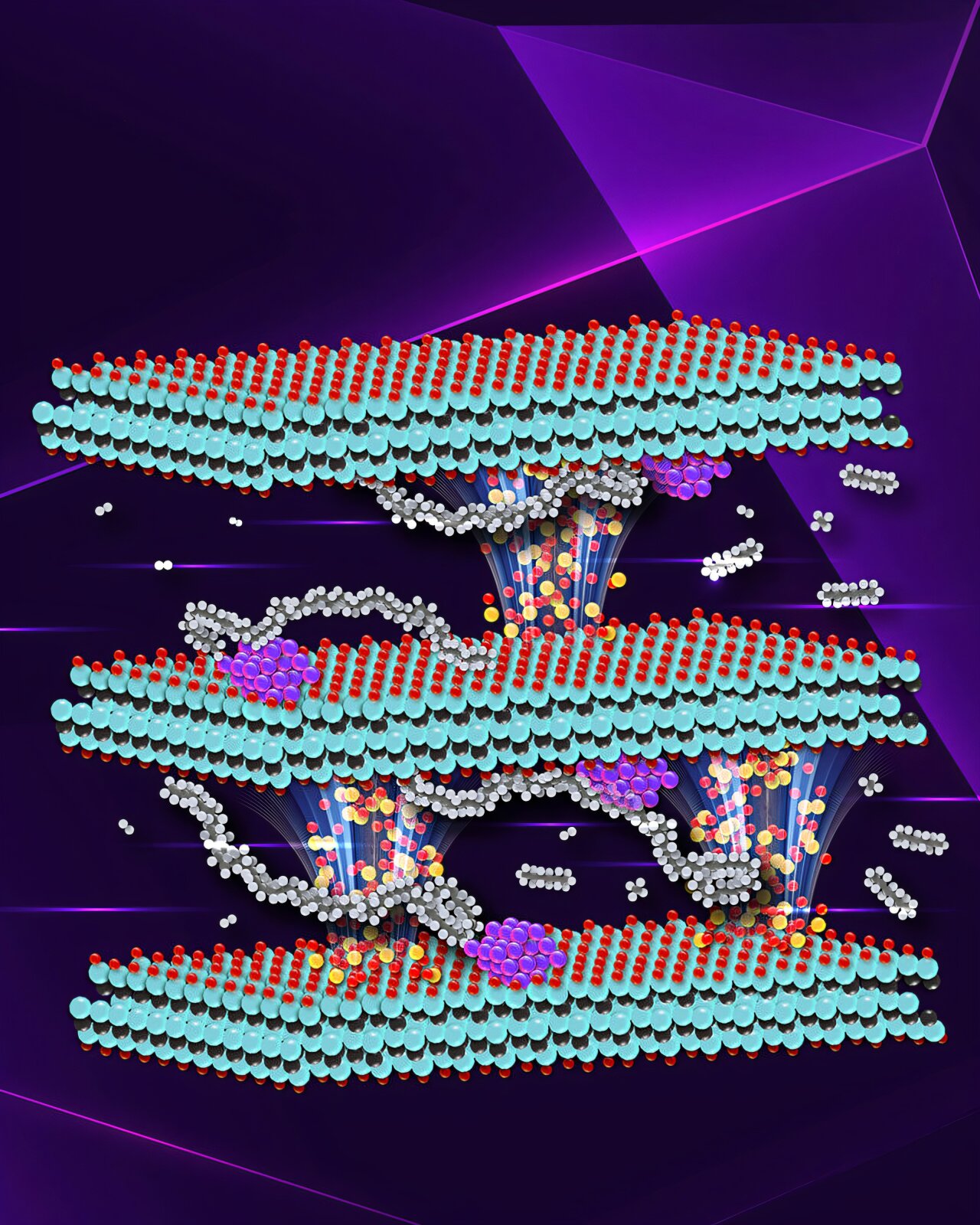
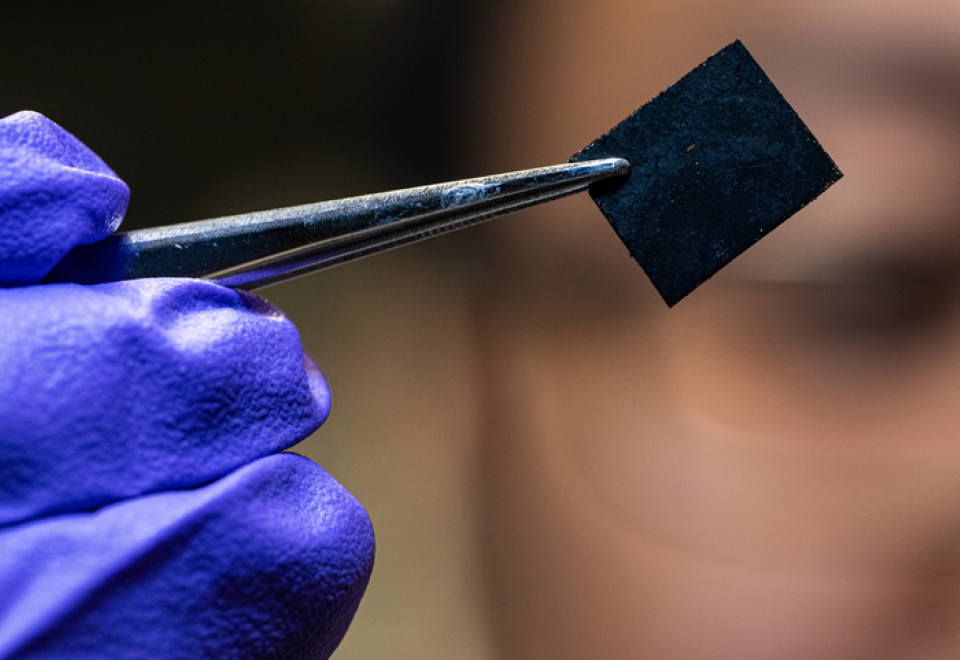
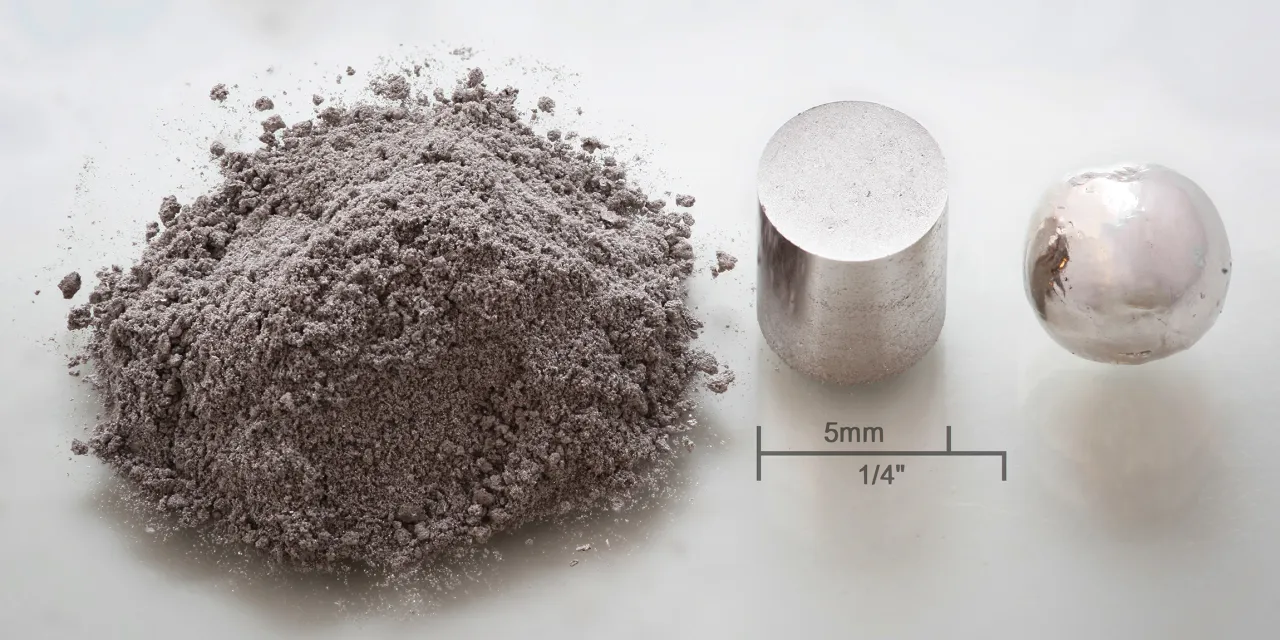
The team also investigated how the catalyst works. Their experiments showed that carbon dioxide is first converted into carbon monoxide through a reverse water gas shift reaction. The carbon monoxide then acts as an intermediate in forming ethanol. The researchers found that ruthenium and cobalt perform complementary roles, with ruthenium helping drive hydrogenation steps and cobalt promoting the carbon-carbon bond formation needed to build the ethanol molecule.
Beyond performance, the researchers assessed characteristics important for industrial use. The activated catalyst remained stable during storage tests and retained good activity after five recycling cycles. The catalyst system also uses precursor materials that are easier to obtain and store than many alternatives previously reported for similar reactions.
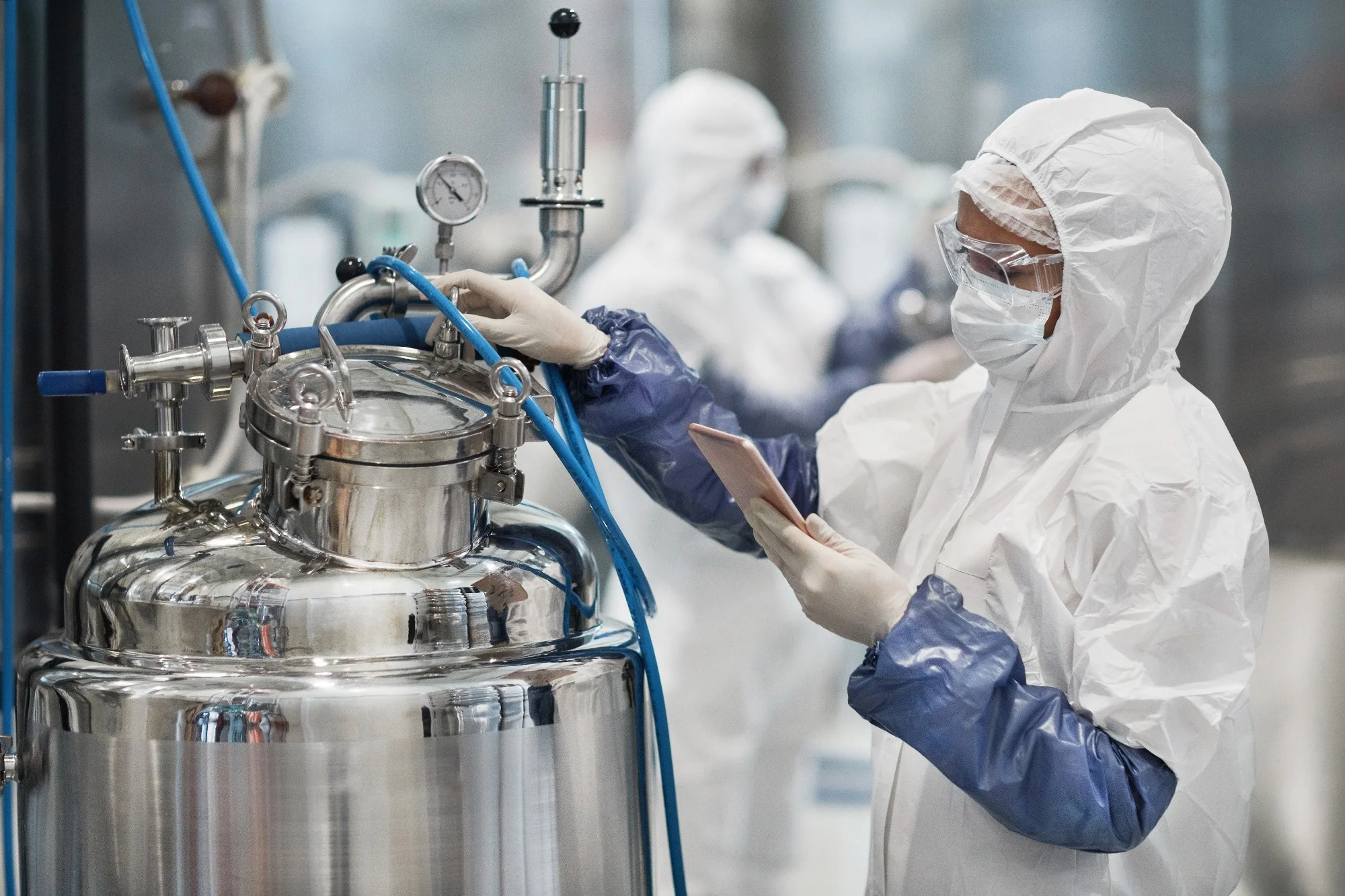
The work has already progressed to preliminary scale-up studies. The authors report that the catalyst maintained high activity and ethanol selectivity in larger-scale reactor (3 L). Based on these findings, the team proposed a process flow for producing ethanol from methanol, carbon dioxide and hydrogen, with catalyst recycling and recovery of unreacted materials built into the design.
Dr Li adds: “There is still further work to do before a process such as this could be implemented commercially. However, these results demonstrate a promising route that combines accessible catalyst materials with recyclability and strong performance, which are all important considerations when developing practical carbon utilisation technologies.”
This international collaboration was funded by the National Key Research and Development Program of China (Grant No. 2024YFE0206500) from MOST International S&T Cooperation Centre.