This embedded content is not available in your region.
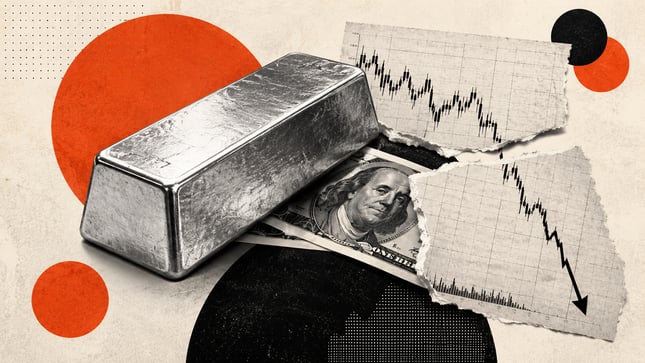
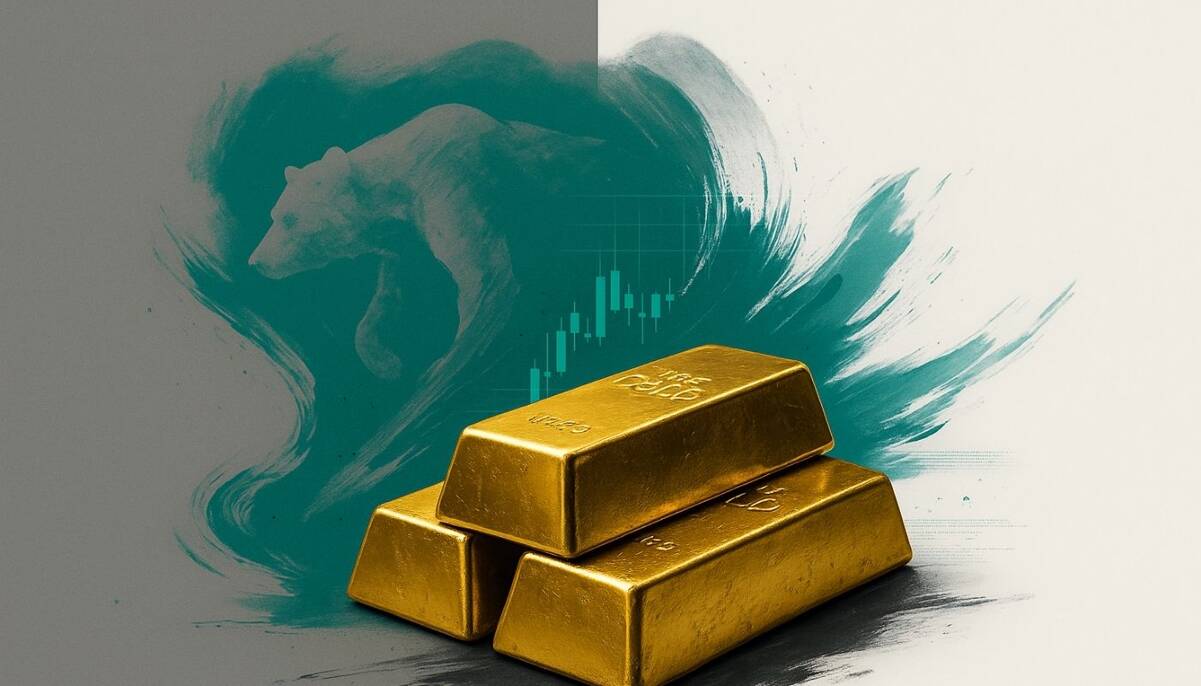
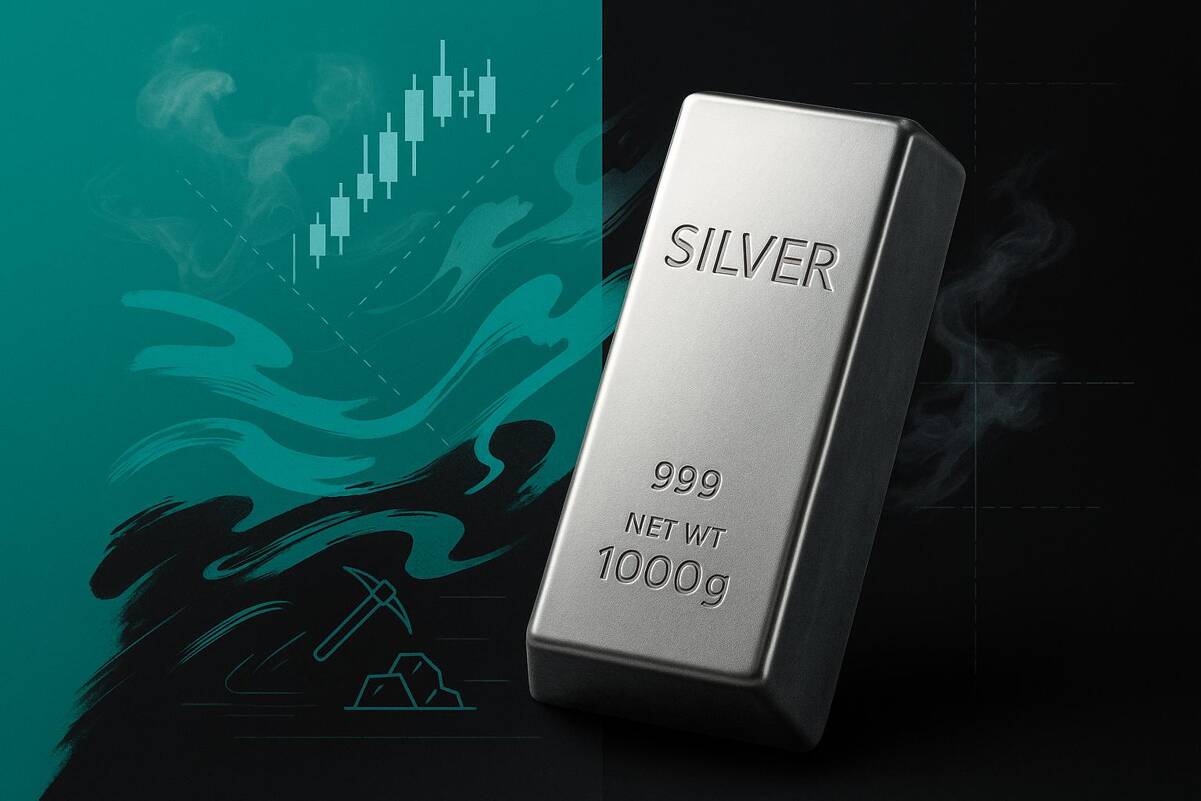
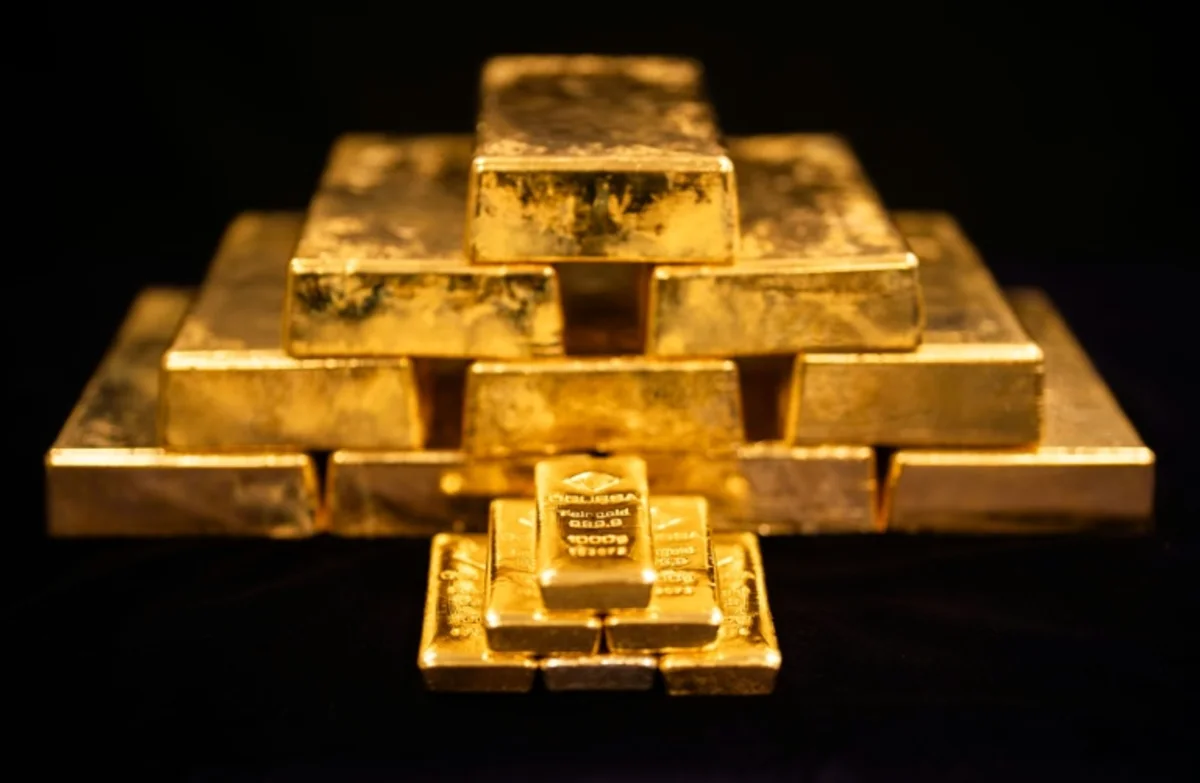
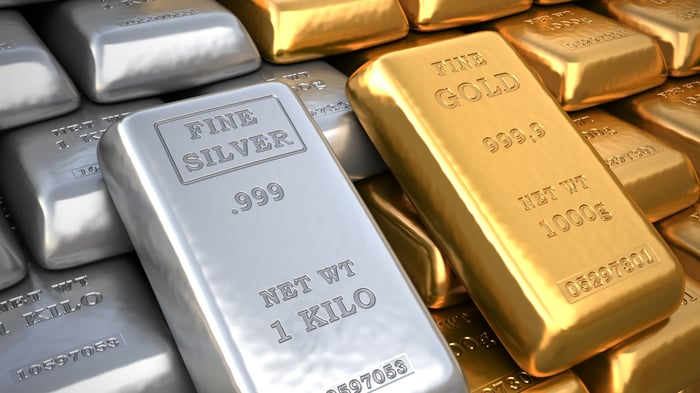
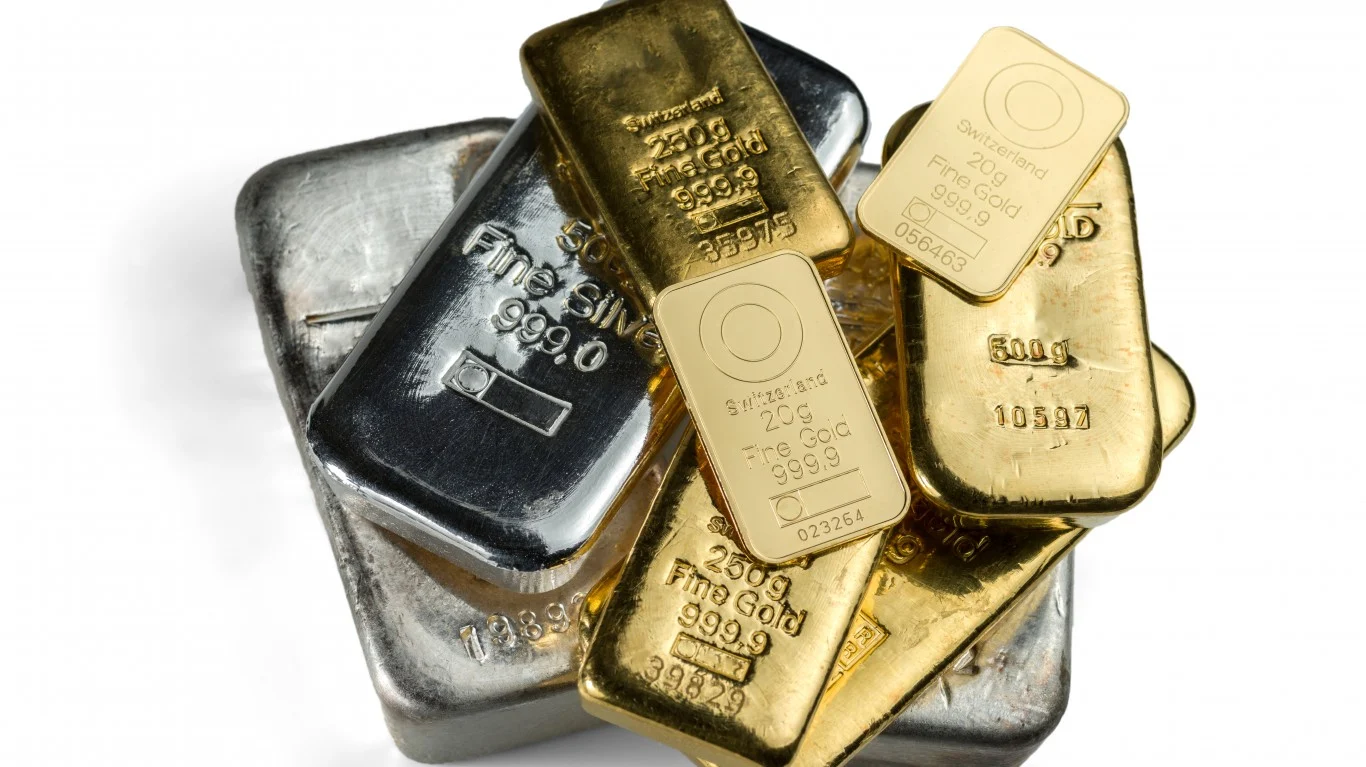
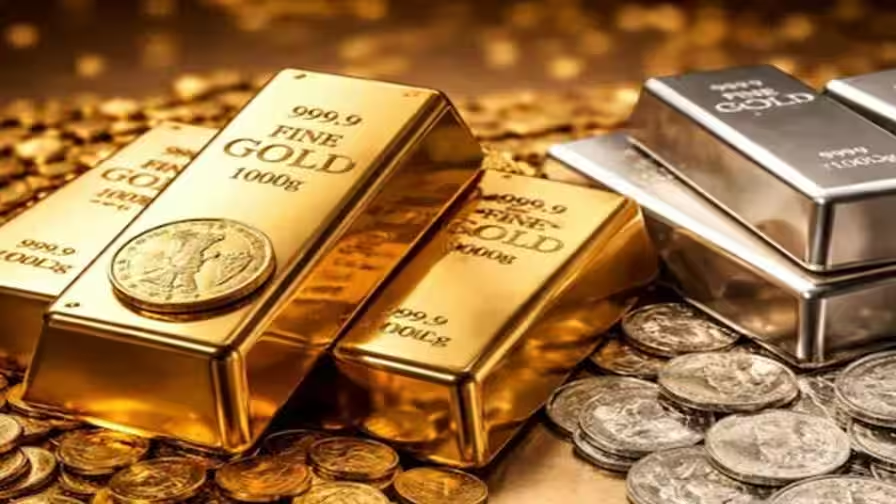
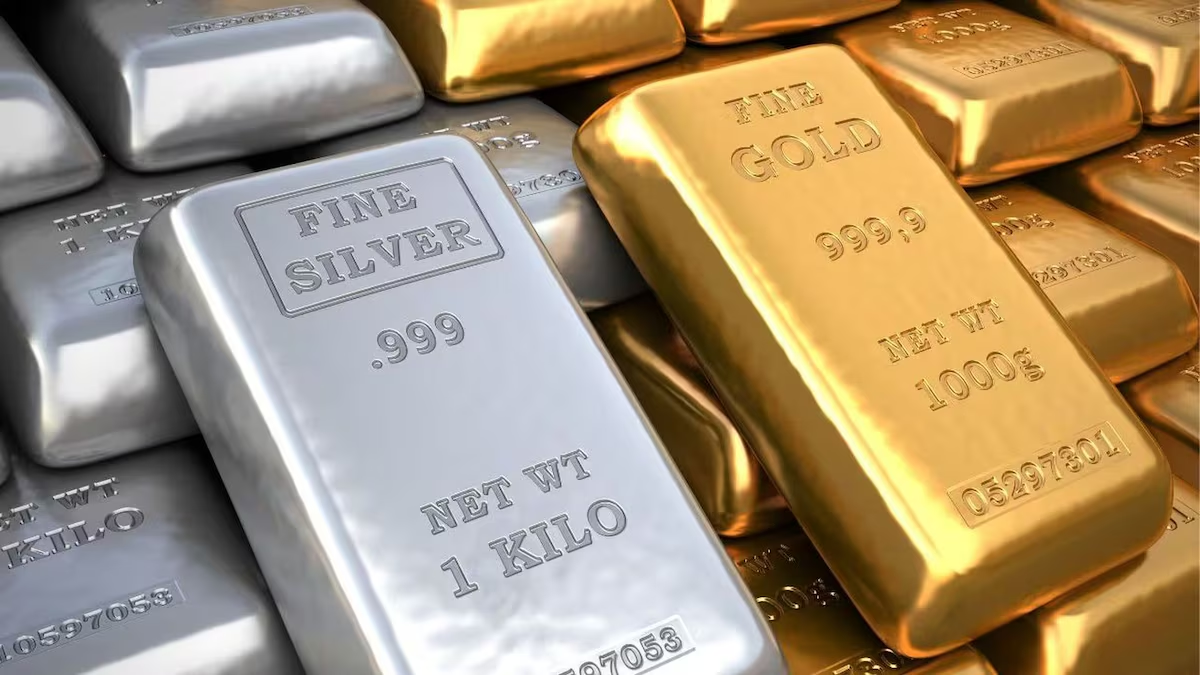
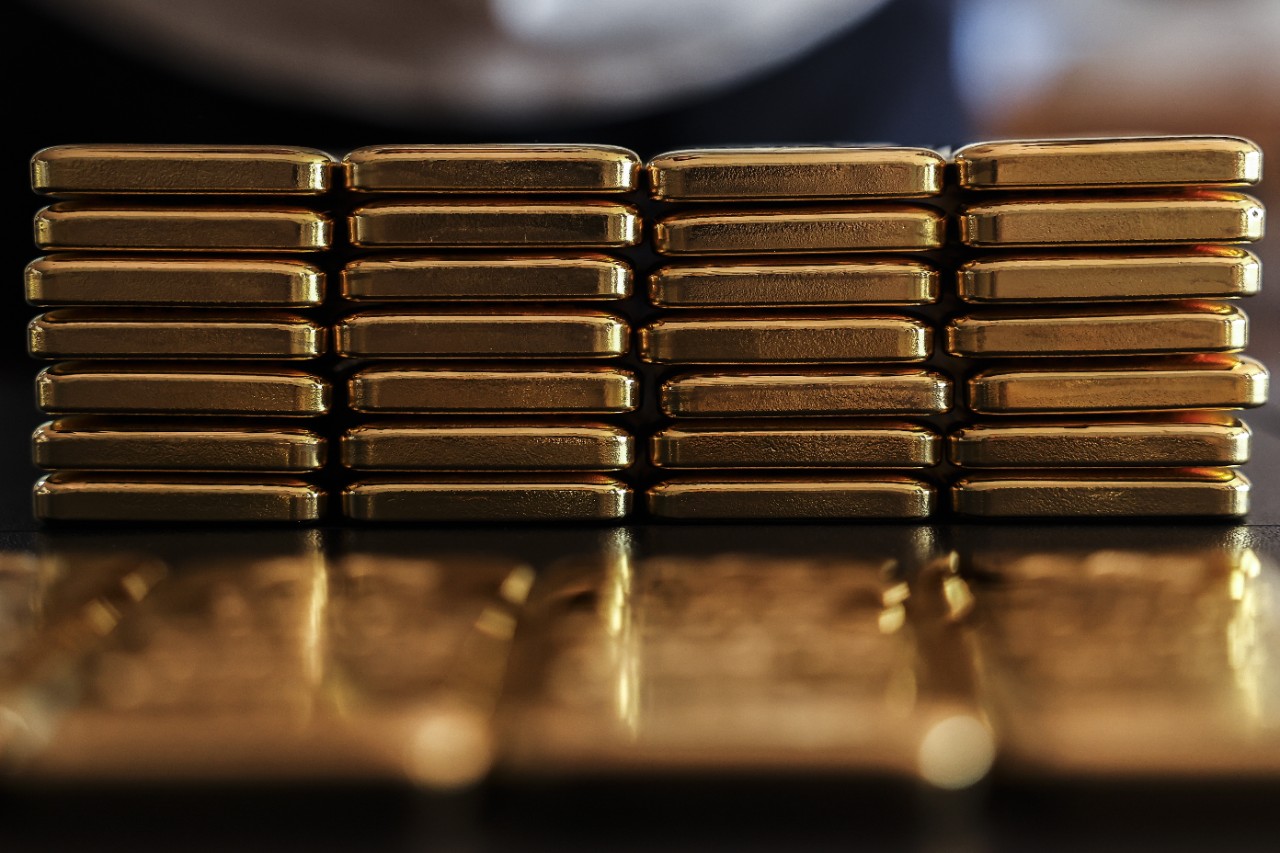
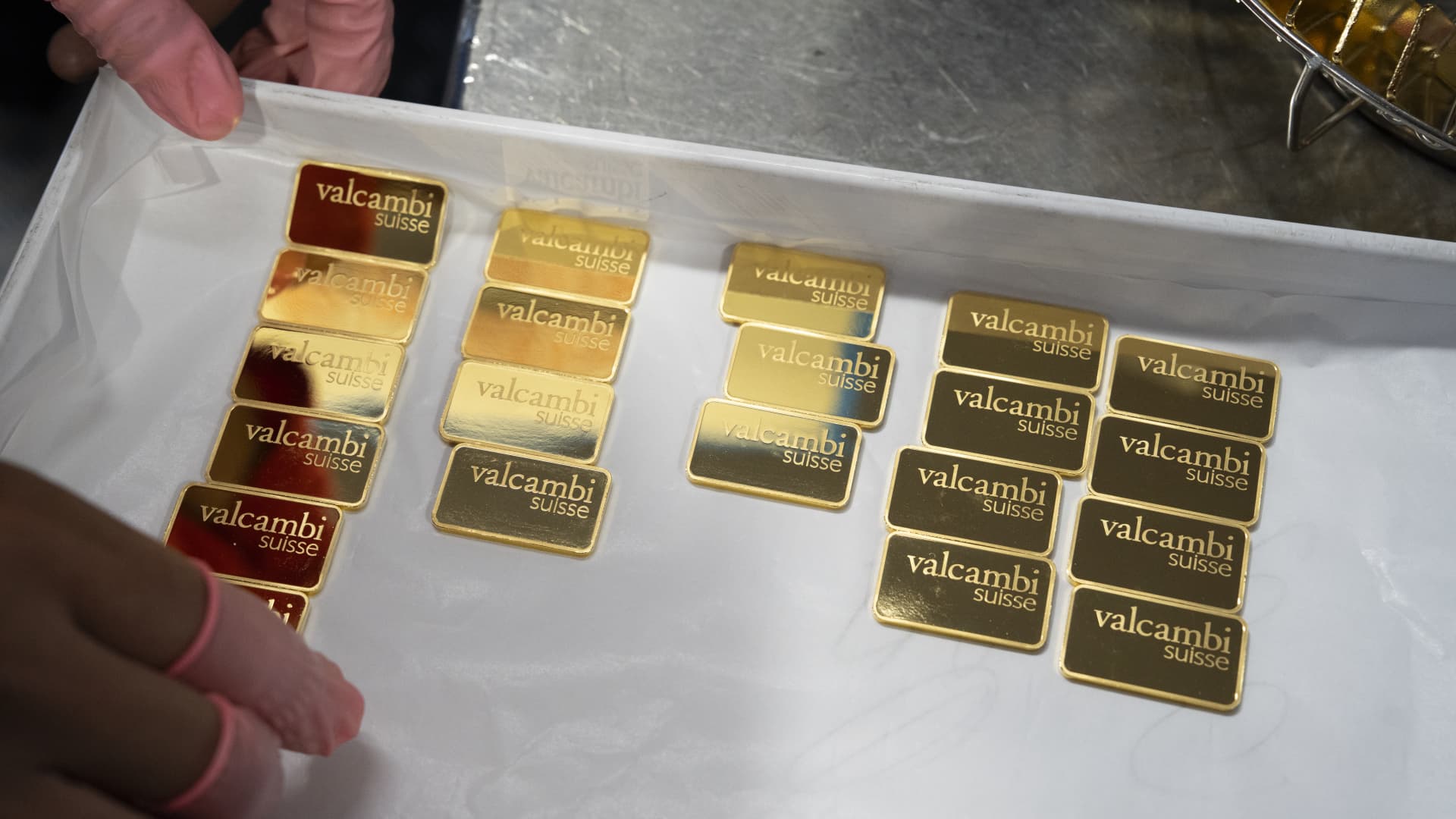
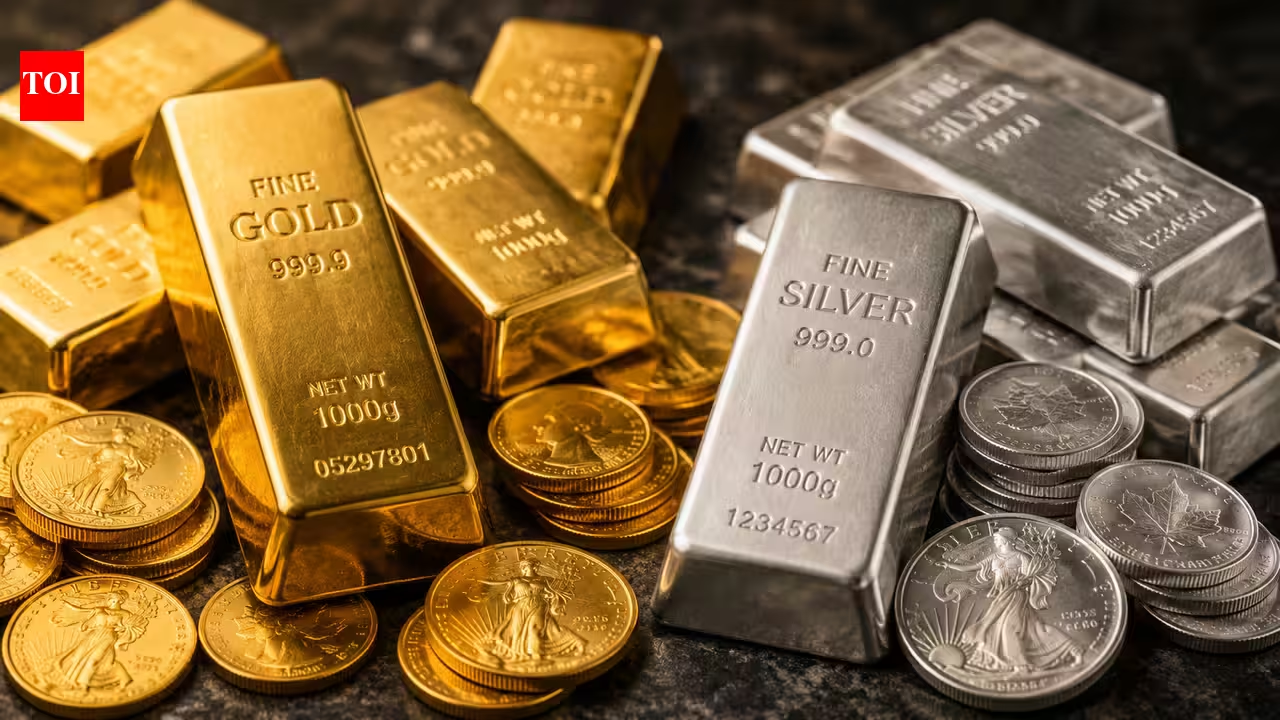
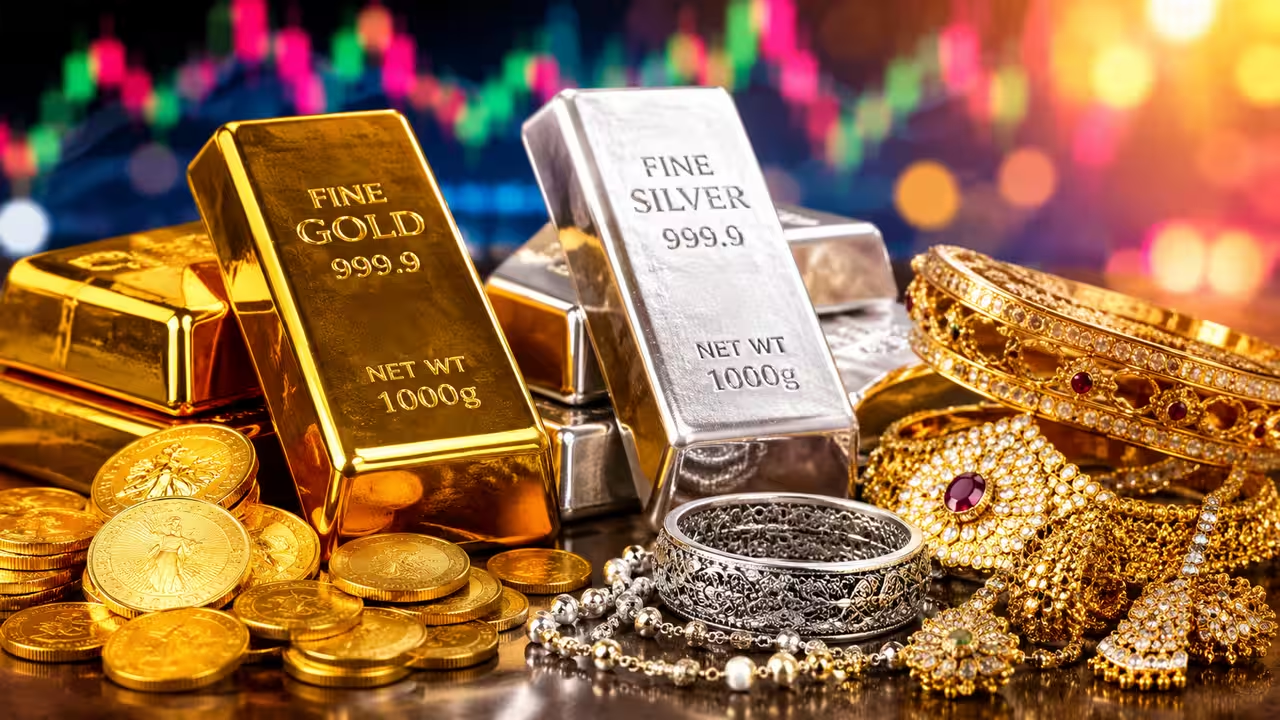
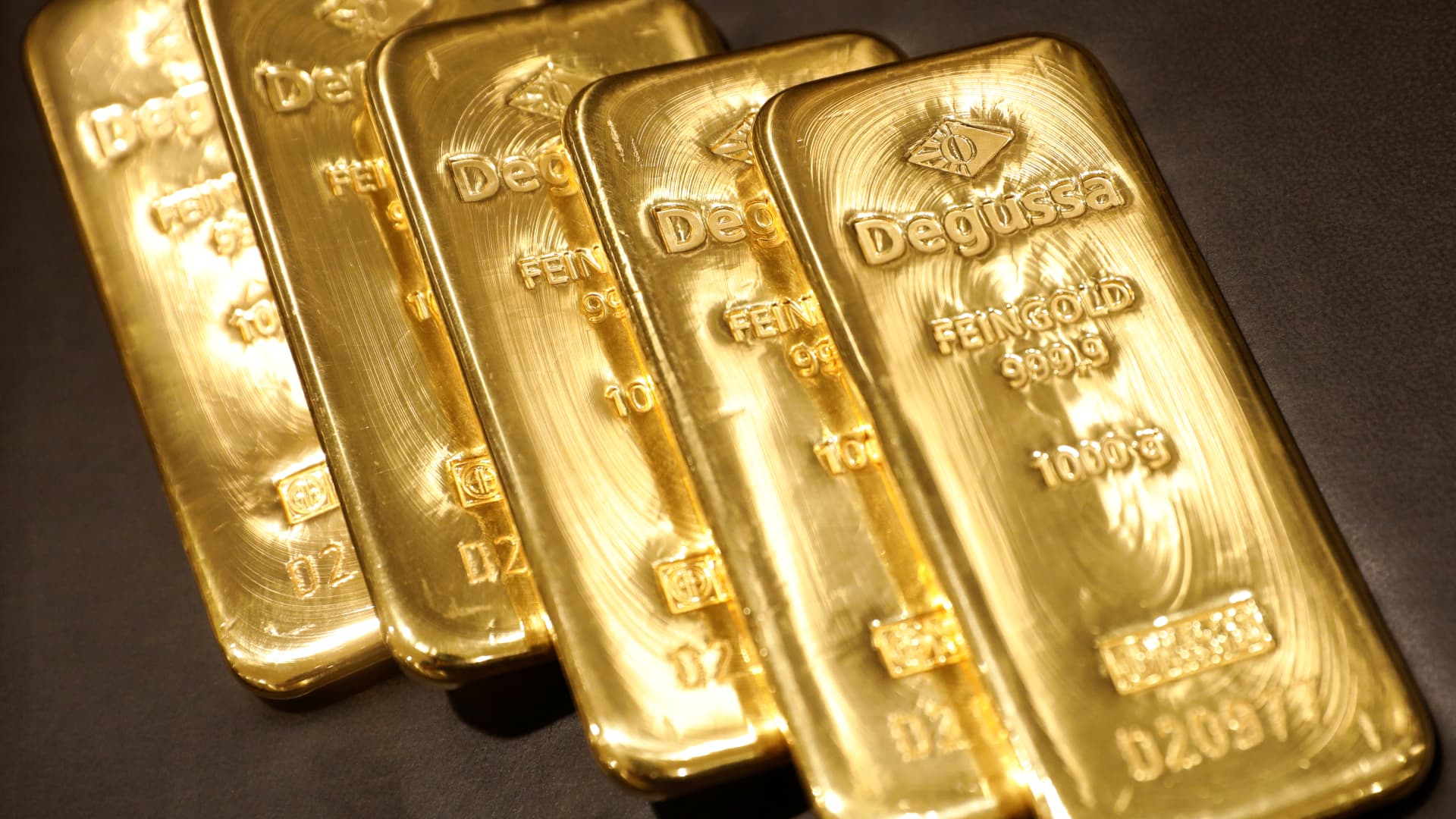
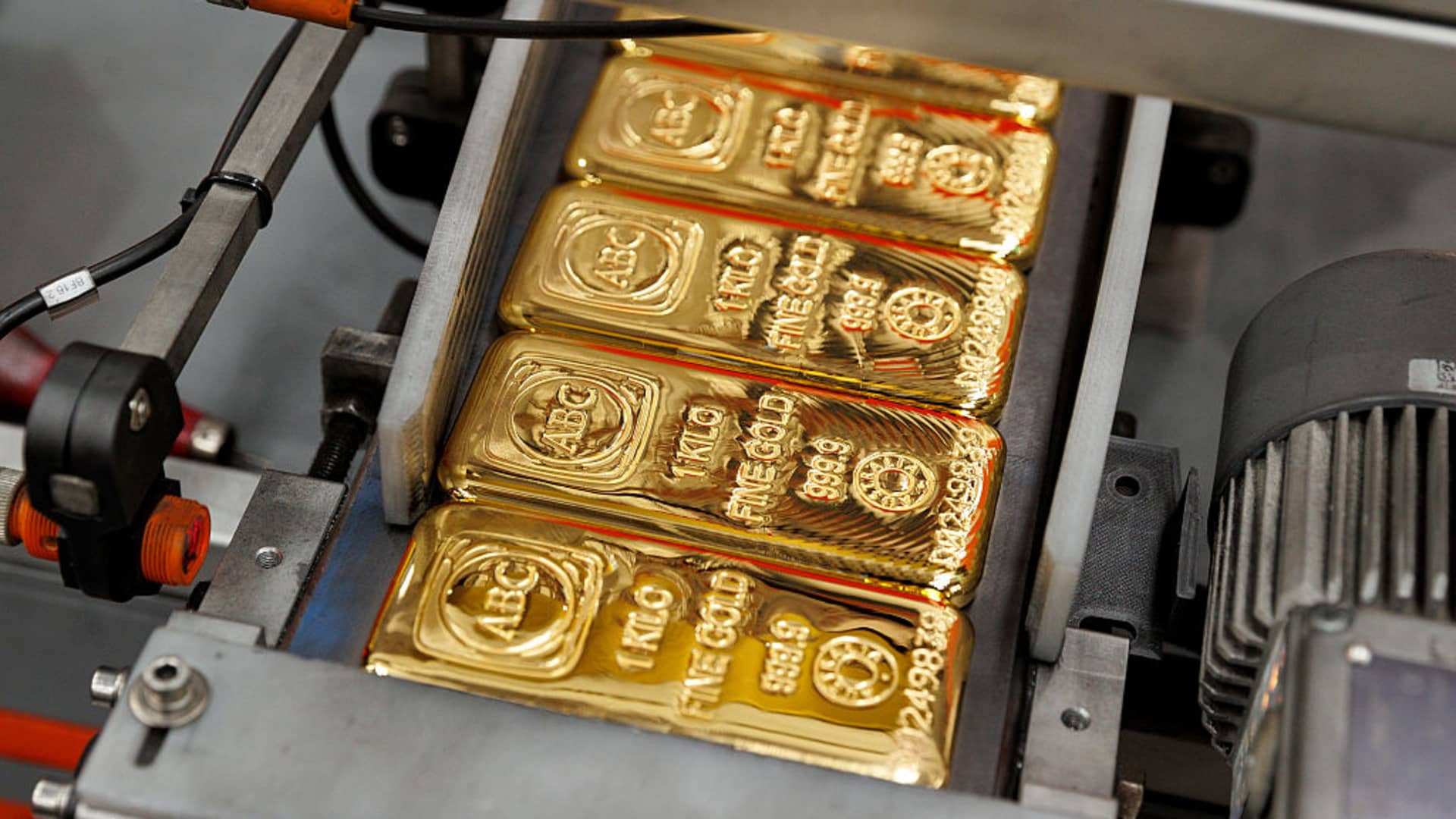
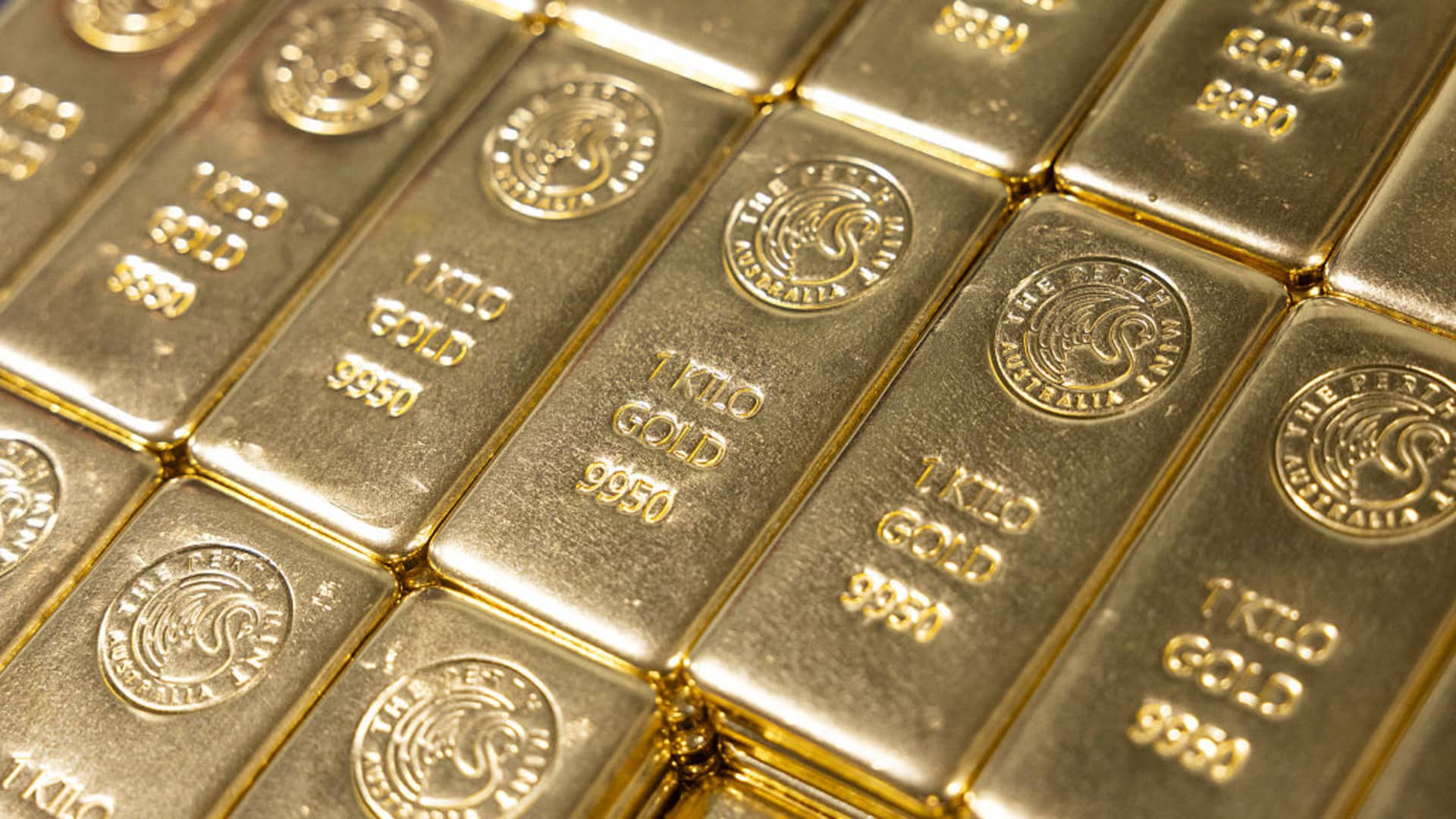
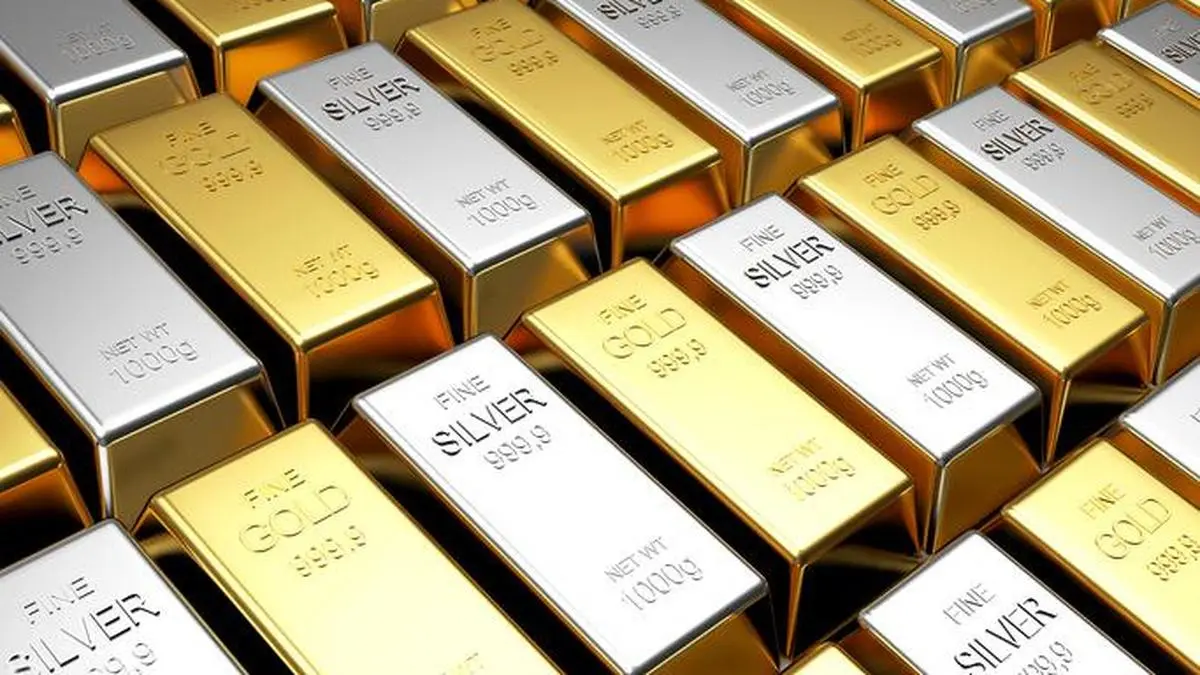
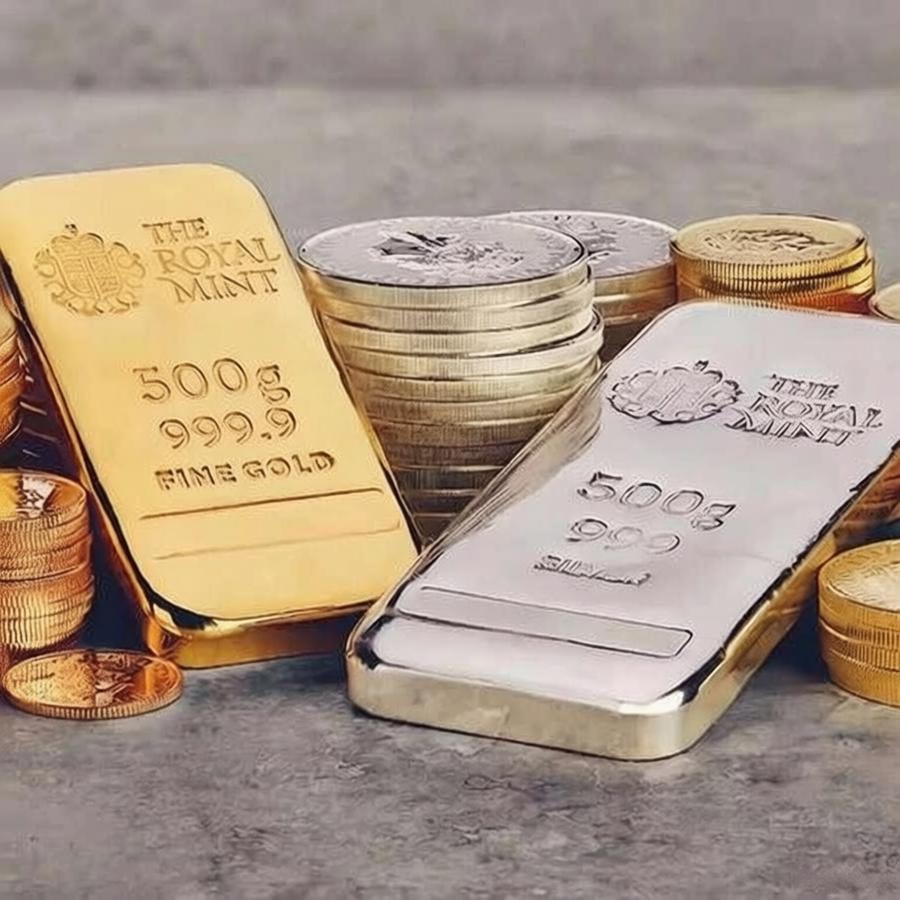
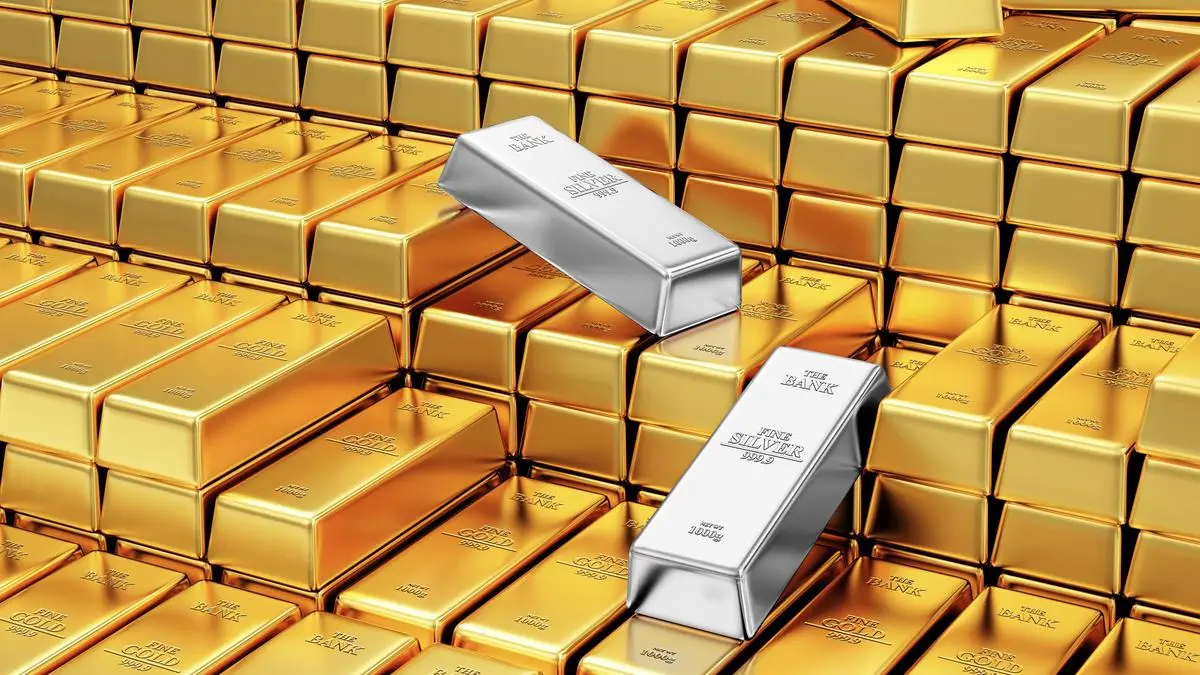
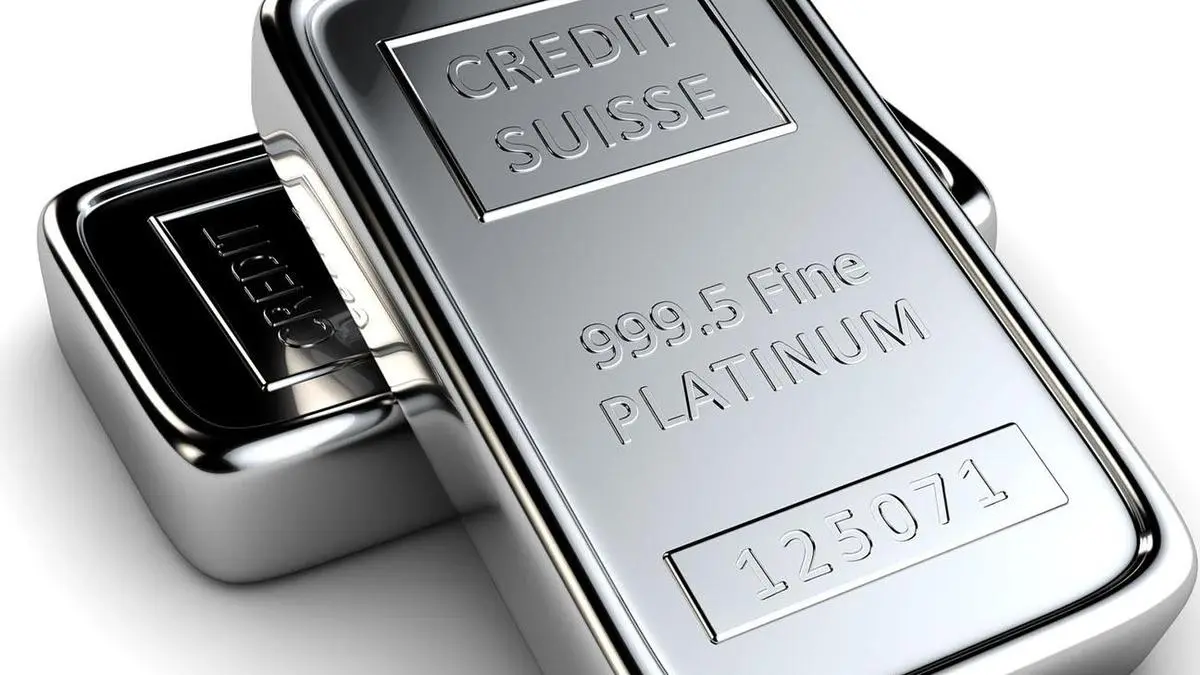
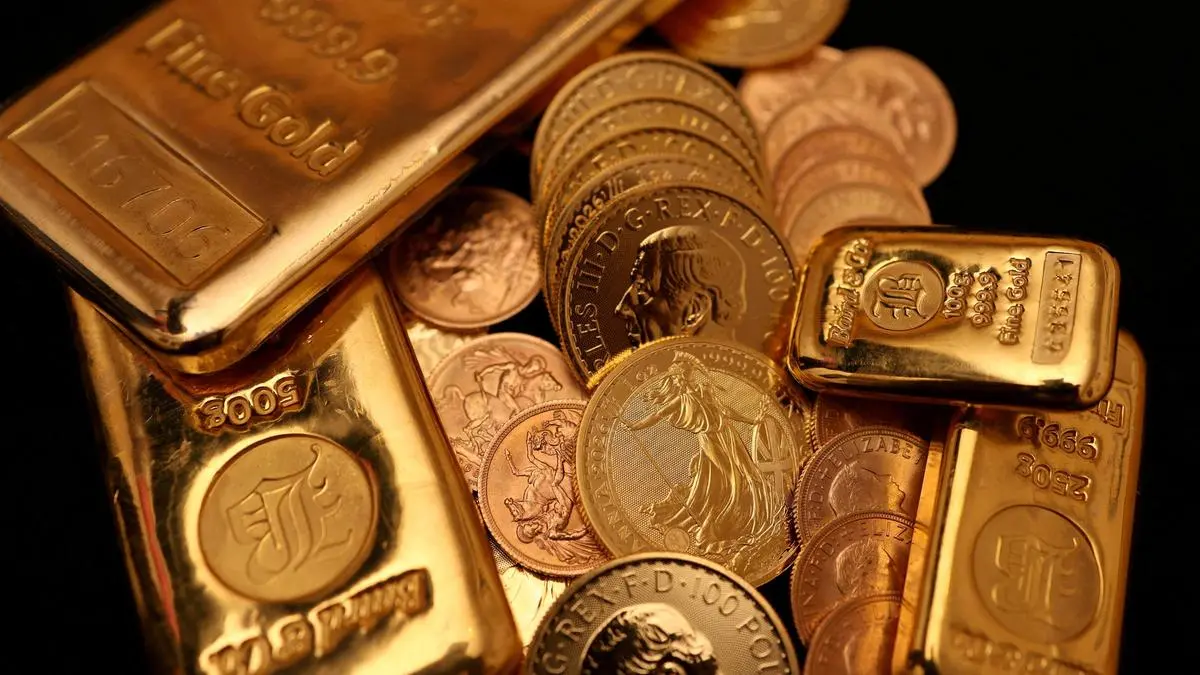
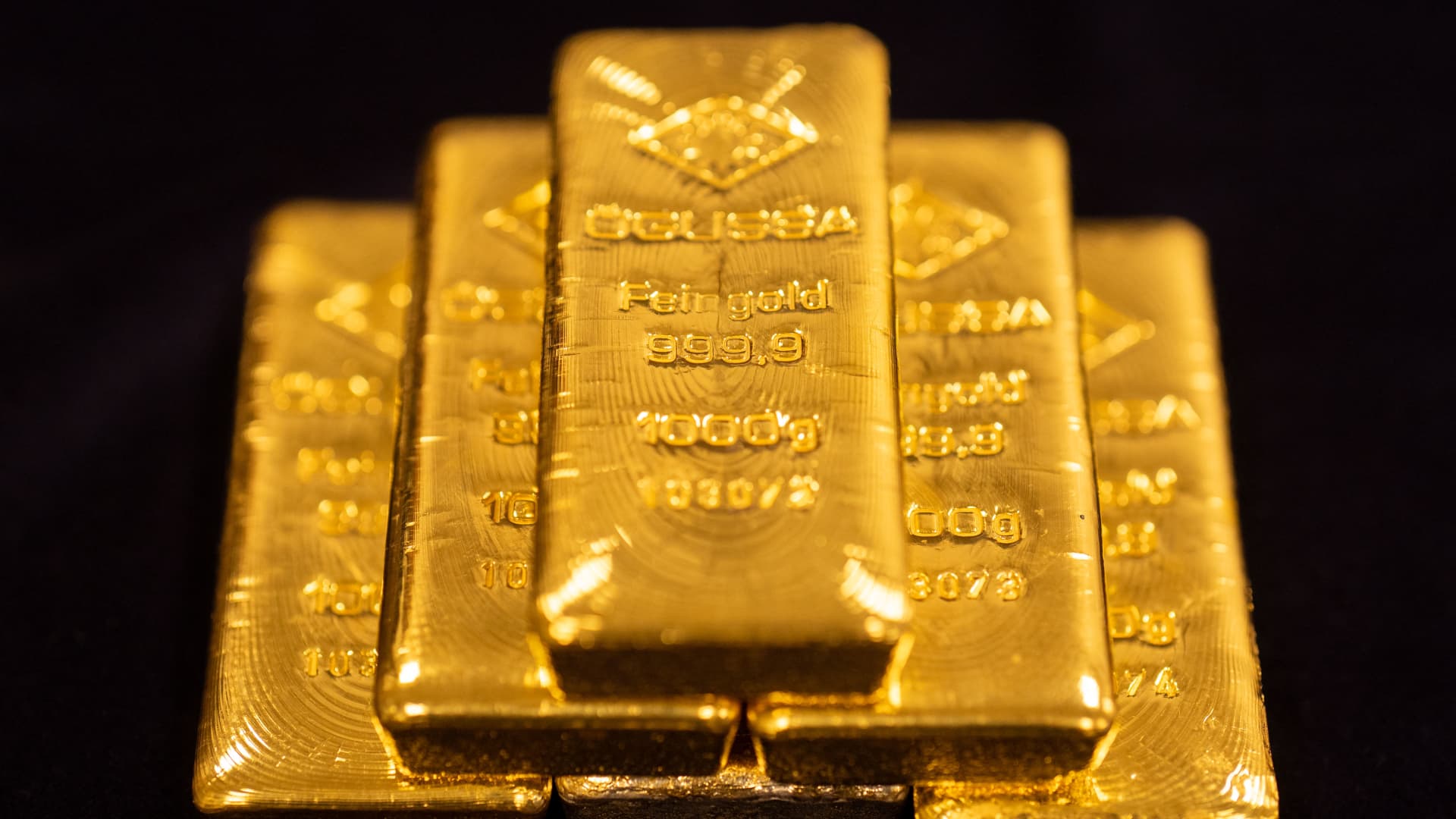
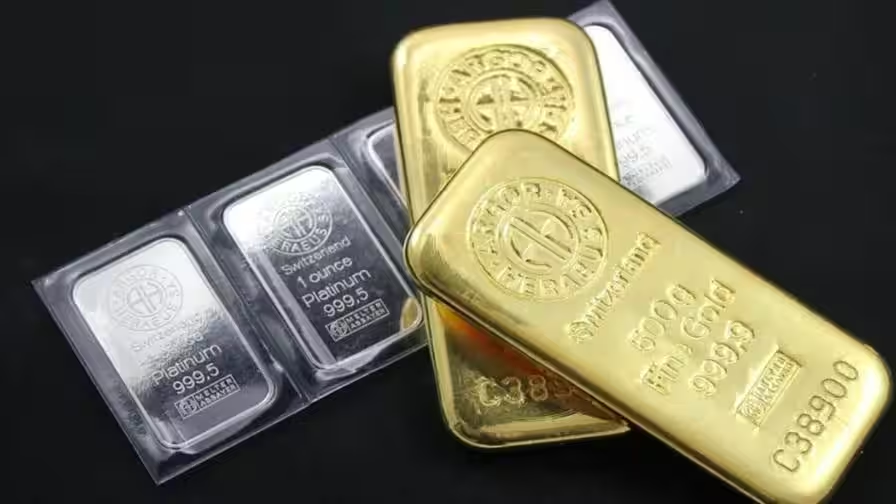
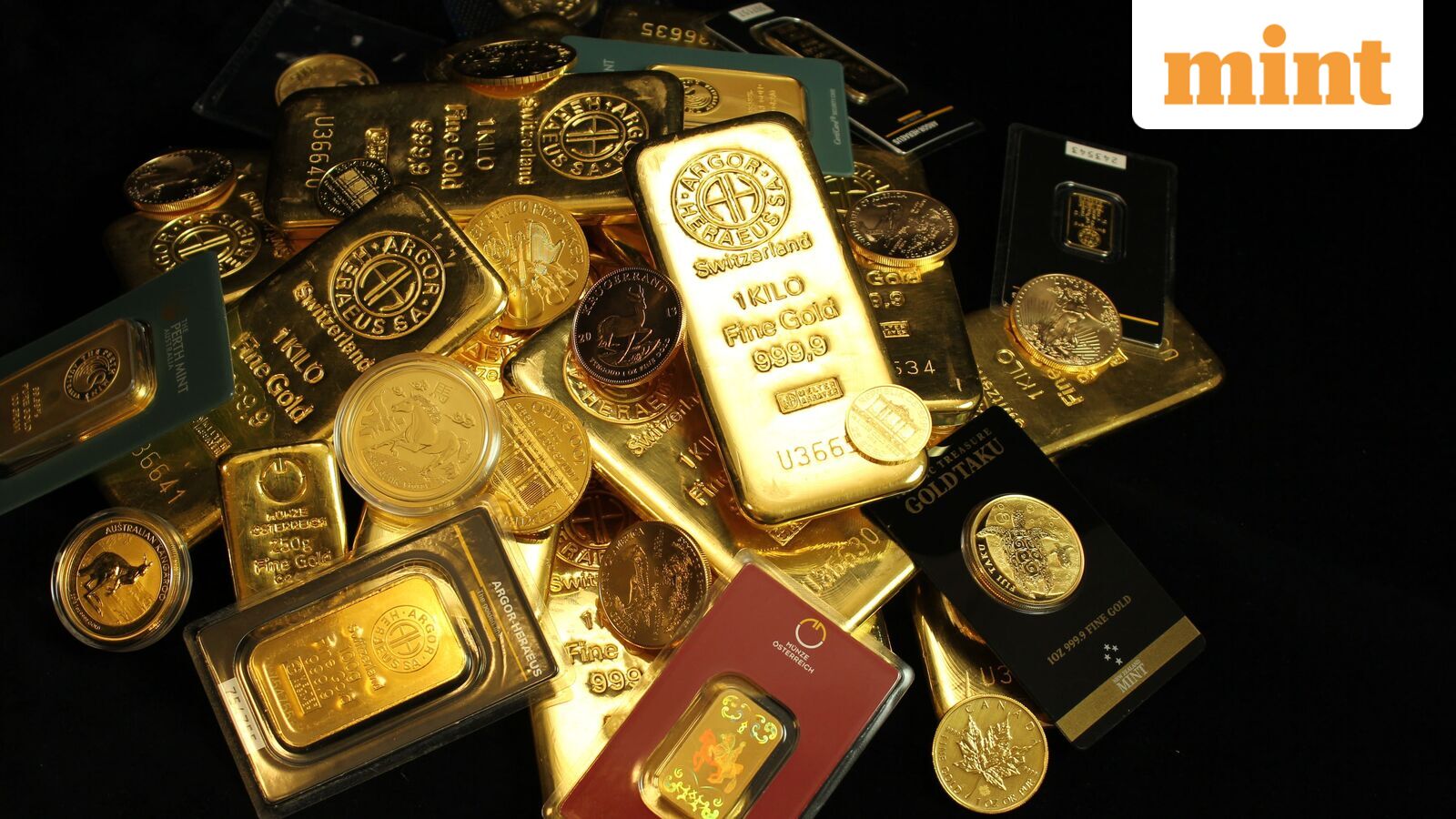
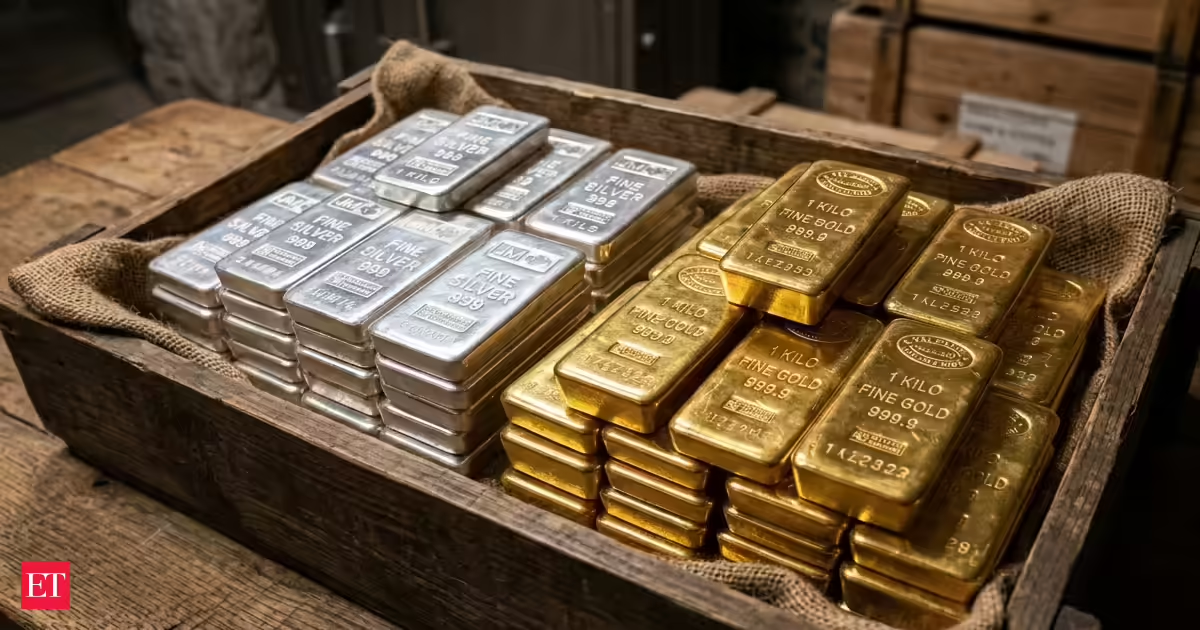
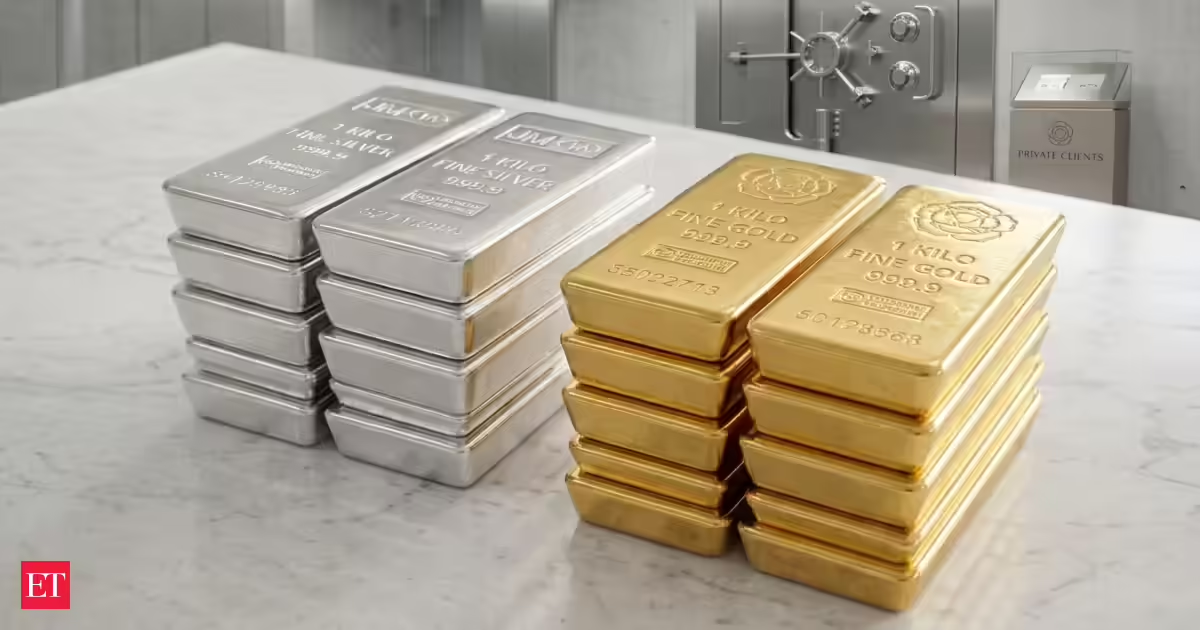
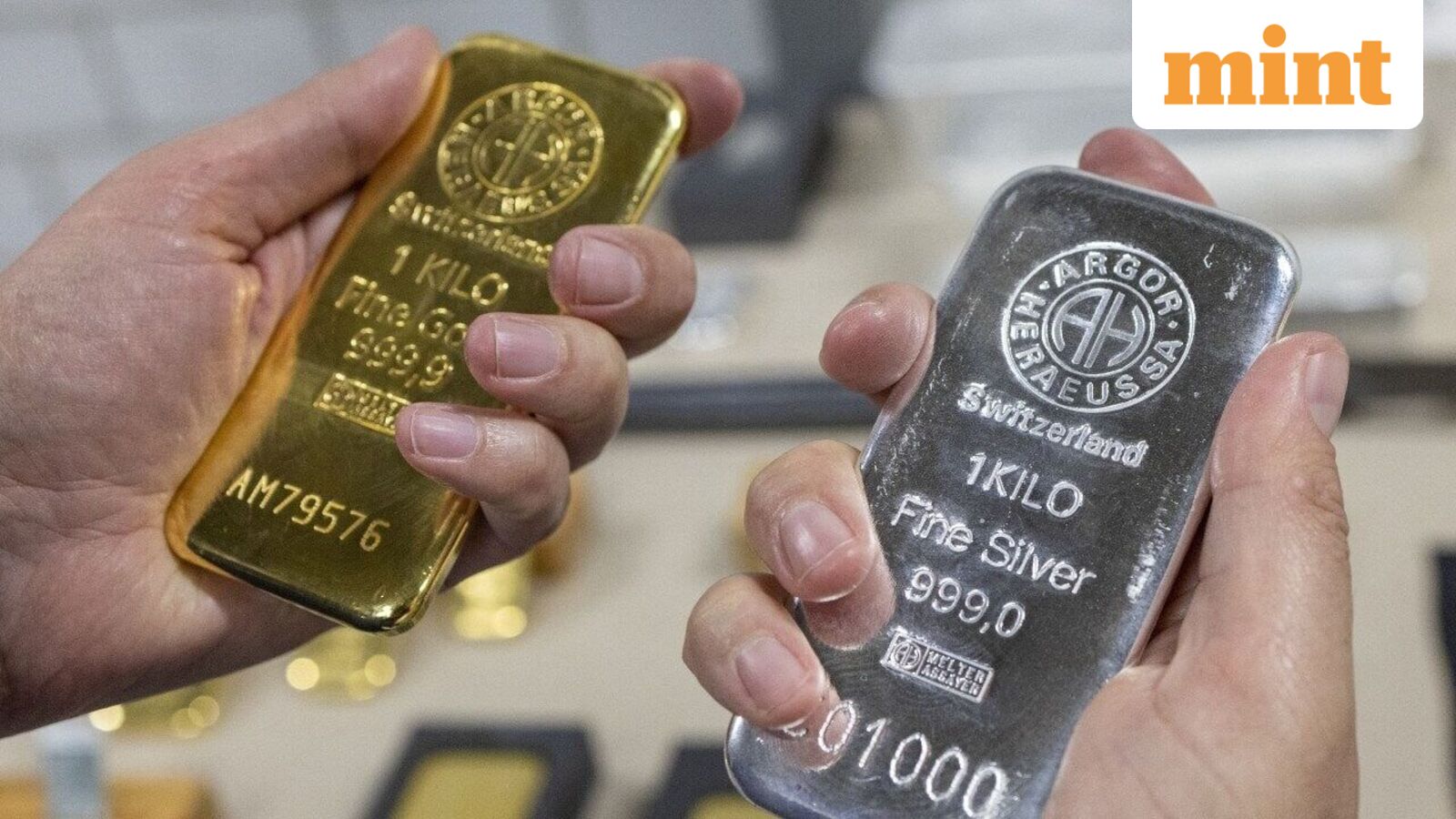
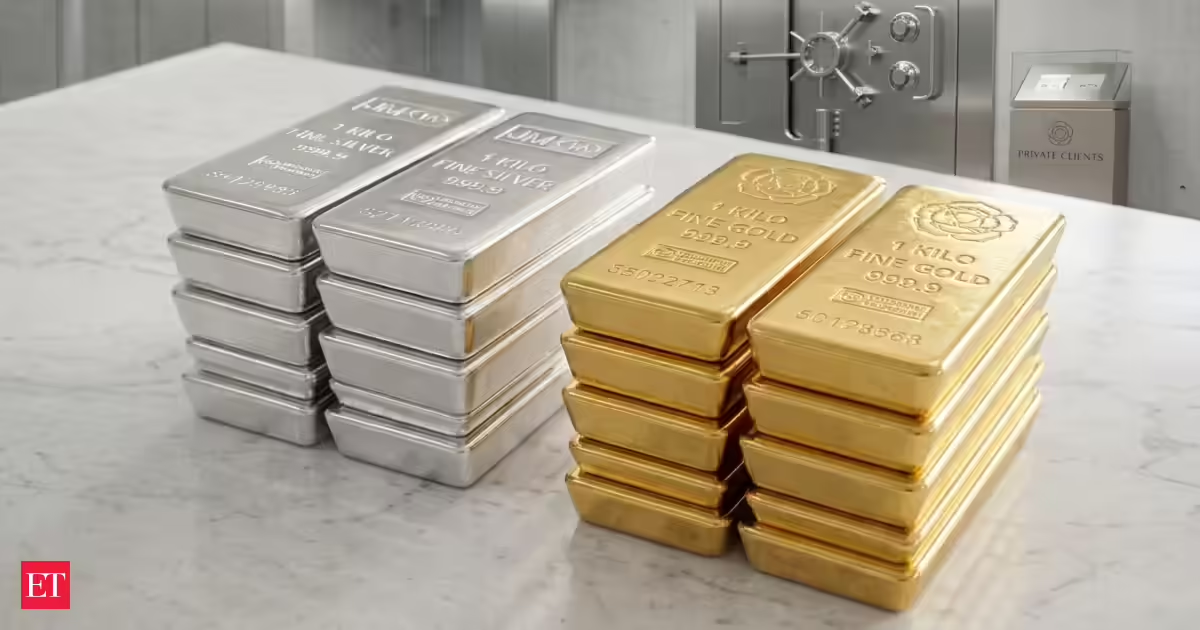
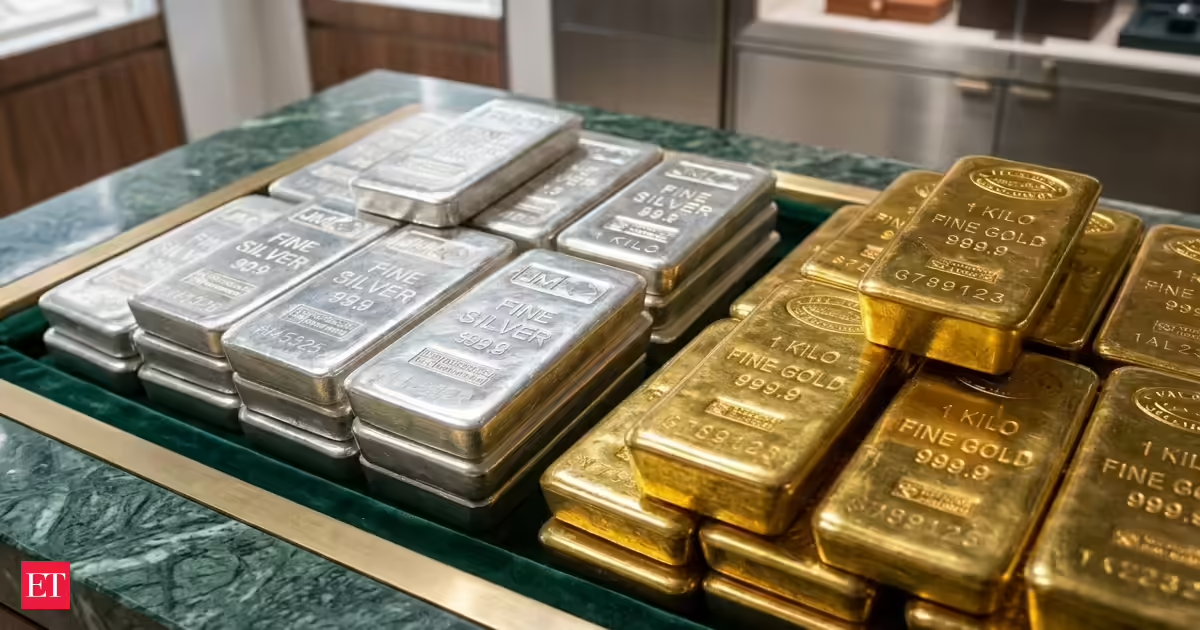
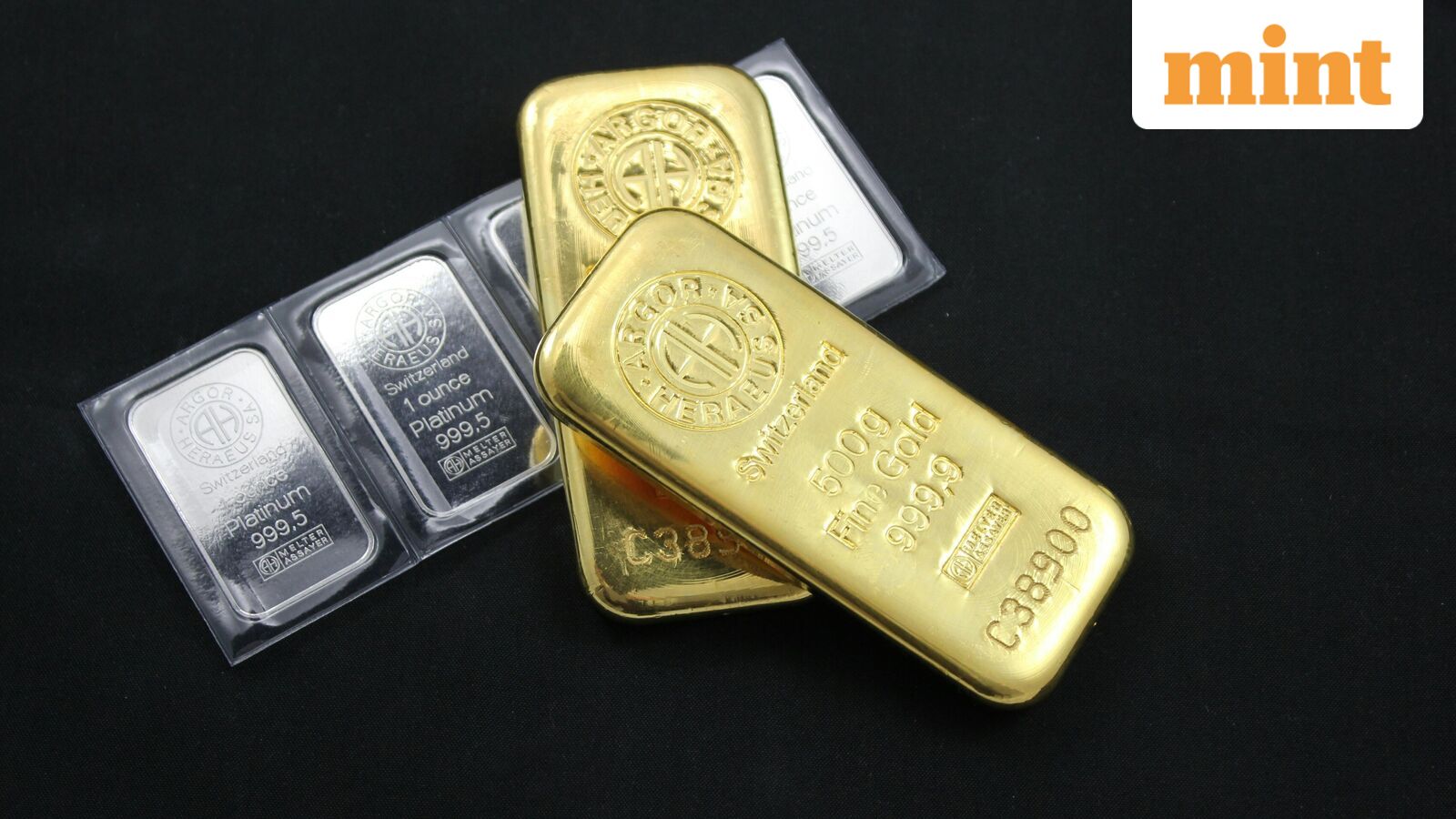
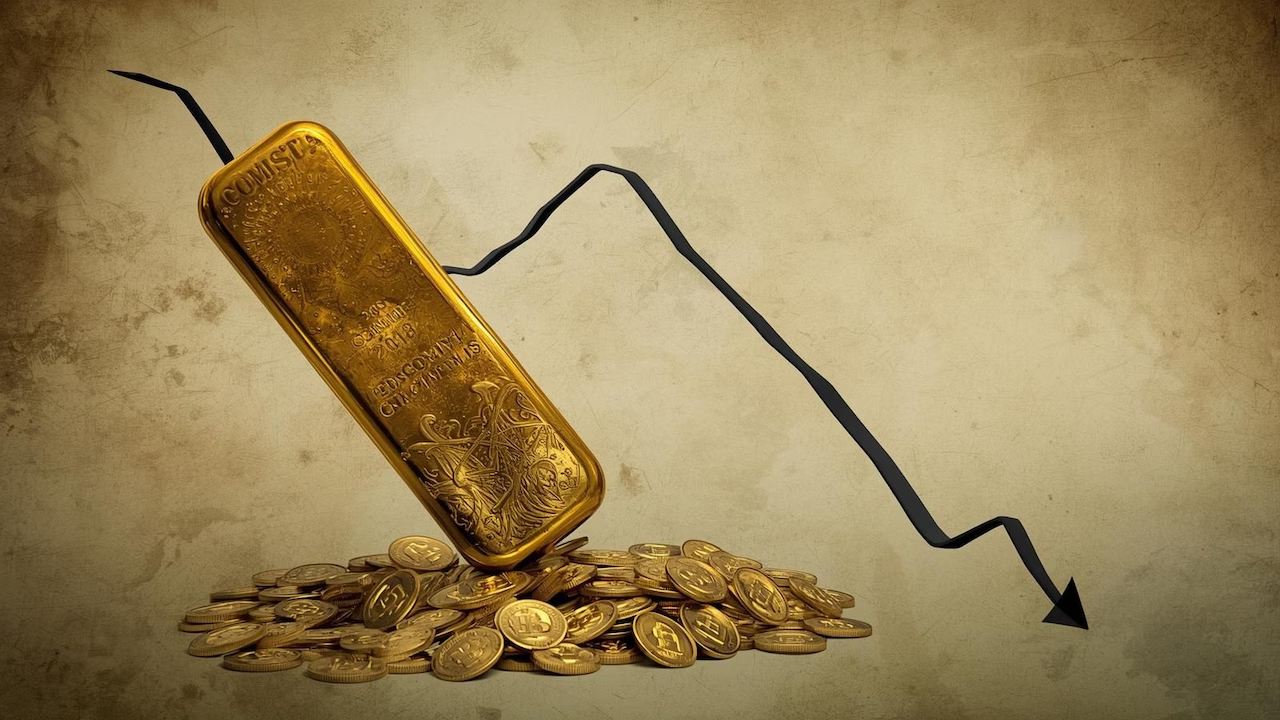
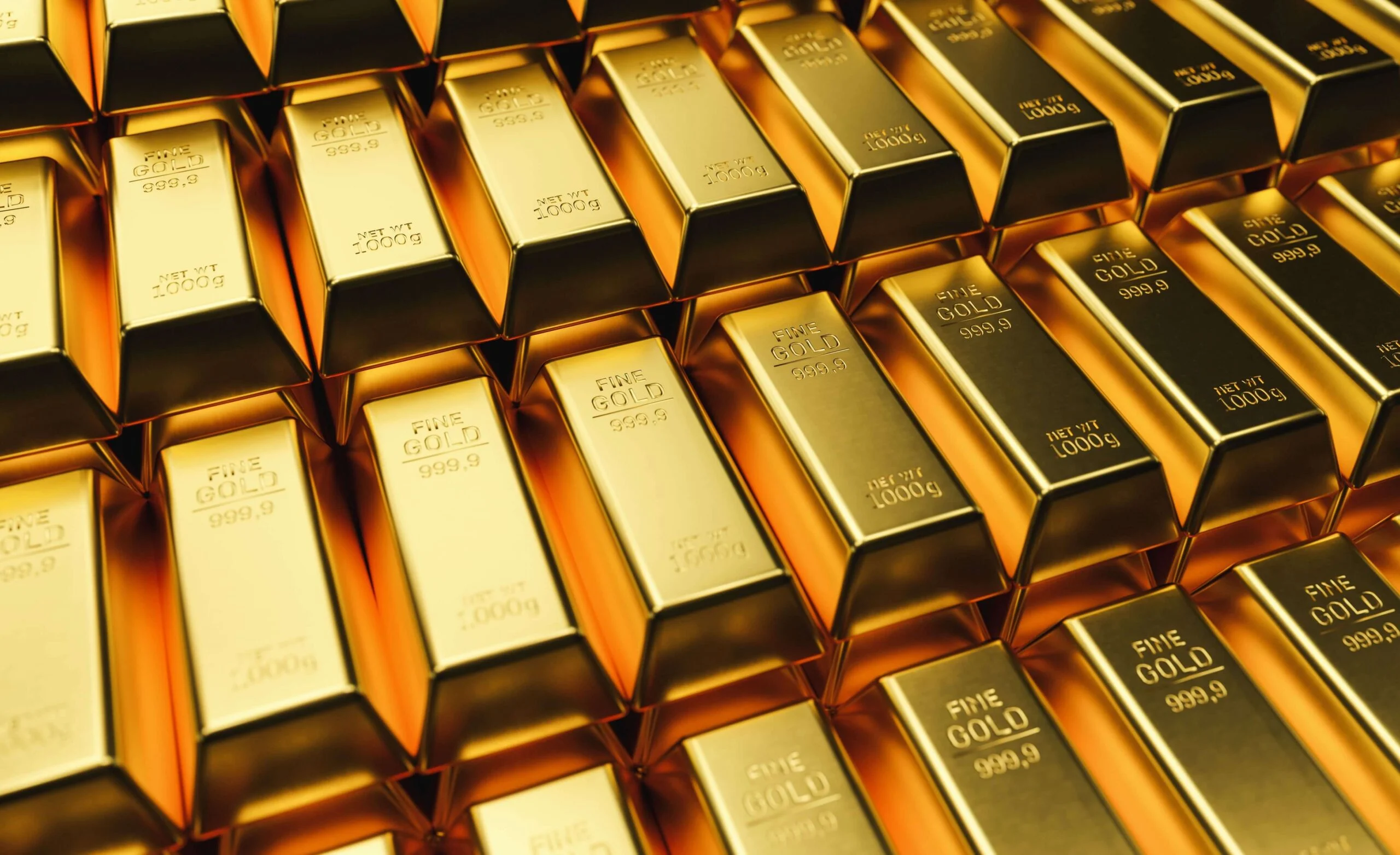
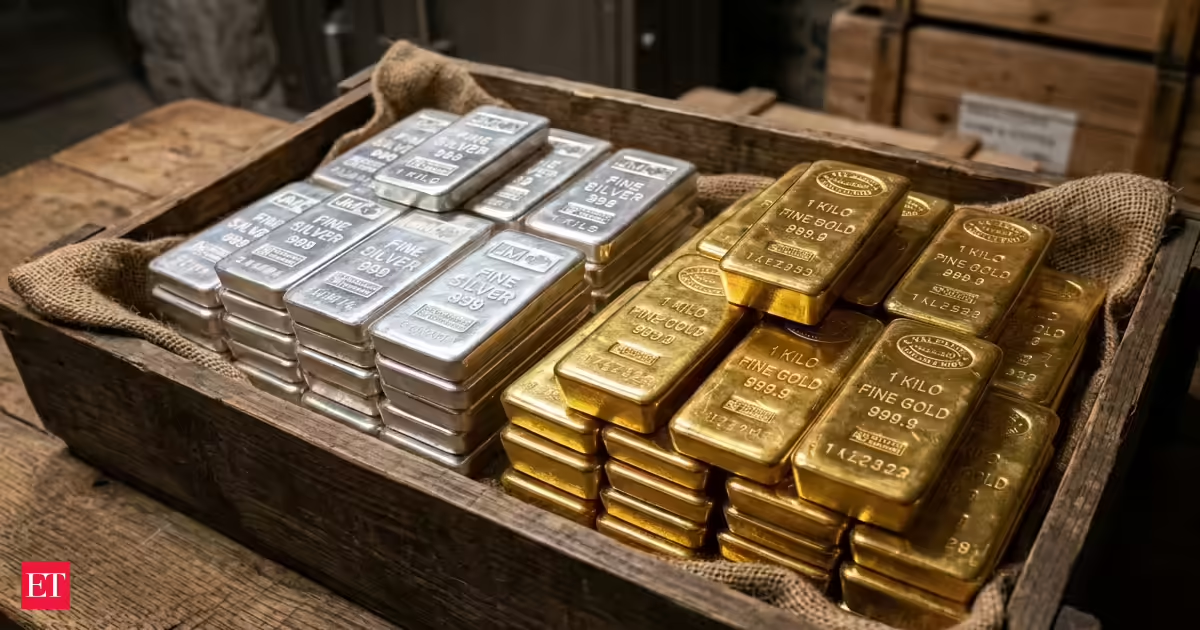
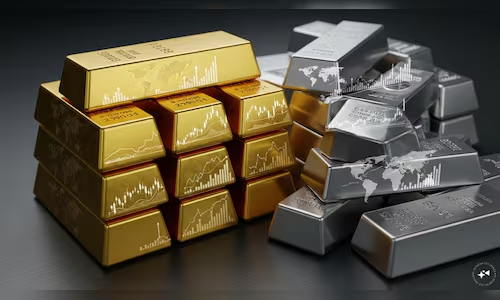
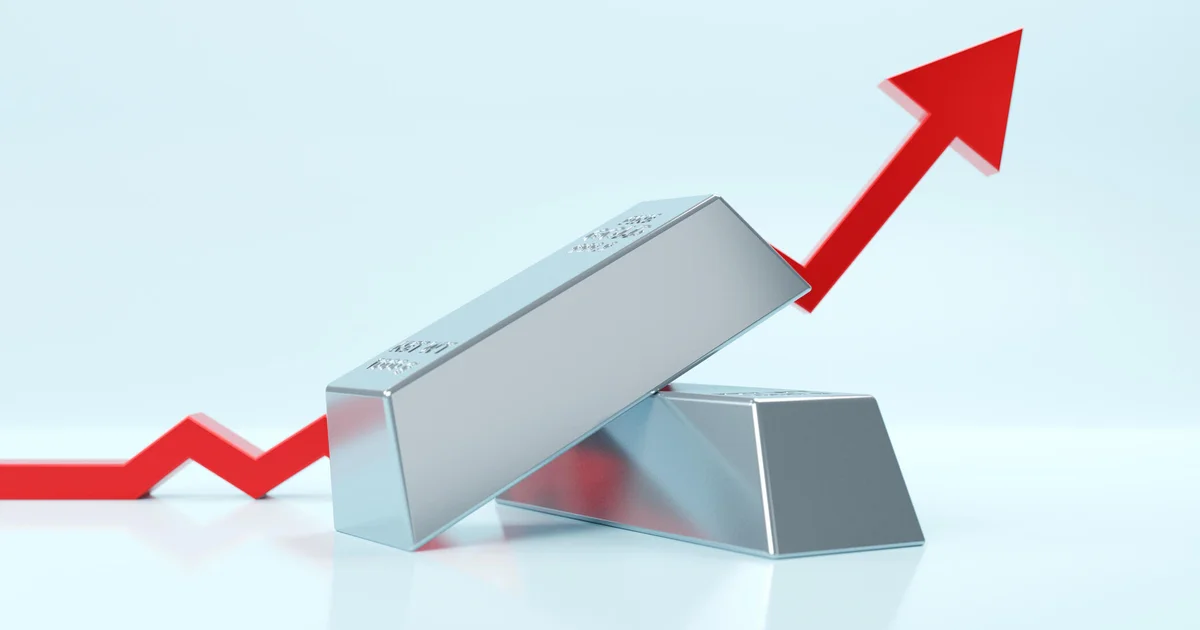
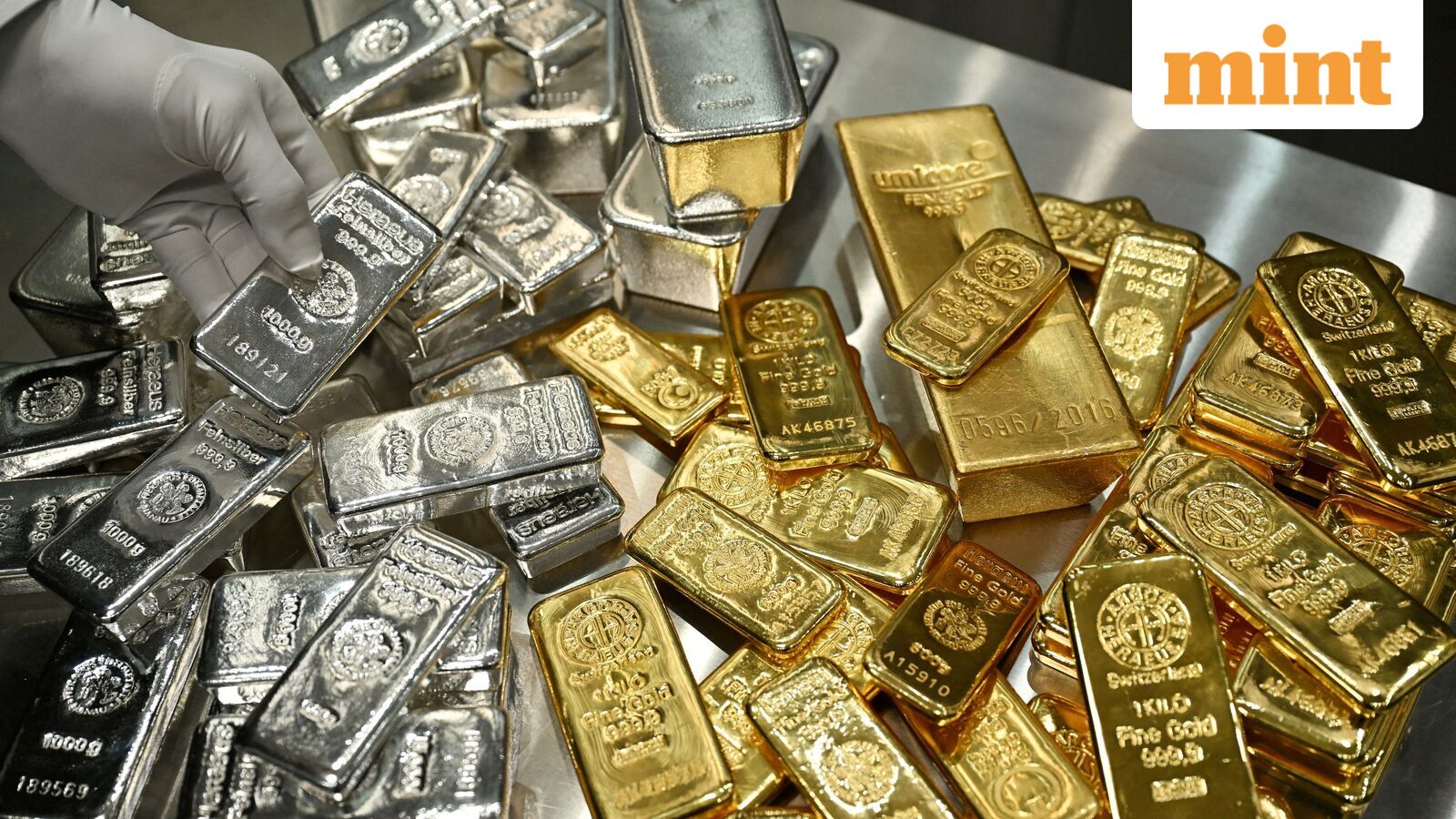
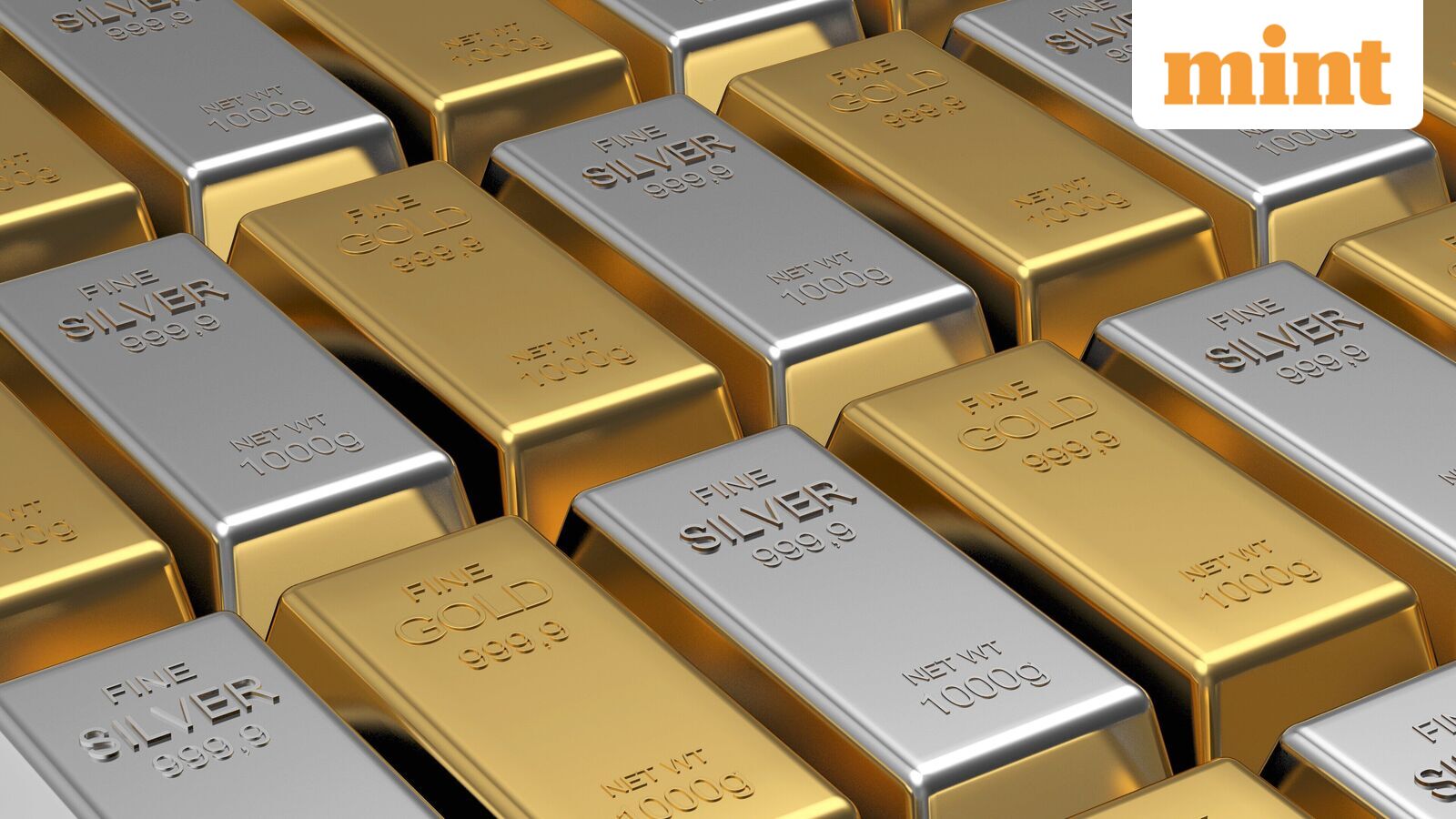
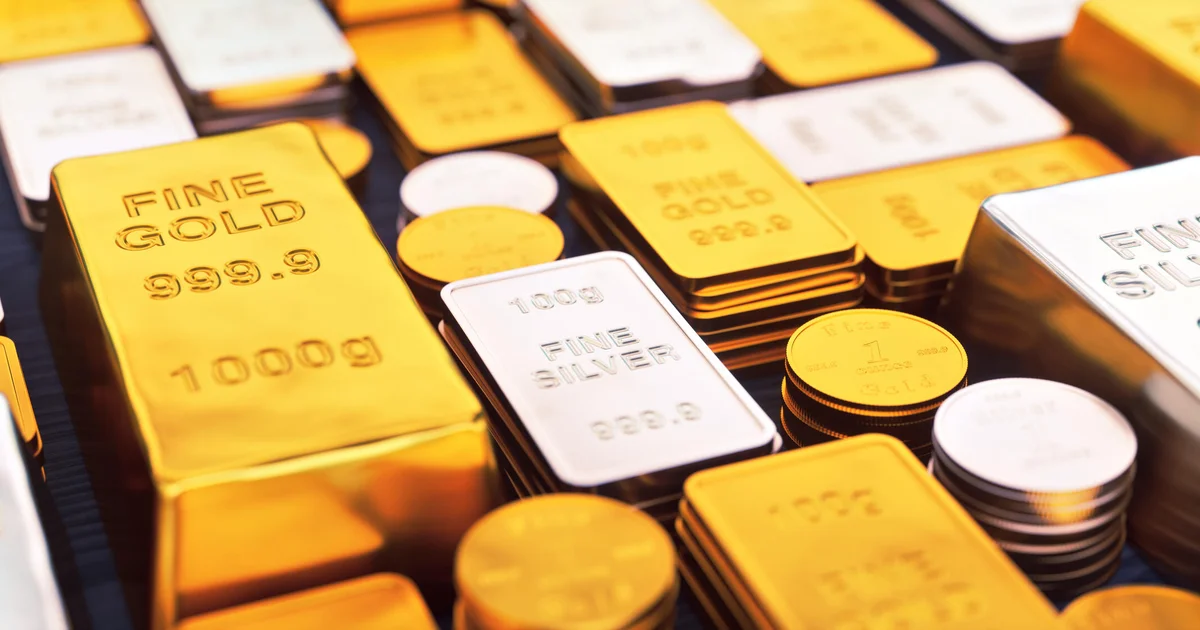
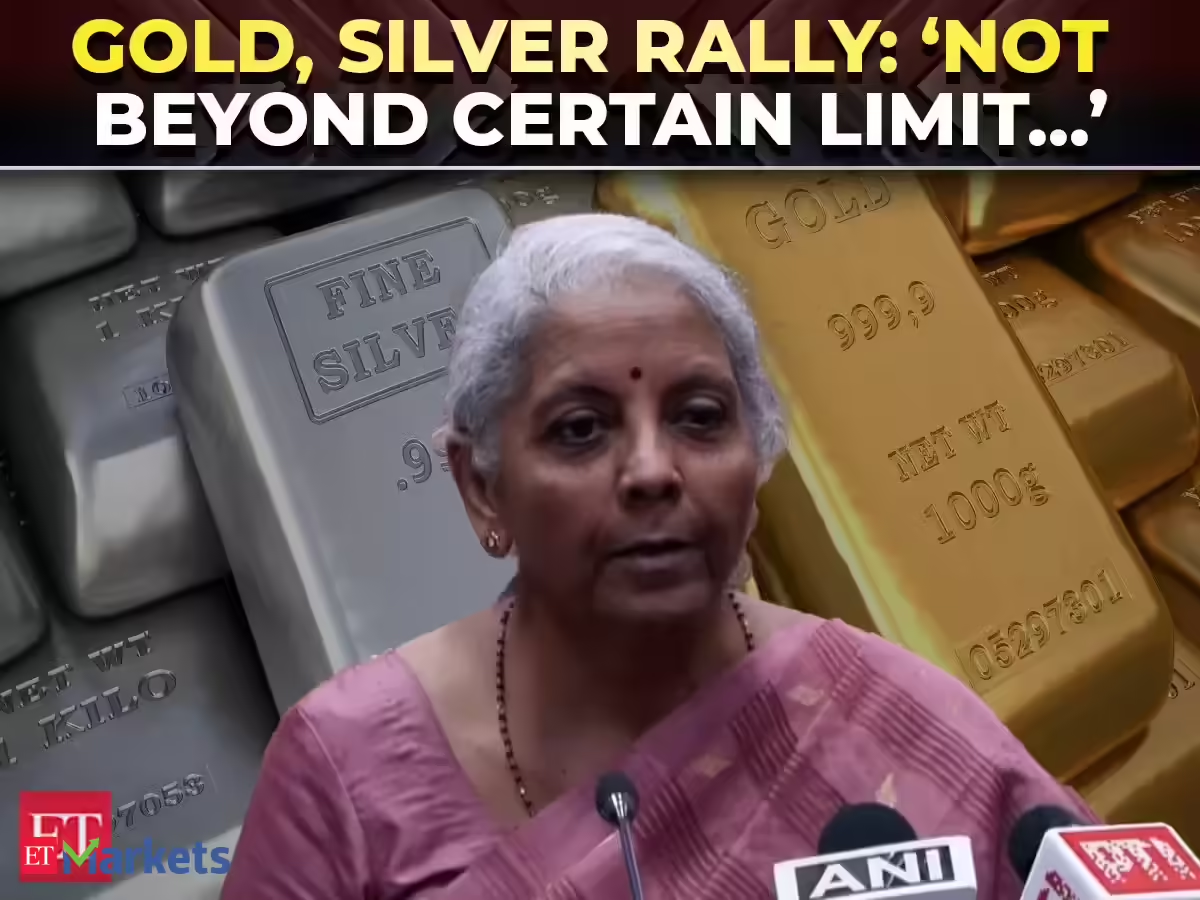
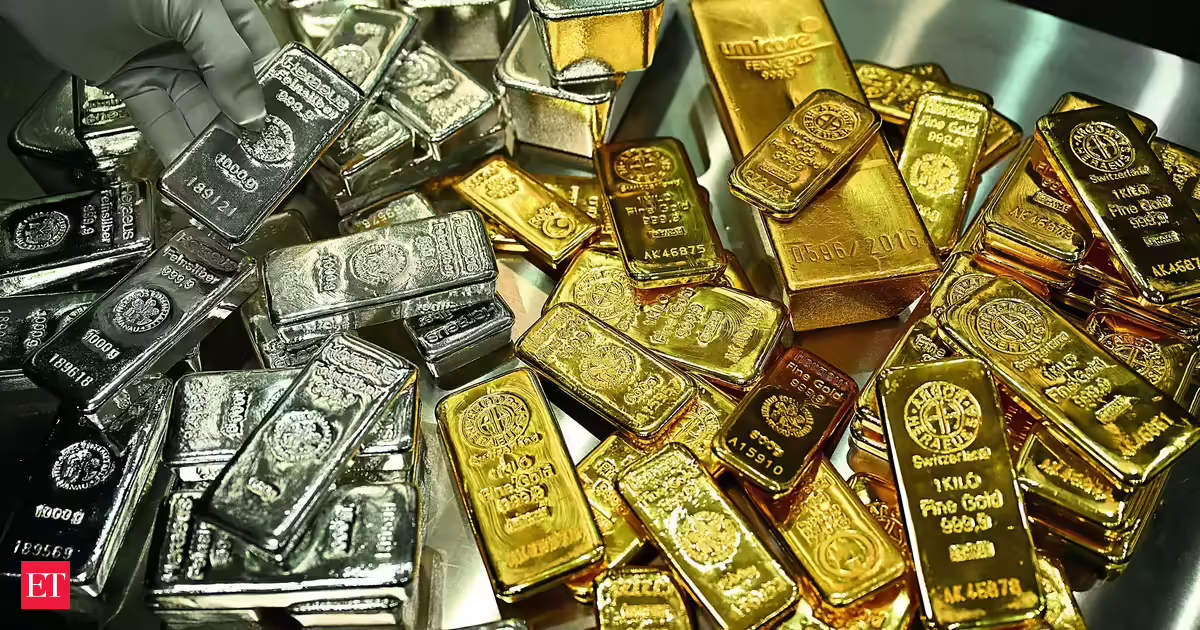
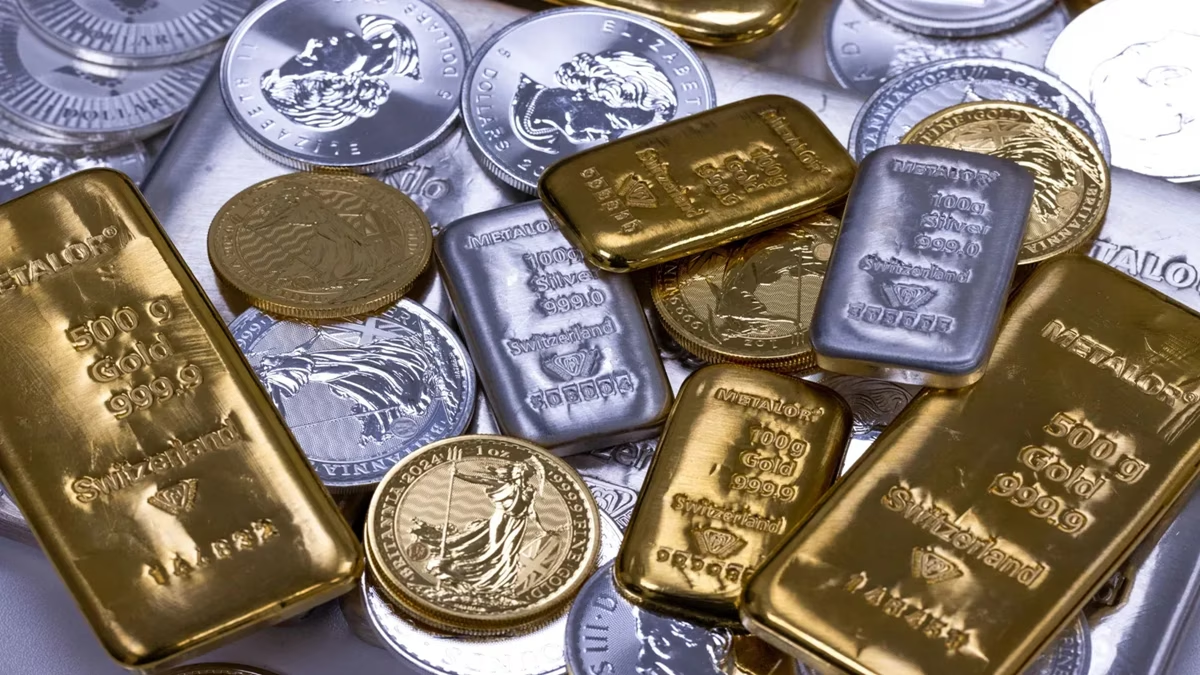
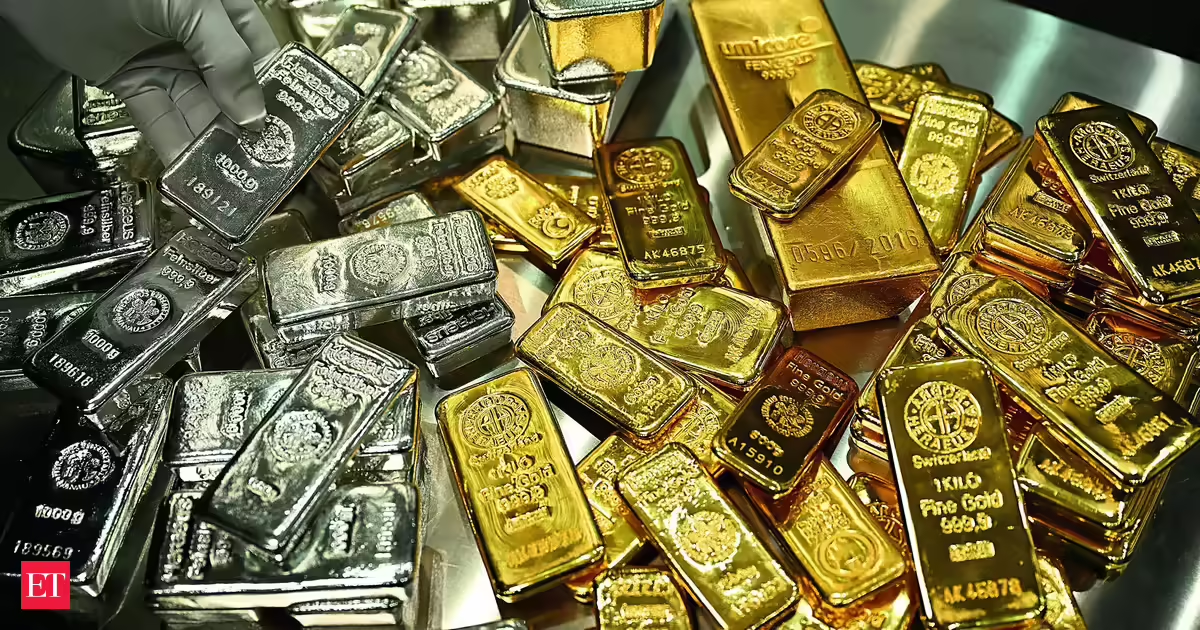
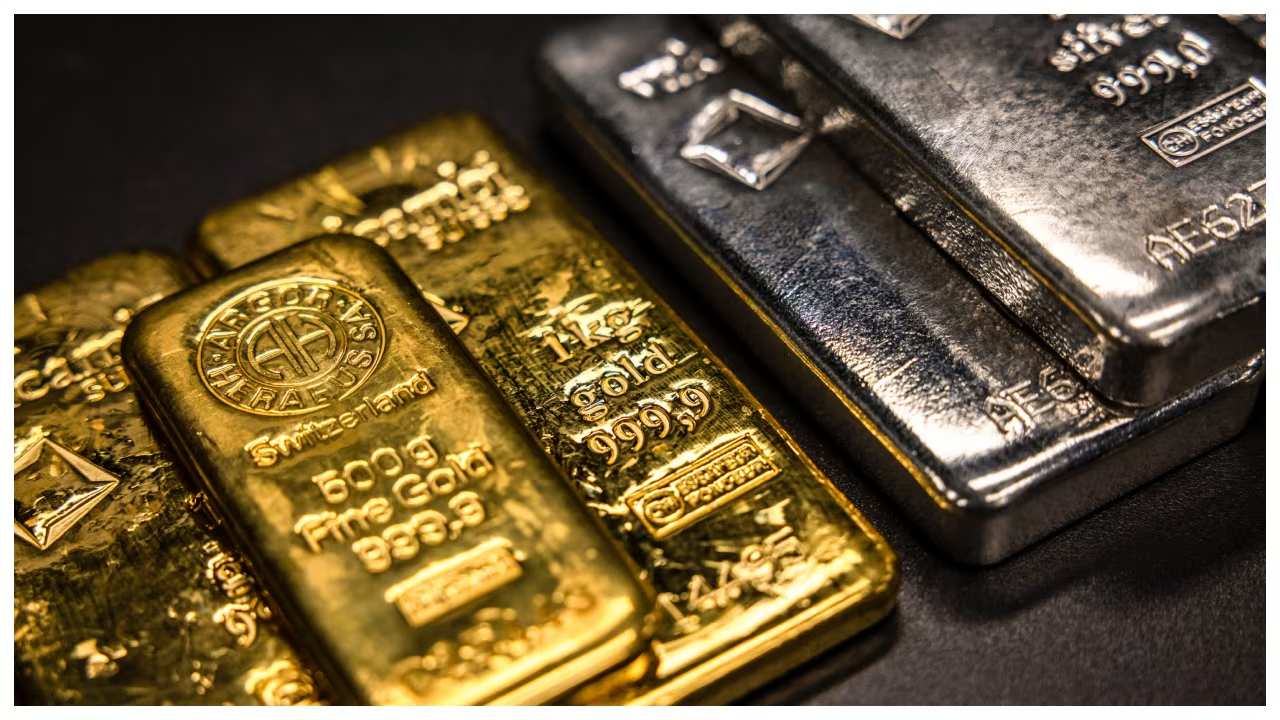
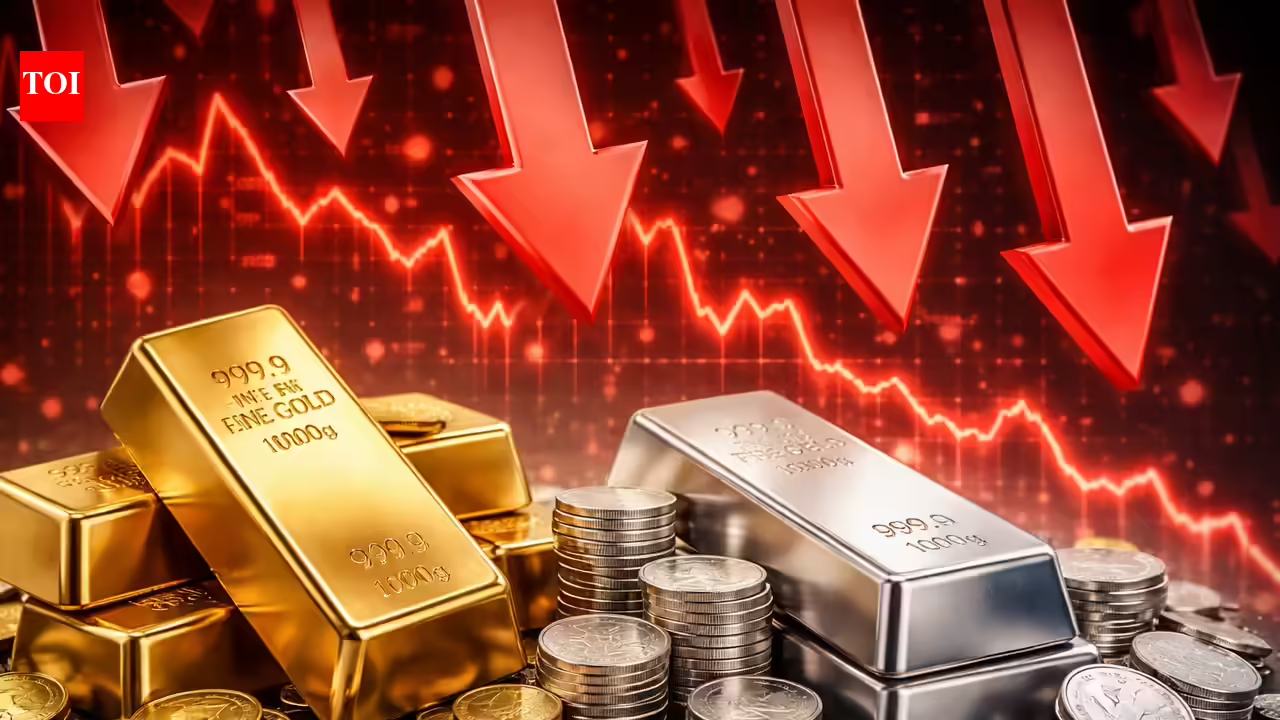
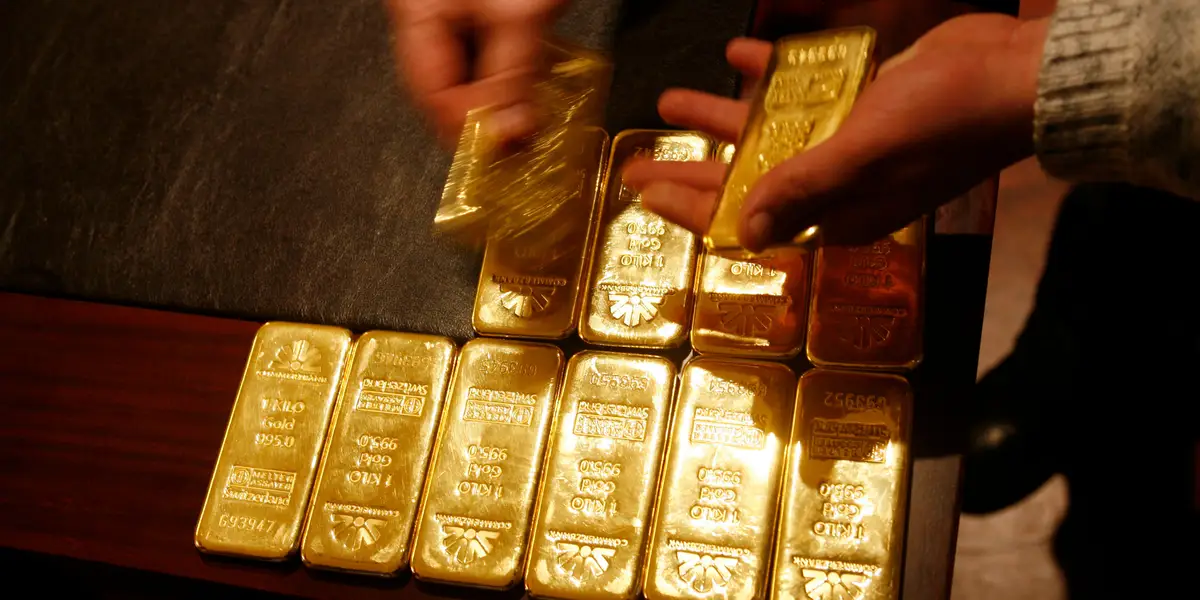
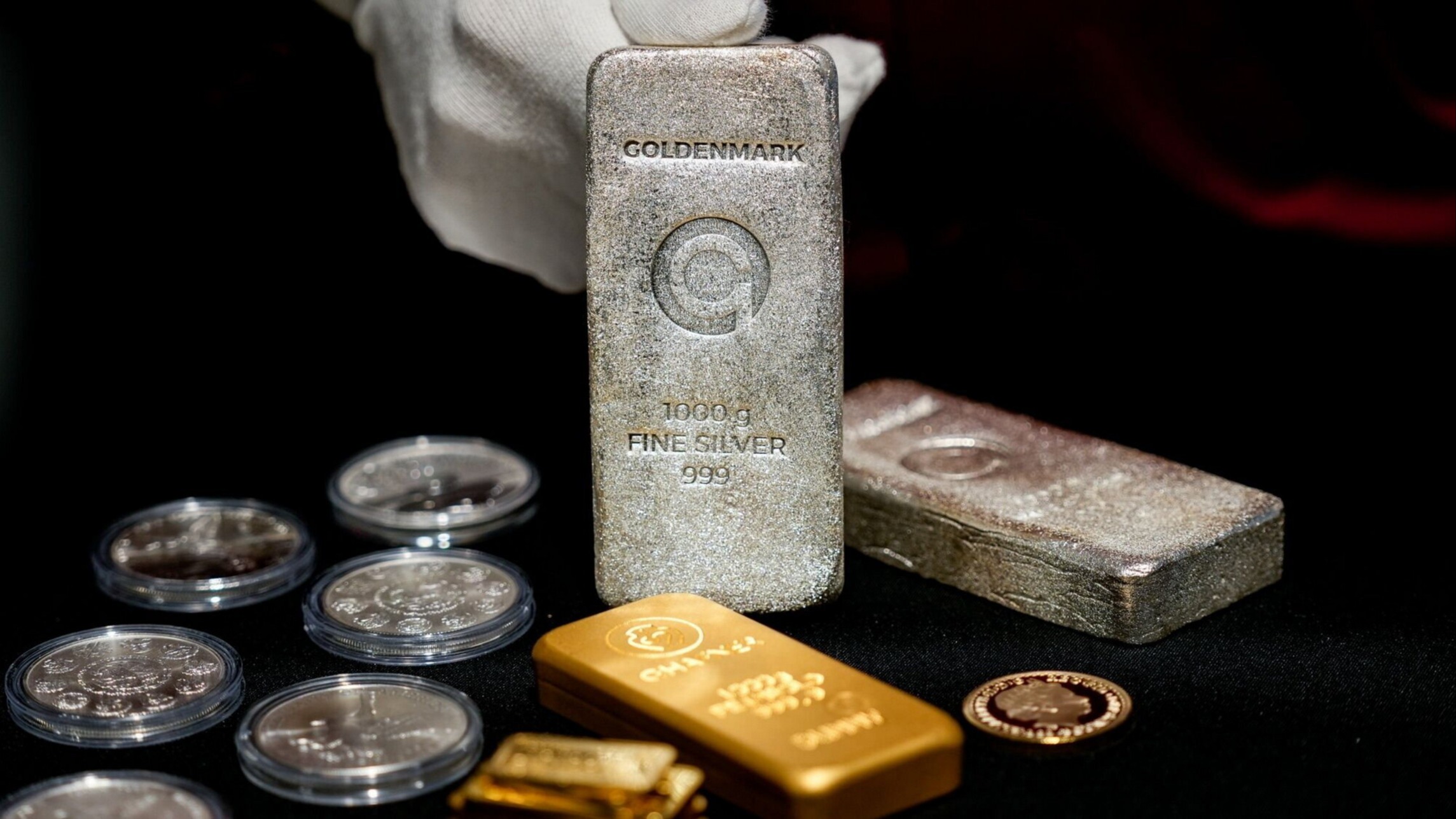
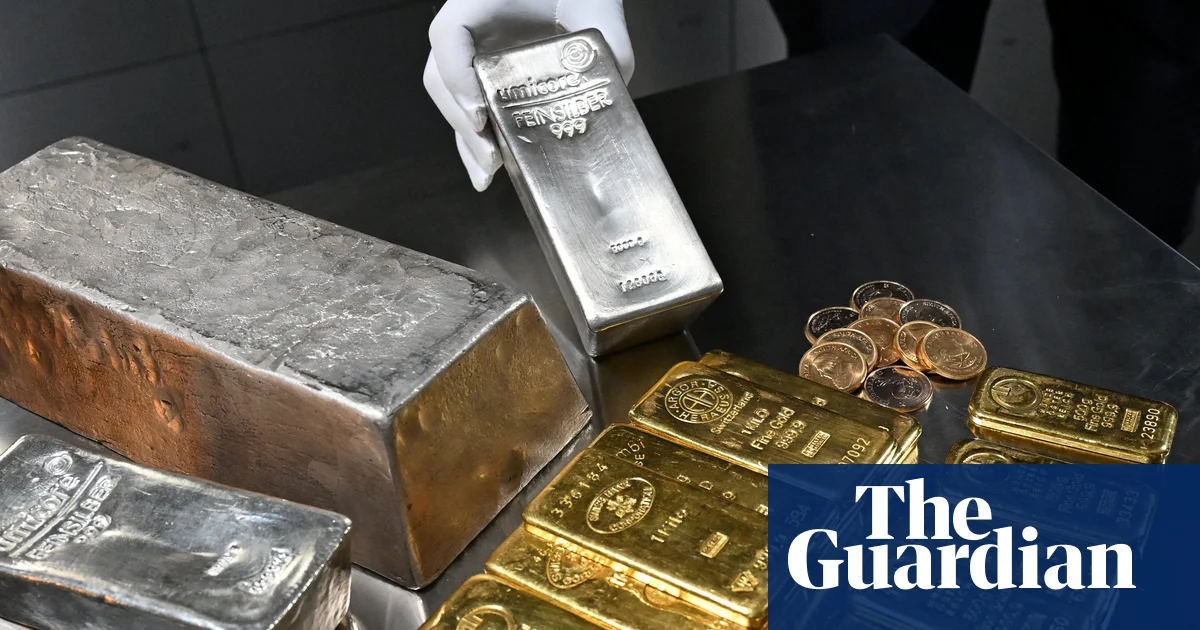
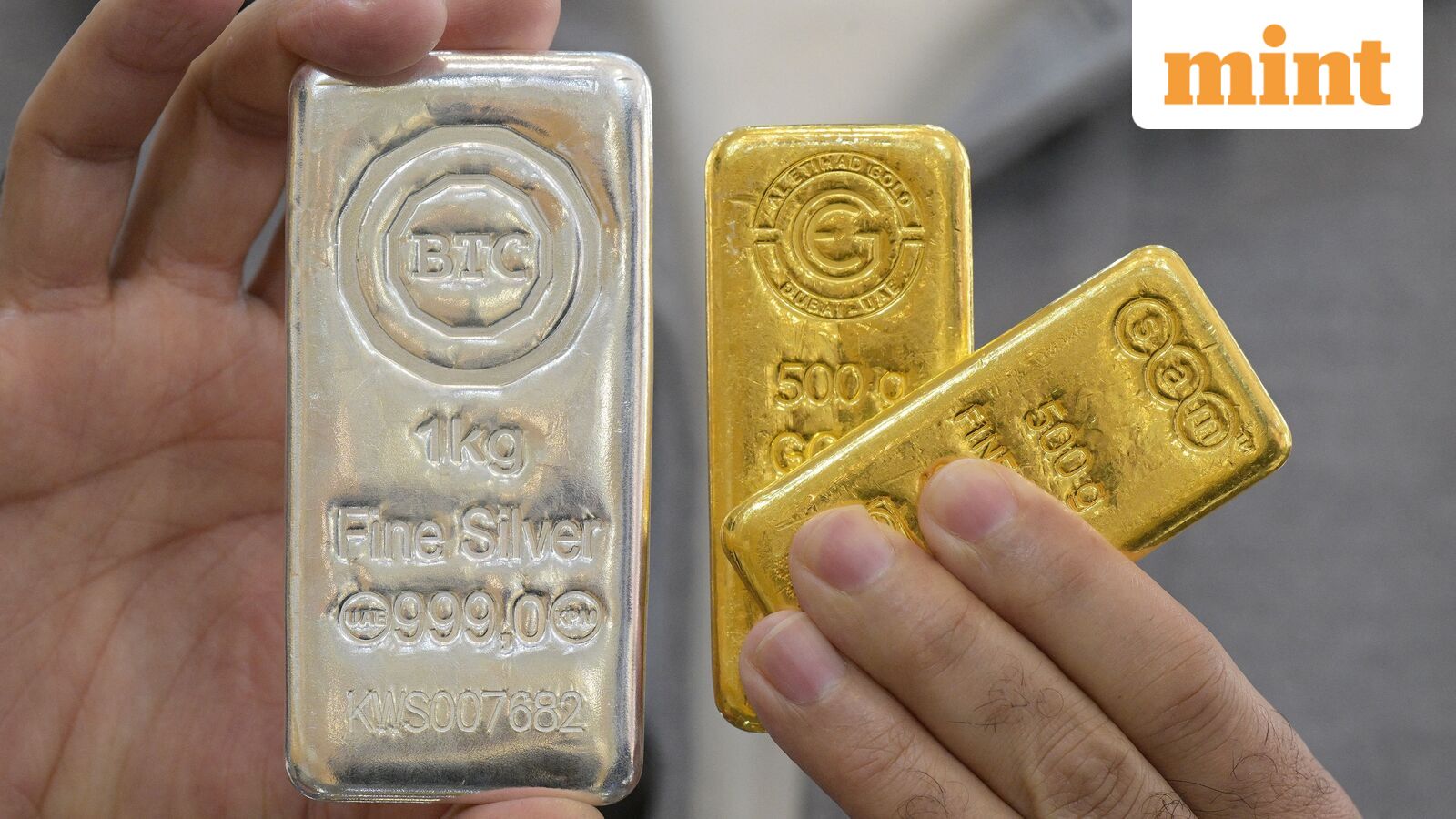
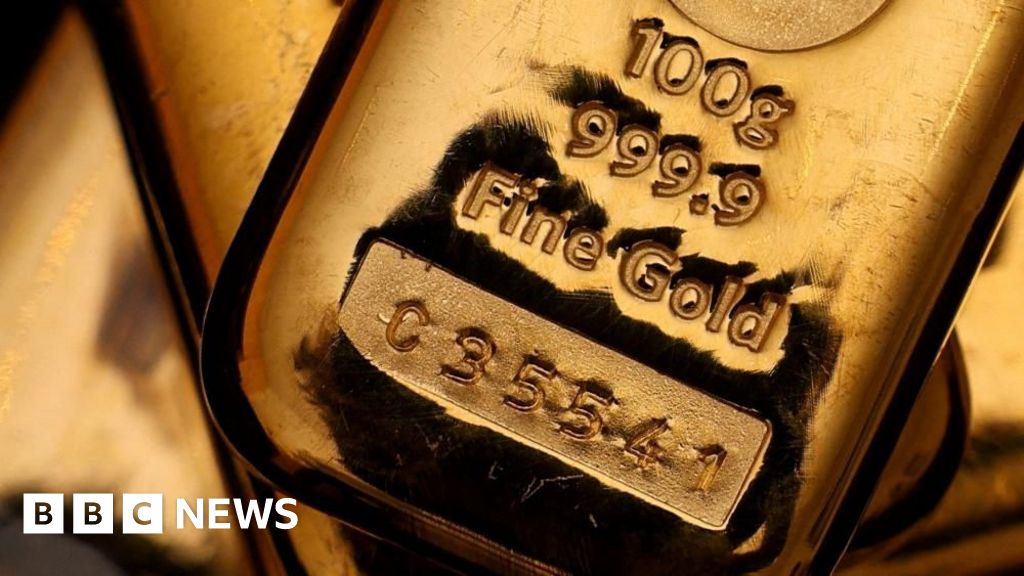
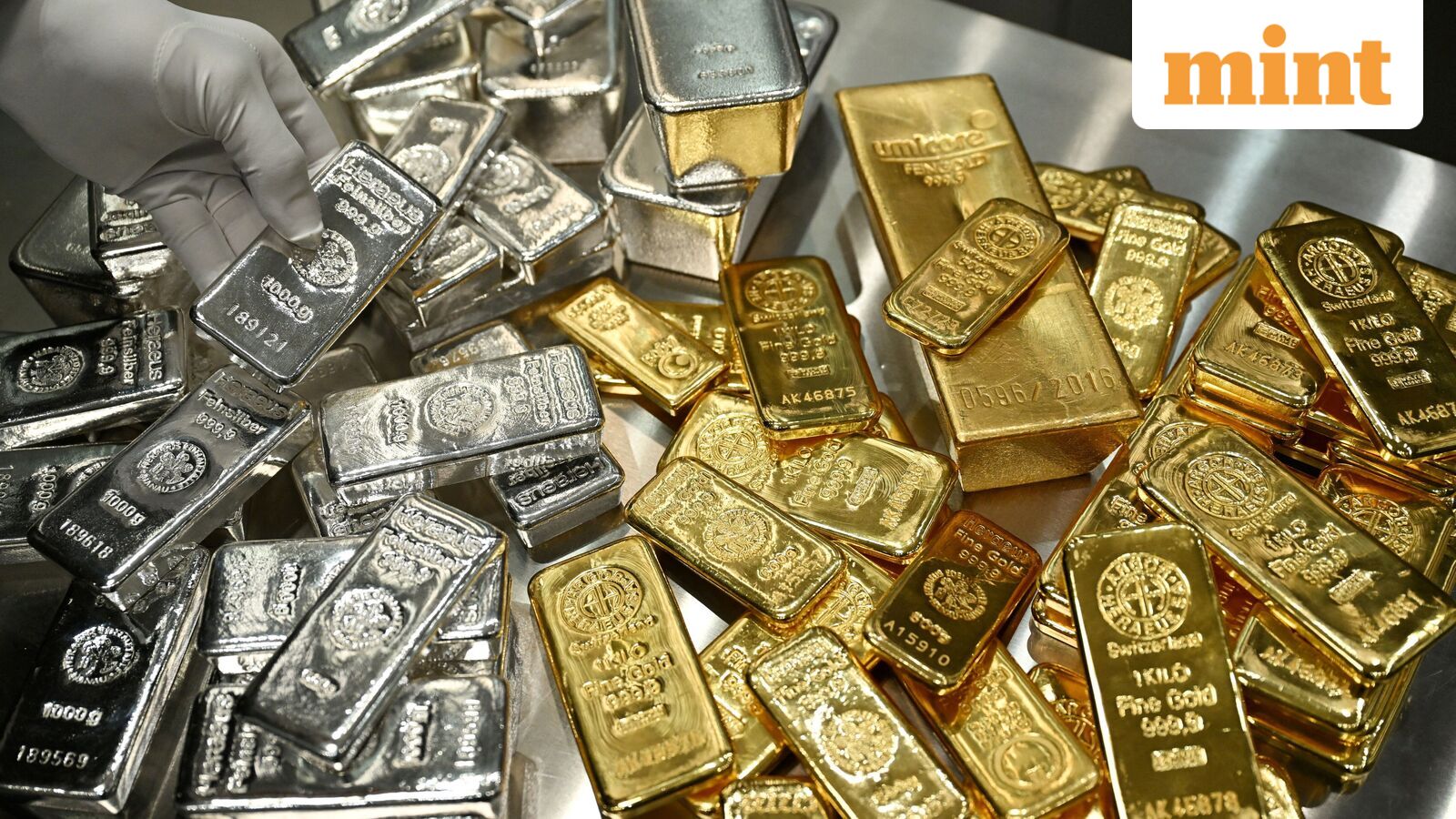
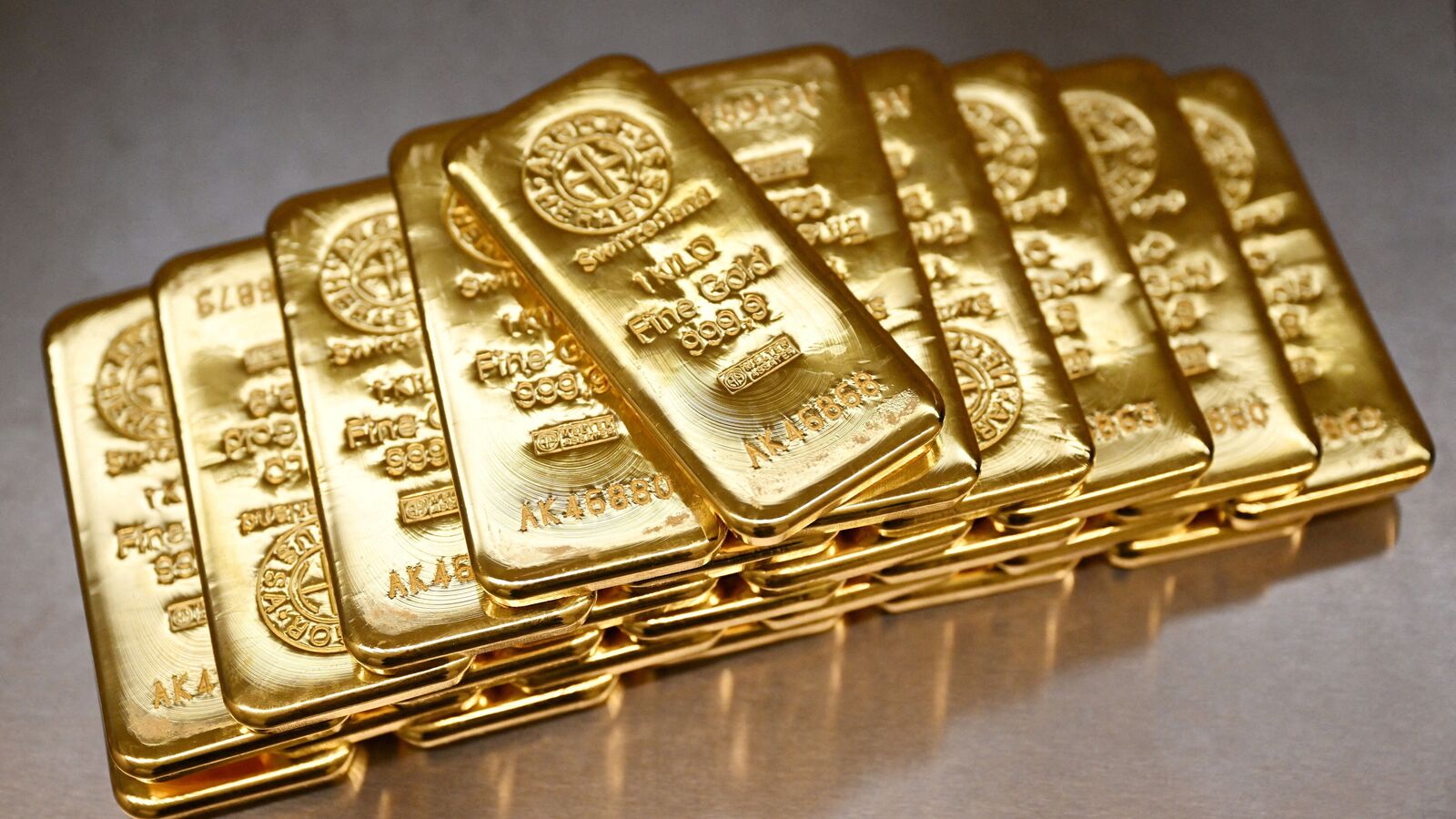
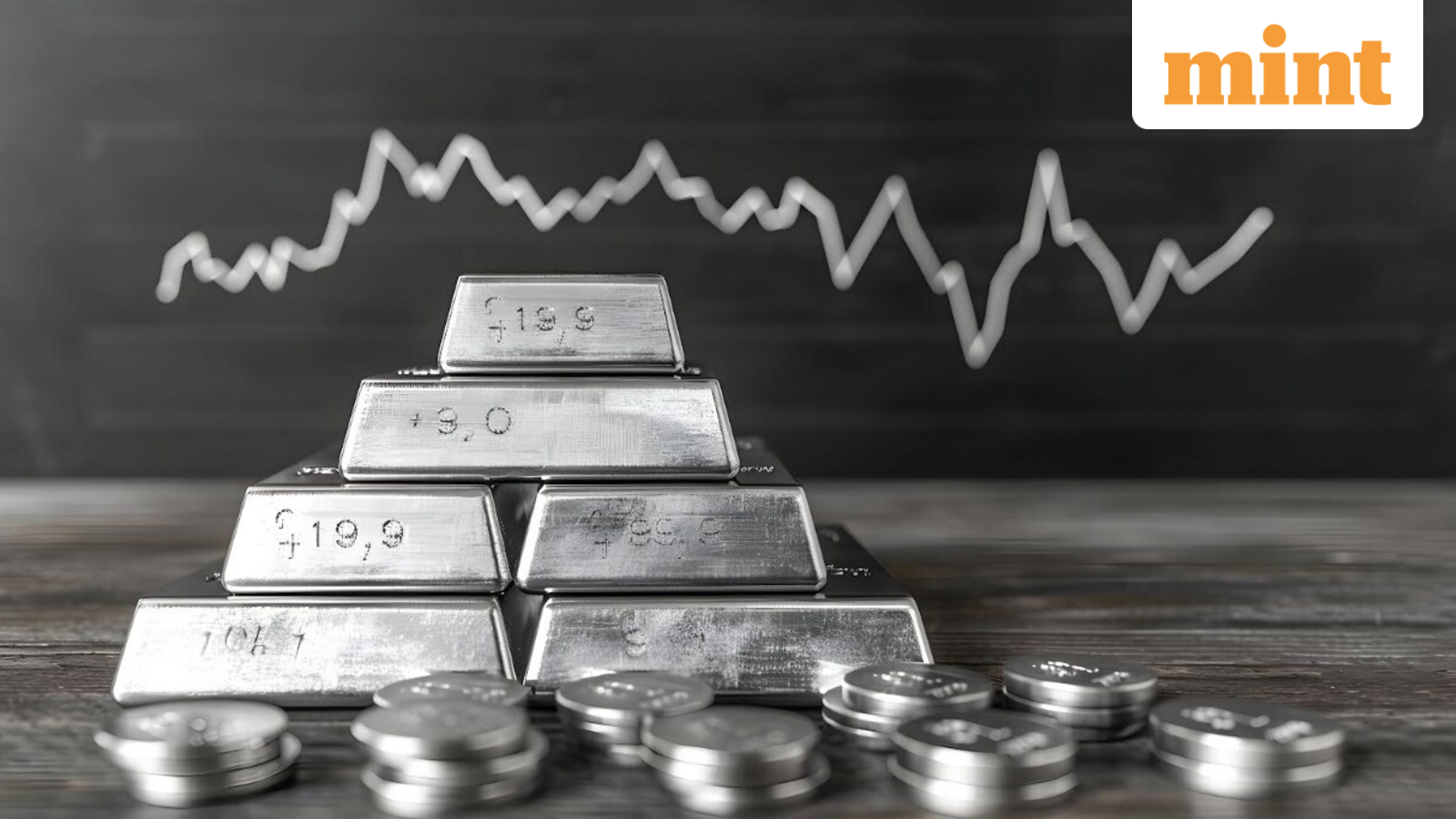
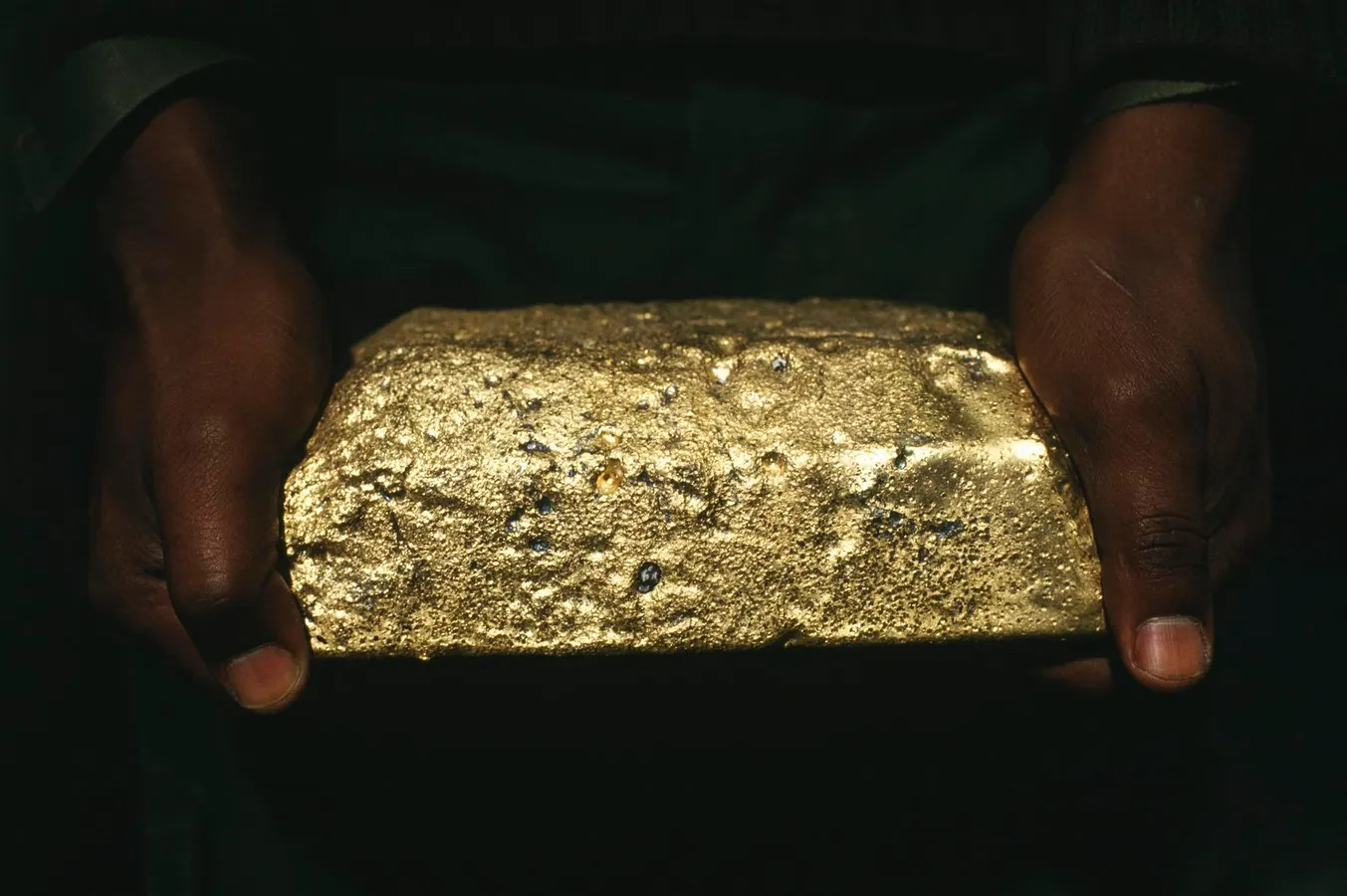
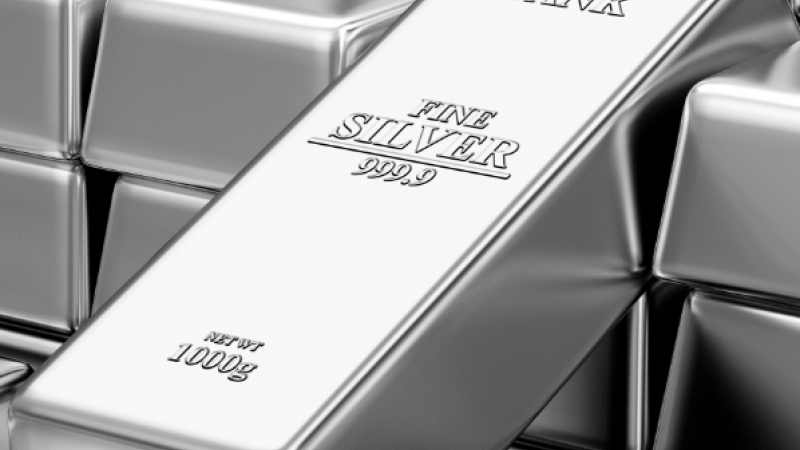
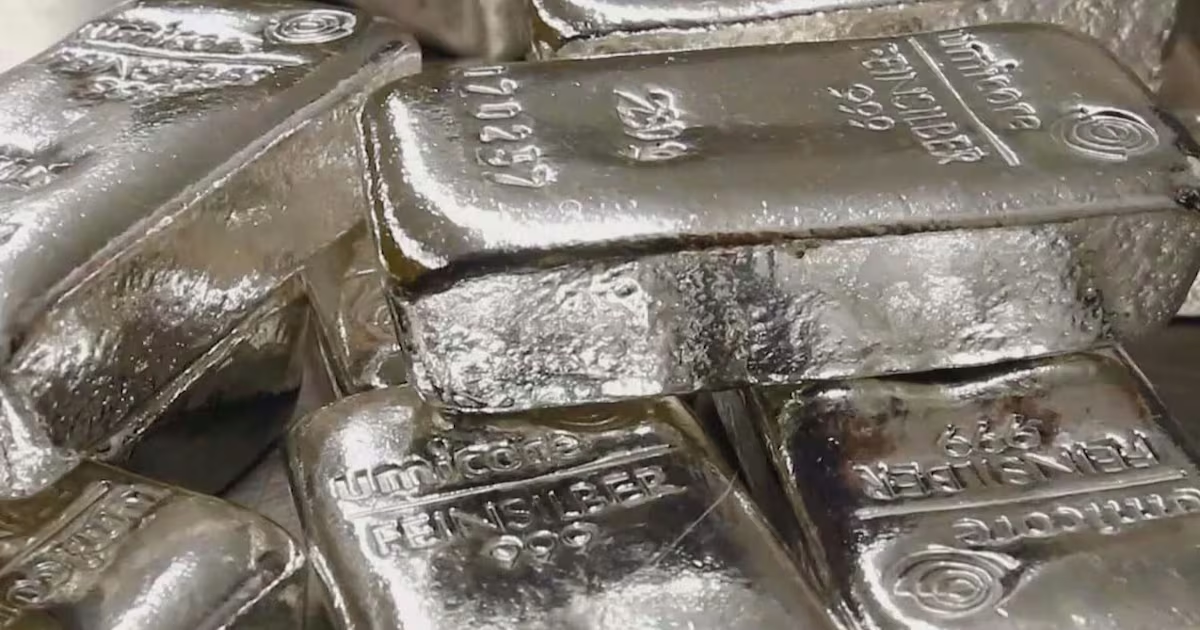
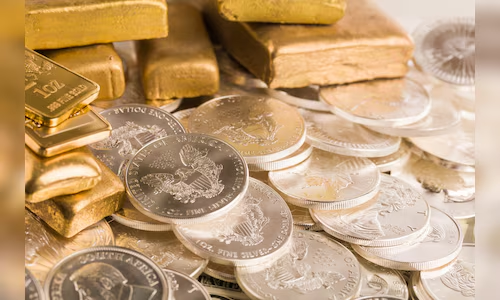
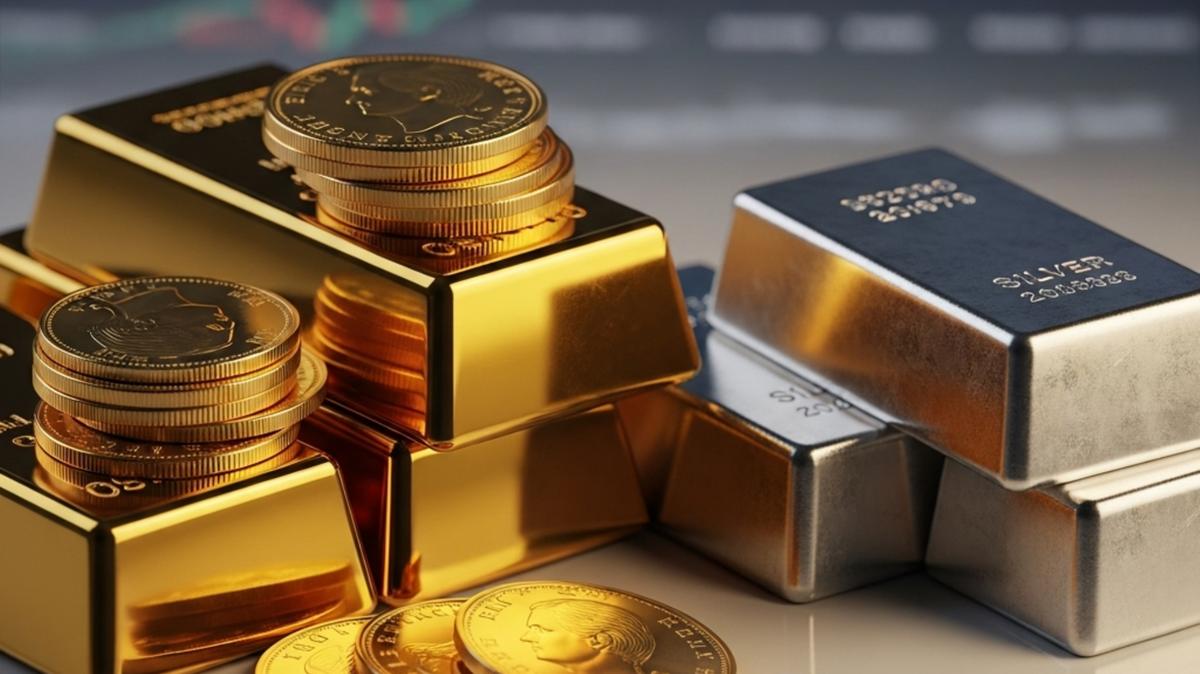
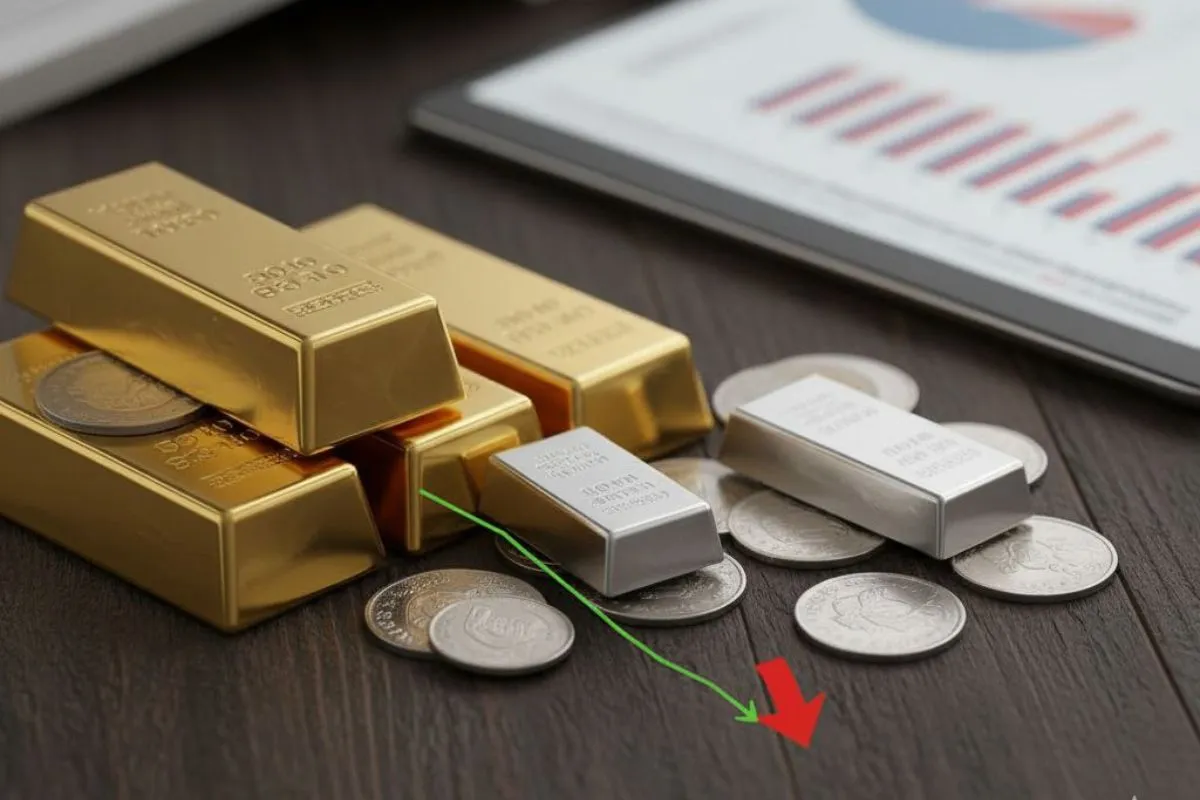
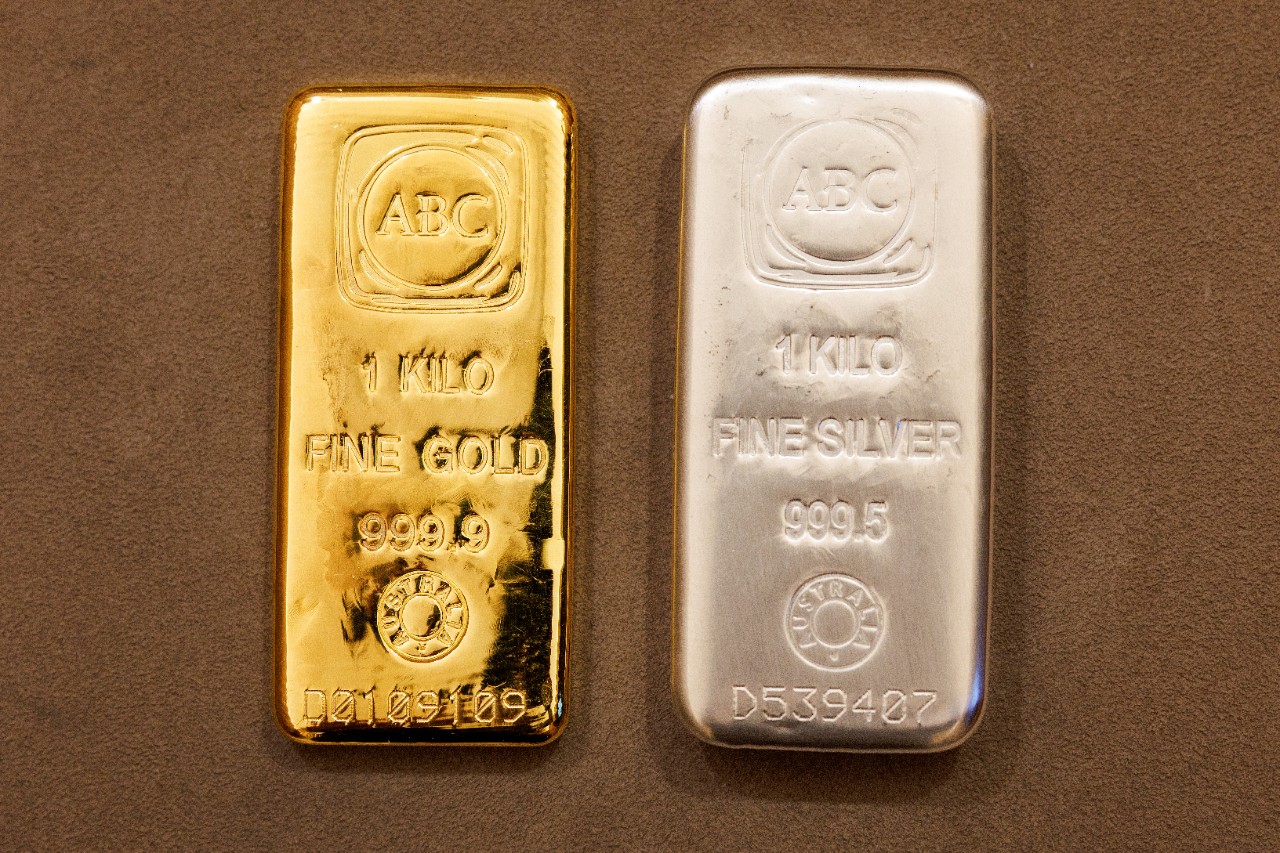
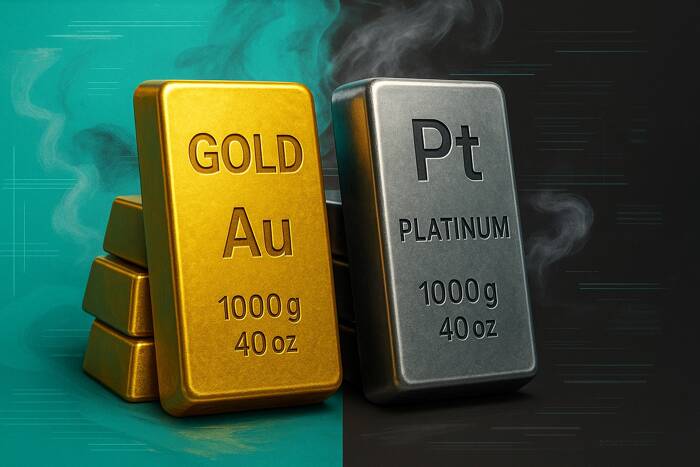
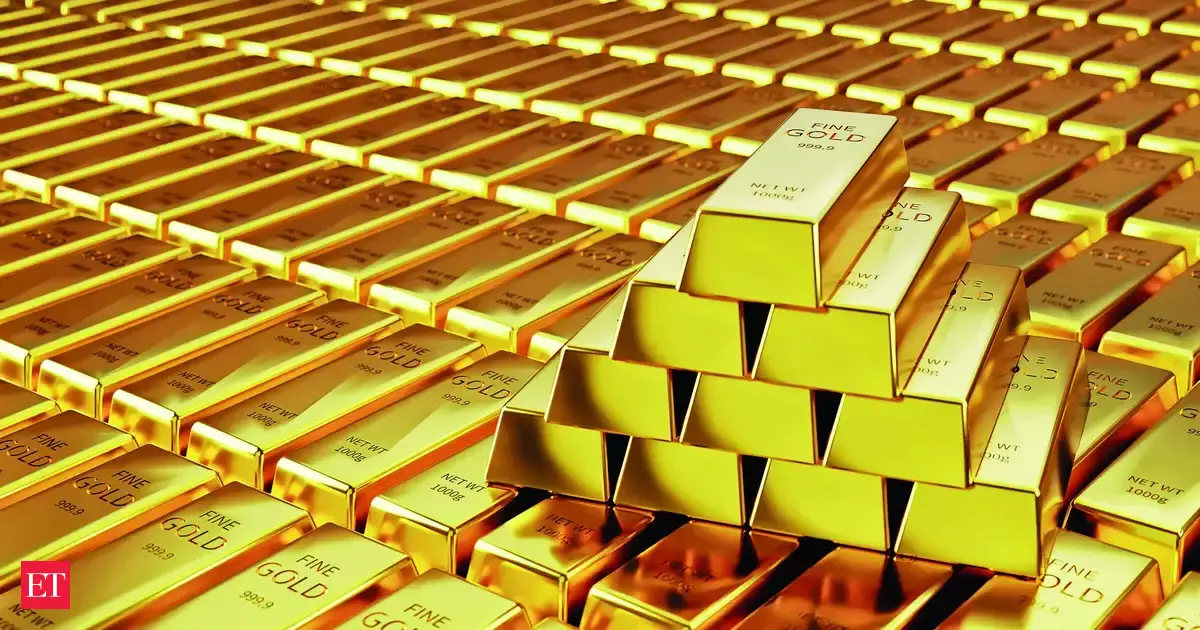
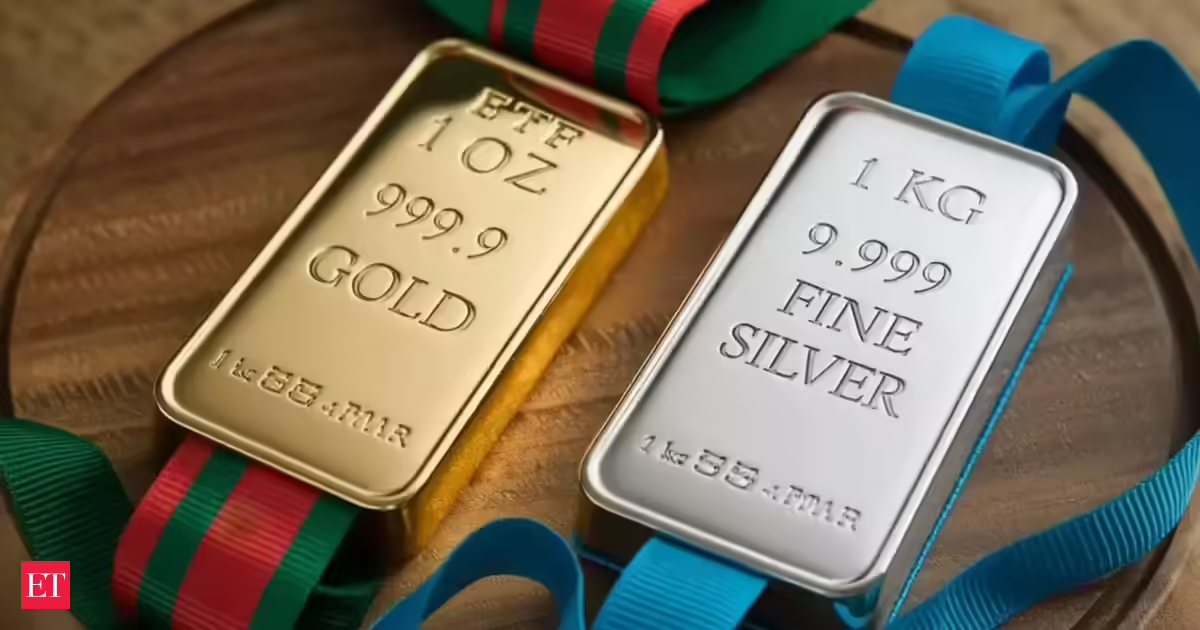
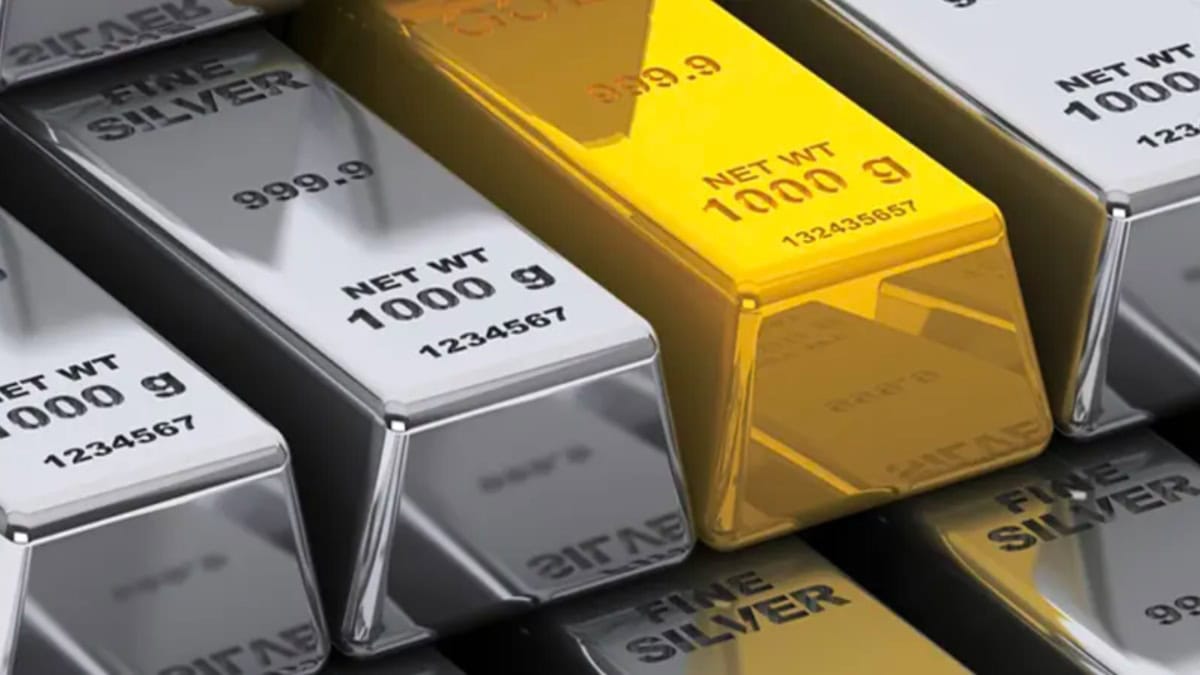
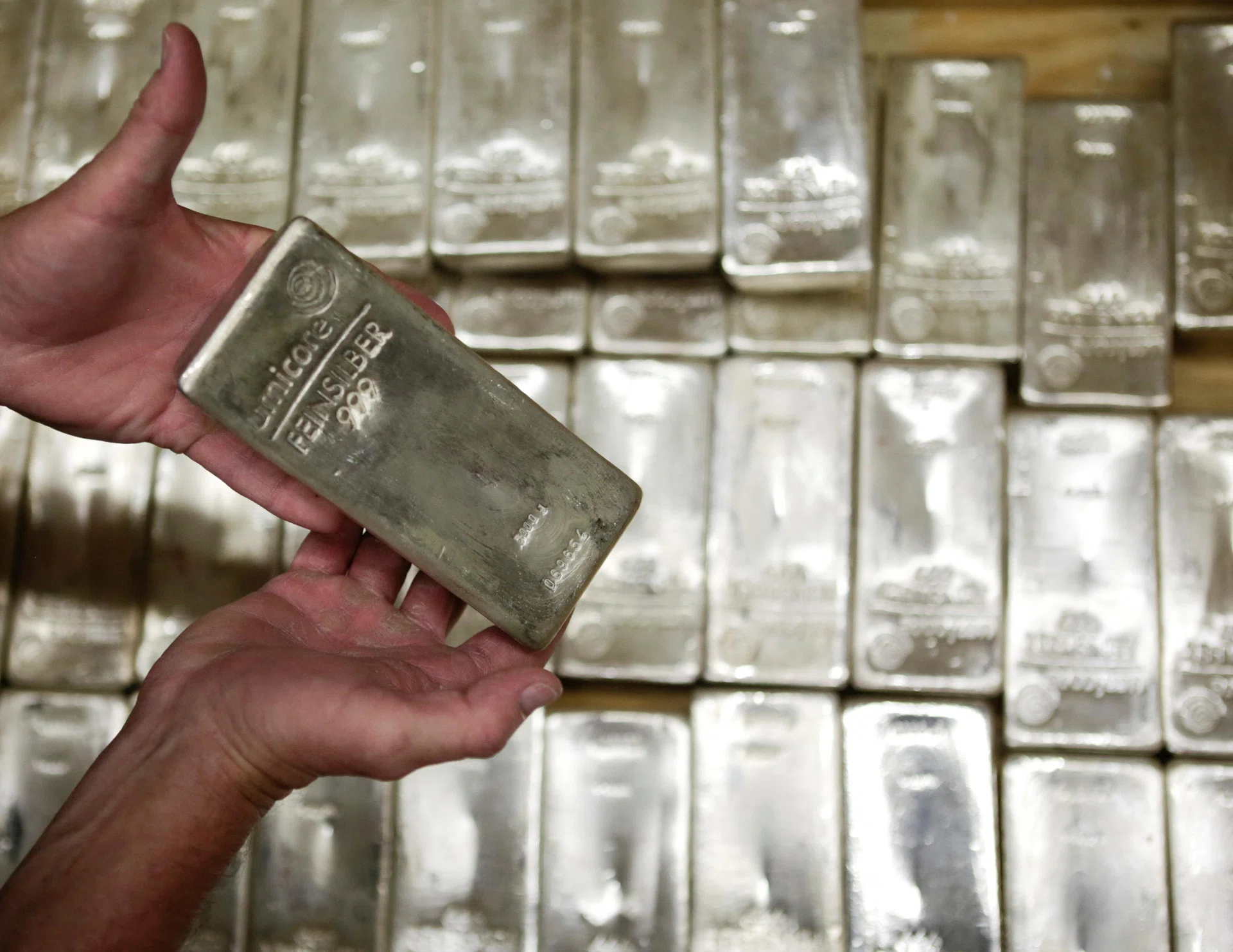
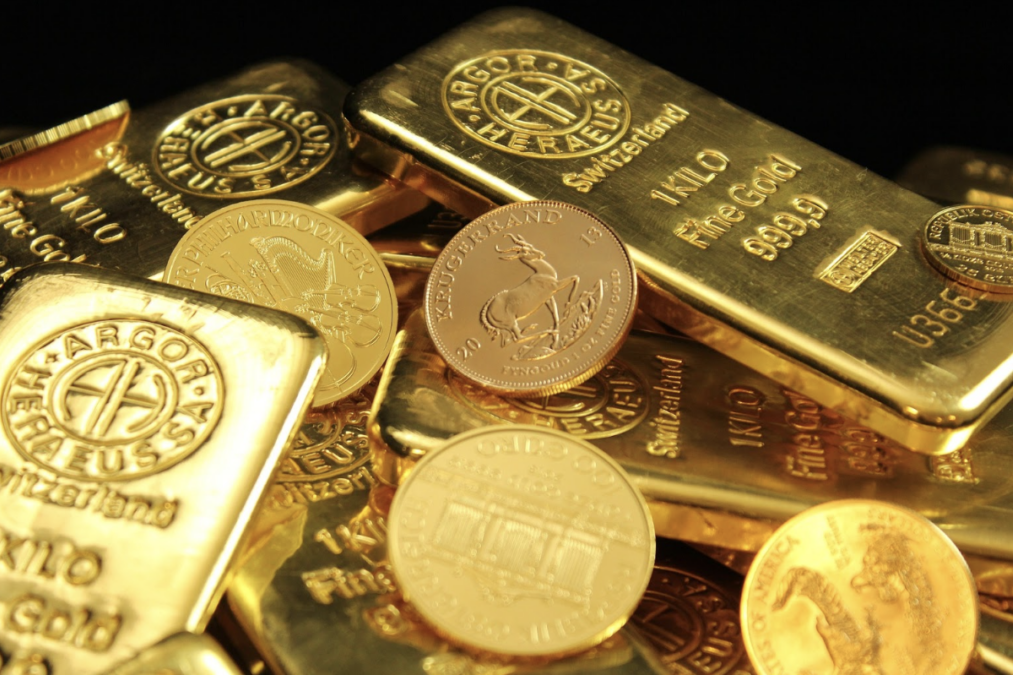
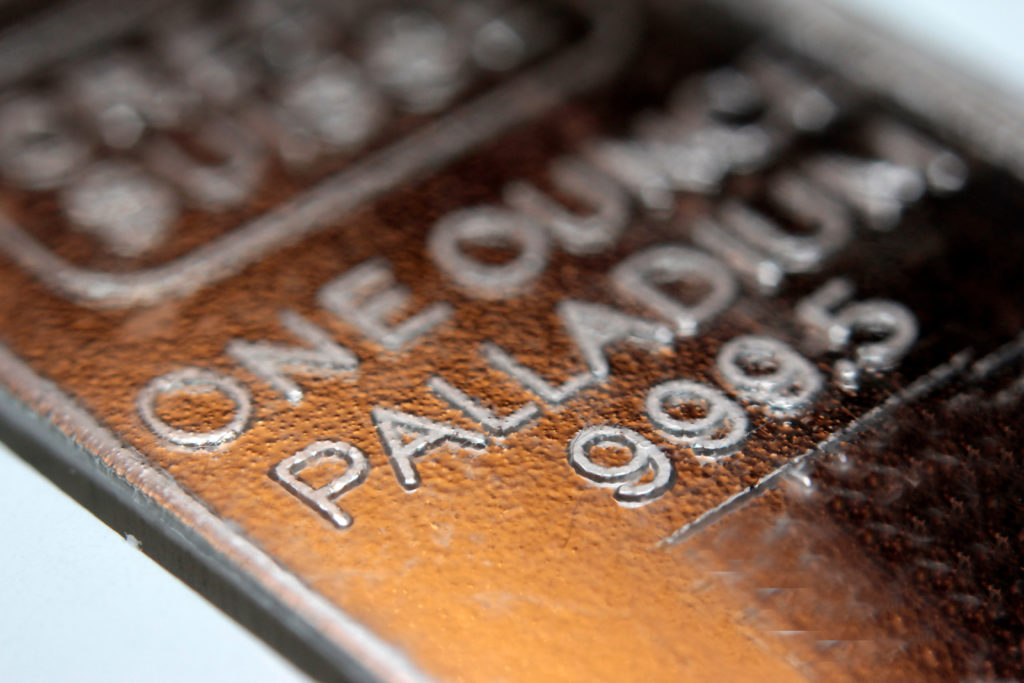
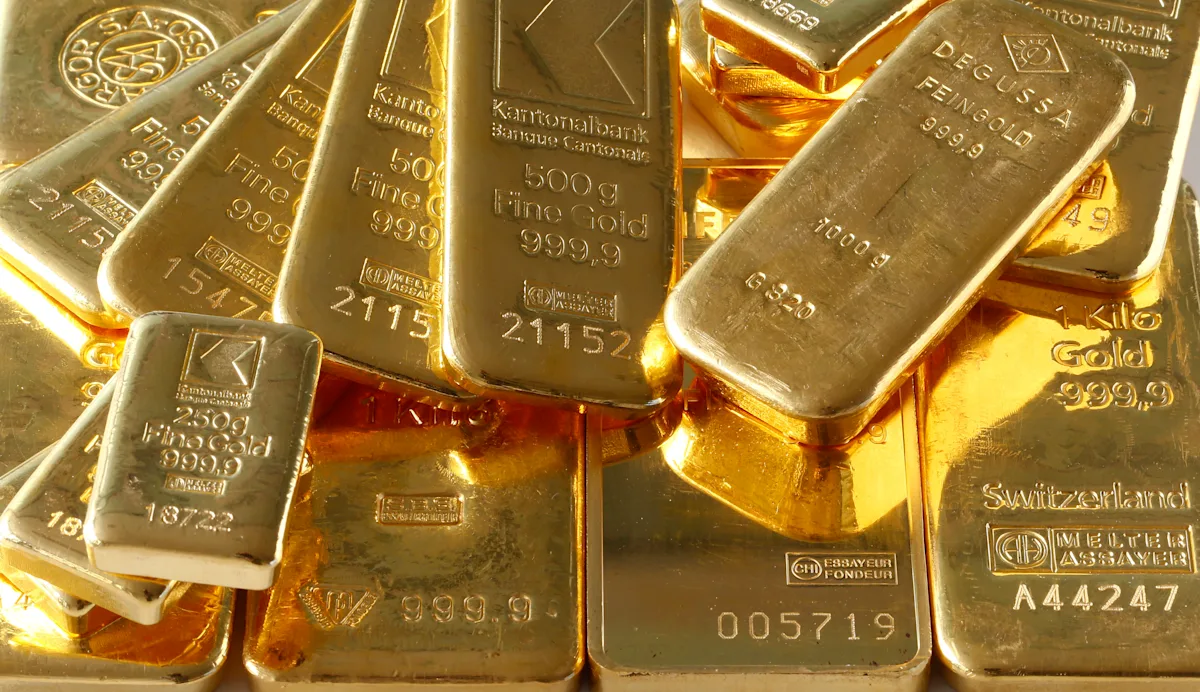
Gold (GC=F) and silver (SI=F) prices started the week on the back foot again, selling off with the spectre of war in the Middle East causing inflation and interest rate-focused jitters for traders.
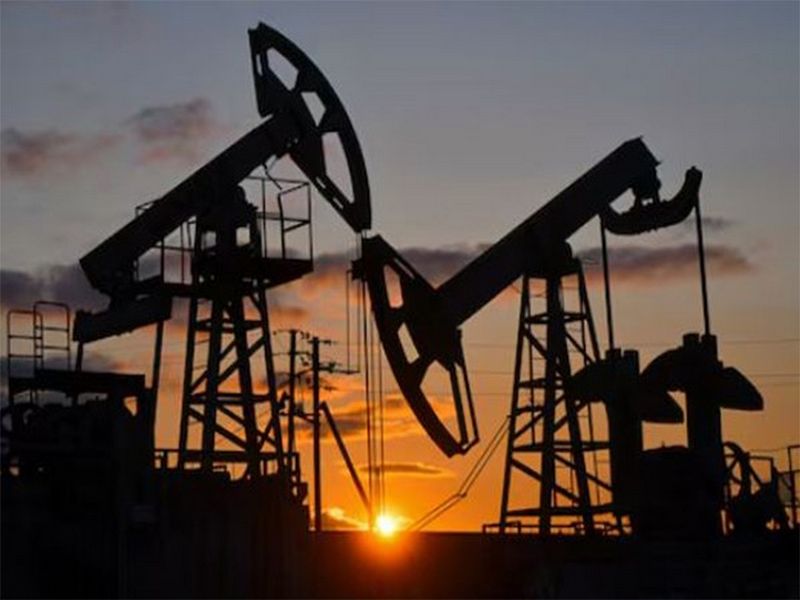
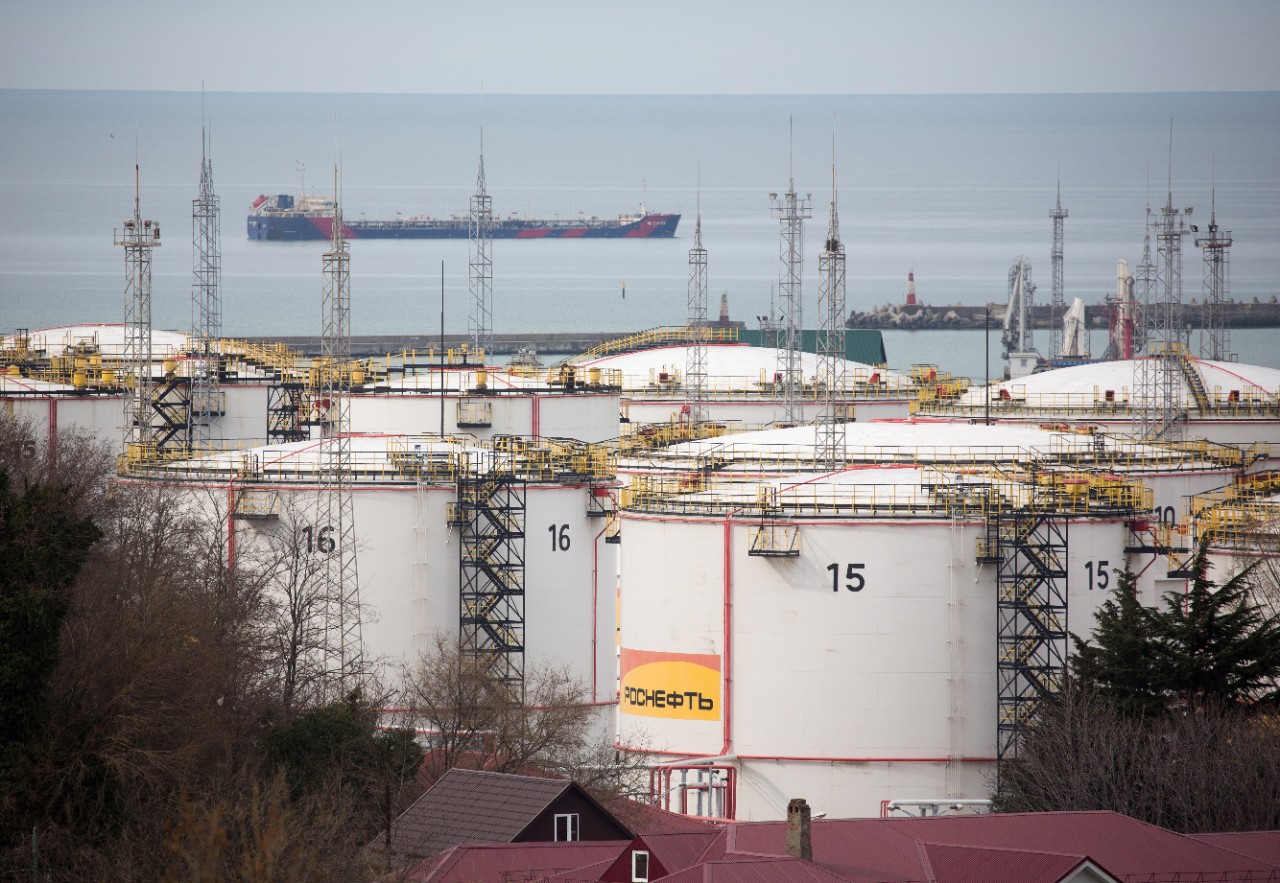
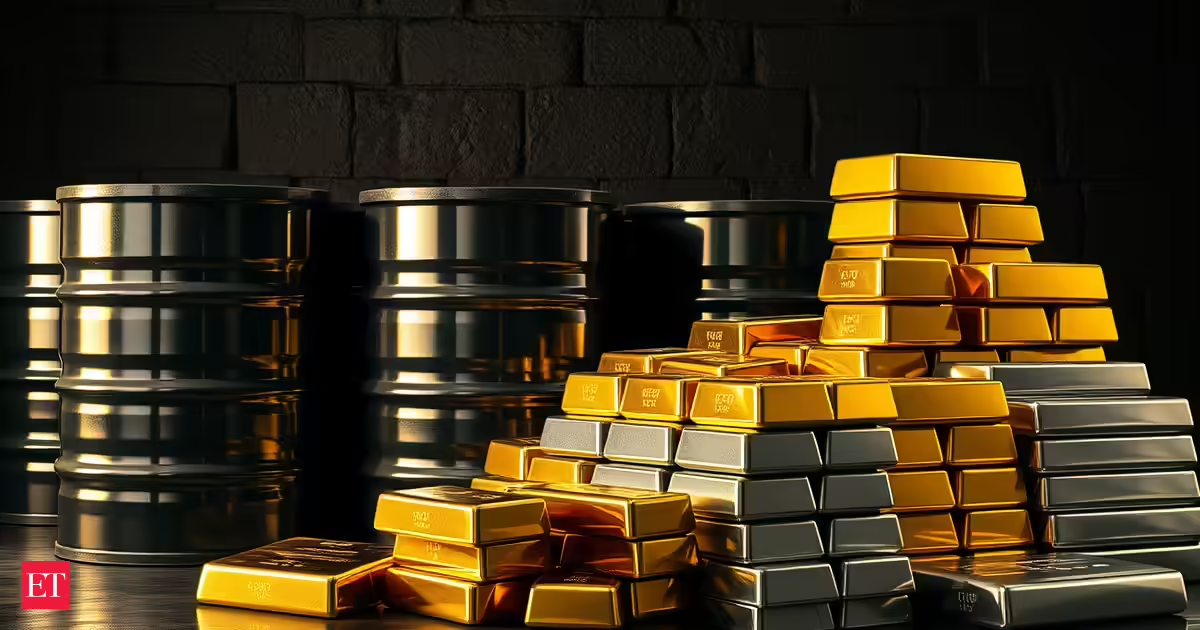
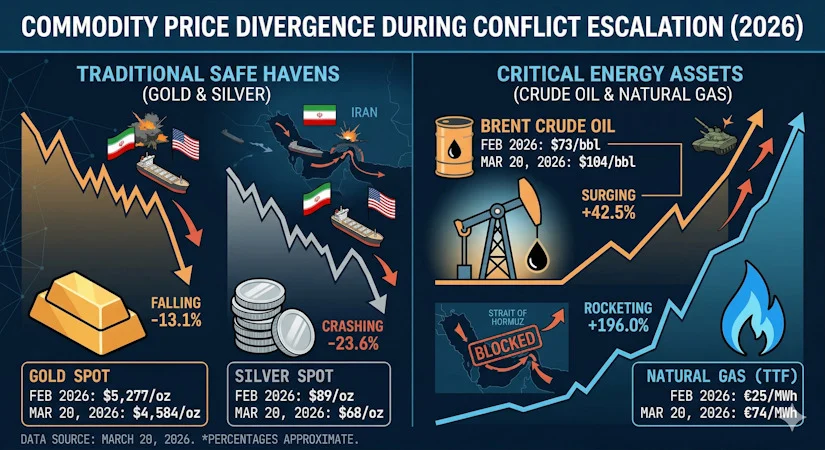
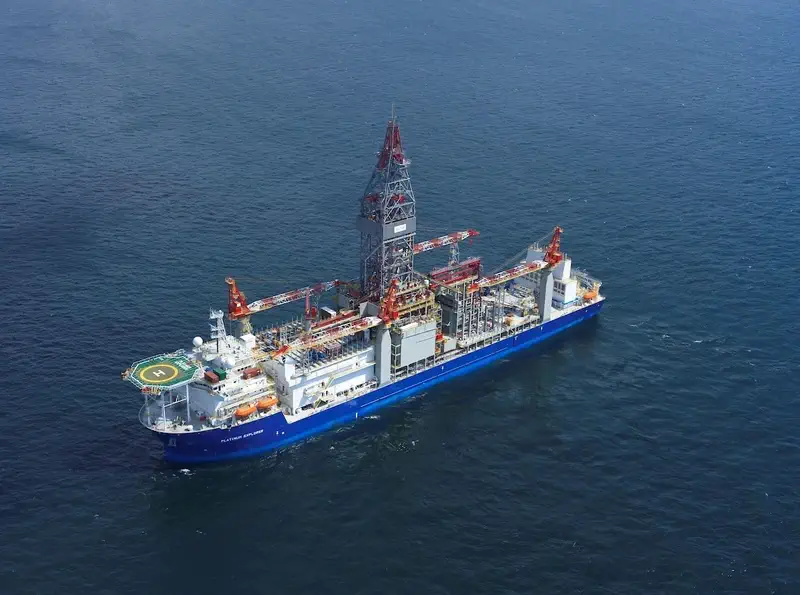
The current standstill in the Strait of Hormuz — one of the world’s most important shipping channels — is stoking fears of higher prices across the board. The blockage is affecting not only the price of energy, but also the passage of key fertilisers used to grow produce to the rest of the world and the shipping of helium, a gas used in the cooling of data centres. Oil (BZ=F, CL=F) prices shot up above $100 per barrel on Monday.,
Read more: Oil prices gain as Trump and Starmer discuss need to reopen Hormuz
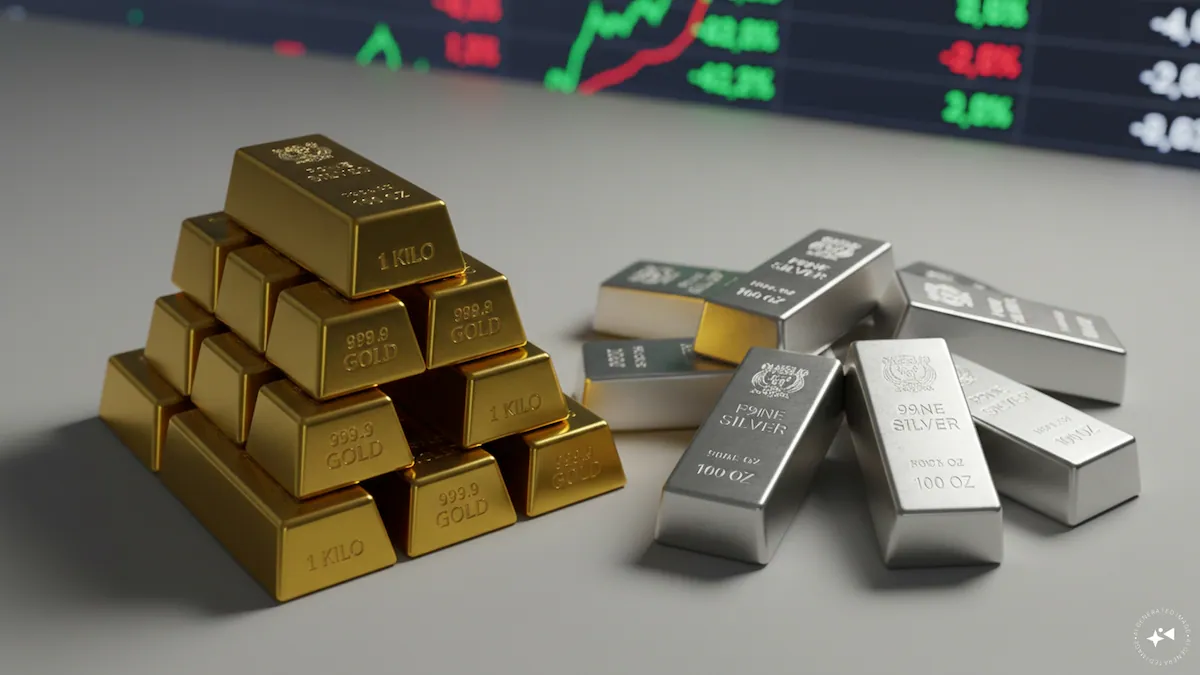
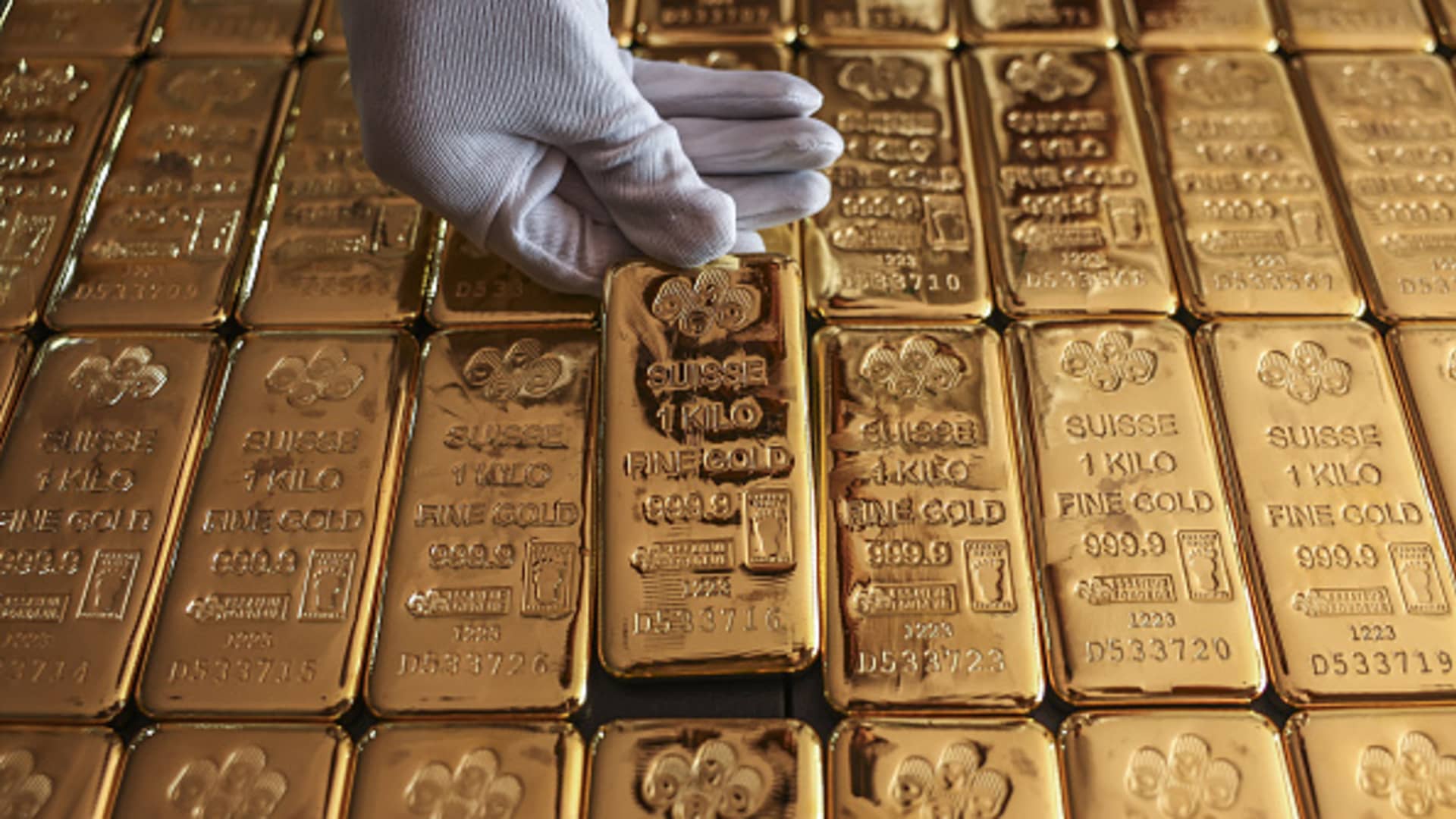
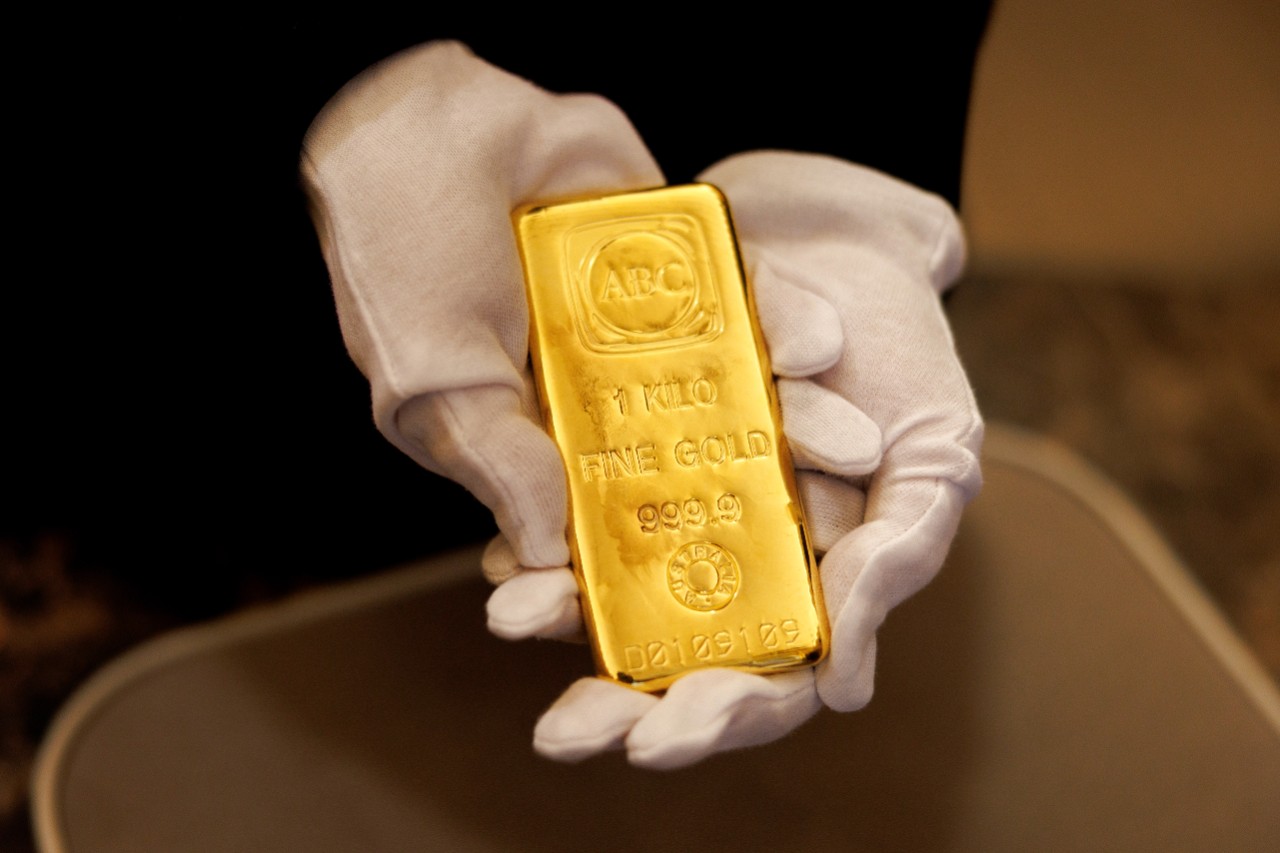
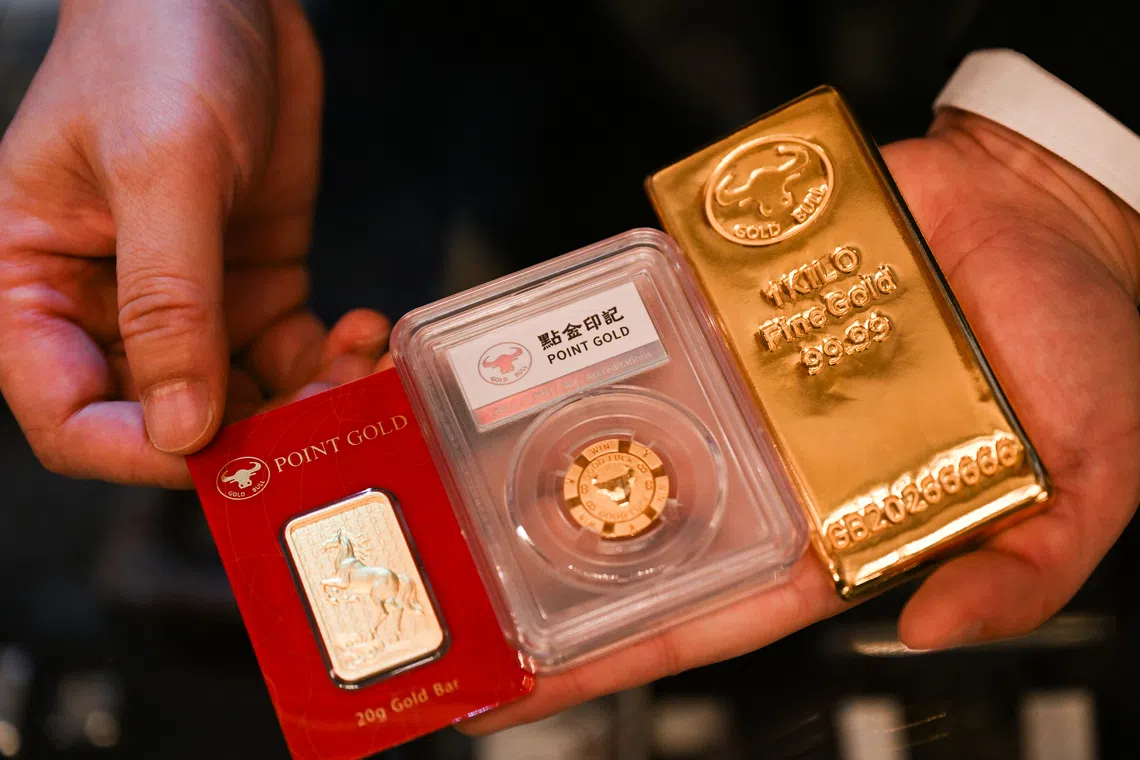
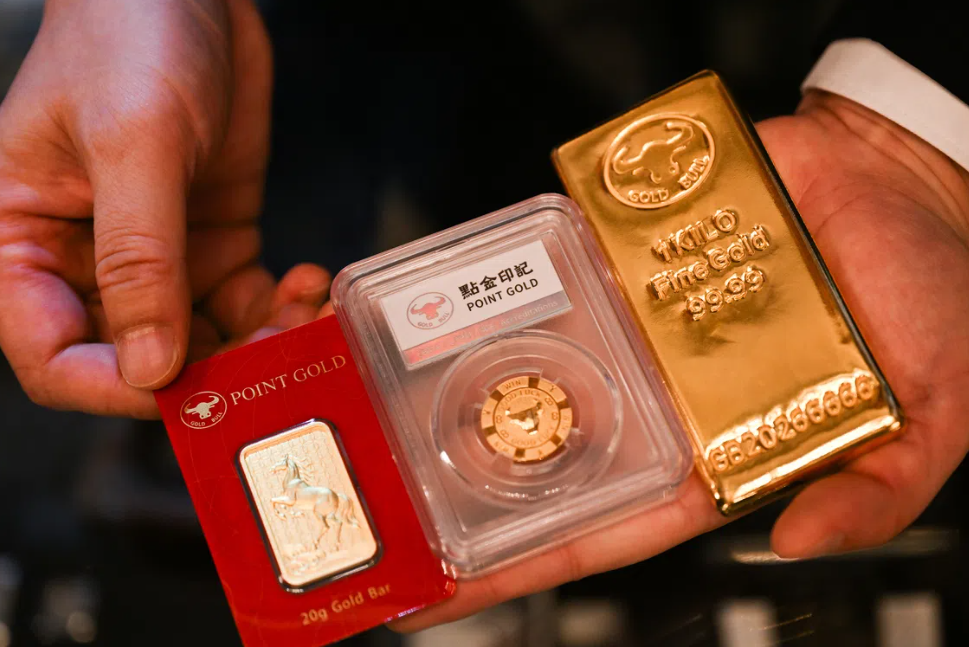
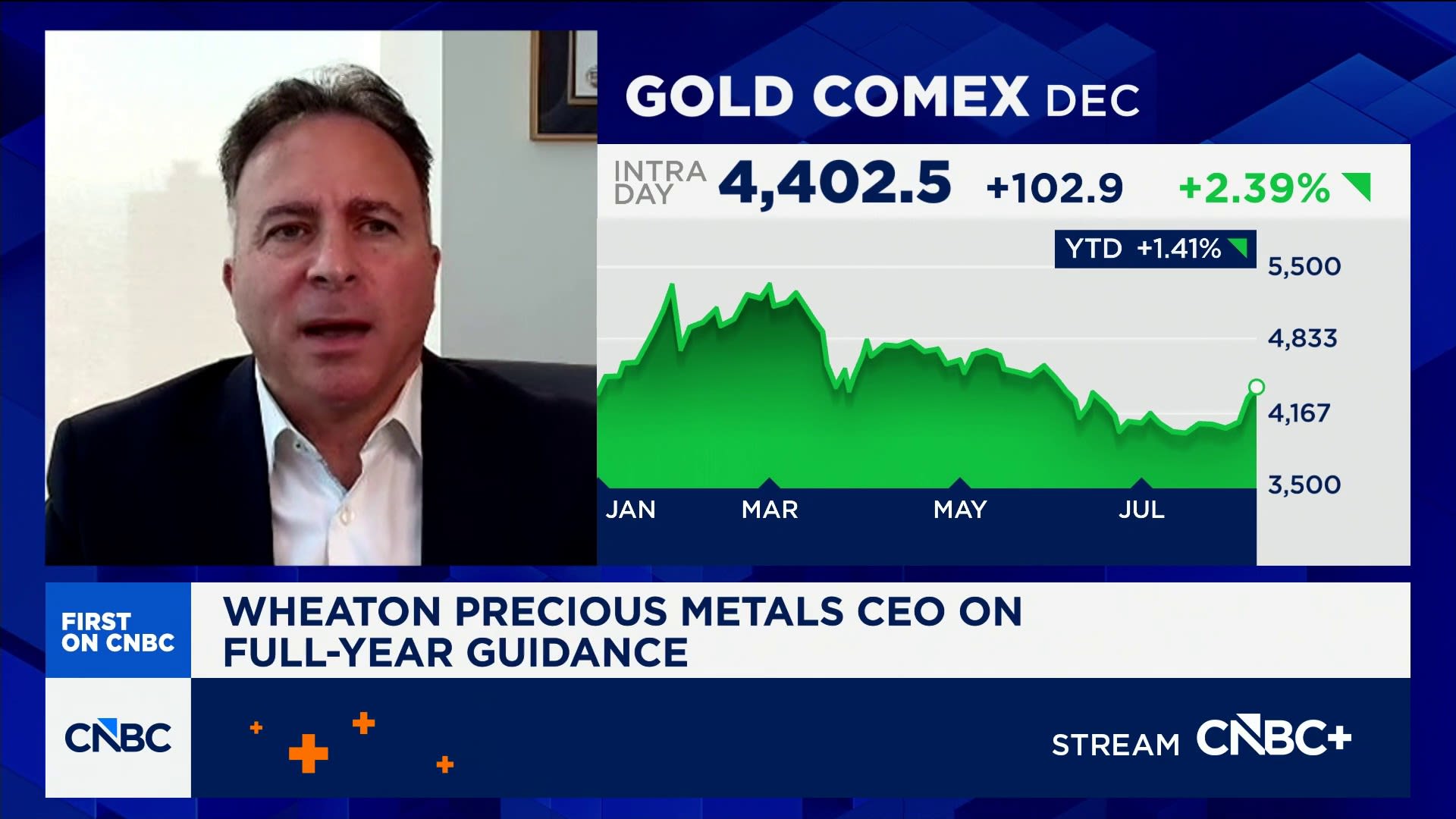
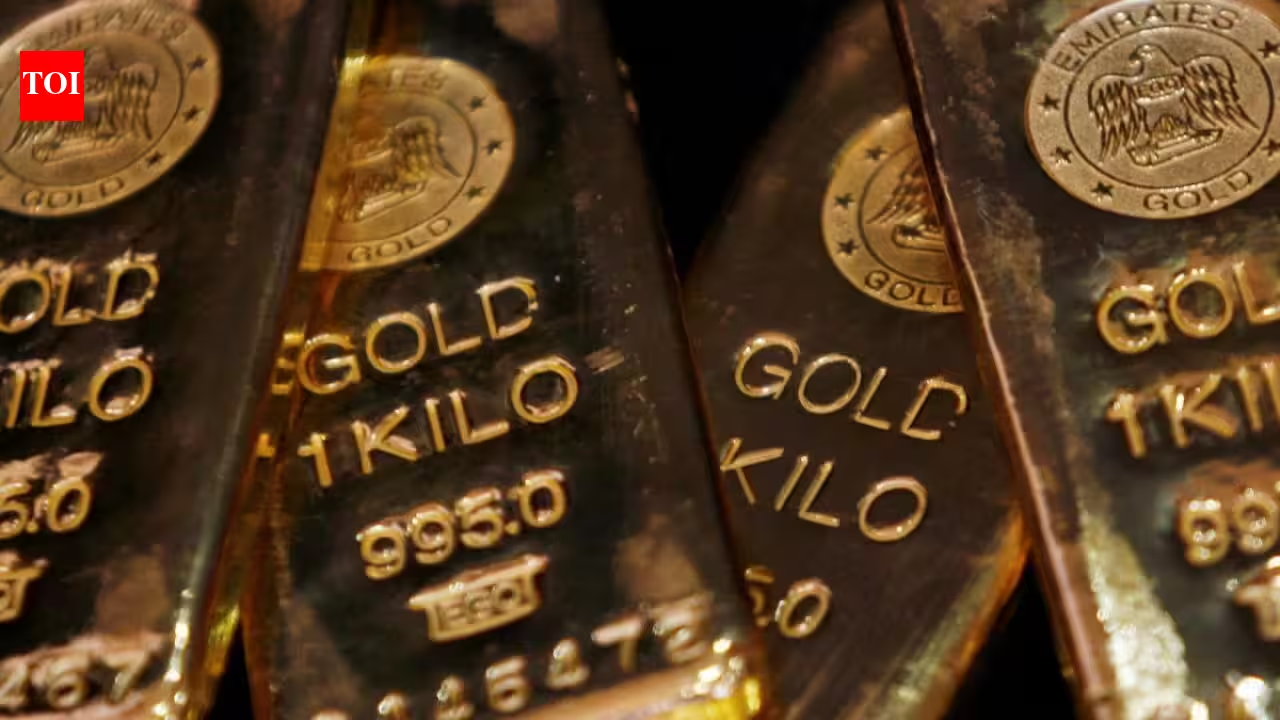
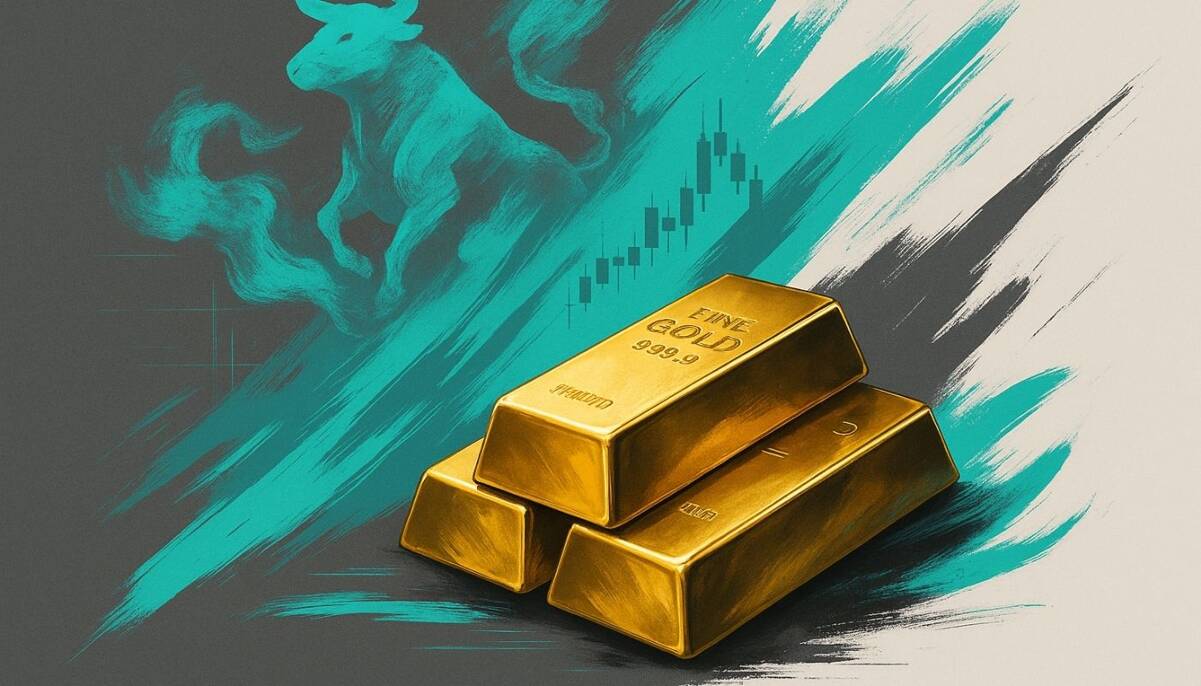
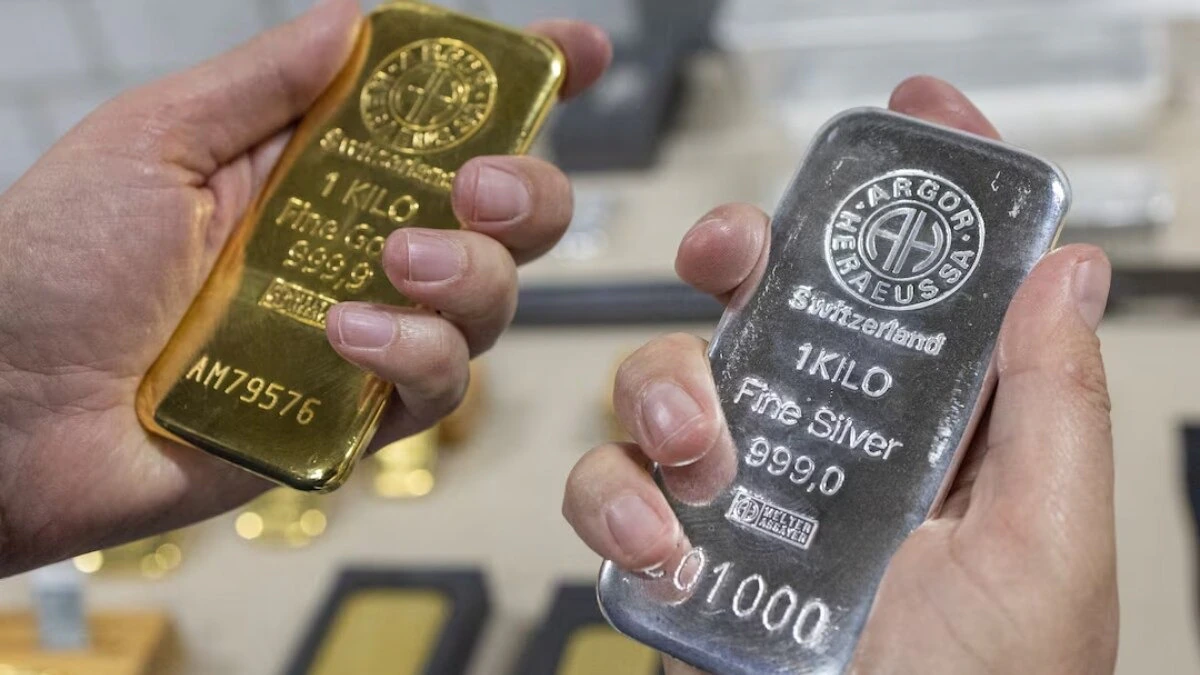
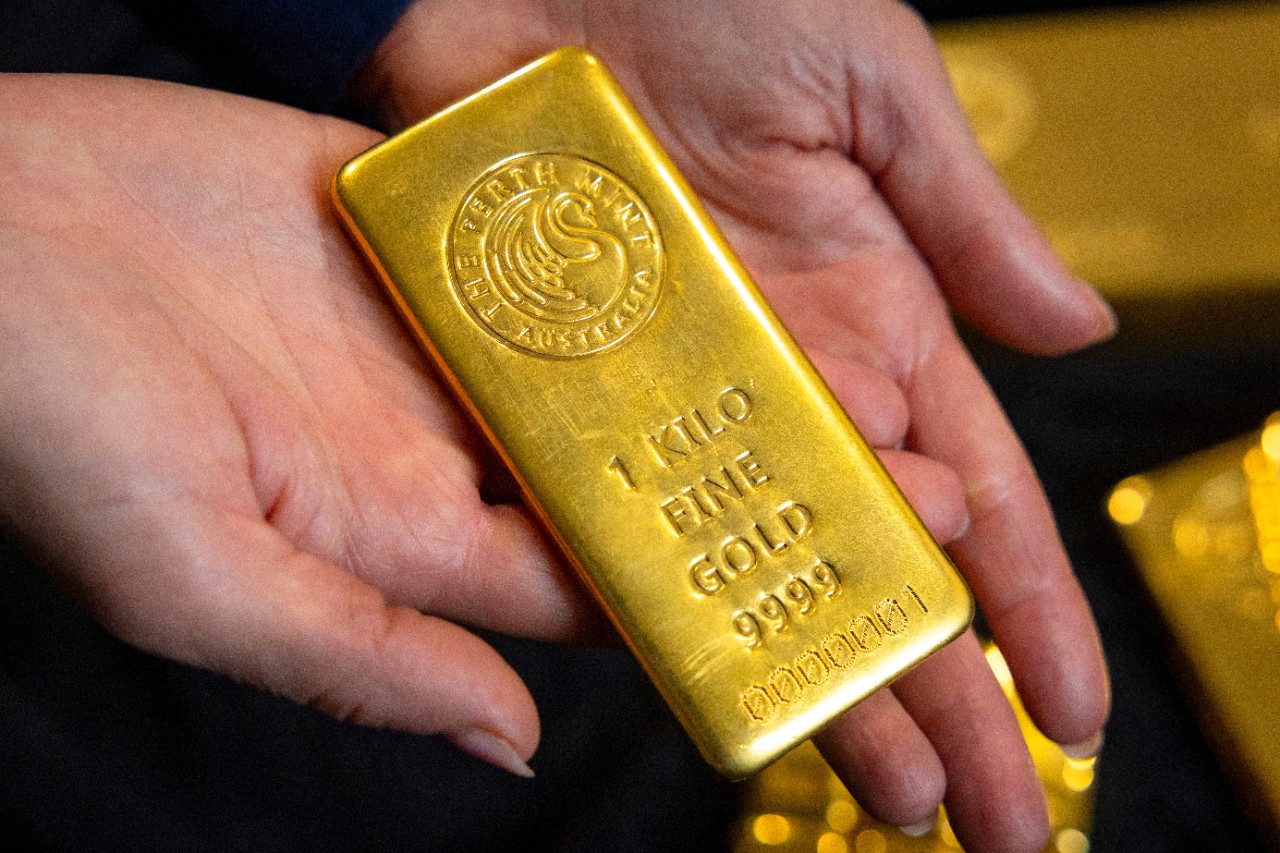
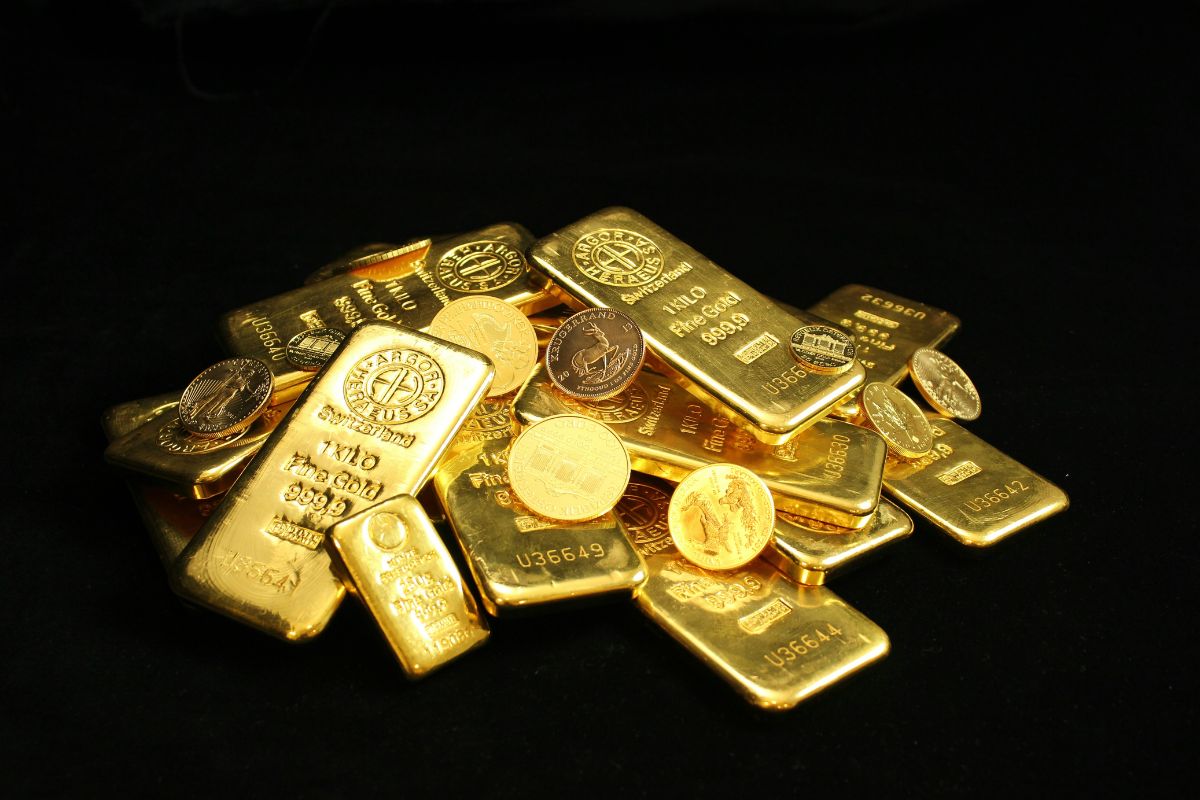
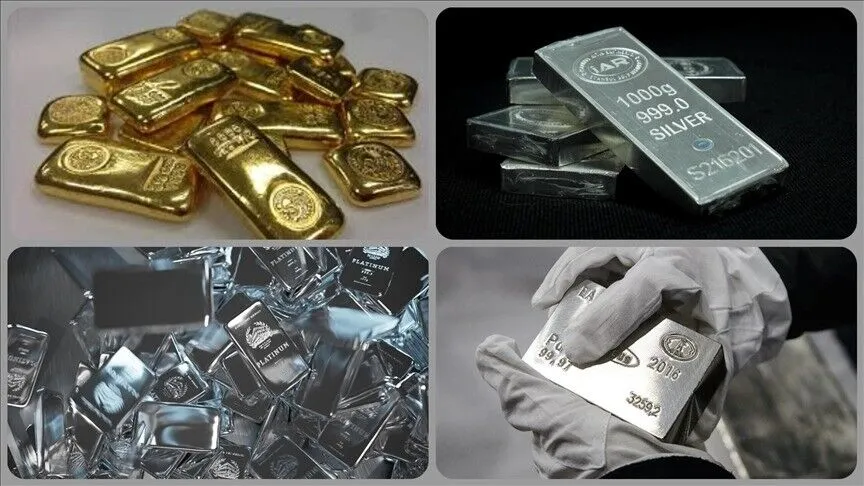
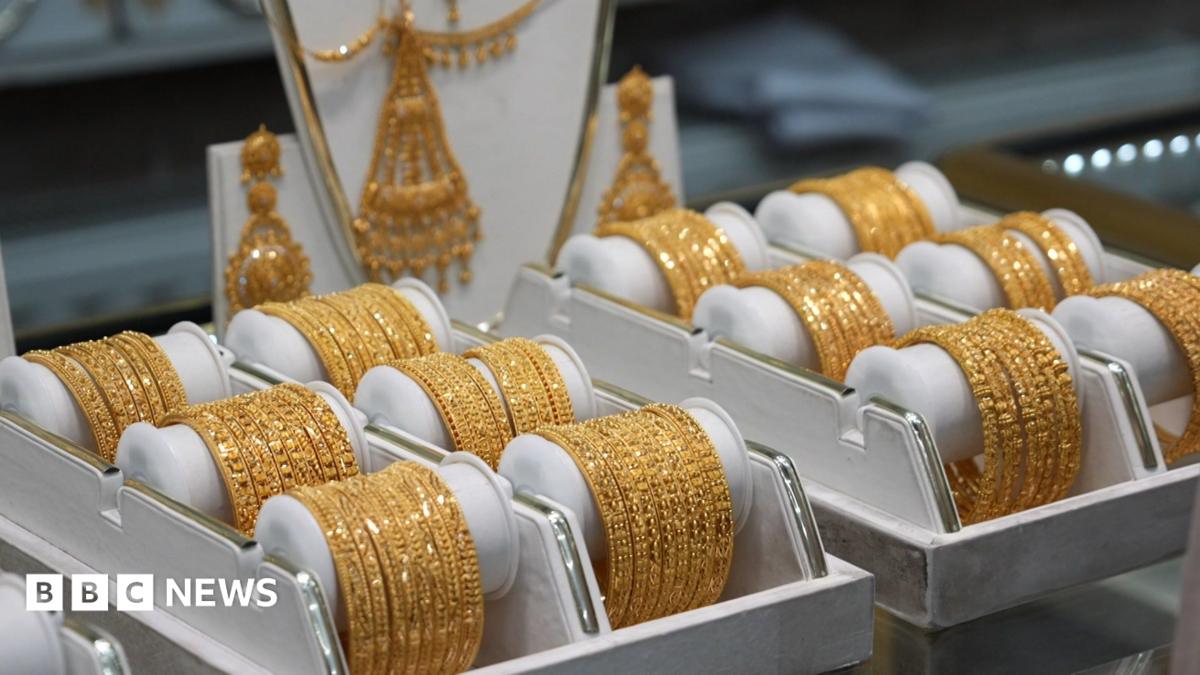
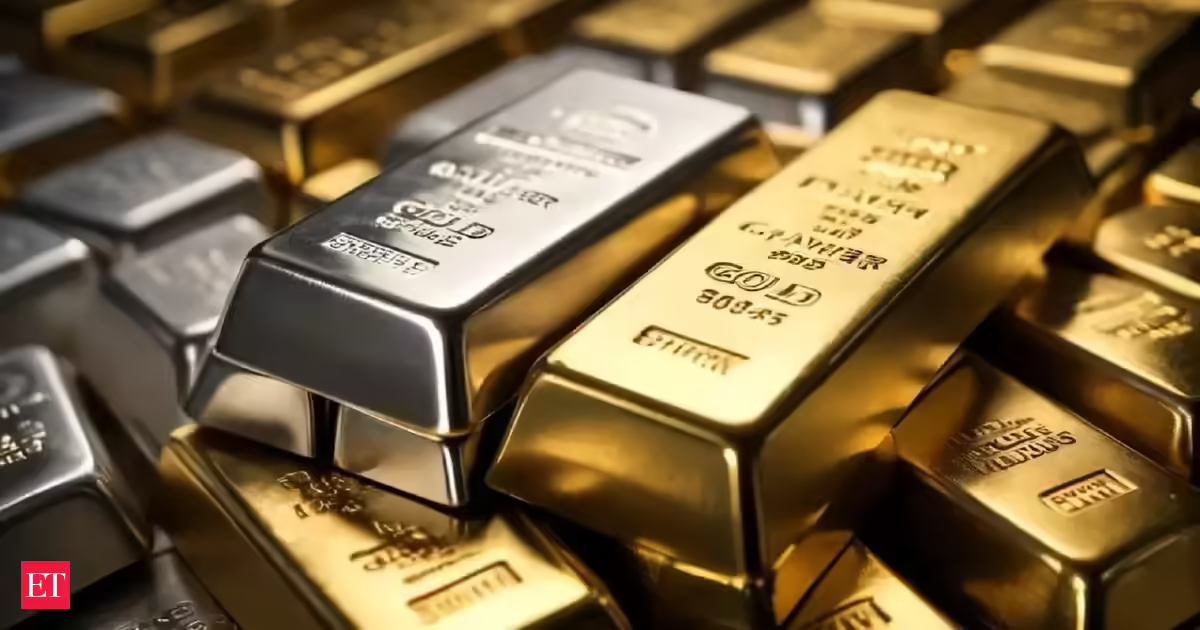
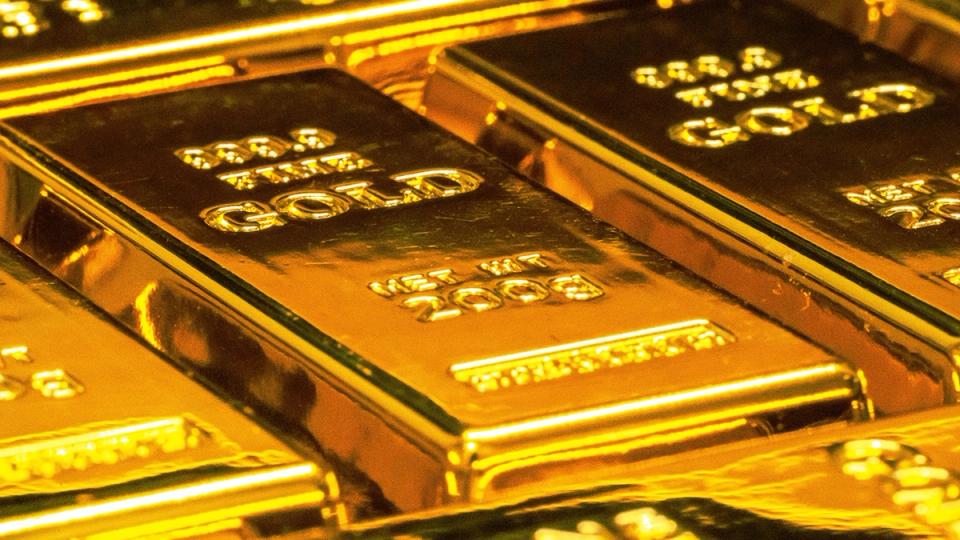
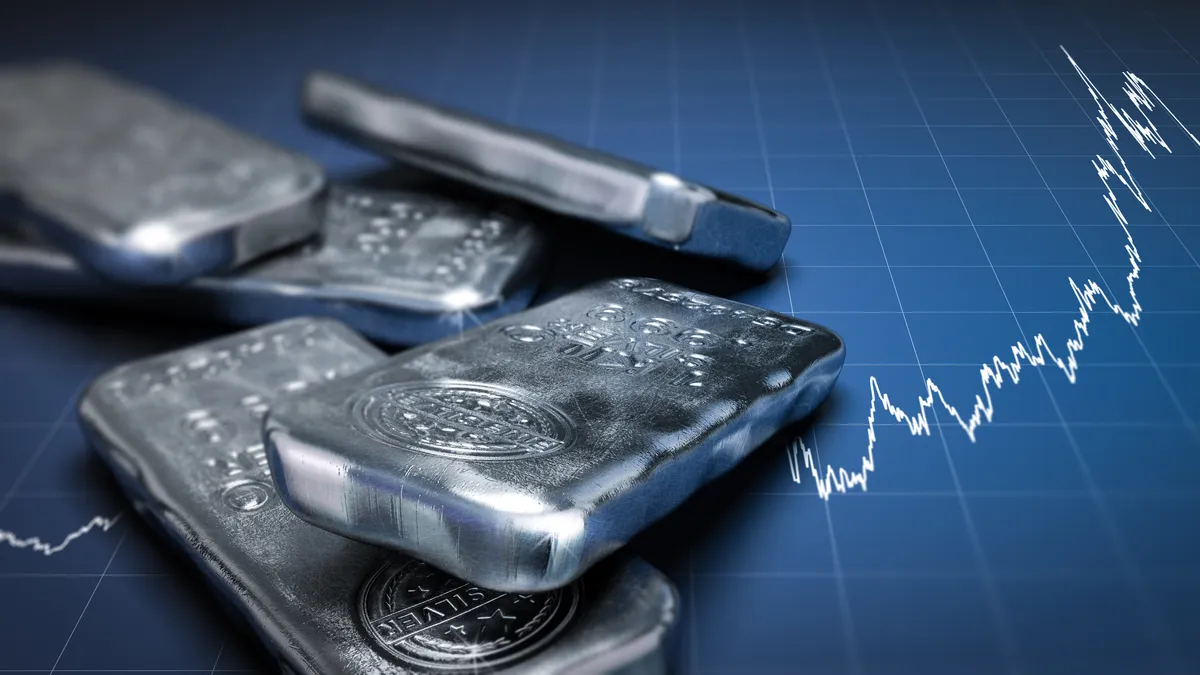
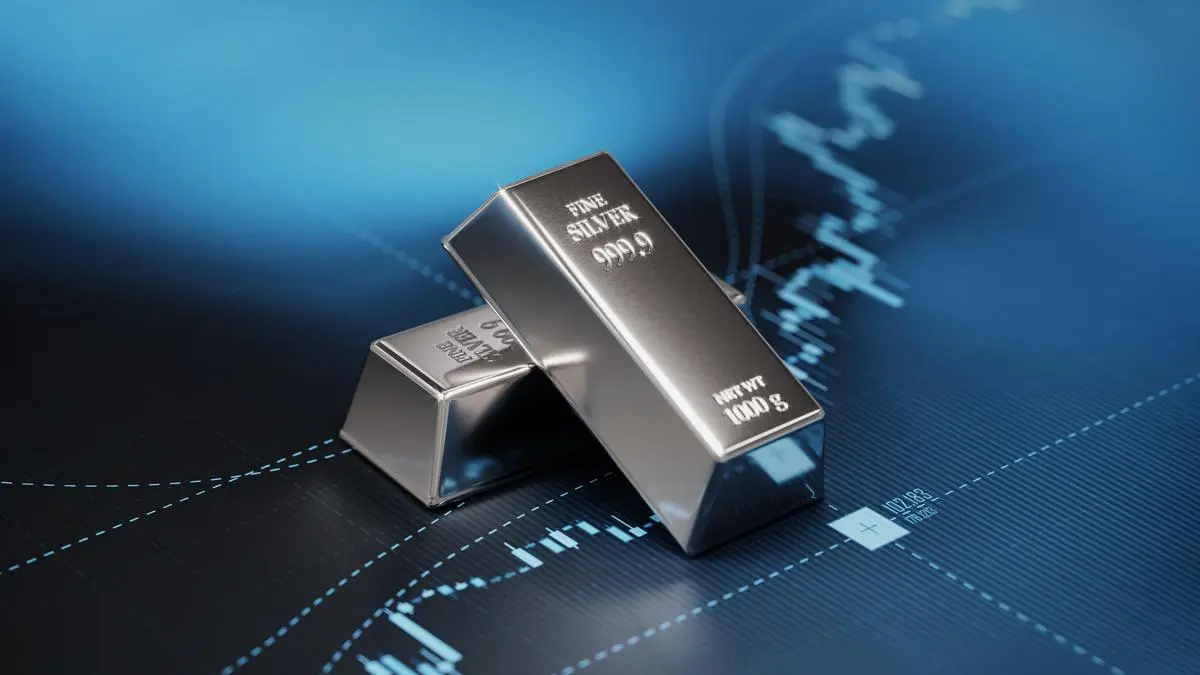
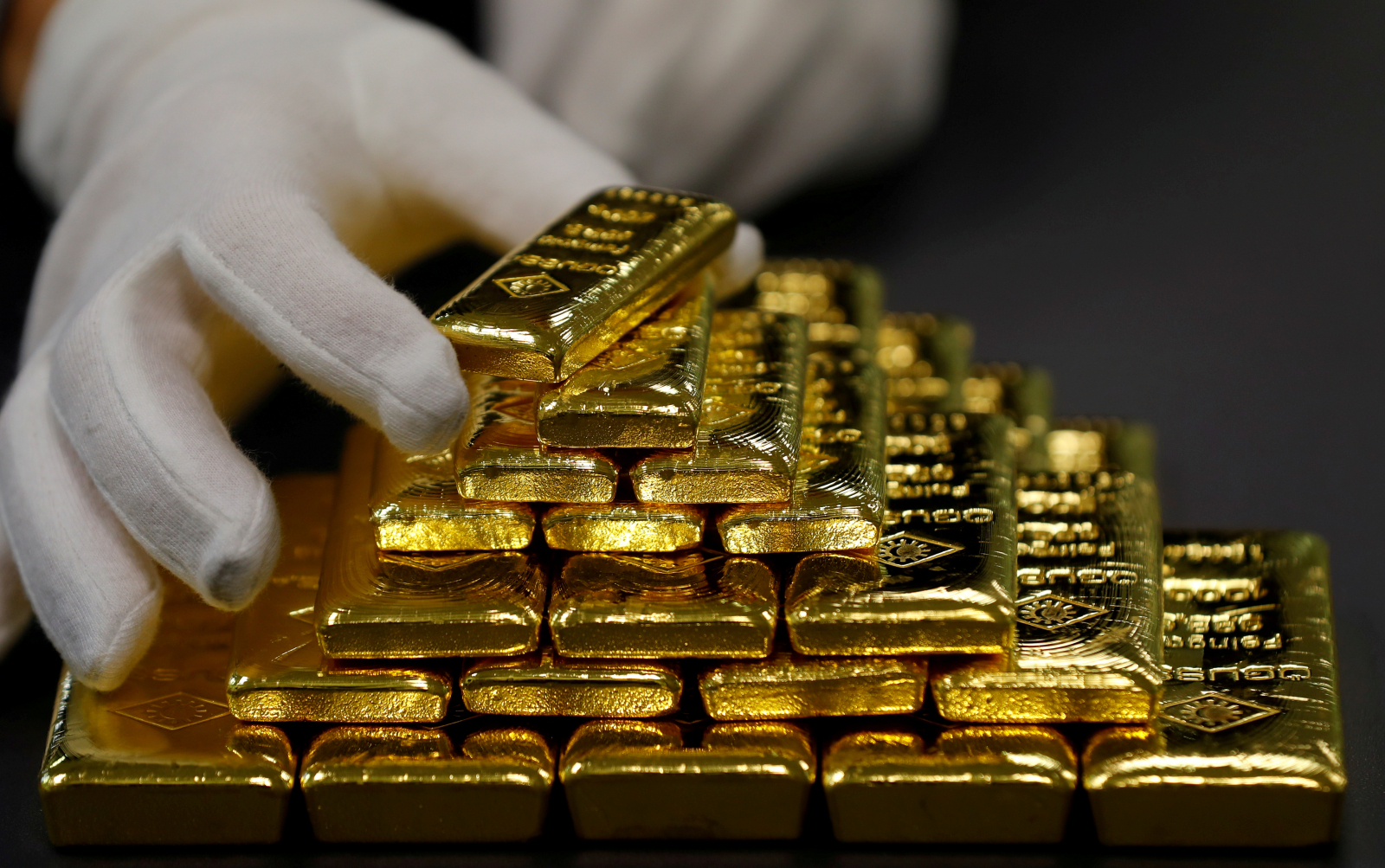
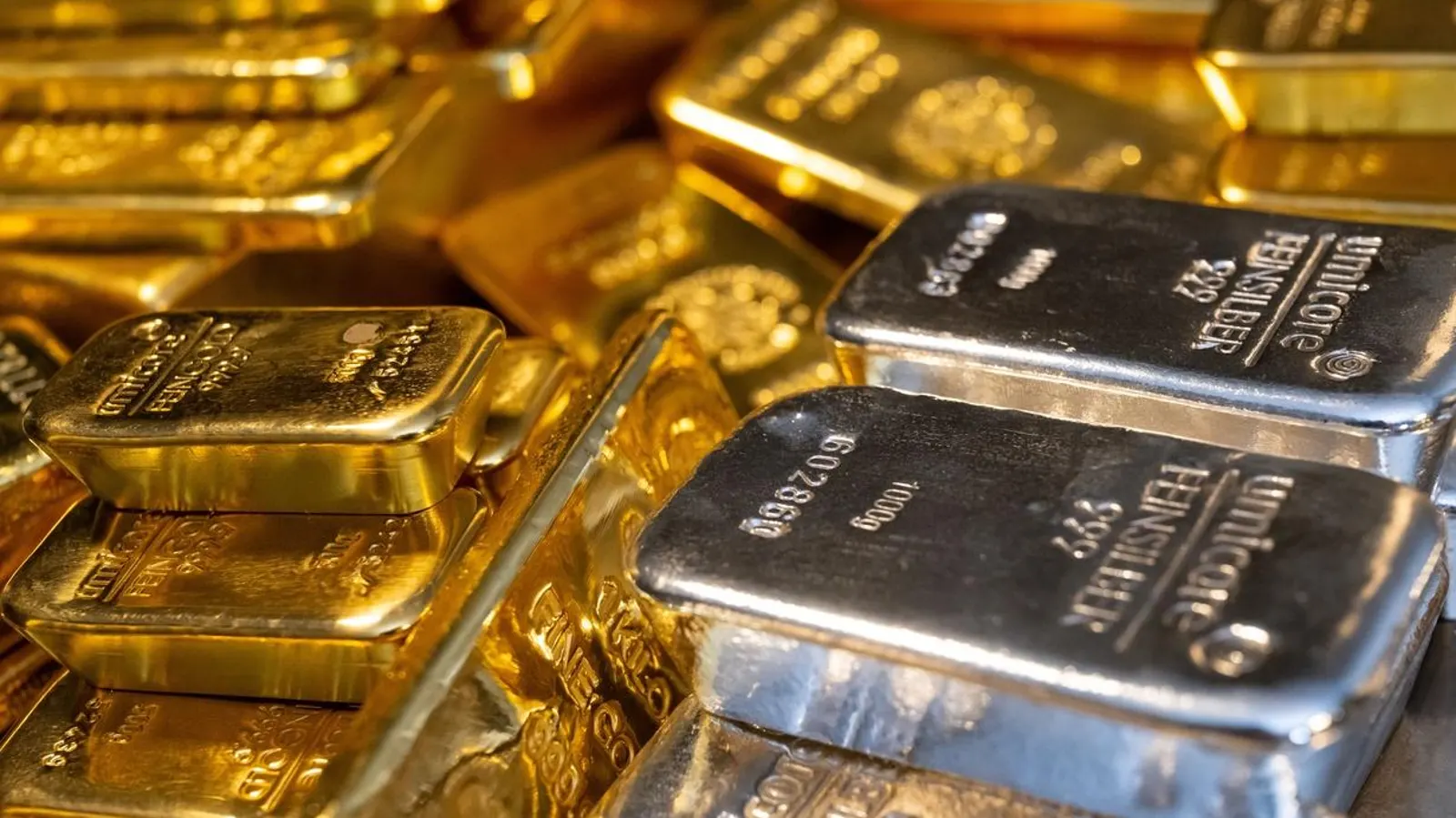
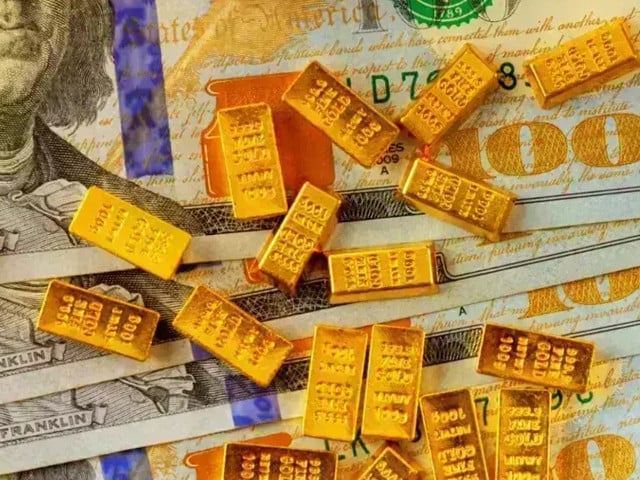
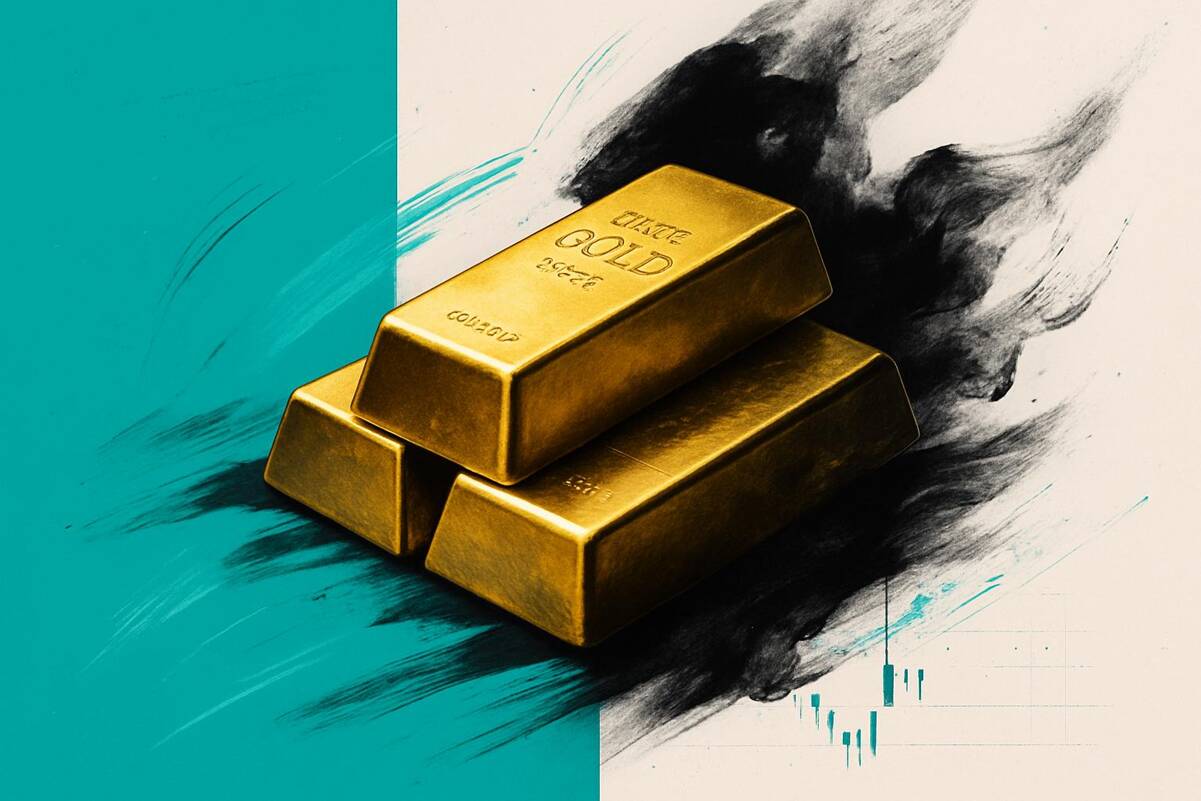
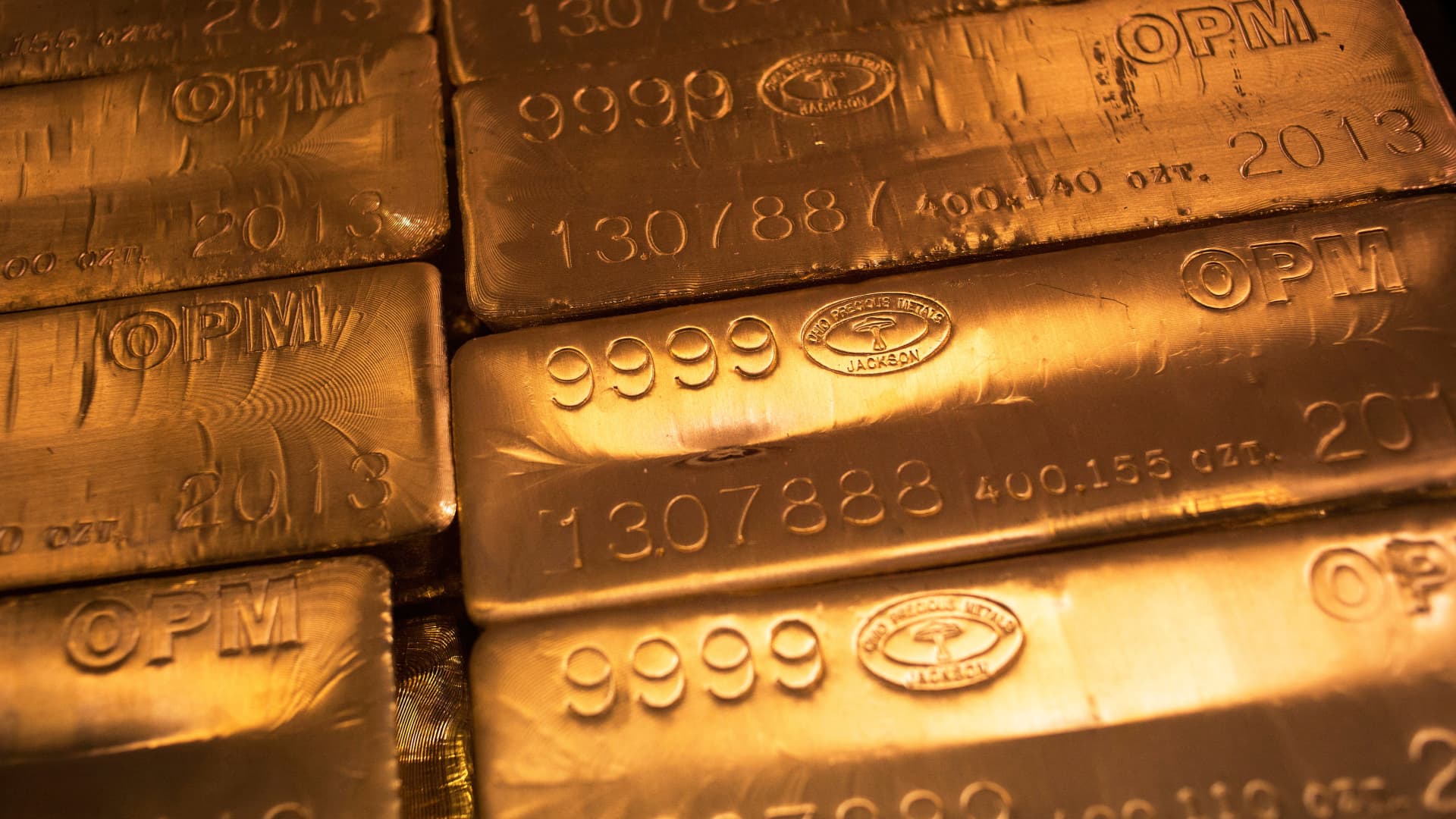
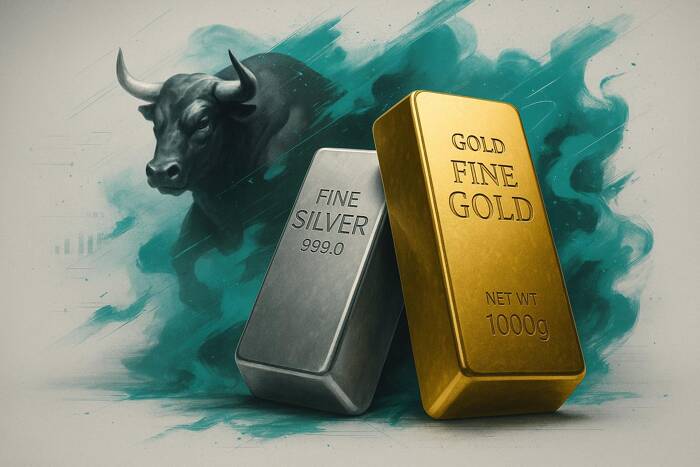
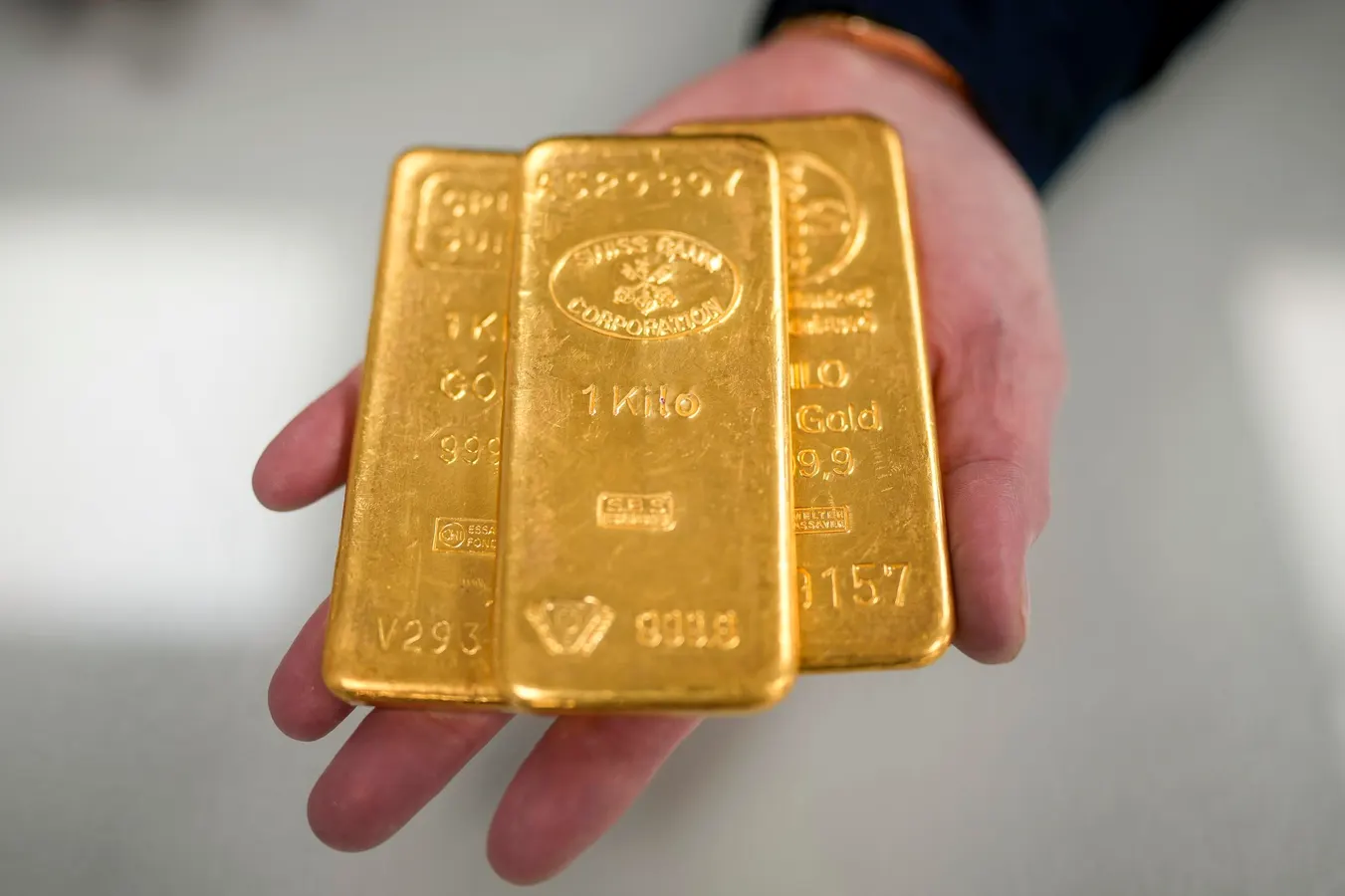
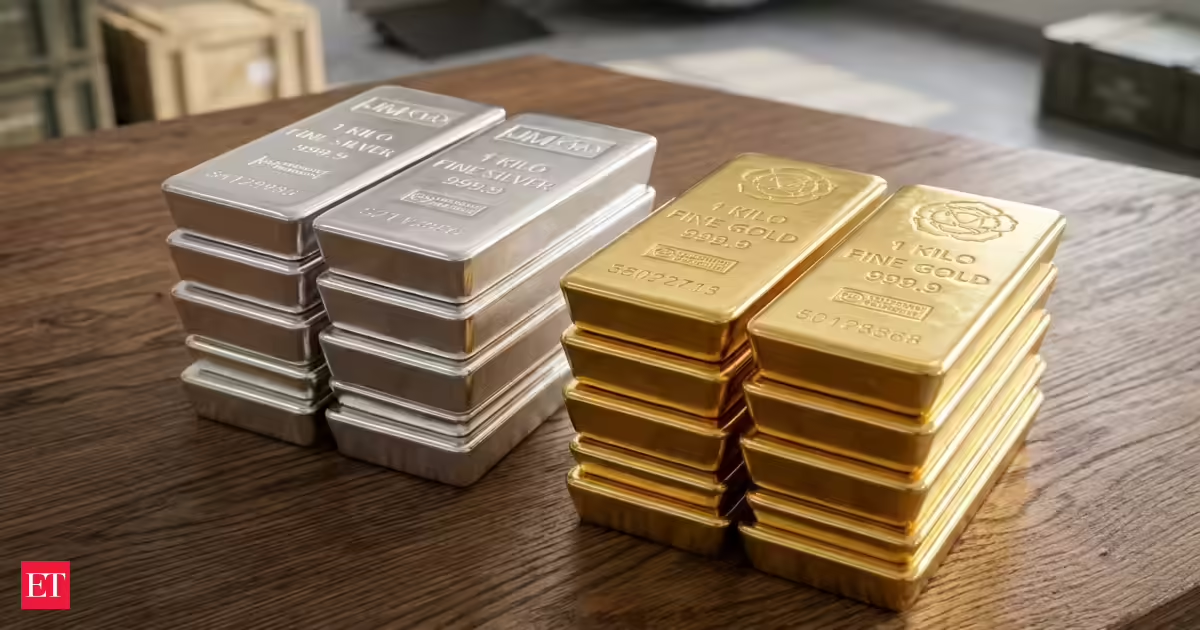
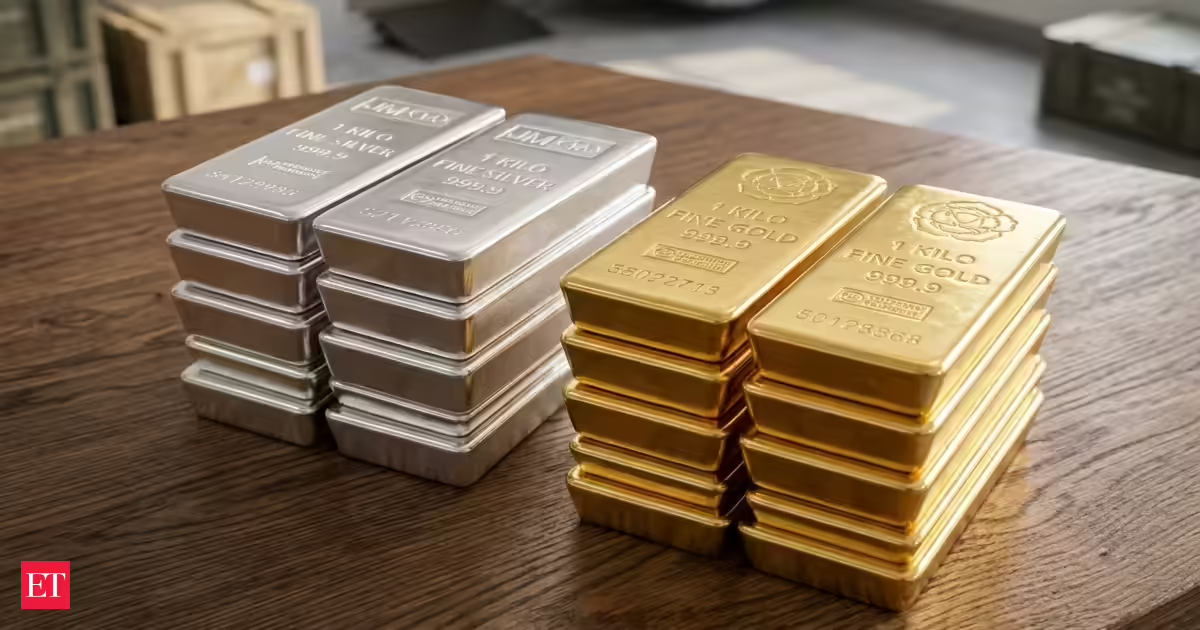
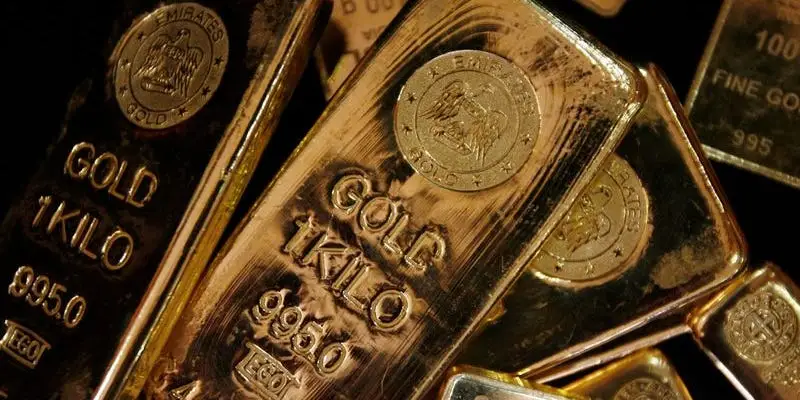
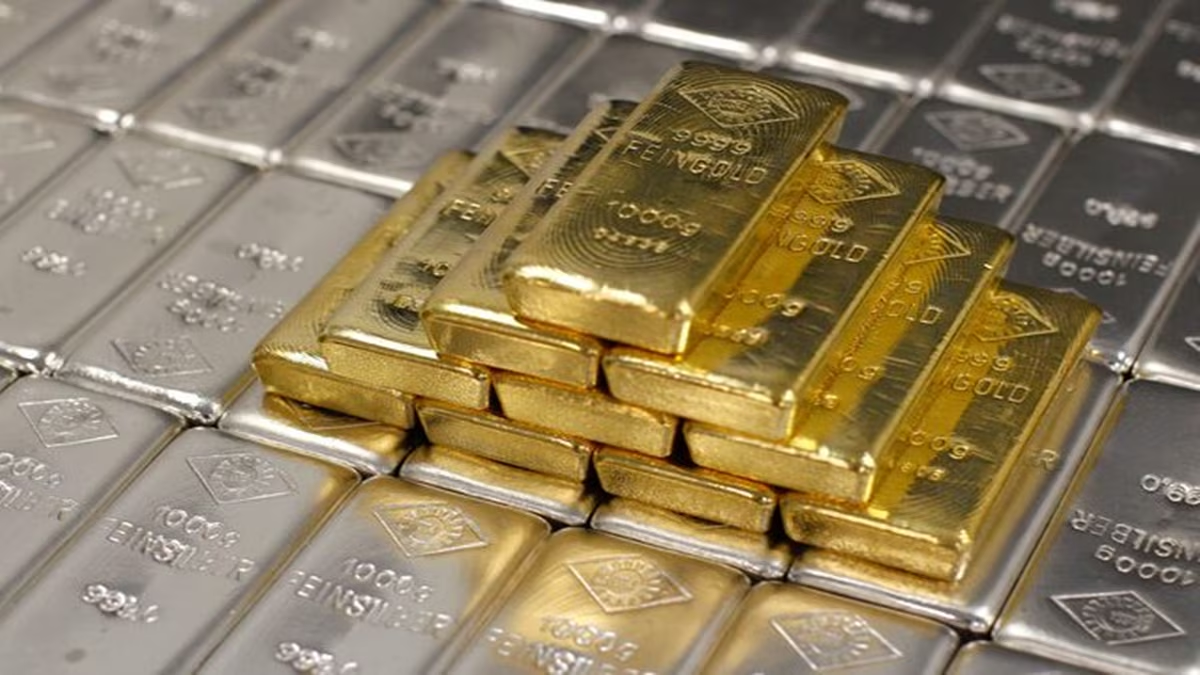
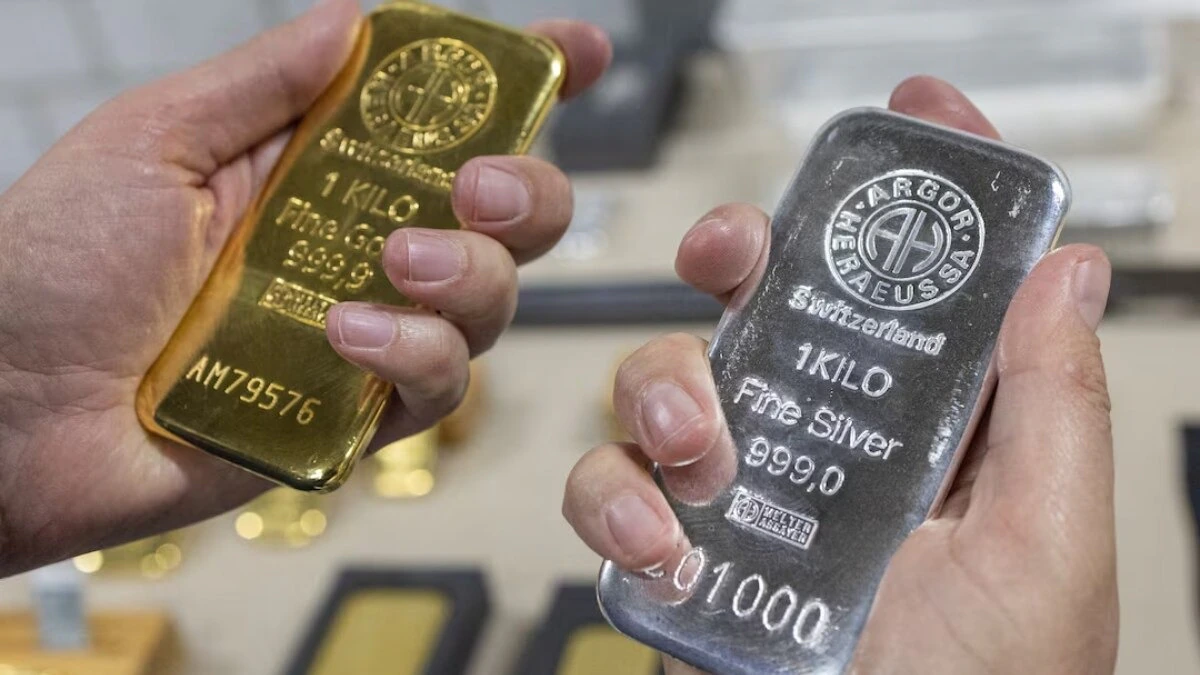
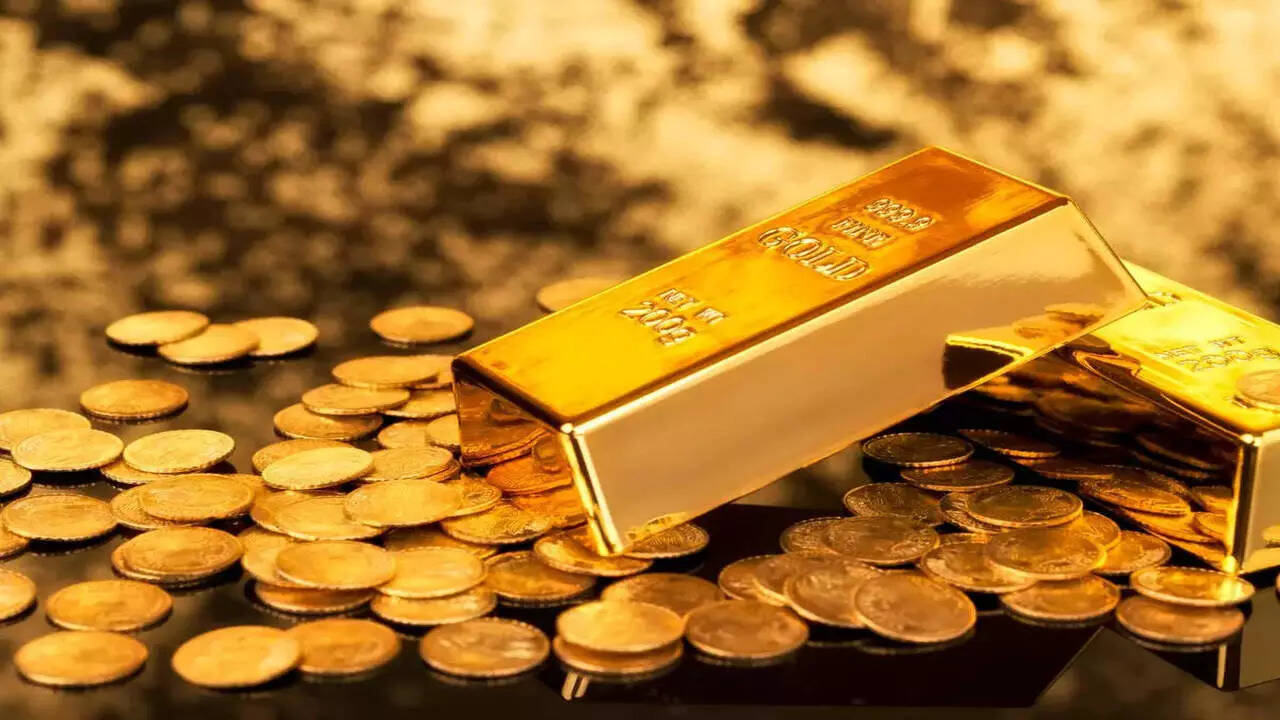
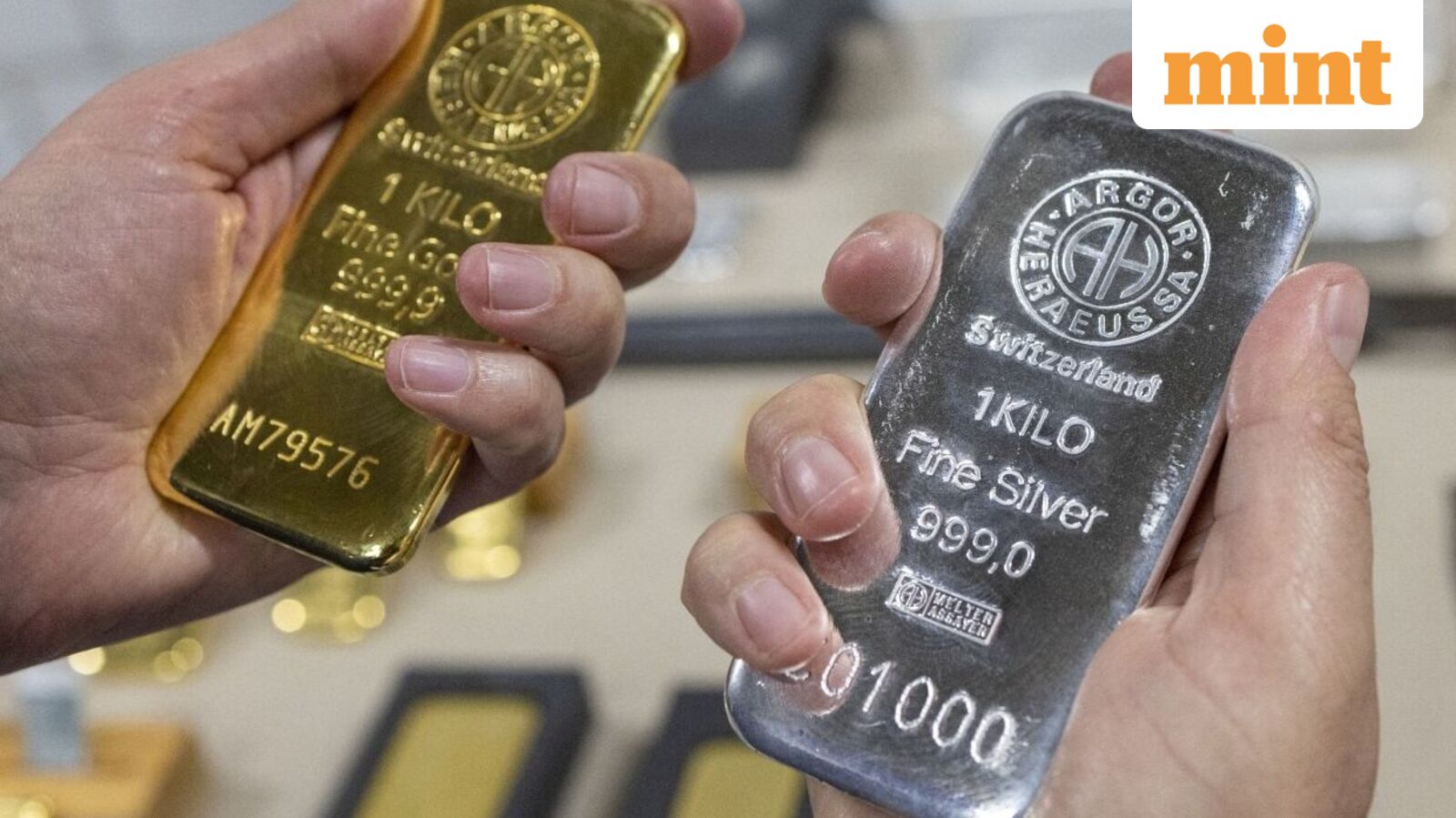
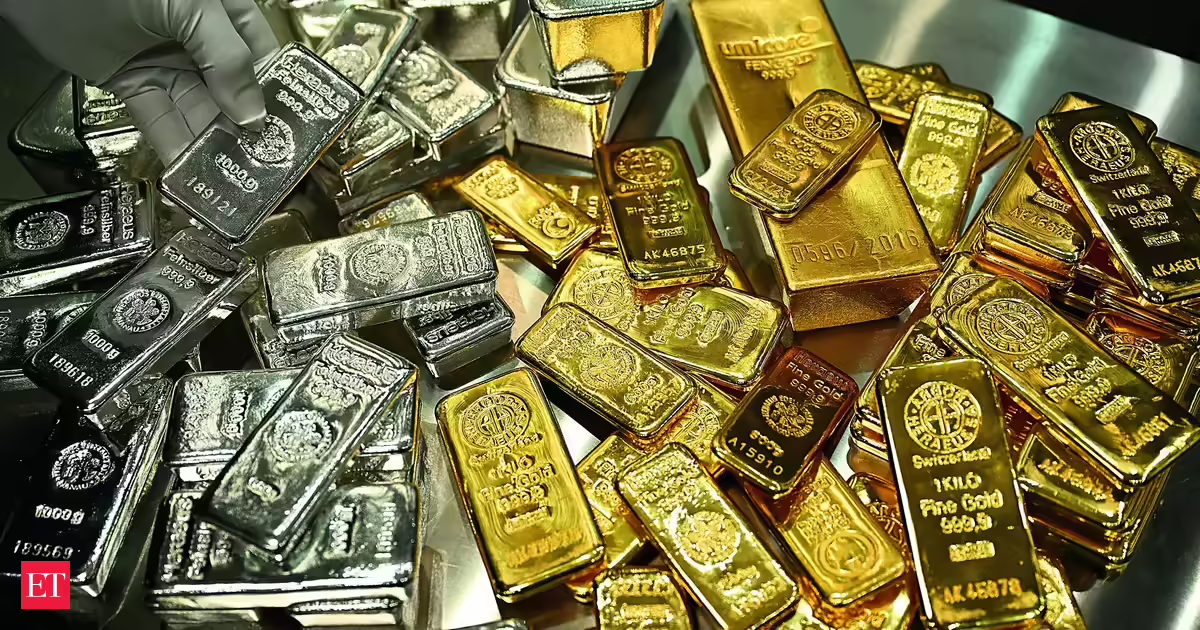
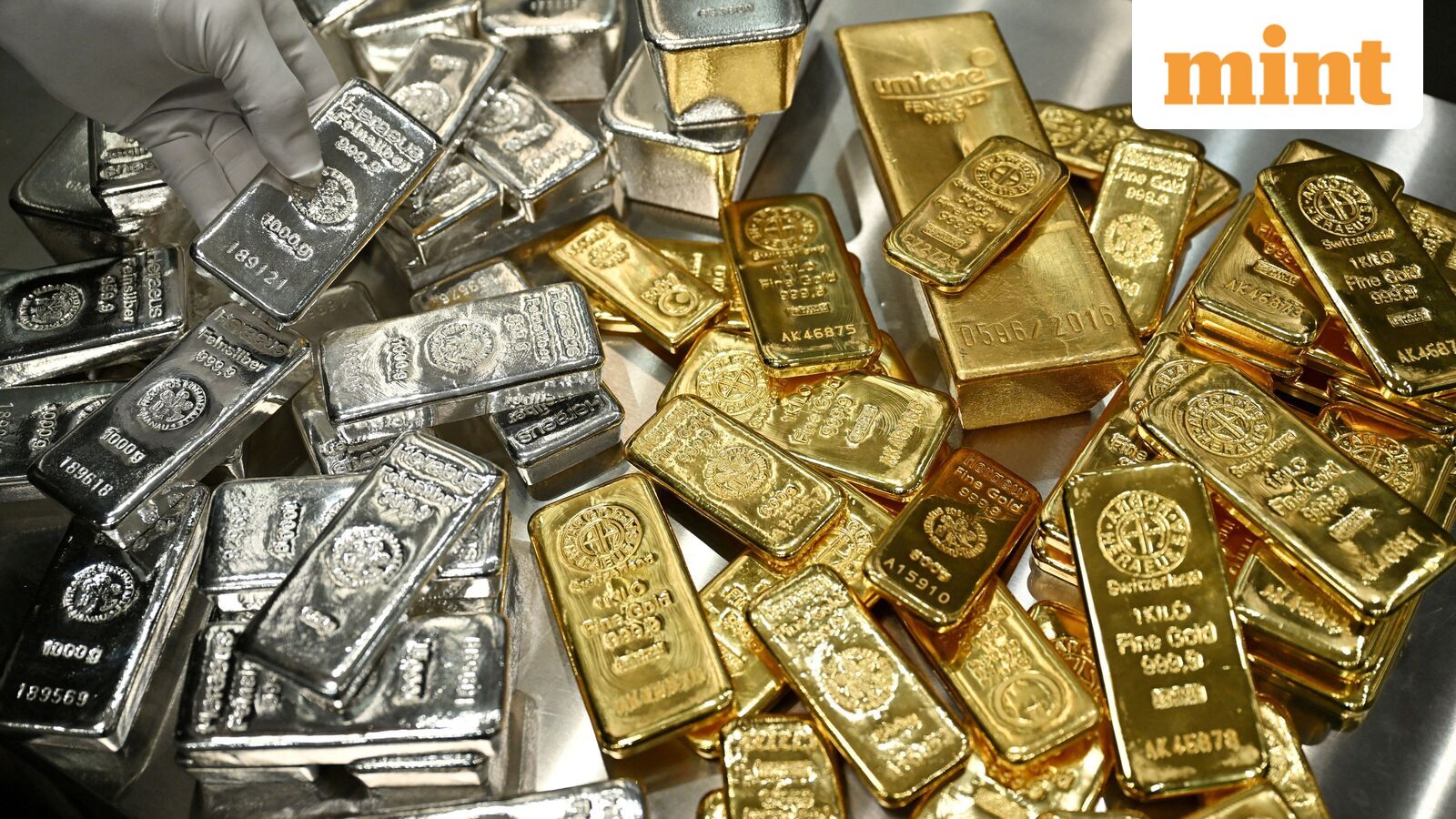
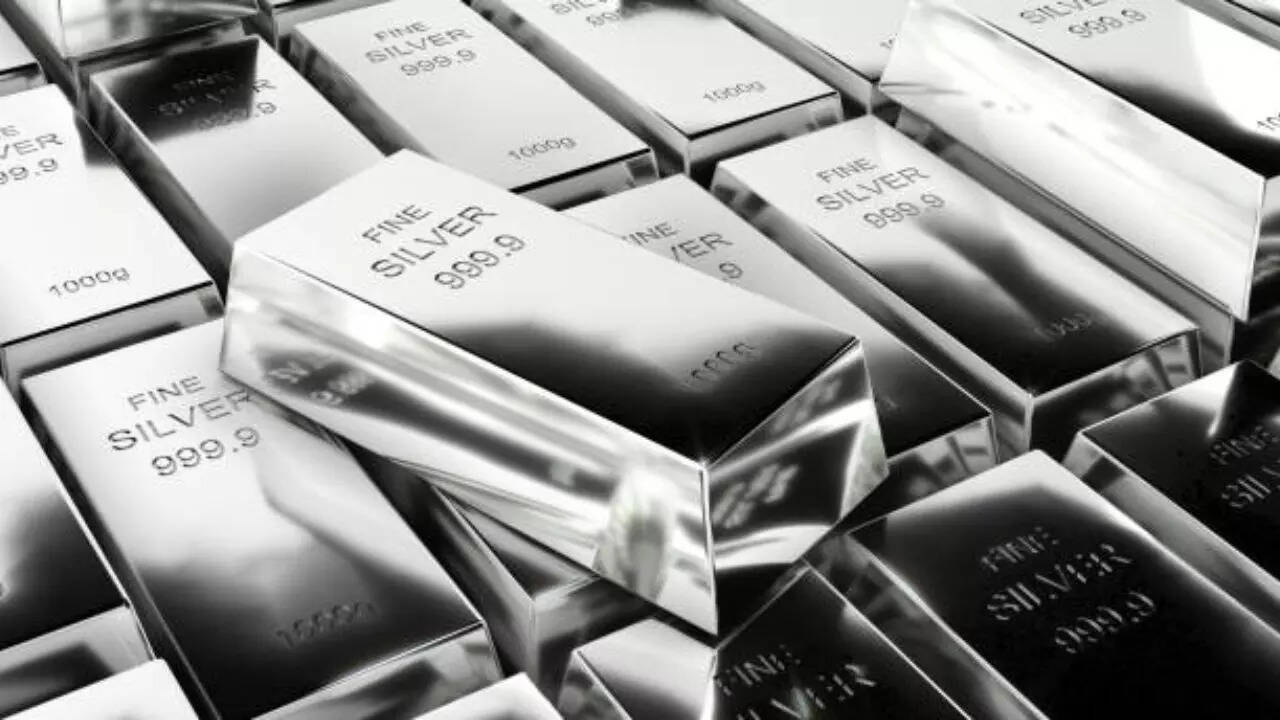
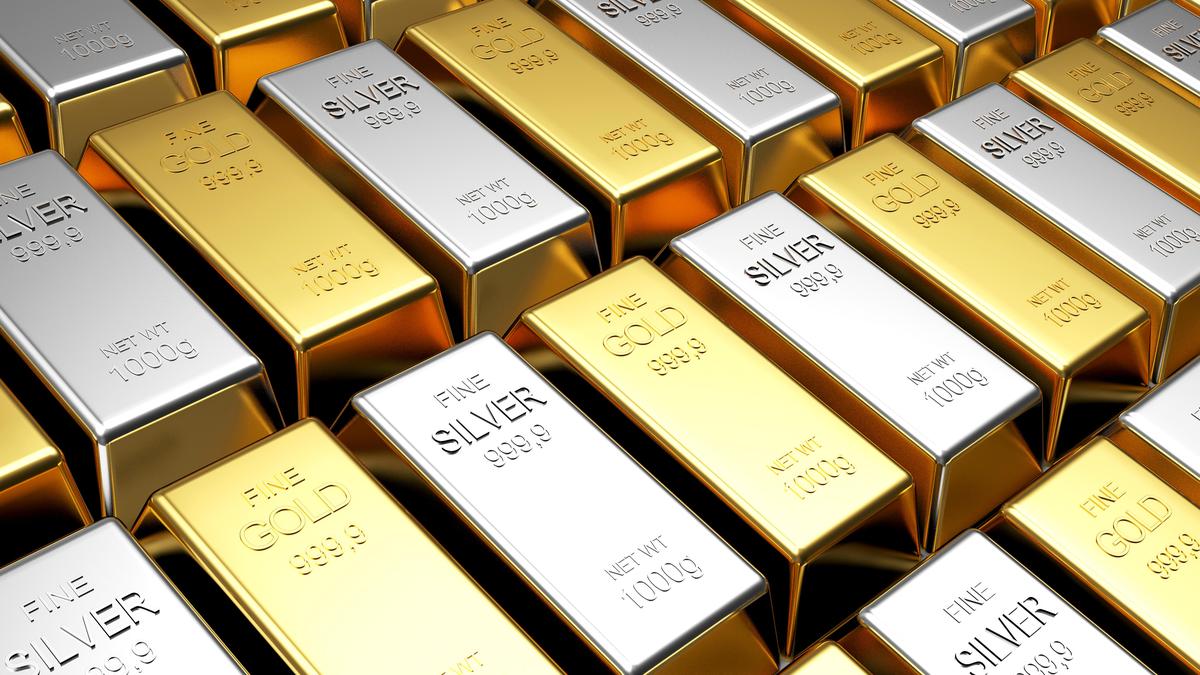
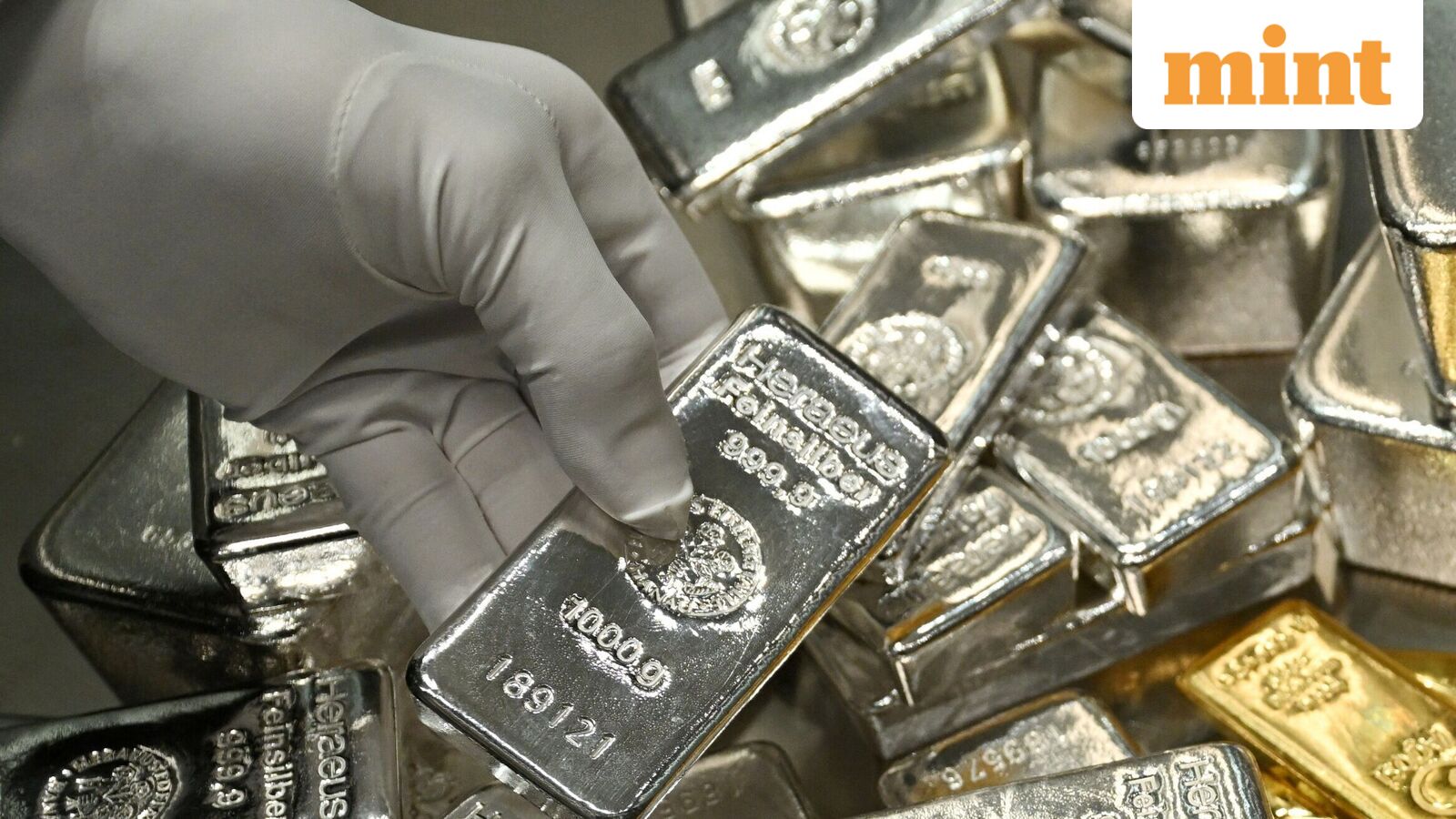
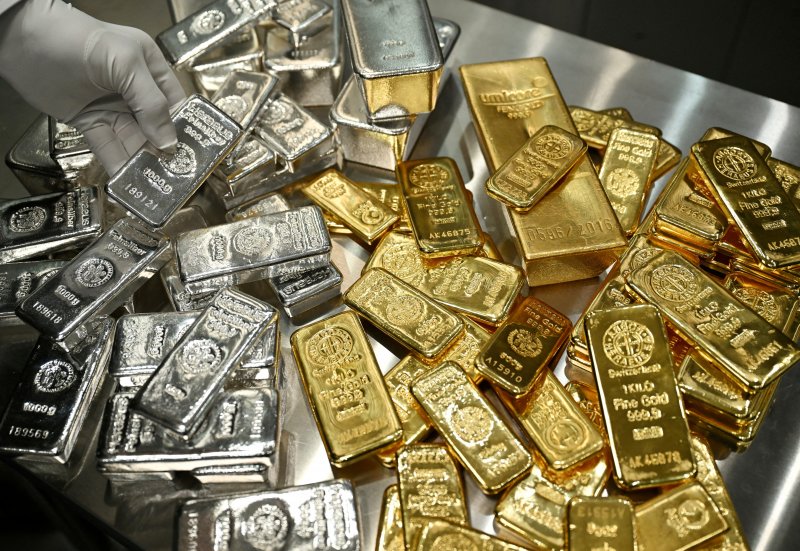
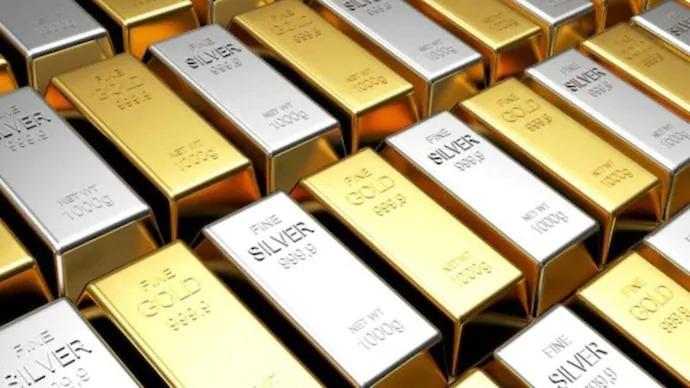
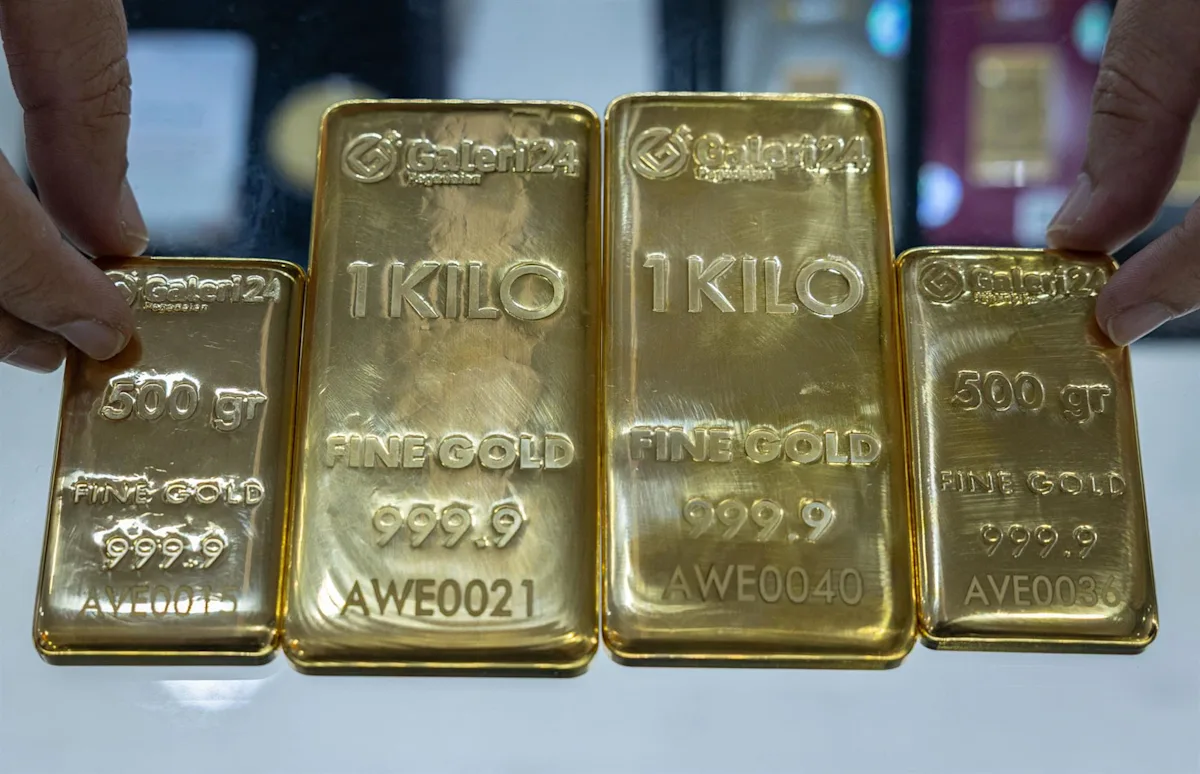
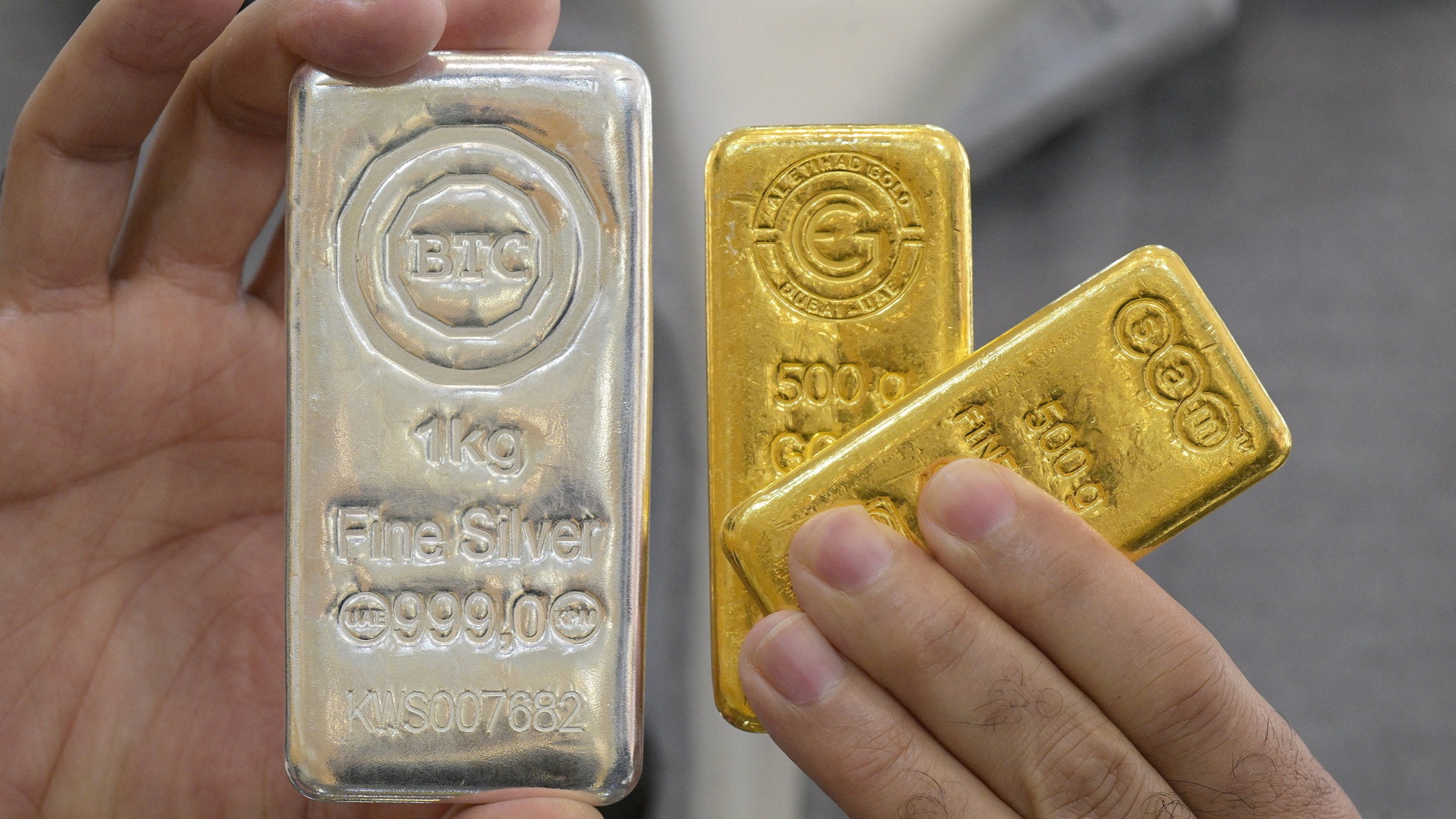
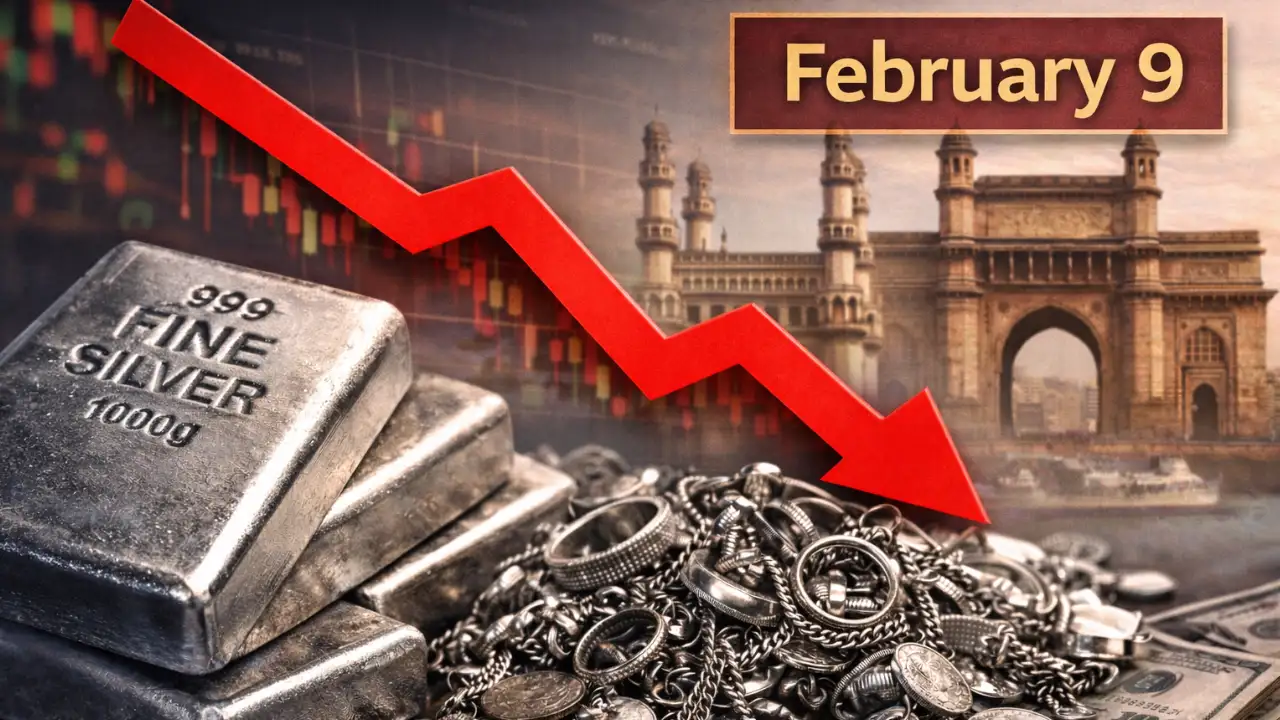
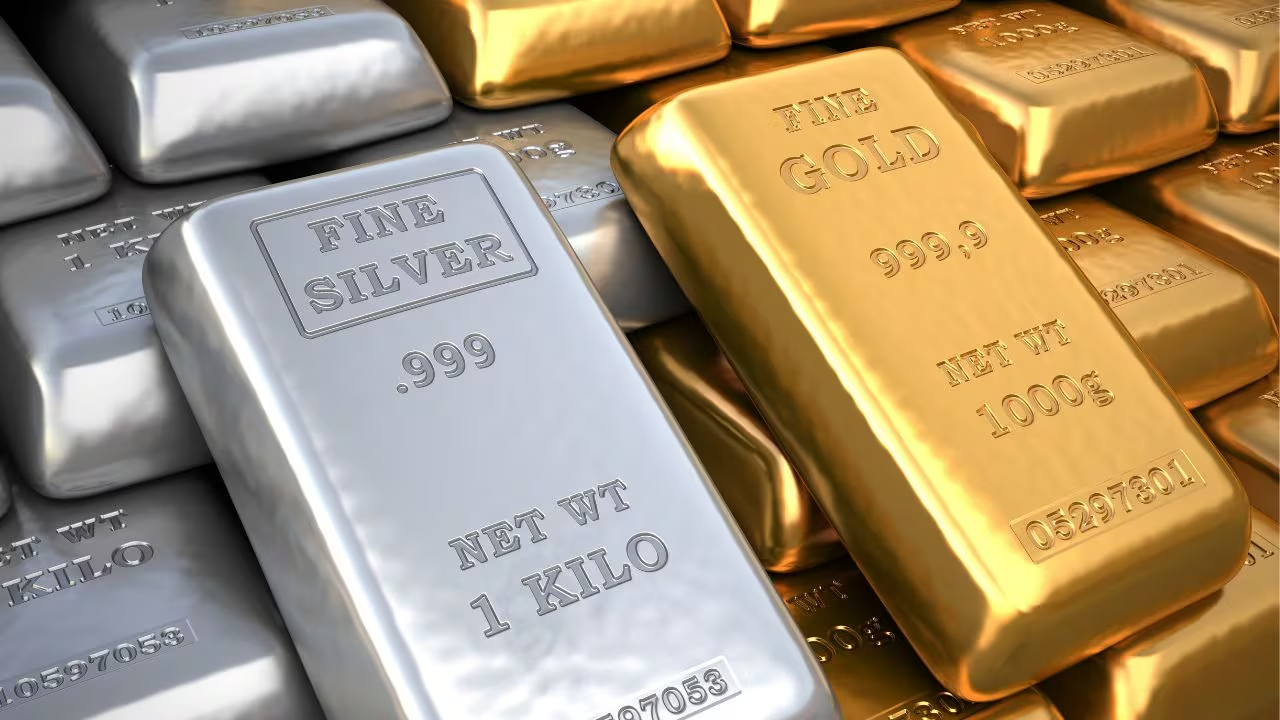
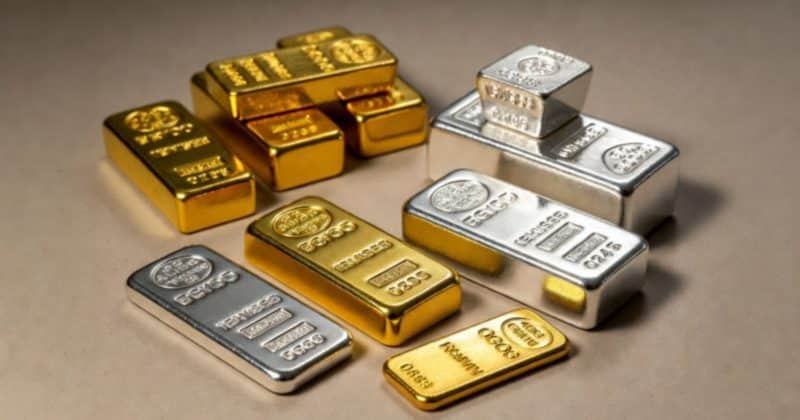
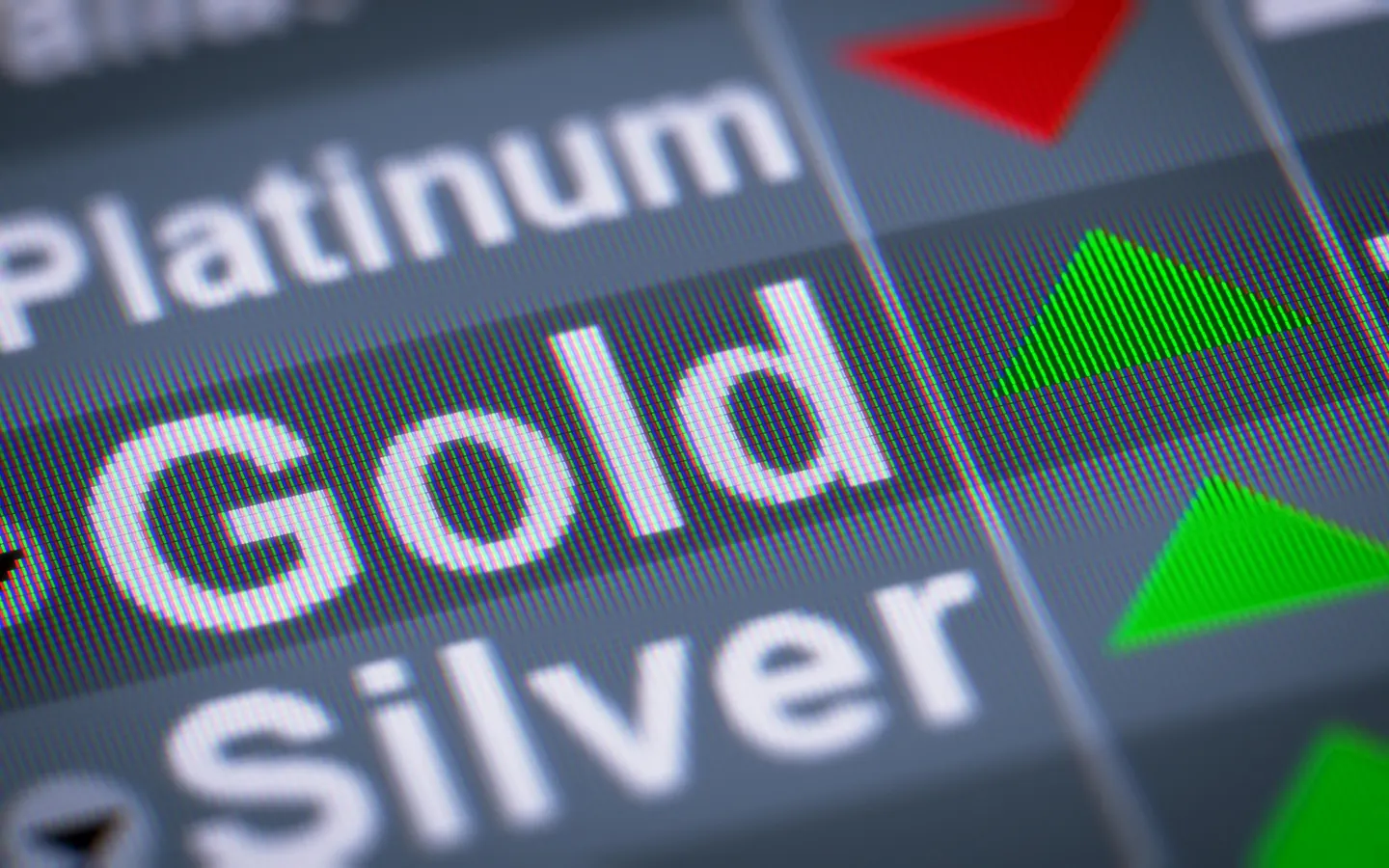
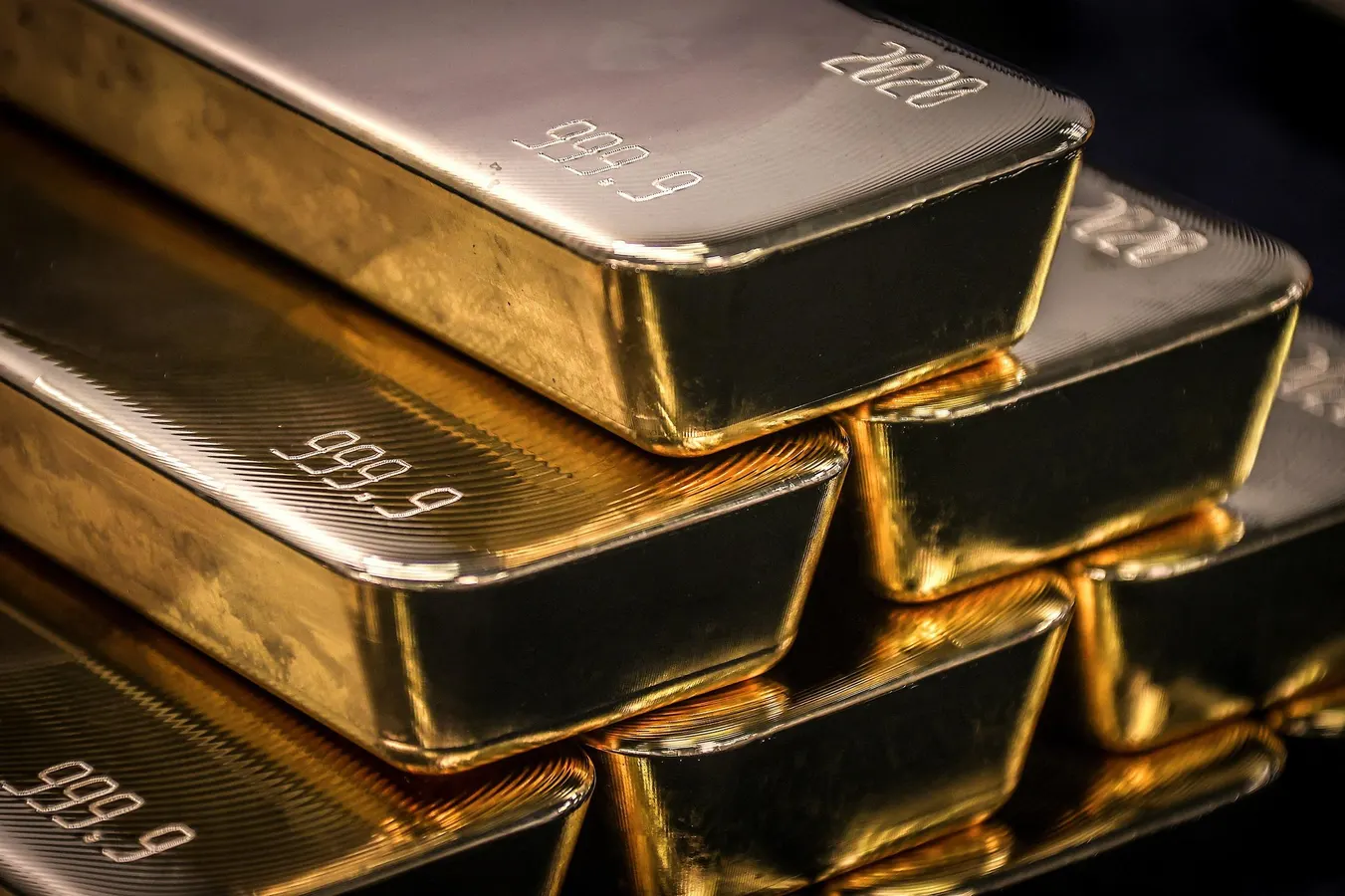
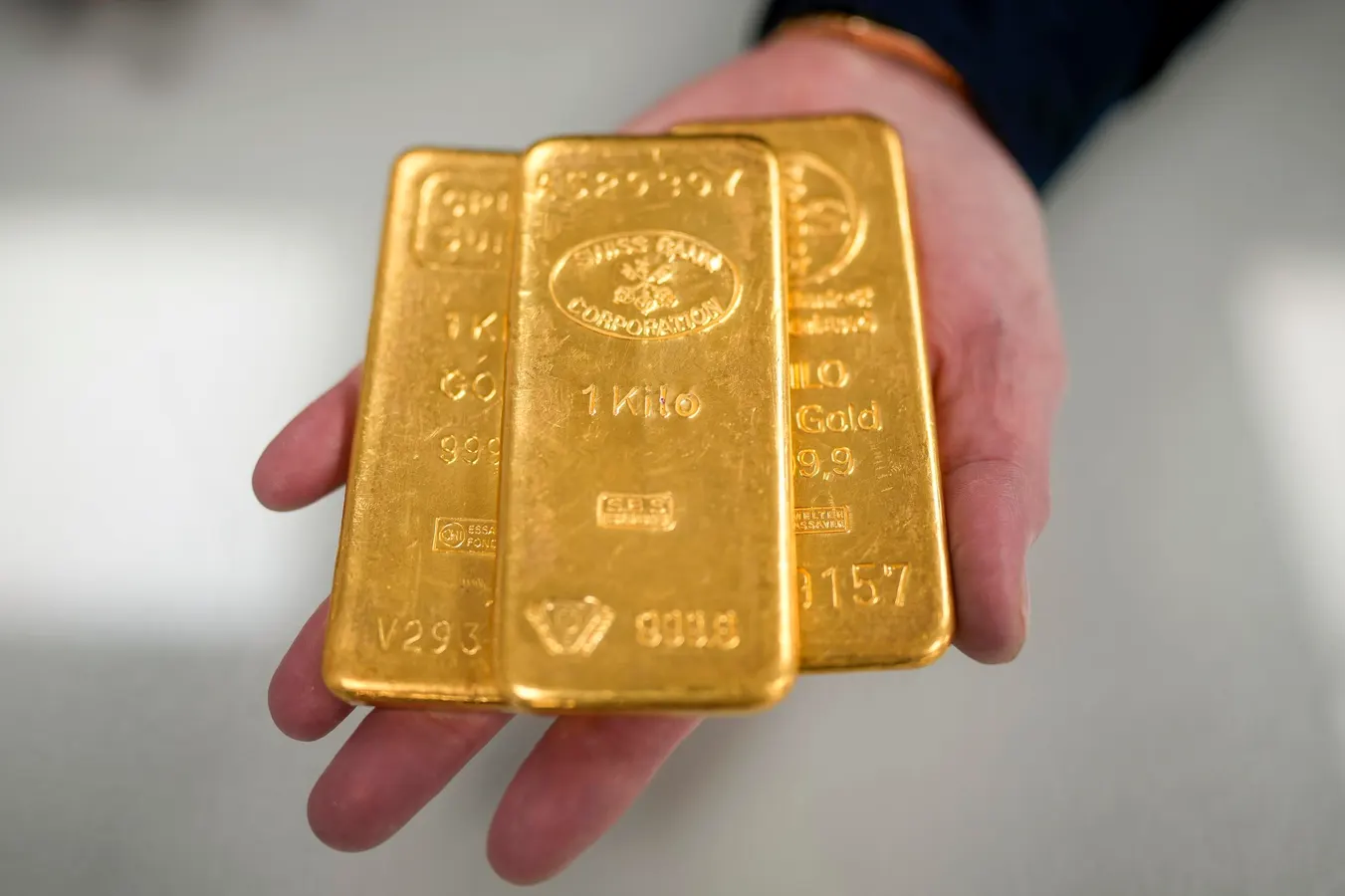
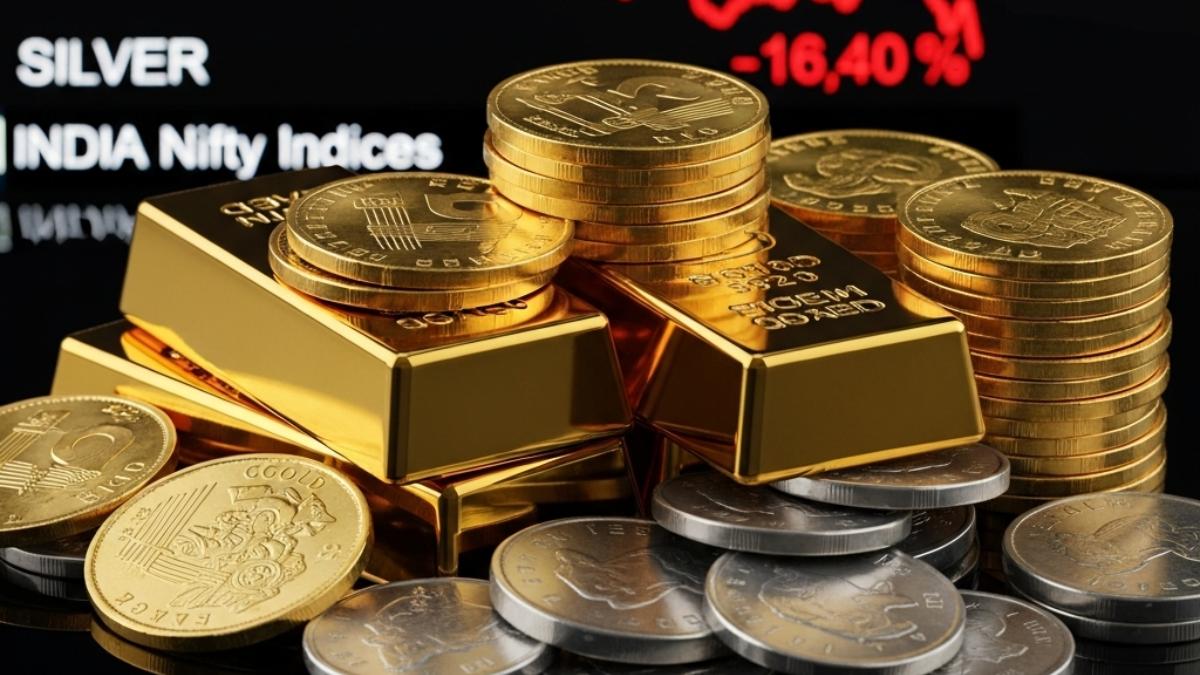
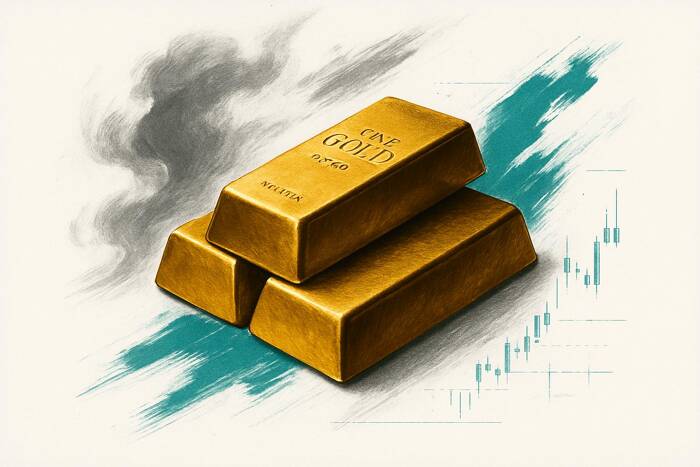
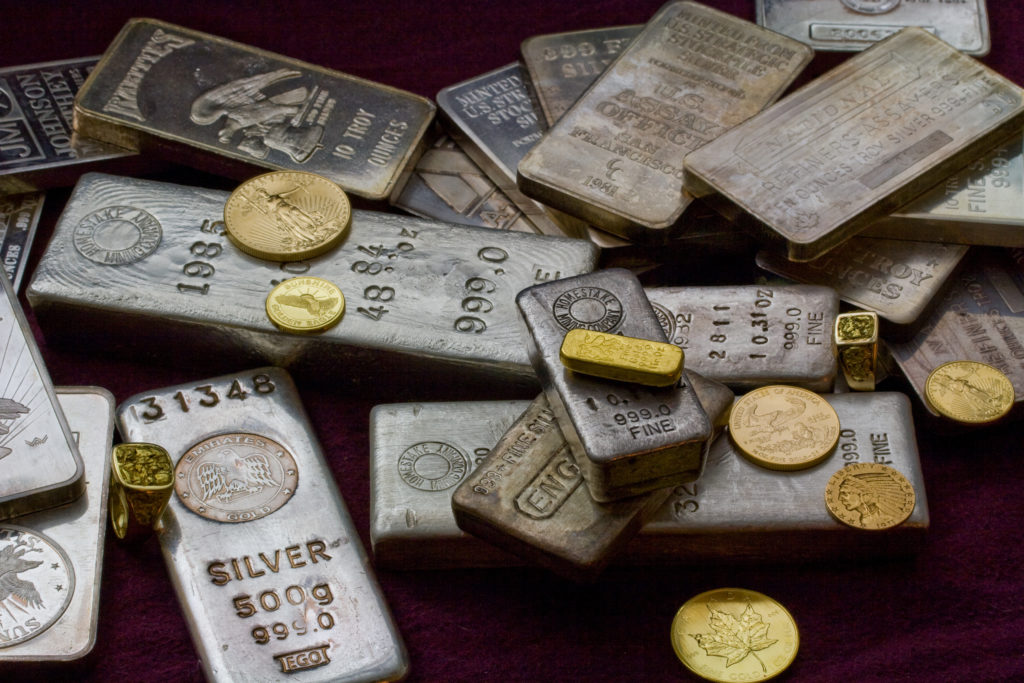
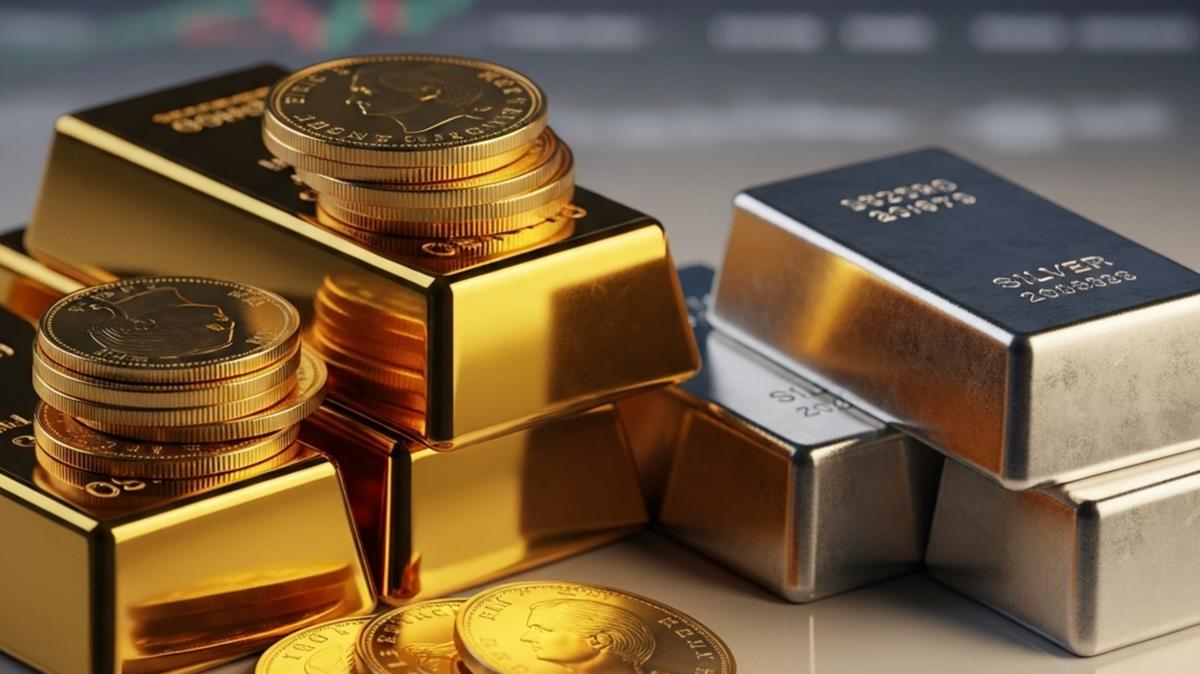
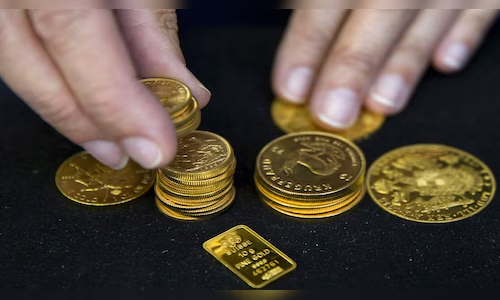
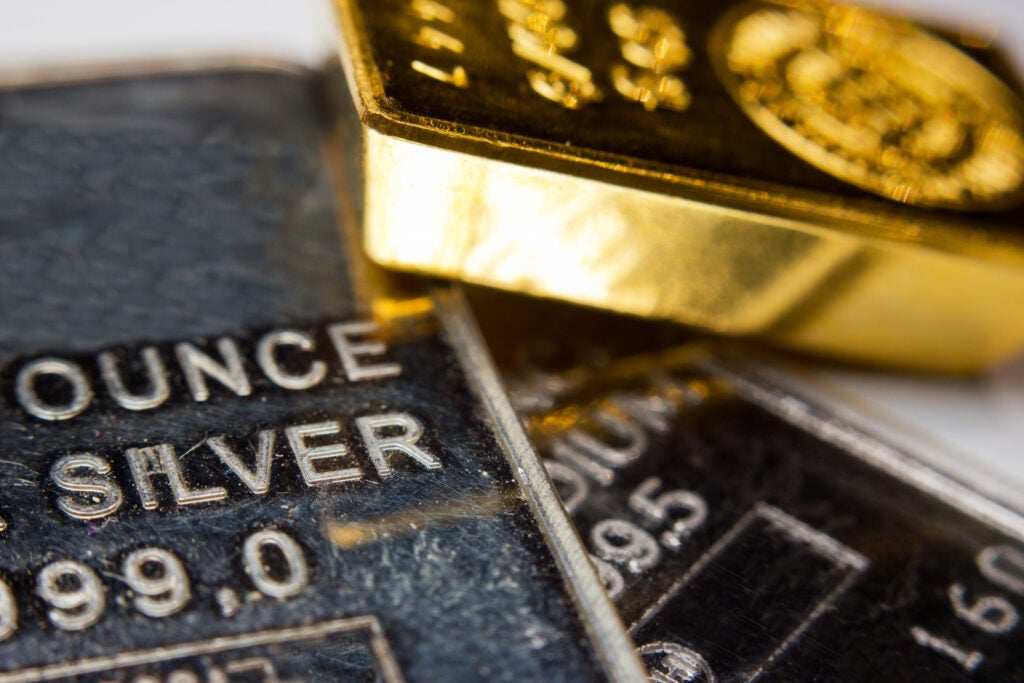
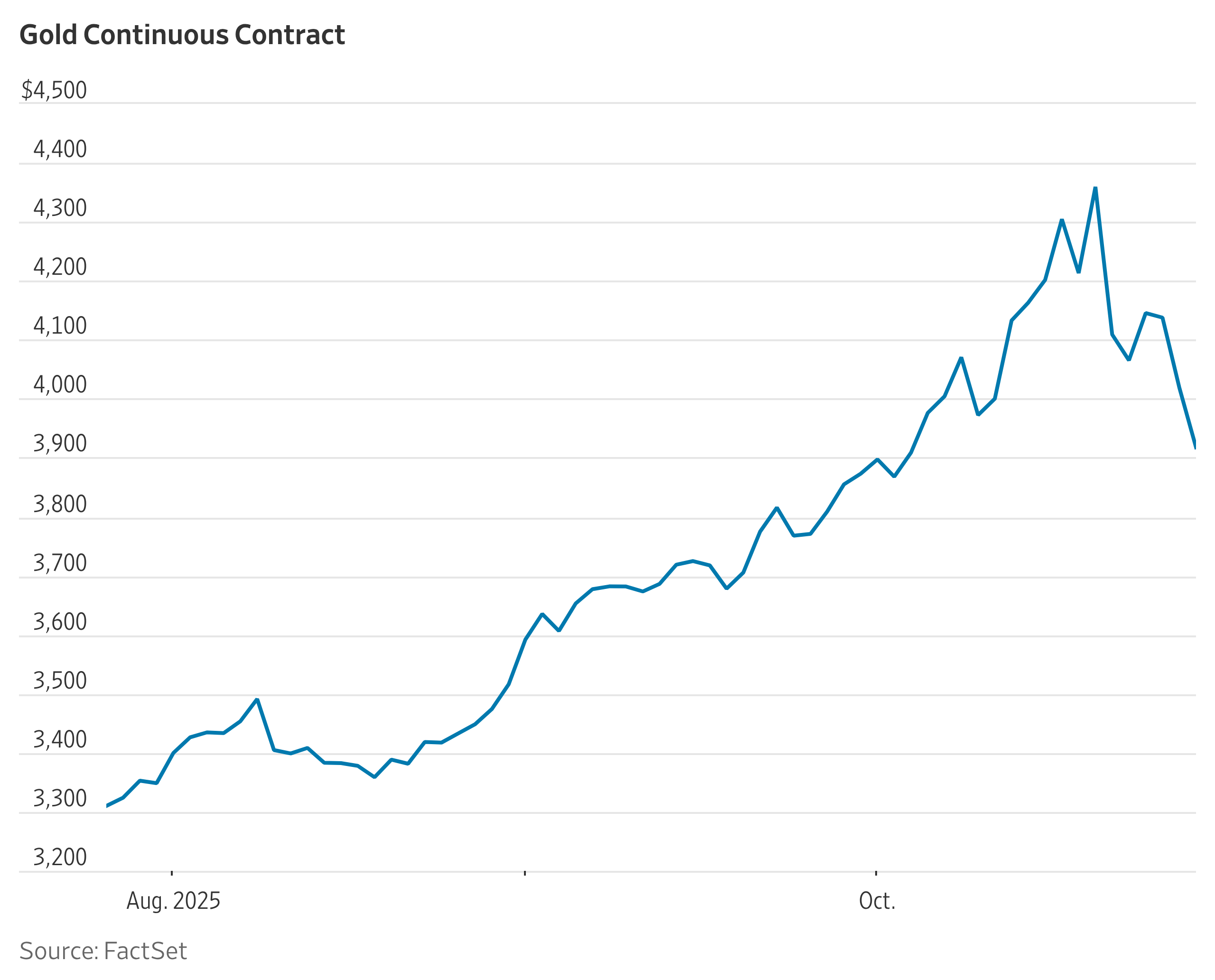
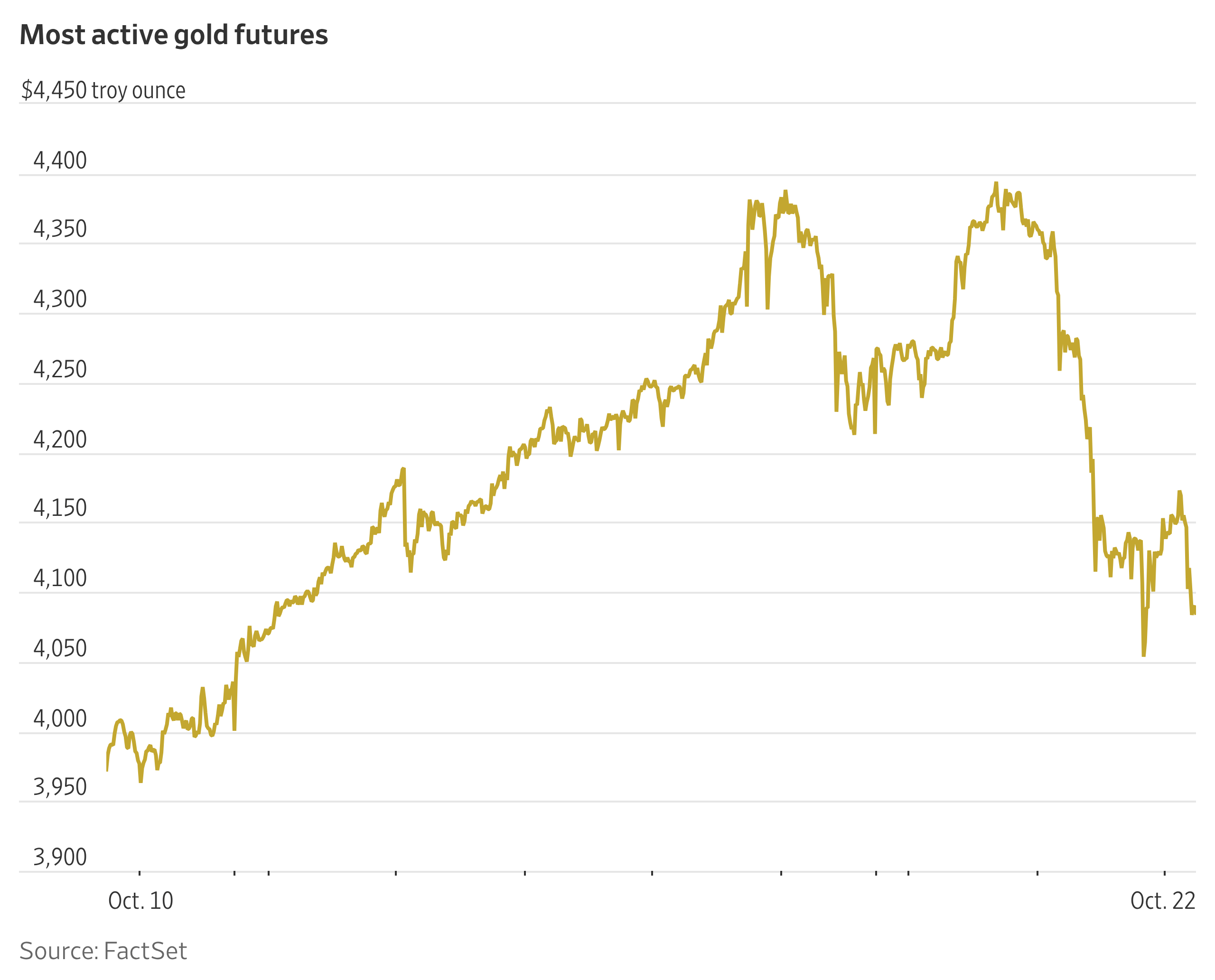
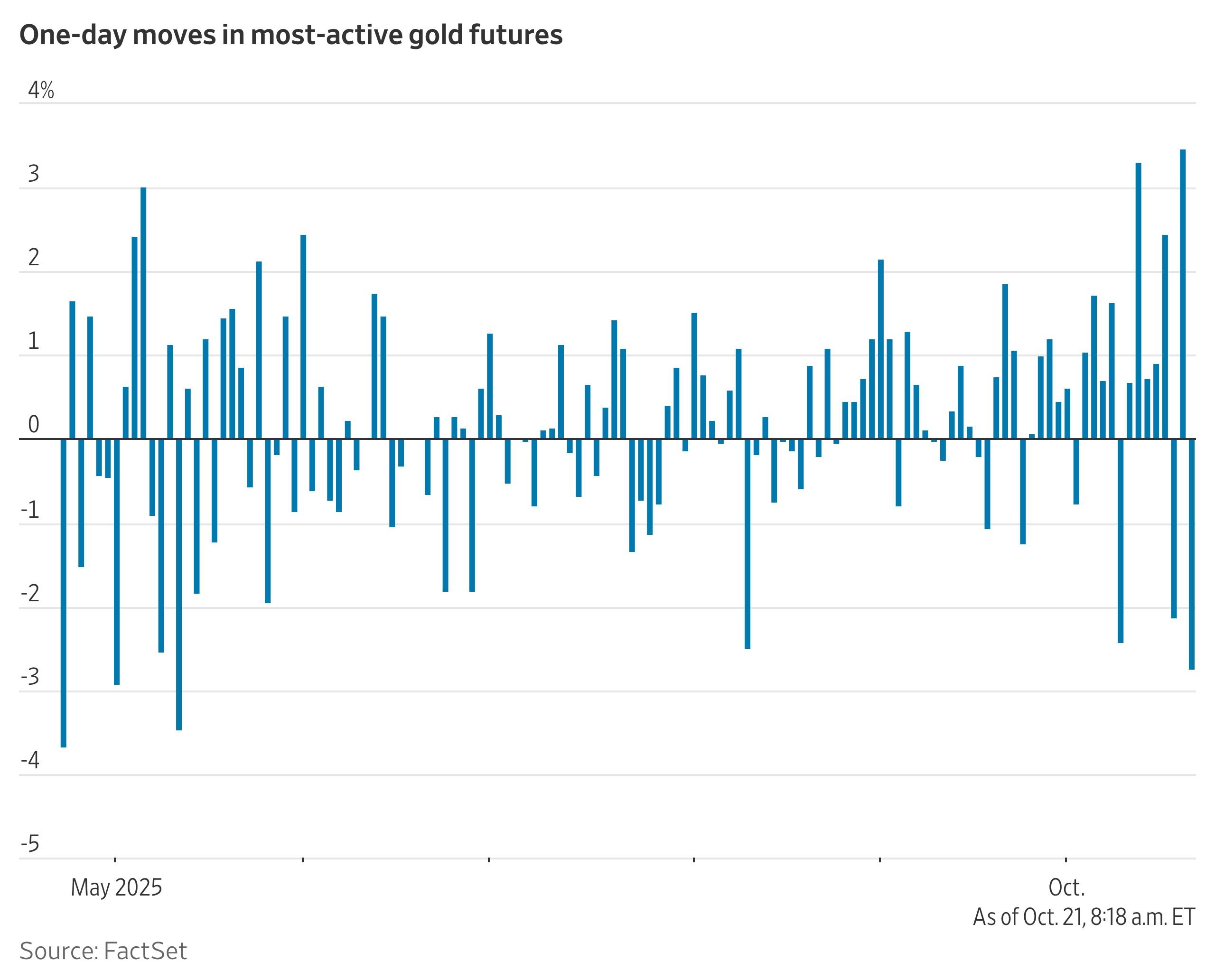
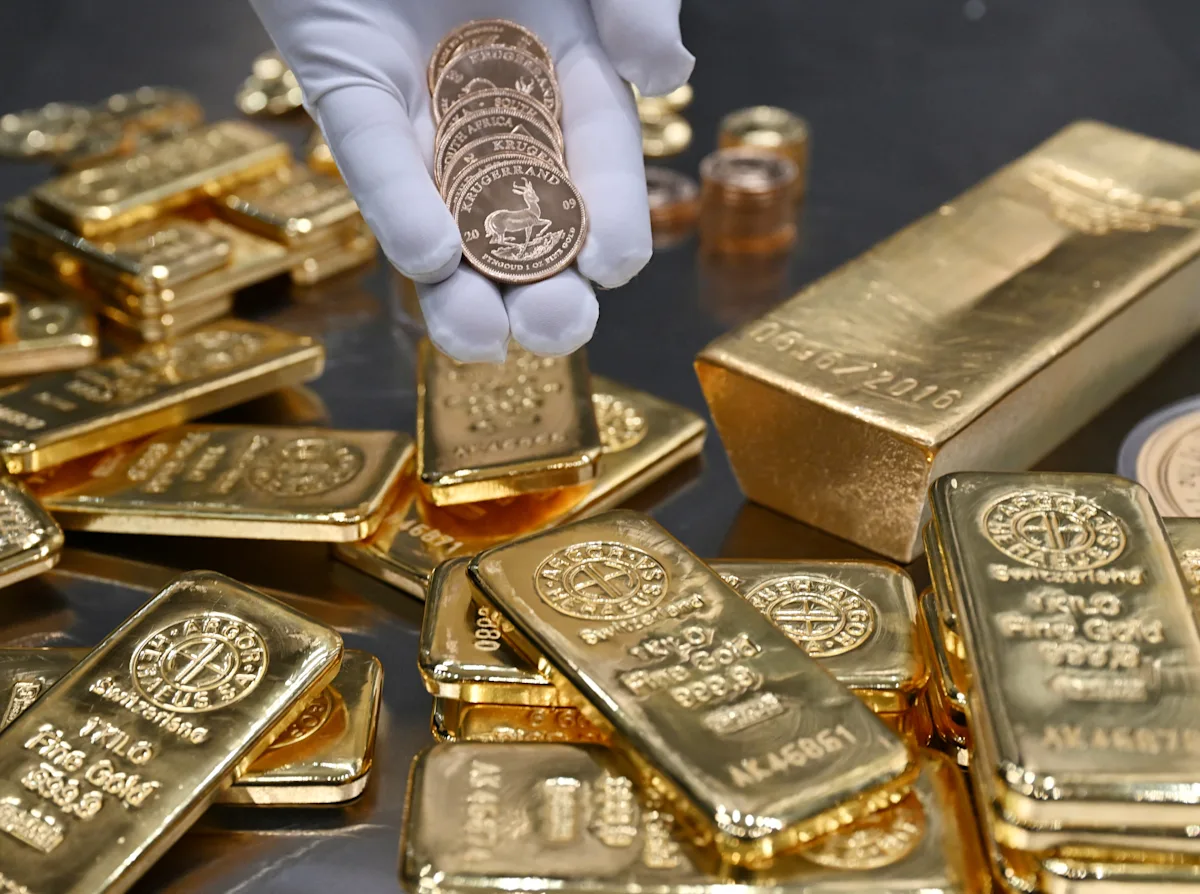
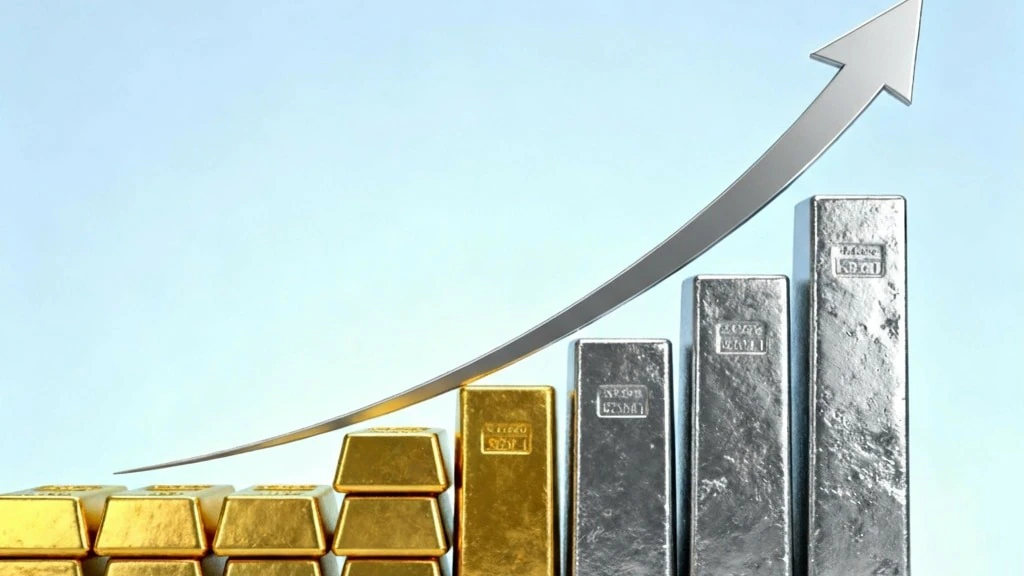
Meanwhile, gold (GC=F) futures dipped 7.7% to $4,223 an ounce. Spot gold also fell 5.2% to $4,258.99 per troy ounce. The yellow metal is 15.5% over the last five sessions.
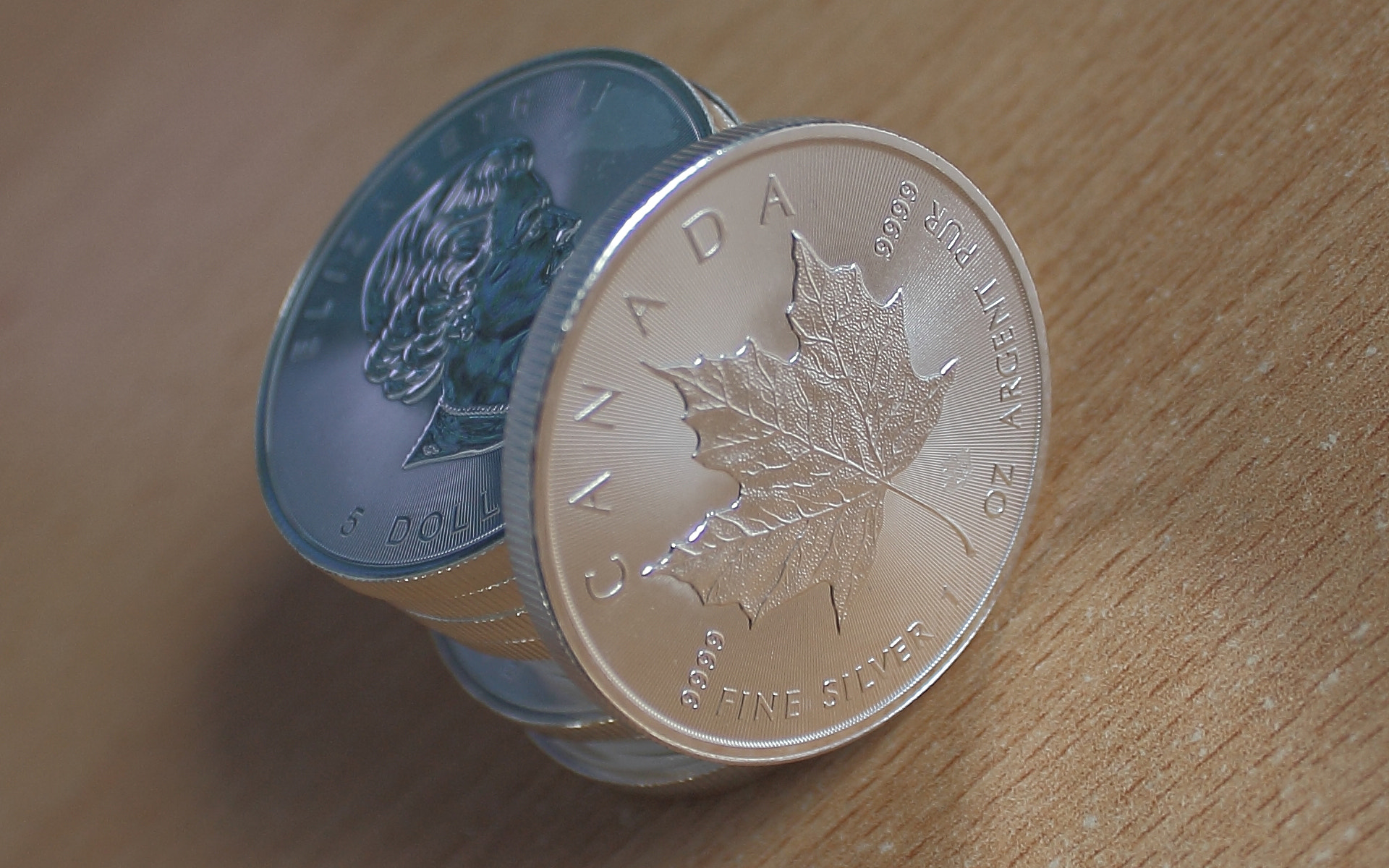
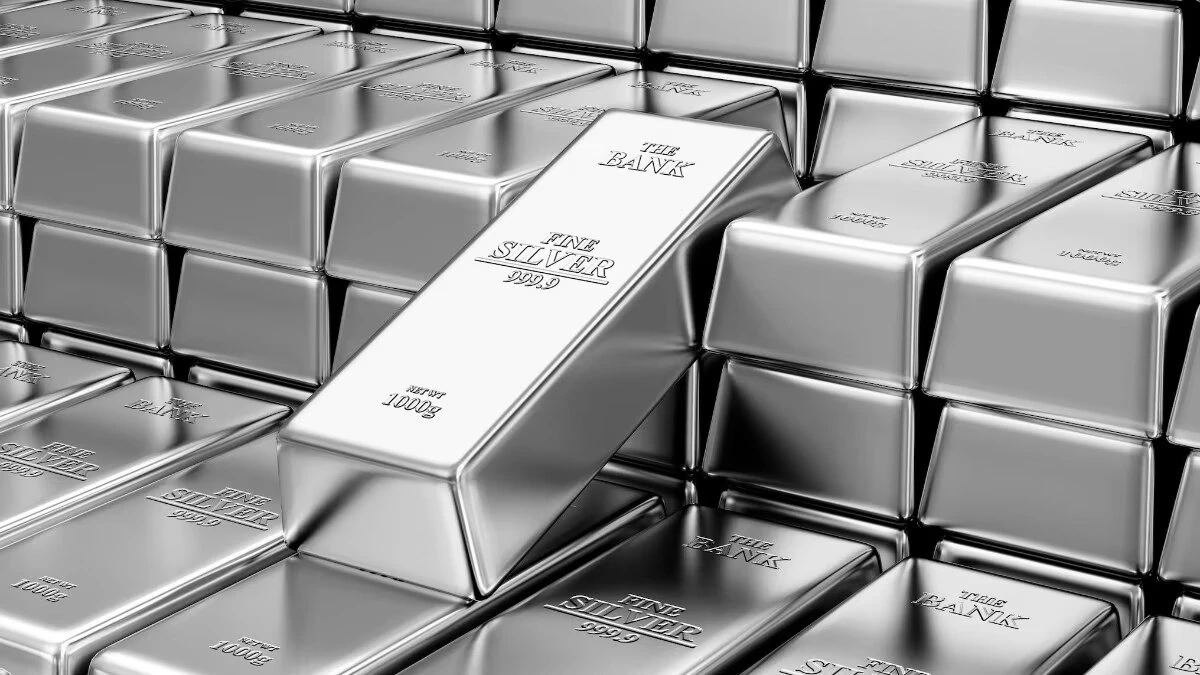
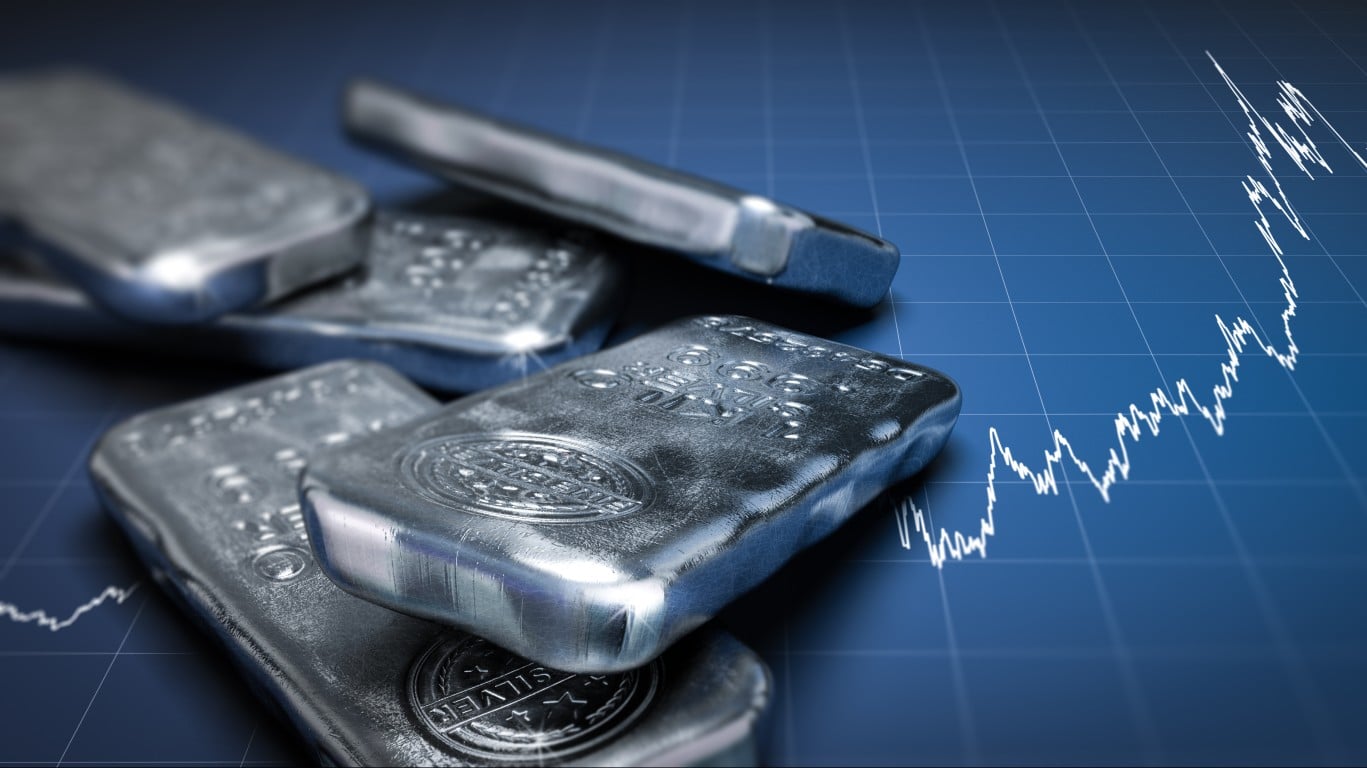
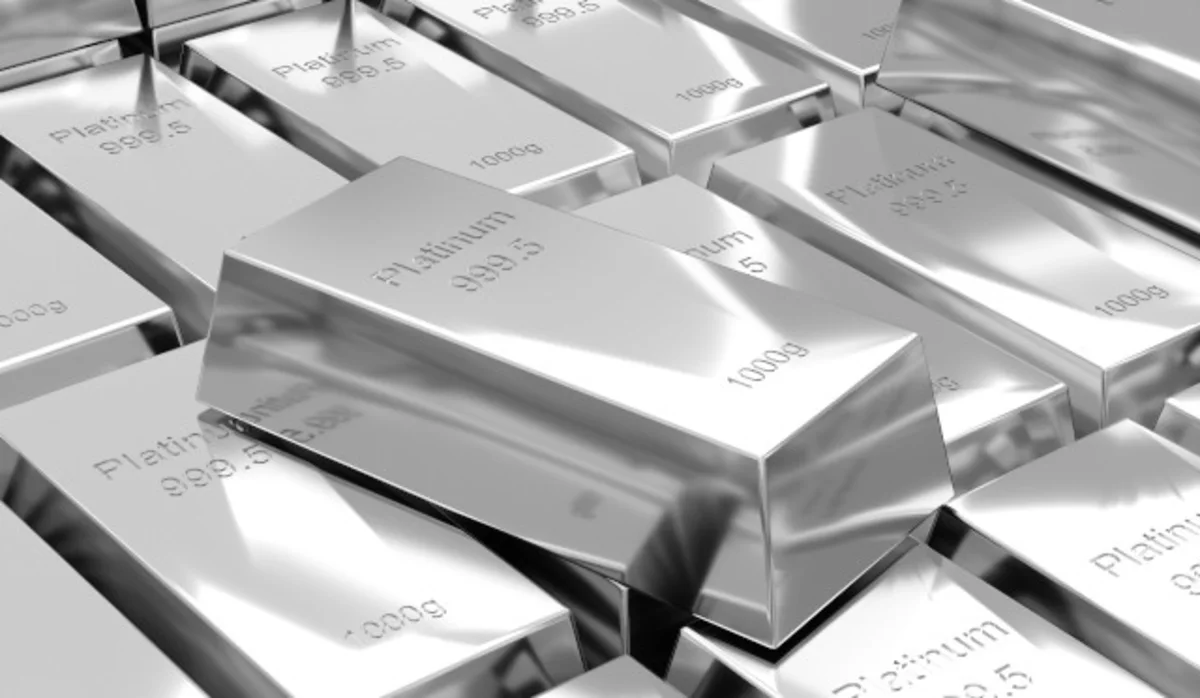
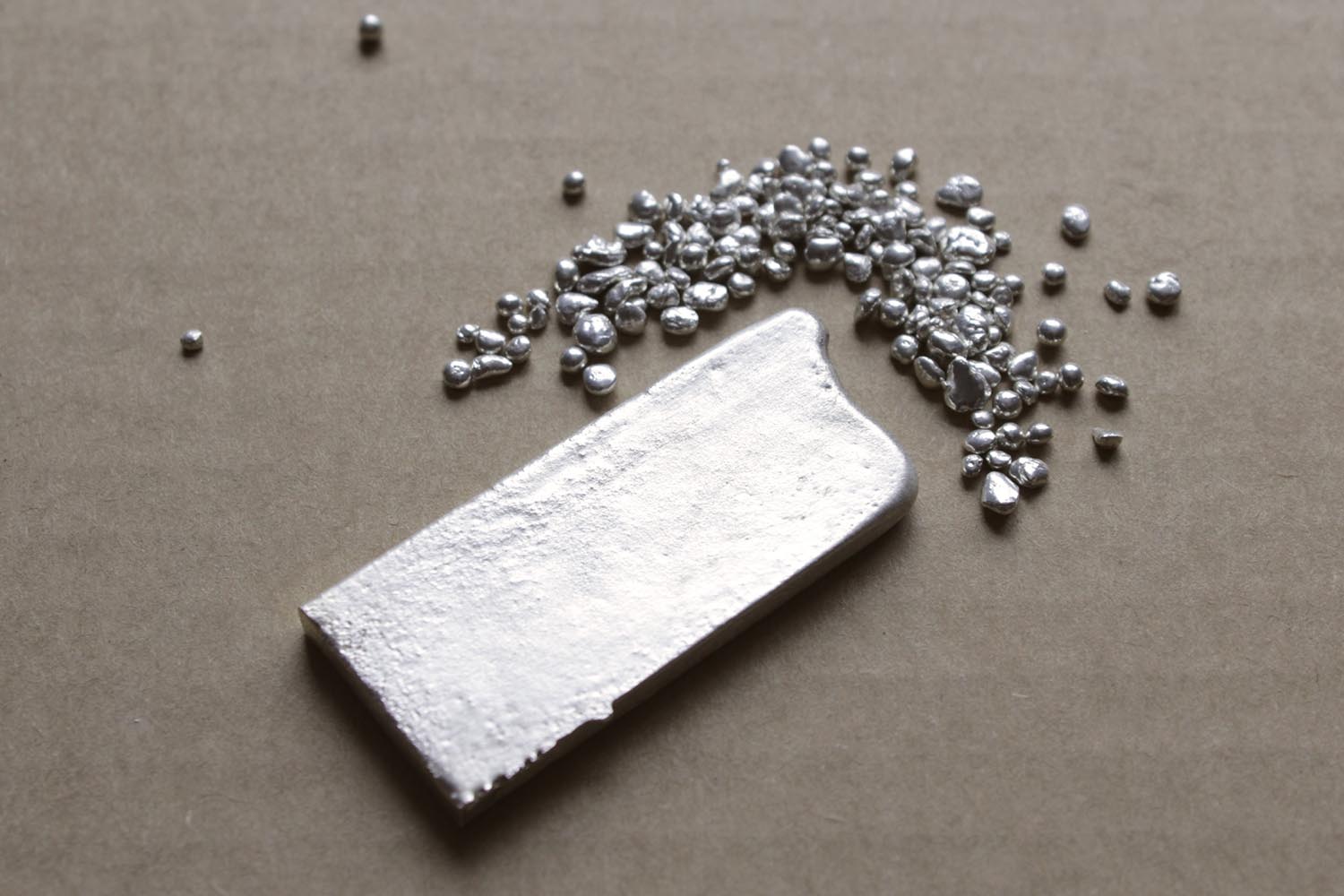
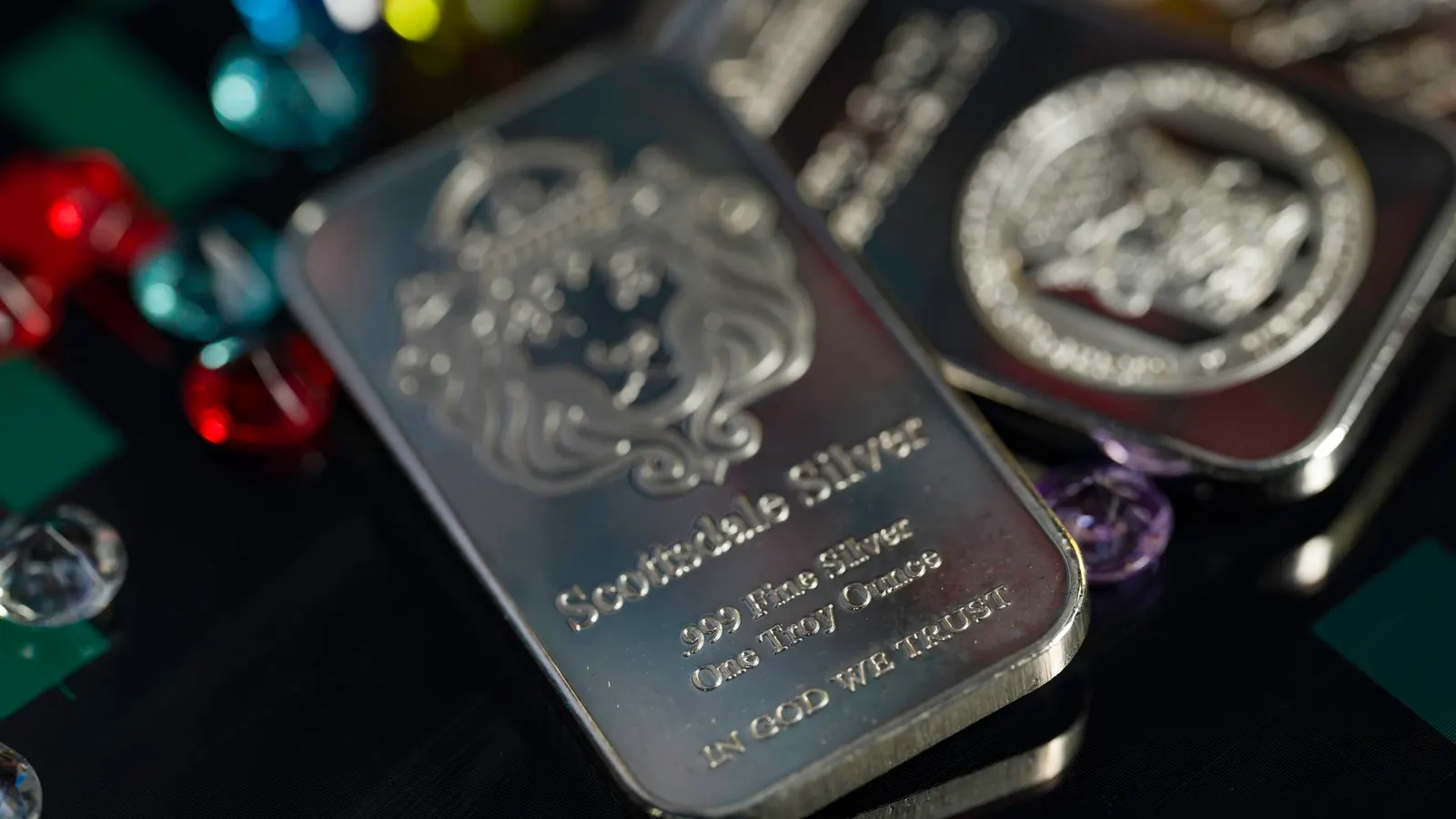
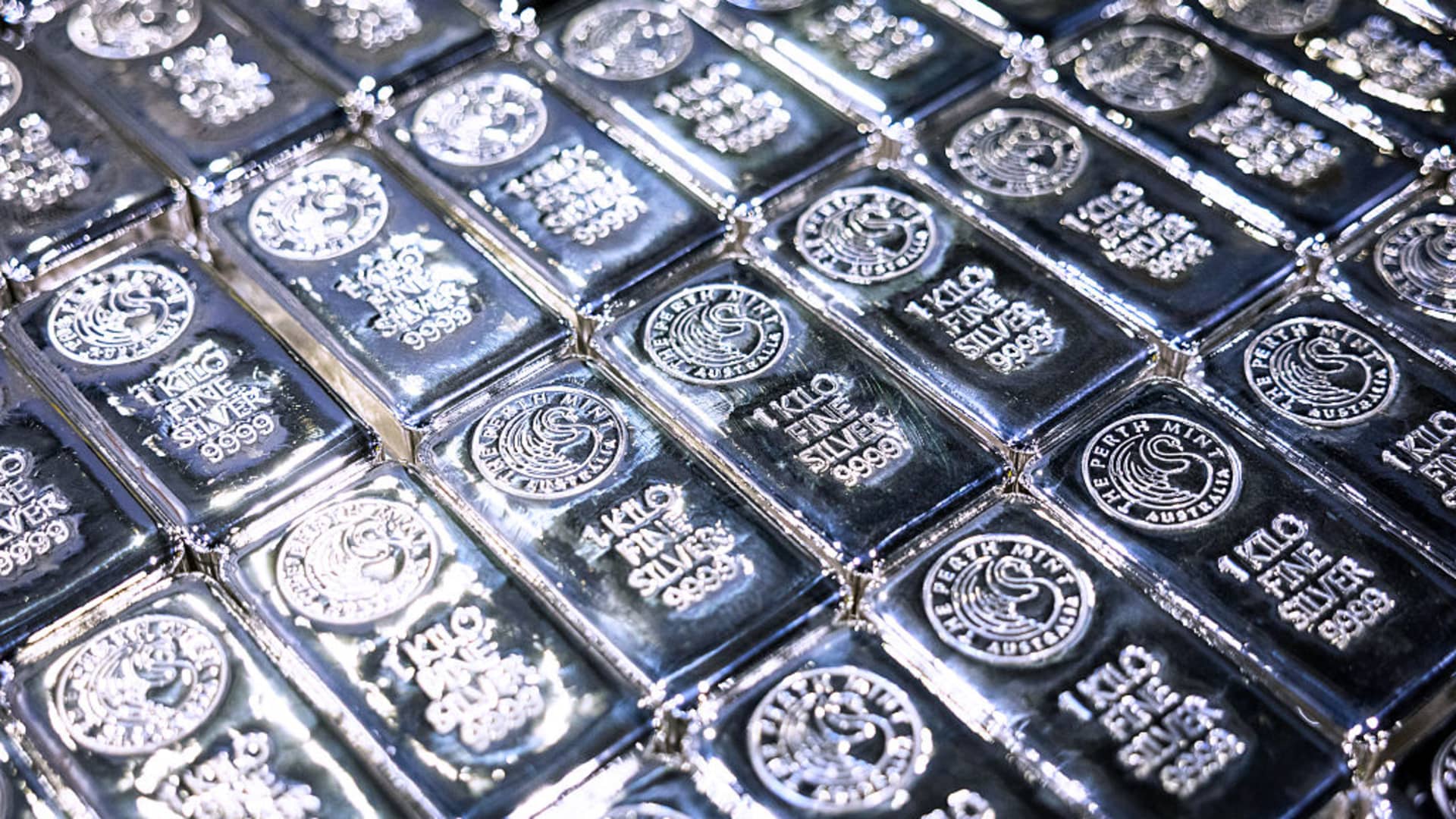
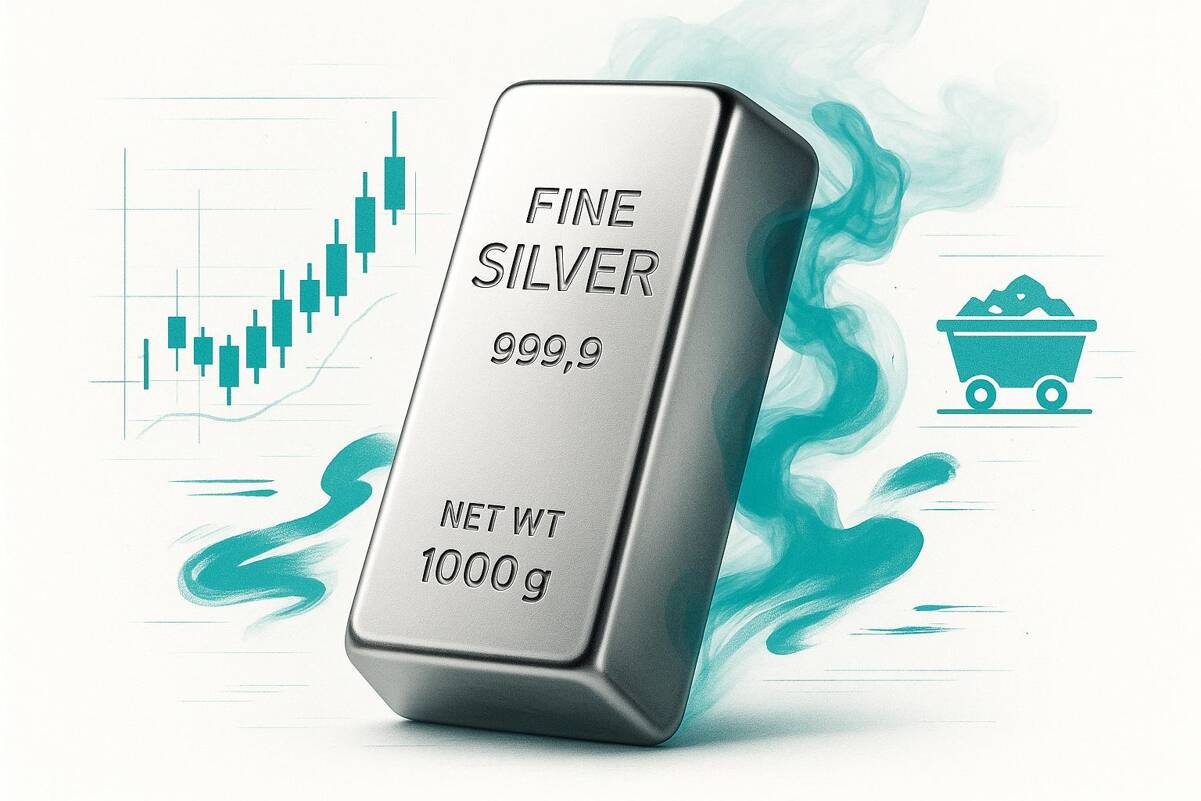
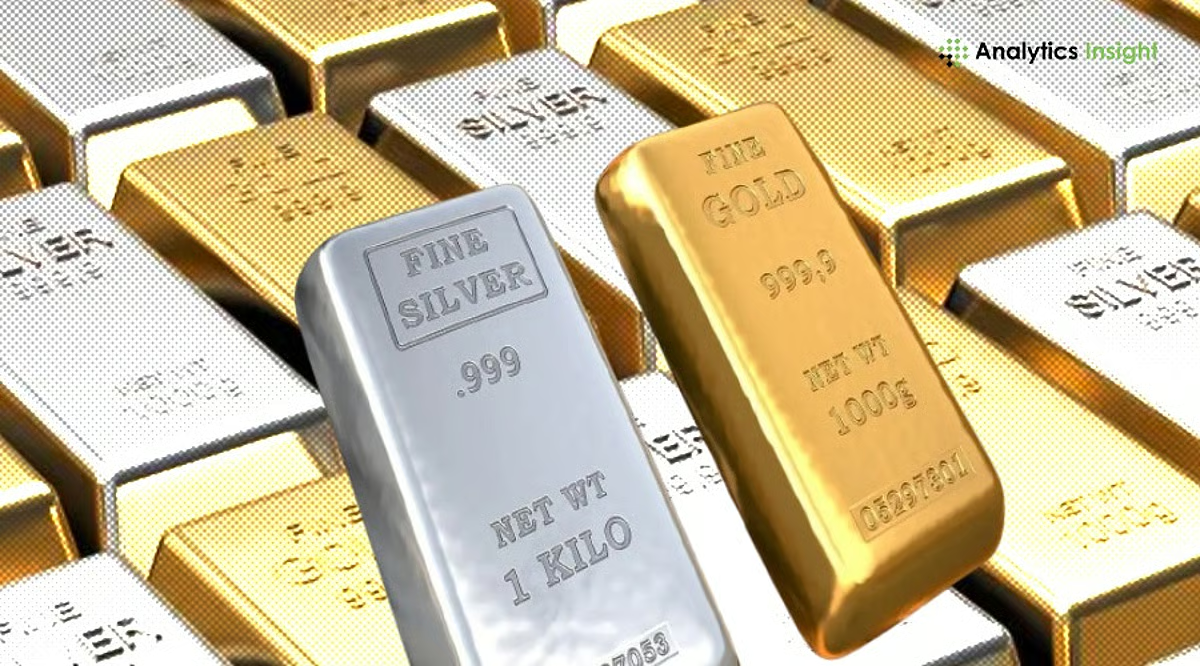
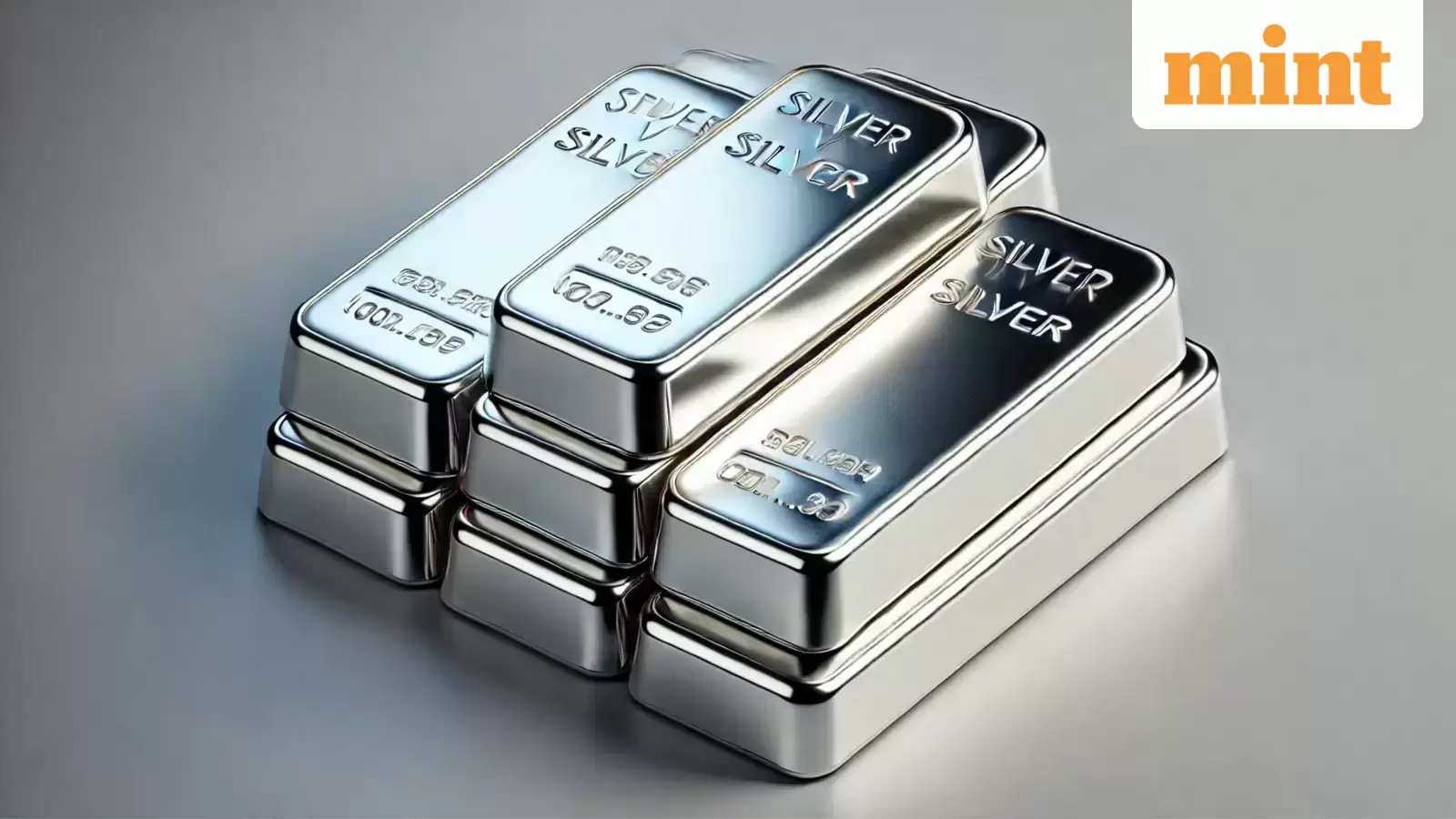
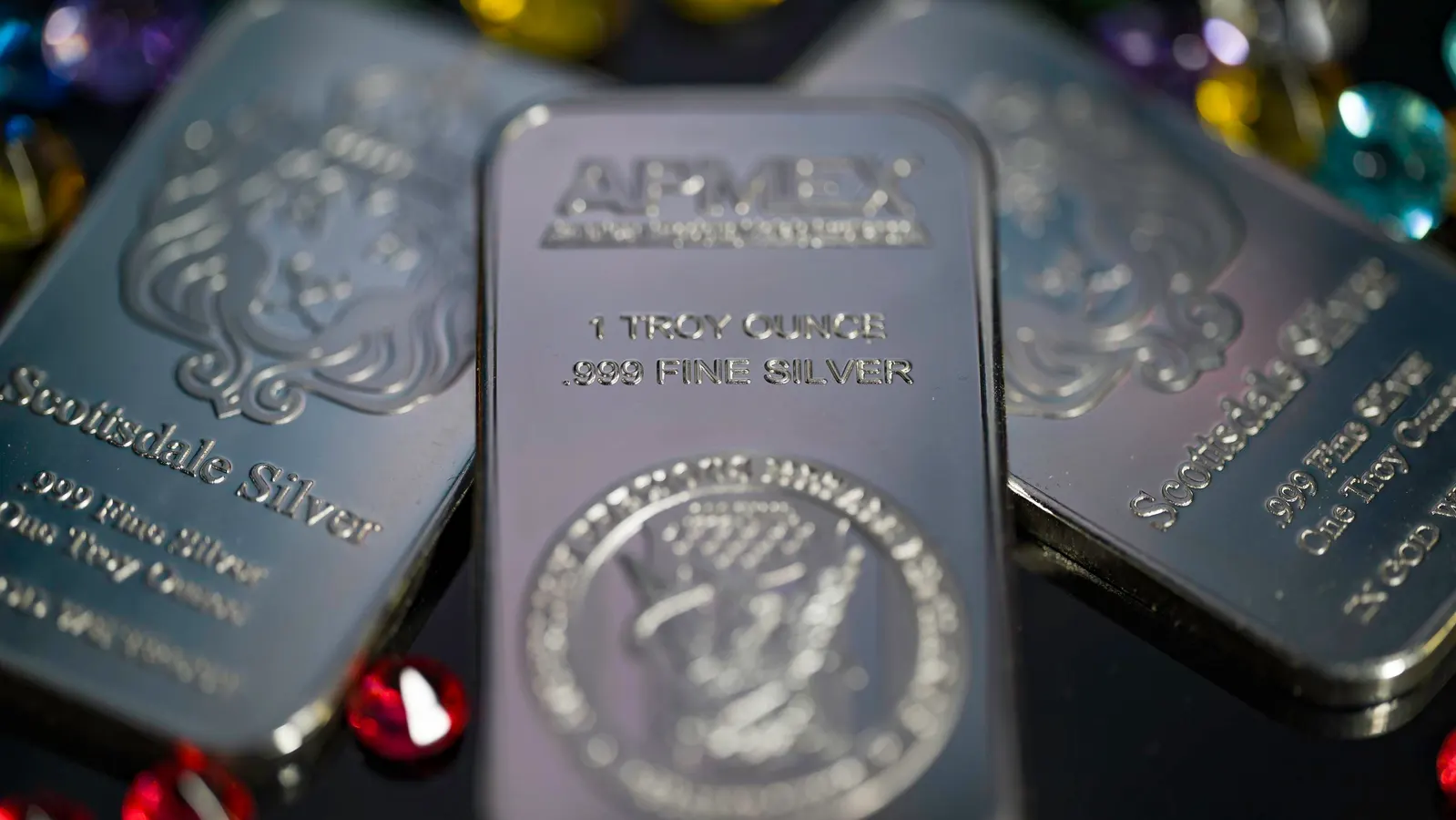
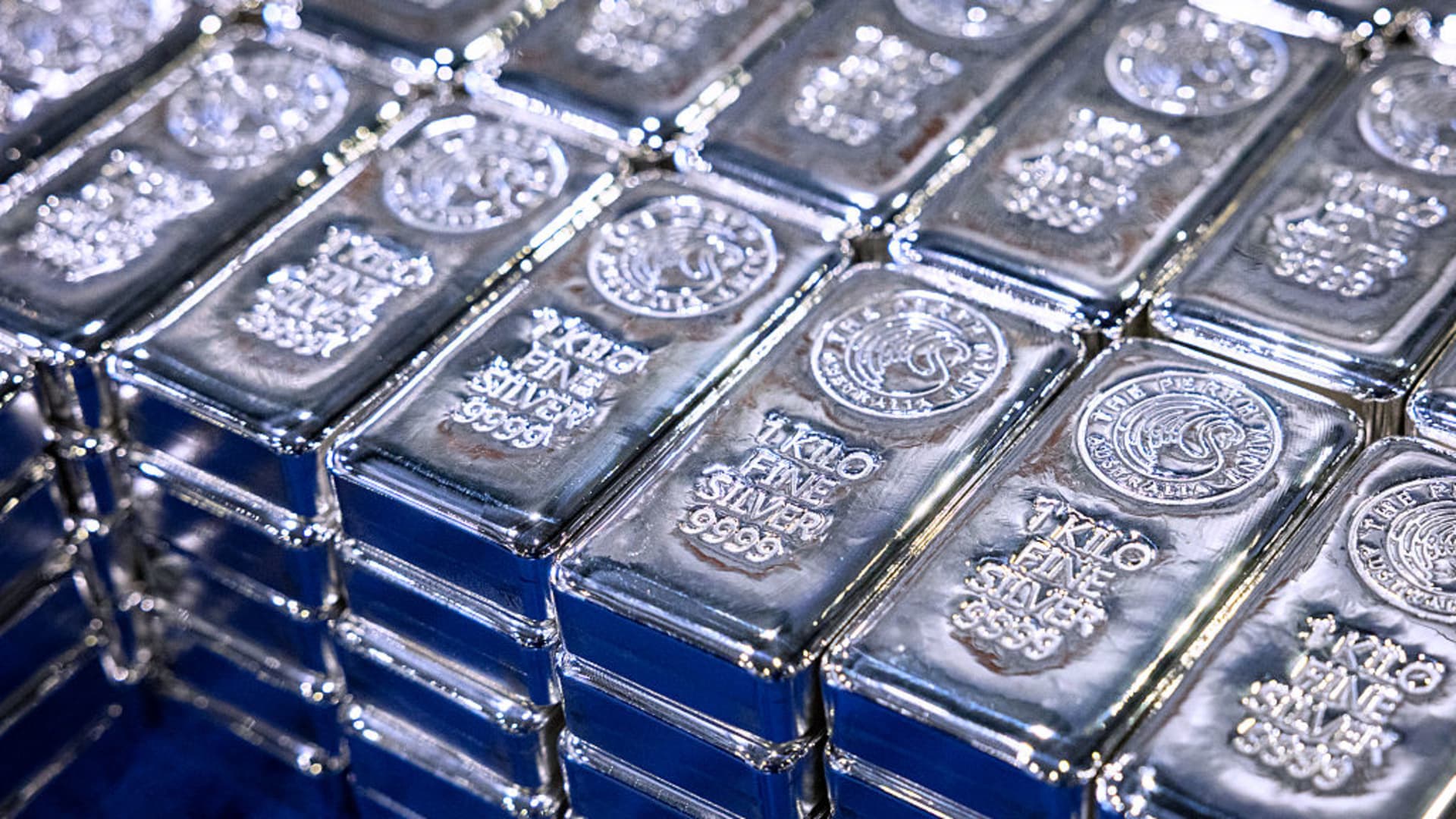
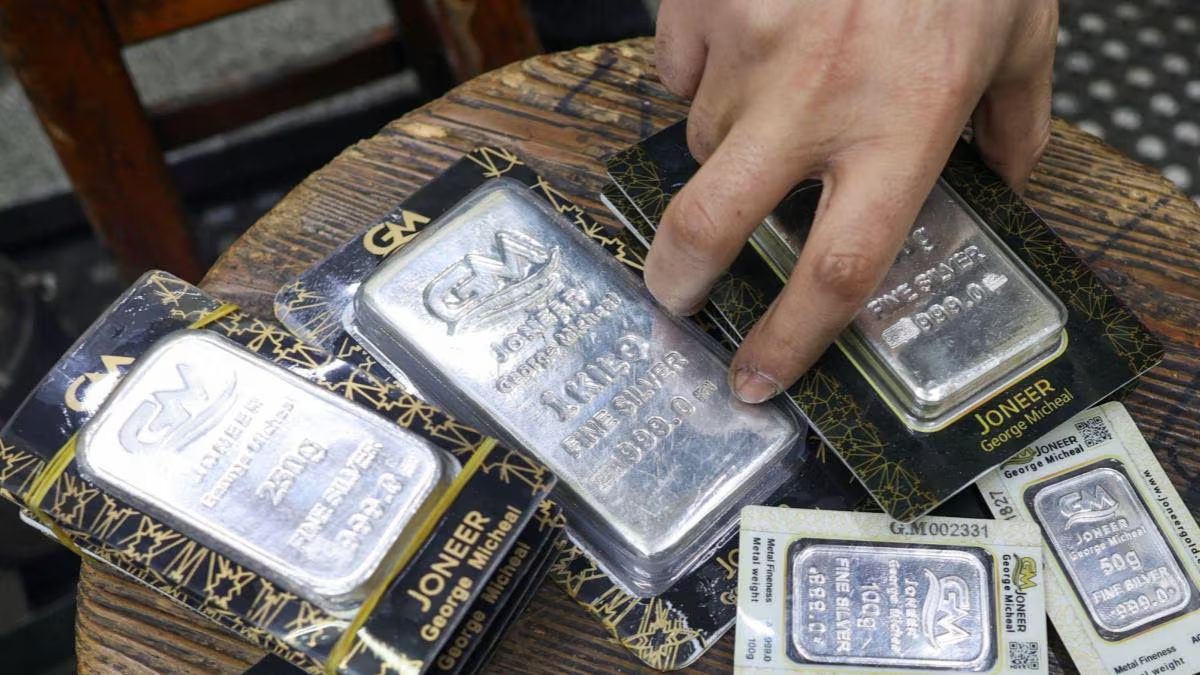
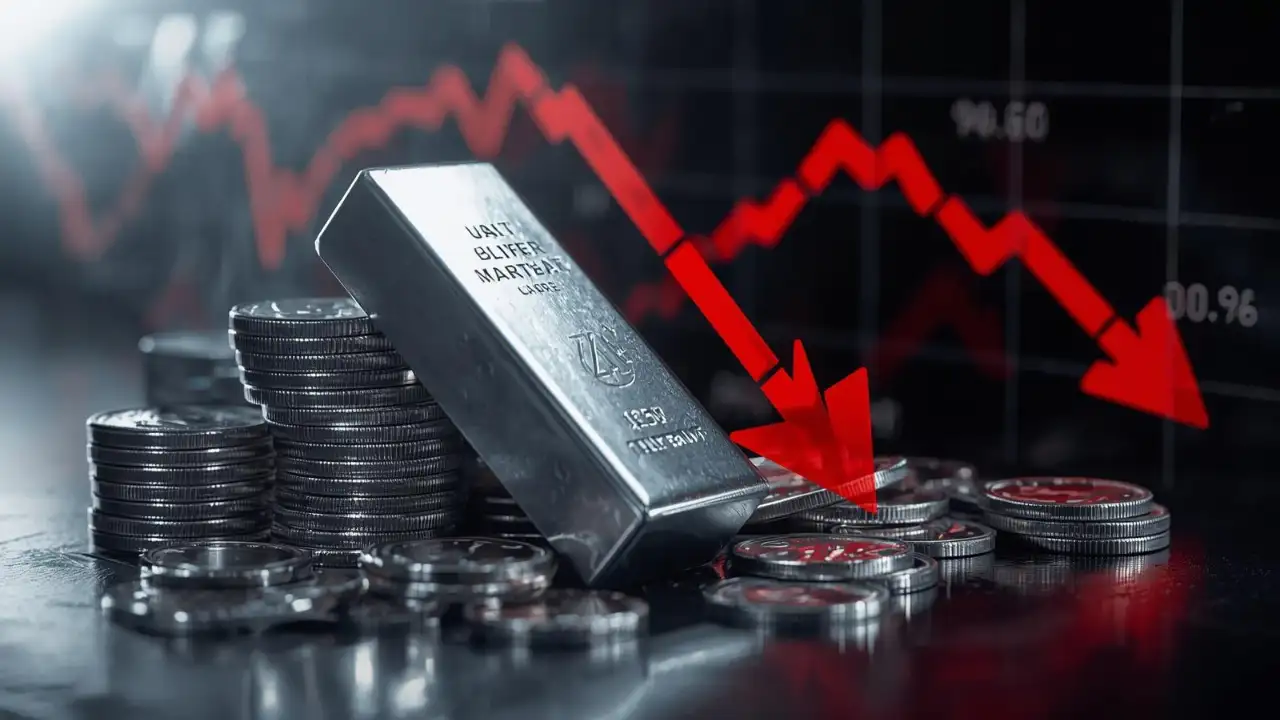
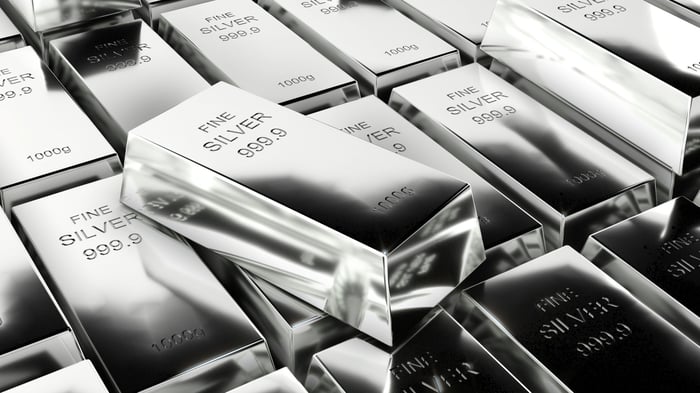
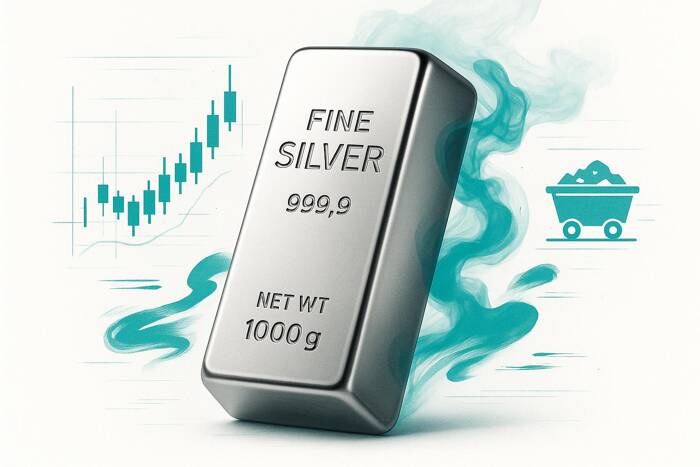
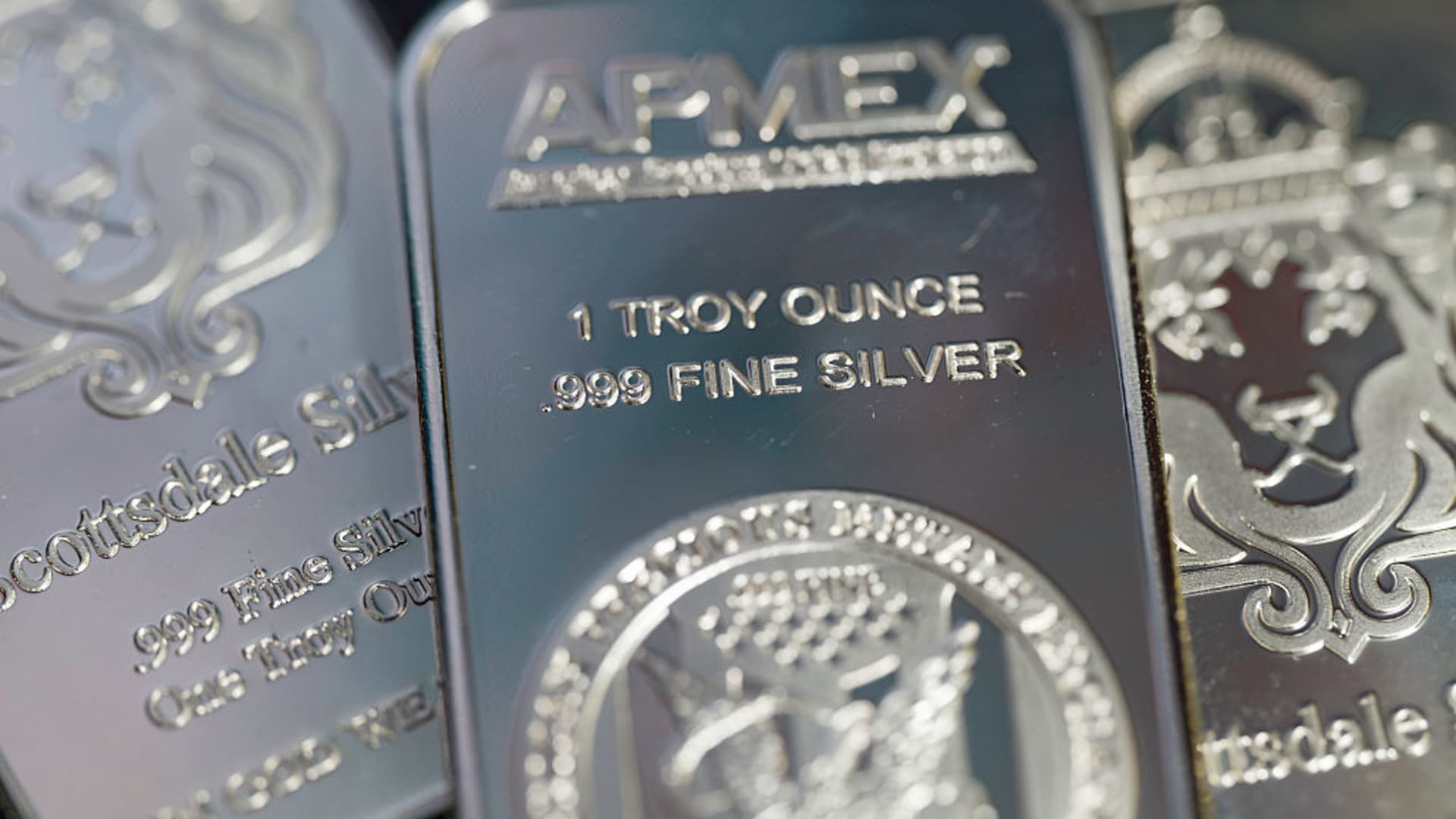
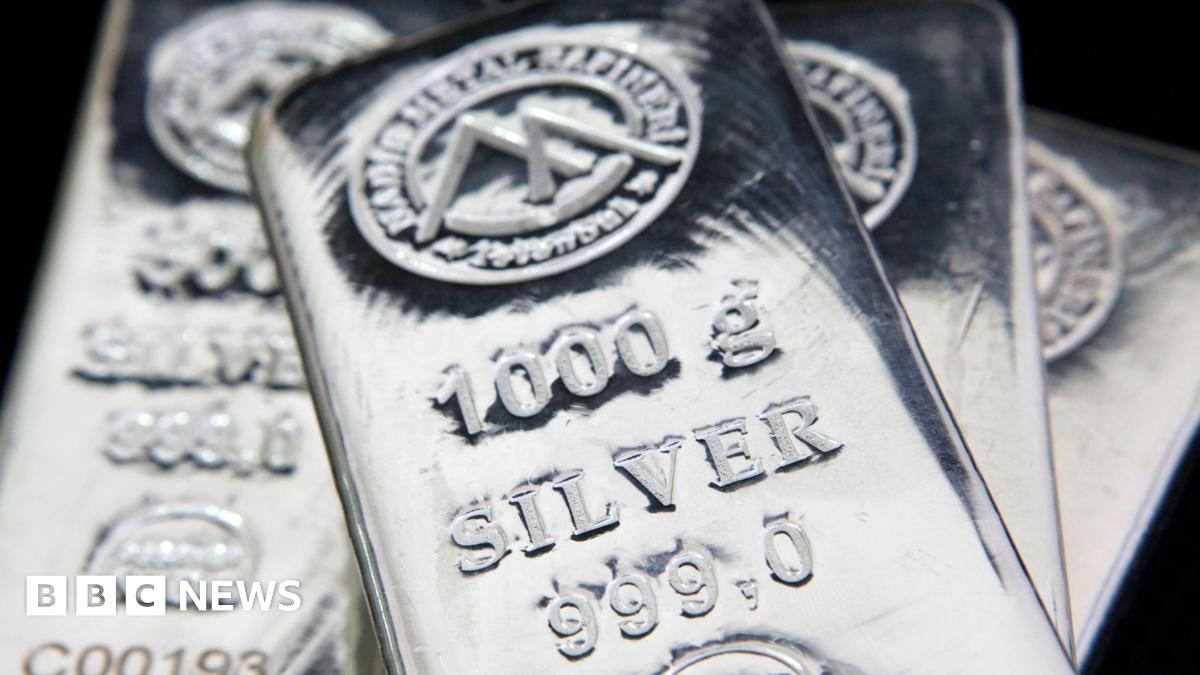
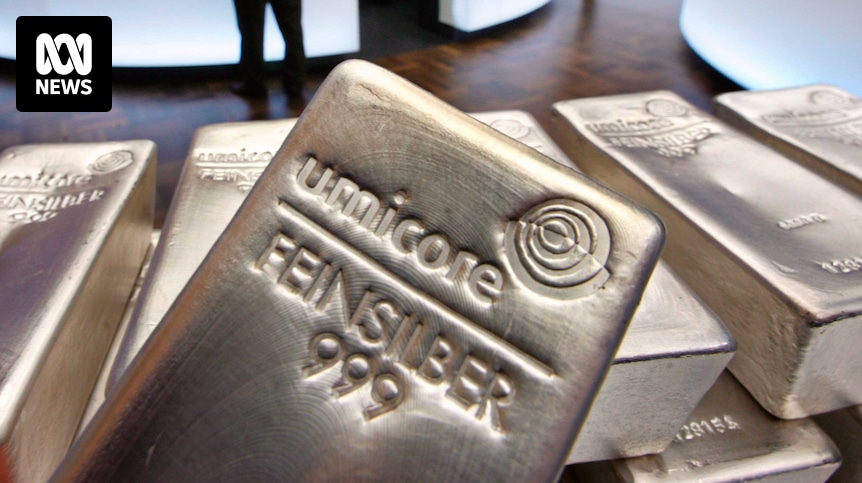
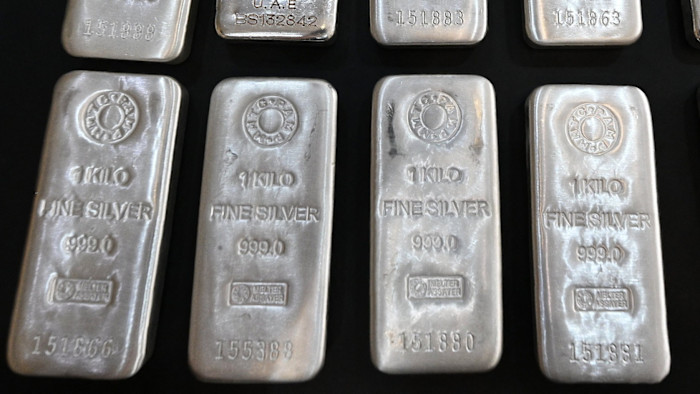
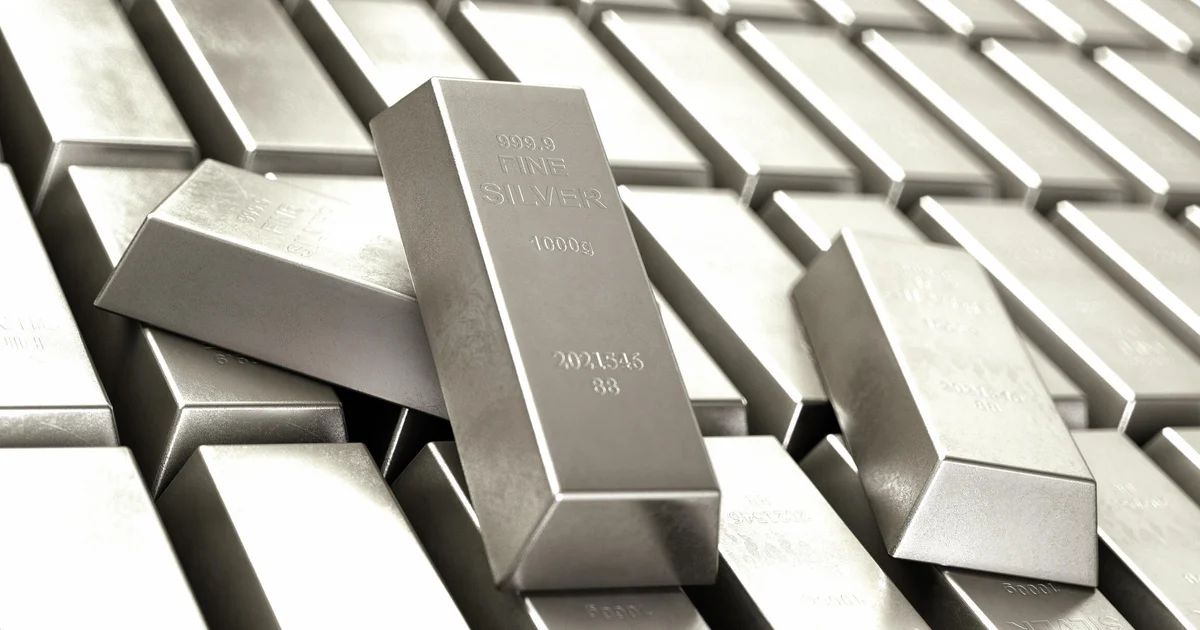
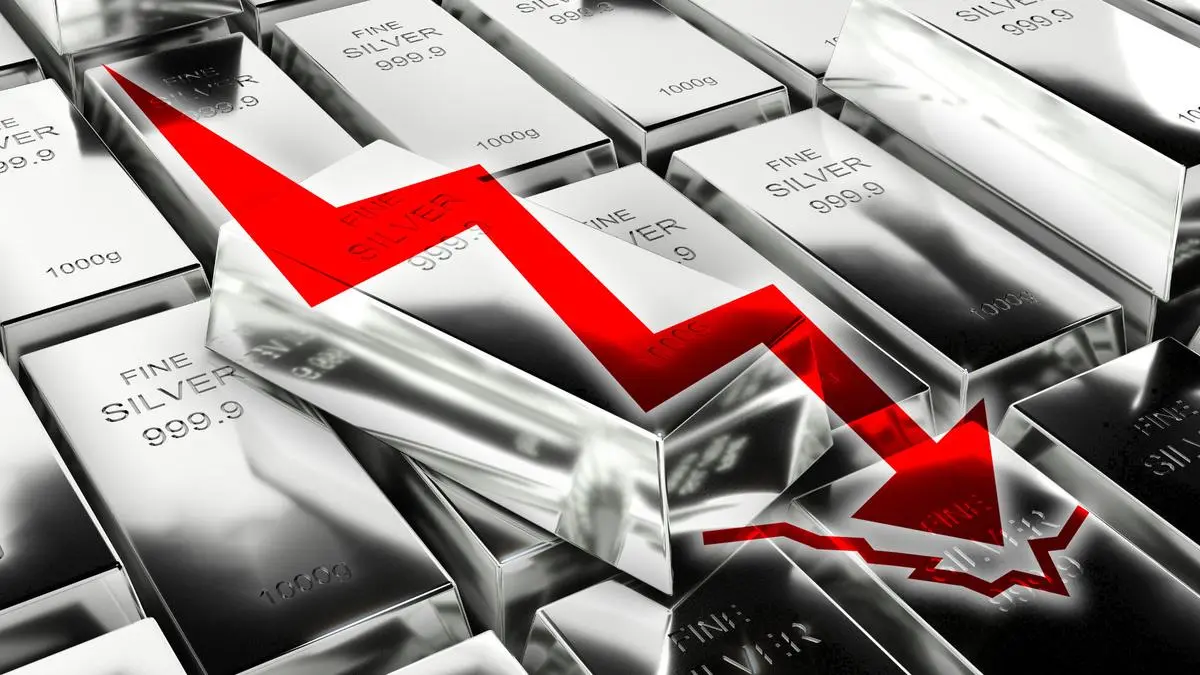
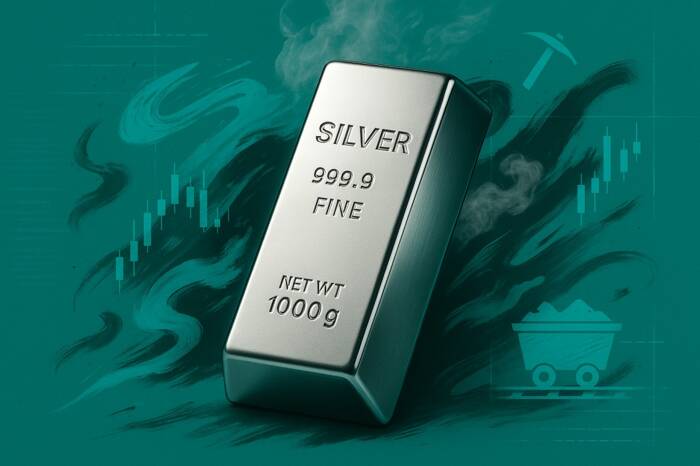
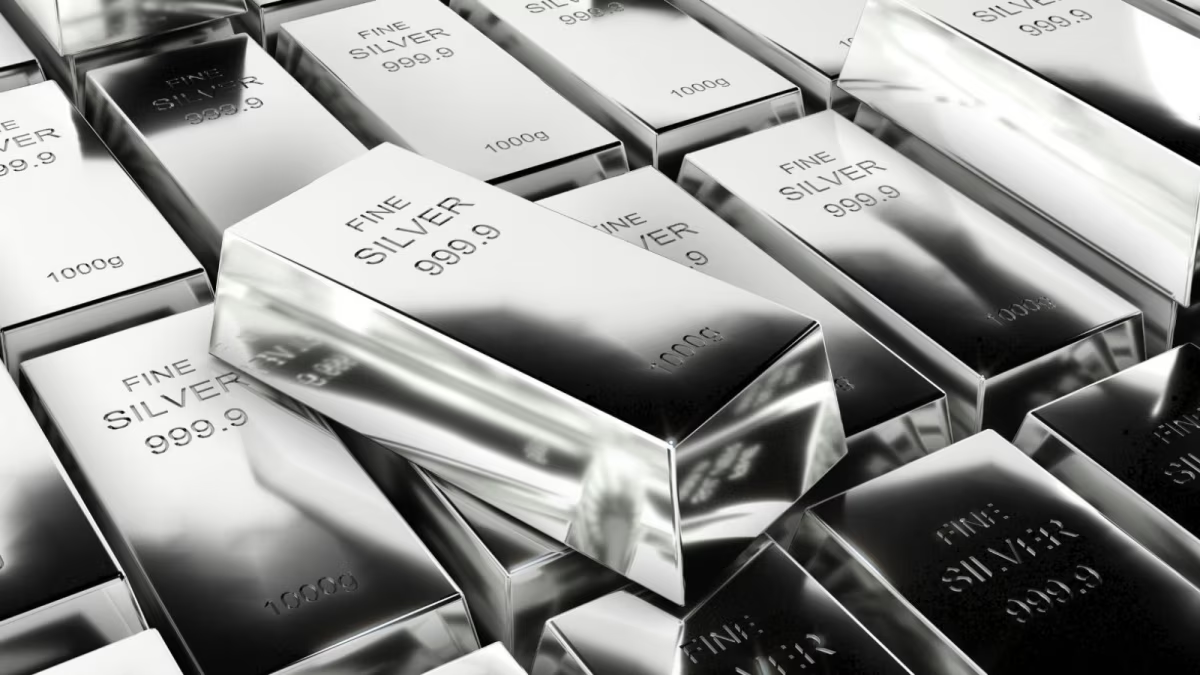
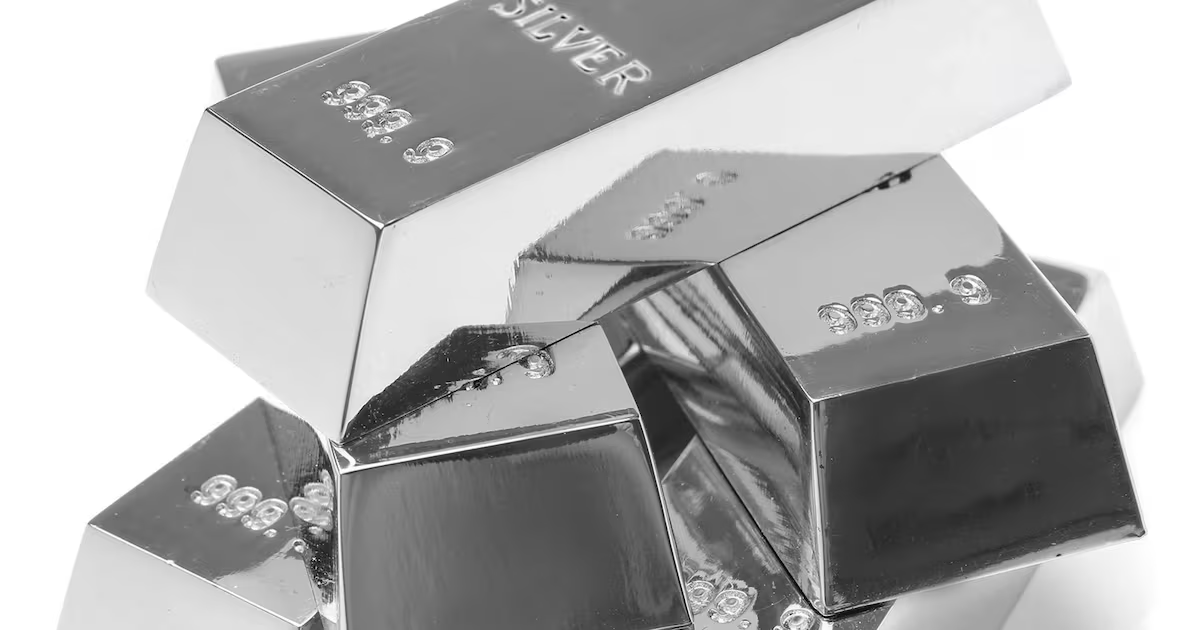
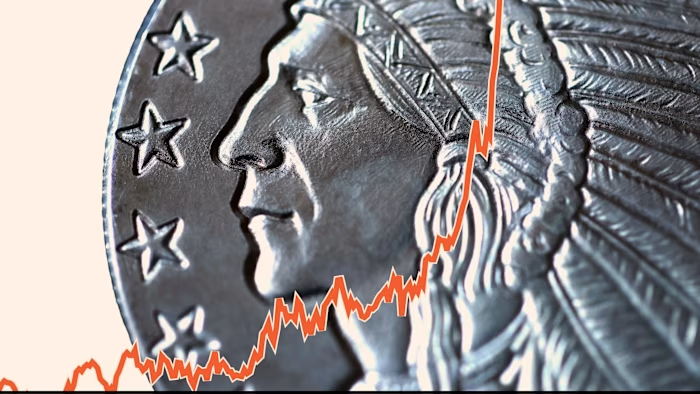
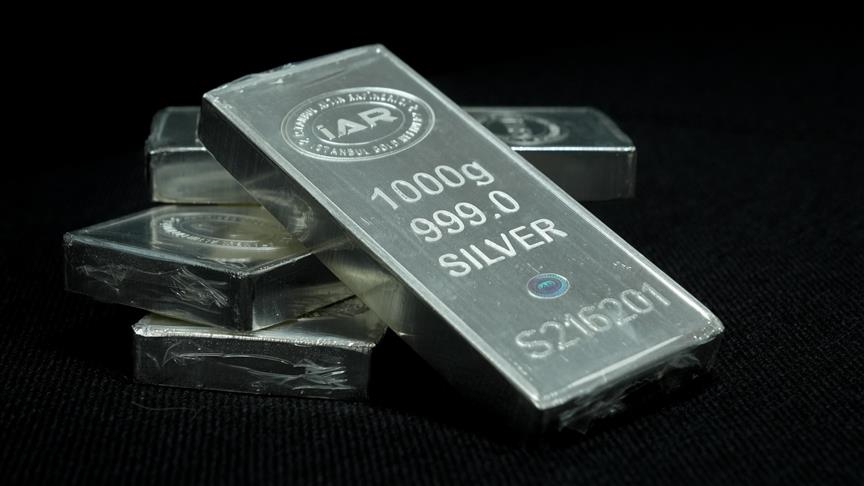
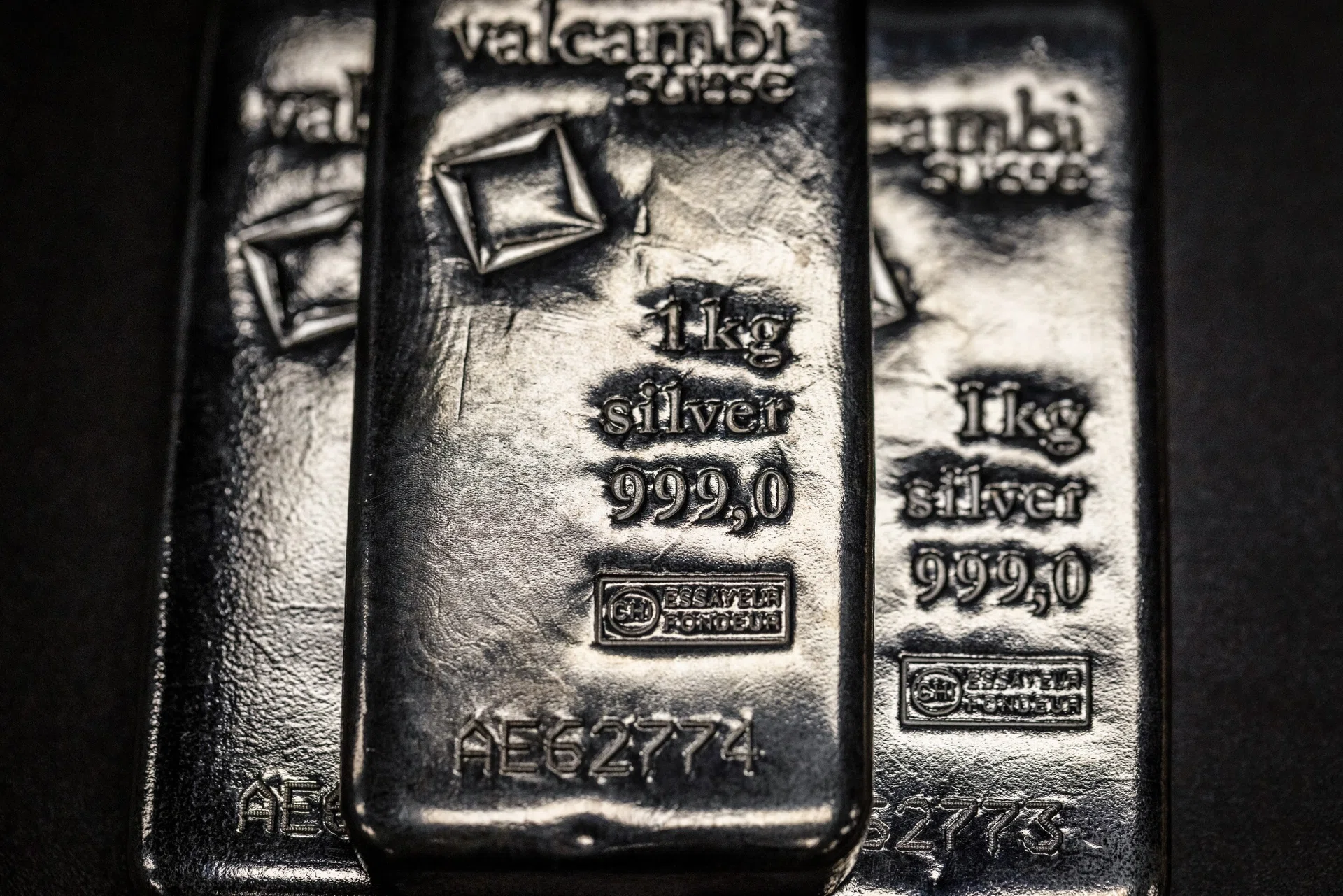
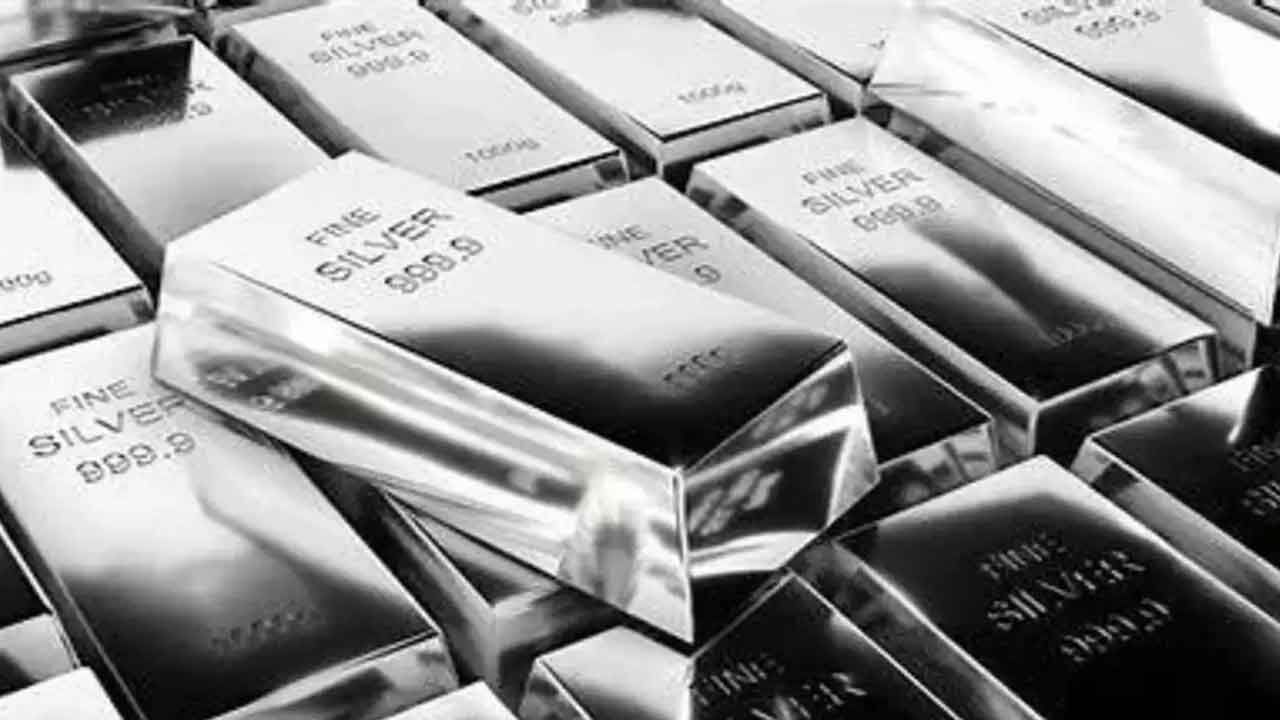
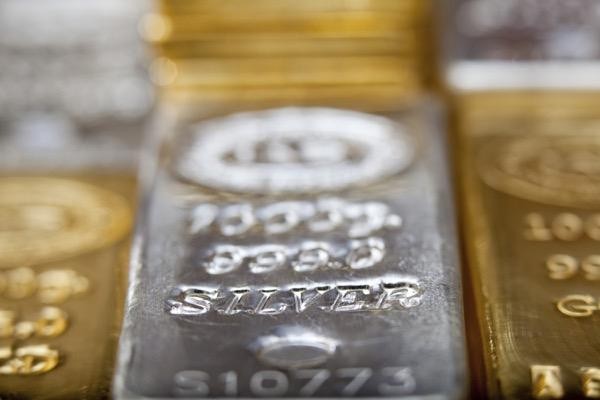
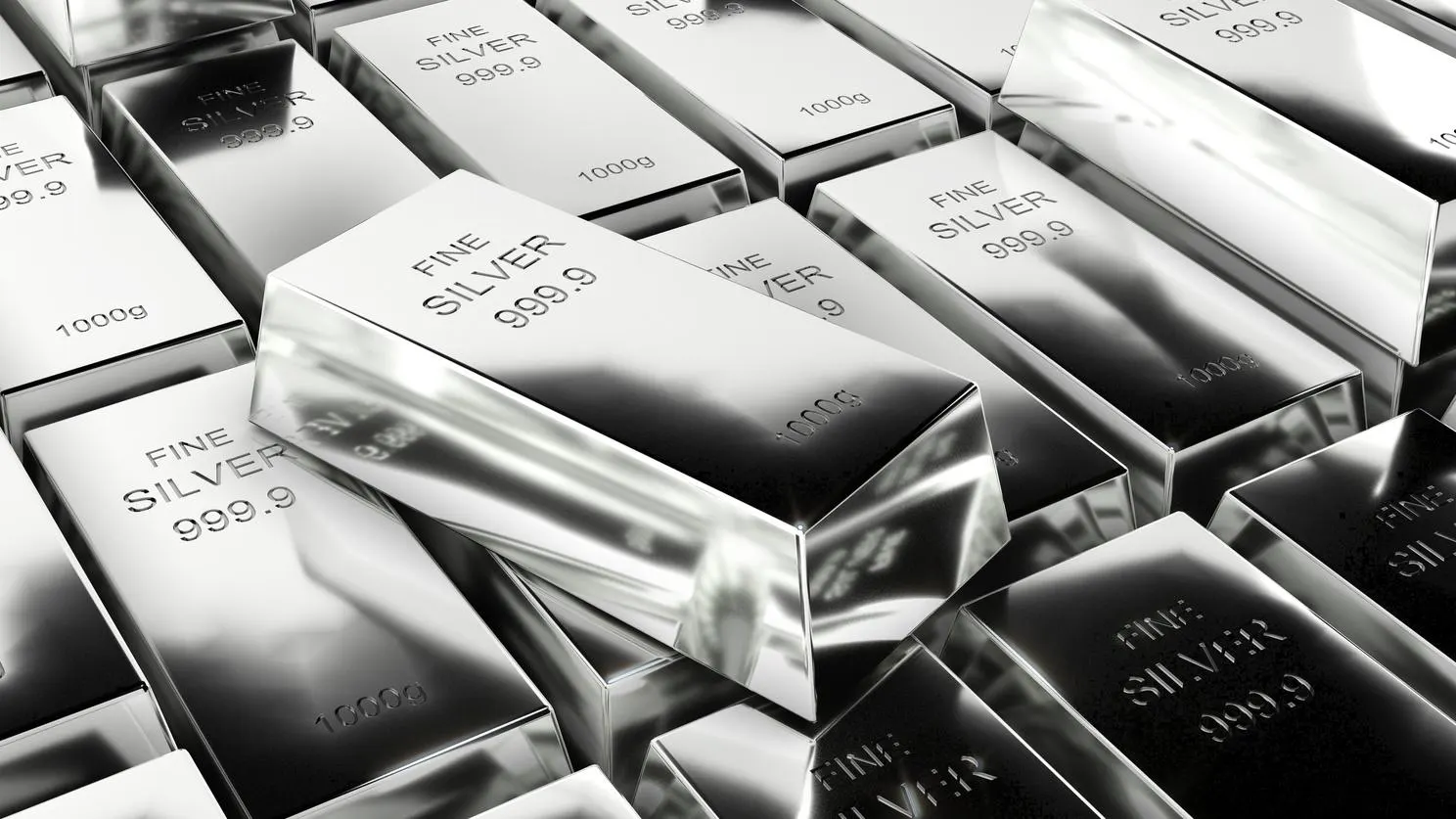
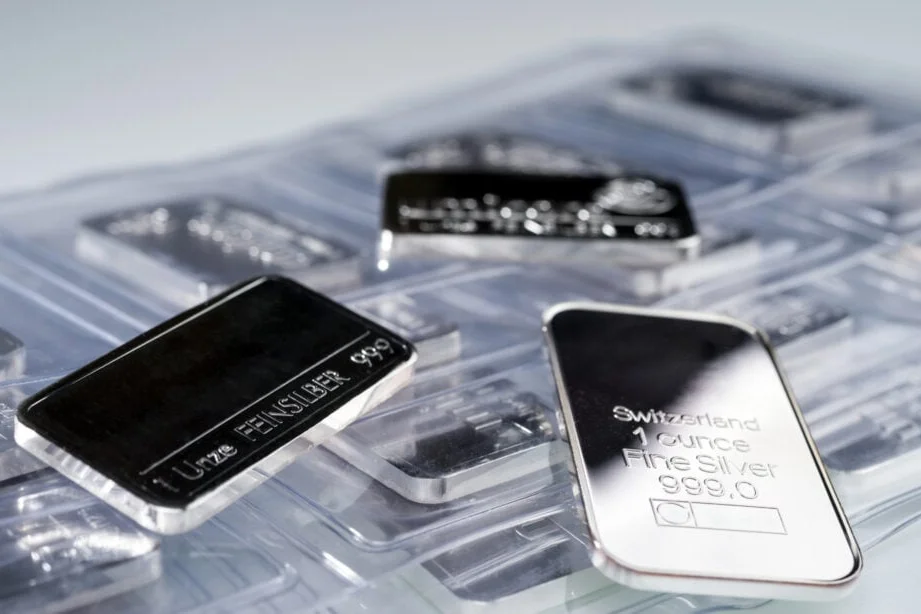
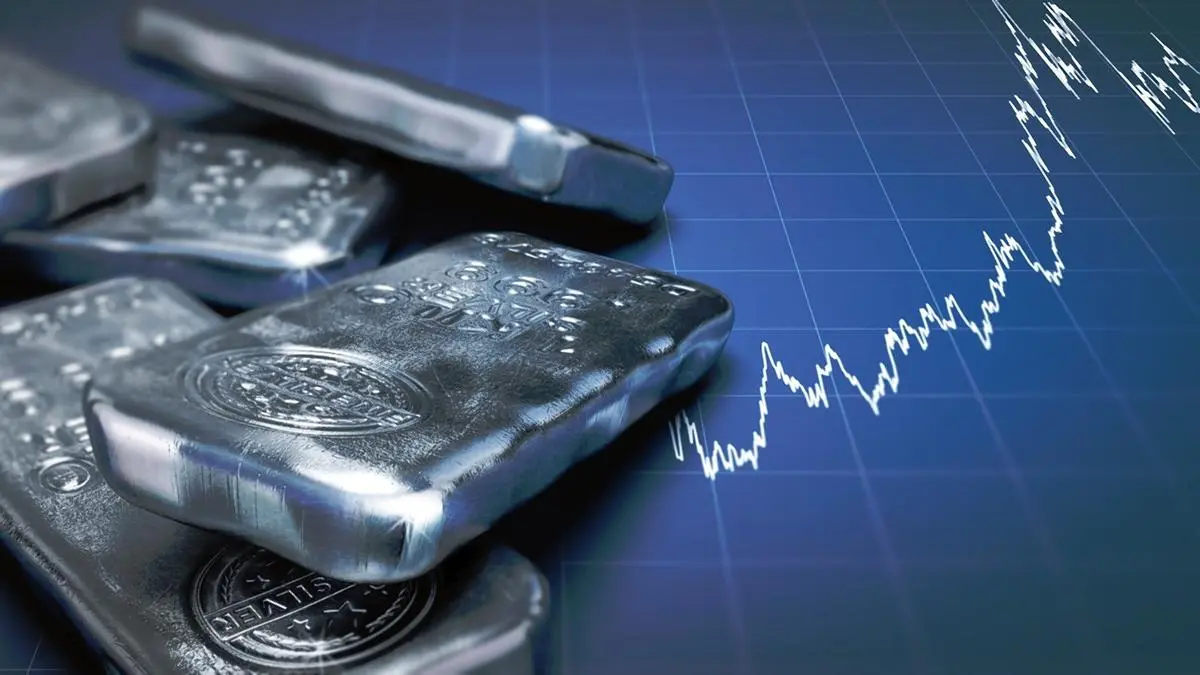
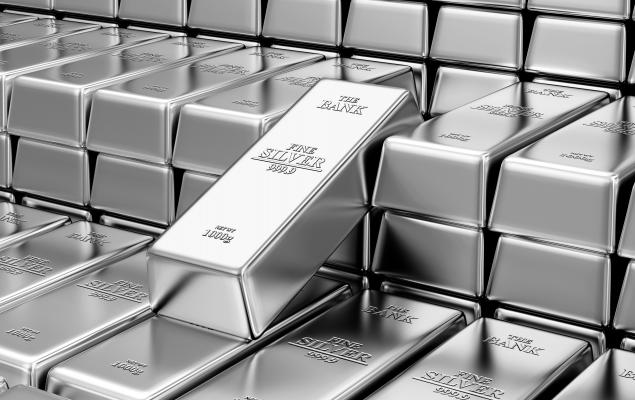
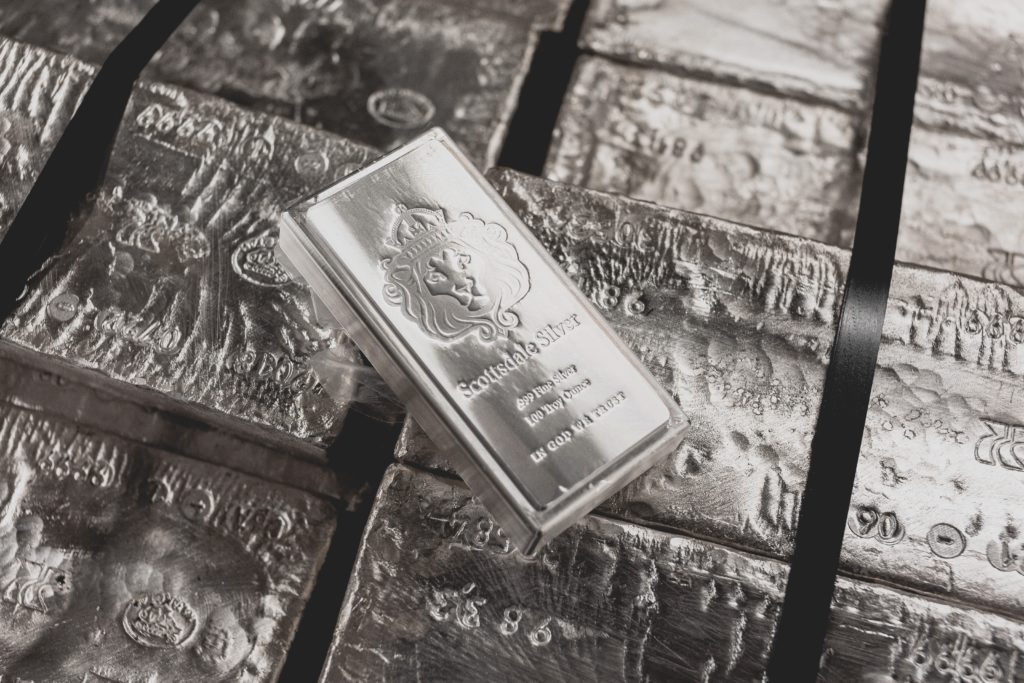
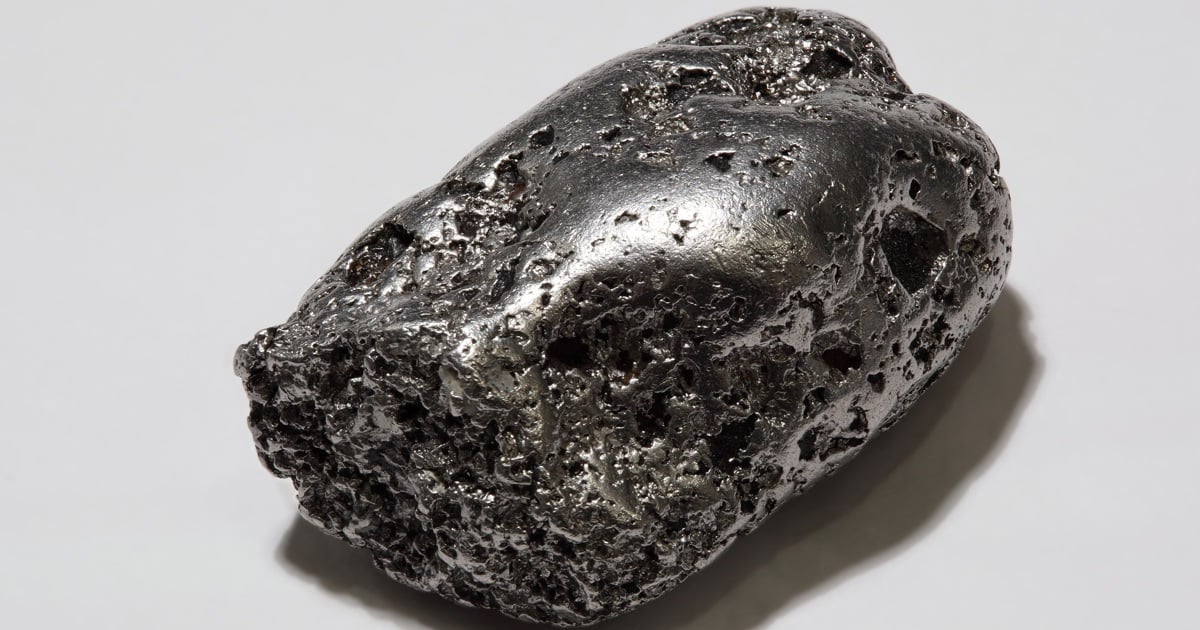
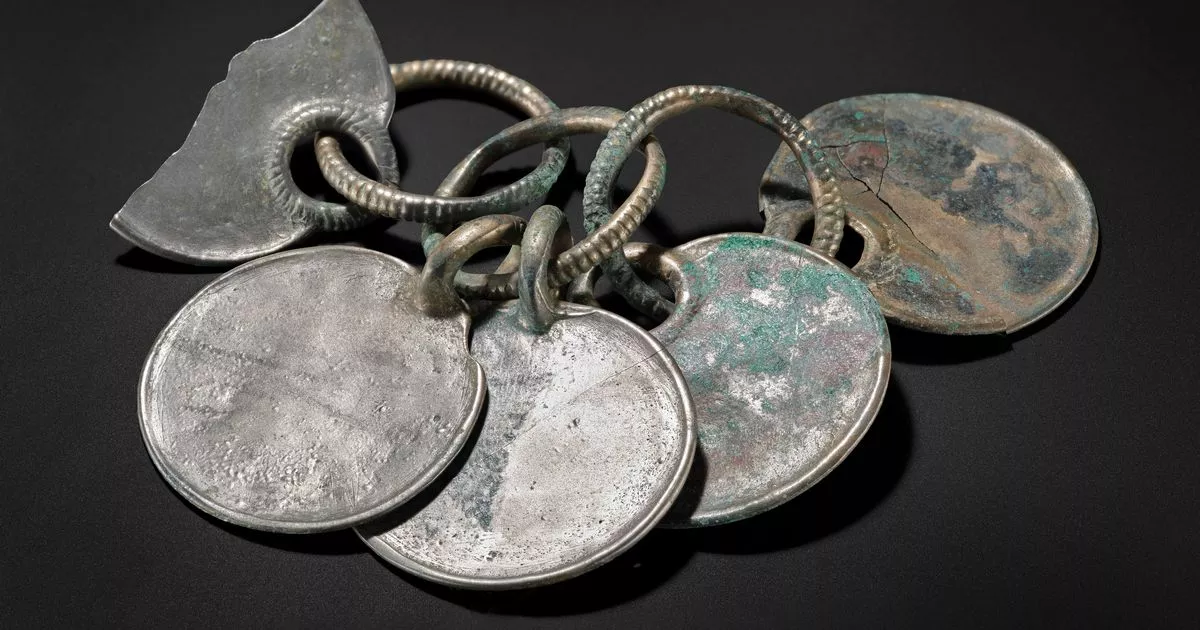
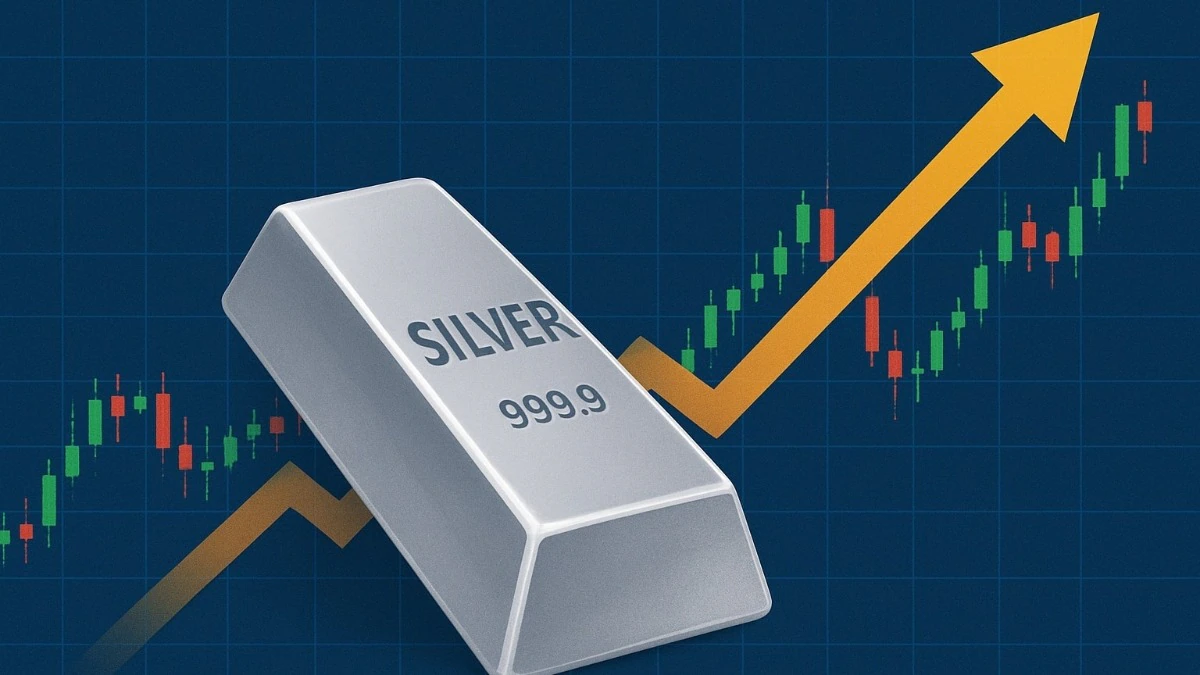
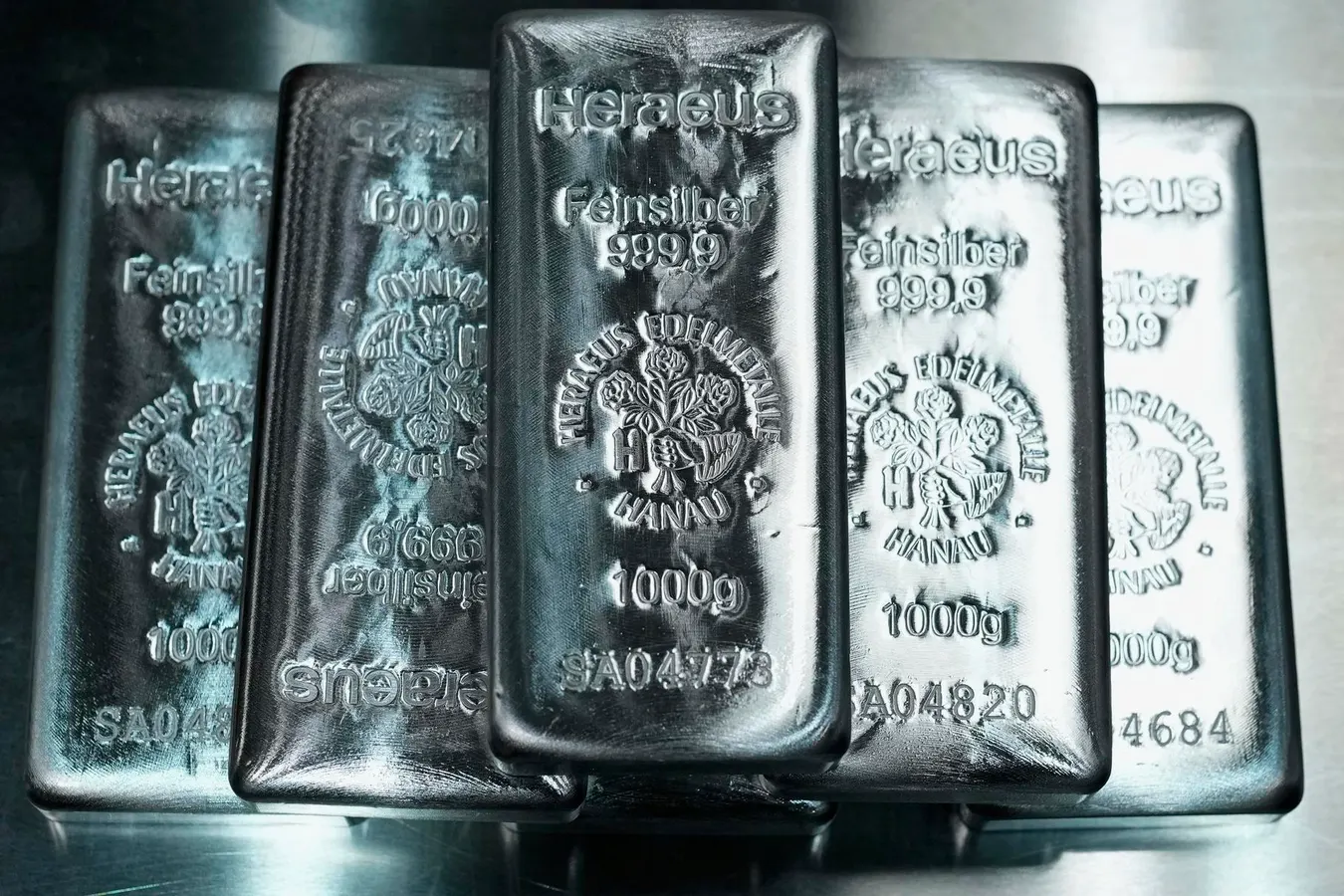
Silver (SI=F) fell around 6.8% to trade at the $64.95 an ounce mark. The commodity’s price is down nearly 20% over the past five sessions.
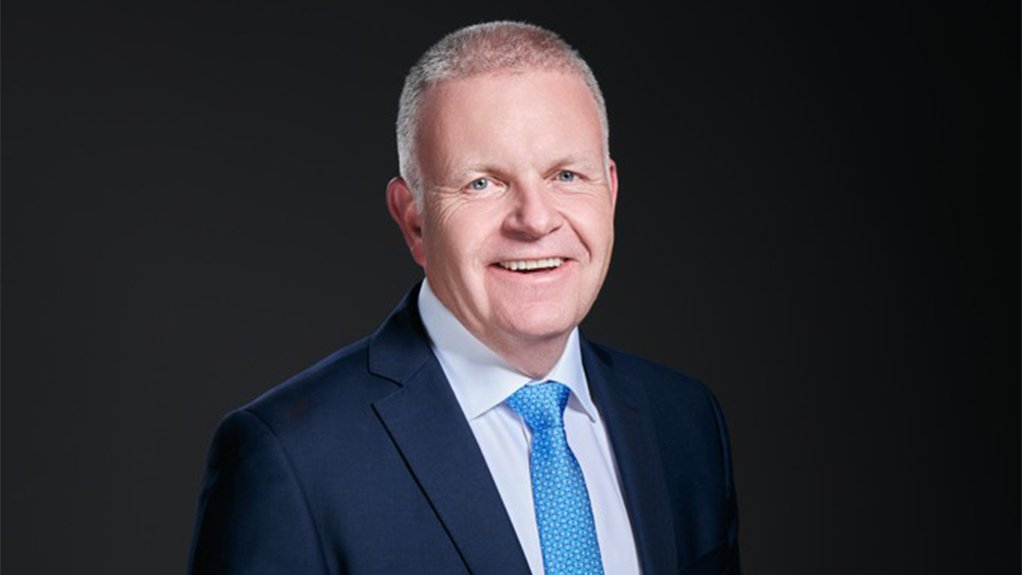
“Markets are finally starting to wake up to the gravity of the potential for long-term impact on energy markets,” Neil Wilson, investor strategist at Saxo UK, said.
“I’ve repeatedly stressed that markets were under-pricing the risks for a variety of reasons and showed a degree of complacency about the war, but markets are starting to take notice. We are entering a new and very dangerous phase for financial markets.”
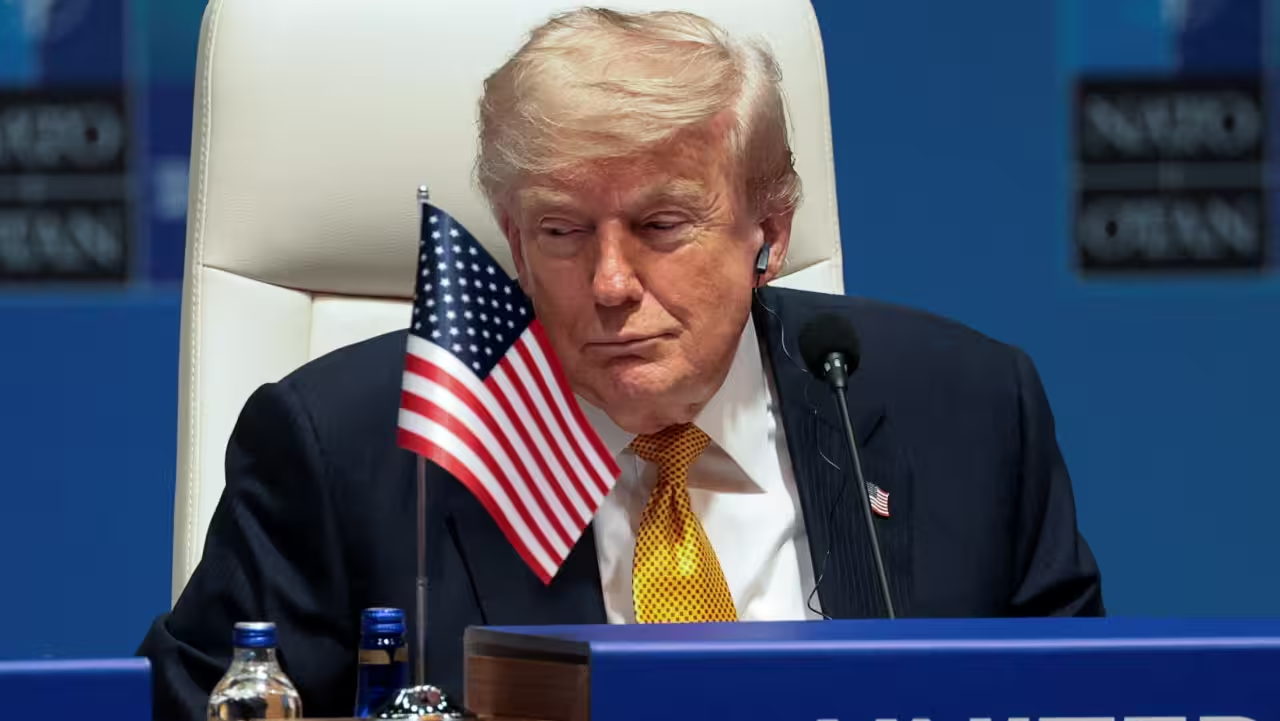
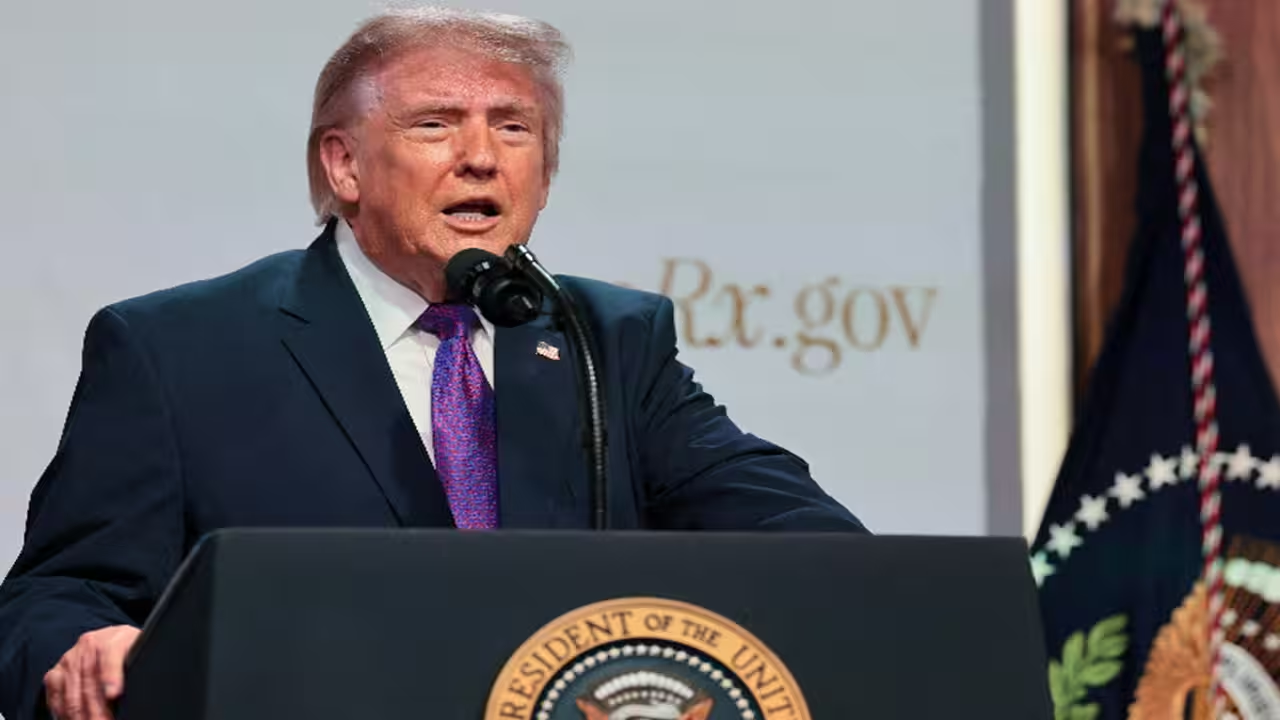
Over the weekend, president Donald Trump gave Iran a 48-hour deadline to reopen Hormuz, a timeframe which expires just before midnight UK time.
Meanwhile the International Energy Agency warned that the world is facing its biggest ever energy shock.
“The repercussions look likely to include sharply higher borrowing costs for companies, consumers and the government,” said Susannah Streeter, chief investment strategist at Wealth Club.
“UK 10-year gilt yields have retreated a little after nudging 5% for the first time since the global financial crisis. Investors in UK government debt are reacting to expectations that the Bank of England may be forced to hike interest rates multiple times this year.”