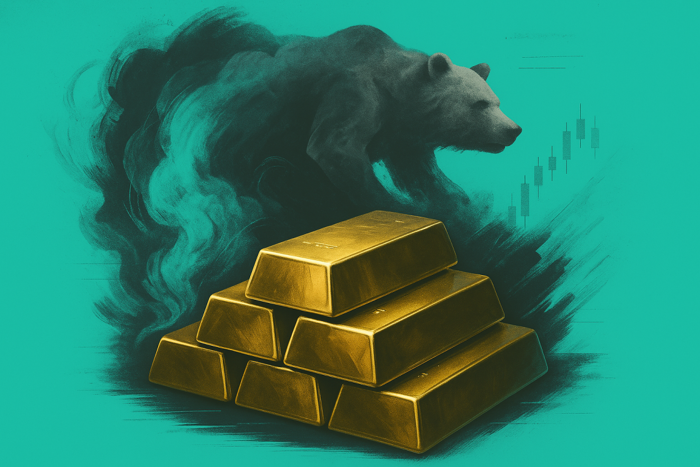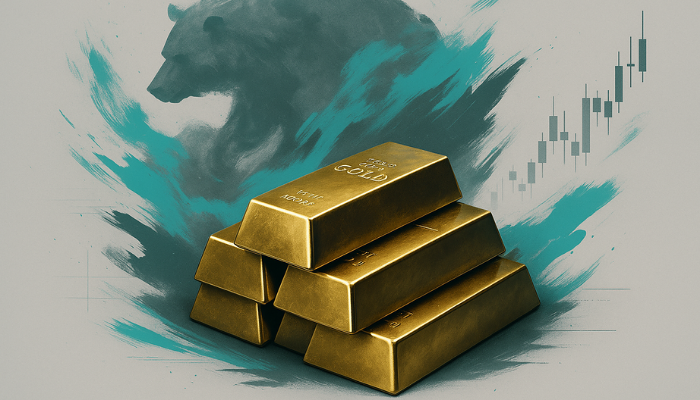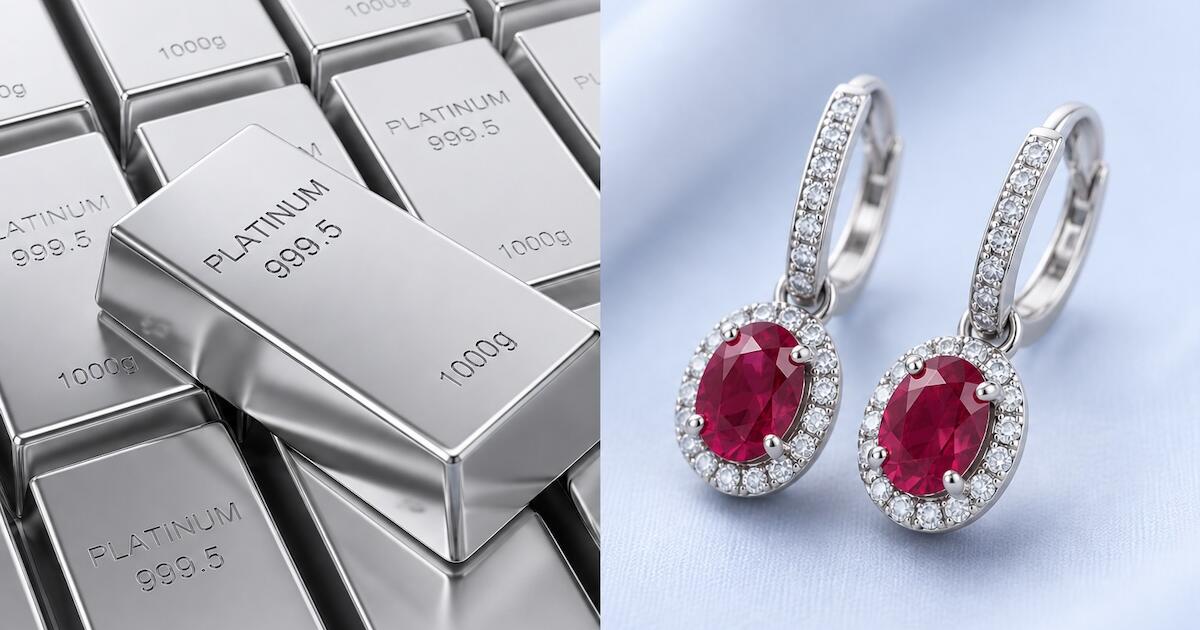
Gold prices are forcing a rethink.
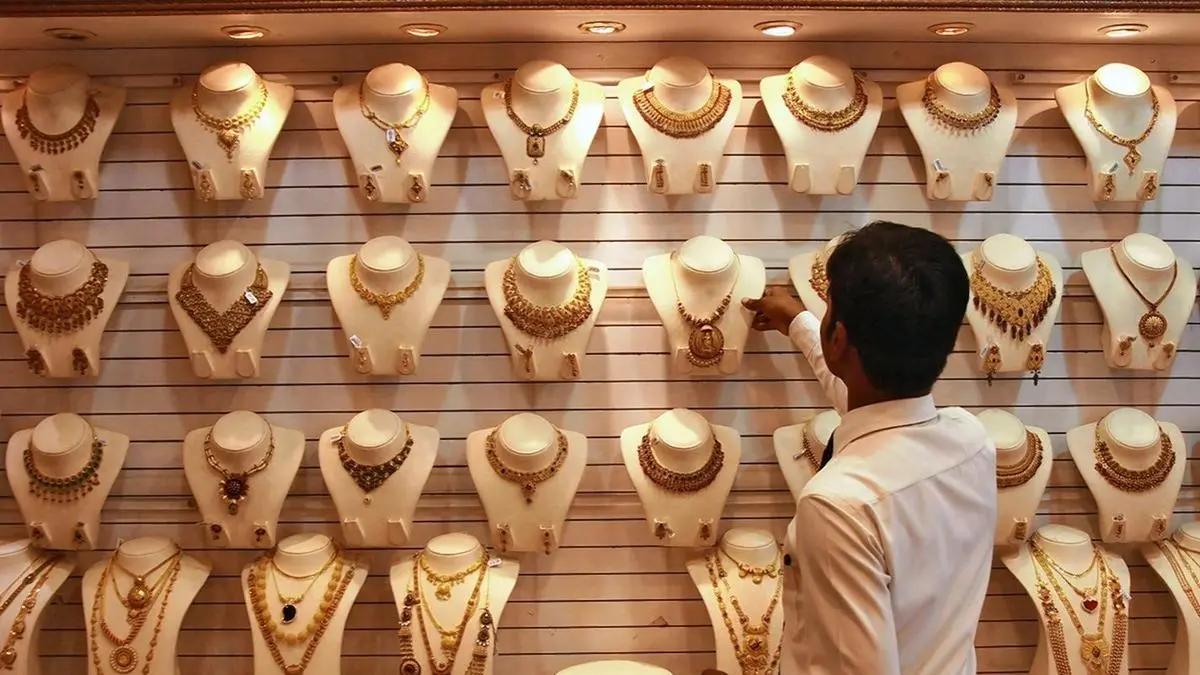
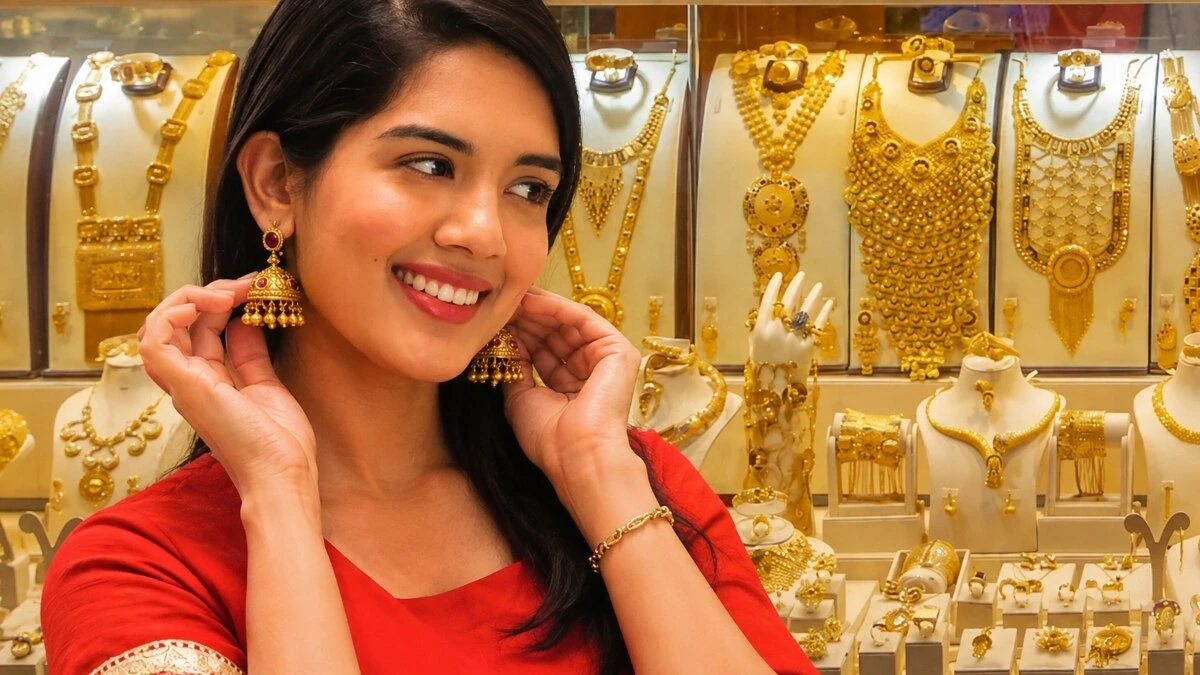
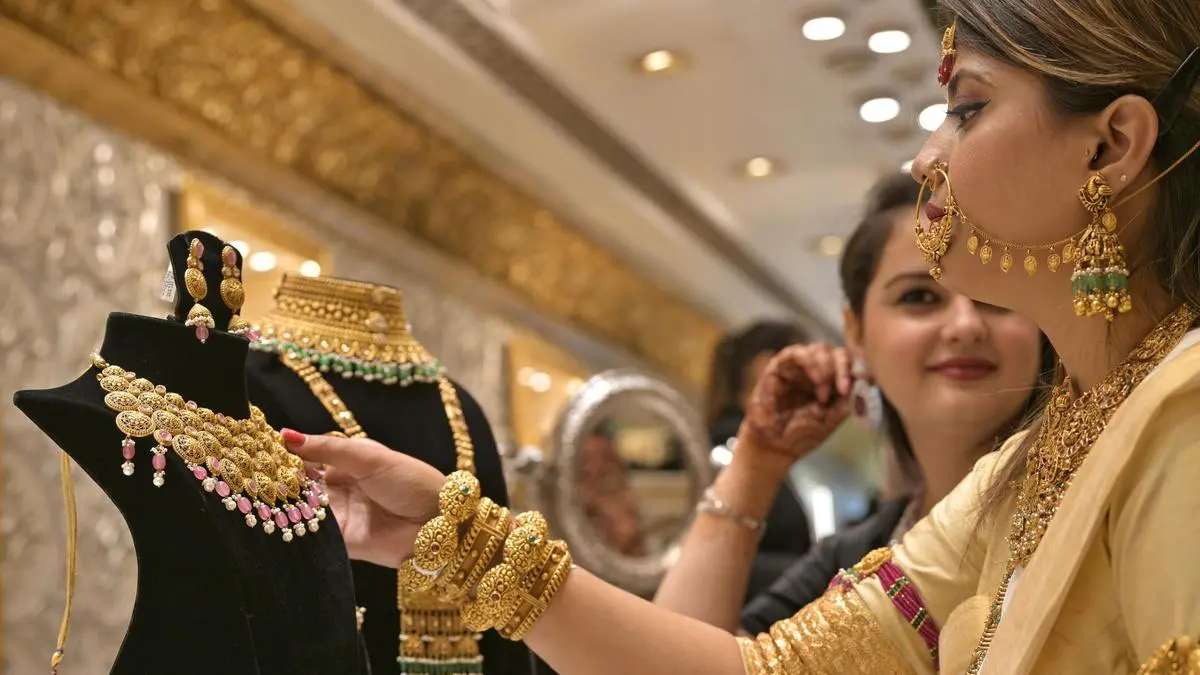
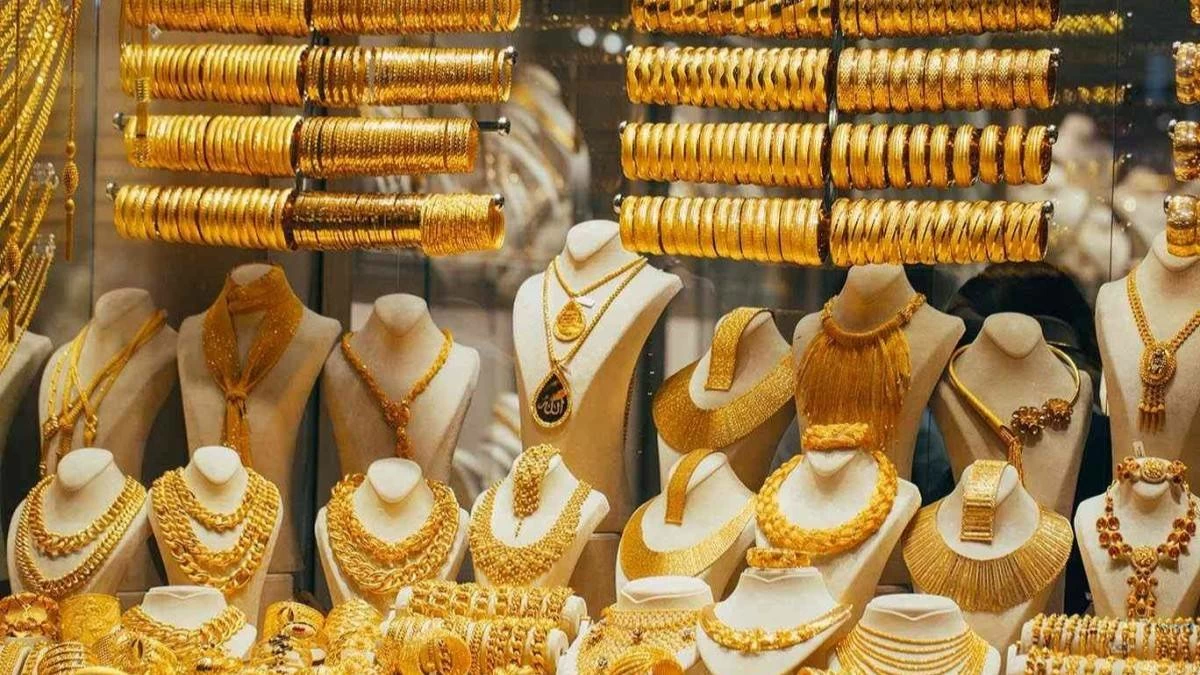
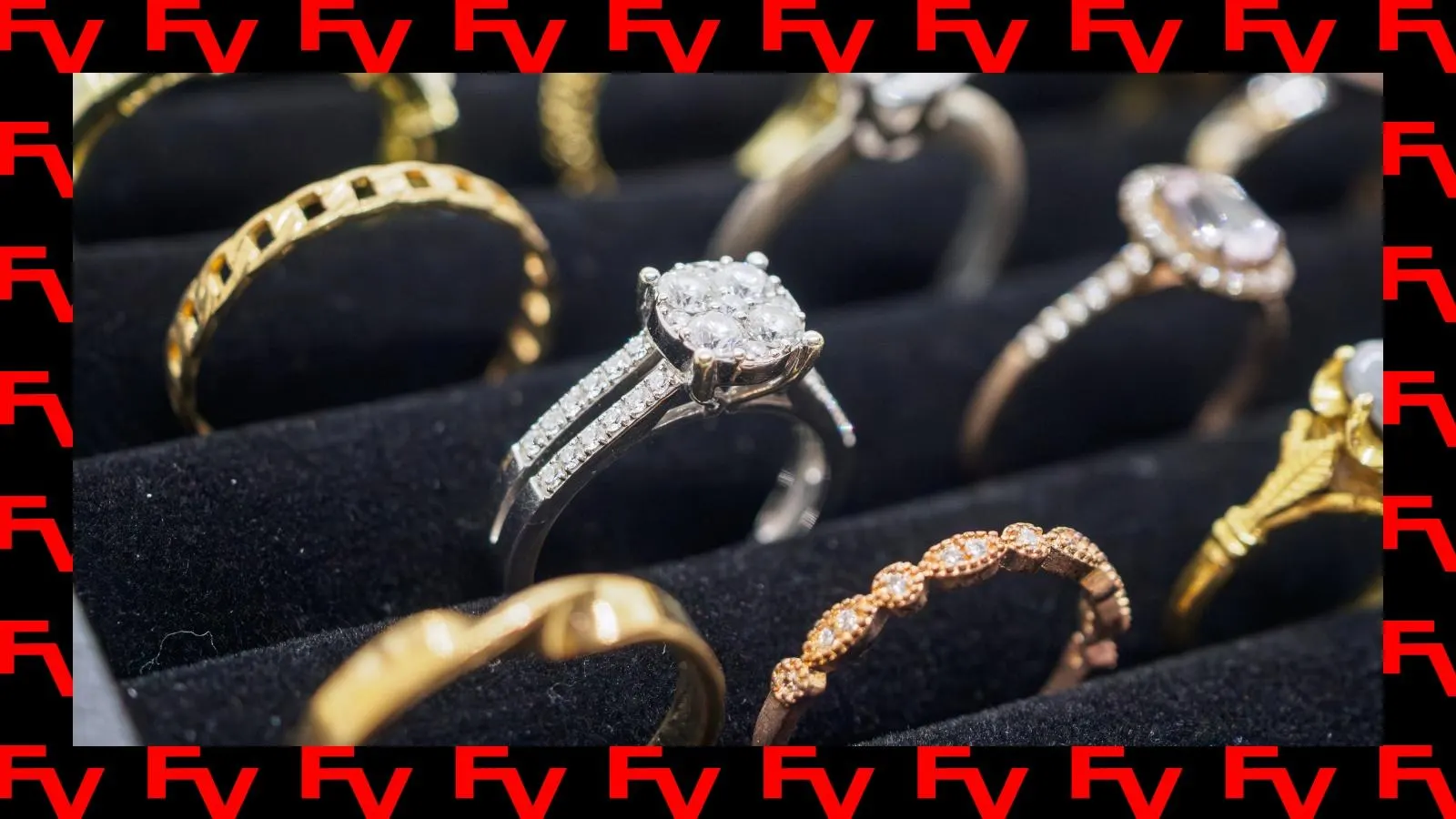
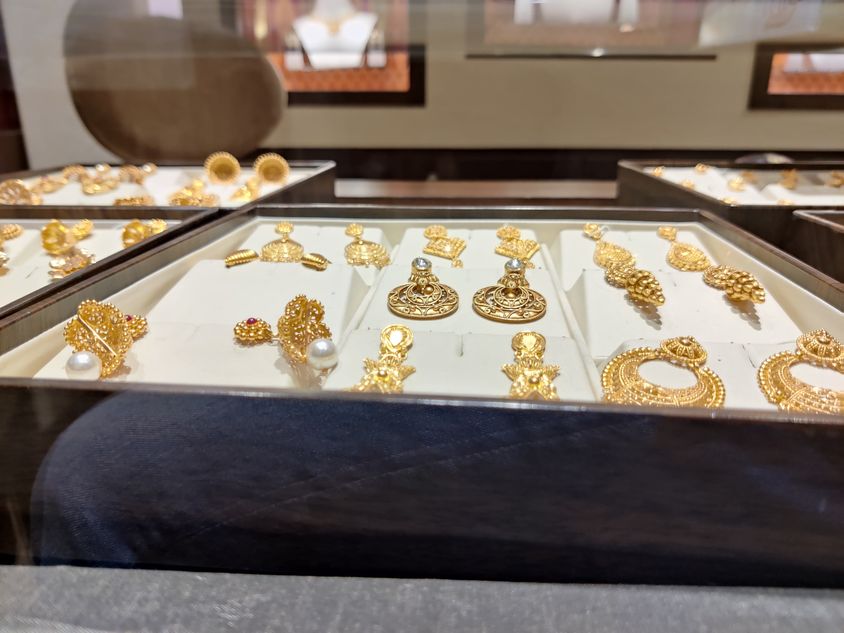
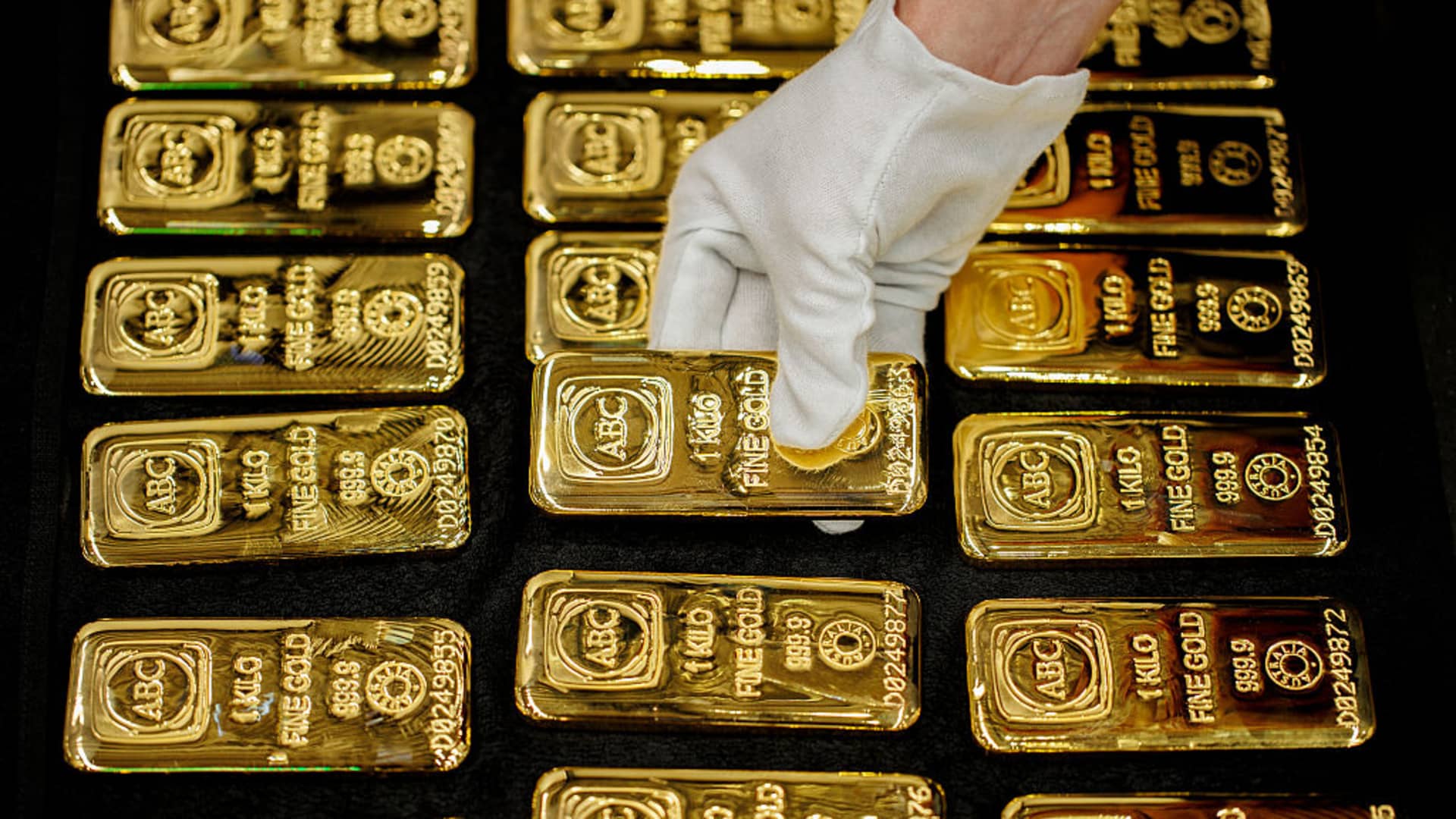
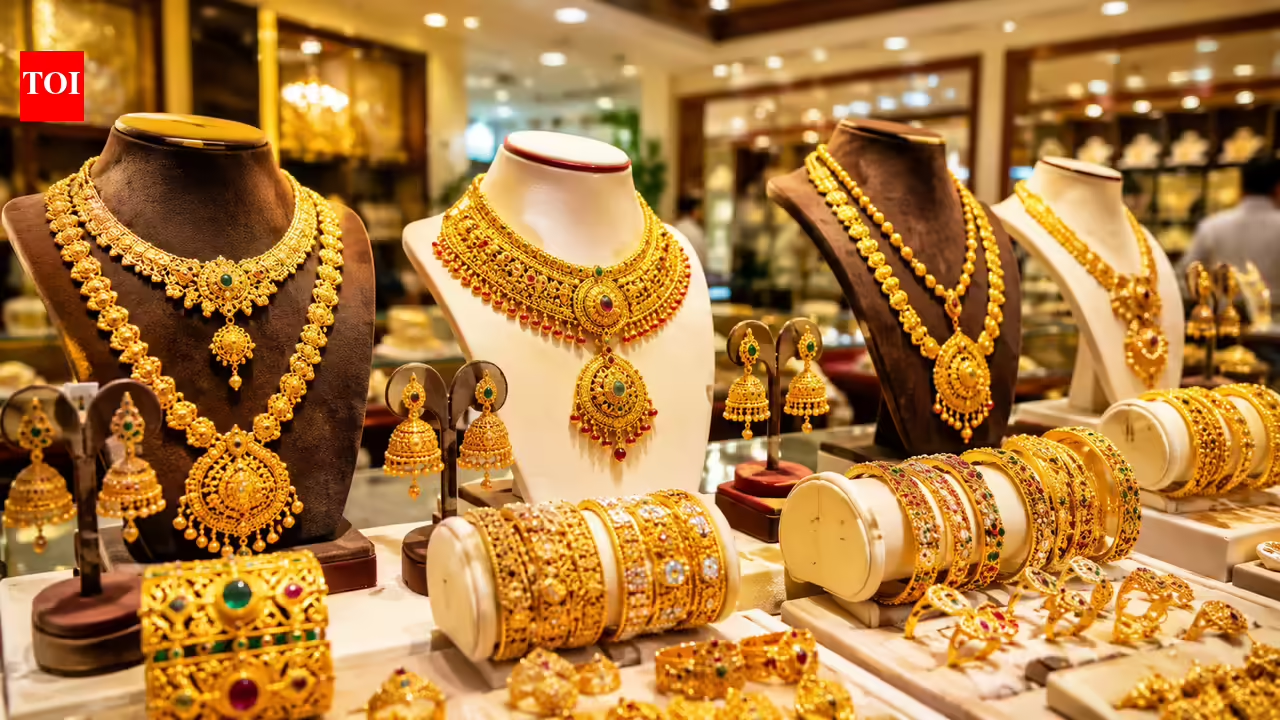
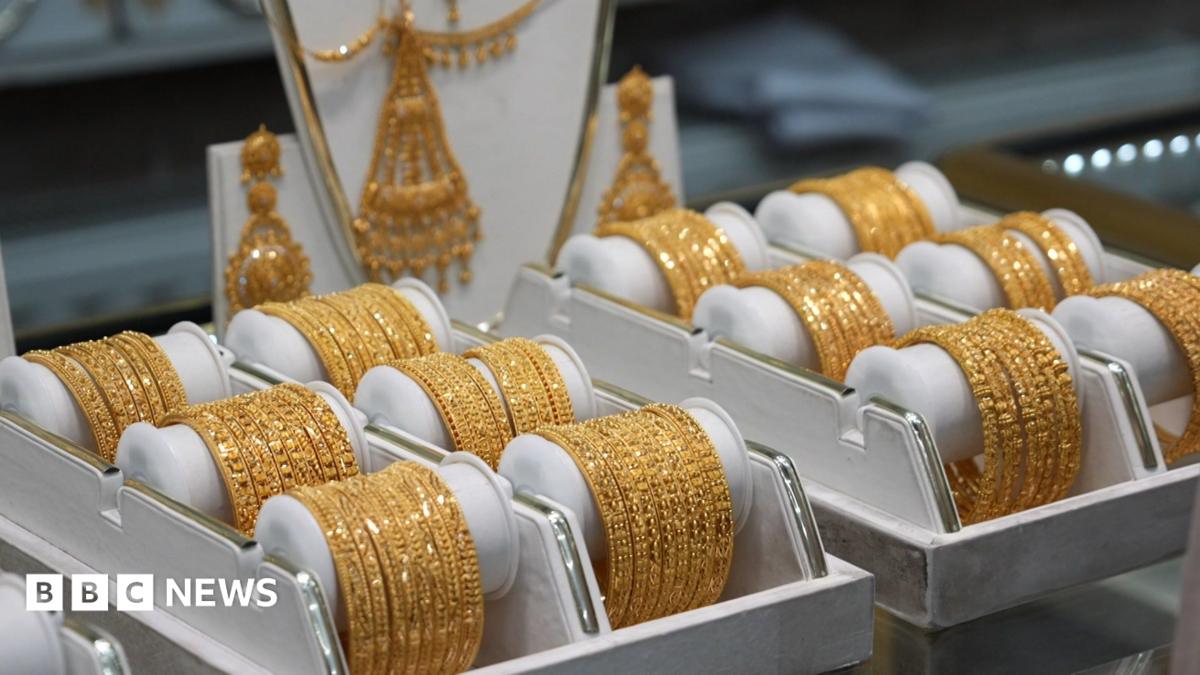
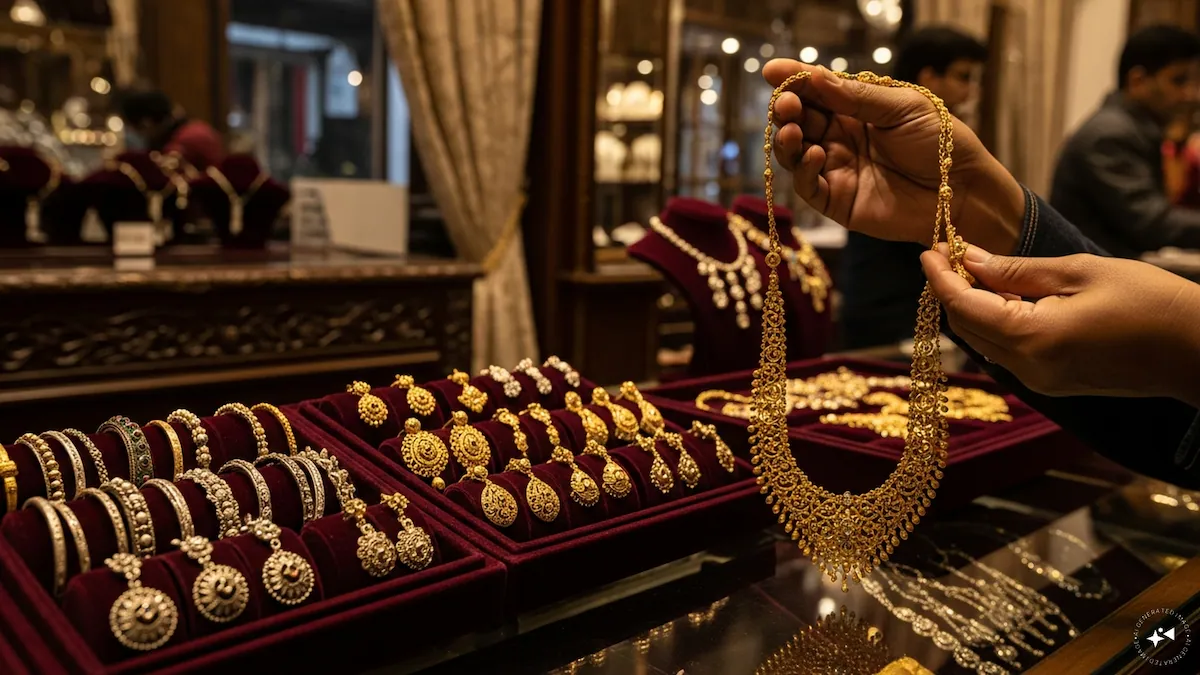
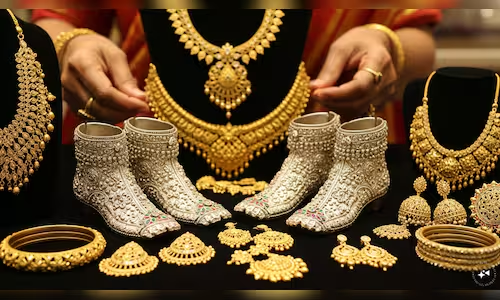
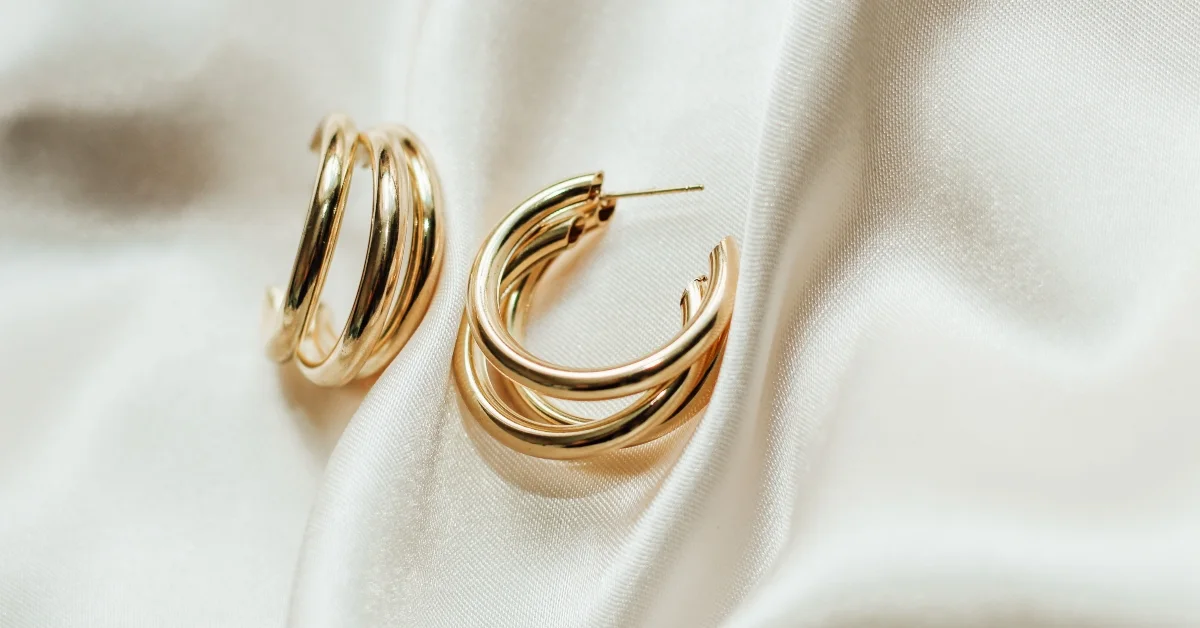
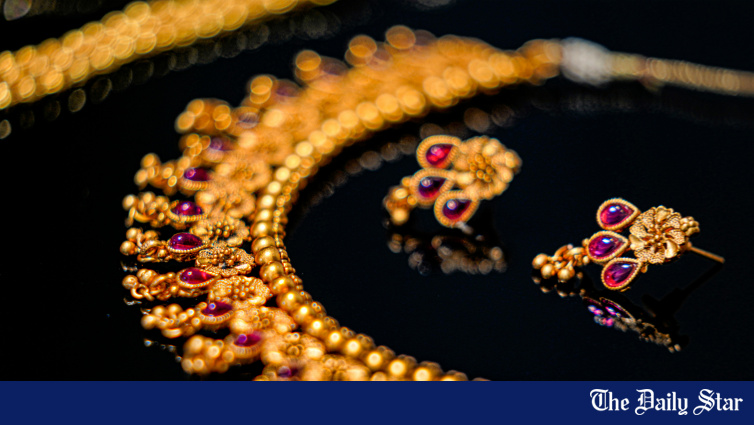
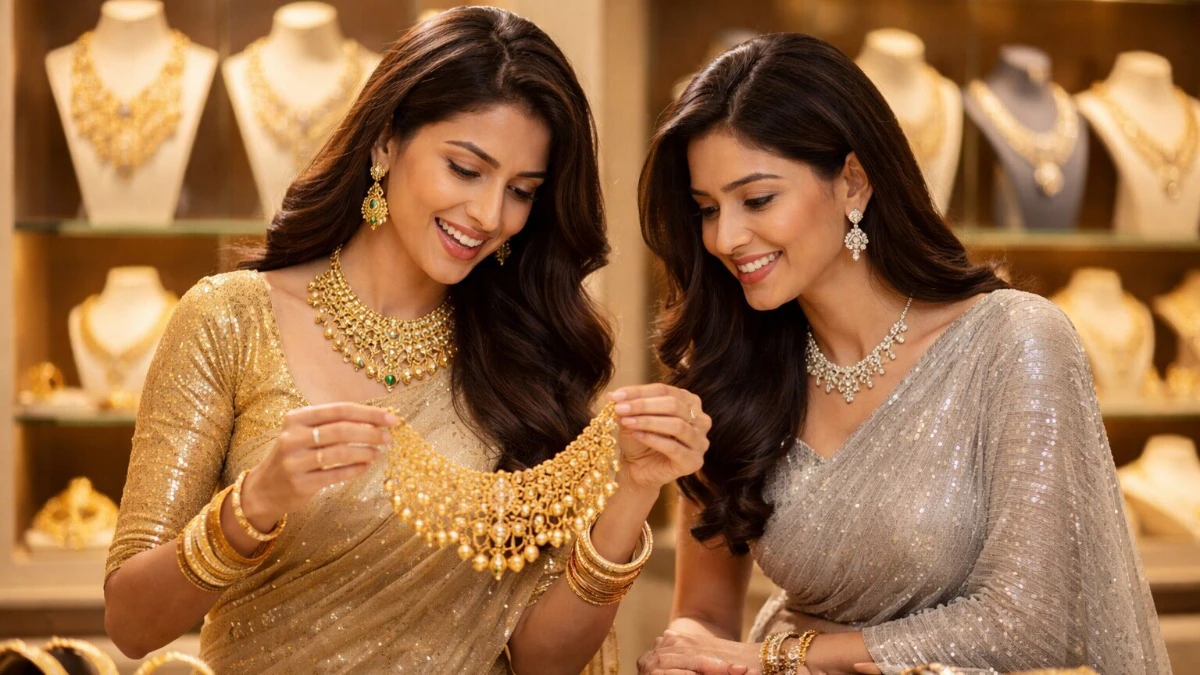
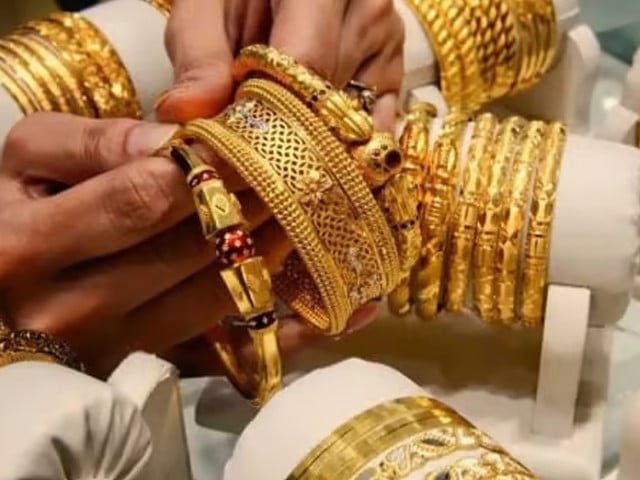
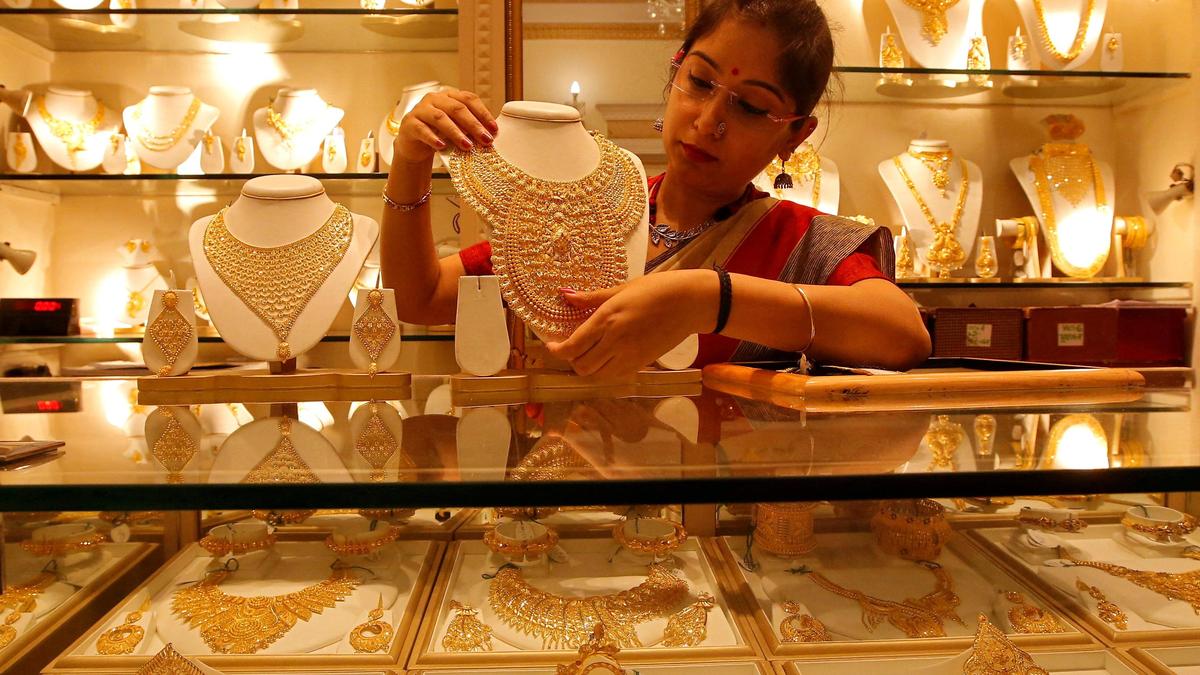
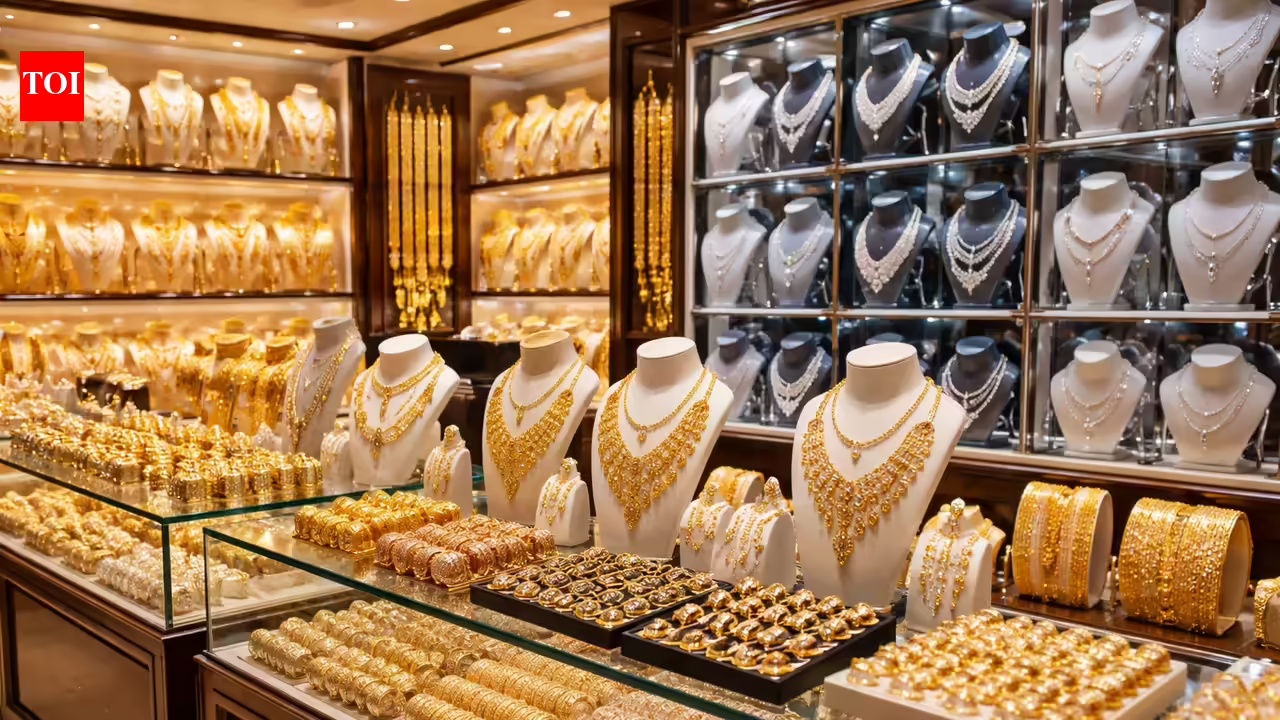
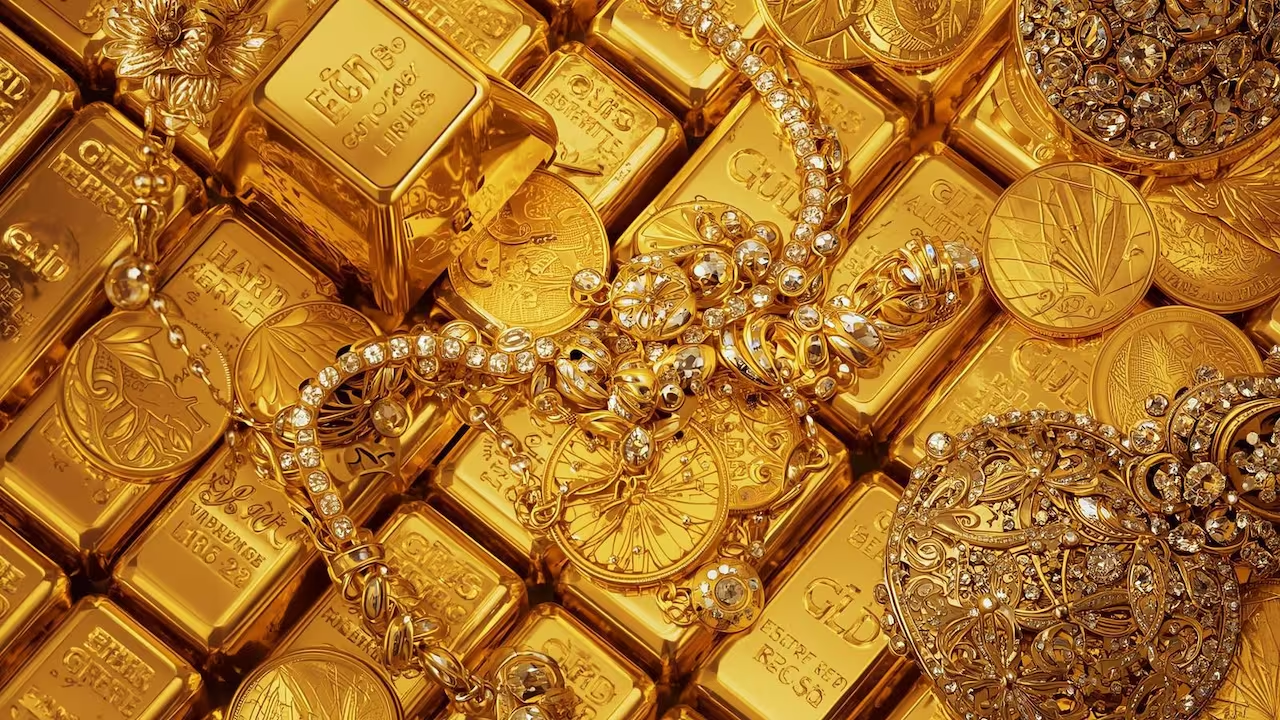
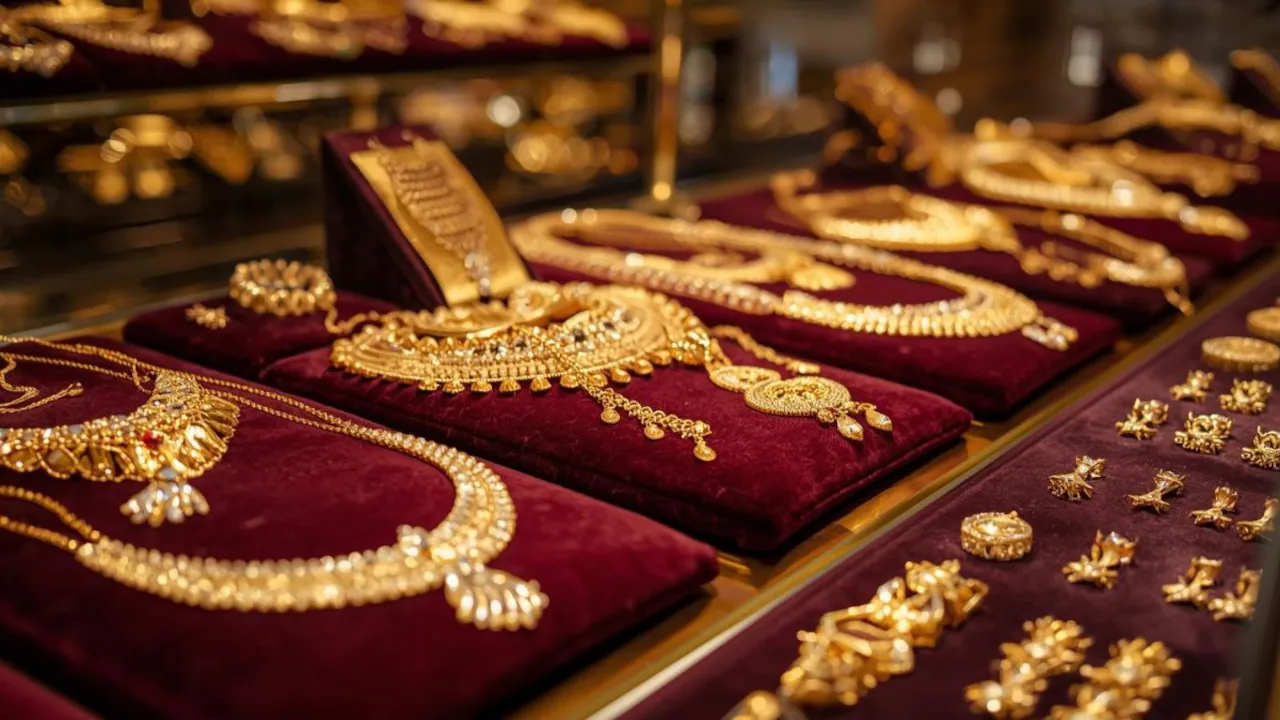
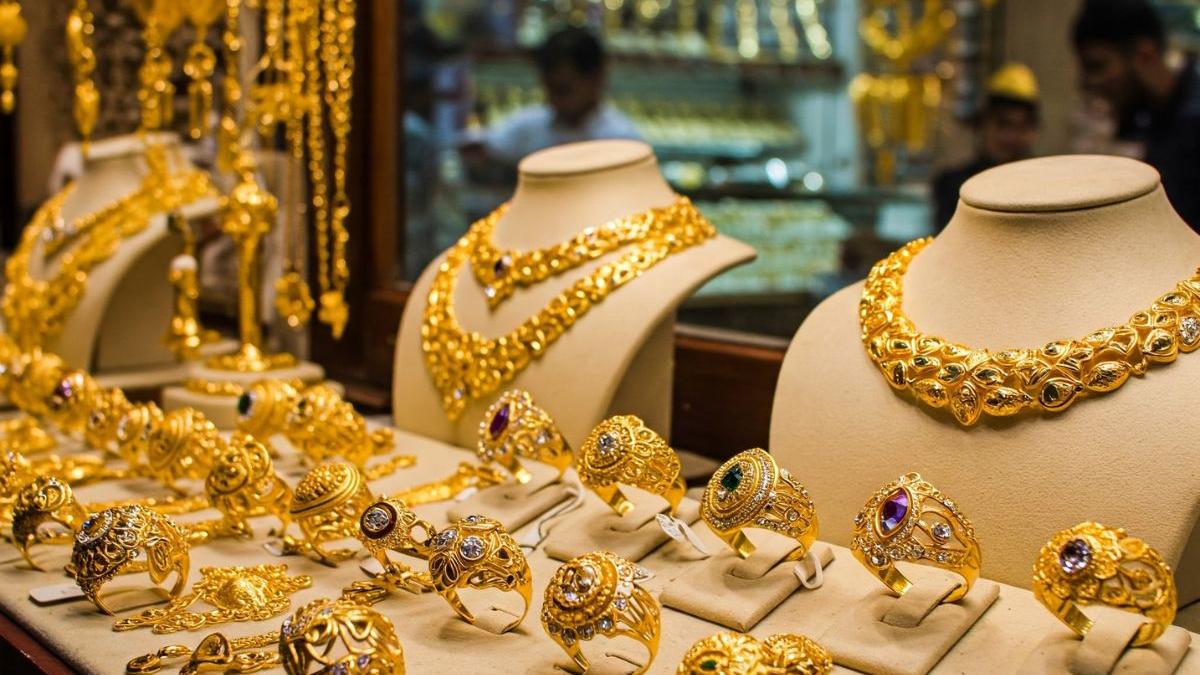
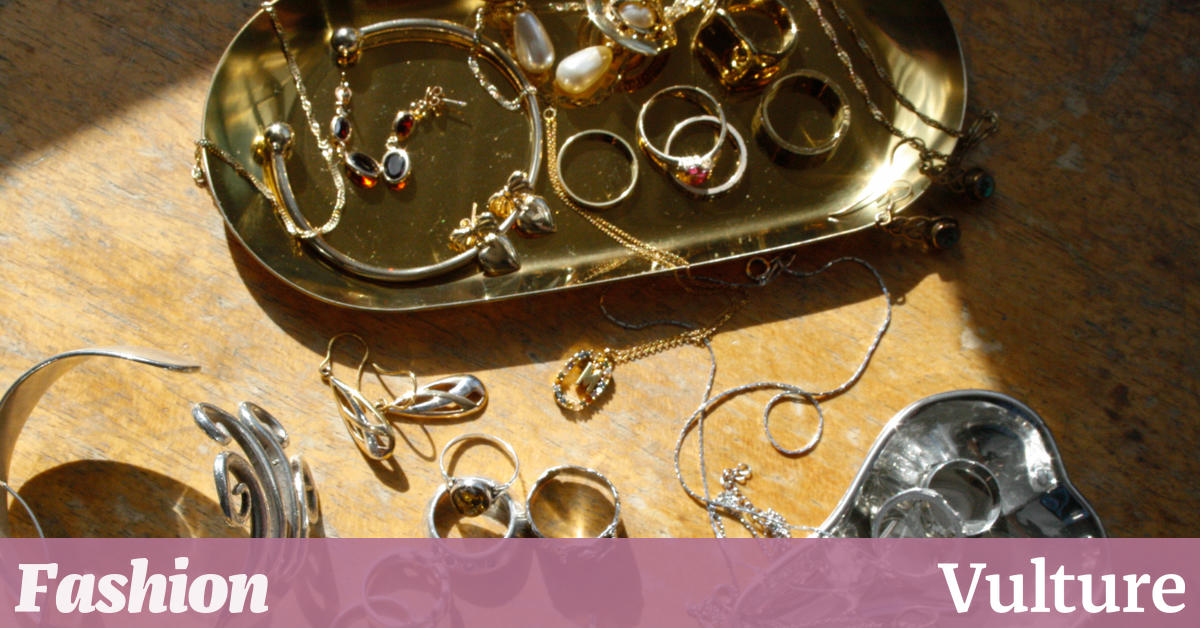
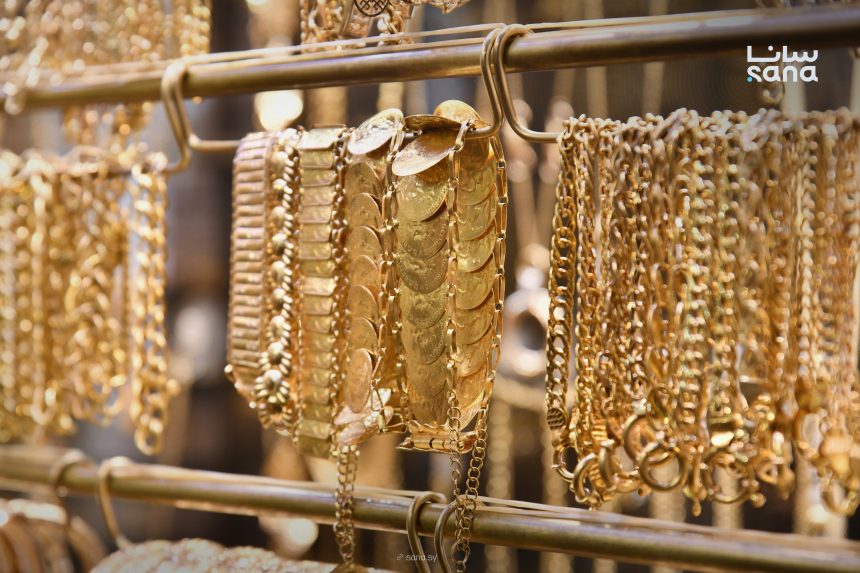
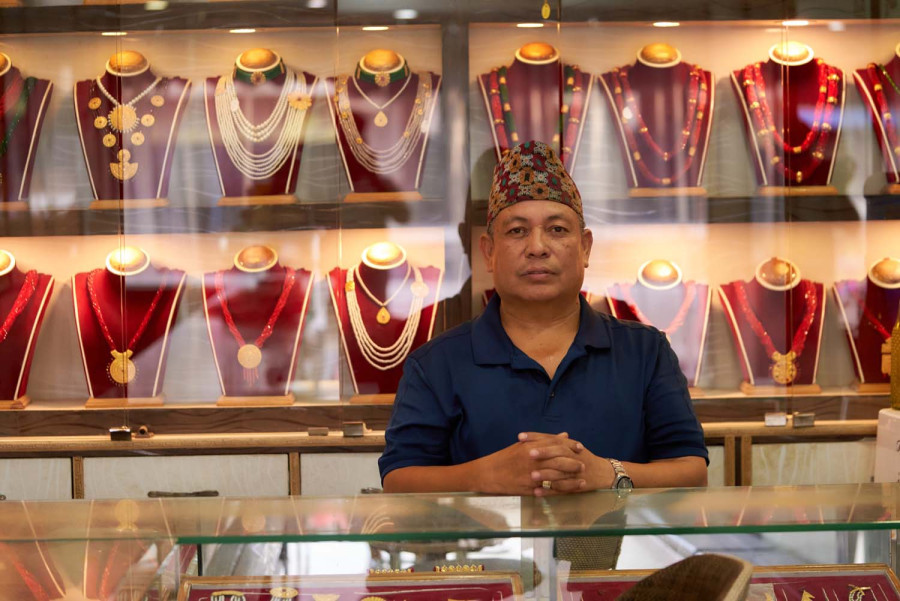
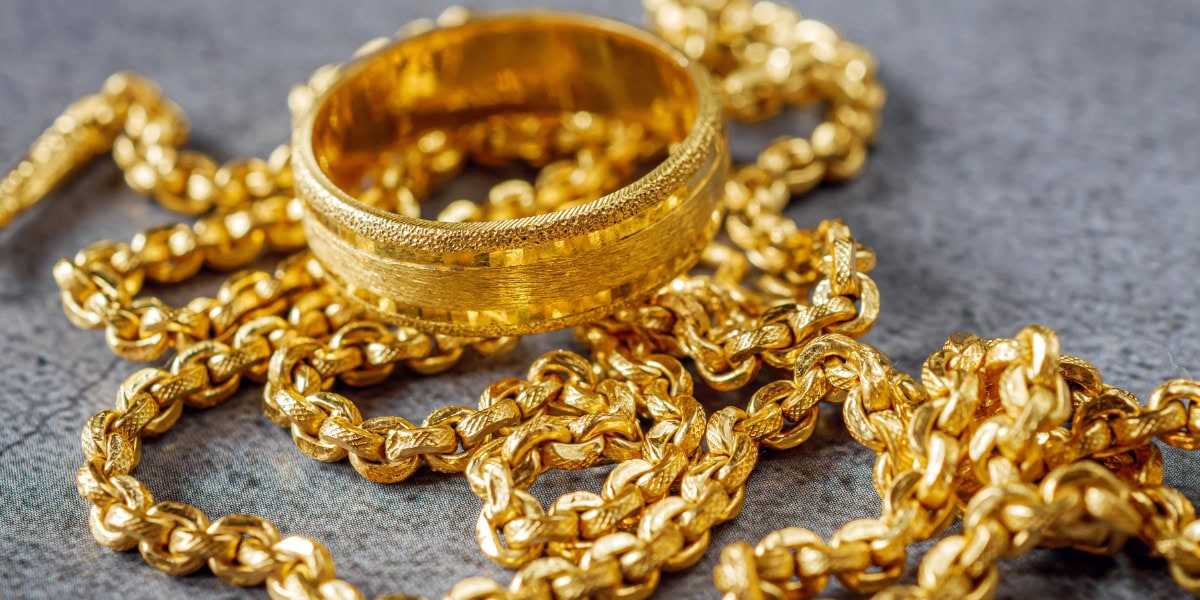
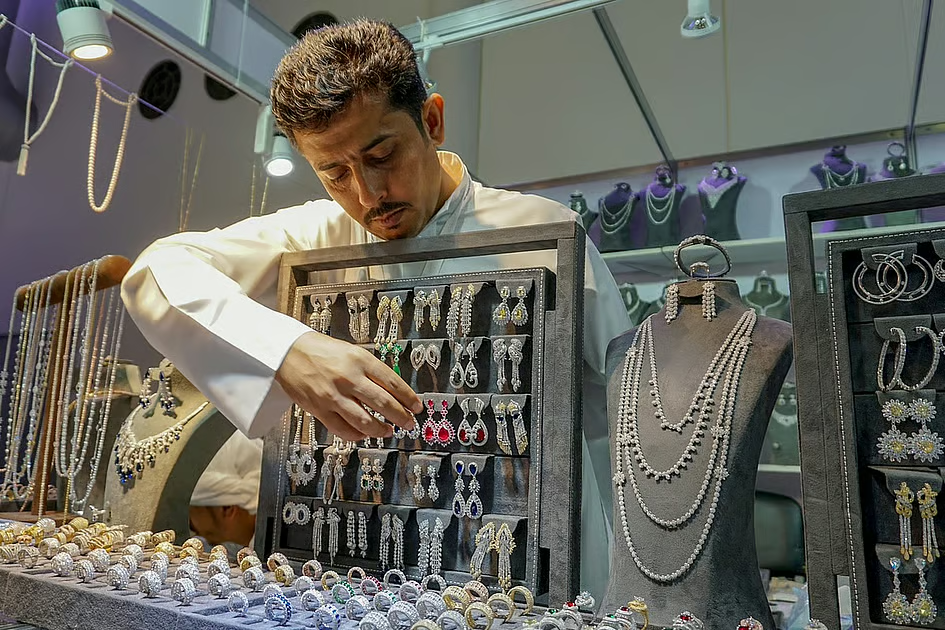
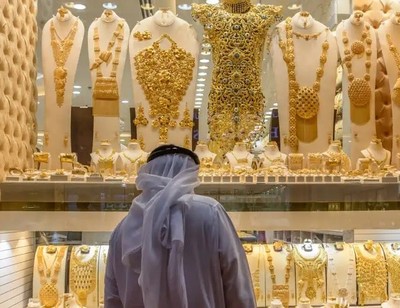
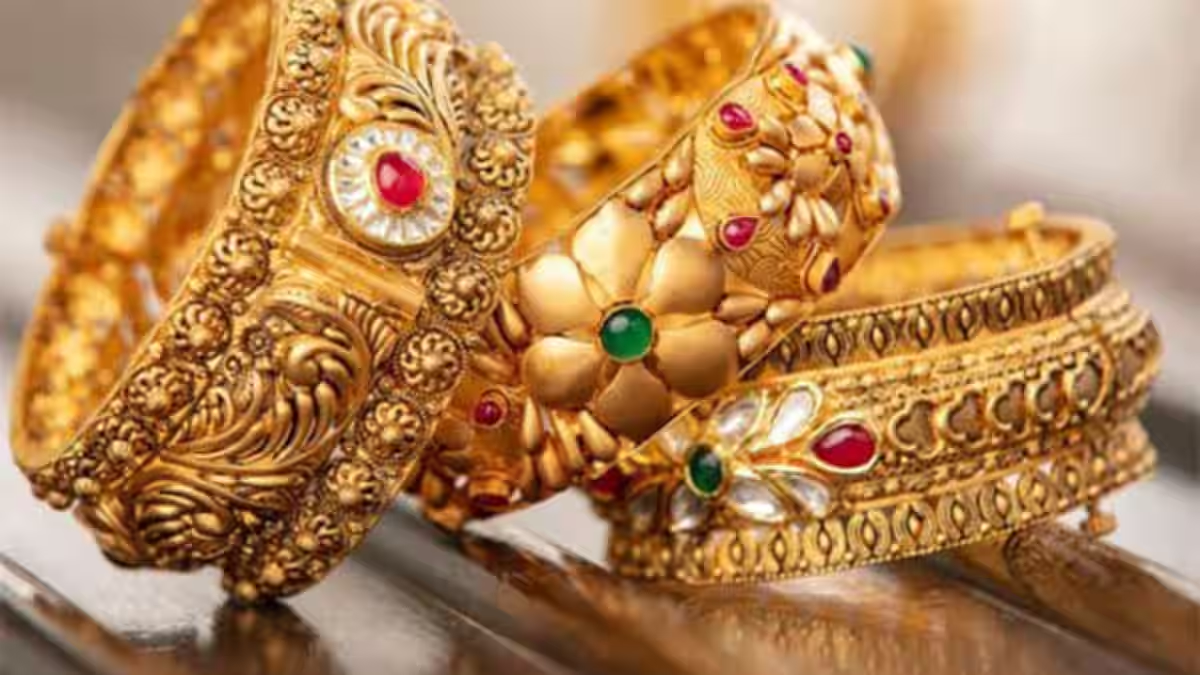
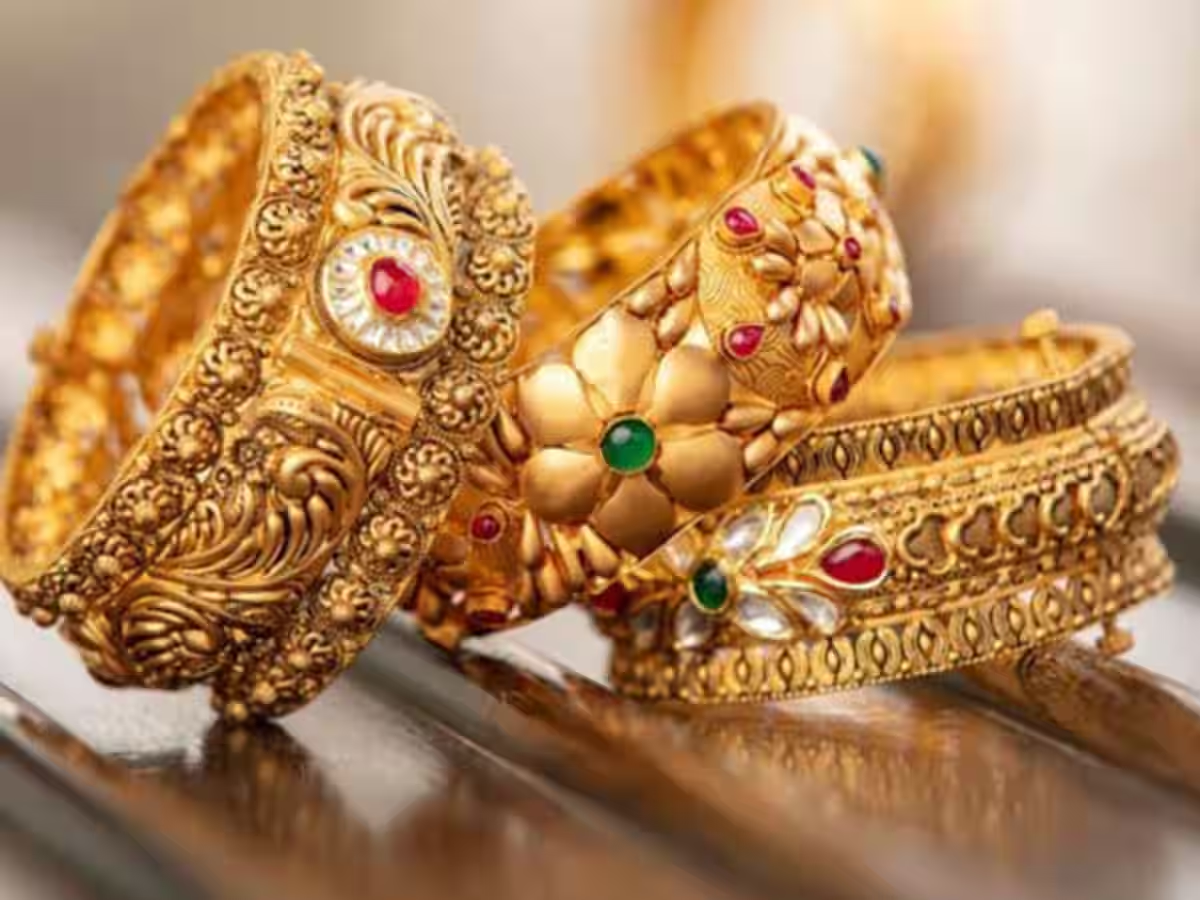
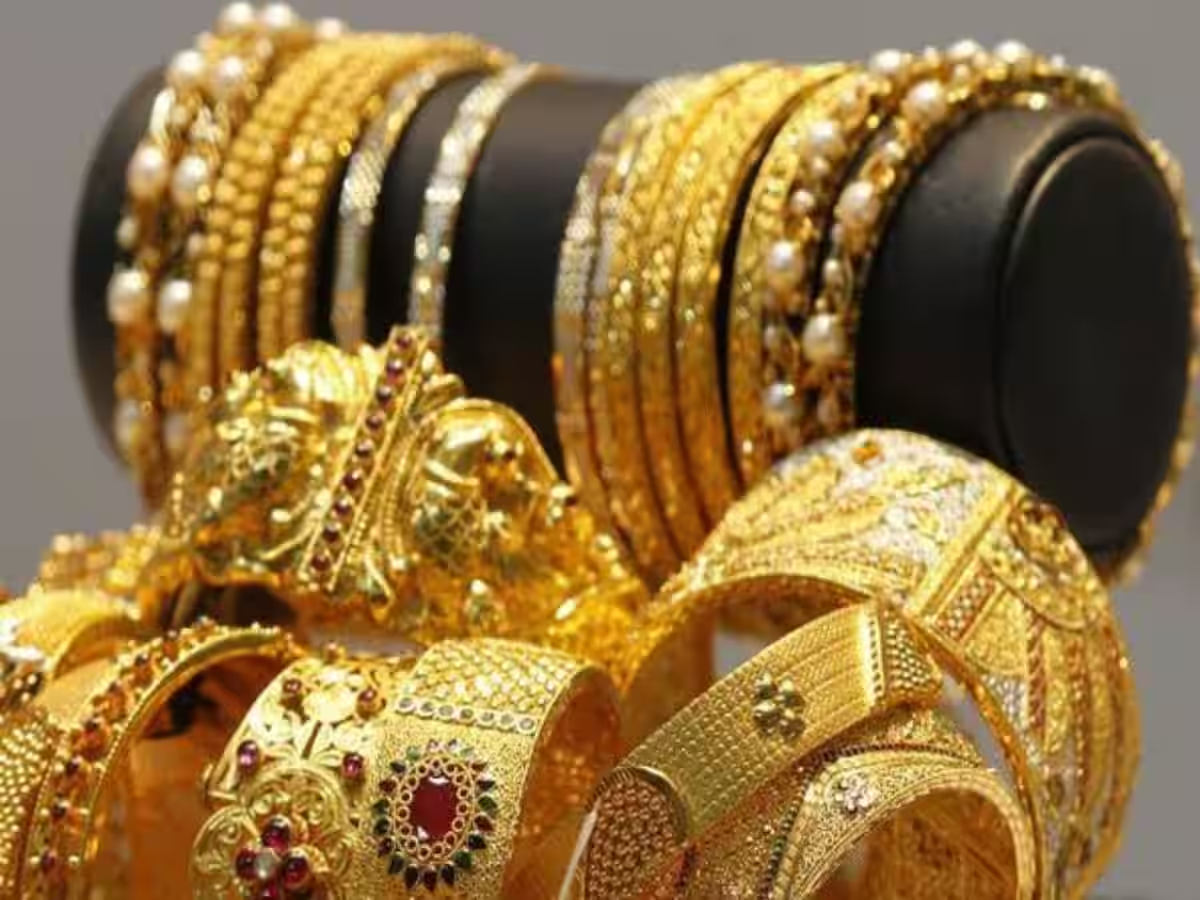
For decades, gold defined fine jewelry in Los Angeles. That equation is changing under pricing pressure.
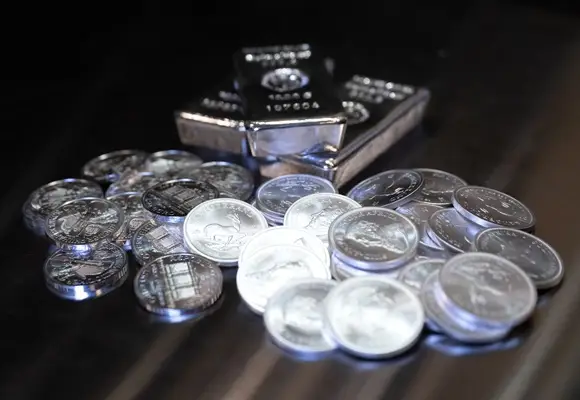
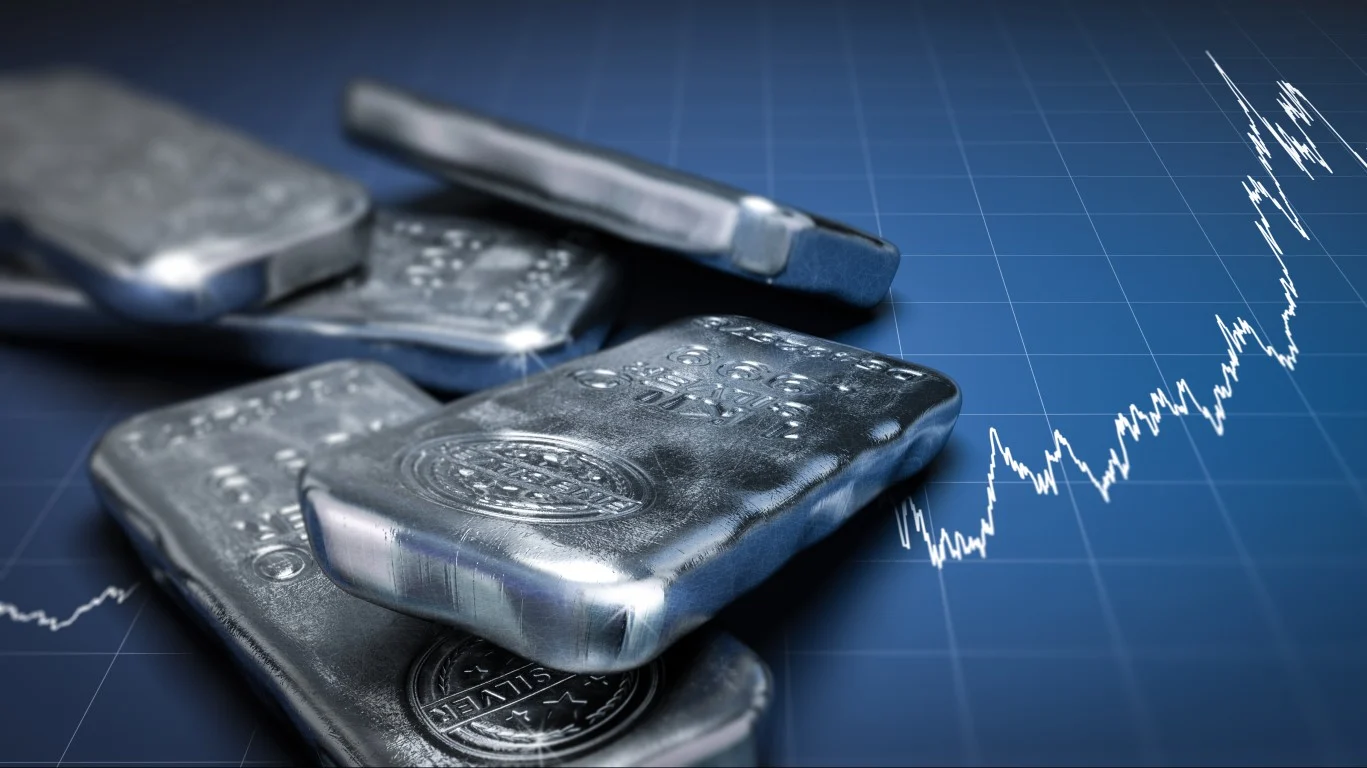
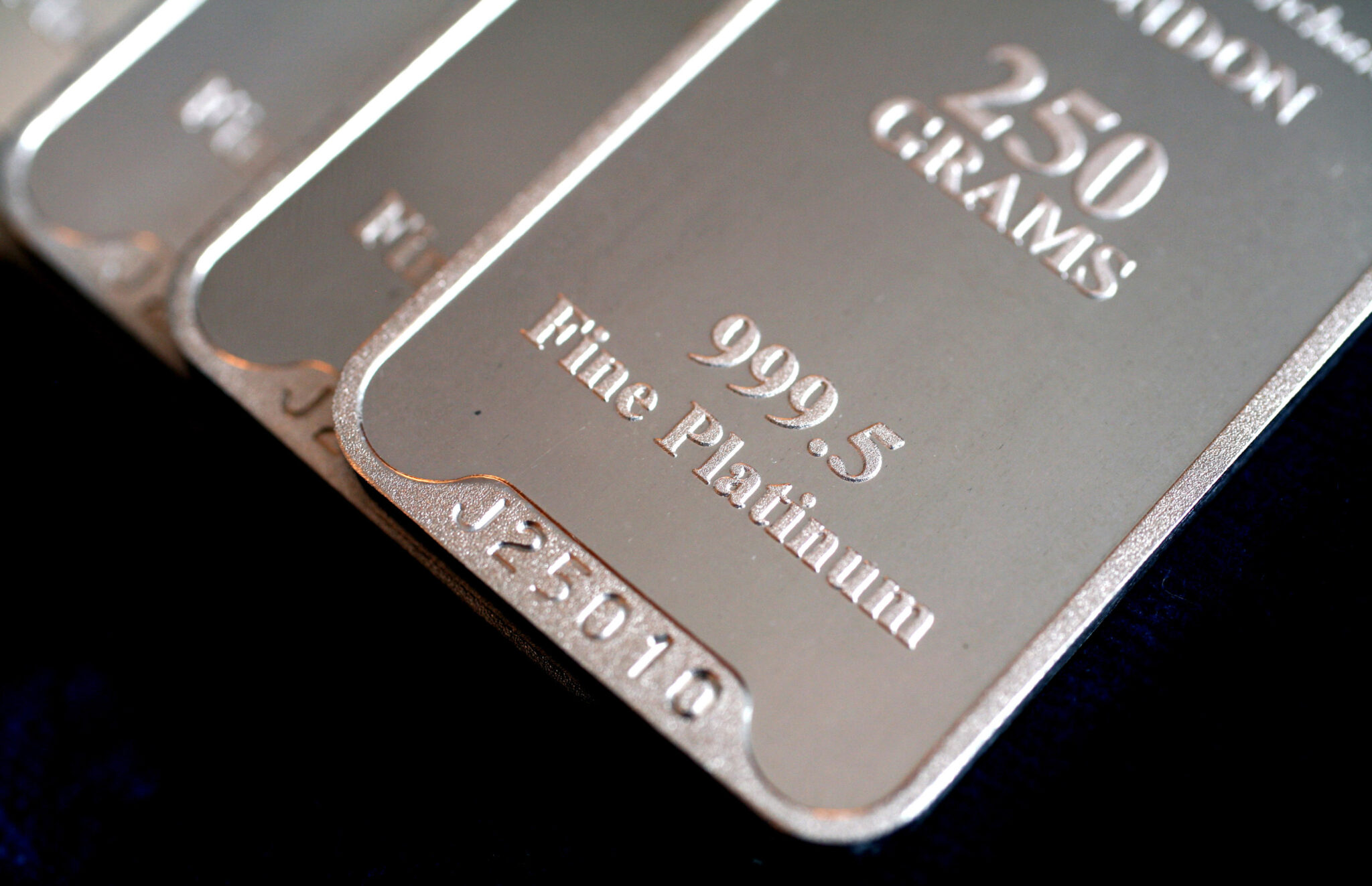
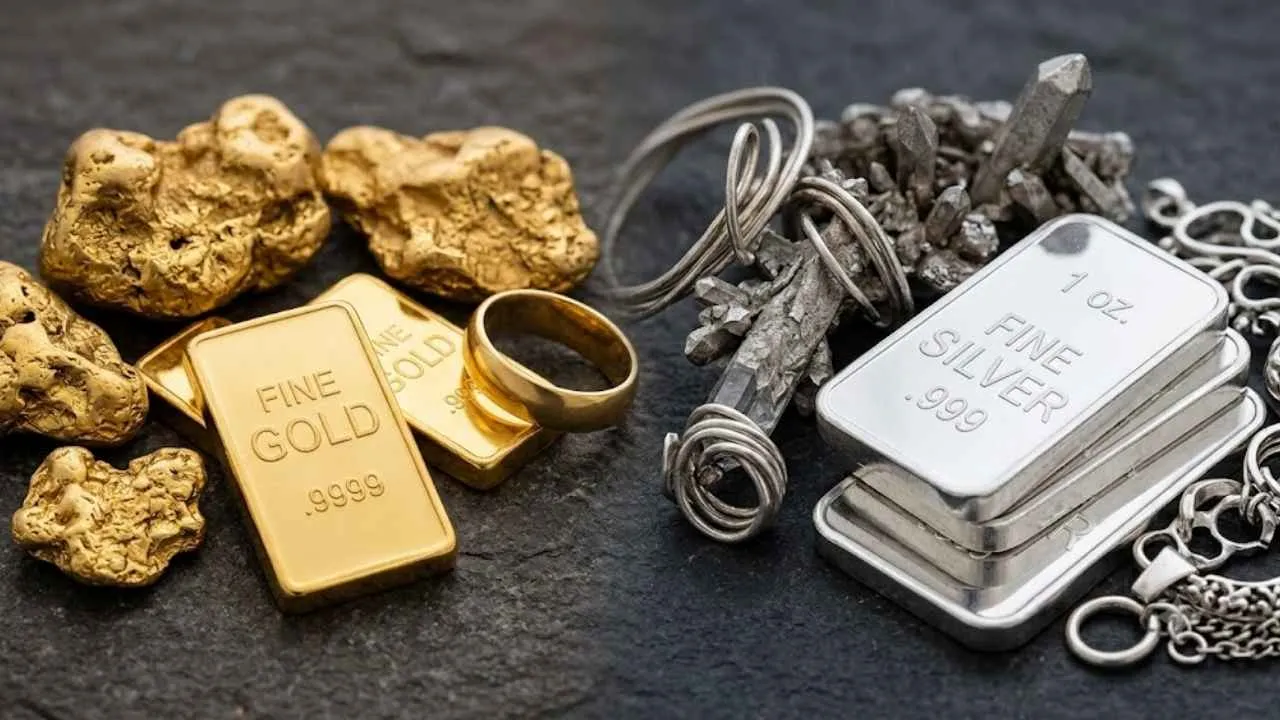
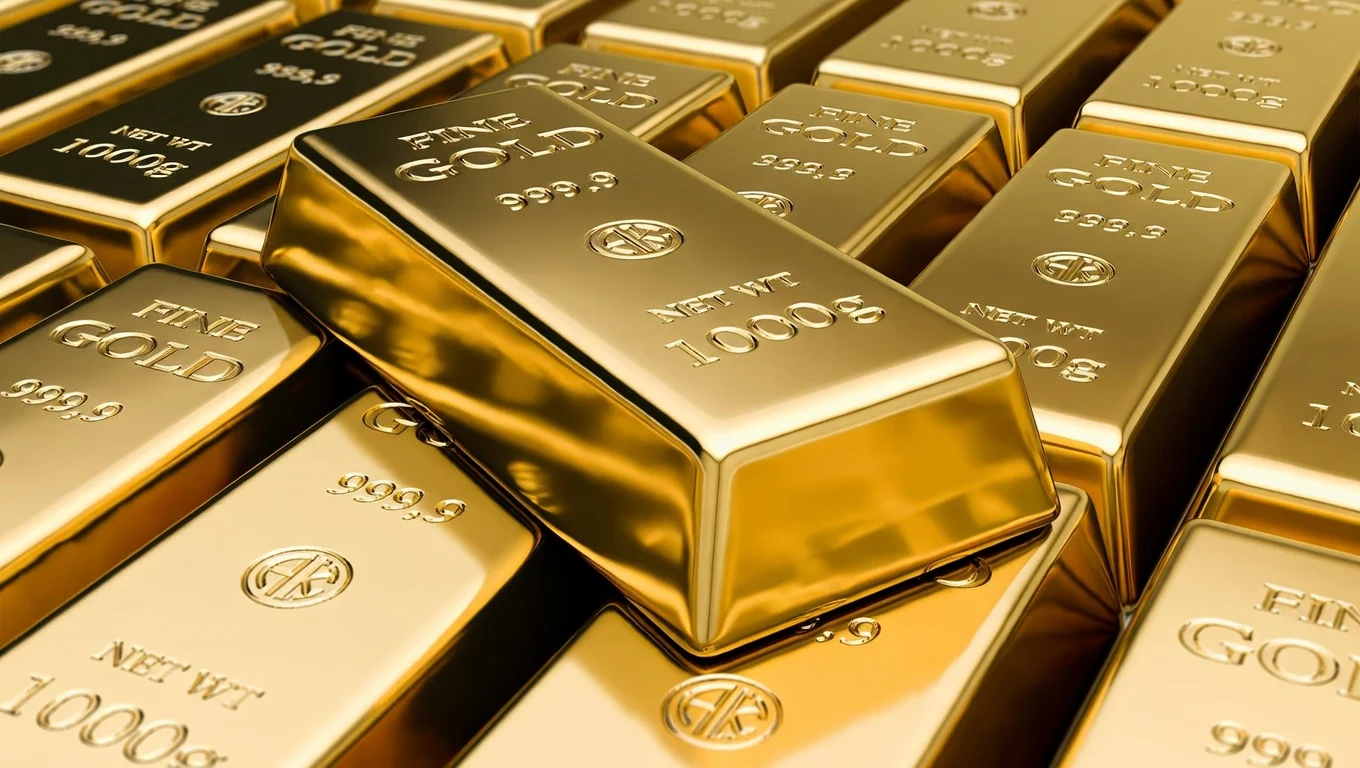
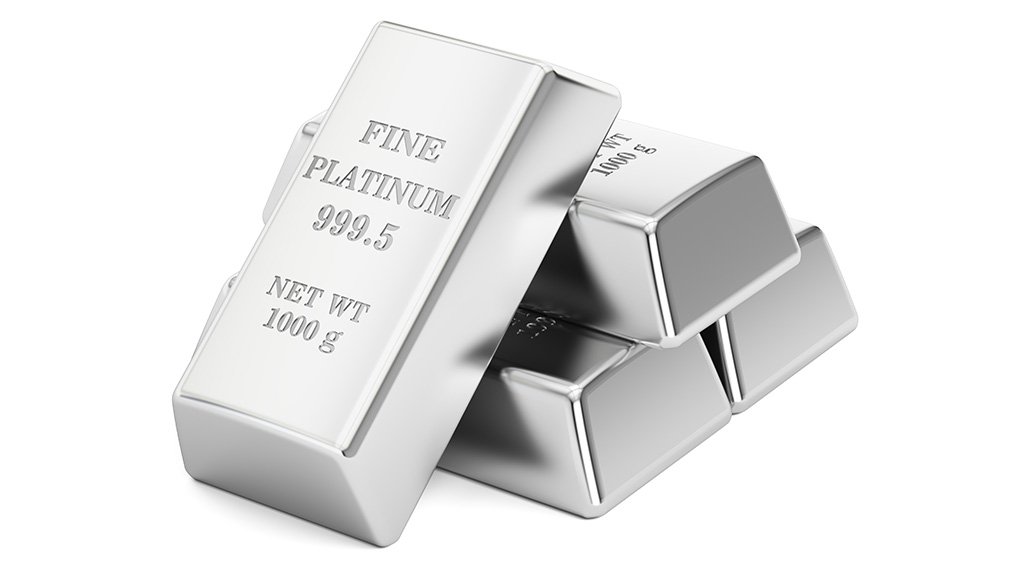
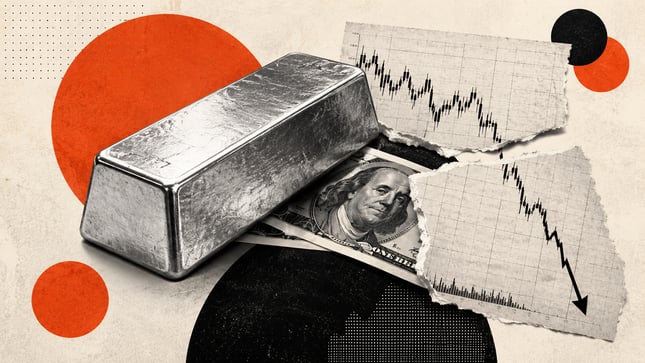
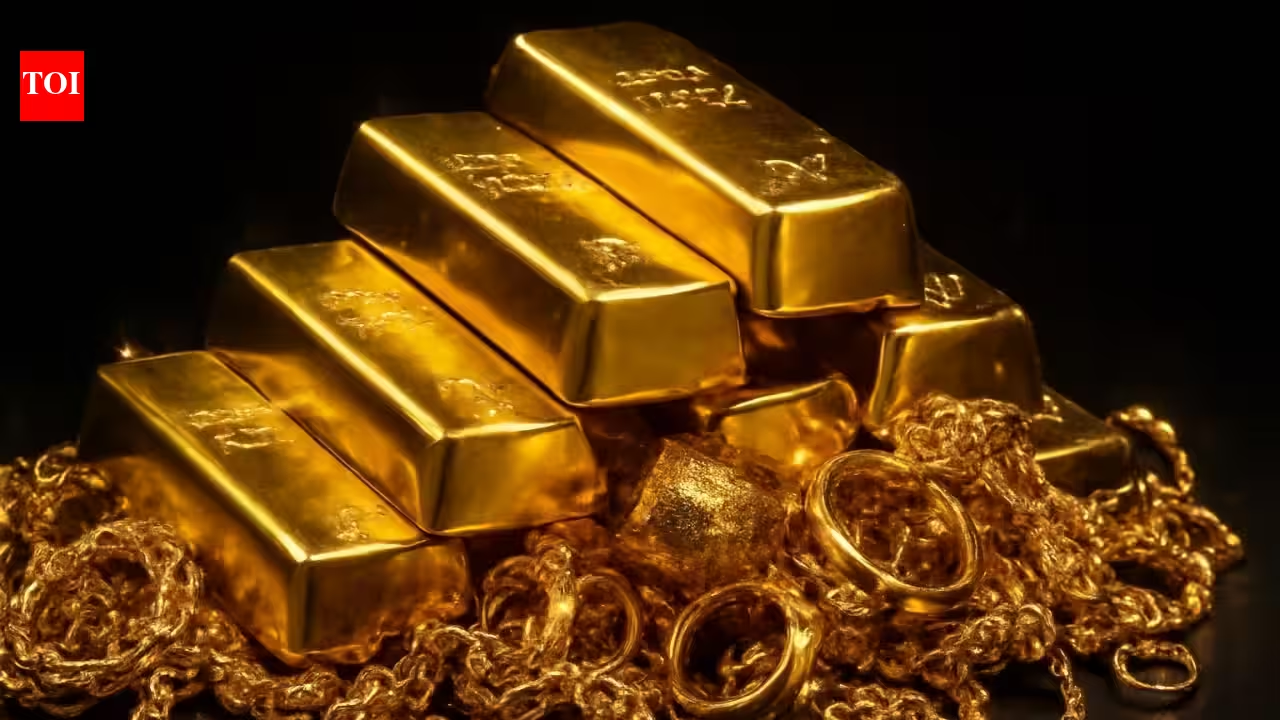
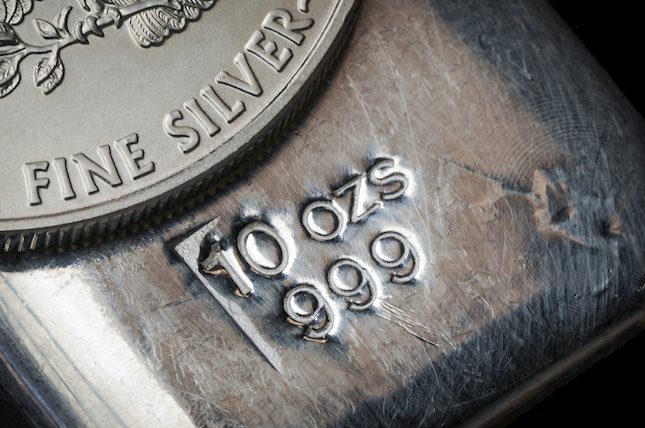
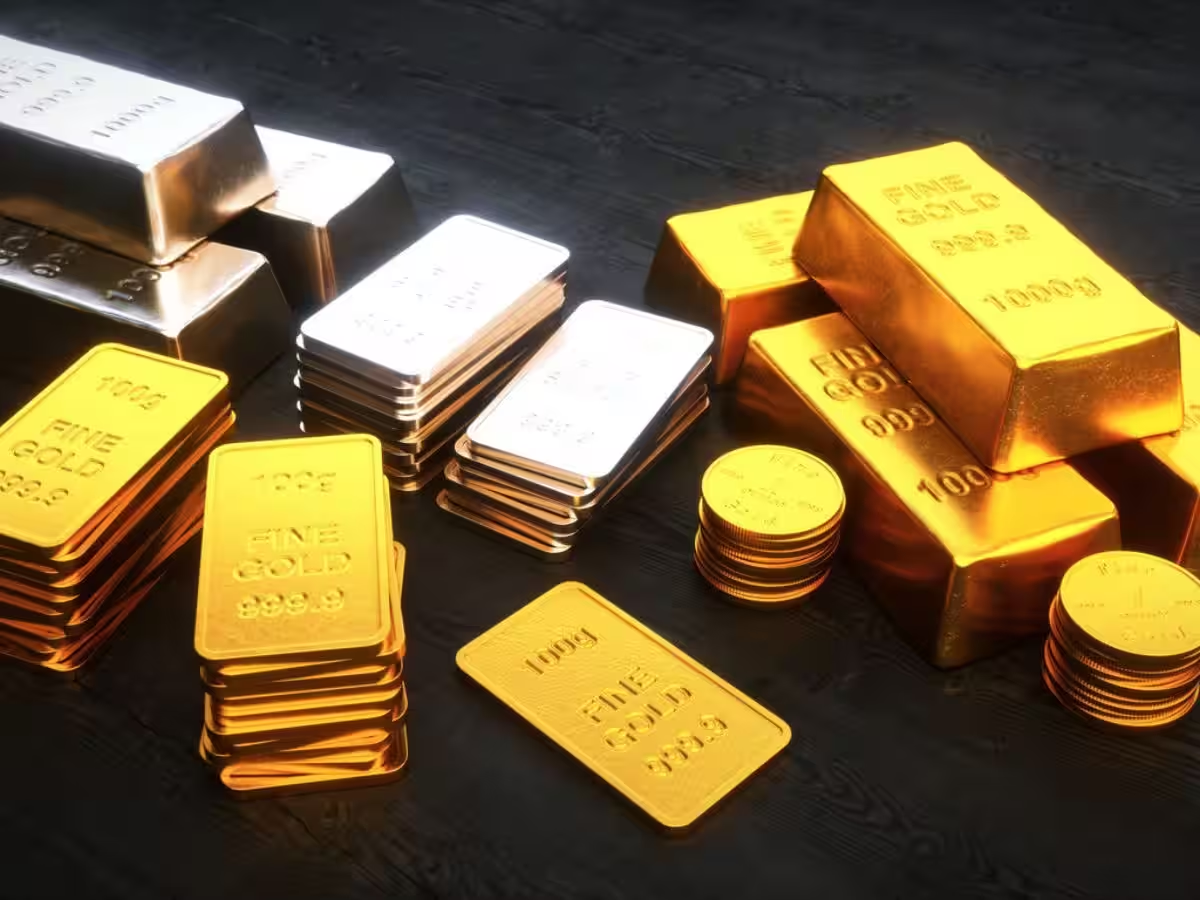
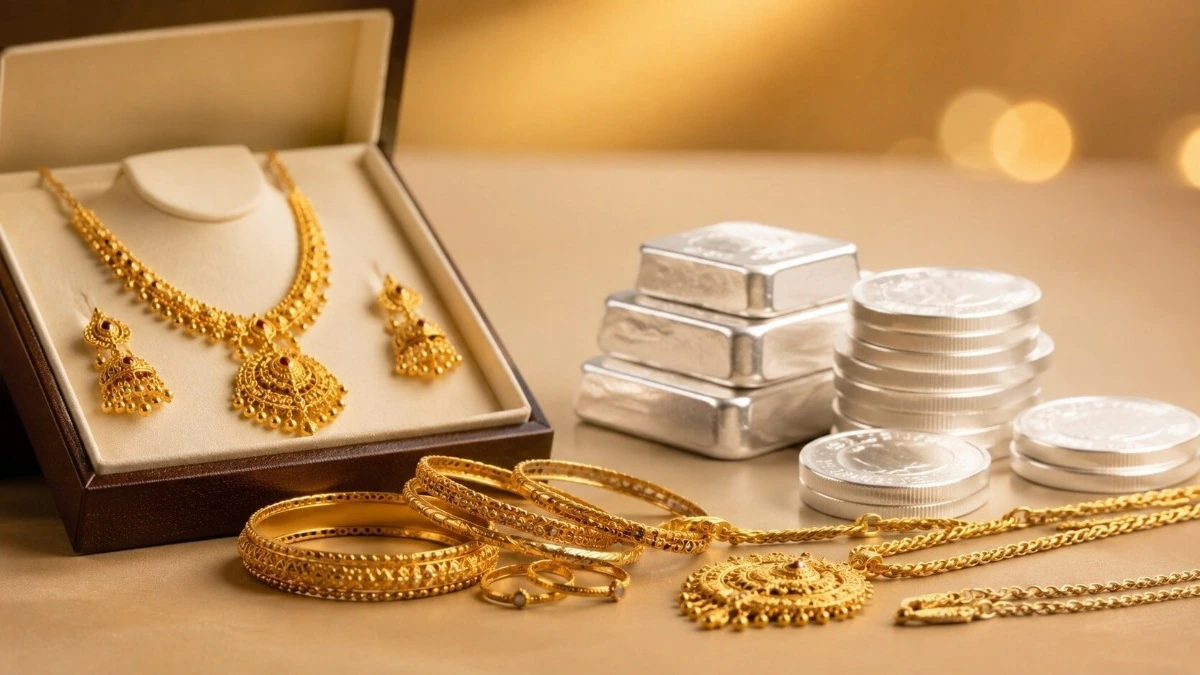
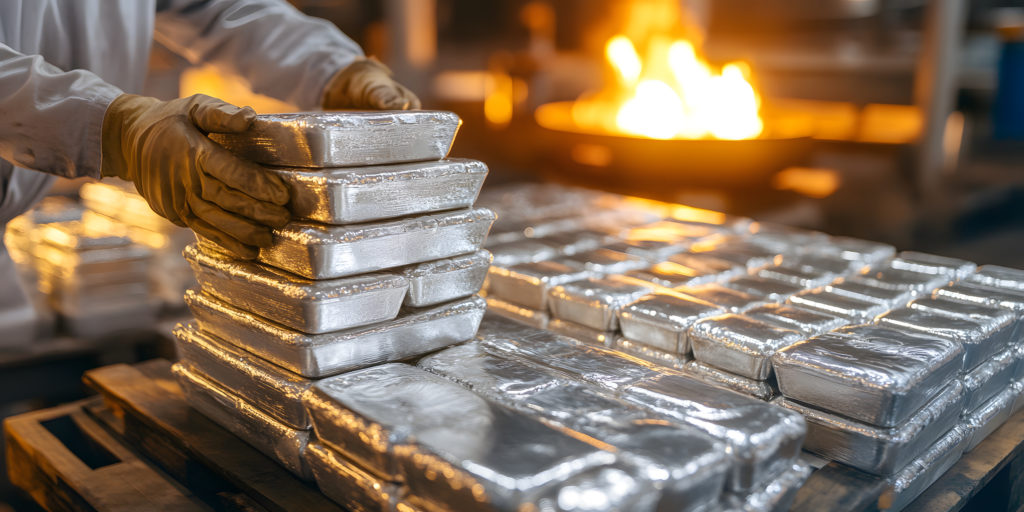
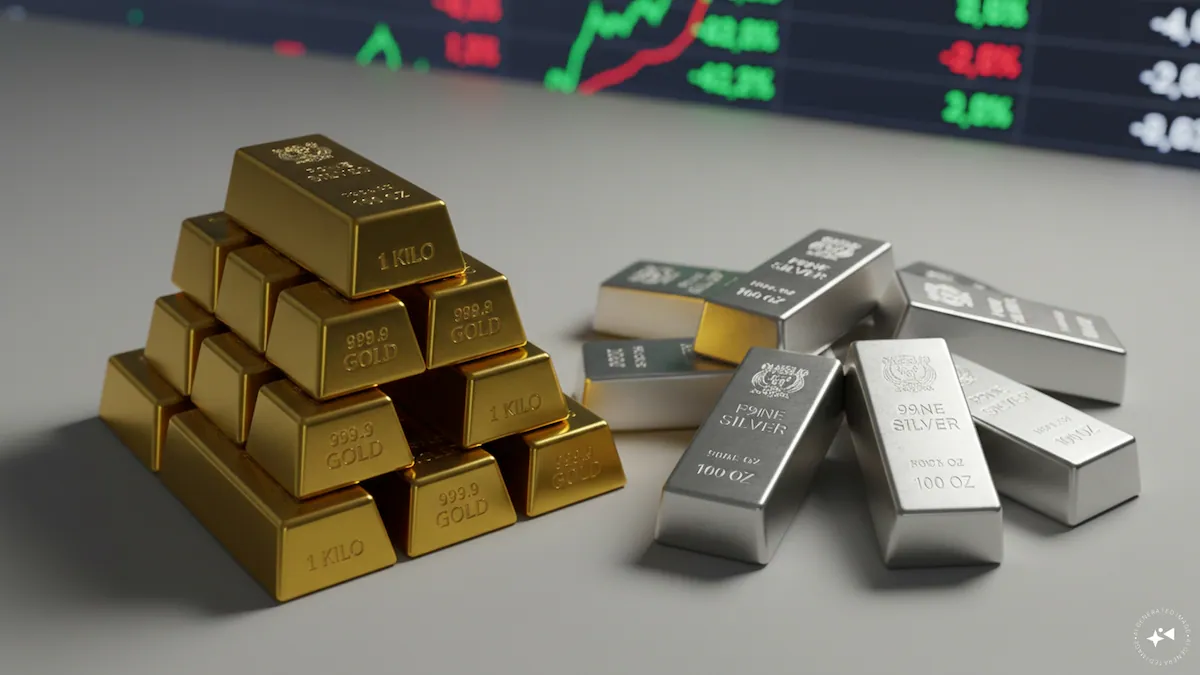
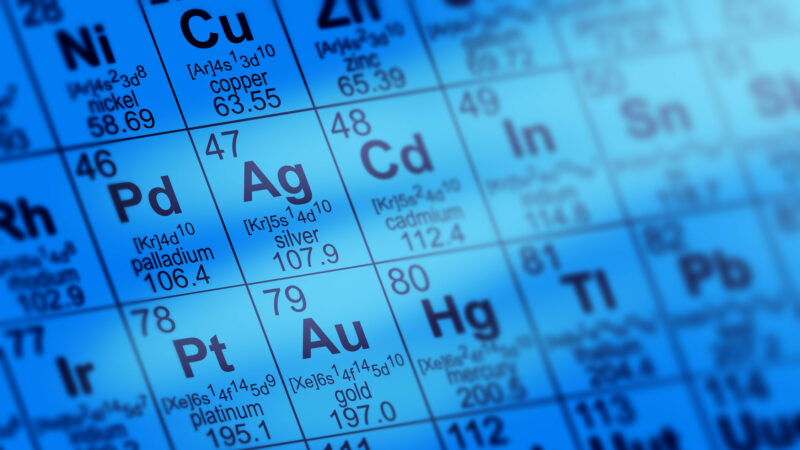
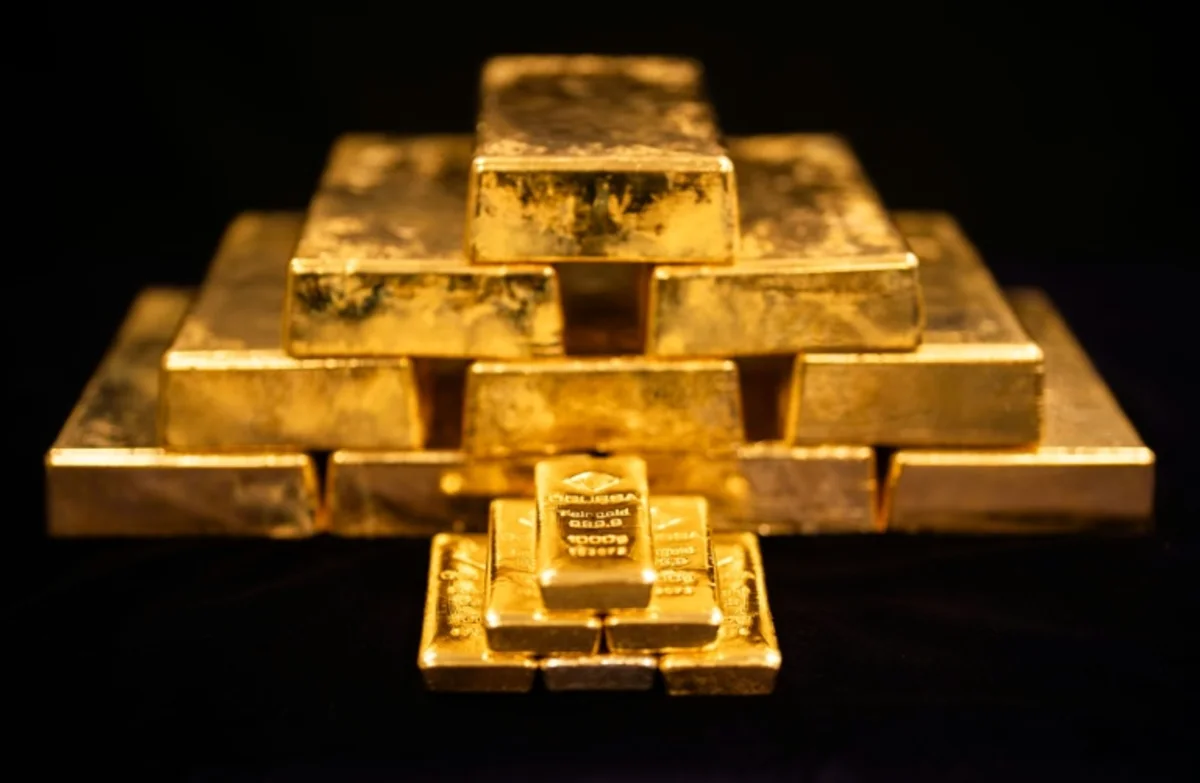
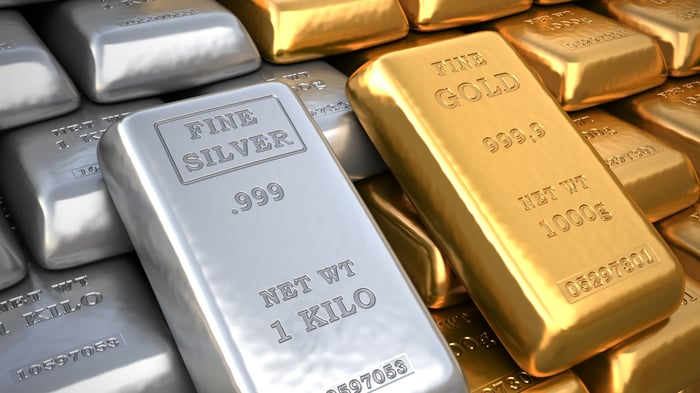
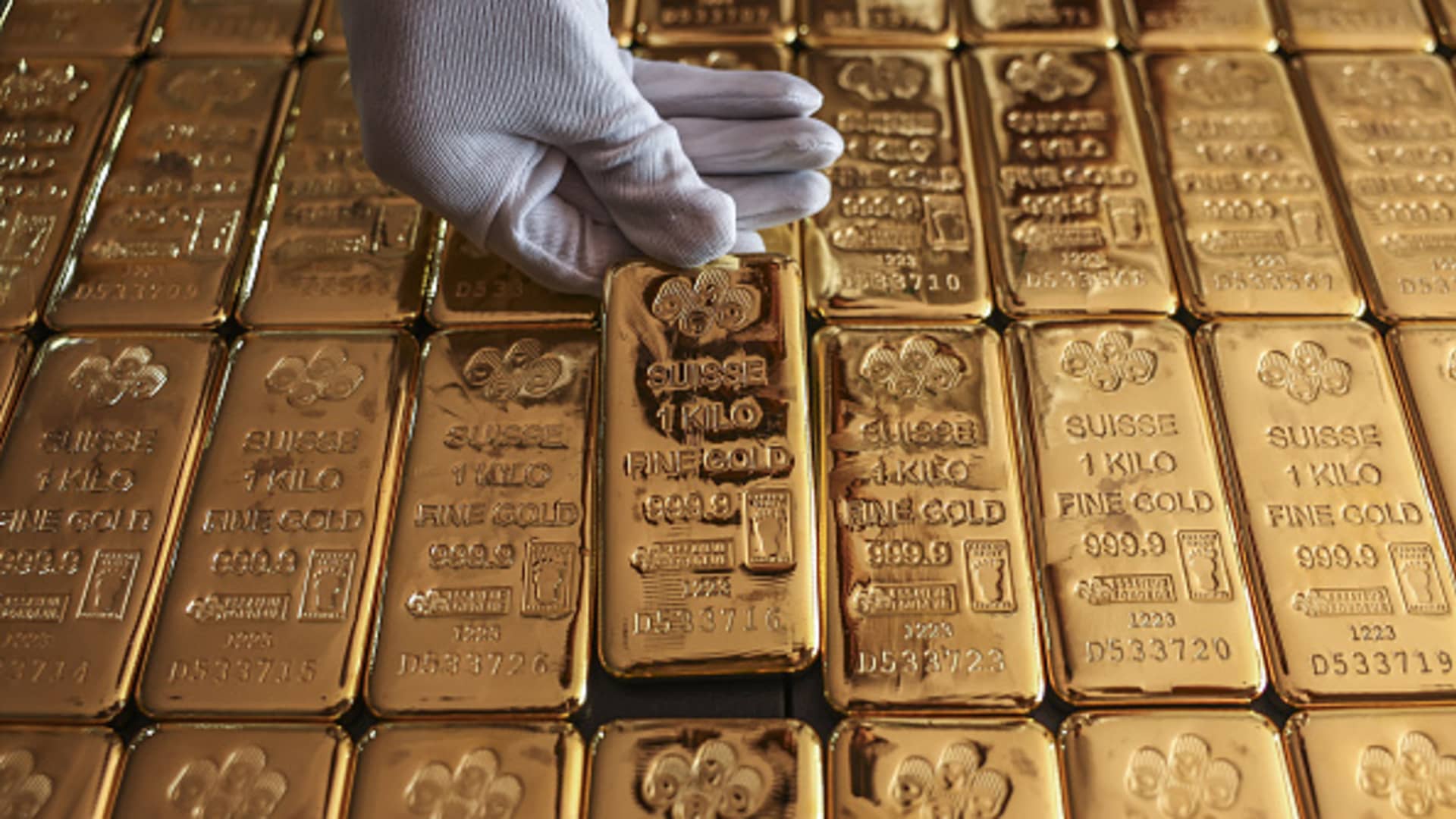
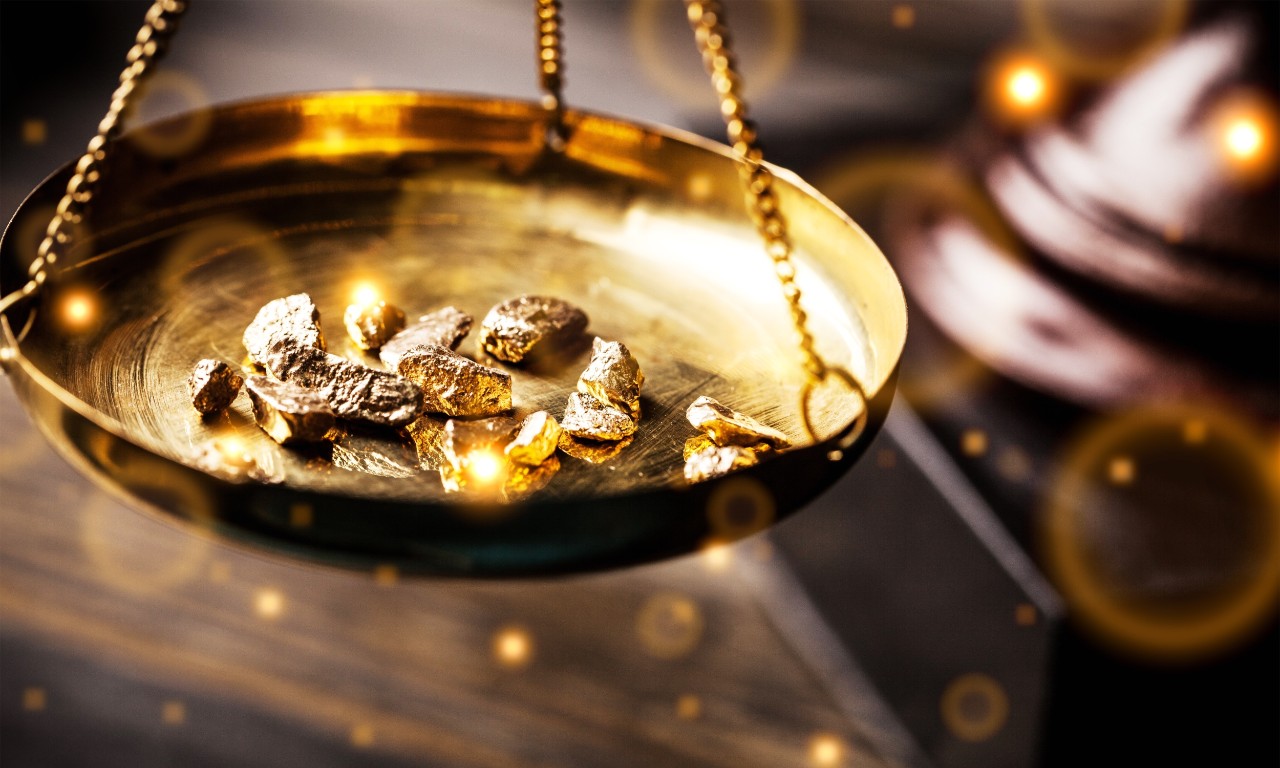
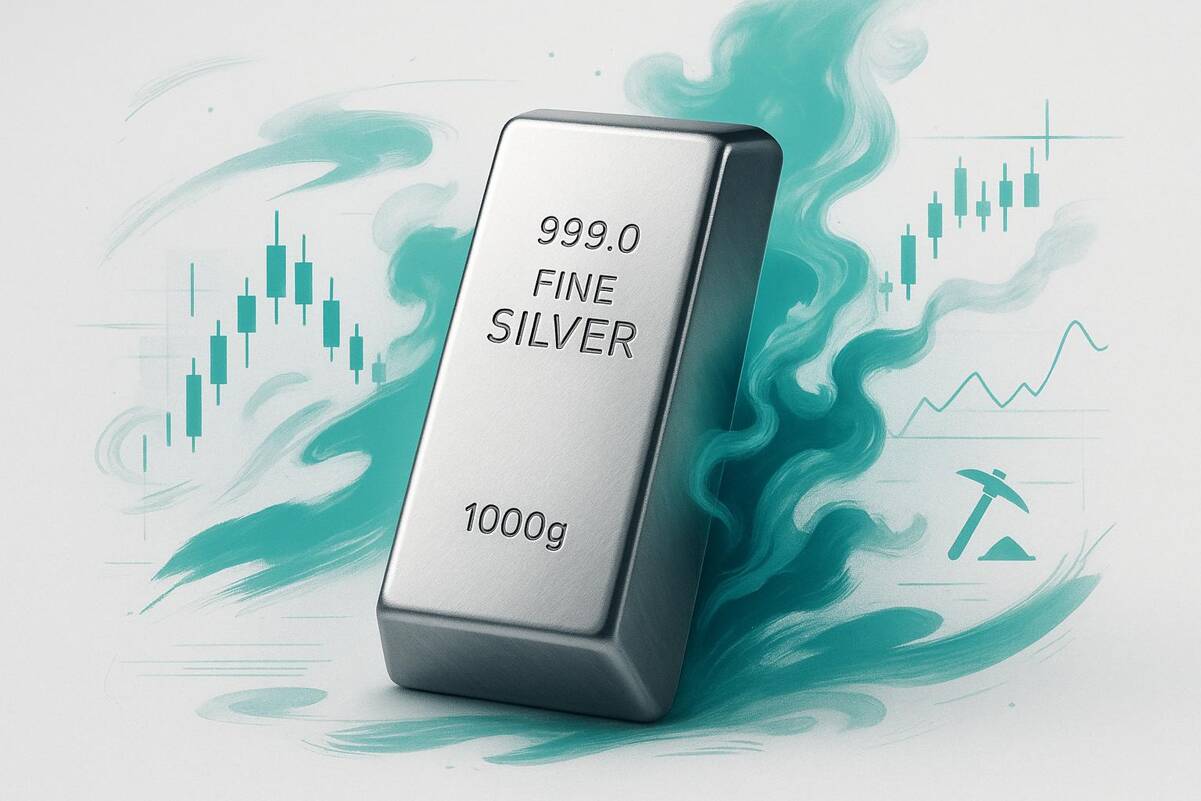
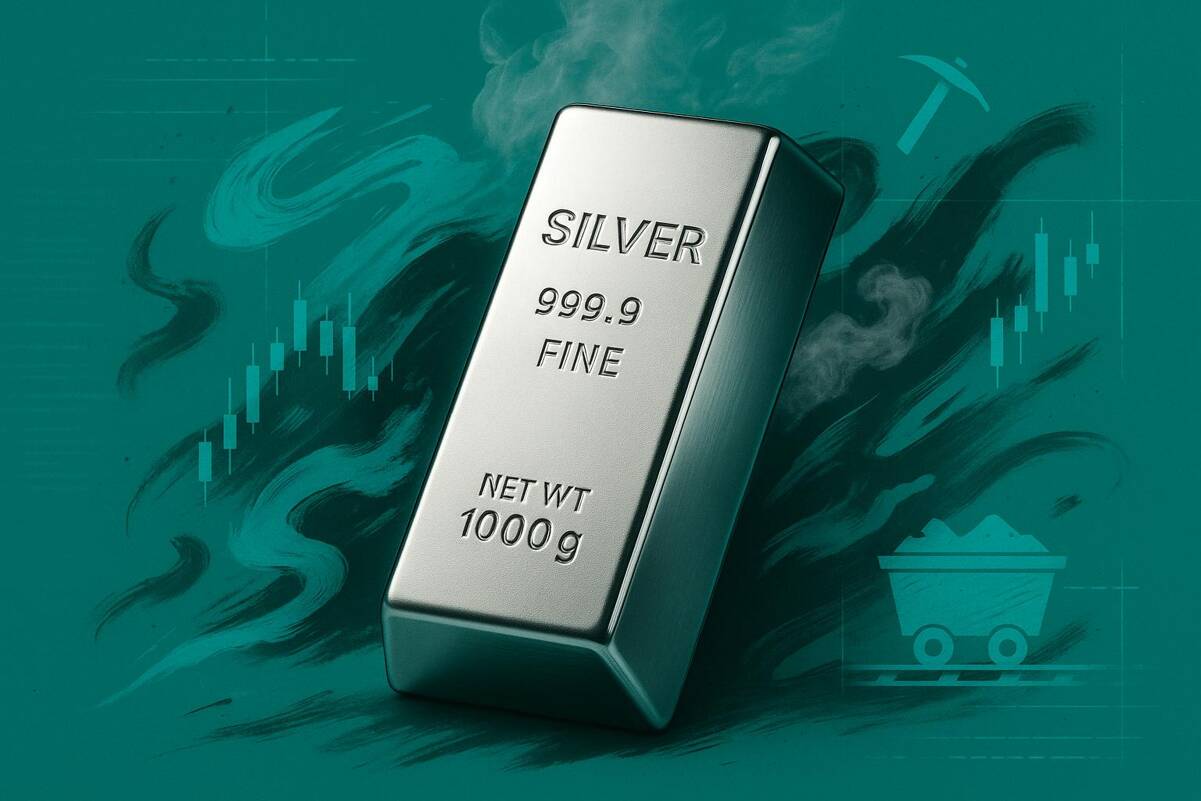
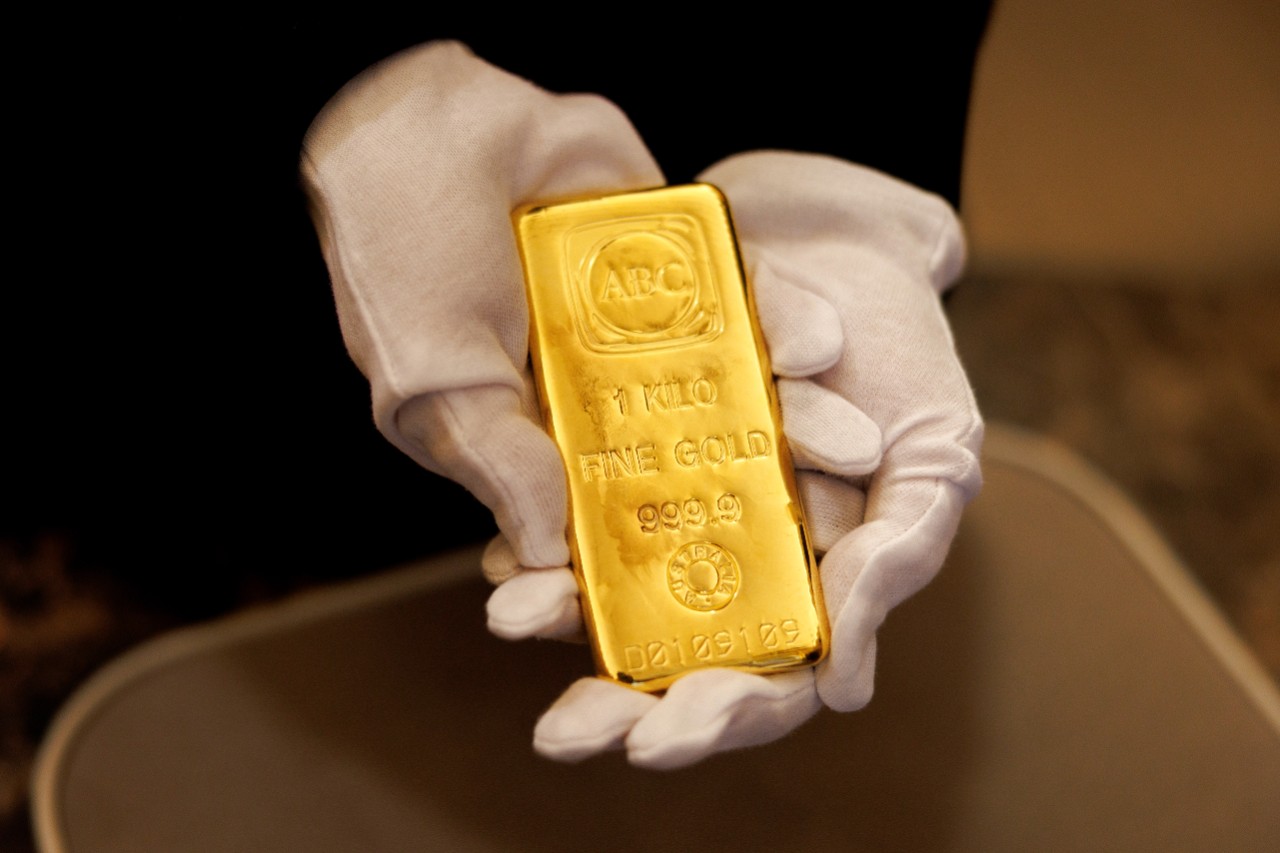
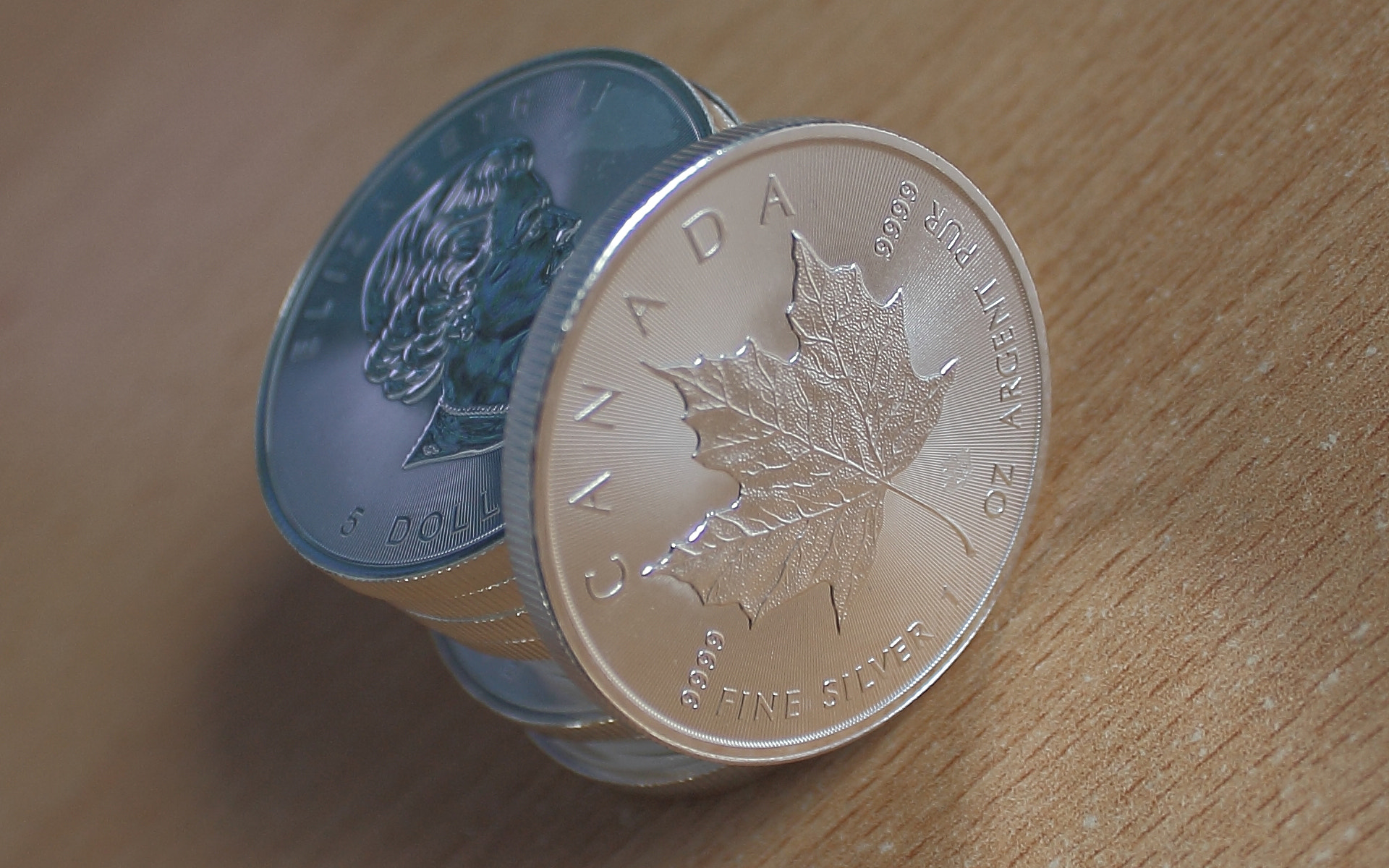
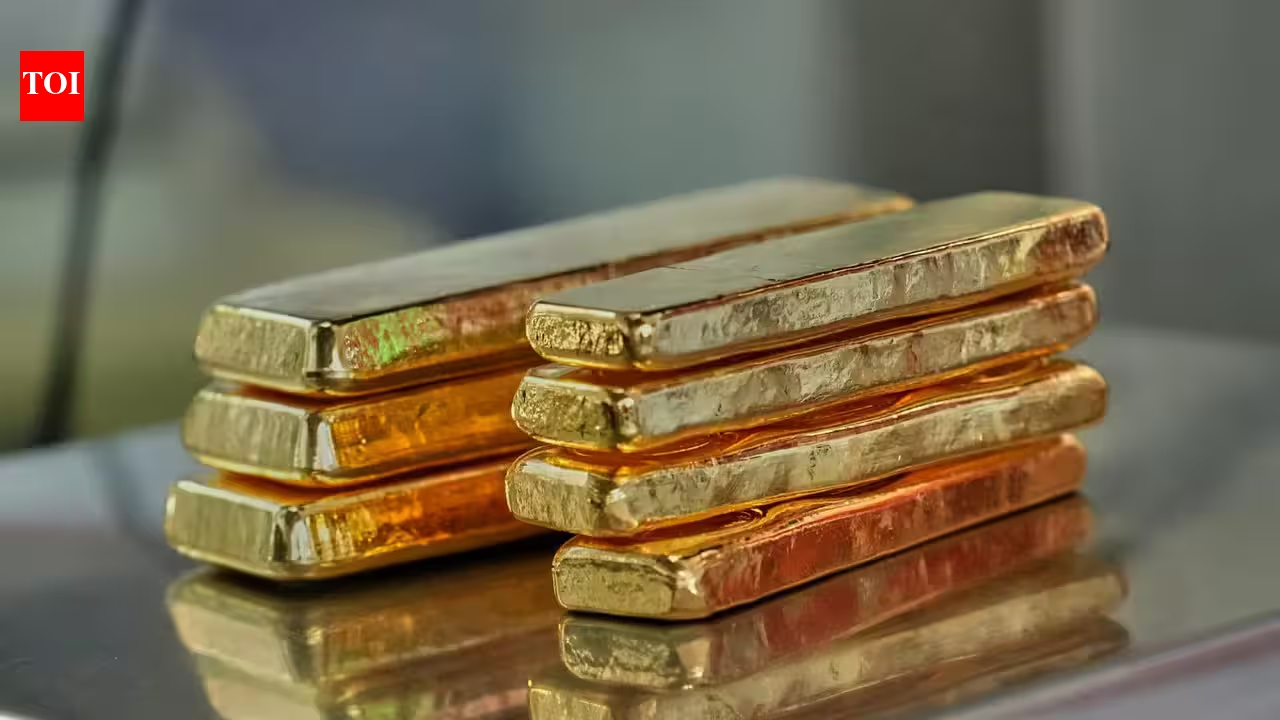
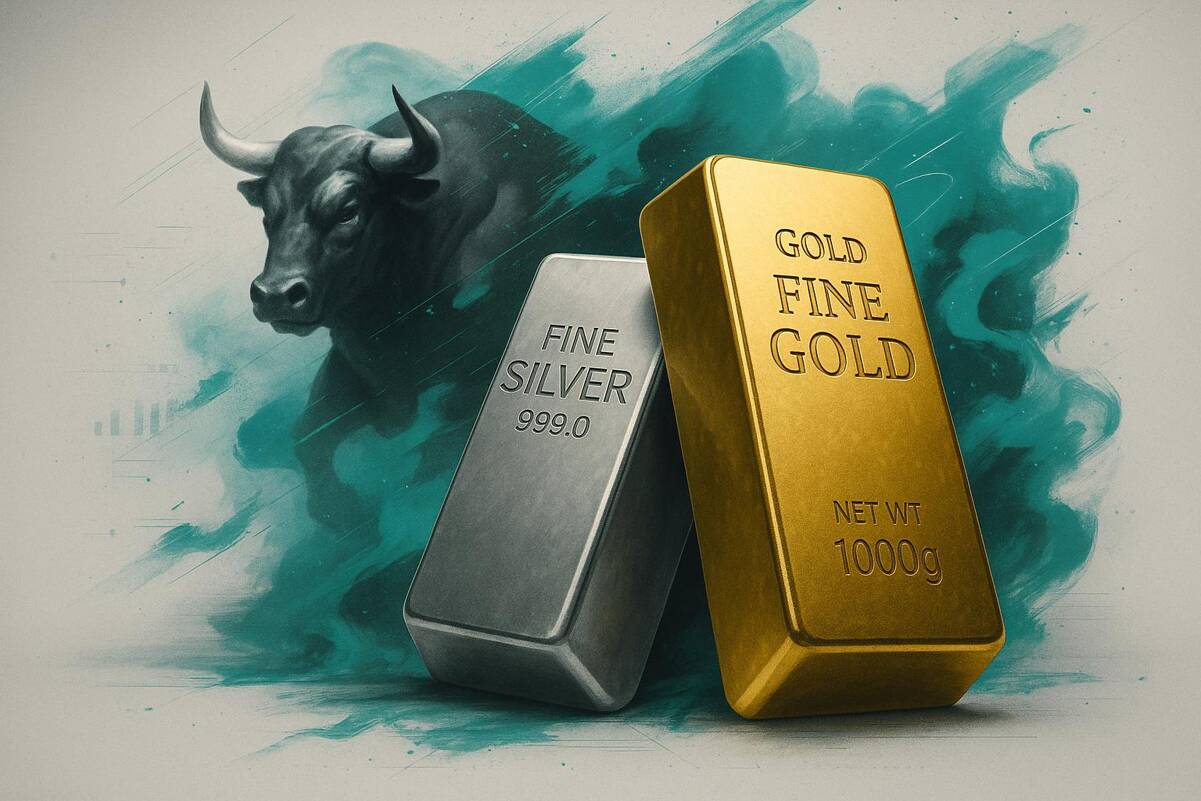
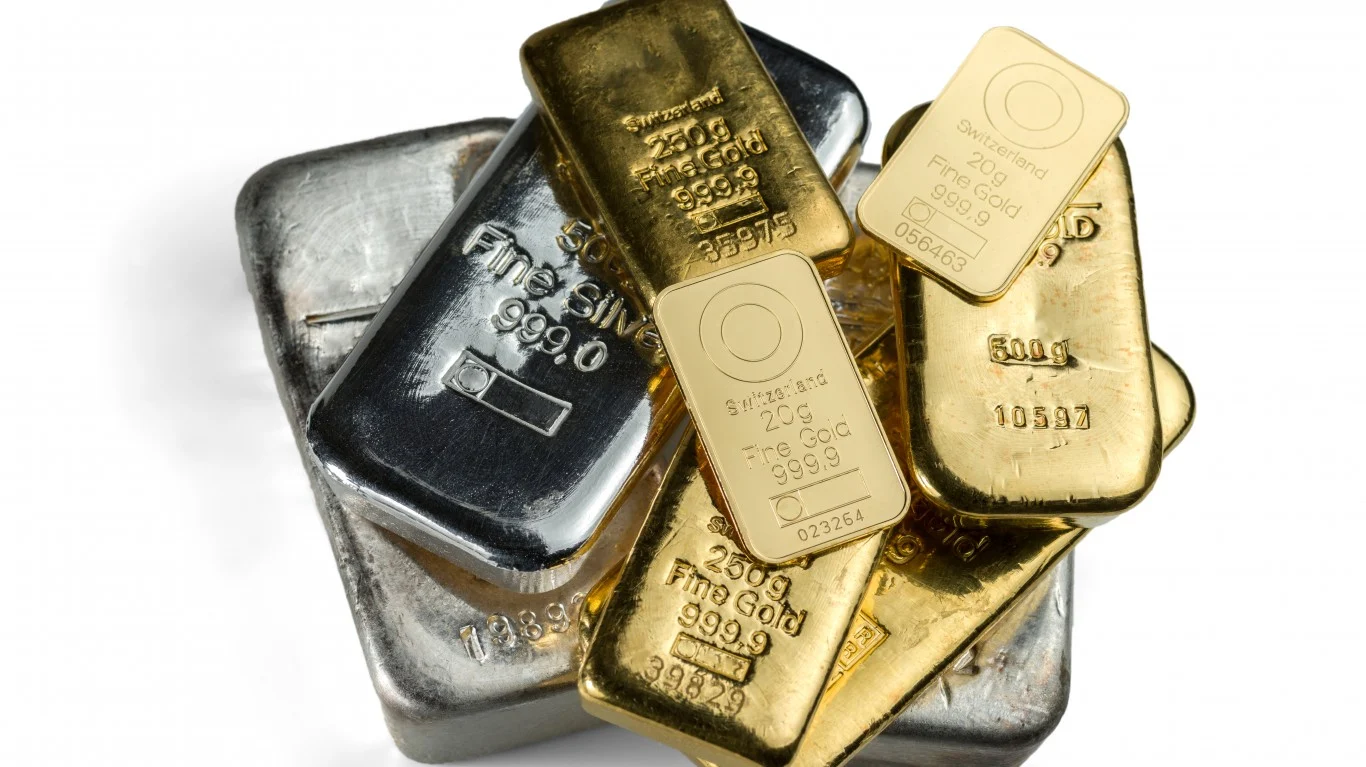
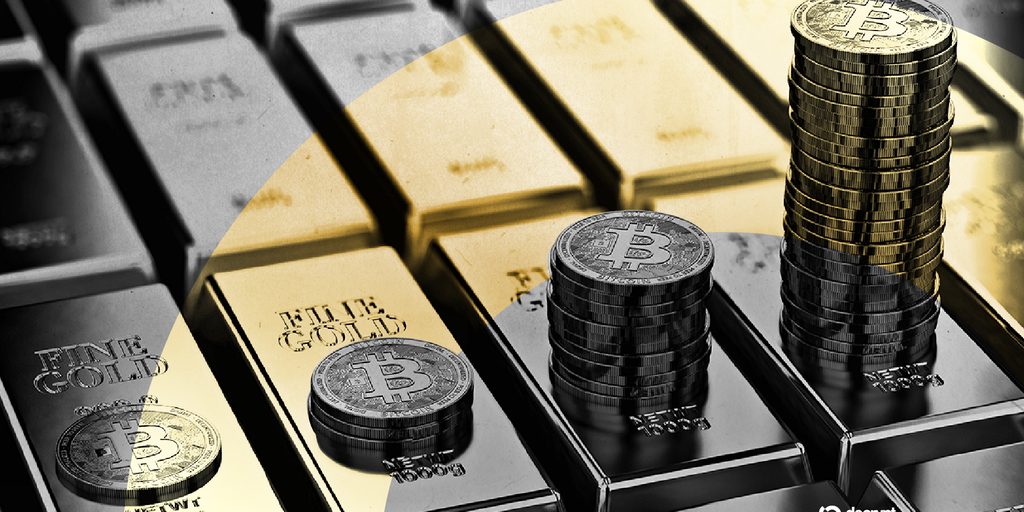
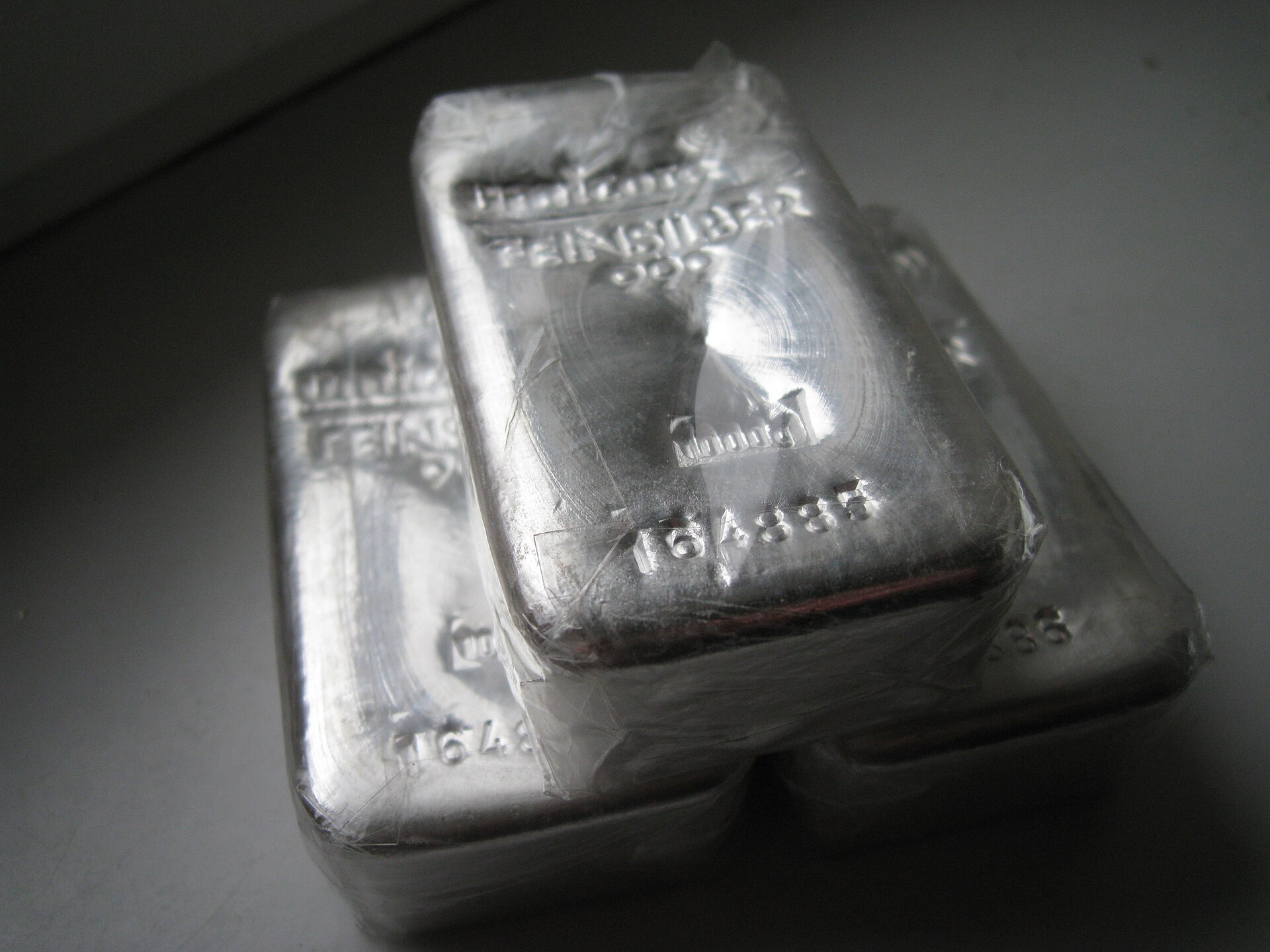
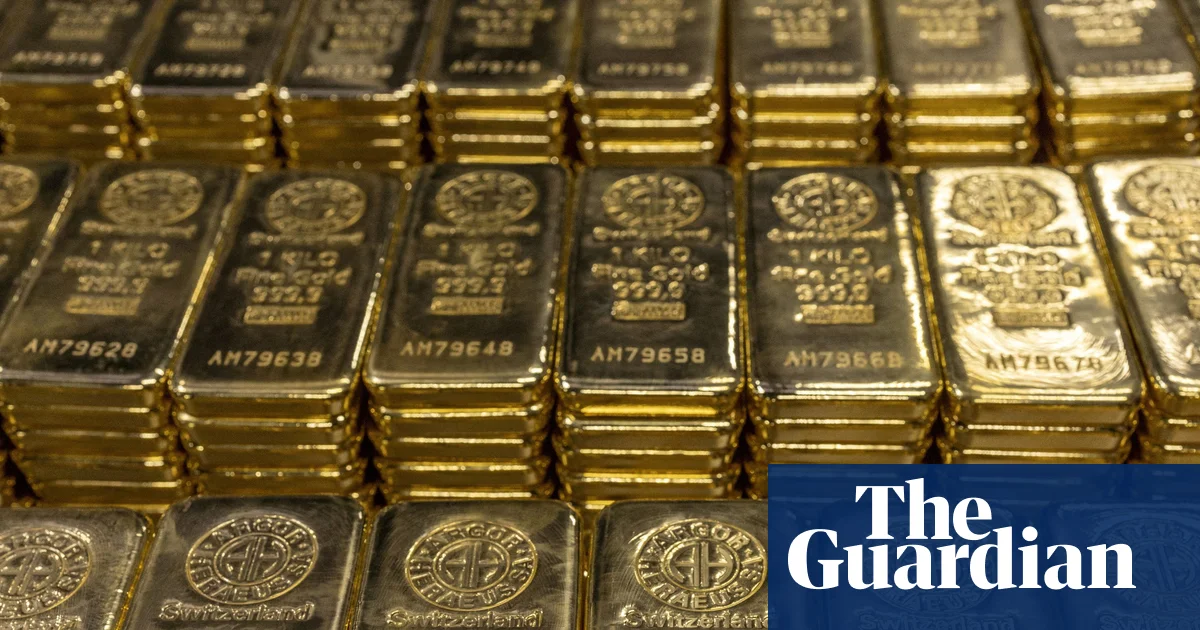
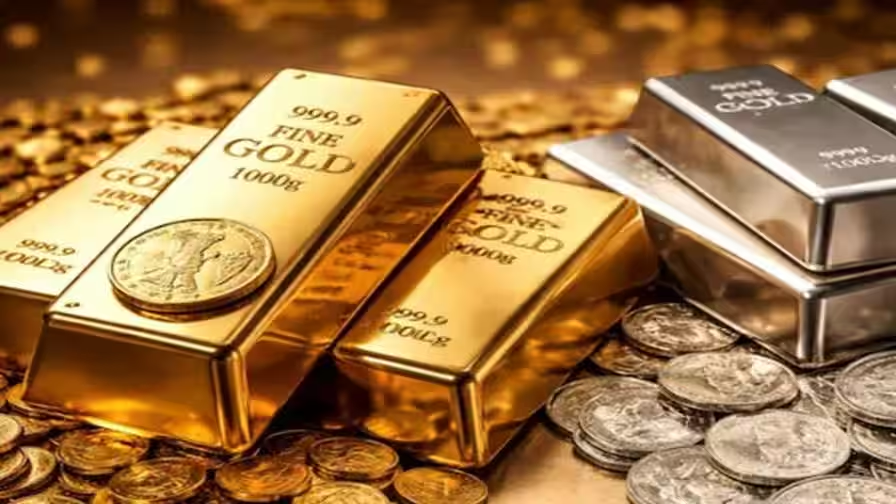
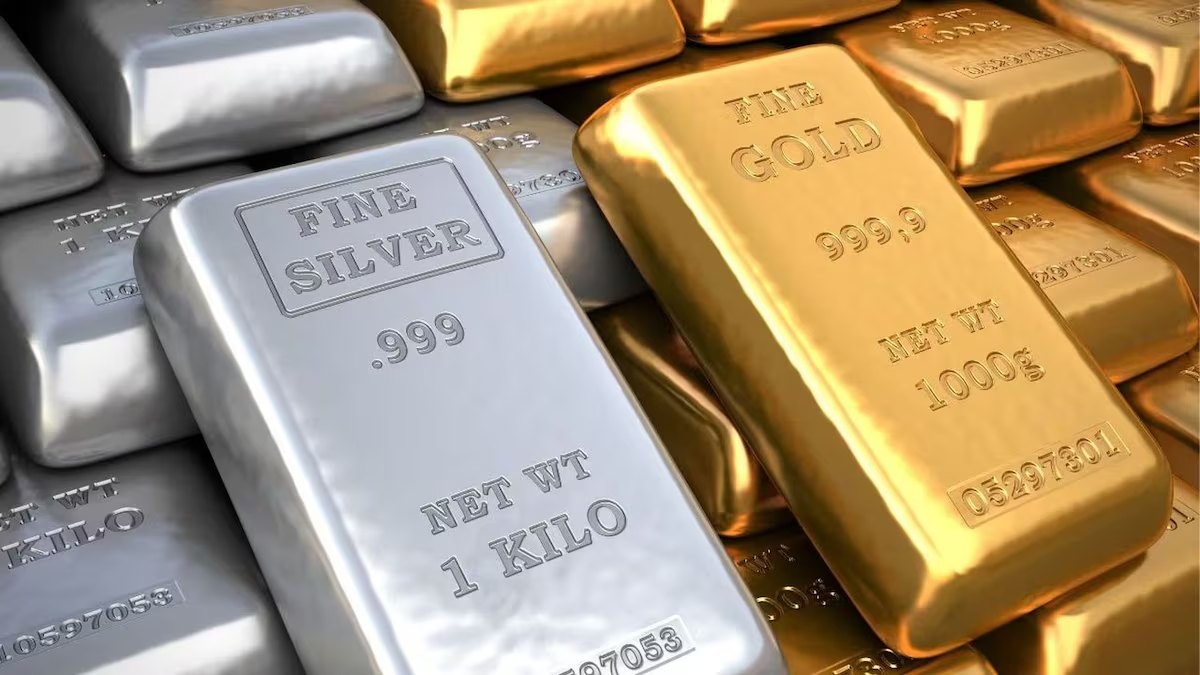
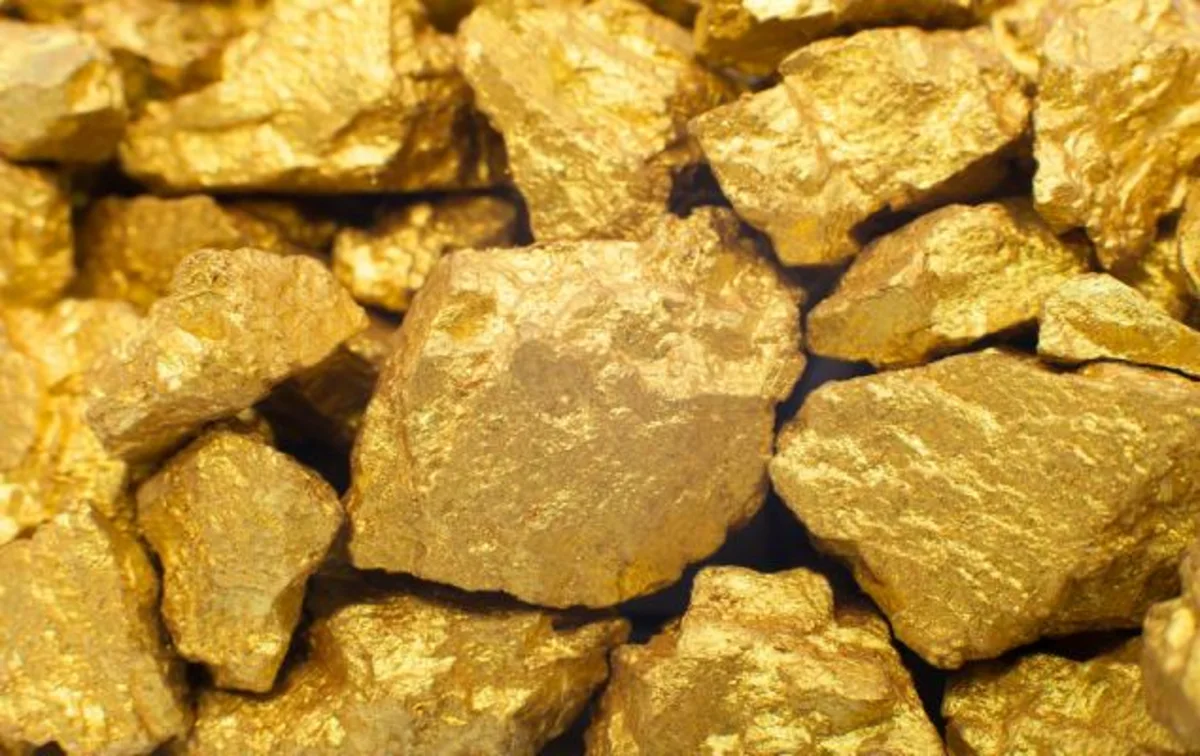
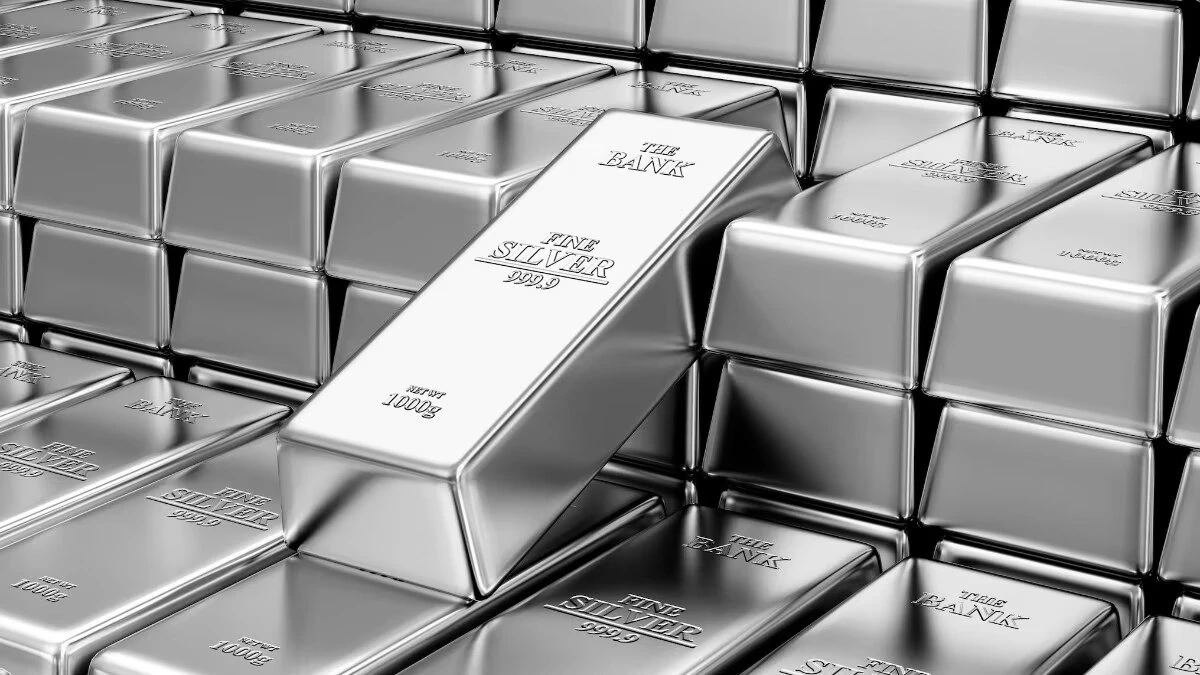
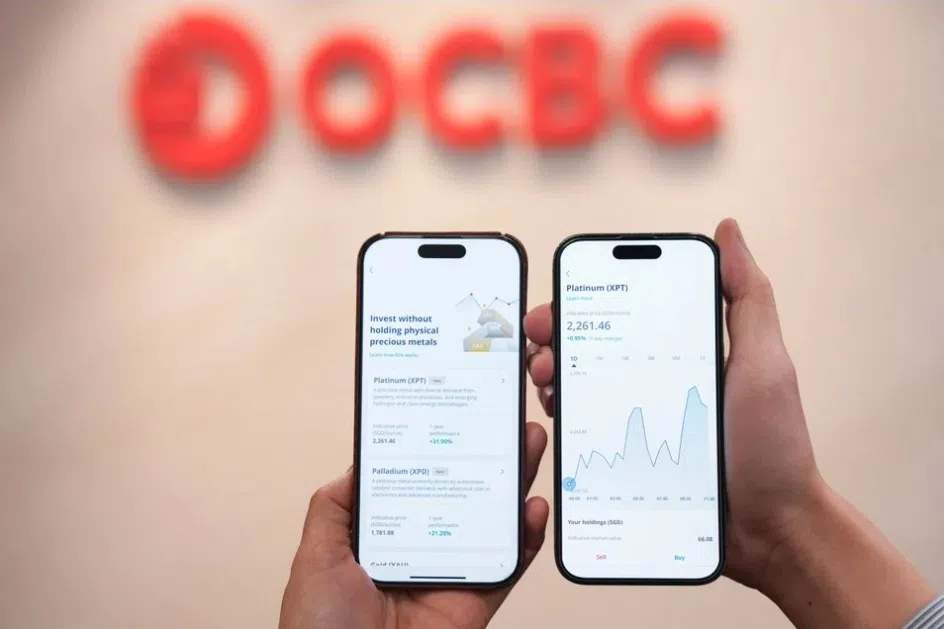
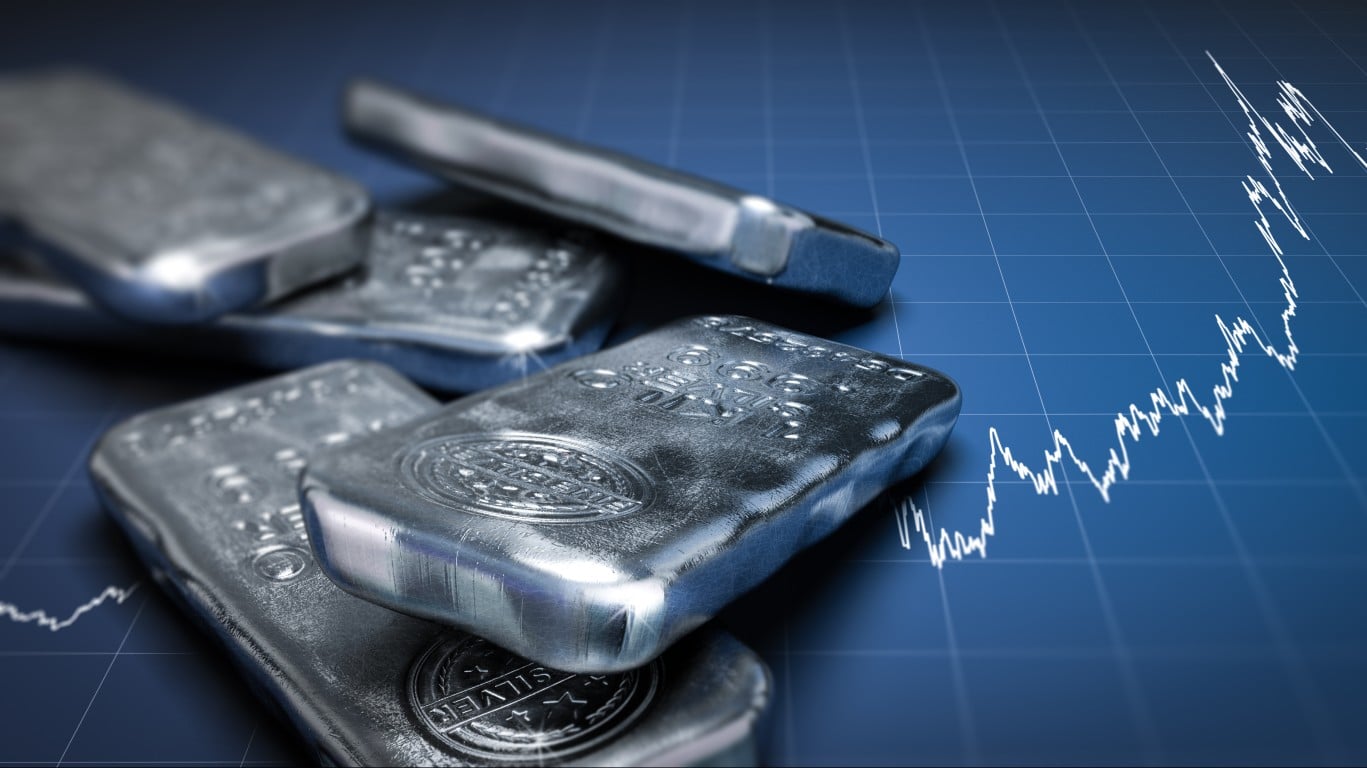
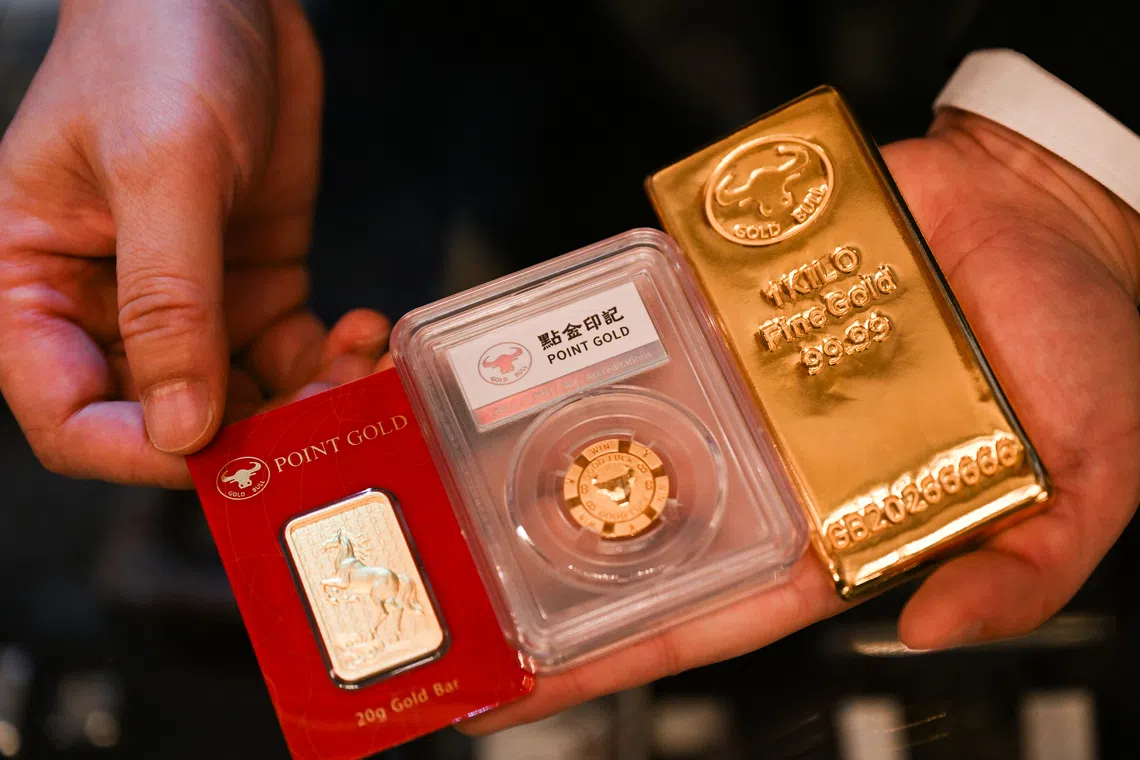
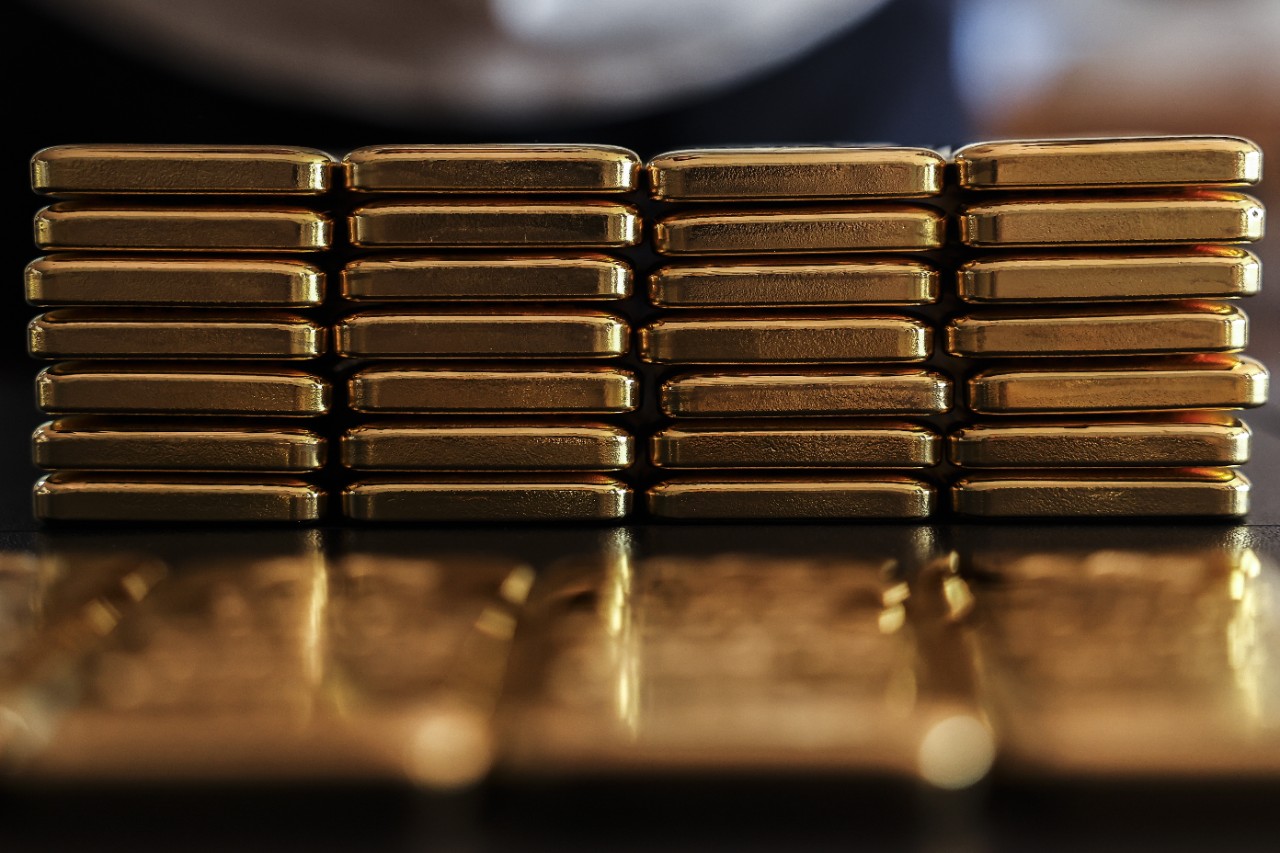
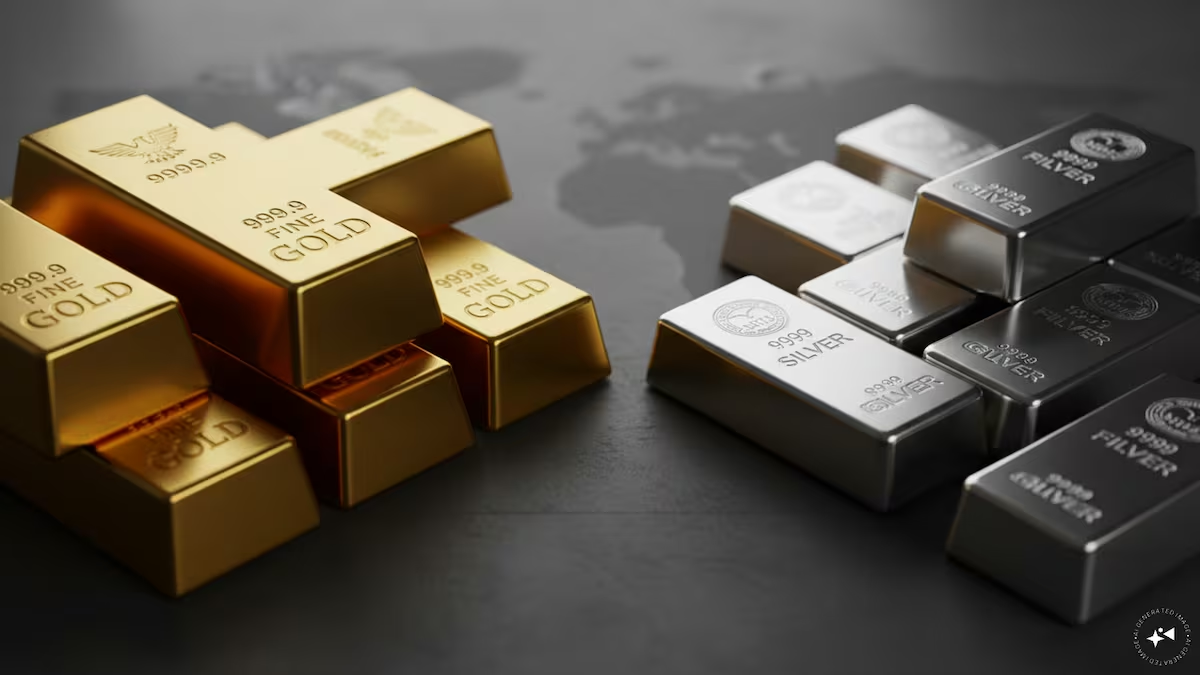
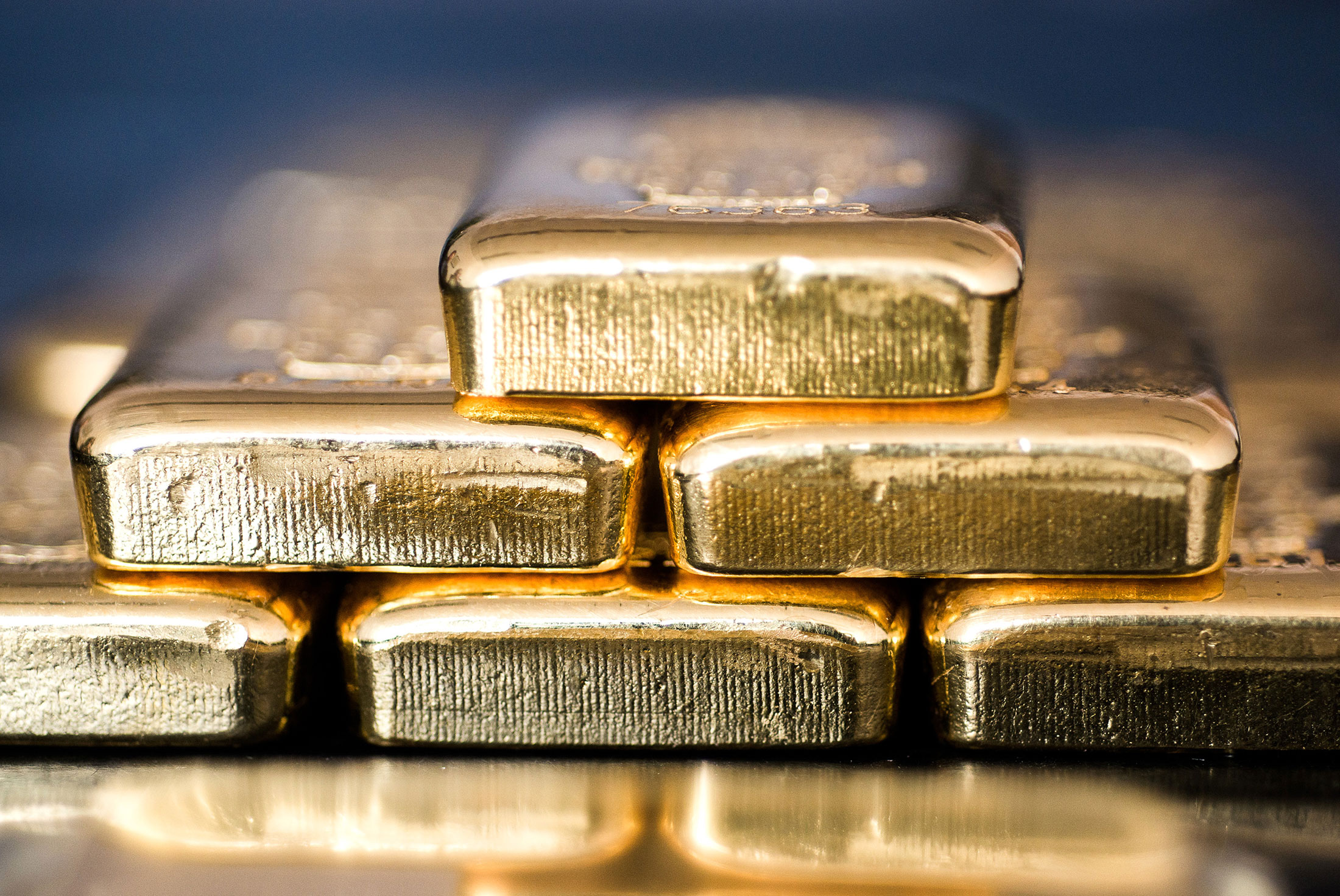
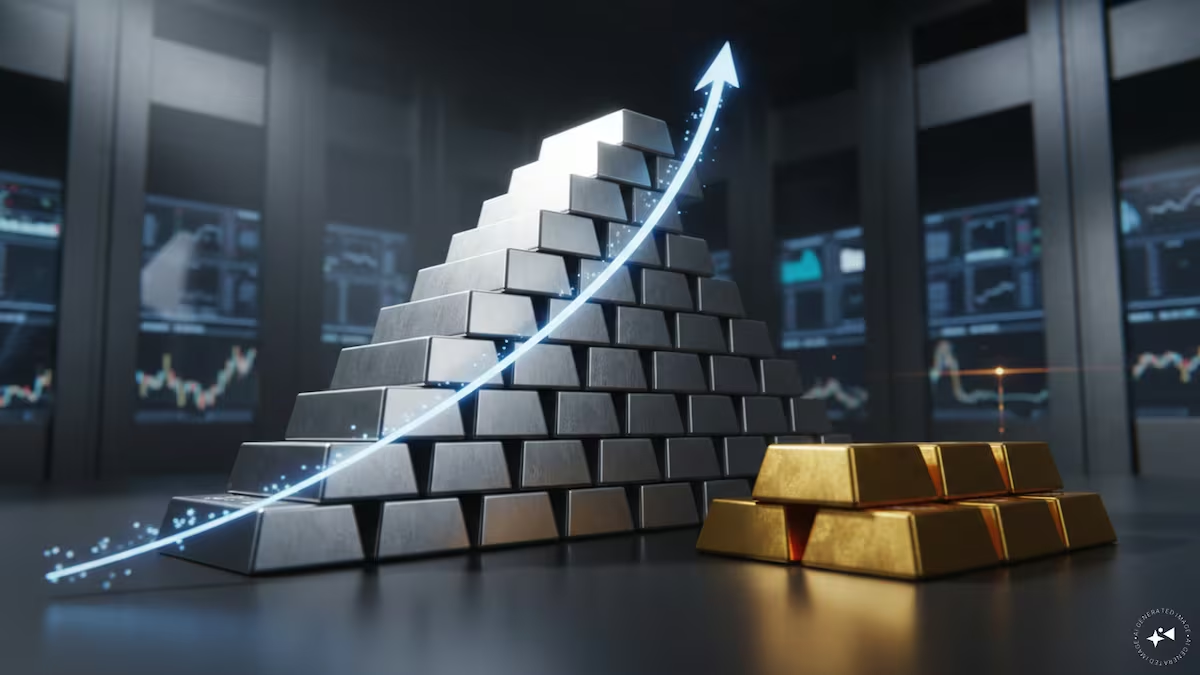
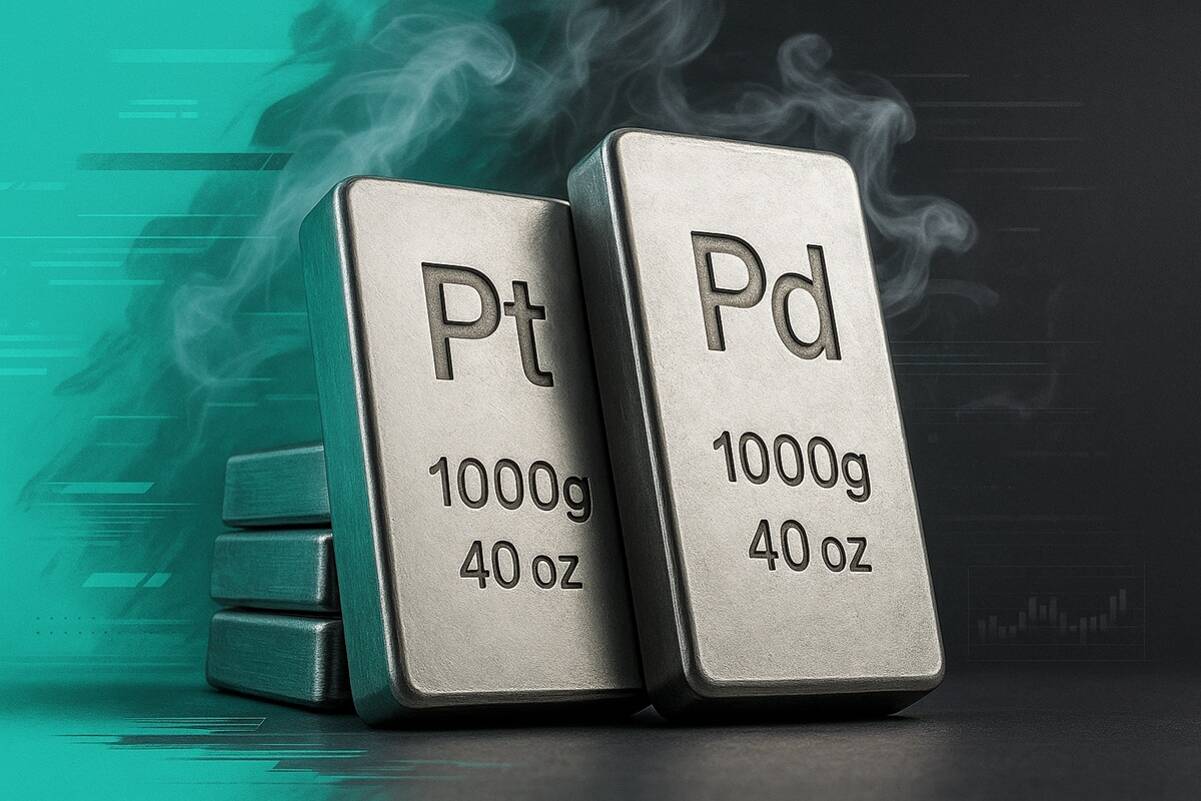
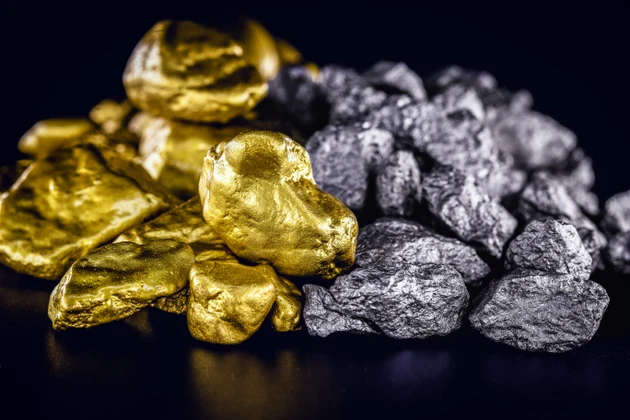
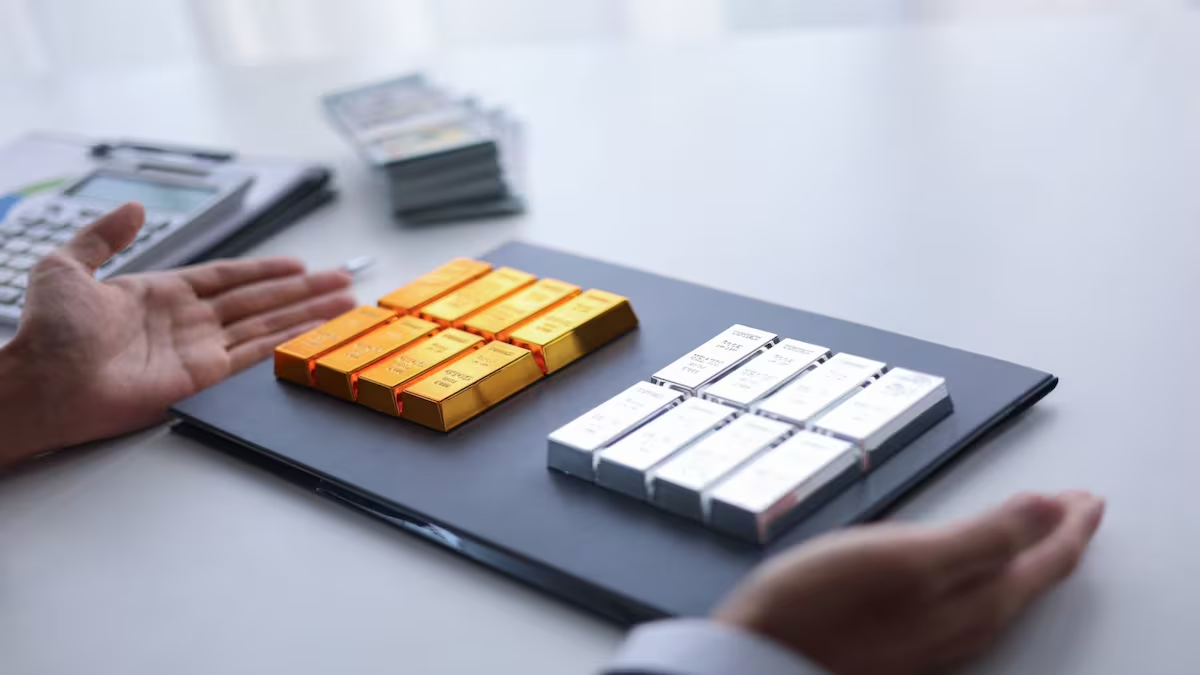
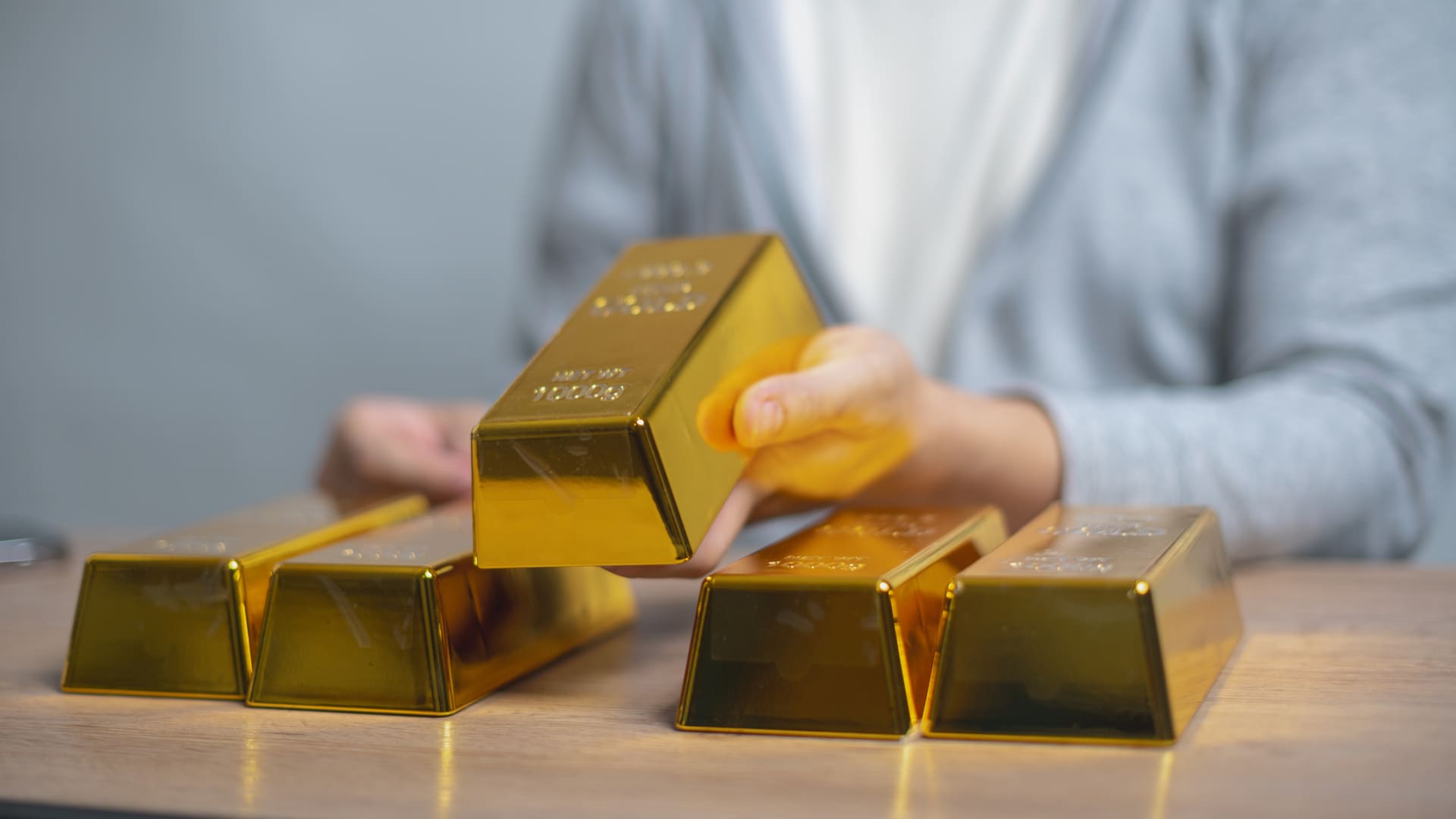
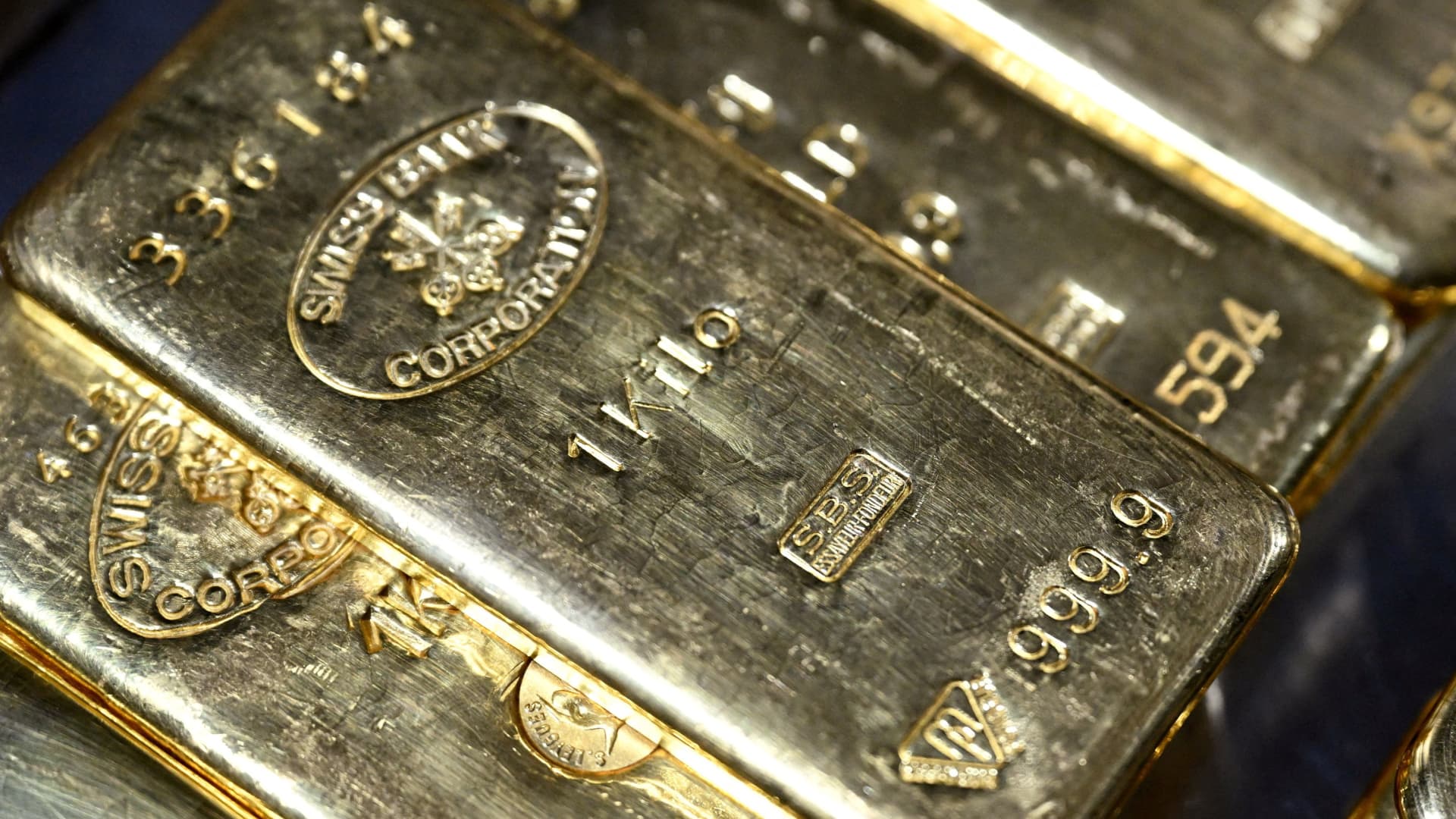
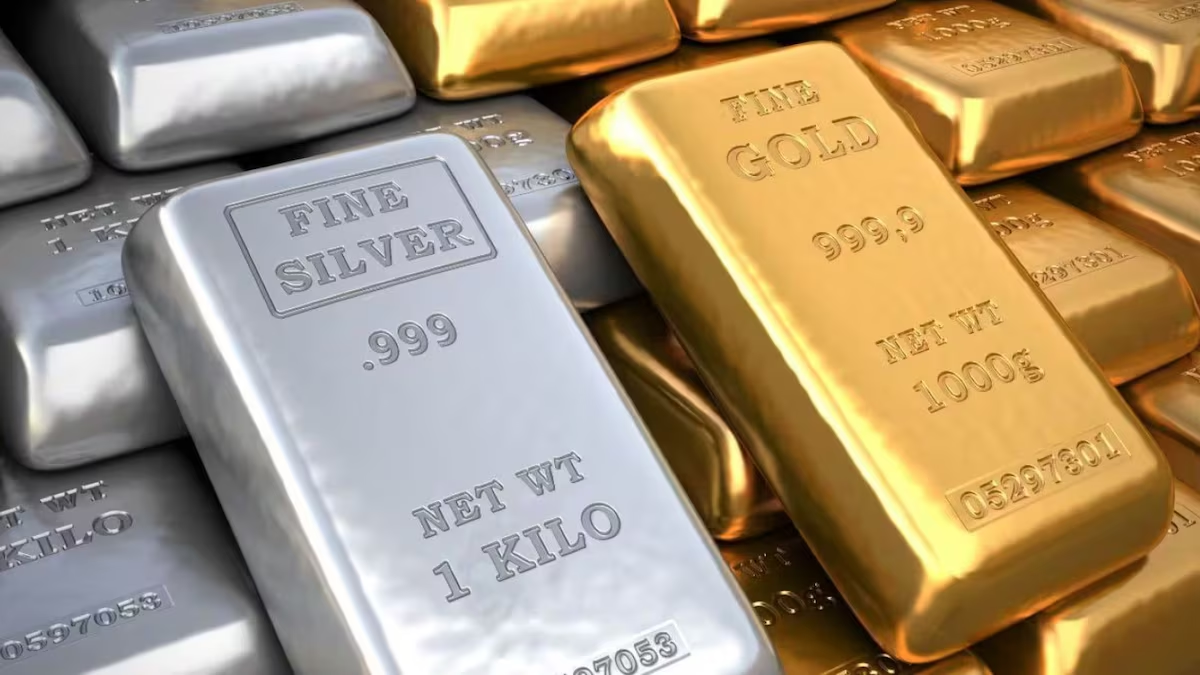
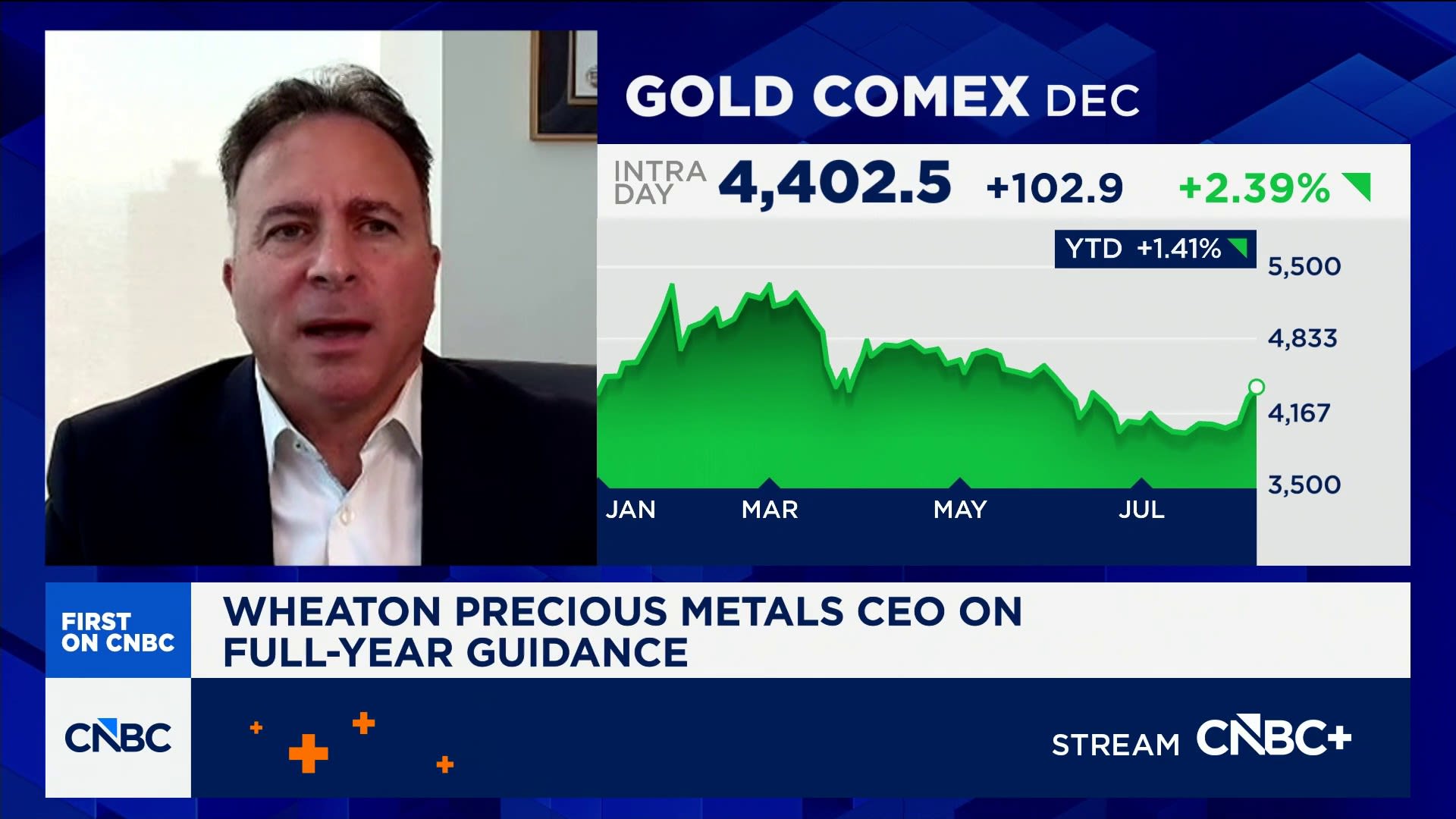
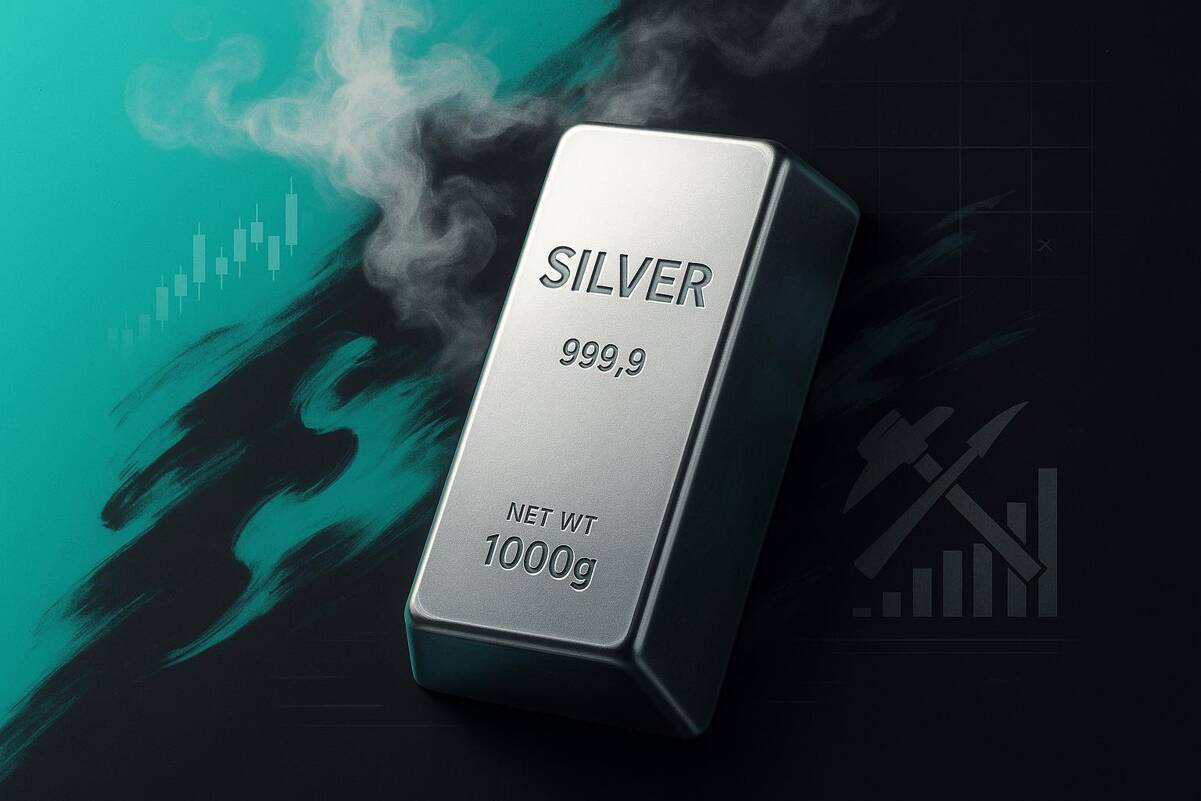
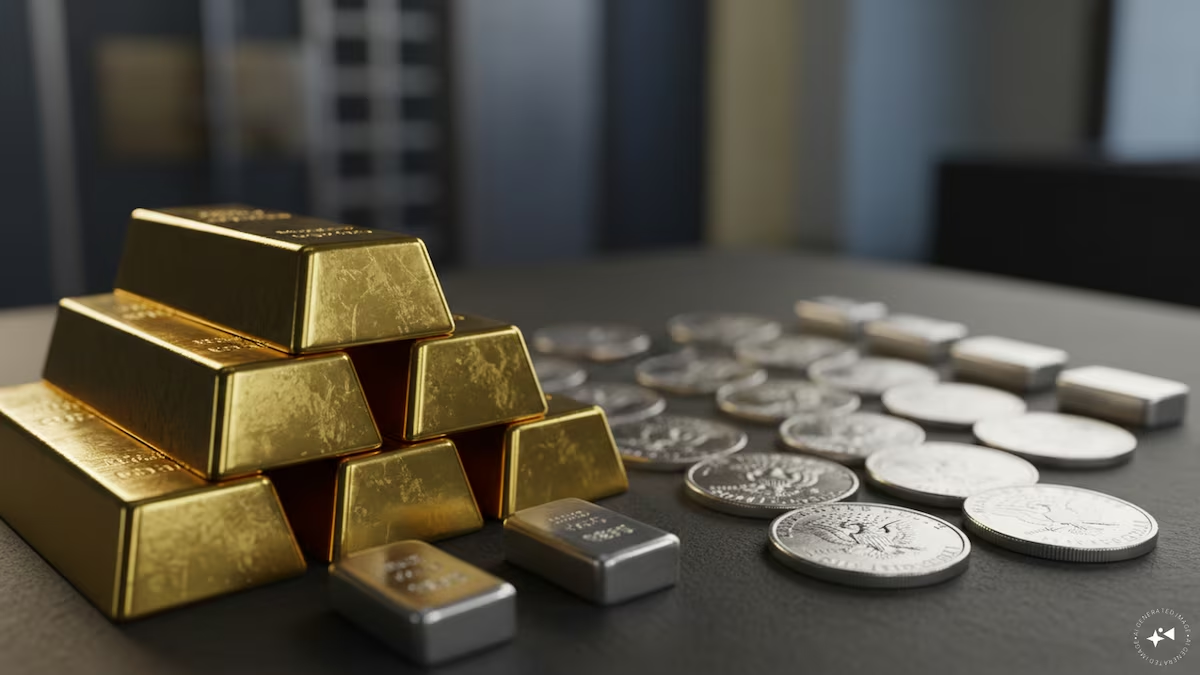
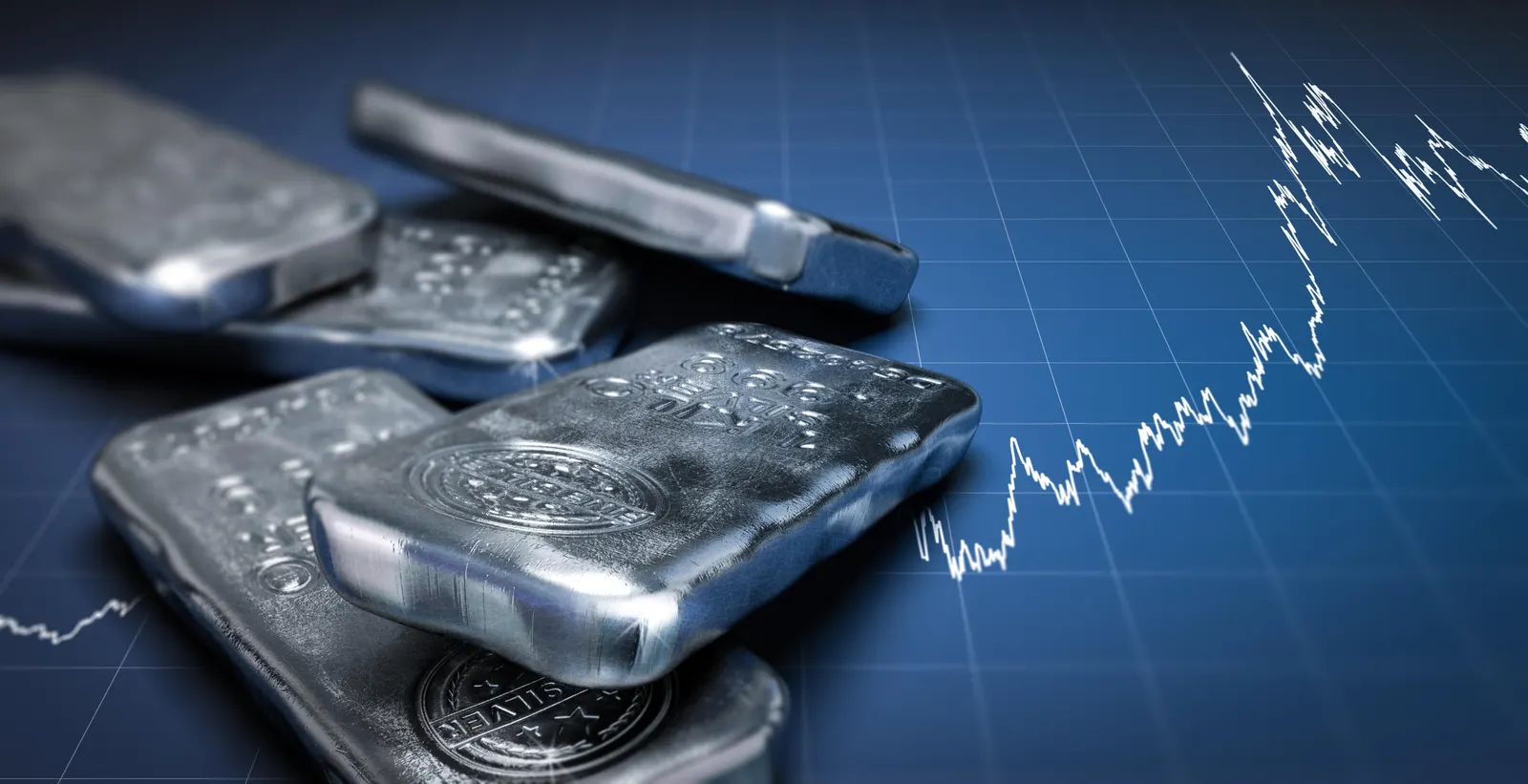
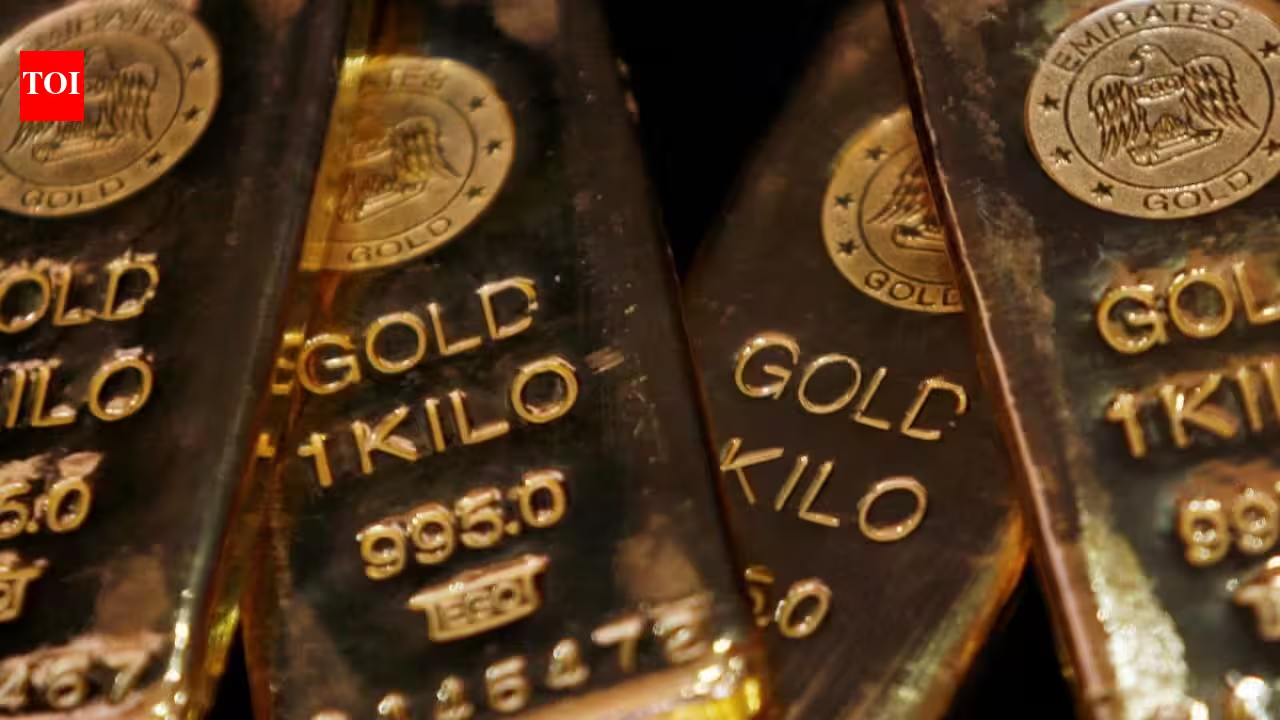
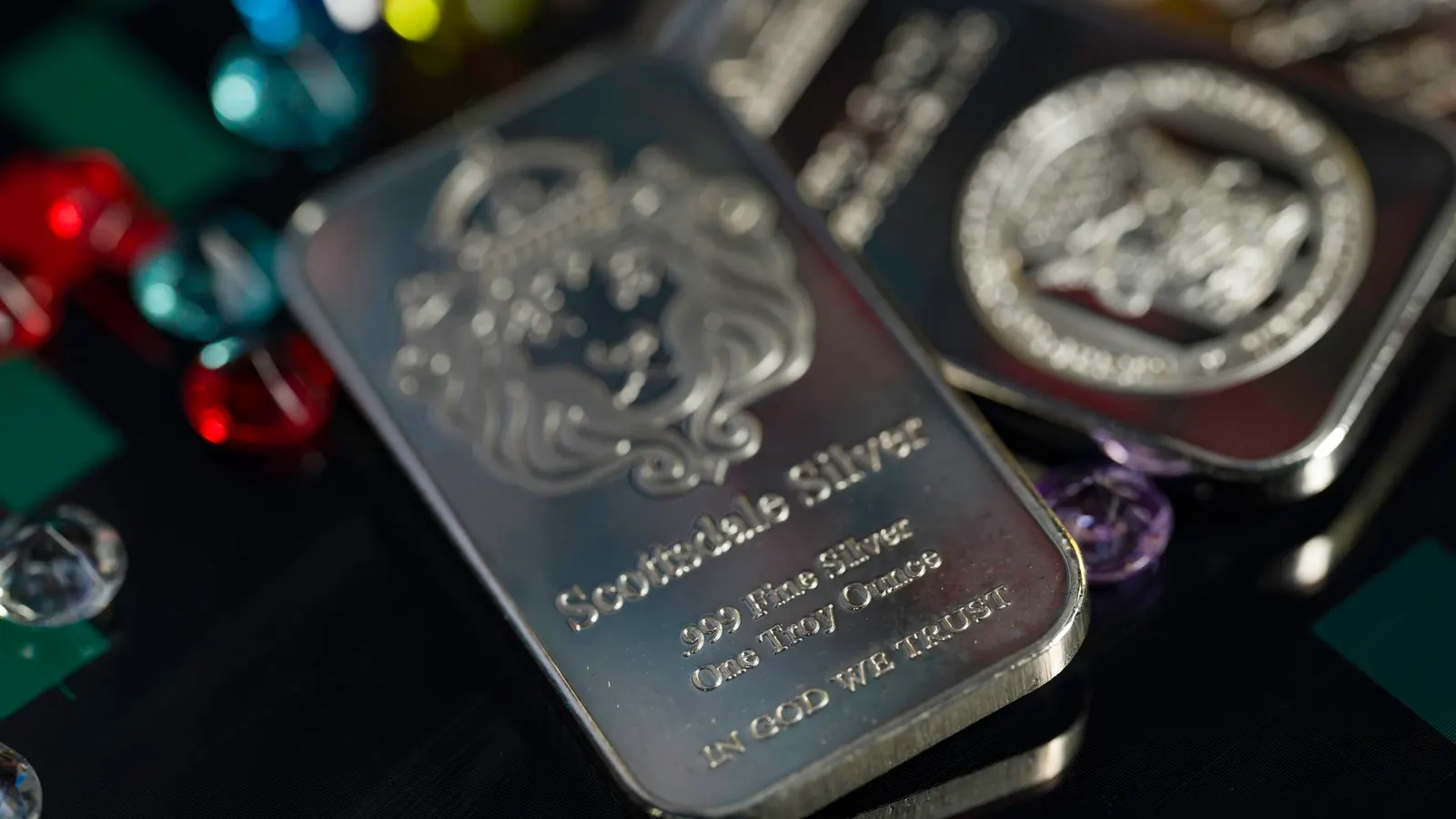
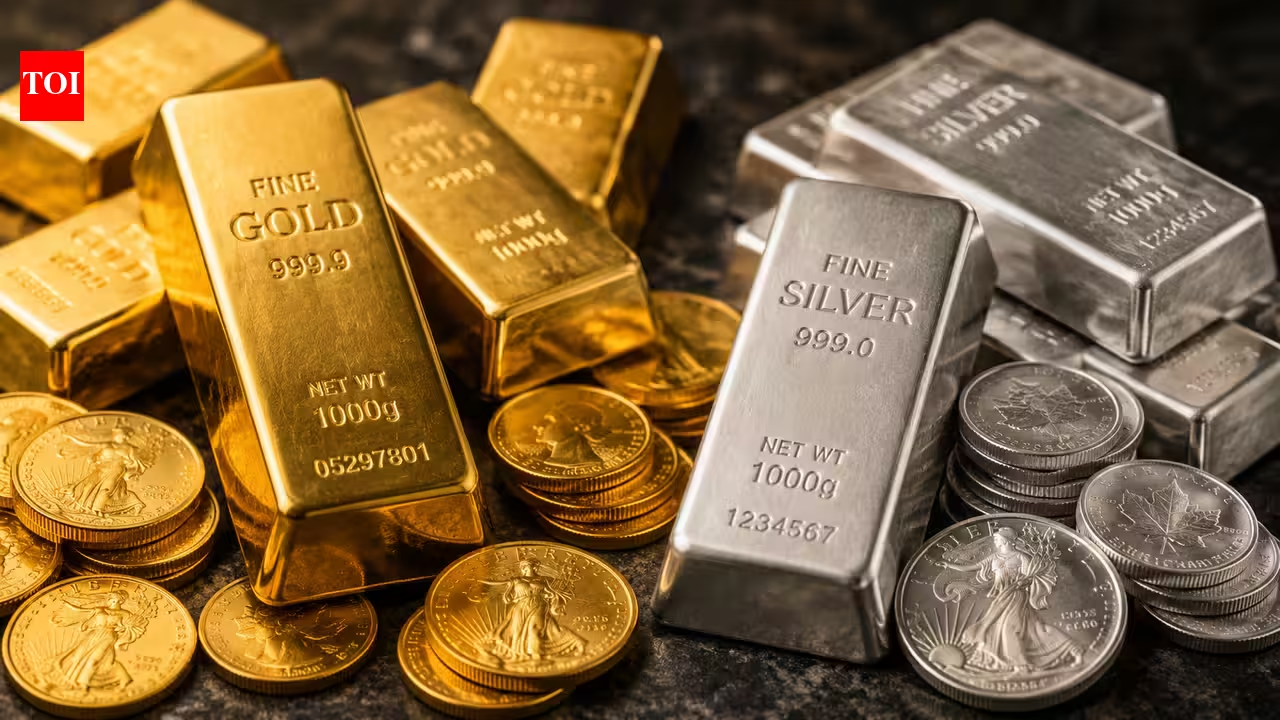
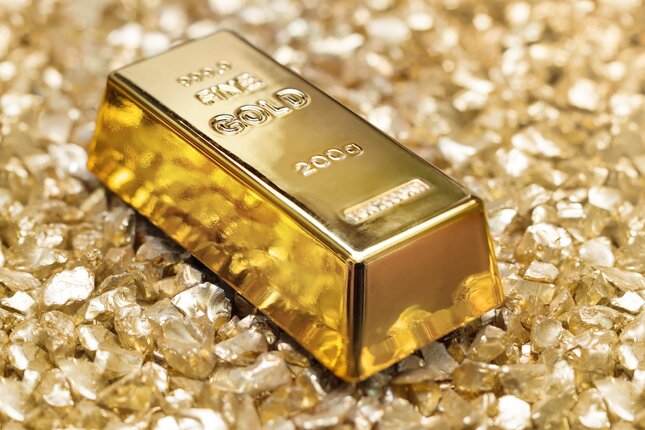
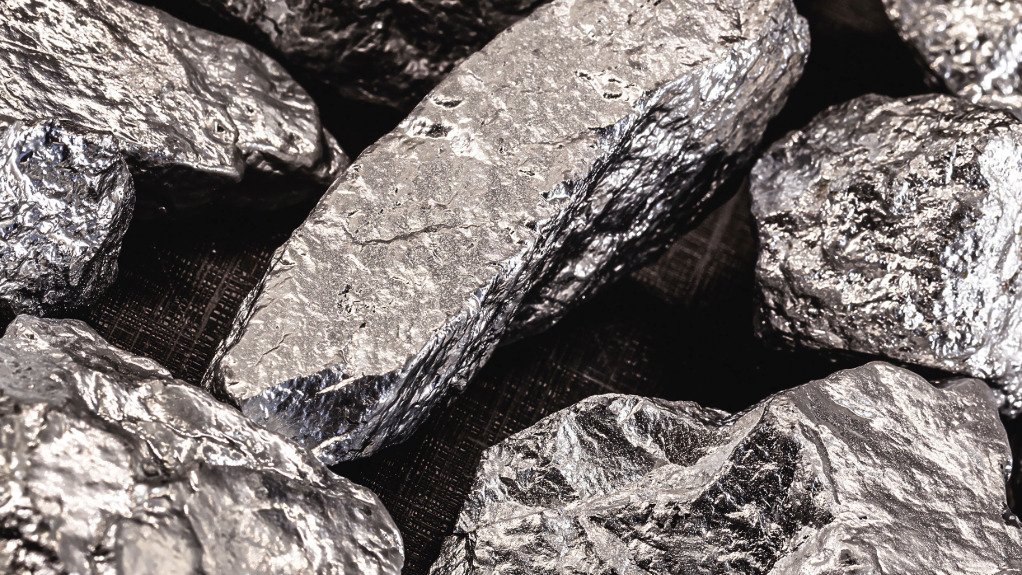
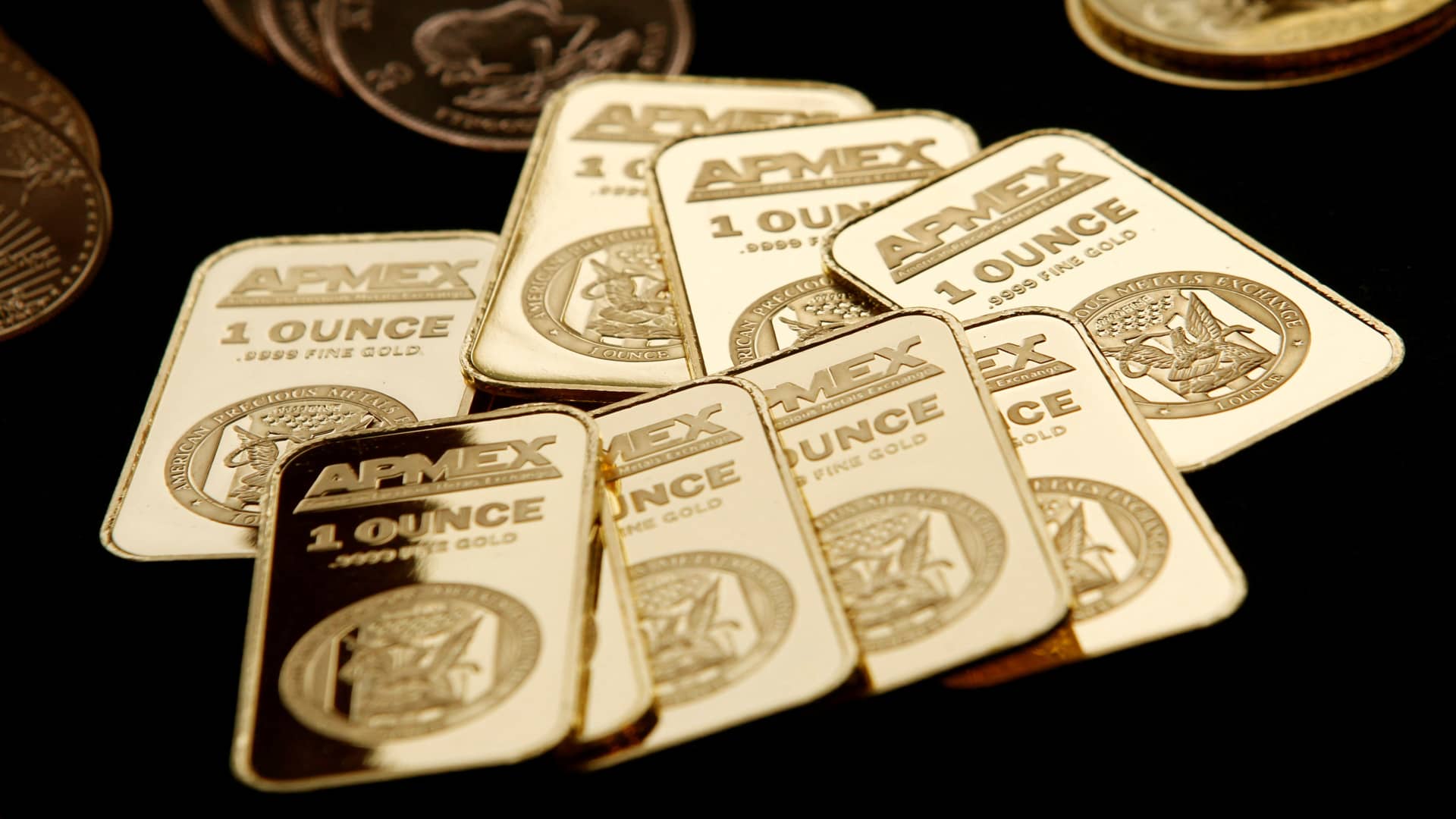
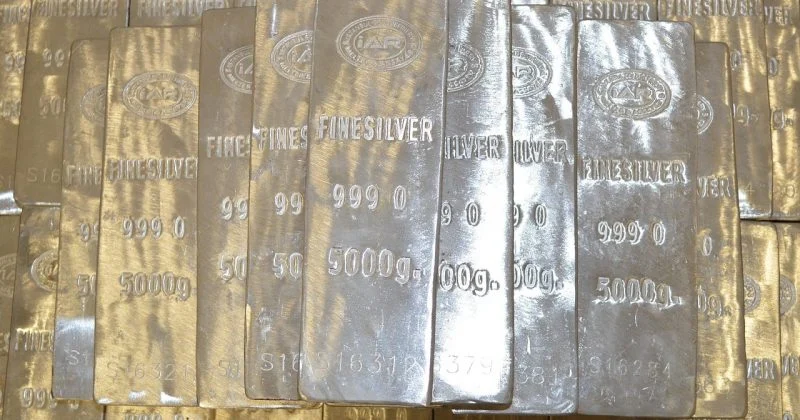
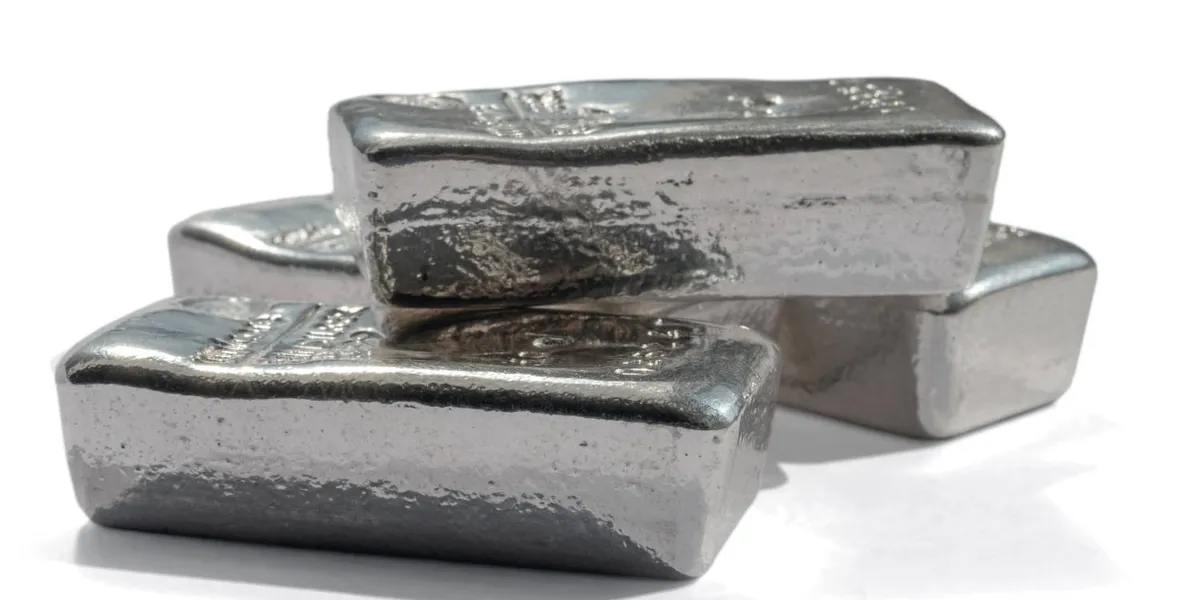
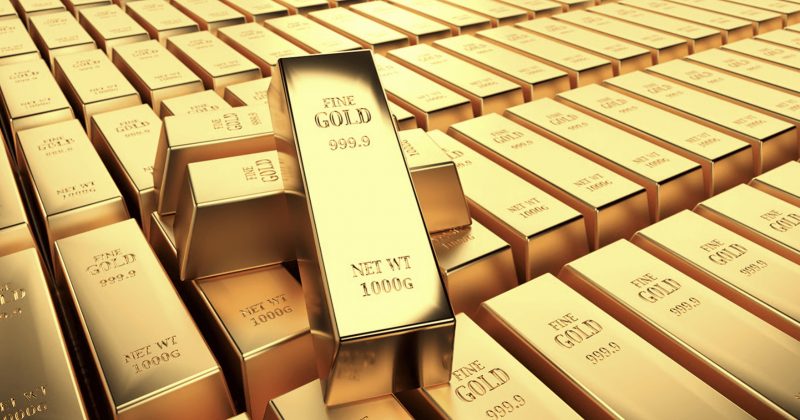
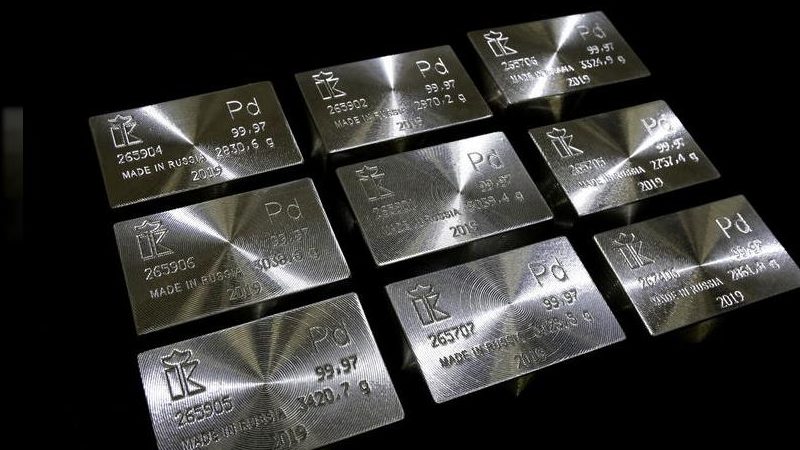
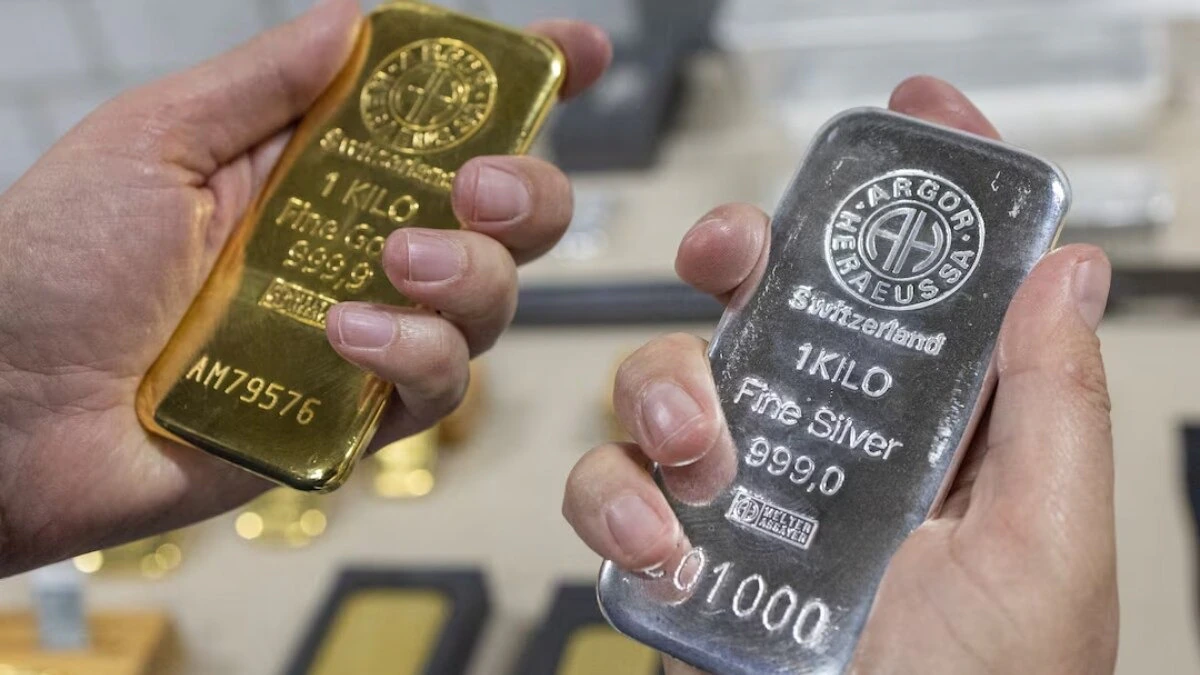
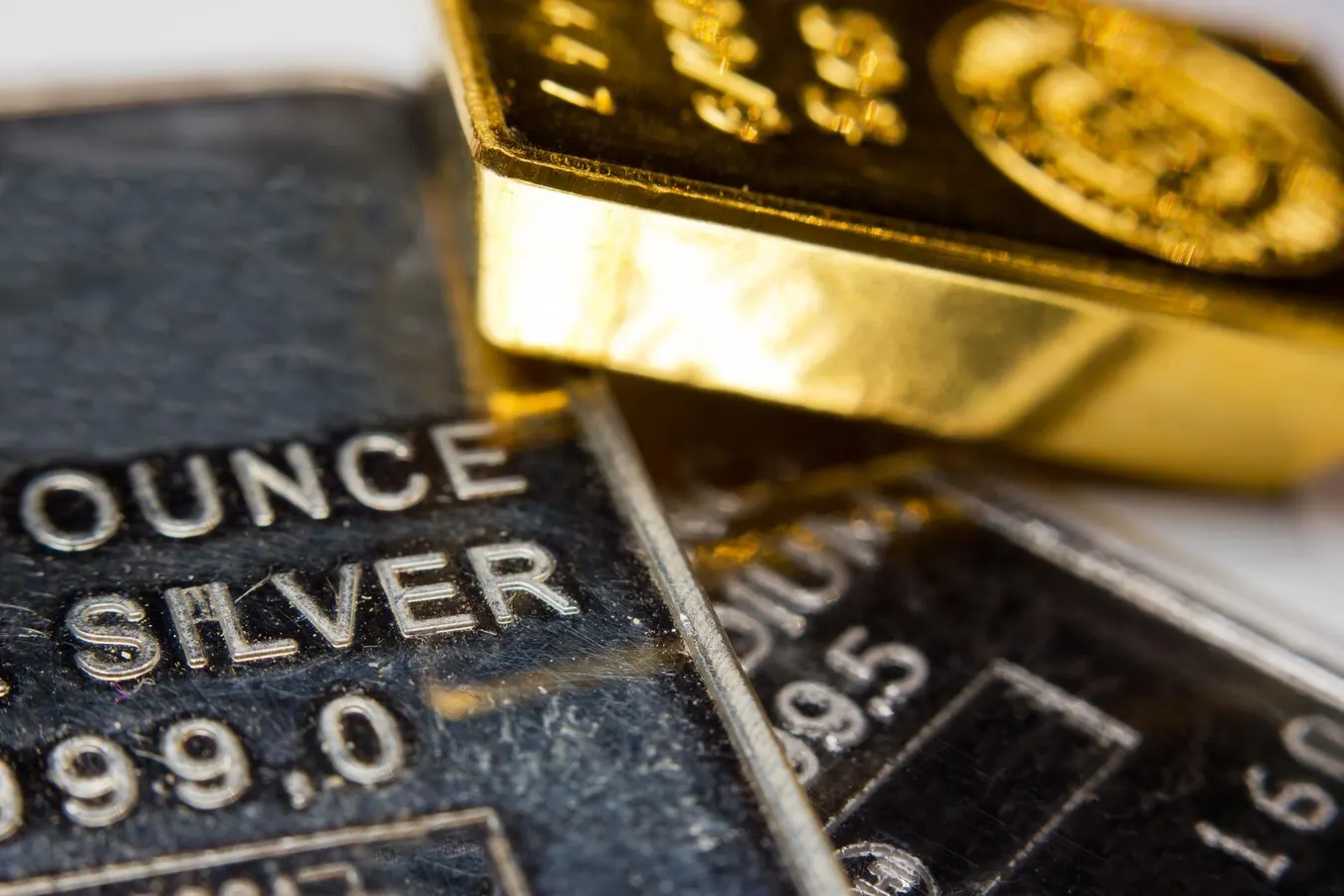
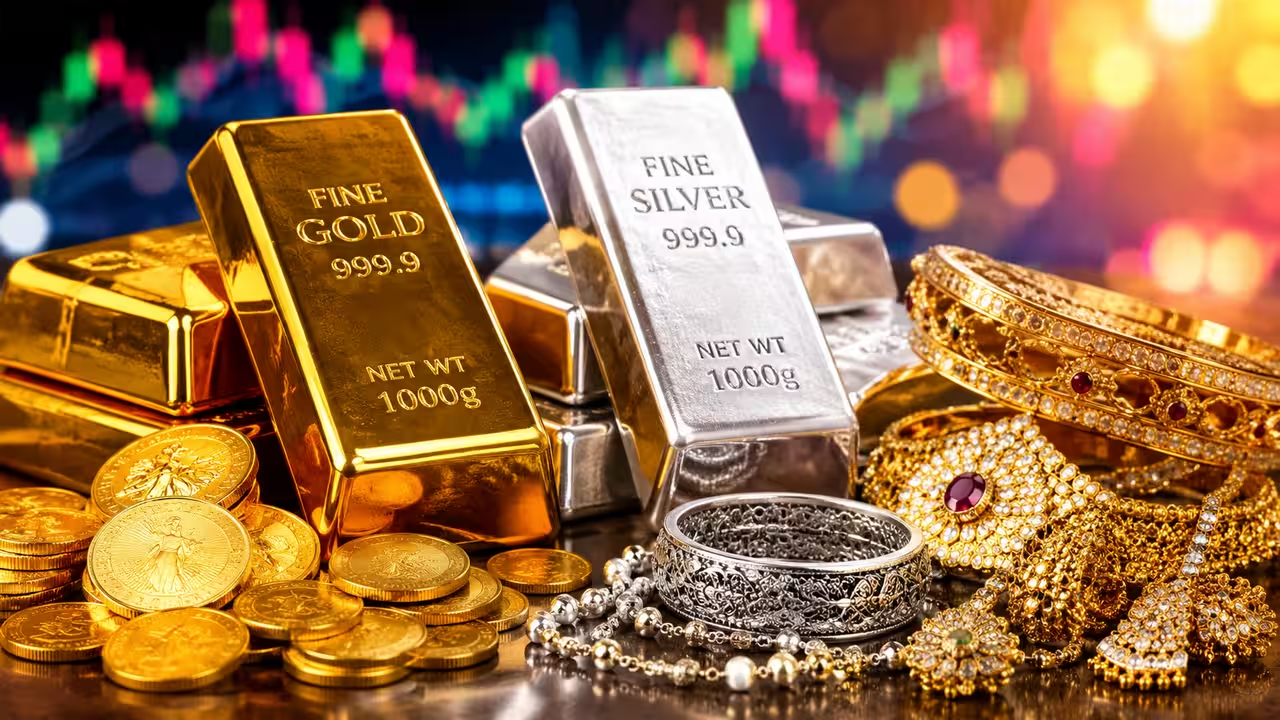
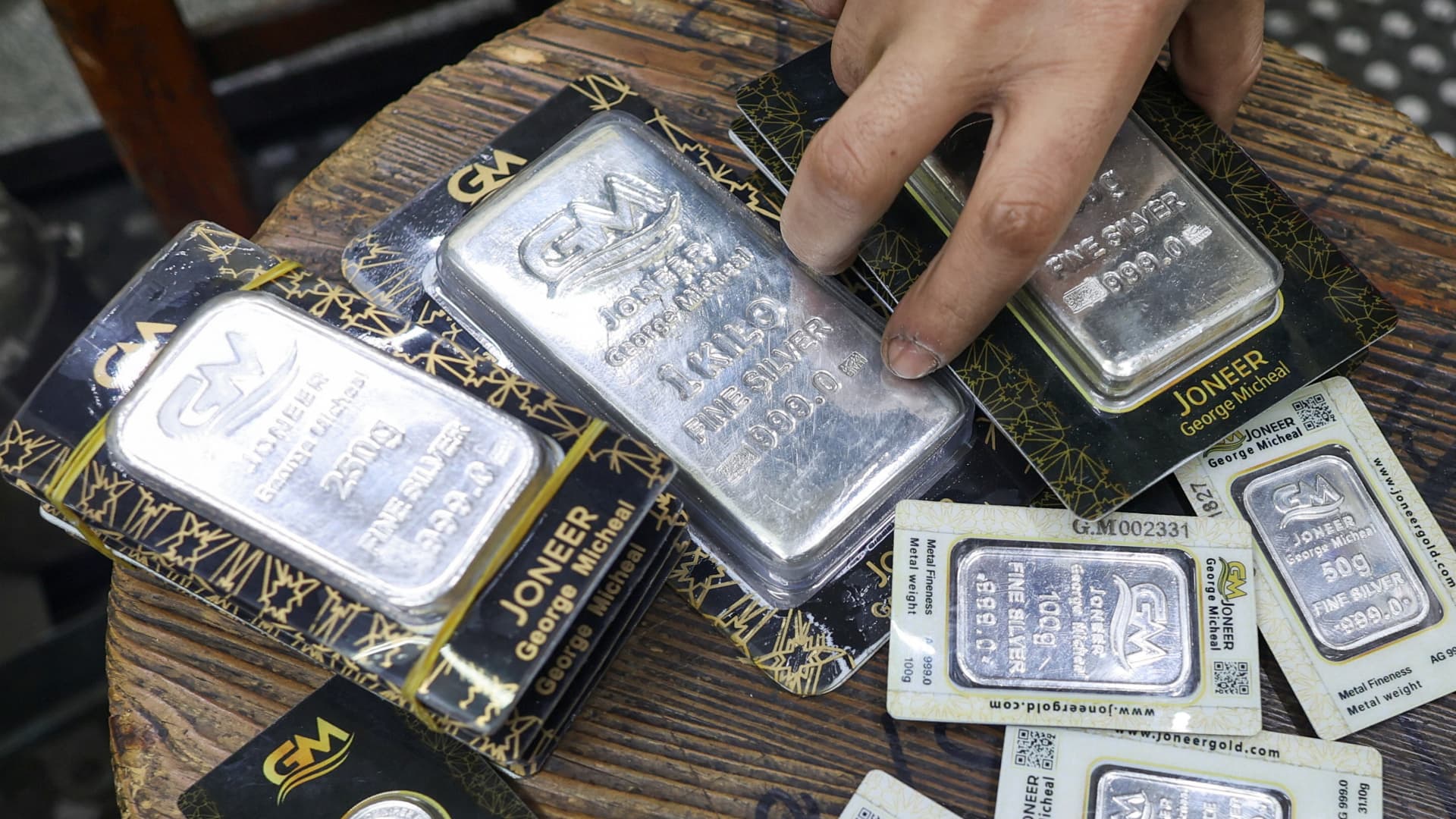
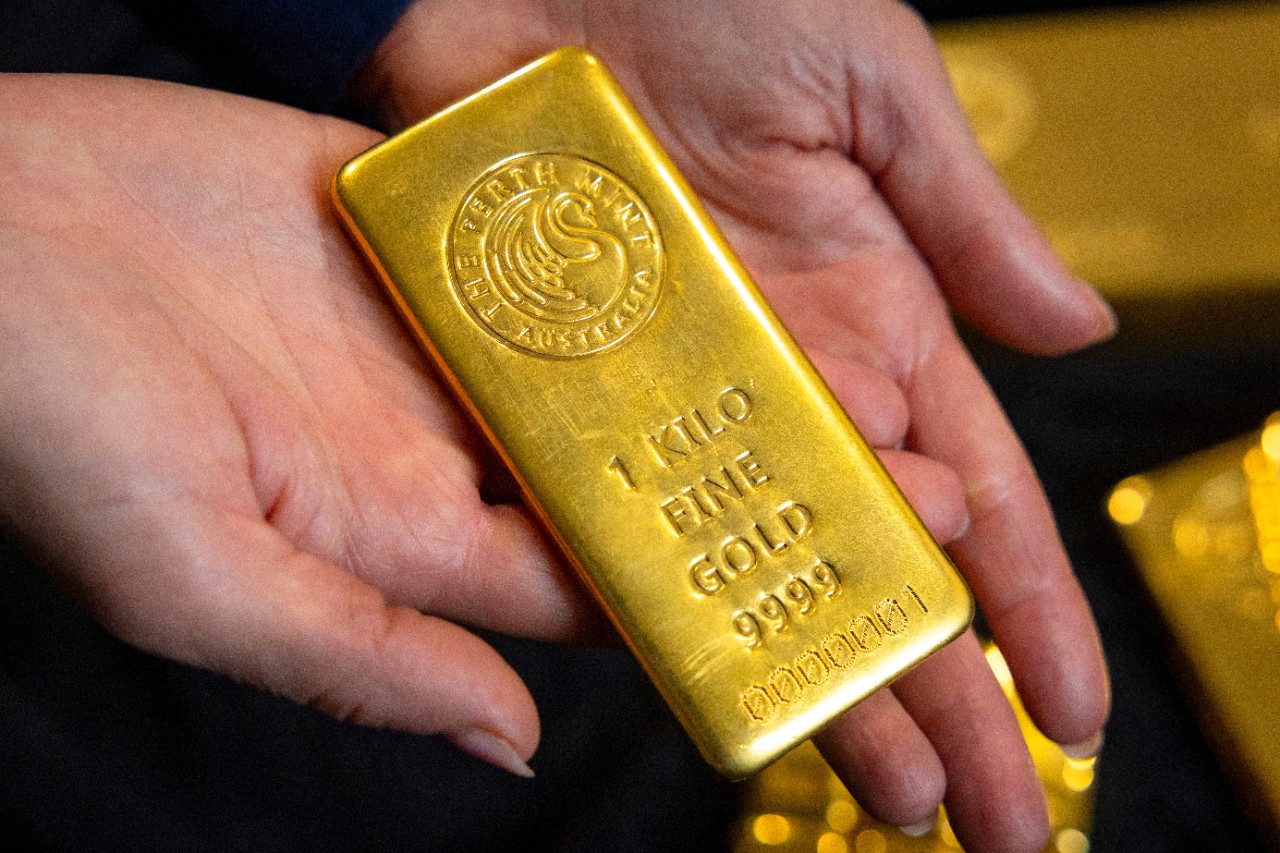
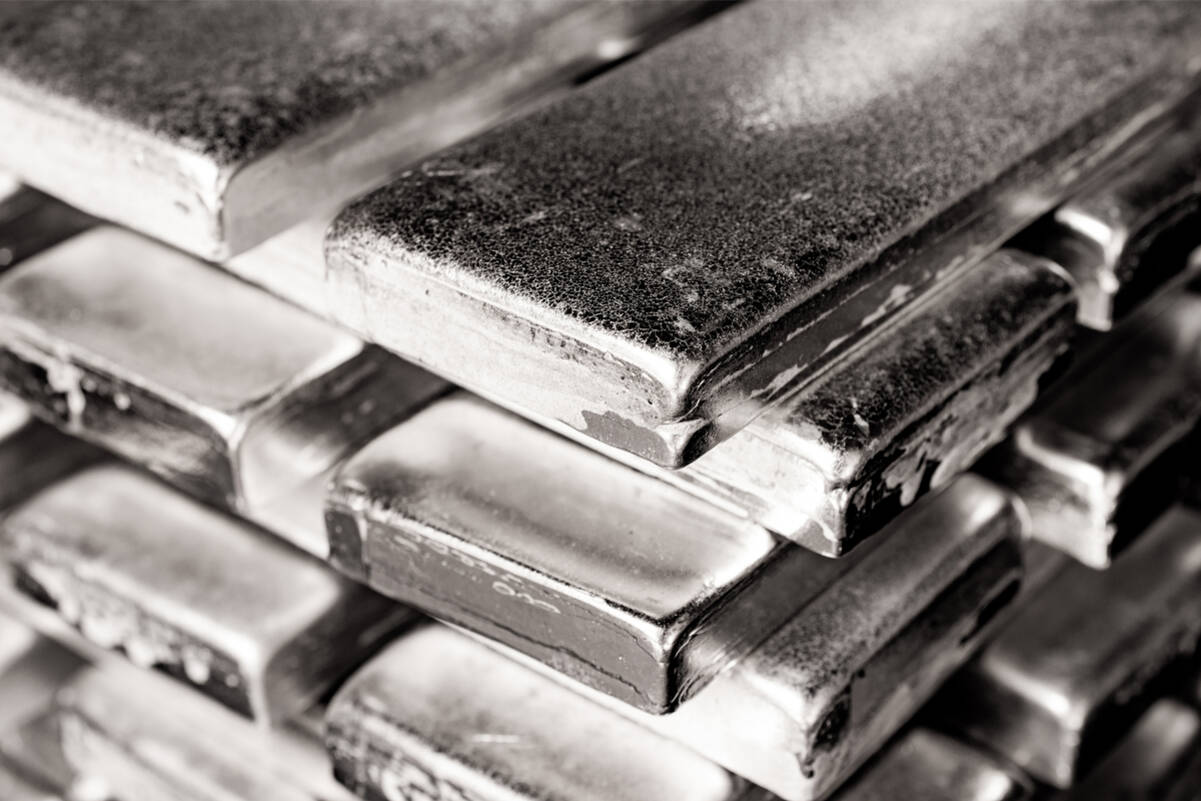
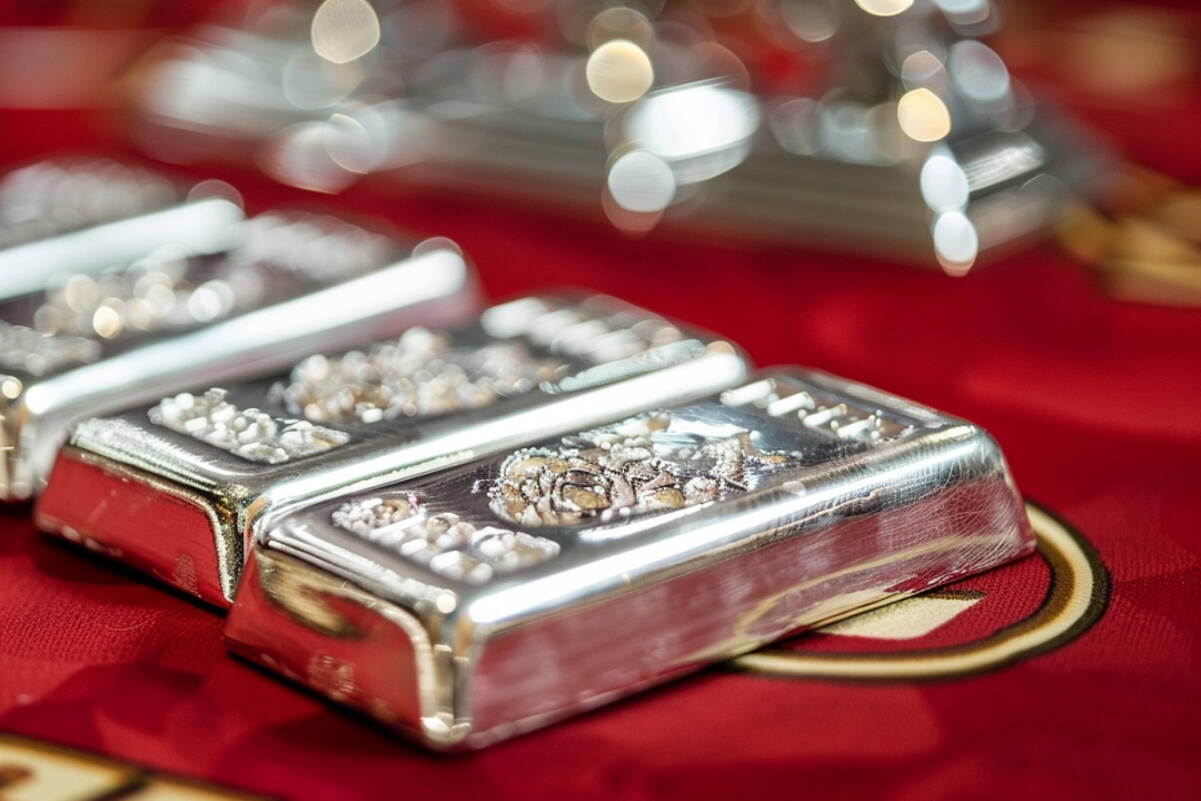
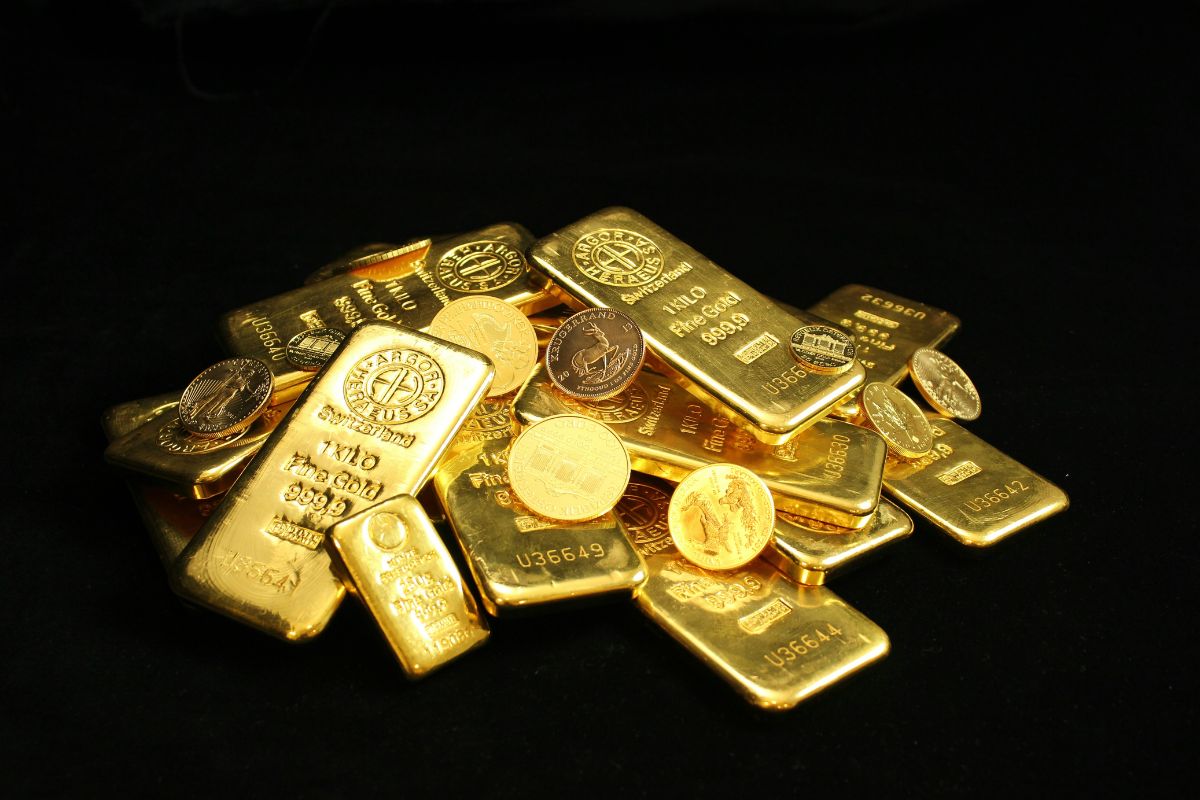
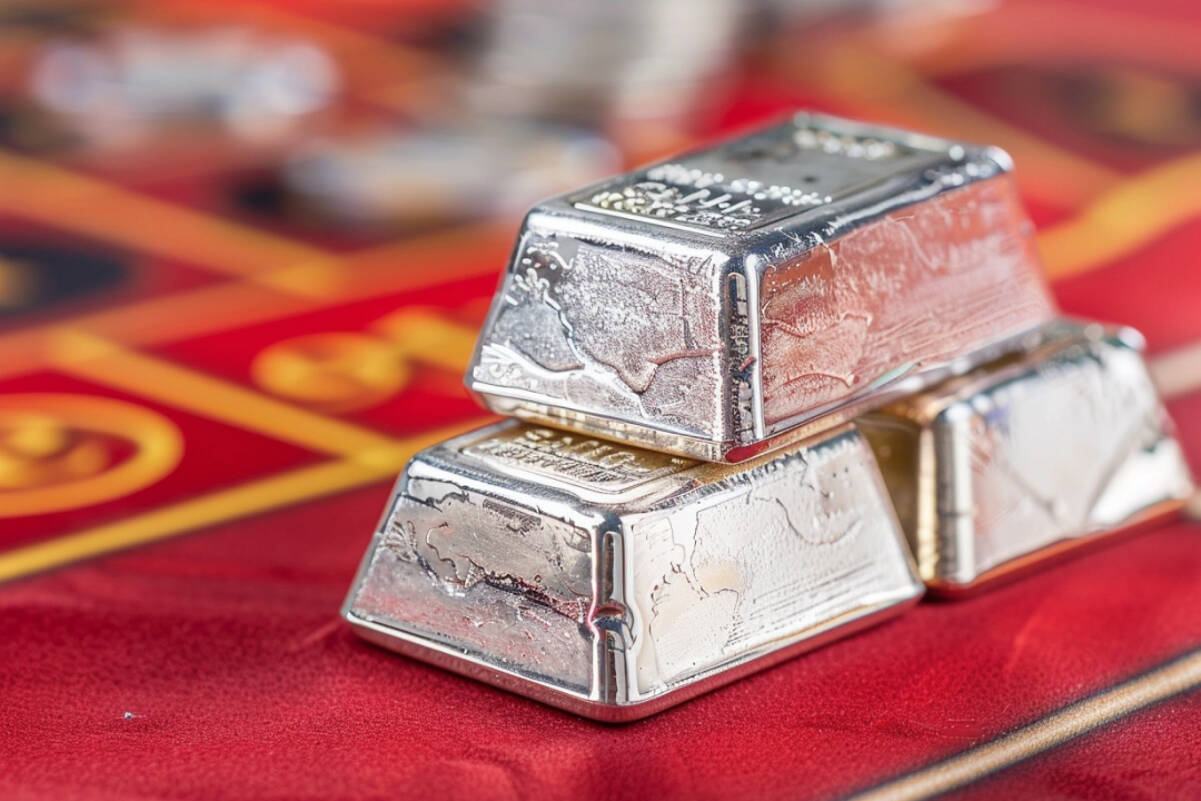
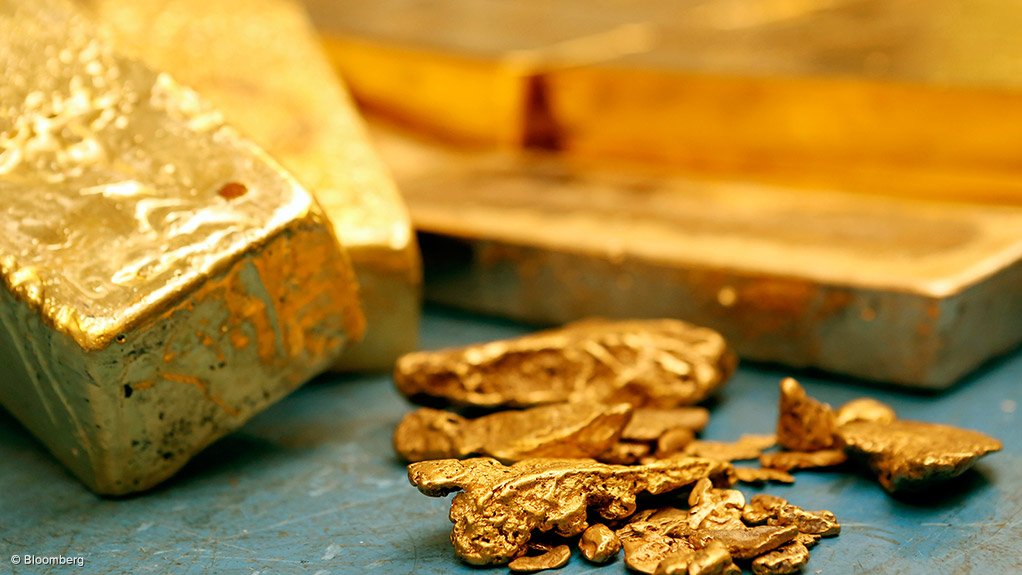
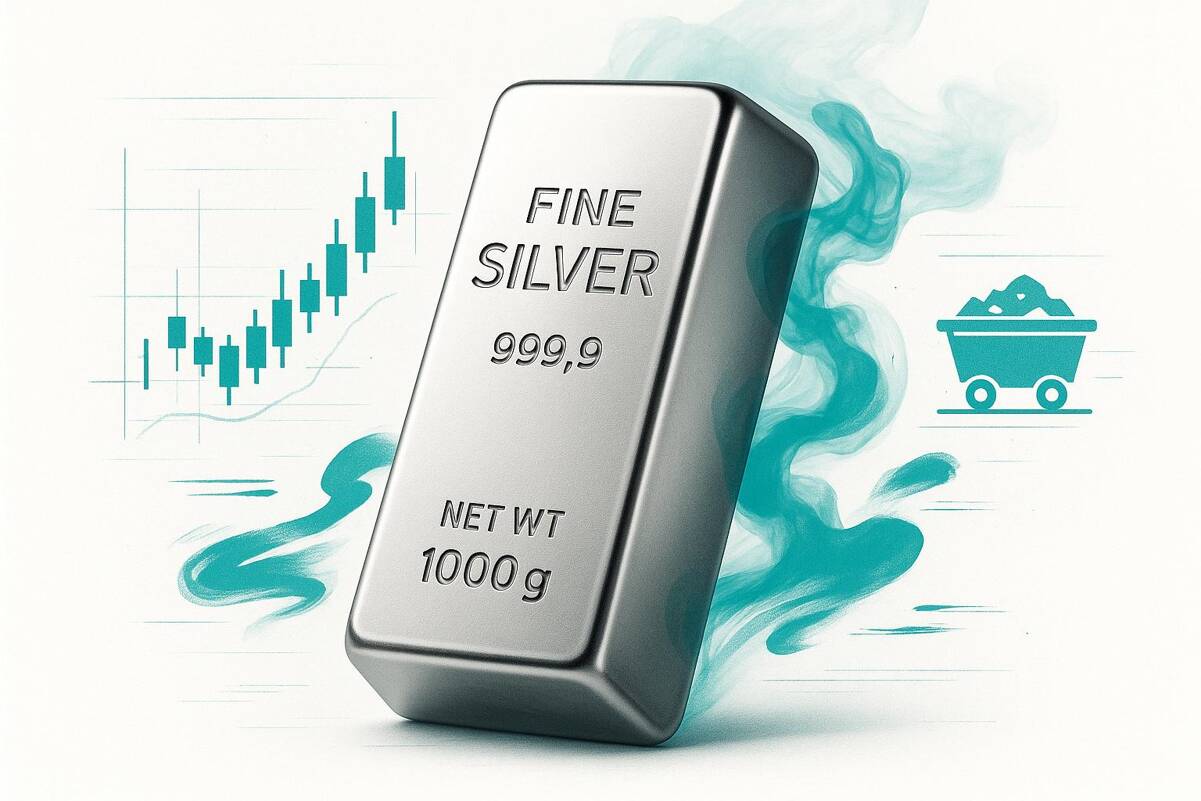
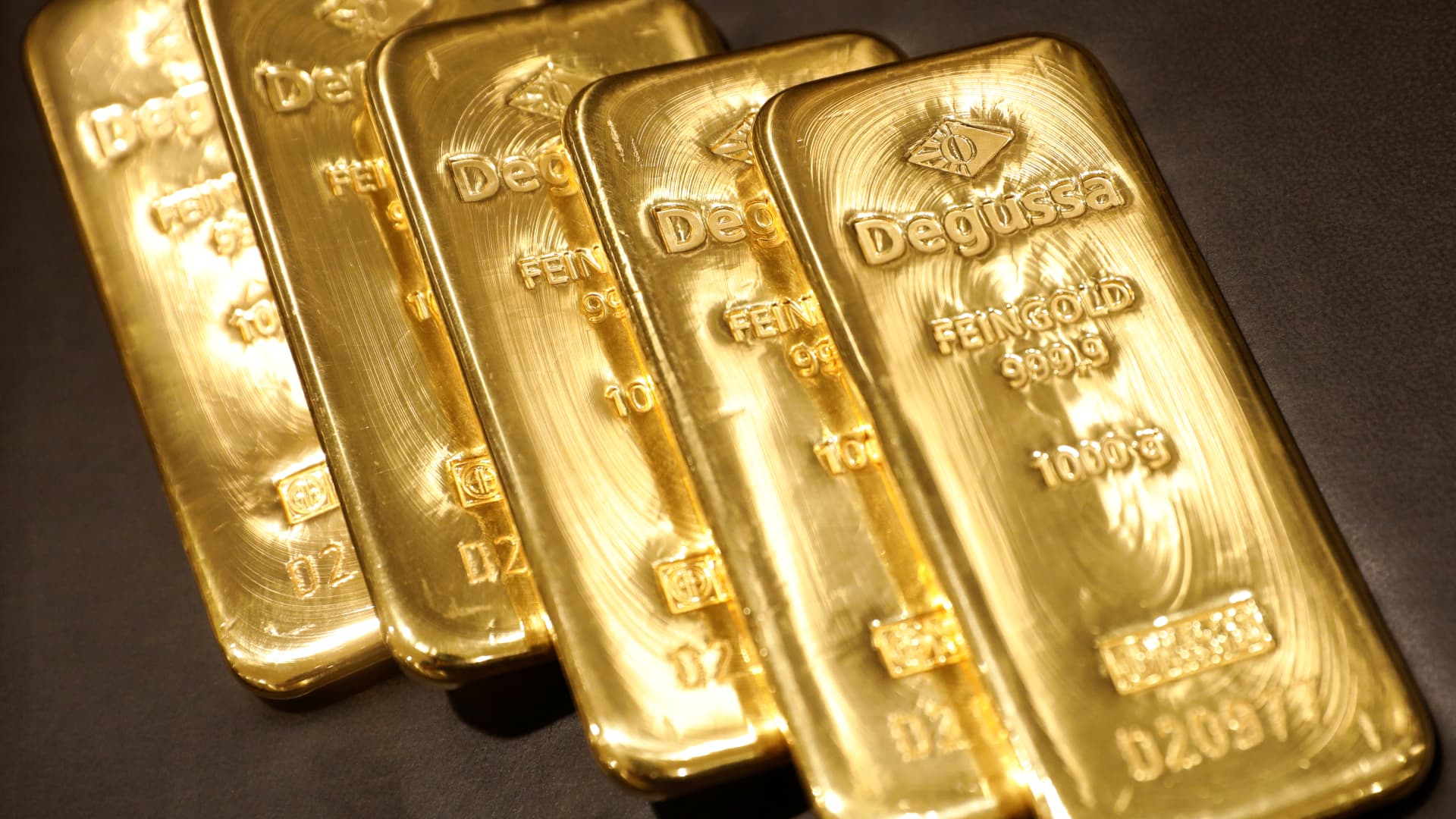
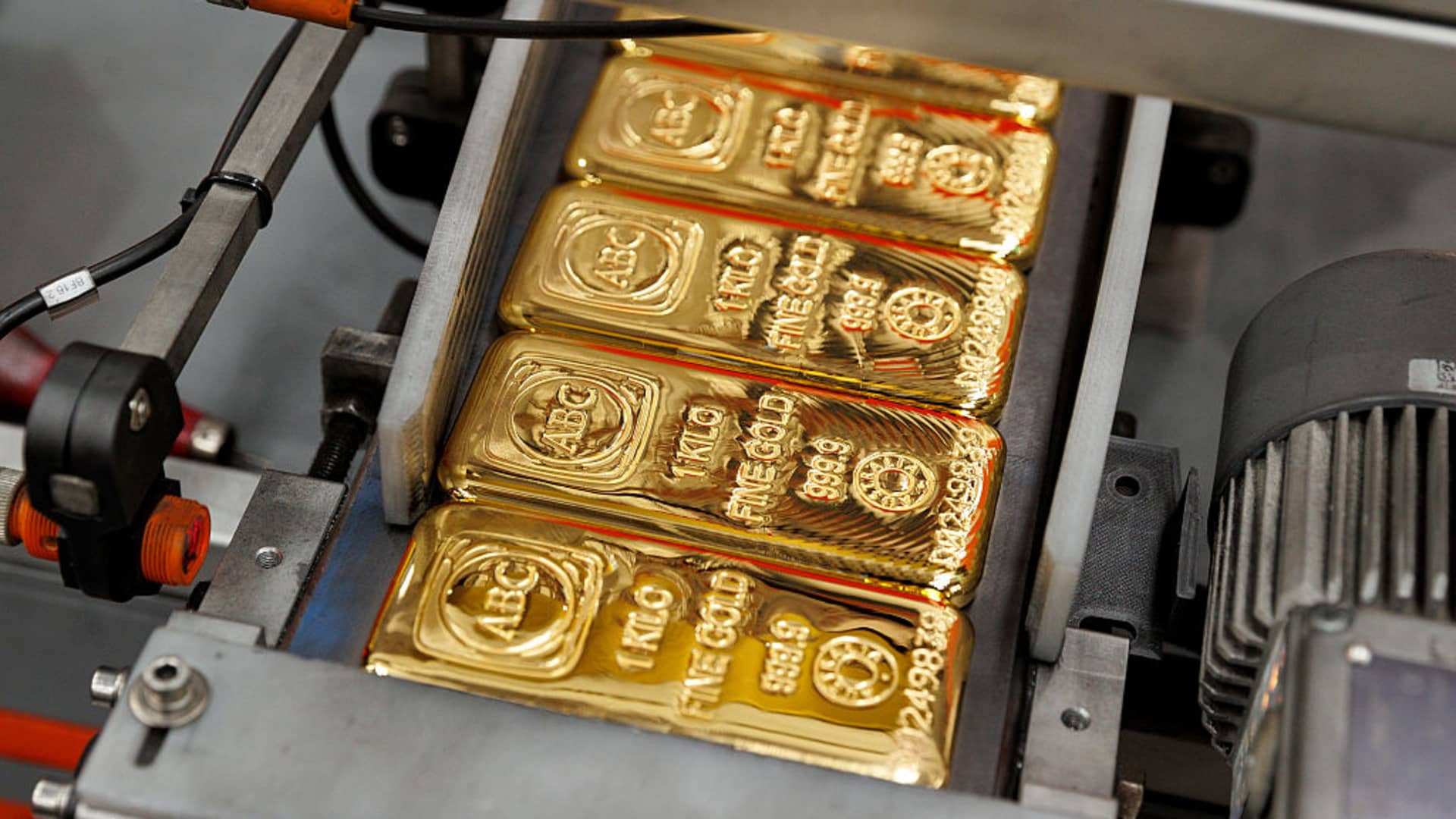
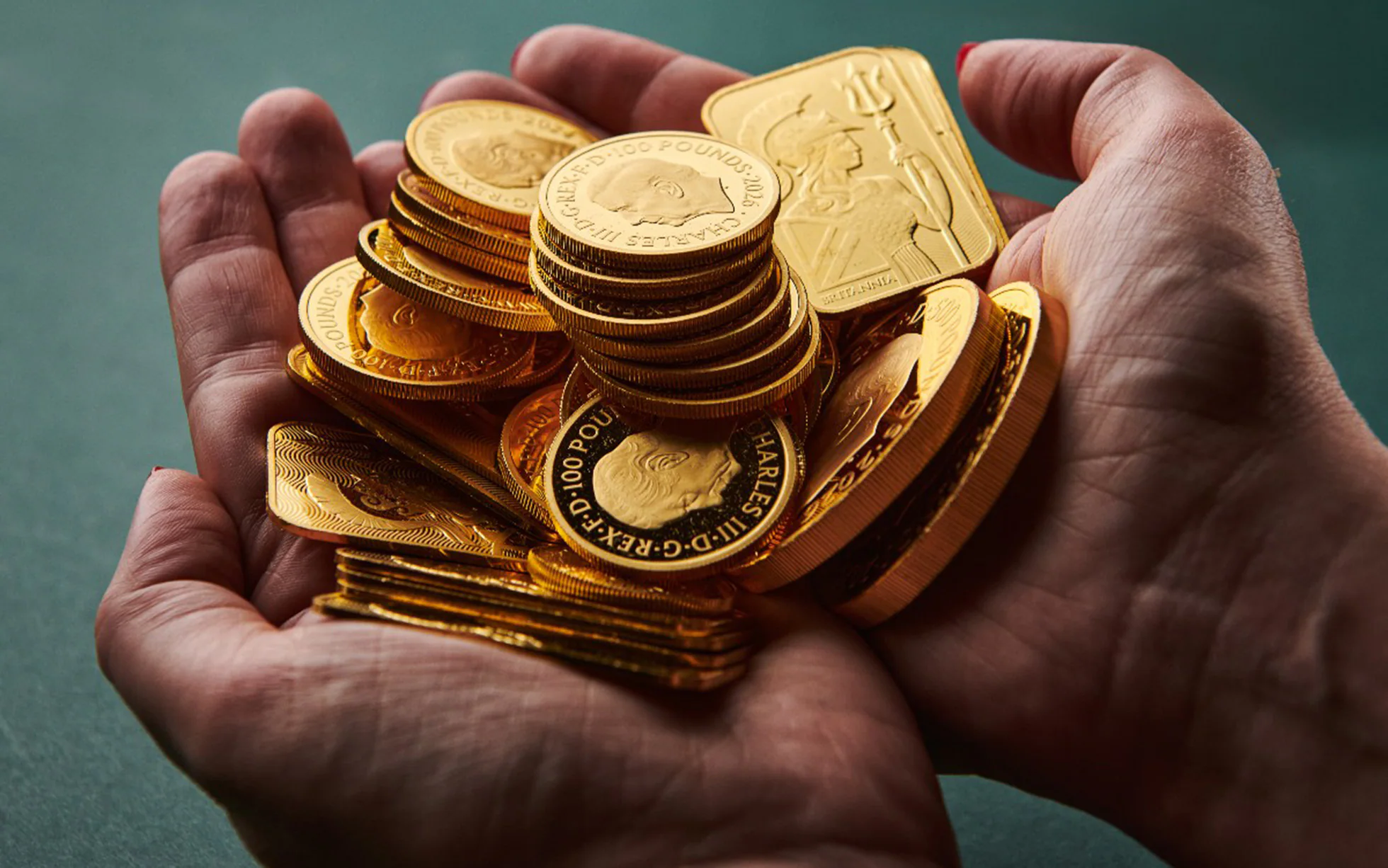
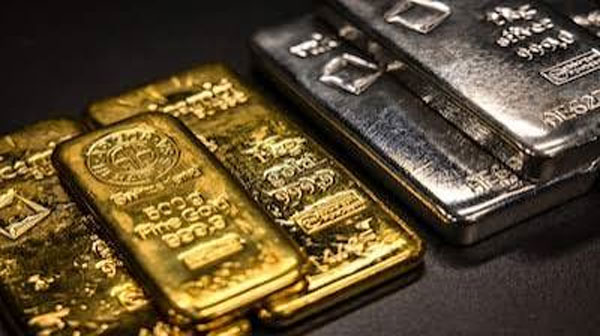
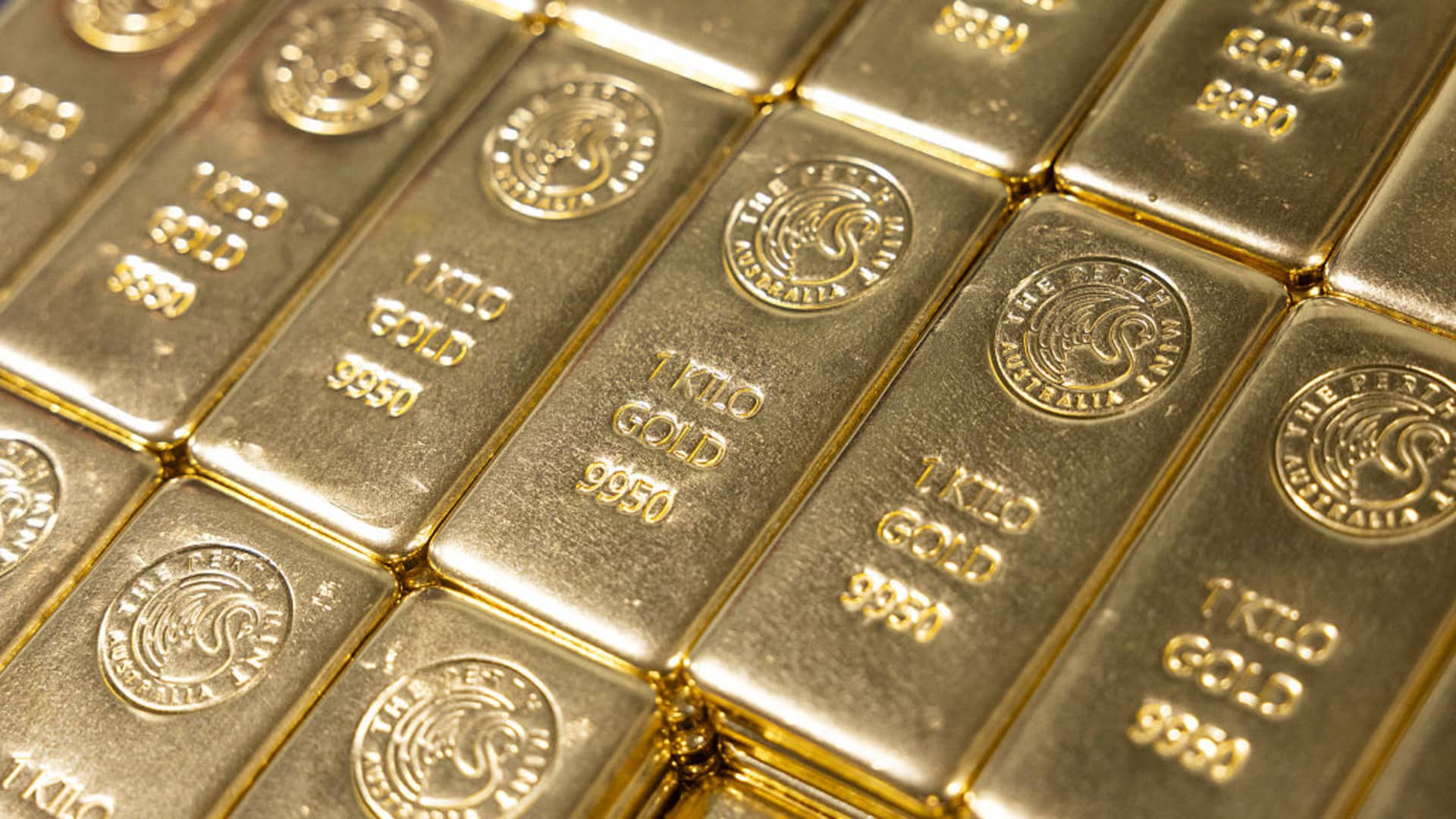
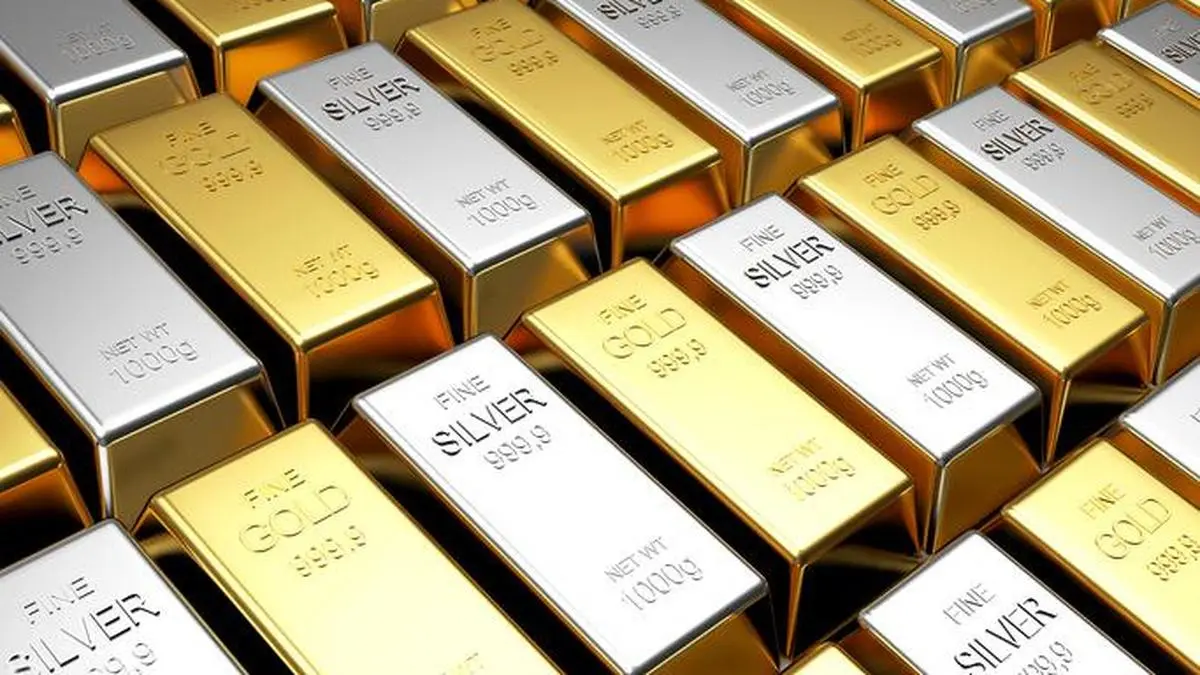
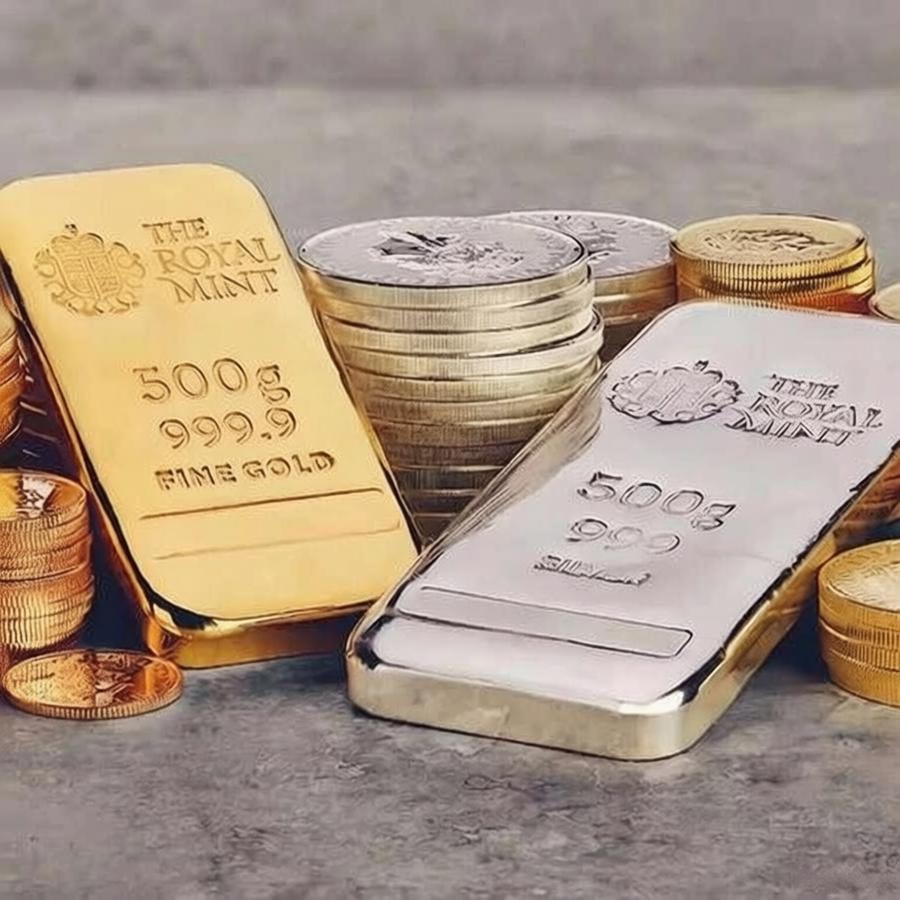
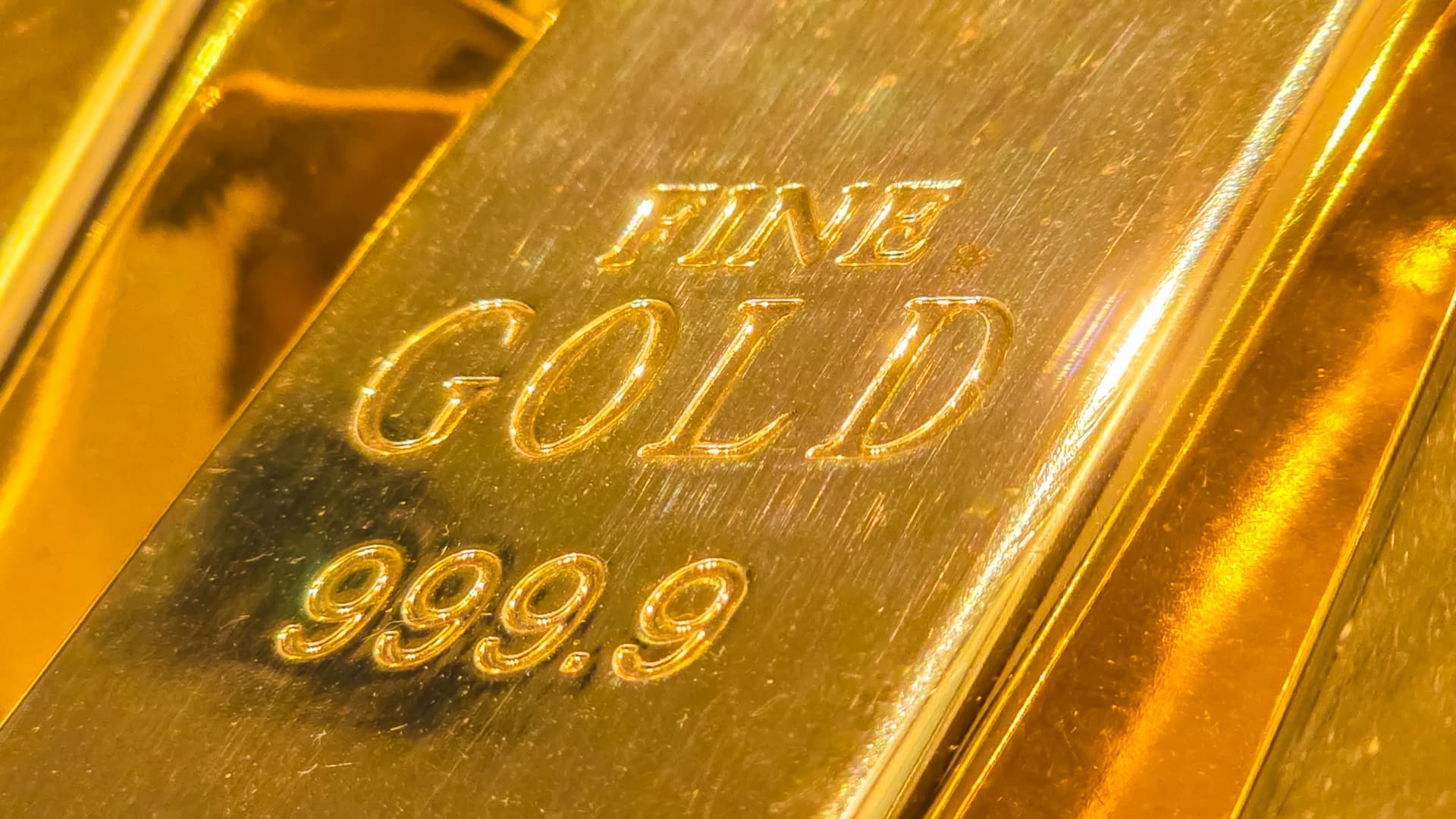
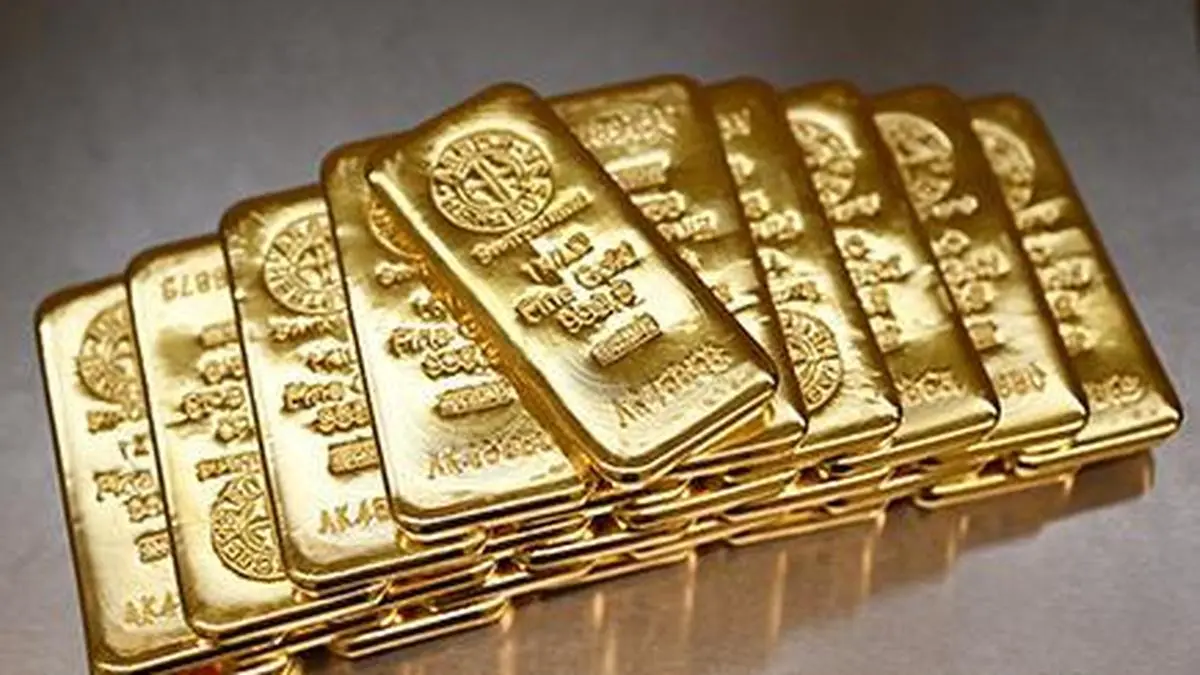
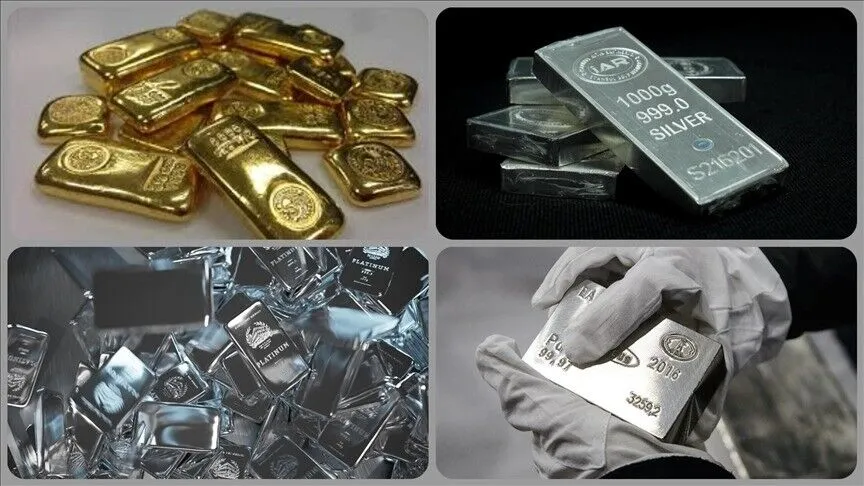
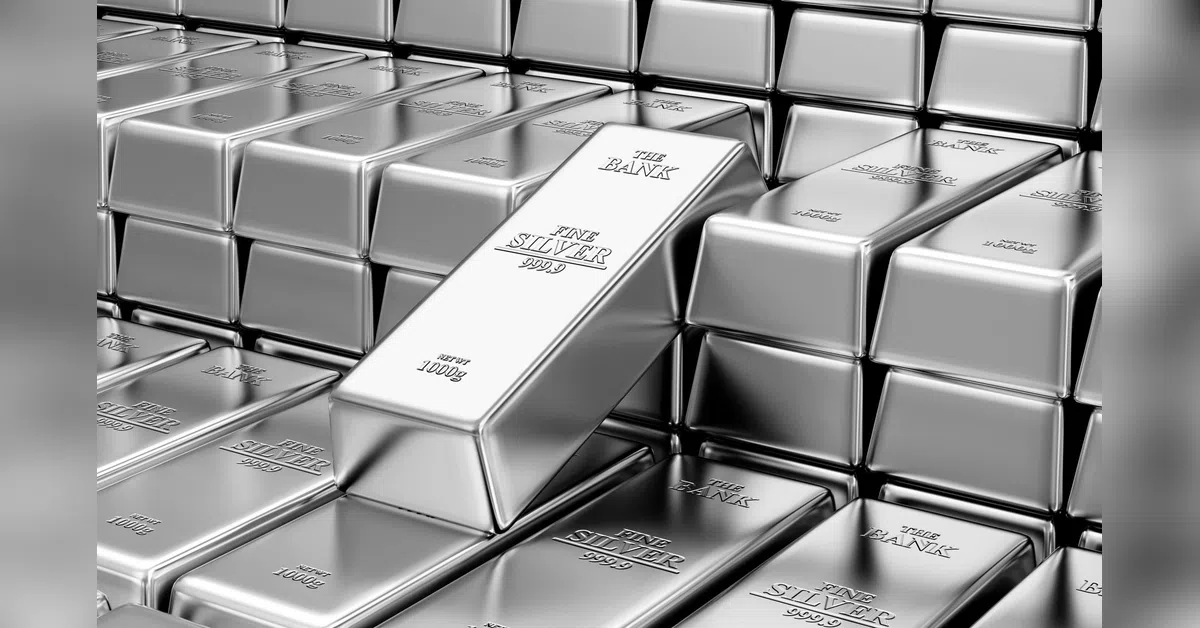
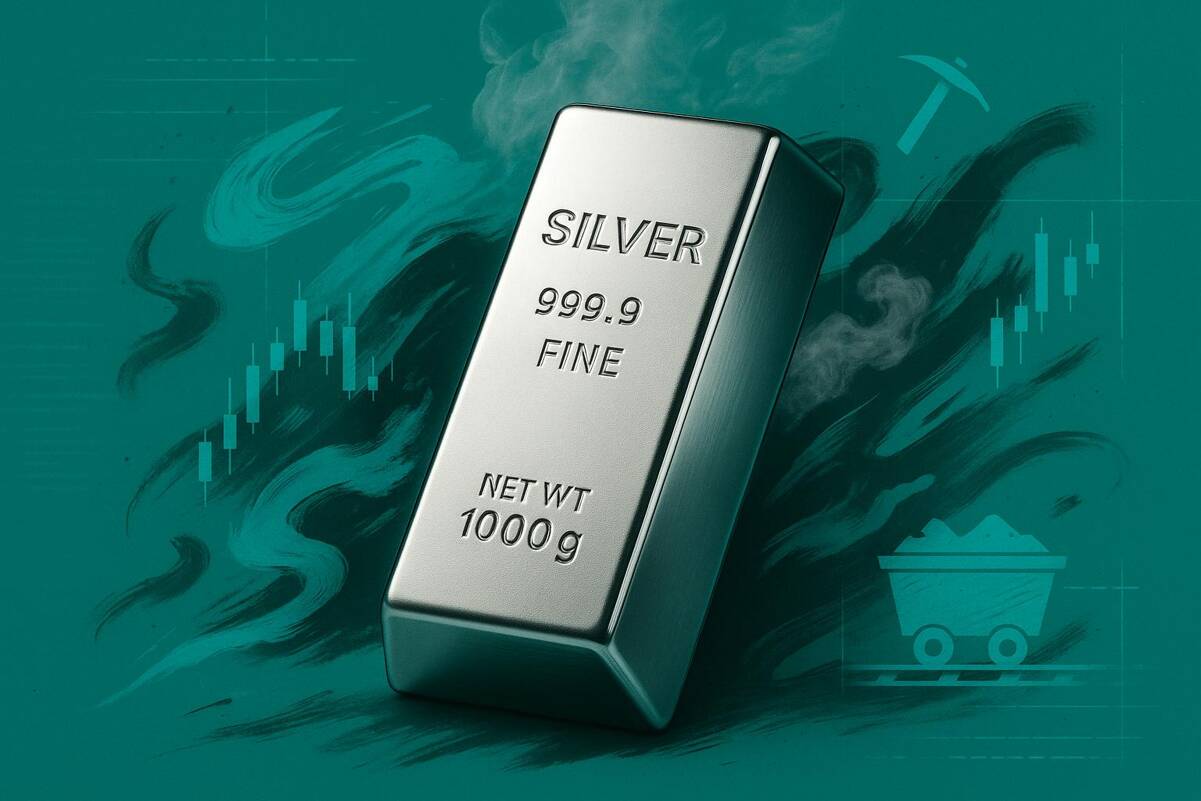
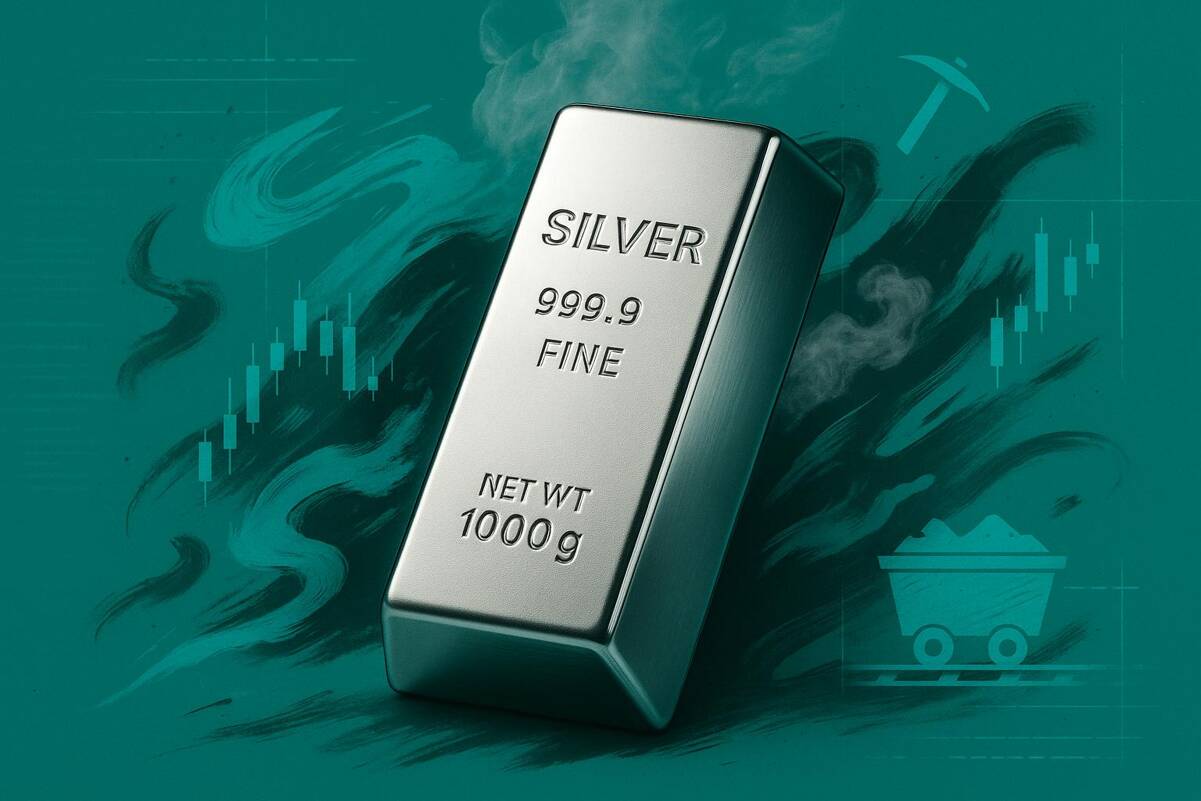
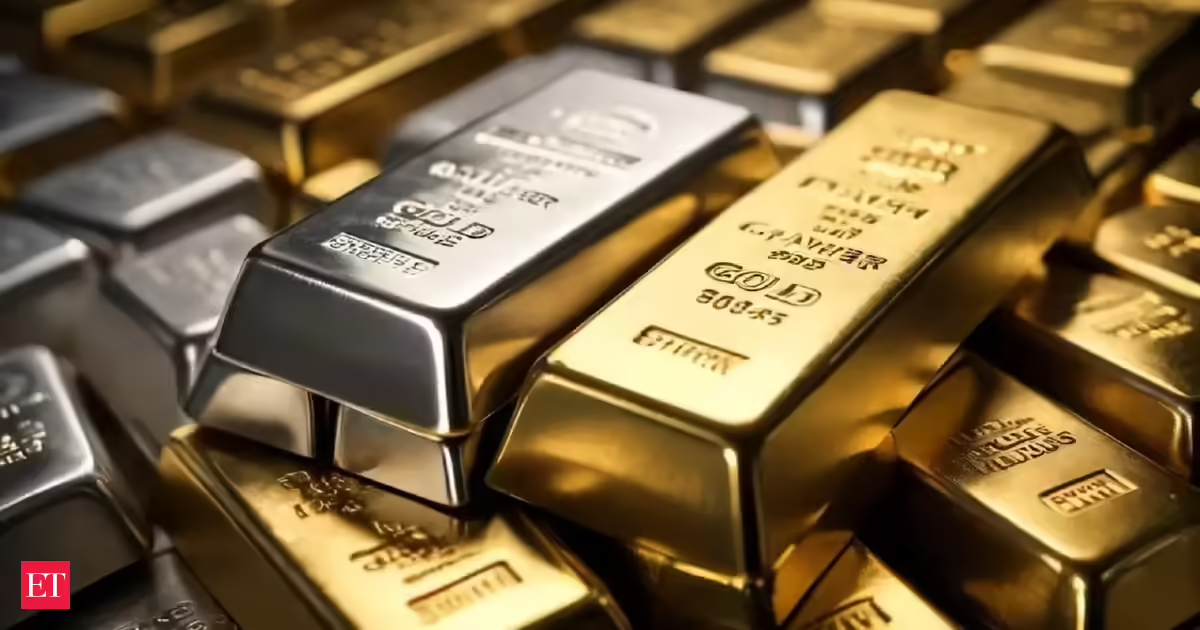
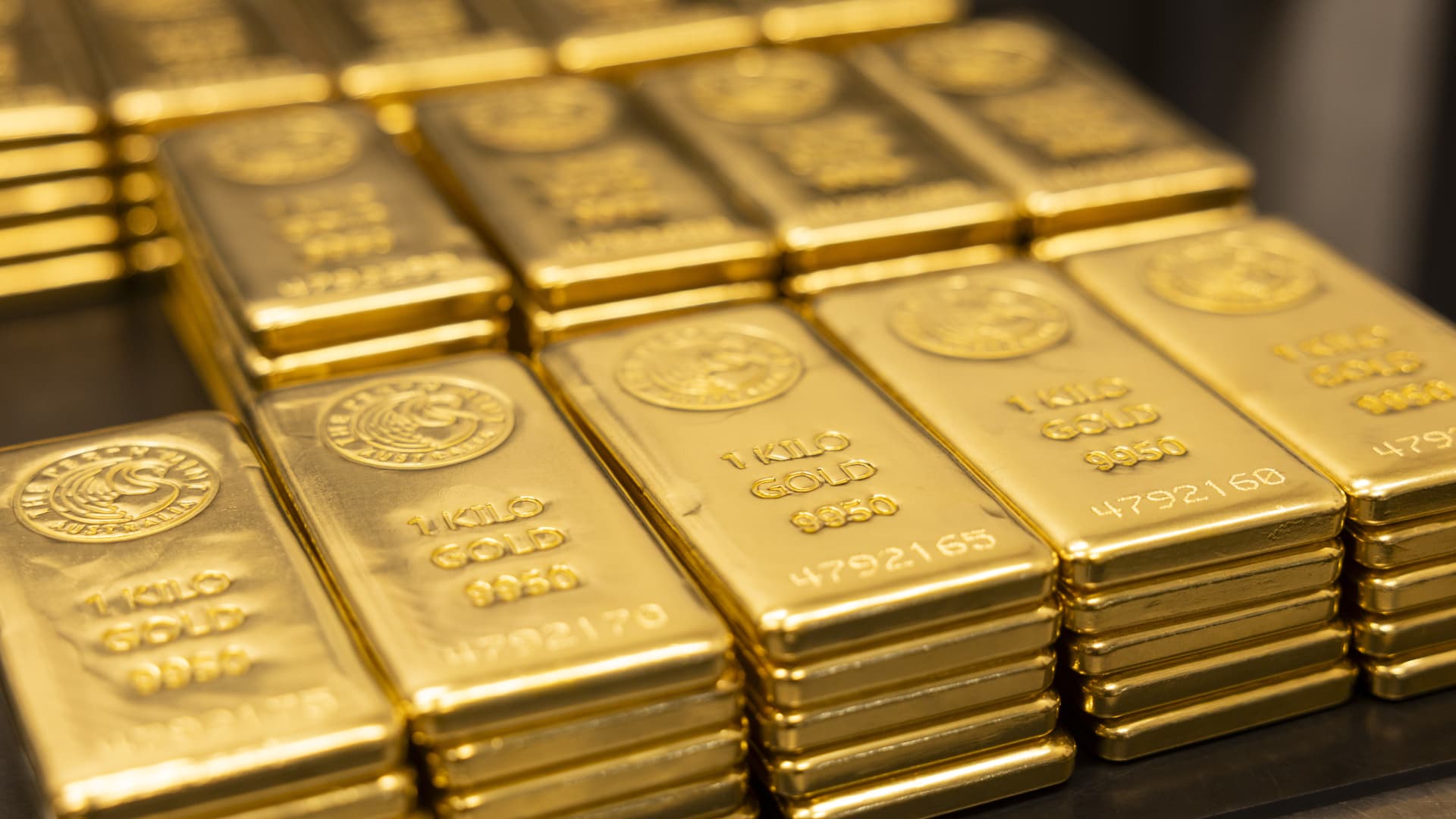
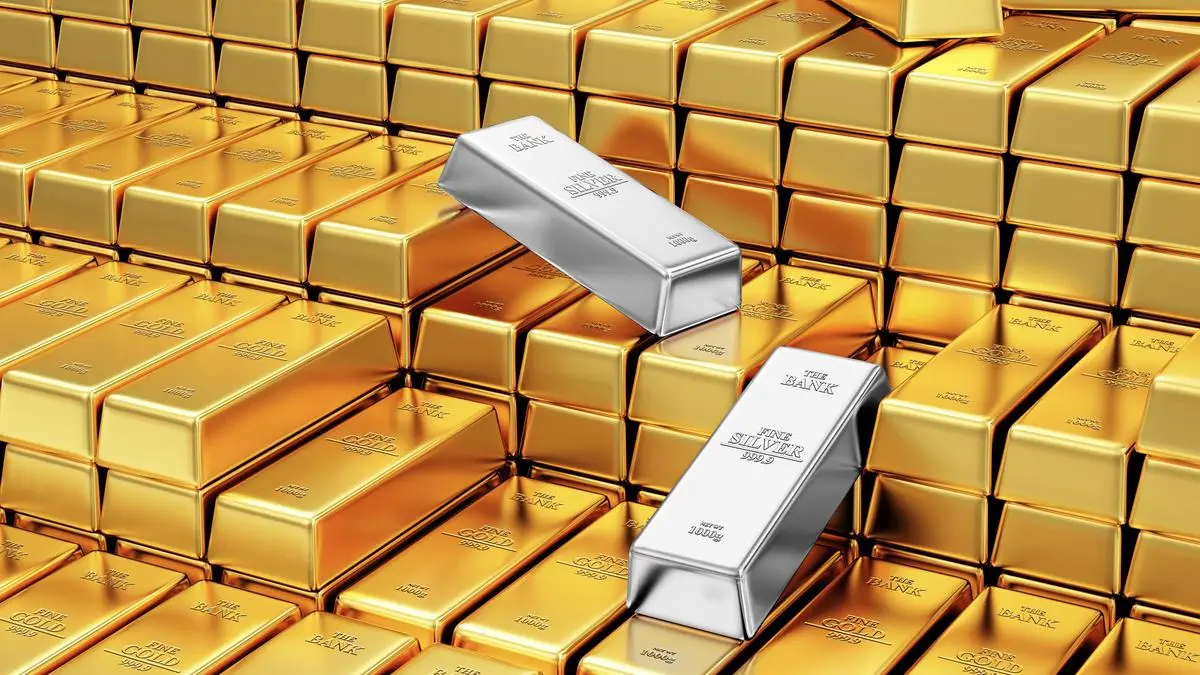
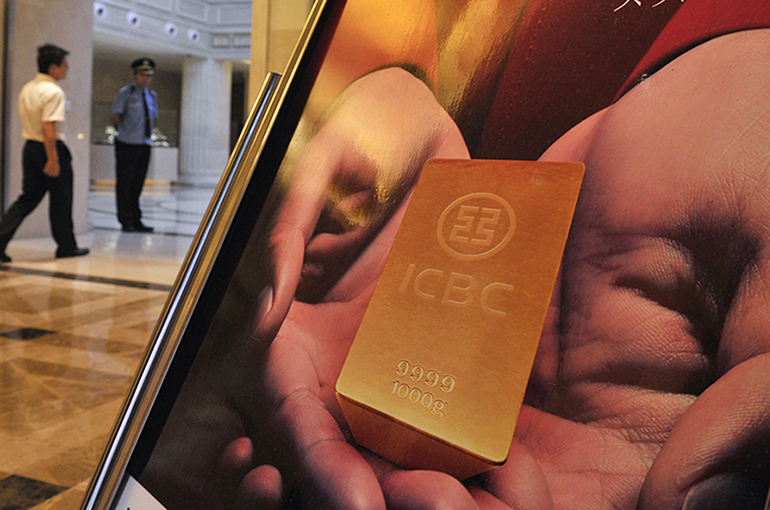
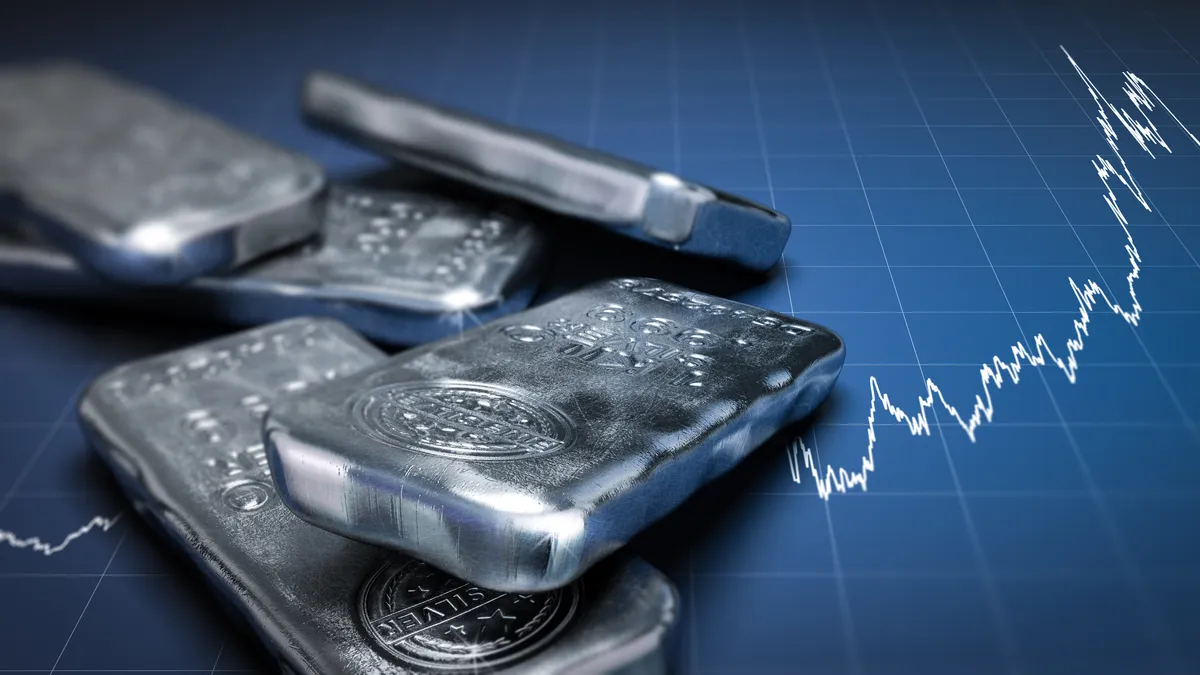
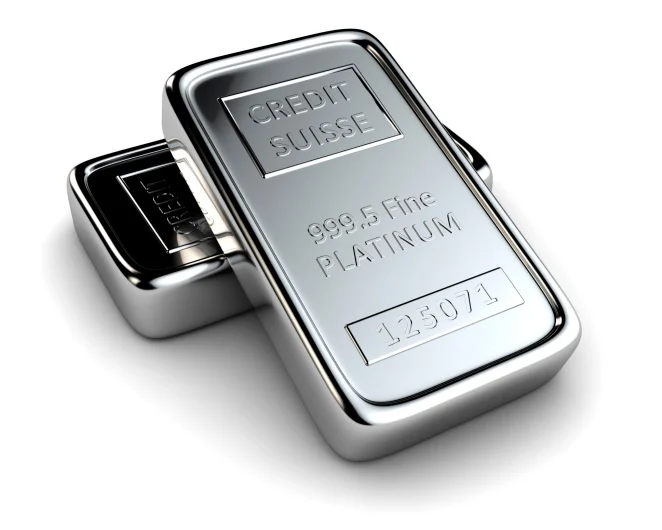
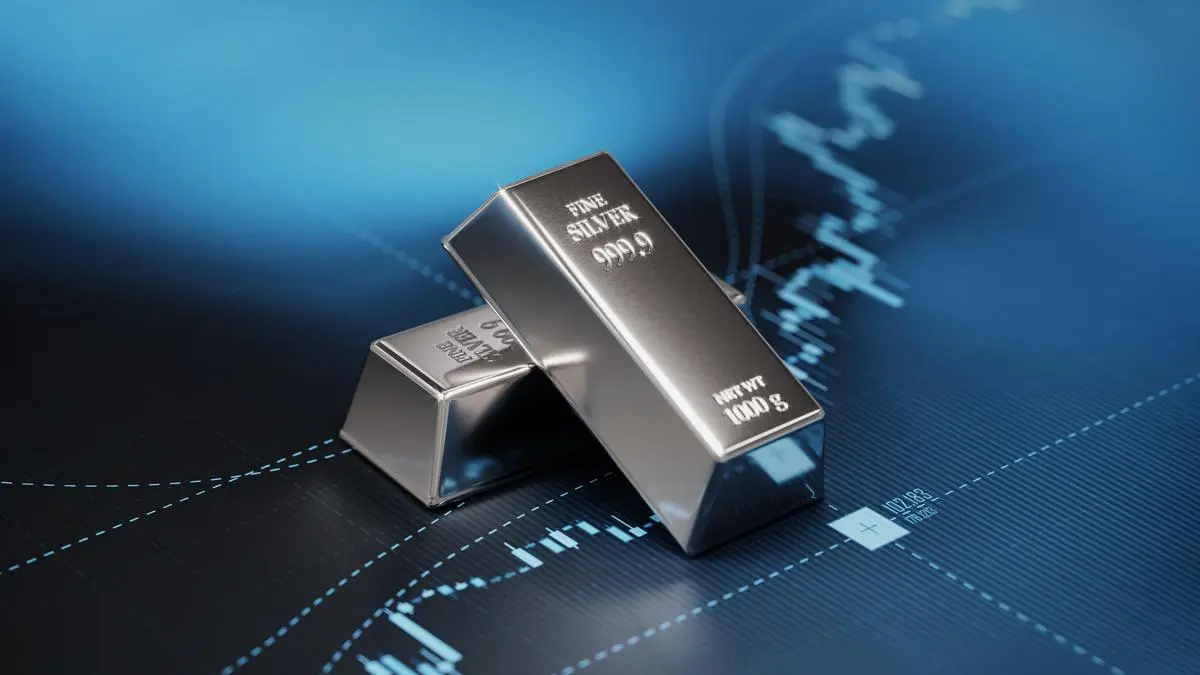
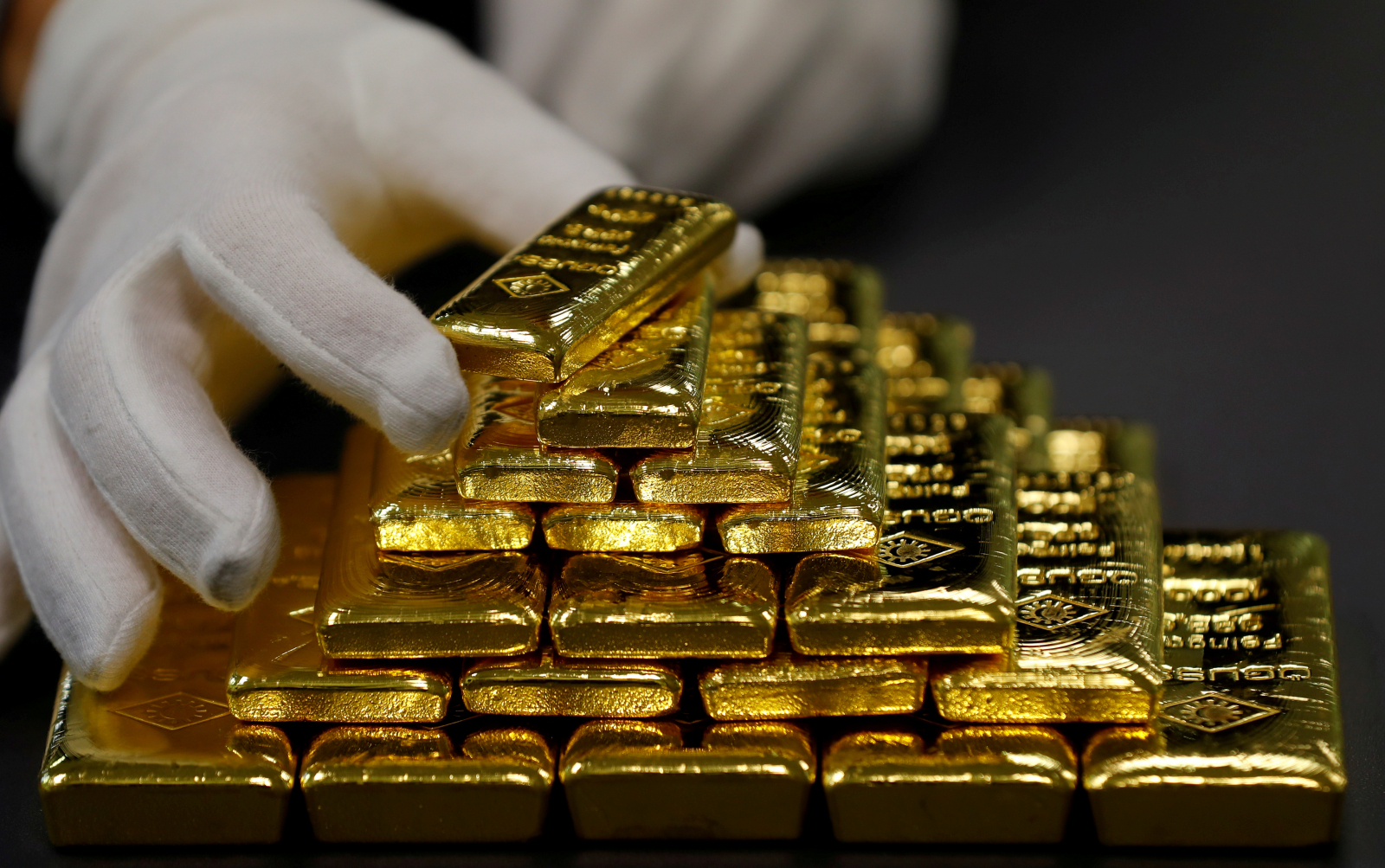
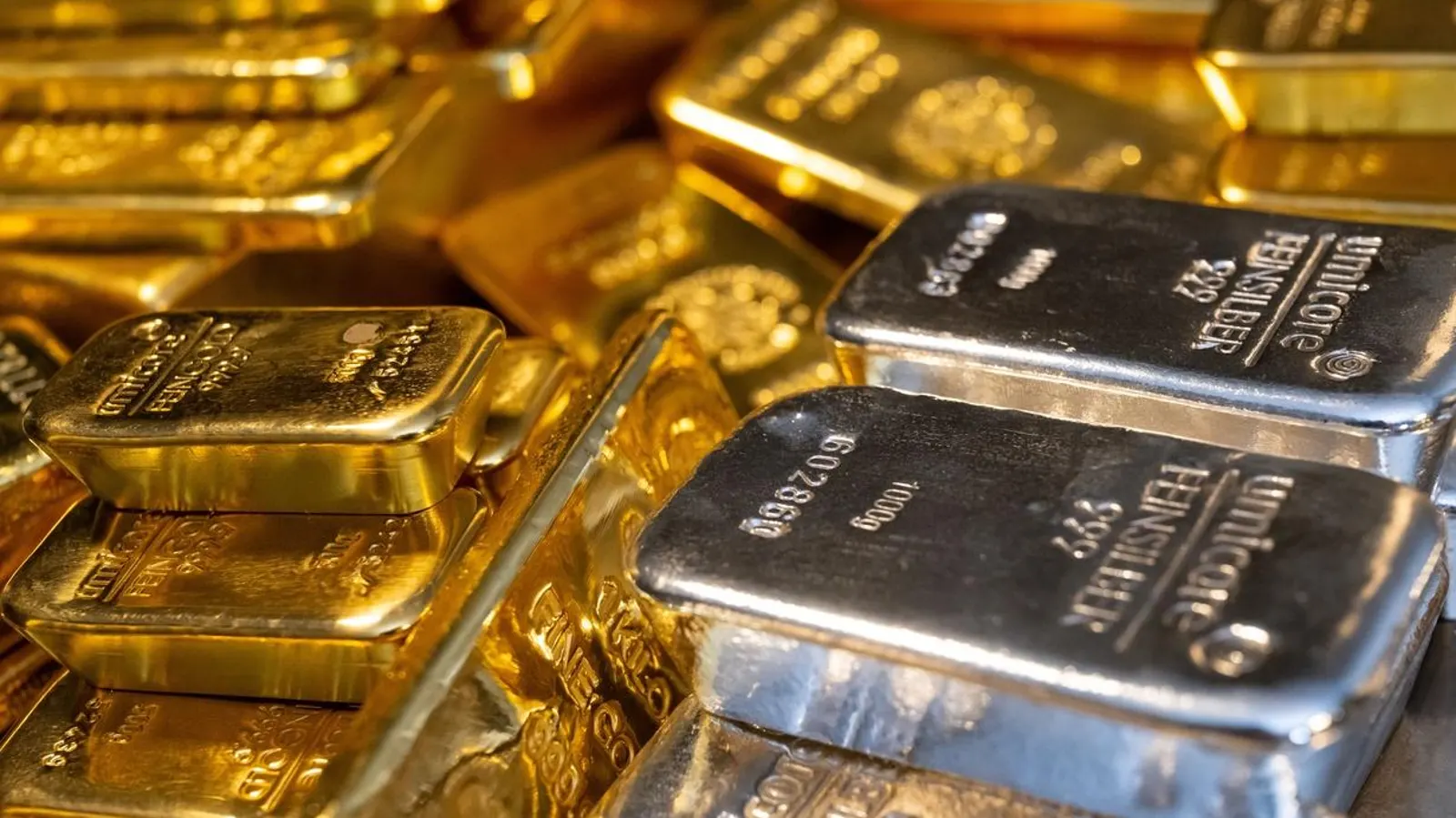
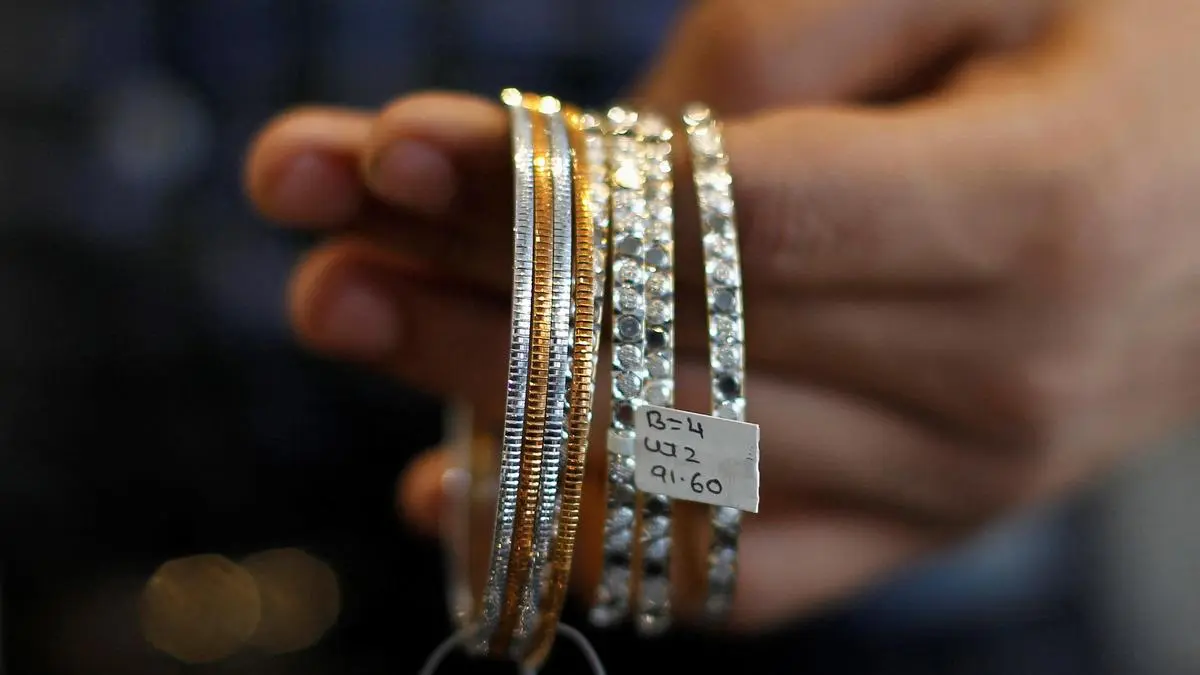
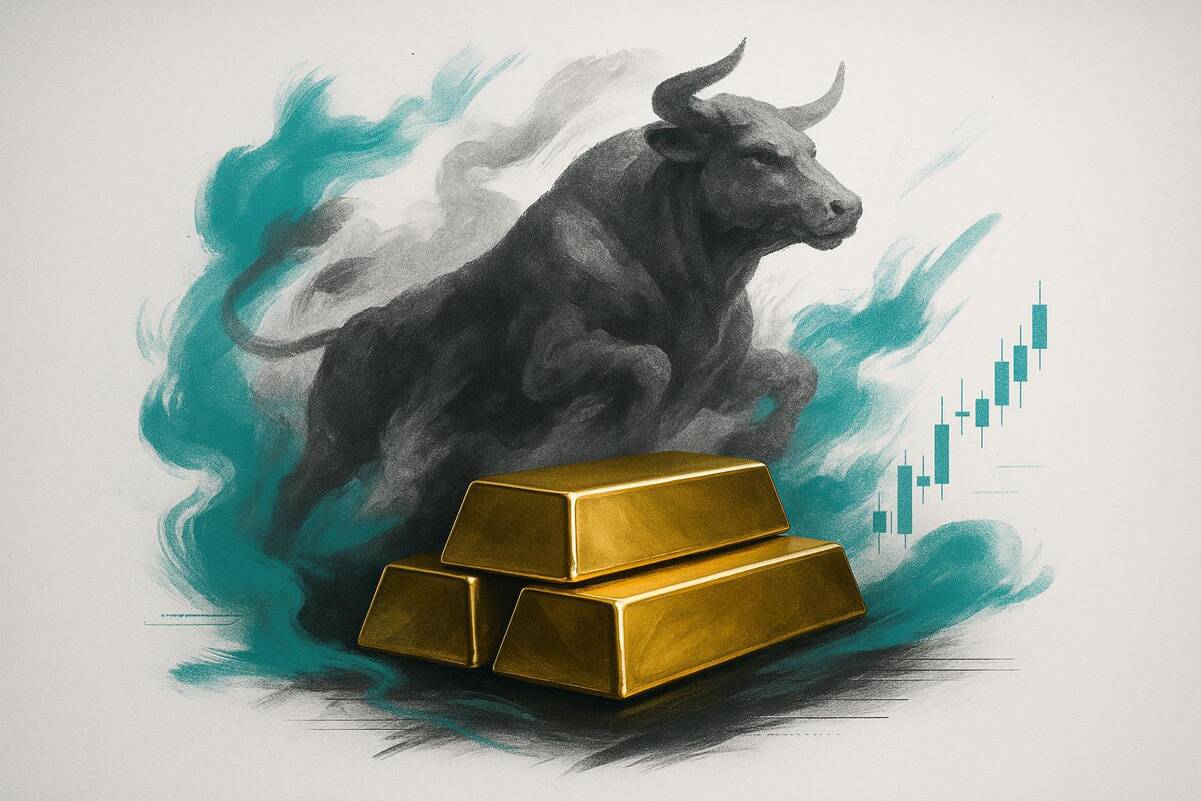
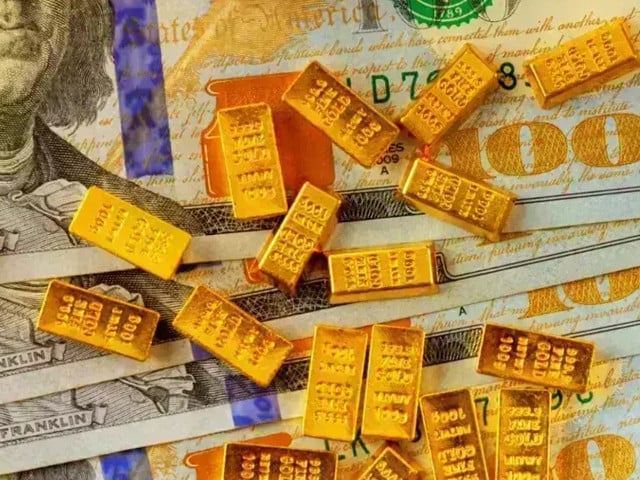
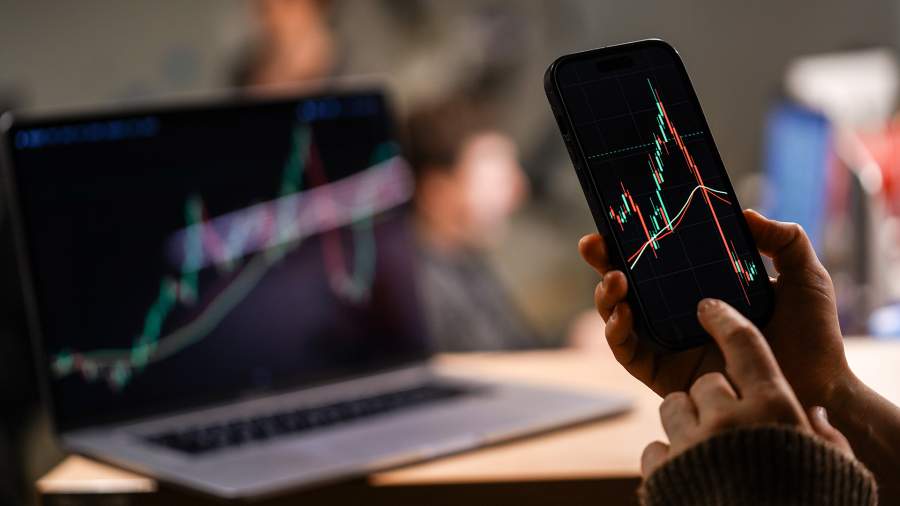
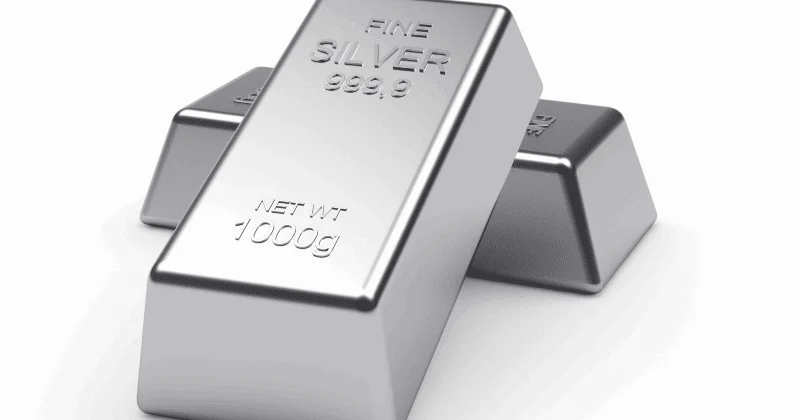
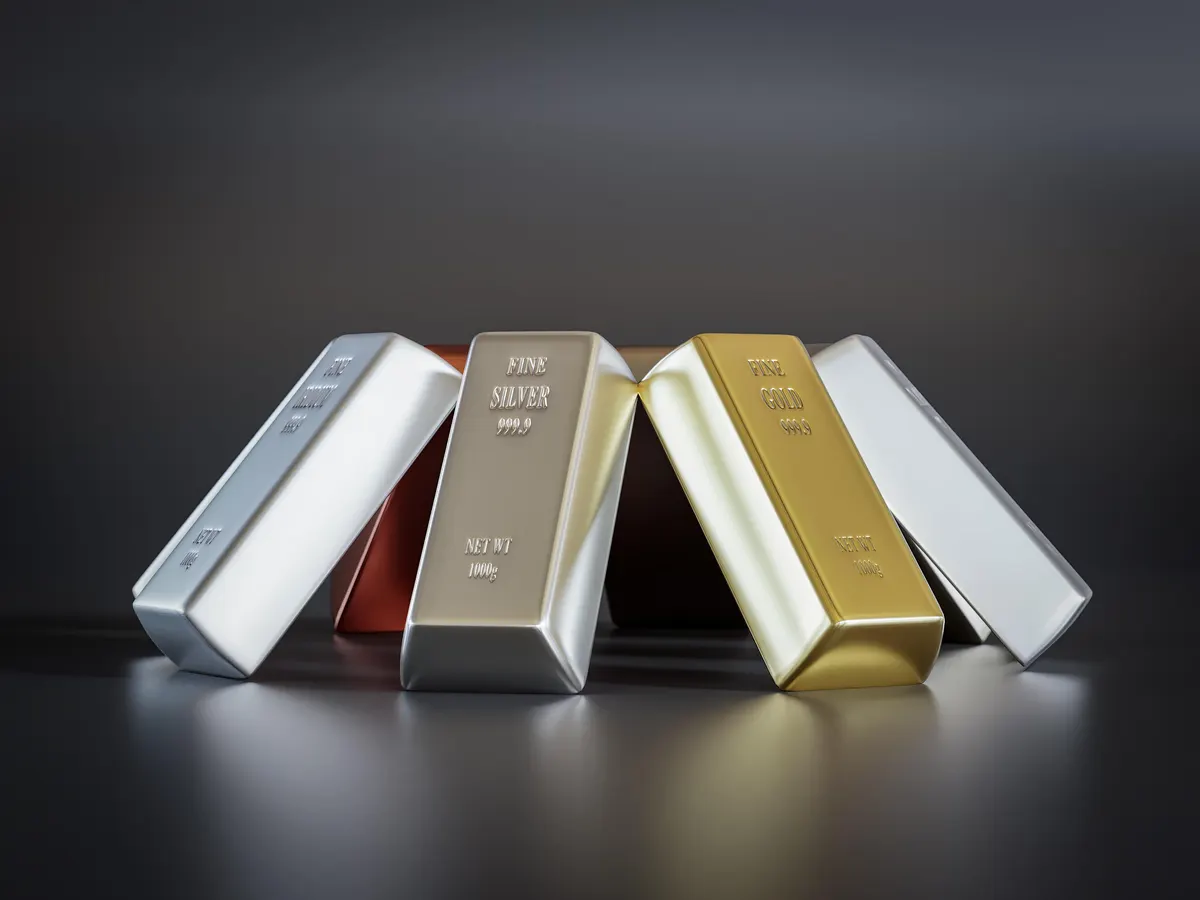
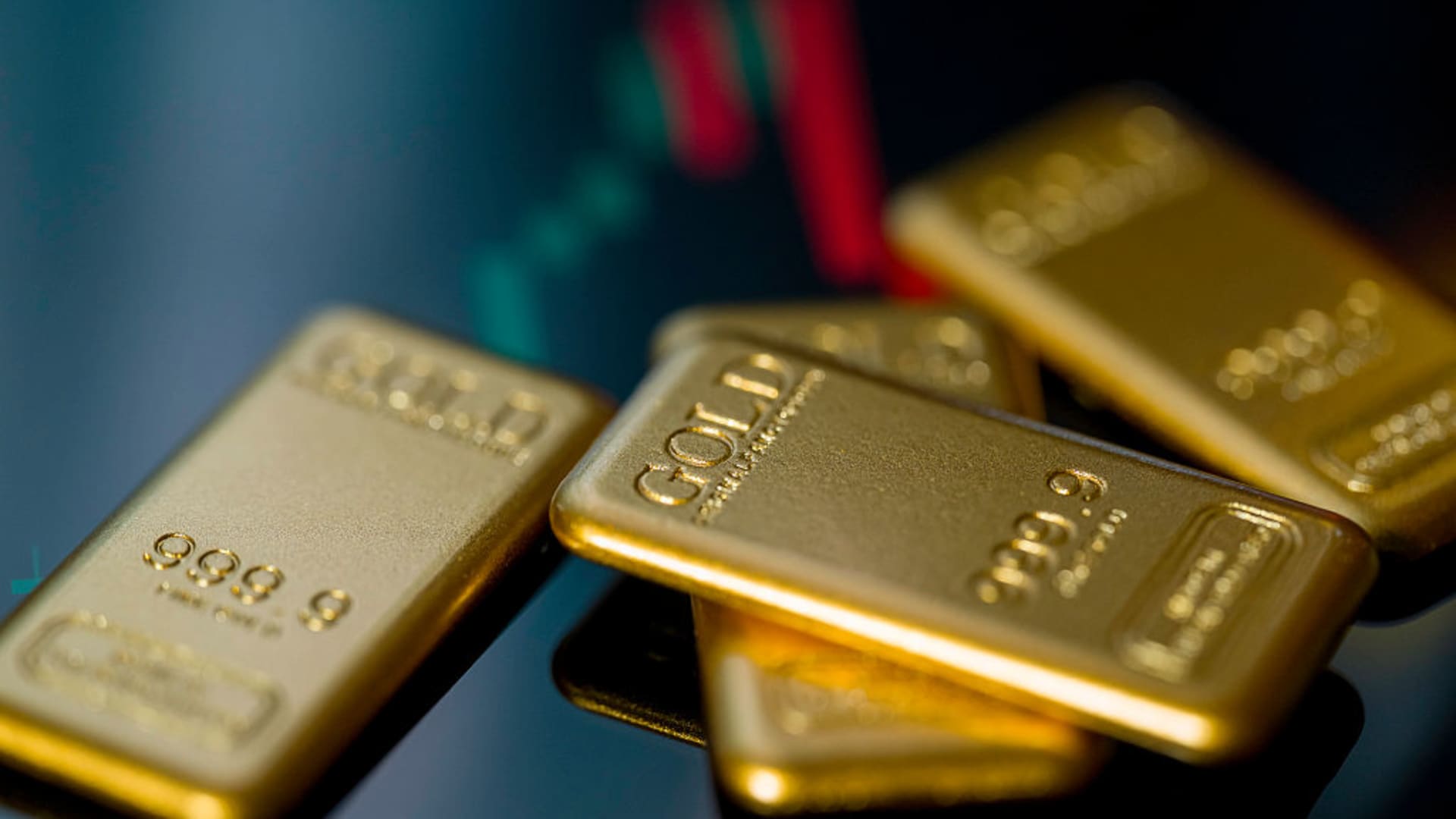
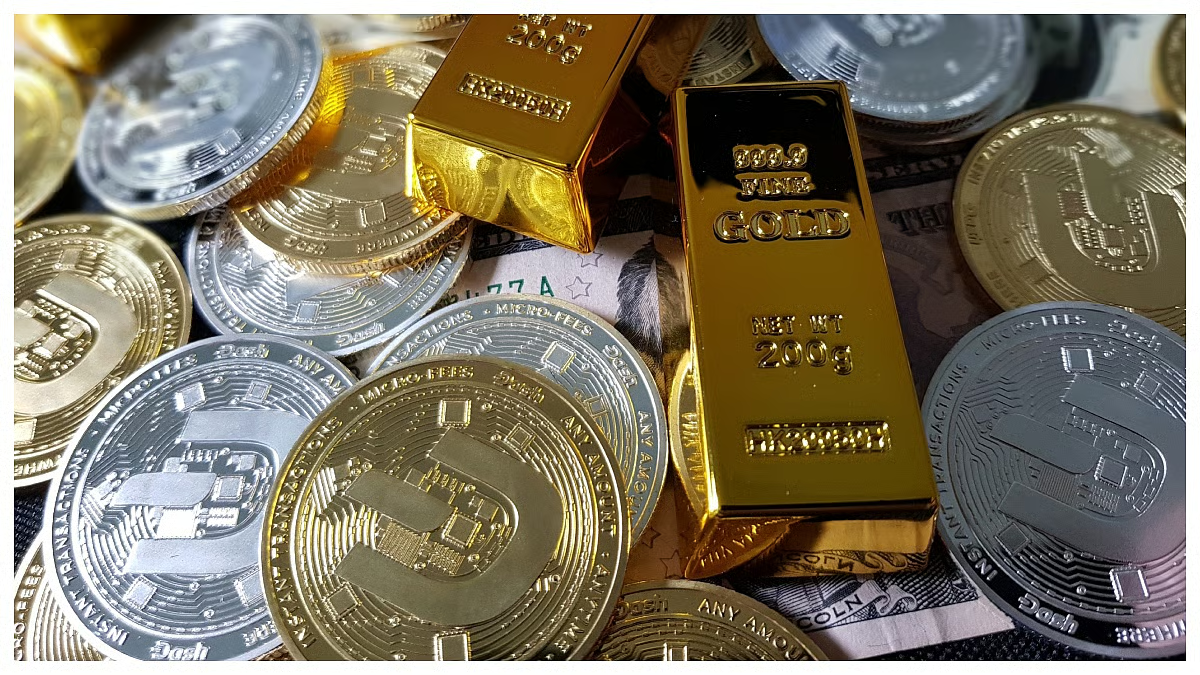
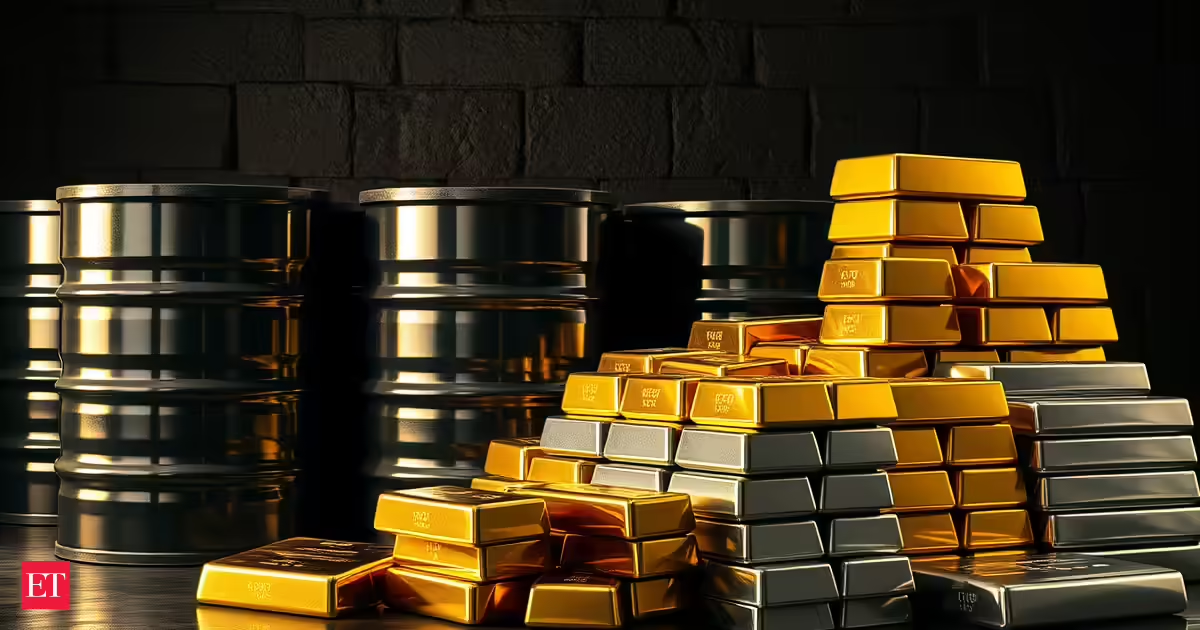
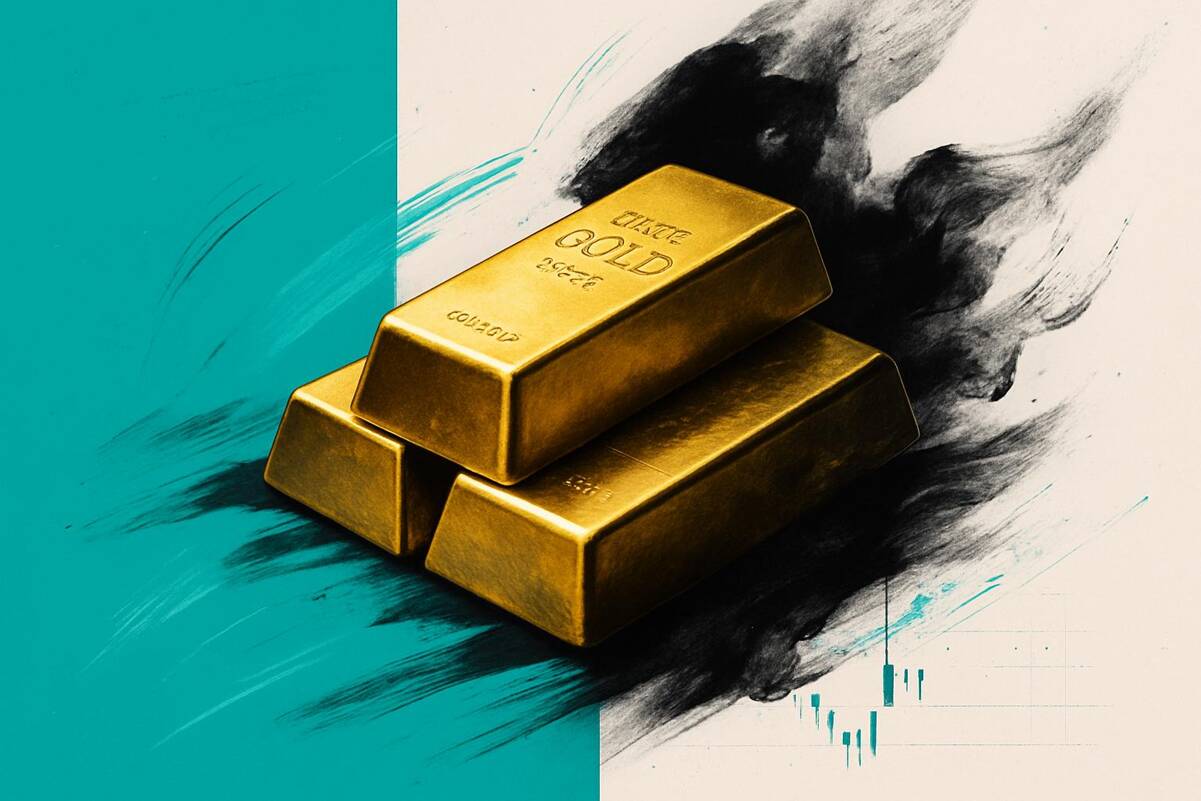
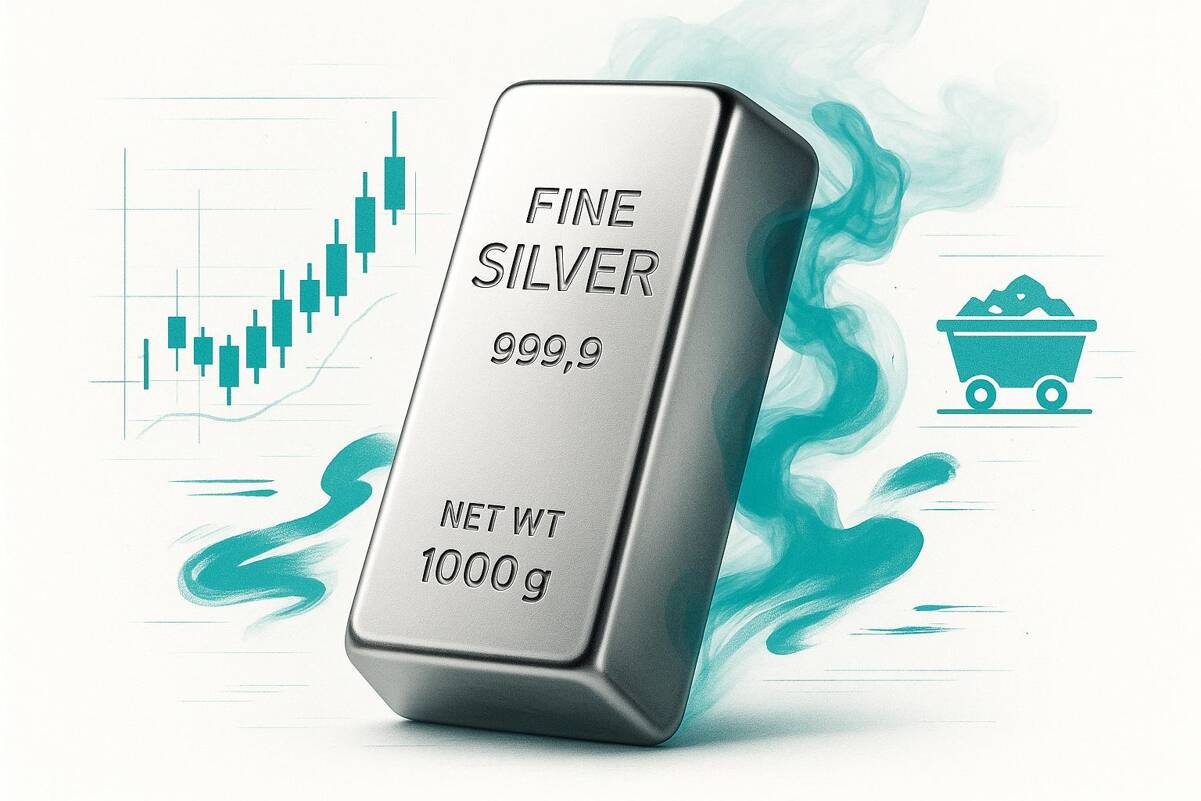
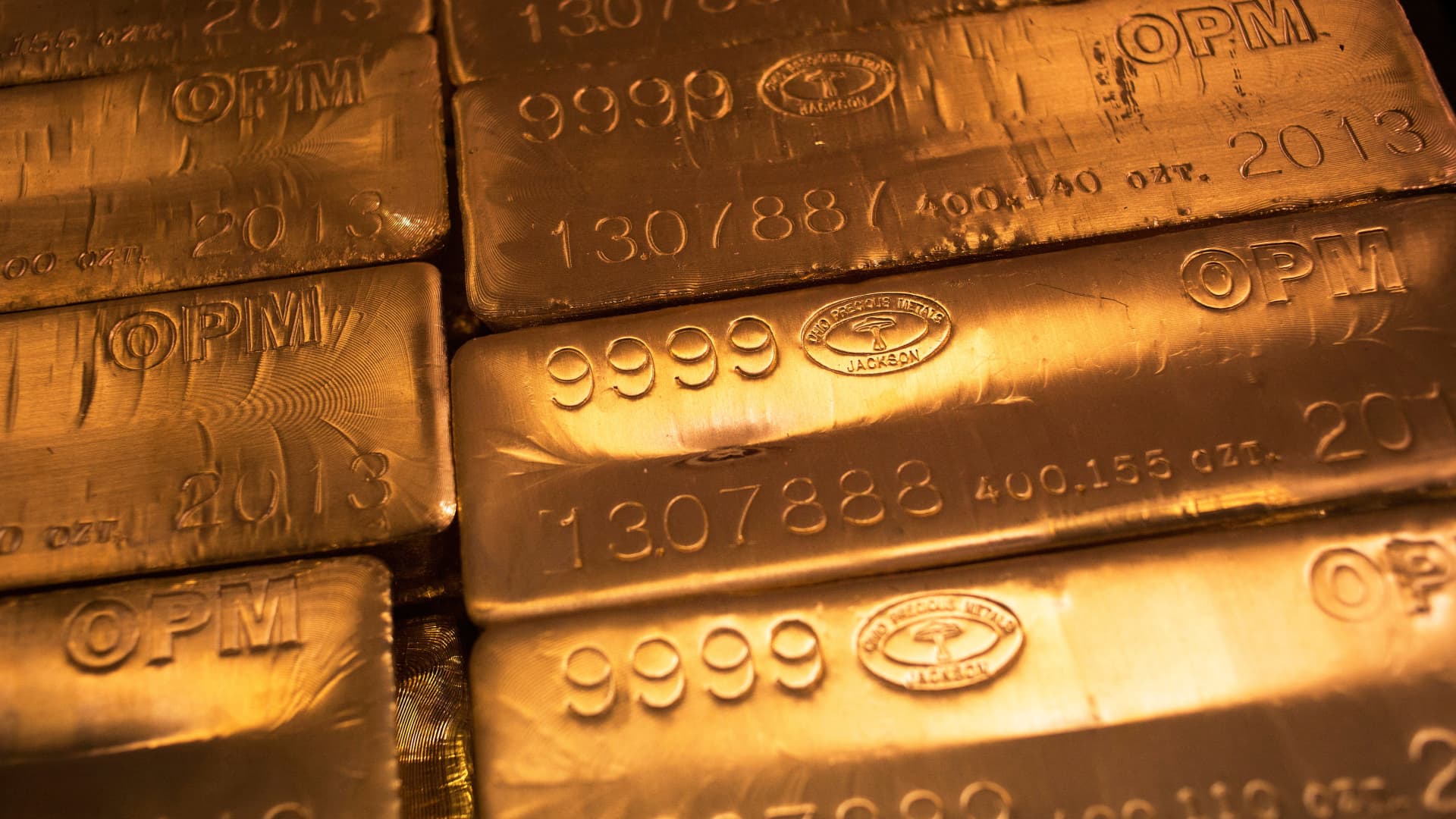
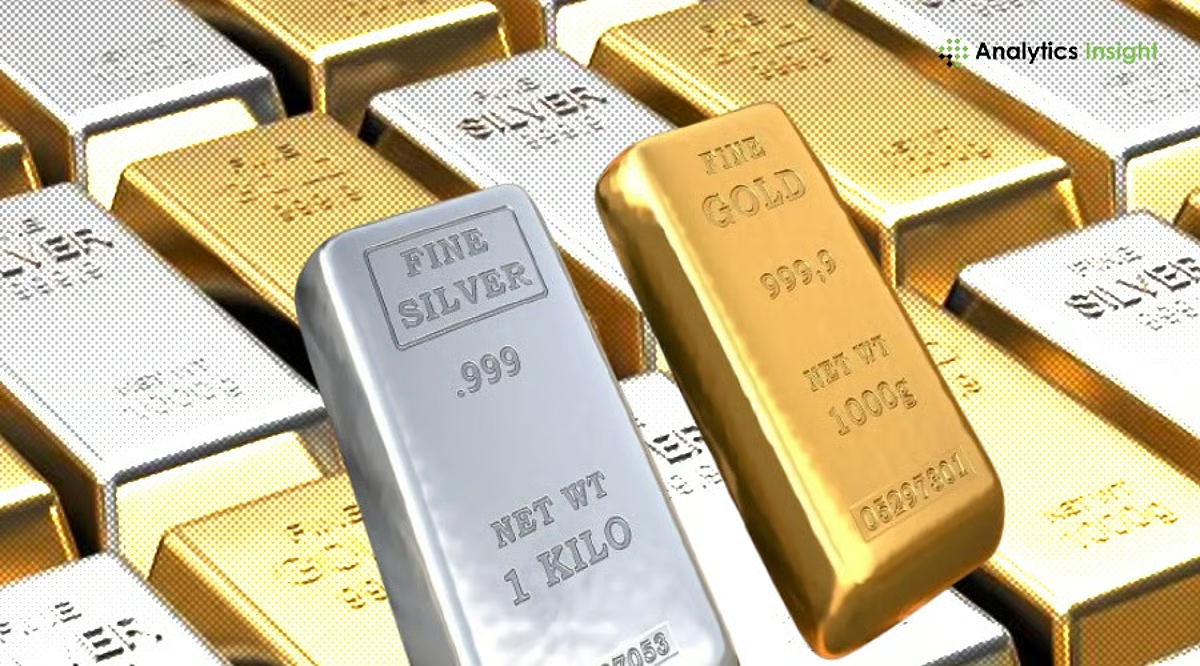
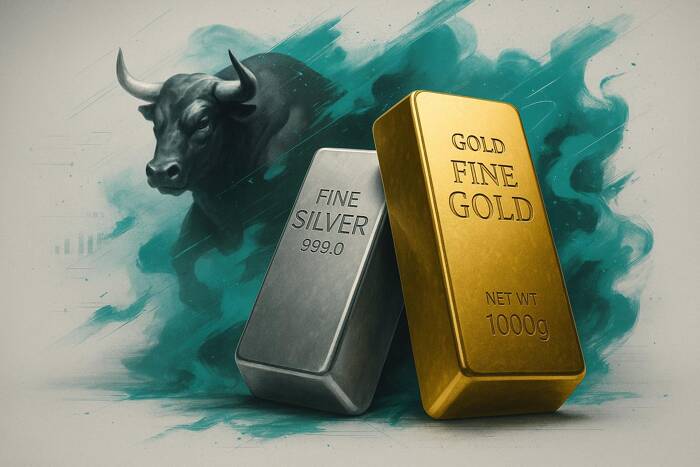
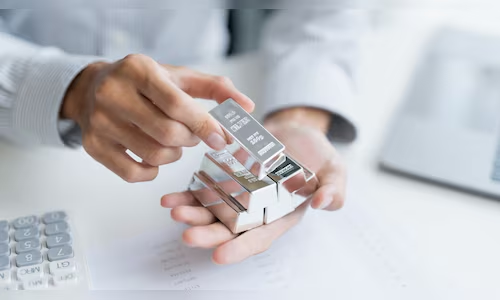
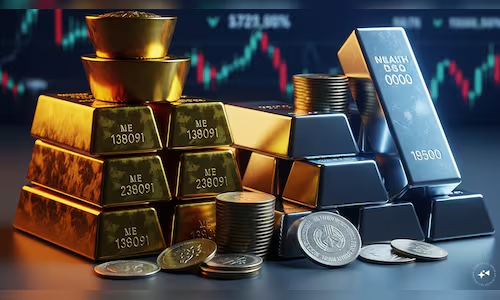
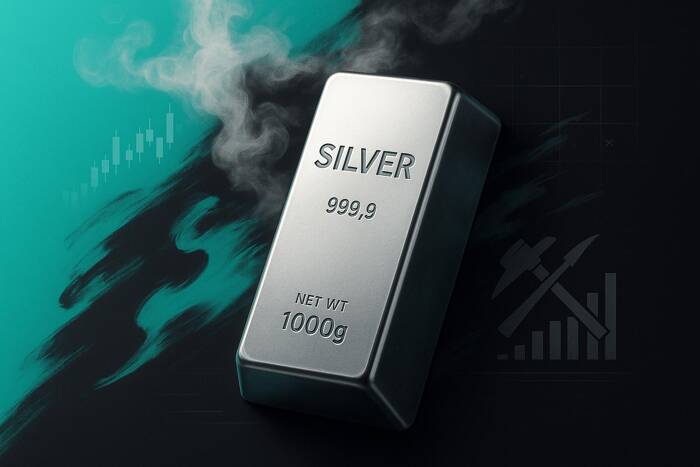
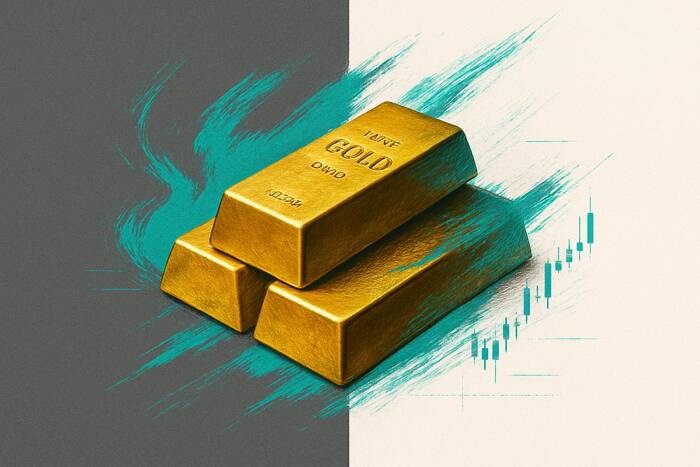
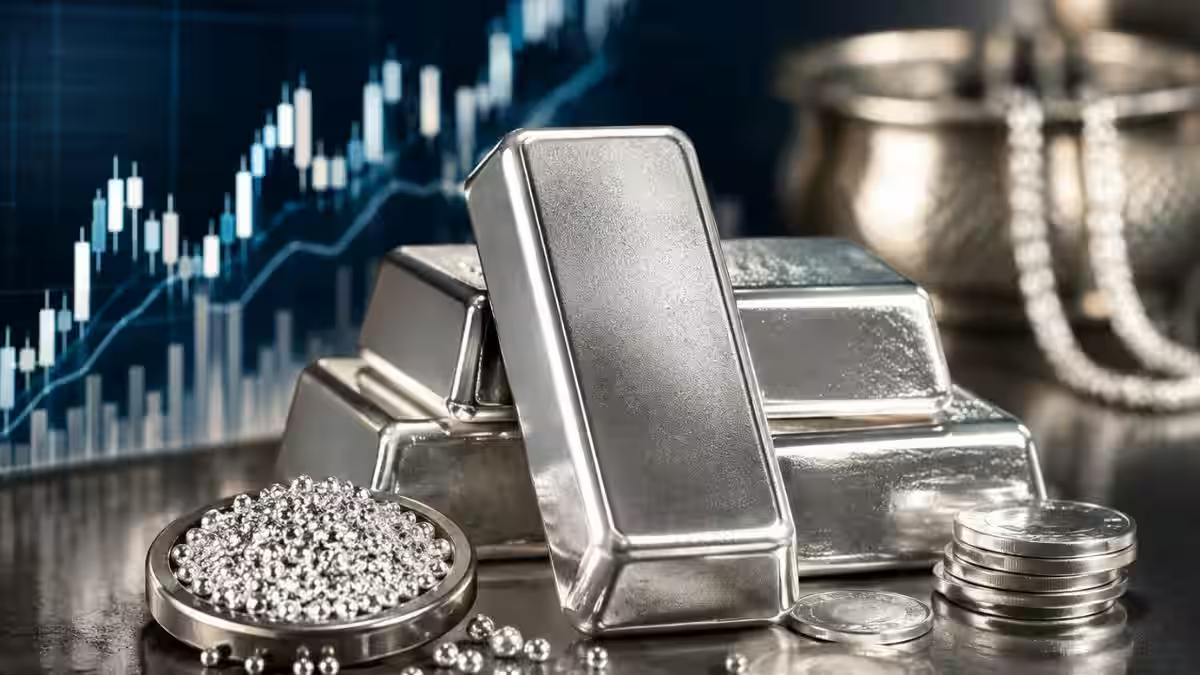
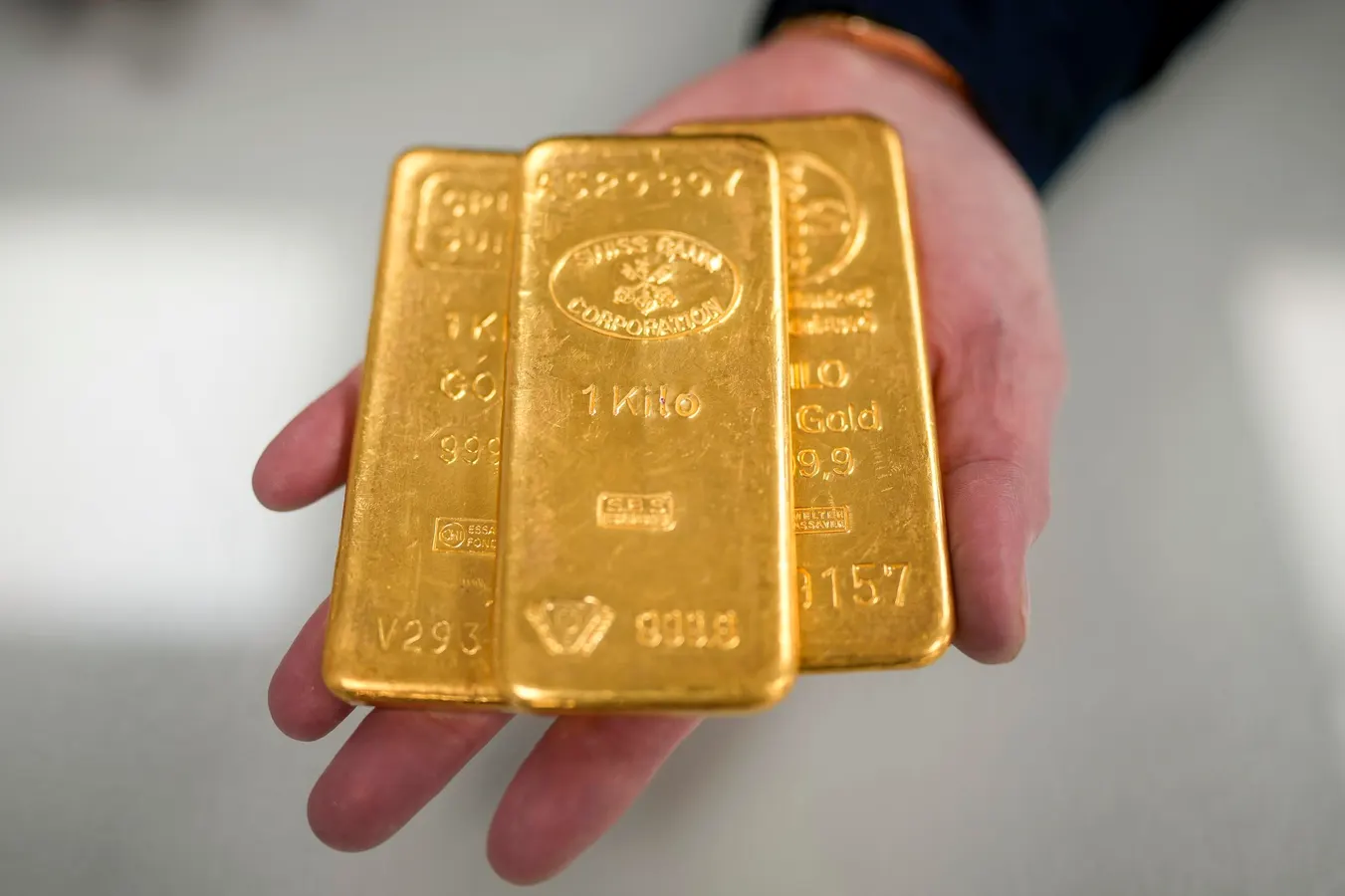
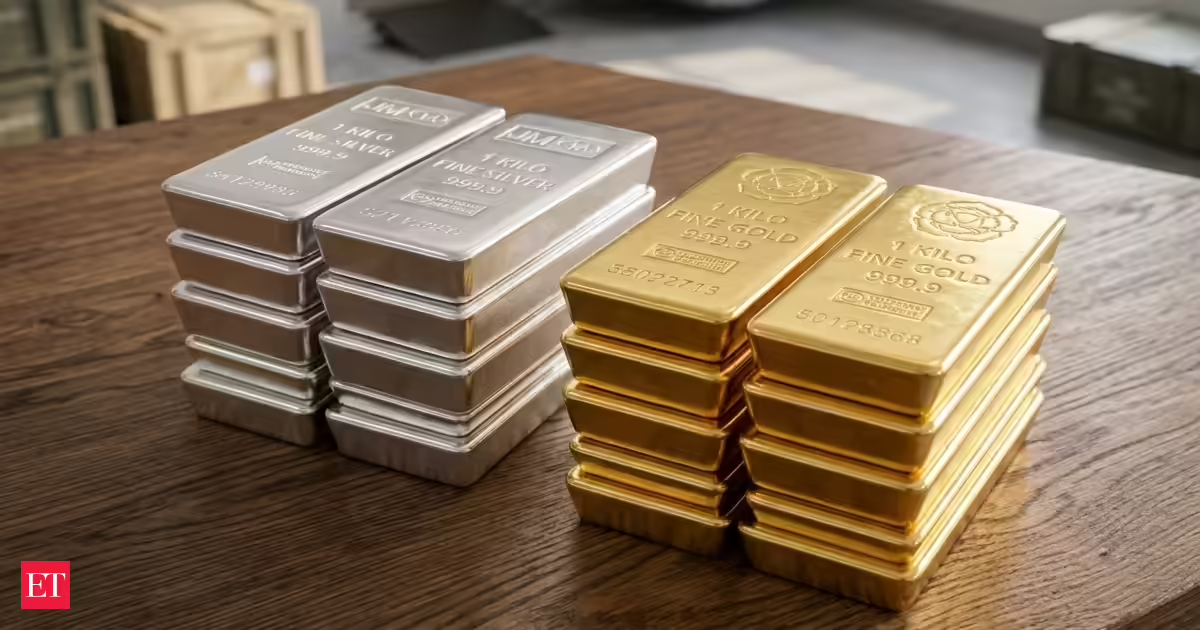
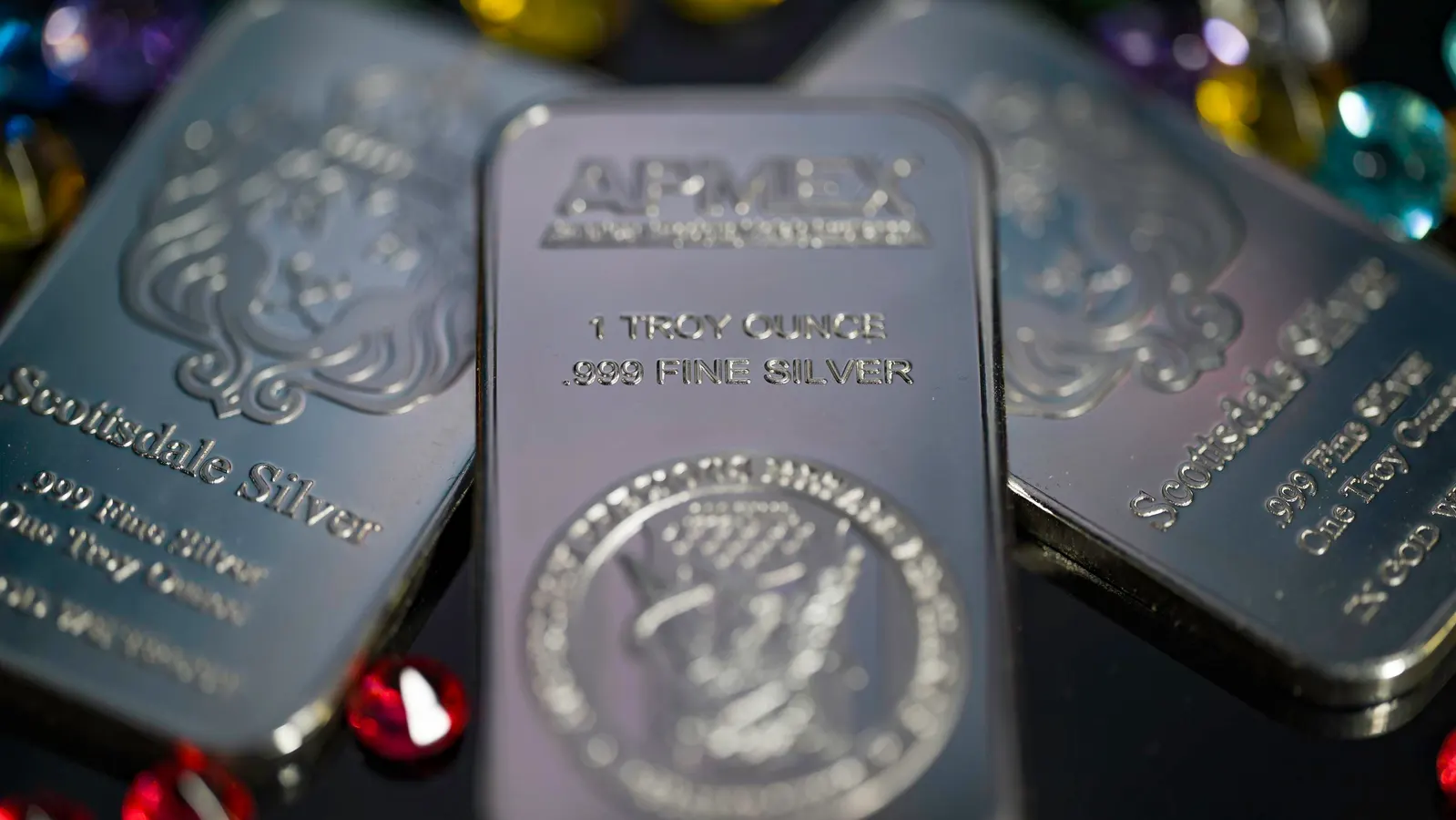
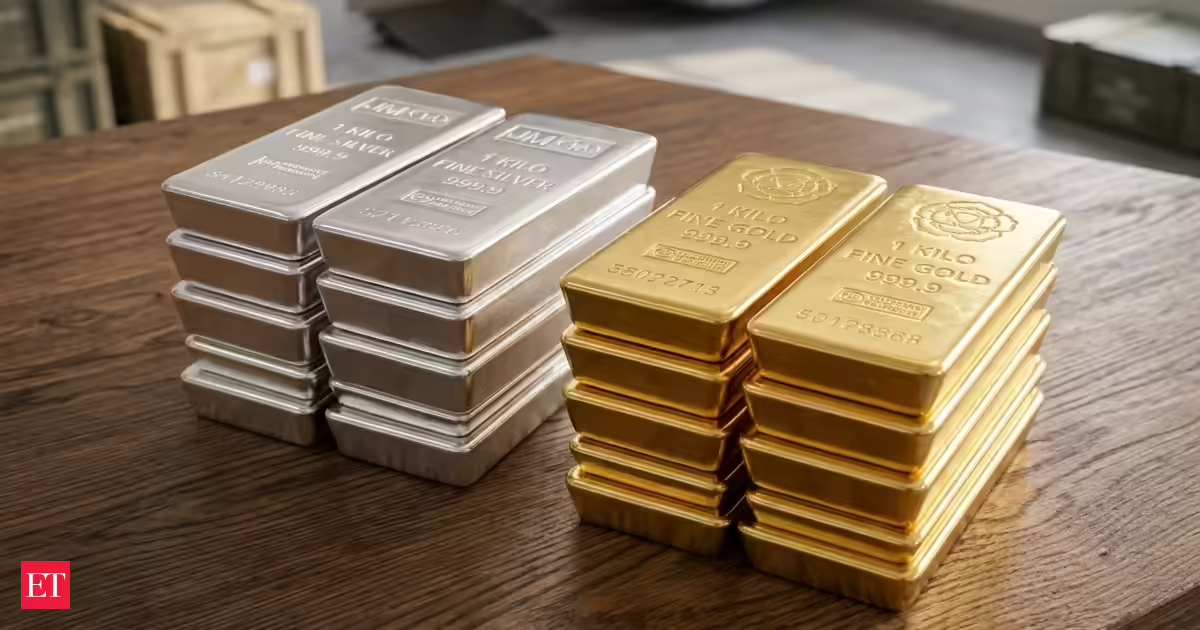
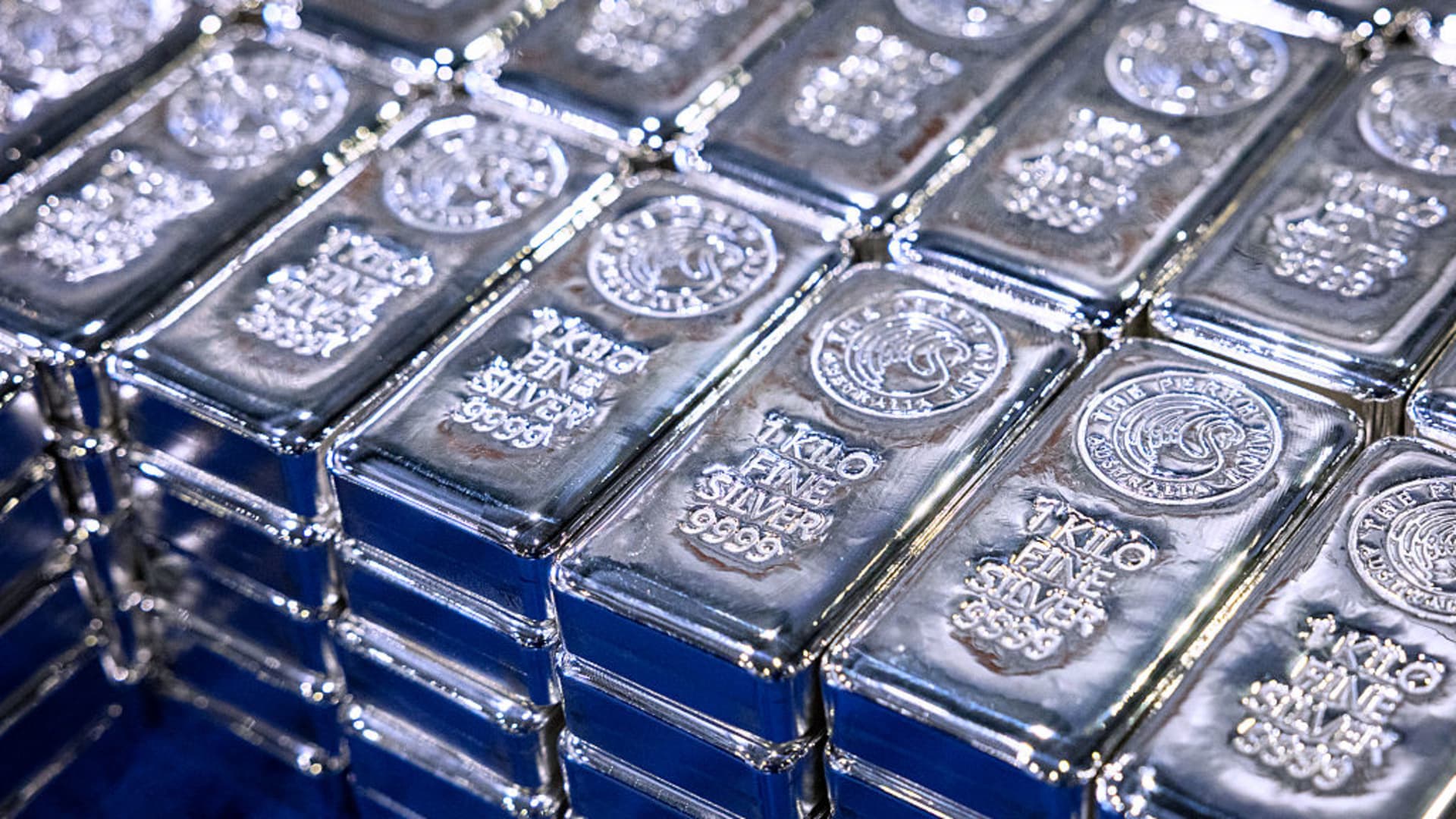
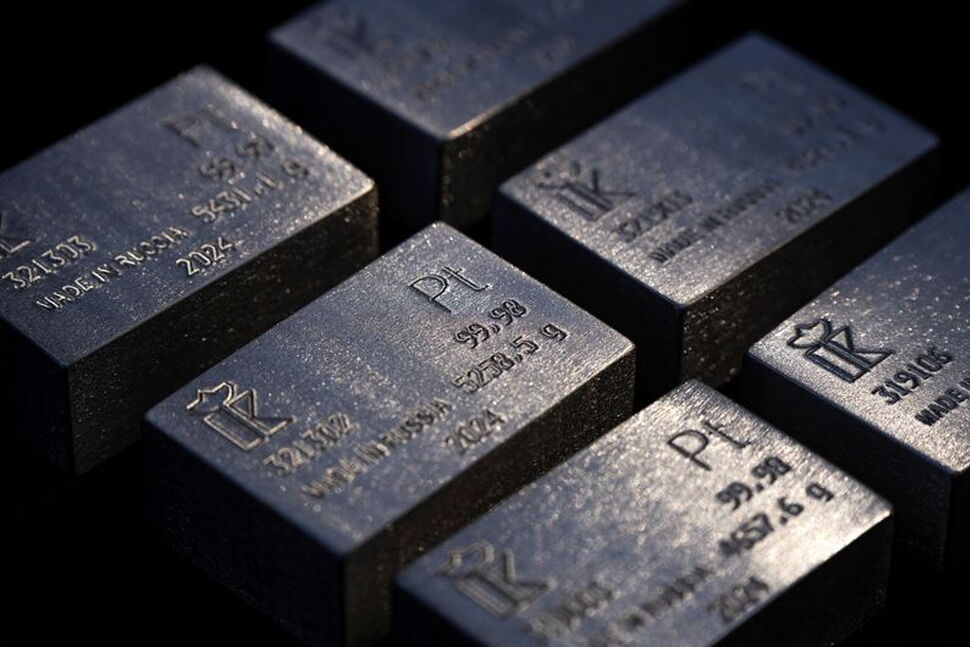
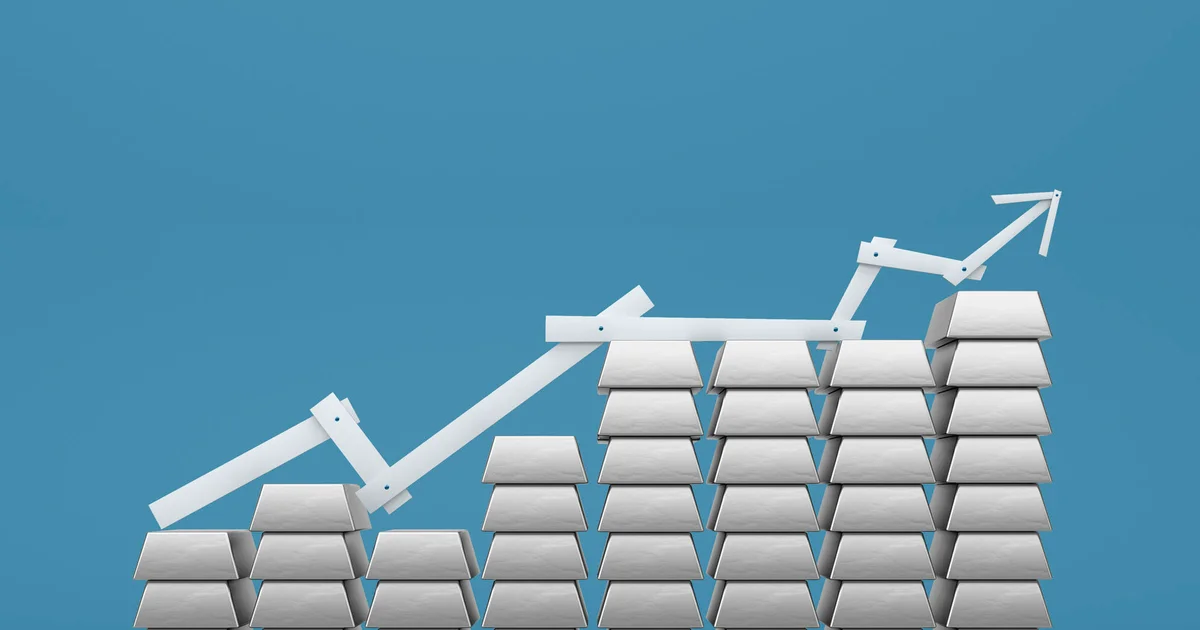
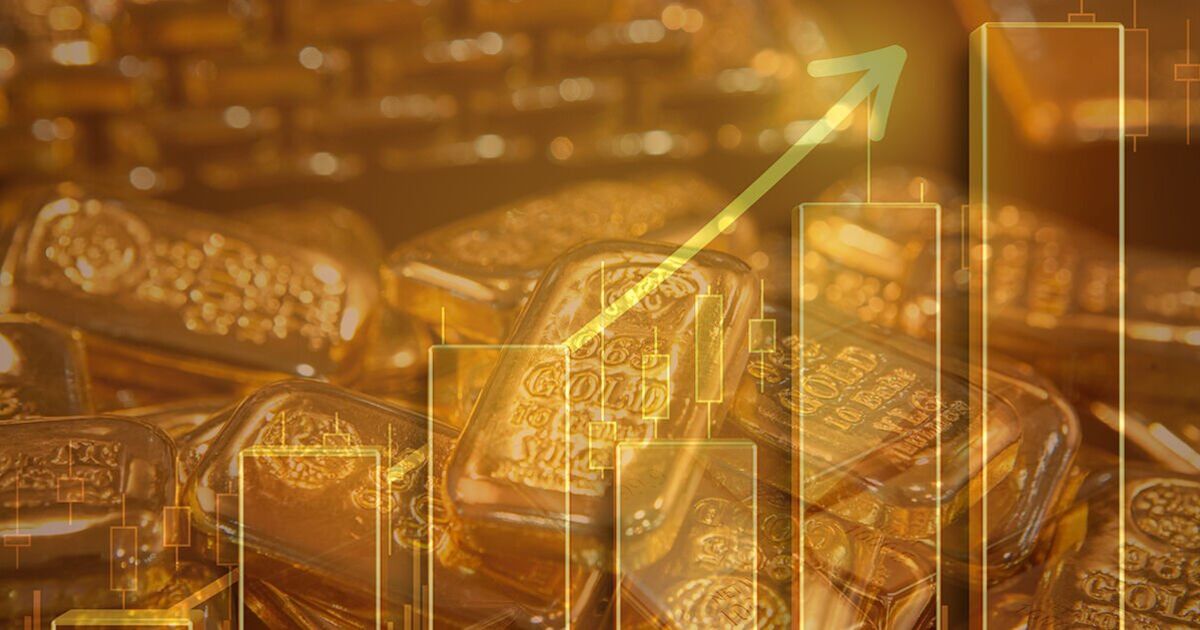
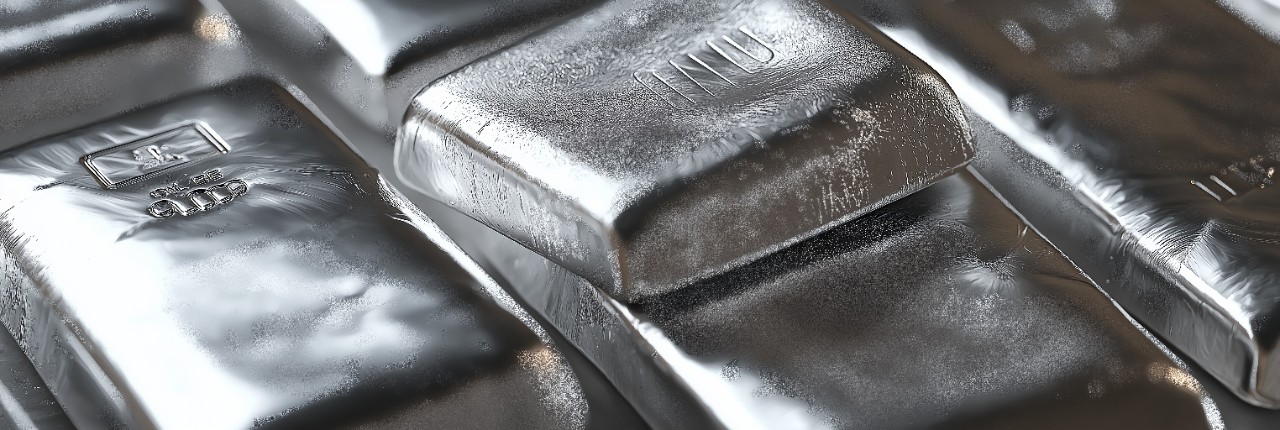
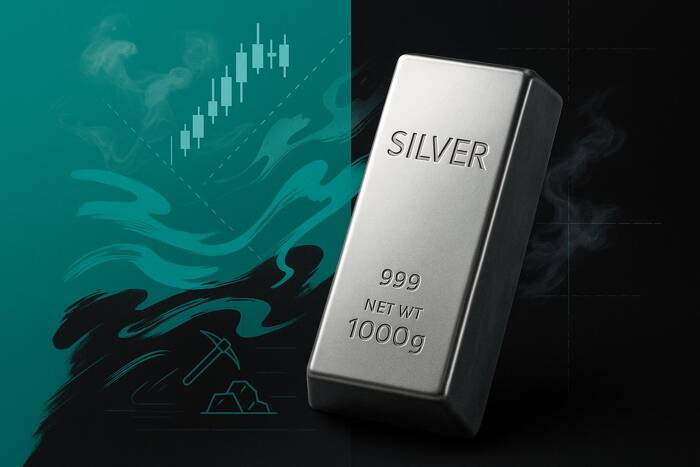
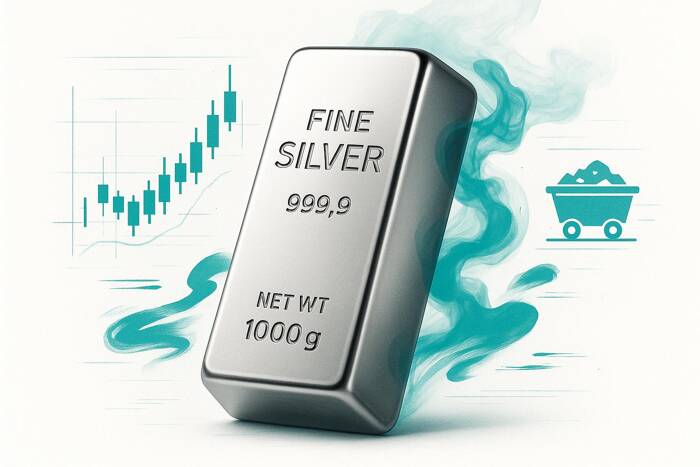
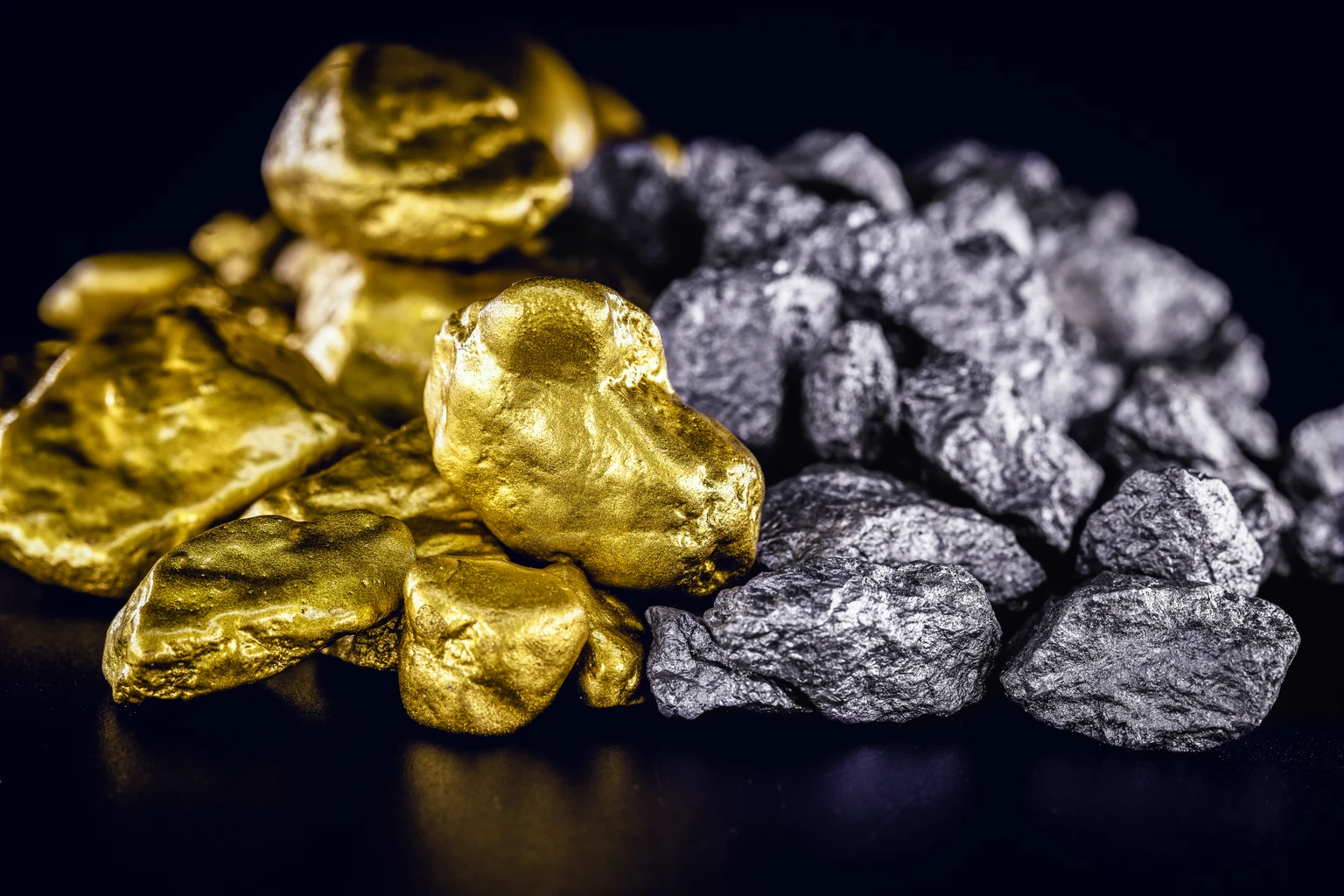
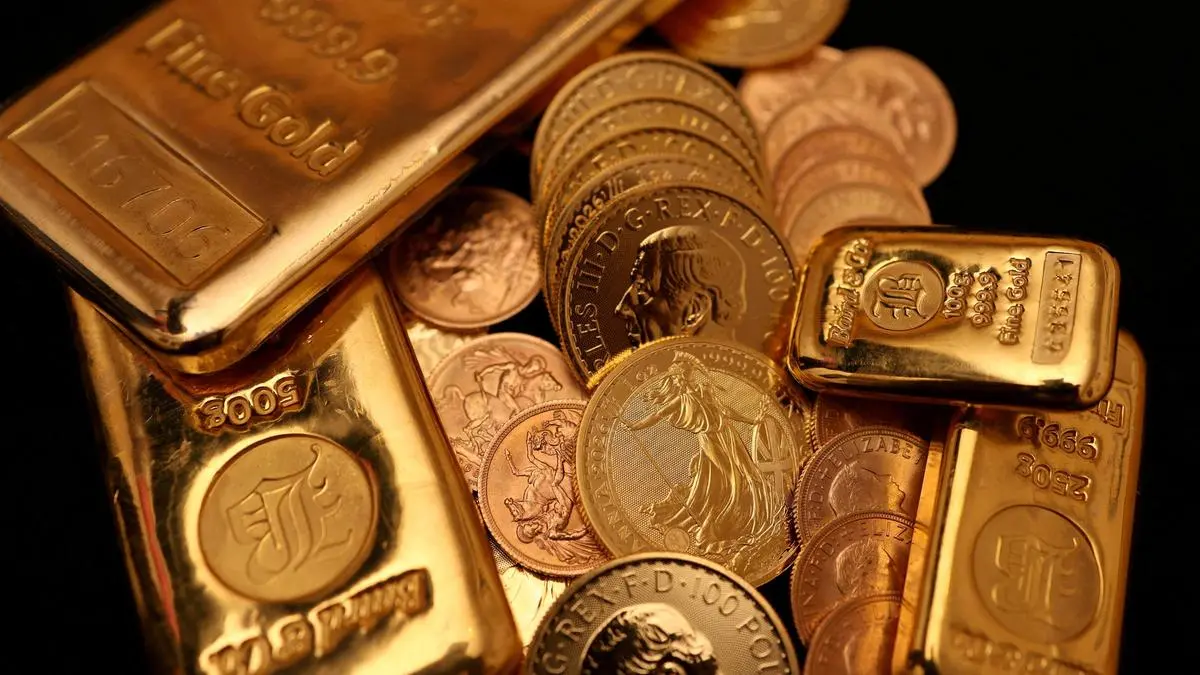
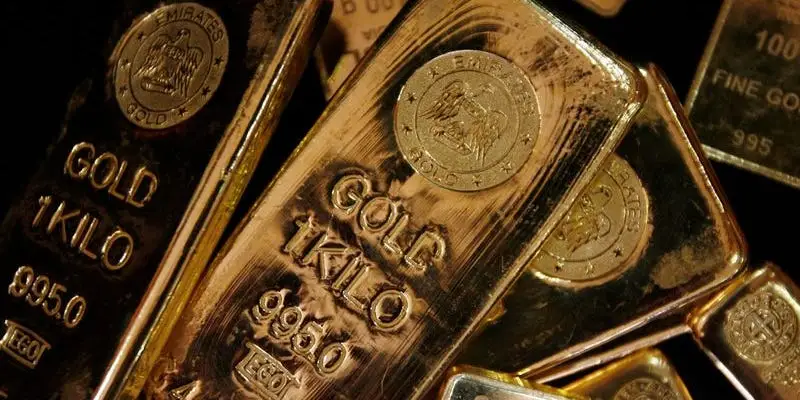
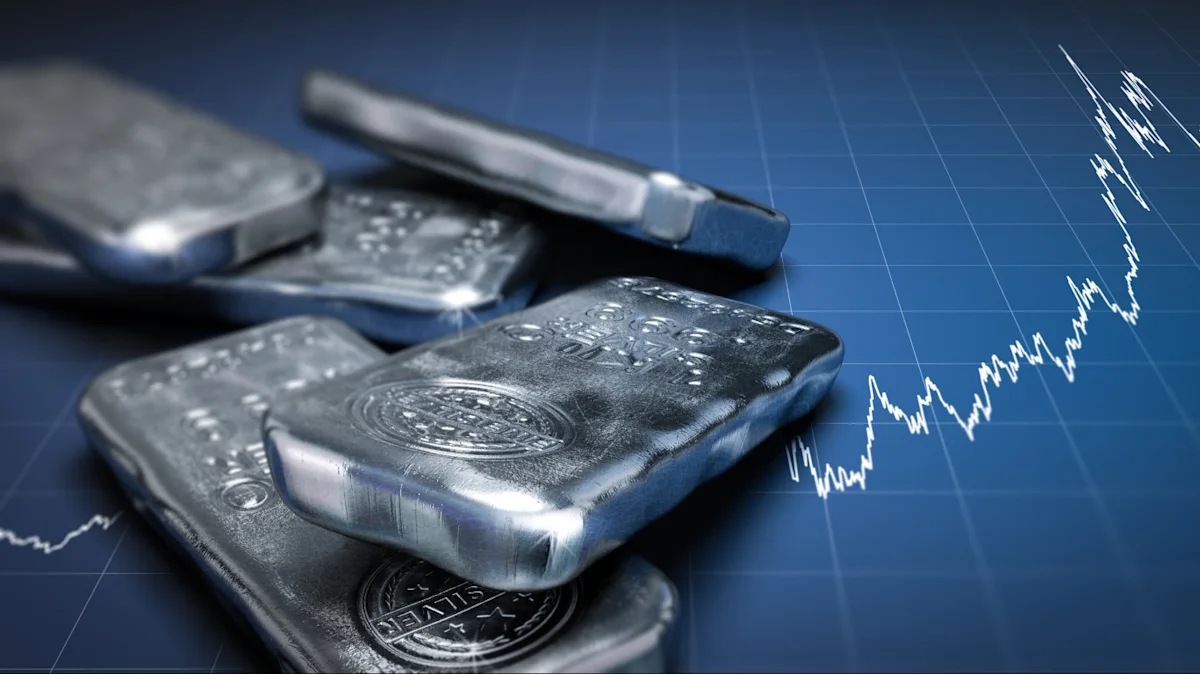
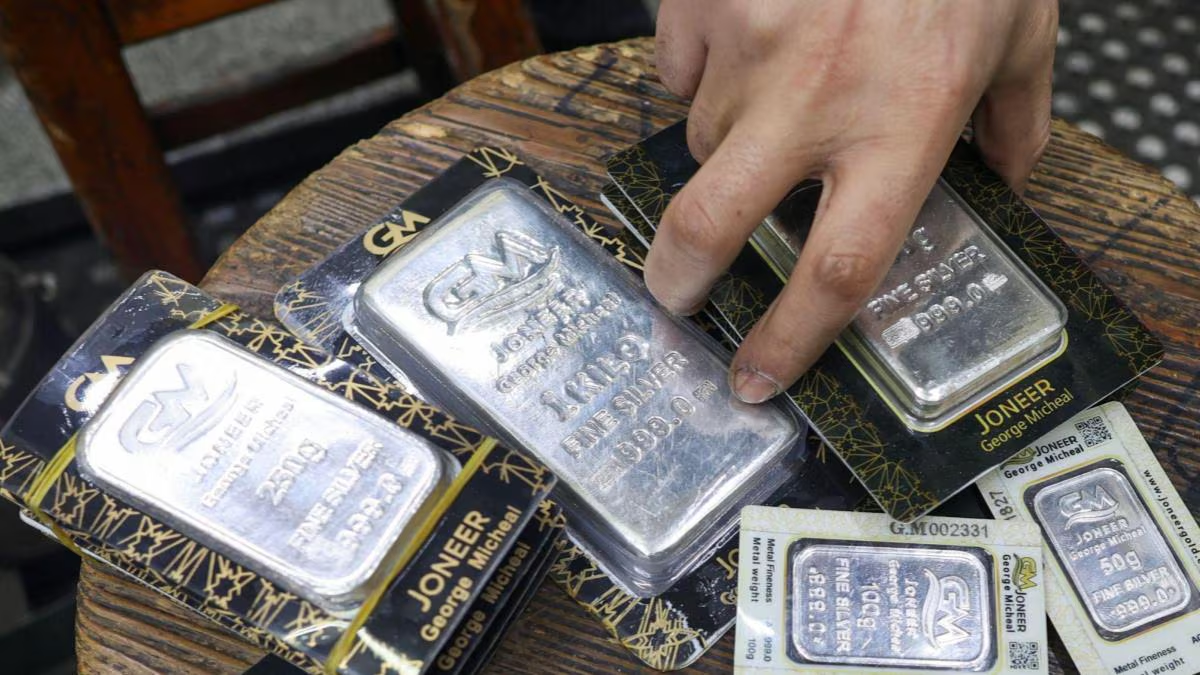
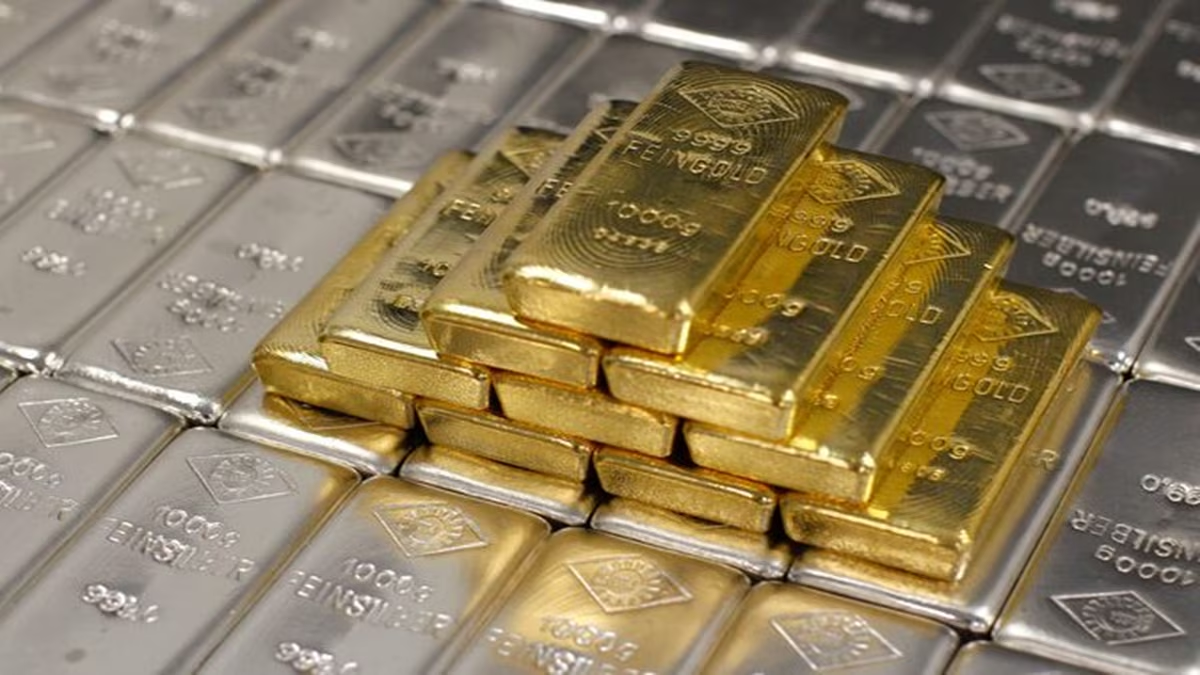
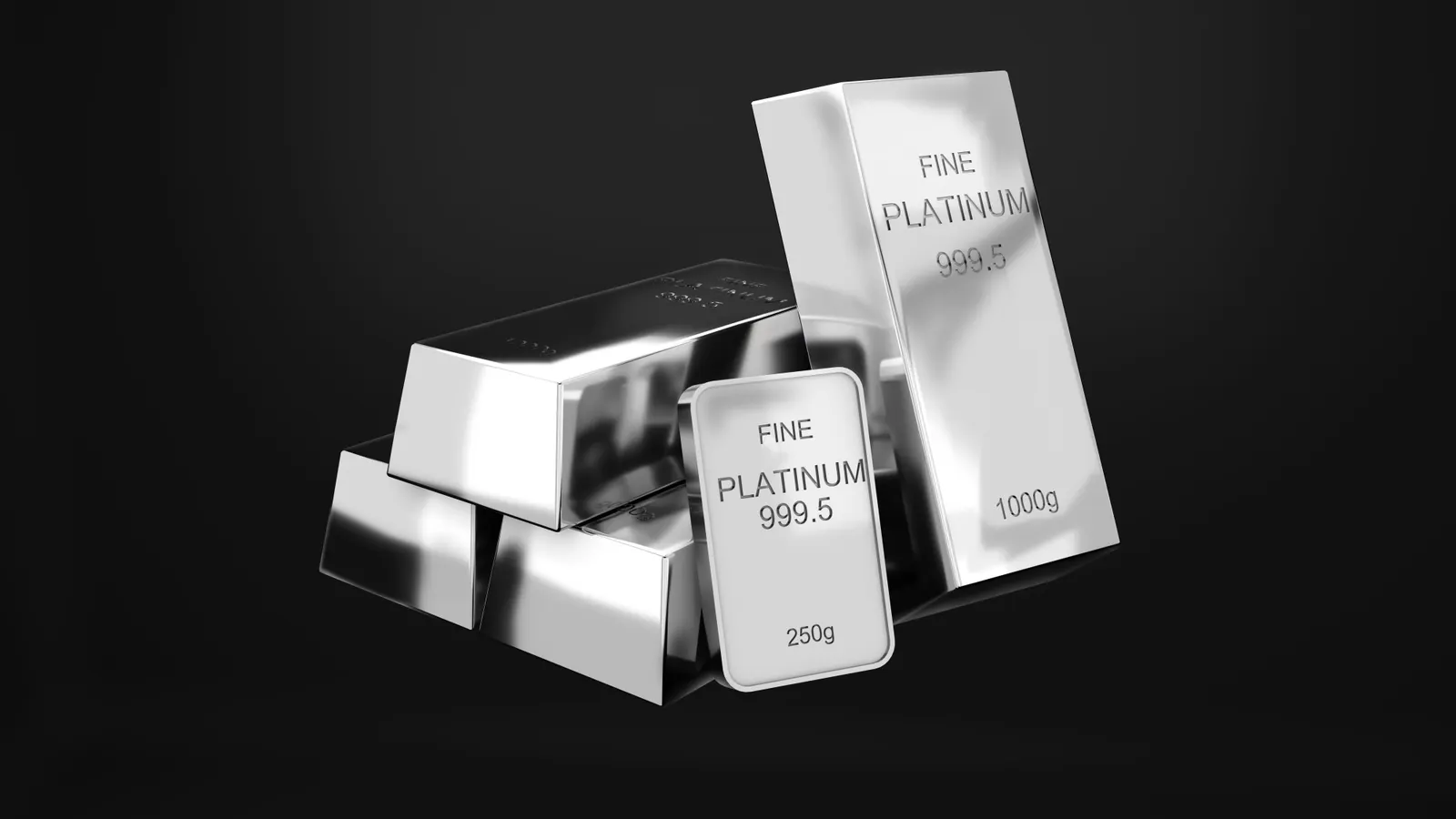
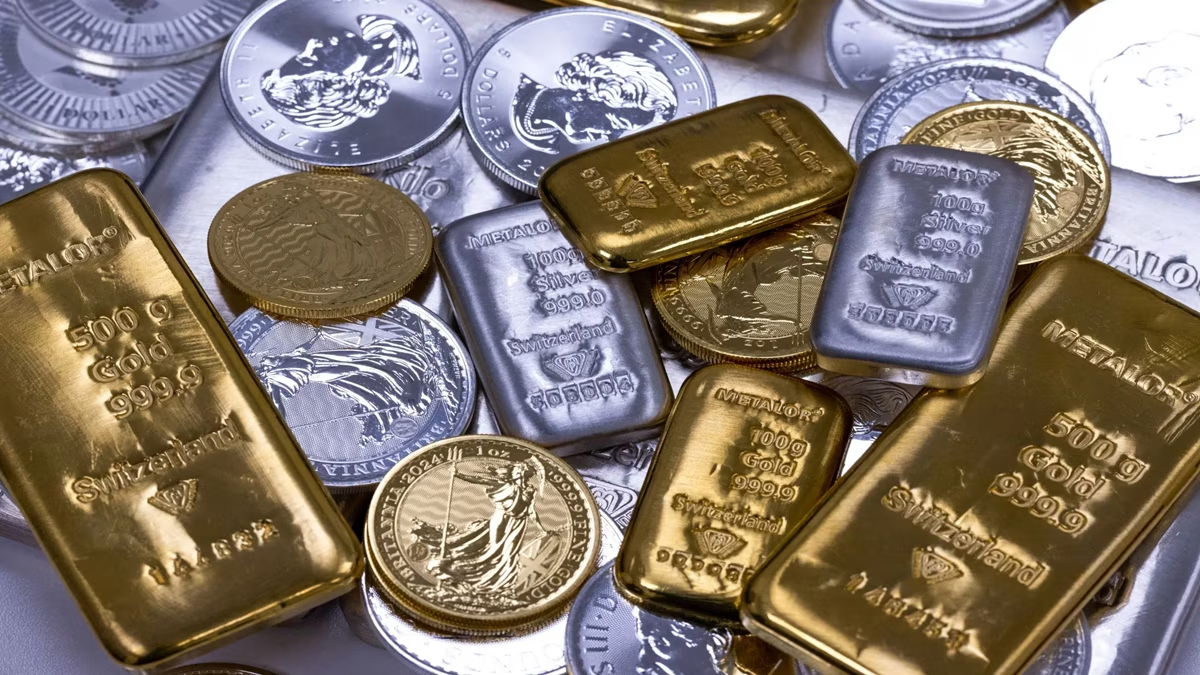
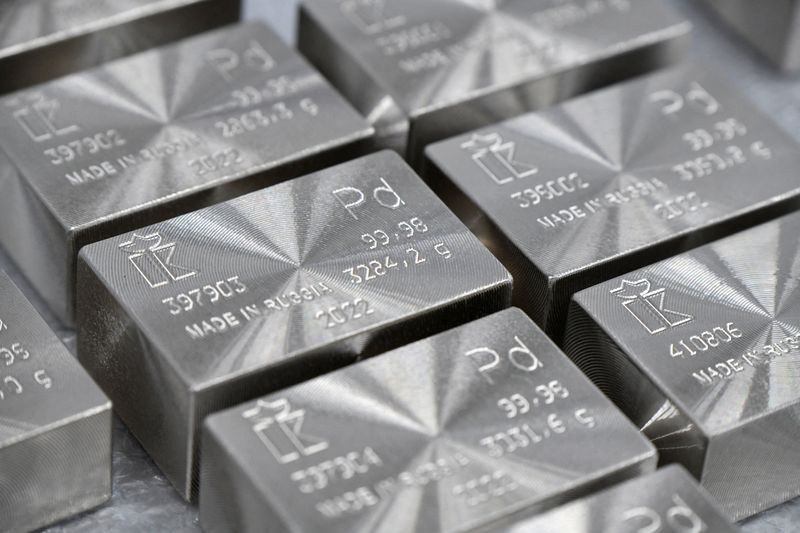
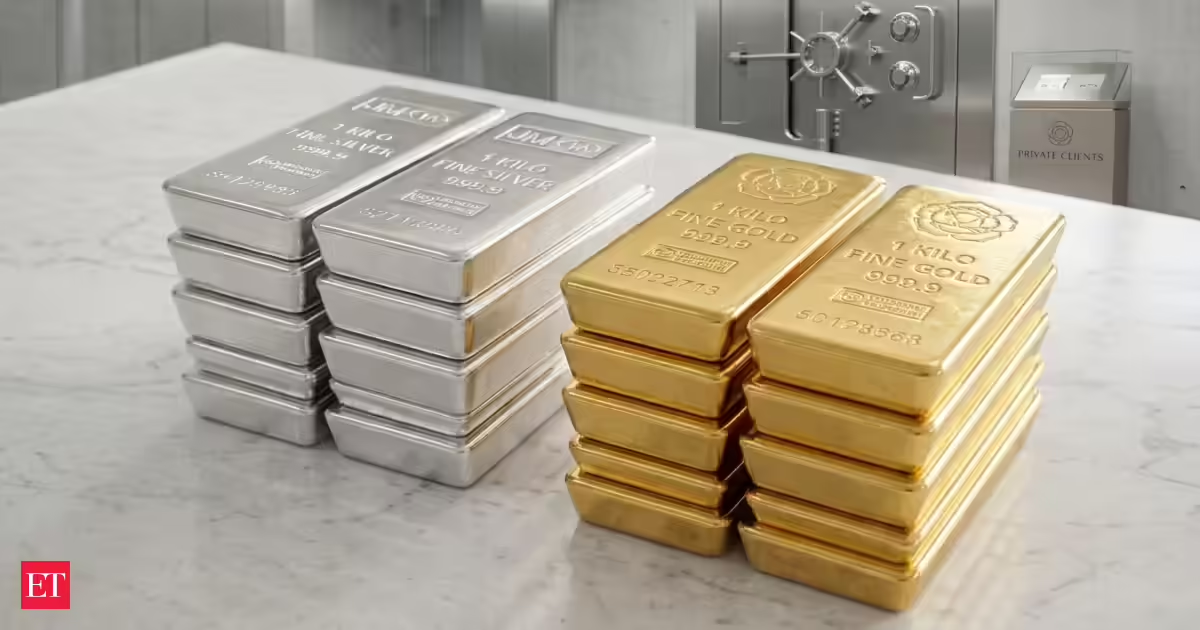
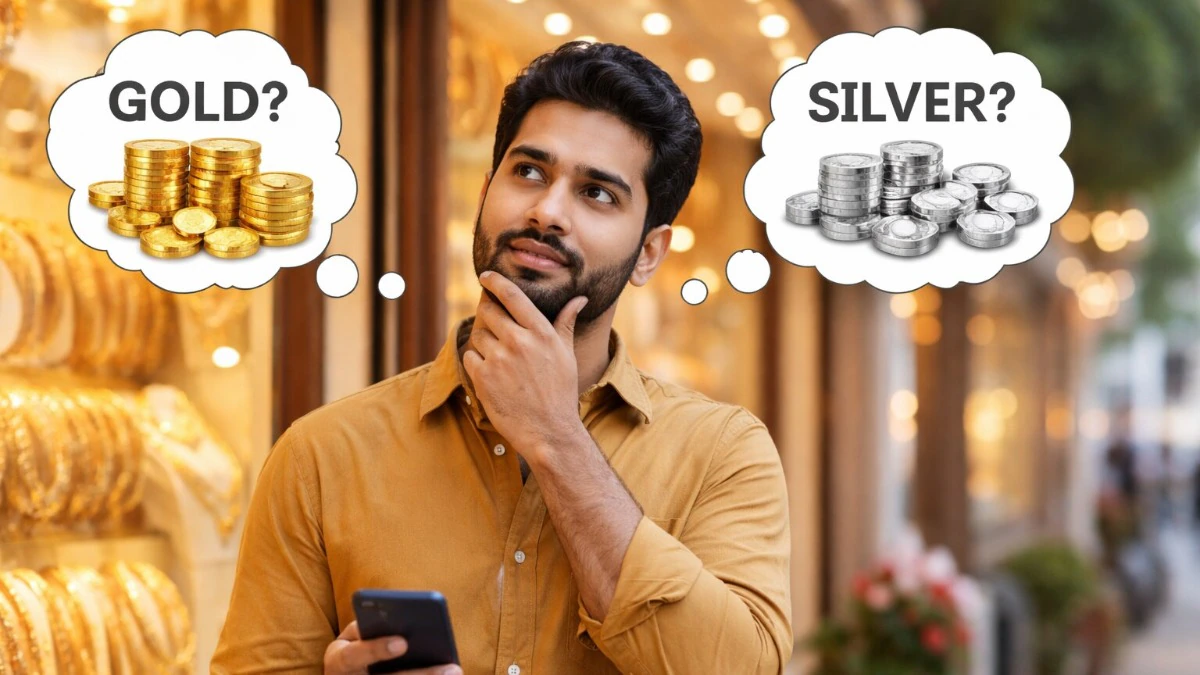
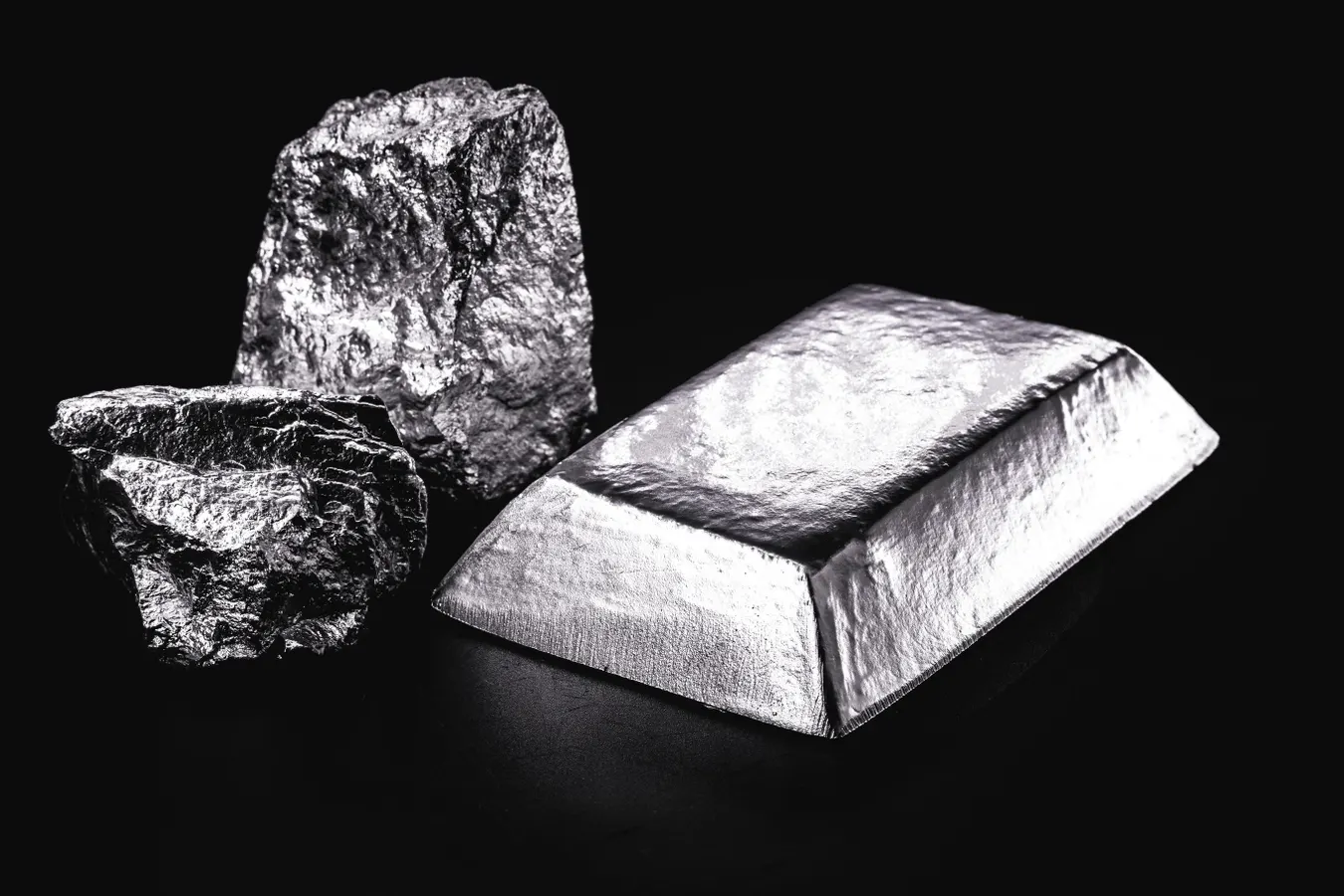
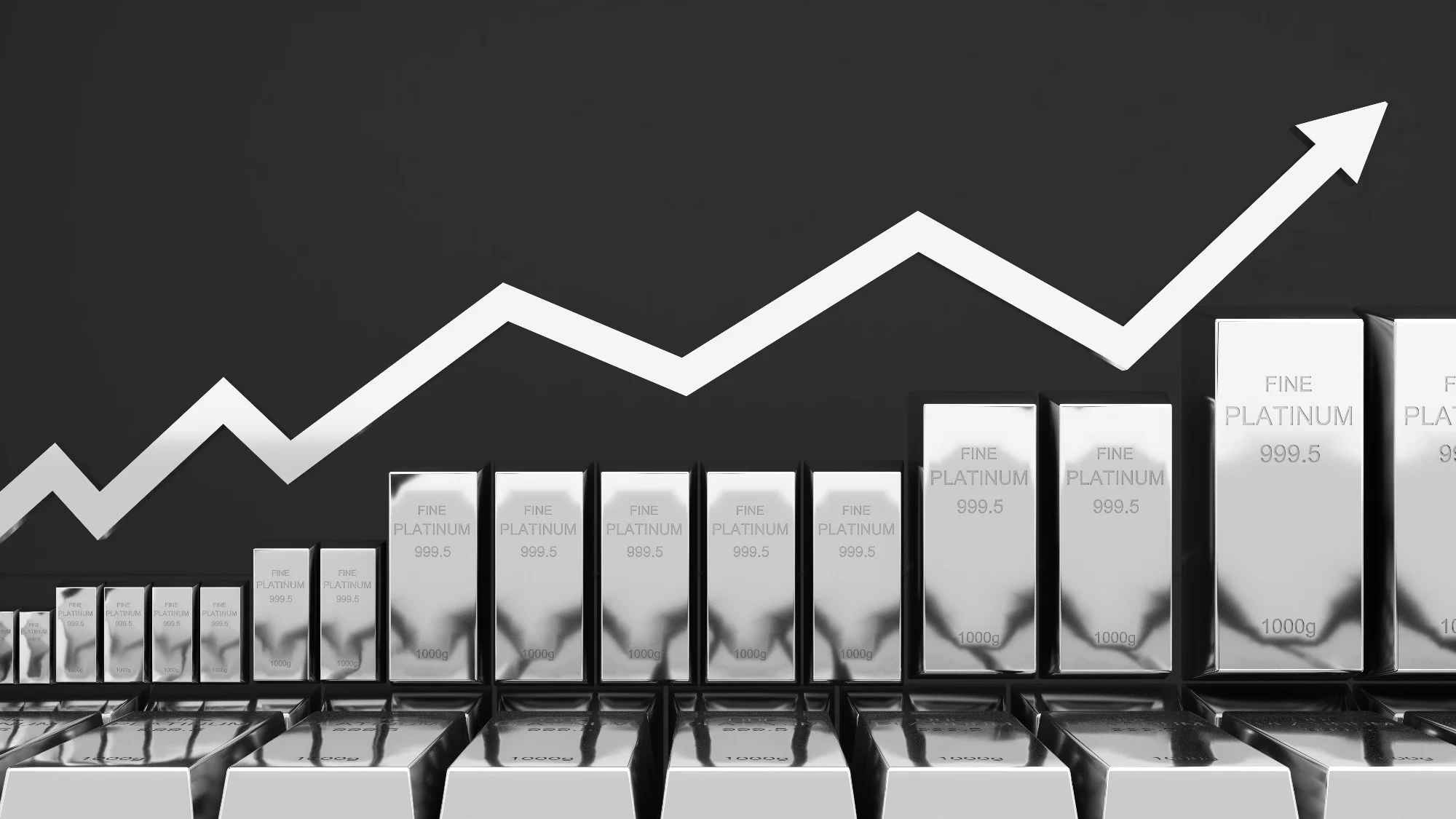
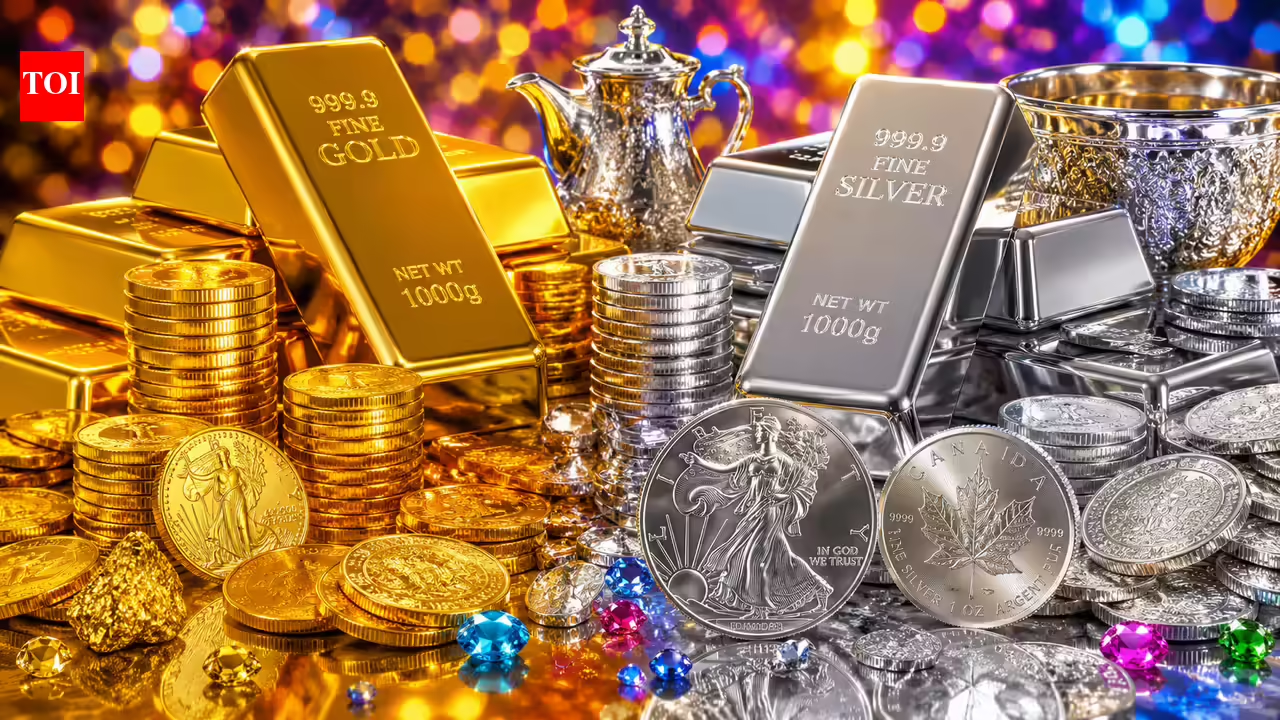
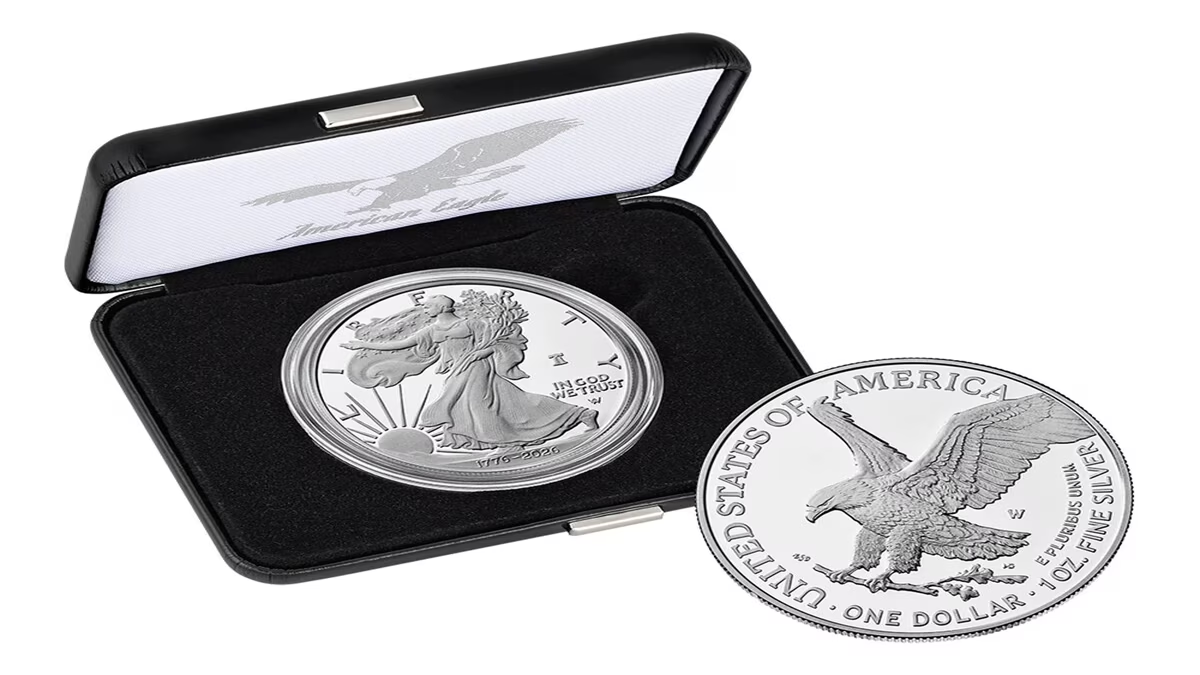
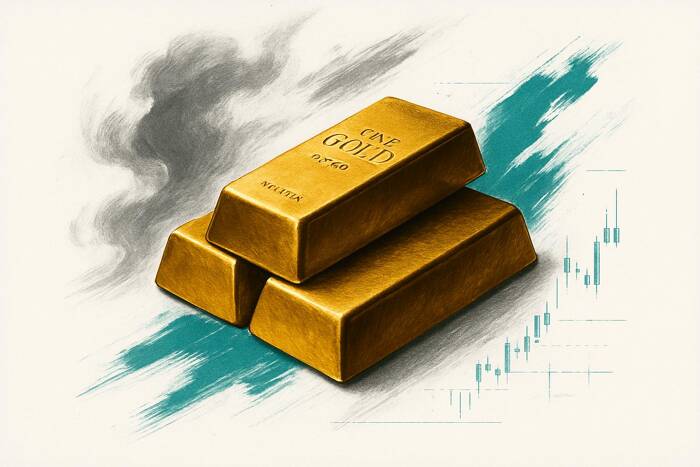
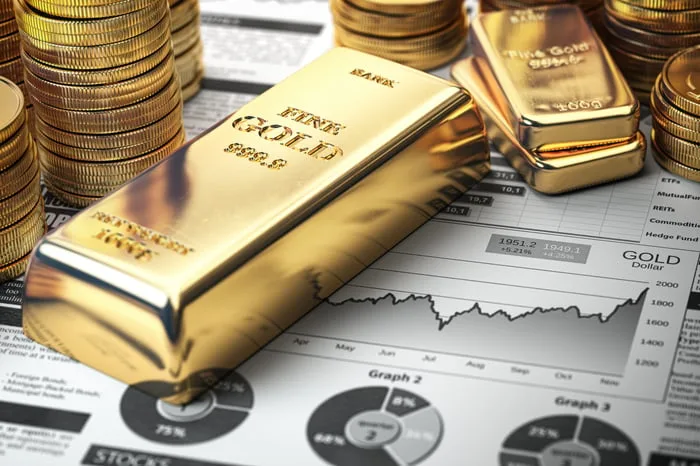
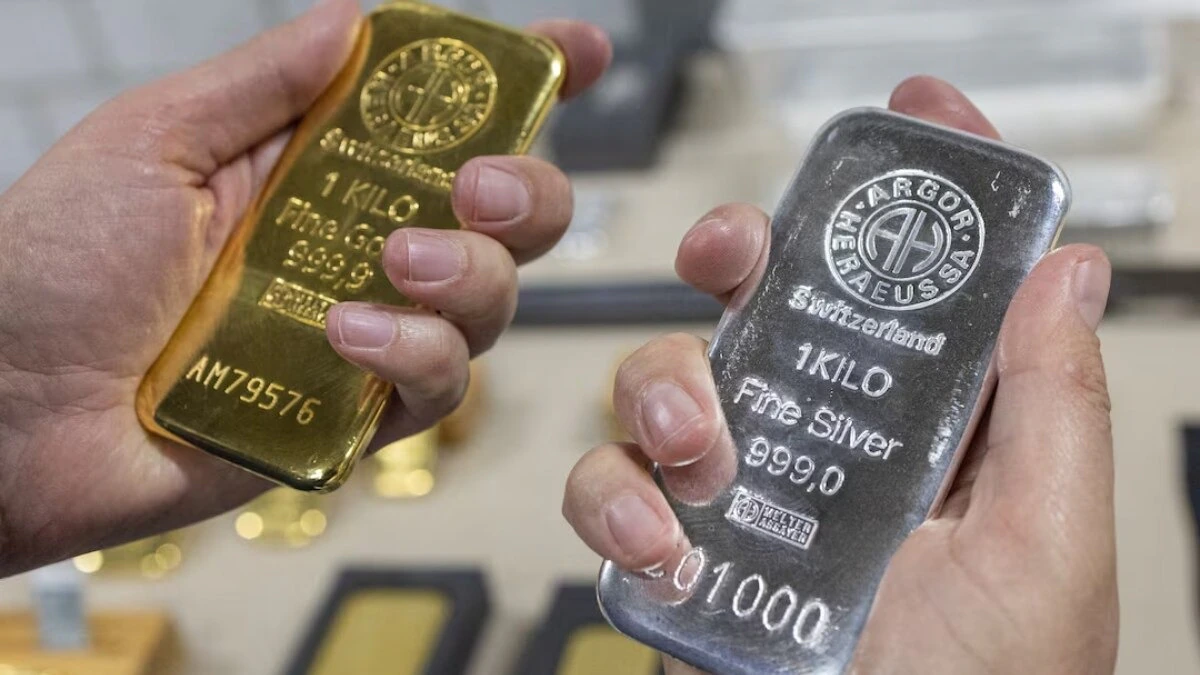
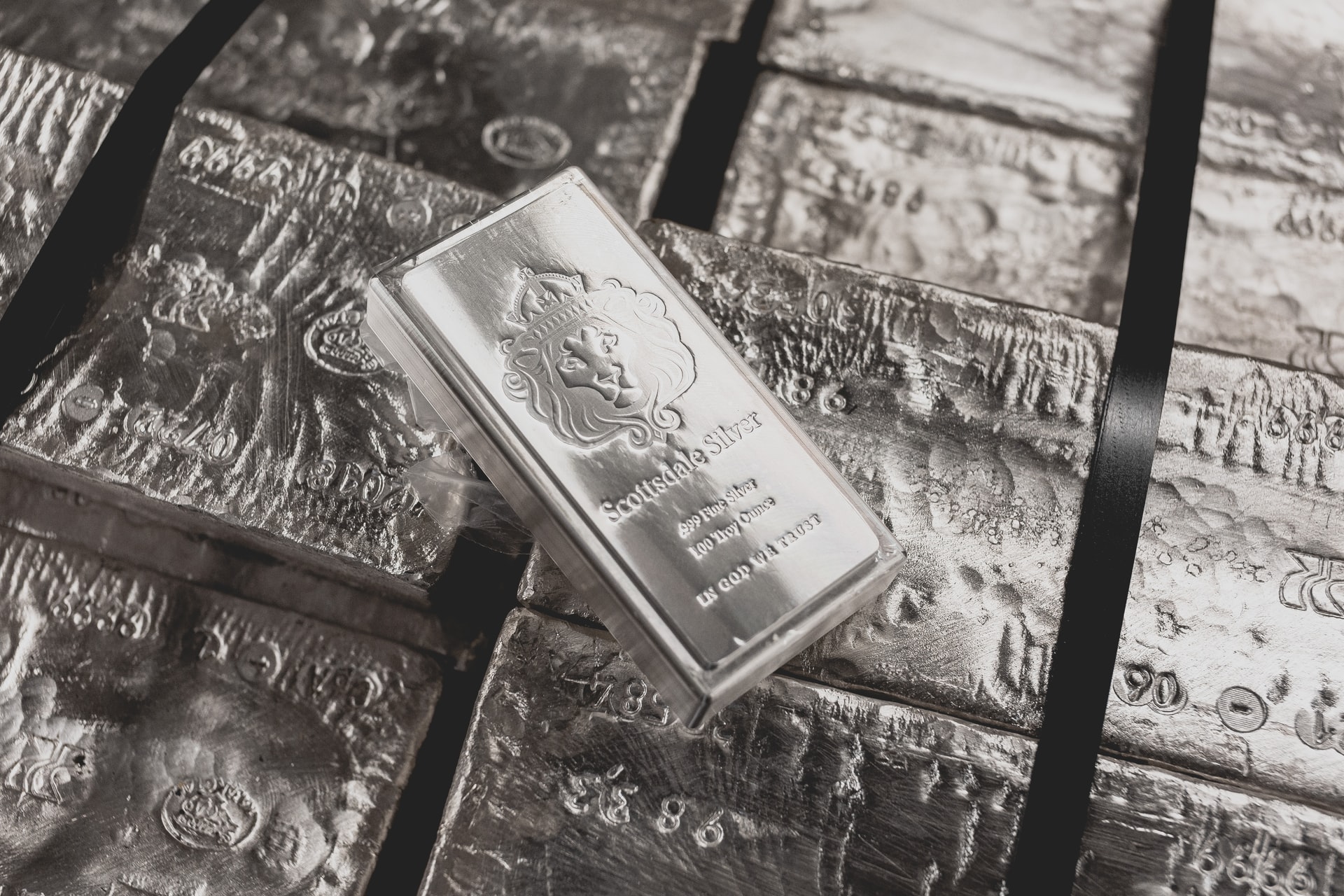
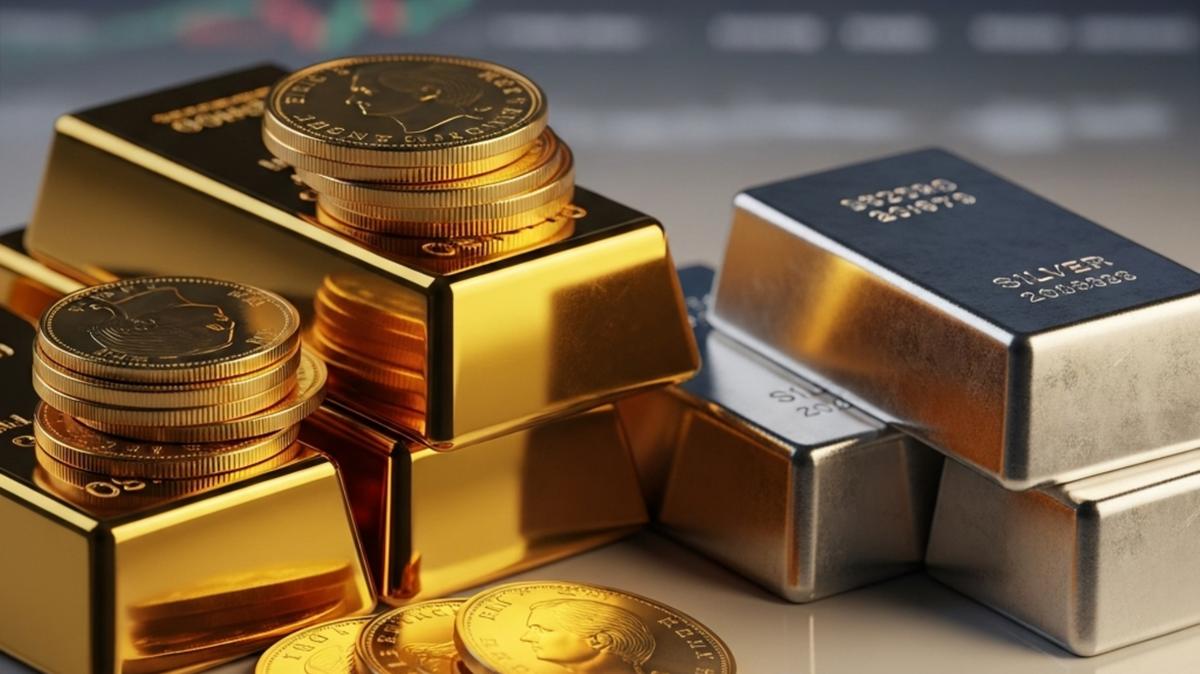
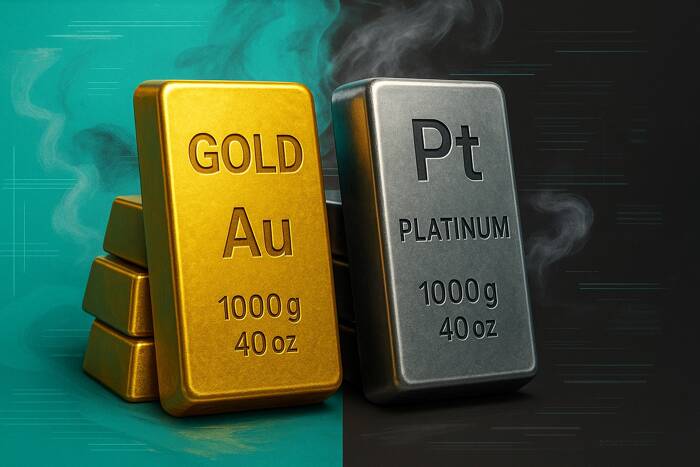
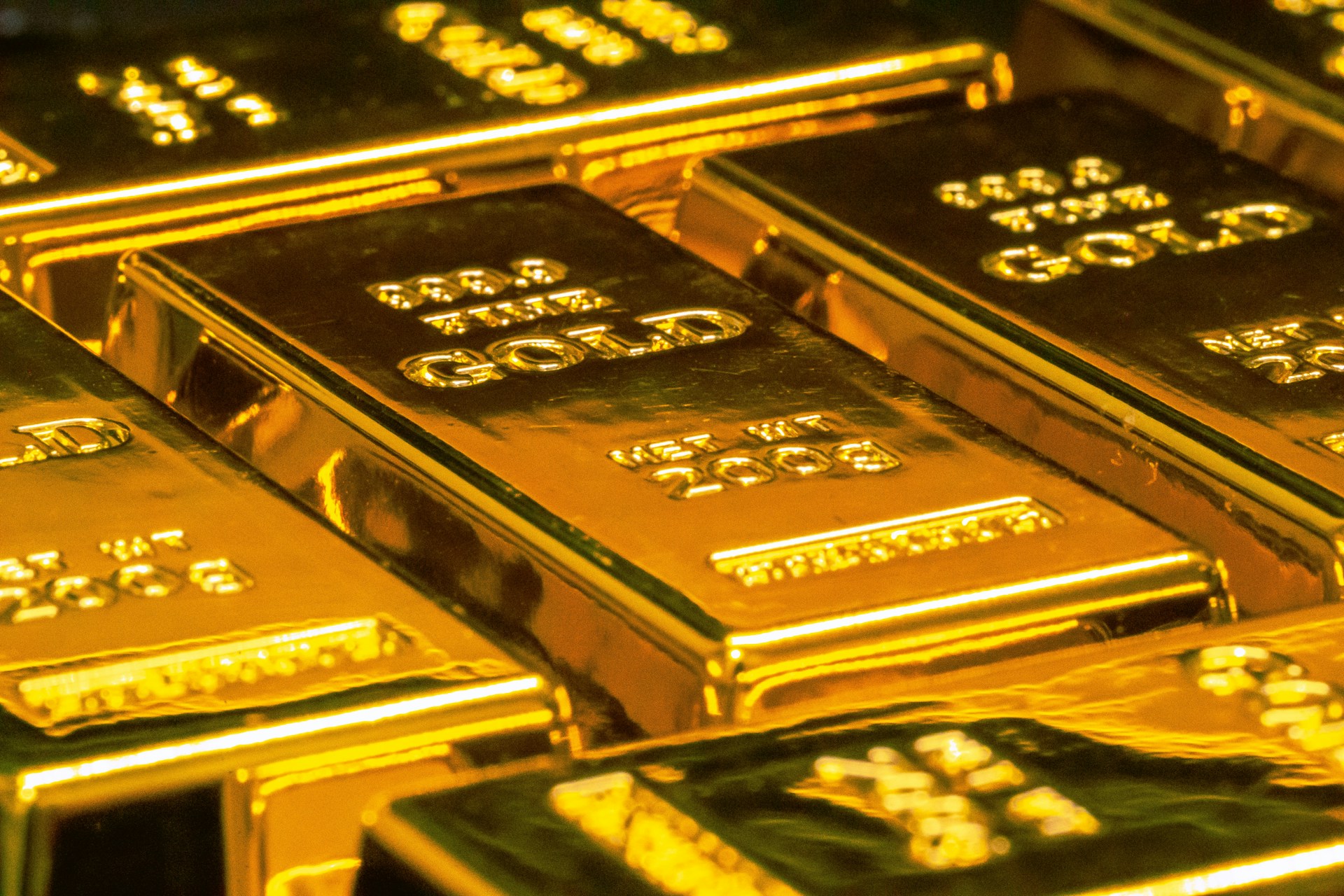
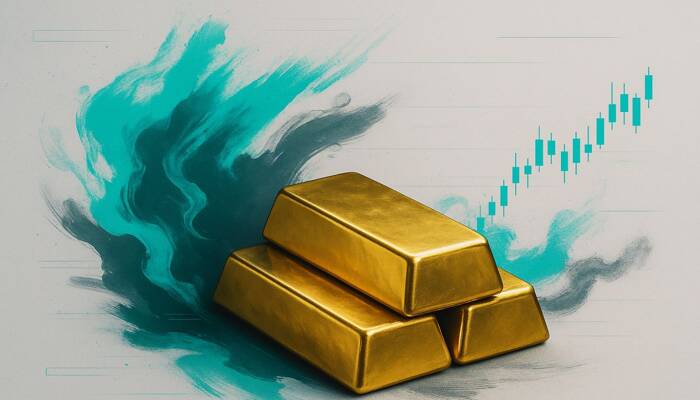
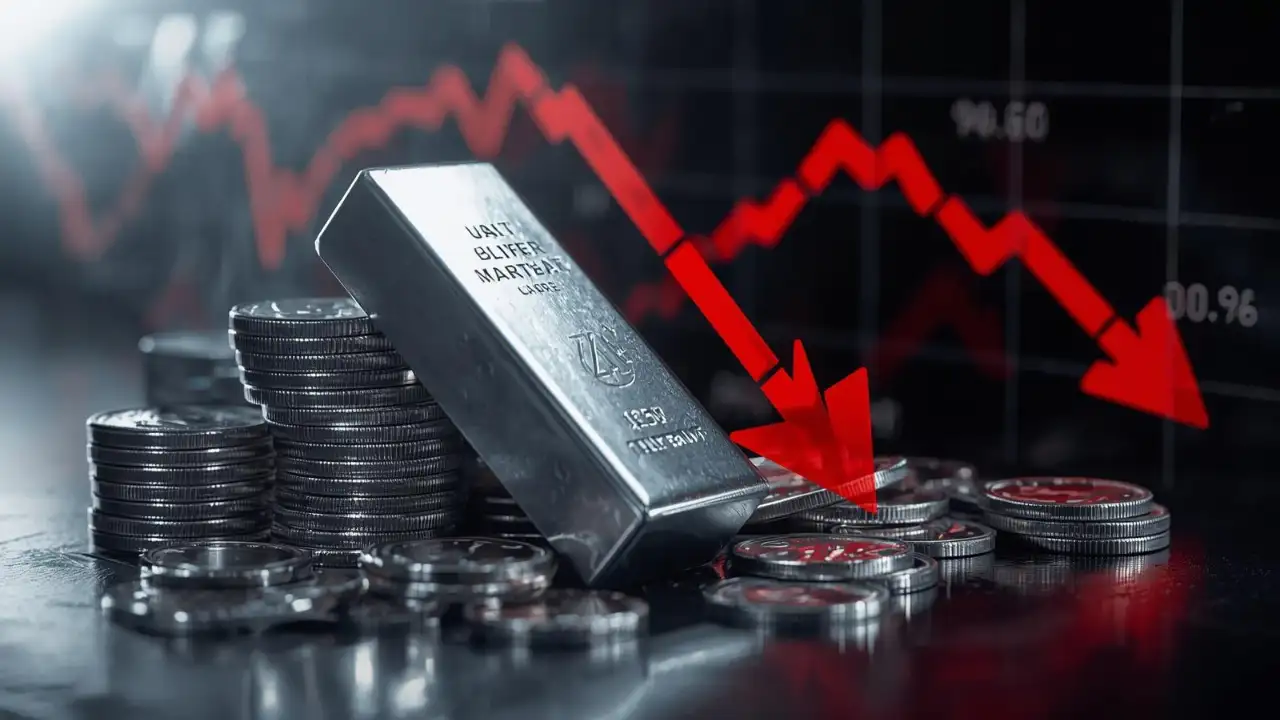
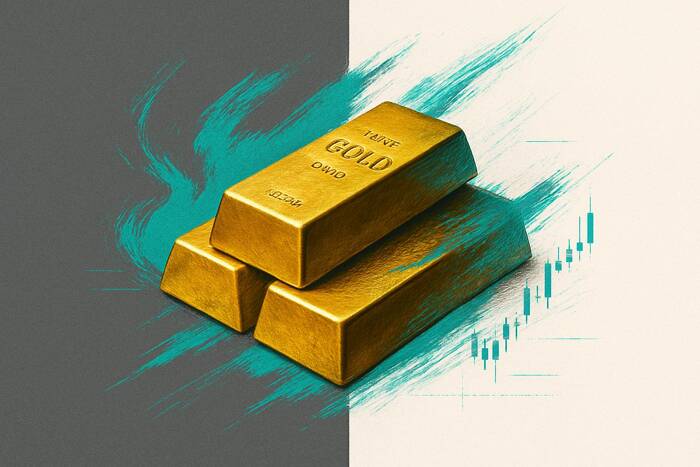
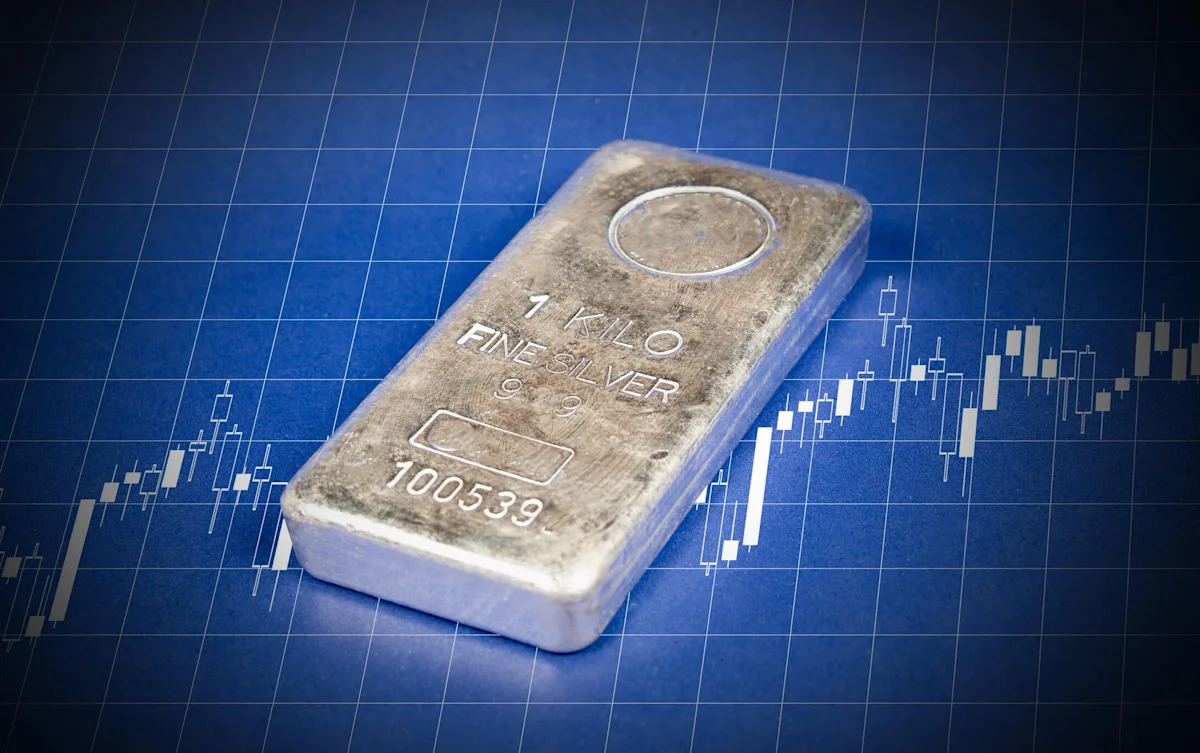
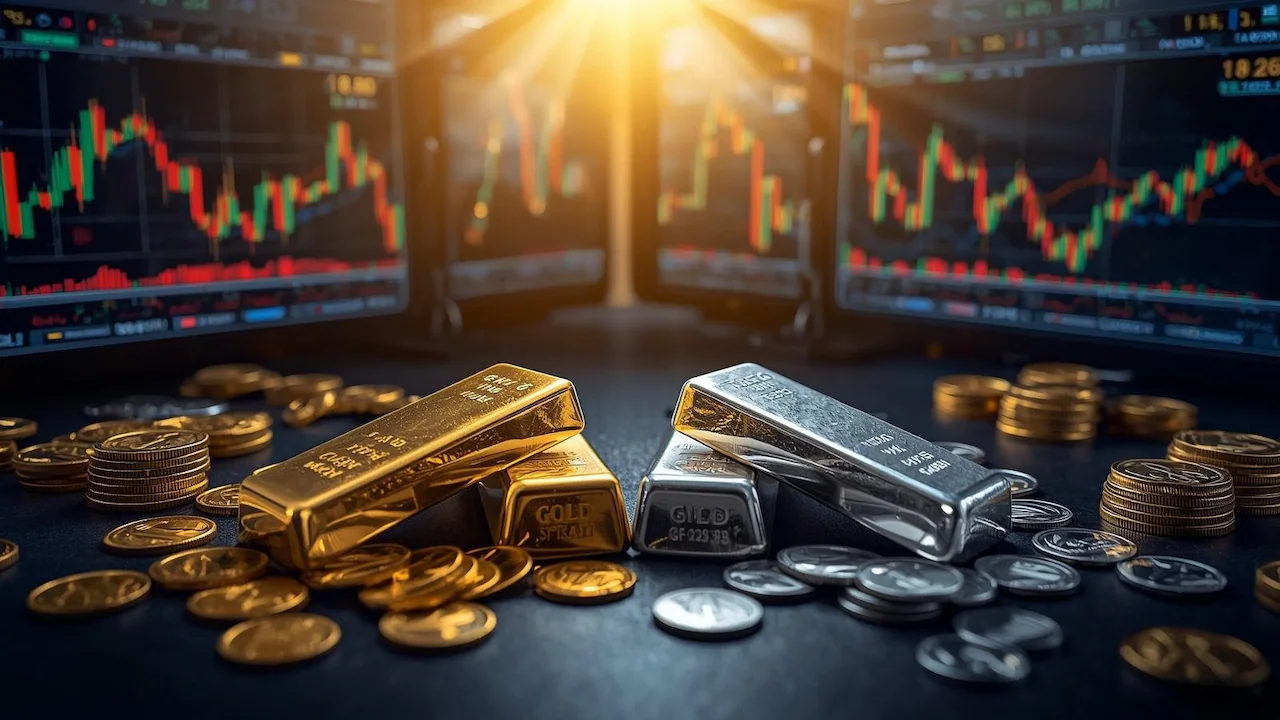
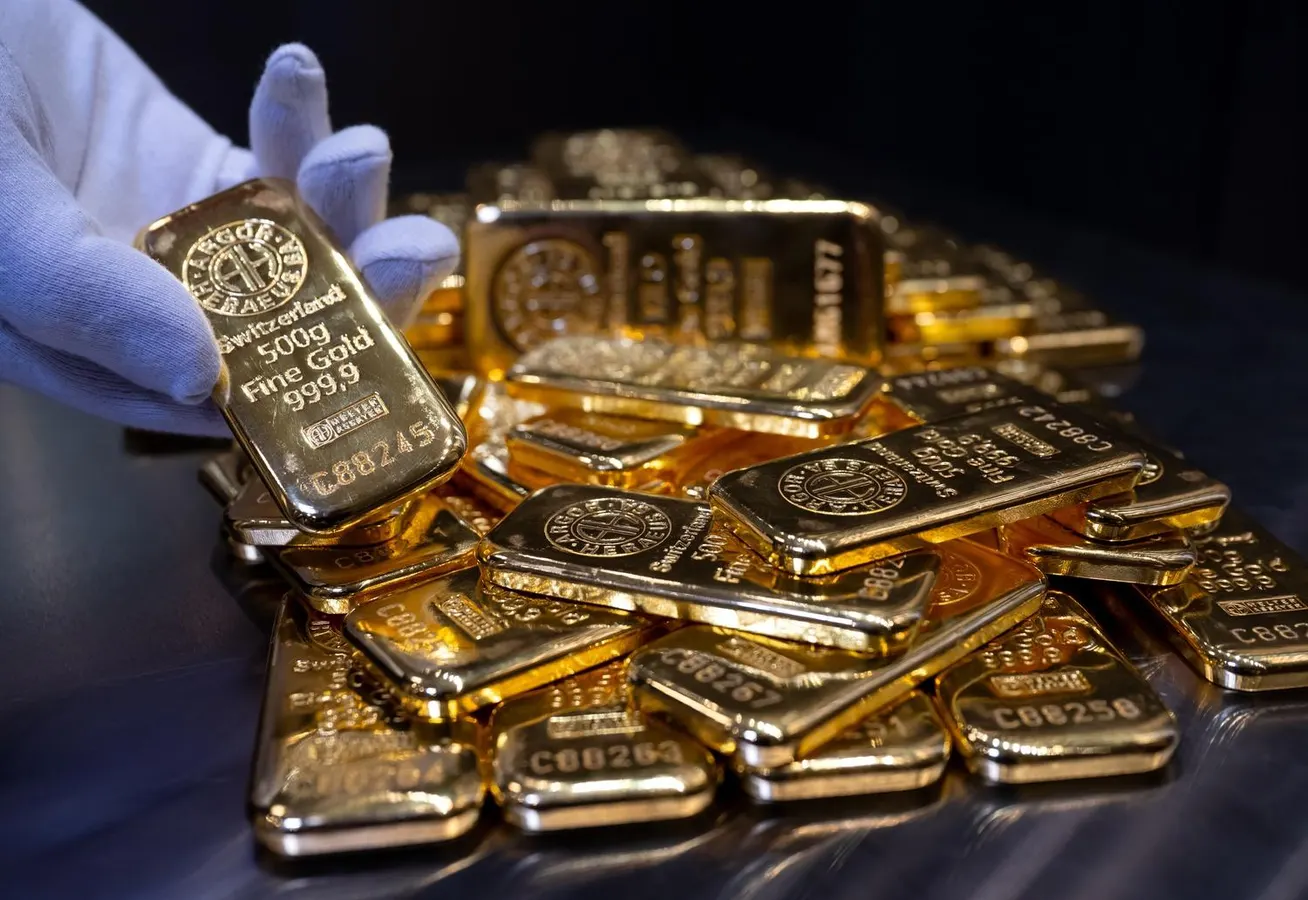
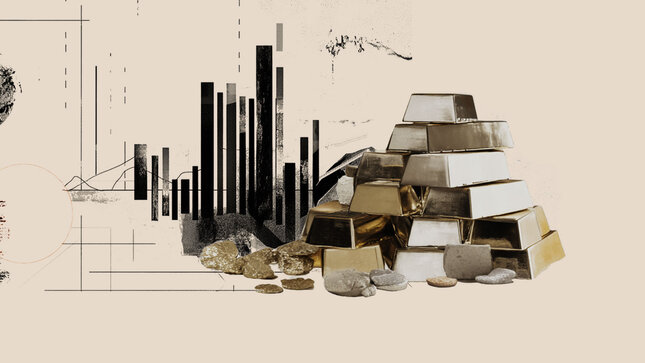
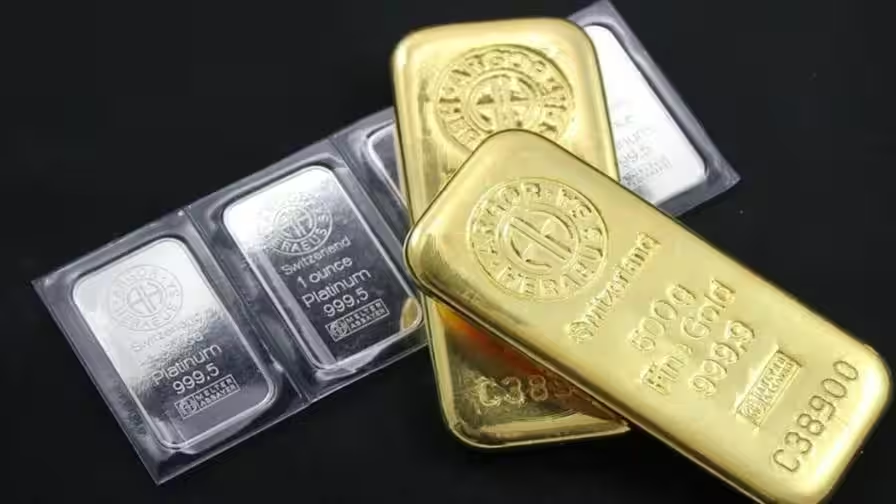
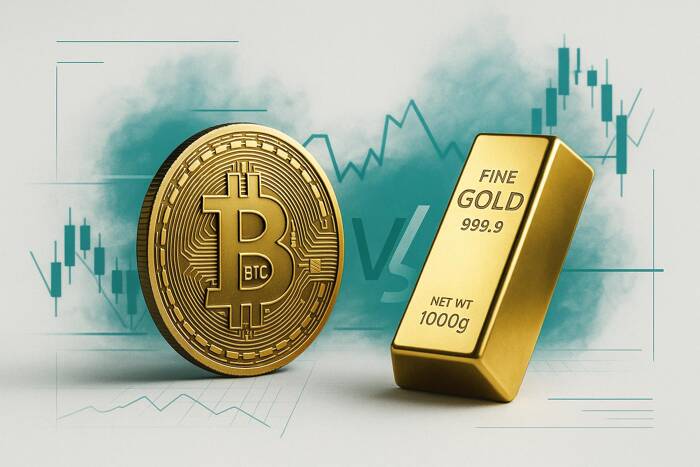
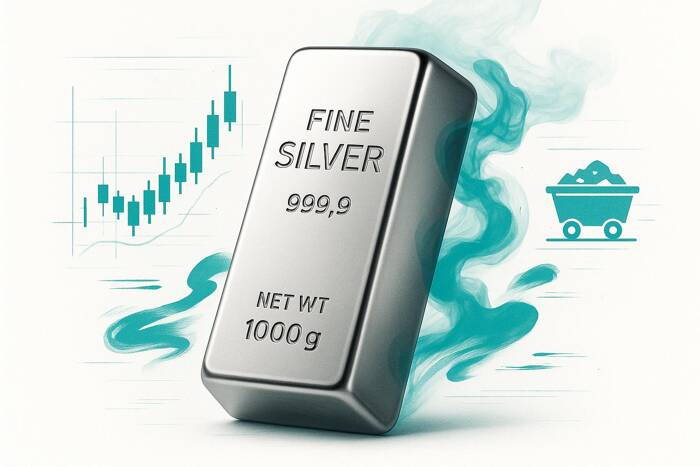
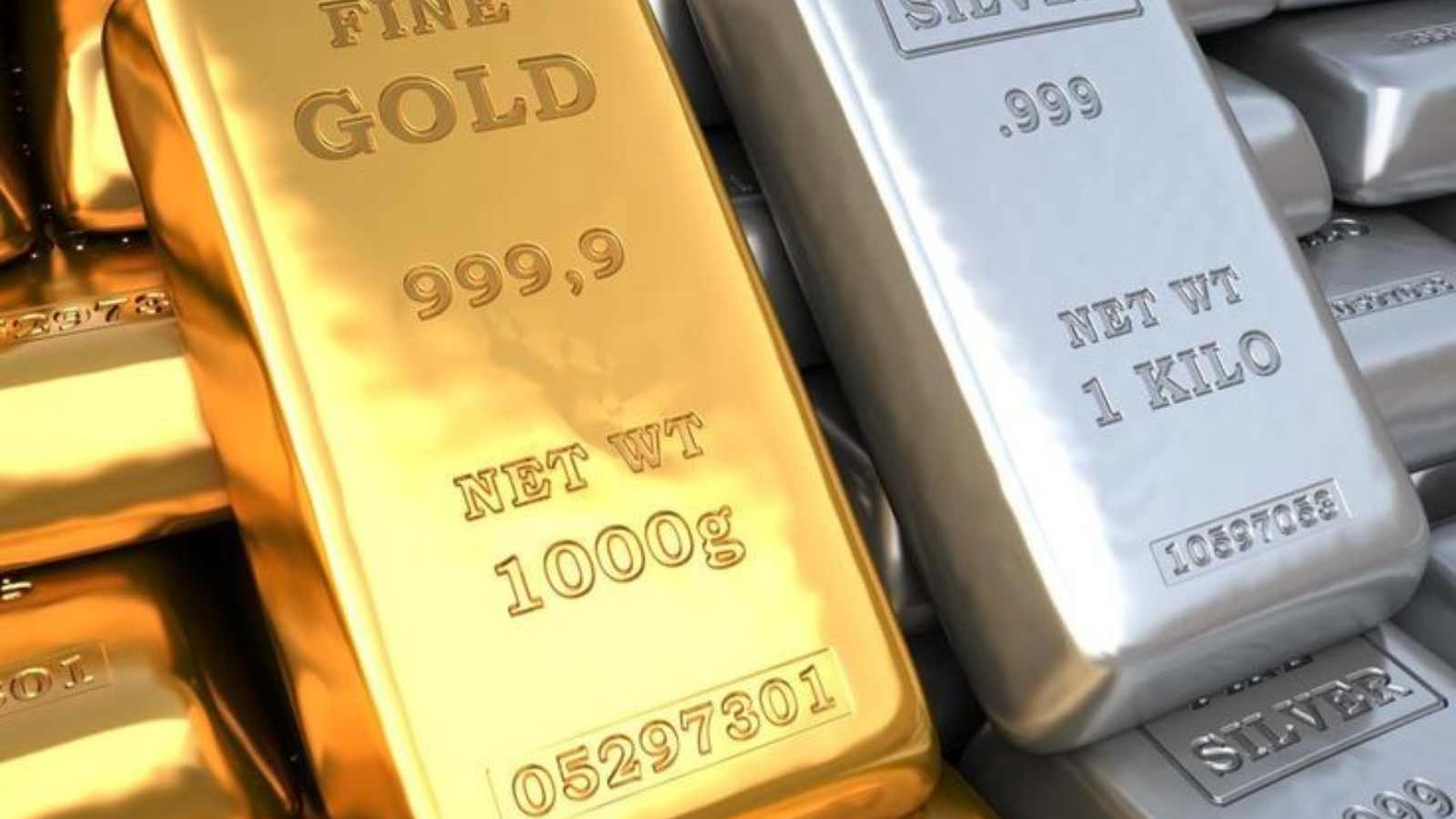
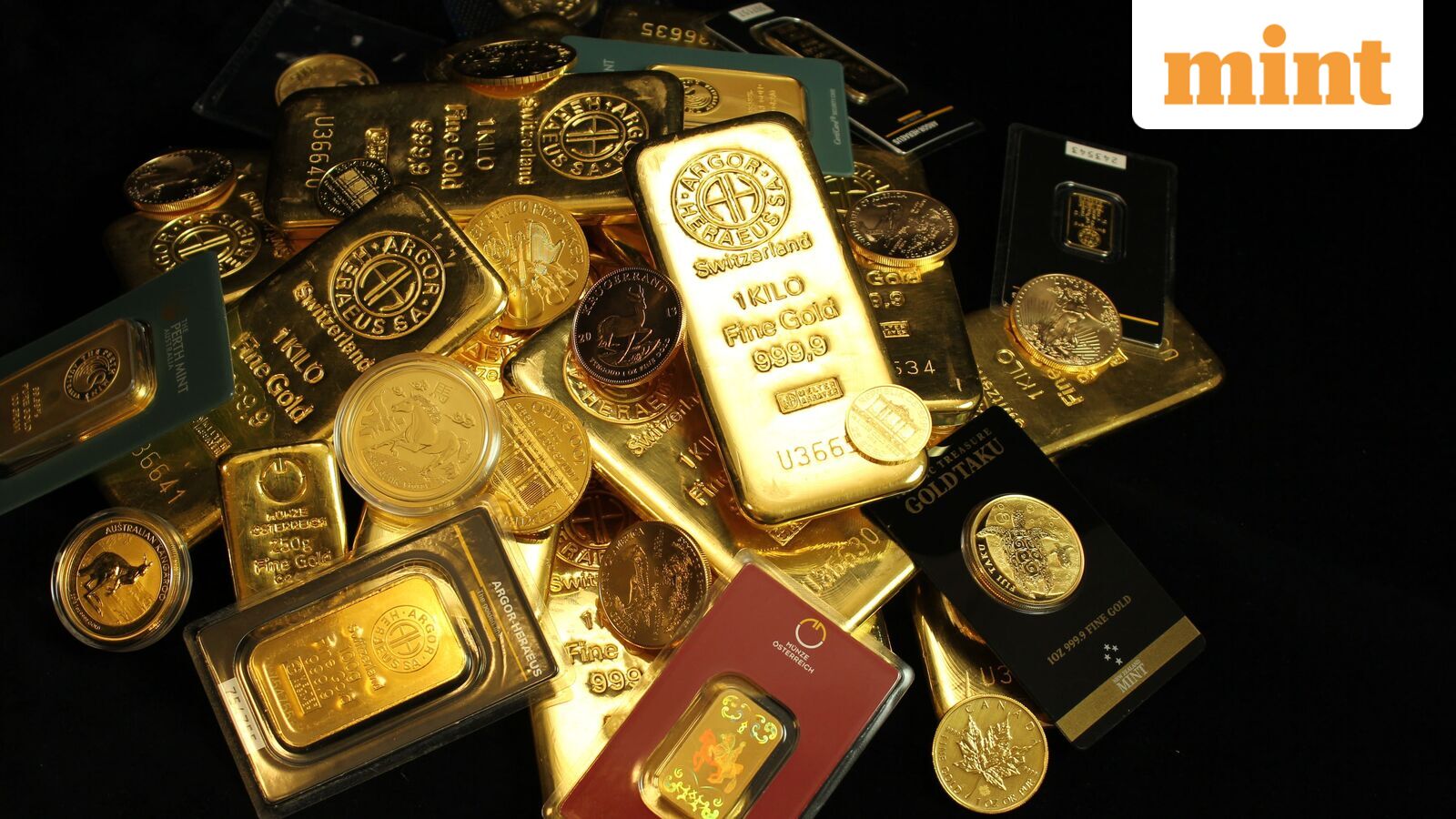
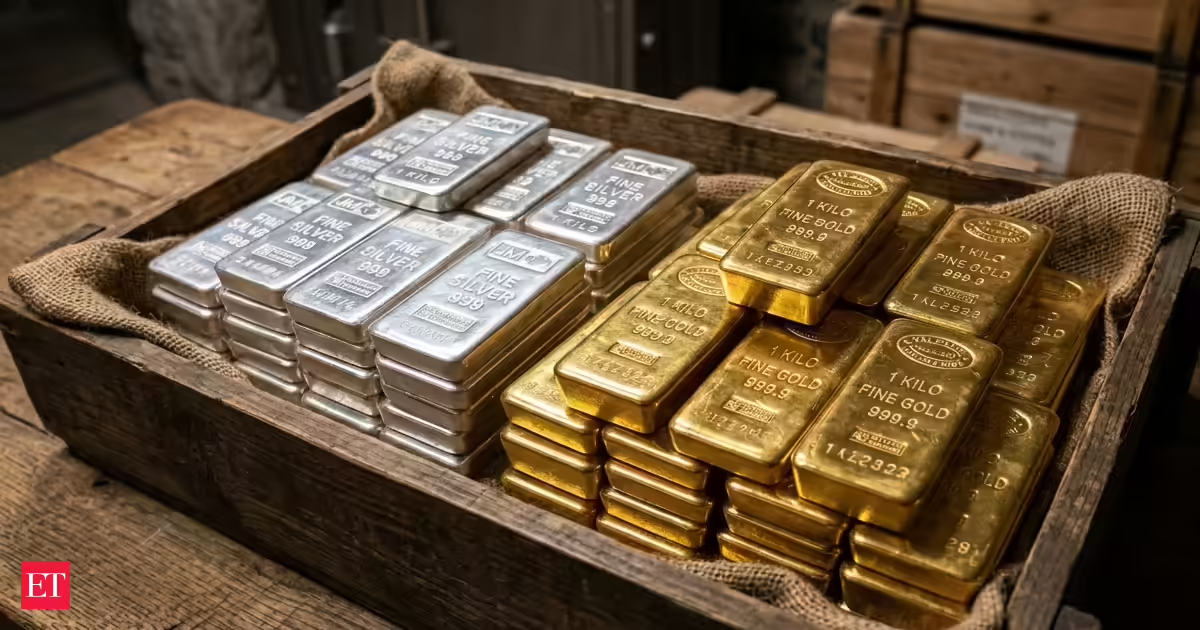
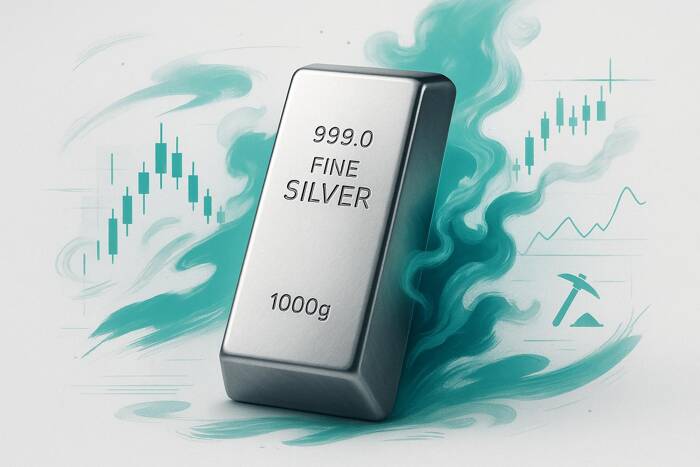
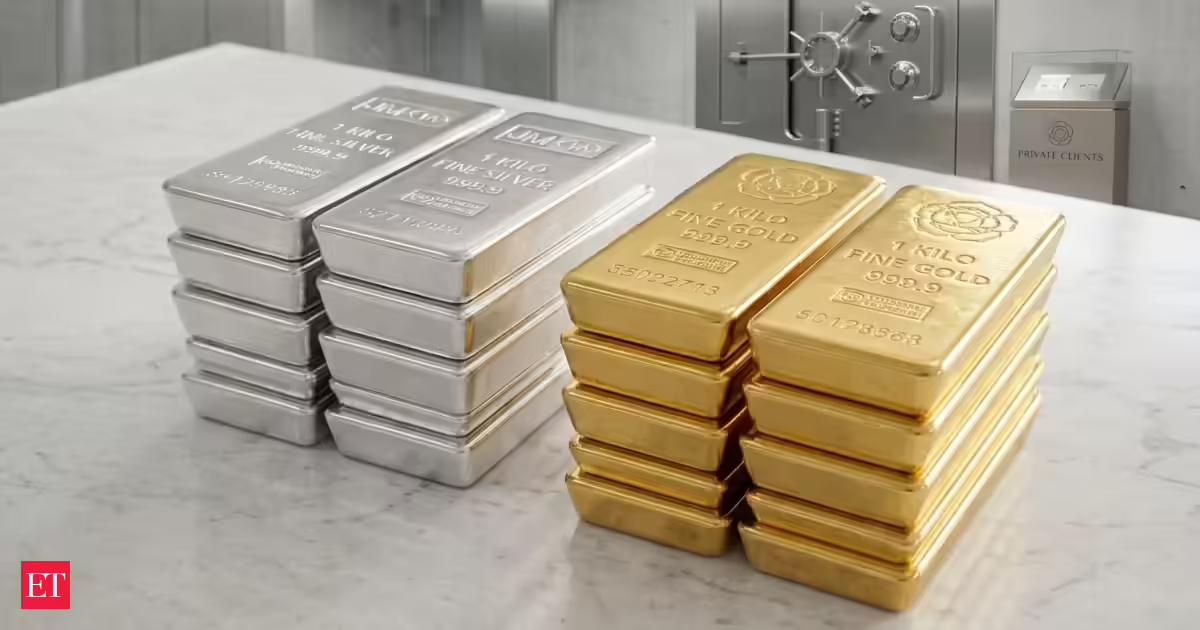
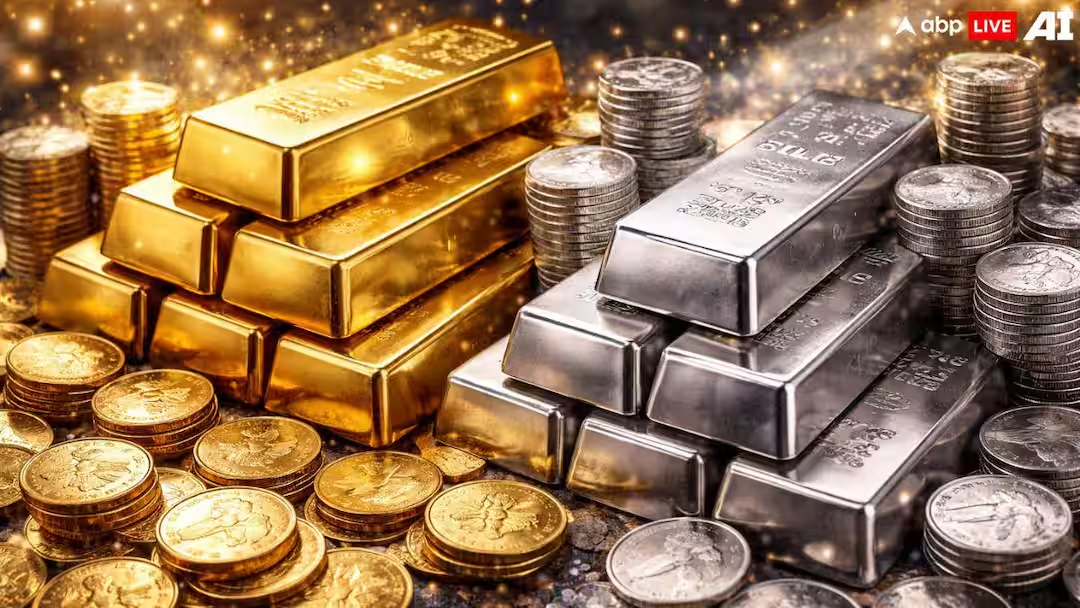
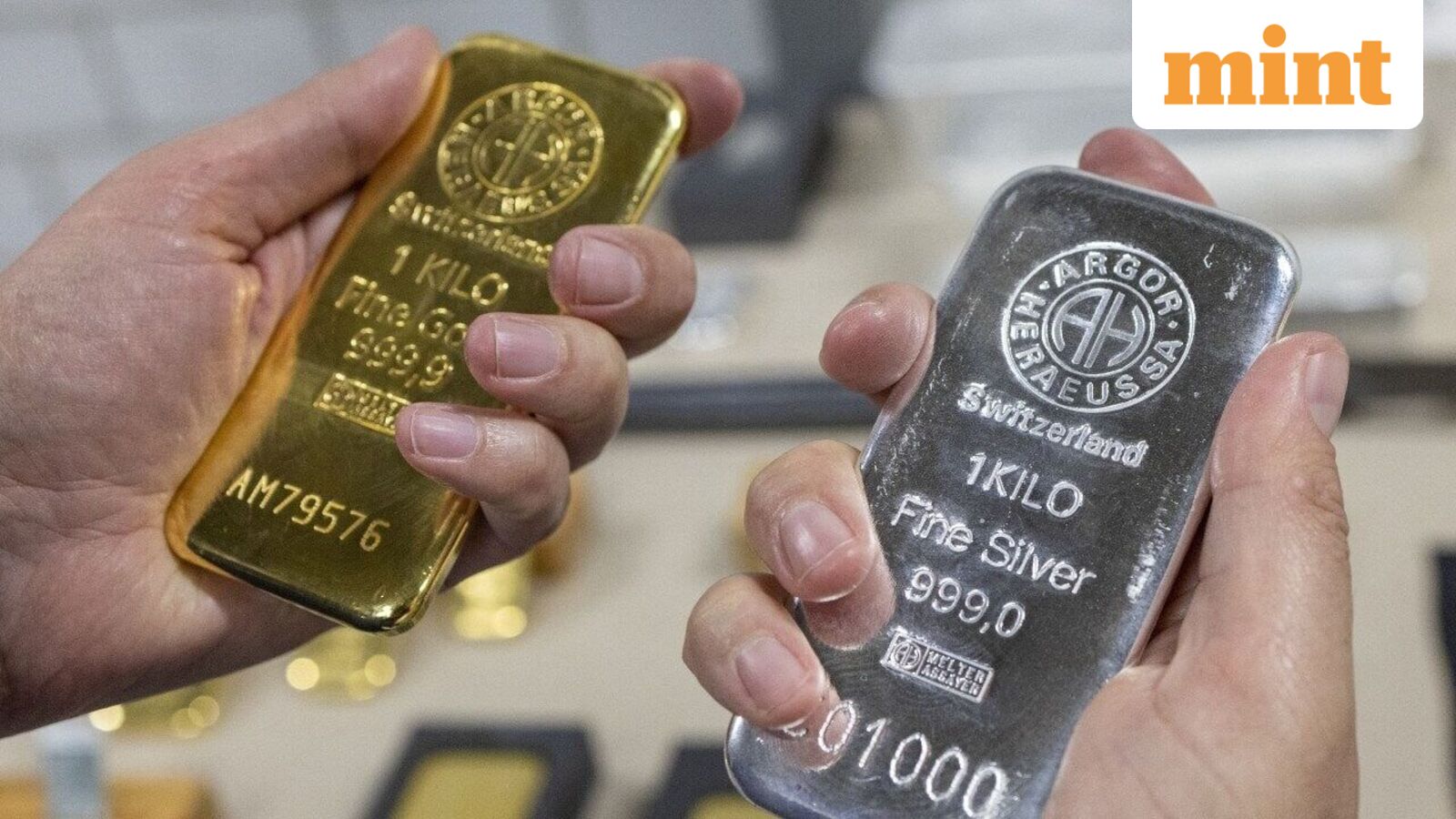
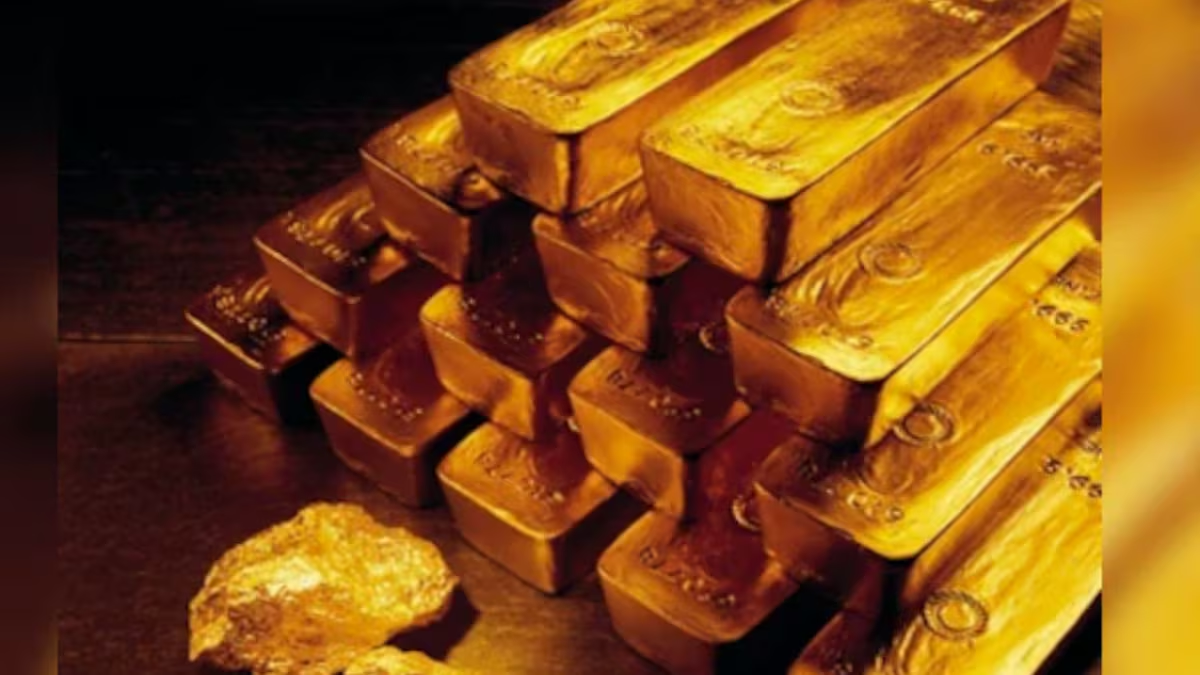
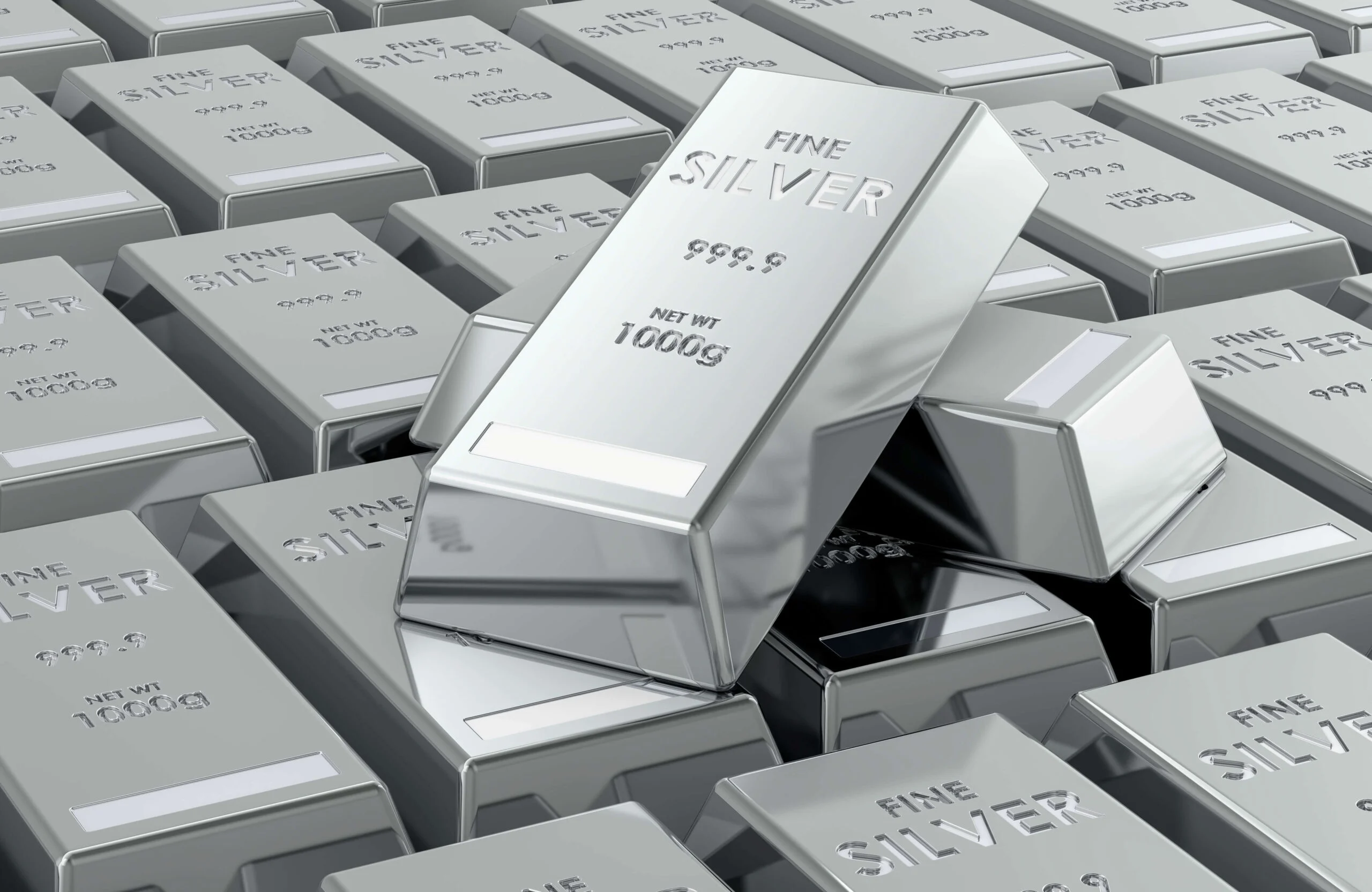
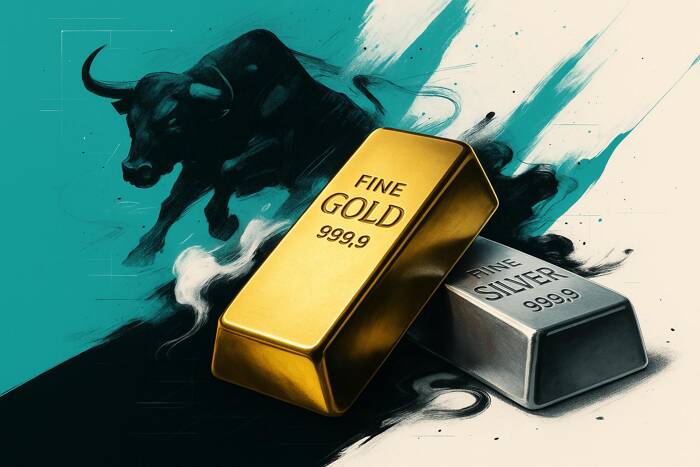
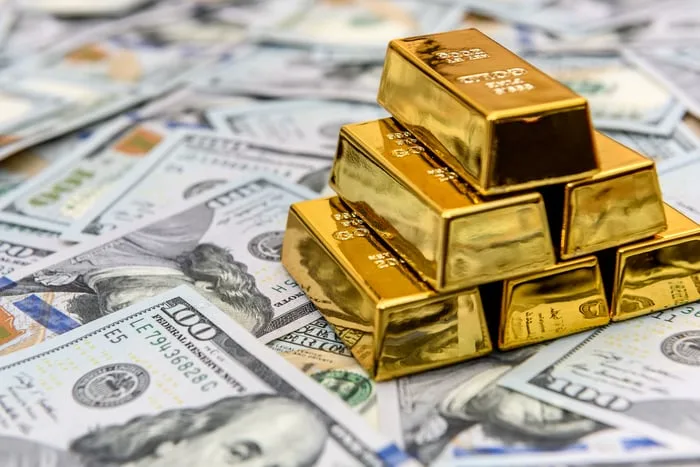
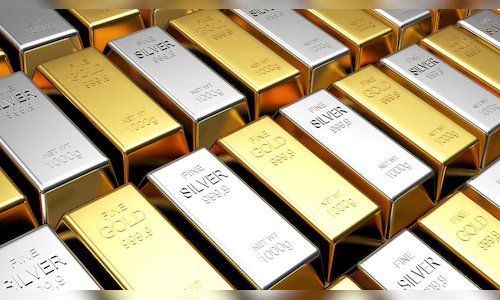
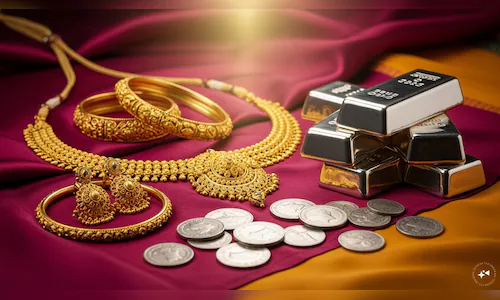
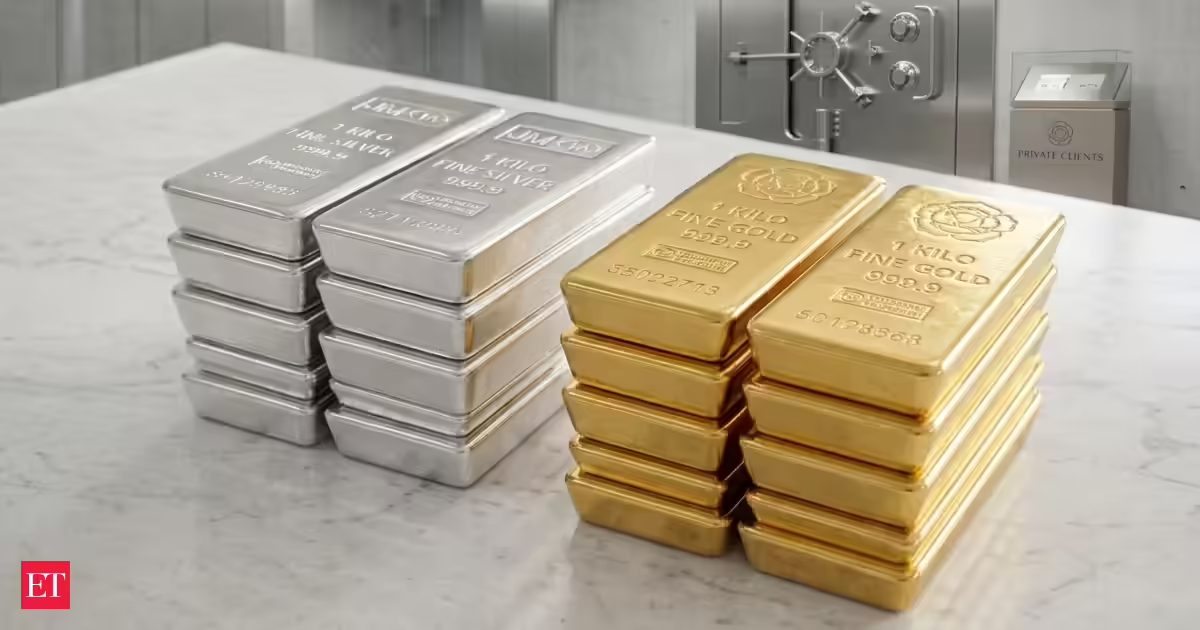
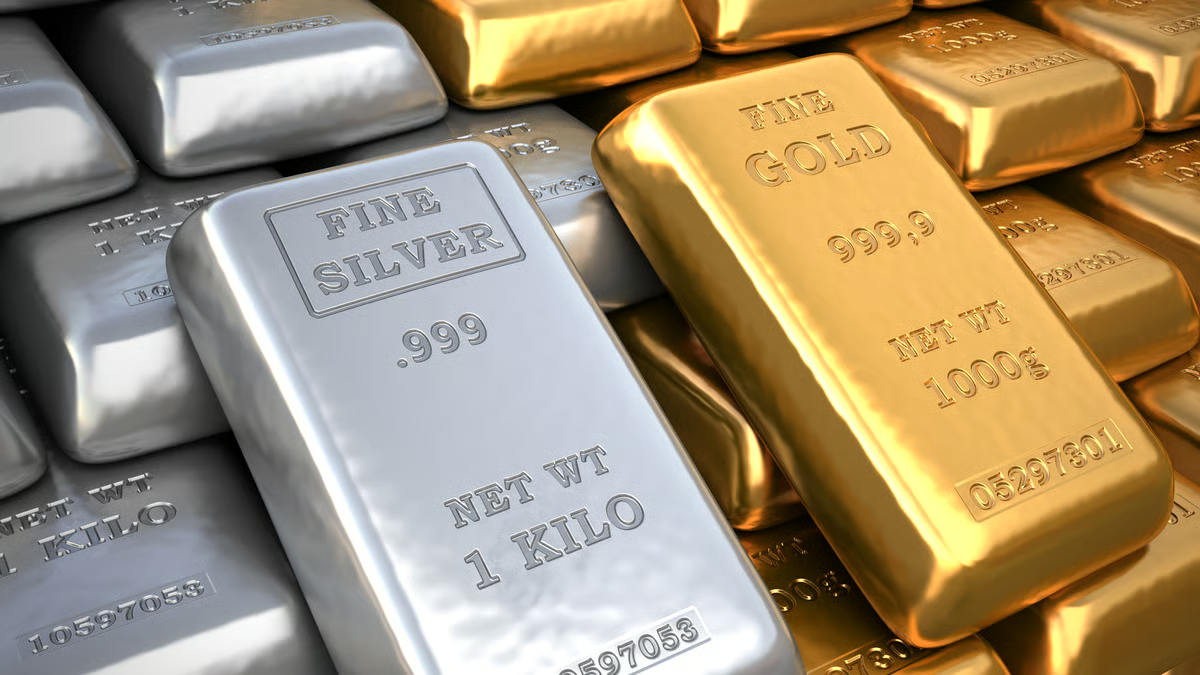
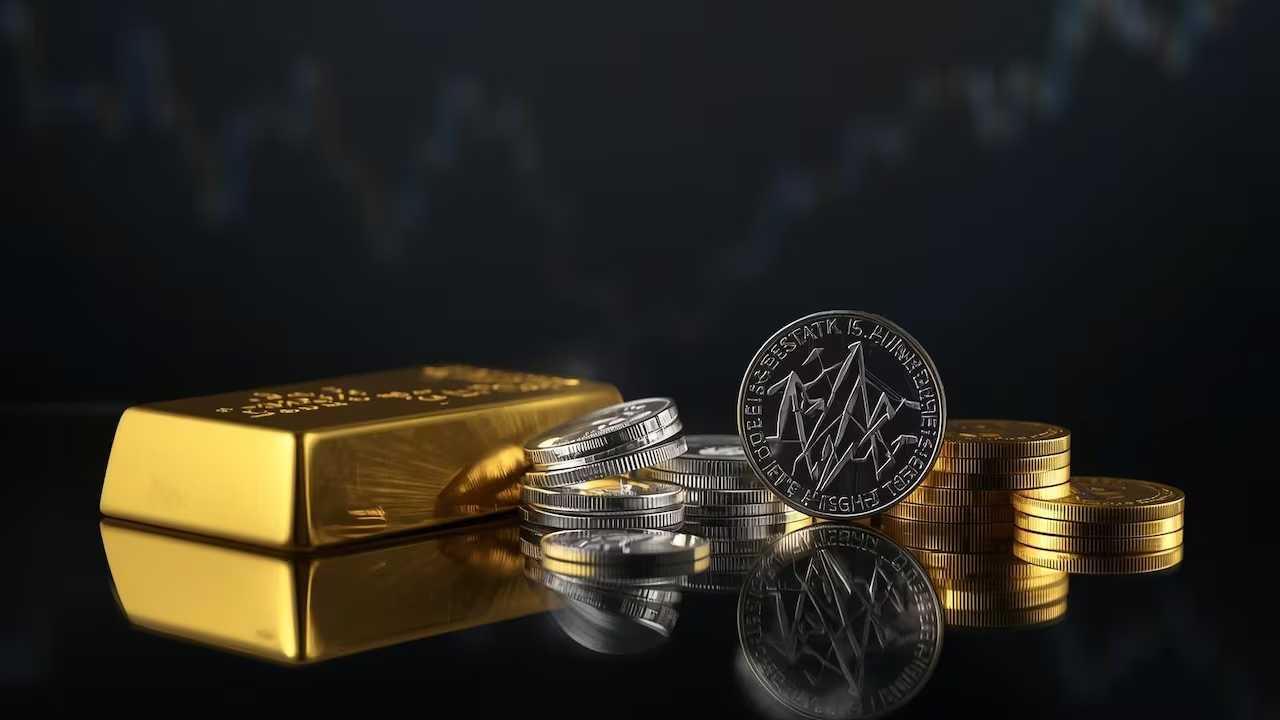
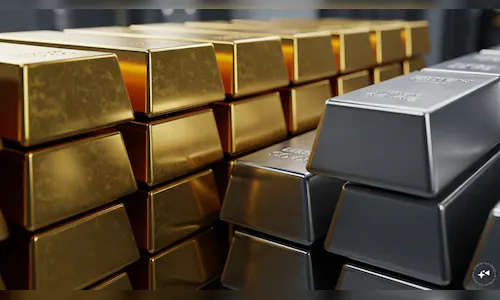
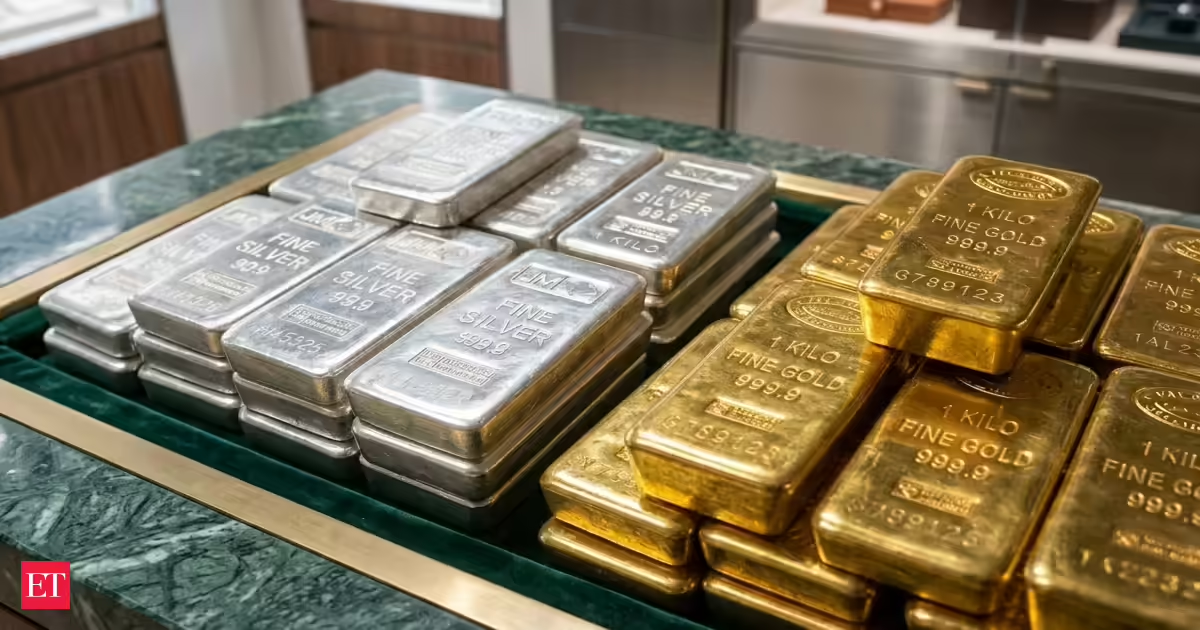
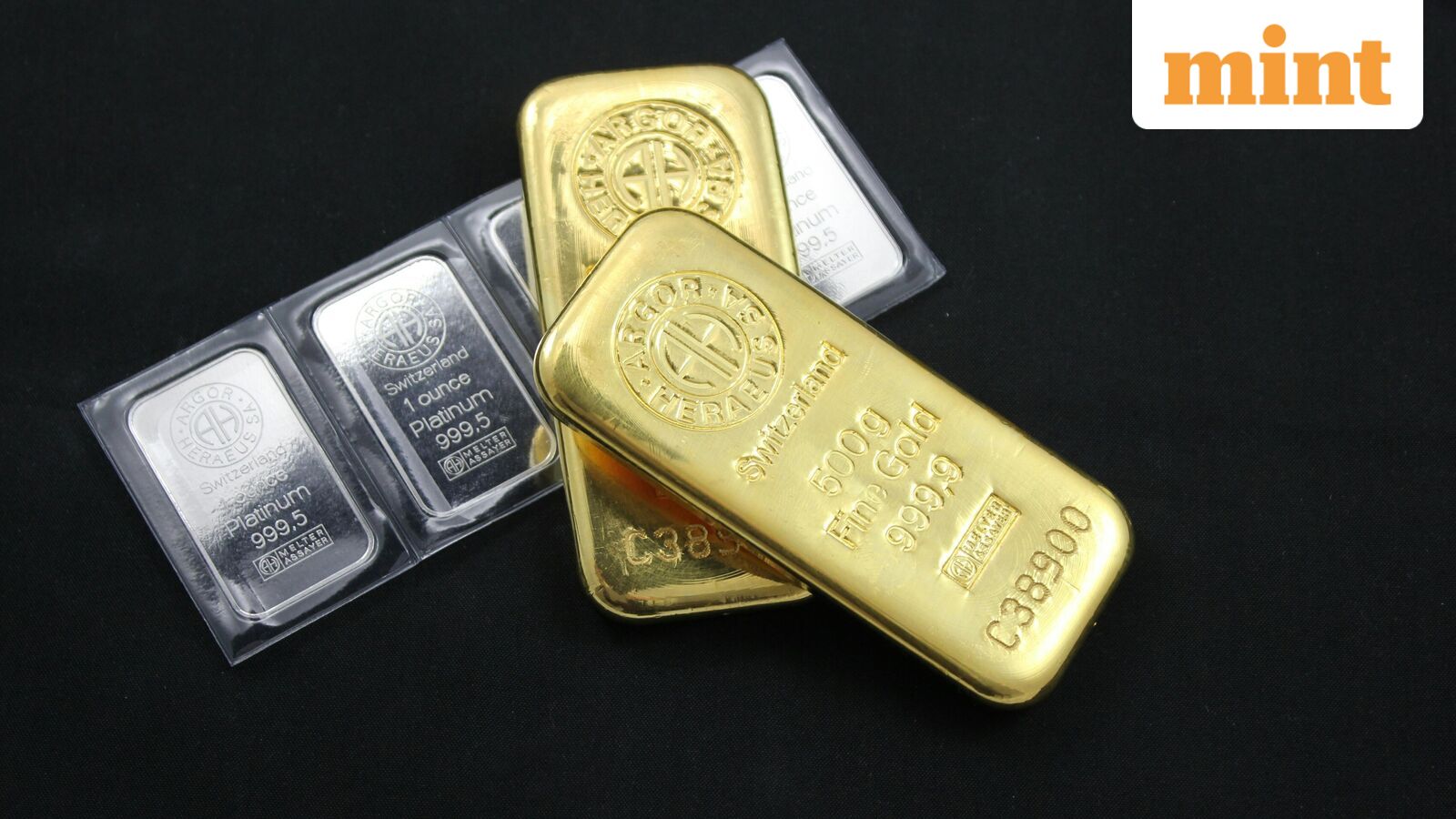
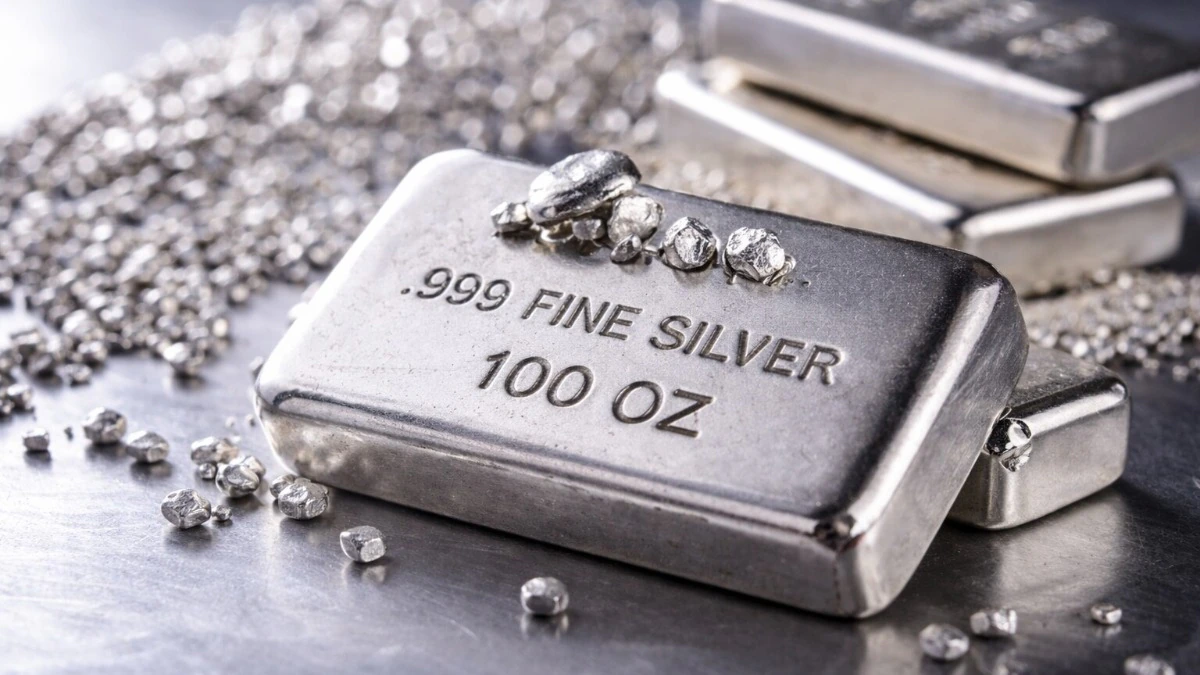
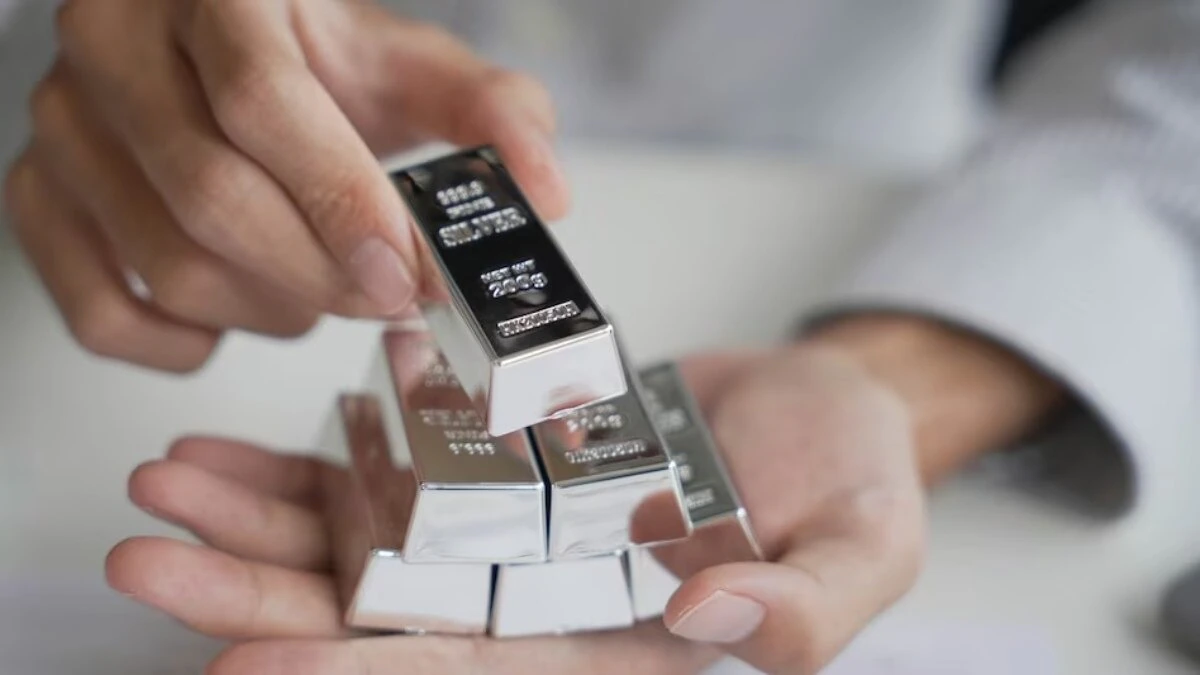
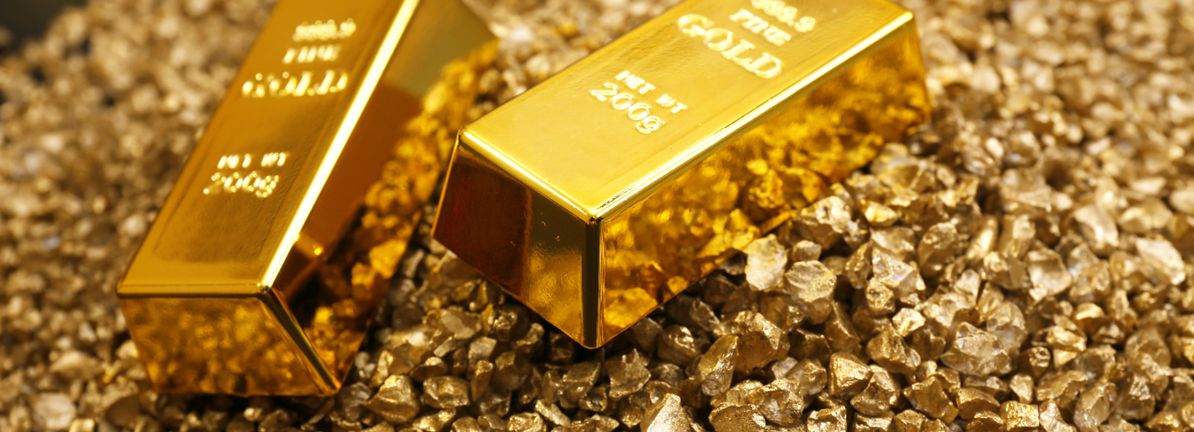
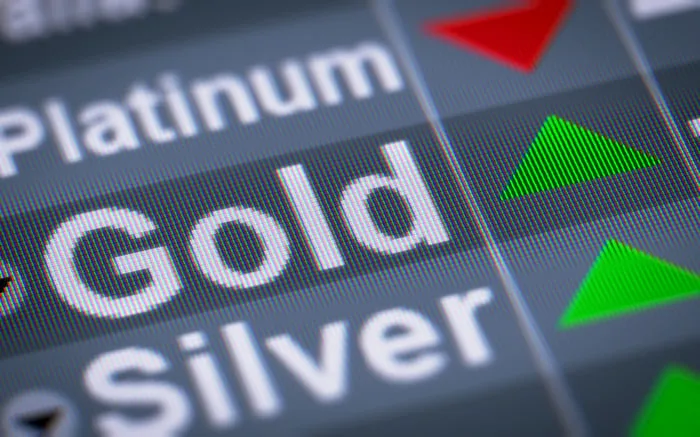
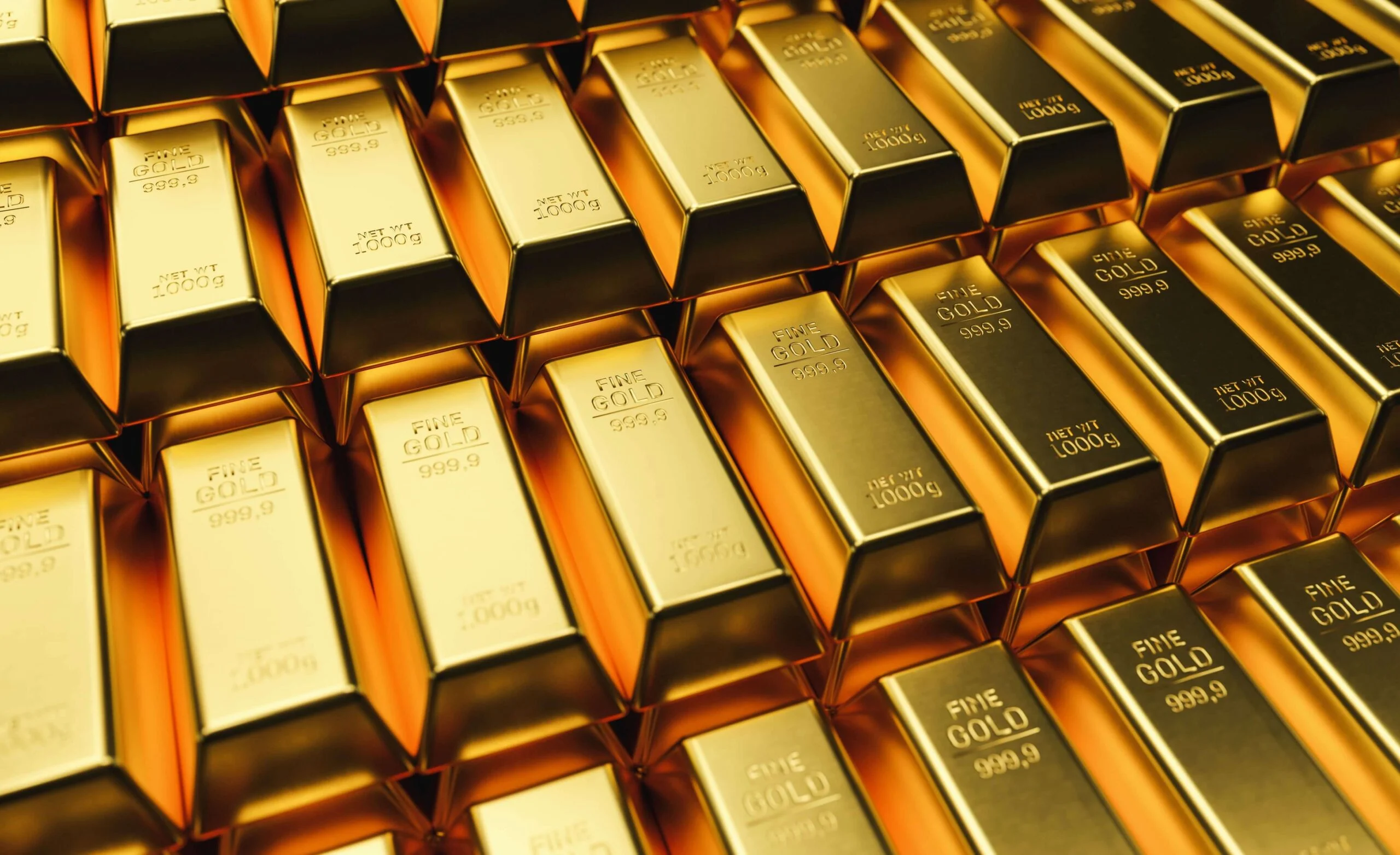
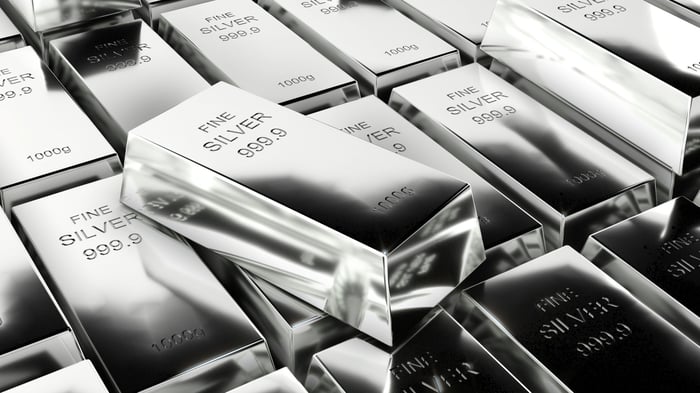
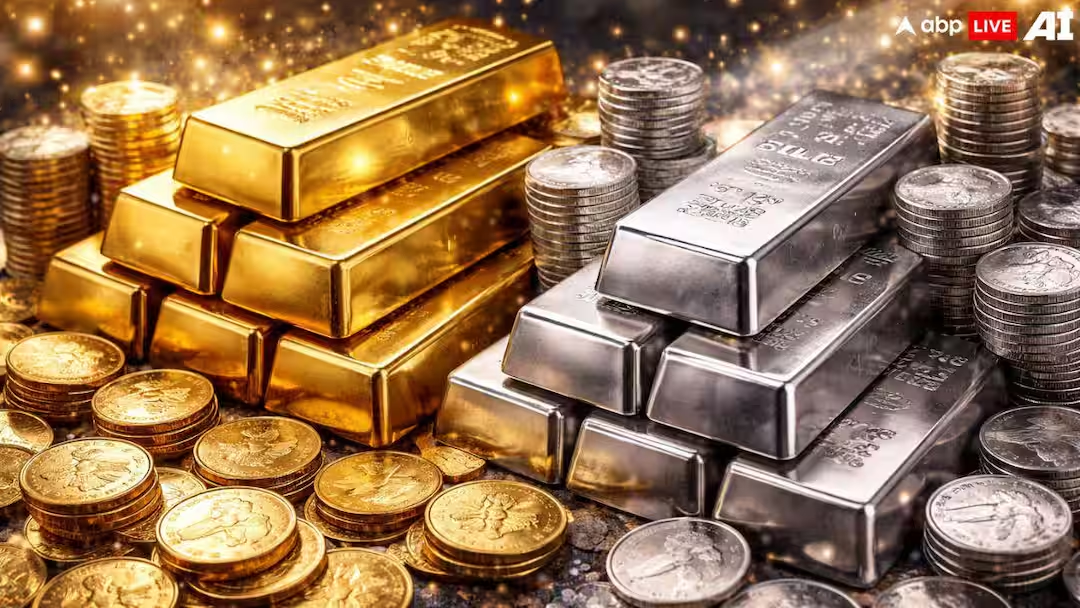
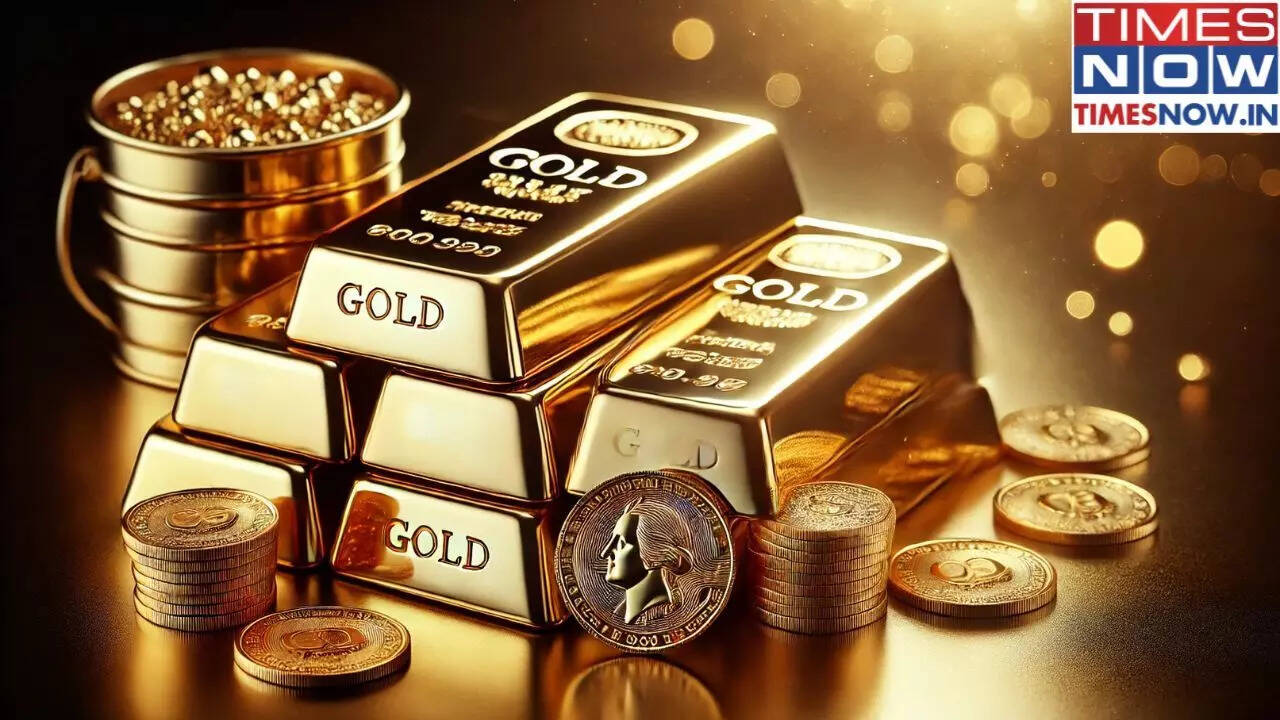
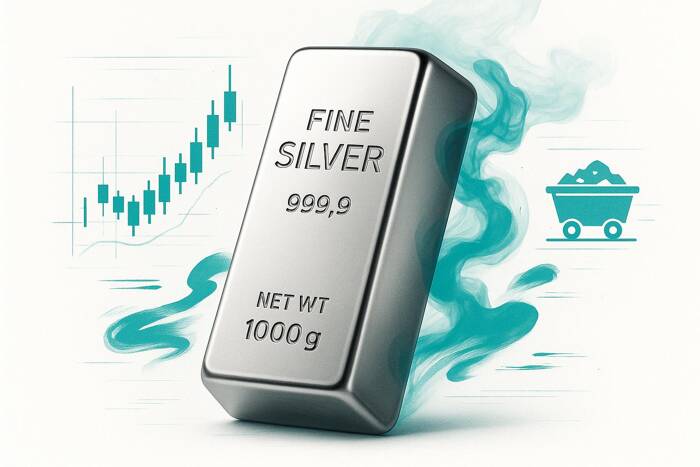
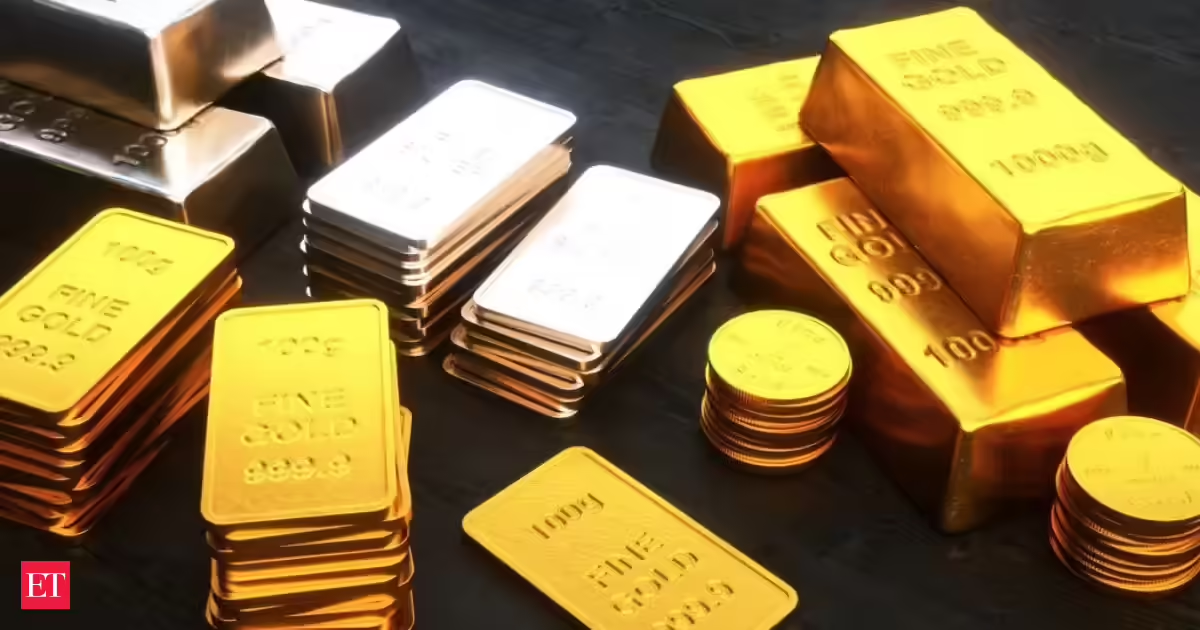
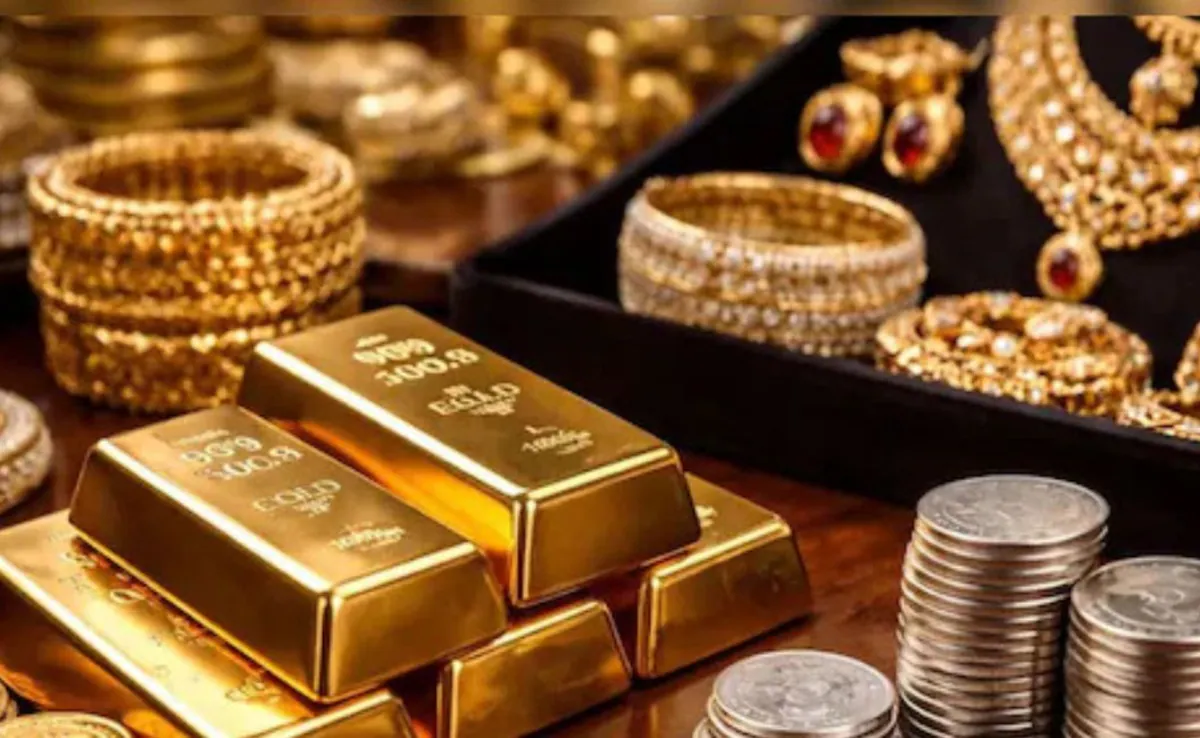
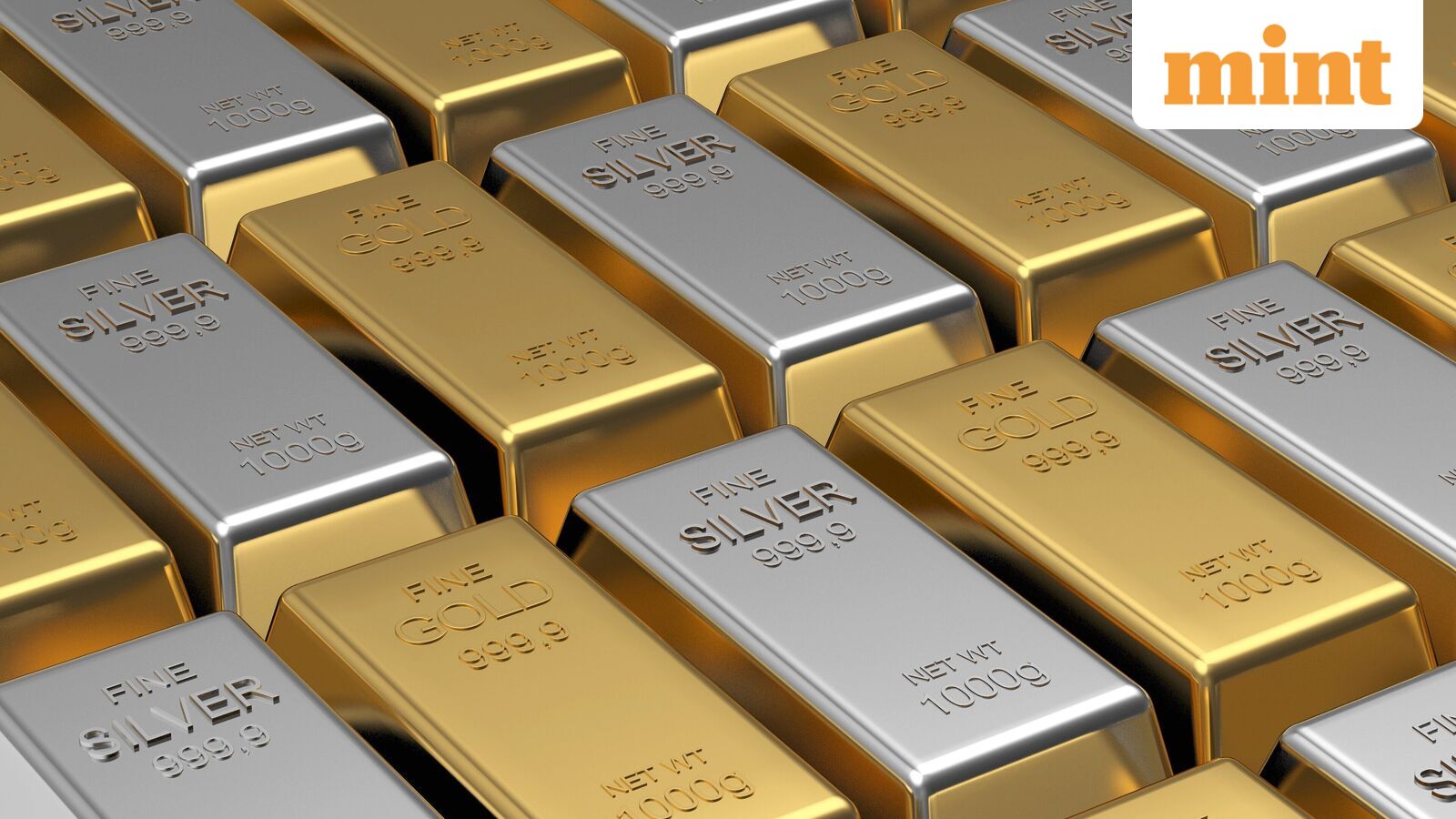
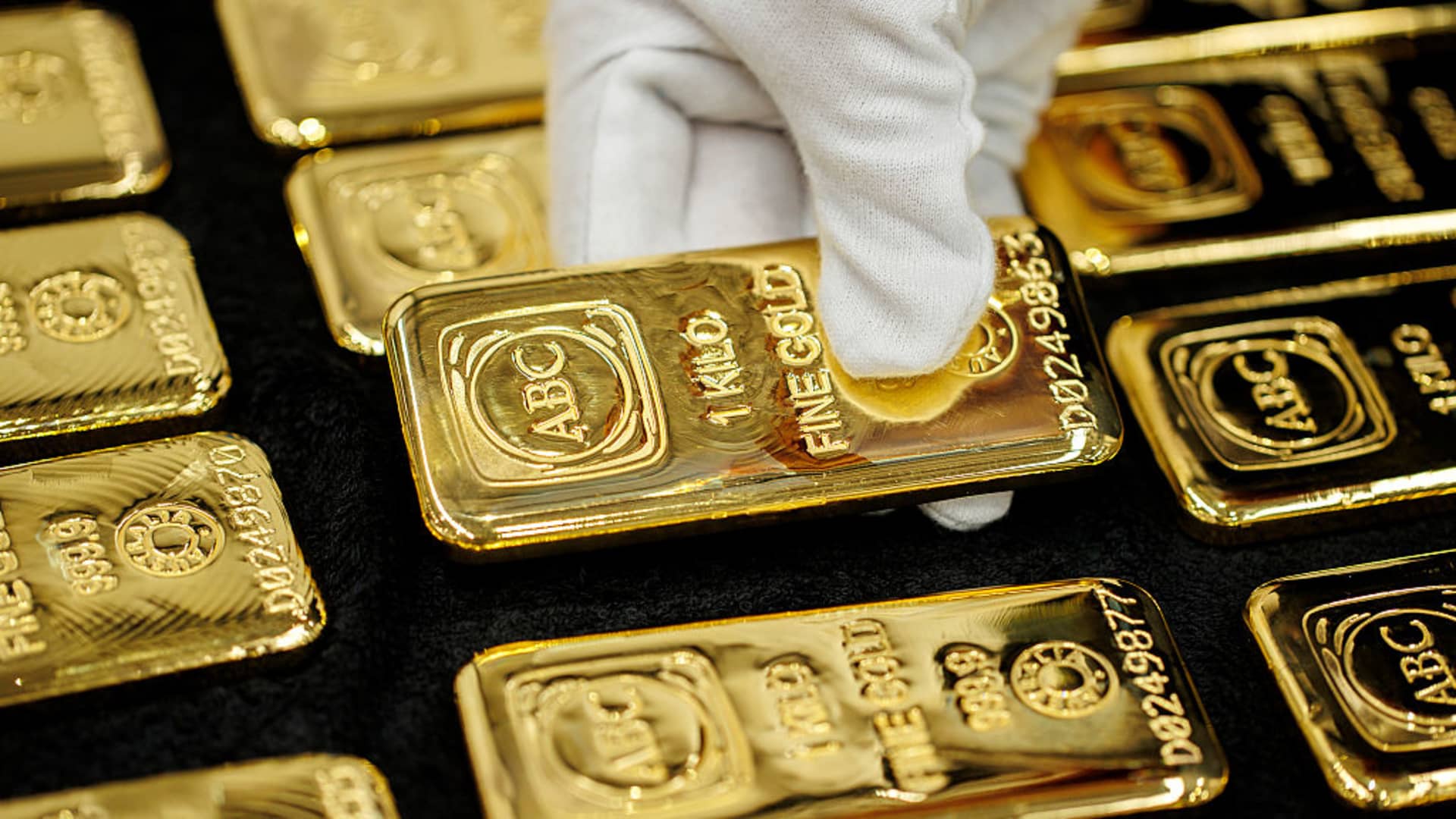
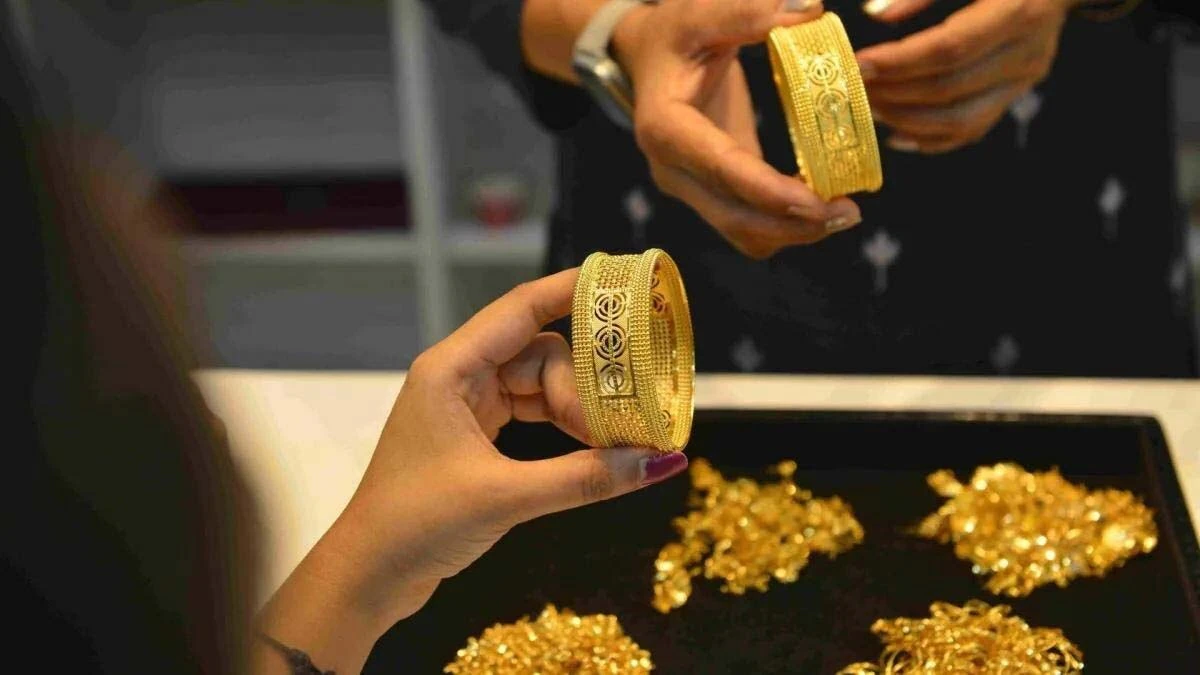
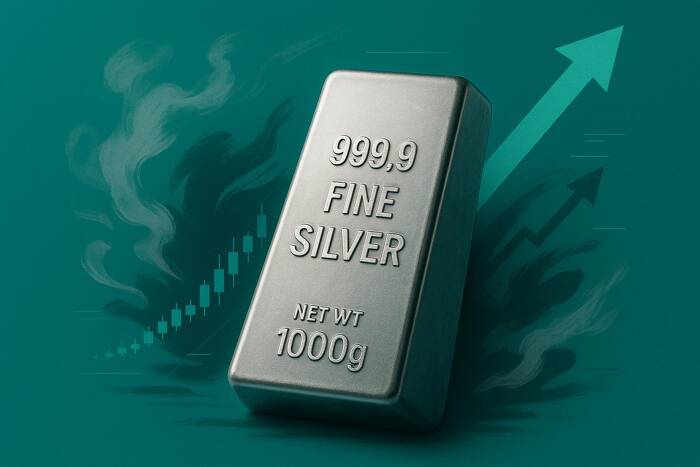
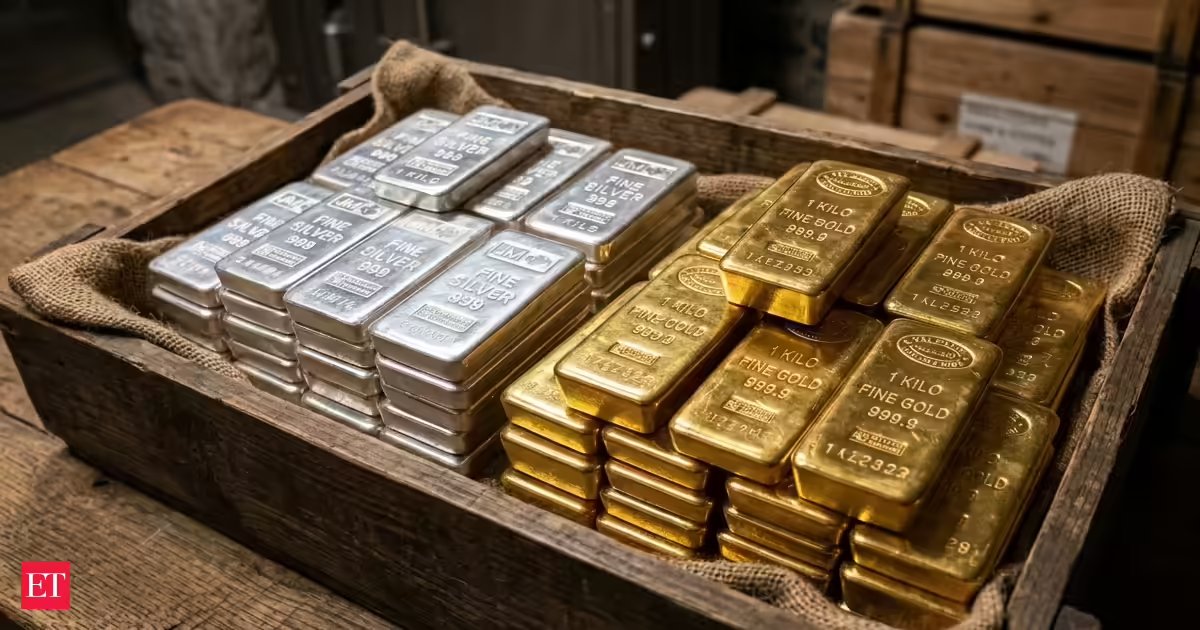
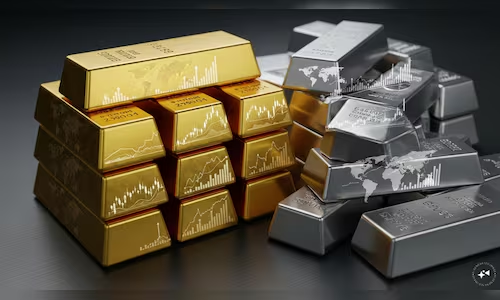
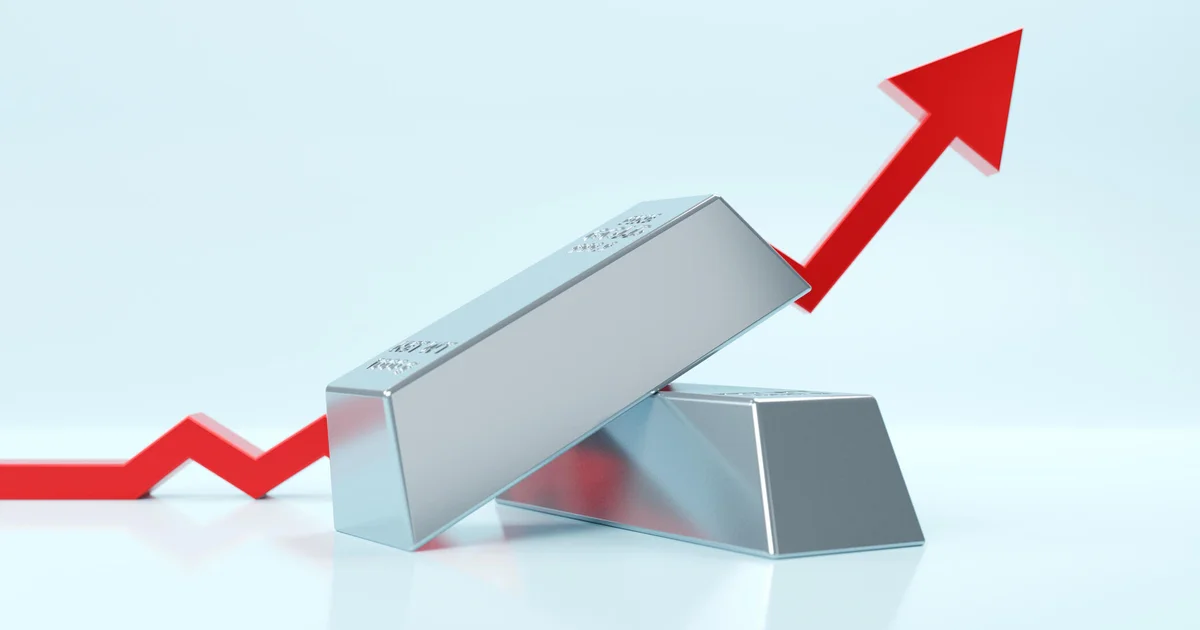
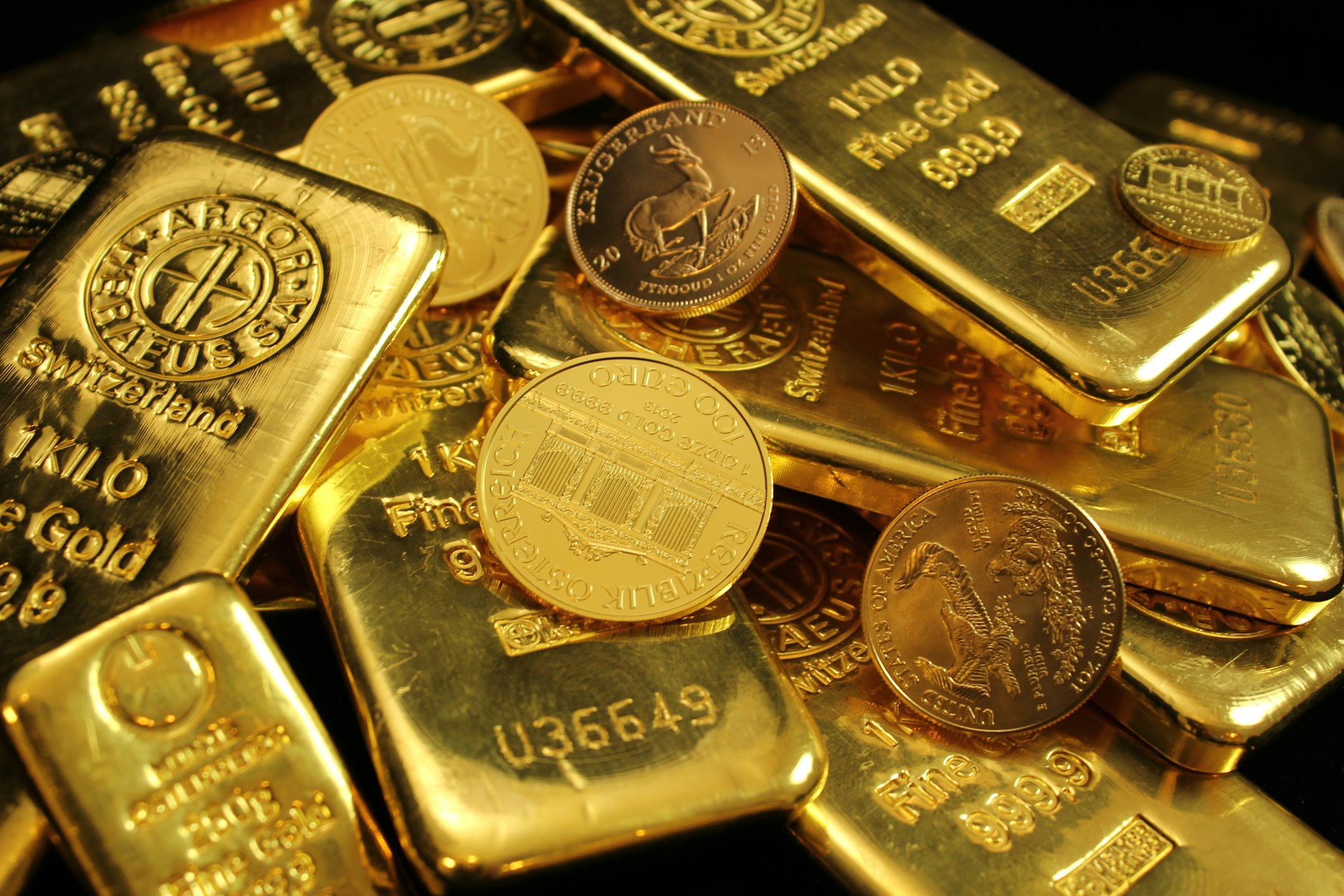
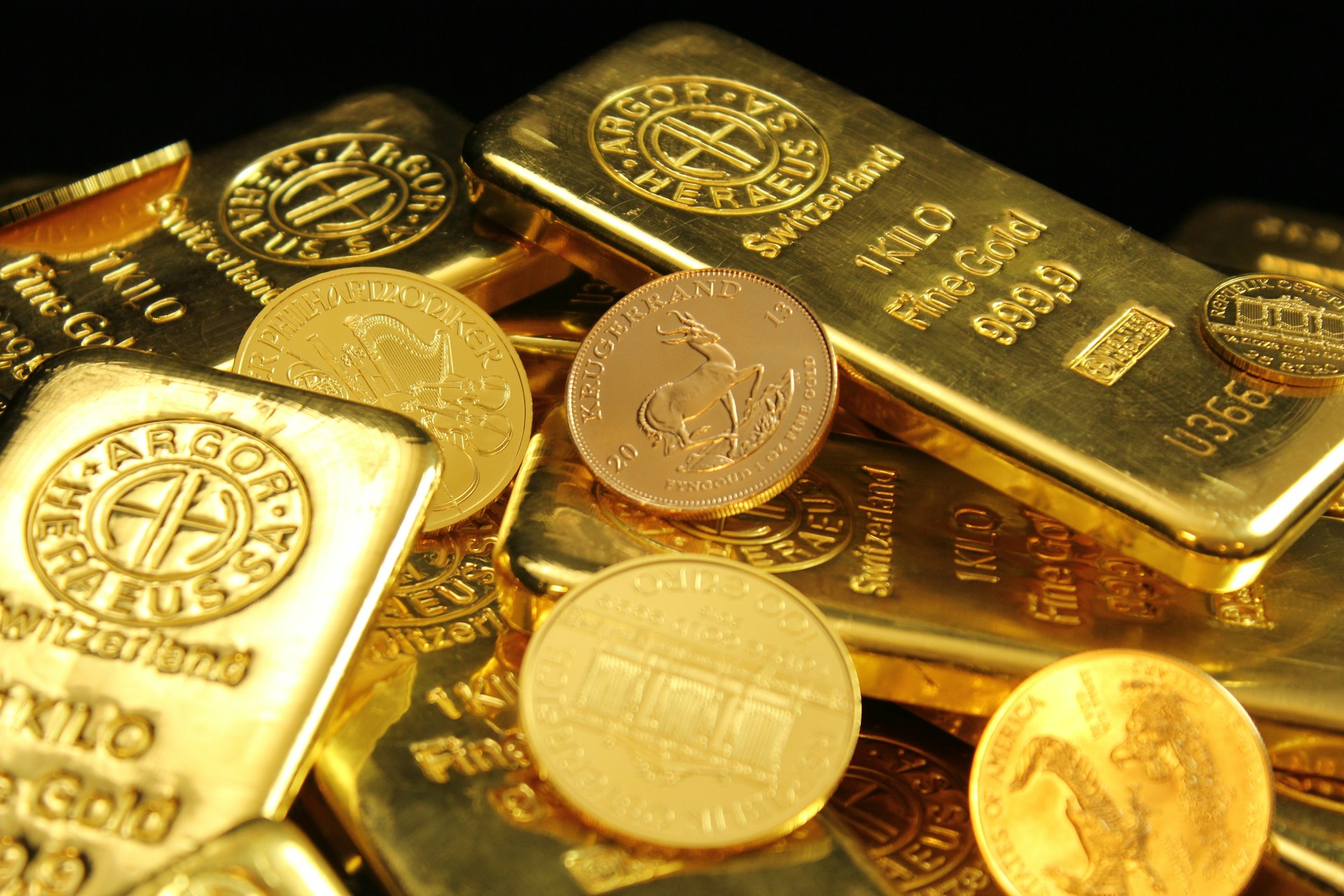
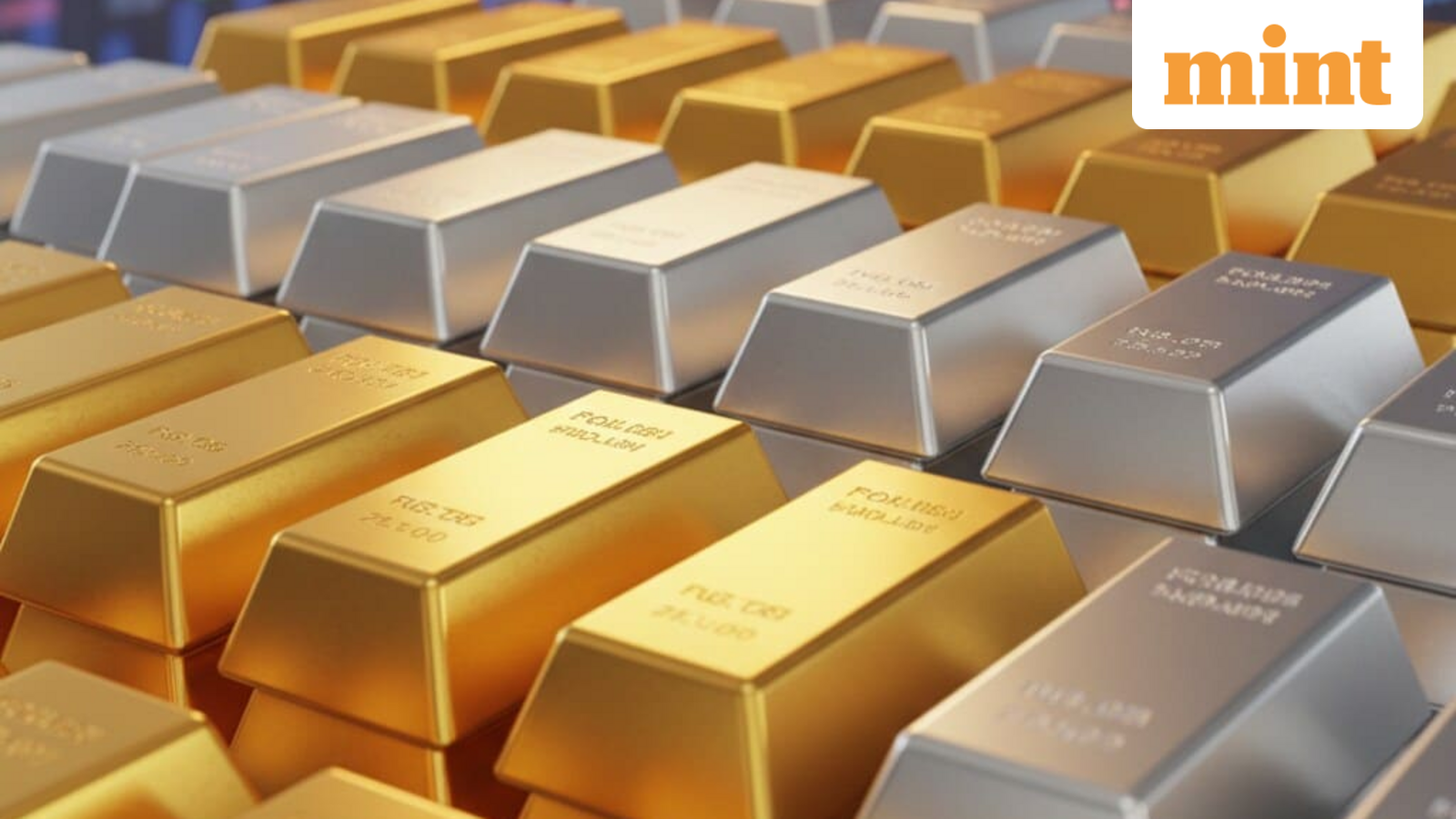
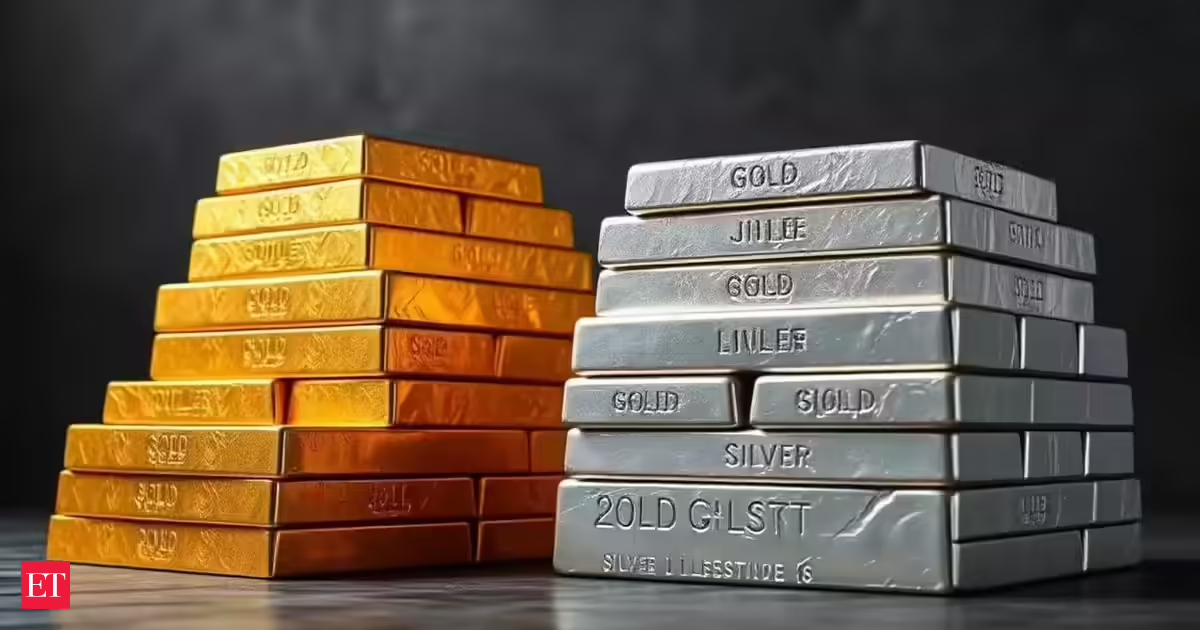
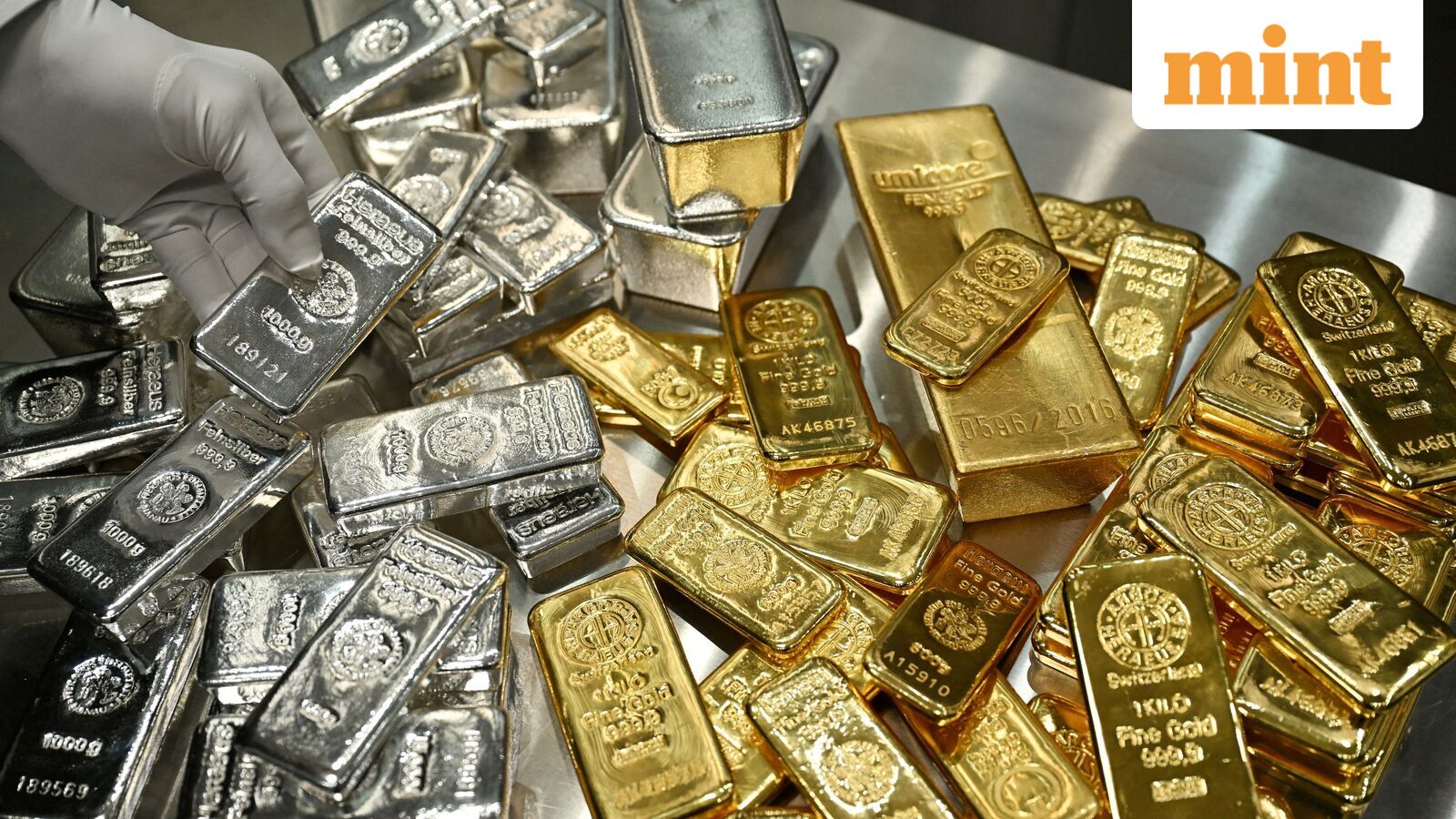
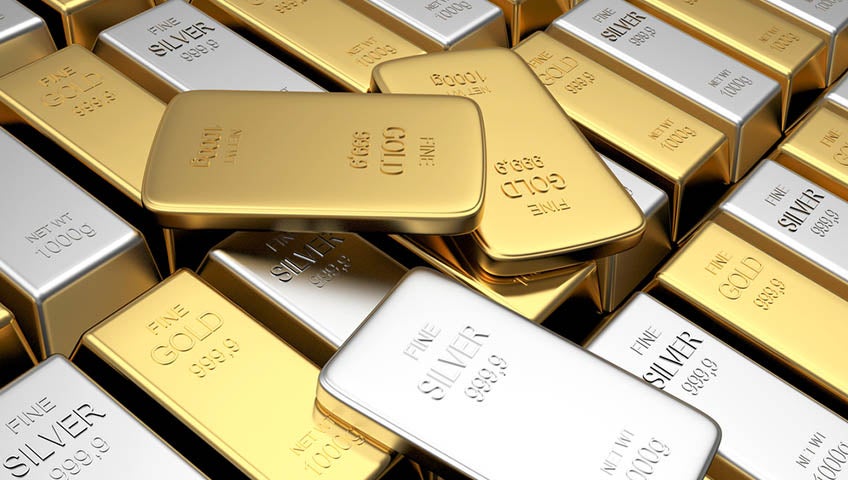
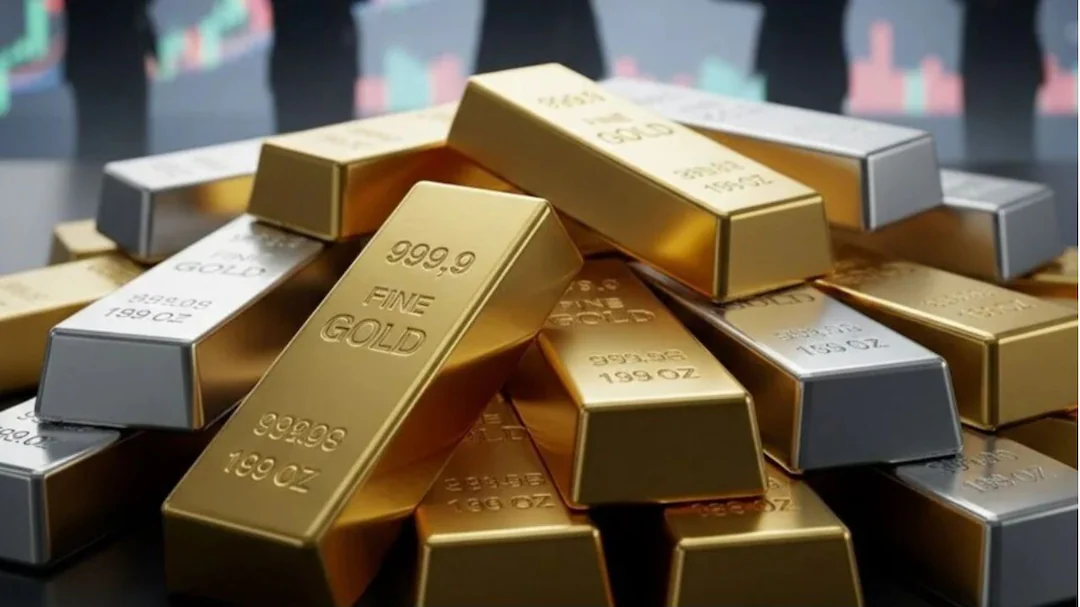
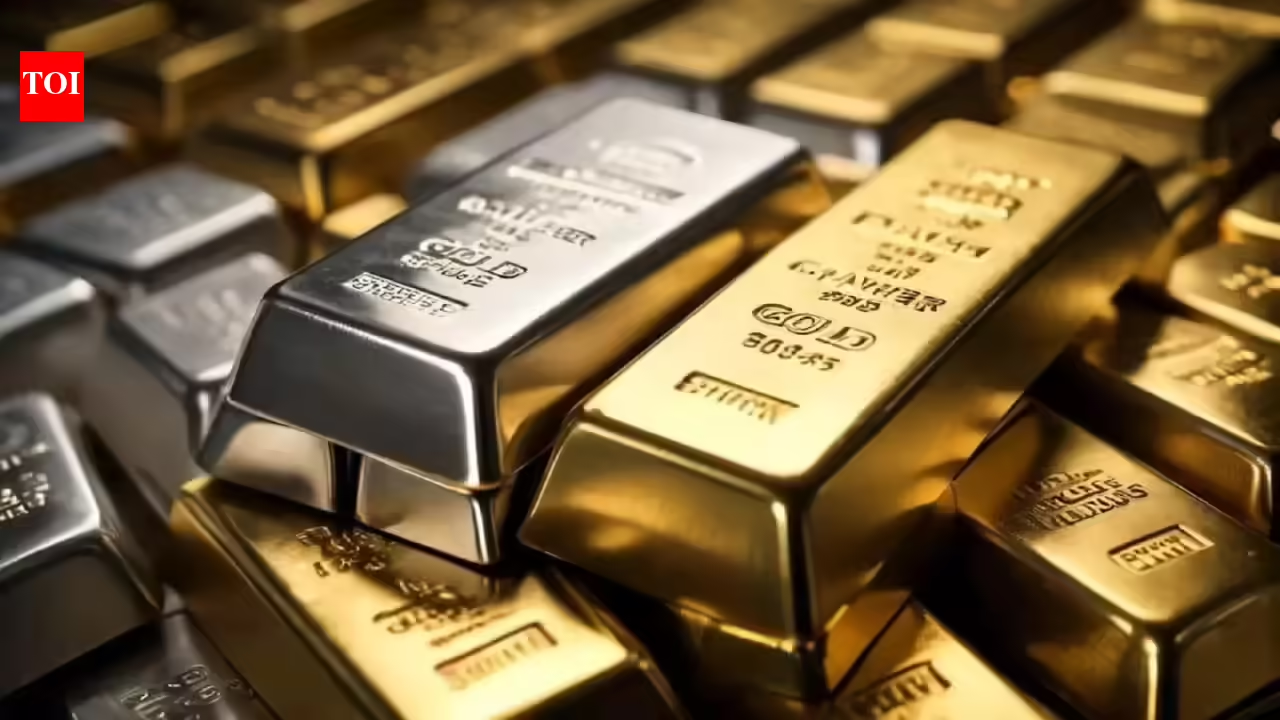
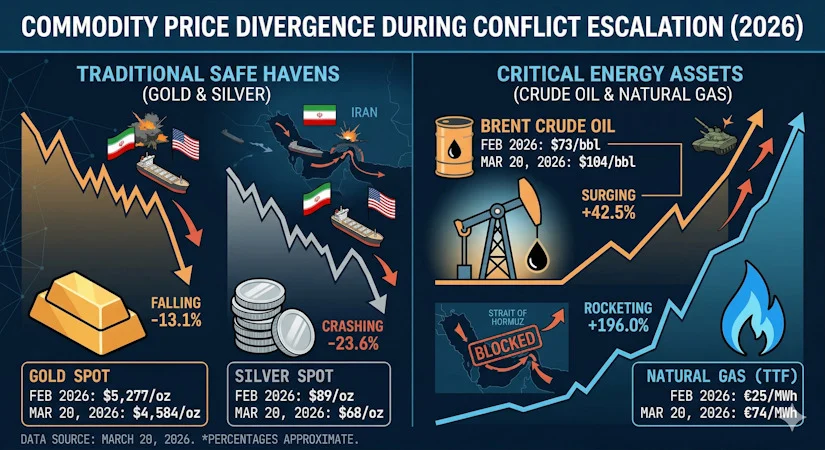
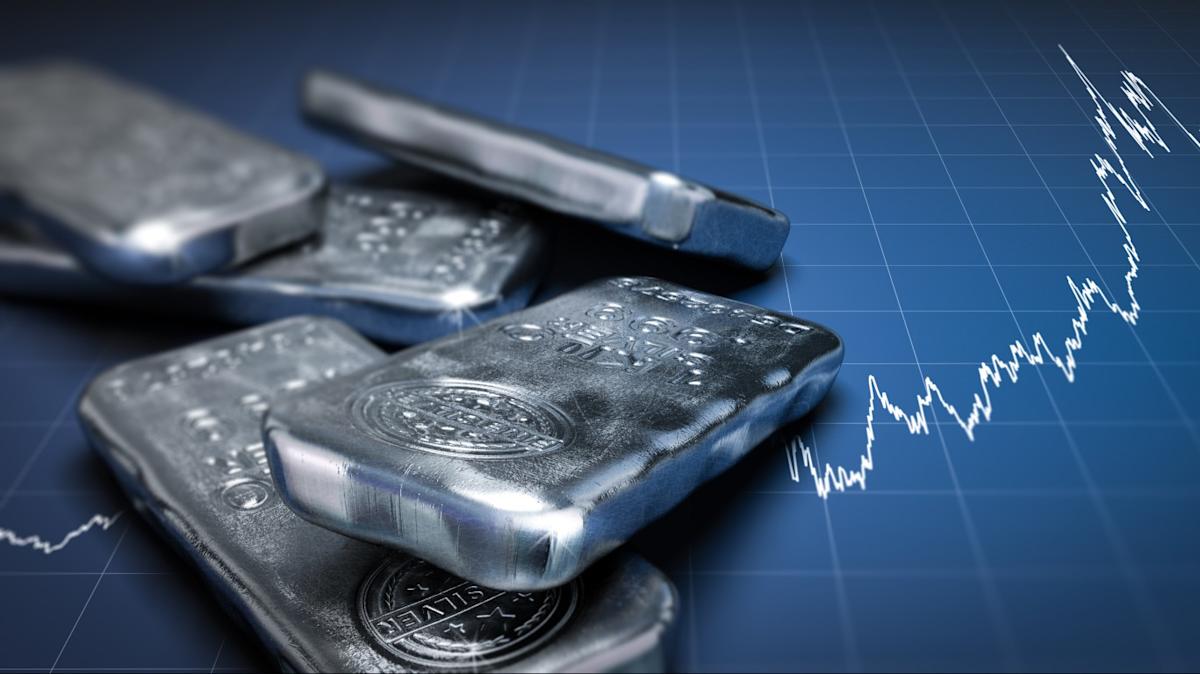
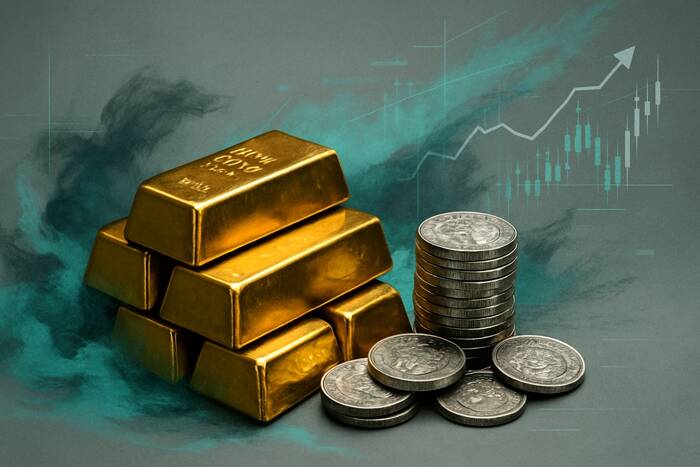
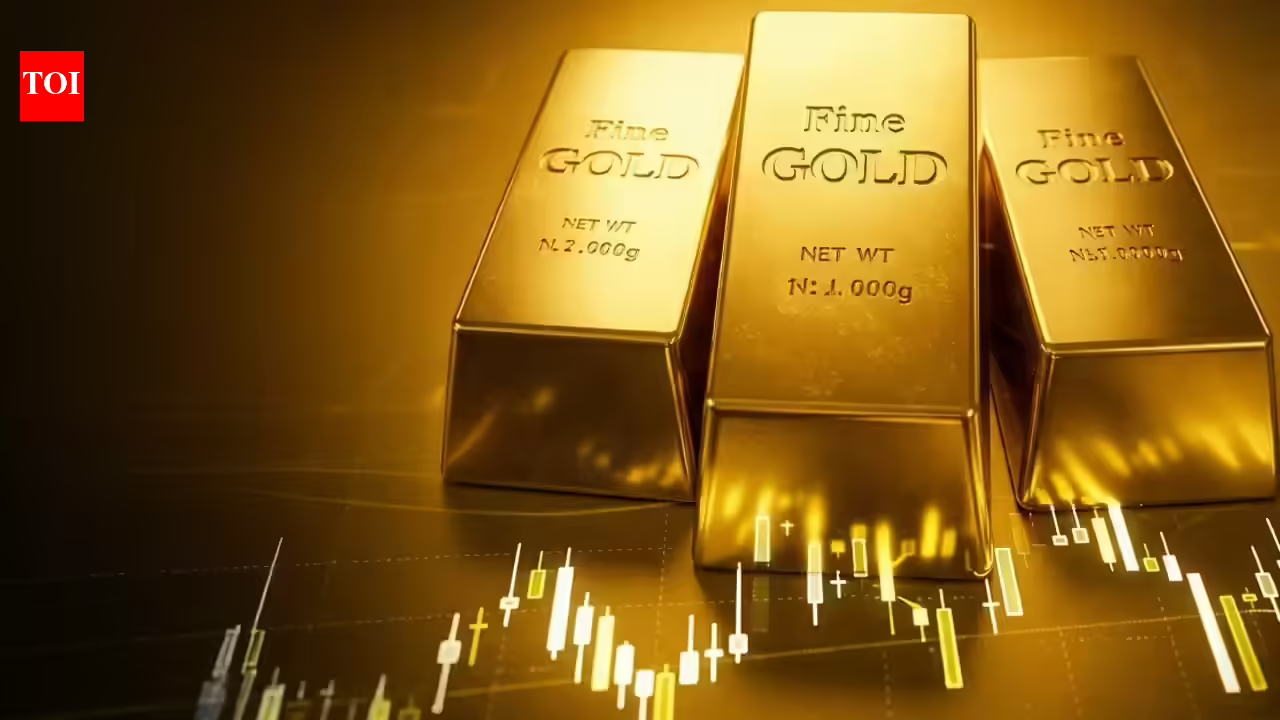
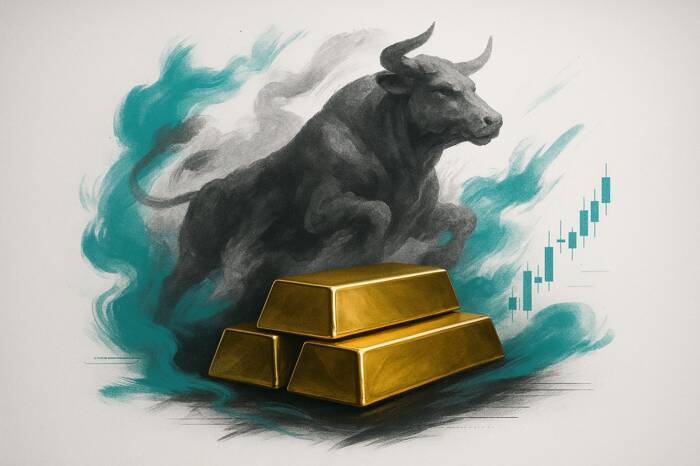
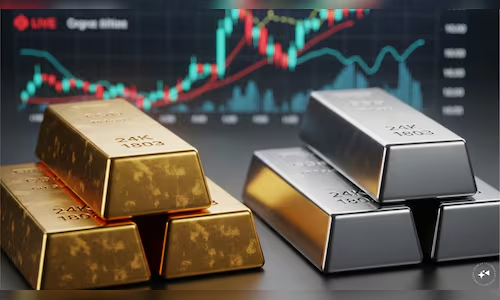
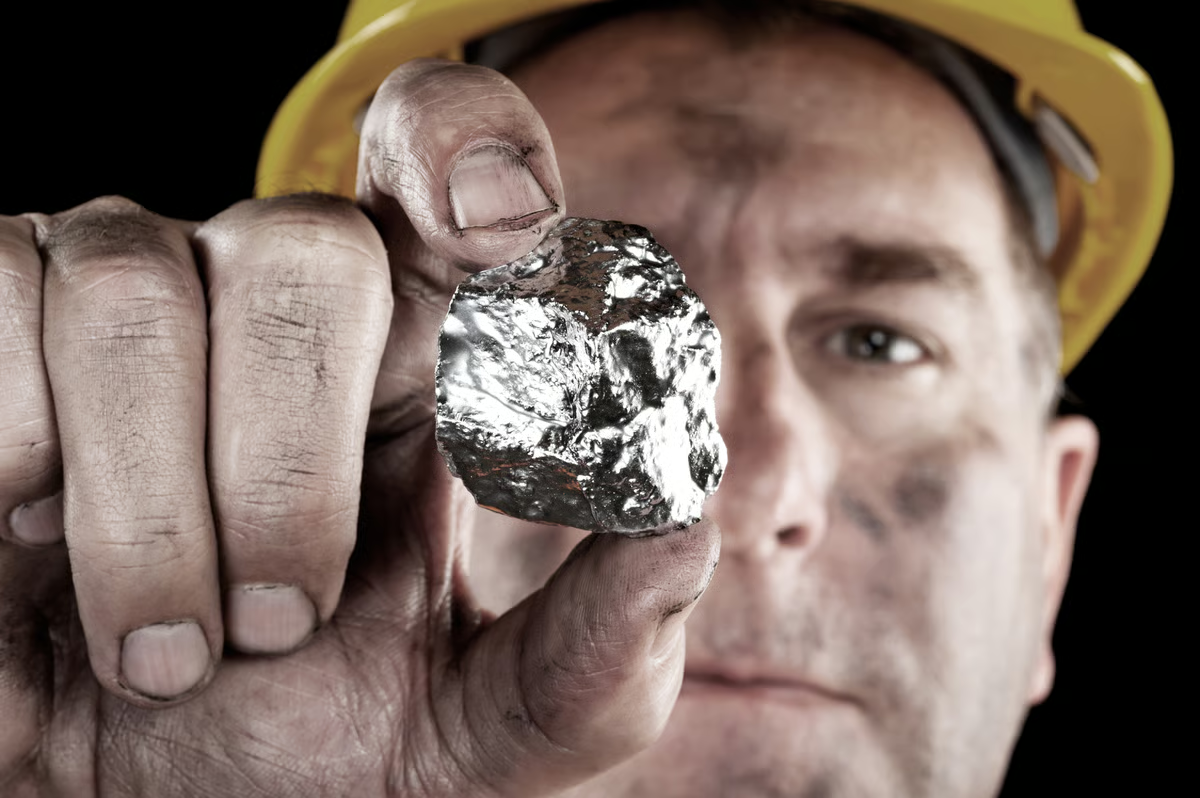
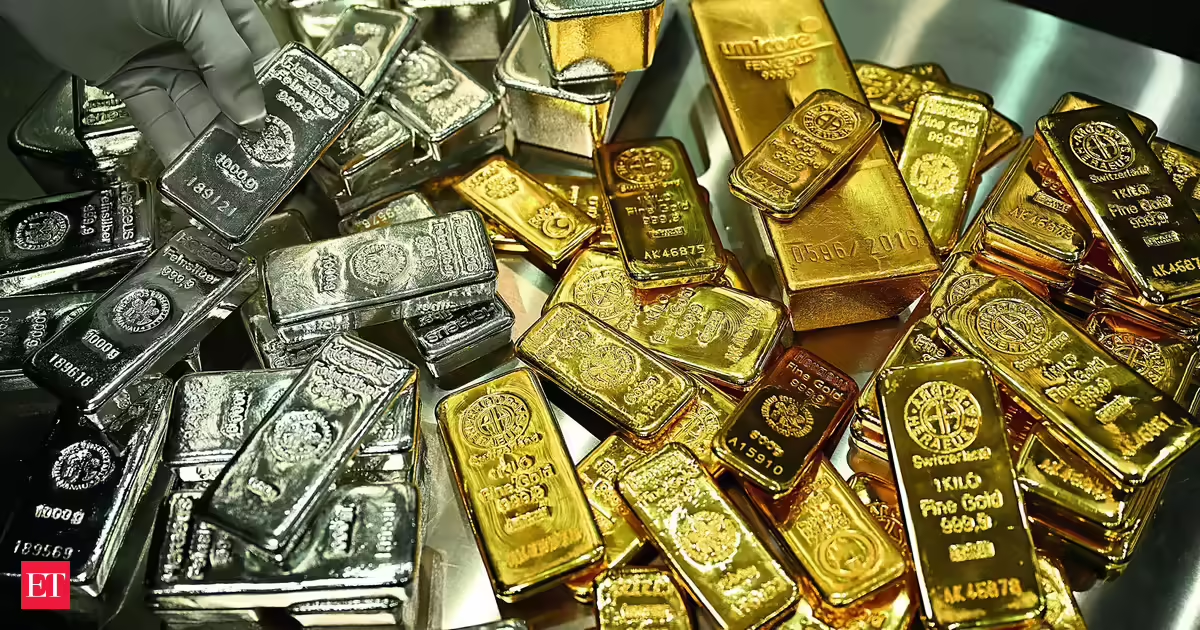
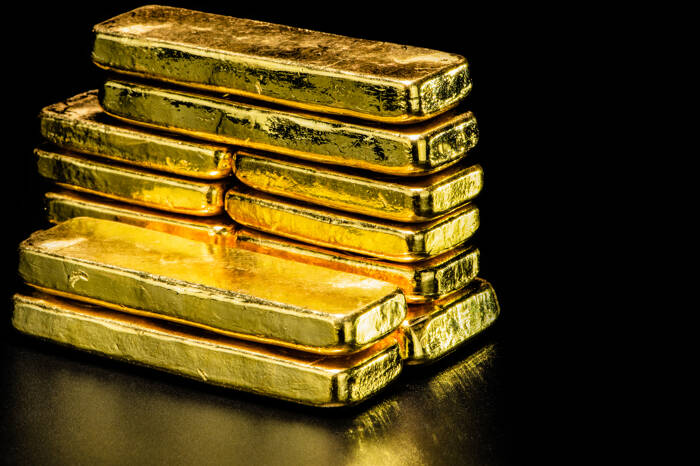
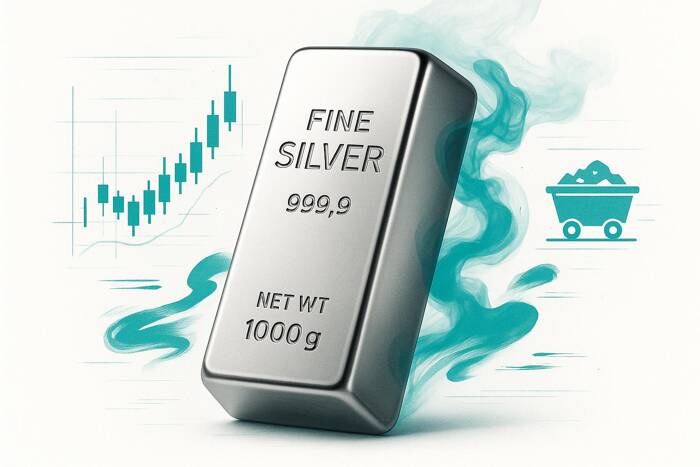
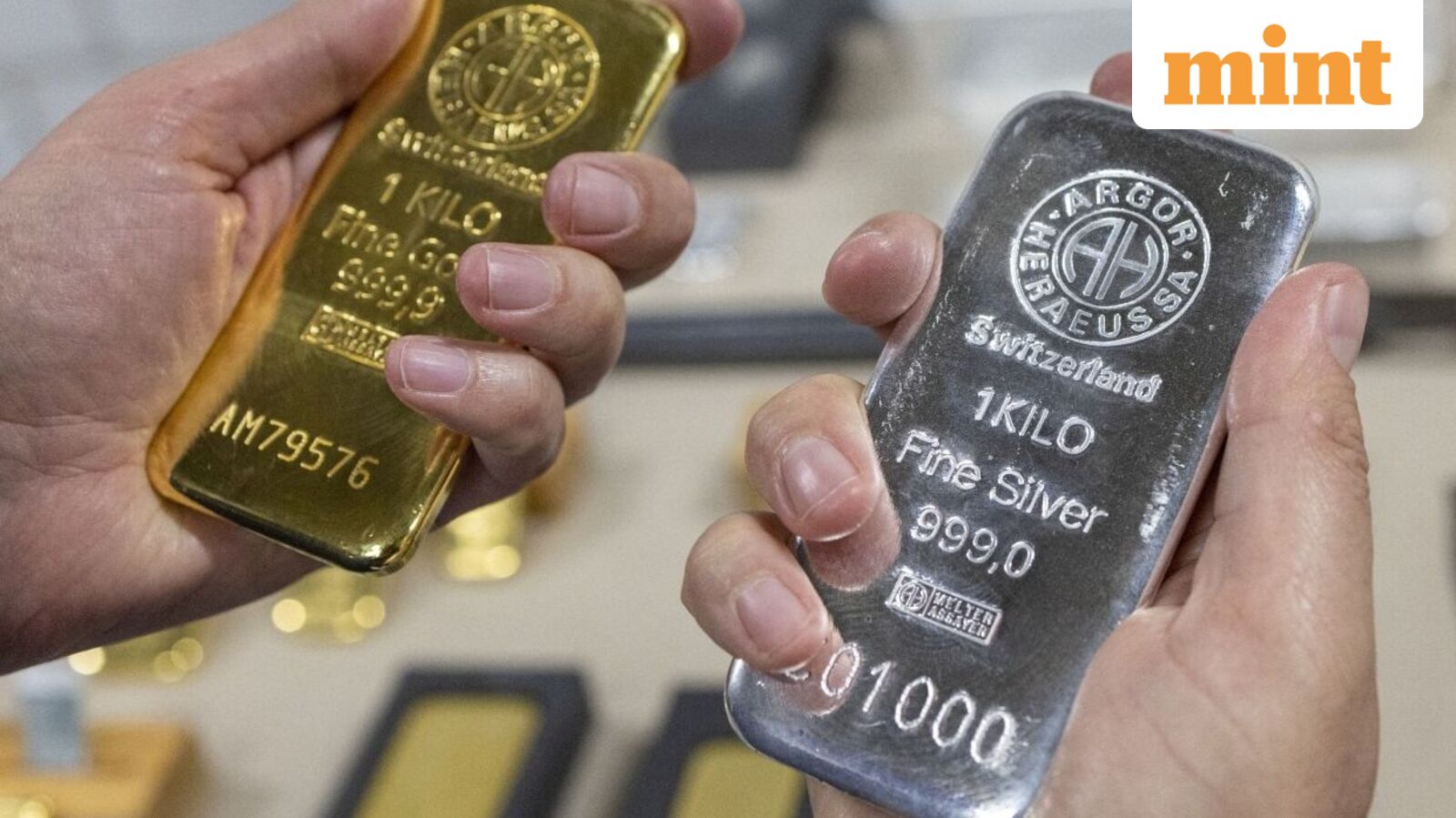
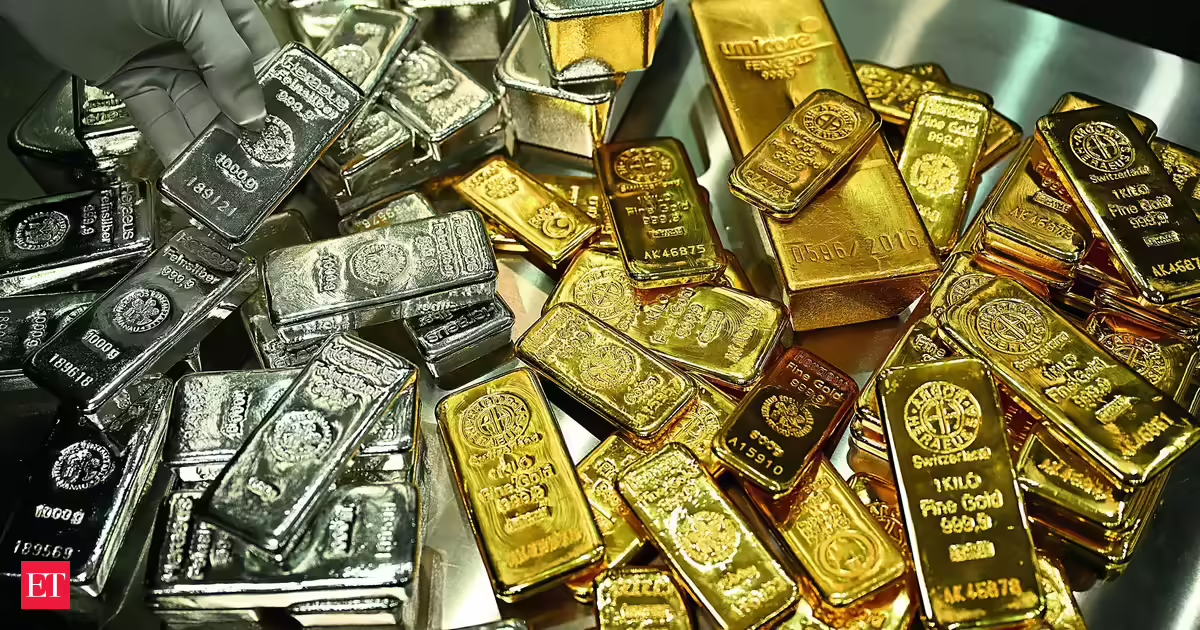
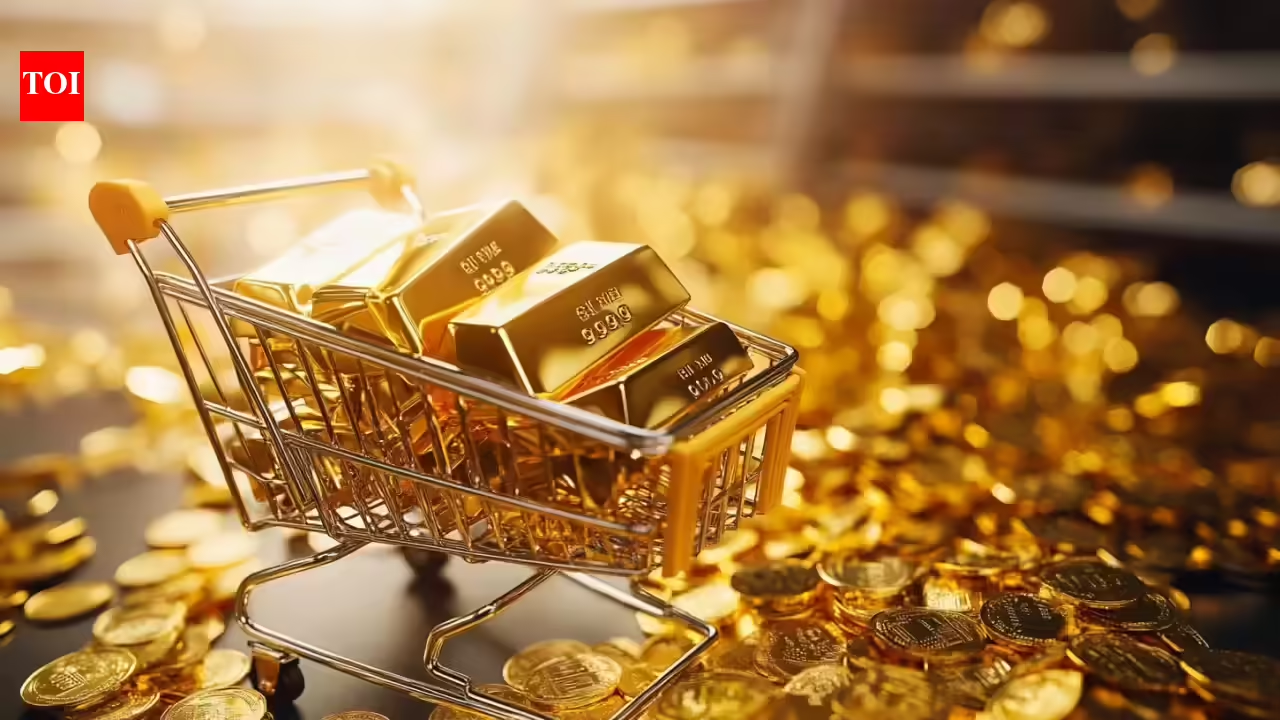
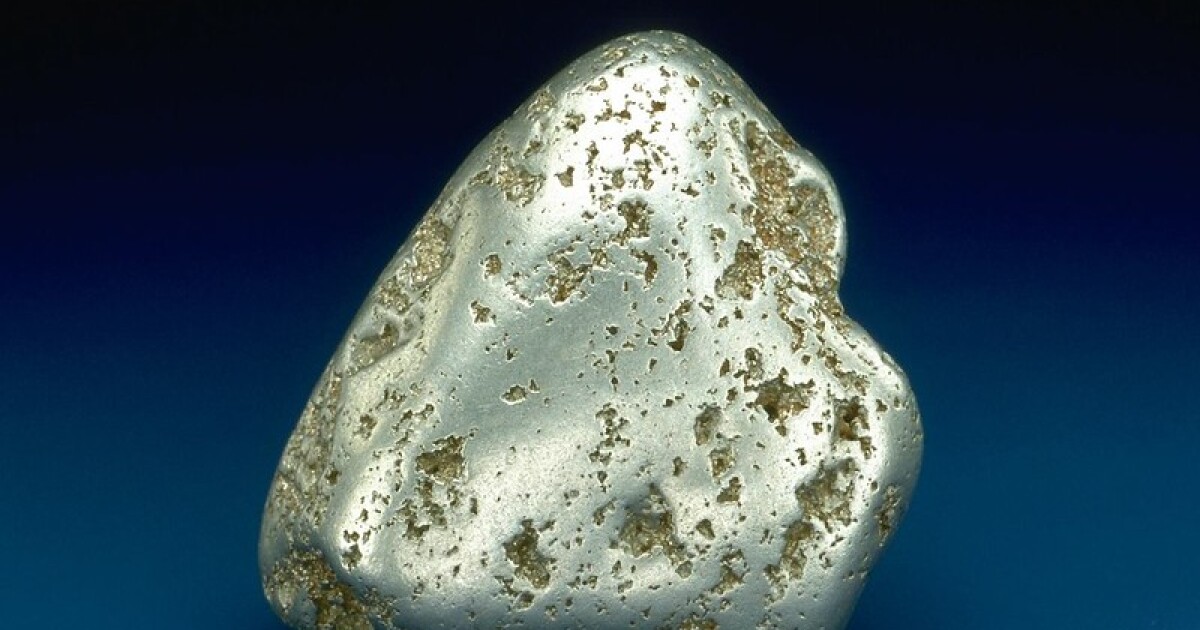
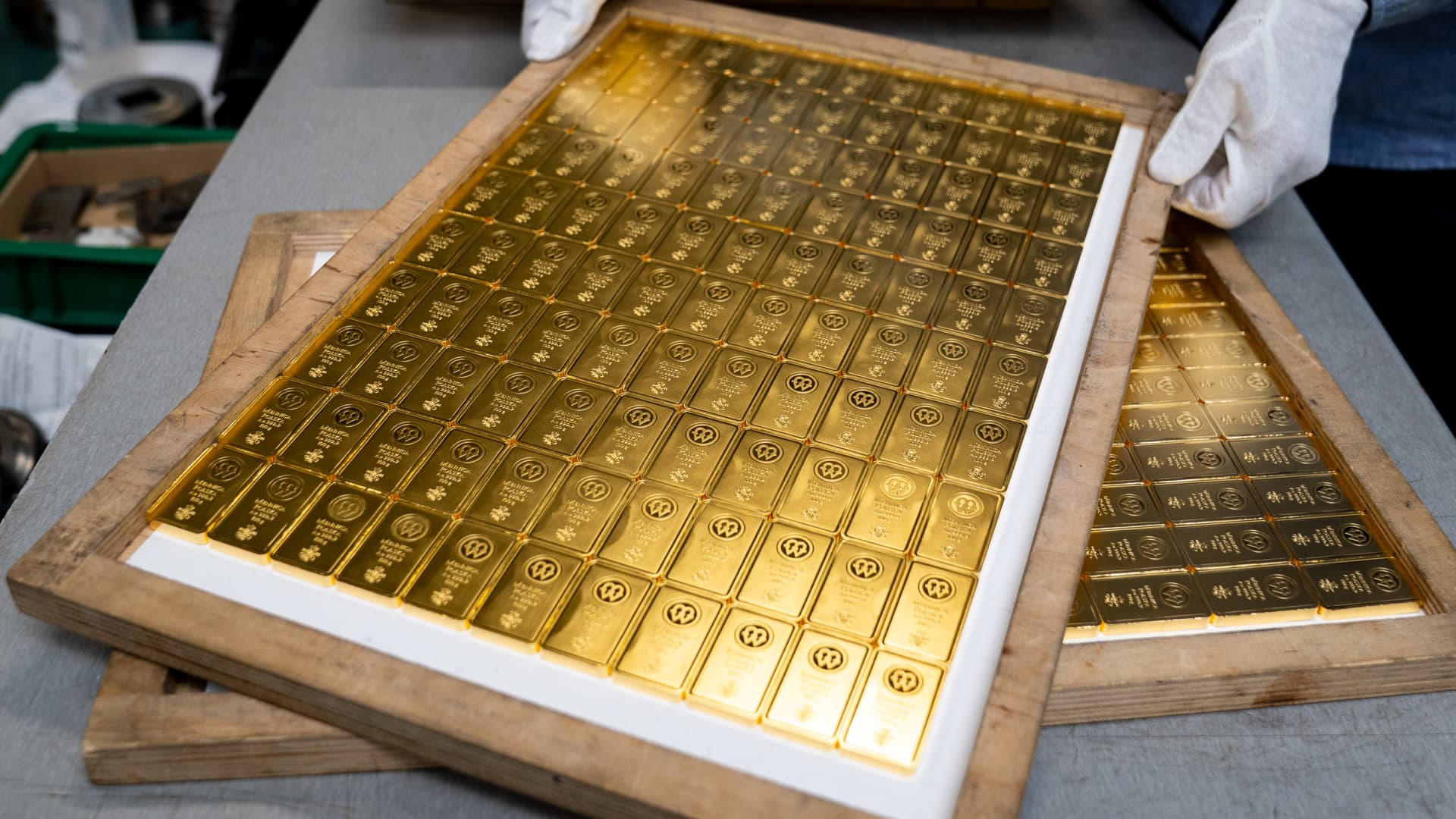
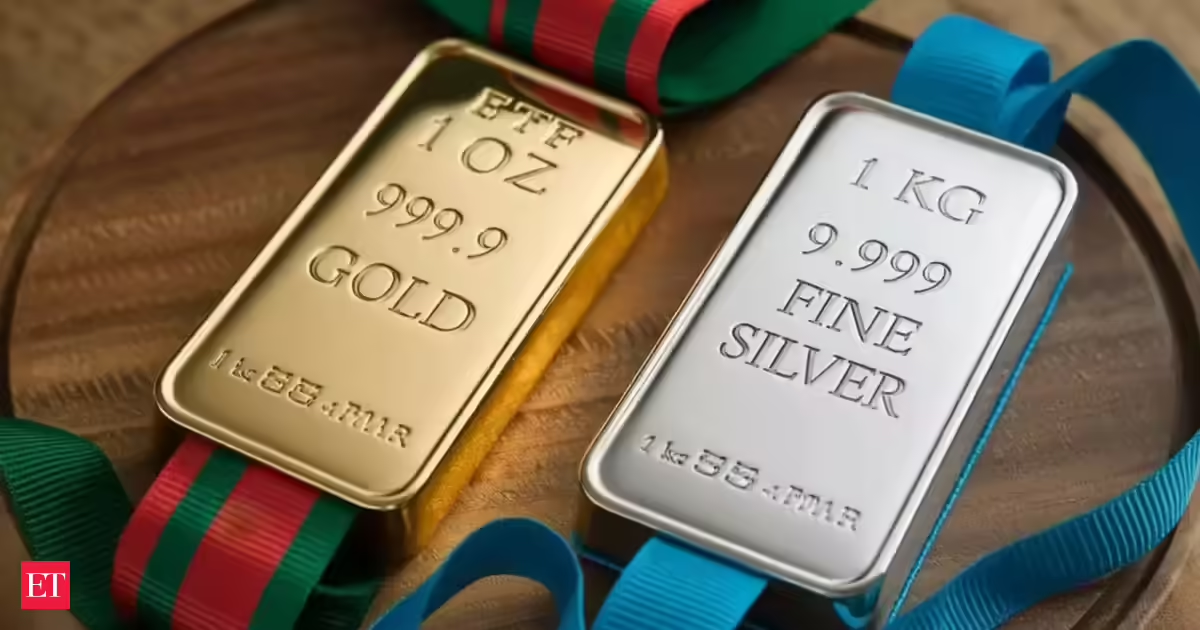
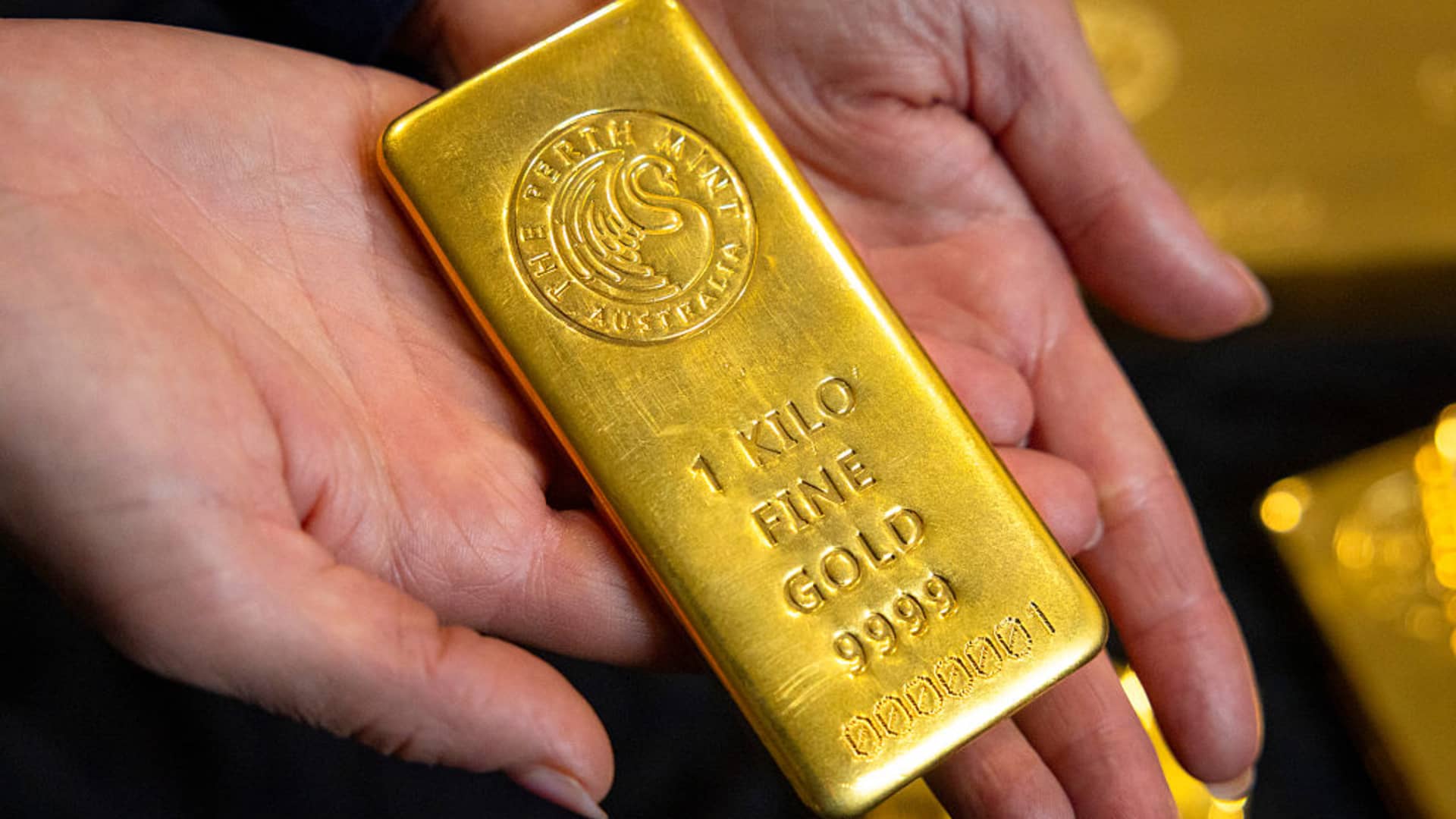
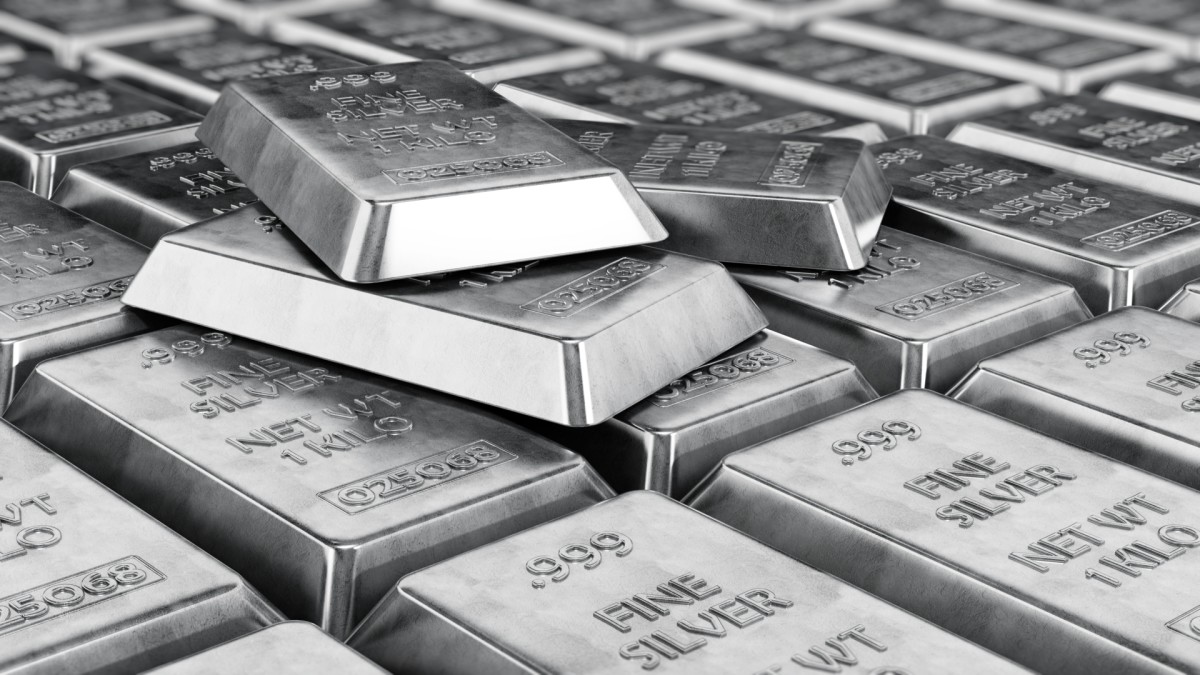
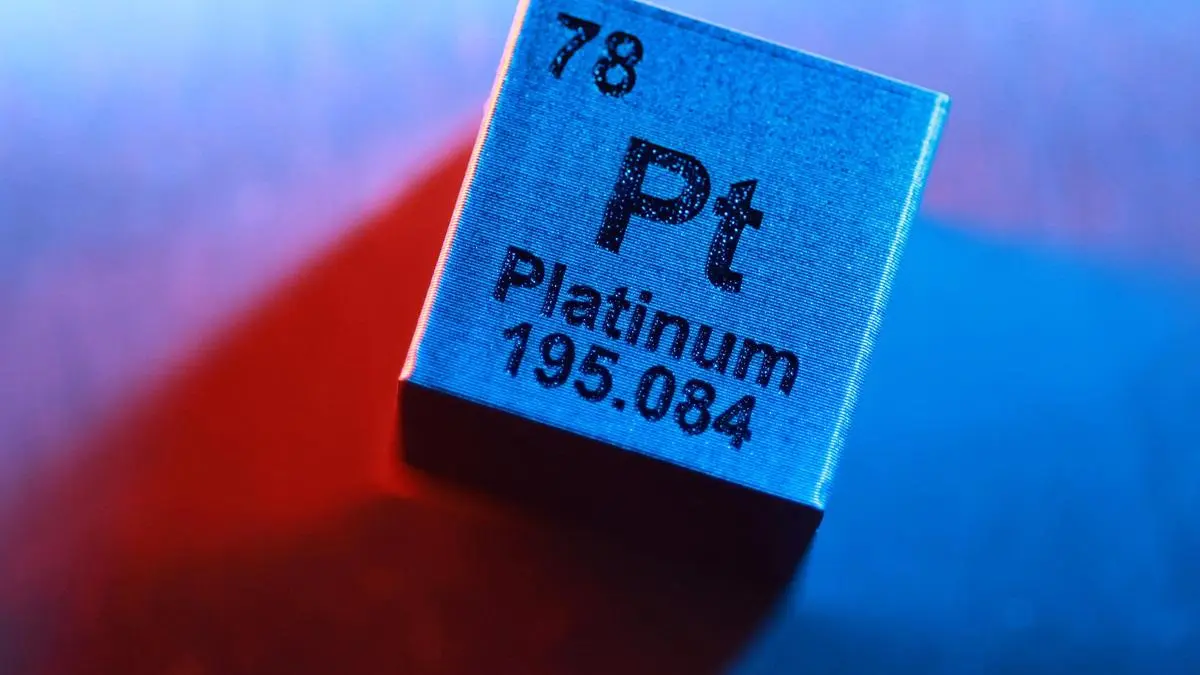
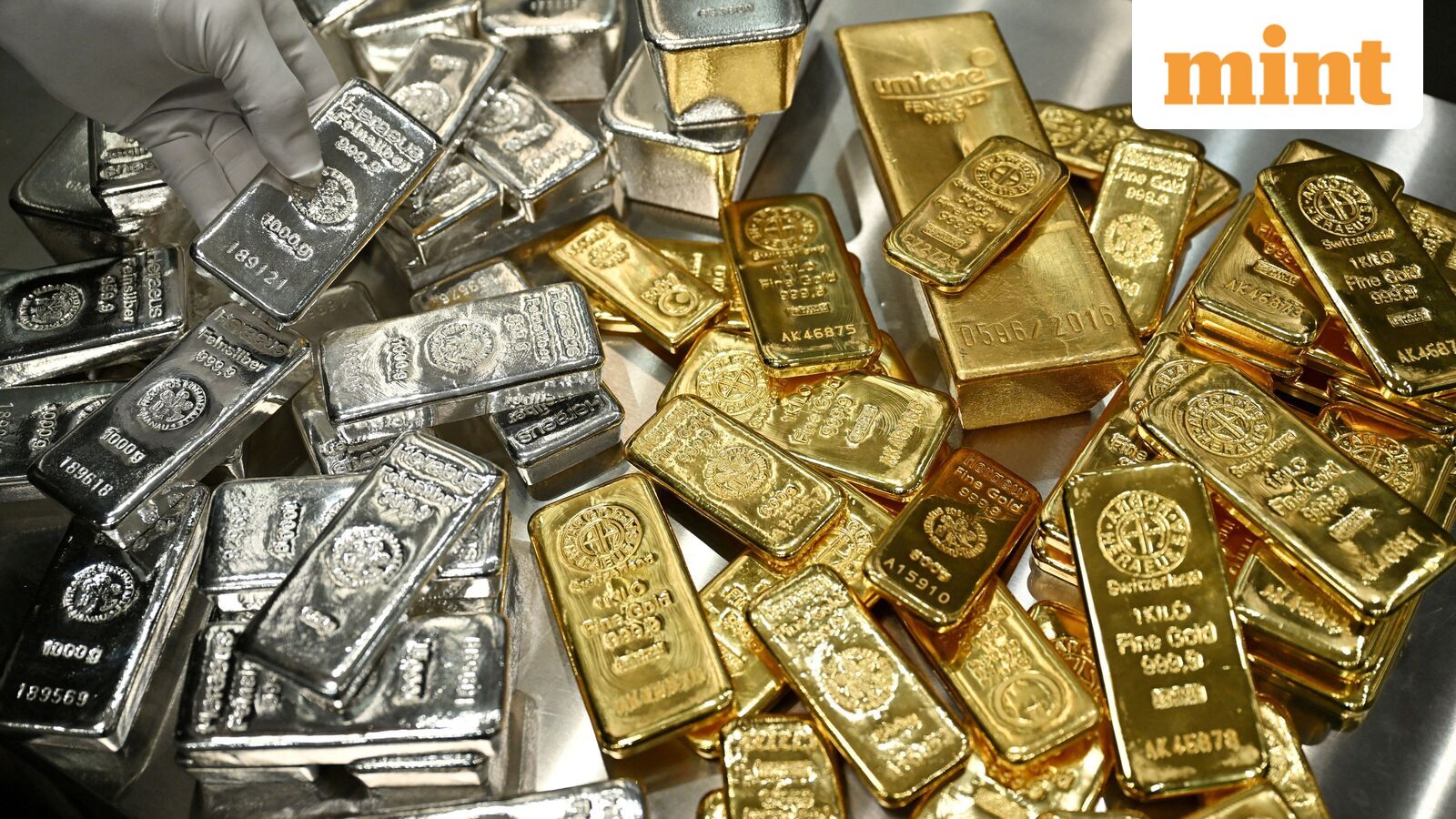
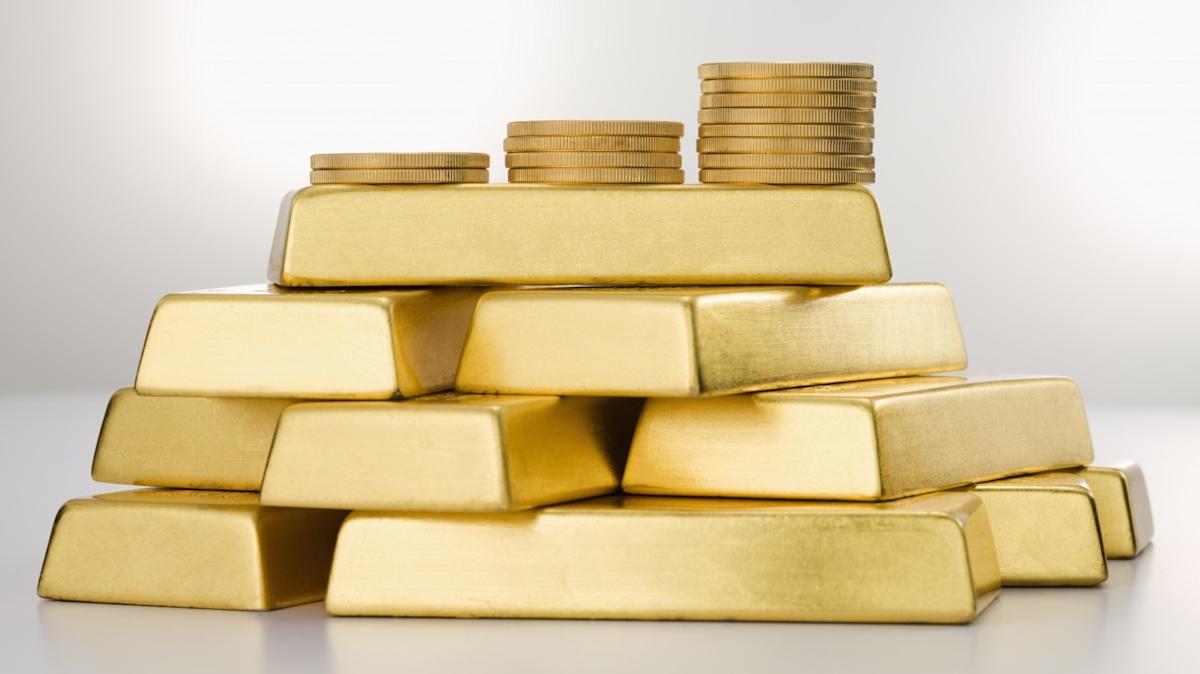
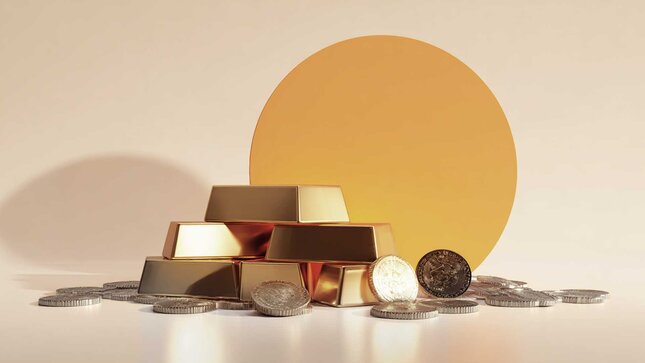
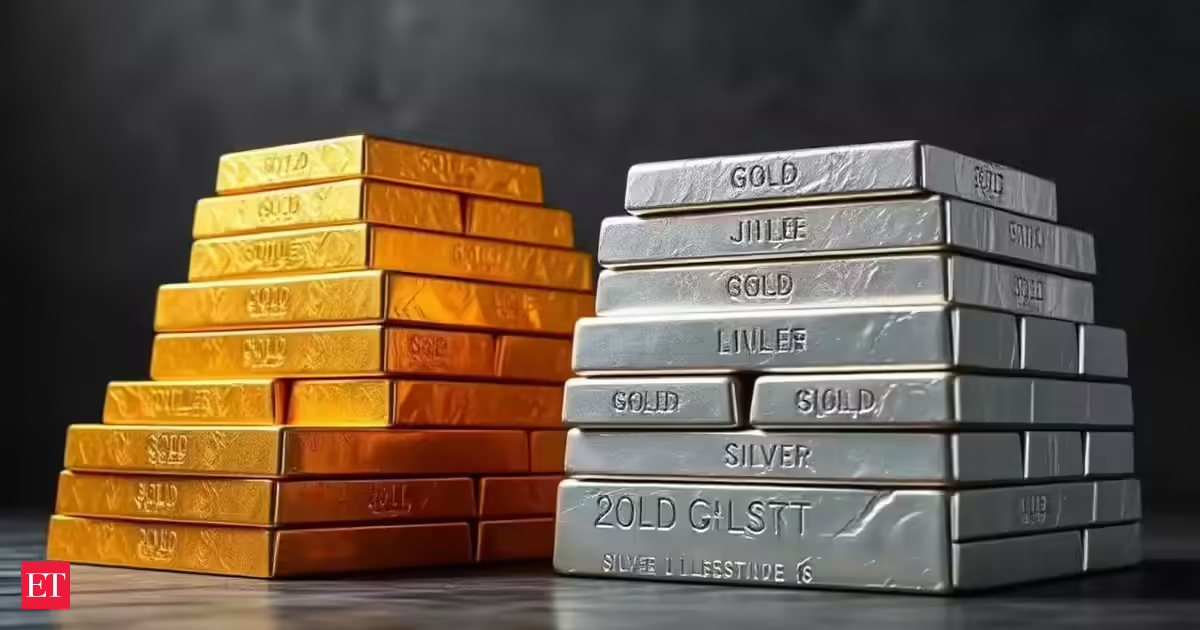
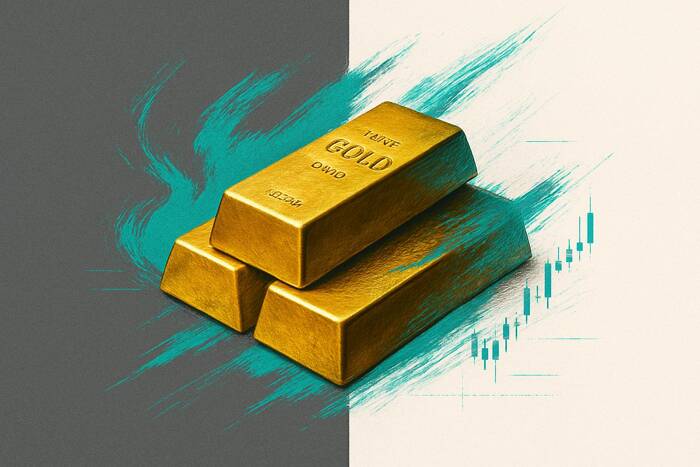
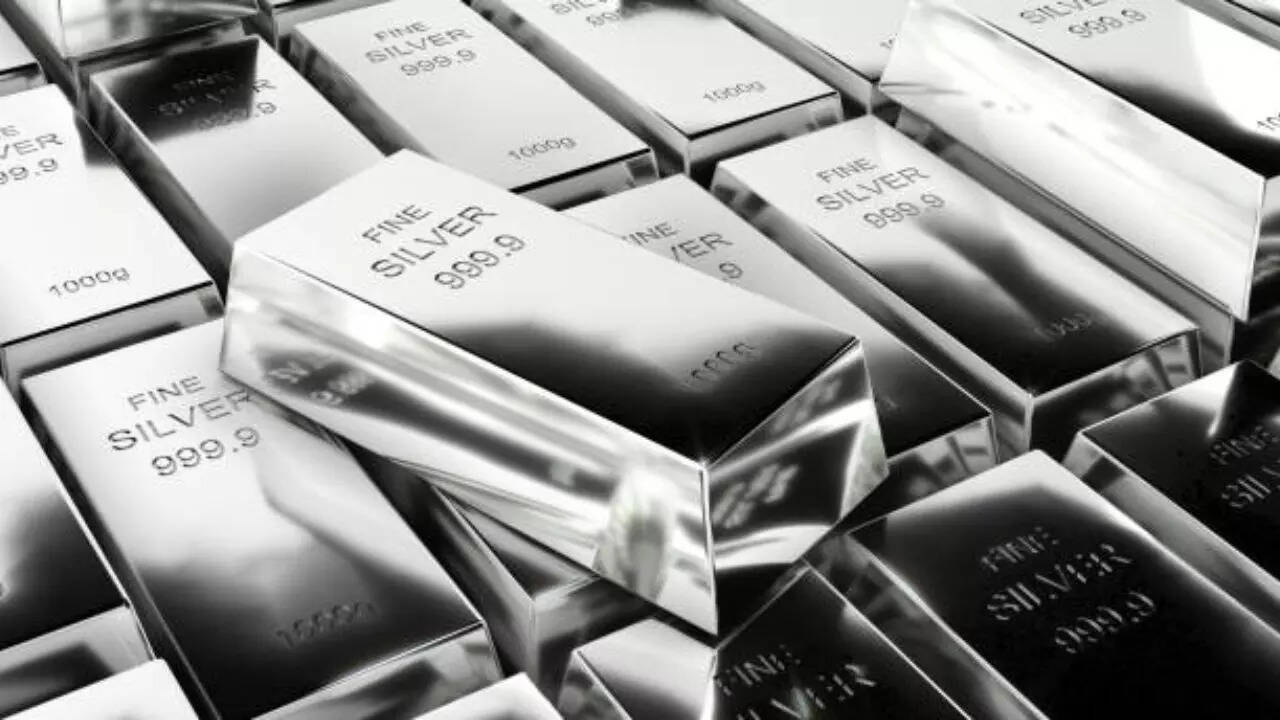
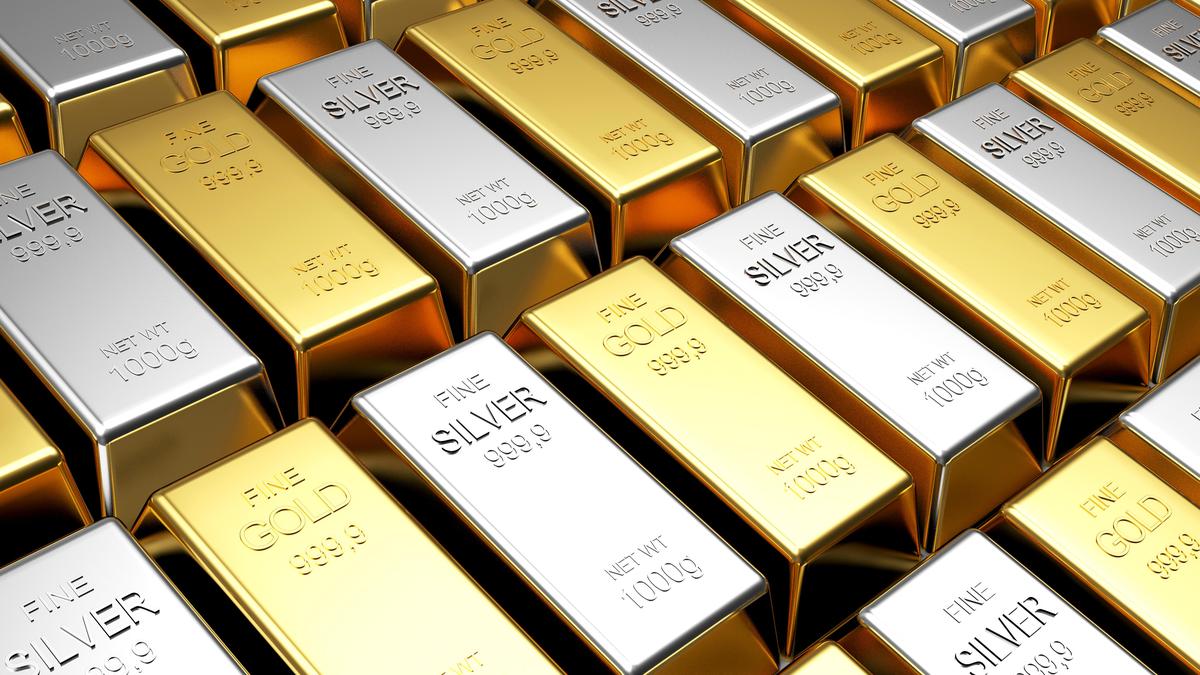
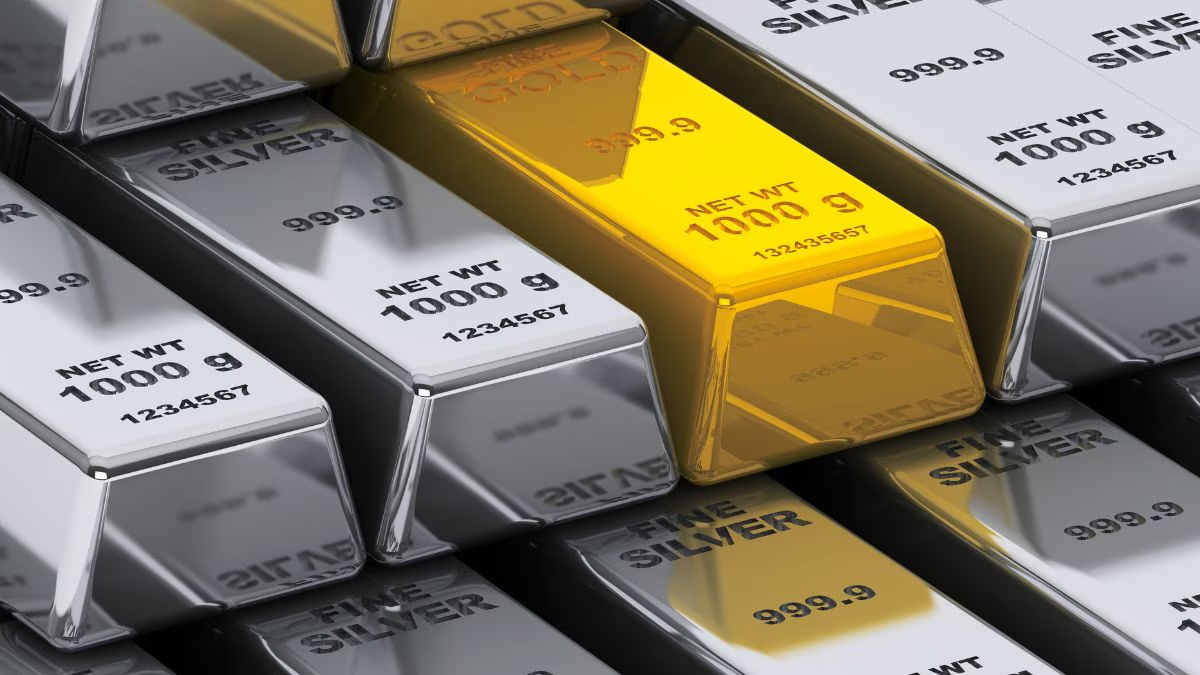
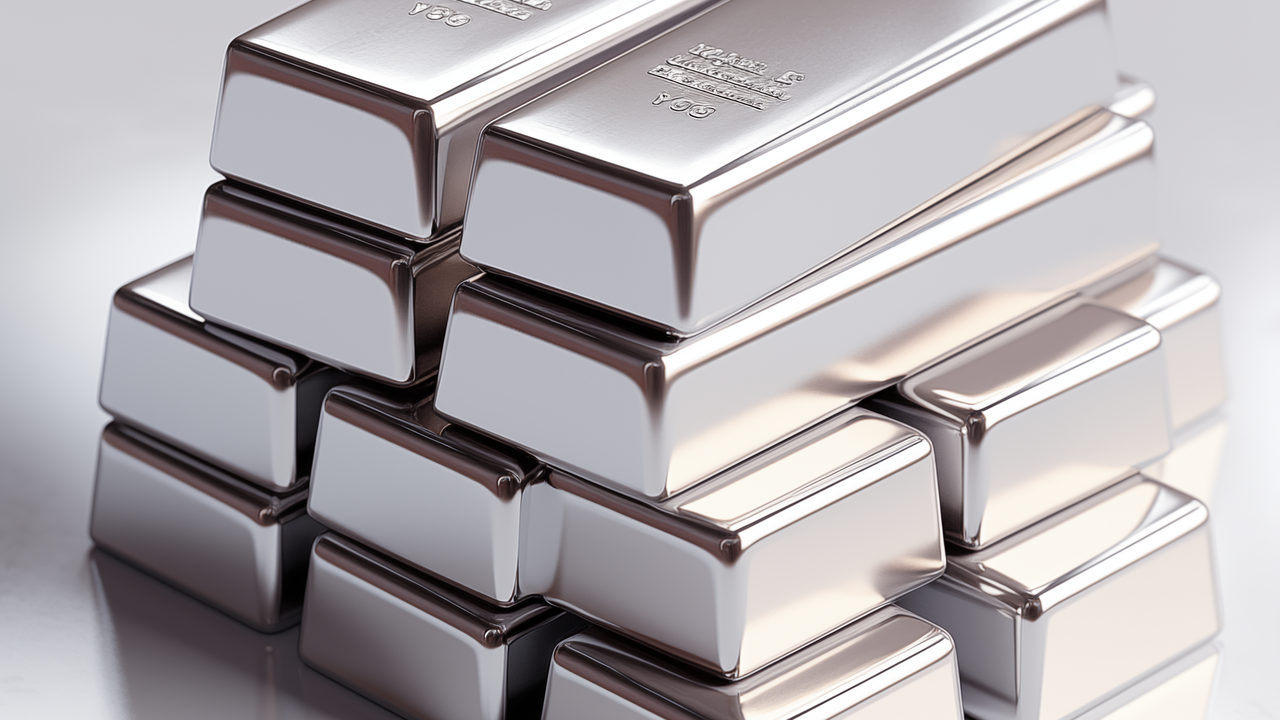
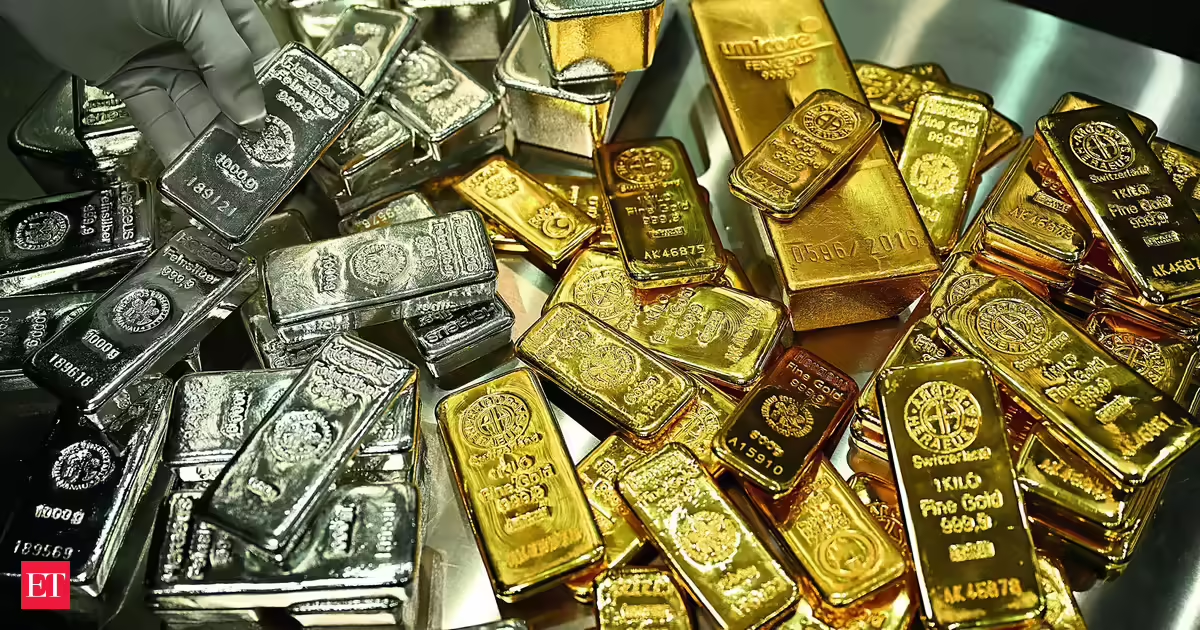
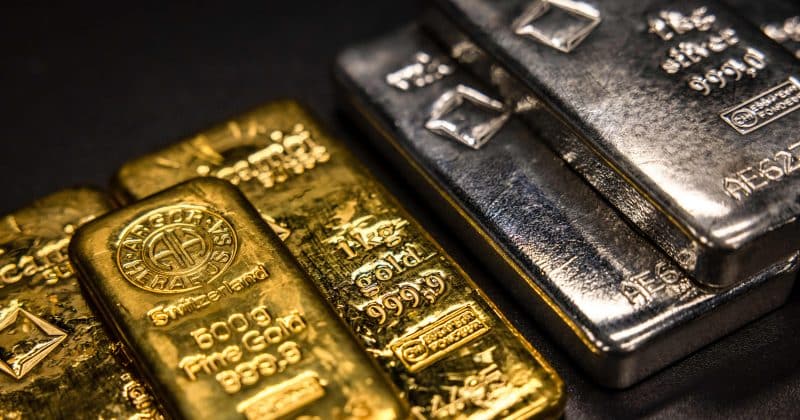
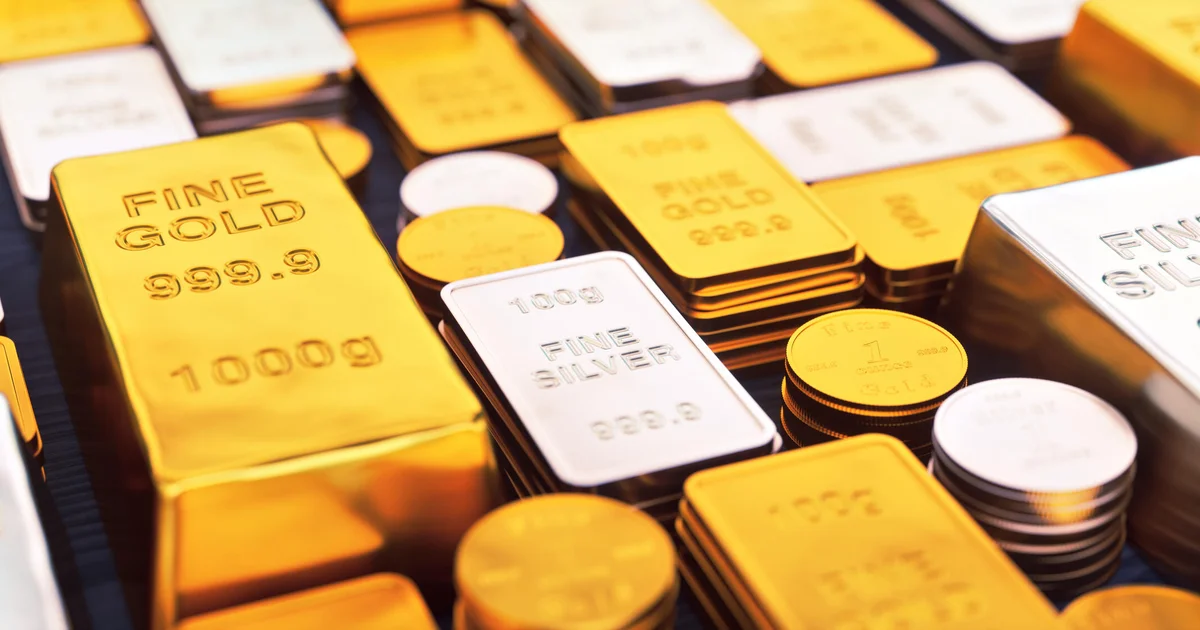
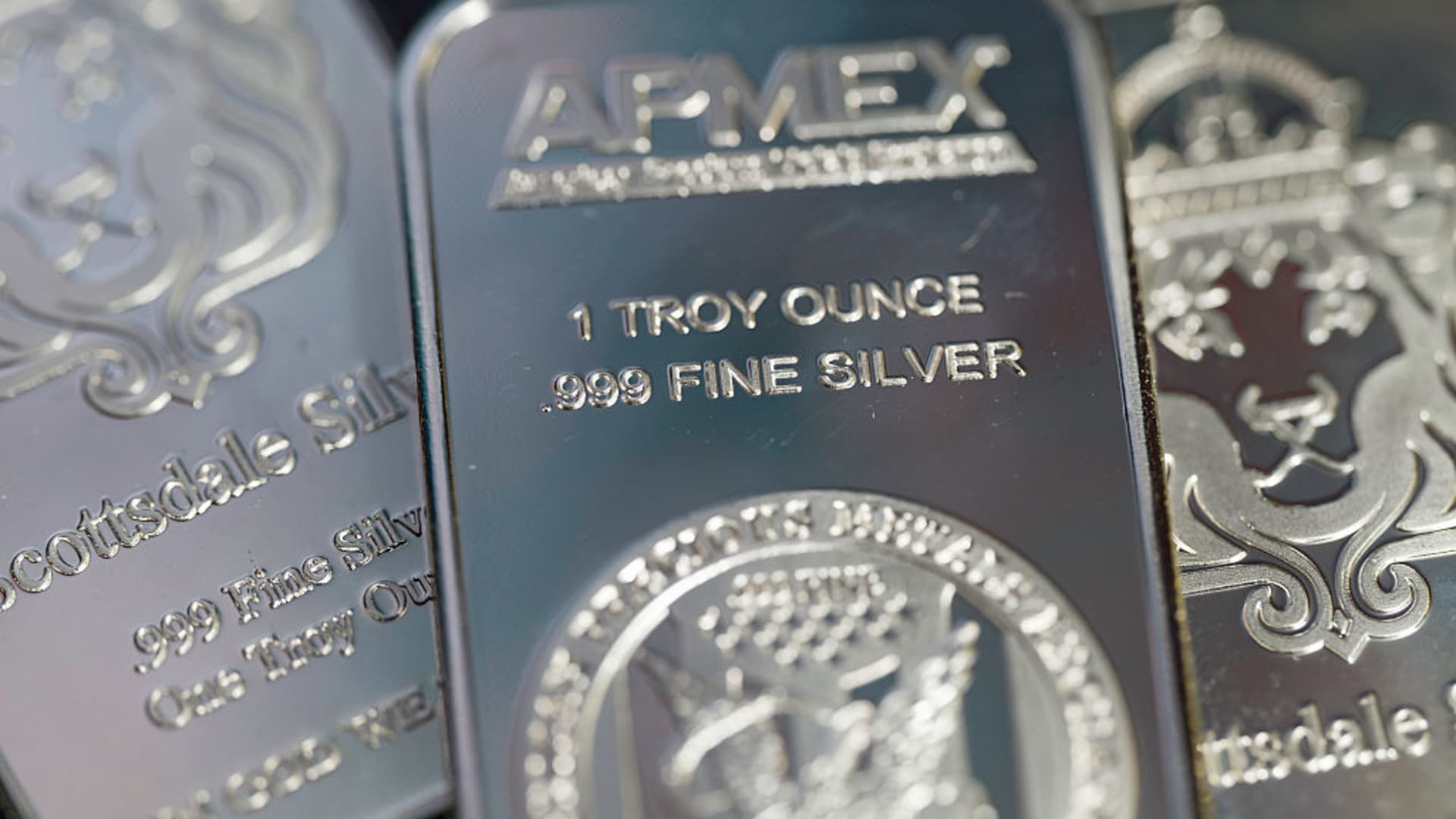
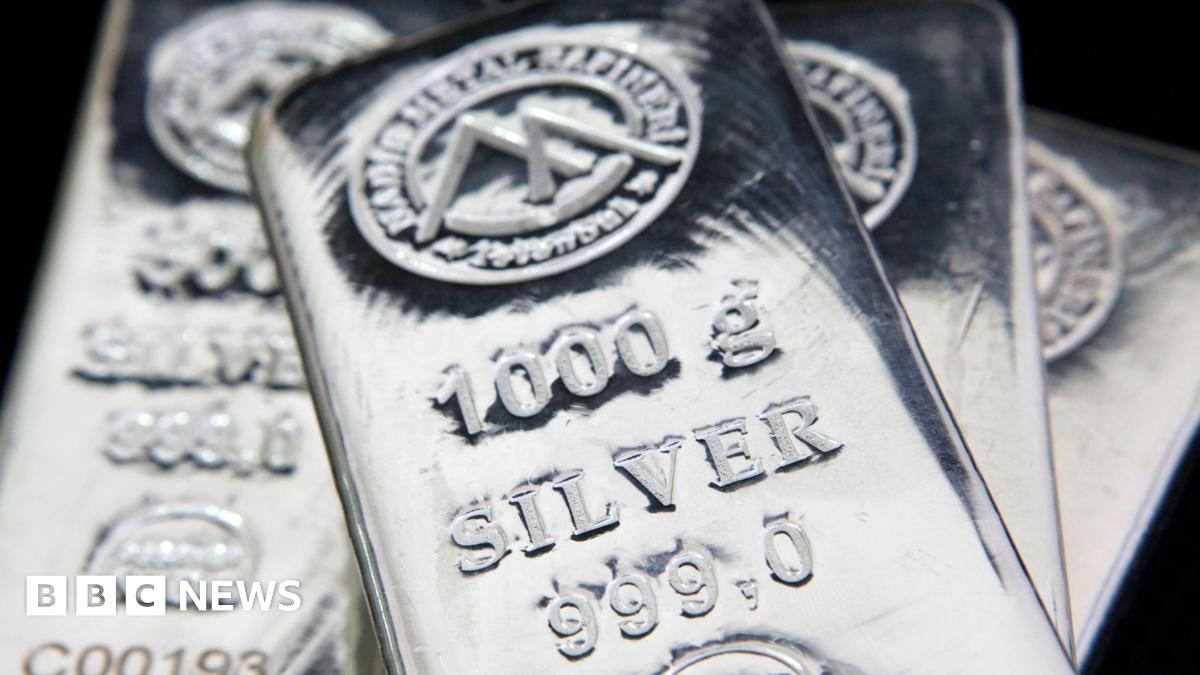
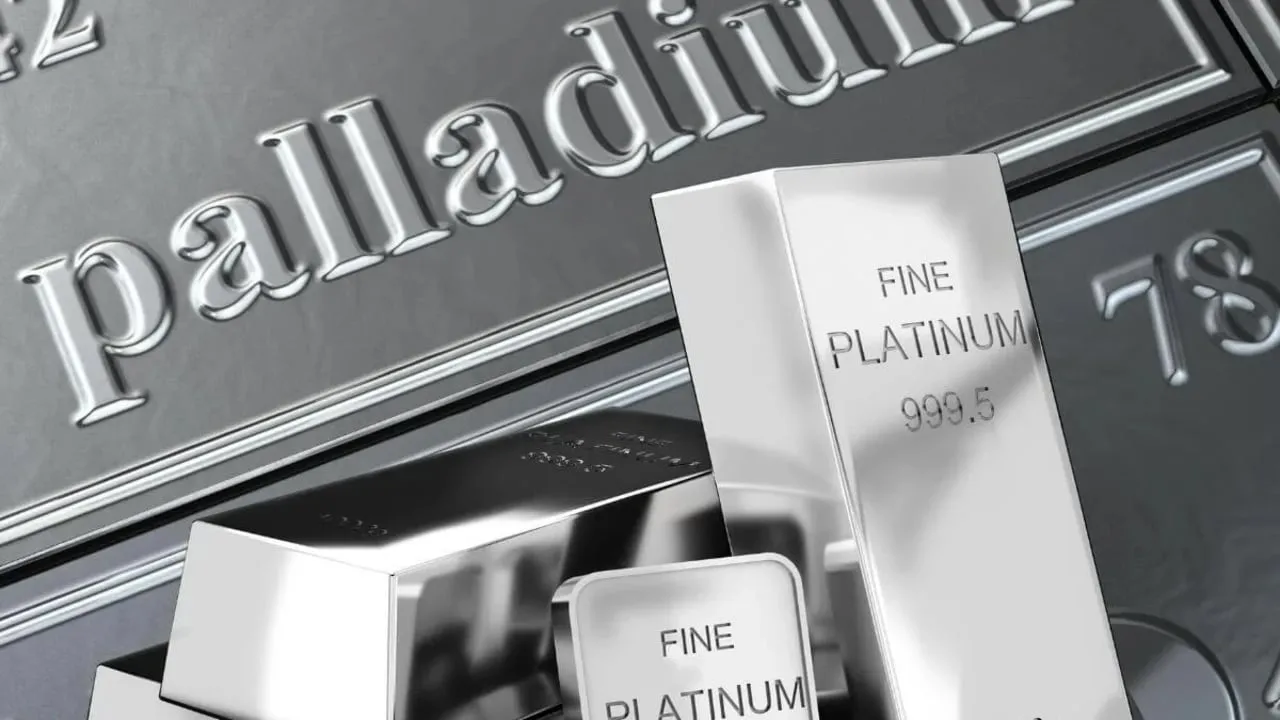
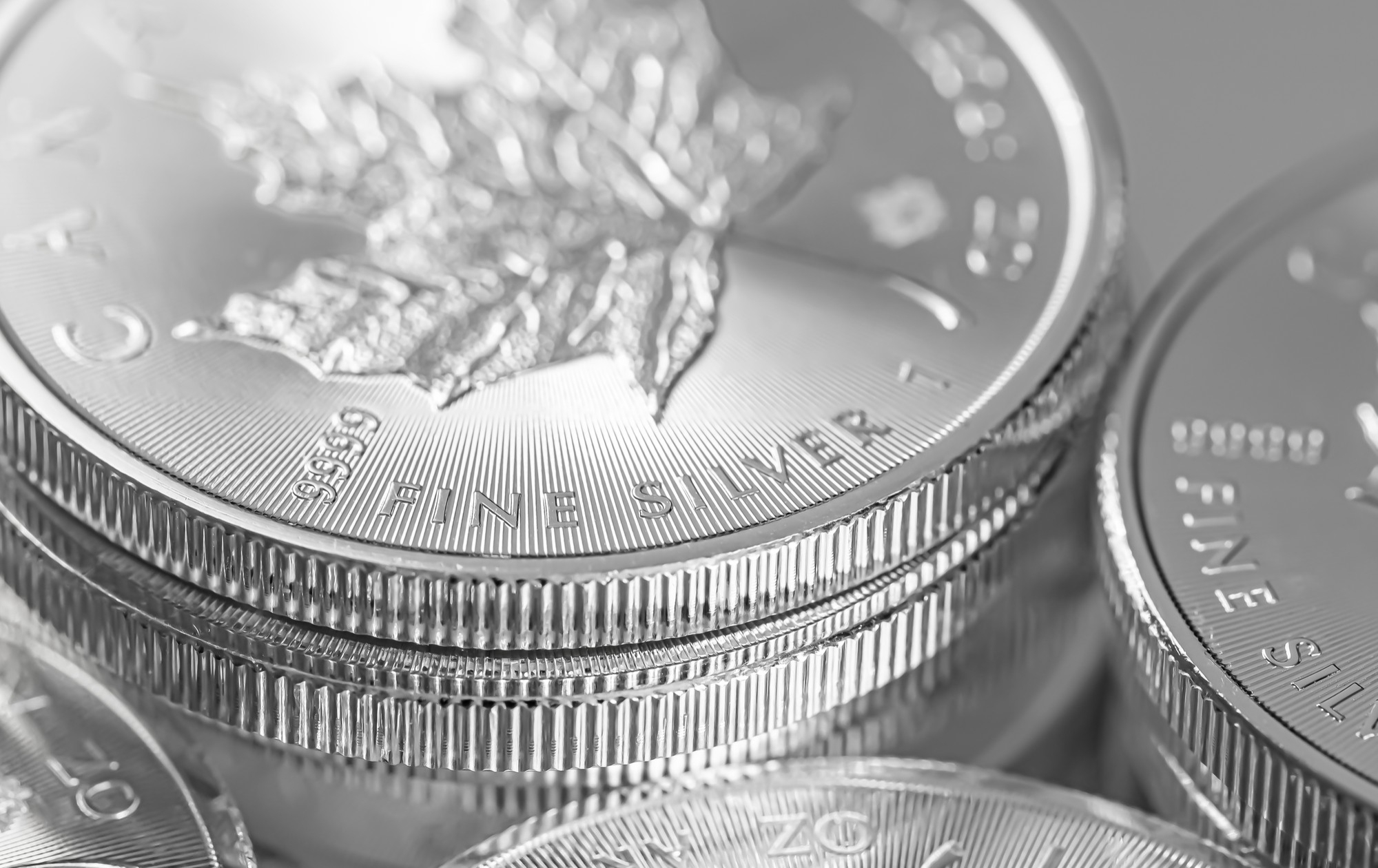
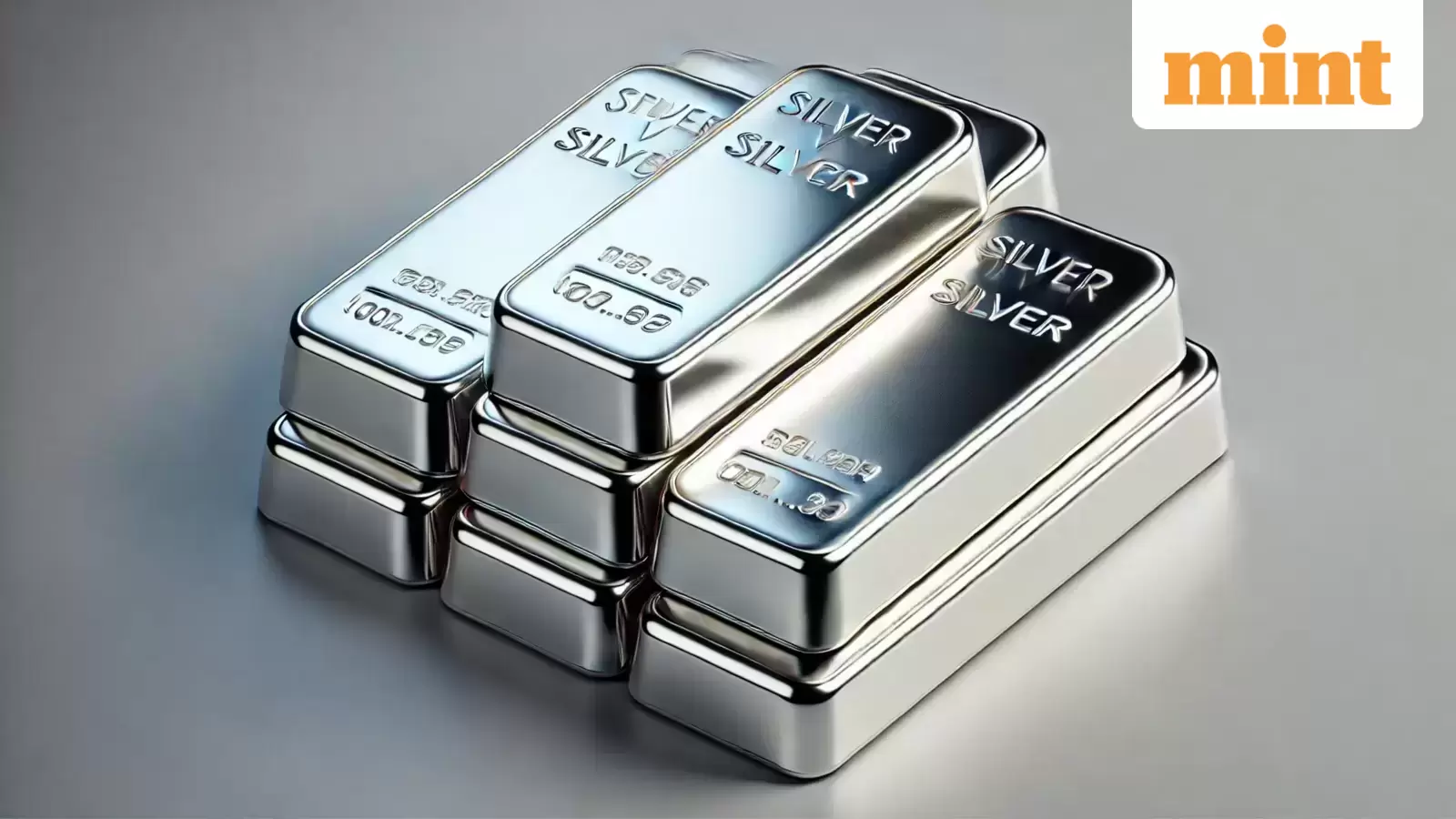
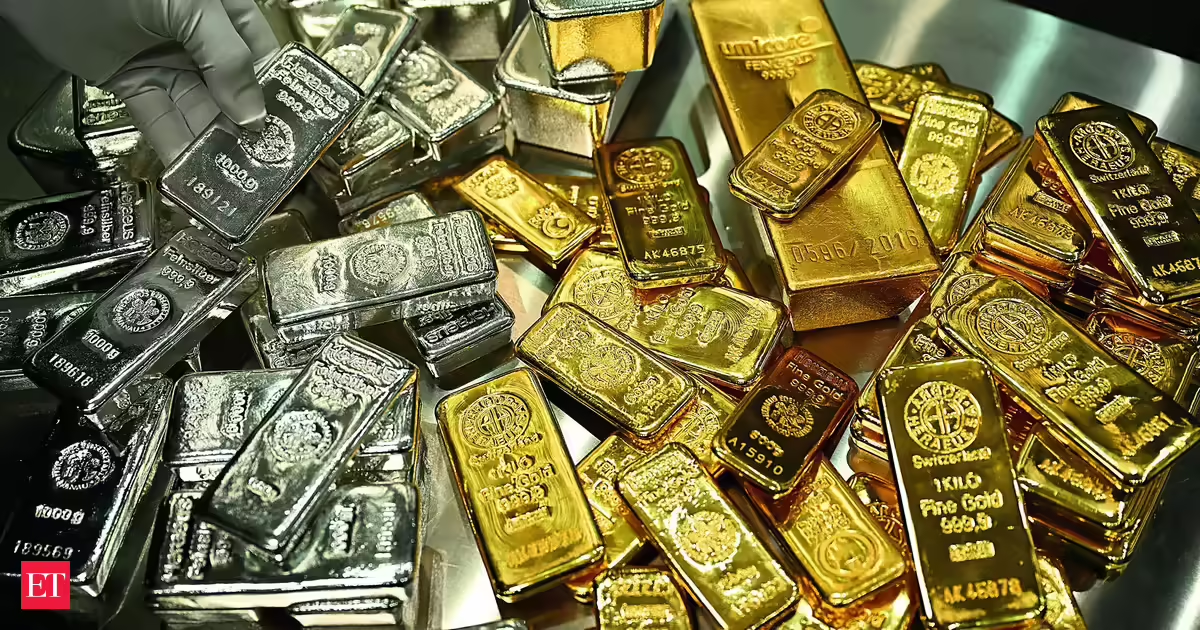
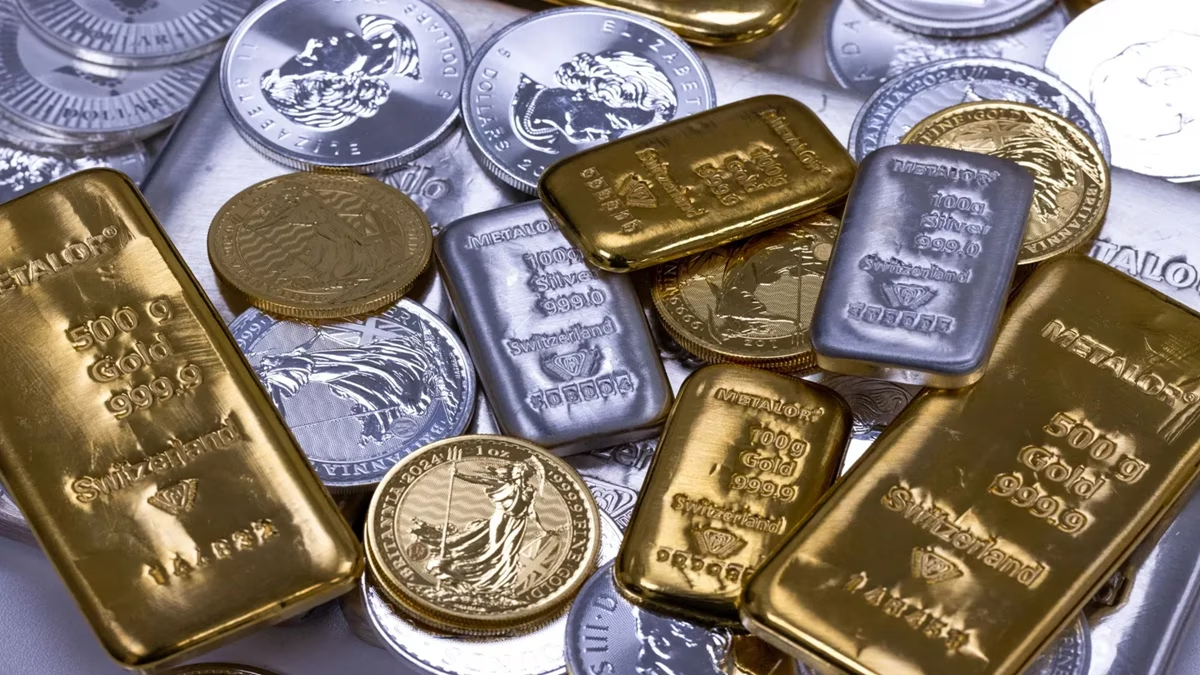
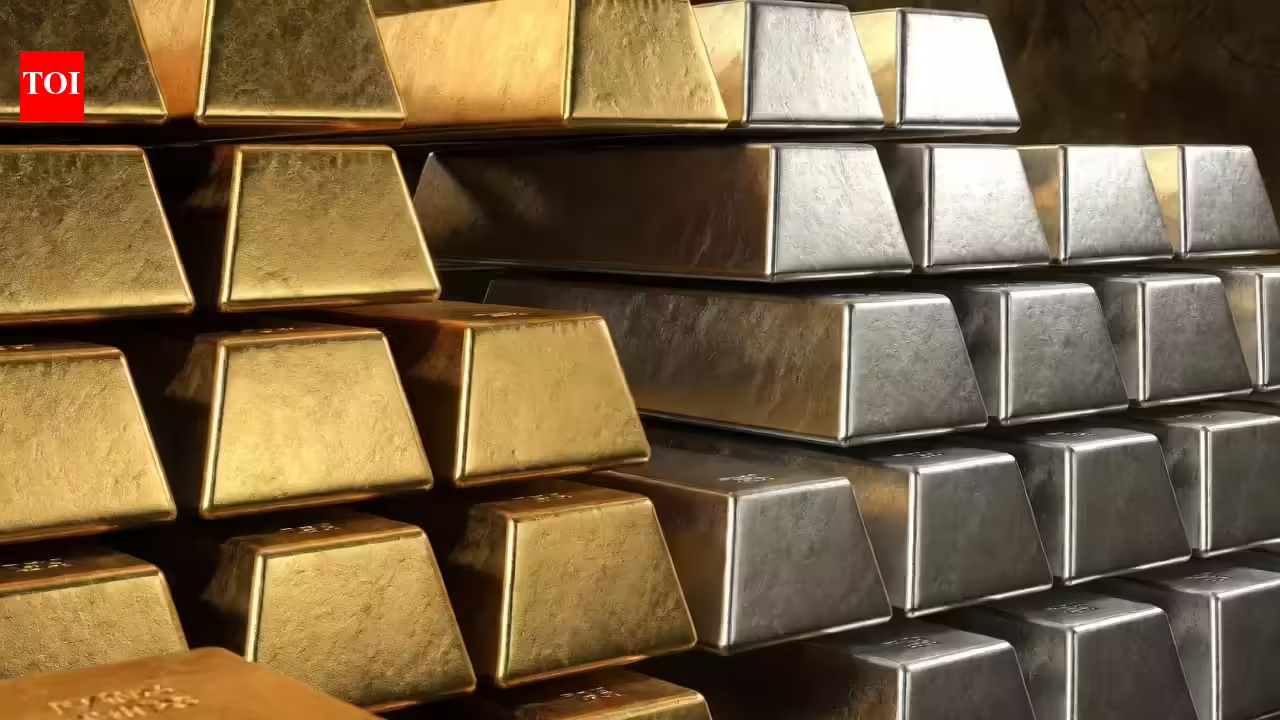
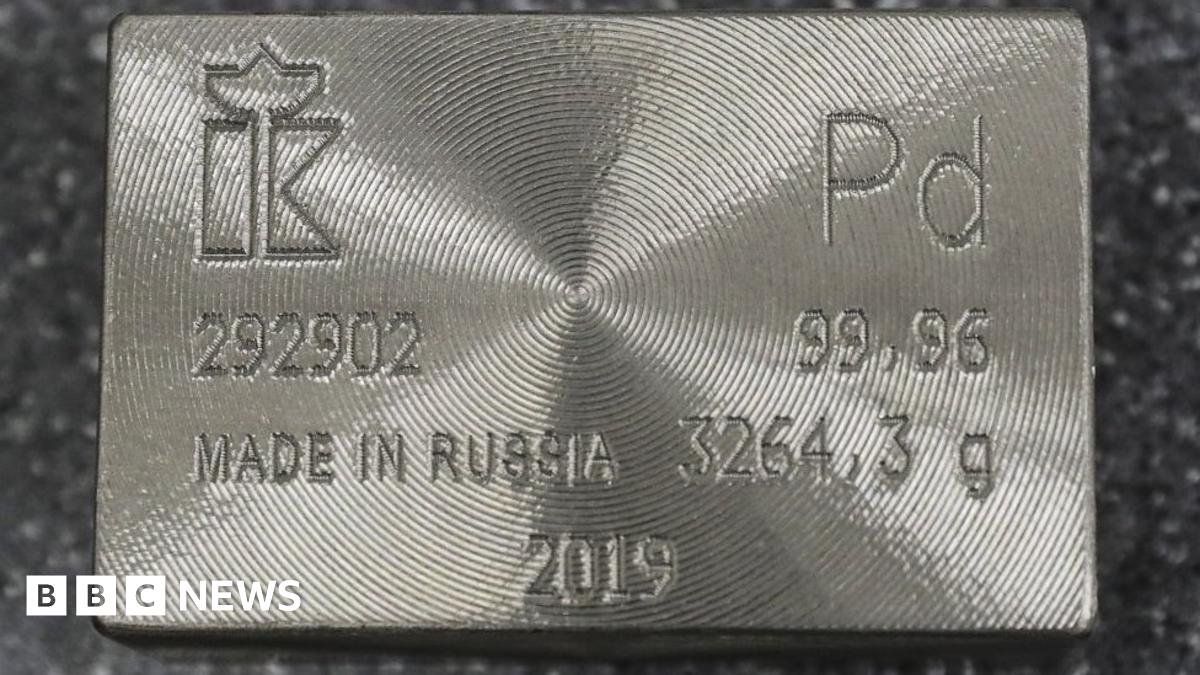
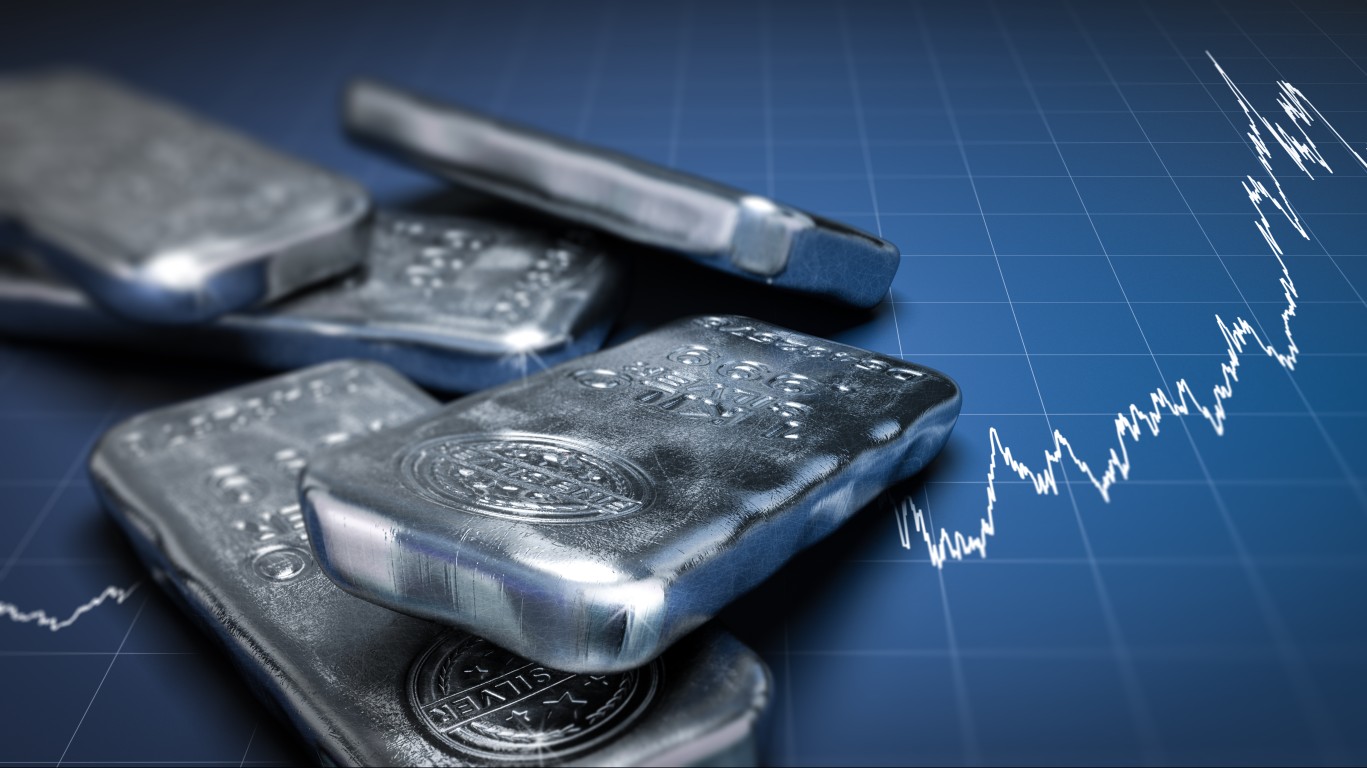
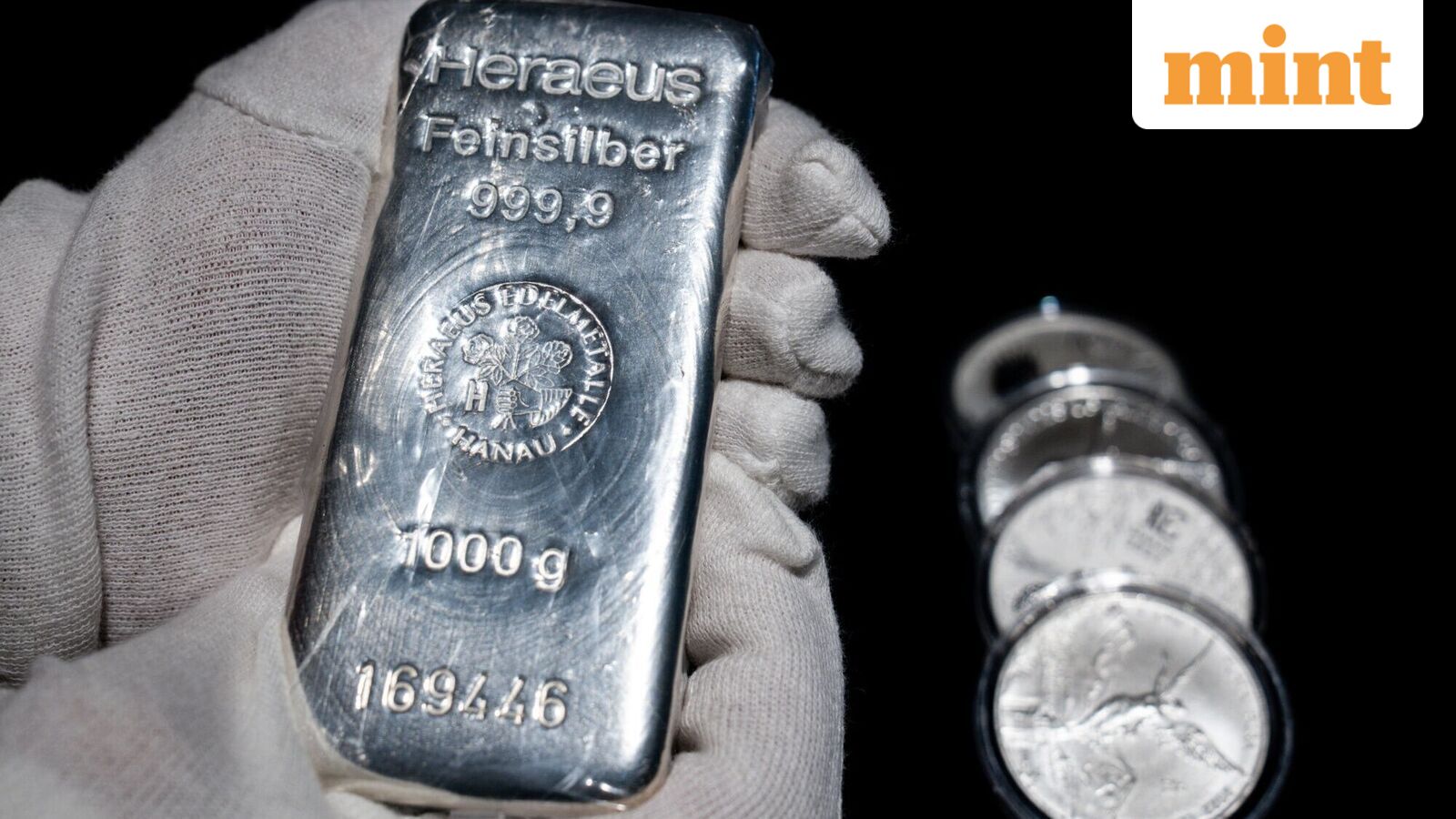
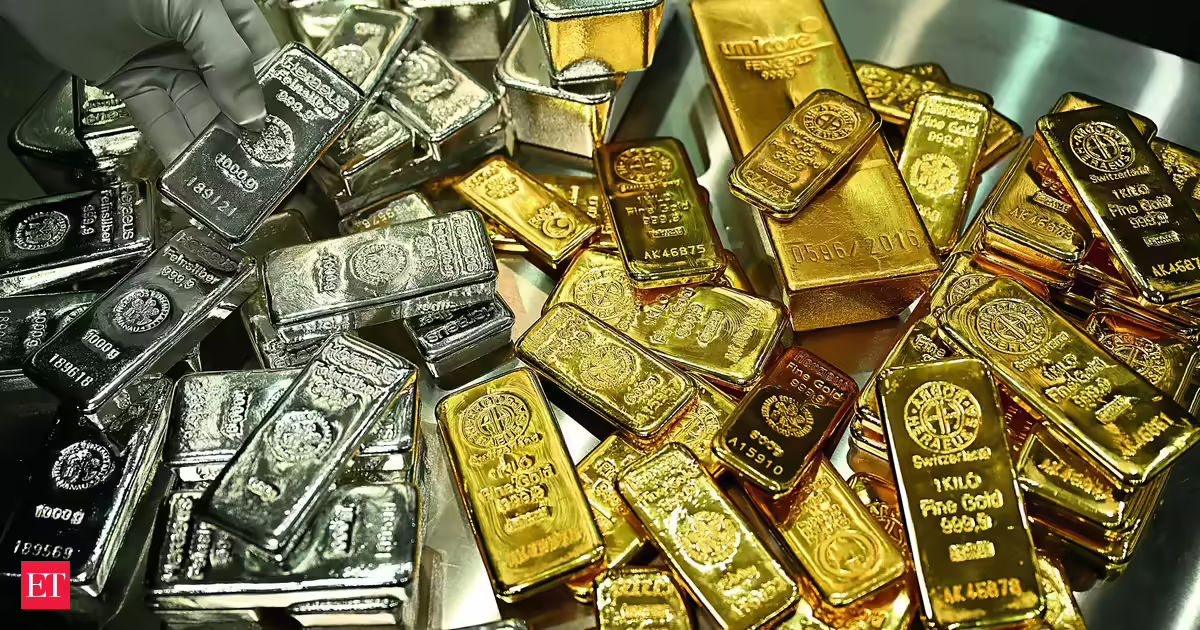
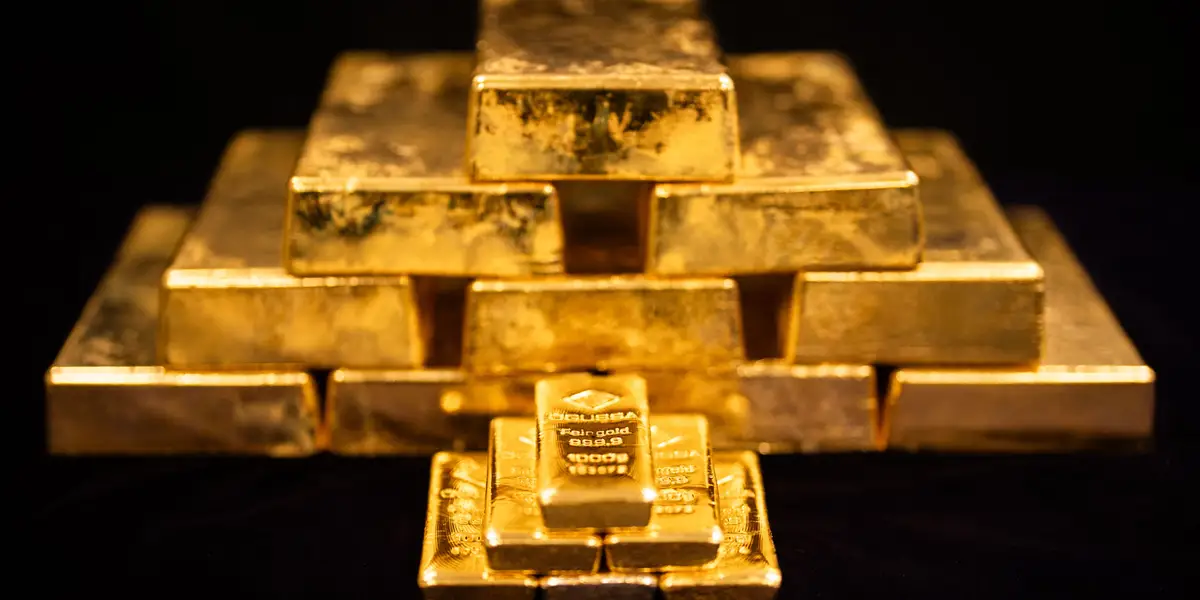
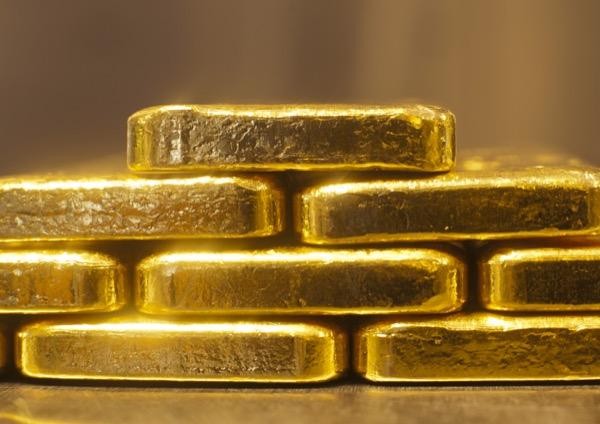
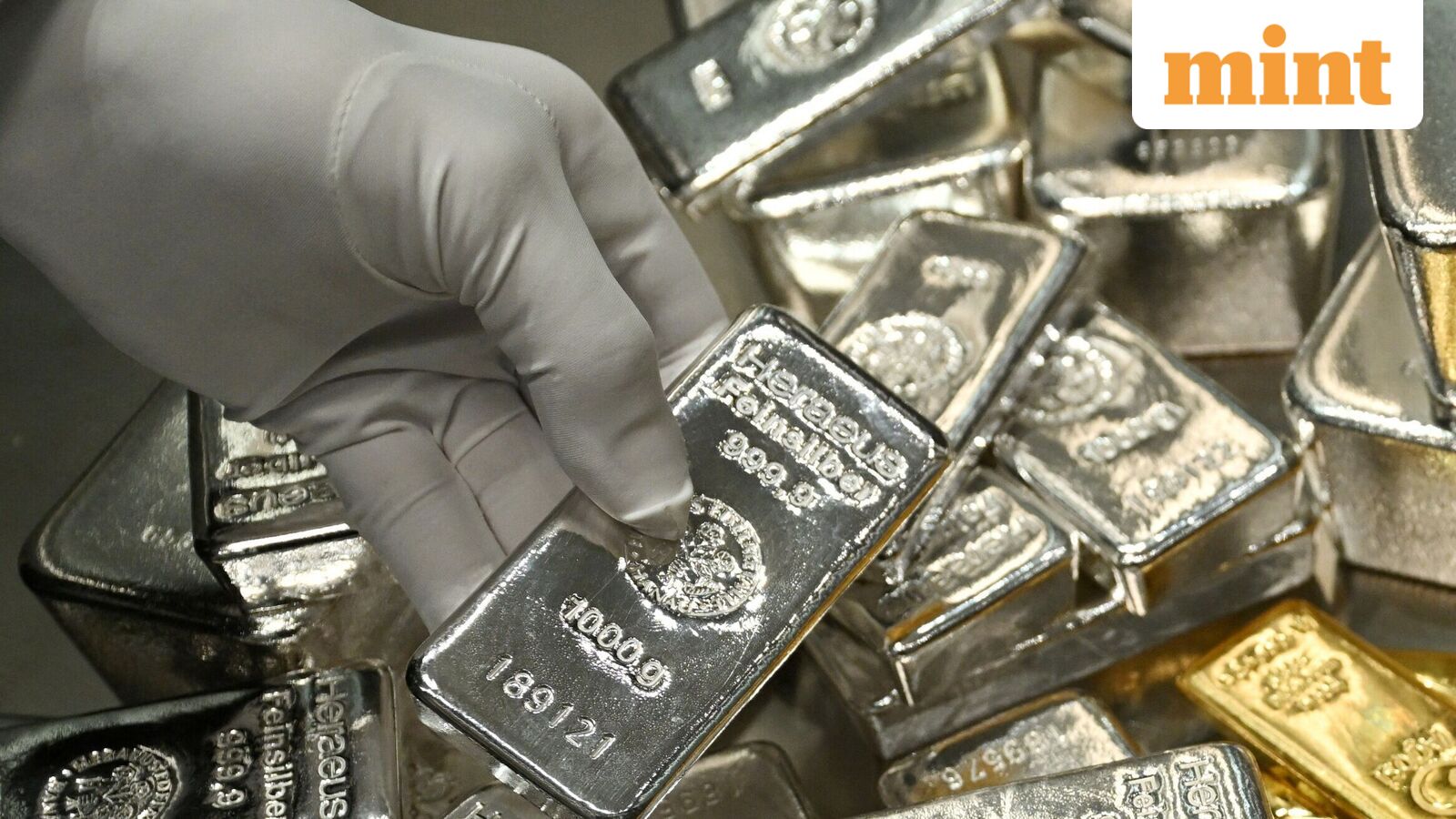
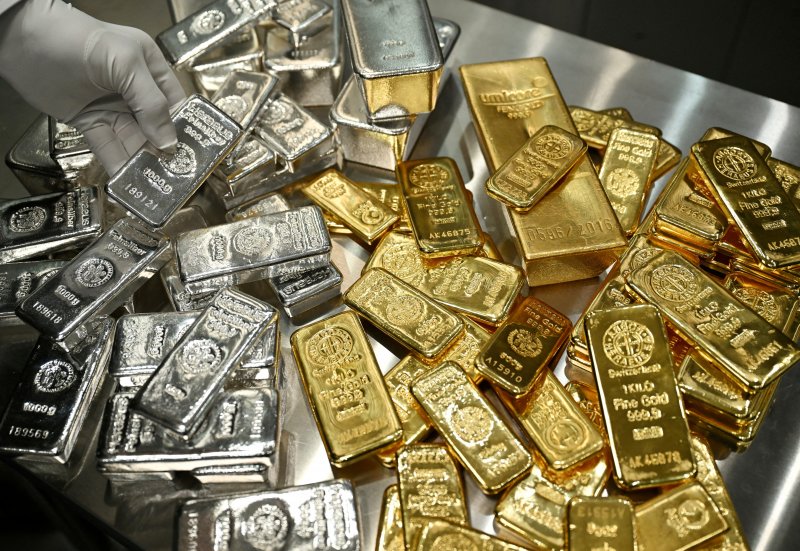
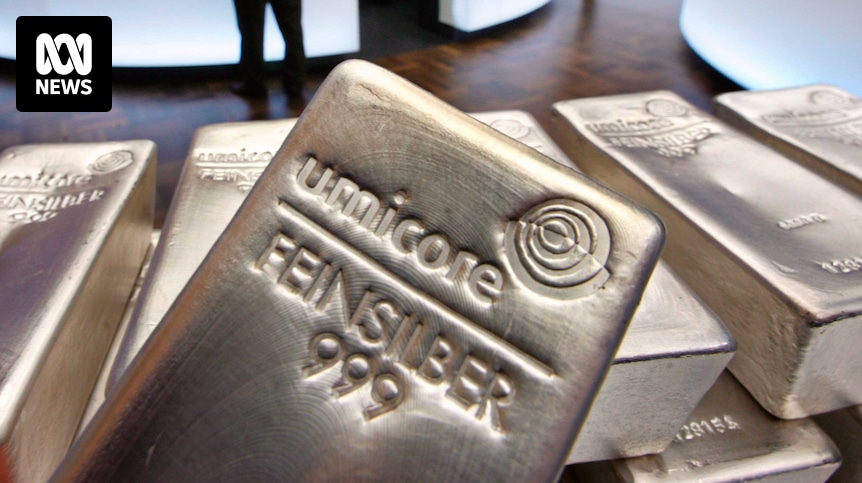
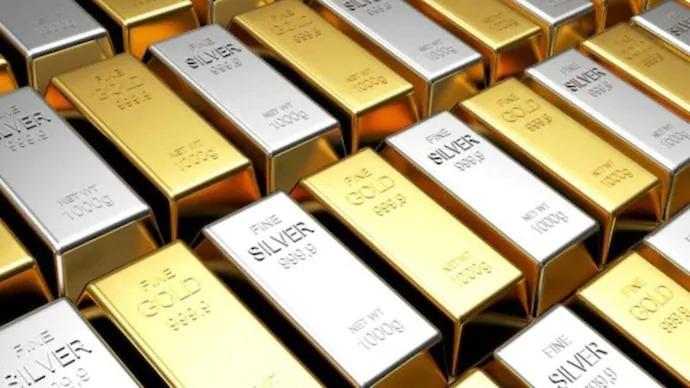
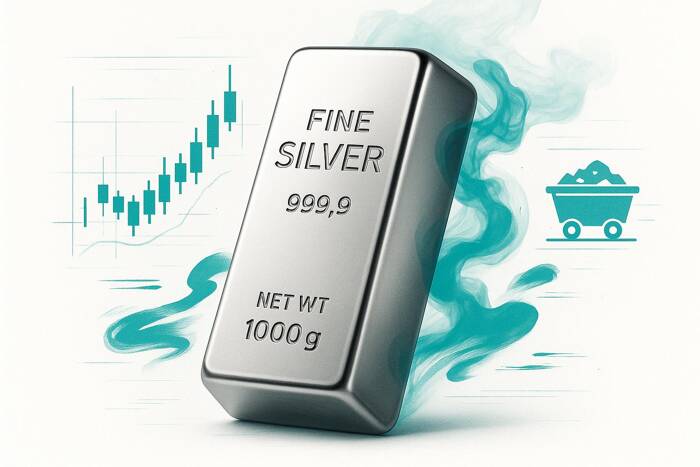
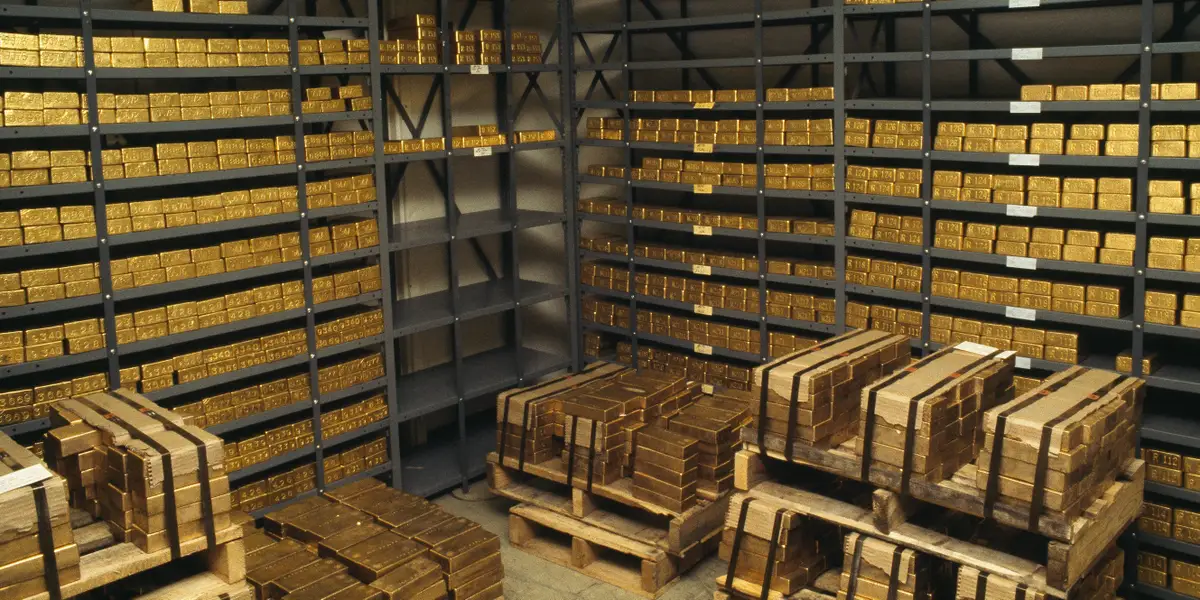
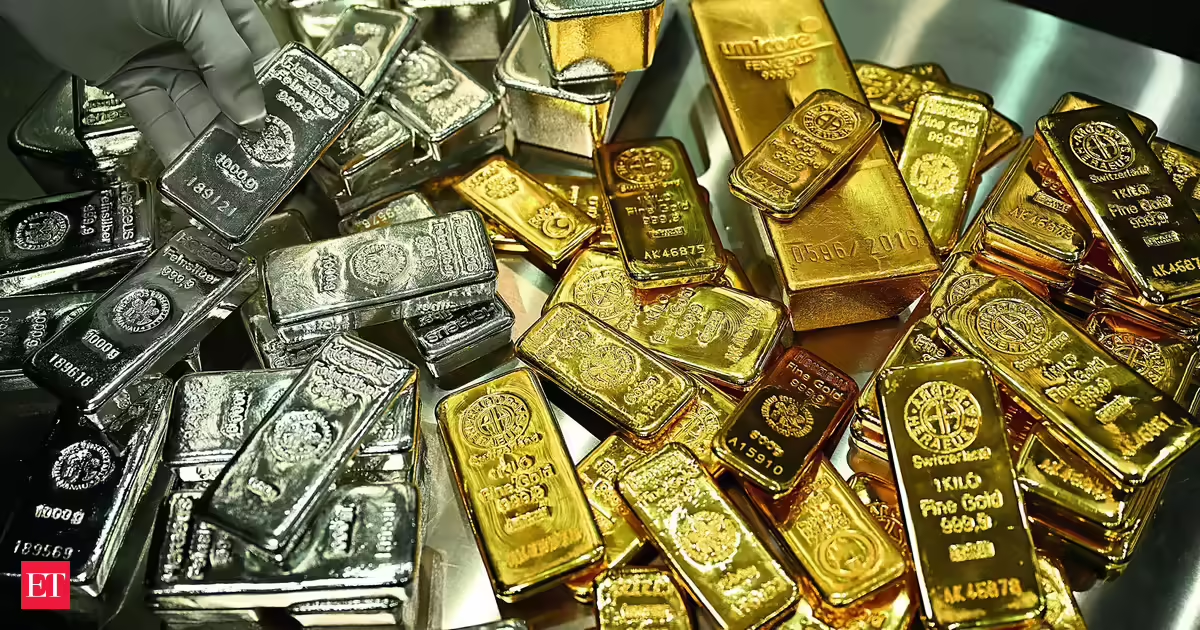
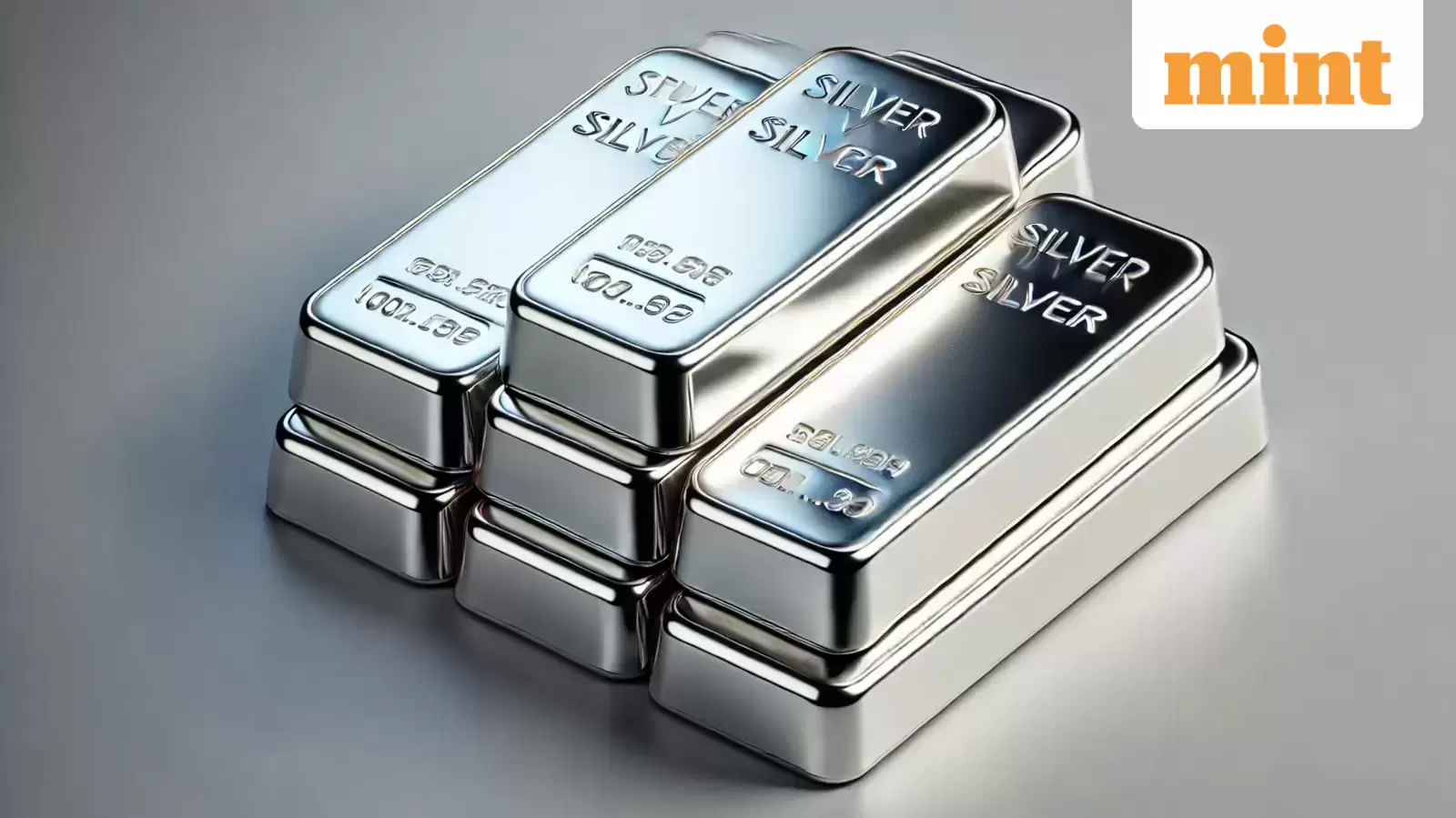
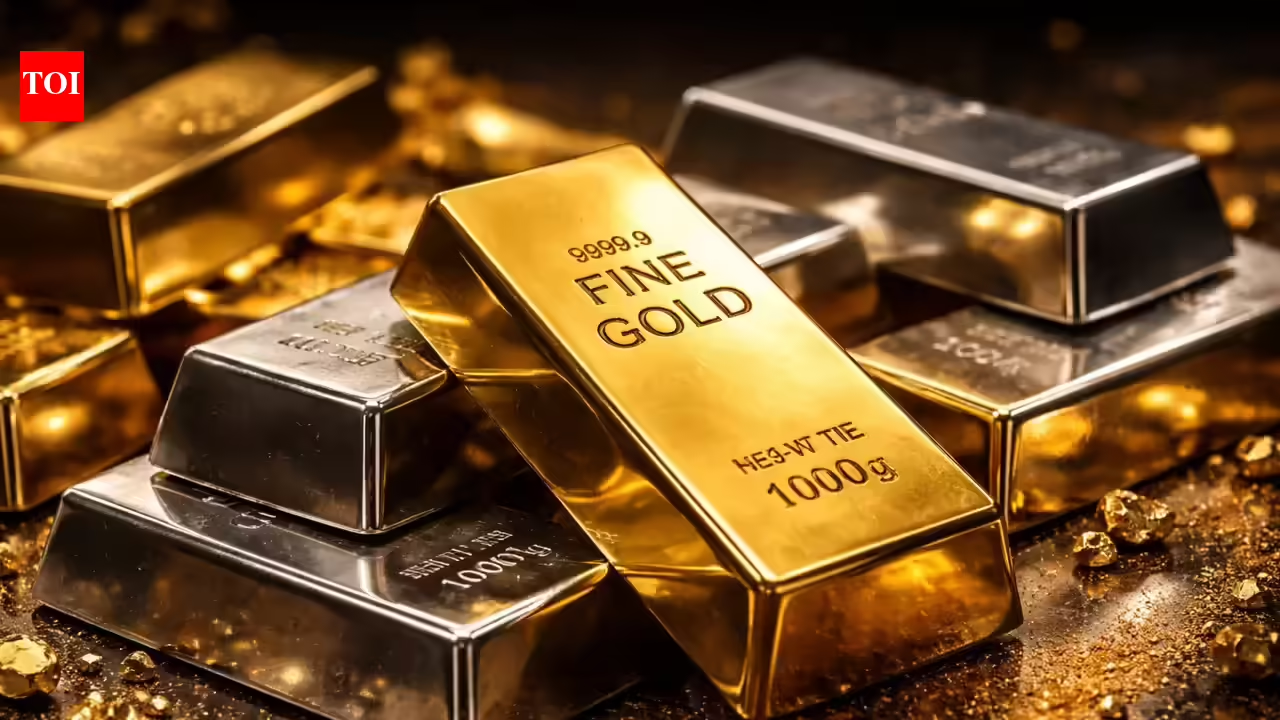
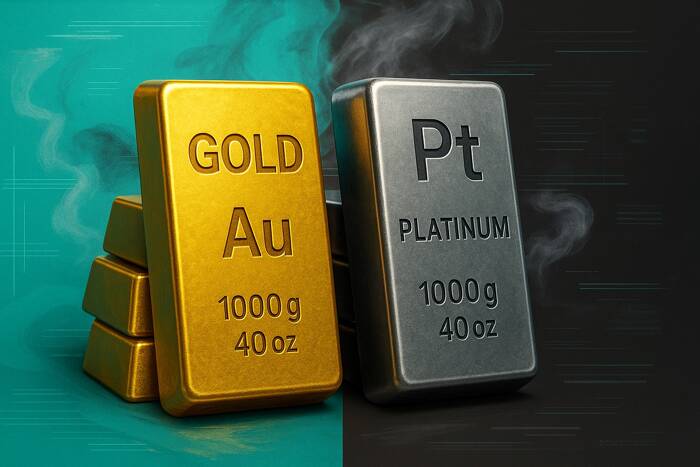
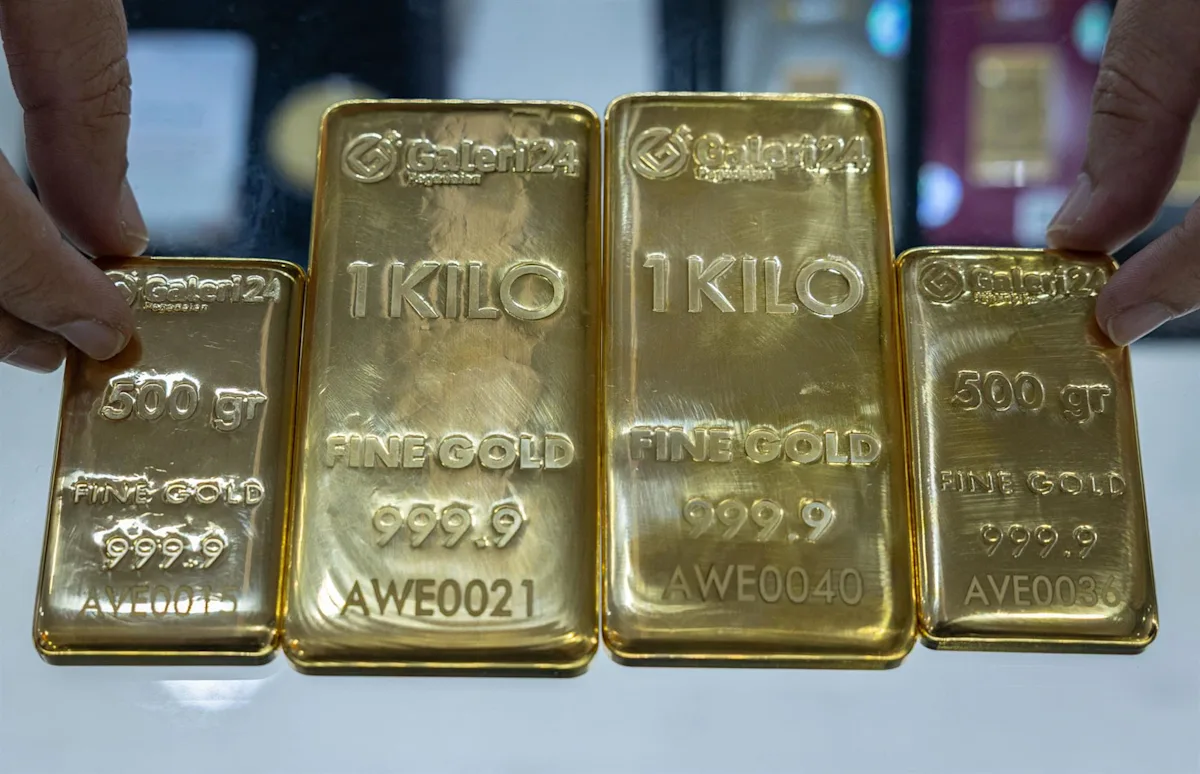
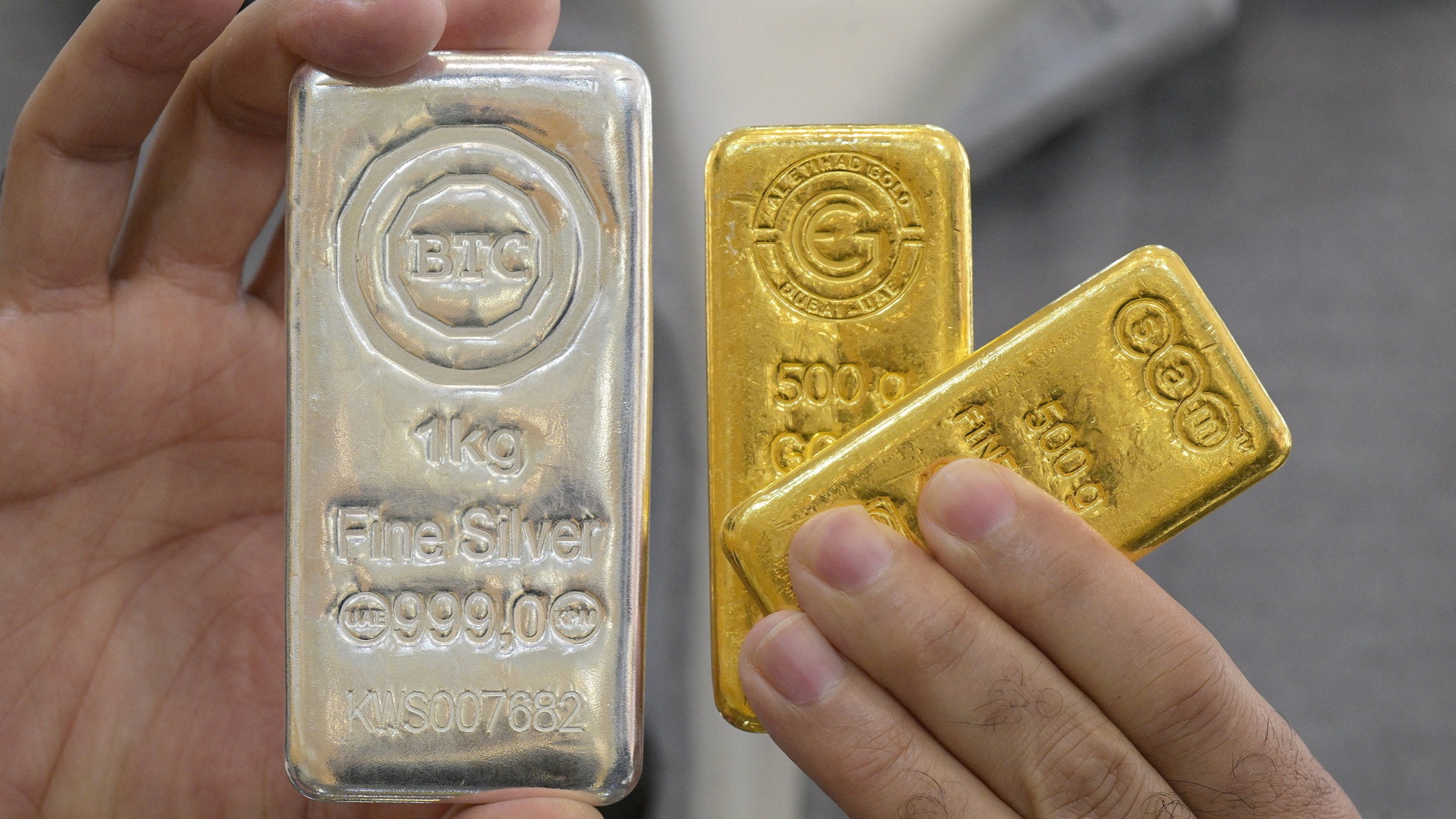
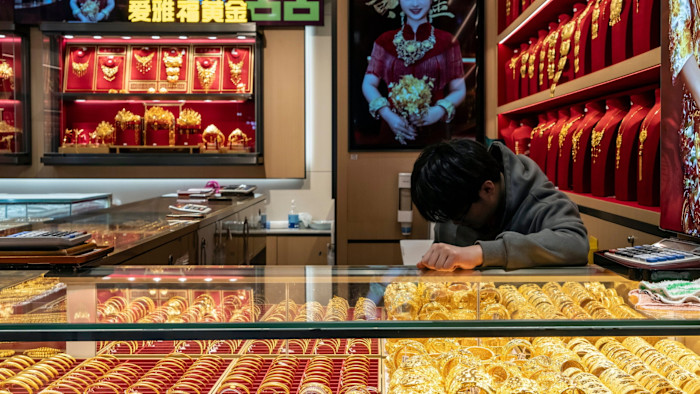
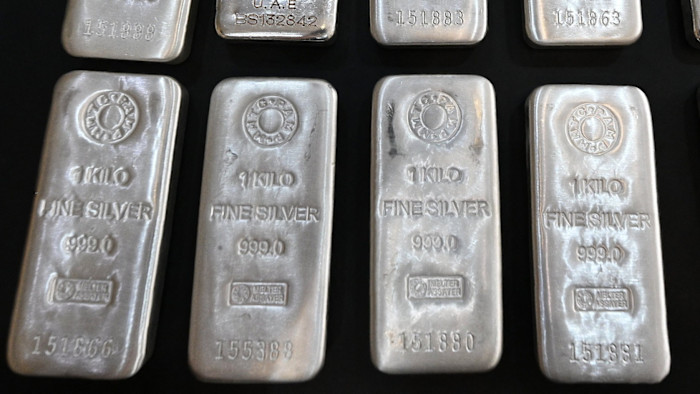
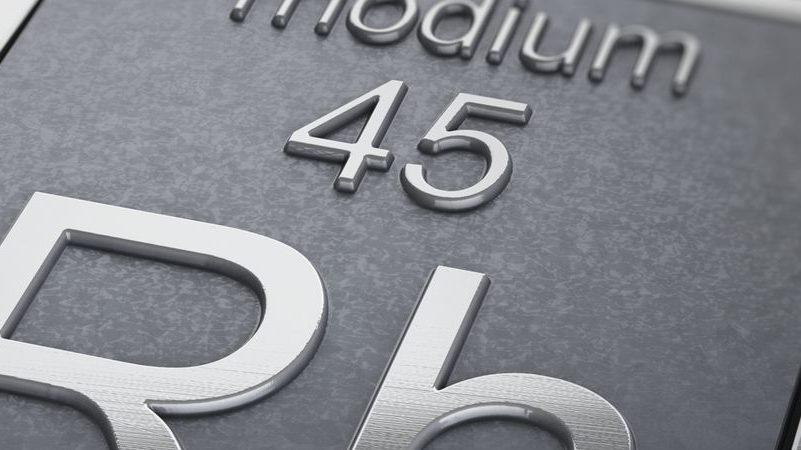
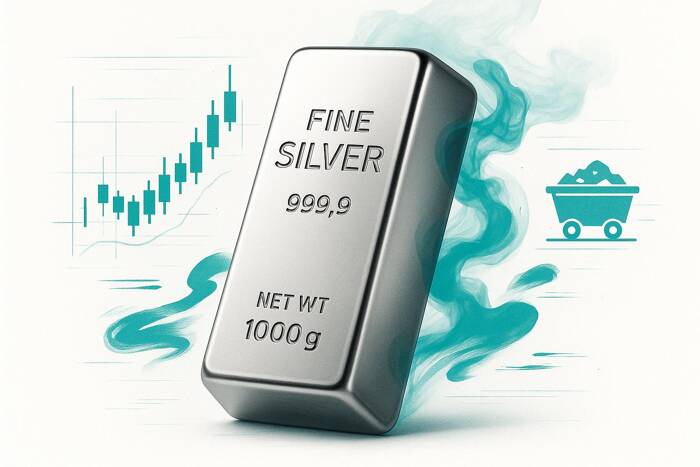
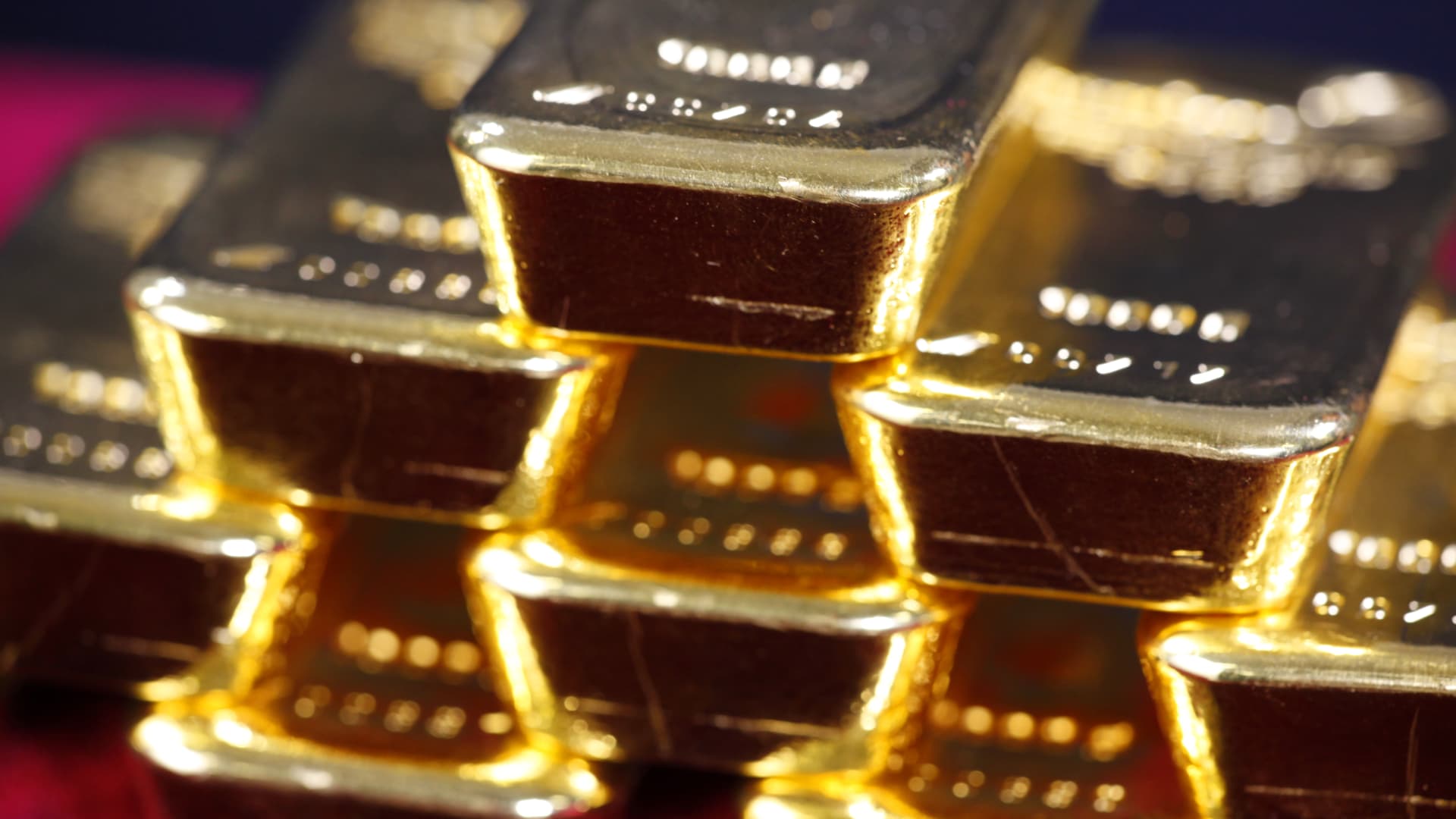
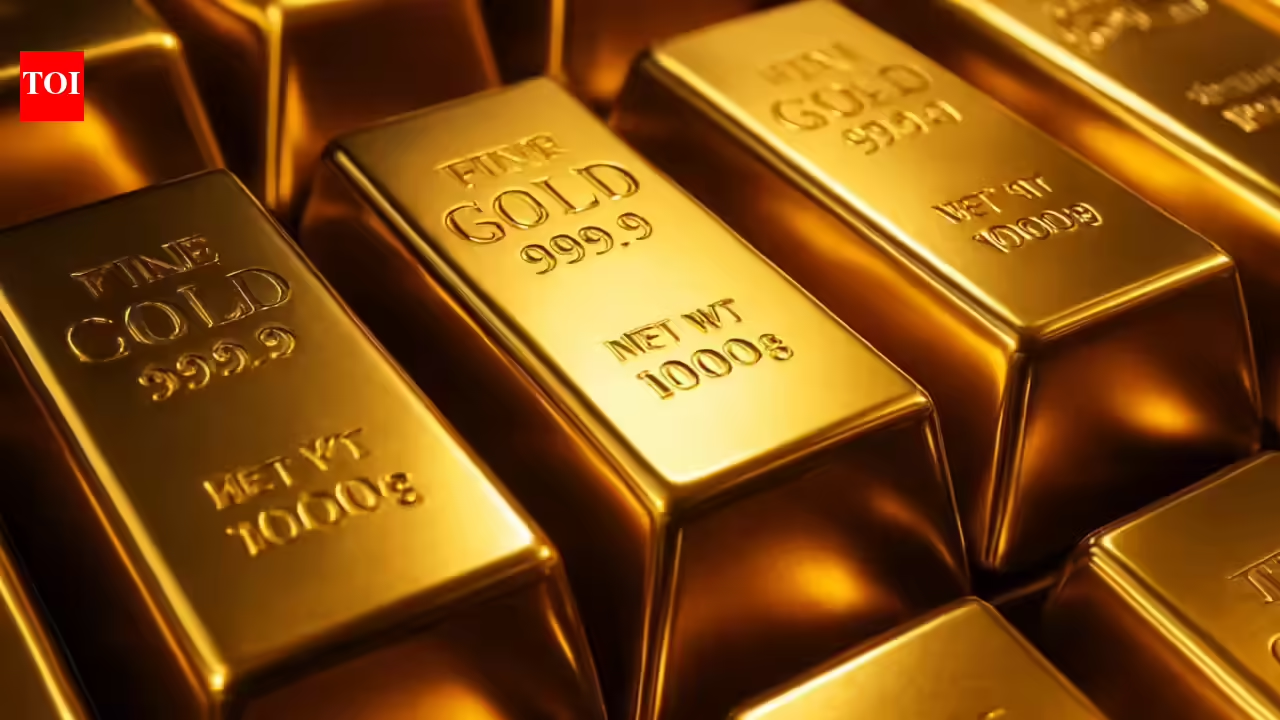
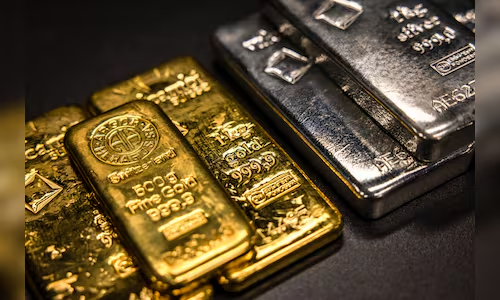
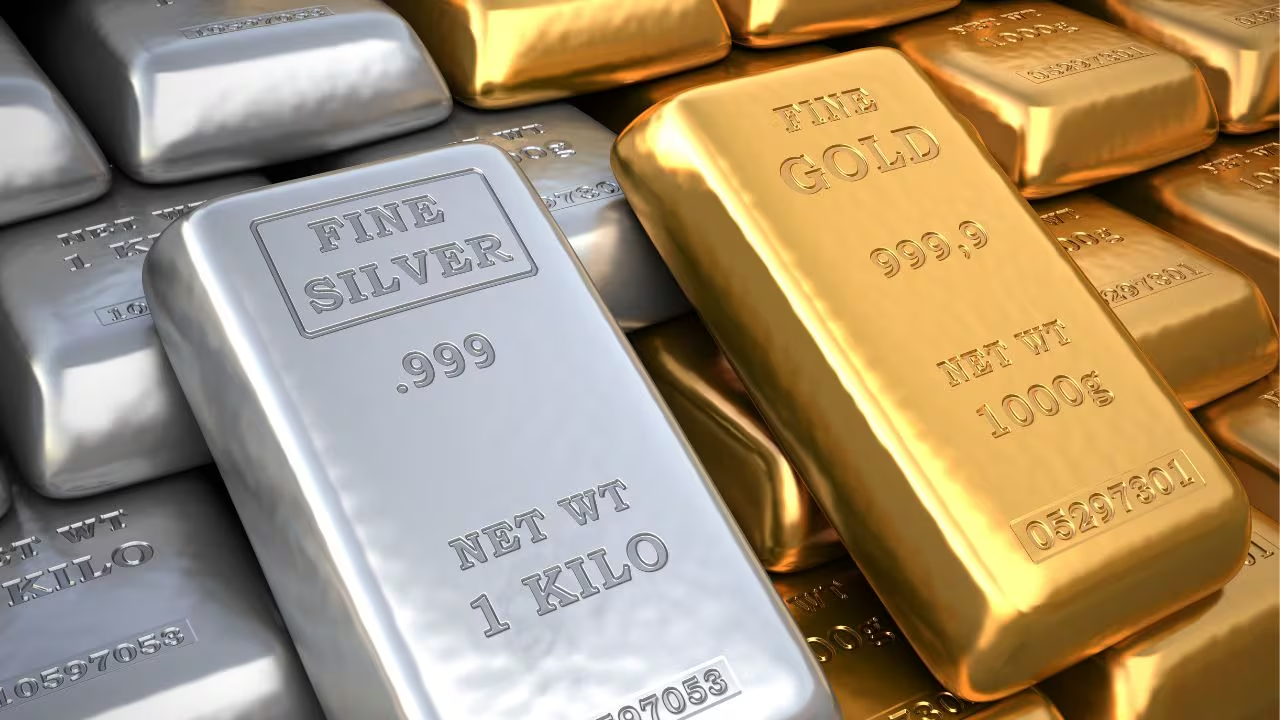
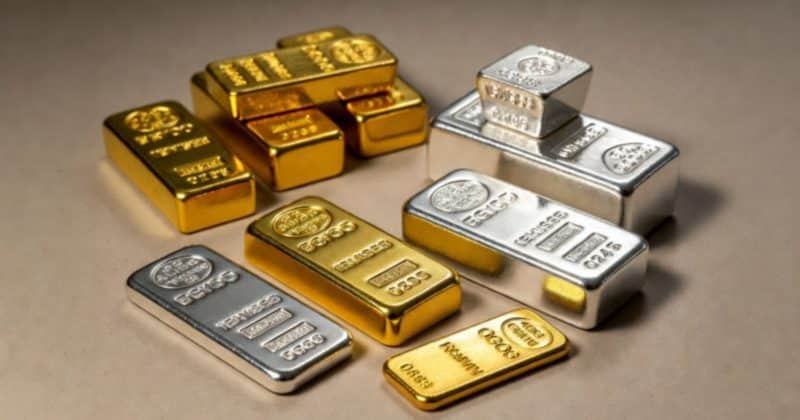
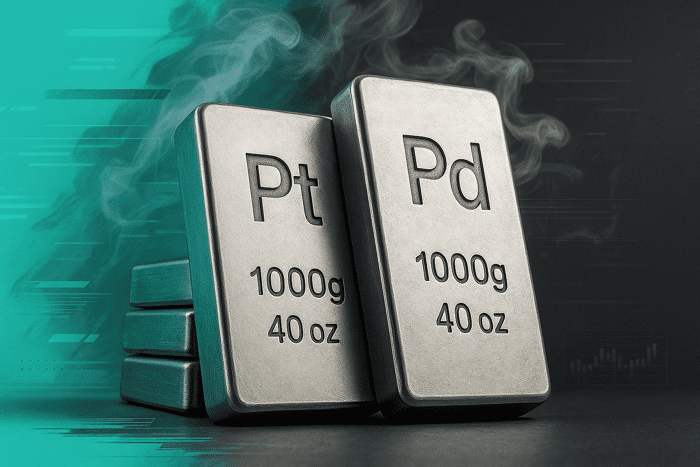
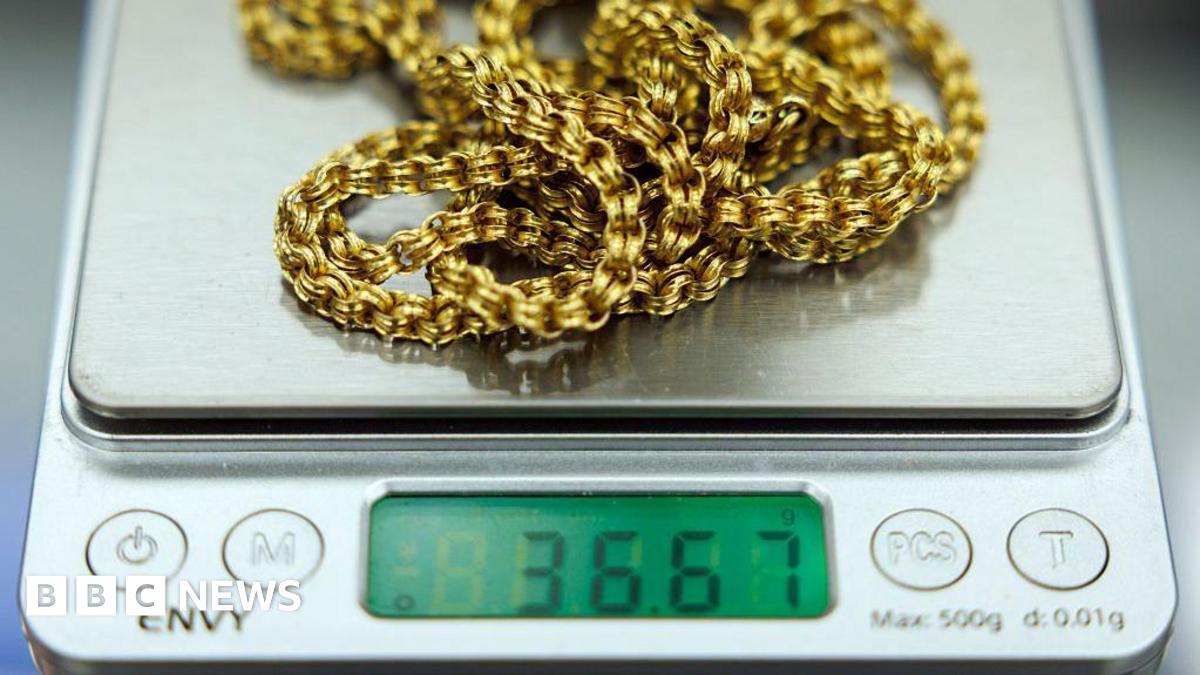
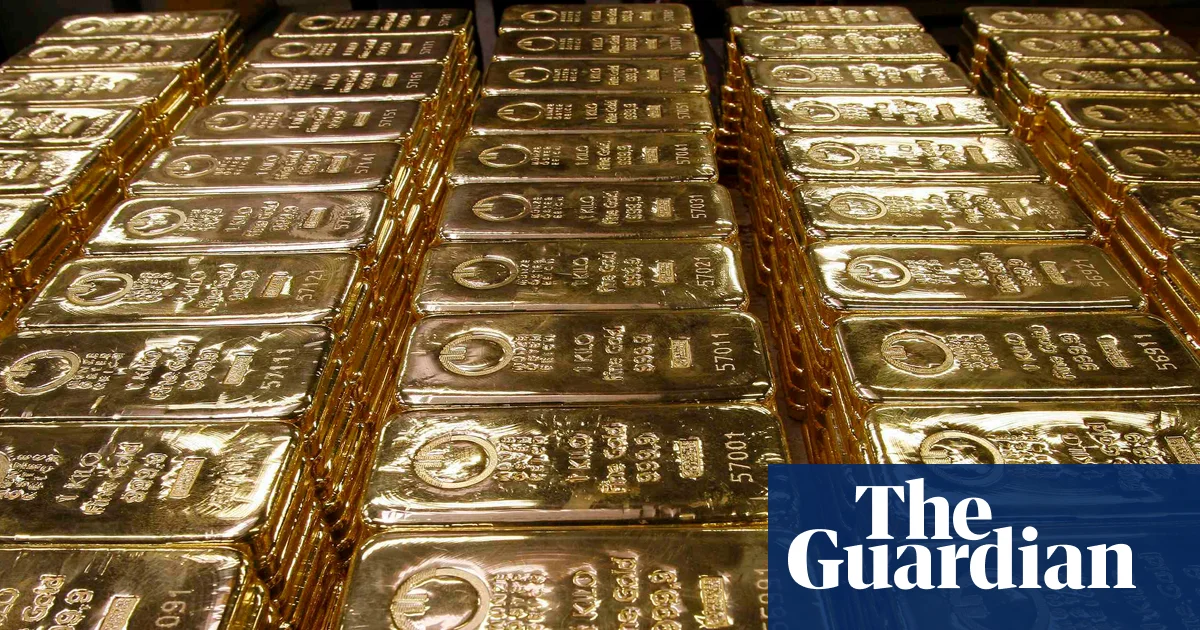
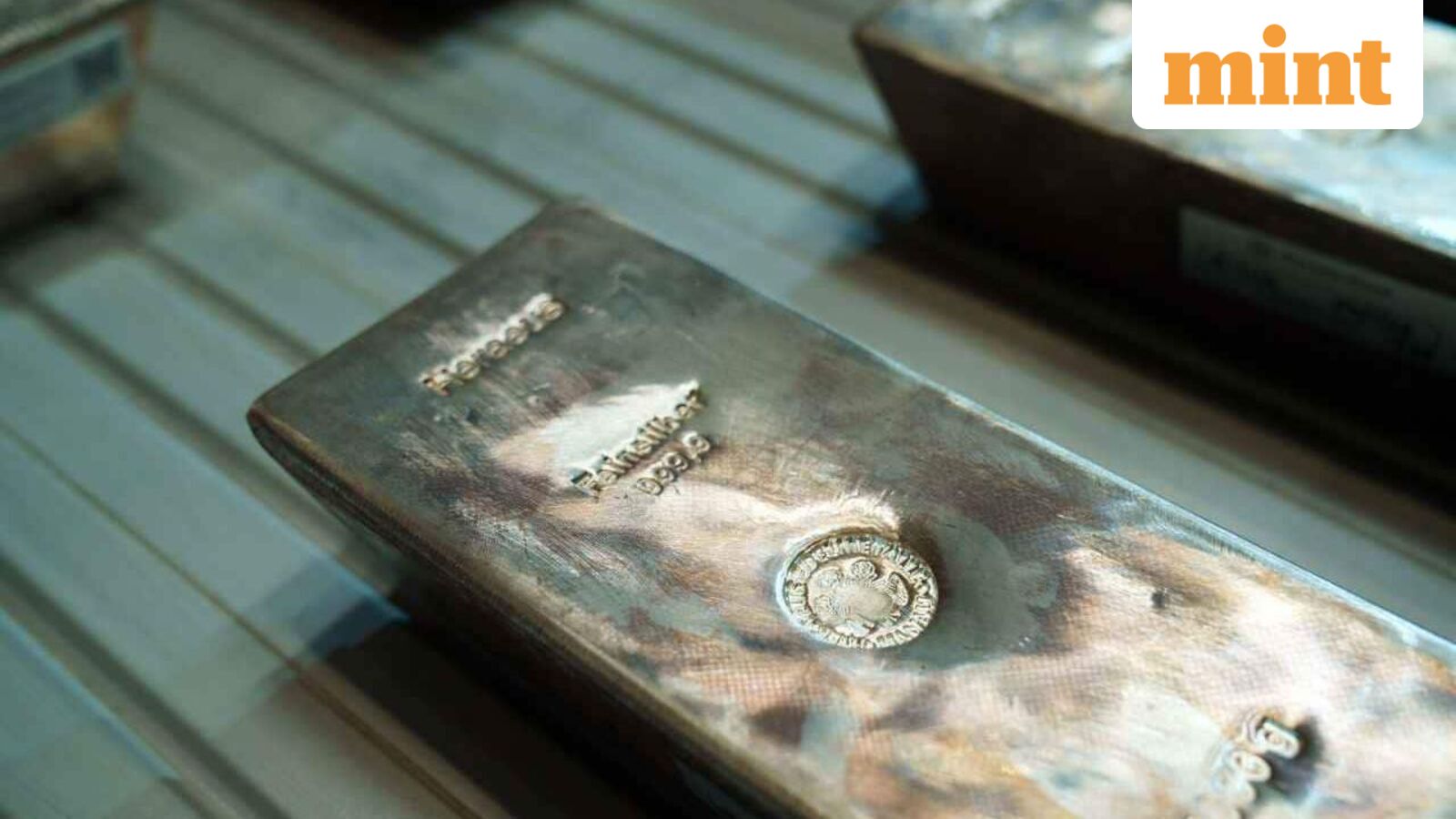
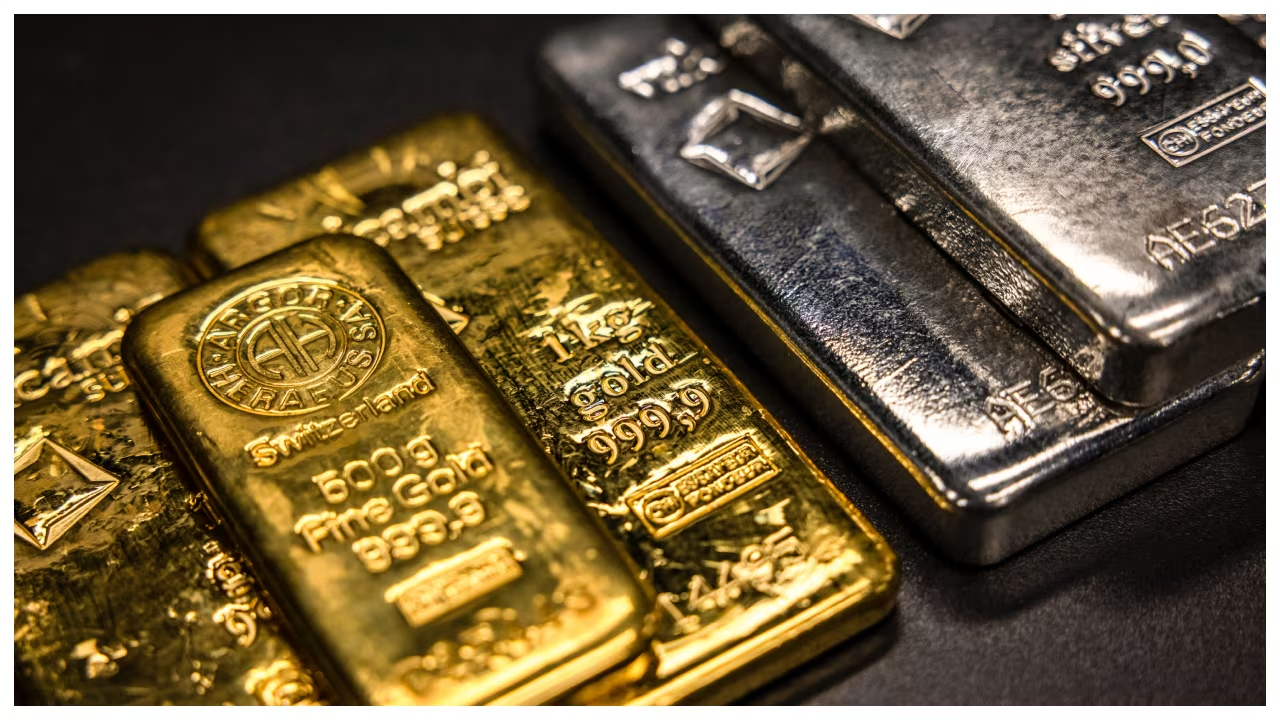
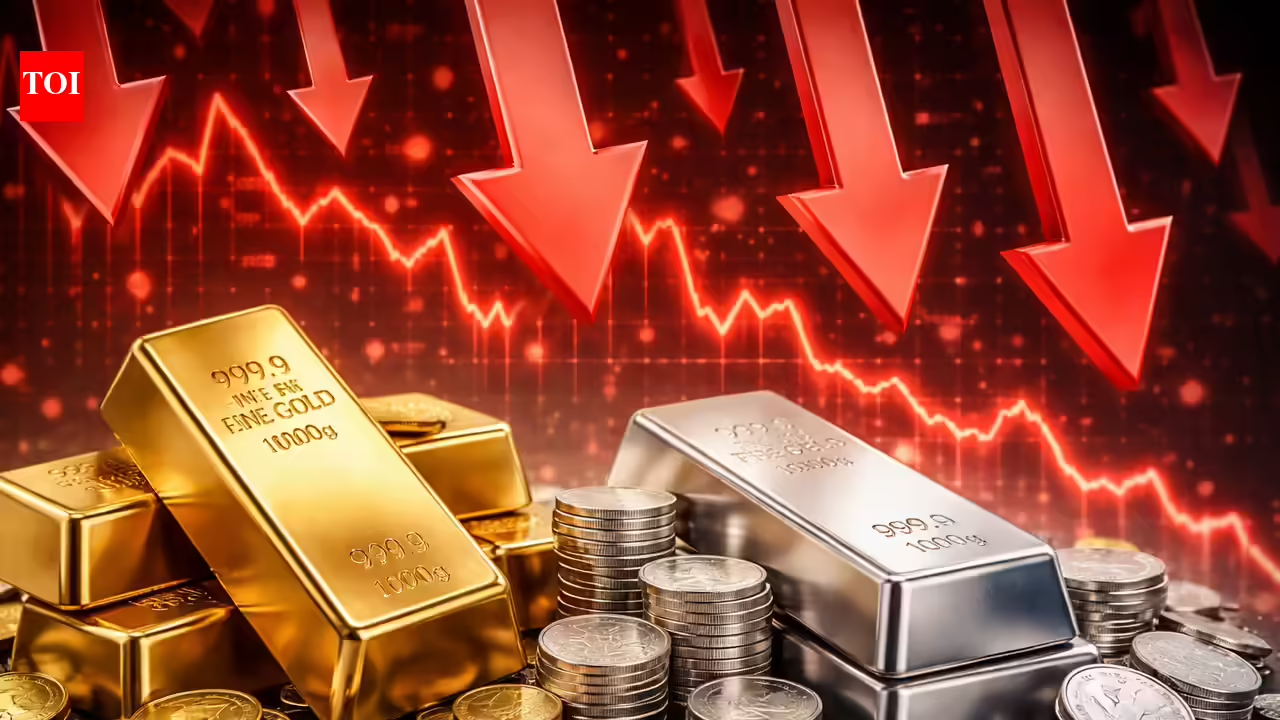
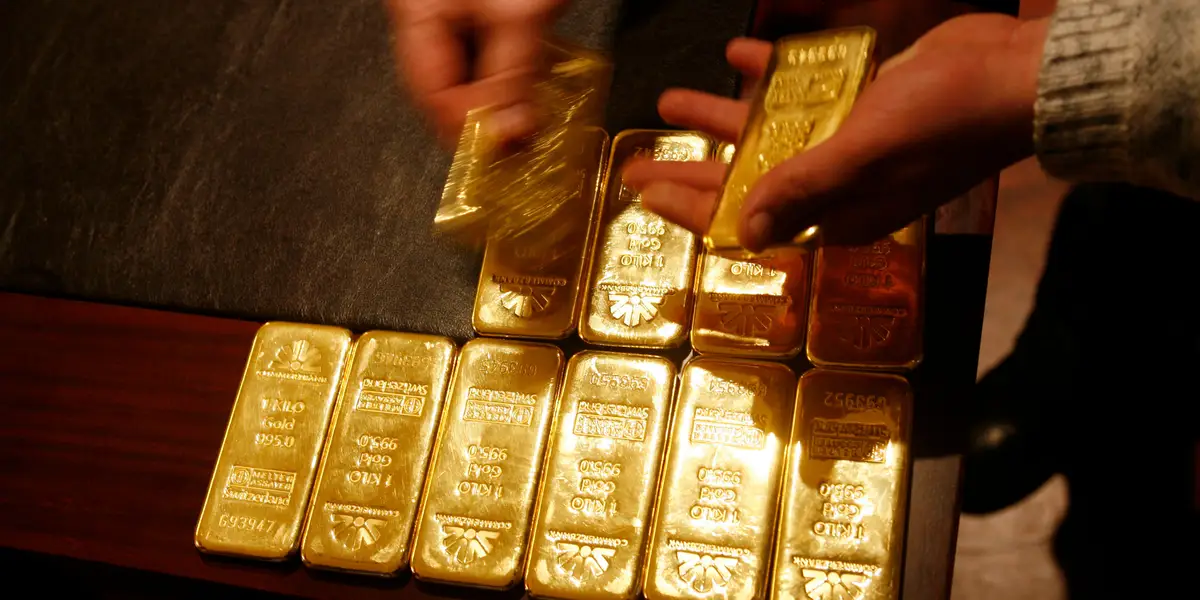
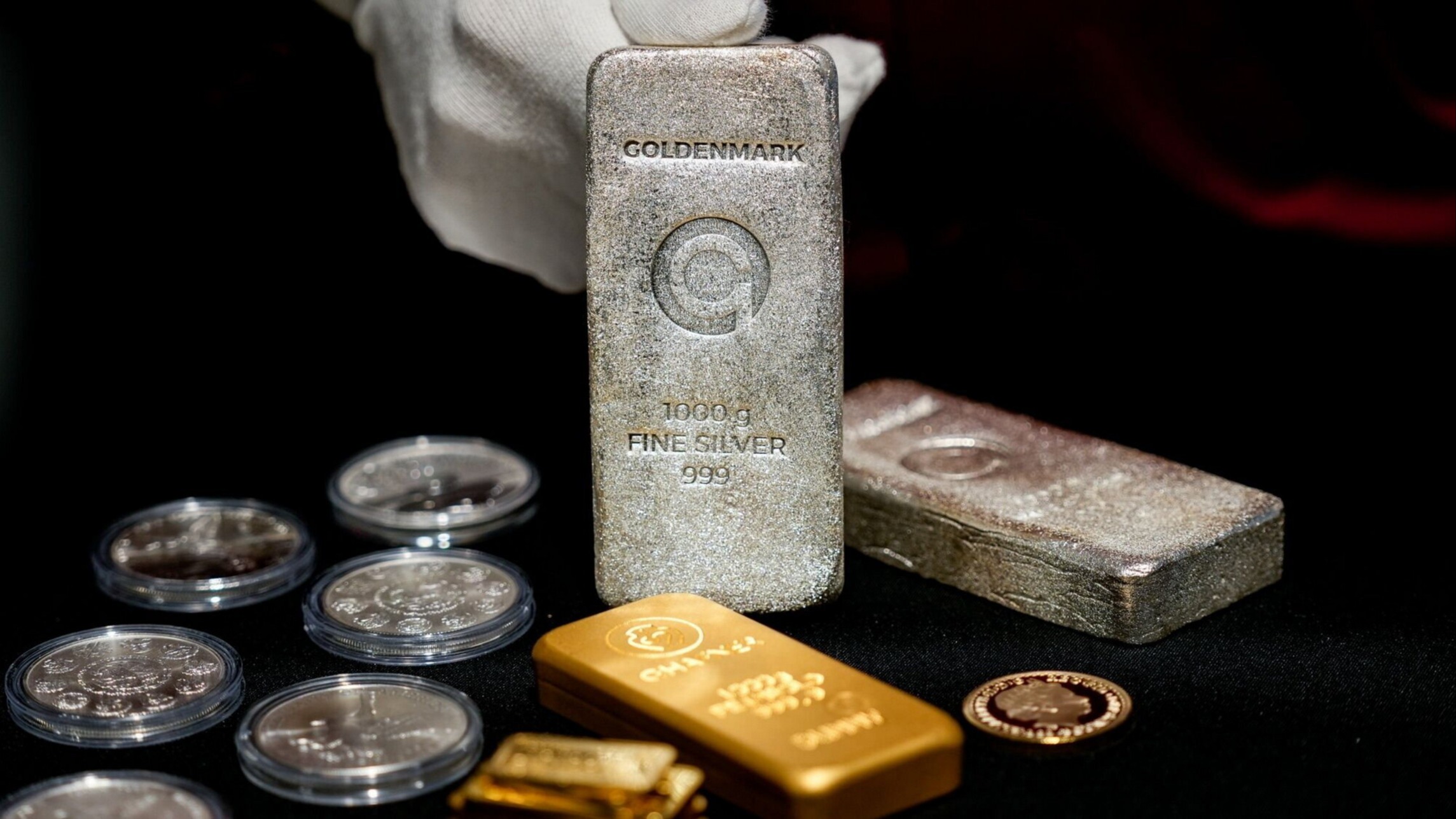
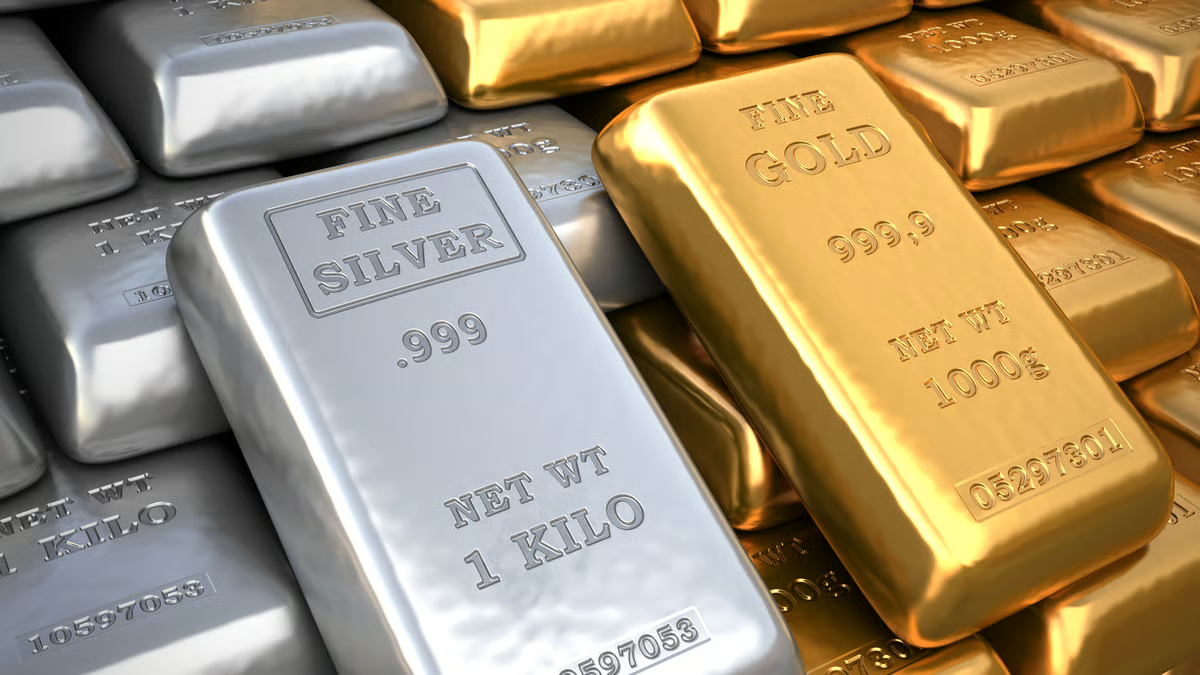
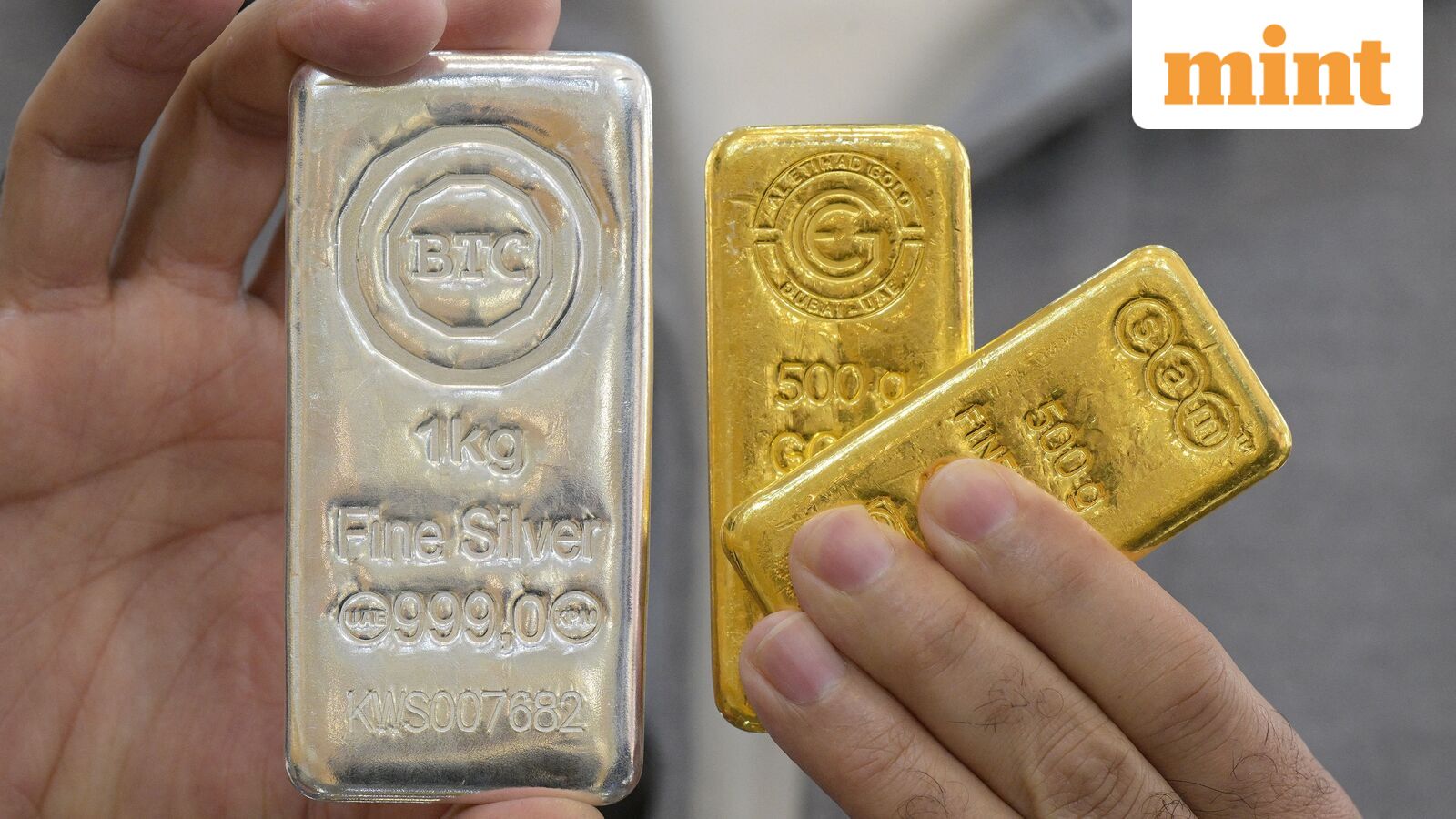
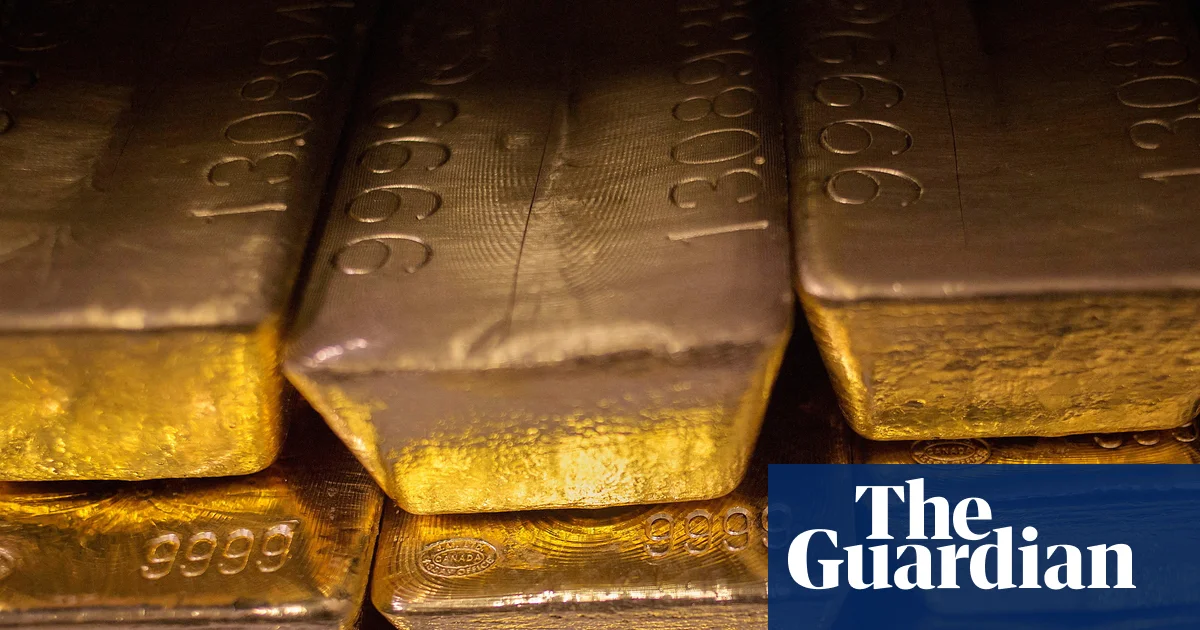
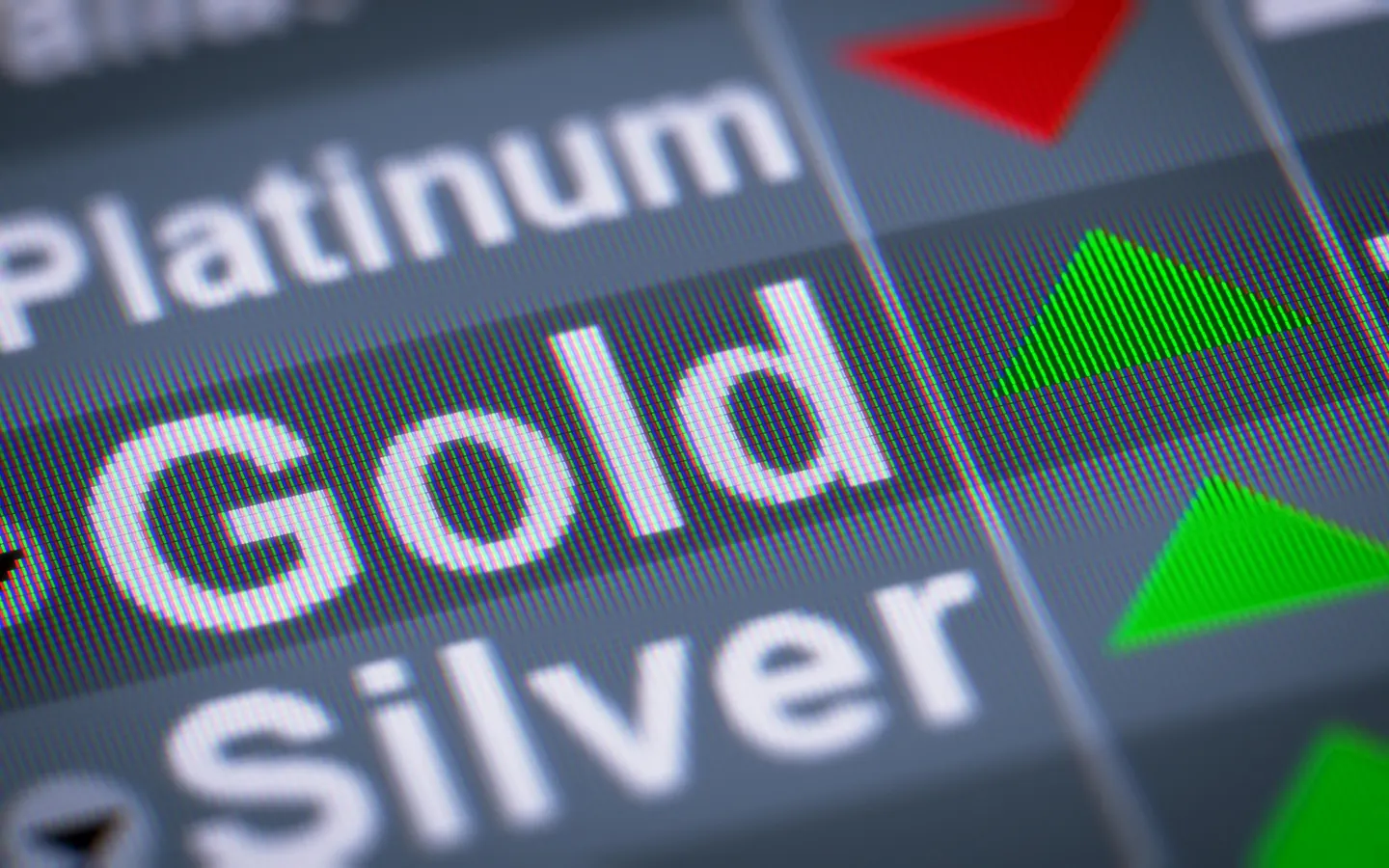
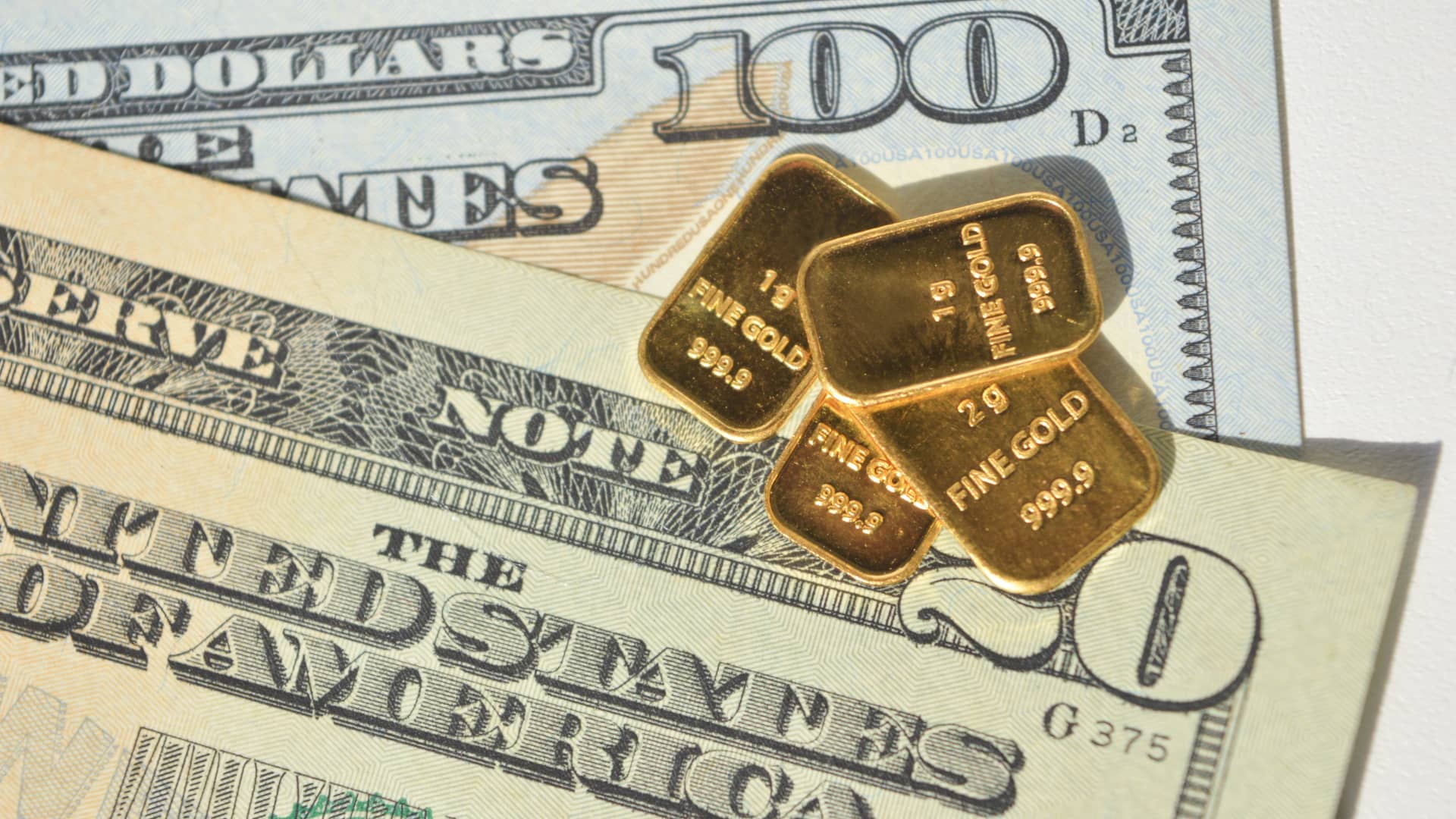
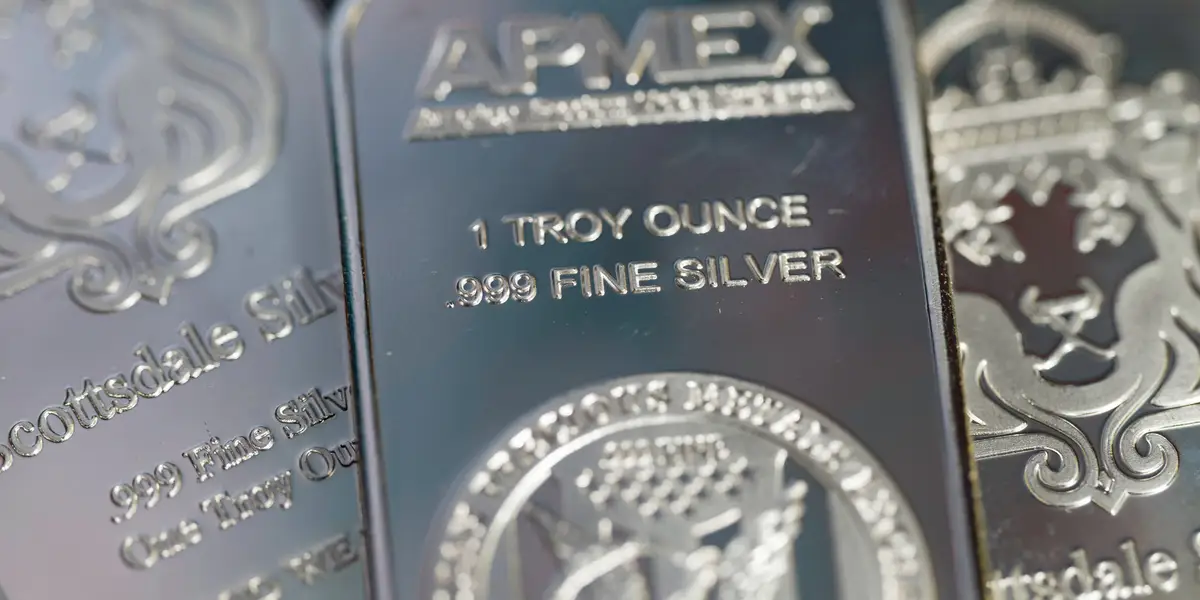
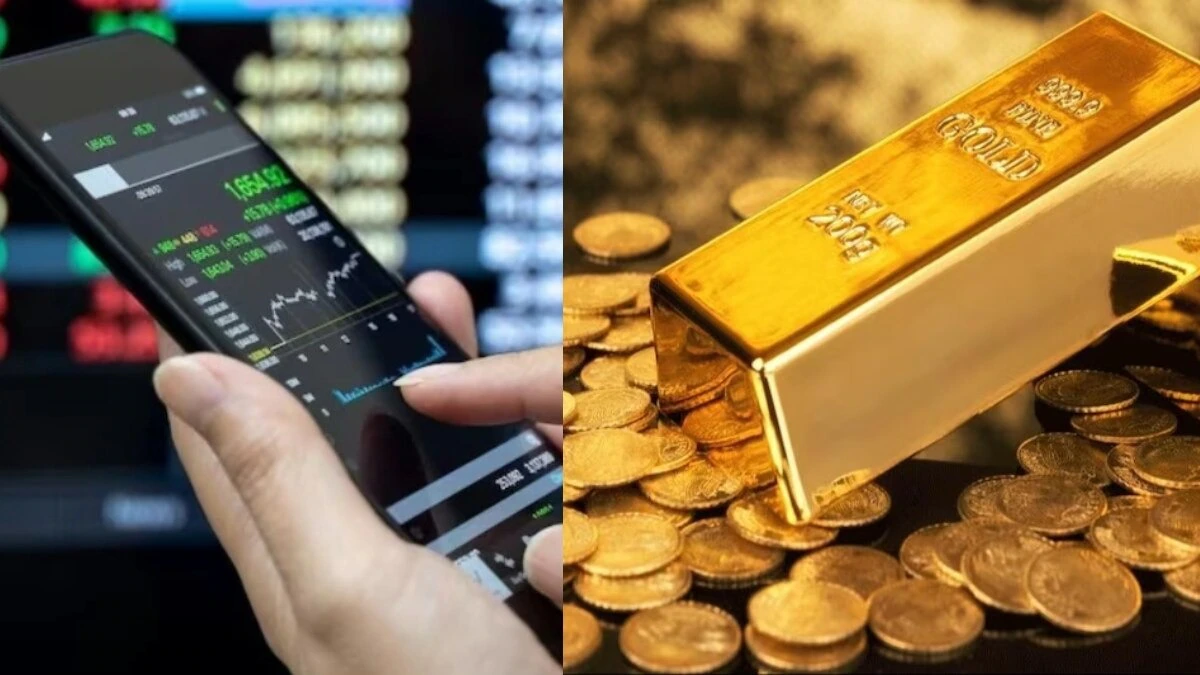
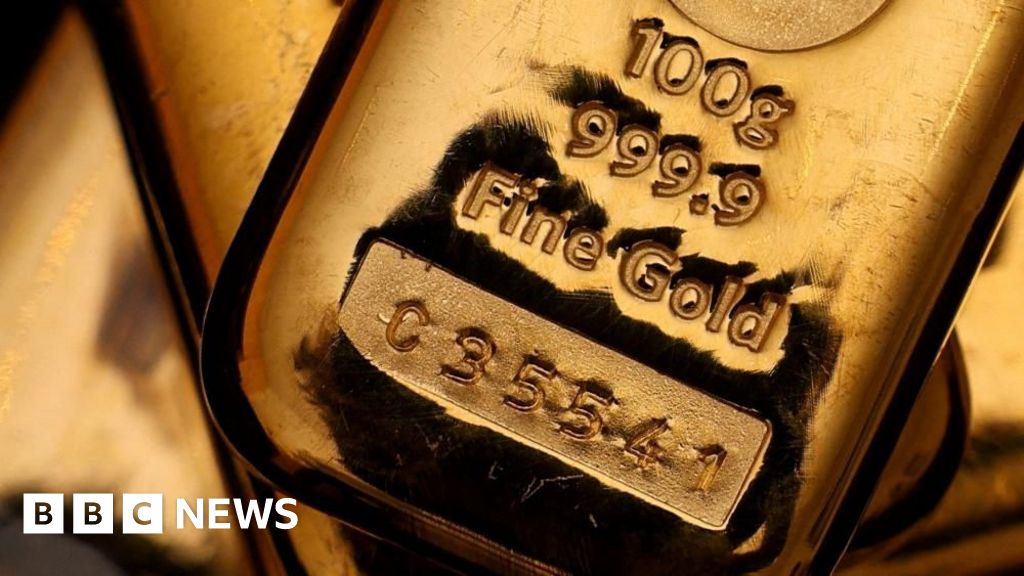
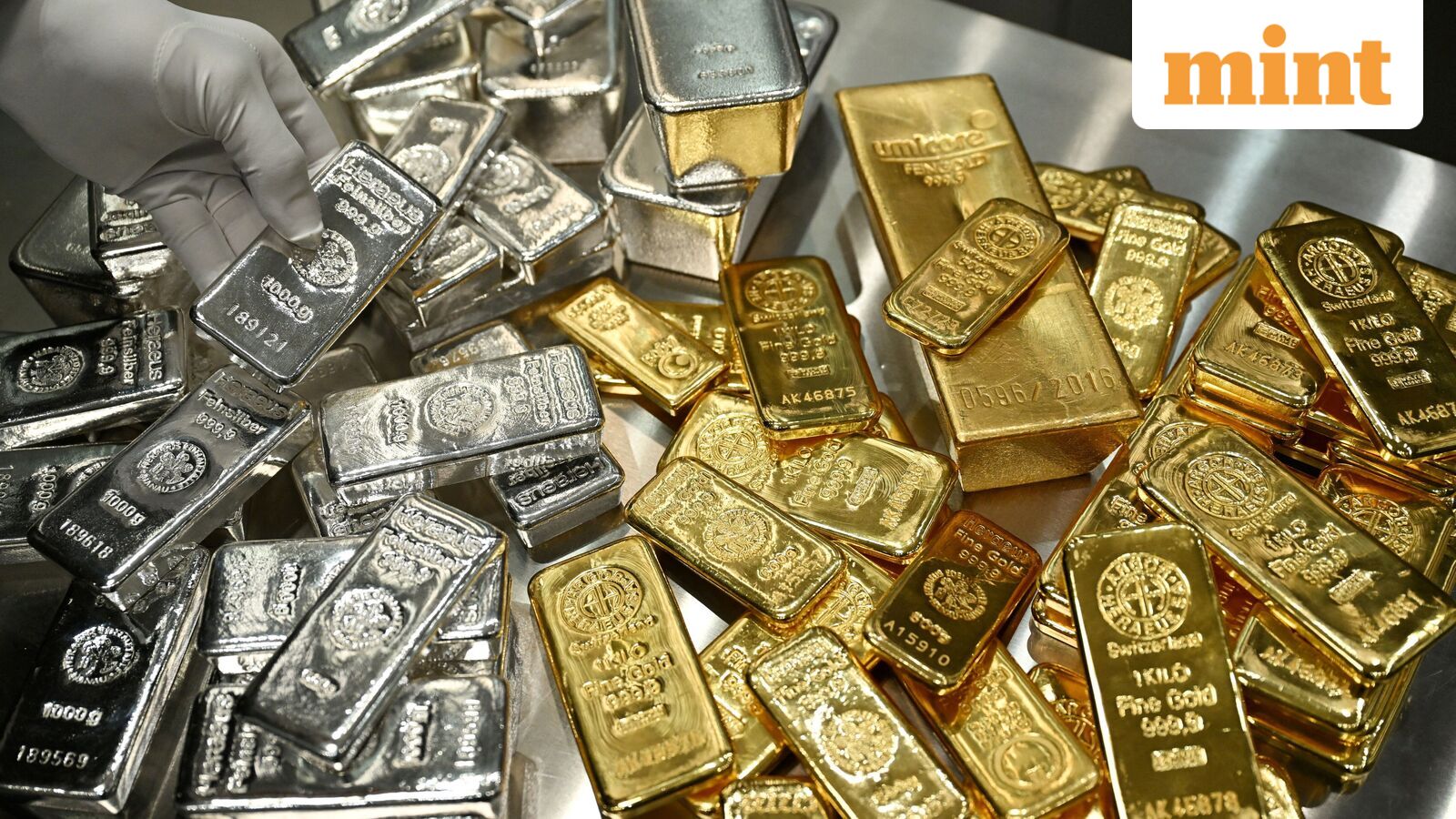
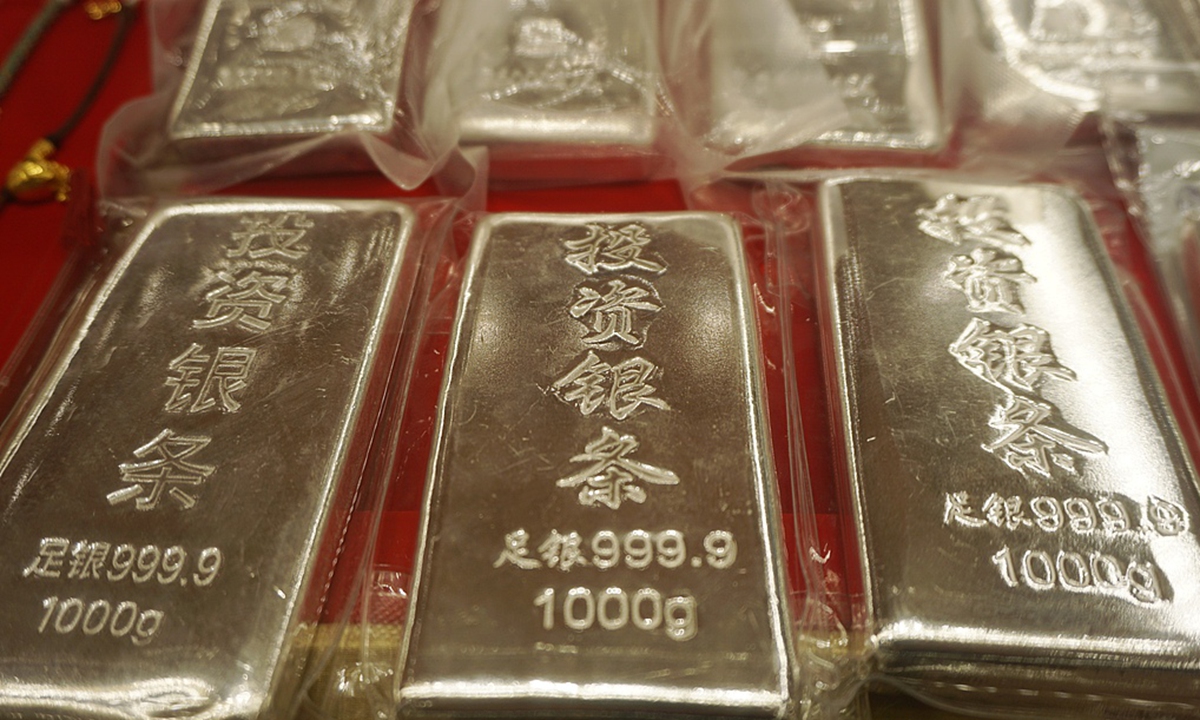
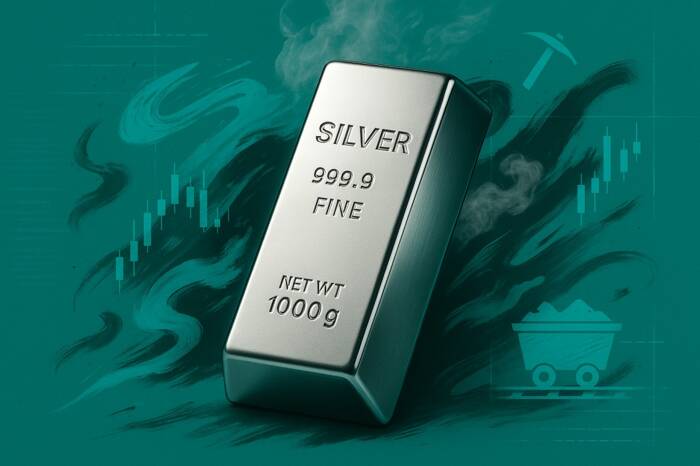
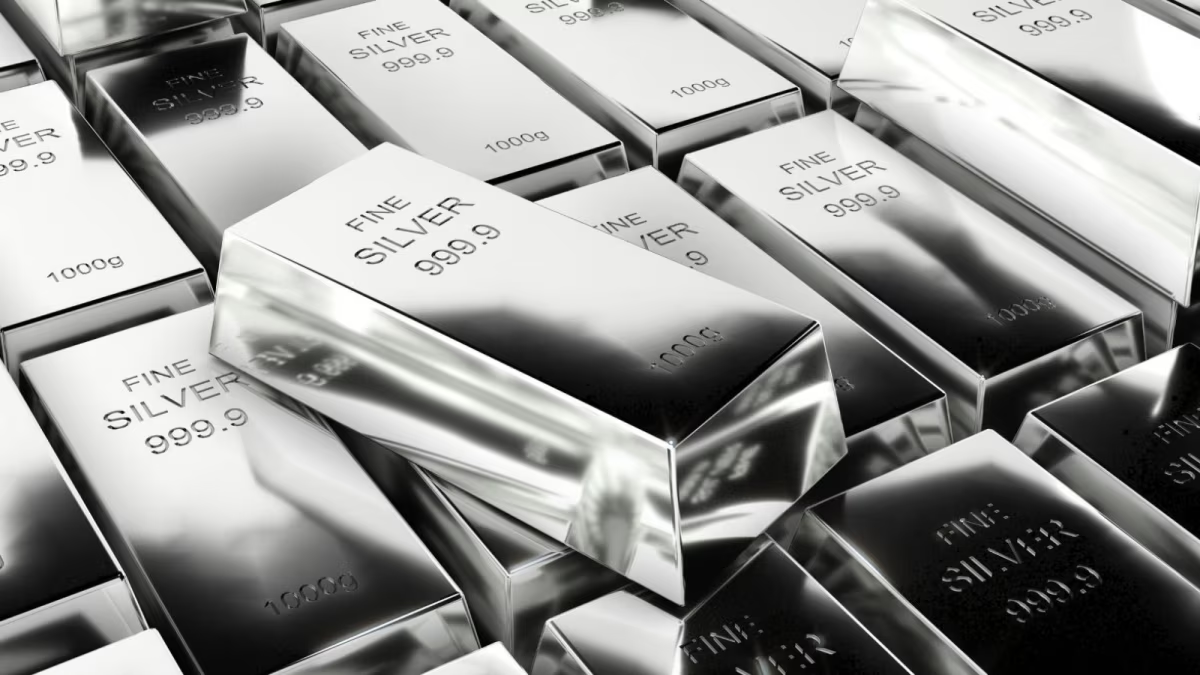
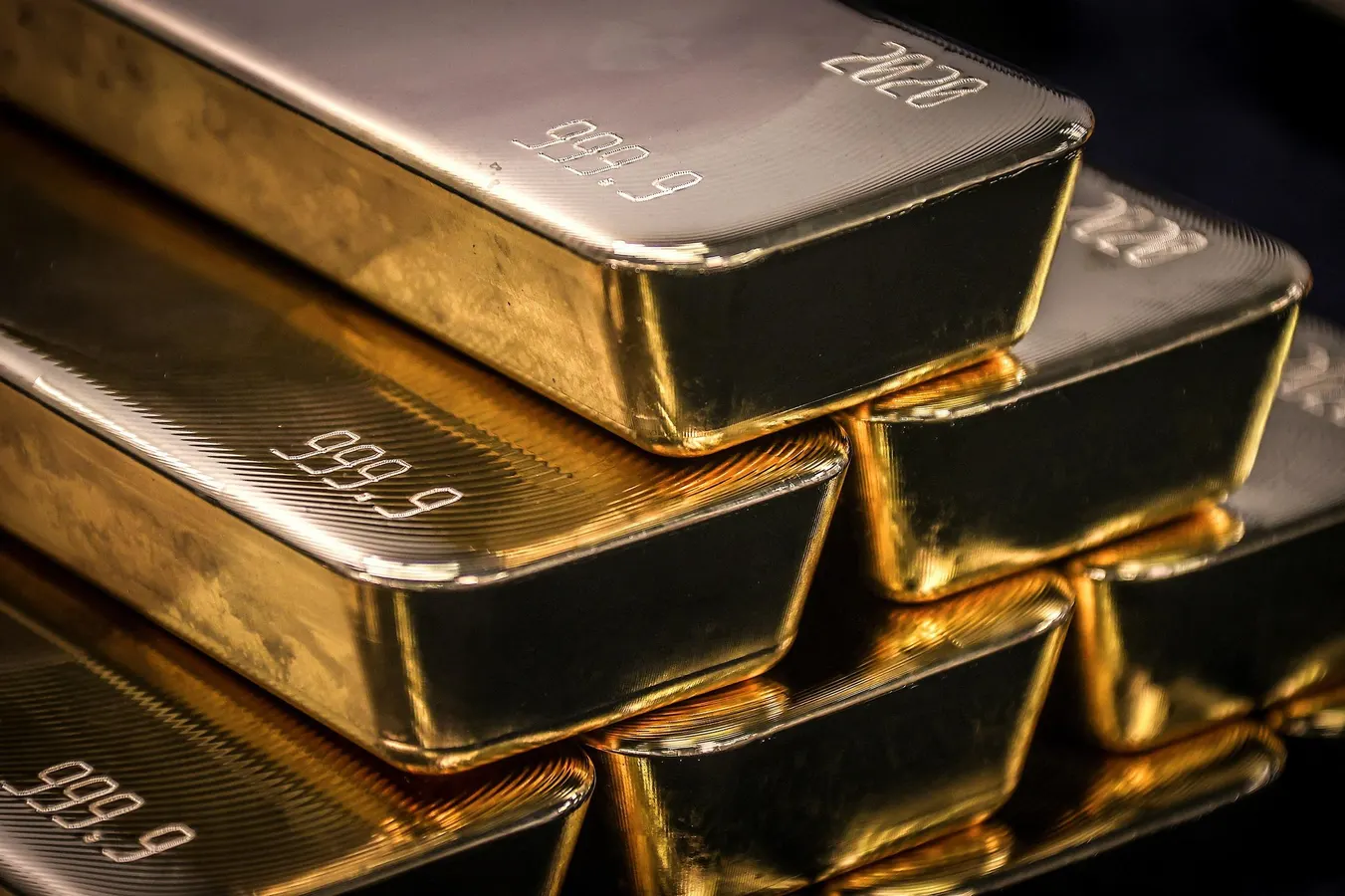
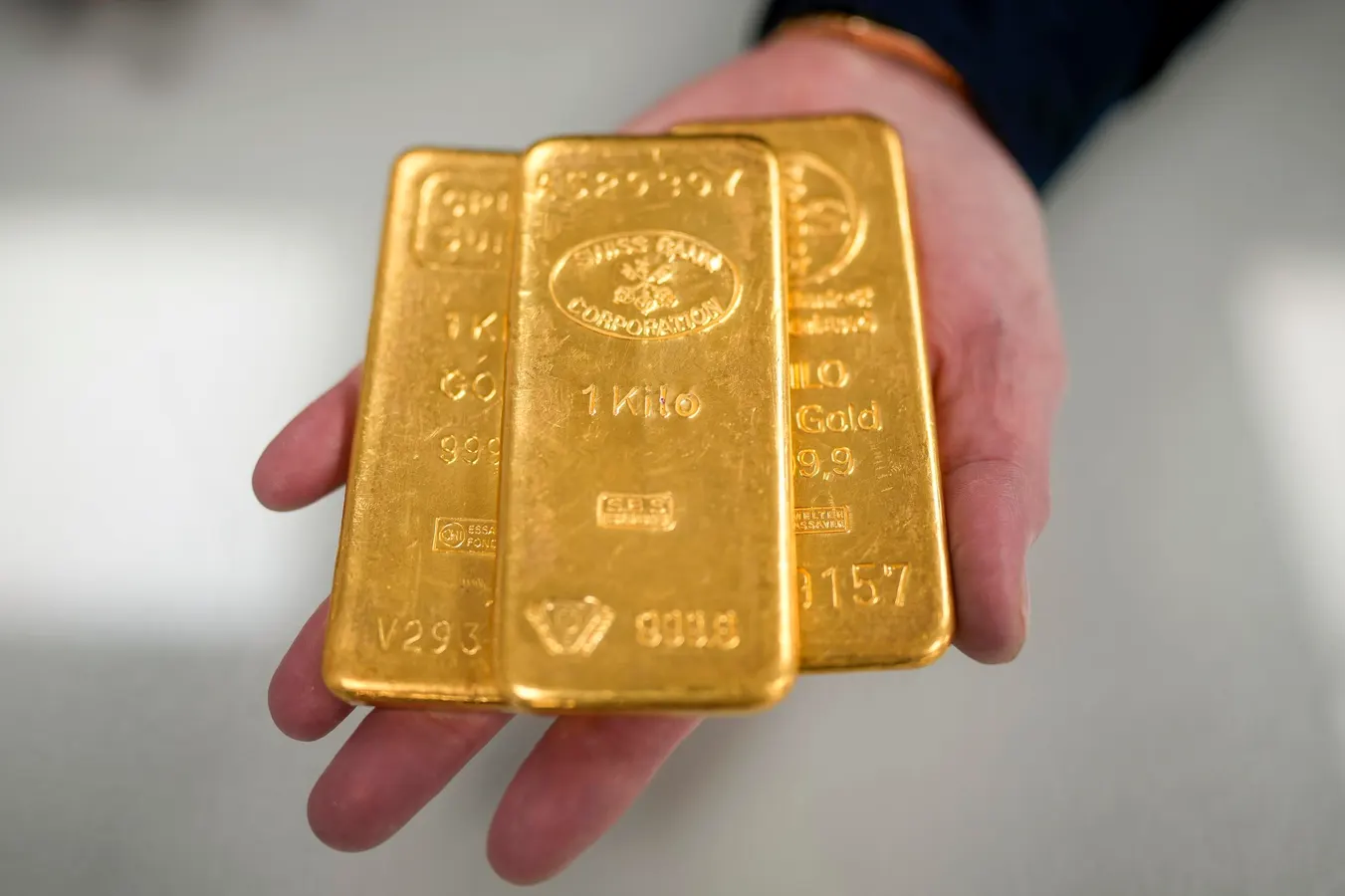
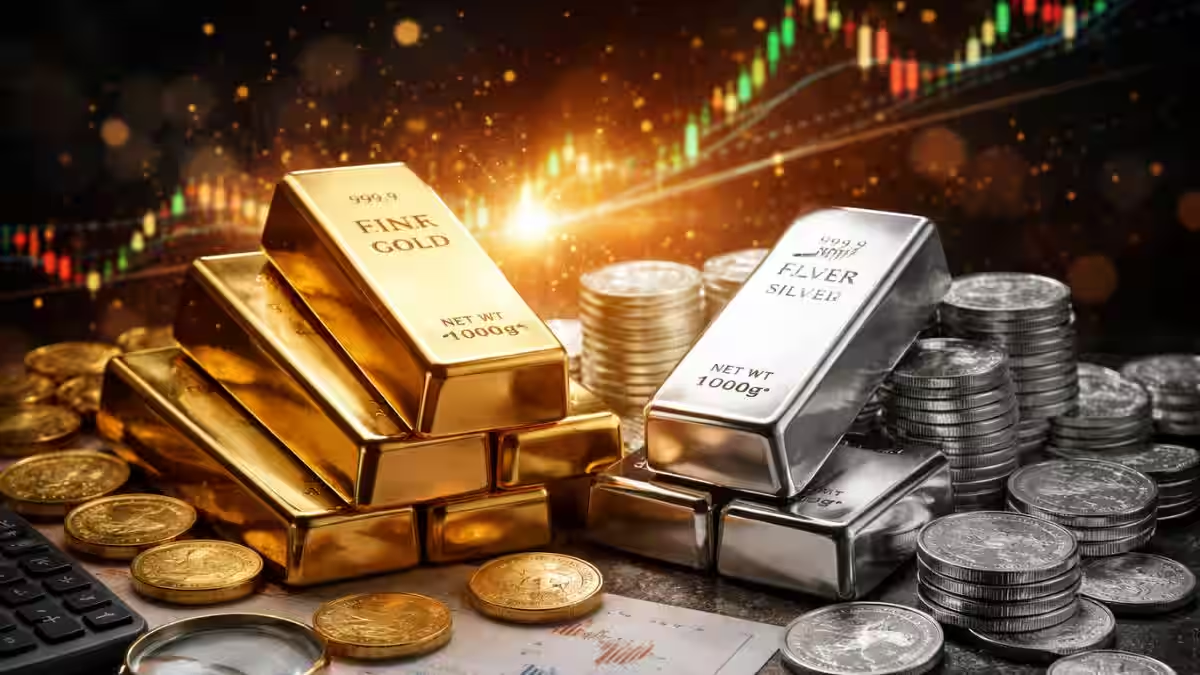
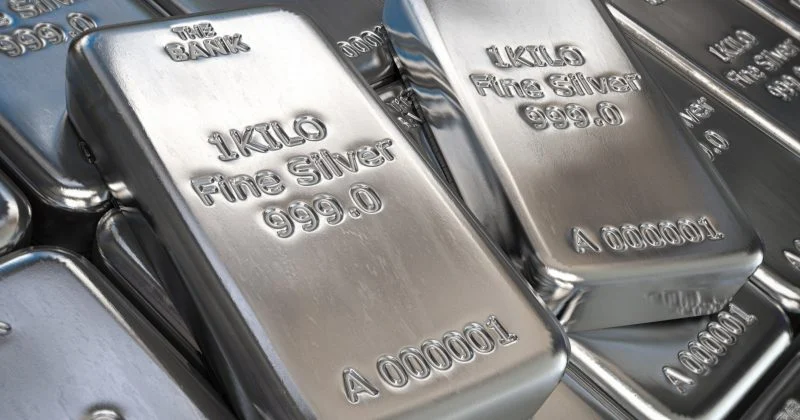
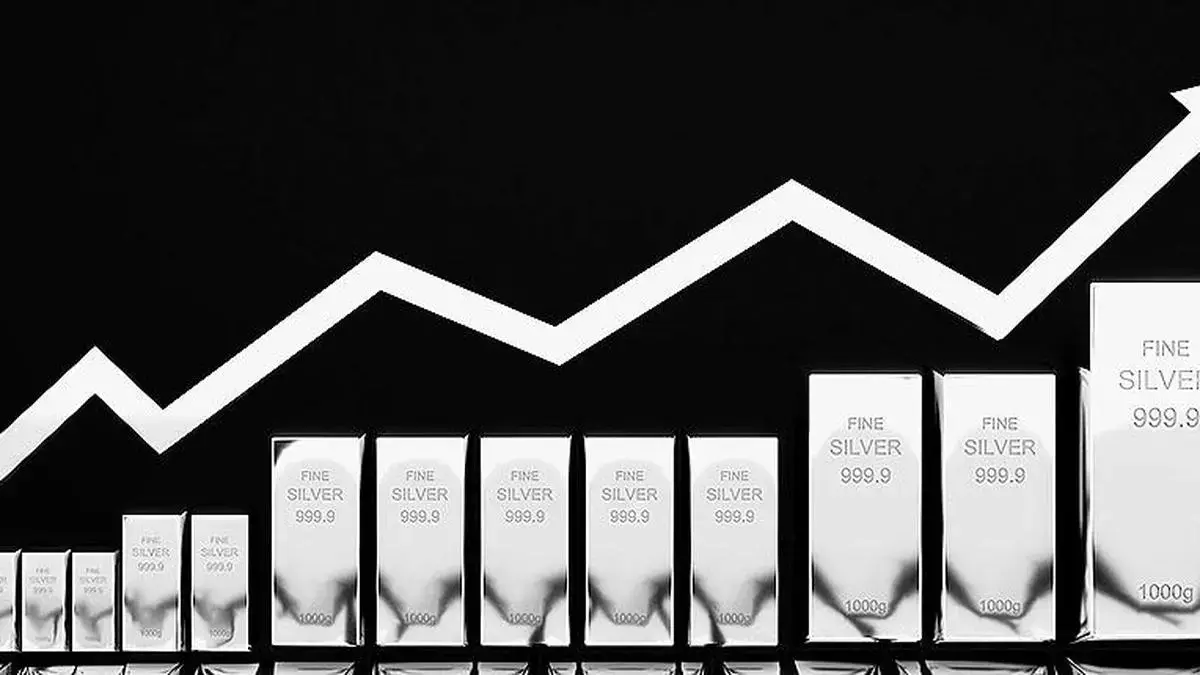
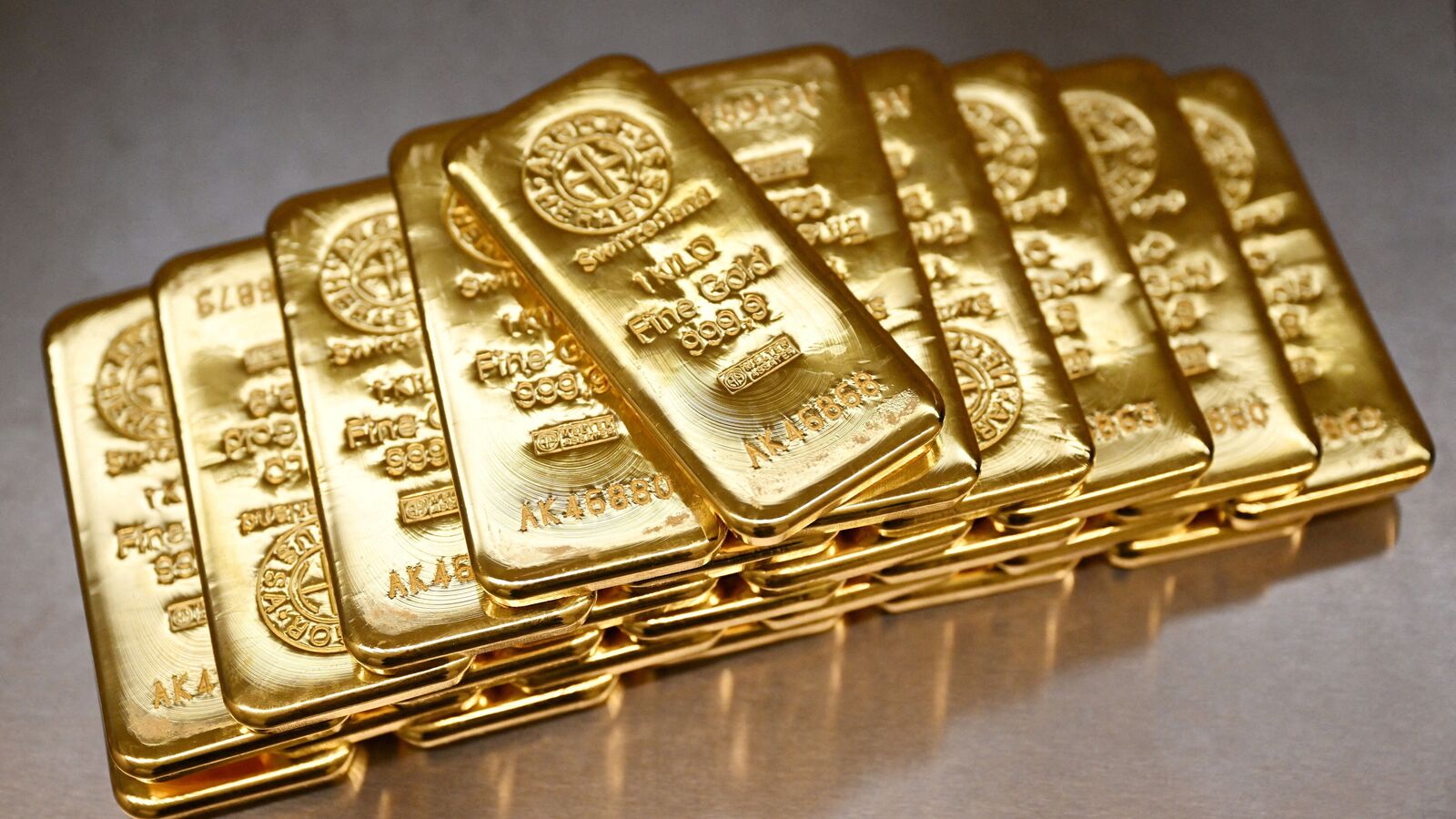
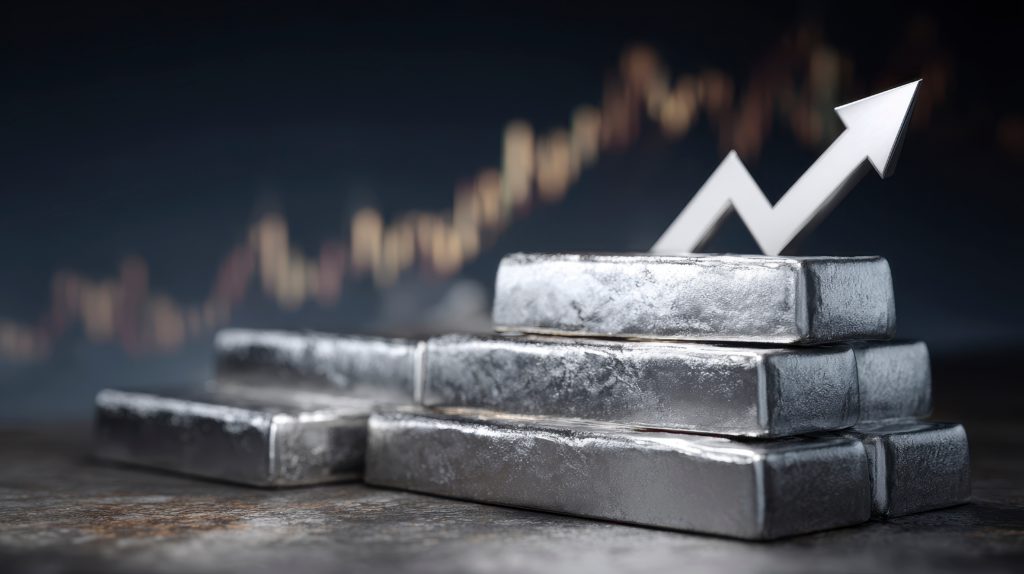
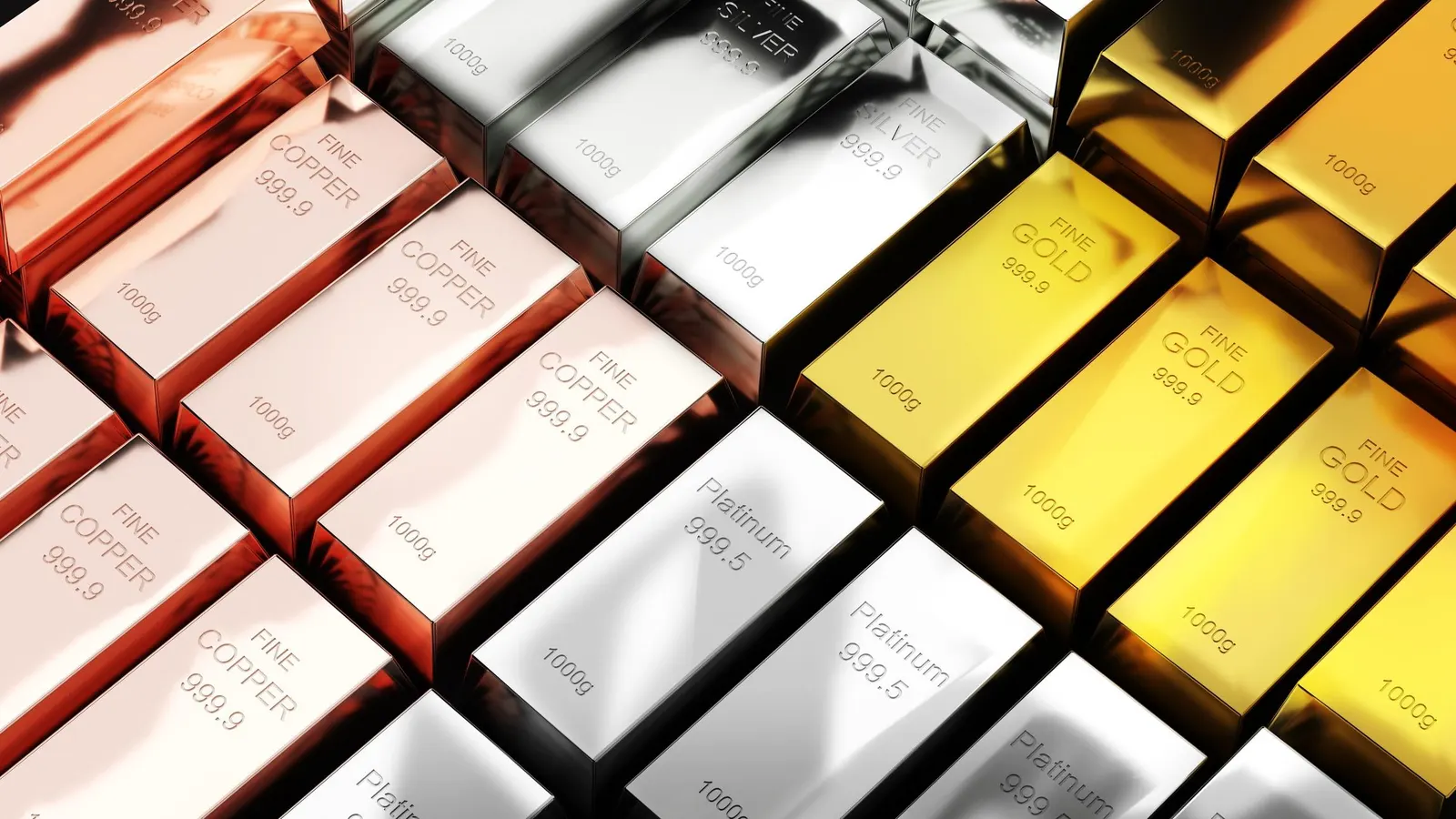
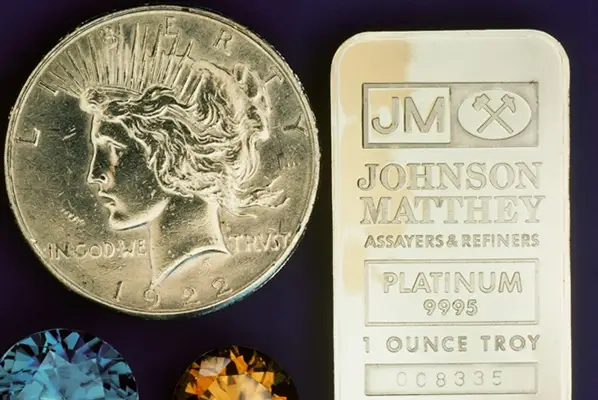
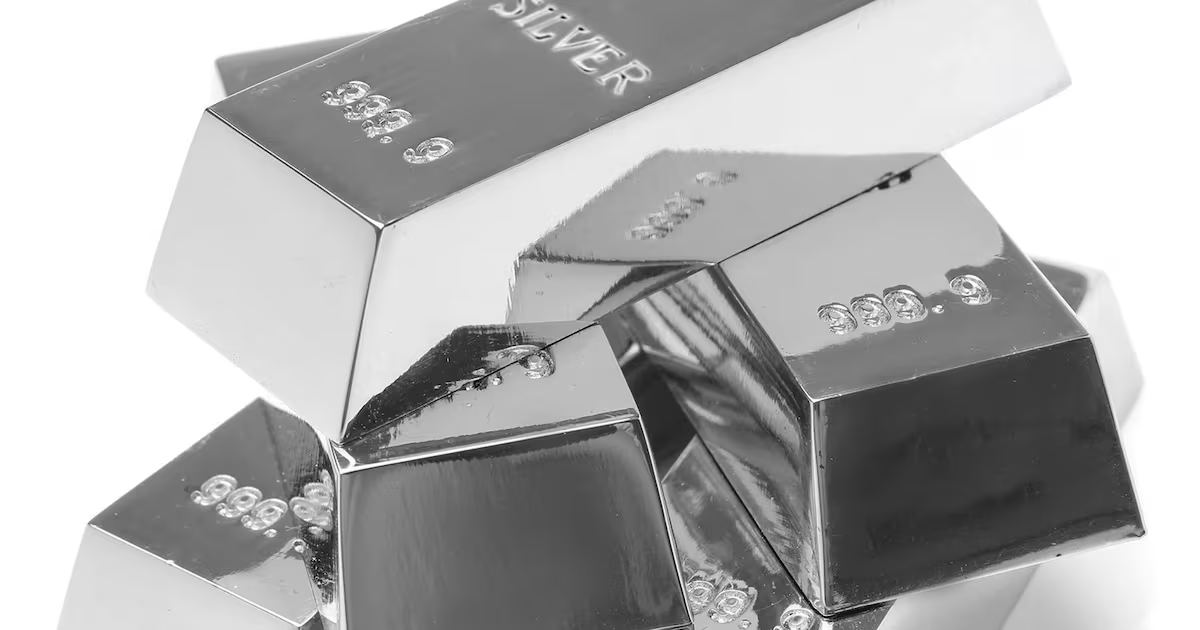
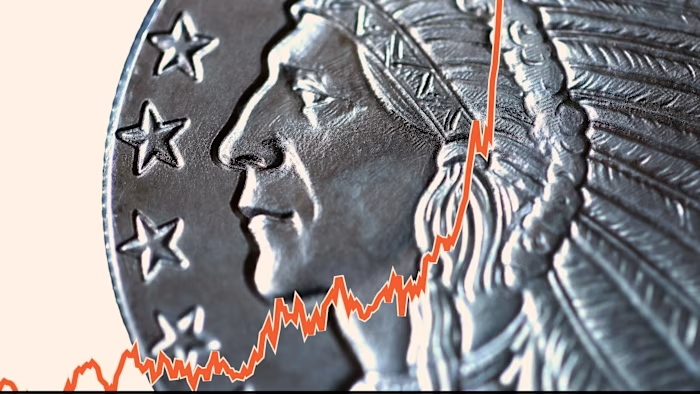
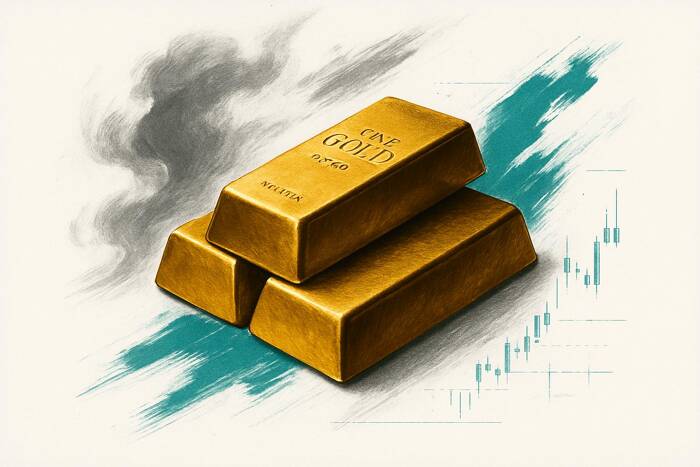
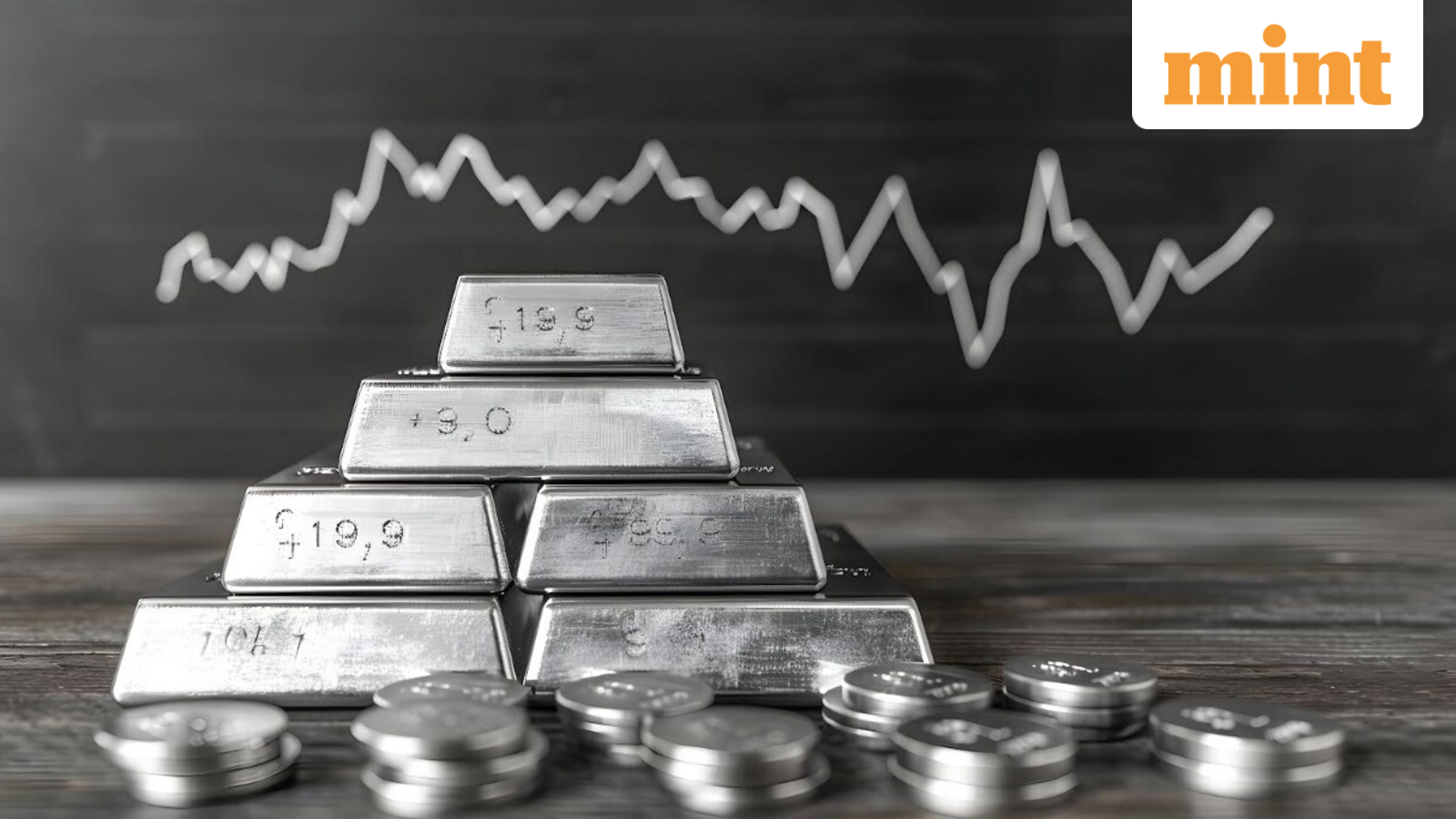
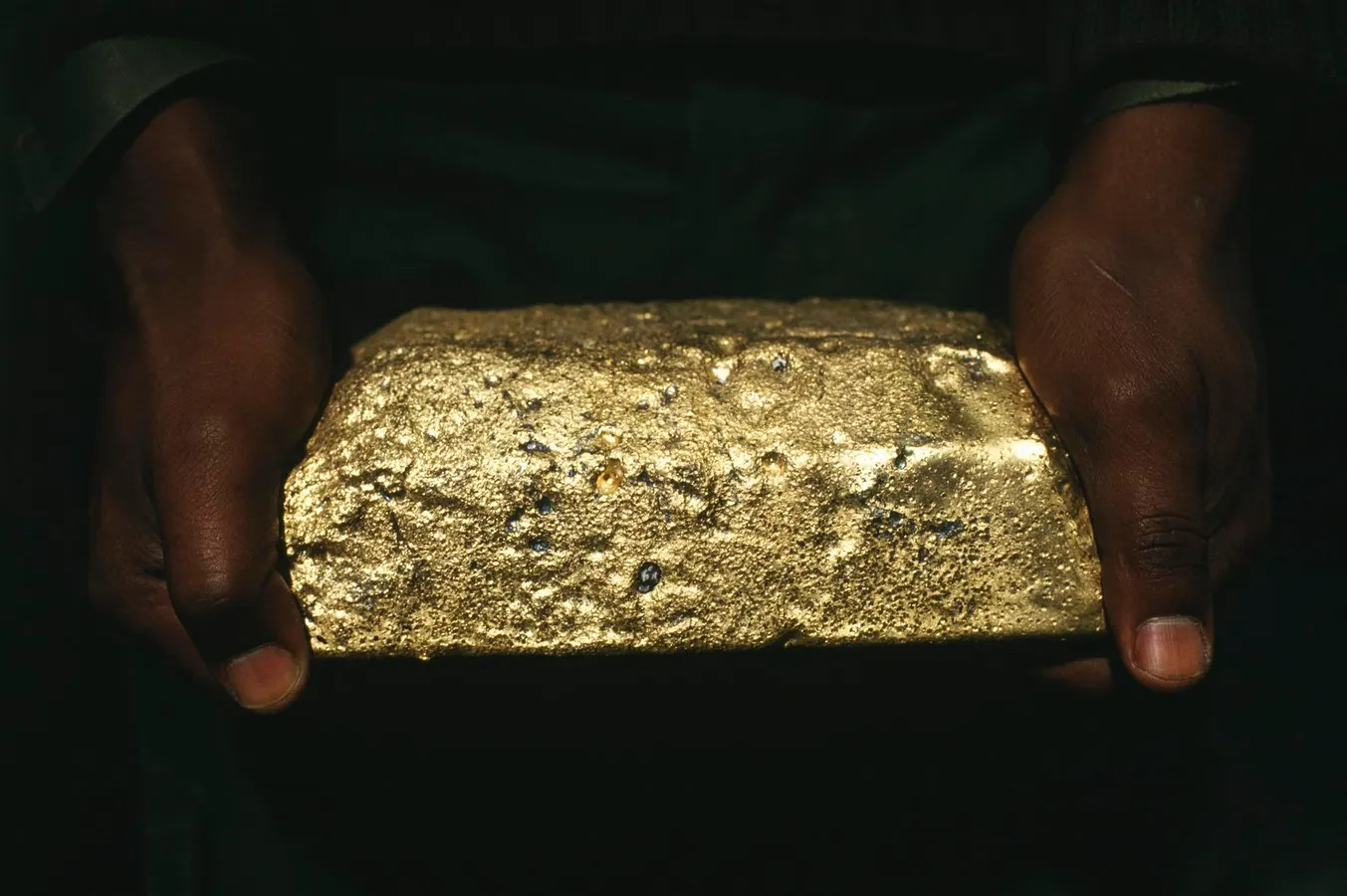
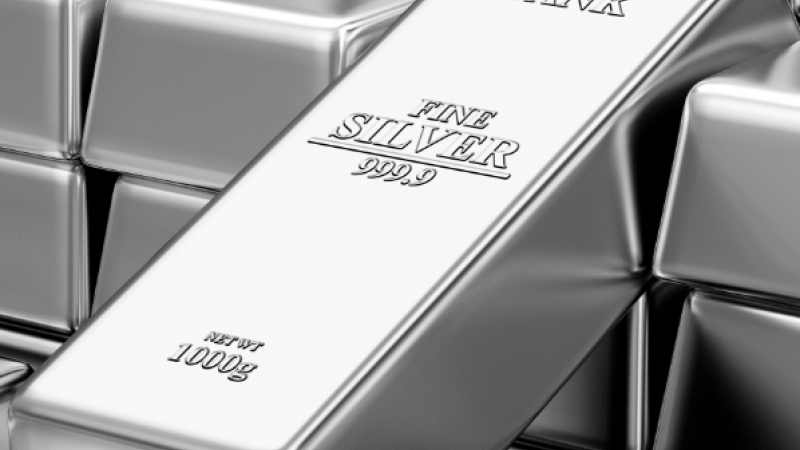
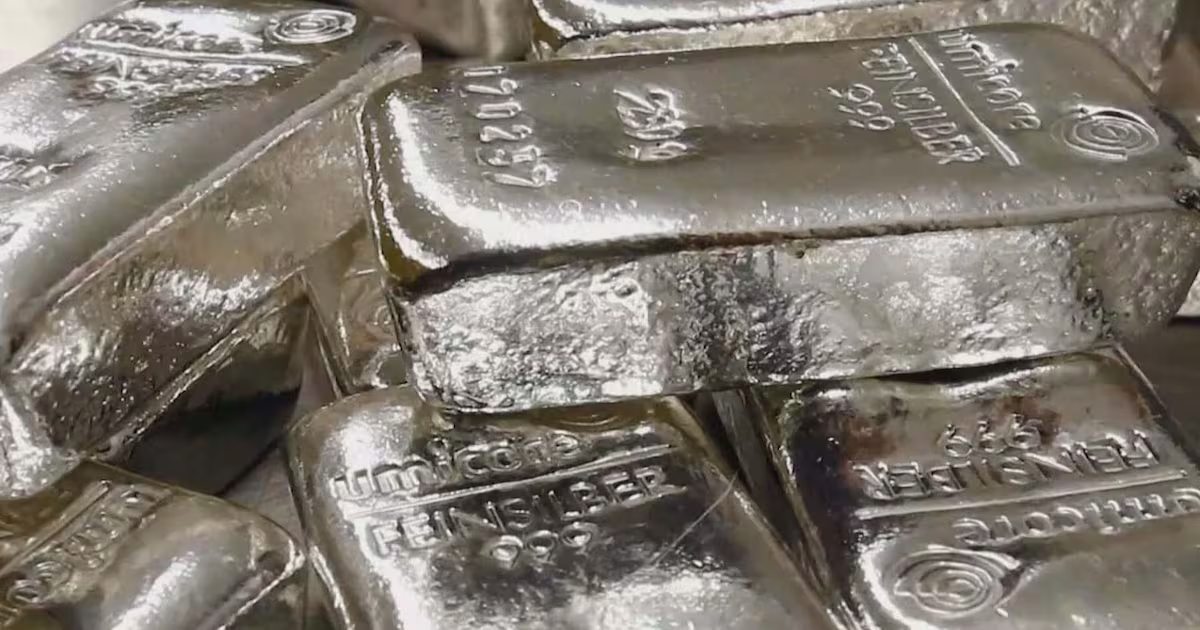
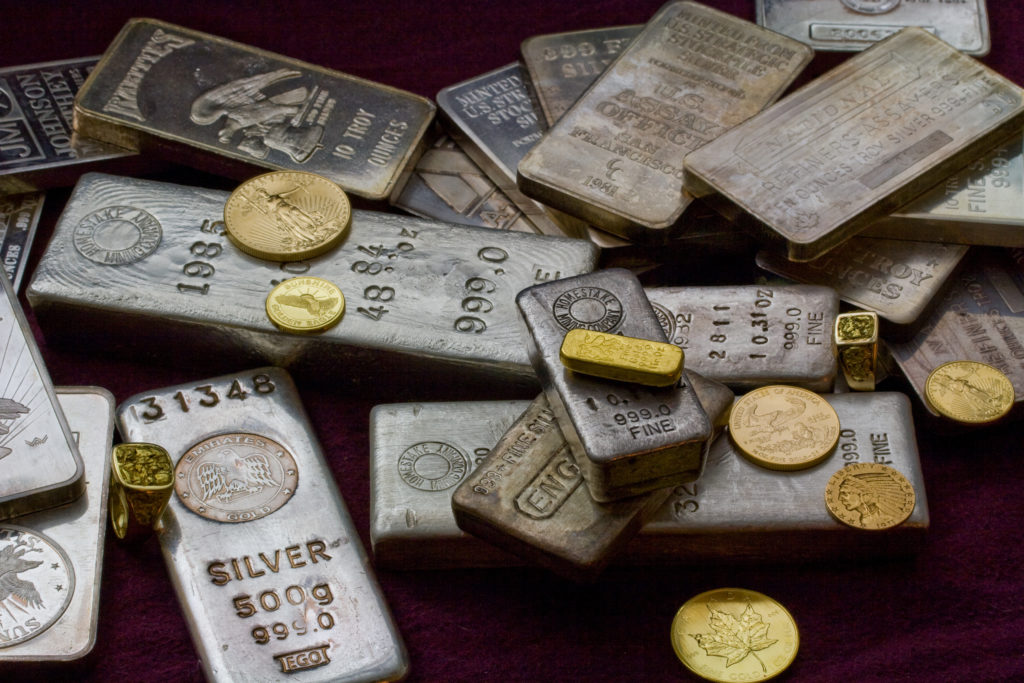
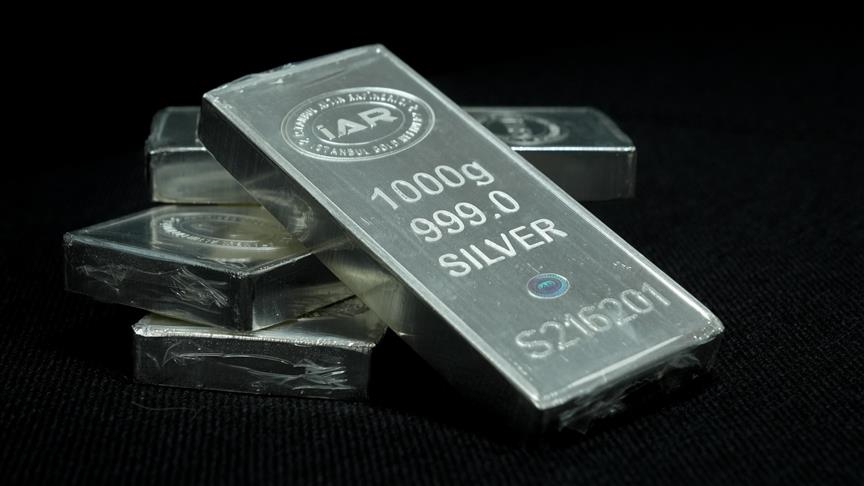
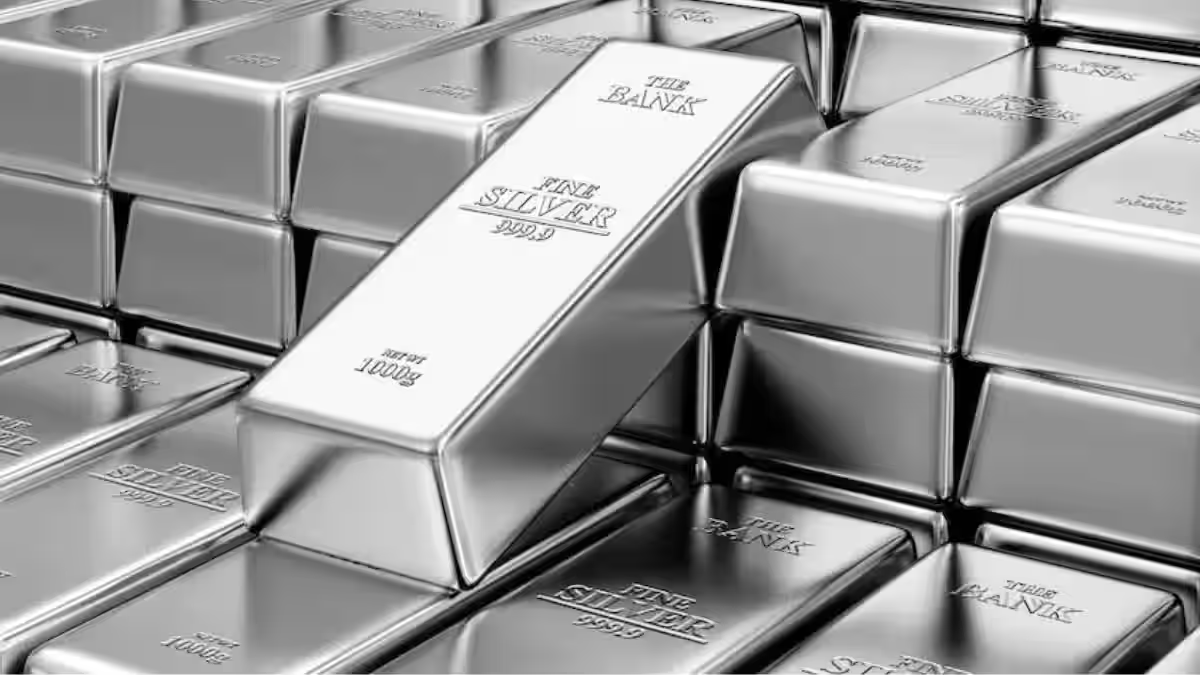
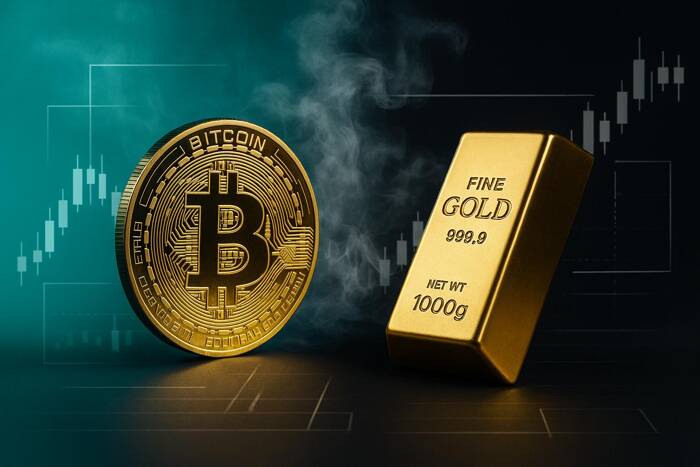
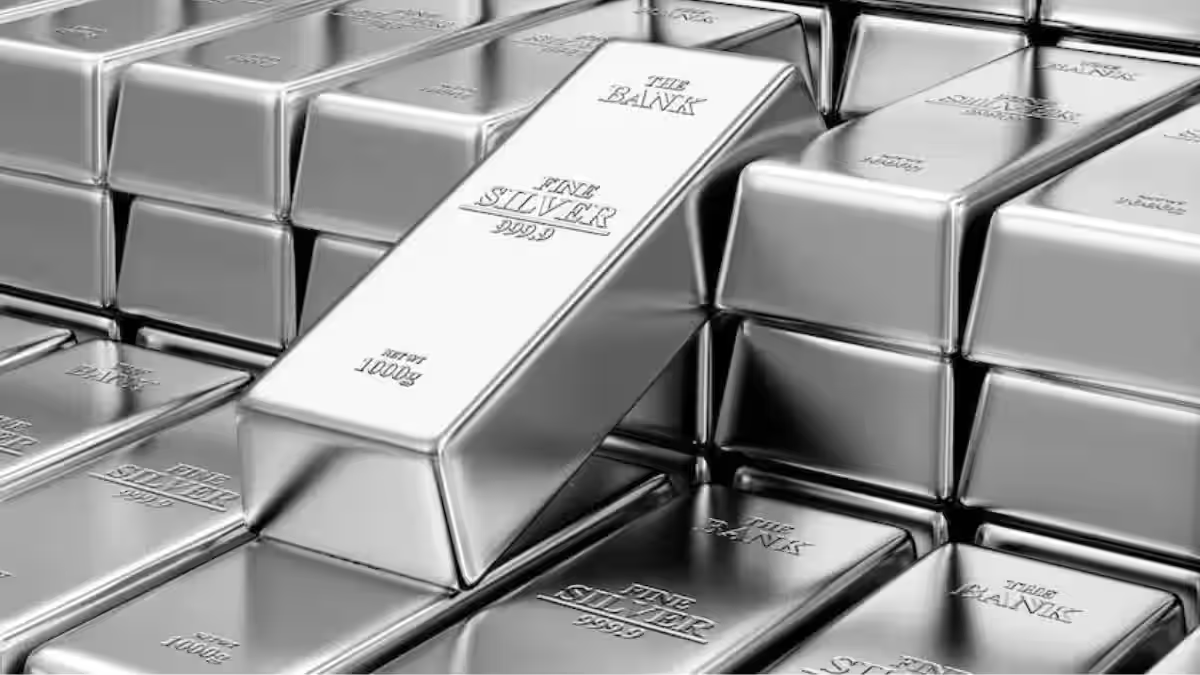
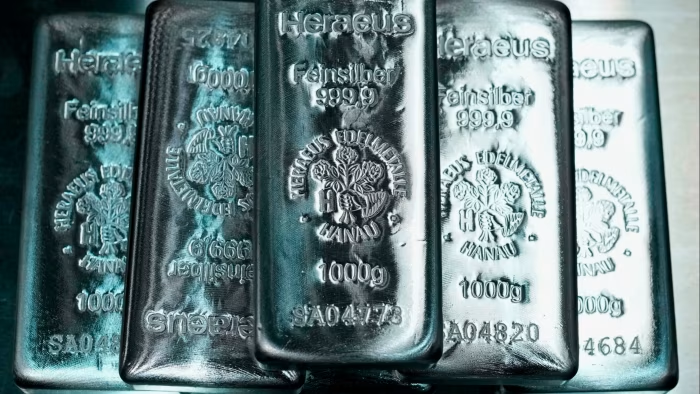
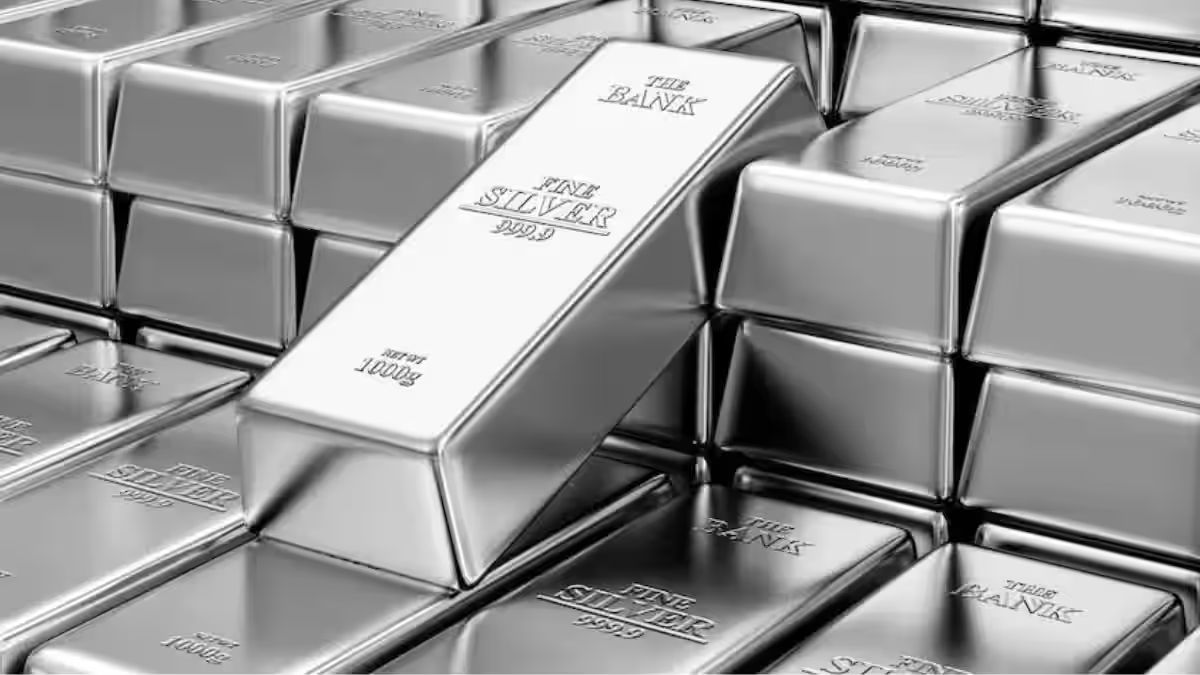
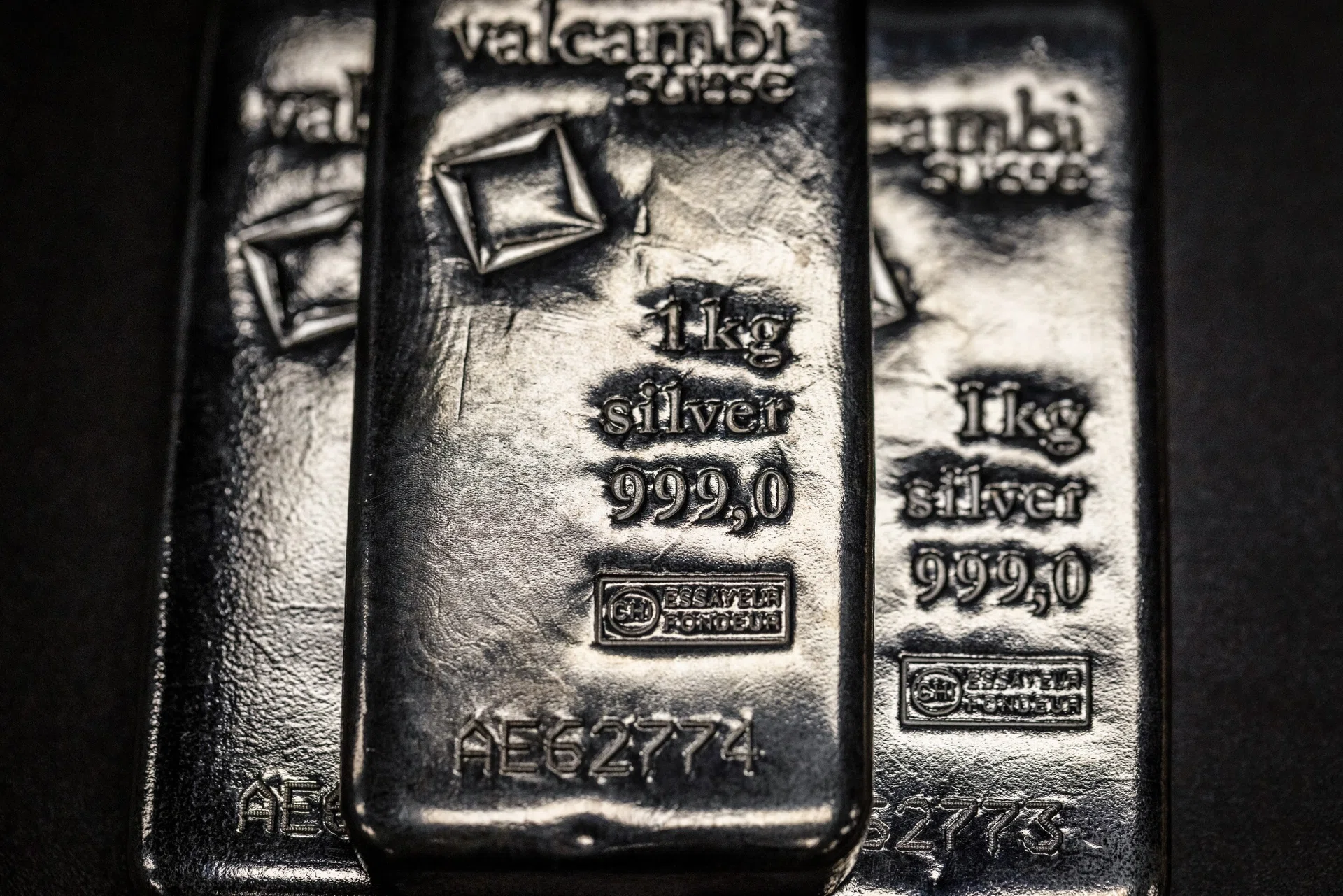
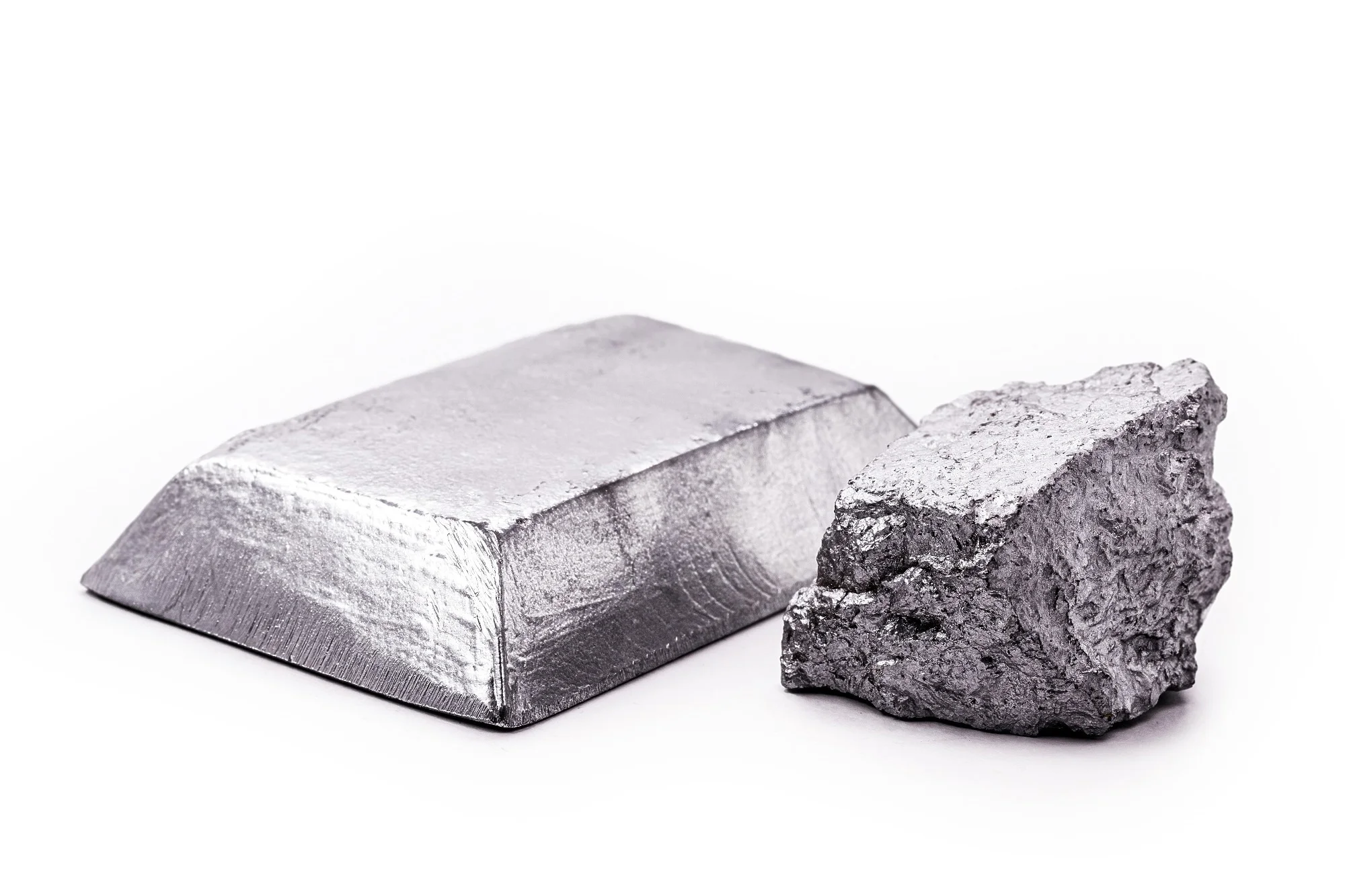
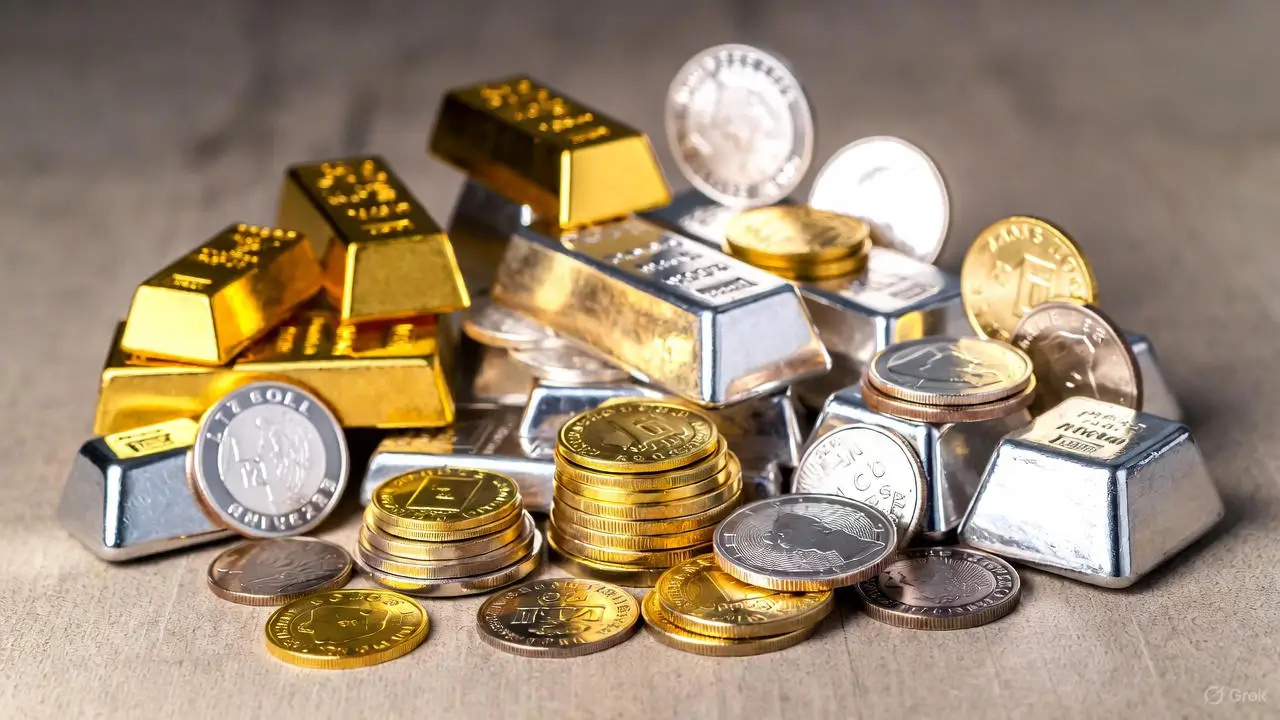
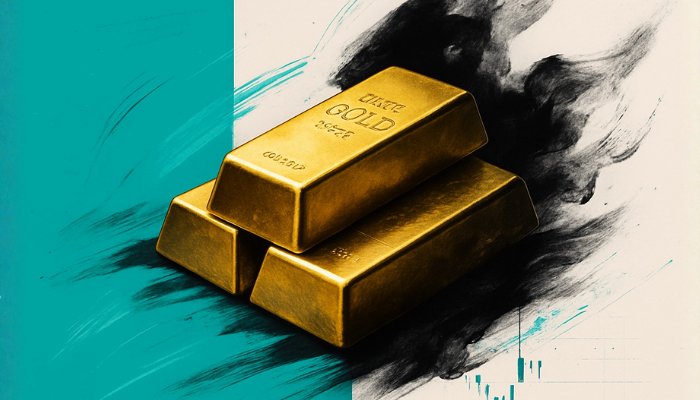
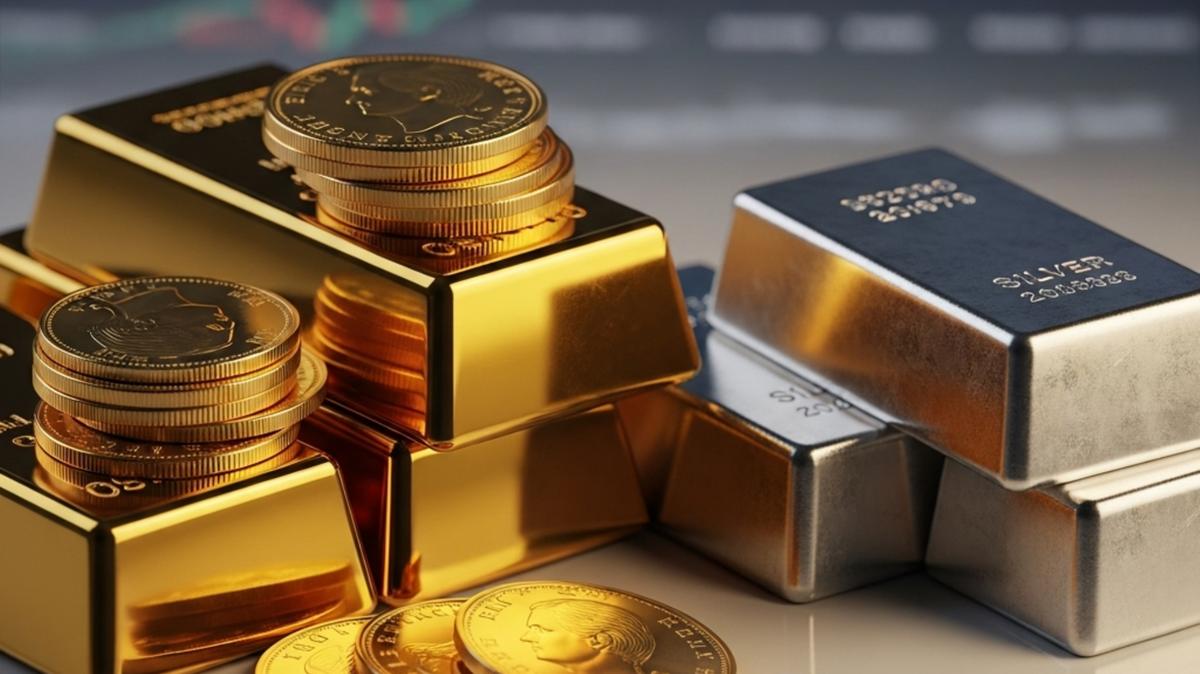
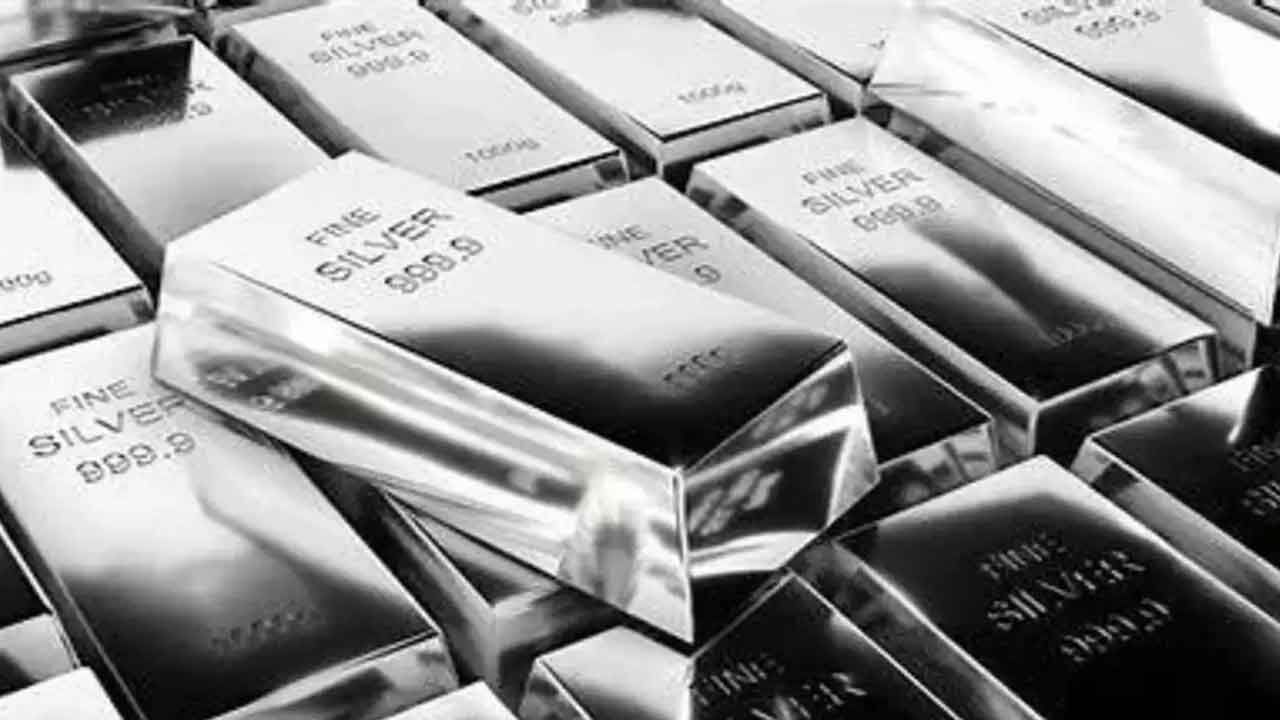
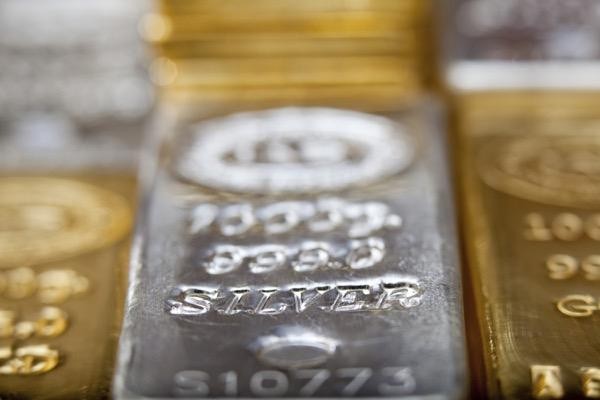
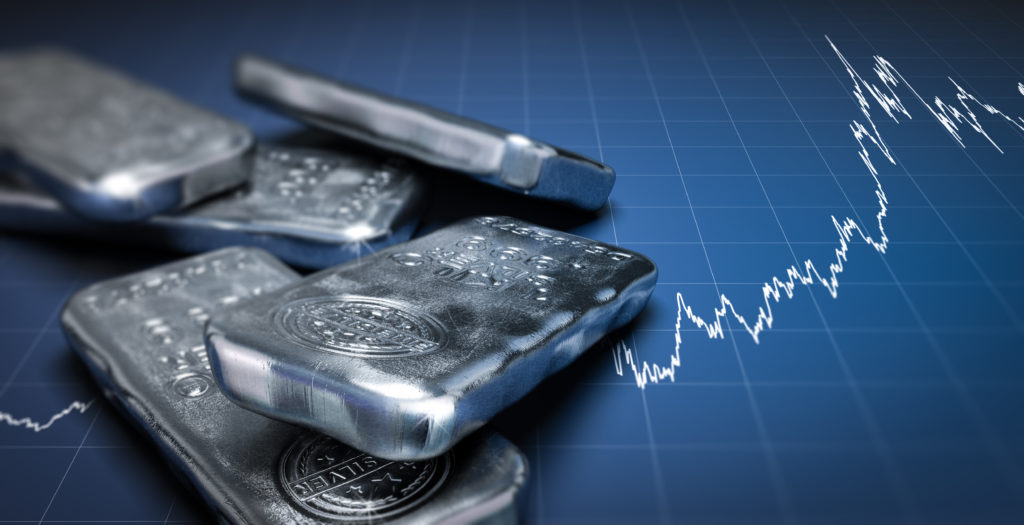
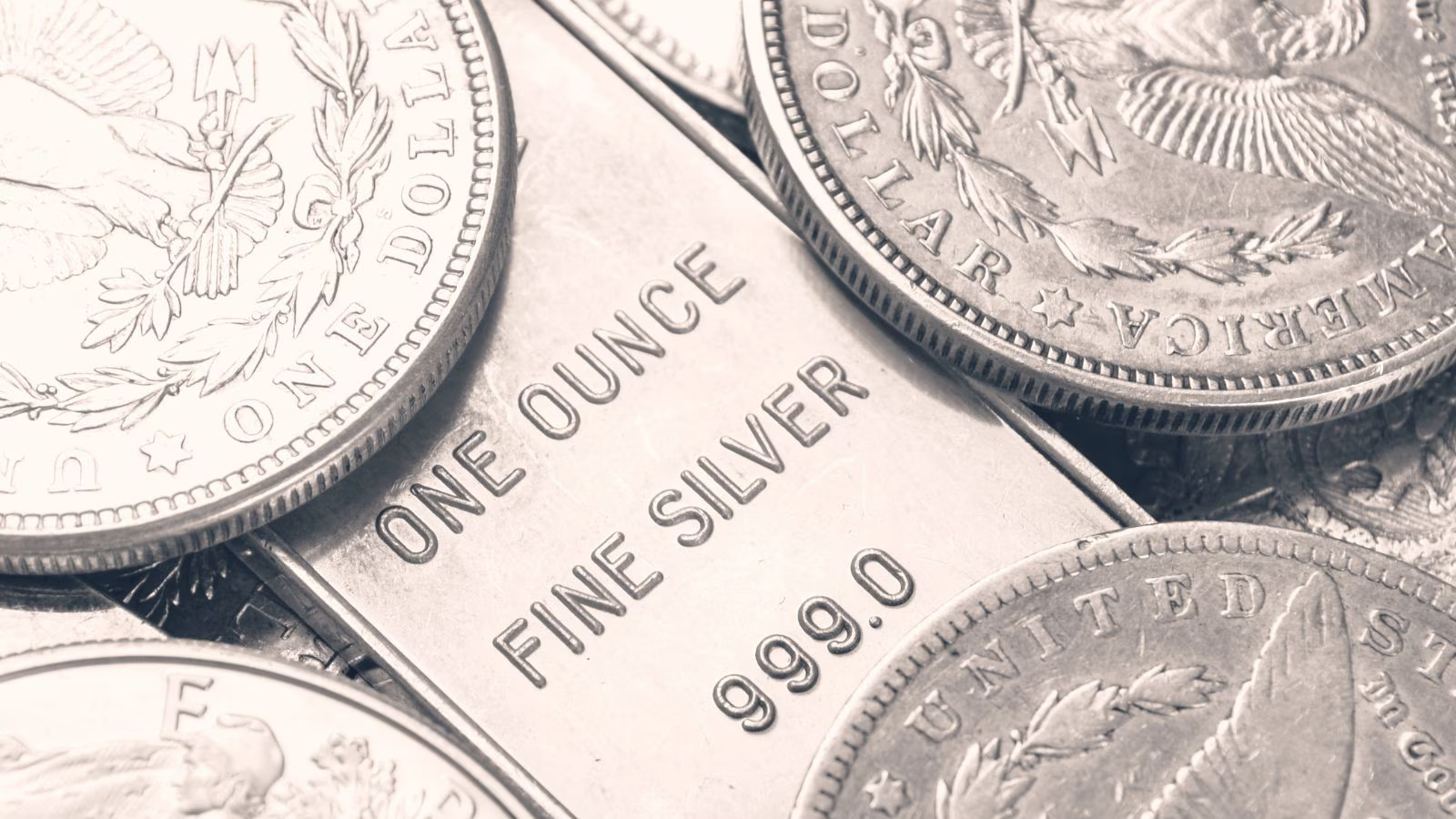
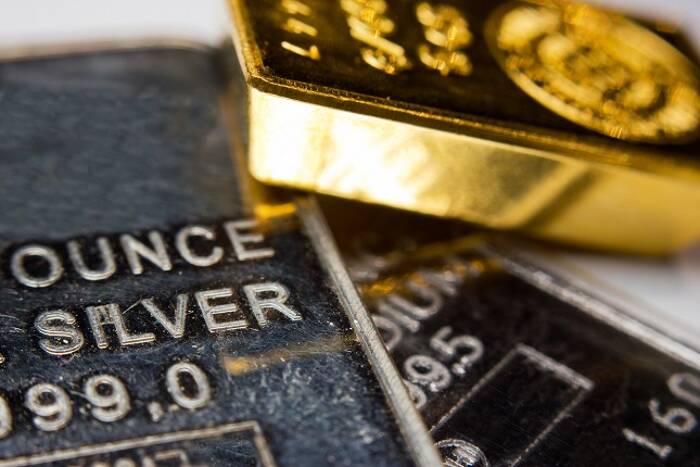
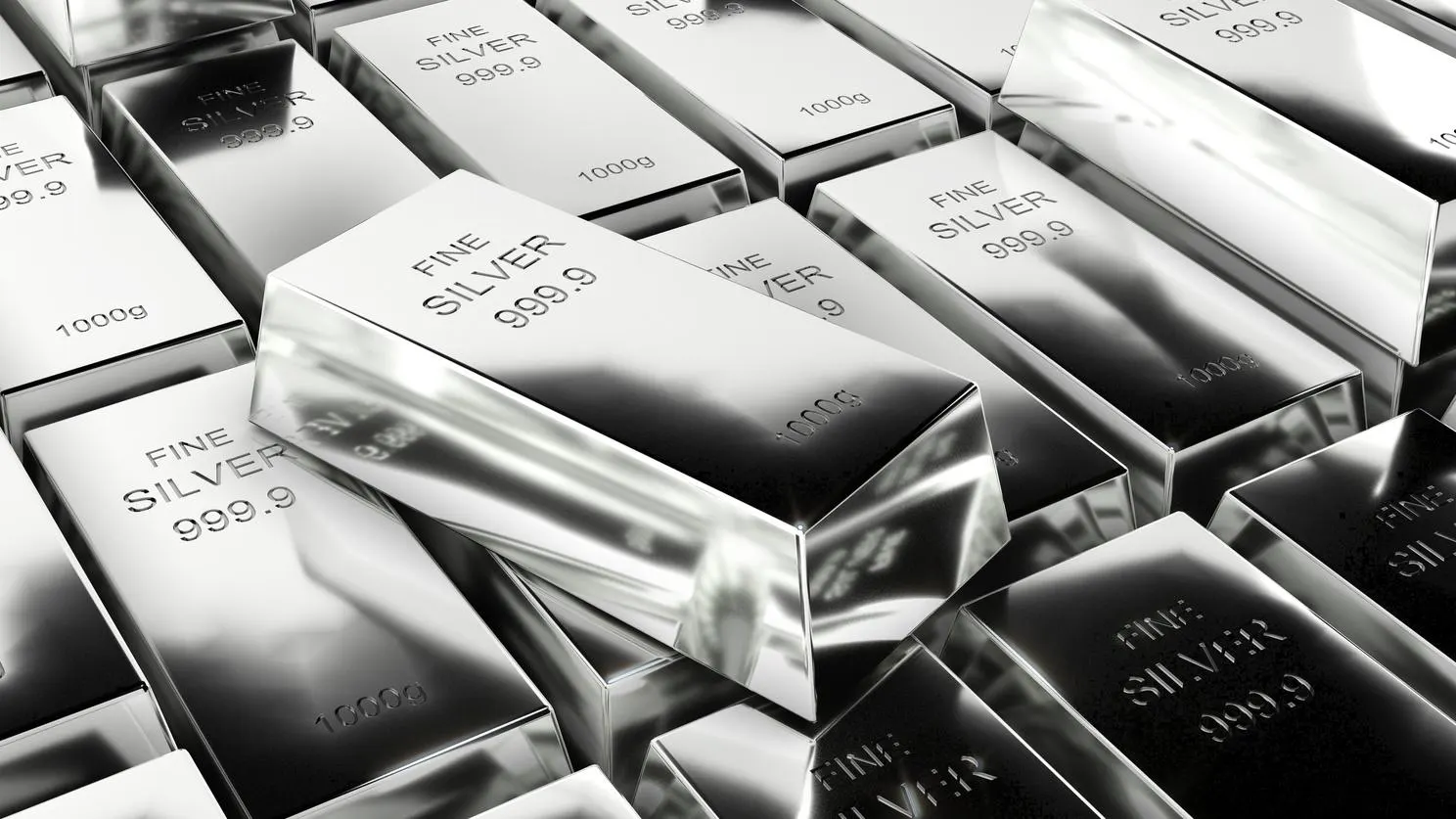
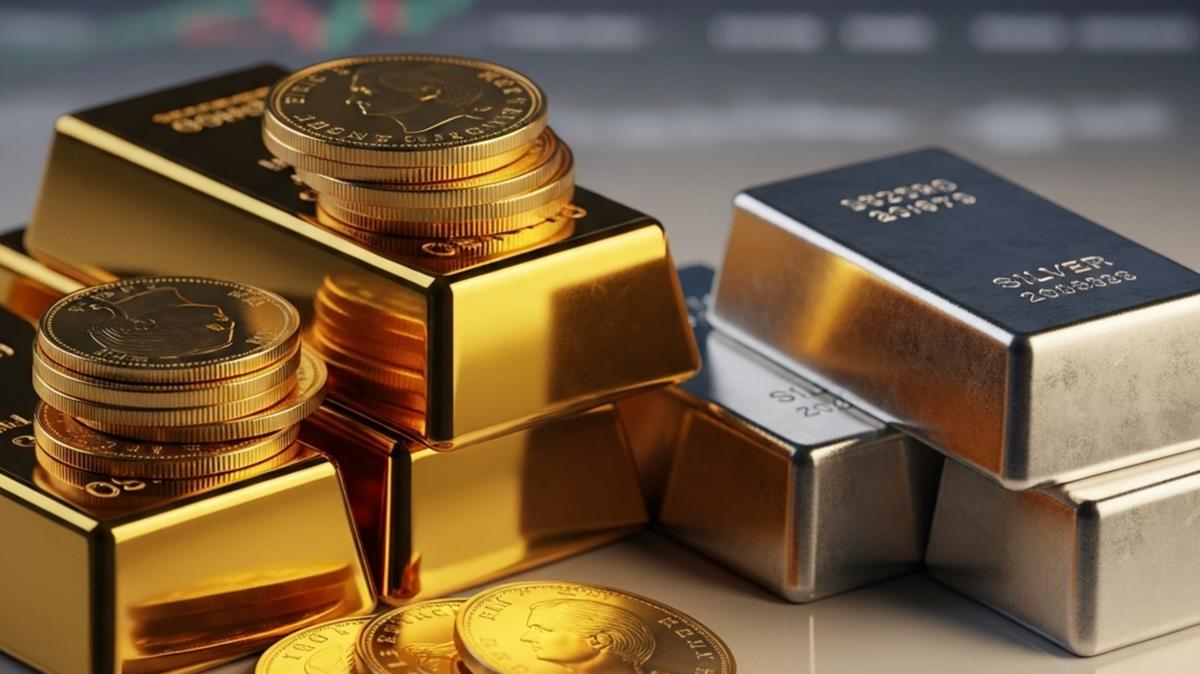
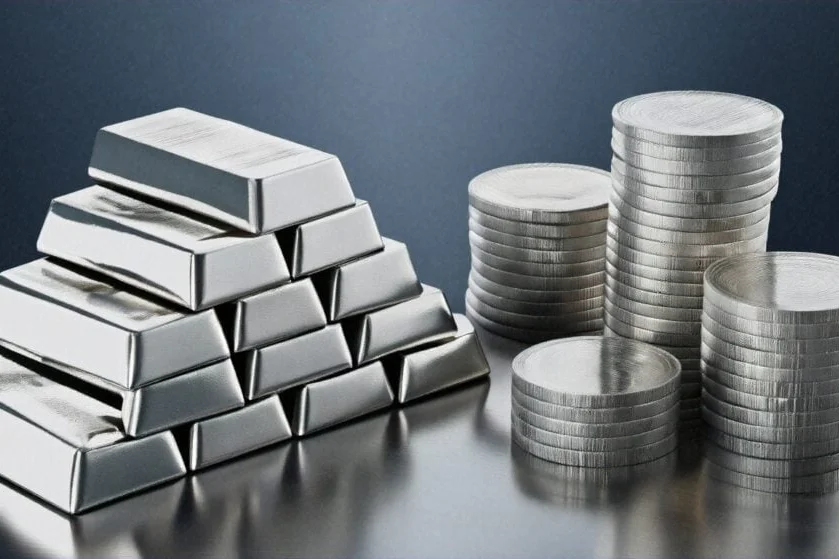
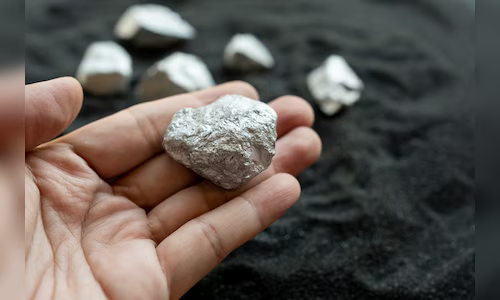
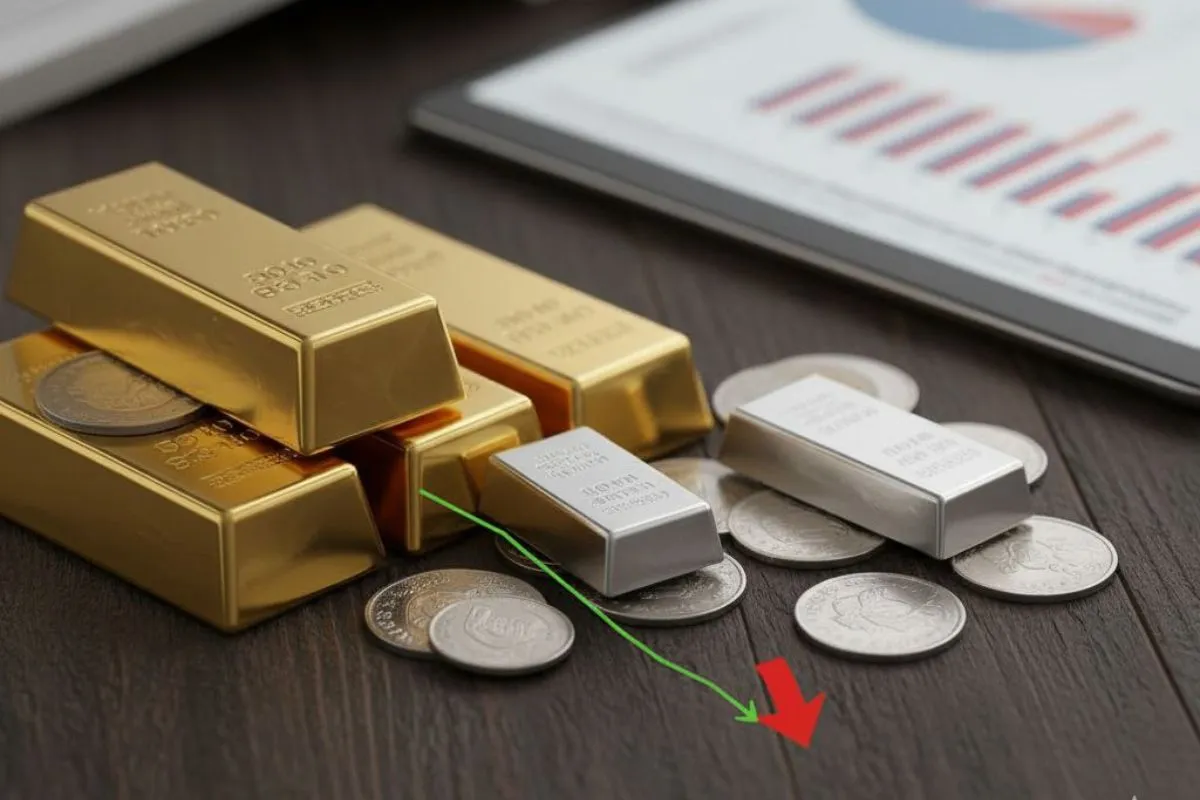
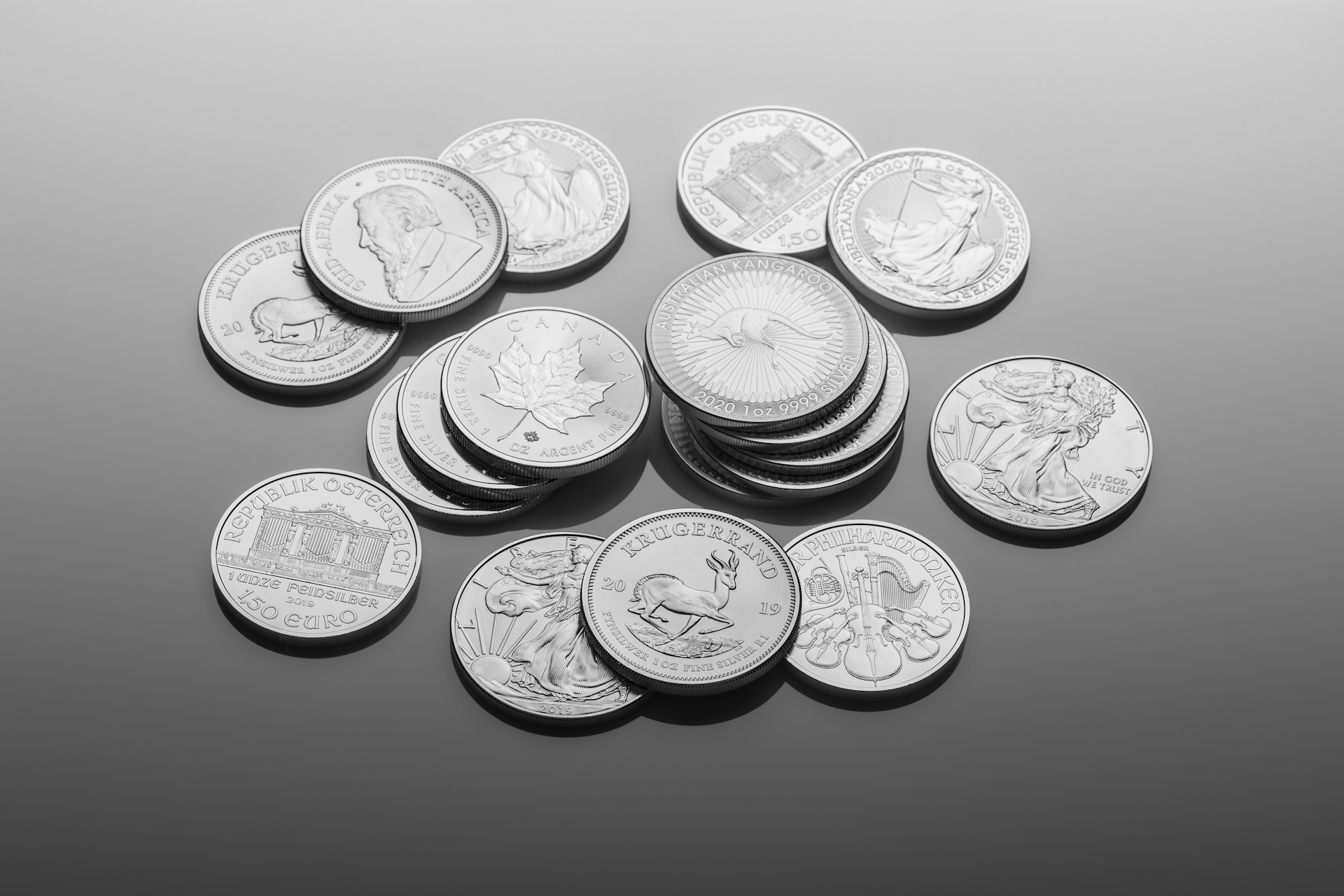
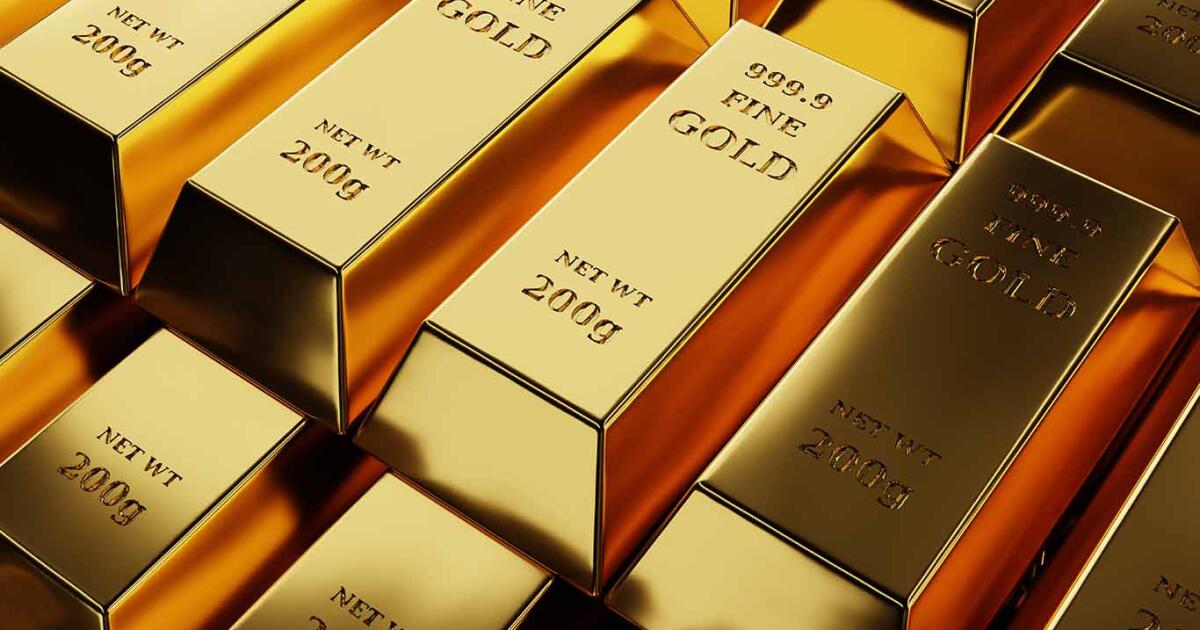
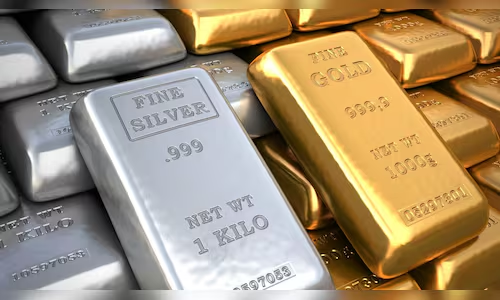
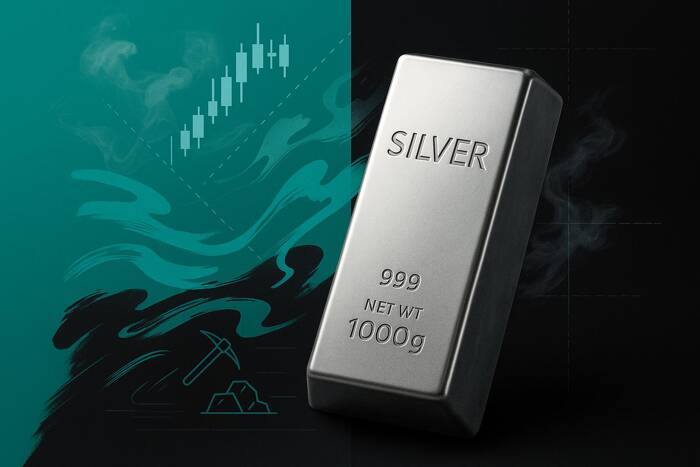
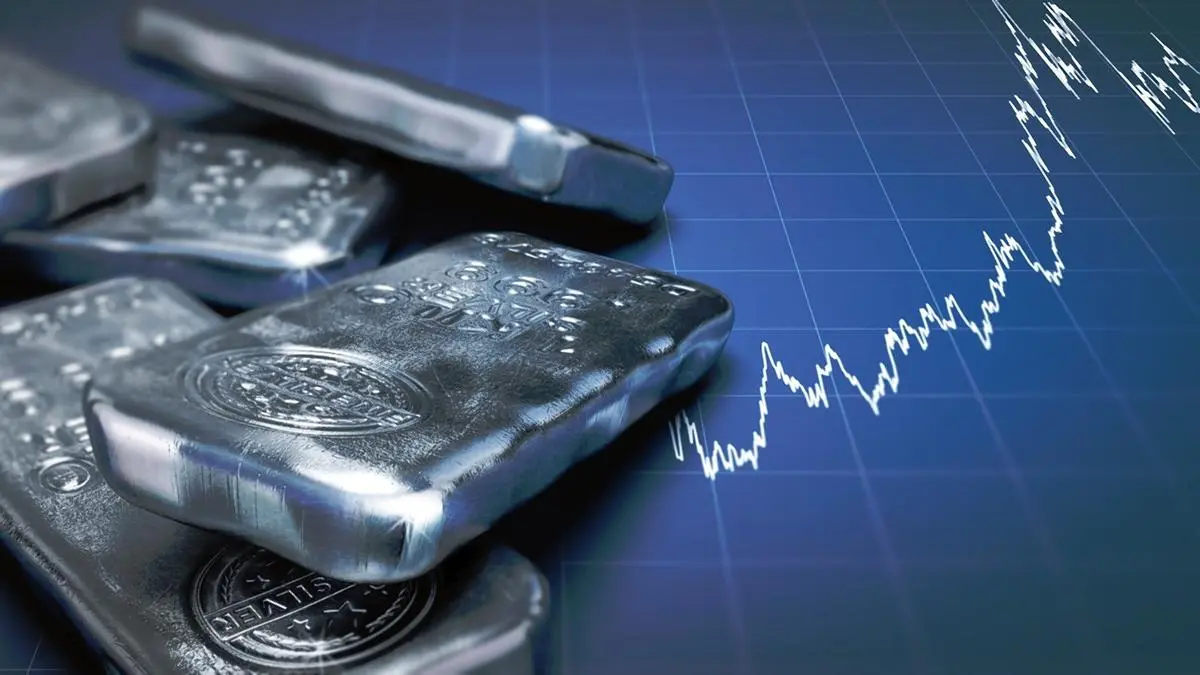
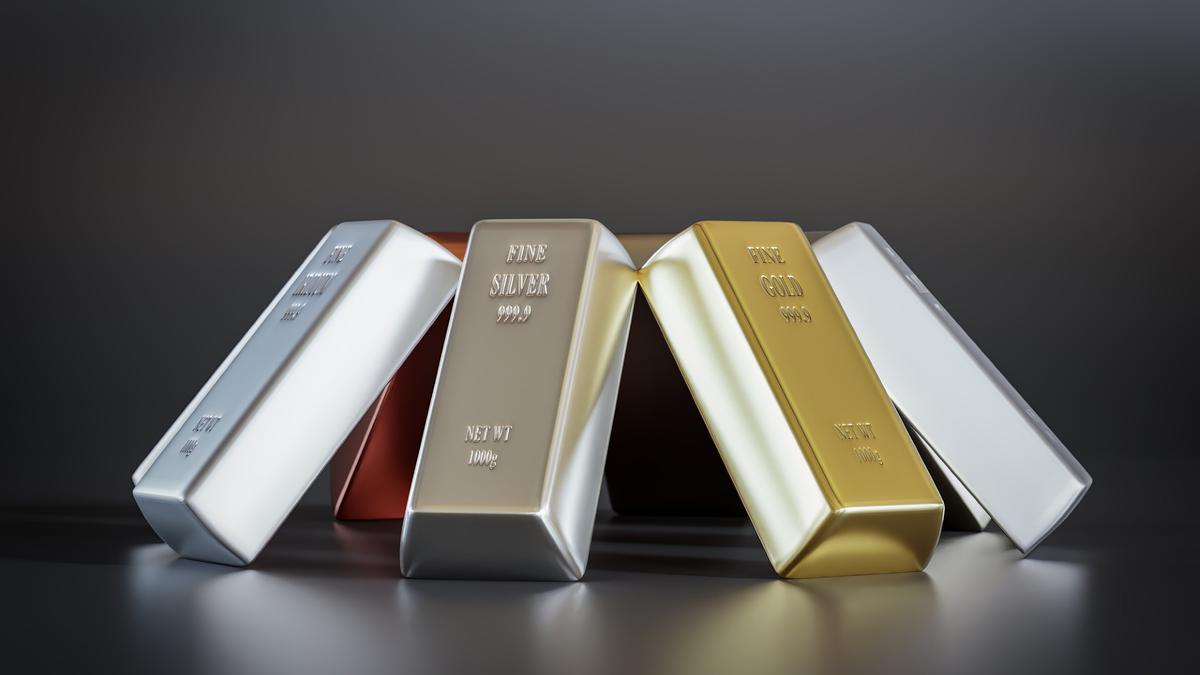
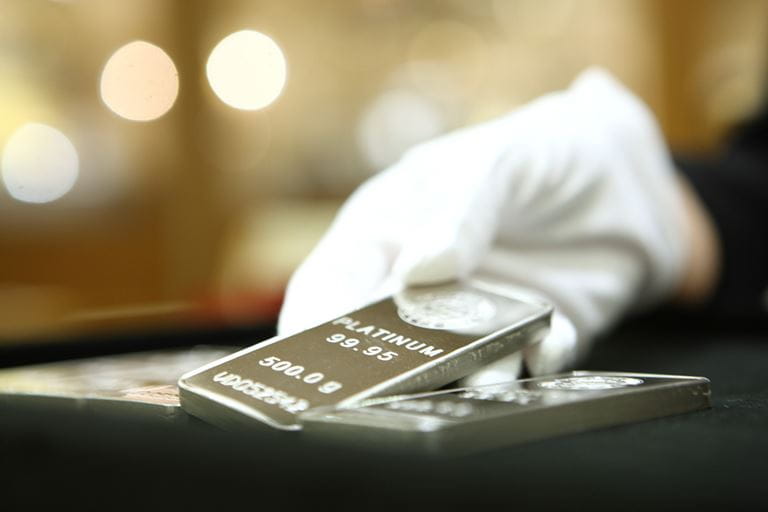
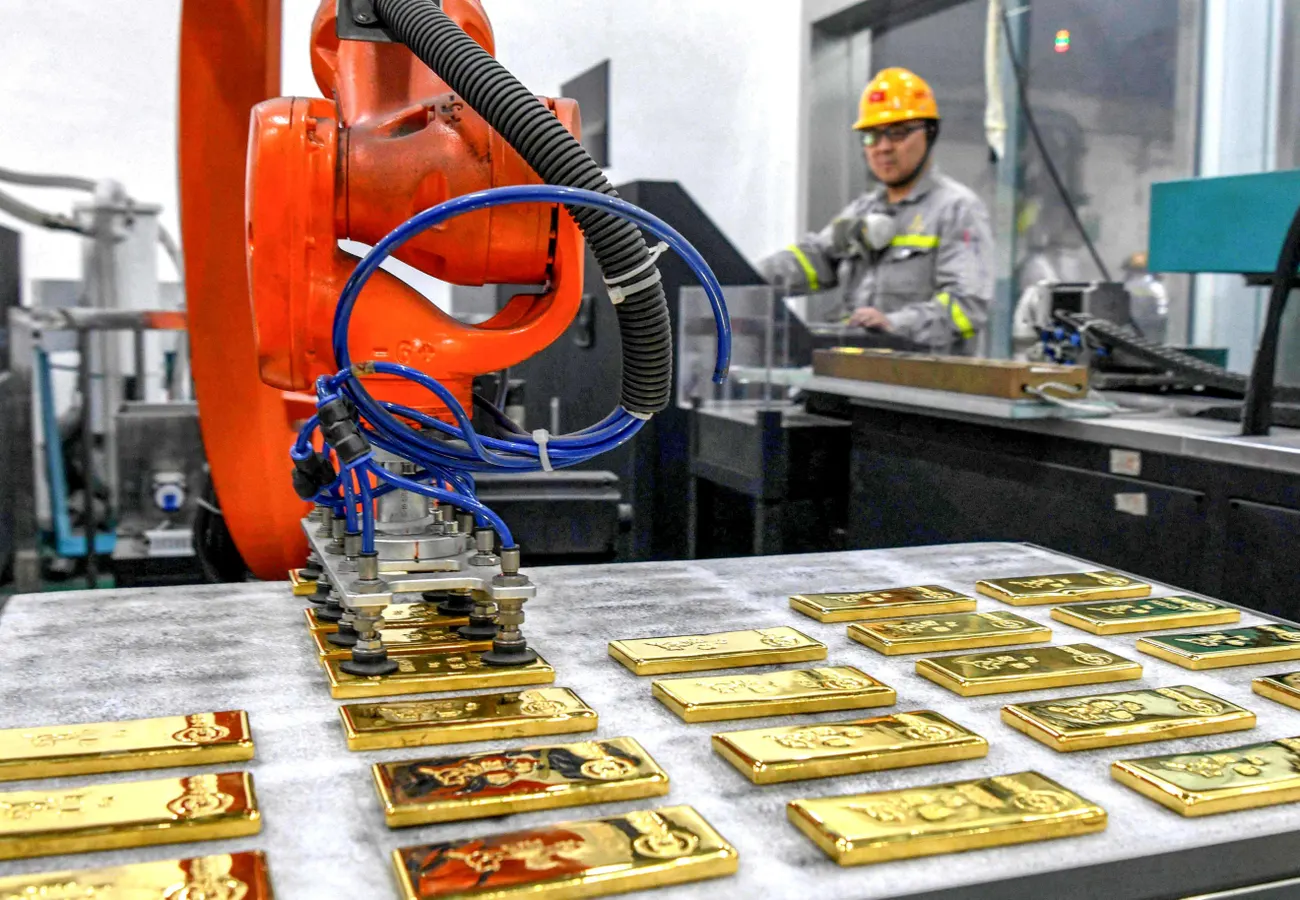
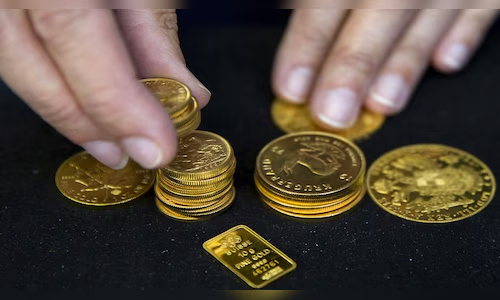
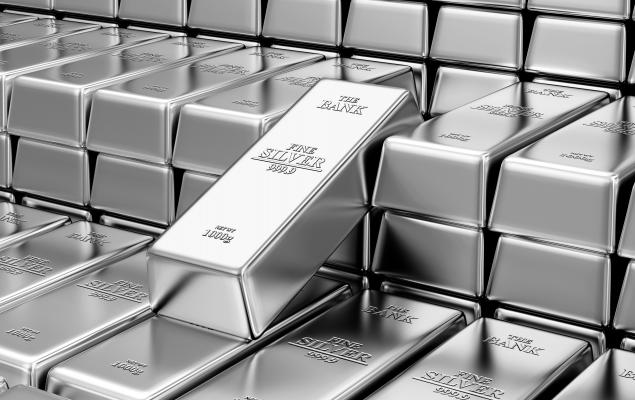
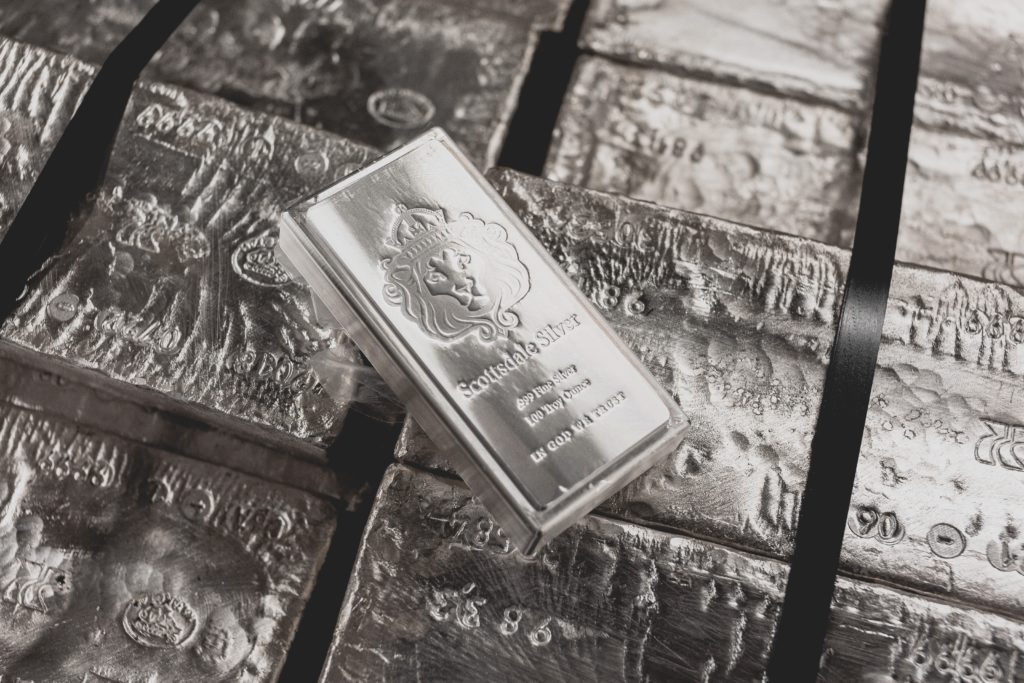
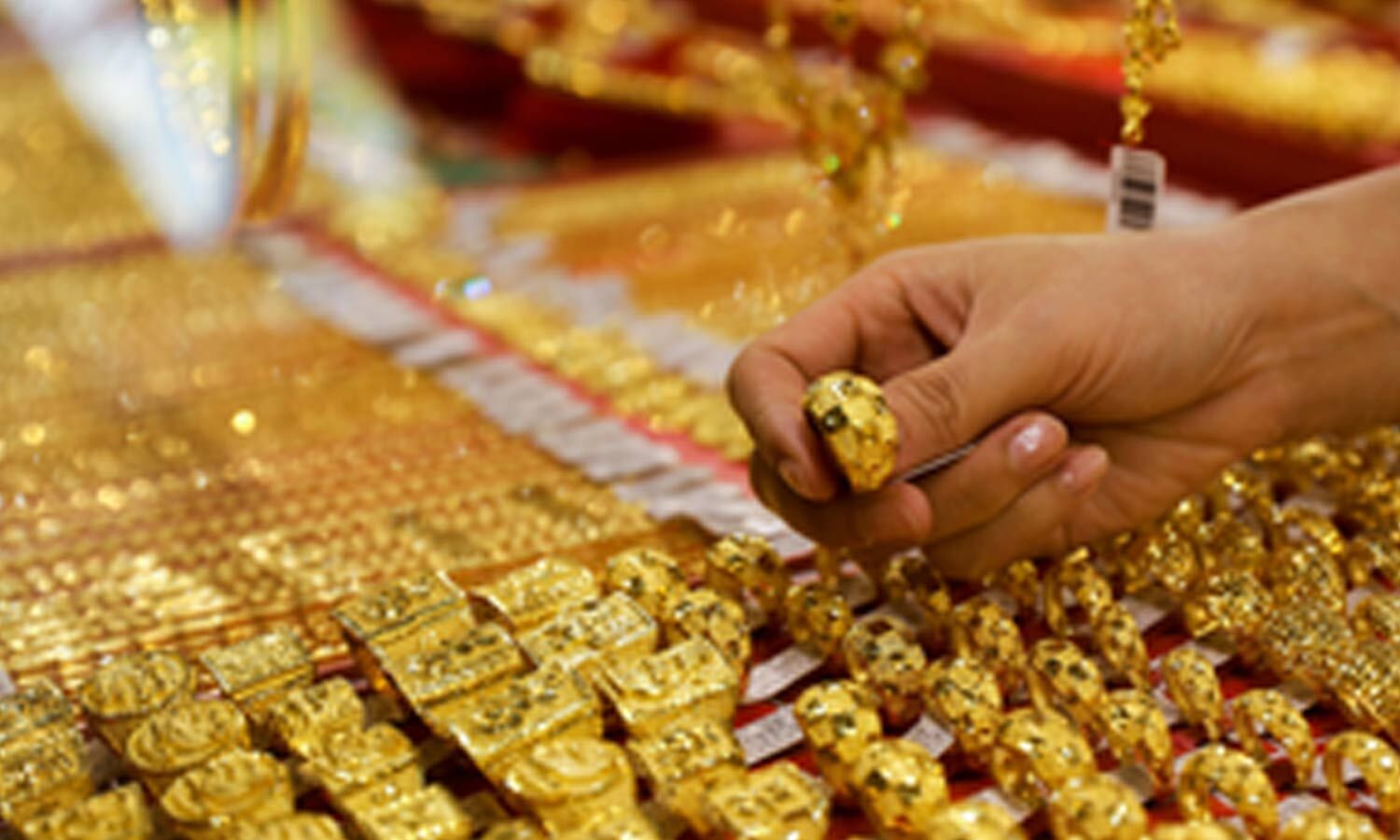
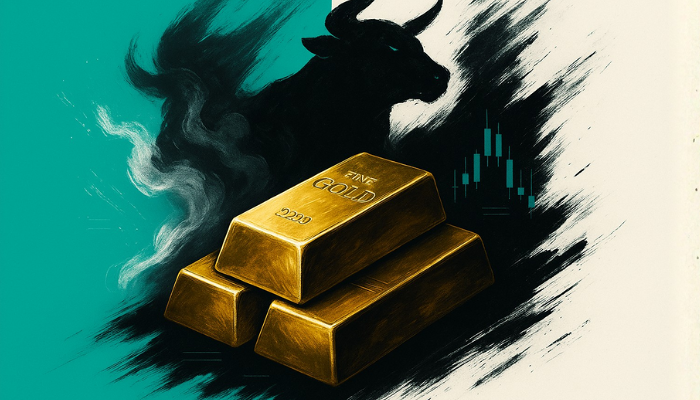
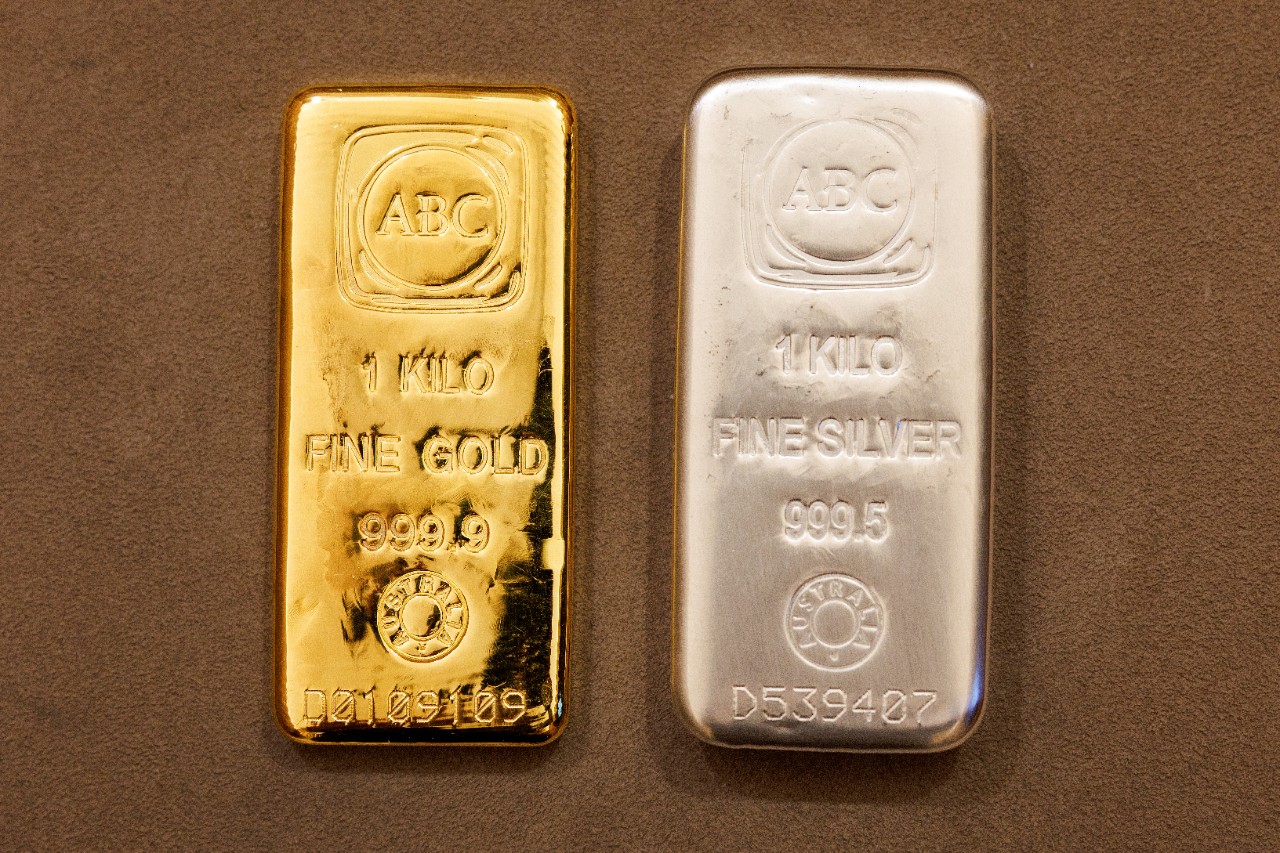
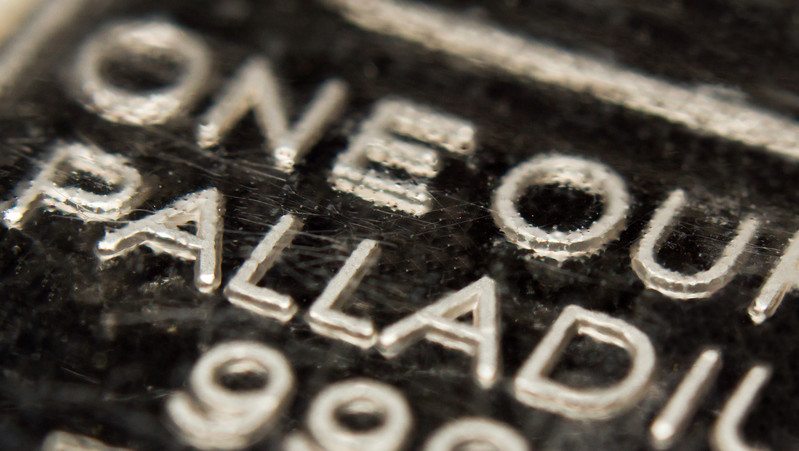
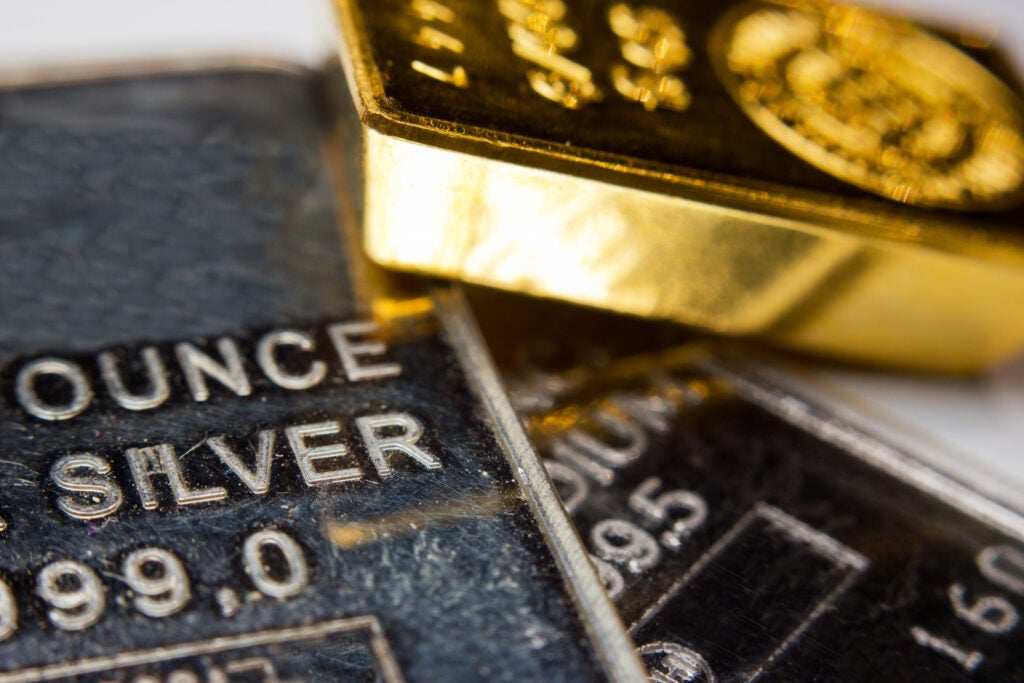
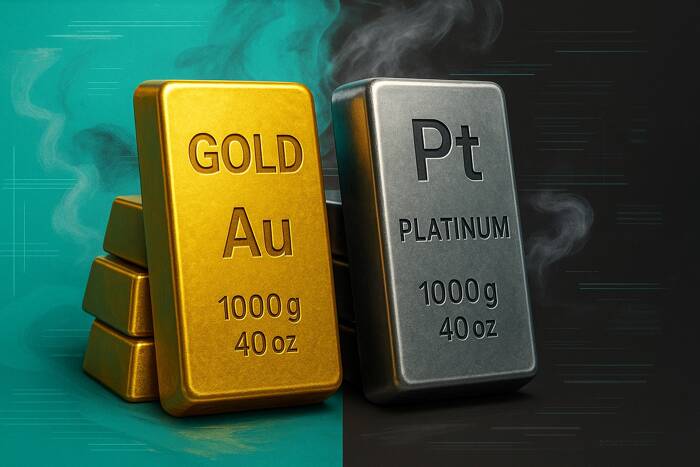
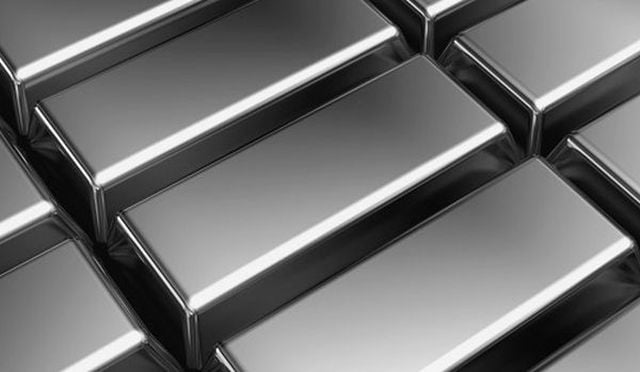
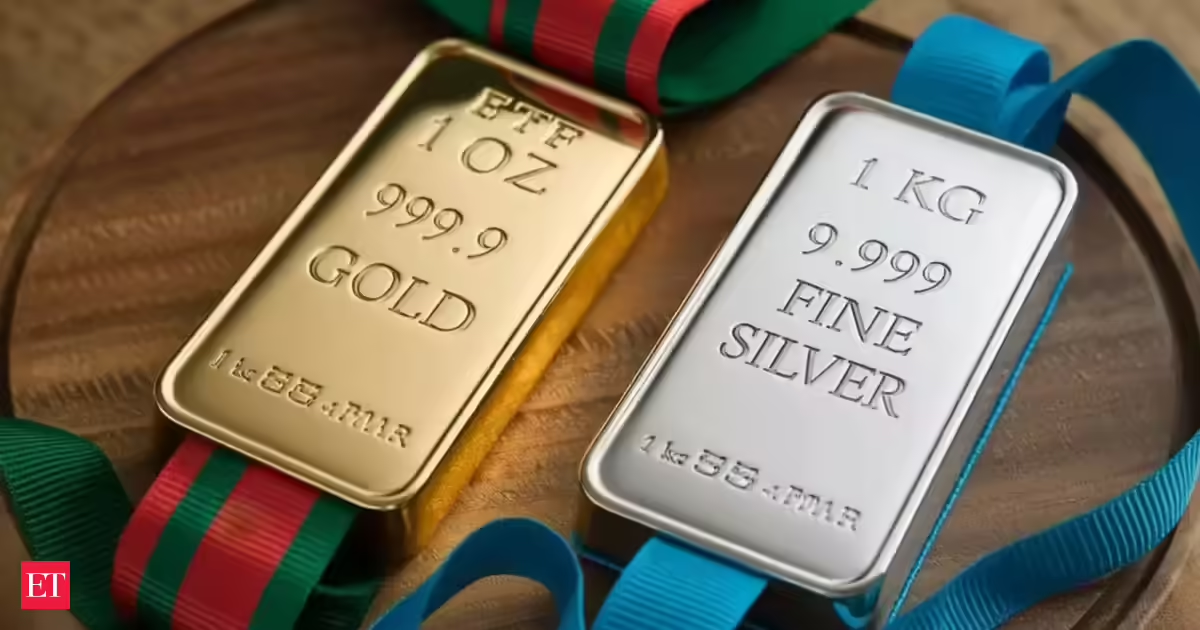
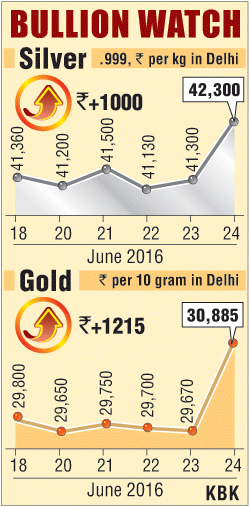
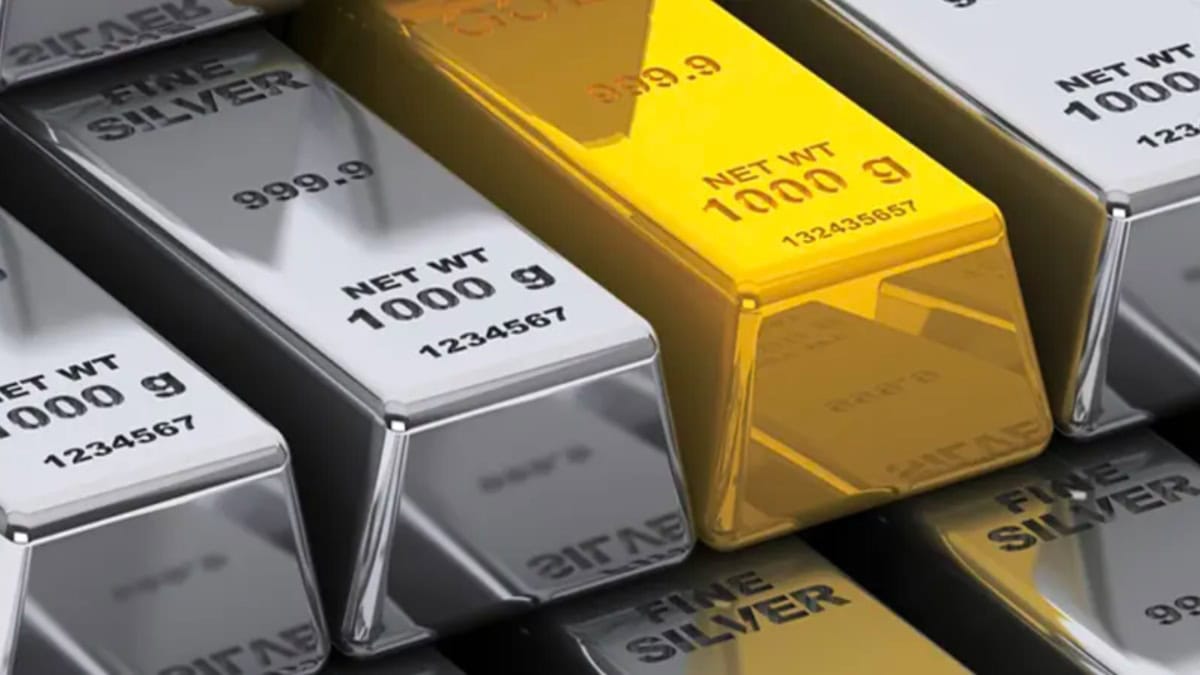
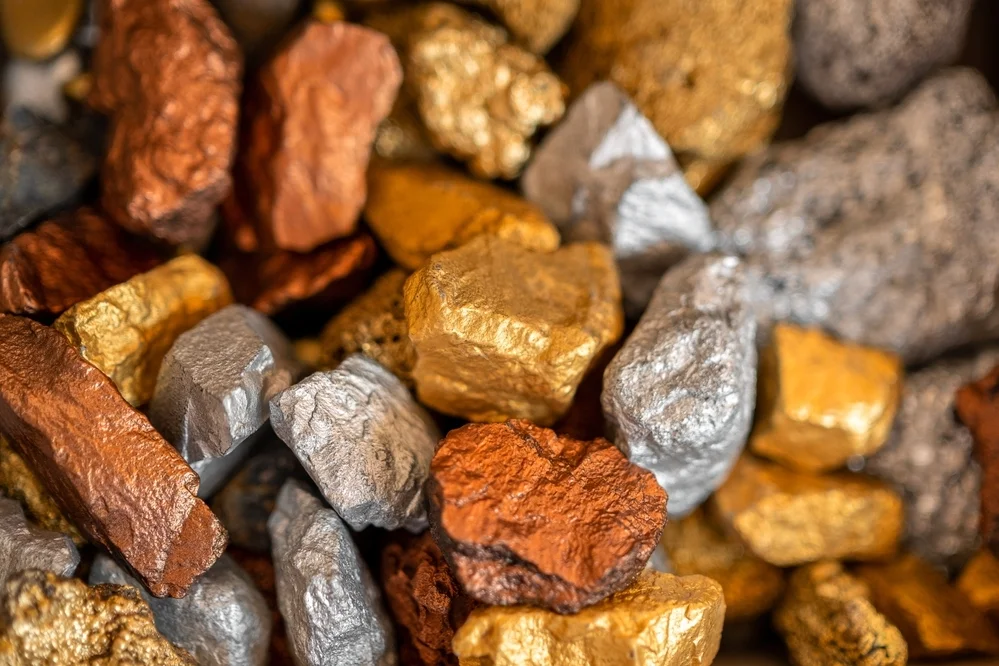
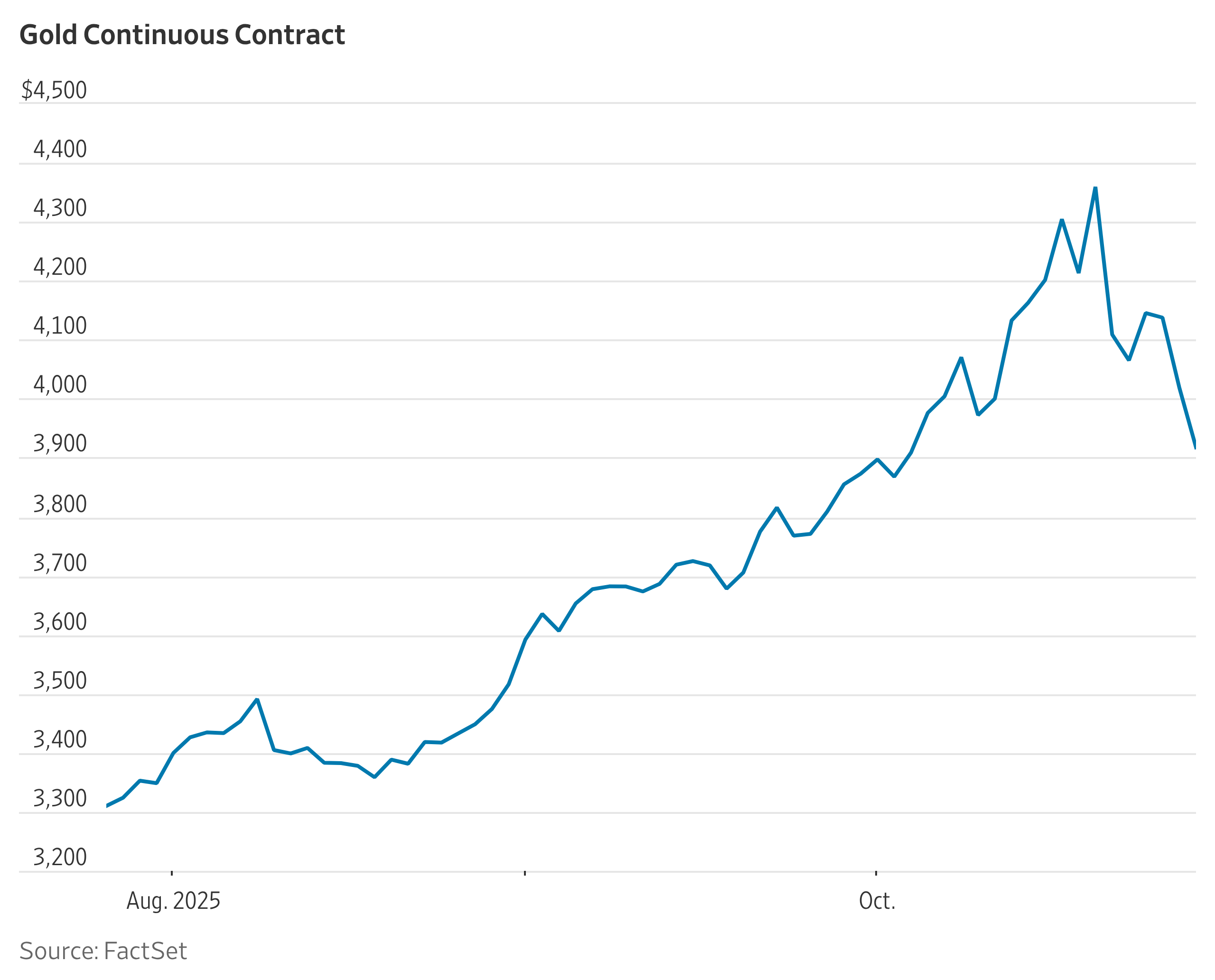
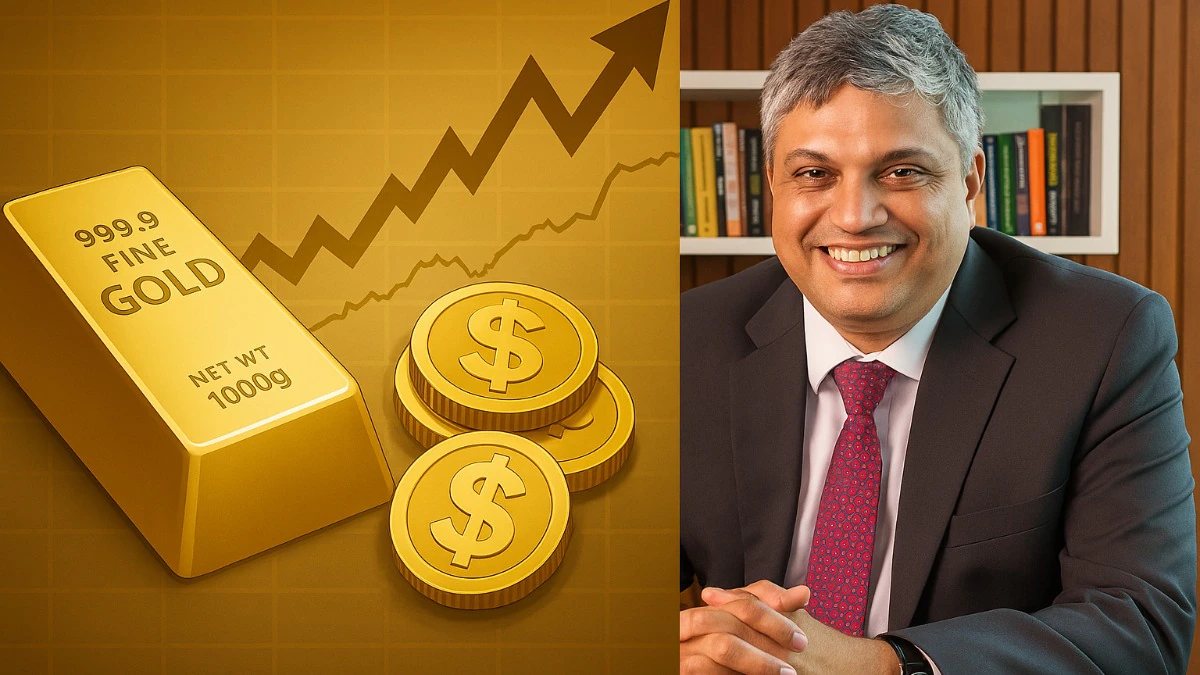
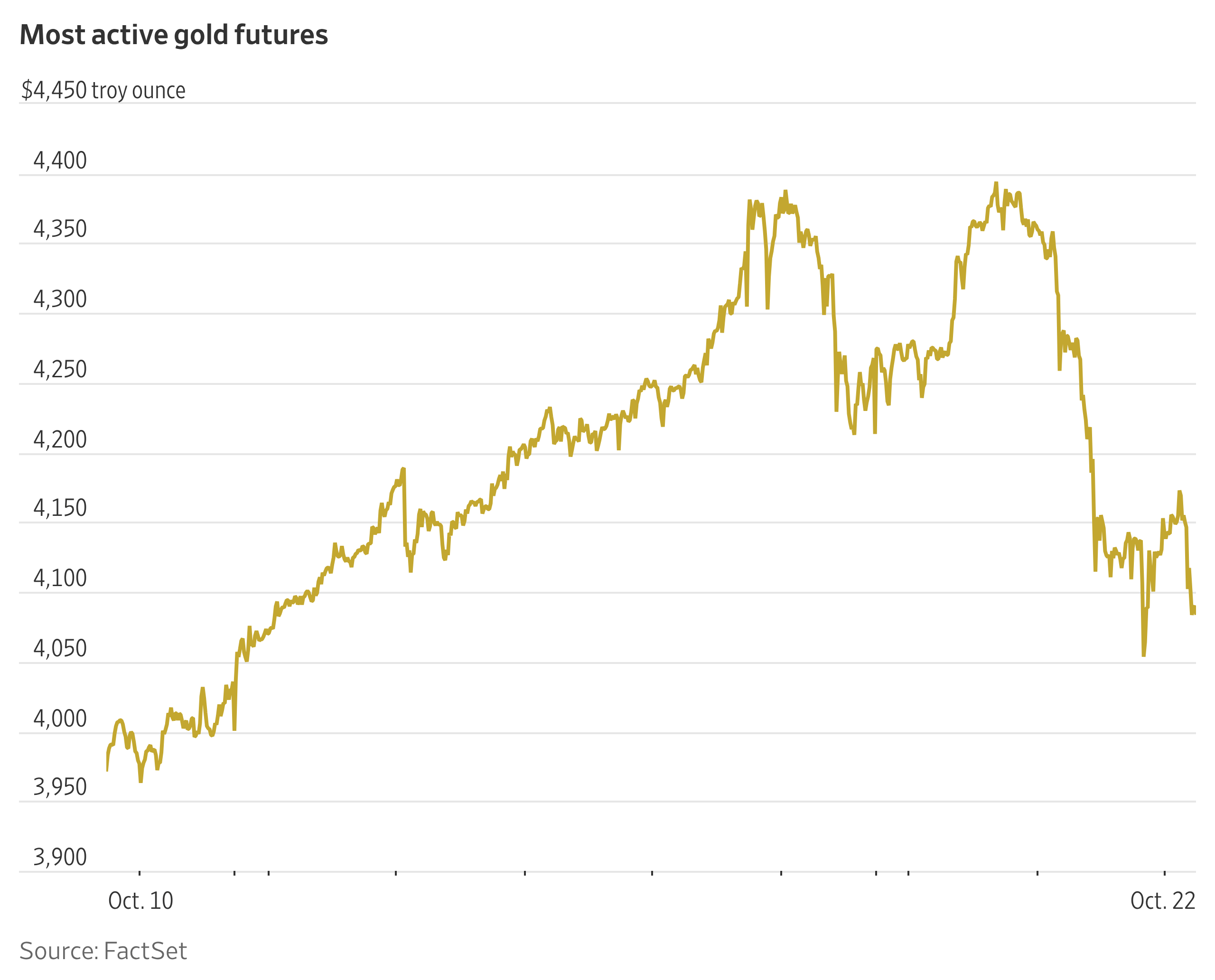
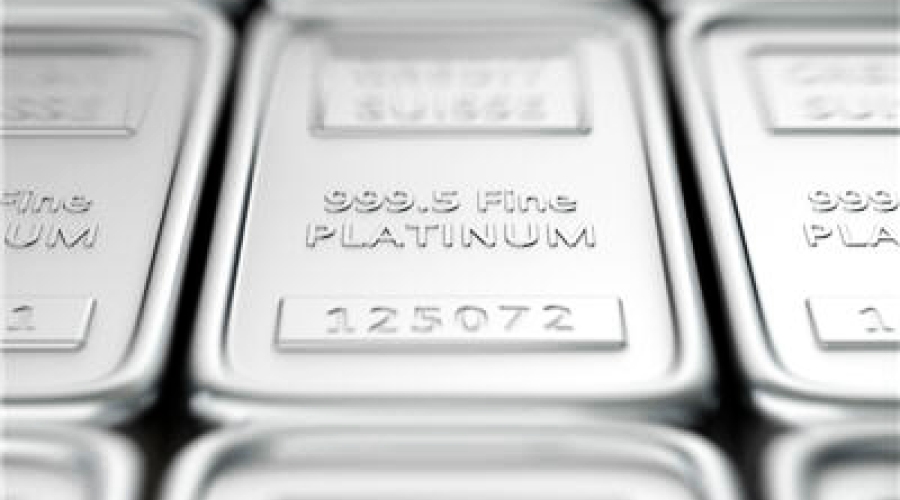
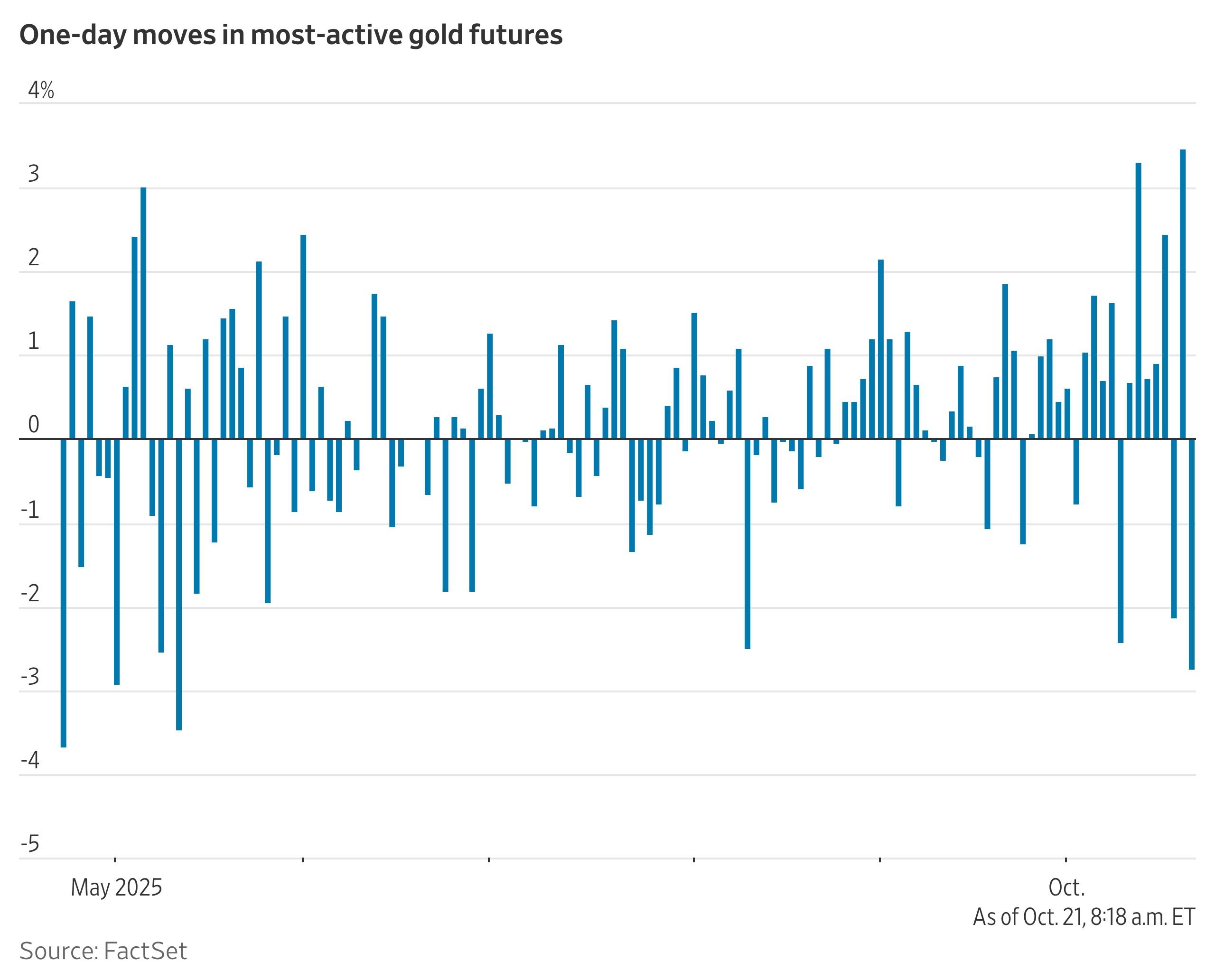
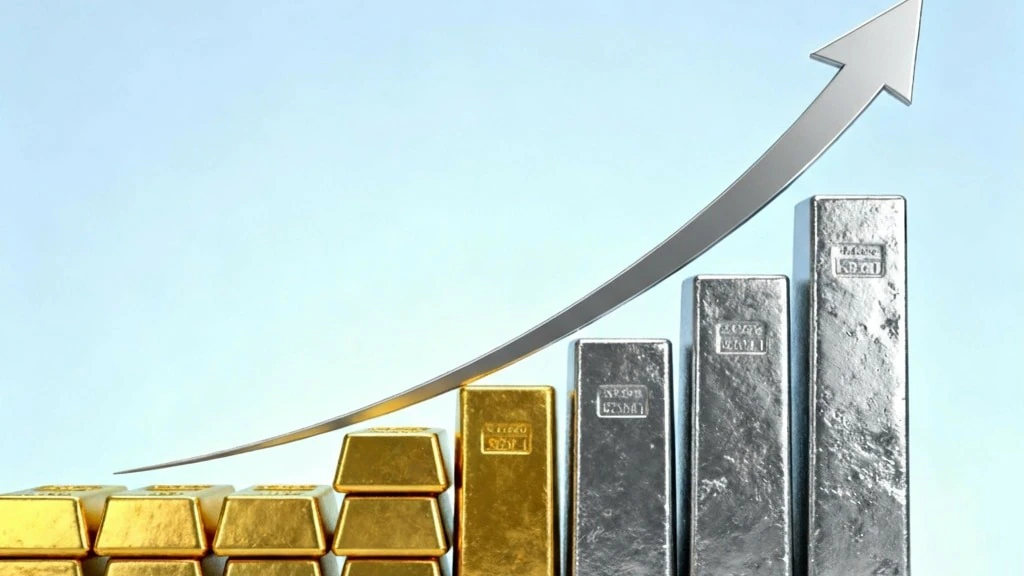
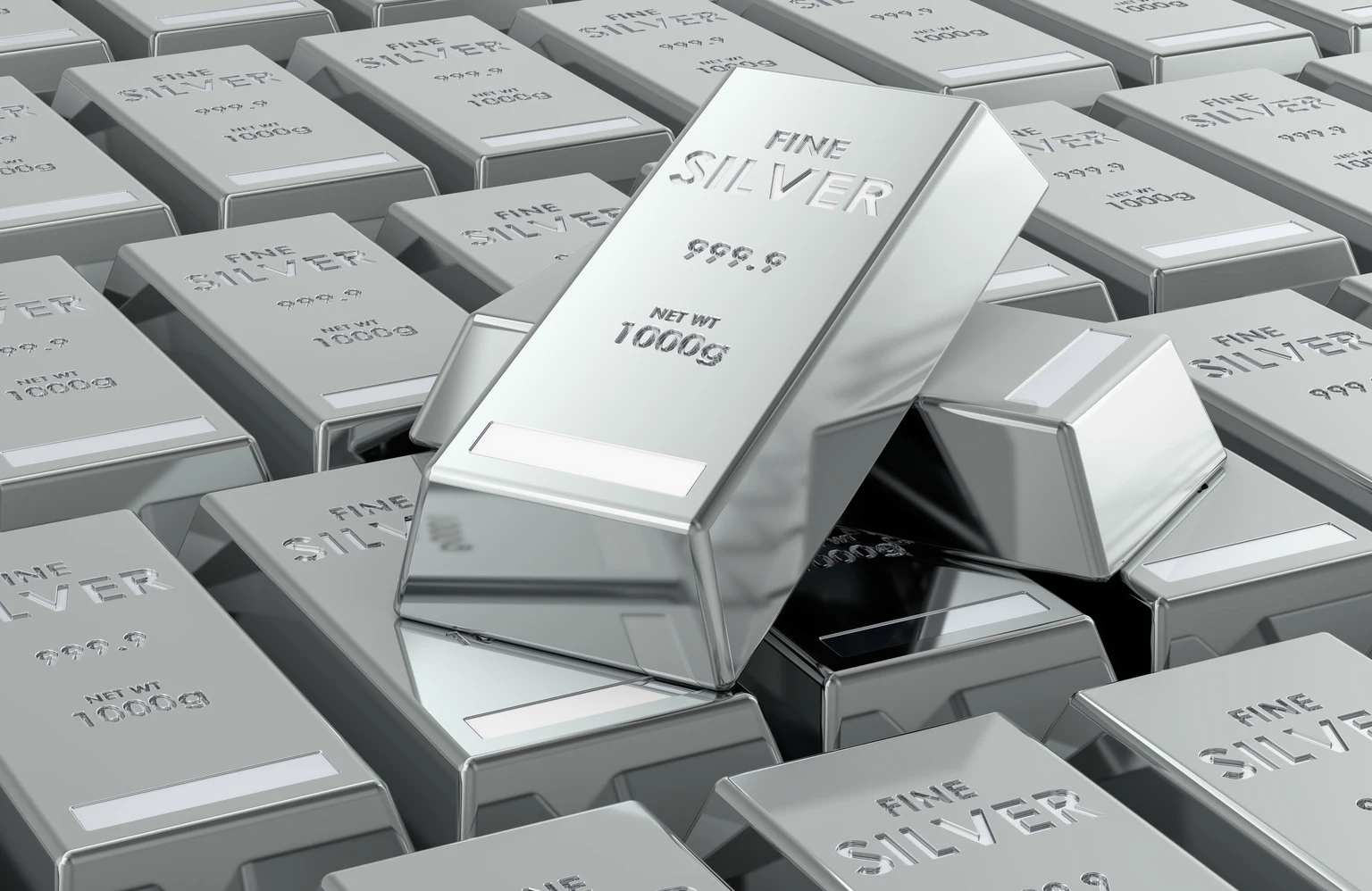
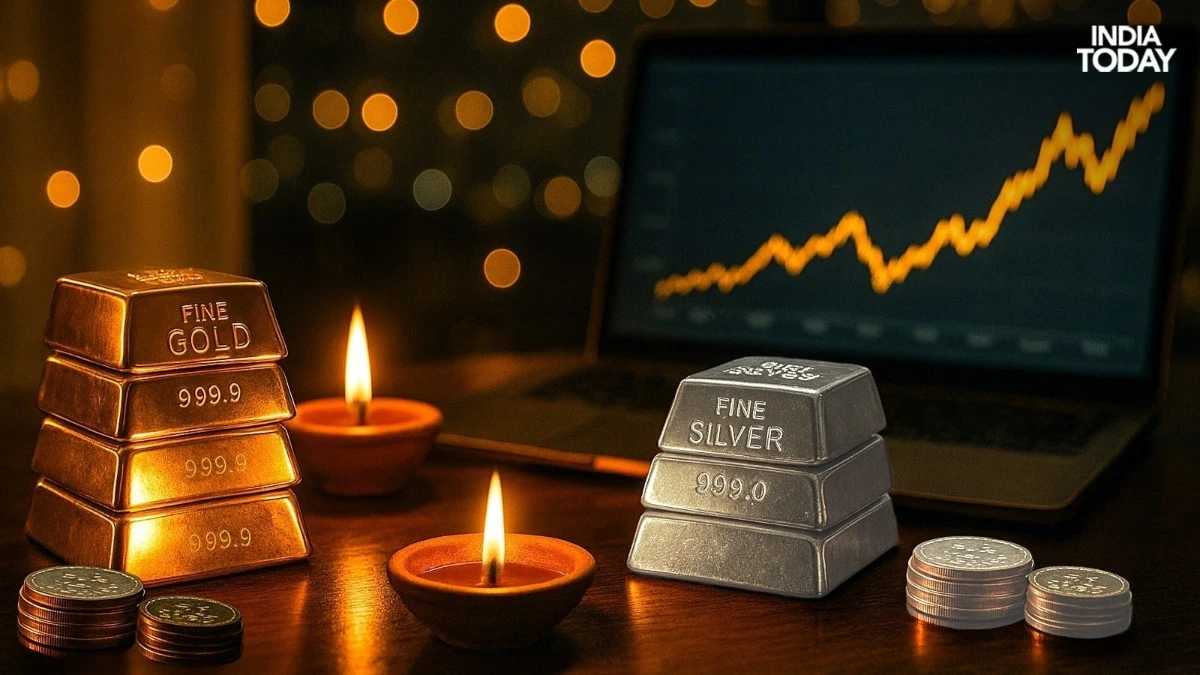
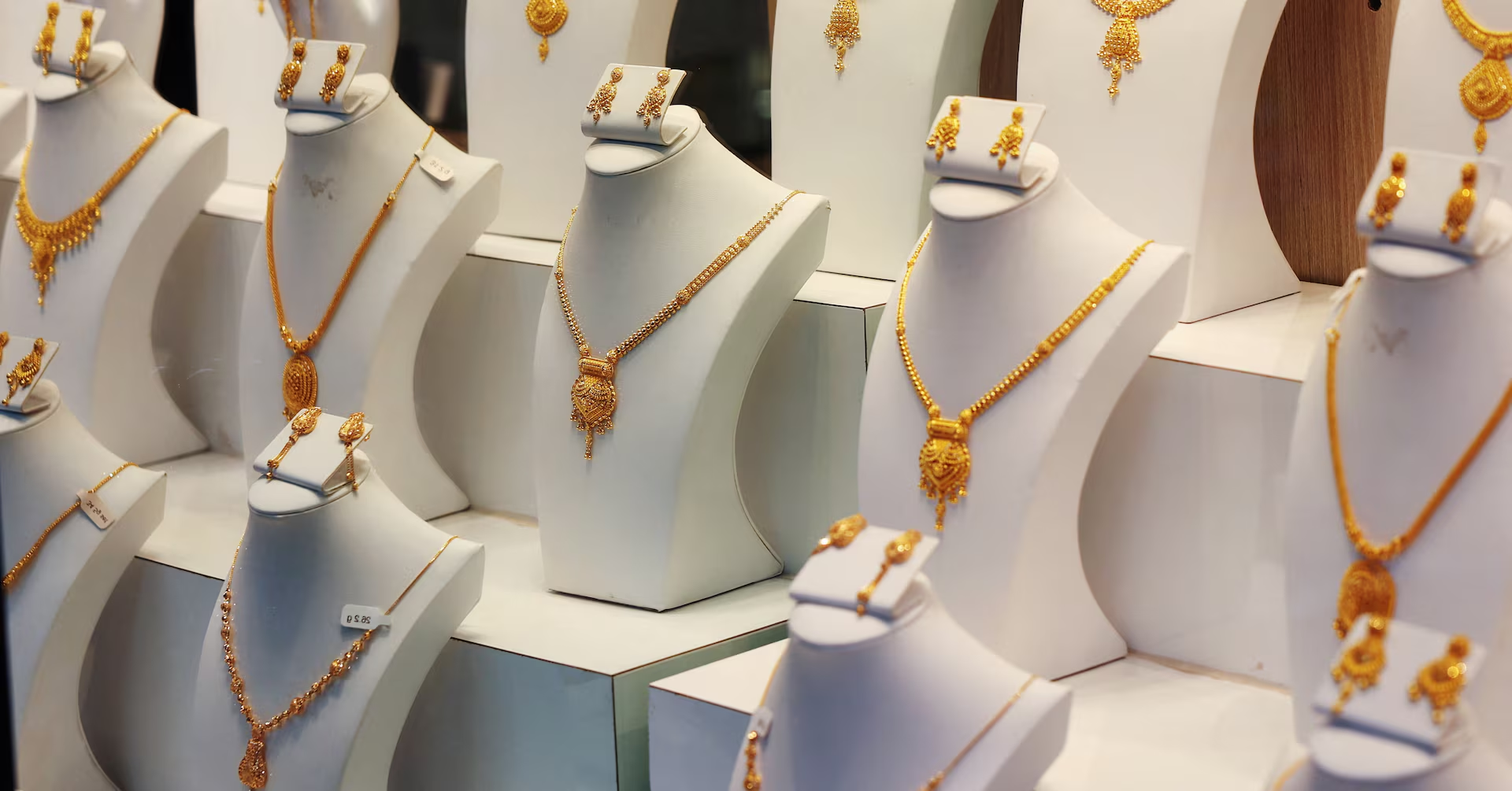
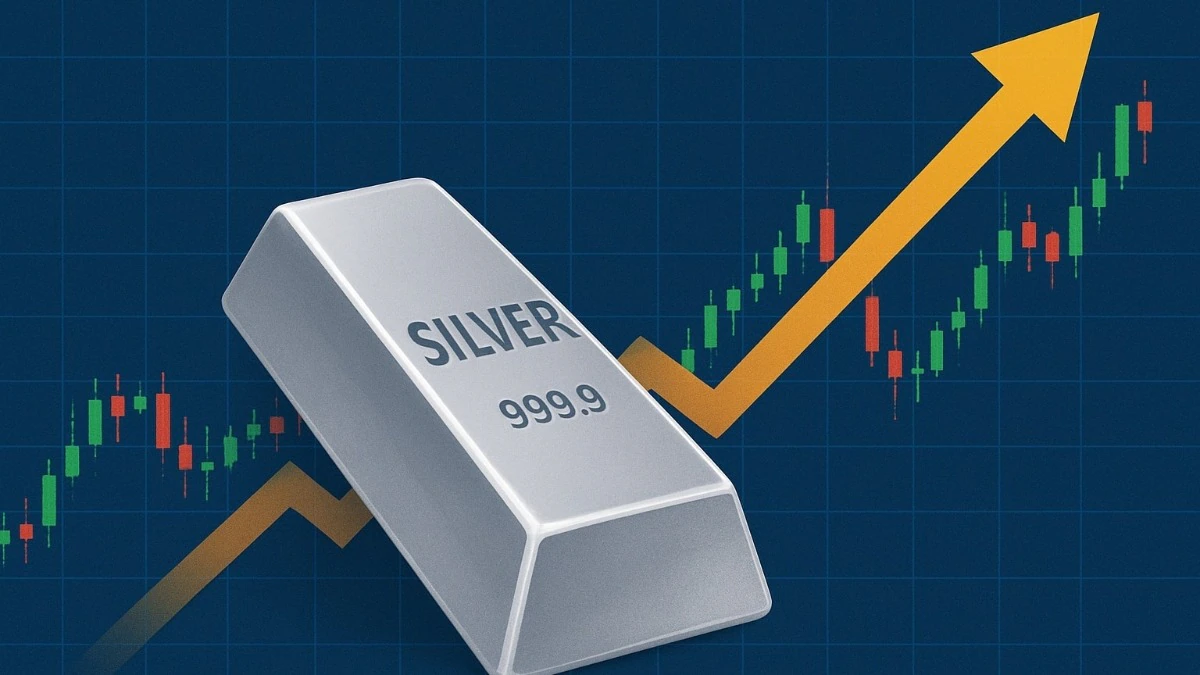
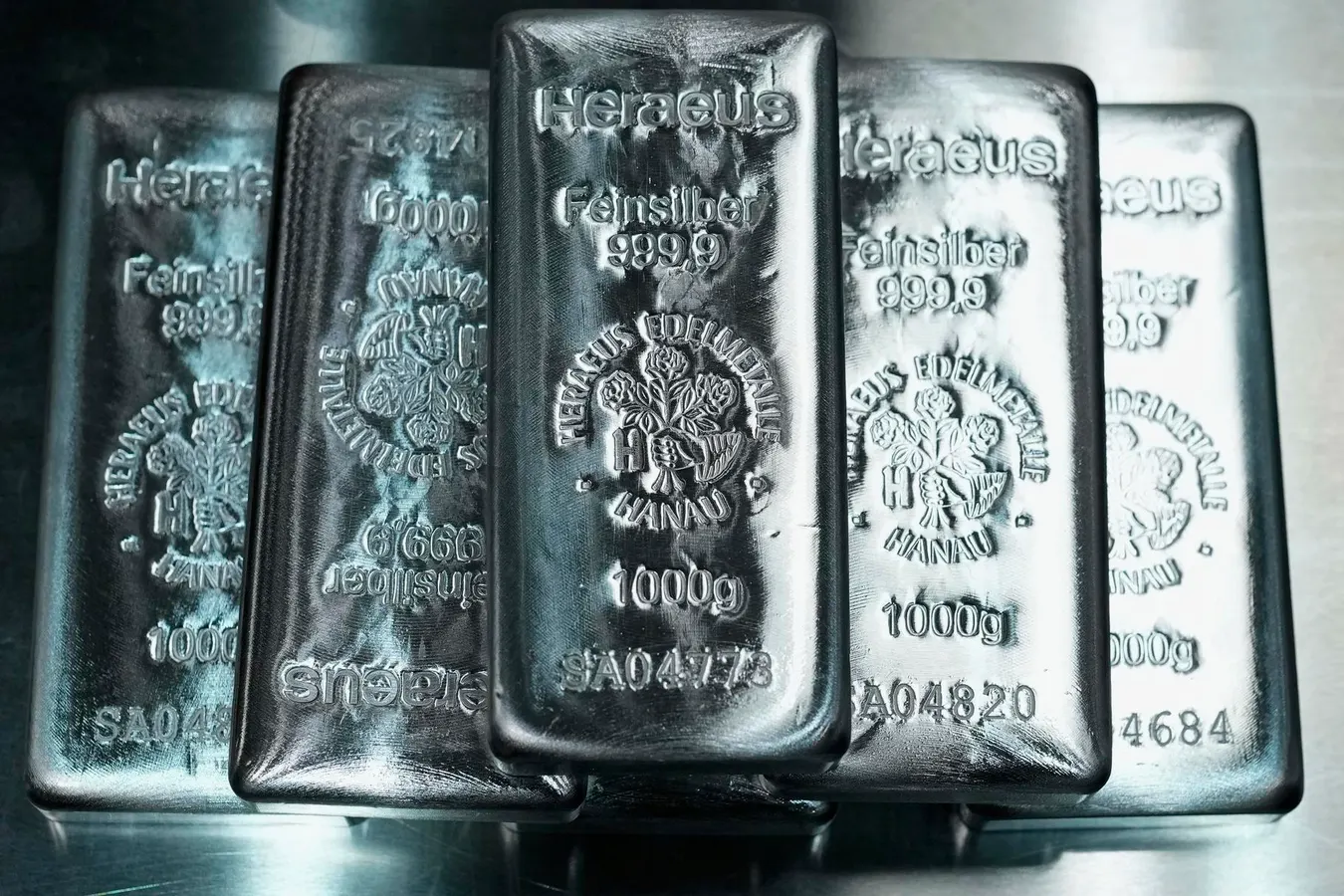
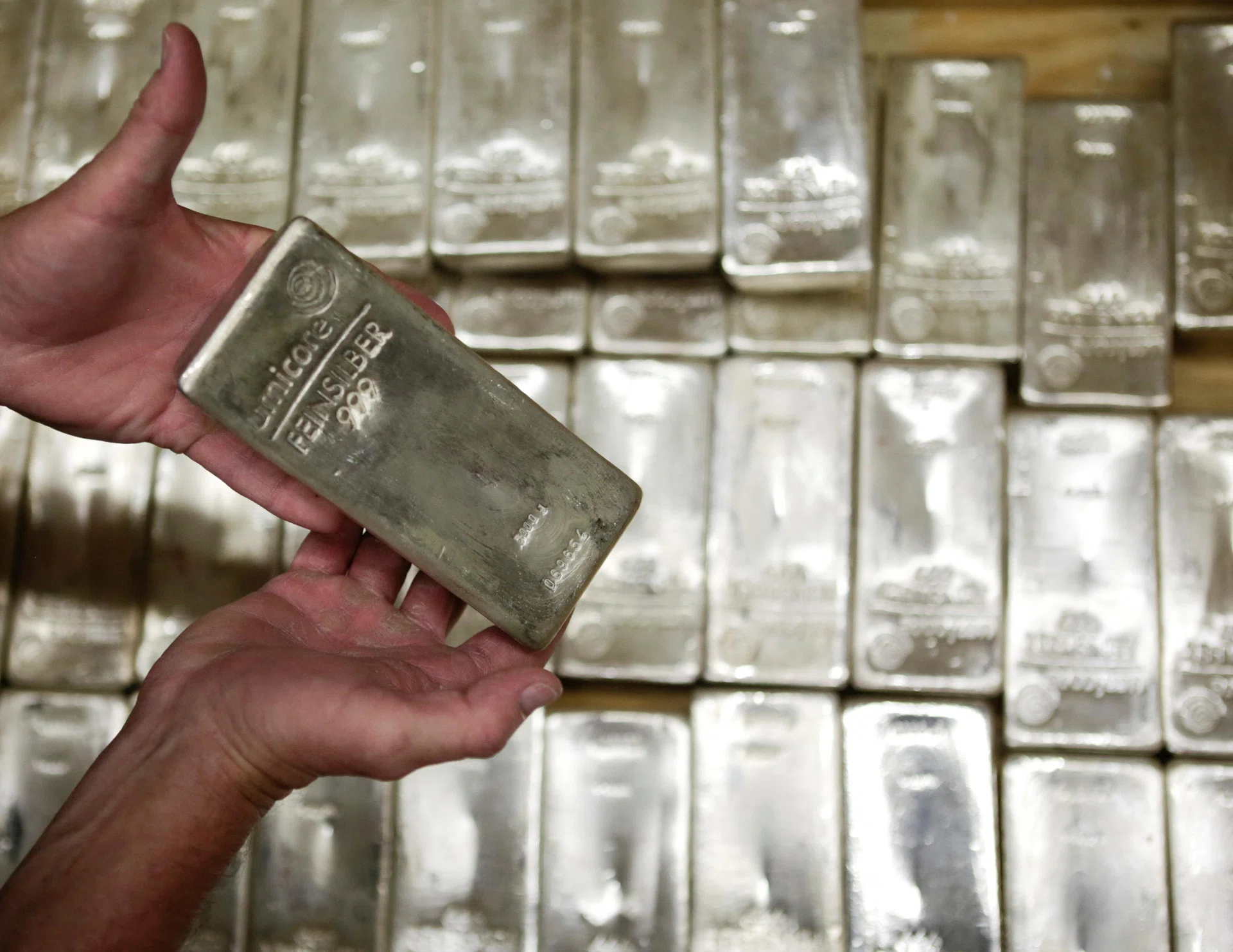
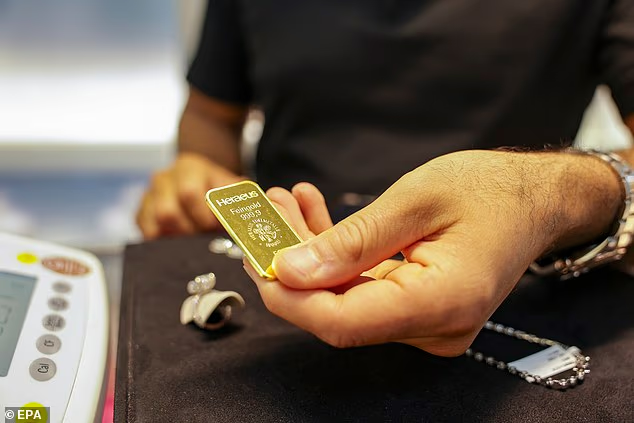
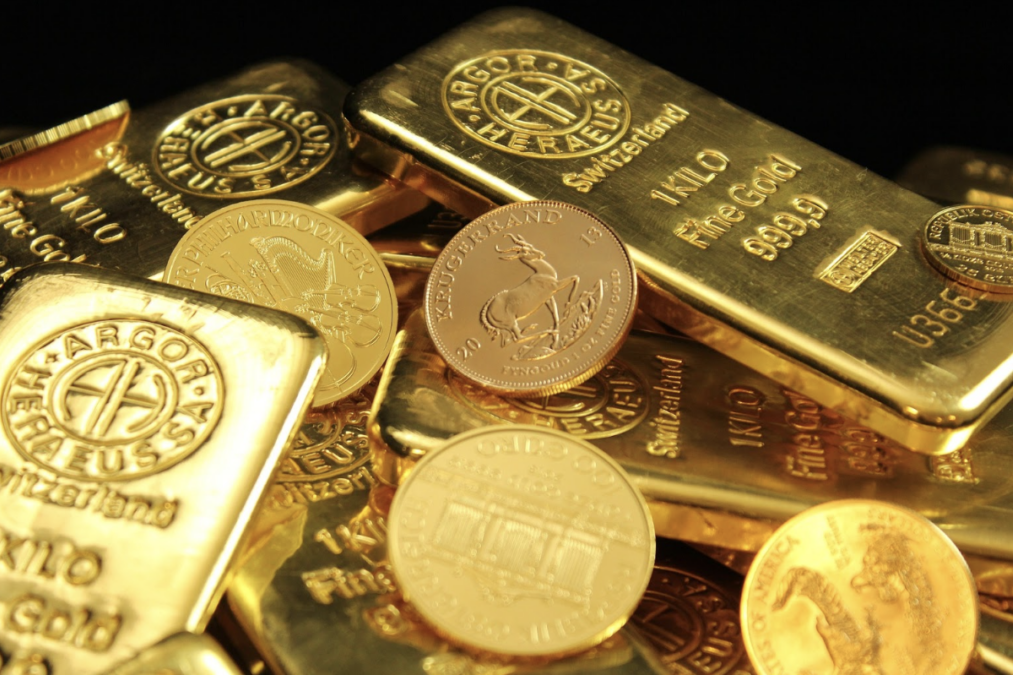
Gold has crossed $4,500 per ounce in 2026, driven by inflation, central bank buying, and sustained global demand. Platinum, while also rising, continues to trade at a noticeable discount. Silver, often positioned as the entry point into fine jewelry, has also climbed sharply, recently moving above $30 per ounce after years of relative stability.
This is not a single-metal story. It is a broader reset in how value is assigned across materials.
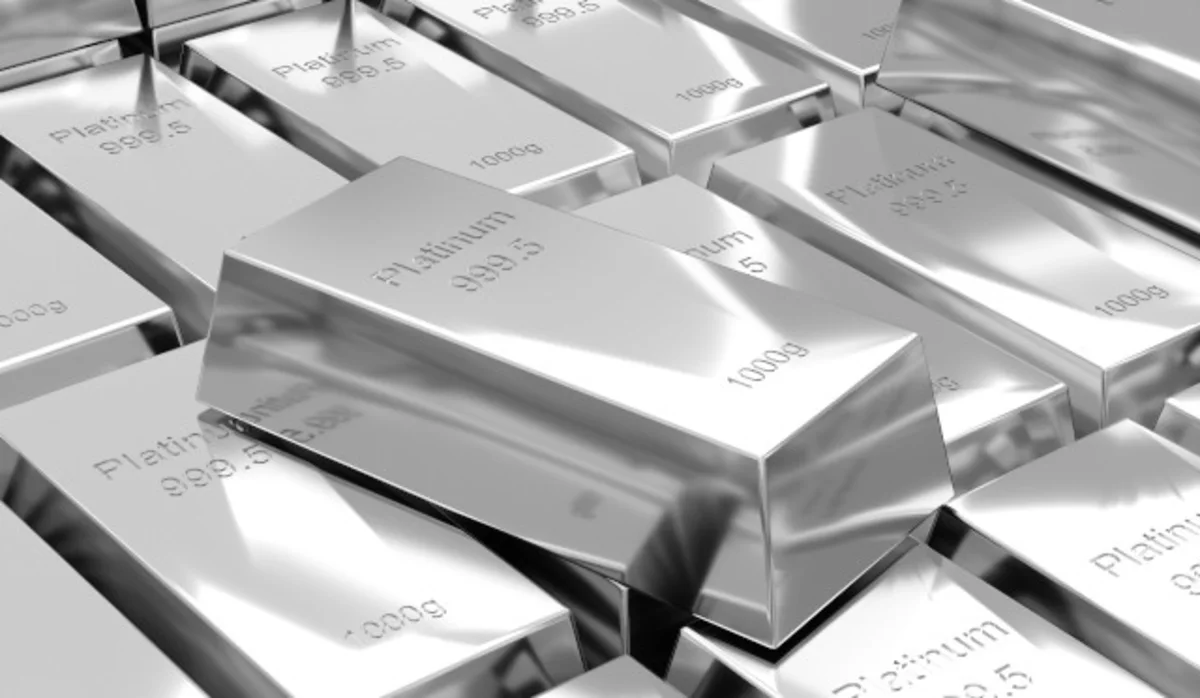
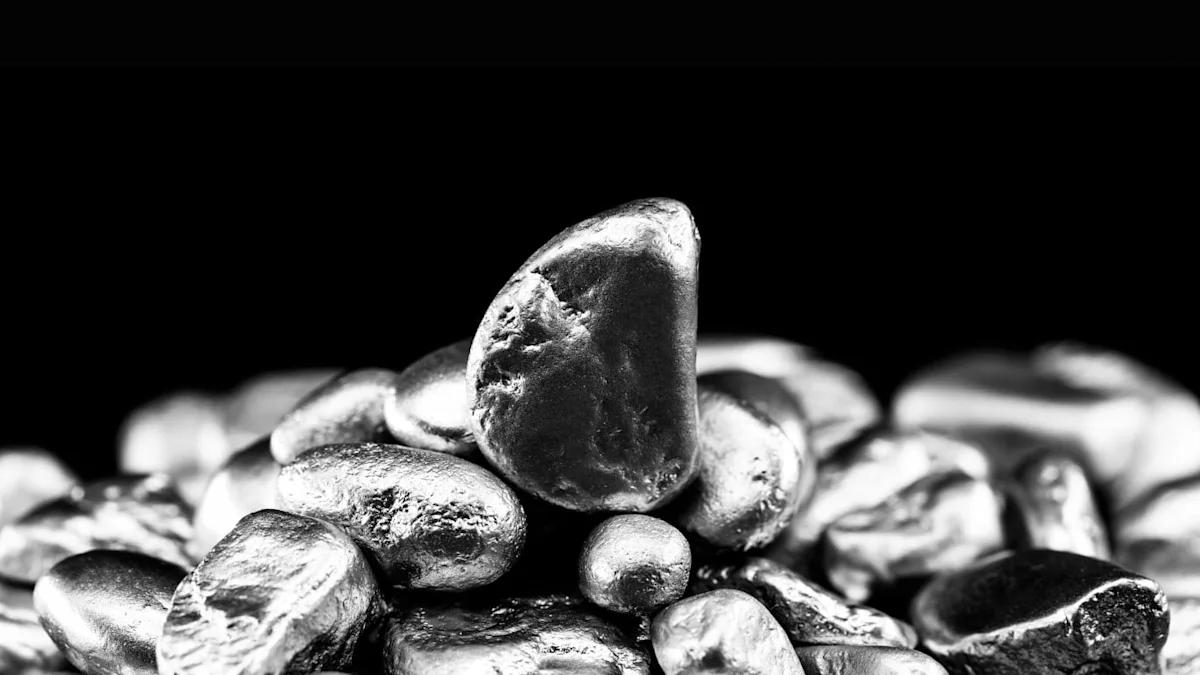
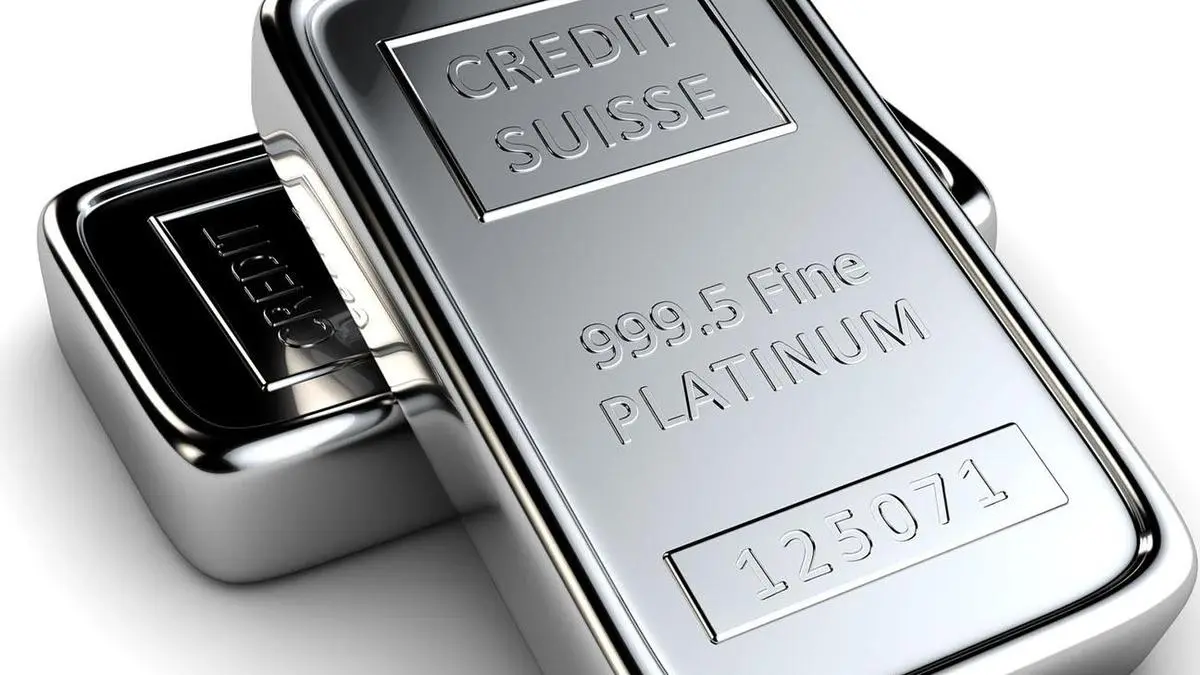
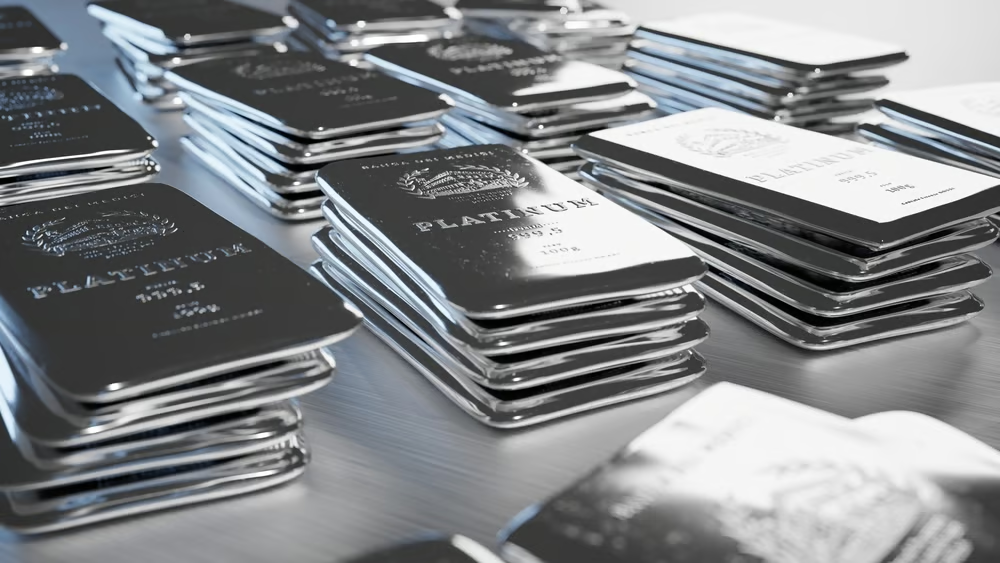
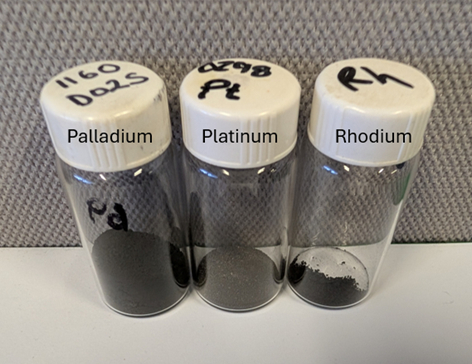
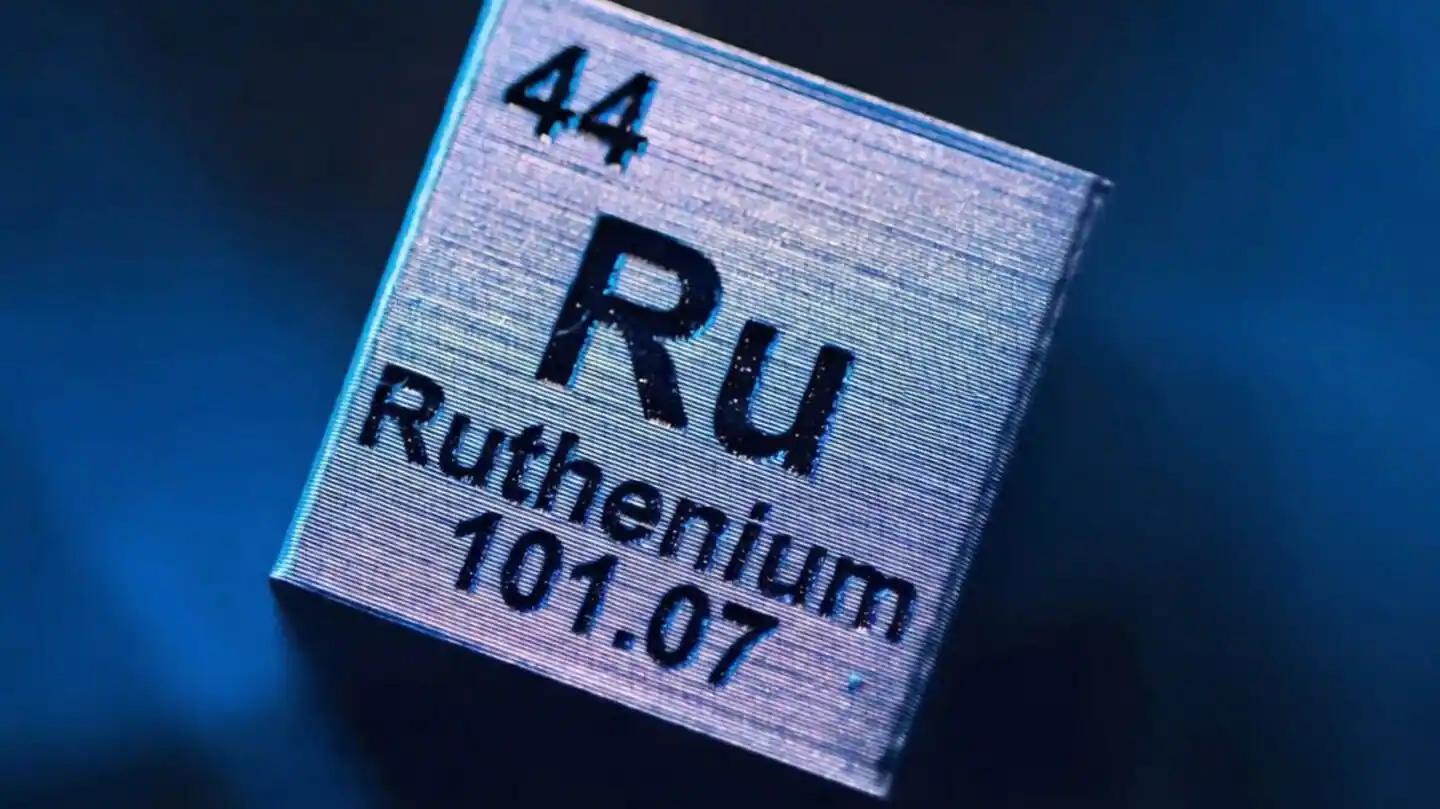
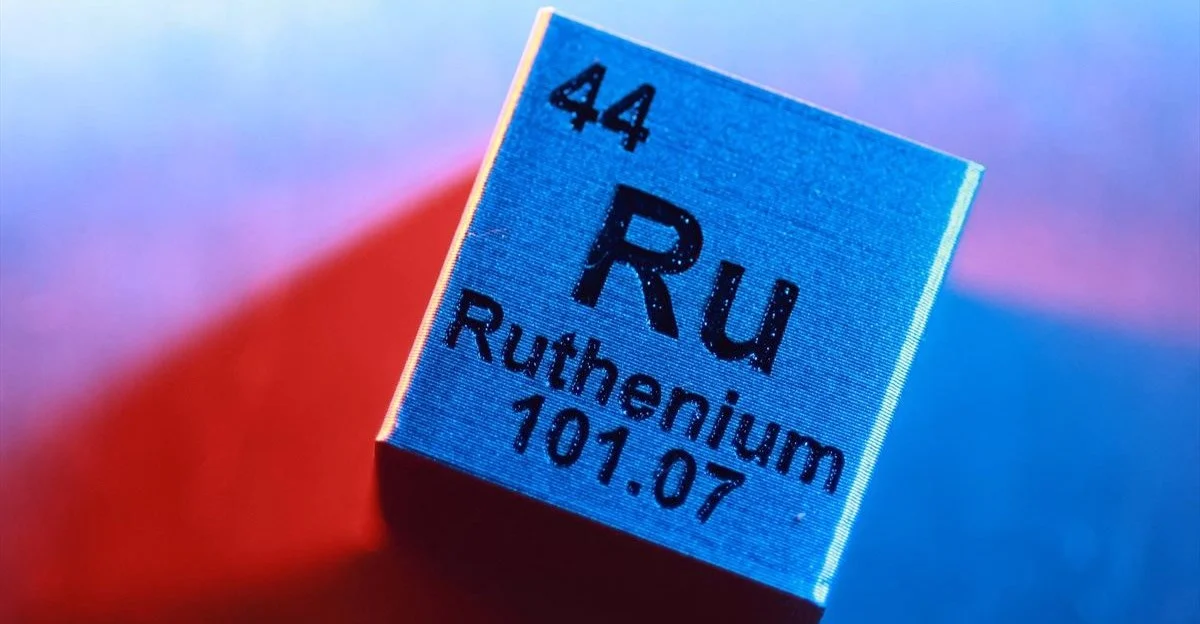
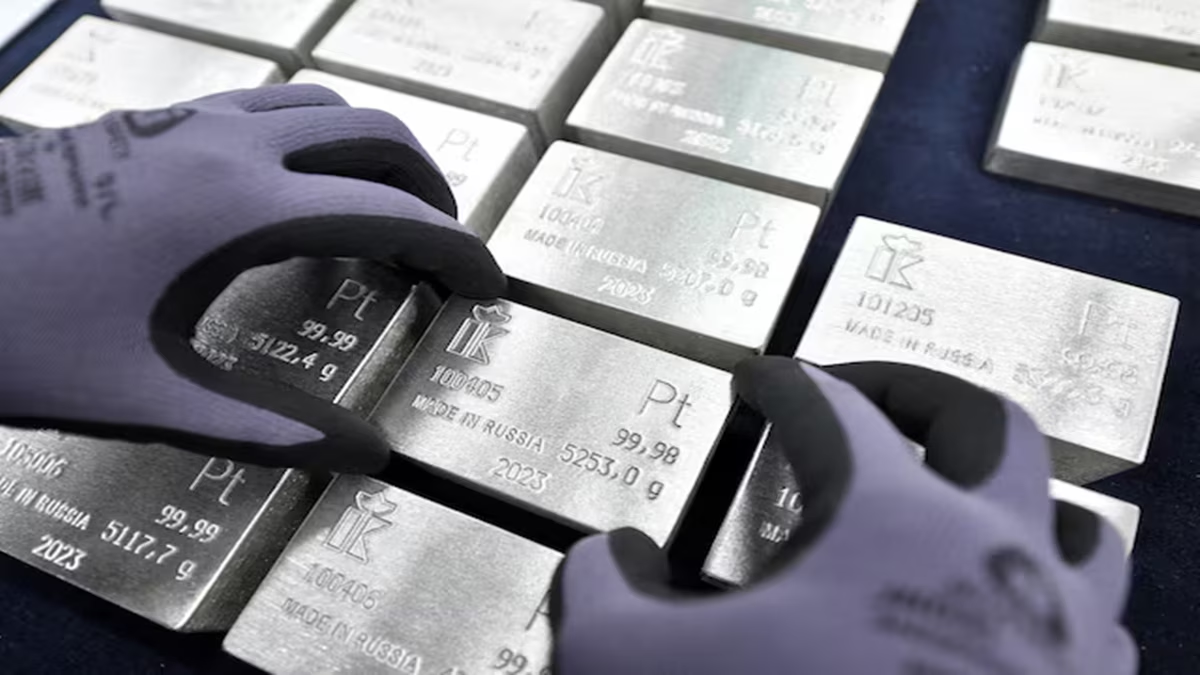
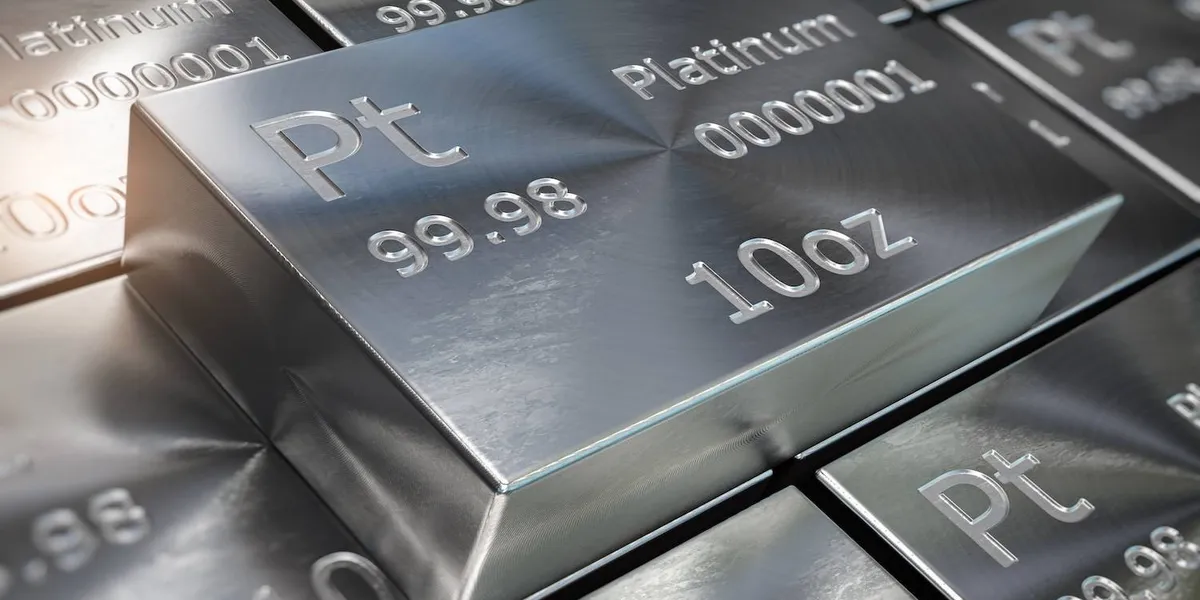
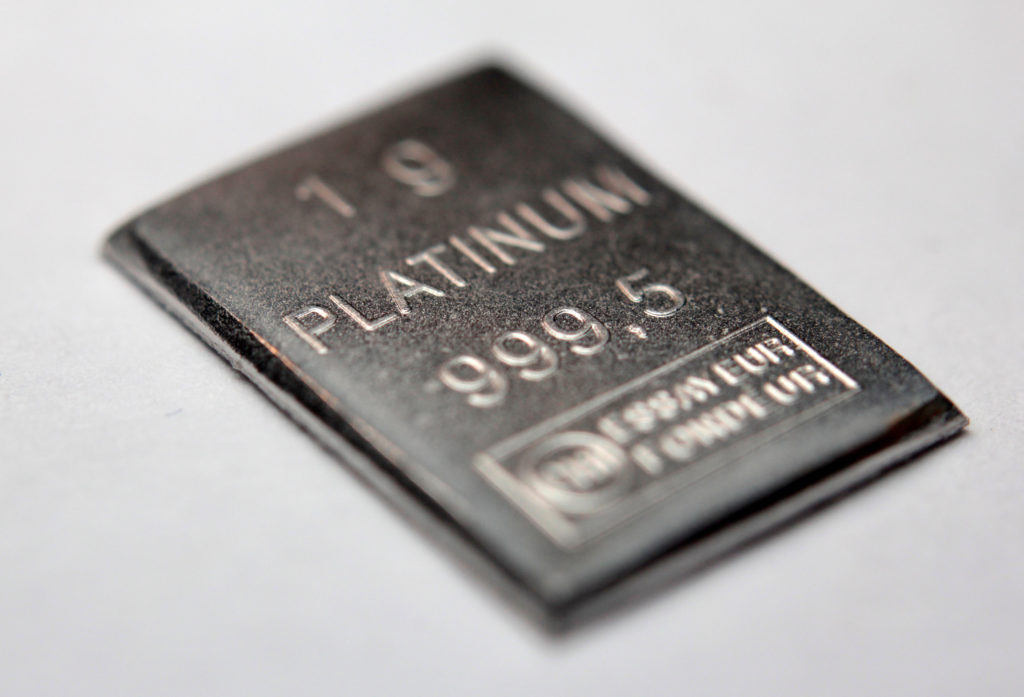
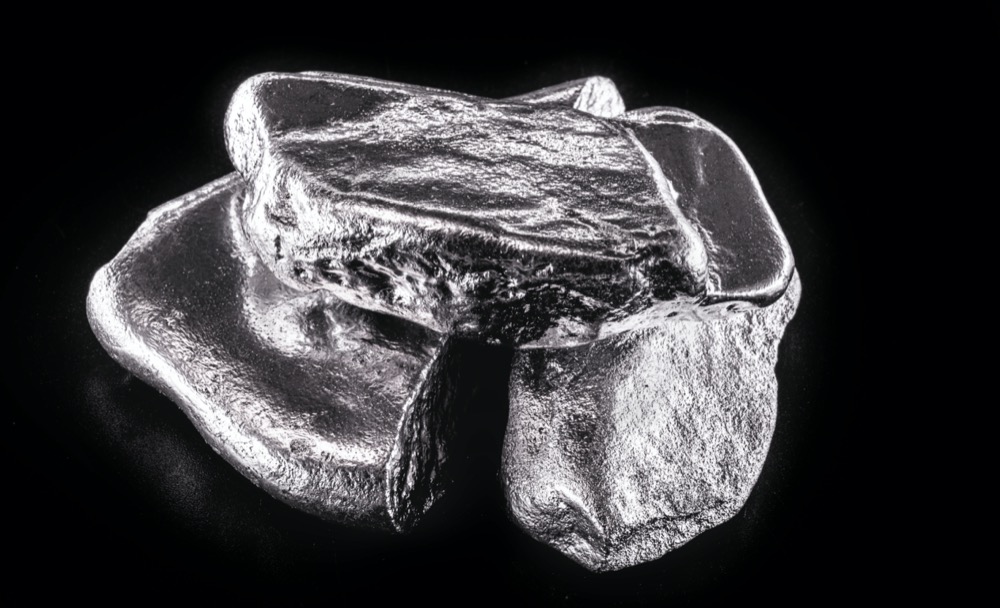
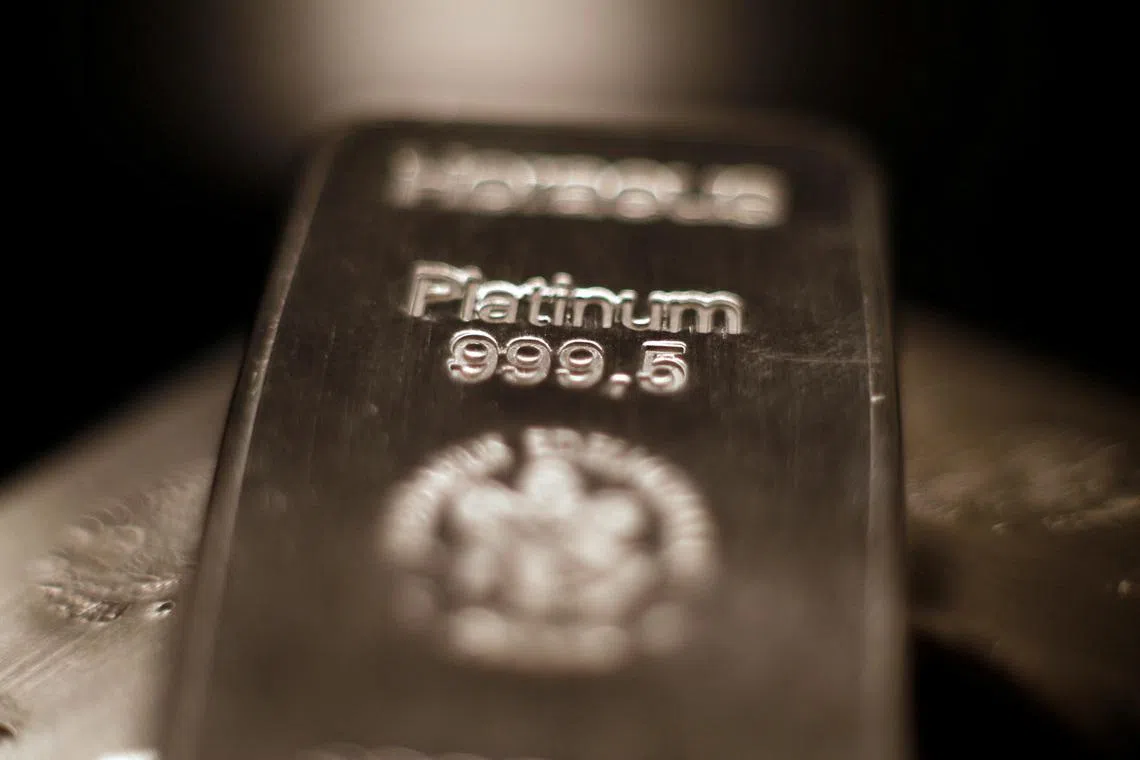
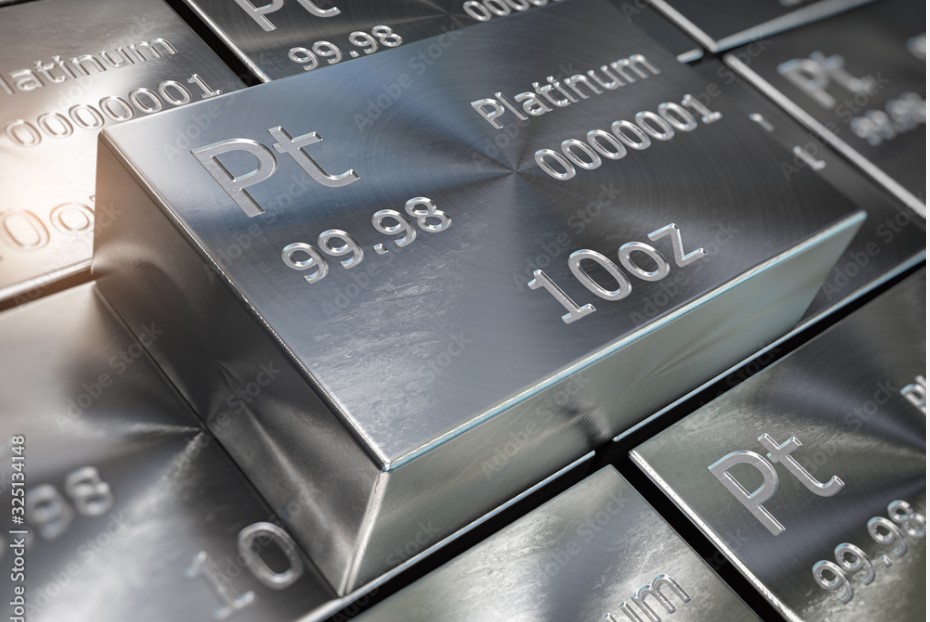
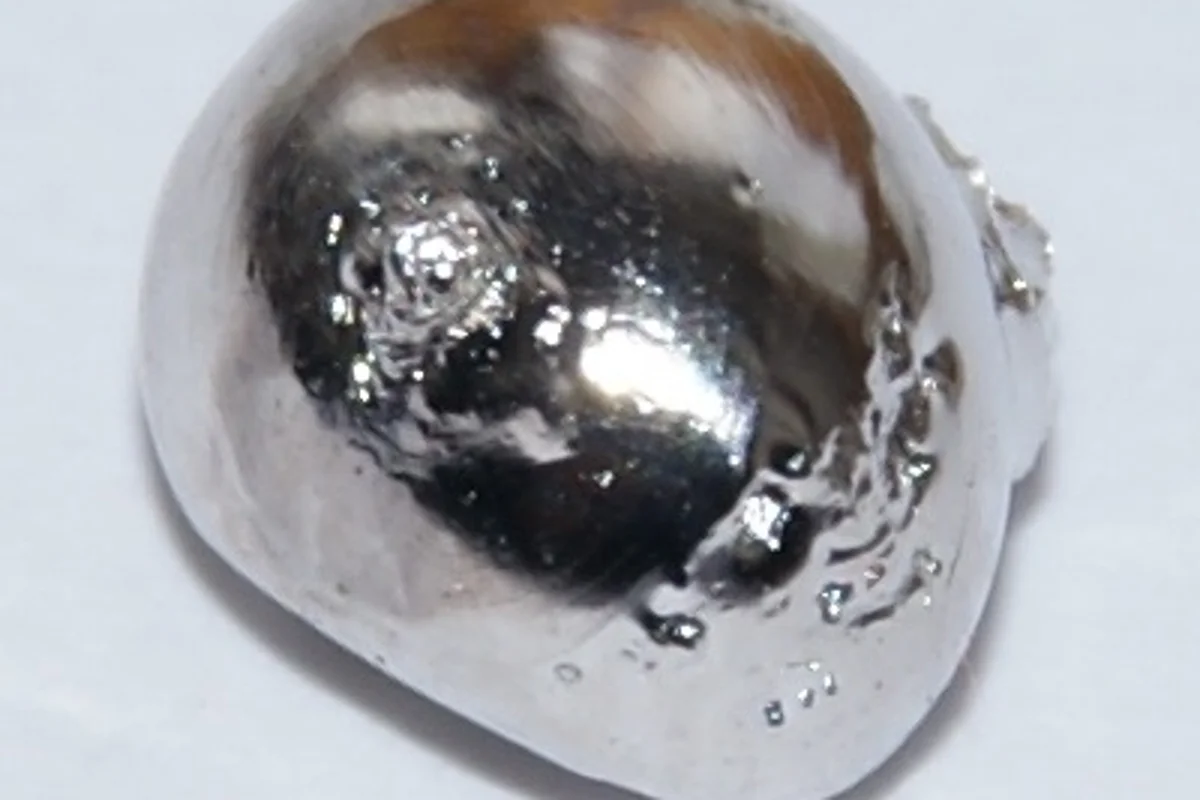
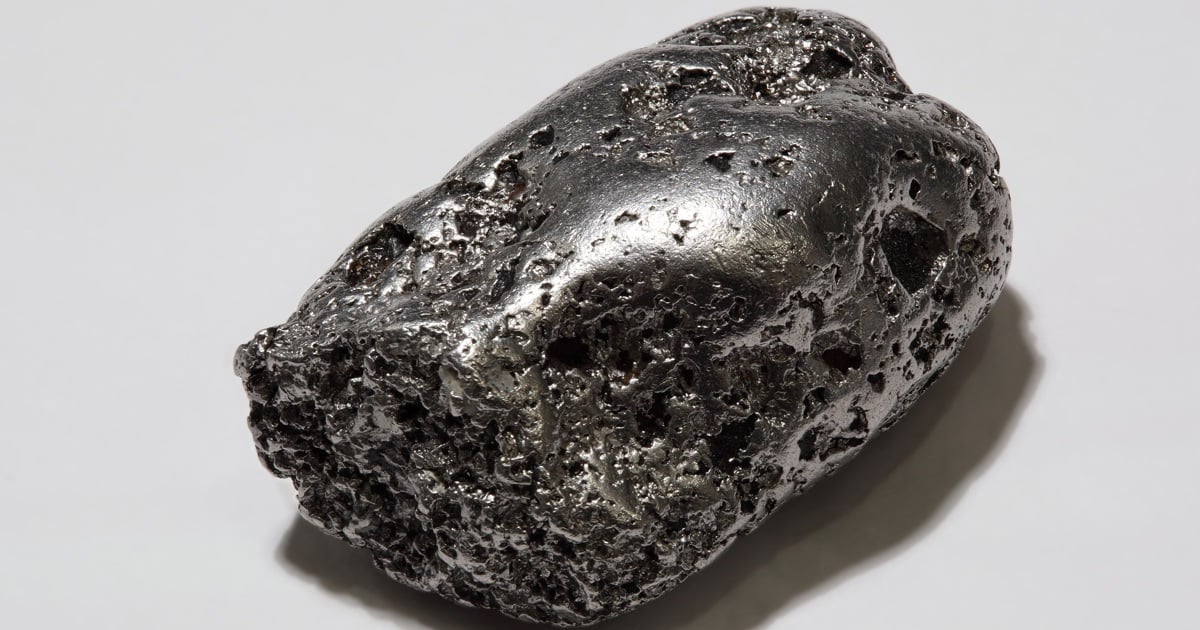
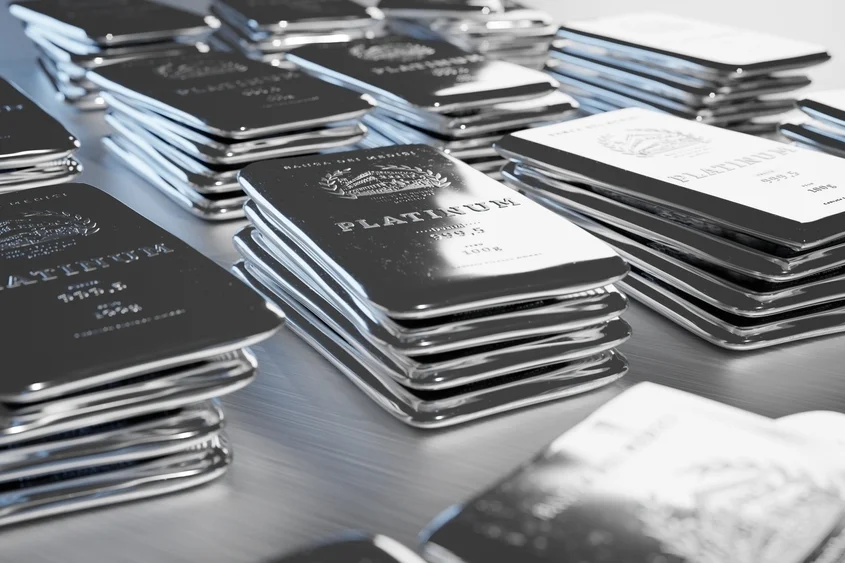
Platinum is rising on practicality
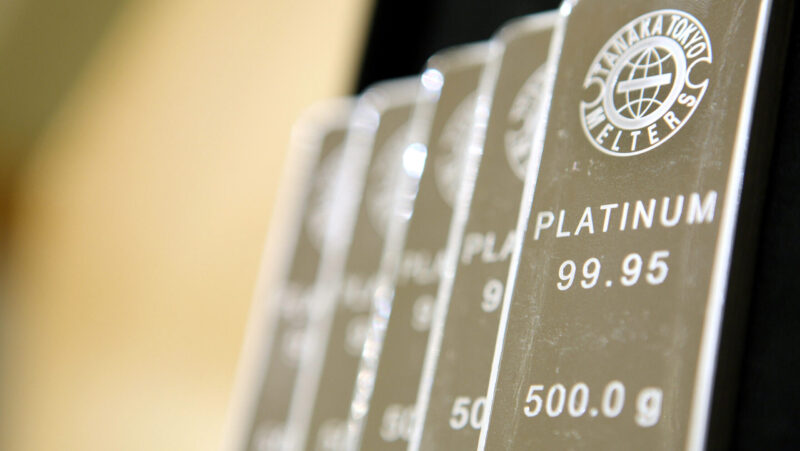
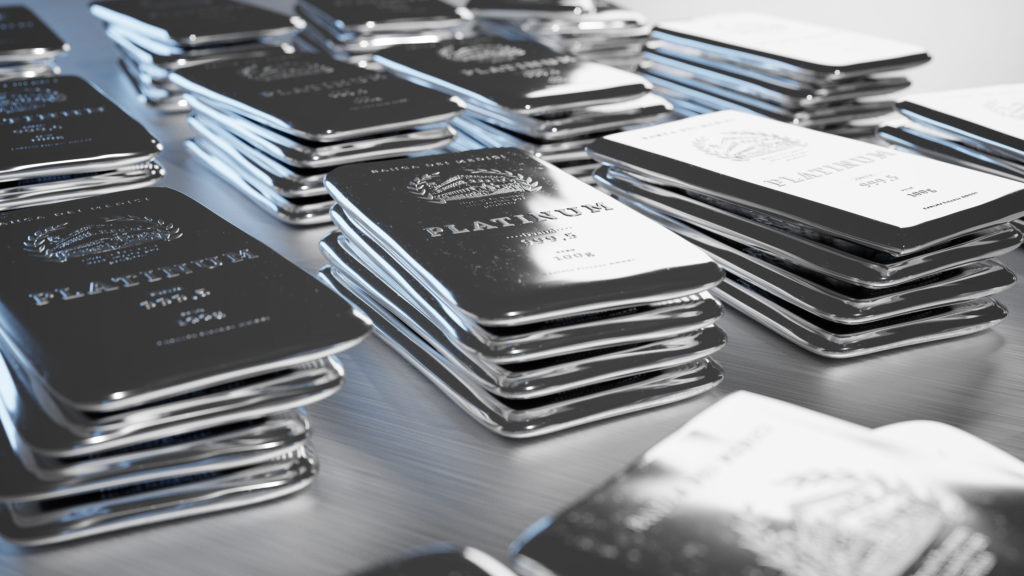
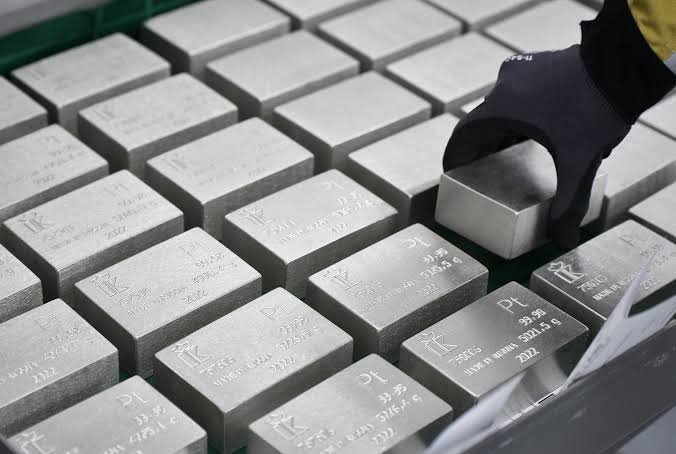
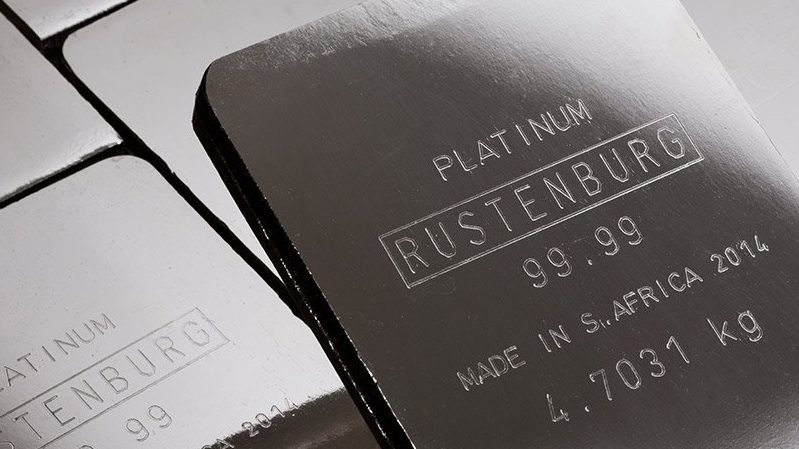
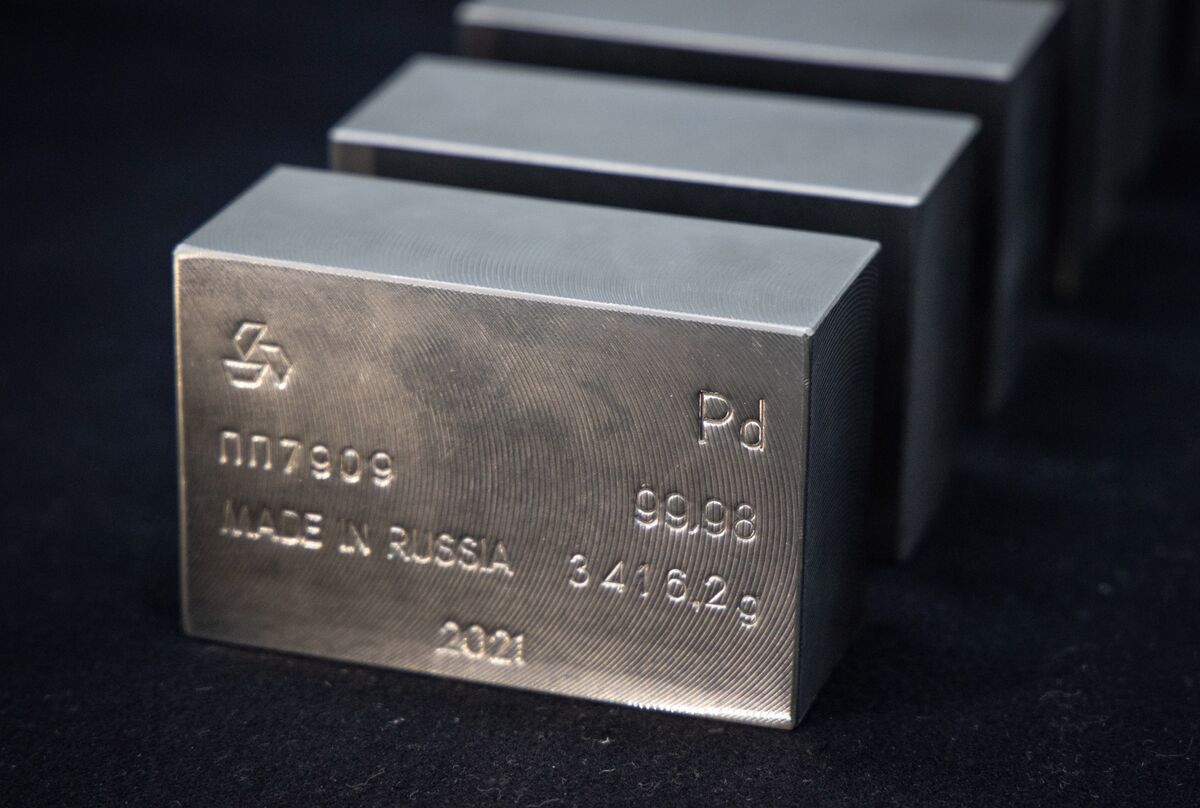
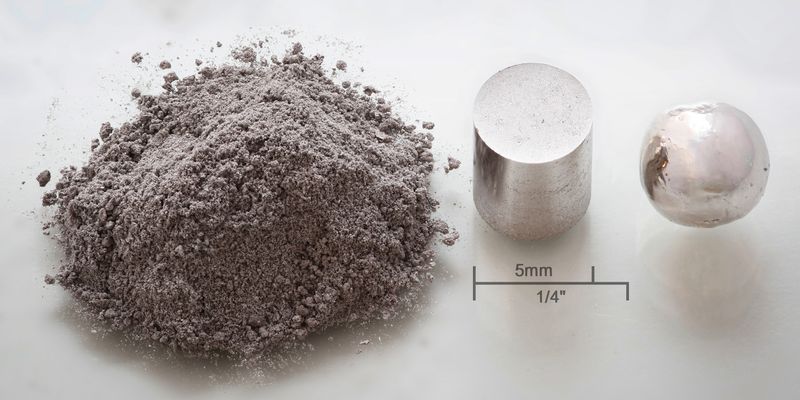
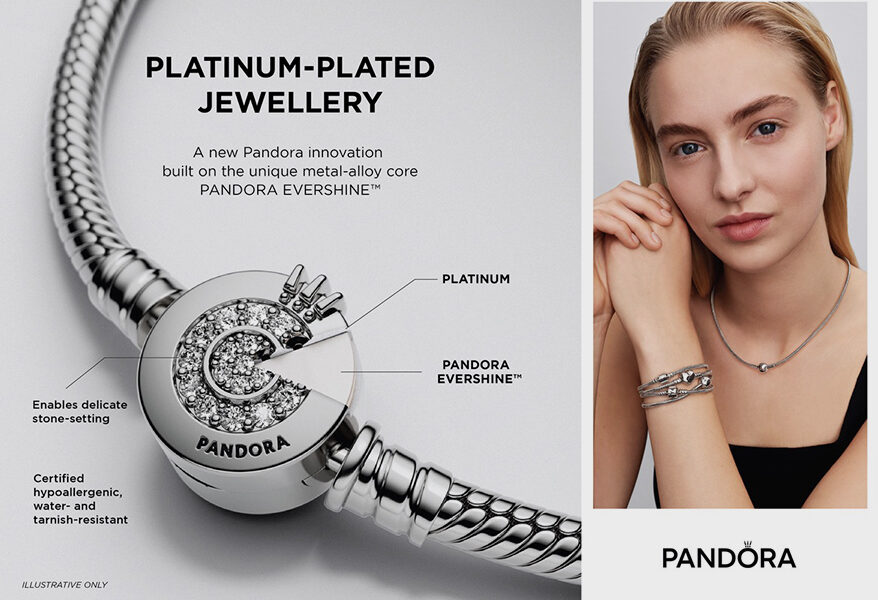
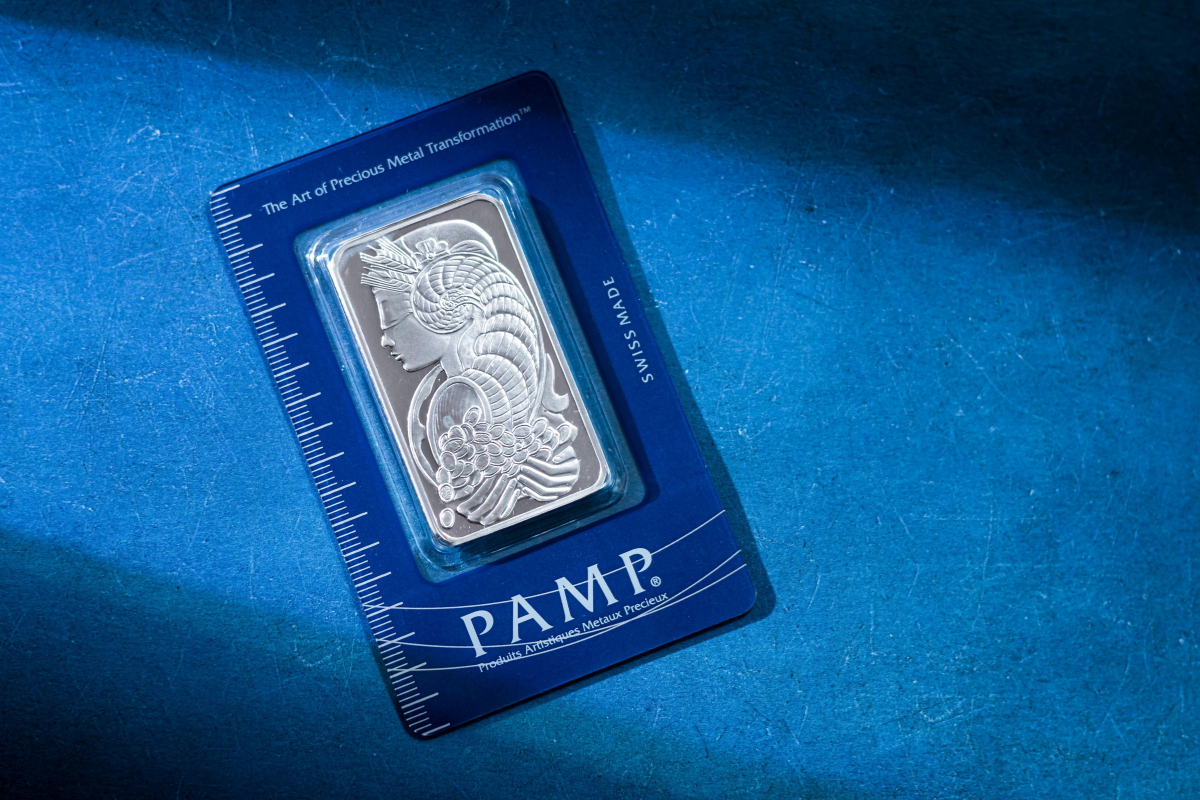
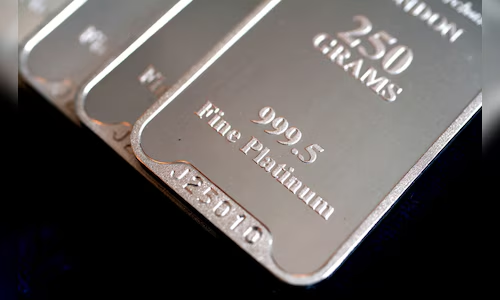
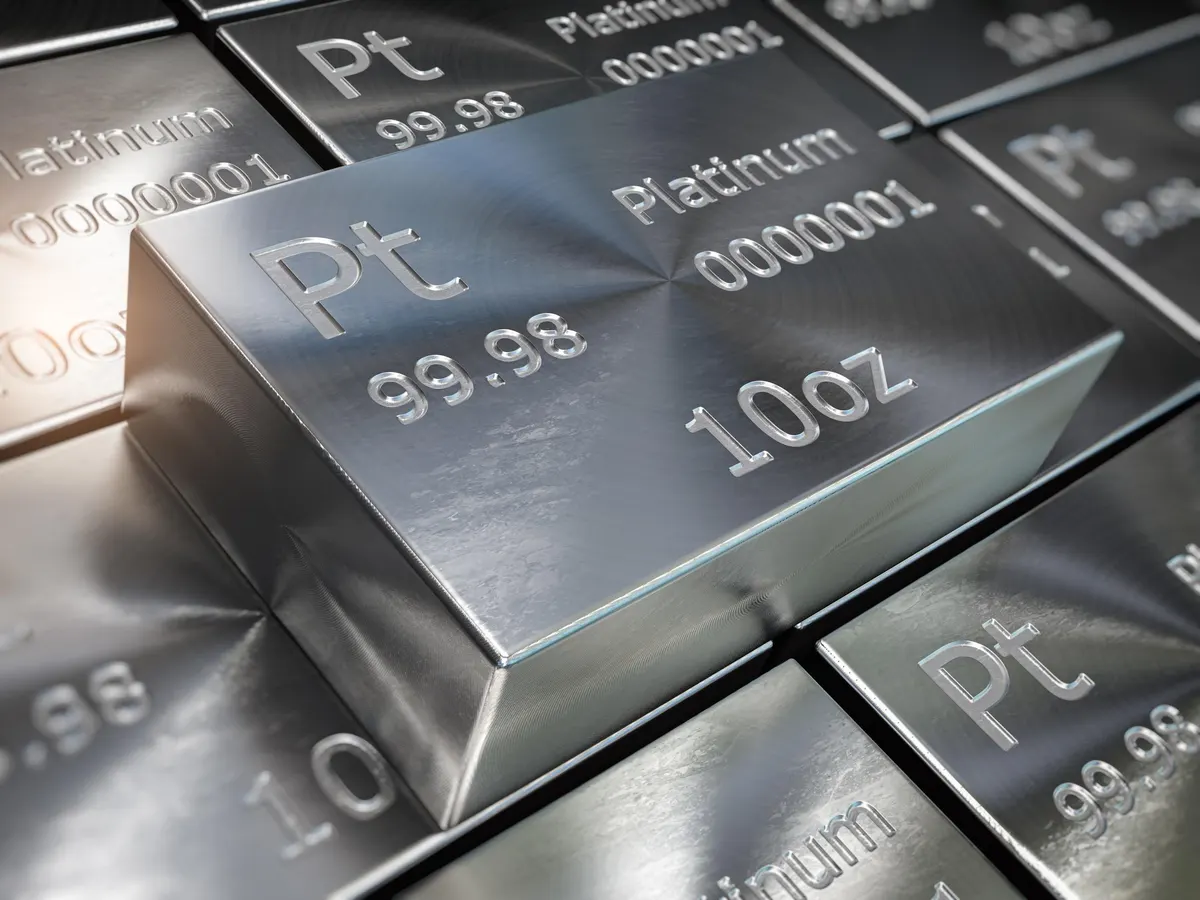
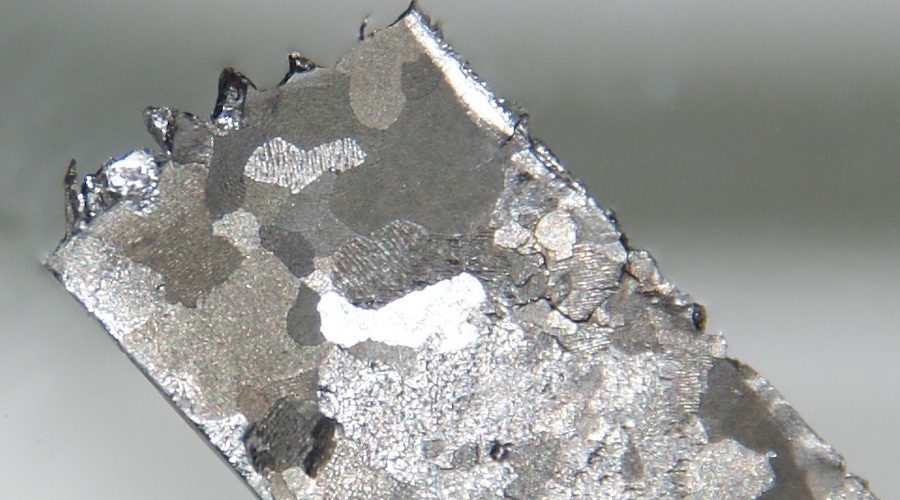
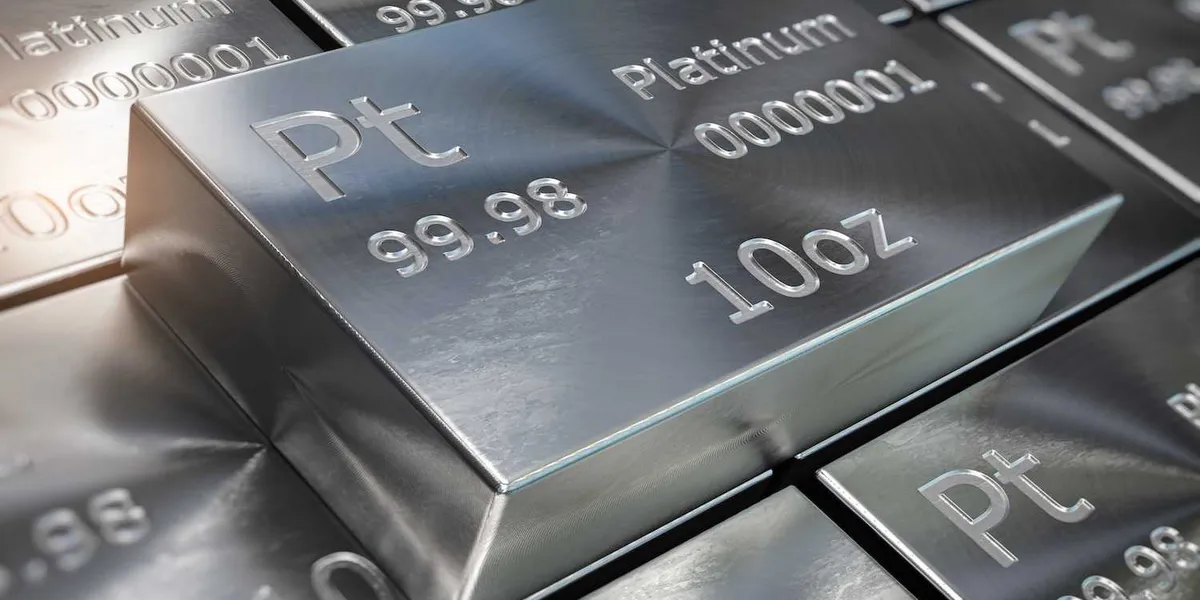
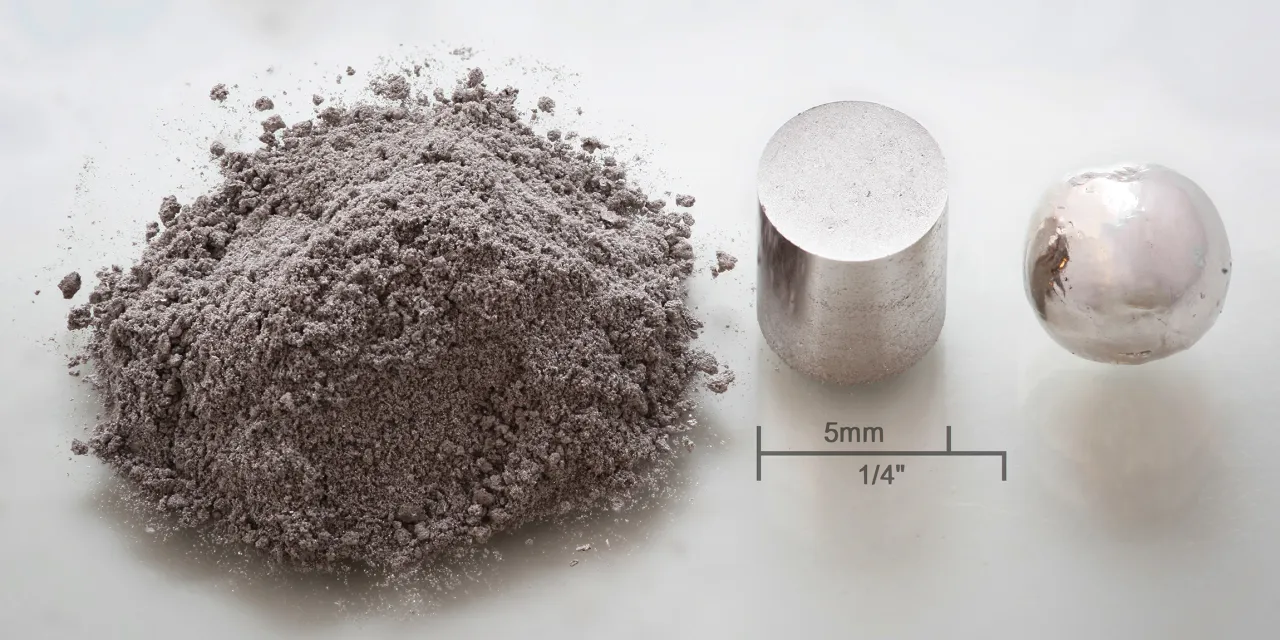
What is making platinum more relevant now is not just price positioning but a set of practical advantages that are becoming harder to ignore:
- naturally hypoallergenic, making it suitable for prolonged, everyday wear
- higher density, which gives it strength without requiring bulk
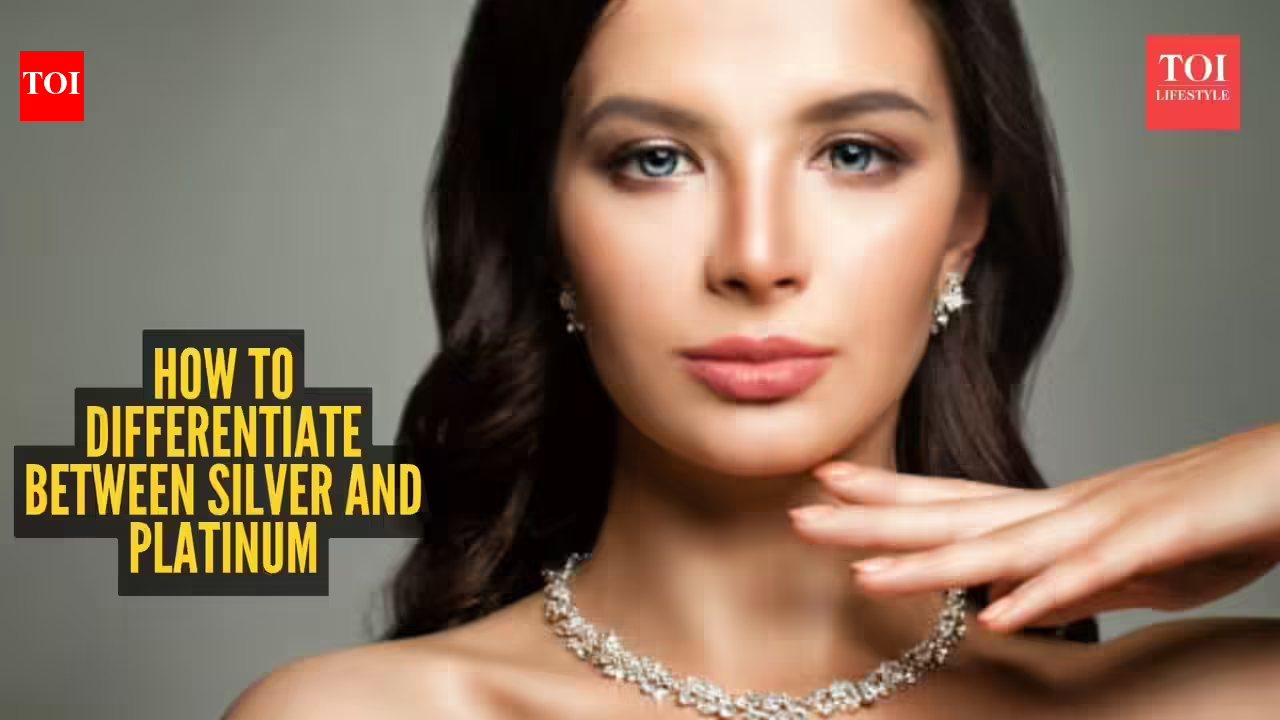
- resistance to tarnish, unlike silver, which needs regular upkeep
- color stability, maintaining its white tone without plating or re-coating
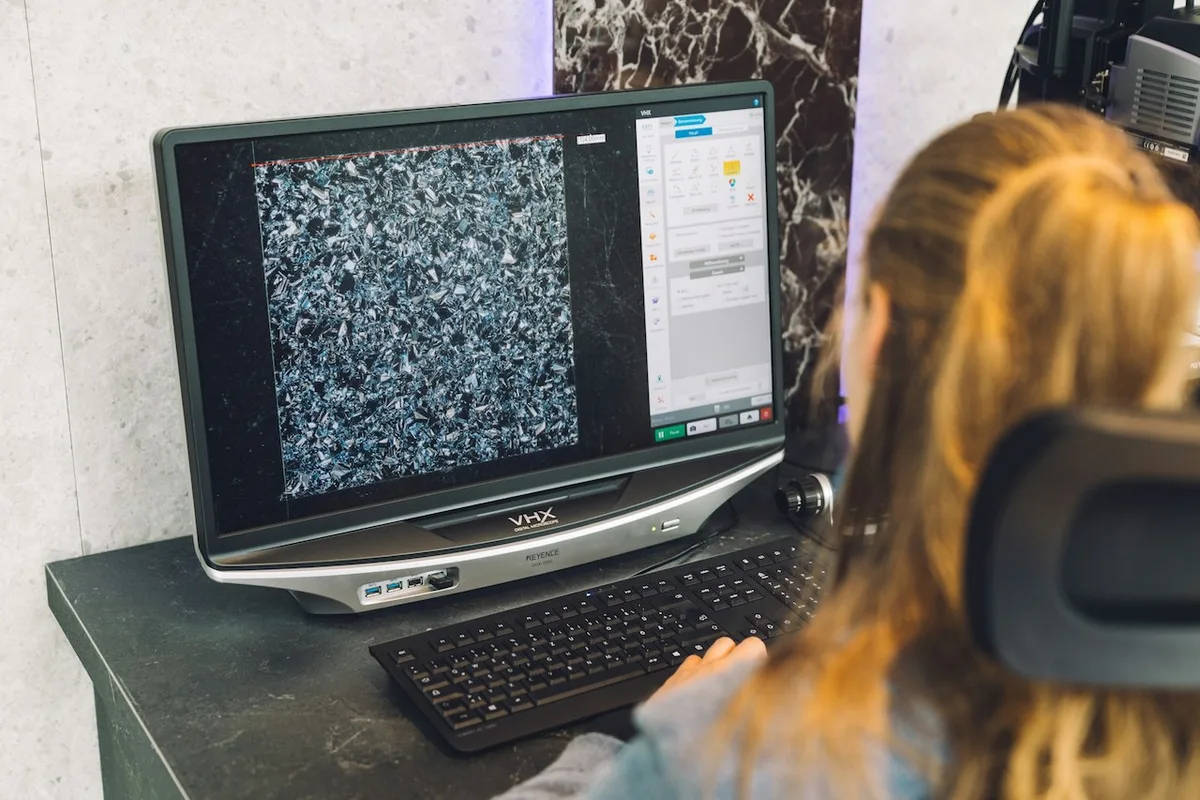
- surface wear that displaces rather than erodes metal, helping retain long-term structure
- lower maintenance over time compared to plated gold jewelry
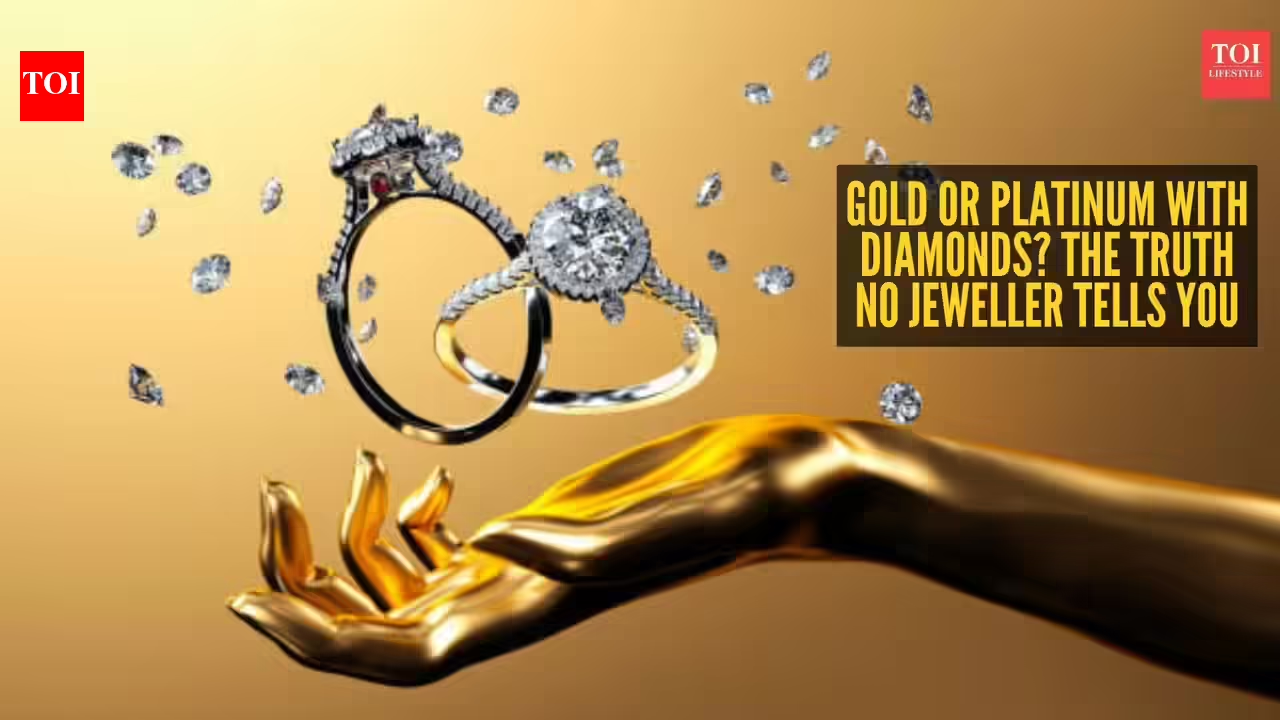
As gold becomes harder to justify at current price levels, platinum is being reconsidered not as an alternative, but as a more balanced material.
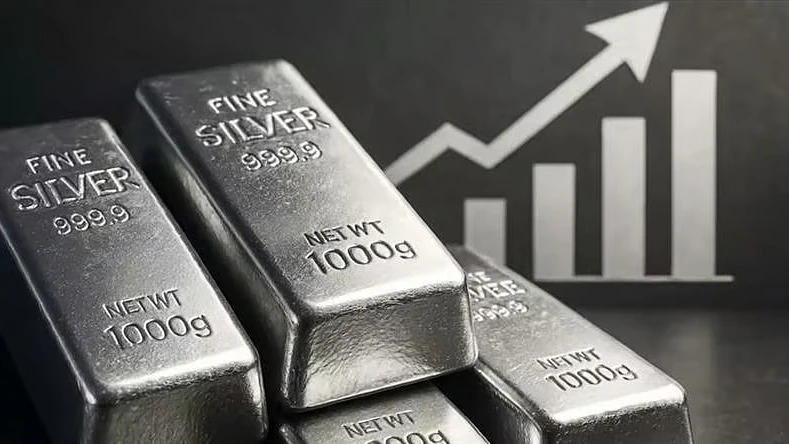
Silver is becoming a design choice
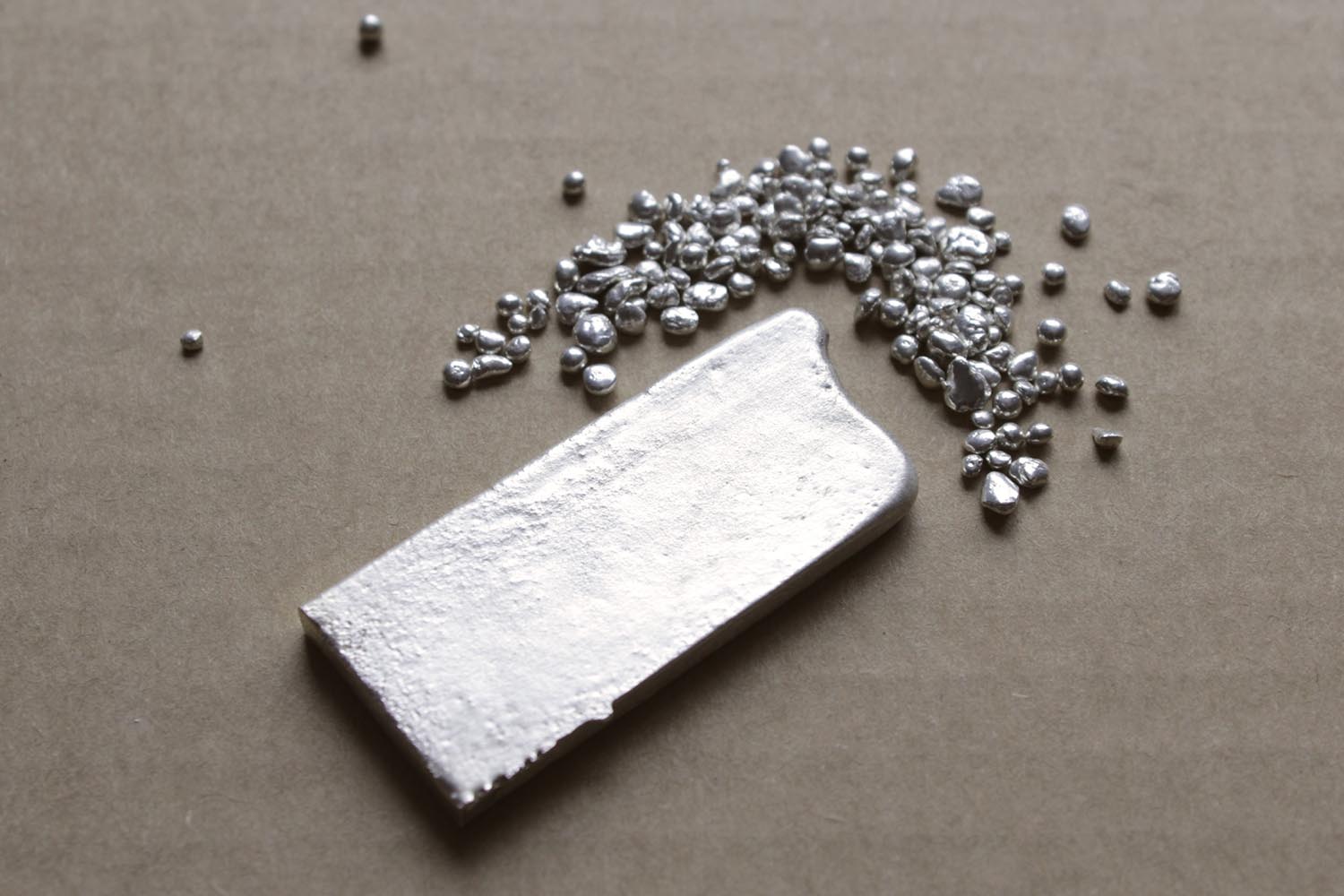
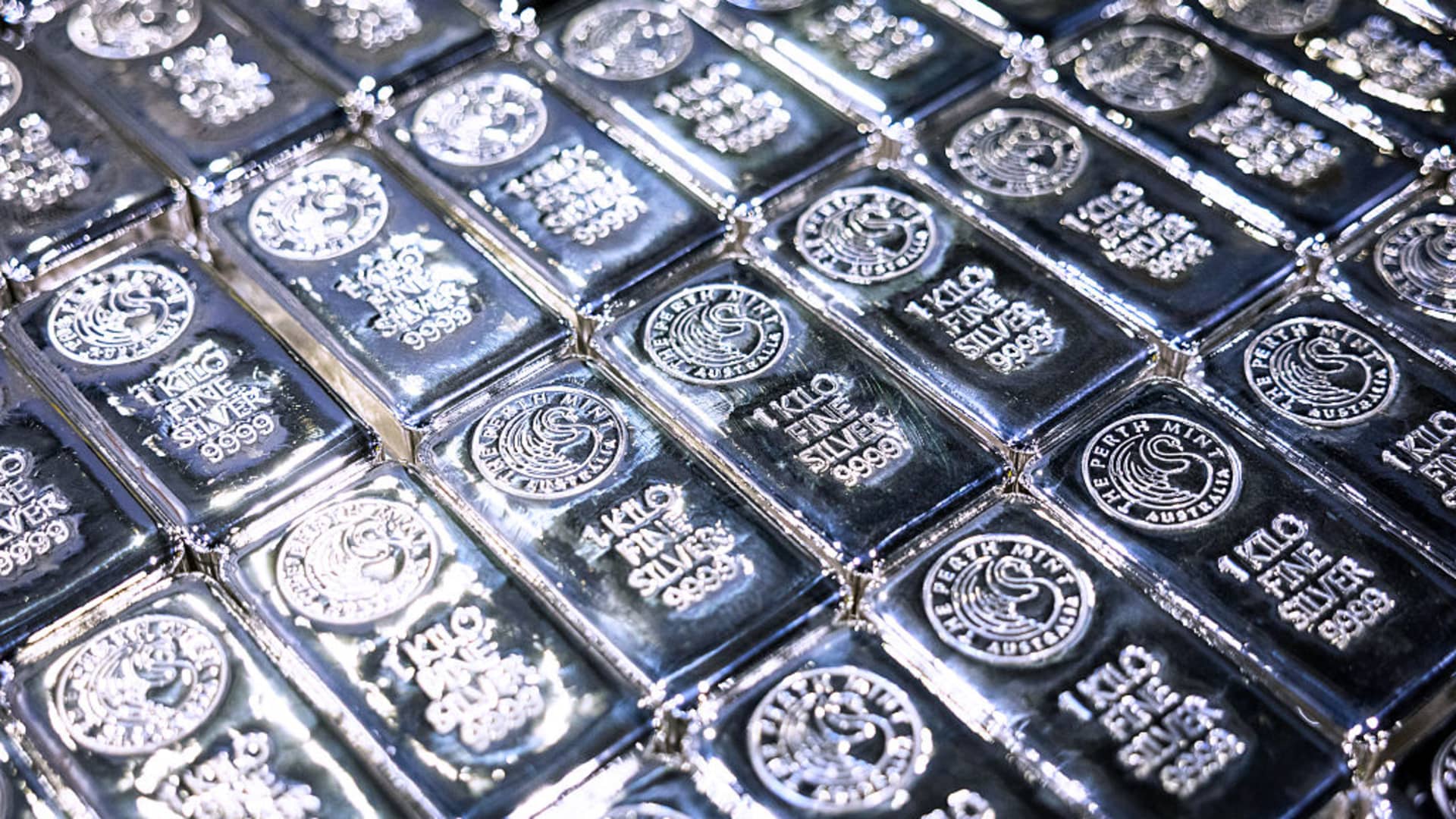
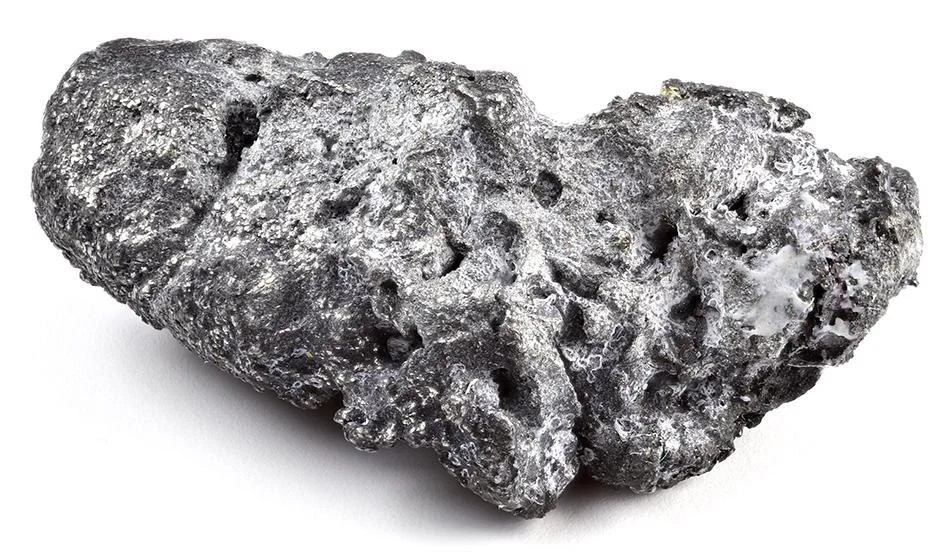
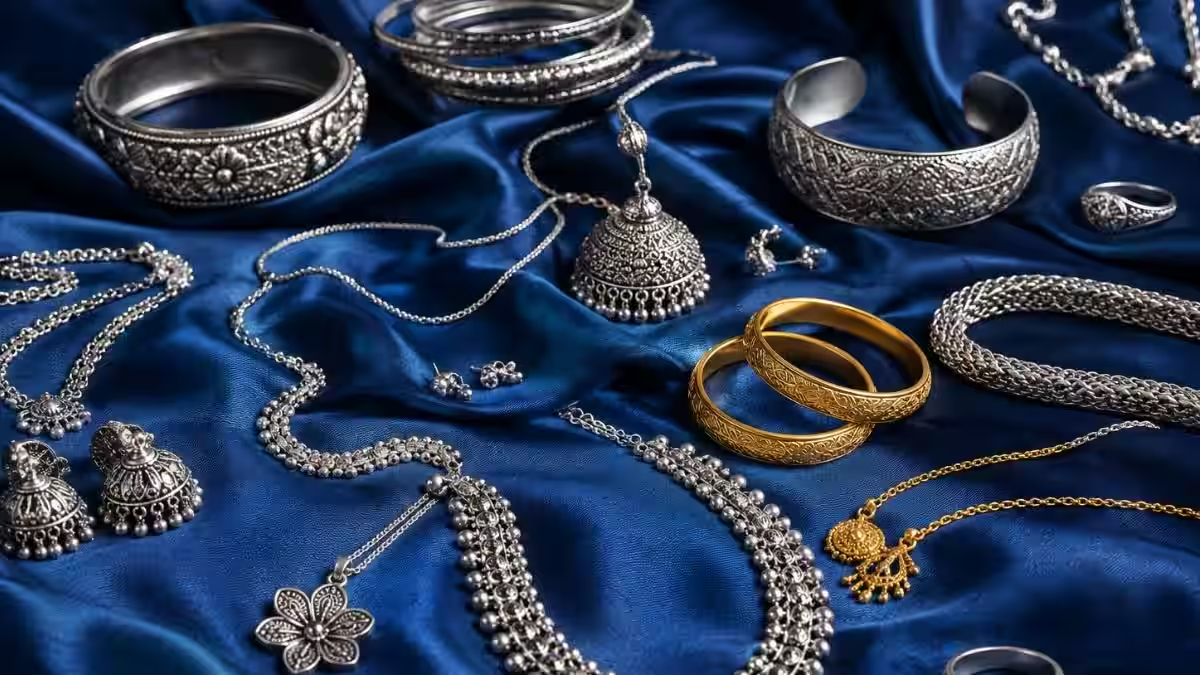
Silver’s rise has been quieter, but it is still reshaping the market.
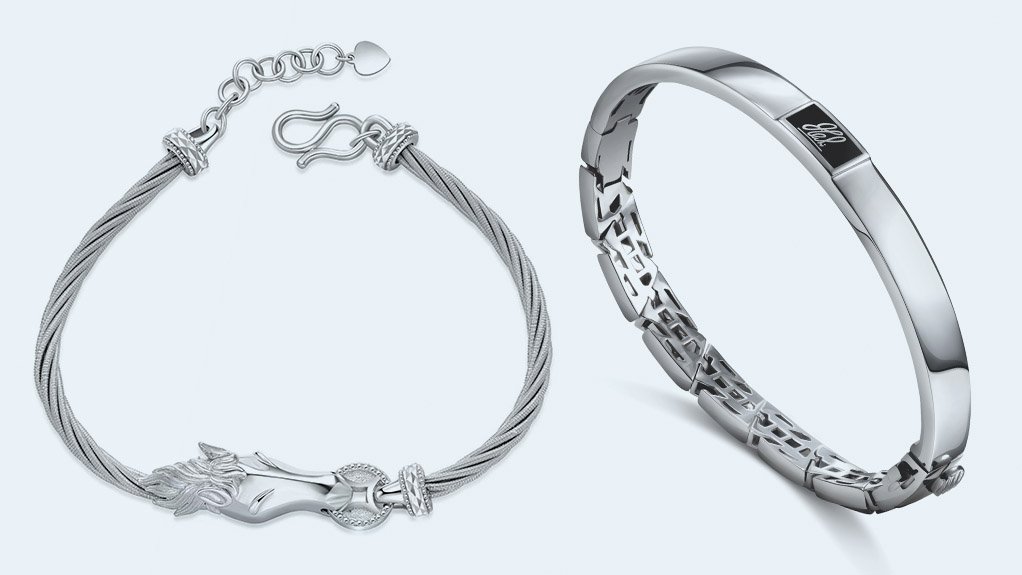
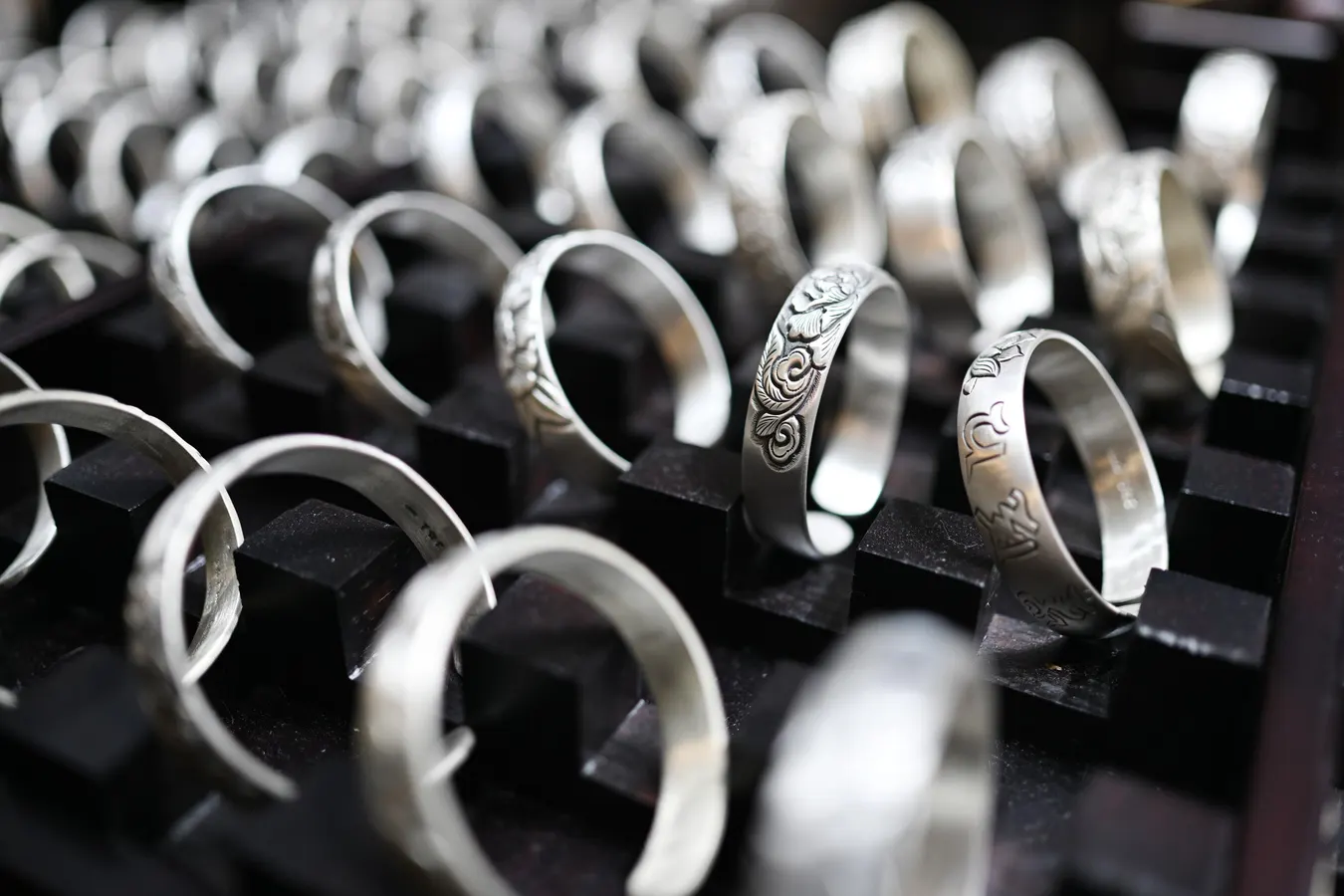
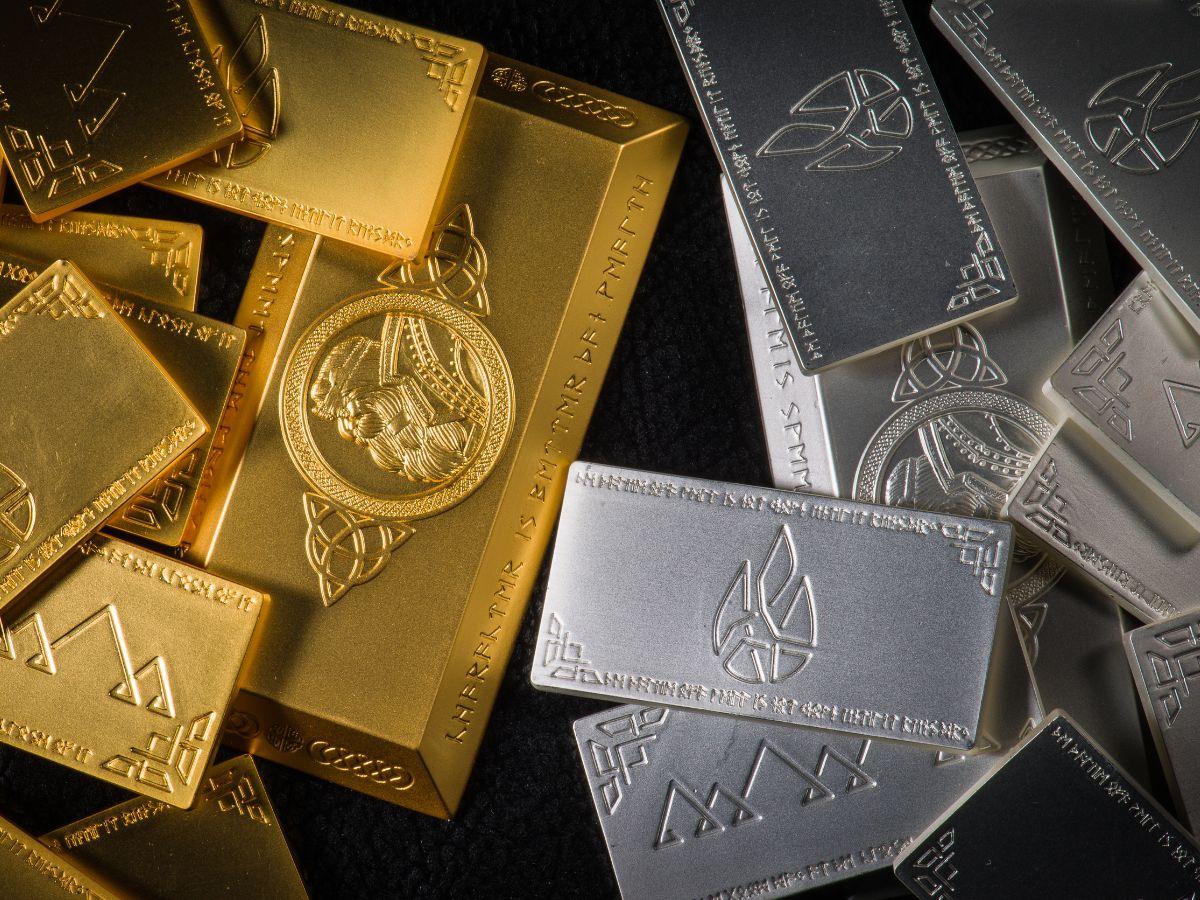
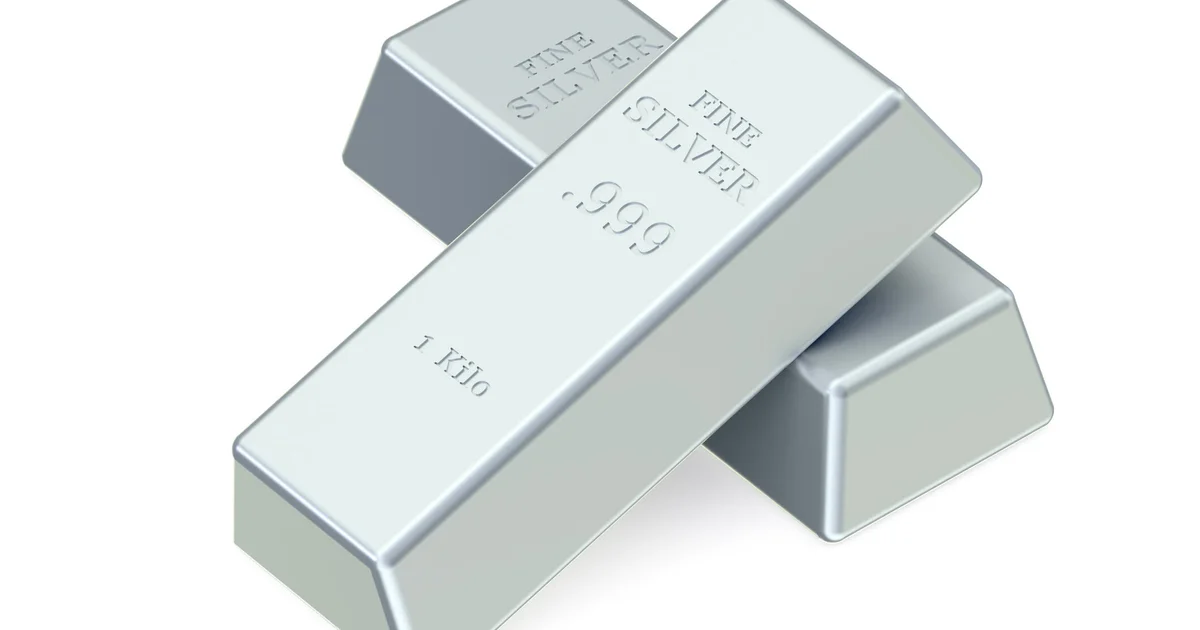
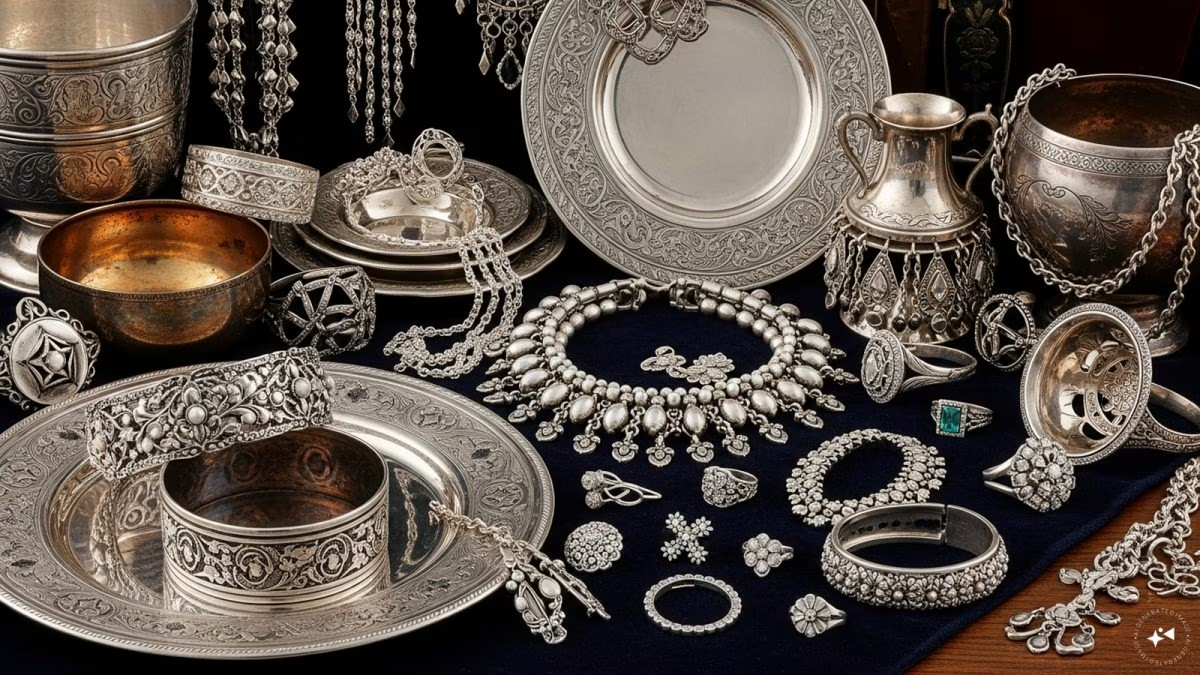
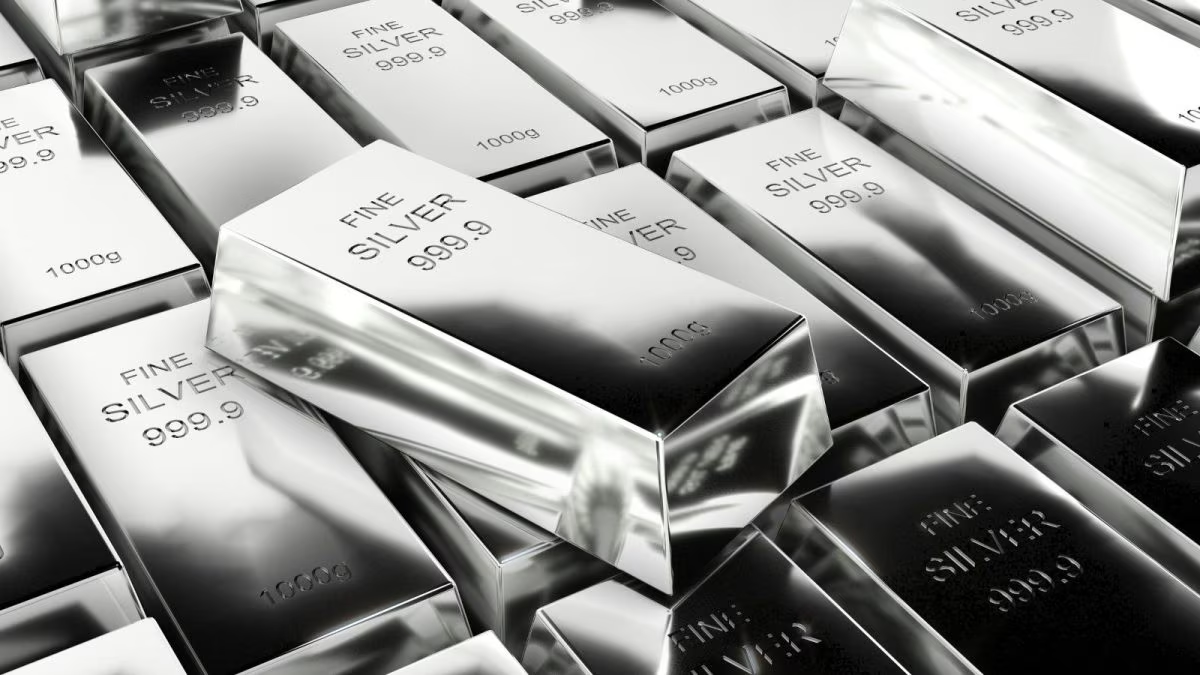
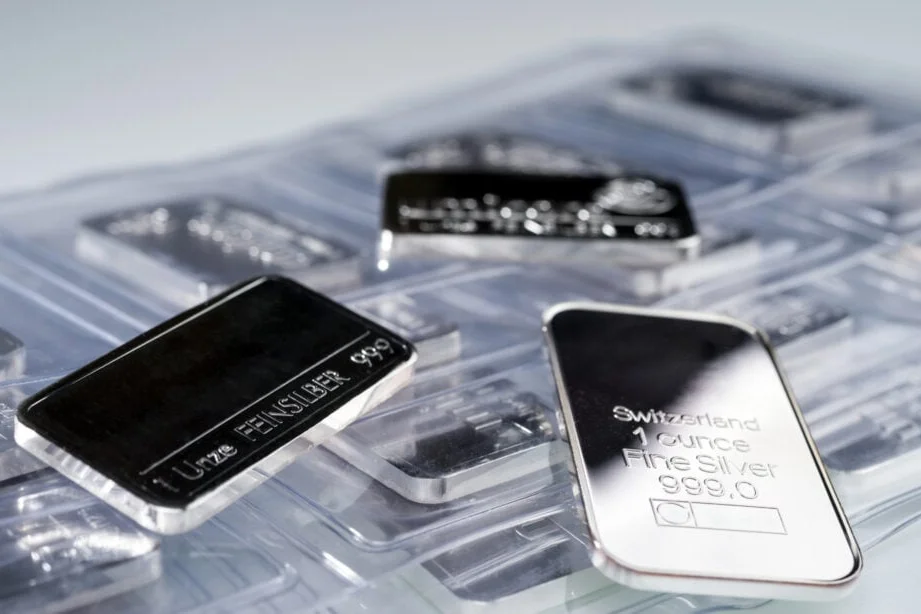
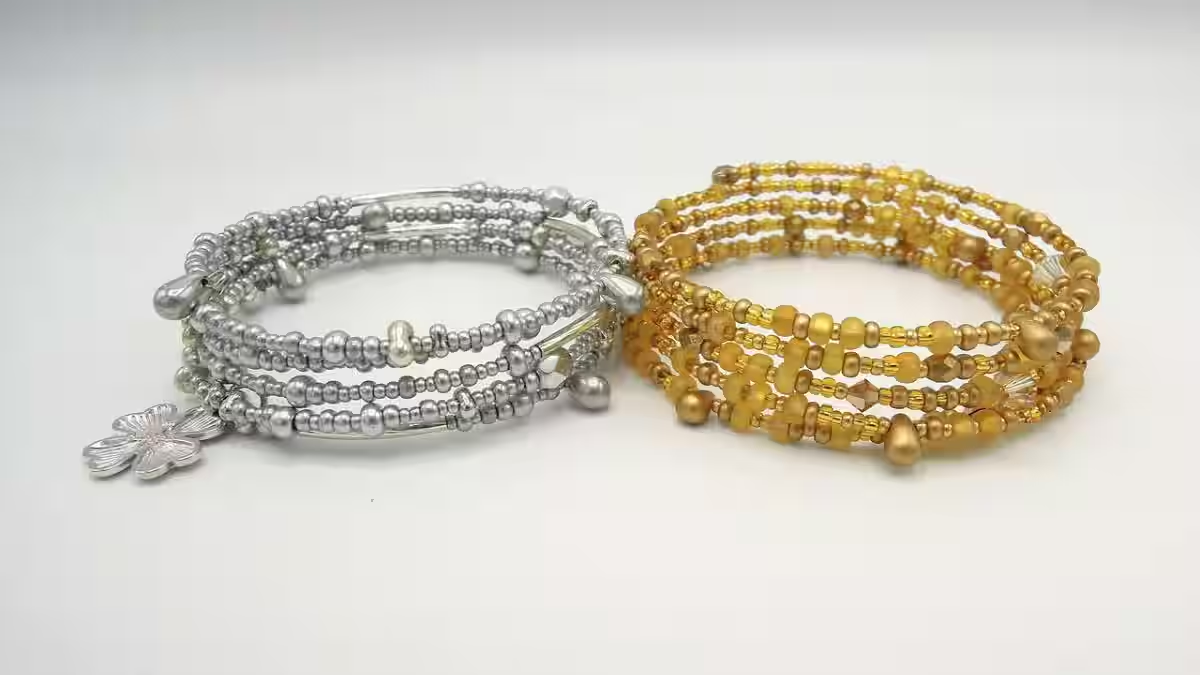
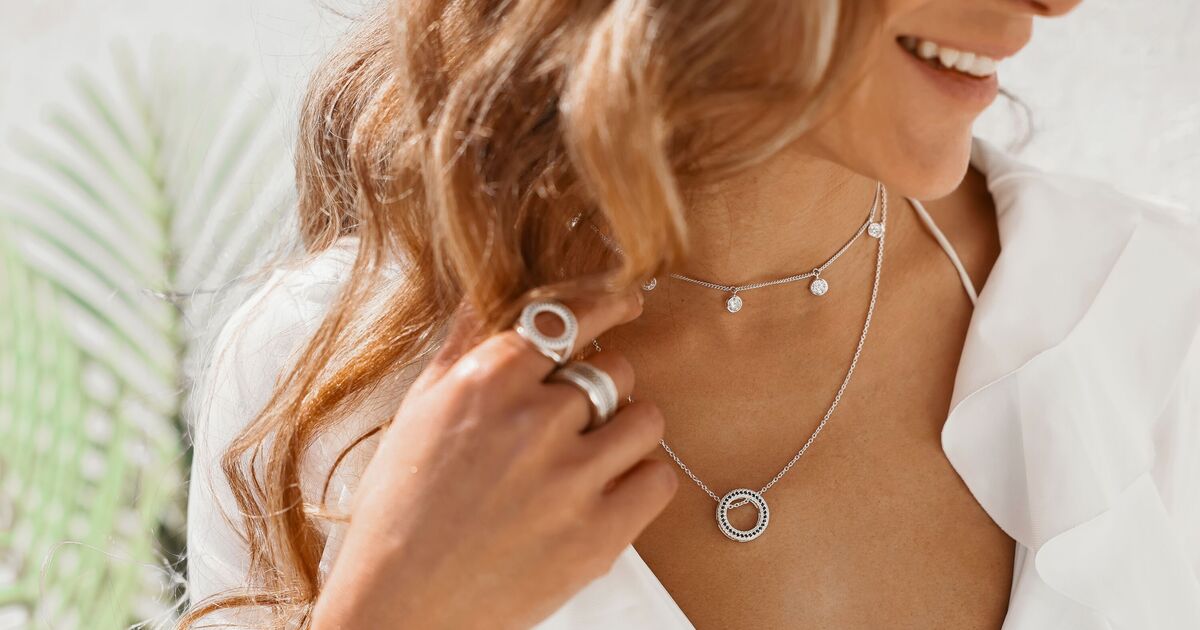
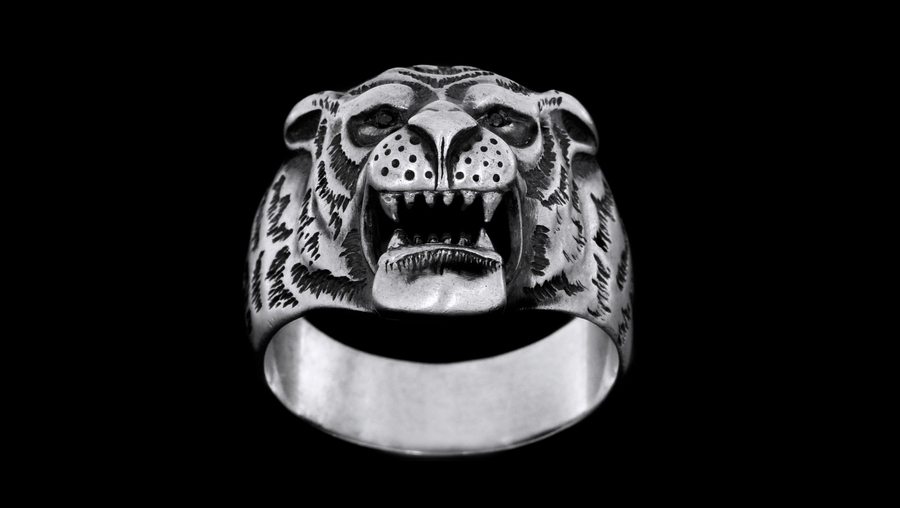
Long positioned as an accessible option, it is now being used more deliberately as a design material. Its lower density allows for larger, more experimental forms without the cost of gold or platinum.
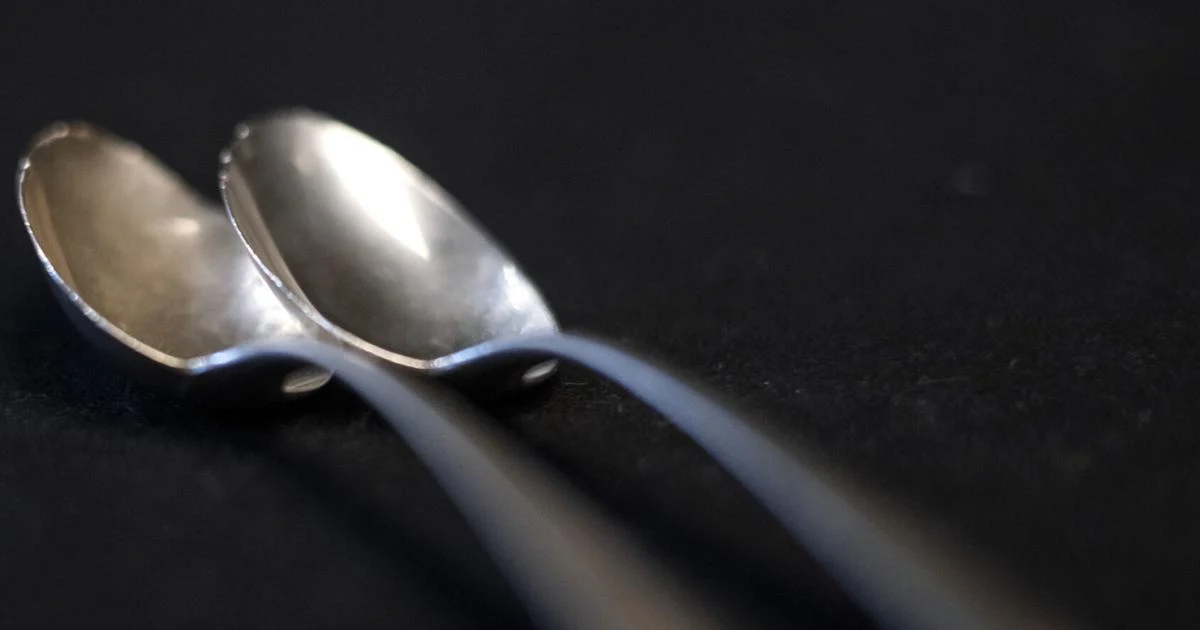
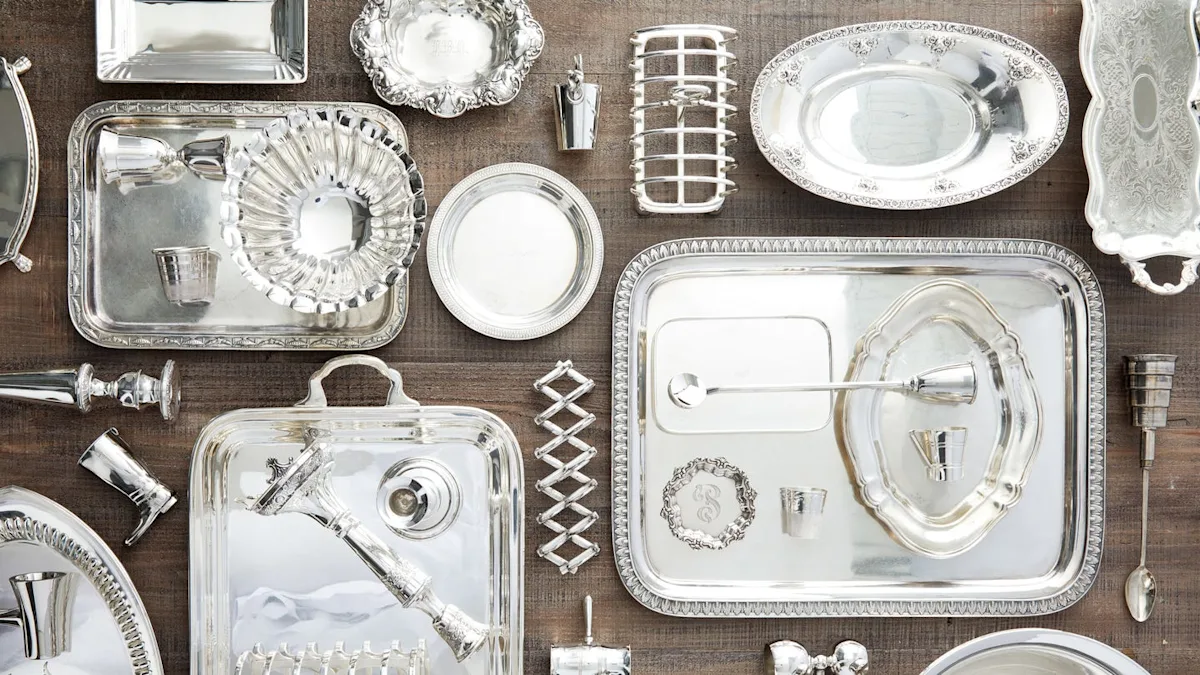
It does come with trade-offs. Silver is softer and prone to tarnish, which affects durability and upkeep. Even so, rising prices are pushing designers to use it more intentionally, often pairing it with stronger metals or building structure into the design.
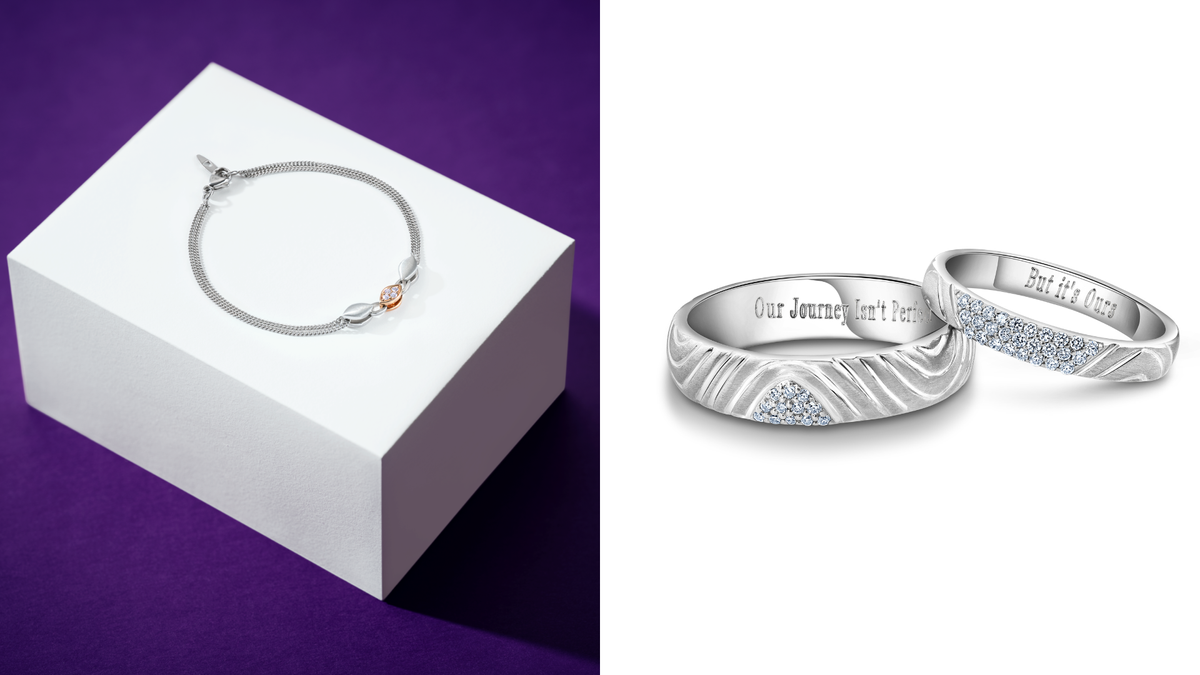
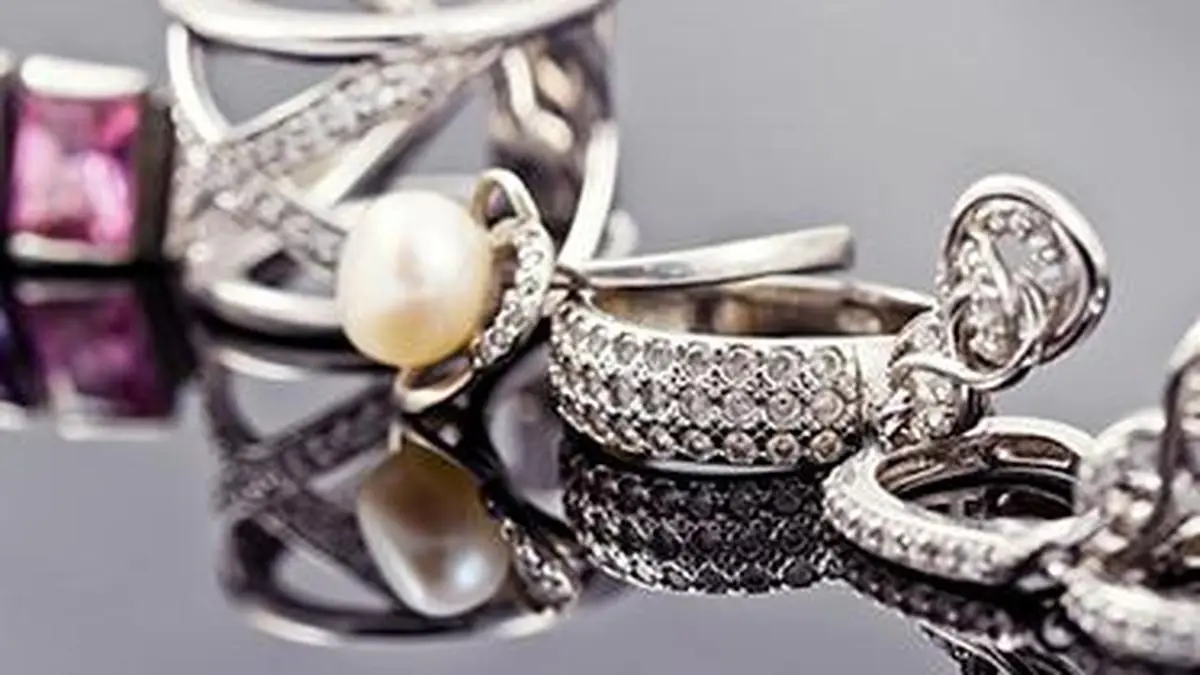
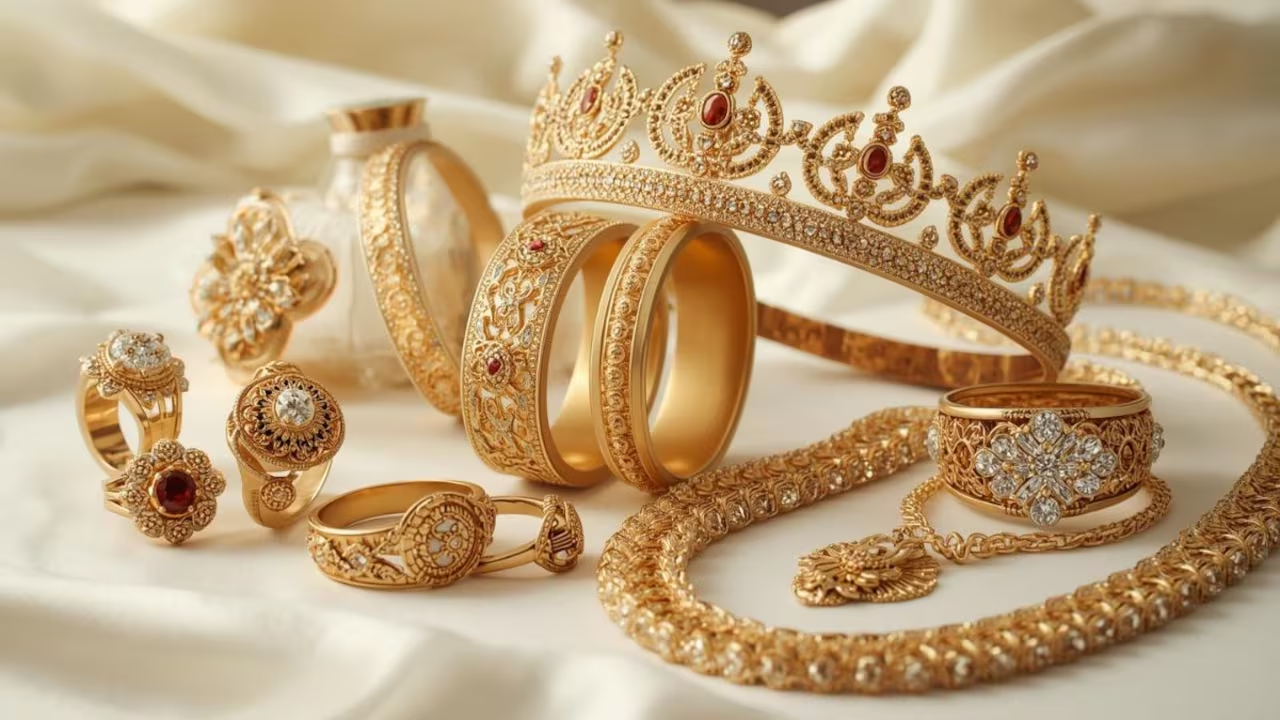
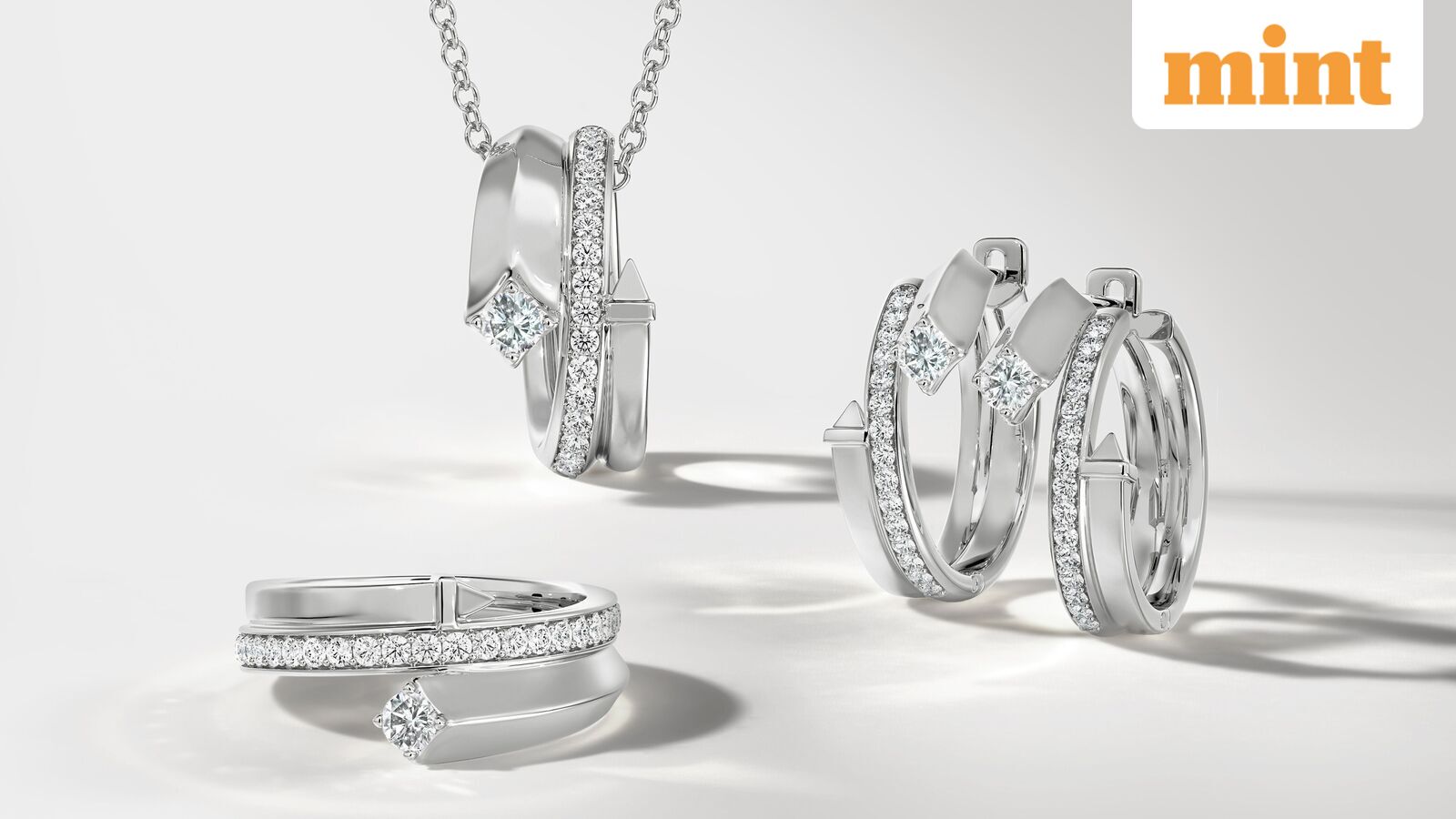
Across newer collections, including those from Ibling Jewels, designs are consistently offered across multiple metals, from silver to gold to platinum, allowing the same form to scale across price points without altering the design itself.
Buyers are moving beyond gold
As gold becomes more expensive, resistance is becoming visible across the market.
Buyers are not stepping away from jewelry. They are becoming more selective about where value sits. This has led to increased interest in platinum and a more deliberate use of silver.
Industry observers have started referring to this as “gold fatigue,” where price begins to challenge long-standing preferences built around tradition rather than practicality.
Design is adapting to costs
The effect of rising metal prices is showing up directly in how jewelry is being made.
Designers are:
- reducing overall metal weight
- focusing more on structure and construction
- experimenting with mixed metals
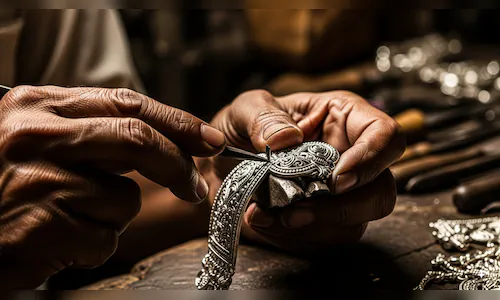
This shift places more emphasis on craftsmanship rather than raw material volume.
Some minimal design houses, such as Dvik Jewels, have long operated with this approach. Their focus on metal composition and form over size aligns with a market where efficiency and precision are becoming more important than scale.
Wearability is driving material choice
Jewelry is increasingly being worn daily, not reserved for occasions. That shift is influencing material decisions in practical ways.
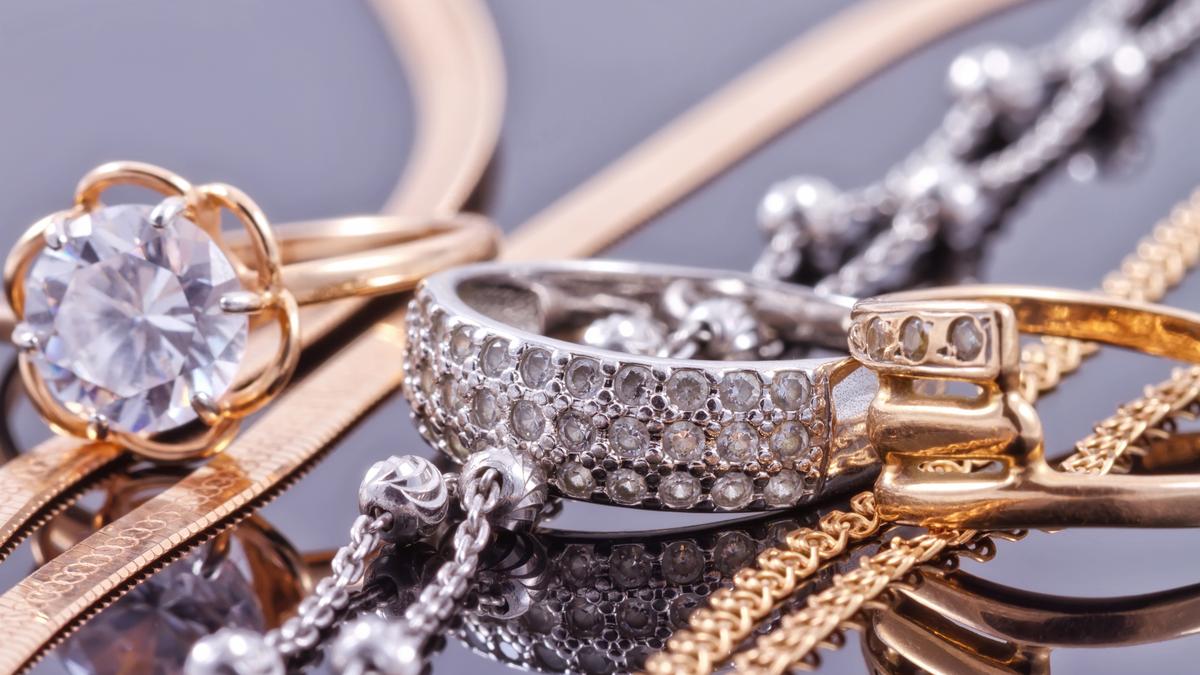
Platinum’s durability and hypoallergenic properties support long-term wear. Silver allows for more experimental and lightweight pieces. Gold, while still central, is being used more selectively.
Even brands known for broader diamond jewelry offerings, such as Ouros Jewels, reflect this balance through designs that manage metal use carefully while maintaining visual impact.
Los Angeles has long reflected lifestyle shifts before they become widespread.
The changes are subtle but consistent:
- fewer heavy gold jewelry pieces
- more neutral-toned metals
- a mix of platinum and silver in everyday styling
Jewelry is becoming less about display and more about integration into daily life.
Value is being redefined
No single metal is replacing another. Instead, the hierarchy is flattening.
Gold remains important, but it is no longer the default. Platinum is gaining ground because of its balance between price and performance. Silver is evolving into a more intentional design material.
What is changing is not preference alone, but how value itself is being measured across materials.
The bottom line
Rising prices are forcing a quiet reset across the jewelry industry.
In Los Angeles, that reset is already visible. Not in dramatic shifts, but in smaller decisions about what feels worth wearing and, increasingly, what feels worth paying for.