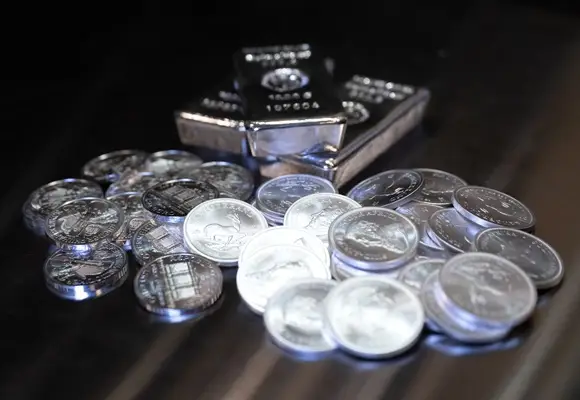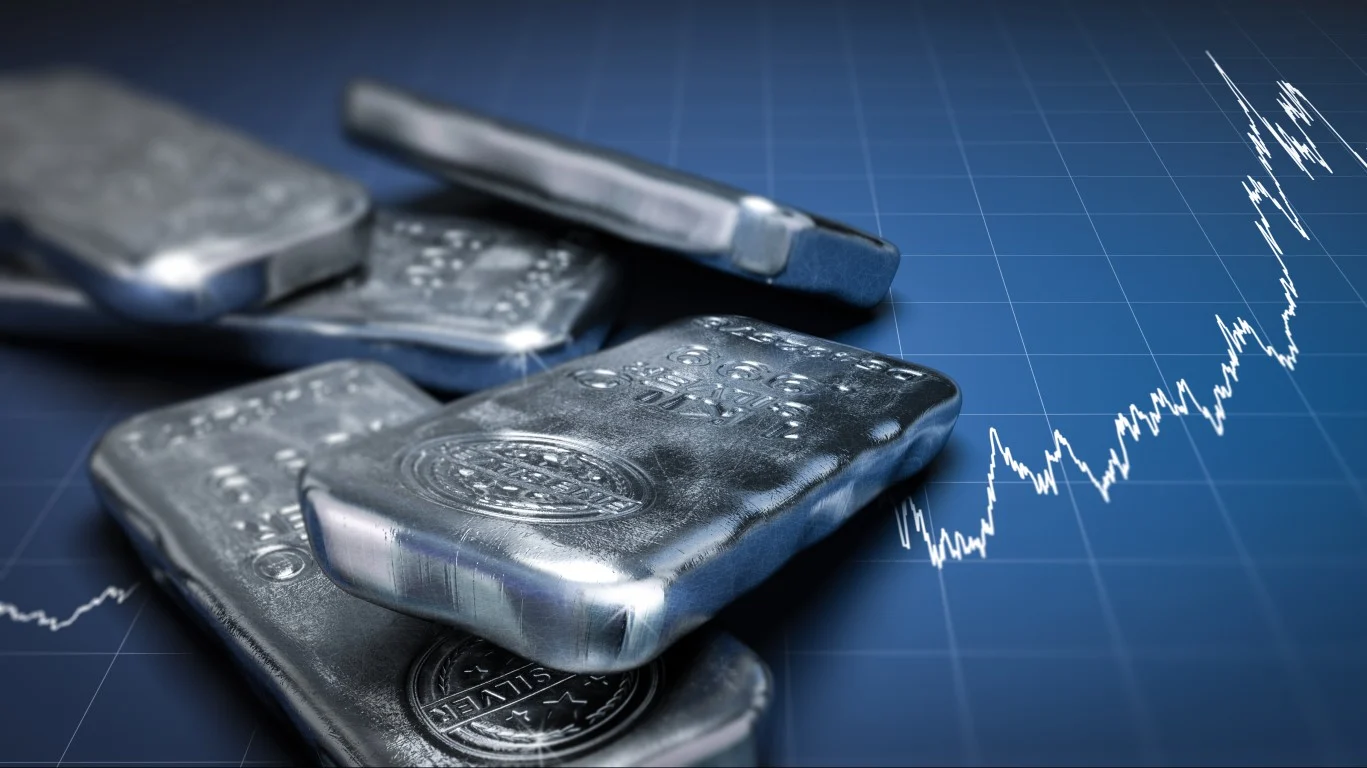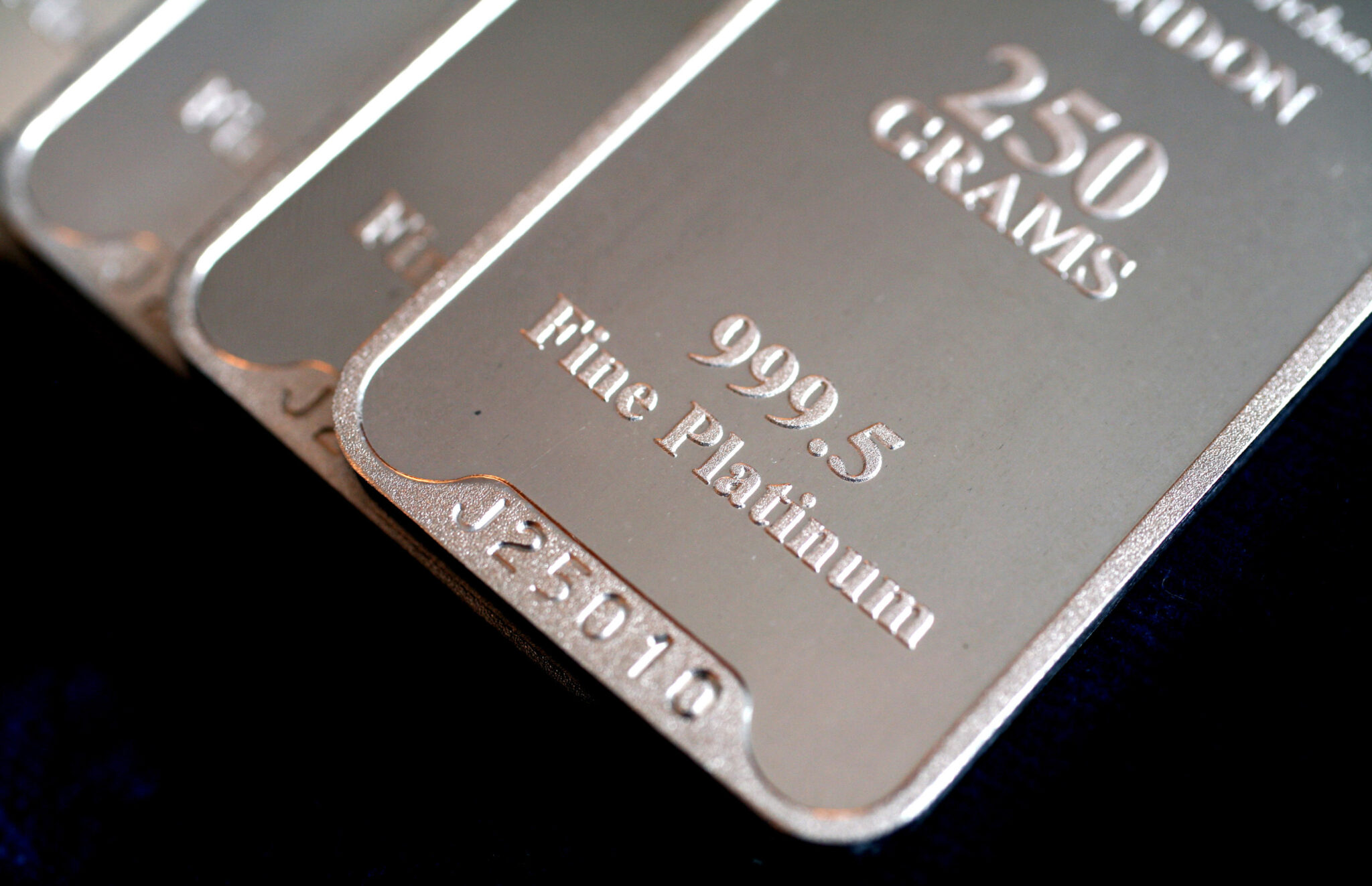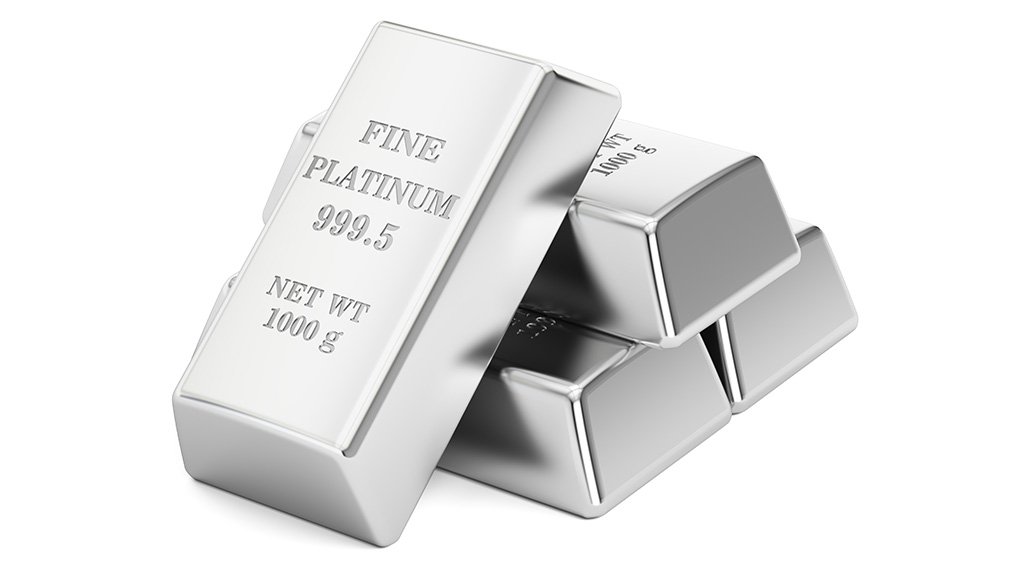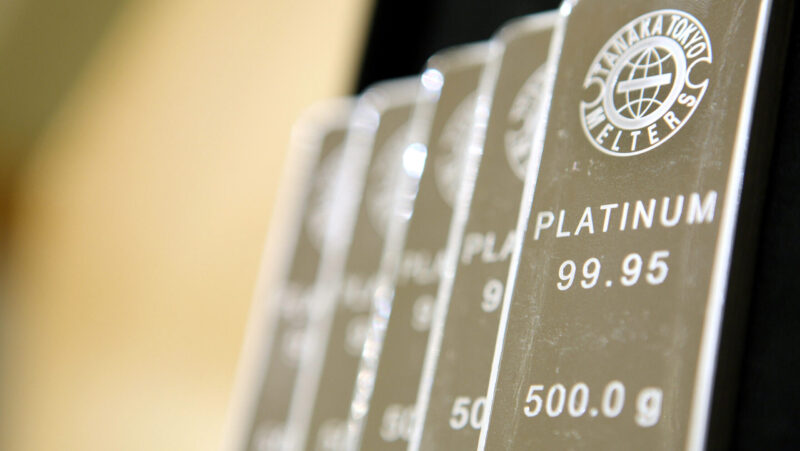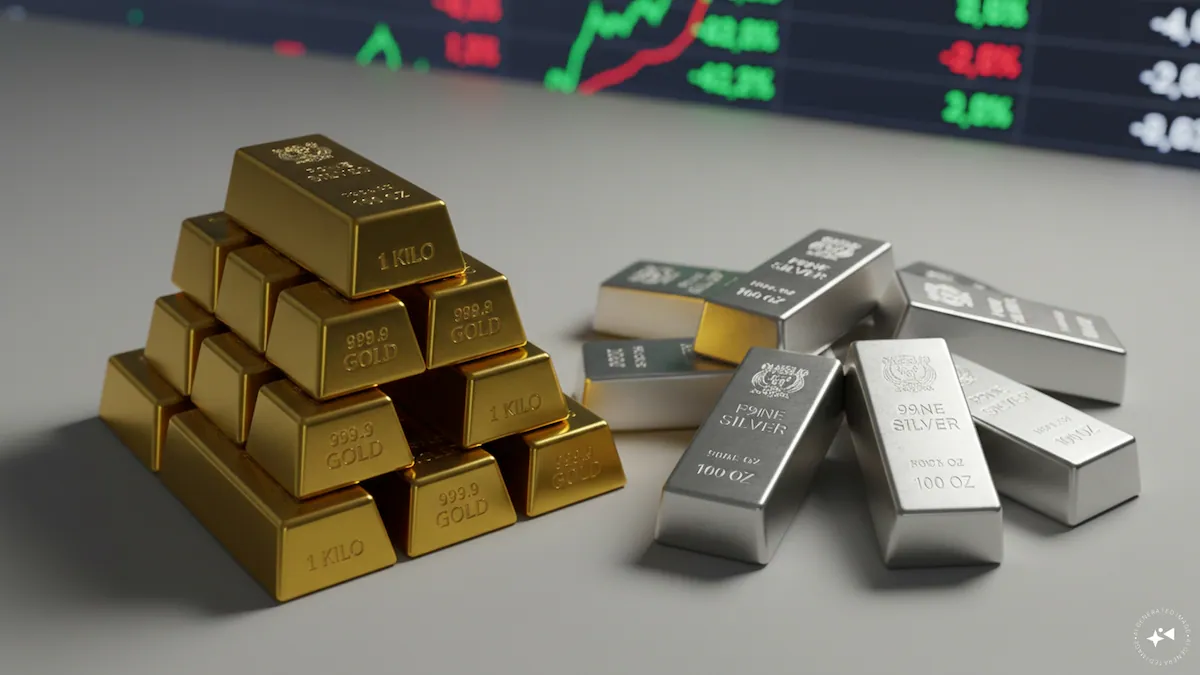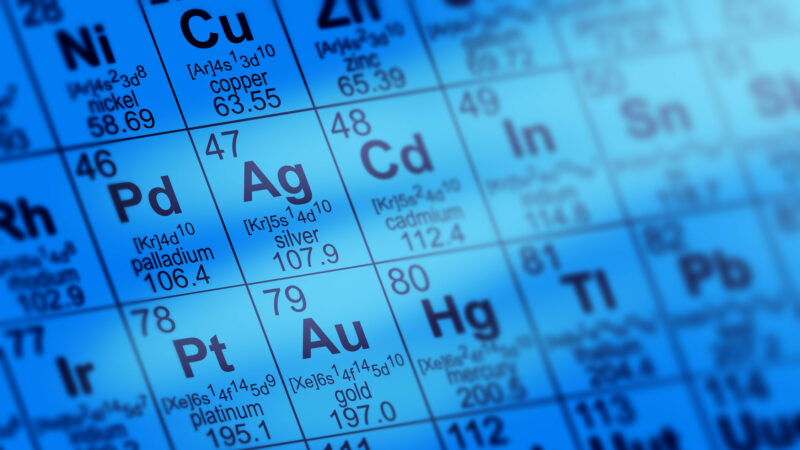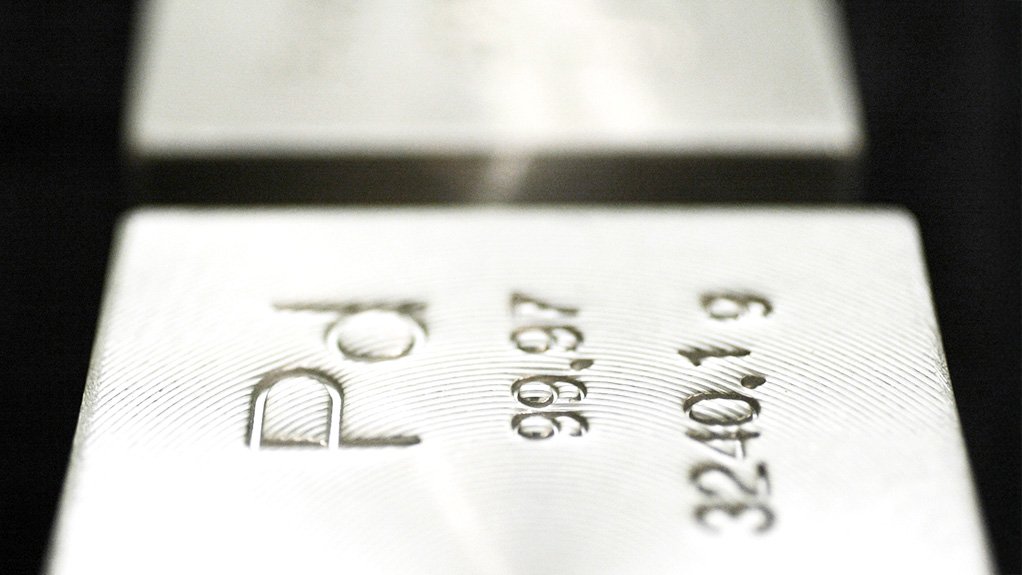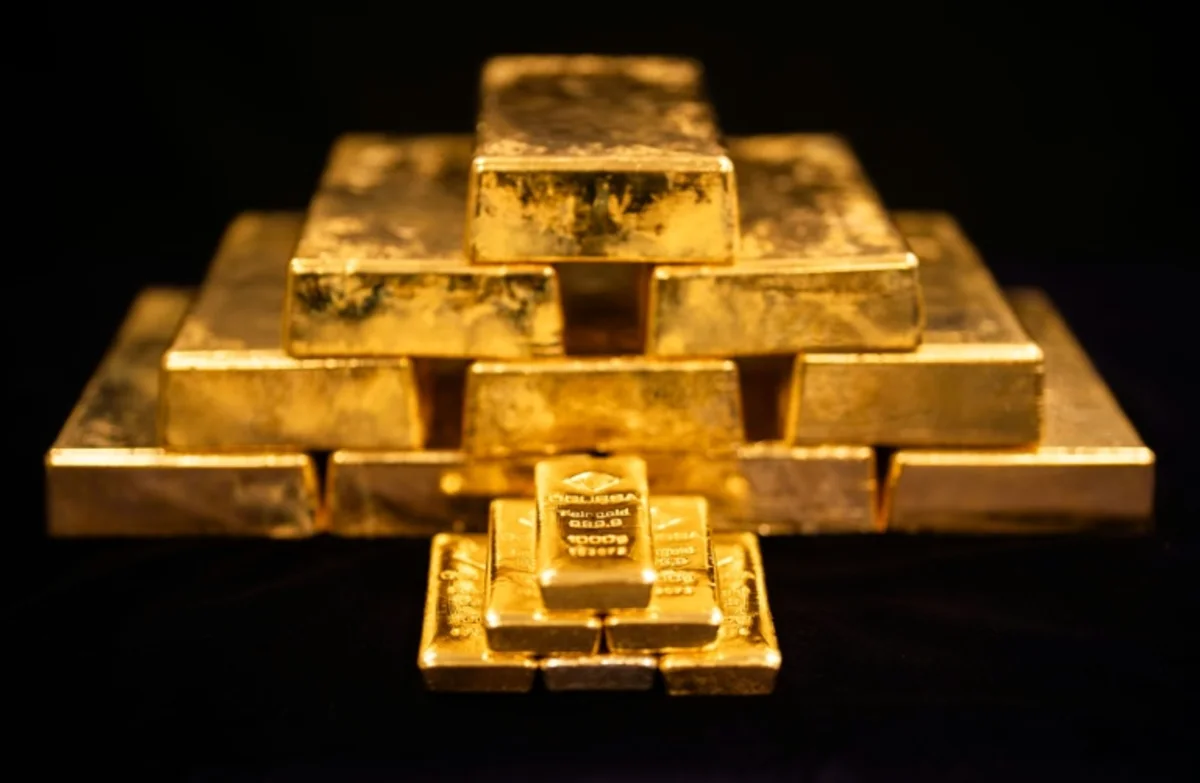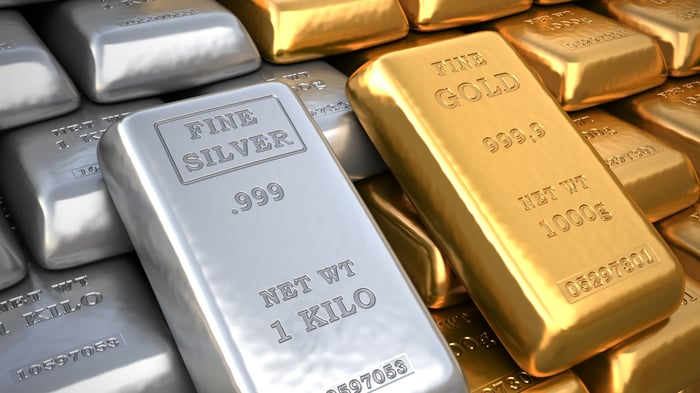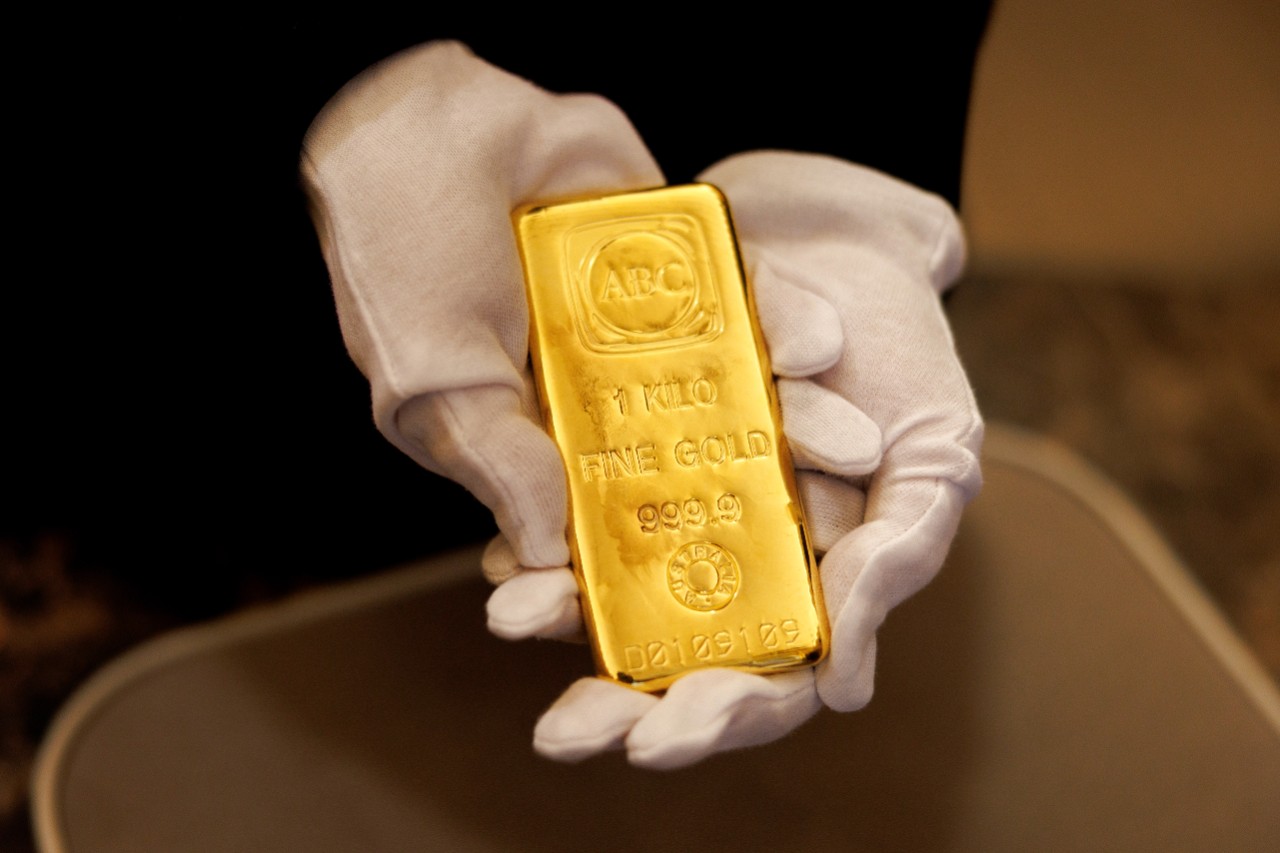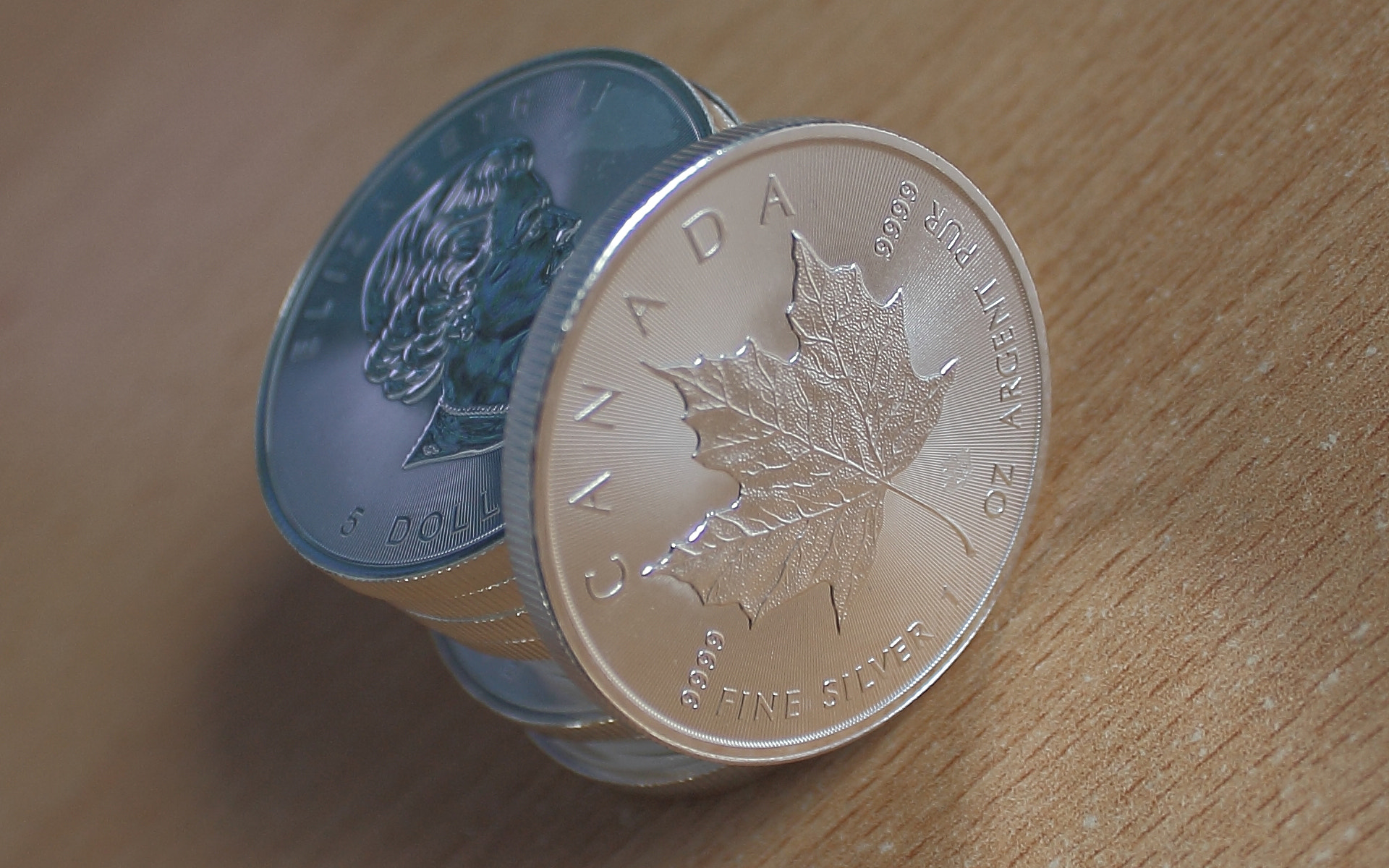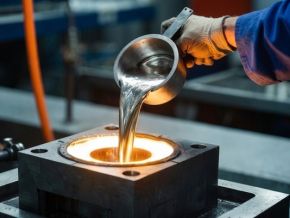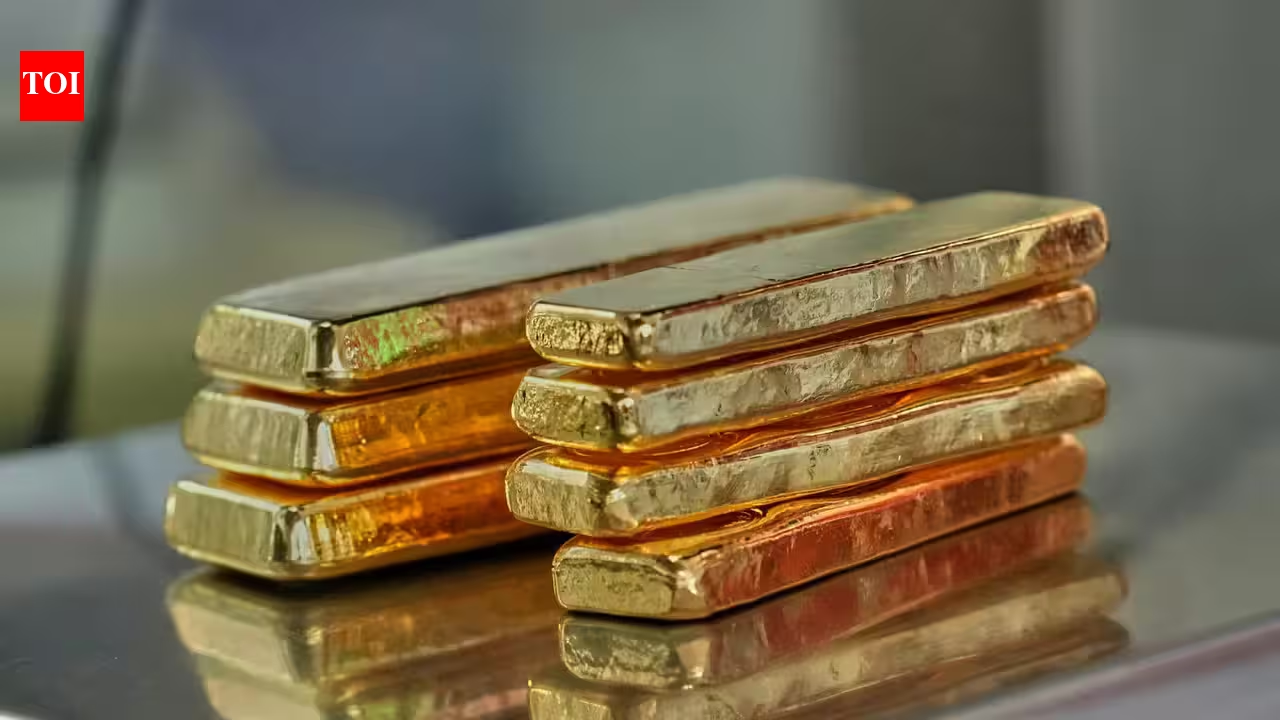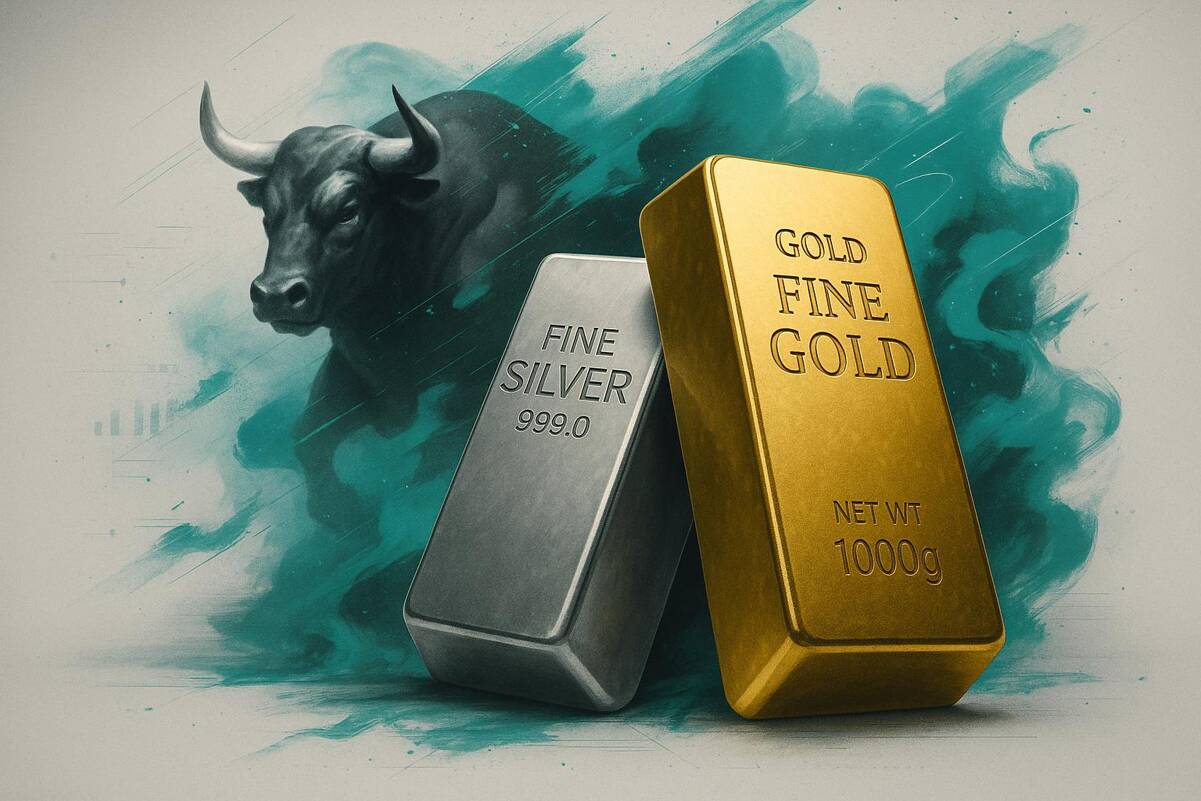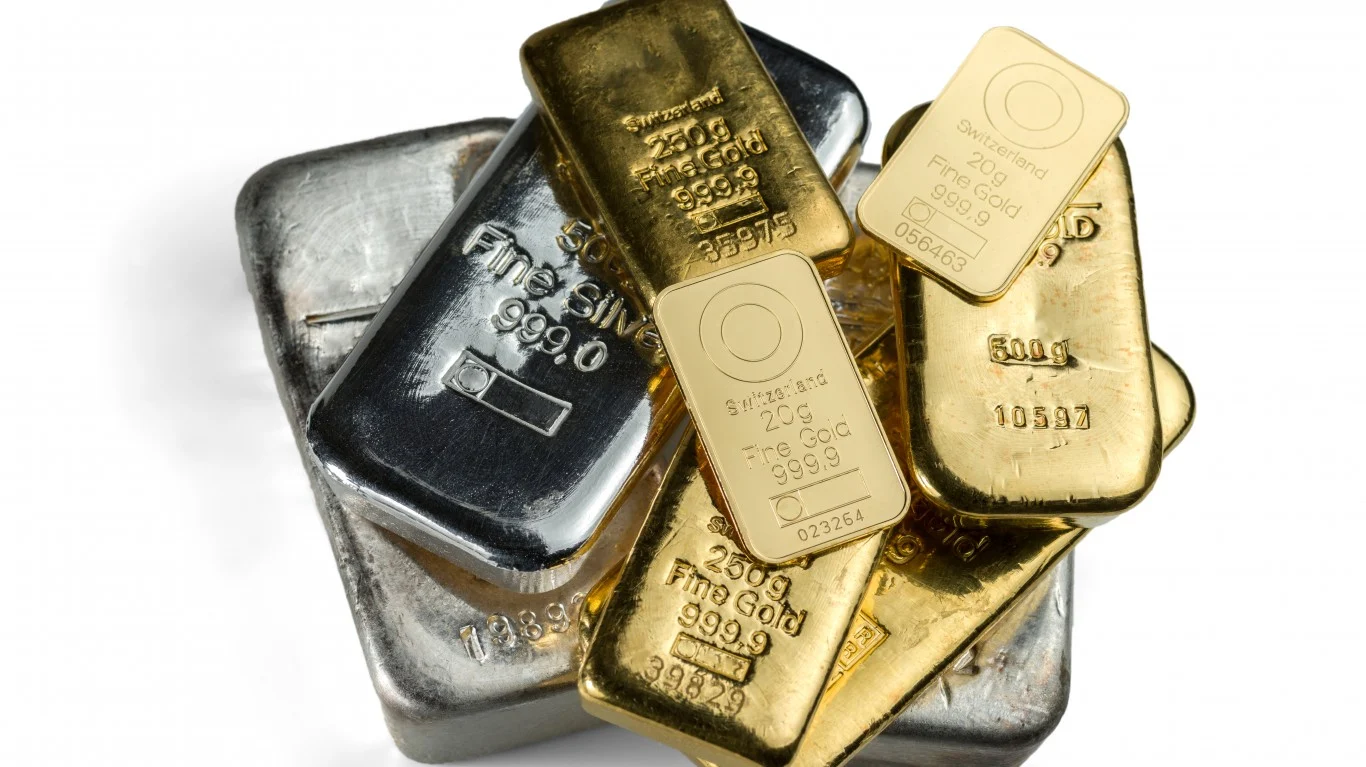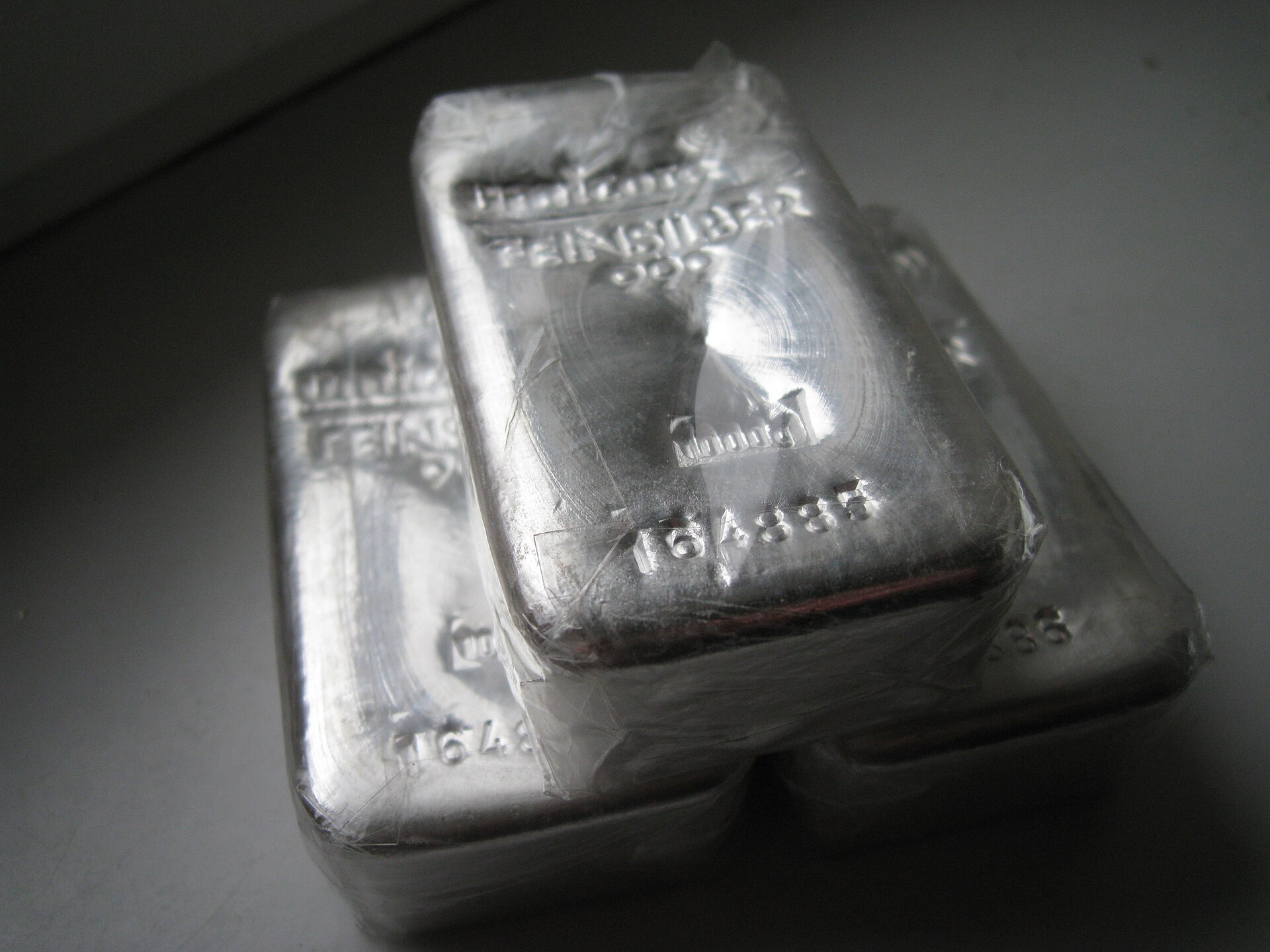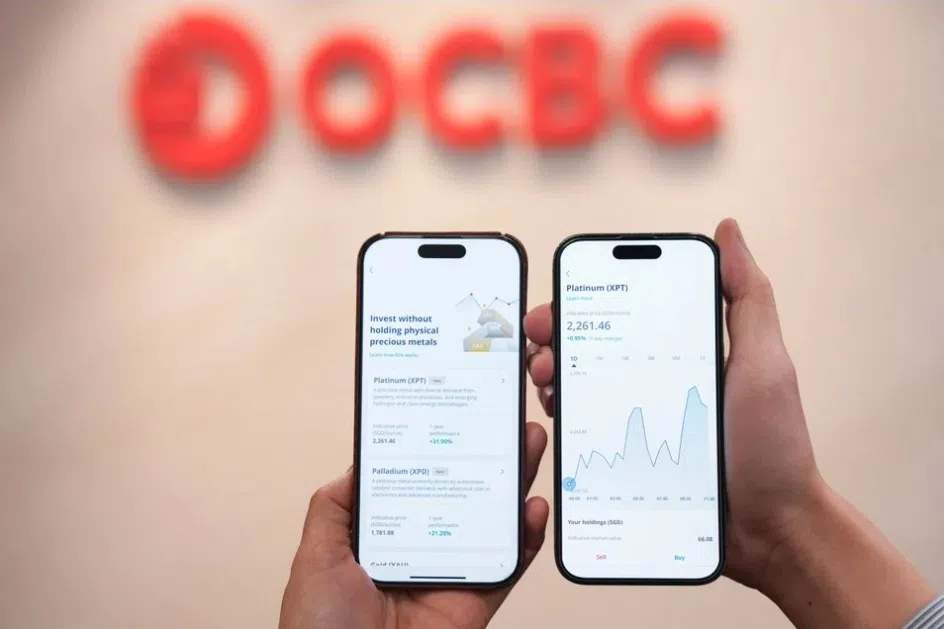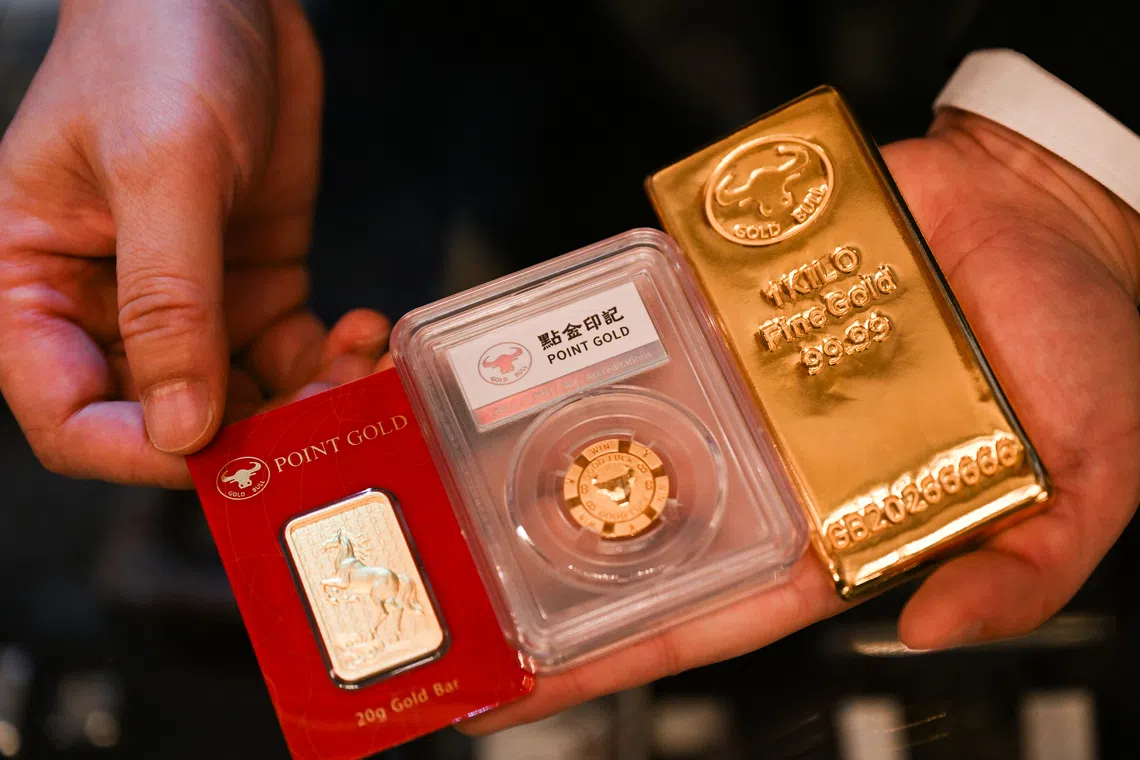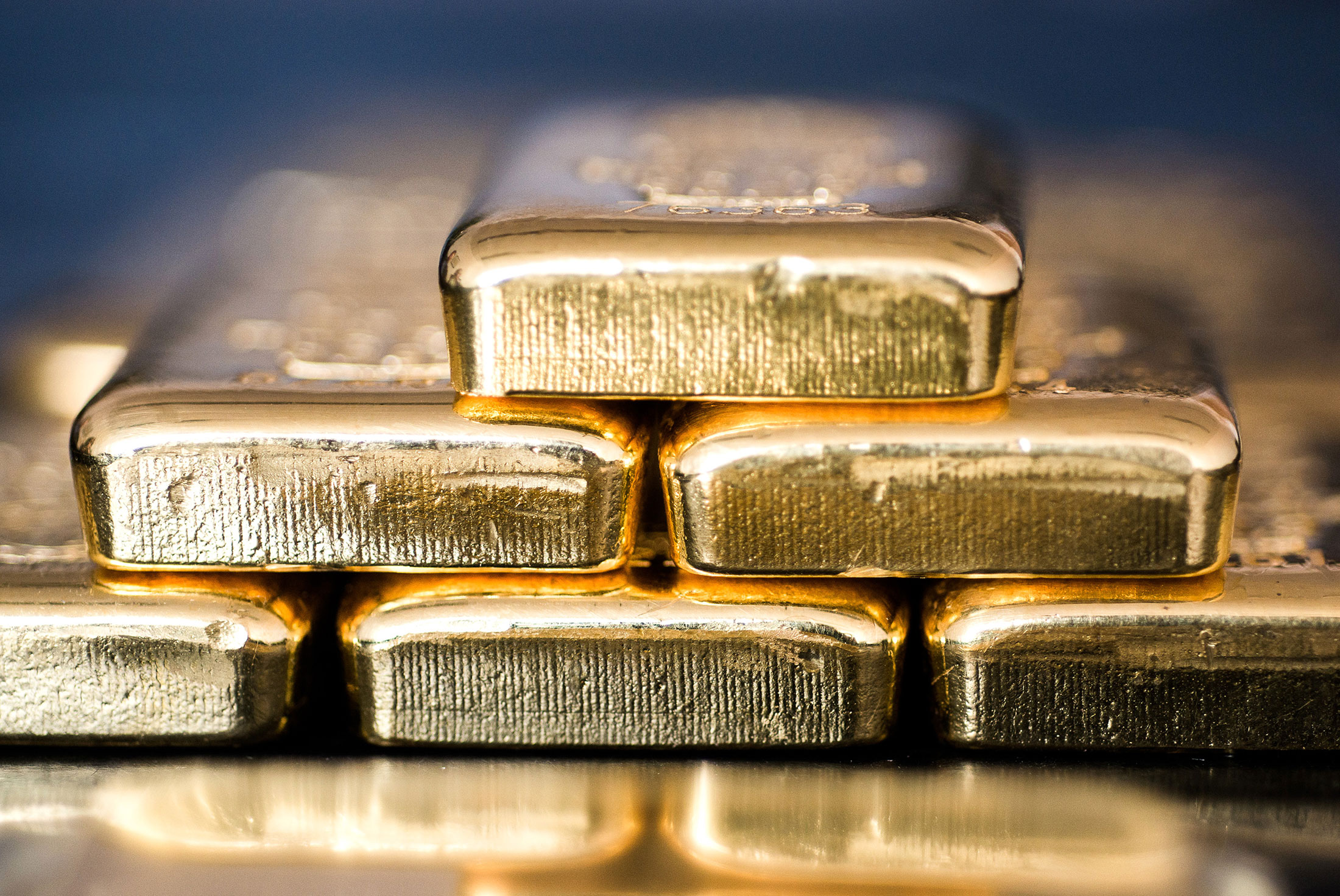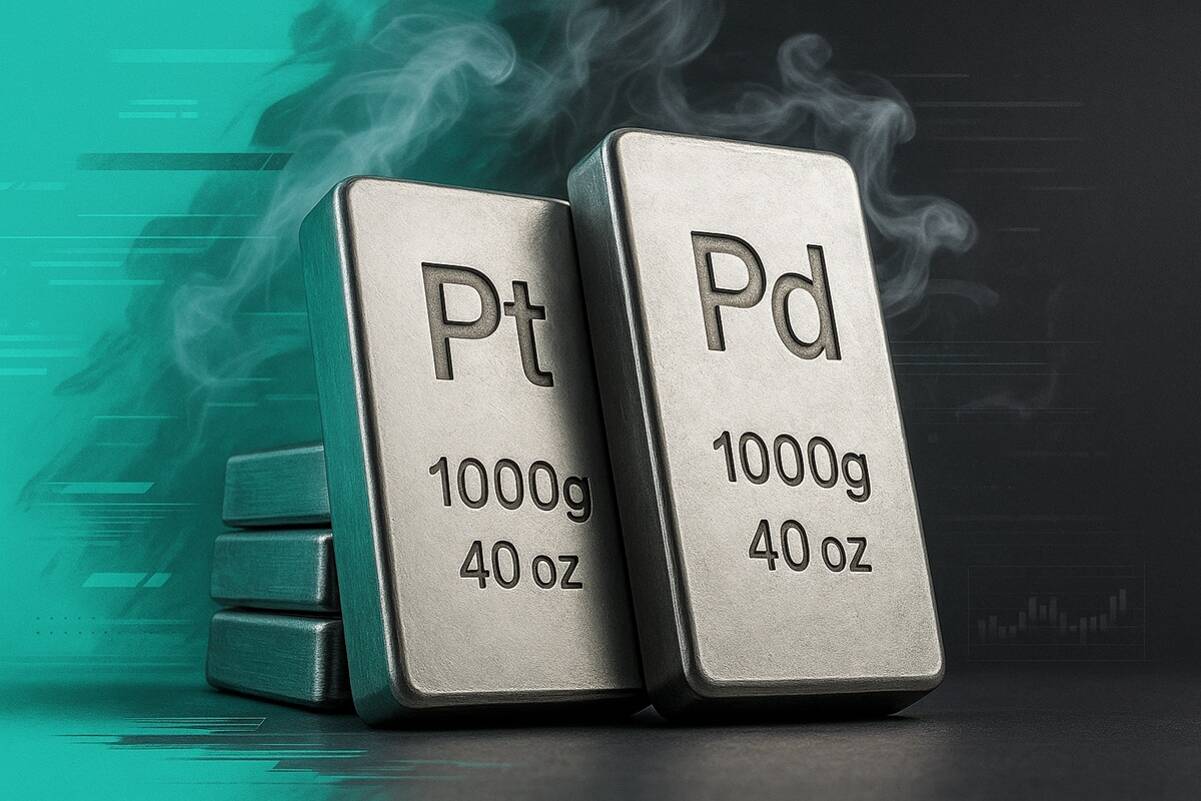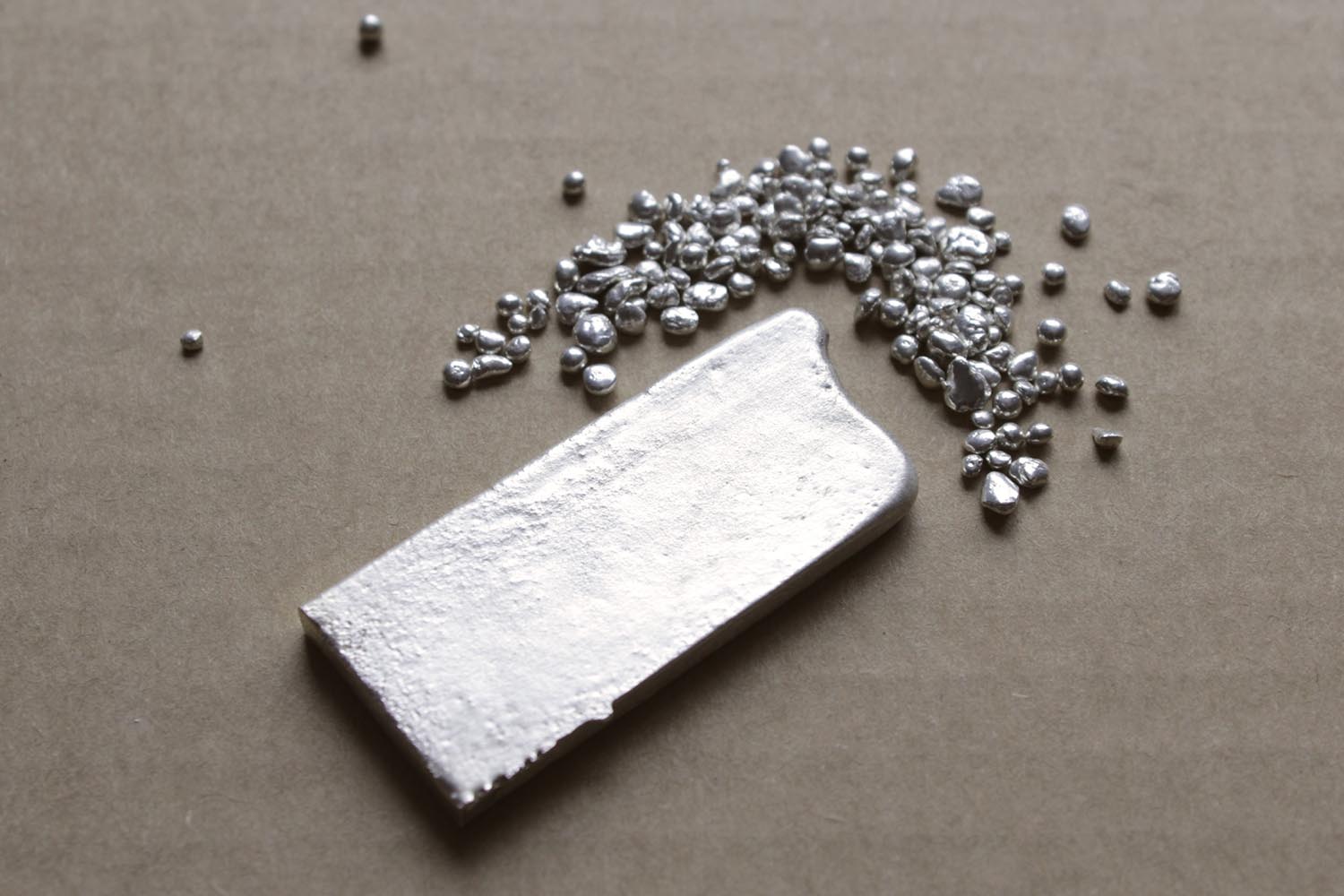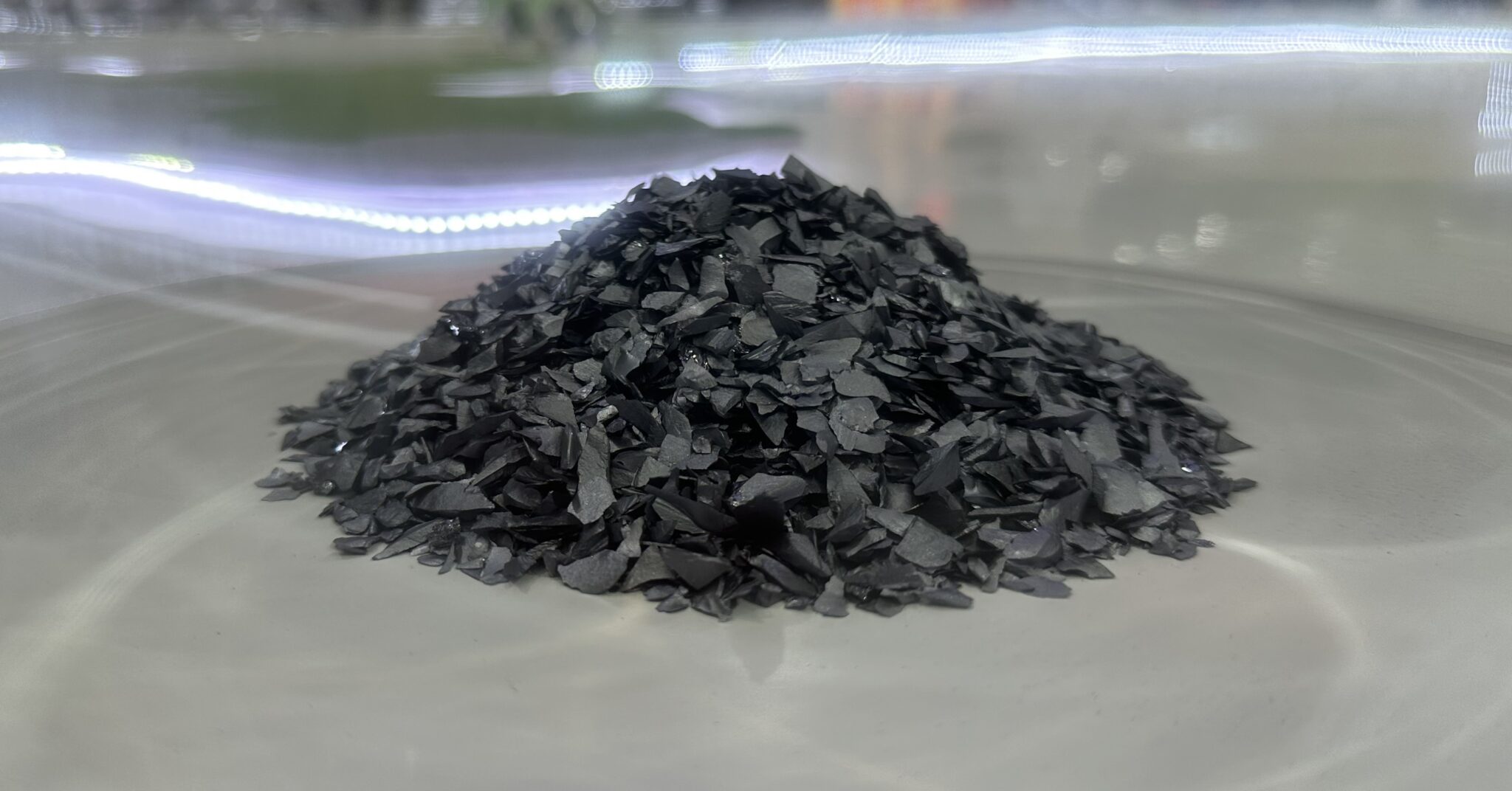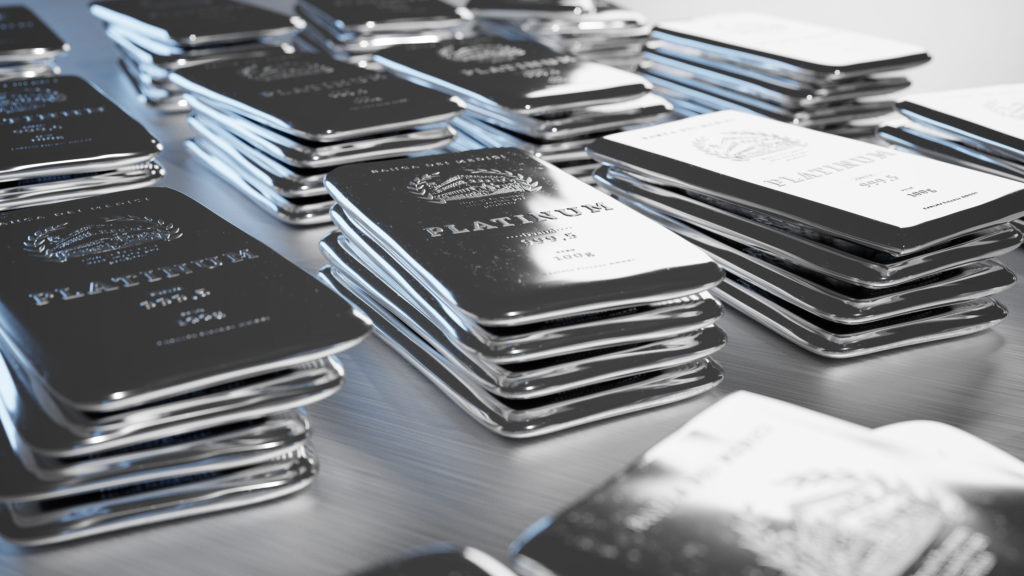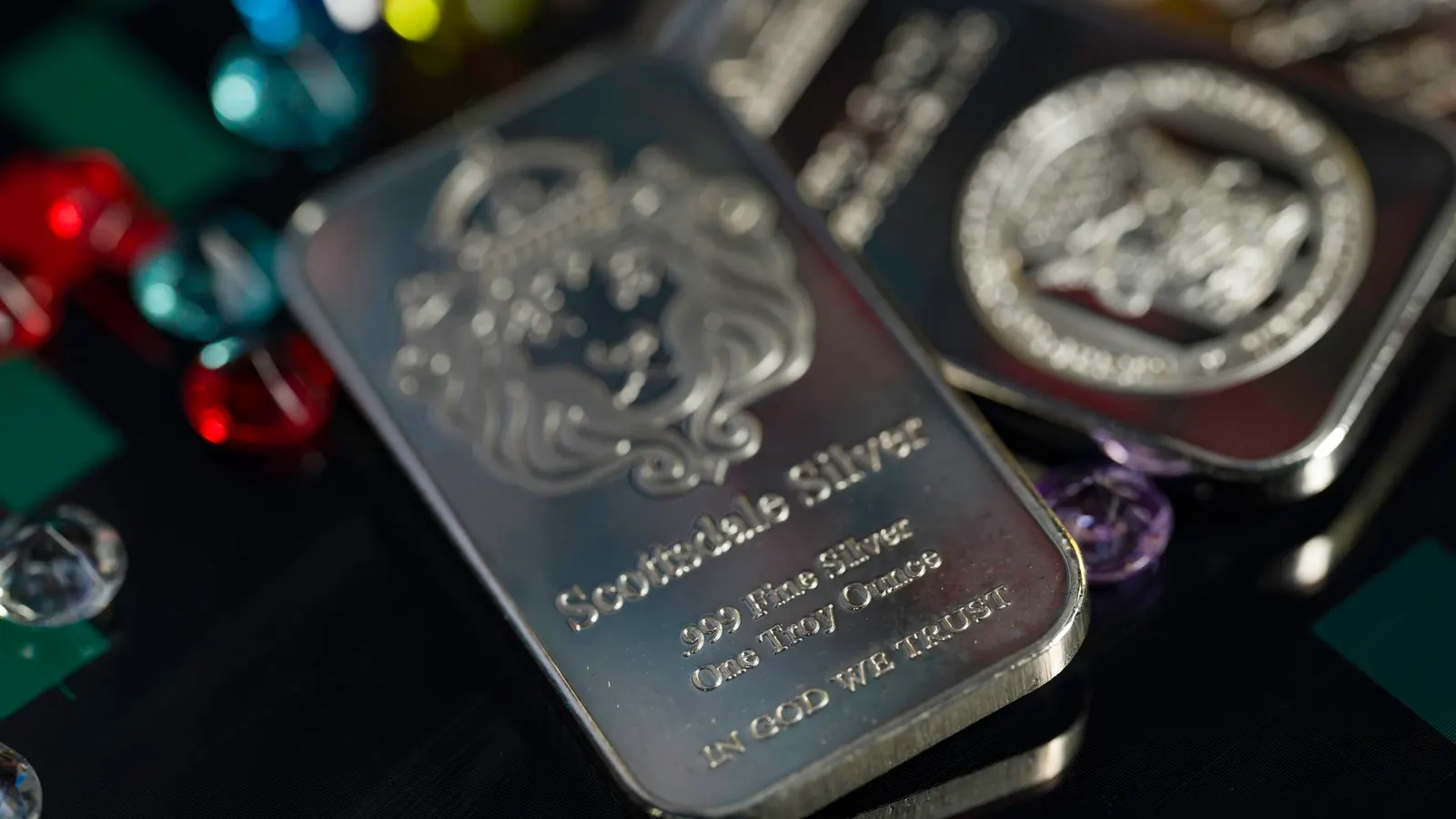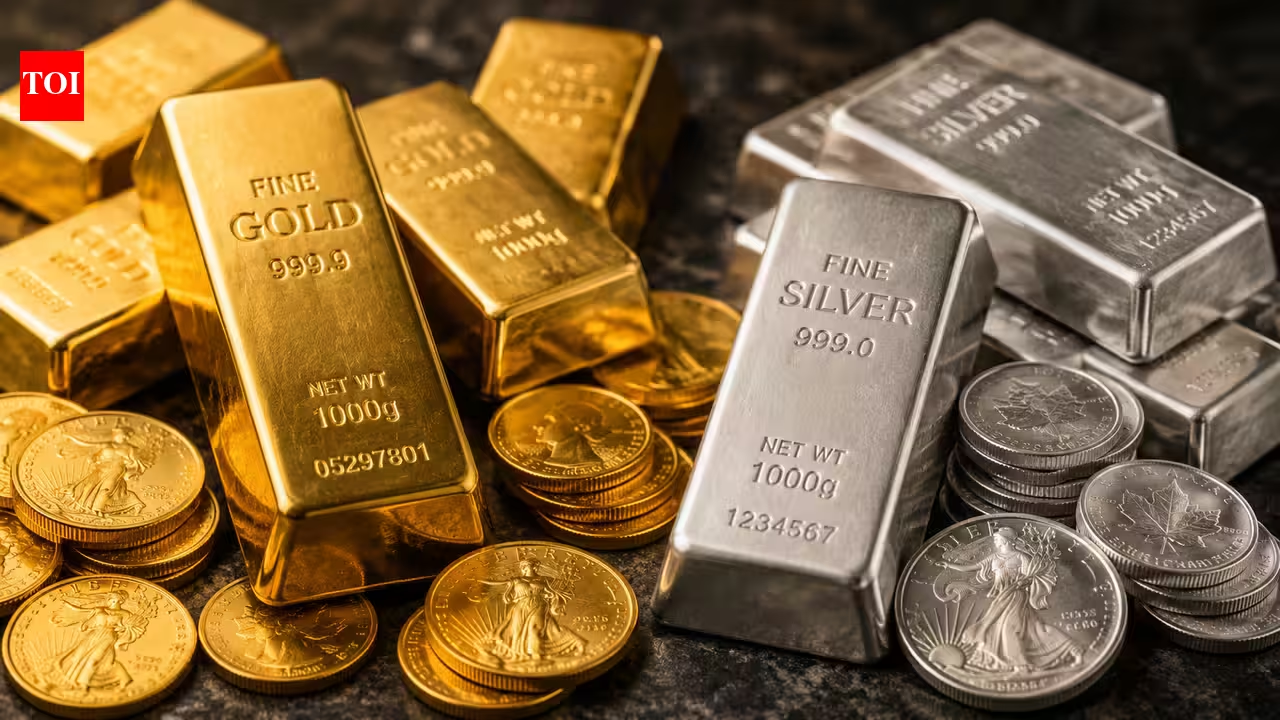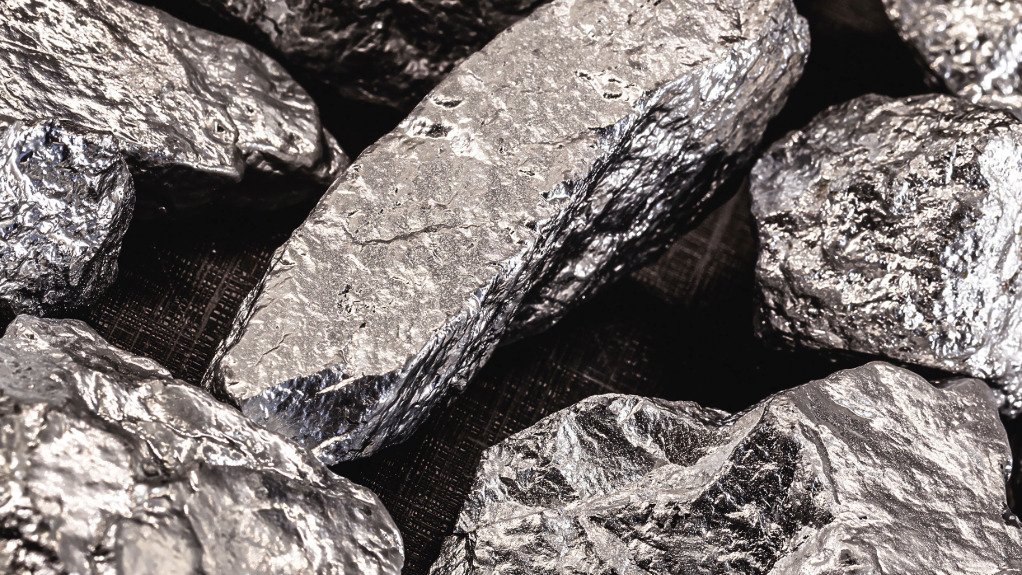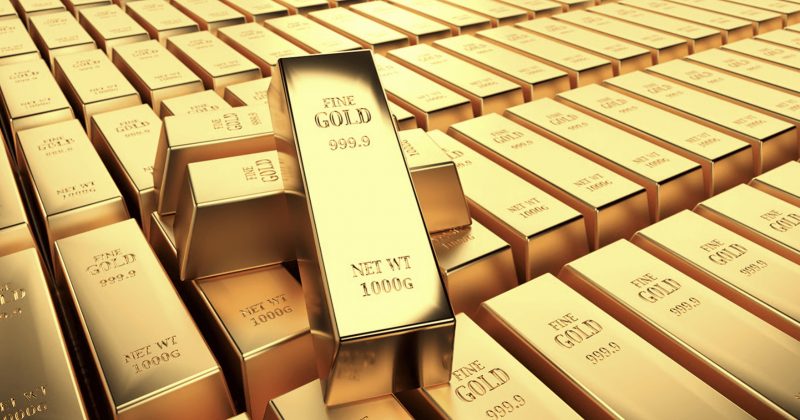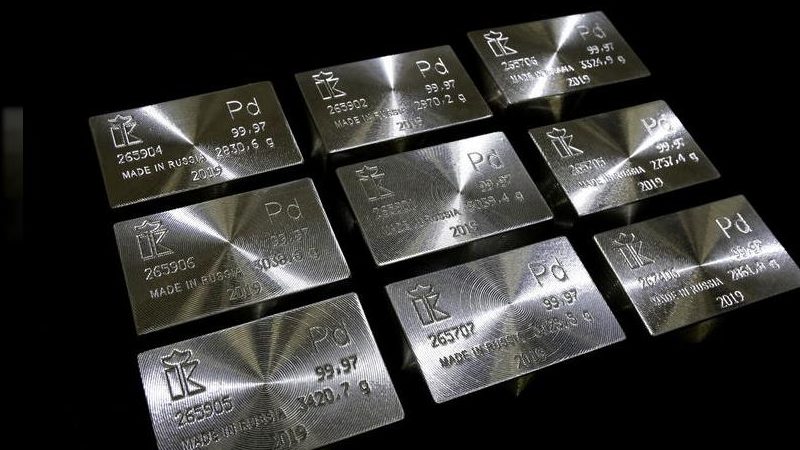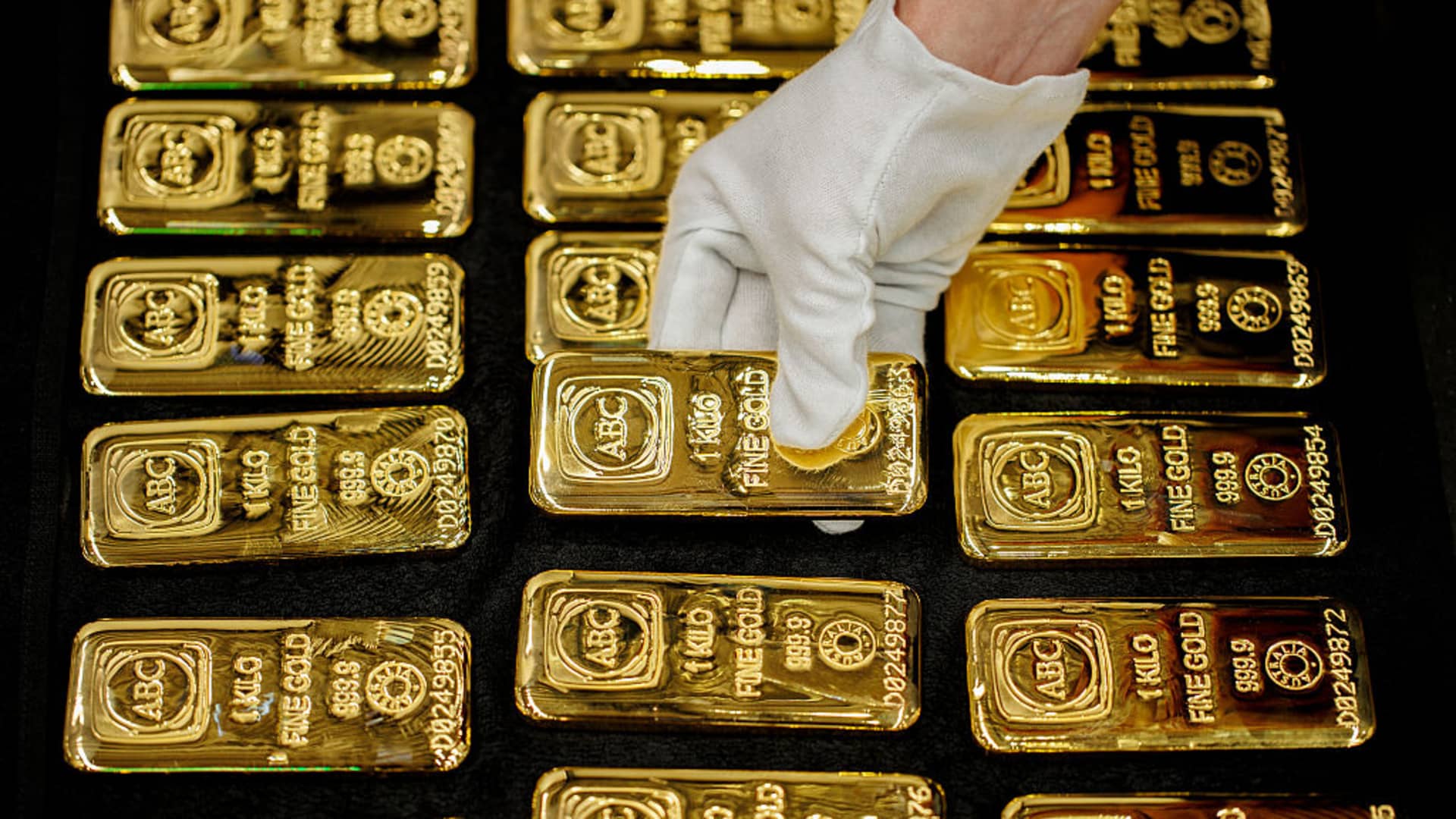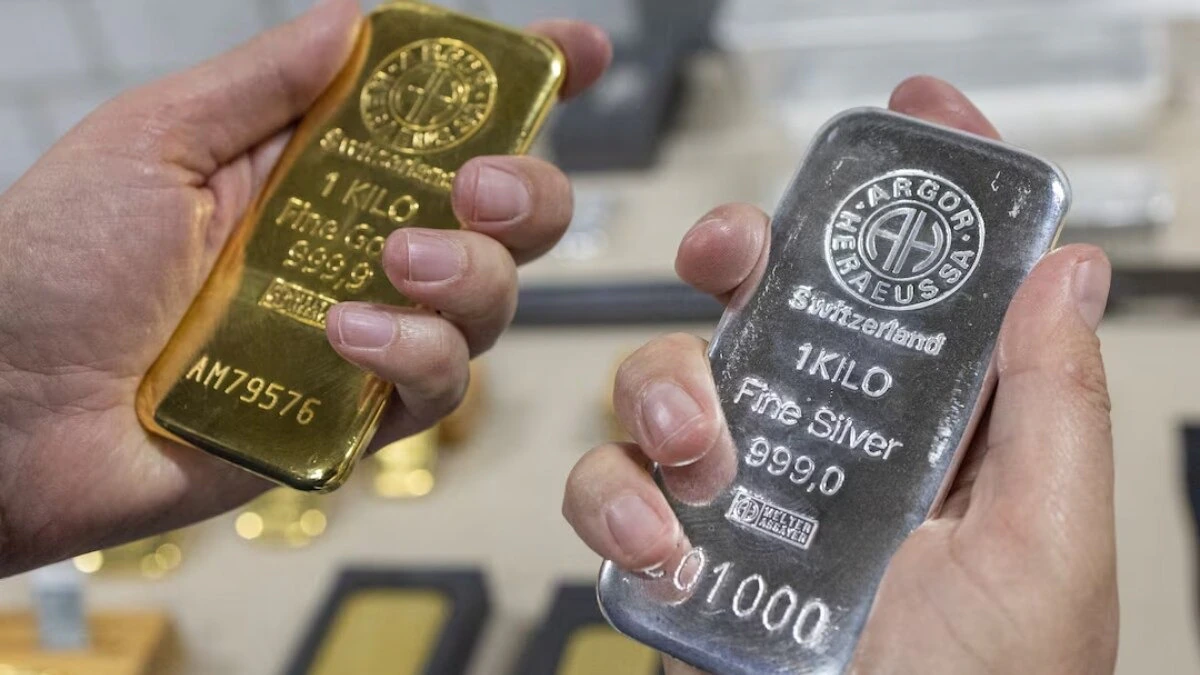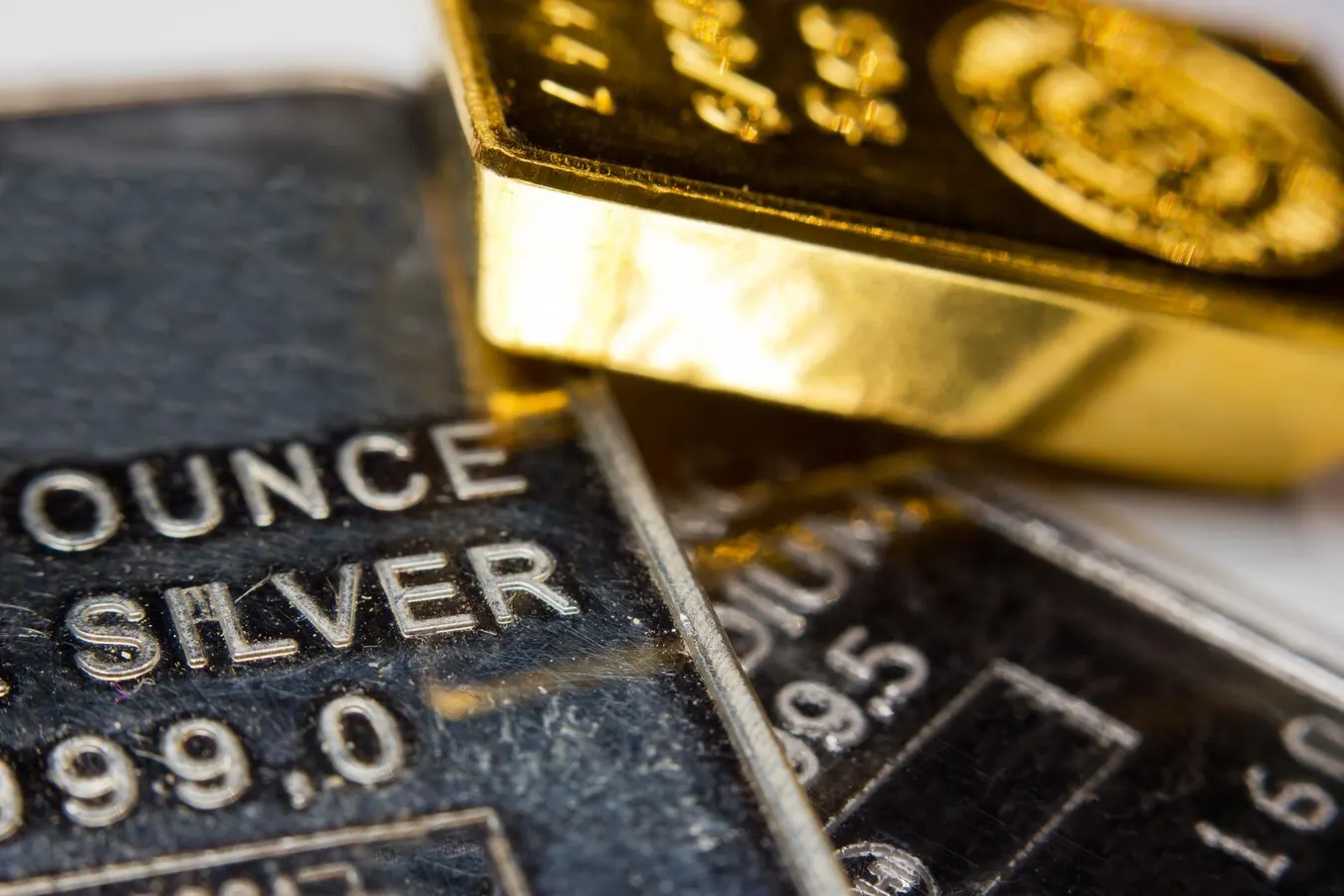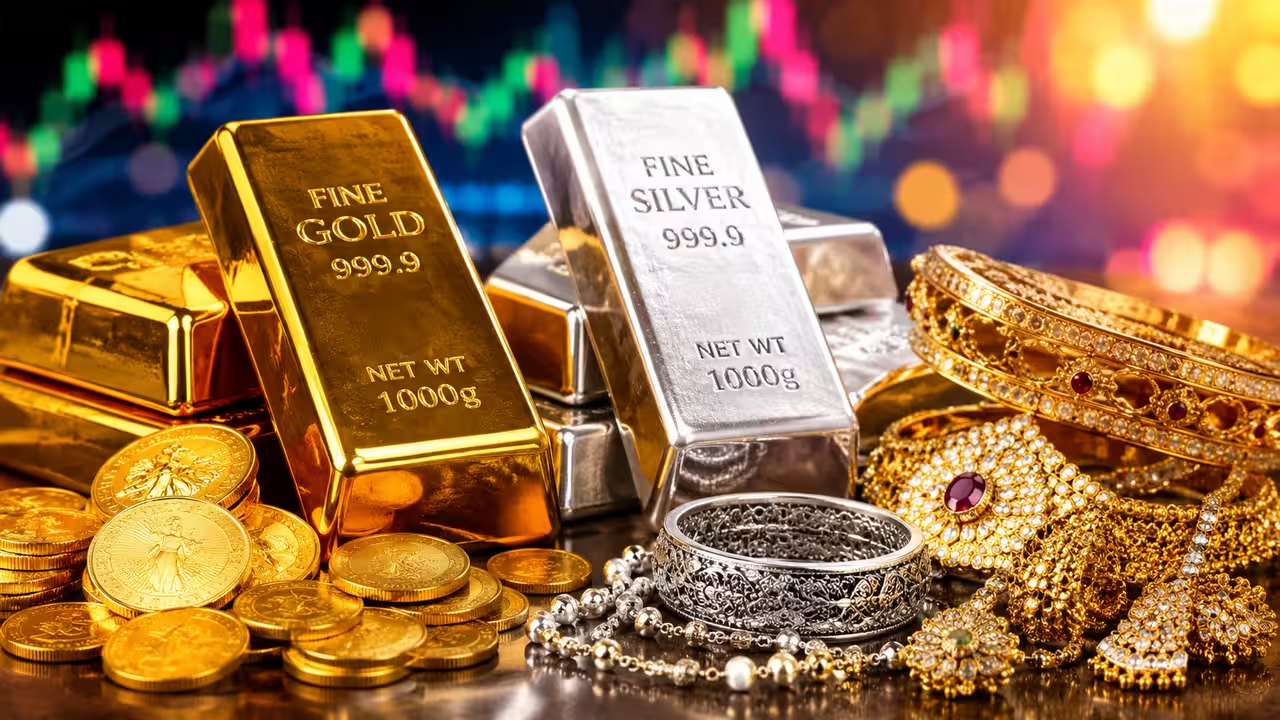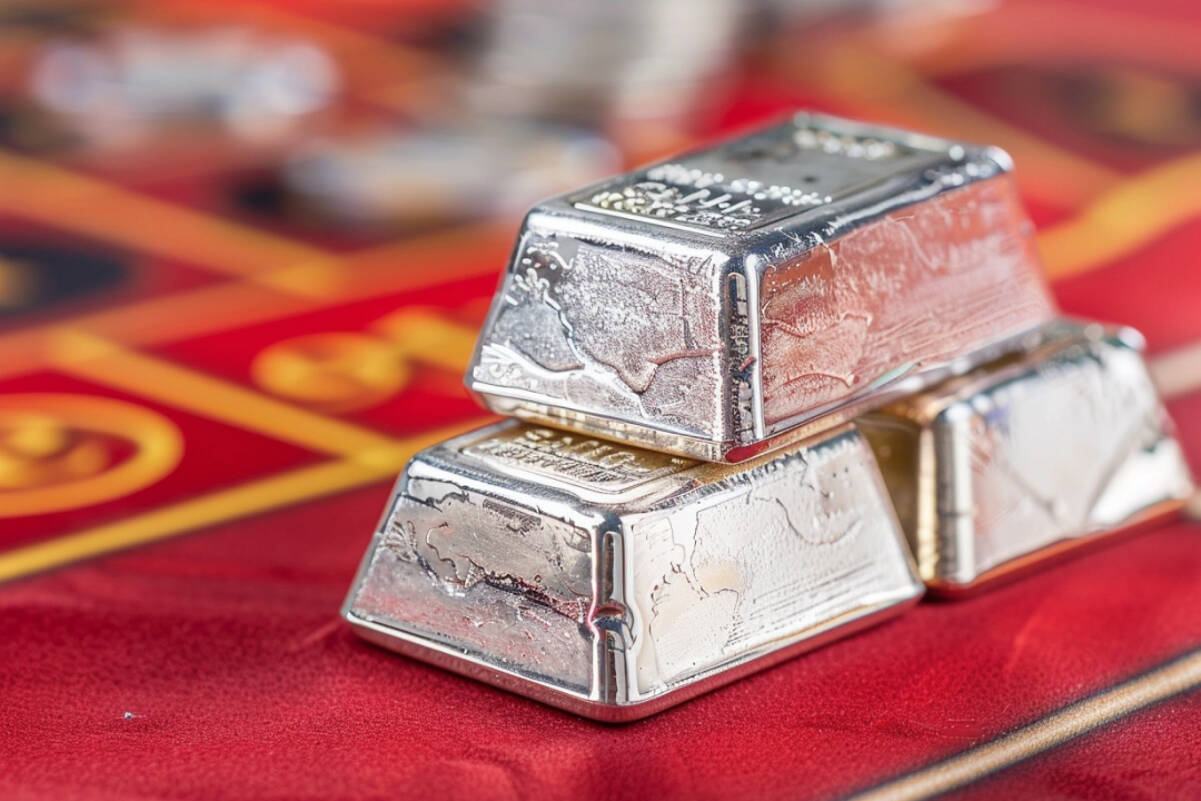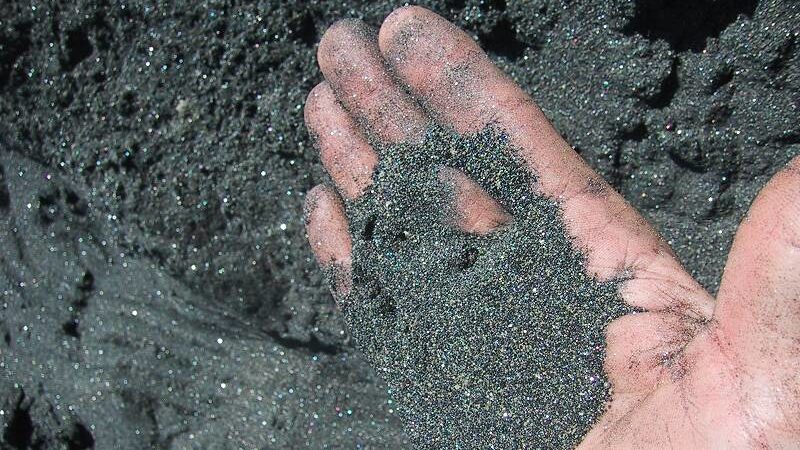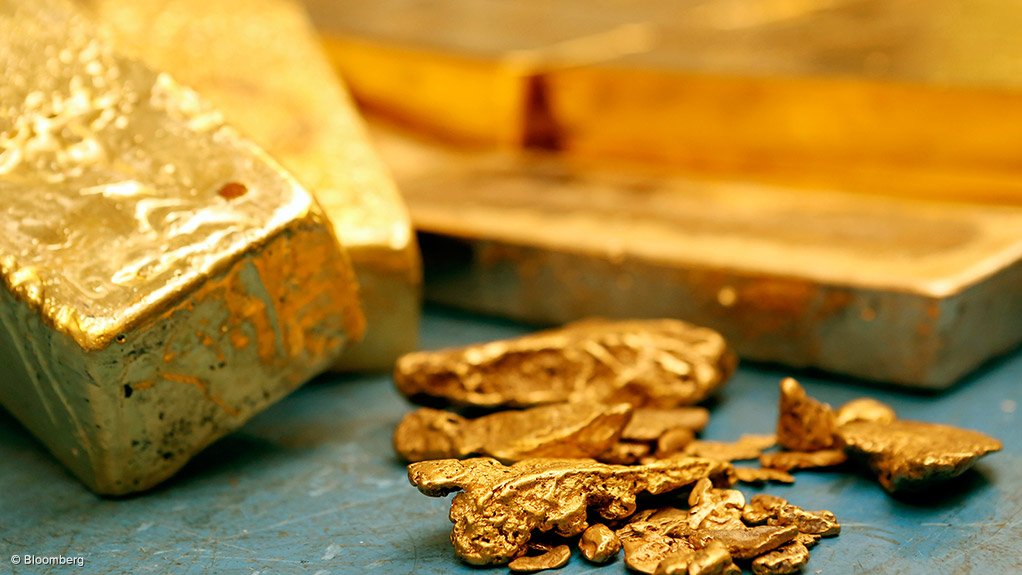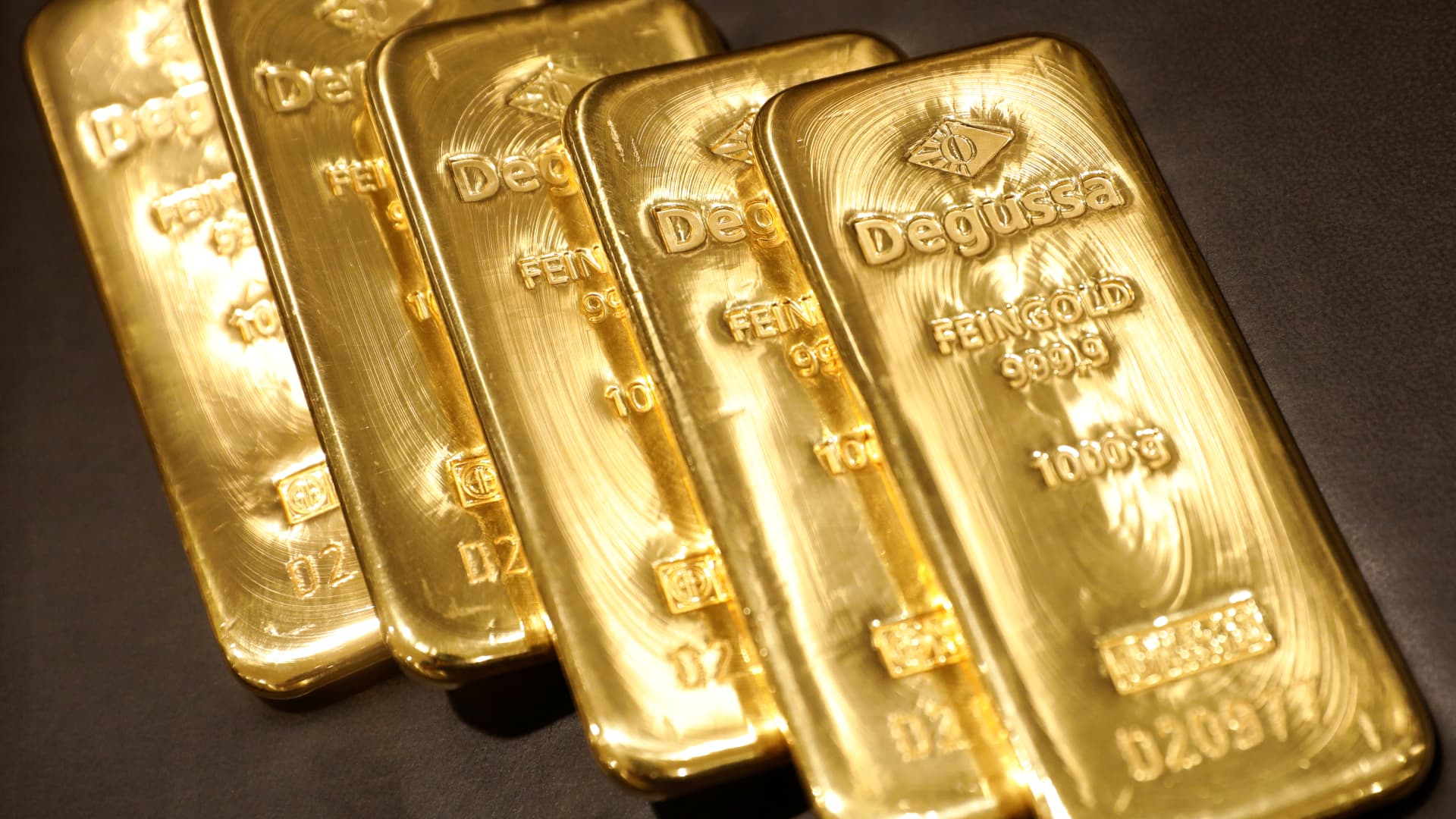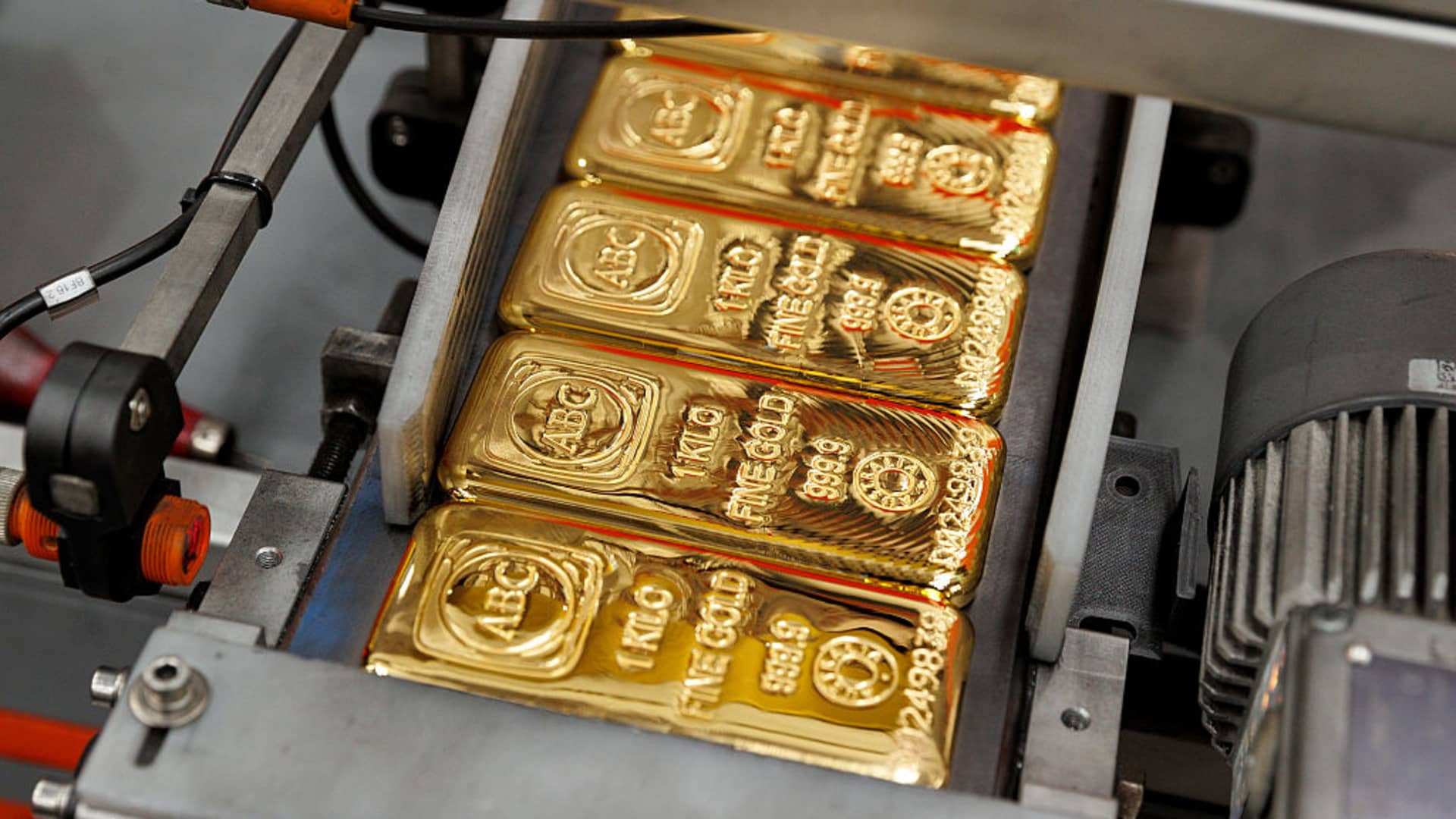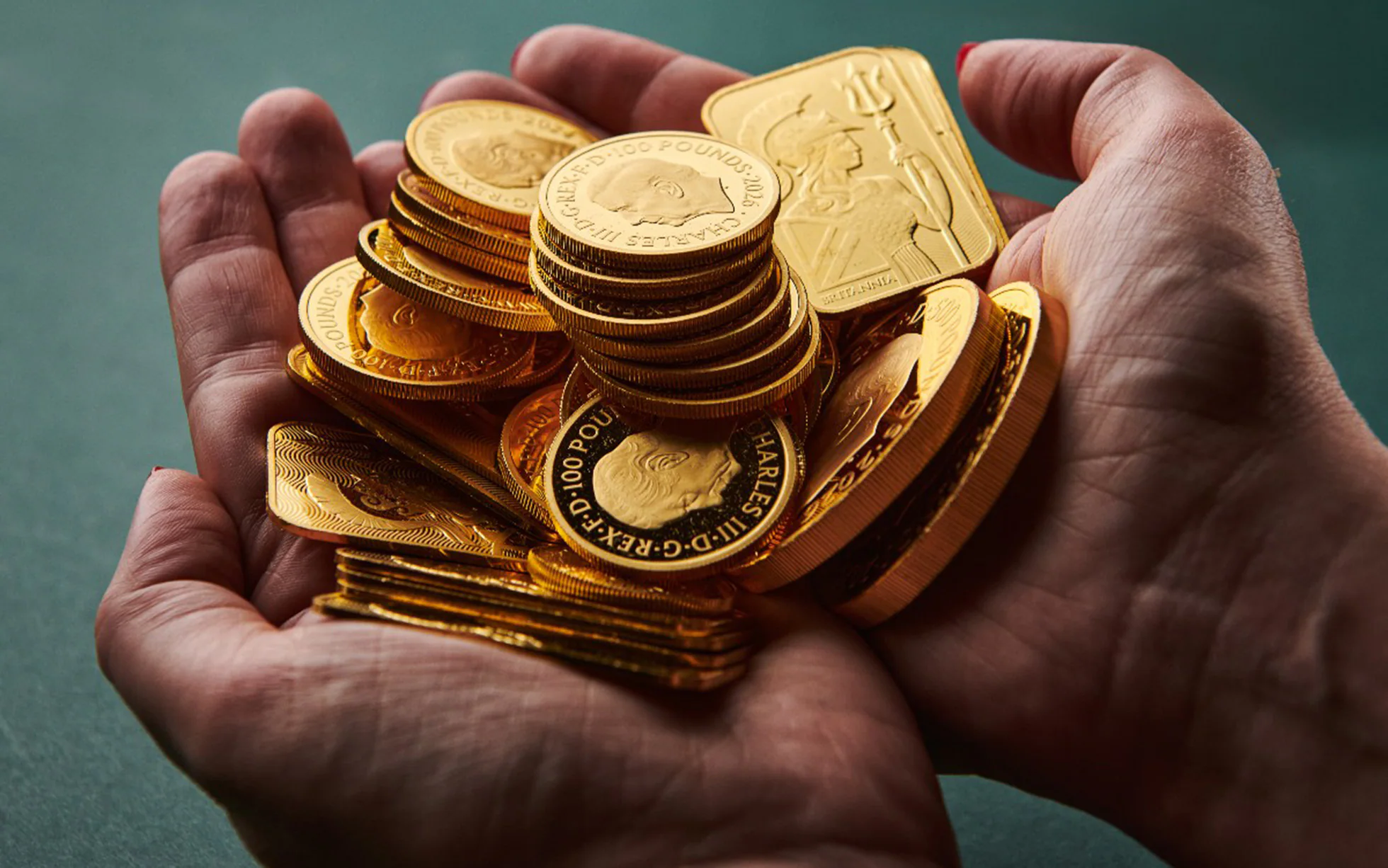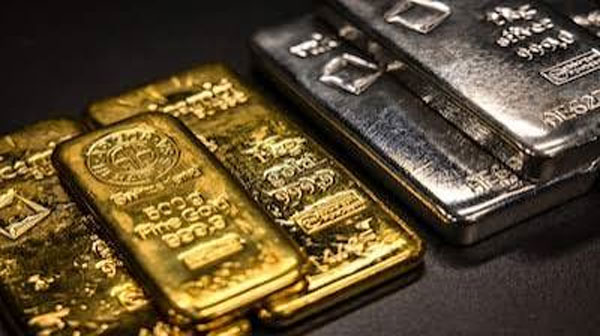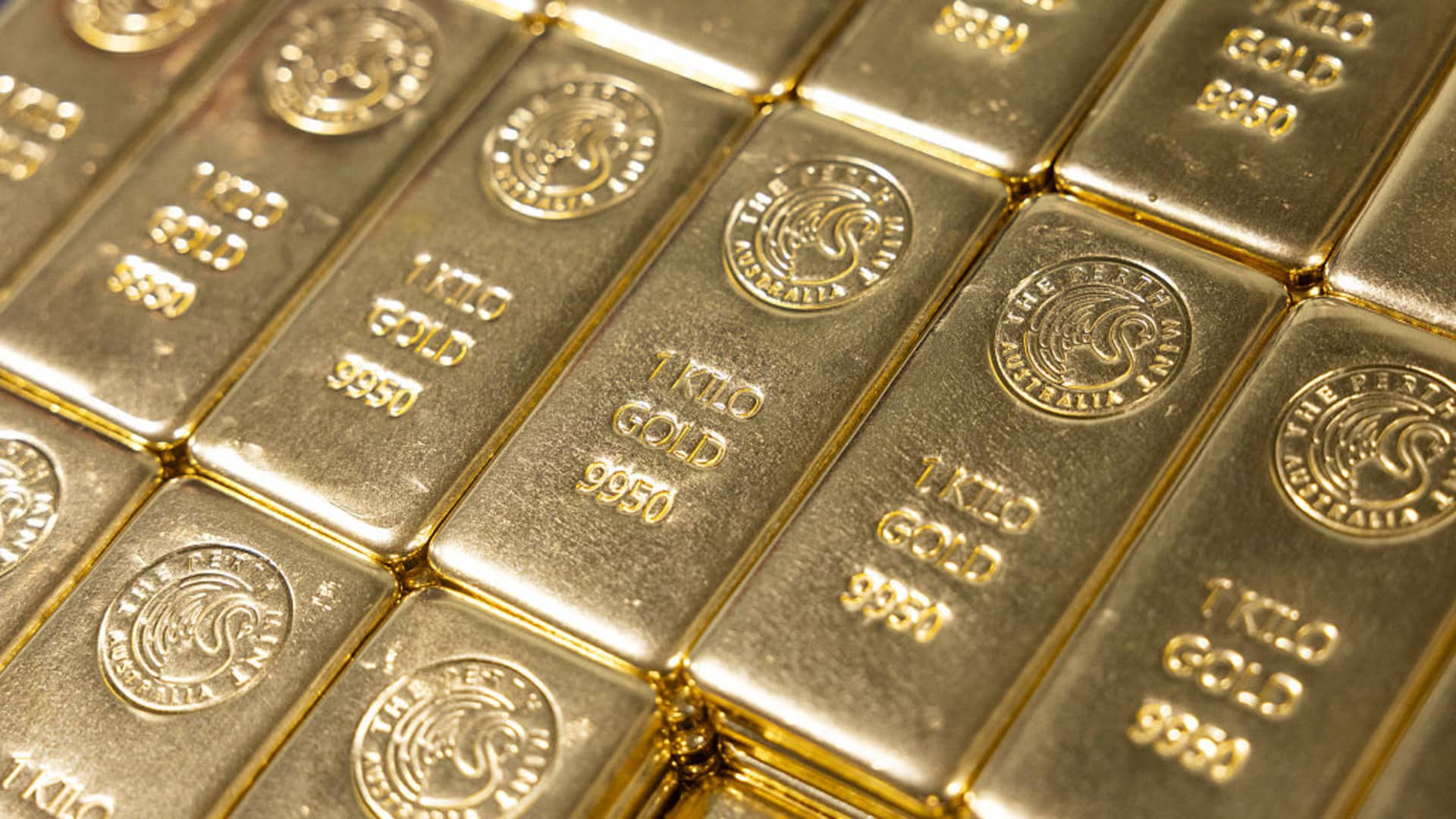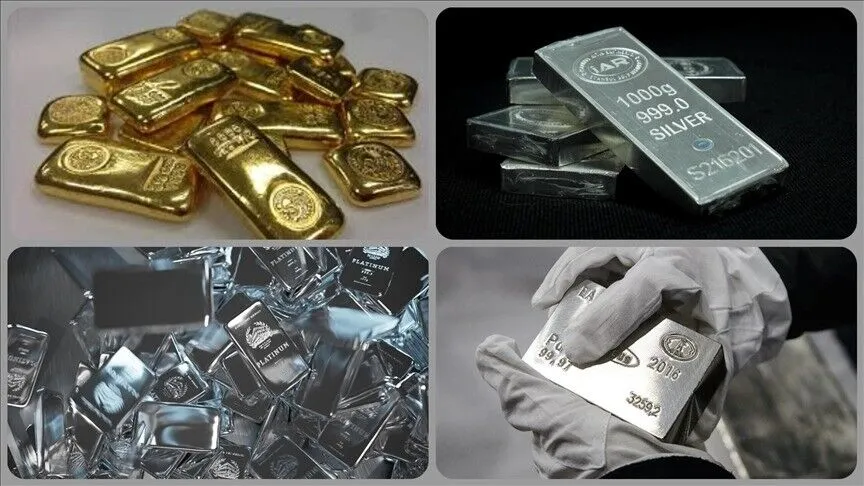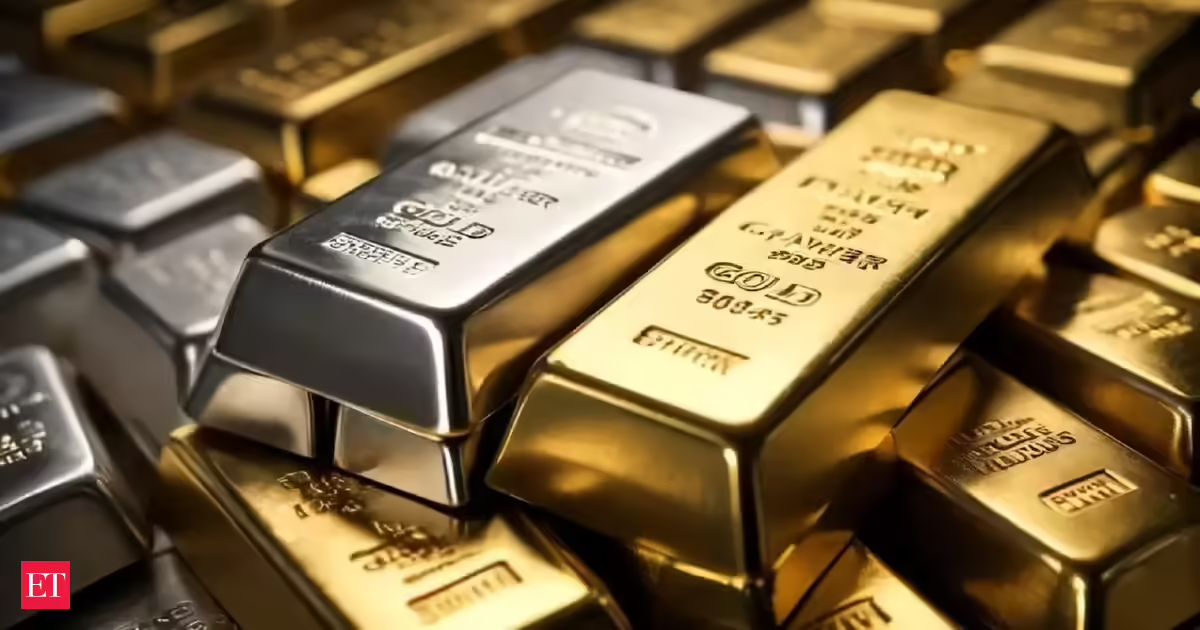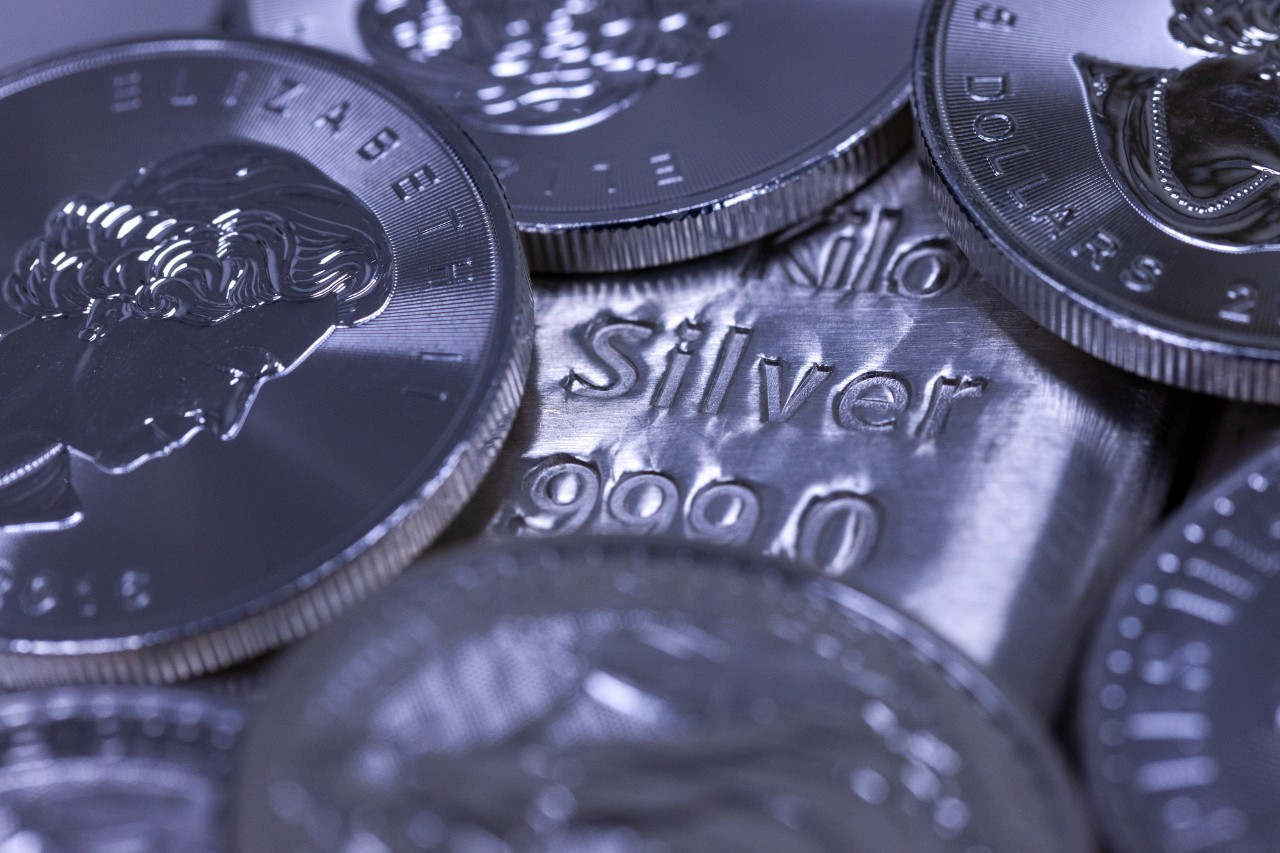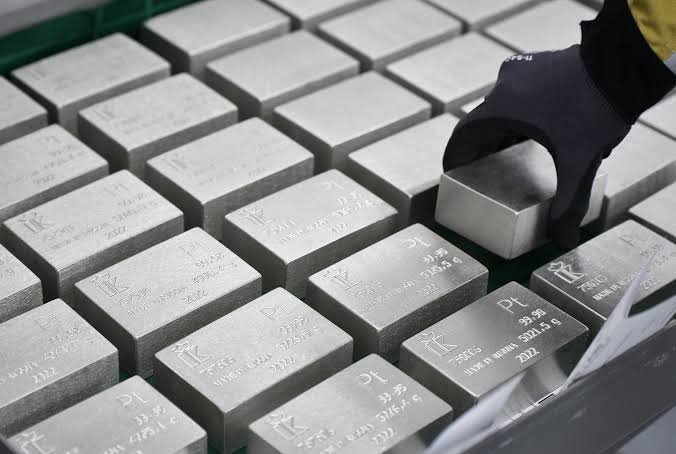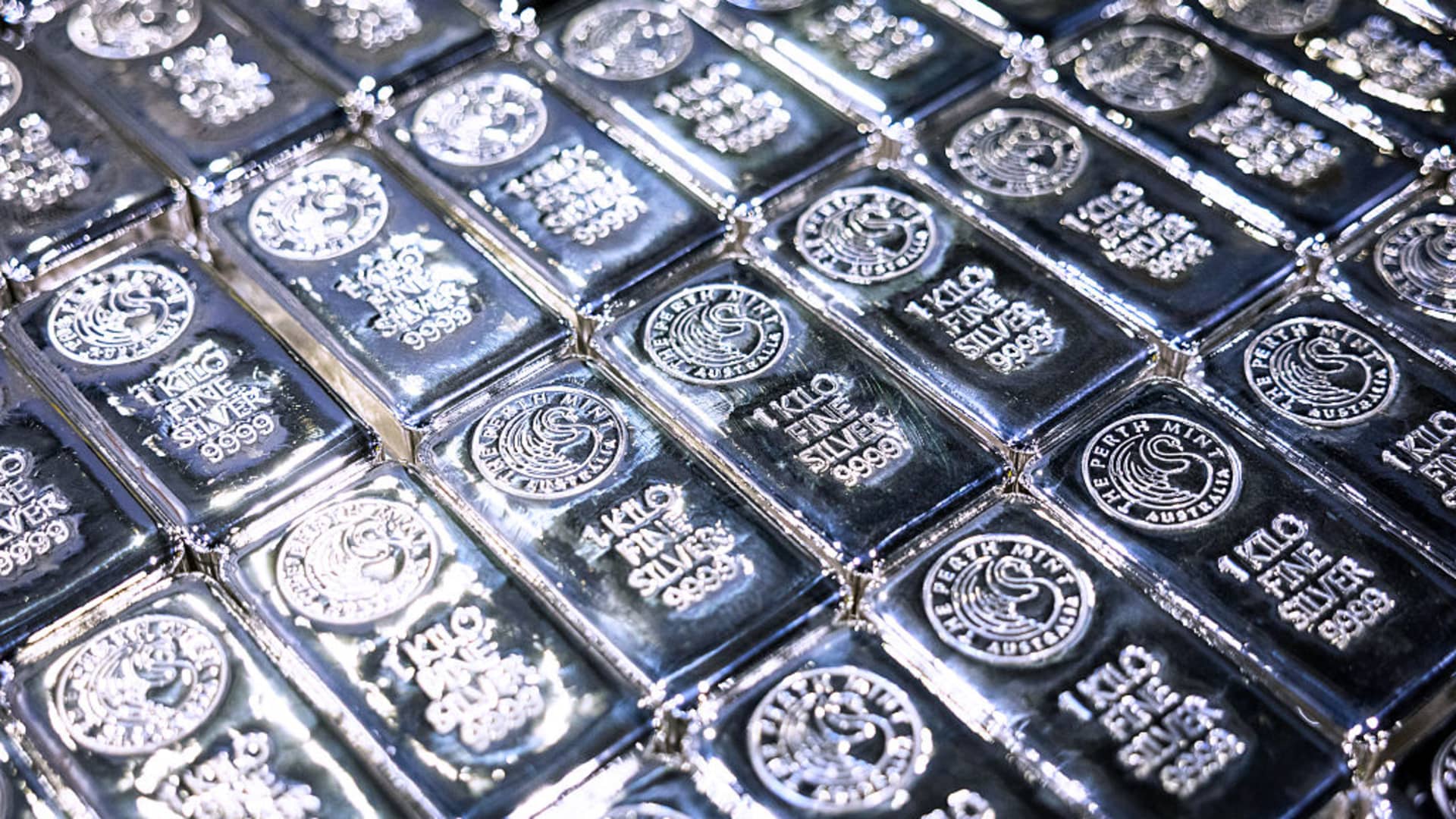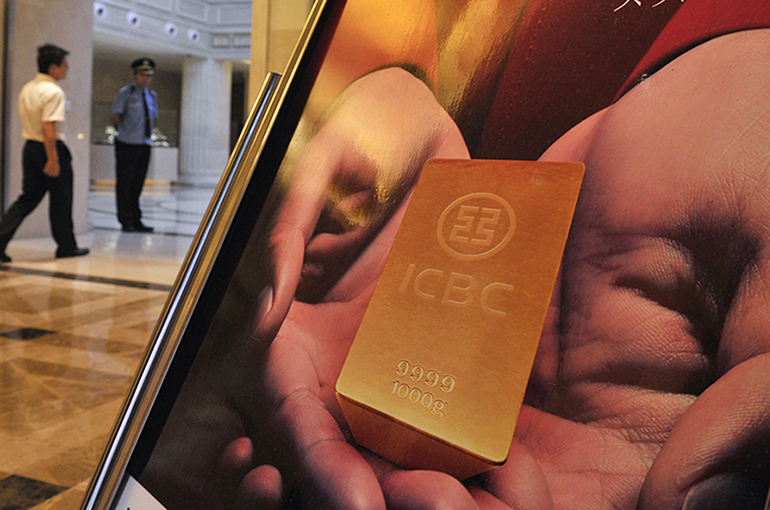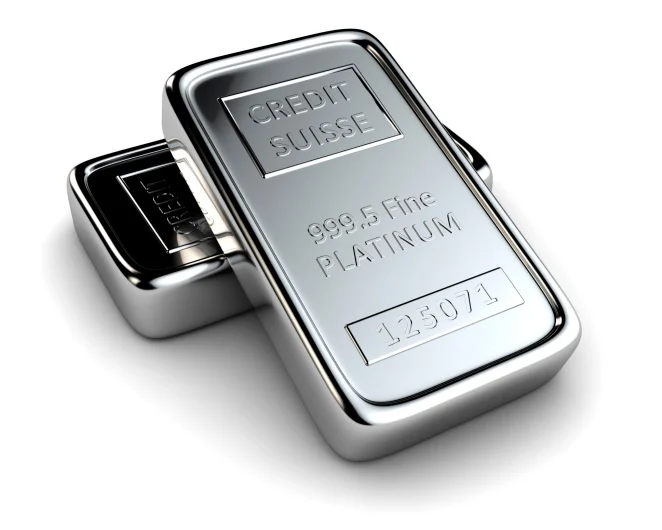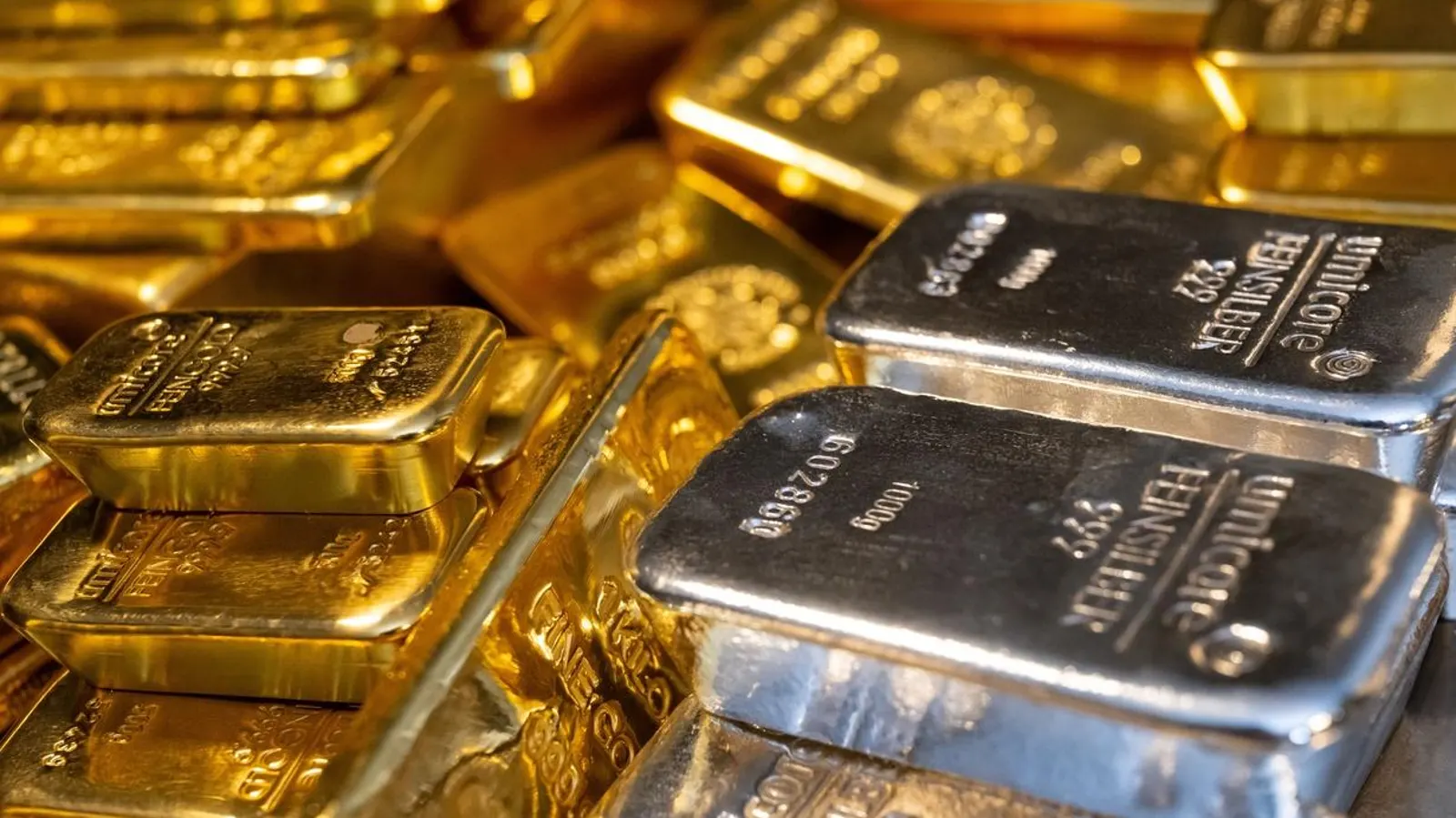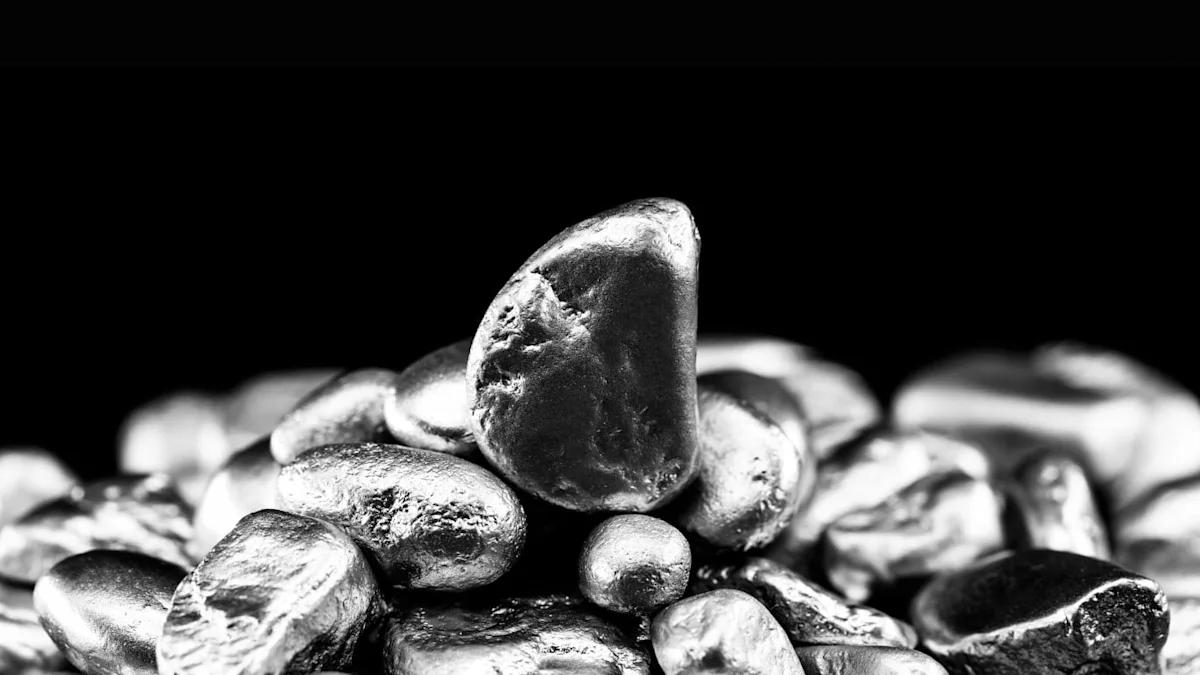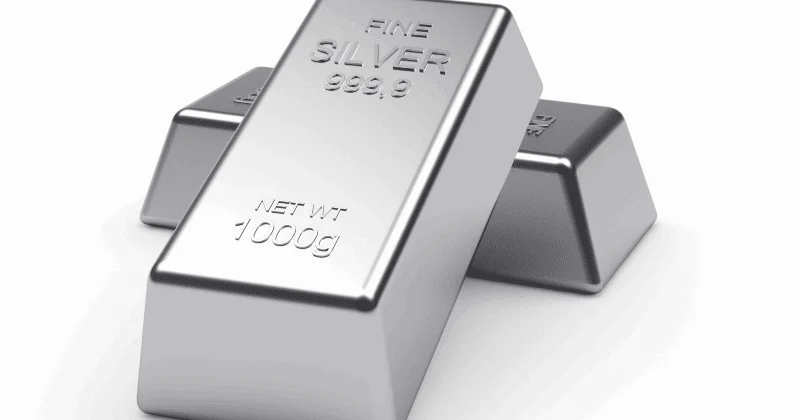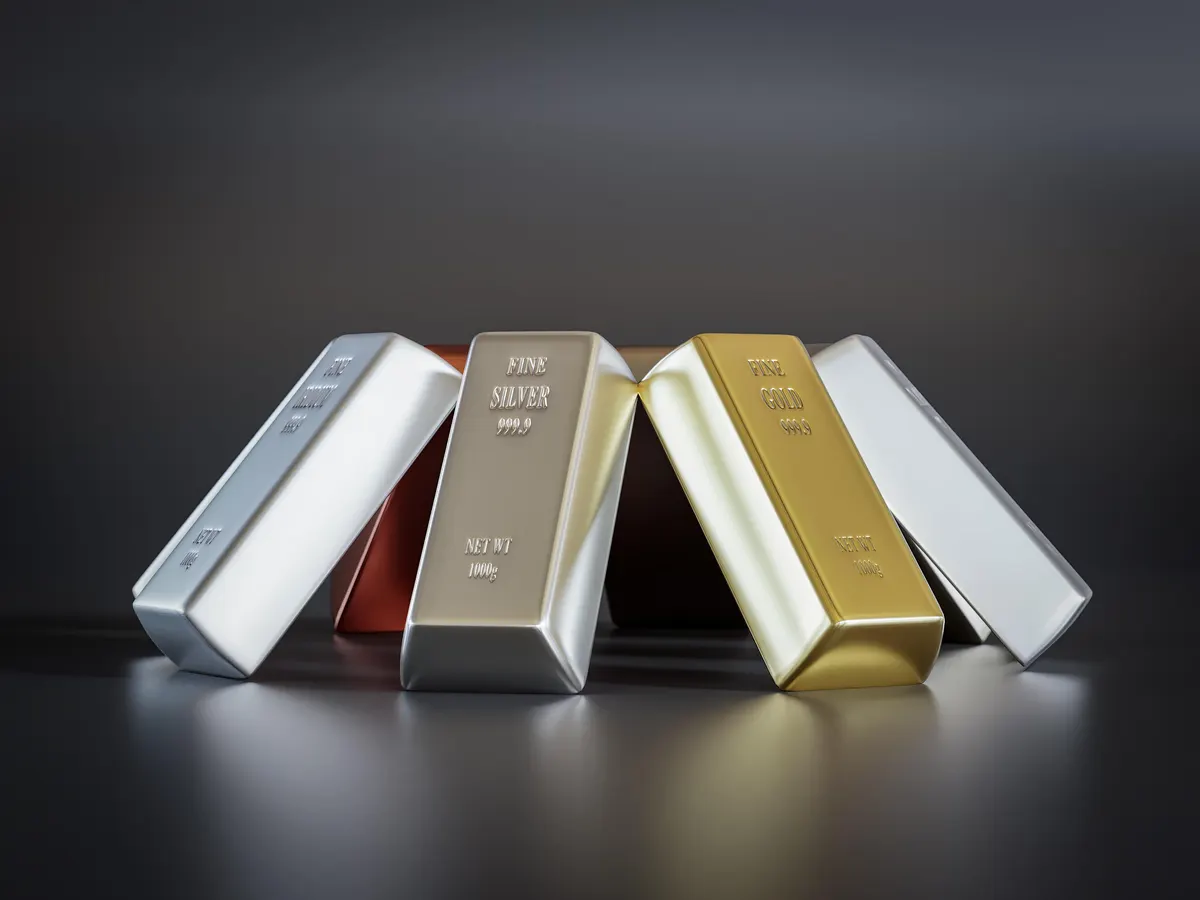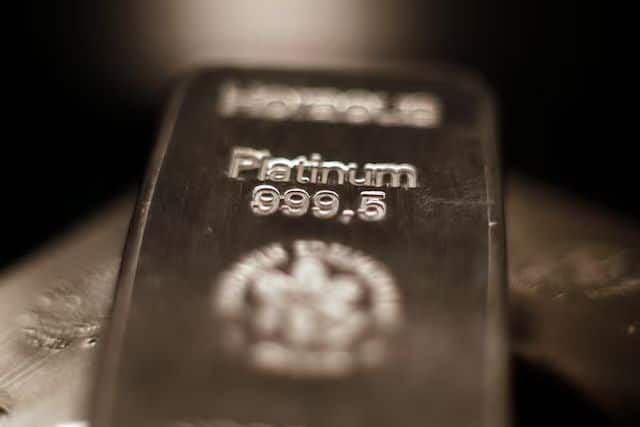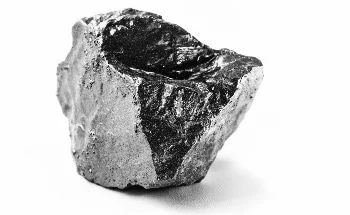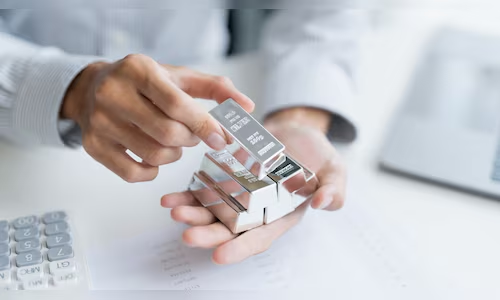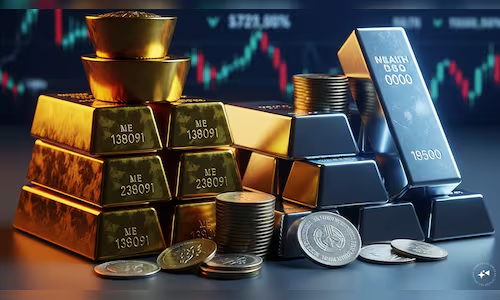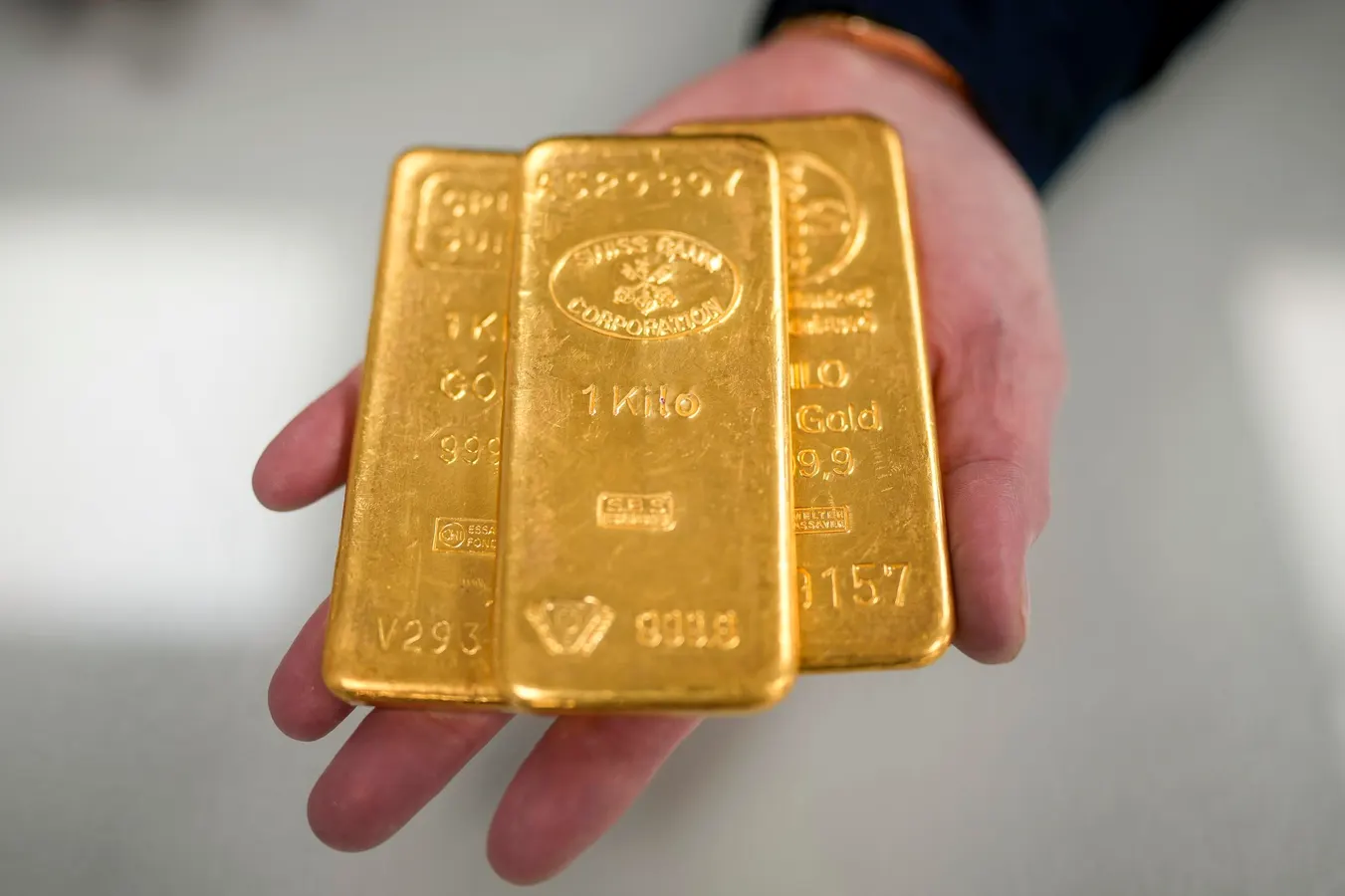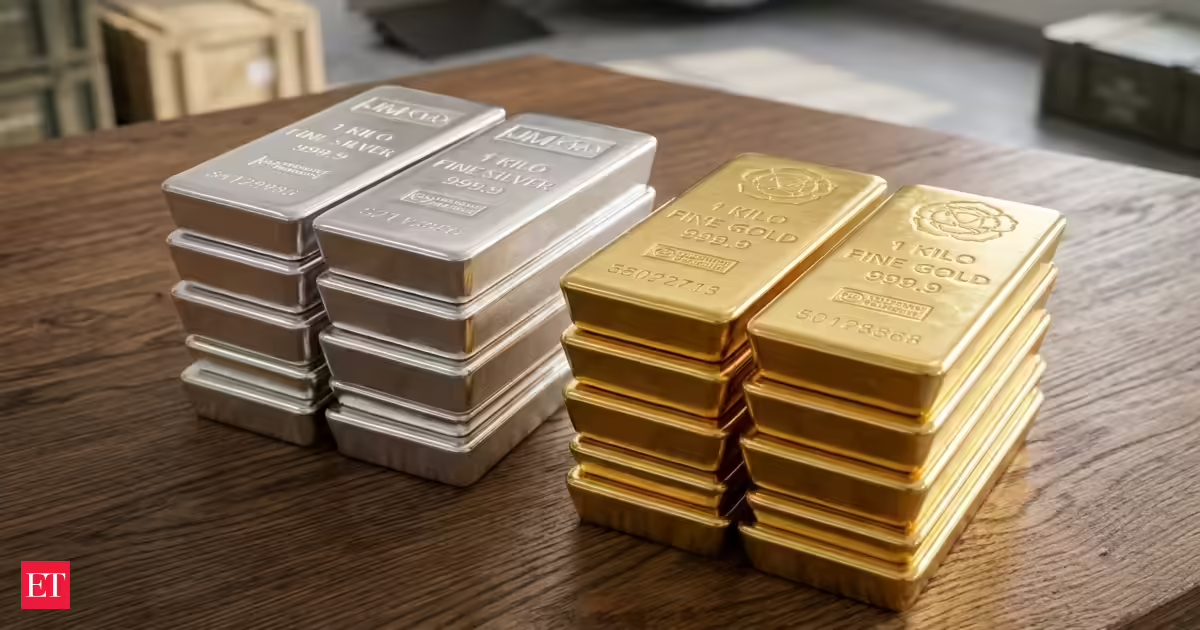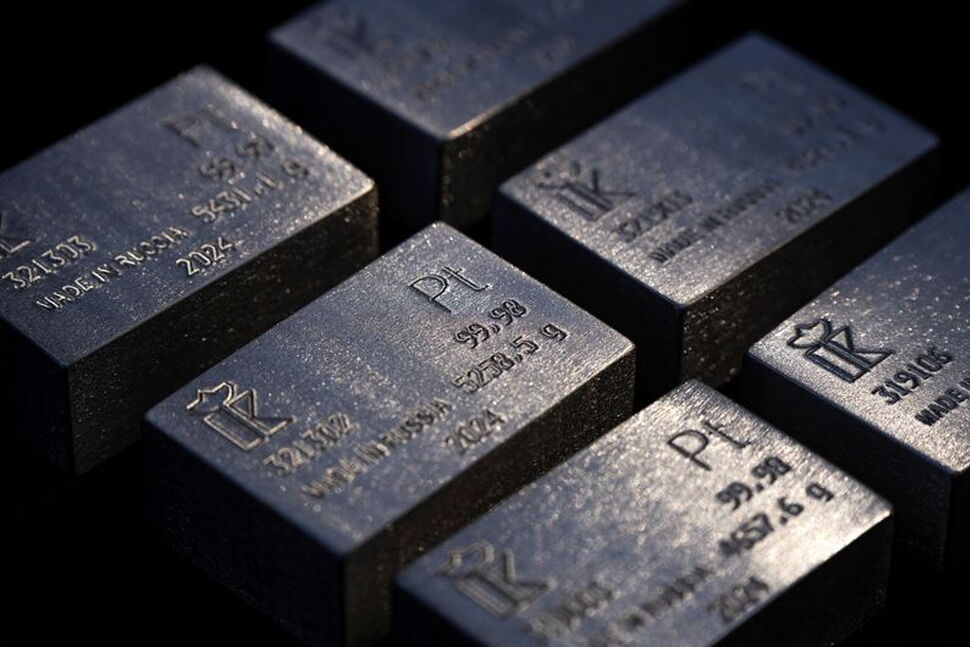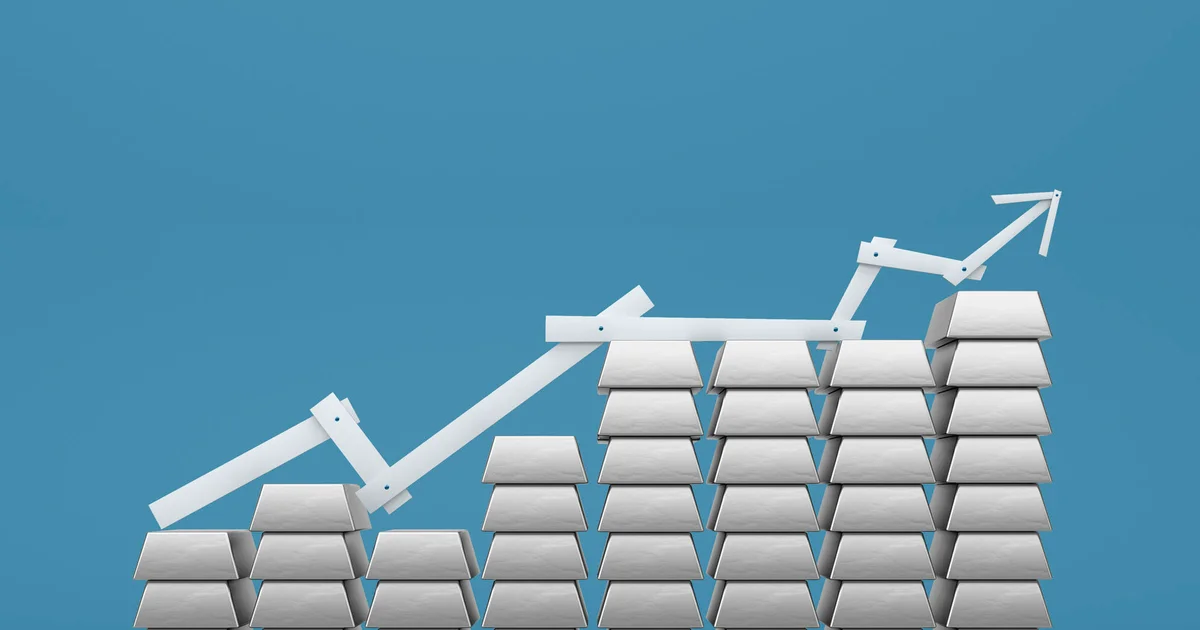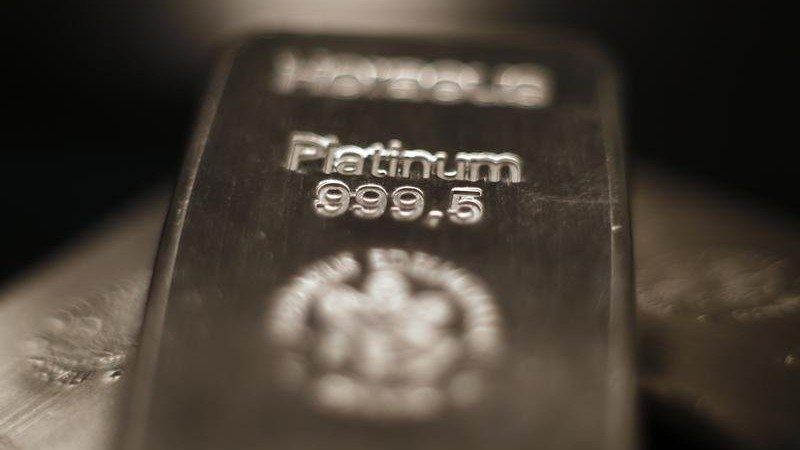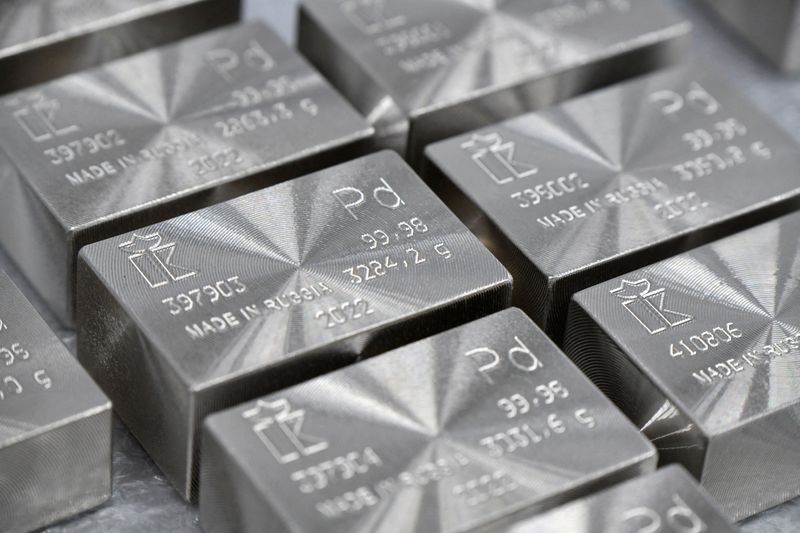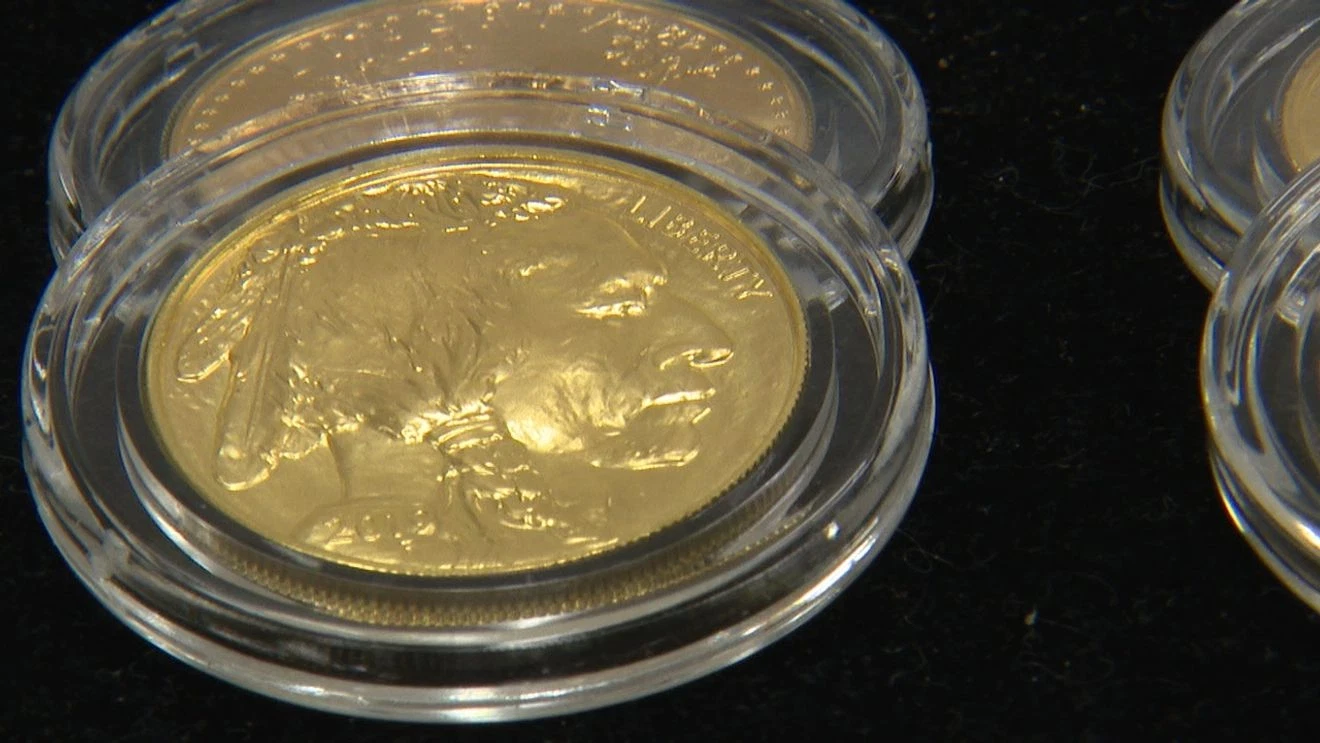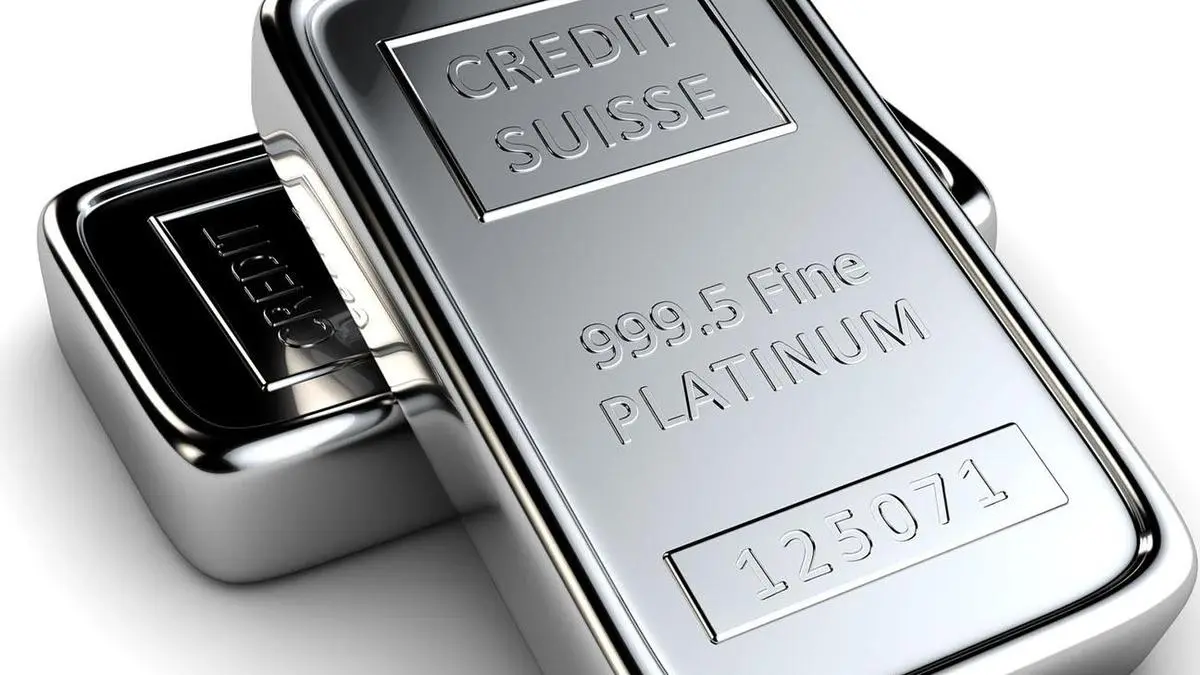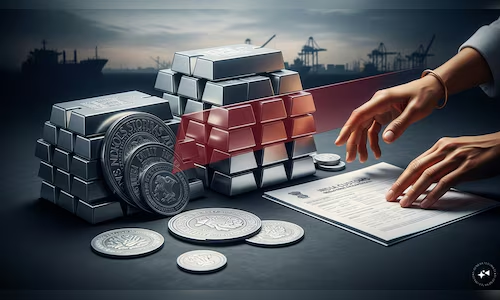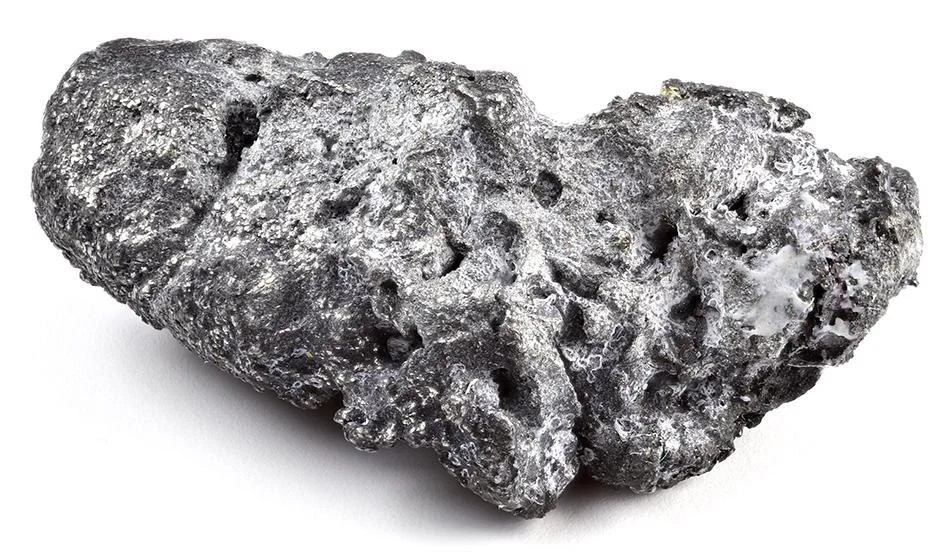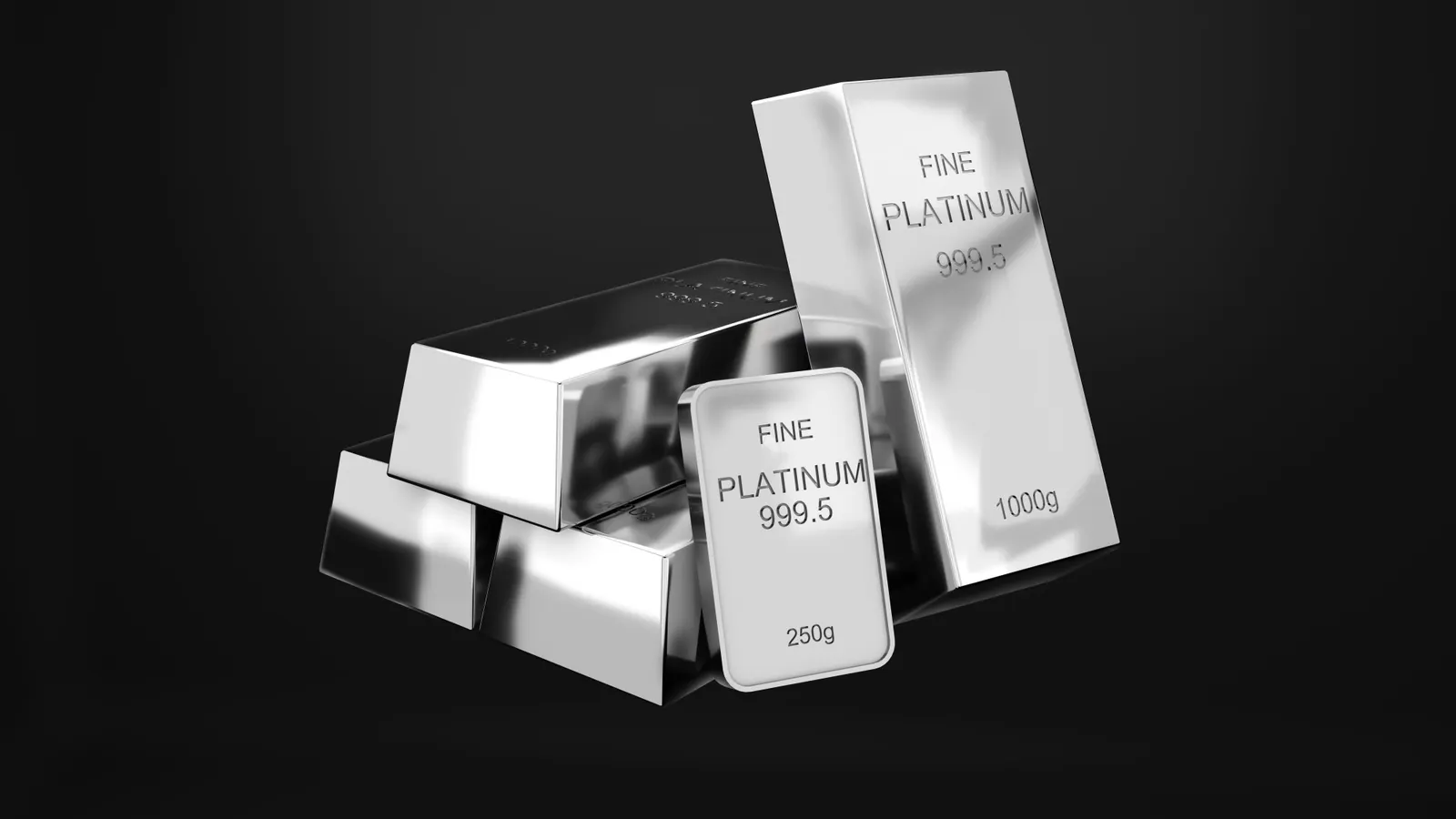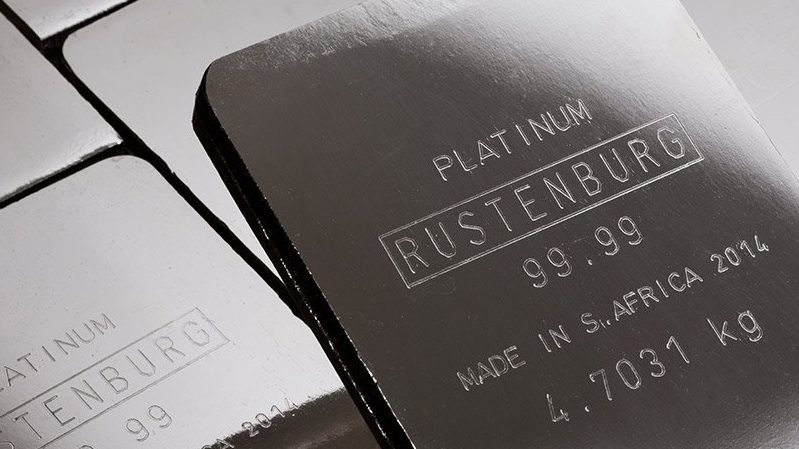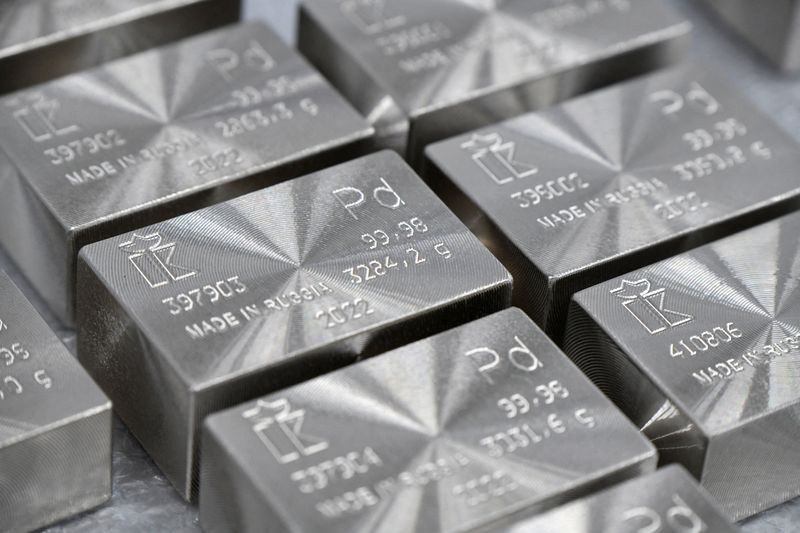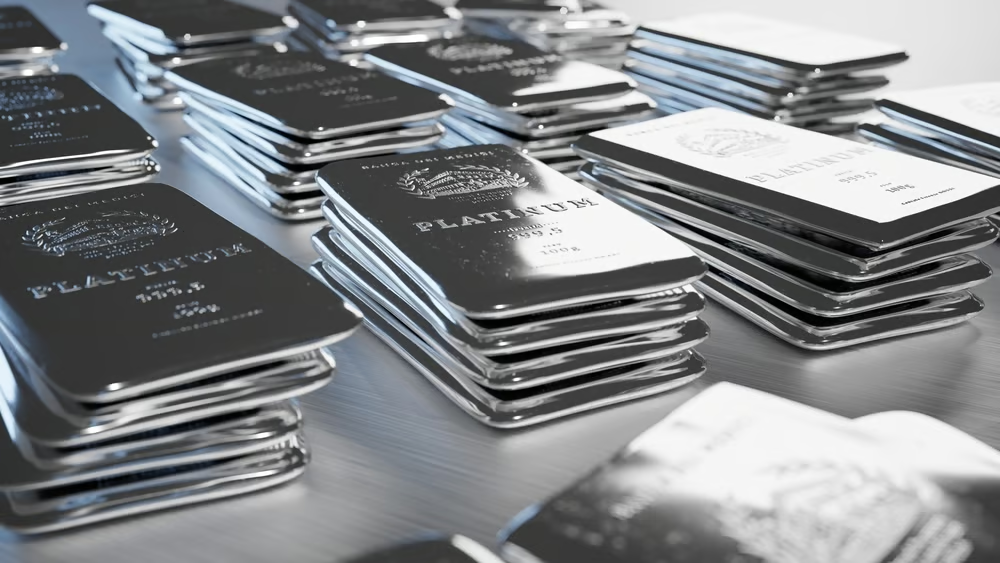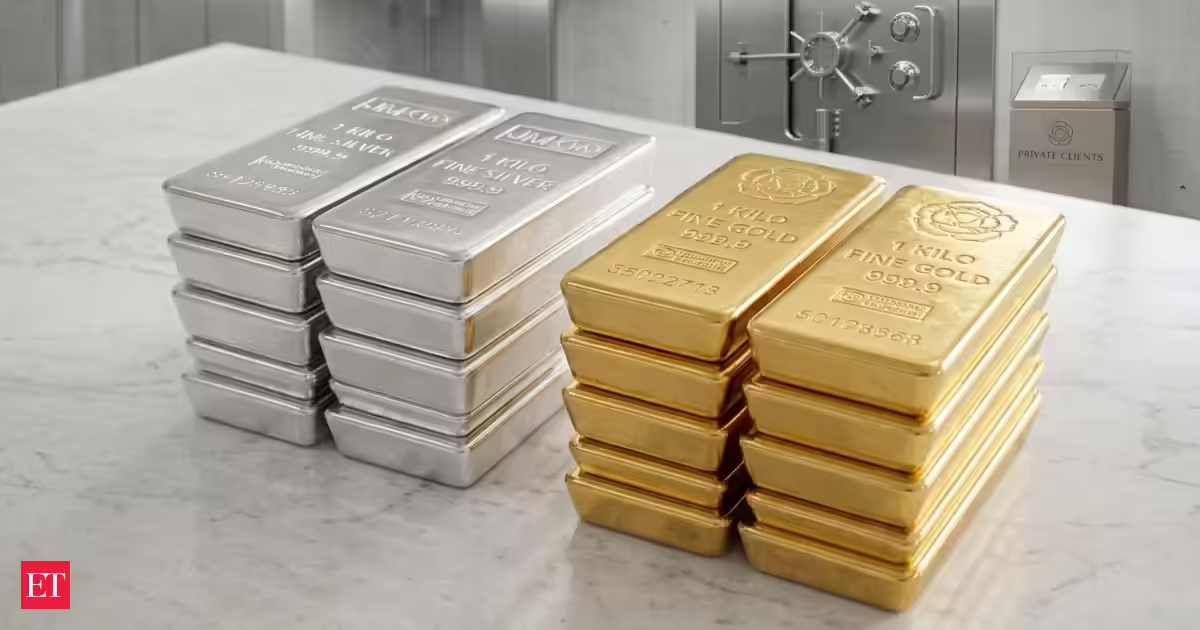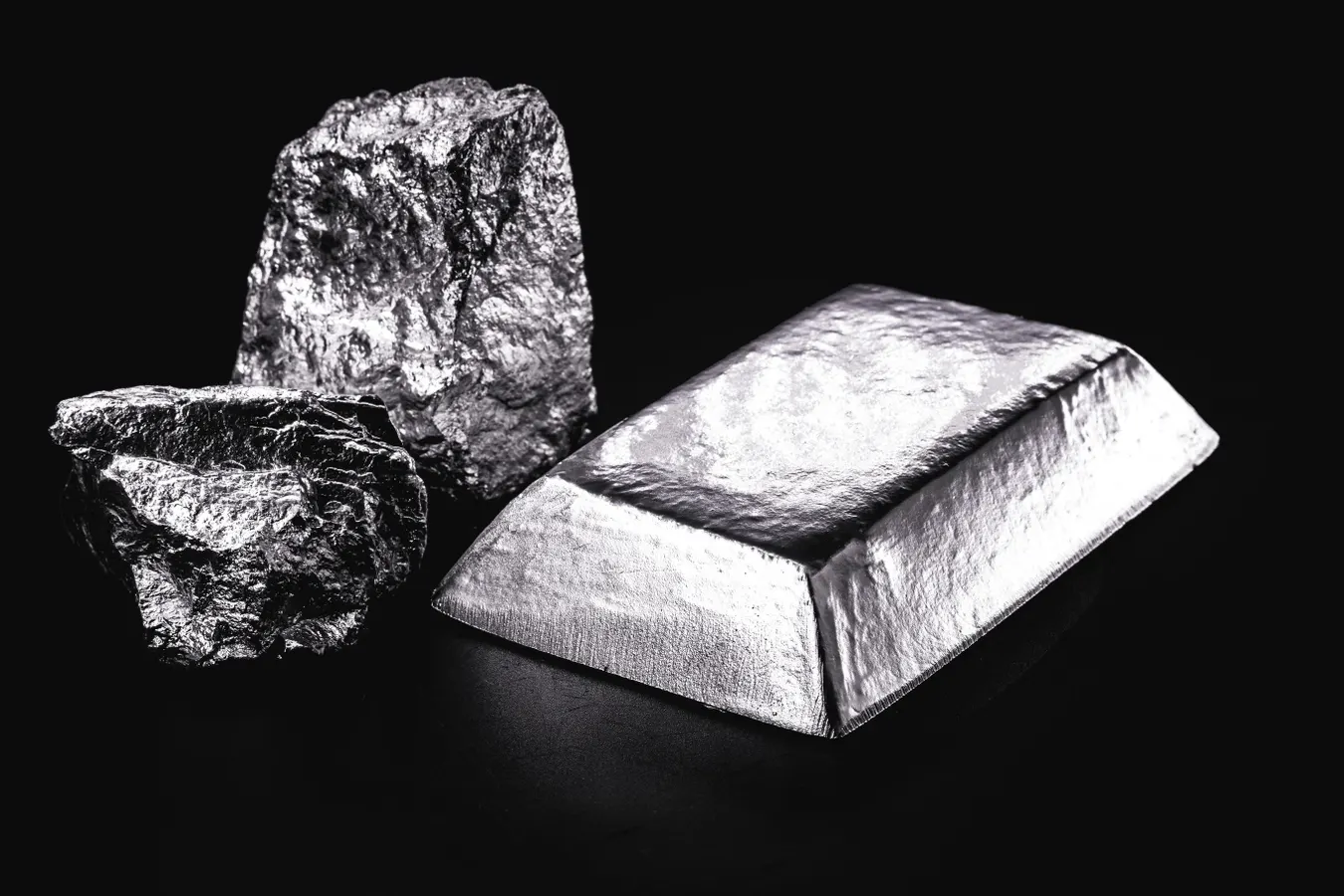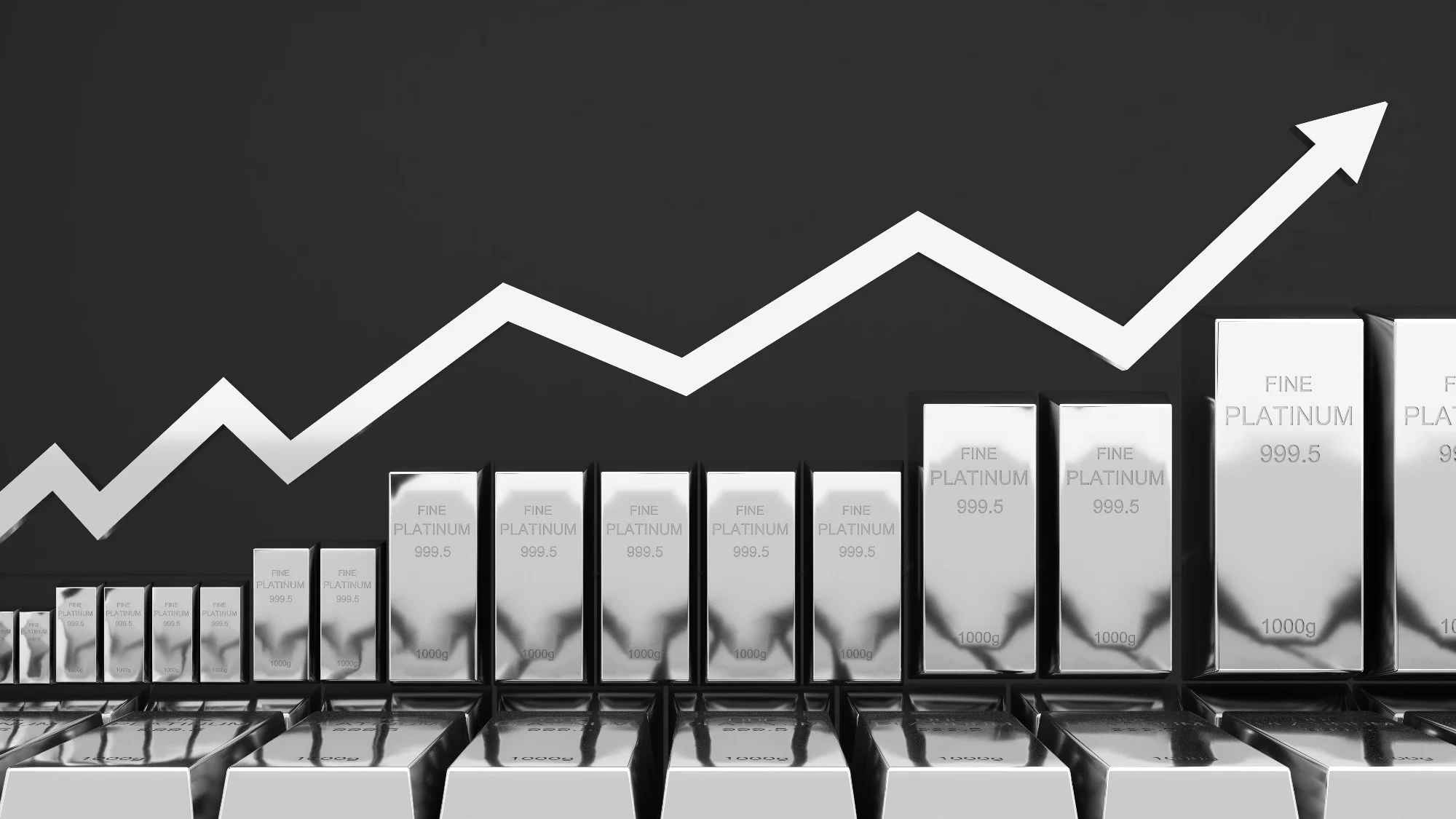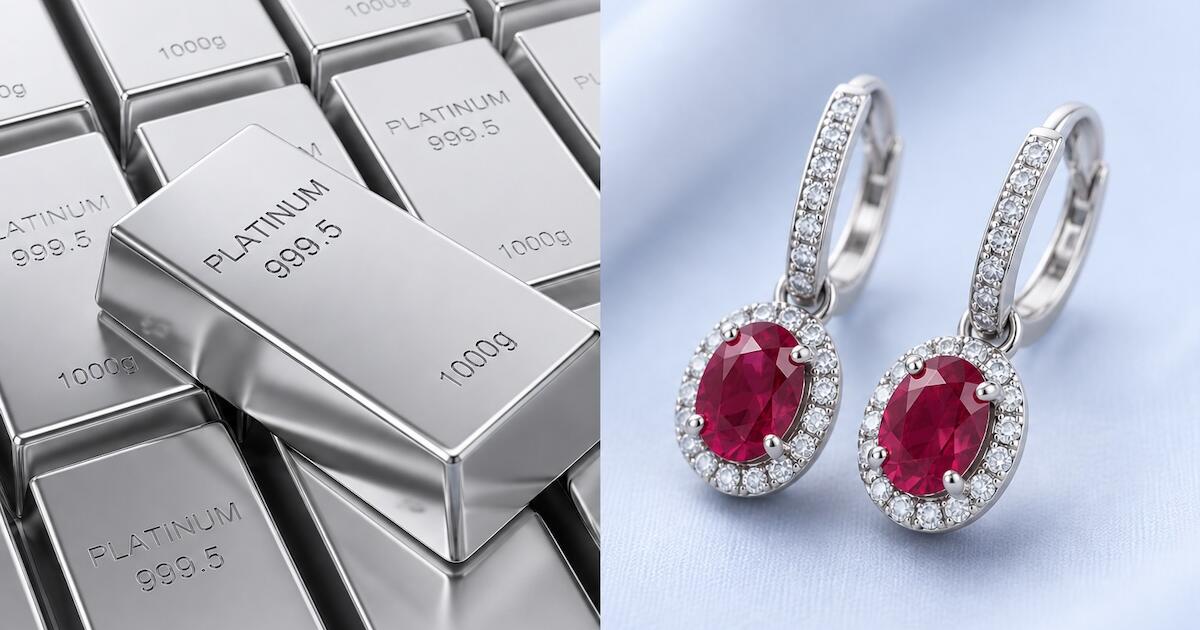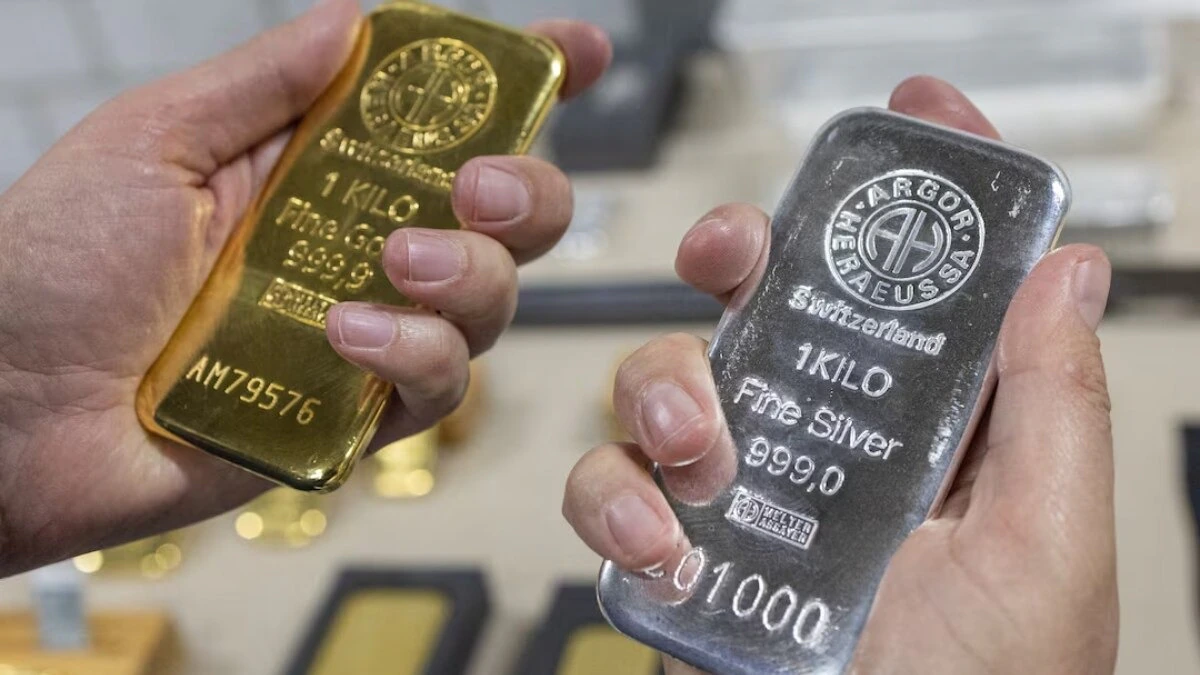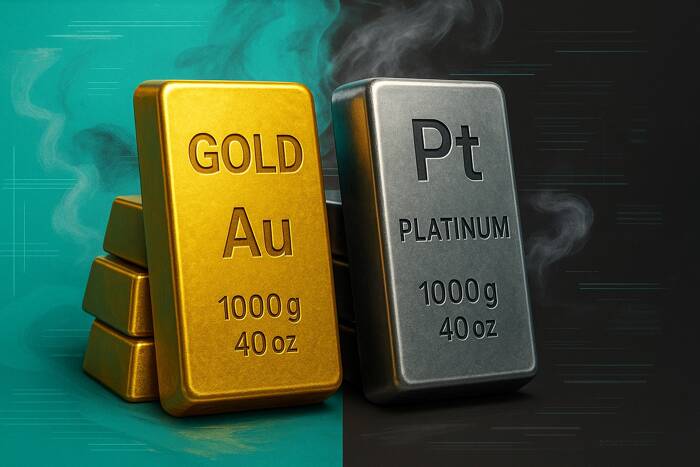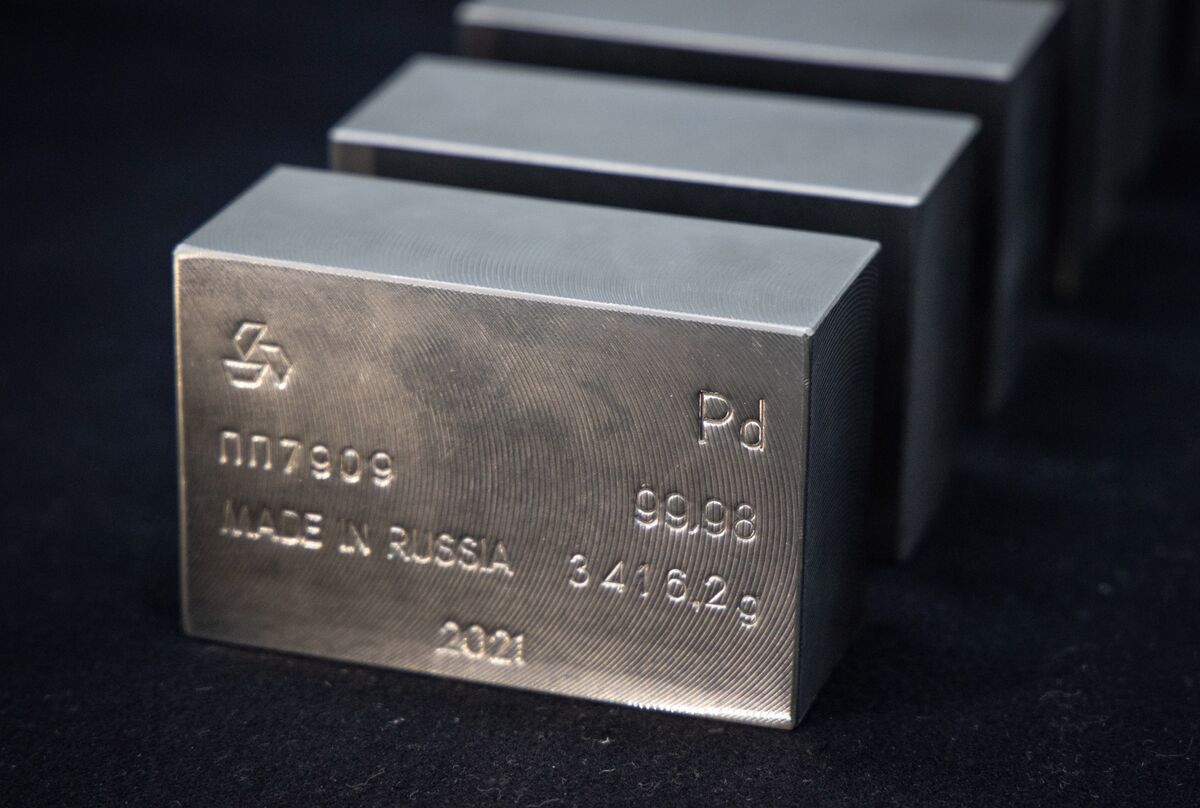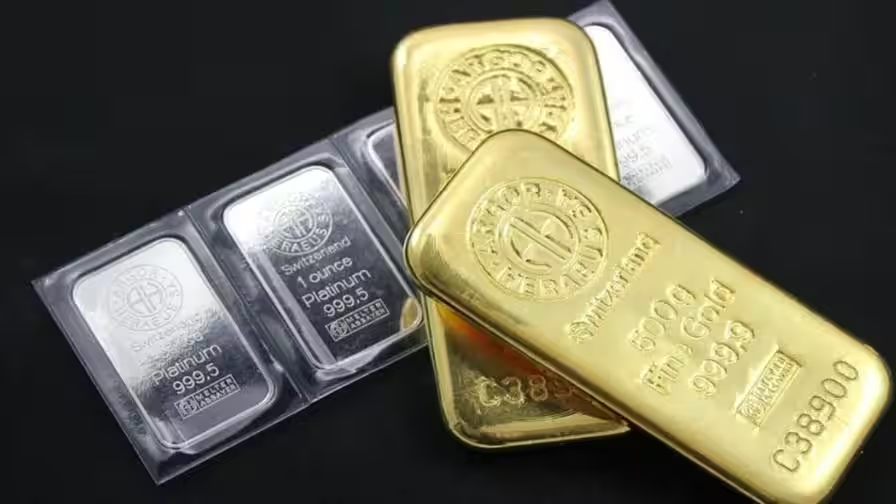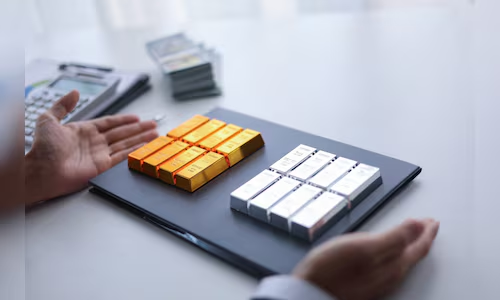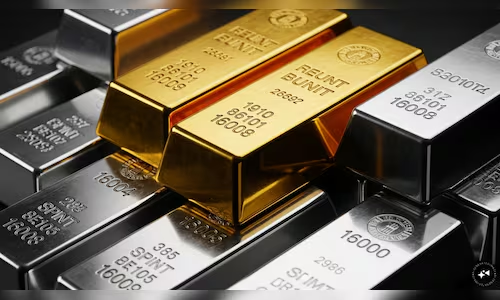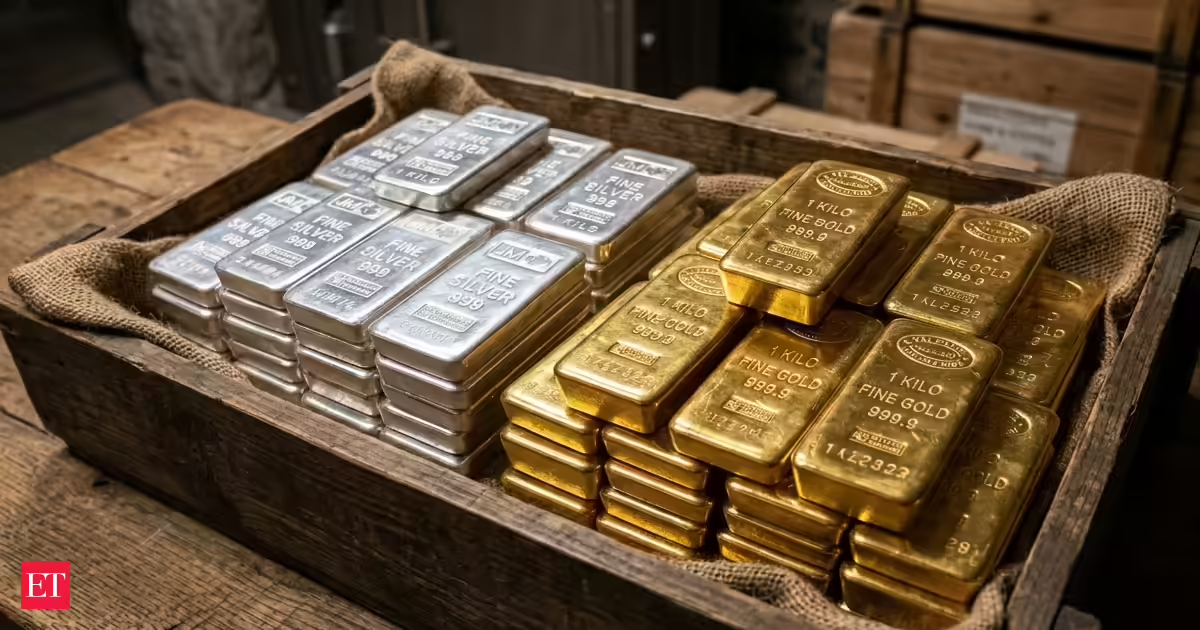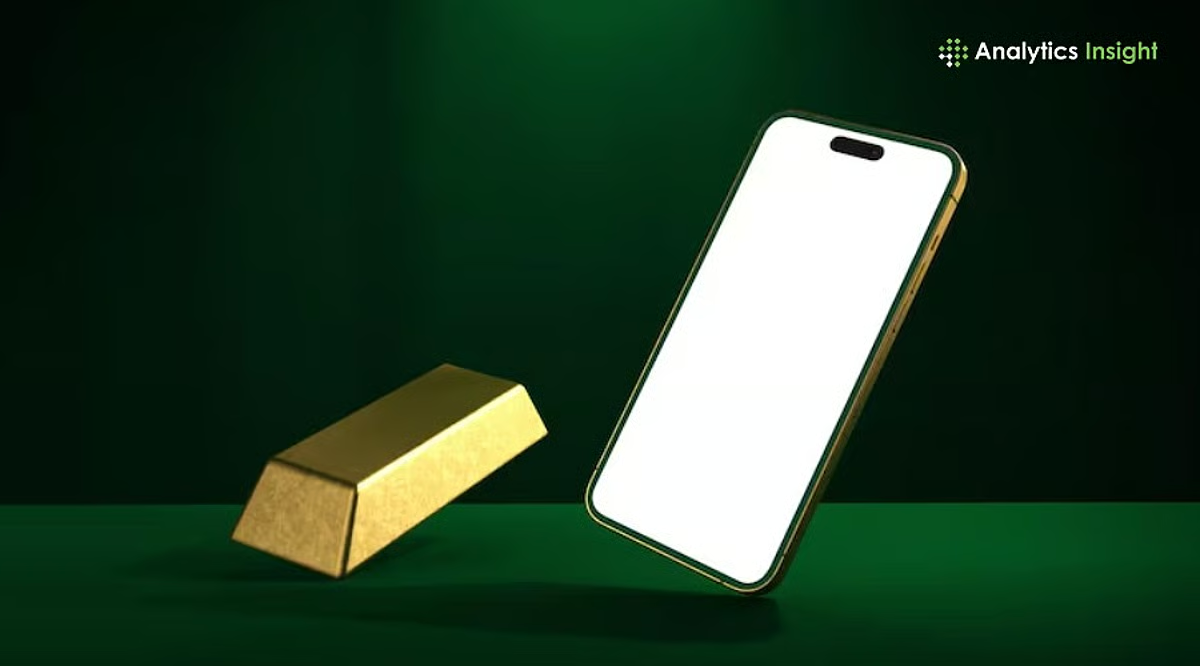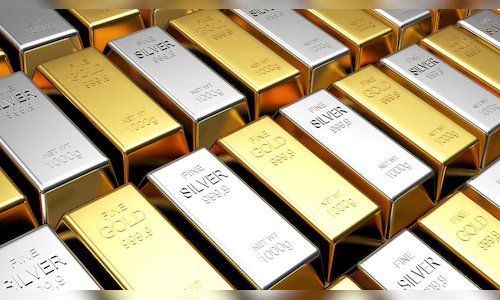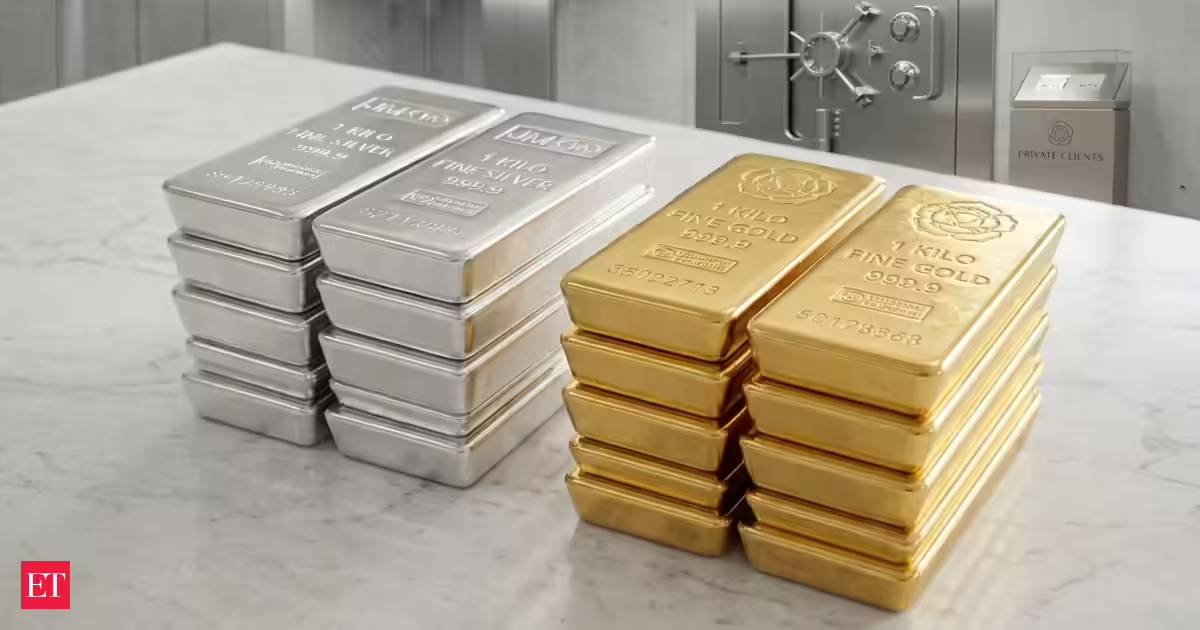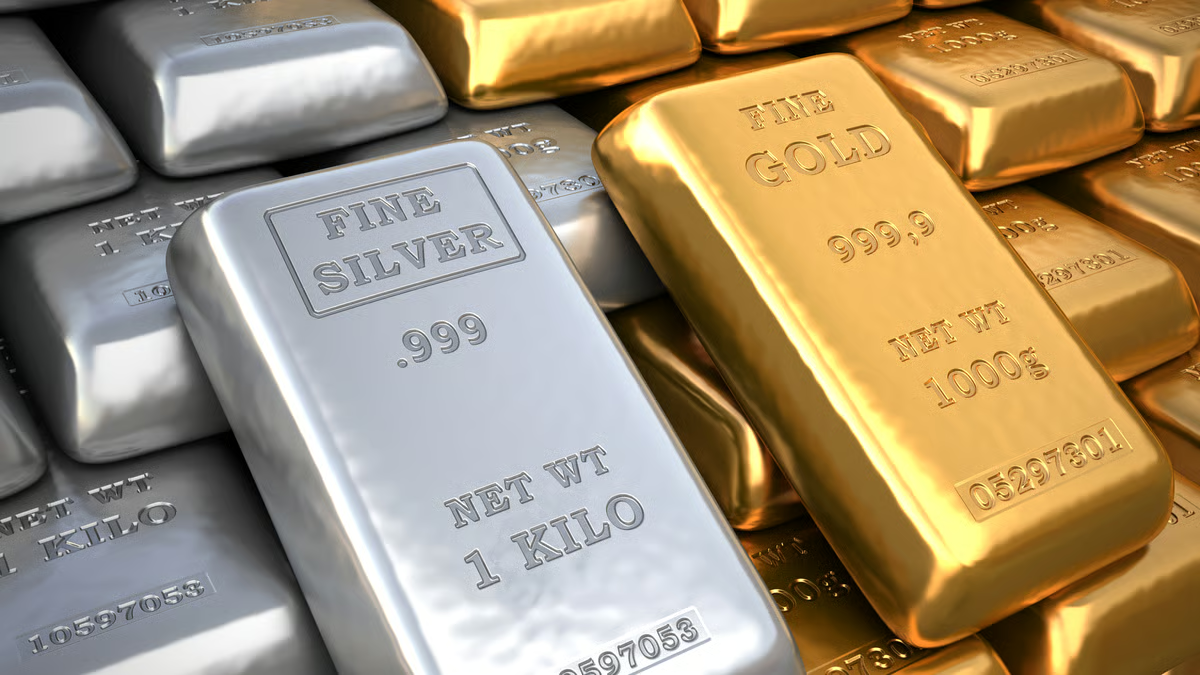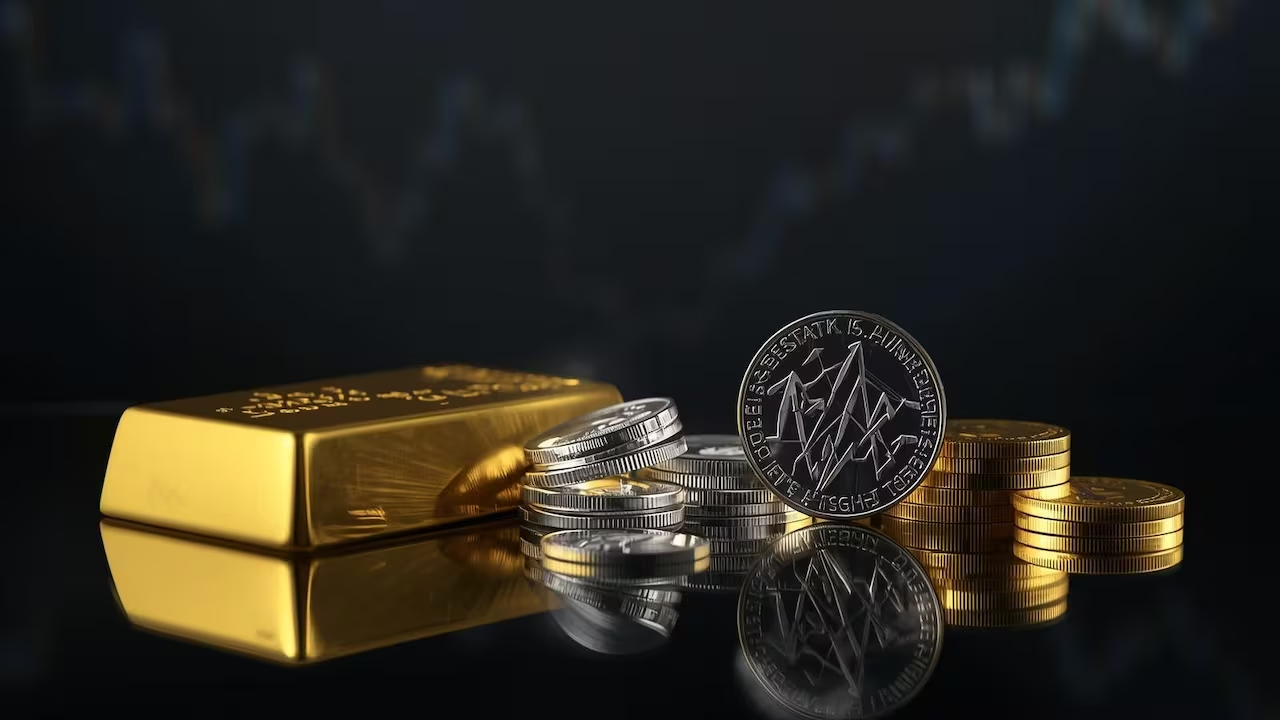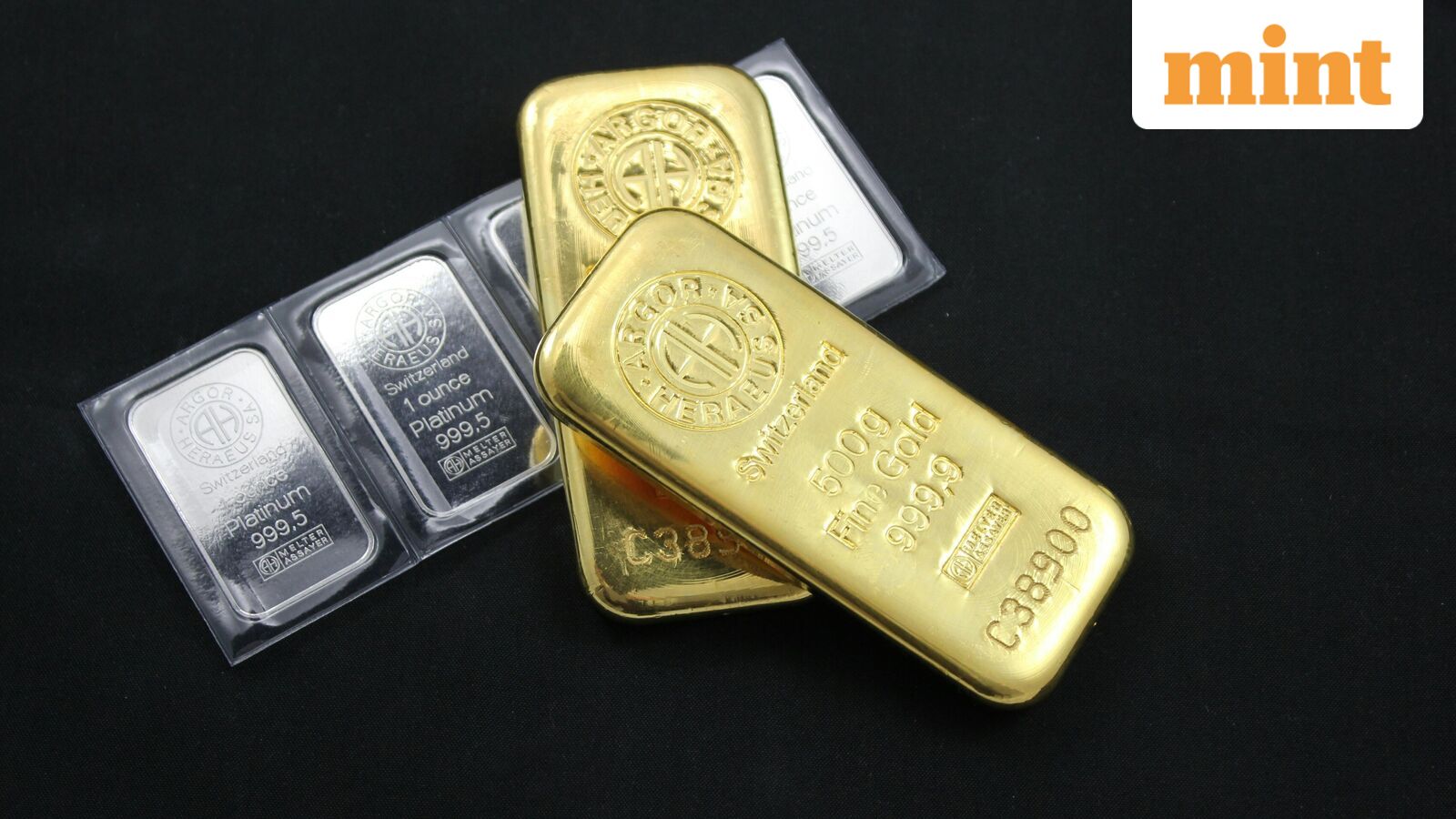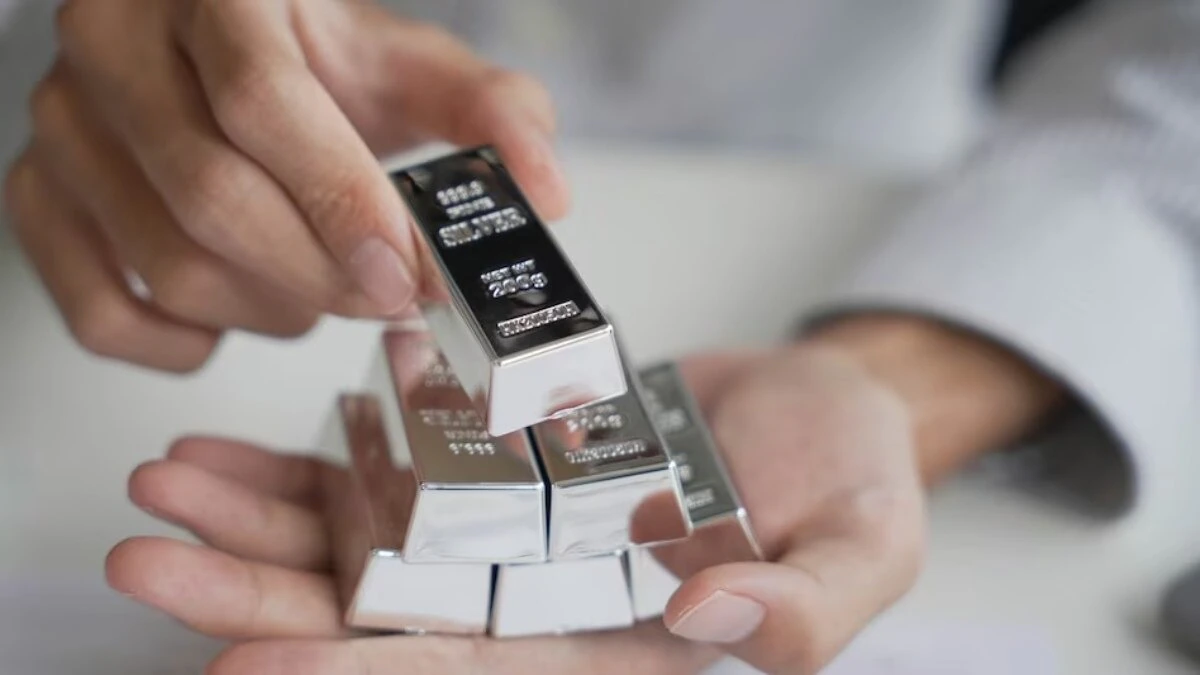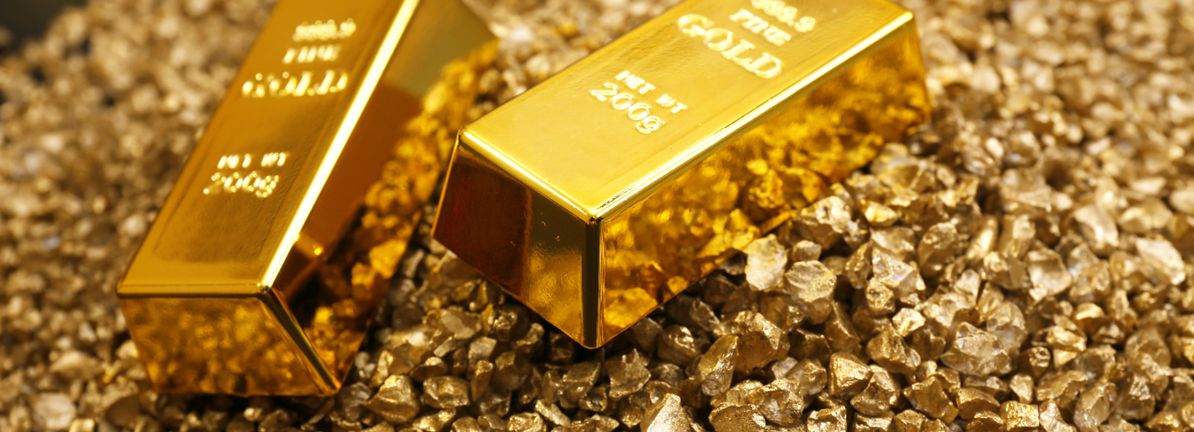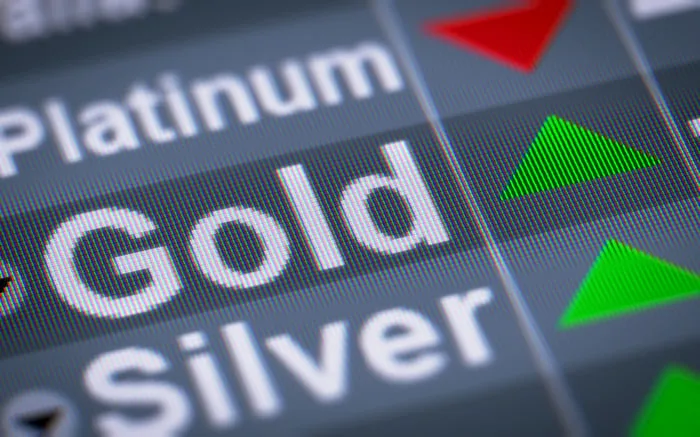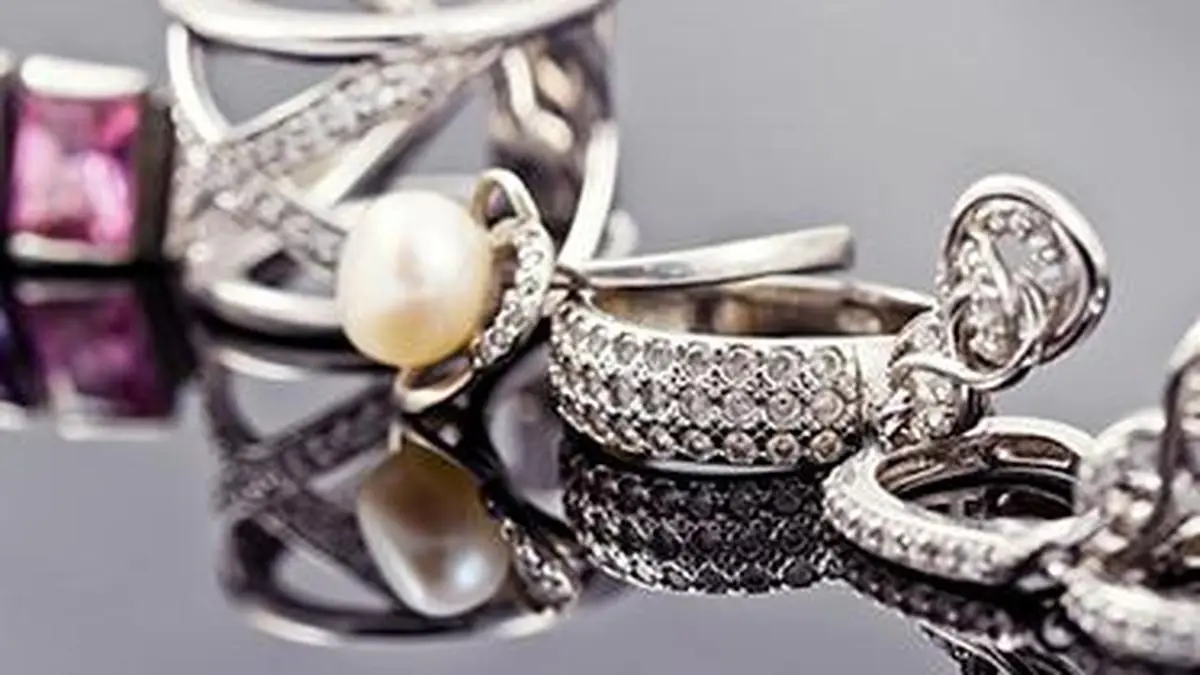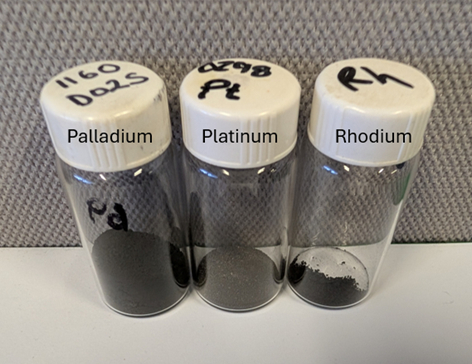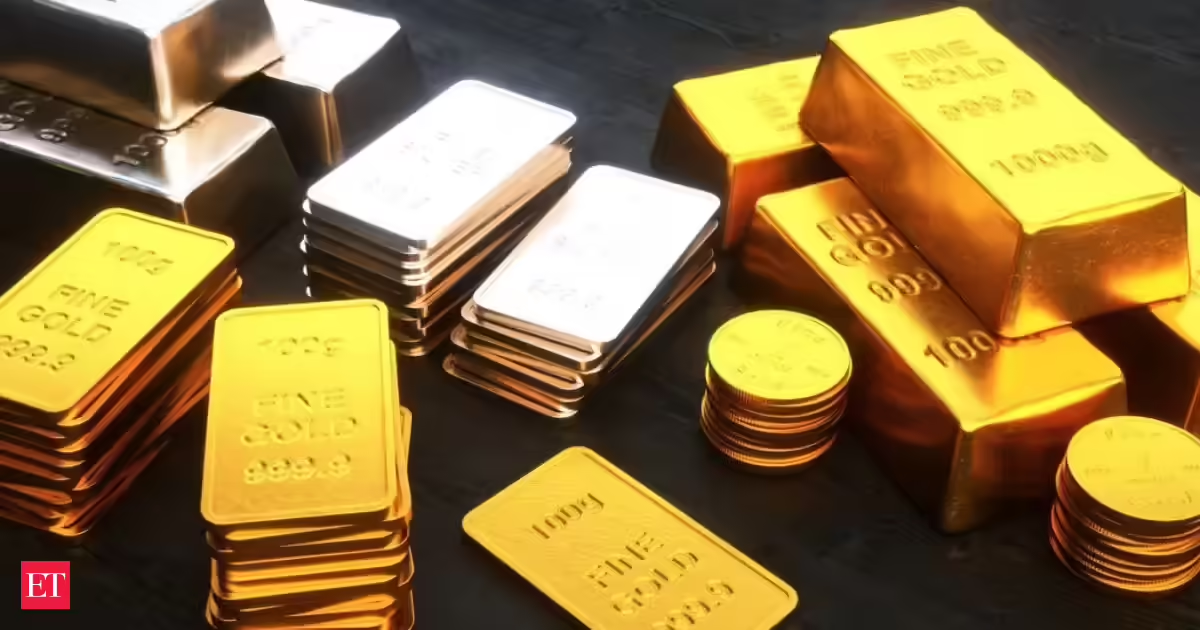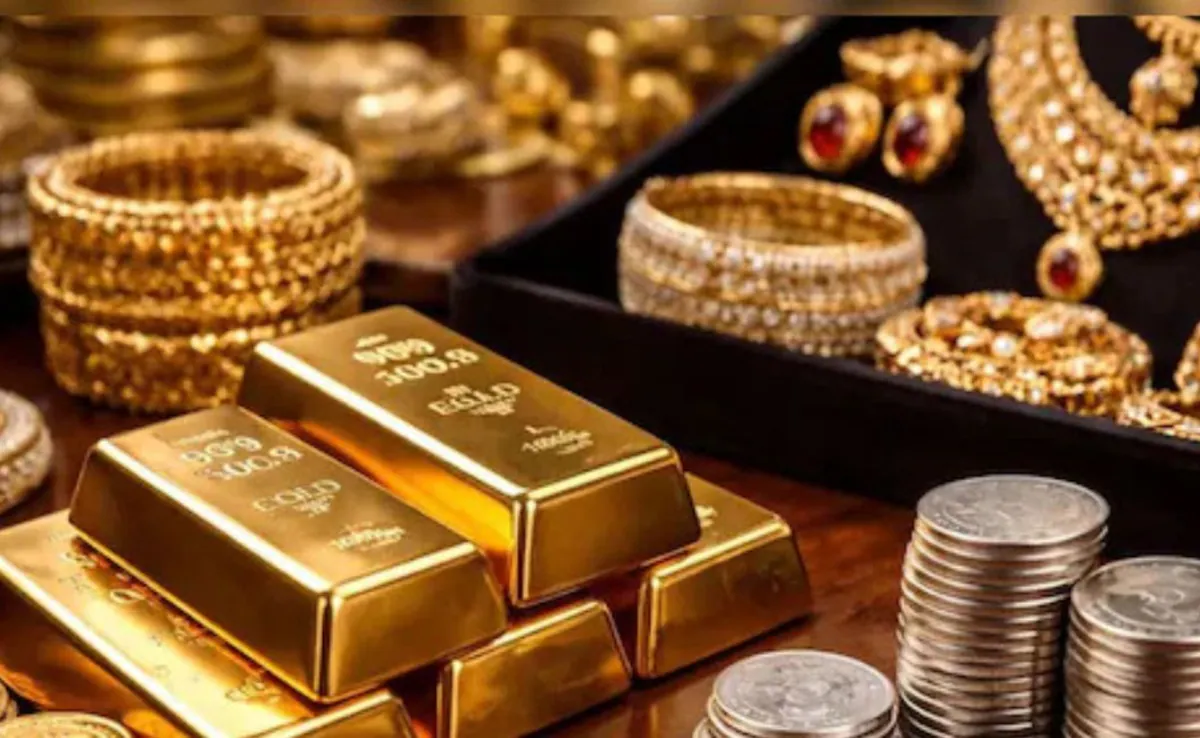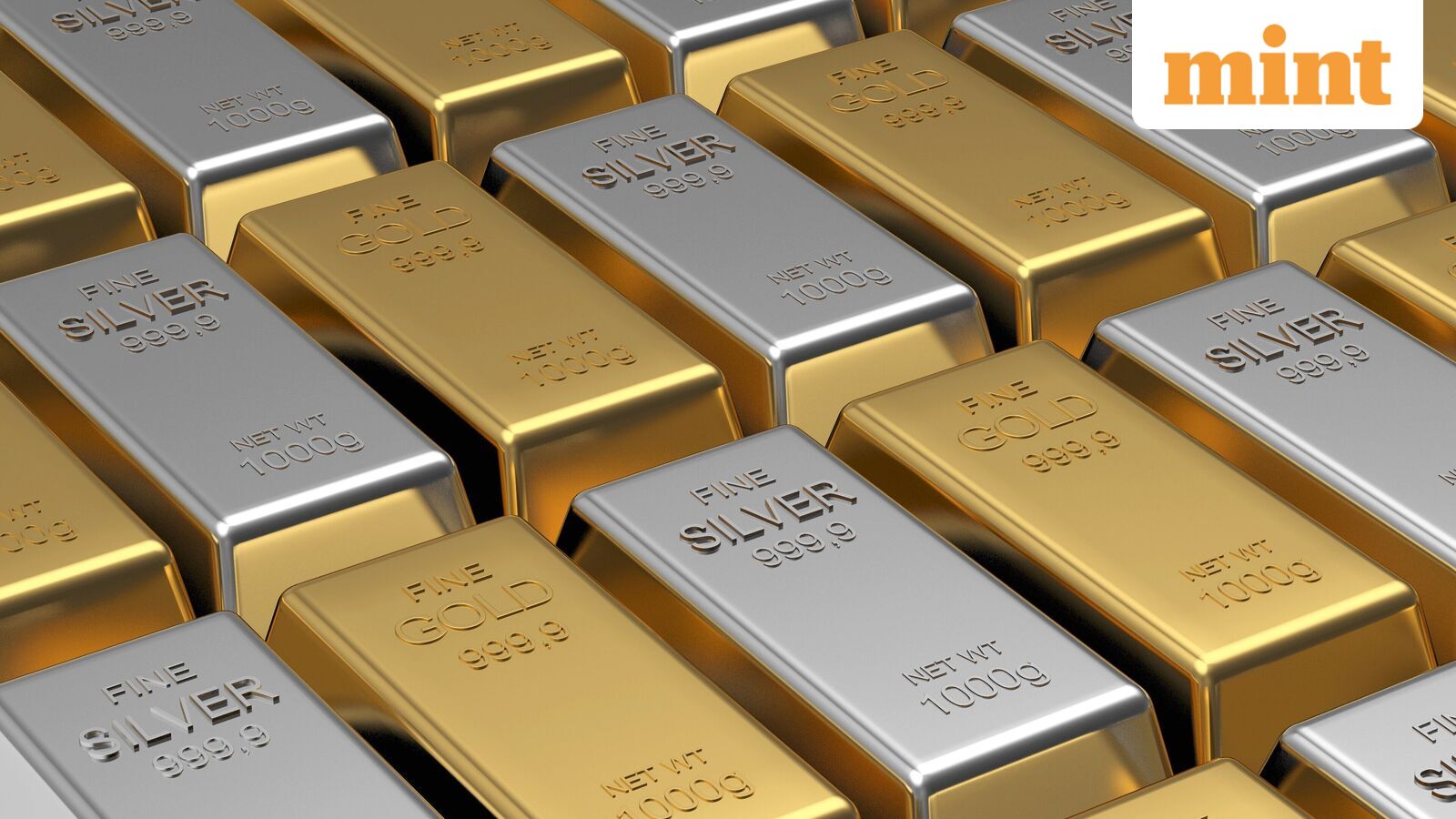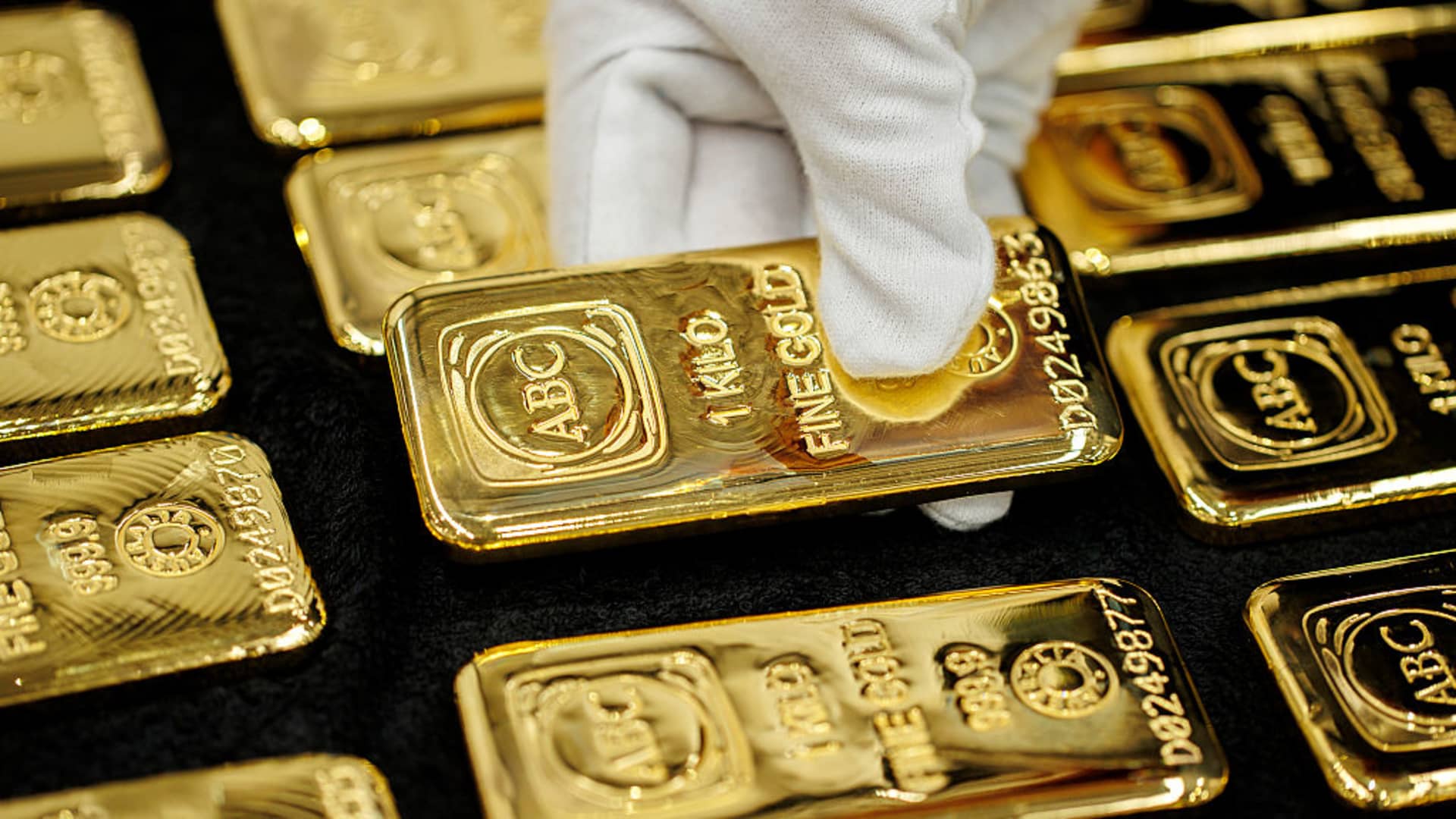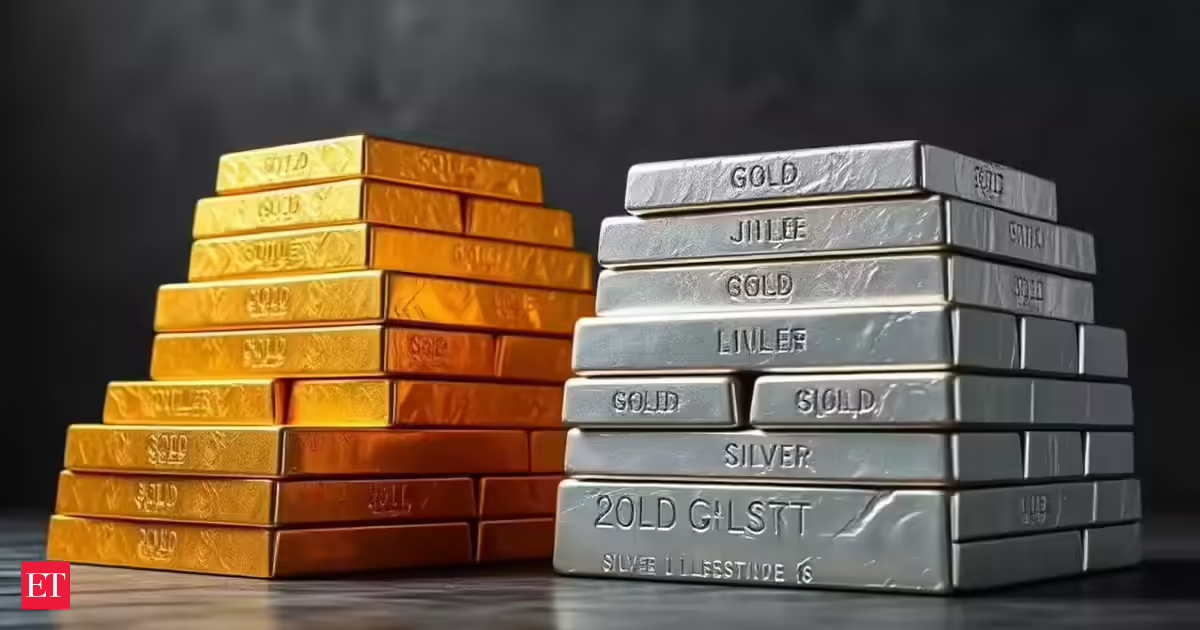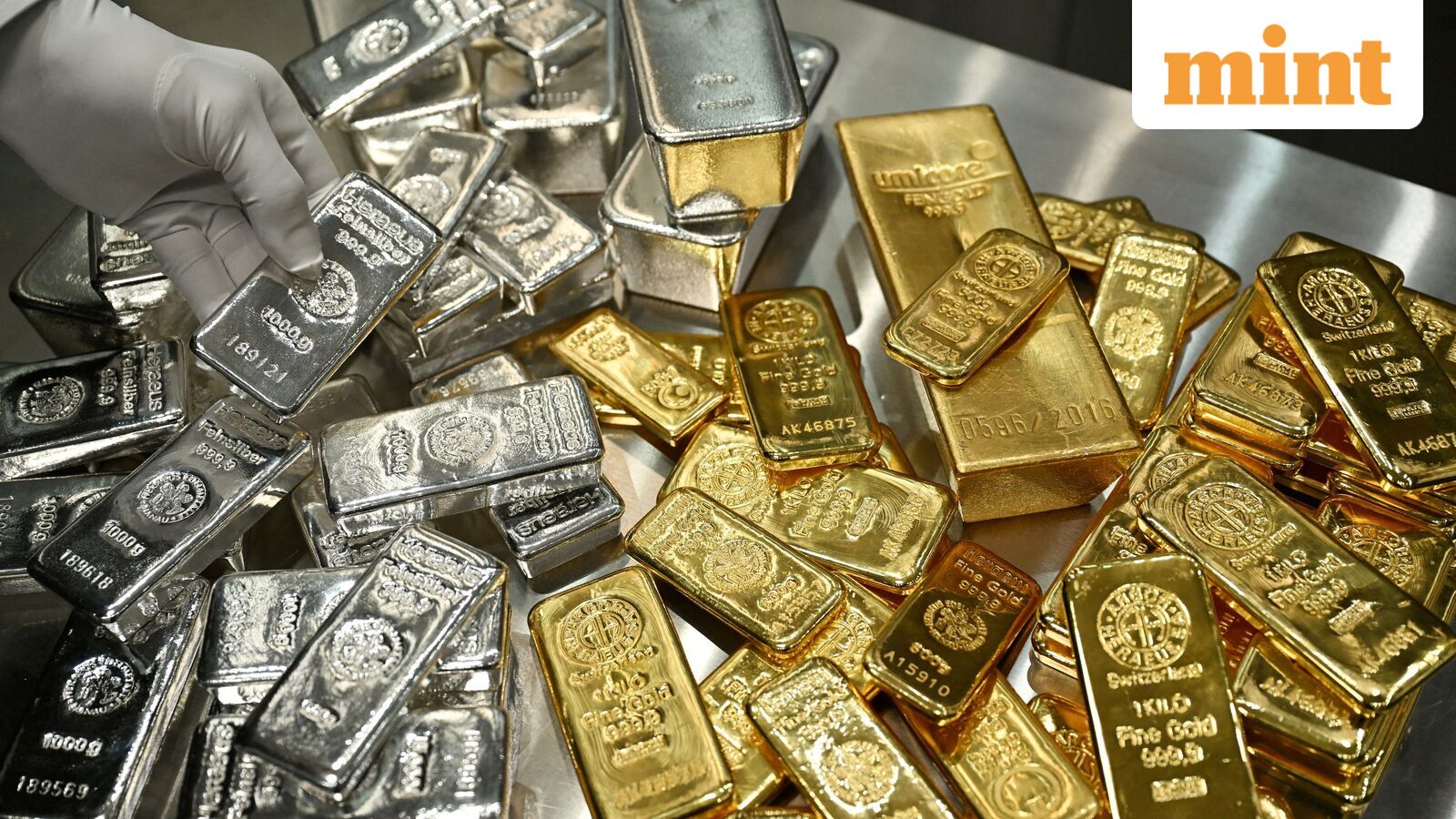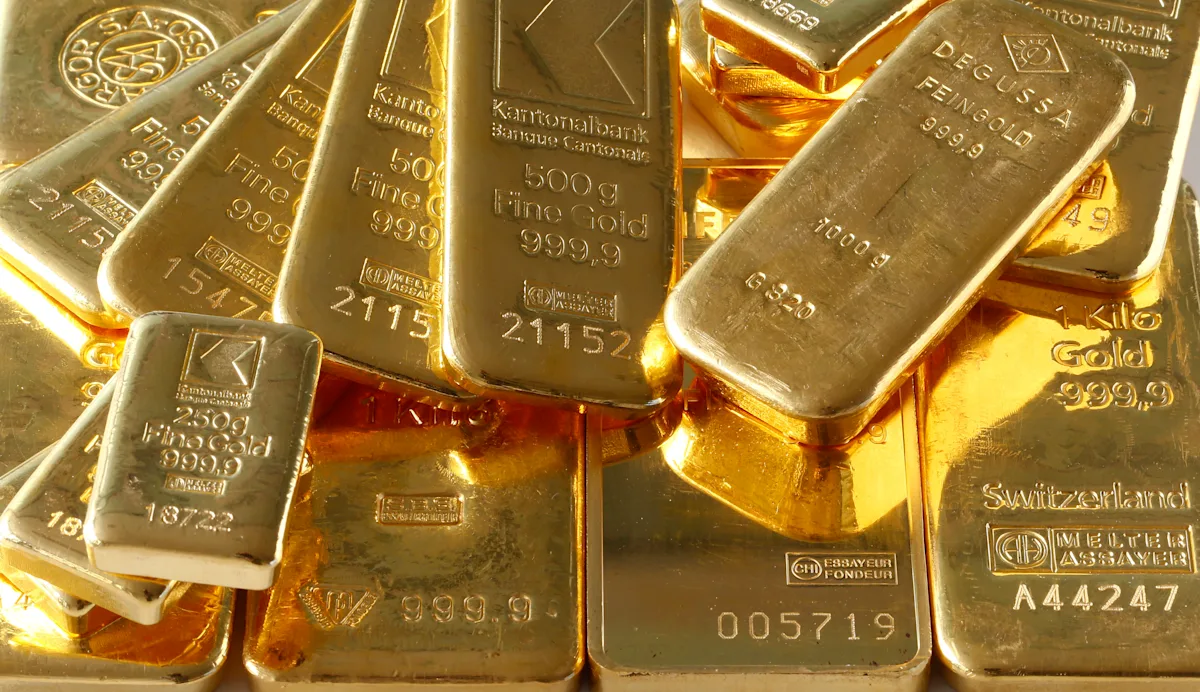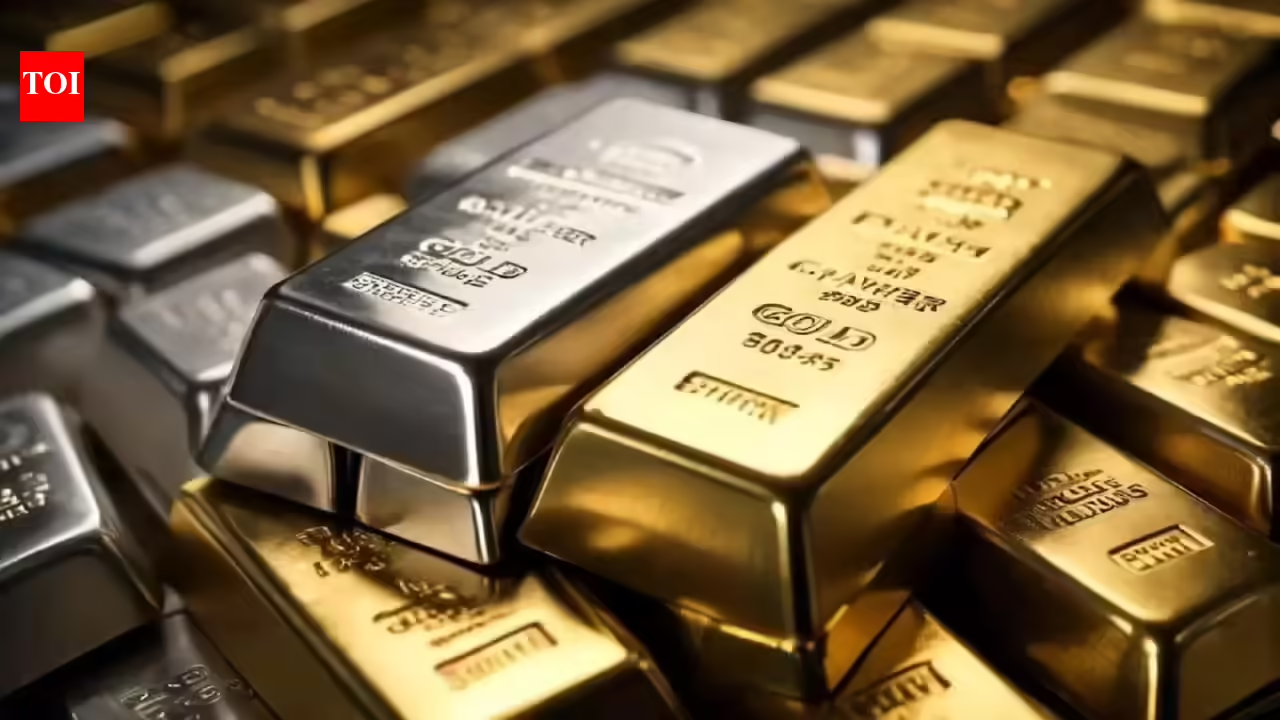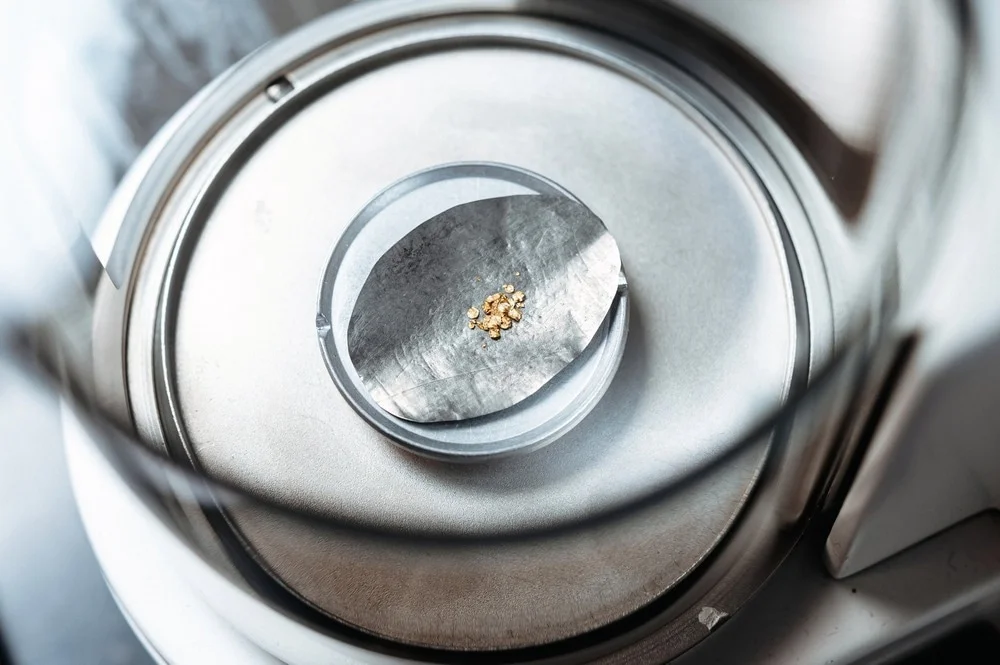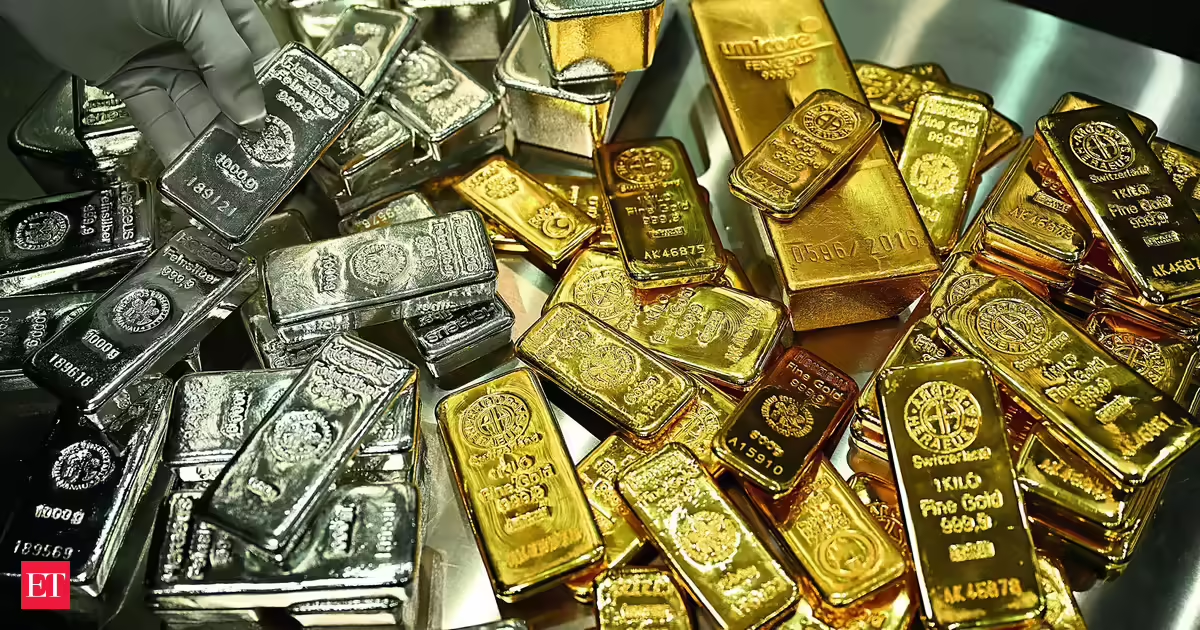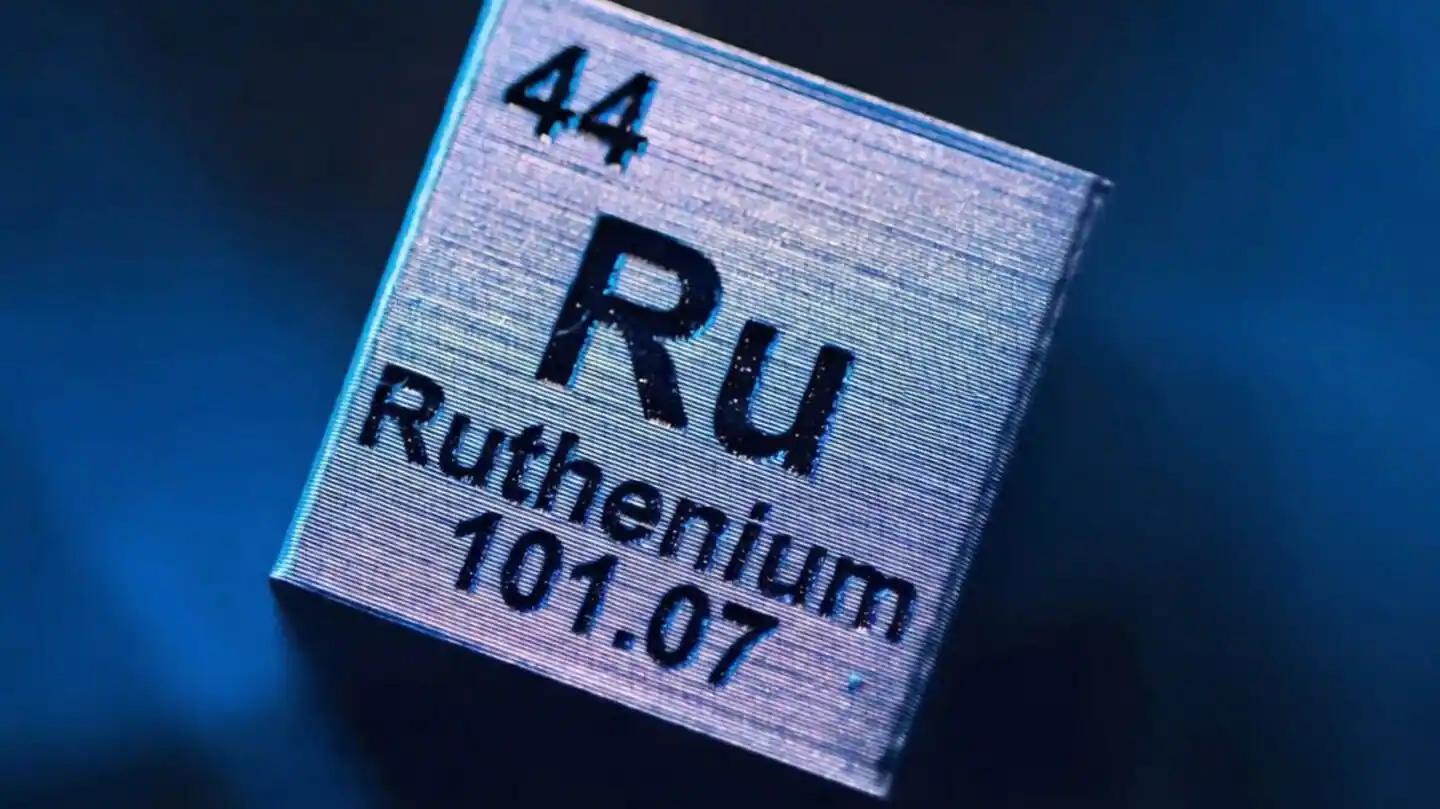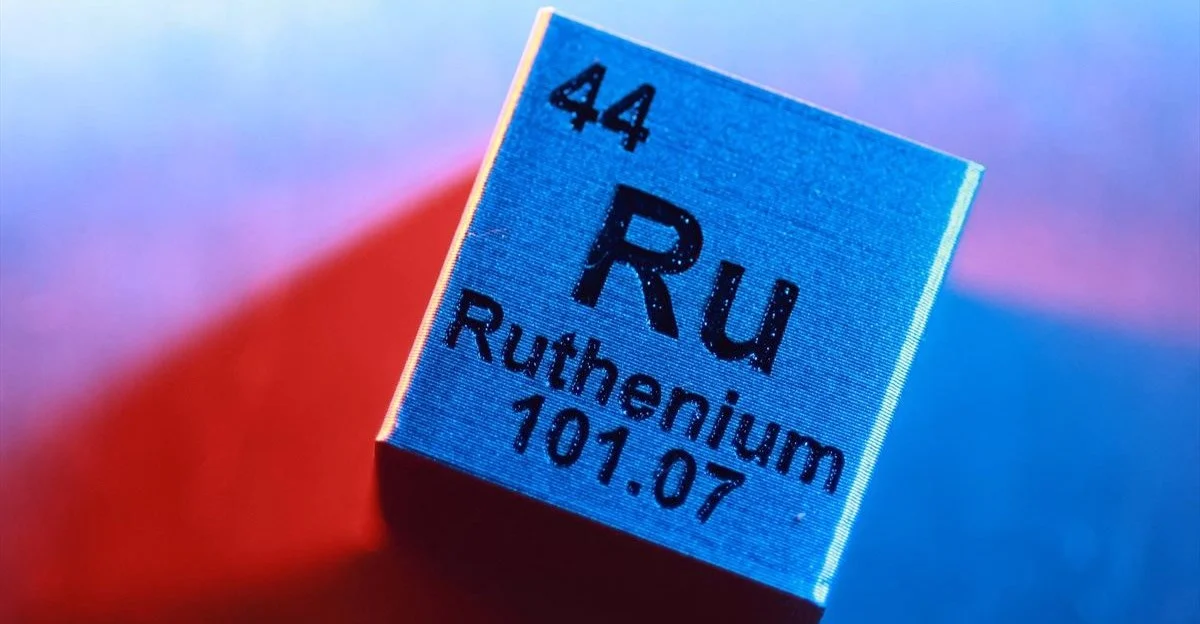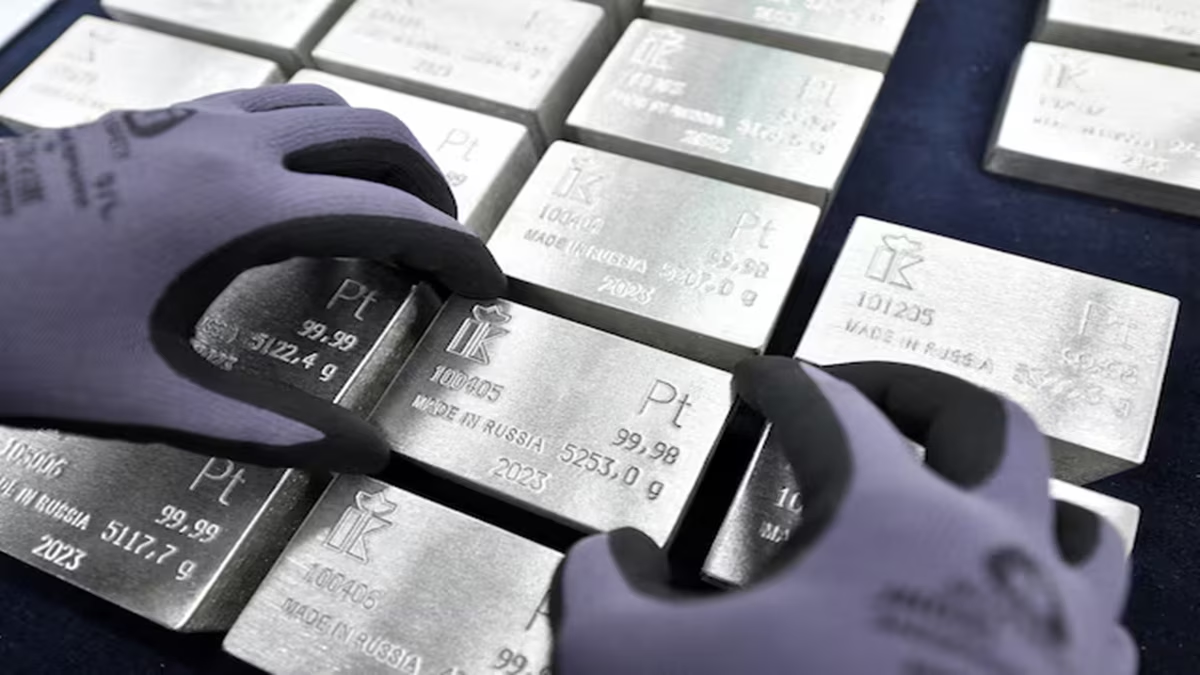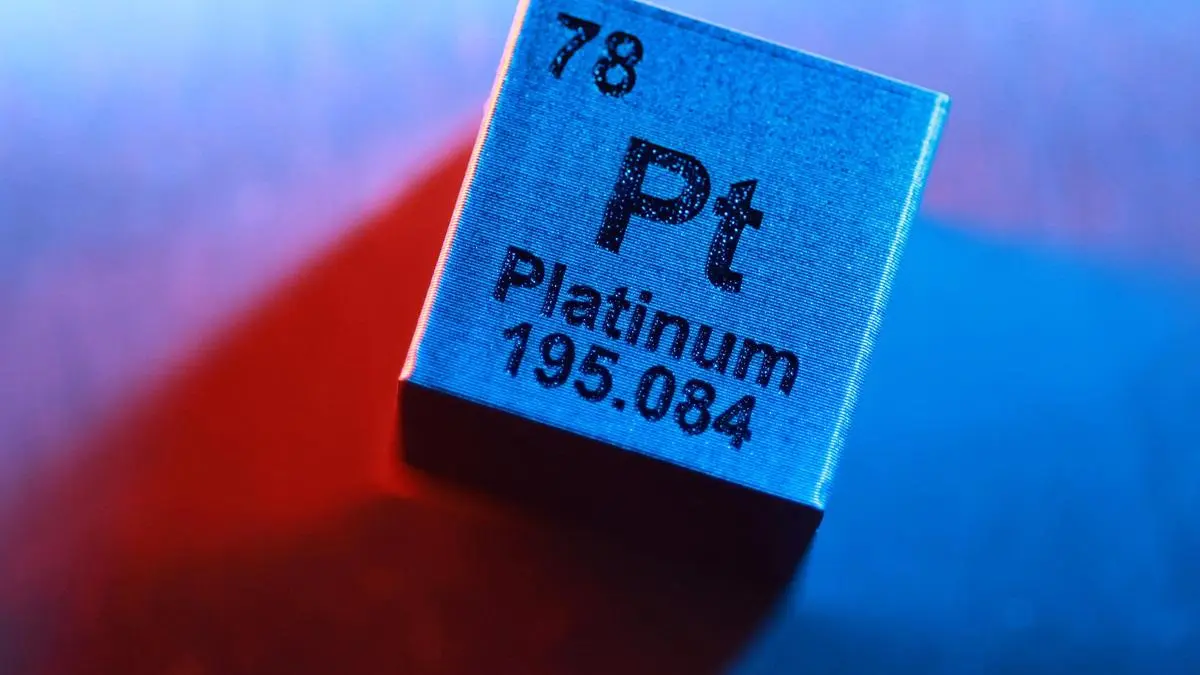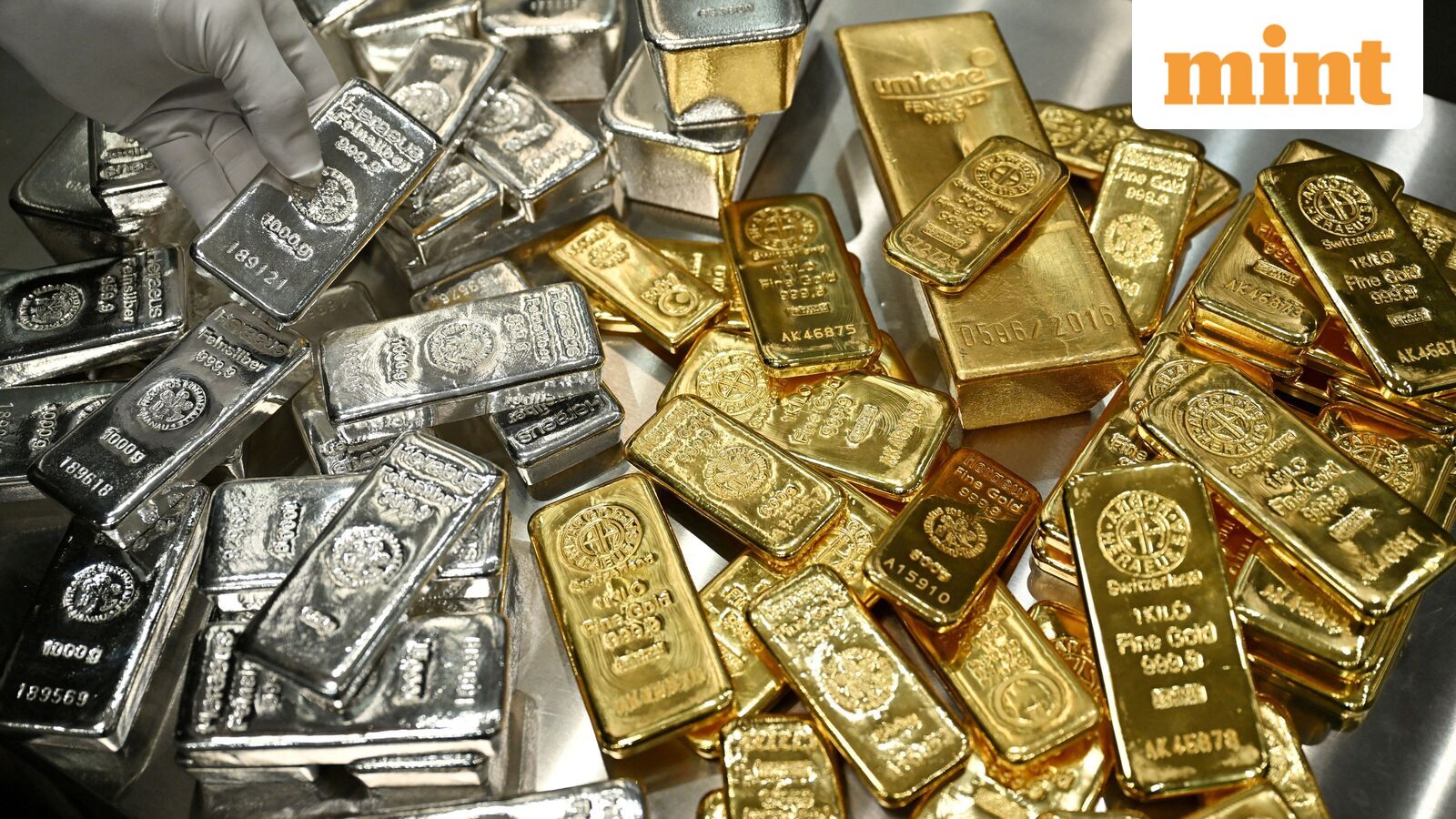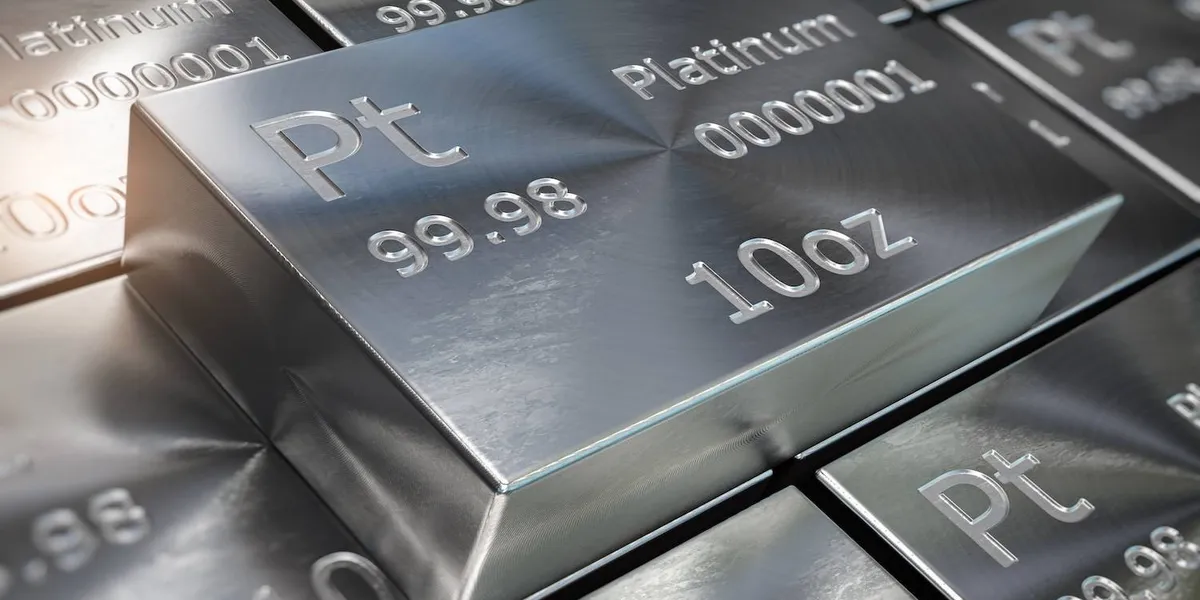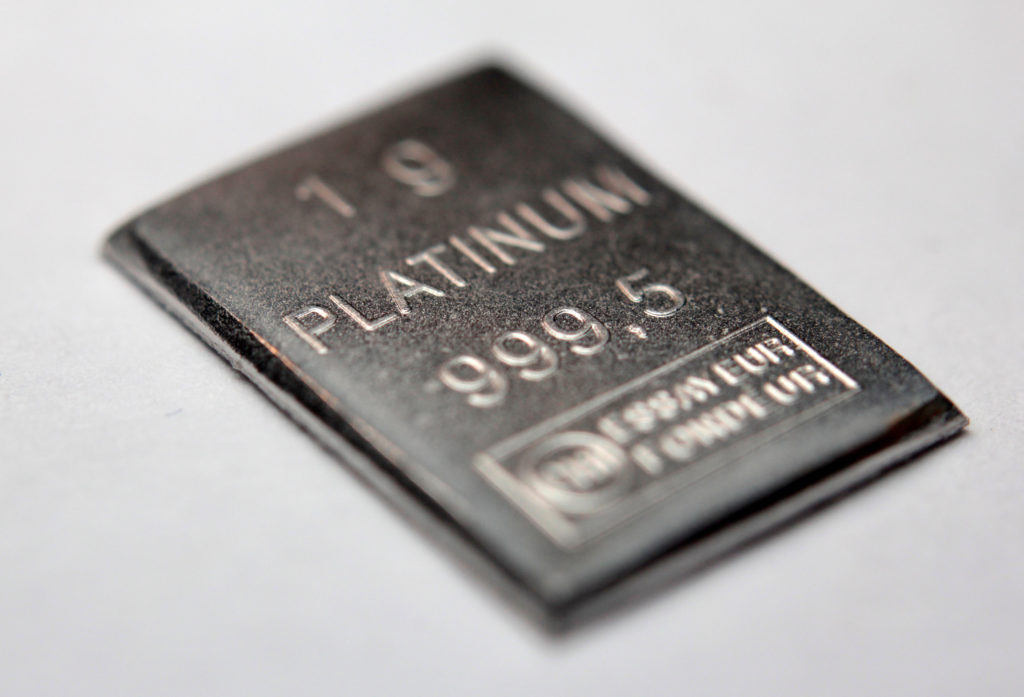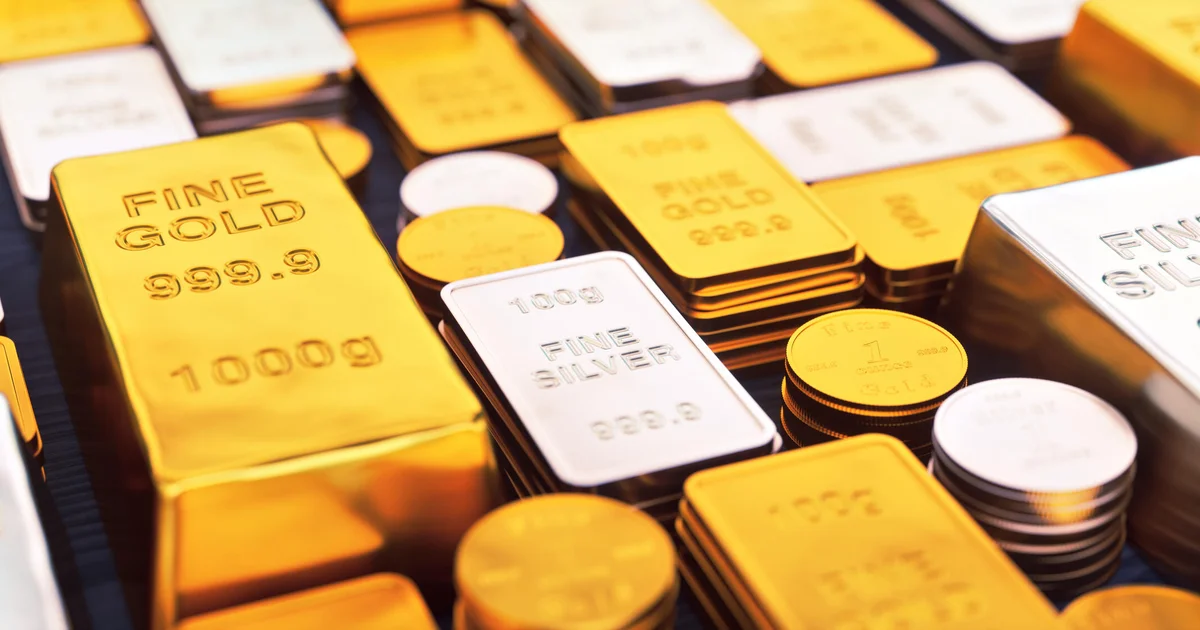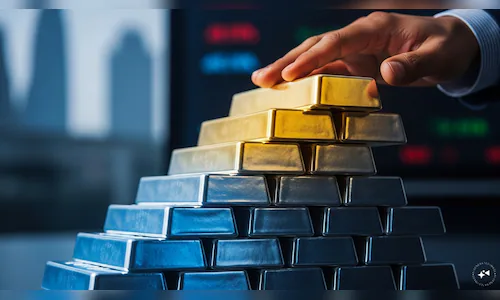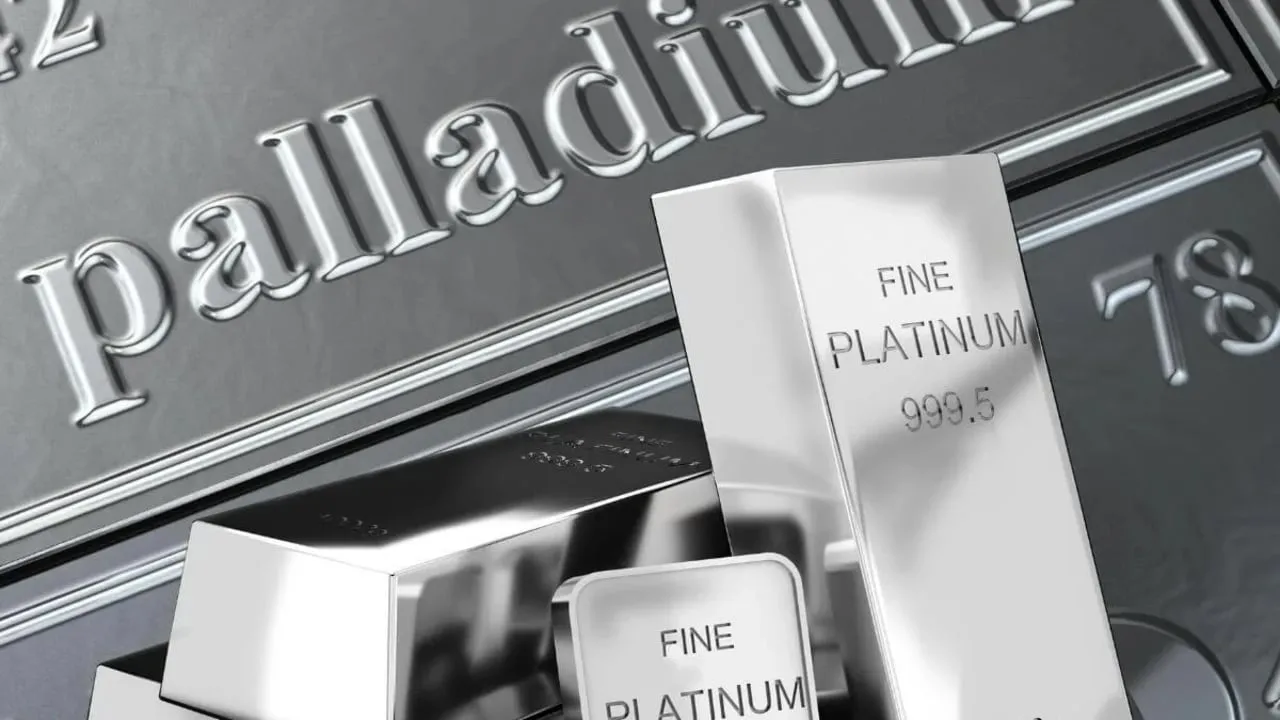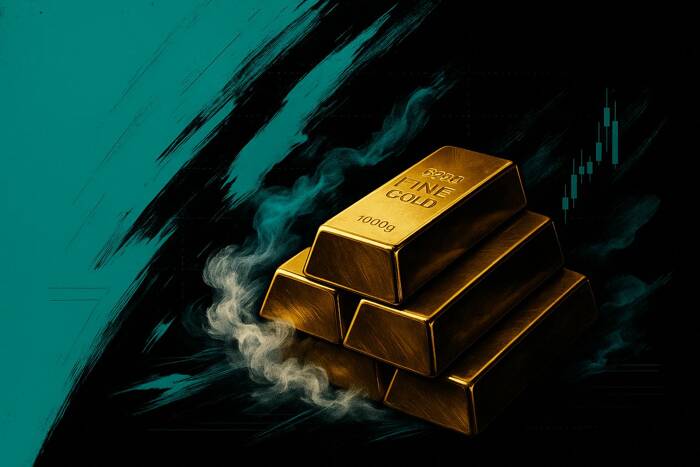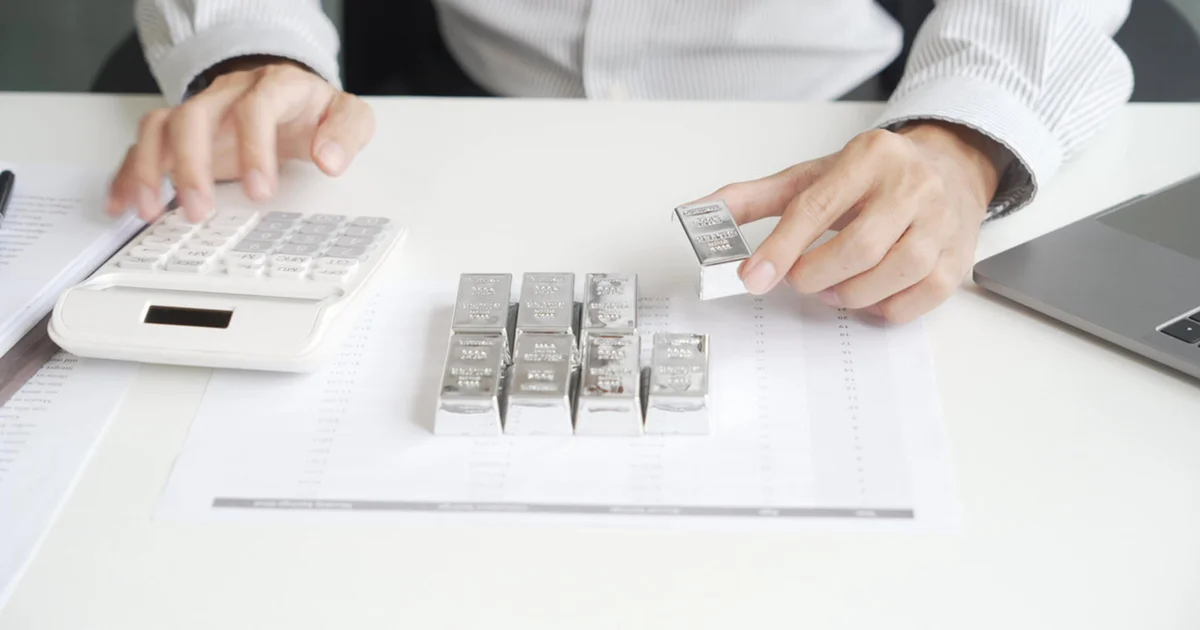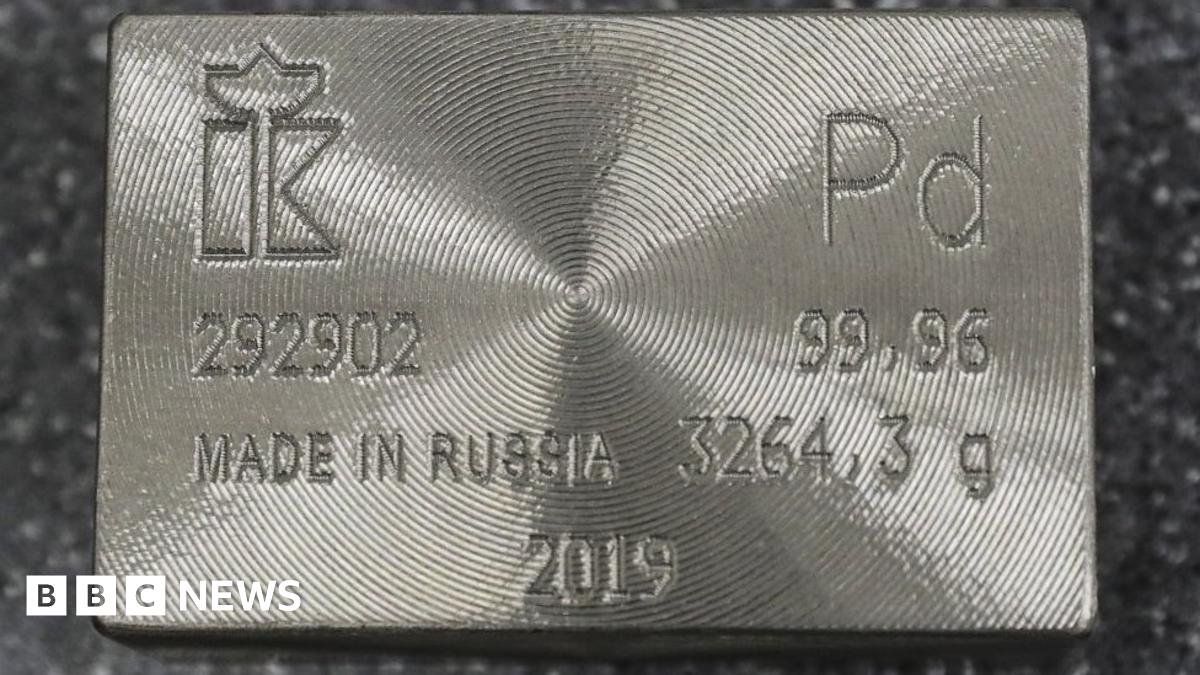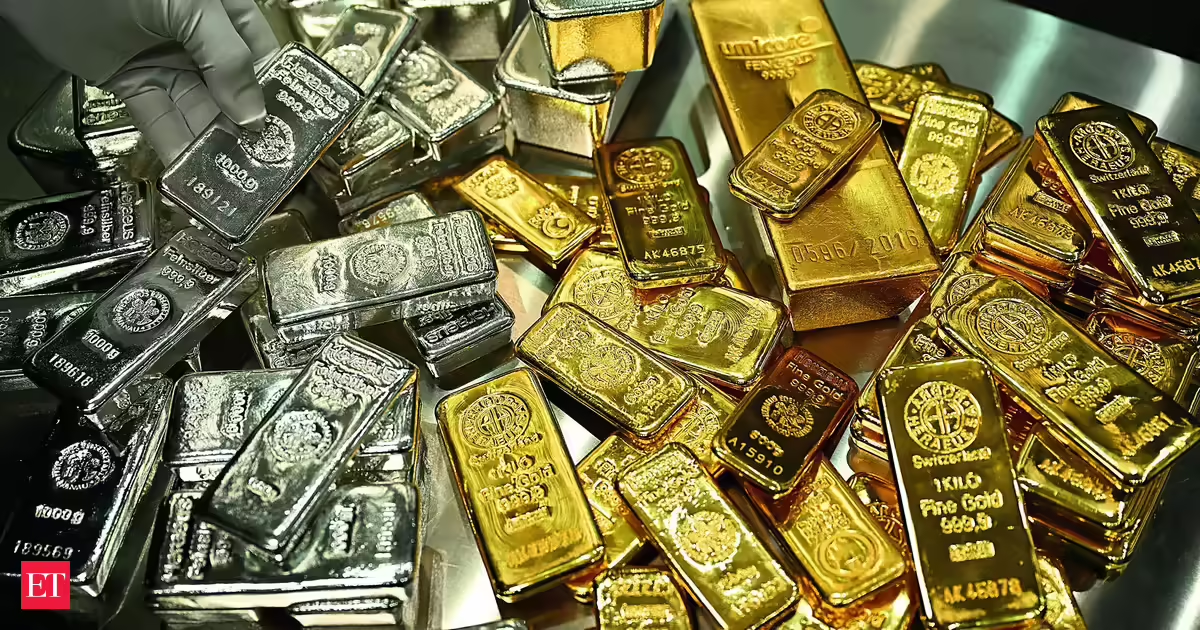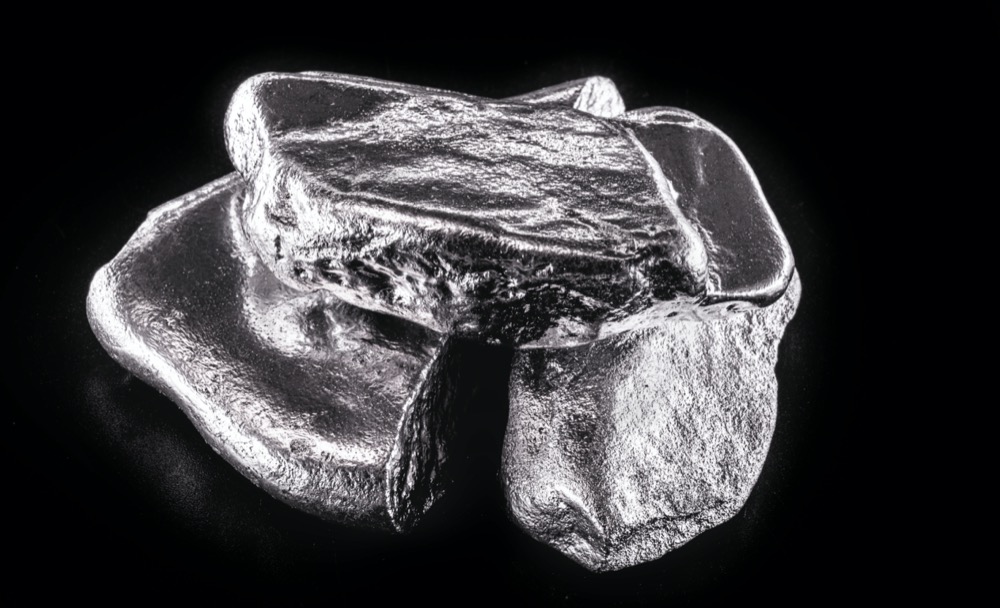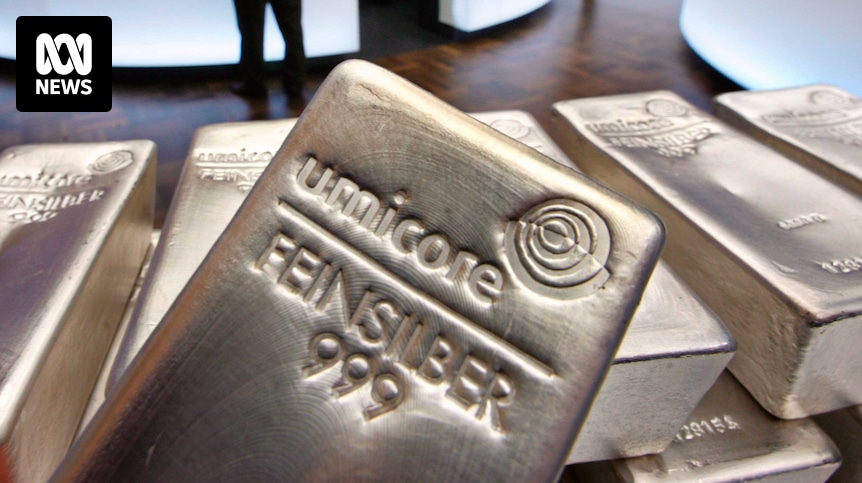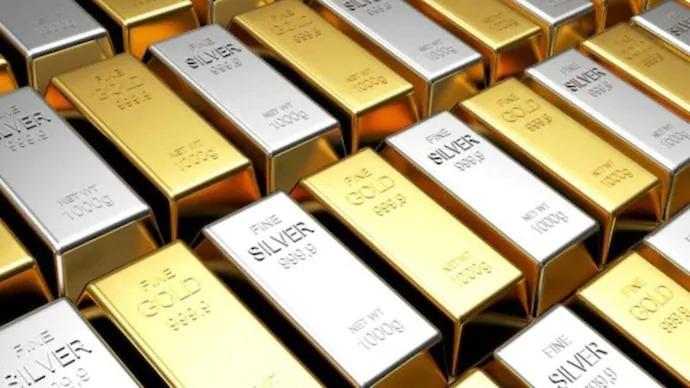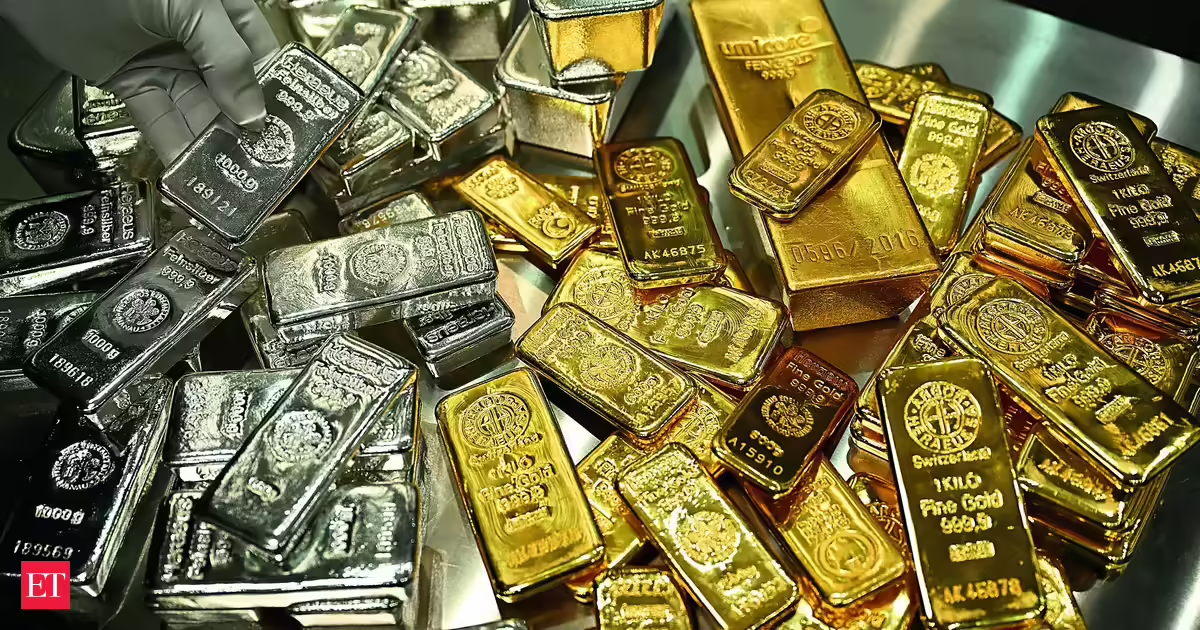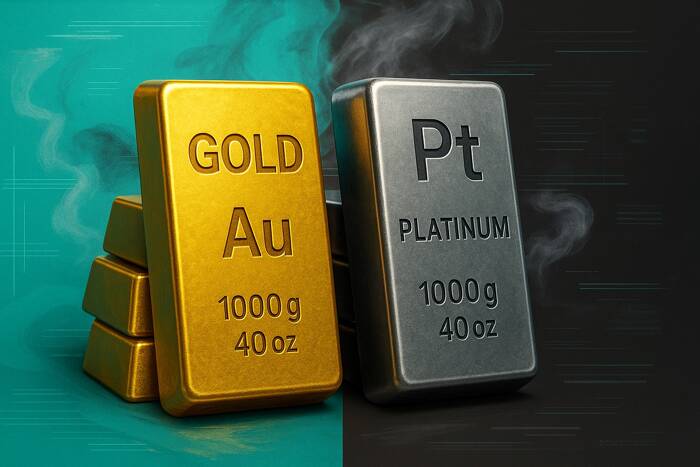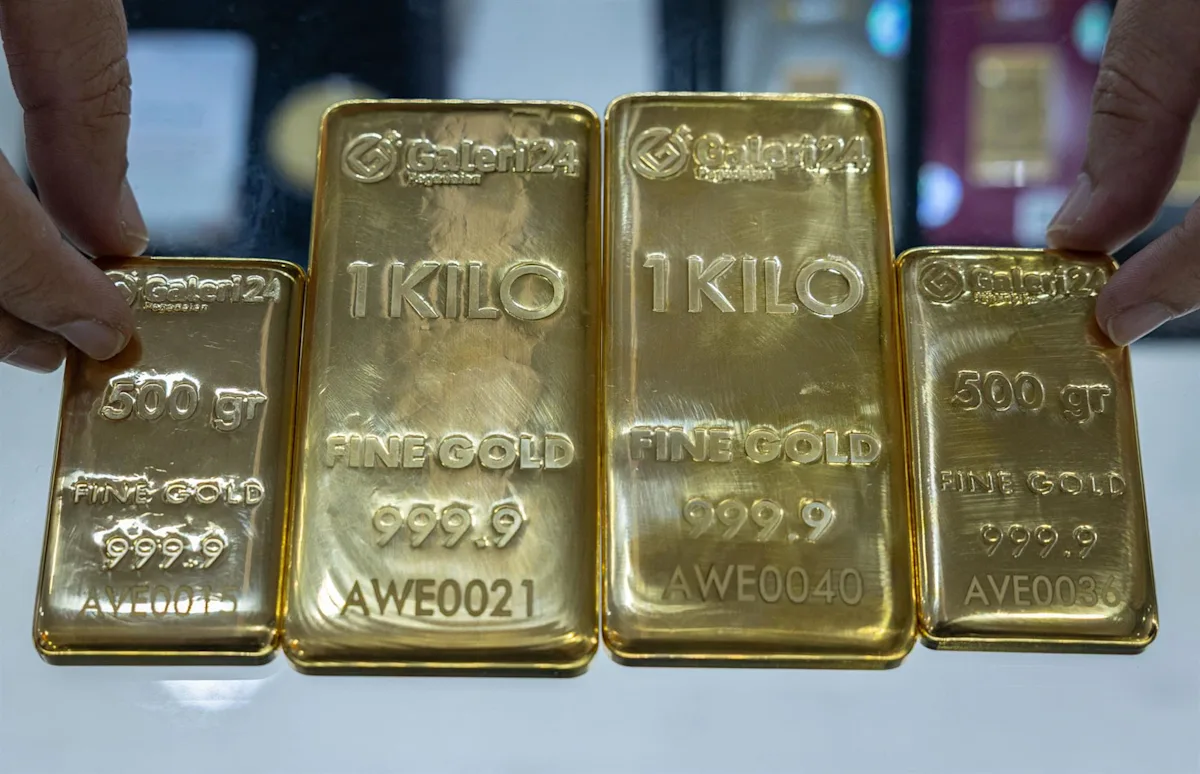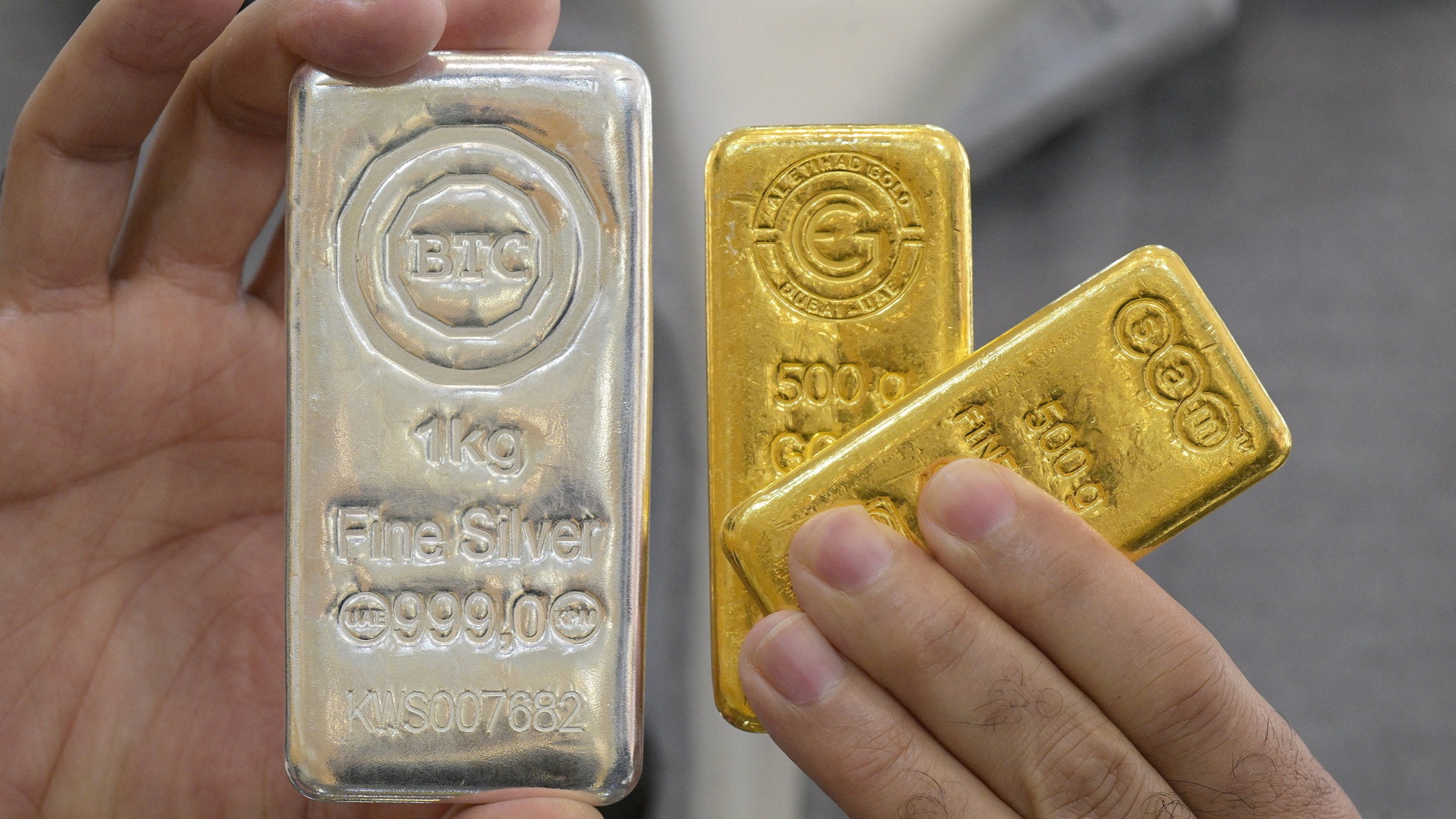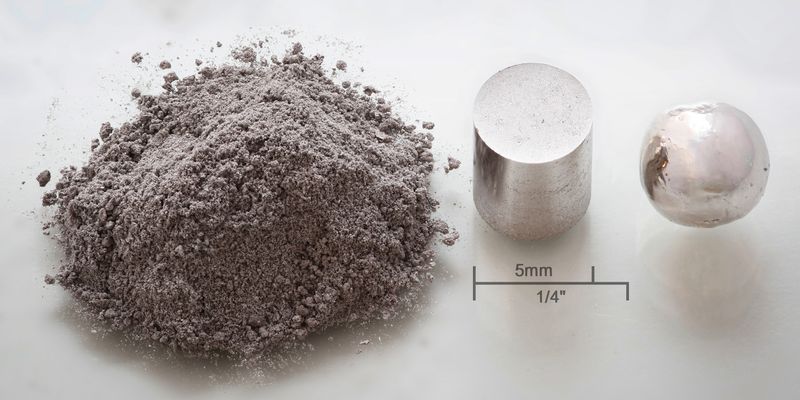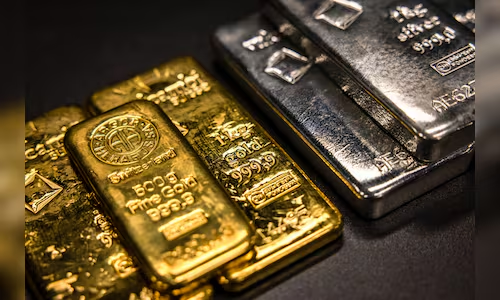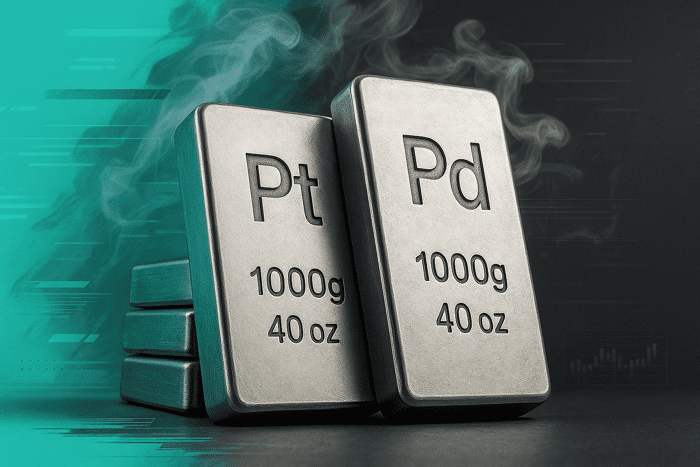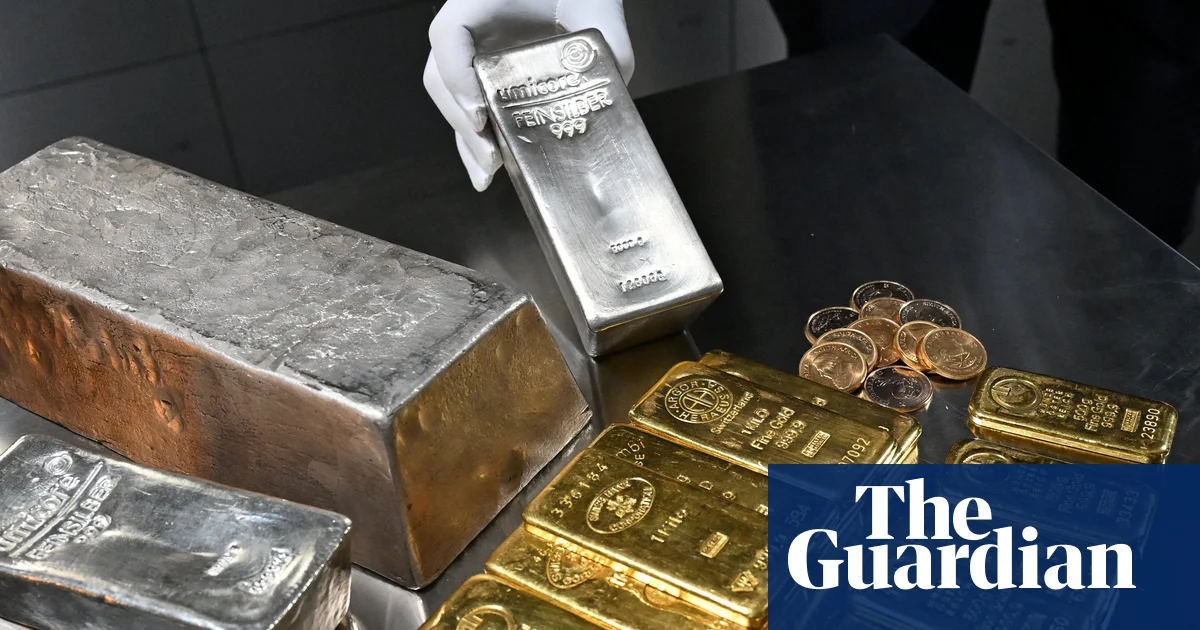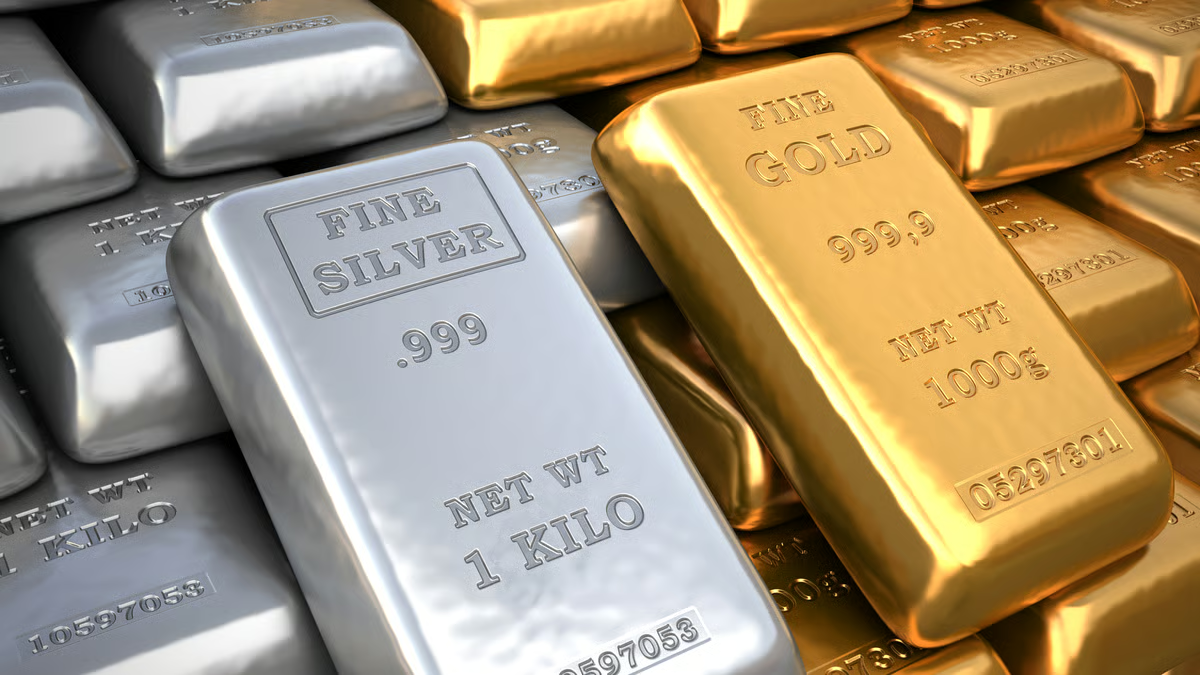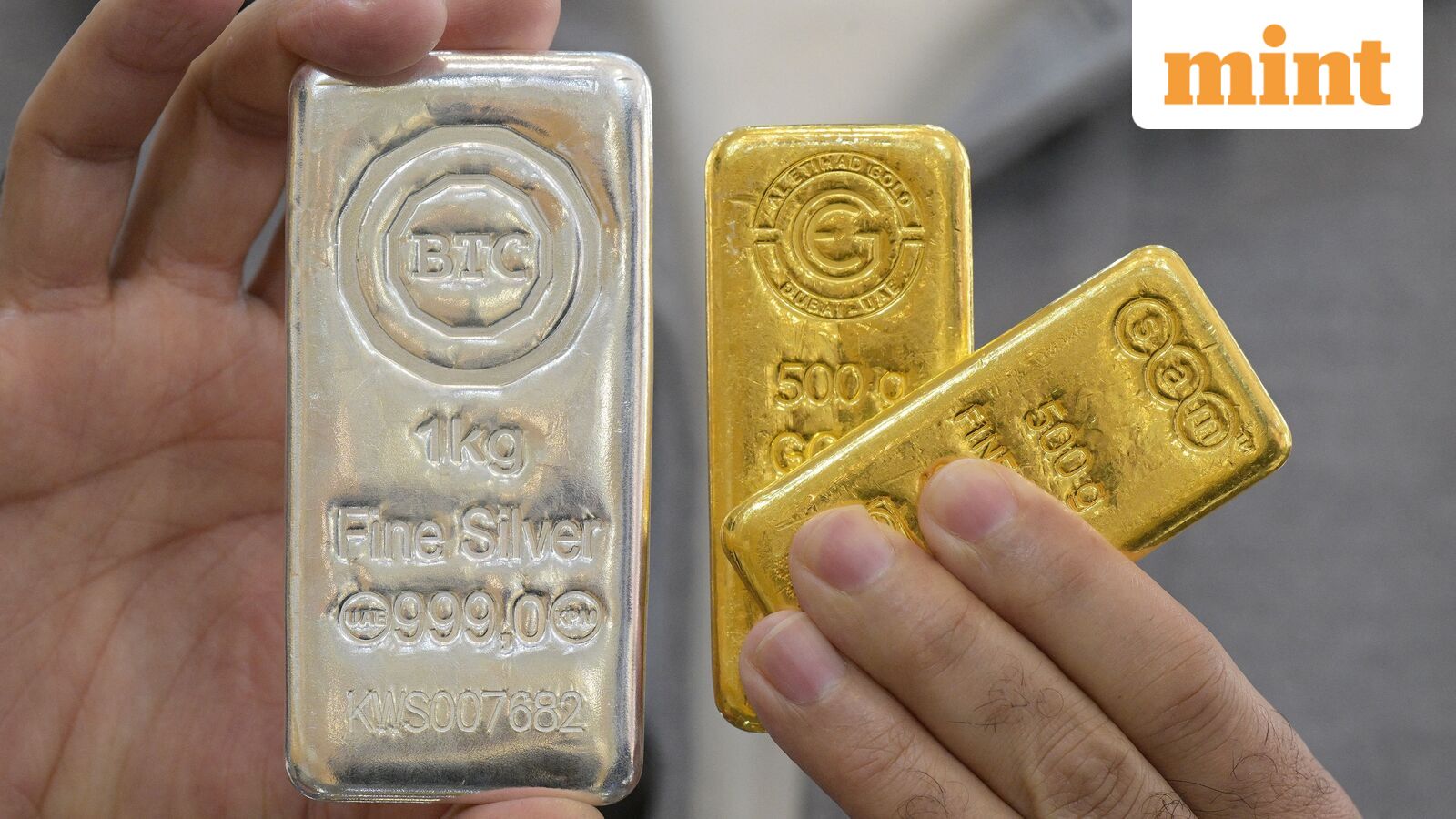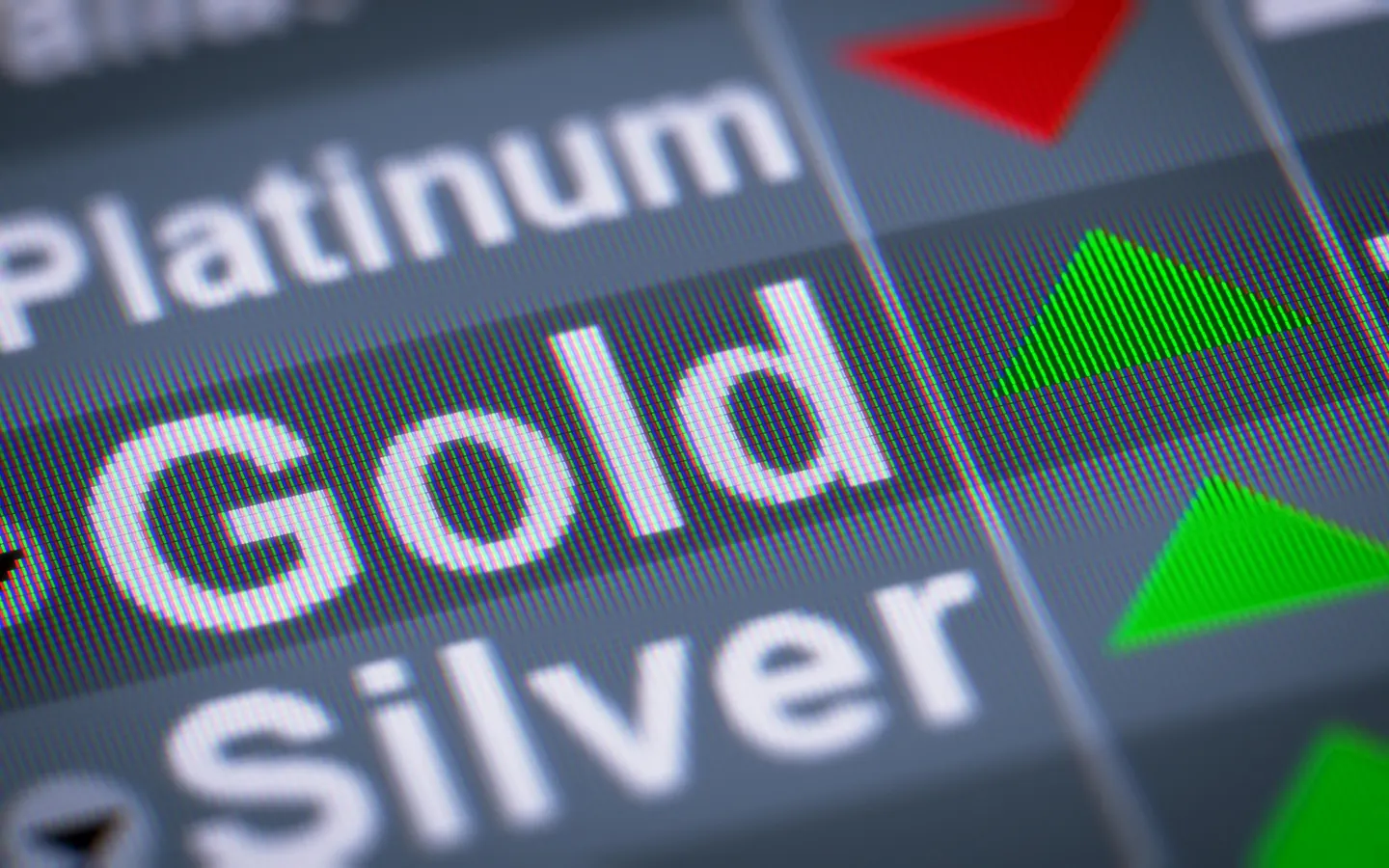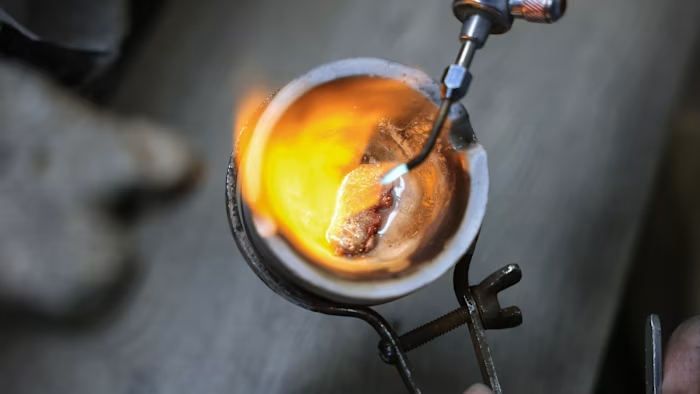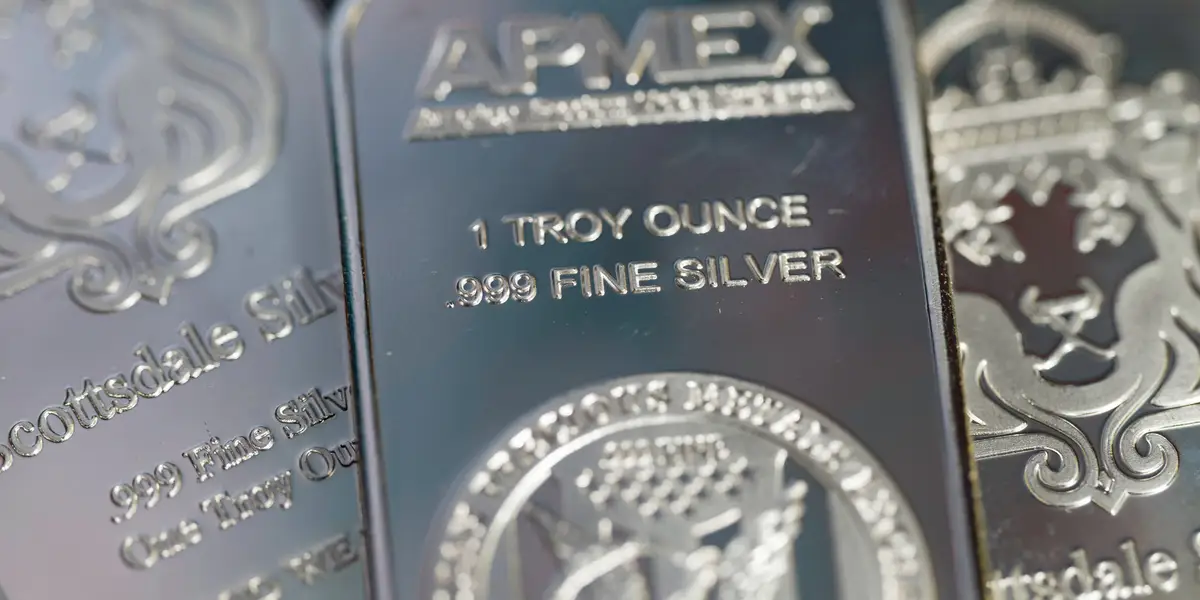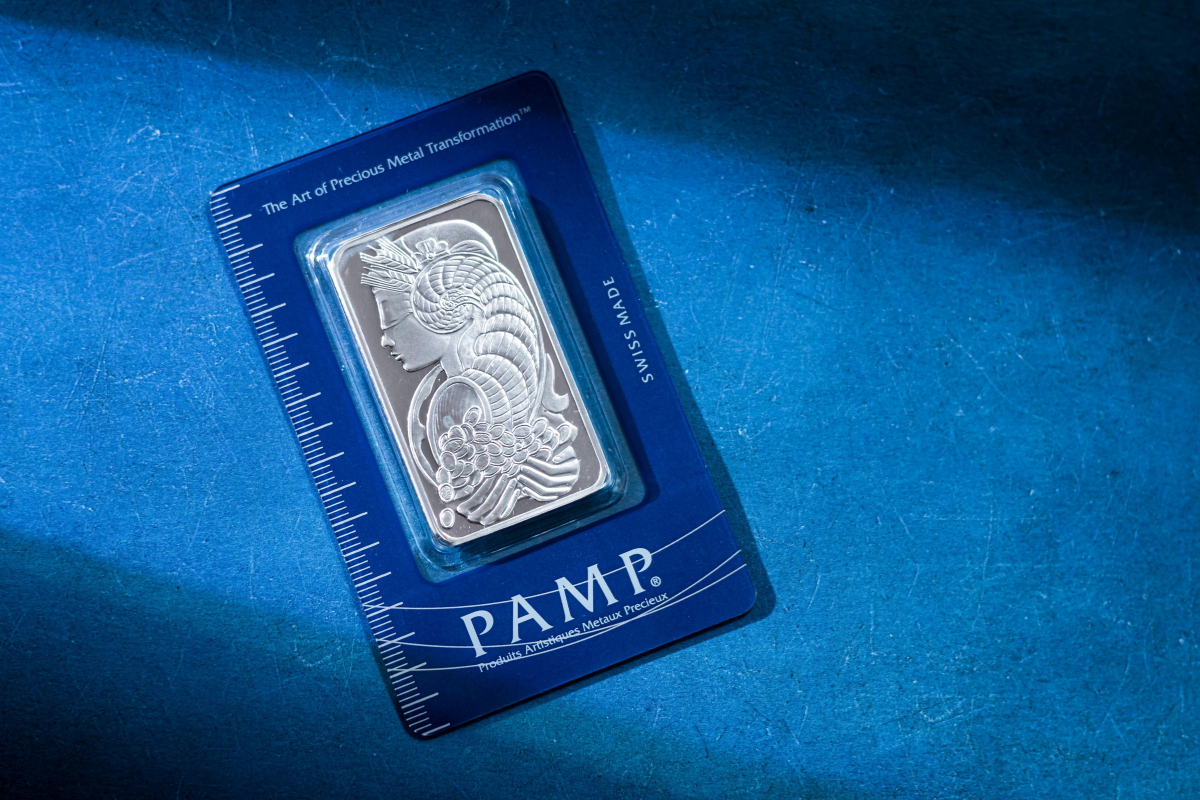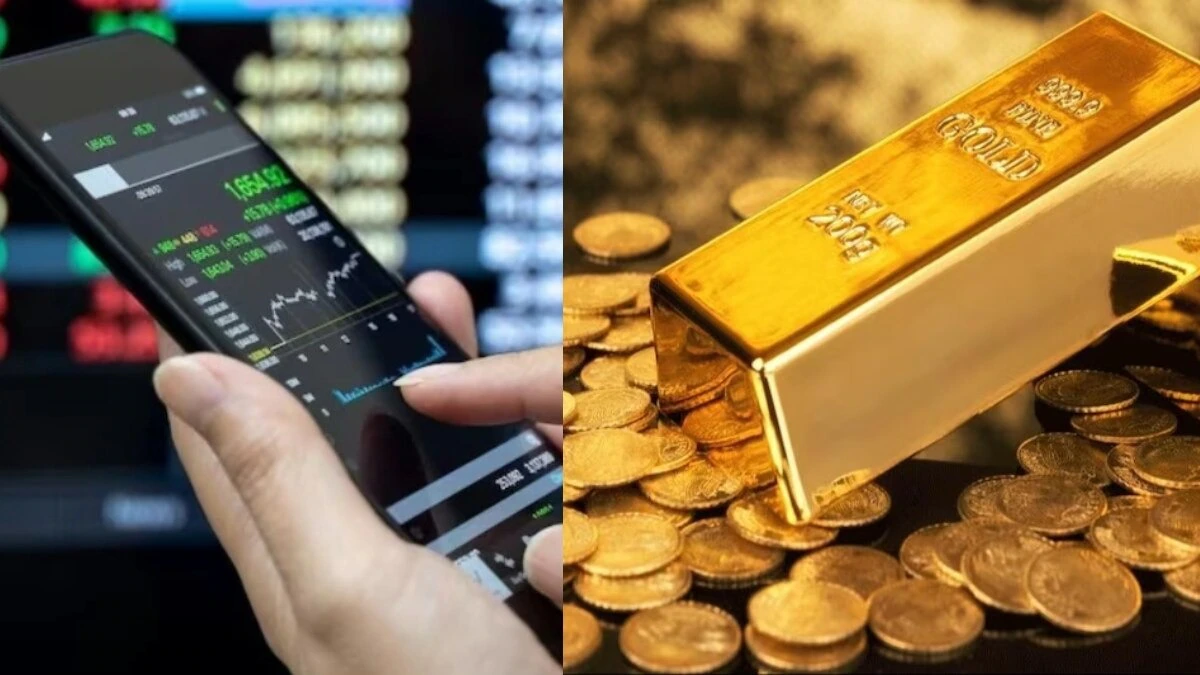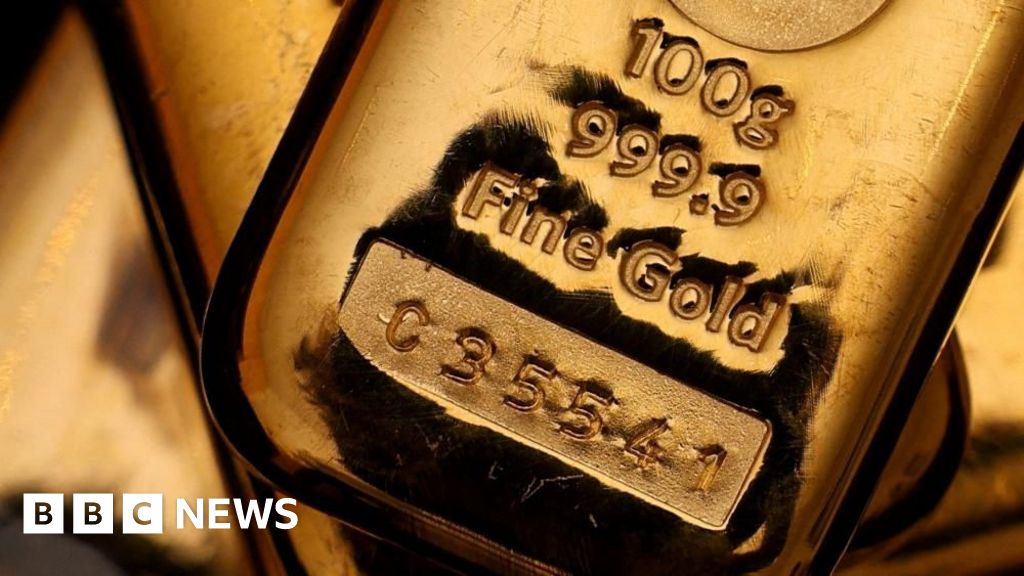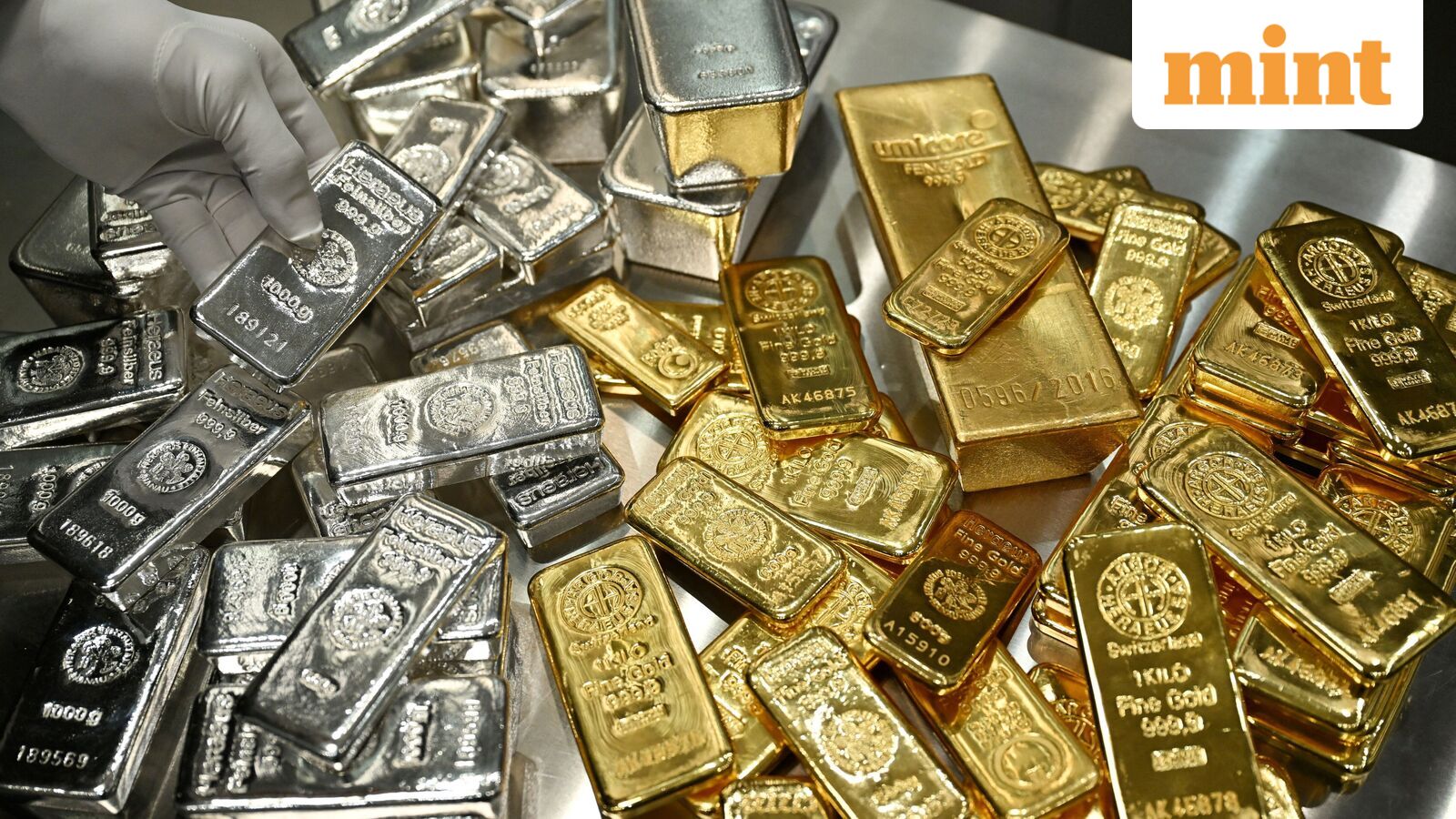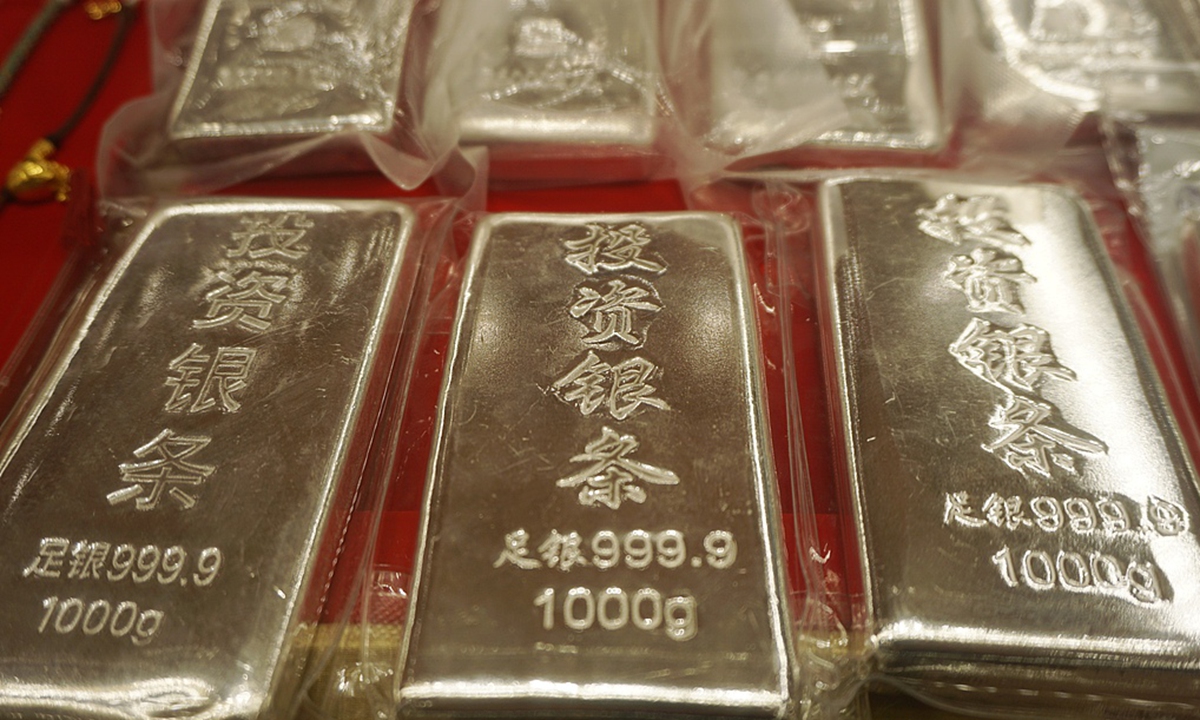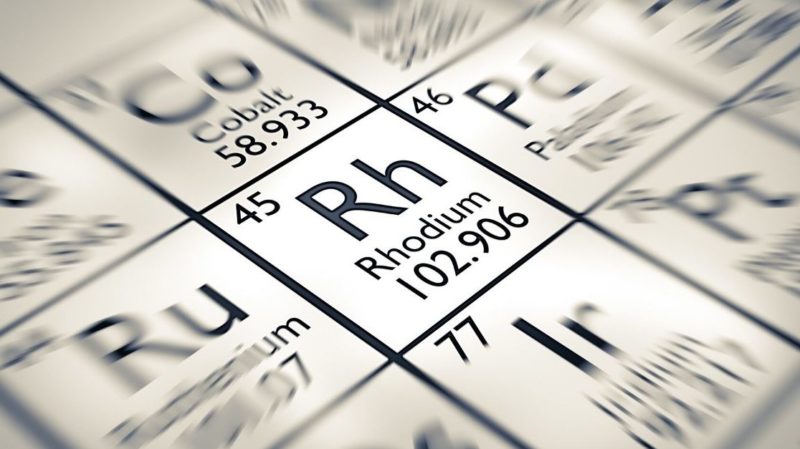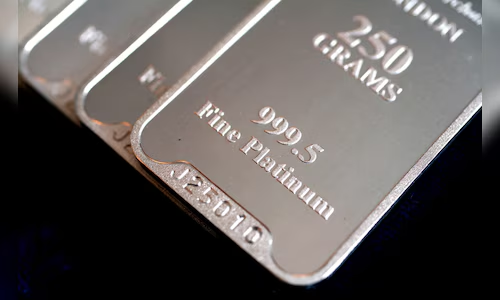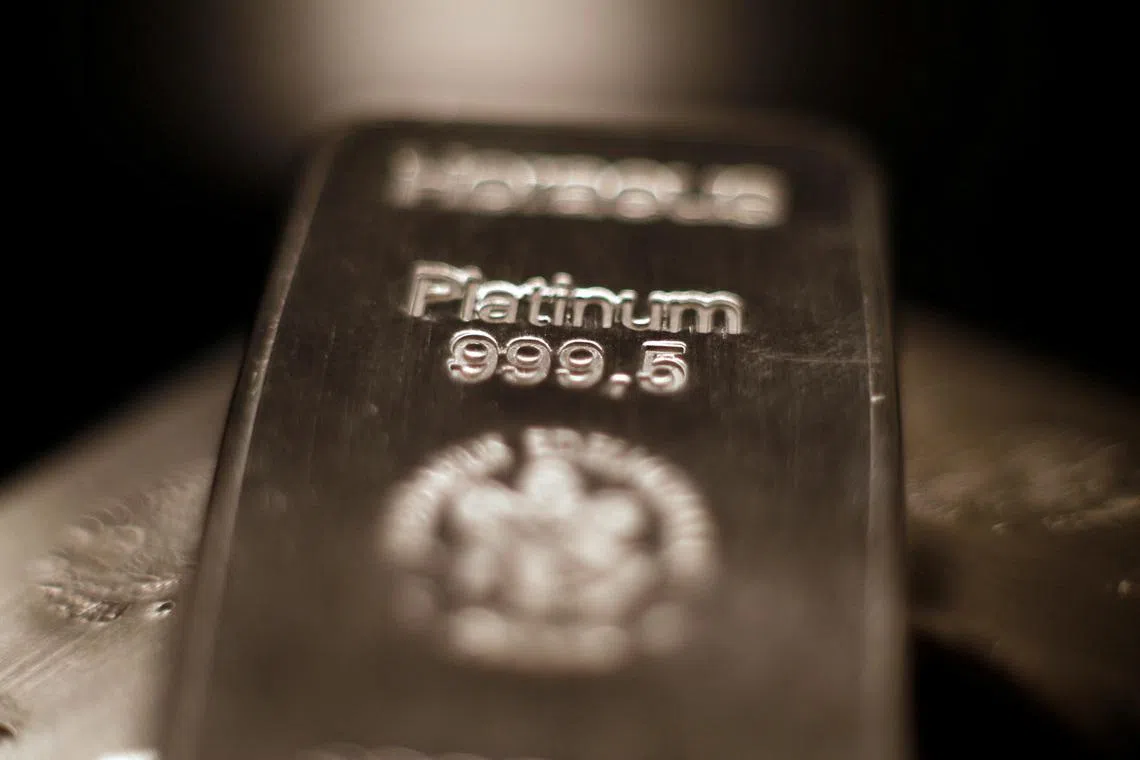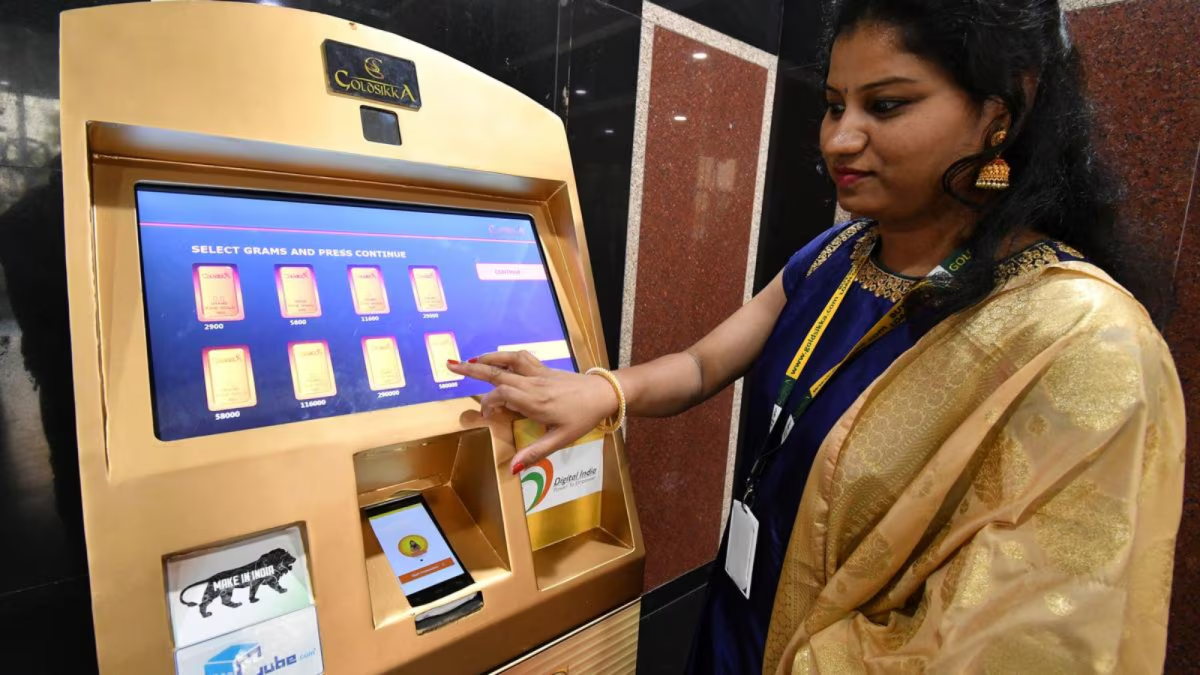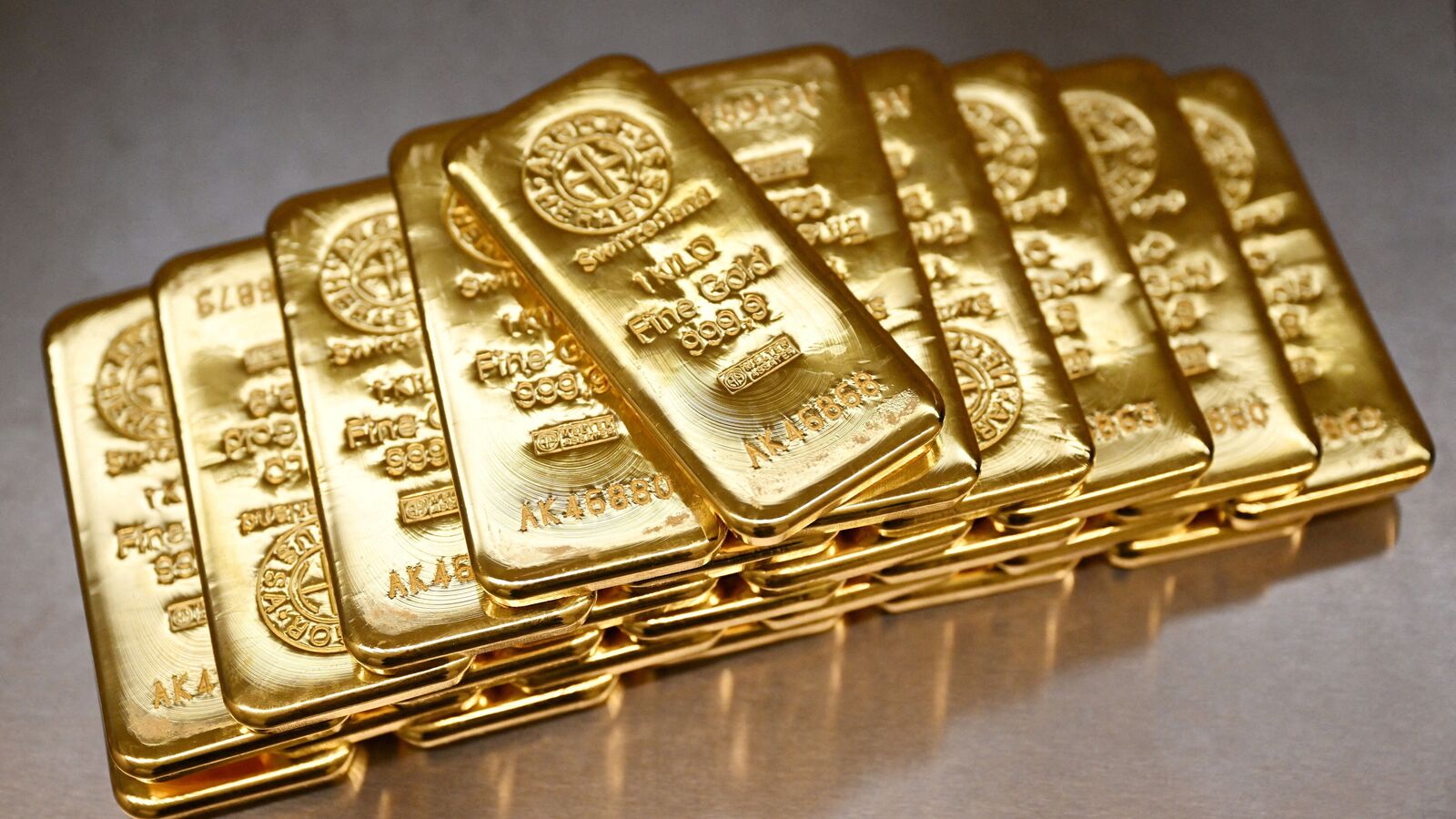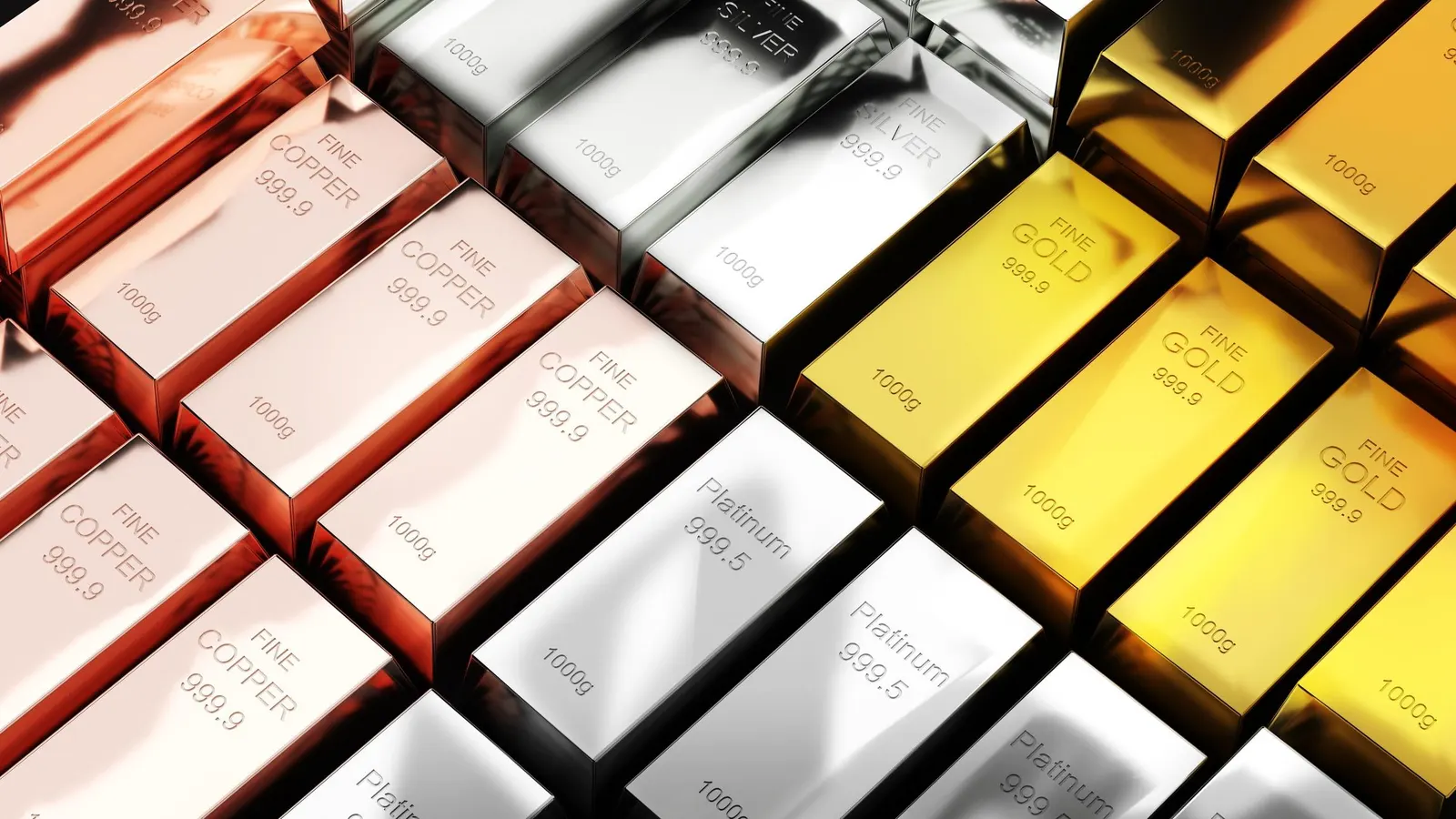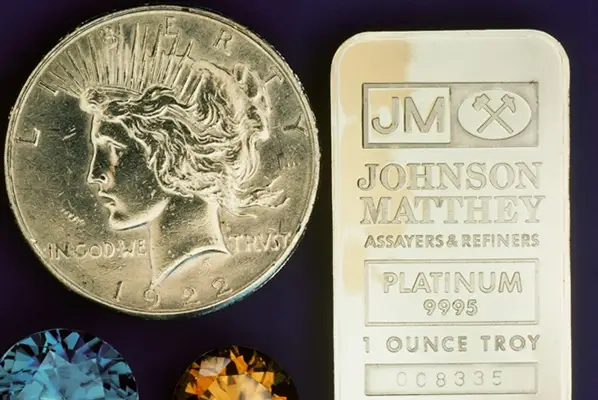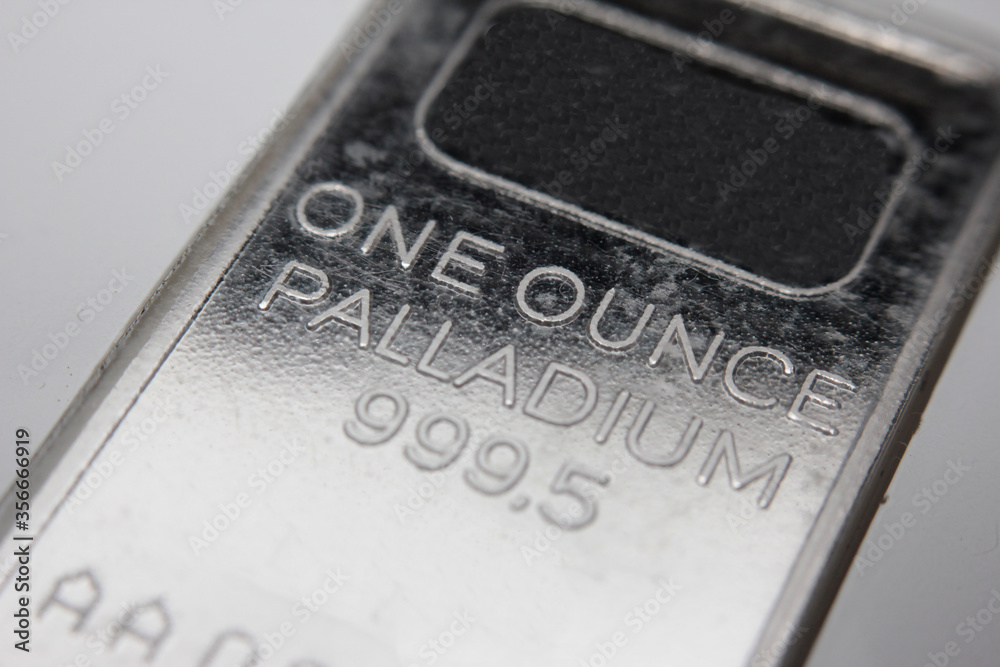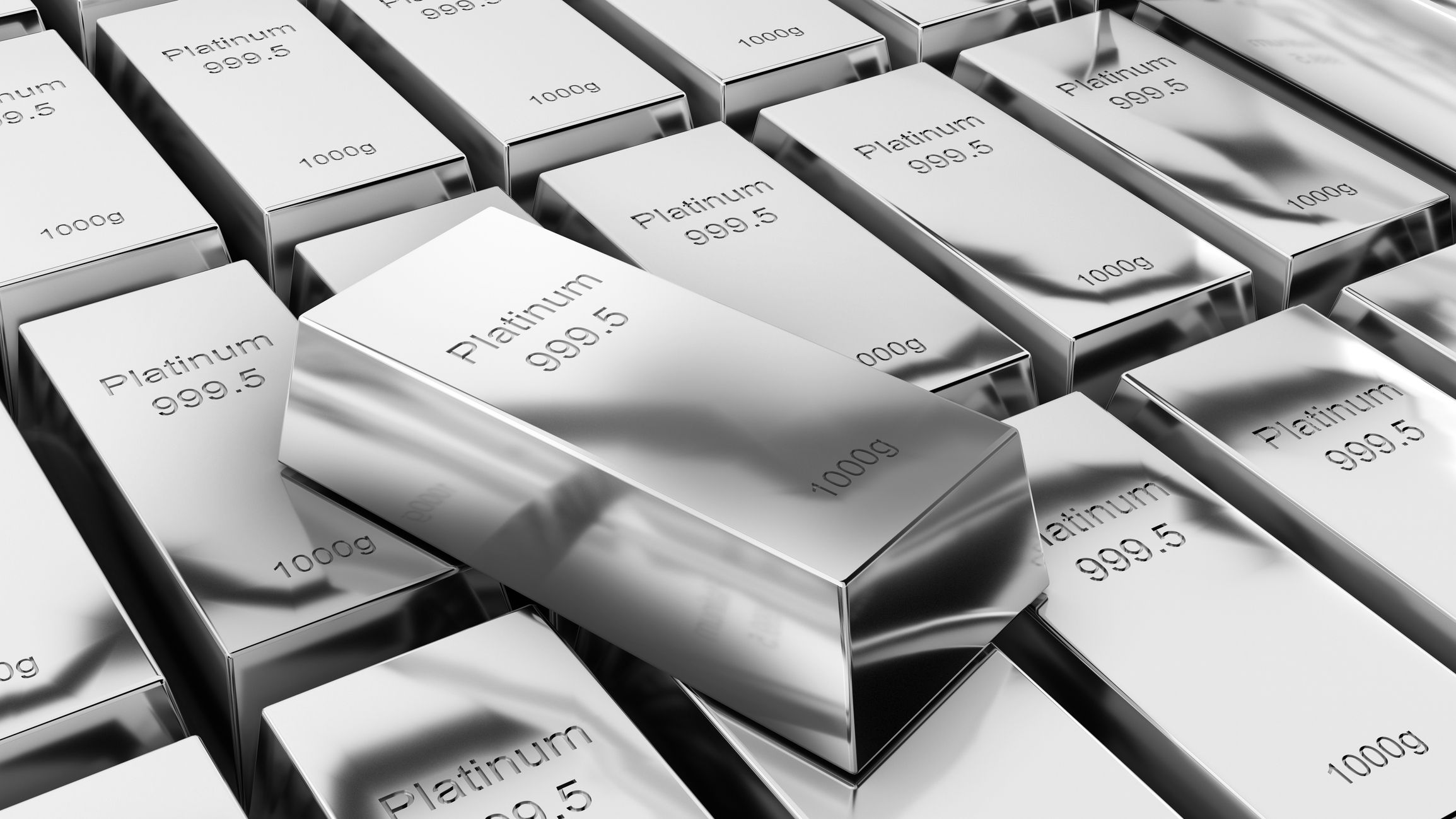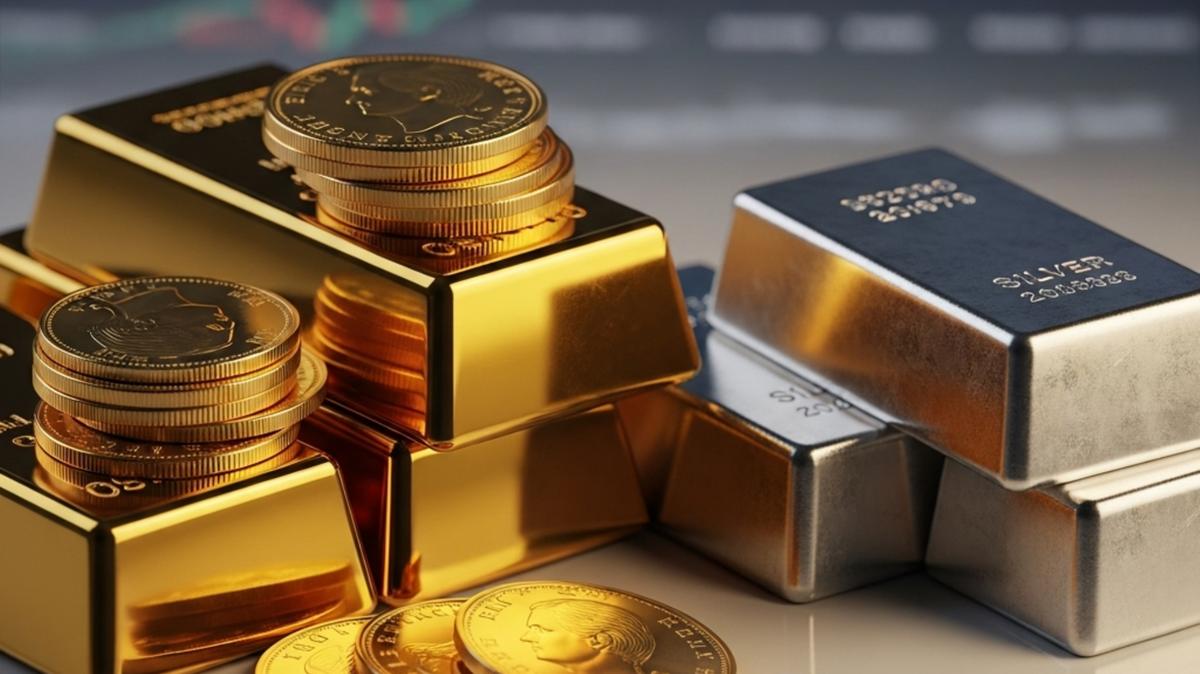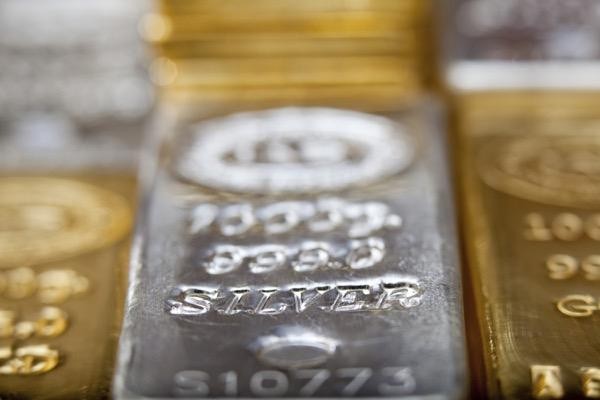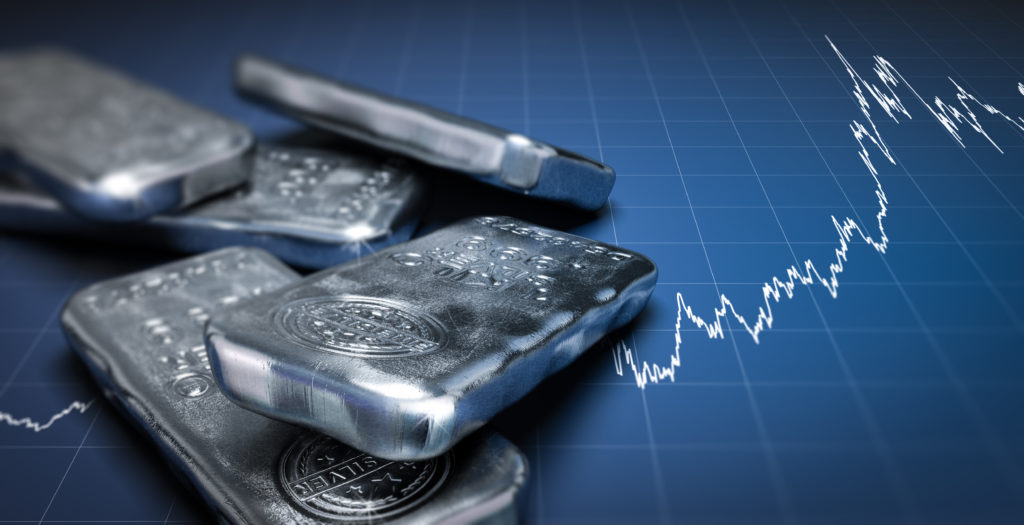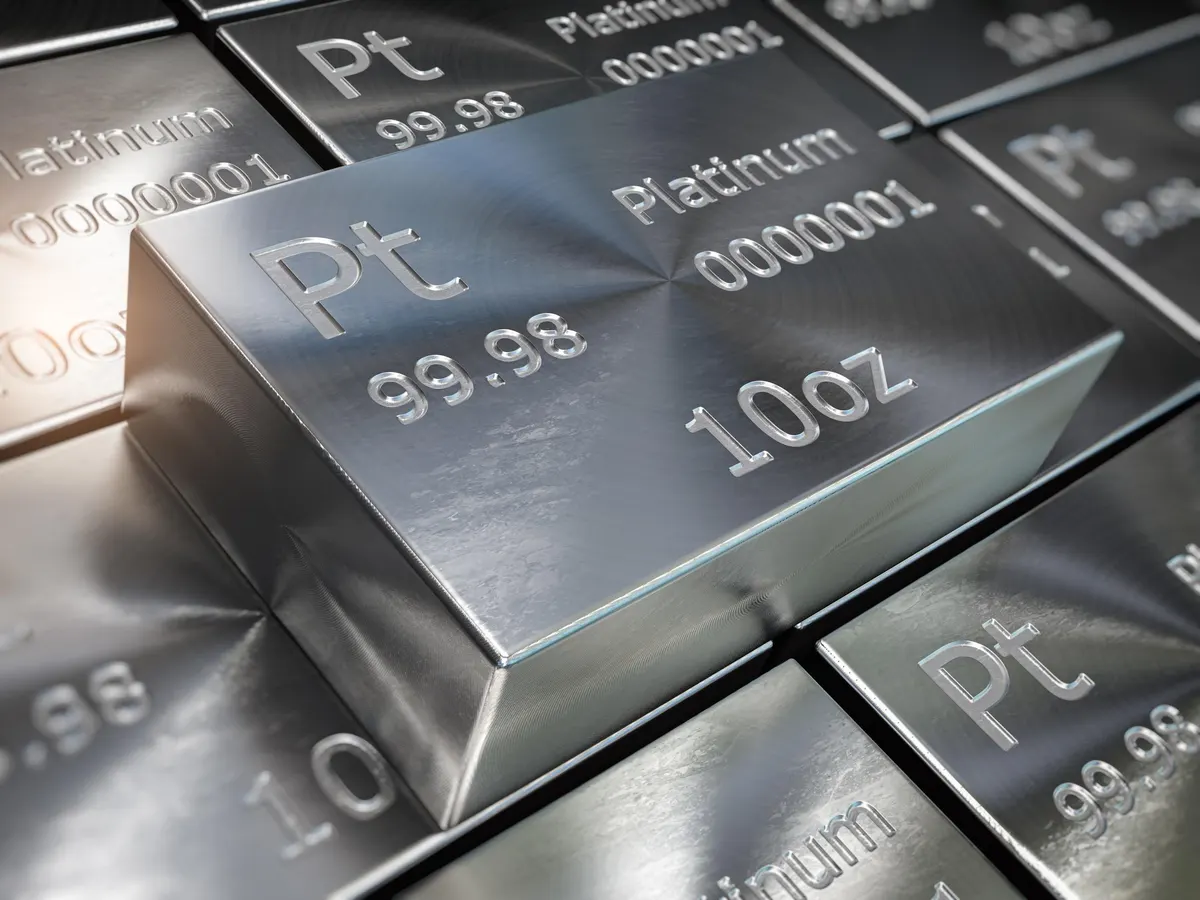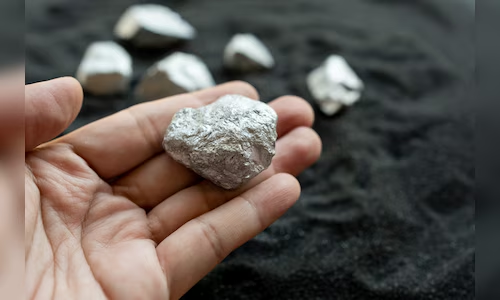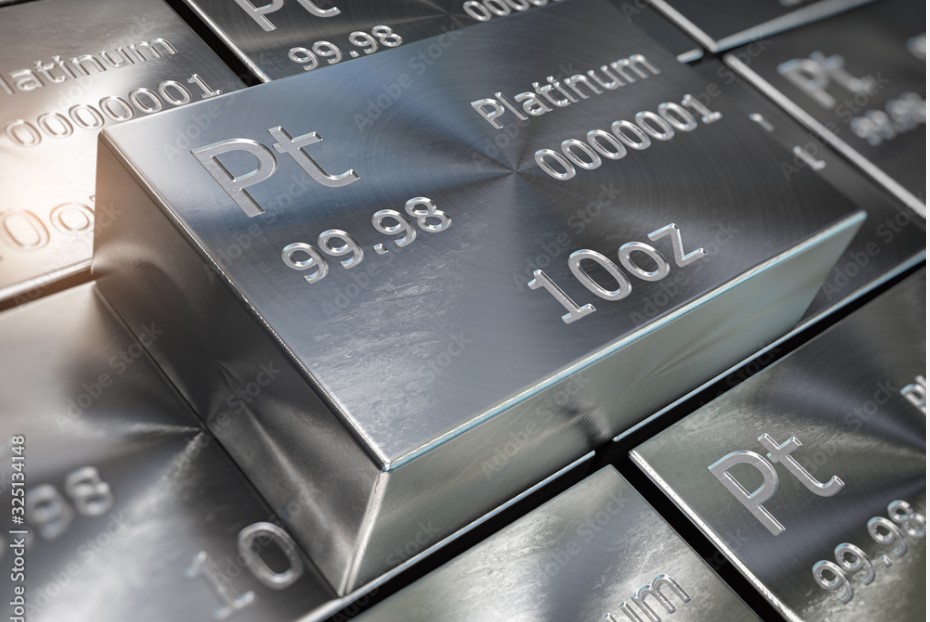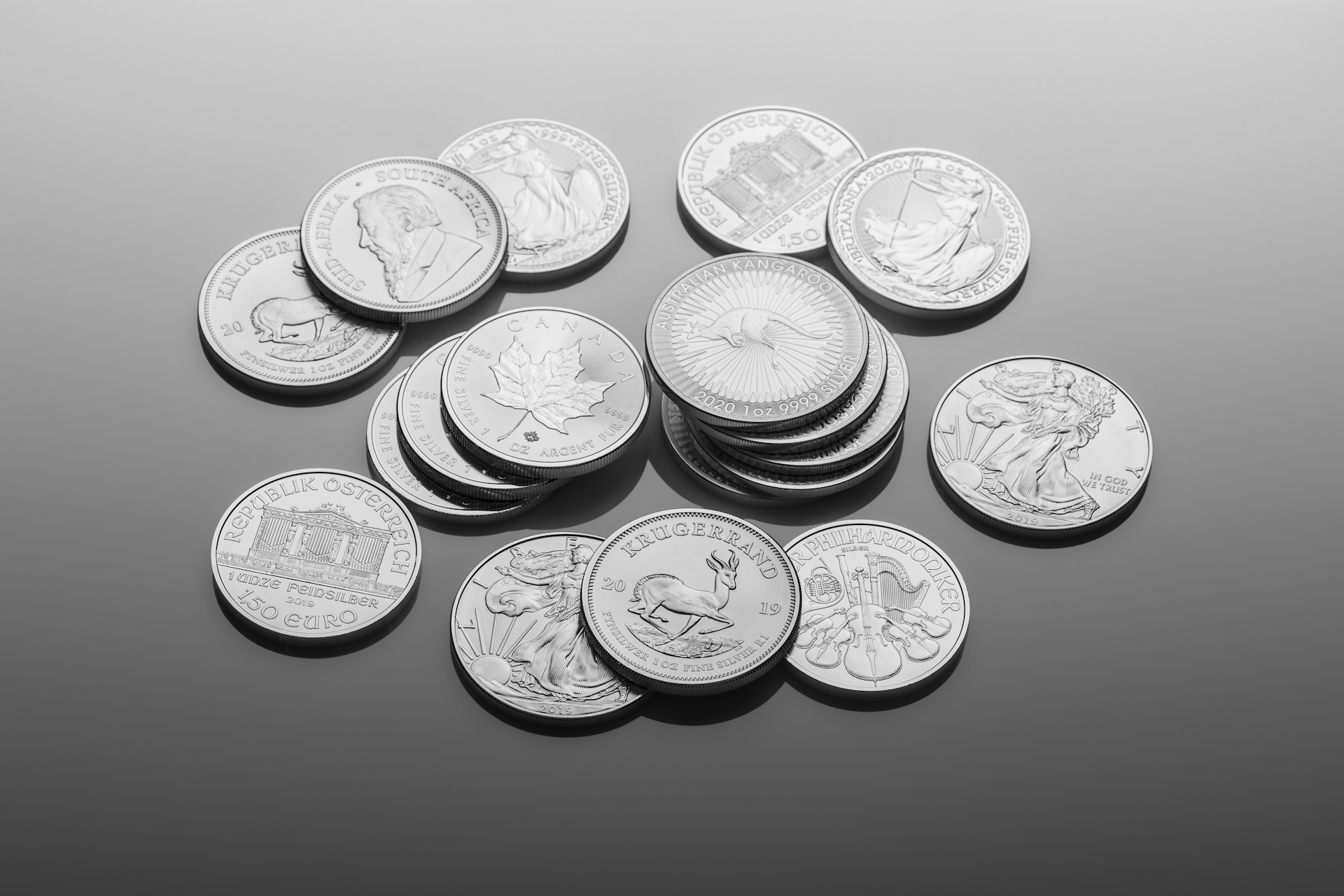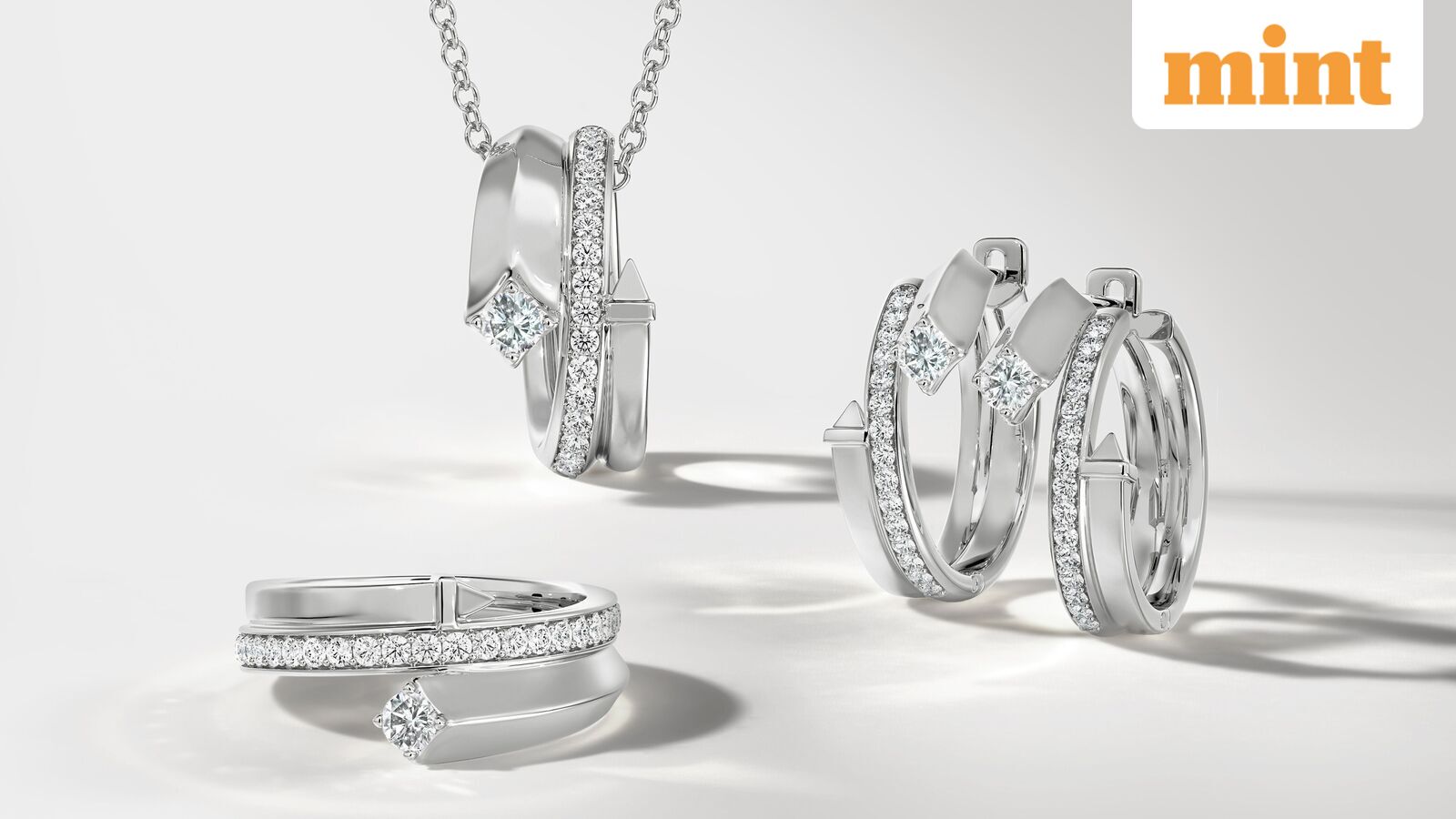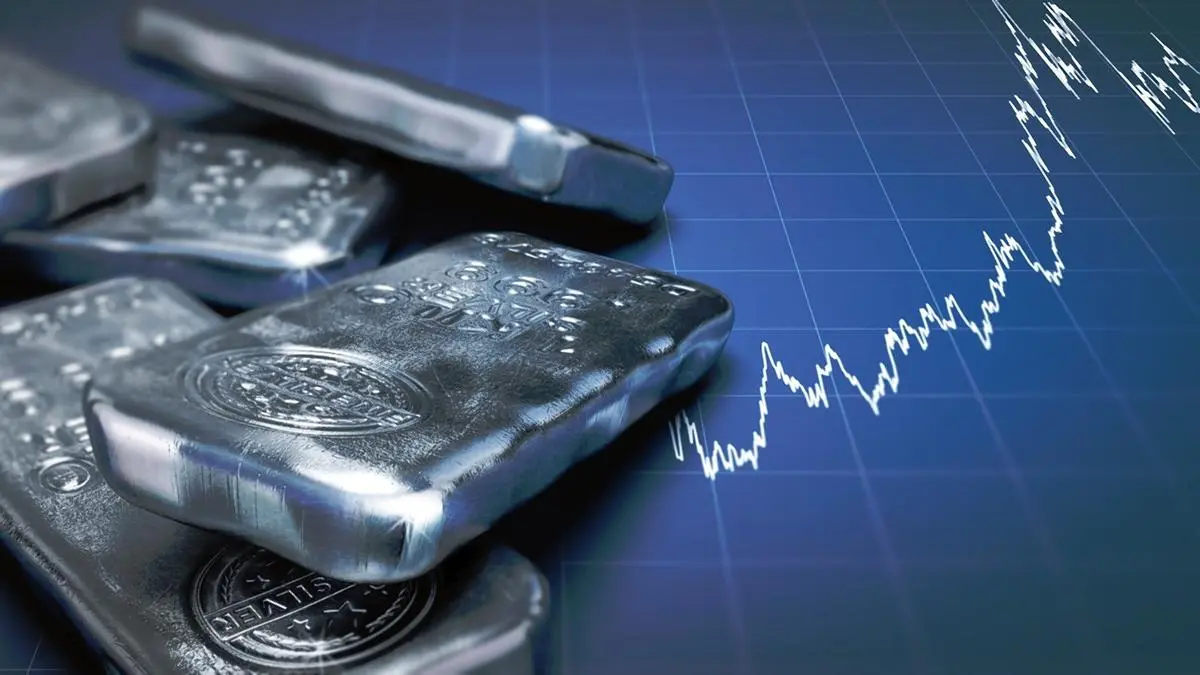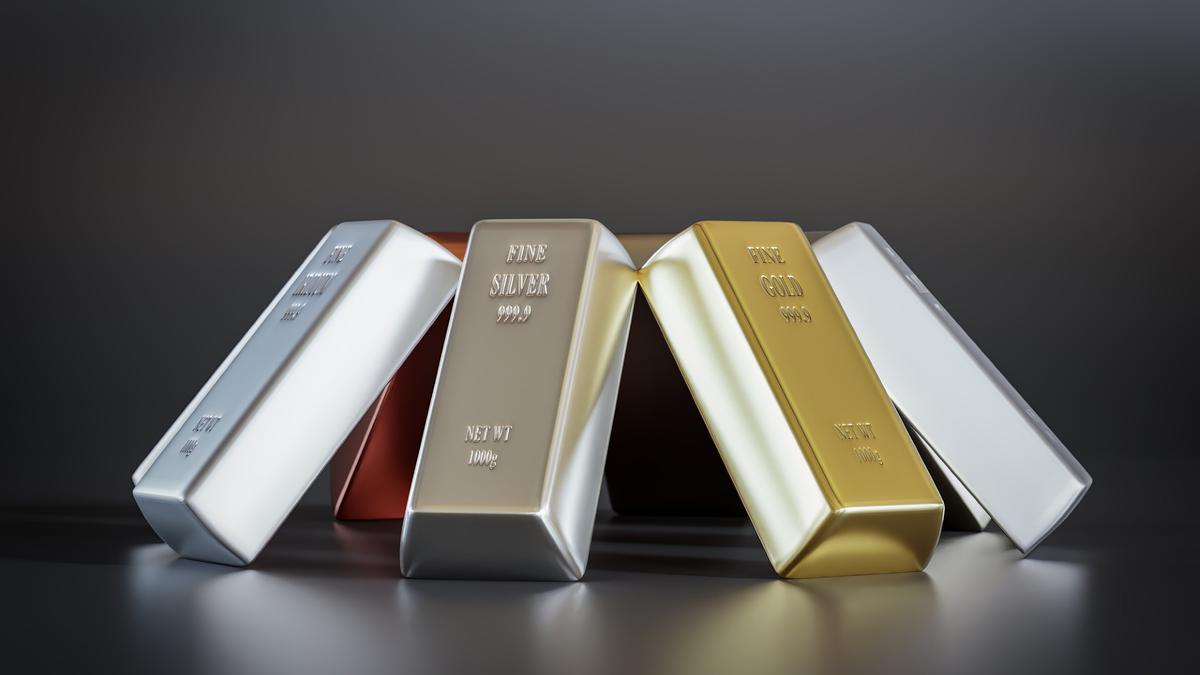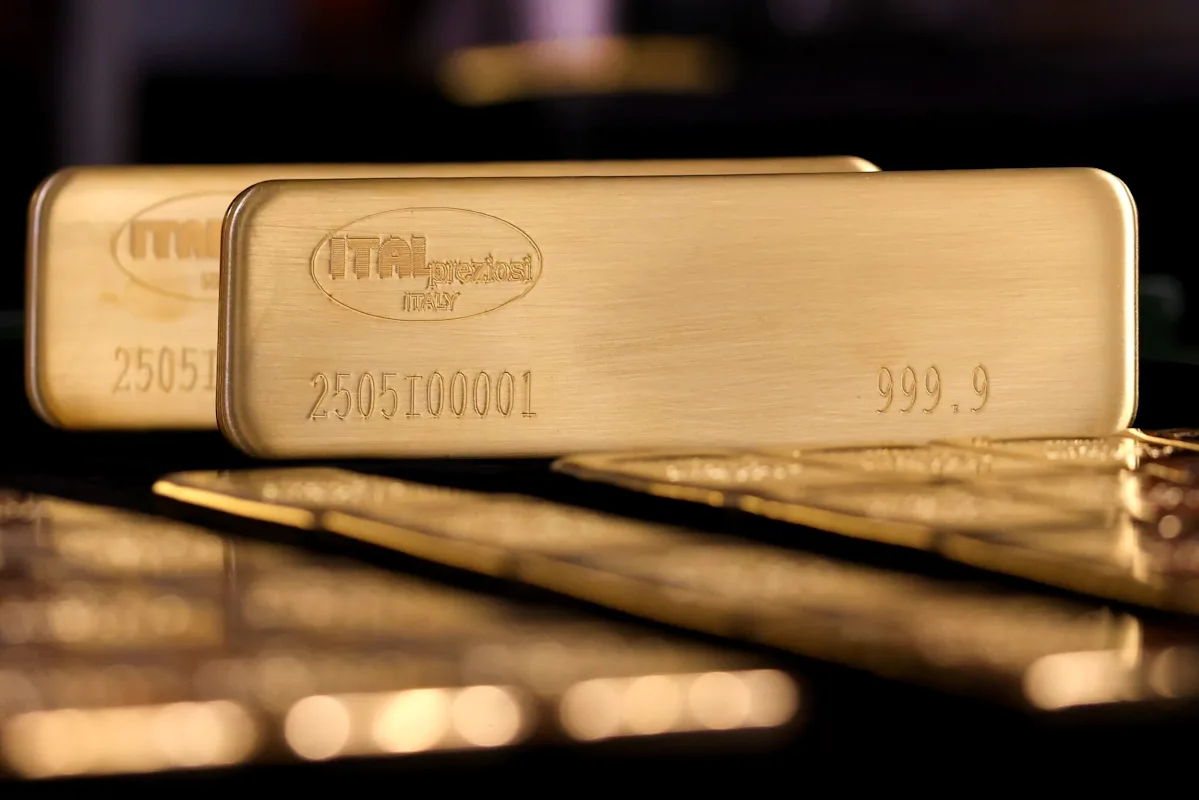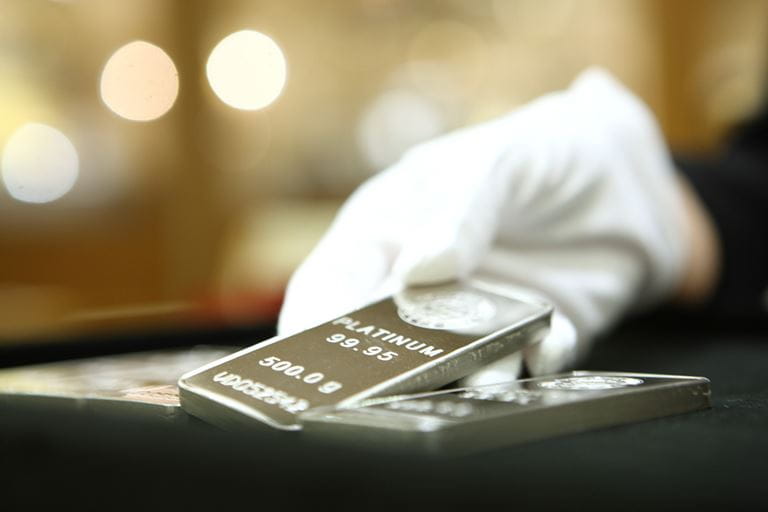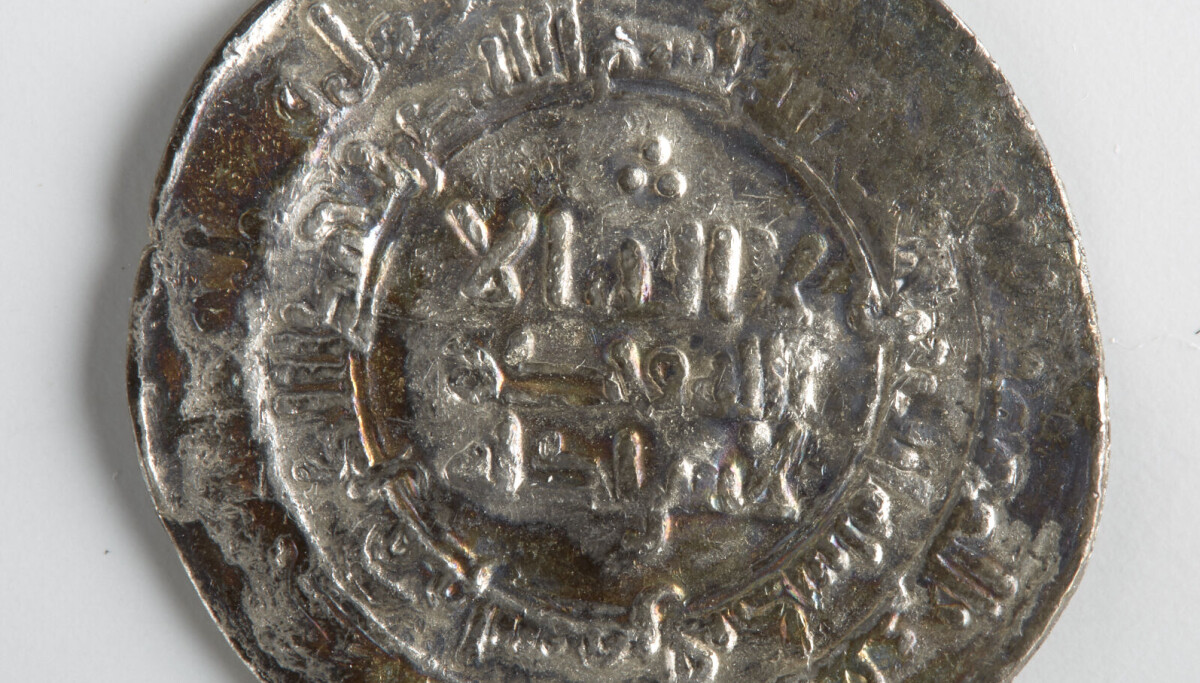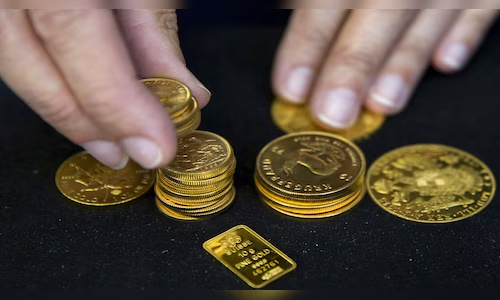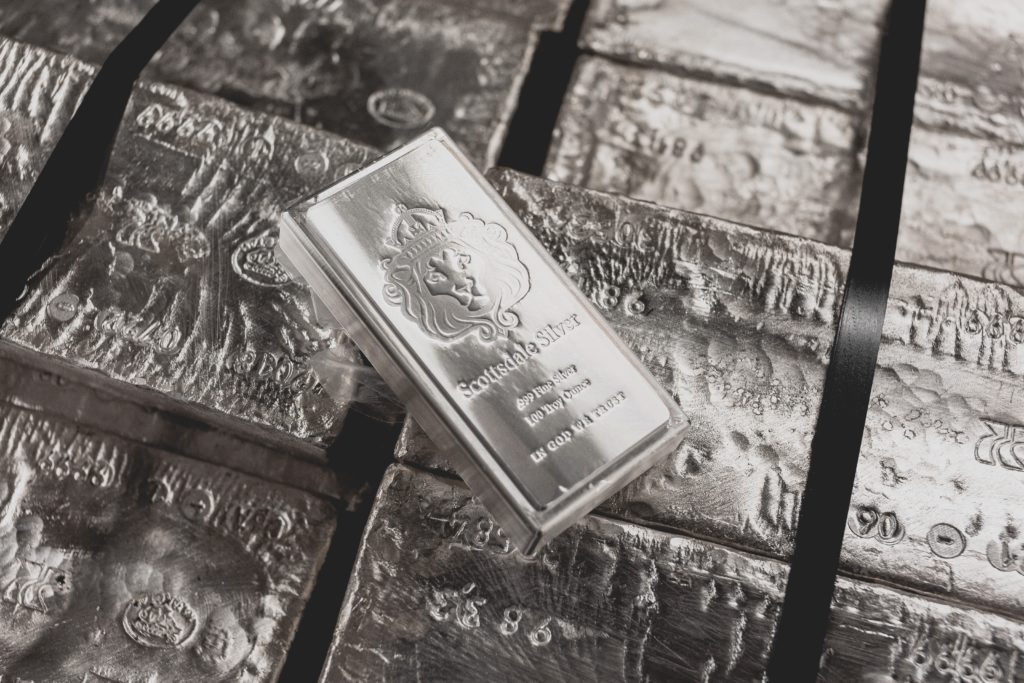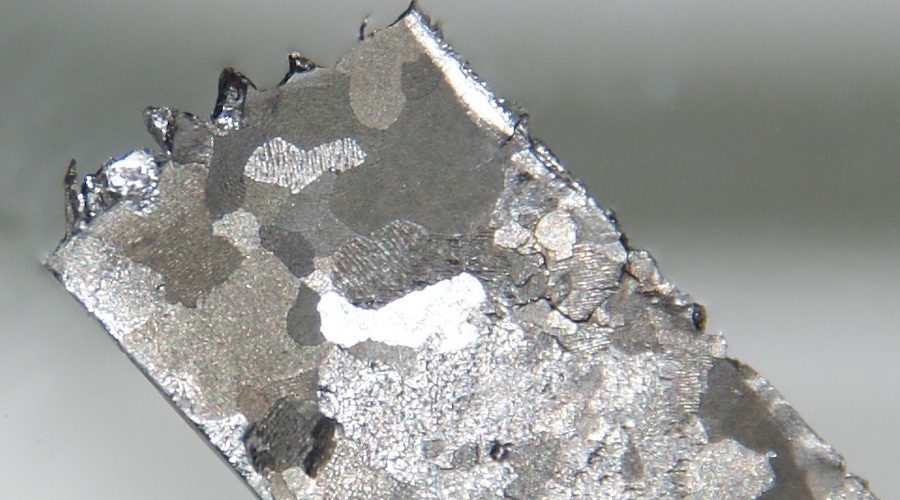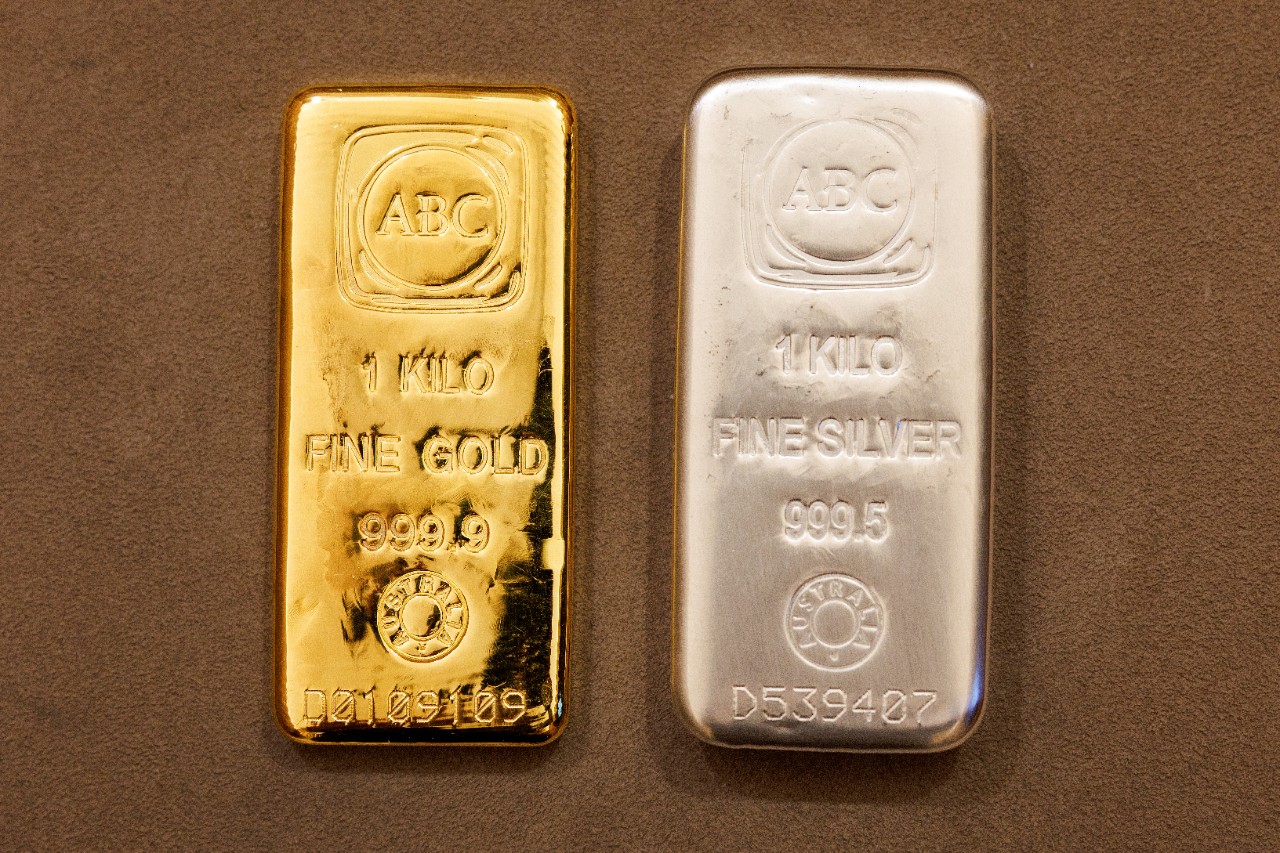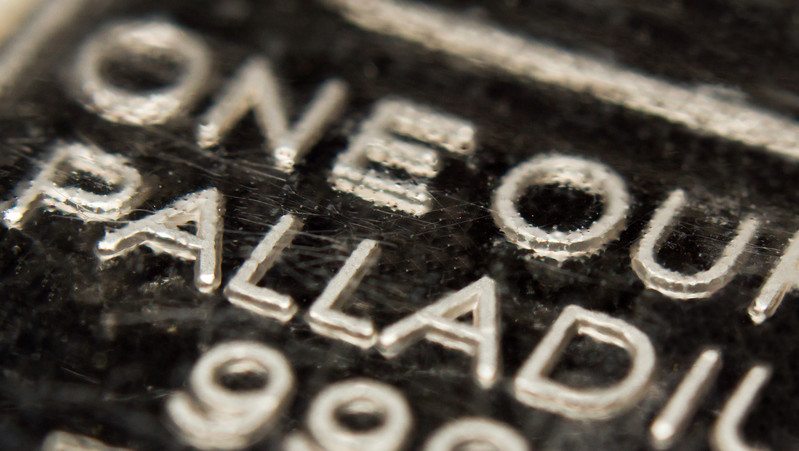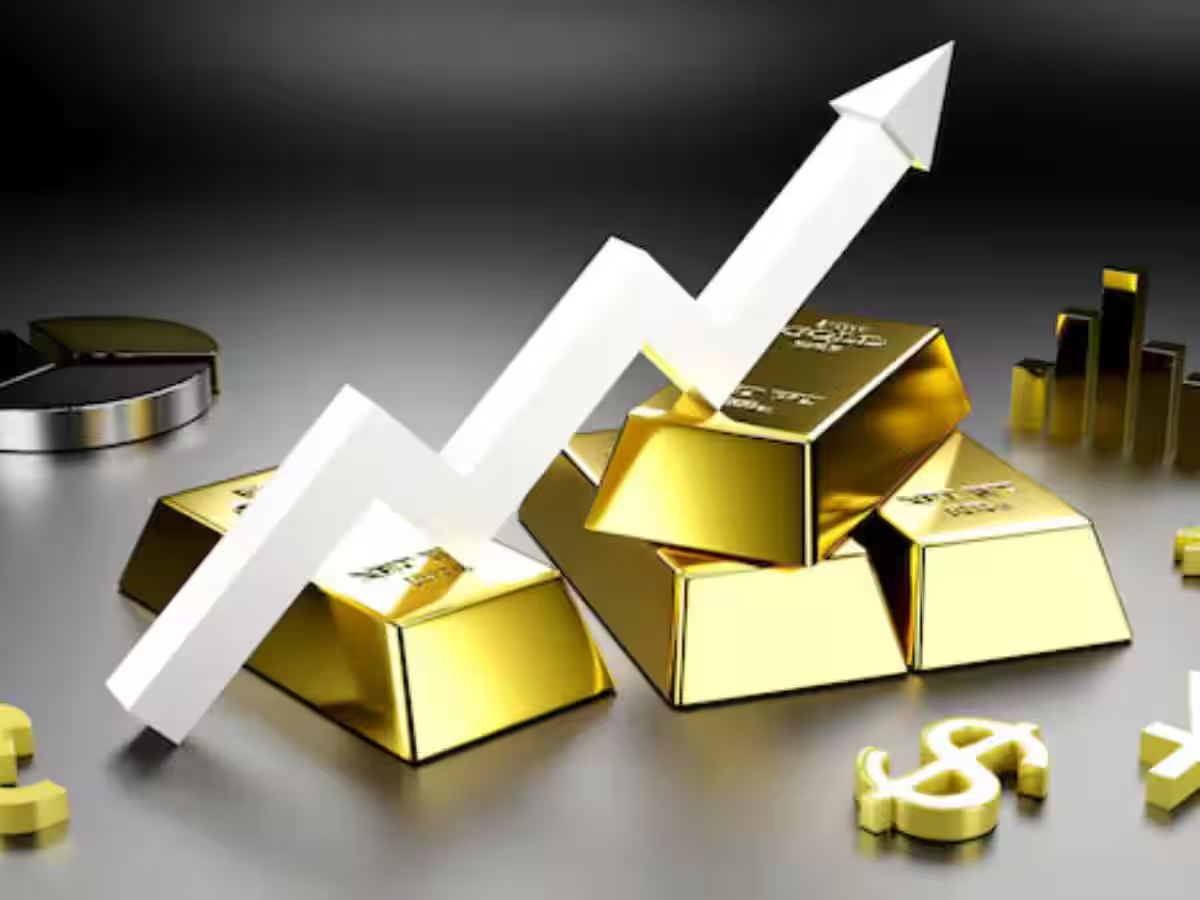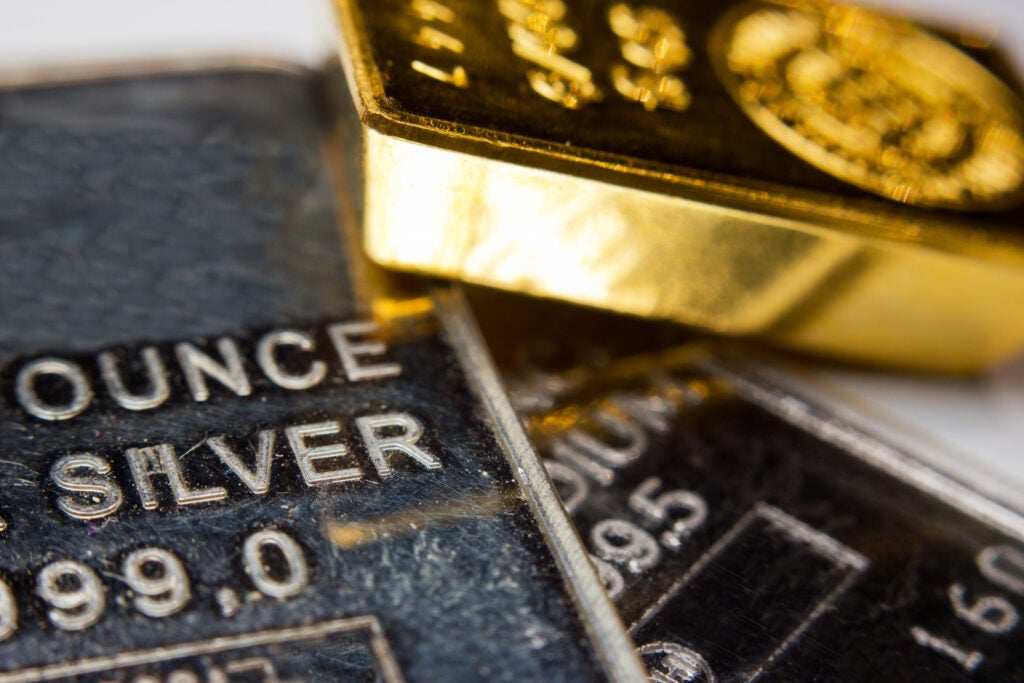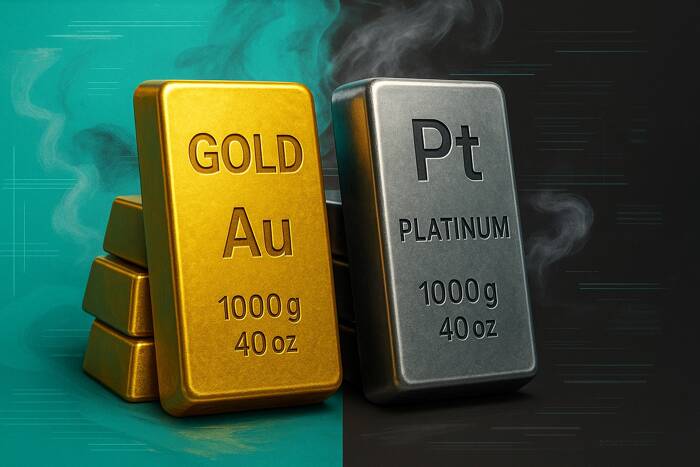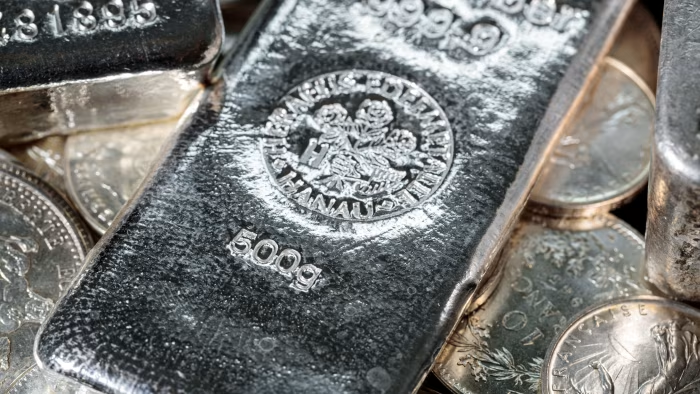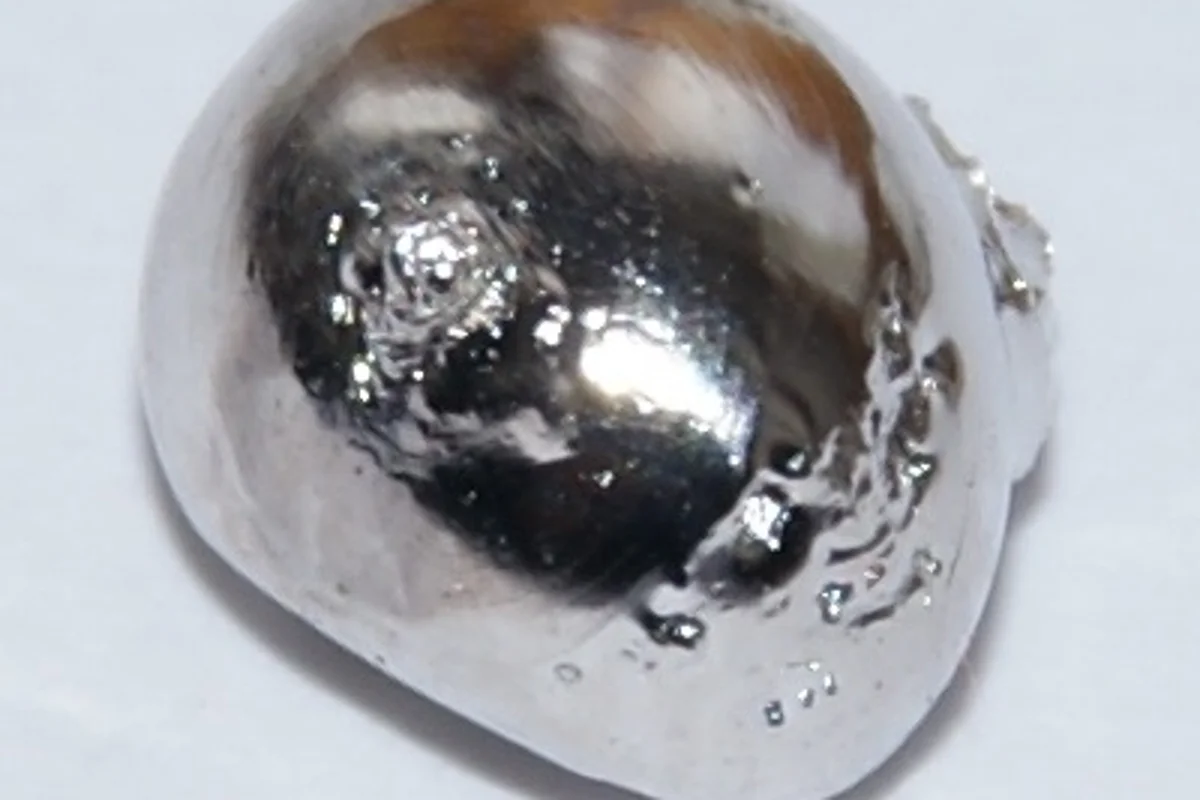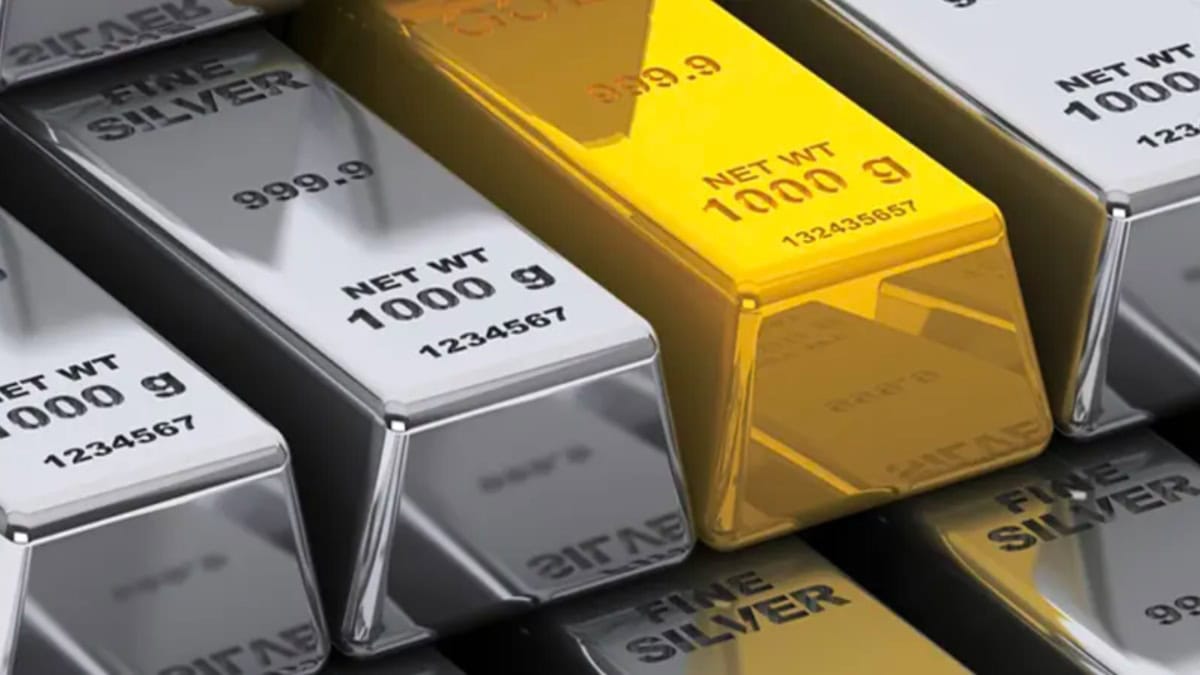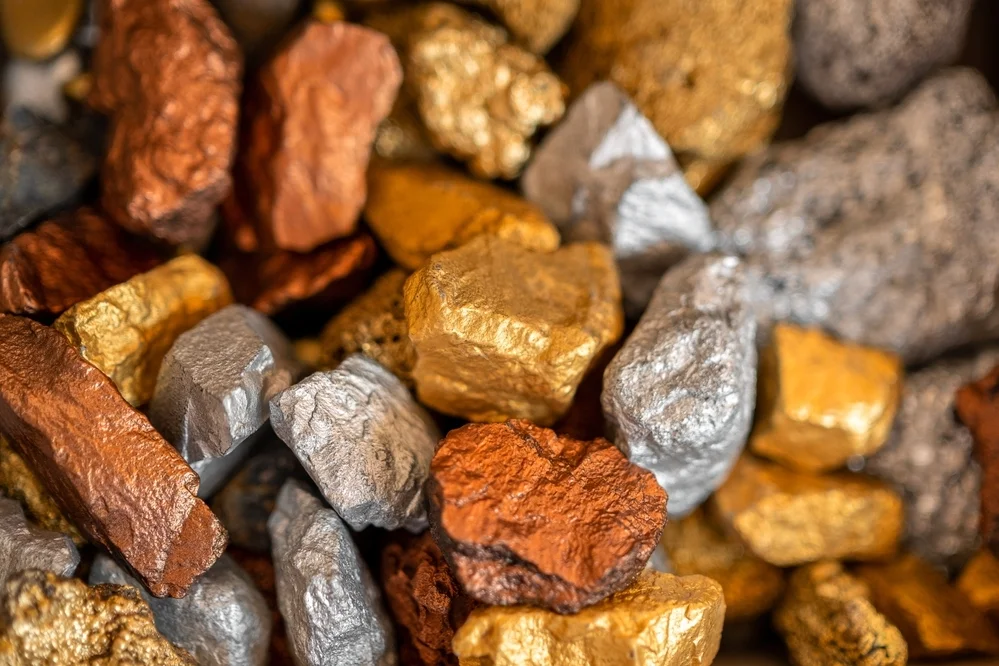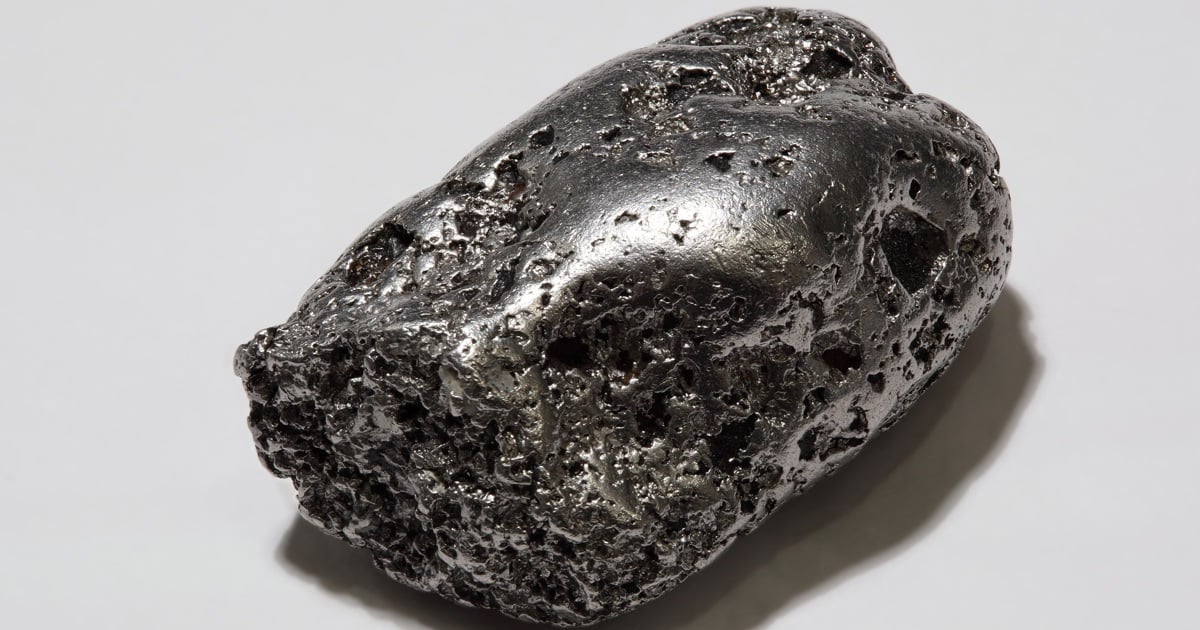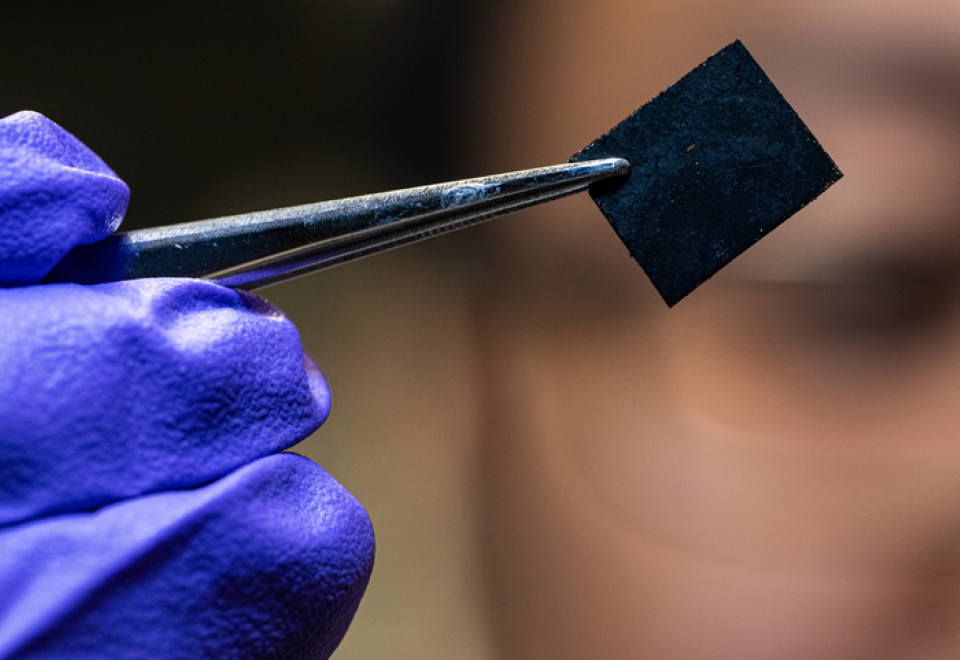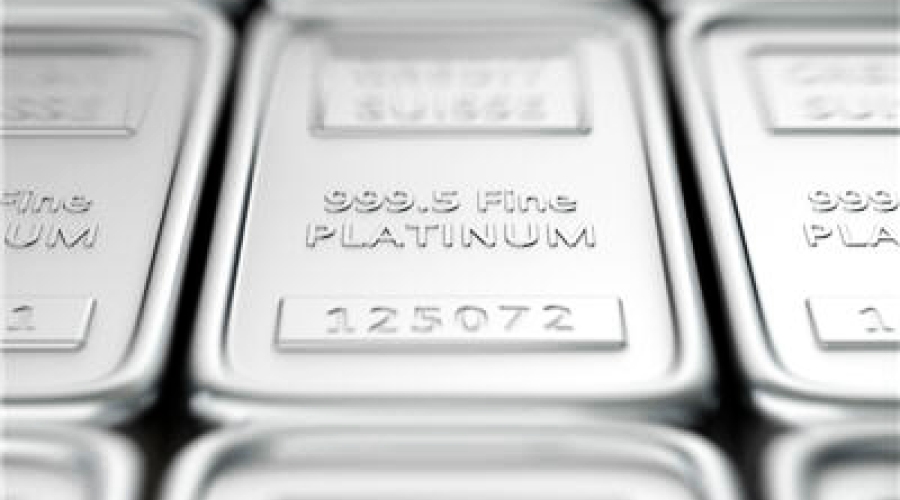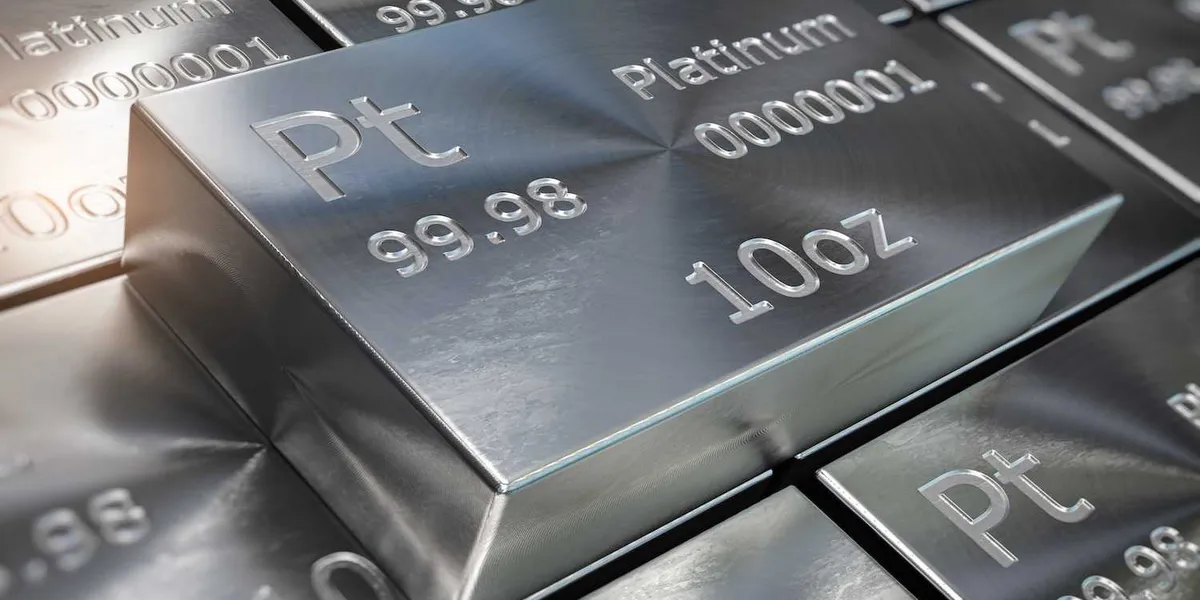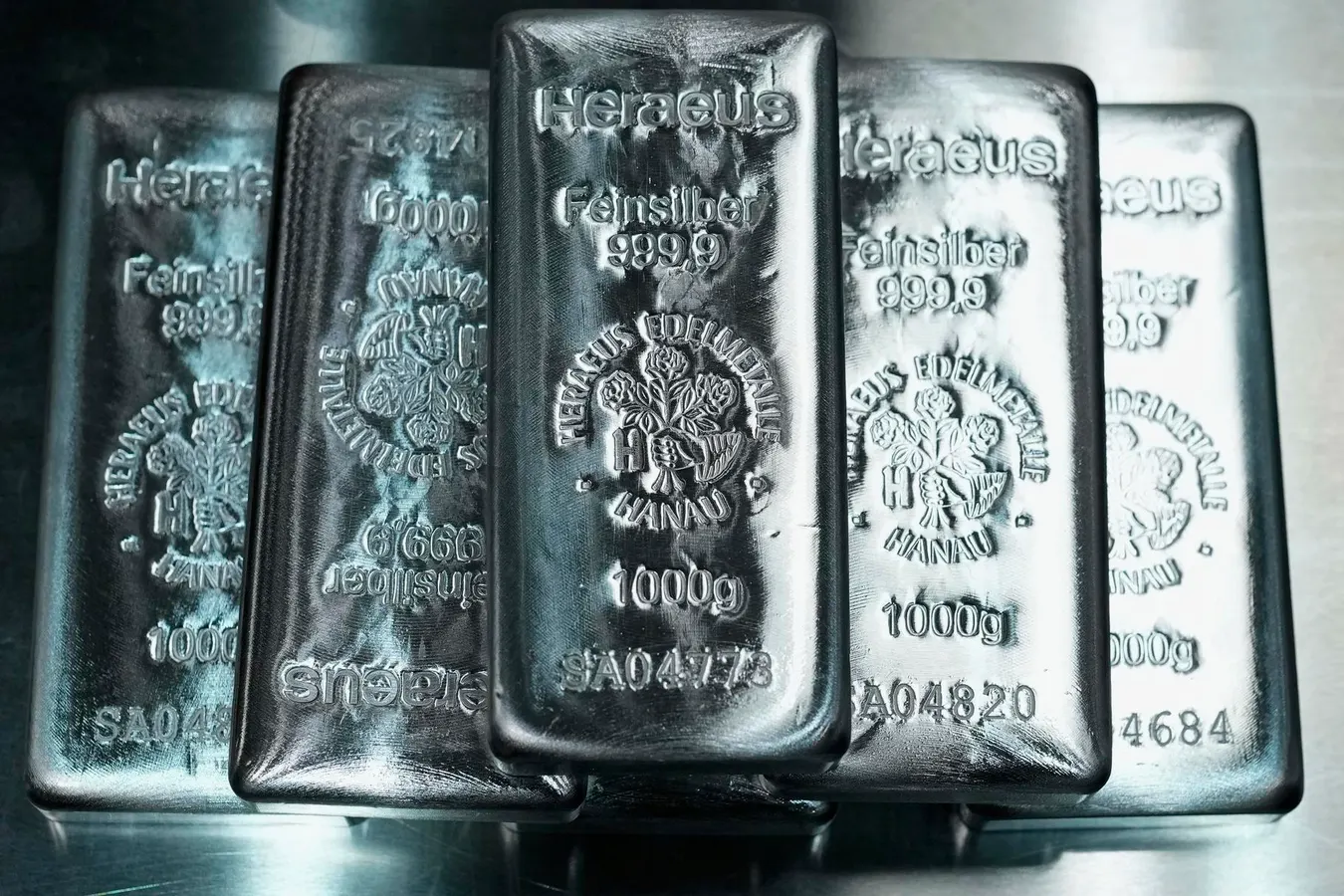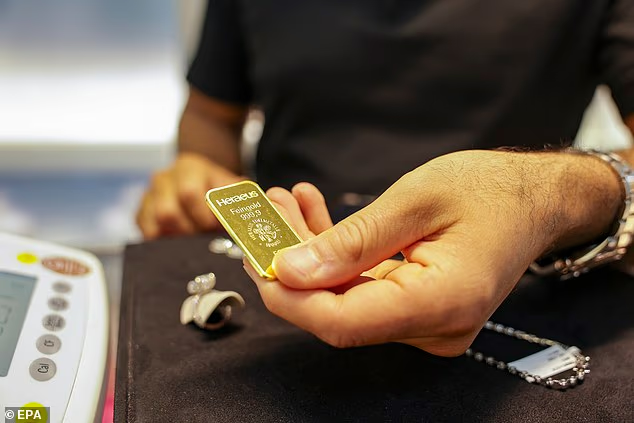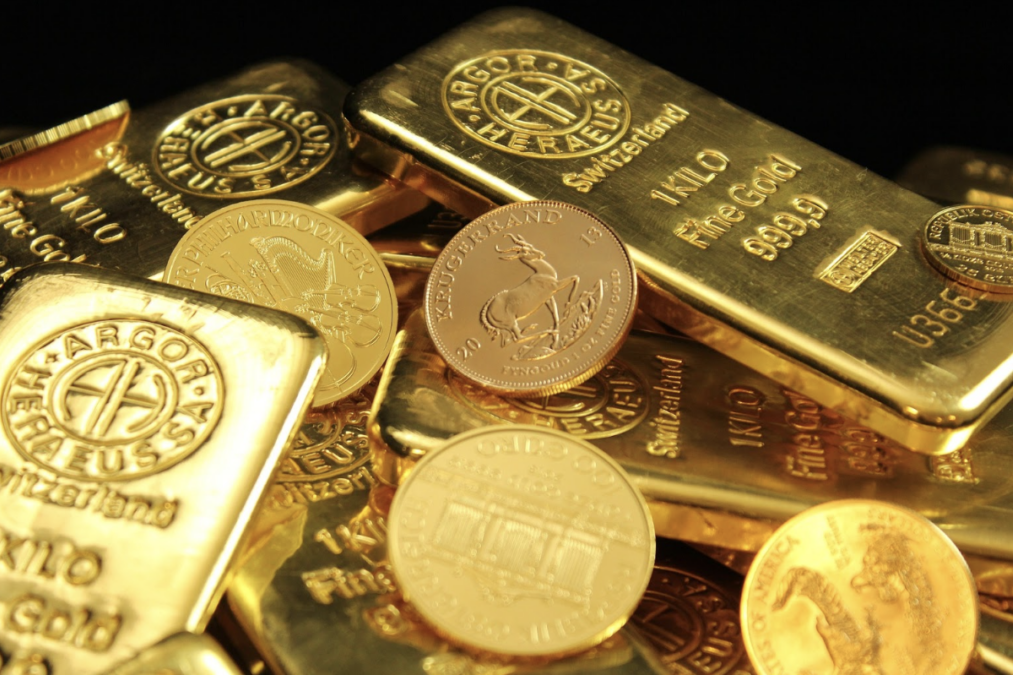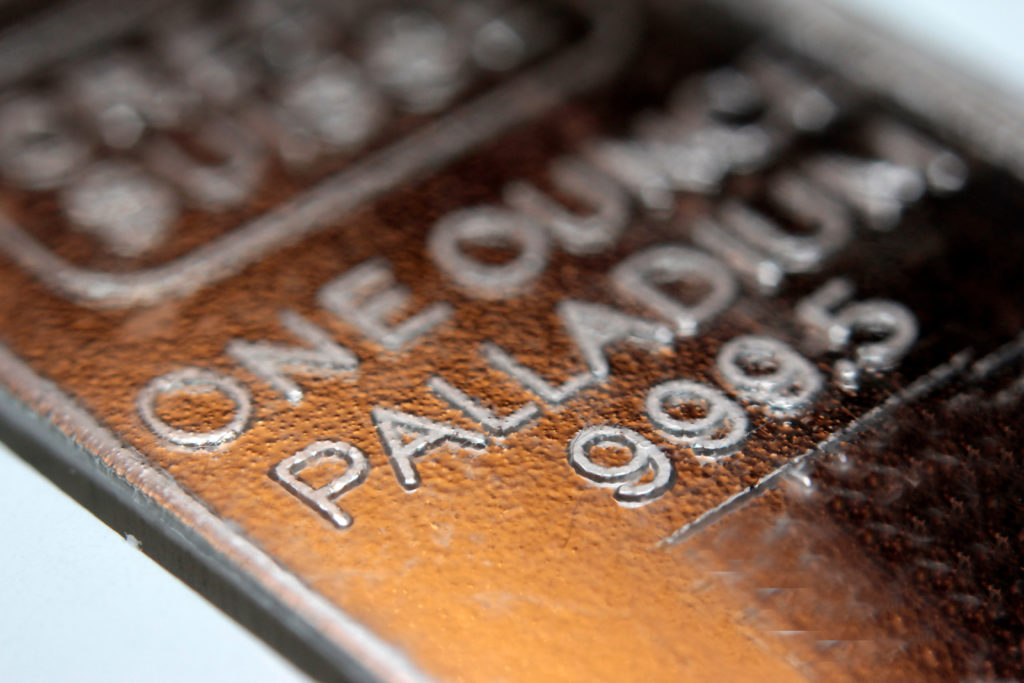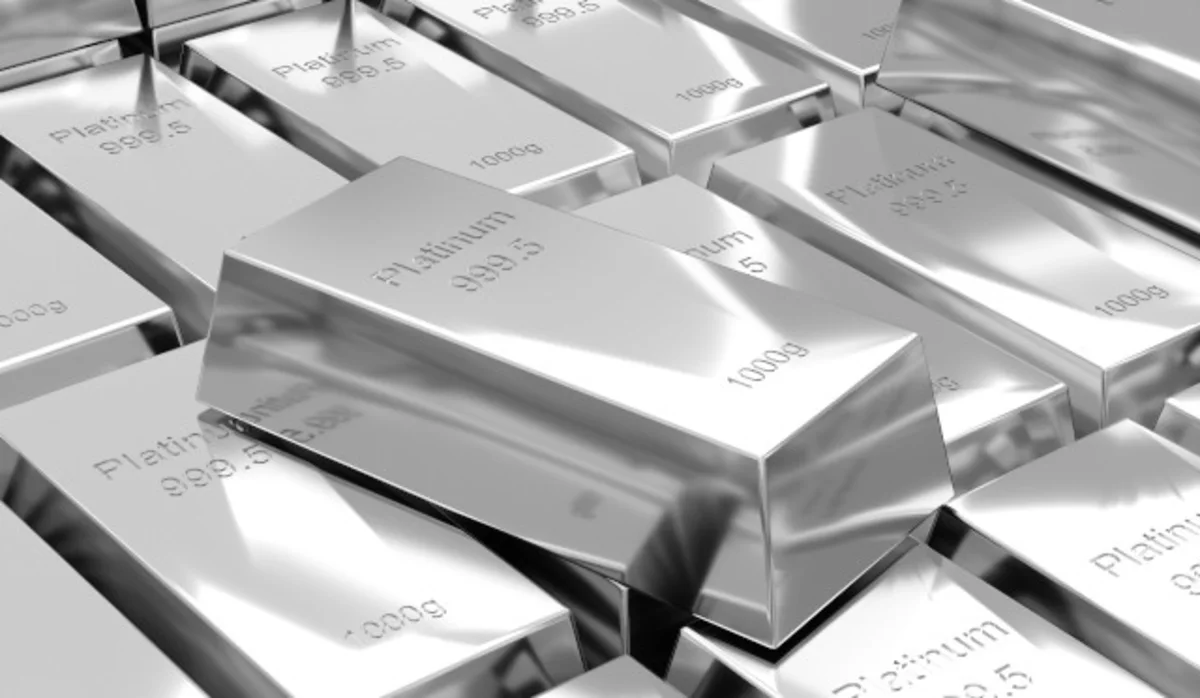
Asian wealth manager OCBC is making platinum and palladium available to ordinary retail investors through its mobile app. The minimum purchase – 0.01 ounce – is tiny. At recent prices, that means roughly S$23 for platinum and S$18 for palladium. The bigger significance is that Singapore’s second-largest lender is turning two specialist commodities into mass-market wealth products.
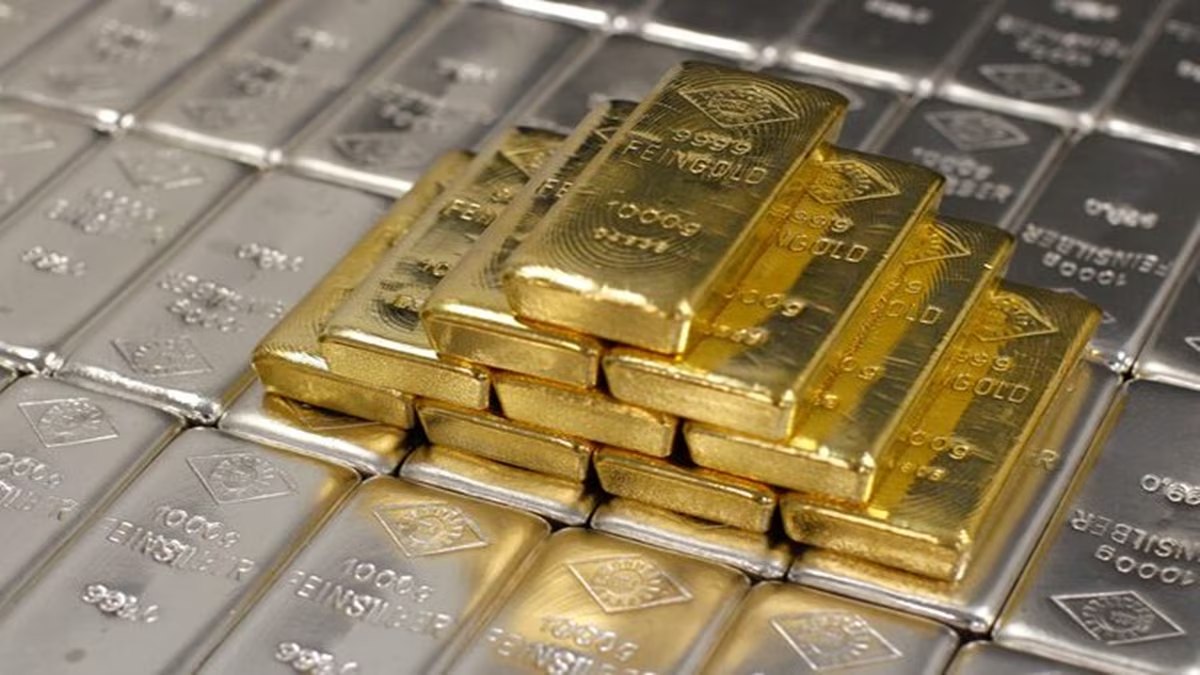
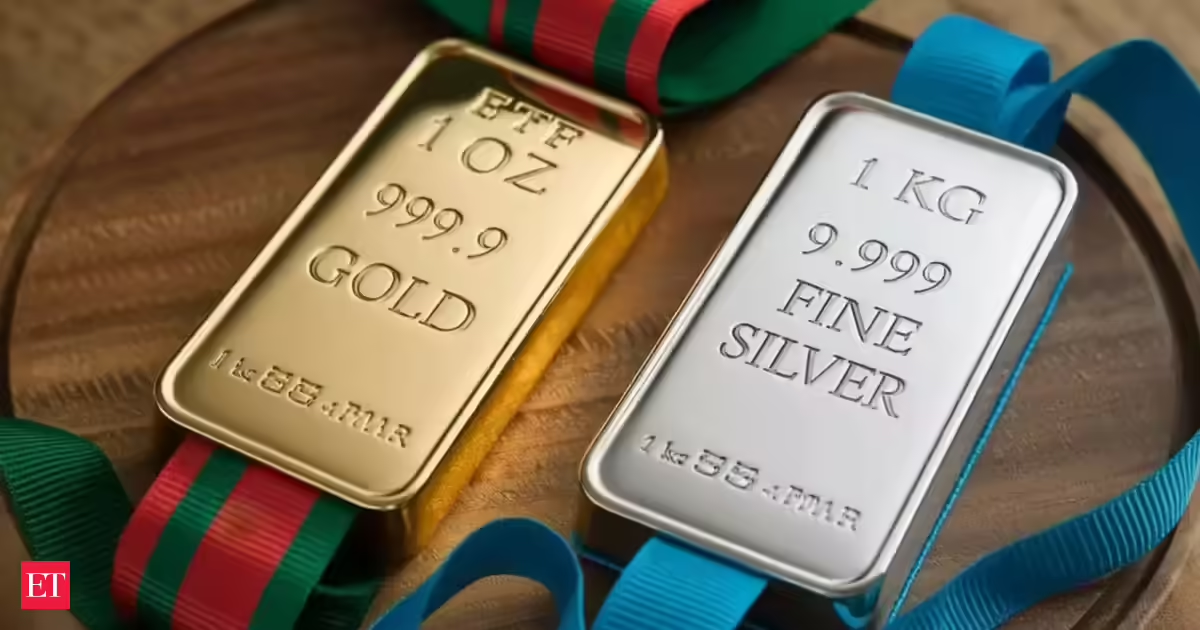
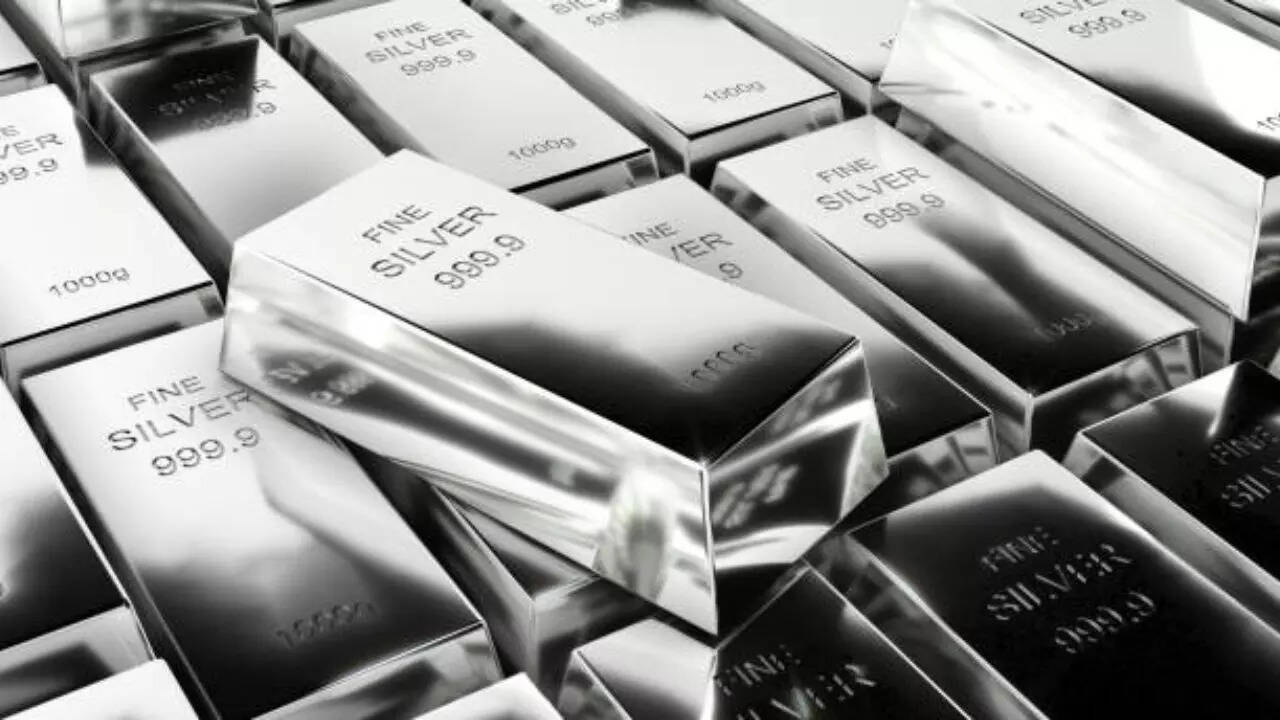
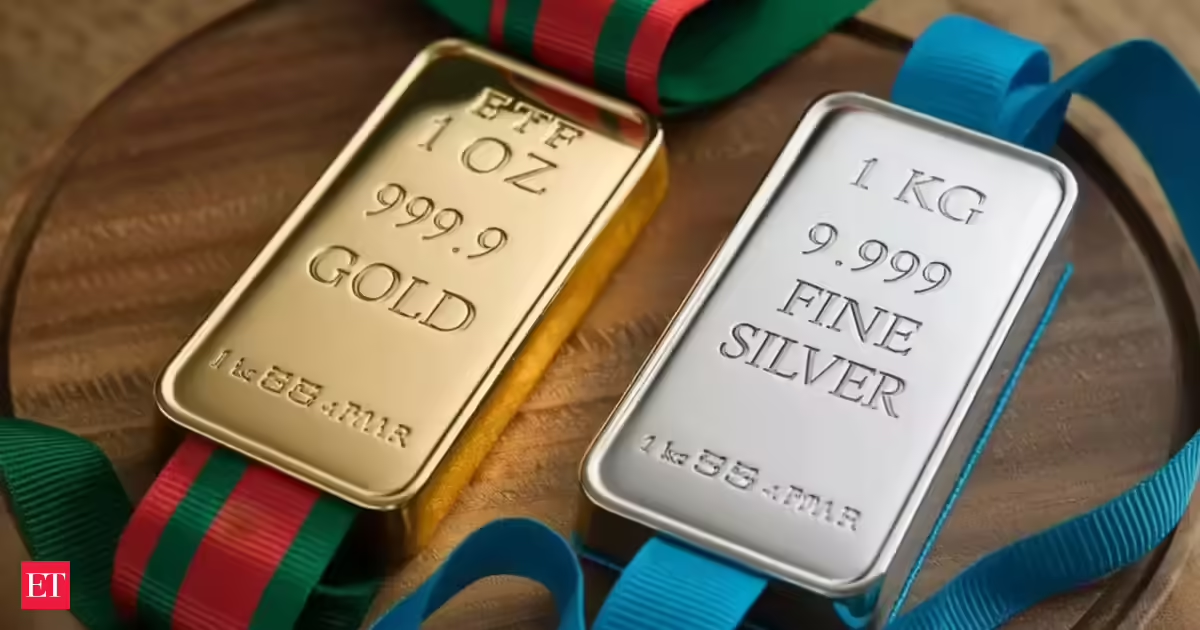
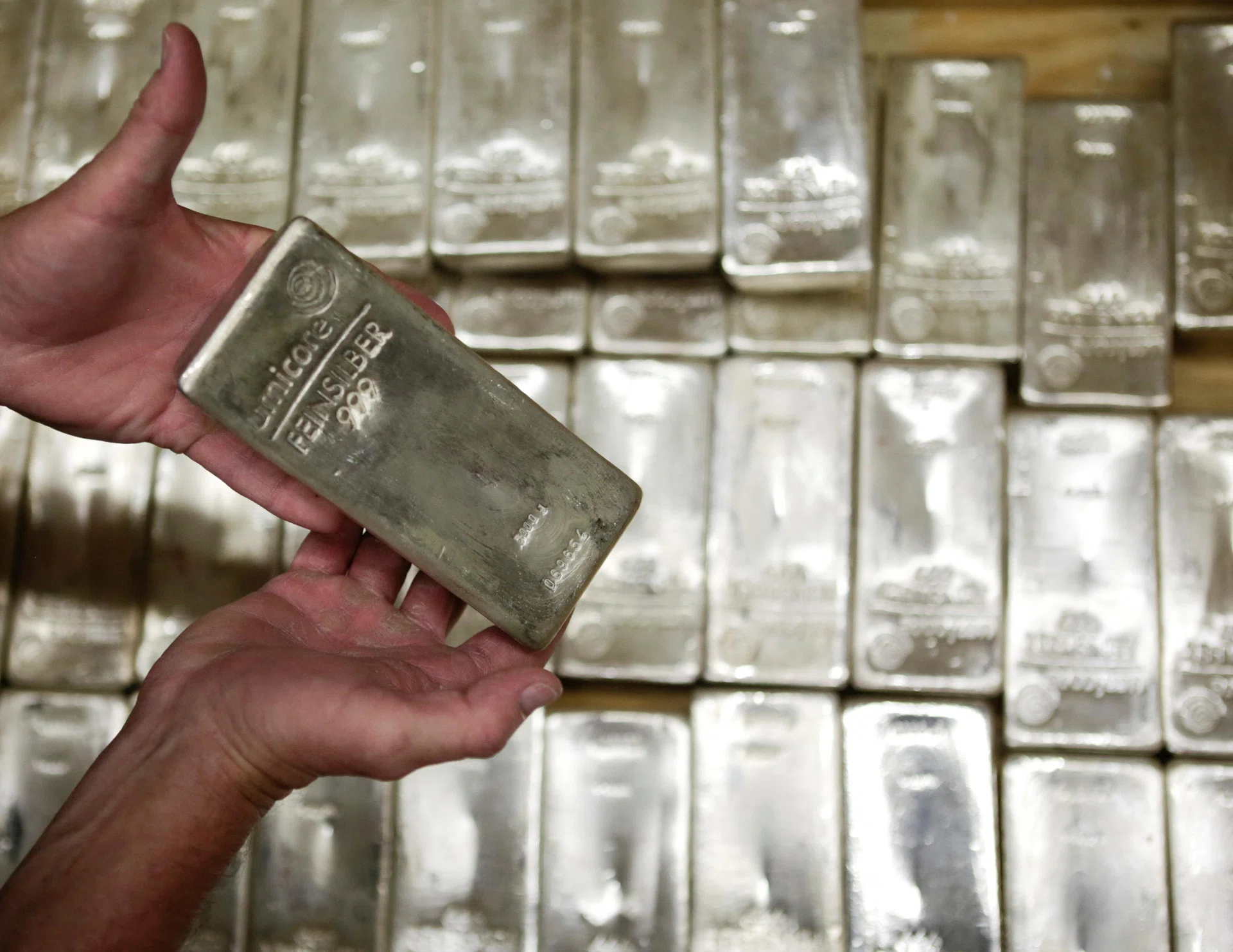
The move extends OCBC’s digital precious-metals offering beyond gold and silver, which have been available to retail clients since 2021. It also brings assets that banks have traditionally reserved for affluent customers within reach of a much broader audience.
The strategy is straightforward: fractional ownership plus a smartphone interface lowers the psychological and financial barrier to entry. For a bank seeking a larger share of customers’ investment wallets, that is useful. The harder question is whether investors need more platinum and palladium exposure in the first place.
Why trade platinum?
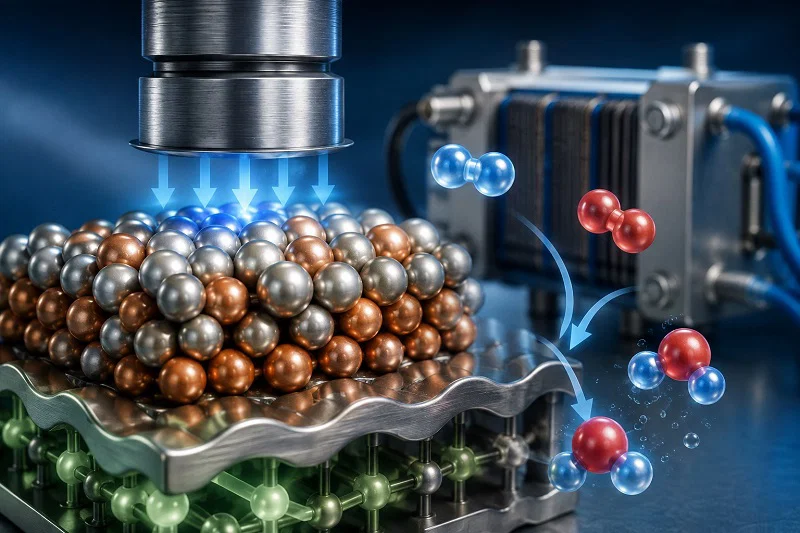
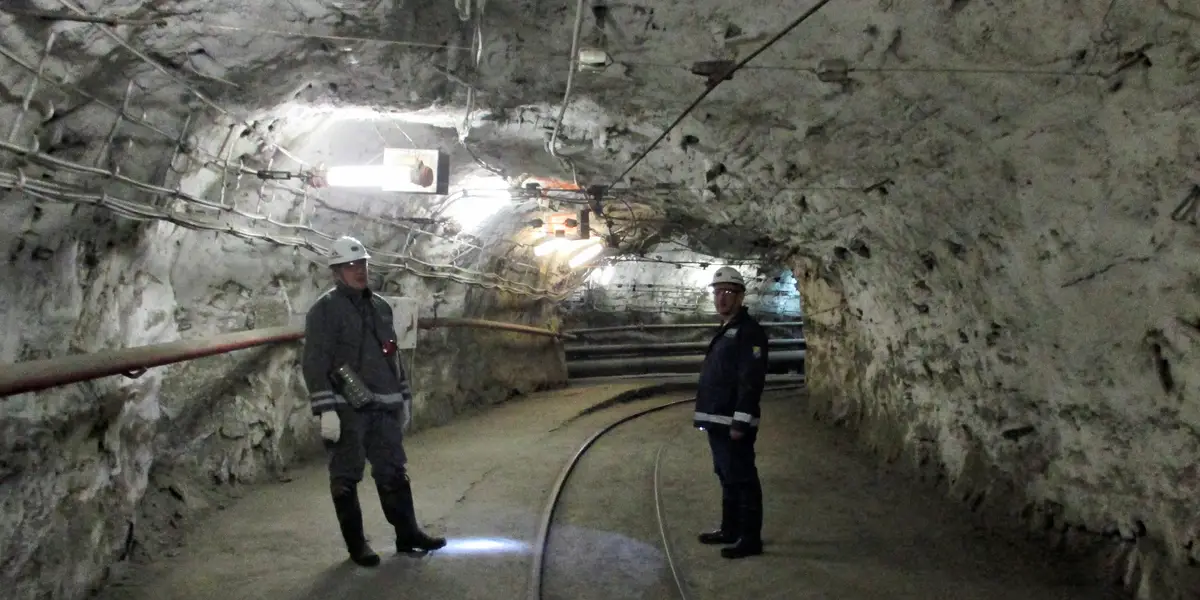
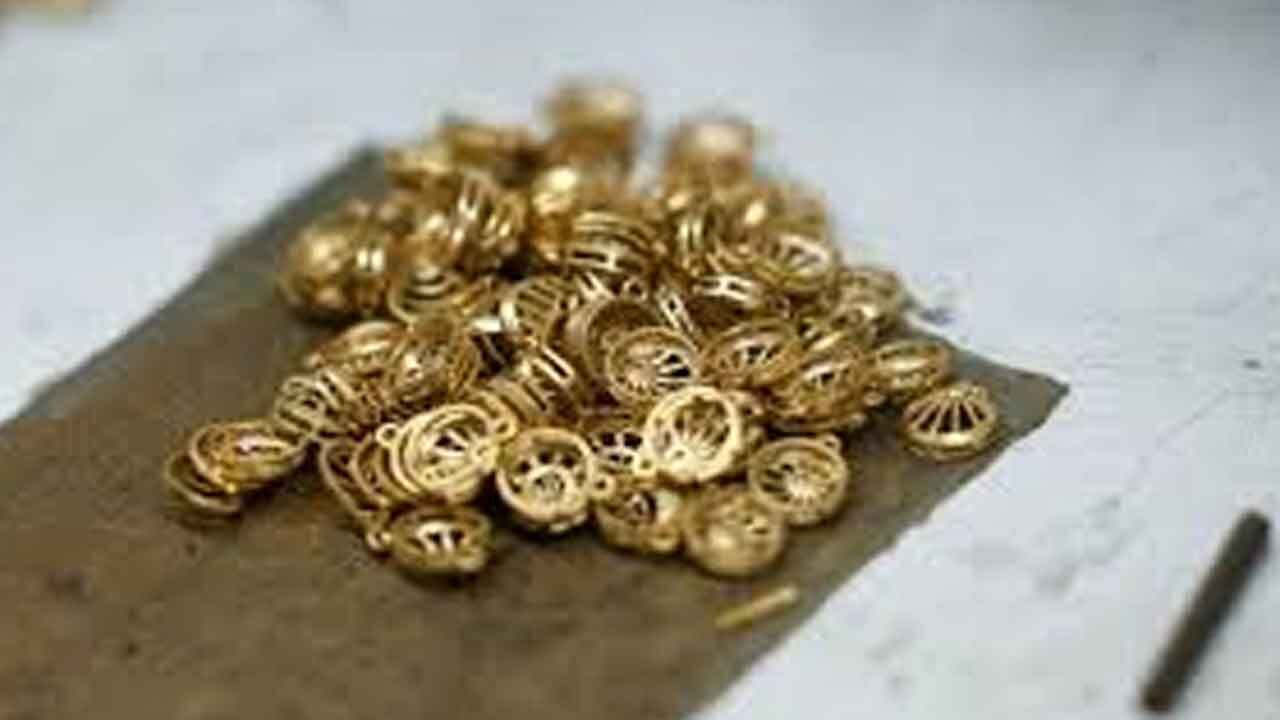
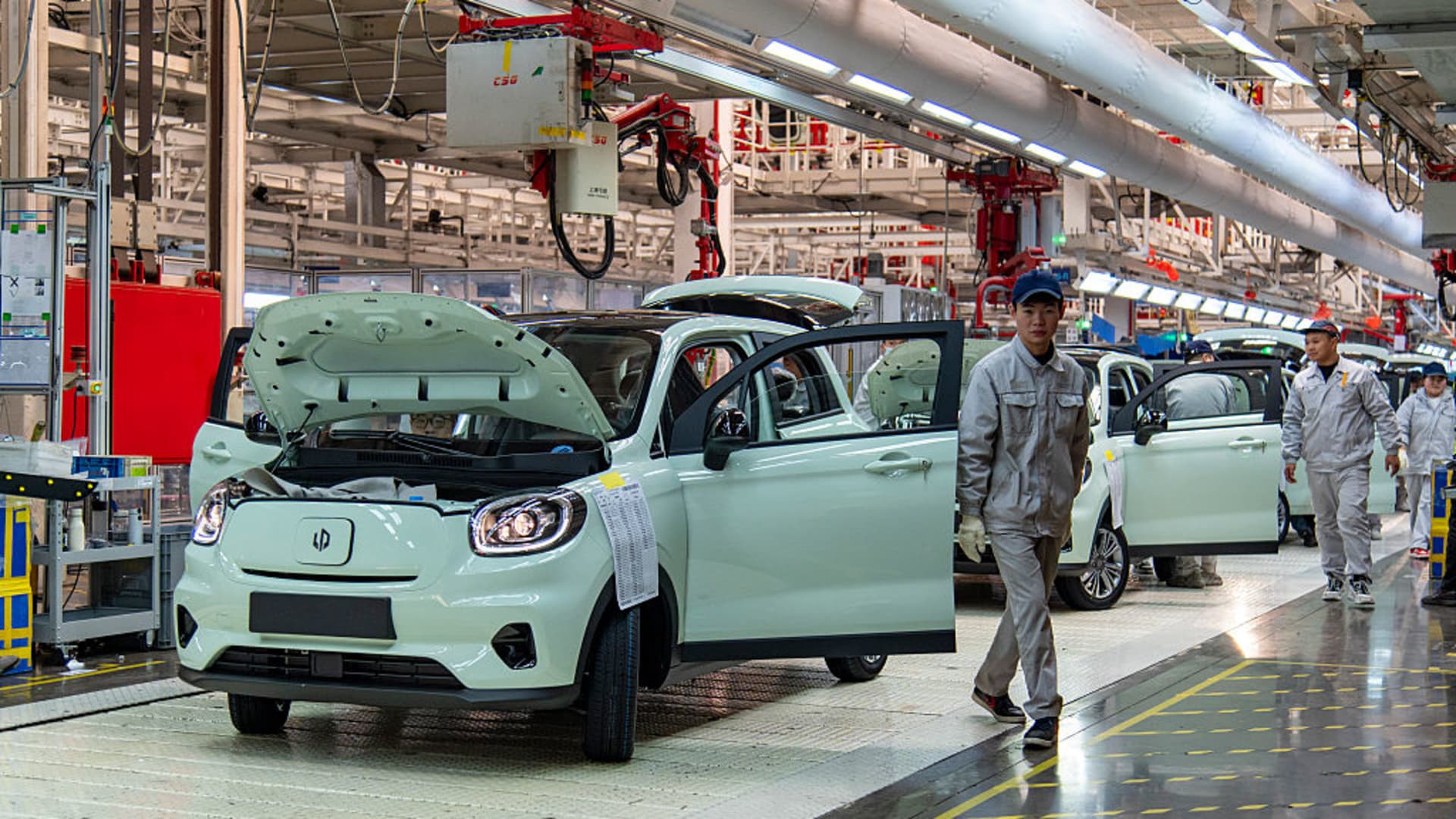
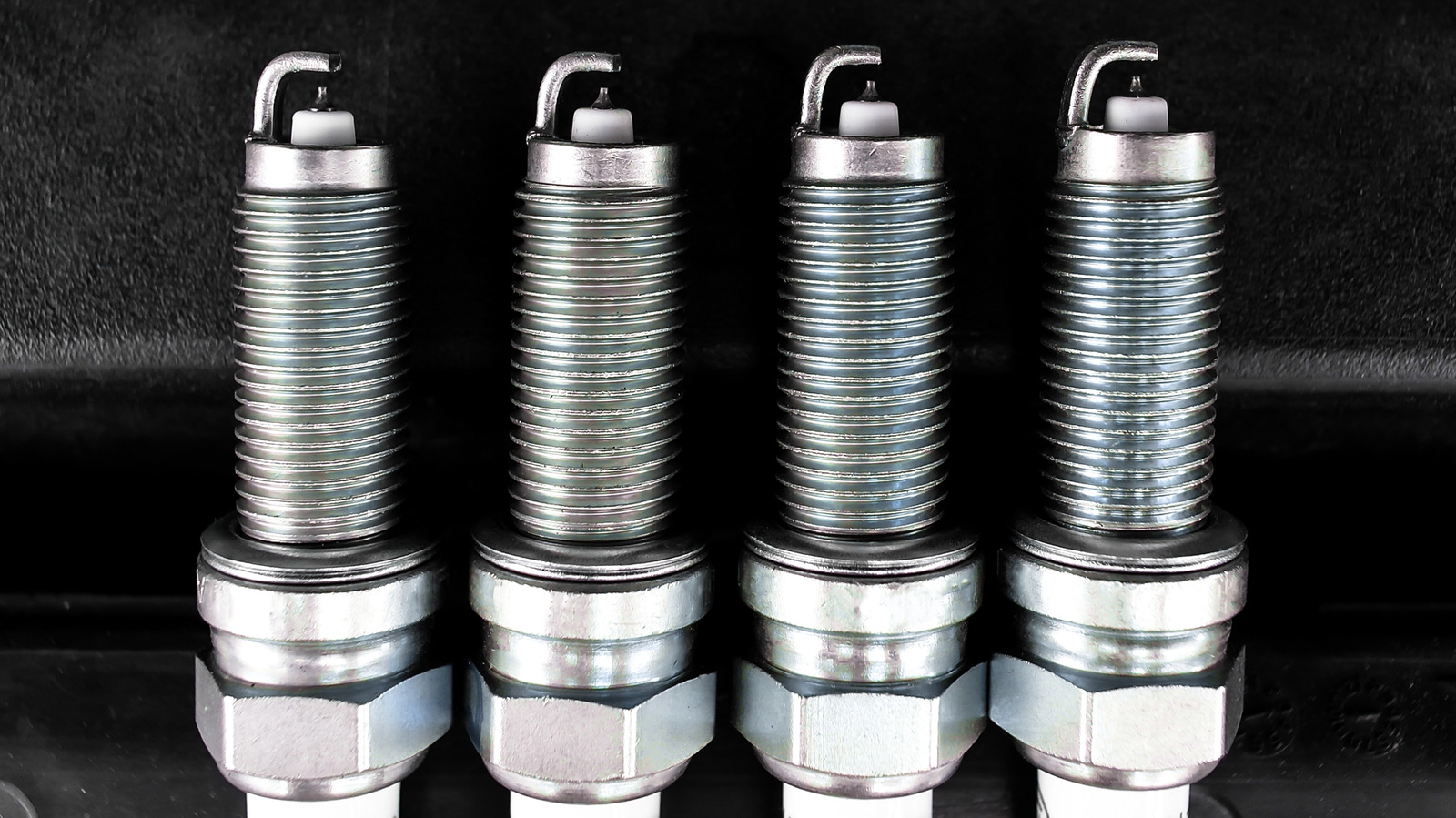
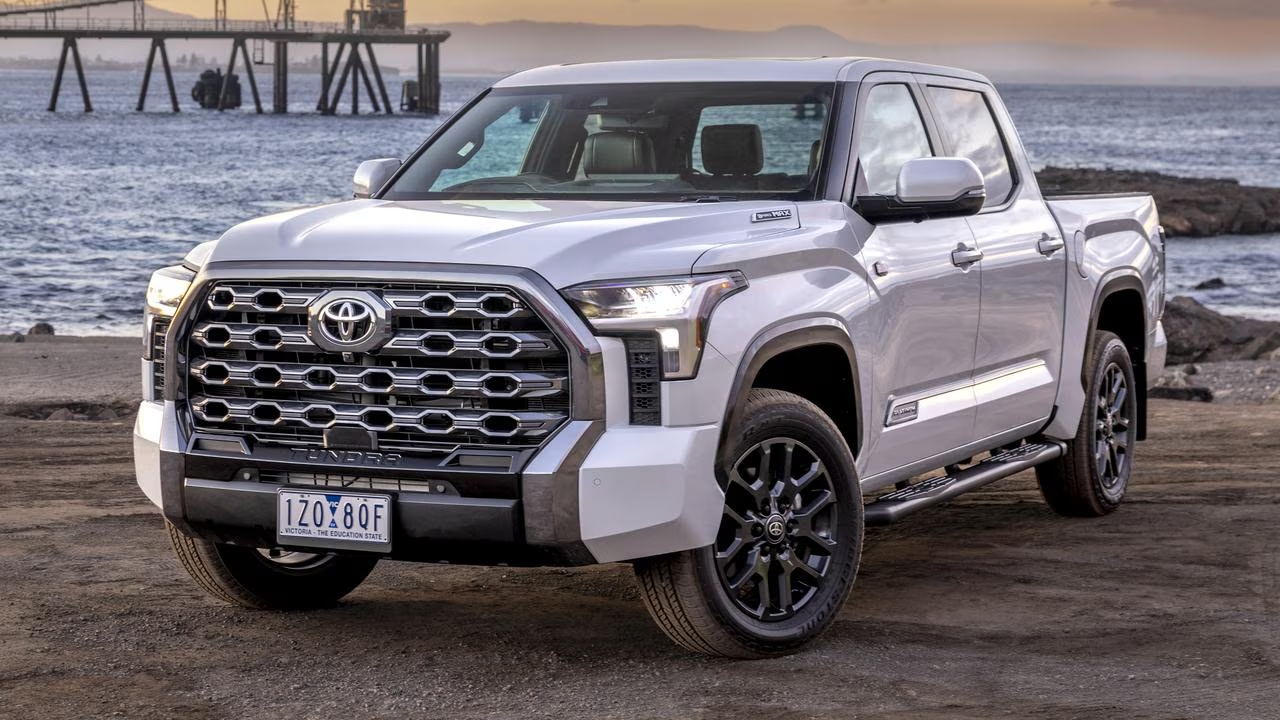
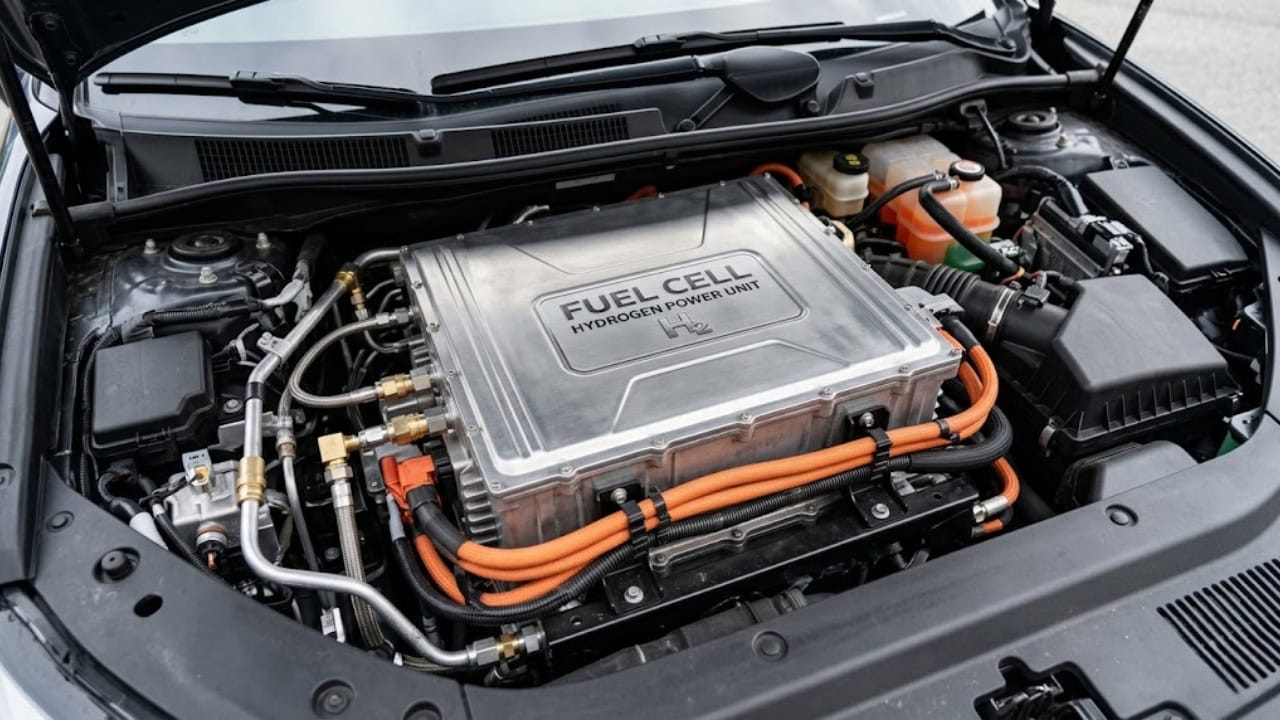
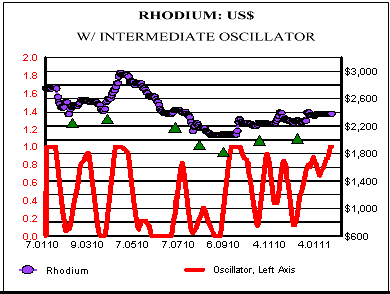
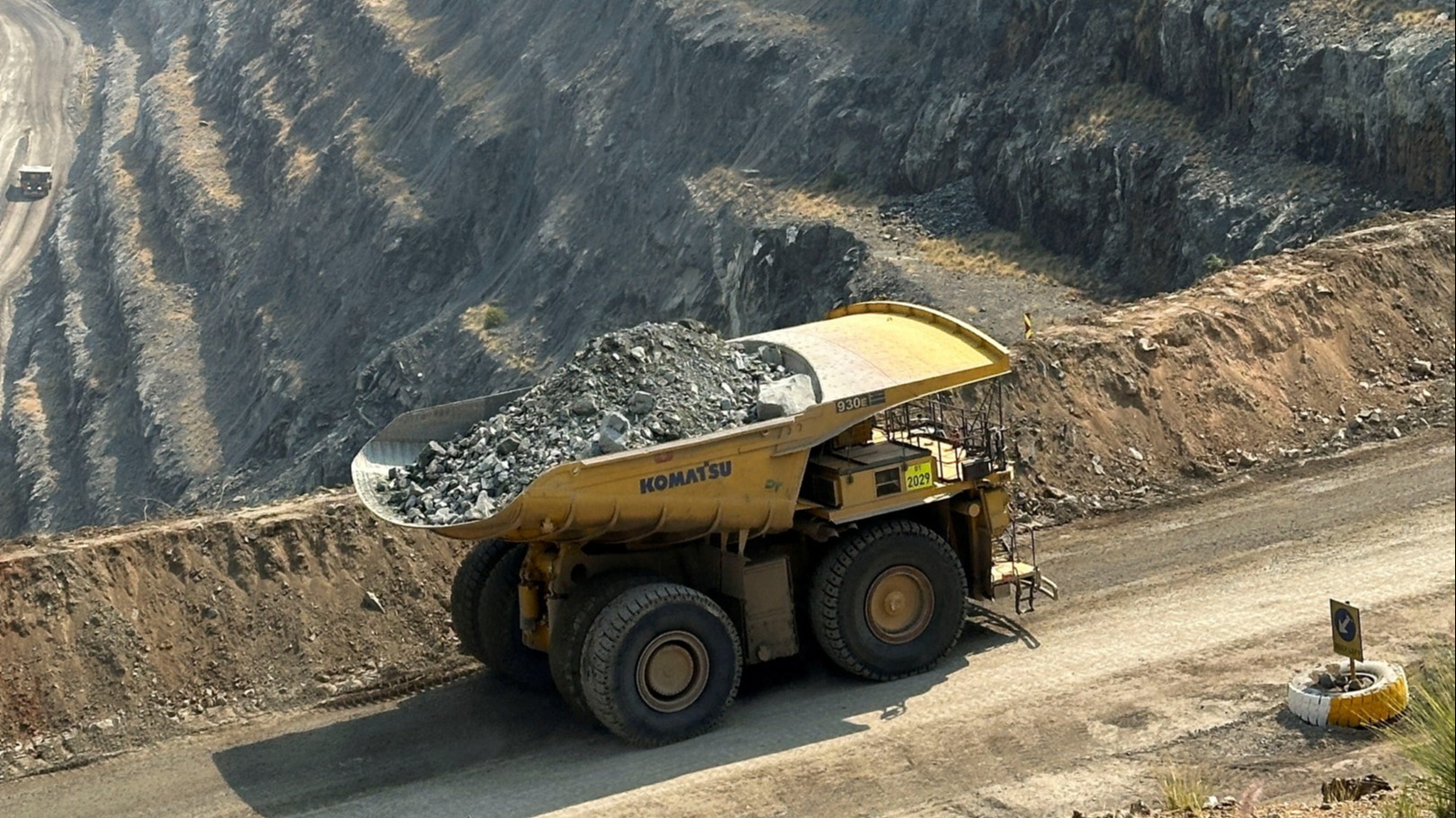
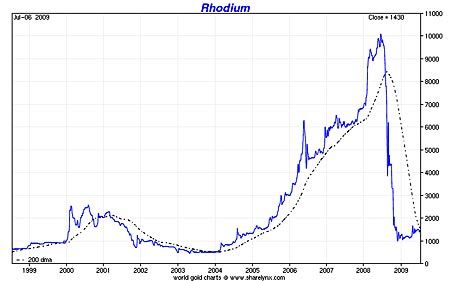
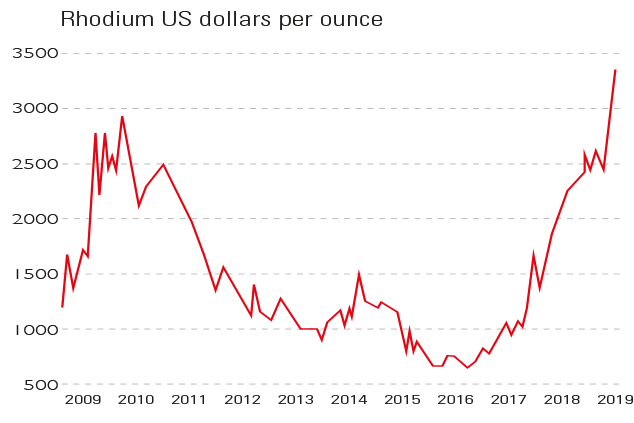
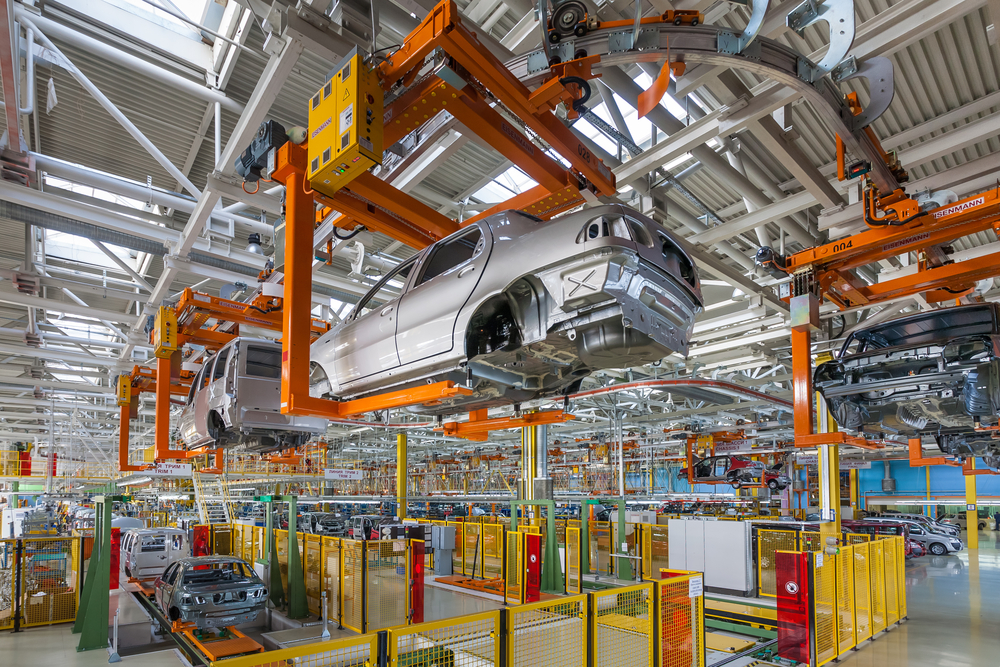
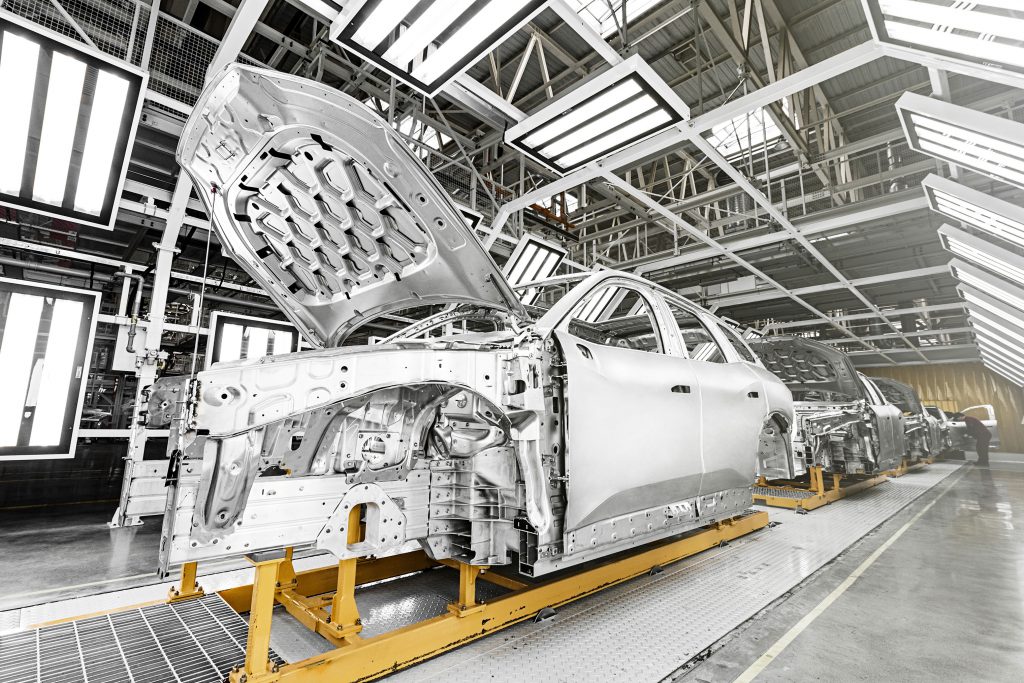
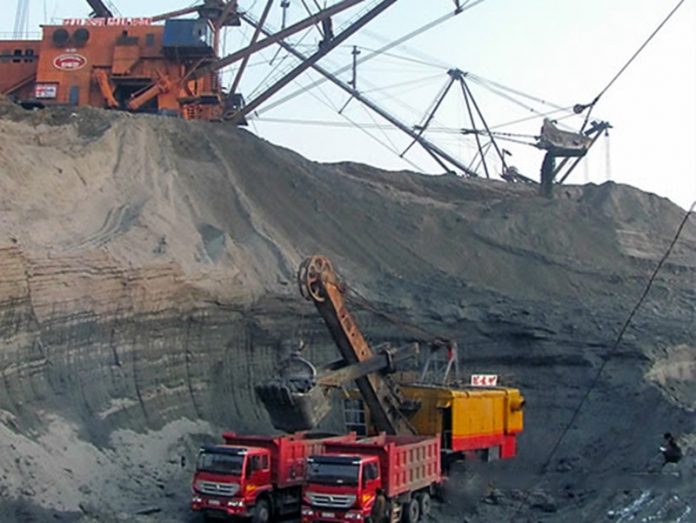
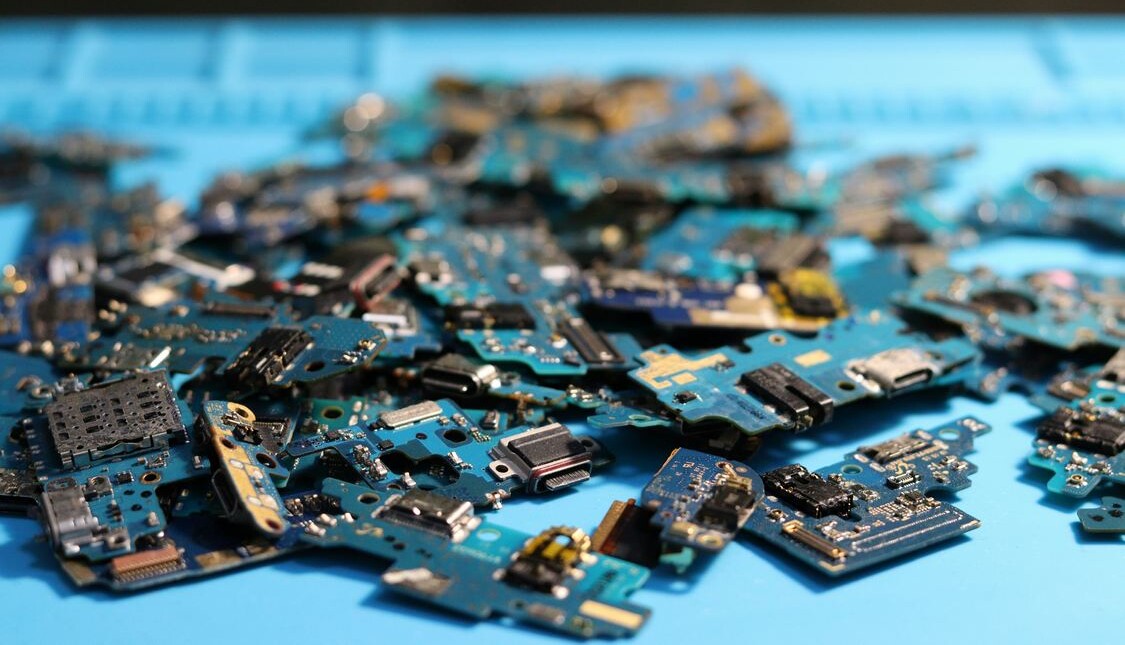
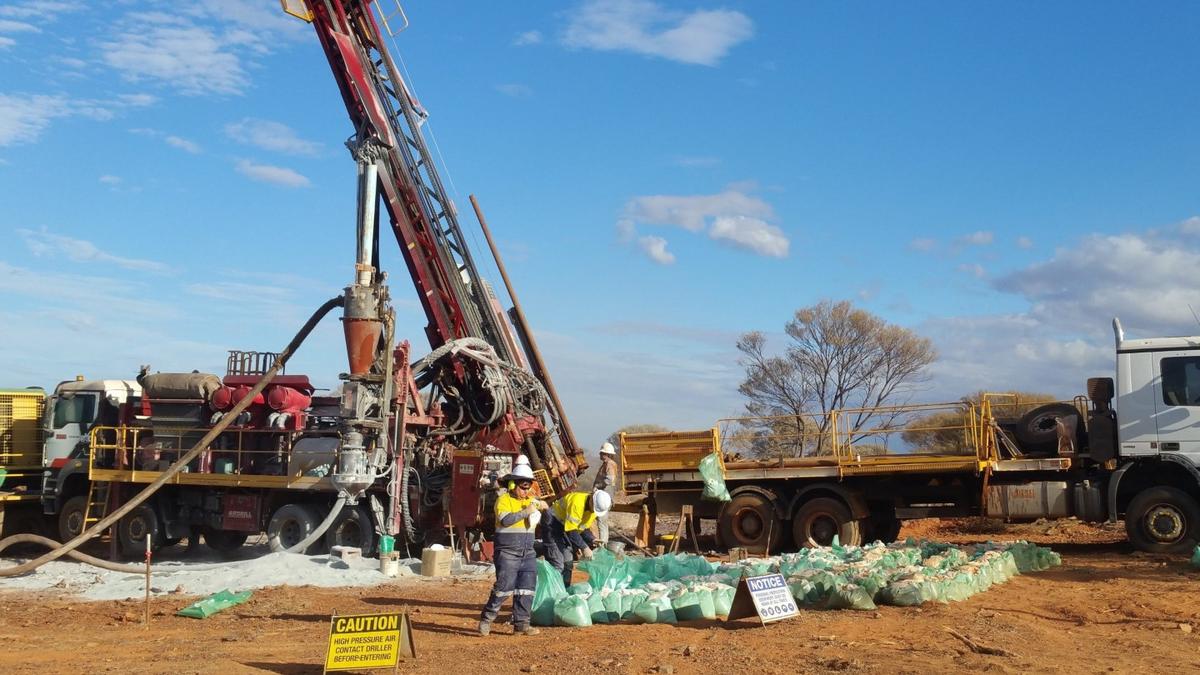
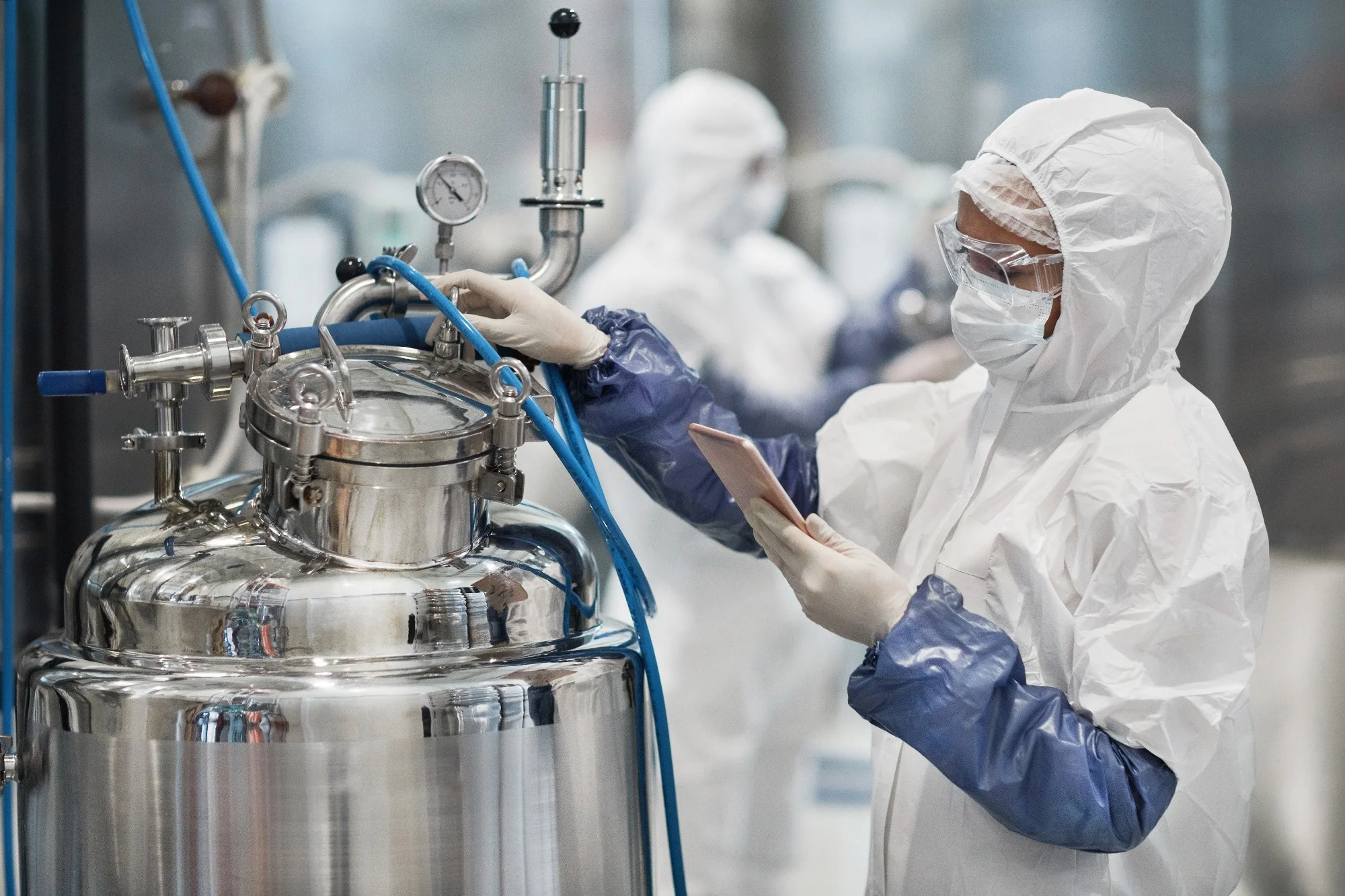
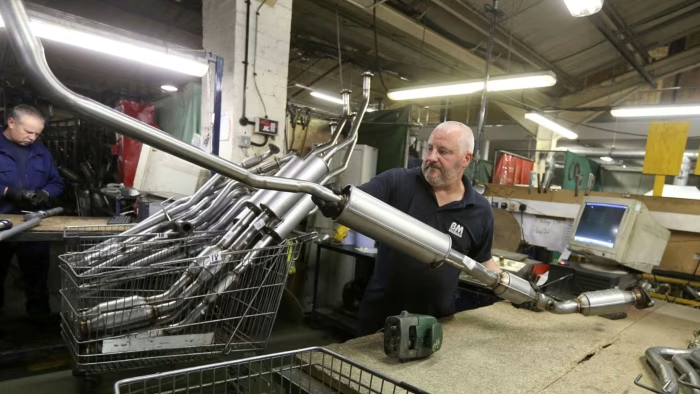
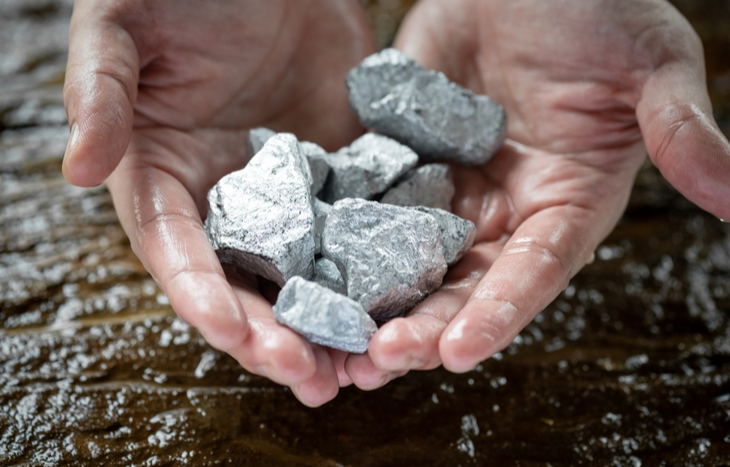
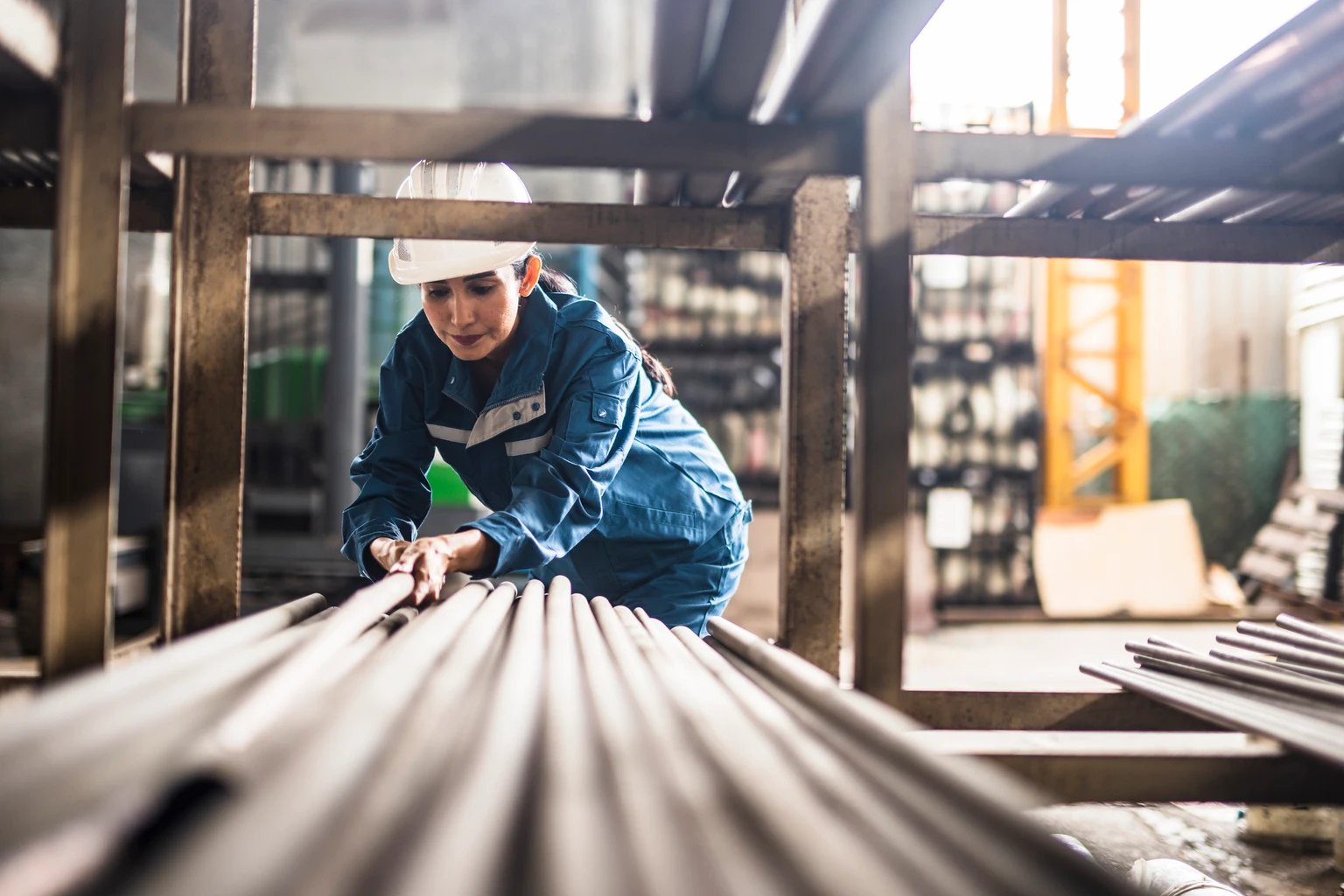
Unlike gold, whose price is heavily influenced by its role as a store of value and by central-bank demand, platinum and palladium are predominantly industrial metals. Platinum is used in vehicles, industrial processes and hydrogen fuel-cell technologies. Palladium is particularly important in vehicle emissions-control systems. That makes their investment case more cyclical and potentially more volatile.
OCBC’s own research is bullish. It expects platinum to exceed US$2,000 an ounce and palladium to top US$1,500 in the first half of 2027, from US$1,833 and US$1,389 respectively at the end of June 2026.
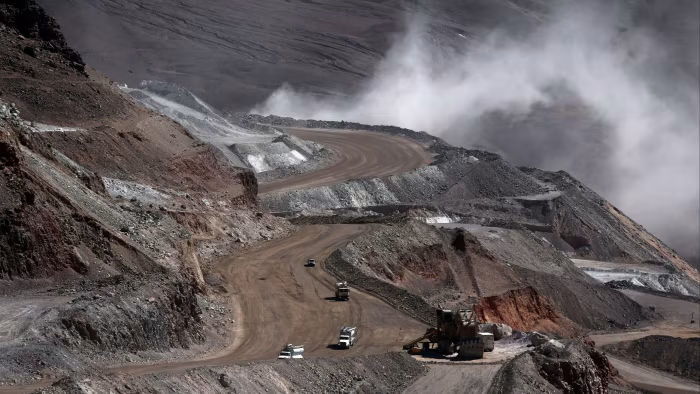
Those forecasts offer an obvious marketing hook. But the same industrial exposure that creates upside also makes these metals less obvious portfolio substitutes for gold. Their fortunes depend on automotive demand, industrial activity and the energy transition, while supply is concentrated across relatively few producing regions. That combination can produce price movements that diverge sharply from precious metals more familiar to retail investors.
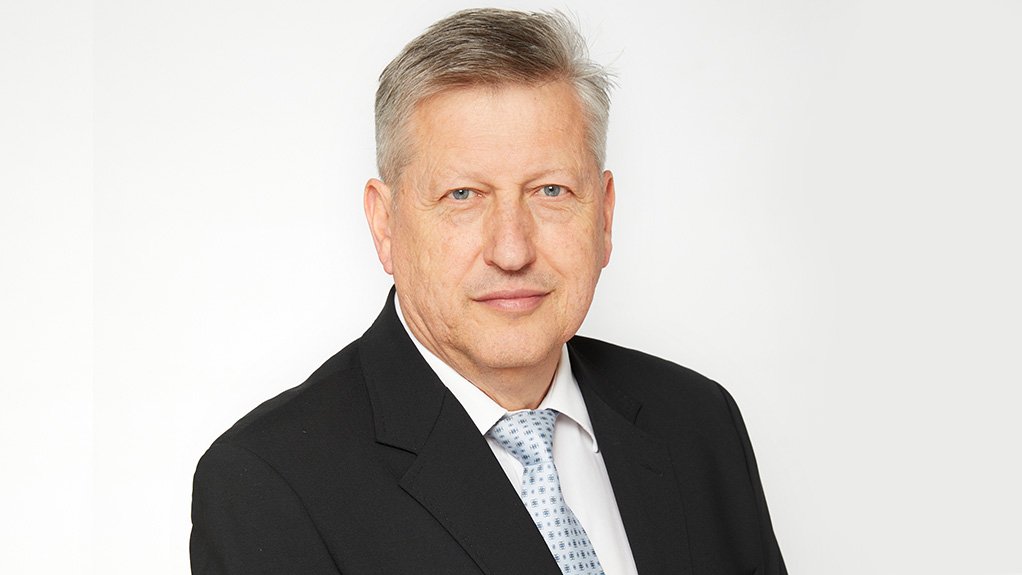
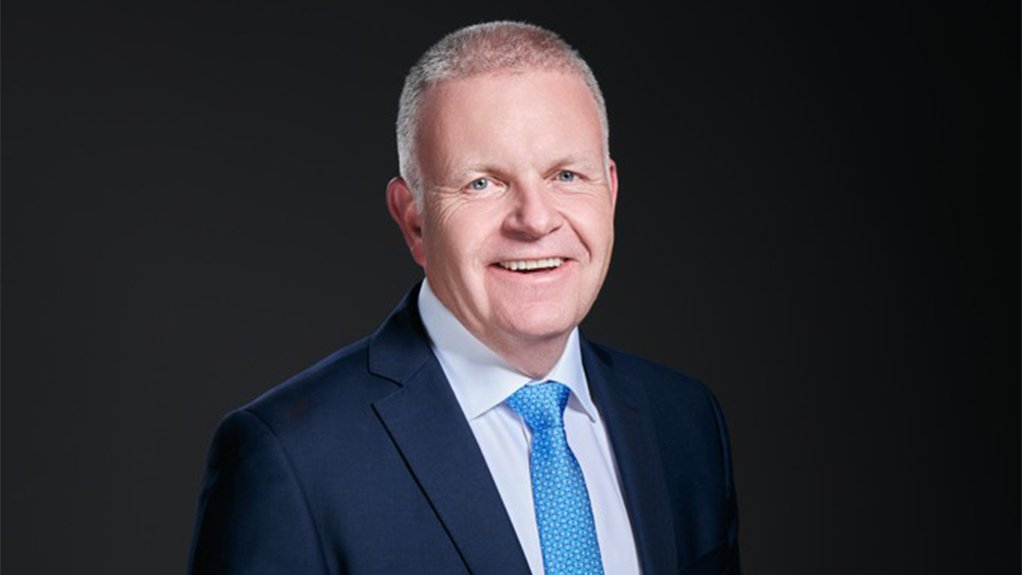
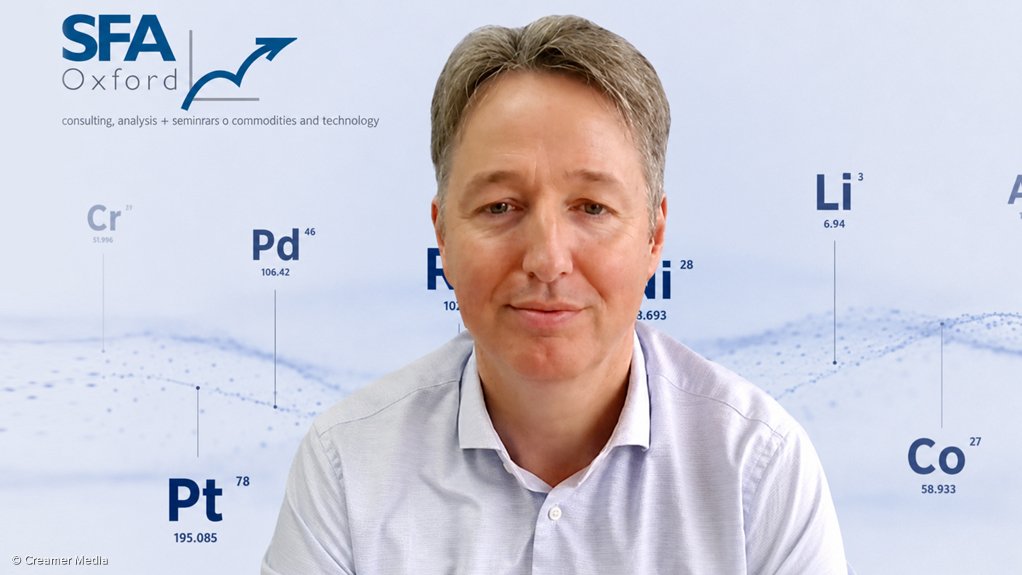
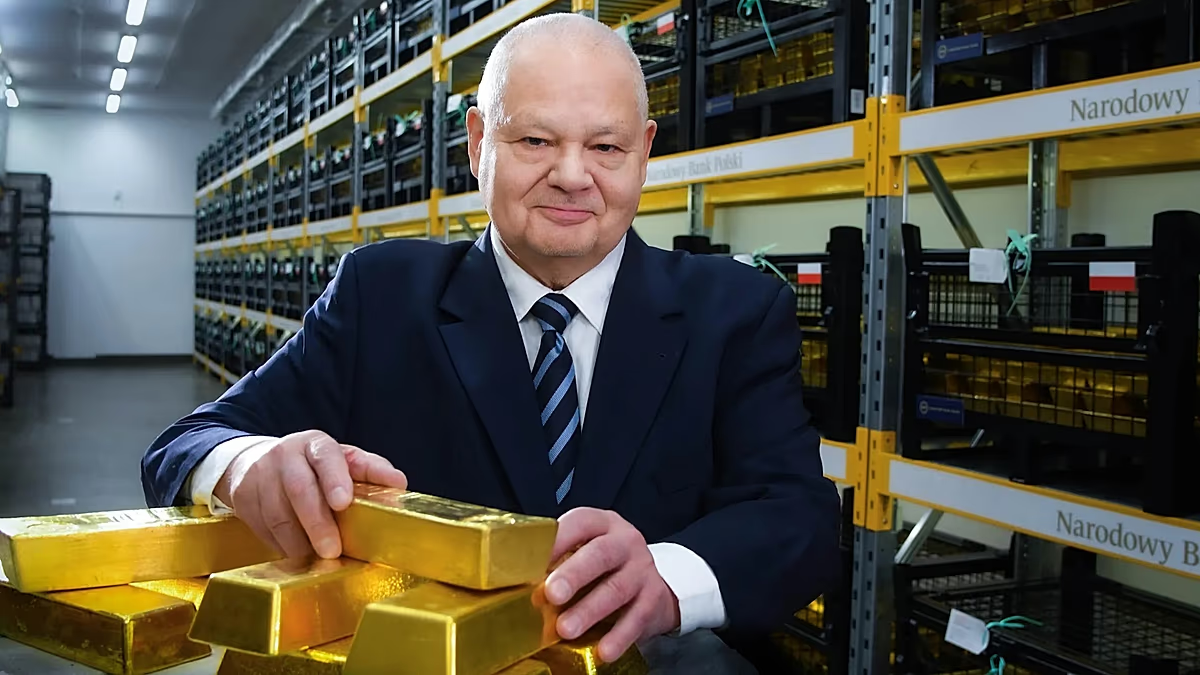
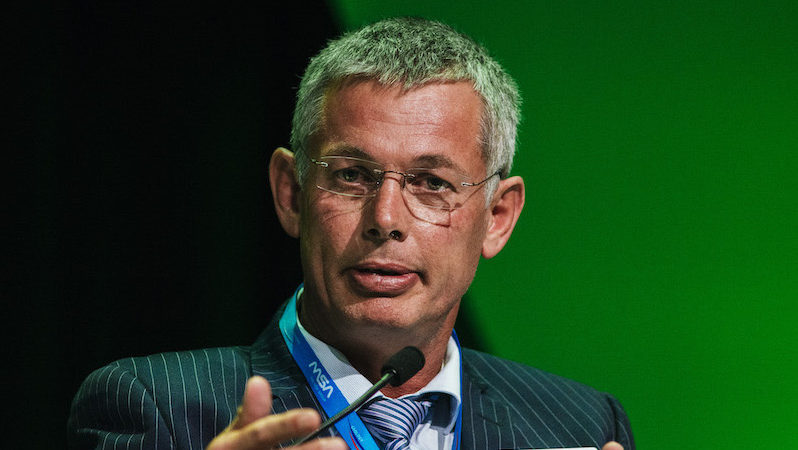
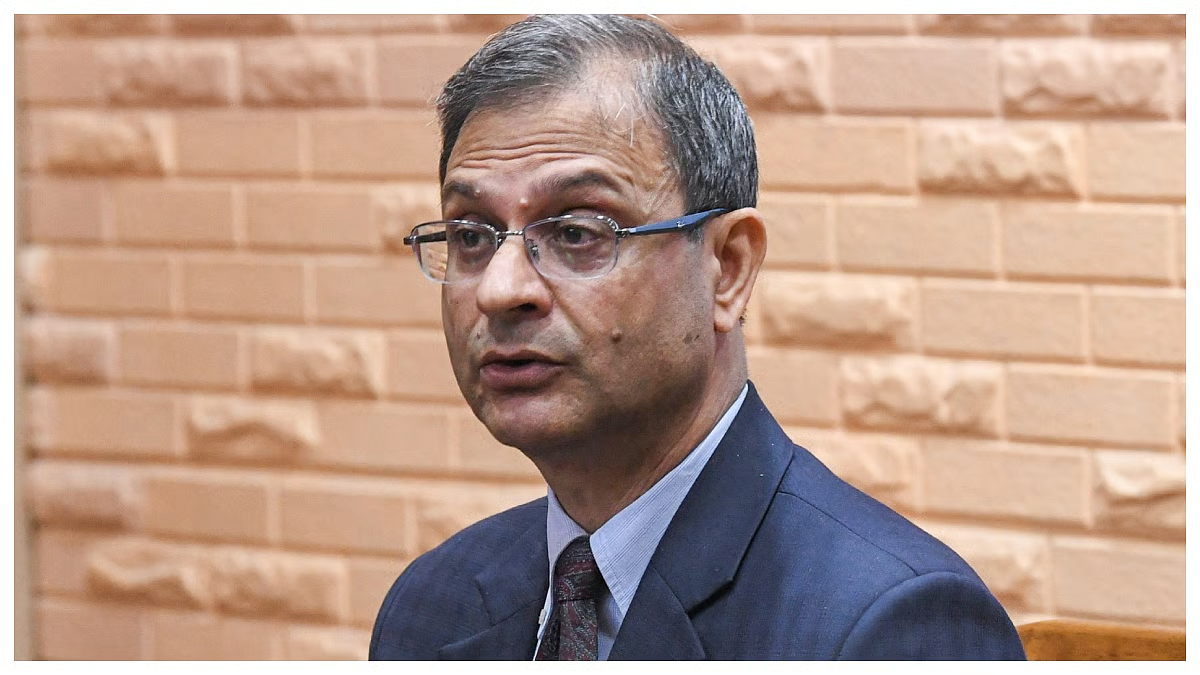
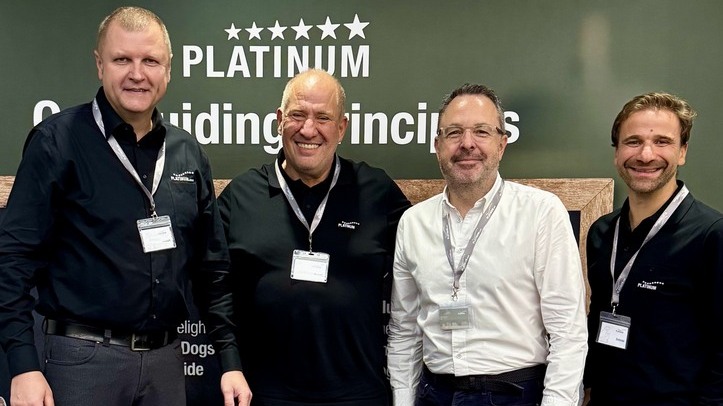
OCBC acknowledges as much. Tan Siew Lee, its head of group wealth management, describes platinum and palladium as “high-beta metals”. Investors with a tolerance for greater volatility may use them to gain exposure to resource scarcity, industrial demand and the global energy transition. That is a different proposition from buying gold as insurance against uncertainty.
OCBC’s wealth management strategy
The expansion nevertheless fits neatly with OCBC’s broader wealth-management strategy. The bank says adoption of its existing digital metals platform has been strong: the number of customers investing in gold and silver through the app was 2.5 times higher in 2025 than a year earlier, with demand remaining resilient during periods of volatility in 2026.