Sogang University and KIST identify how crystal defects transport ruthenium atoms to the surface
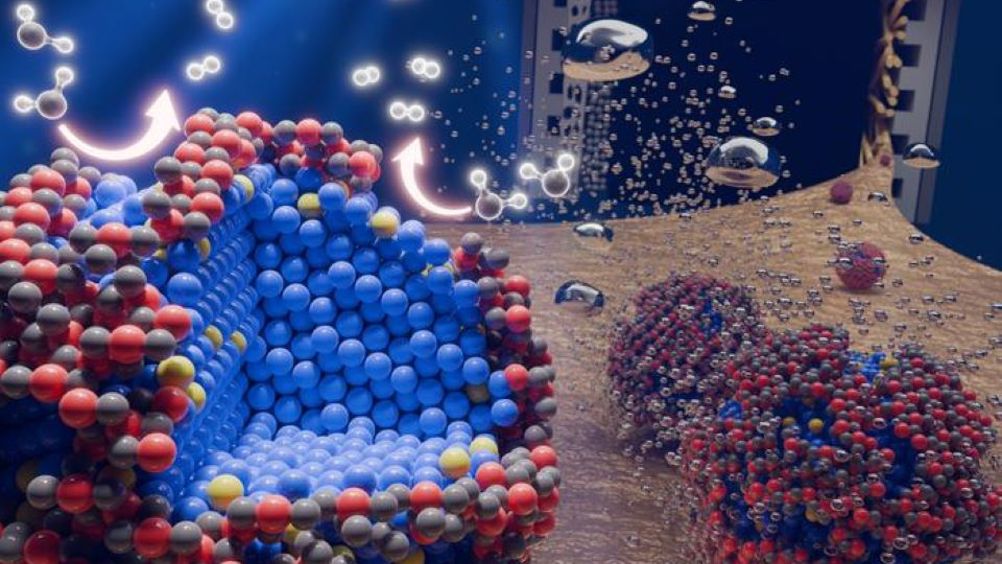
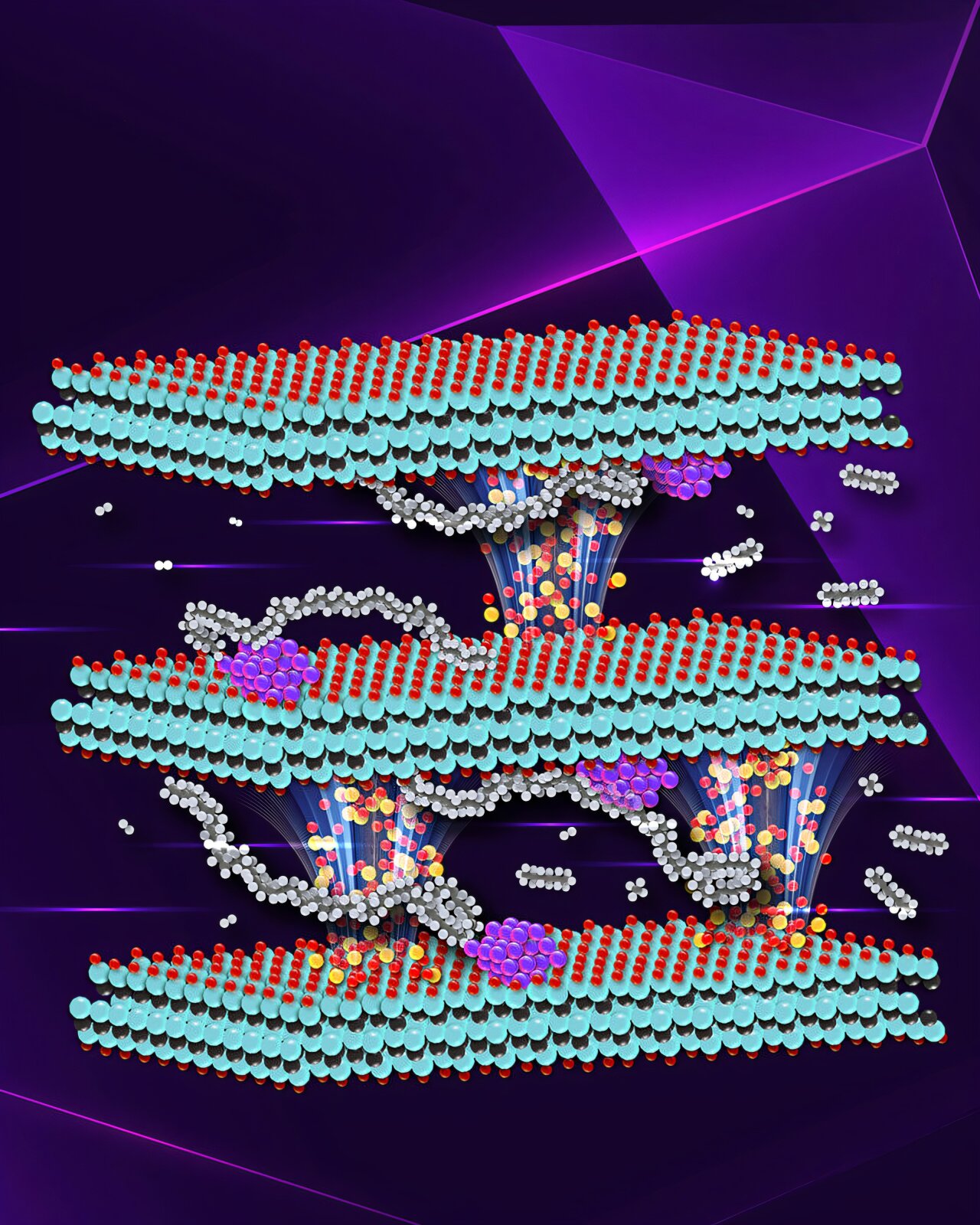
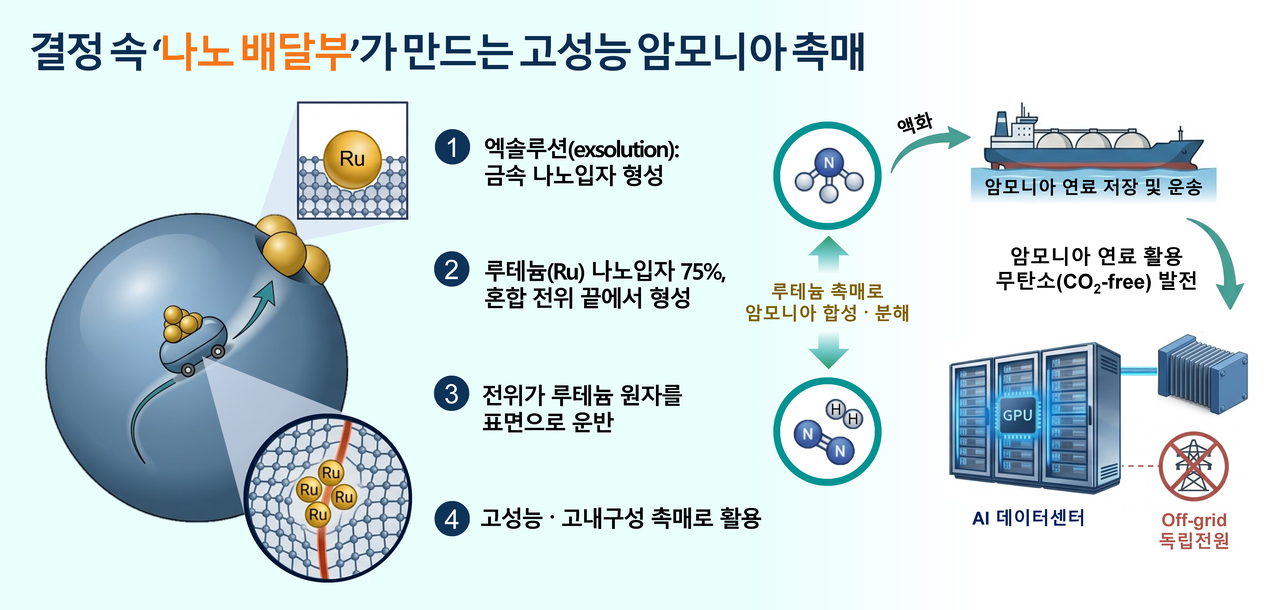
![A diagram illustrating the exsolution mechanism — in which a "nano carrier" inside a crystal creates a high-performance ammonia catalyst — and its applications. [Provided by Sogang University]](https://wimg.heraldcorp.com/news/cms/2026/07/02/news-p.v1.20260702.0a191eef2ec842108670fcad6da935f0_P1.png)
A new path has opened toward manufacturing high-performance precious-metal catalysts capable of producing and utilizing hydrogen and ammonia — two clean energy sources — more economically and reliably.
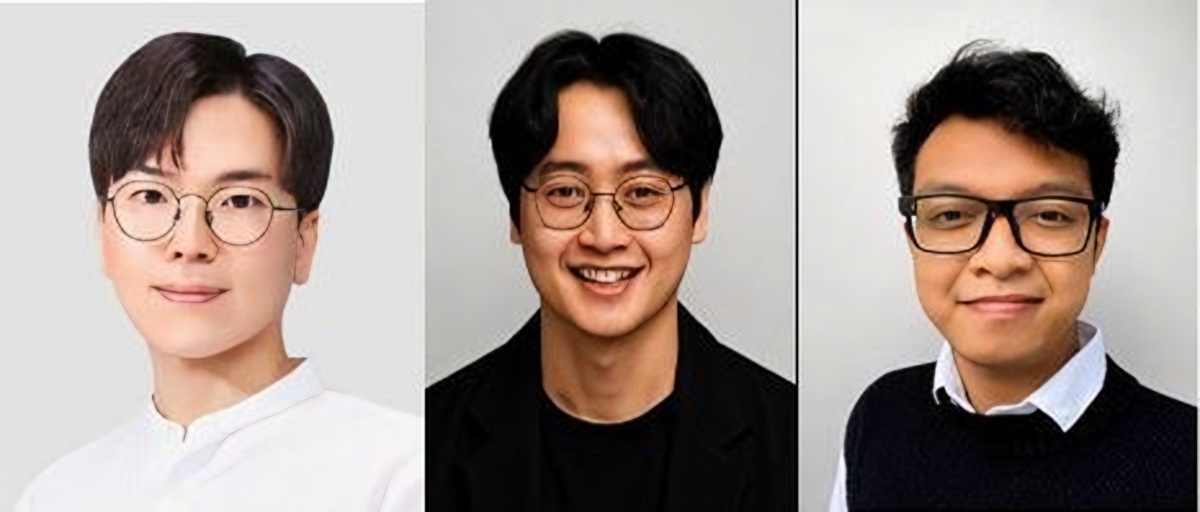
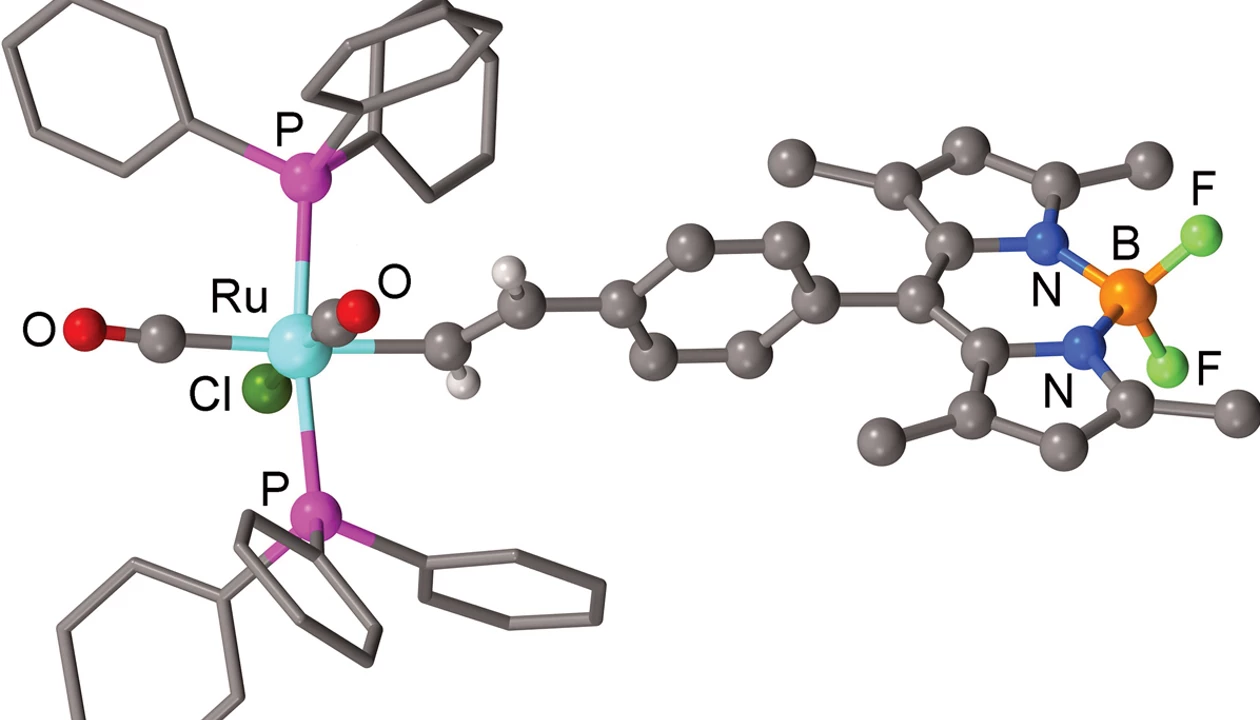
The National Research Foundation of Korea said Wednesday that a research team led by Kim Hyun-jung, a professor at Sogang University, and Ji Ho-il and Kwon Deok-hwang, researchers at the Korea Institute of Science and Technology (KIST), has identified that “dislocations” — linear defects that form inside a crystal and grow toward its surface — directly carry ruthenium metal atoms and transport them to the surface.
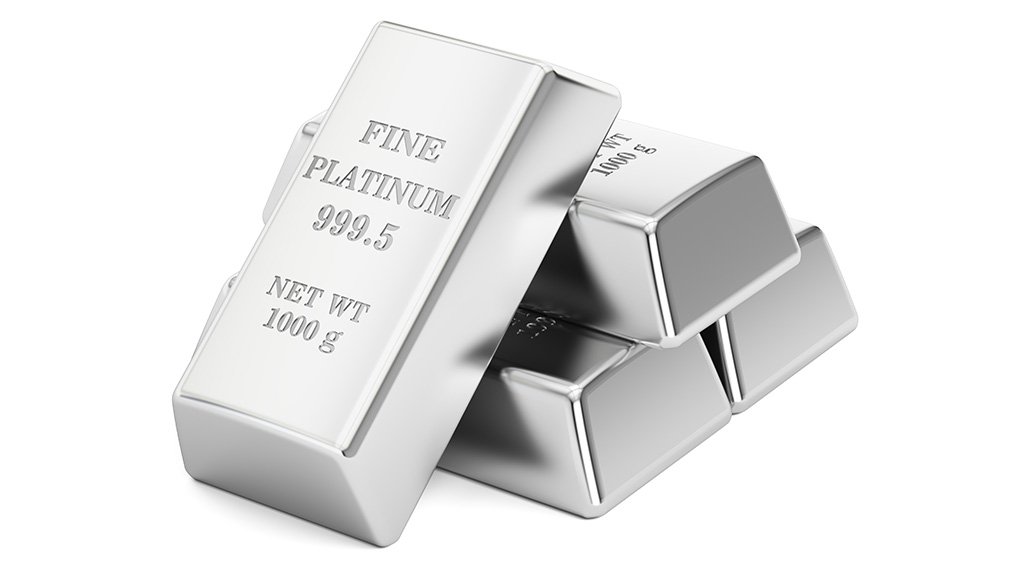
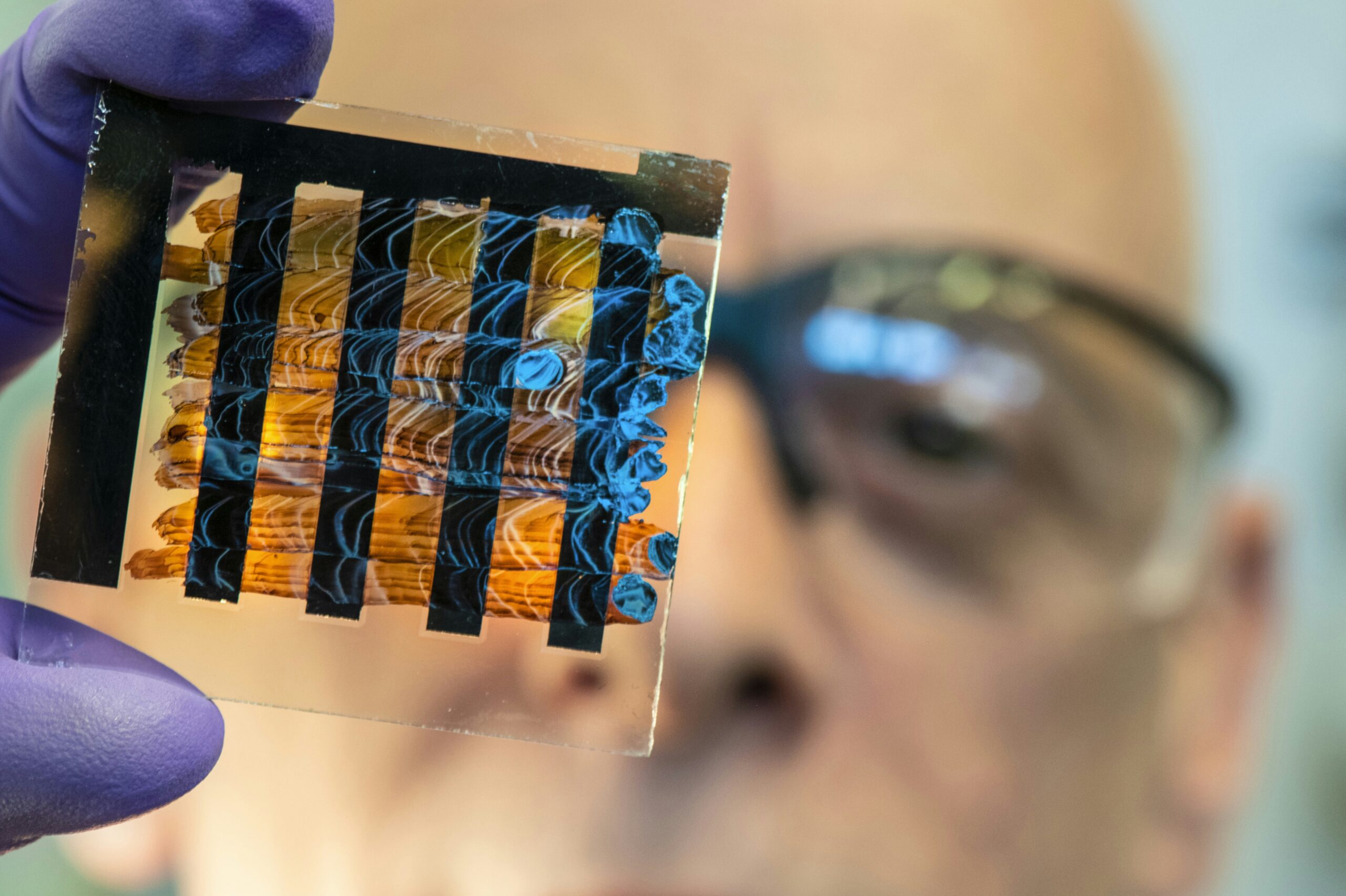
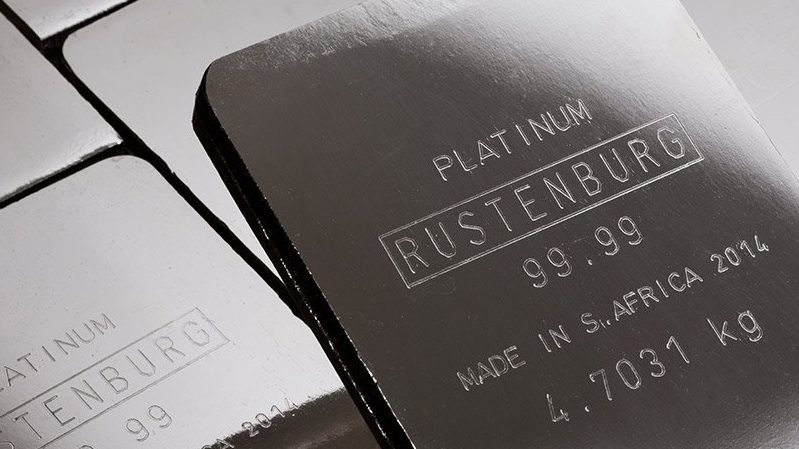
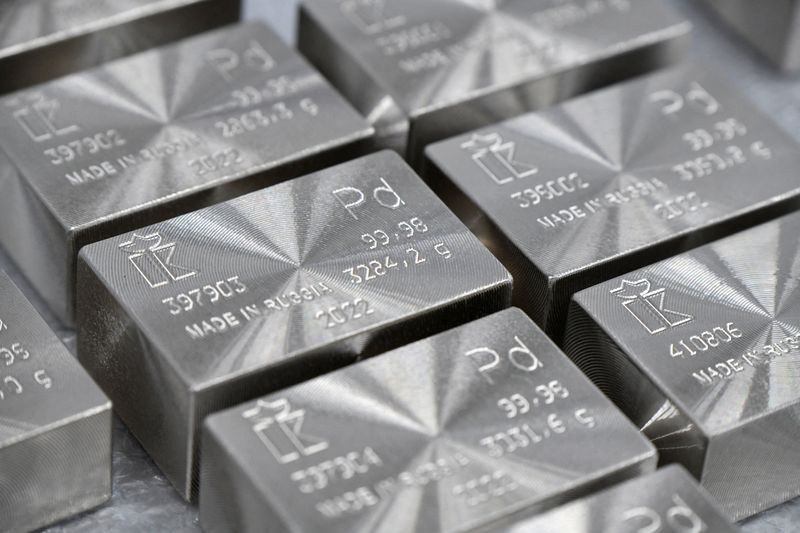
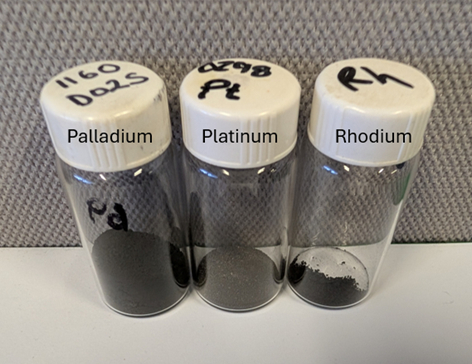
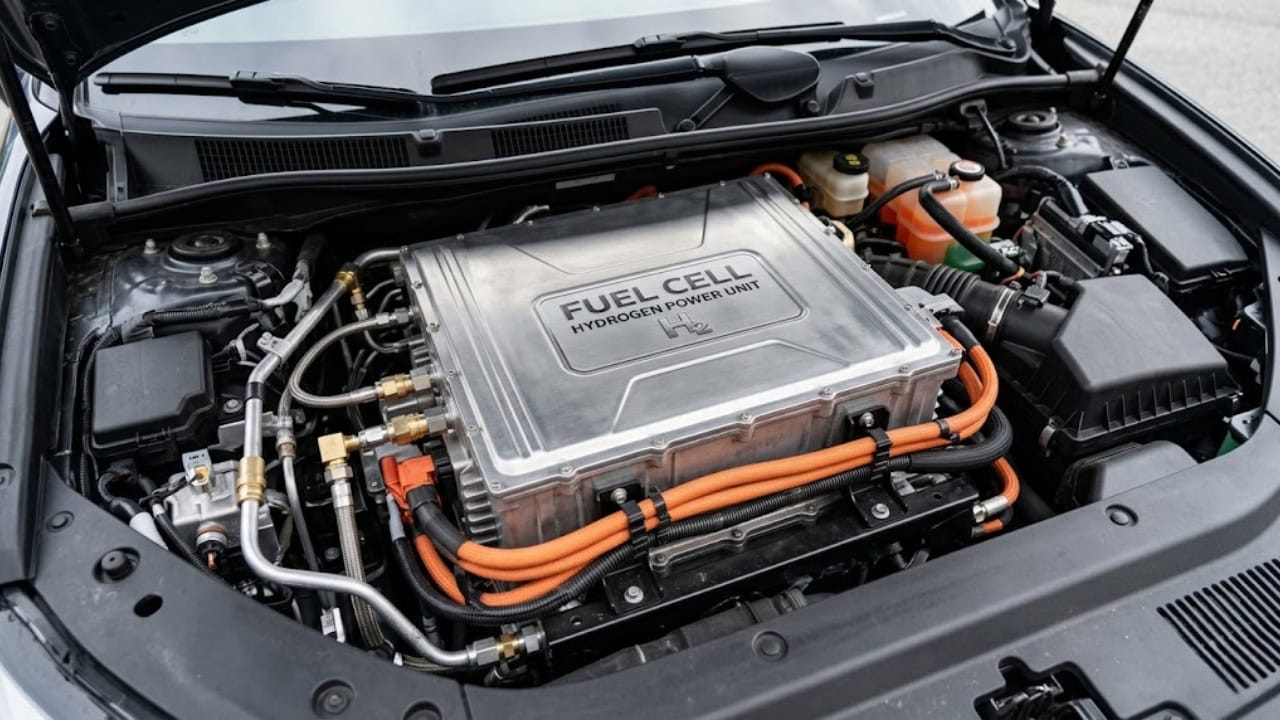
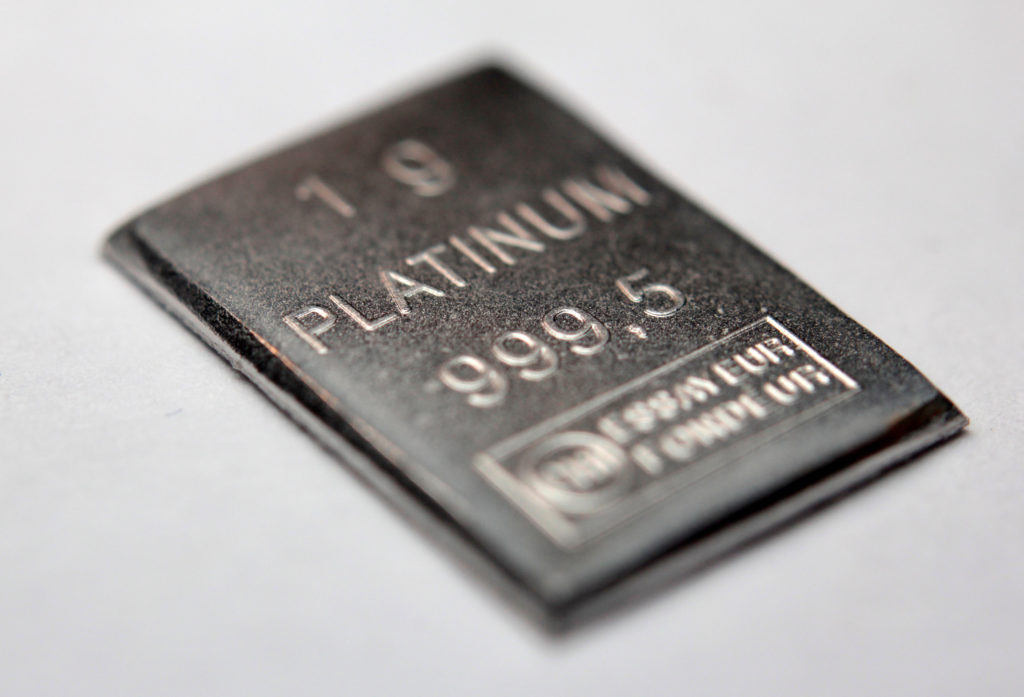
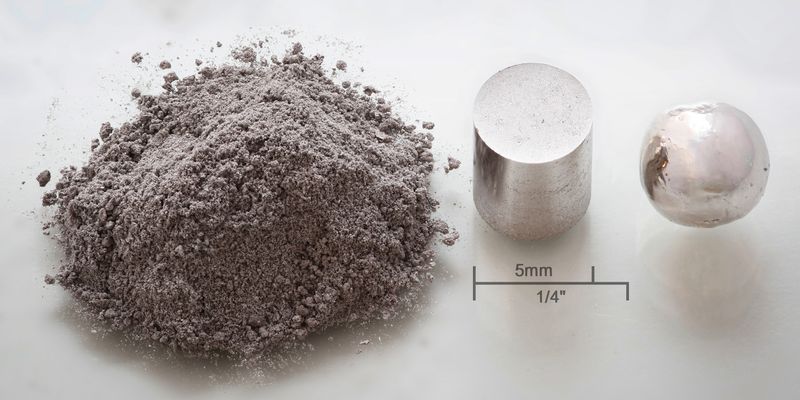
The efficiency of clean-energy technologies such as hydrogen and ammonia energy systems, fuel cells, and exhaust-gas purification depends heavily on catalyst performance. Precious-metal catalysts such as platinum and ruthenium deliver outstanding performance, but they are expensive and lose durability over repeated use as their particles tend to agglomerate or detach.
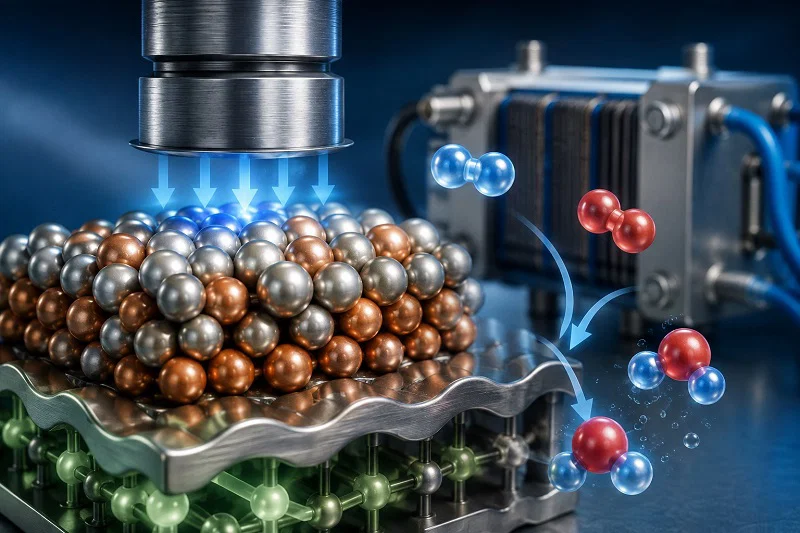
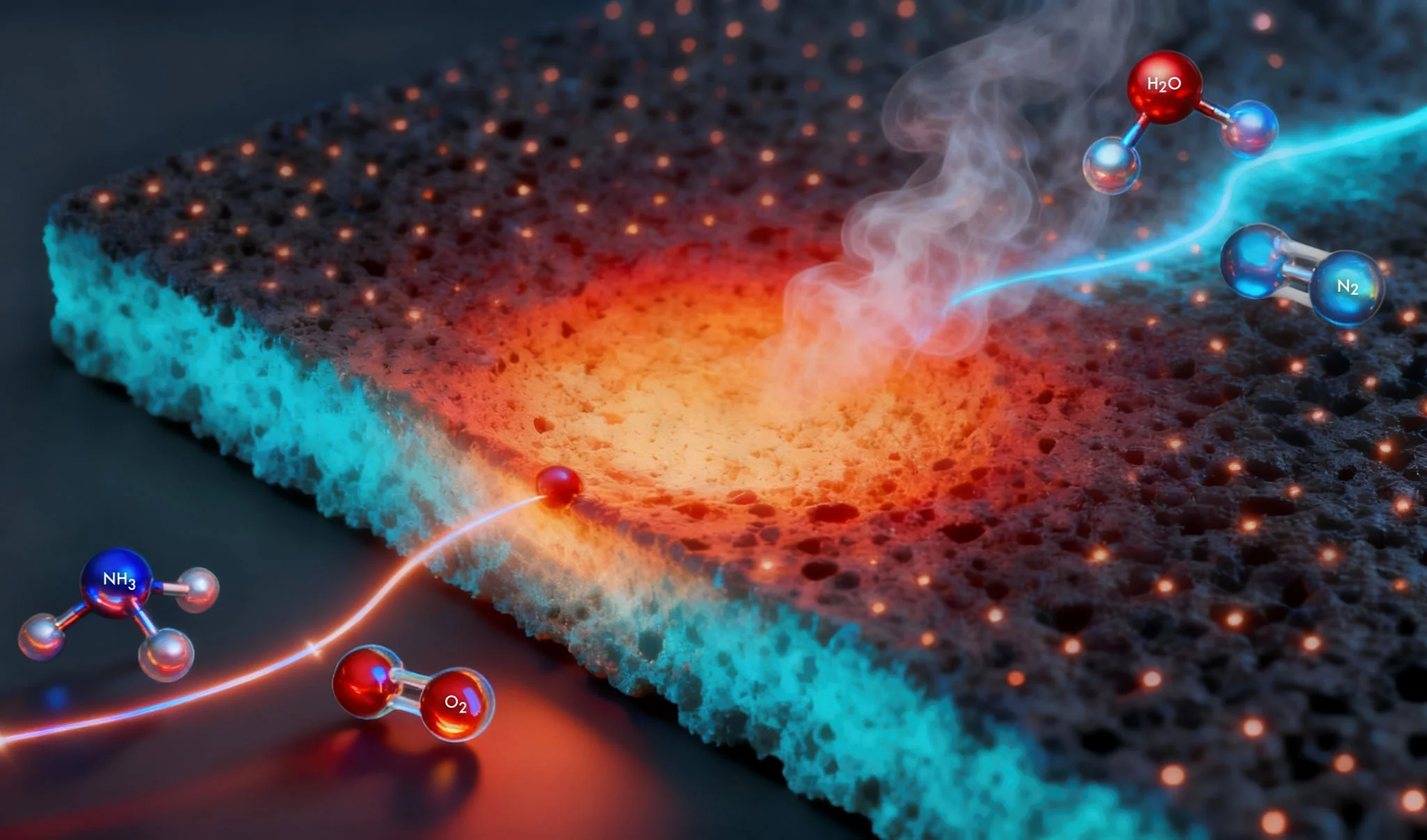
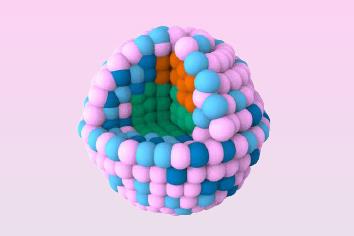
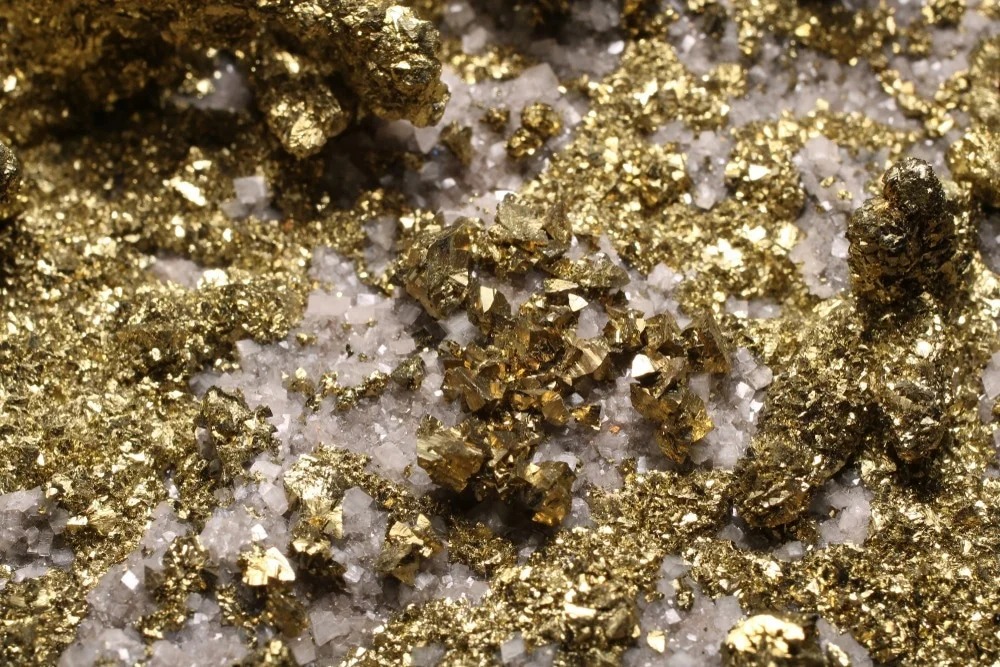
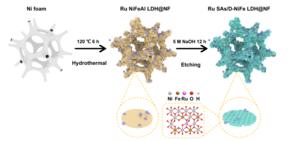
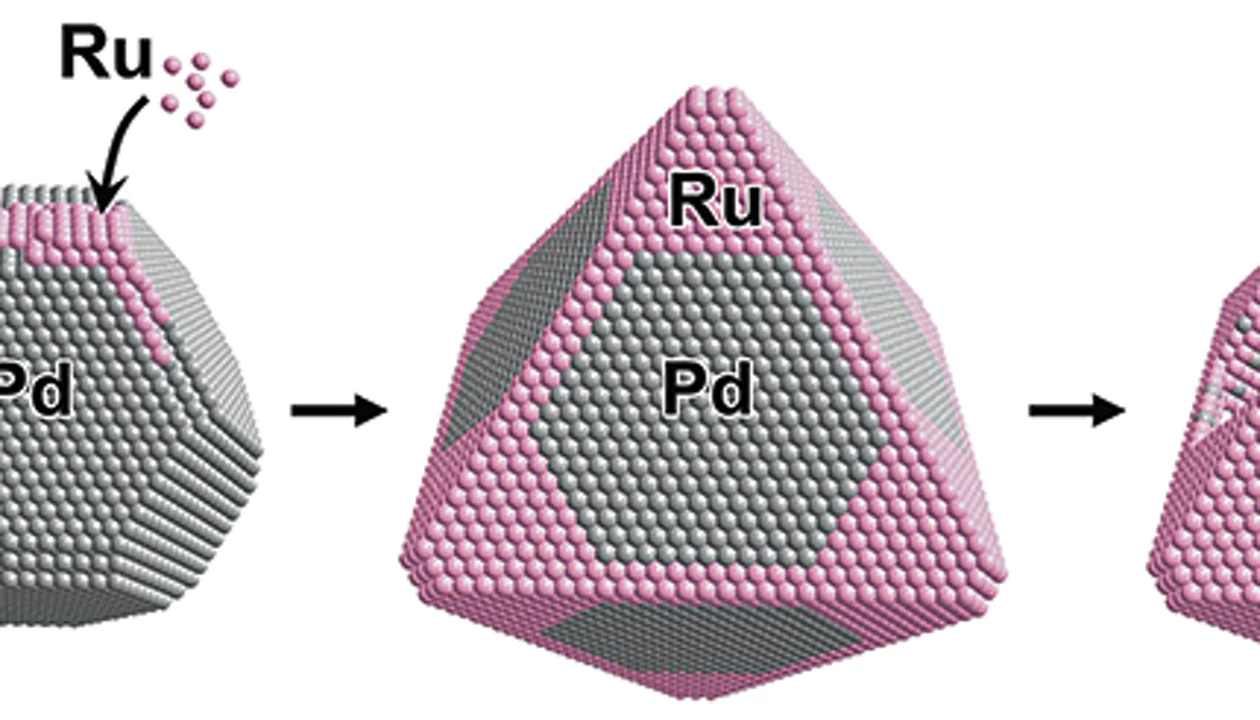
To address this, a technique called “exsolution” — in which metal atoms are embedded in advance inside an oxide crystal and then allowed to migrate to the surface on their own, where they become firmly anchored — has drawn attention as a promising alternative.
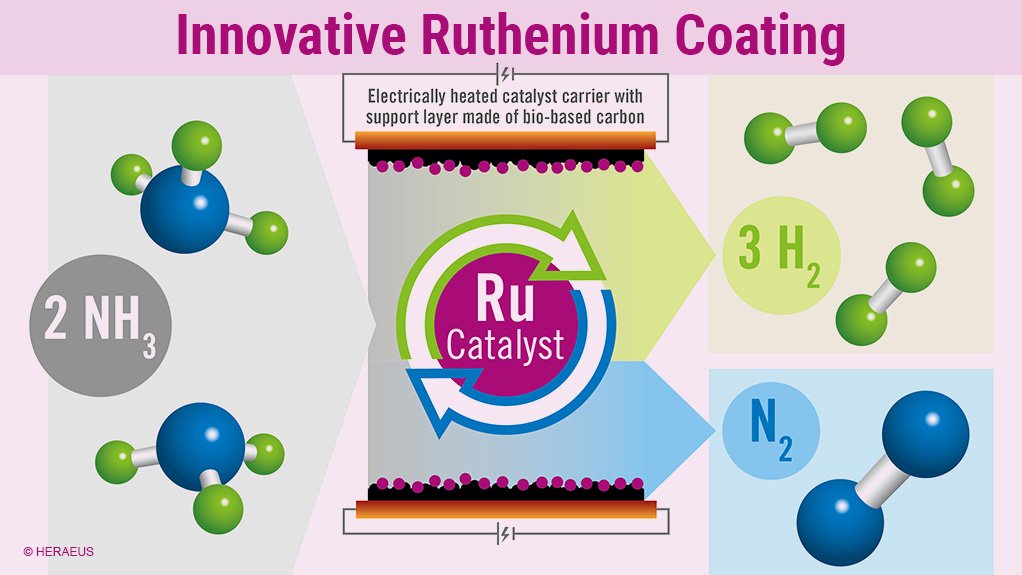
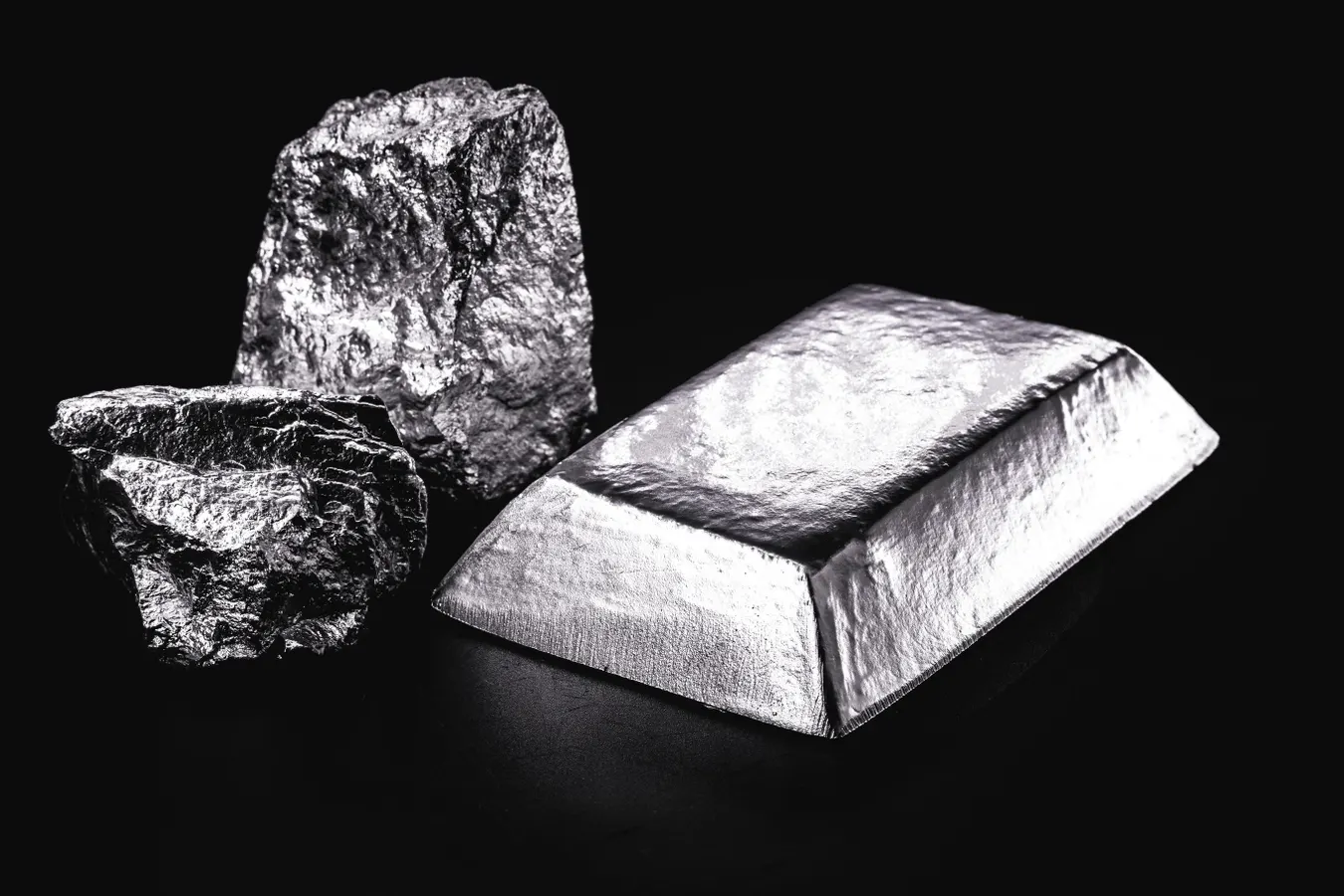
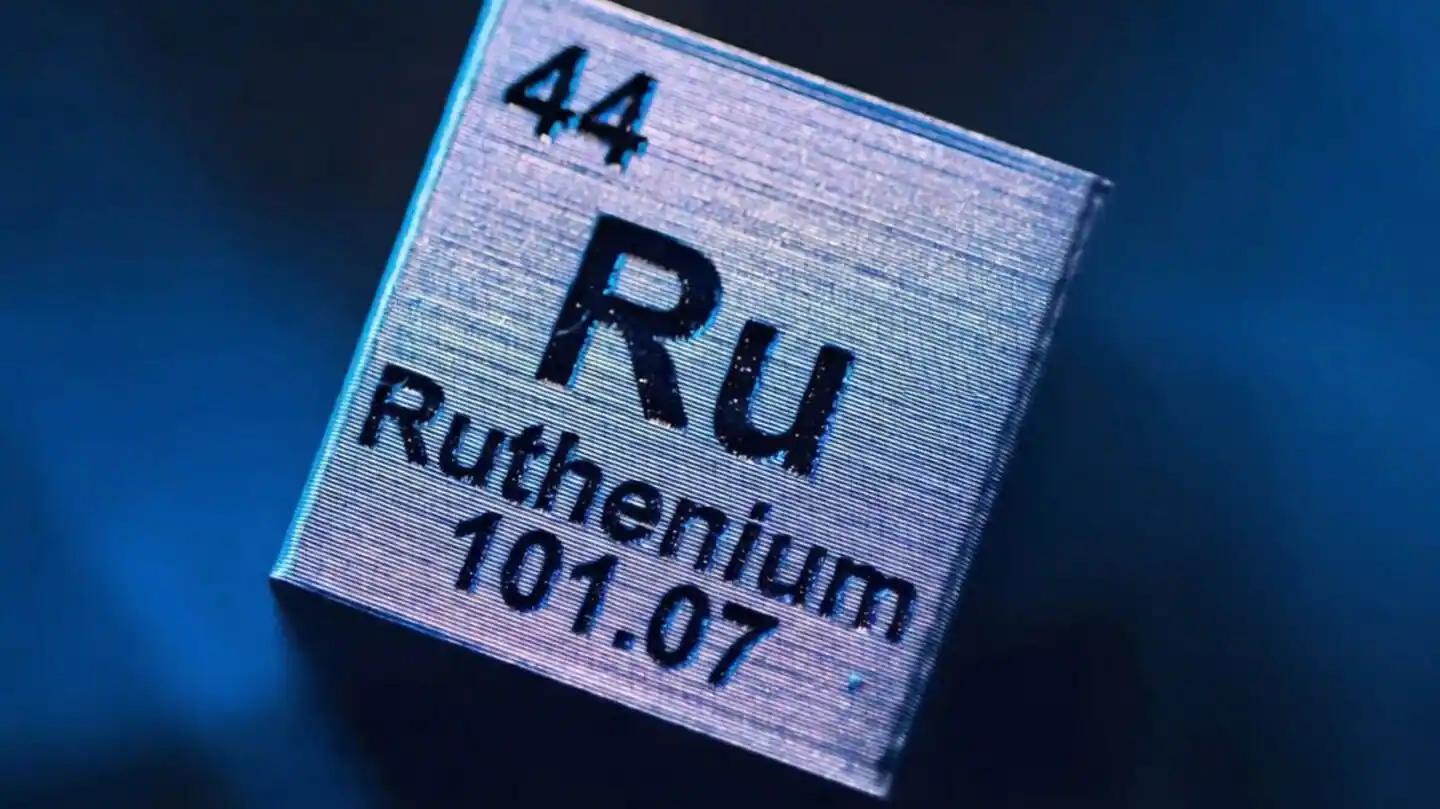
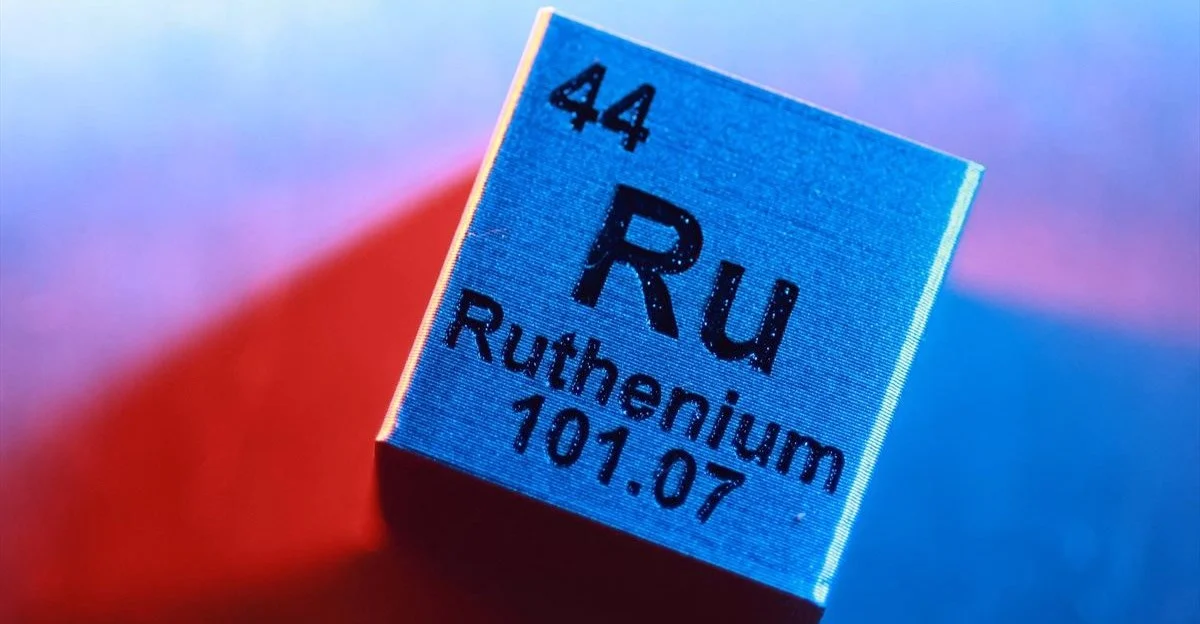
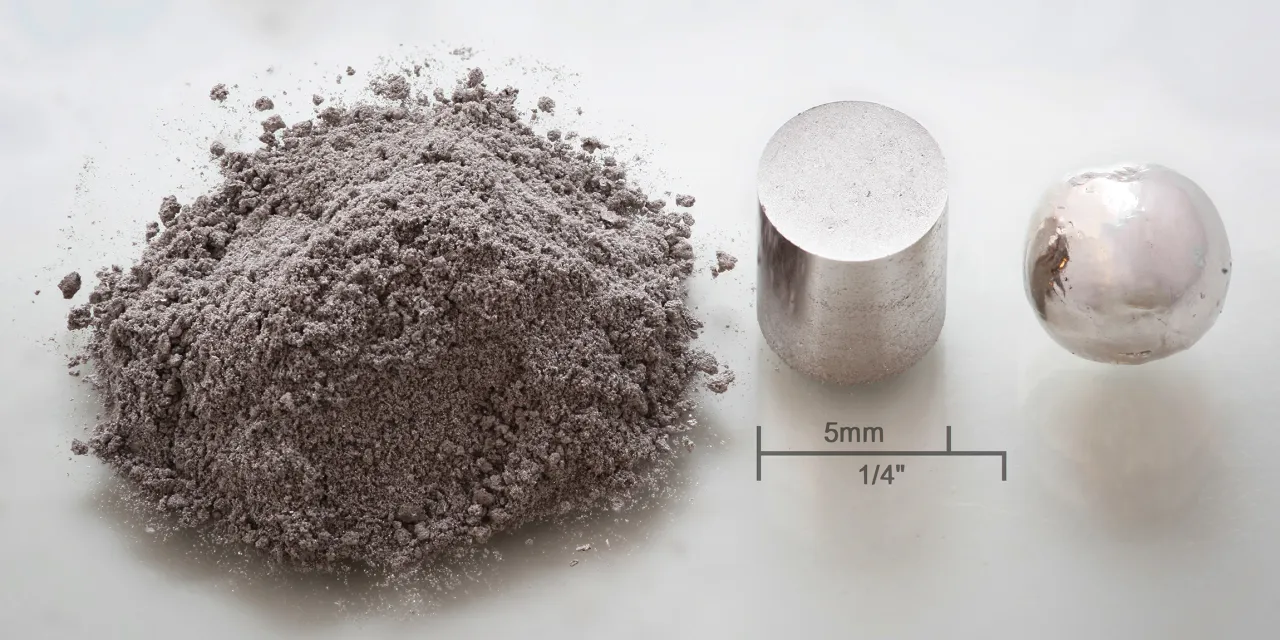
Ruthenium is a key catalyst in ammonia energy systems. Yet the fundamental mechanism by which metal atoms travel from deep within a crystal to its surface had remained poorly understood.
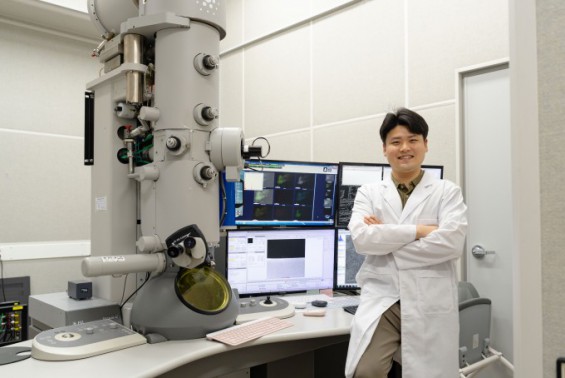
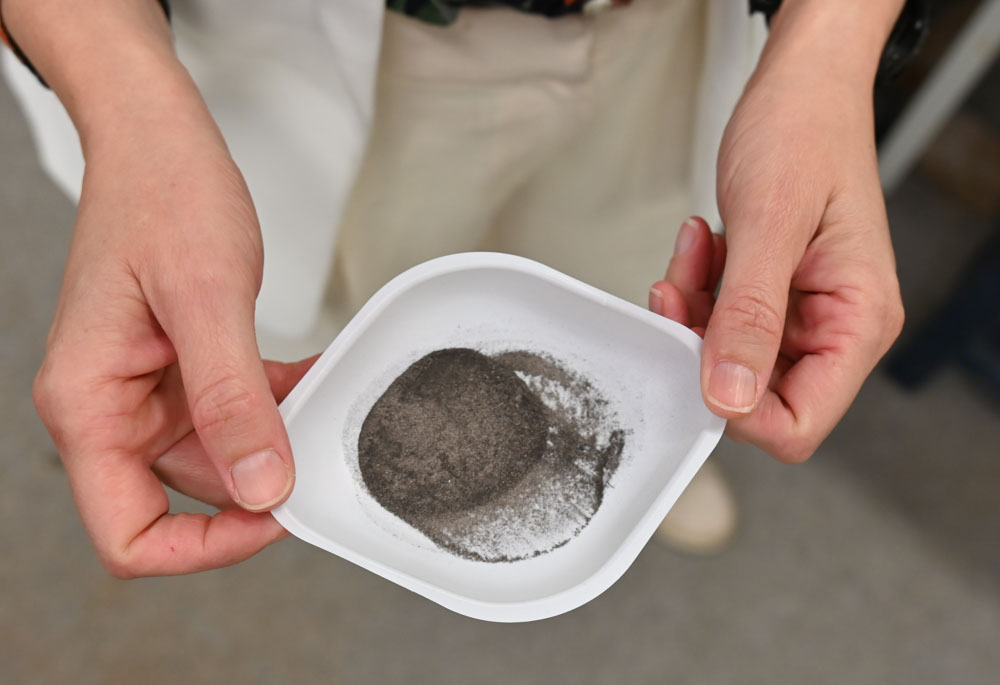
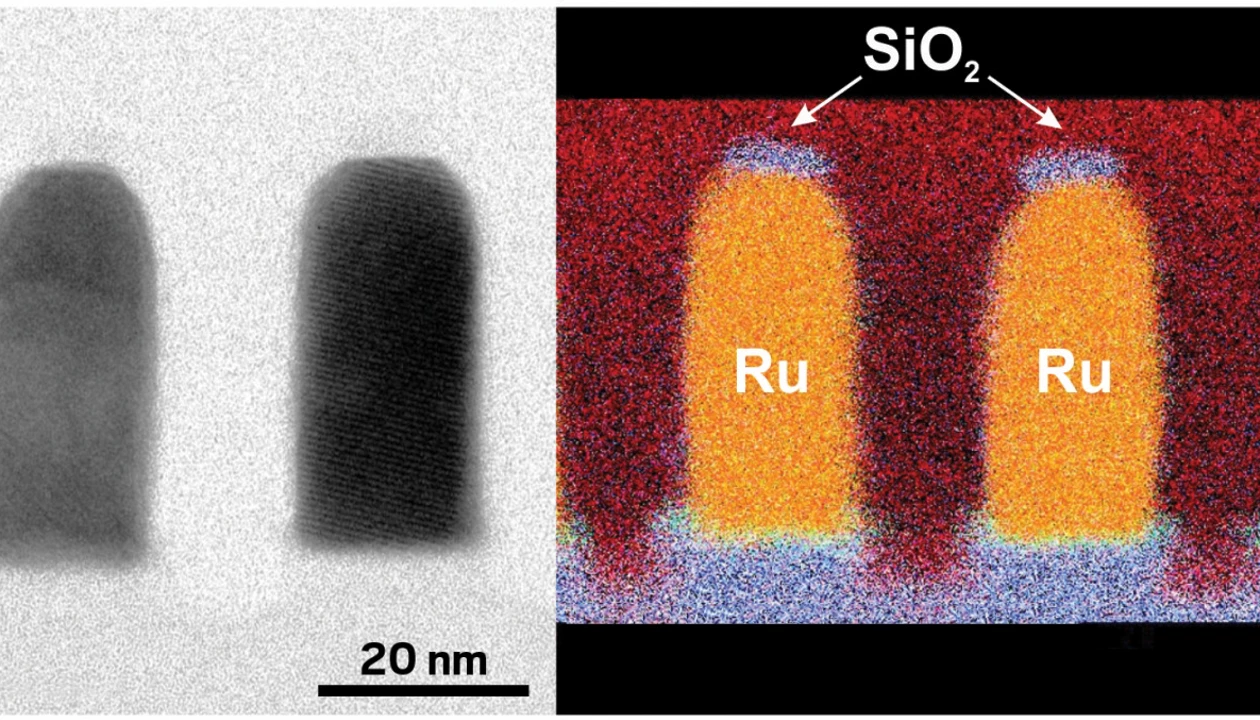
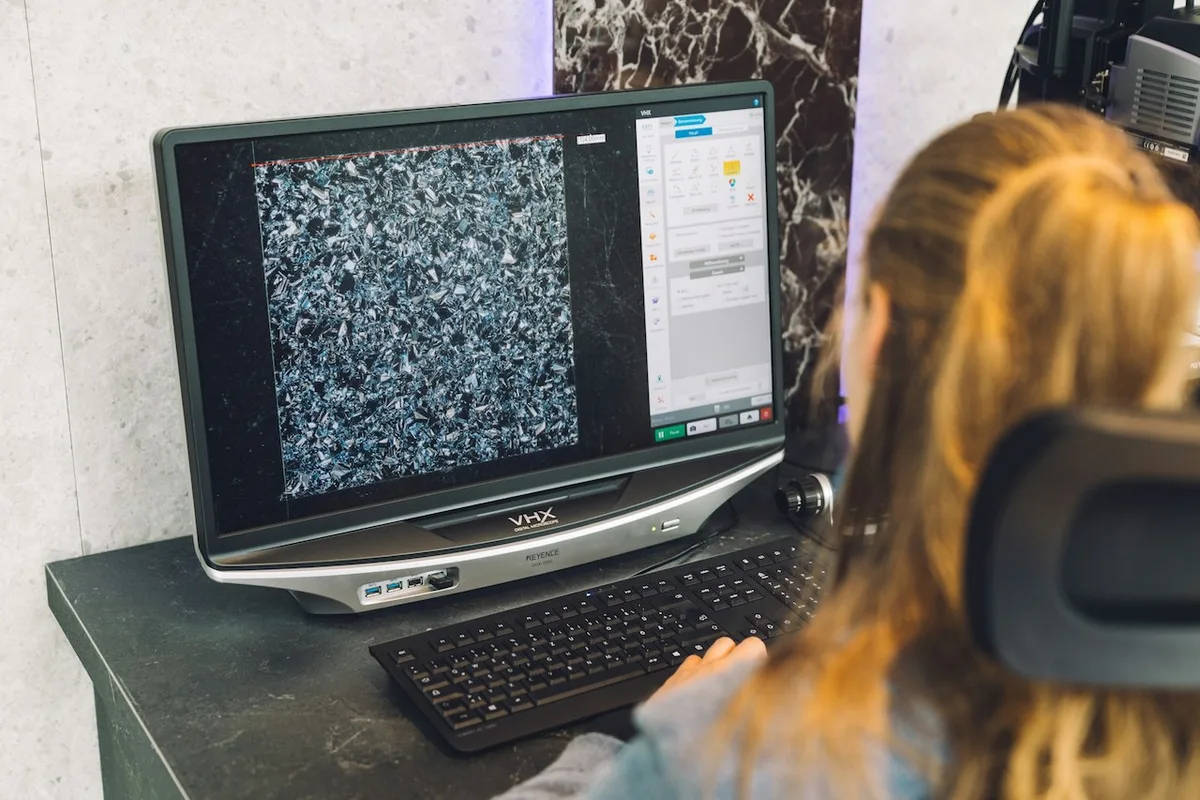
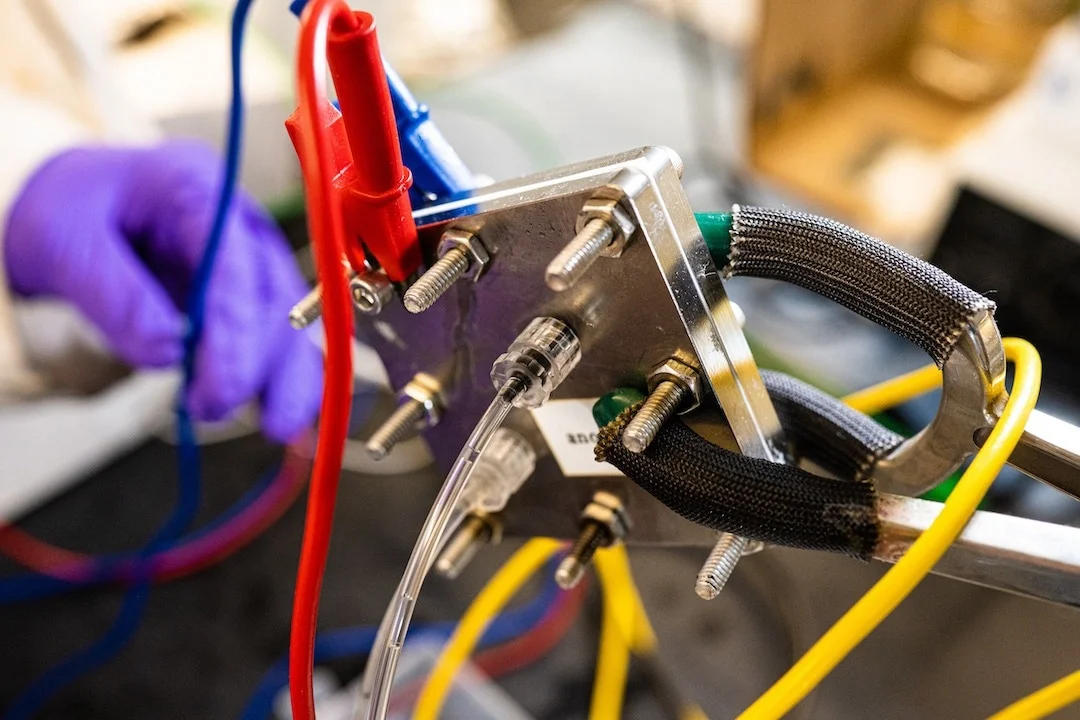
The research team used ruthenium-doped perovskite oxide particles as a model system, combining Bragg coherent diffraction imaging (BCDI) with transmission electron microscopy (TEM) to observe the process directly.
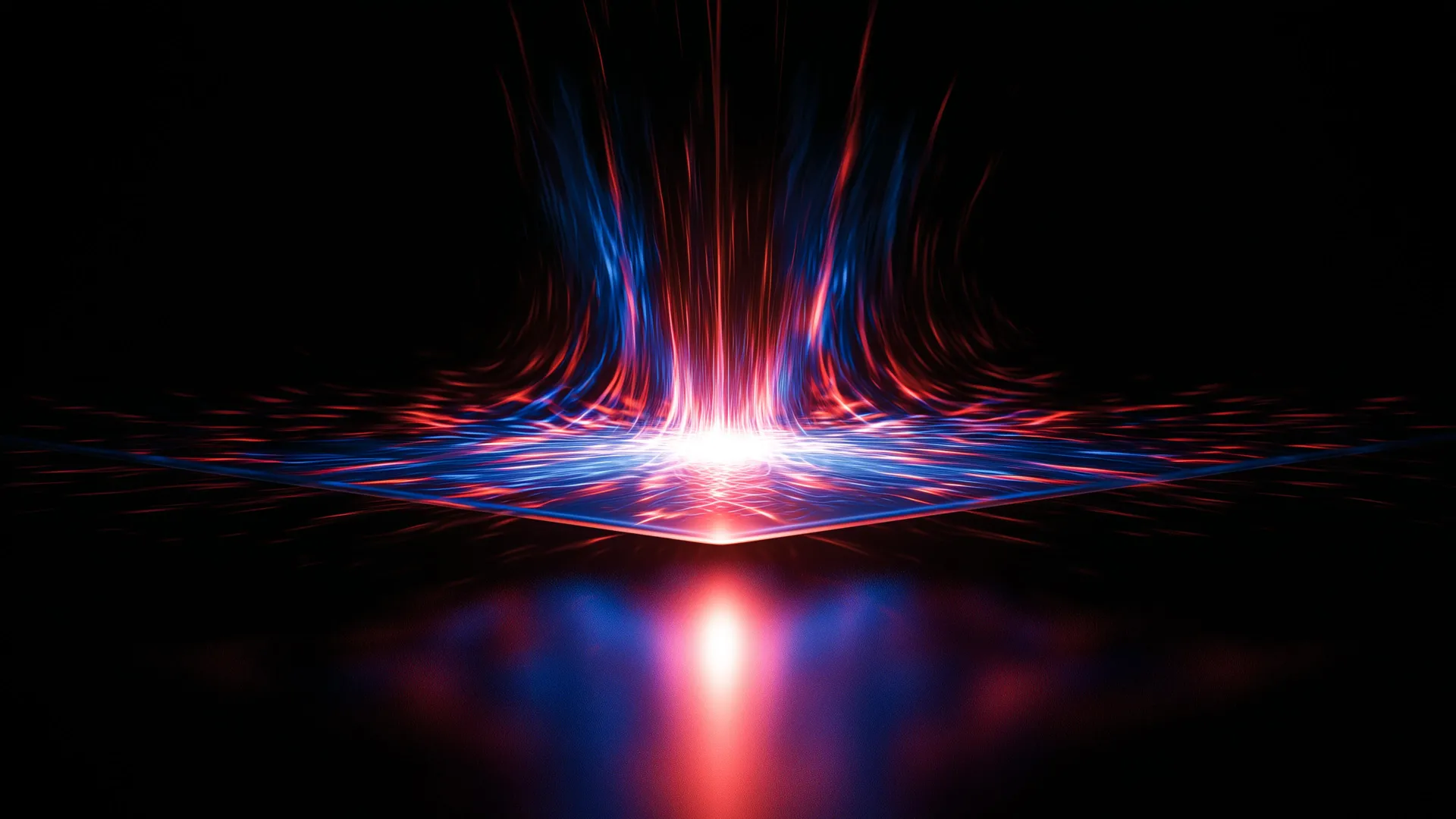
The observations revealed that before metal atoms emerged at the surface, linear defects known as dislocations formed inside the crystal and grew toward the surface. About 75 percent of the surface particles formed at the tips of “mixed-type dislocations.”
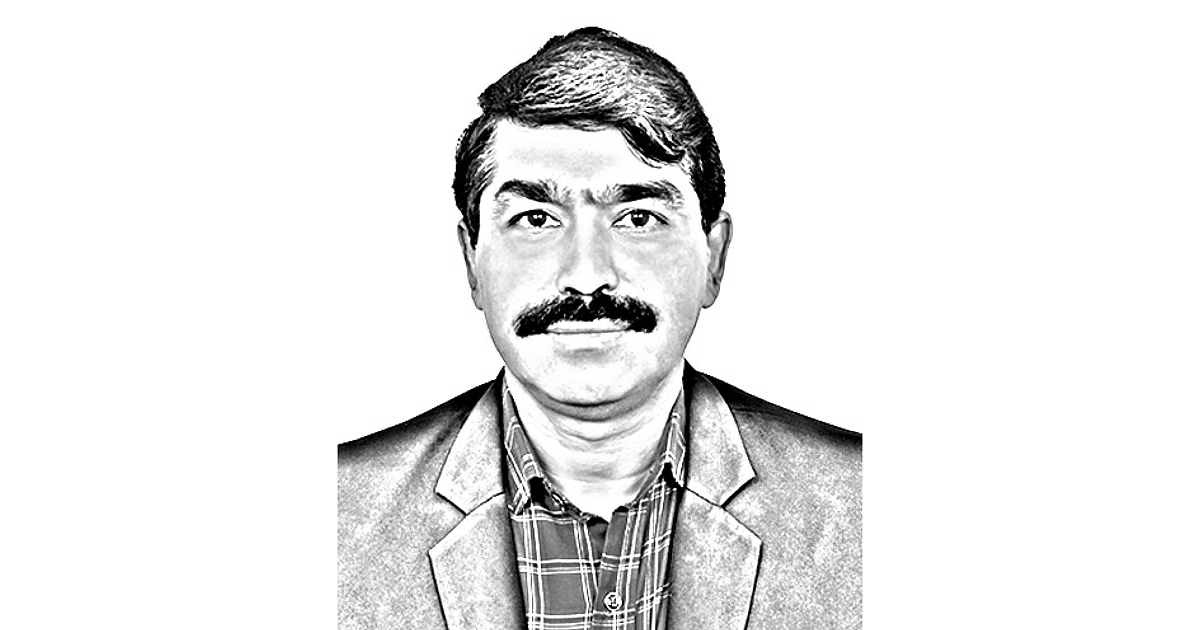
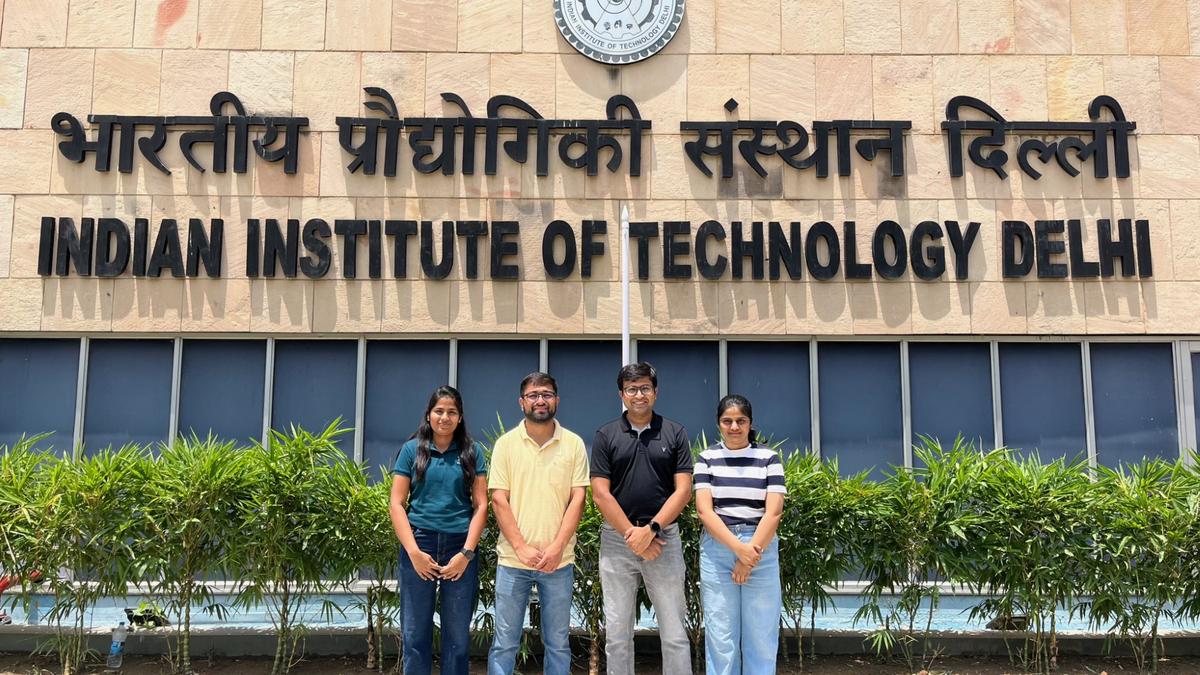
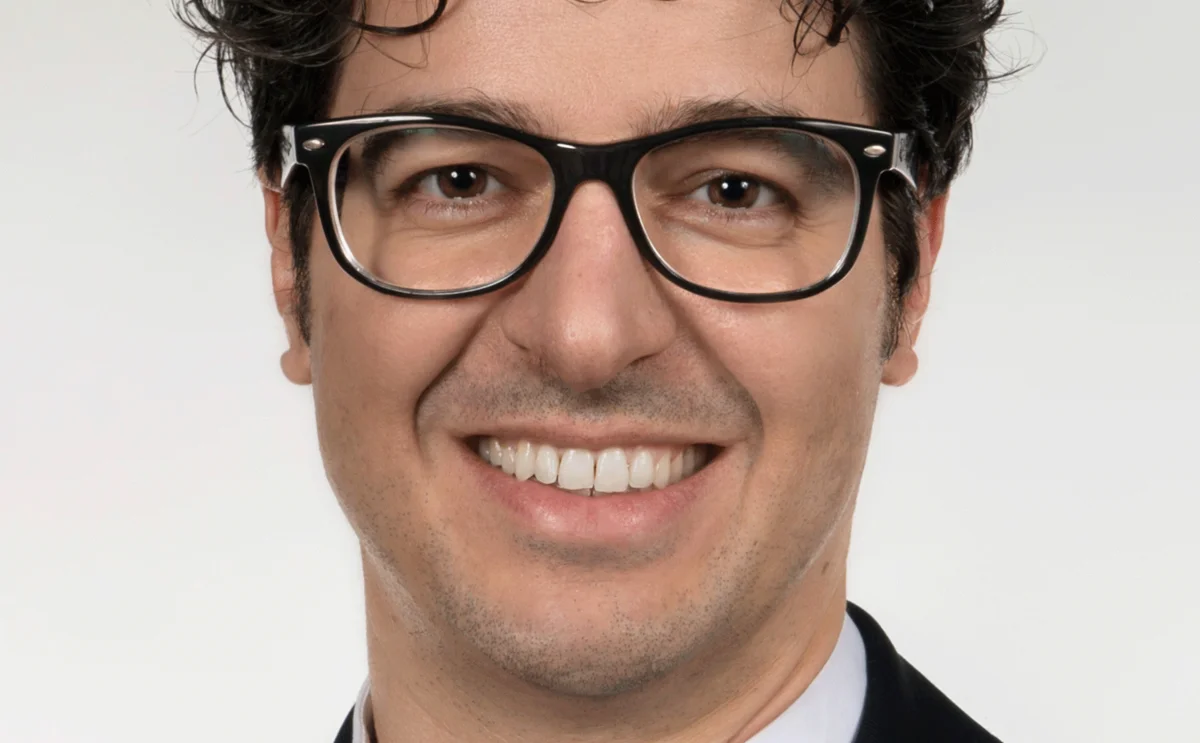
![From left: Kim Hyun-jung, professor at Sogang University, and Ji Ho-il and Kwon Deok-hwang, researchers at KIST. [Provided by the National Research Foundation of Korea]](https://wimg.heraldcorp.com/news/cms/2026/07/02/news-p.v1.20260702.7e621260caf14f5aaf19af4d14d152b1_P1.png)
The most significant finding was that these mixed-type dislocations are not static defects but act as carriers, transporting ruthenium atoms to the surface as they grow toward it. The team established that catalyst particles form at the surface not by chance but in close connection with defects inside the material.
Previously, metal atoms had to traverse the entire crystal lattice, requiring high temperatures and long processing times. The new research shows that as dislocations grow, they facilitate atomic movement in the surrounding region, effectively giving atoms a shortcut.
“The dislocation-based exsolution control principle established in this research can serve as a universal design strategy applicable to catalysts across hydrogen, environmental, and energy fields,” Kim said. “Establishing precise control over dislocation density and distribution in large-area, high-volume processes will be the key challenge going forward for practical application.”
The research was carried out under the Leader Research support project of the Ministry of Science and ICT and the National Research Foundation of Korea. It was published in Nature Communications on May 25.
nbgkoo@heraldcorp.com
This content was produced with the assistance of AI translation services.