Quick Read
-
UBS ETRACS Gold Shares Covered Call ETN (GLDI) generates 20% trailing yield by selling monthly gold call options, but payments swing from $0.02 to $4.30 per share.
-
GLDI is an unsecured UBS debt obligation, not a gold fund—holders face issuer credit risk if UBS’s financial health deteriorates.
-
GLDI underperforms gold in bull markets: gold gained 168% over five years while GLDI returned 82% total, demonstrating the capped upside cost of income strategy.
-
The analyst who called NVIDIA in 2010 just named his top 10 AI stocks. Get them here FREE.
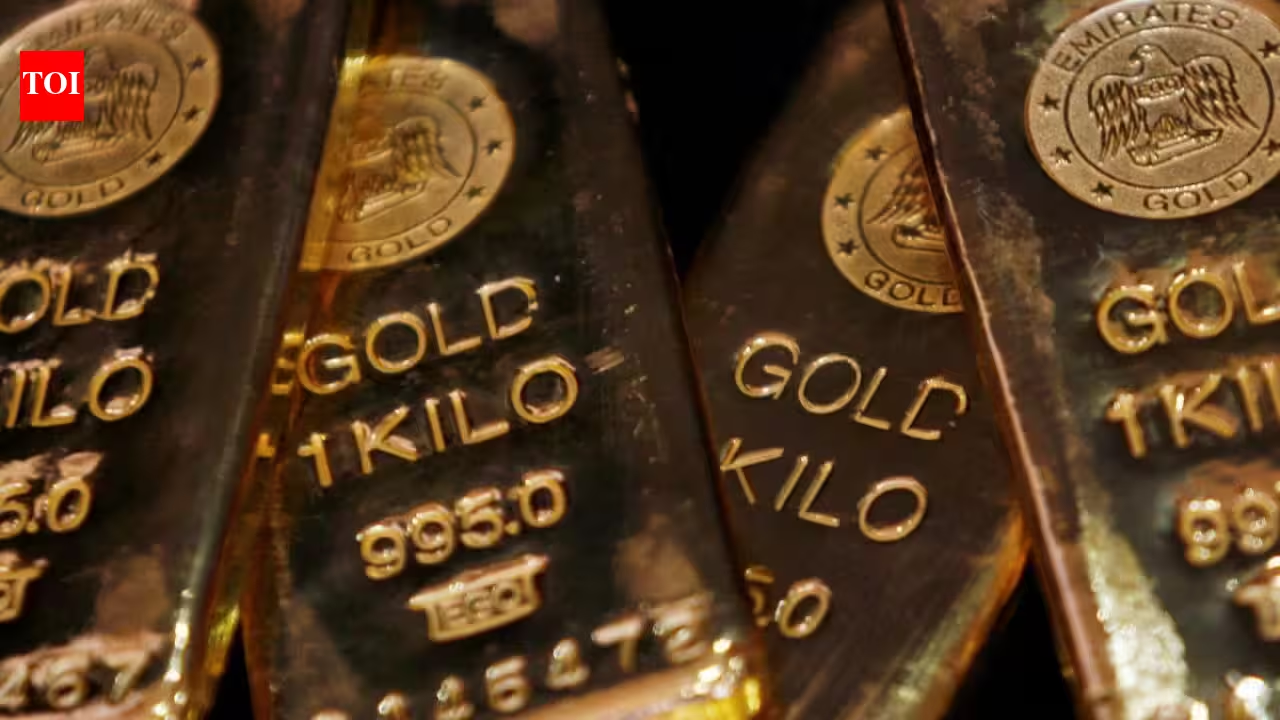
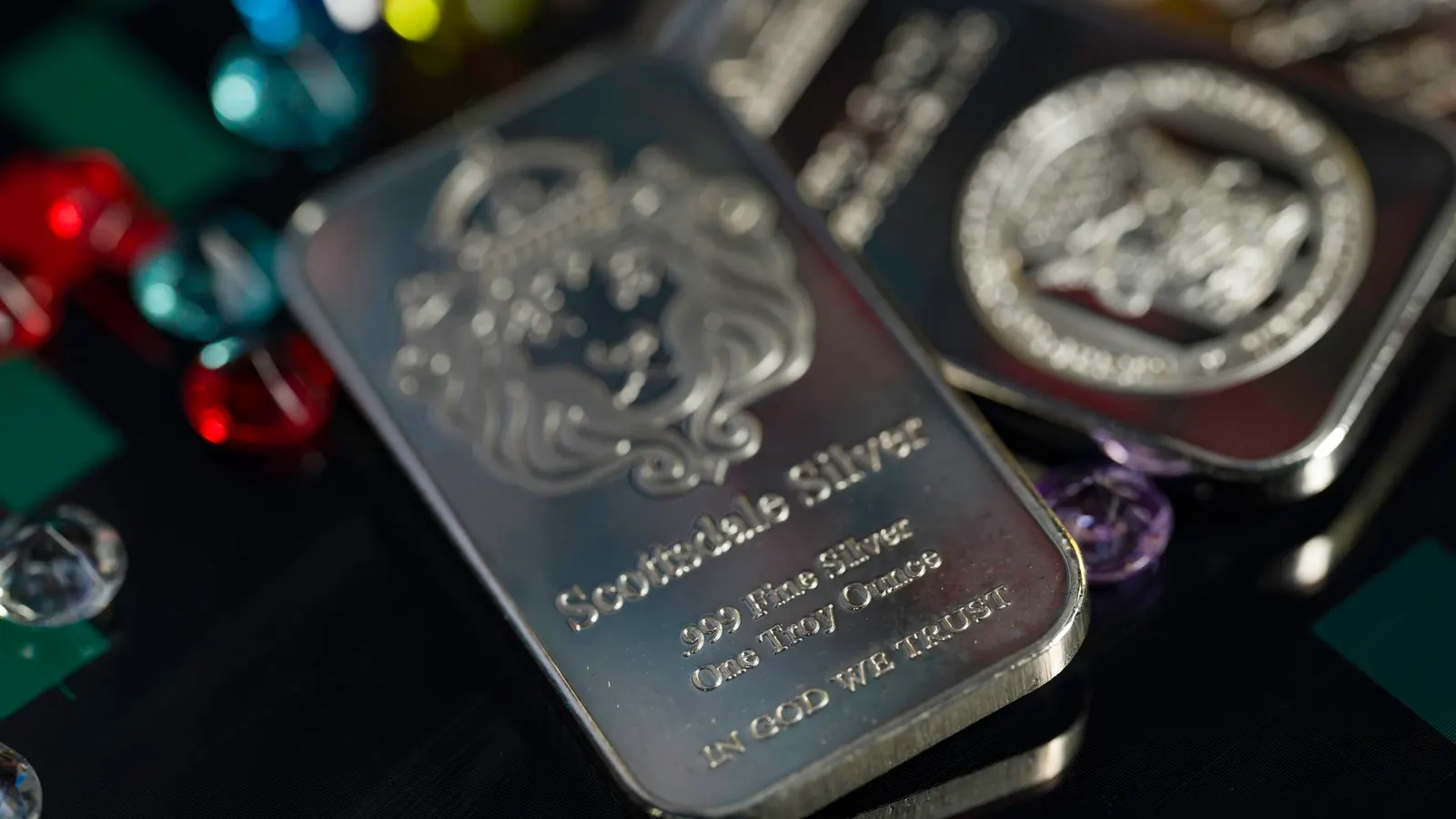
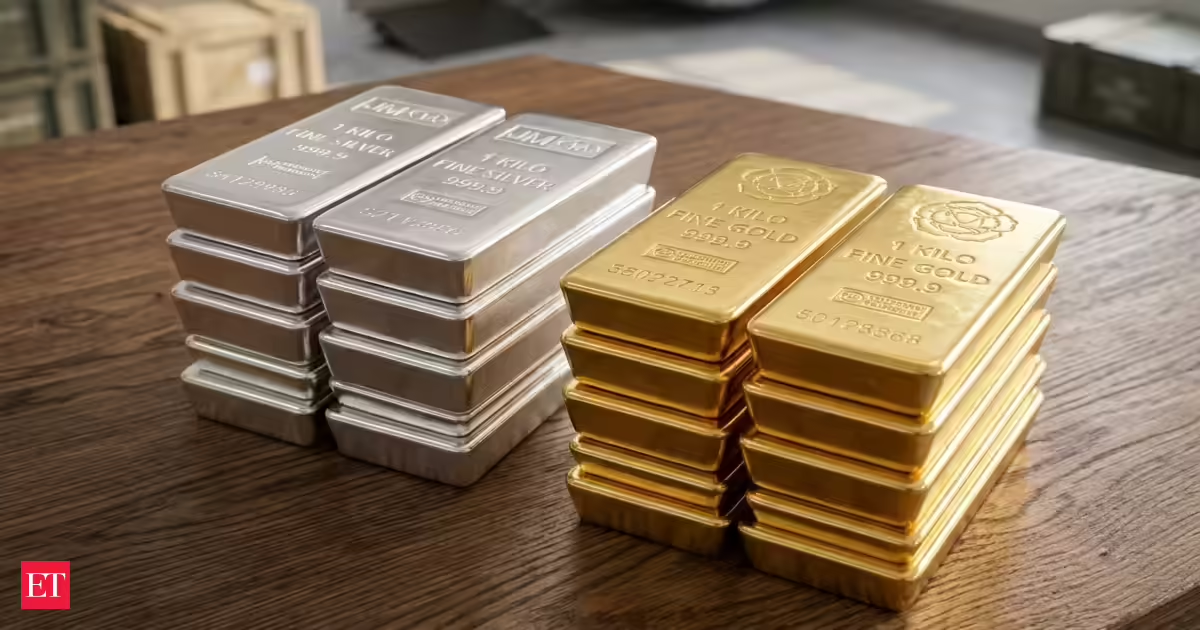
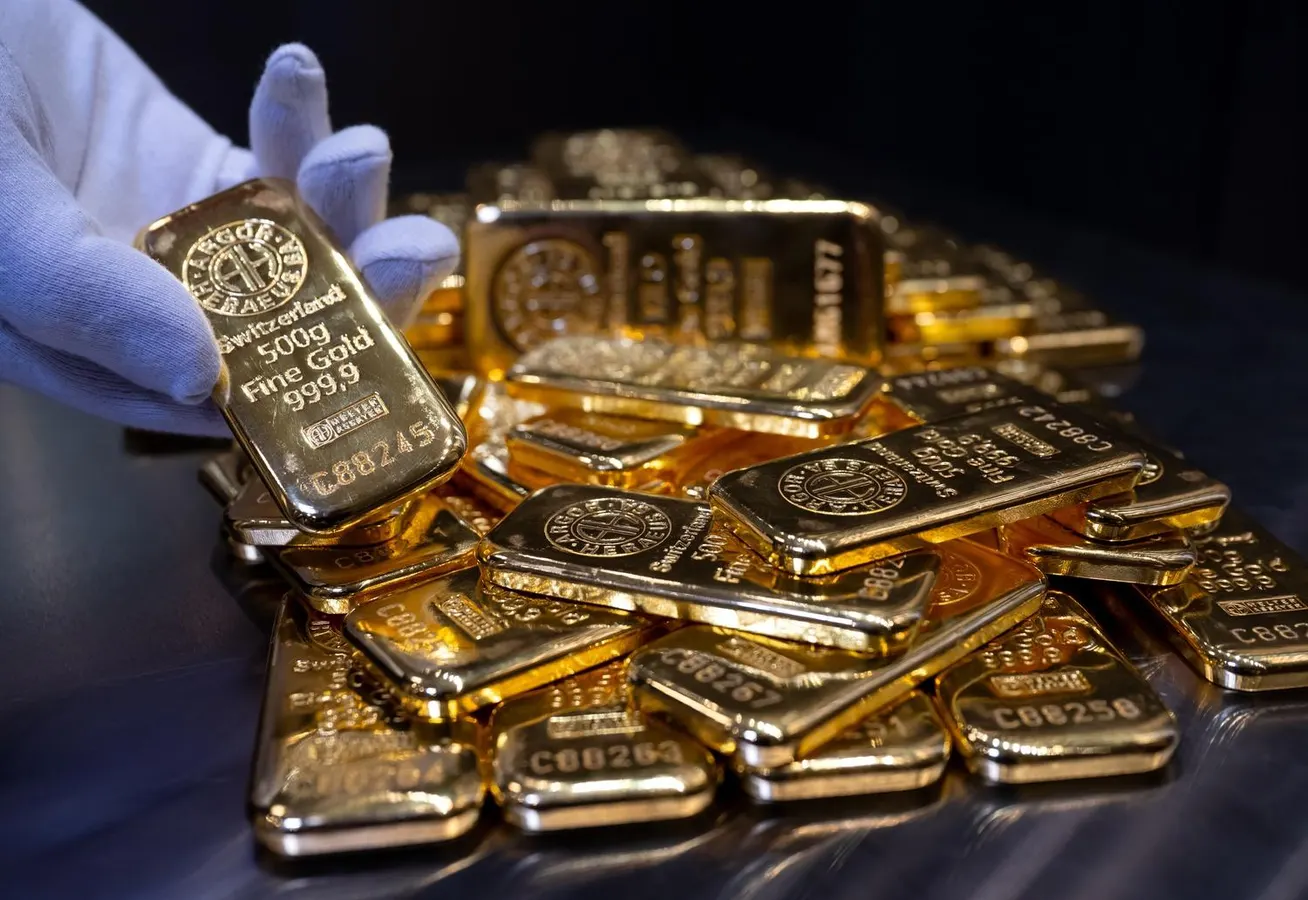
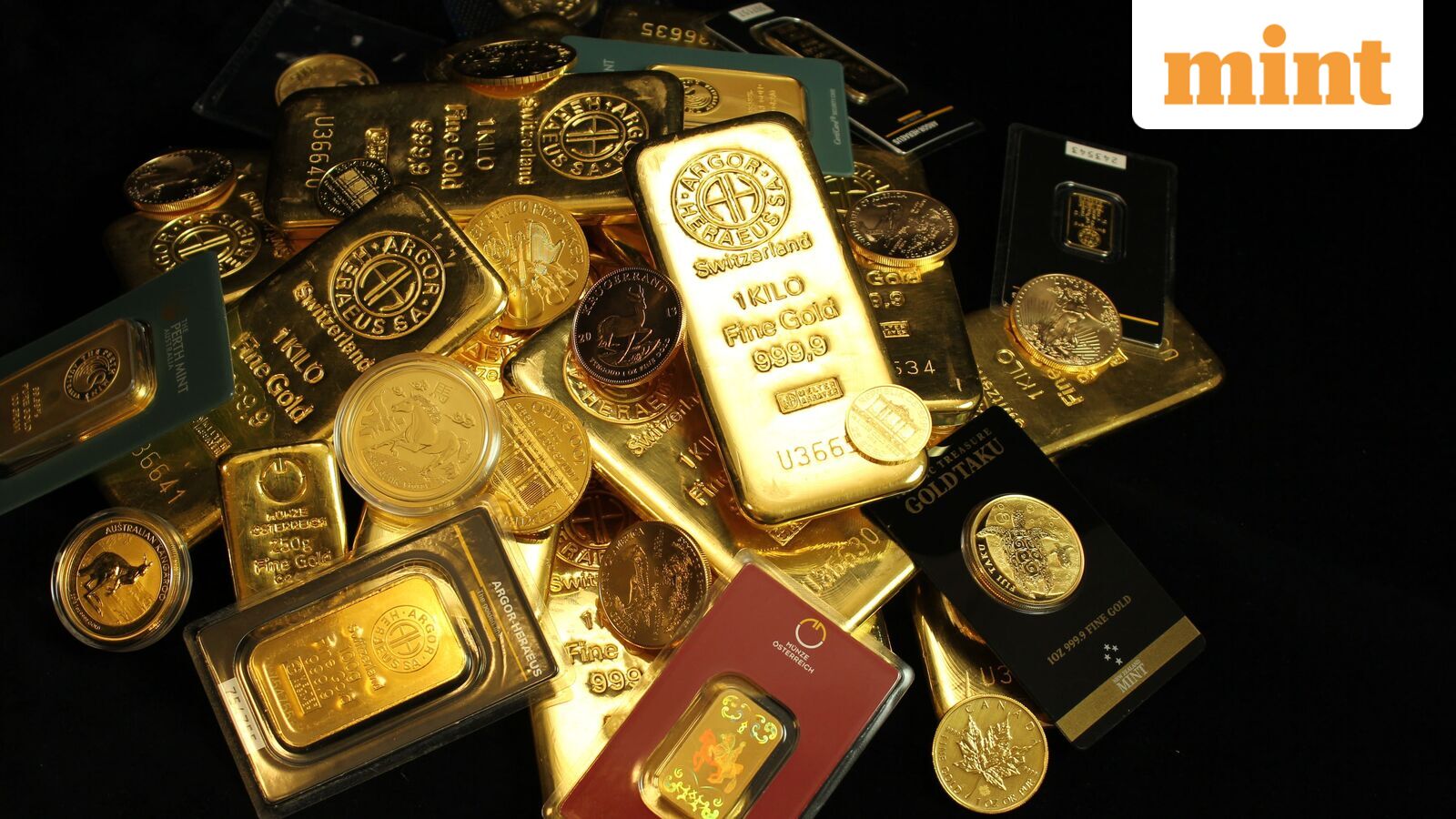
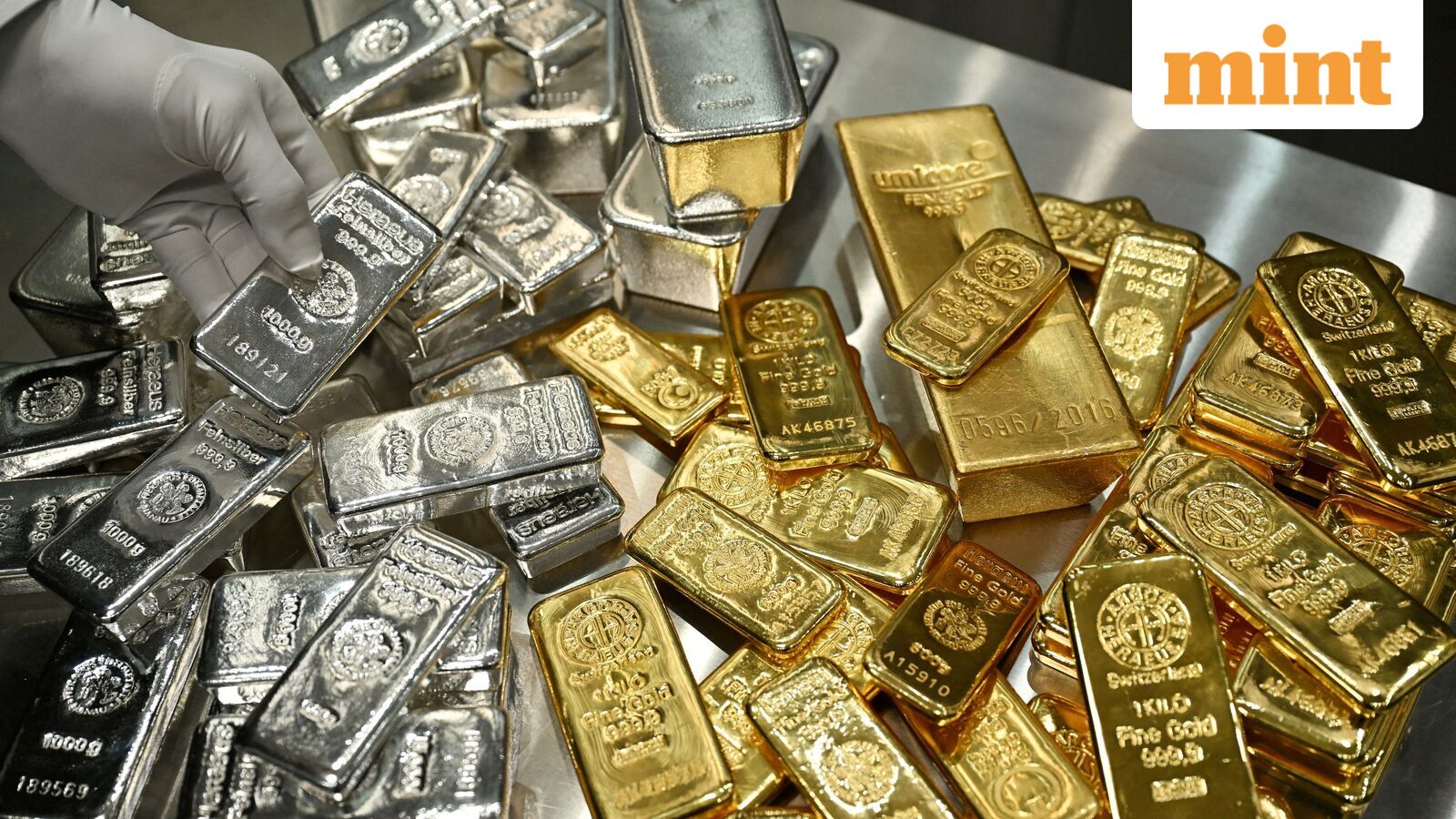
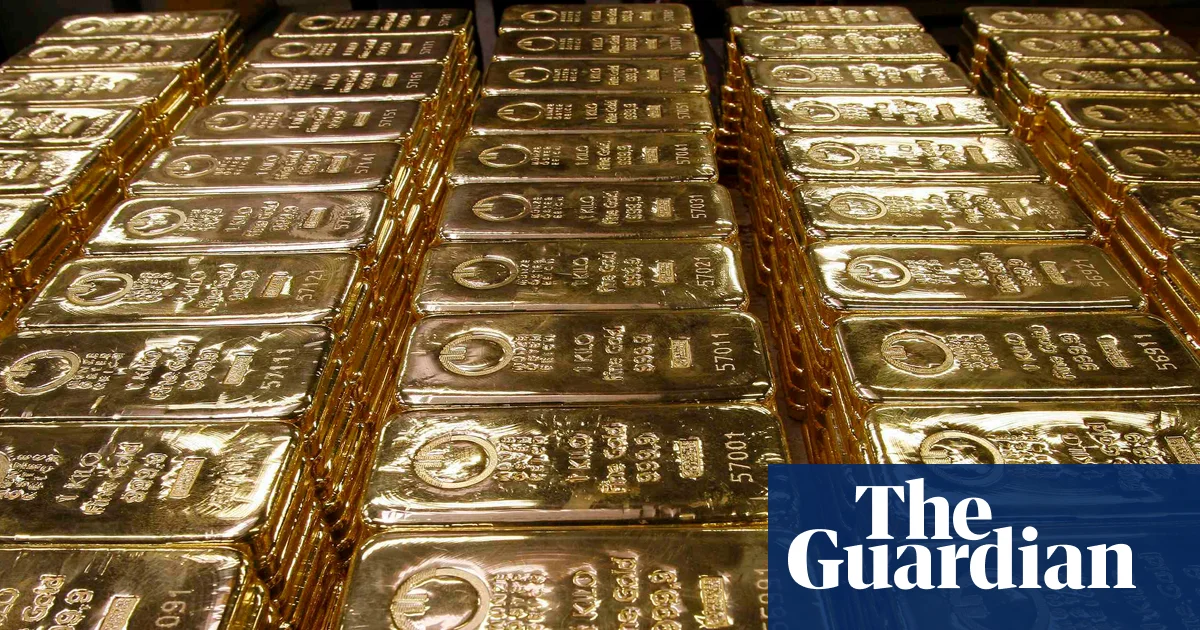
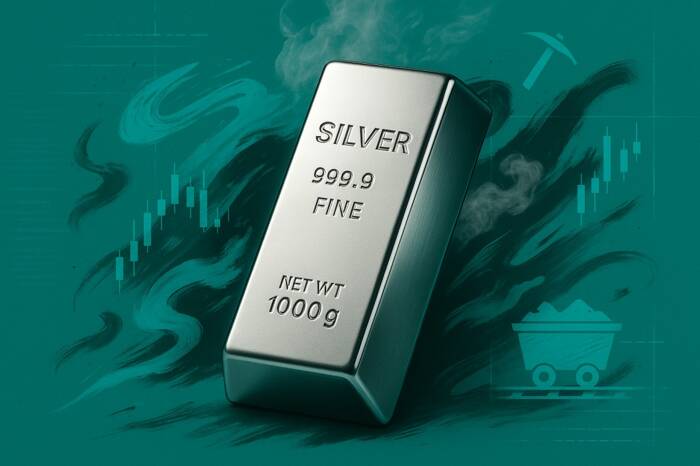
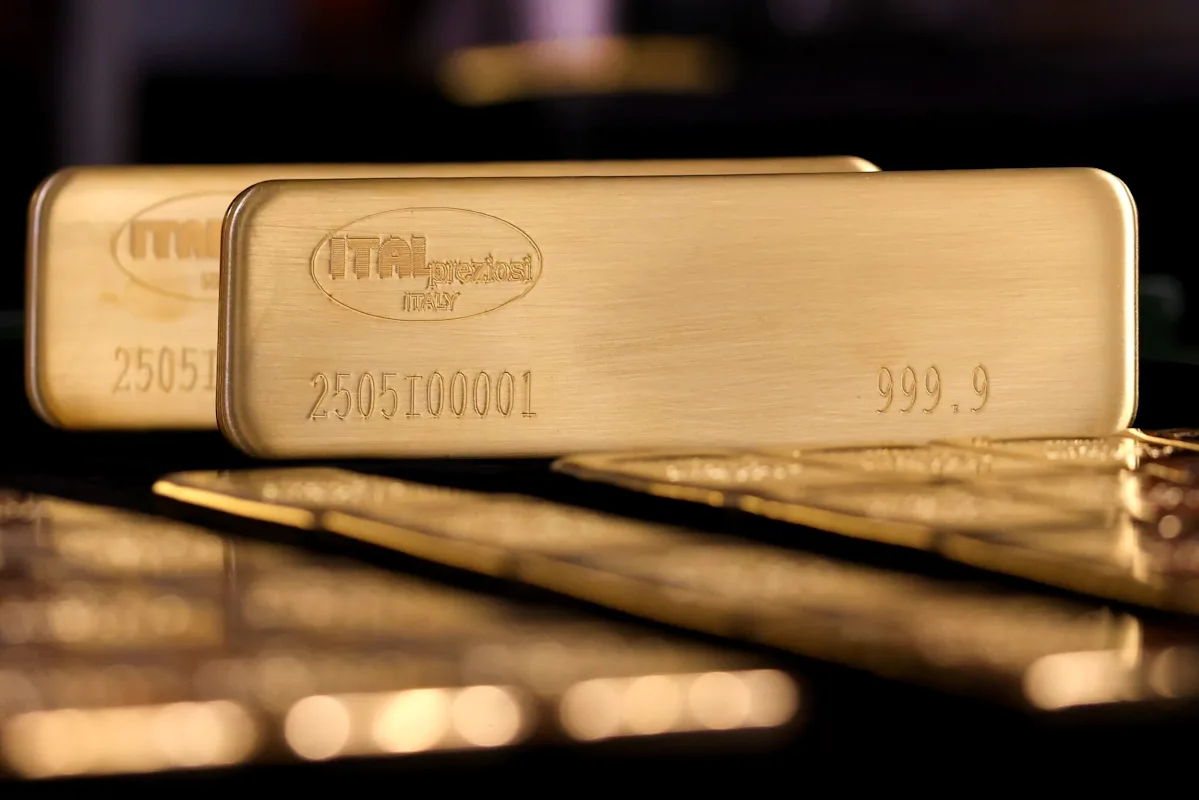
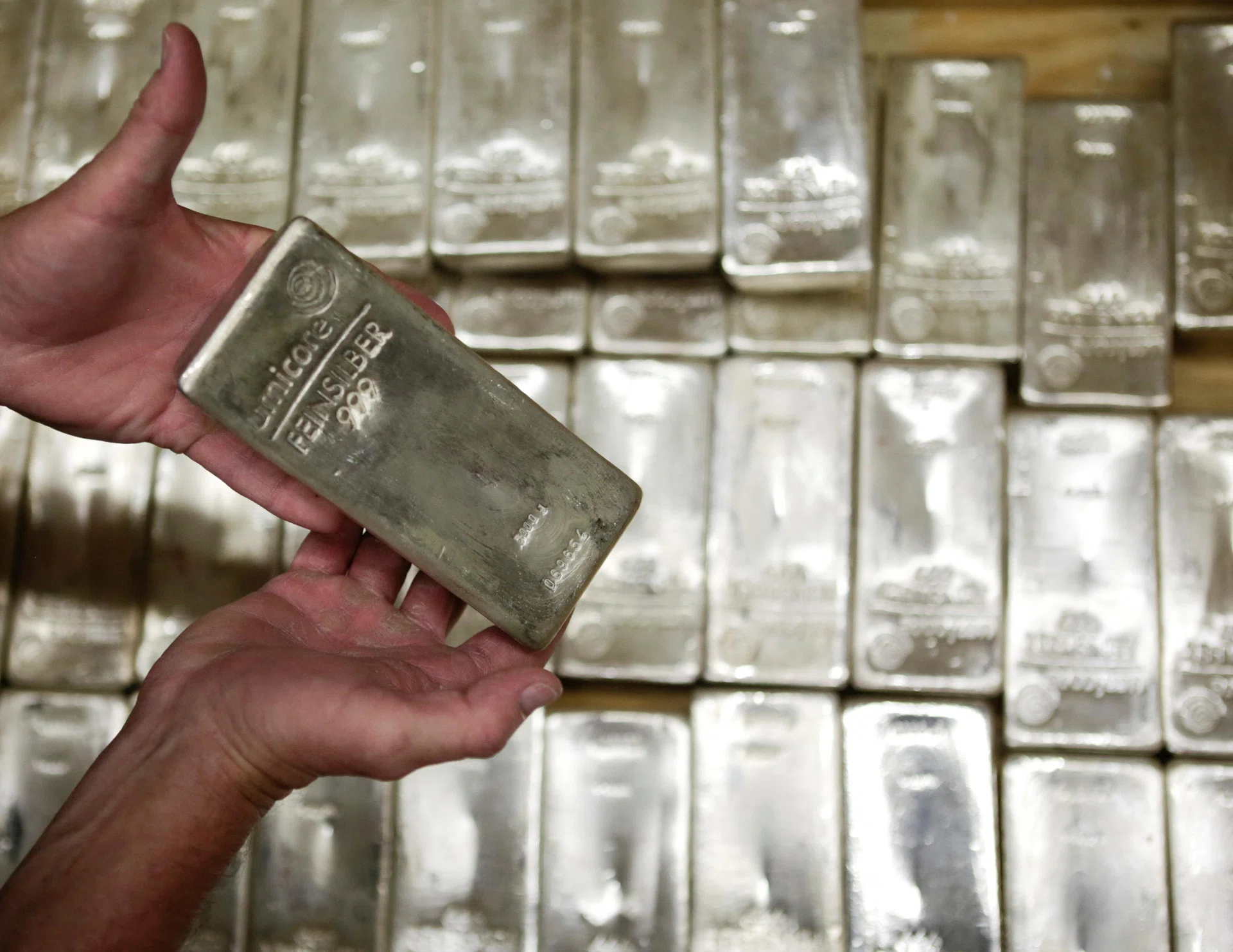
UBS ETRACS Gold Shares Covered Call ETN (NASDAQ:GLDI) owns gold and sells call options against it monthly, passing the premium income to investors. The result is a trailing yield near 20% that stands out in income portfolios. But the mechanics carry structural quirks every investor needs to understand before treating those monthly payments as reliable income.
How GLDI Turns Gold Volatility Into Monthly Income
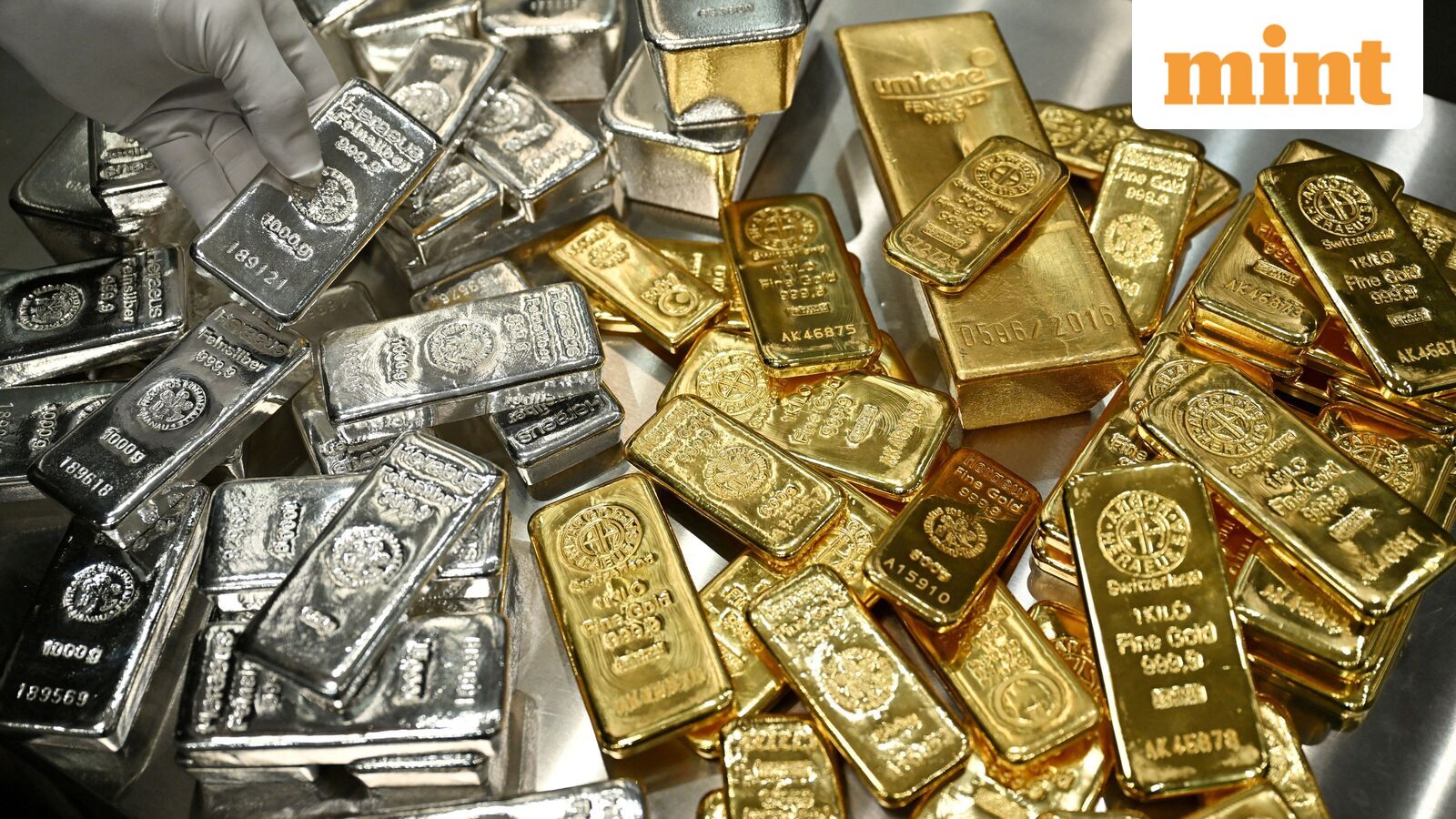
GLDI tracks the NASDAQ Gold FLOWS 103 Index, which runs a covered call strategy on shares of the SPDR Gold Trust (NYSEARCA:GLD). Each month, the index sells call options on GLD at a strike price just above 103% of GLD’s current price. The premium collected is passed to GLDI holders as a monthly variable coupon.
READ: The analyst who called NVIDIA in 2010 just named his top 10 AI stocks
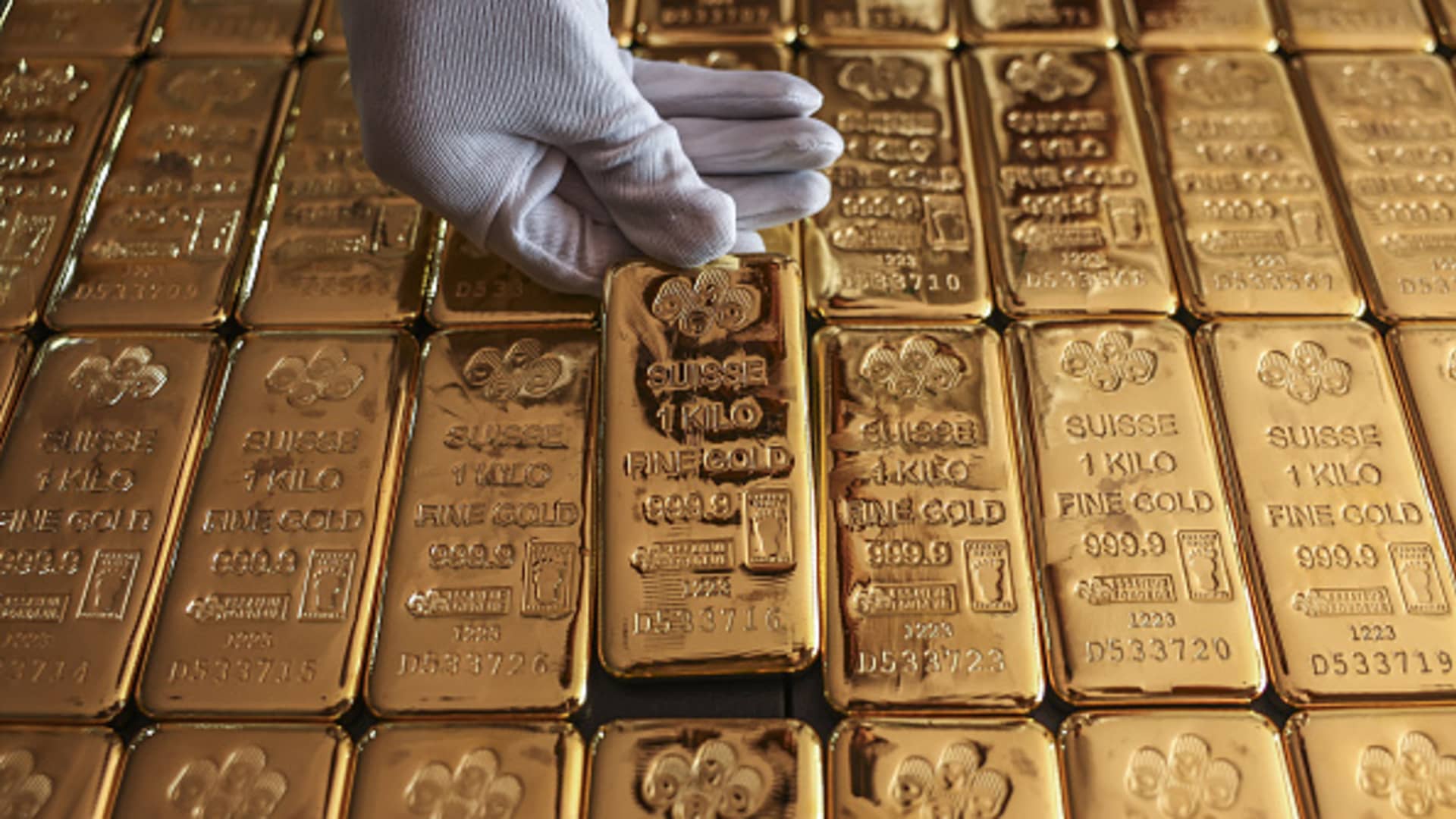
Think of it like renting out gold you own. You collect rent (the option premium), but agree that if gold’s price surges past a certain point, the buyer can purchase your gold at the agreed price and you miss those gains. The strategy generates consistent income in flat or mildly rising gold markets but caps upside when gold rallies hard.
GLDI is an Exchange-Traded Note (ETN), not an ETF. It is a senior, unsecured debt obligation issued by UBS AG, not a fund holding physical gold or GLD shares. Holders are creditors of UBS, meaning any payment on the ETNs is subject to UBS’s ability to pay its obligations as they become due. If UBS faced a severe credit event, GLDI holders would rank with other unsecured creditors, not protected by an underlying asset pool.
The Distribution Is Real, But Wildly Variable
Monthly payment history reveals the volatility-driven nature of GLDI’s income. In March 2025, the distribution was just under $0.90 per share. By February 2026, it had surged to about $4.30, the highest single payment in the ETN’s history. The first three months of 2026 paid out roughly $2.80, $4.30, and $3.50 respectively.
This is not a bond coupon. Income swings with gold price volatility and options premium environment. When gold moves sharply and implied volatility is elevated, premiums are fat. When gold is calm, premiums compress. The lowest single distribution in GLDI’s history was just $0.02 per share, recorded in January 2018. That shows how thin income can get during quiet markets.
Why Current Volatility Matters
The VIX, Wall Street’s measure of expected market volatility, recently peaked near 31 in late March 2026 before settling back to around 19.5. That backdrop is favorable for GLDI’s strategy: the current reading sits at roughly the 68th percentile of the past 12 months, meaning volatility is above its historical median. Higher volatility means richer option premiums and larger monthly payouts.
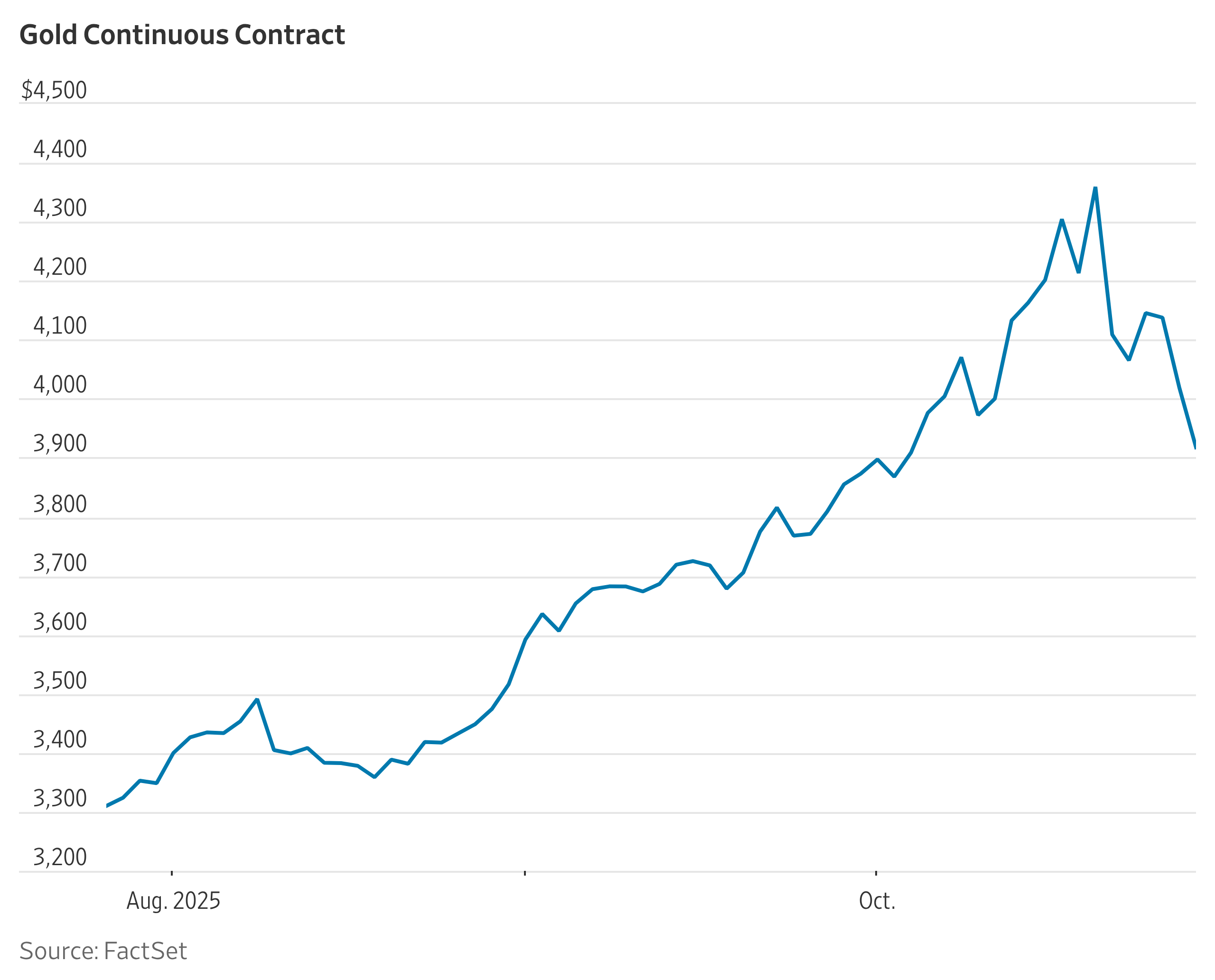
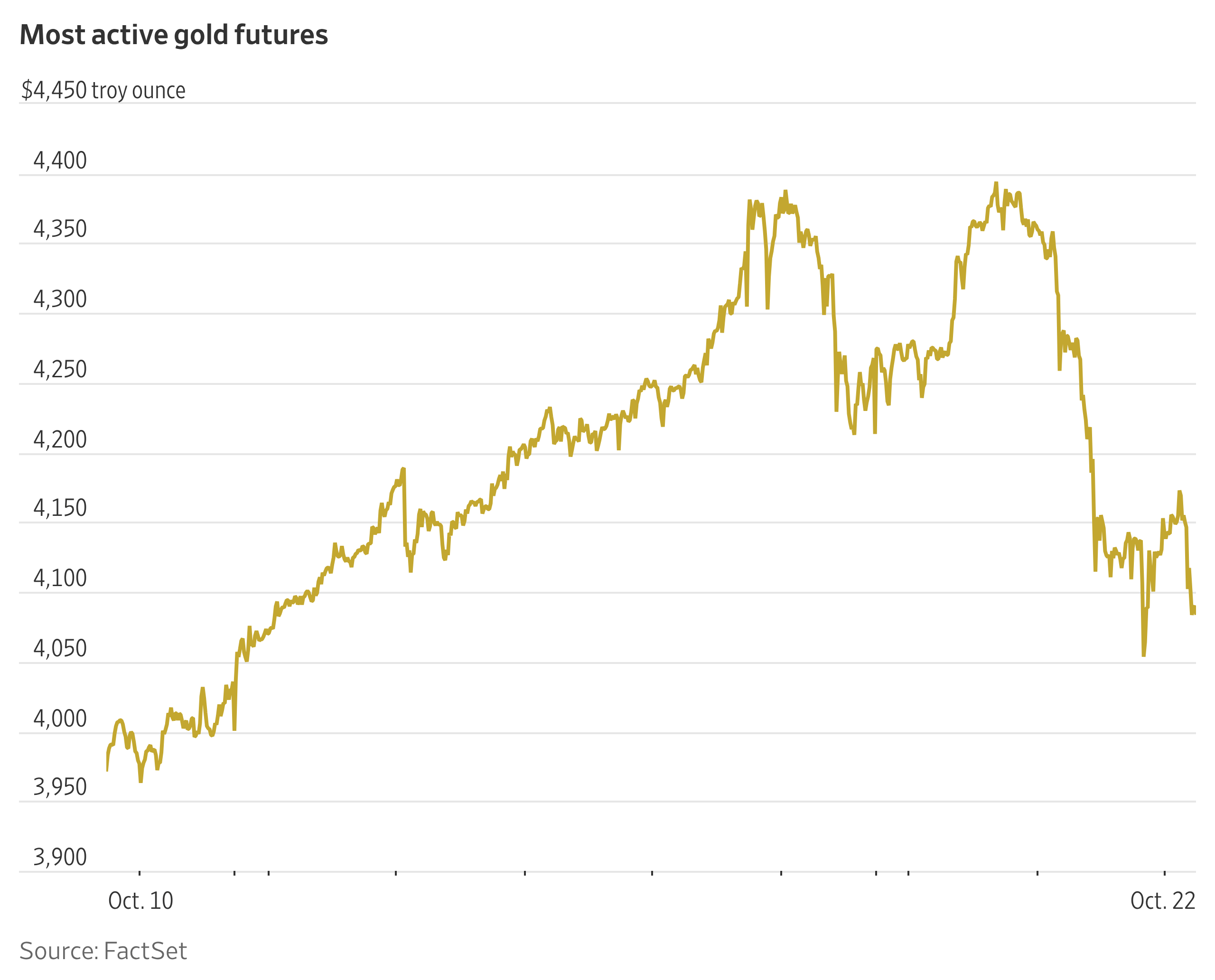
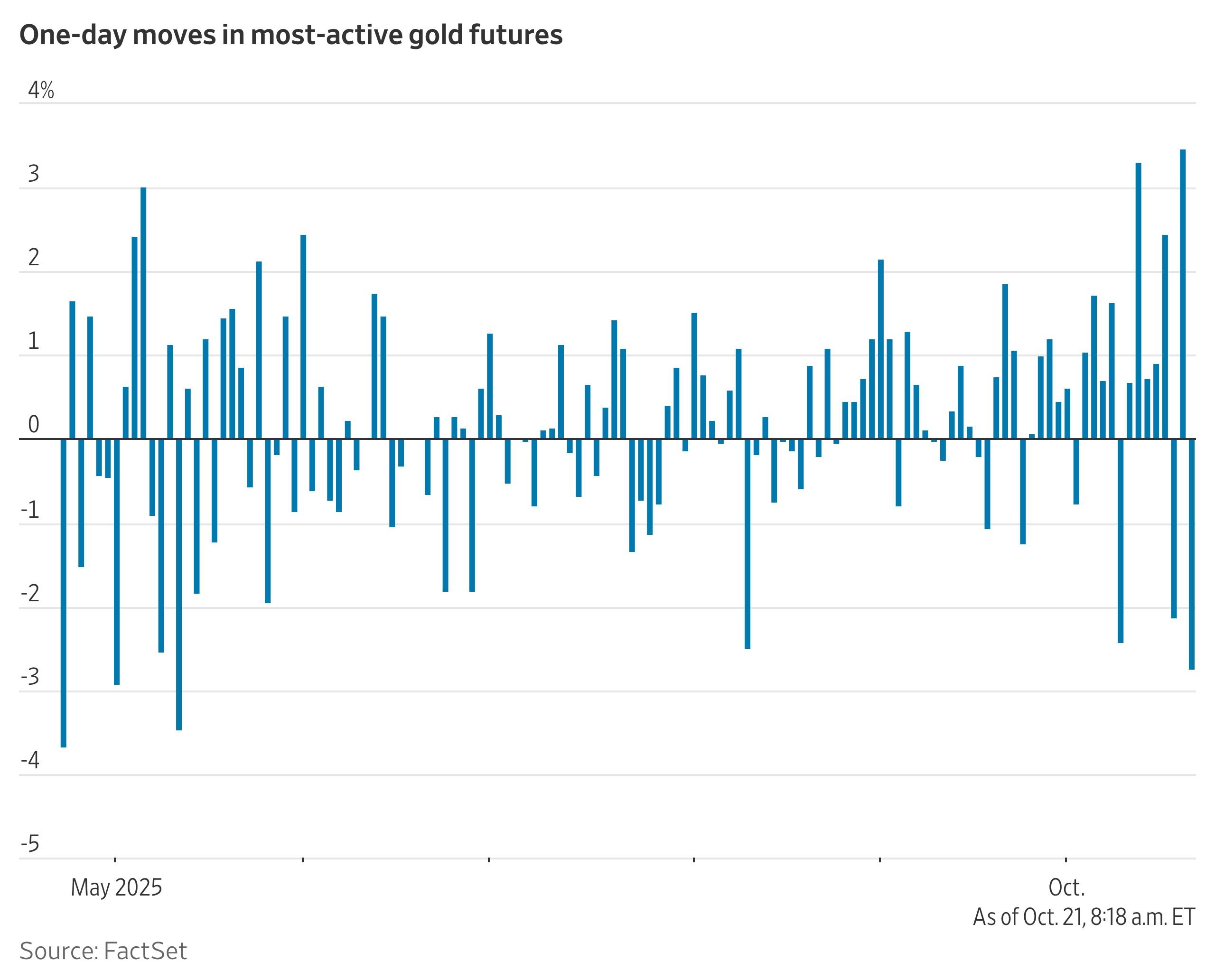
Gold has been volatile. GLD rose about 50% over the past year but pulled back roughly 8% over the most recent month. That pullback from peak levels creates a favorable environment for writing call options: premiums remain elevated from volatility, but gold is no longer rocketing higher in a way that would cause every call to be exercised.
The Capped Upside Trade-Off
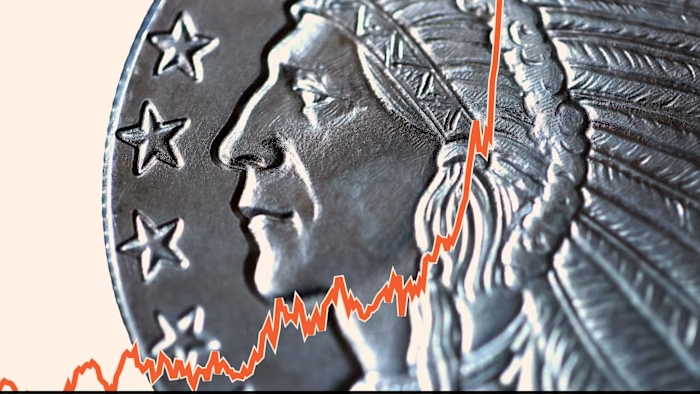
GLDI’s covered call structure means it underperforms gold in a sustained bull market. One analysis noted that gold appreciated roughly 70% over a comparable period while GLDI achieved a yield of nearly 16%, illustrating the gap between income capture and price appreciation. Over five years, GLDI’s price appreciated 82% while GLD gained 168%. Income investors collected monthly payments, but the total return gap is wide.
The 0.7% annual investor fee, plus approximately 0.8% in notional transaction costs built into the index methodology, creates meaningful drag. Total cost of ownership runs closer to 1.5% annually before the early redemption charge that applies when holders sell.
Issuer Risk Is Often Overlooked
Because GLDI is an ETN, distribution safety depends partly on UBS’s financial health. UBS reported Q1 2024 revenue of $12.7 billion and net income of $1.8 billion, with shareholders’ equity of about $85 billion against total assets of $1.6 trillion. UBS carries a G-SIB (Global Systemically Important Bank) designation and faces ongoing integration costs from absorbing Credit Suisse, including $10.9 billion in total litigation provisions. UBS is systemically important, but not risk-free, and GLDI investors carry that credit exposure.
Variable Income, Capped Gains, and Credit Risk: The Full Picture
GLDI’s distributions are sustainable in that the covered call strategy will continue generating premiums as long as GLD options trade actively and UBS remains solvent. What is not sustainable is expecting any particular monthly amount. The income is real but structurally variable, tied directly to gold volatility, and layered with issuer credit risk that a standard ETF does not carry.
Analysts have described GLDI as suitable only for advanced investors, used tactically, and as a small portion of a portfolio. For investors who want gold exposure with income and can accept capped upside and month-to-month payment swings, GLDI delivers. For those expecting steady, predictable income comparable to a dividend stock or bond fund, the volatility in payment history tells a different story.
The analyst who called NVIDIA in 2010 just named his top 10 AI stocks
Wall Street is pouring billions into AI, but most investors are buying the wrong stocks. The analyst who first identified NVIDIA as a buy back in 2010 — before its 28,000% run — has just pinpointed 10 new AI companies he believes could deliver outsized returns from here. One dominates a $100 billion equipment market. Another is solving the single biggest bottleneck holding back AI data centers. A third is a pure-play on an optical networking market set to quadruple. Most investors haven’t heard of half these names. Get the free list of all 10 stocks here.