The market fell sharply by more than 2 percent during the week ended September 11, extending its losing streak to five consecutive weeks. Crude oil prices sustaining above $100 a barrel amid continued hostilities and retaliatory actions in West Asia, fears of monetary tightening by the US Federal Reserve and Bank of Japan, rising bond yields, a depreciating rupee, and sustained FII outflows weighed on investor sentiment throughout the week.
Going ahead, in the holiday-shortened week starting September 14, the market is expected to remain under pressure, with investors focusing on oil prices, geopolitical tensions in West Asia, bond yields, and key events such as the FOMC meeting, the Bank of Japan’s policy meeting, India’s inflation data, and the NSE IPO, according to experts.
The Nifty 50 plunged 500 points, or 2.09 percent, during the week to close at 23,398, while the BSE Sensex fell 1,734 points, or 2.27 percent, to 74,782. The broader markets fared relatively better than the benchmarks, with the Nifty Midcap 100 and Smallcap 100 indices declining 1.4 percent and 0.94 percent, respectively.
“Indian equities are likely to remain under pressure. Brent crude has crossed the $100 a barrel mark, with intensifying West Asian tensions raising concerns over supply disruptions. Rising crude prices have pushed global bond yields higher, with the US 10-year Treasury yield approaching 5 percent, increasing pressure on equity valuations and raising expectations of a more hawkish Fed stance,” said Siddhartha Khemka, Head of Research, Wealth Management, Motilal Oswal Financial Services.
Vinod Nair, Head of Research at Geojit Investments, also said that rising global bond yields, together with concerns over a potential unwind of yen-funded carry trades amid expectations of a BOJ rate hike and a stronger yen, weighed on investor risk appetite and heightened concerns over capital flows into emerging markets.
Investors will focus next week on India’s August CPI and WPI inflation, the US Fed policy decision next week, US retail sales and industrial production, with crude prices, the rupee and global yields remaining key market monitorable, Siddhartha Khemka said.
According to Vinod Nair, elevated energy prices sustained foreign outflows and geopolitical uncertainty will keep volatility high. However, resilient domestic fundamentals and strong institutional support could continue to attract buying at lower levels and contain the downside.
The near-term task is to book partial profits where valuations are stretched and systematic risk exposure is highest and redeploy into defensive and deep-value segments, he advised.
However, any moderation in policy expectations or signs of de-escalation in West Asia could provide relief to equities, said Kaynat Chainwala of Kotak Securities.
The market will remain shut on September 14 for Ganesh Chaturthi.
Here are 10 key factors to watch:
1) FOMC Meet
Globally, market participants across asset classes will focus on policy meetings of major central banks, including the US Federal Reserve, the Bank of England, and the Bank of Japan. Among these, the key focus will be on the outcome of the US Federal Open Market Committee (FOMC) meeting due on September 16, as several economists see the possibility of a 25-bps rate hike. The probability of a rate hike has increased to nearly 90 percent, particularly after the latest inflation data showed headline CPI at 3.4 percent YoY in August, unchanged from July, while core CPI rose 0.3 percent MoM, compared with 0.2 percent in July. Experts believe the data offers limited evidence of a decisive return to disinflation and could reinforce expectations of a hawkish Fed. Headline inflation also remained above the Fed’s 2 percent target.
This is also a projections meeting, giving policymakers an opportunity to signal their expected policy path beyond September through the updated dot plot and economic forecasts, rather than through the rate decision alone, experts said.
The Bank of England will announce its interest rate decision on Thursday, followed by the Bank of Japan on Friday. The former is expected to keep its benchmark interest rate unchanged at 3.75 percent, while the latter is likely to raise its benchmark interest rate by 25 bps to 1 percent, according to most economists.
“BOJ hike in particular would carry implications beyond Japan, as further yen strength could compound dollar weakness alongside whatever the Fed decides,” Kaynat Chainwala of Kotak Securities said.
2) Global Economic Data
Beyond the central bank meetings, weekly jobless claims, monthly retail sales, and industrial production data from the United States will also be closely watched.
Further, China’s industrial production and retail sales figures will offer additional cues on the health of the Chinese economy. Meanwhile, Japan’s inflation and industrial production data, along with inflation and wage growth figures from Europe, will also be released next week.
3) West Asia Conflict and Oil Prices
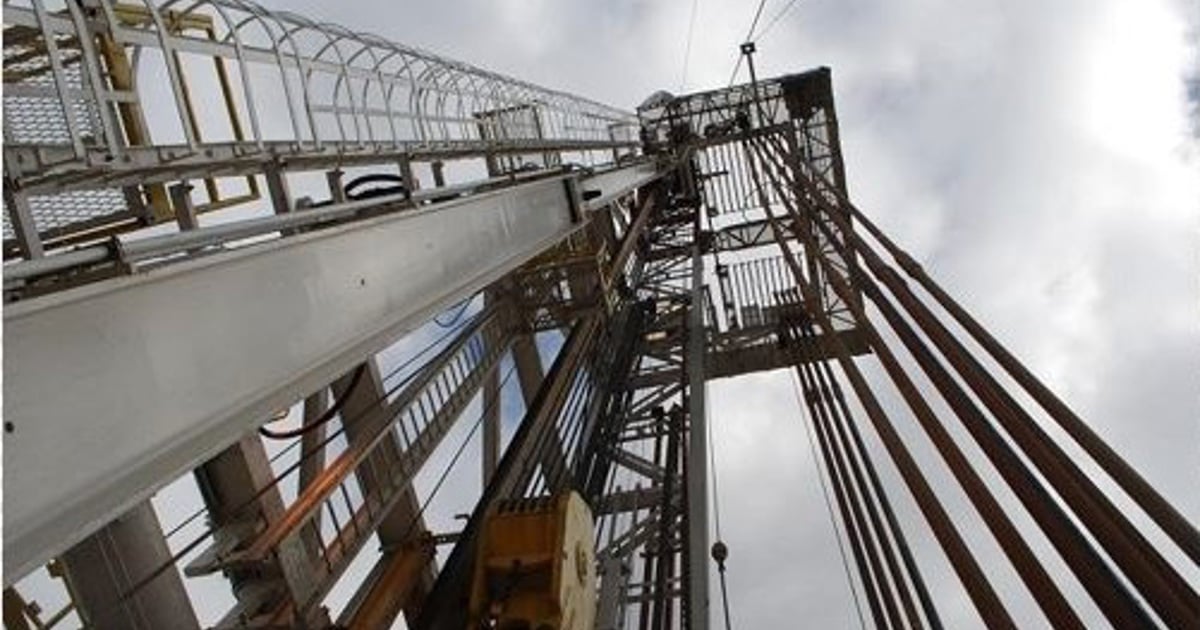
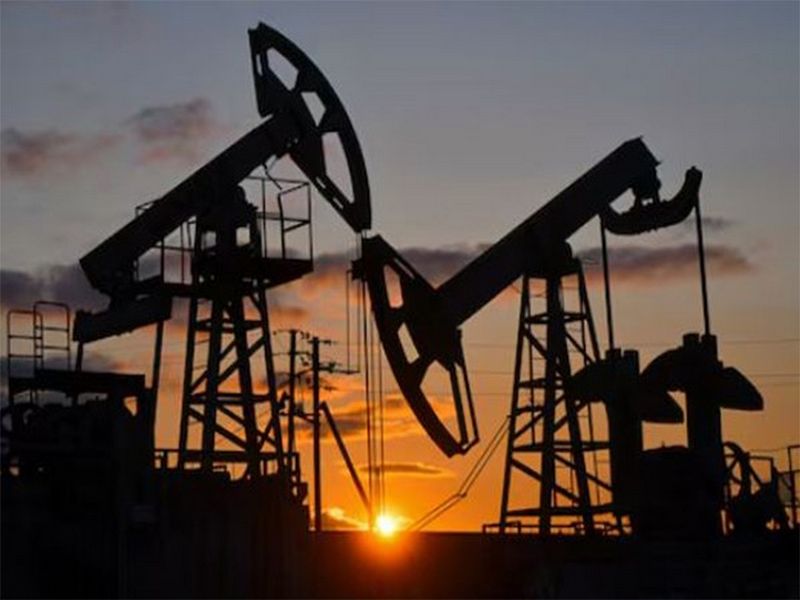
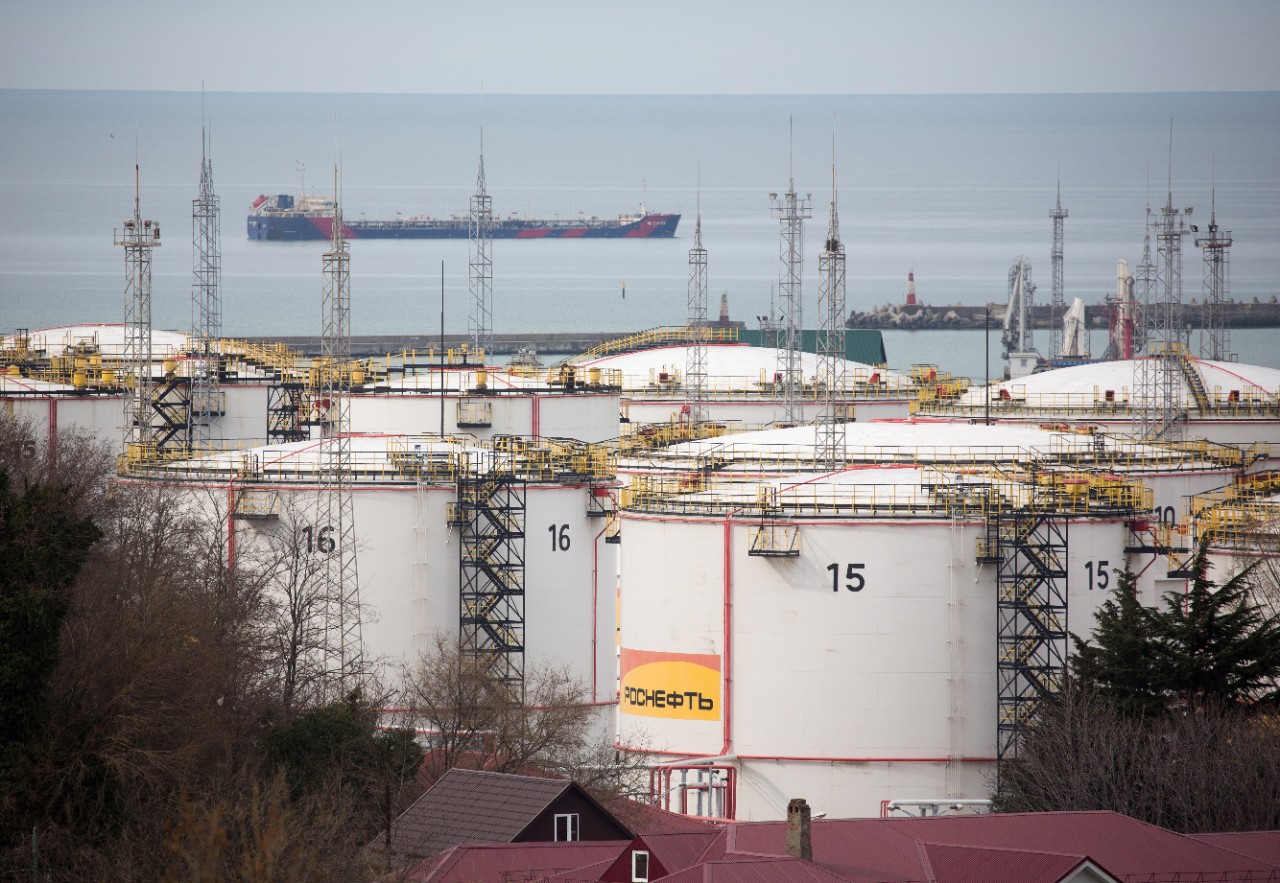
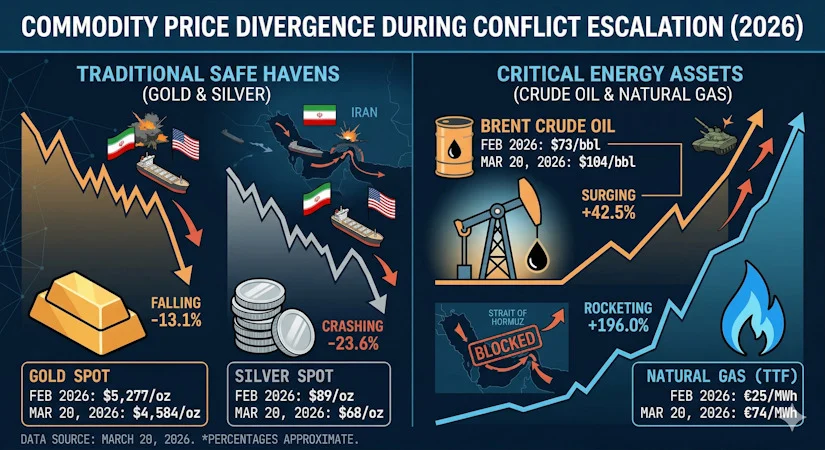
Apart from central bank meetings and inflation data, the most important global factor to watch will be oil prices, which surpassed $100 a barrel last week amid fears of a prolonged Iran war, now in its seventh month, and instability in the Strait of Hormuz, through which around 20 percent of global oil supplies transit. This is particularly significant for net oil-importing countries such as India, as well as sectors that are directly or indirectly linked to the commodity.
Brent crude oil futures, the international benchmark, climbed to as high as $108 a barrel before closing 8.65 percent higher on the week at $104.61 a barrel, its highest level since May.
With vessel traffic through the Strait of Hormuz reduced to roughly five to 10 ships a day and global inventories already low, the market has little buffer against further disruption. With Trump signalling that the conflict is unlikely to de-escalate before the November midterms, the risk premium is likely to remain embedded in oil prices, said Kaynat Chainwala of Kotak Securities.
4) India Inflation
Back home, market participants will focus on the CPI and WPI inflation data for August, due on September 14. The inflation figures are among the key factors considered by the RBI when making its monetary policy decisions. Most economists expect both readings to rise from July’s levels of 4.45 percent and 9.78 percent, respectively.
Further, the unemployment rate, balance of trade, and passenger vehicle sales data for August will be released on September 15. This will be followed by bank credit and deposit growth data for the fortnight ended August 30, along with foreign exchange reserves for the week ended September 11, which are due on September 18.
5) FII Flow
The trend in foreign institutional investor (FII) flows will also be closely watched, as they have been net sellers in recent weeks, particularly amid rising oil prices due to geopolitical tensions in the Middle East and rising bond yields. These factors are expected to remain key areas of focus going forward. FIIs remained net sellers to the tune of Rs 1,795 crore for the week ended September 11, although the outflow was significantly lower than the nearly Rs 8,000 crore recorded in the previous week. For the month so far, however, they remained net buyers, with purchases of around Rs 580 crore.
On the contrary, domestic institutional investors (DIIs) maintained their strong buying interest in equities, purchasing shares worth over Rs 6,400 crore during the week gone by. This took their total net purchases for the month to nearly Rs 25,000 crore.
“If the US 10-year yield inches up to 5%, there can be a sharp correction in equity markets globally. In such a scenario, FPIs may turn sellers and move money into high-yielding bonds,” said V K Vijayakumar, Chief Investment Strategist at Geojit Investments.
Meanwhile, the US 10-year Treasury yield ended at 4.969% on Friday, its highest closing level since July 2007, around the period of the Global Financial Crisis. It rose 3.87% during the week. The US 30-year Treasury yield also increased 2.14% to 5.356%, its highest closing level since June 2004.
Back home, the Indian 10-year bond yield jumped 0.86% during the week to 7.021%, its highest level since May 2026. The rupee, meanwhile, weakened 1.12% to 95.54 against the US dollar, after strengthening for the previous two weeks.
6) NSE IPO
The primary market is set to have a busy schedule in the coming week, despite the bearish sentiment prevailing in the equity markets. IPOs worth nearly Rs 24,600 crore will open for public subscription, including the much-awaited Rs 22,561.6-crore public issue of the country’s largest stock exchange, National Stock Exchange of India (NSE). The issue is scheduled to open on September 17 and close on September 21, with a price band of Rs 1,700-1,785 per share.
Apart from NSE, textile products manufacturer Sonaselection India’s Rs 142-crore public issue will also open on September 17. Meanwhile, automobile parts maker Hero Motors’ Rs 1,000-crore IPO, mobile retail chain SS Retail’s Rs 500-crore issue, and steel pipes and tubes maker Jindal Supreme India’s Rs 125-crore offer will open on September 16.
In the SME segment, the total fundraising is expected to amount to Rs 246.26 crore. Vama Wovenfab, Quanto Agroworld and Shakti Polytarp will open their IPOs on September 15, followed by Kheria Autocomp and SpectraA Technology Solutions on September 17, and Axiom Gas Engineering on September 18.
Veegaland Developers, Manika Plastech, Raksan Transformers, Maharaja & Speedex India, Om Galaxy, Panchatv Bharat, Injecto Polymers and Century Business Media, which opened their IPOs last week, will close their public issues on September 15-16.
The listing schedule is also expected to remain busy next week, with 19 new companies — Pranav Constructions, Kanohar Electricals, Prasol Chemicals, Glass Wall Systems, Rentomojo, Arcil, Karamtara Engineering, LCC Projects, Manipal Payment & Identity Solutions, Steamhouse India, Veegaland Developers, Apana Logistics, Infrax Renewable, Amtech Esters, Vinod Texworld, Maharaja & Speedex India, Raksan Transformers, Panchatv Bharat and Om Galaxy — set to begin trading on the bourses.
7) Technical View
Technically, the Nifty 50 remained under the control of the bears, with the index trading well below its 20-, 50-, and 100-week EMAs. The RSI also fell to 40, accompanied by a negative crossover, indicating continued weakness. For the coming week, the 23,100–23,000 zone is expected to act as a crucial support area for the index. A break below this zone could pave the way for further selling pressure. On the upside, the 23,500–23,600 zone is likely to act as an immediate hurdle. A sustained move above this range could increase the possibility of the index inching towards the 23,900–24,000 levels.
8) F&O Cues
The weekly options data indicates that the Nifty 50 is likely to remain in the 23,000–23,800 range in the coming days. The maximum Call open interest is concentrated at the 23,800 and 23,700 strikes, making this a critical resistance zone. This is followed by the 23,500 strike, which has the next-highest Call open interest and is likely to act as an immediate resistance. On the Put side, the 23,300 strike holds the maximum Put open interest and is expected to provide immediate support to the index. This is followed by the 23,000 strike, which has the next-highest Put open interest and is likely to act as a key support zone amid the prevailing weakness.
9) India VIX
Meanwhile, the India VIX, the volatility index, spiked 15.03 percent during the week to 12.285, its highest closing level since July, signalling some caution among the bulls. Any sustained move above the 13-14 levels could further increase discomfort for the bulls.
10) Corporate Action
Here are key corporate actions taking place next week:
Disclaimer: The views and investment tips expressed by experts on Moneycontrol are their own and not those of the website or its management. Moneycontrol advises users to check with certified experts before taking any investment decisions.