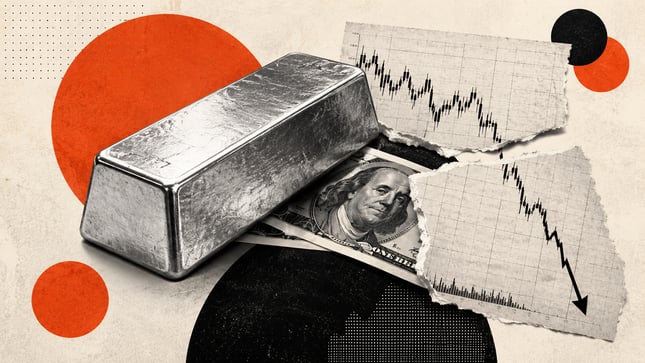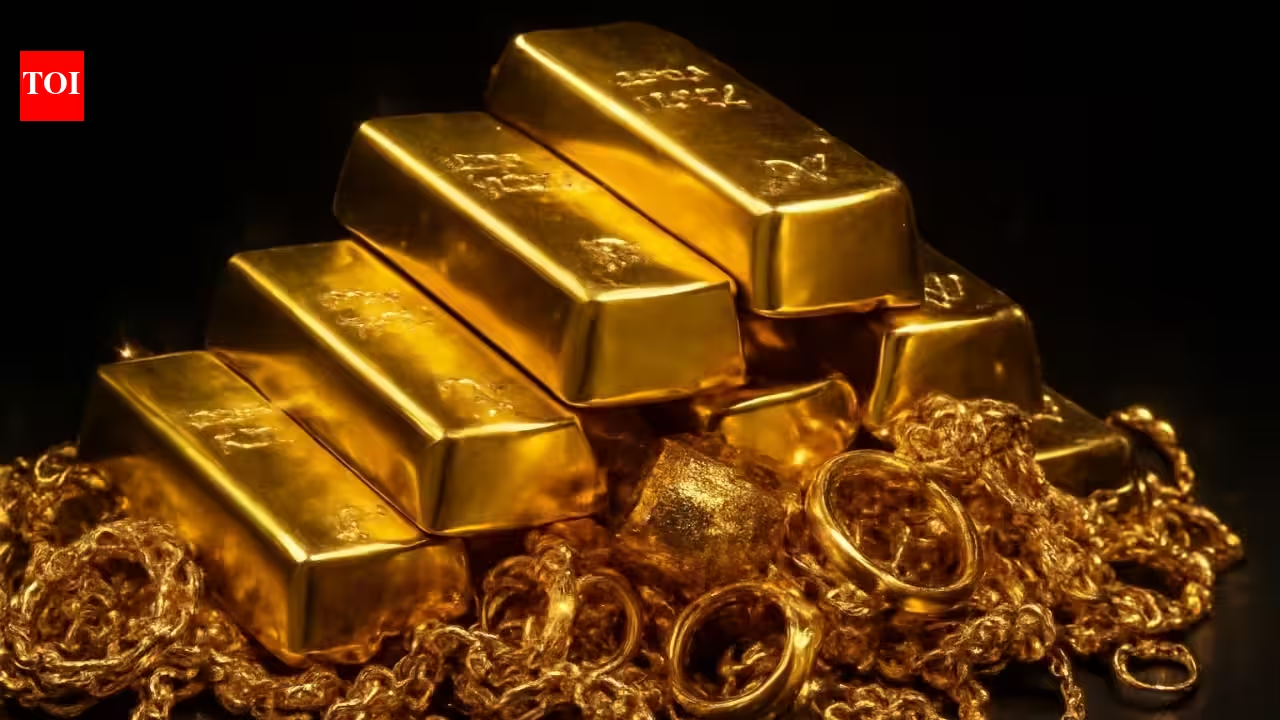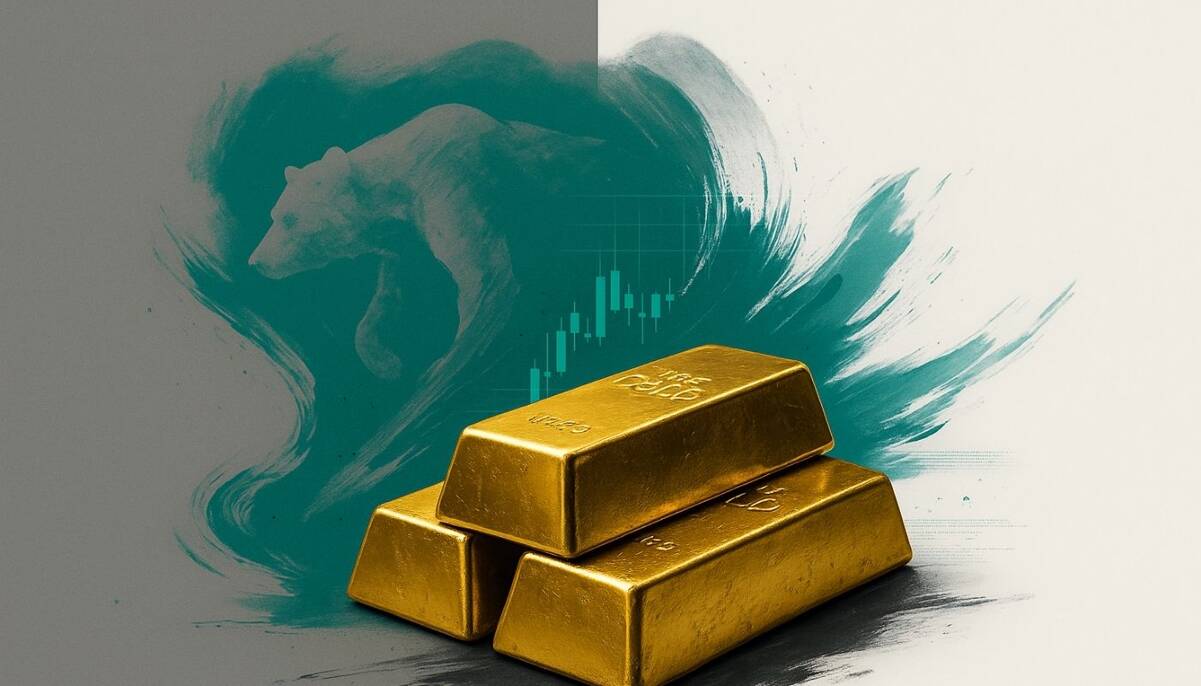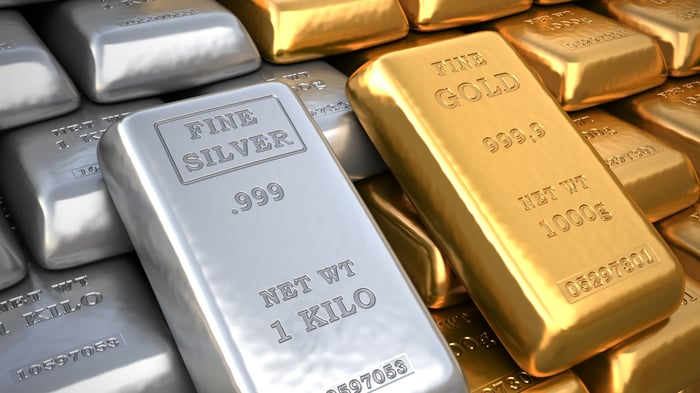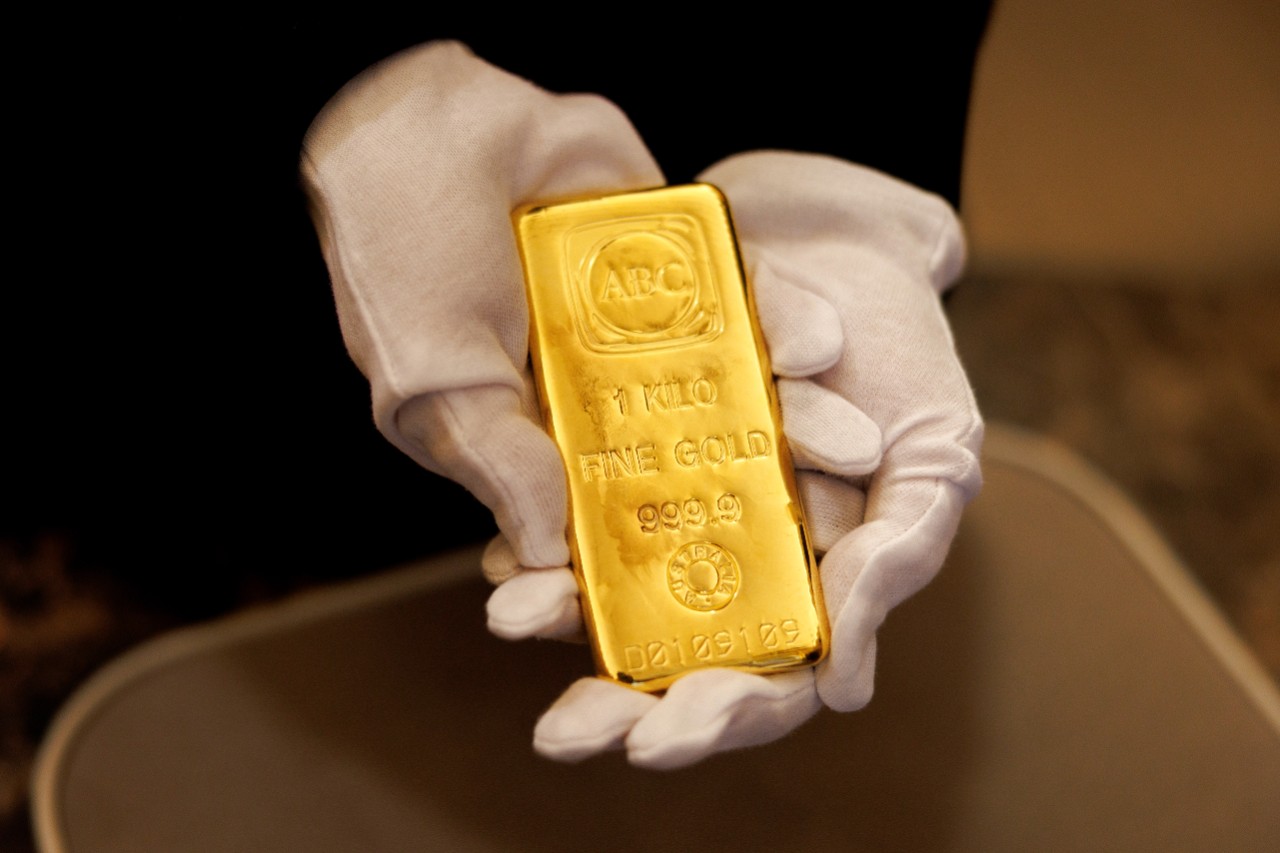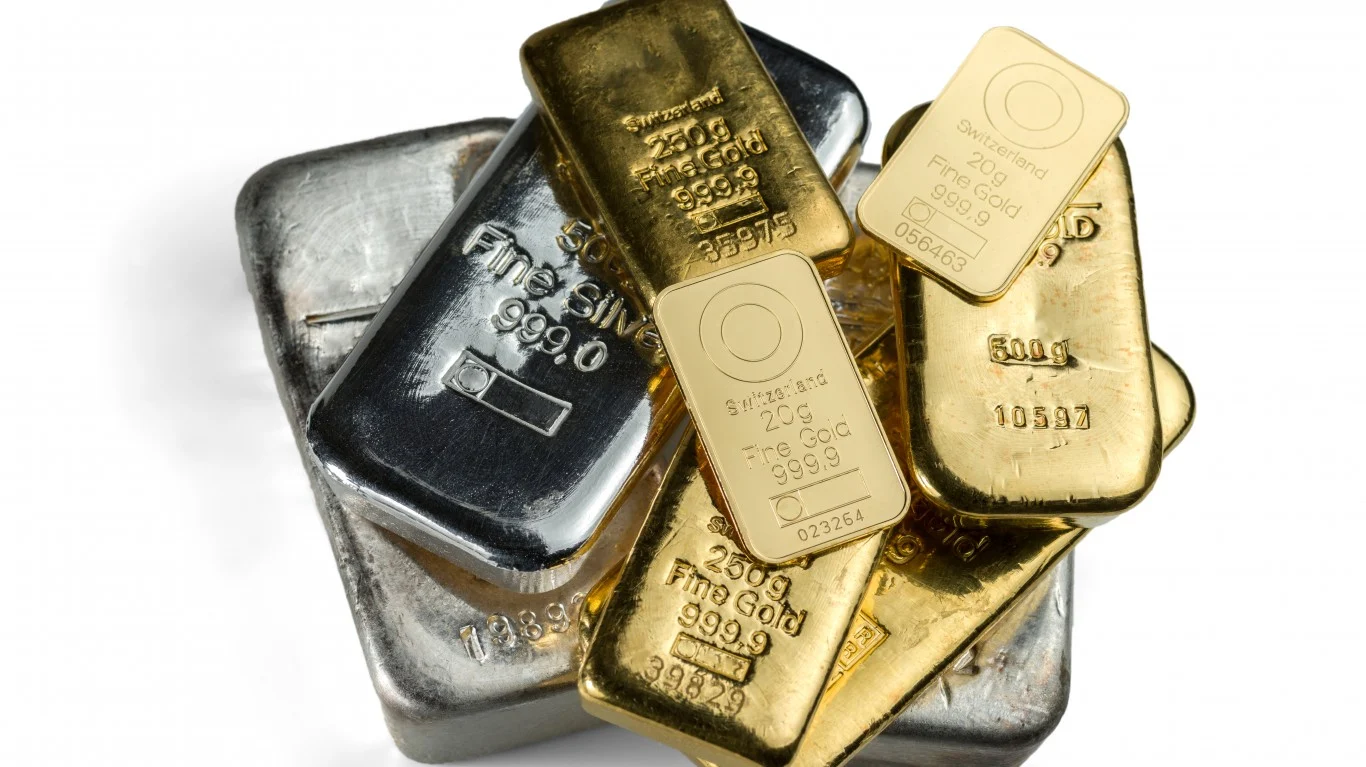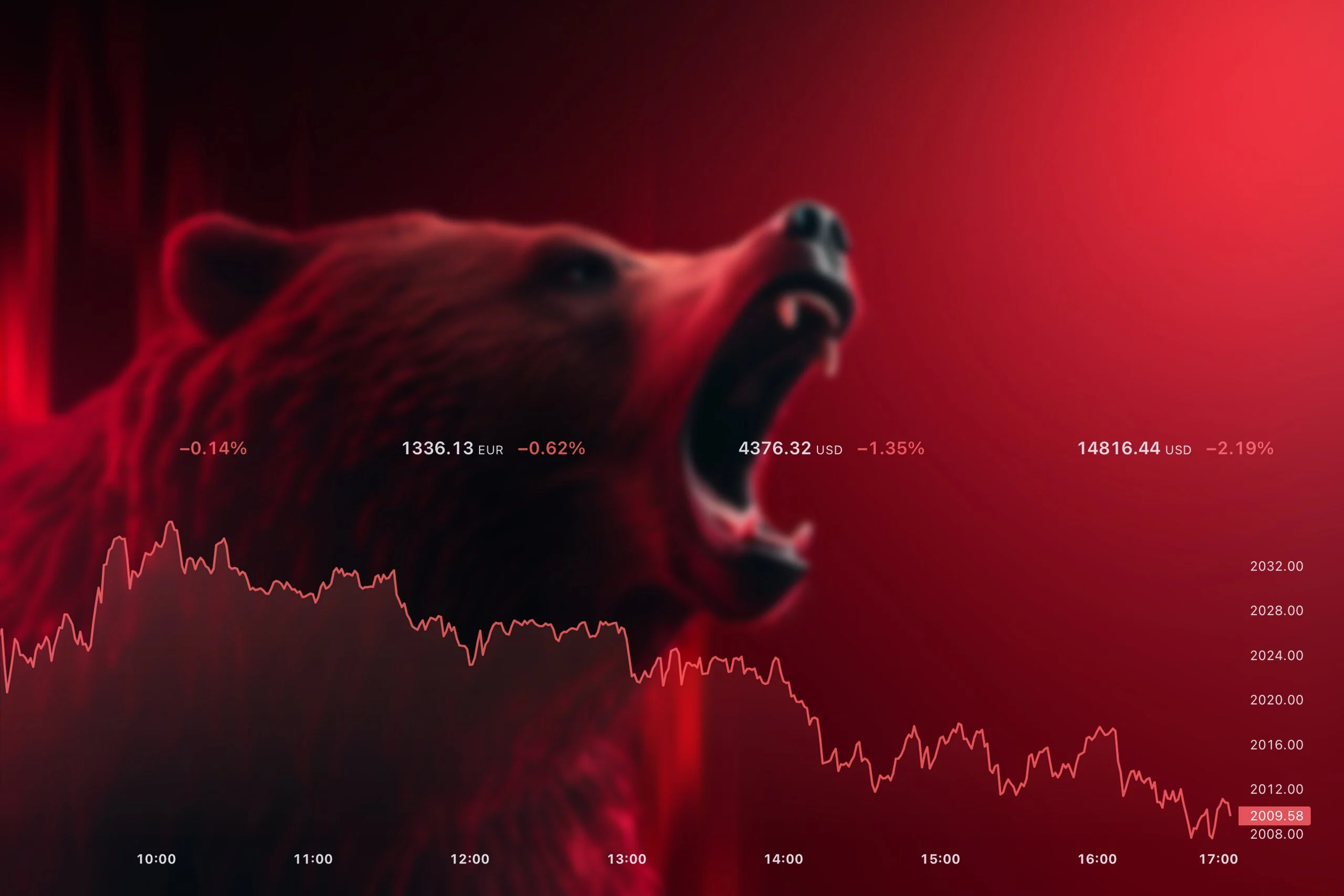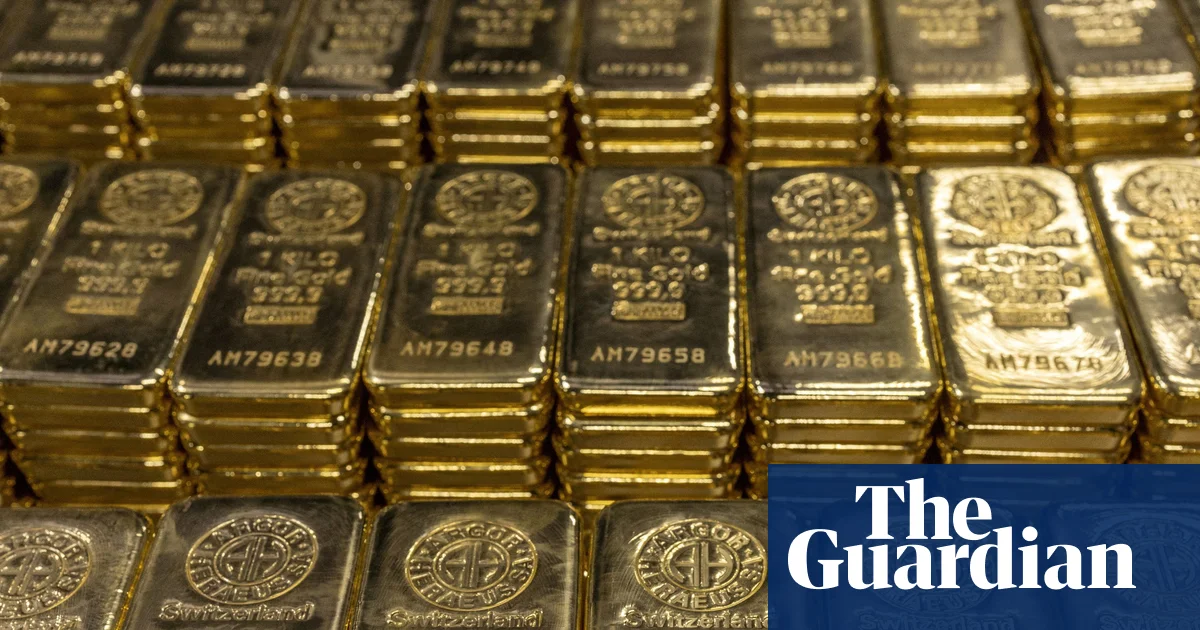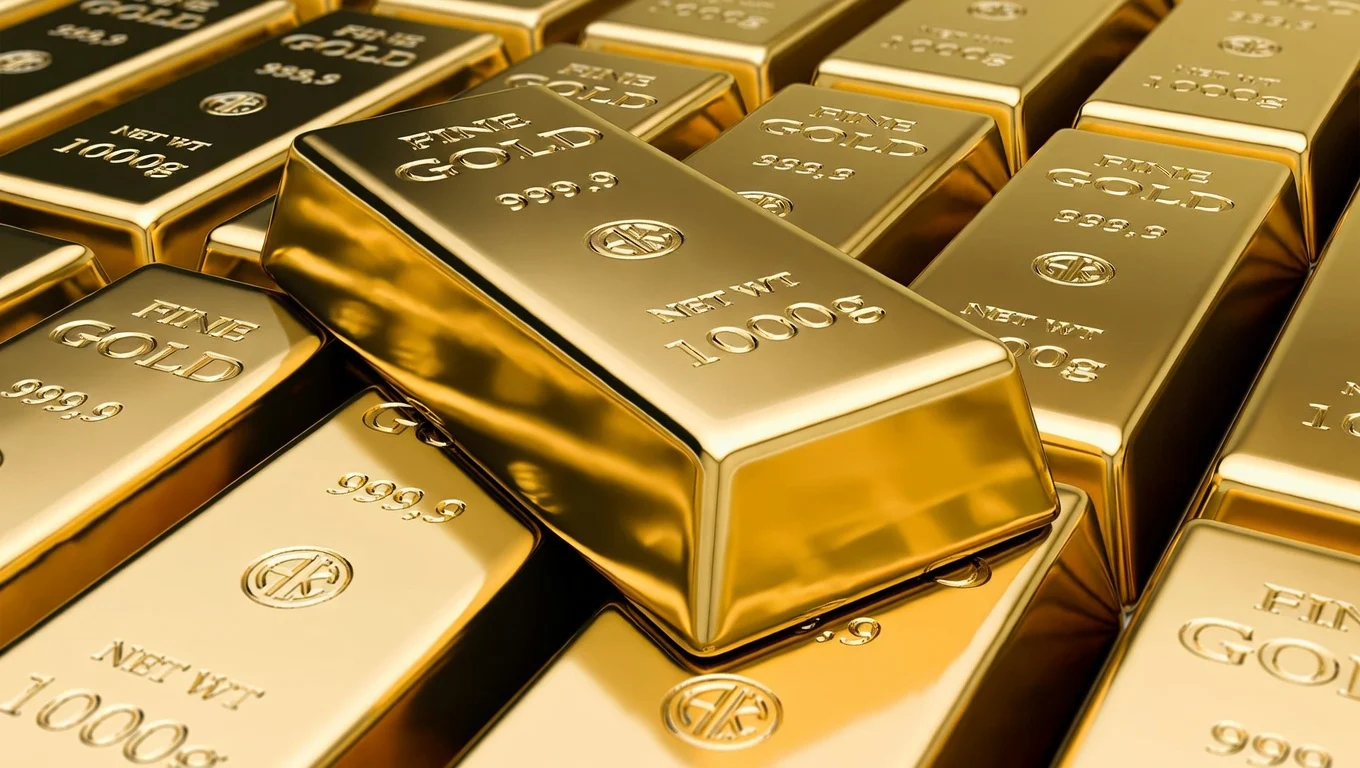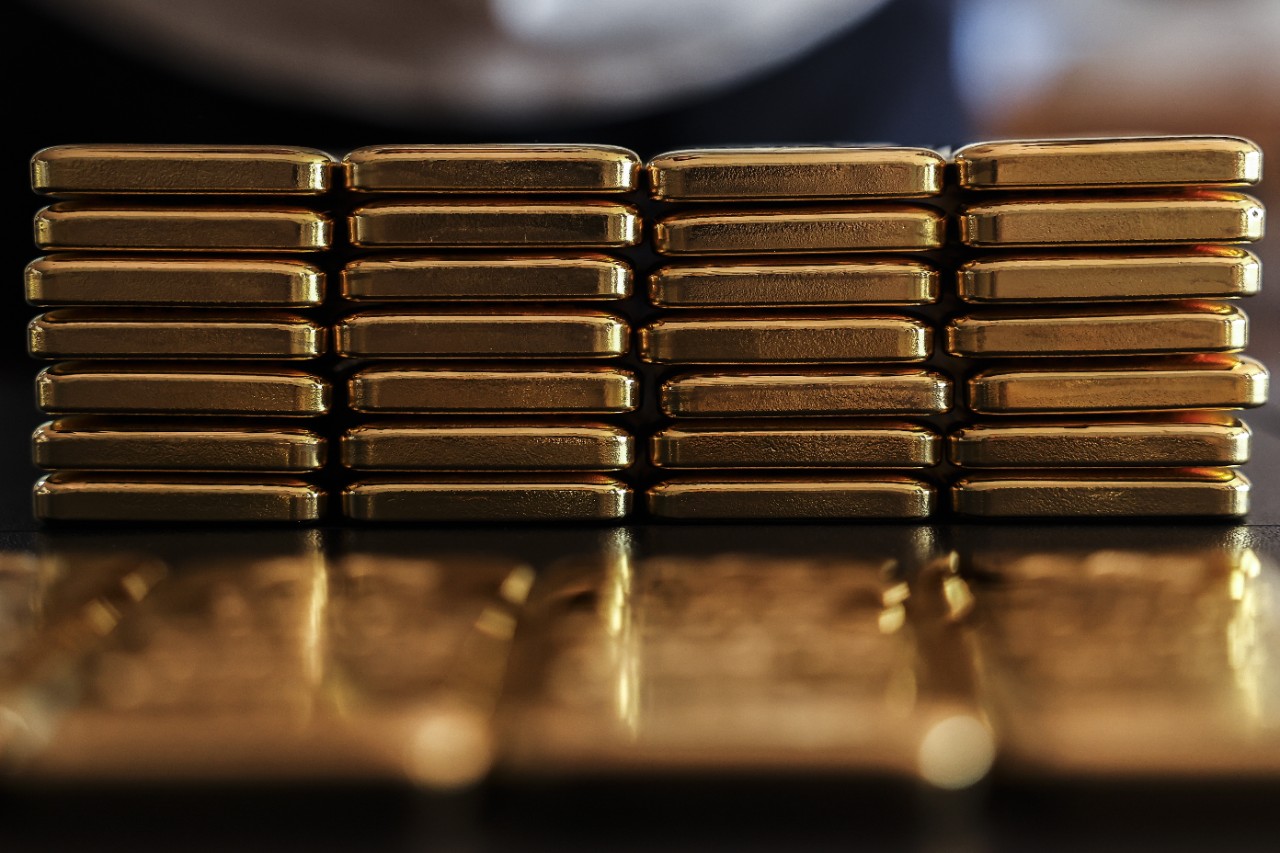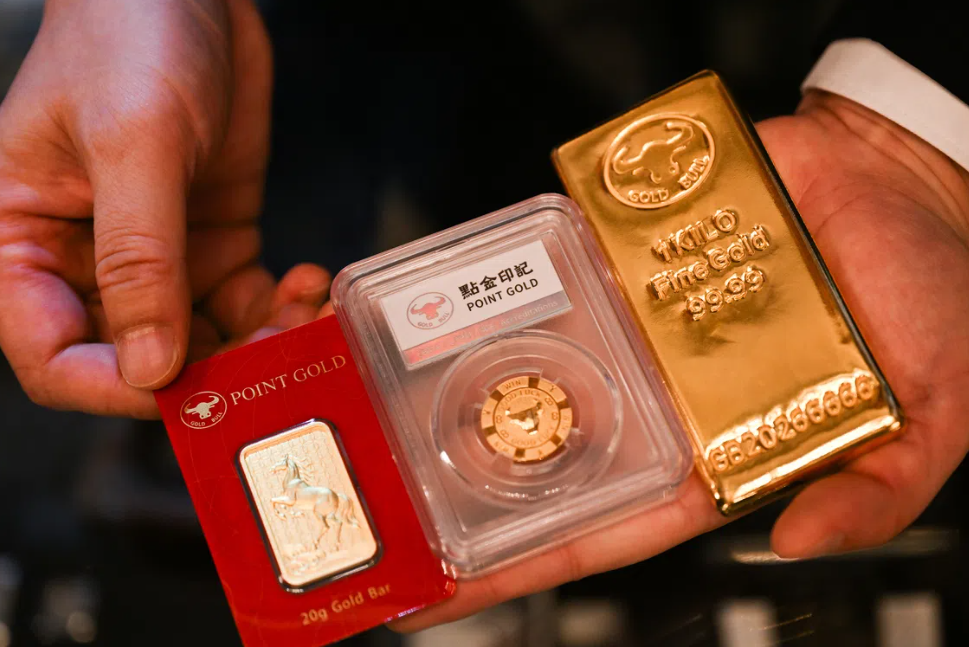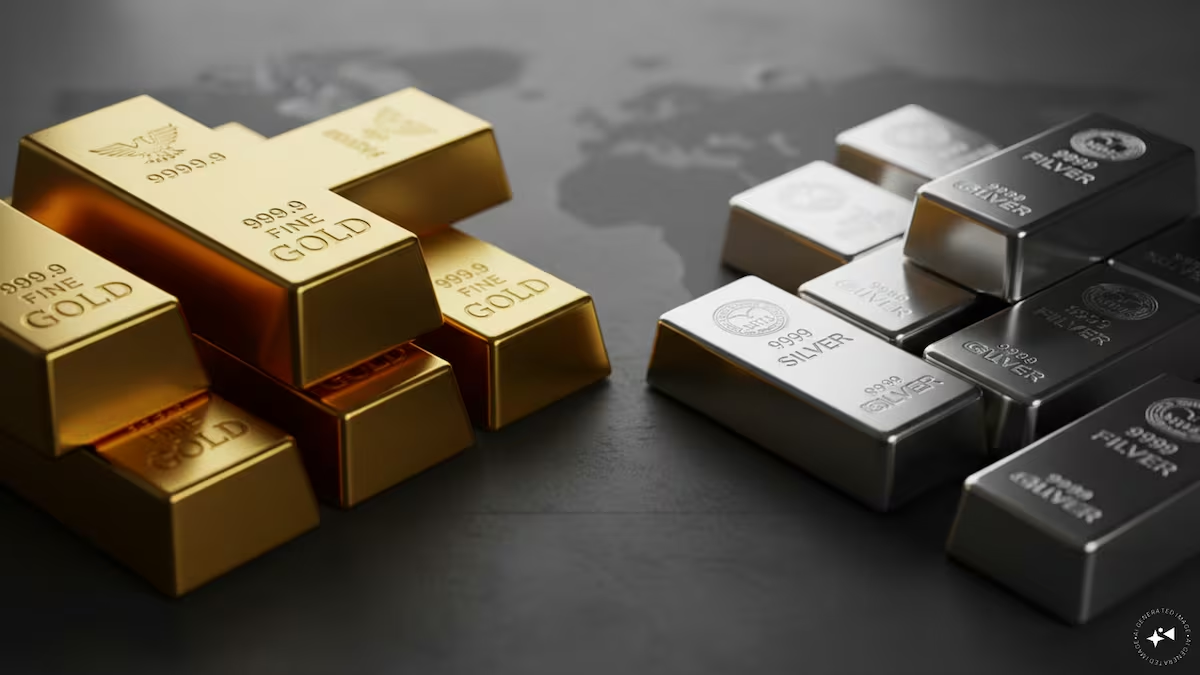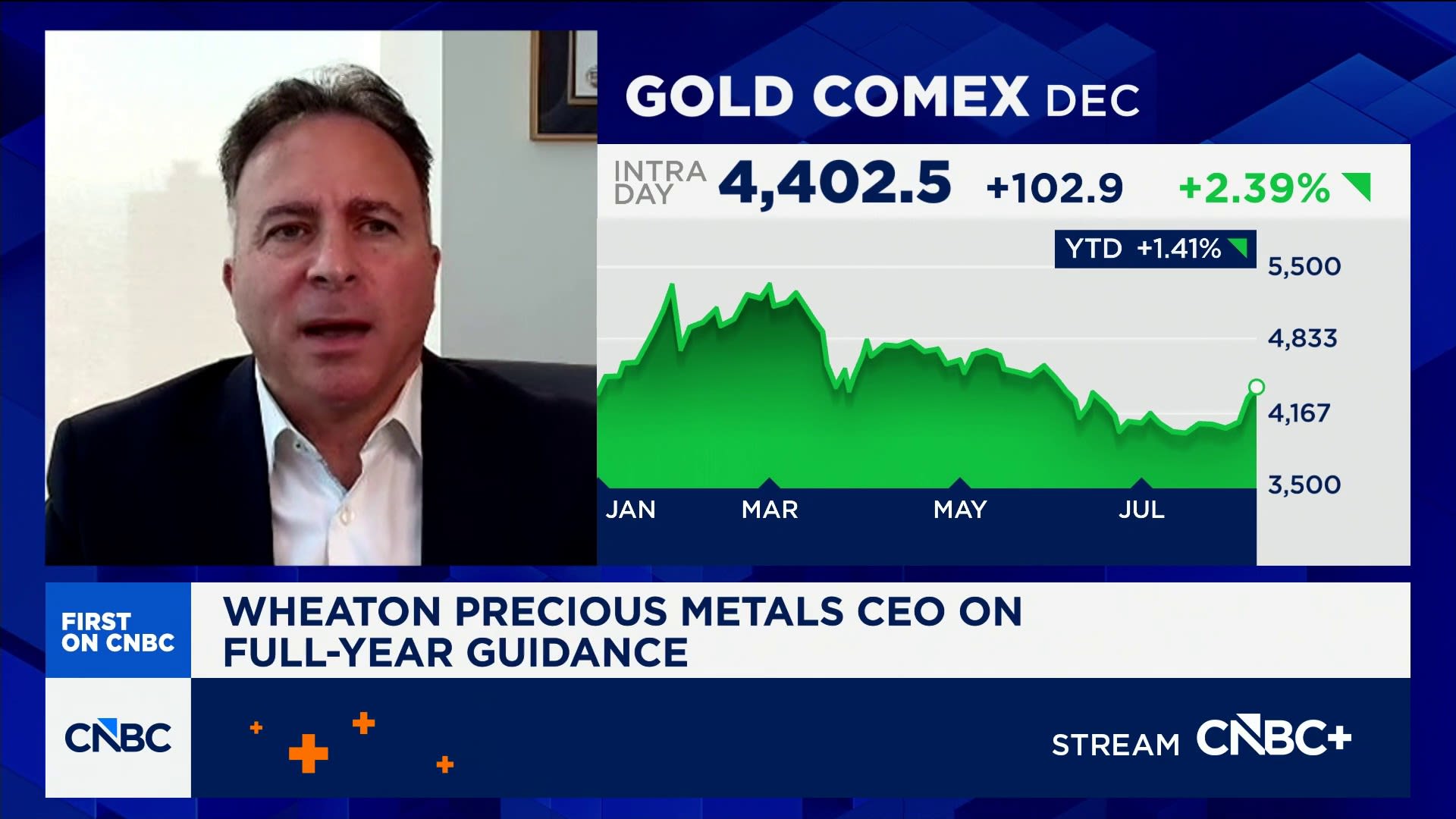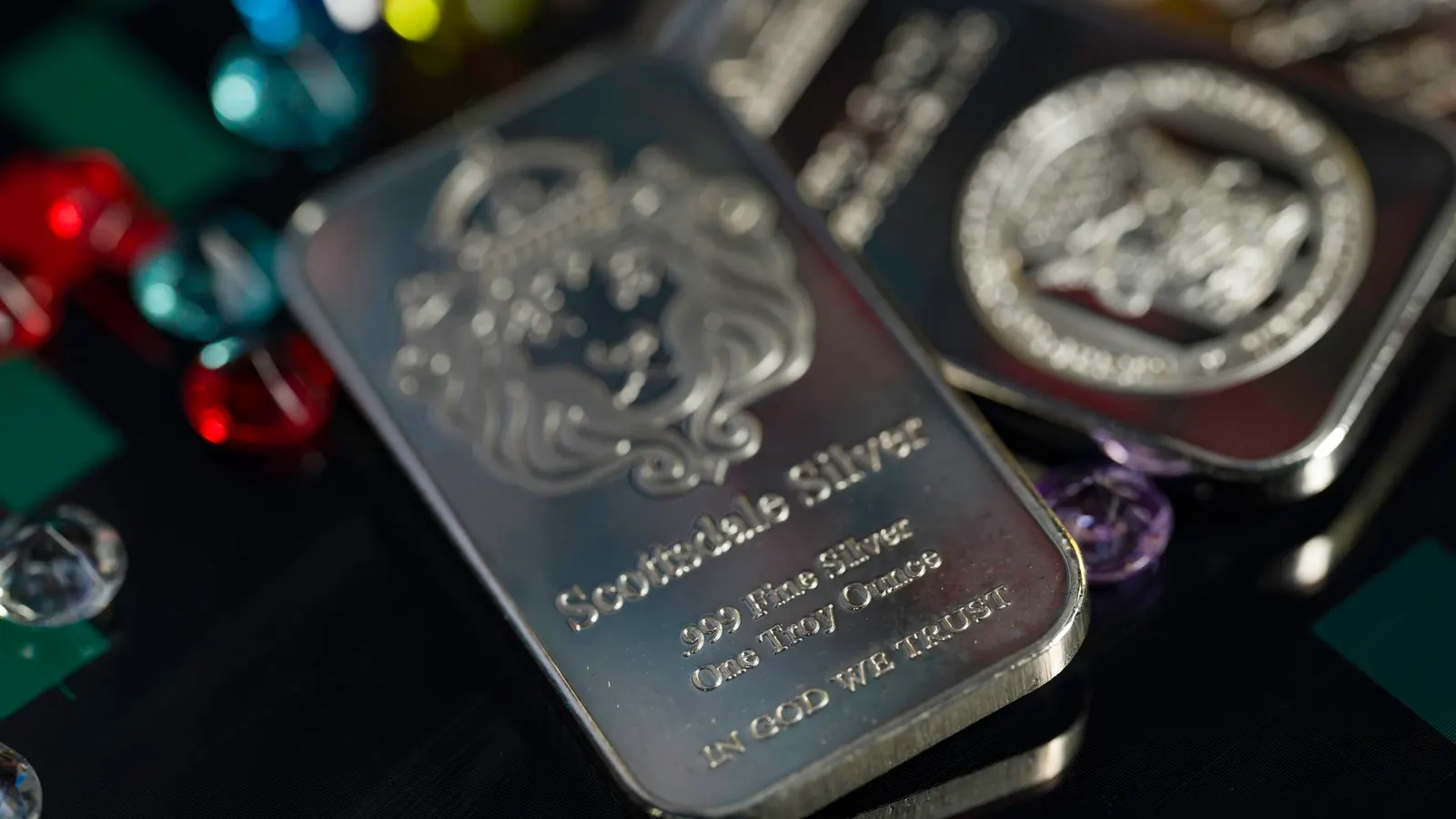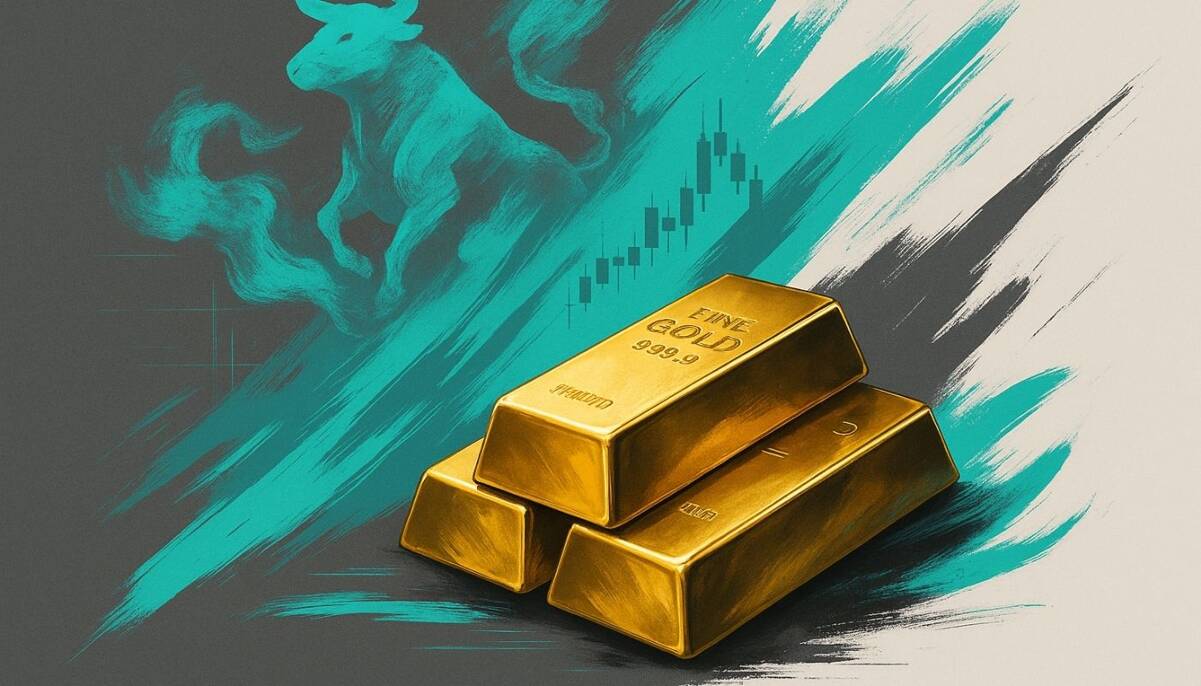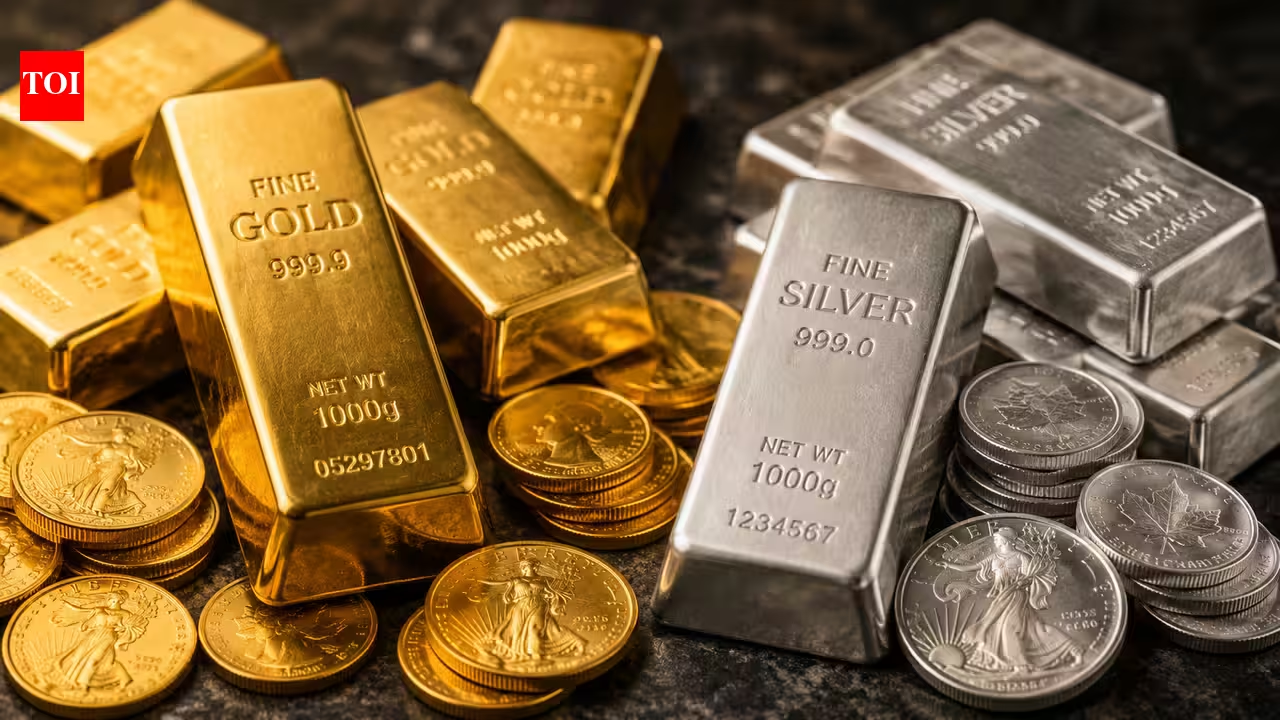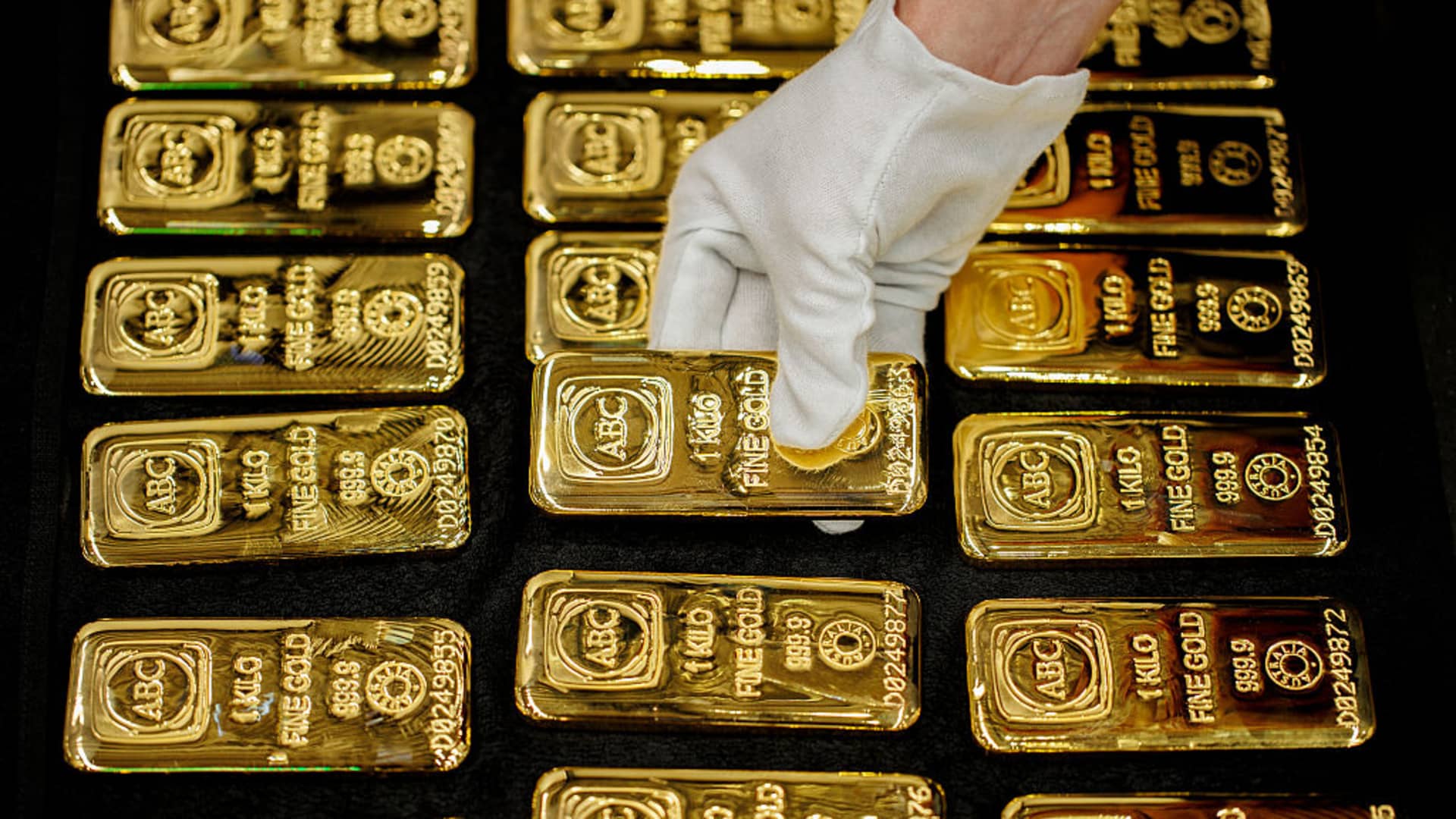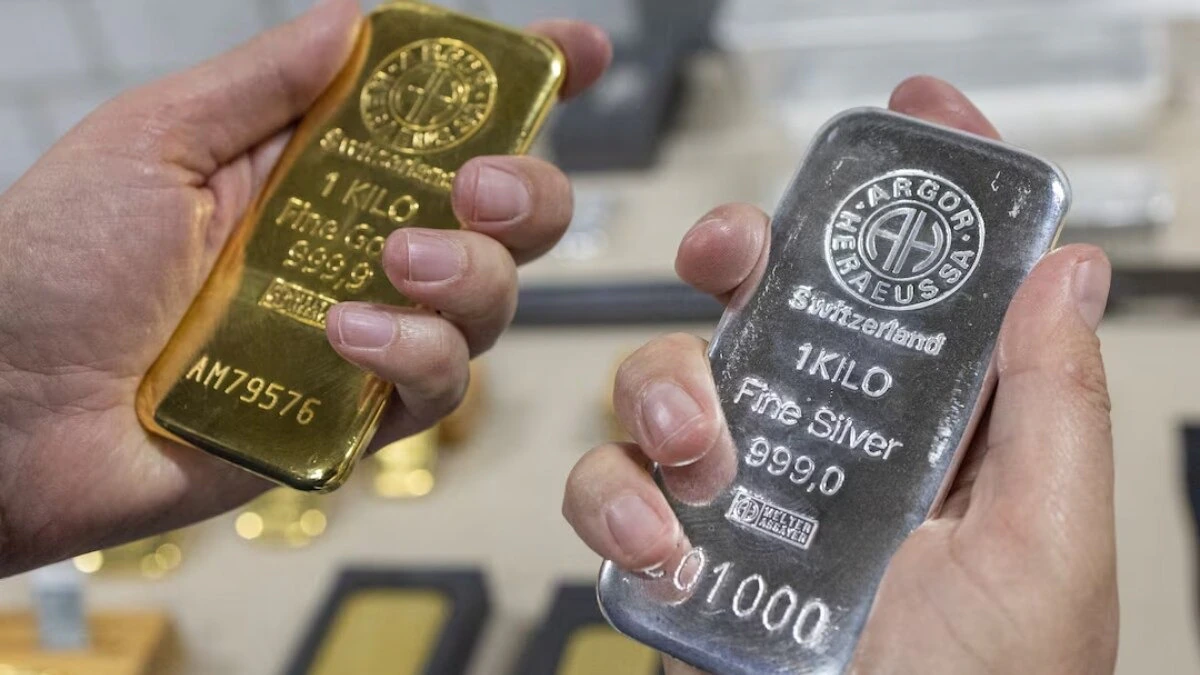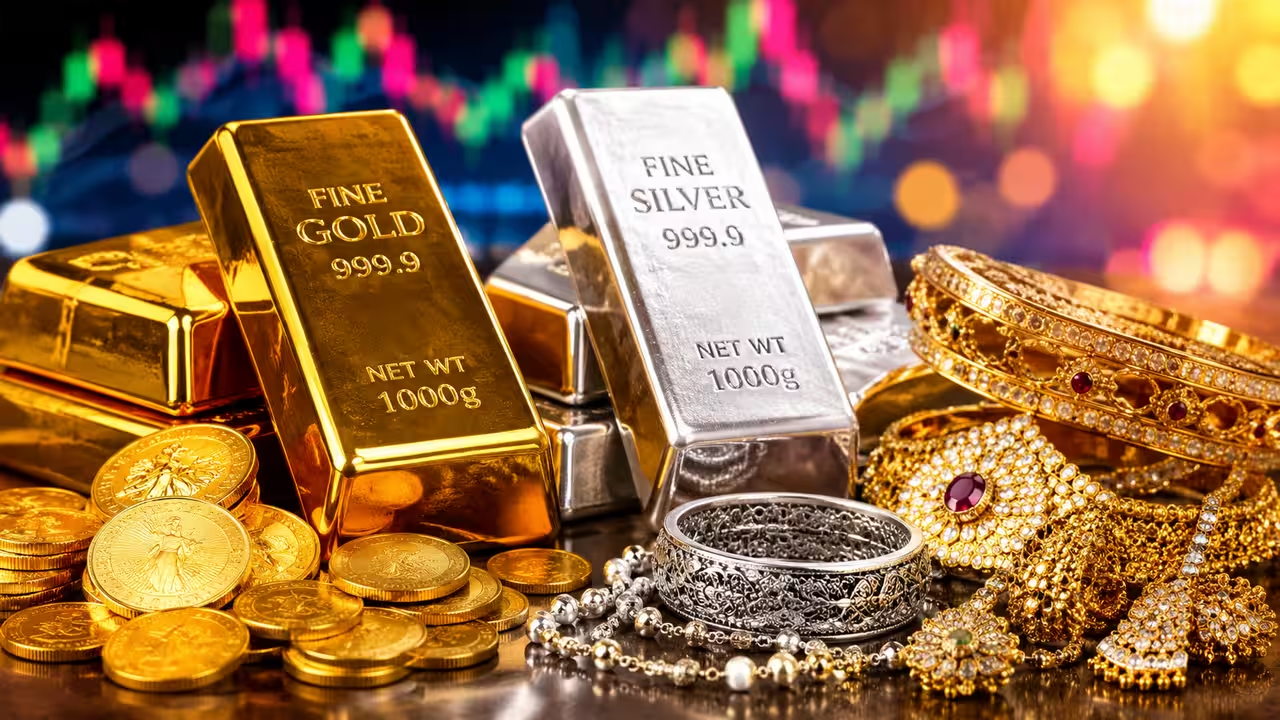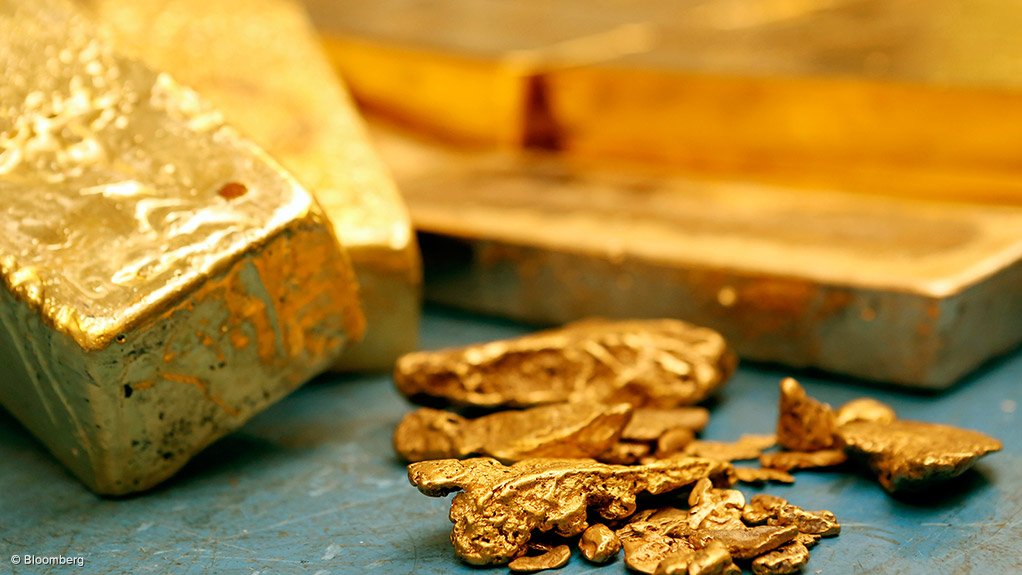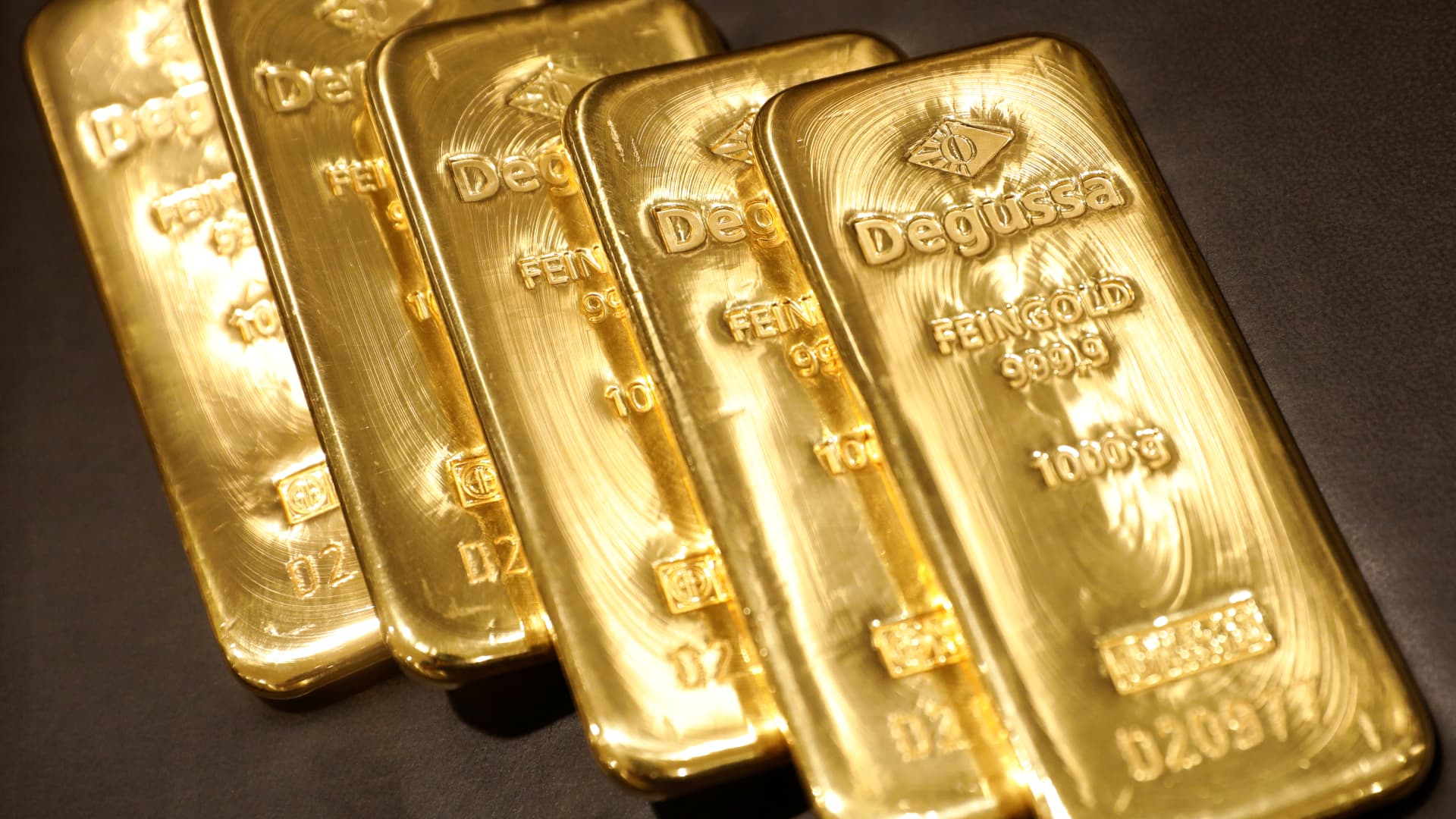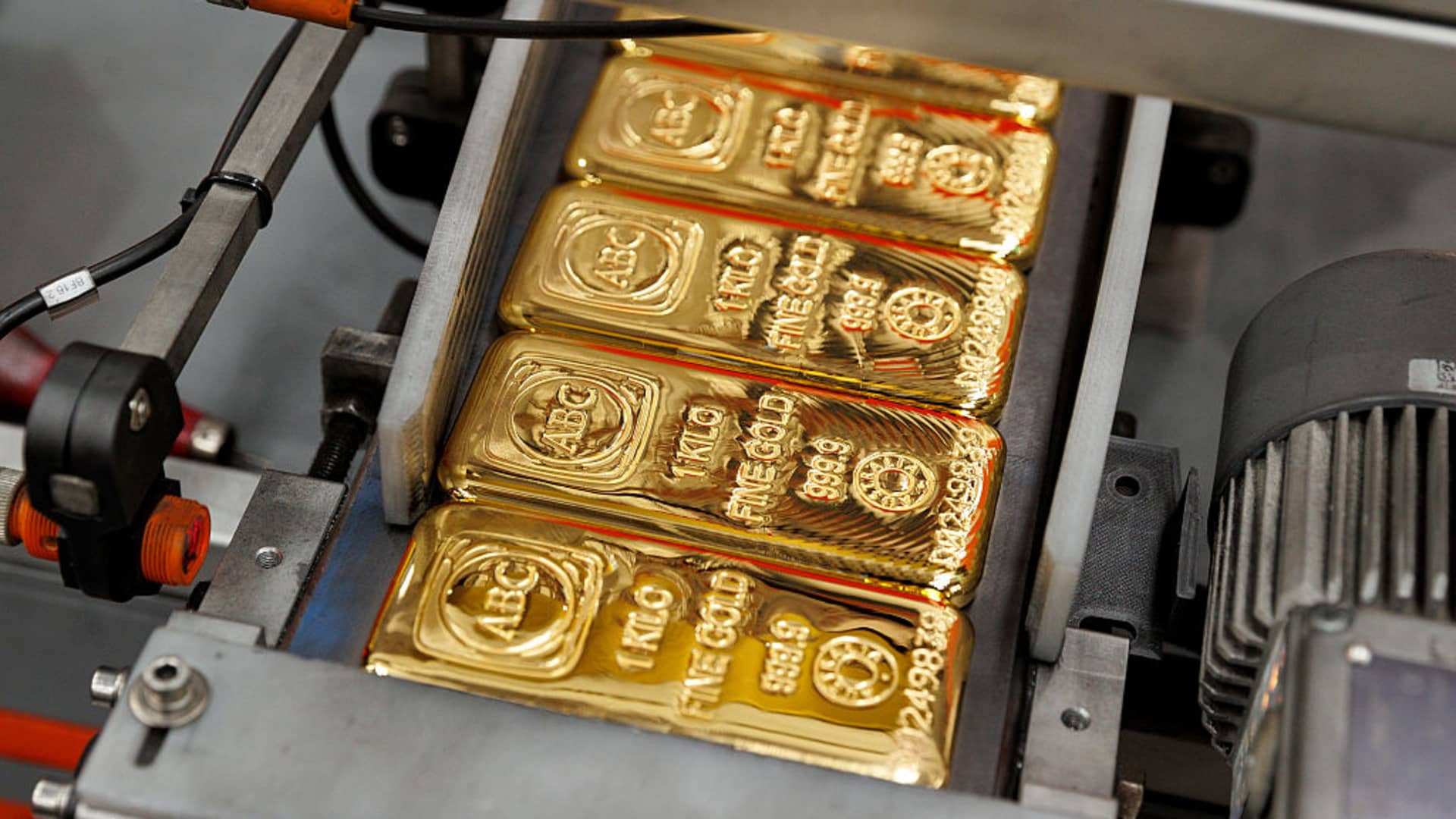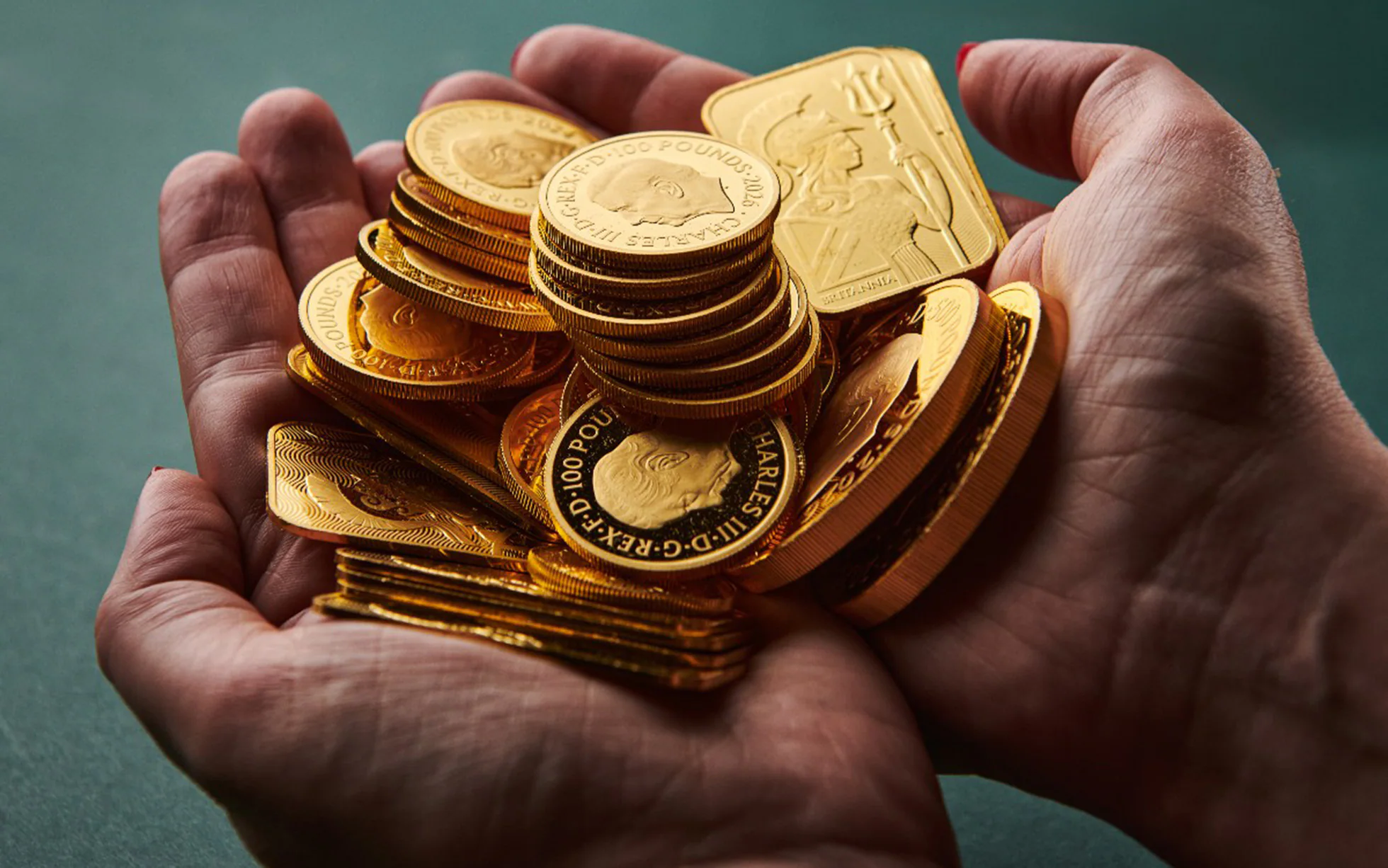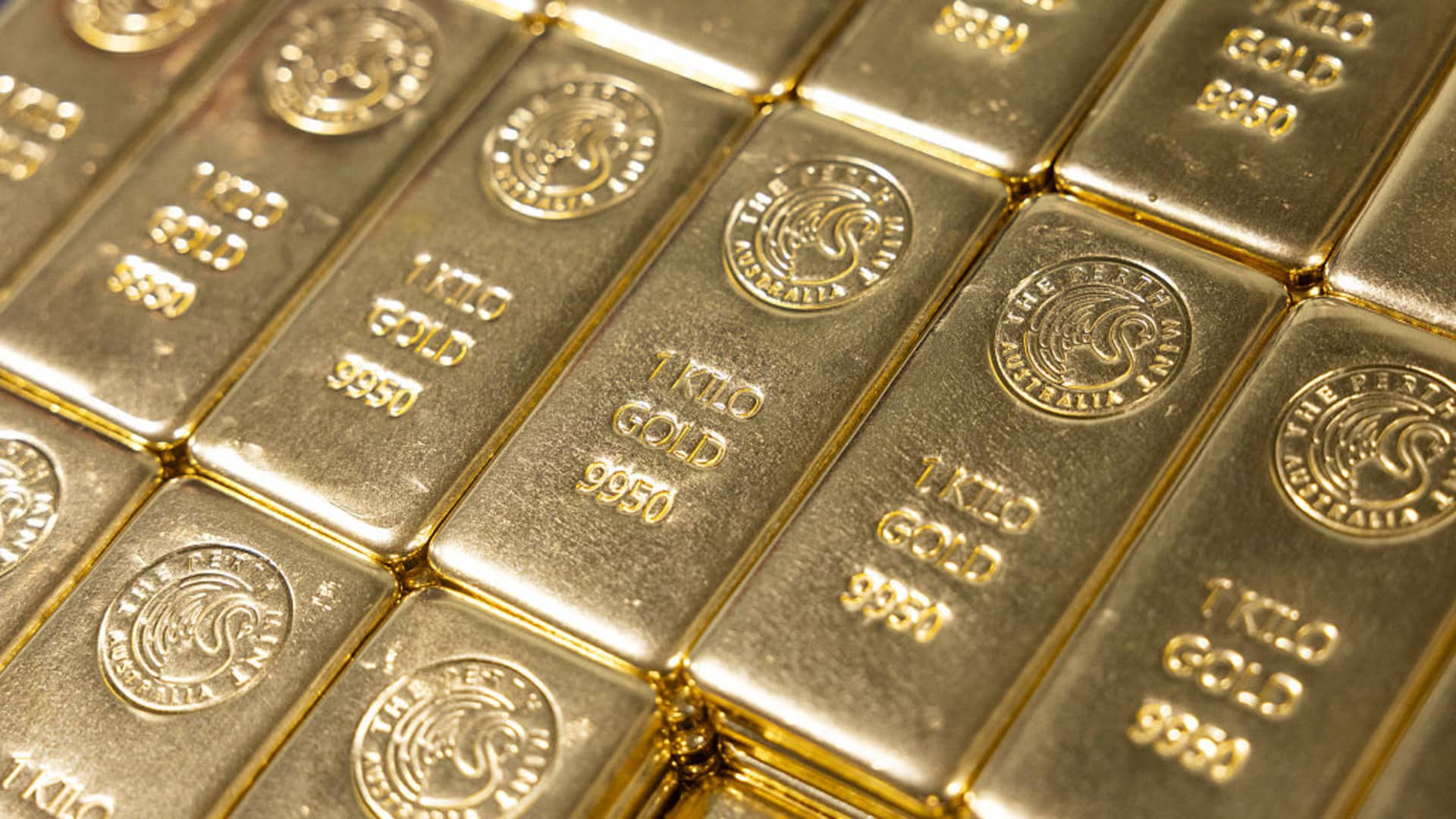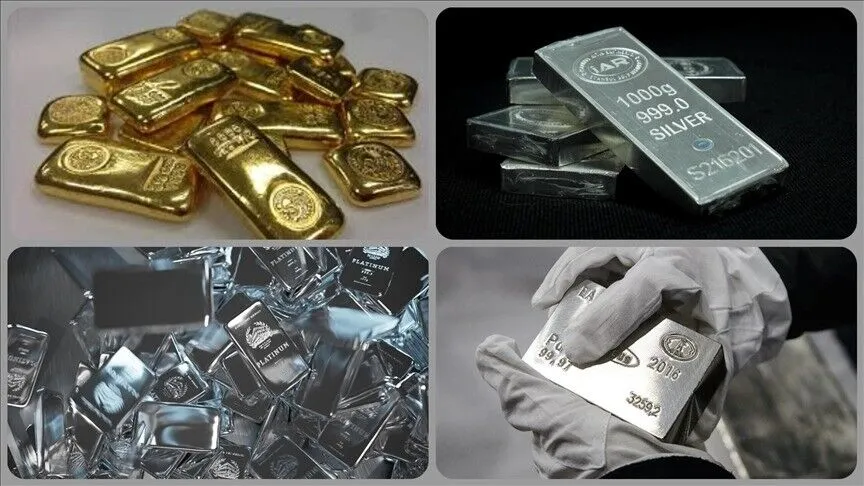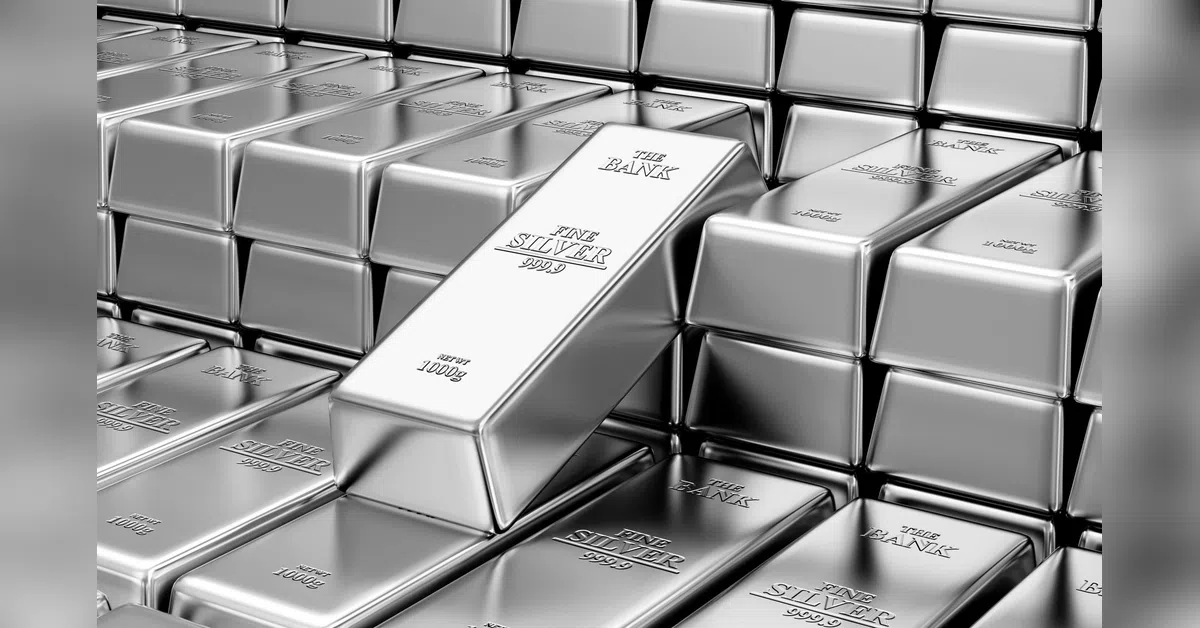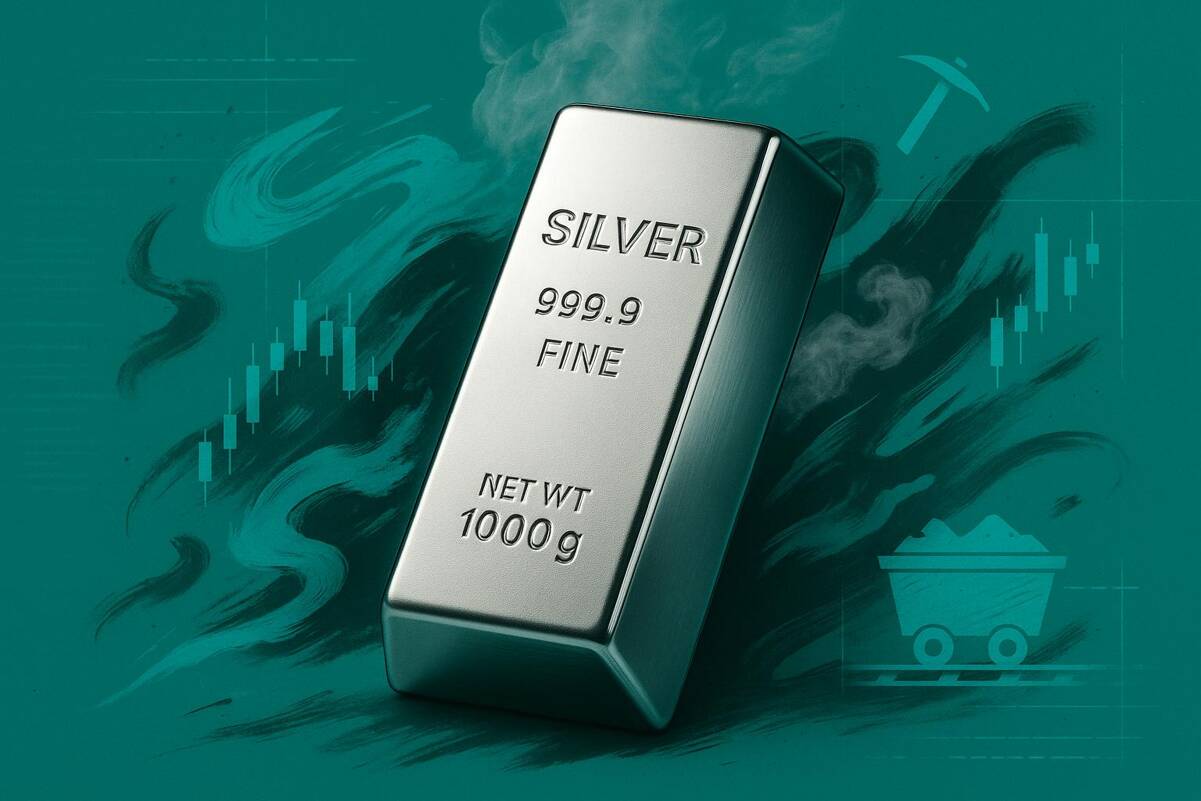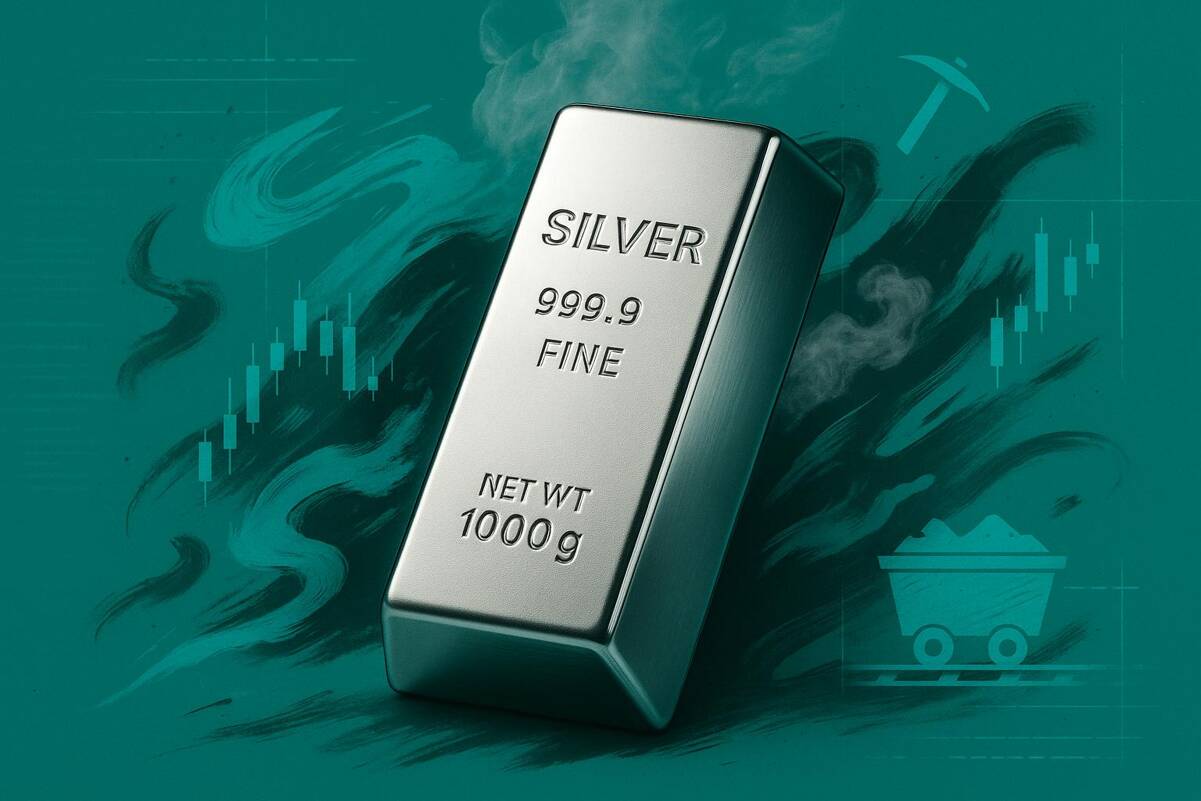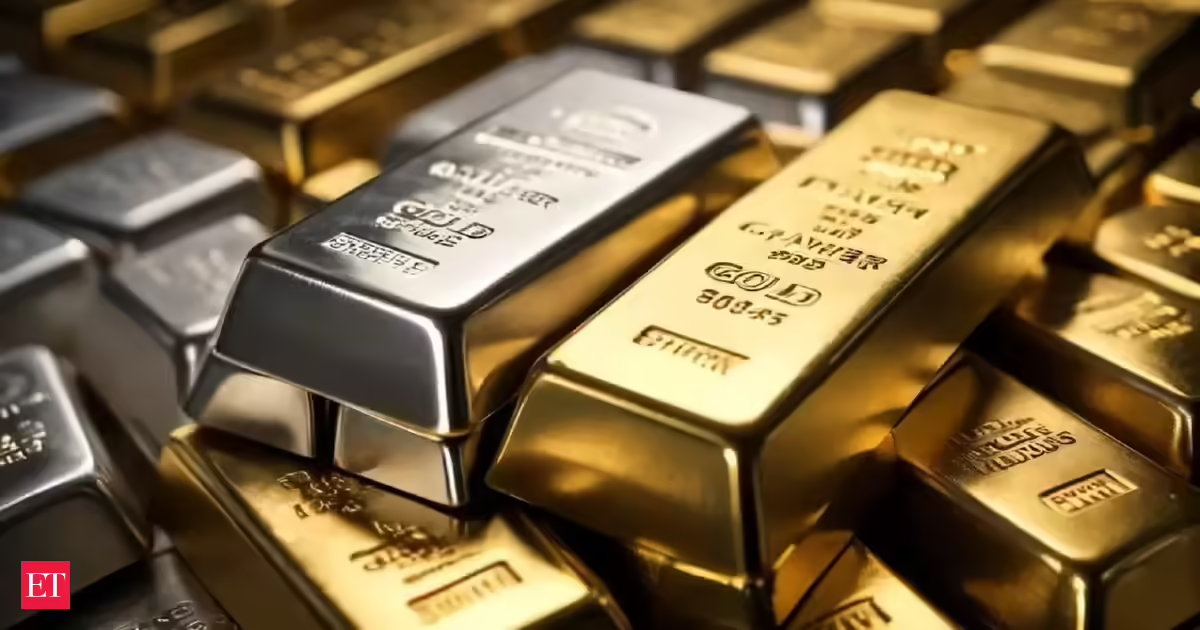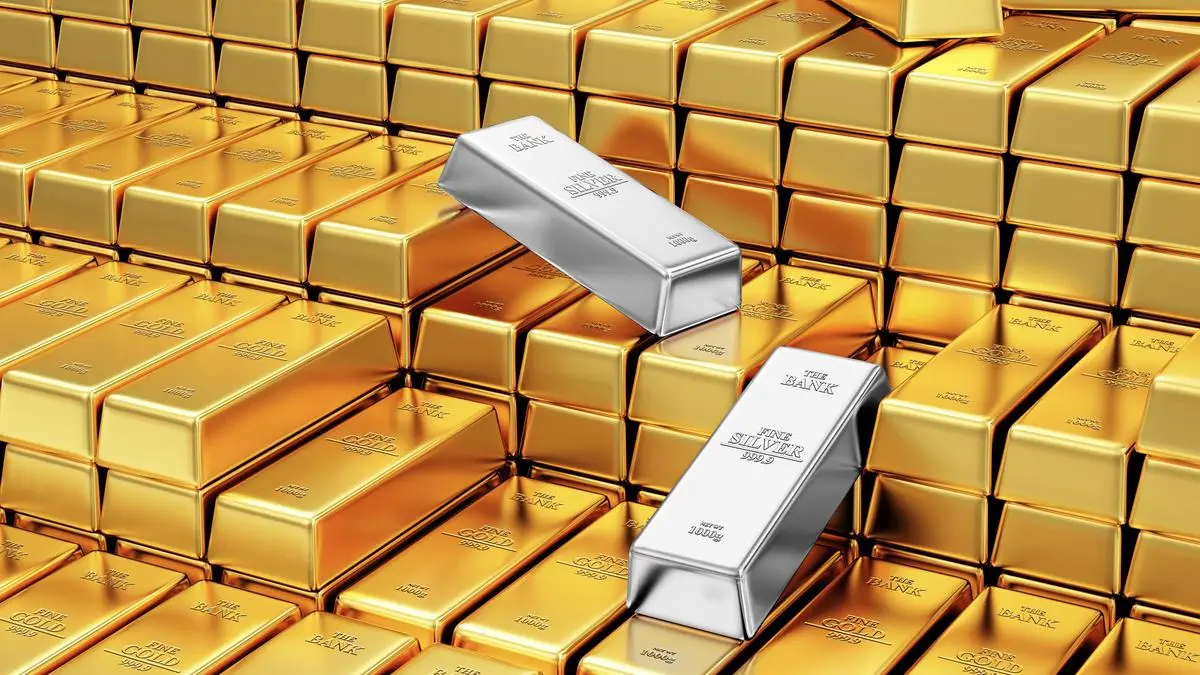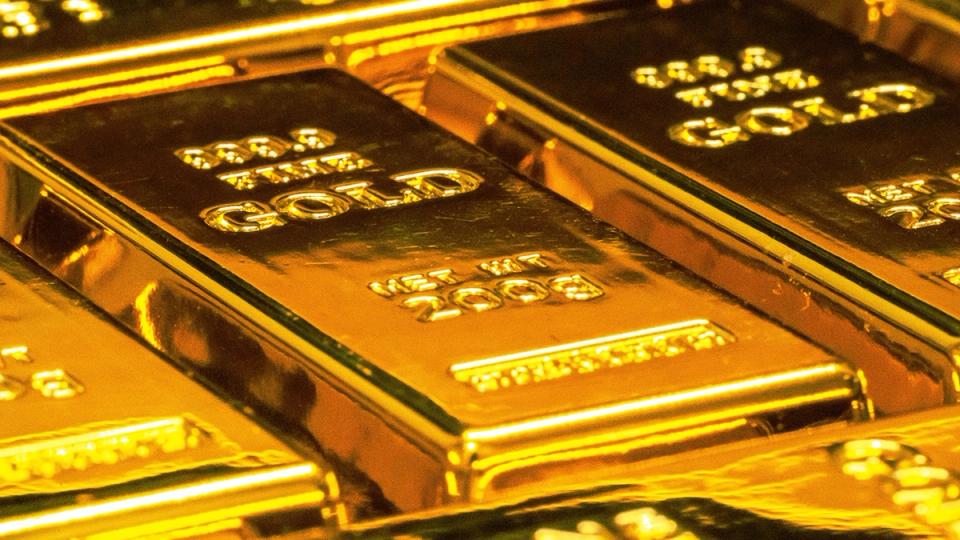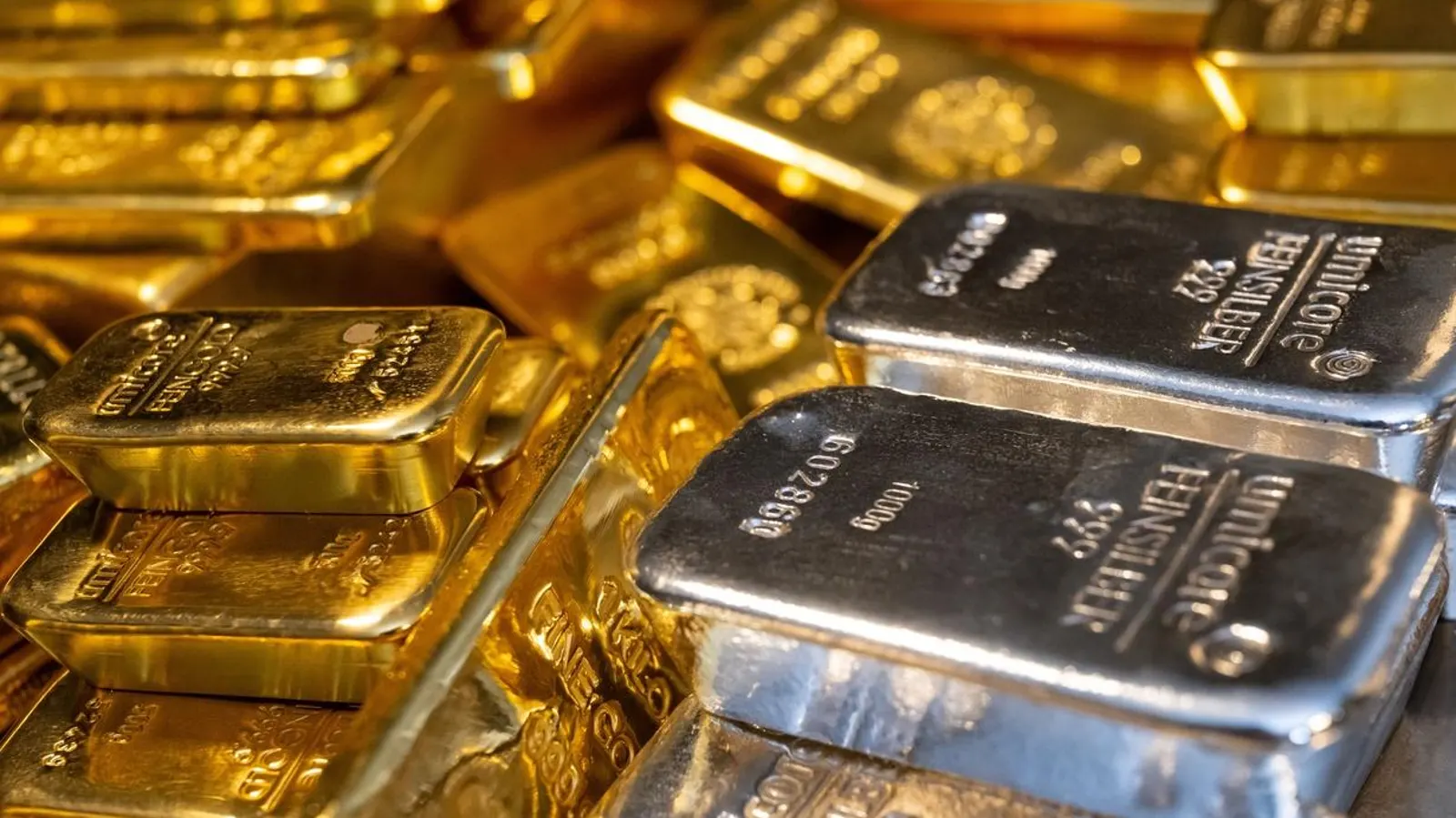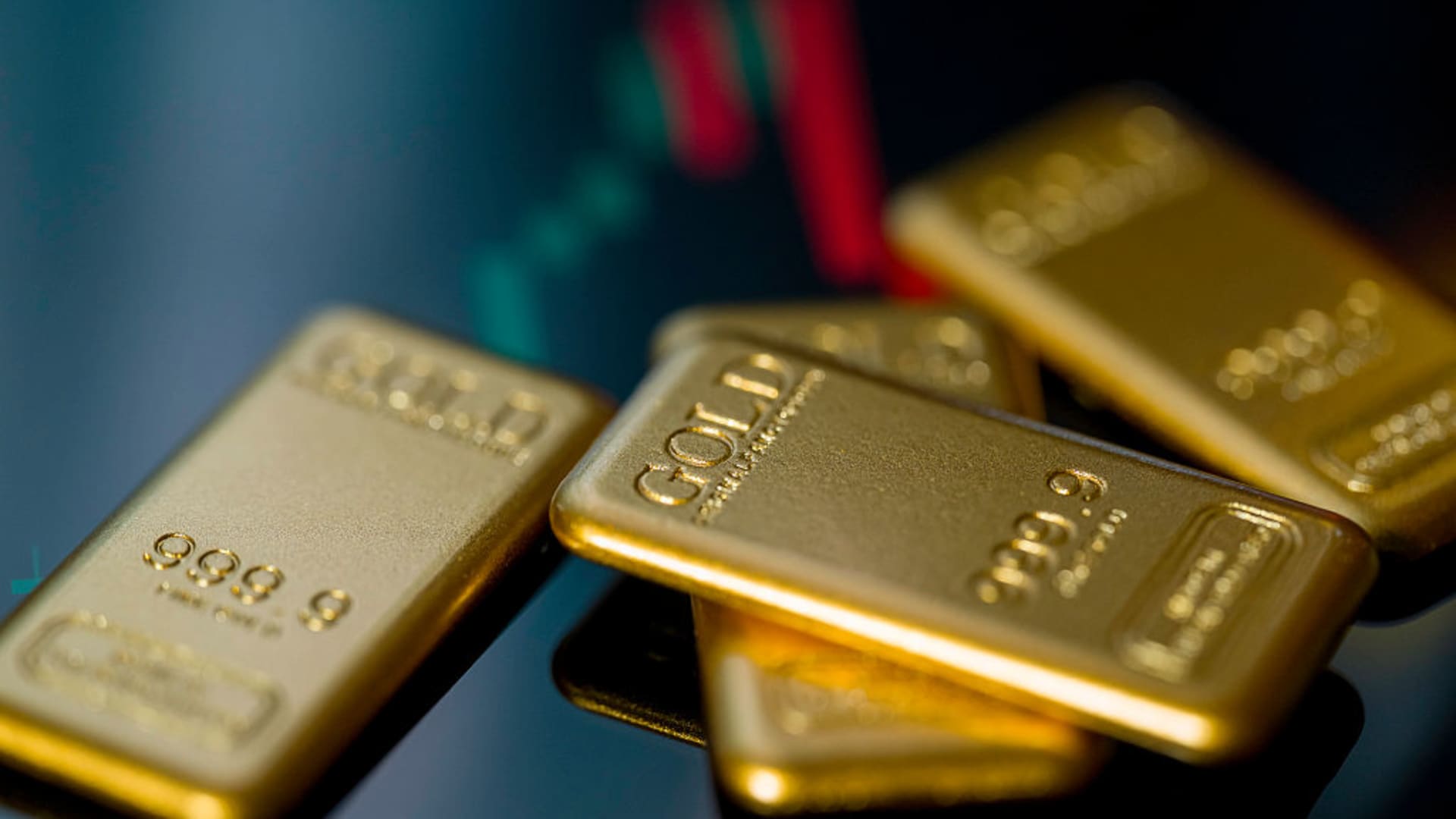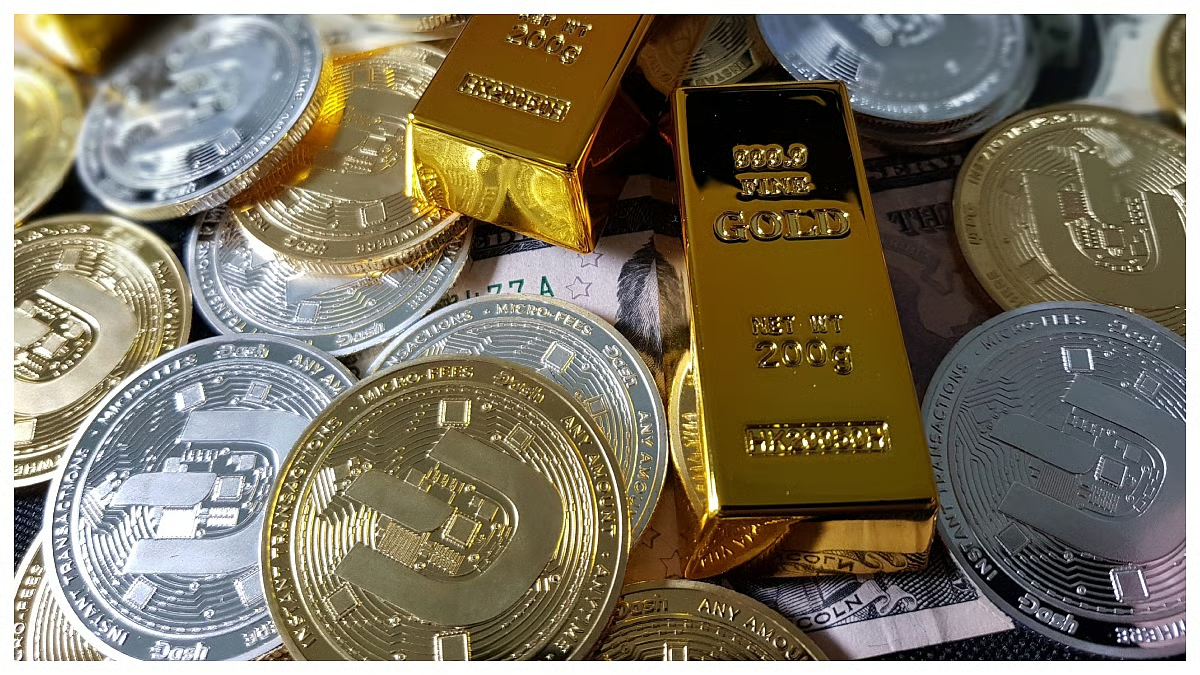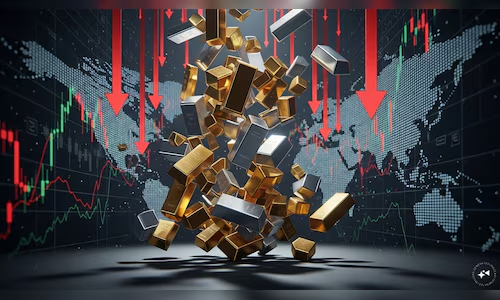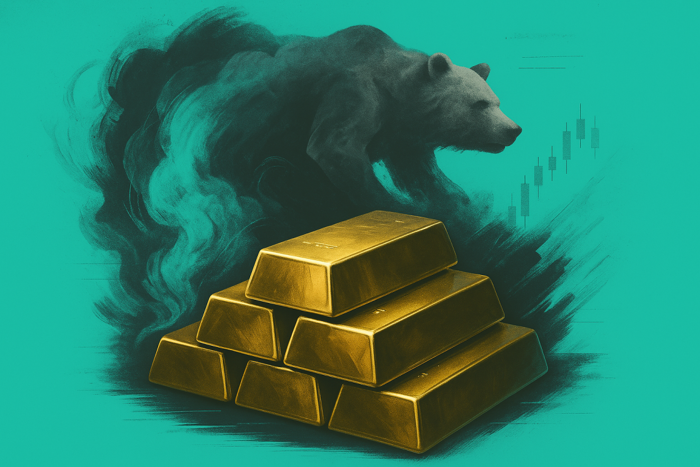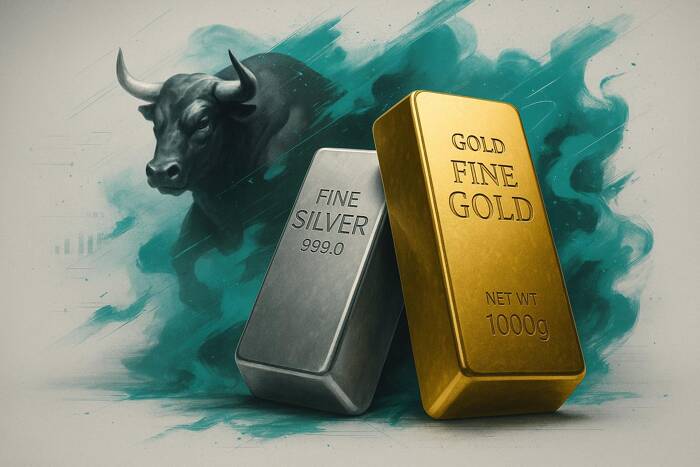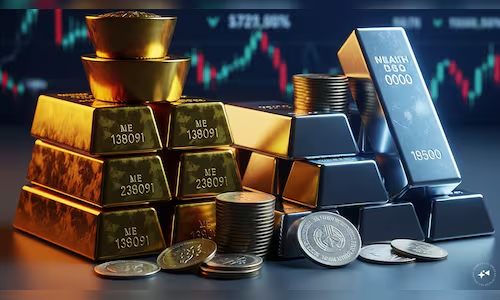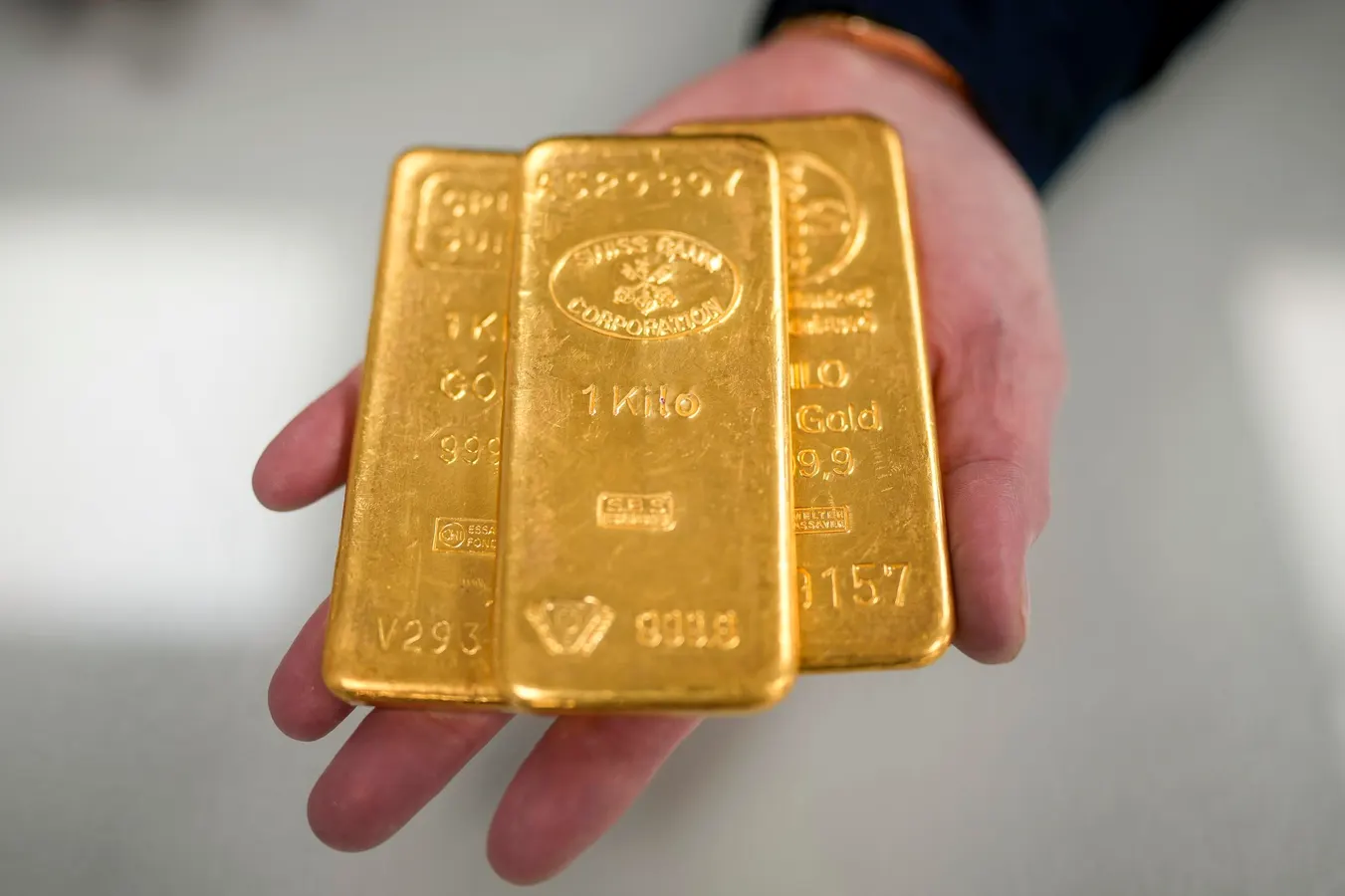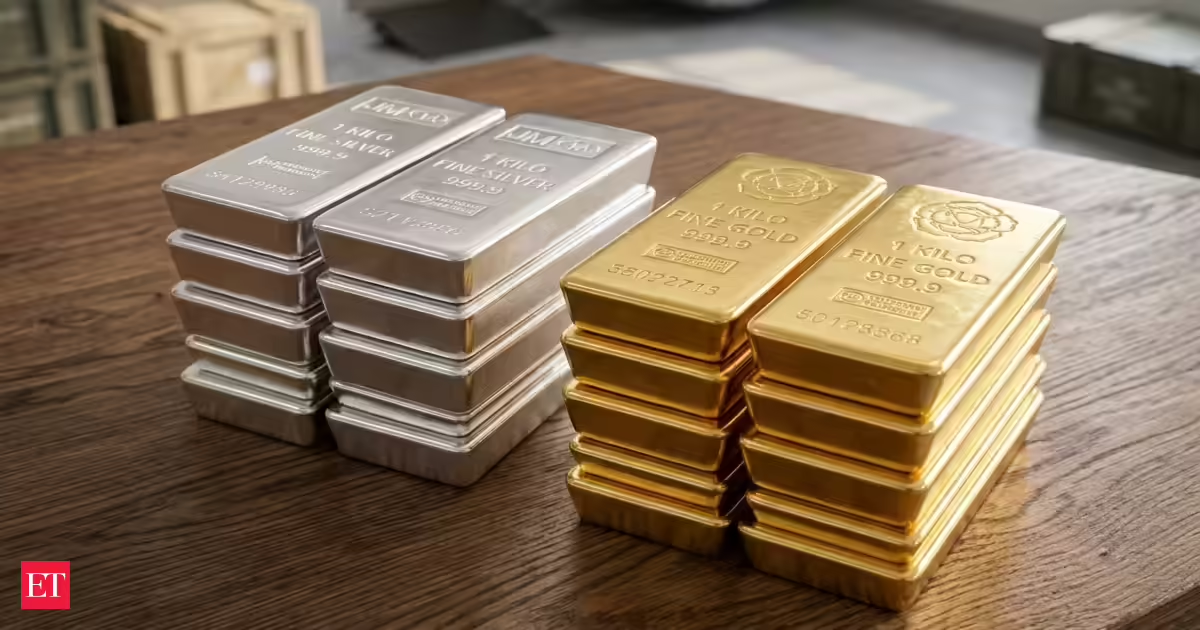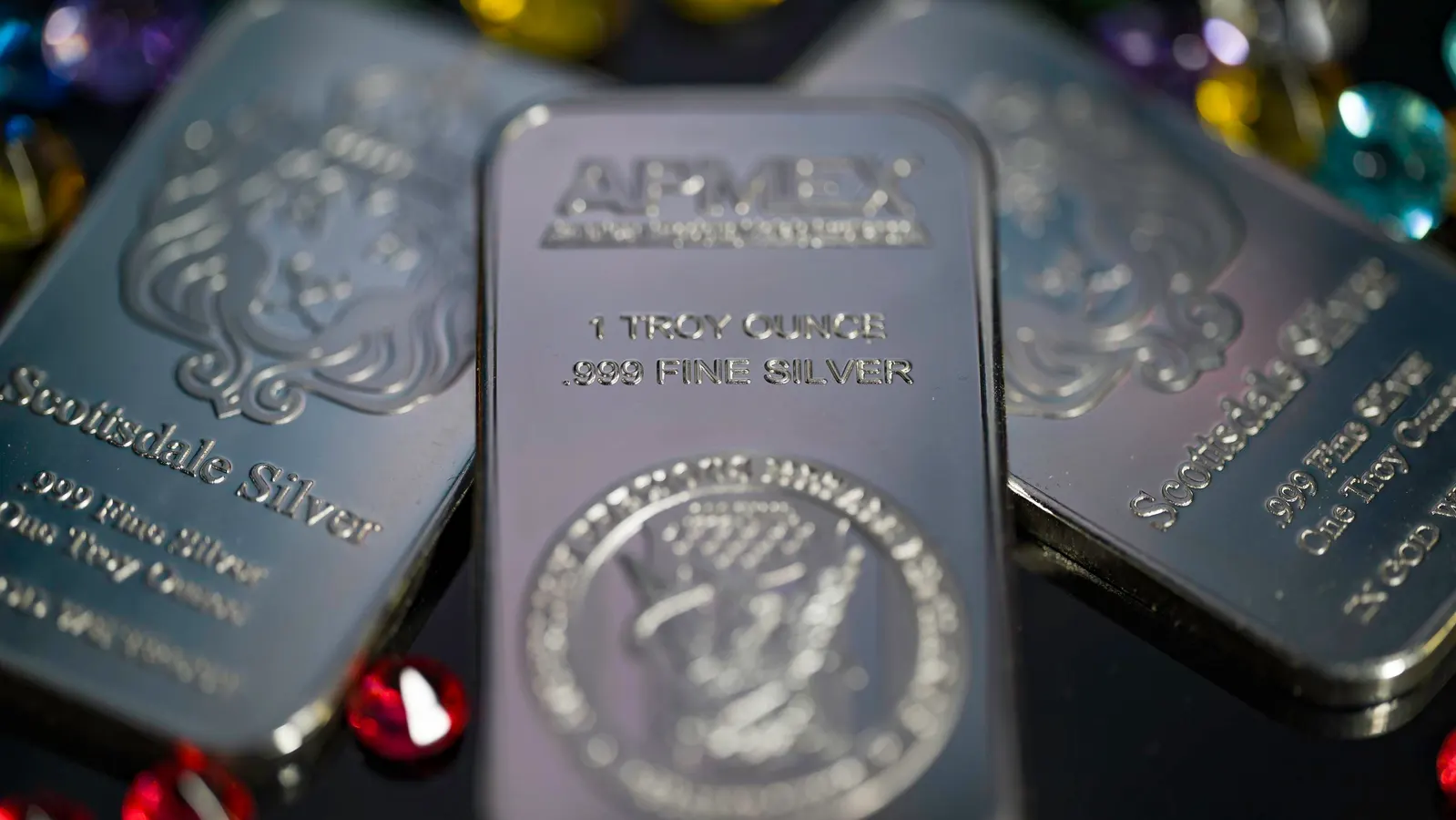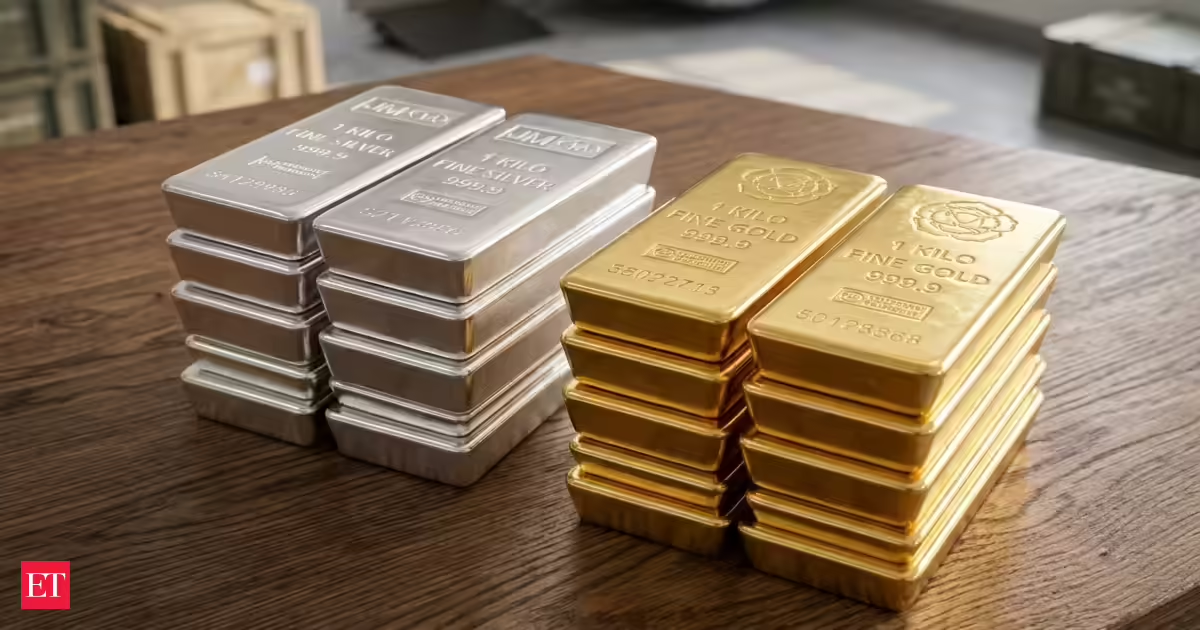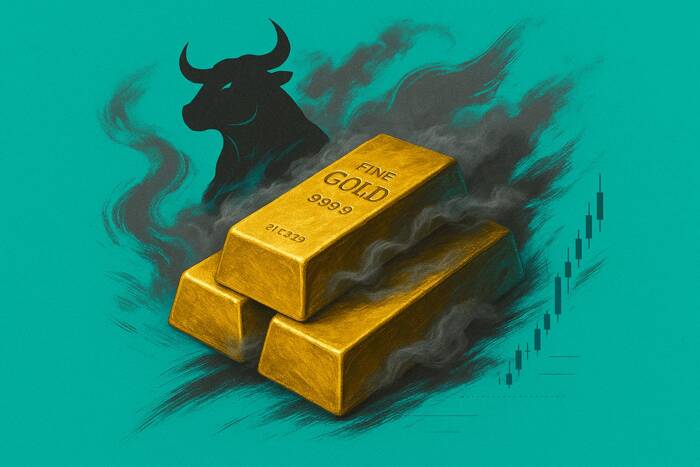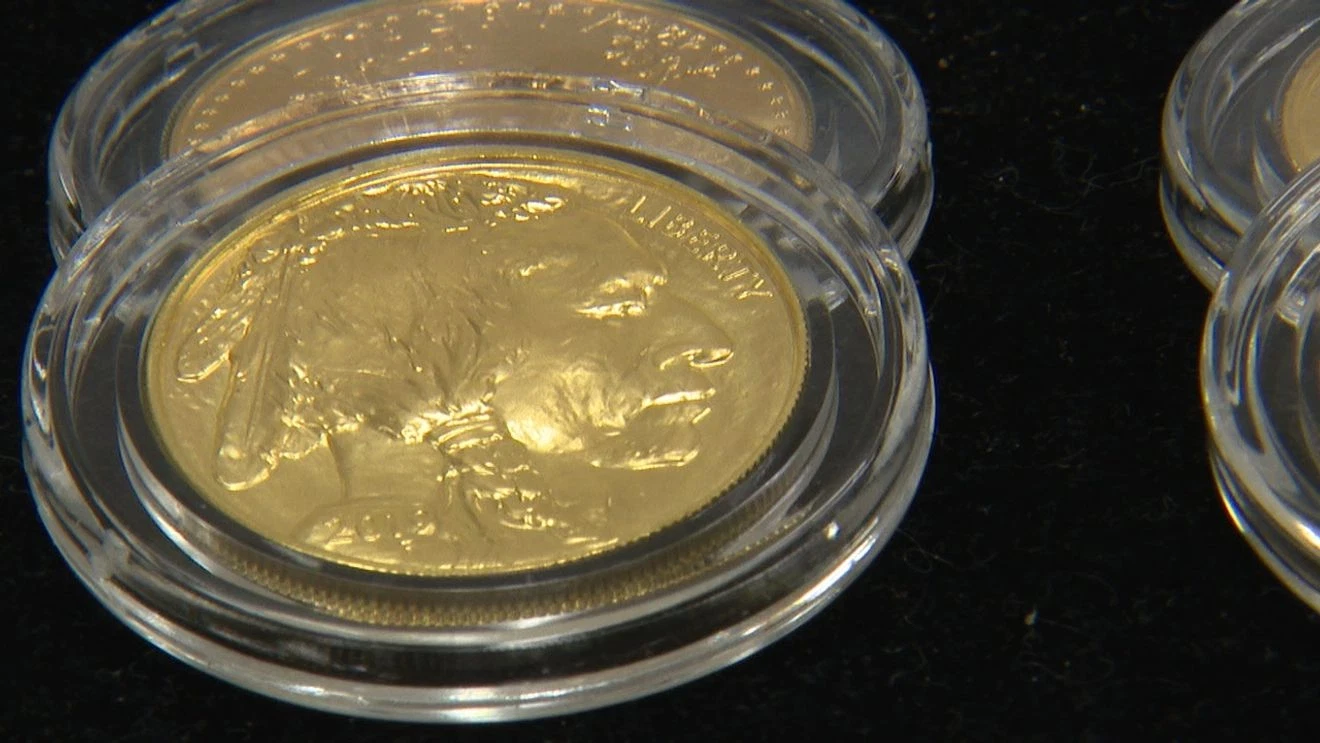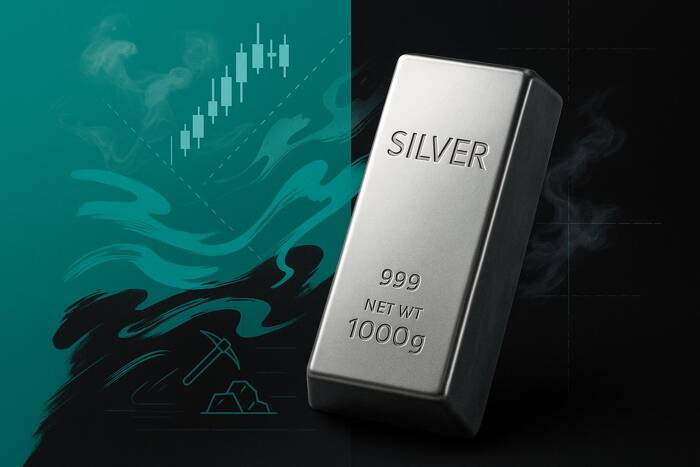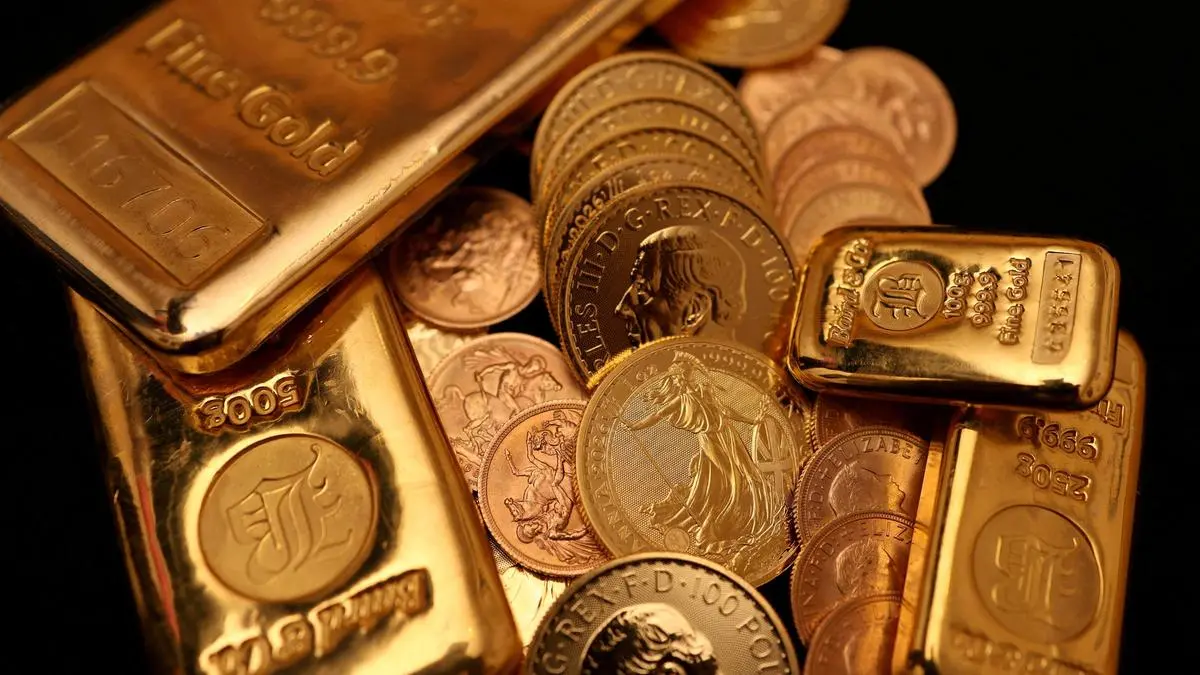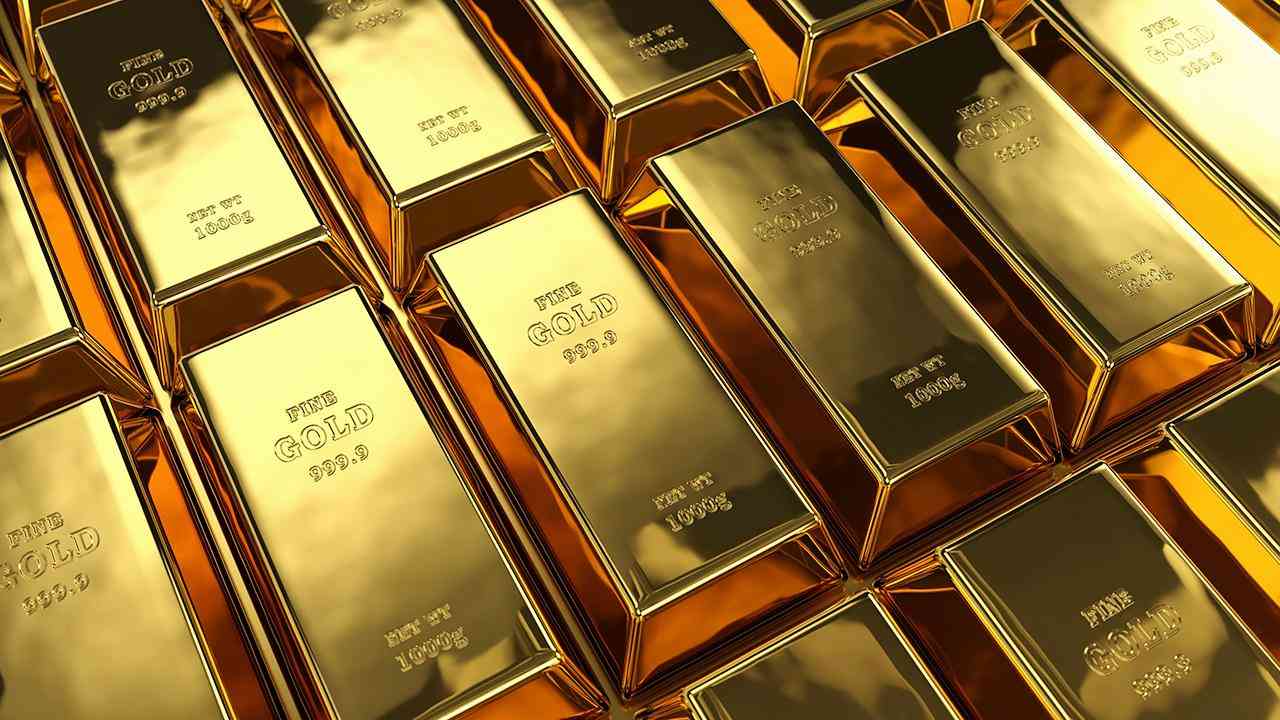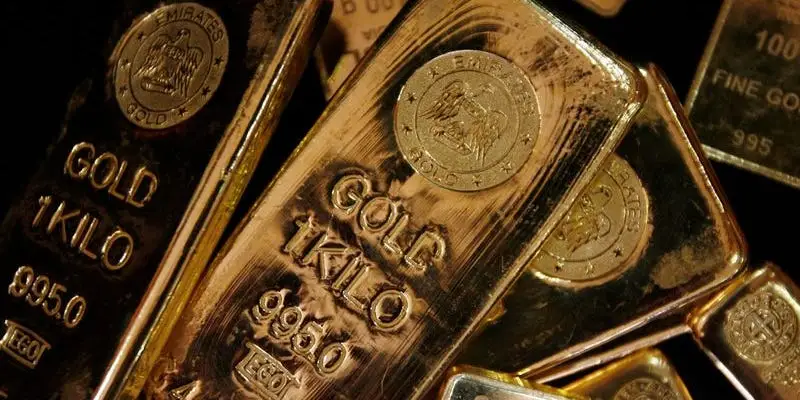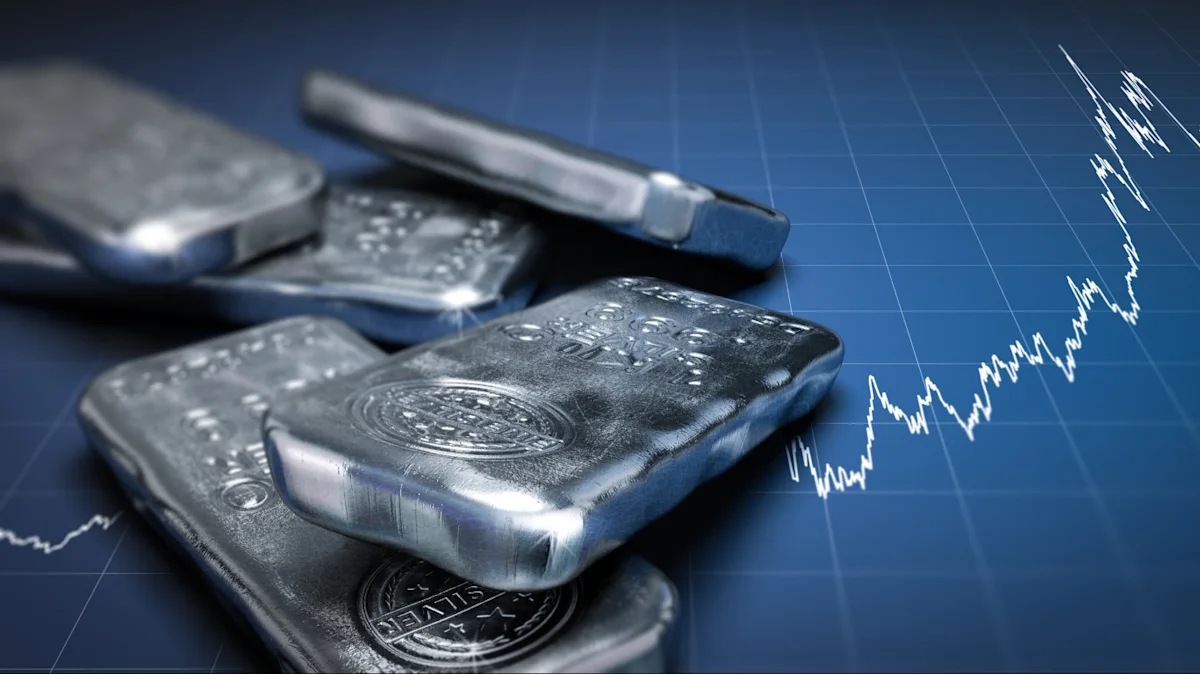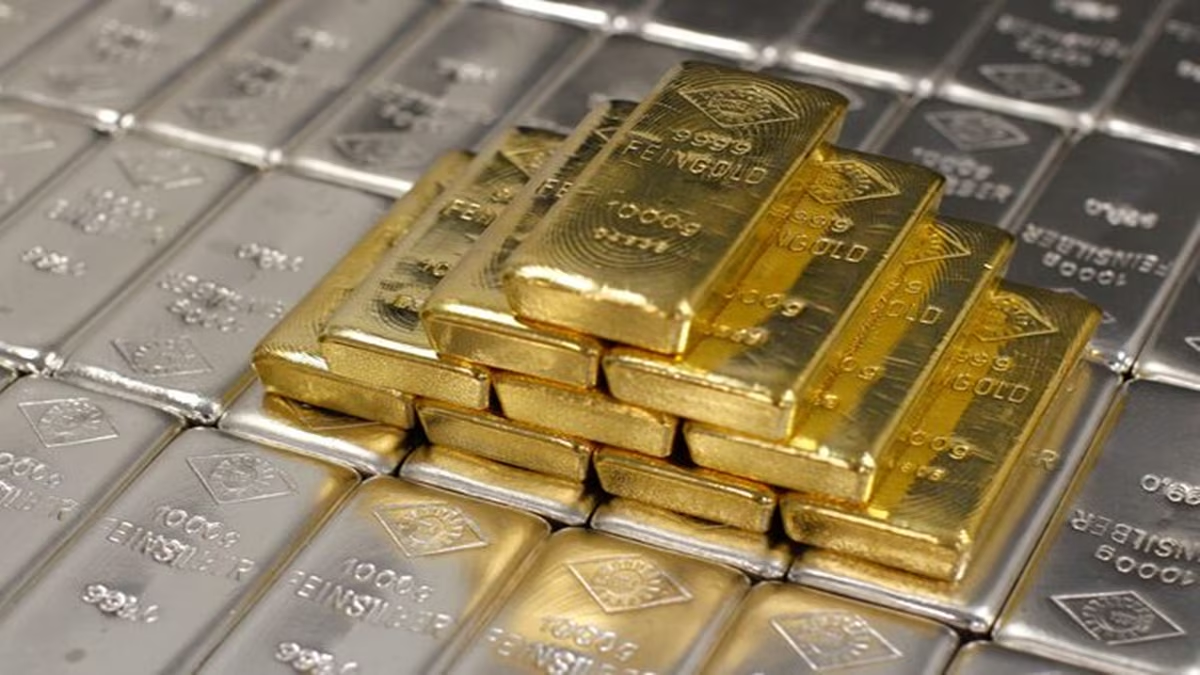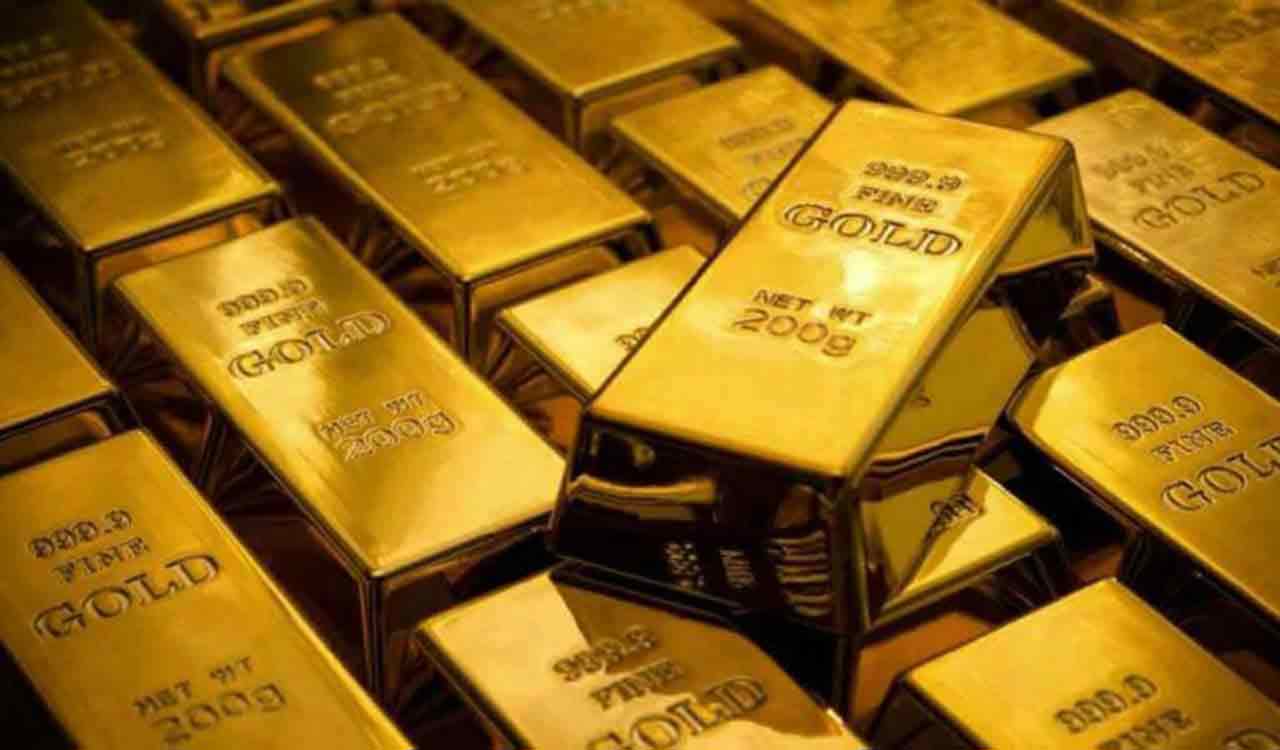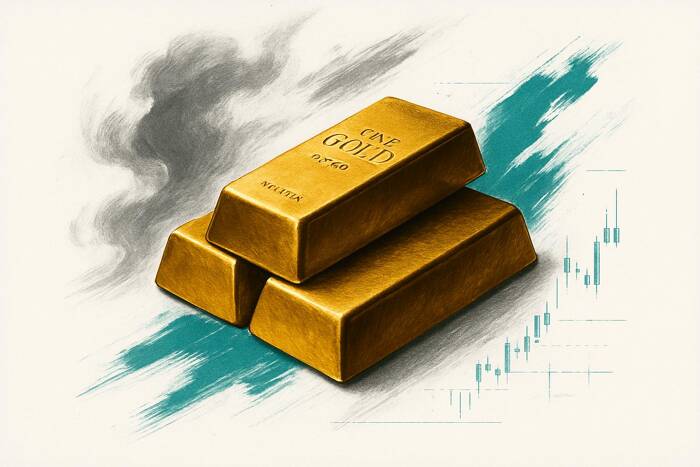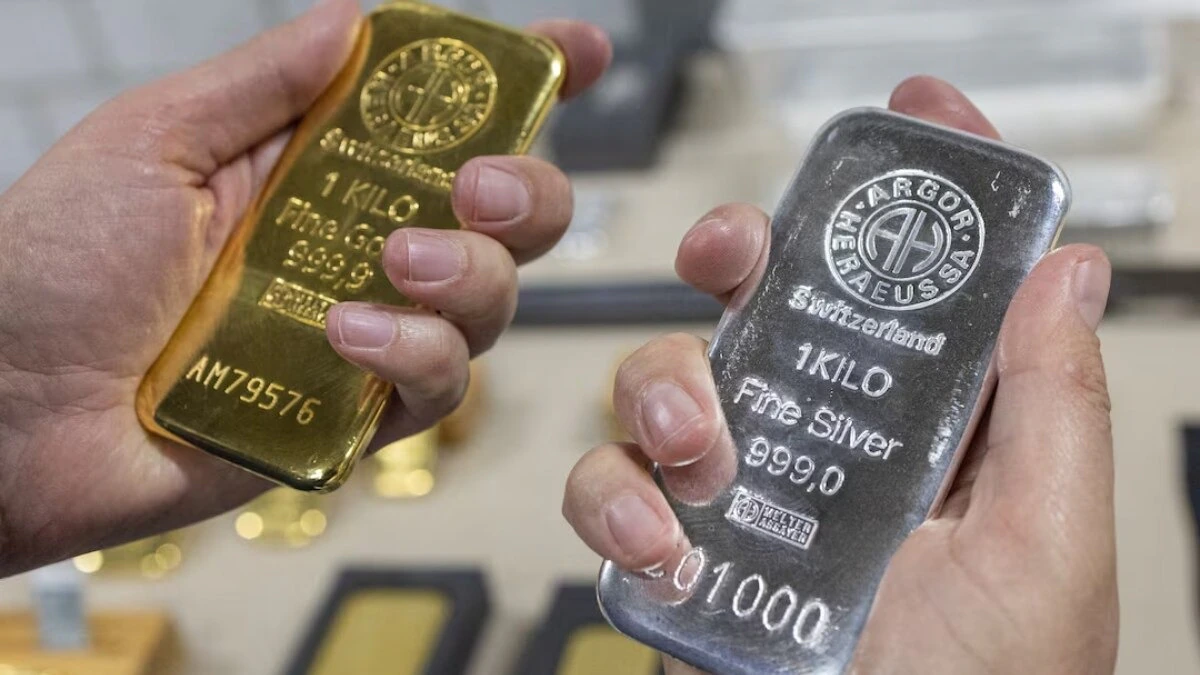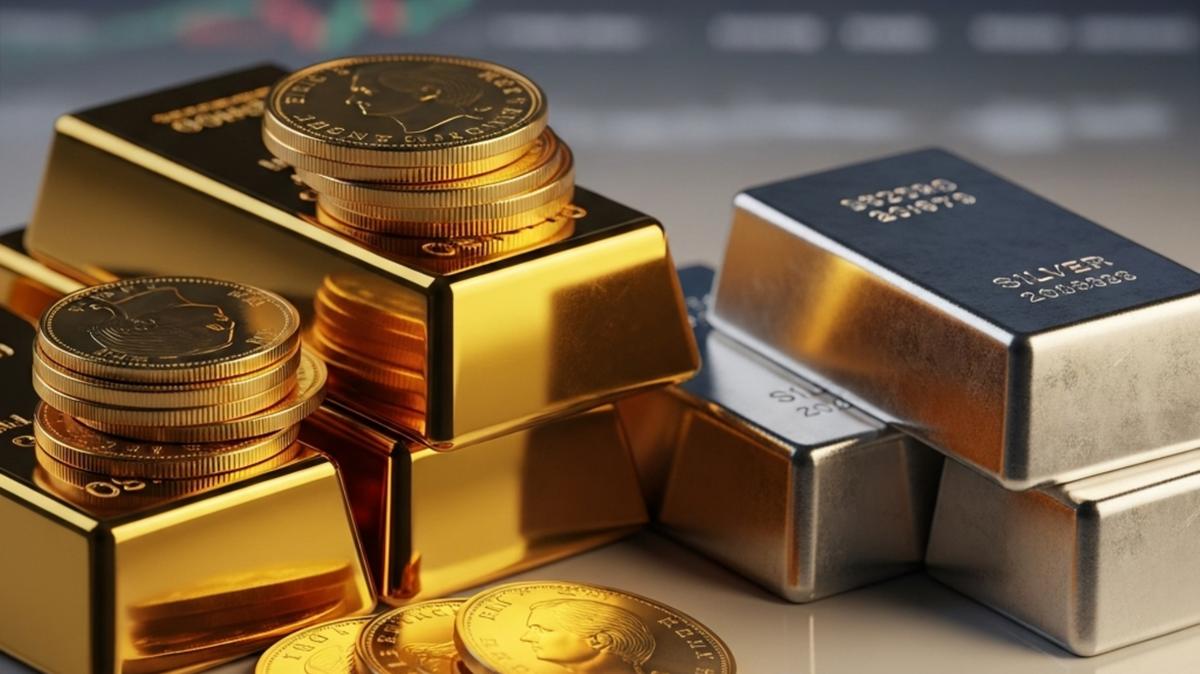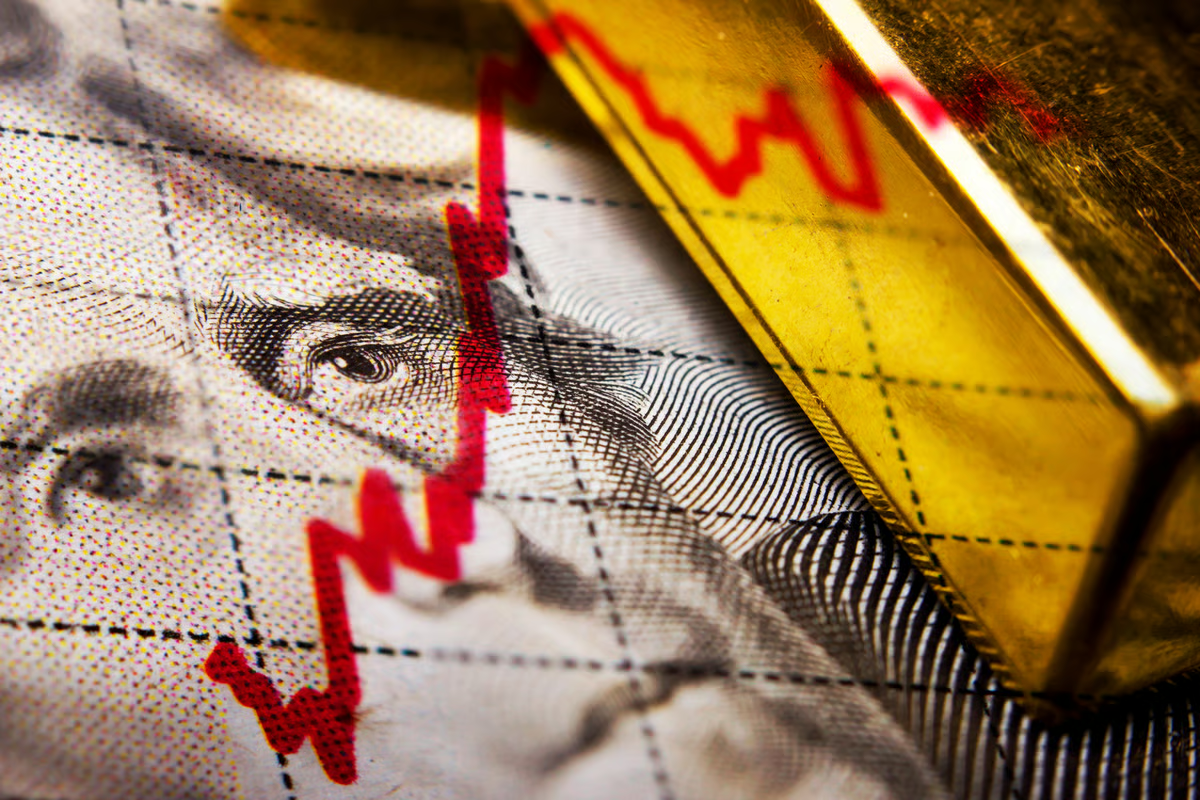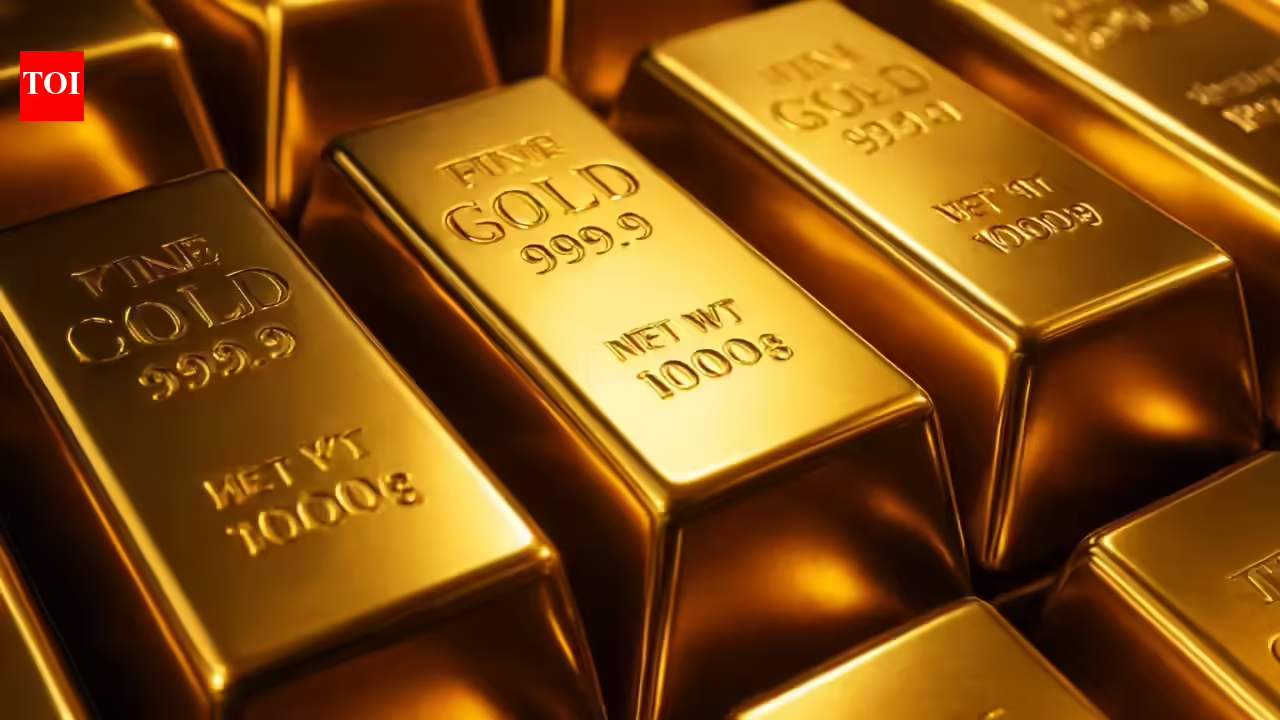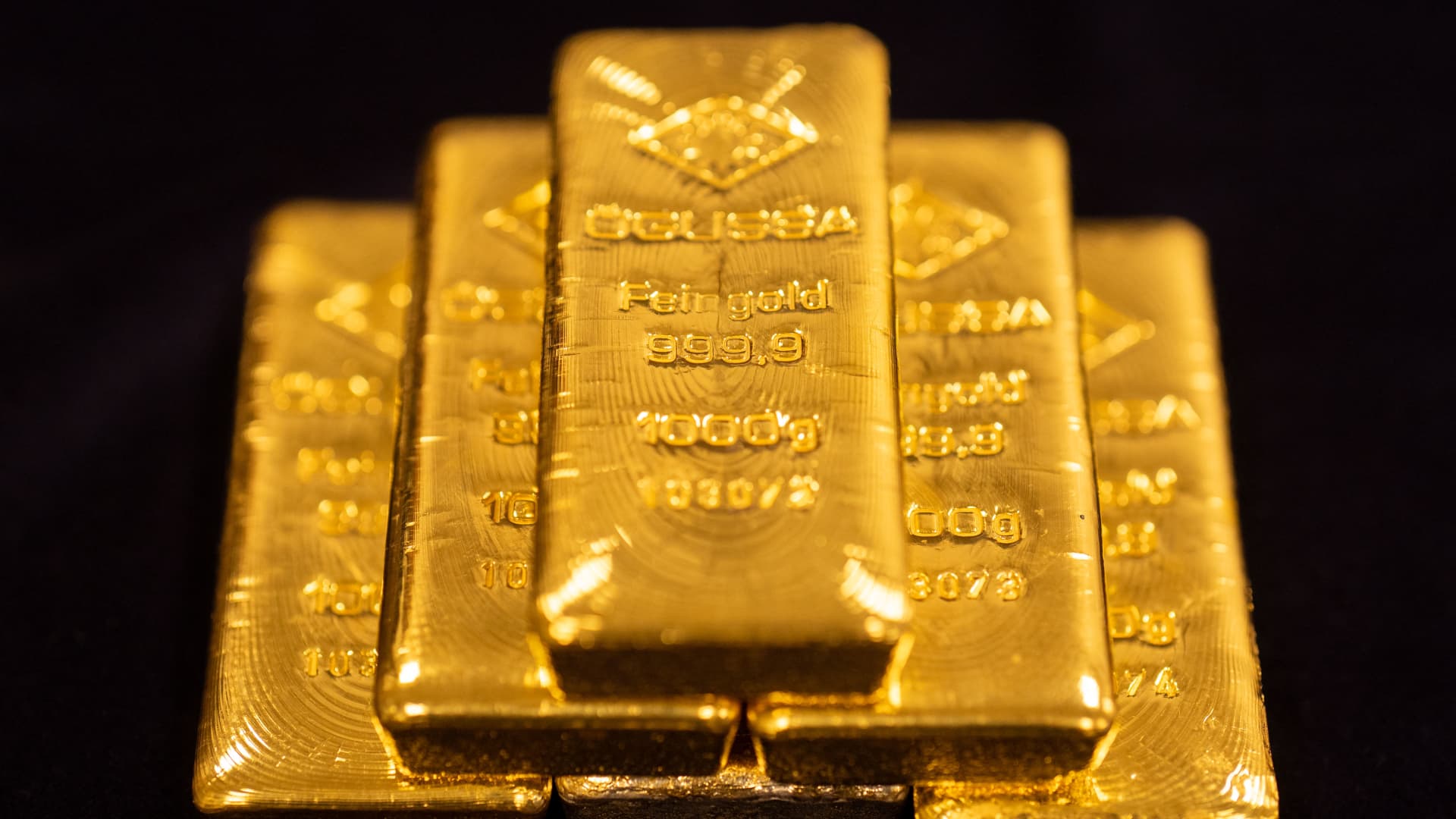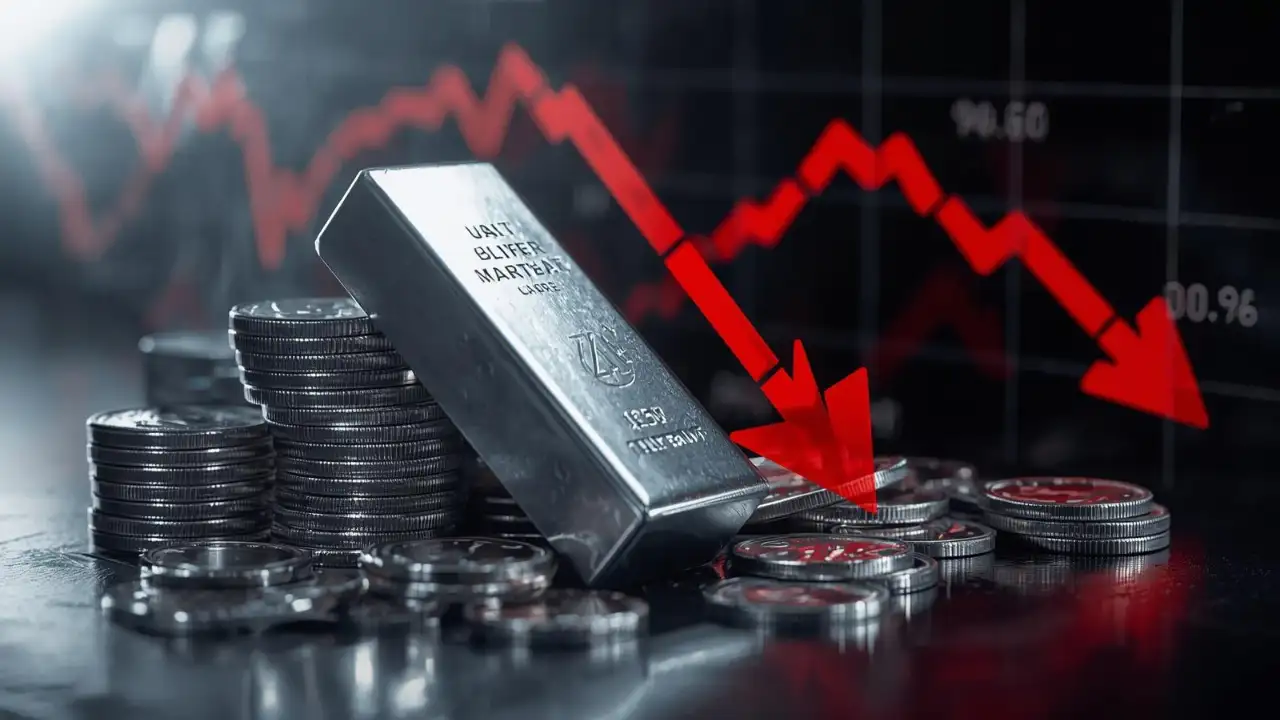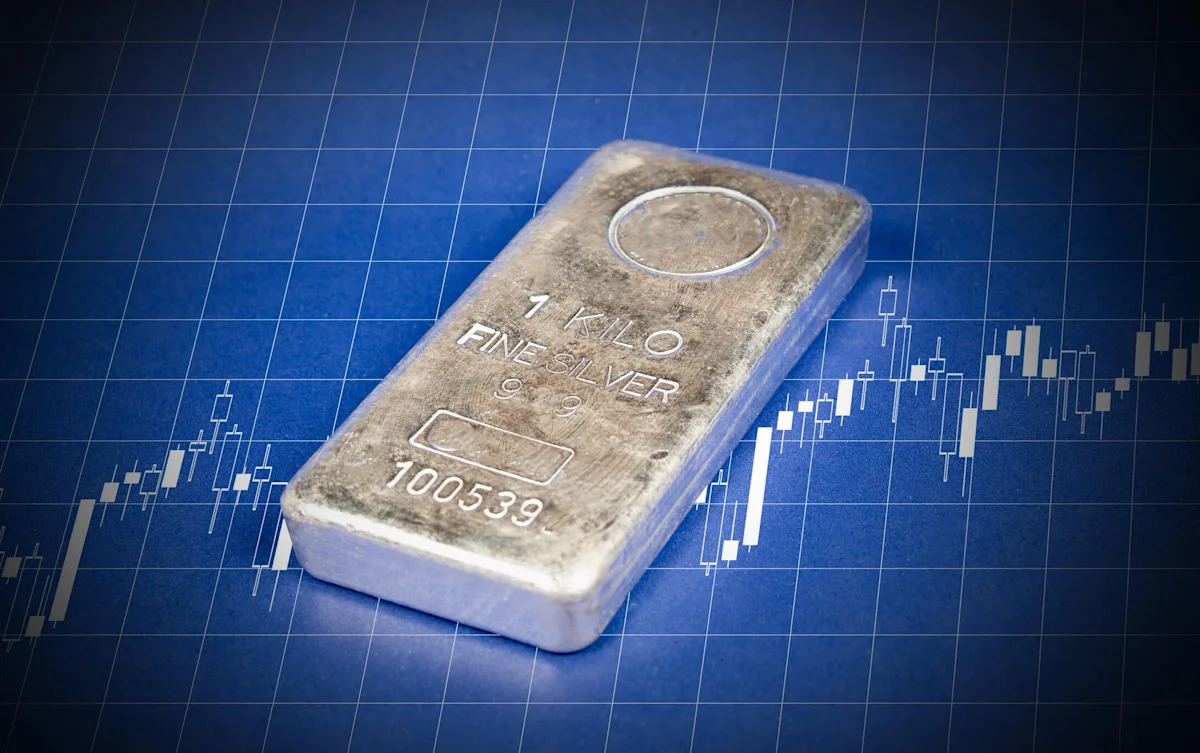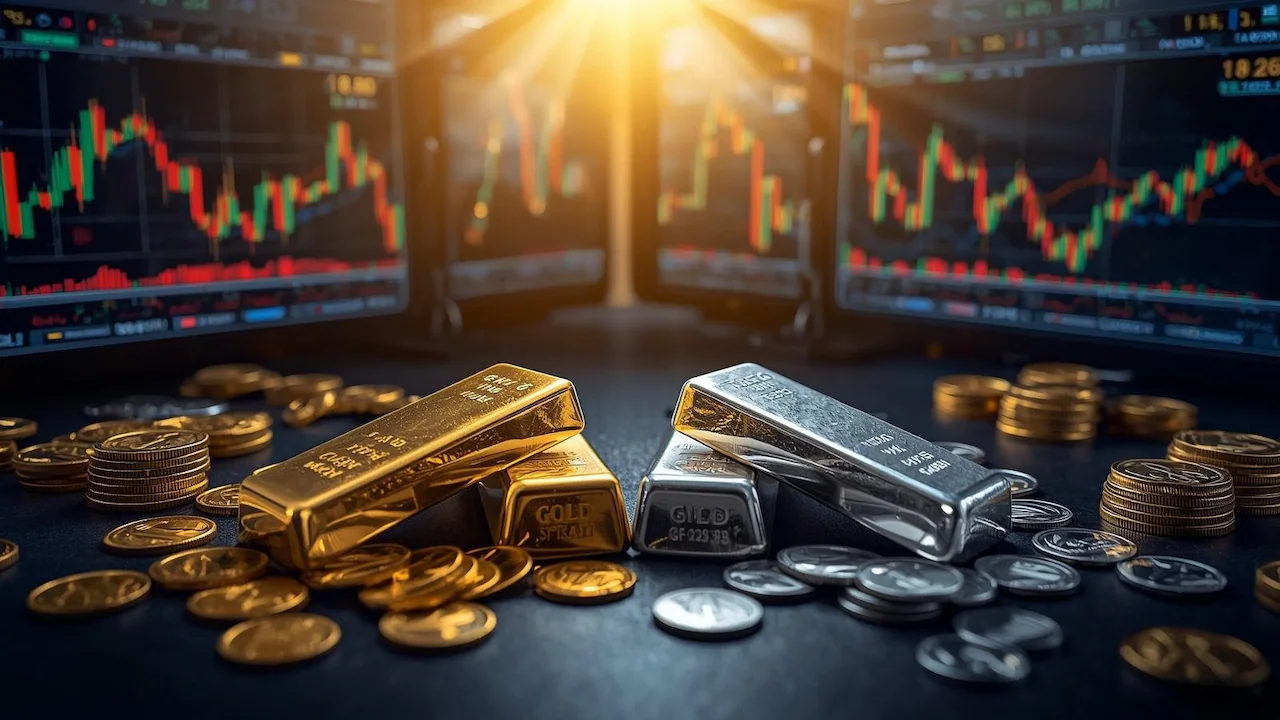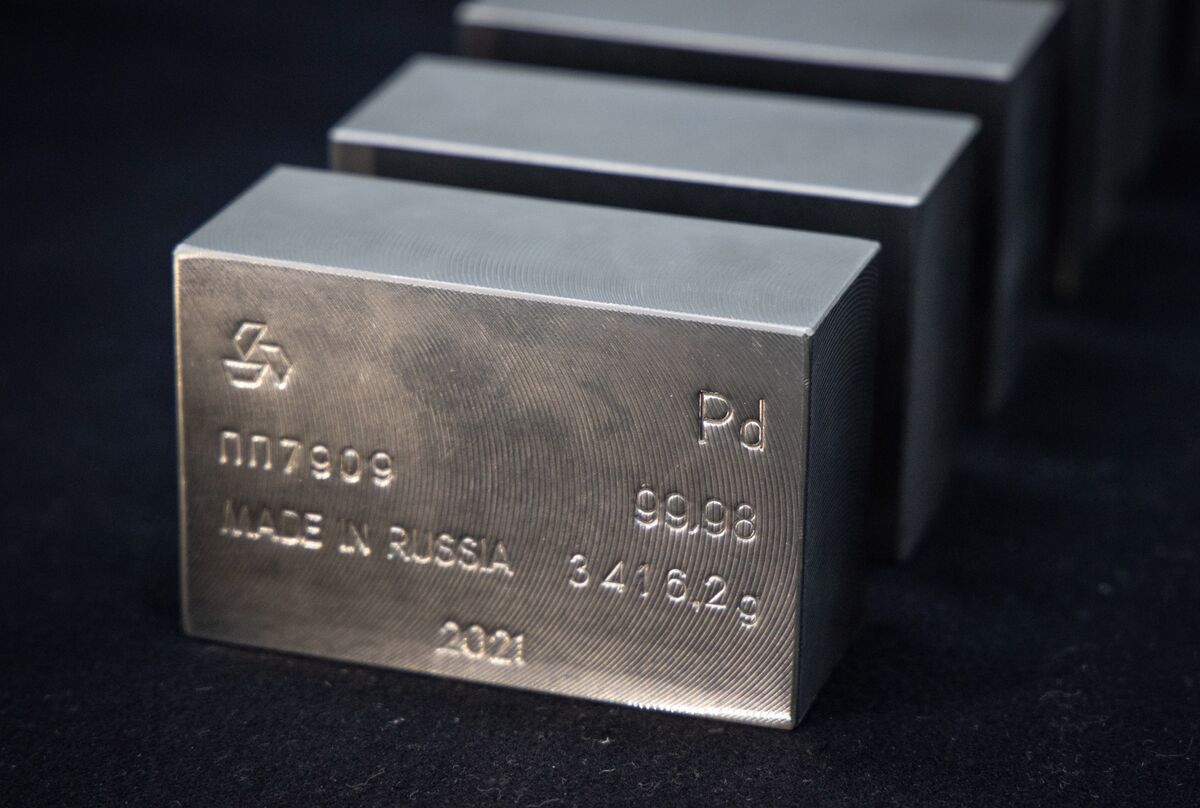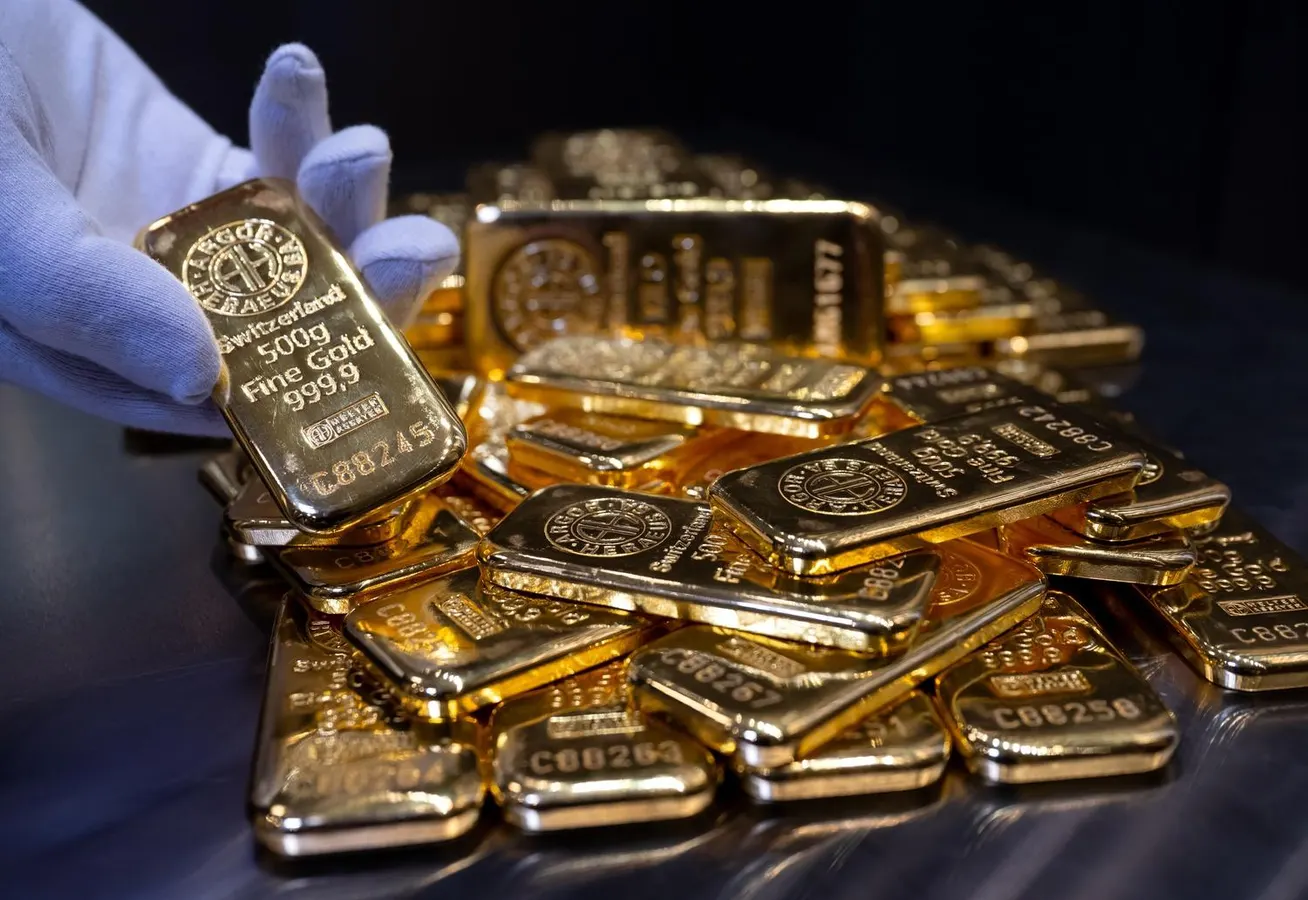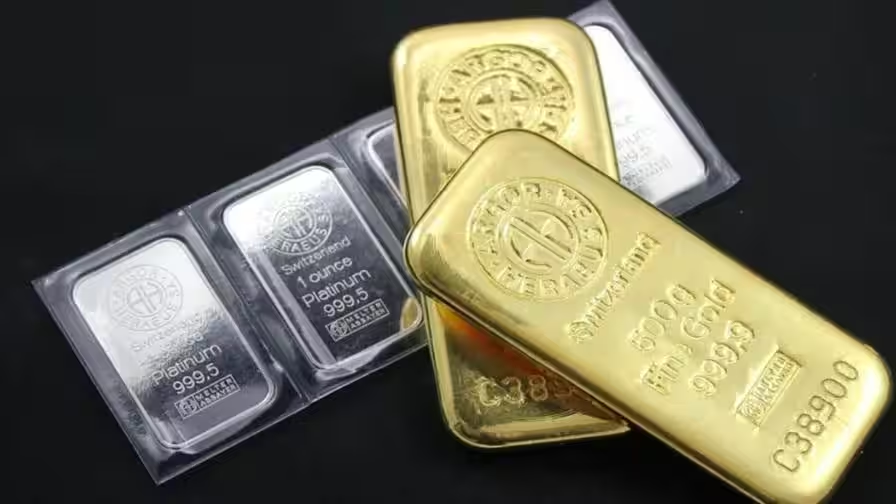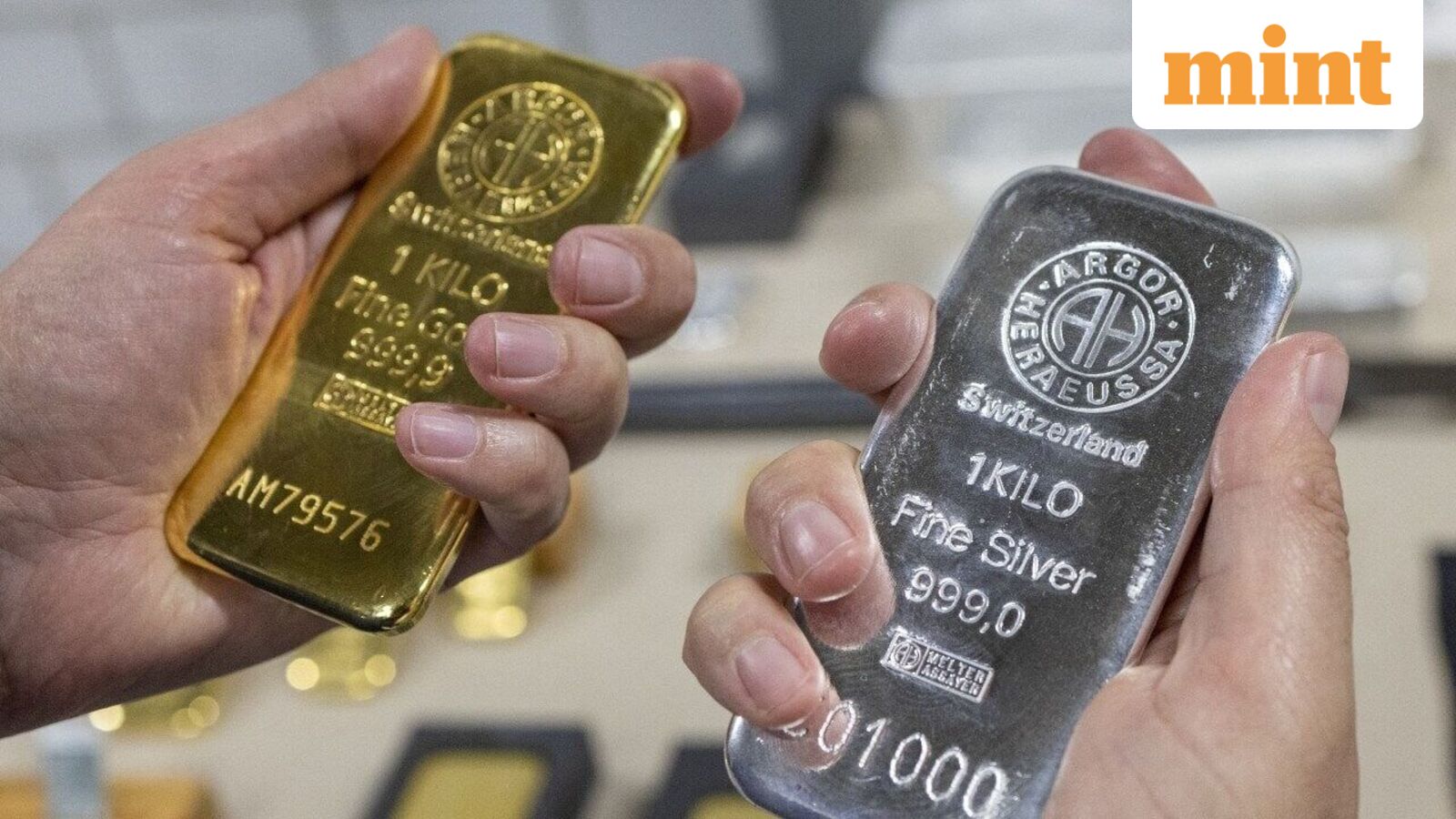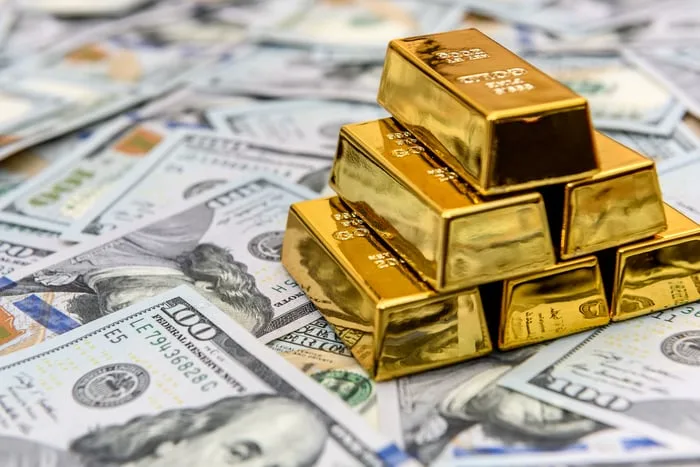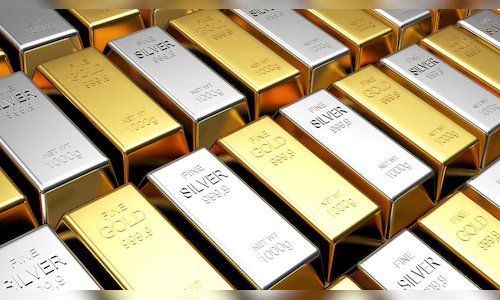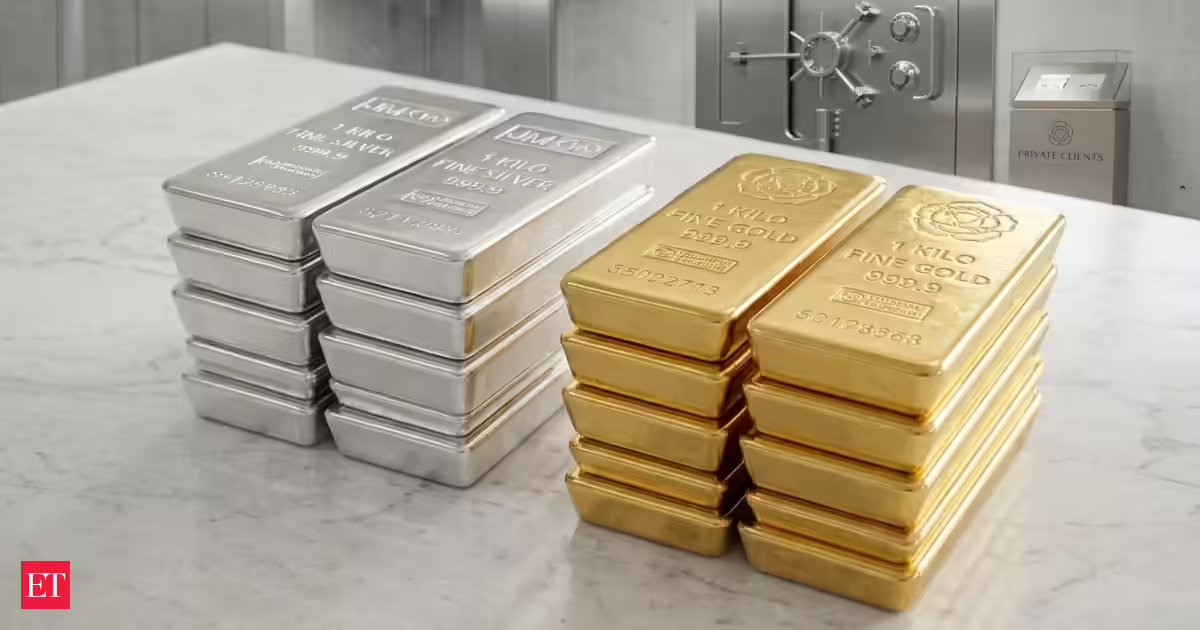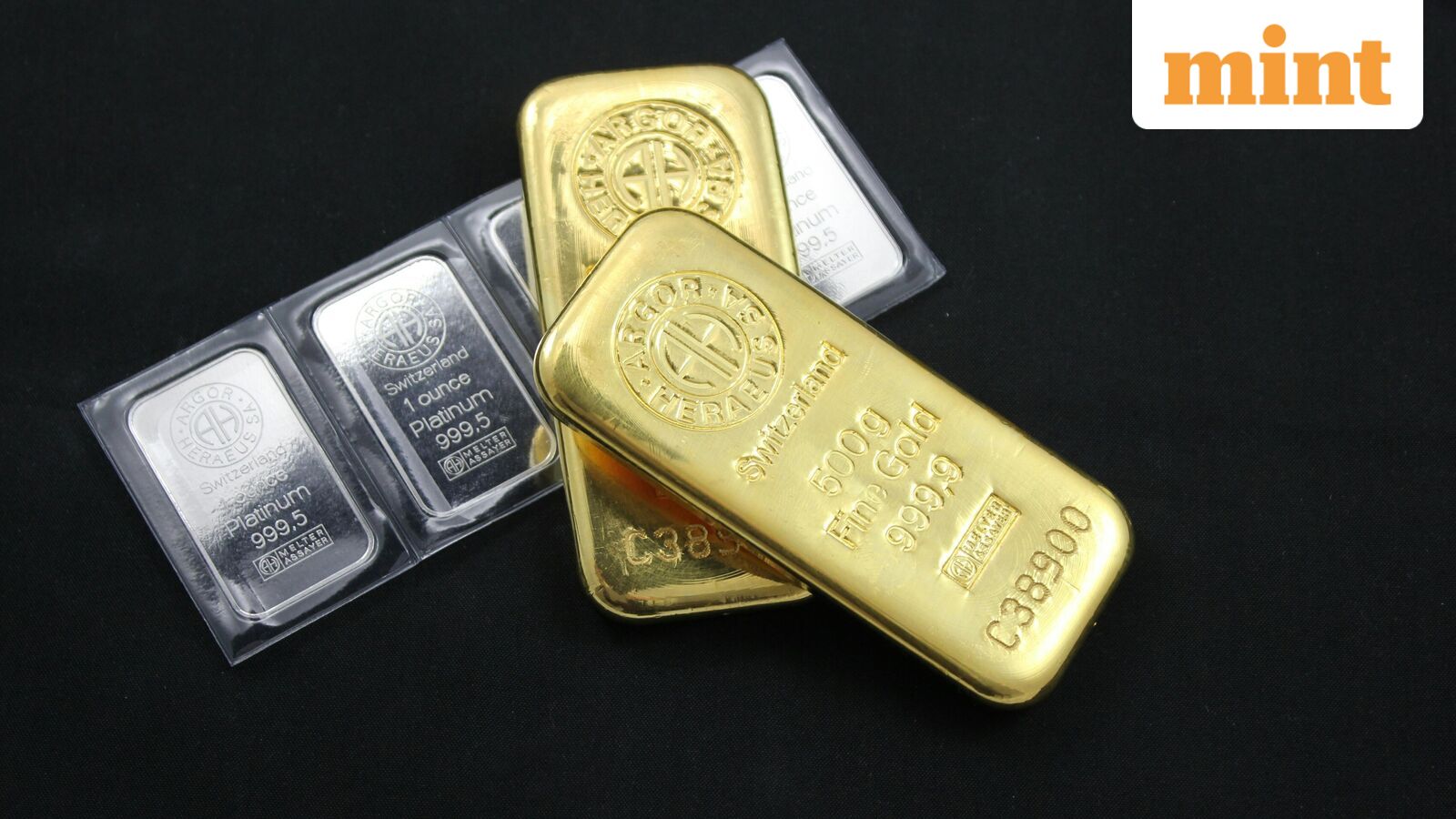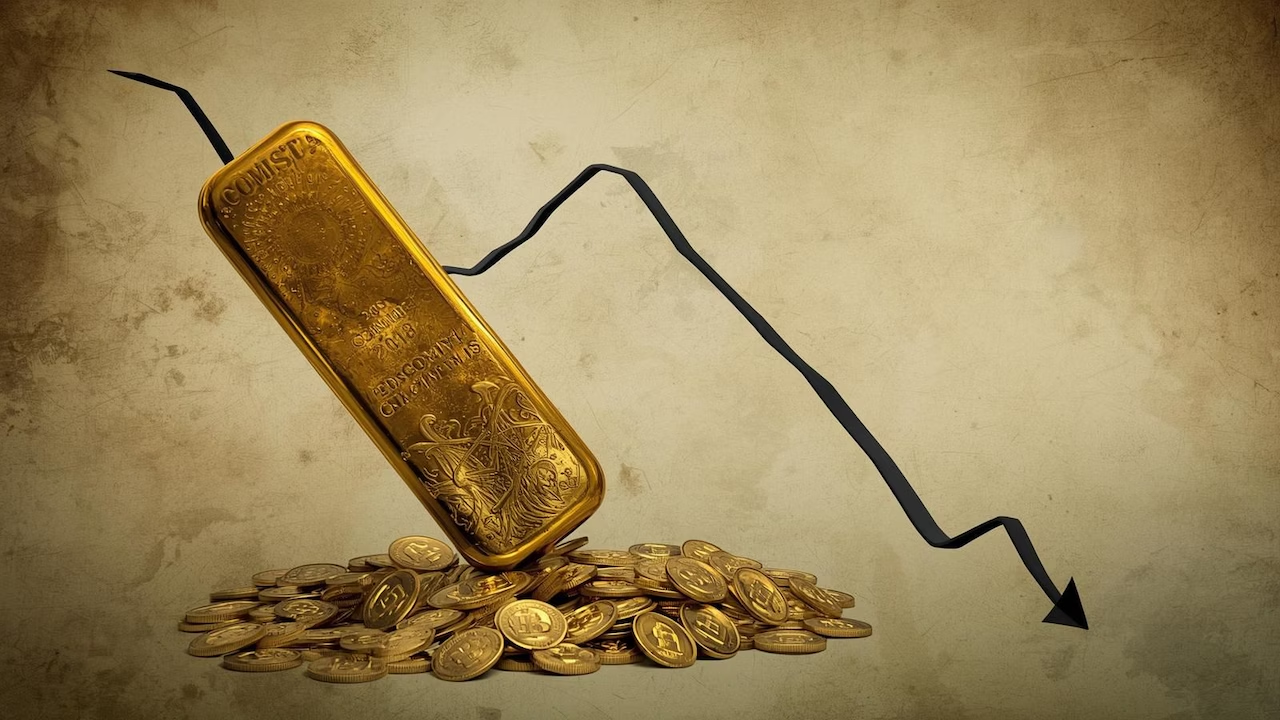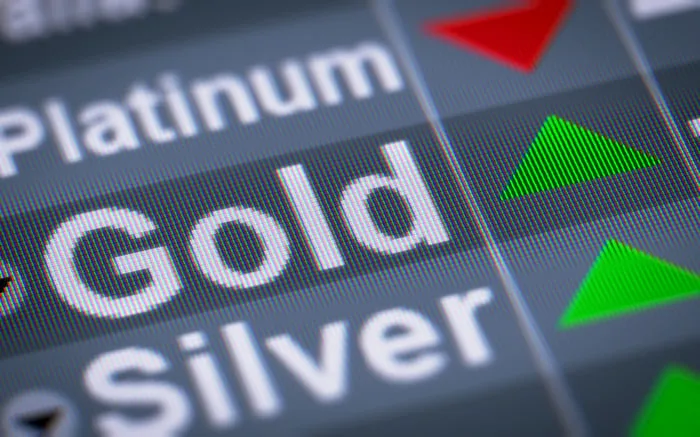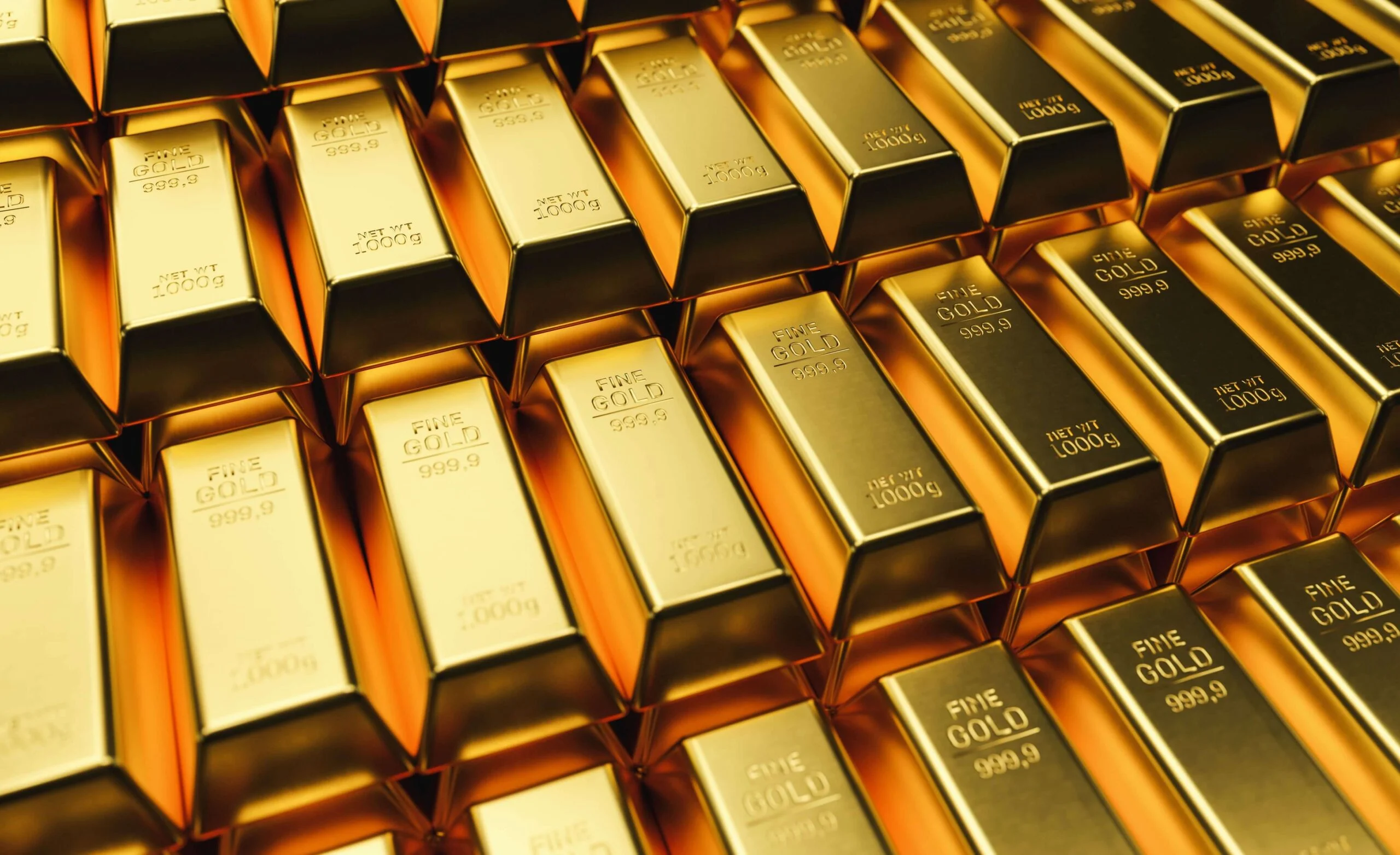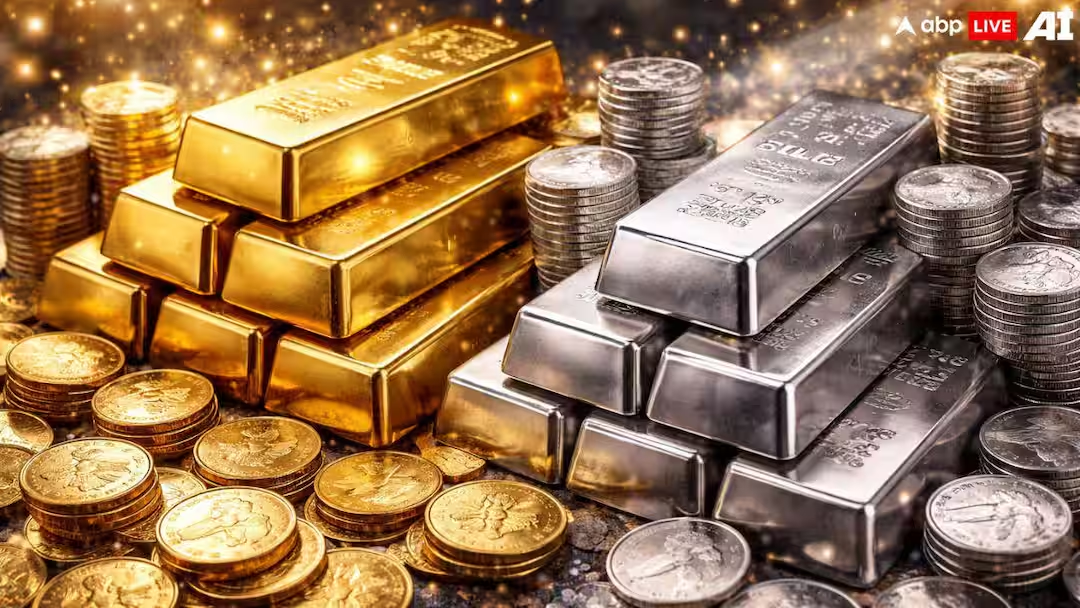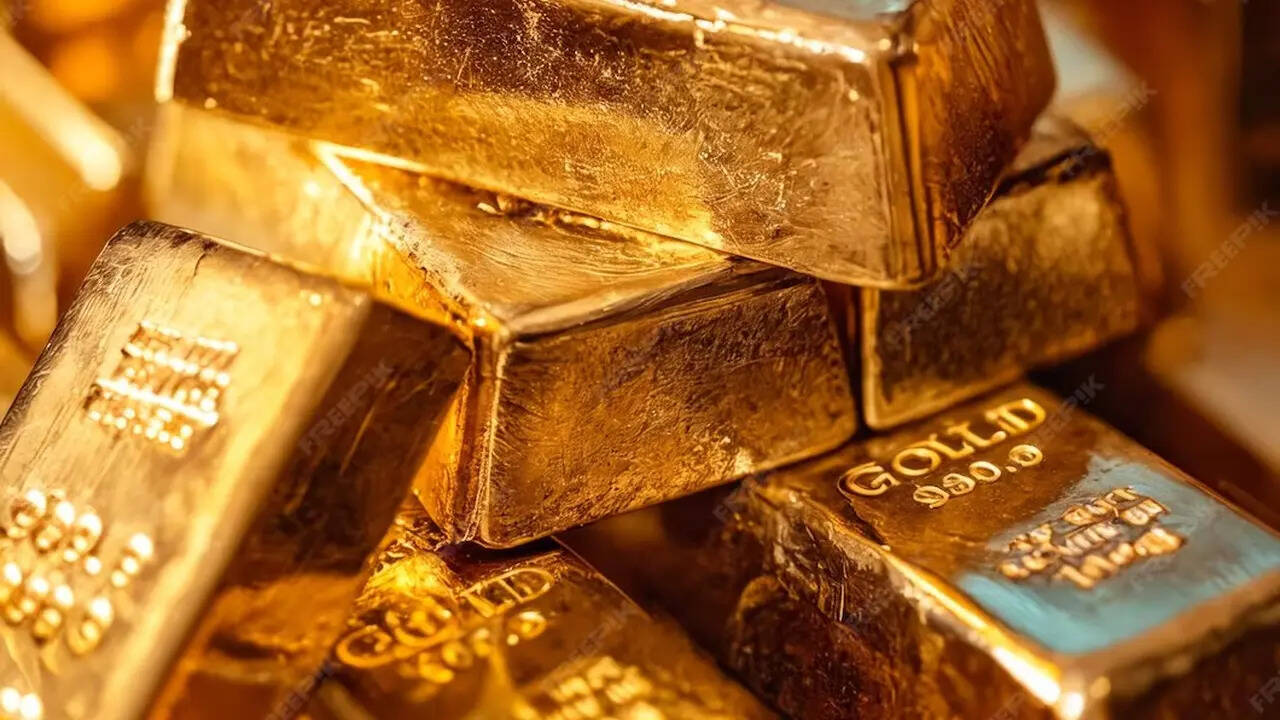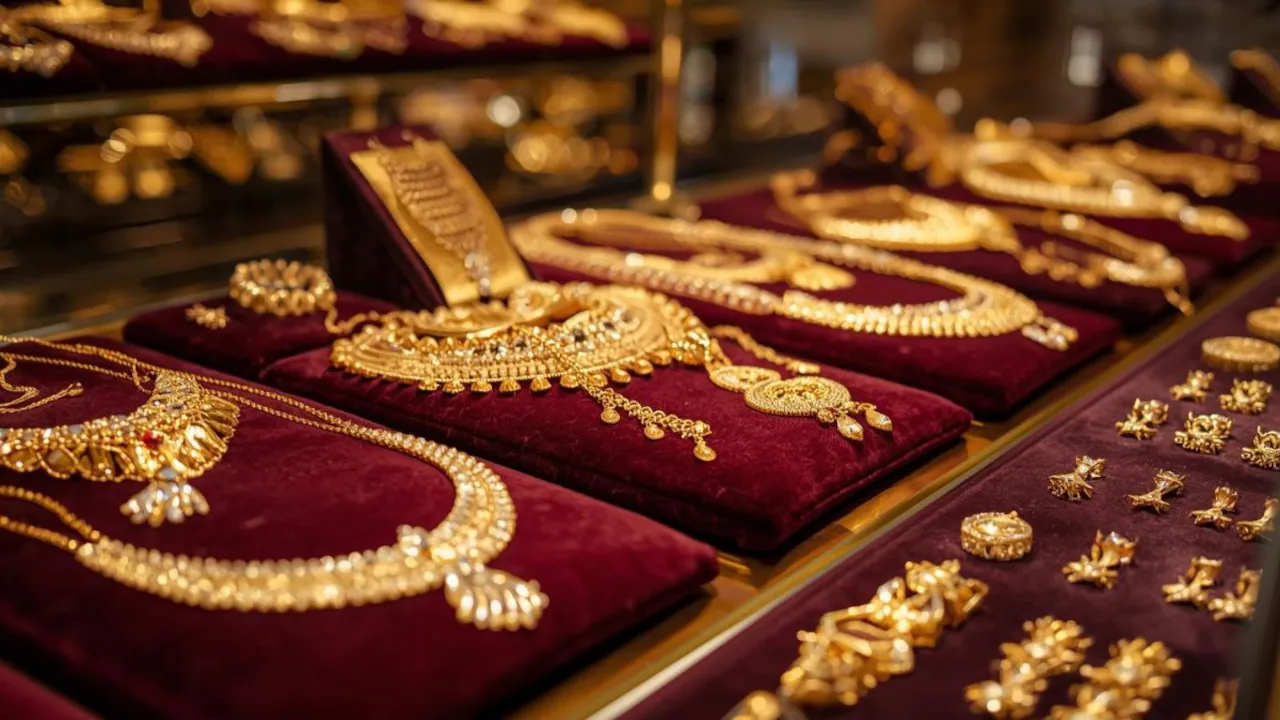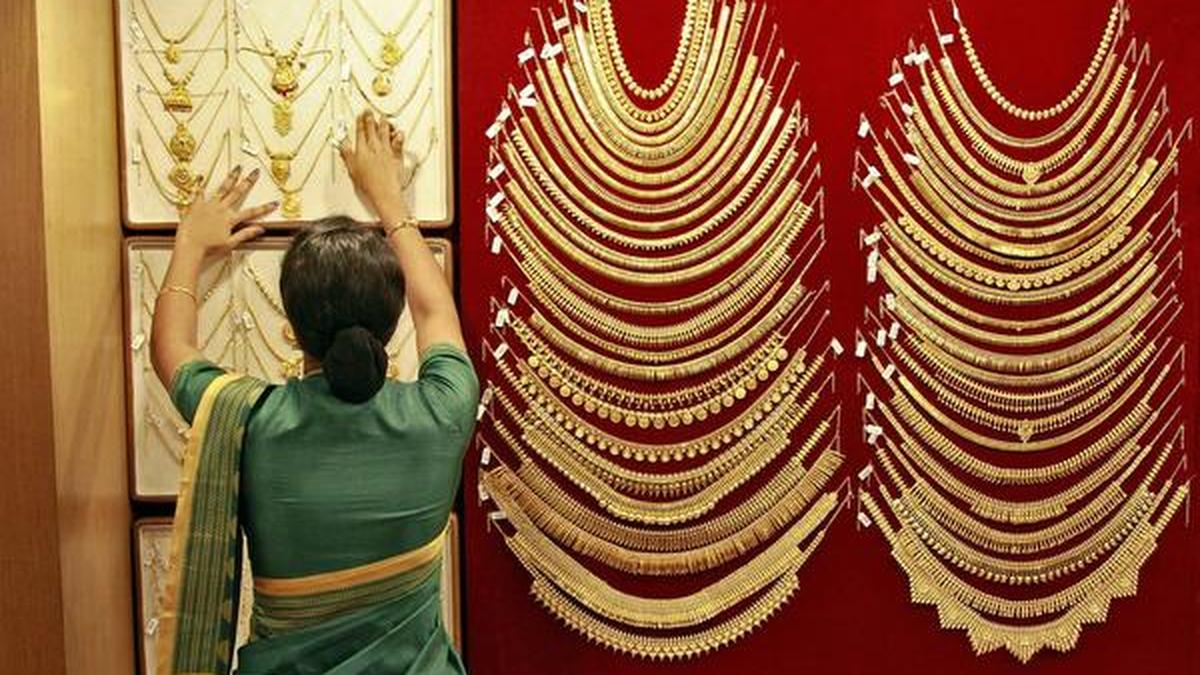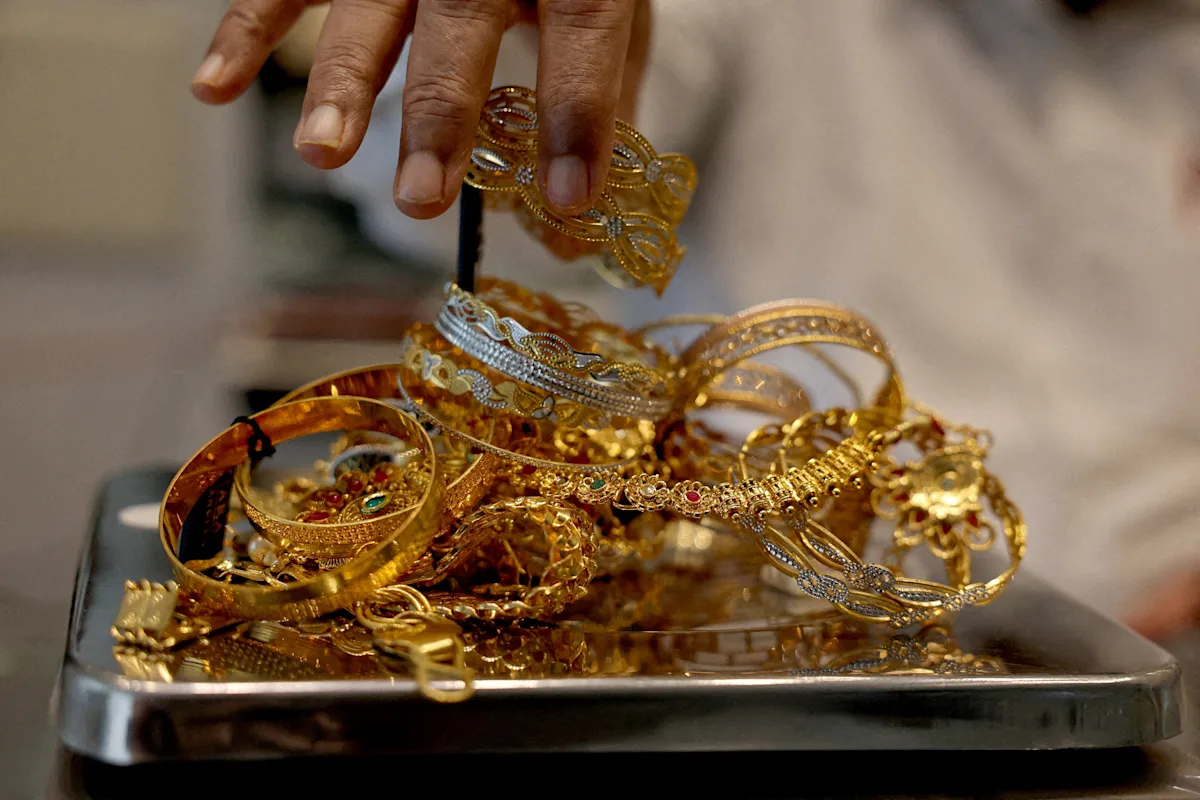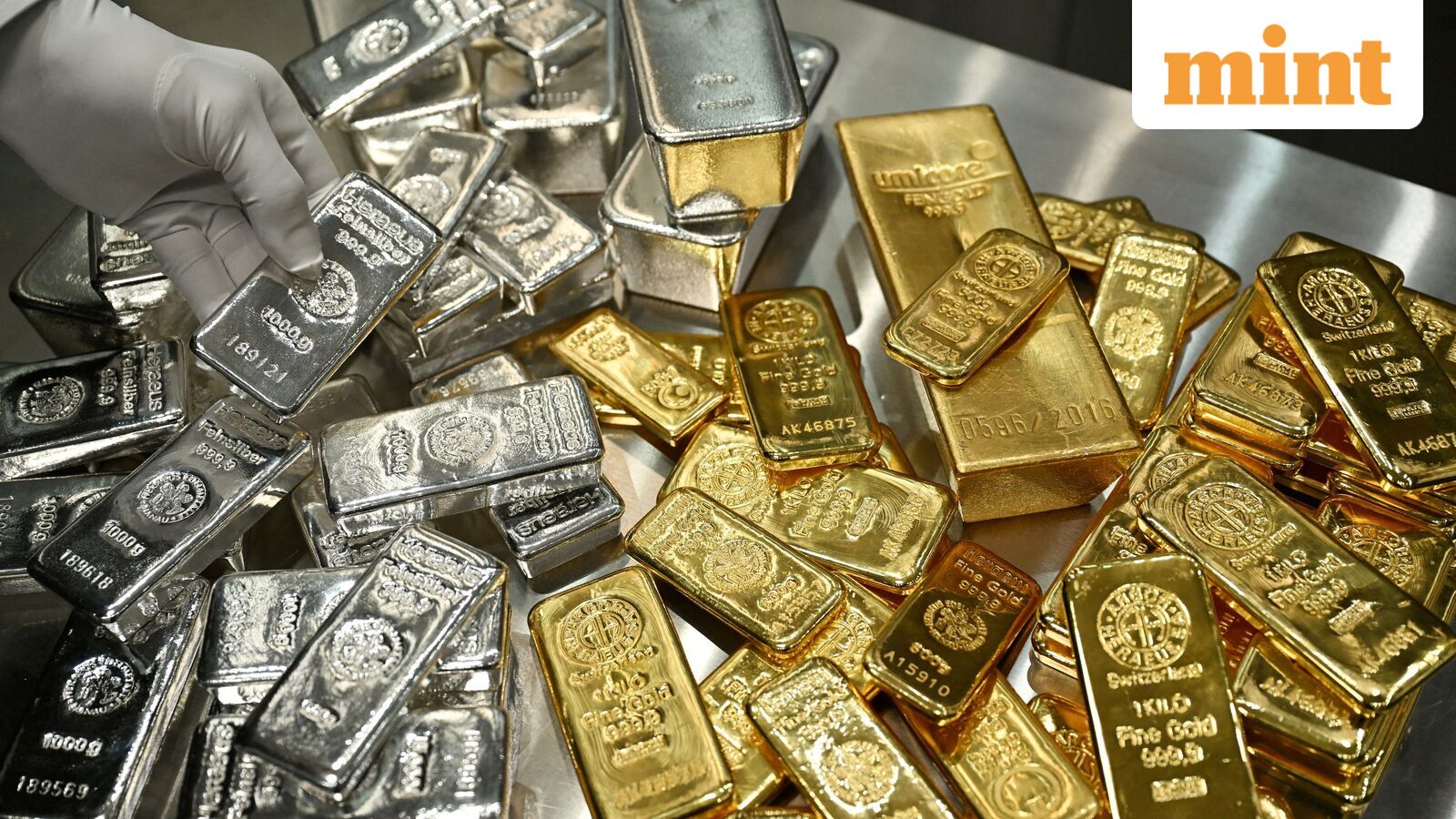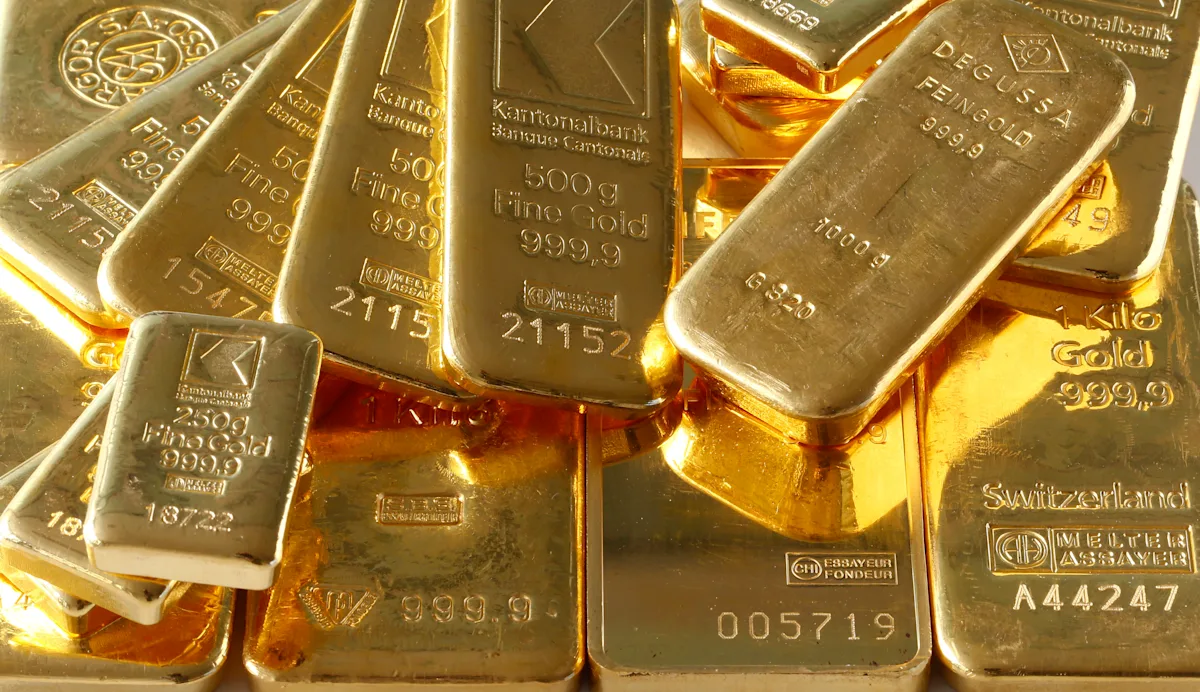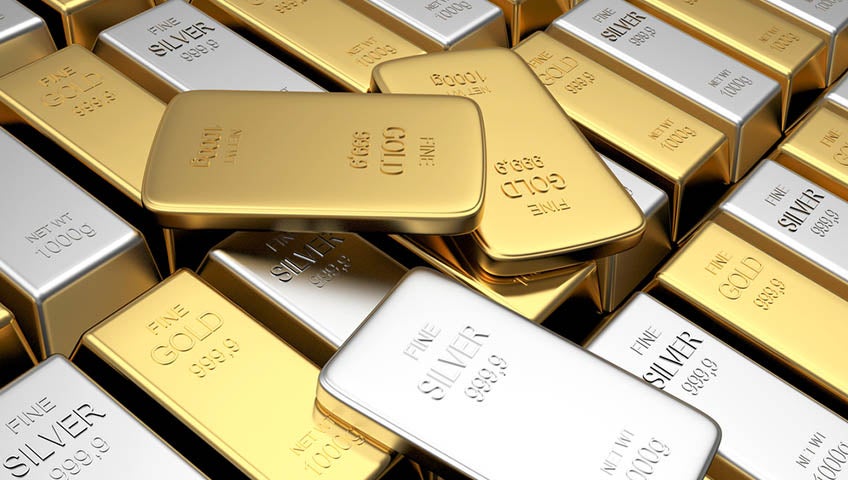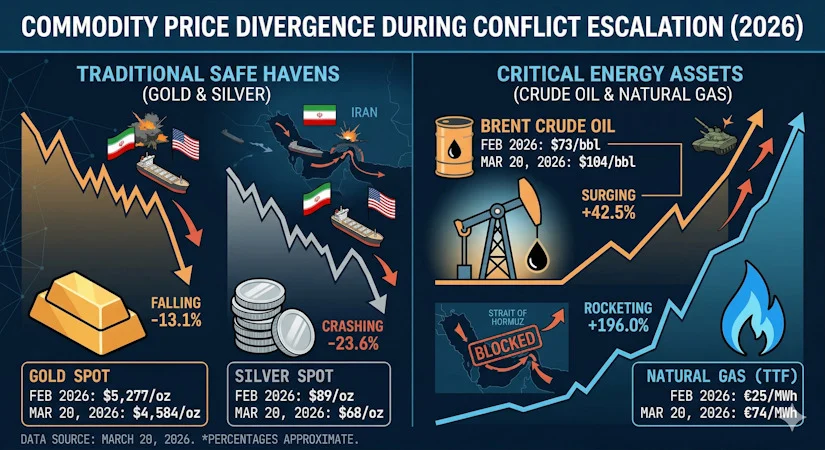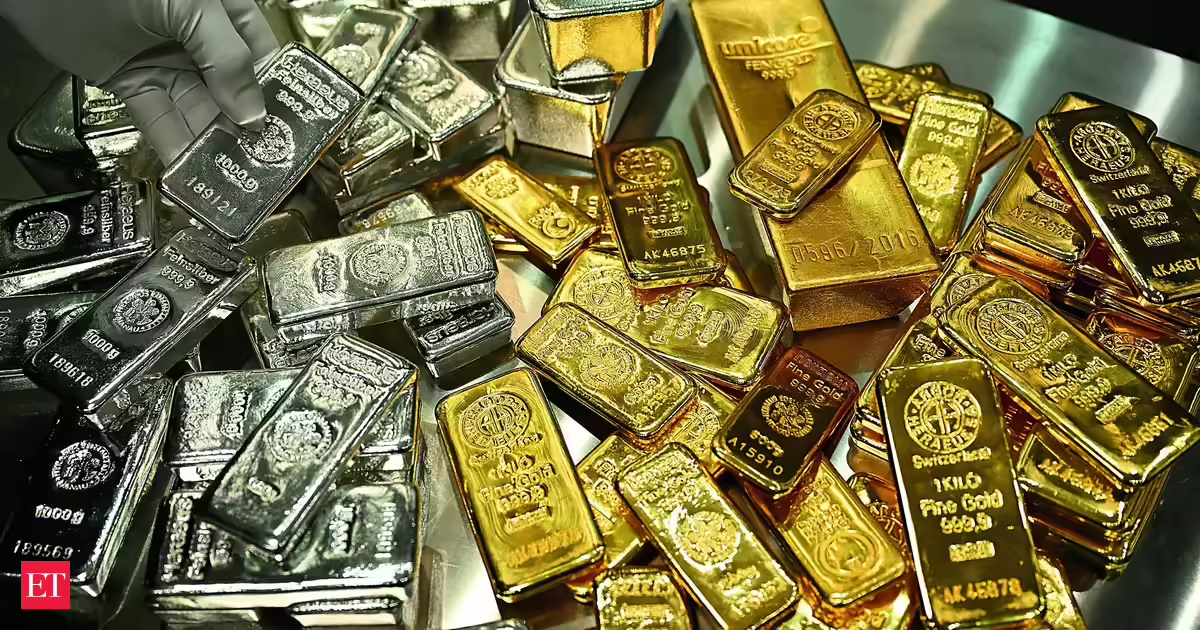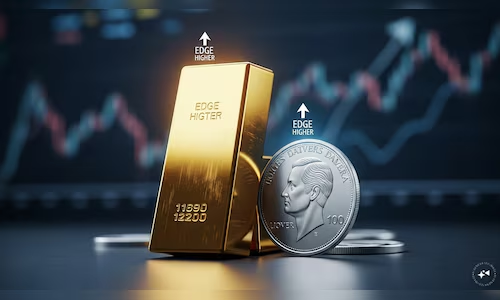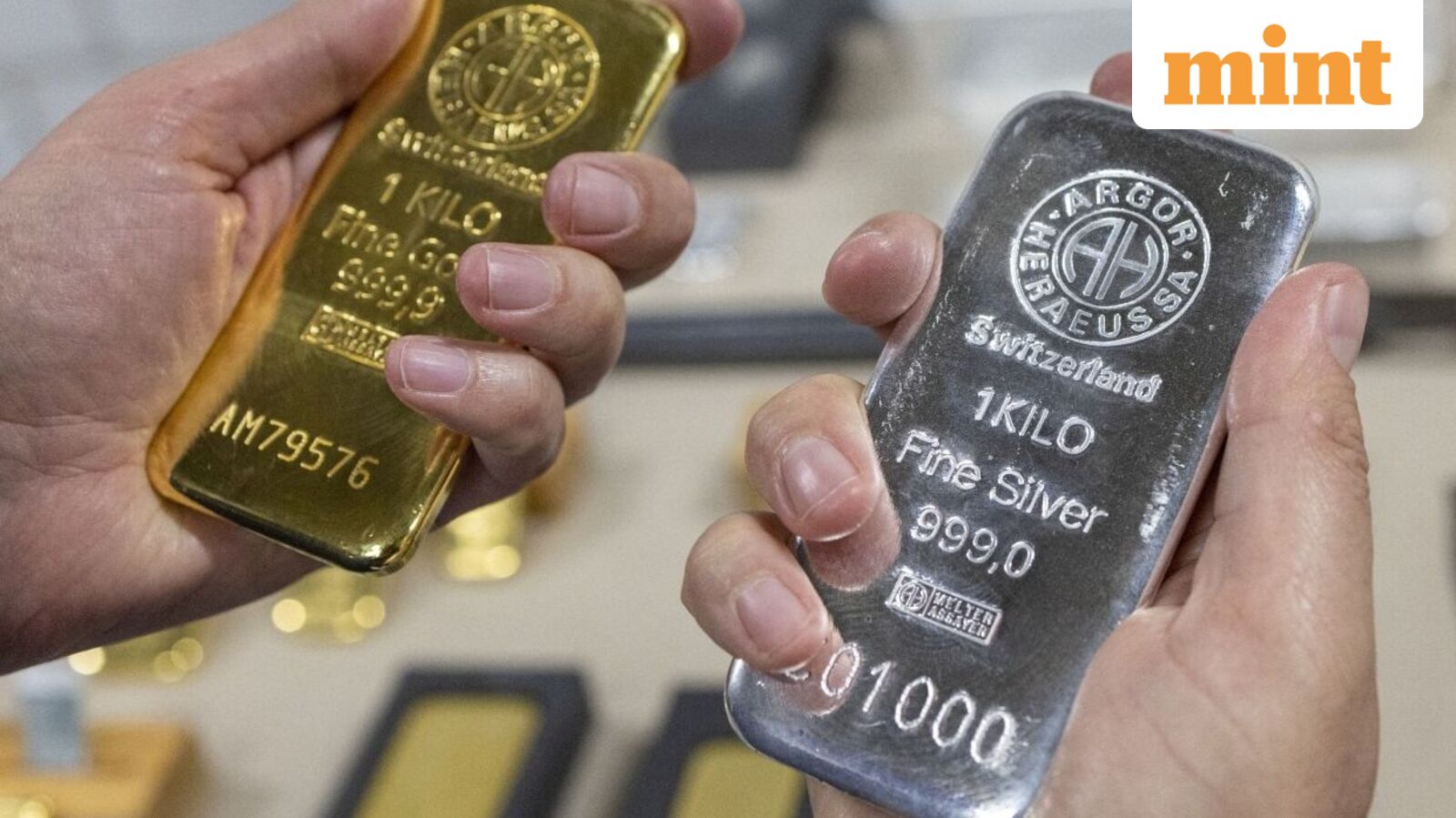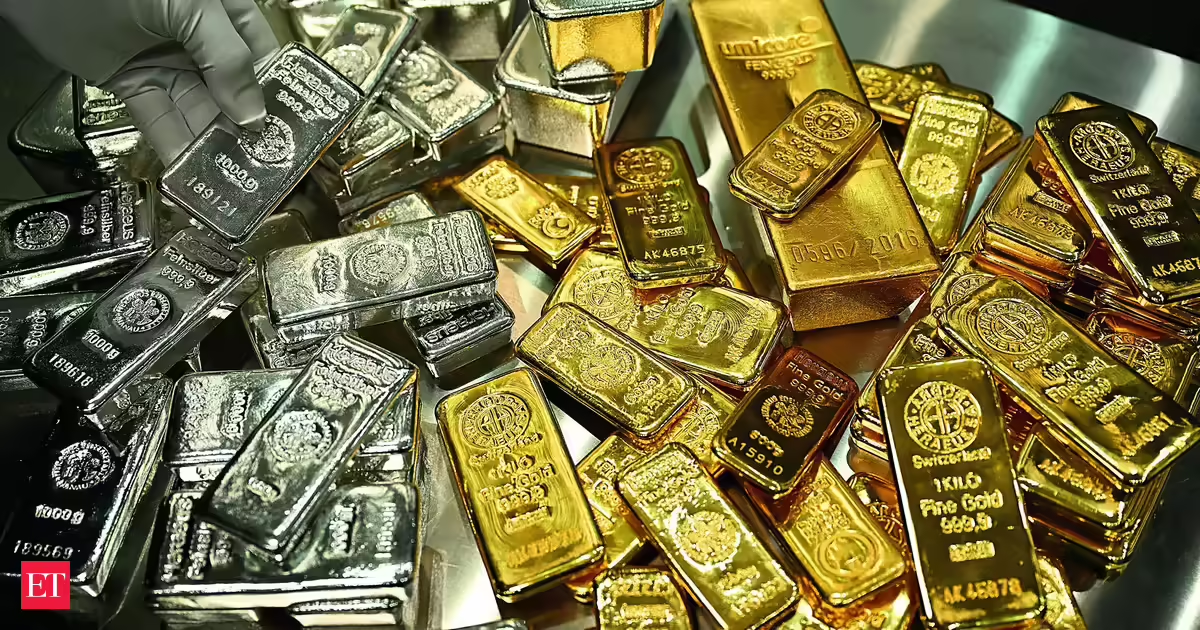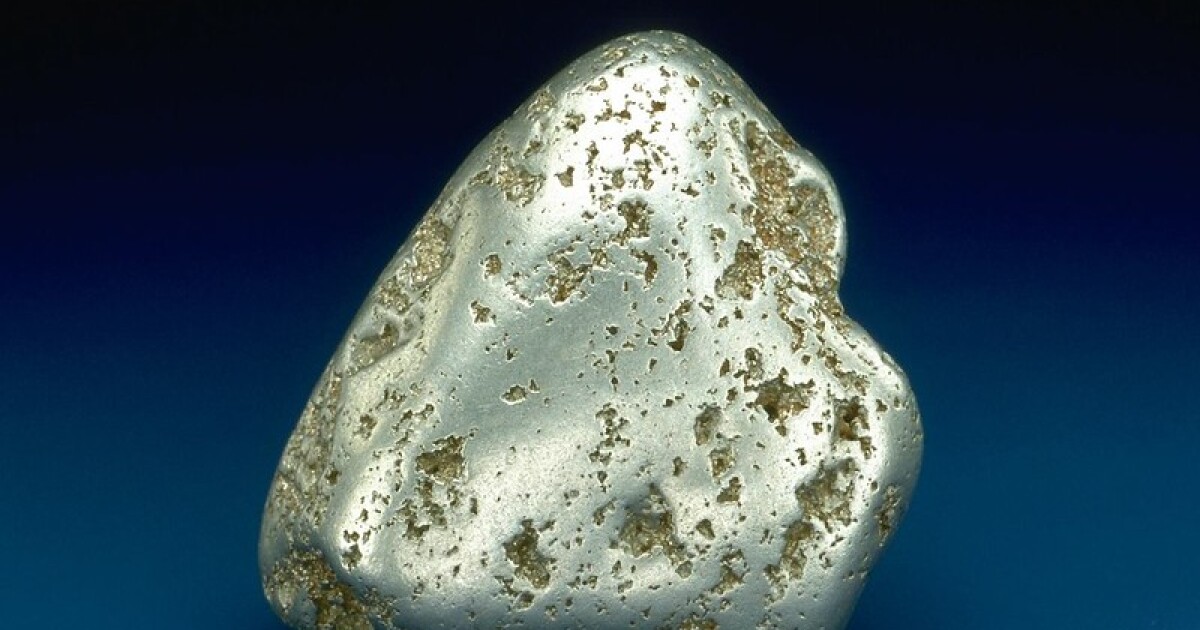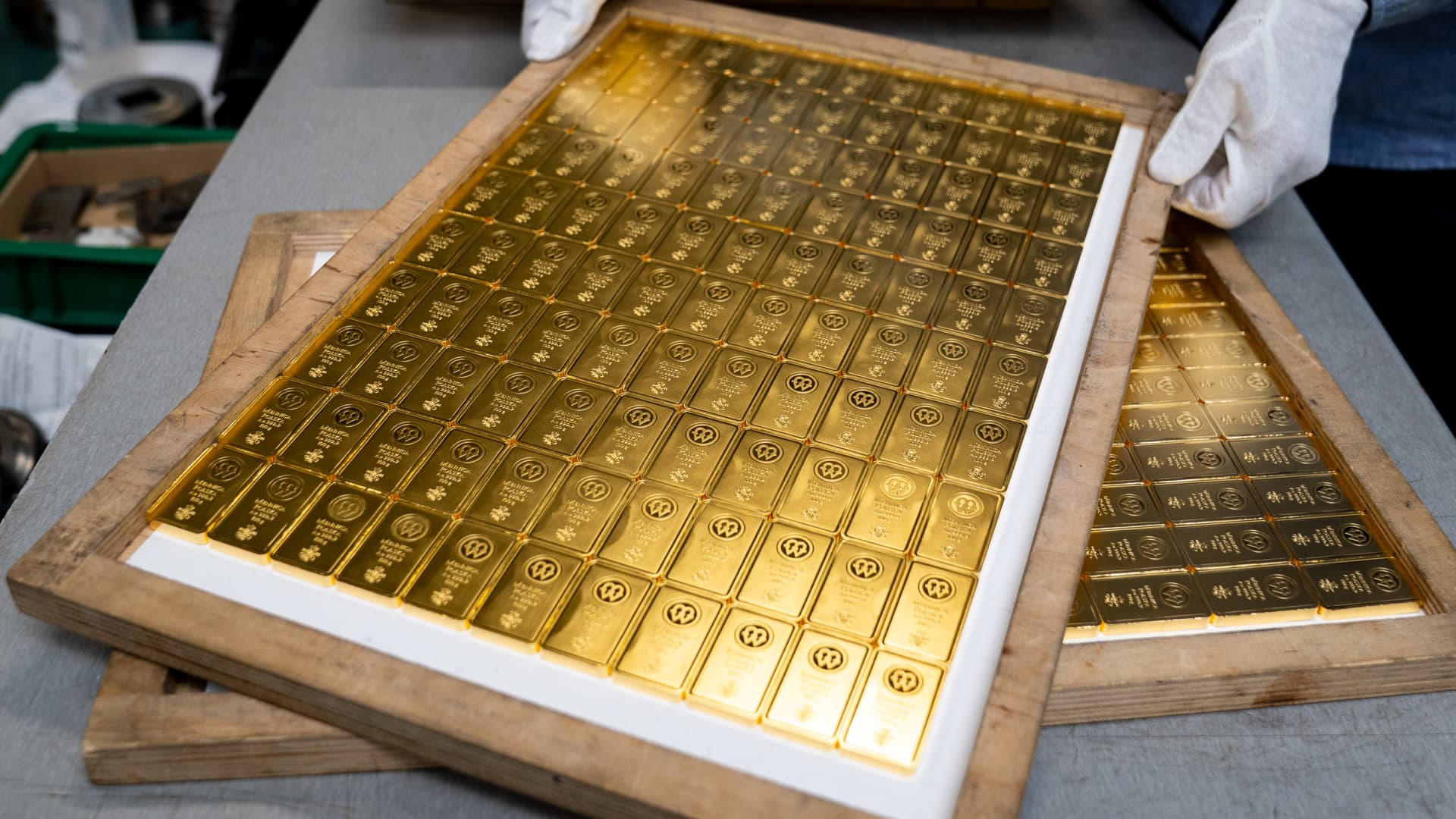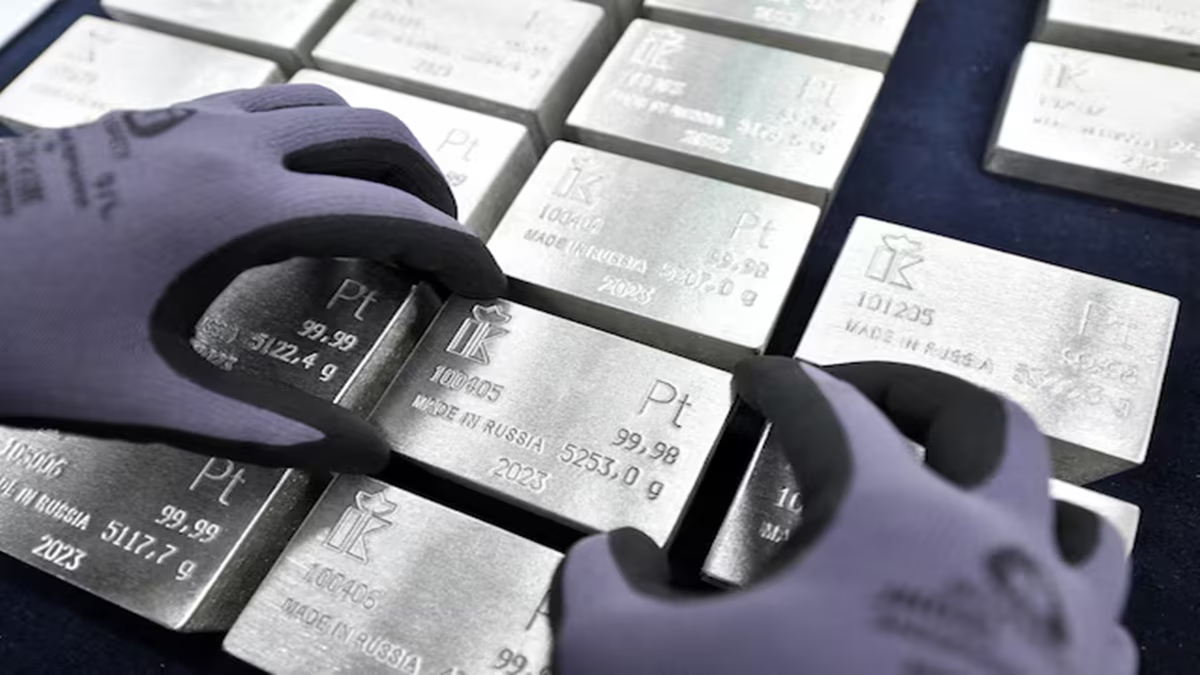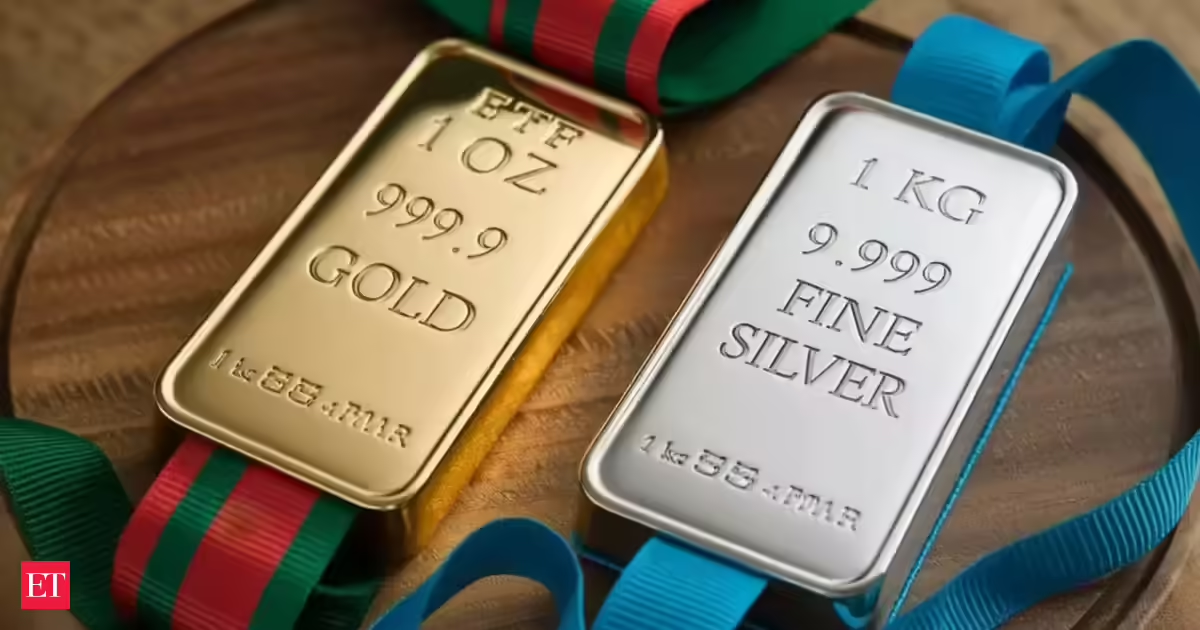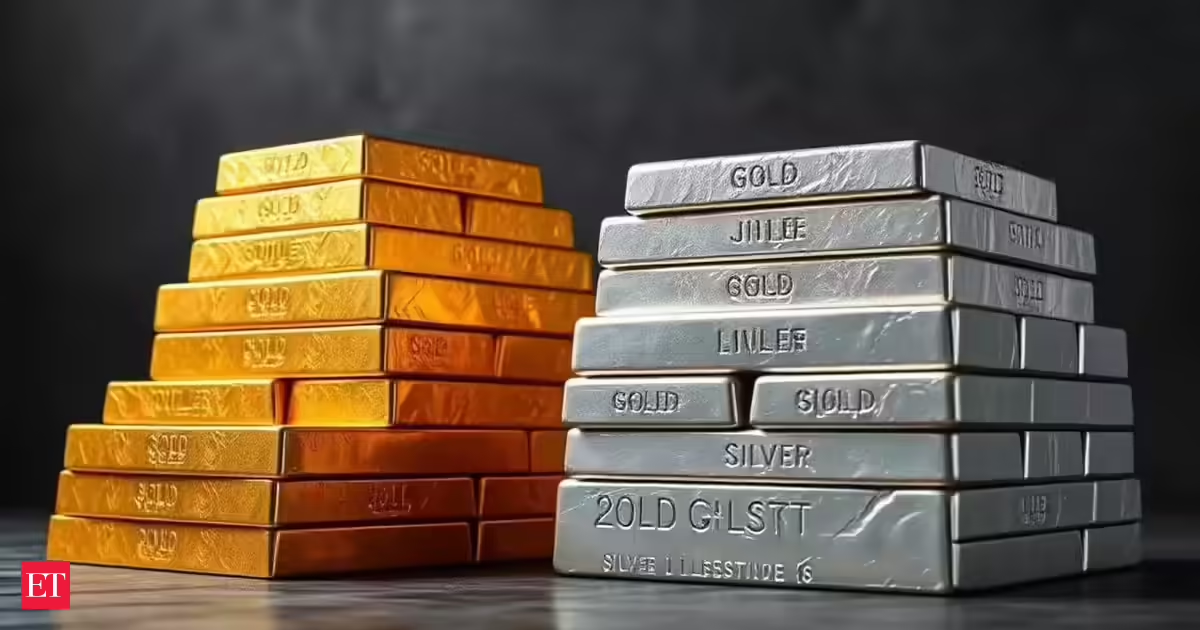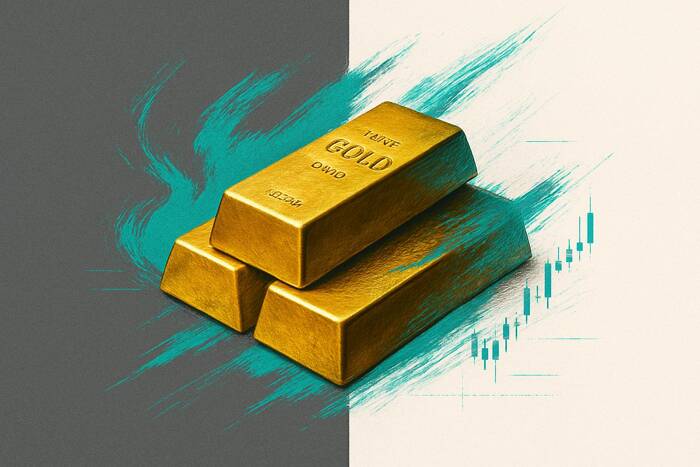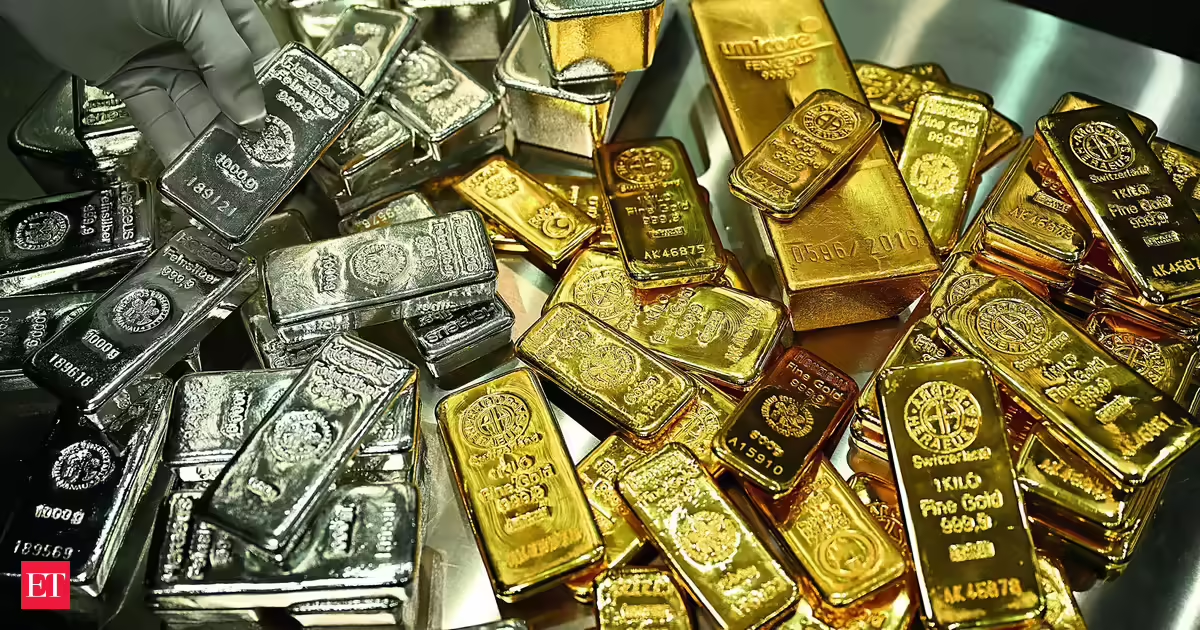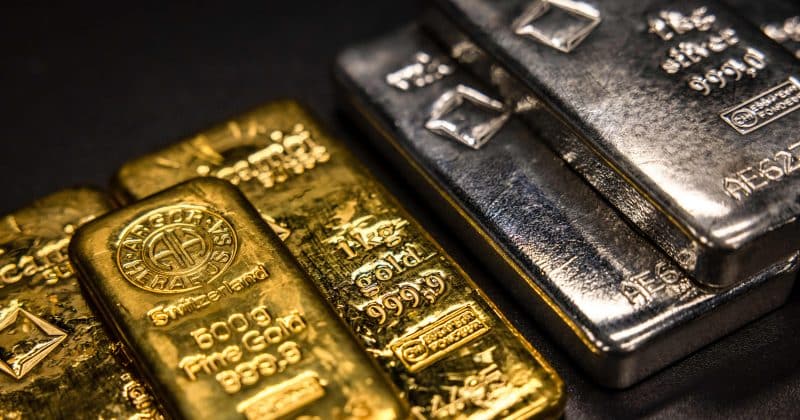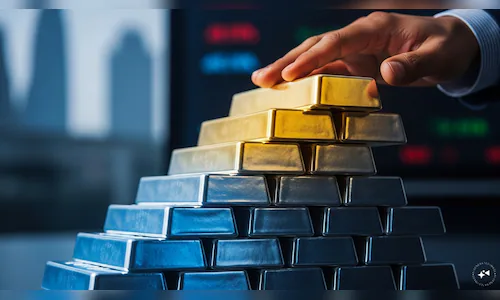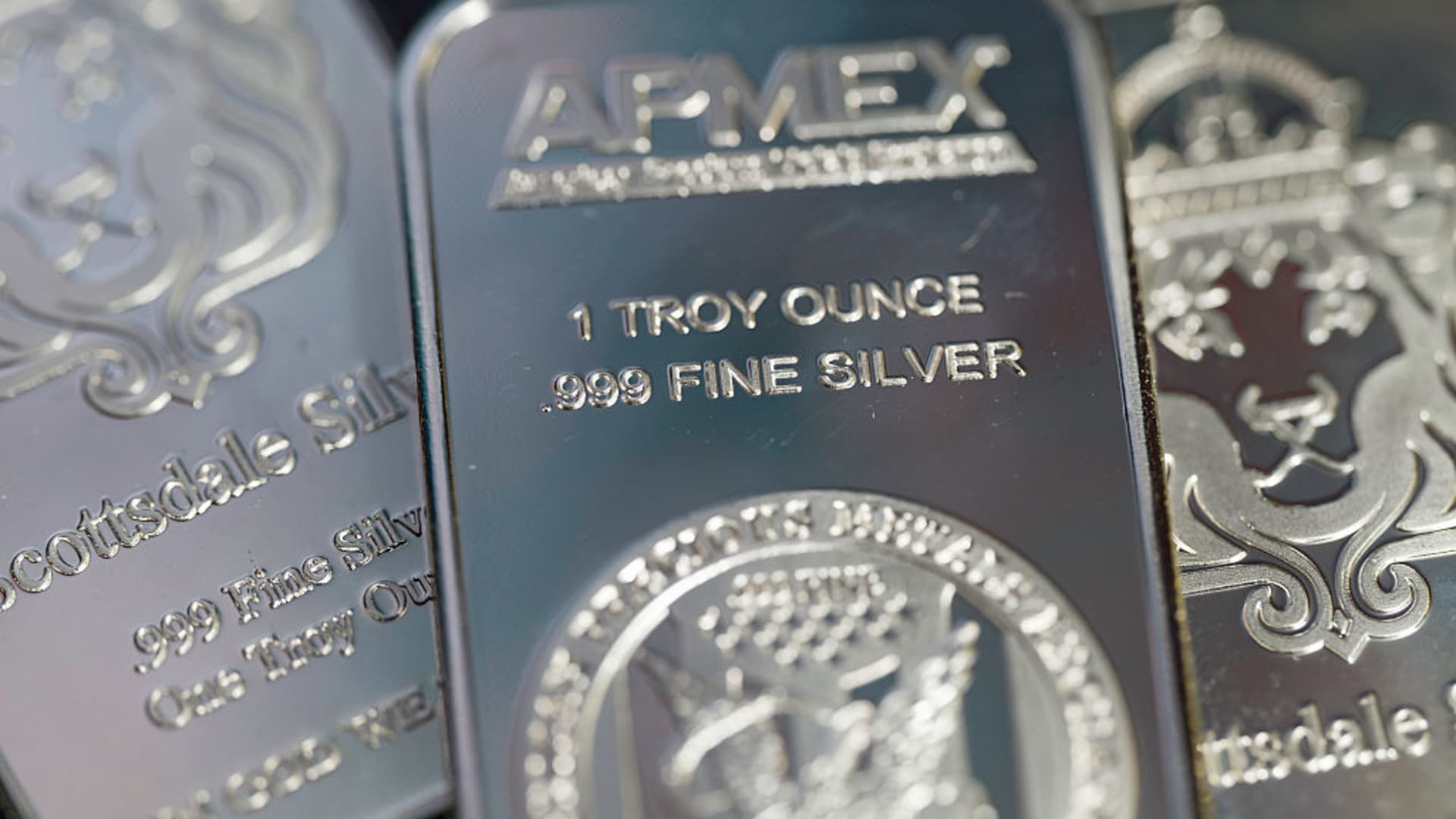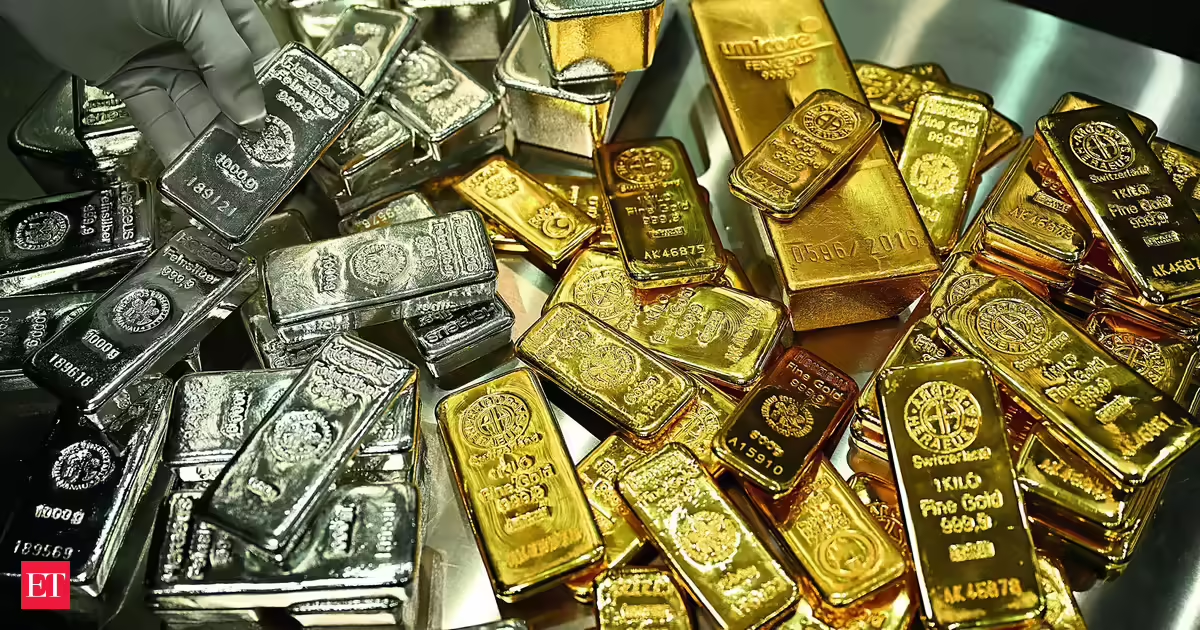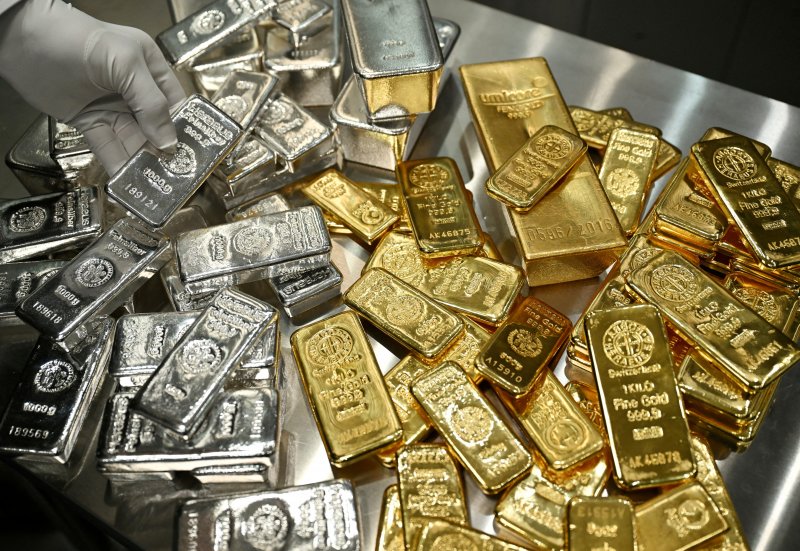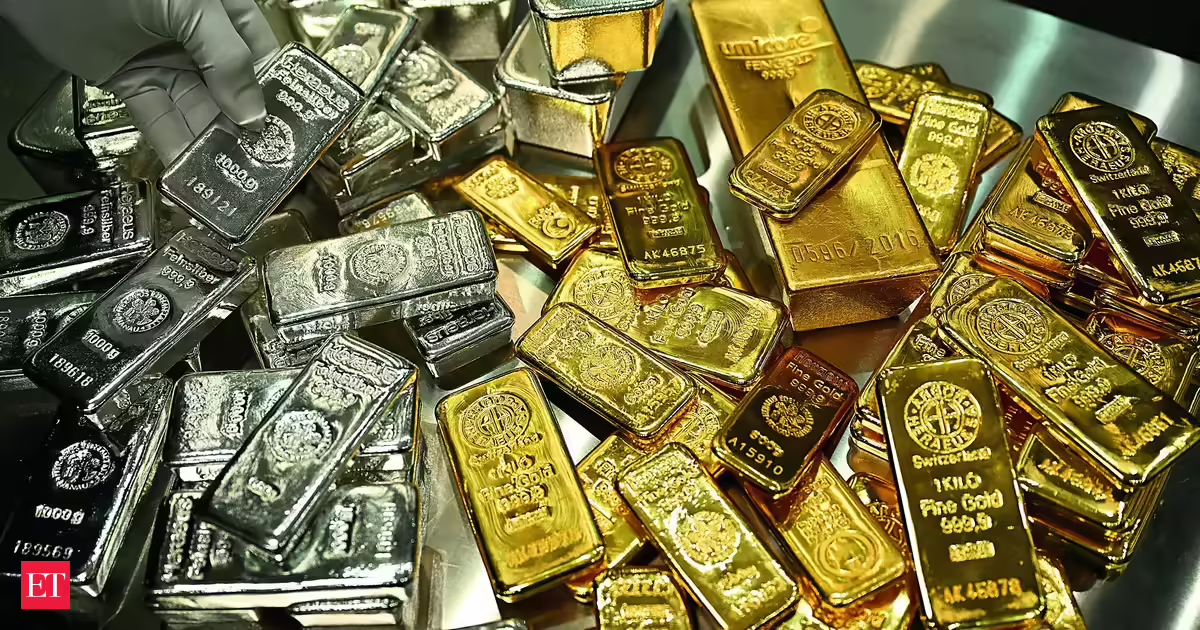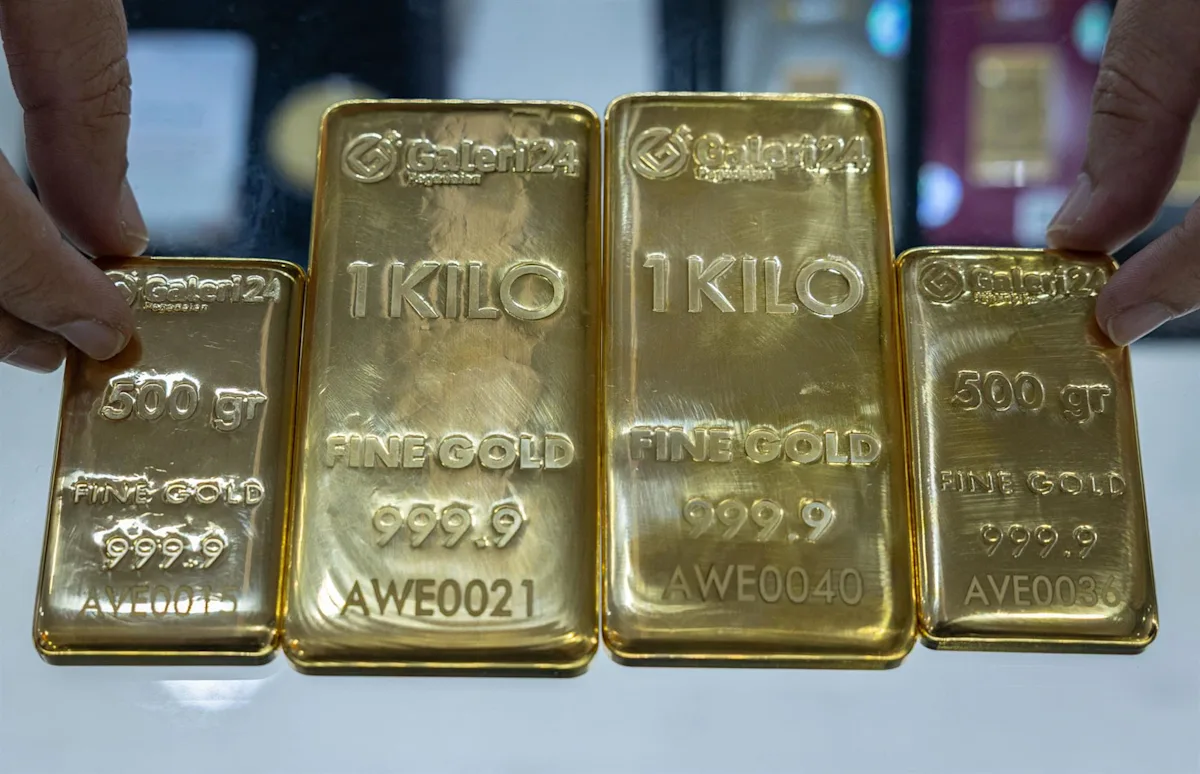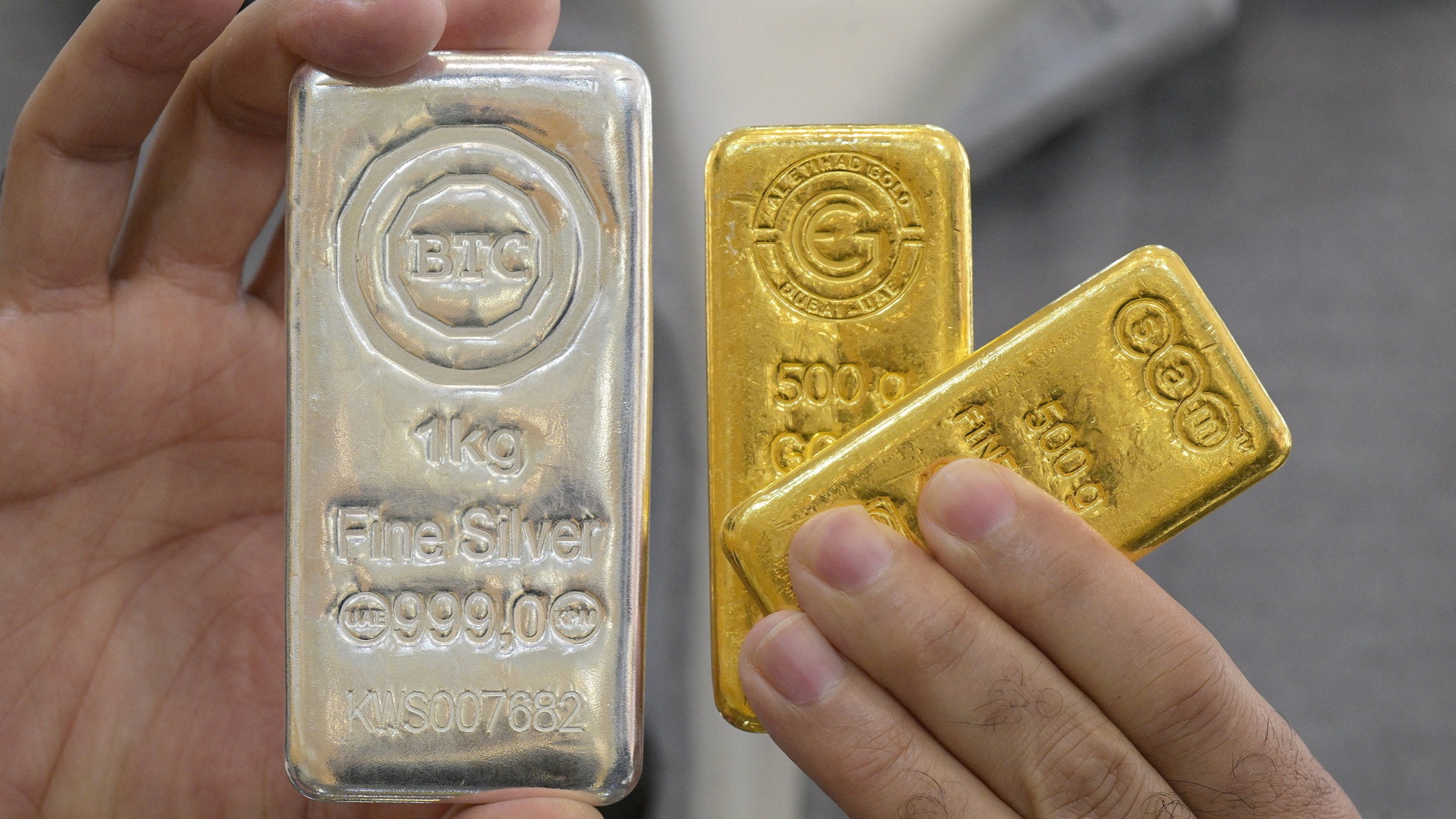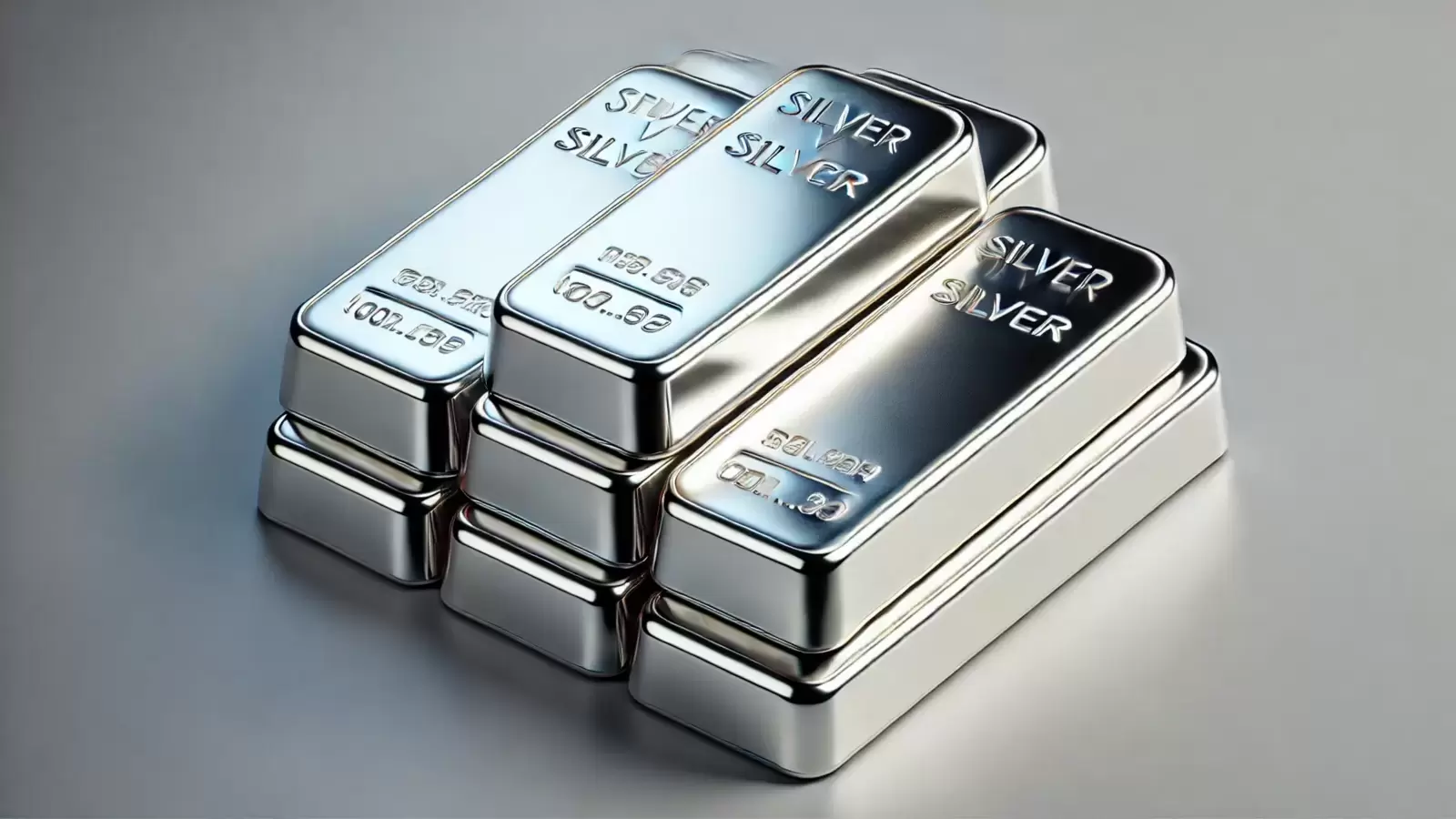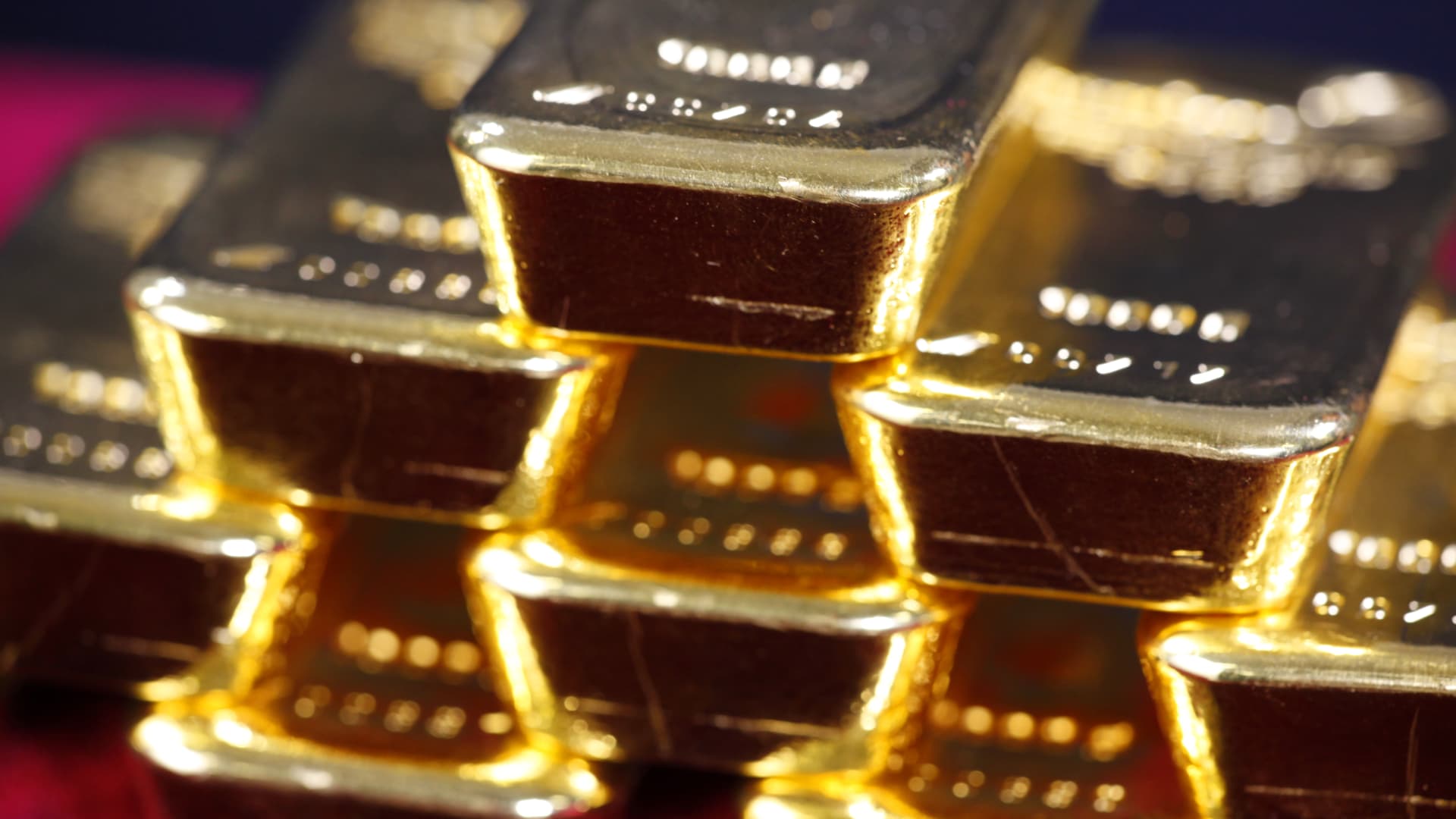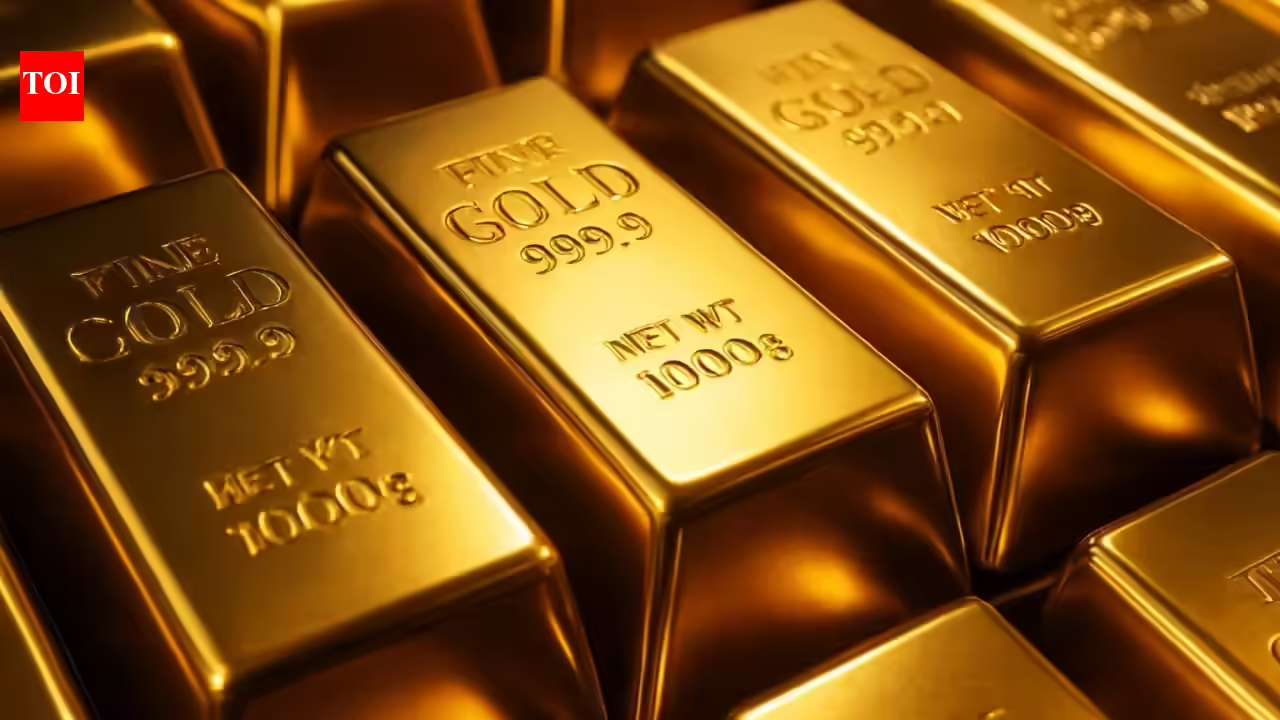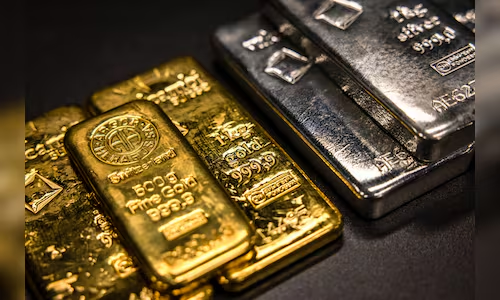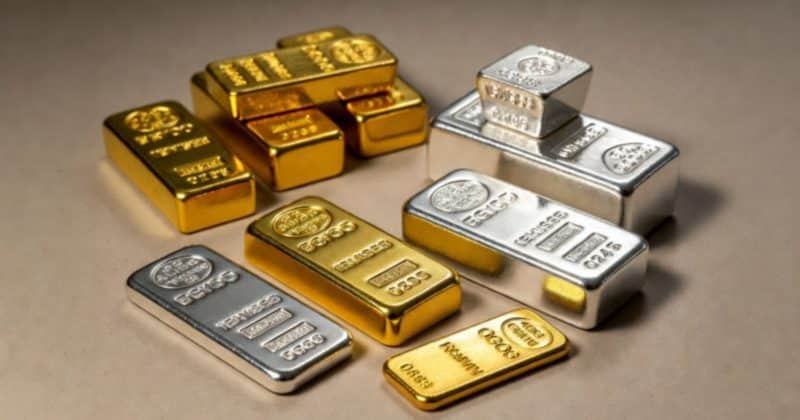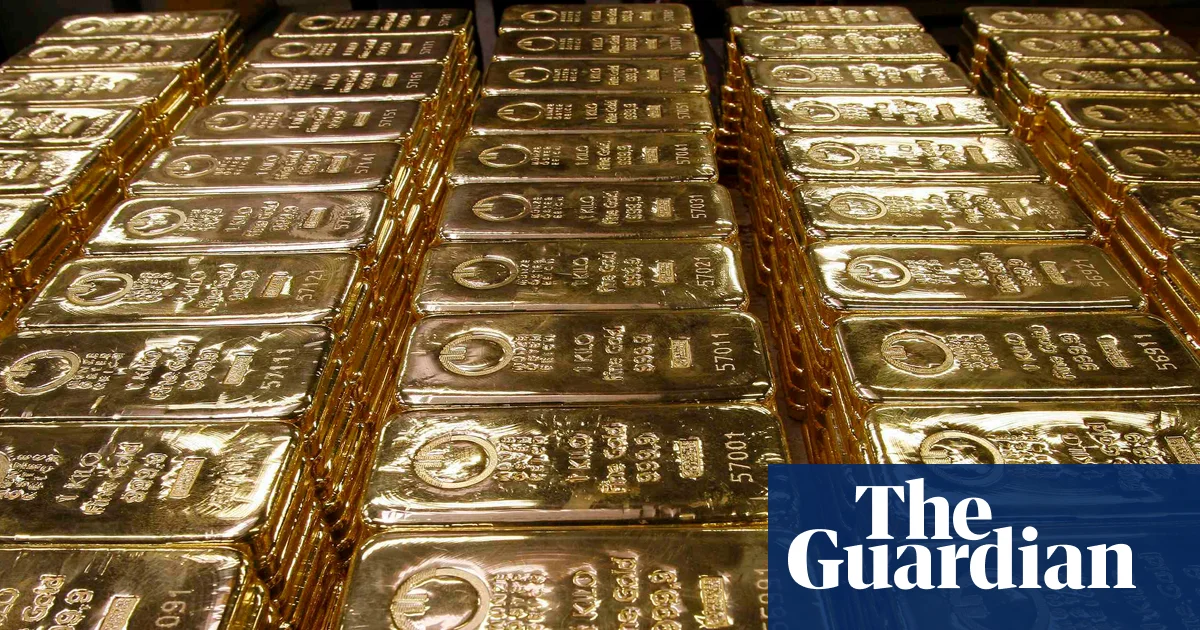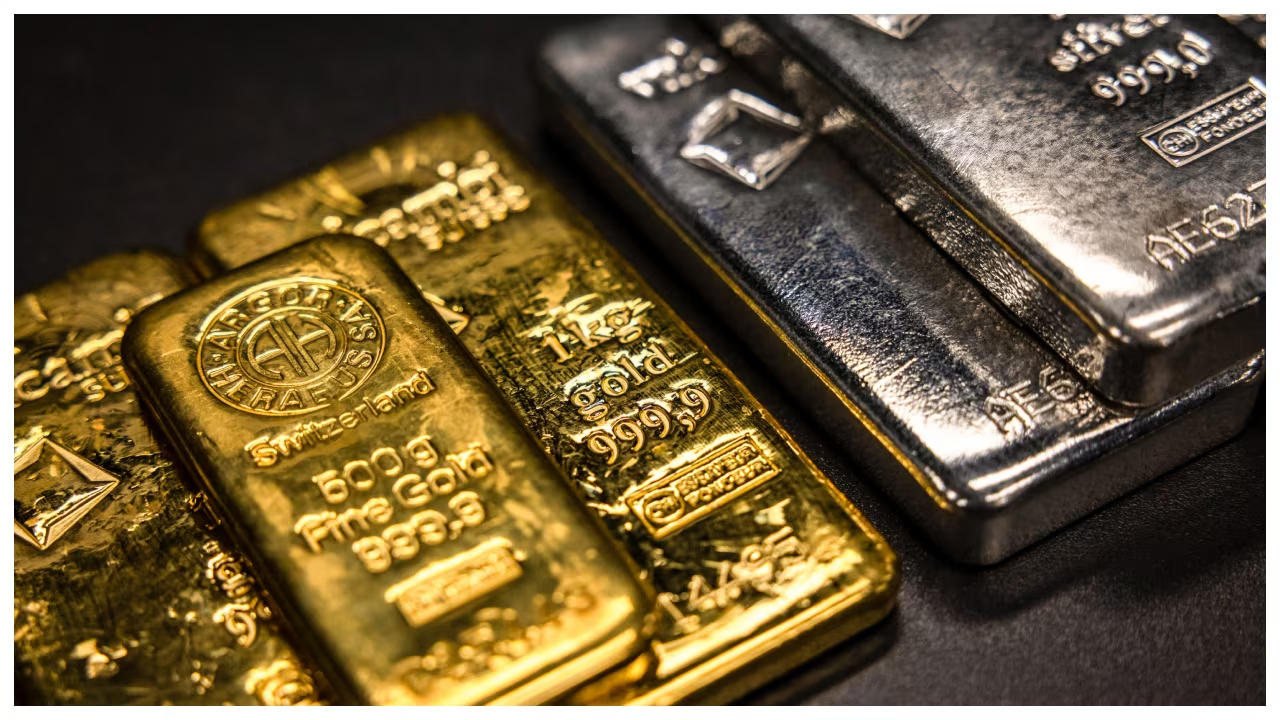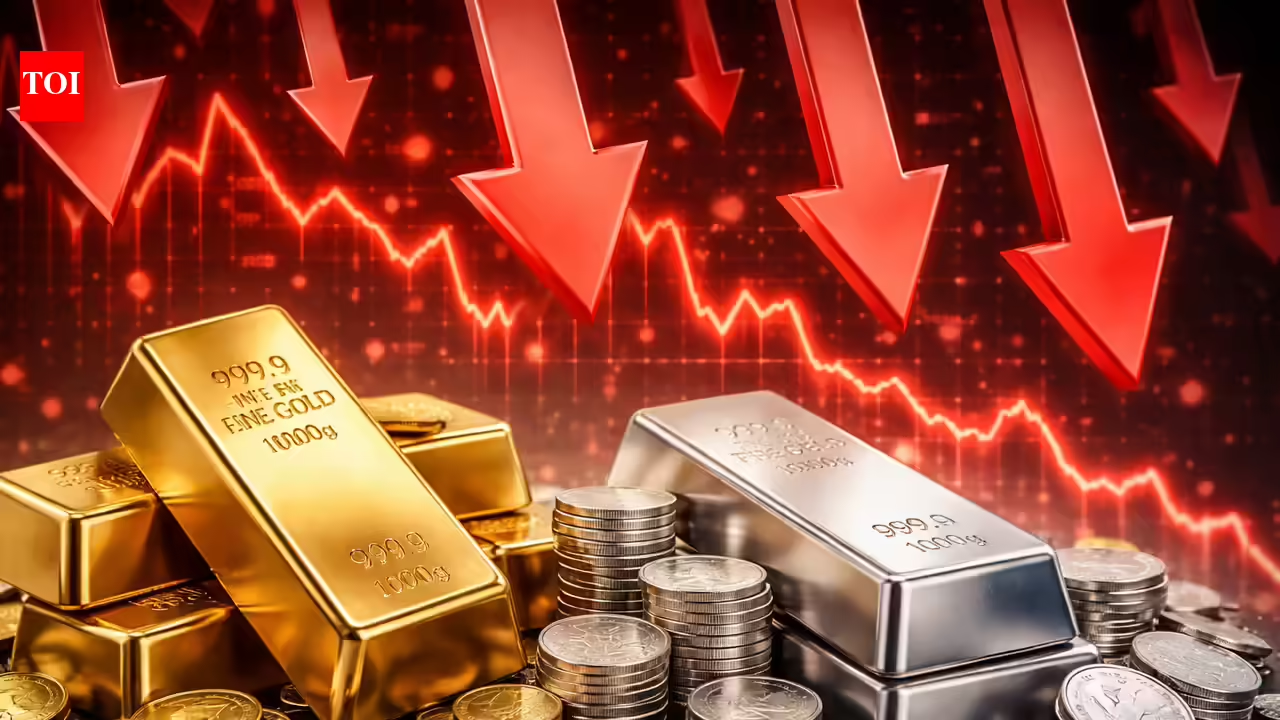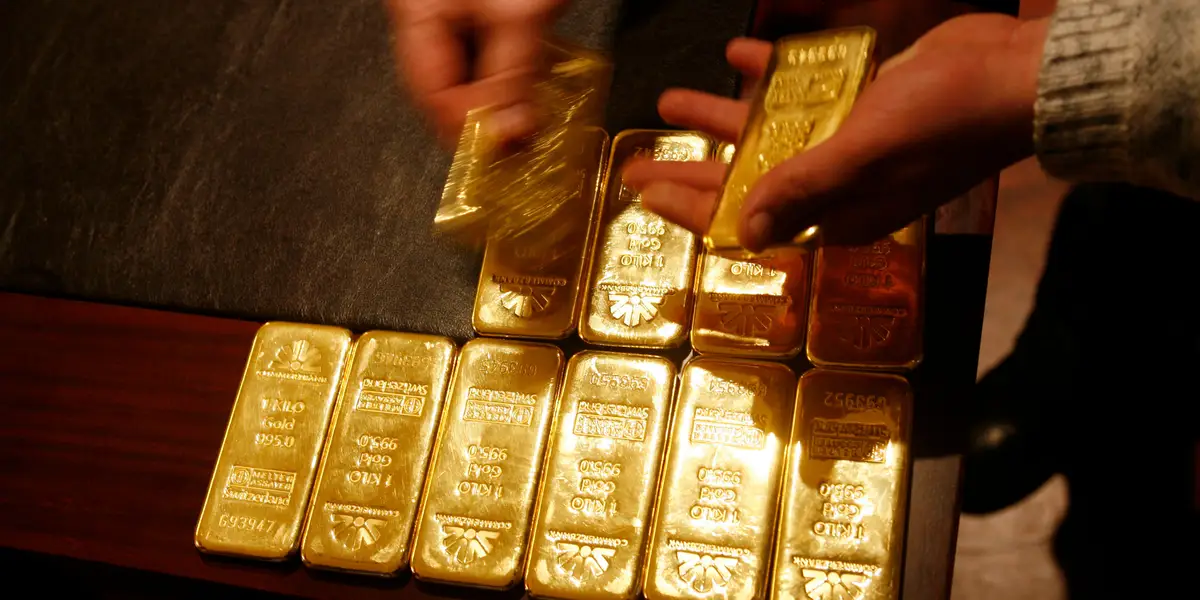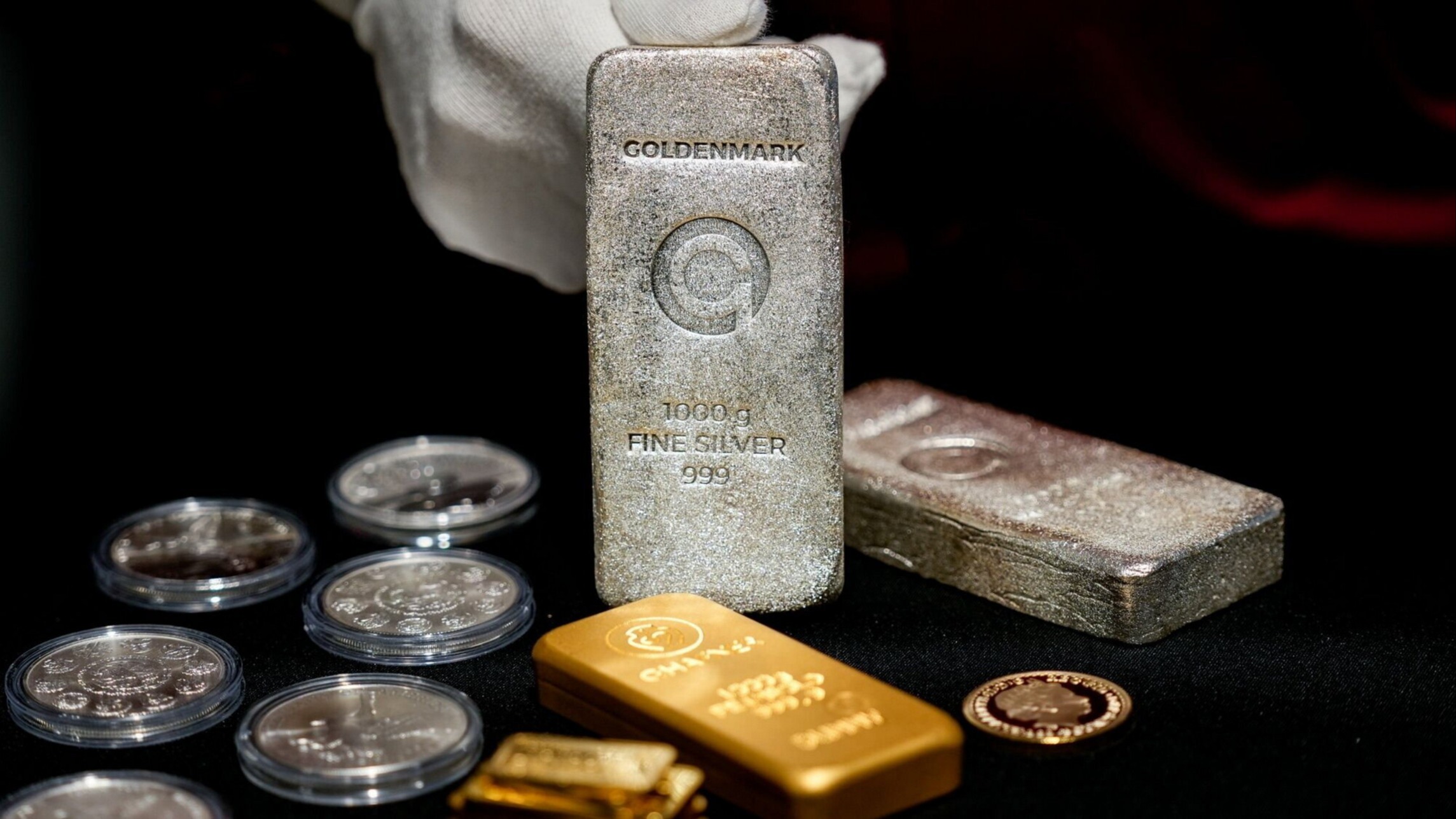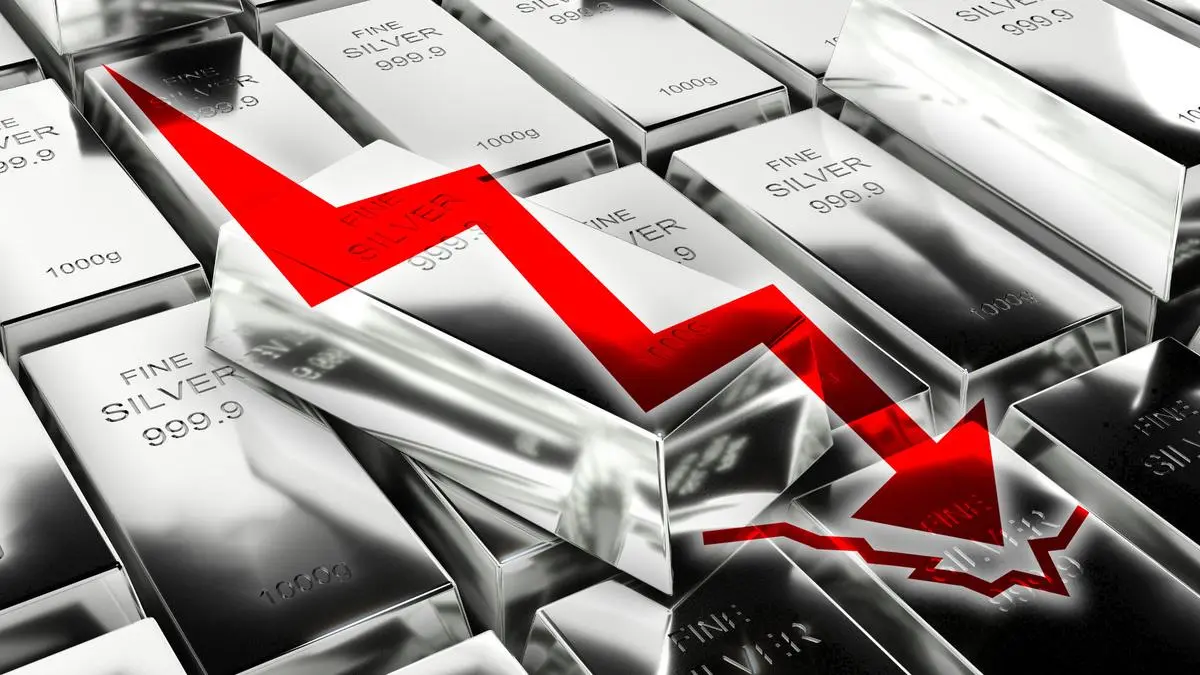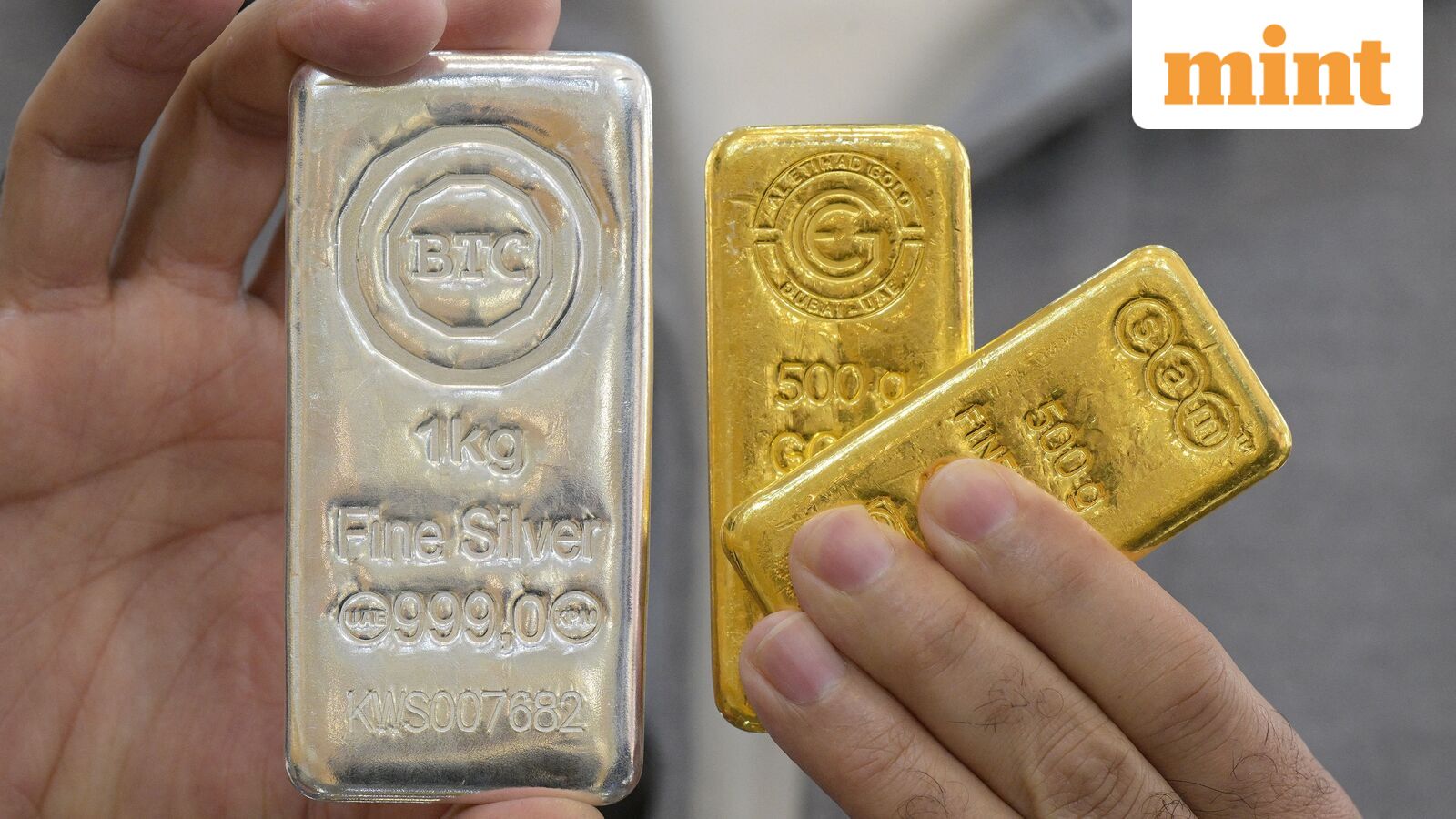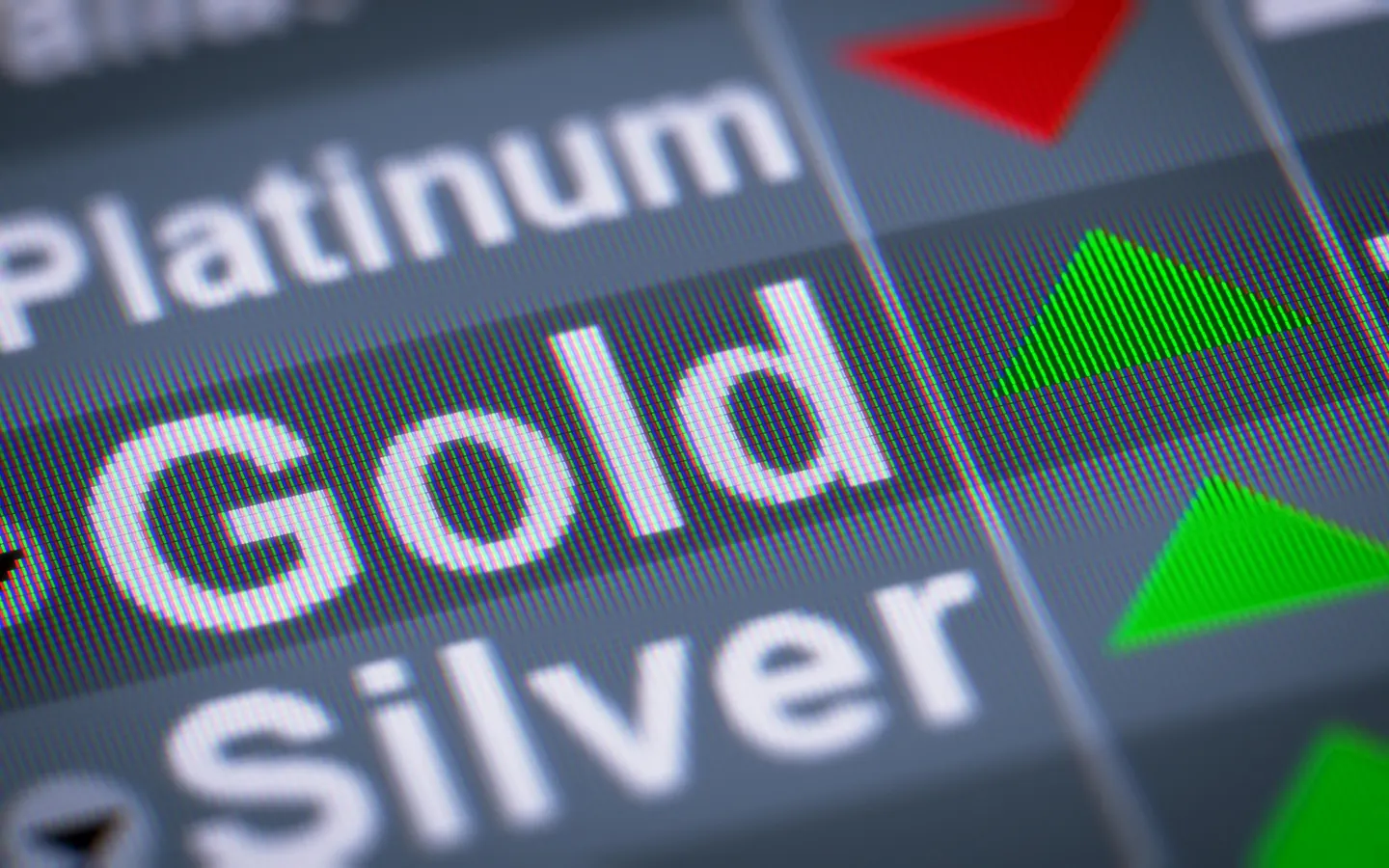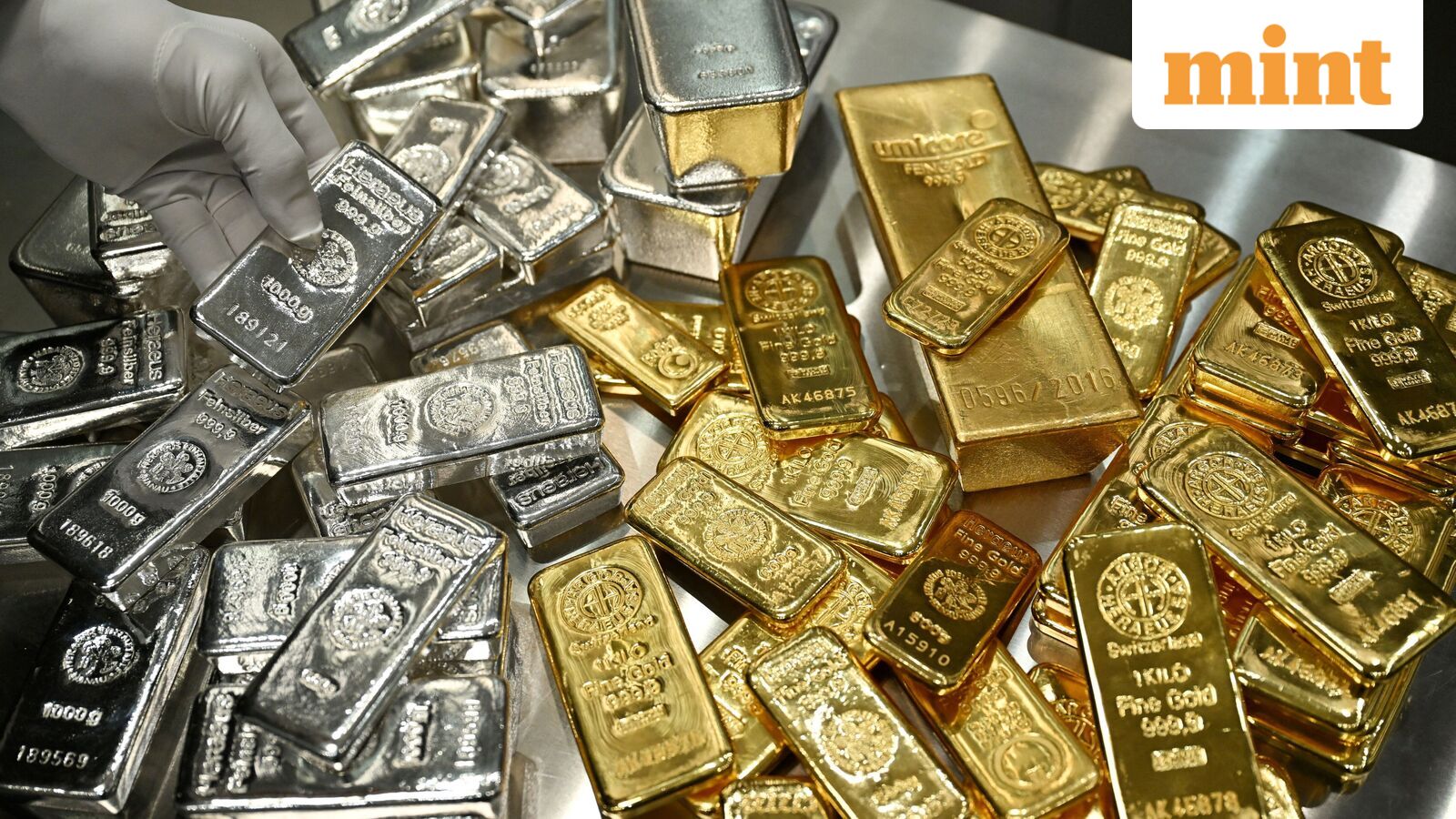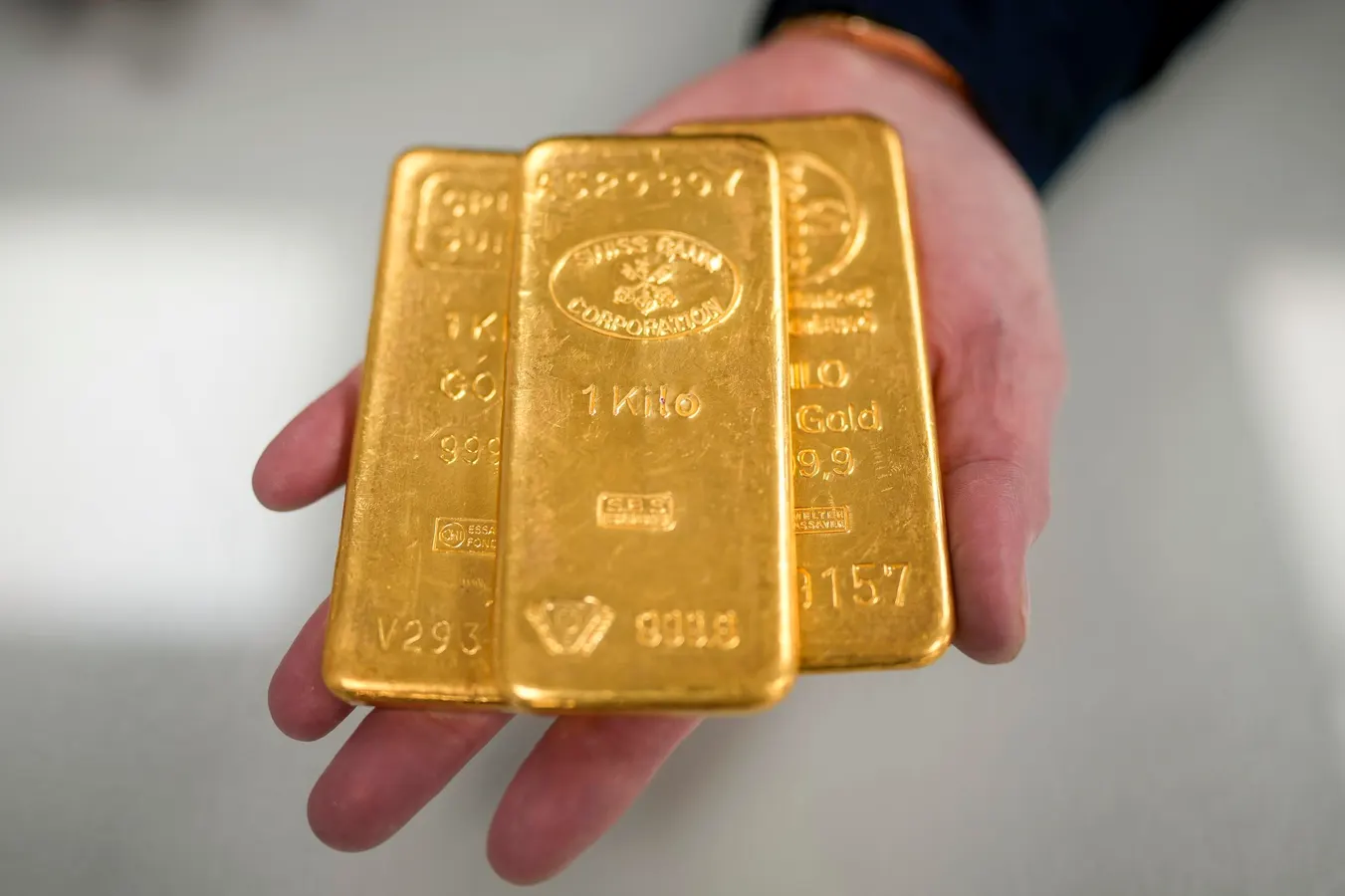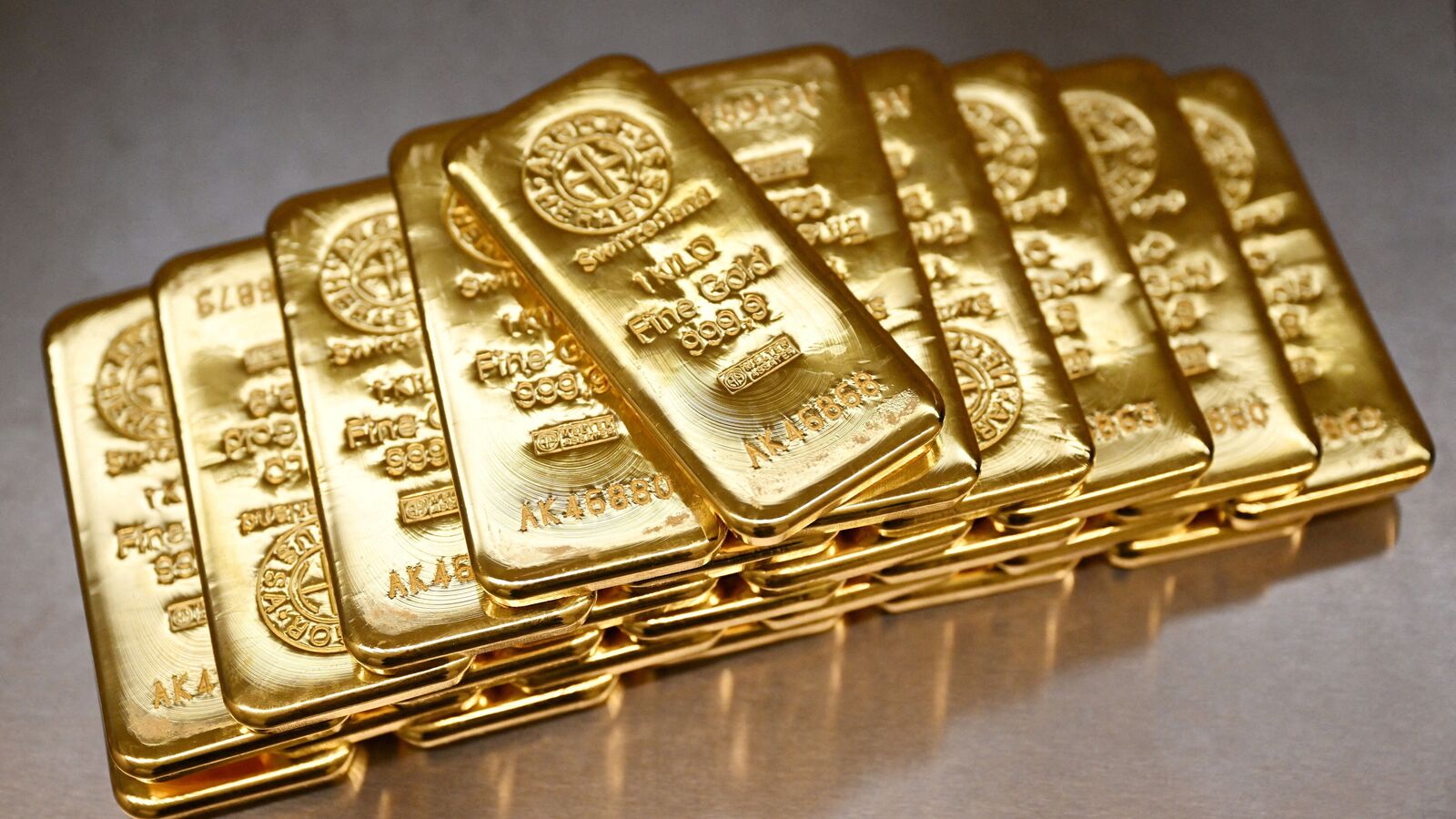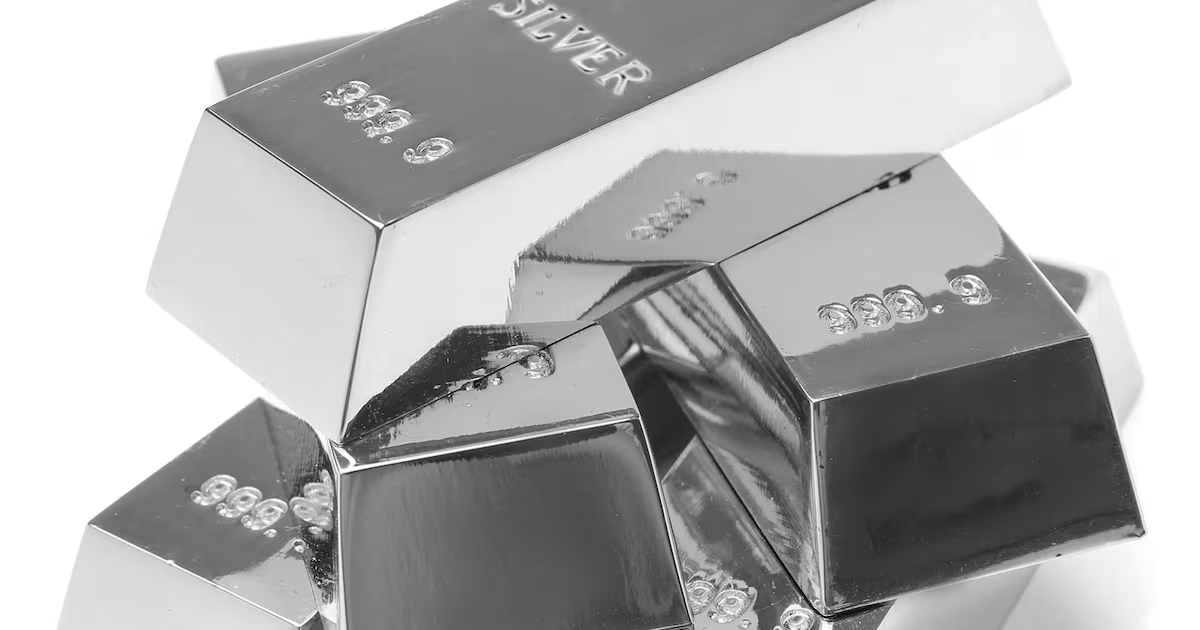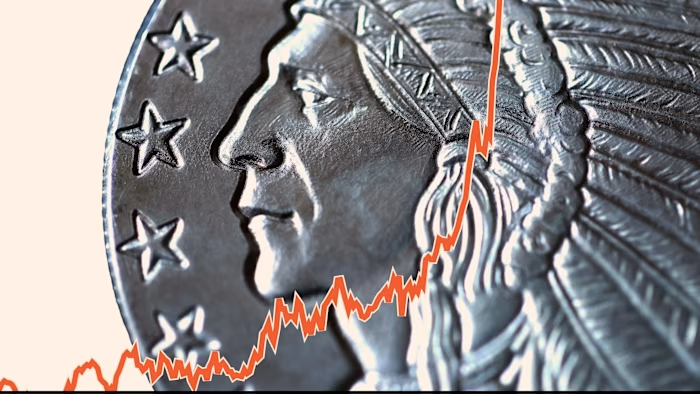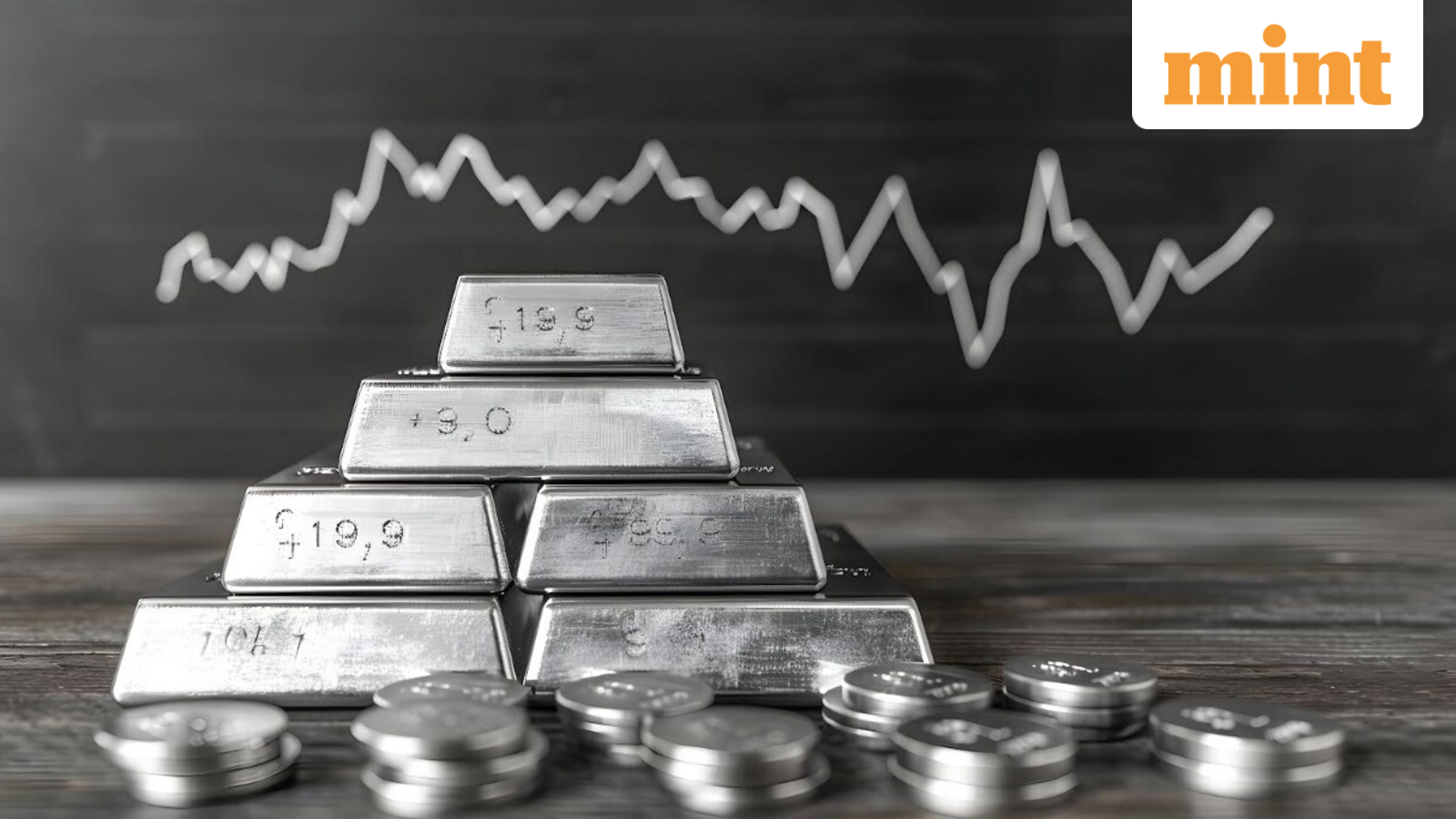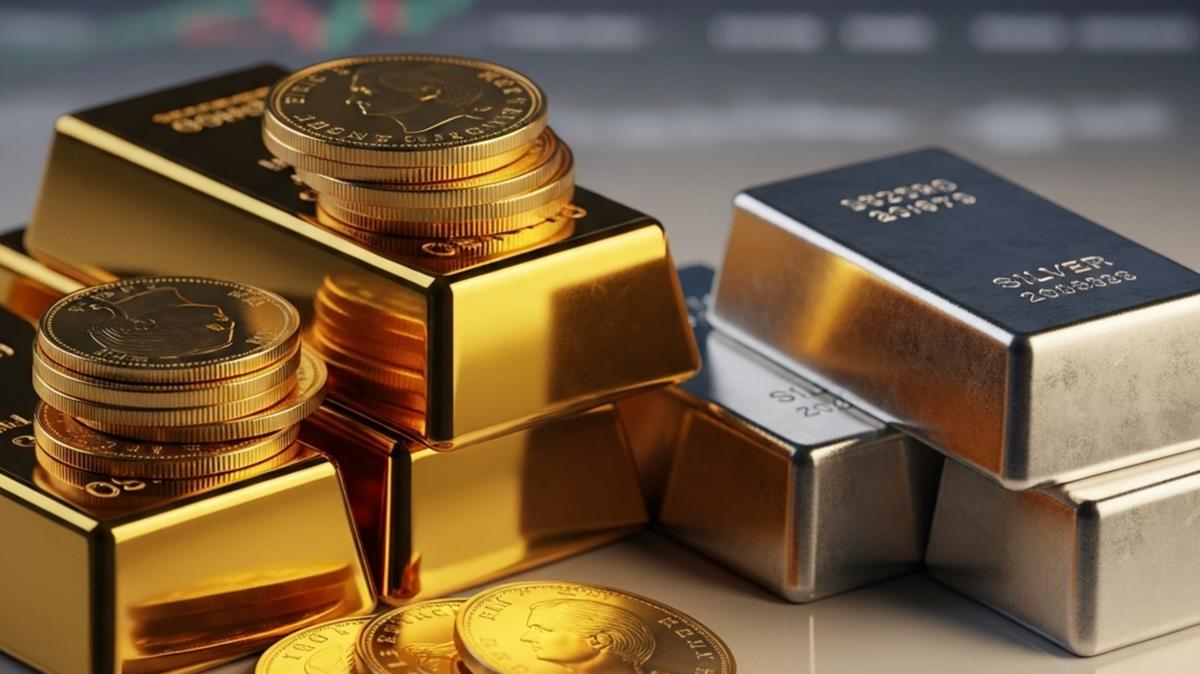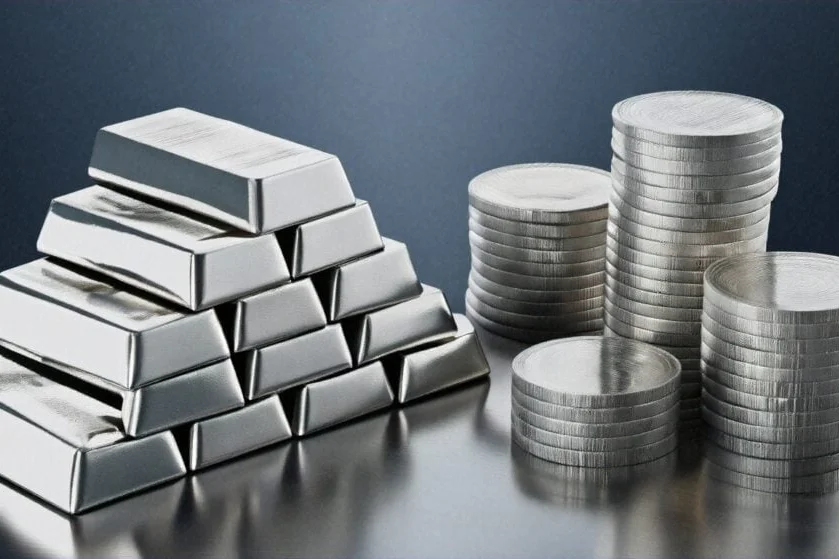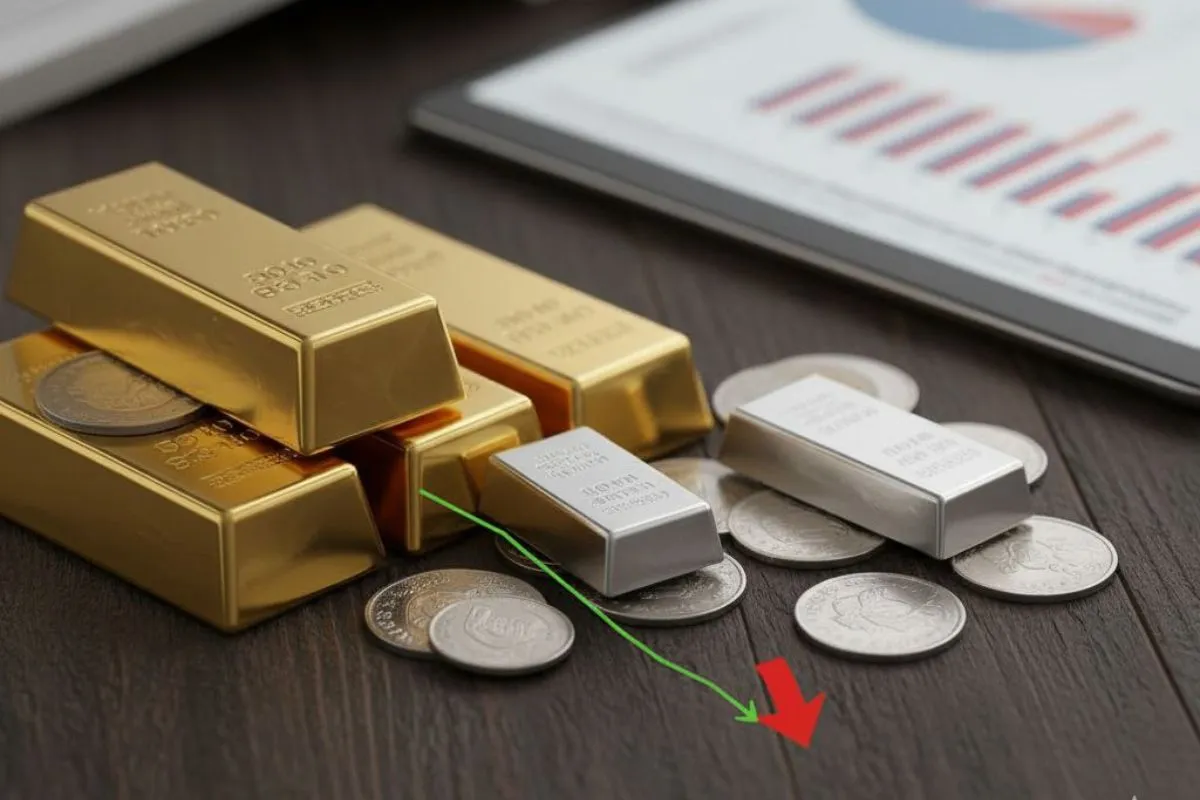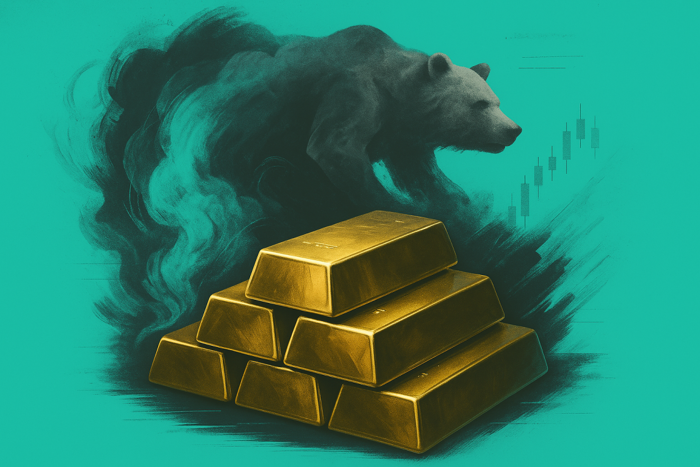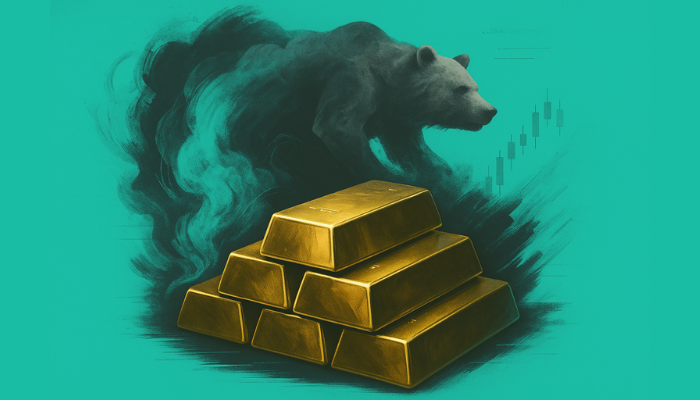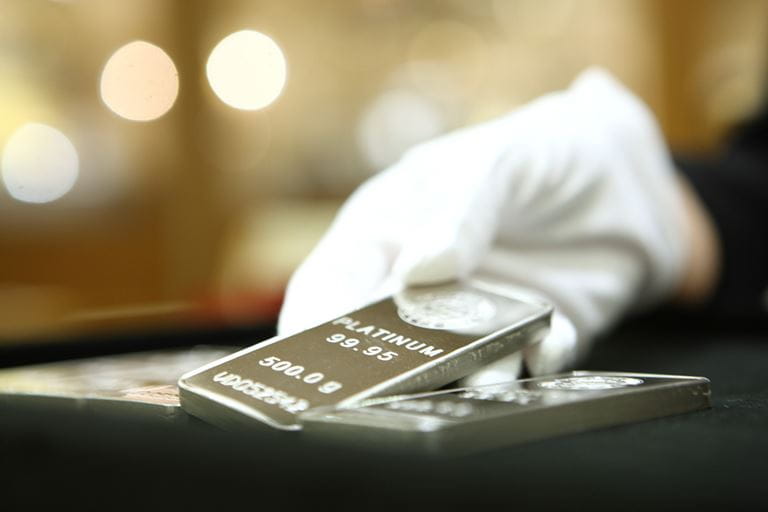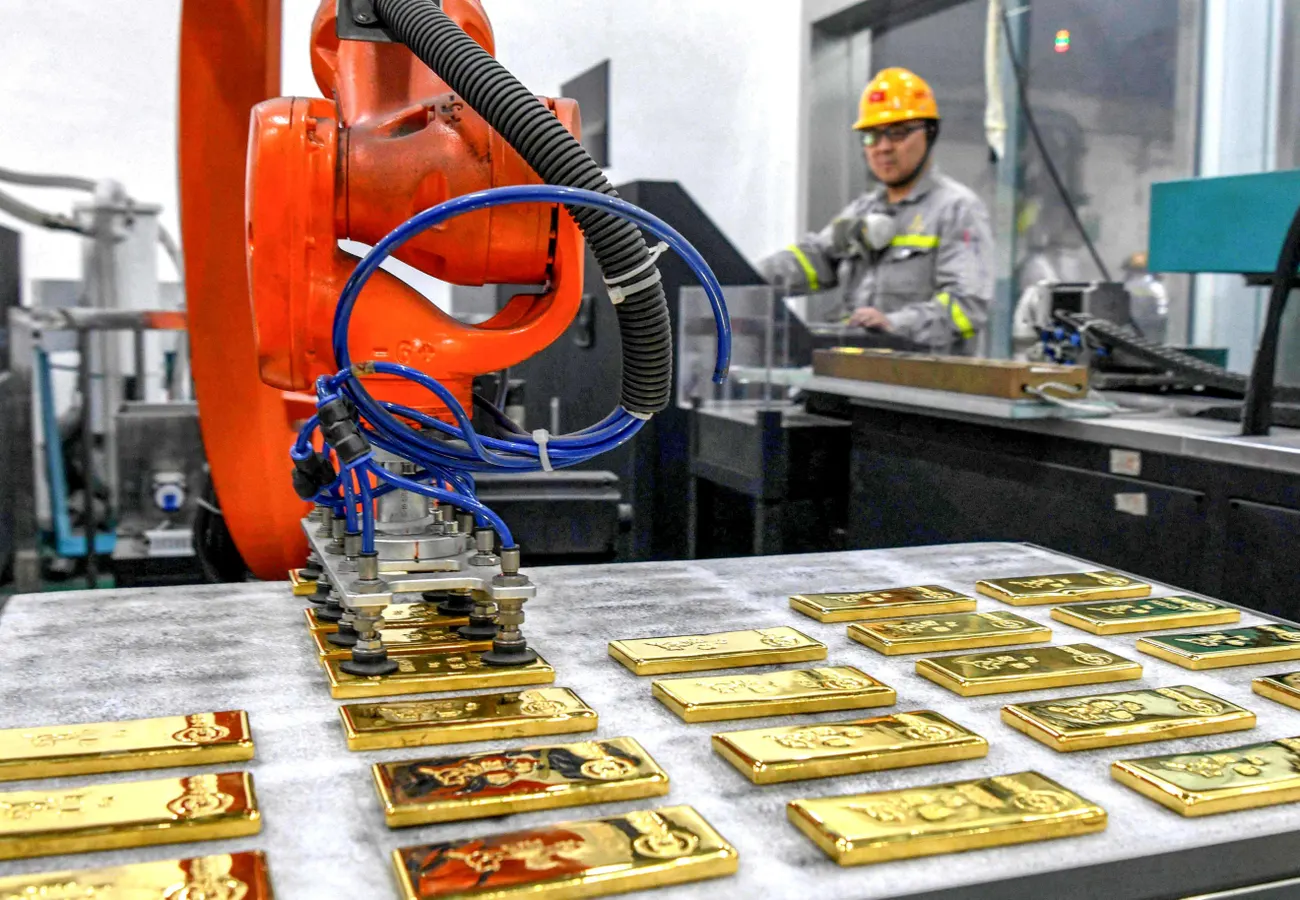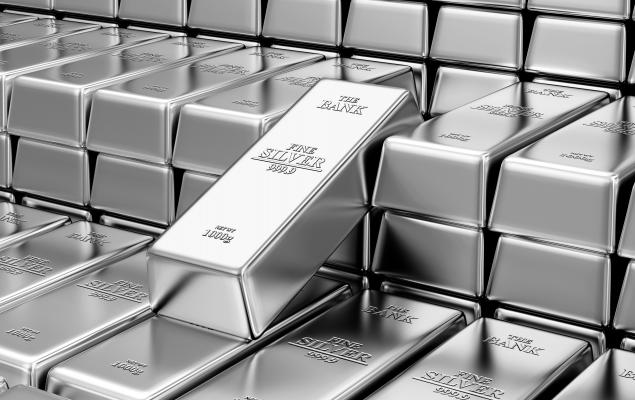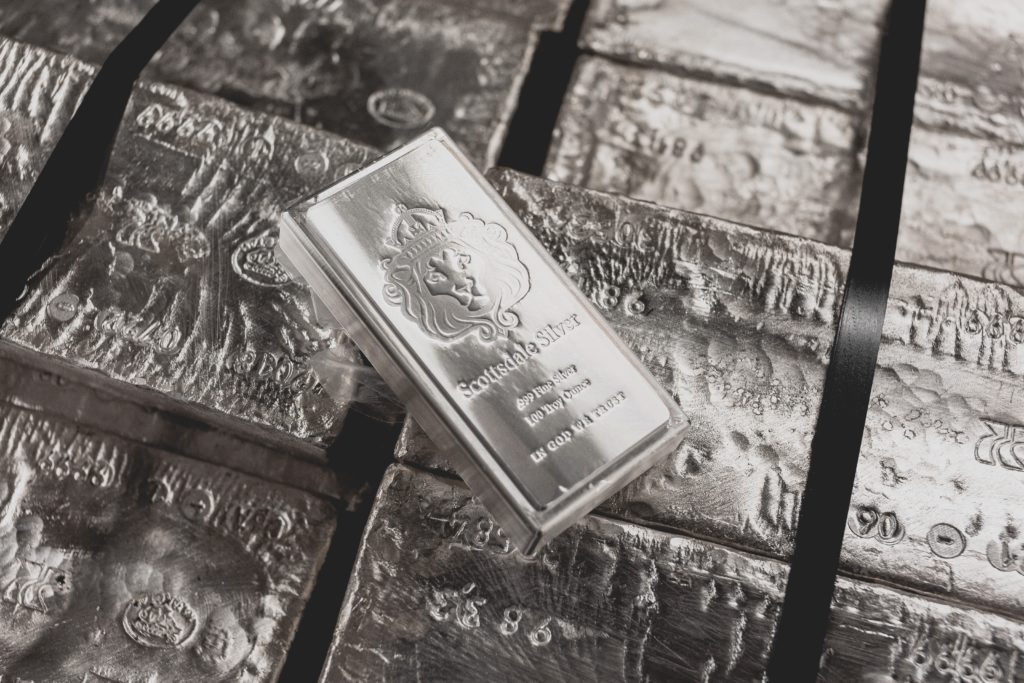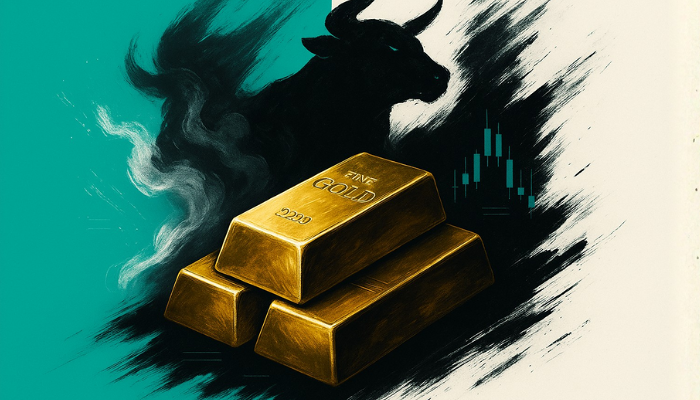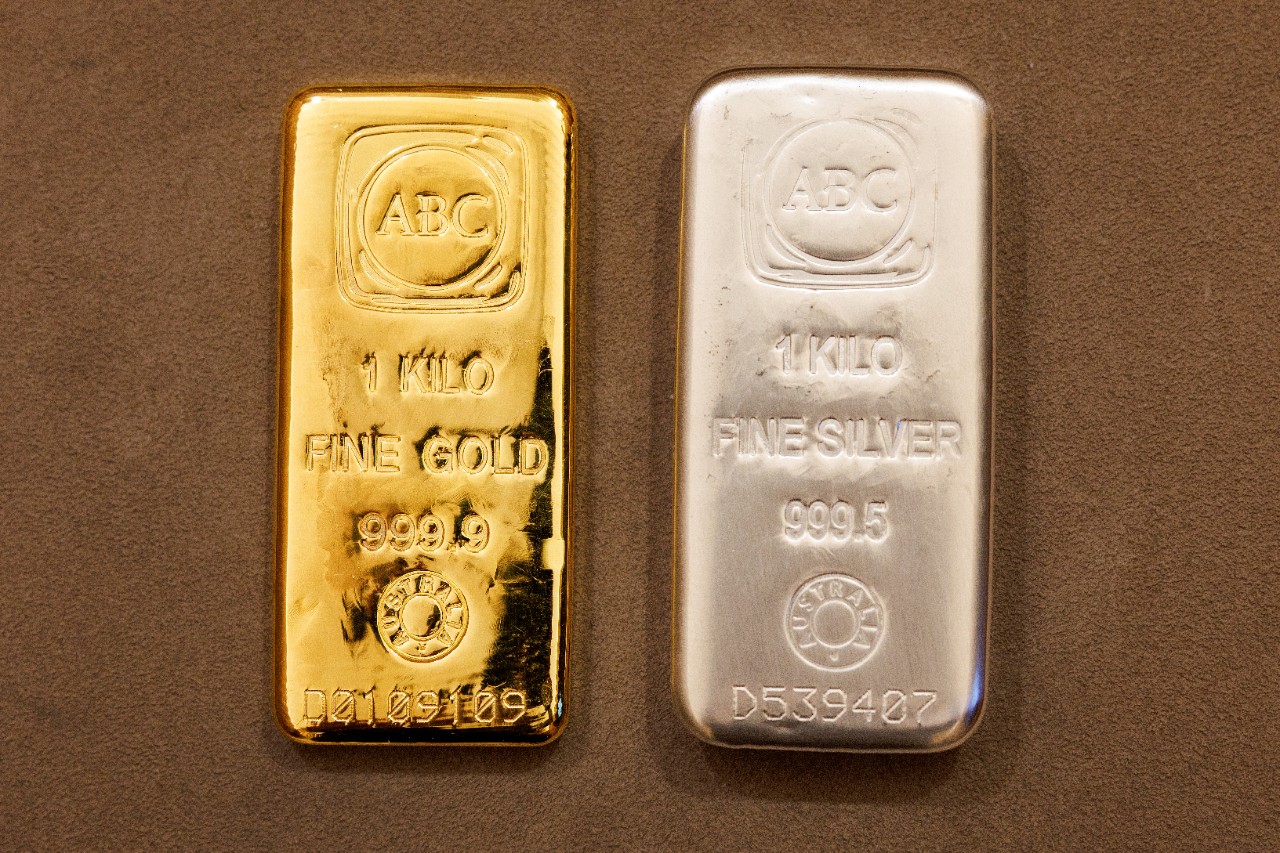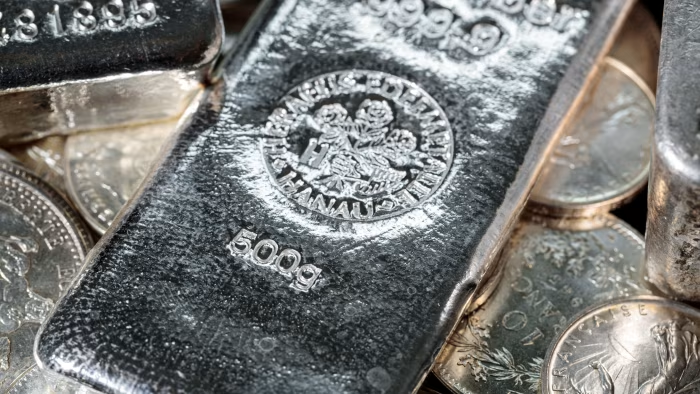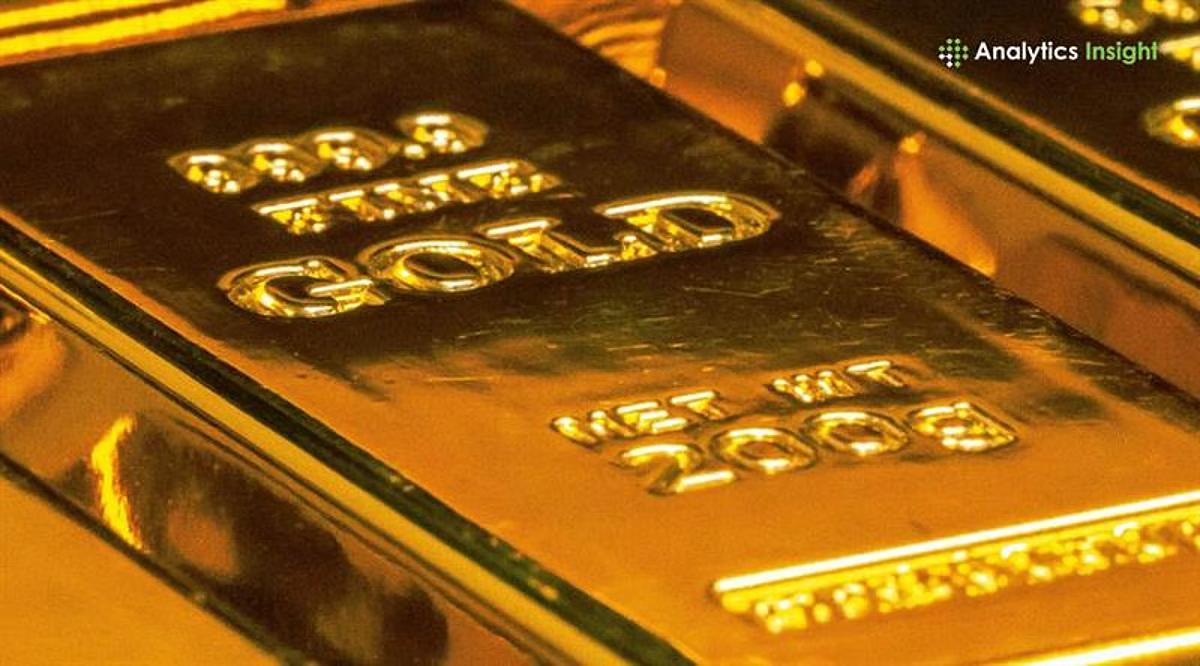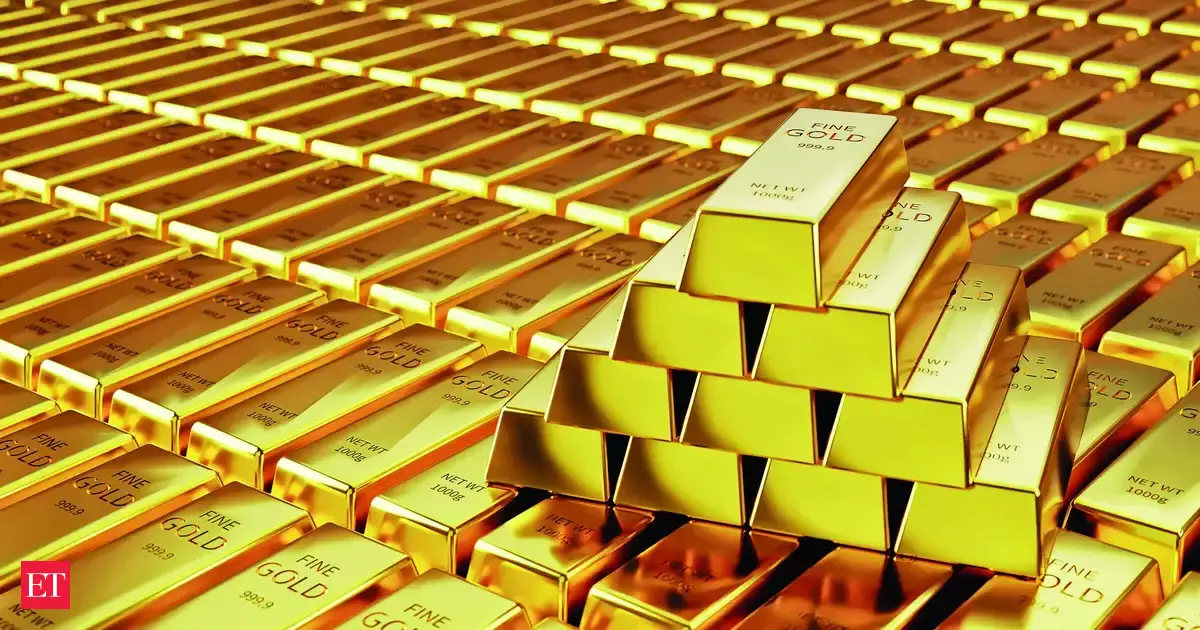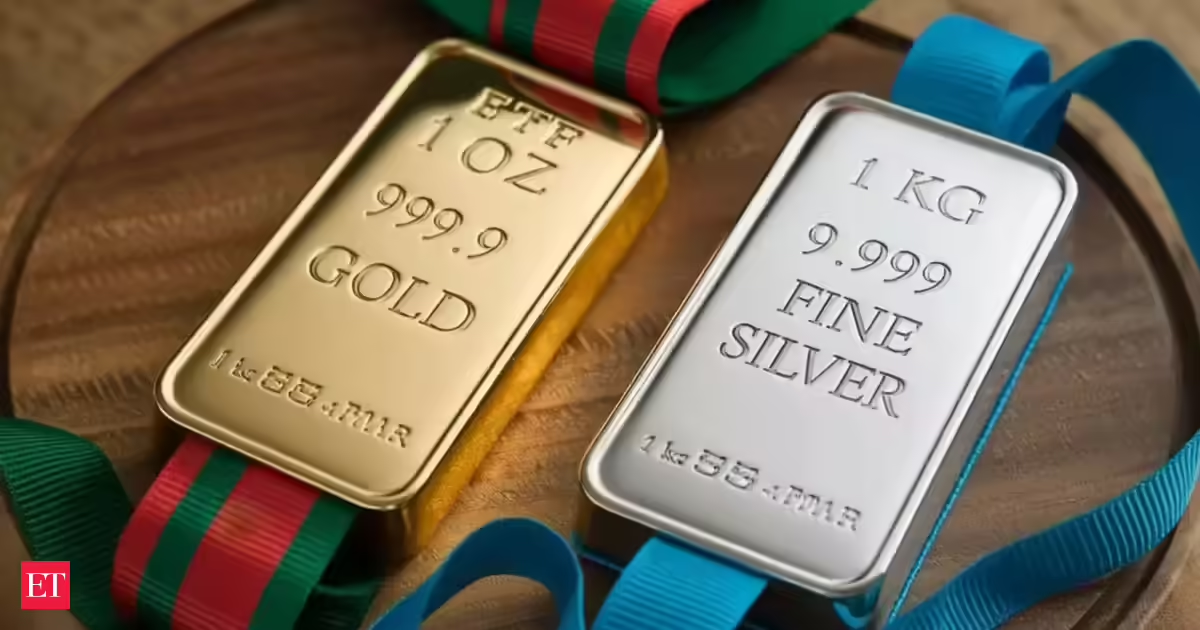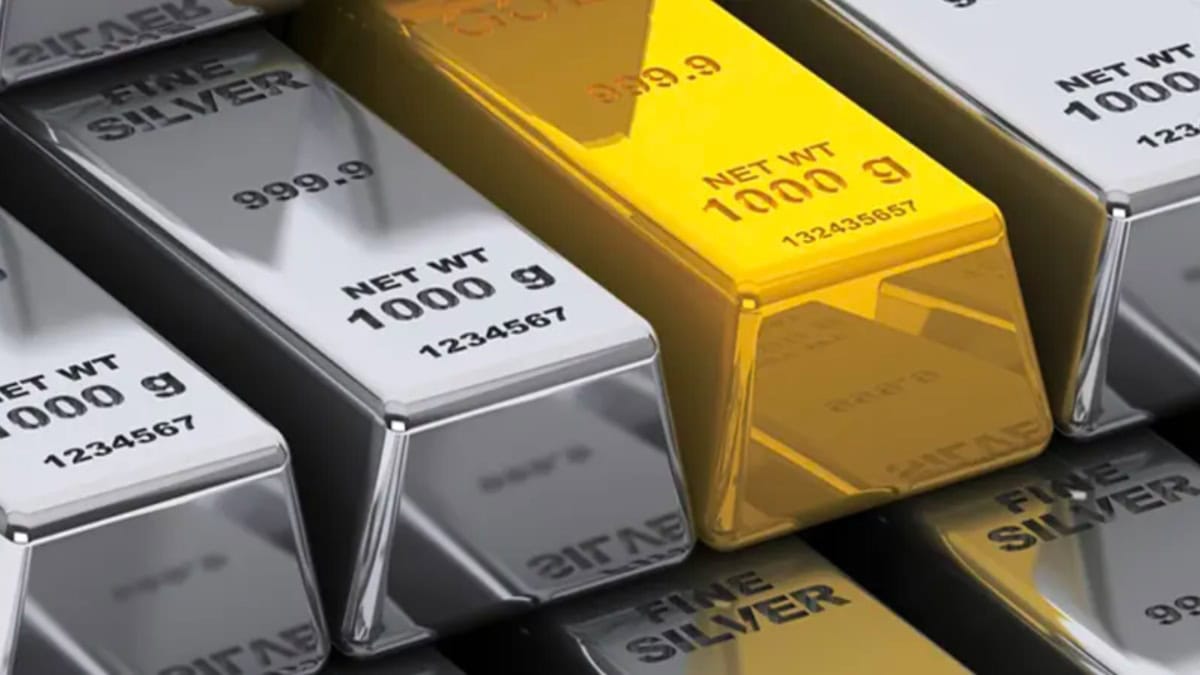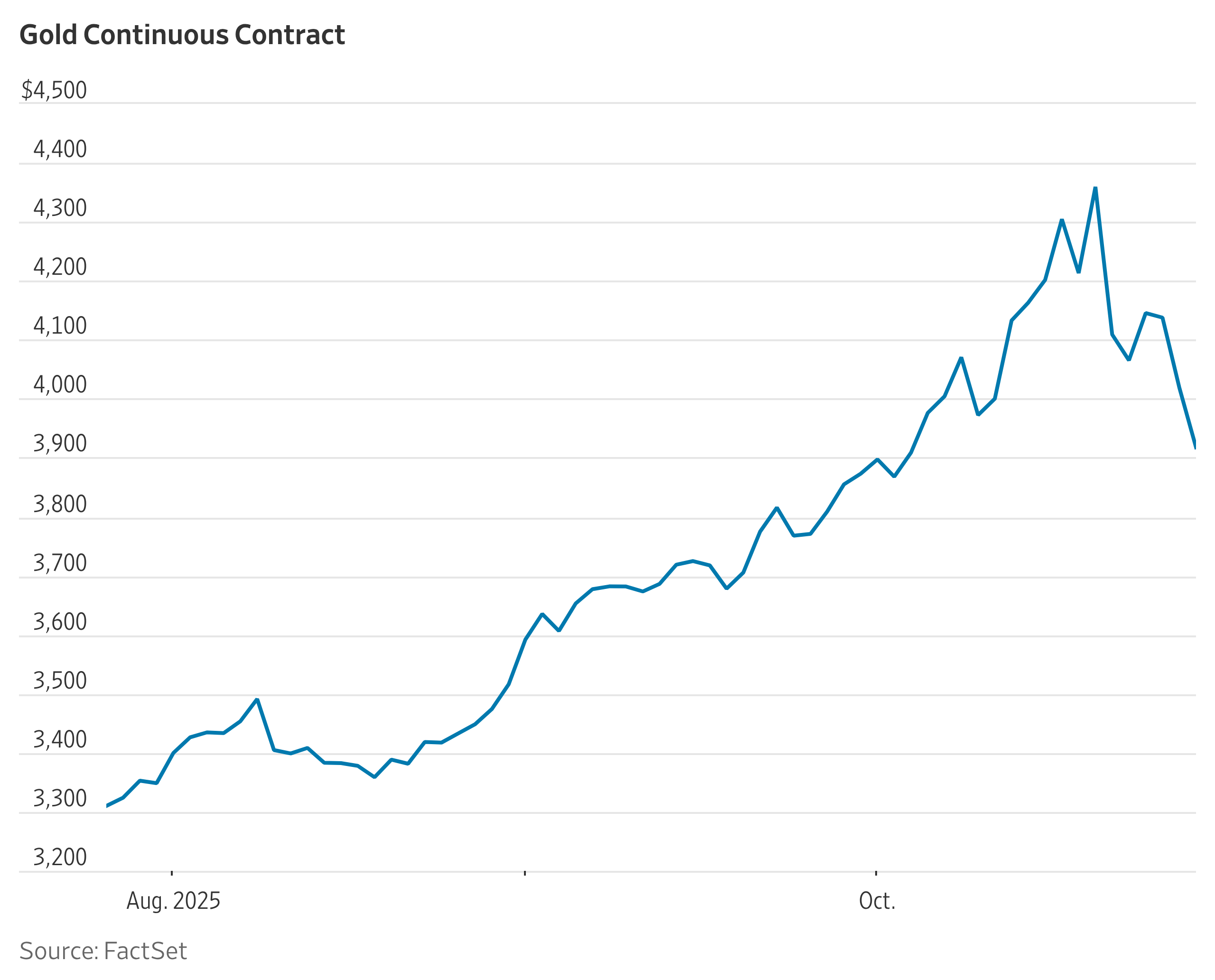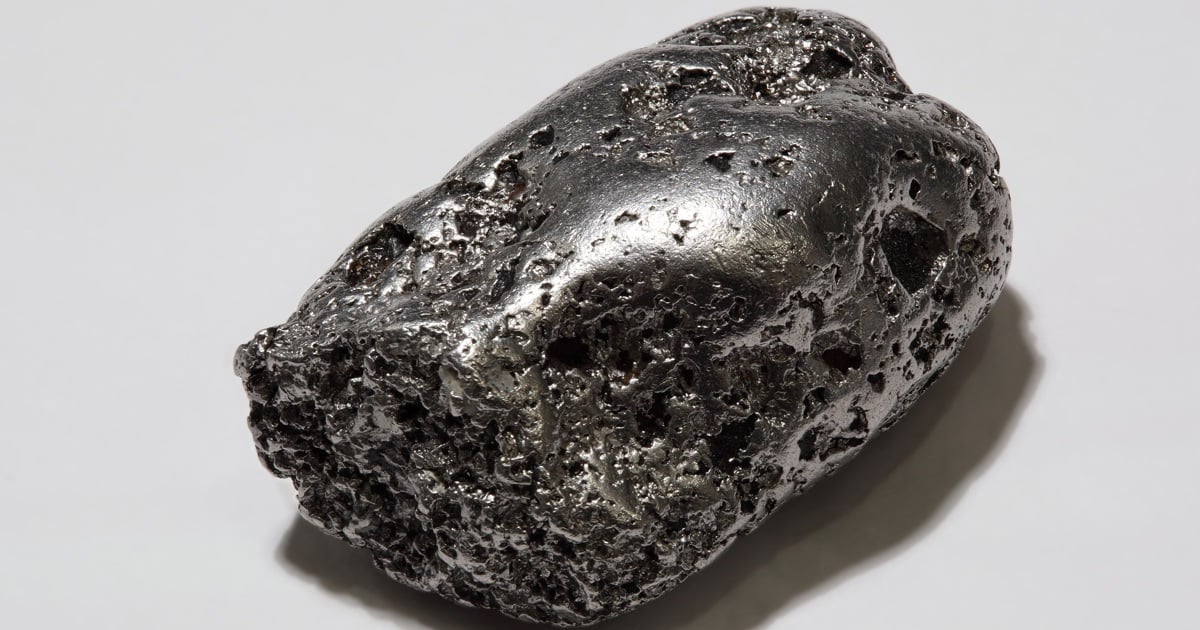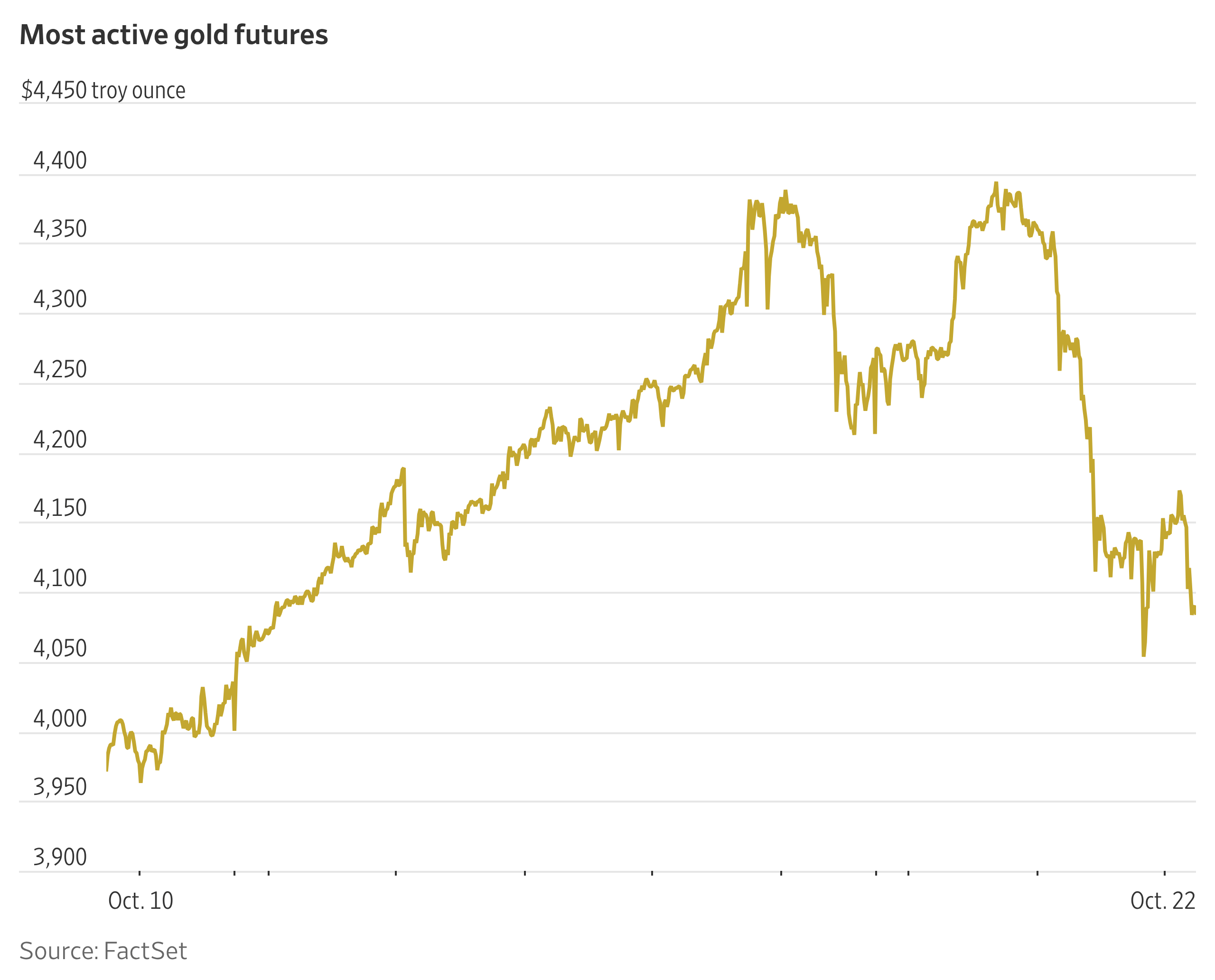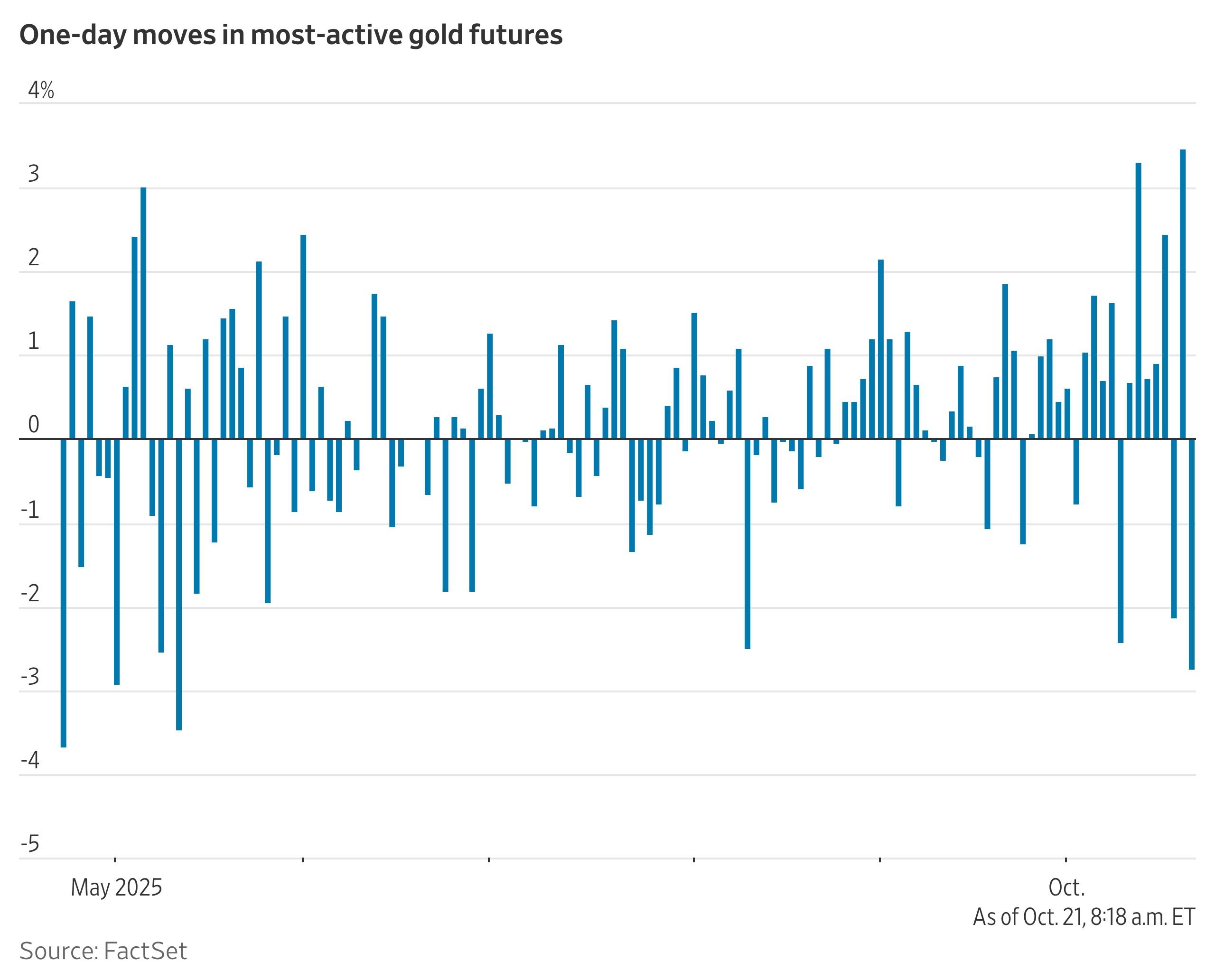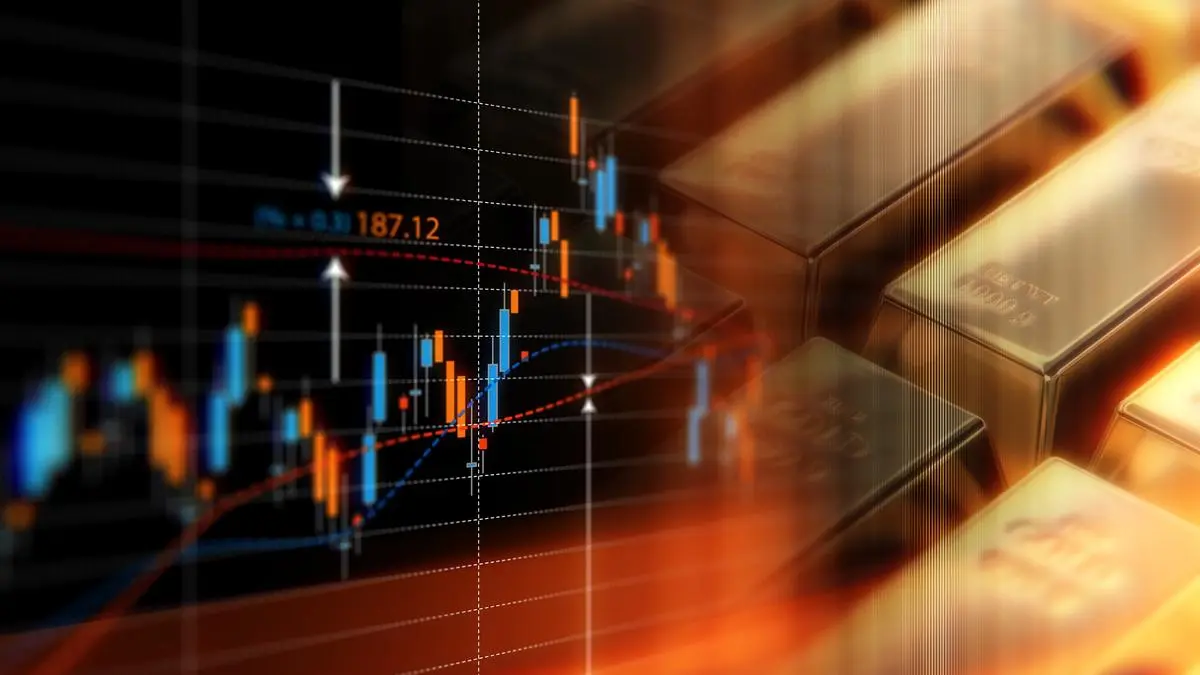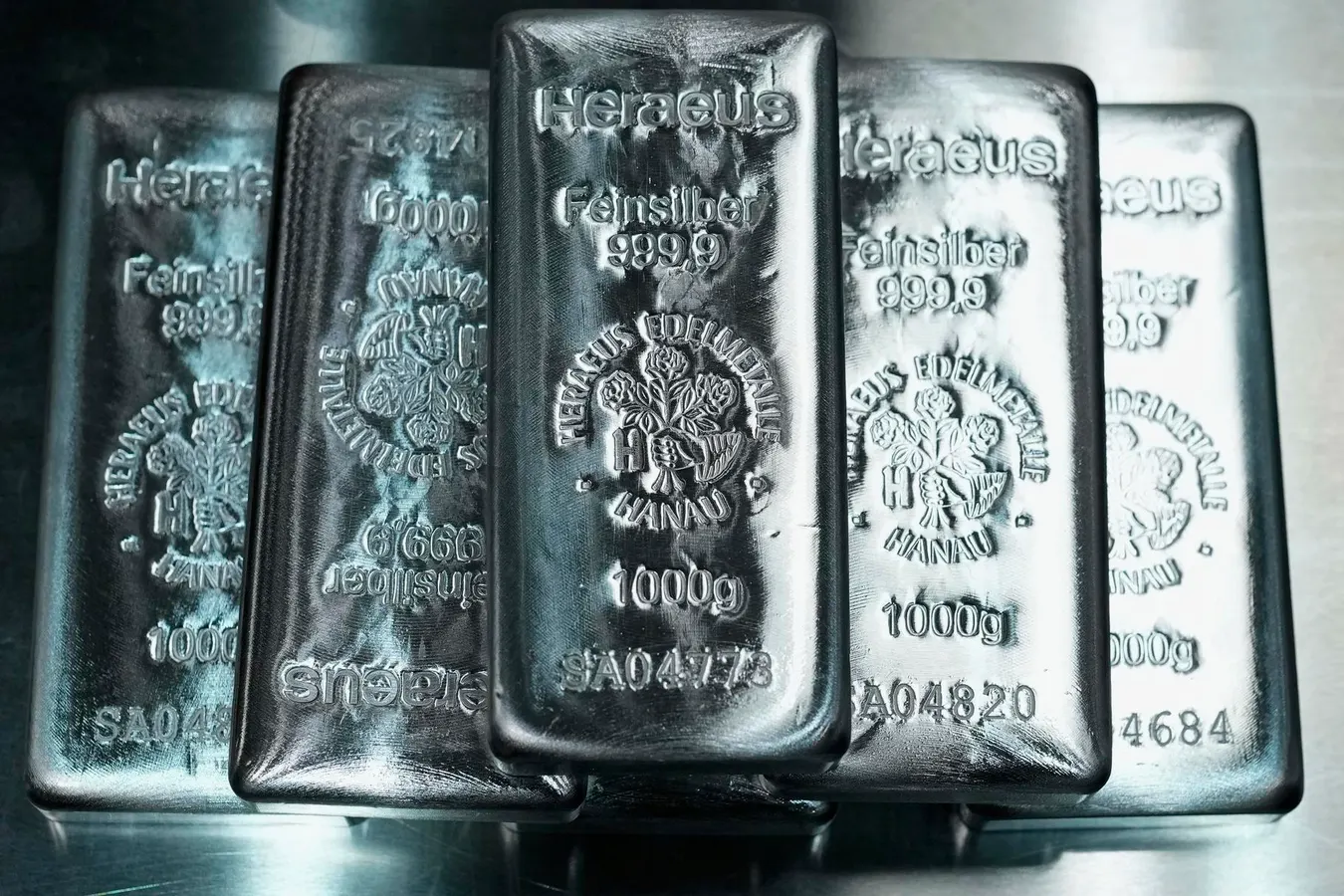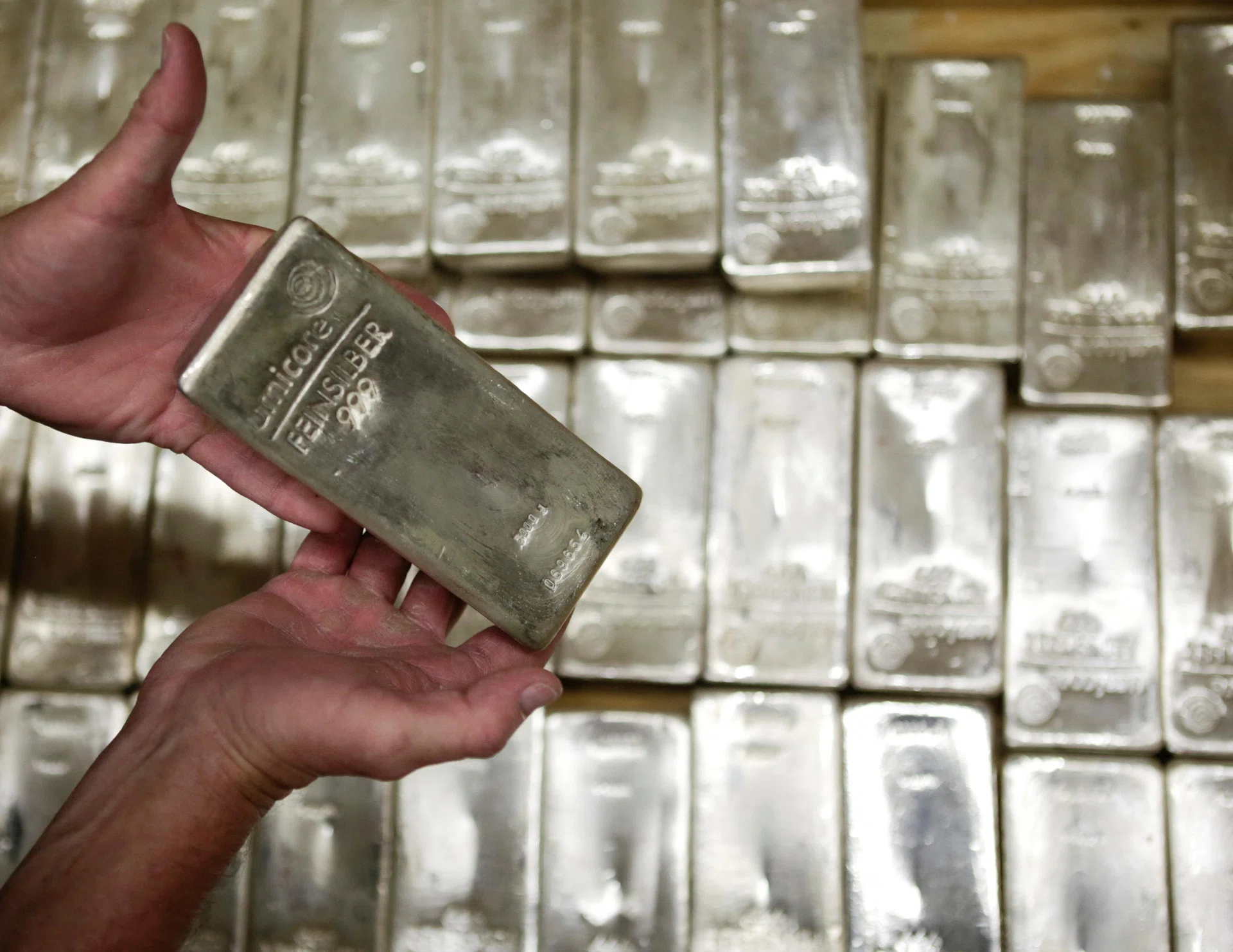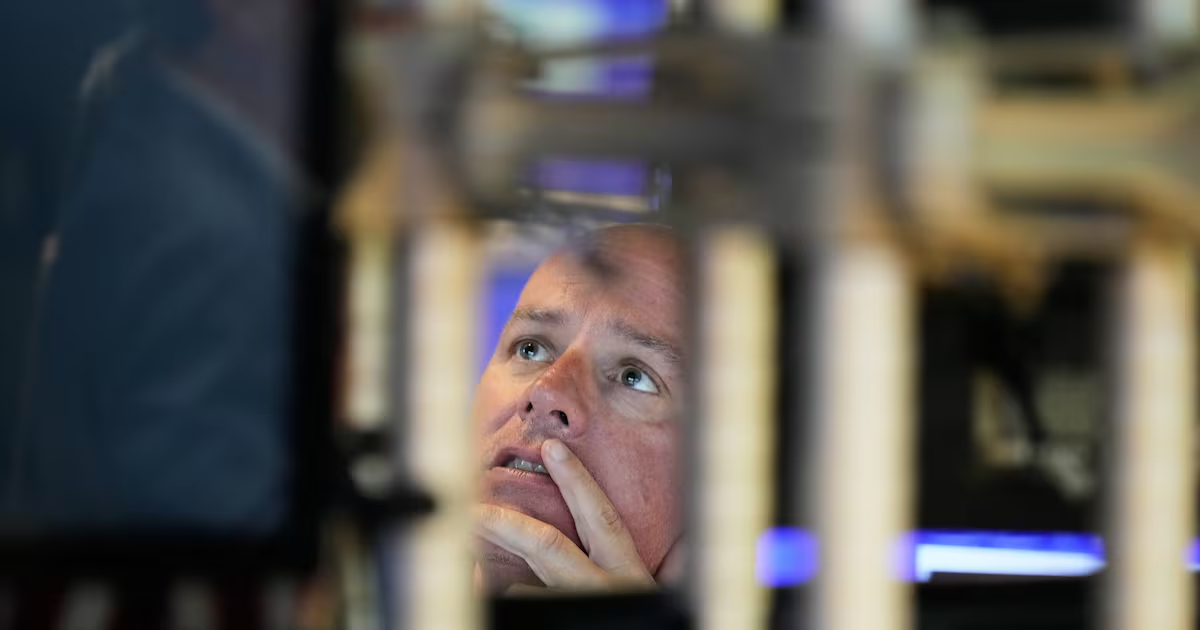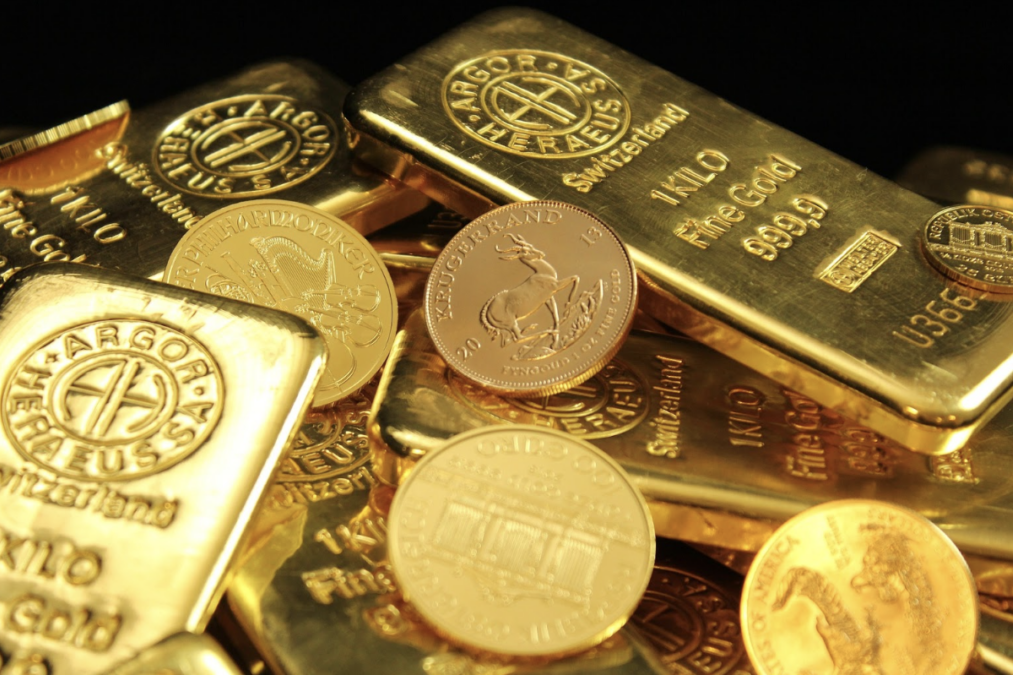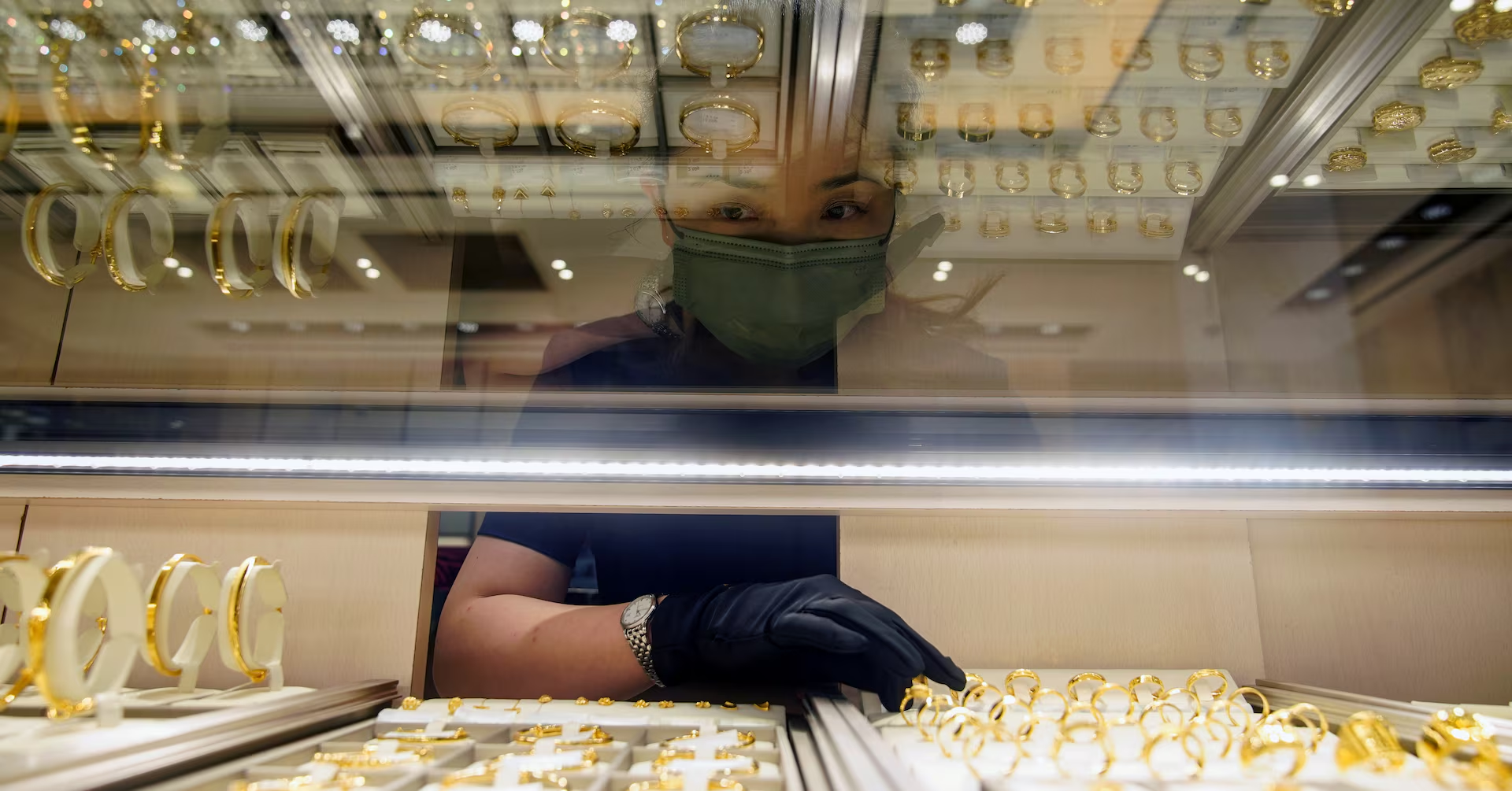
Gold and silver have extended their losses, with both precious metals suffering sharp declines in recent trading as investors respond to a stronger US dollar, changing interest rate expectations, and easing geopolitical concerns. Spot gold recently fell below $4,000 per ounce for the first time since November 2025, touching $3,972 an ounce, according to Reuters.
The decline leaves gold roughly 29% below its record high of $5,594.82 reached in January. Silver has also come under heavy pressure, reflecting a broader retreat across the precious metals market.
Gold Falls Below a Key Psychological Level
The move below $4,000 marks a significant milestone for gold investors after months of sustained weakness. According to market data cited by Reuters, spot gold has shed more than $1,500 per ounce since reaching its all-time high earlier this year.
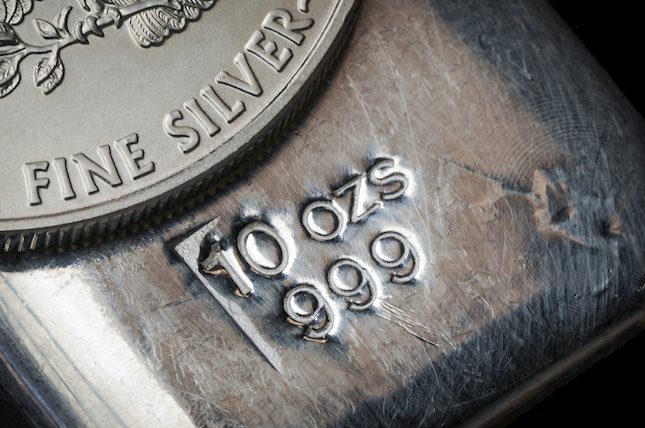
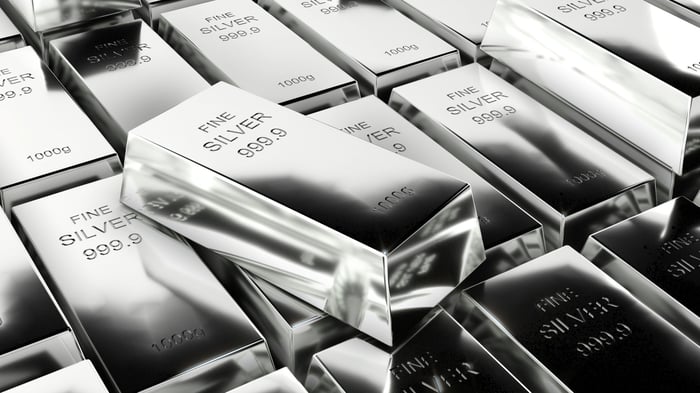
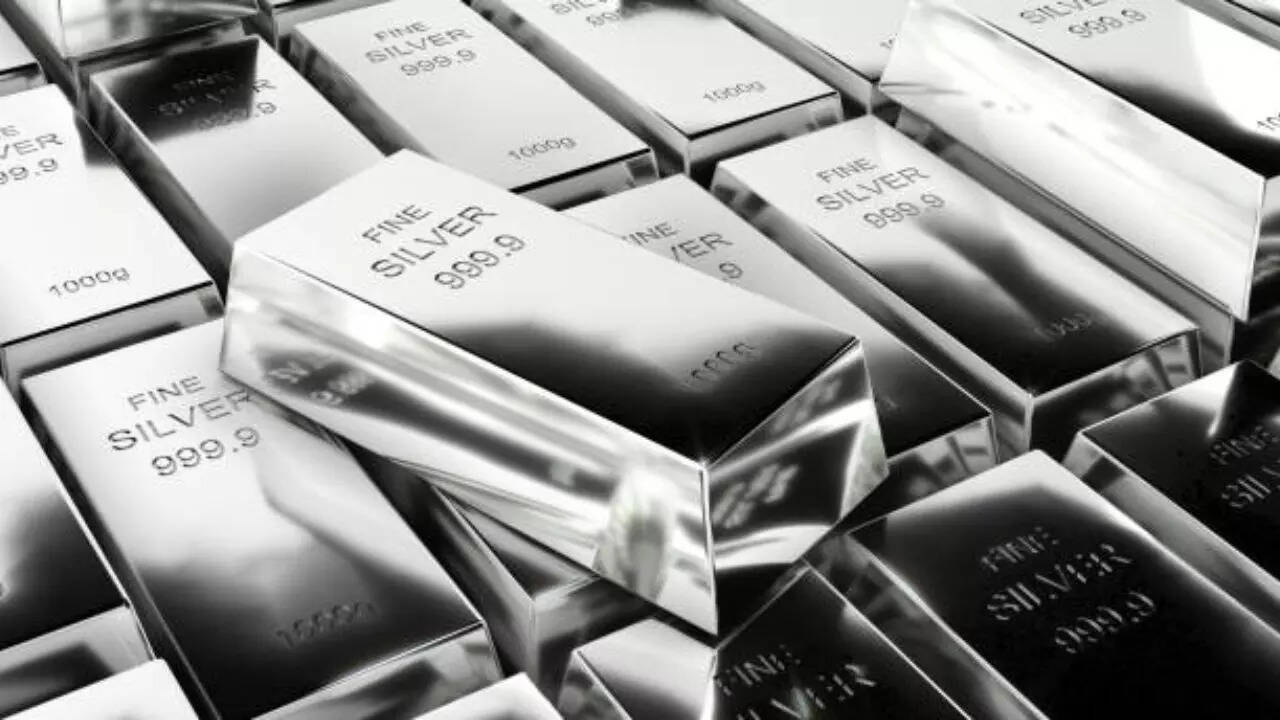
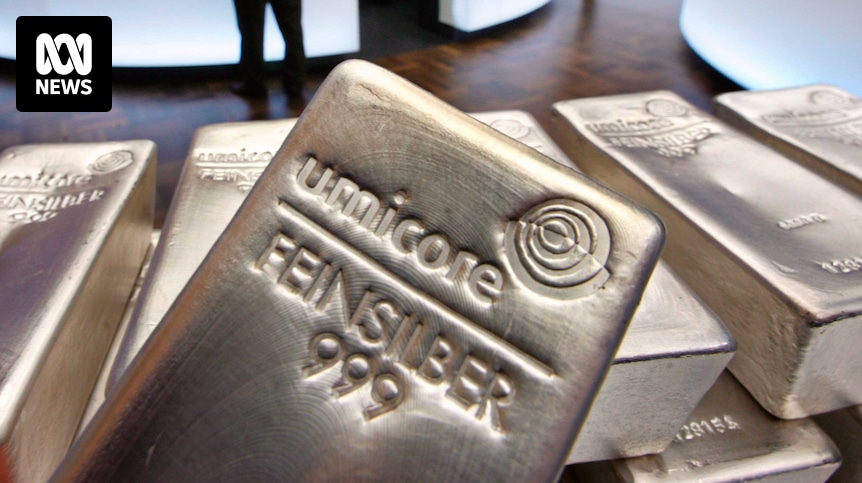
The latest decline comes despite expectations that geopolitical tensions would support safe-haven assets. Instead, gold prices have continued to weaken as traders reassess economic conditions and monetary policy expectations. Silver has followed a similar path, recording steeper percentage declines than gold during the recent selloff.
Strong Dollar and Rate Expectations Weigh on Prices
Analysts point to several factors behind the recent weakness. The US dollar has strengthened against major currencies, making dollar-denominated commodities more expensive for international buyers. This typically reduces demand for gold and other precious metals.
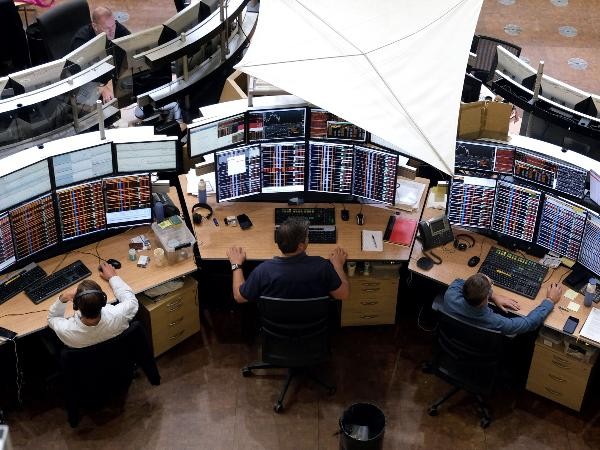
At the same time, traders have increased expectations that the Federal Reserve could keep interest rates elevated for longer following stronger-than-expected economic data and hawkish signals from policymakers. Gold does not generate income or yield. As a result, higher interest rates can reduce its appeal compared with interest-bearing assets. Reuters quoted independent metals trader Tai Wong as saying that a hawkish Federal Reserve, a stronger dollar, and lower inflation expectations are putting significant pressure on precious metals.
Geopolitical Premium Continues to Fade
Market participants have also cited easing tensions in parts of the Middle East as a factor behind the recent decline. During periods of uncertainty, investors often move funds into assets perceived as stores of value, including gold. However, as some geopolitical concerns have eased, part of that demand has weakened. The reduction in safe-haven buying has coincided with the broader shift towards expectations of higher interest rates, creating additional pressure on bullion prices.
Peter Schiff and Robert Kiyosaki See Opportunity
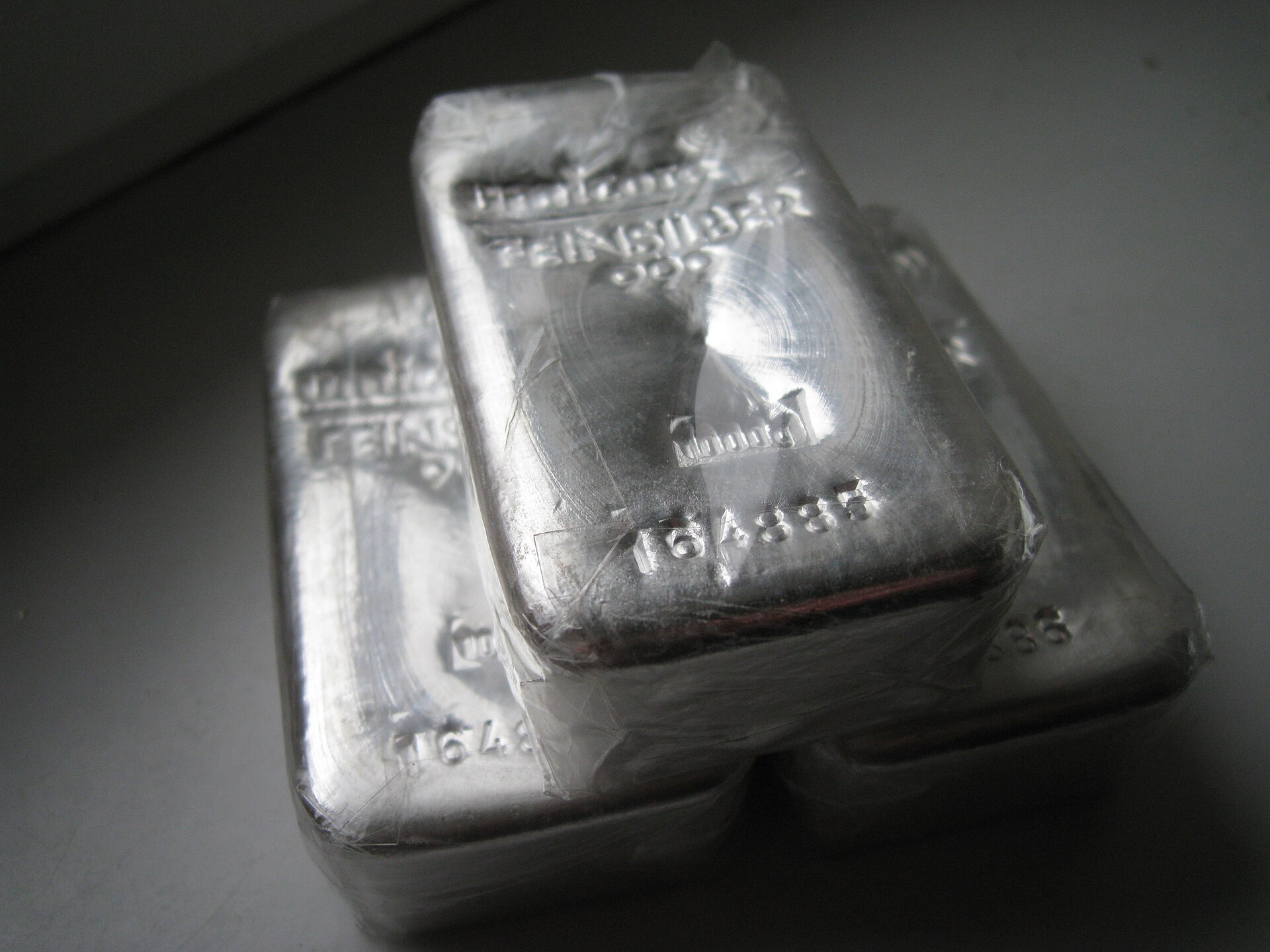
Despite the decline, some prominent investors remain positive on gold’s long-term prospects. Financial commentator Peter Schiff reacted to the latest move on social media, writing: ‘Gold just traded below $4,000. An even better buy. Silver is down to $58.60.’
Gold just traded below $4,000. An even better buy. Silver is down to $58.60
— Peter Schiff (@PeterSchiff) June 24, 2026
Schiff has long argued that gold remains an important hedge against economic uncertainty and currency depreciation. Author and investor Robert Kiyosaki also indicated that he is monitoring the market for potential buying opportunities.
Posting on X, Kiyosaki described the falling price of gold as ‘great news’ and said he was watching technical charts while assessing broader economic conditions. He added that understanding the direction of the economy was more important than focusing solely on price movements. Kiyosaki noted that much of the gold he owns today was purchased when prices were near $300 per ounce.
GREAT NEWS: Gold continues to drop in price. Watching technical charts to know when to buy more.
TREND is your FRIEND!!!!!
Repeating past lesson.
Price is like knowing the price of a house is going down.
What I want to know what is happening in the neighborhood?
If…
— Robert Kiyosaki (@theRealKiyosaki) June 24, 2026
Analysts Expect Consolidation Rather Than Collapse
While sentiment towards precious metals has weakened, some analysts do not expect a sharp breakdown in prices. Tai Wong told Reuters that gold has technical support just below $3,900 per ounce and noted that central banks continue to purchase gold.
Central bank buying has been a major source of demand in recent years and remains a closely watched factor in the market. Wong said the gold trade may remain out of favour for some time but suggested that a period of consolidation is more likely than a collapse.
Long-Term Forecasts Remain Supportive
Several institutions continue to project higher gold prices over the longer term, despite lowering some short-term forecasts. ING recently revised its outlook and now expects gold to average $4,300 per ounce in the third quarter of 2026 and $4,600 in the fourth quarter. Meanwhile, J.P. Morgan Global Research has projected that gold prices could average as much as $6,000 per ounce by the final quarter of 2026.
Those forecasts reflect expectations that central bank demand and broader macroeconomic factors could continue to support the precious metals market. For now, investors remain focused on Federal Reserve policy, movements in the US dollar, and global economic conditions as they assess whether the latest correction represents a temporary setback or the start of a longer period of weakness.
Disclaimer: Our digital media content is for informational purposes only and does not constitute investment advice. Please conduct your own analysis or seek professional advice before investing. Remember, investments are subject to market risks, and past performance does not guarantee future returns.