Key Takeaways:
- Gold often acts as a safe haven during periods of inflation and market volatility.
- ETFs offer greater liquidity and simplicity compared to storing physical gold.
- Many advisors recommend allocating 2% to 5% of a portfolio to gold and other metals.
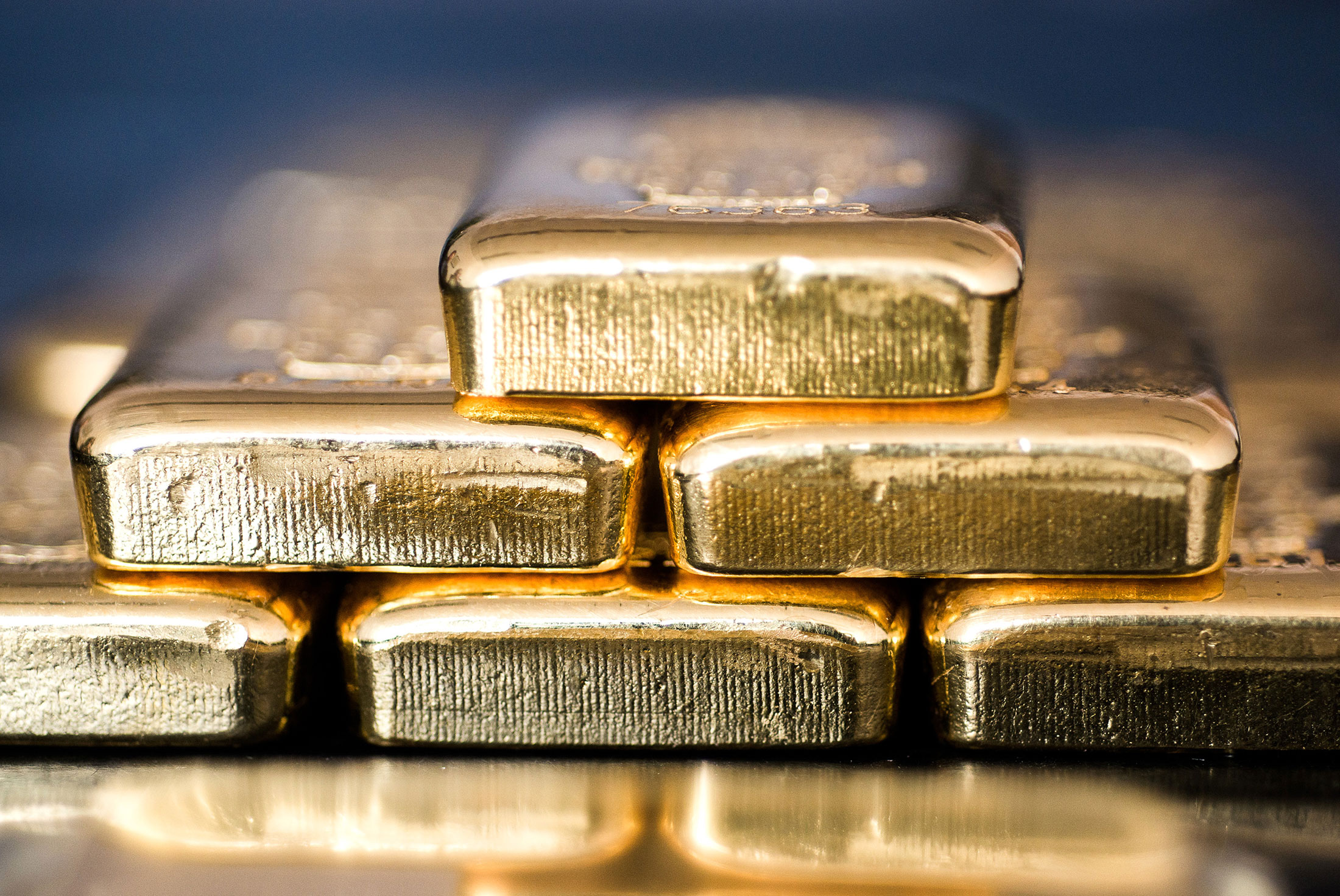
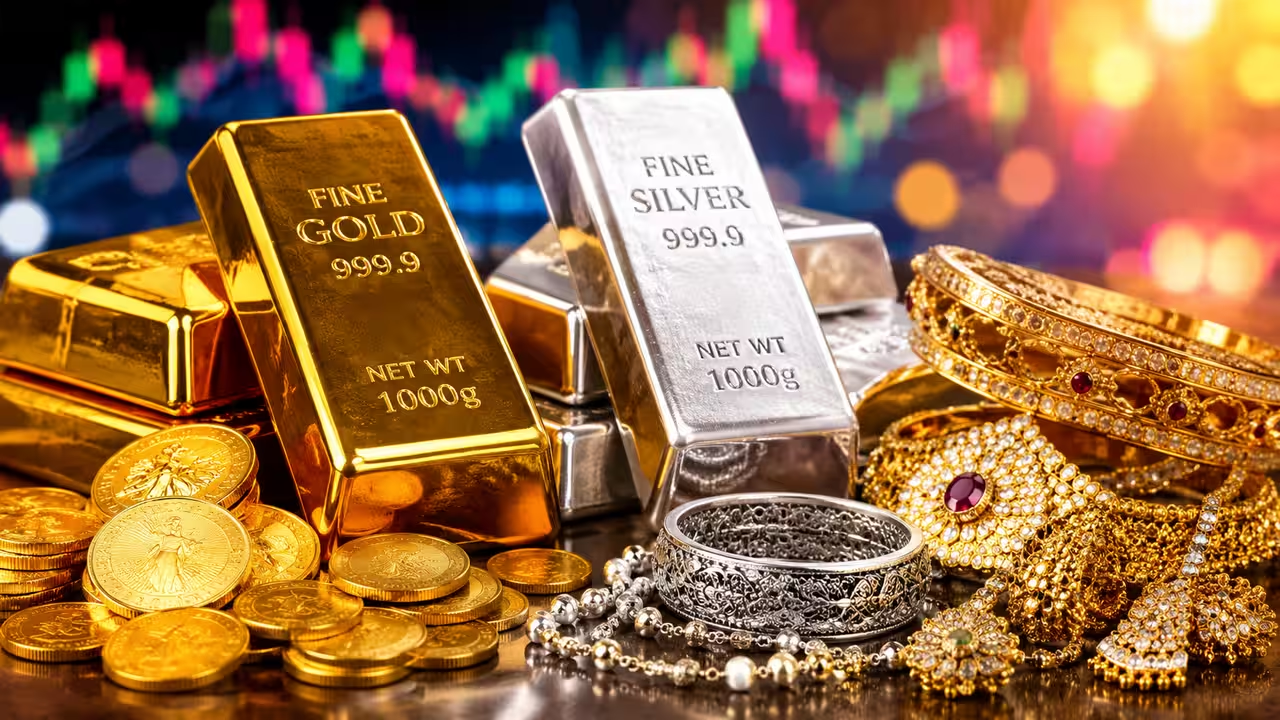
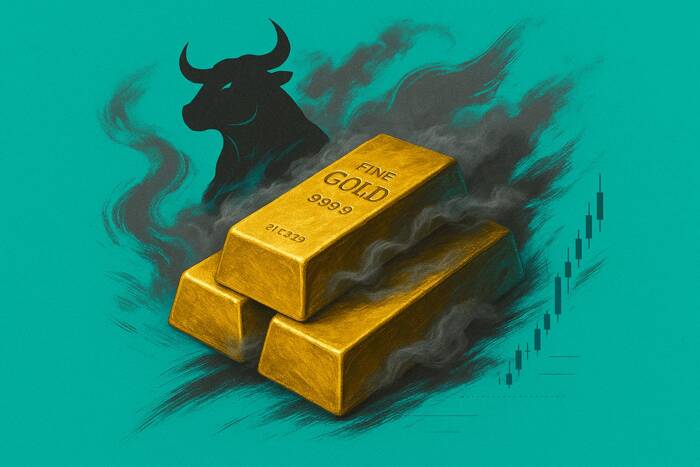
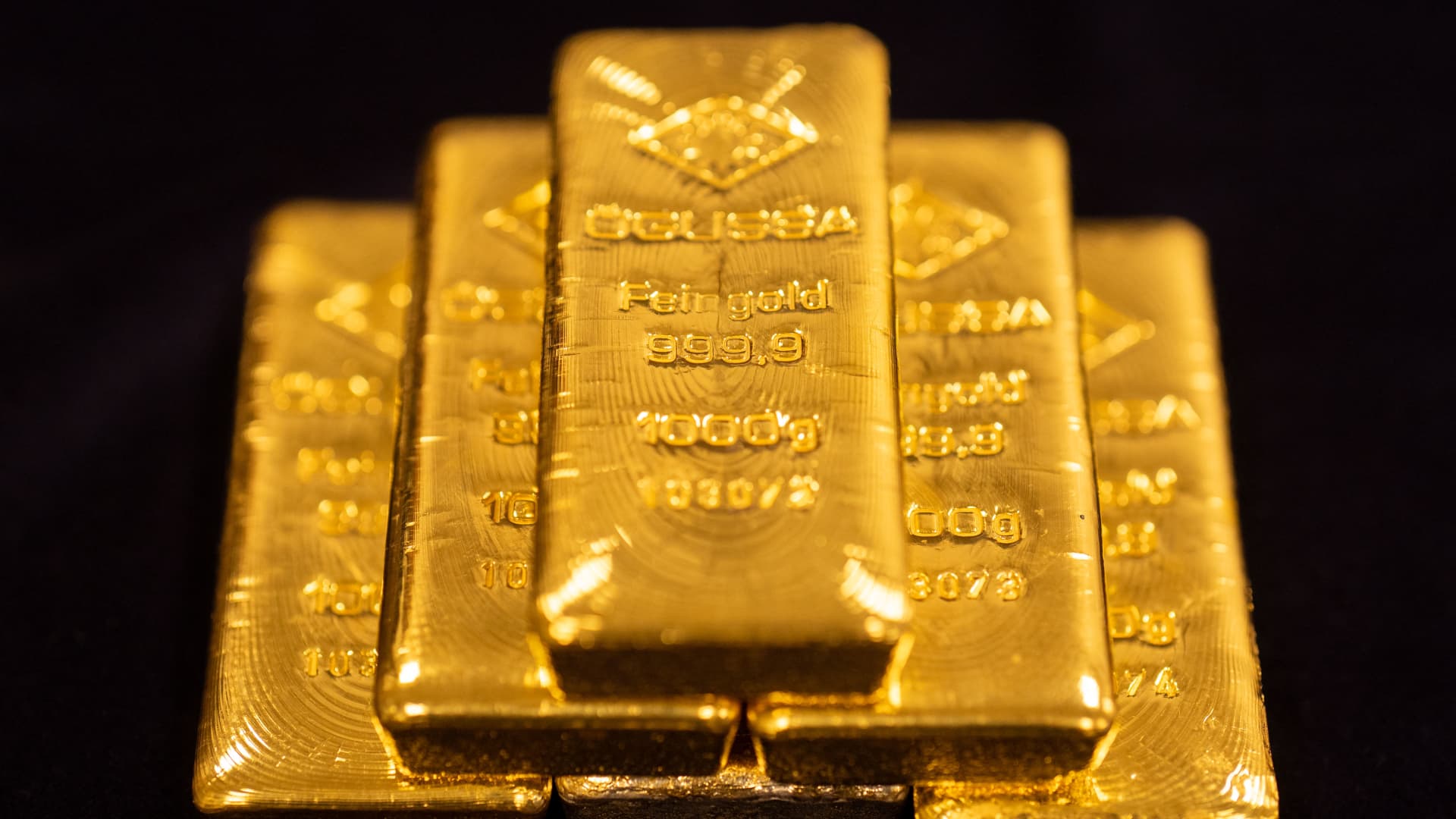
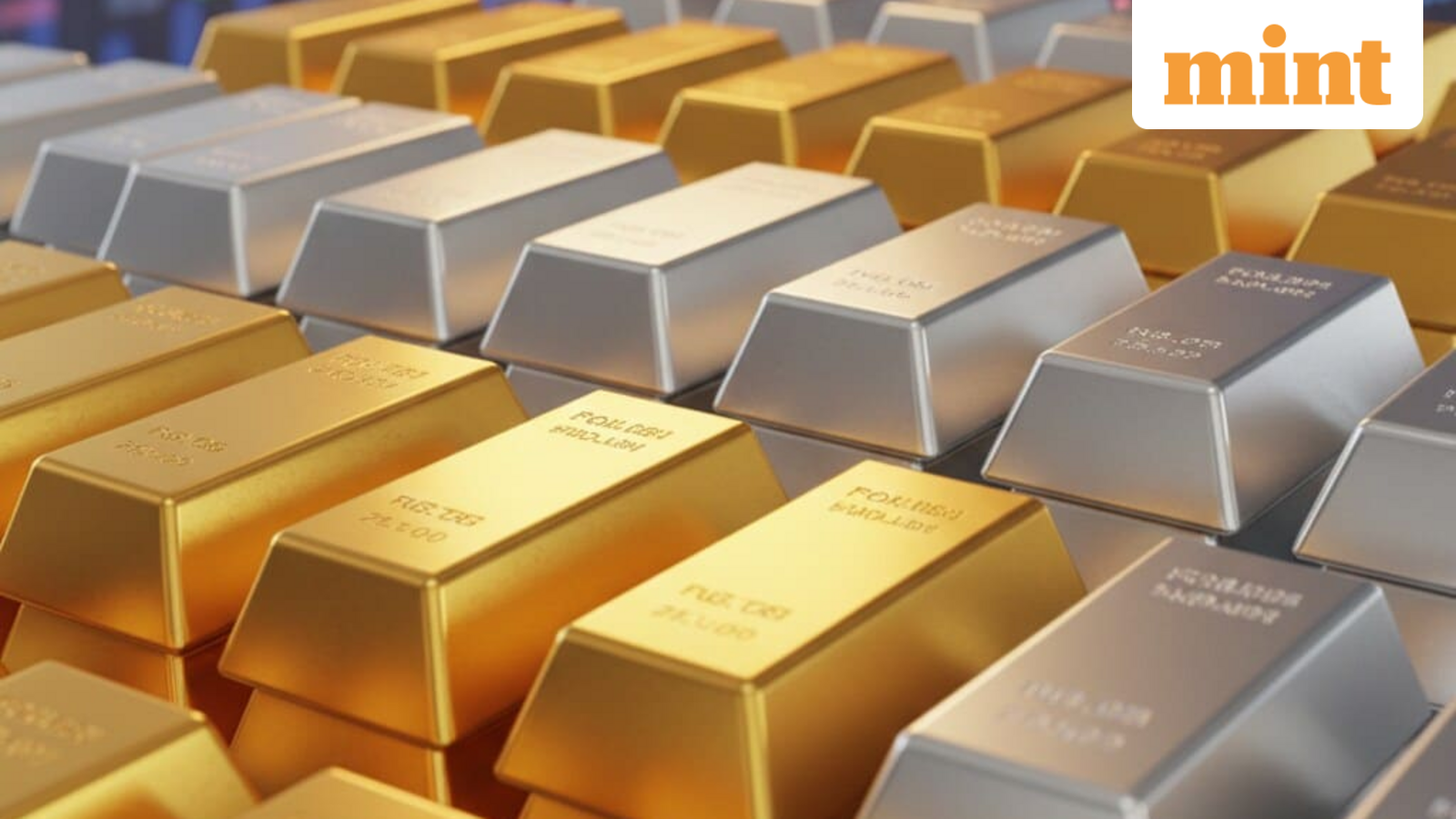
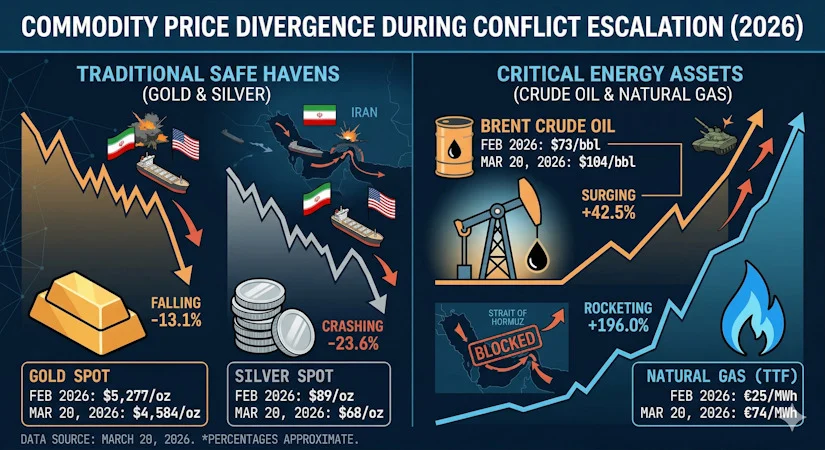
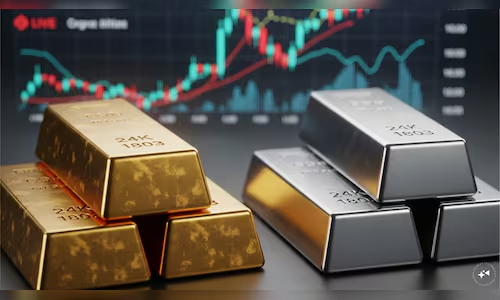
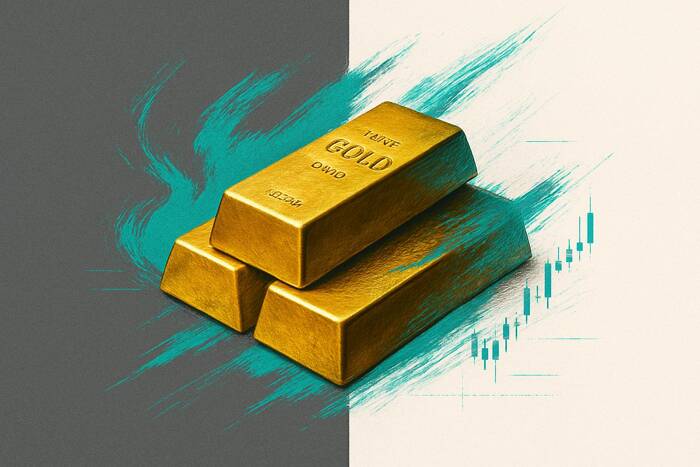
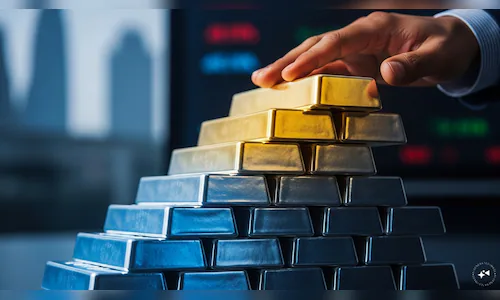
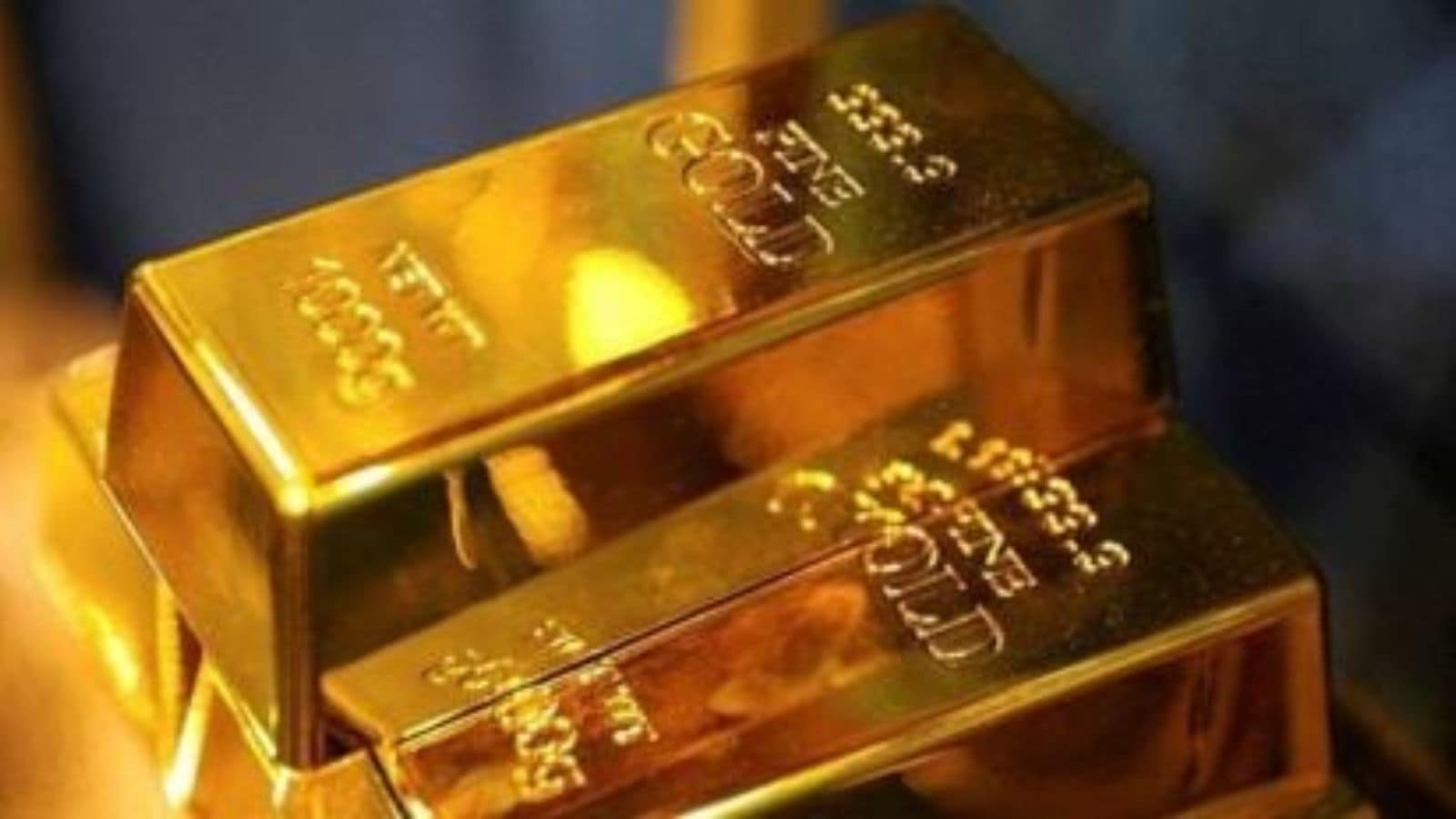
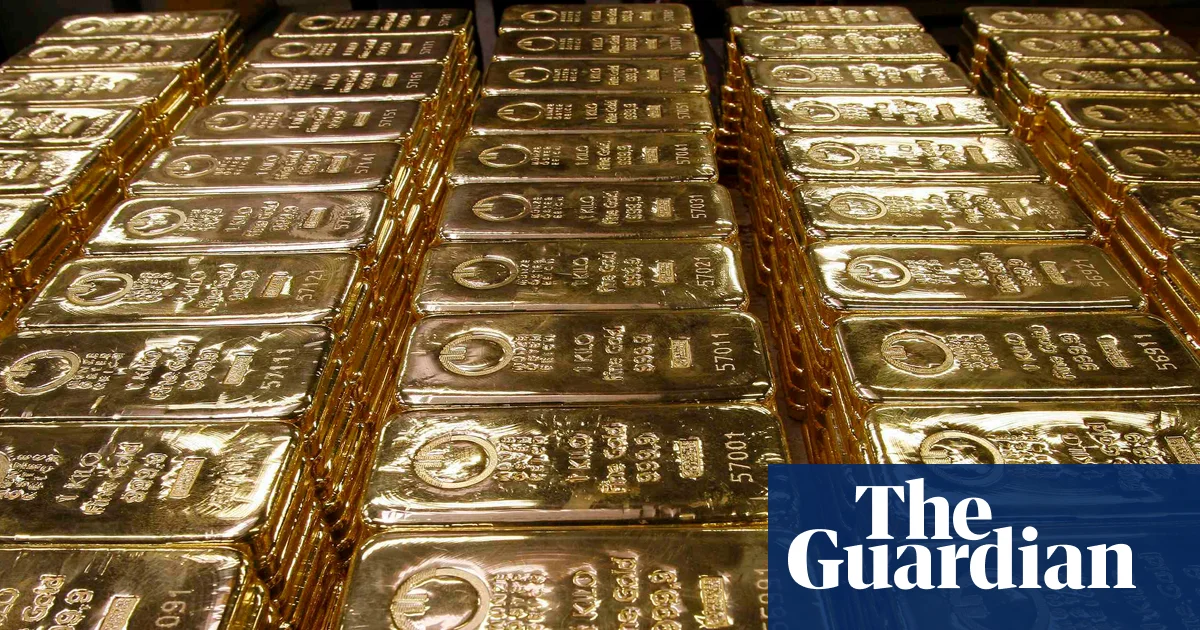
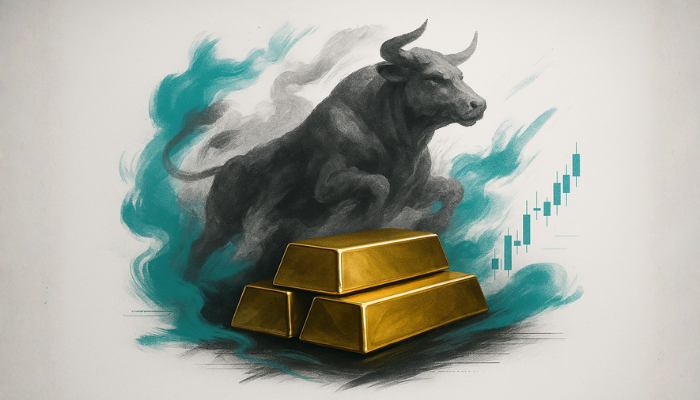
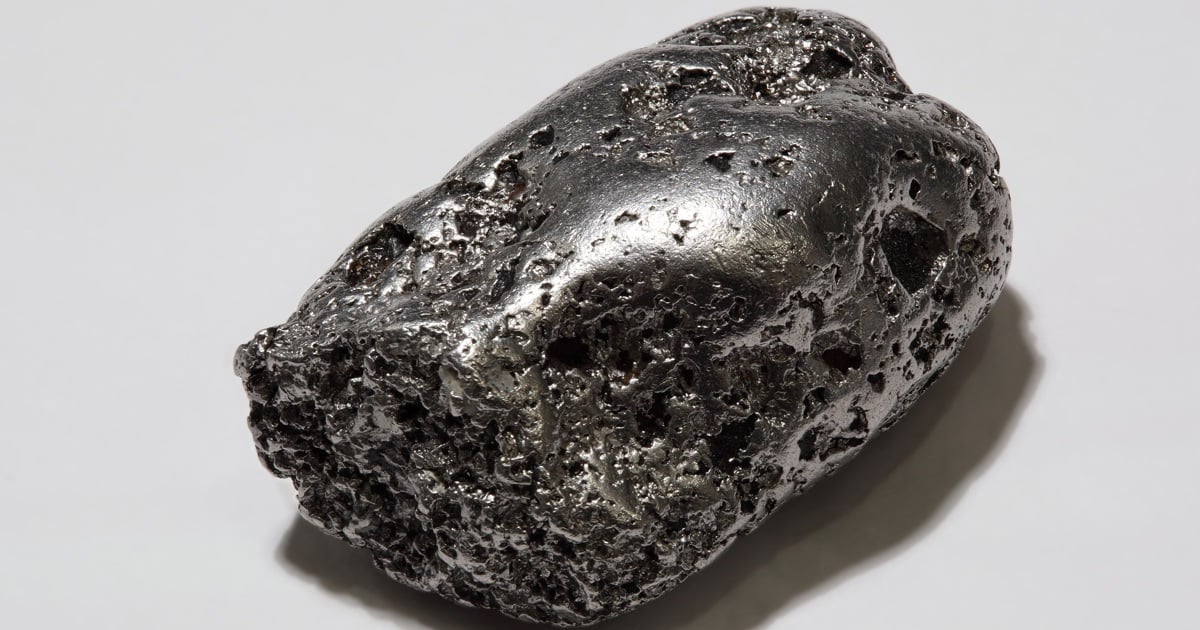
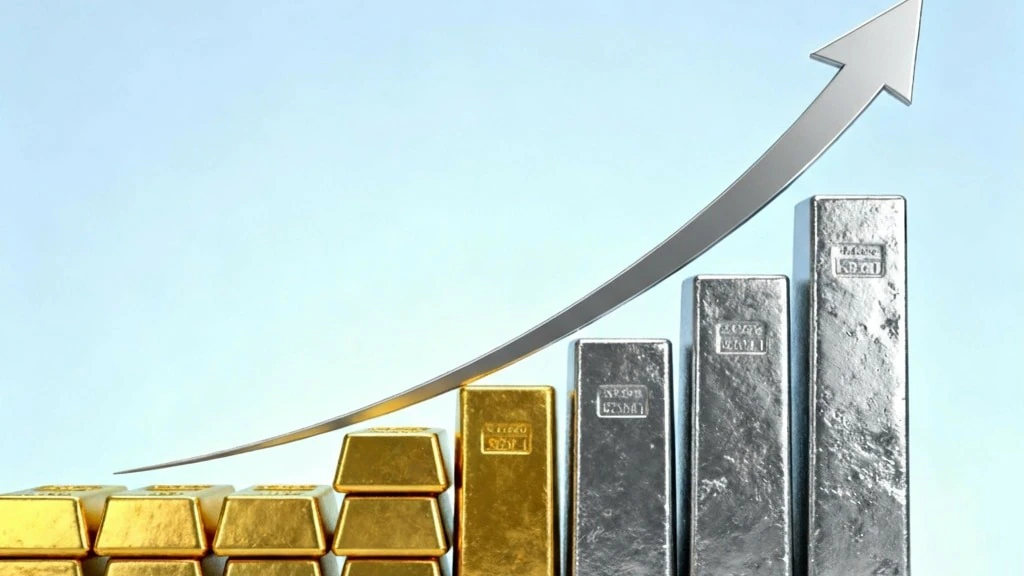
Gold has historically been a safe-haven investment during bouts of stock market volatility, inflation, geopolitical risk and a weakened dollar.
Here’s an example: So far this year, the SPDR Gold Shares ETF (ticker: GLD) has returned 23.7%, versus 0.4% for the SPDR S&P 500 ETF (SPY).
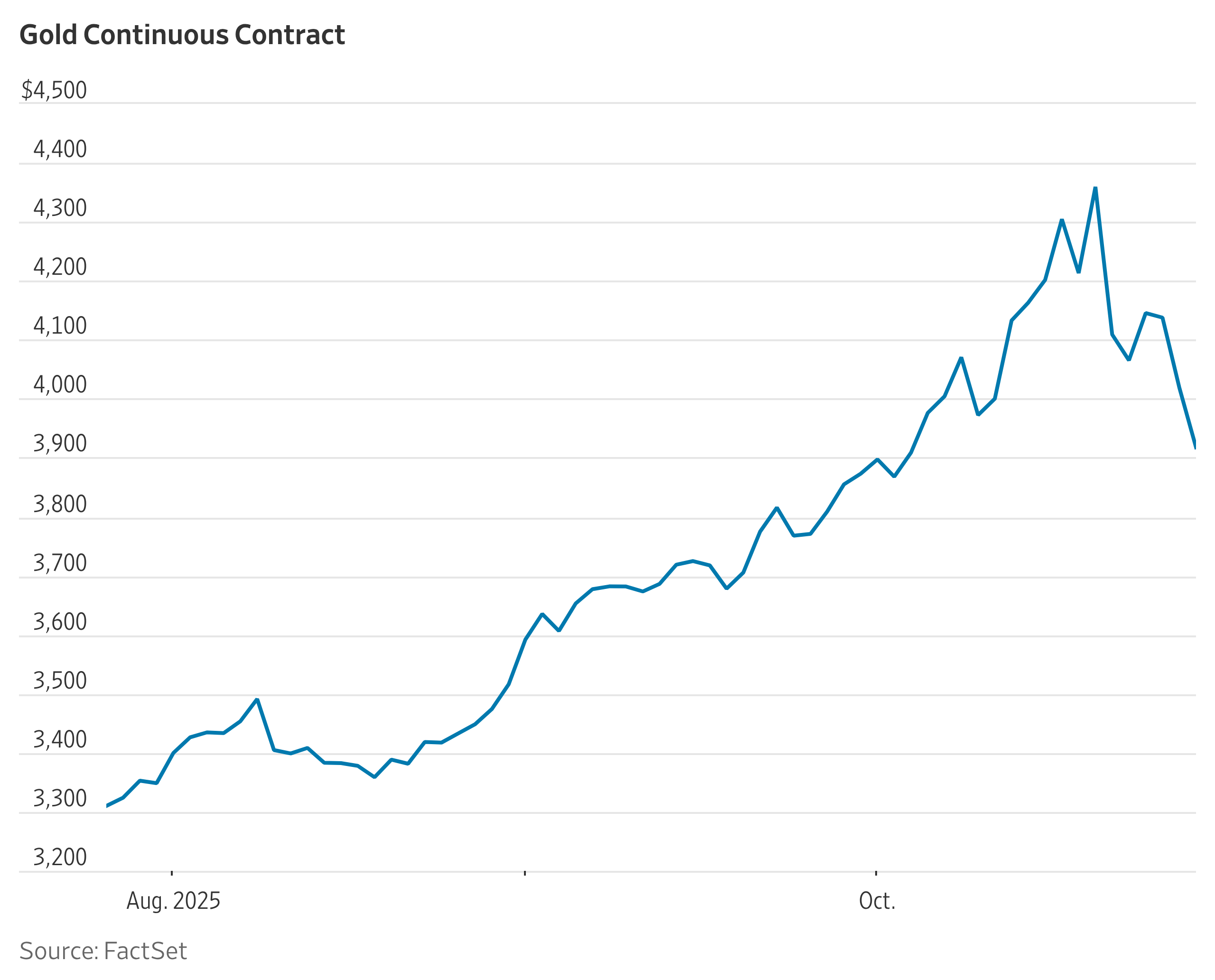
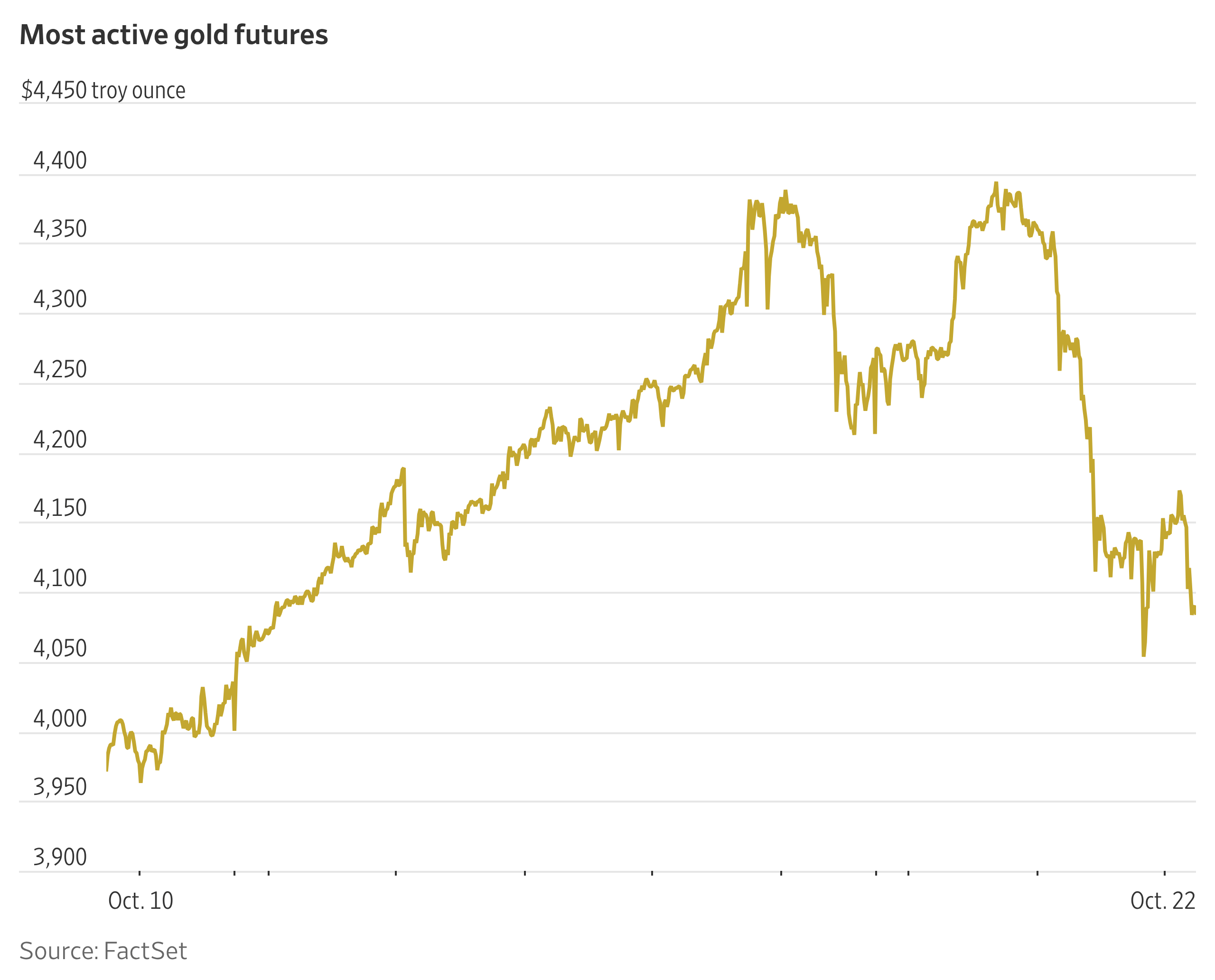
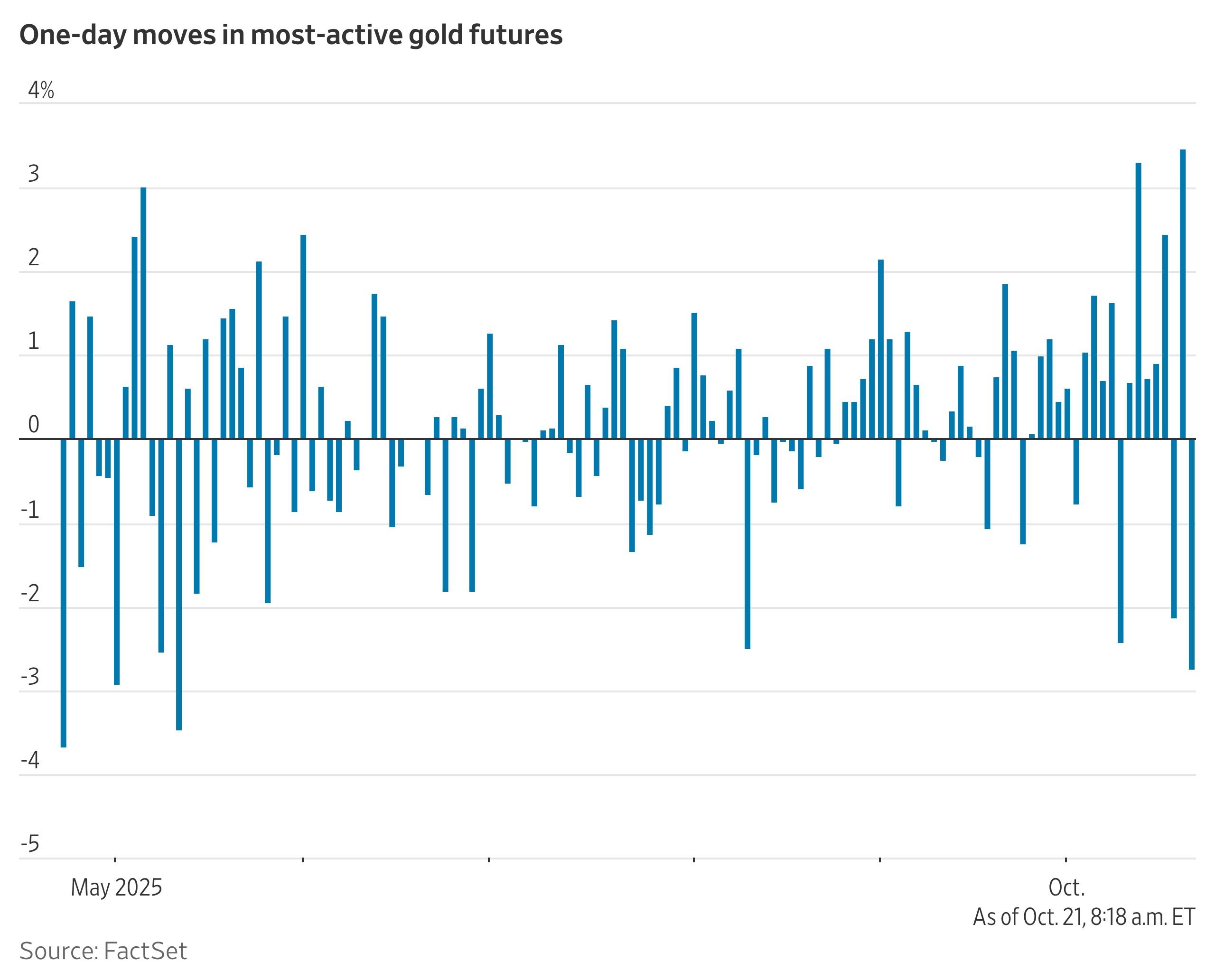
That reflects a rally in the price of gold this year as equity markets fell on tariff-driven worries.
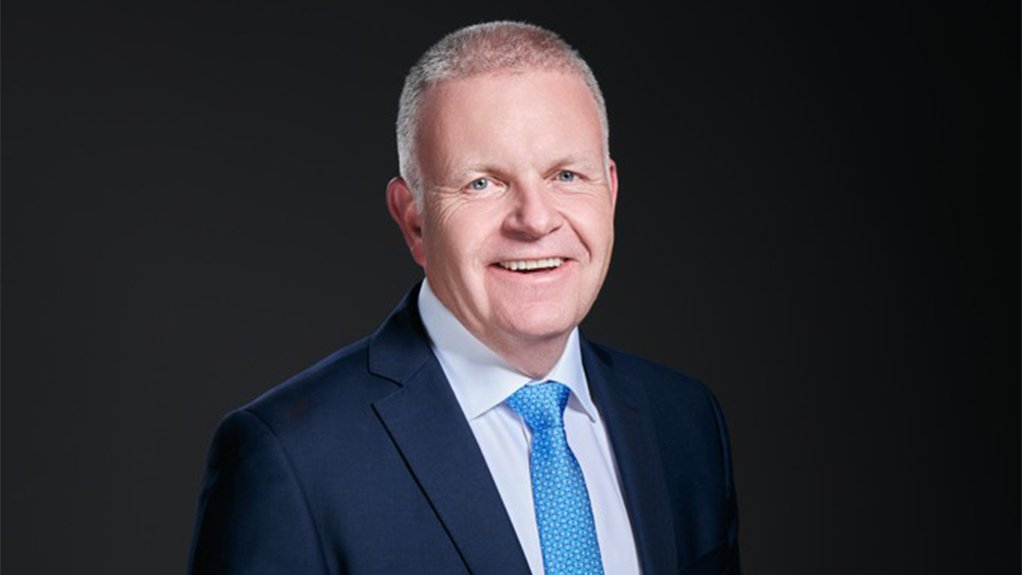
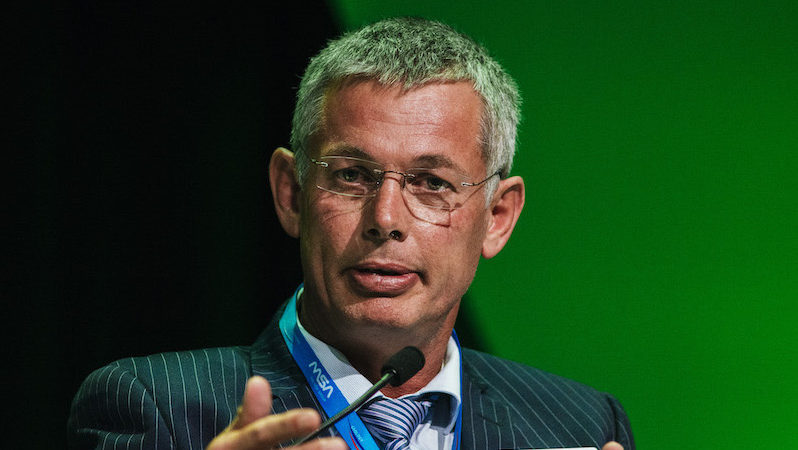
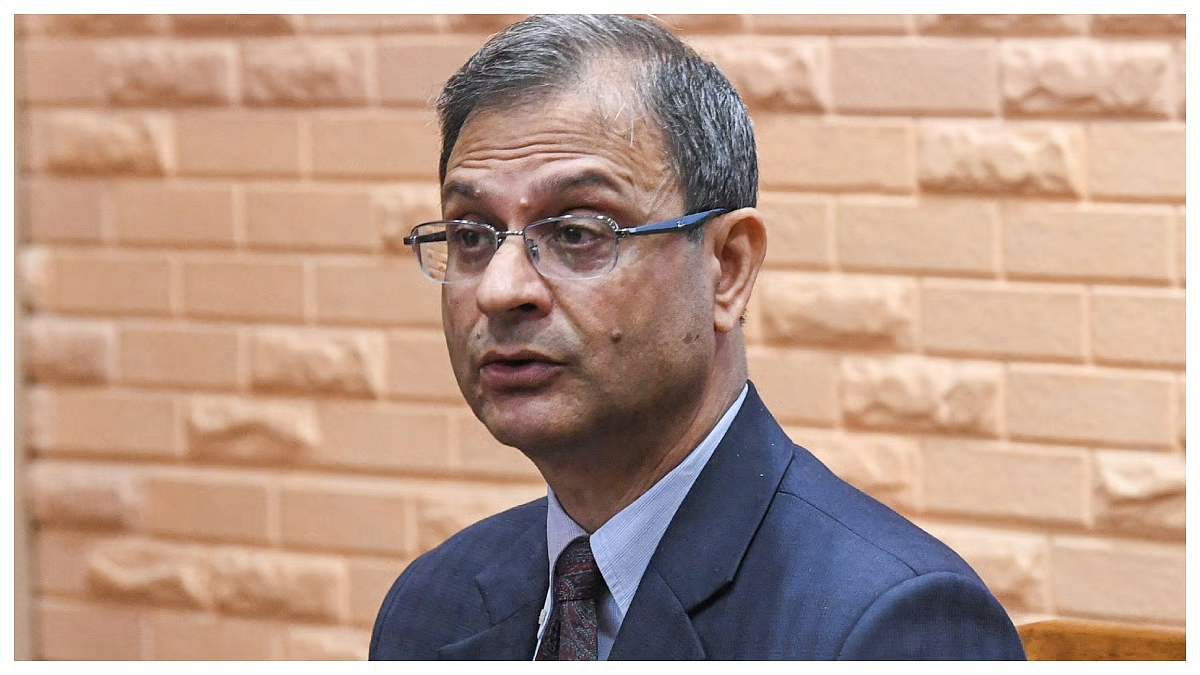
“Gold has run up significantly as the markets have become more volatile and uncertainty abounds,” said Rob Duncan, owner of Global Impact Wealth Management in Riverside, California, in an email. “If the economy stabilizes and the outlook remains positive, gold may moderate,” he added.
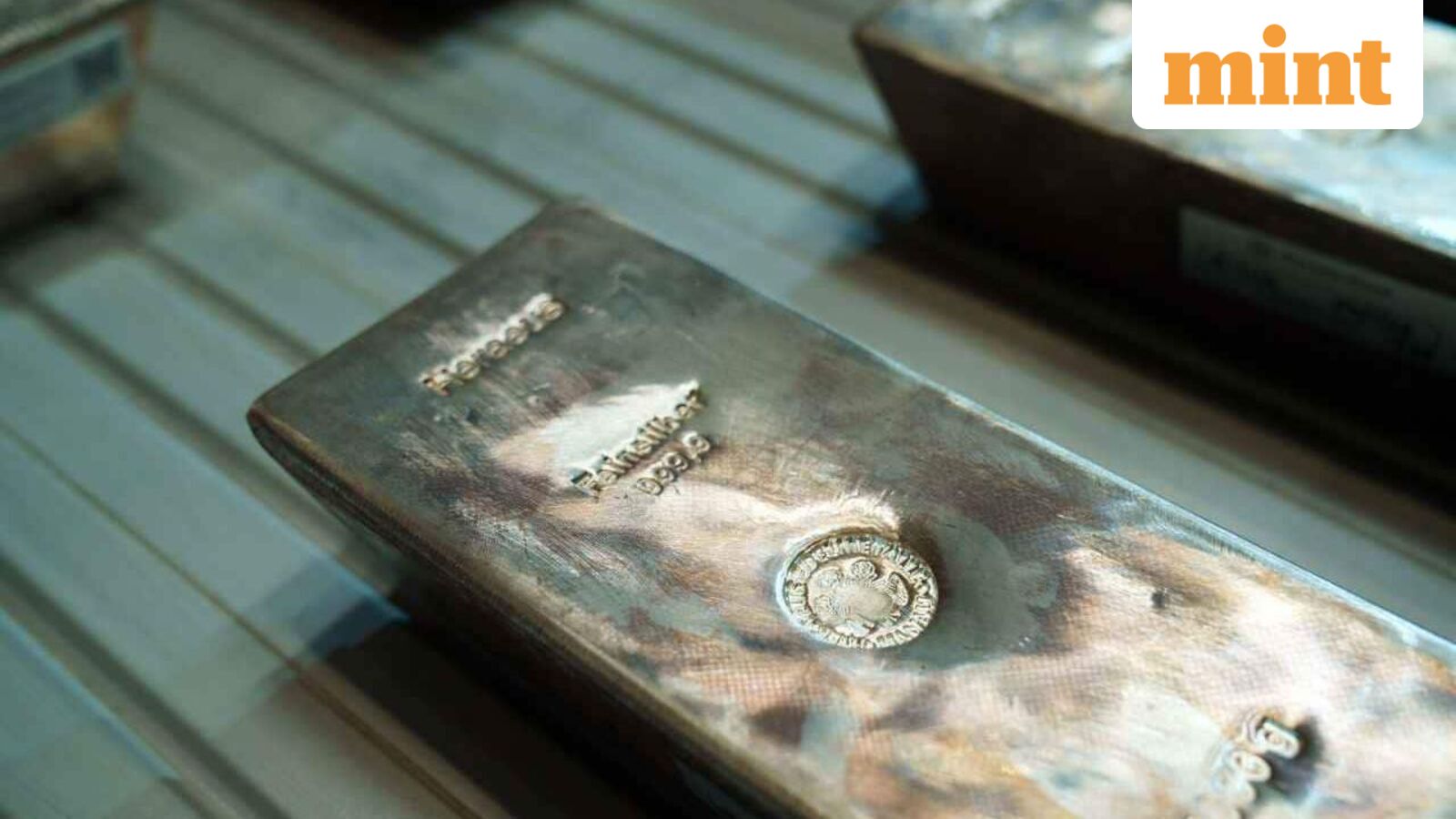
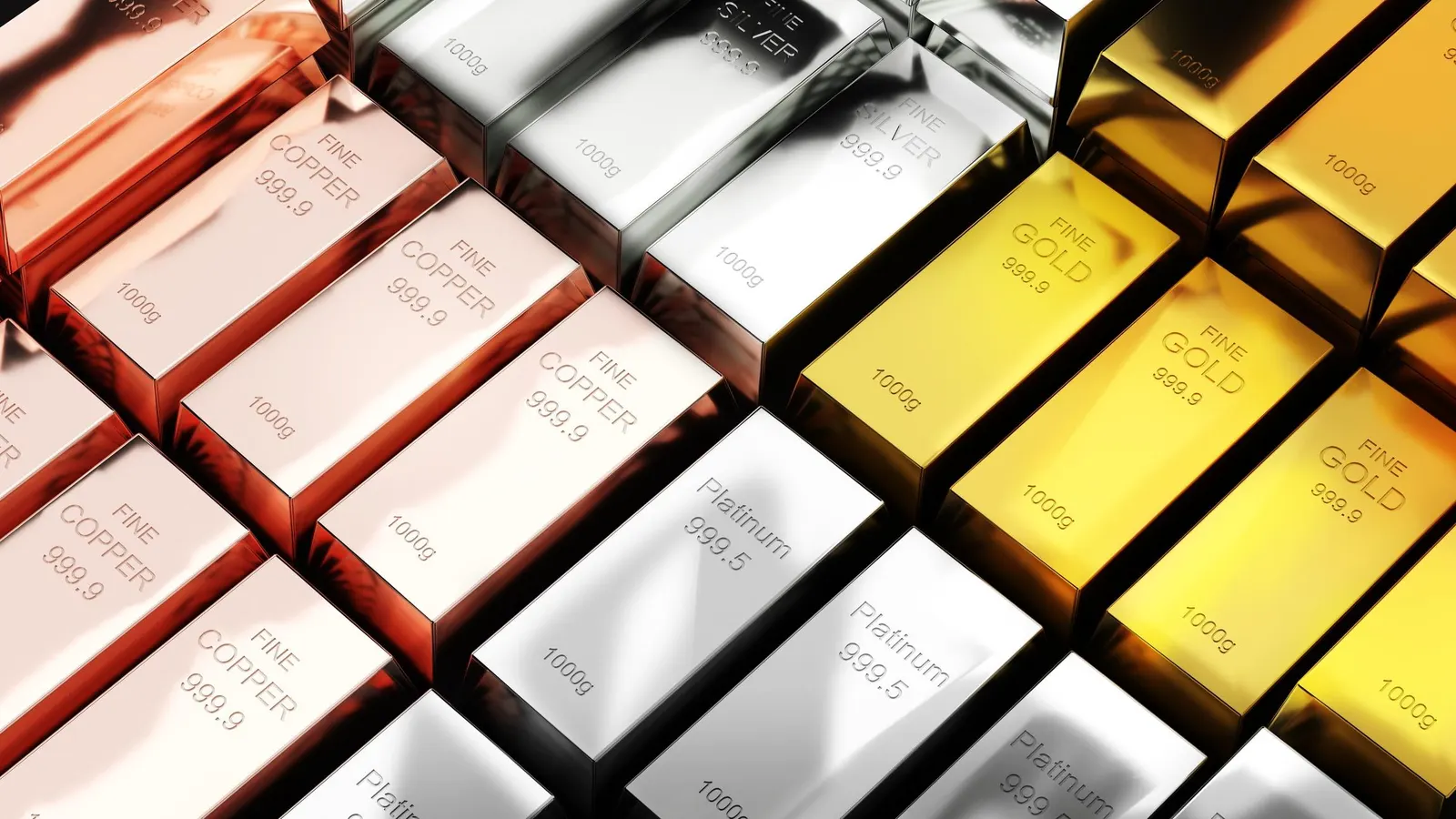
Given gold’s potential to hold its value while stocks are tanking, how much of your retirement portfolio should you allocate to it or other precious metals?
Ways to Own Gold
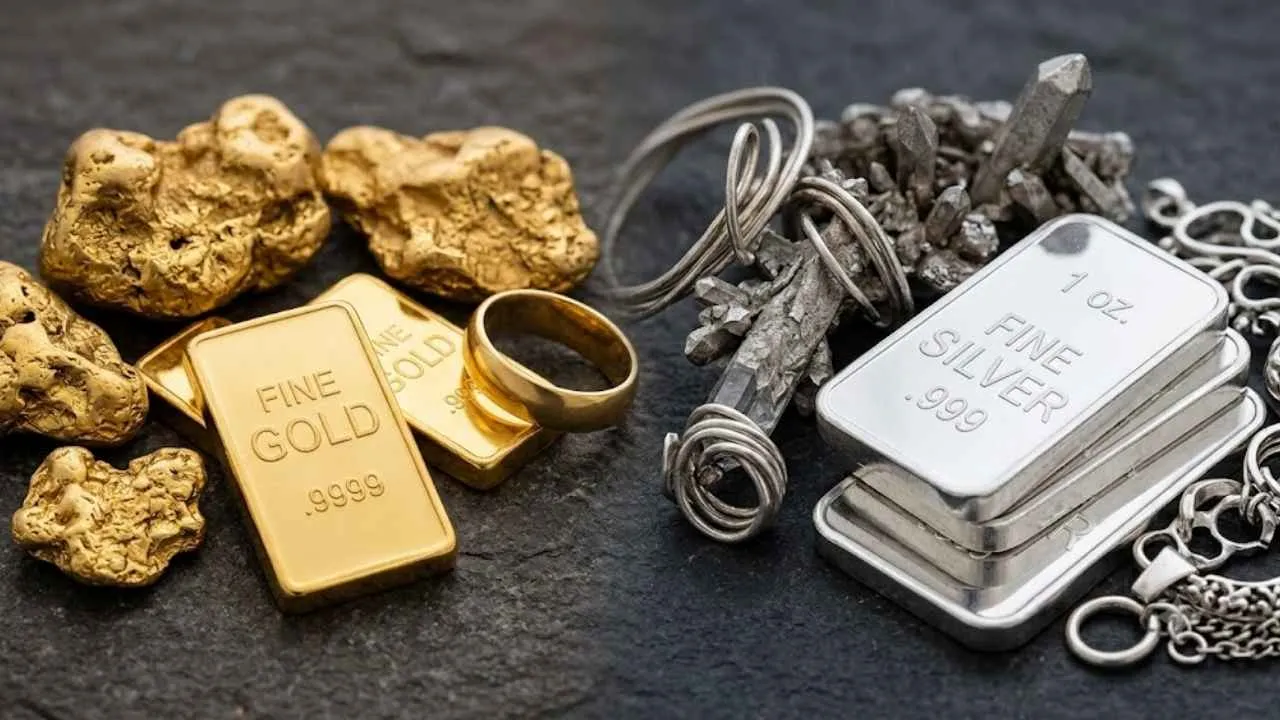
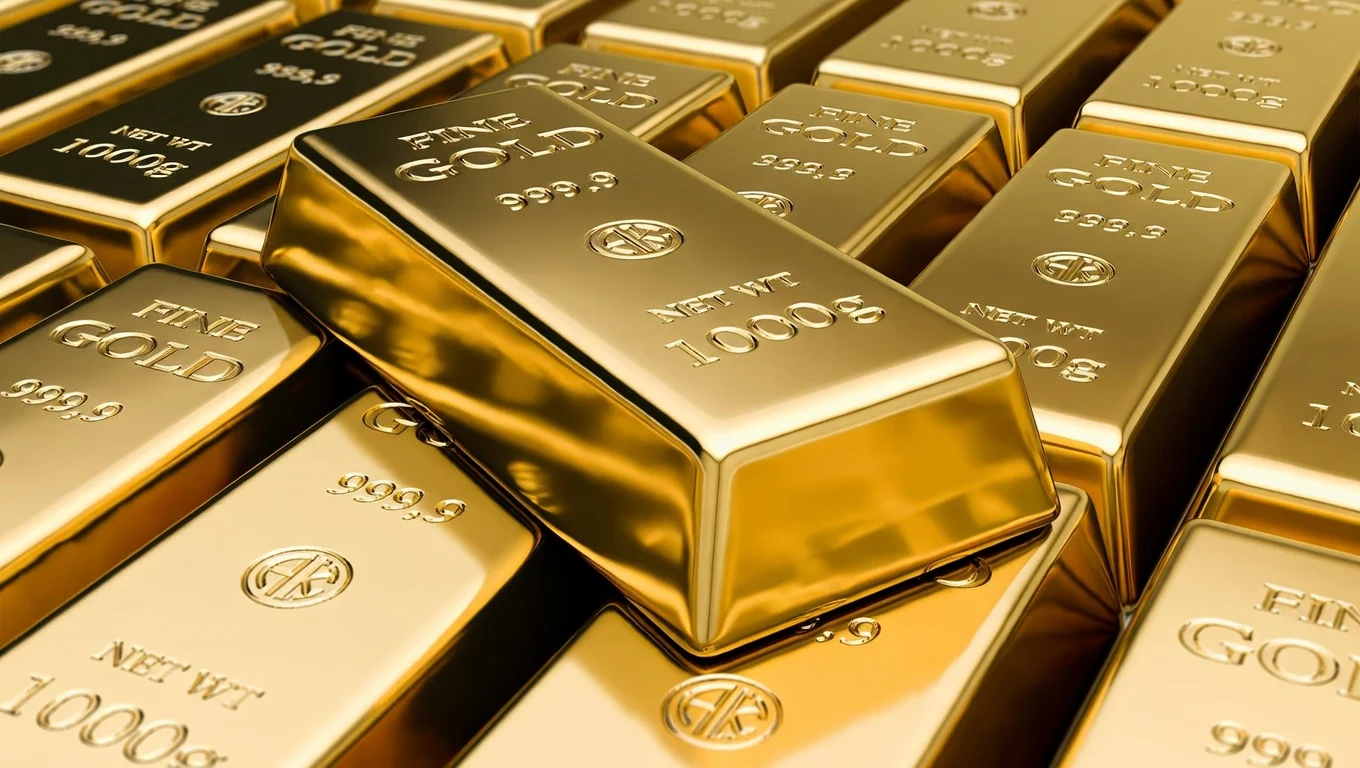
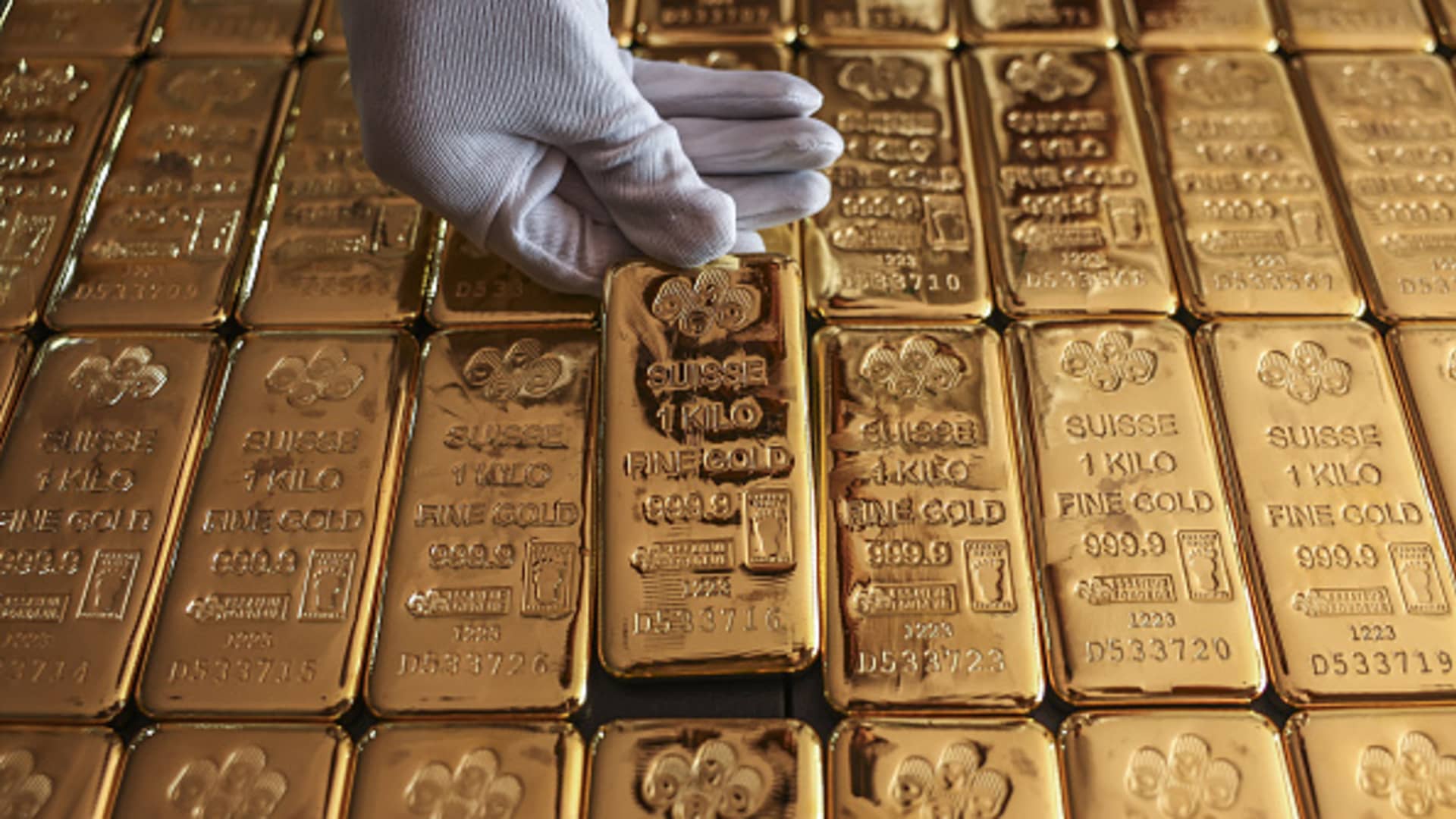
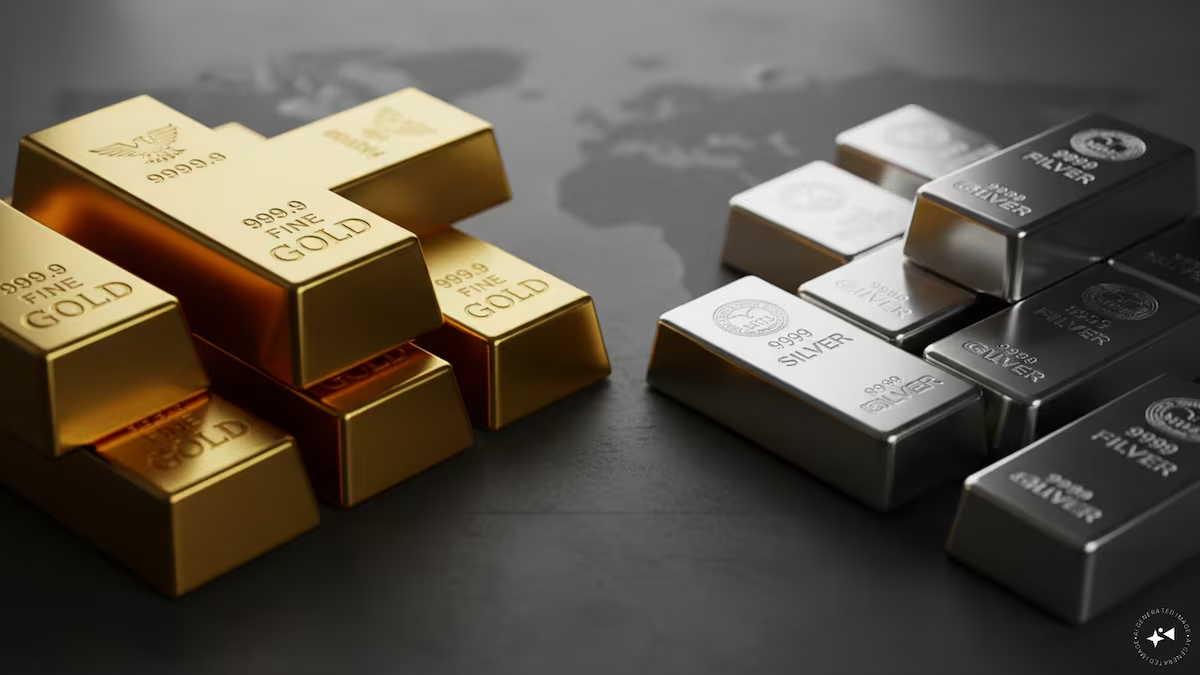
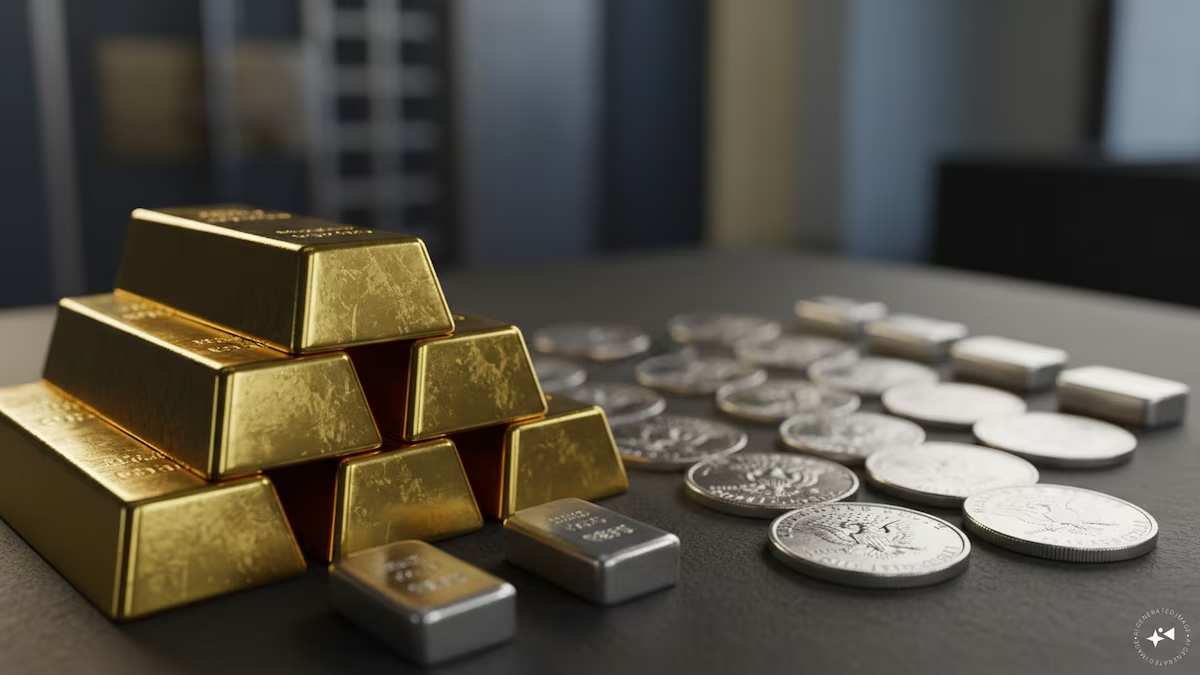
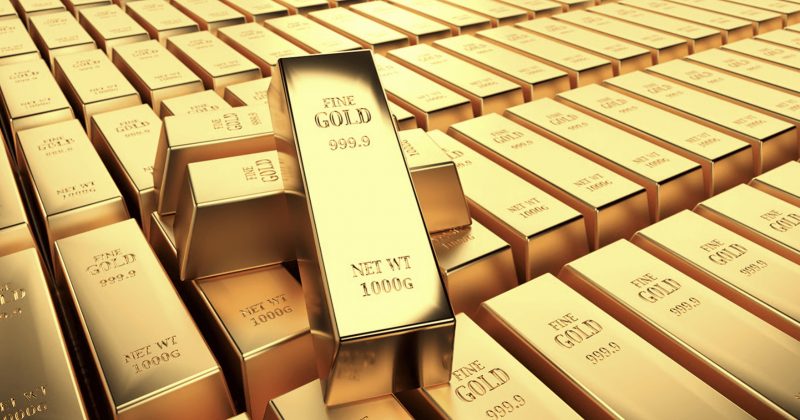
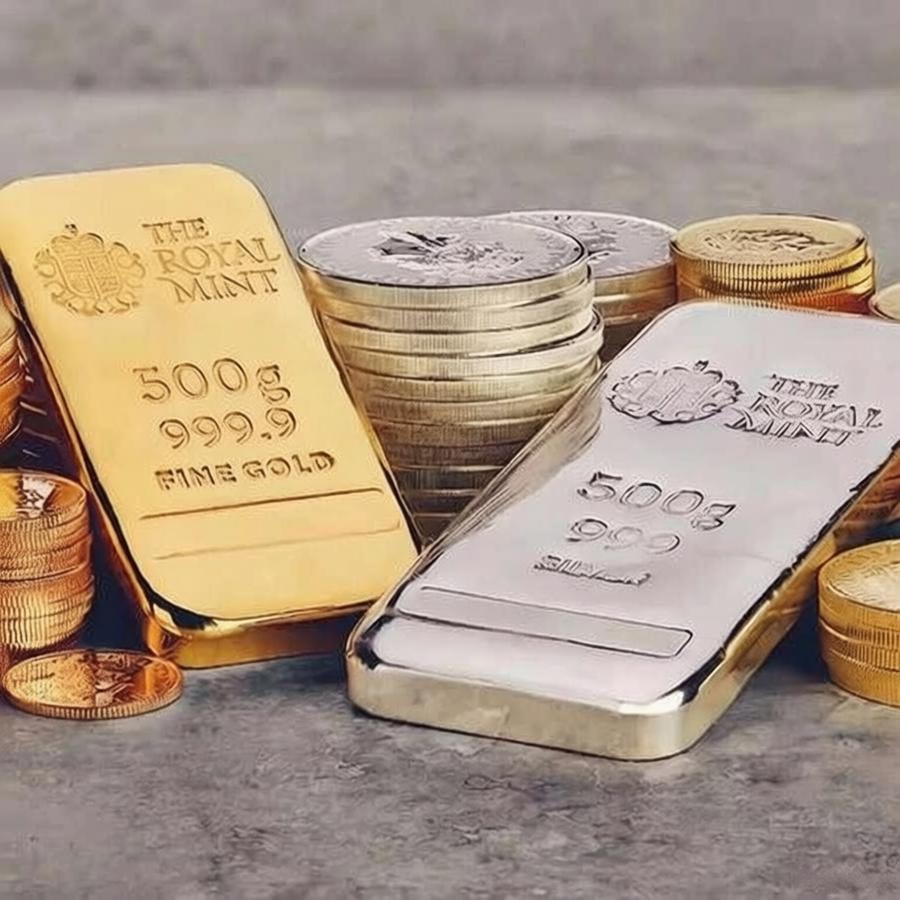
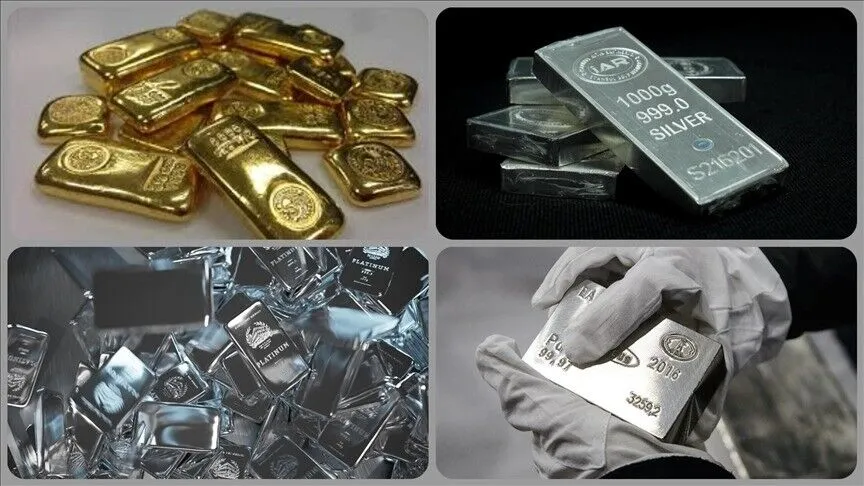
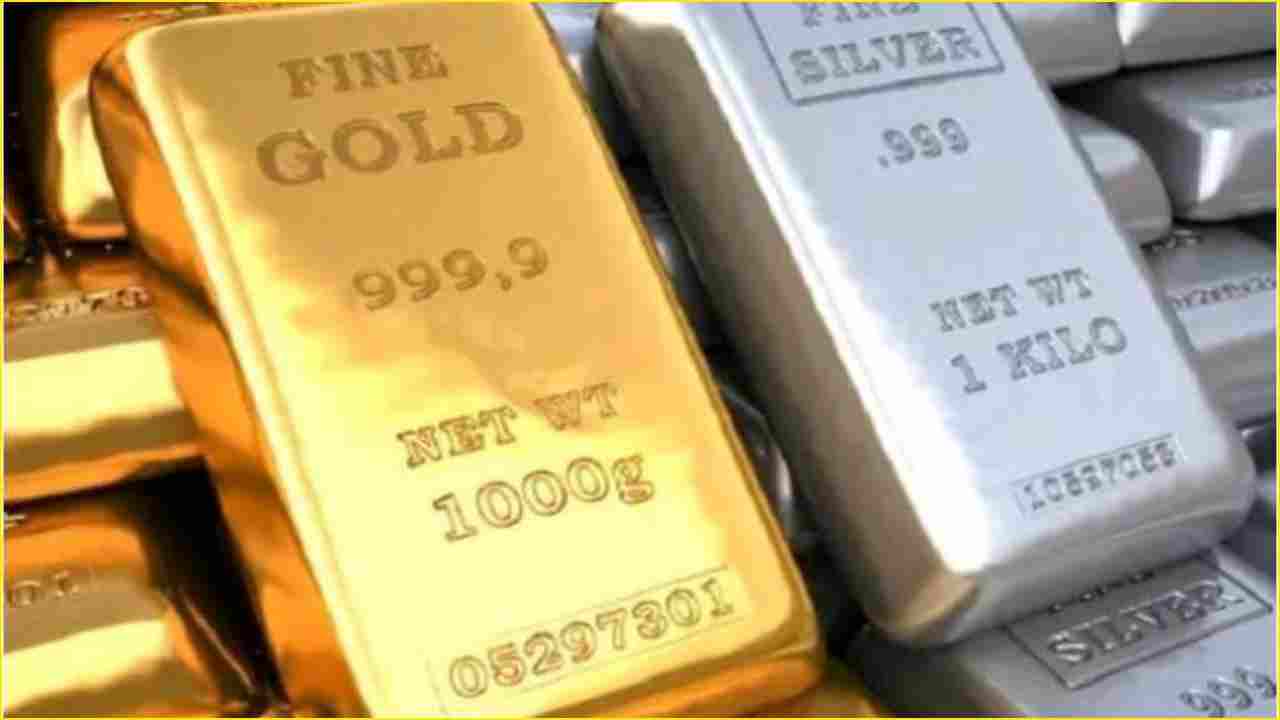
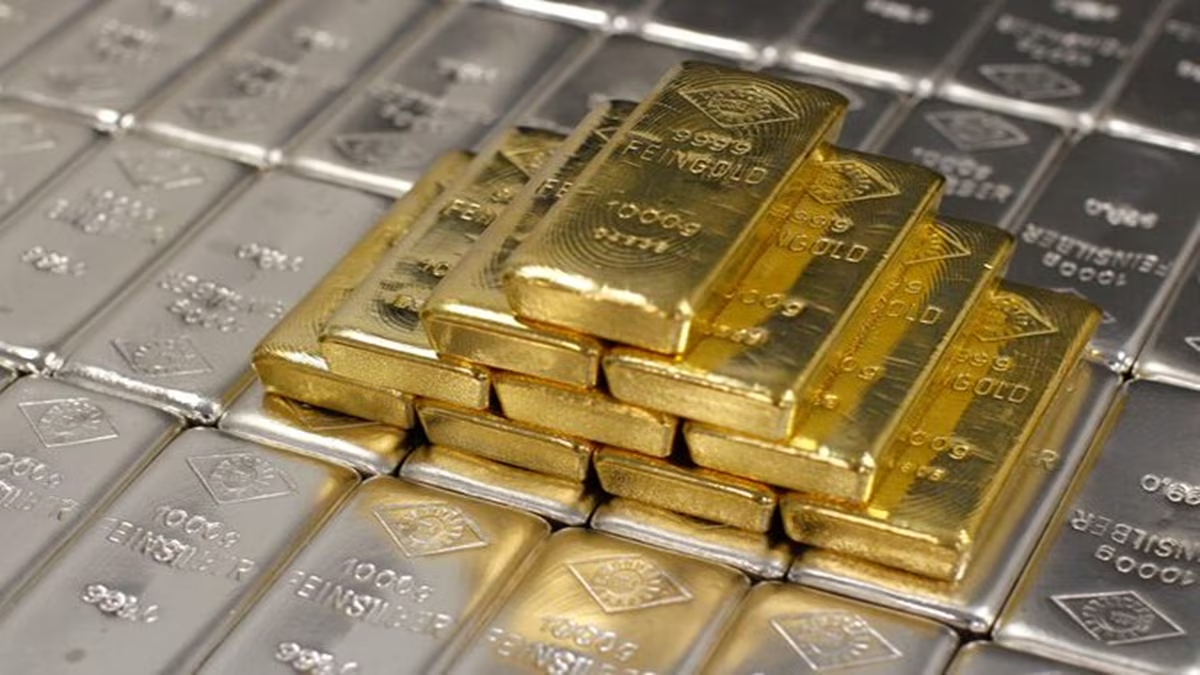
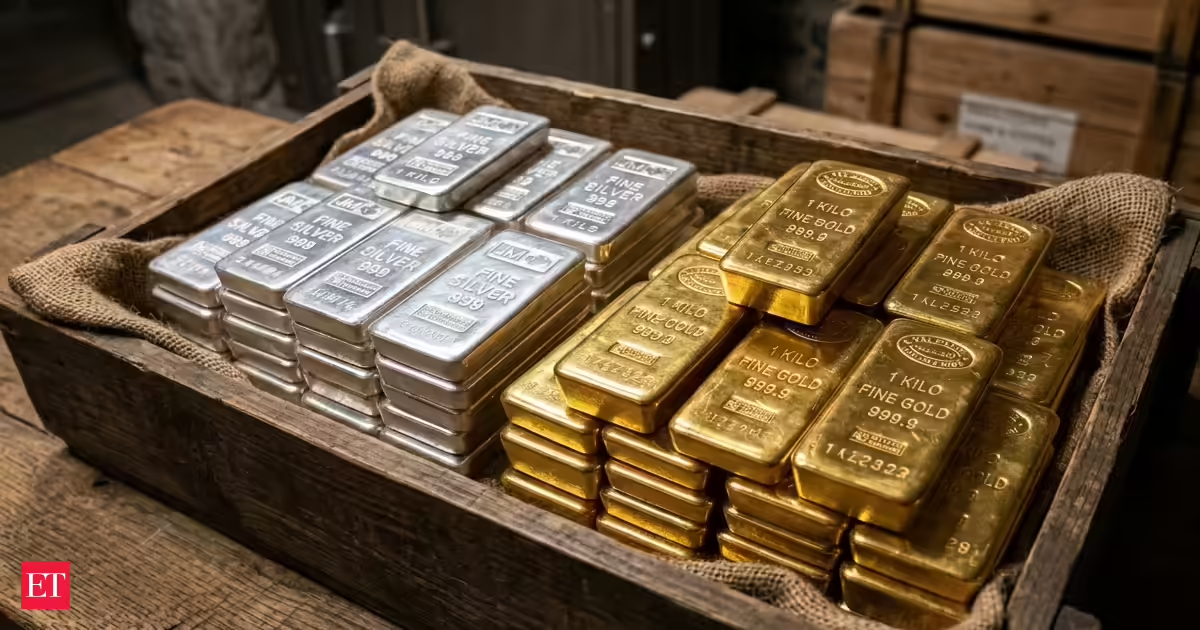
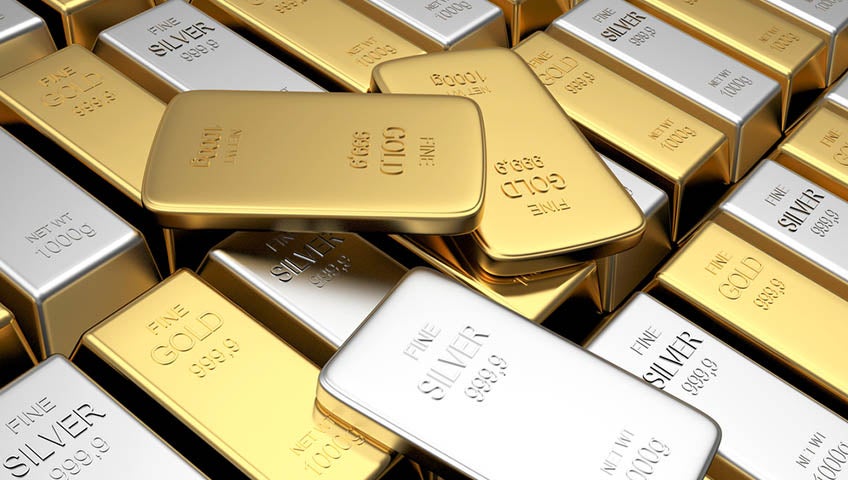
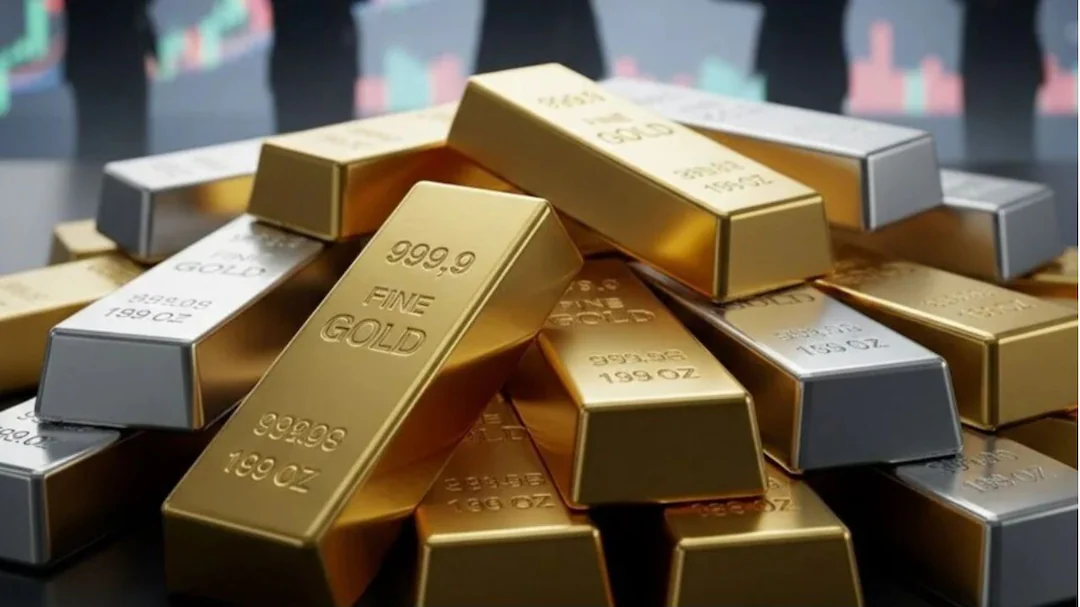
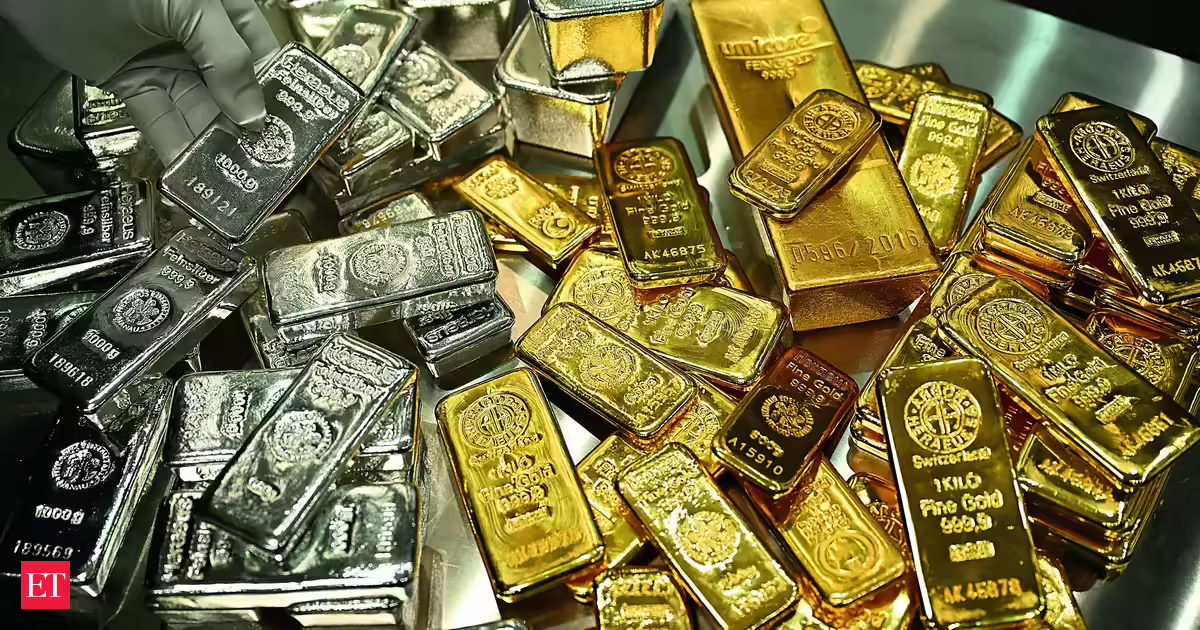
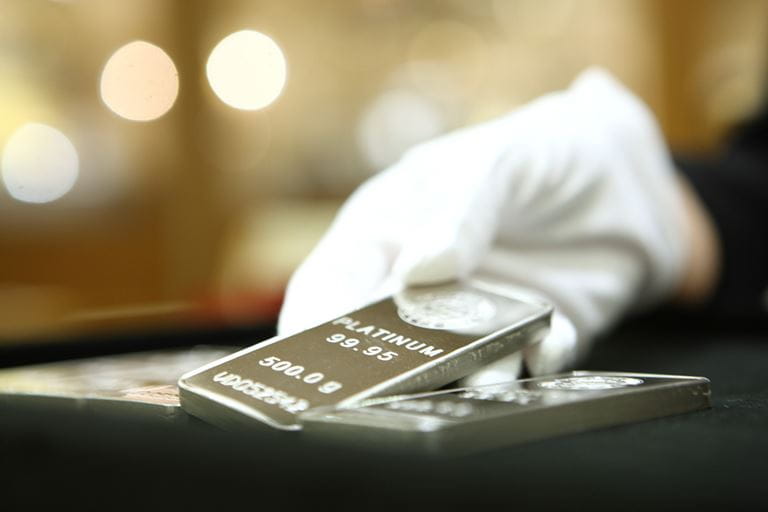
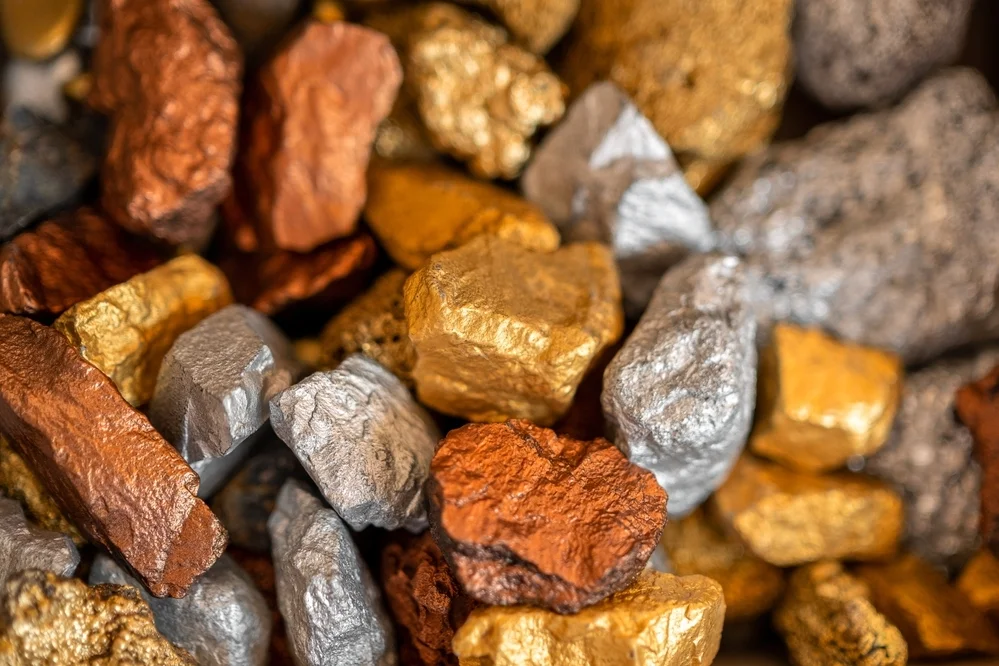
Retirement investors have plenty of ways to own the yellow metal. You have the options of gold mining stocks, exchange-traded funds or mutual funds that own a basket of these company stocks or ETFs like GLD or the iShares Gold Trust (IAU), which hold physical gold.
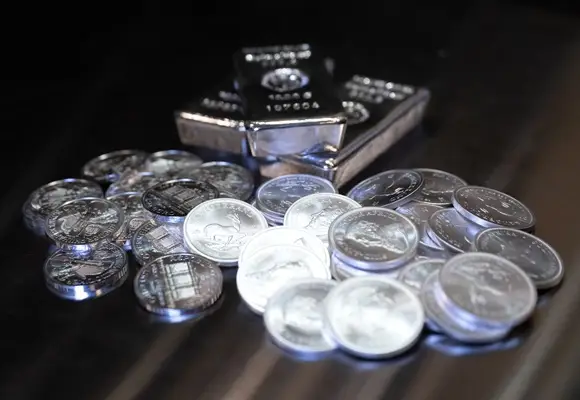
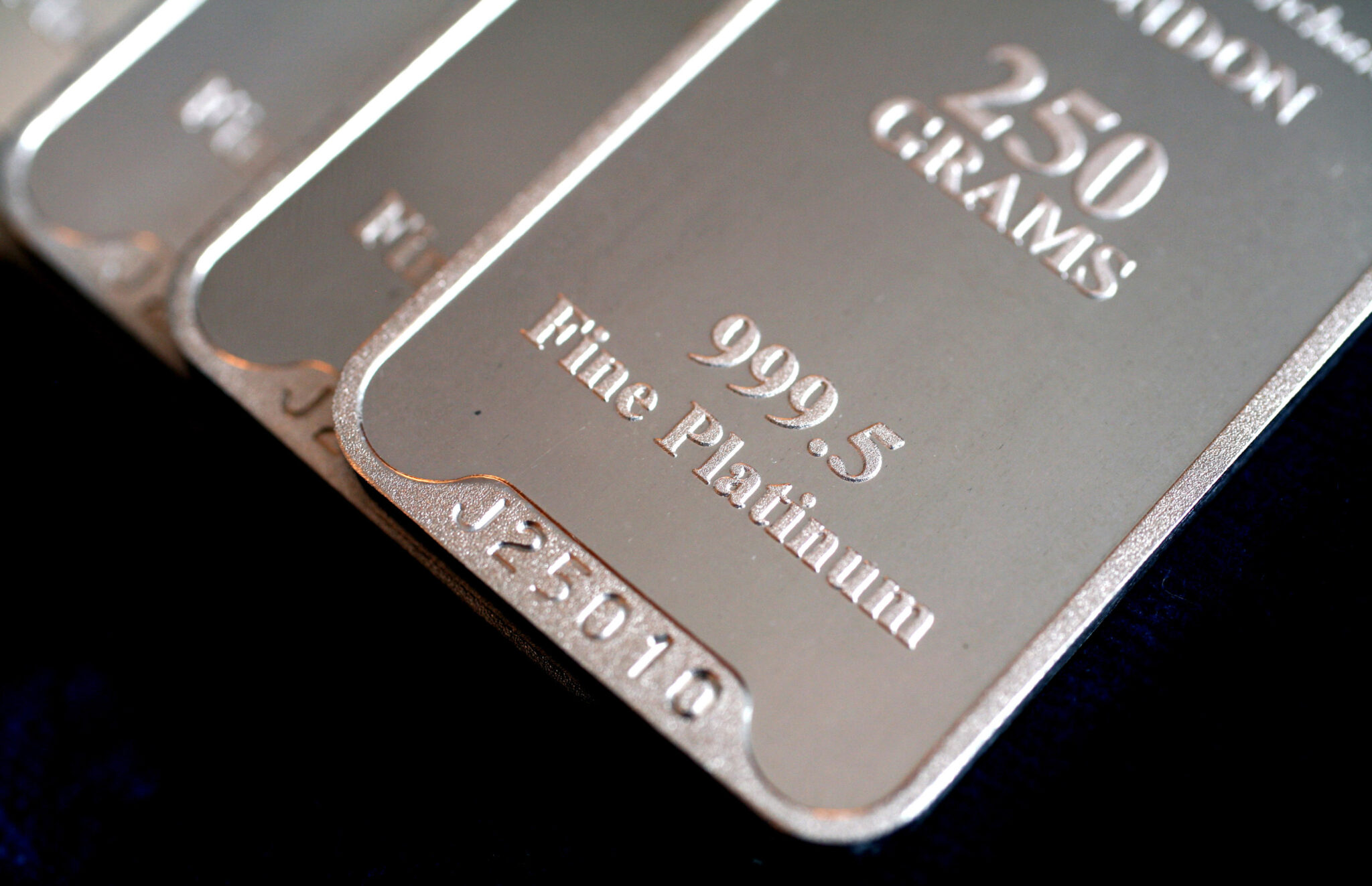
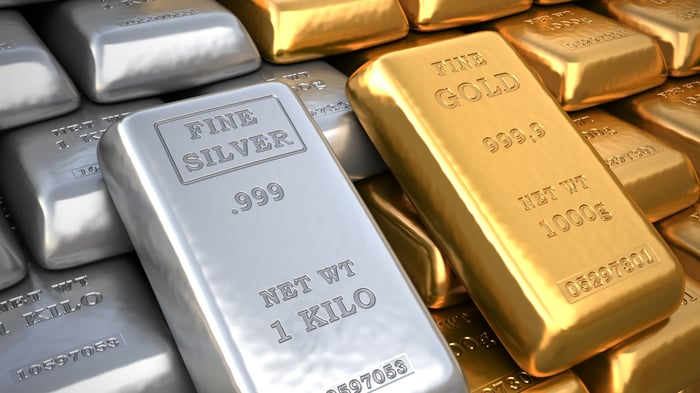
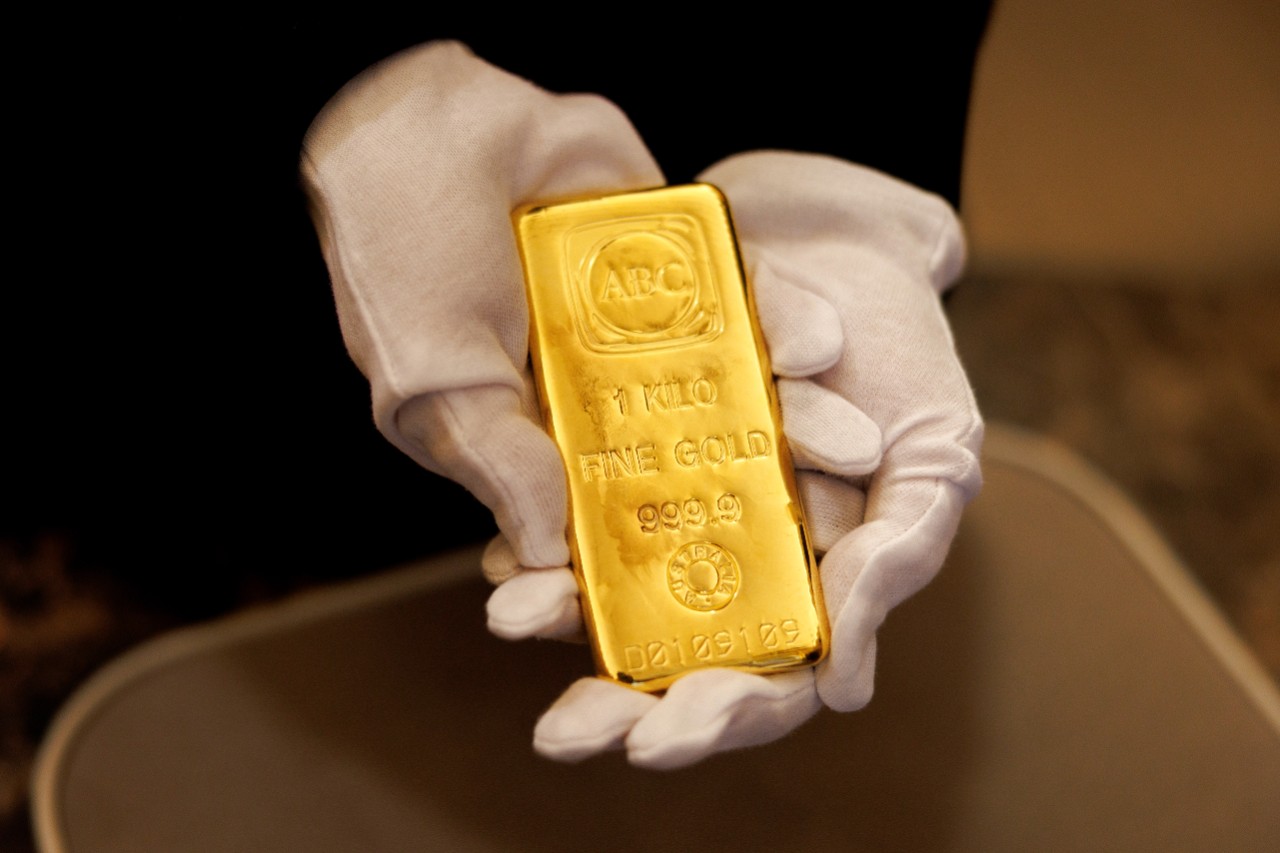
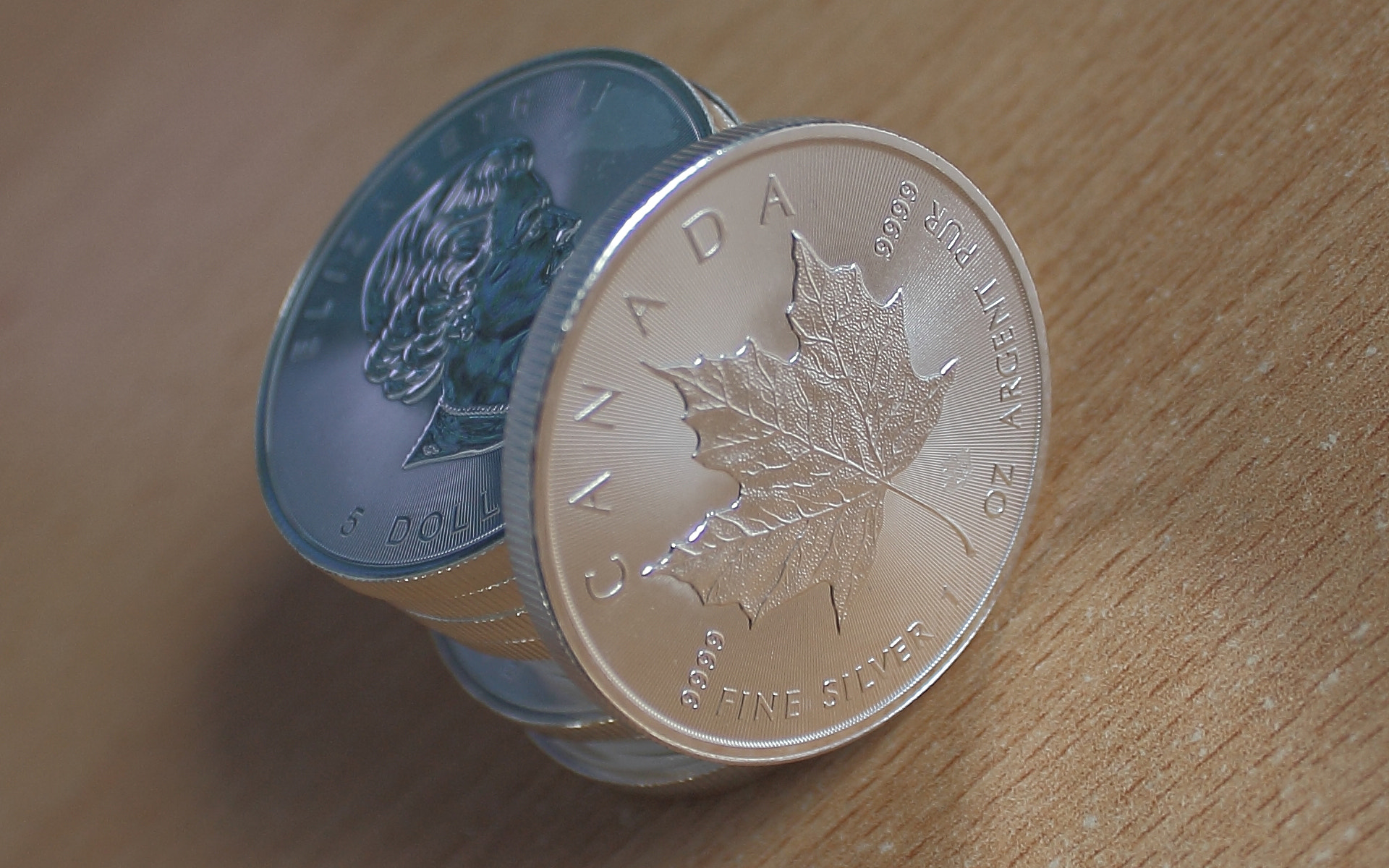
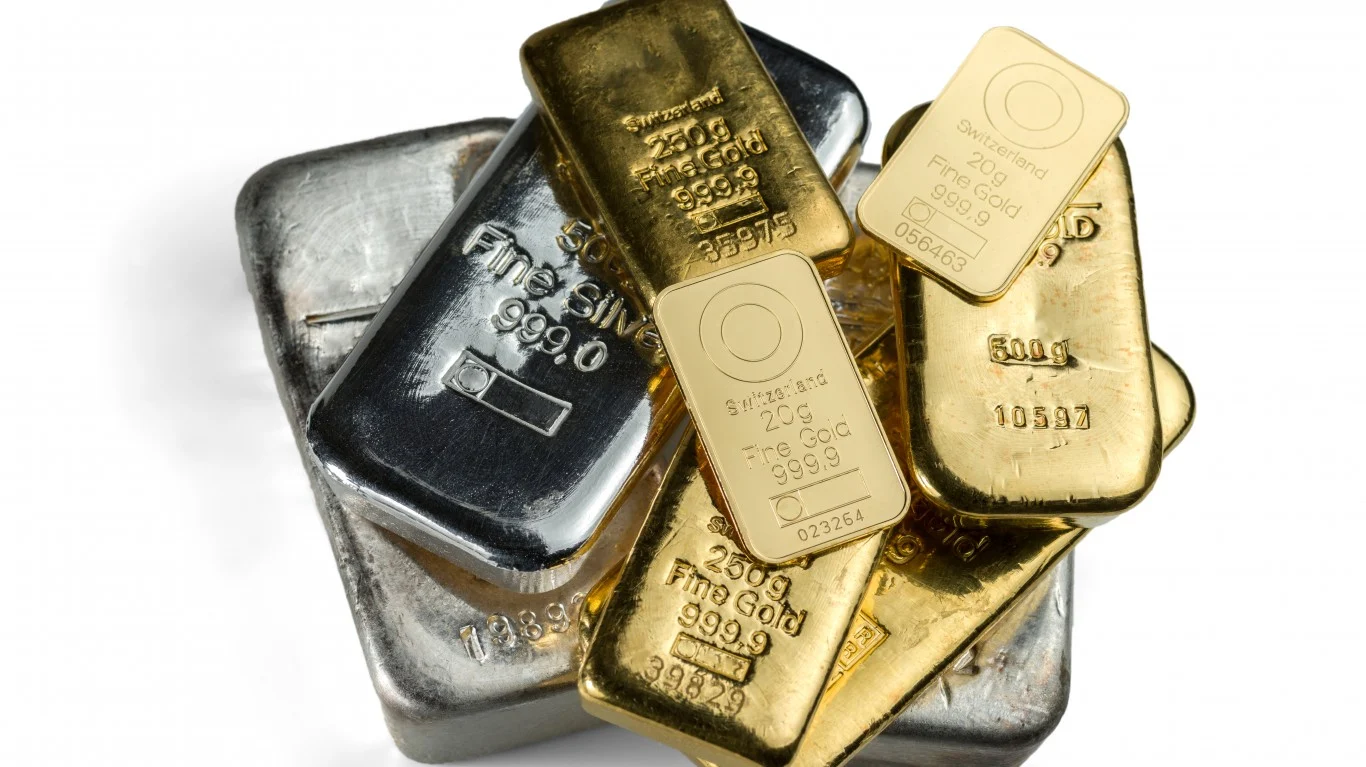
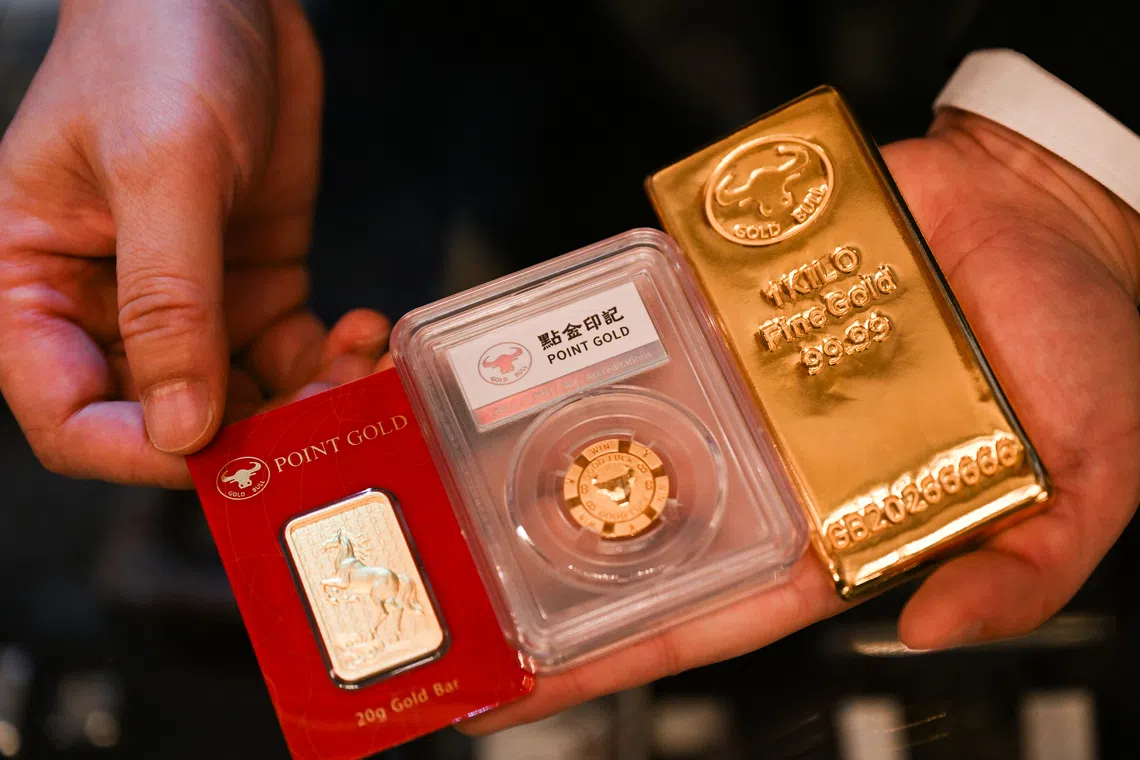
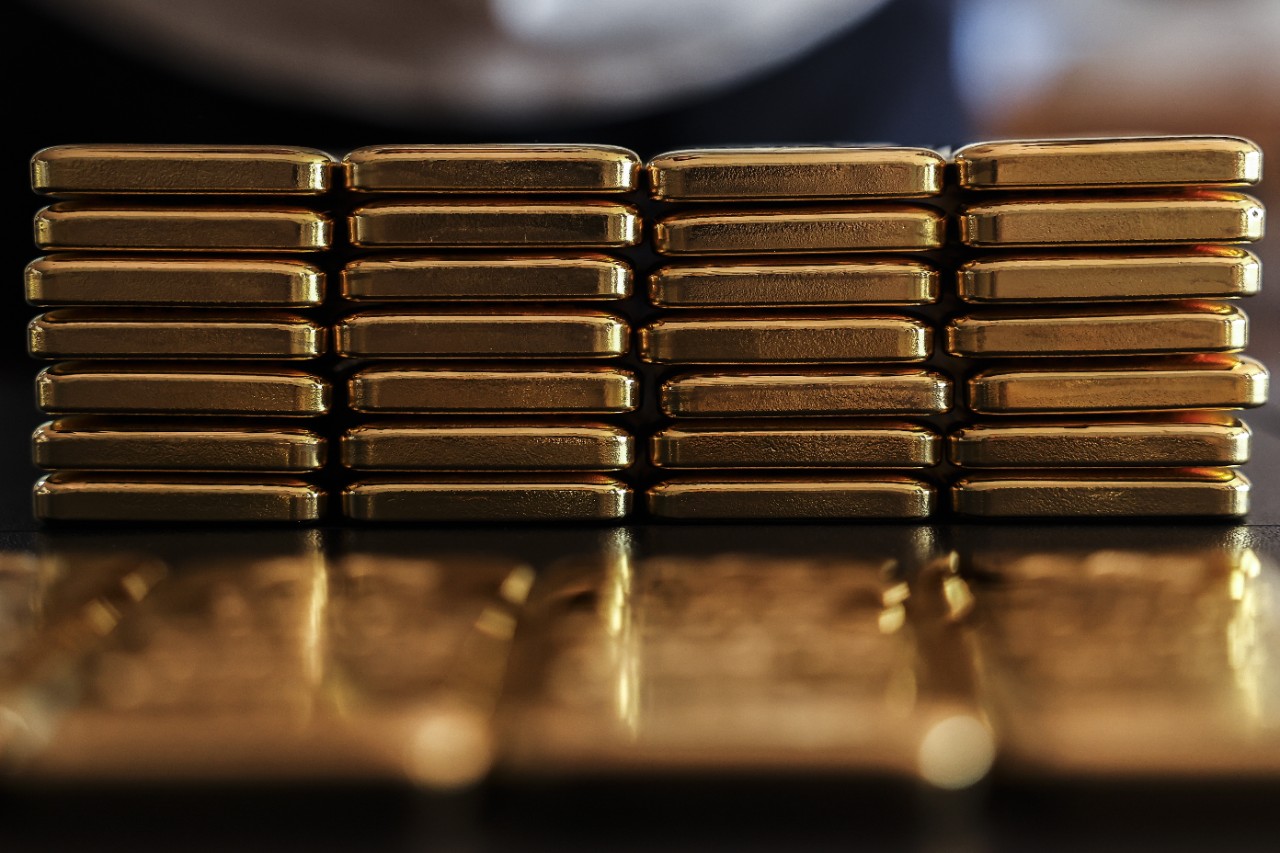
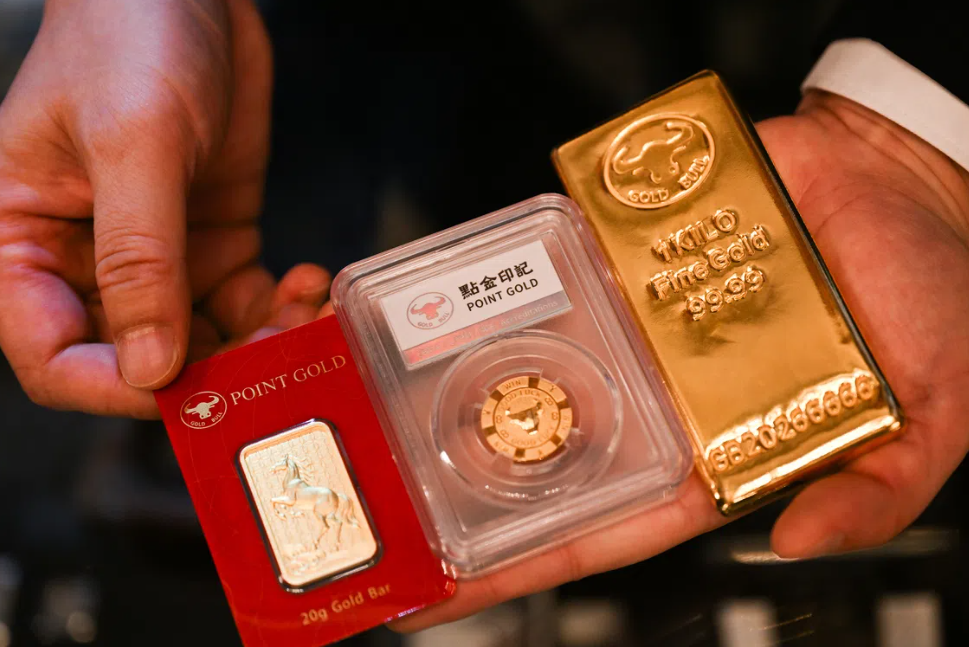
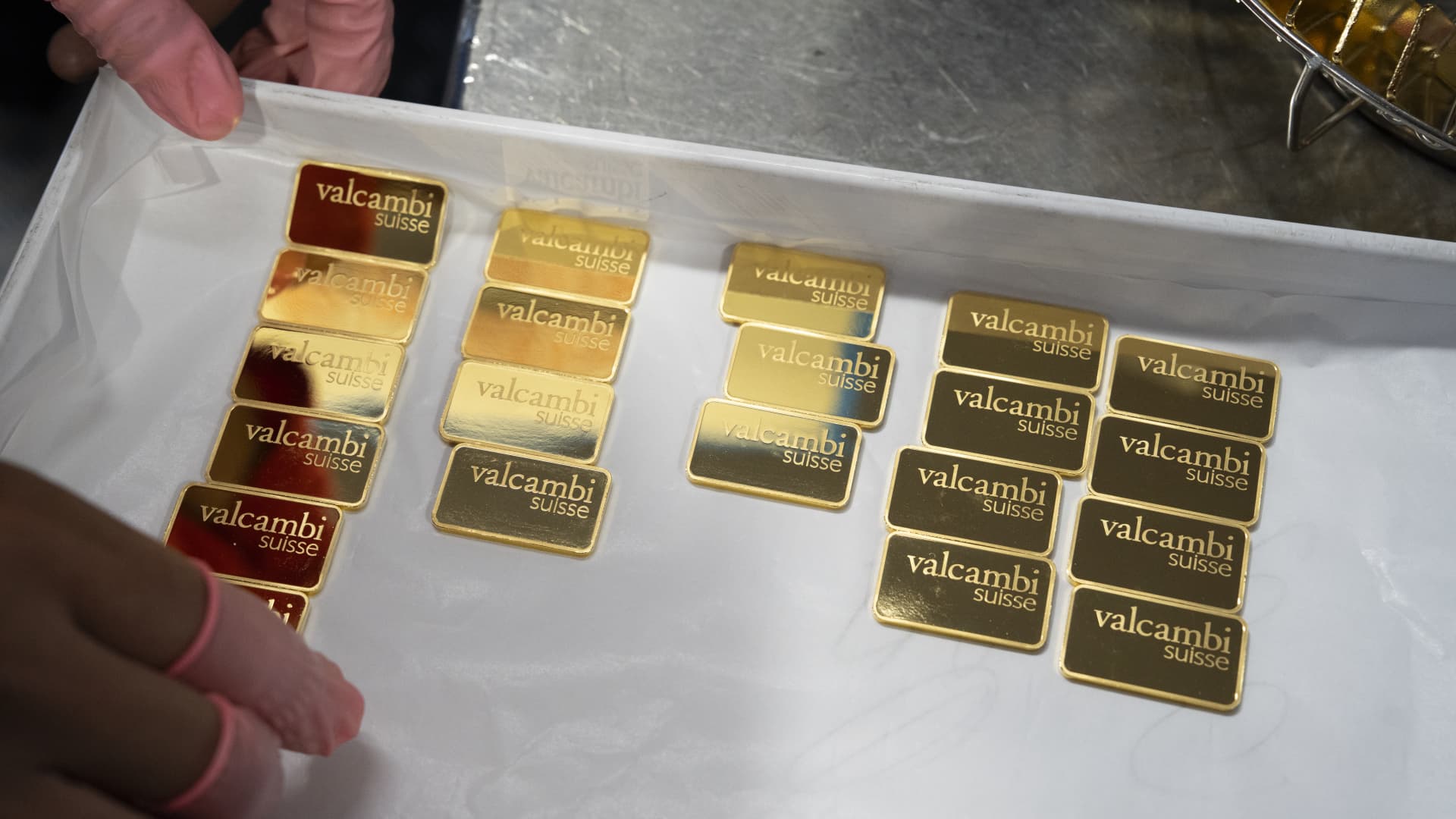
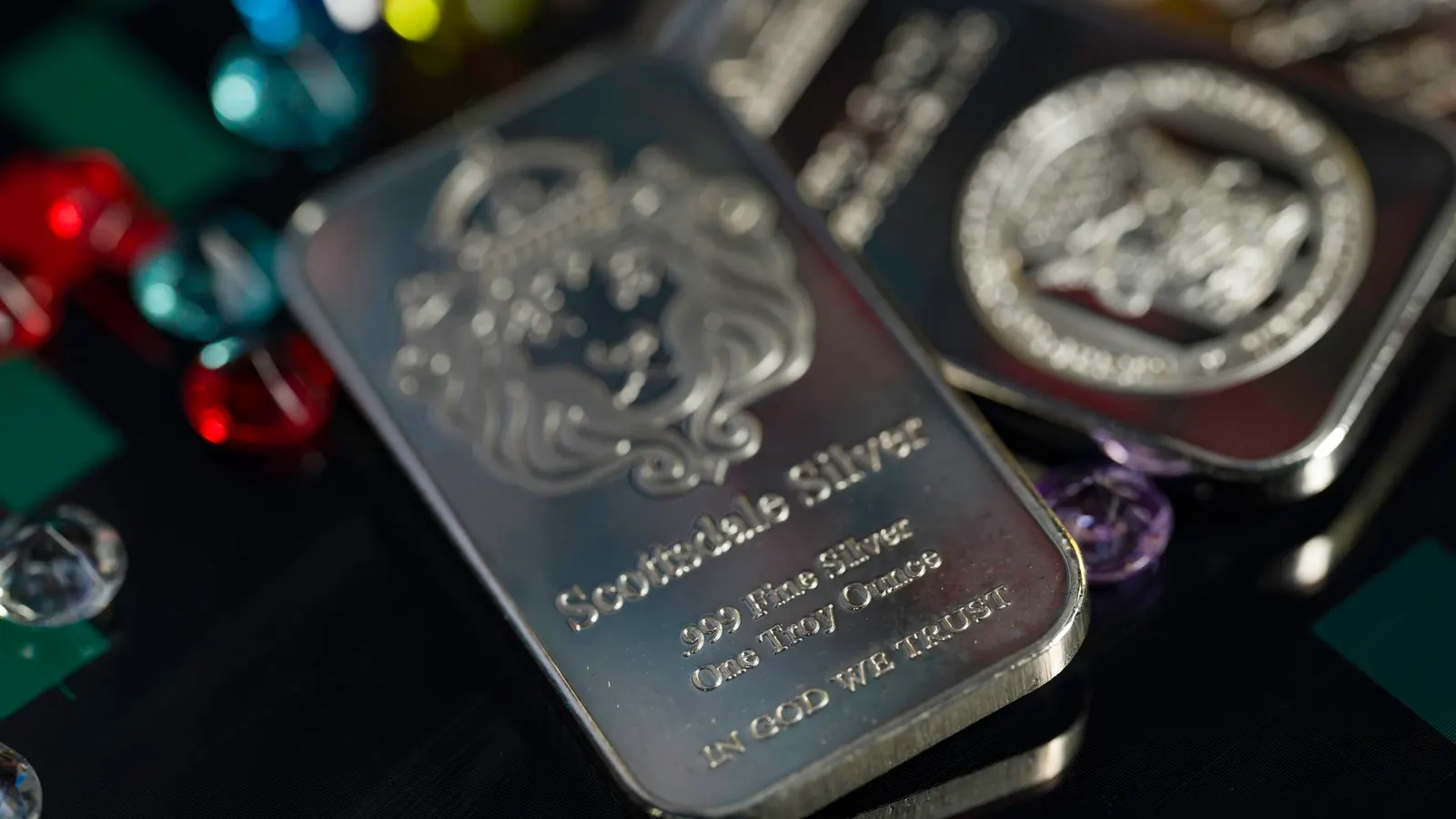
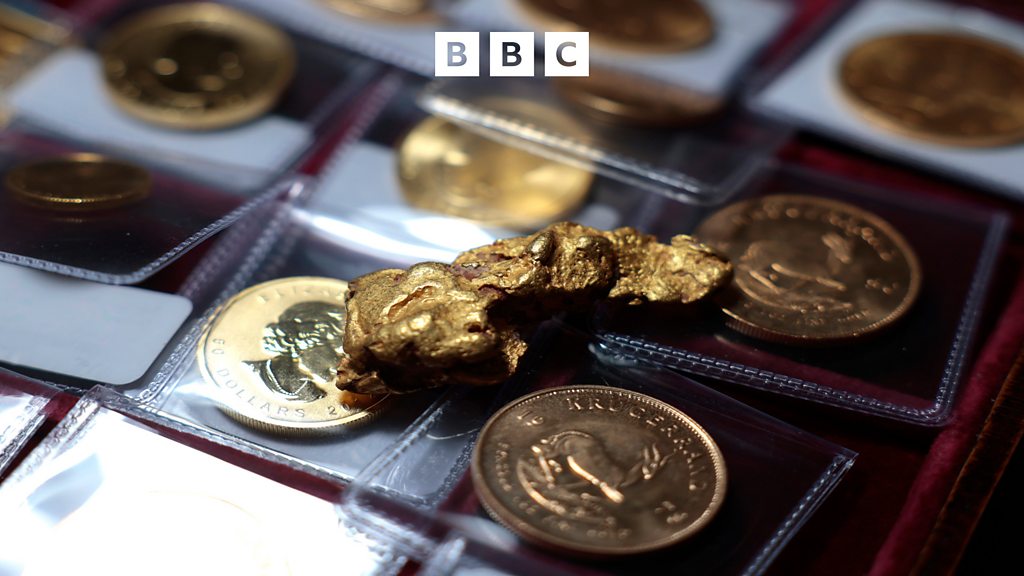
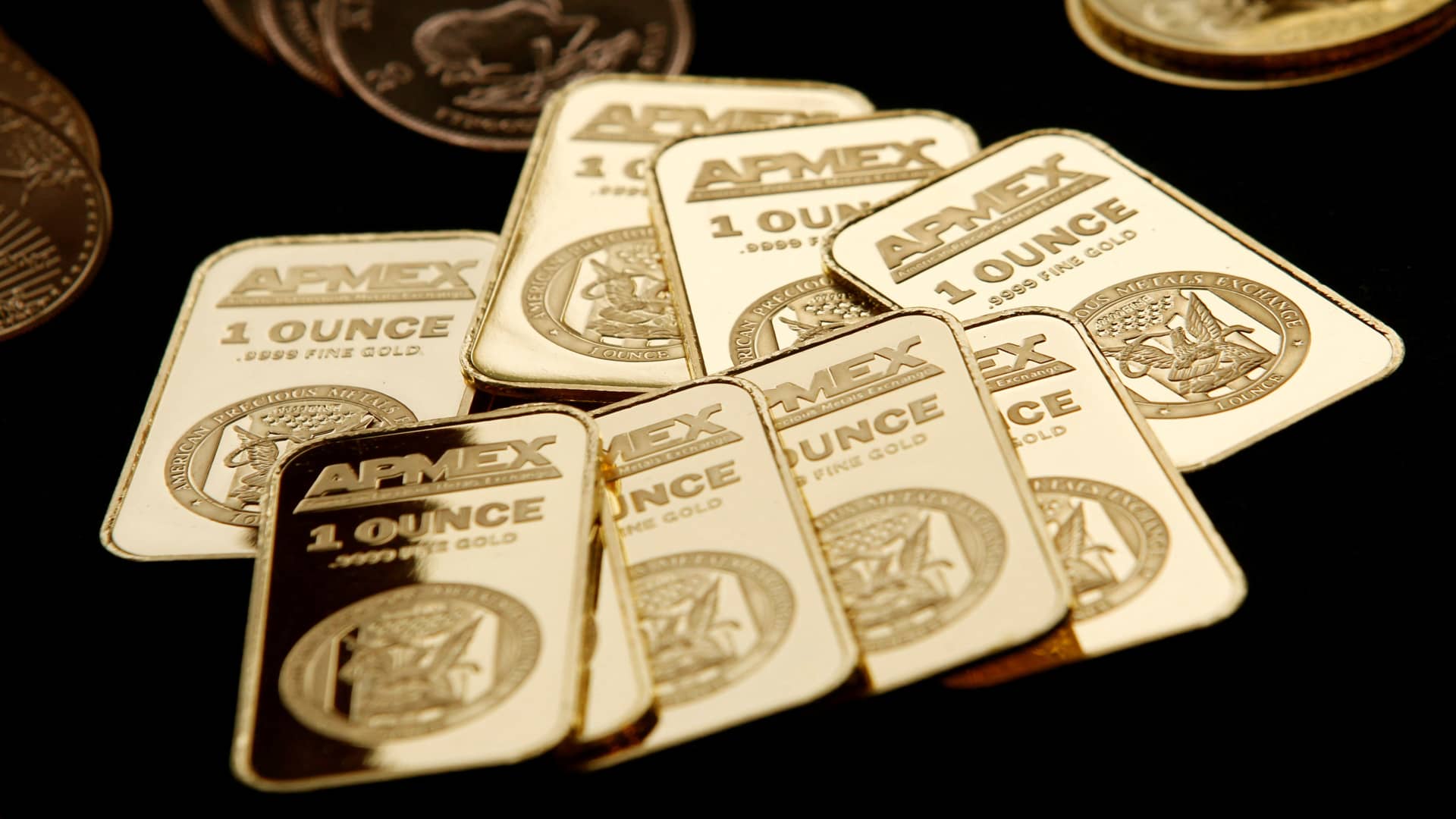
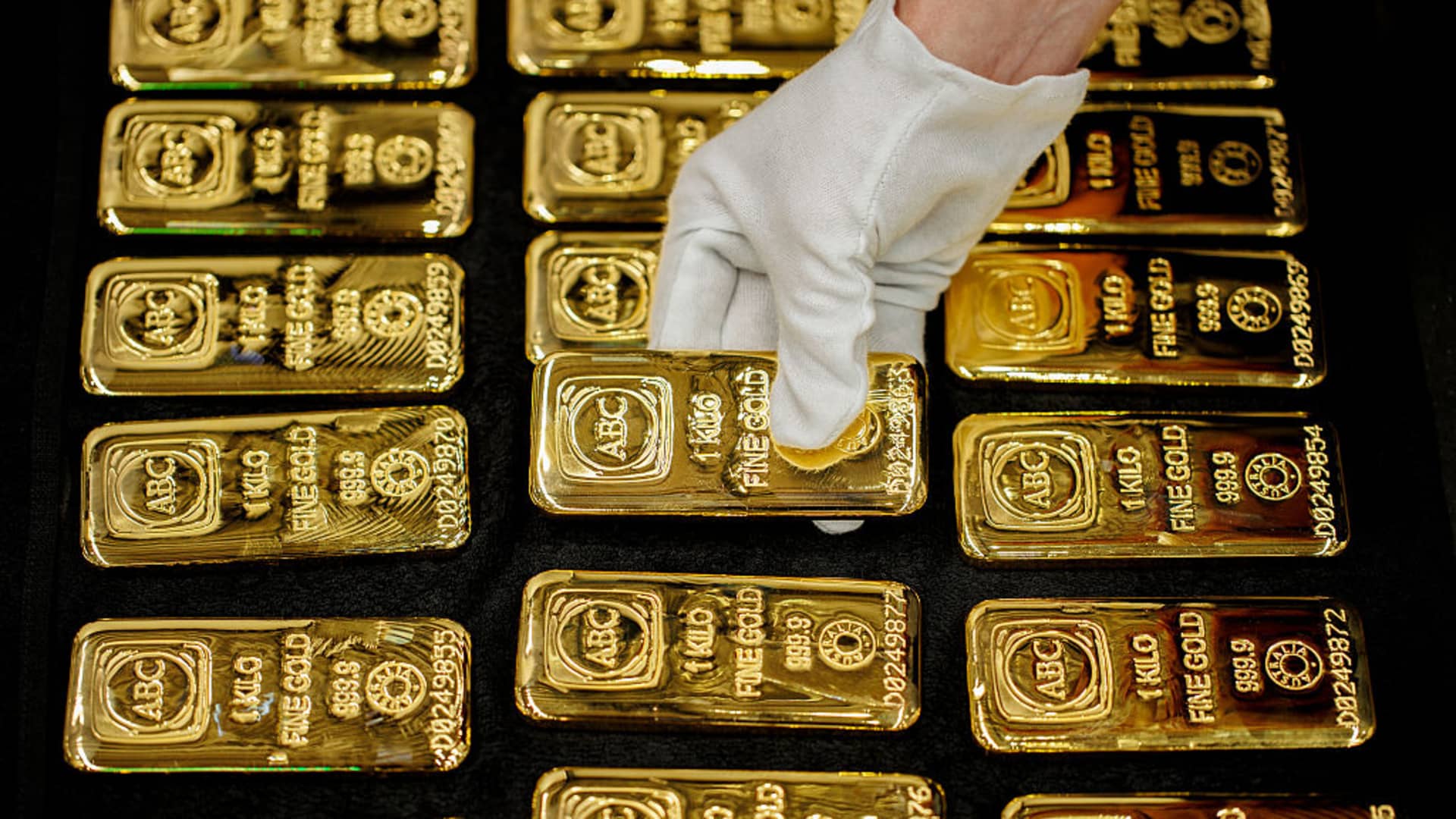
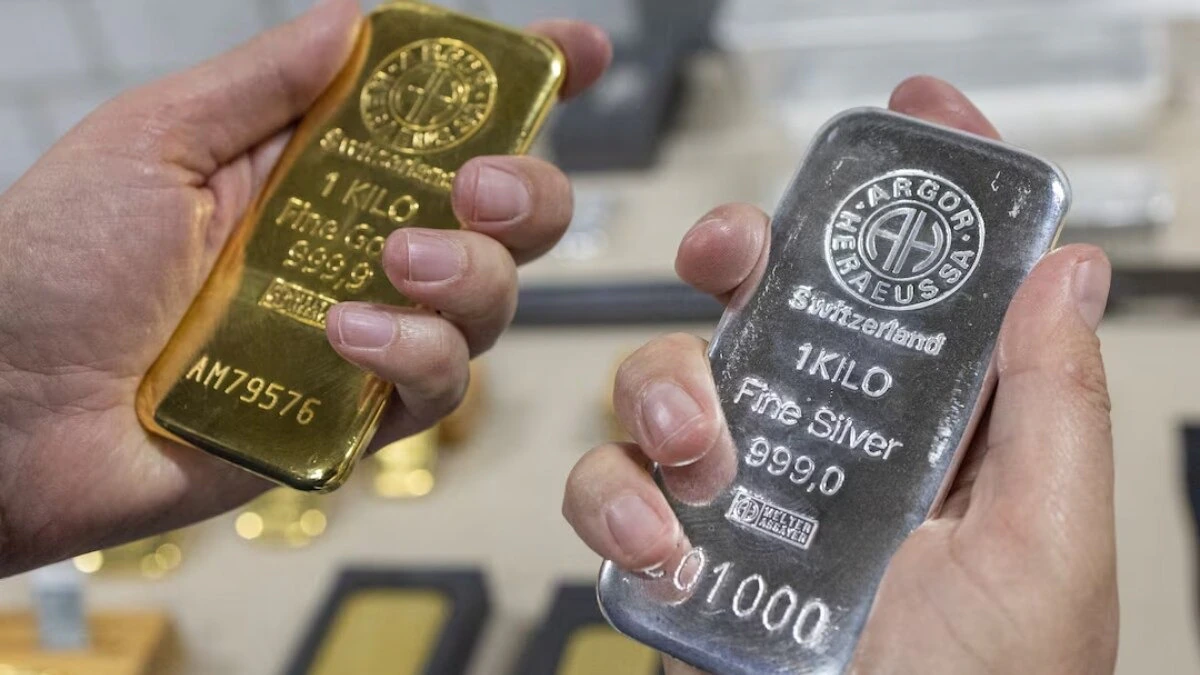
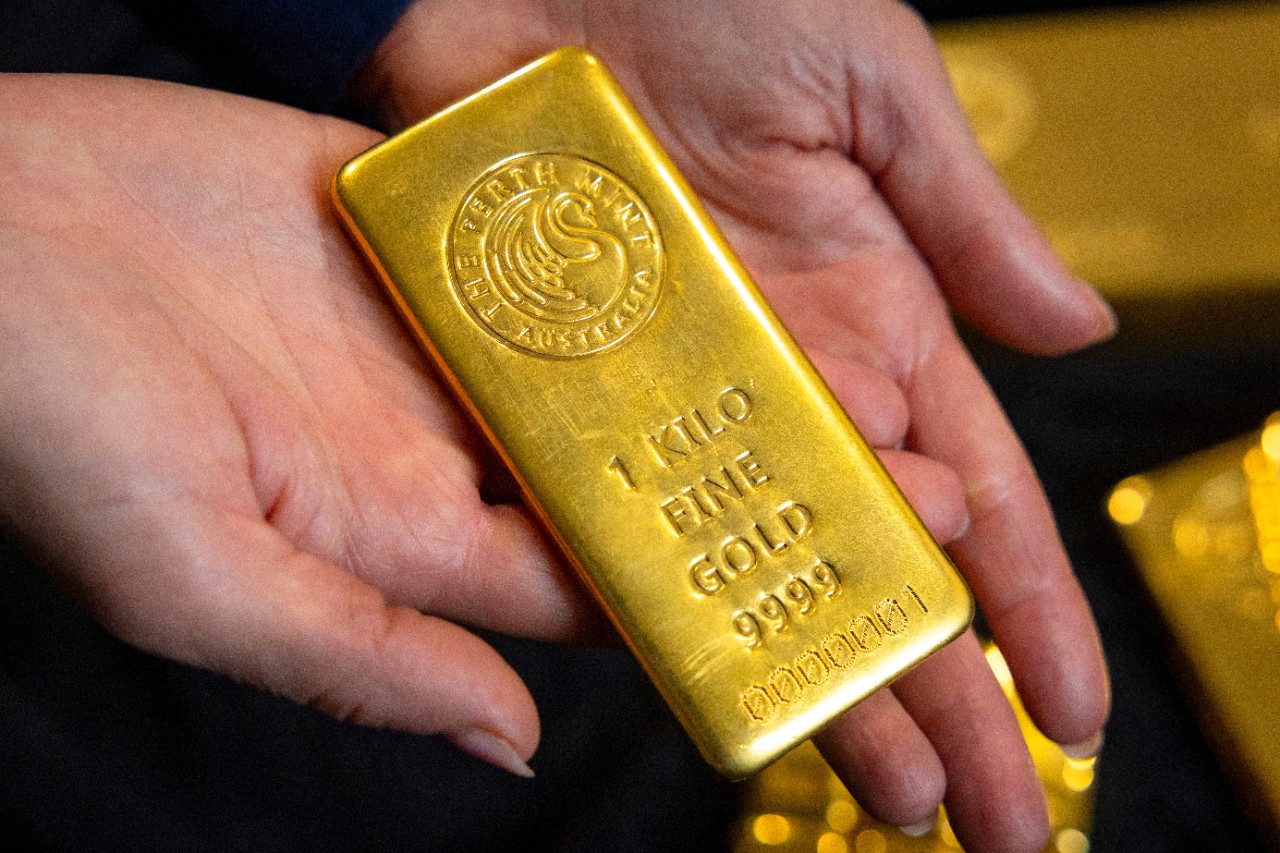
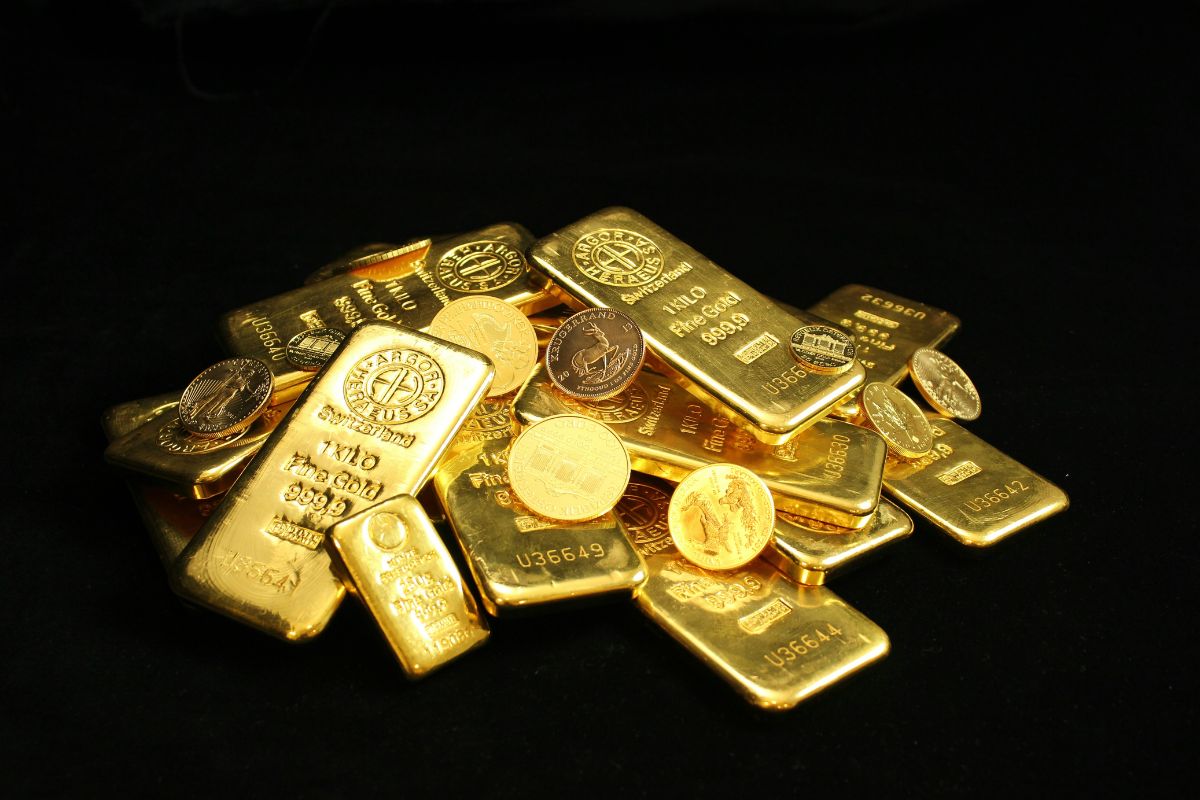
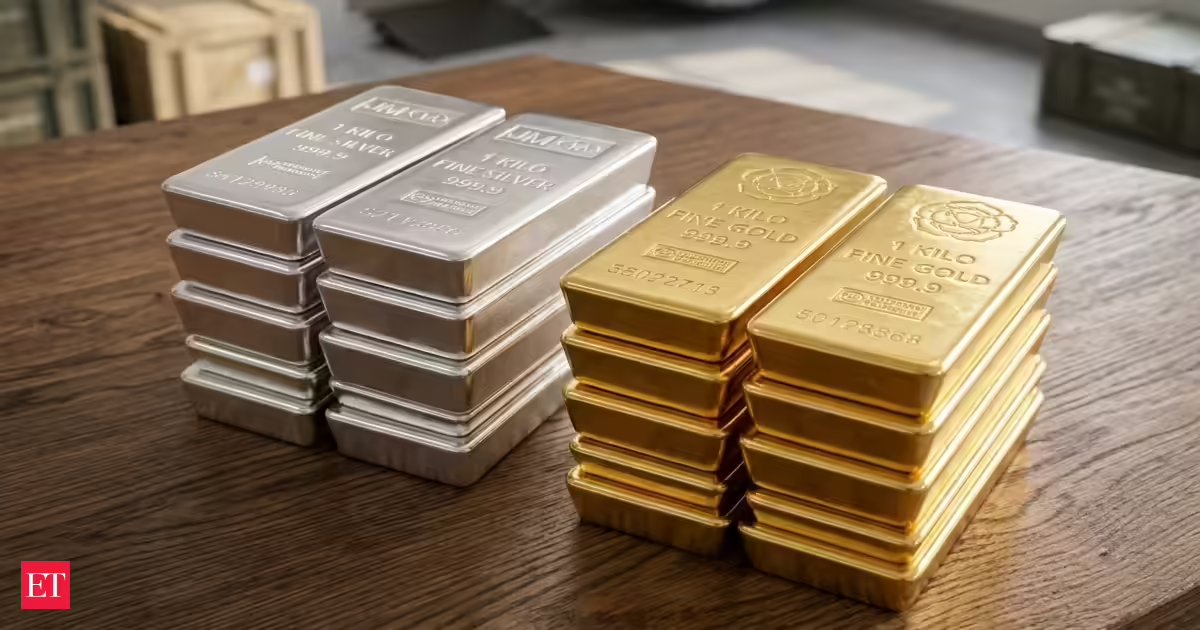
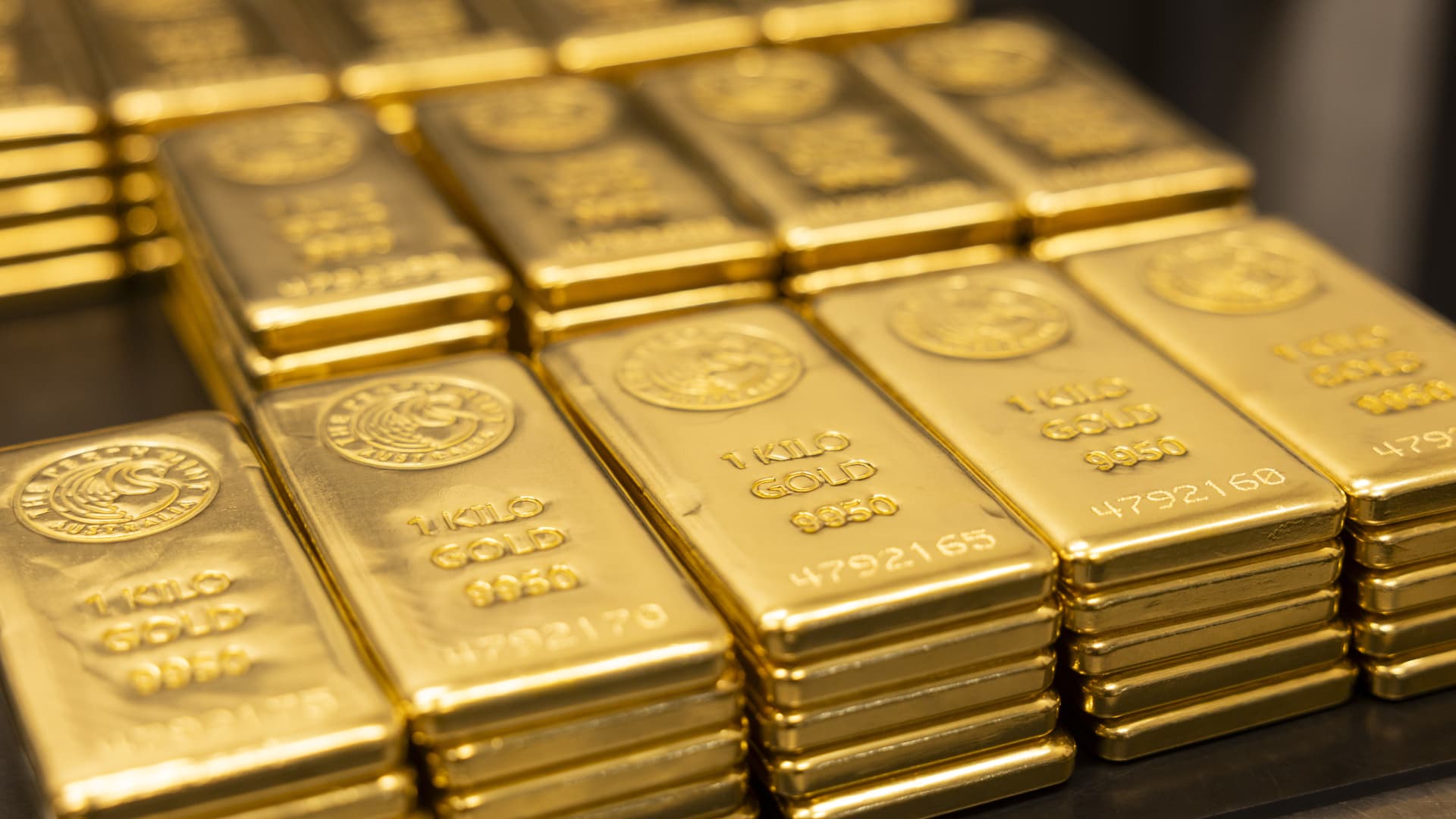
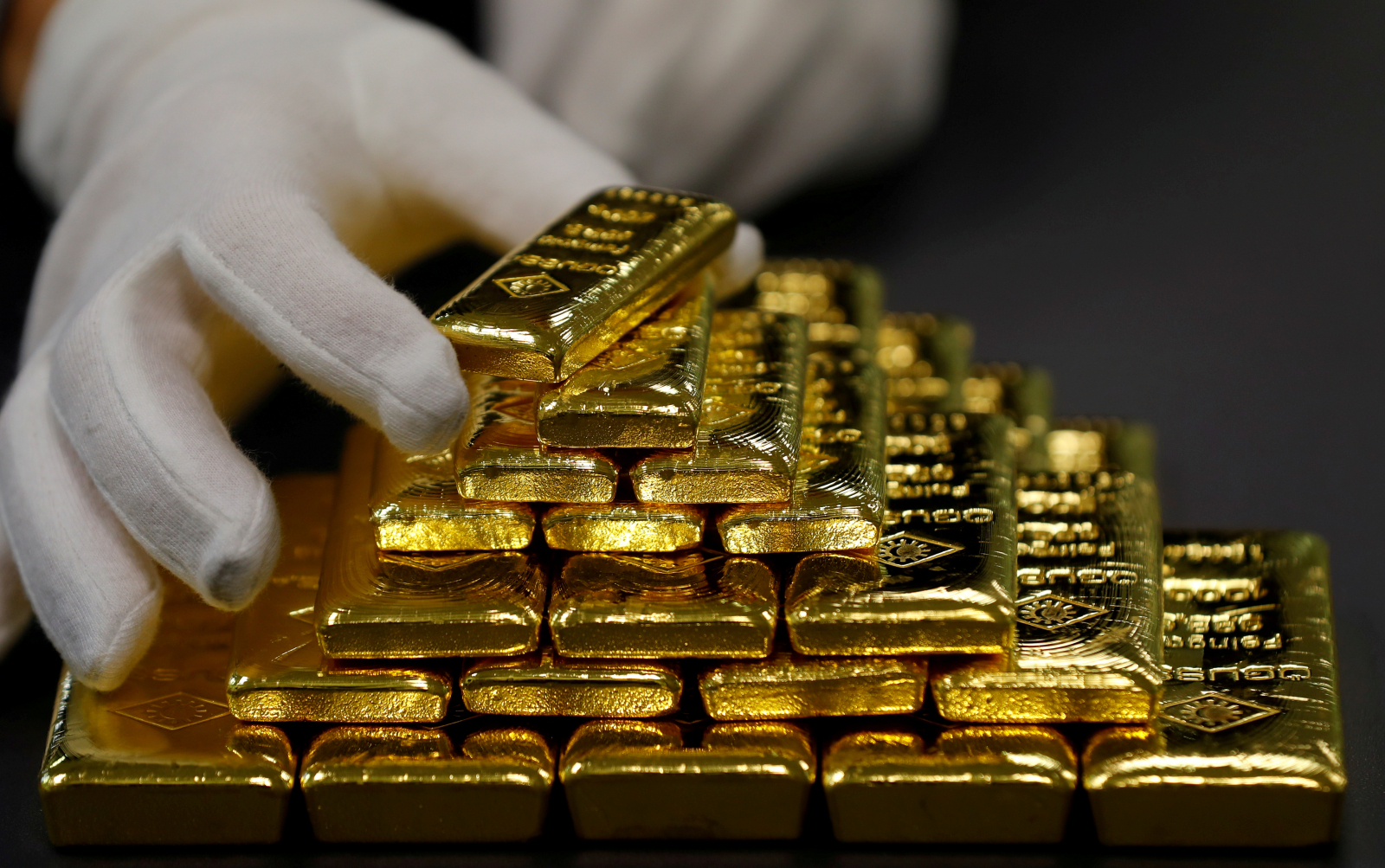
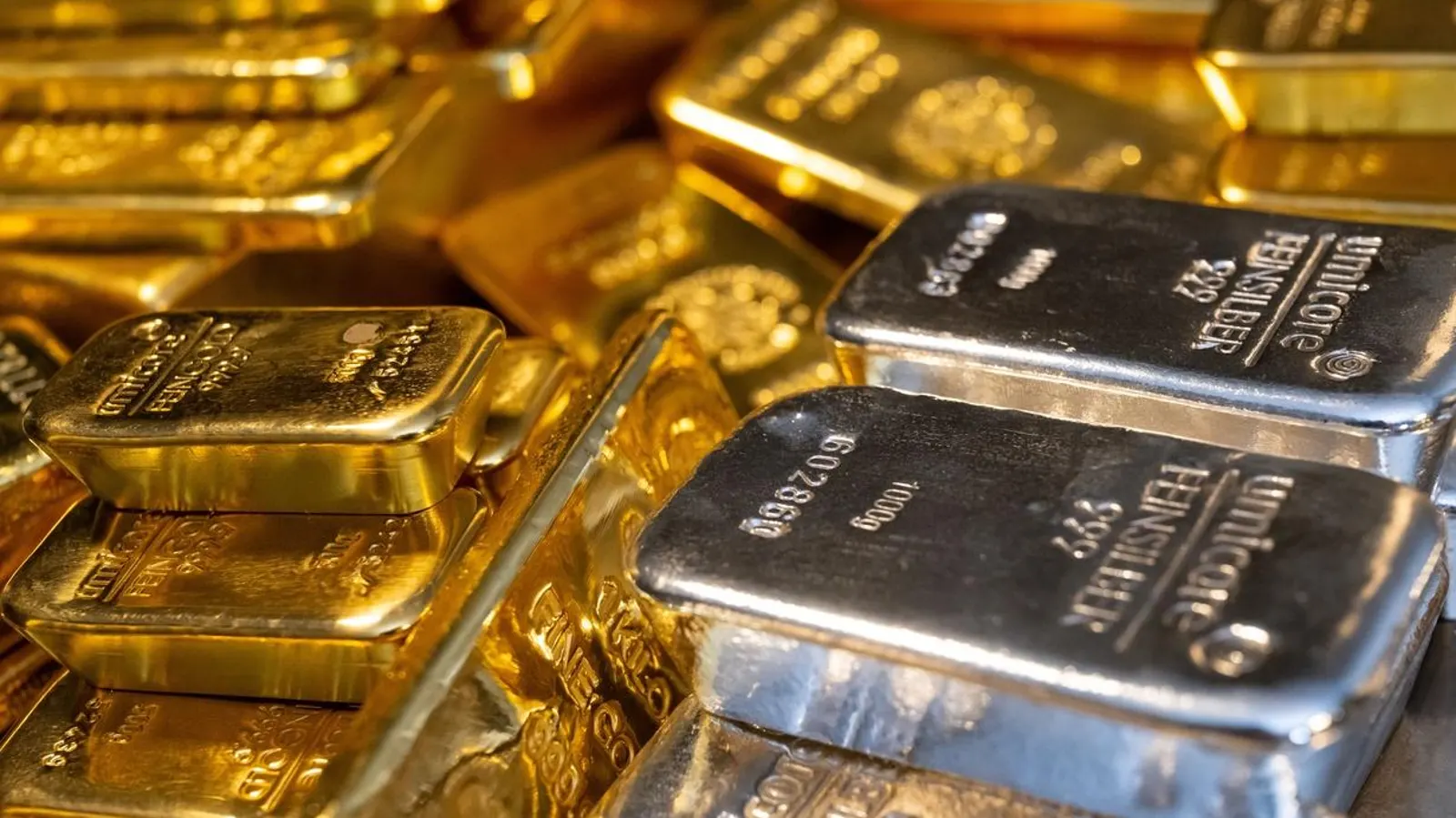
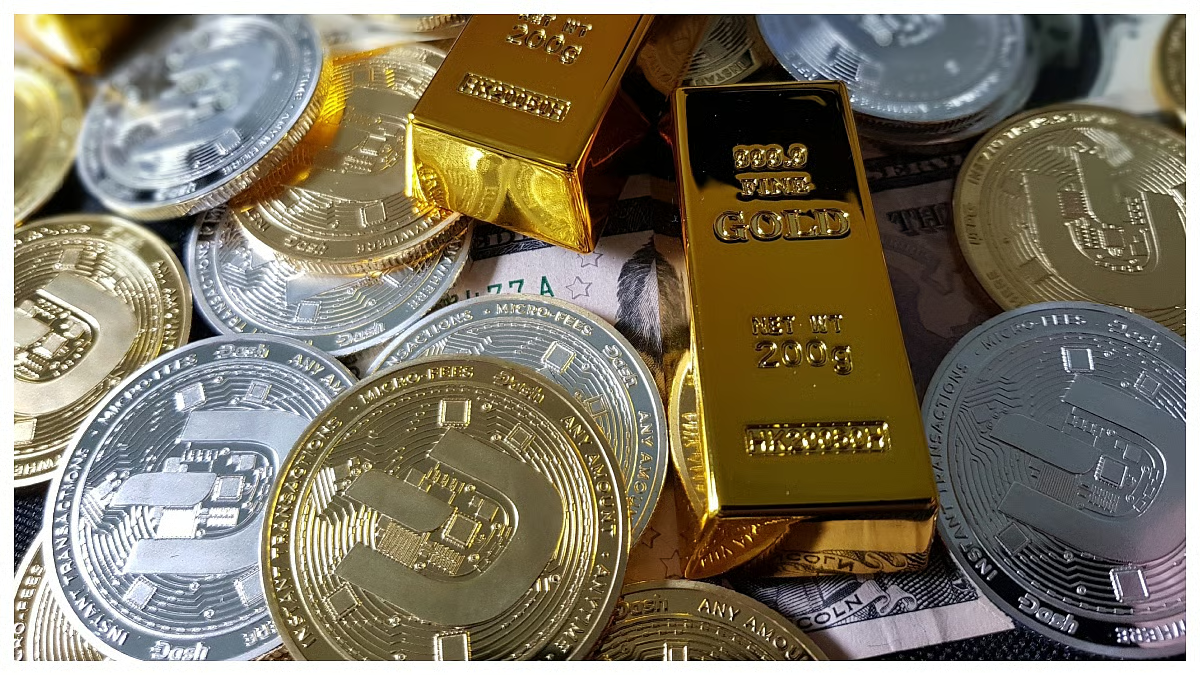
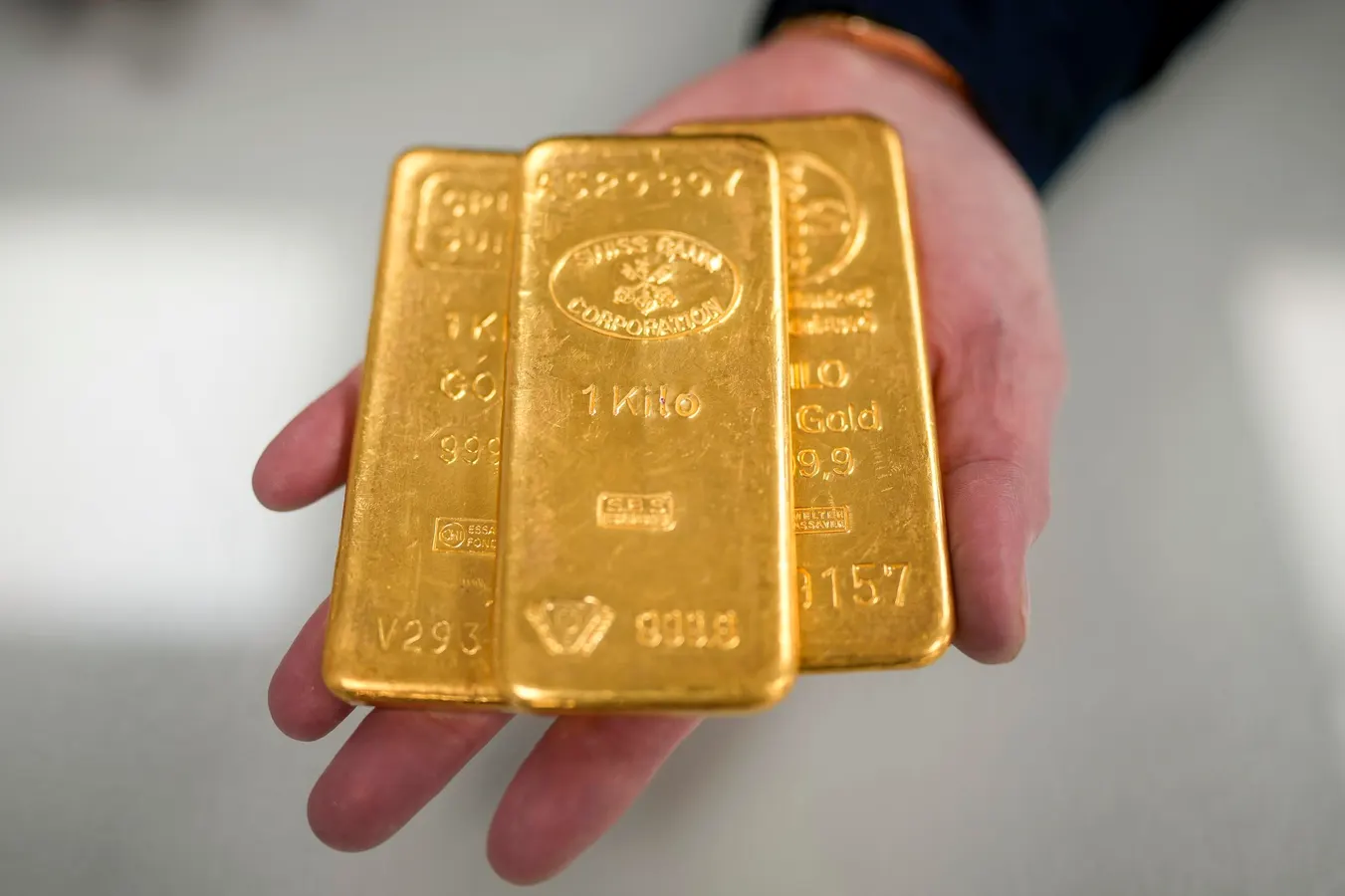
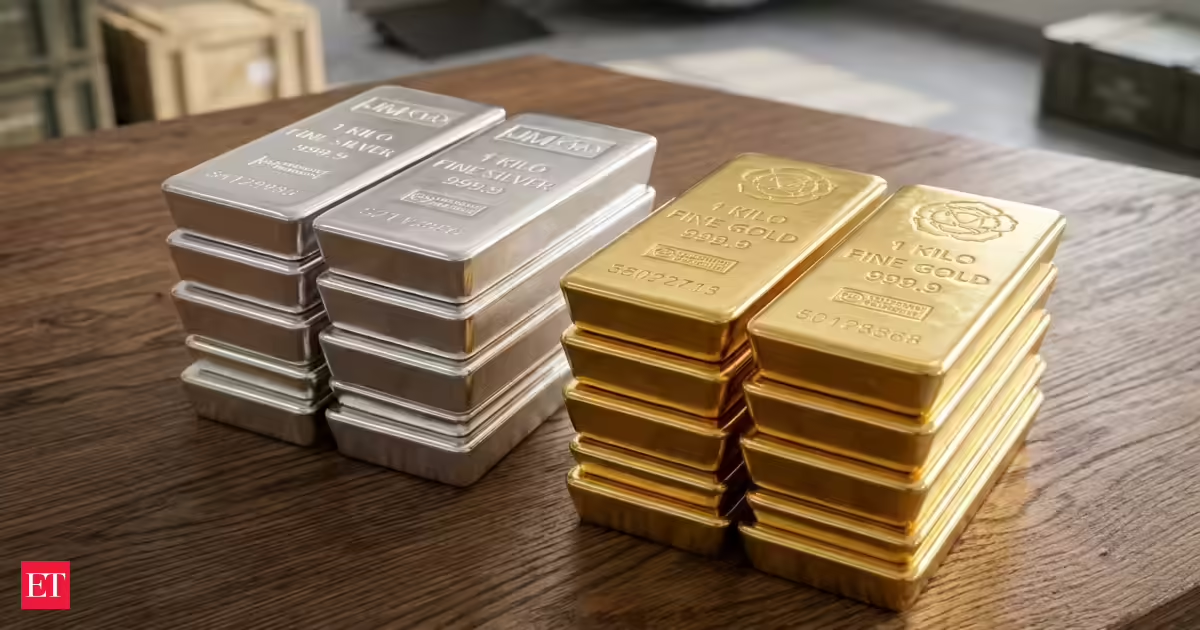
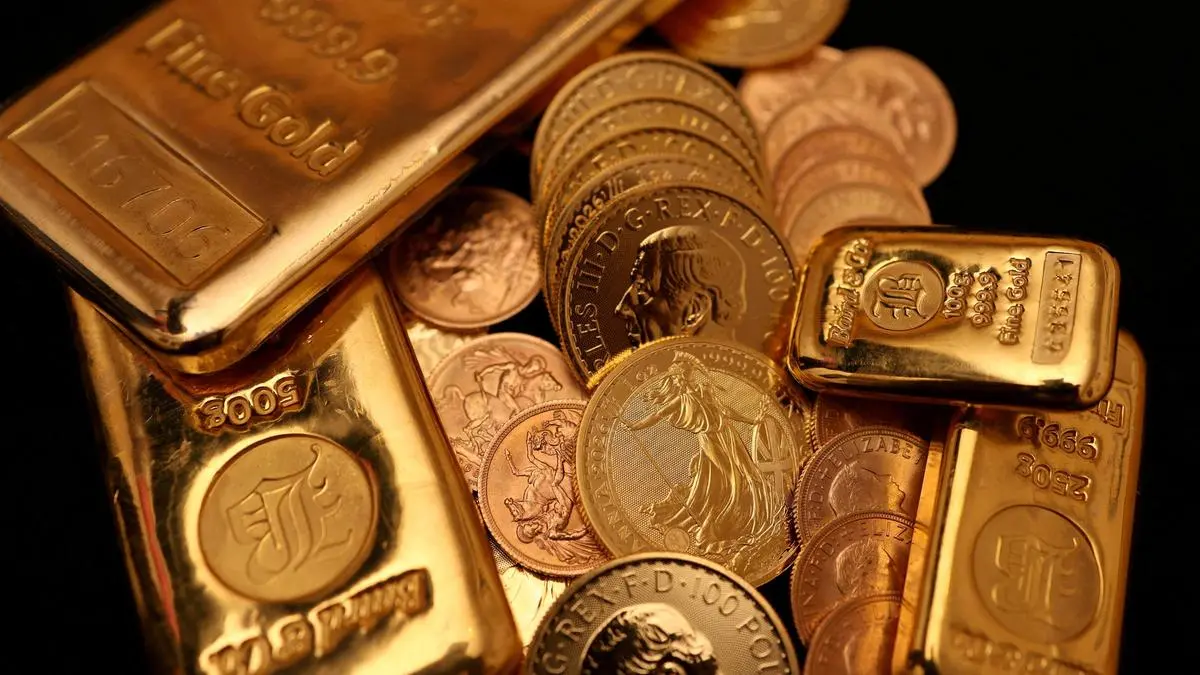
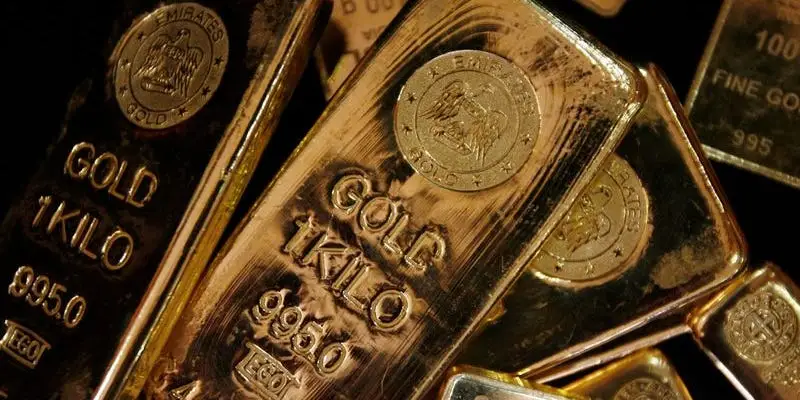
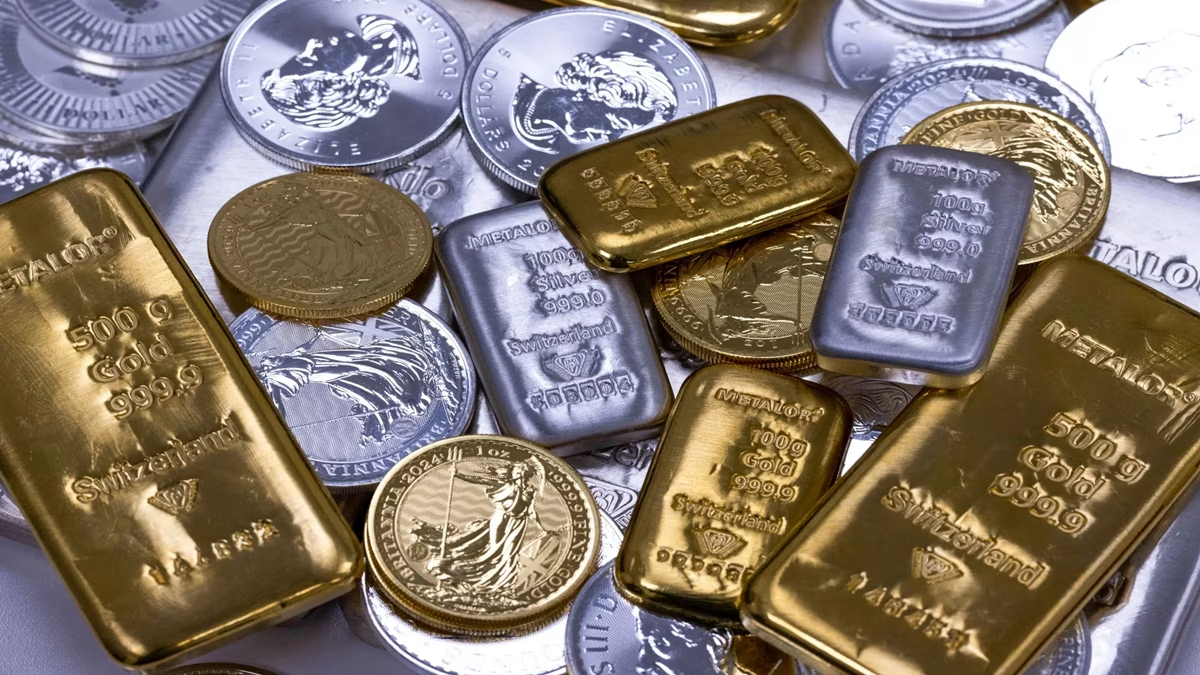
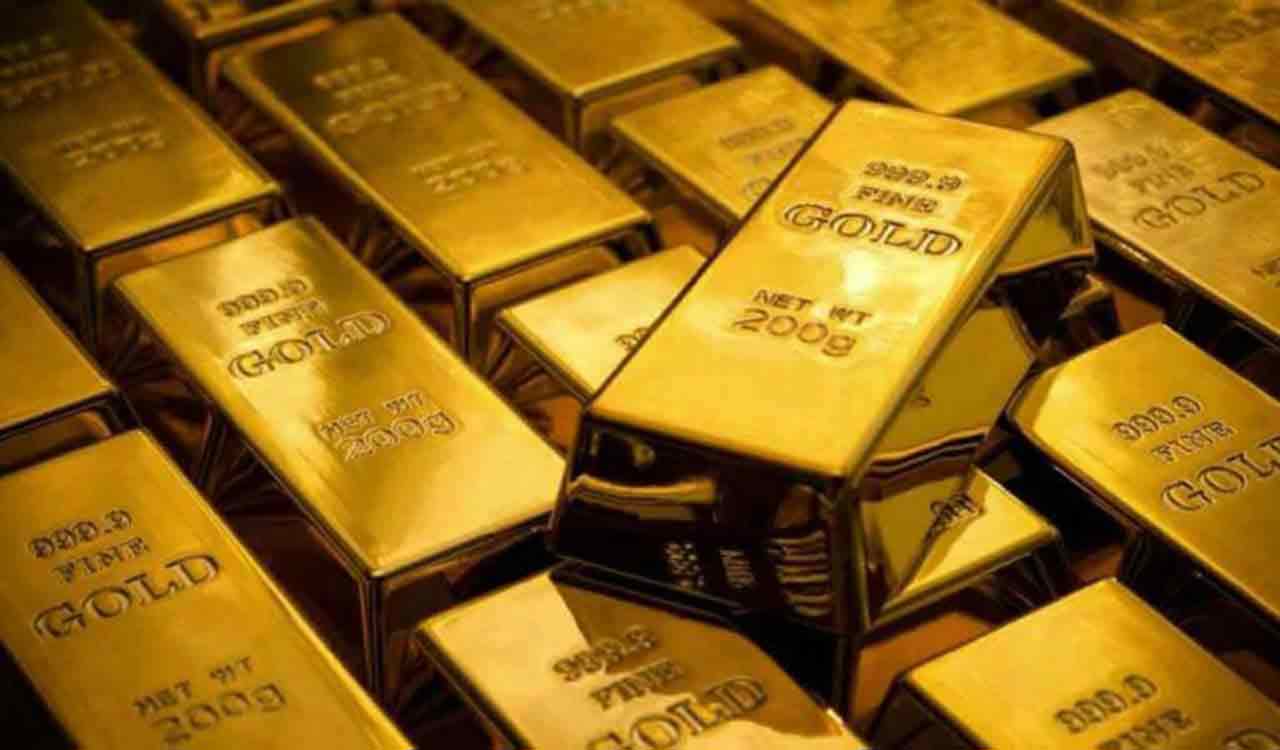
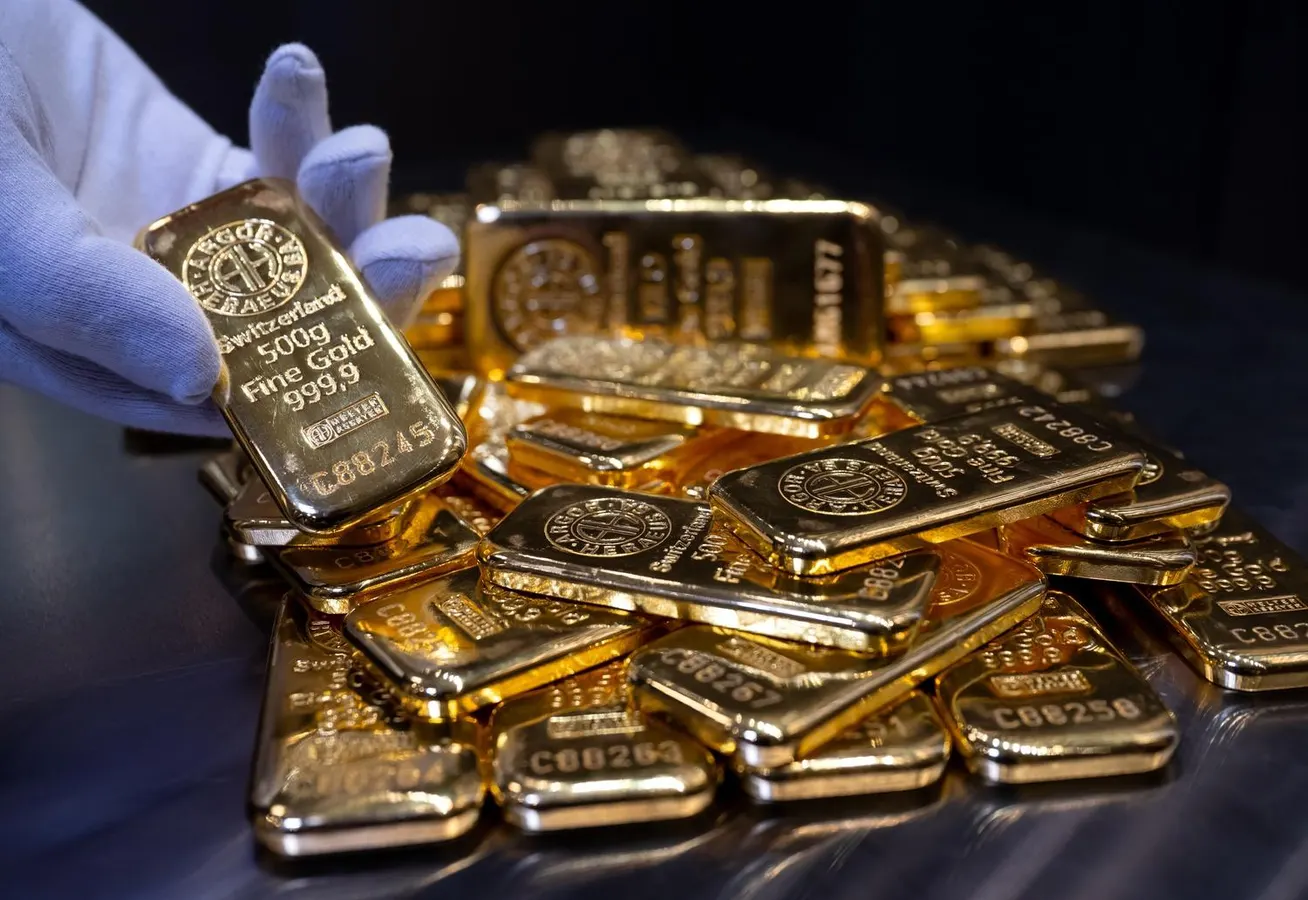
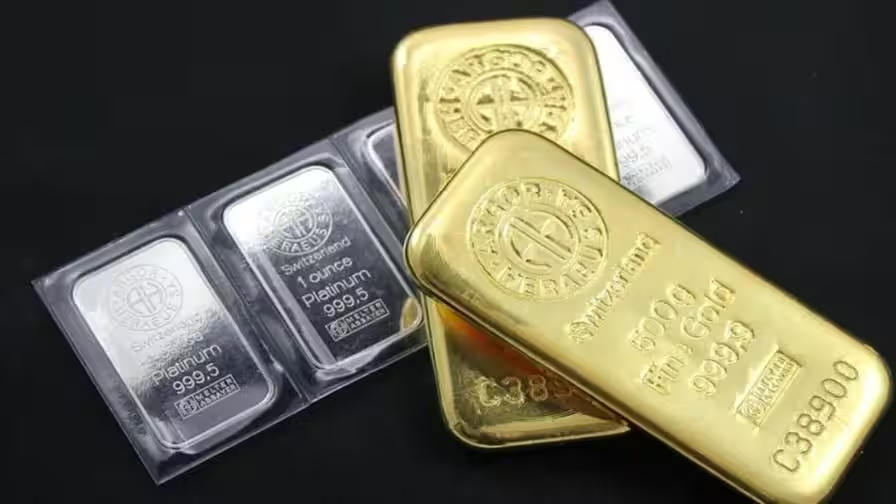
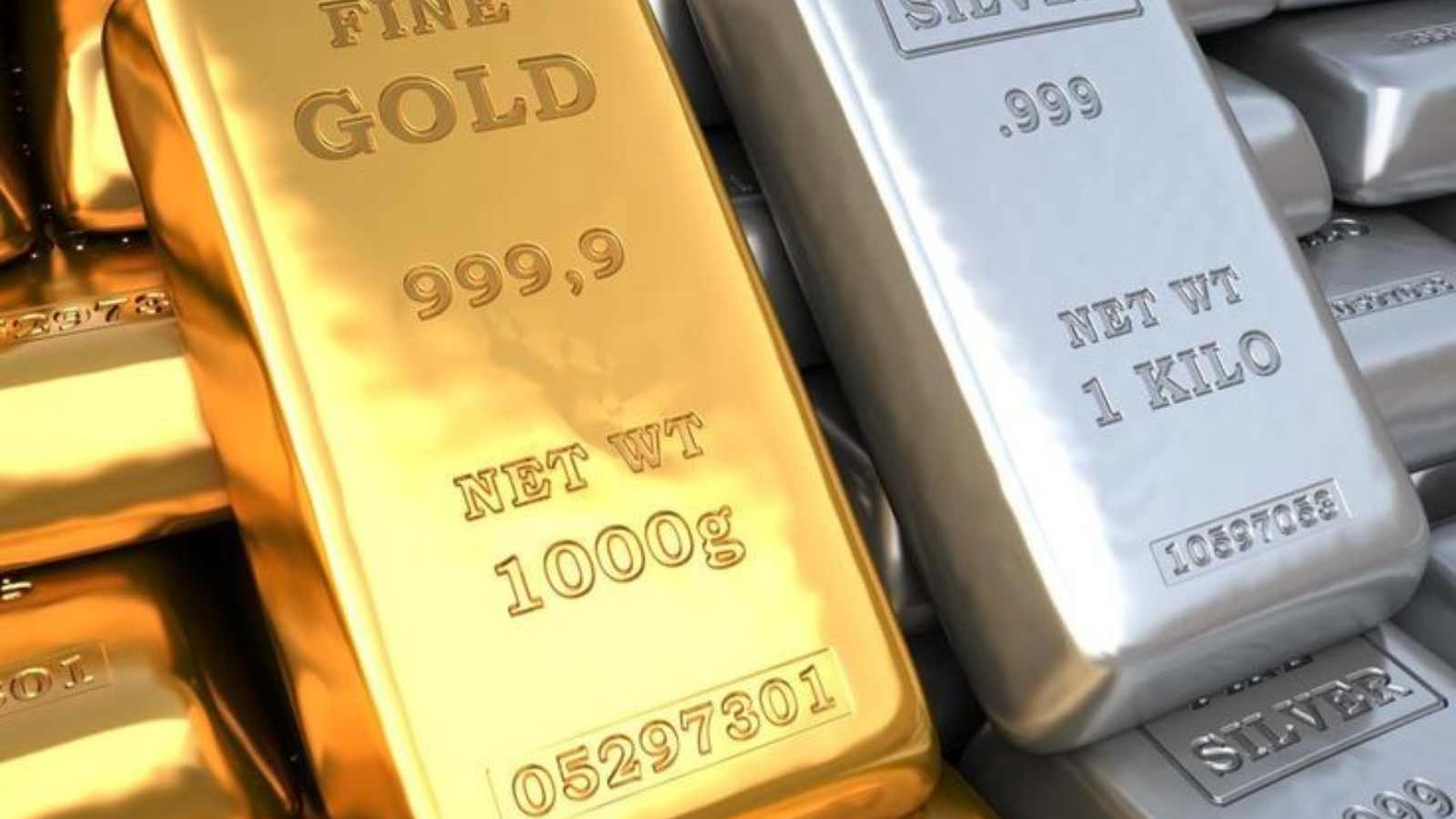
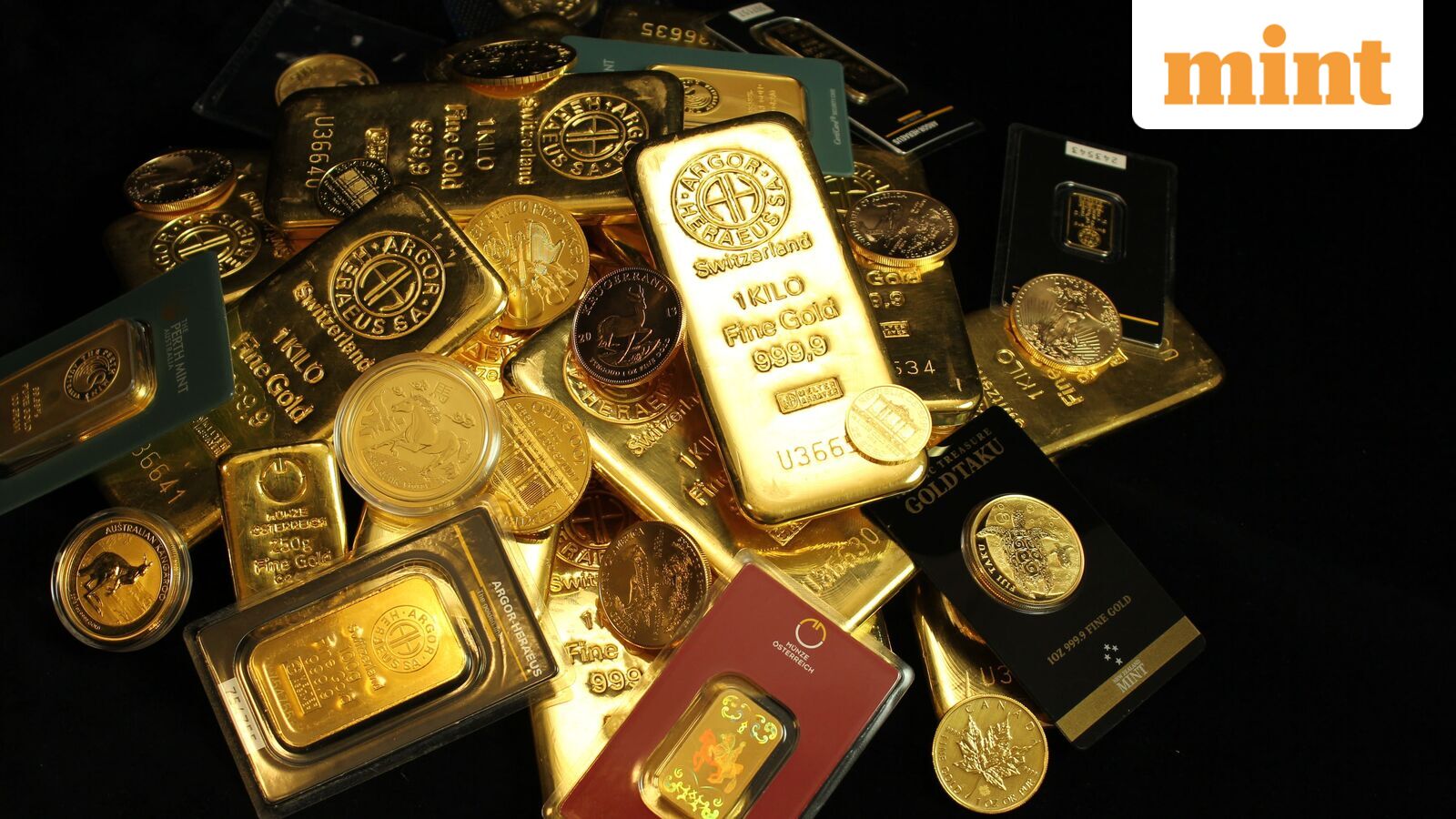
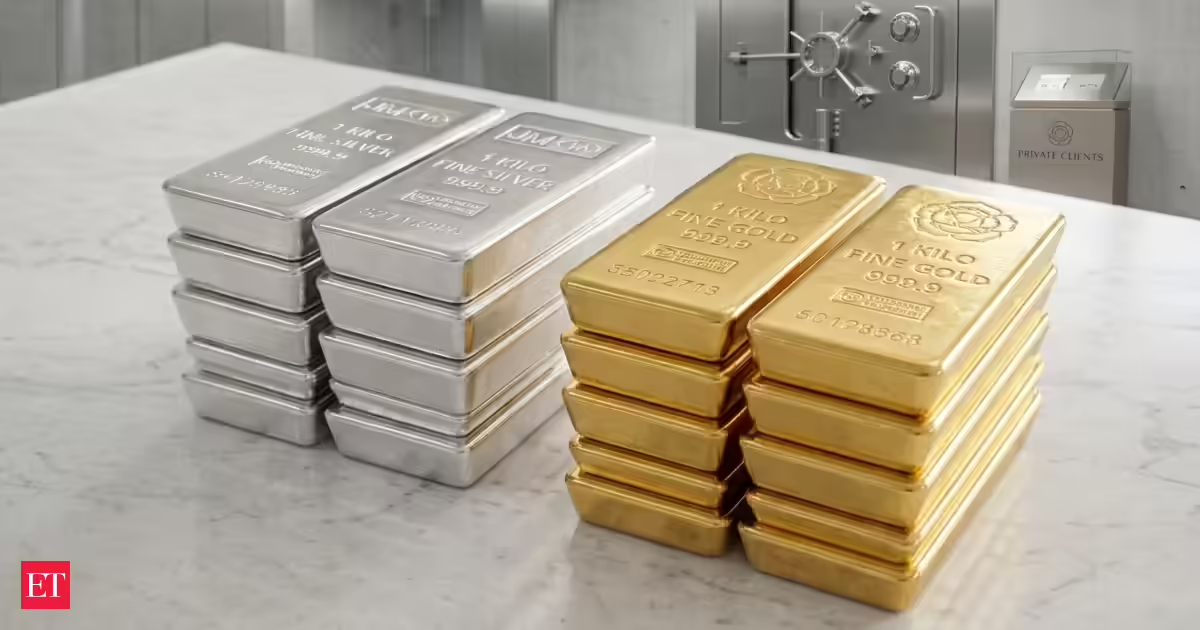
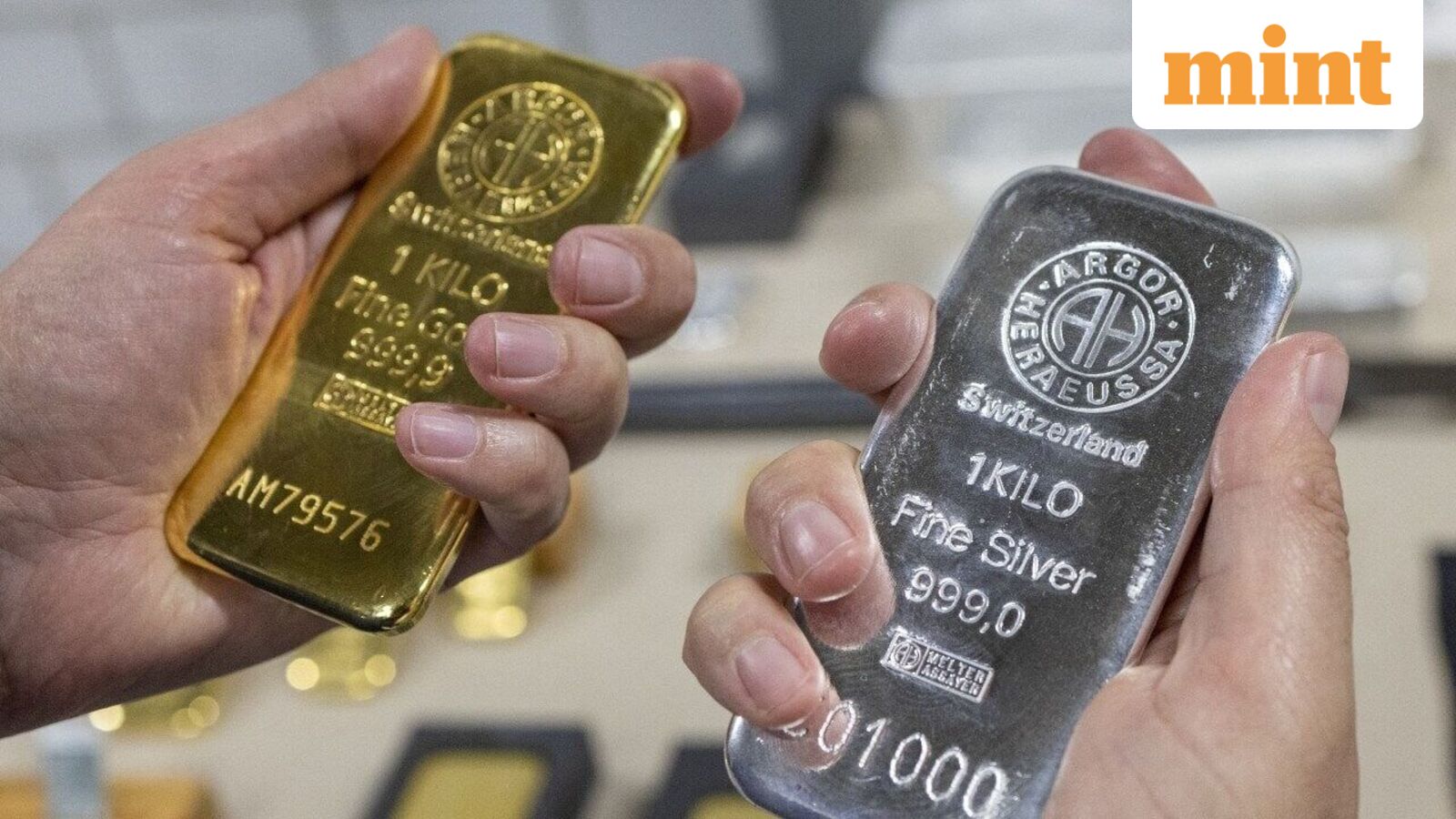
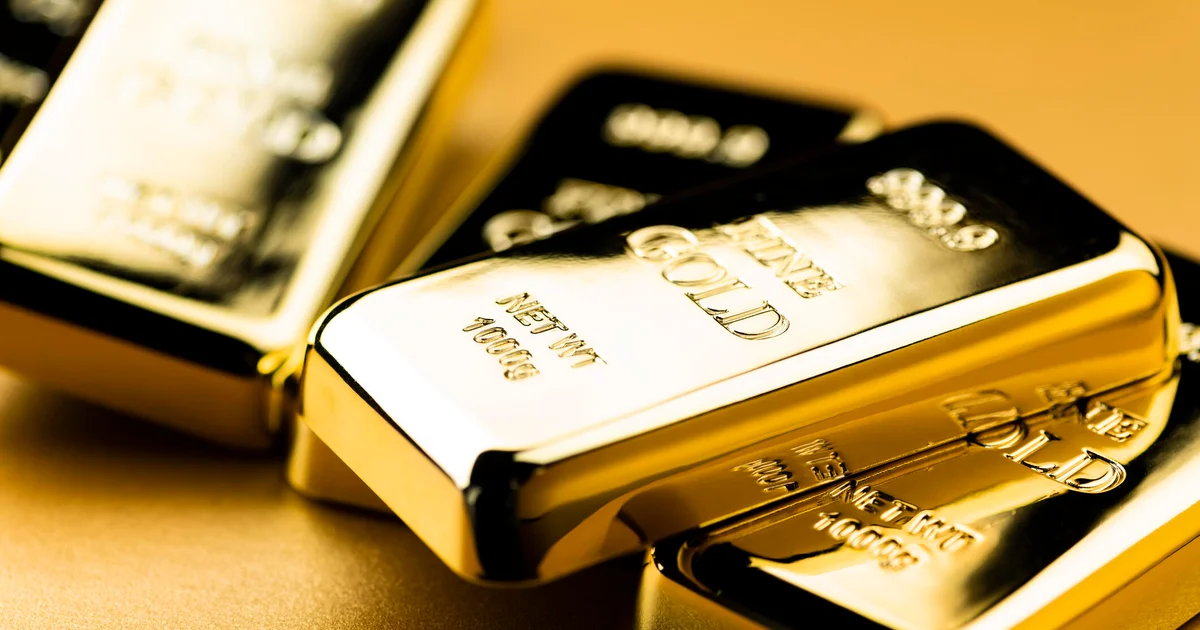
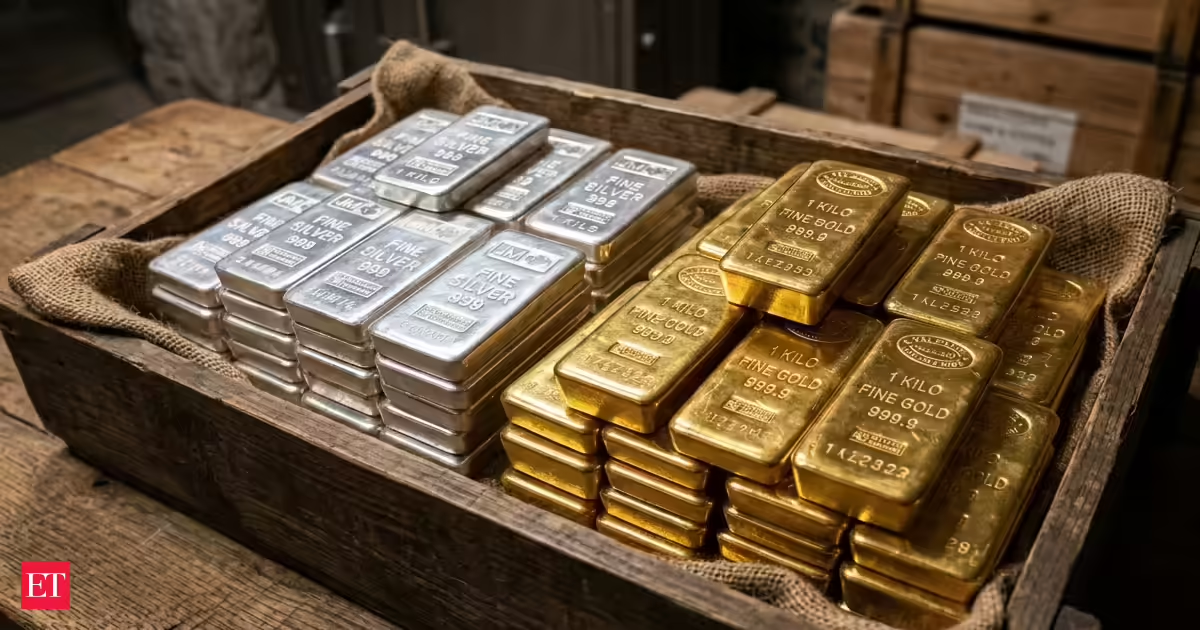
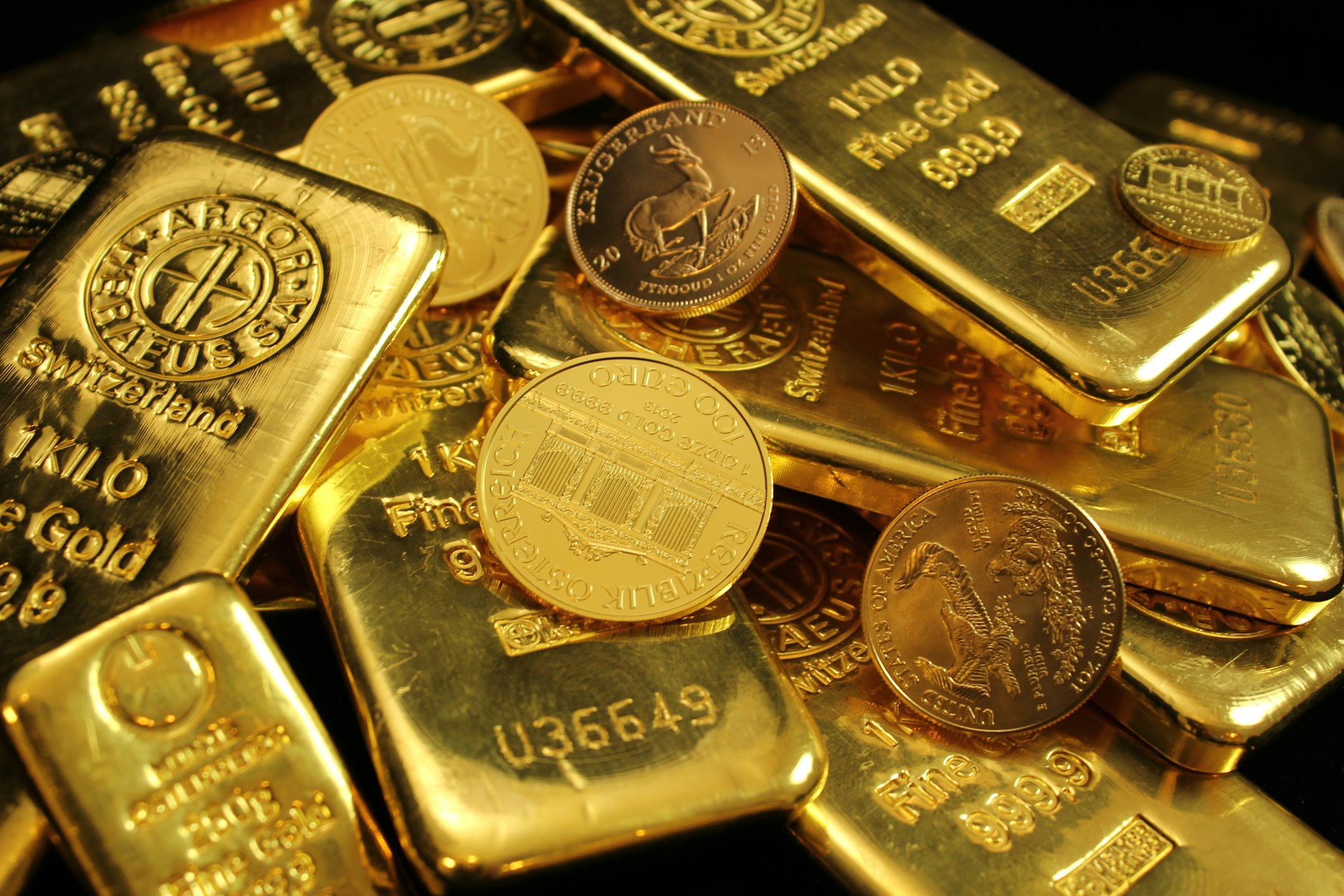
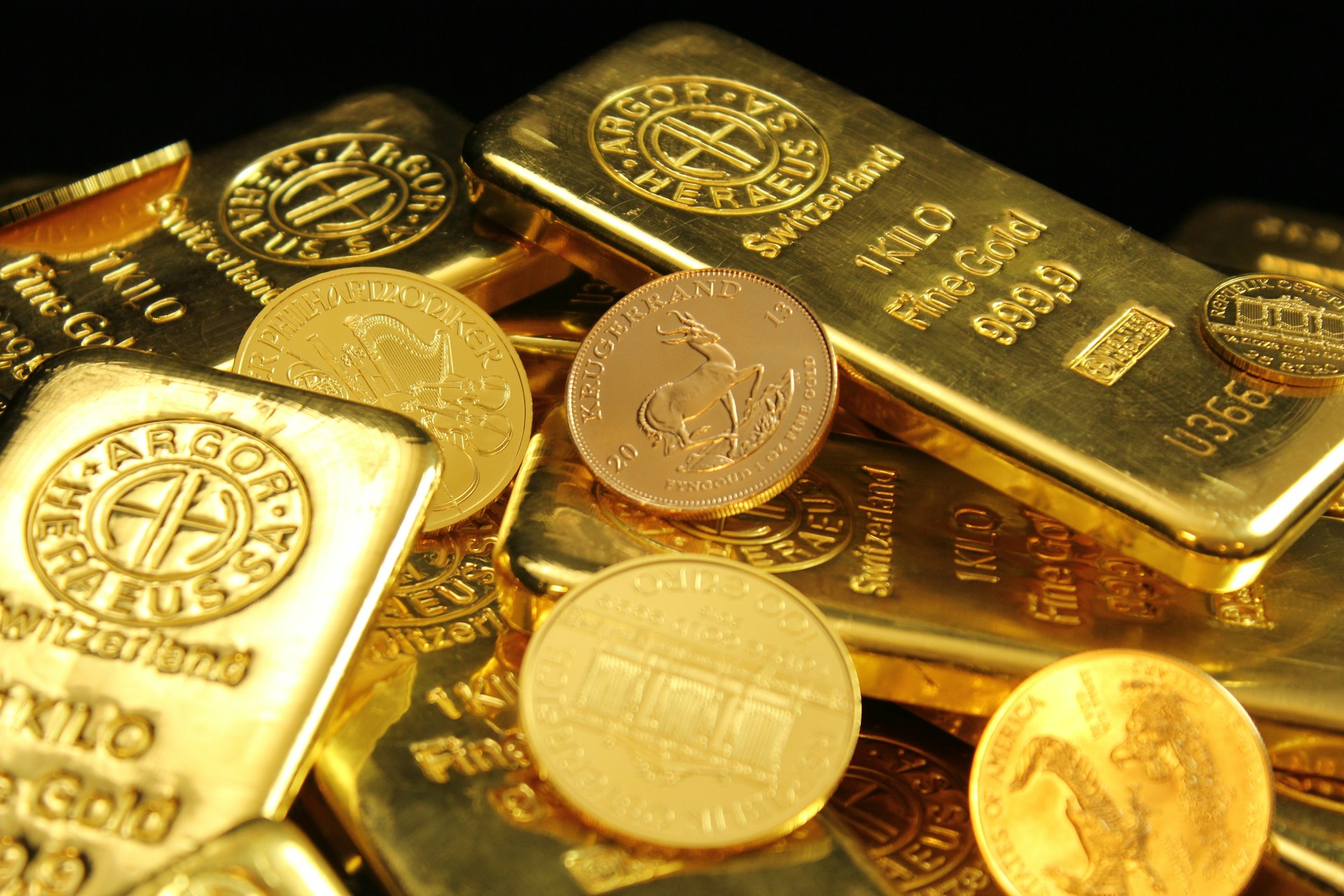
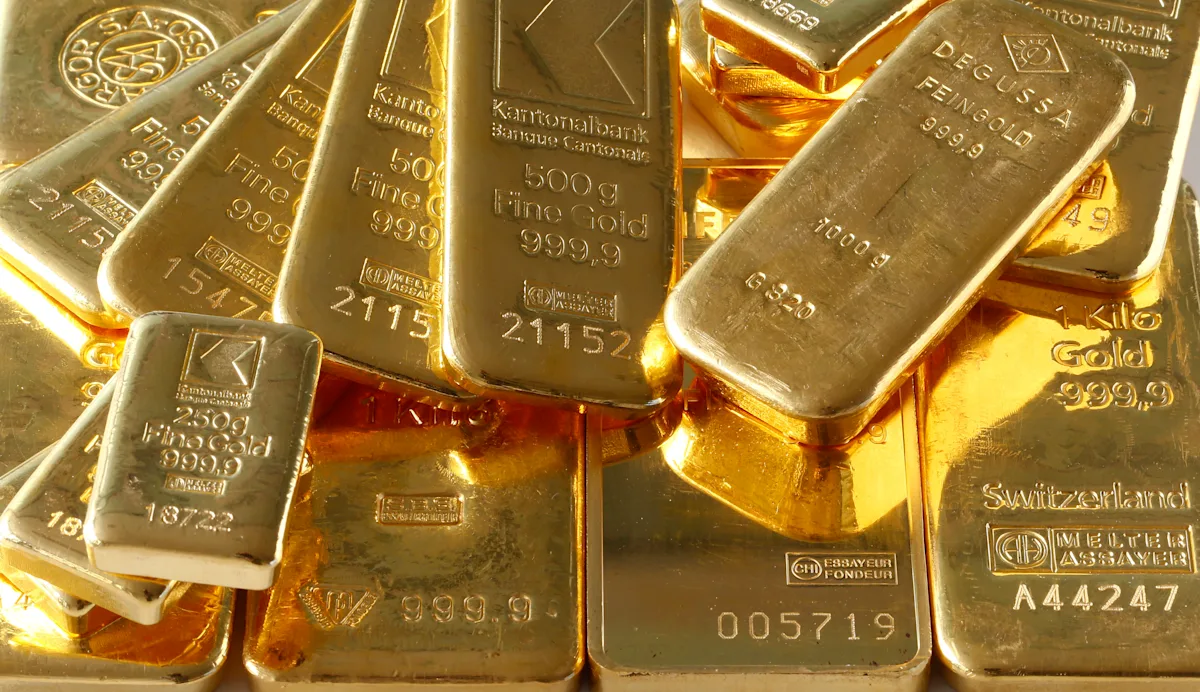
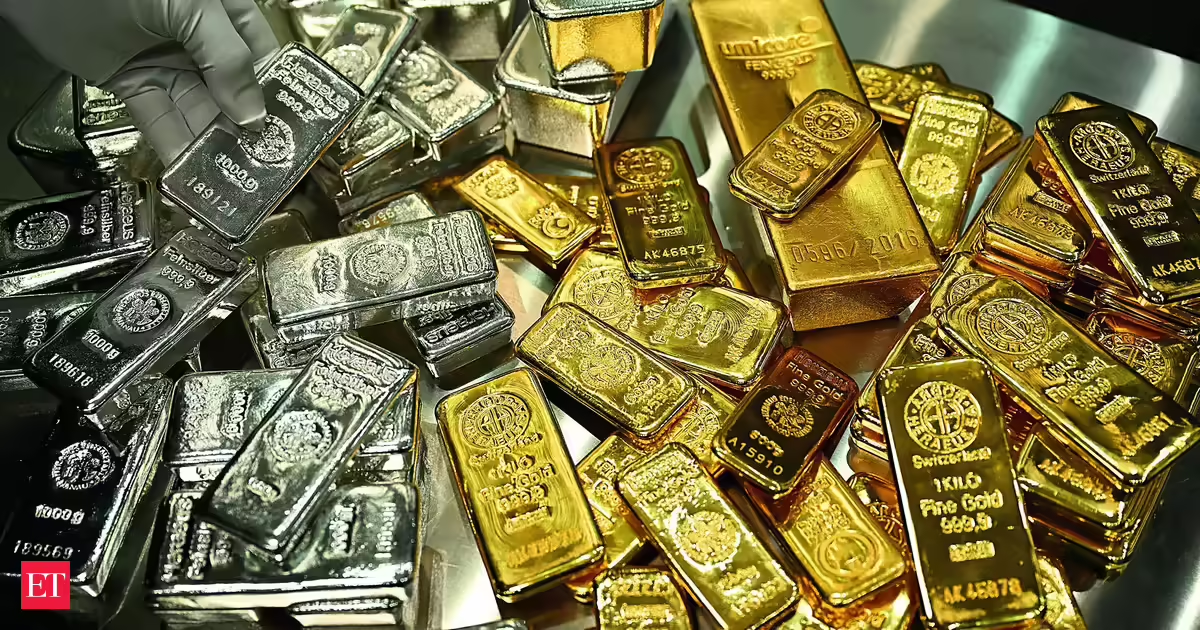
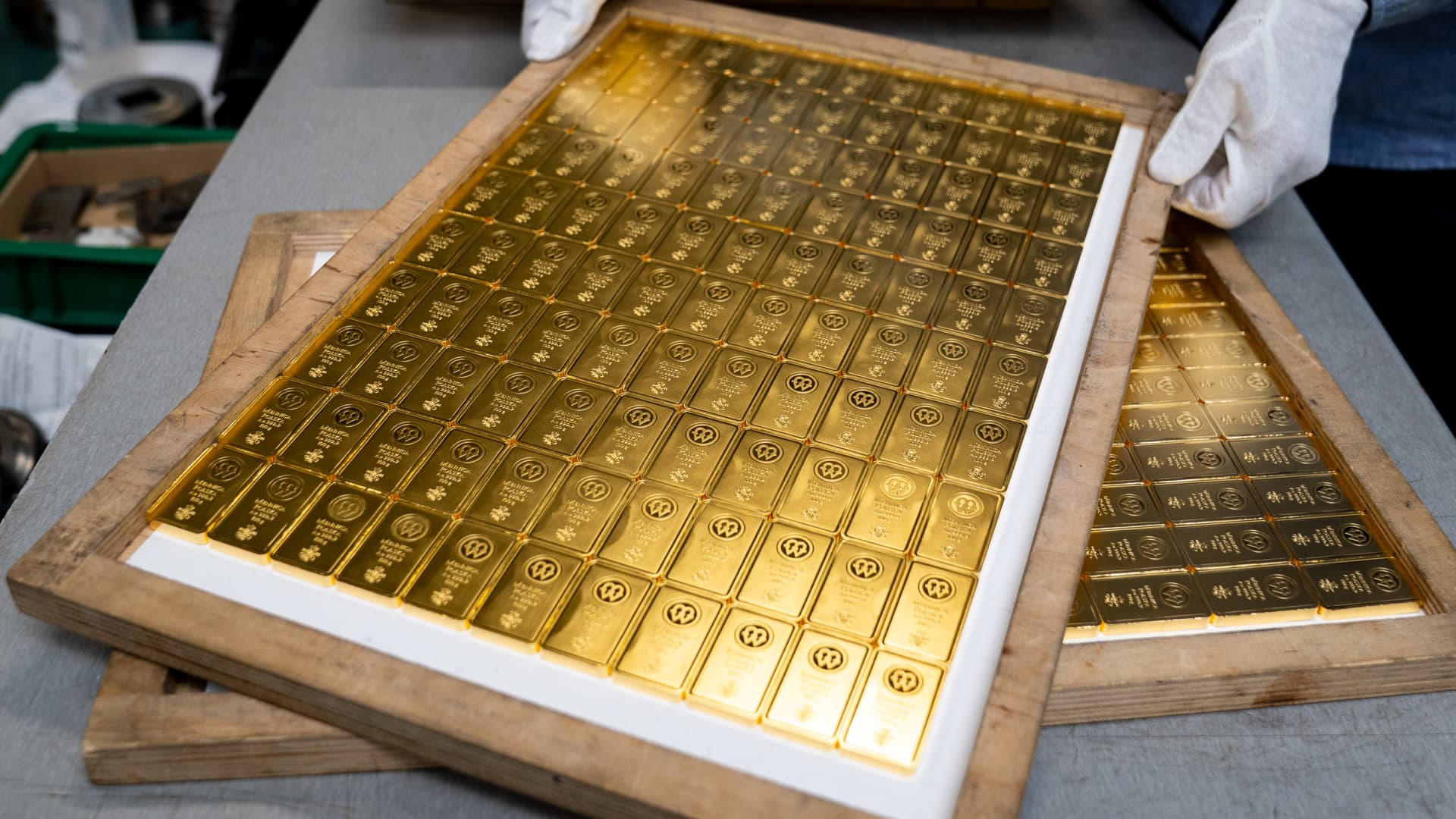
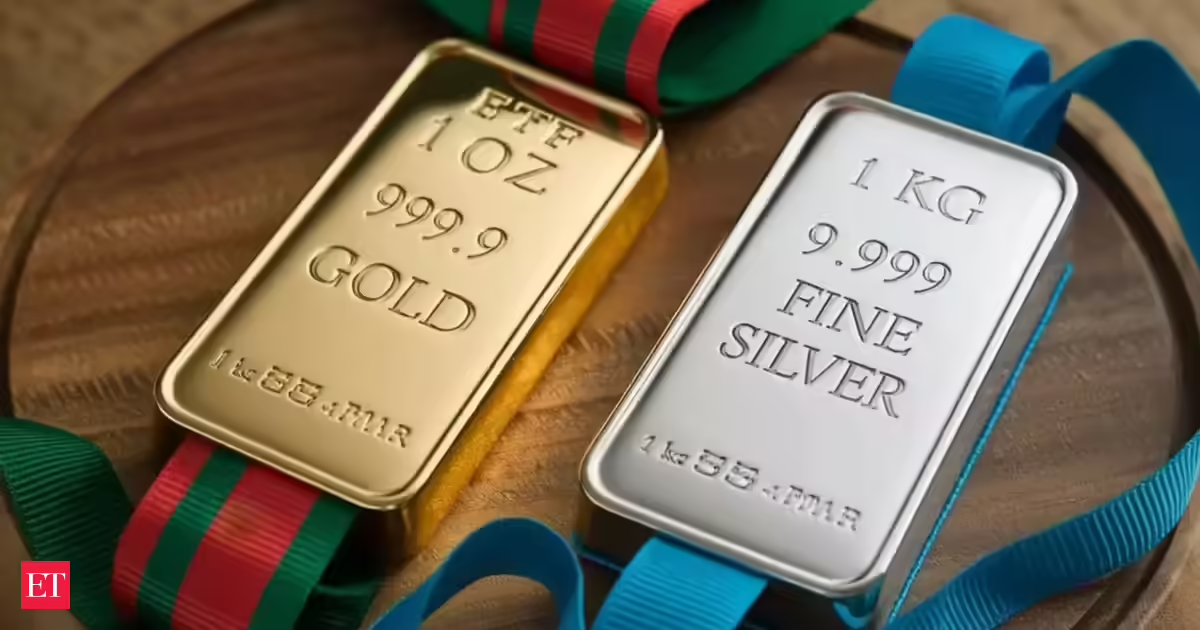
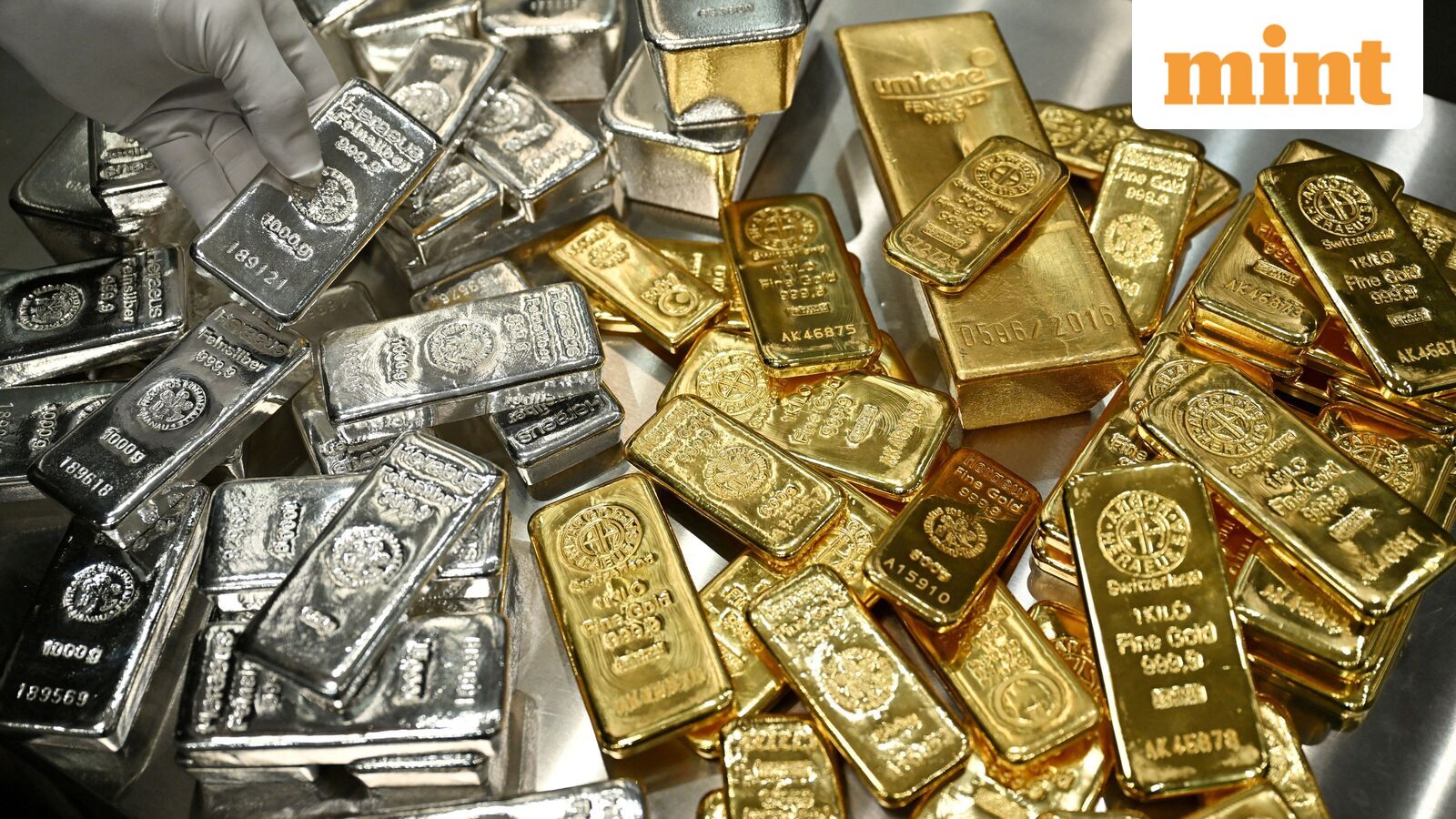
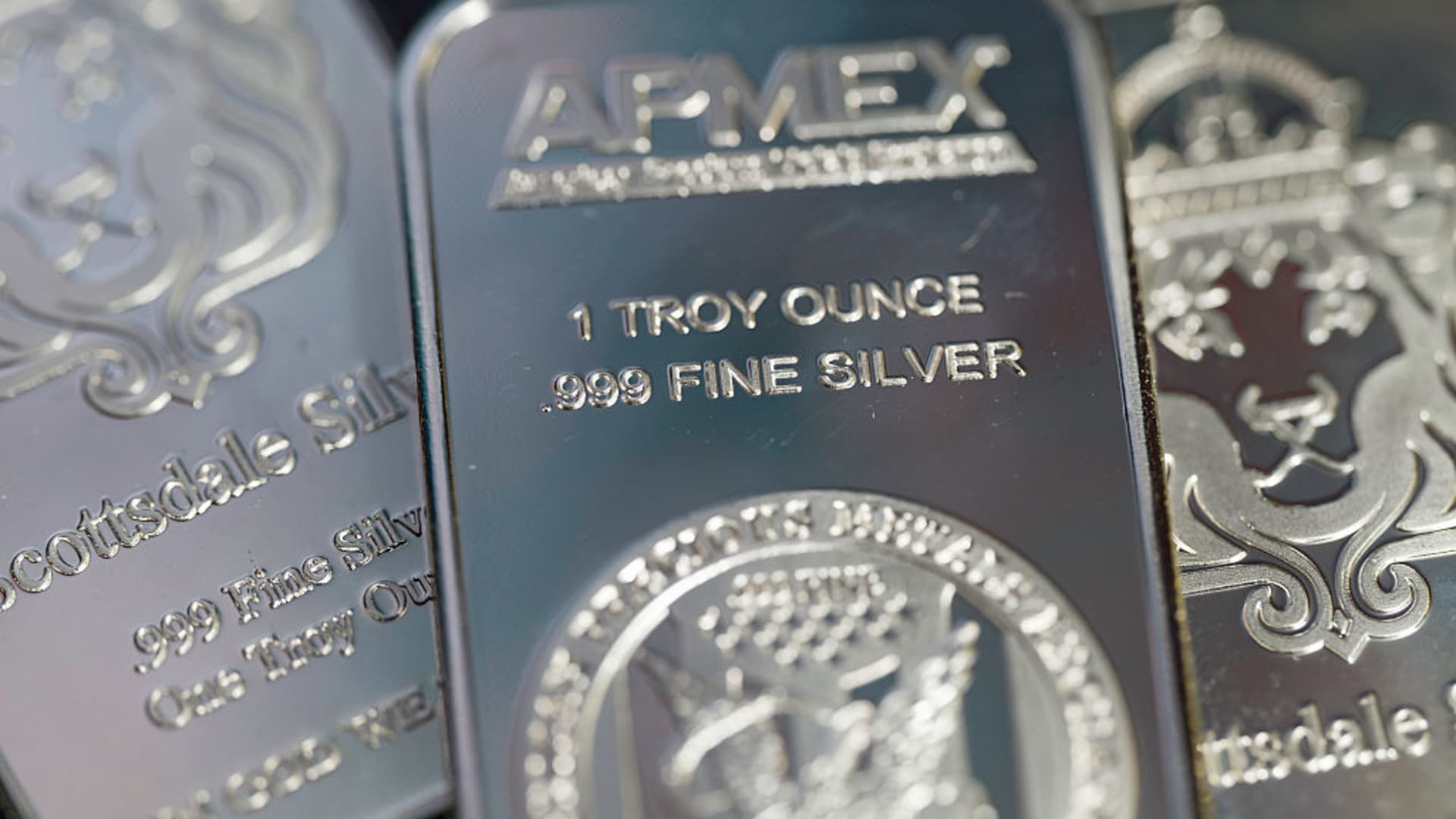
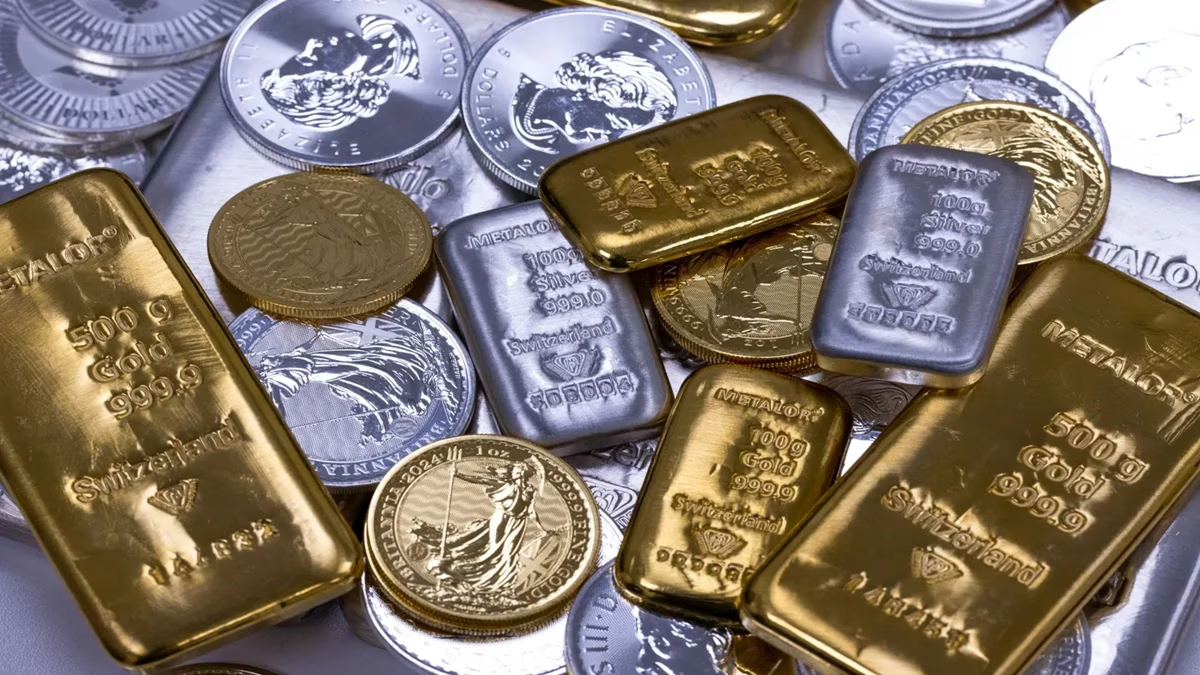
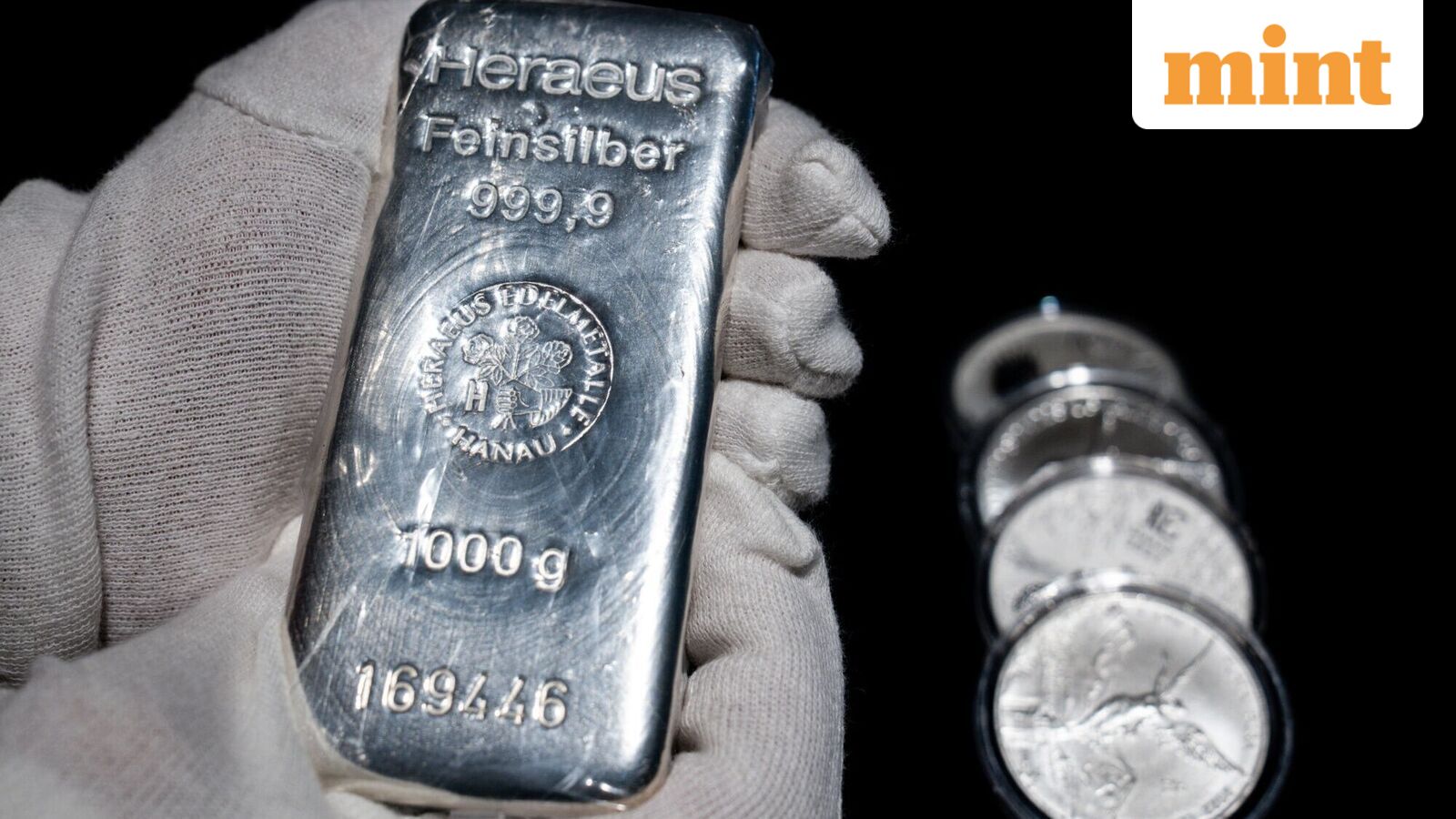
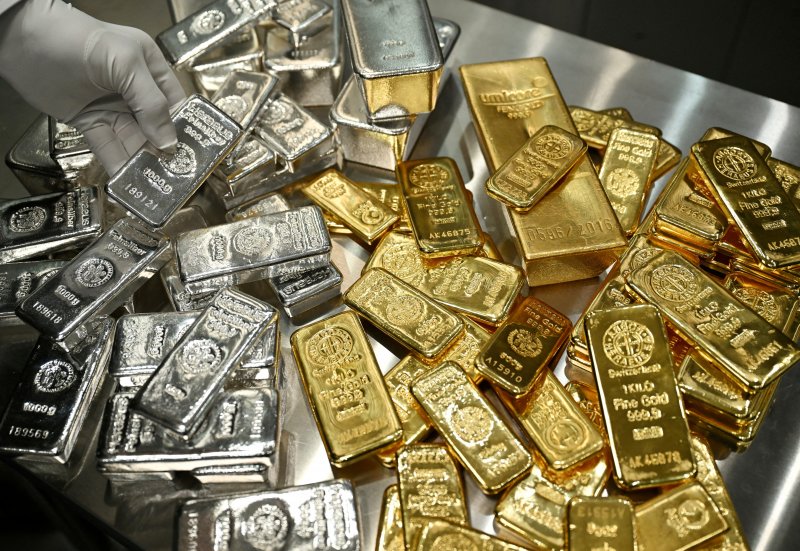
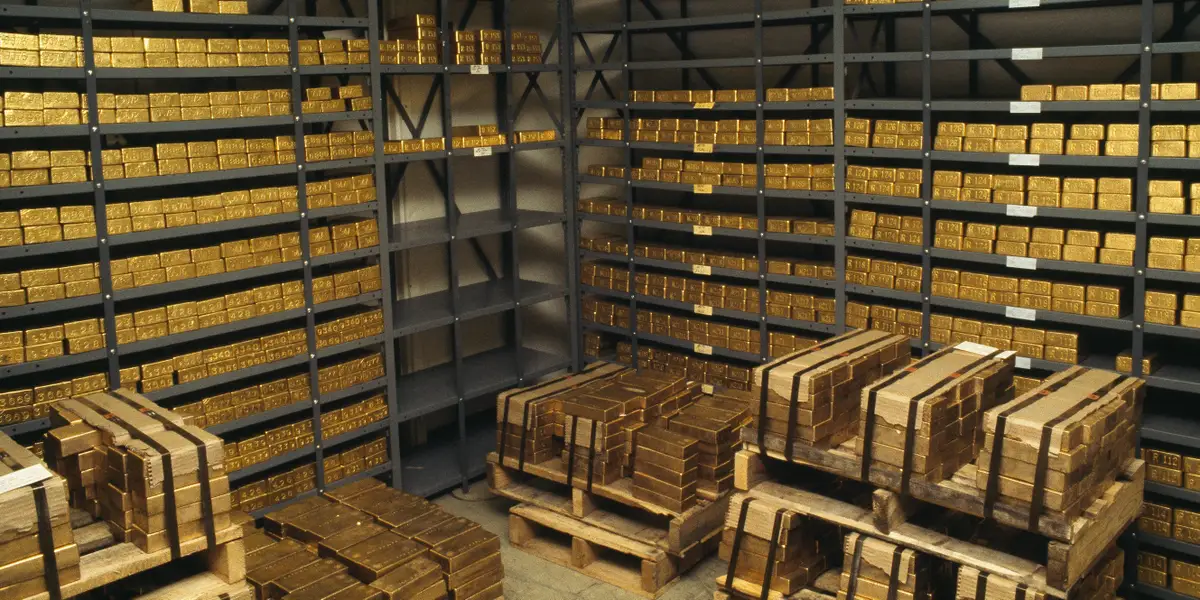
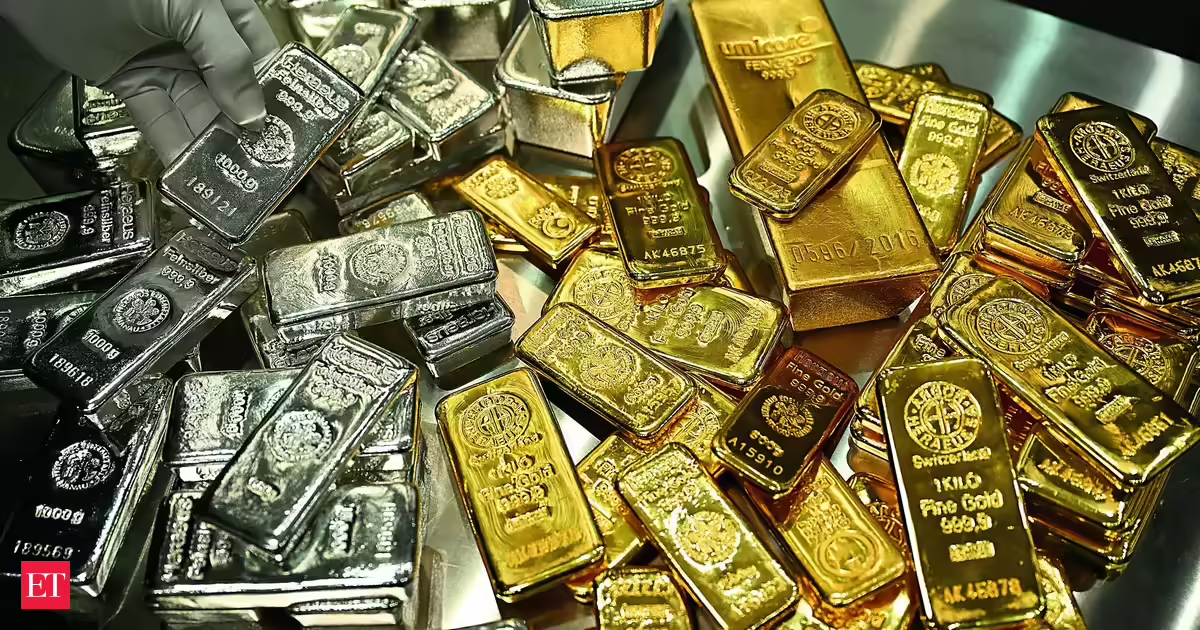
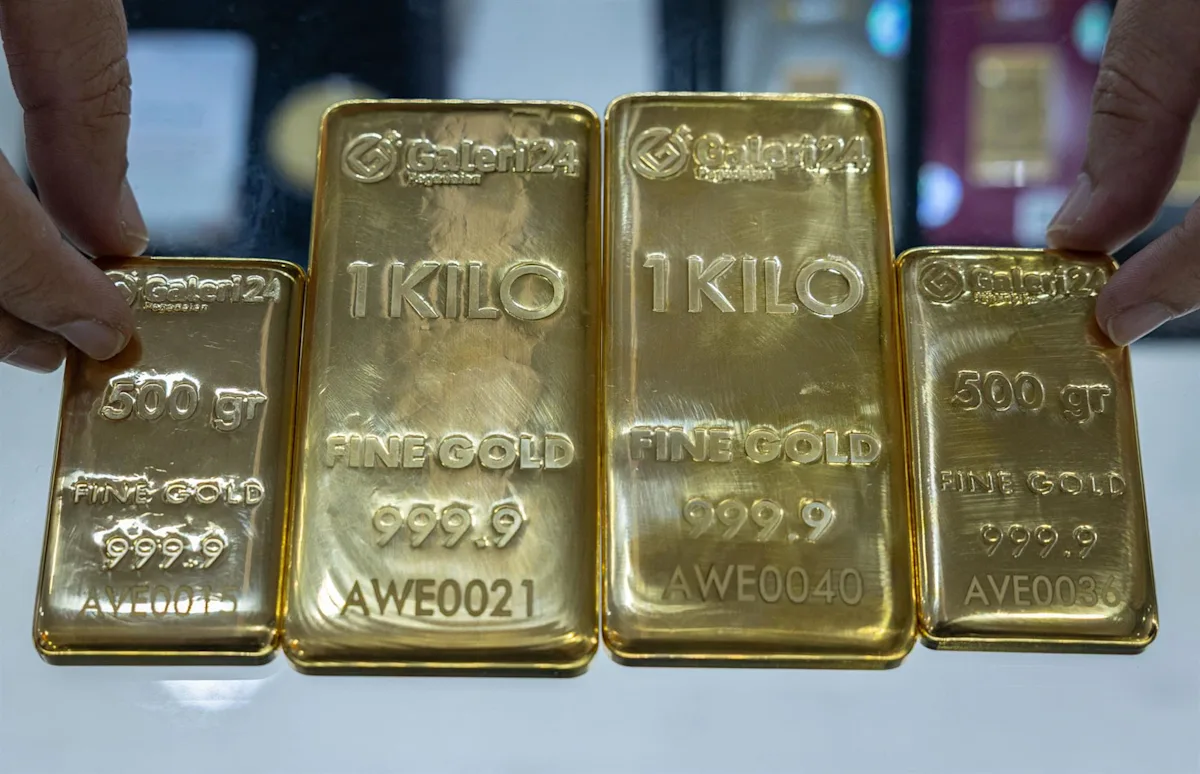
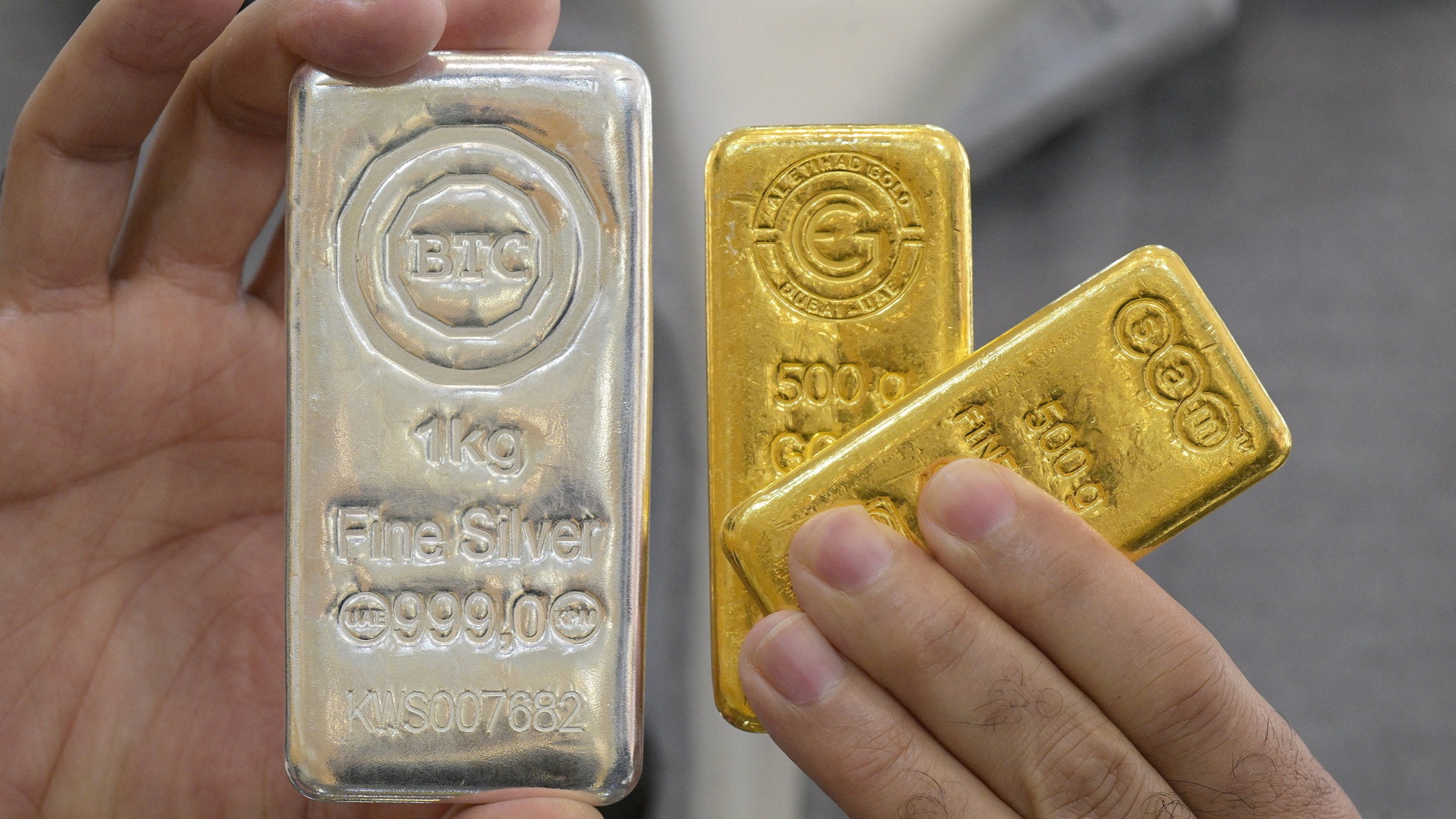
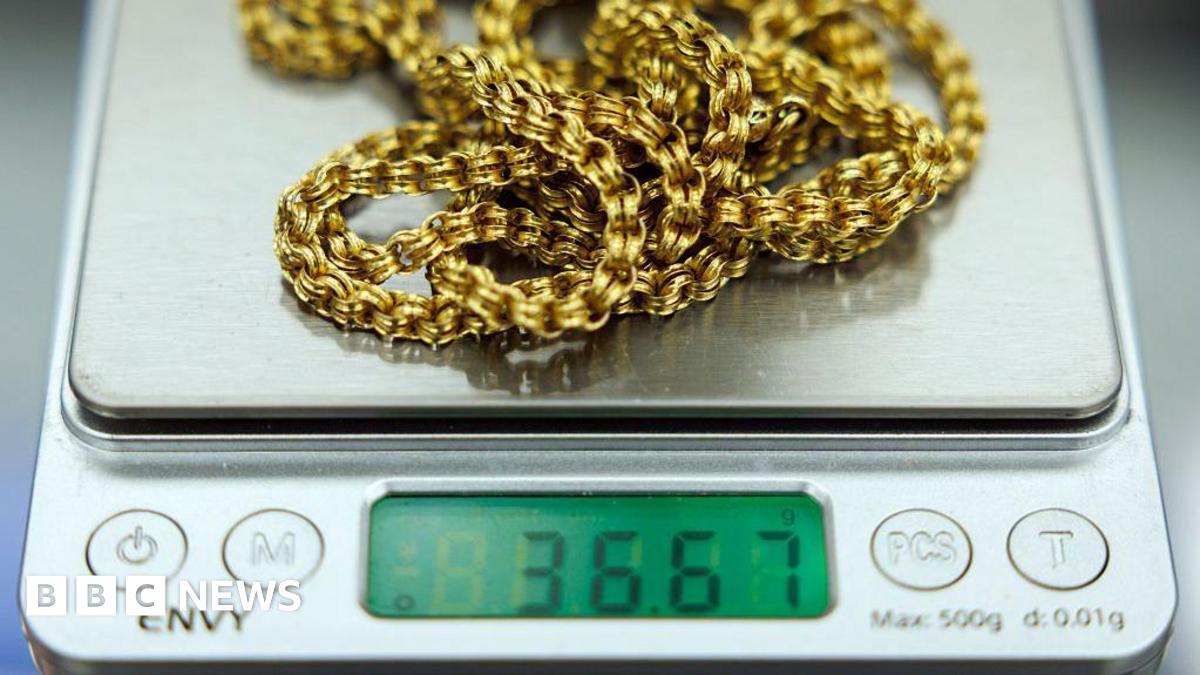
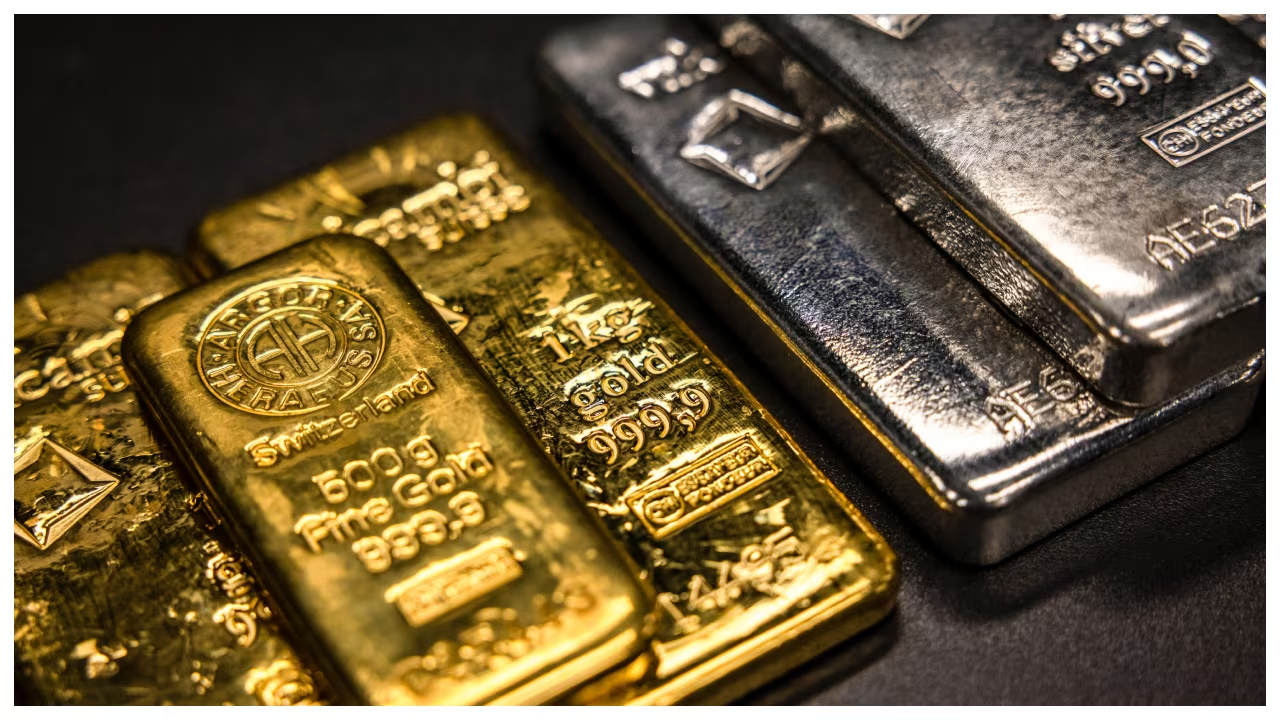
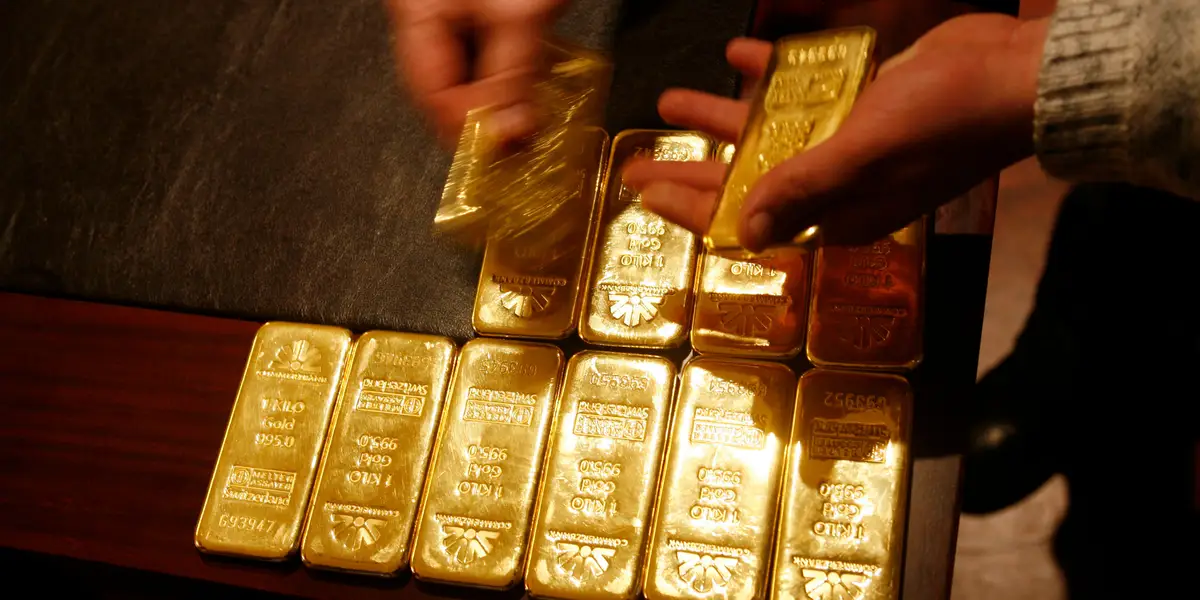
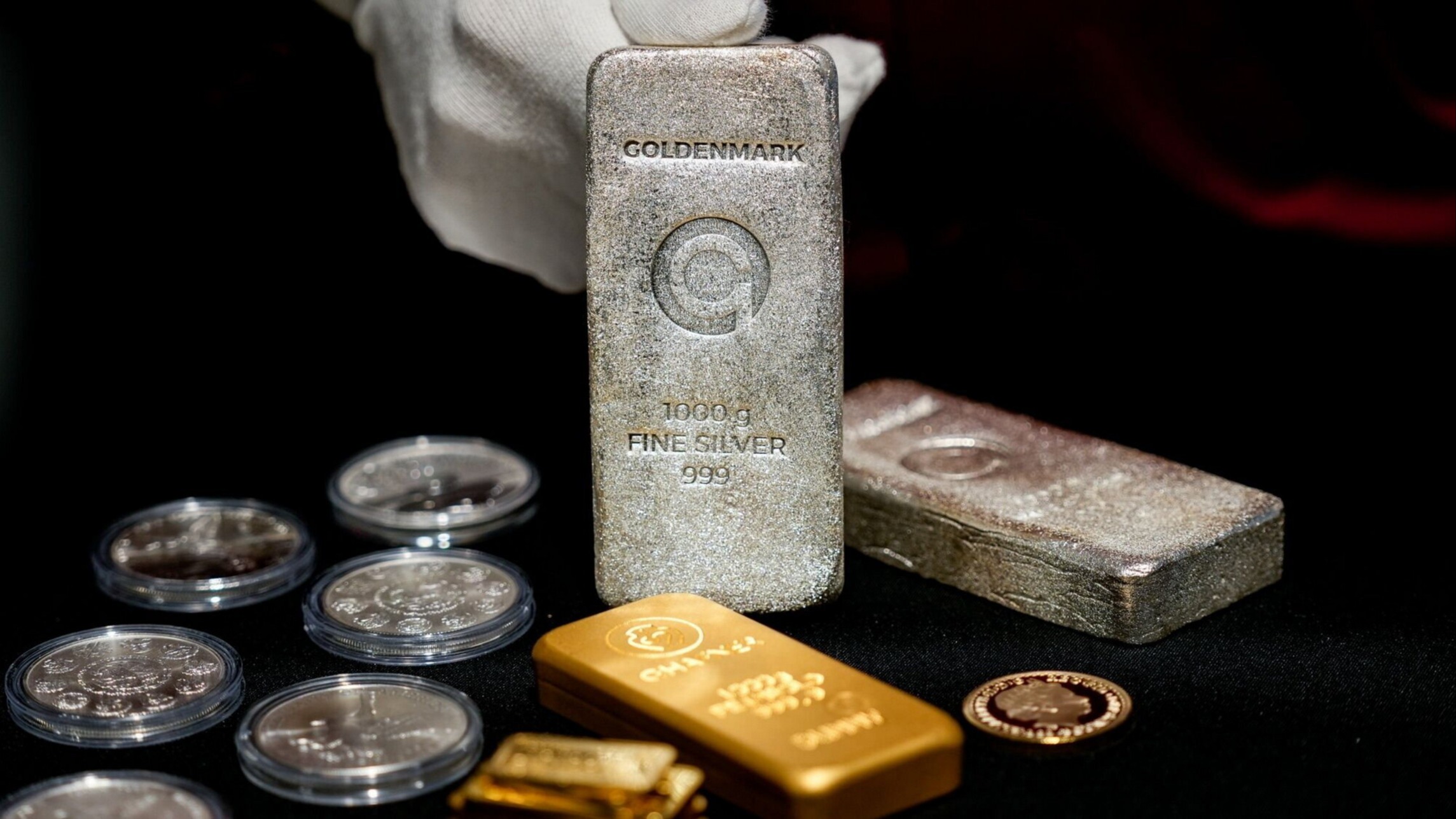
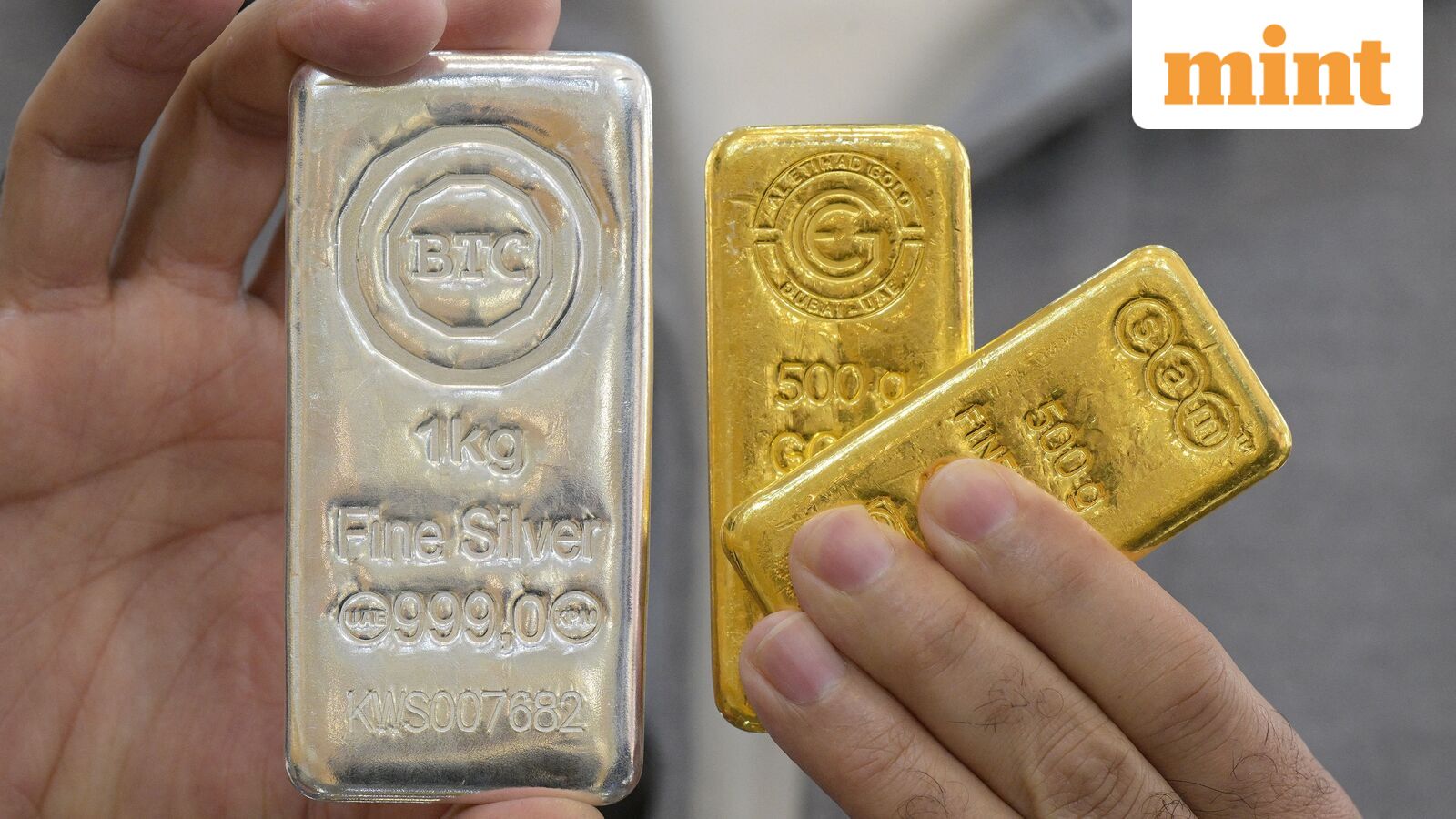
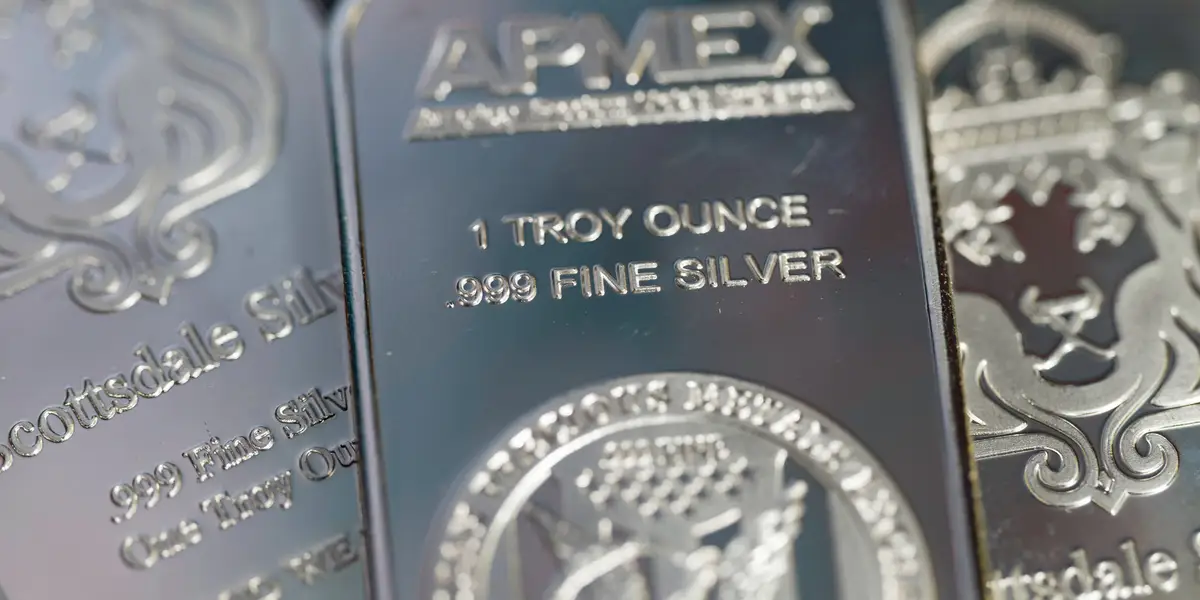
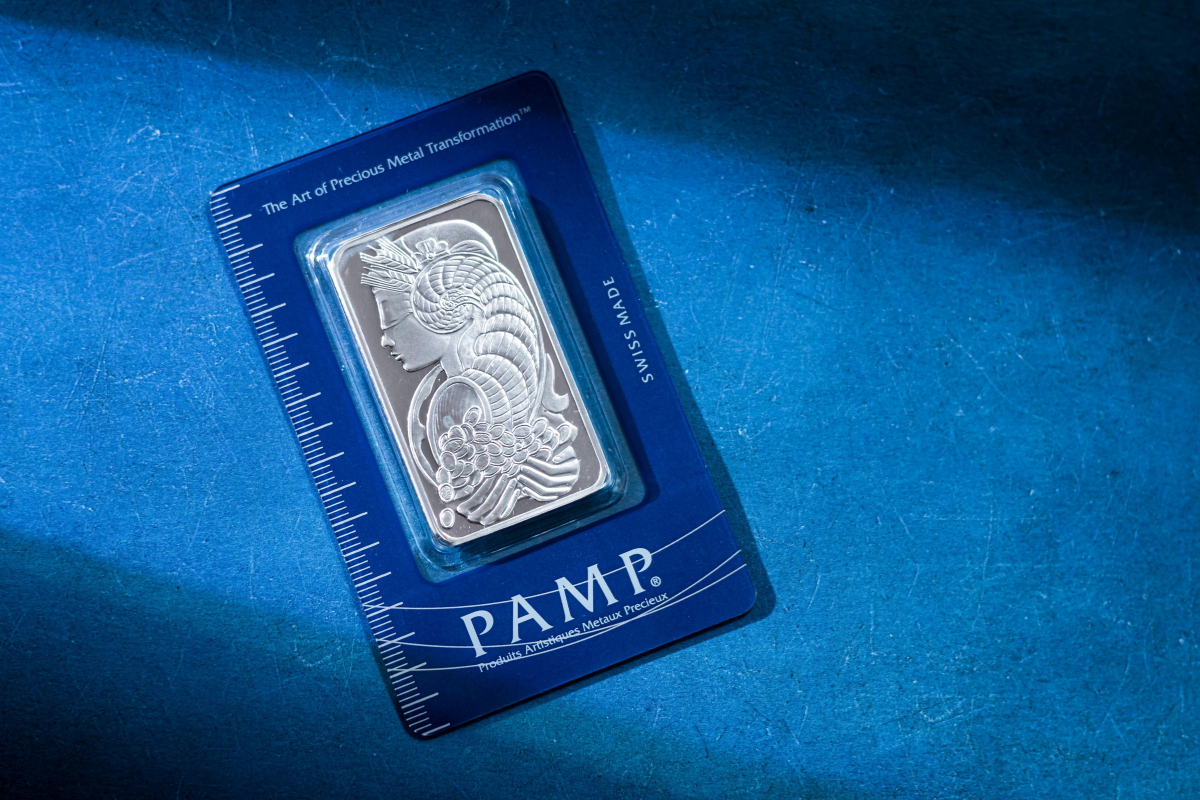
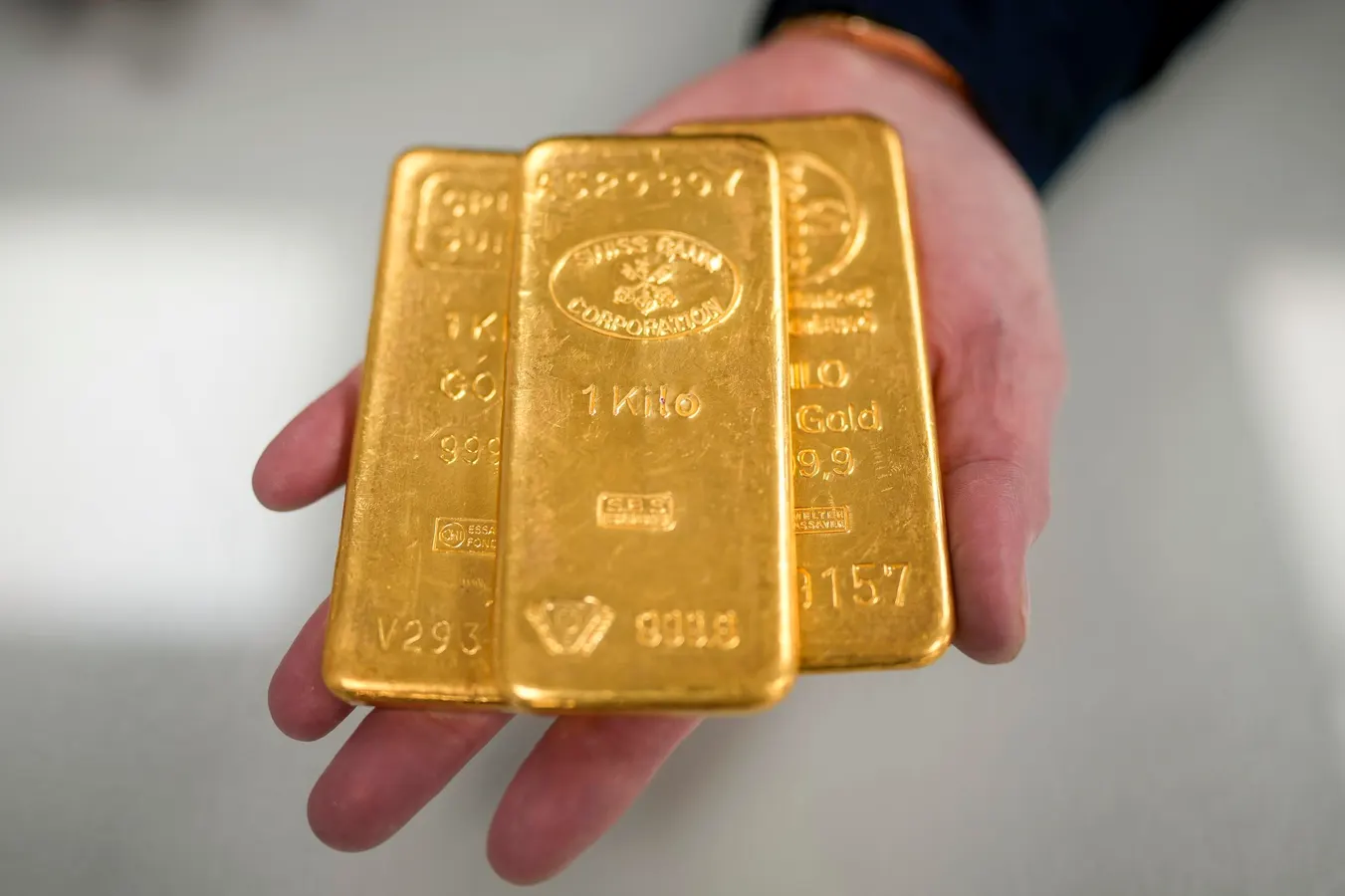
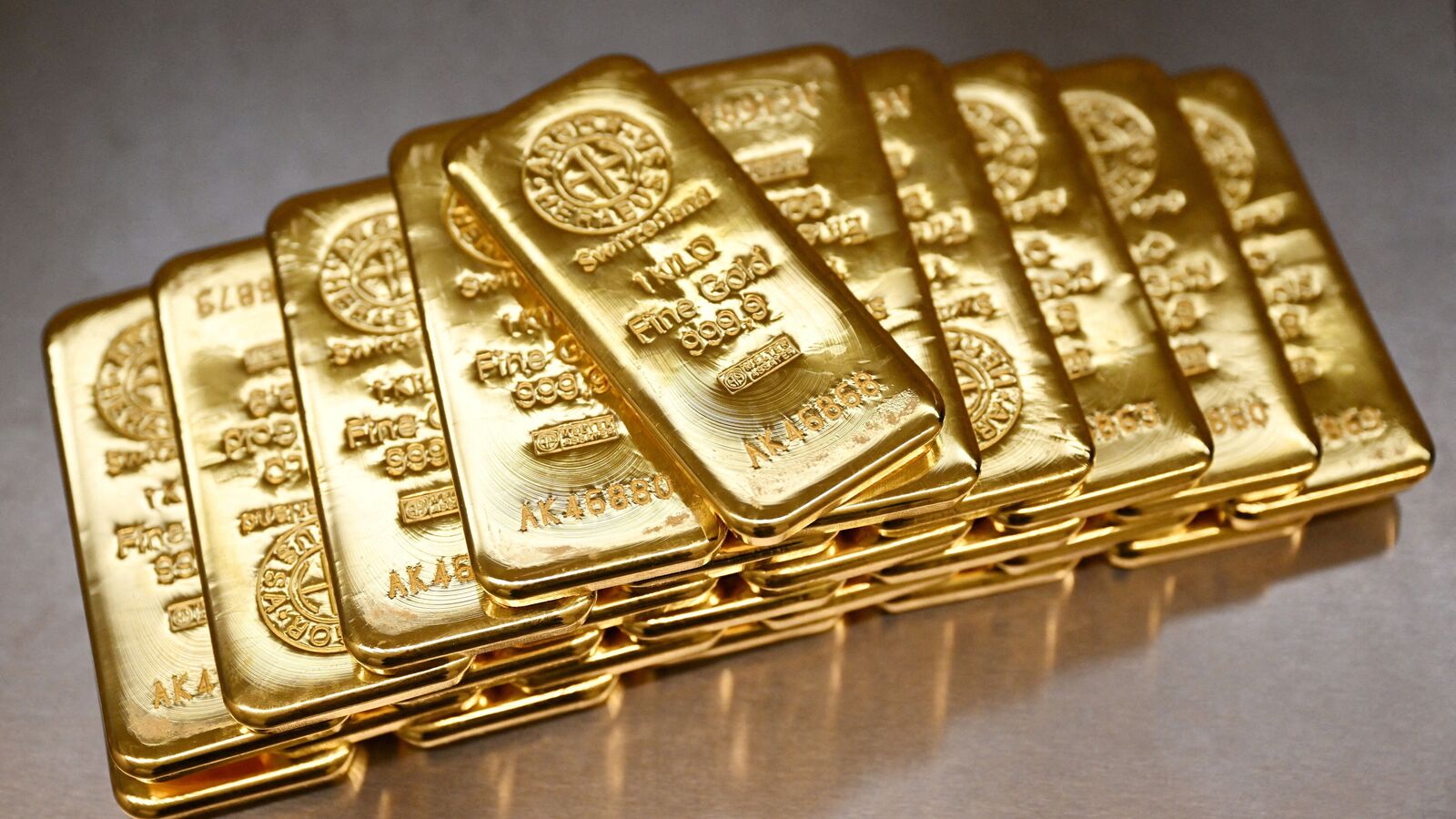
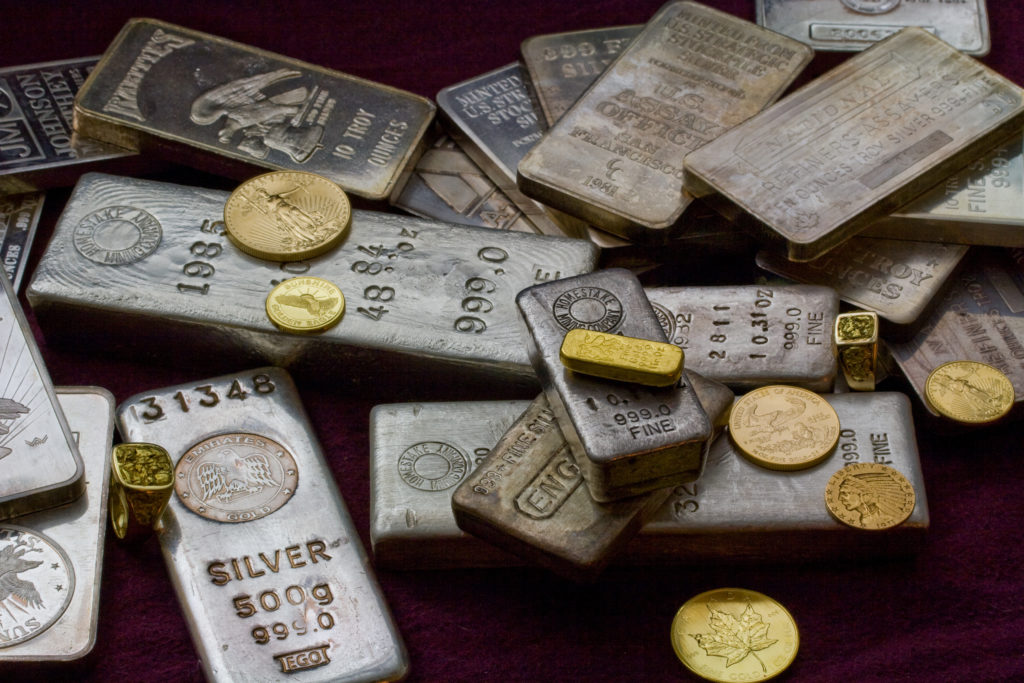
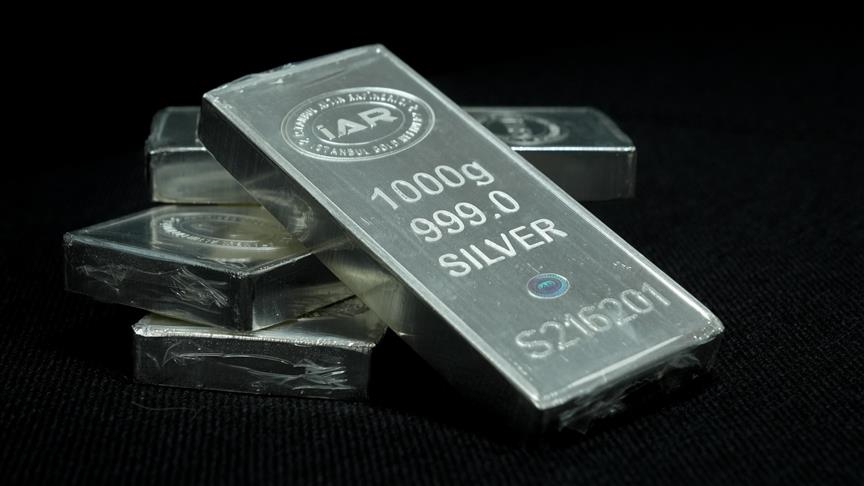
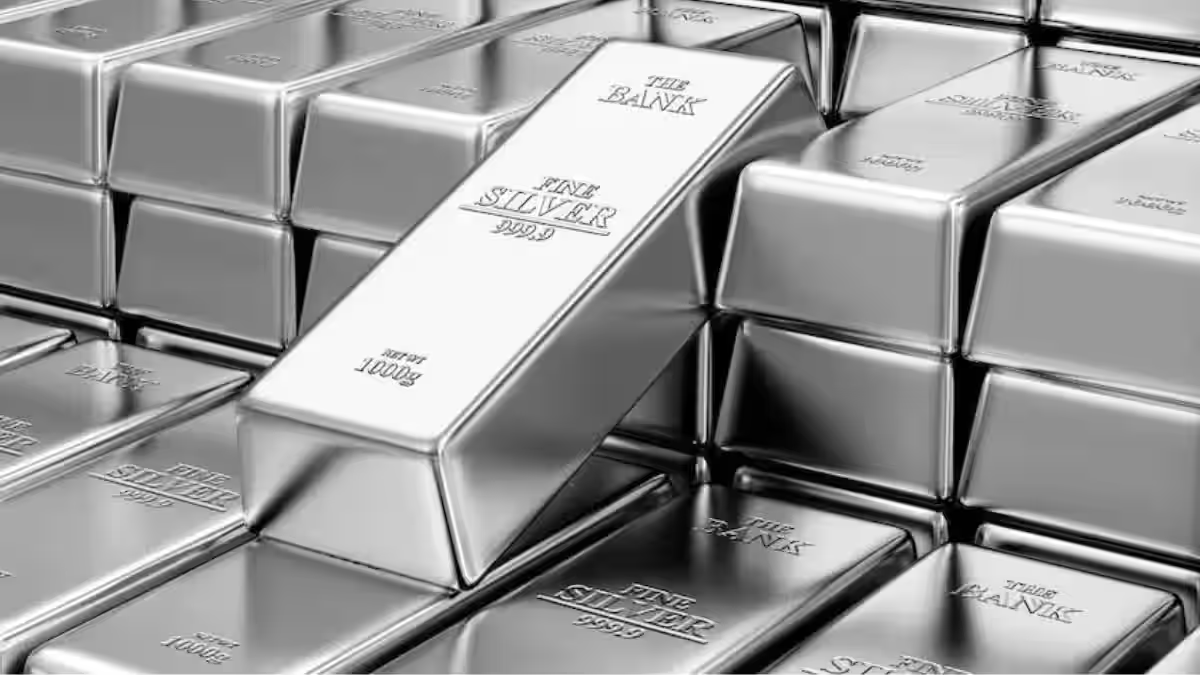
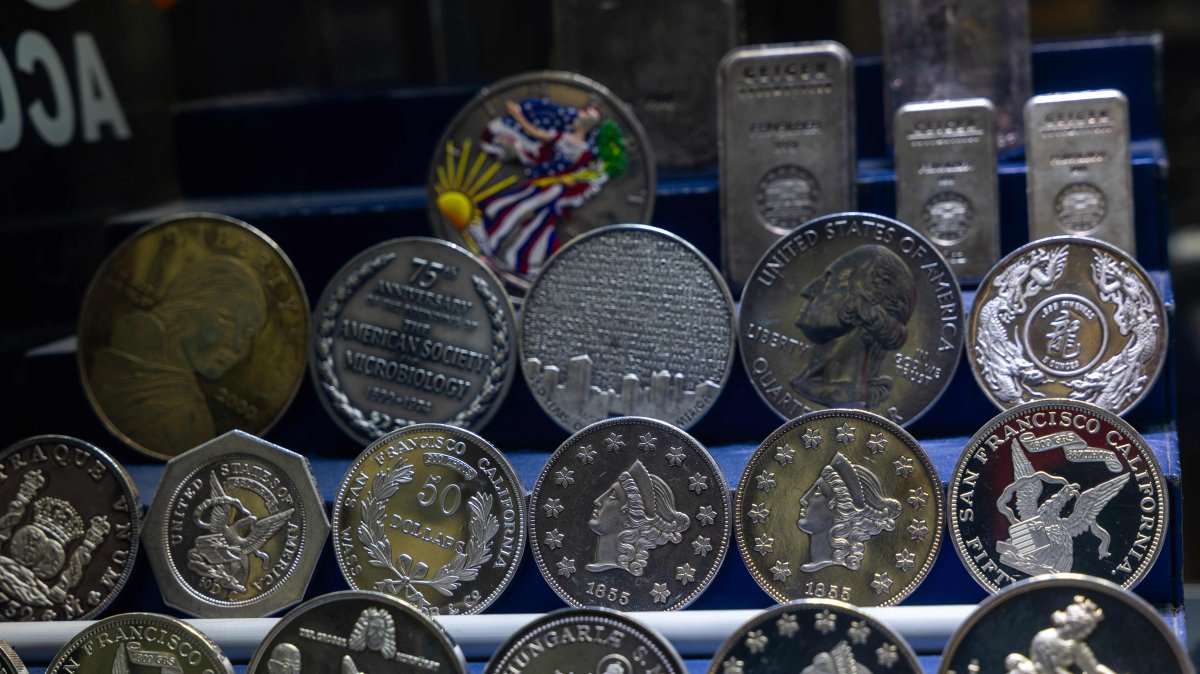
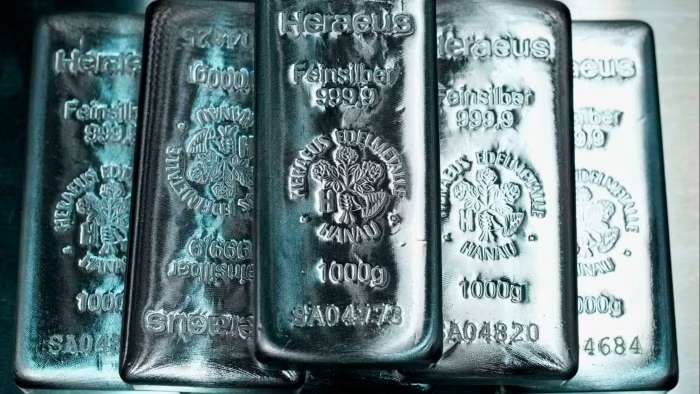
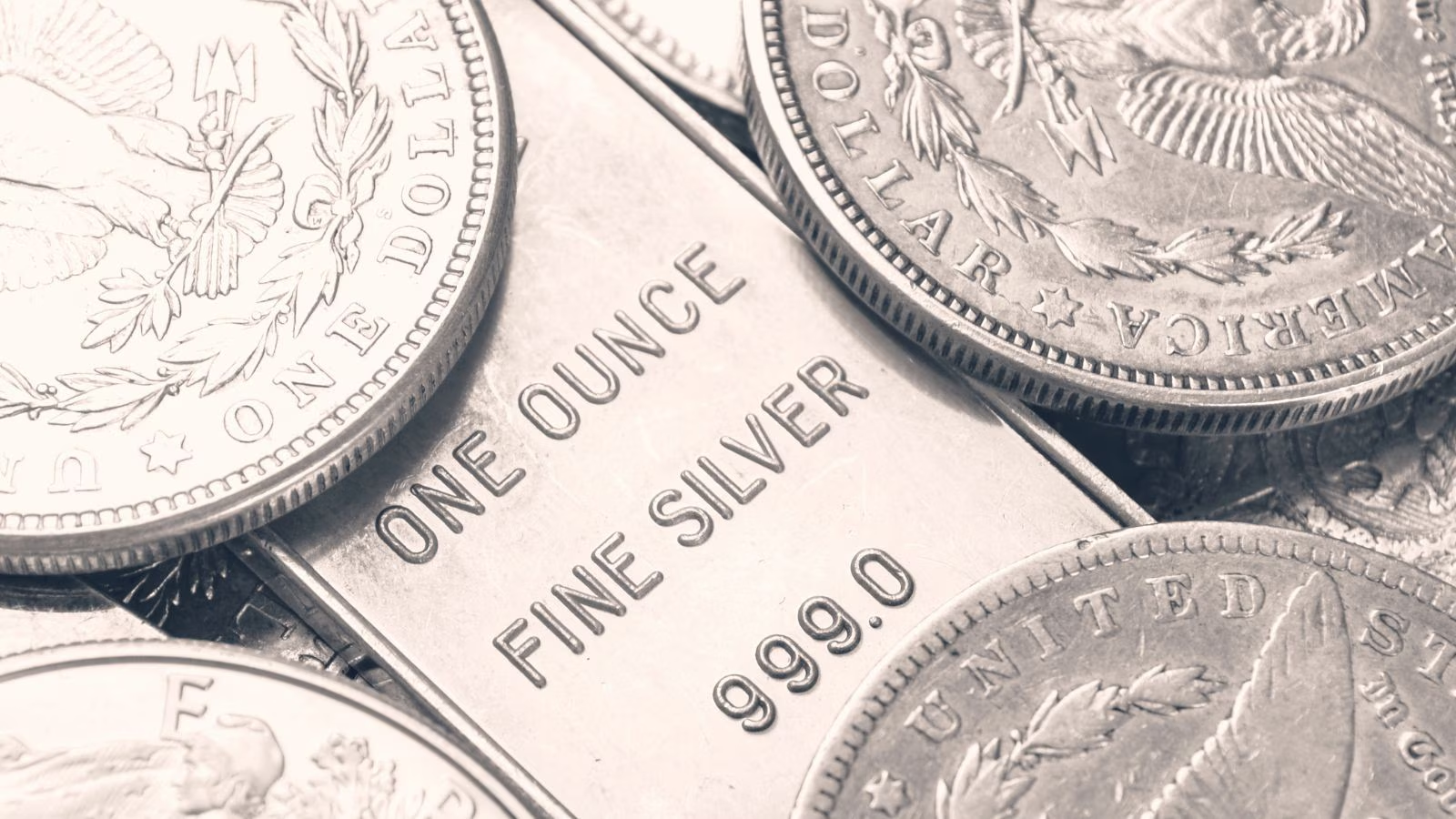
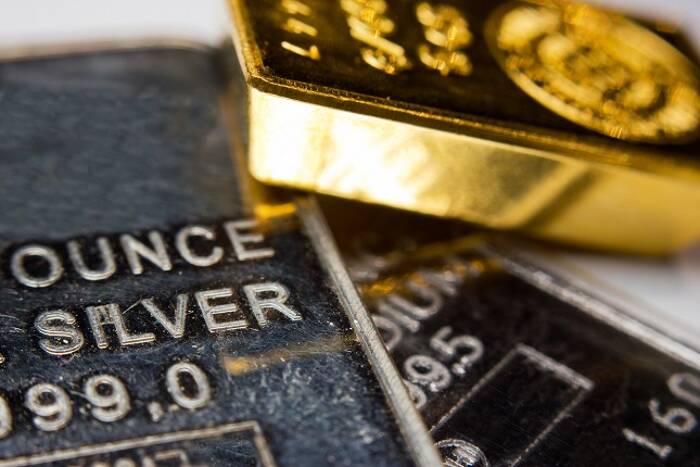
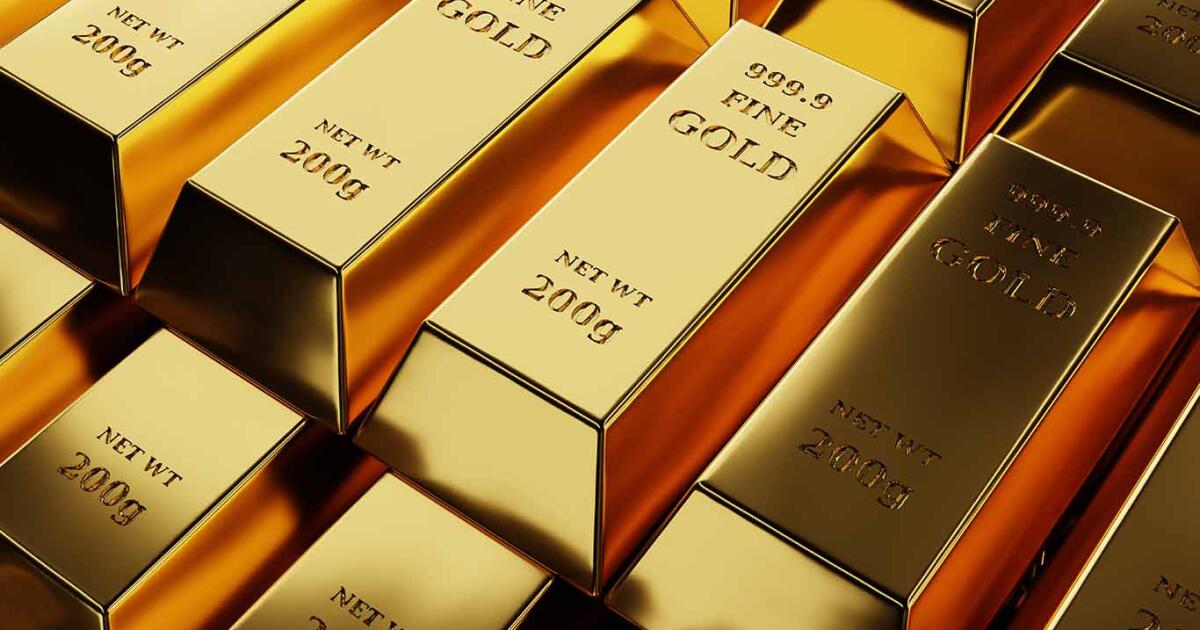
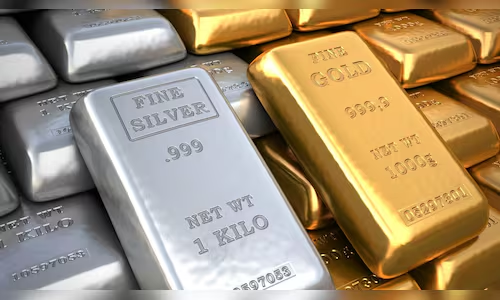
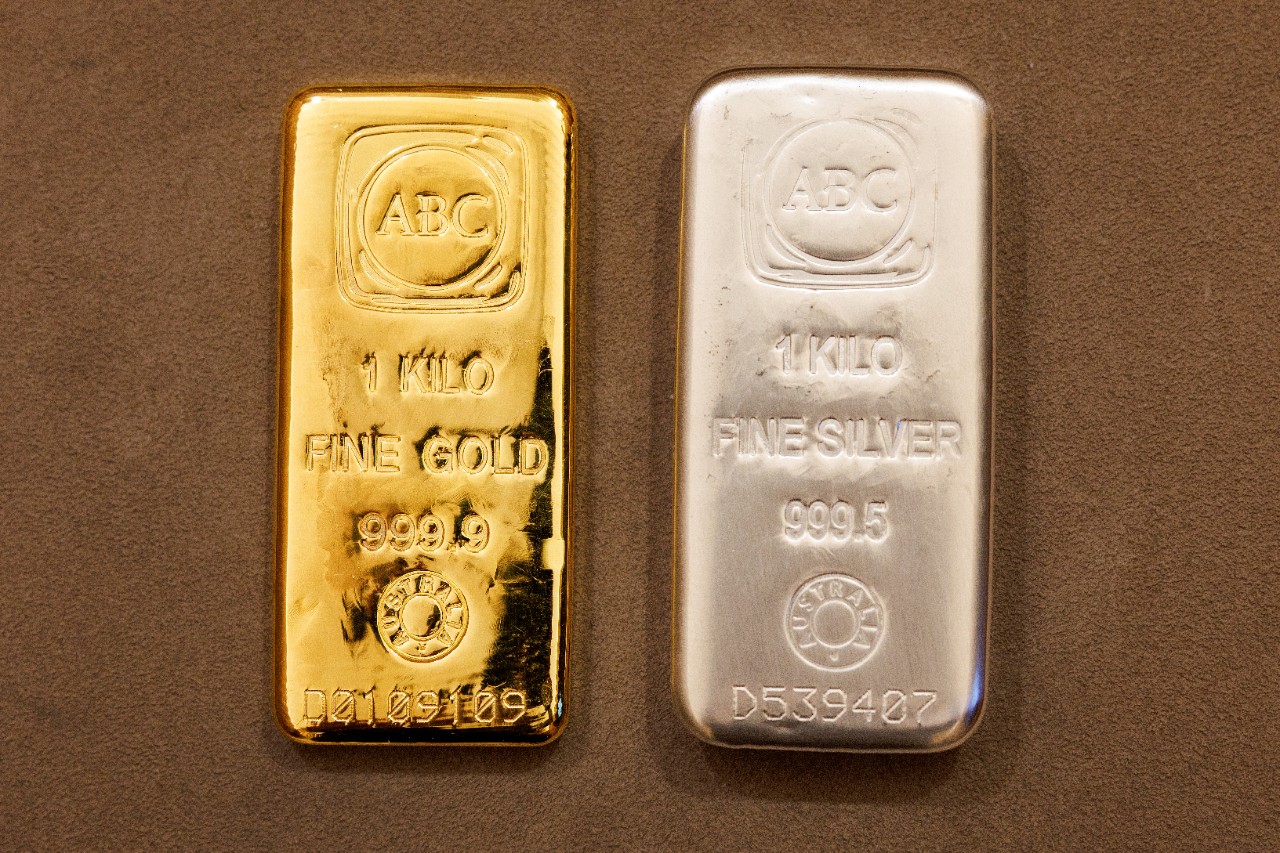
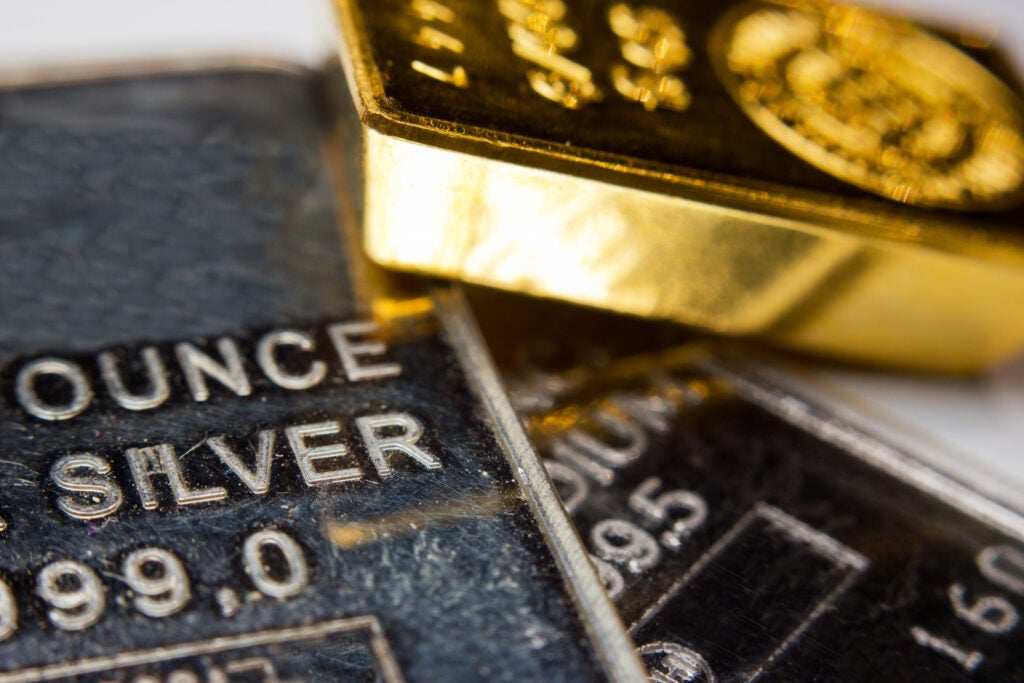
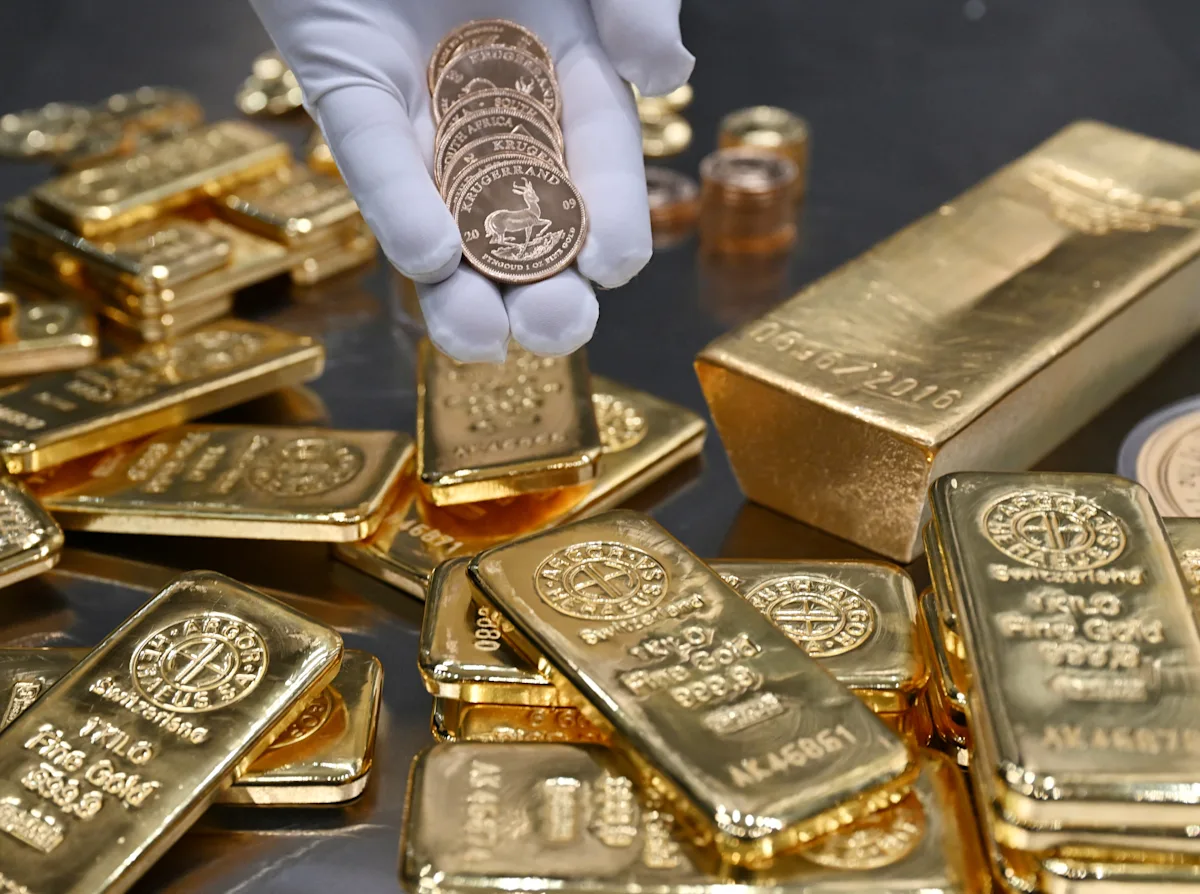
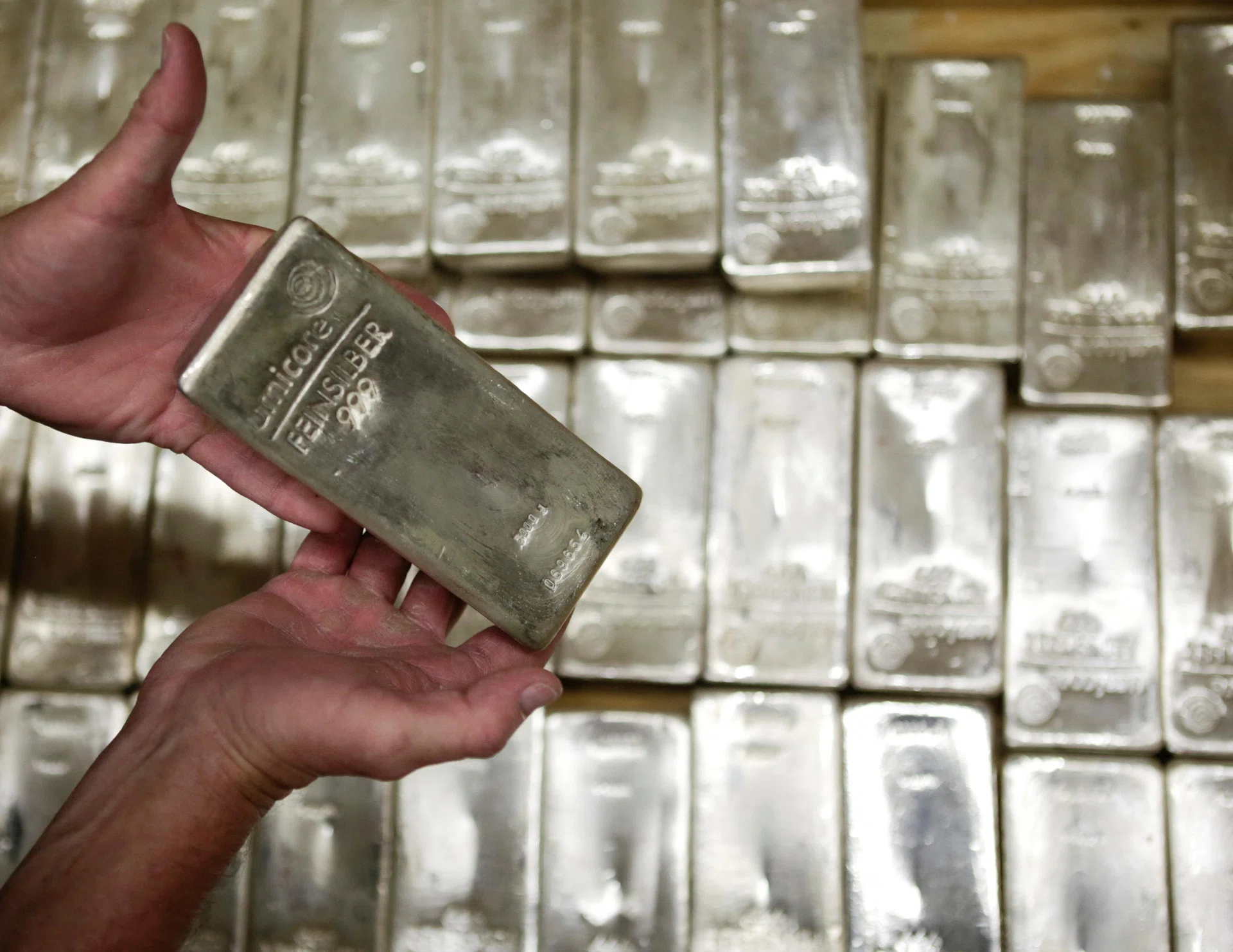
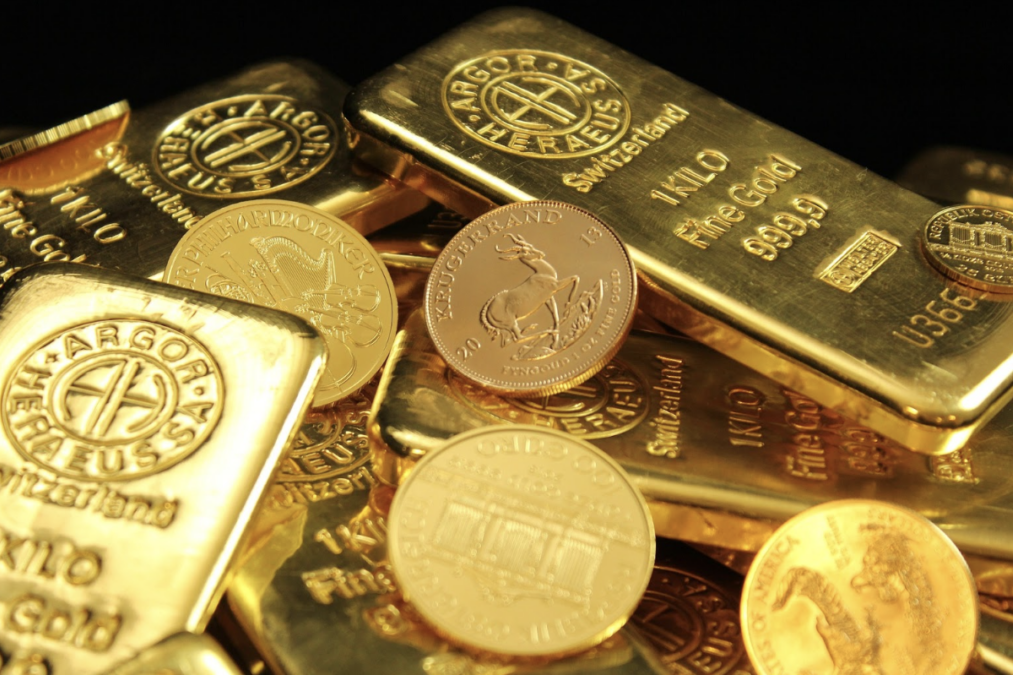
You can also own physical gold, although that comes with storage and security considerations.
It’s possible to own gold in a self-directed individual retirement account. In this case, the Internal Revenue Service requires that precious metals held in a self-directed IRA be stored in an approved depository, managed by a qualified trustee or custodian.
How Much to Allocate
Incorporating gold ETFs into a diversified portfolio gives retirement investors liquidity, transparency and ease of trading.
However, as with any other asset class, investors should allocate thoughtfully rather than loading up on gold ETF shares because they hold promise and often have low correlation to equity funds.
“Typically, I would recommend a 3% to 5% allocation to gold, metals or a diversified commodities position,” Duncan said.
That’s in step with the recommendation of many financial planners and asset management firms.
For example, in an October 2024 report, Russ Koesterich of BlackRock’s global allocation team advocated for a “modest allocation to gold (think 2%-5%). This is largely due to the combination of near-term economic factors having turned favorable, and the longer-term drivers remaining very much in place.”
Should You Own Even More?
Is there ever a case for holding a higher percentage of the glittering metal?
“If you study financial history, you will see a strong benefit to having around a 20% allocation to gold in your portfolio,” said Nate Byers, lead advisor and founder at Calculated Wealth in Madison, Wisconsin, in an email.
However, gold can have long periods of negative or flat performance, so Byers recommends that retirement investors gain exposure to it by watching price trends.
“With gold prices near all-time highs, it’s best to avoid chasing performance,” he said. “Many gold-related assets are extended beyond ideal buy zones, meaning this is a time to trim gains, not initiate new positions.”
ETFs vs. Physical Gold
Of all the options for owning gold, ETFs offer efficient and practical ways to gain exposure, minus the complications of storing bullion or picking individual mining stocks.
Duncan likes ETFs such as GLD for exposure to gold. “They track the price very well and provide an easily tradable position that we can enter and exit at will during trading hours,” he said.
Although all ETFs have expense ratios, Duncan cautions that these fees are comparable or less than the costs to purchase, store, insure, transport and re-sell physical gold.
“Gold ETFs provide security, liquidity, transparency and flexibility that is hard to beat,” he said. “What if the day you want to sell or buy, you are on a cruise in the Mediterranean? You can easily buy an ETF. Physical gold, not so much.”
Over the past 20 years, Duncan said, investors have benefited more from buying the actual commodity via ETFs such as GLD and IAU rather than a basket of gold mining company stocks.
For example, the GLD ETF has returned more than 600% in the past two decades. In contrast, the VanEck Gold Miners ETF (GDX) has returned about 55% since its inception in 2006.
Not All Gold Assets Have the Same Return
That stark difference highlights the importance of how you choose to invest in gold. Not all gold-related assets perform the same way, nor do they have the same liquidity or pricing transparency.
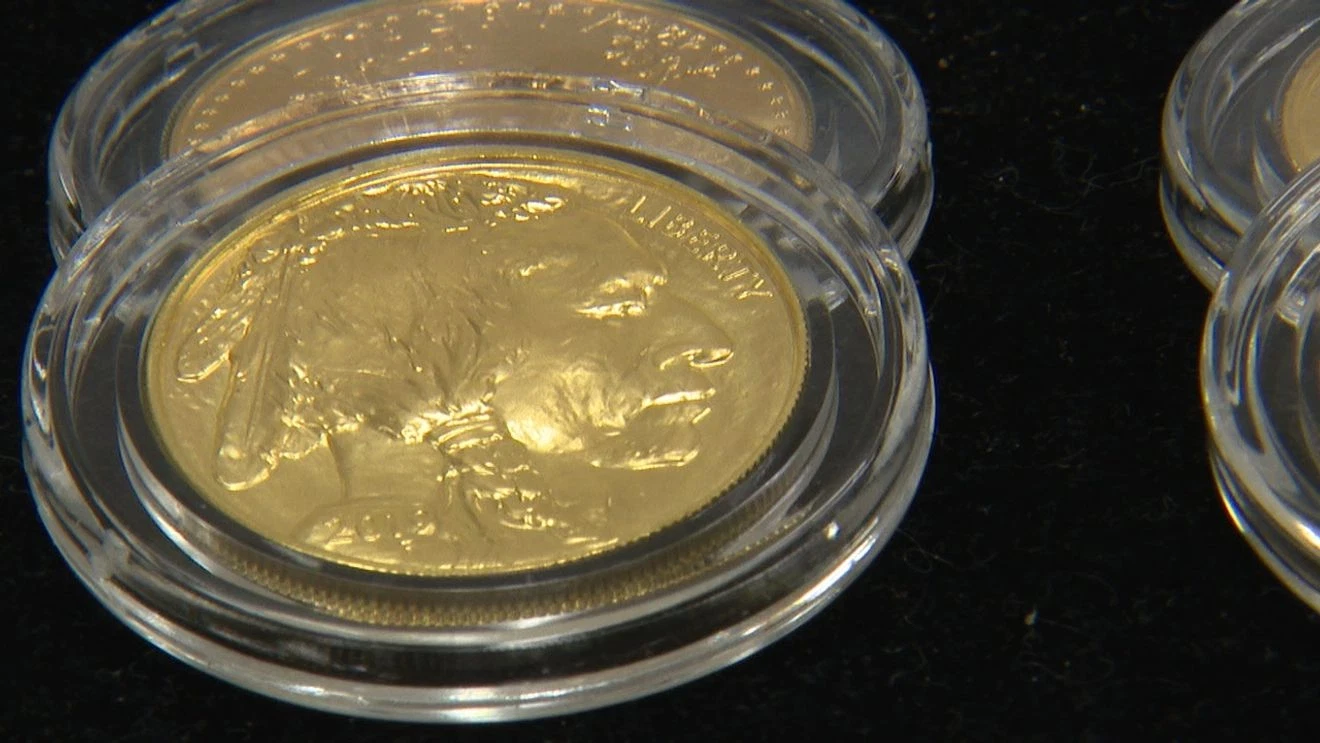
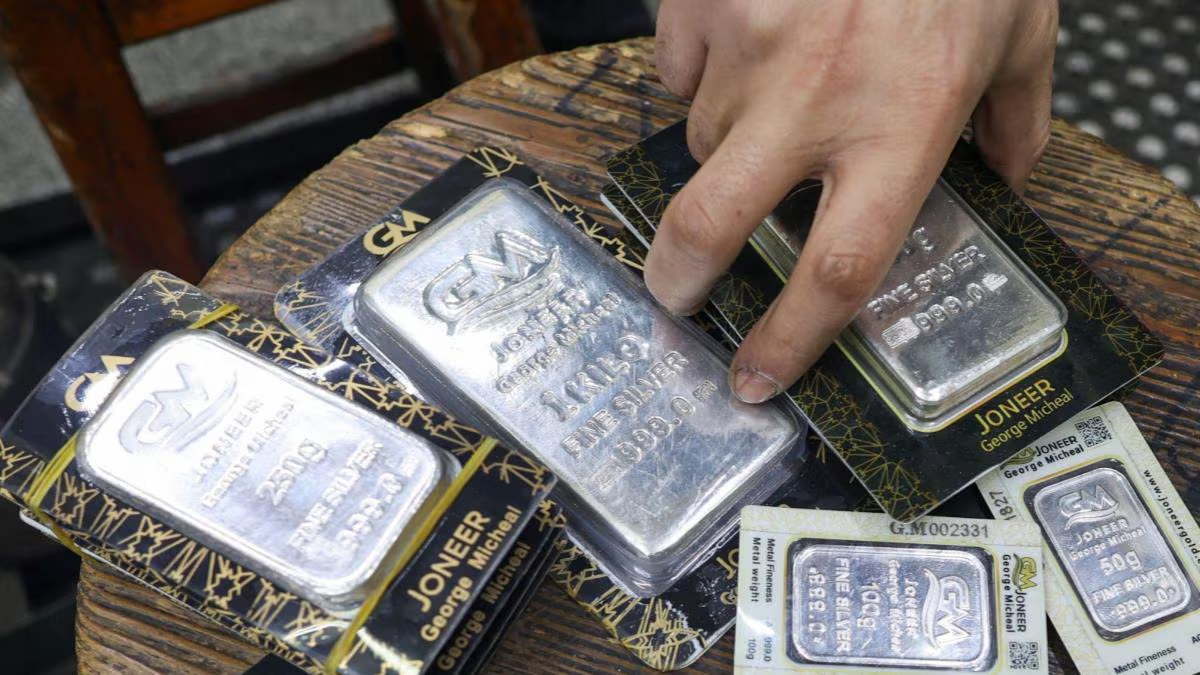
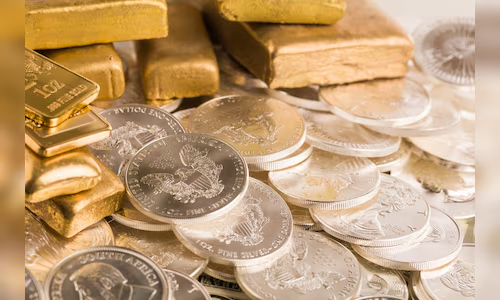
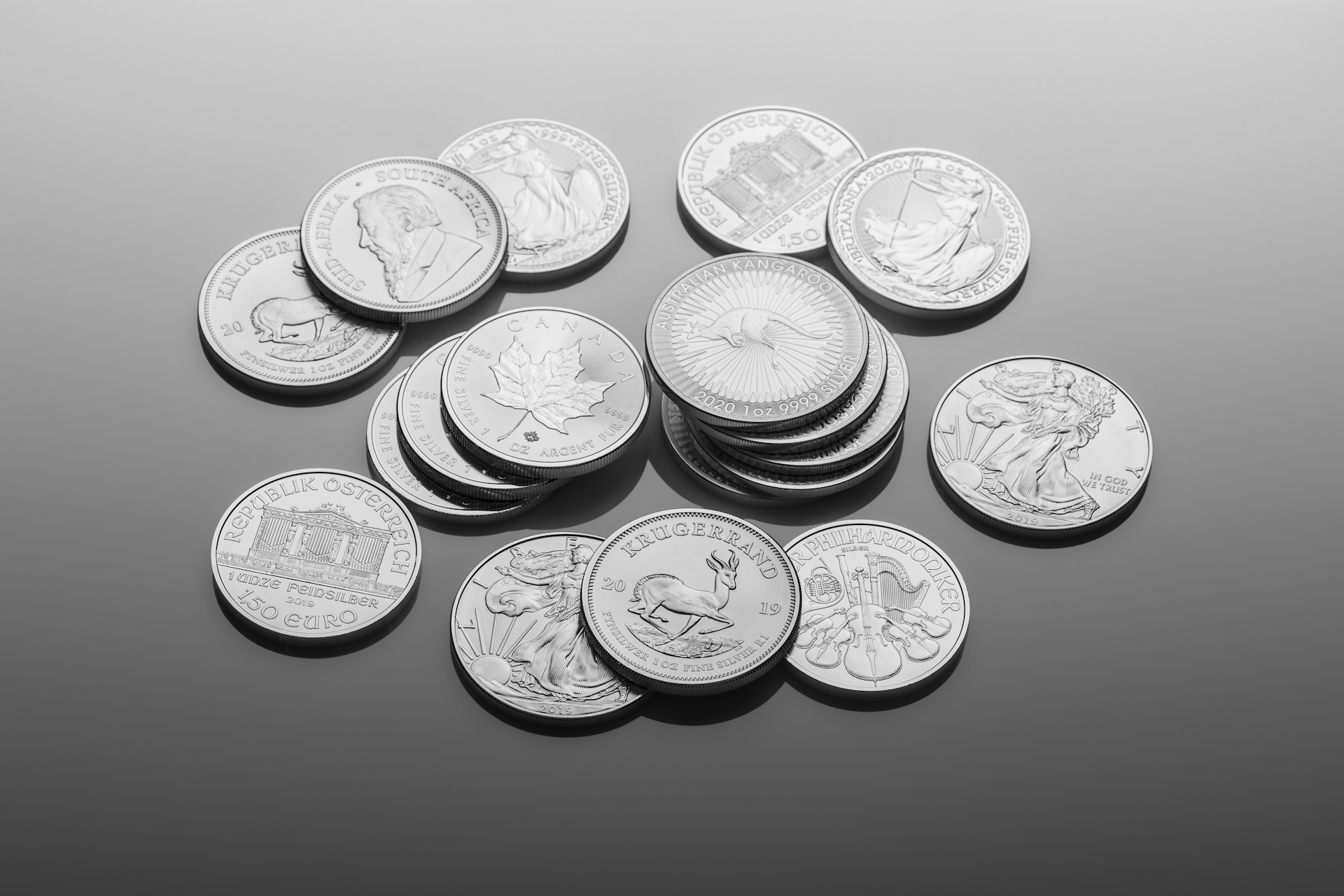
“I’ve had clients disappointed when they try to sell gold coins to a dealer who will not give them the market price for gold,” said Duncan.
“Why? Simply because the dealer is running a business and needs to make a profit,” he said. “They need to sell it again, and their buyers will not pay significantly above the spot price for gold.”