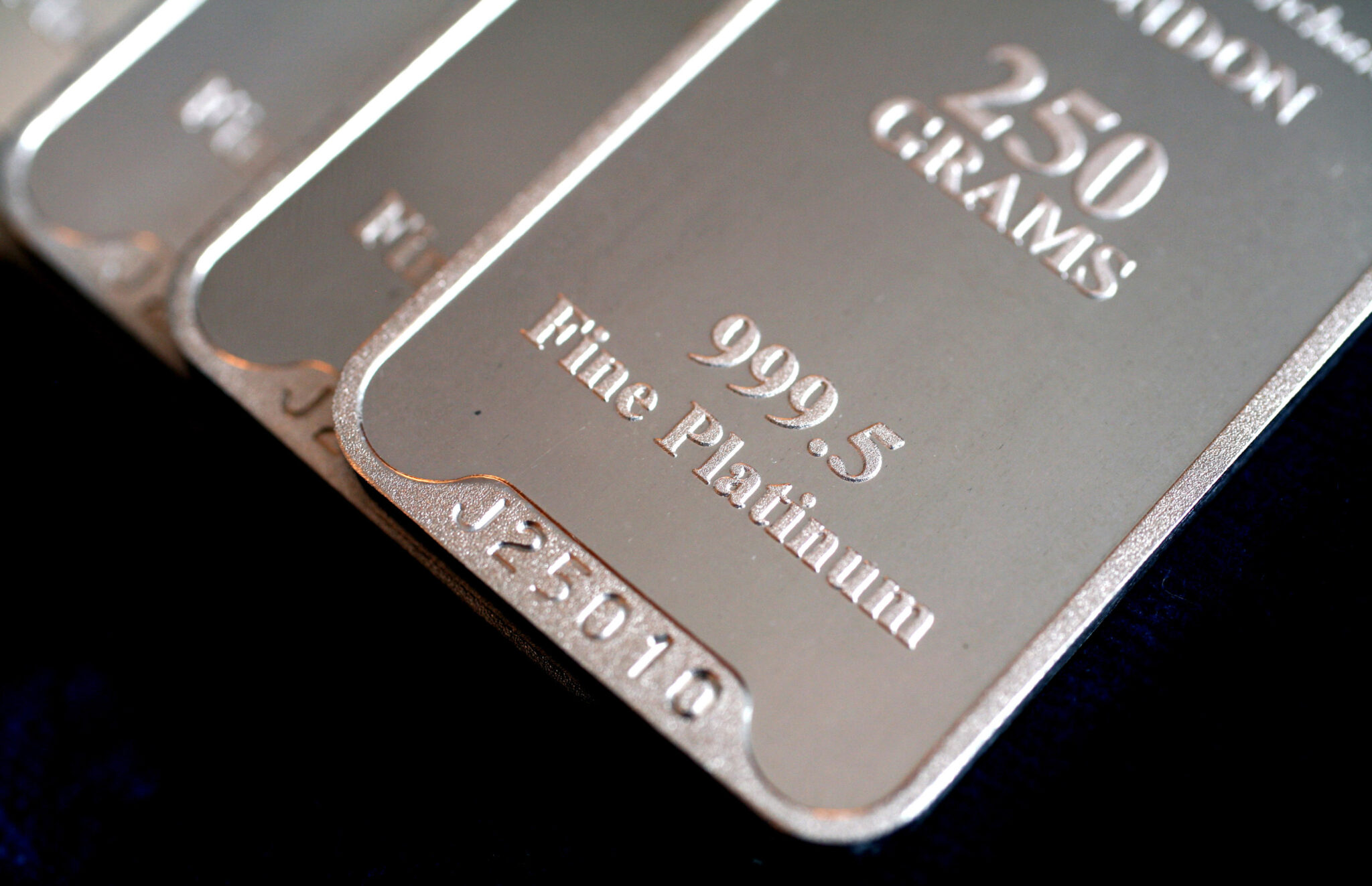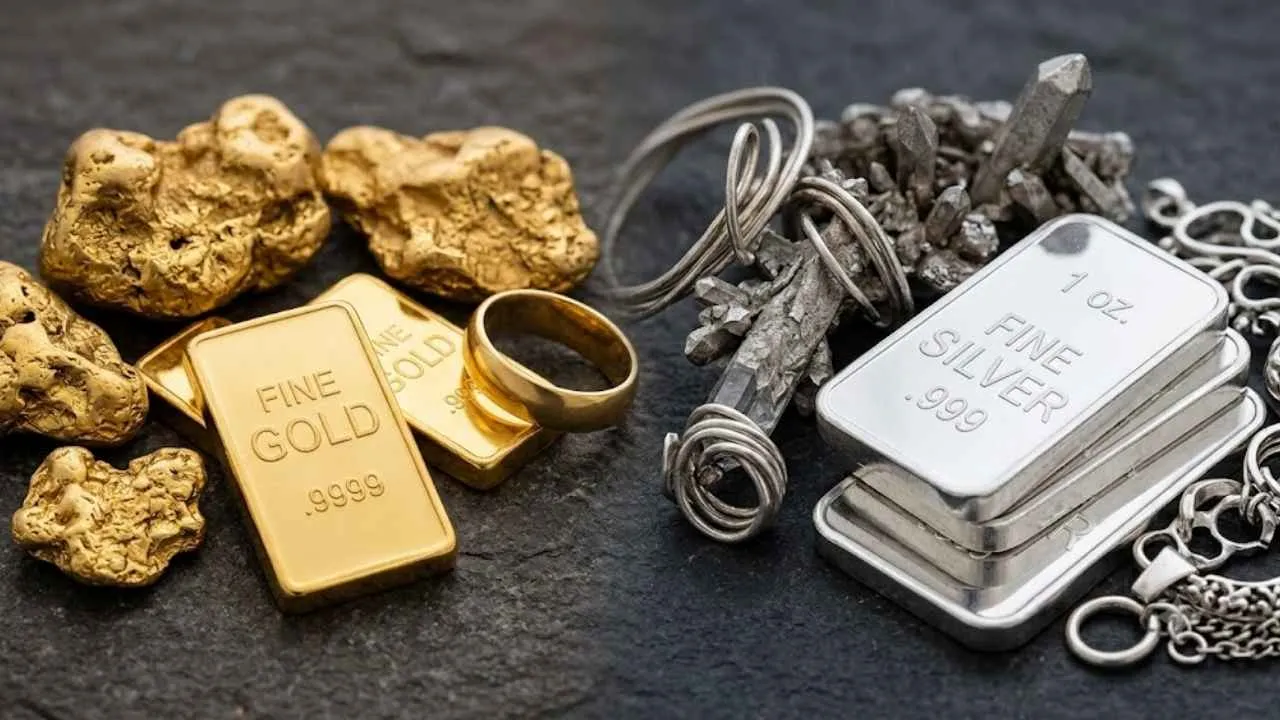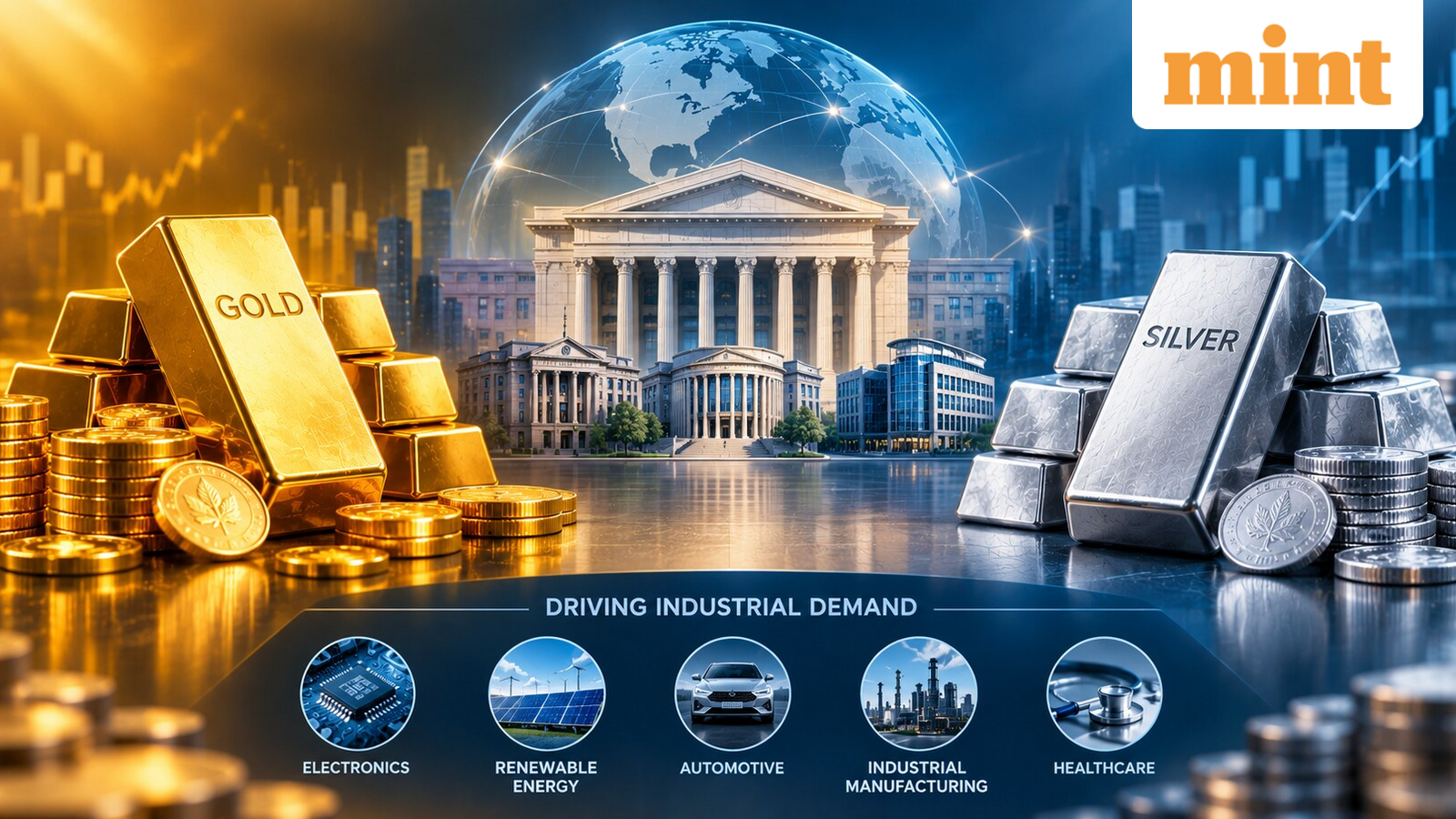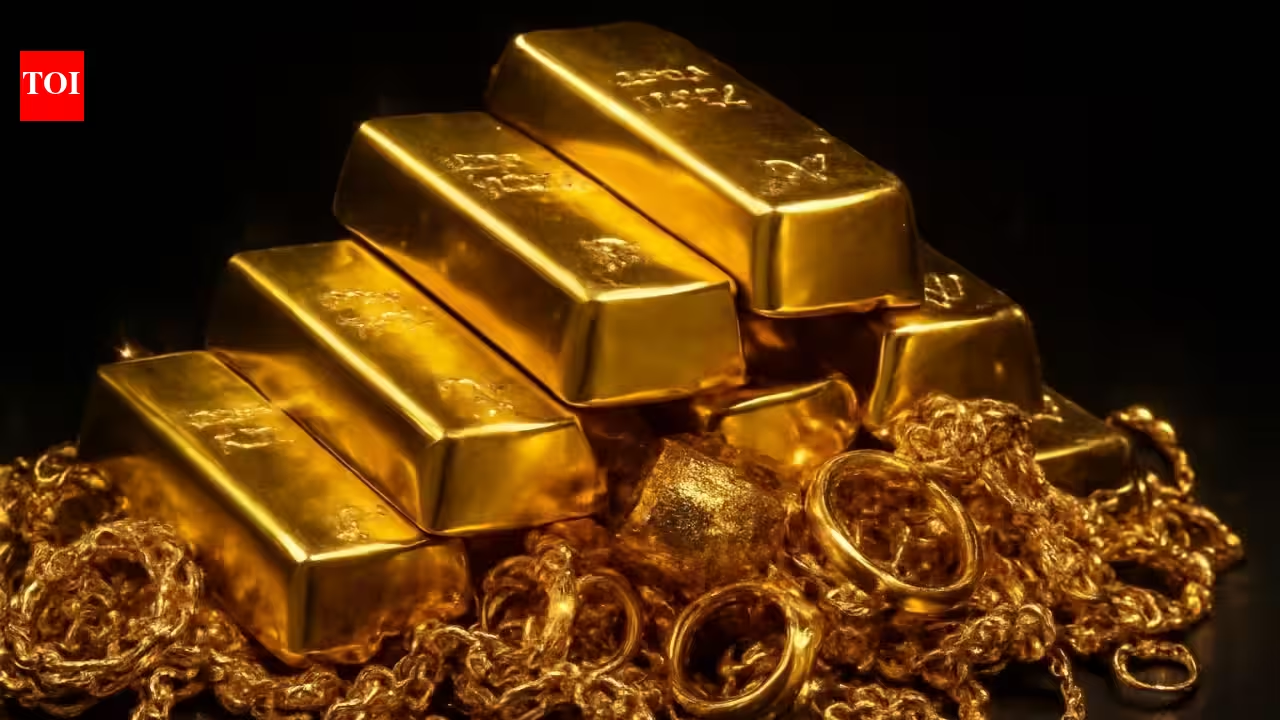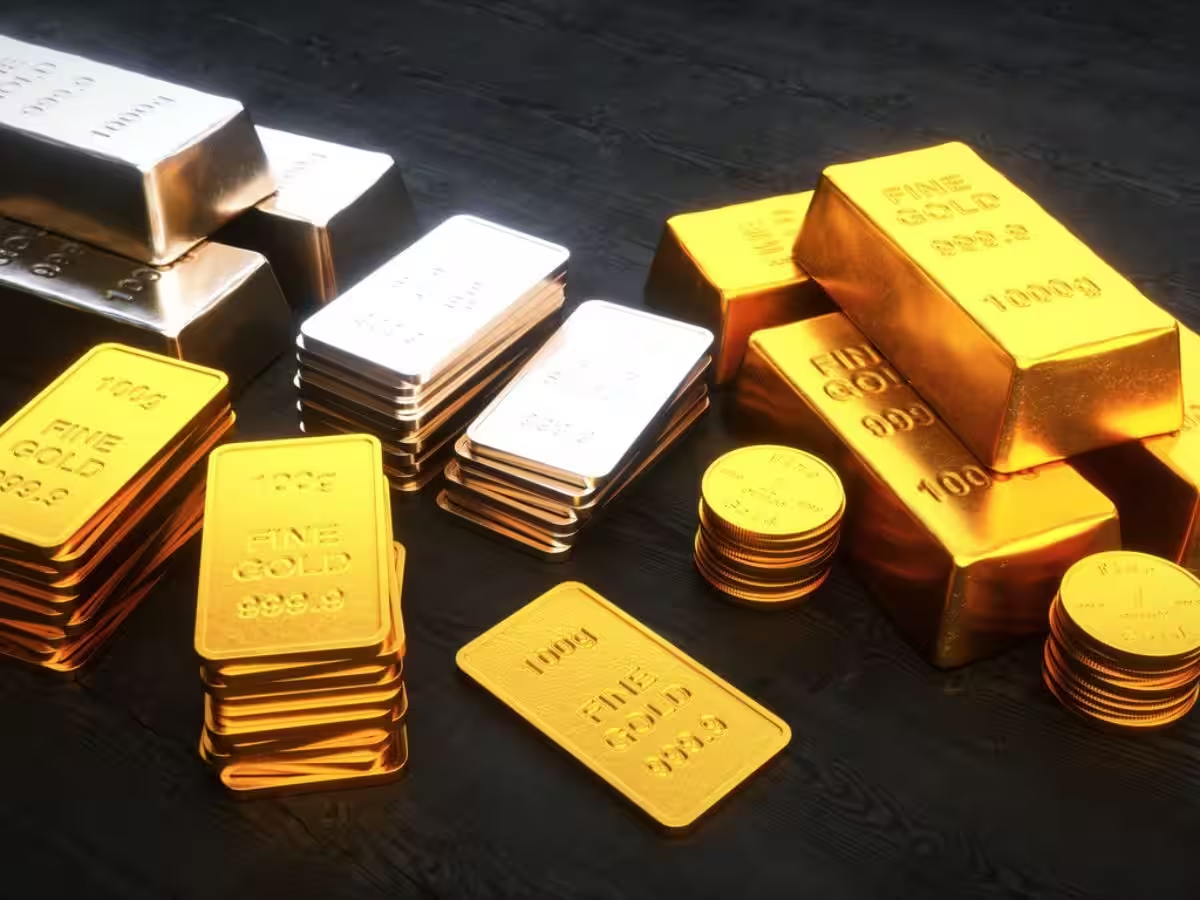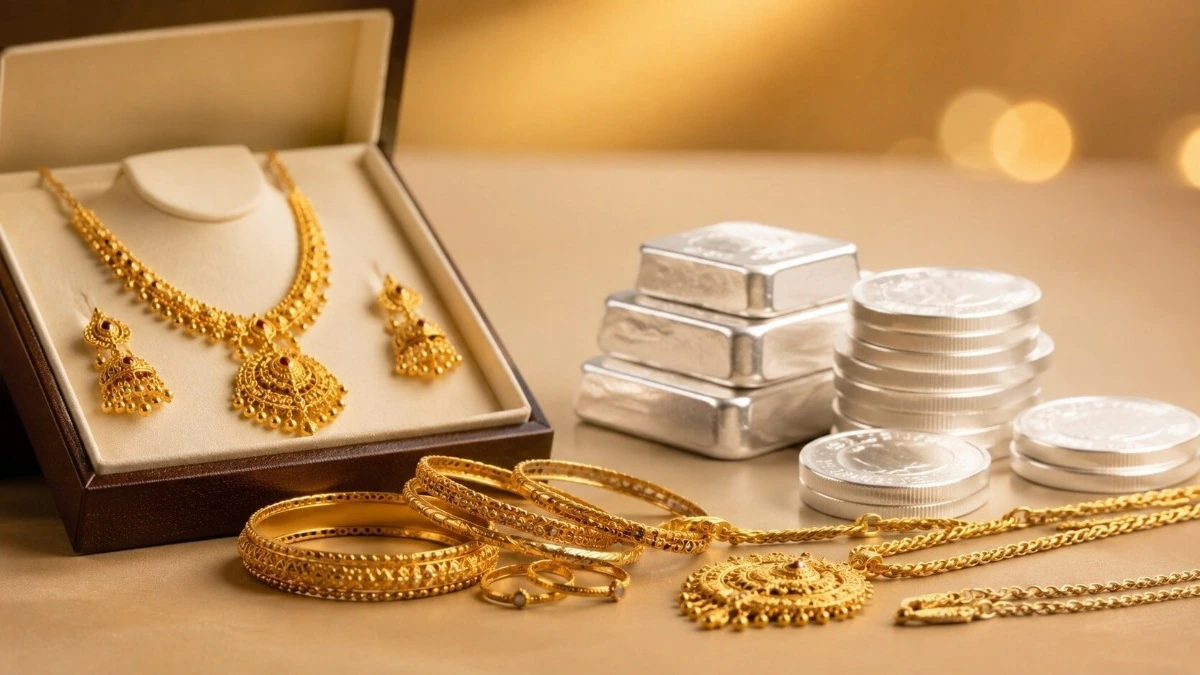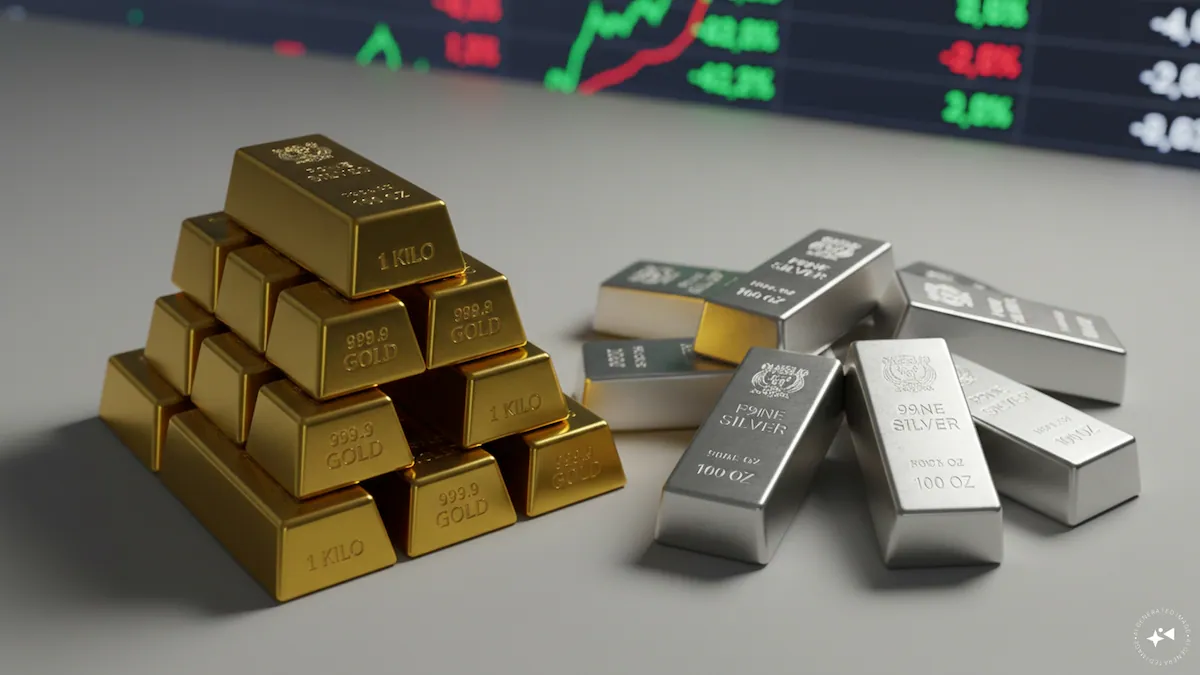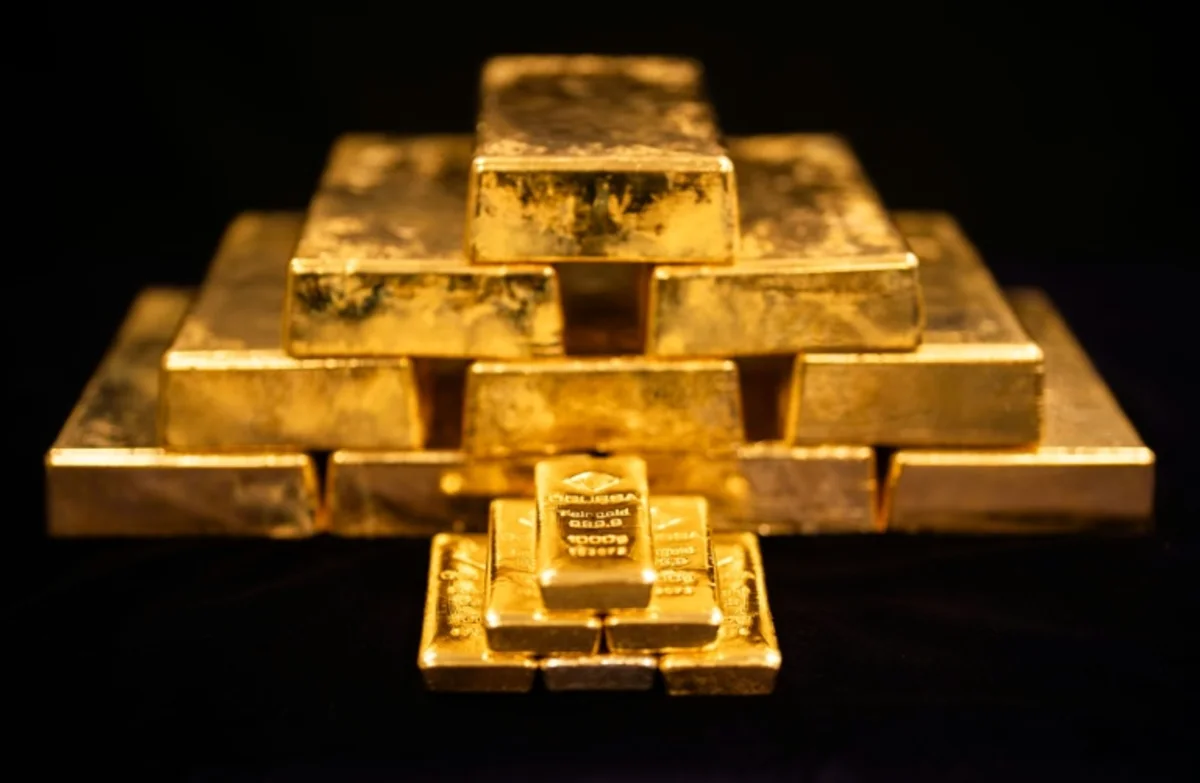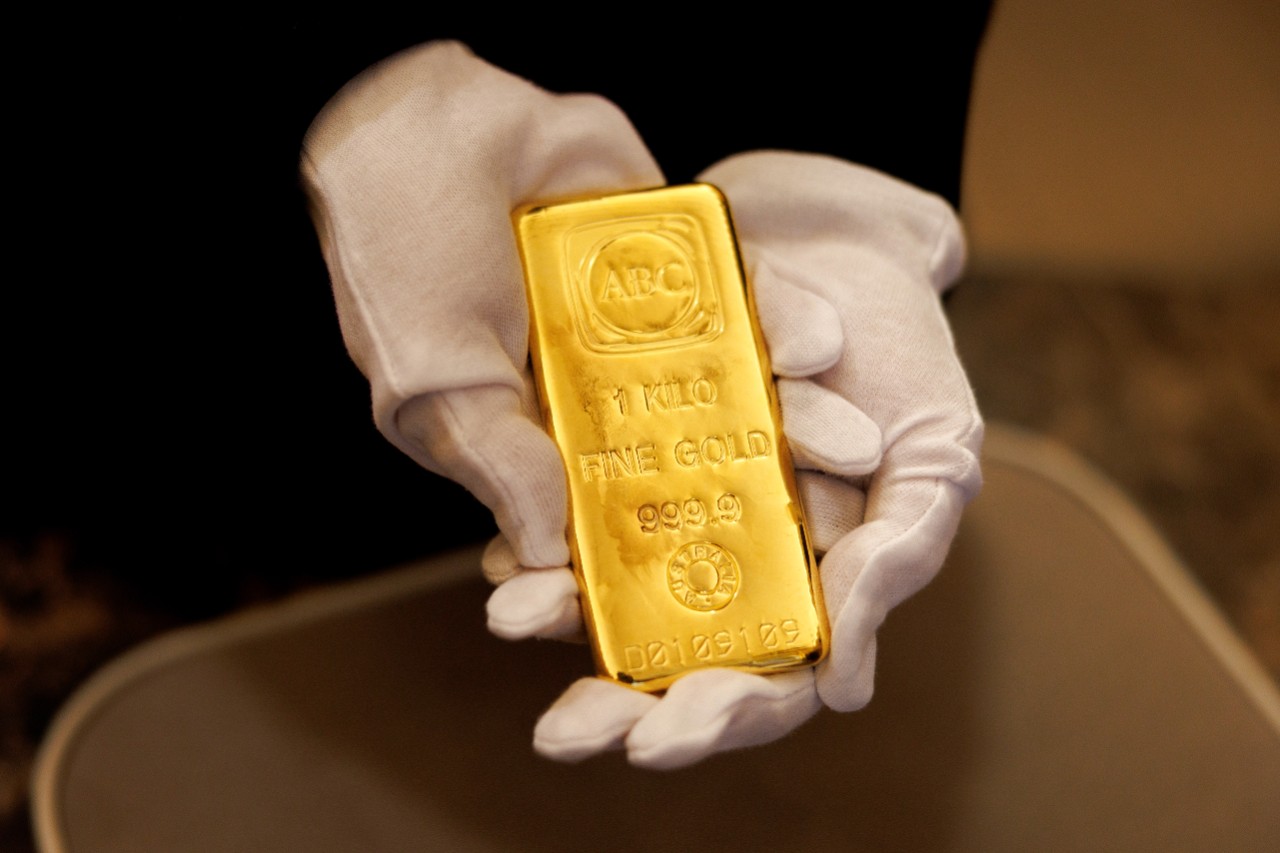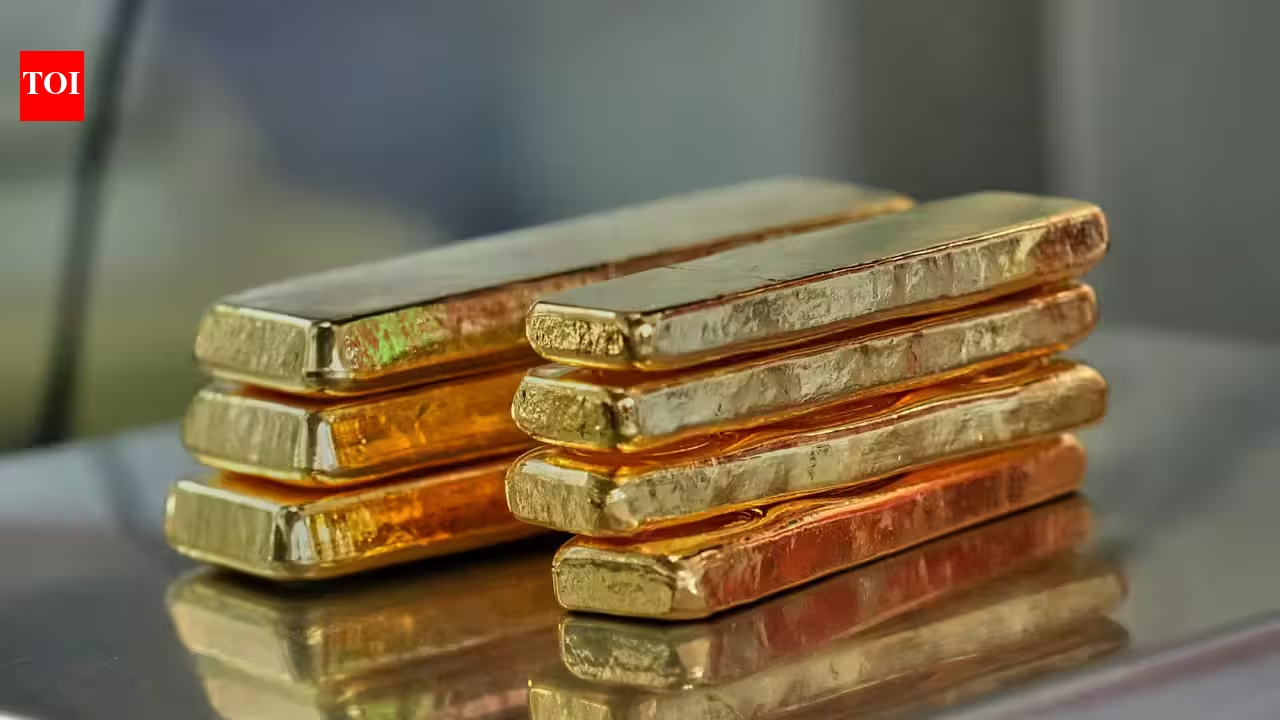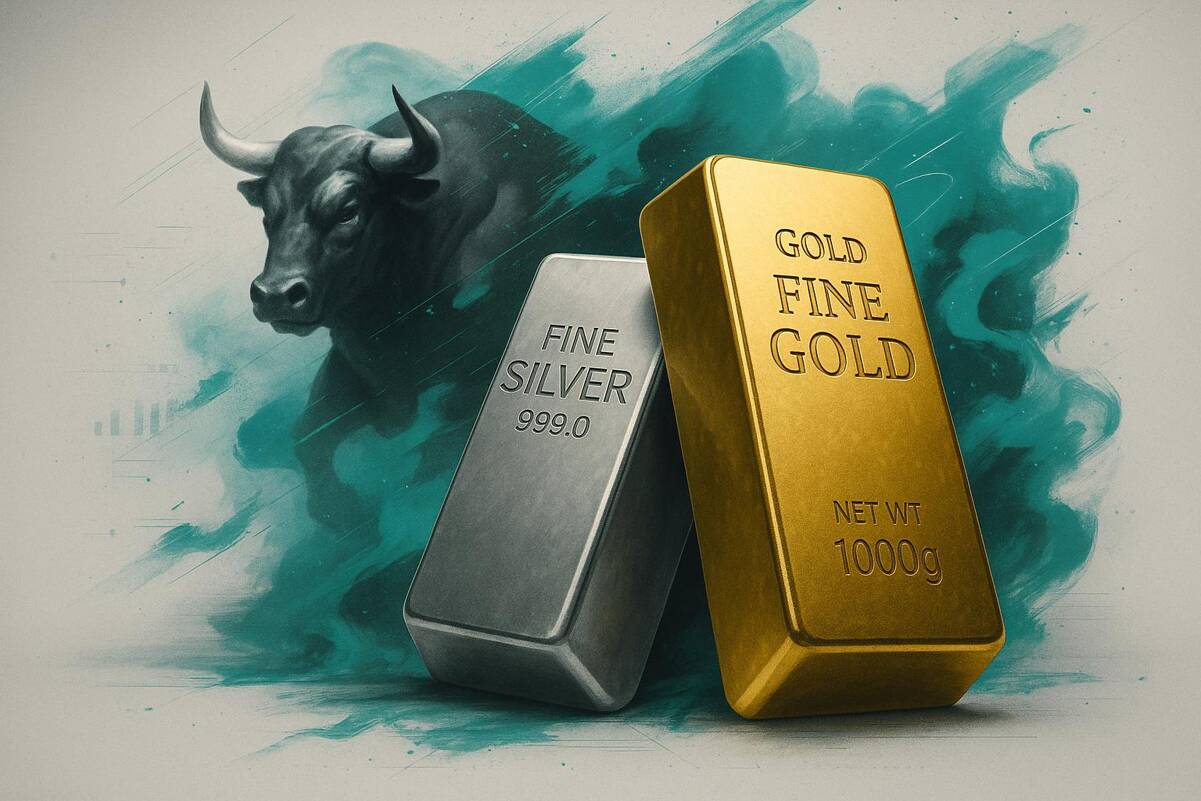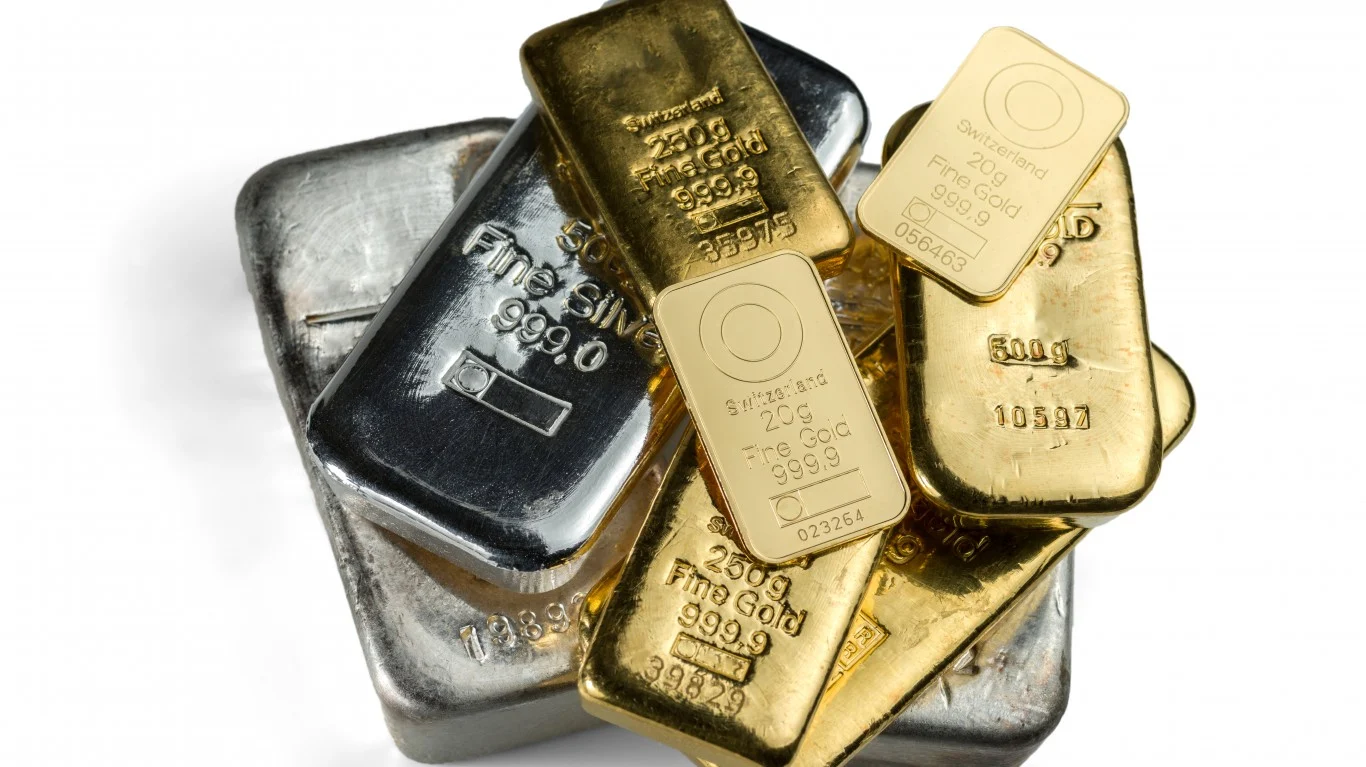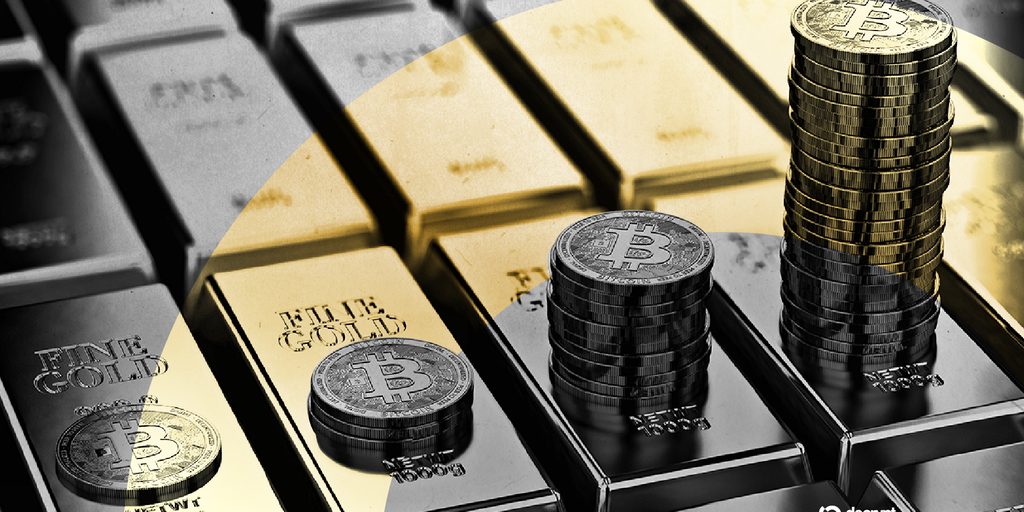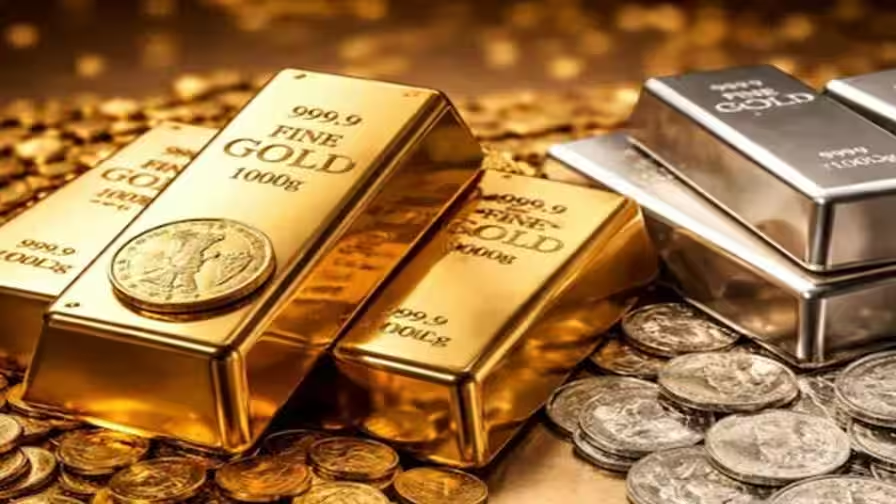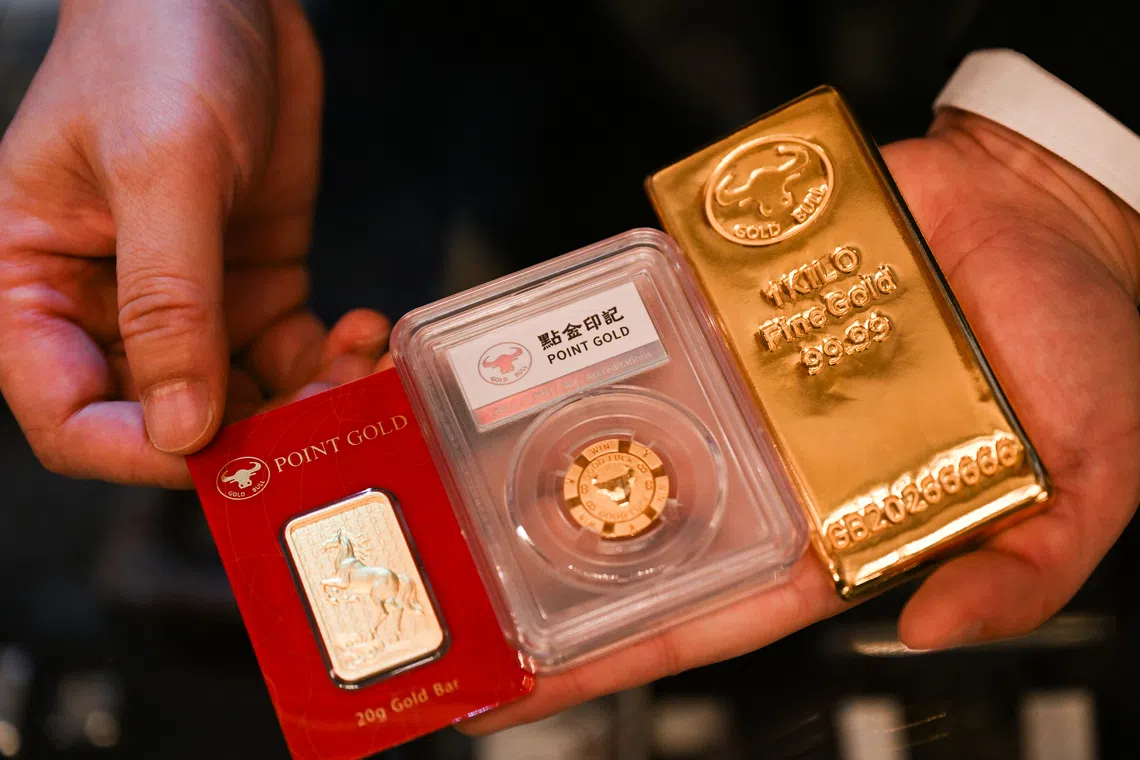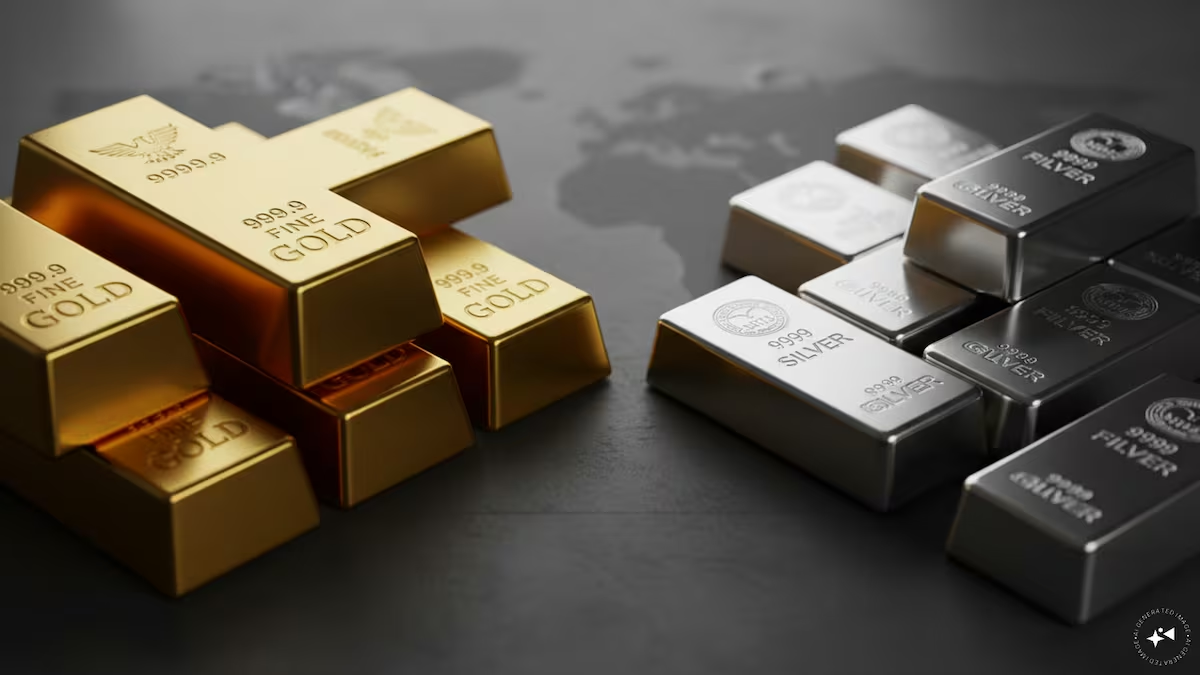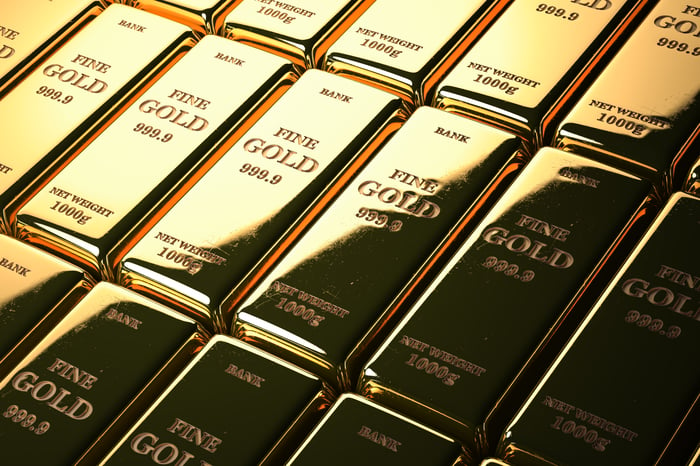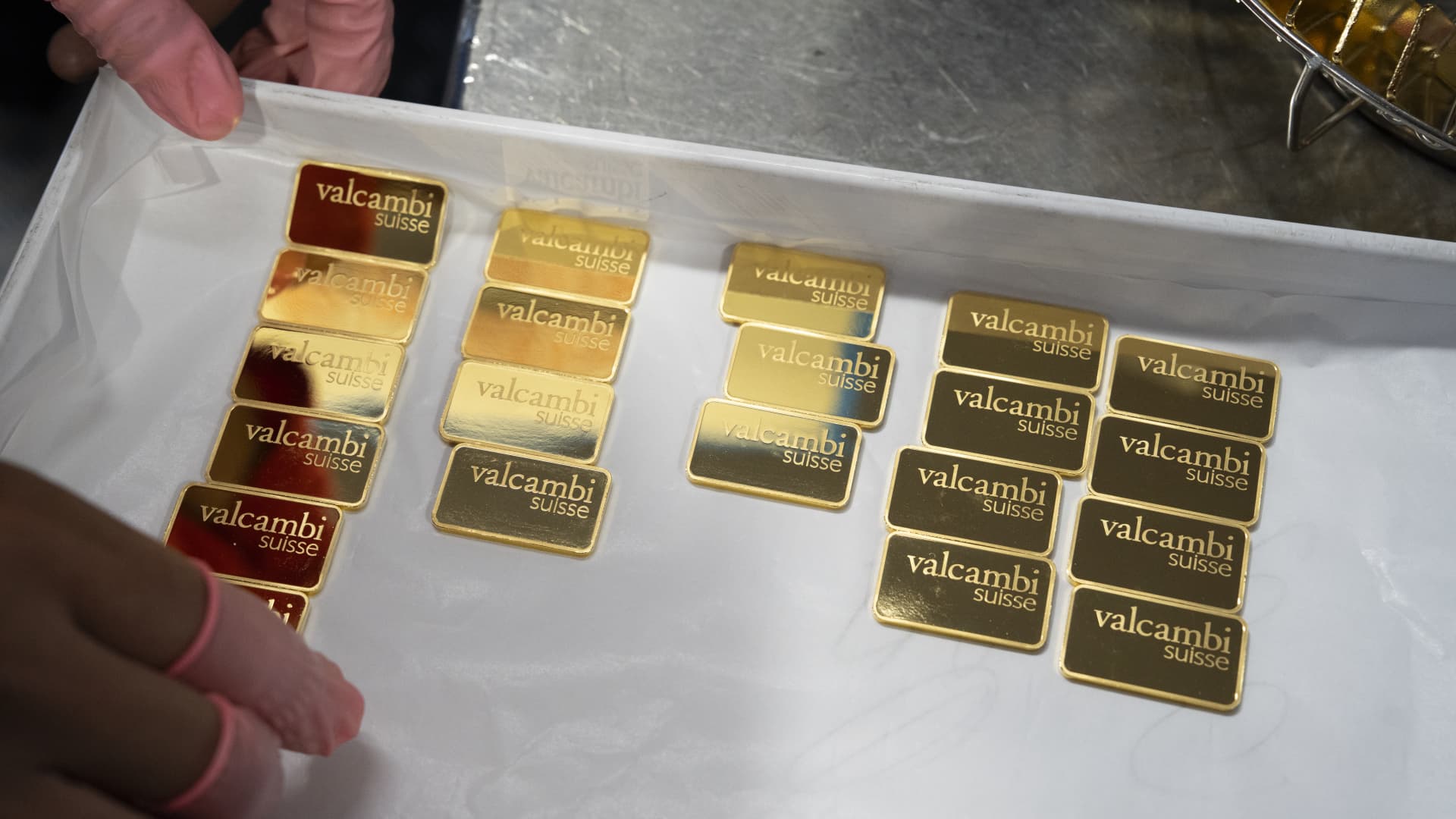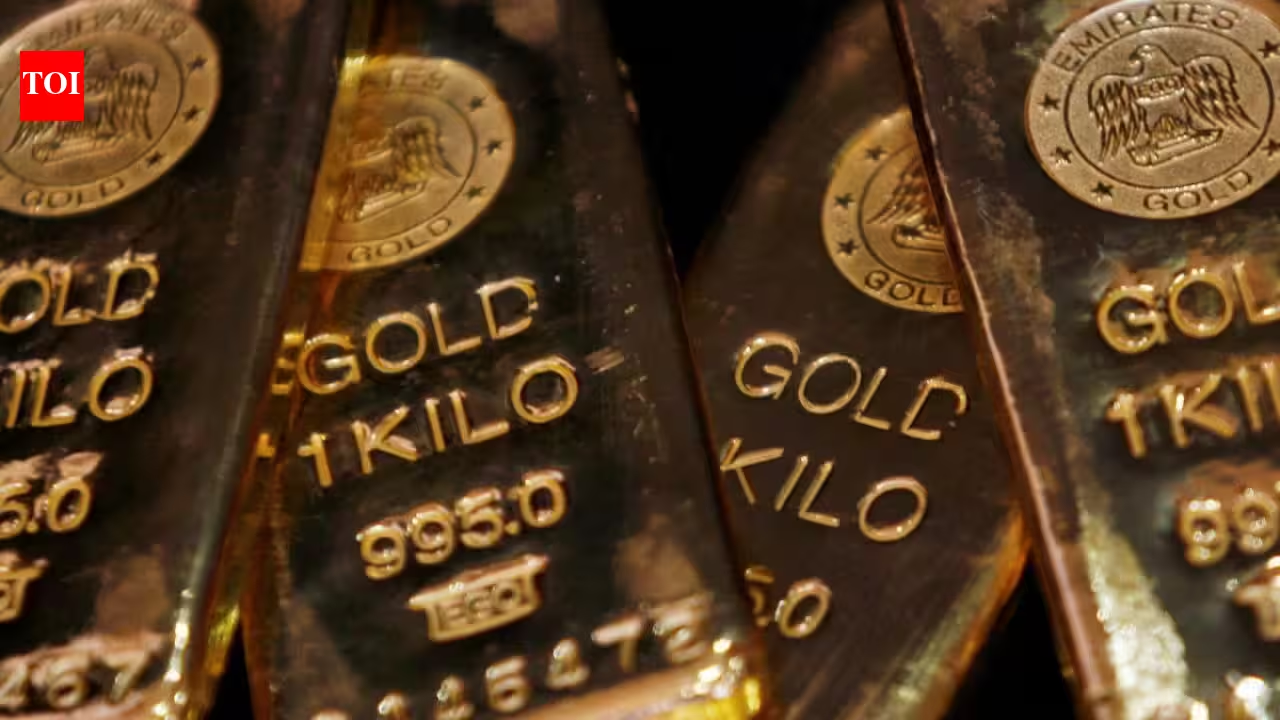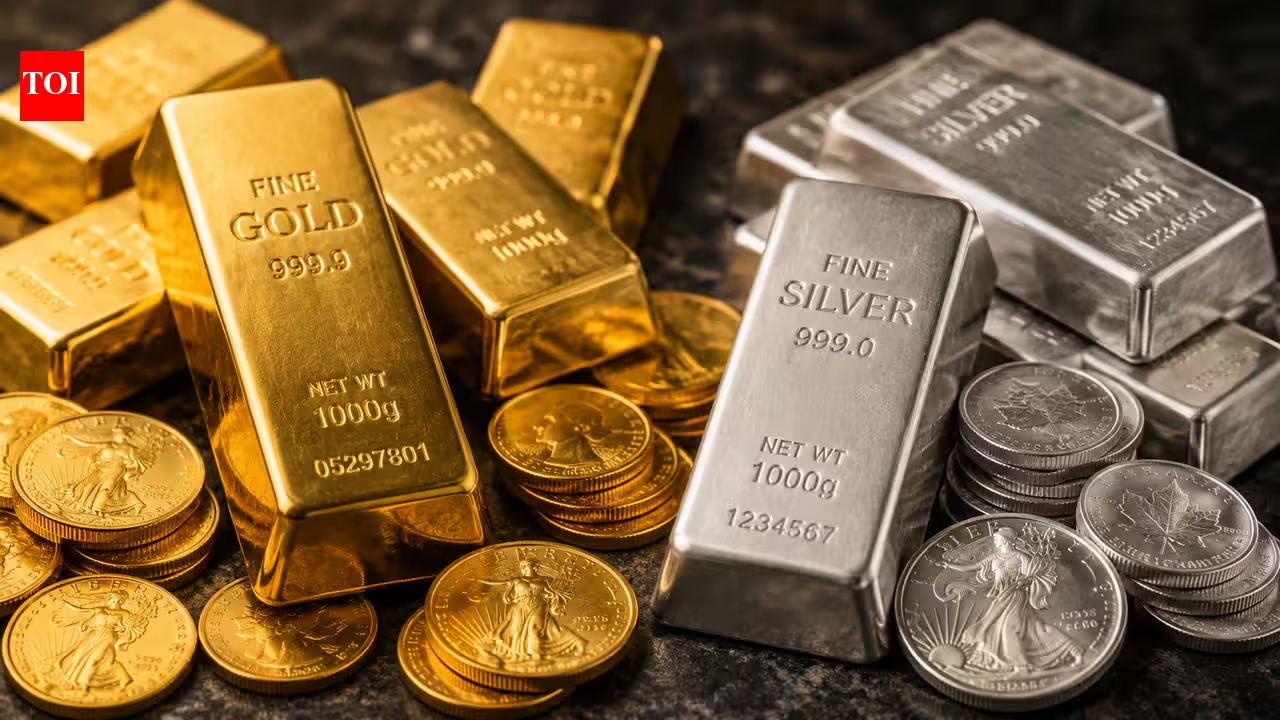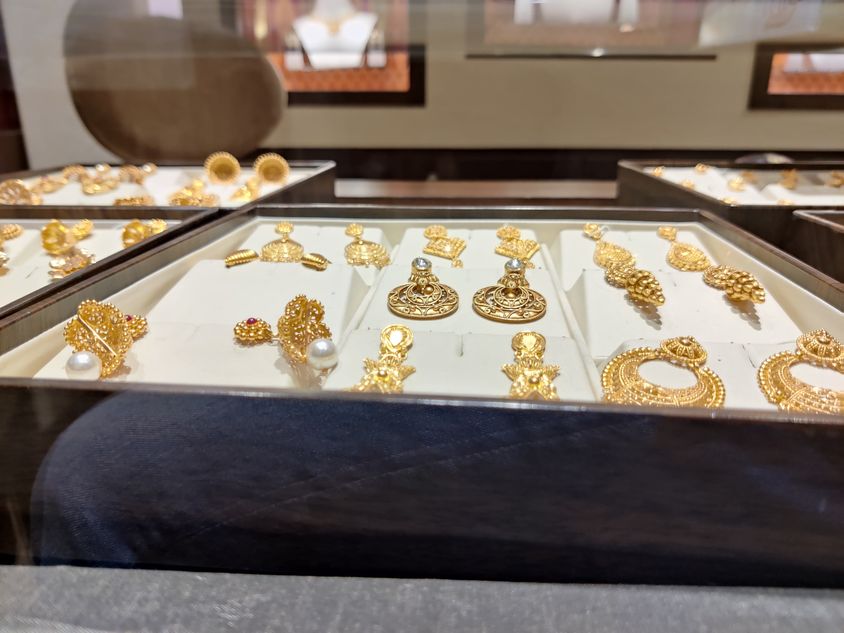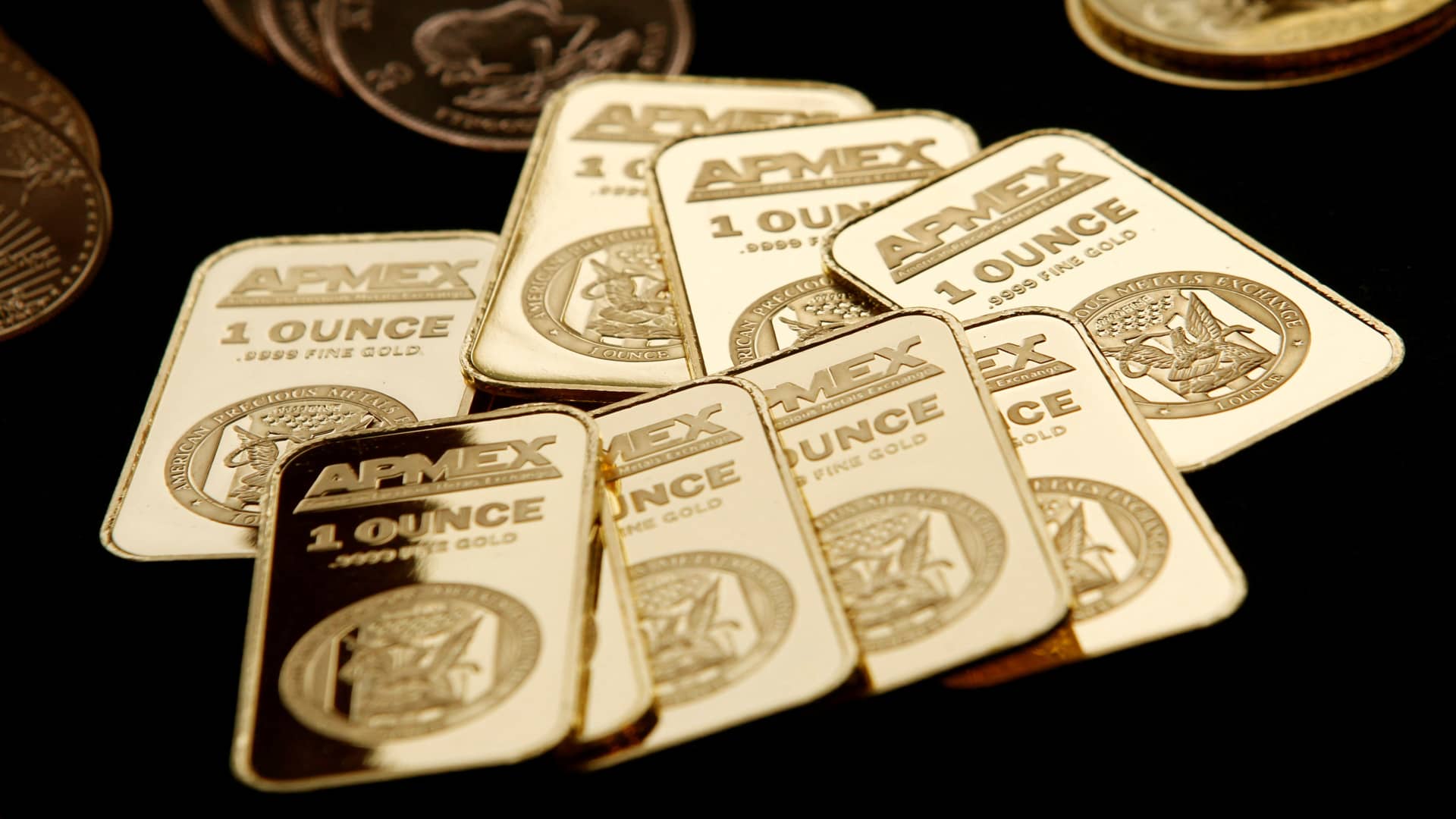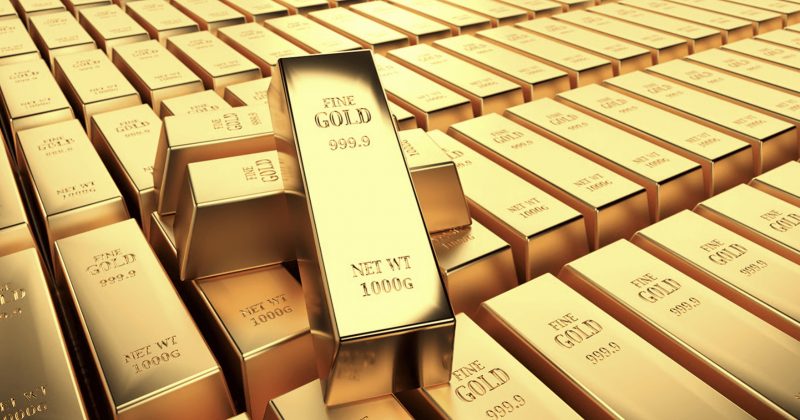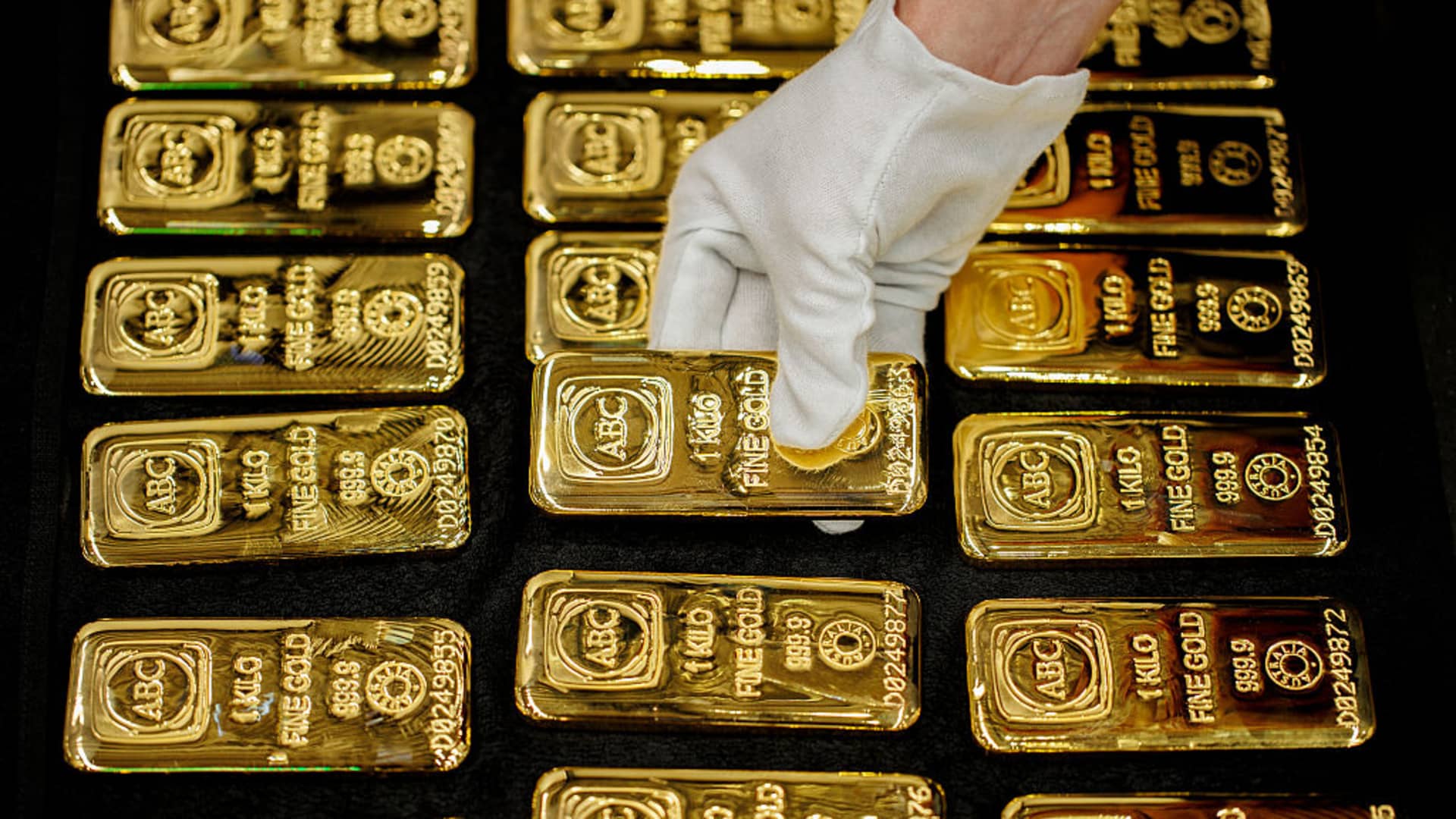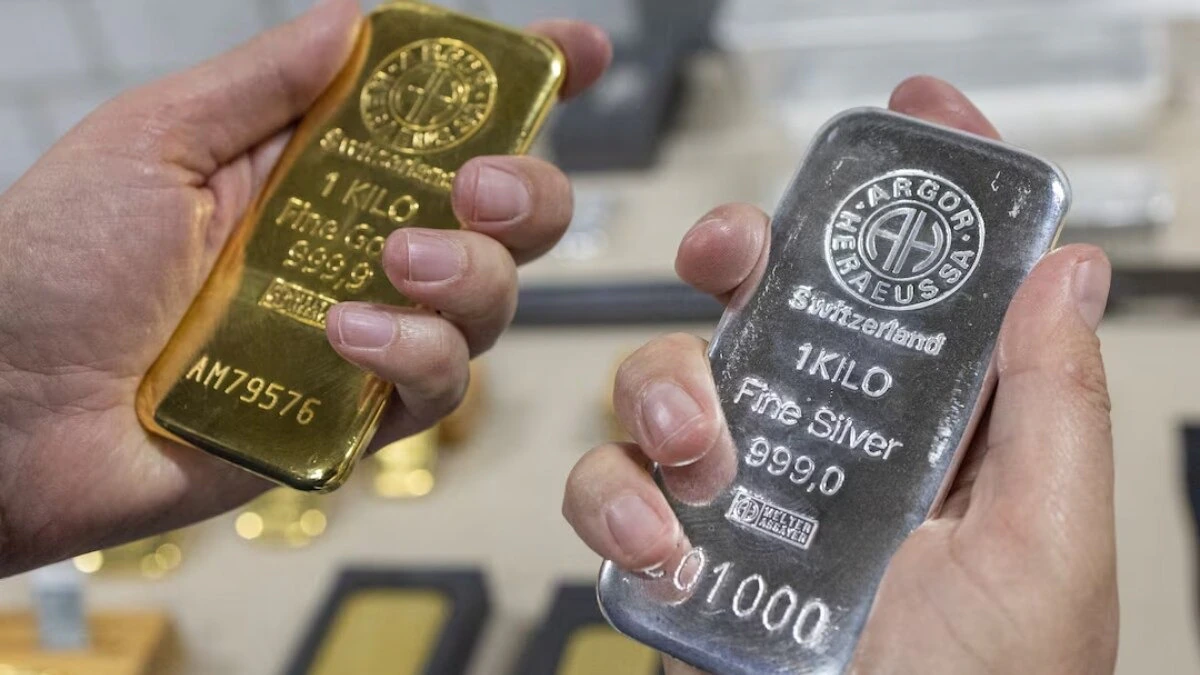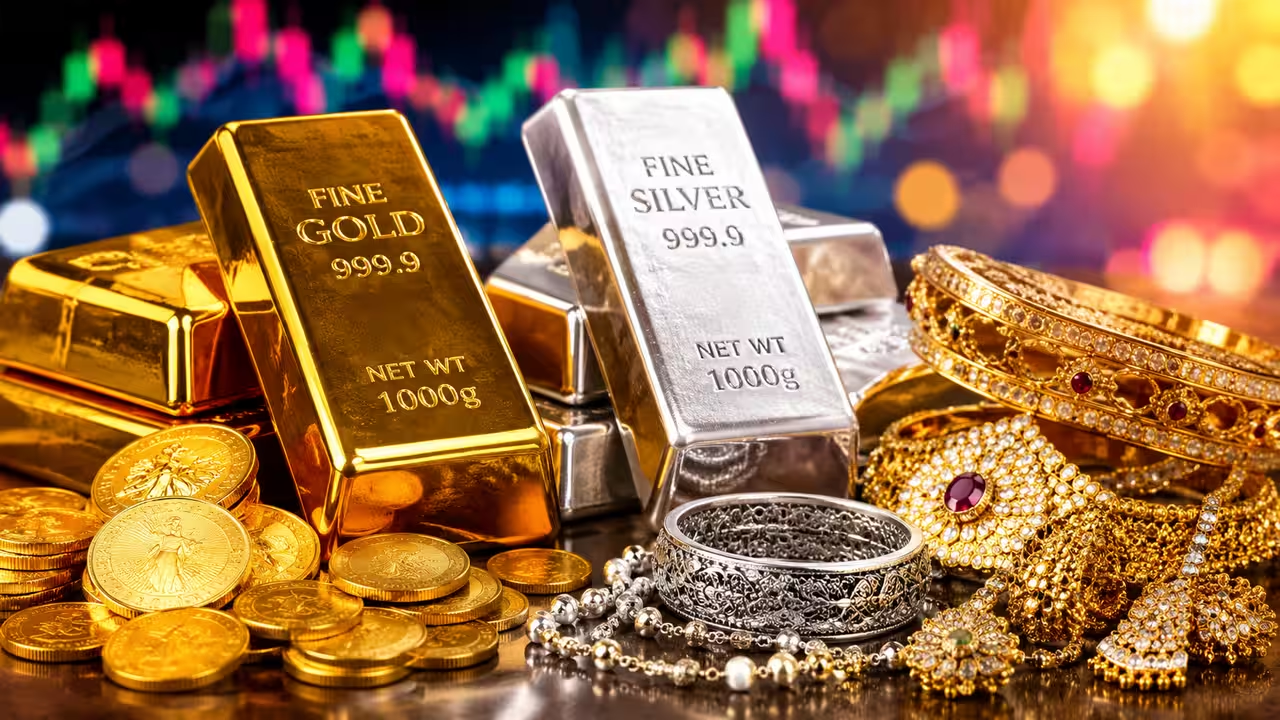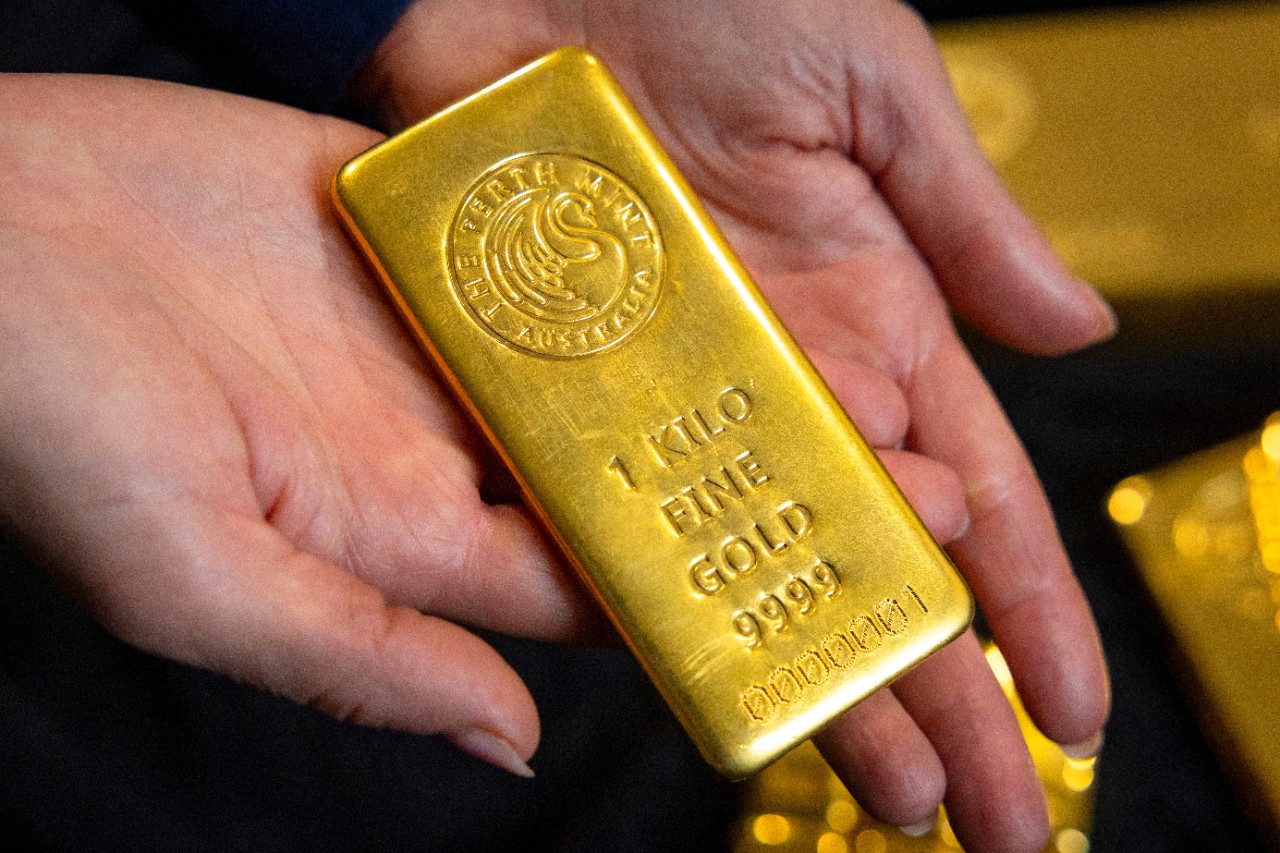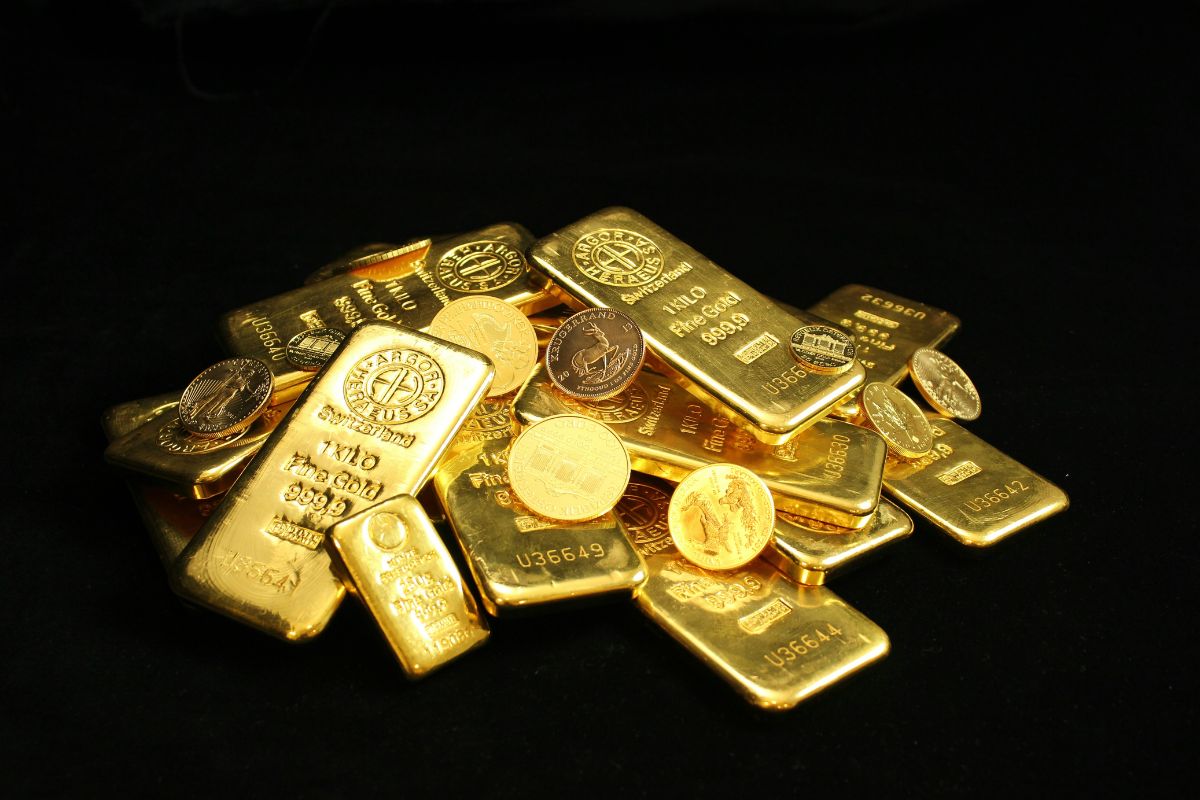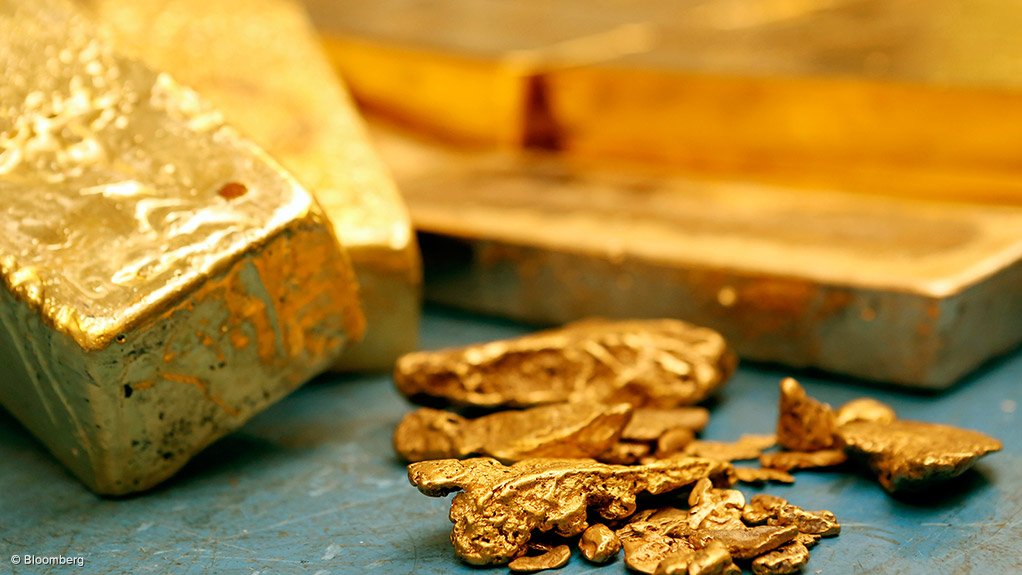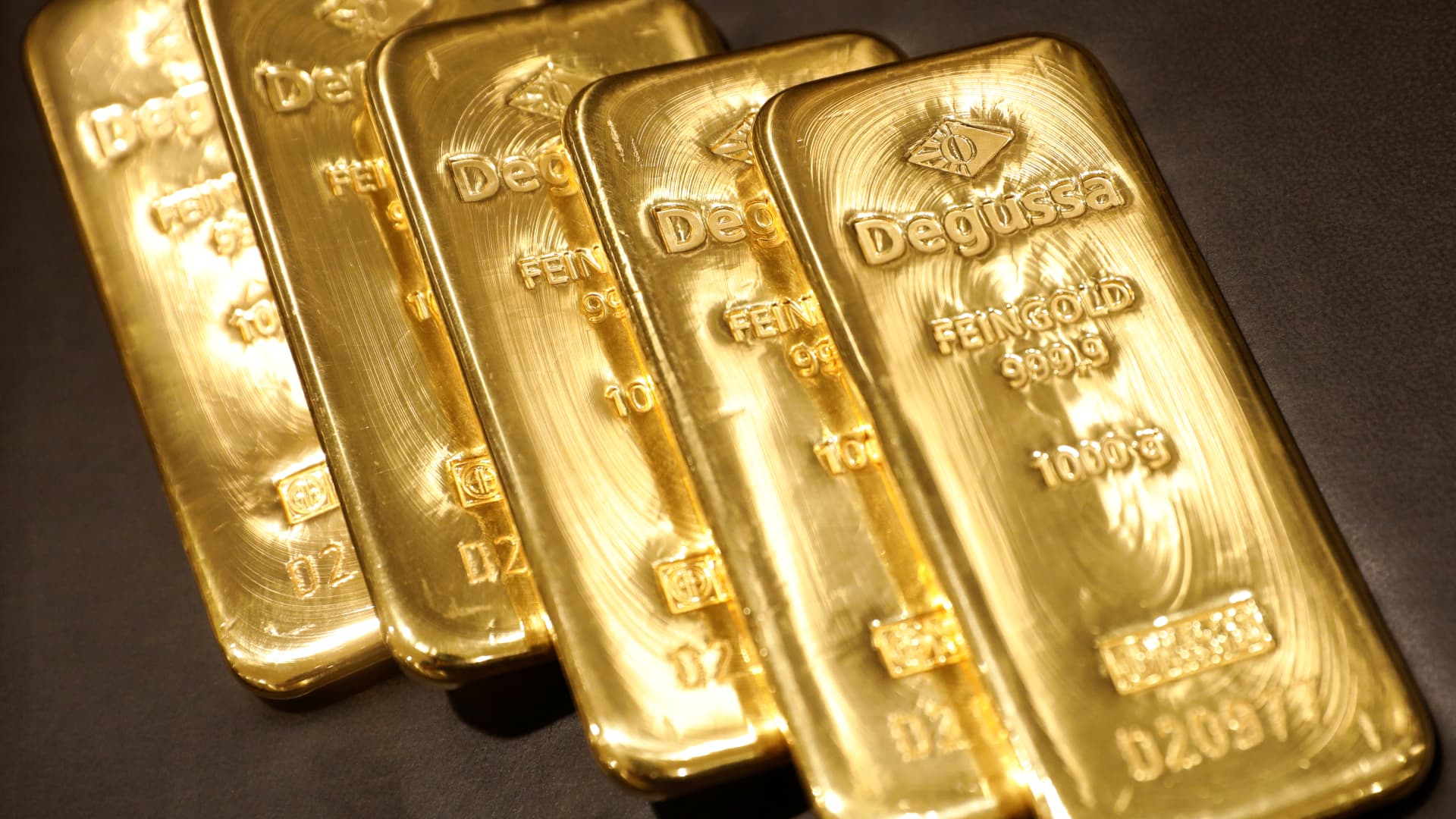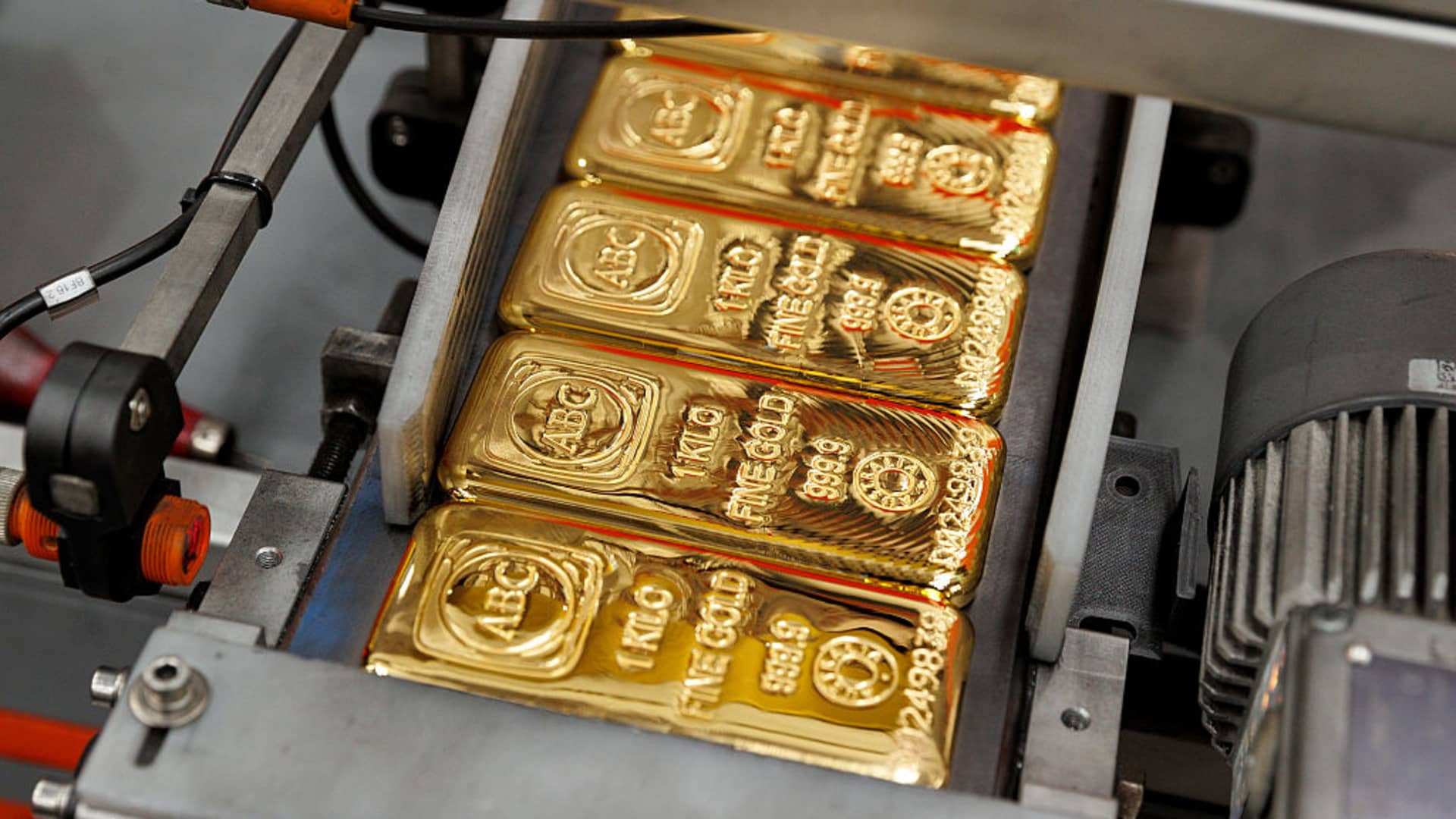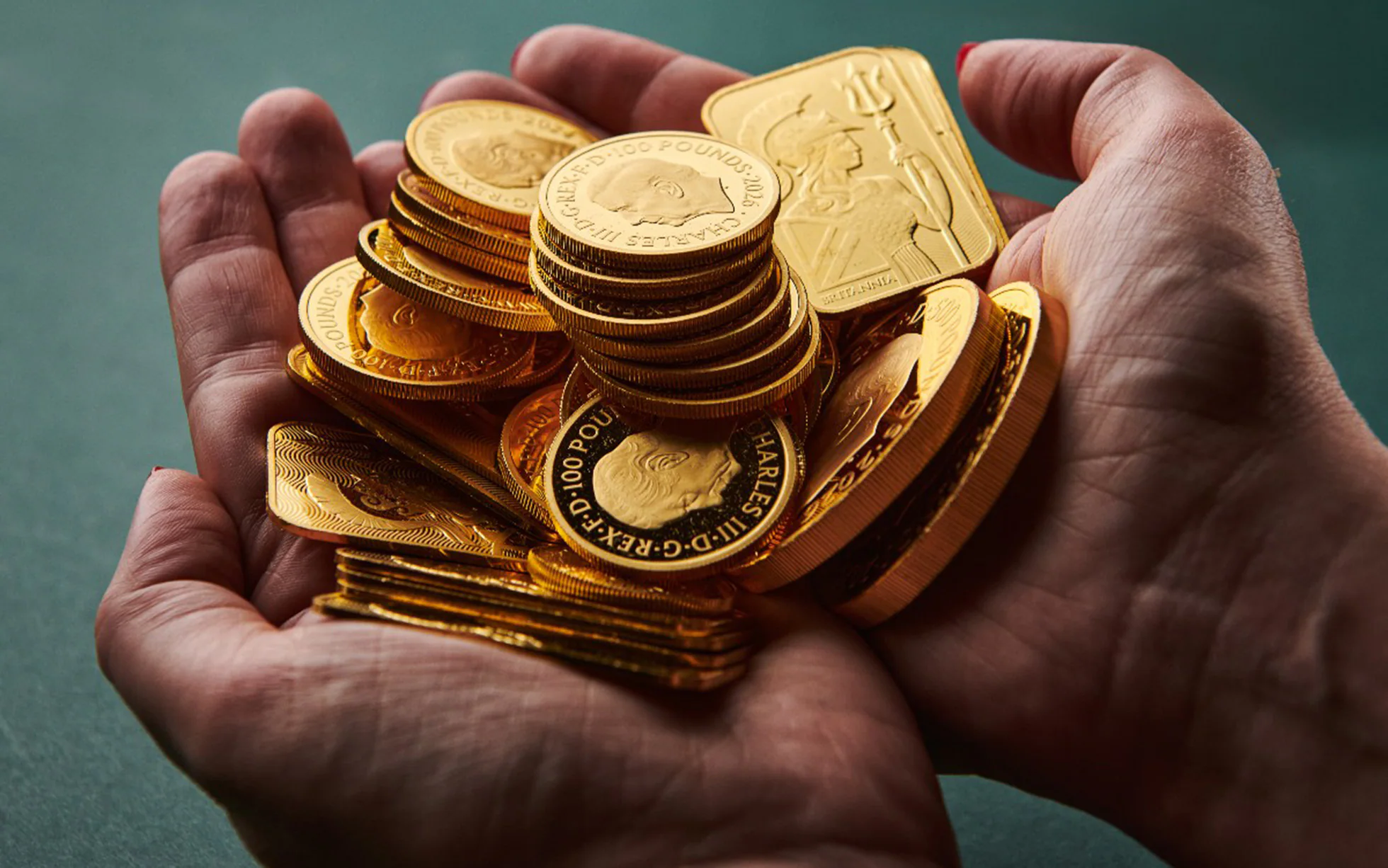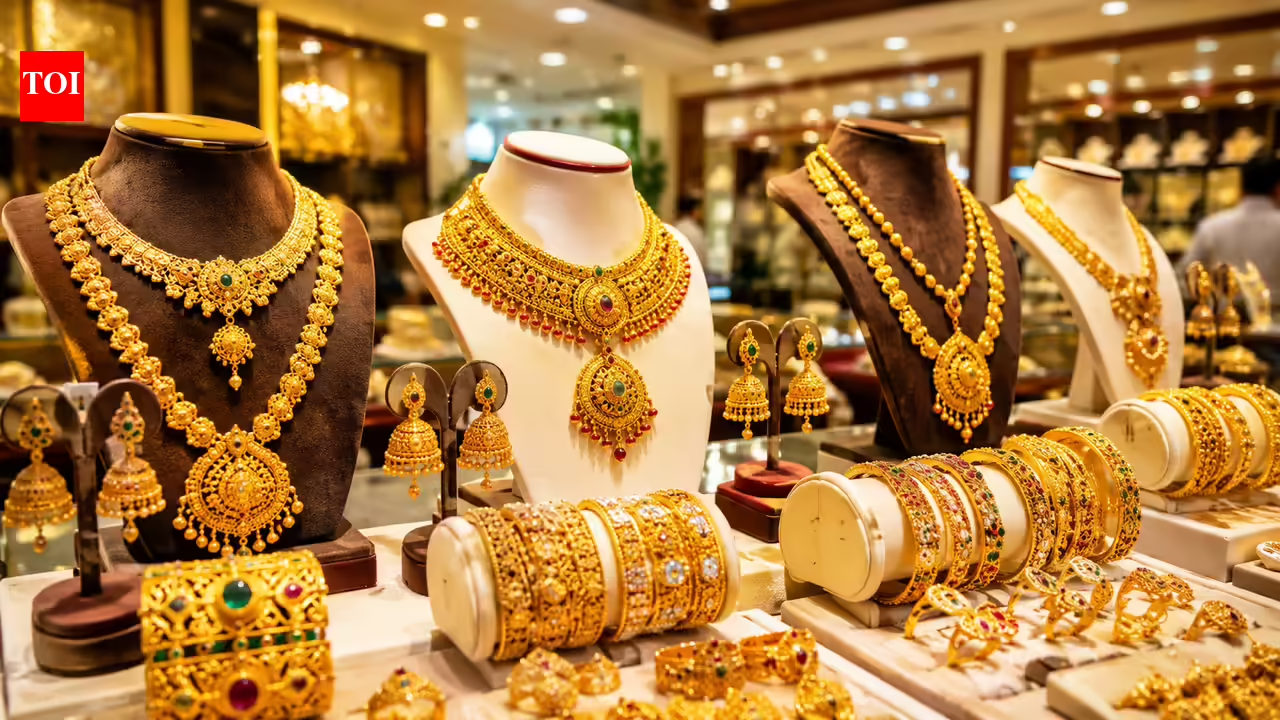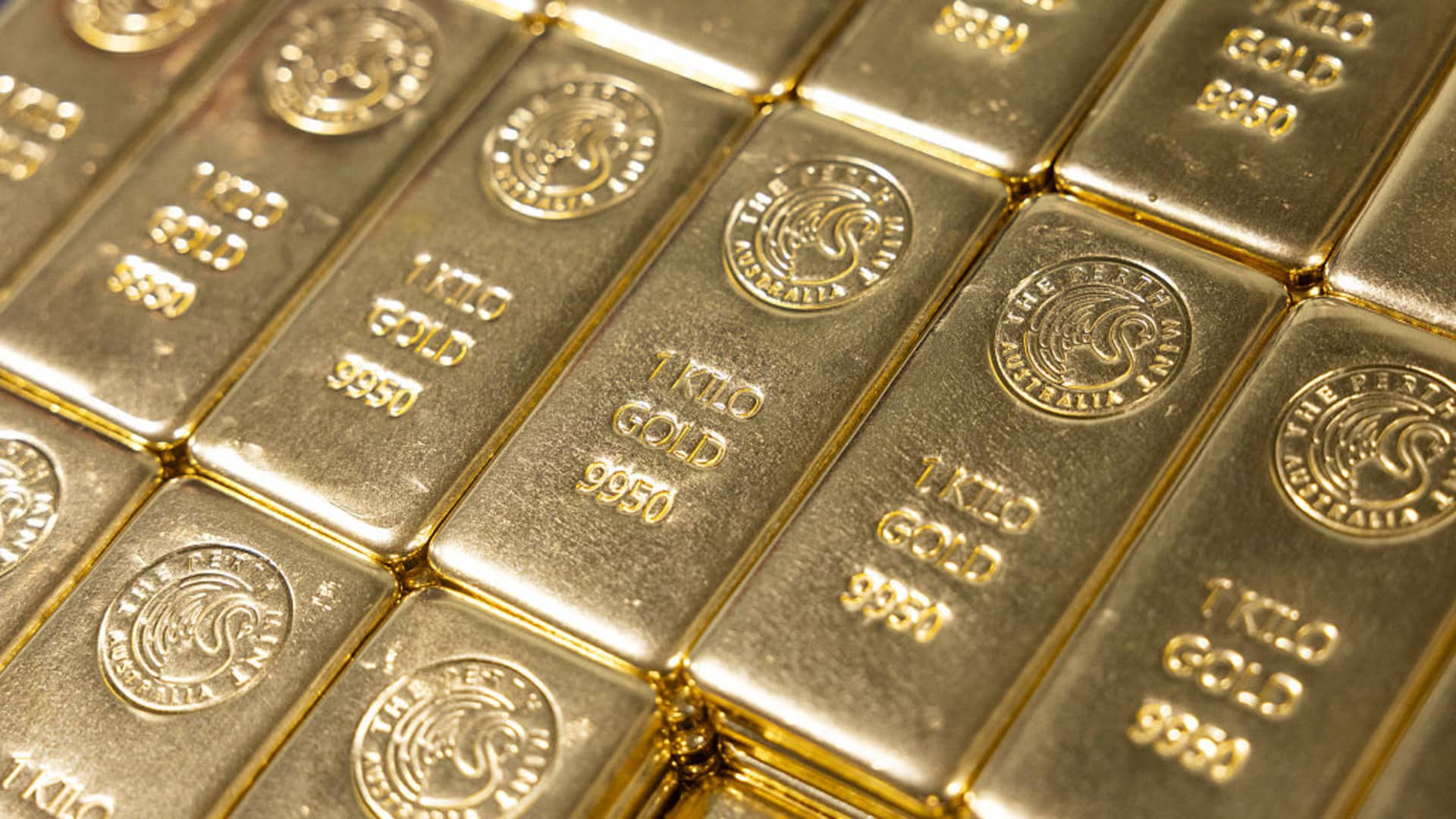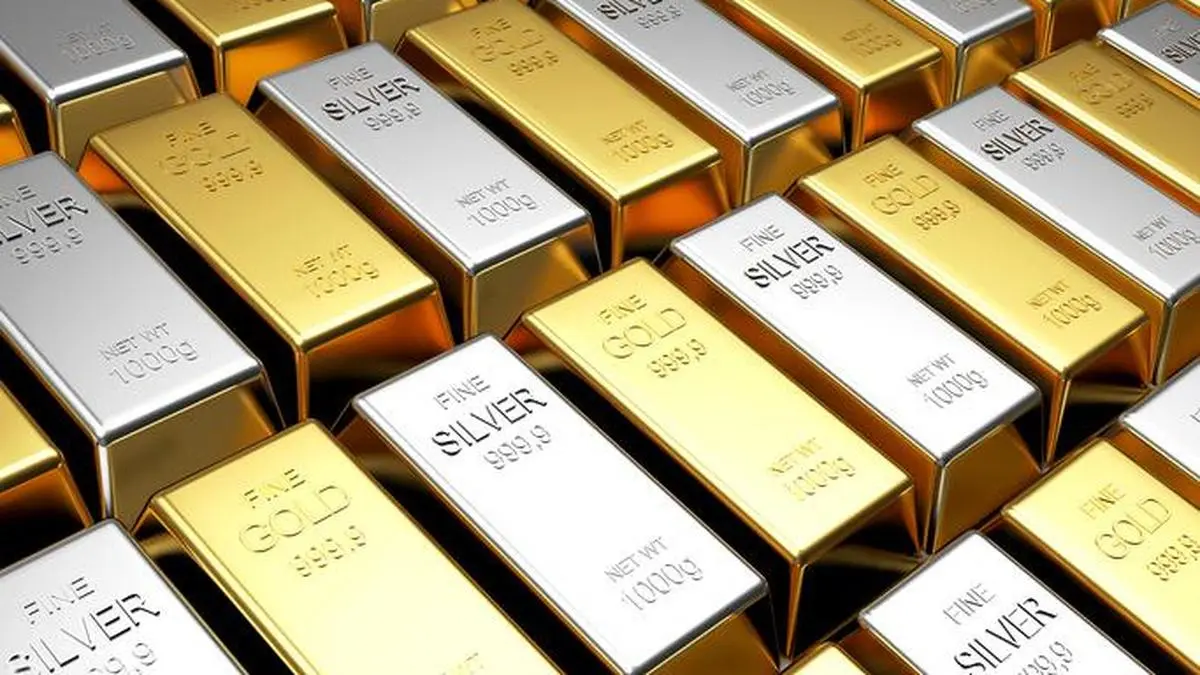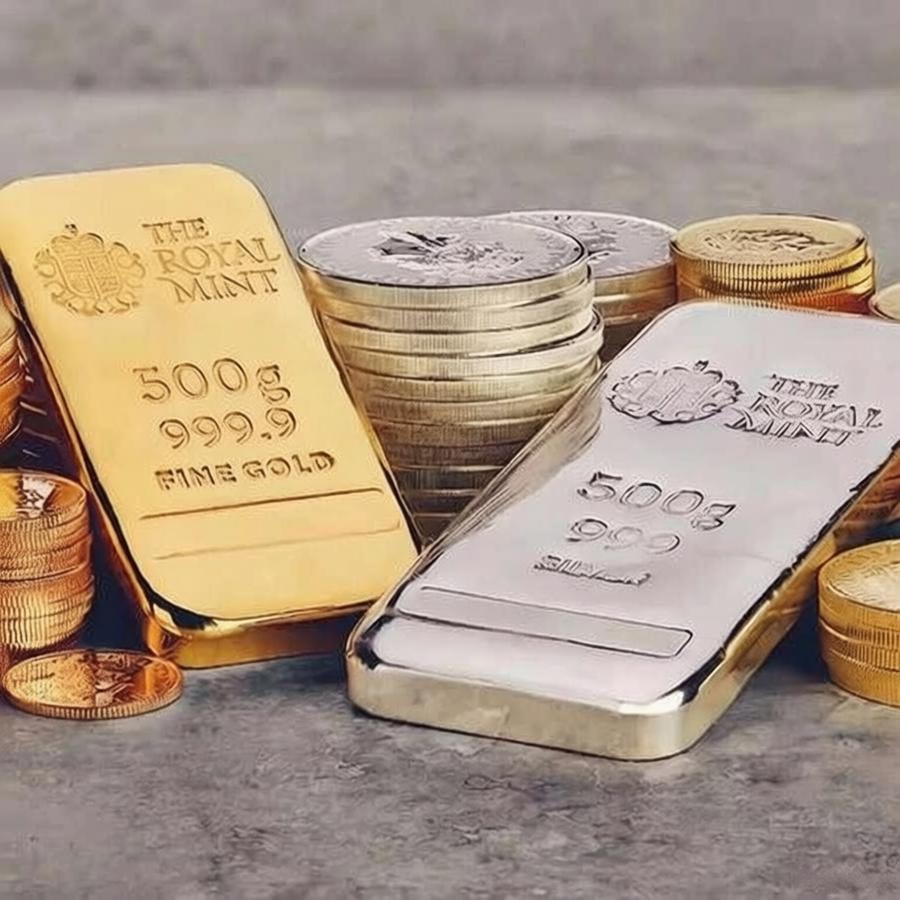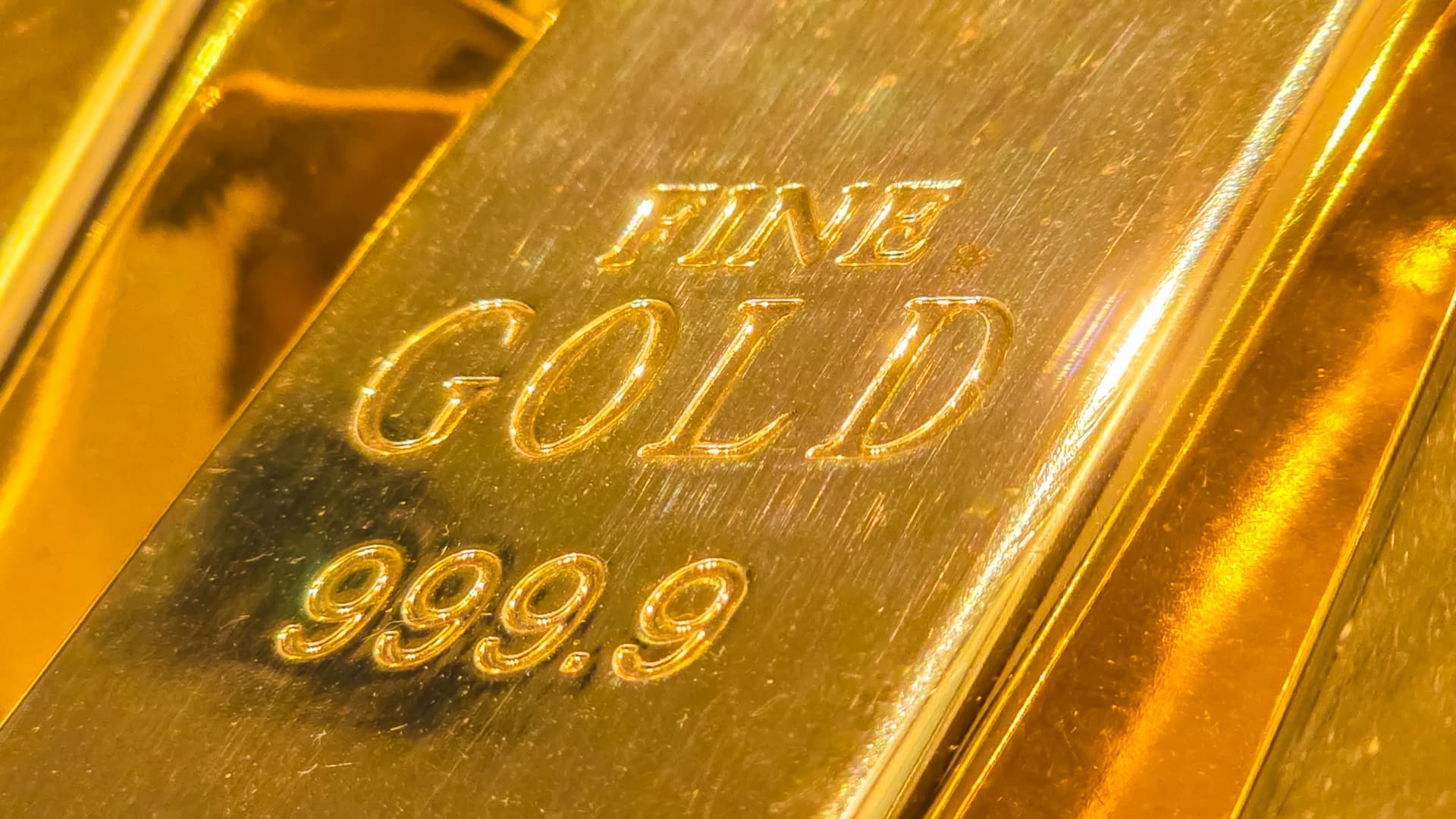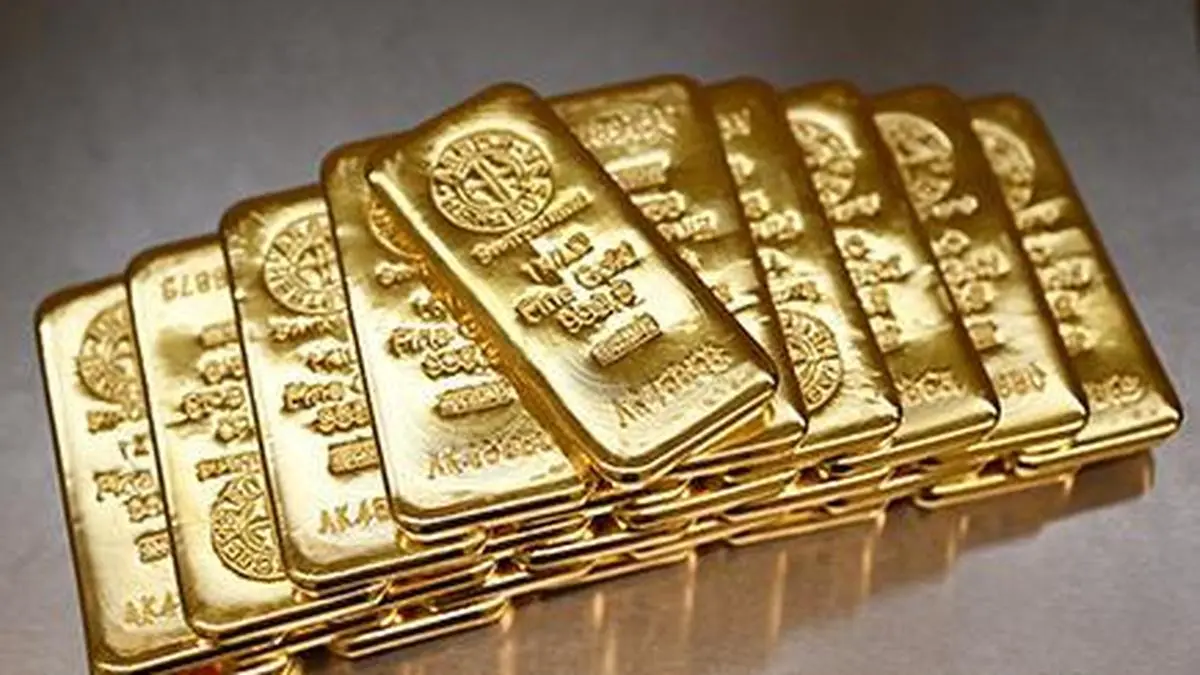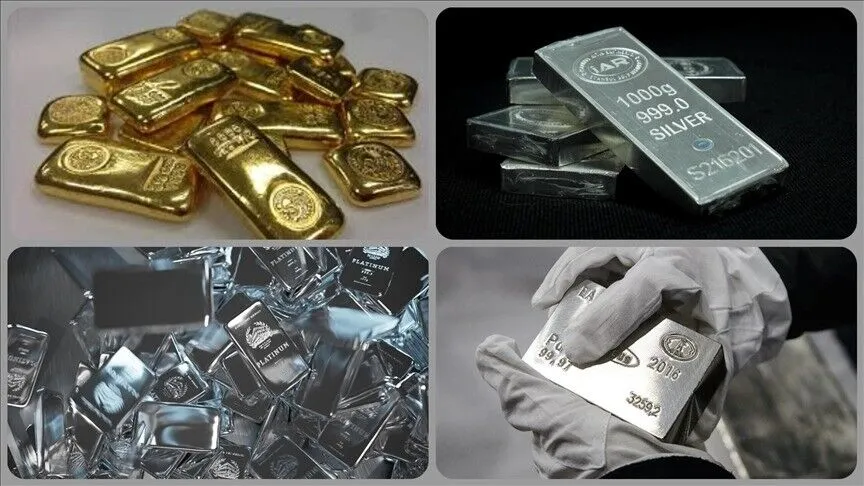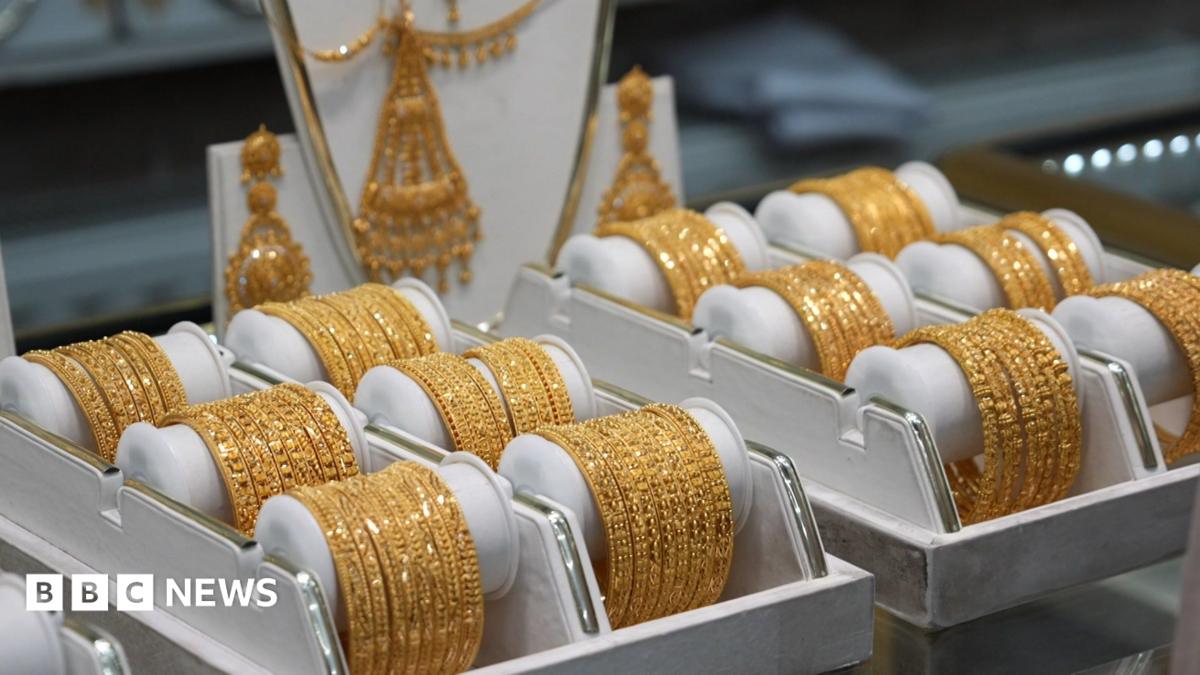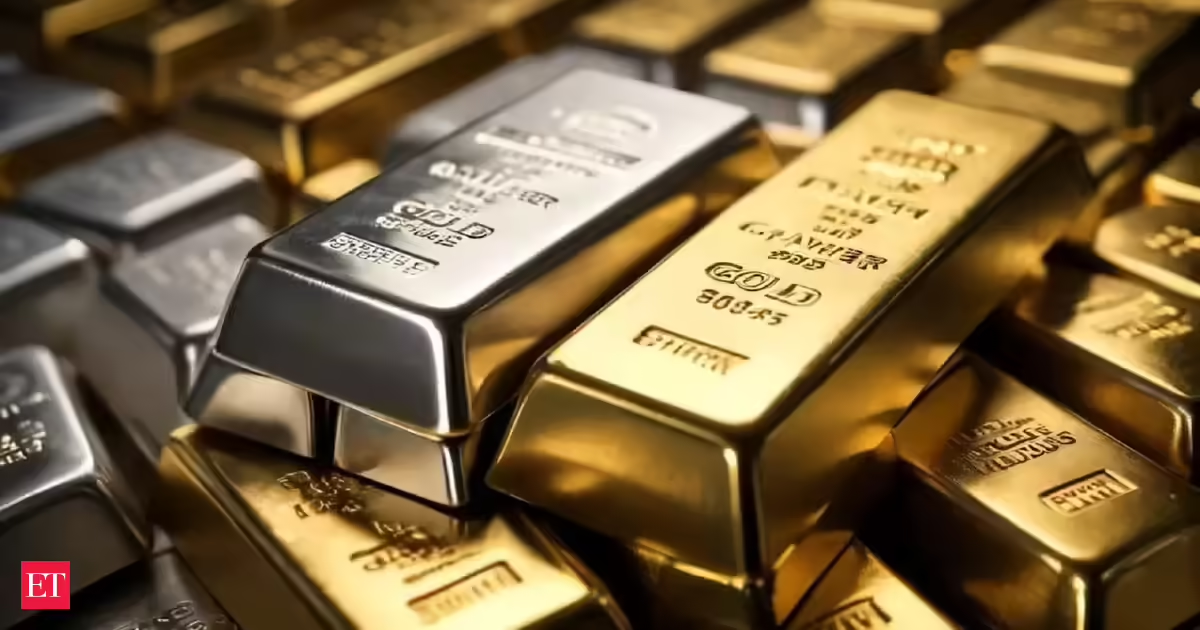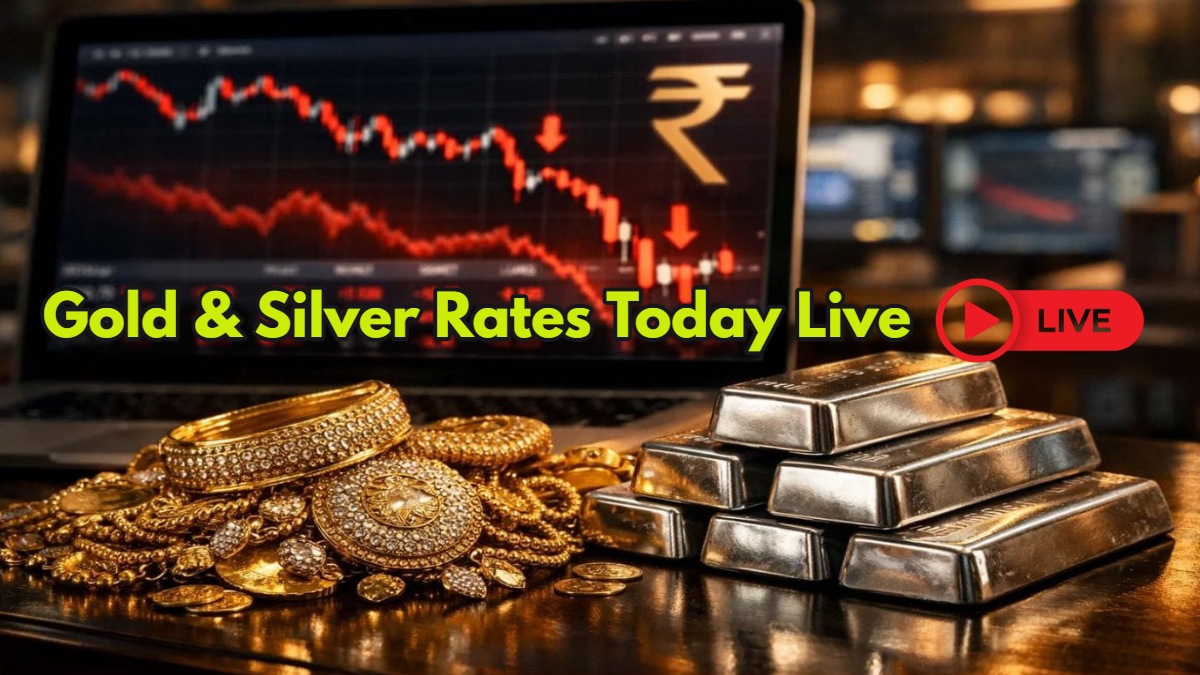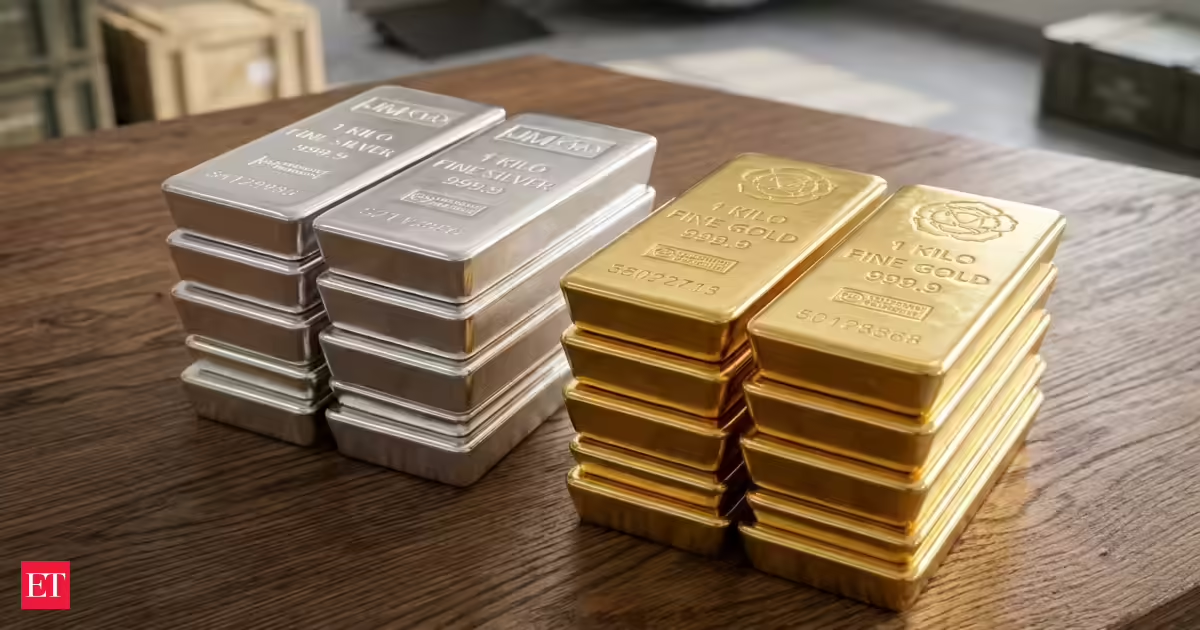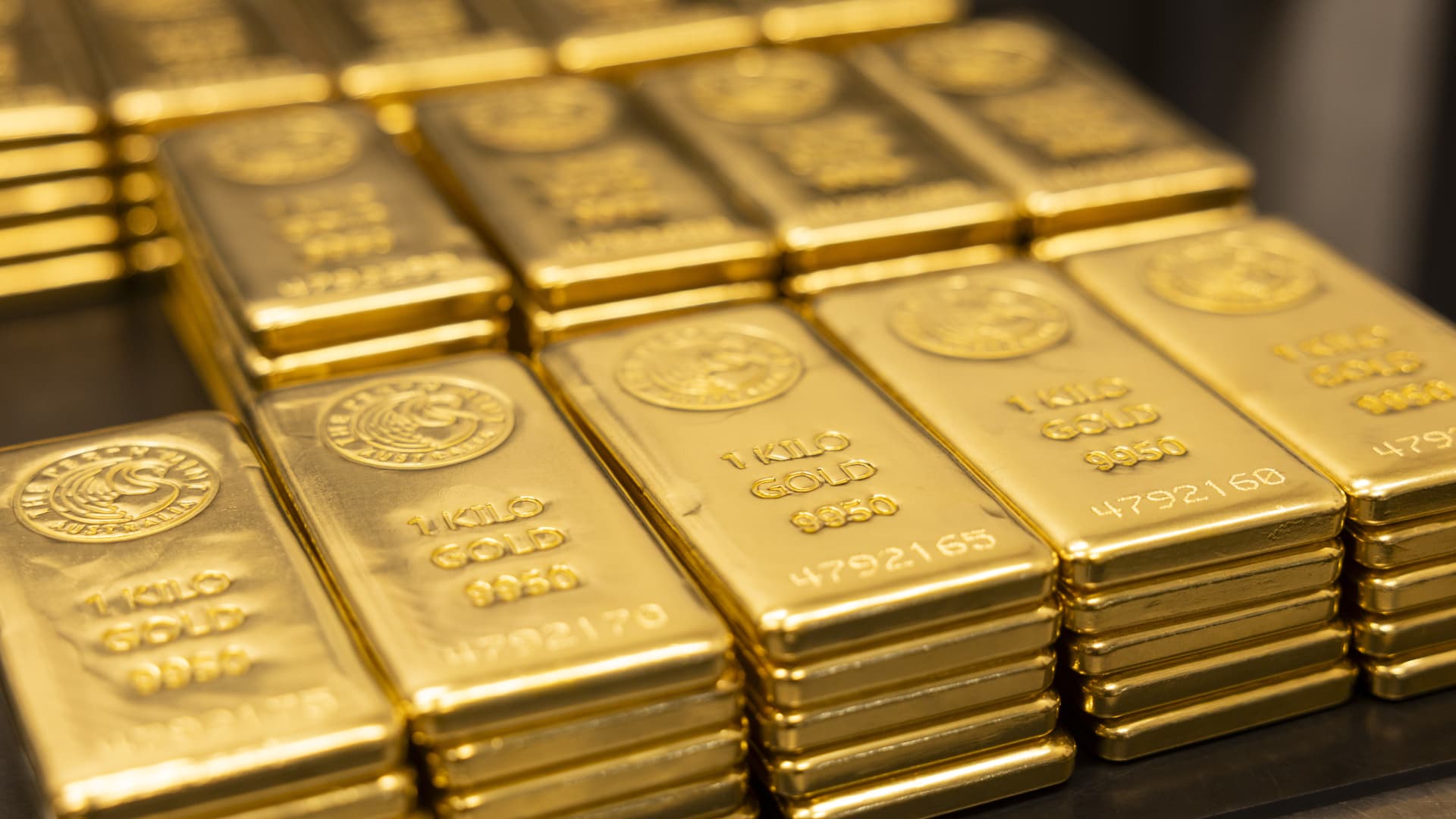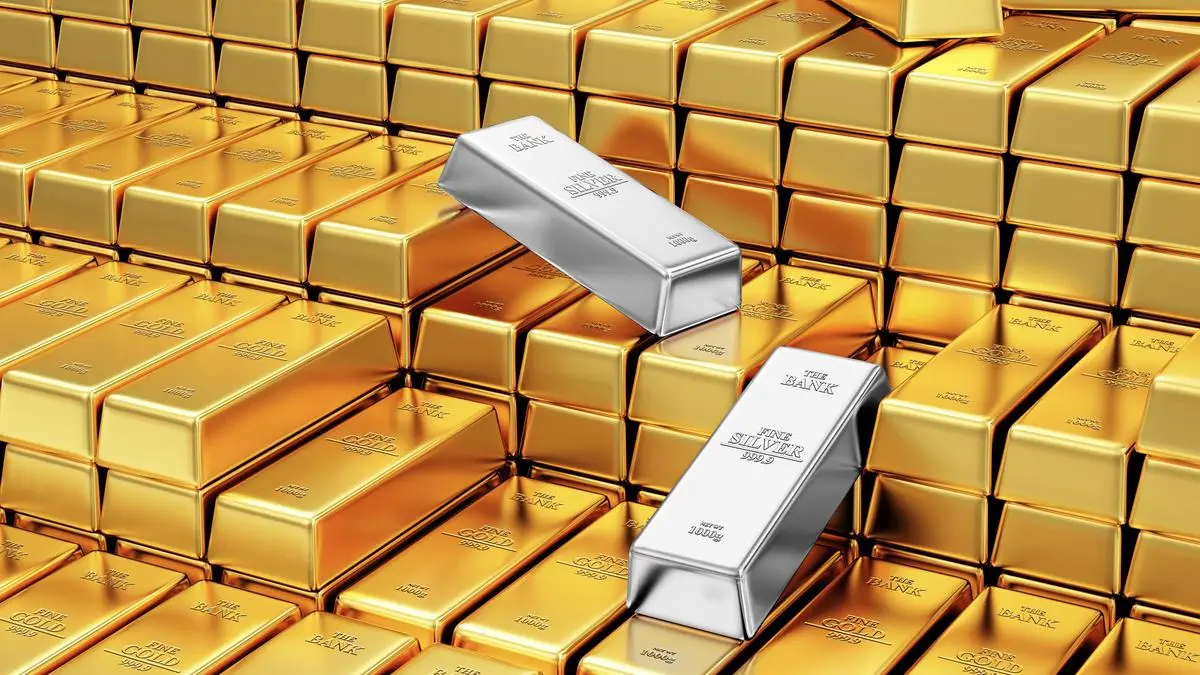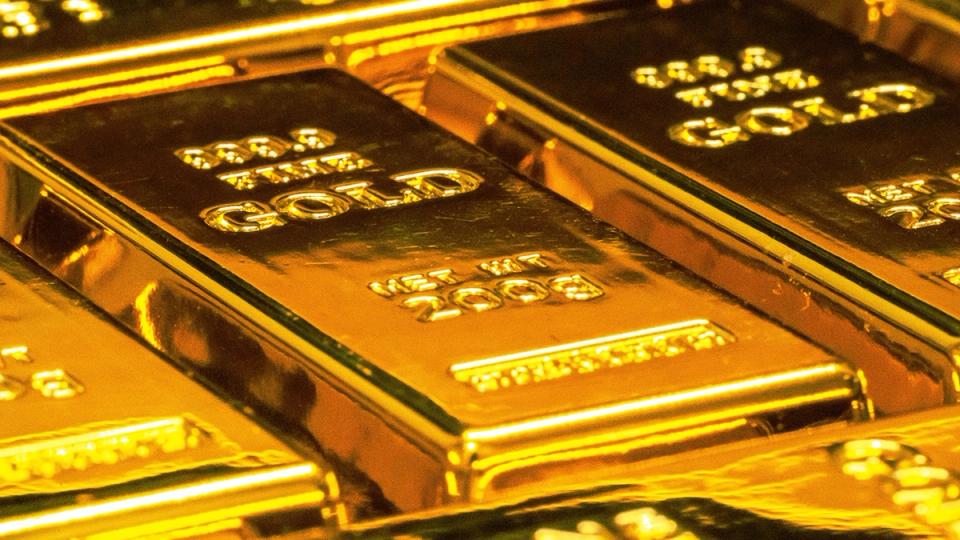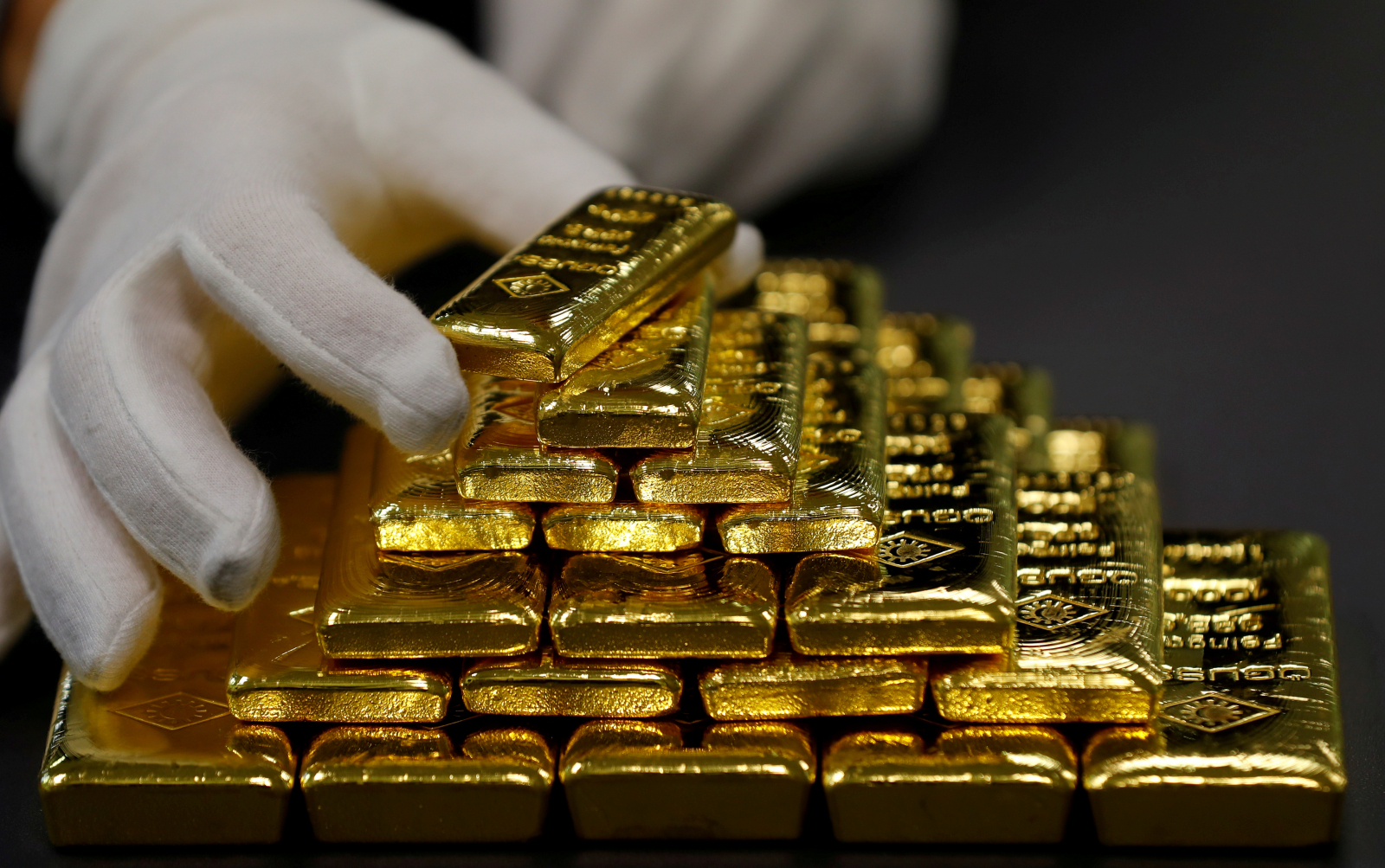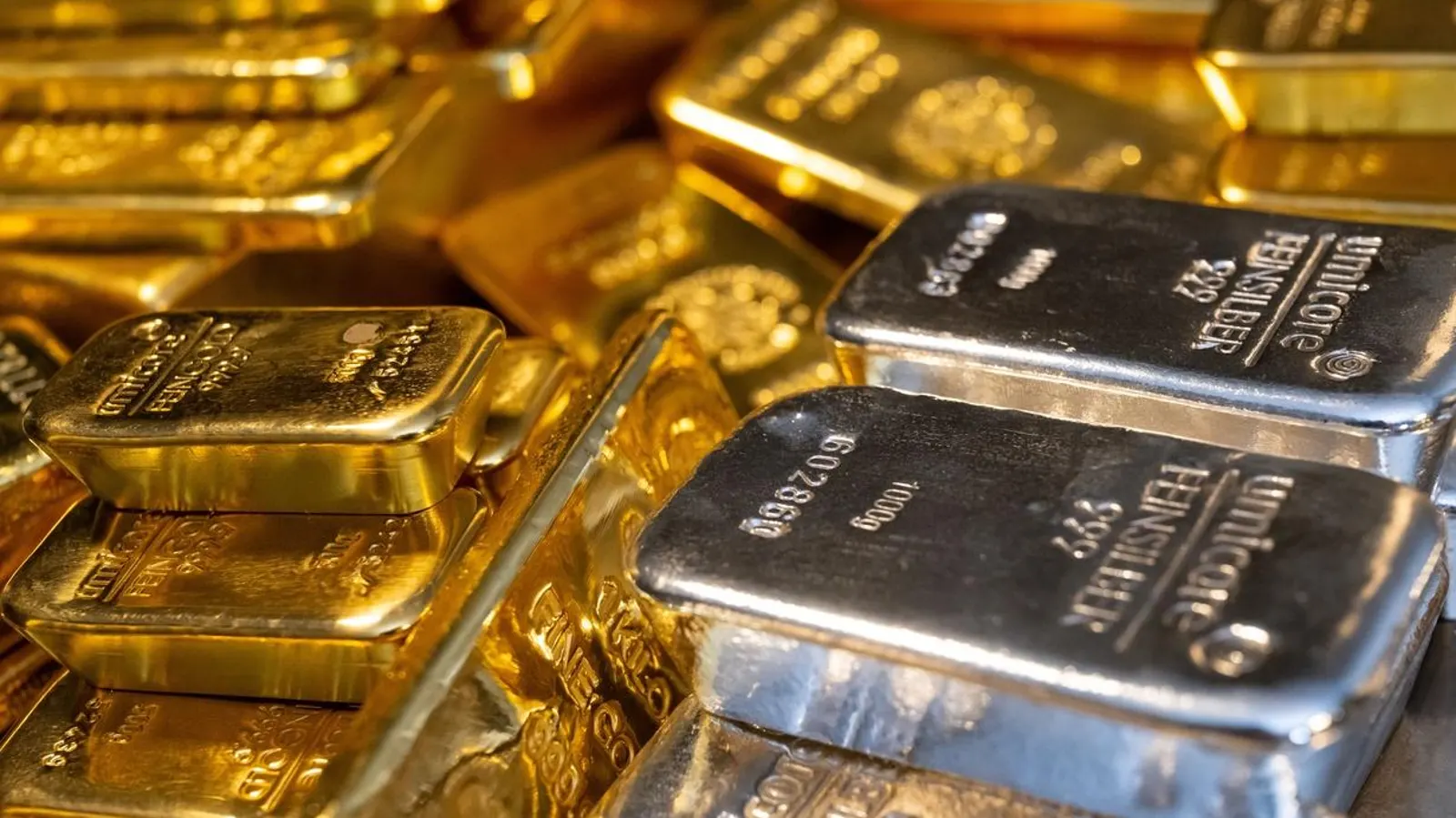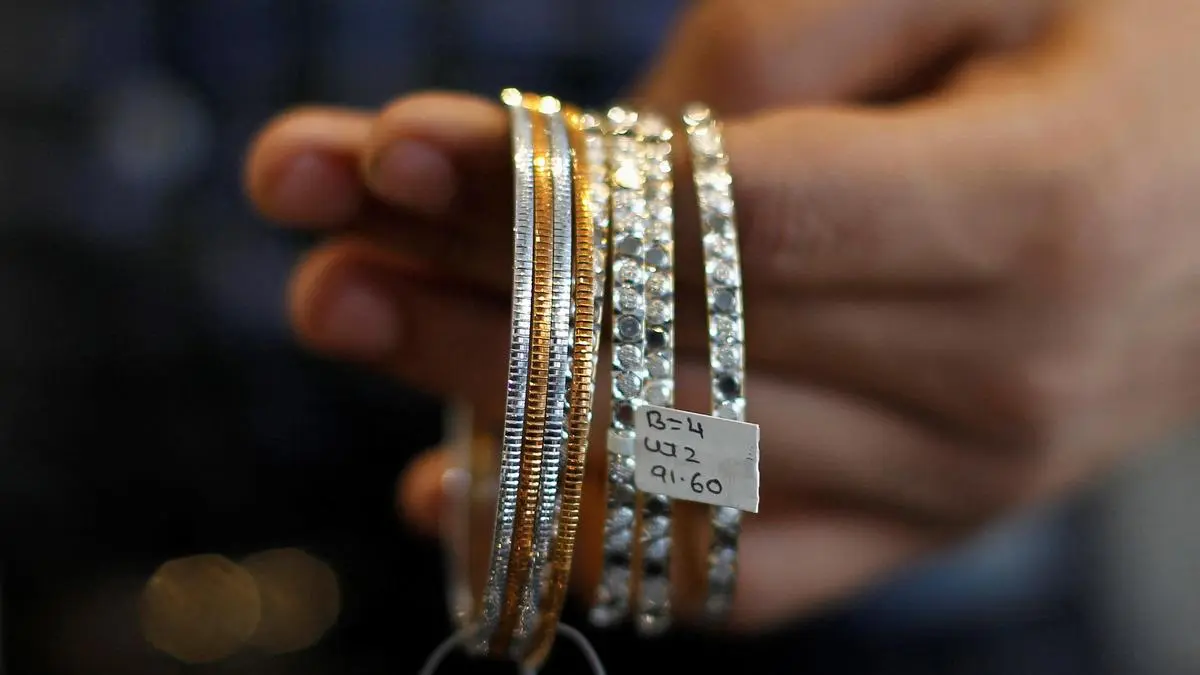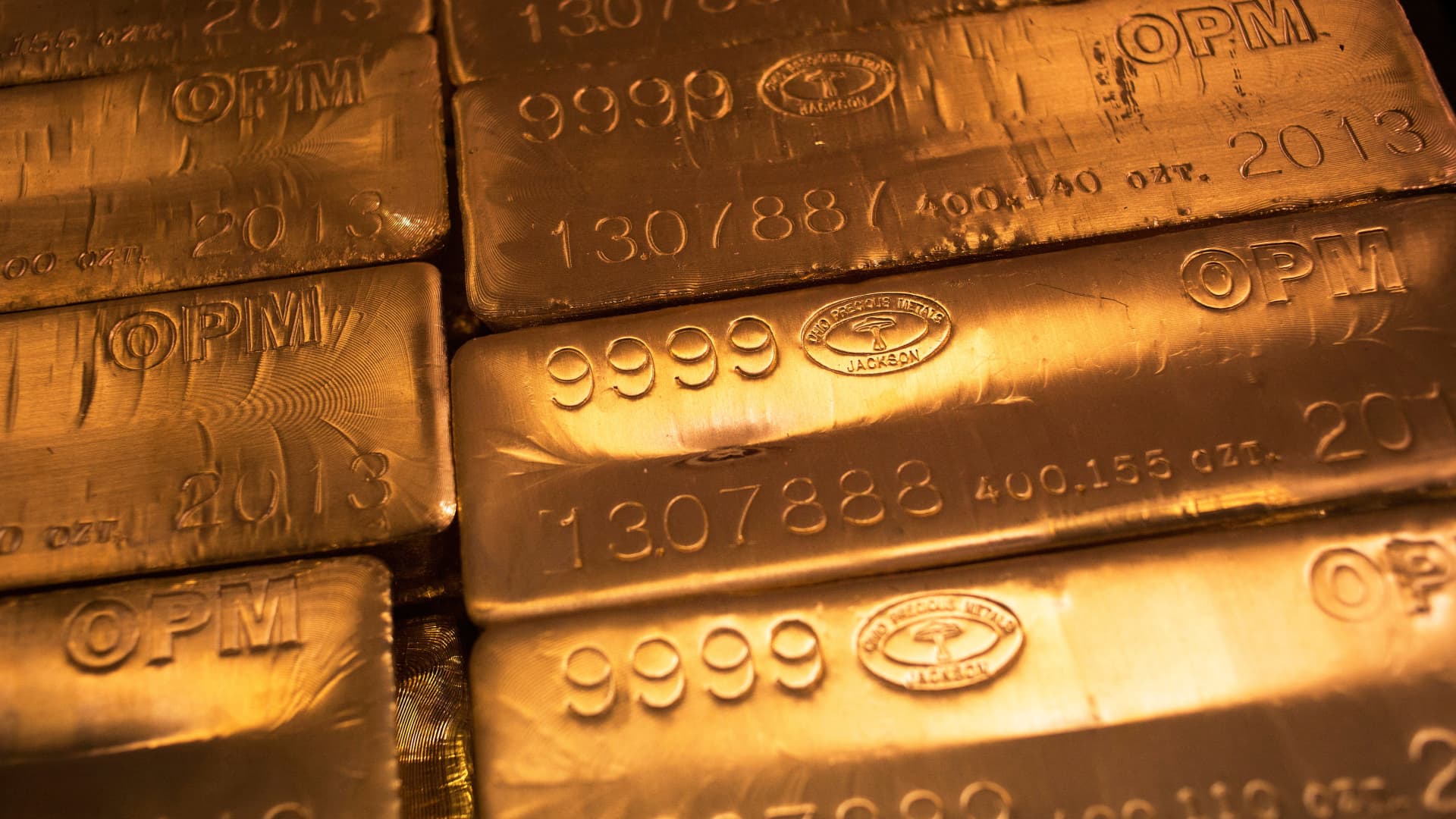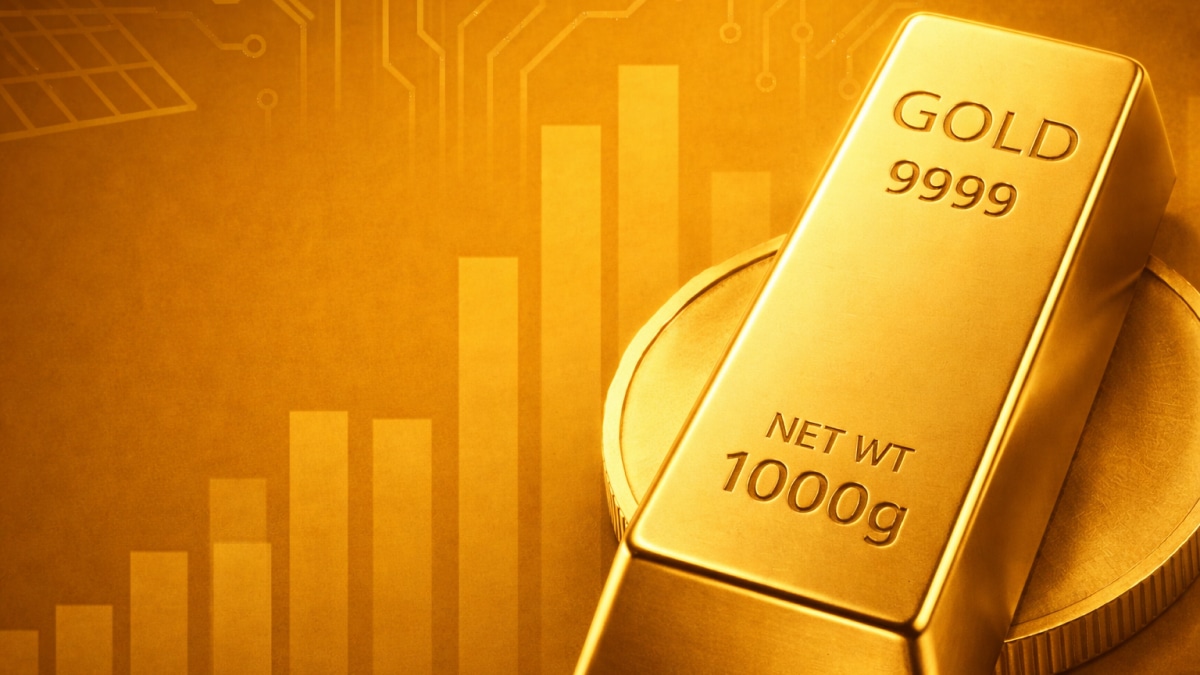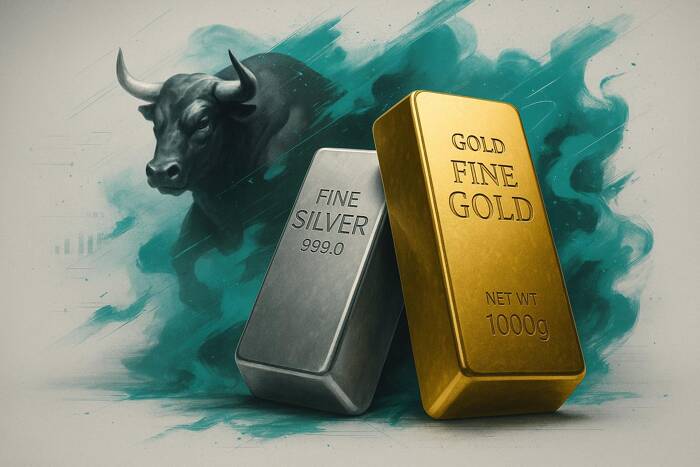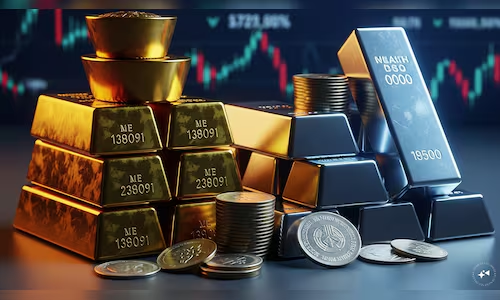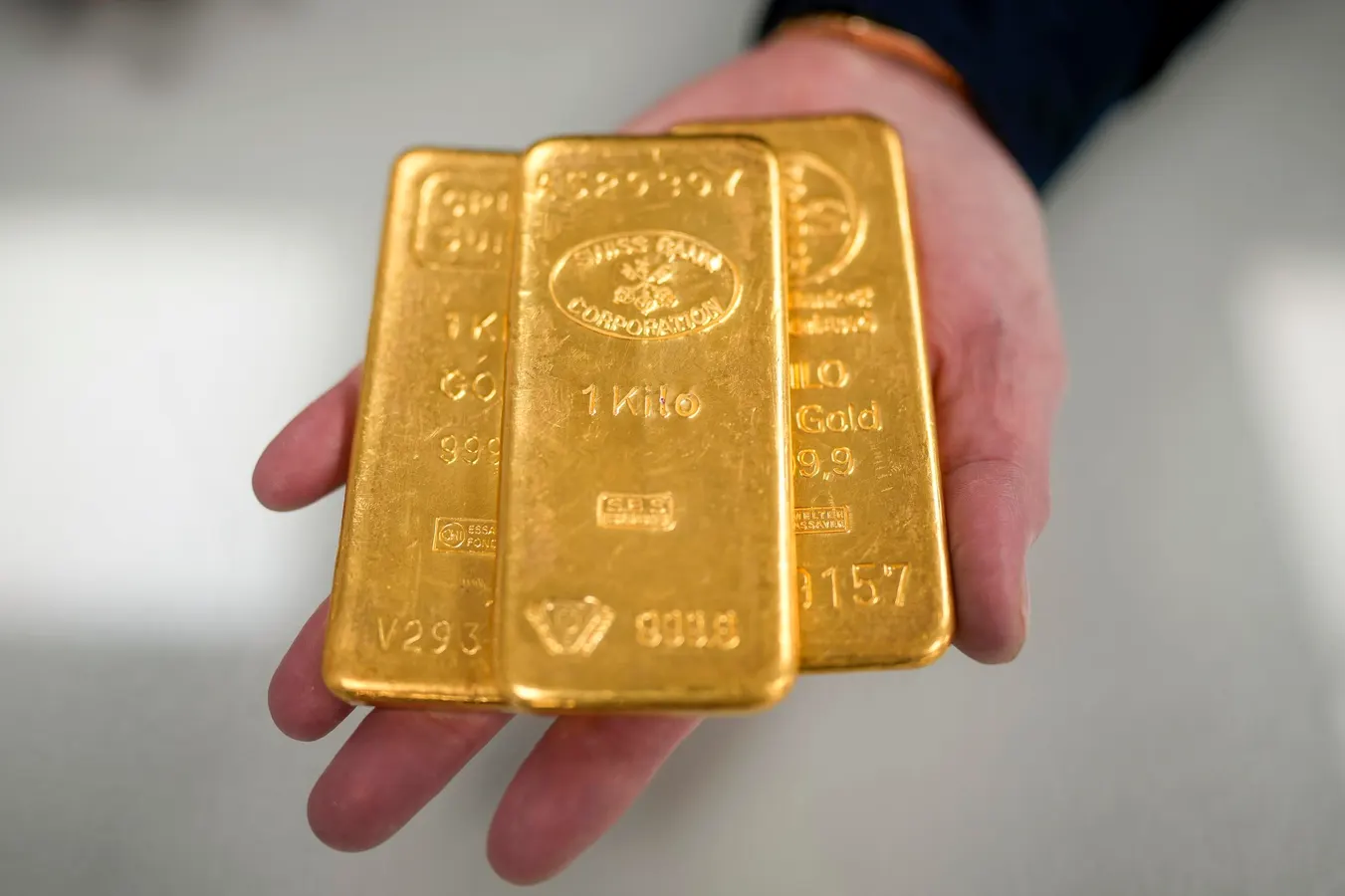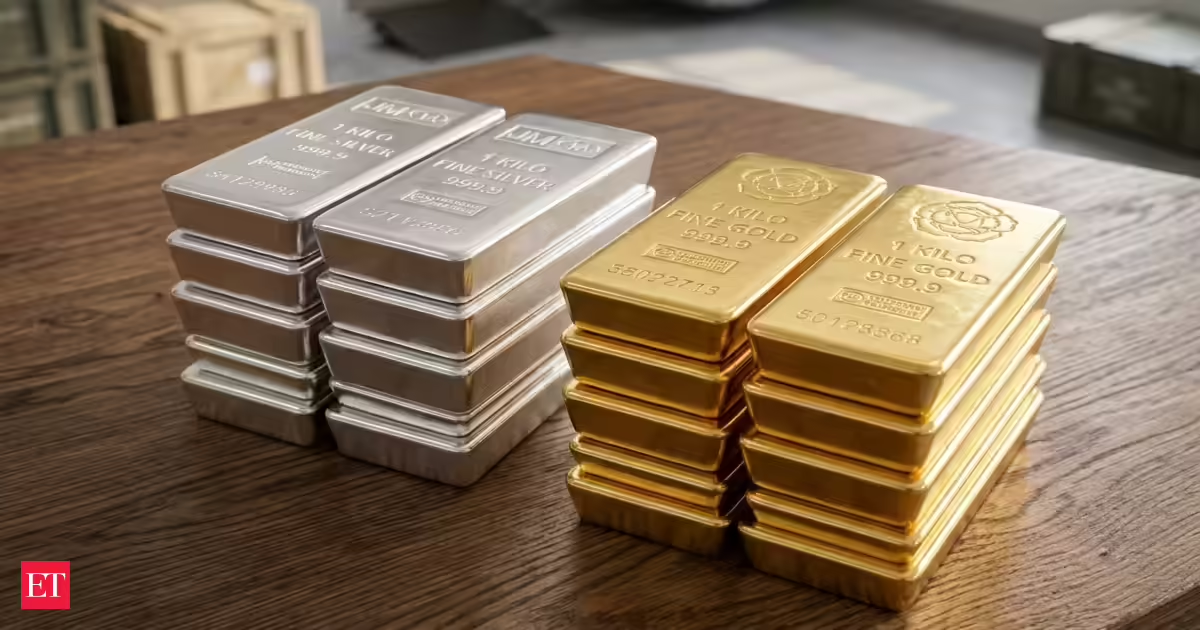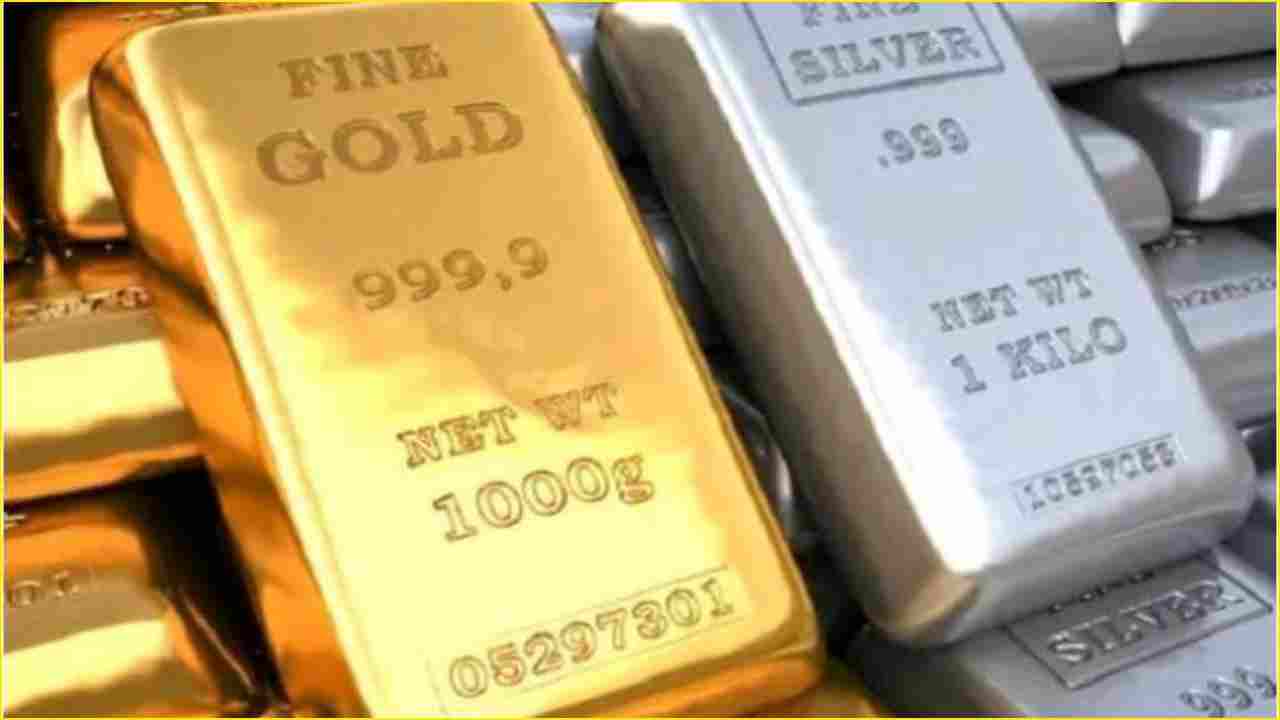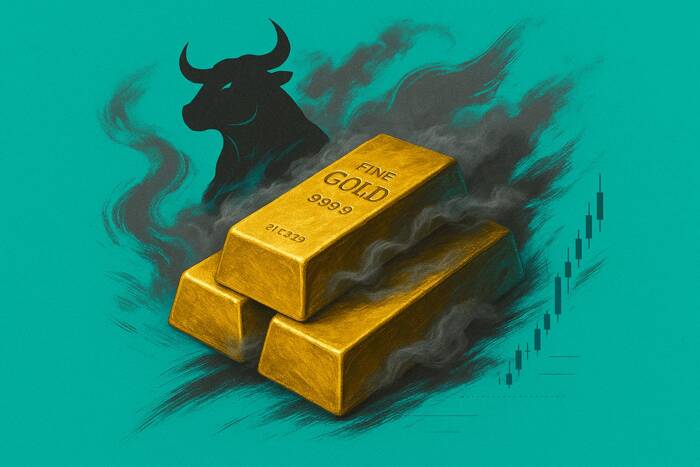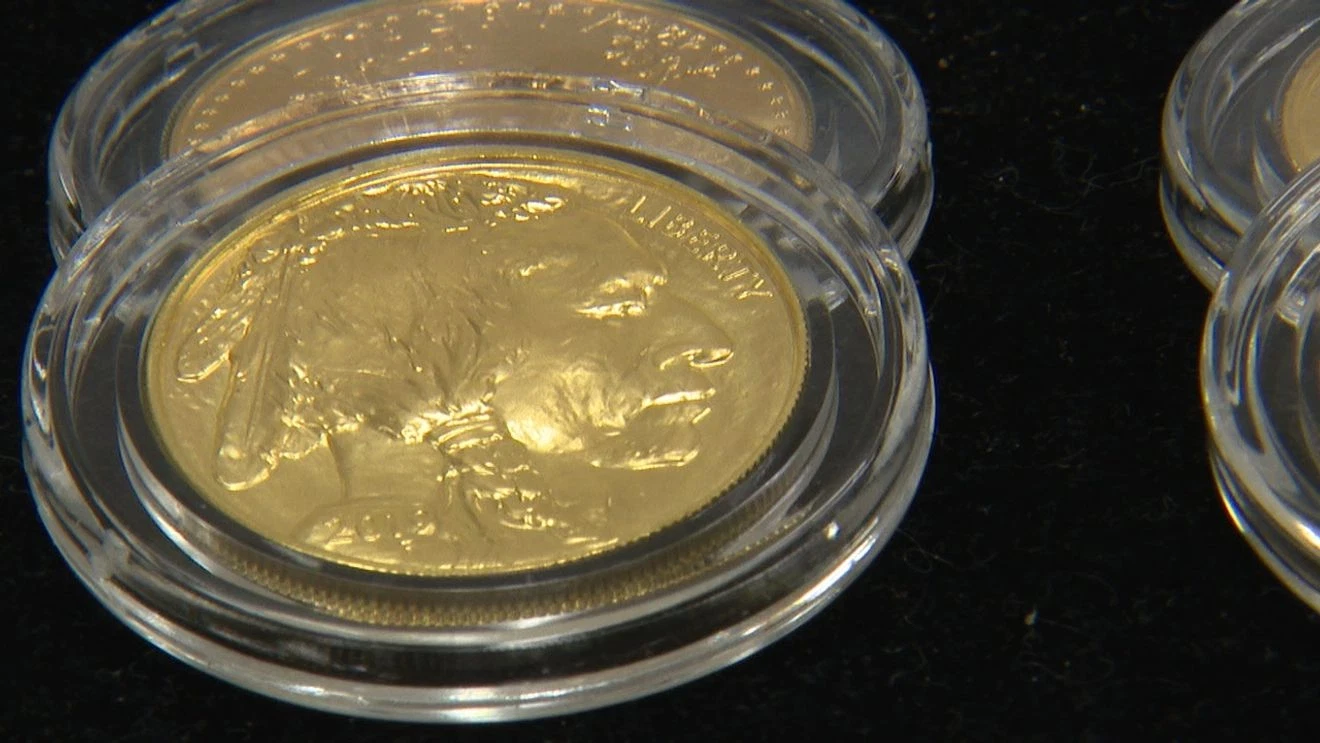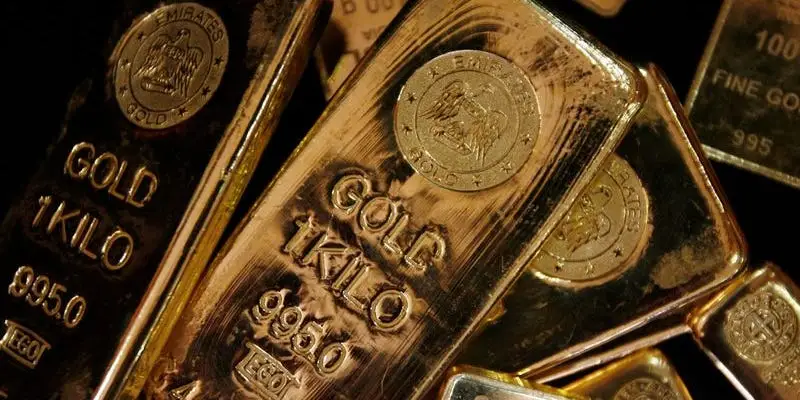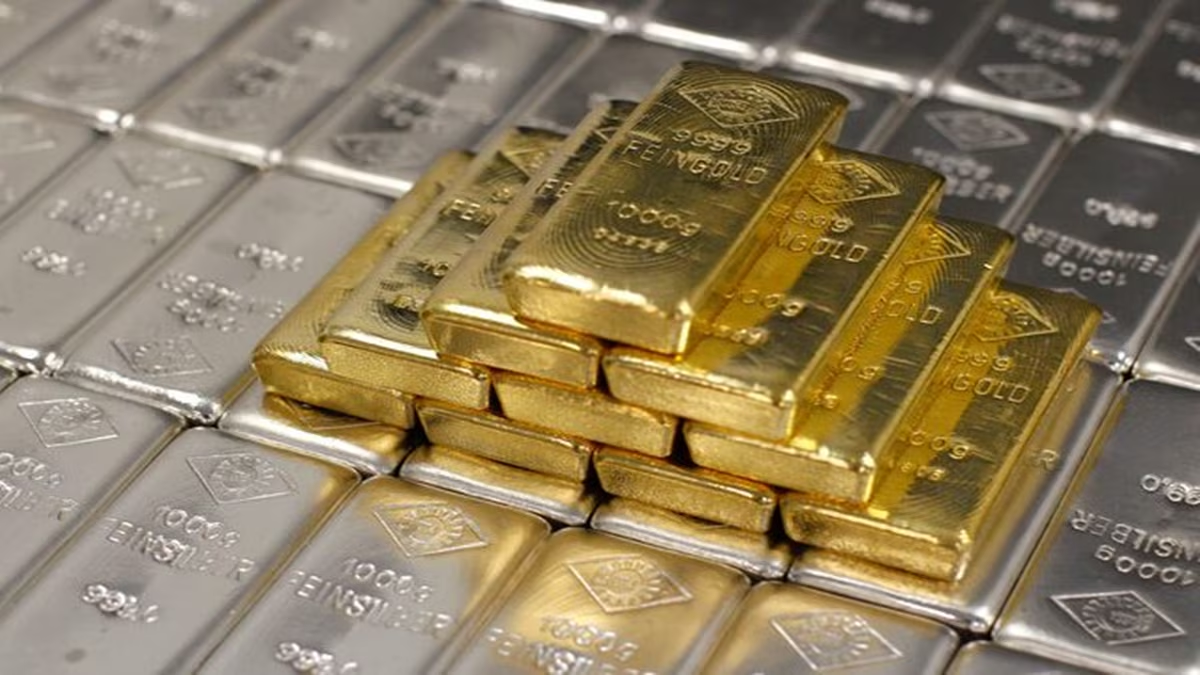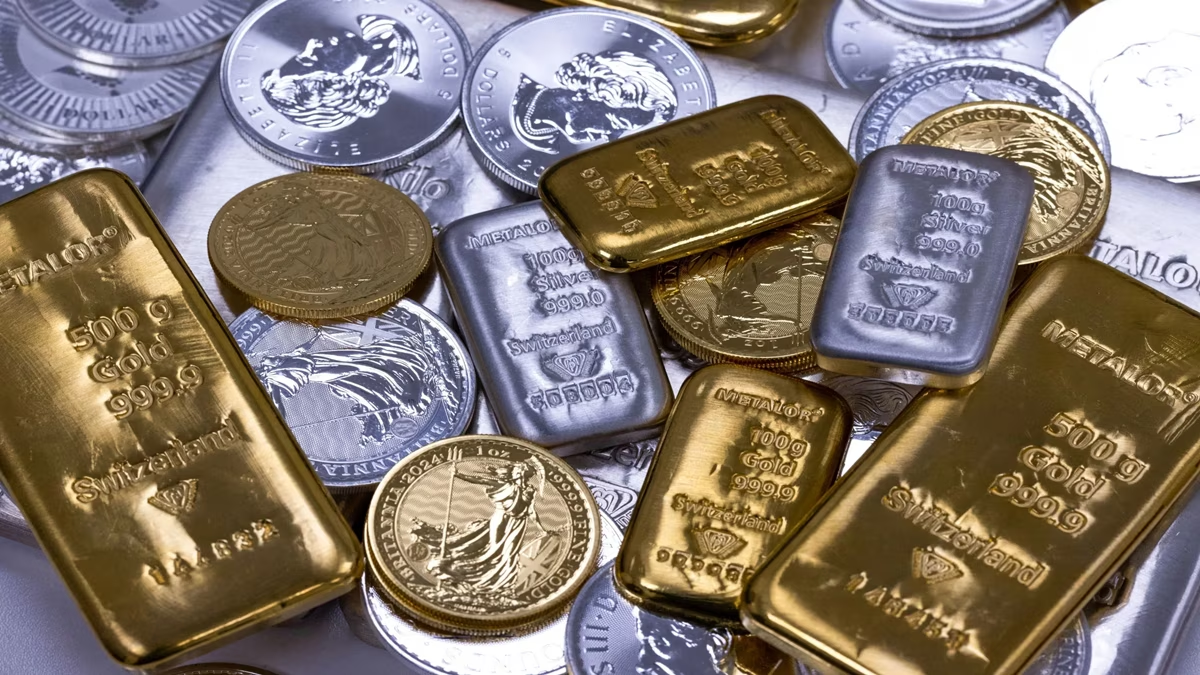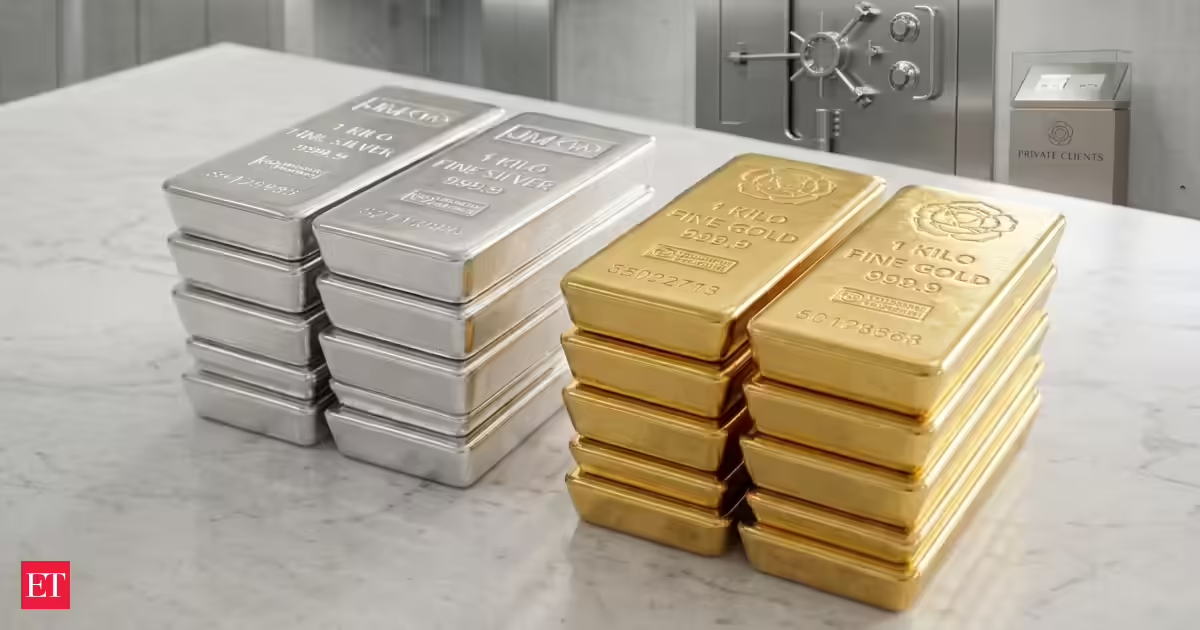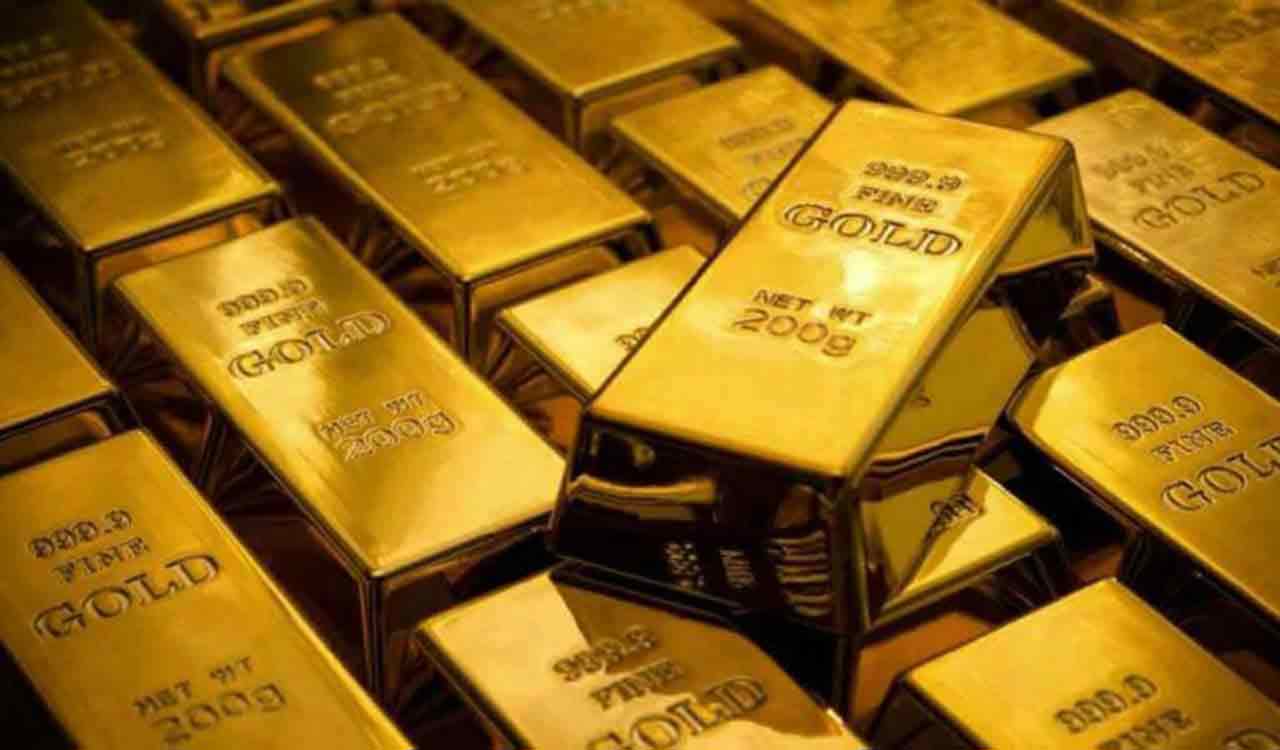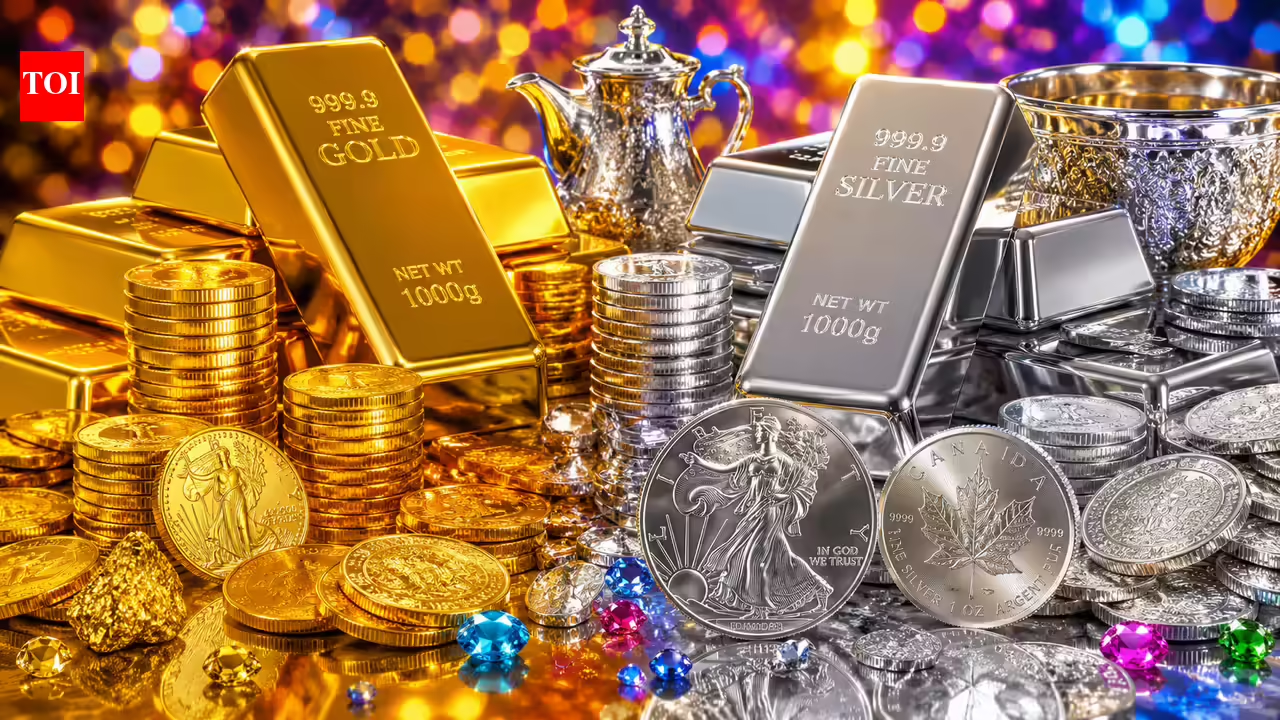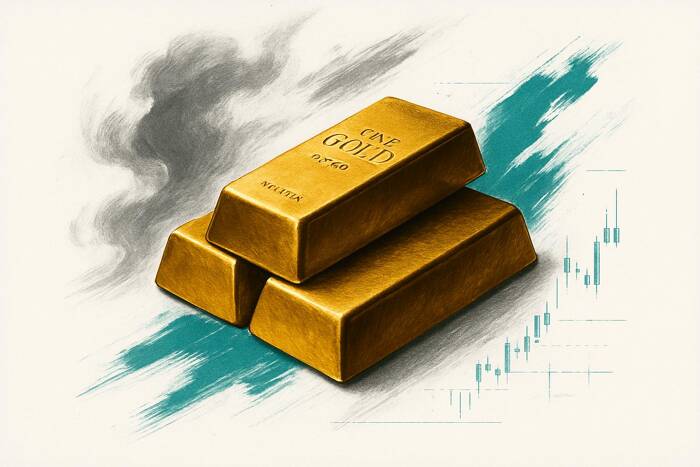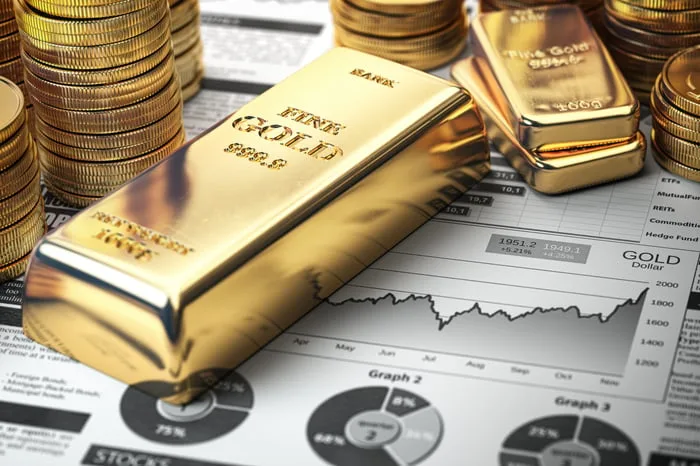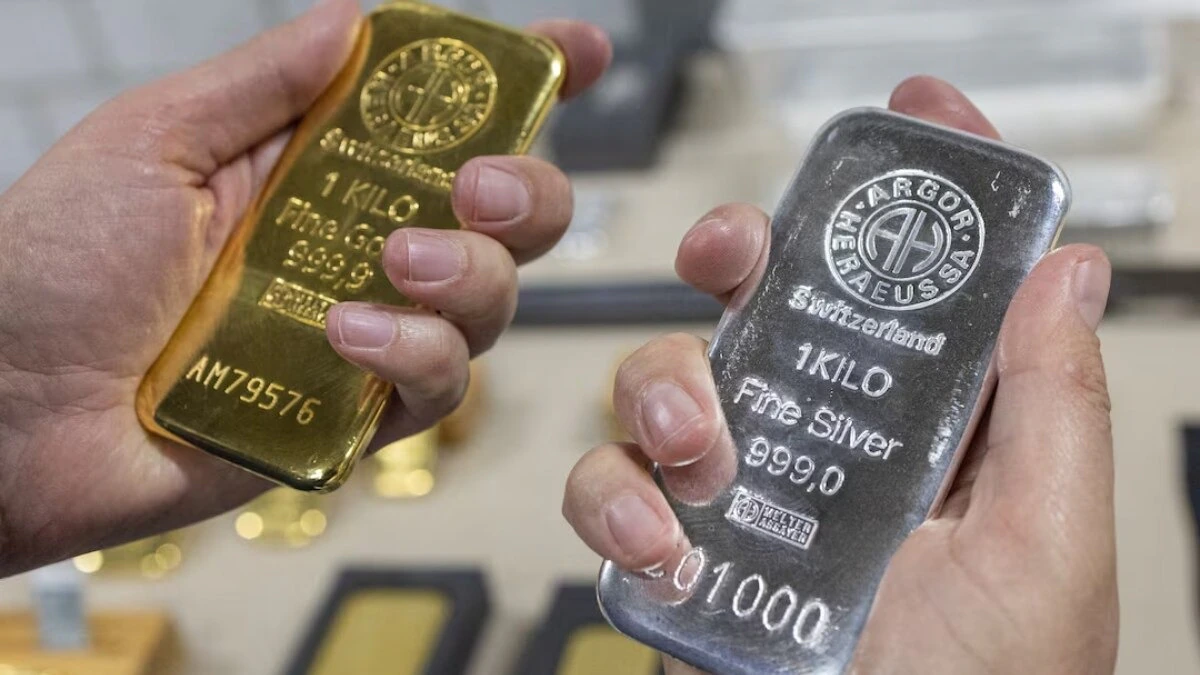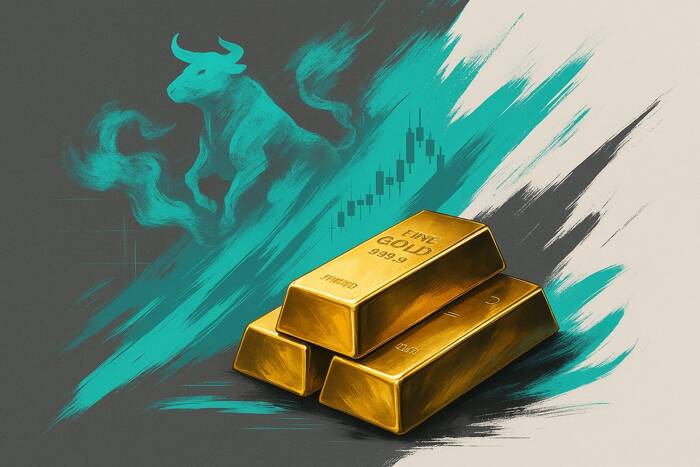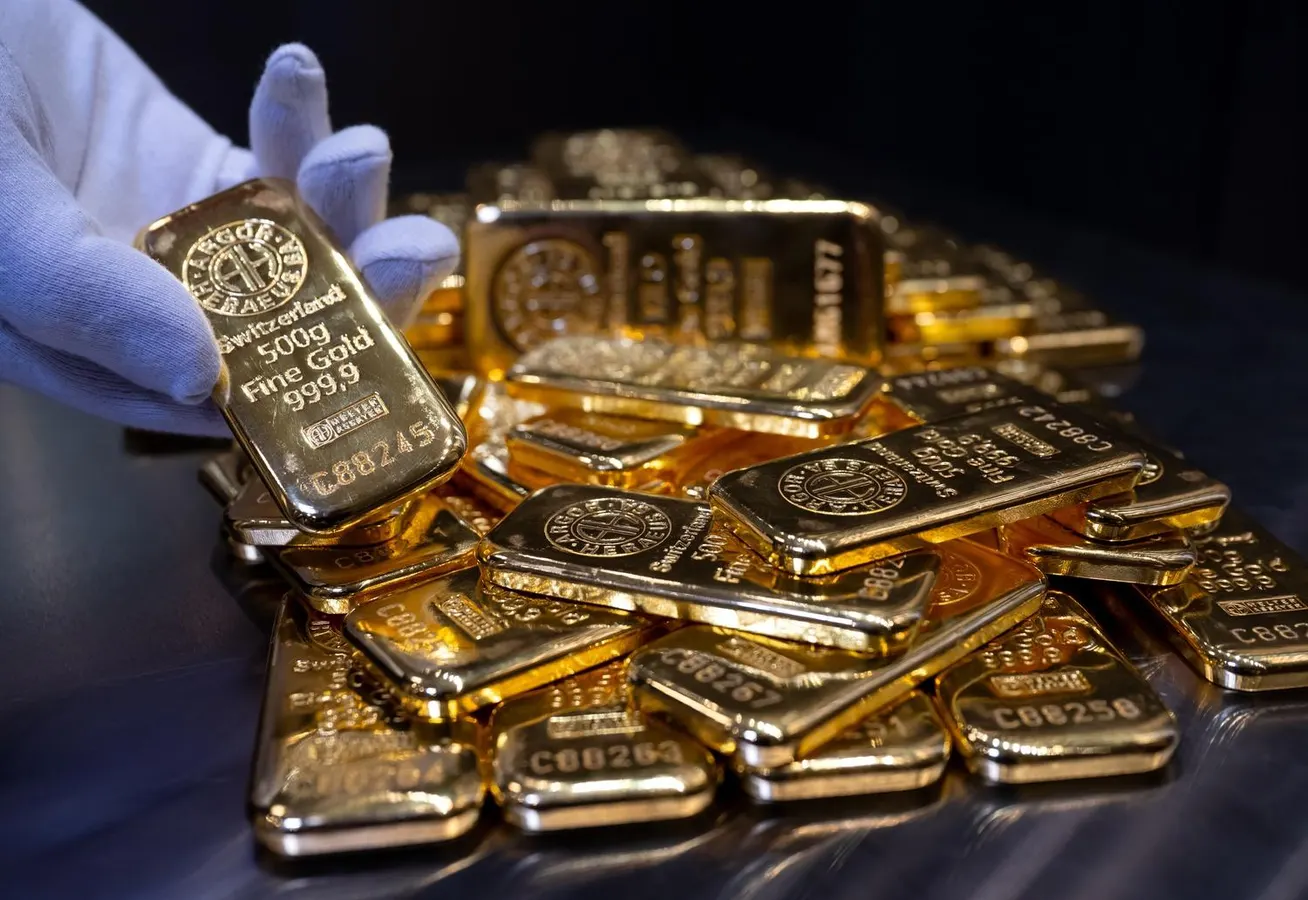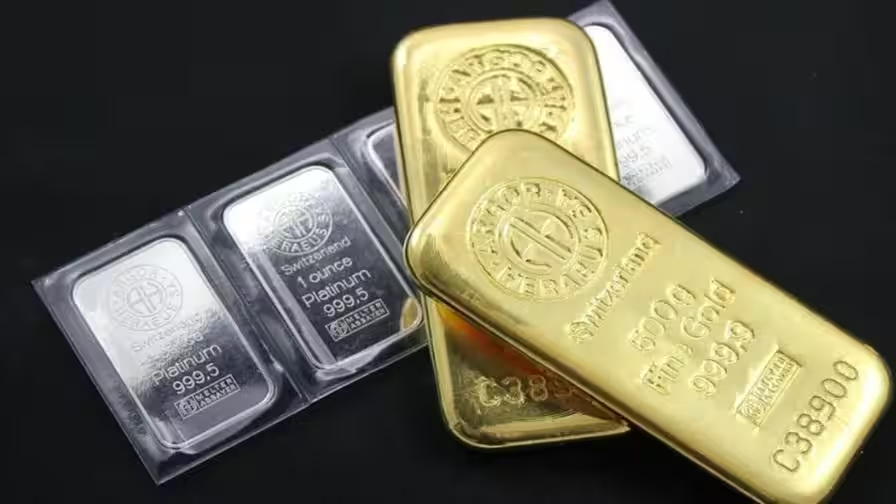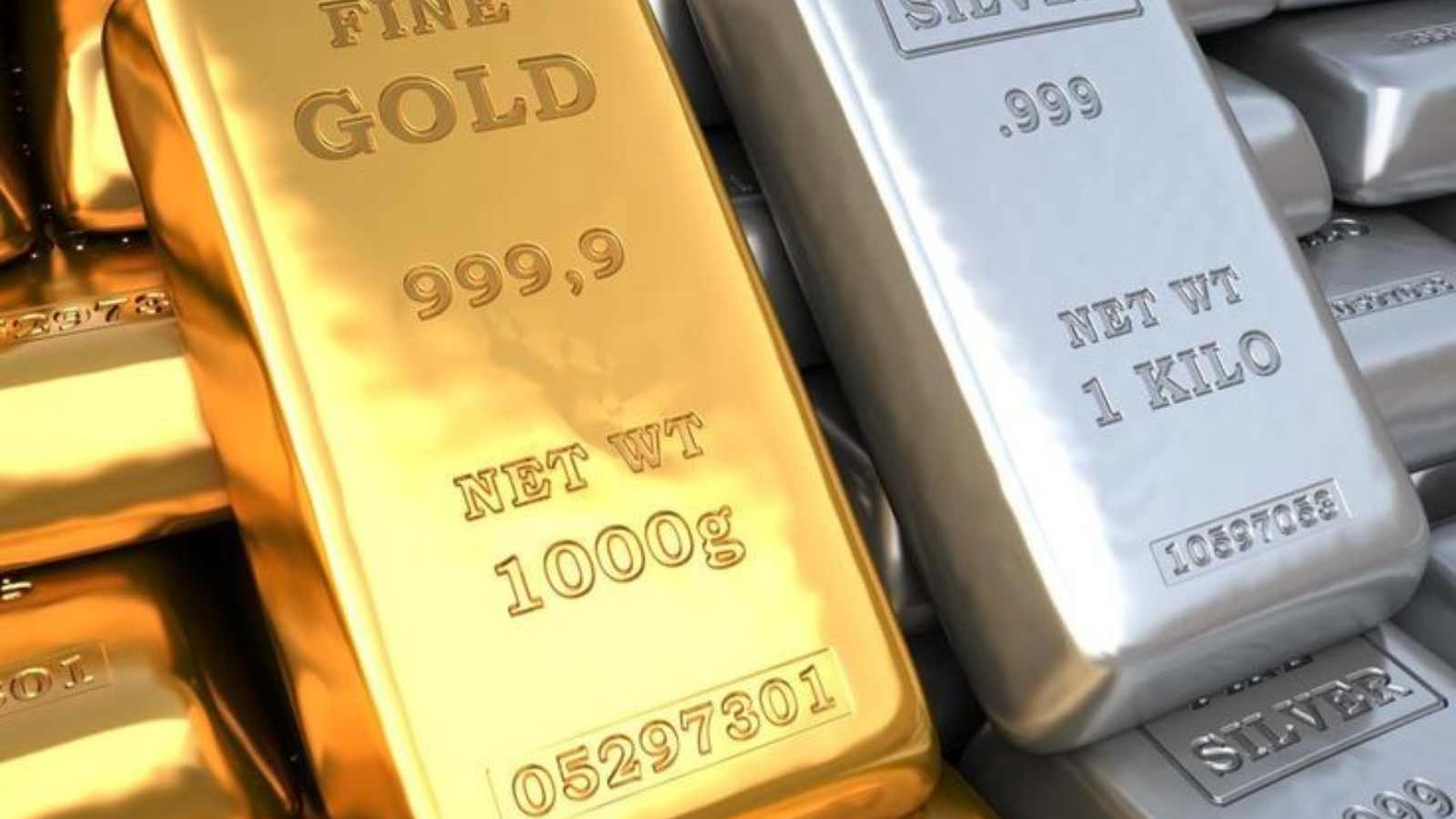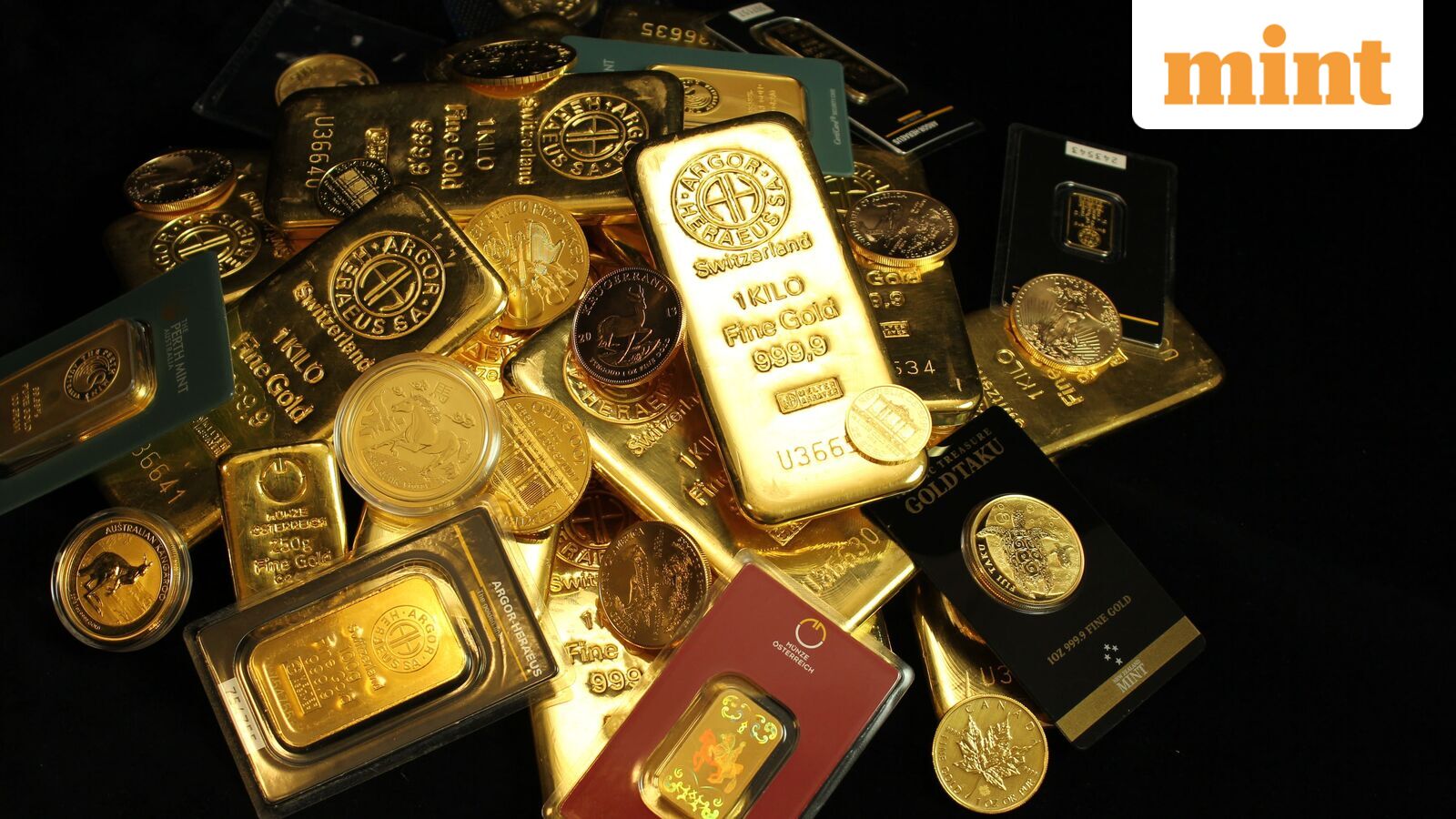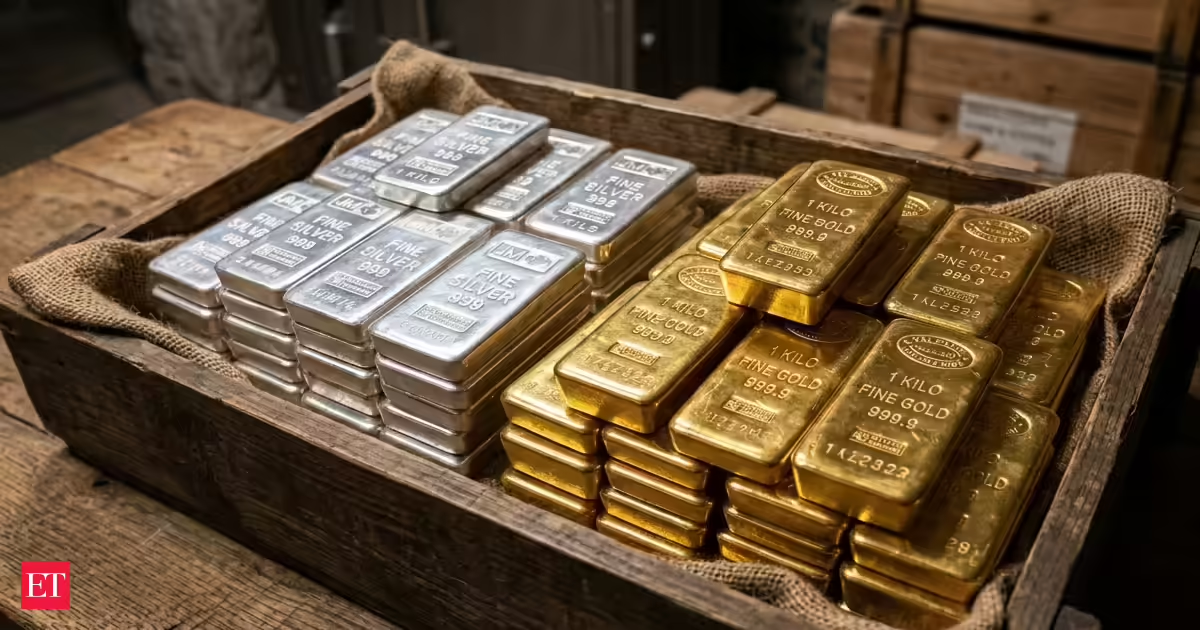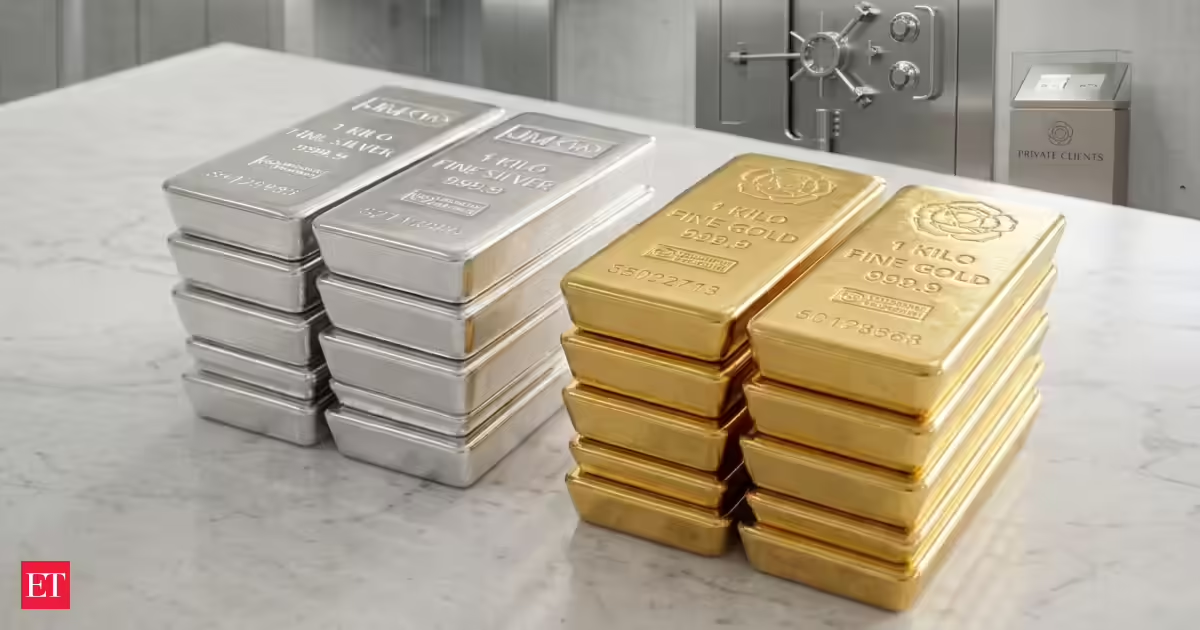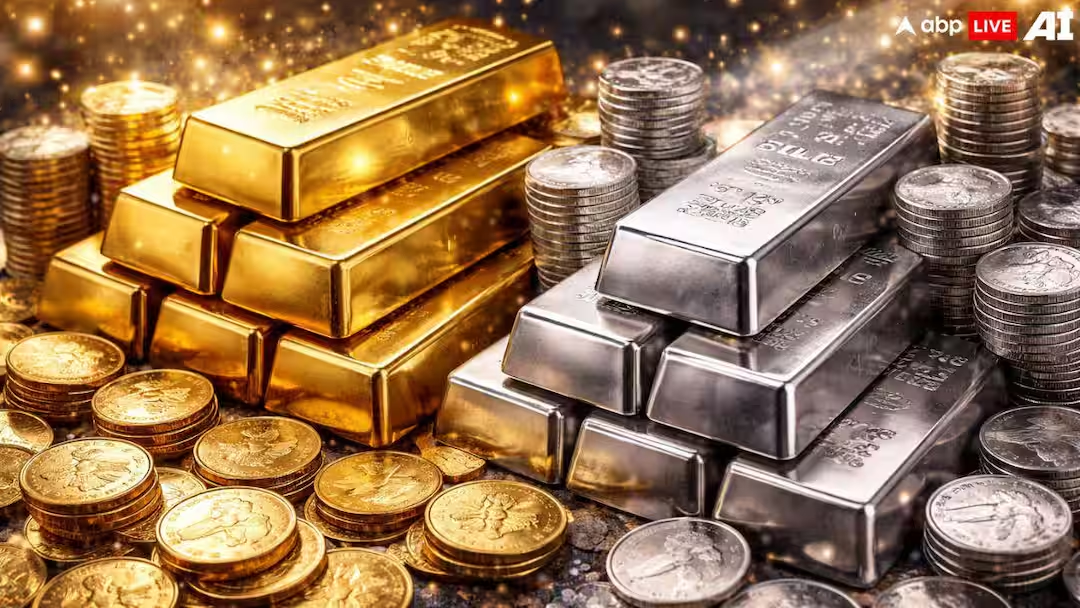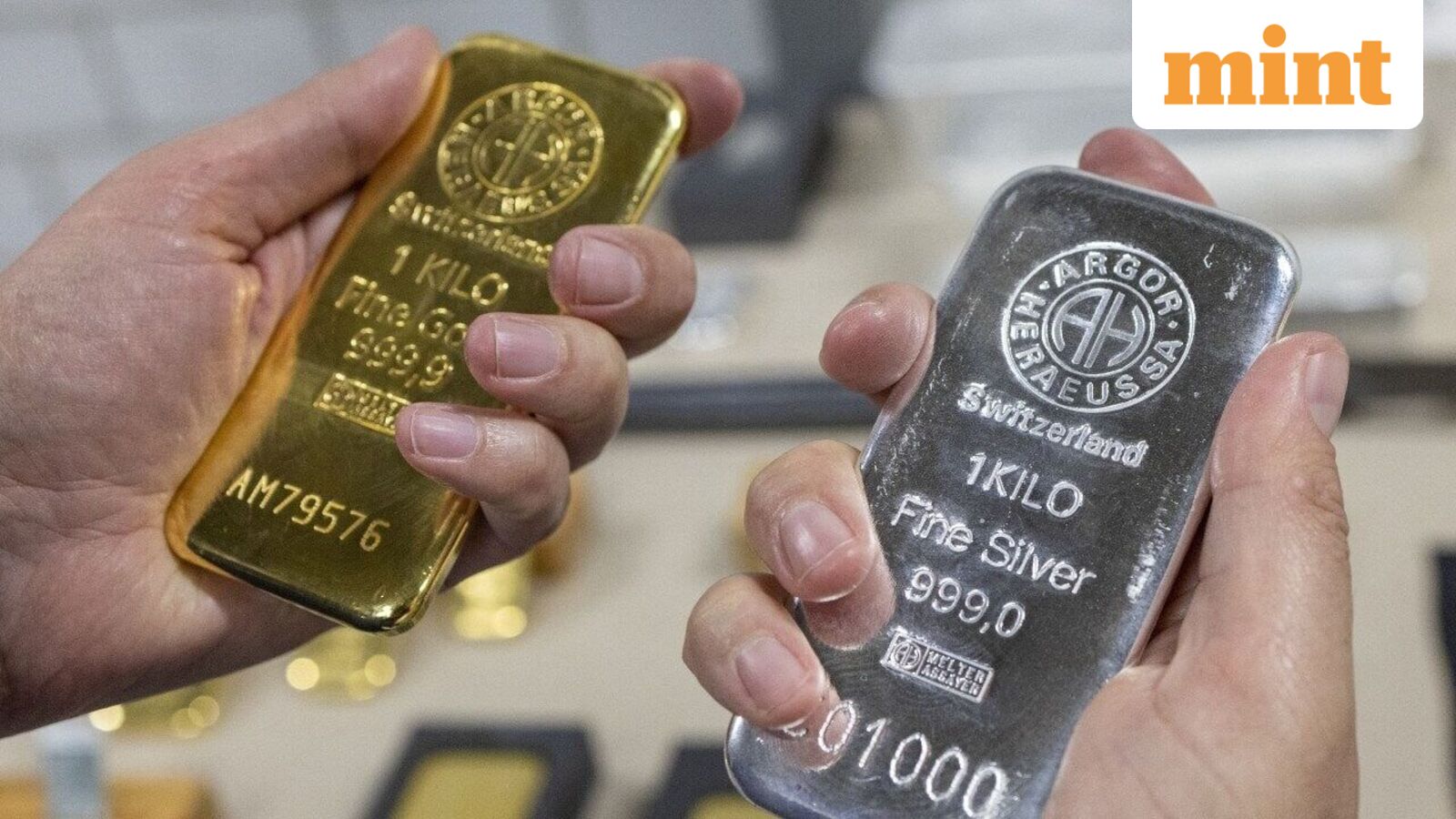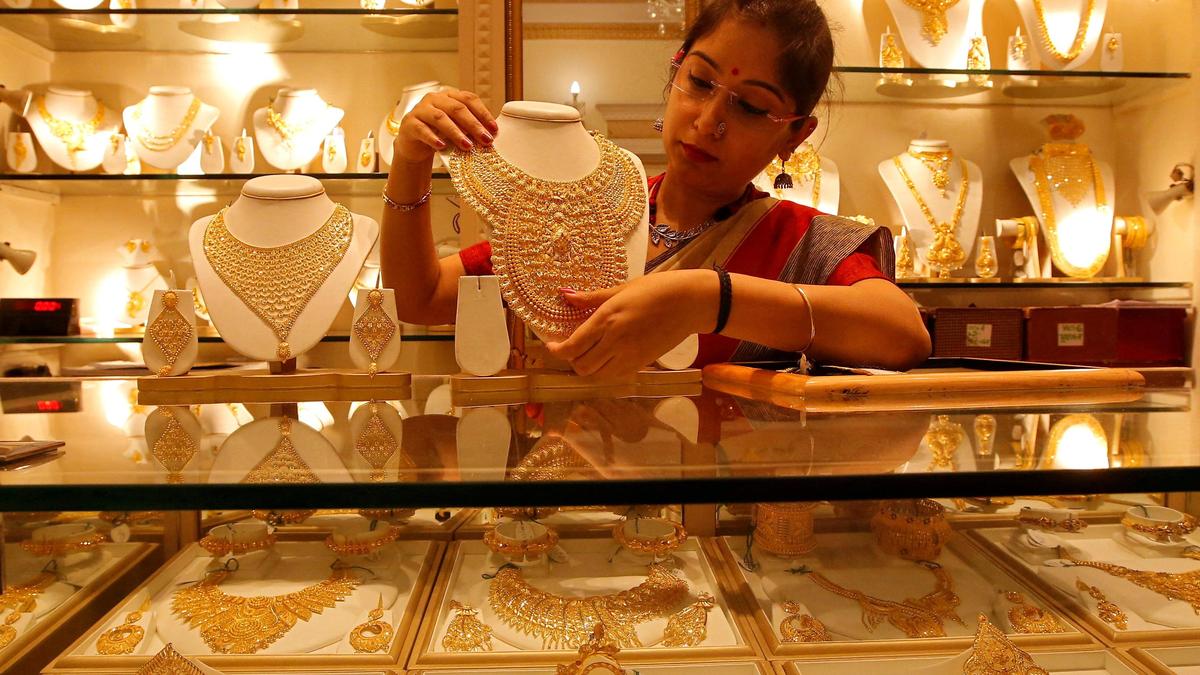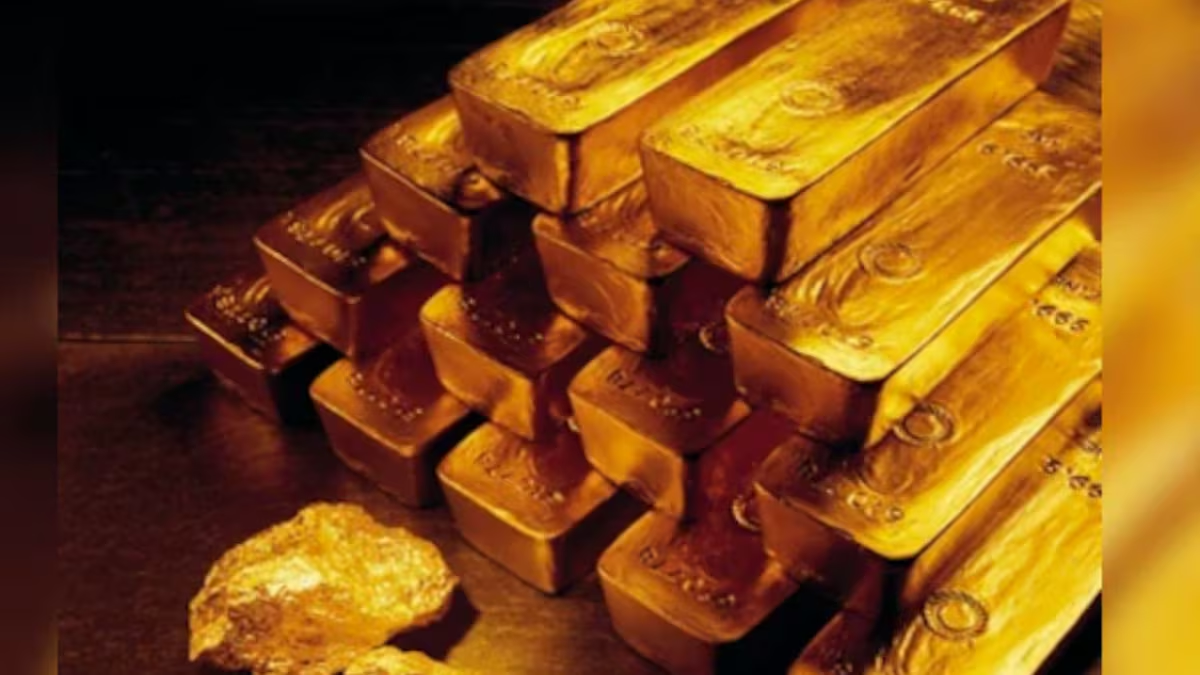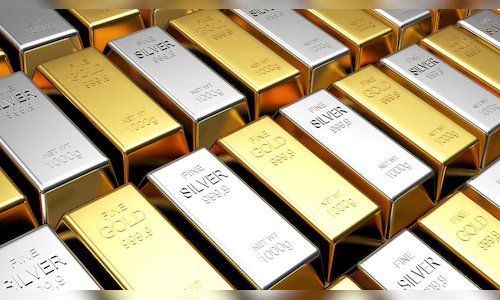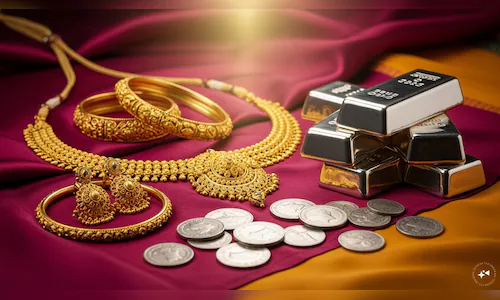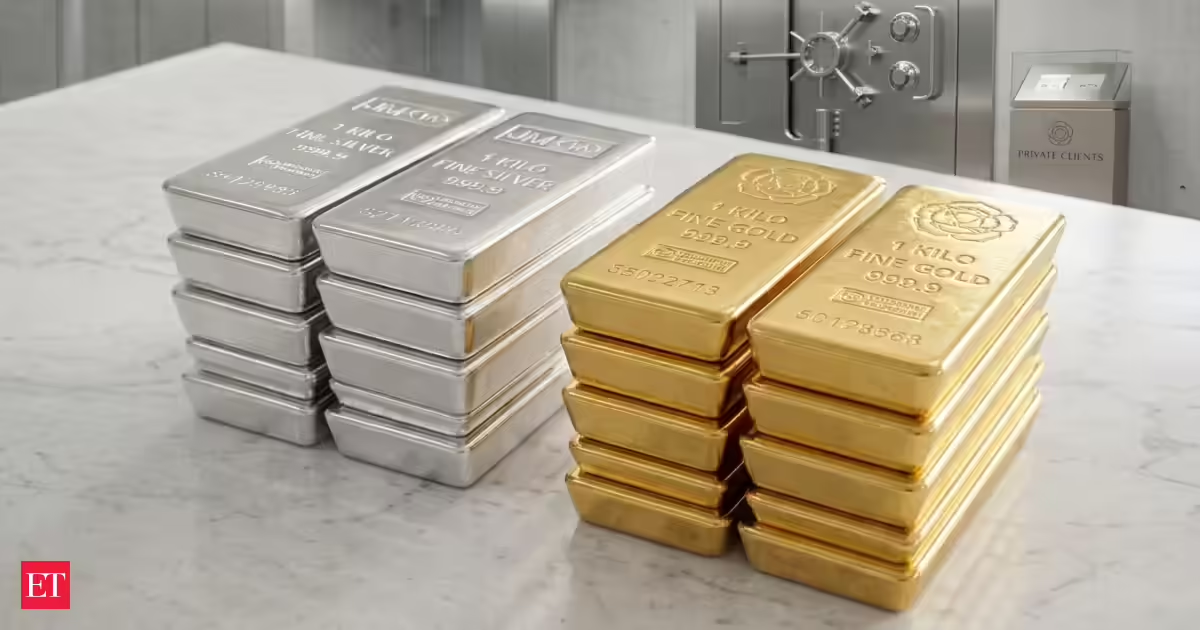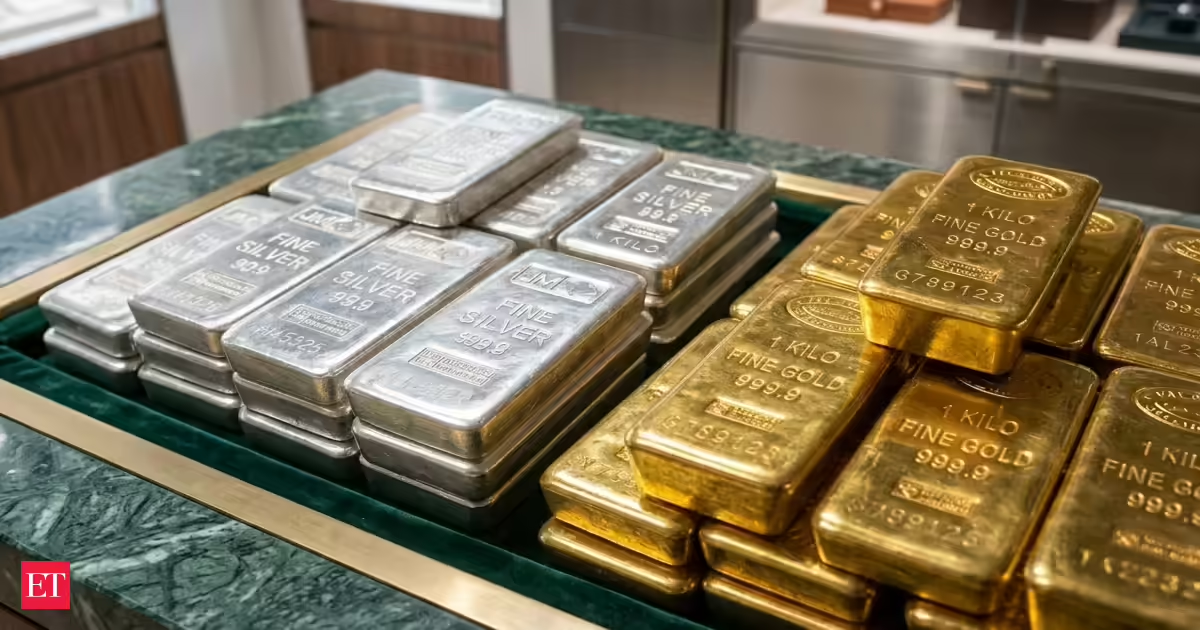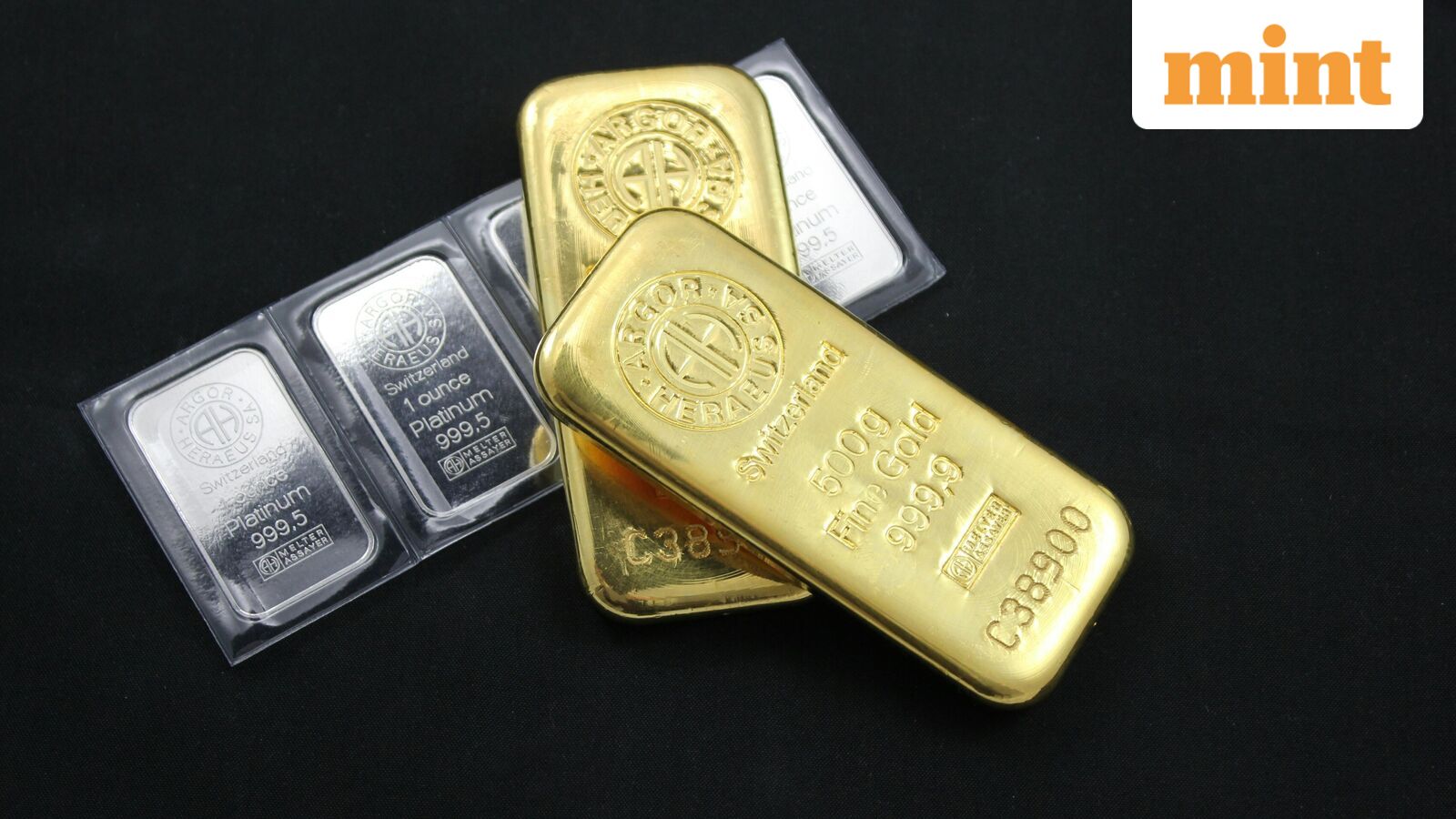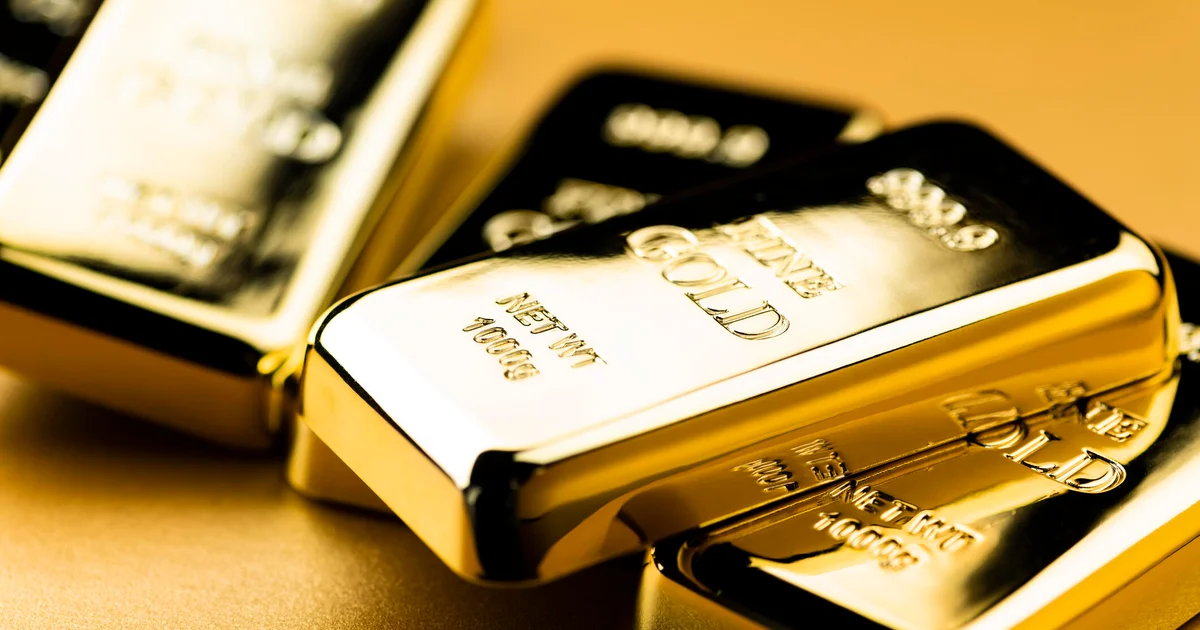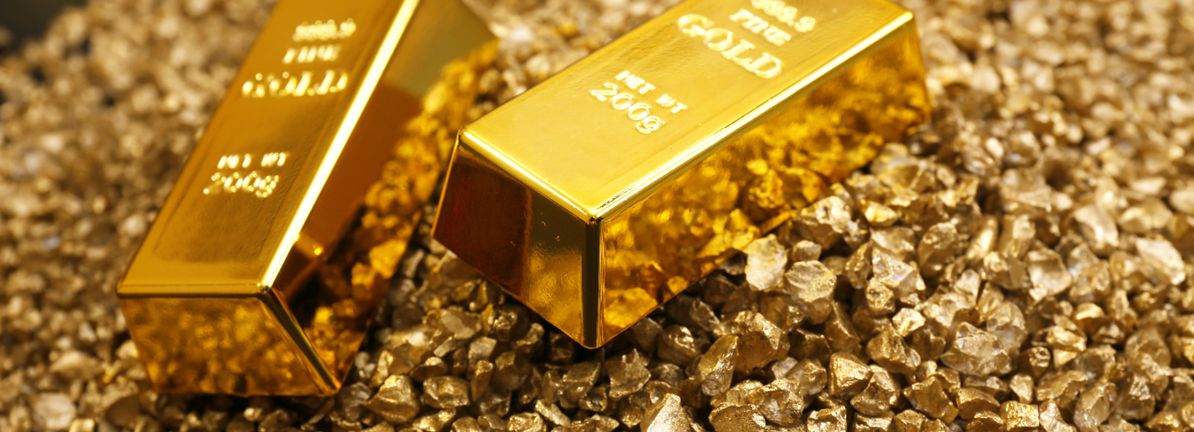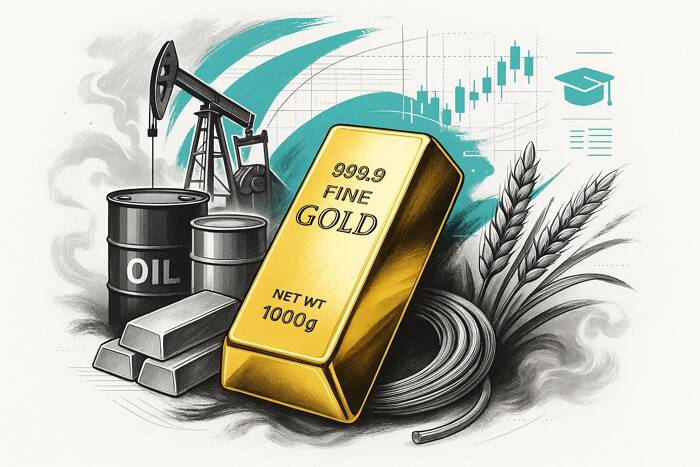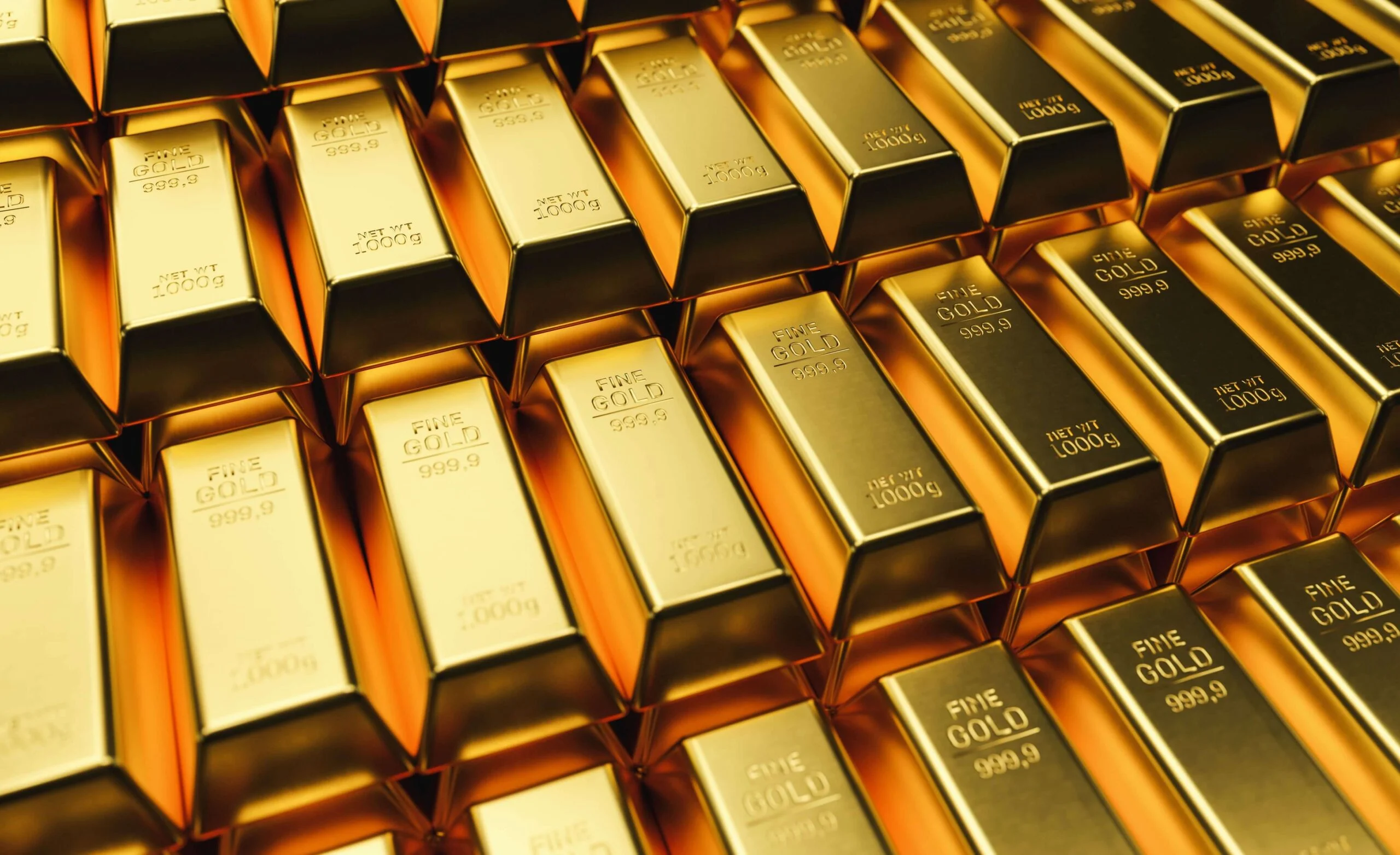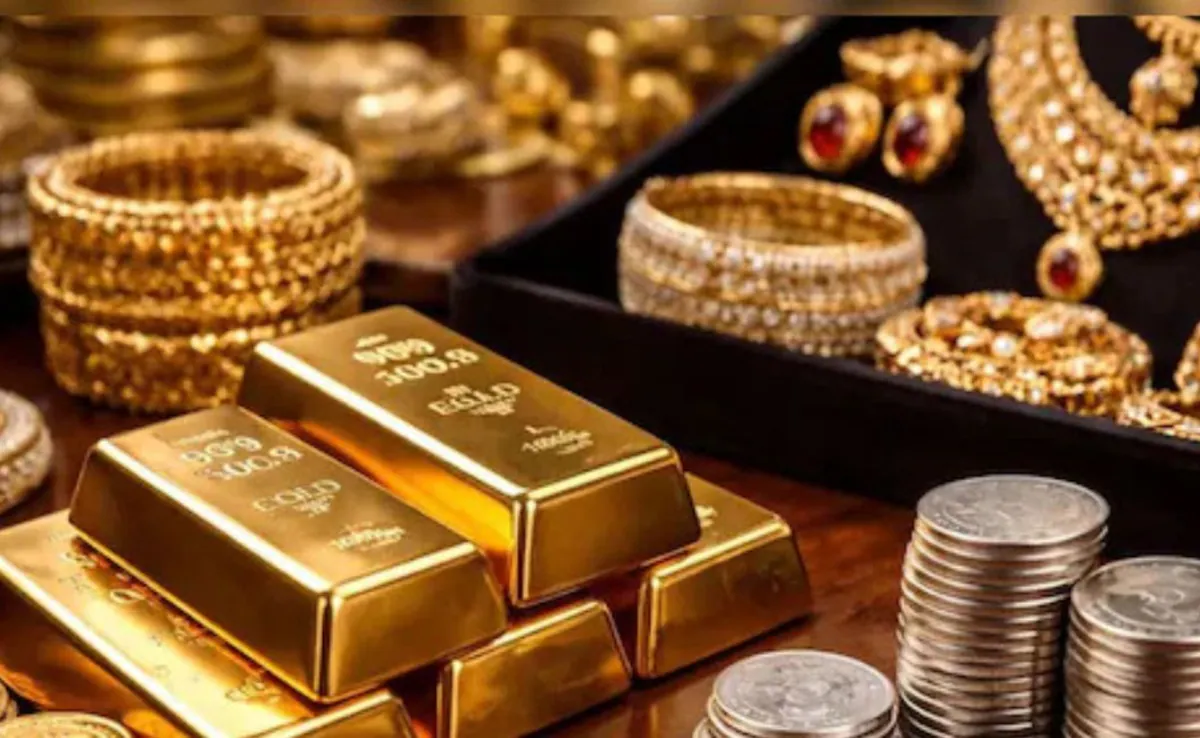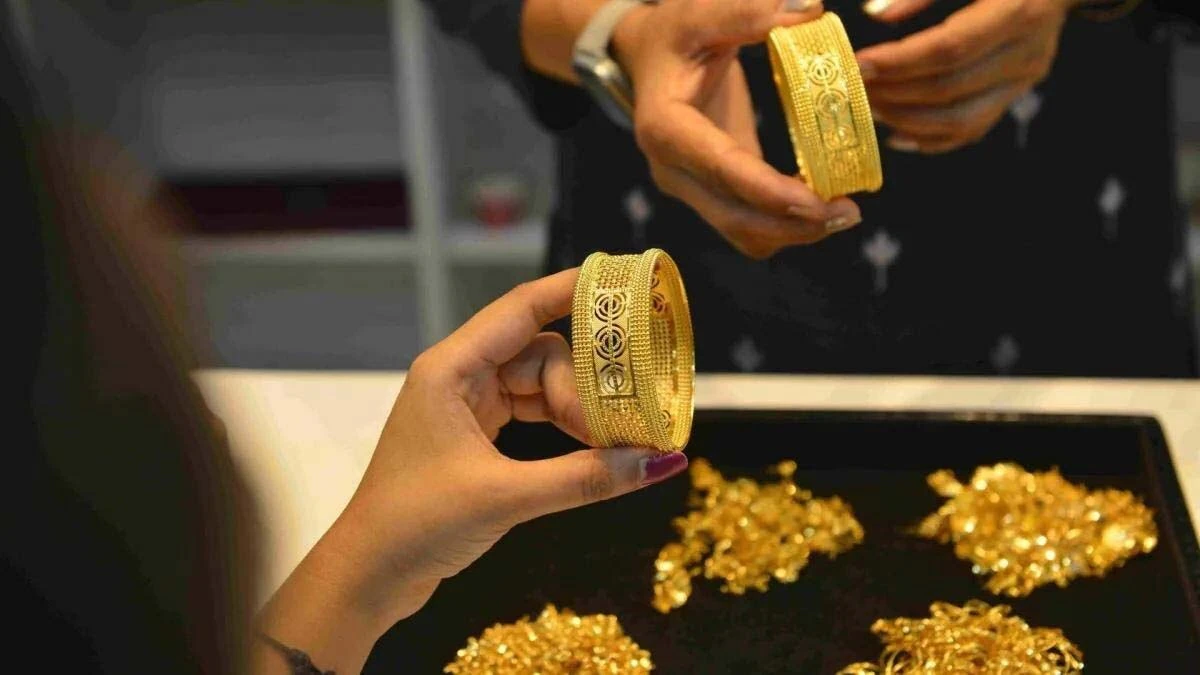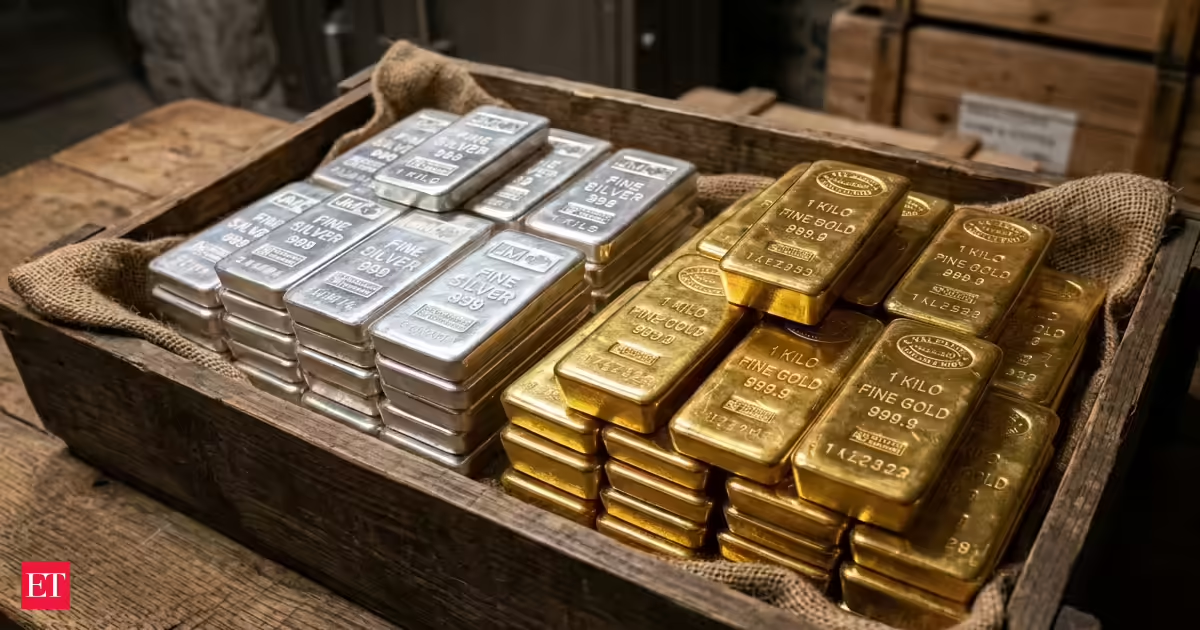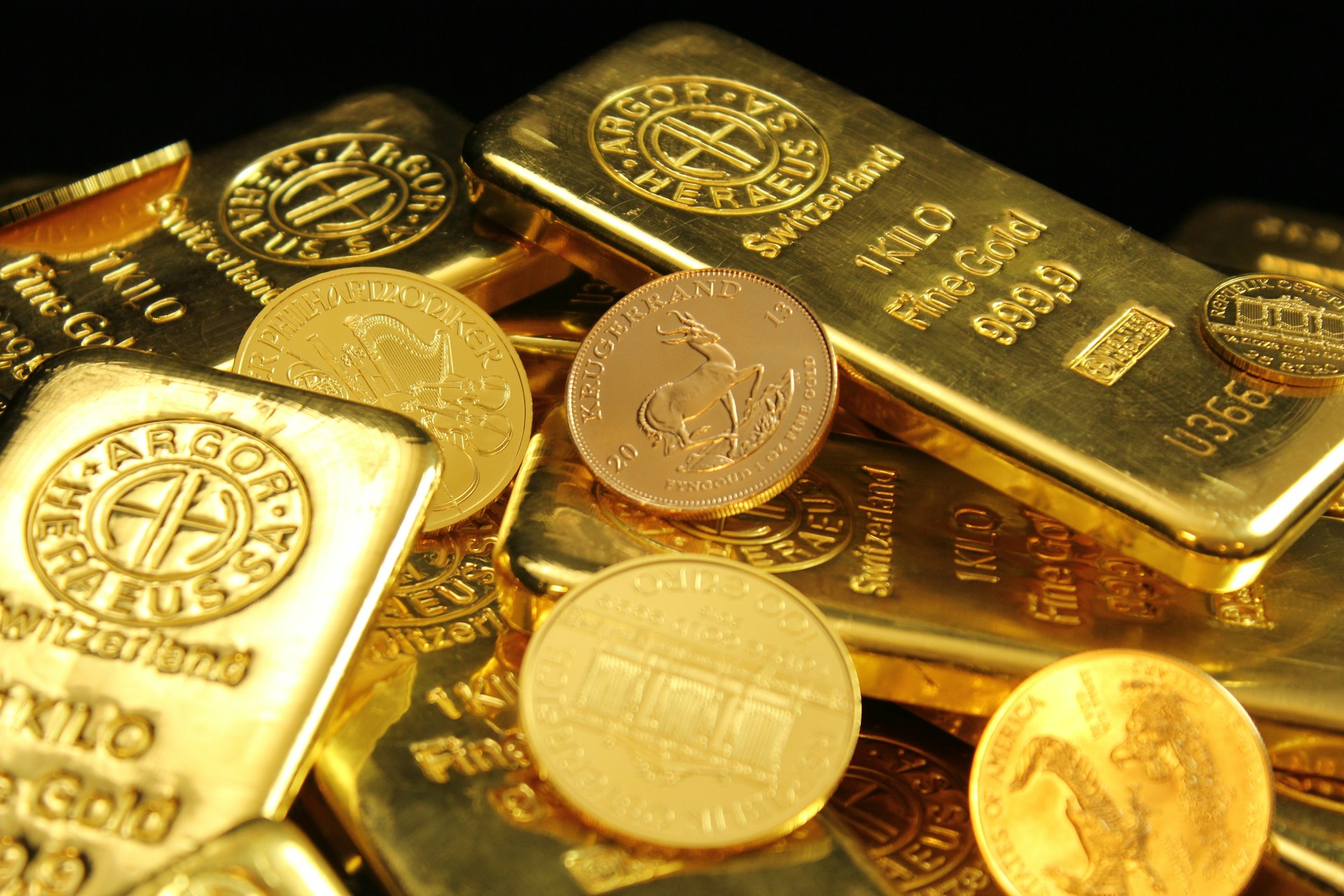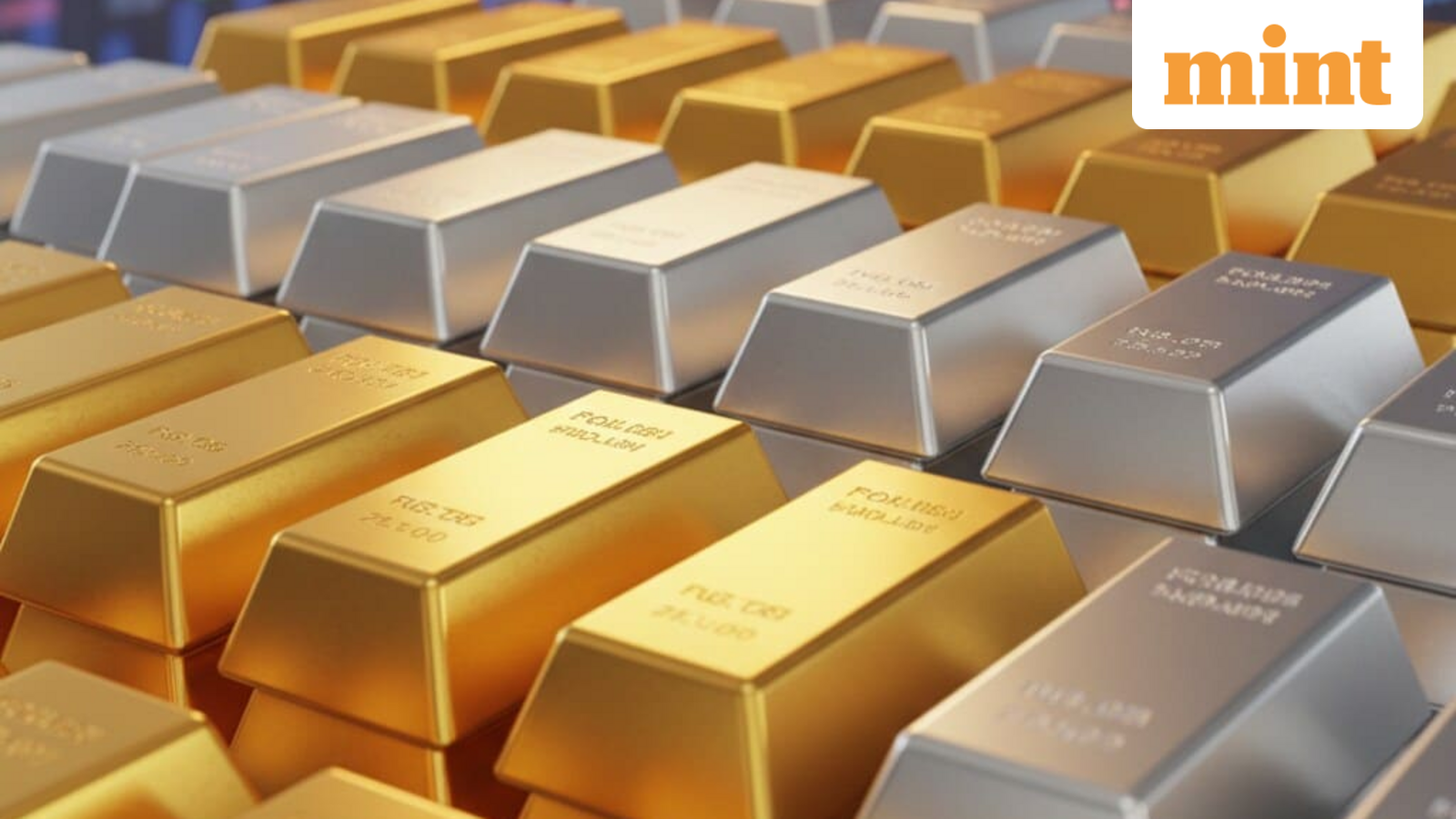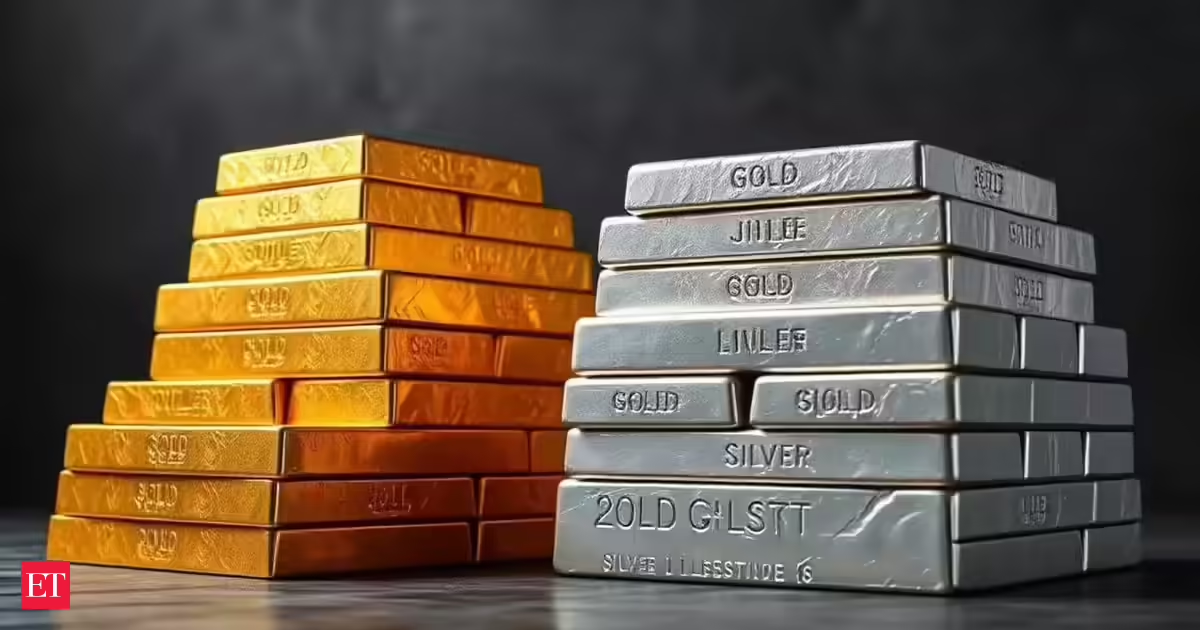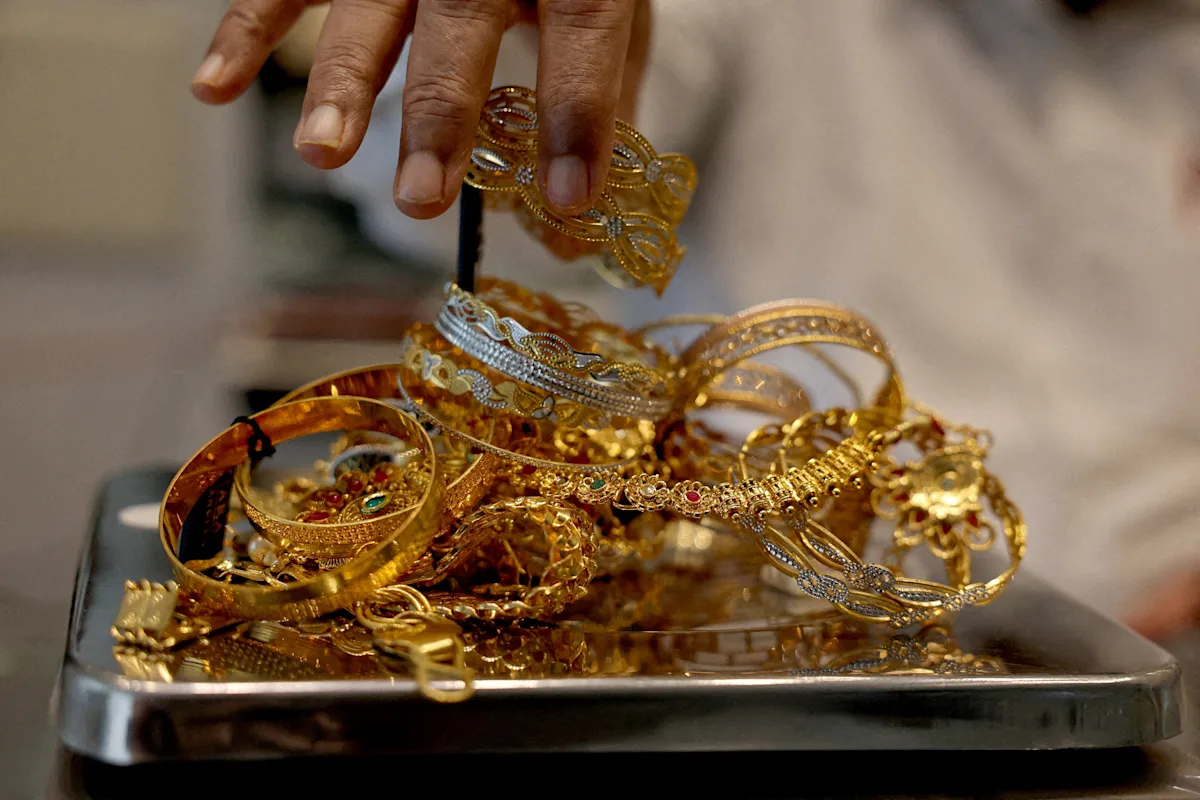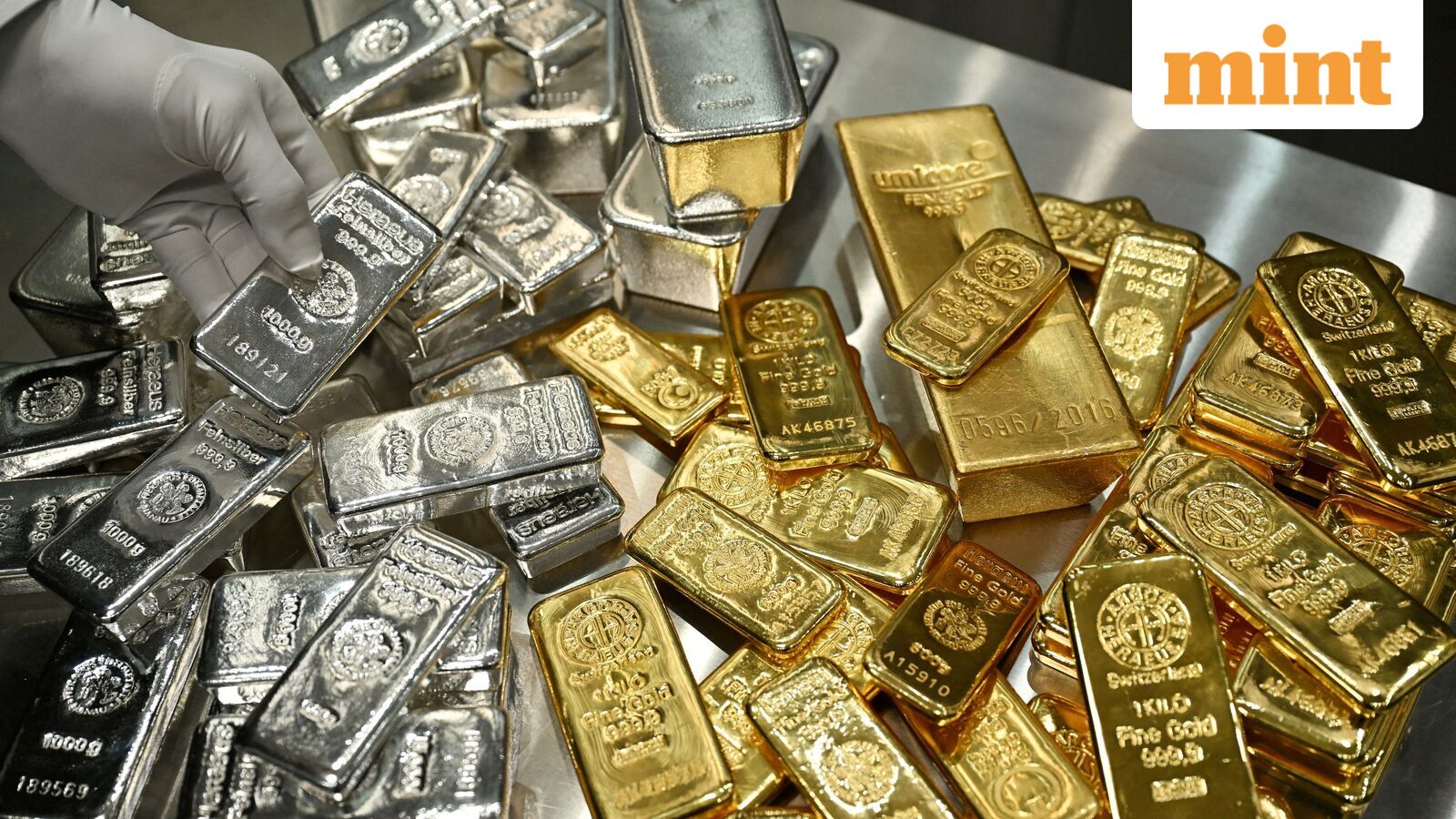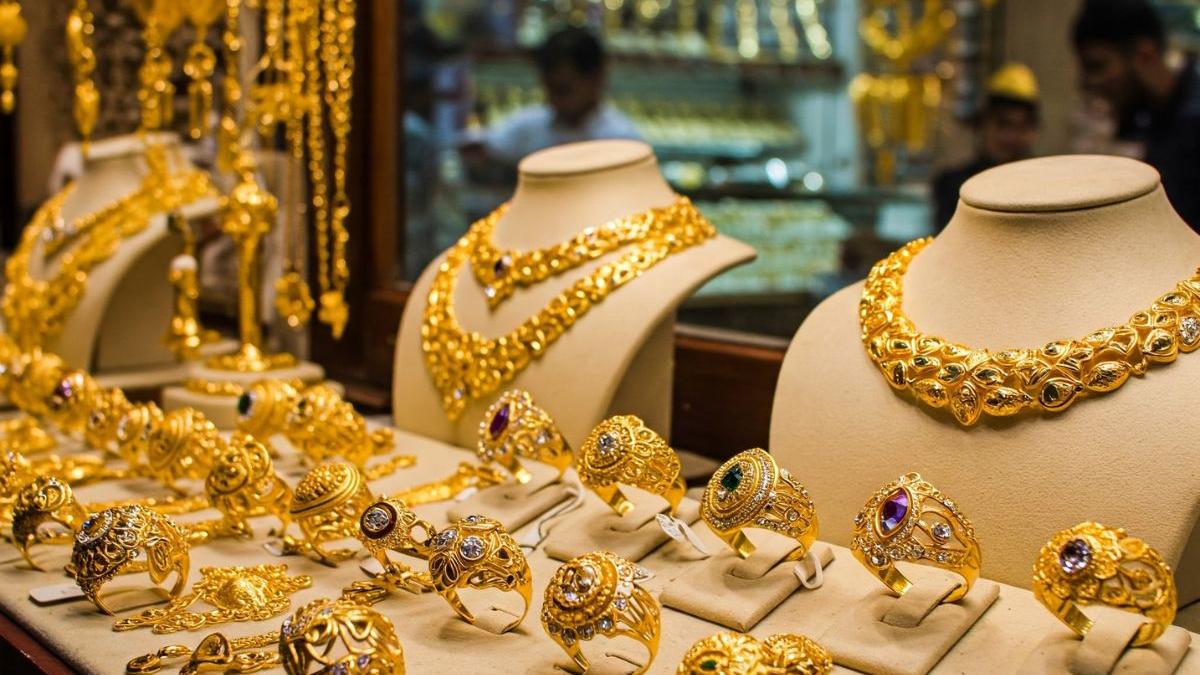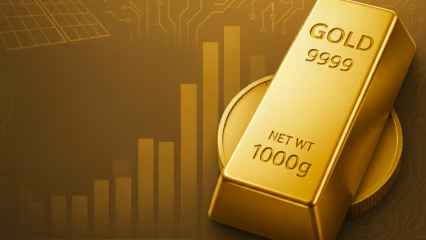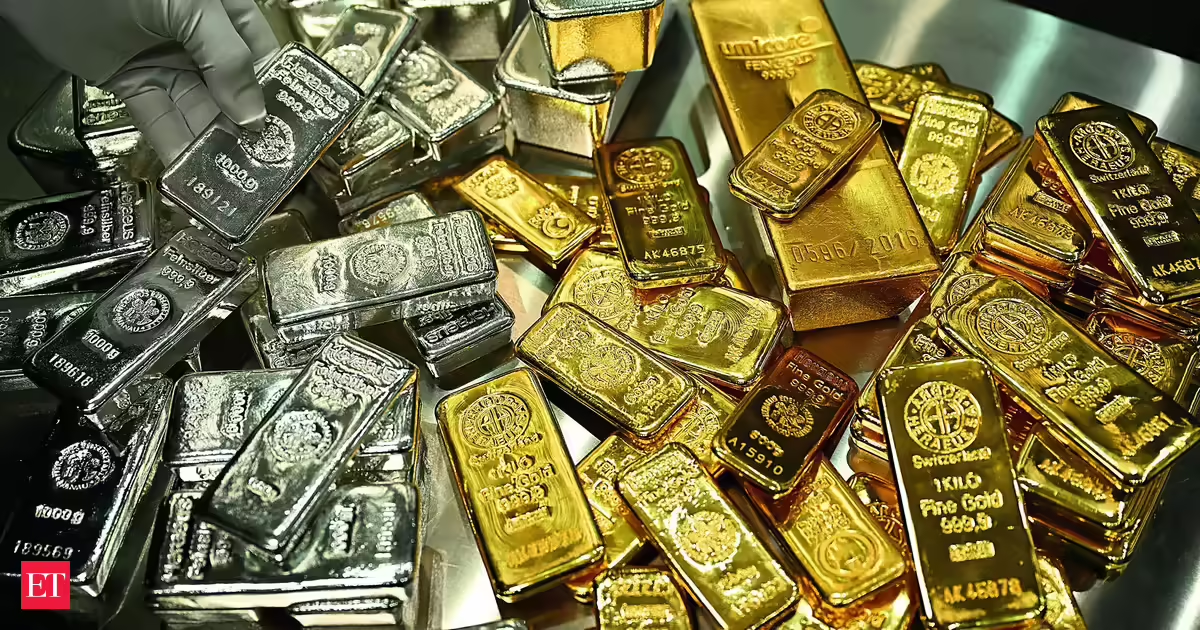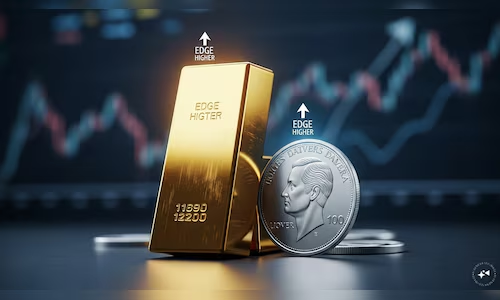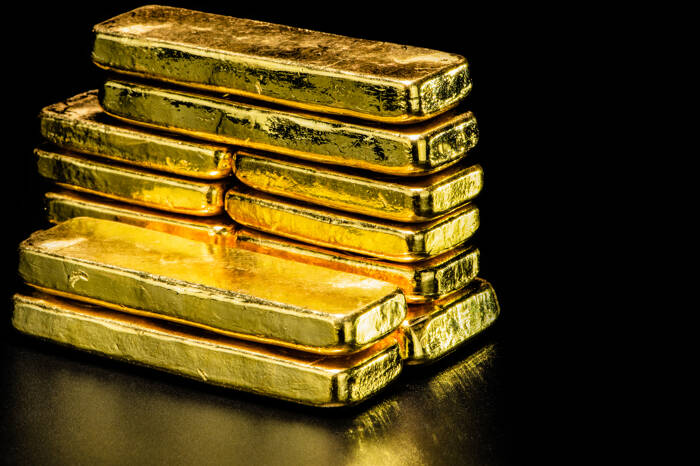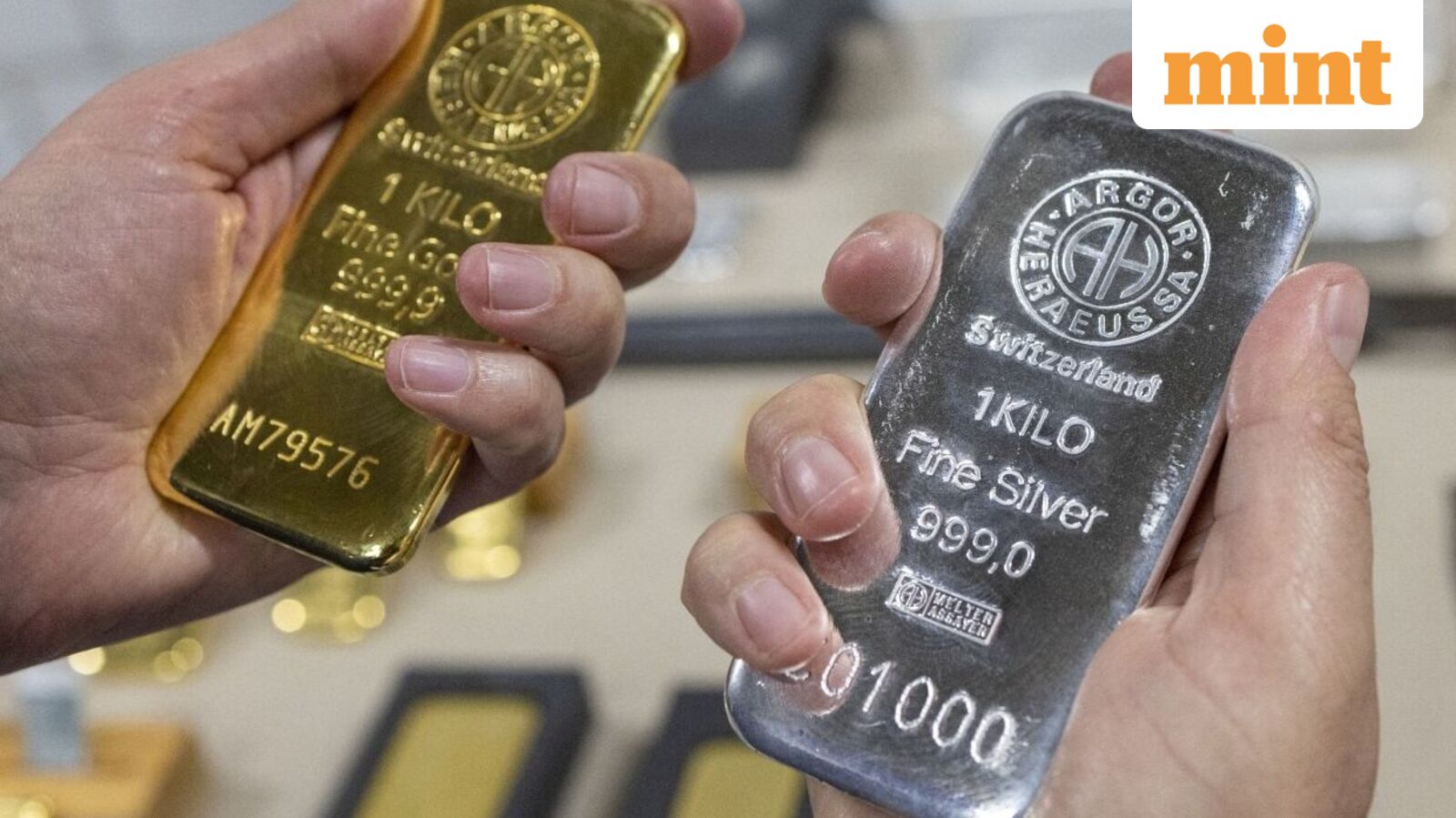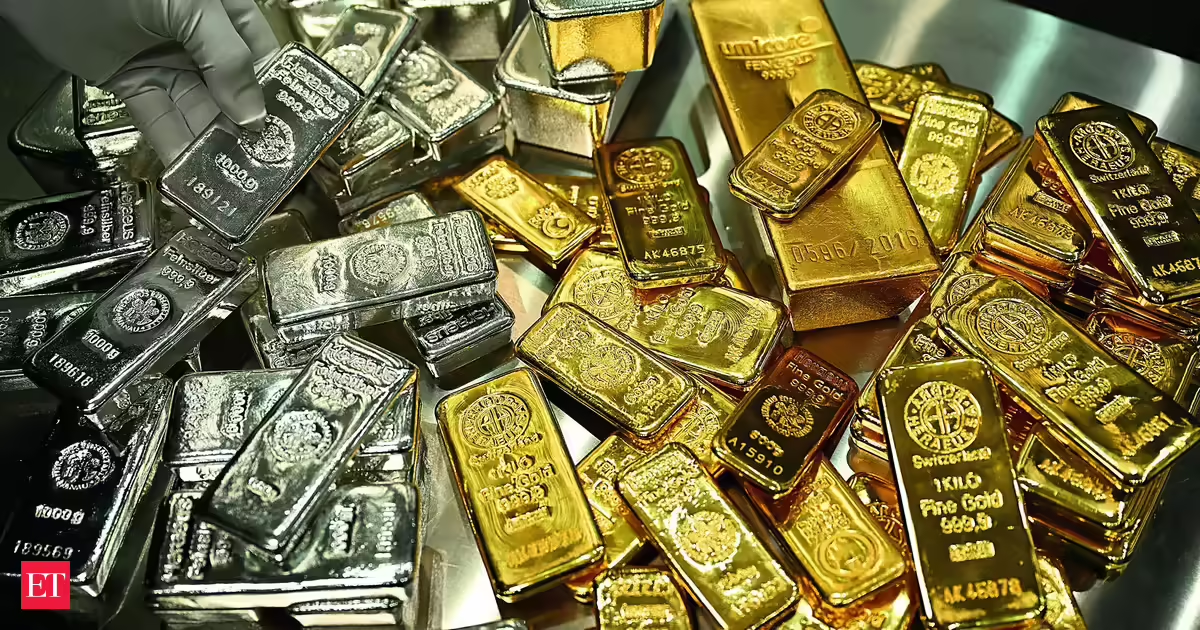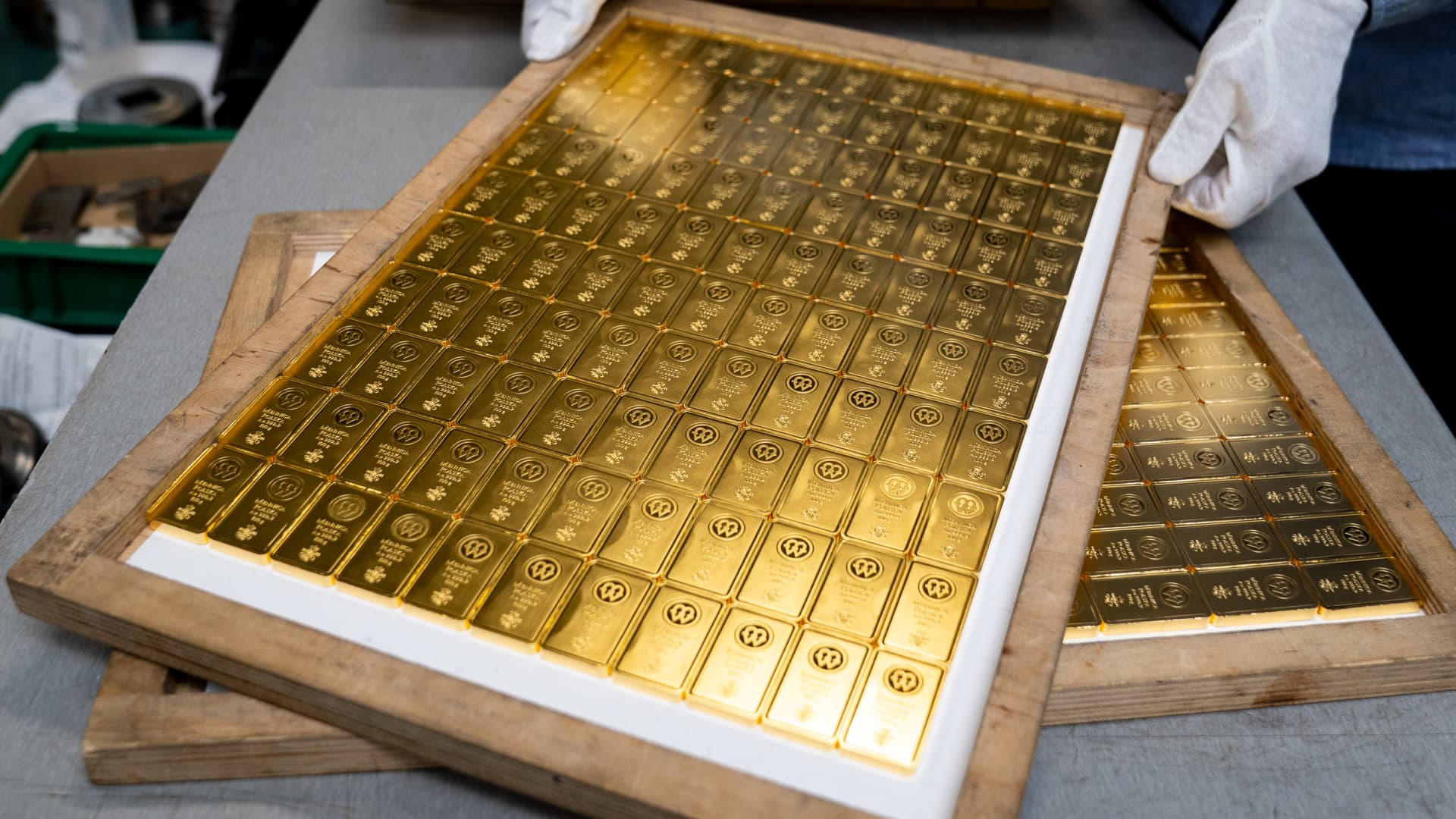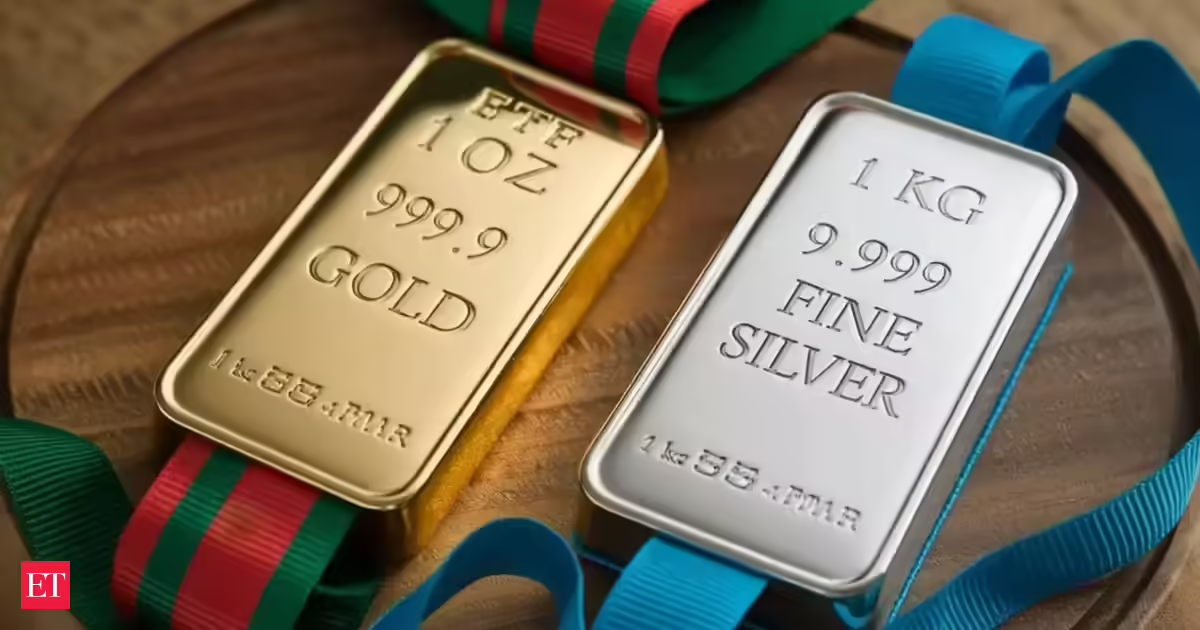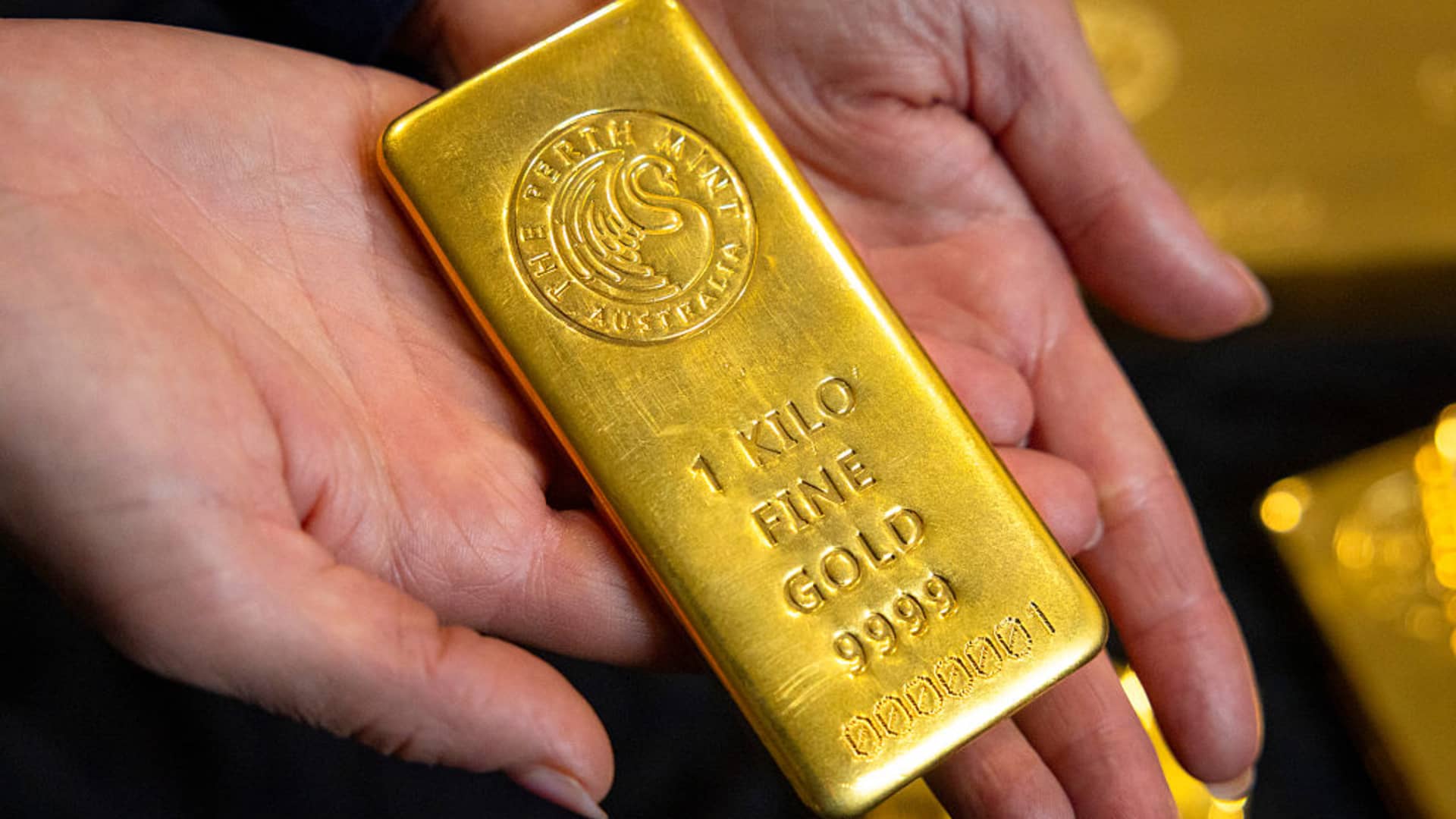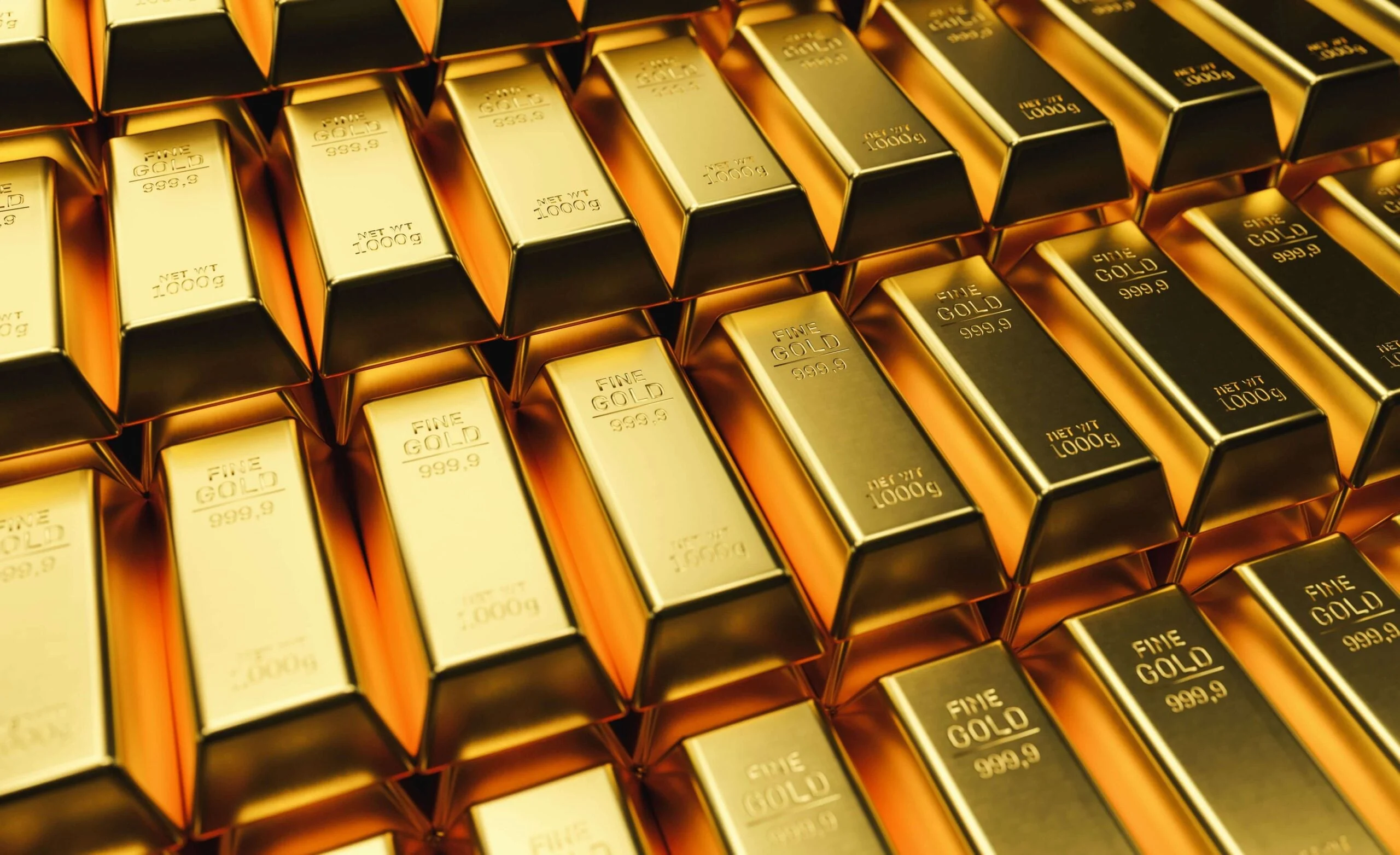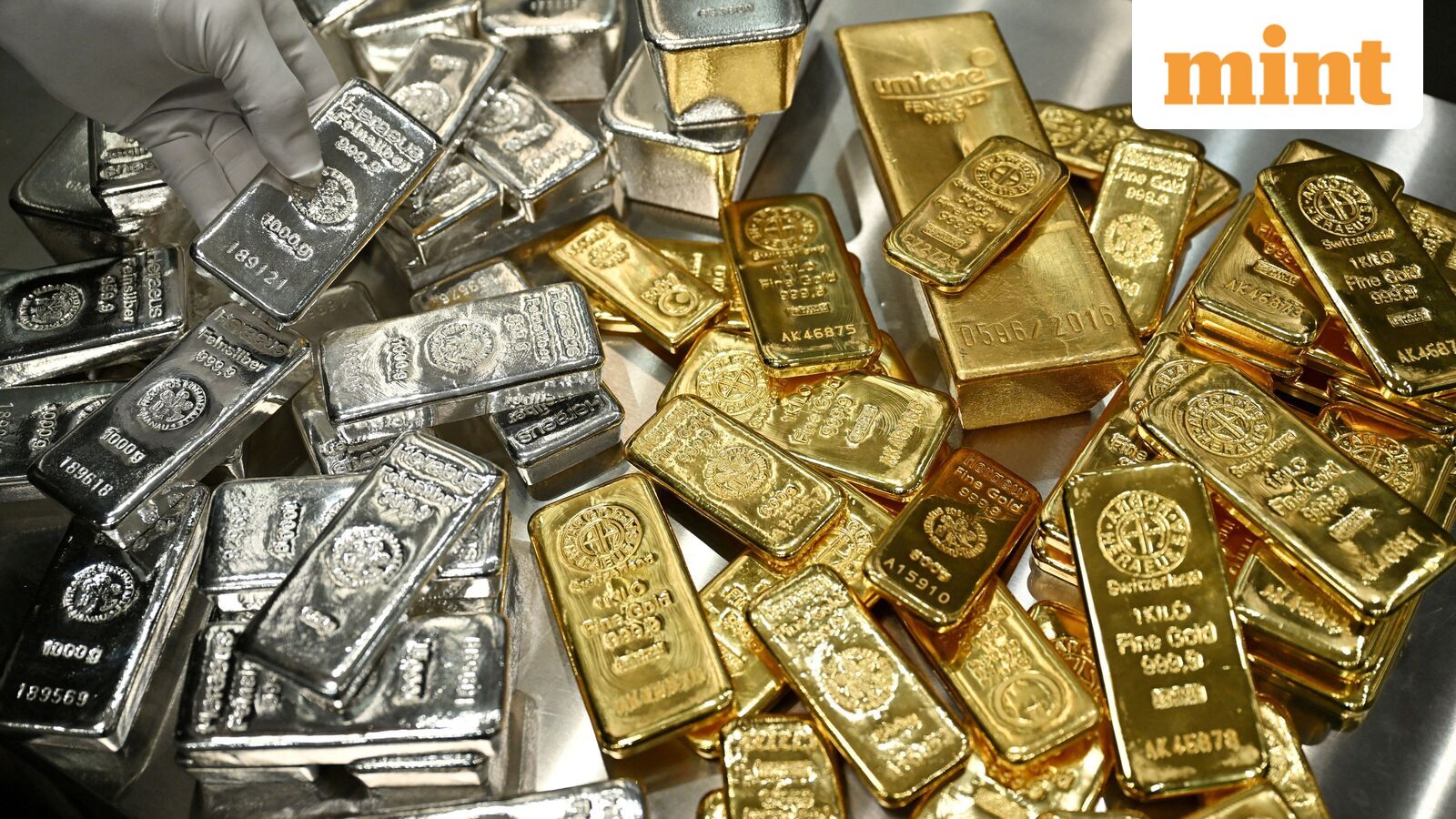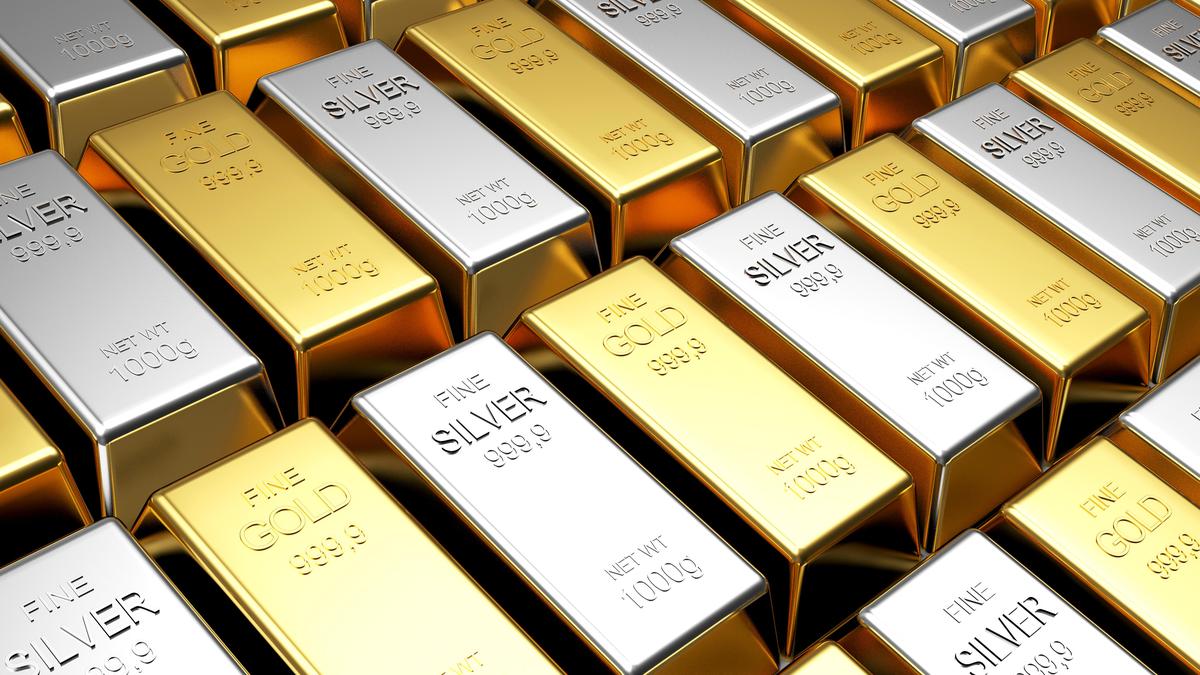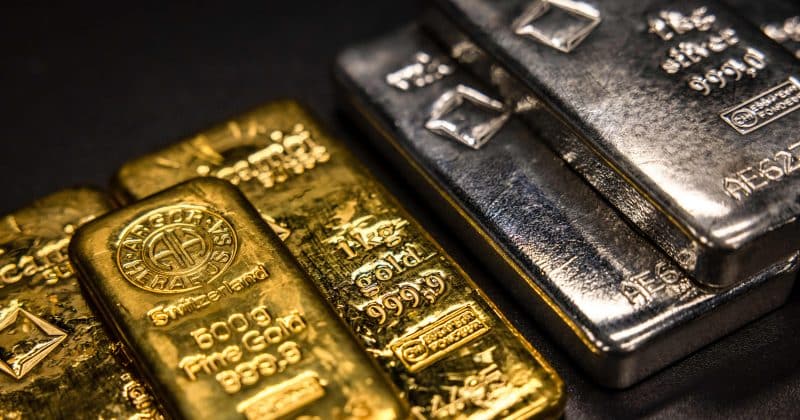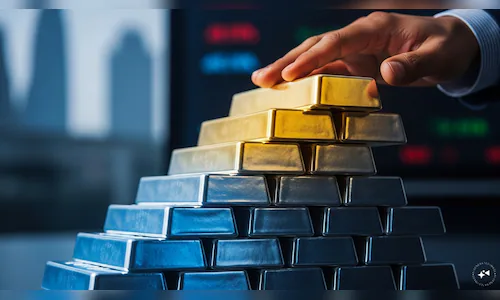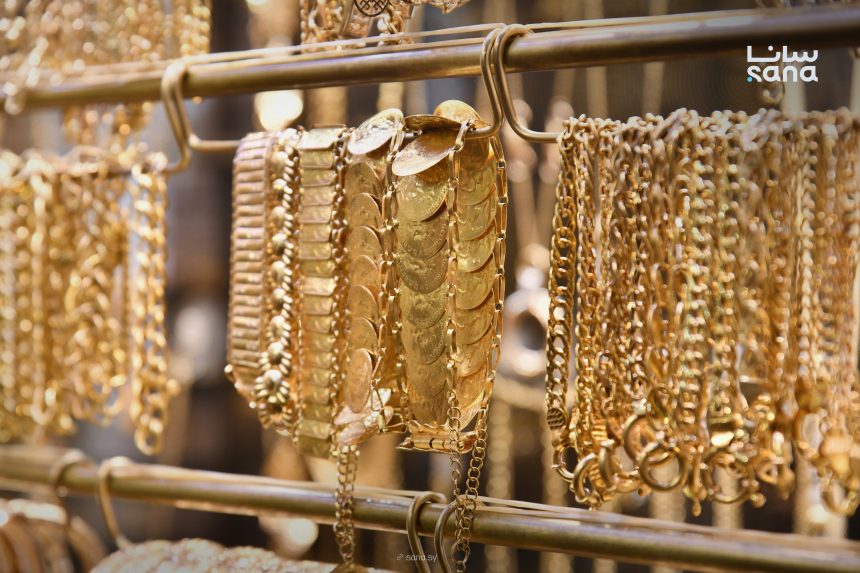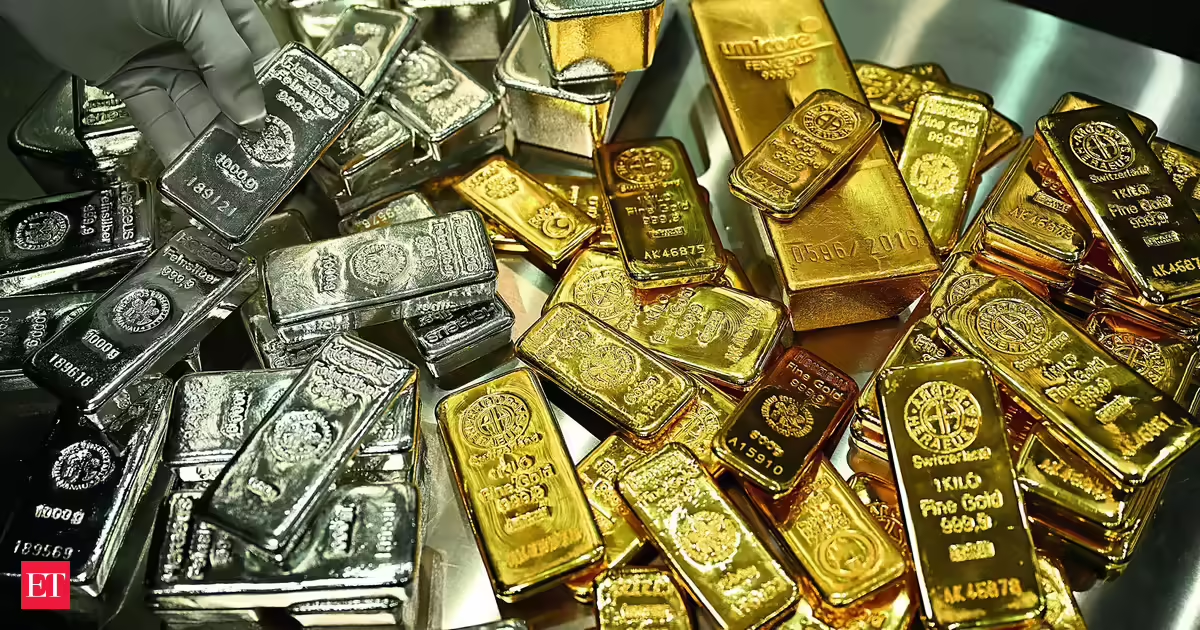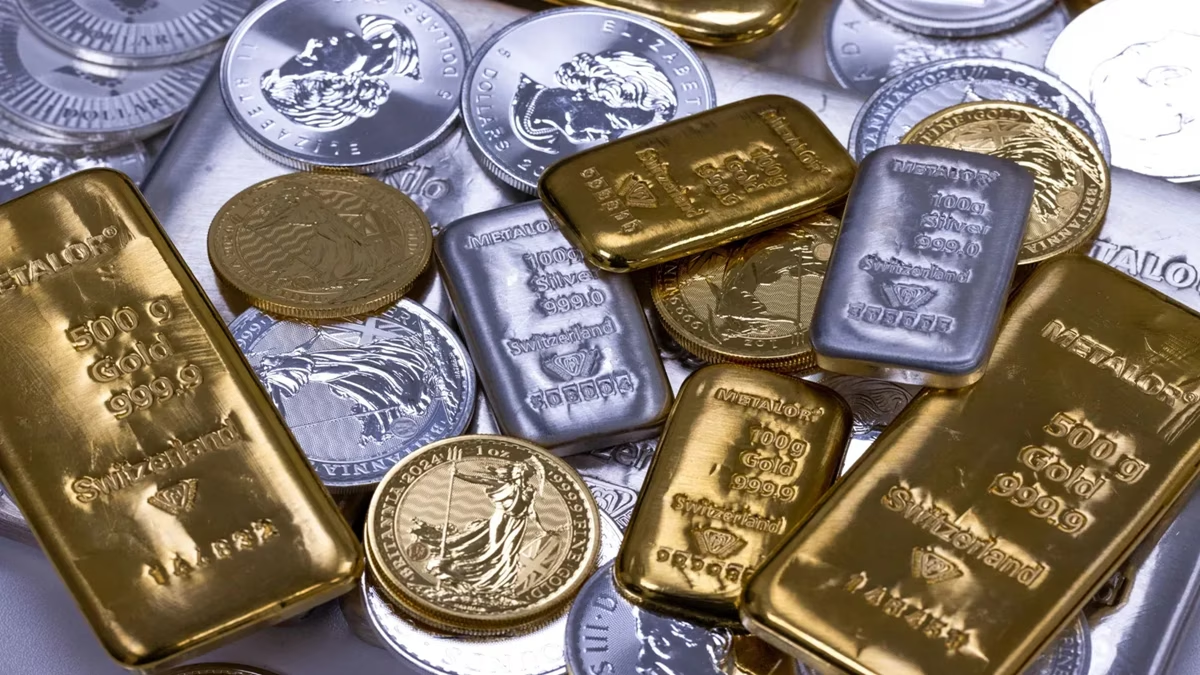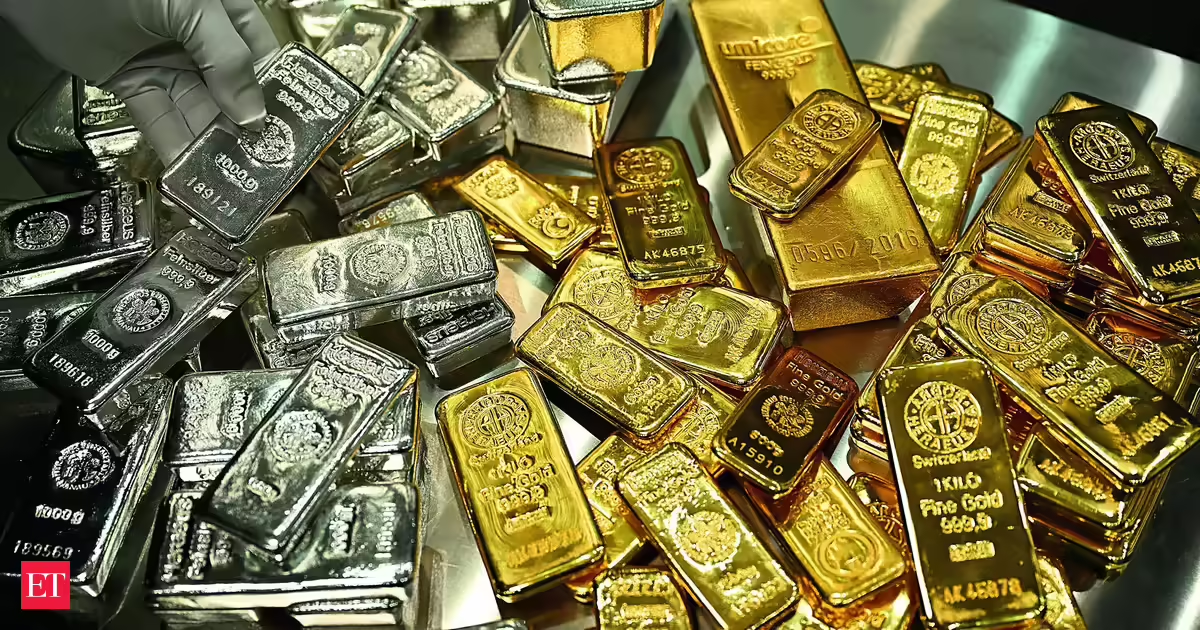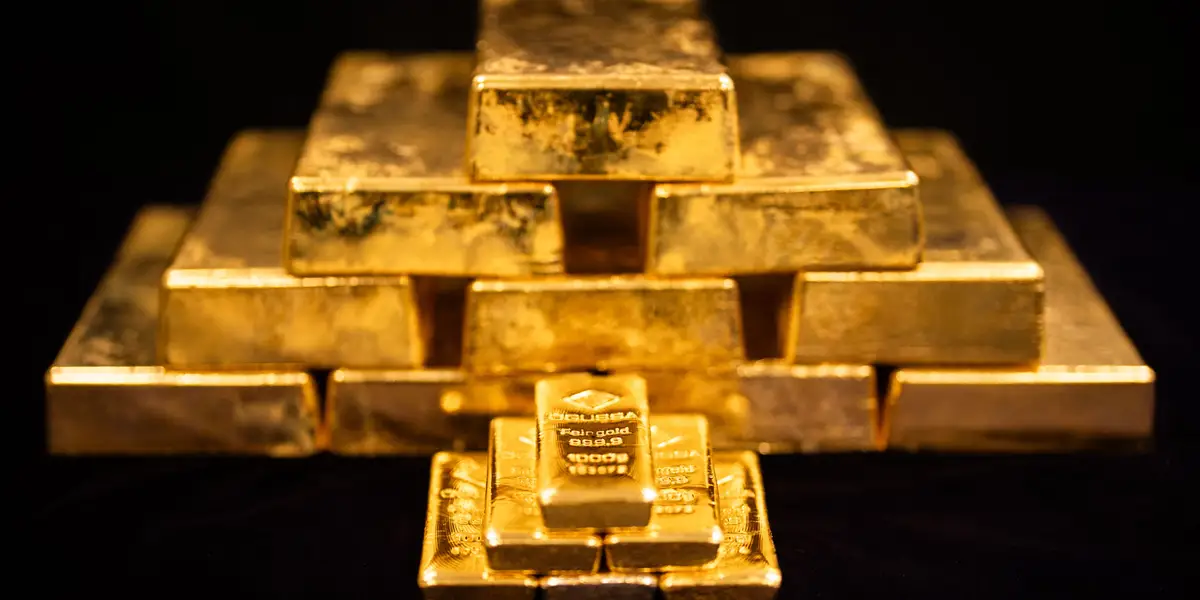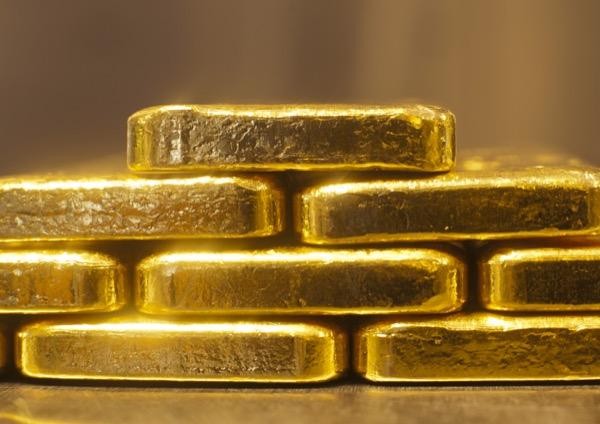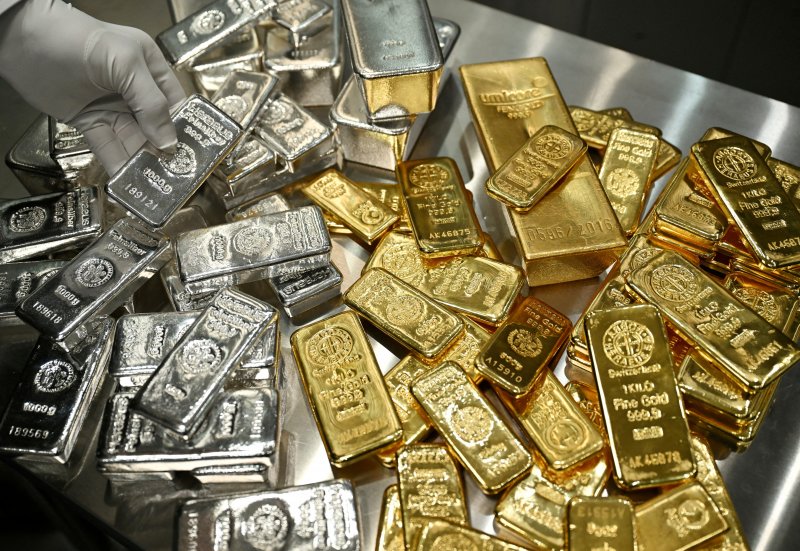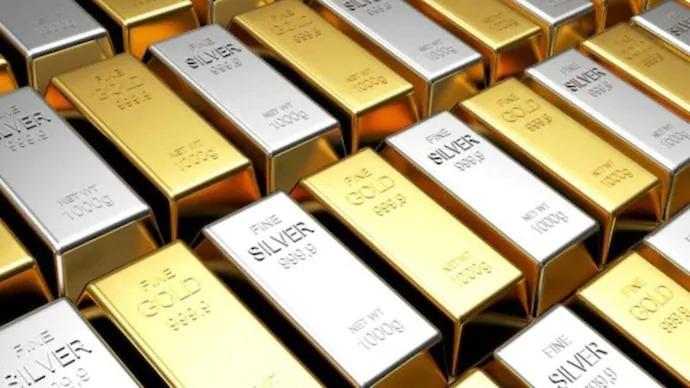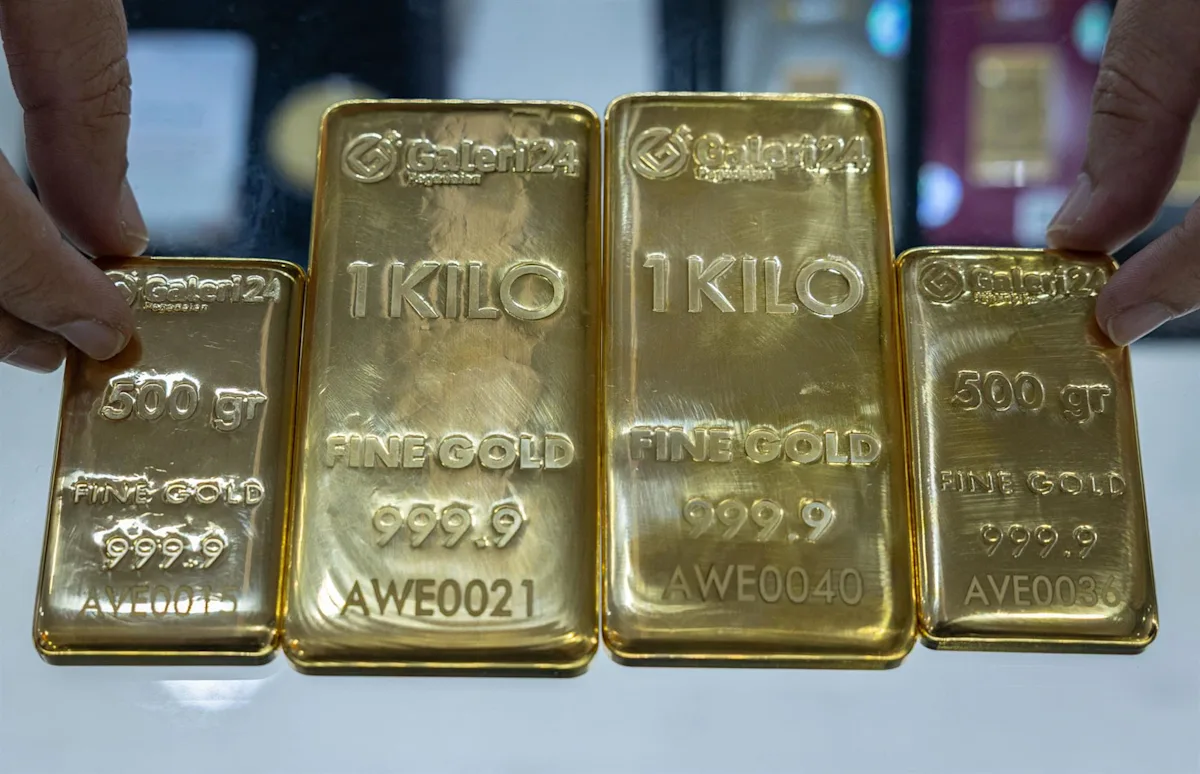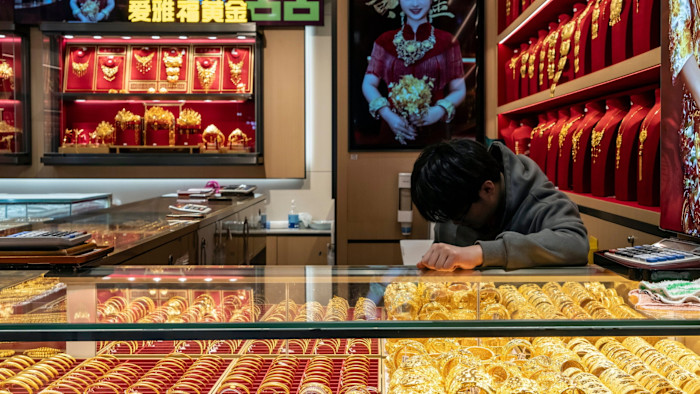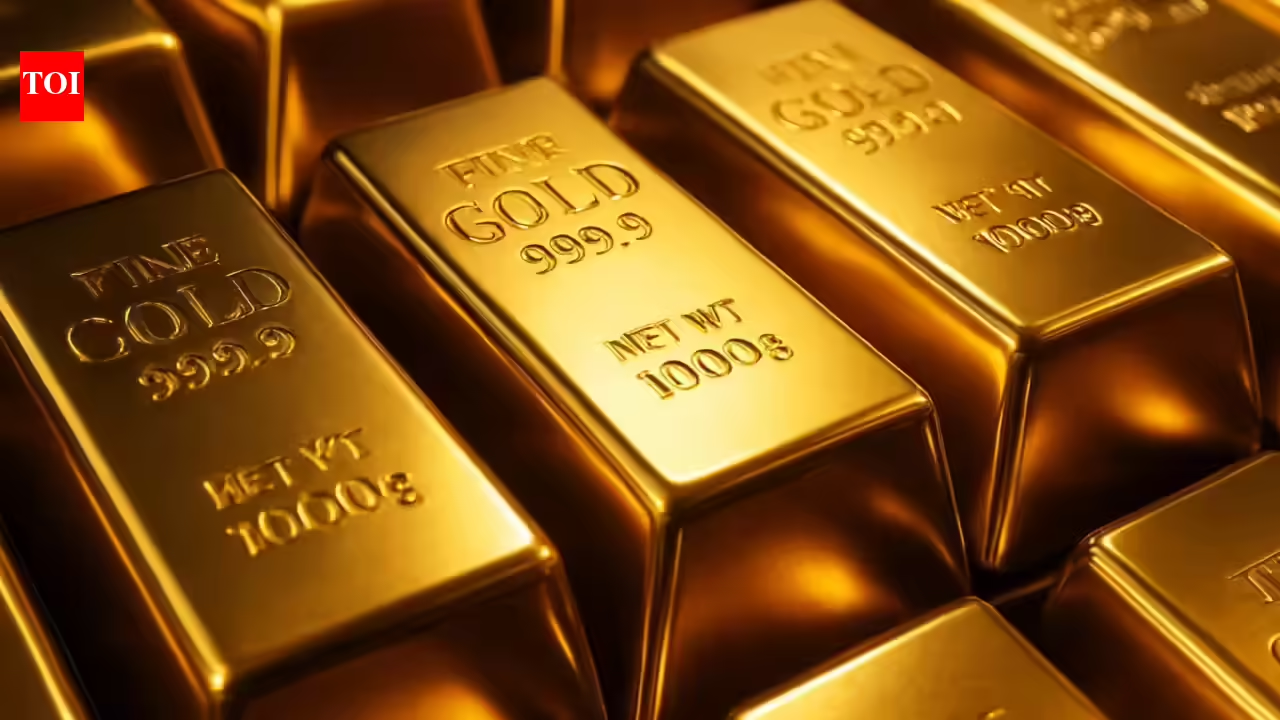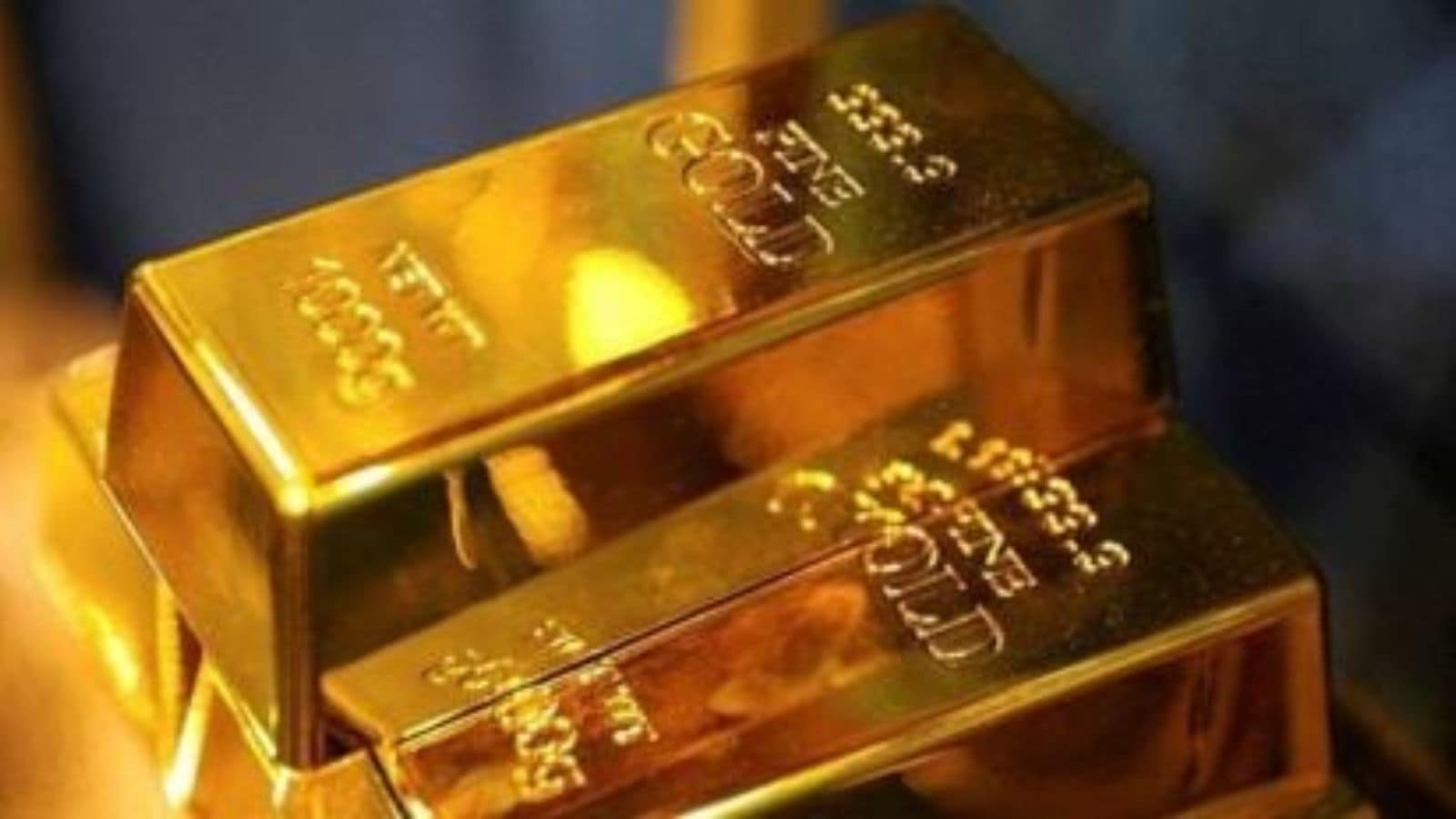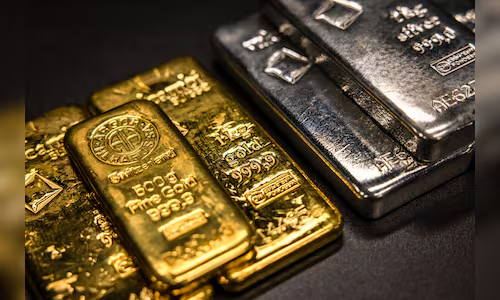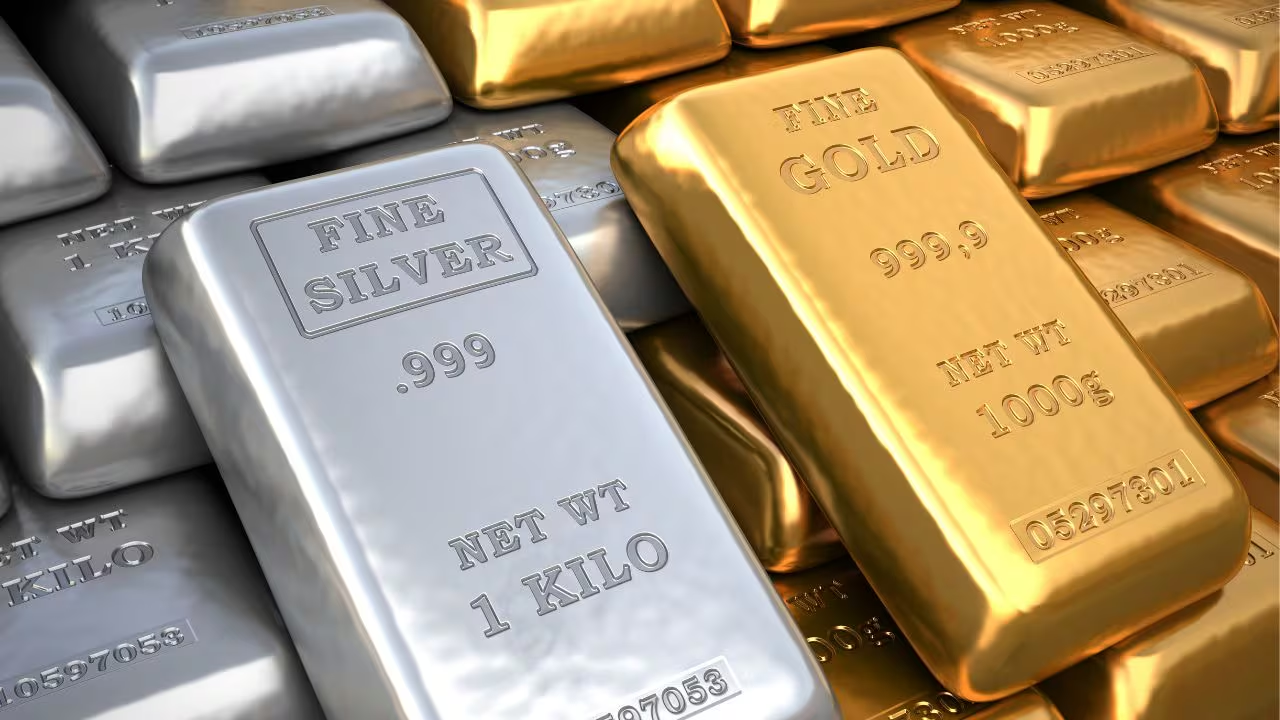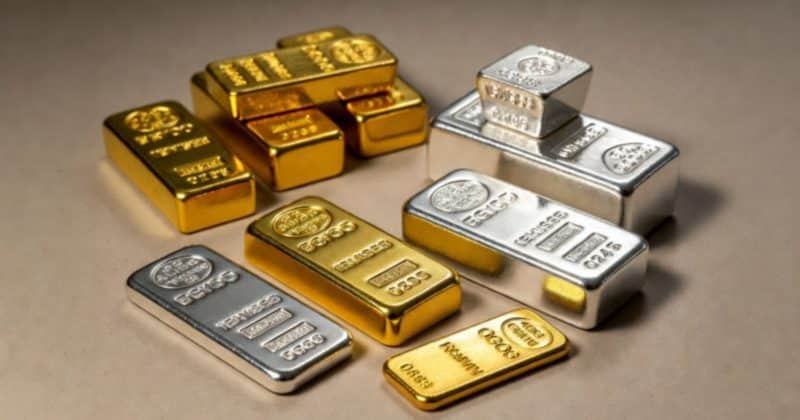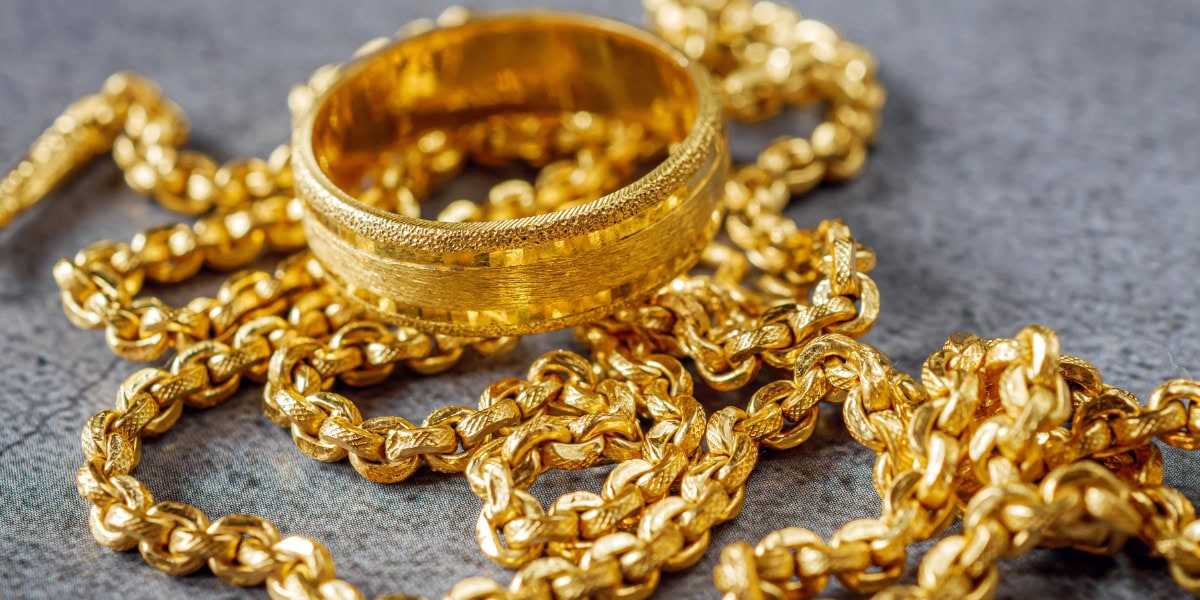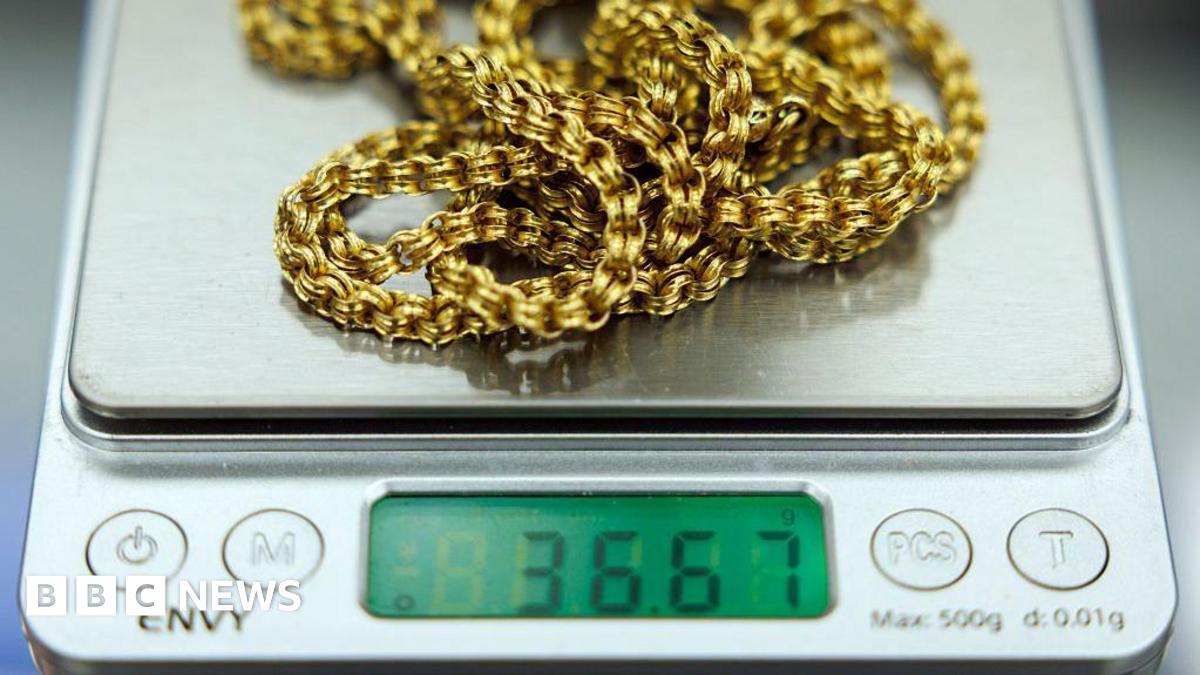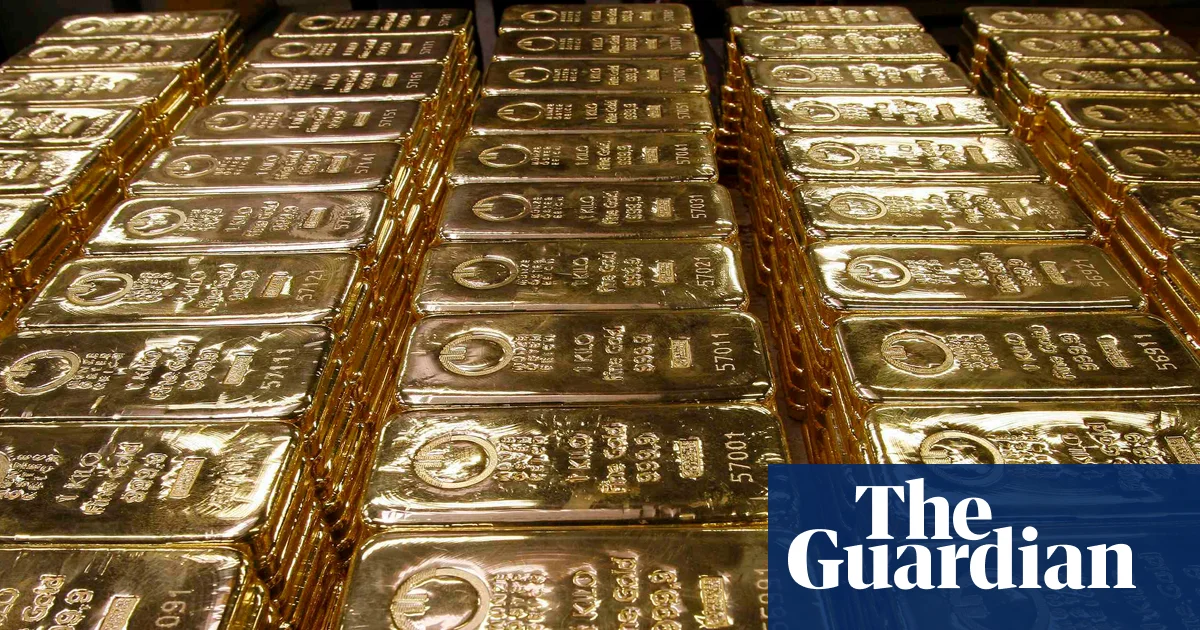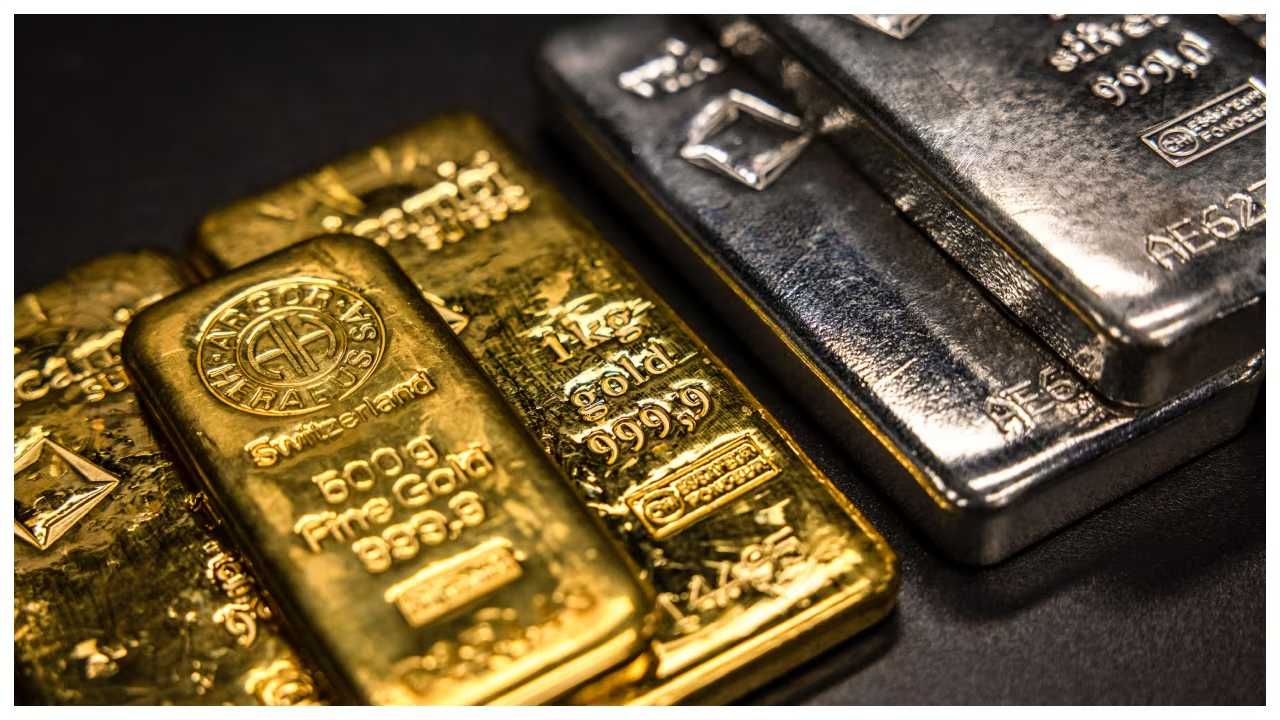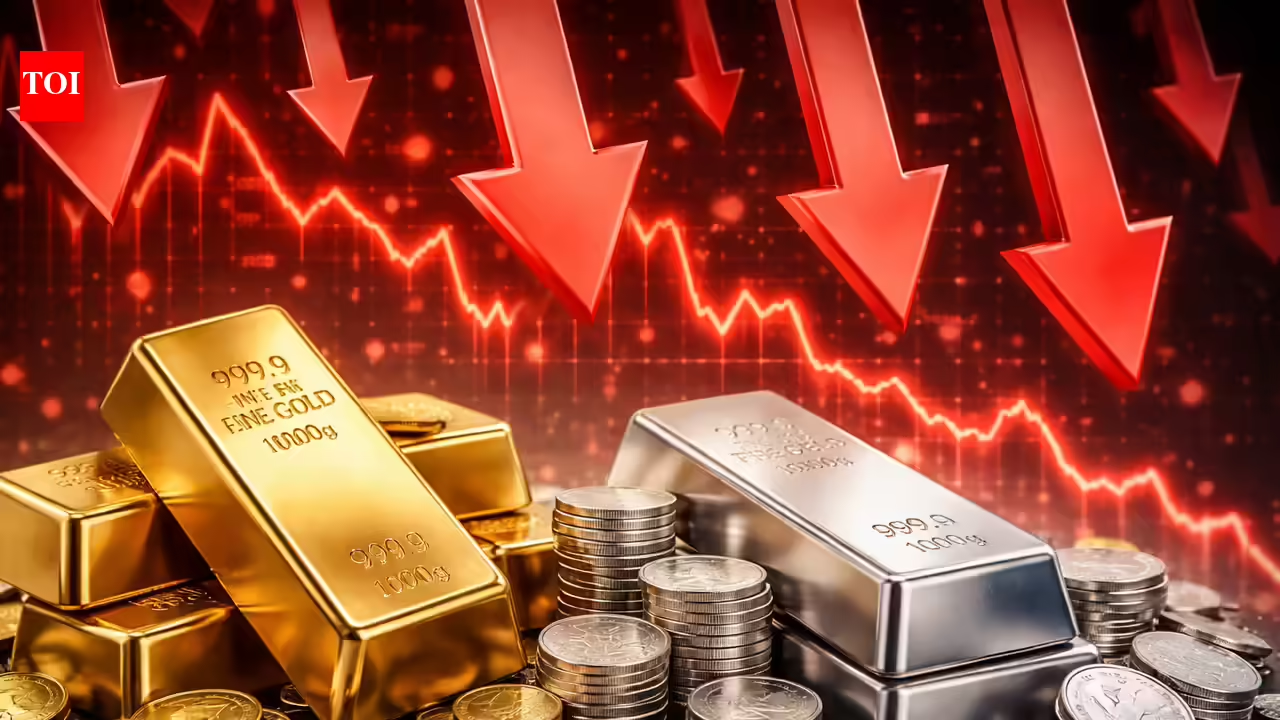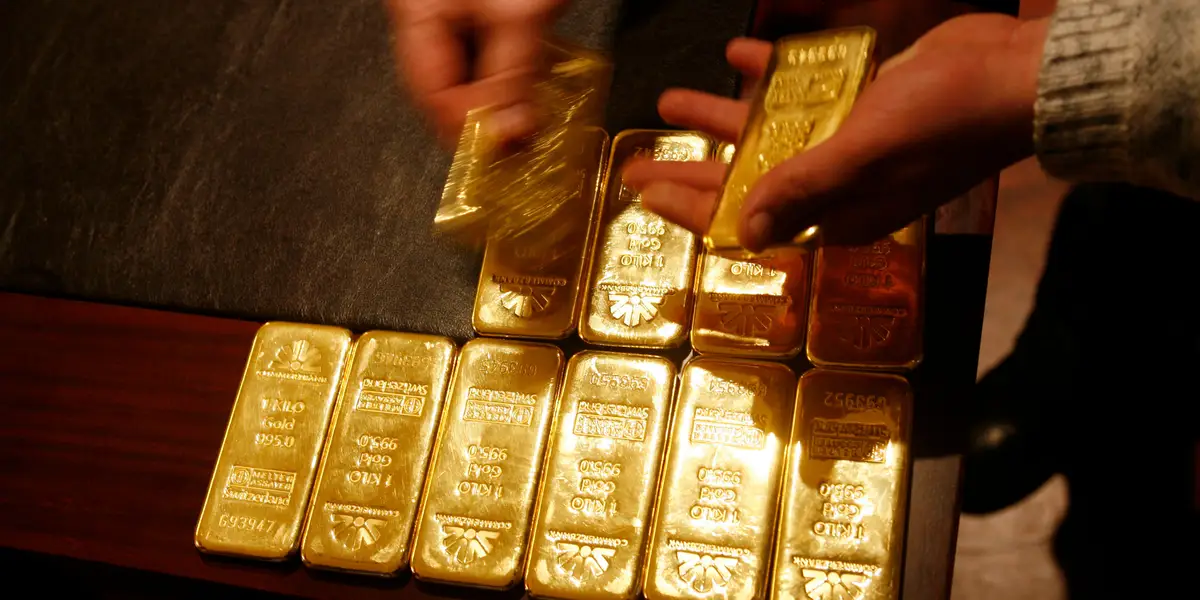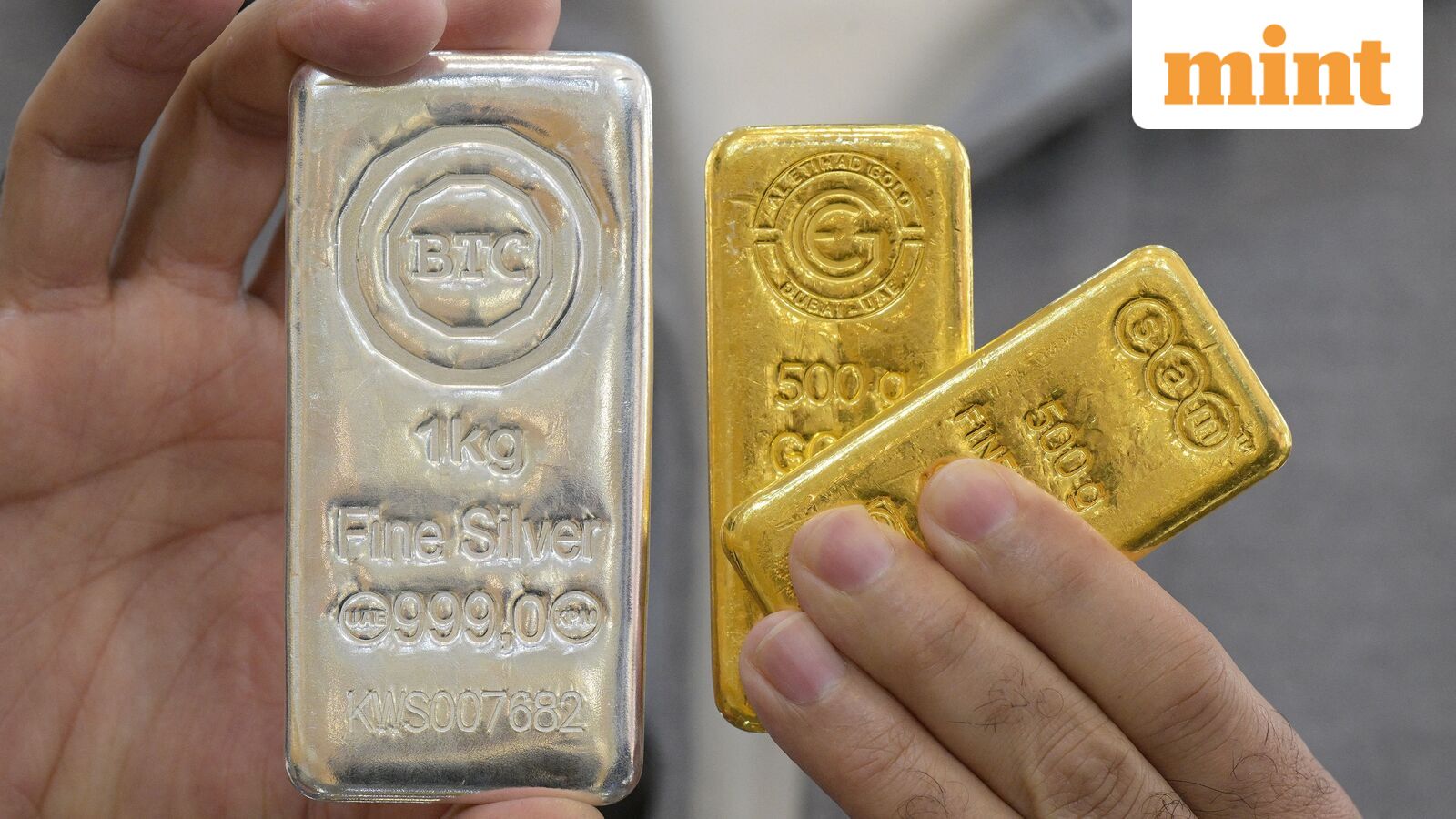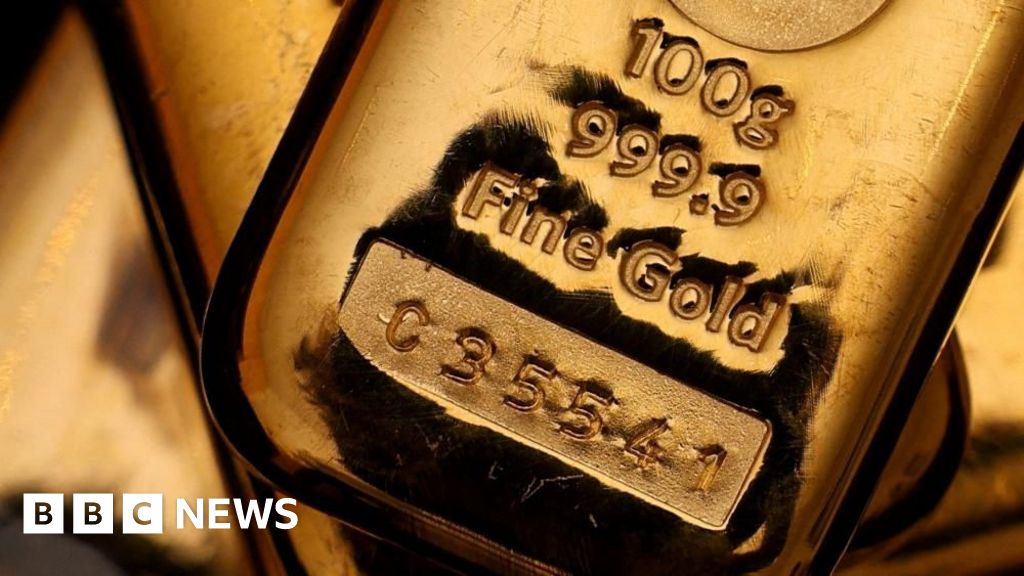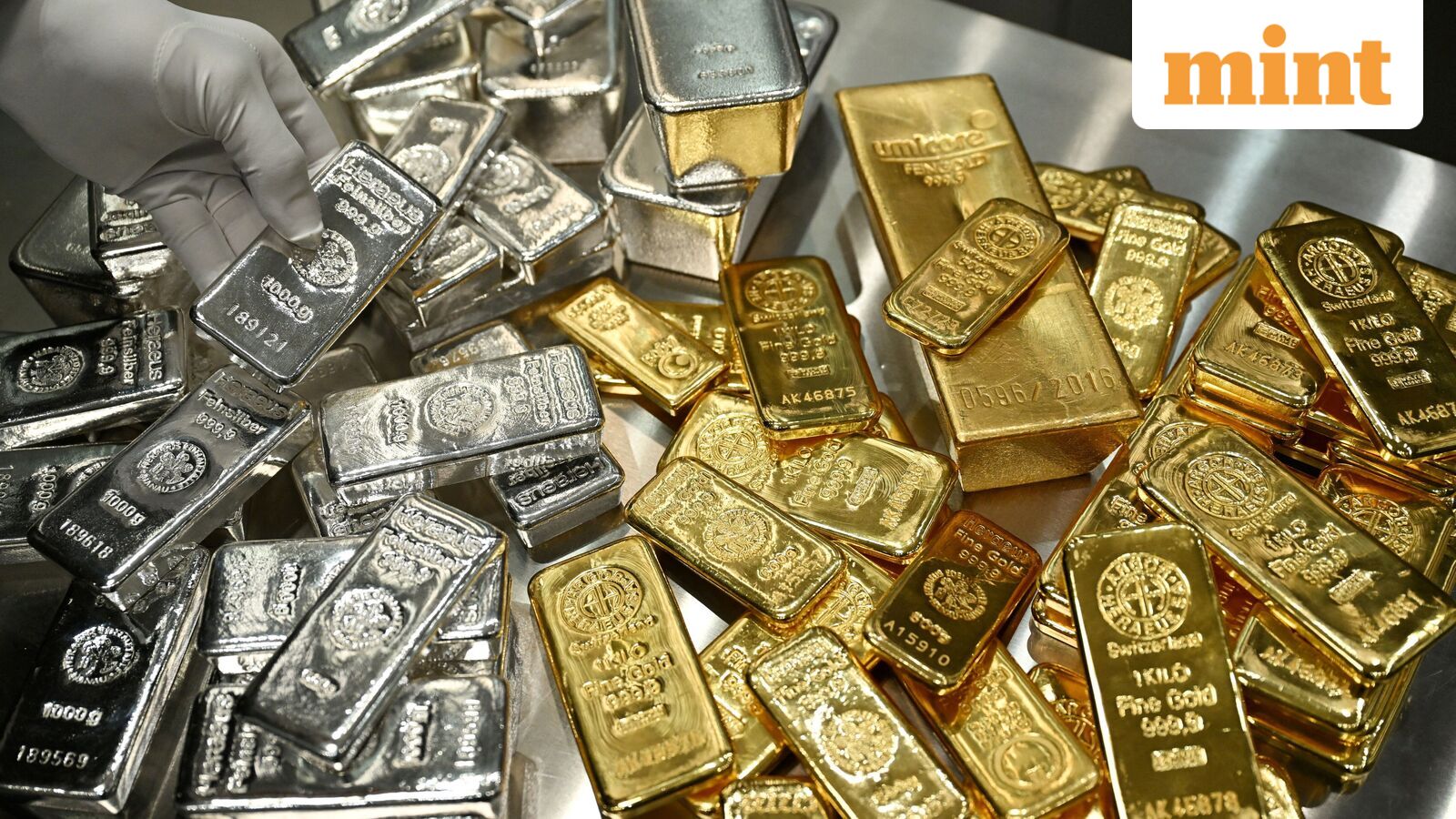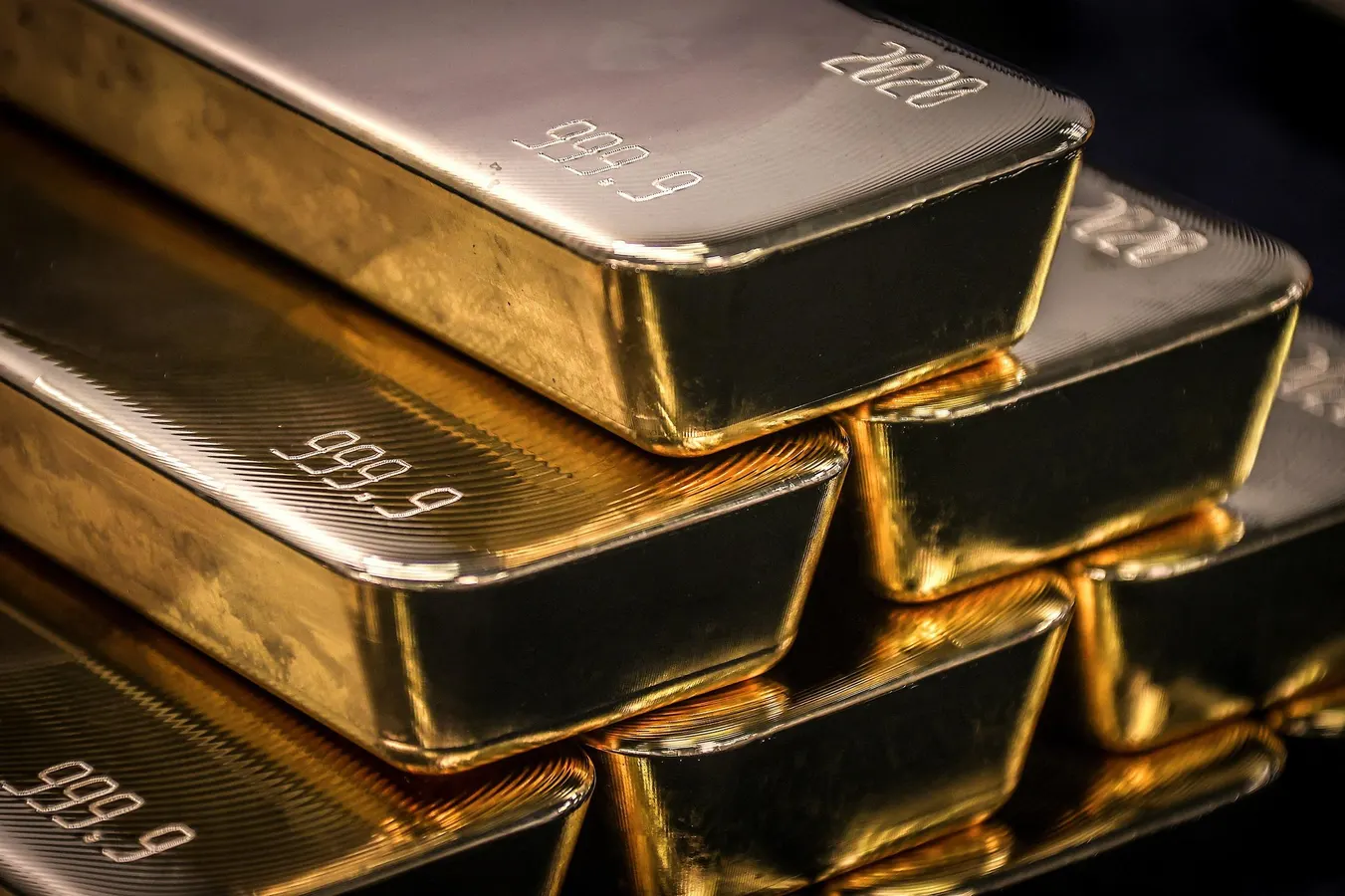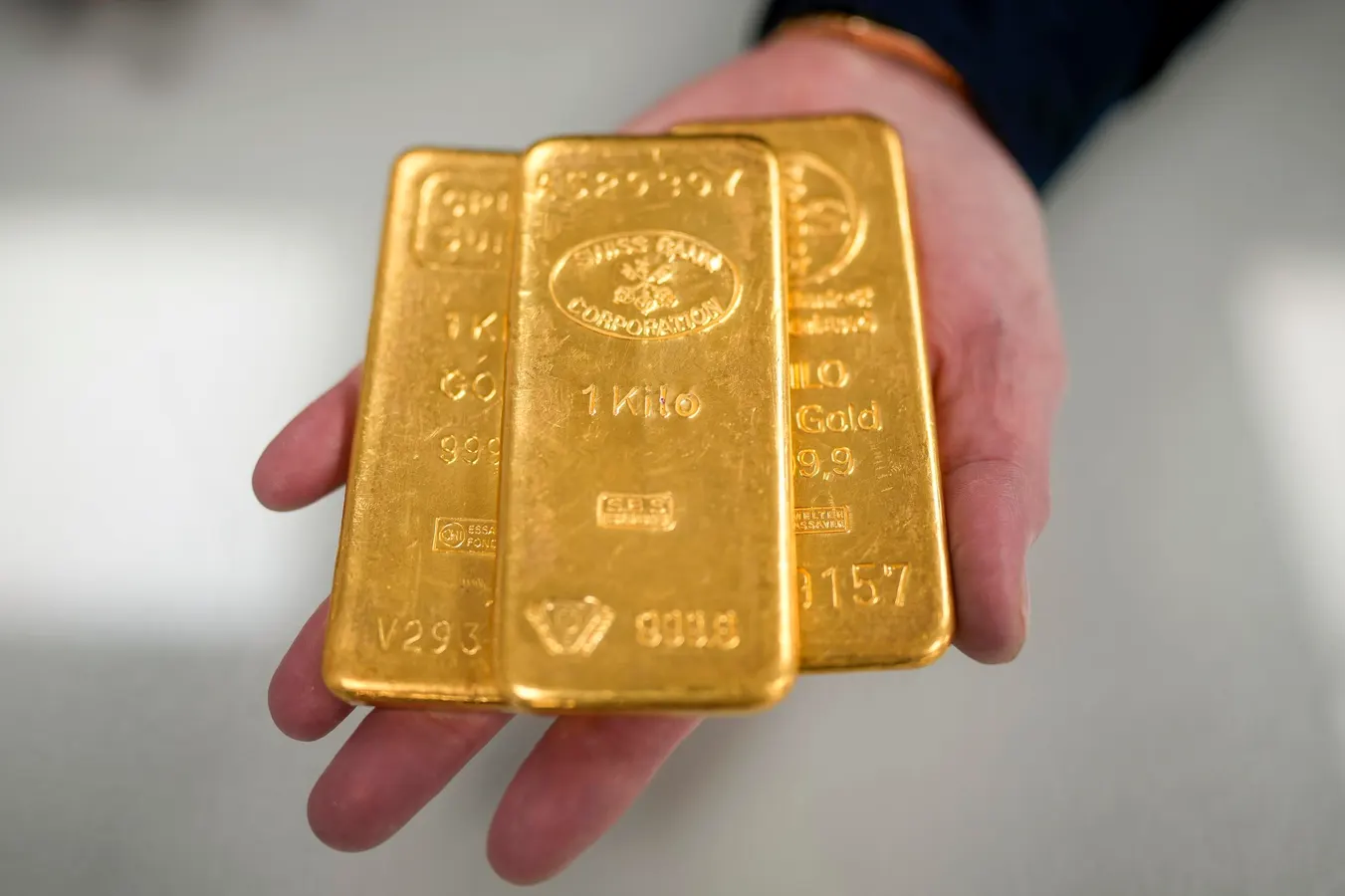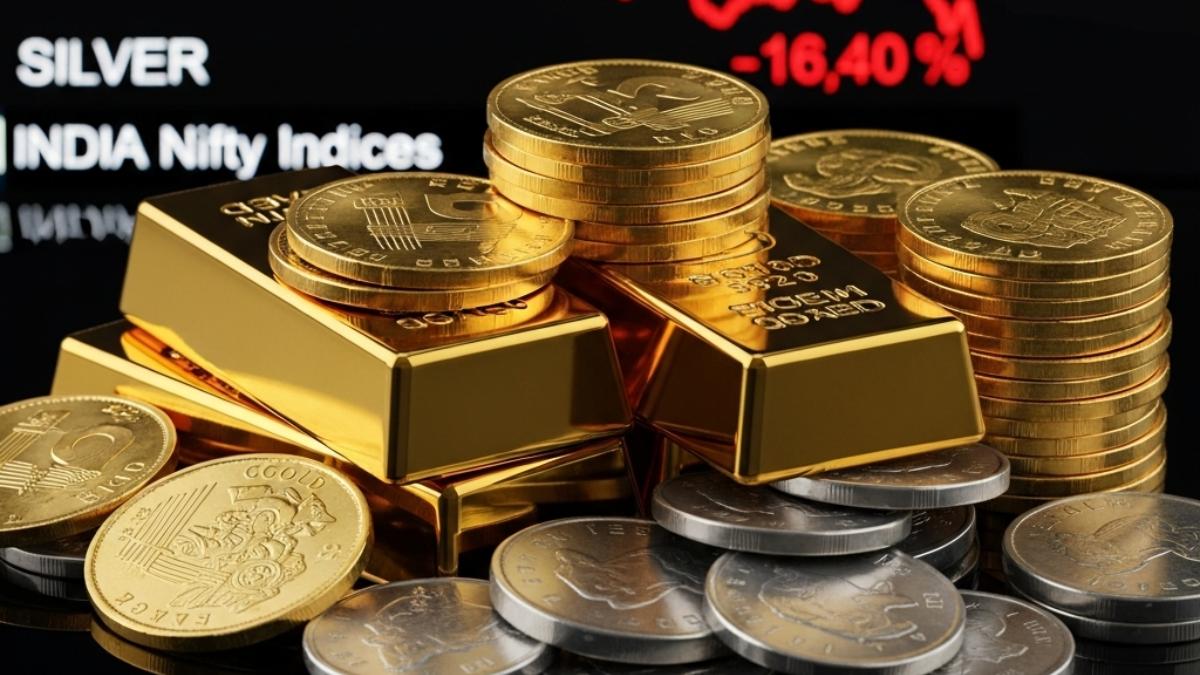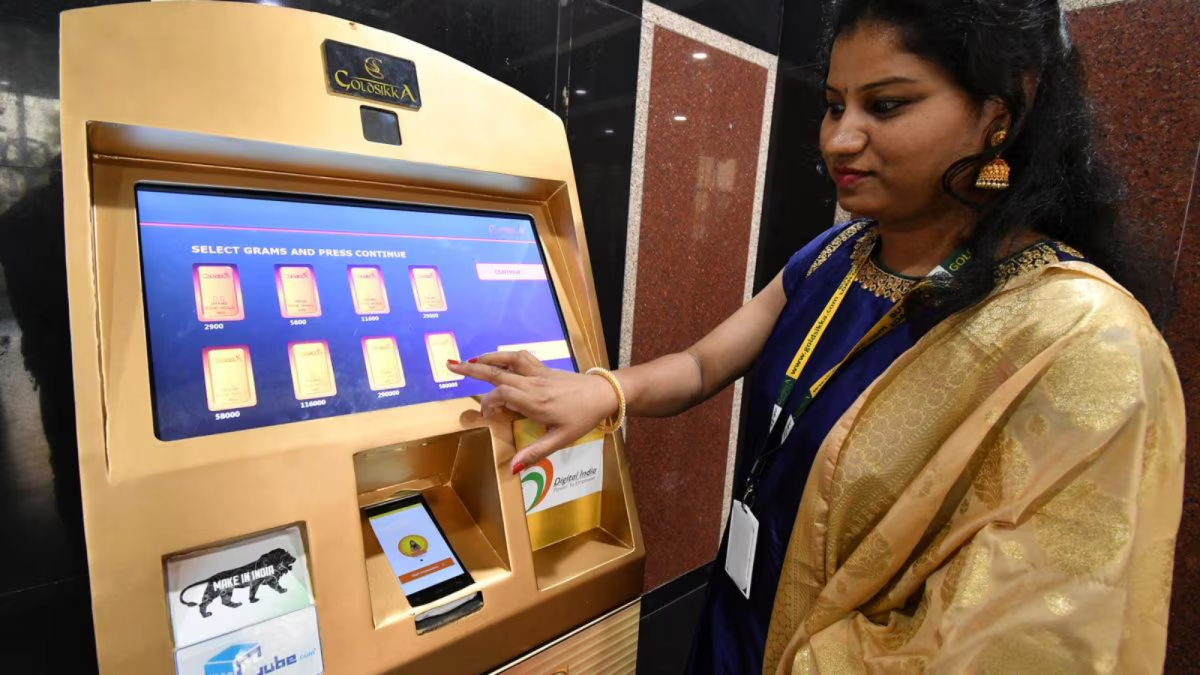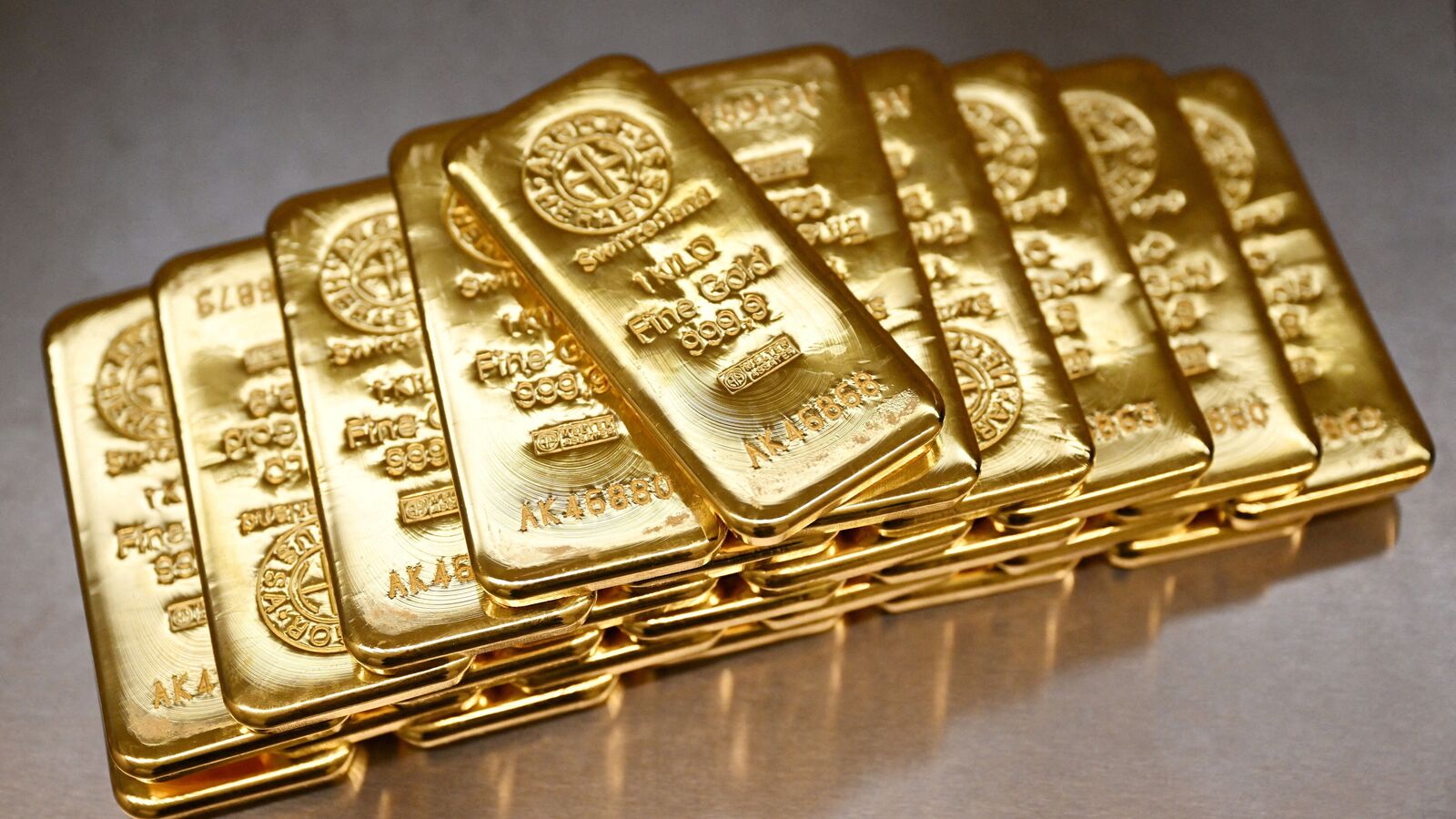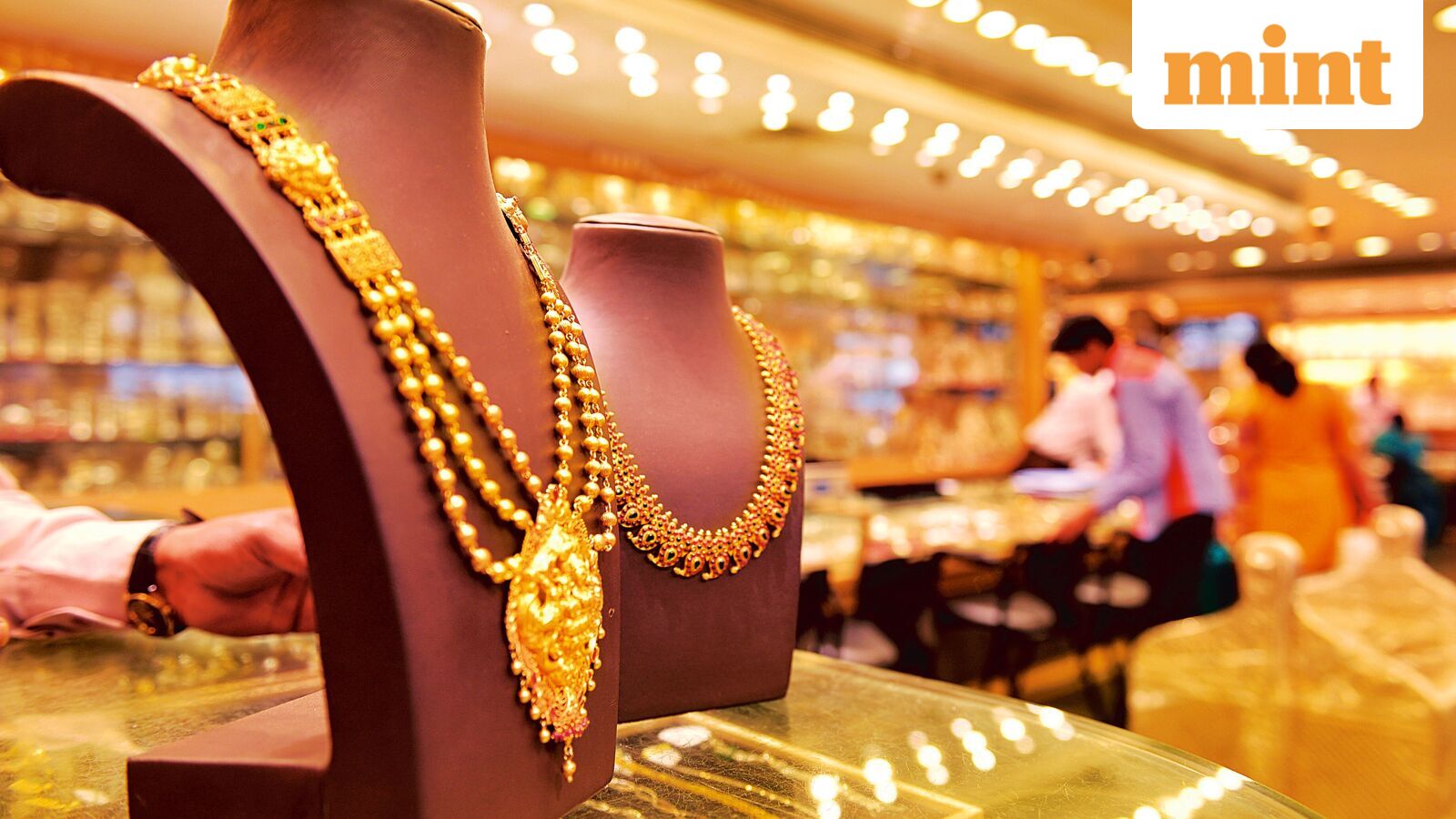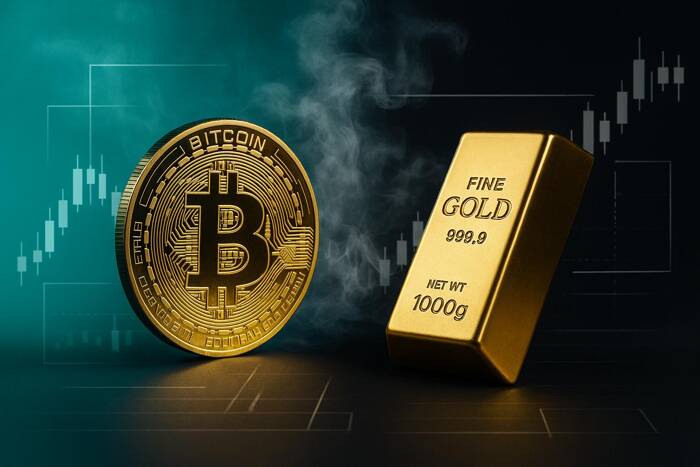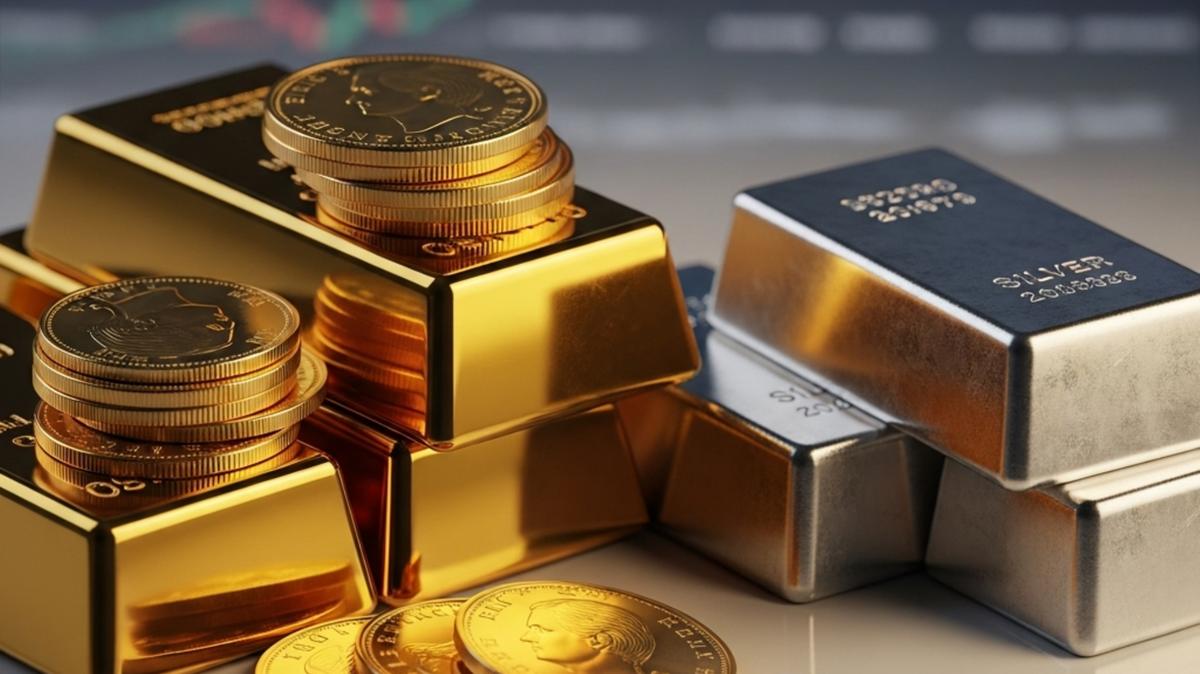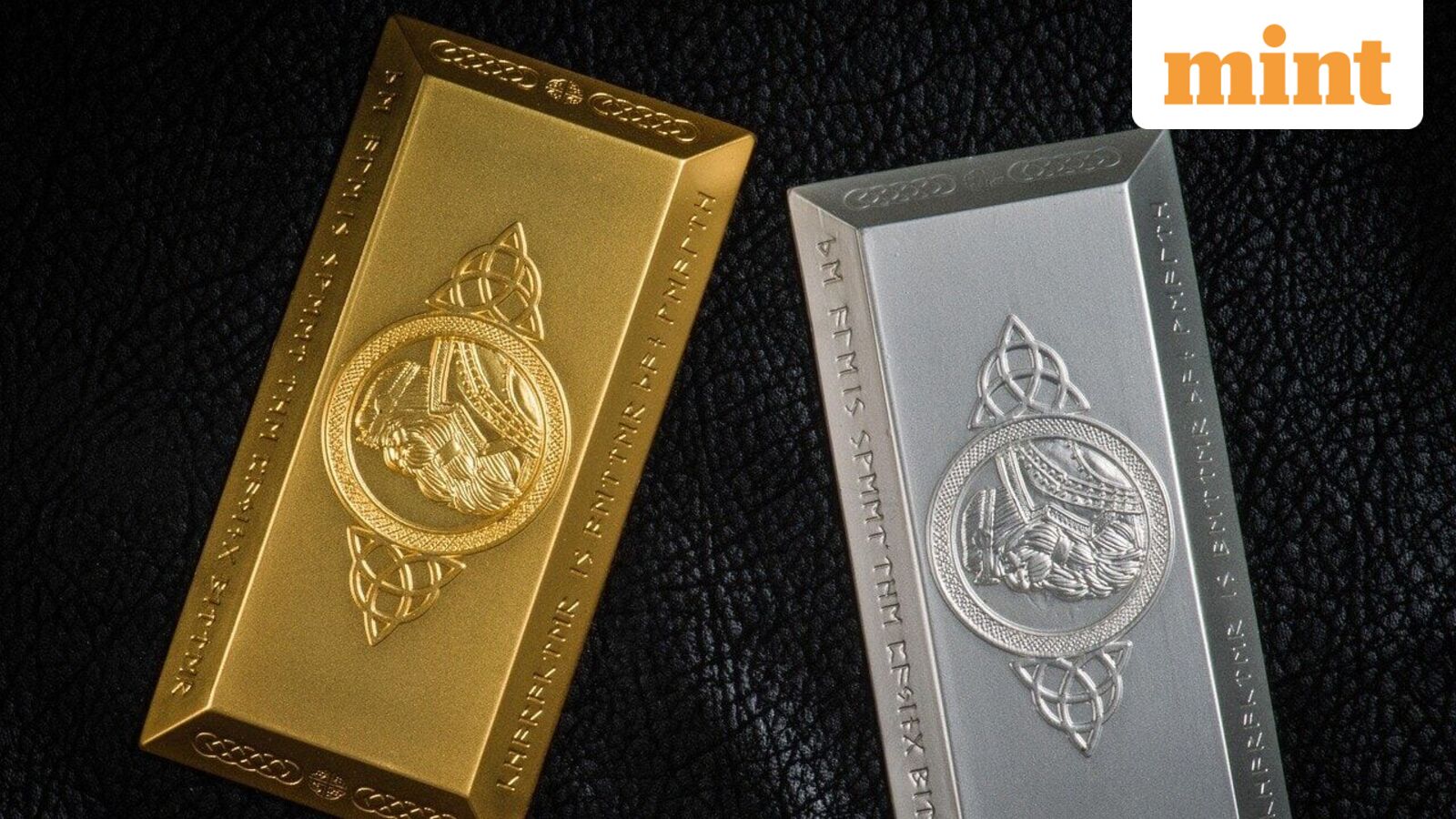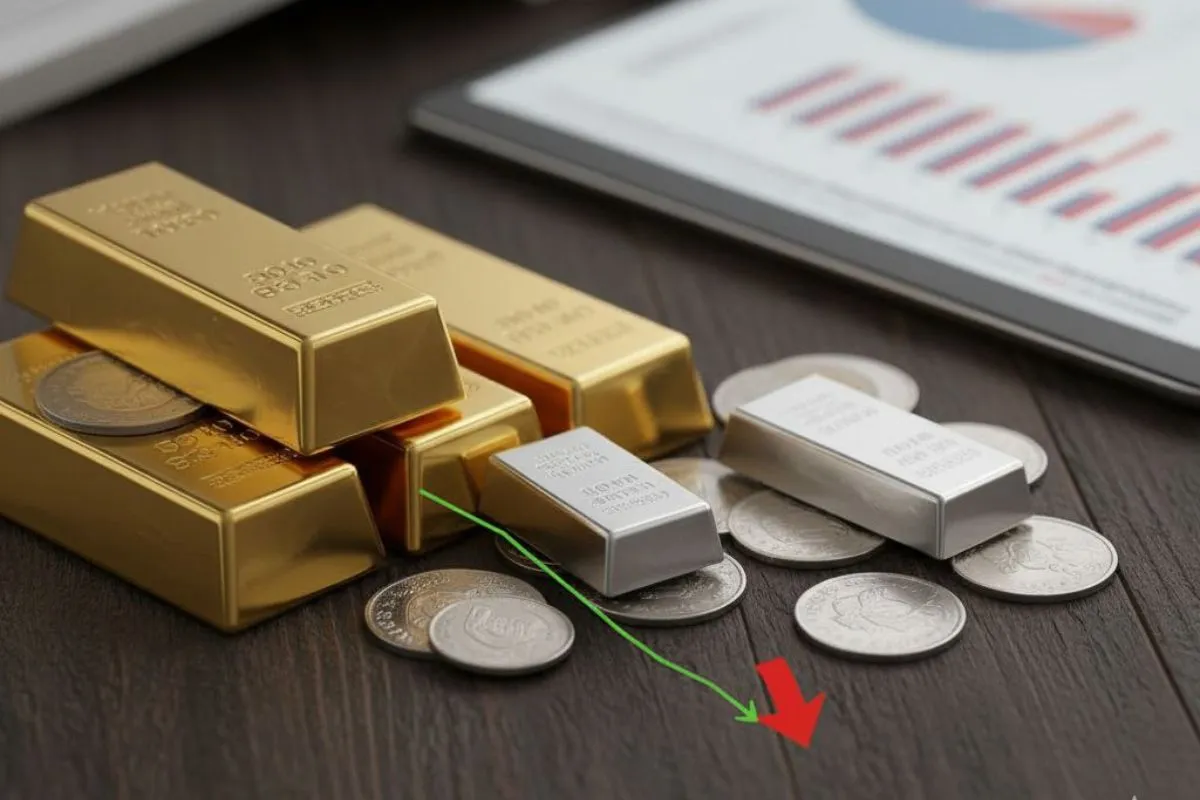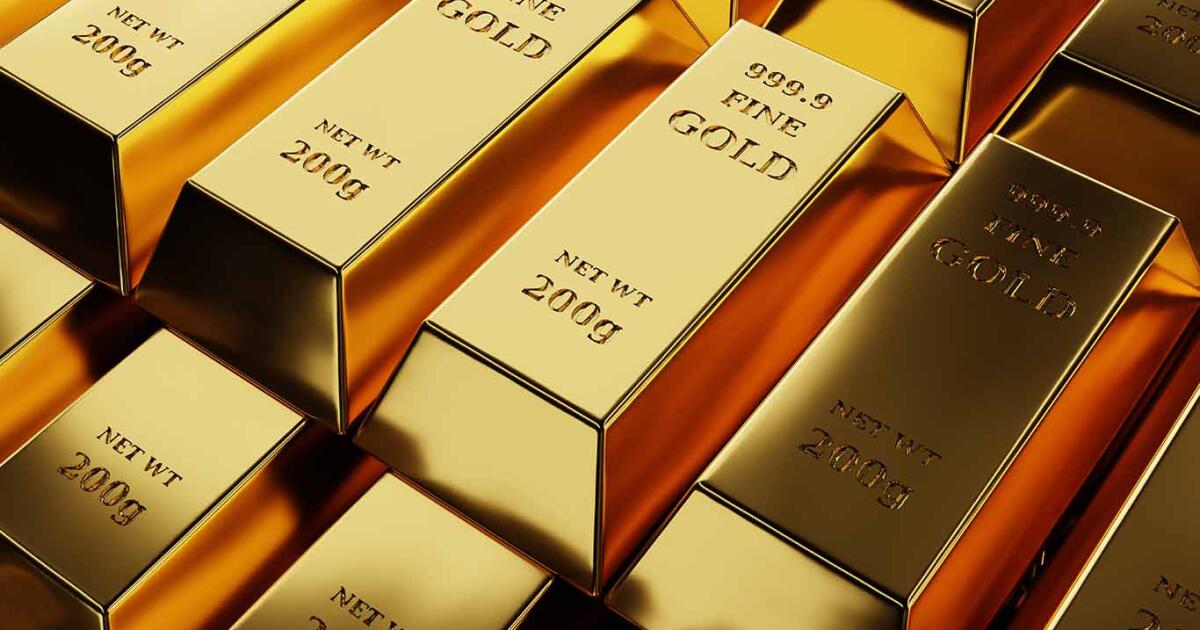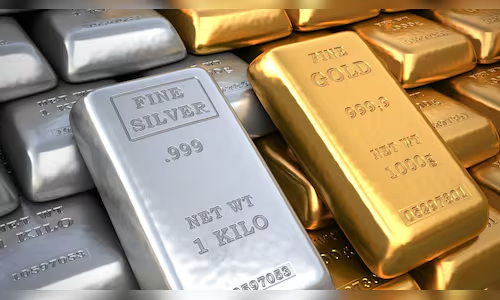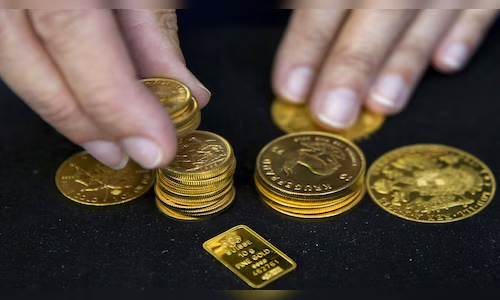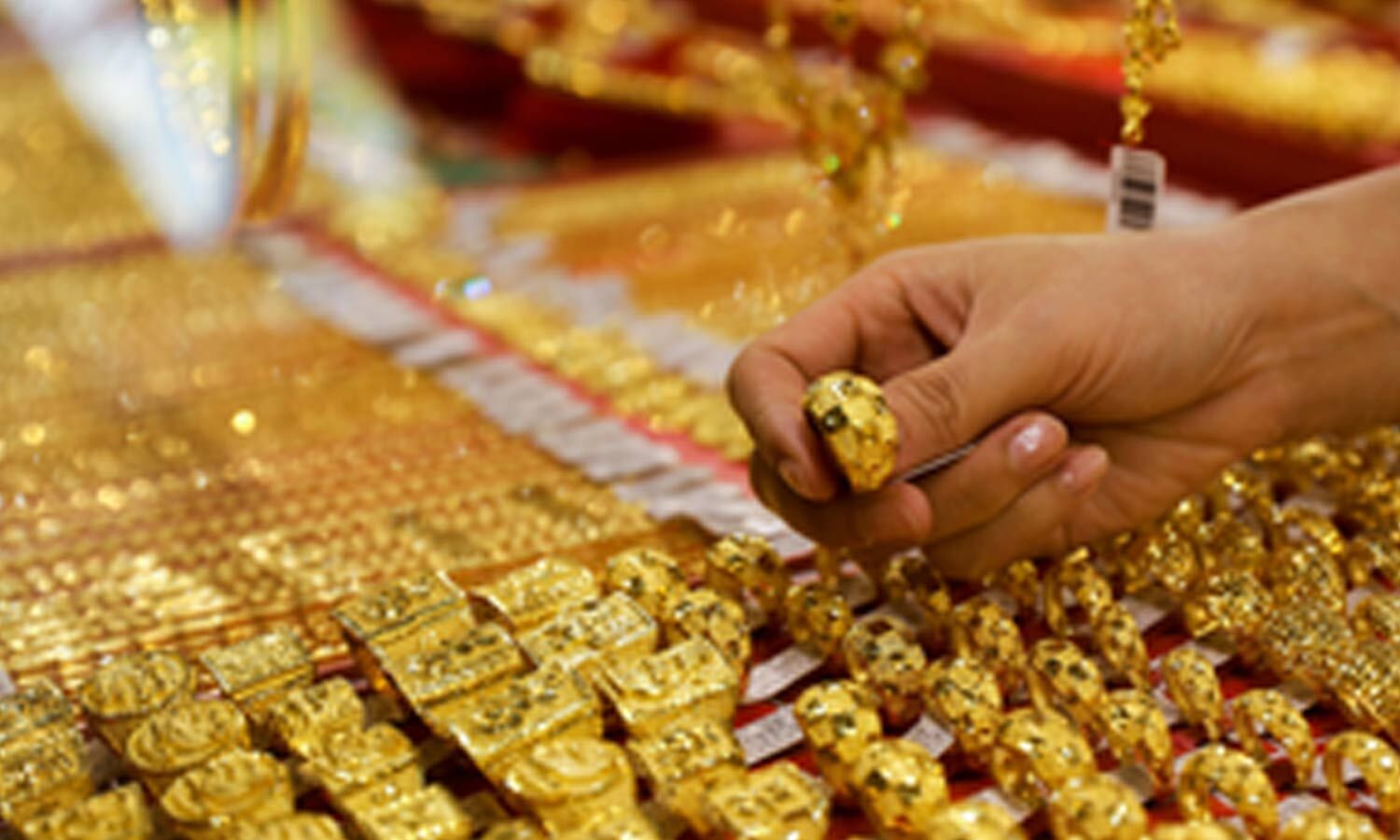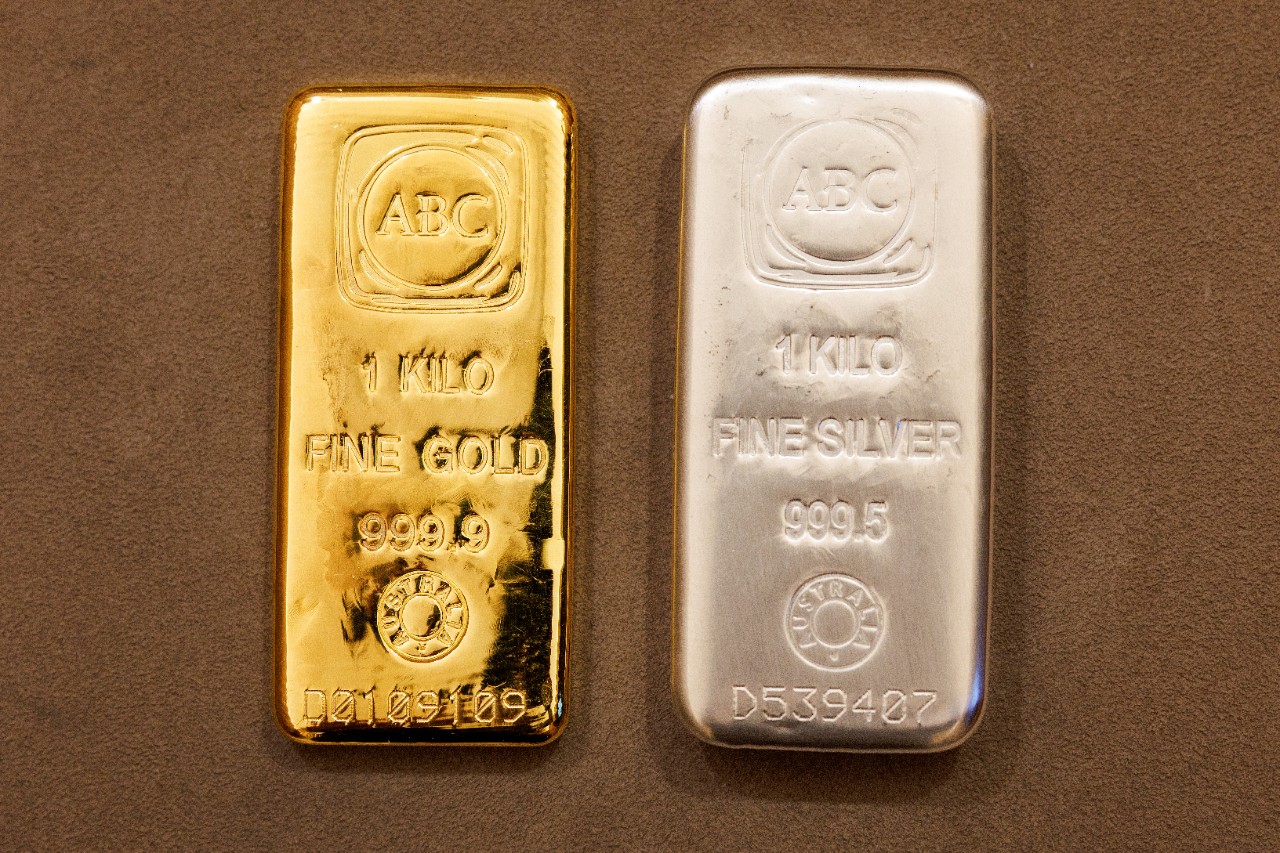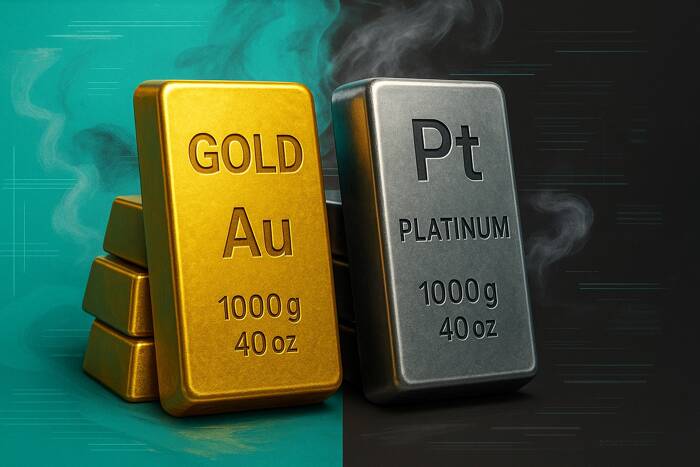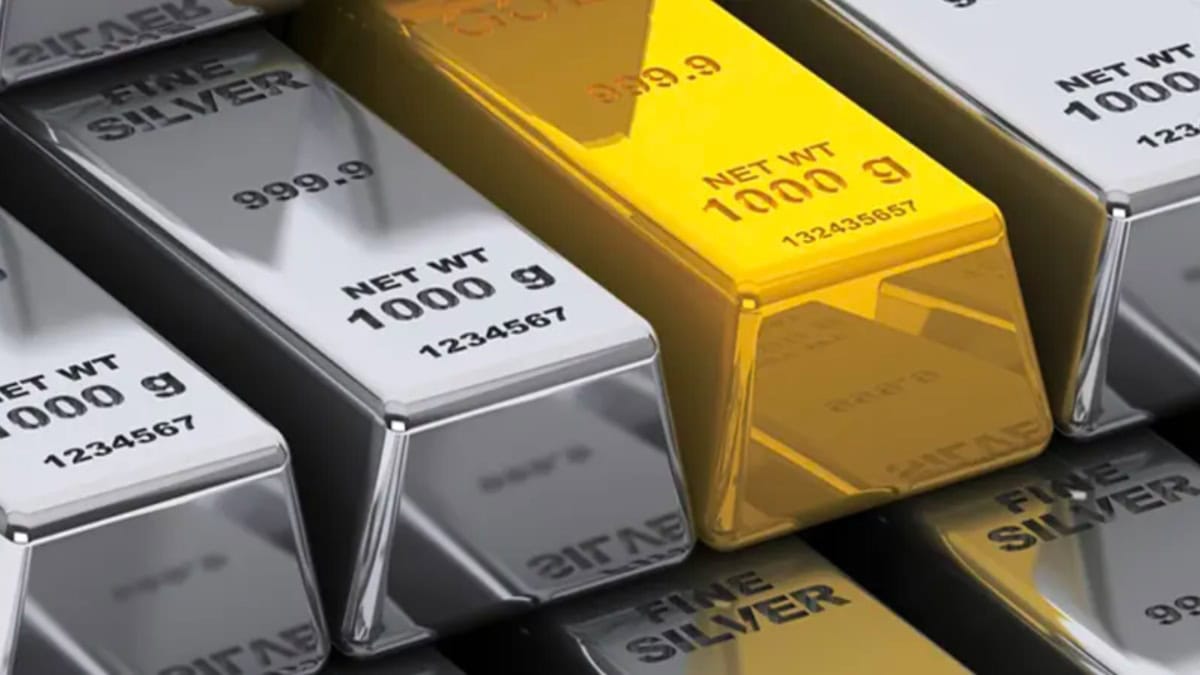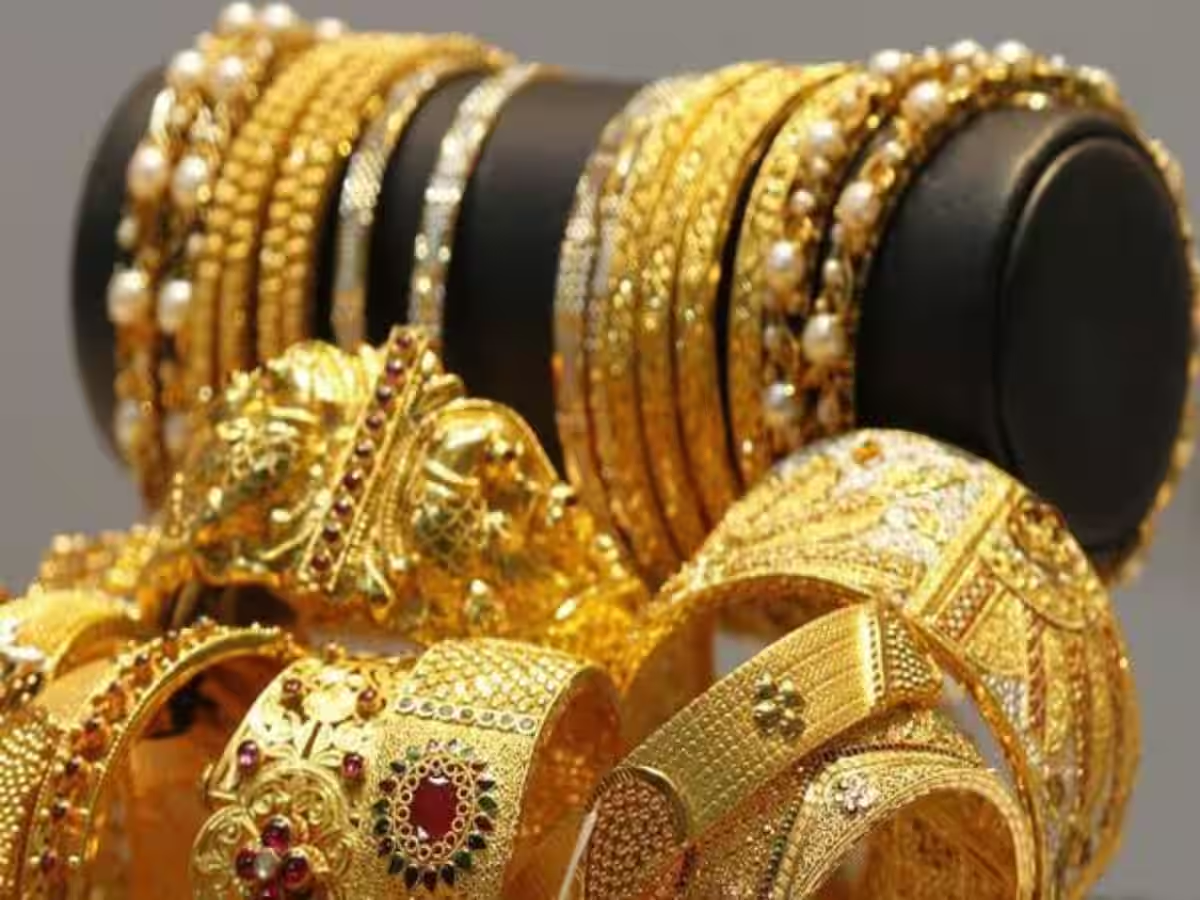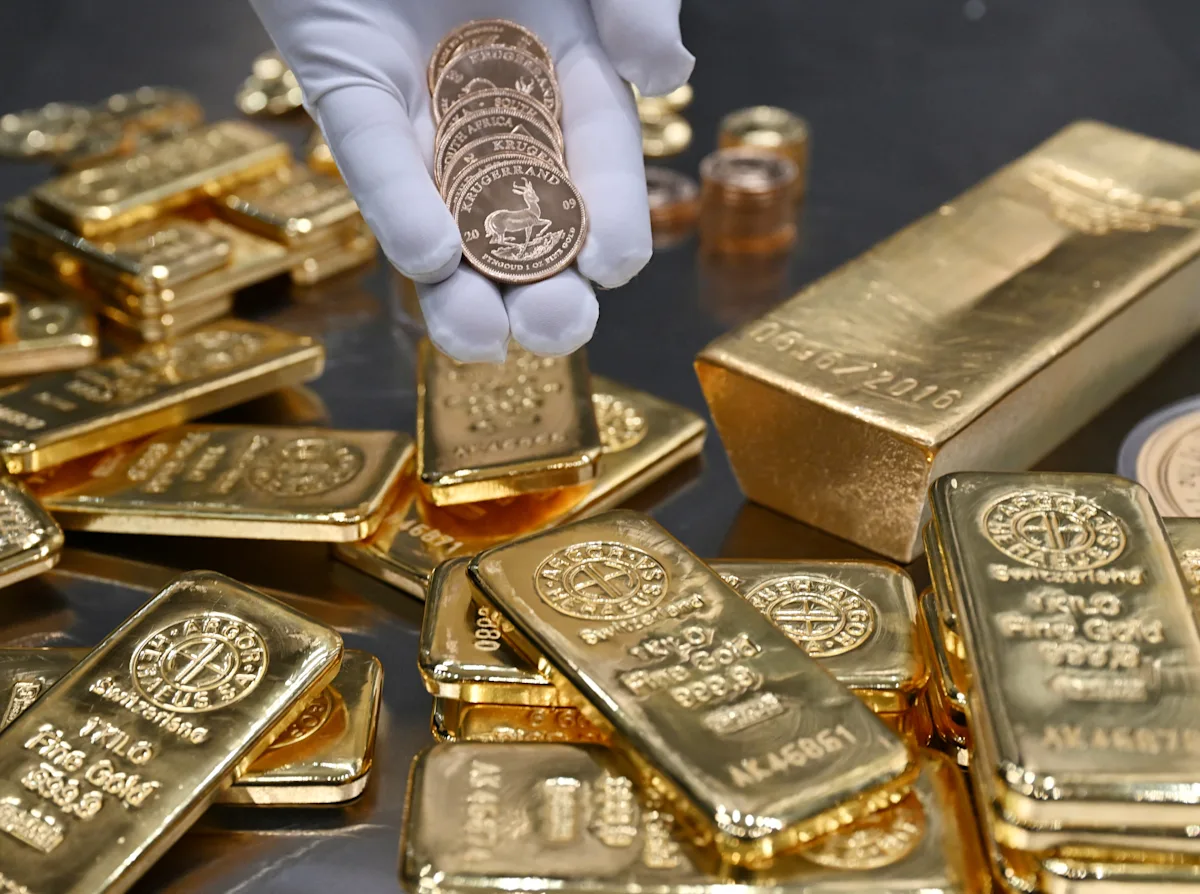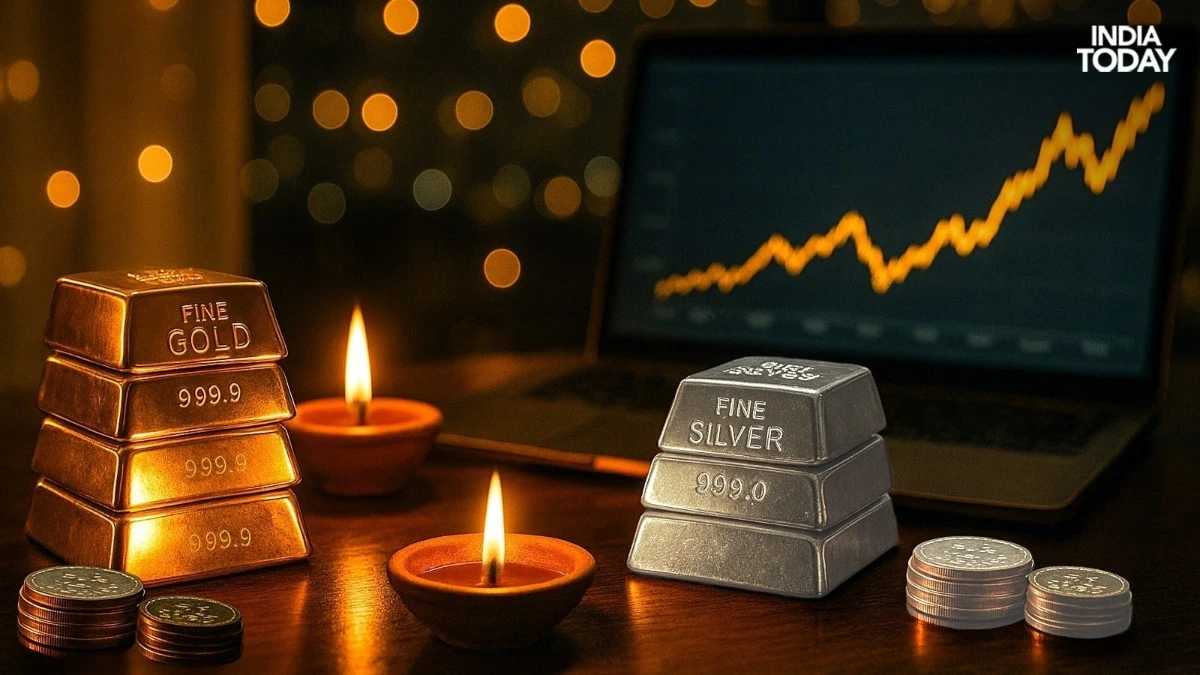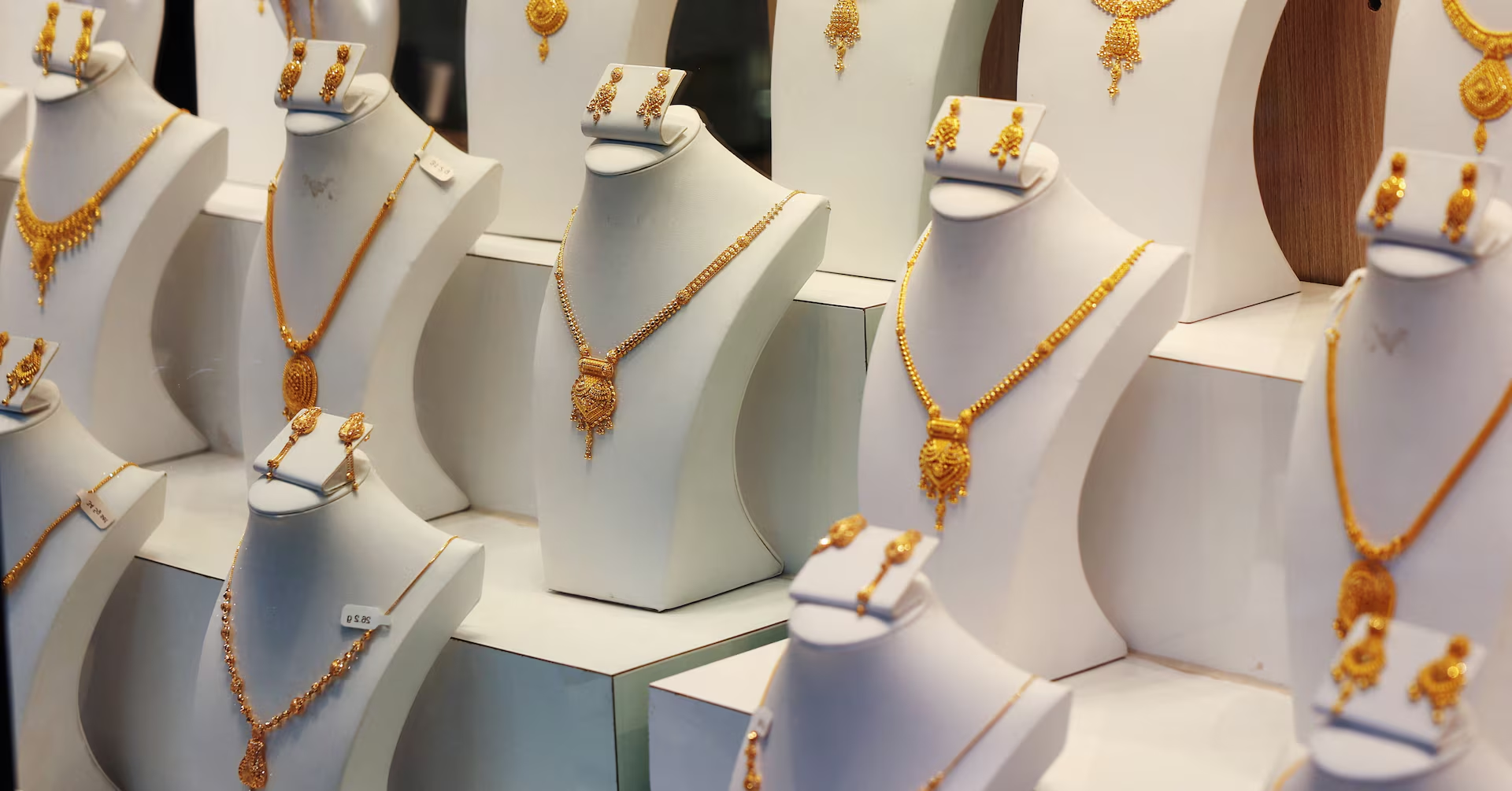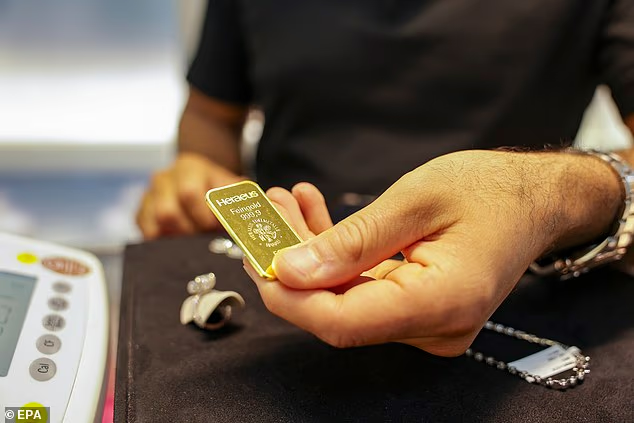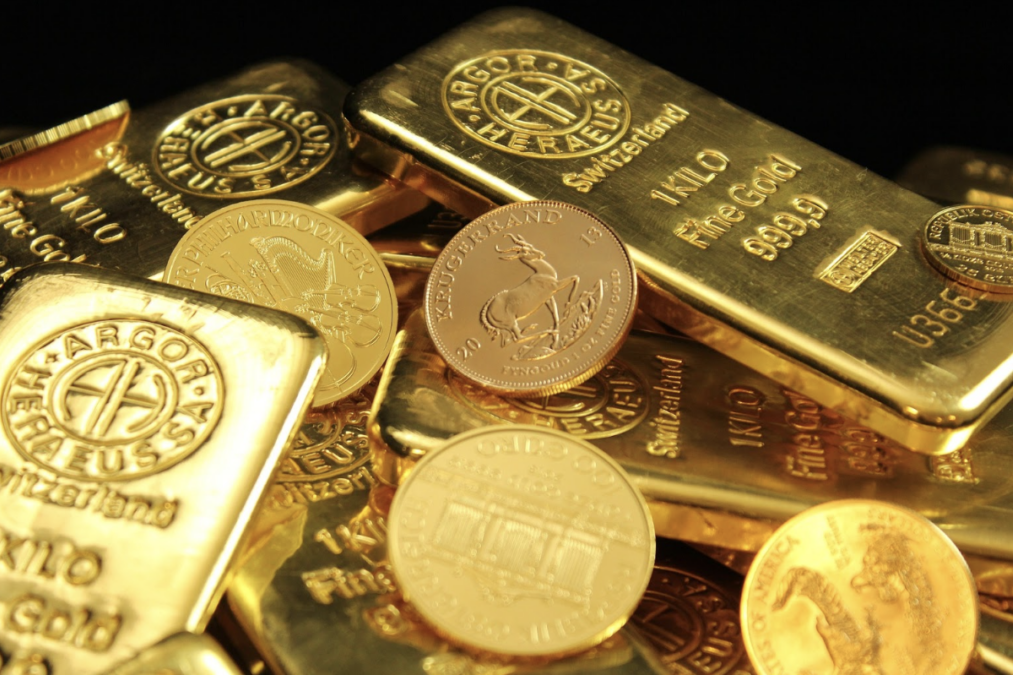
As of today, gold in India is priced at about ₹15,093 per gram for 24K (99.9% purity), ₹13,835 per gram for 22K (91.6% purity), and ₹11,320 per gram for 18K (75% purity).
Over time, gold has proven to be a reliable hedge against inflation, which is why more investors are now treating it as an essential part of their investment portfolio.
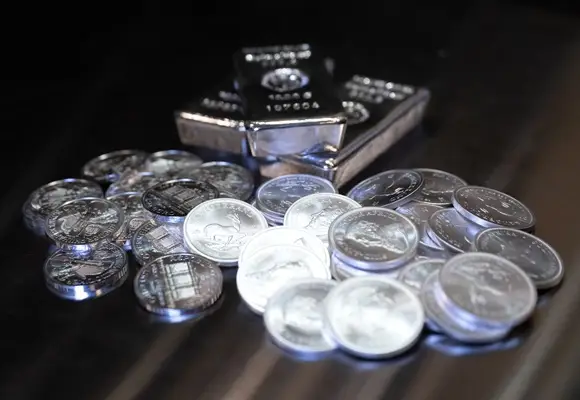
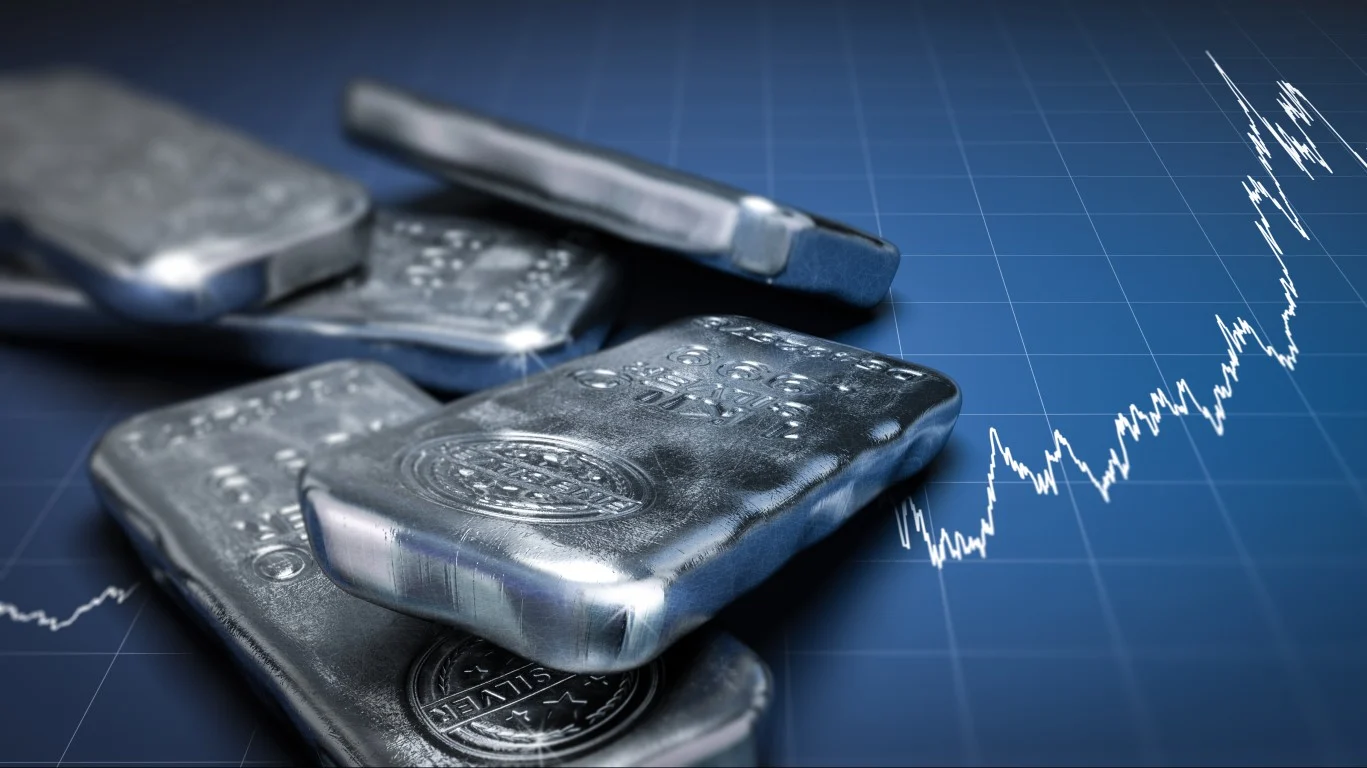
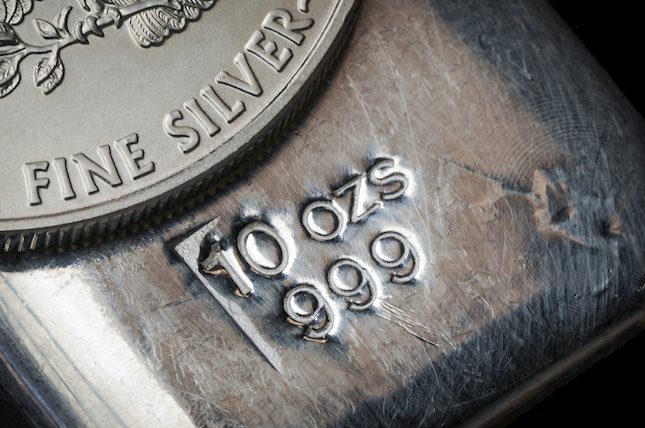
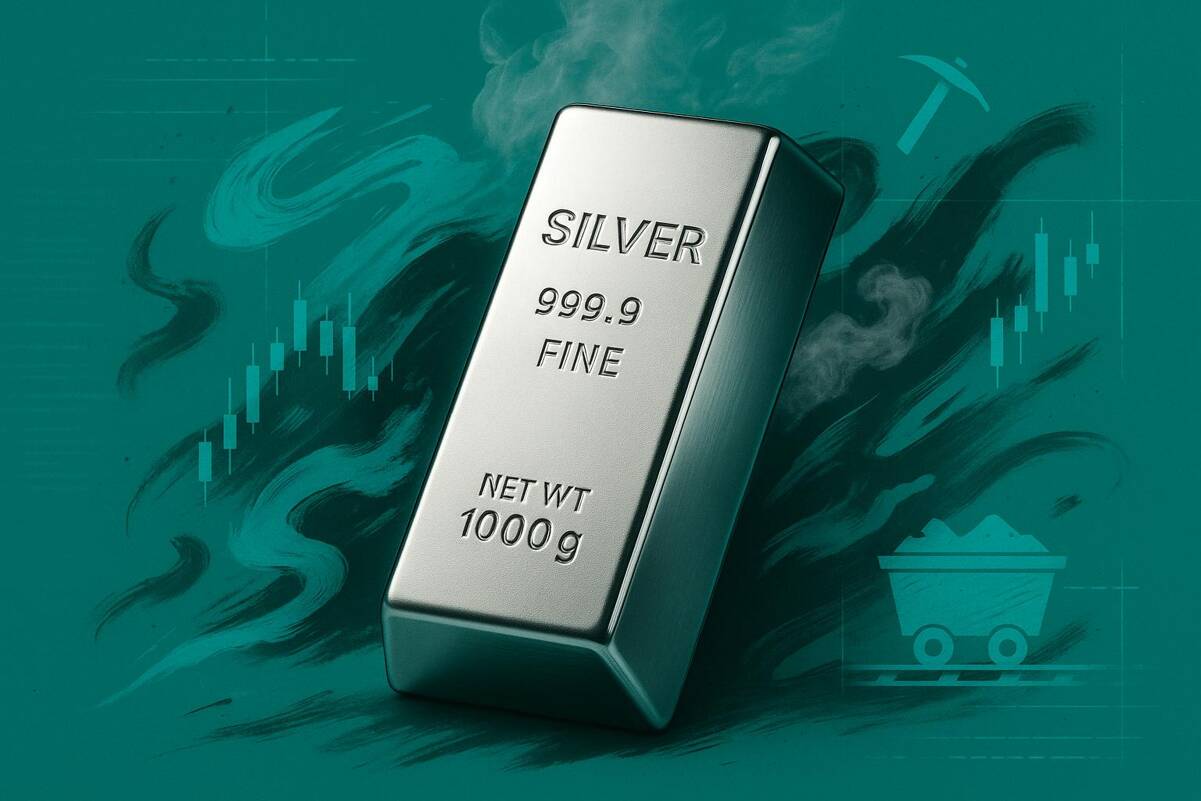
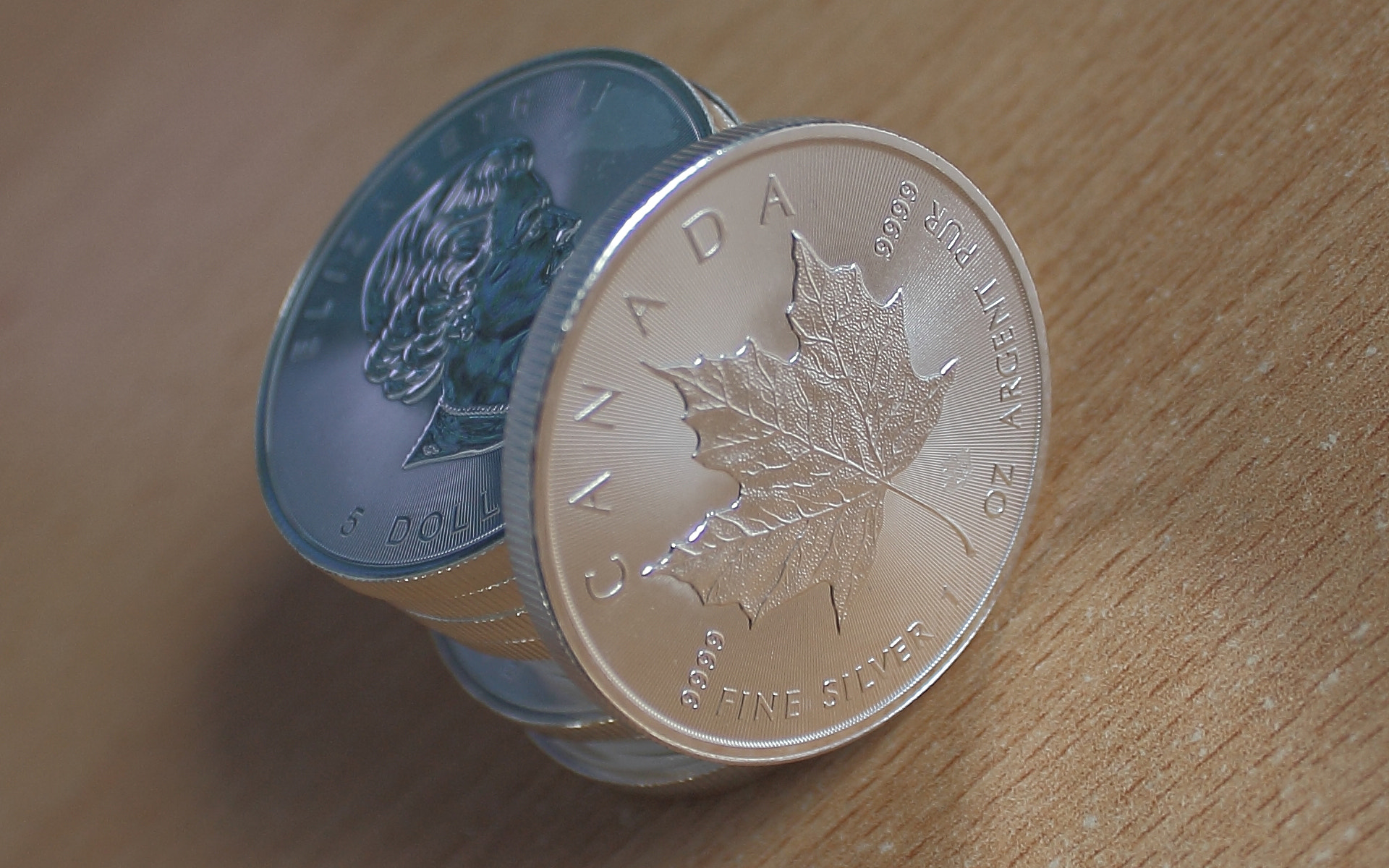
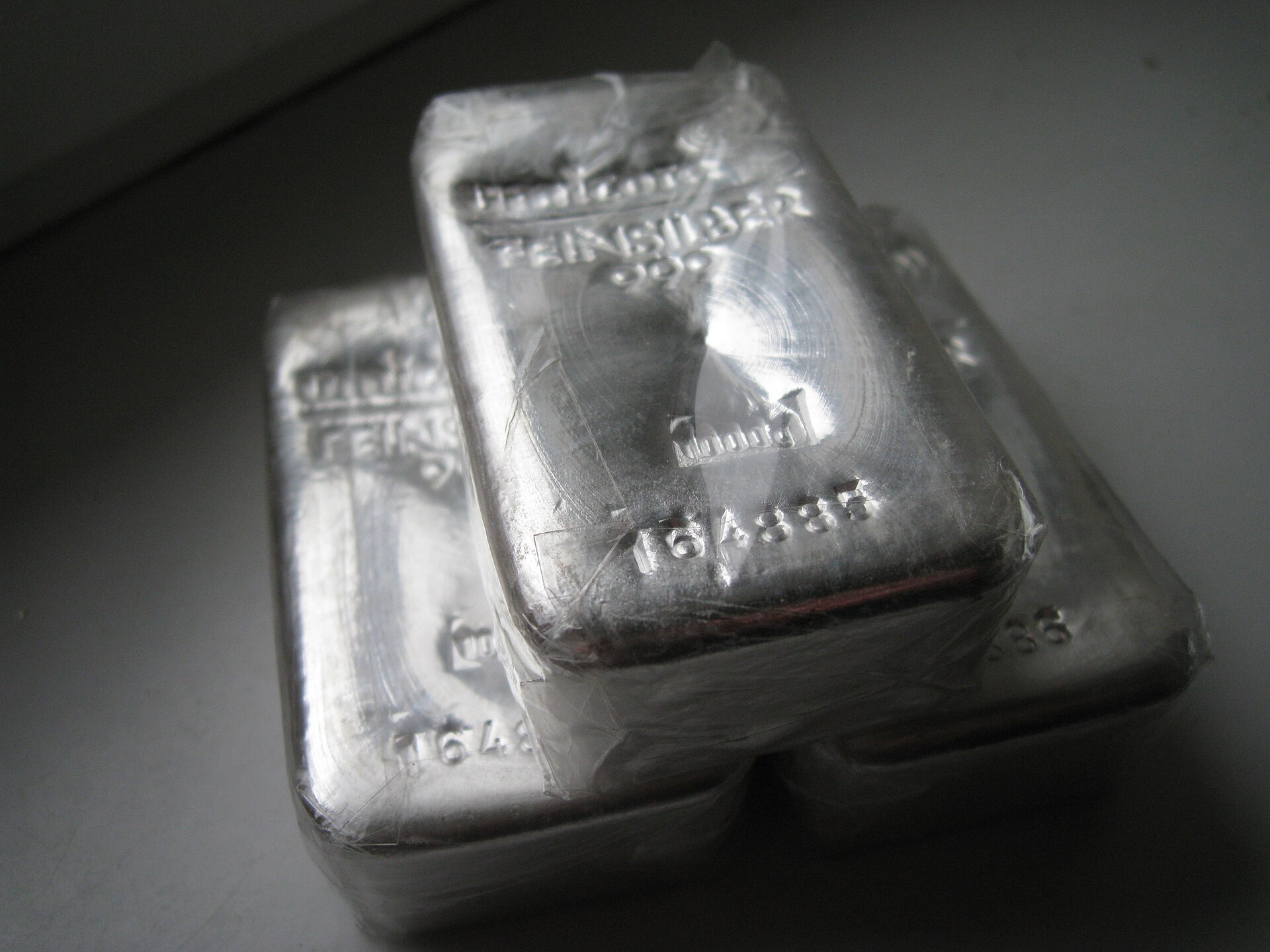
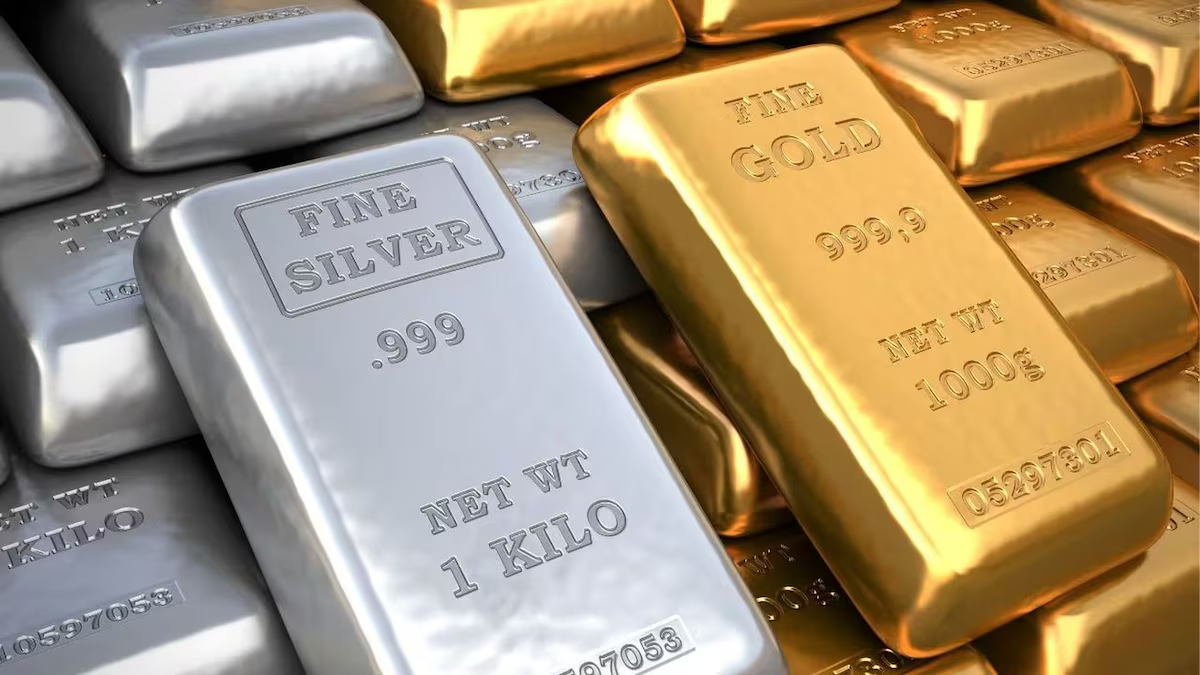
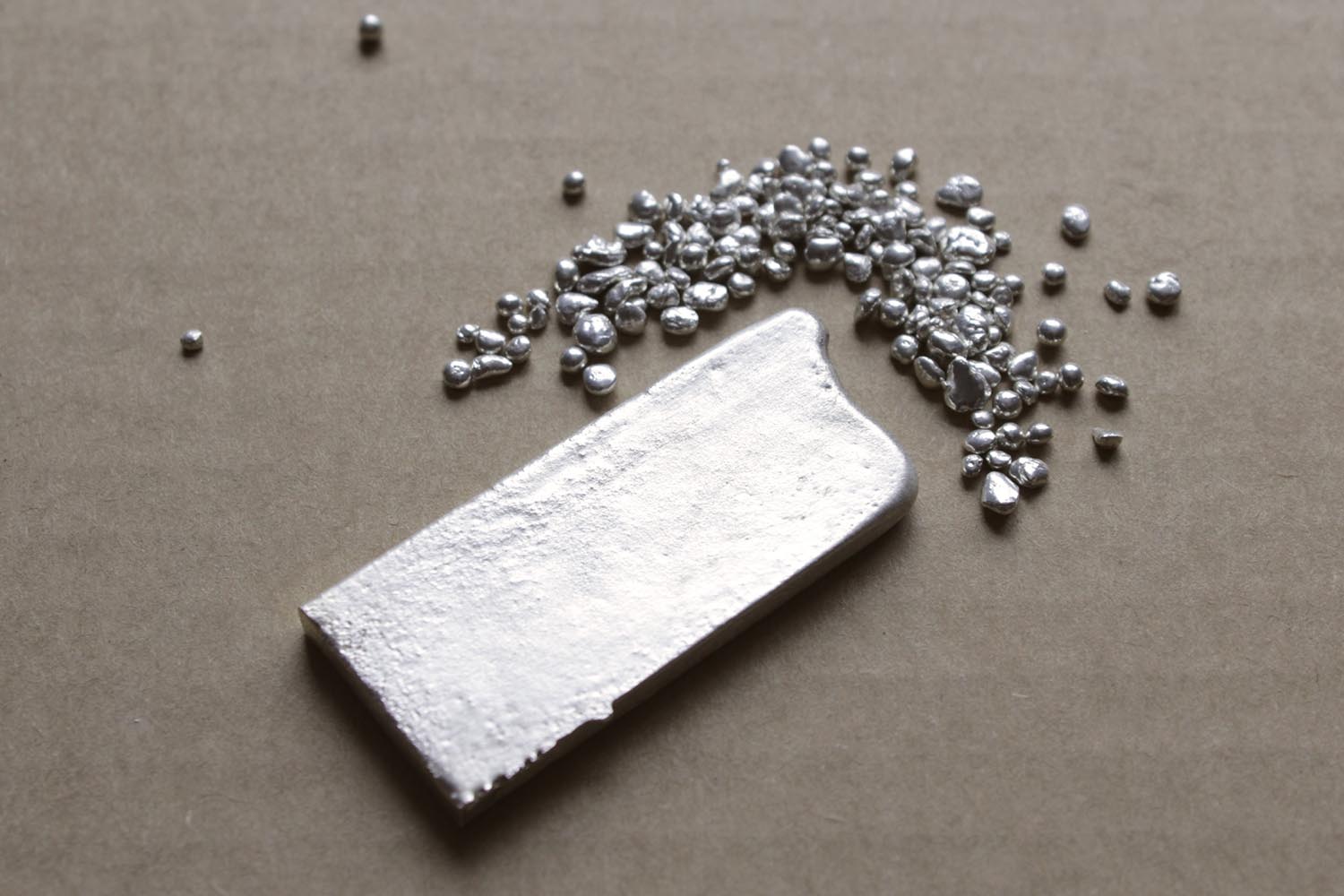
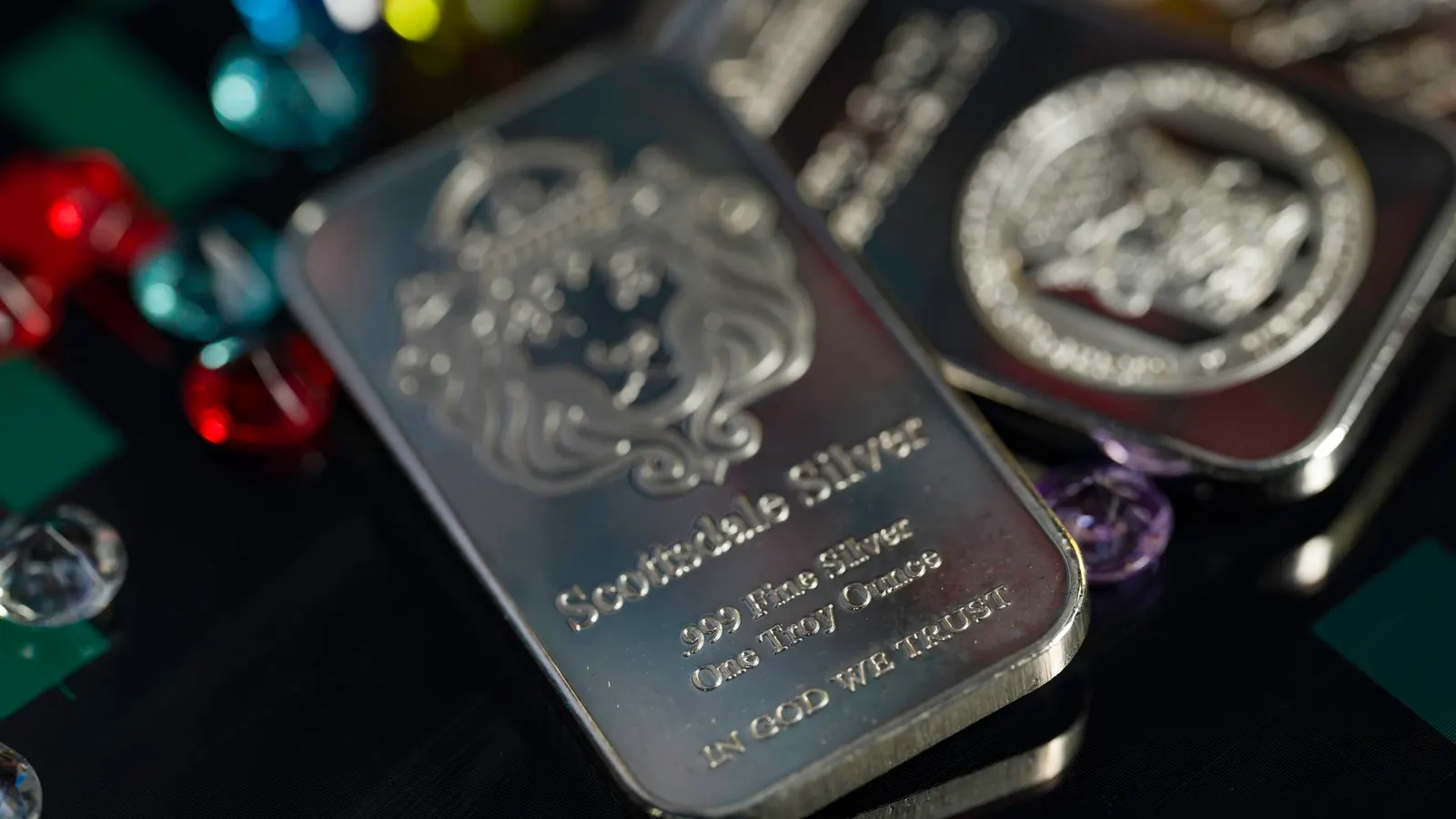
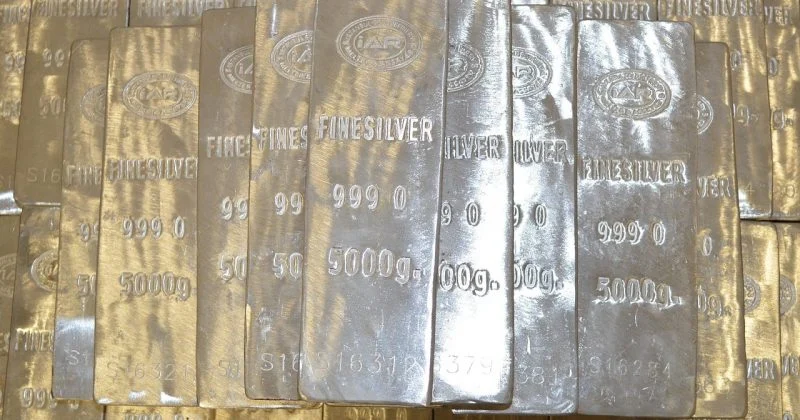
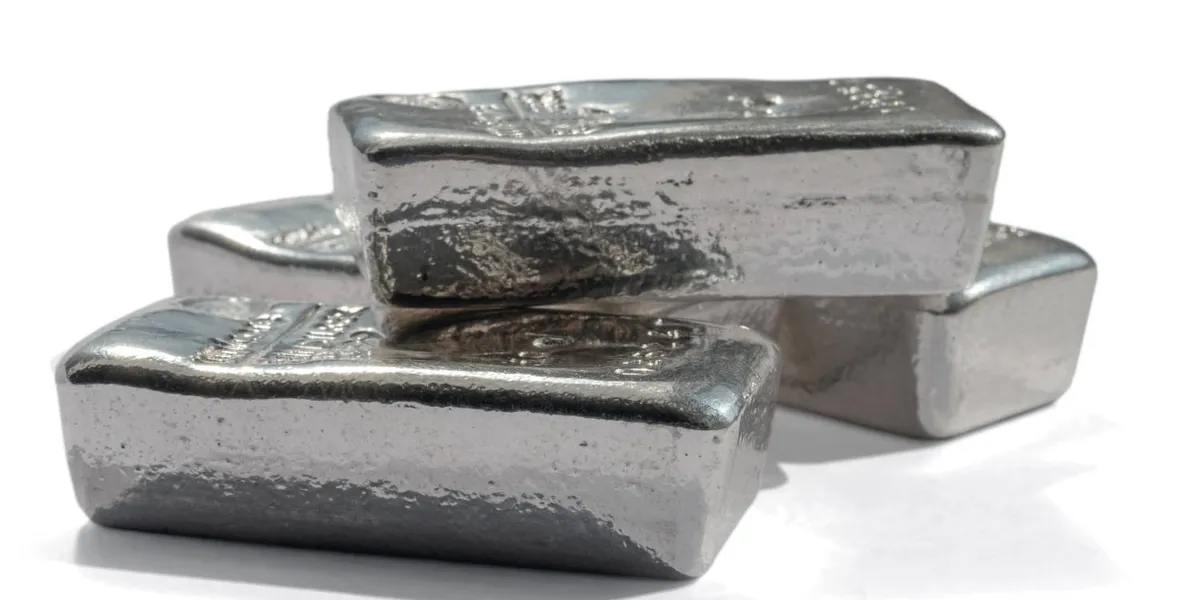
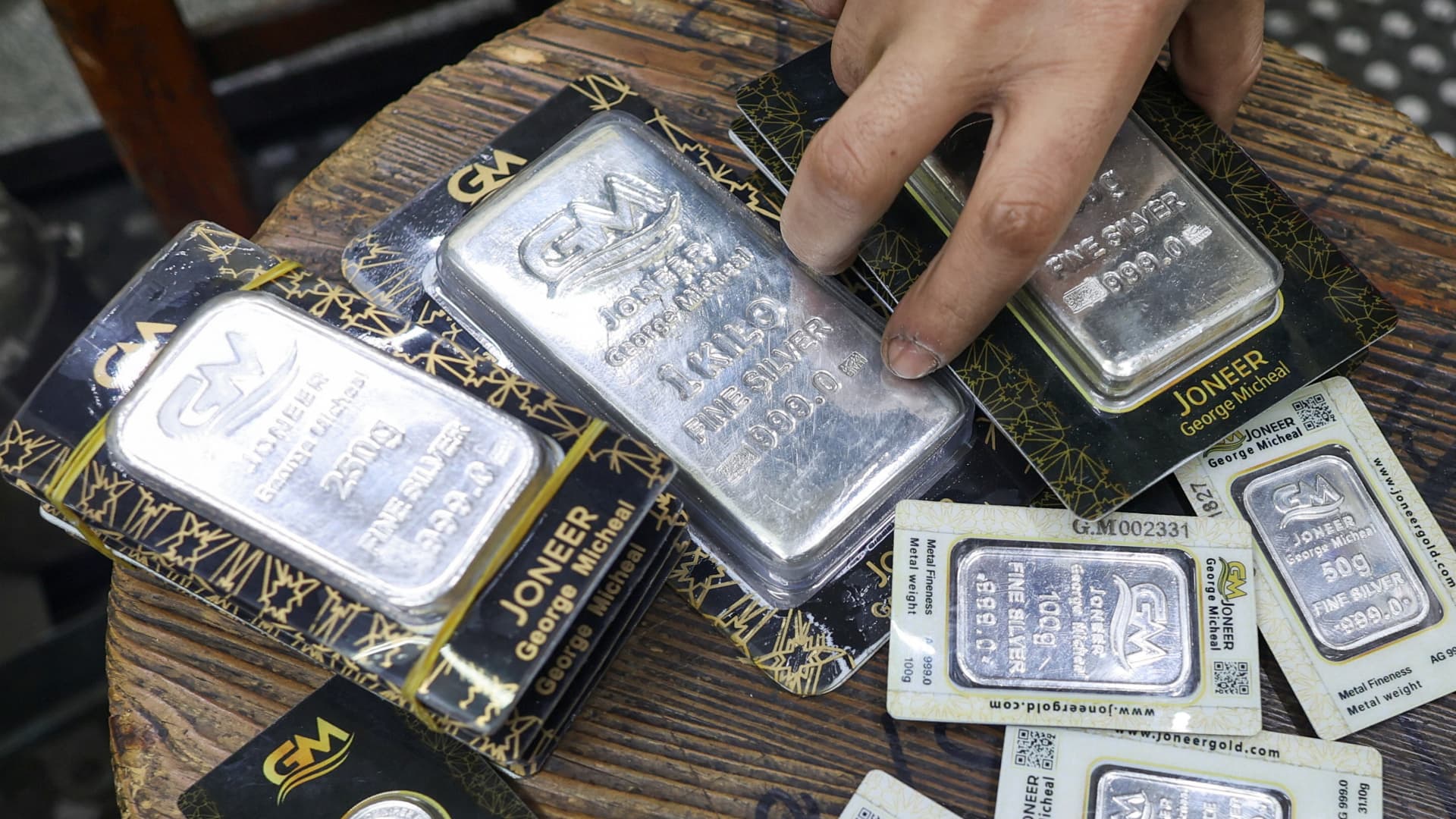
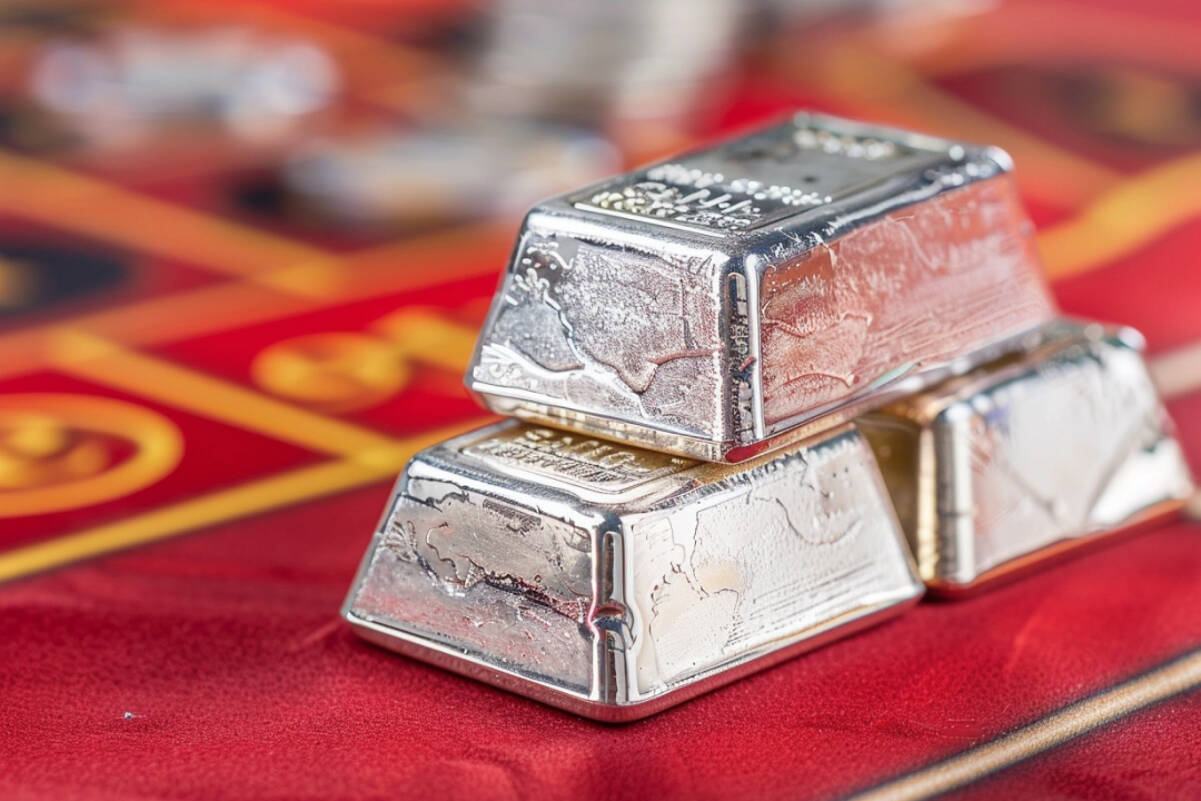
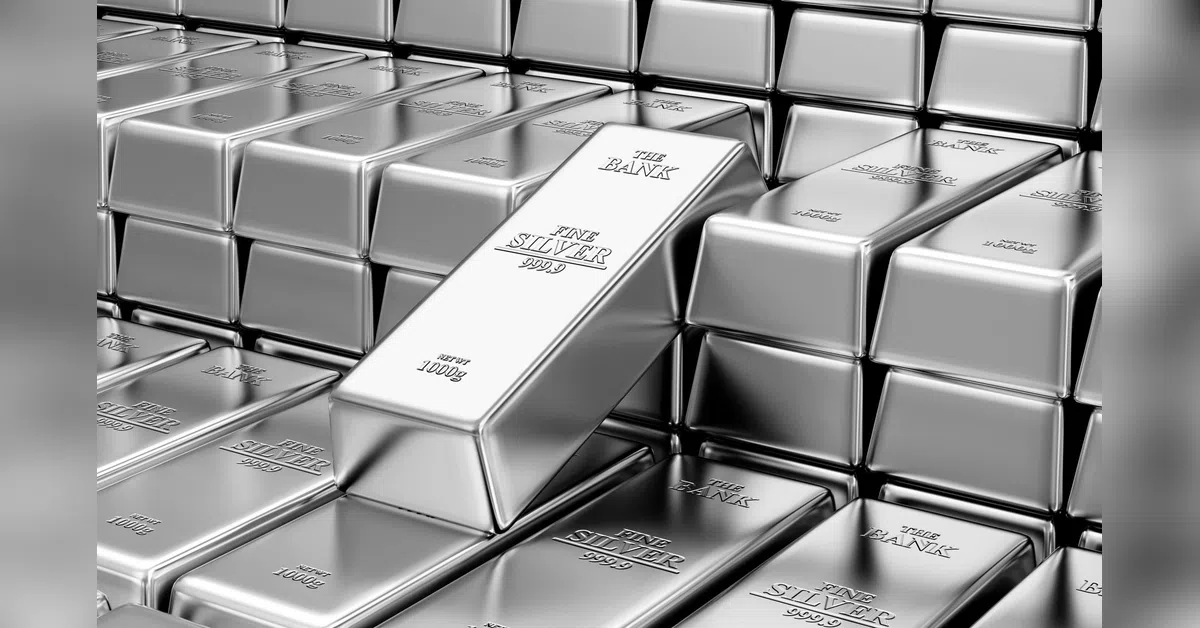
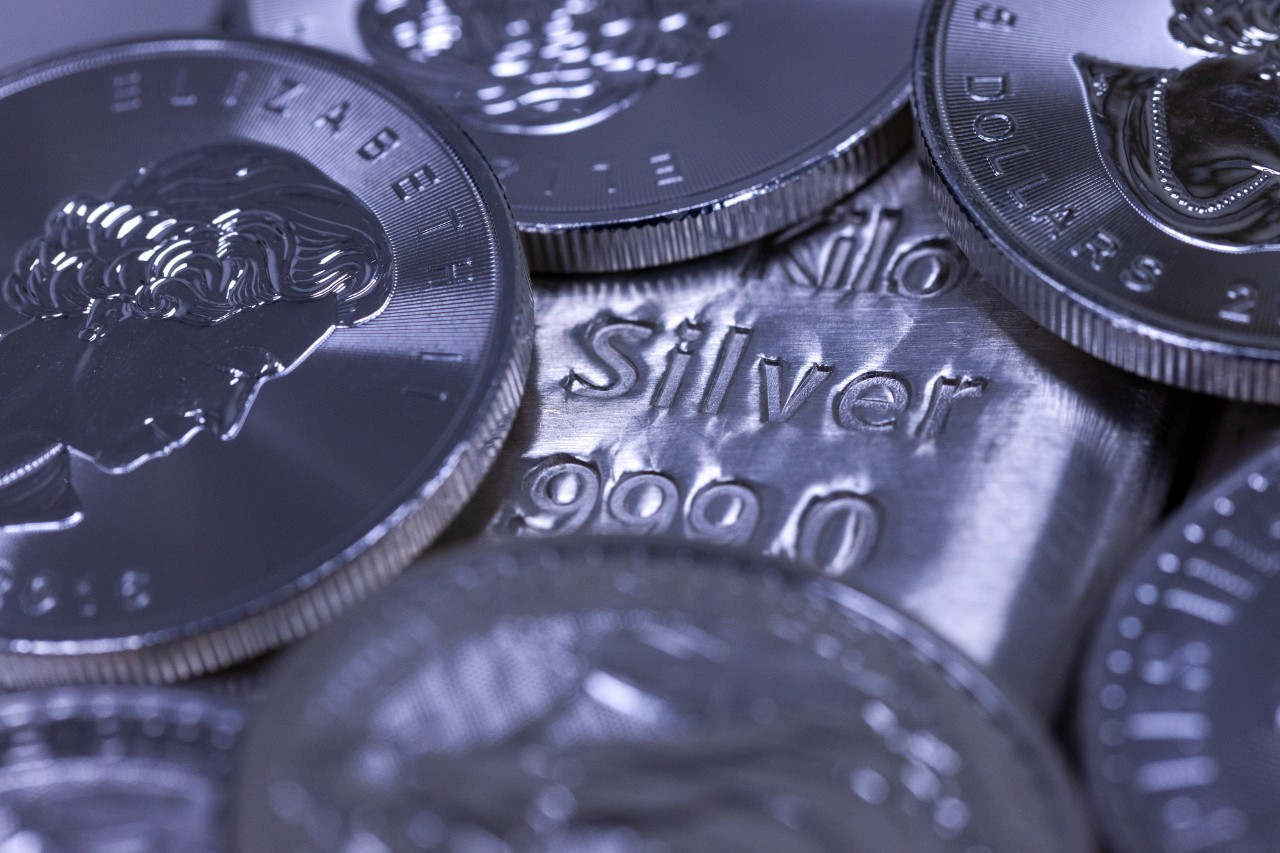
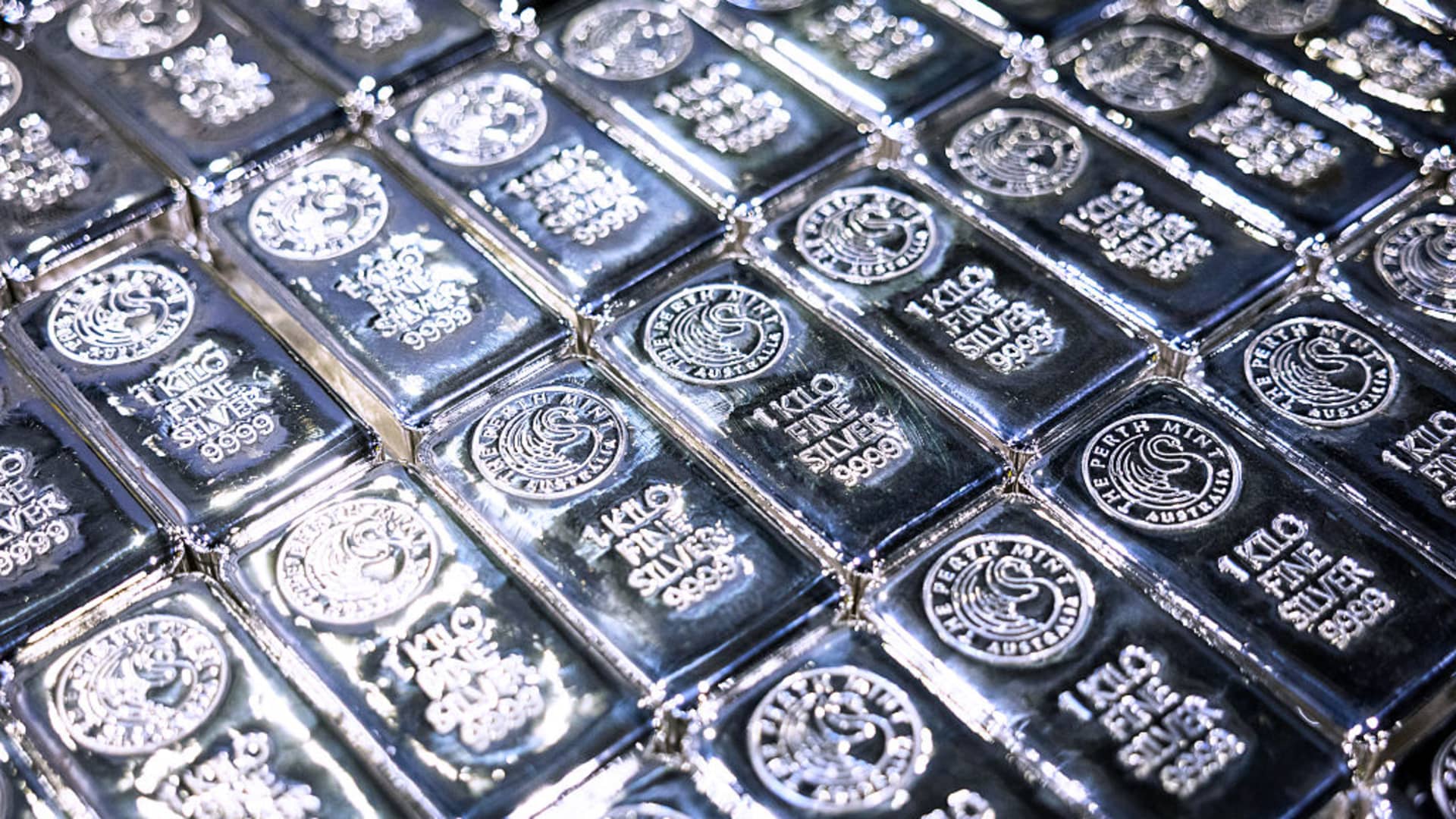
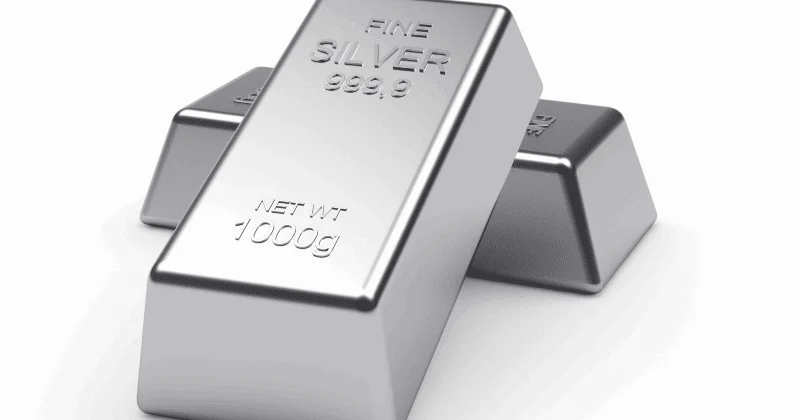
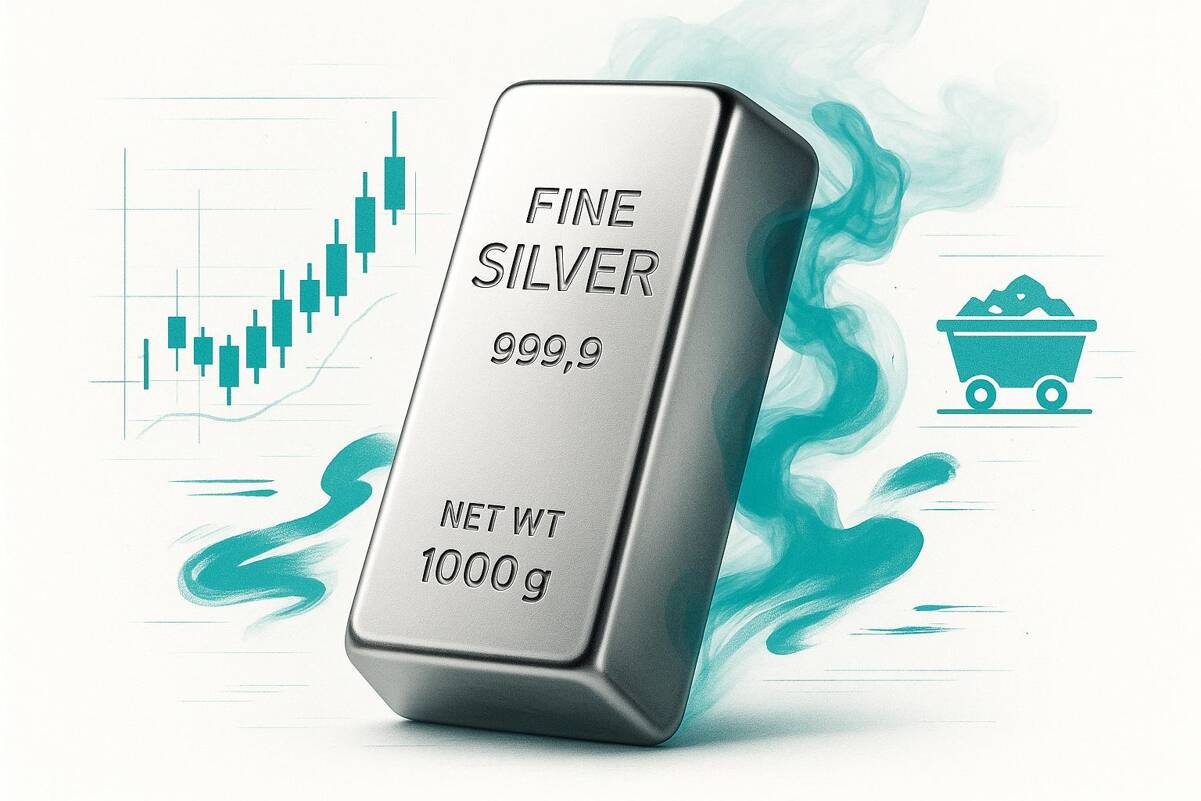
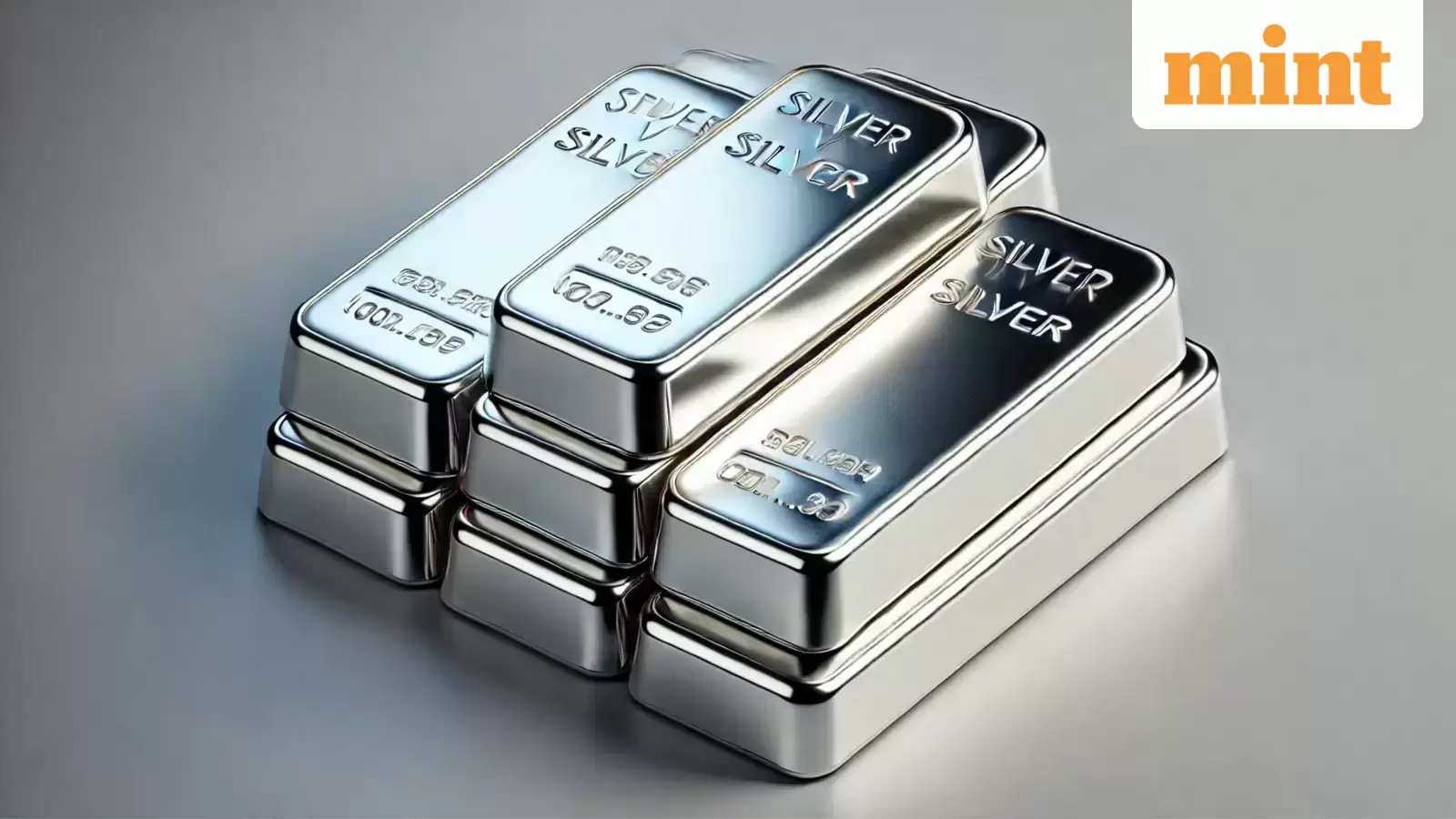
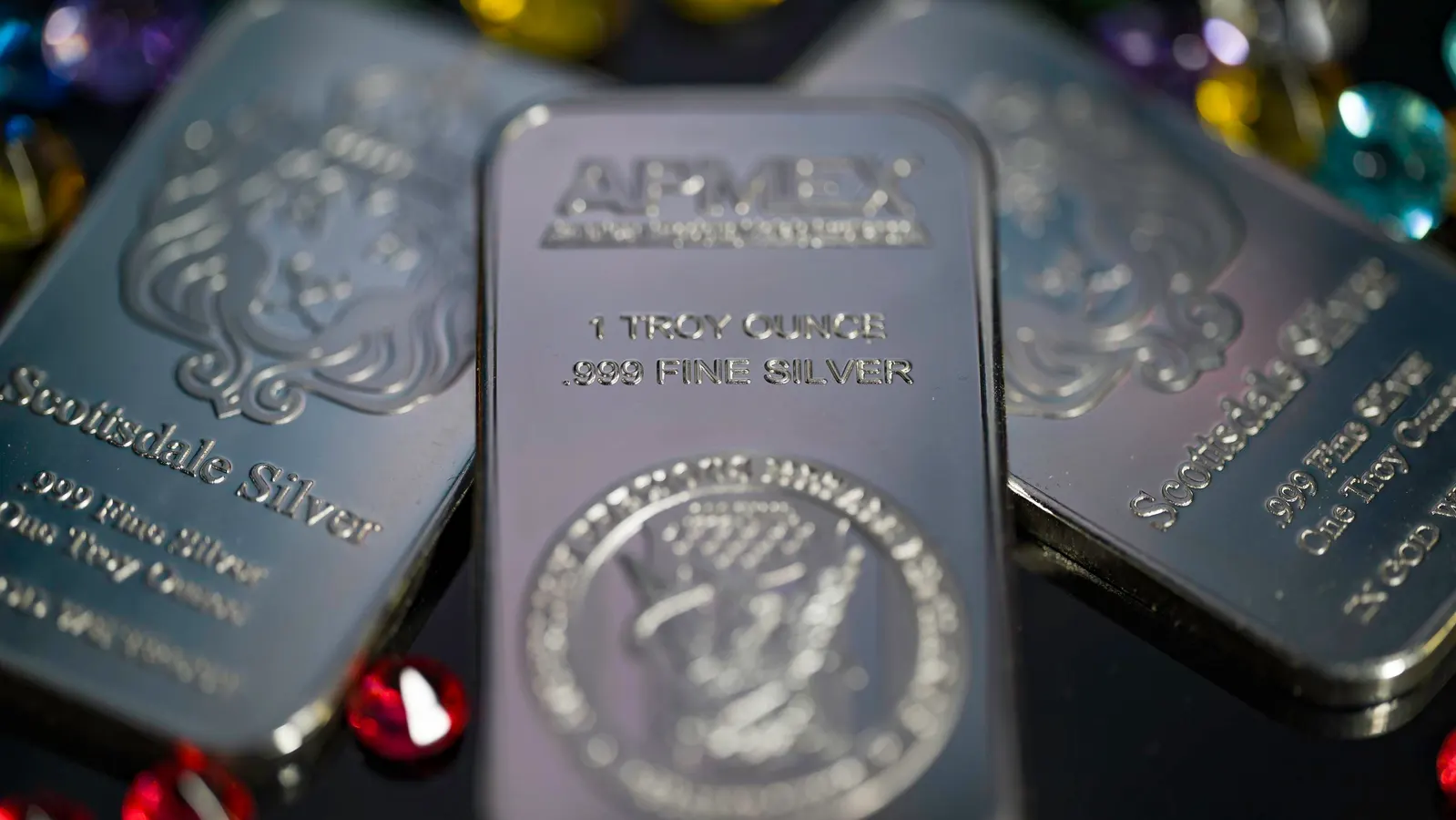
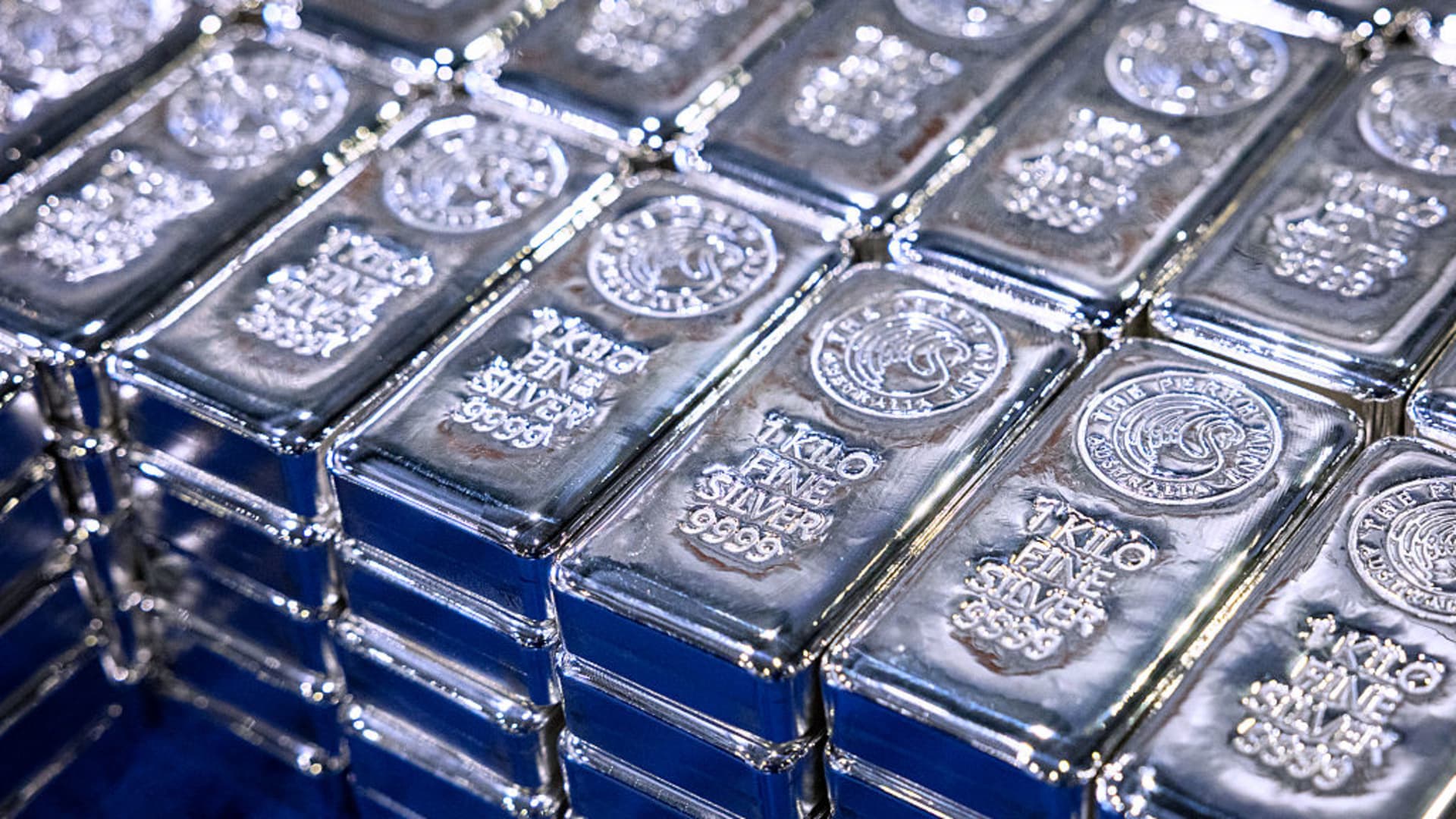
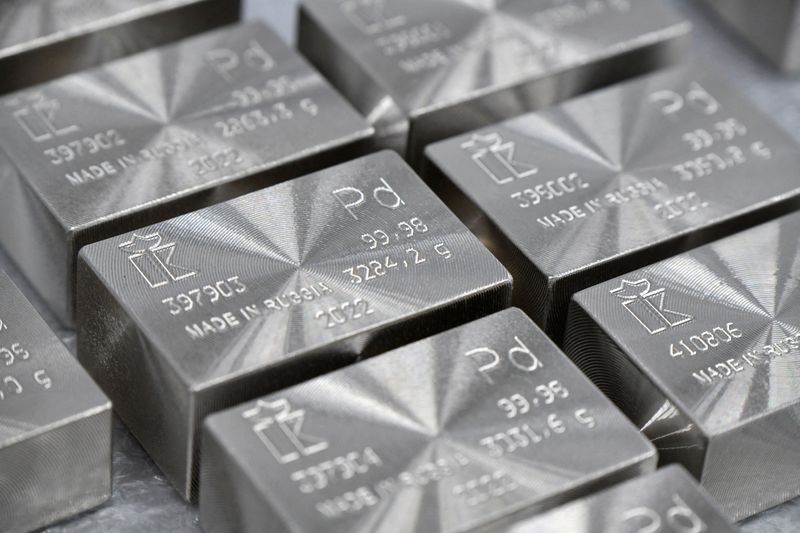
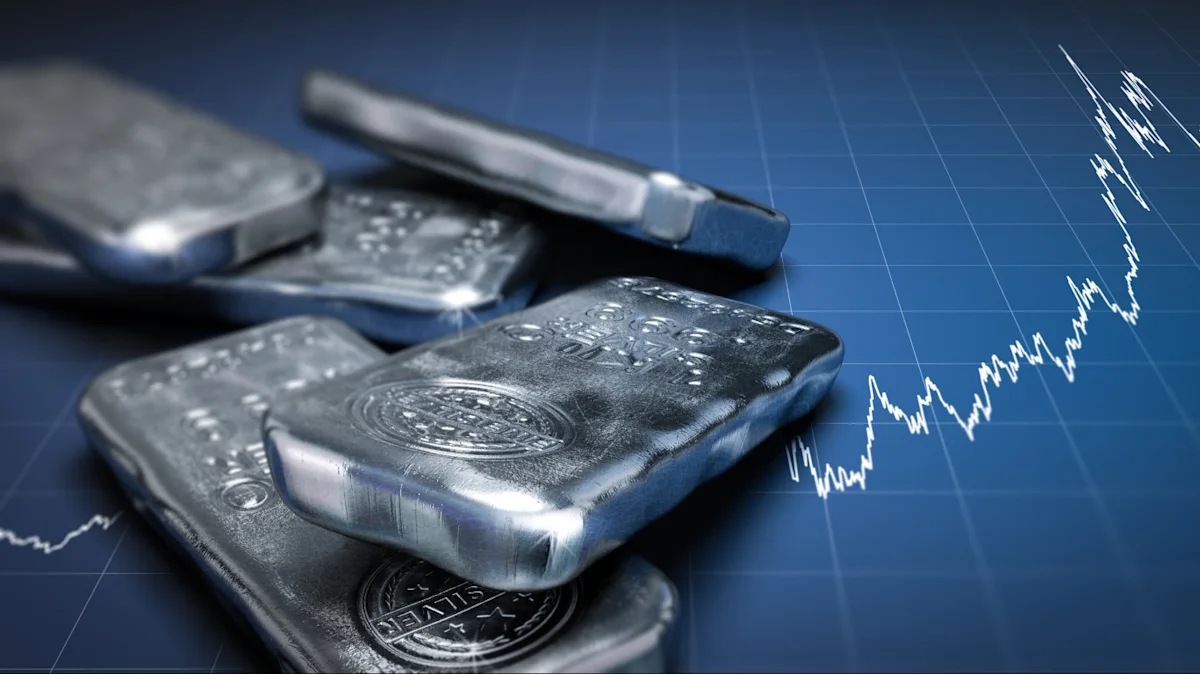
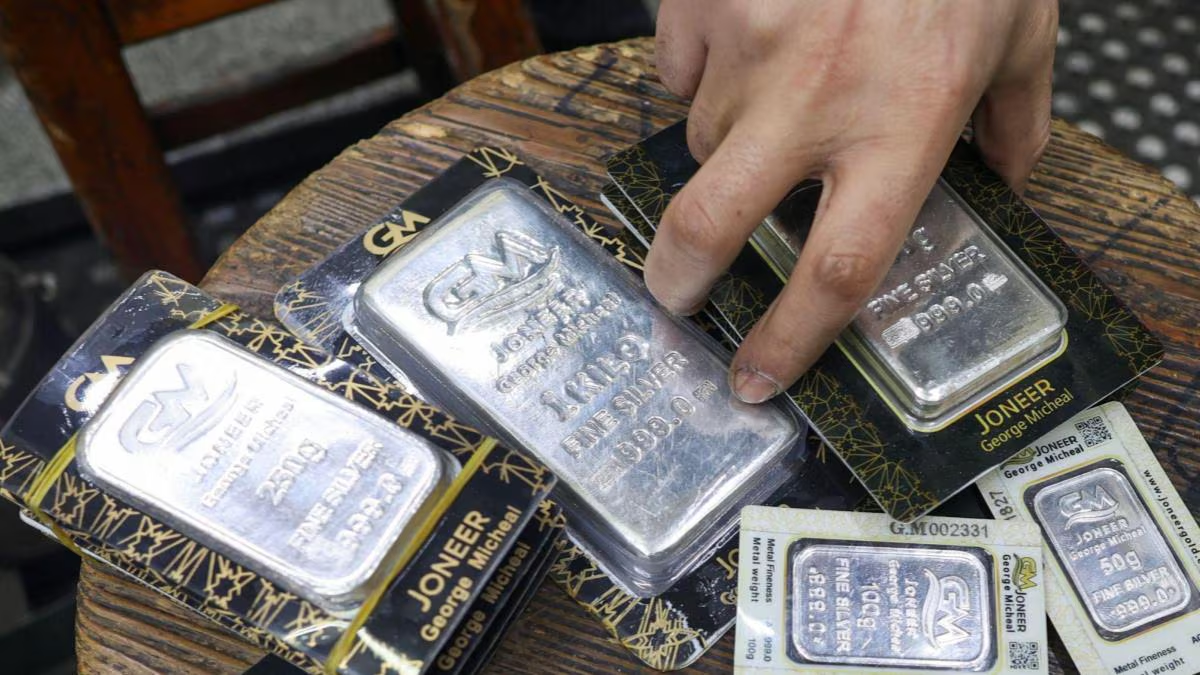
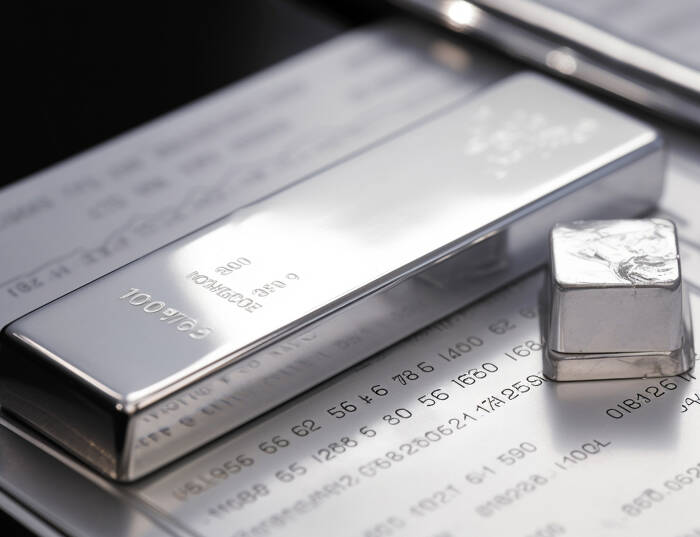
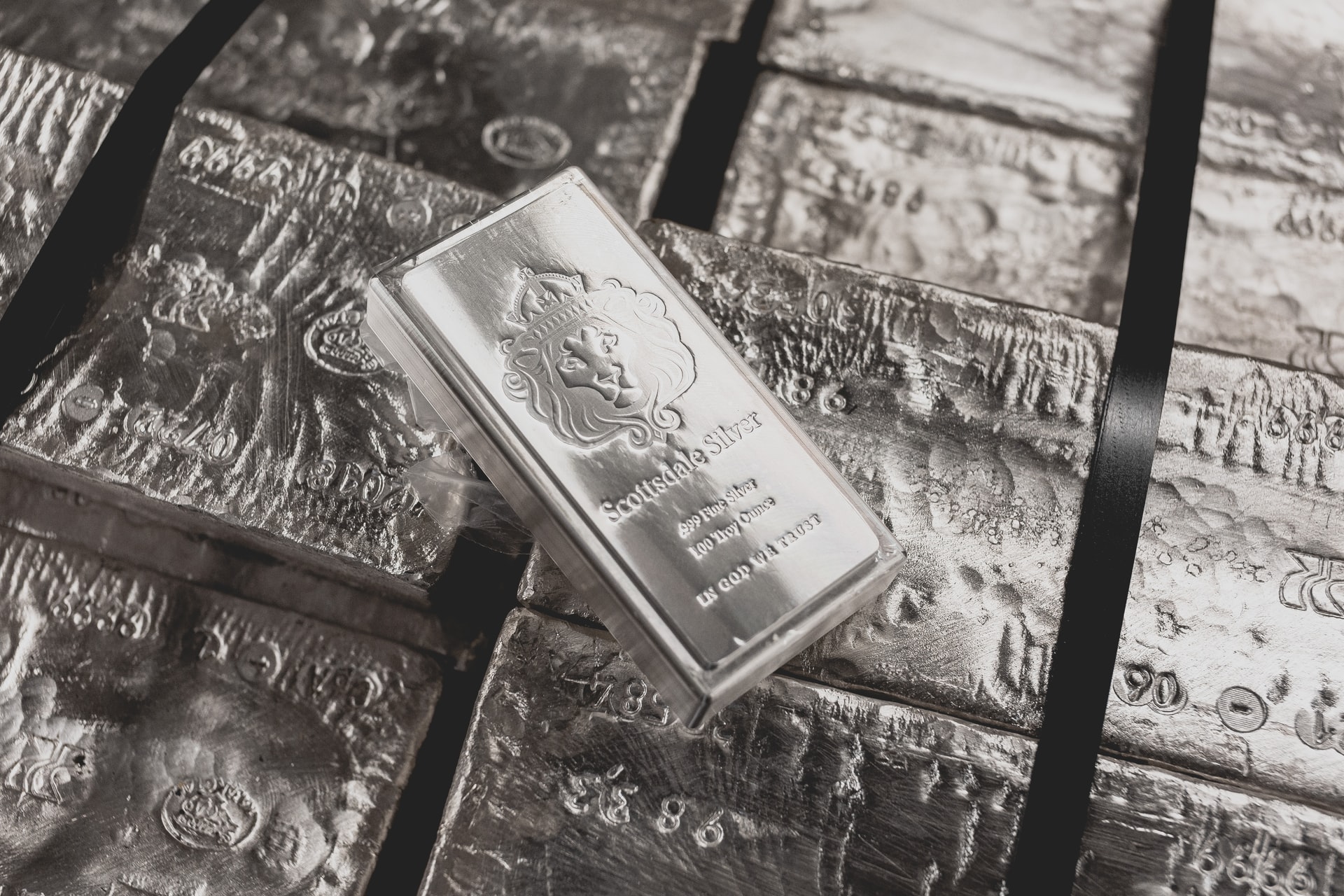
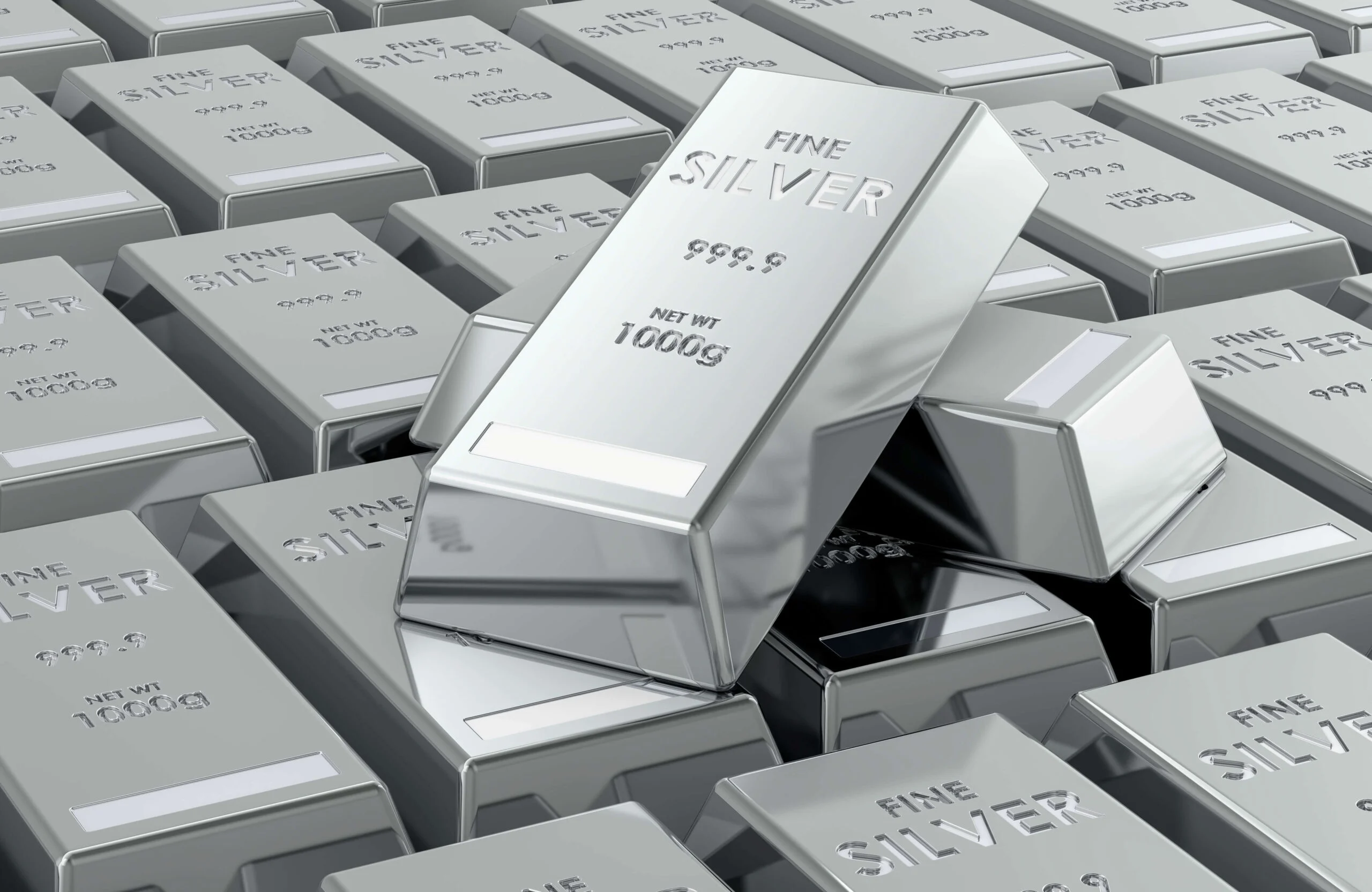
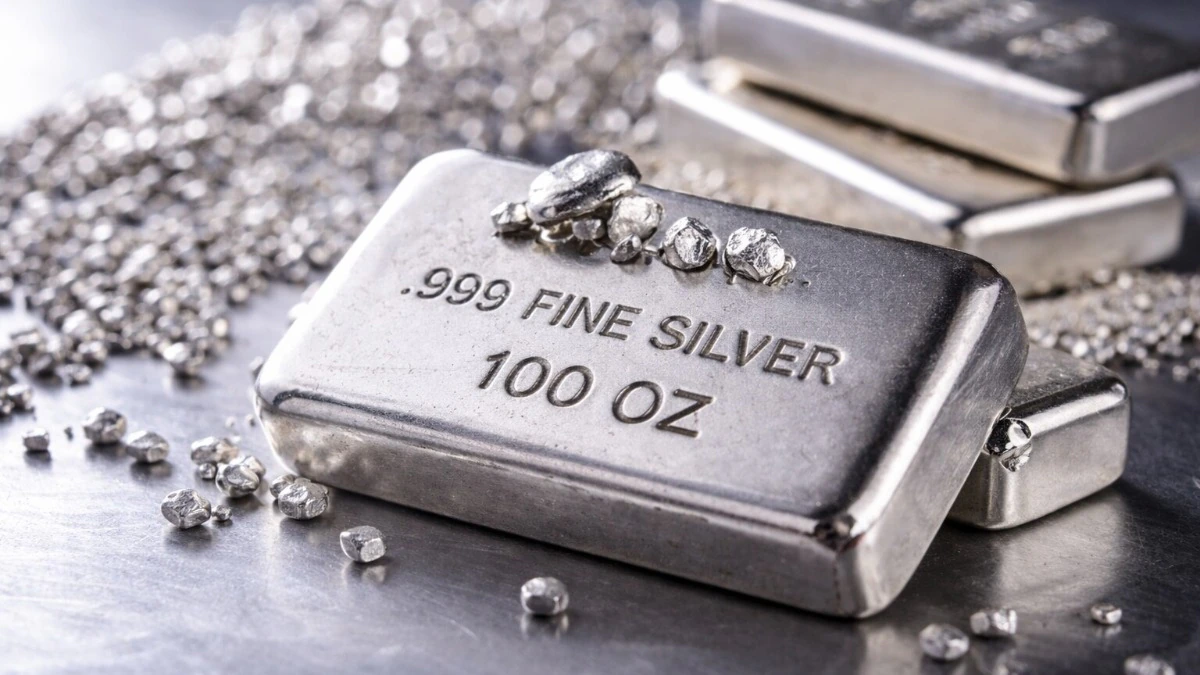
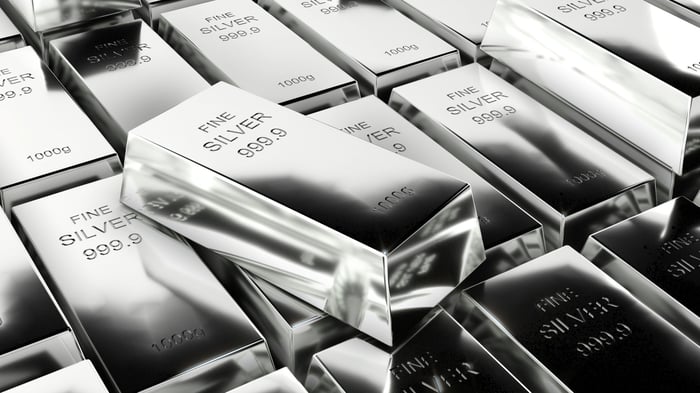
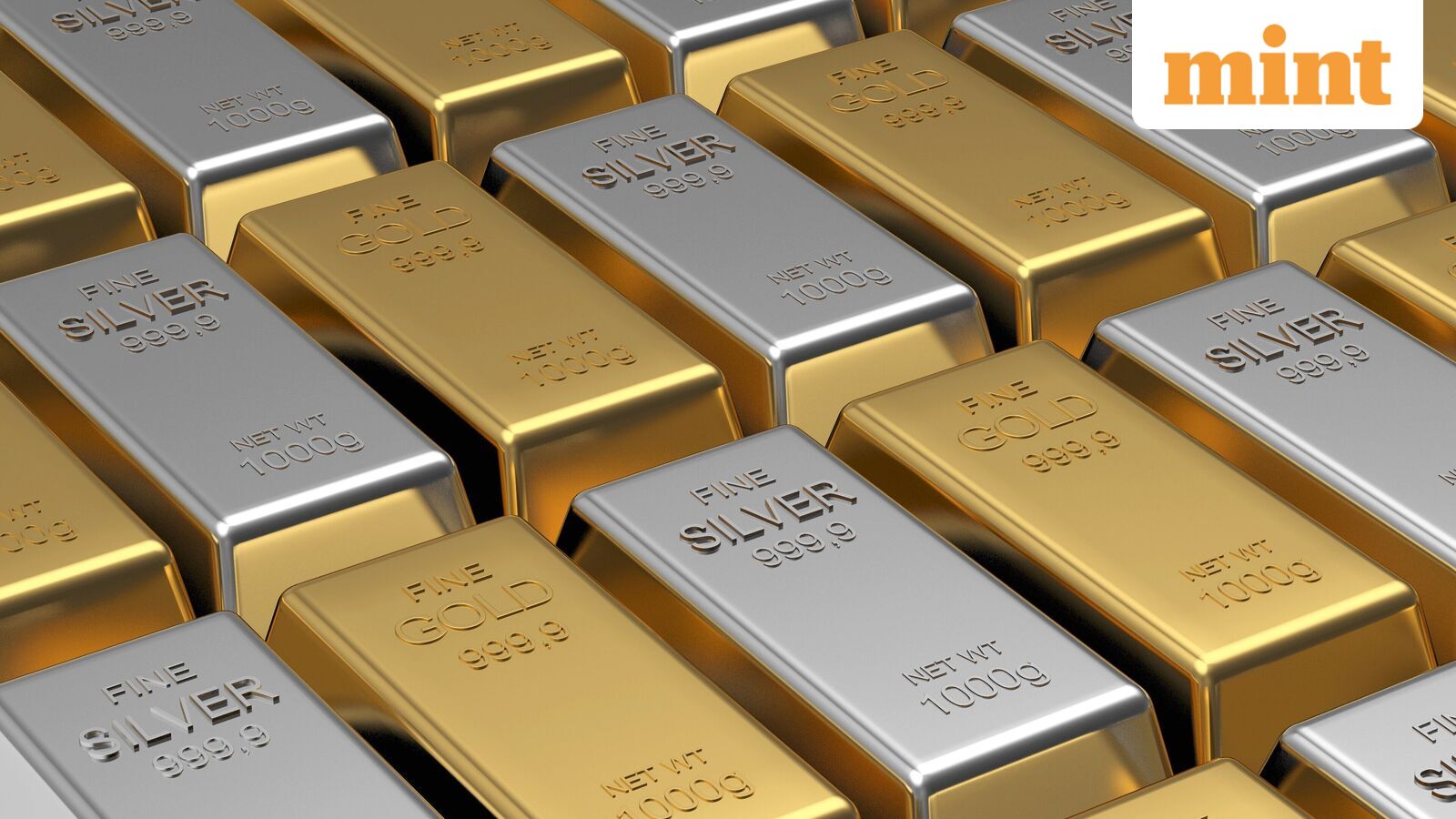
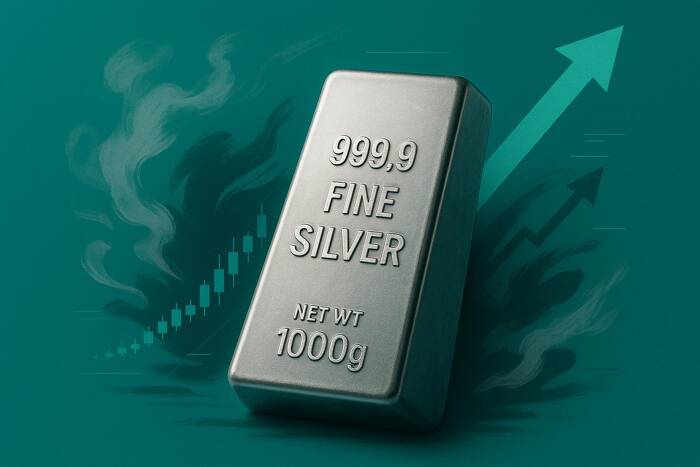
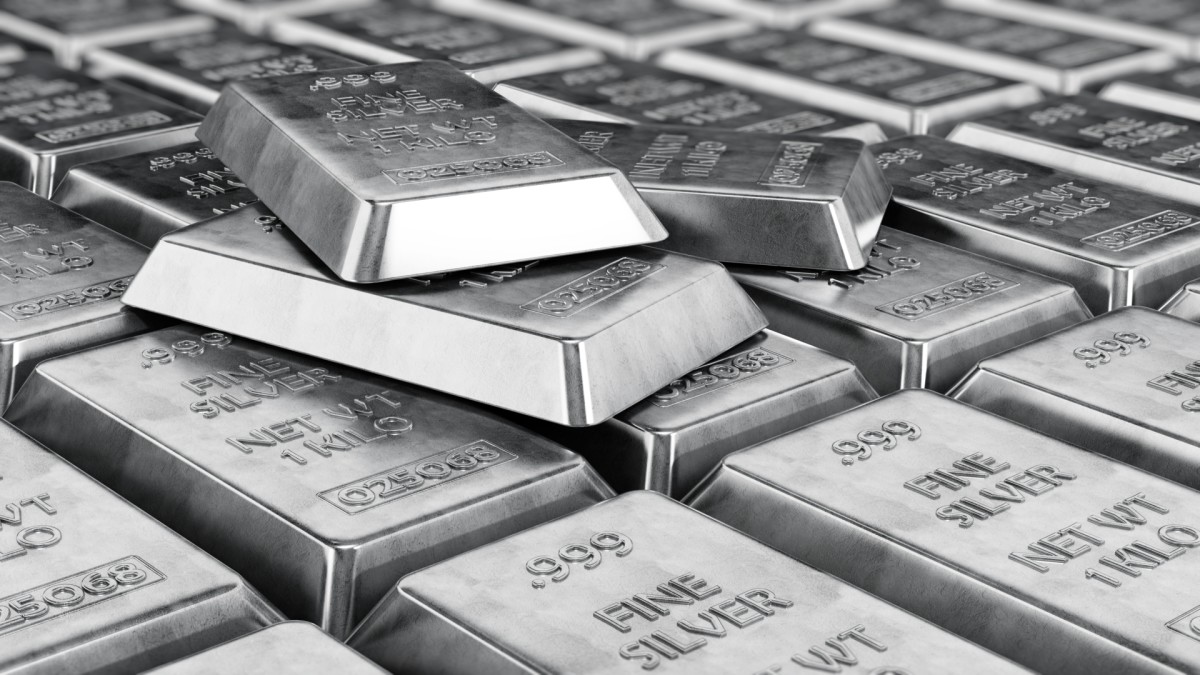
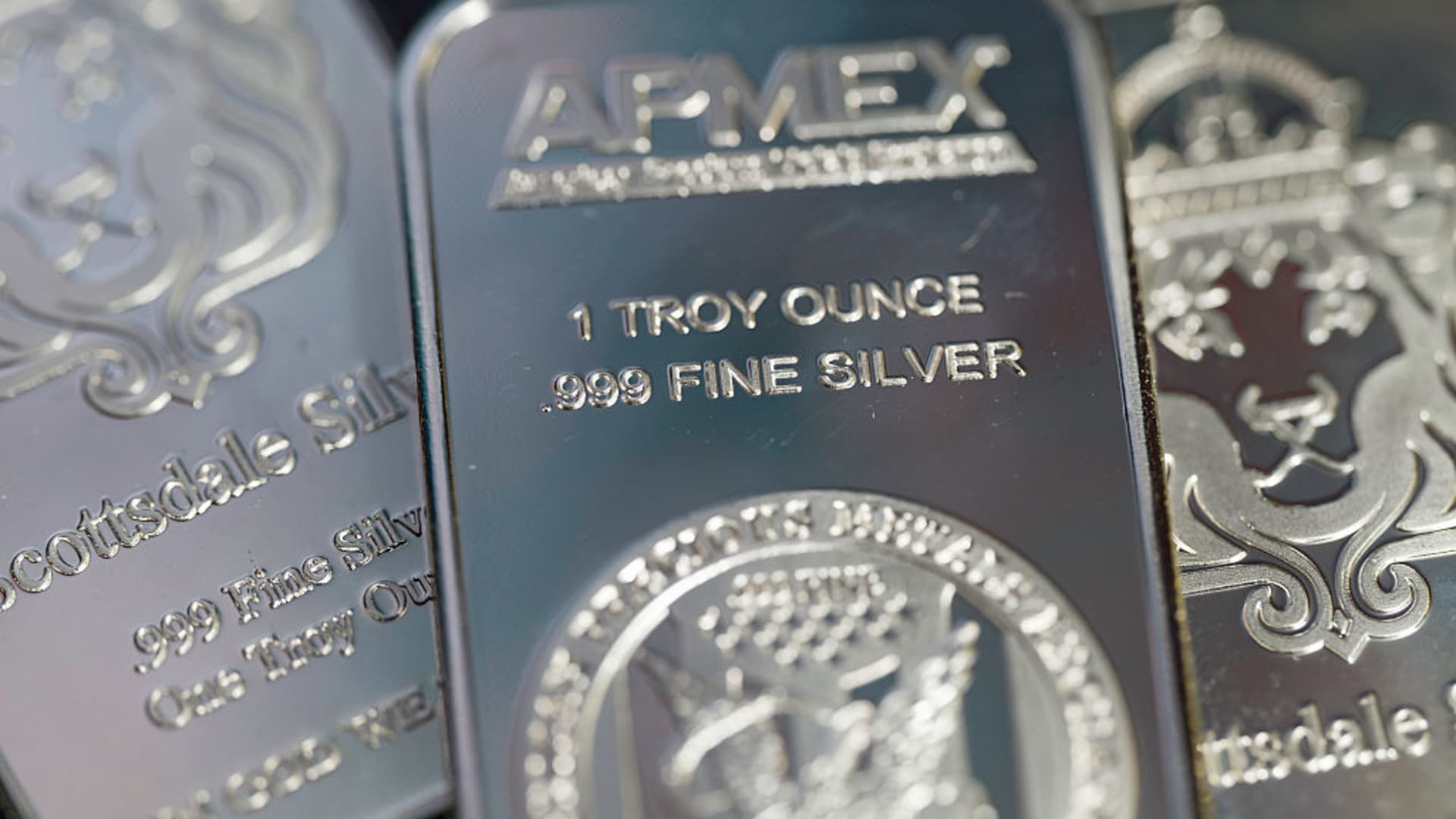
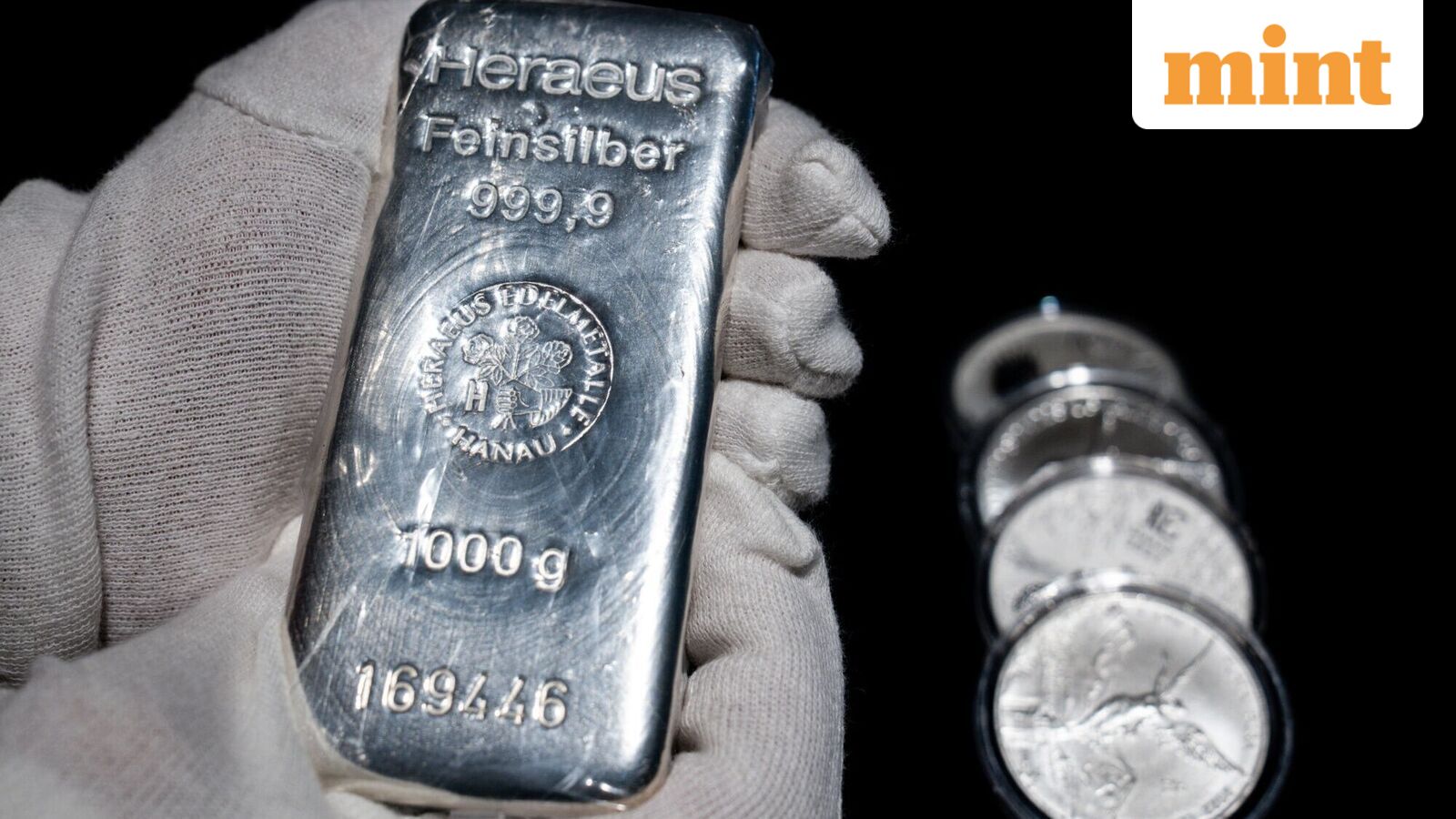
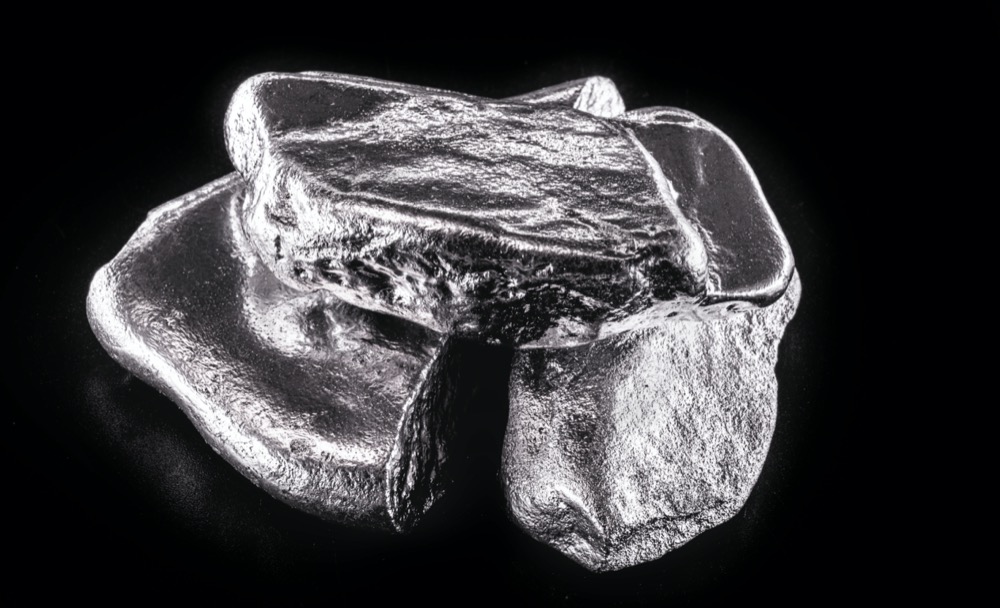
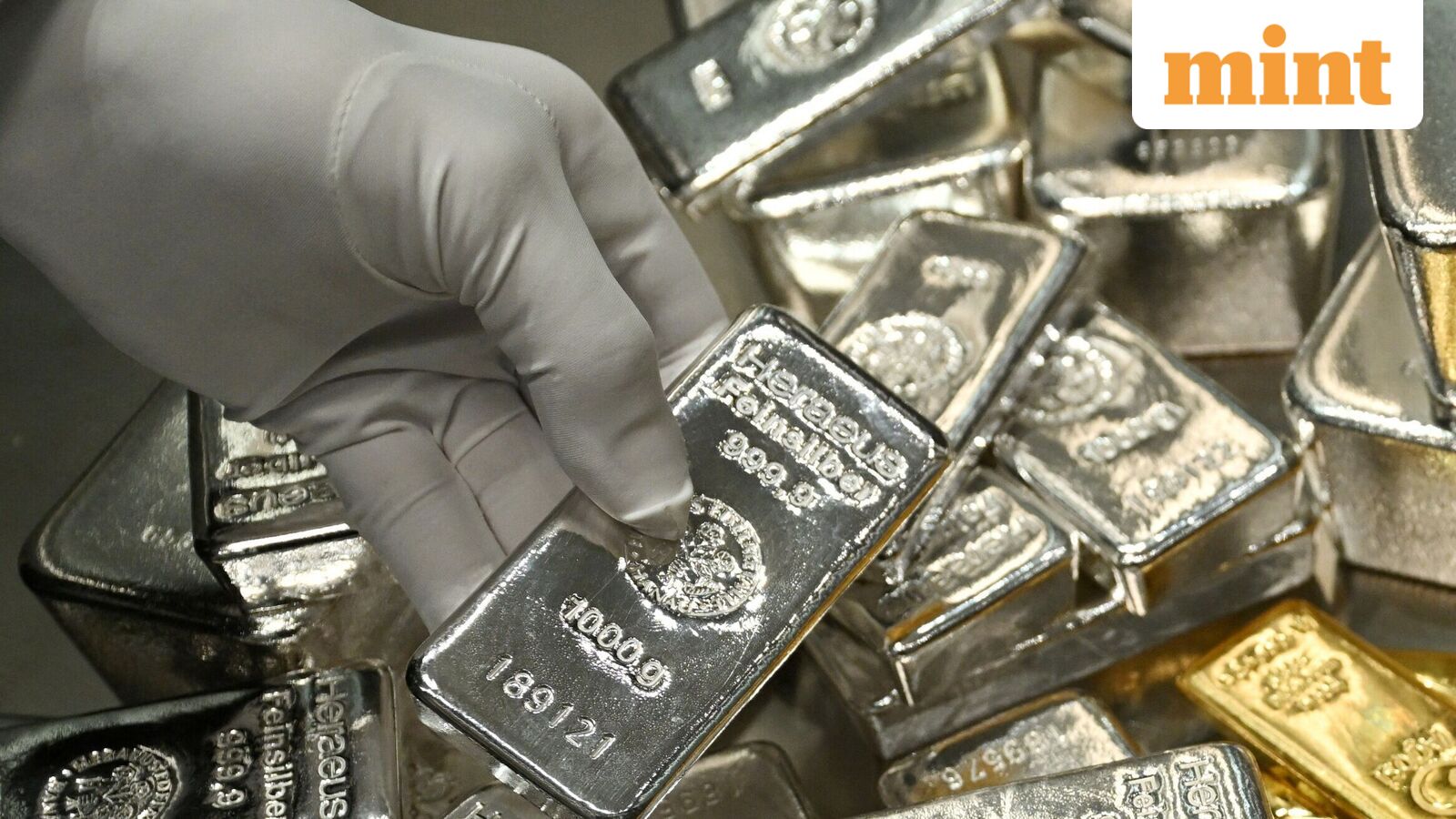
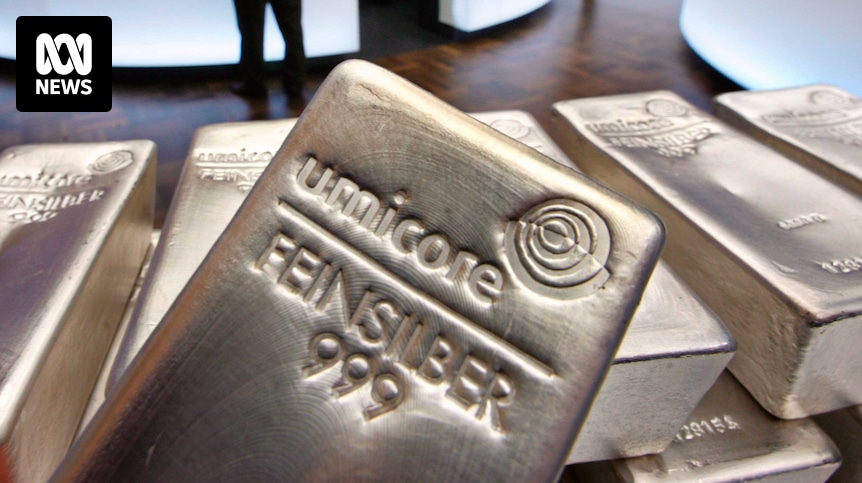
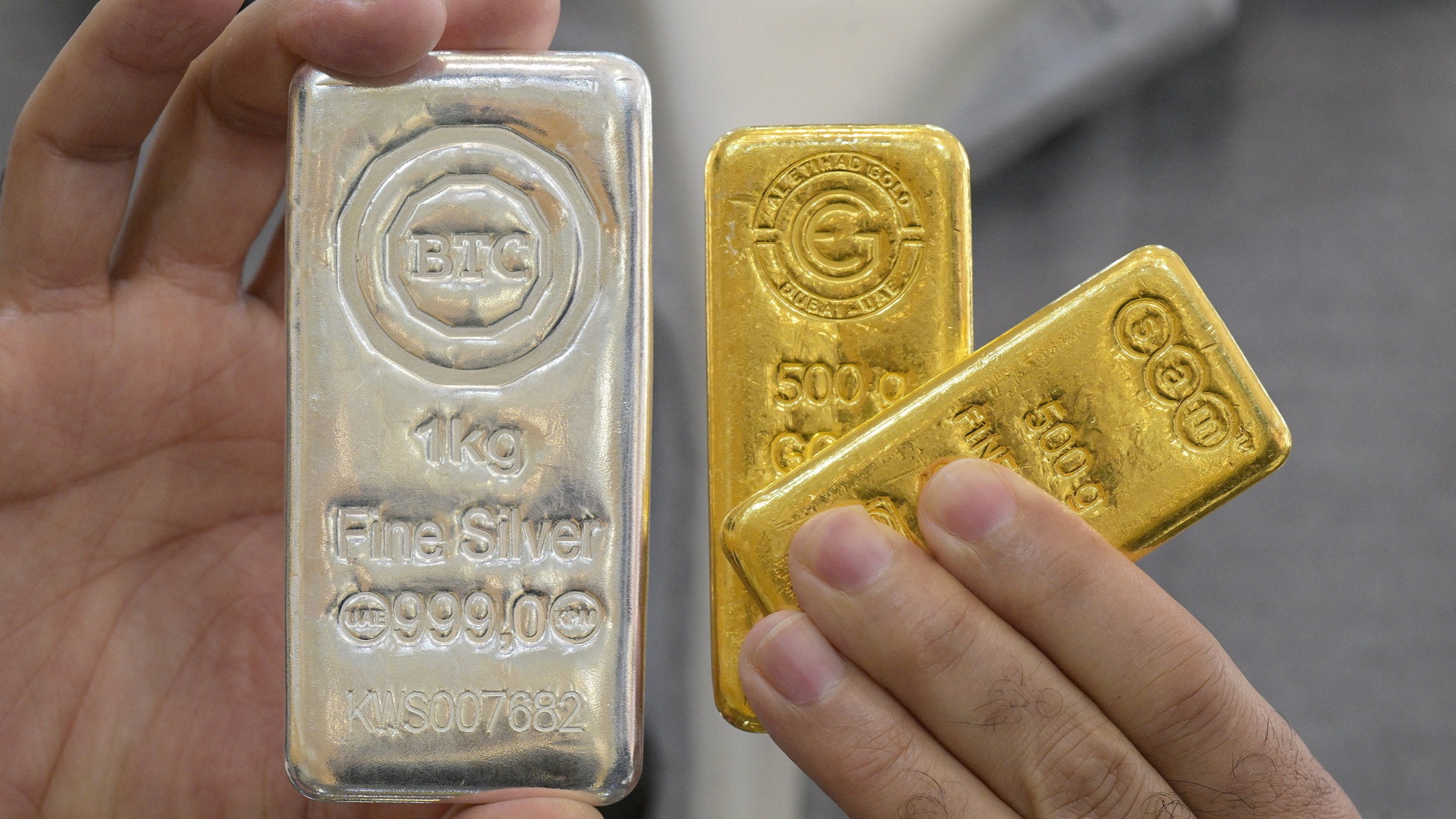
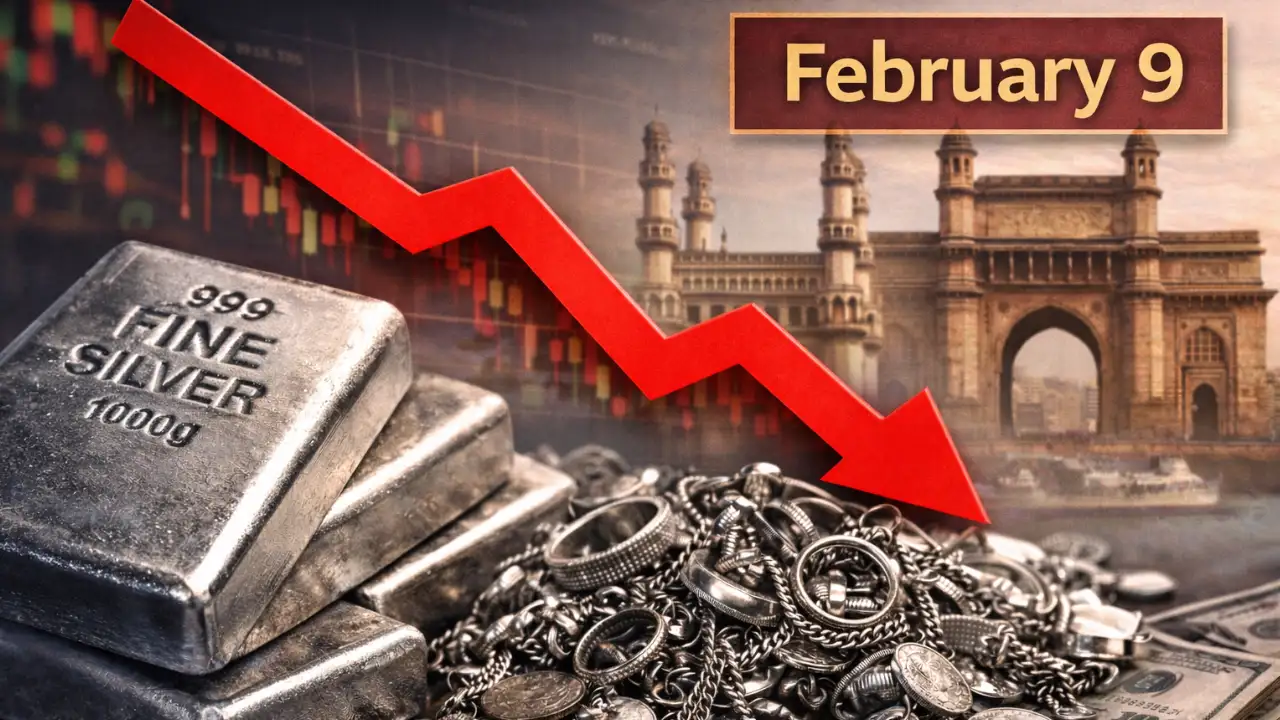
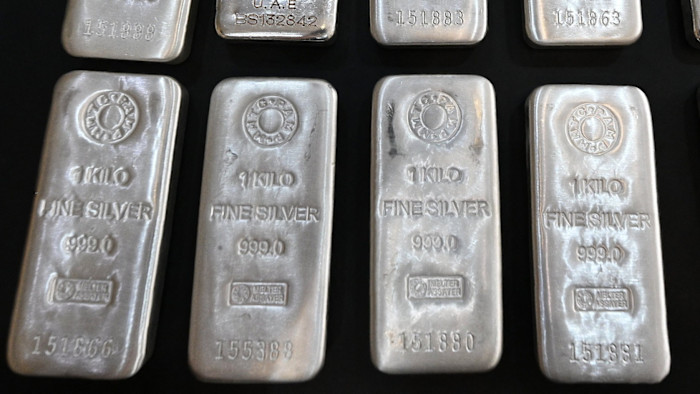
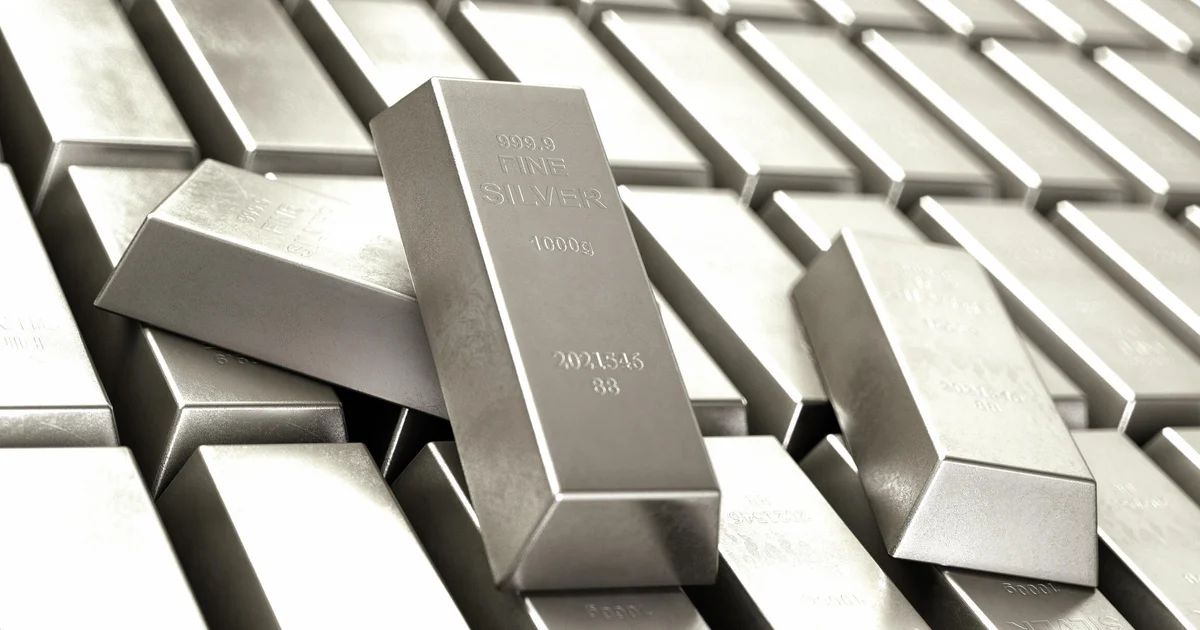
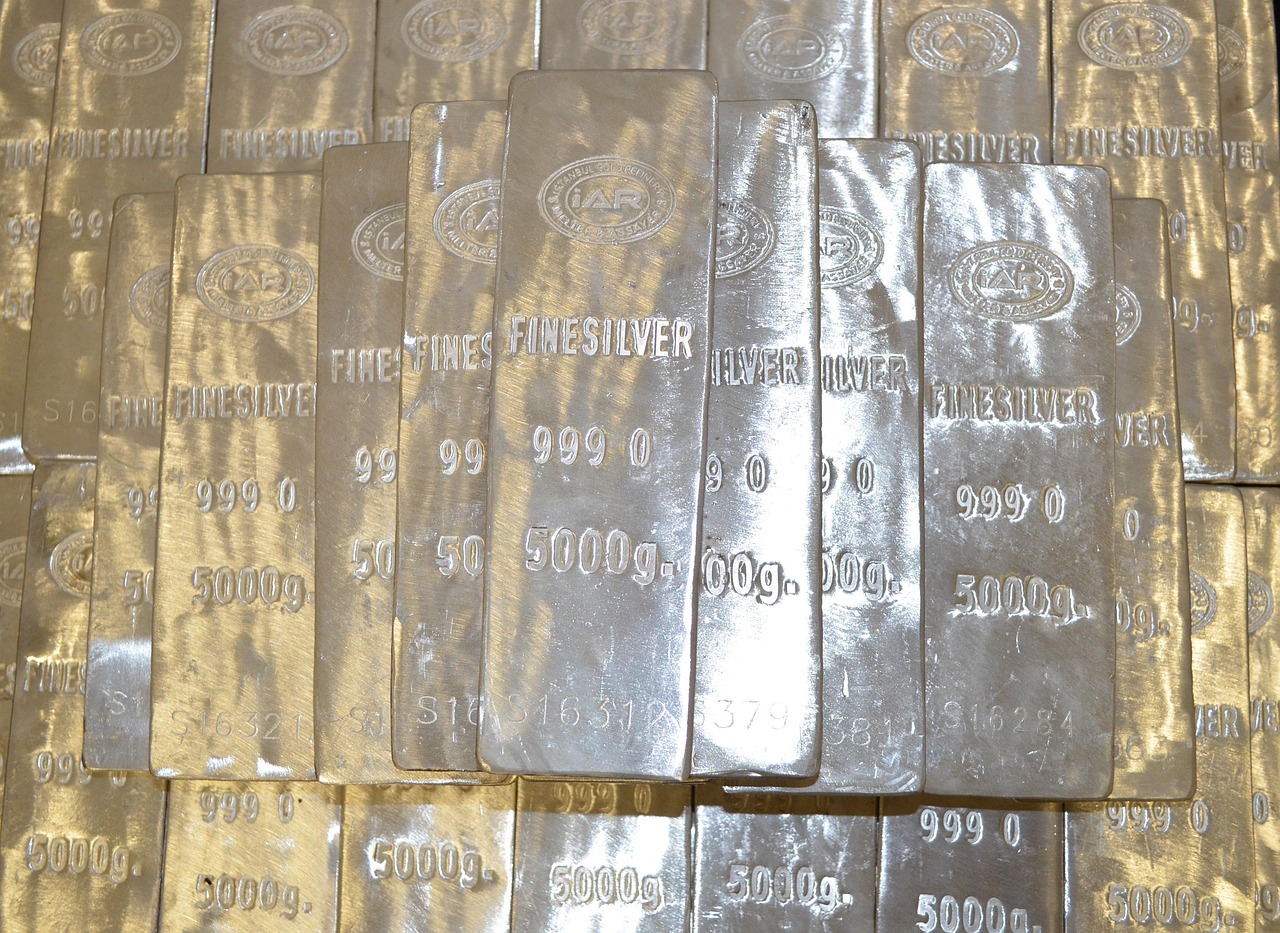
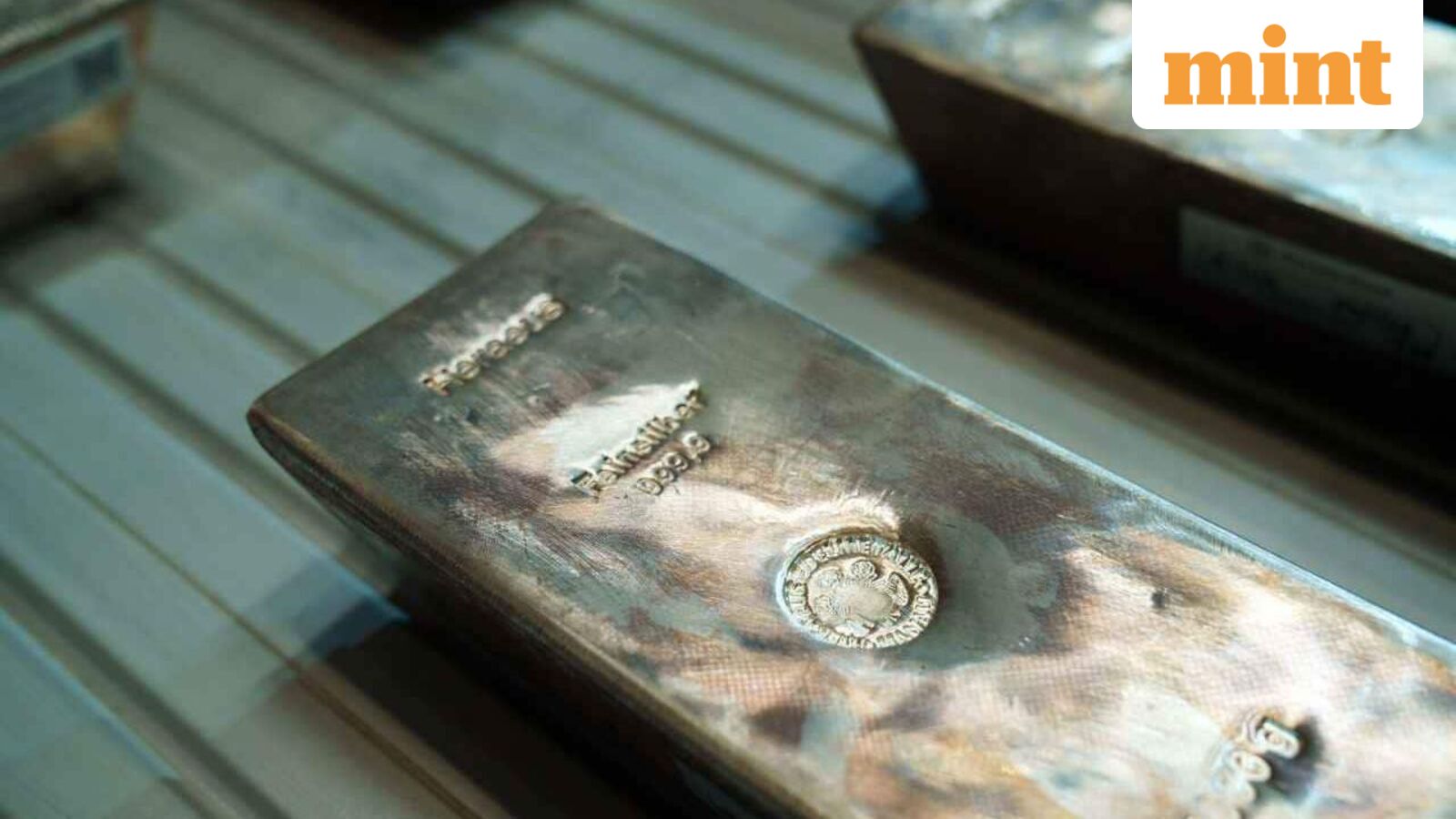
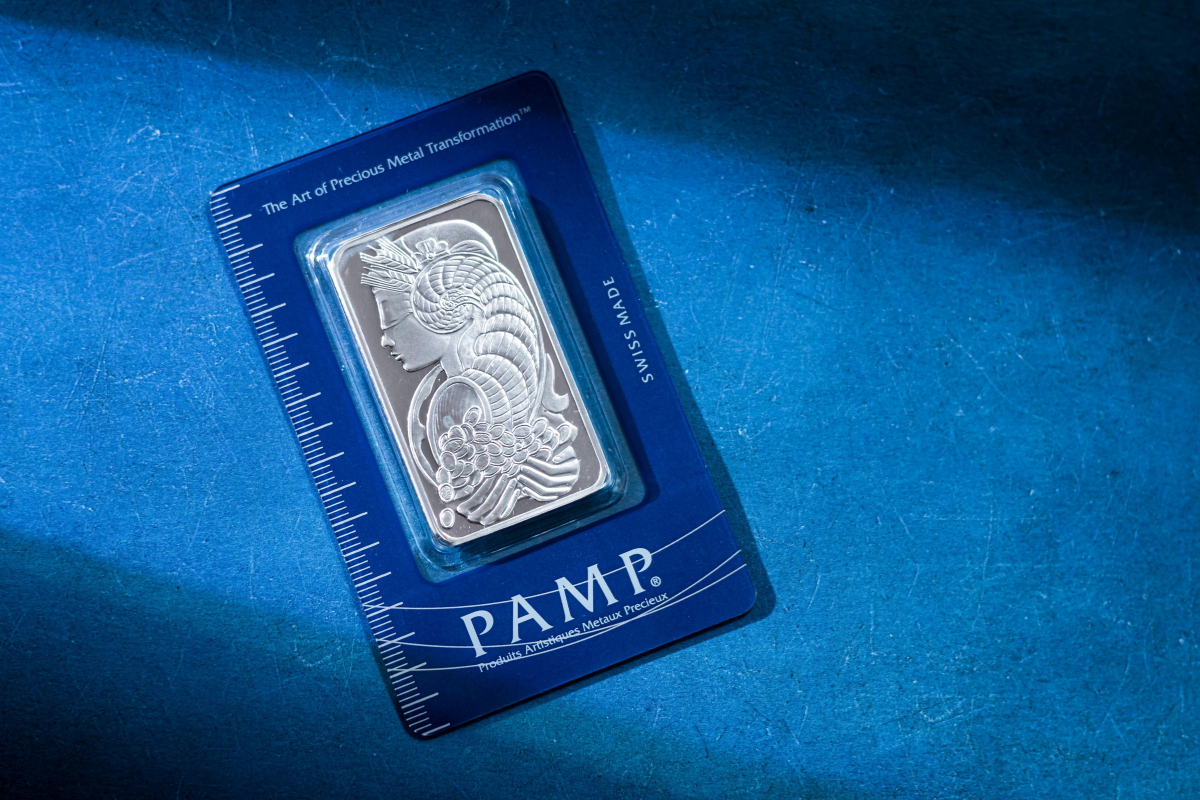
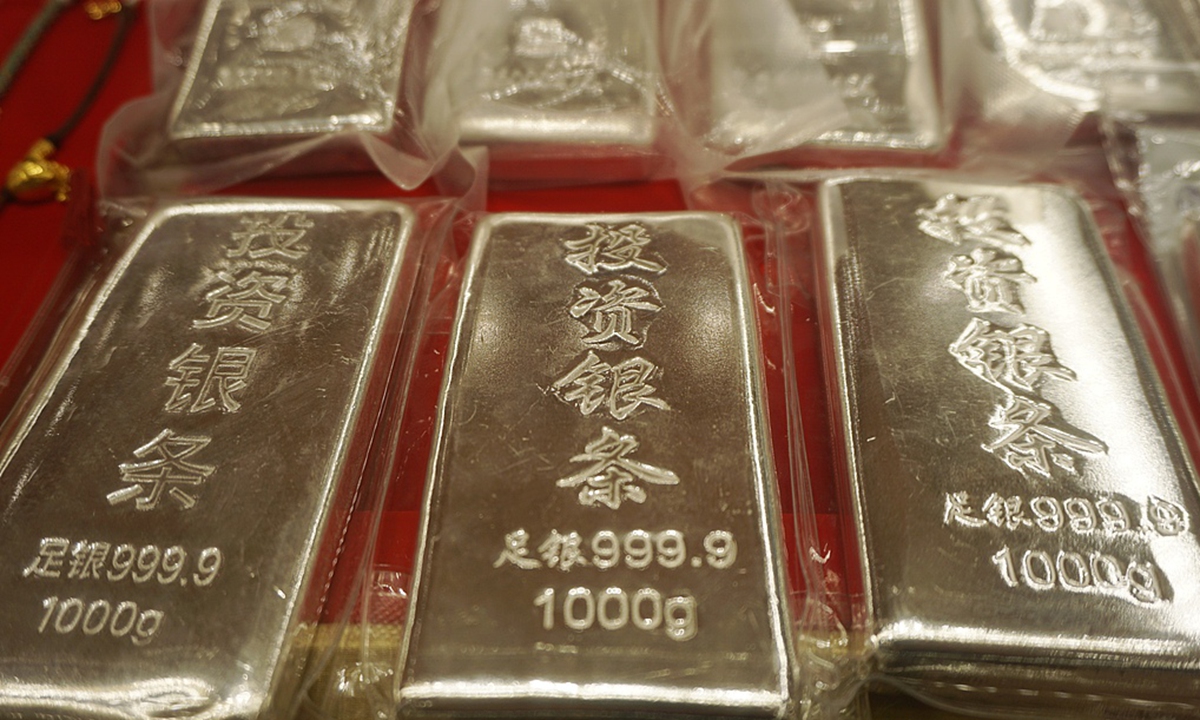
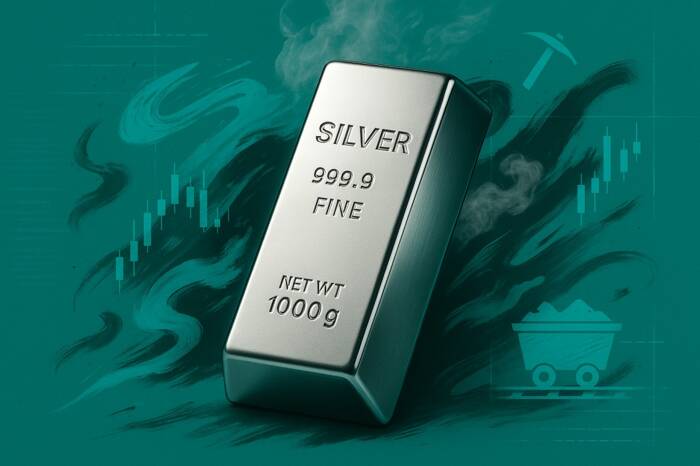
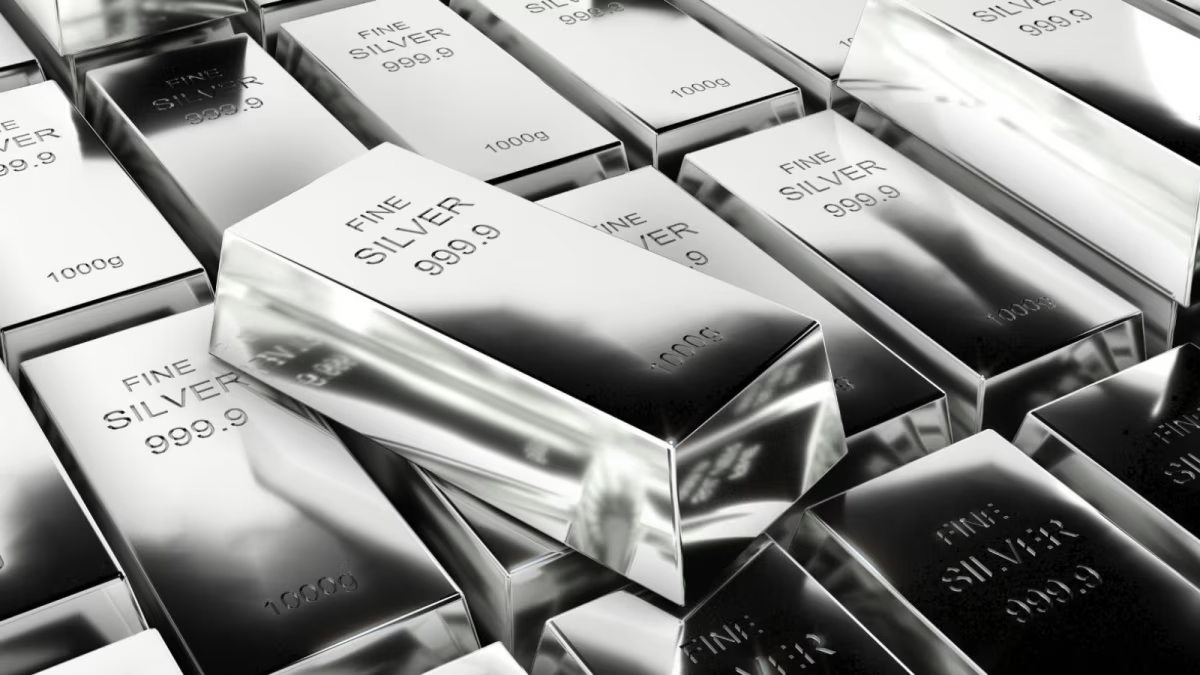
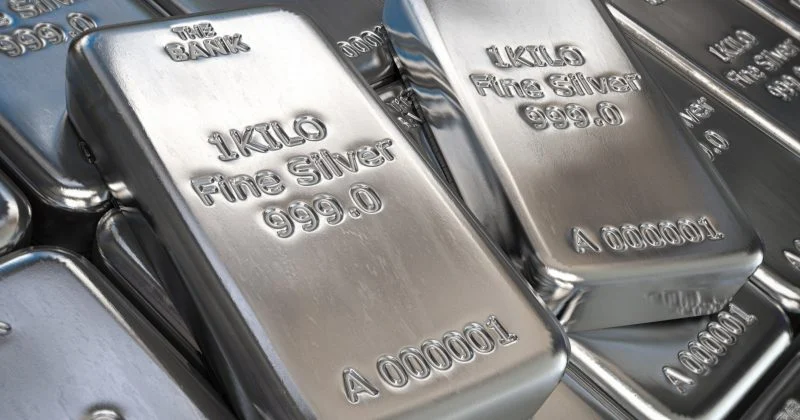
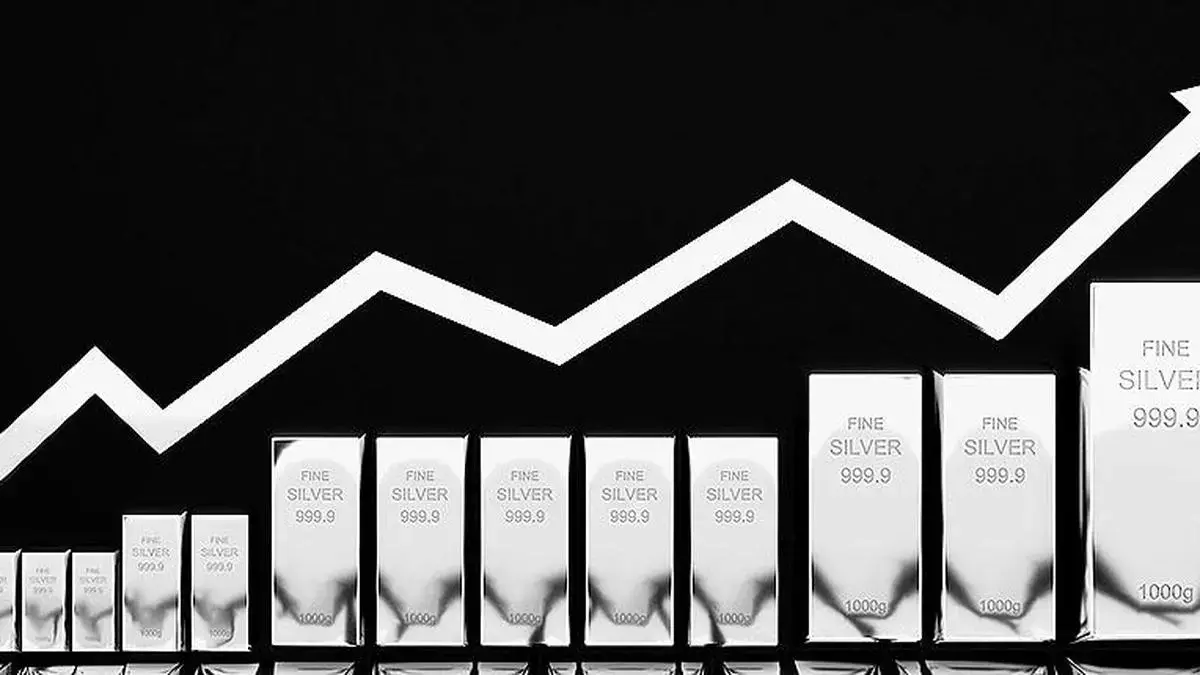
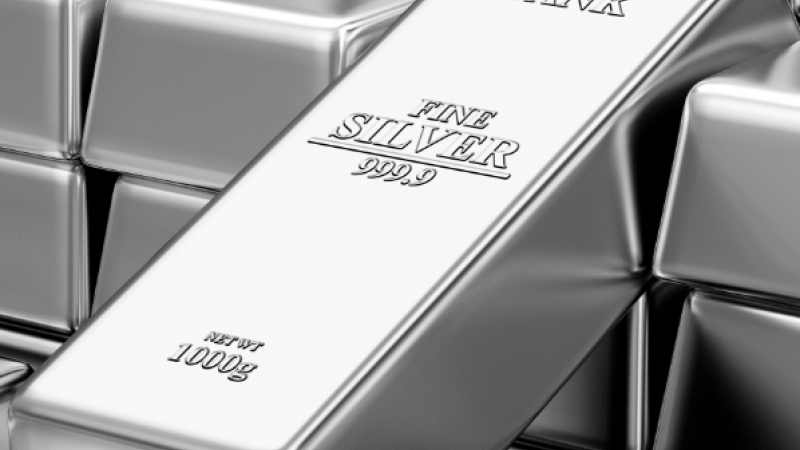
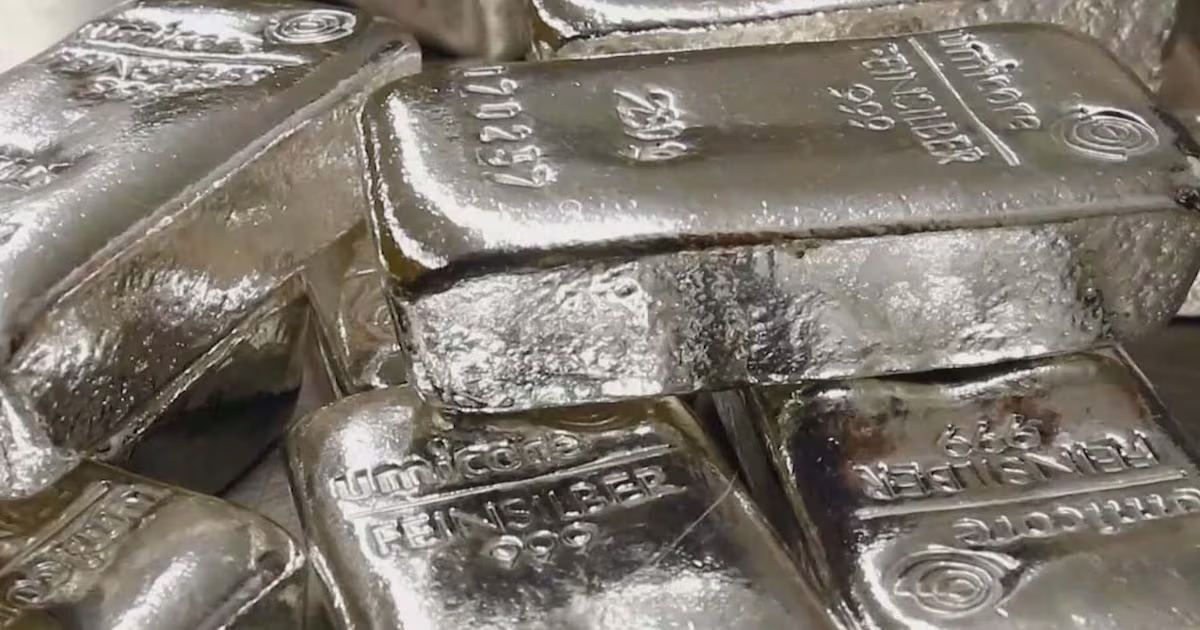
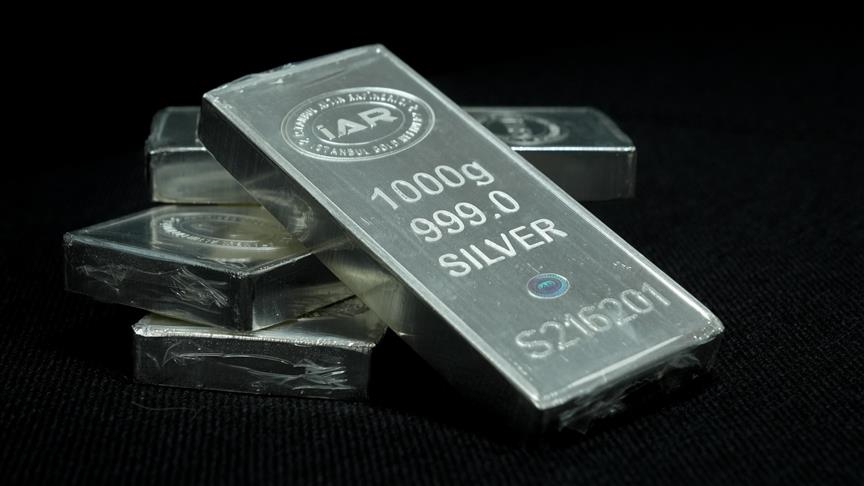
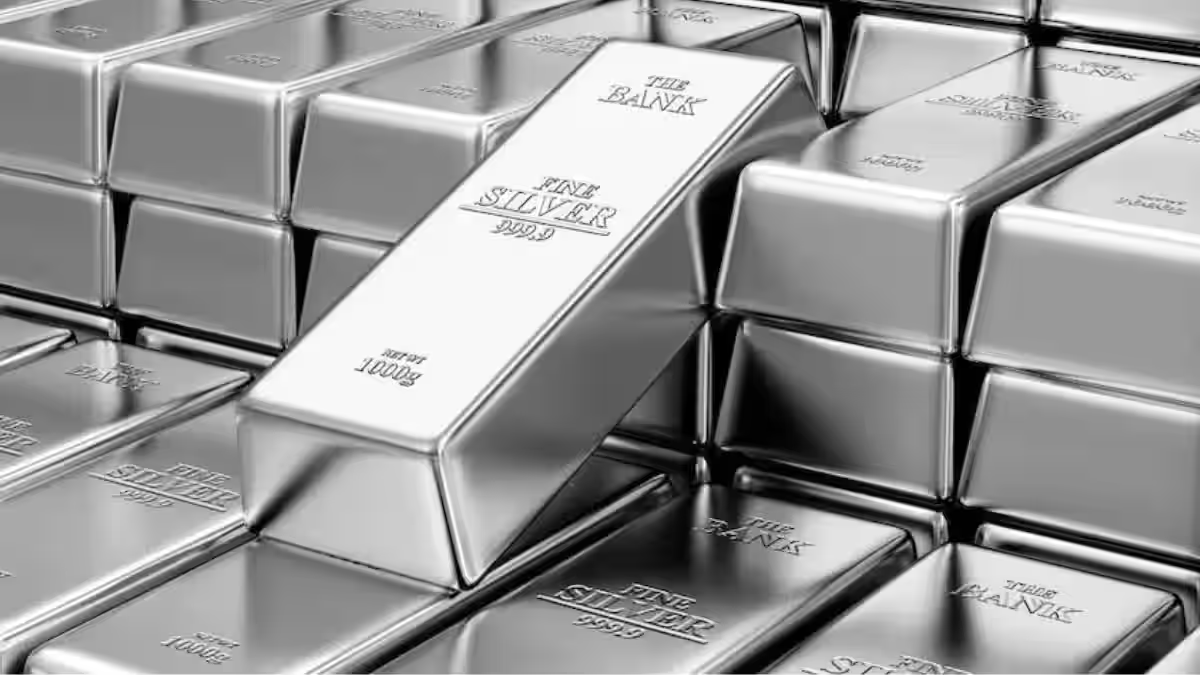
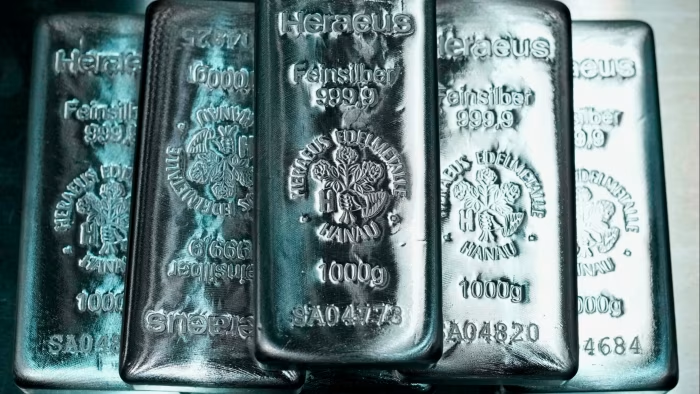
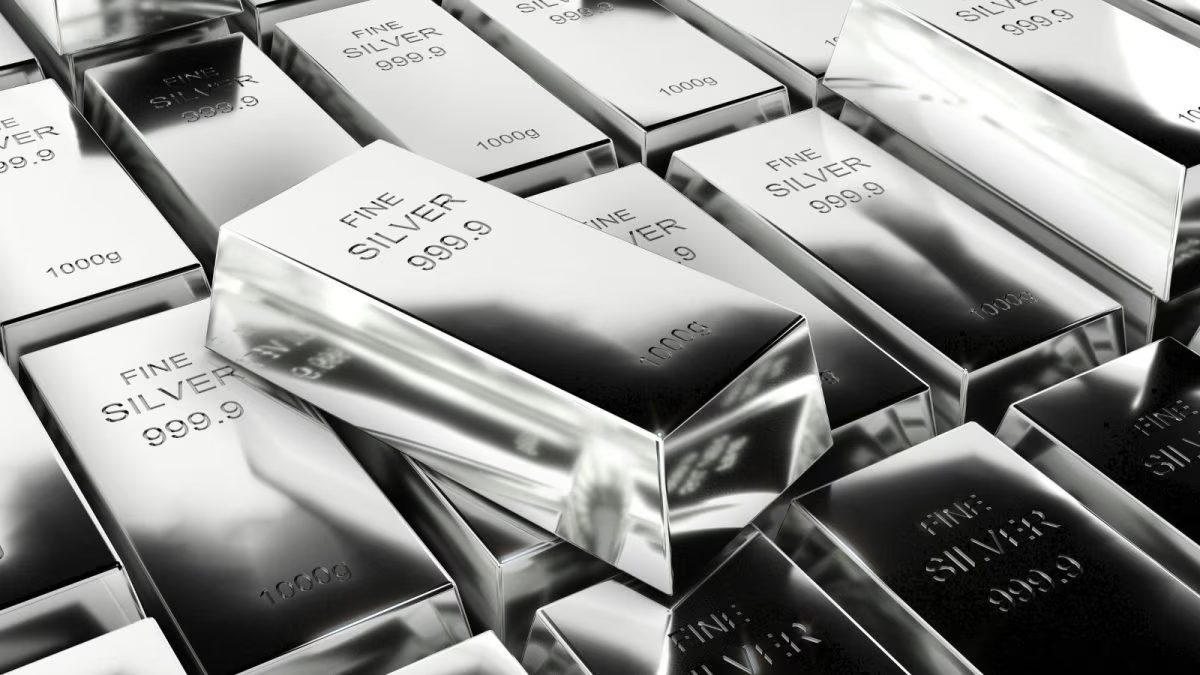
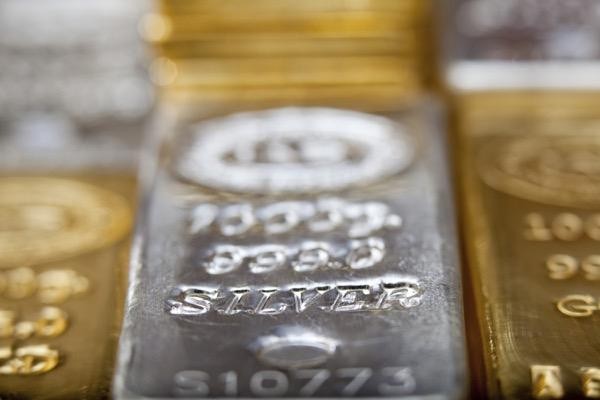
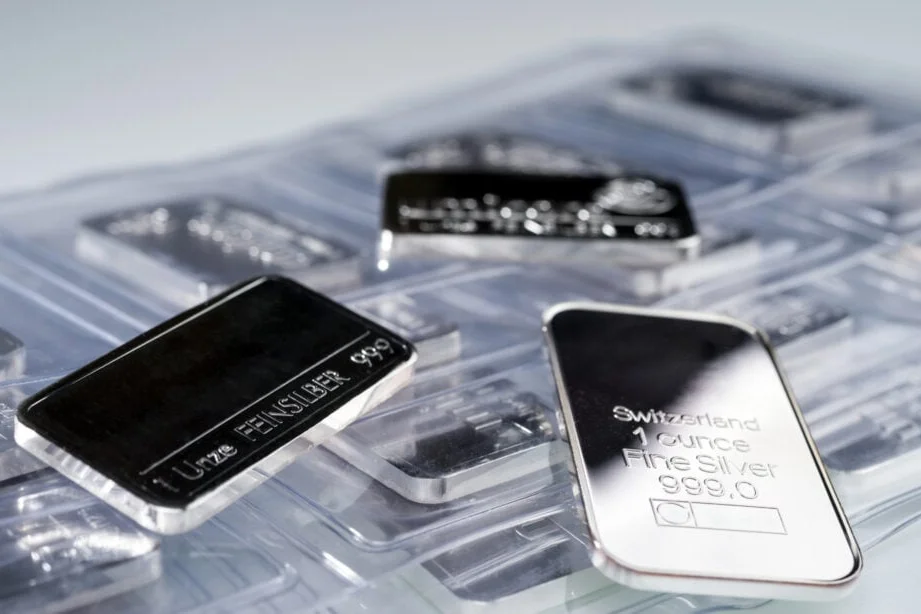
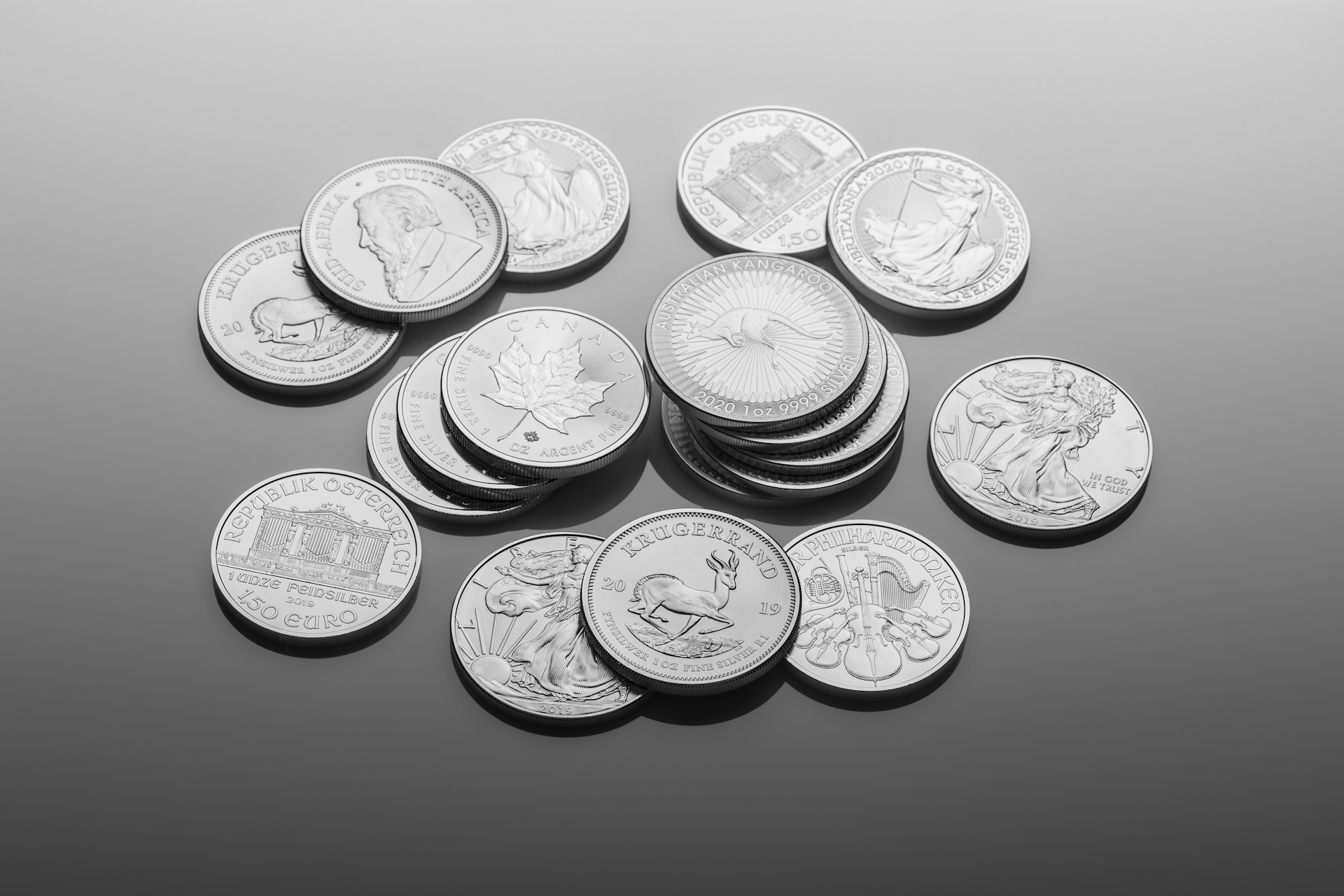
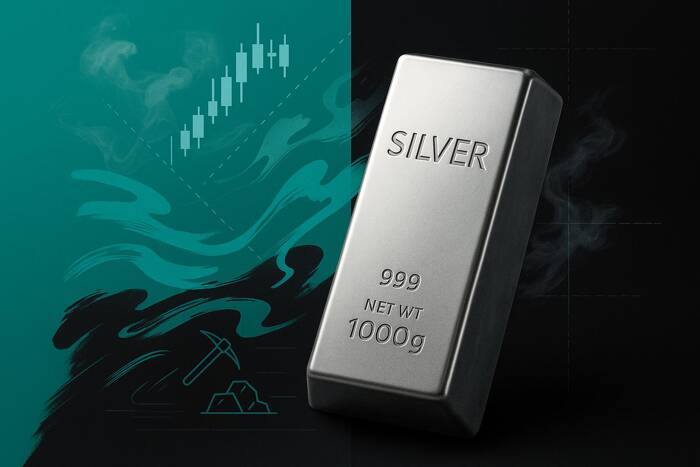
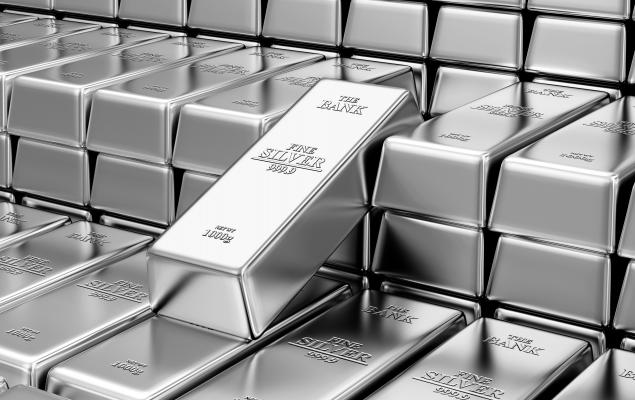
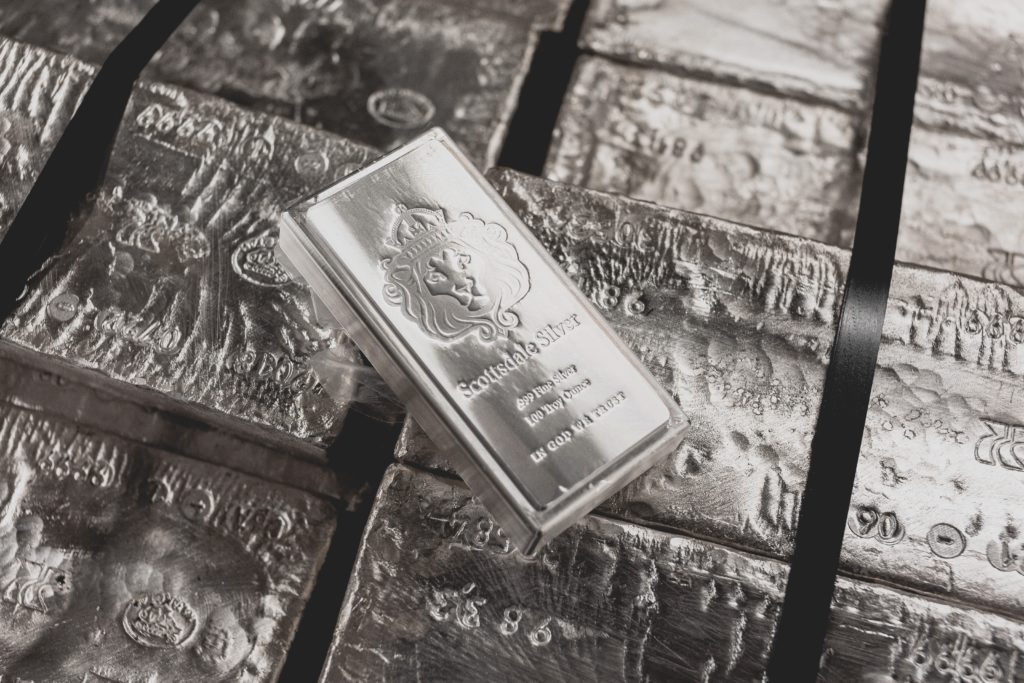
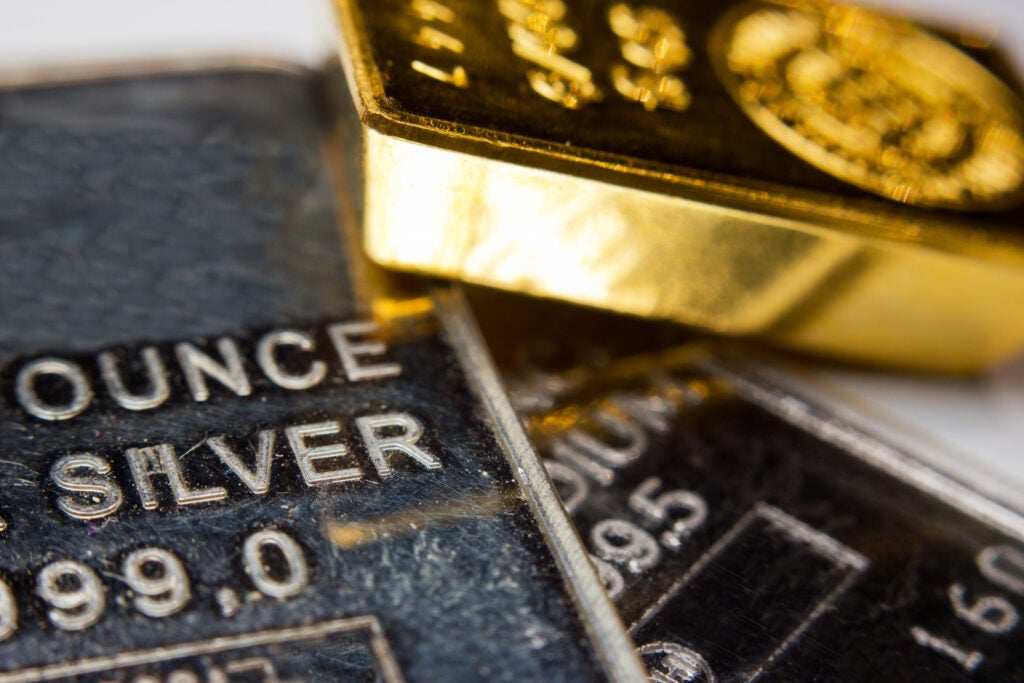
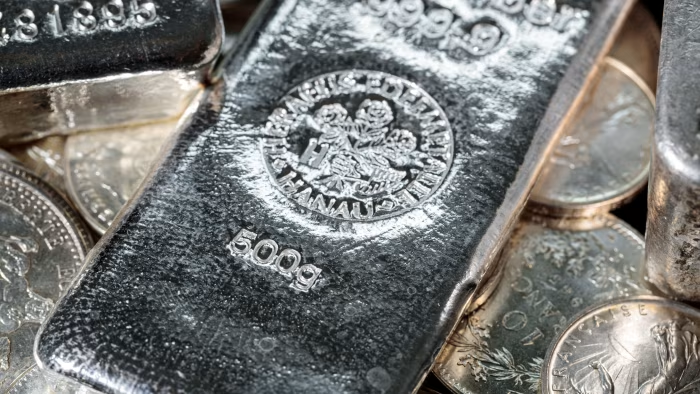
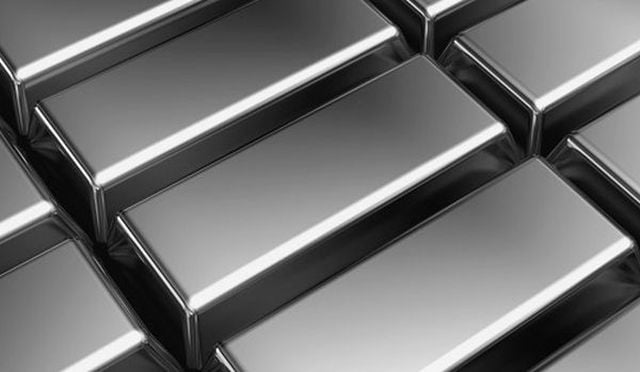
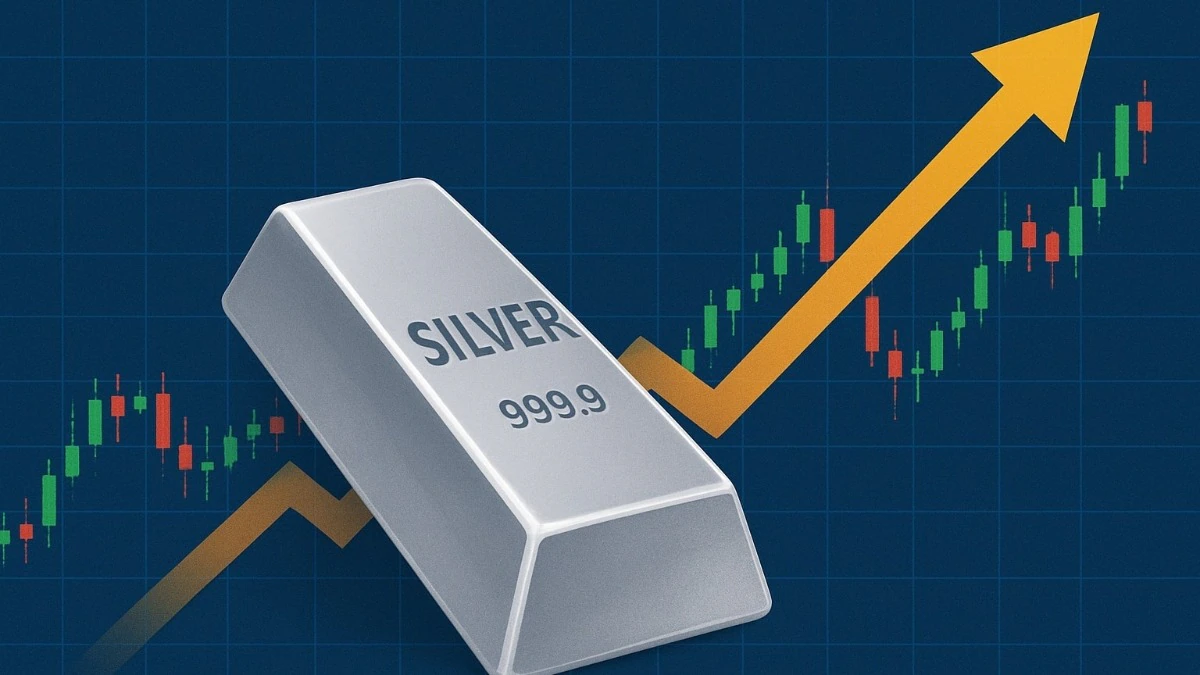
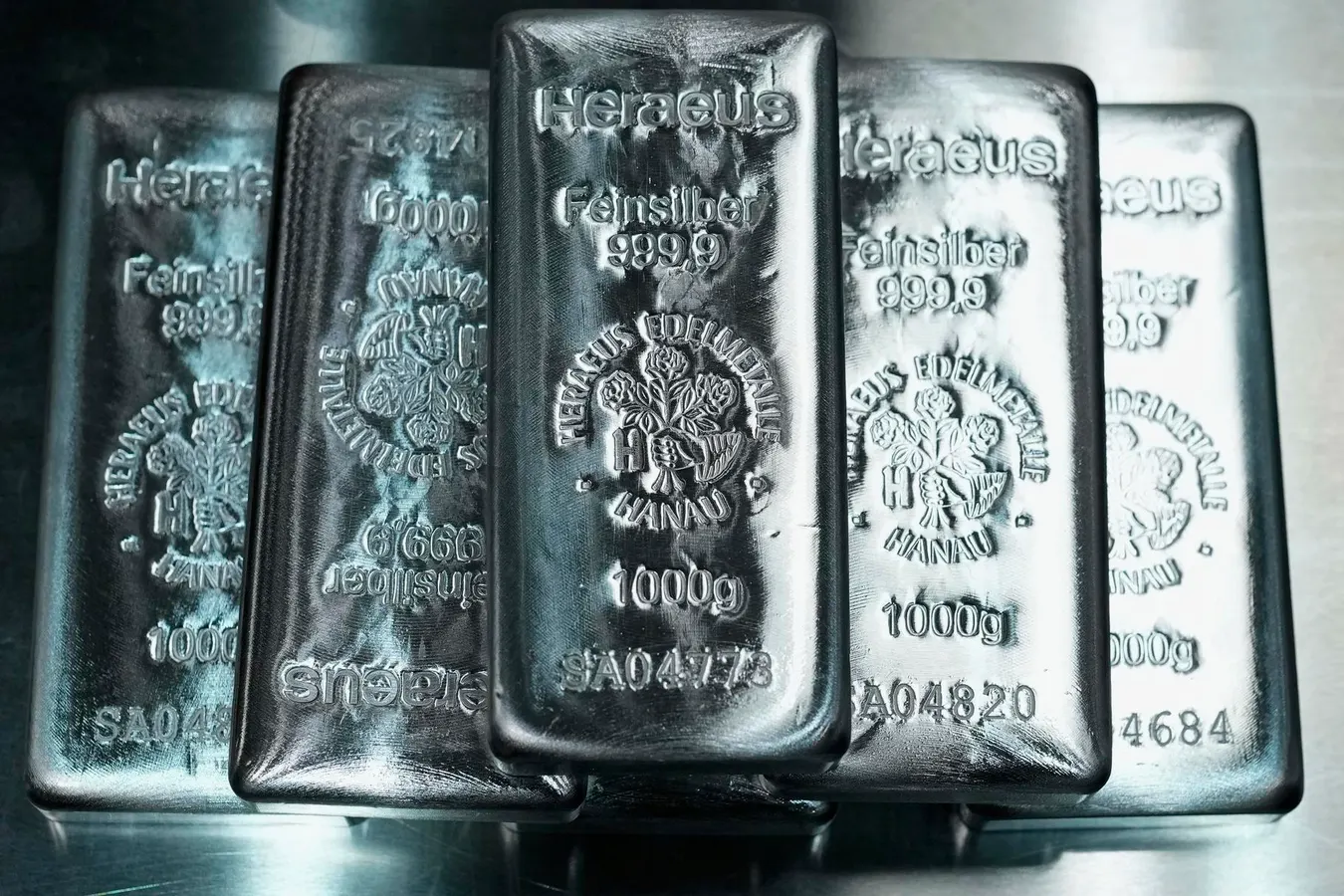
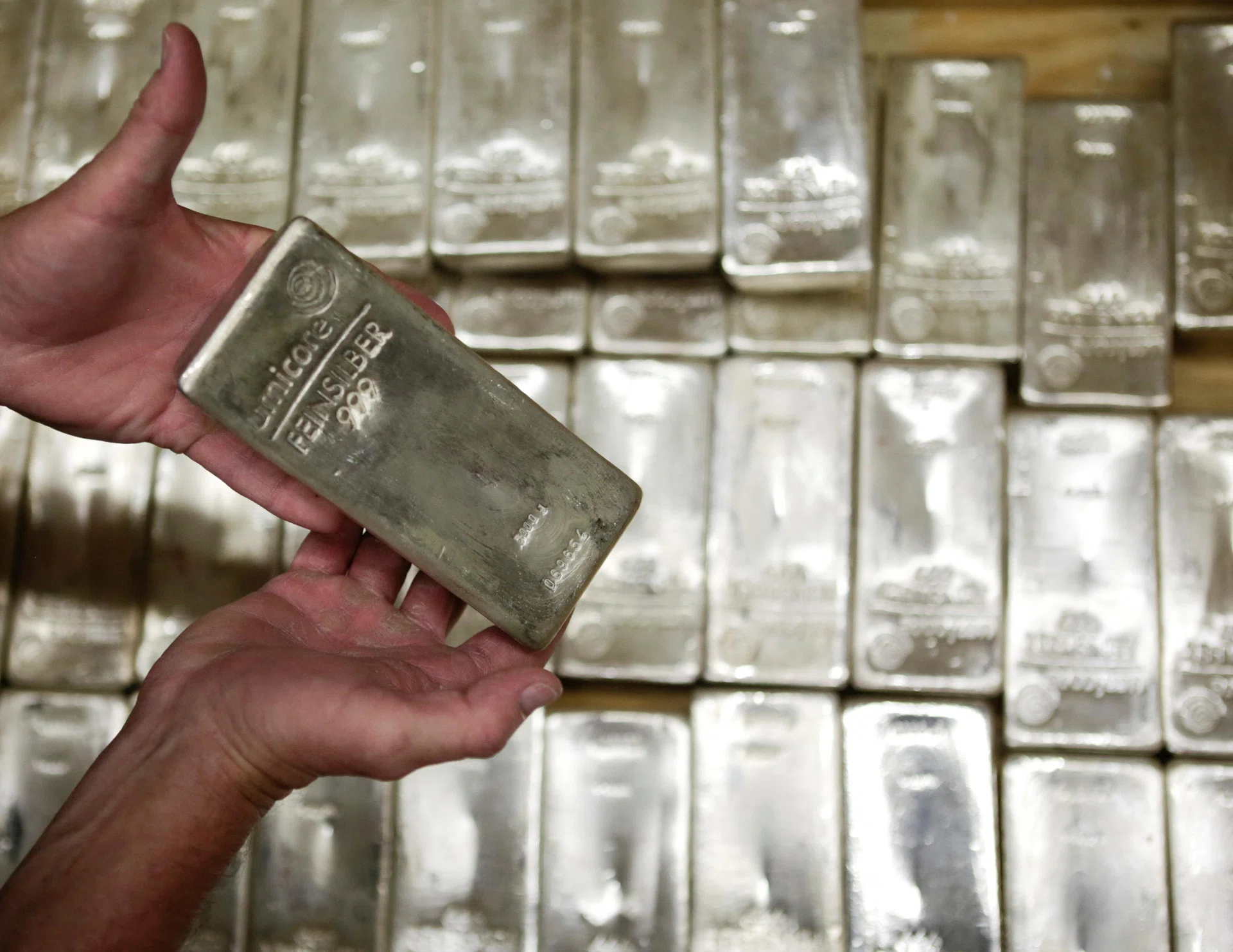
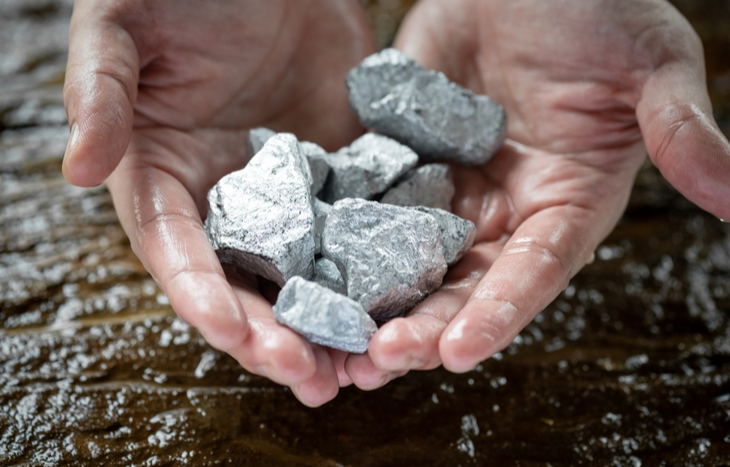
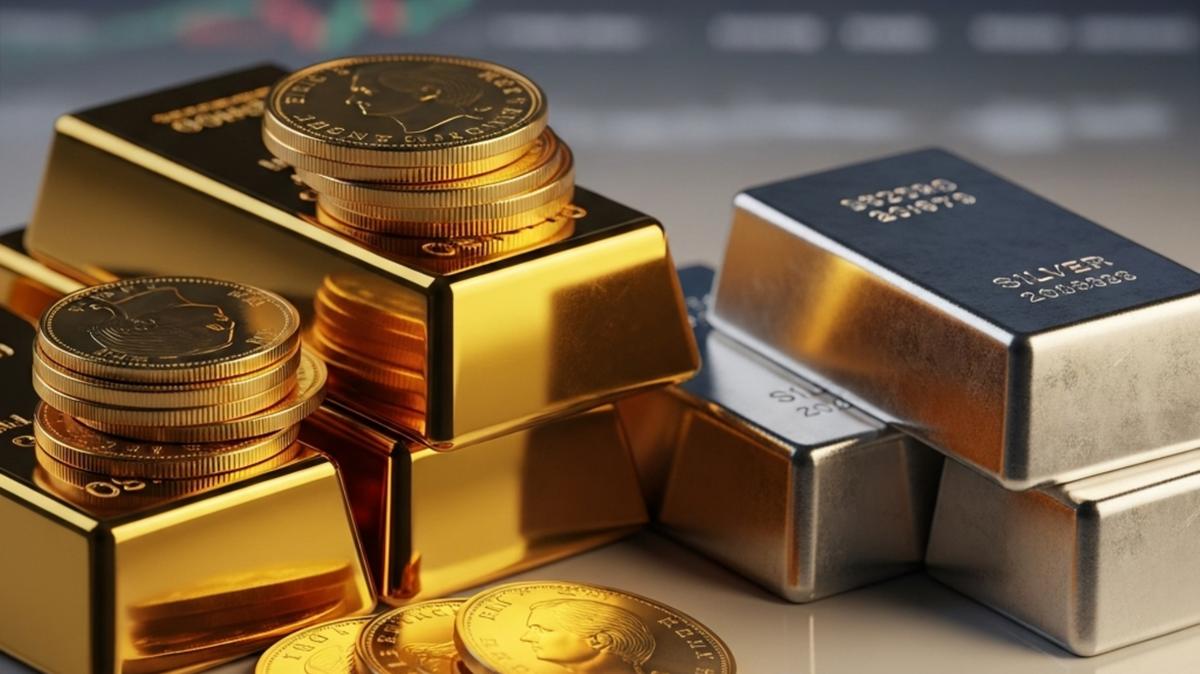
Today in India, silver is priced at around ₹265 per gram, or ₹2,65,000 per kilogram.
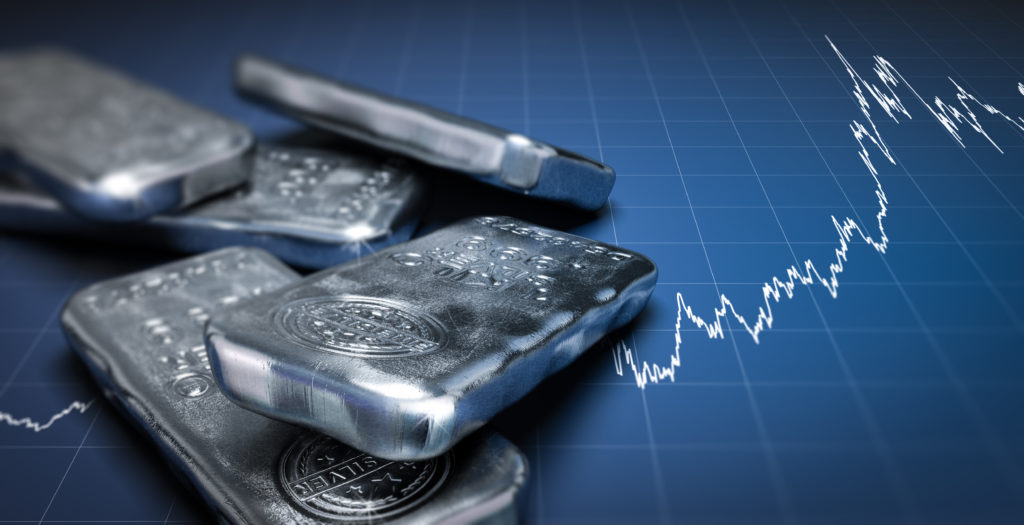
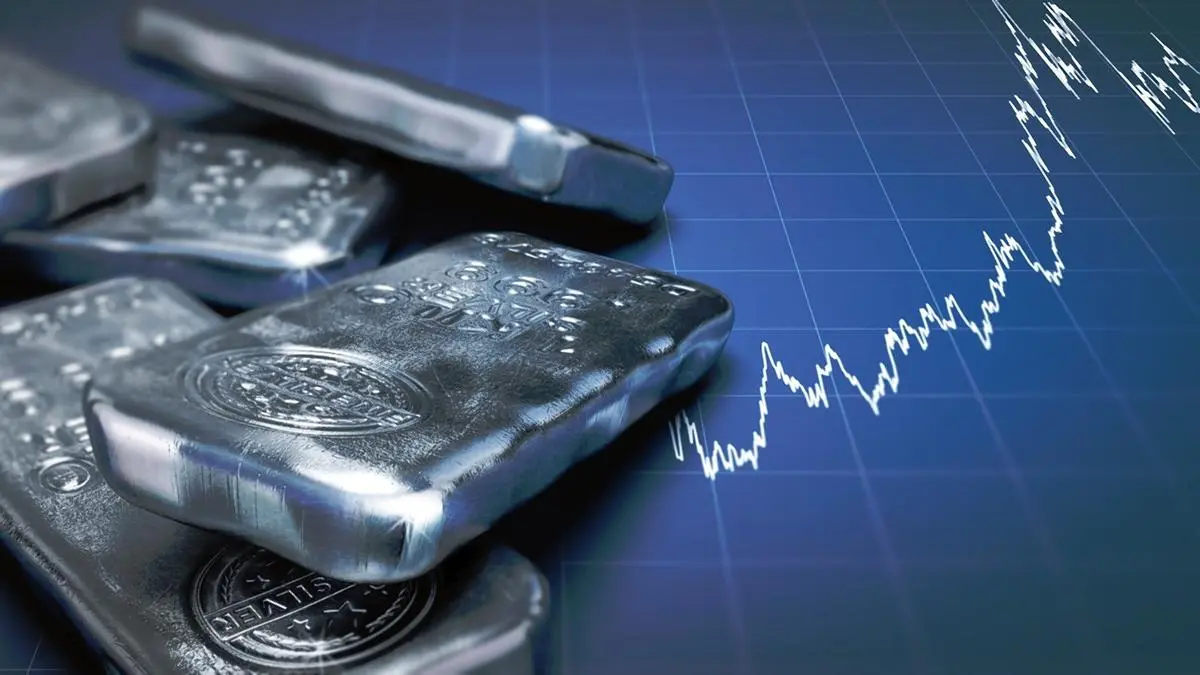
Silver rates in the country are largely influenced by global market prices, which can fluctuate in either direction. In addition, currency exchange movements—especially changes in the rupee against the US dollar—also play an important role. When the rupee weakens while international silver prices stay steady, silver tends to become more expensive in the Indian market
City-wise gold and silver prices
| City | 24K Gold (₹/g) | 22K Gold (₹/g) | 18K Gold (₹/g) | Silver (₹/10g) | Silver (₹/kg) |
|---|---|---|---|---|---|
| Chennai | 15,273 | 14,000 | 11,680 | 2,700 | 2,70,000 |
| Mumbai | 15,093 | 13,835 | 11,320 | 2,650 | 2,65,000 |
| Delhi | 15,123 | 13,850 | 11,350 | 2,650 | 2,65,000 |
| Kolkata | 15,093 | 13,835 | 11,320 | 2,650 | 2,65,000 |
| Bengaluru | 15,093 | 13,835 | 11,320 | 2,650 | 2,65,000 |
| Hyderabad | 15,093 | 13,835 | 11,320 | 2,700 | 2,70,000 |
| Kerala | 15,093 | 13,835 | 11,320 | 2,700 | 2,70,000 |
| Pune | 15,093 | 13,835 | 11,320 | 2,650 | 2,65,000 |
| Vadodara | 15,103 | 13,840 | 11,330 | 2,650 | 2,65,000 |
| Ahmedabad | 15,103 | 13,840 | 11,330 | 2,650 | 2,65,000 |
Gold prices in India per gram are shaped by a mix of interconnected economic factors. A major influence is the value of the Indian rupee—when it weakens against the US dollar, importing gold becomes costlier, which drives domestic prices higher.
Global economic conditions also play a significant role. Factors such as international policy changes, slower global growth, and a stronger US dollar can all impact gold rates in India.
Demand within the country is another key driver. Higher demand typically pushes prices up, while lower demand can lead to softer rates.
Interest rates, particularly in major economies like the US, also affect gold. When interest rates rise, investors often shift toward interest-bearing assets, causing gold prices to dip. Conversely, lower interest rates tend to make gold more attractive, increasing its demand and price.
Finally, government policies can influence gold consumption. In situations where prices surge or the current account deficit widens, policy measures may be introduced to curb gold imports and manage economic balance, given India’s significant gold holdings.