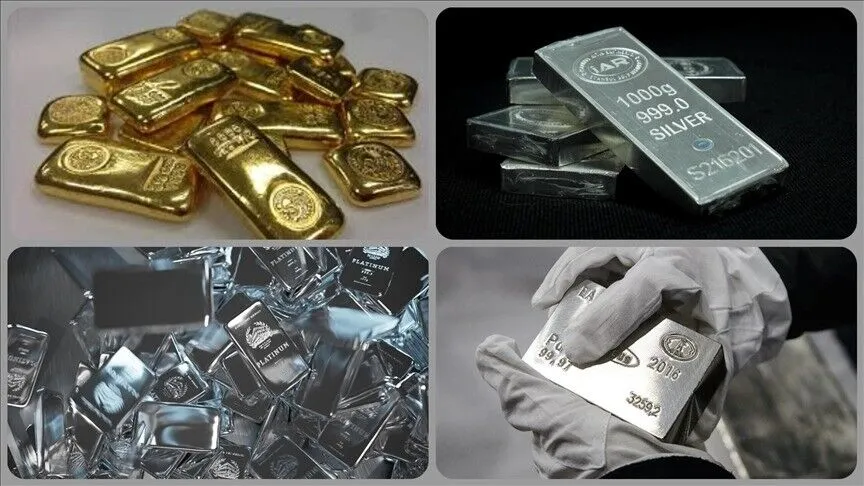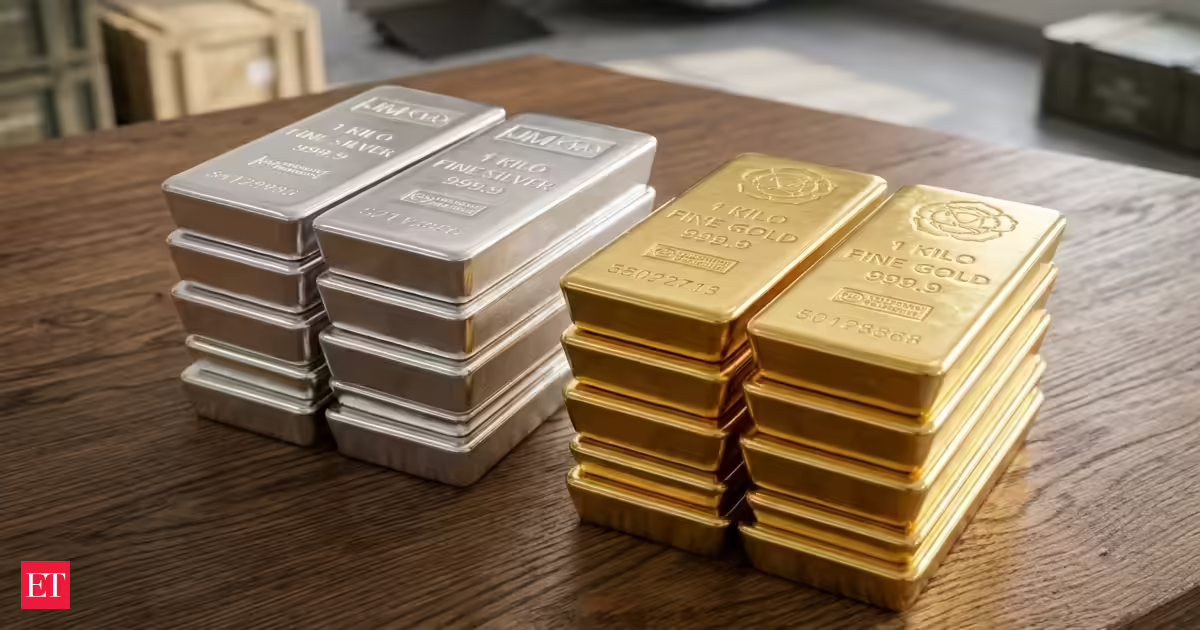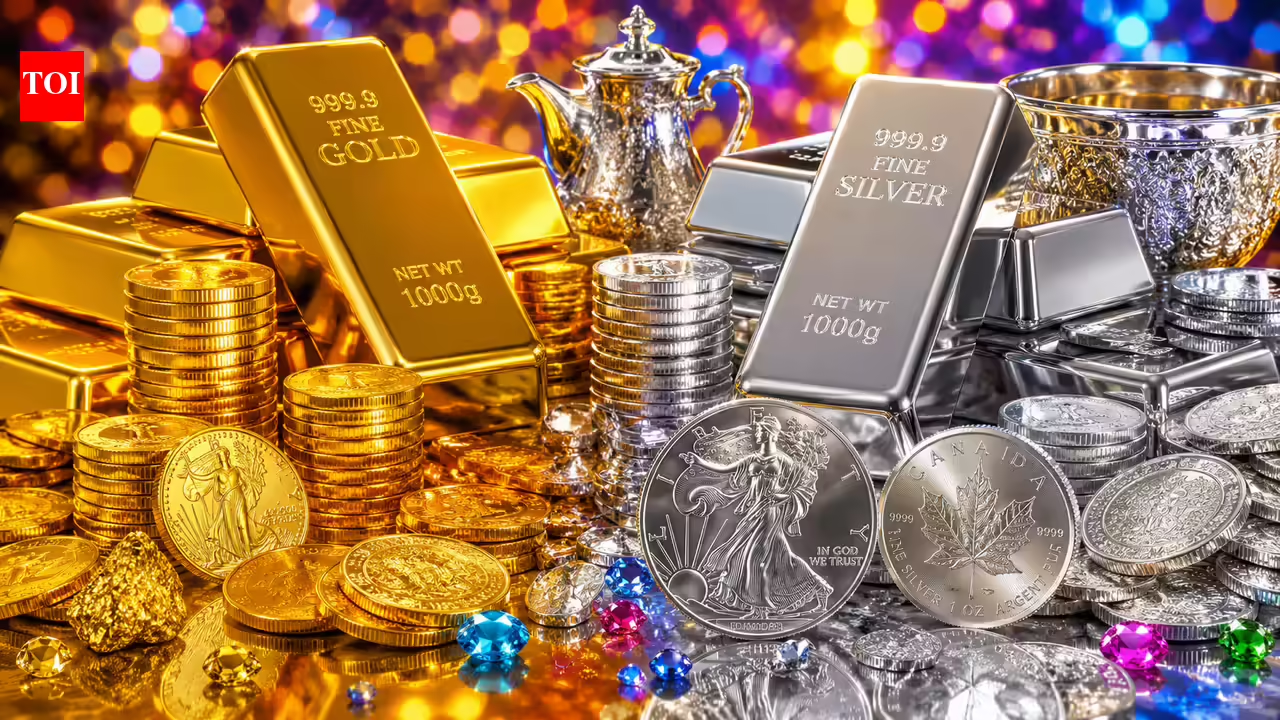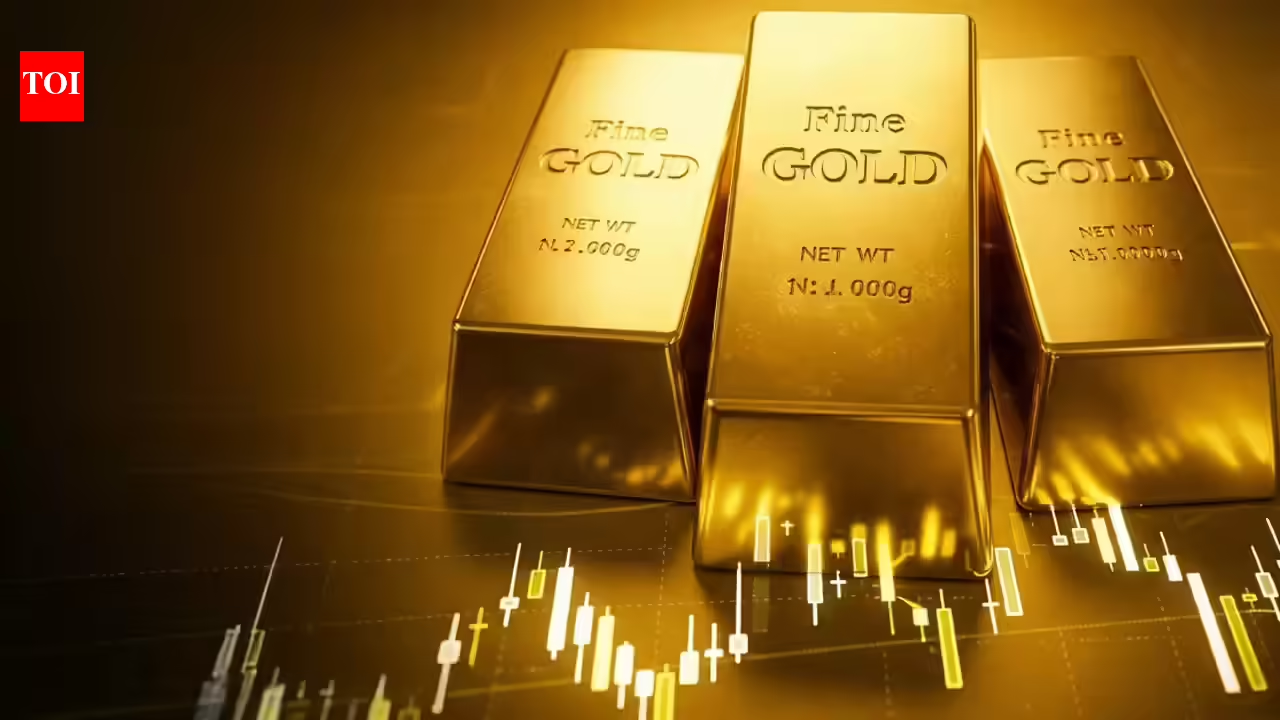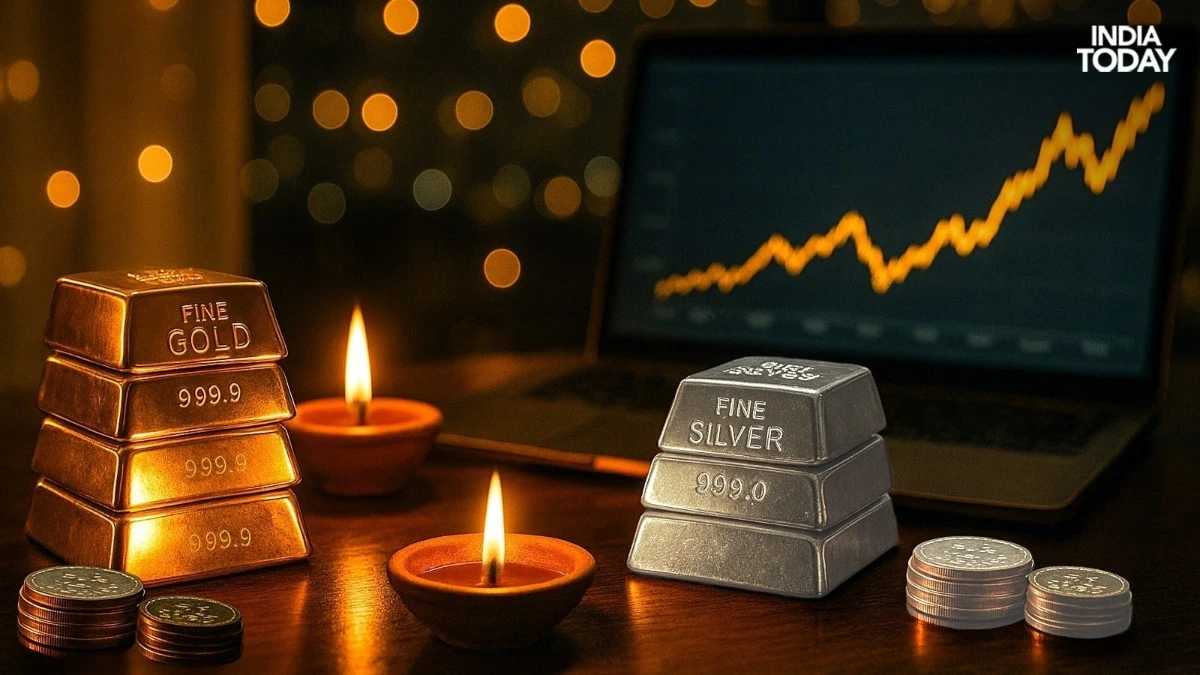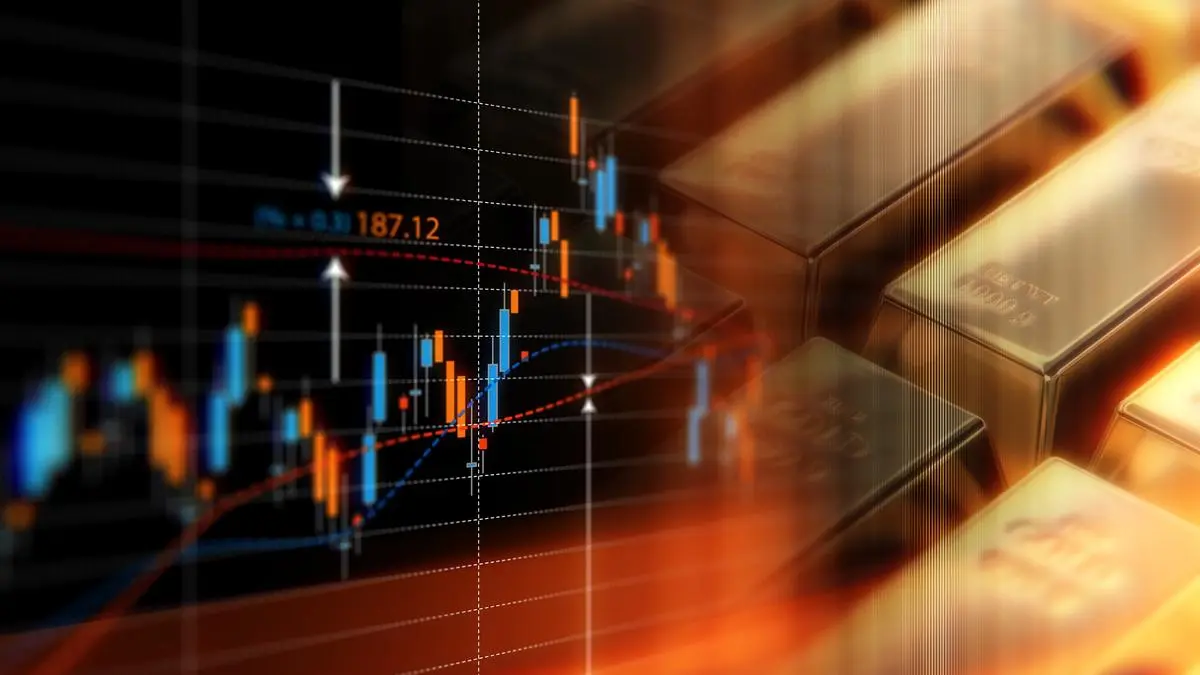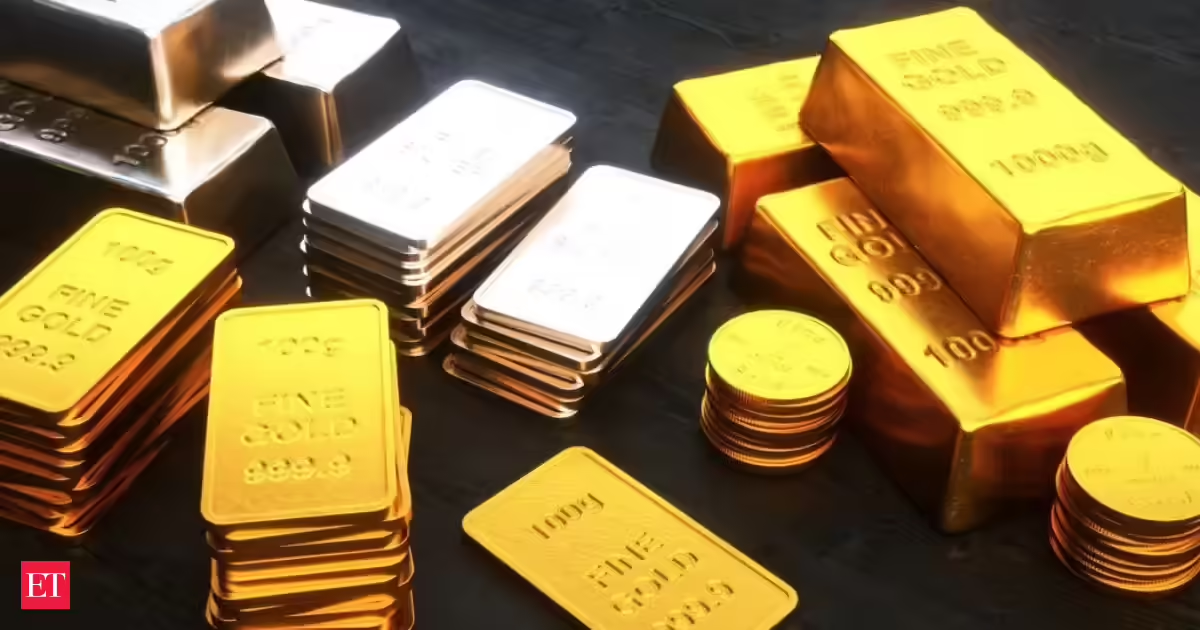
What is gold and silver price prediction for Monday, and will precious metals continue to drop or rise again?
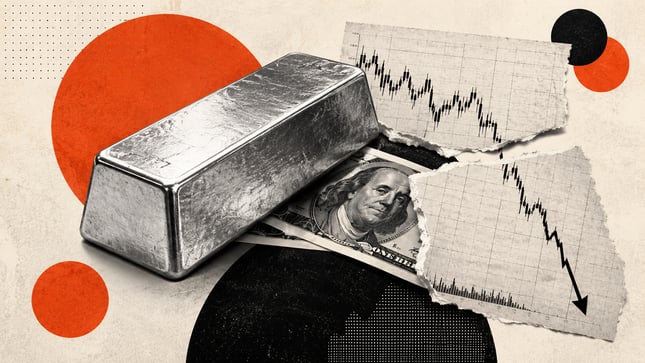
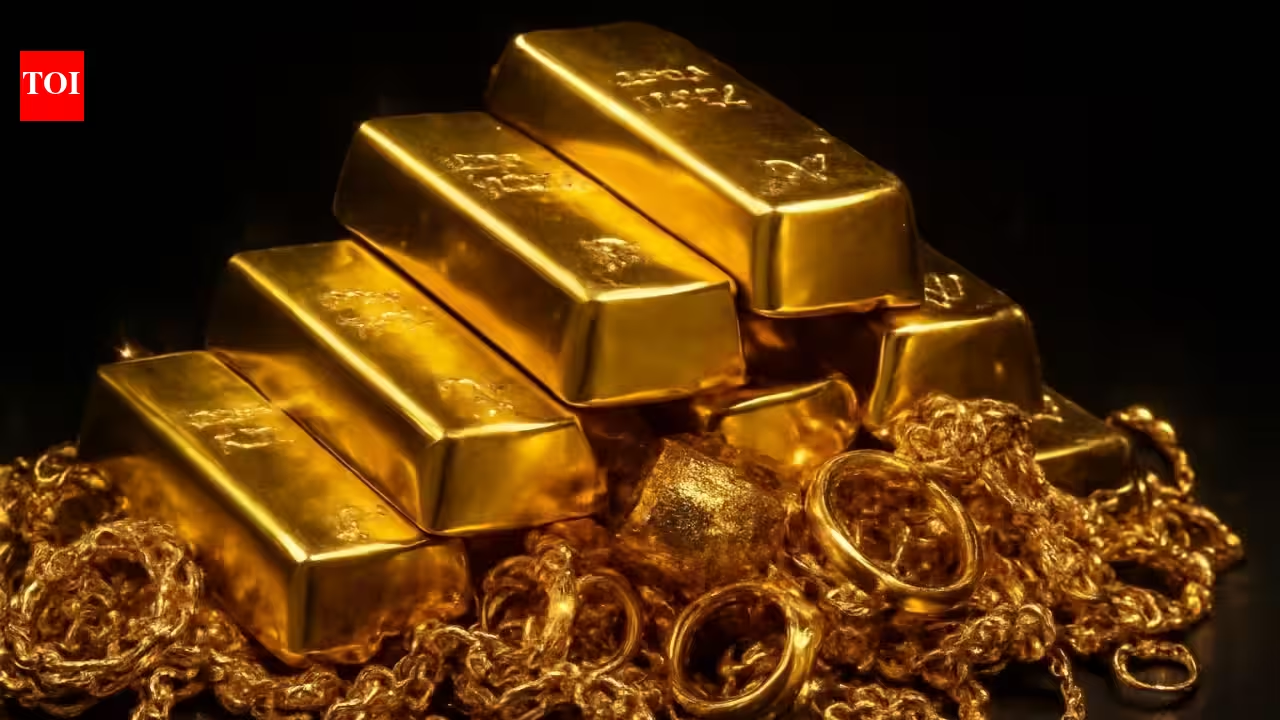
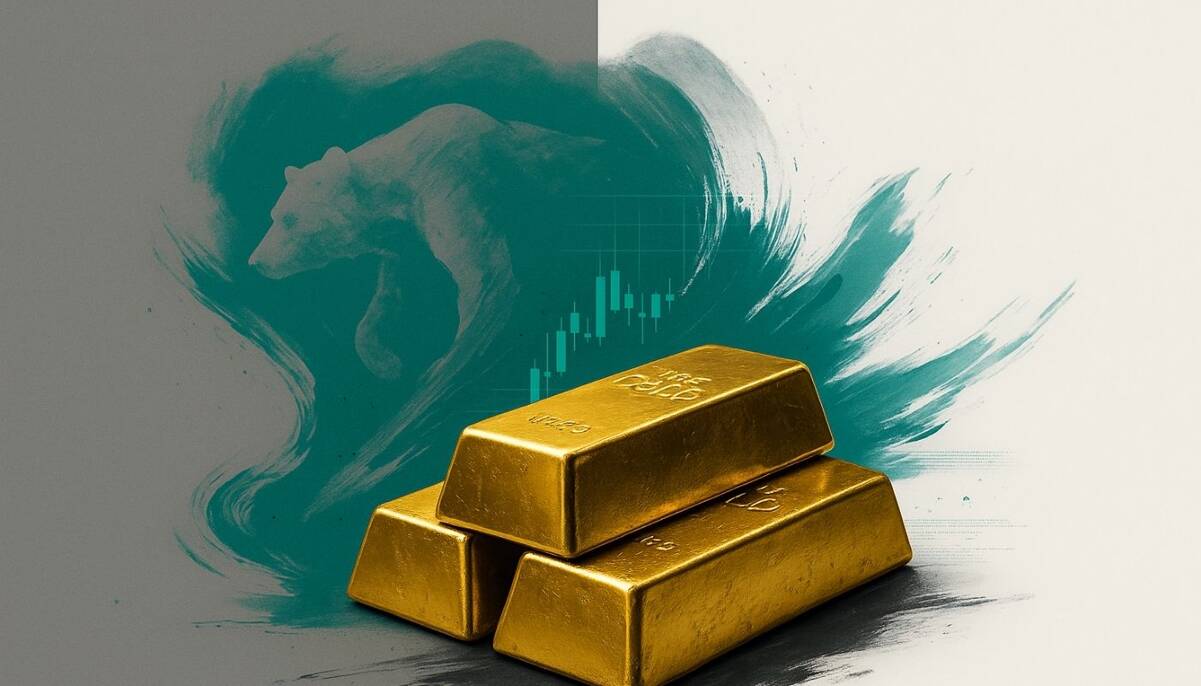
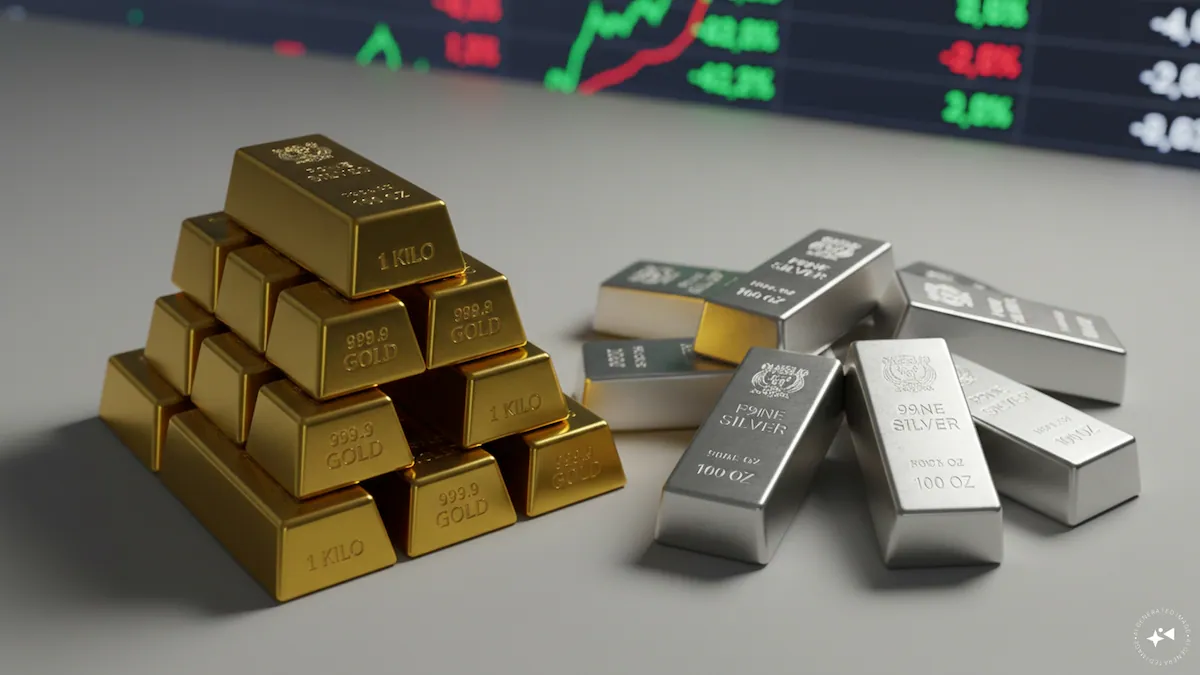
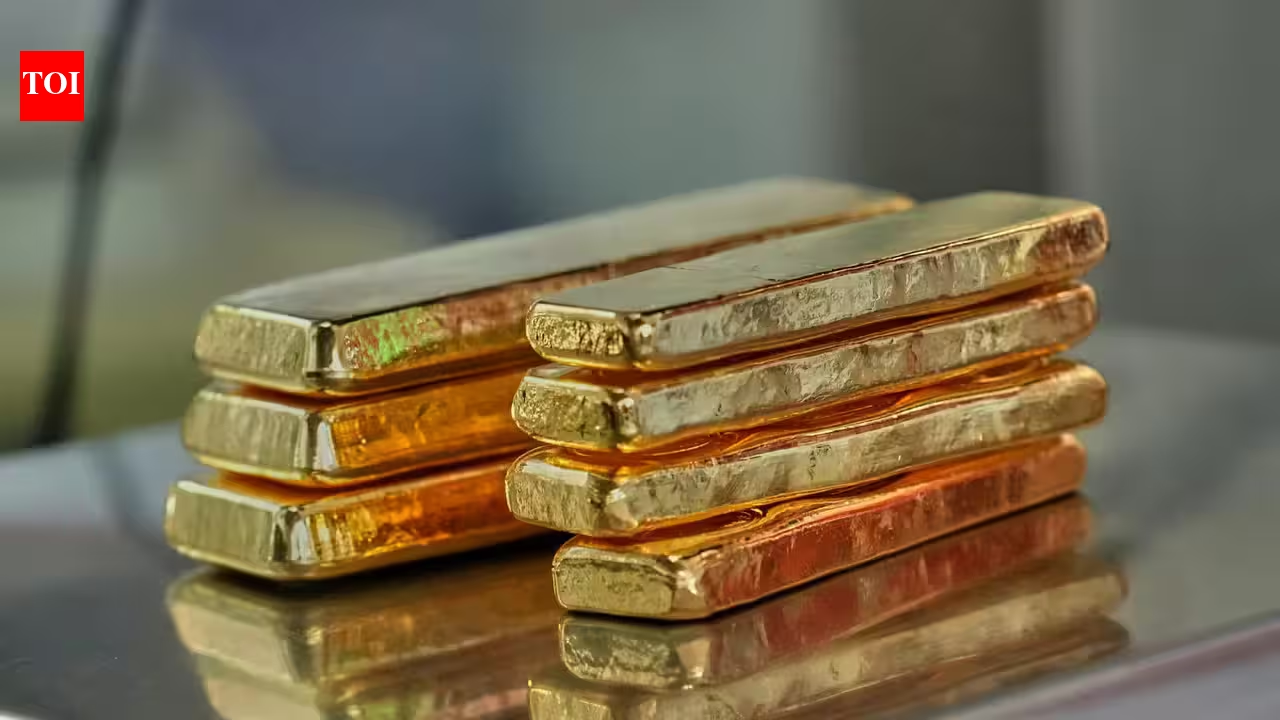
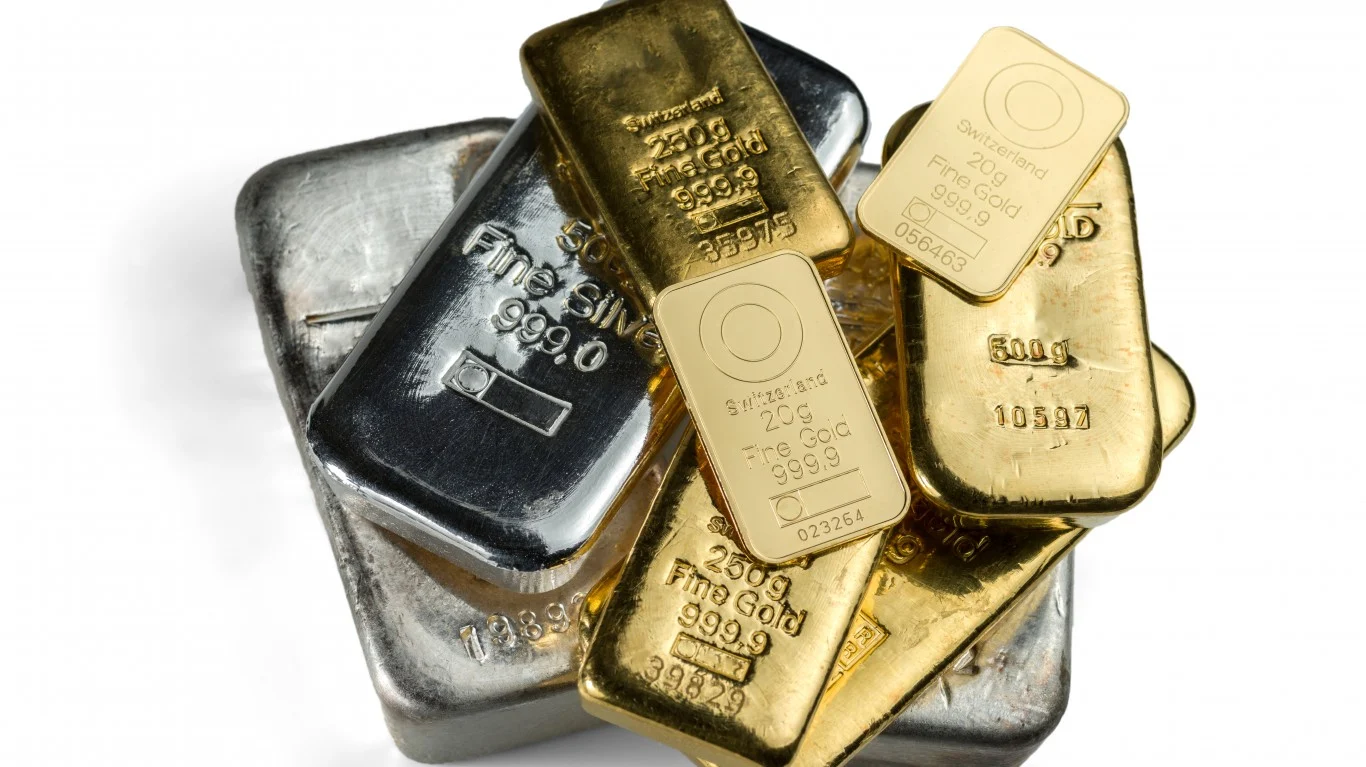
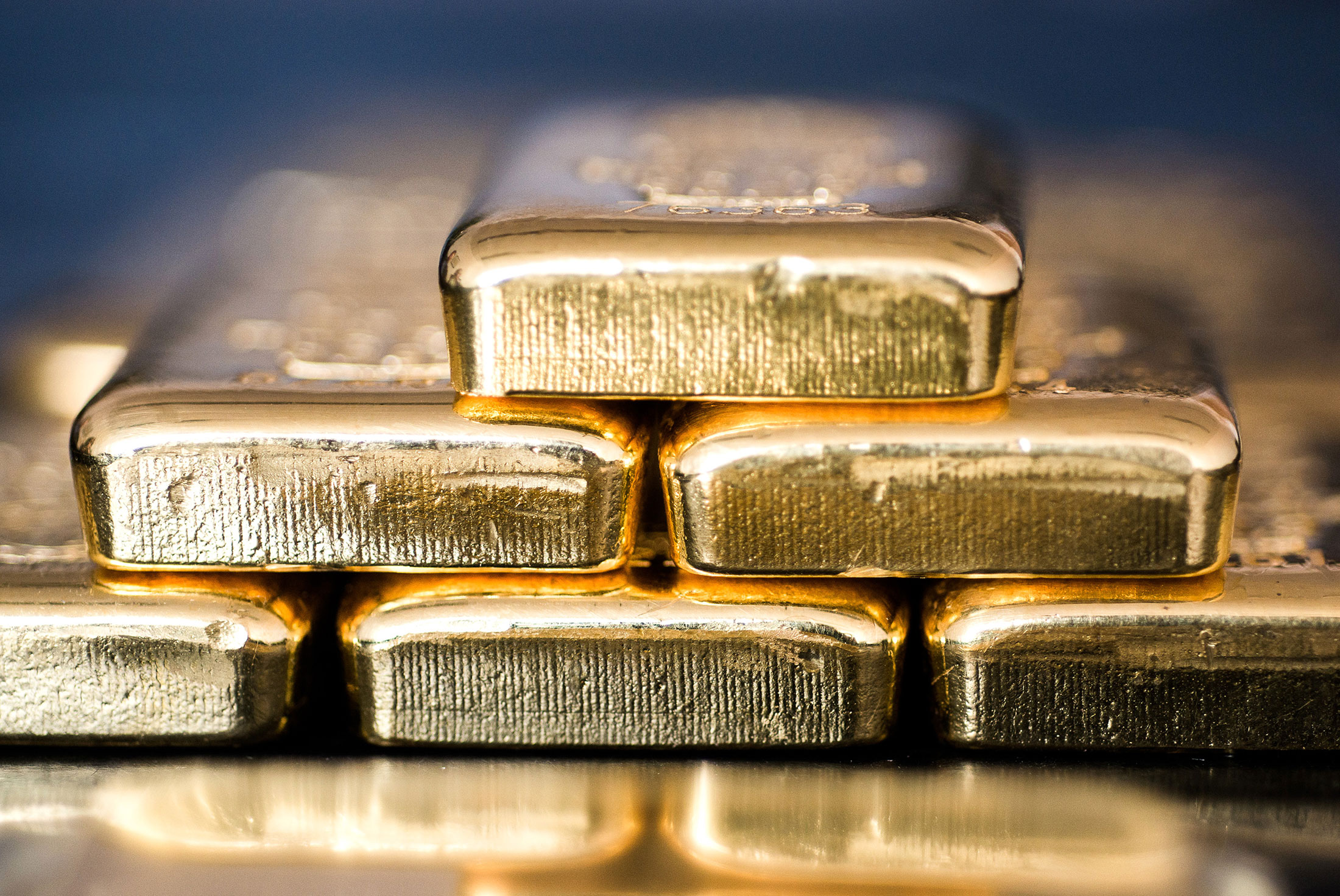
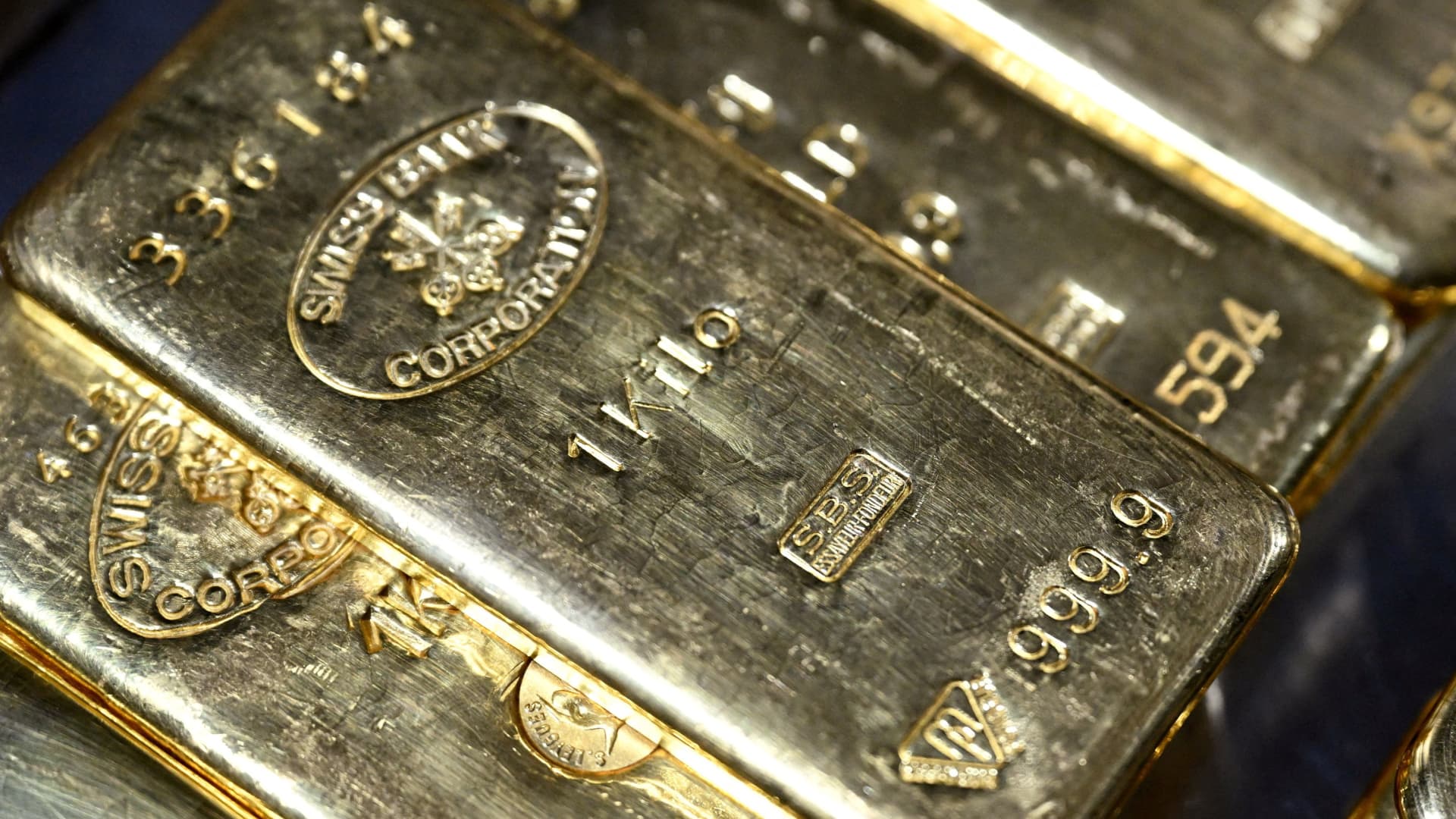
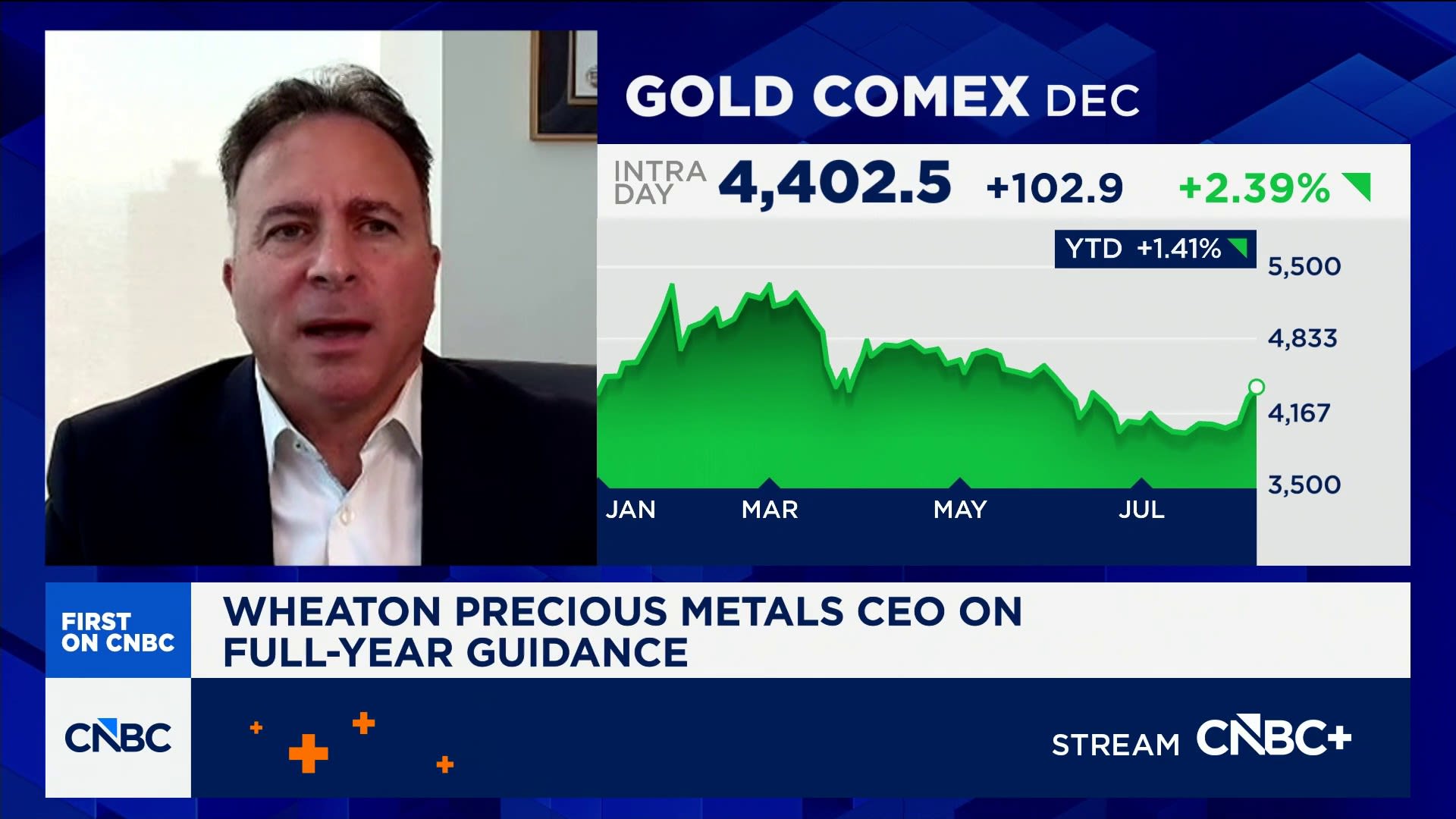
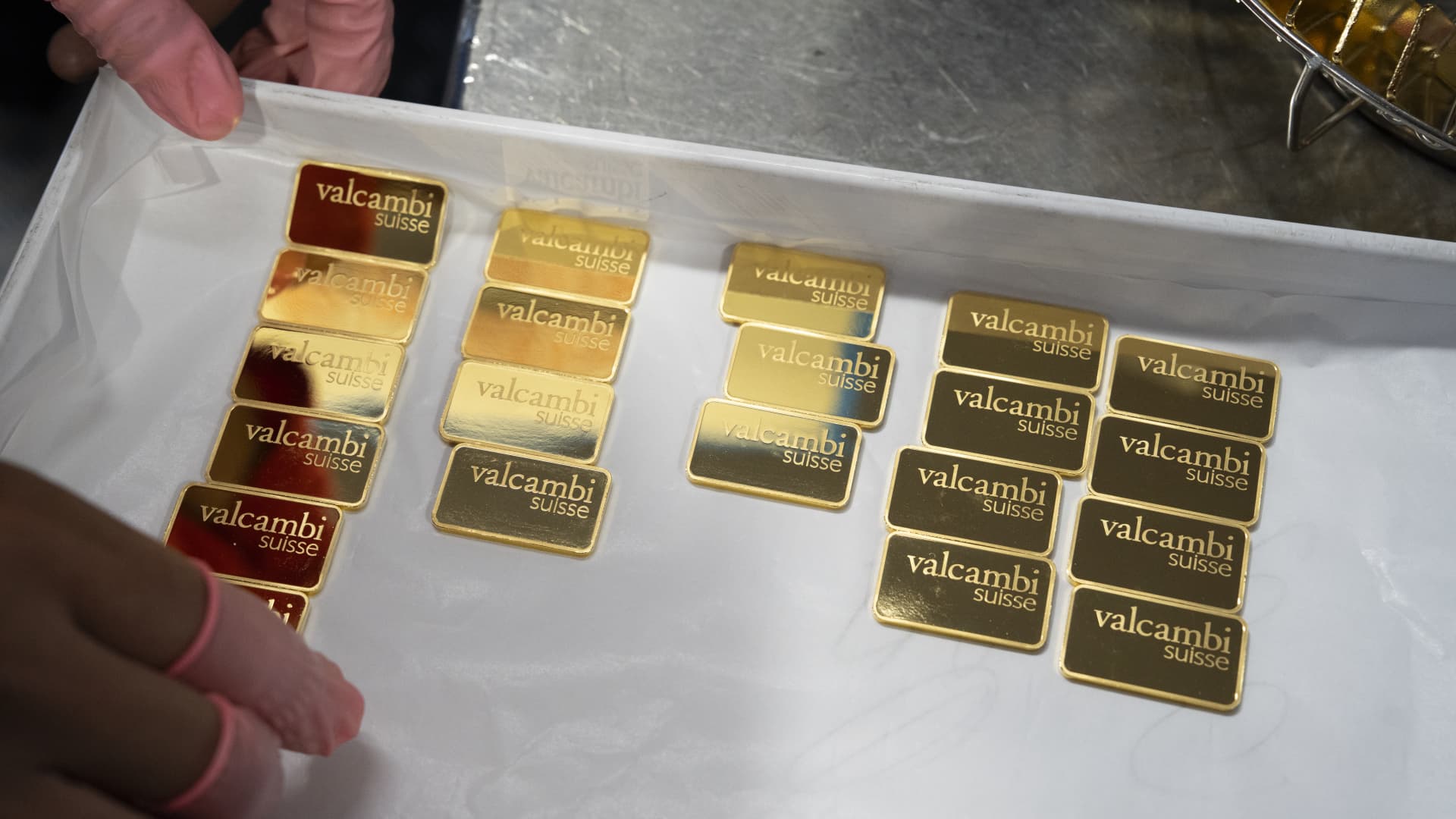
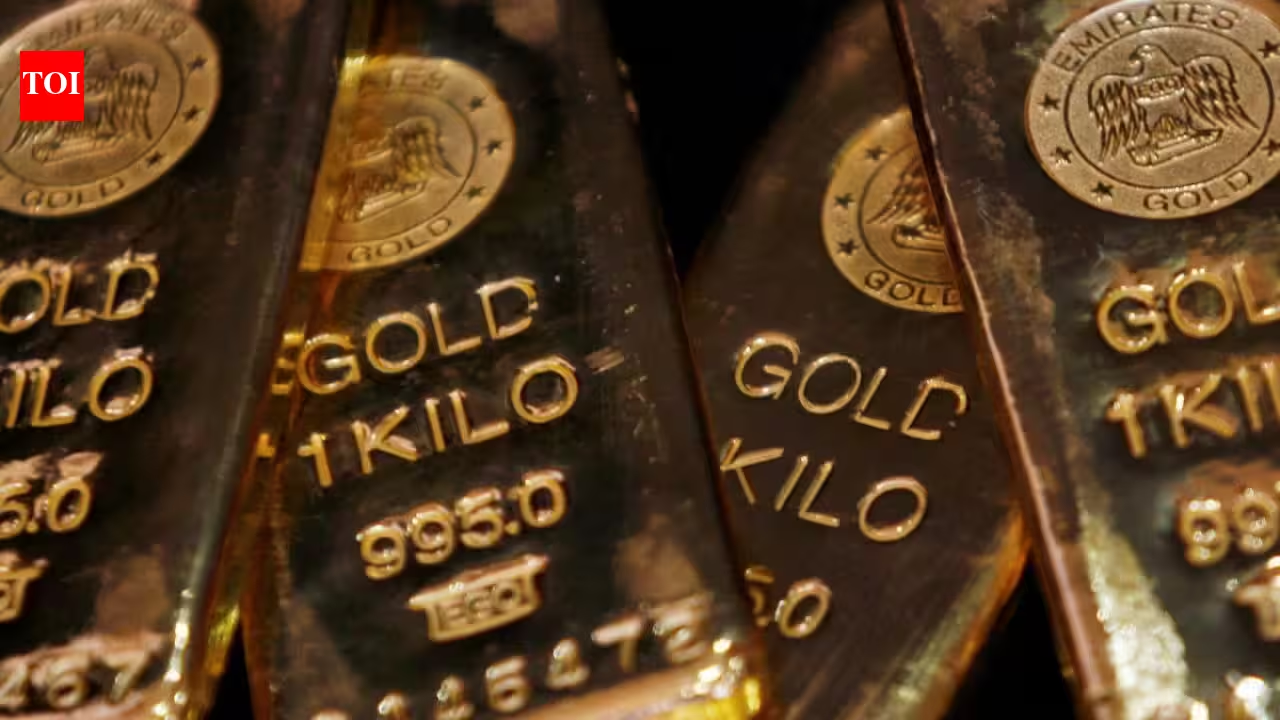
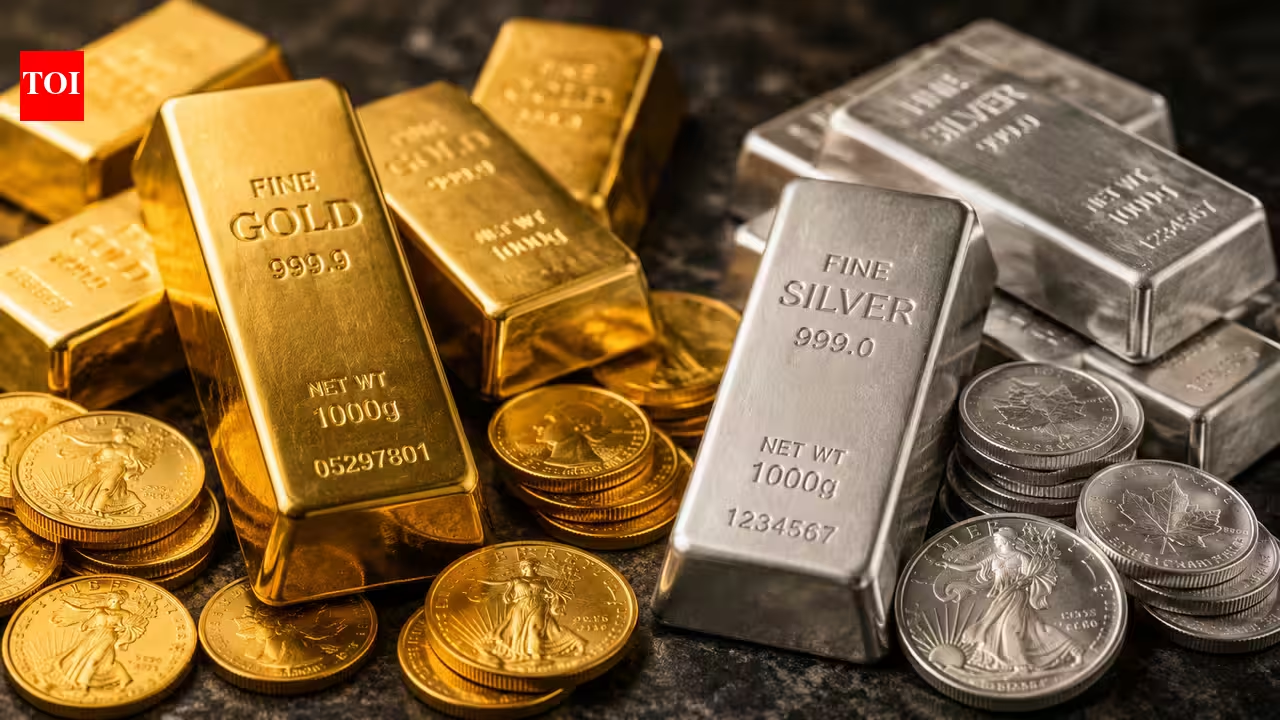
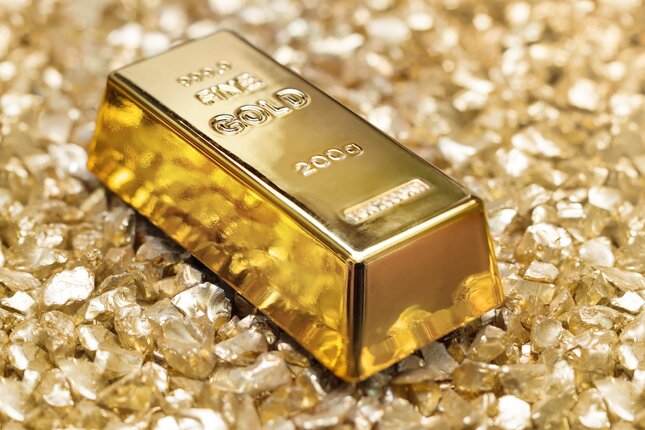
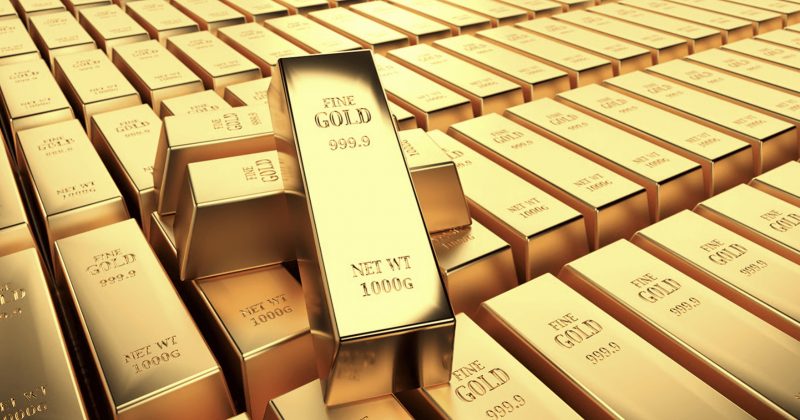
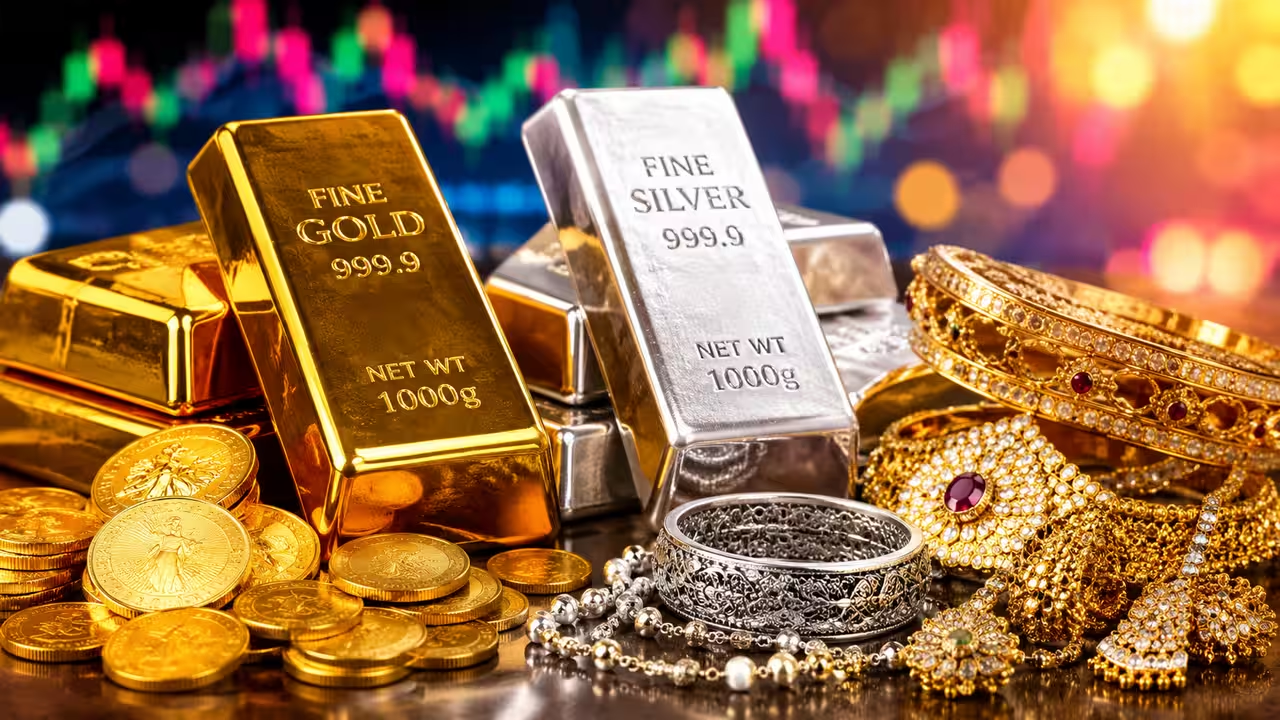
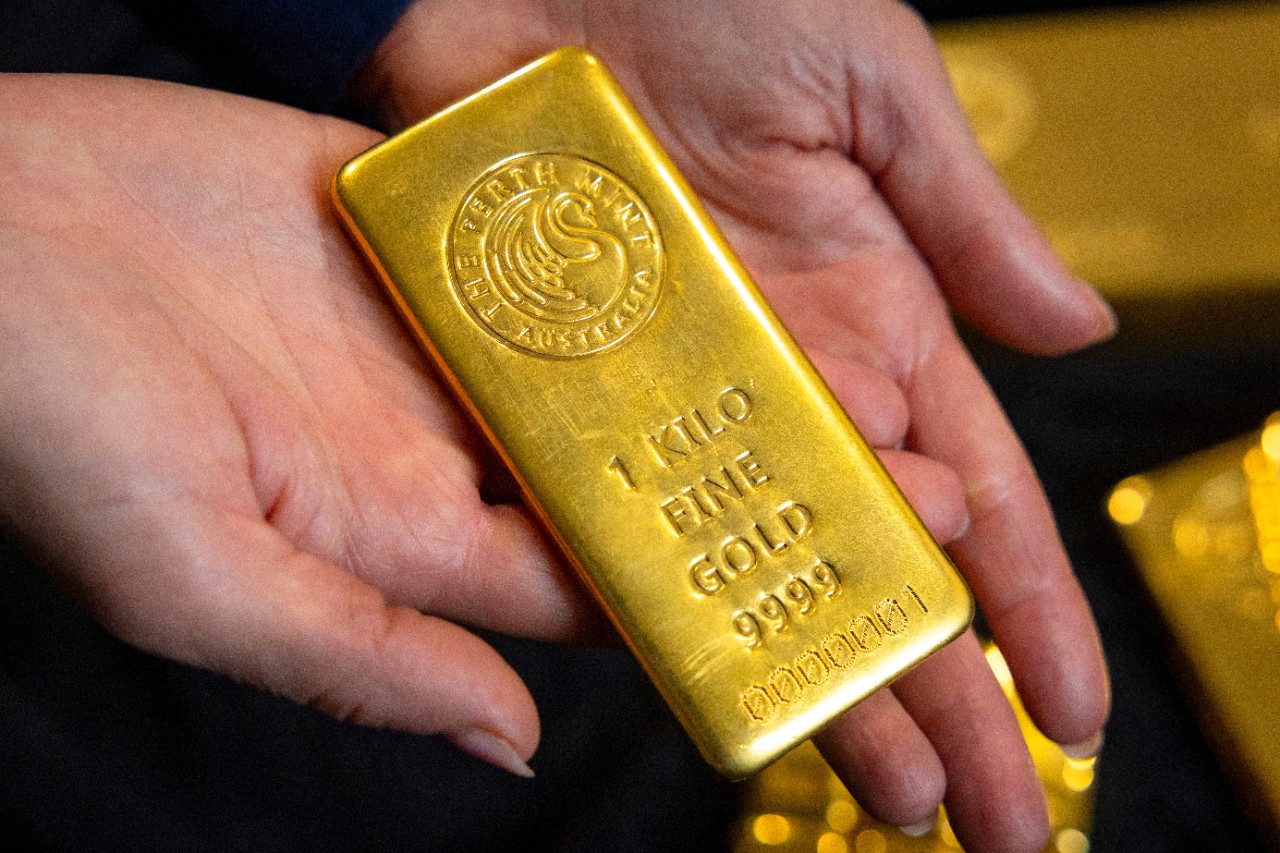
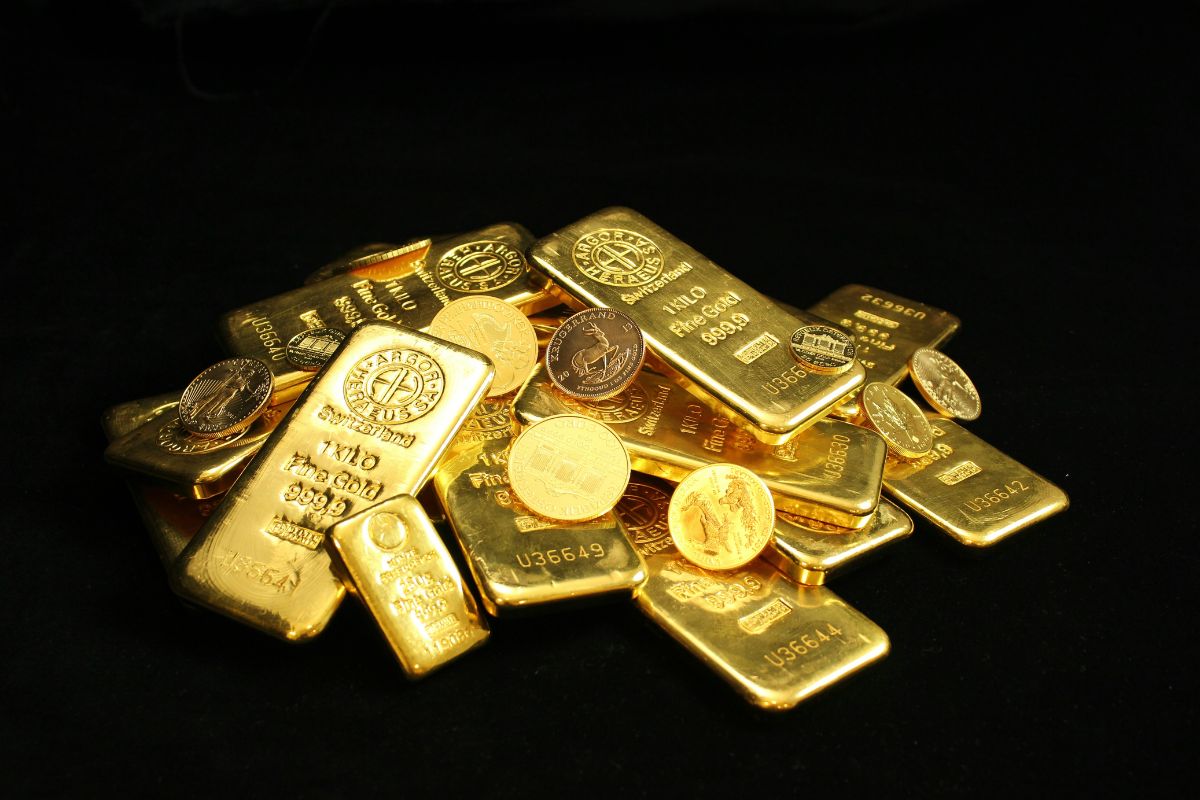
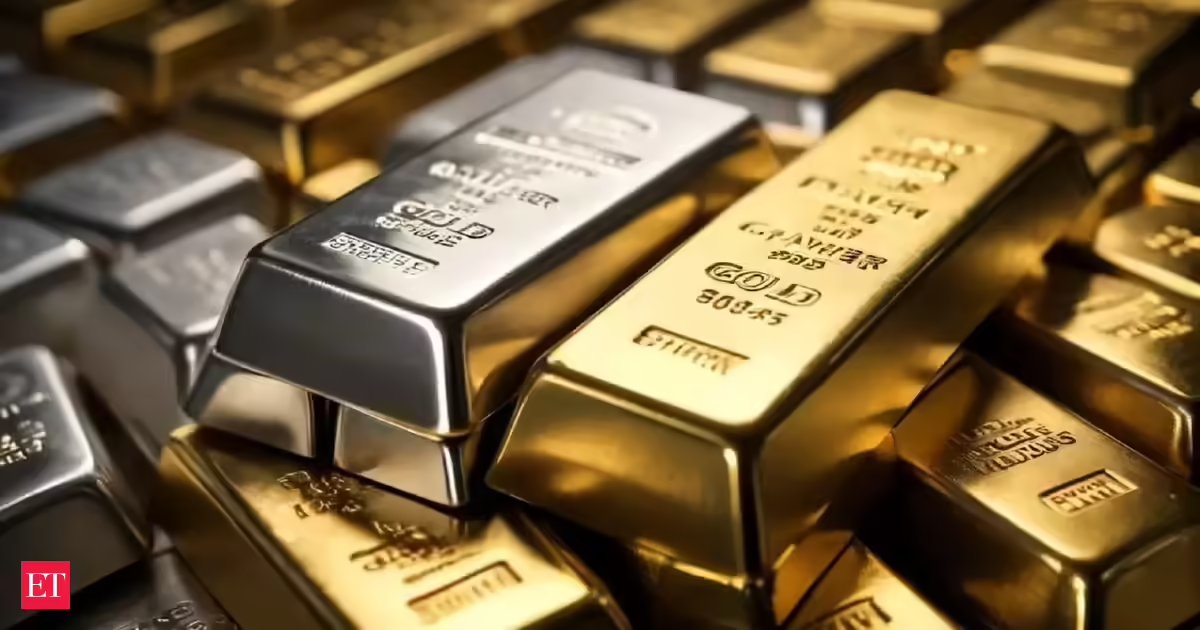
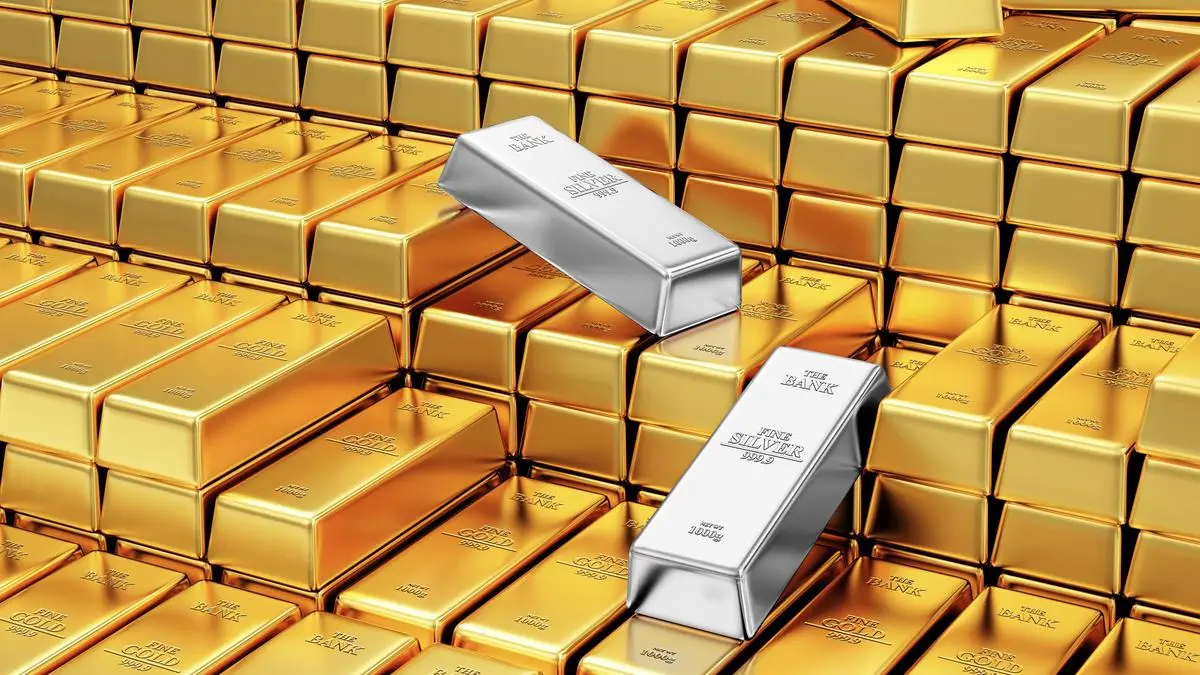
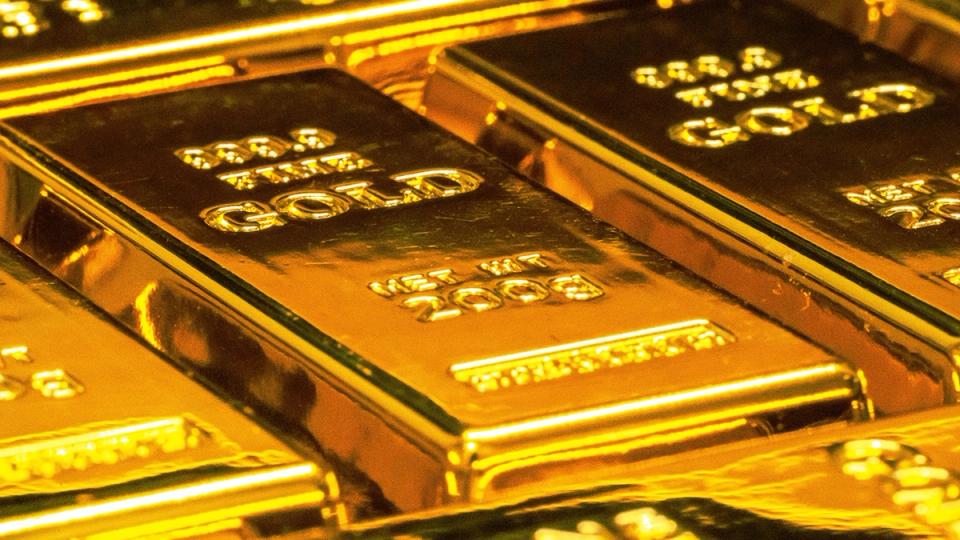
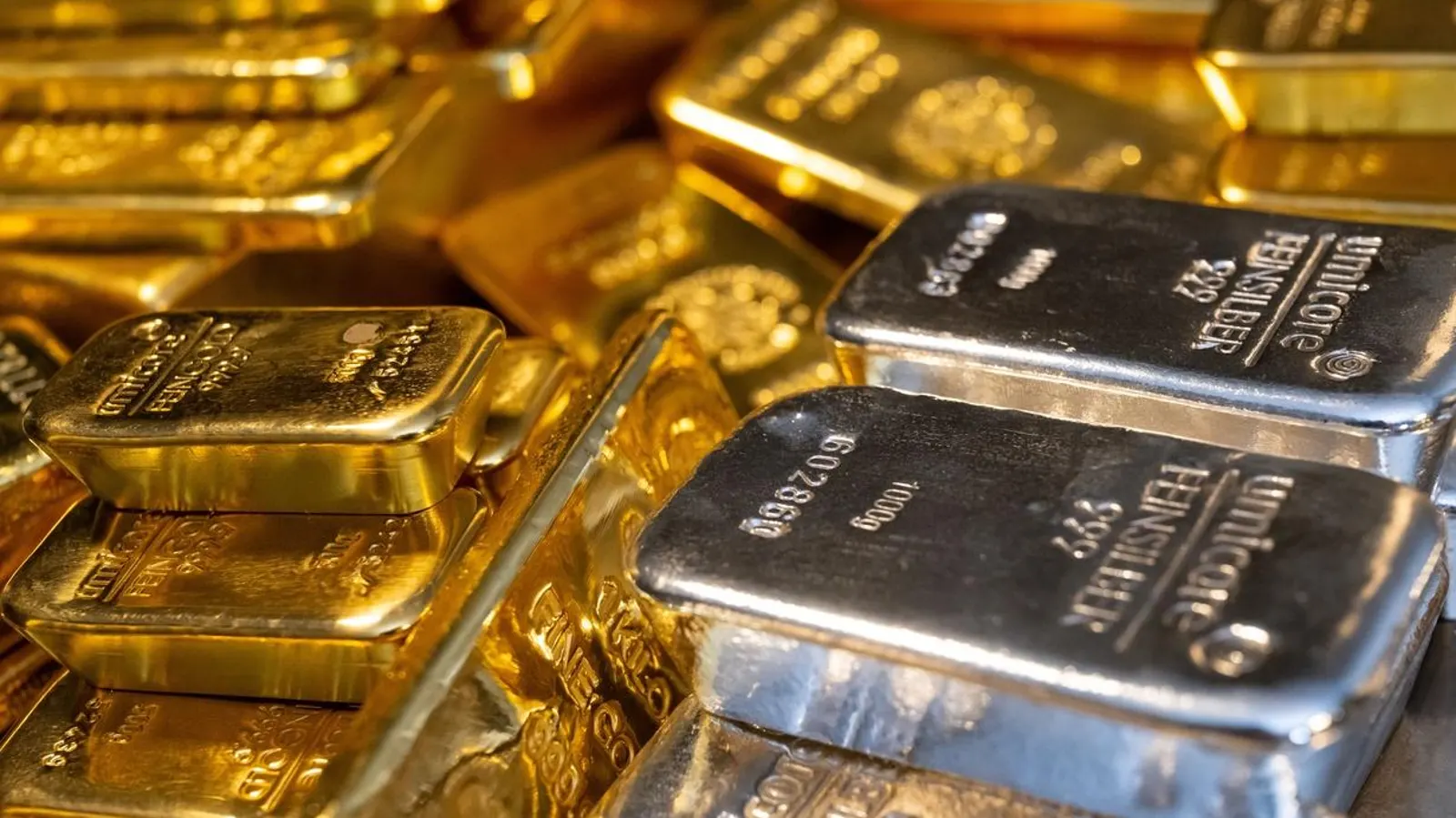
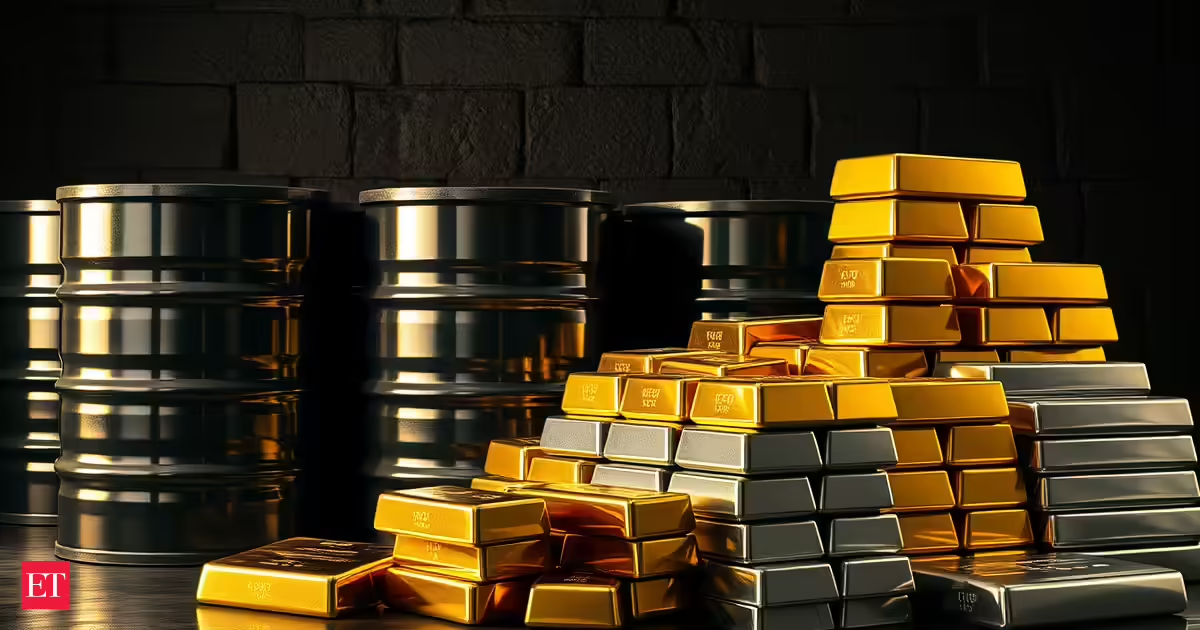
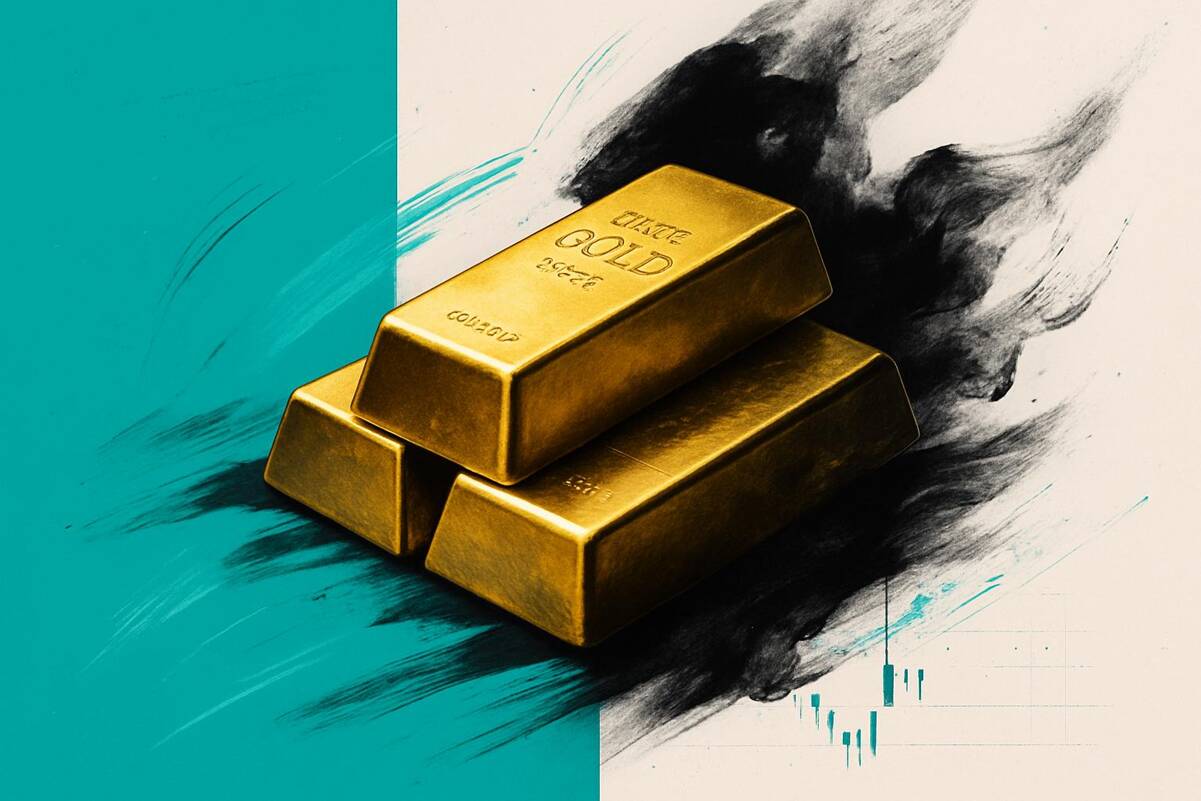
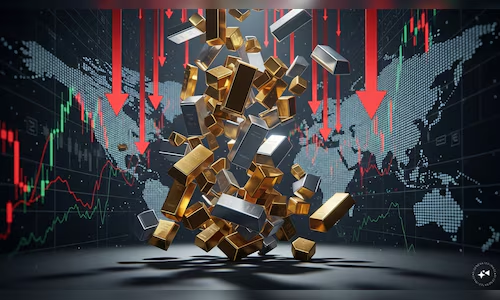
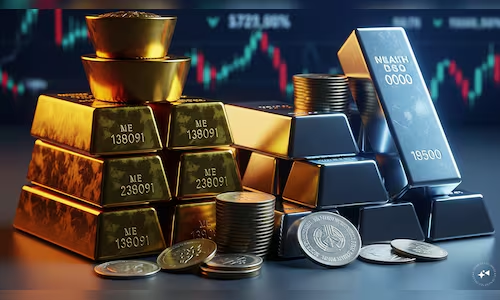
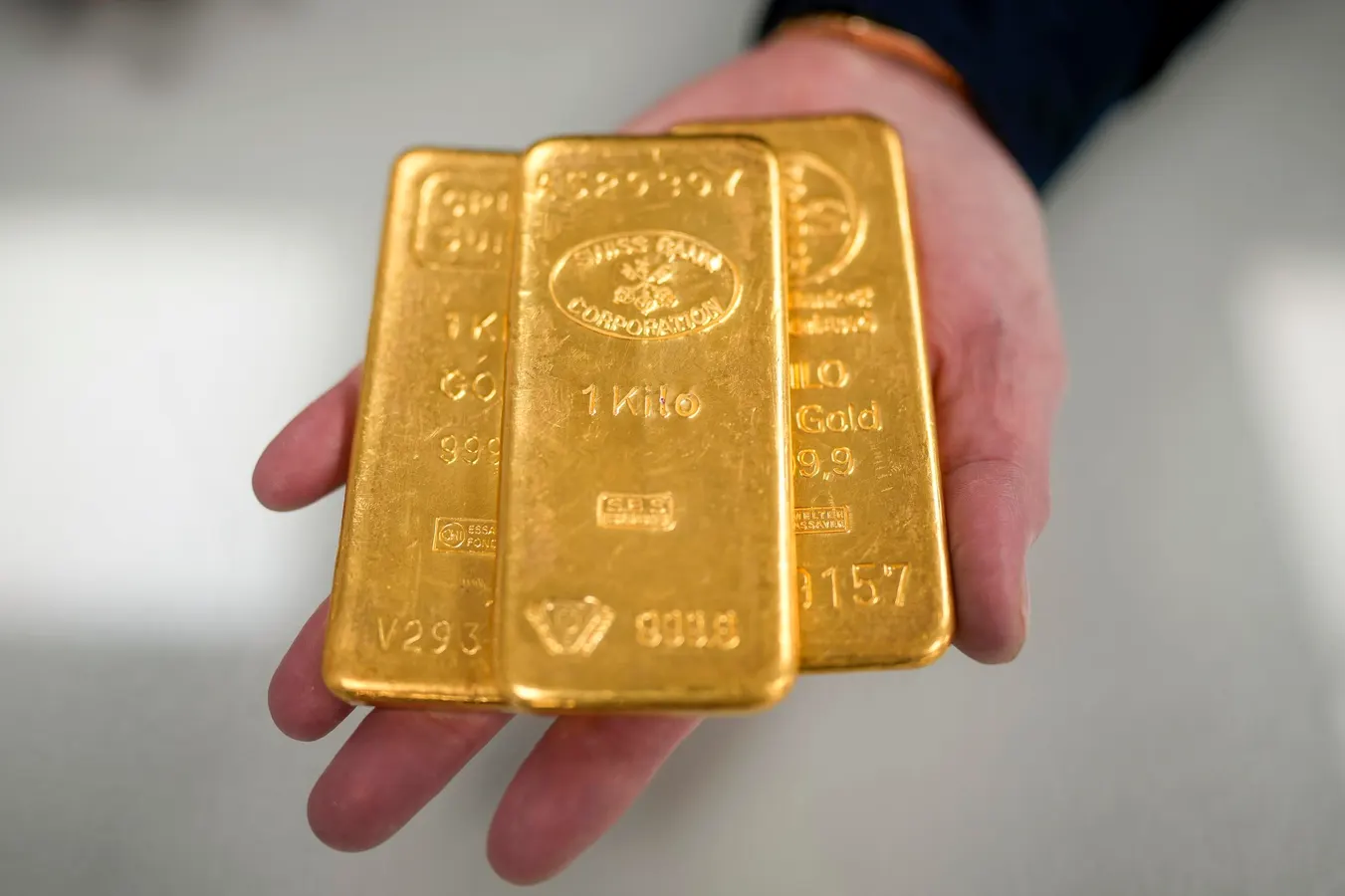
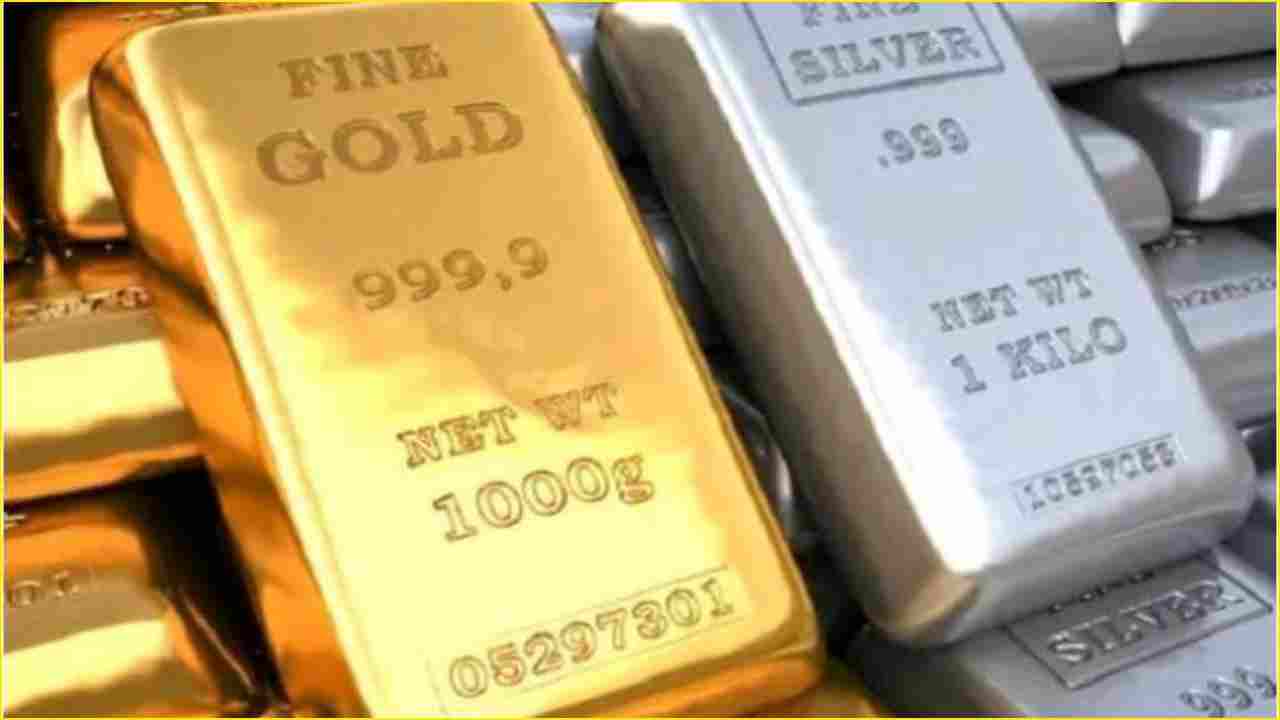
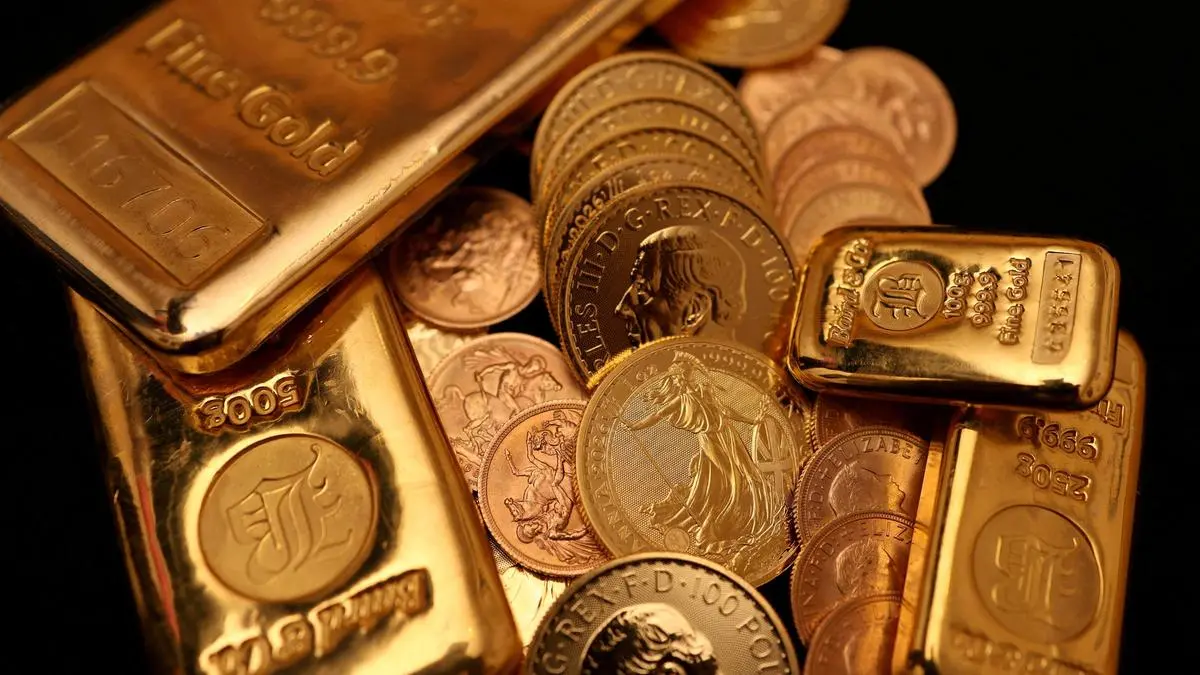
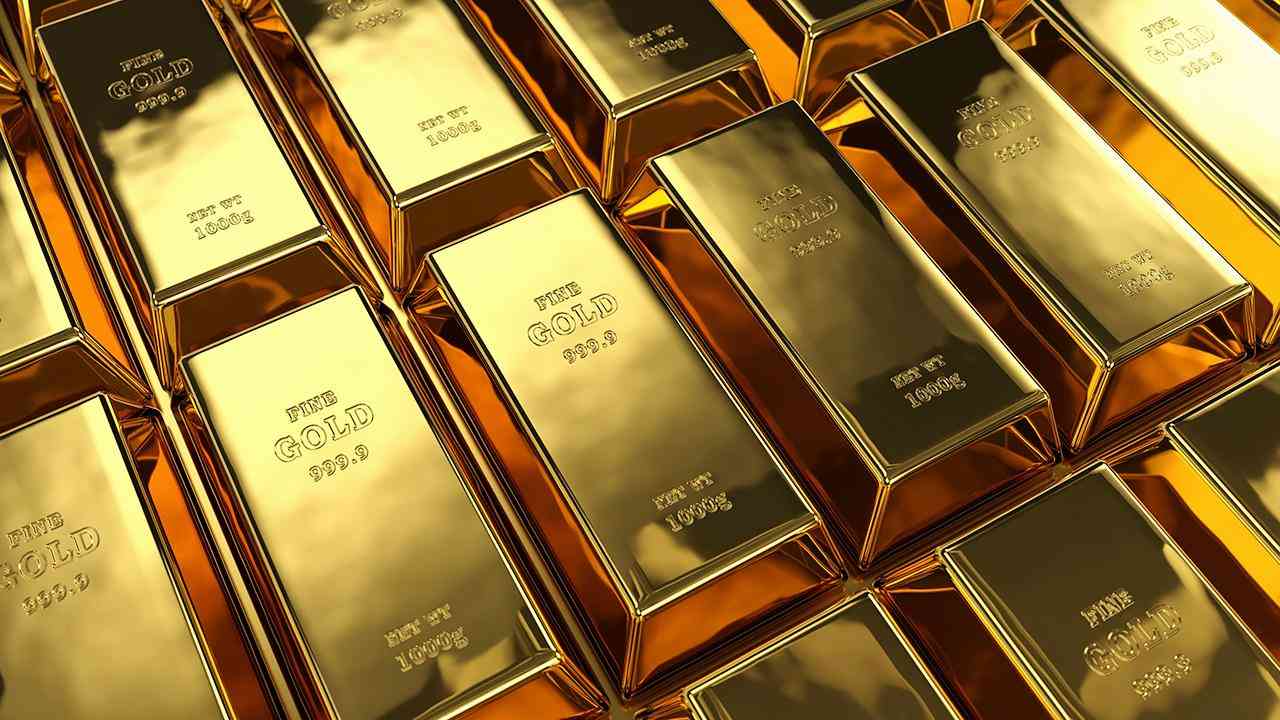
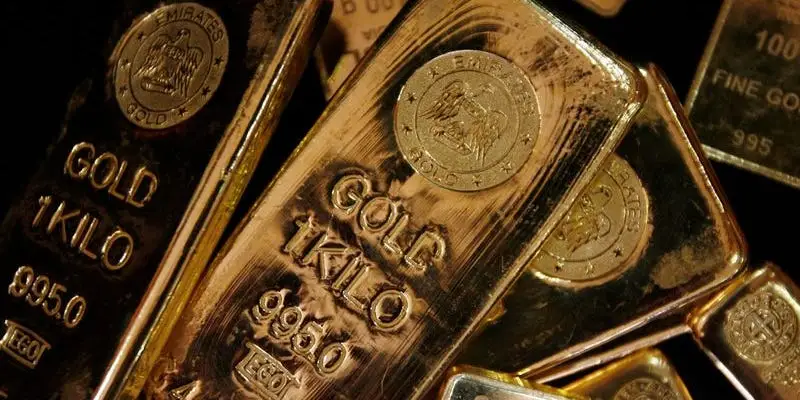
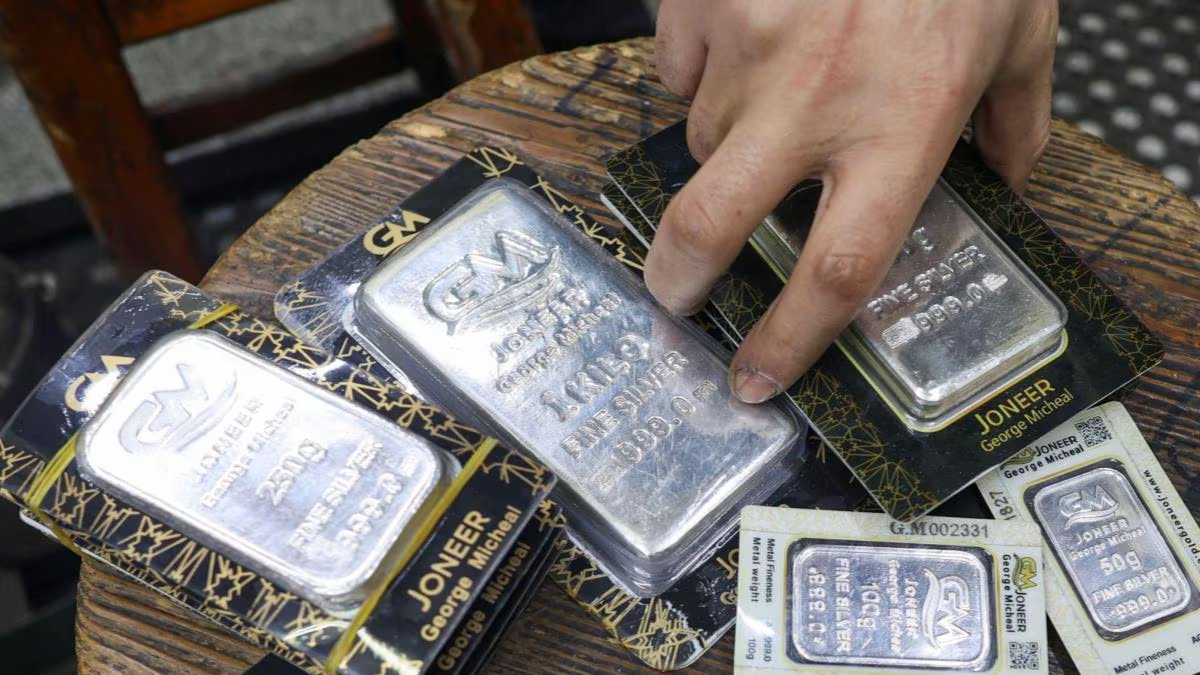
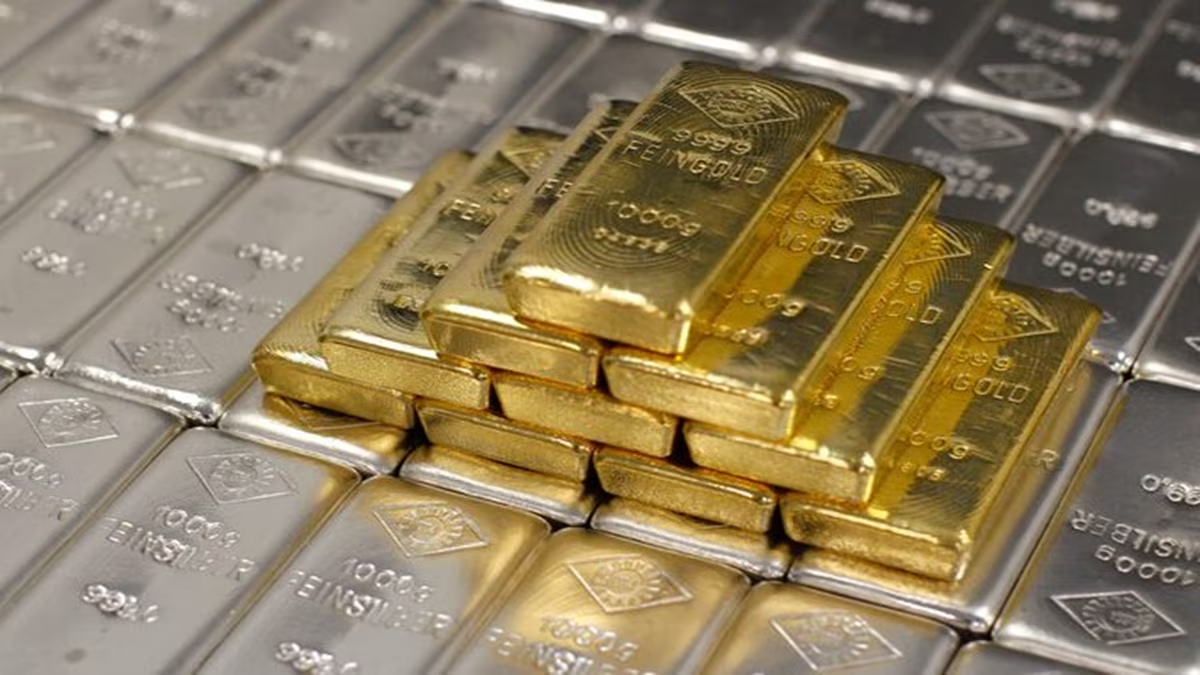
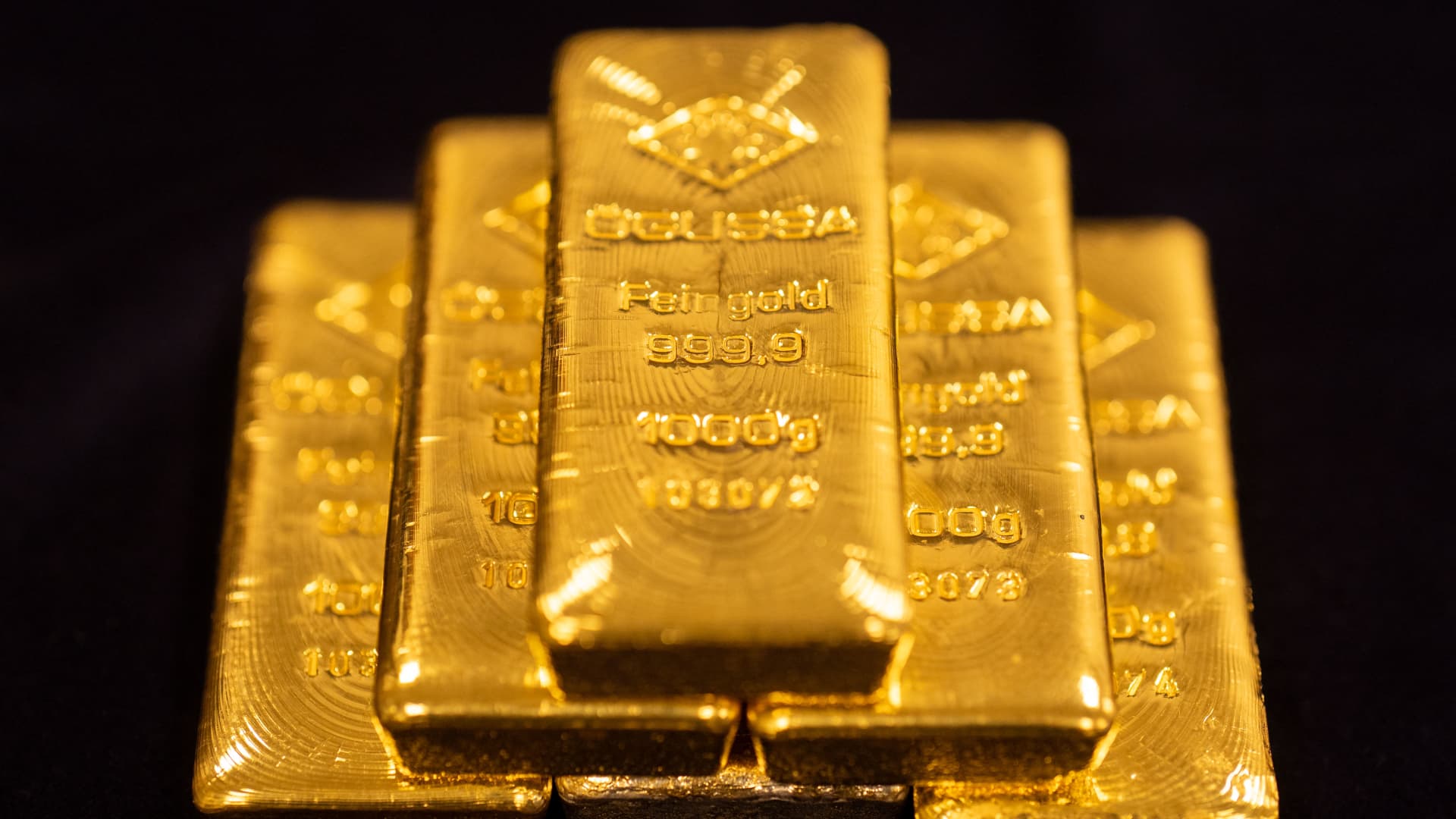
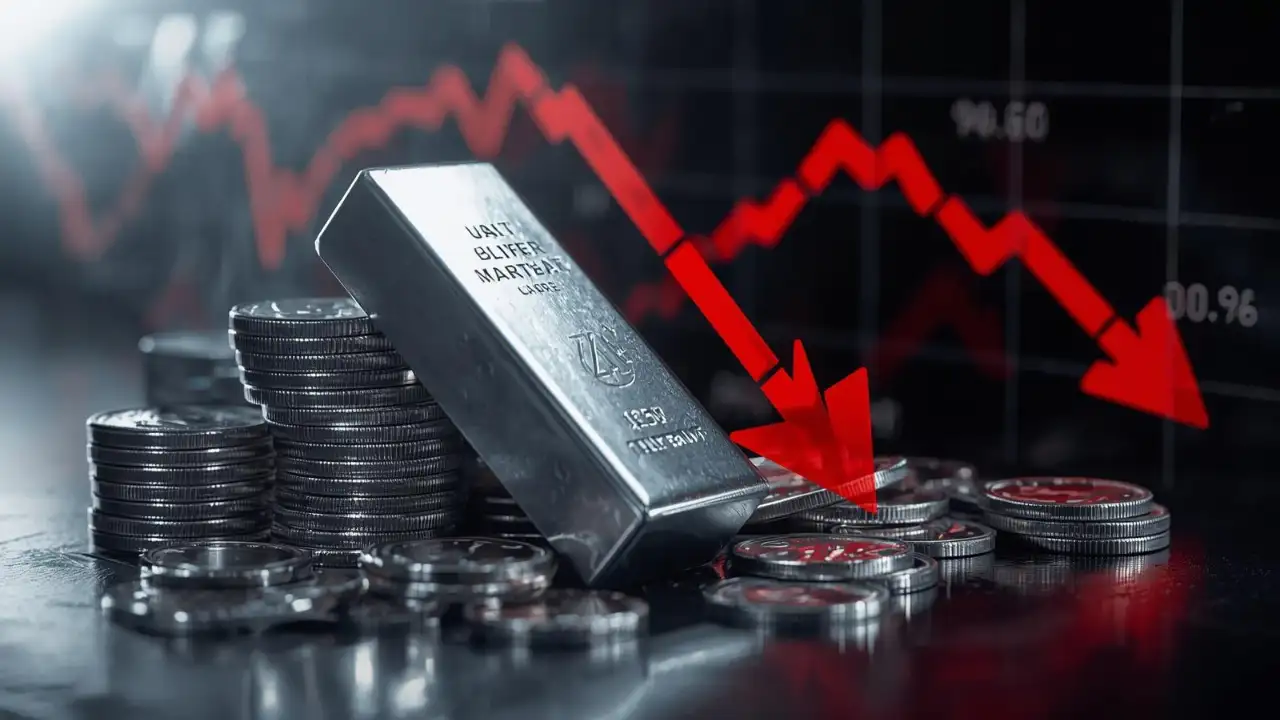
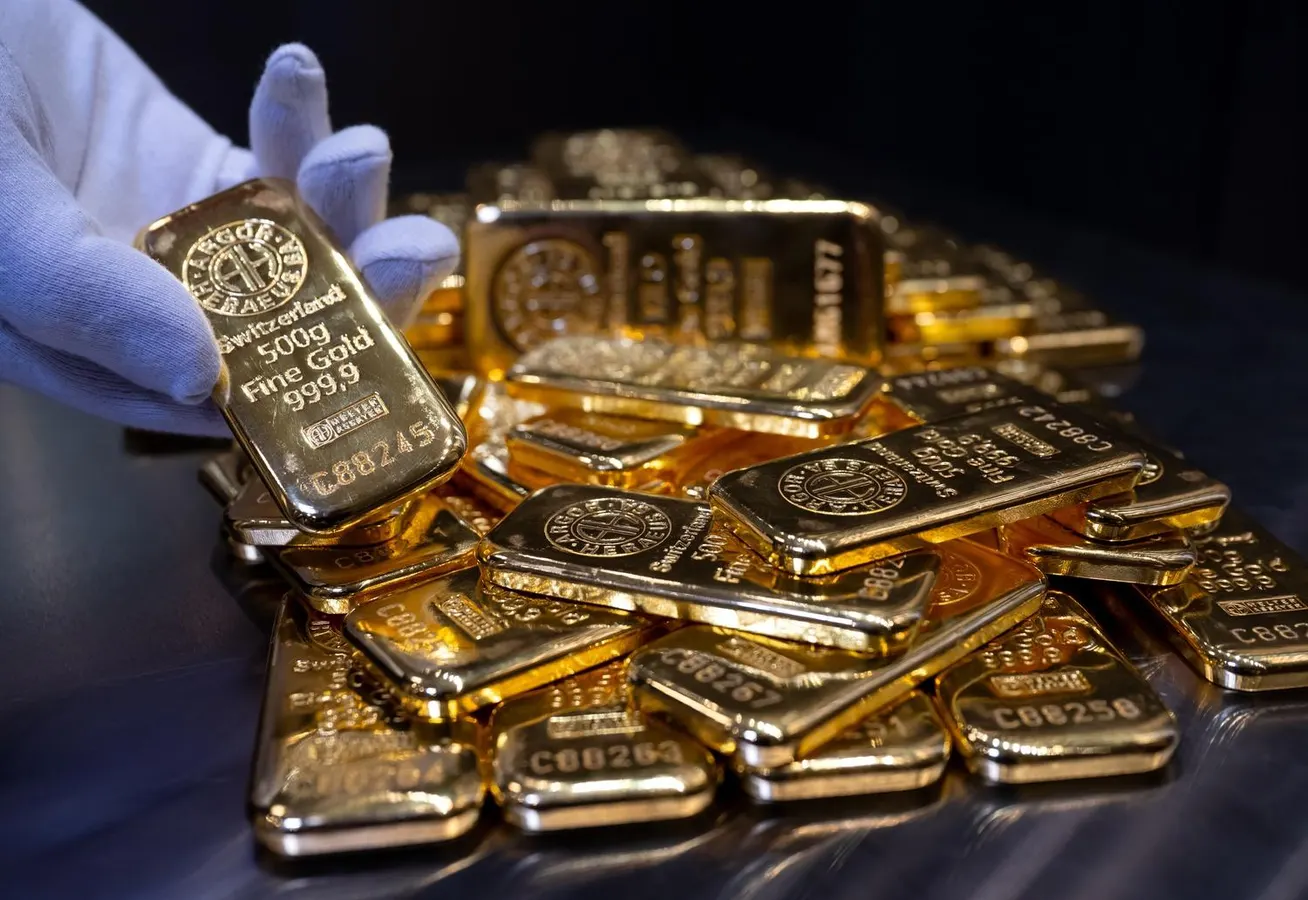
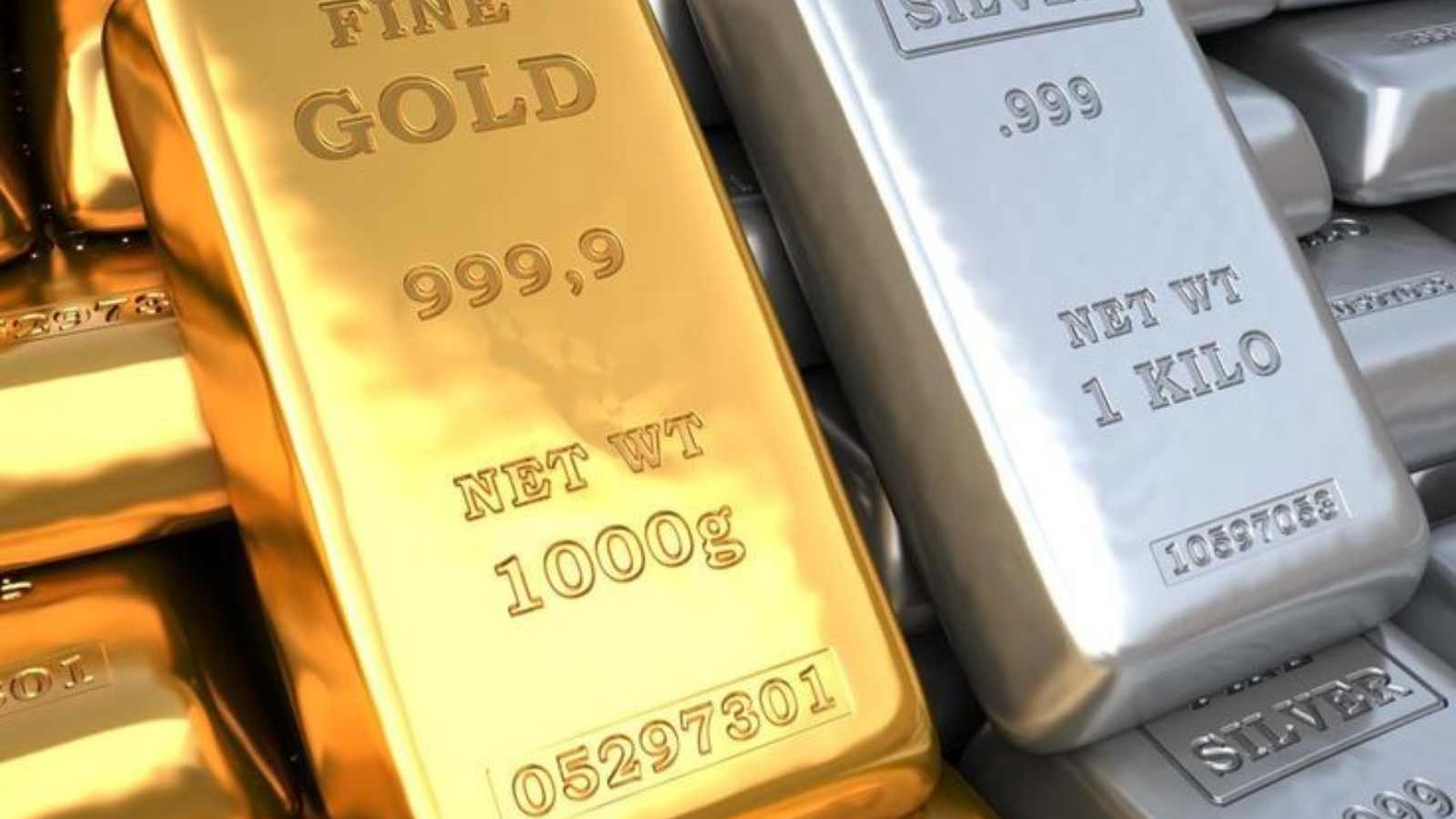
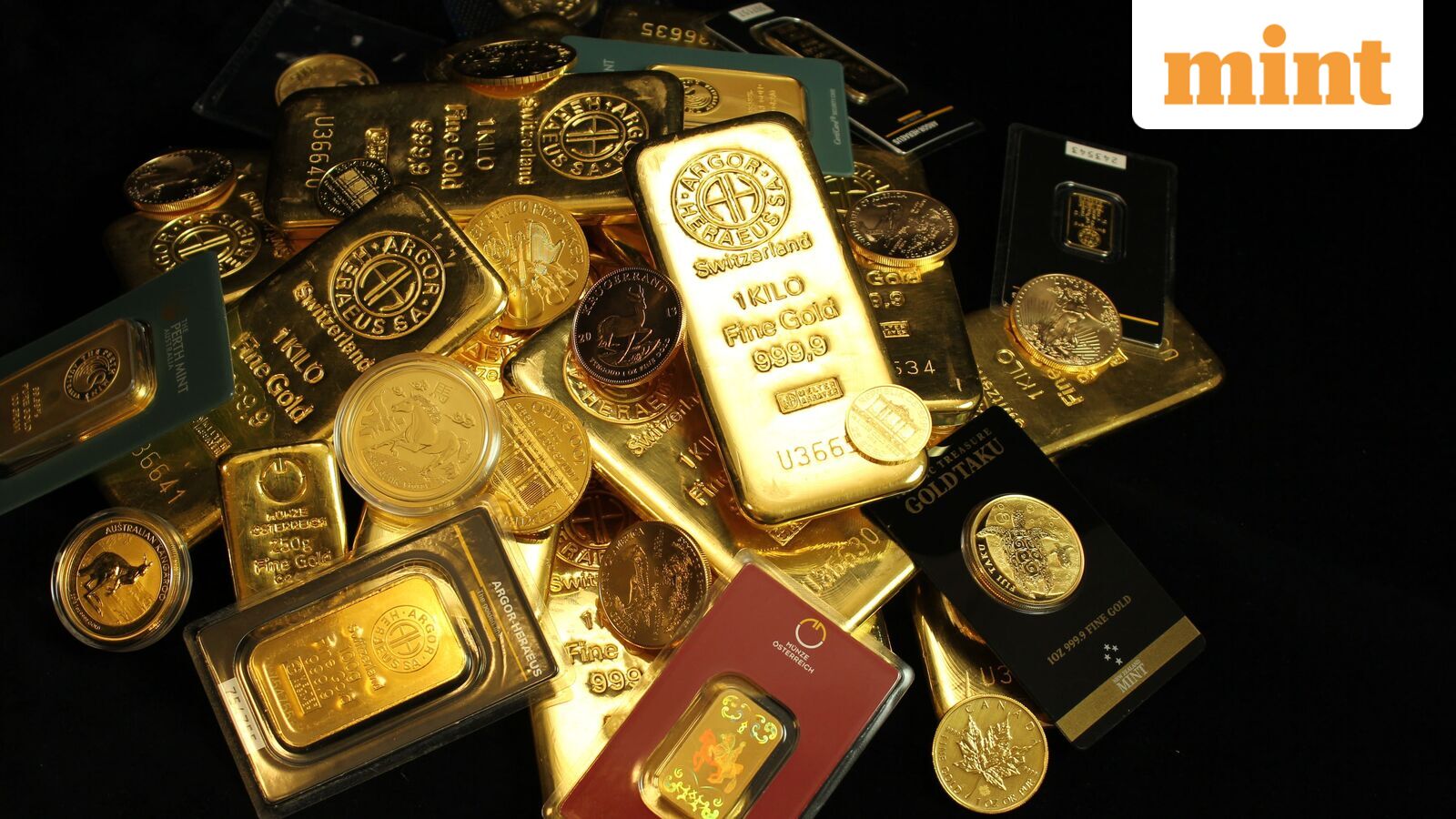
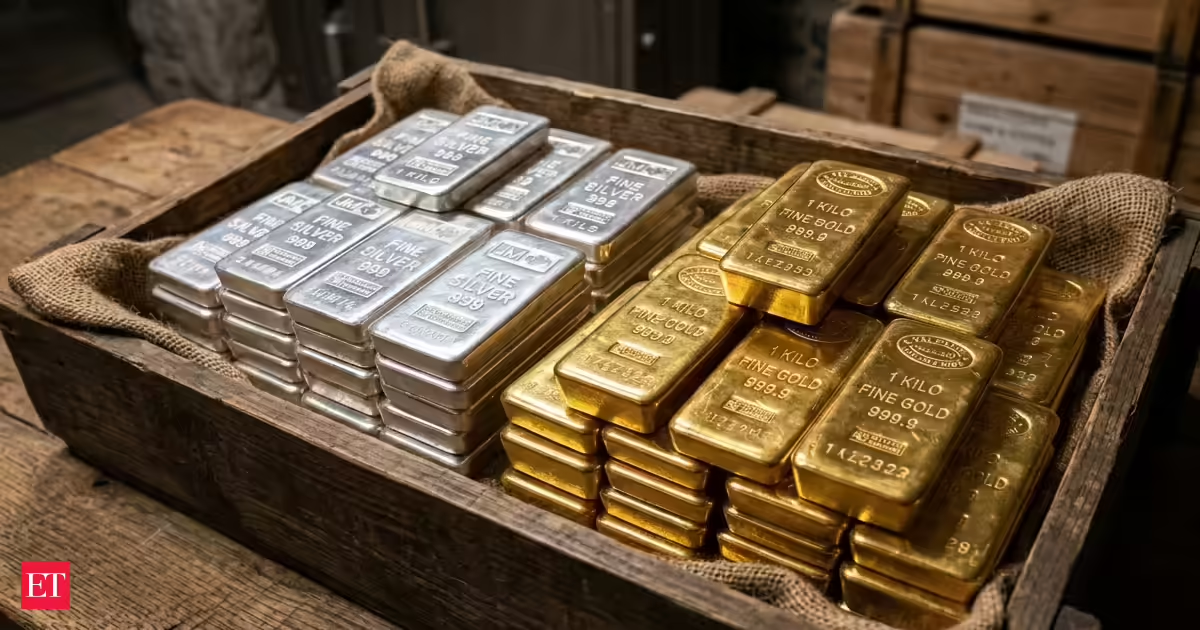
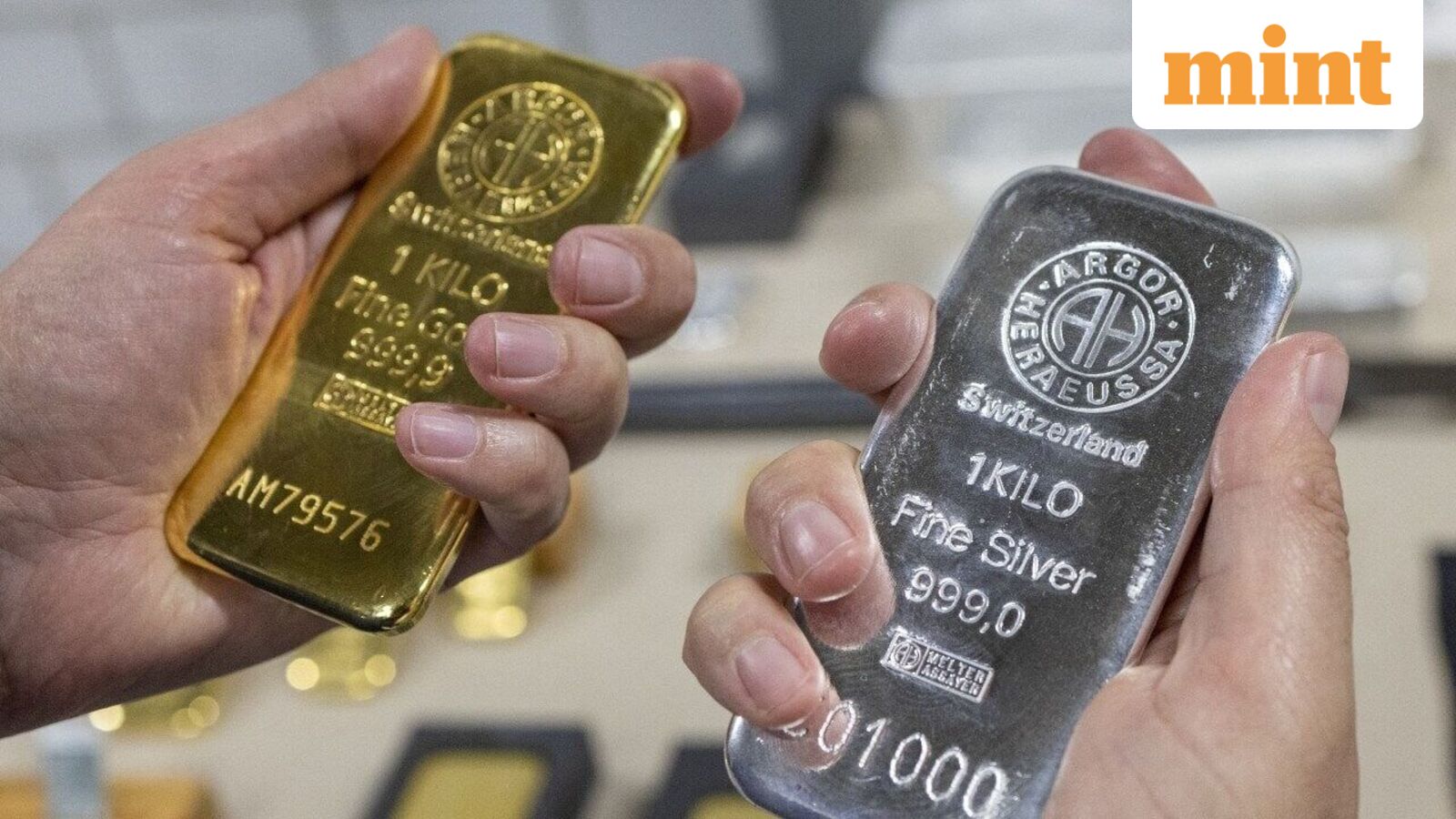
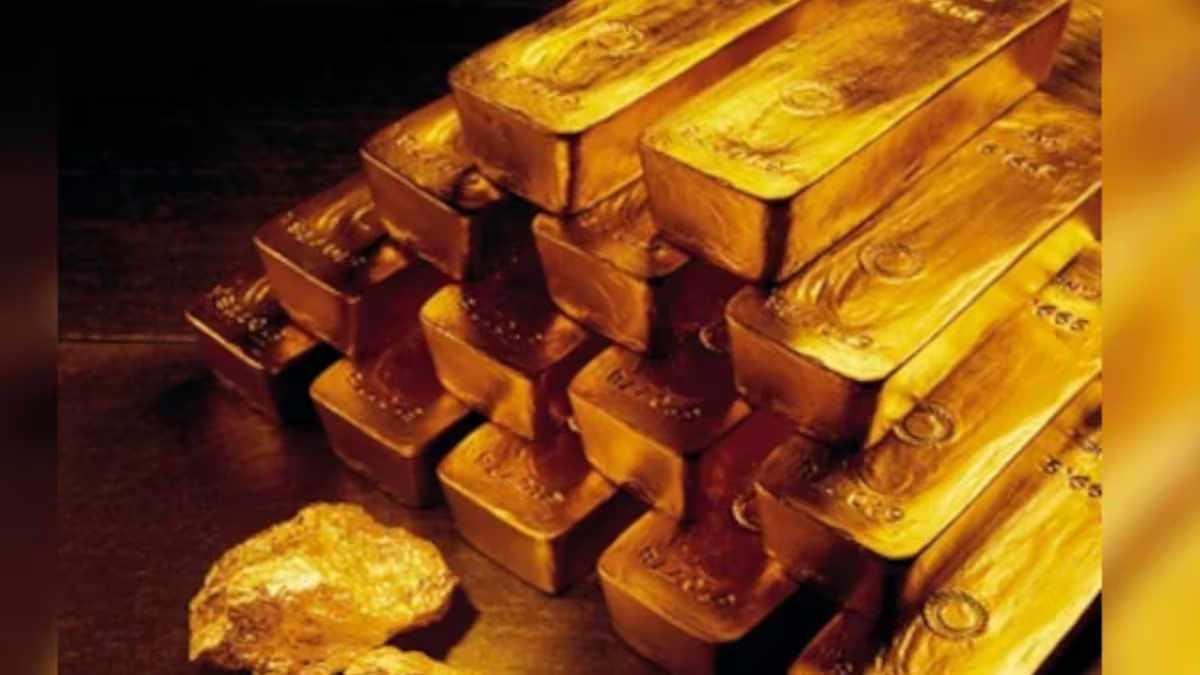
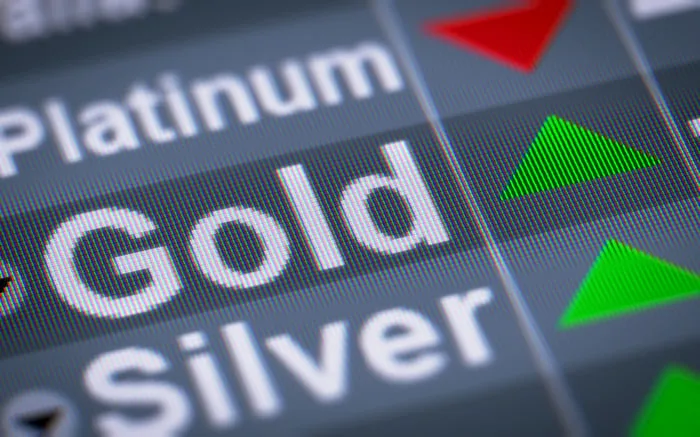
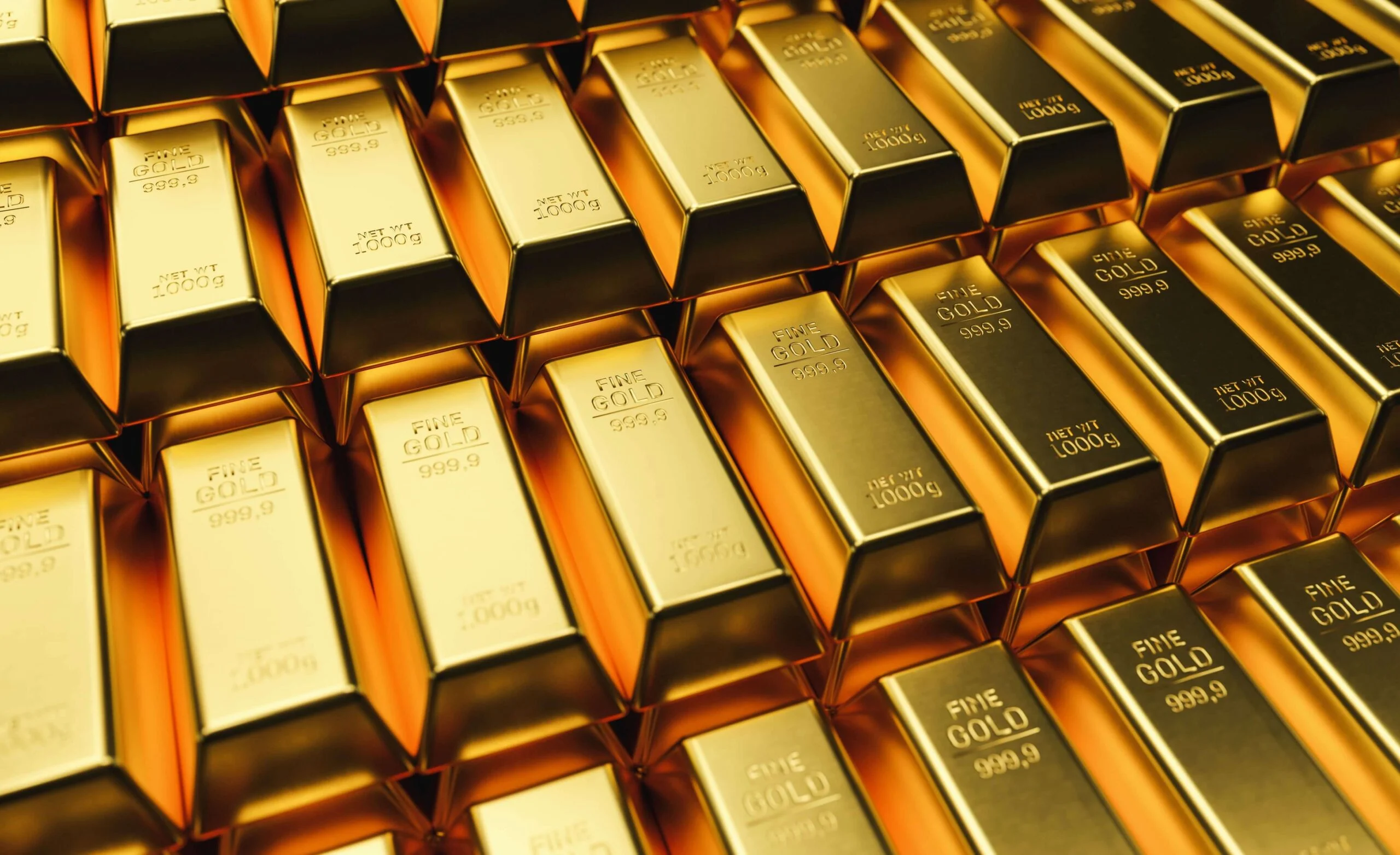
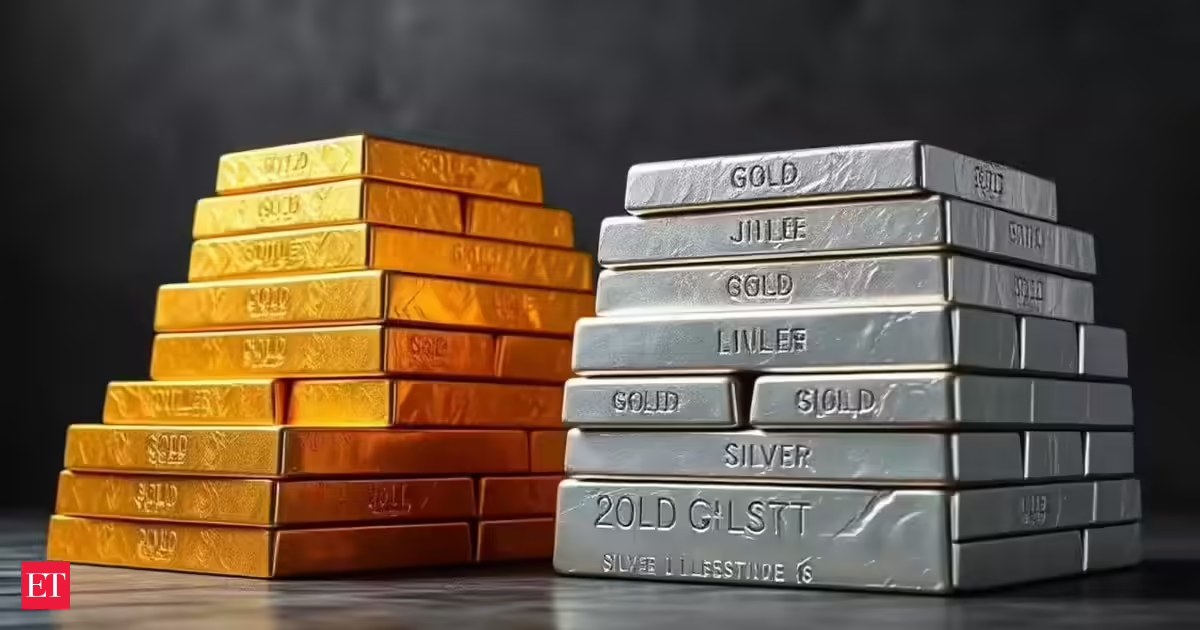
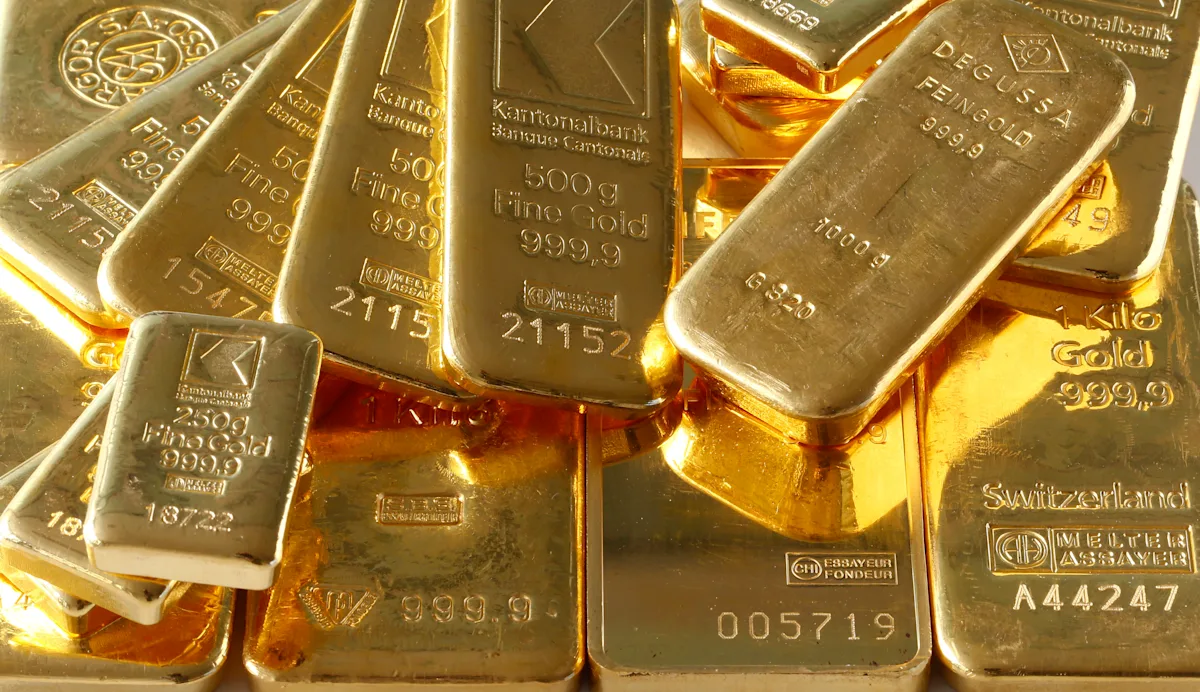
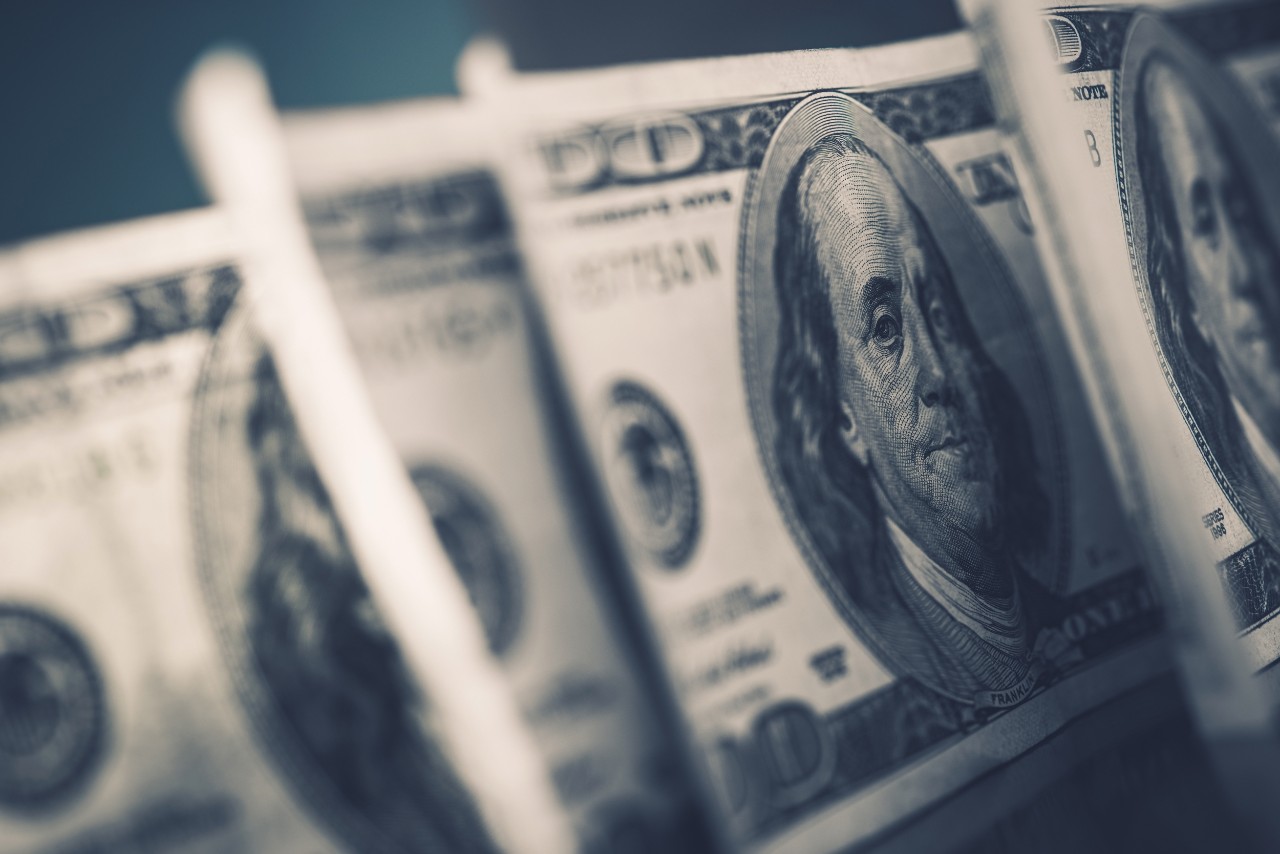
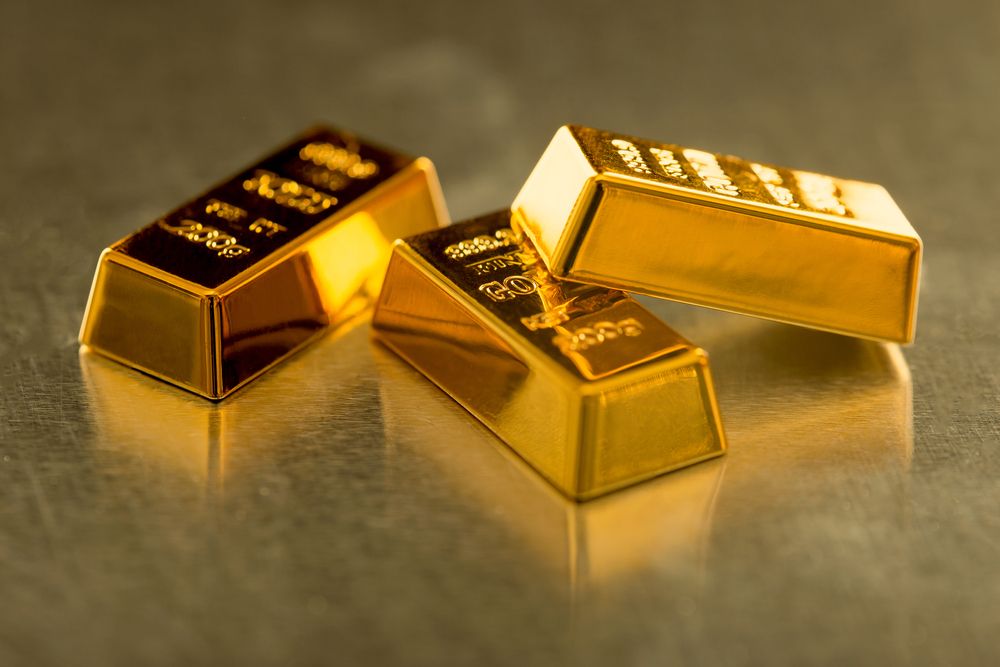
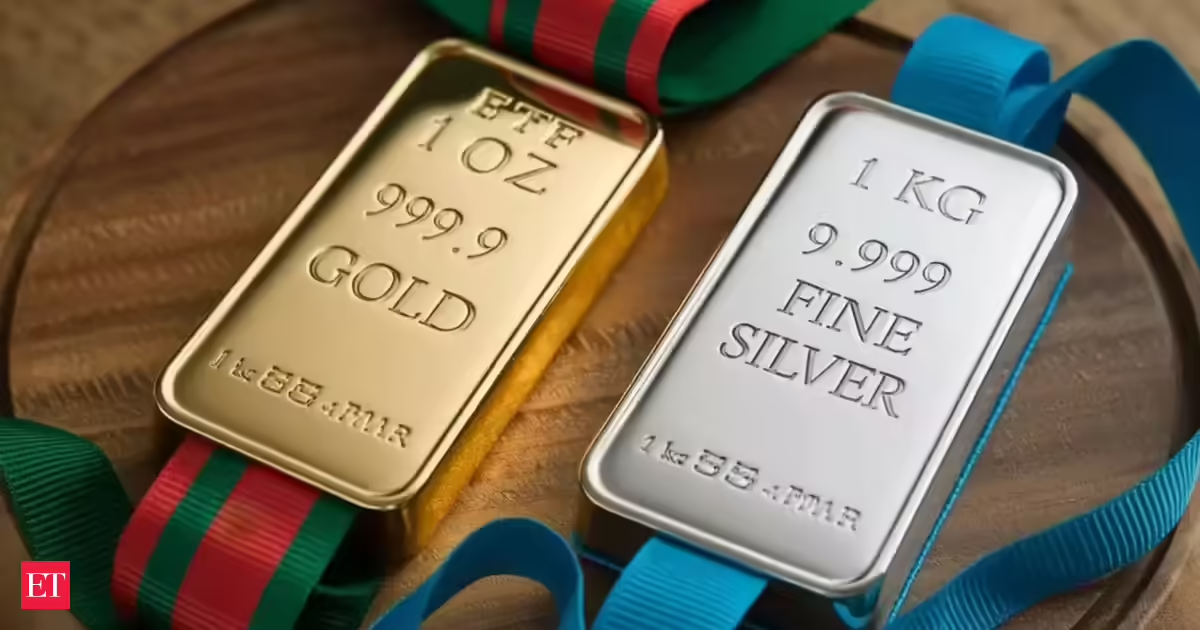
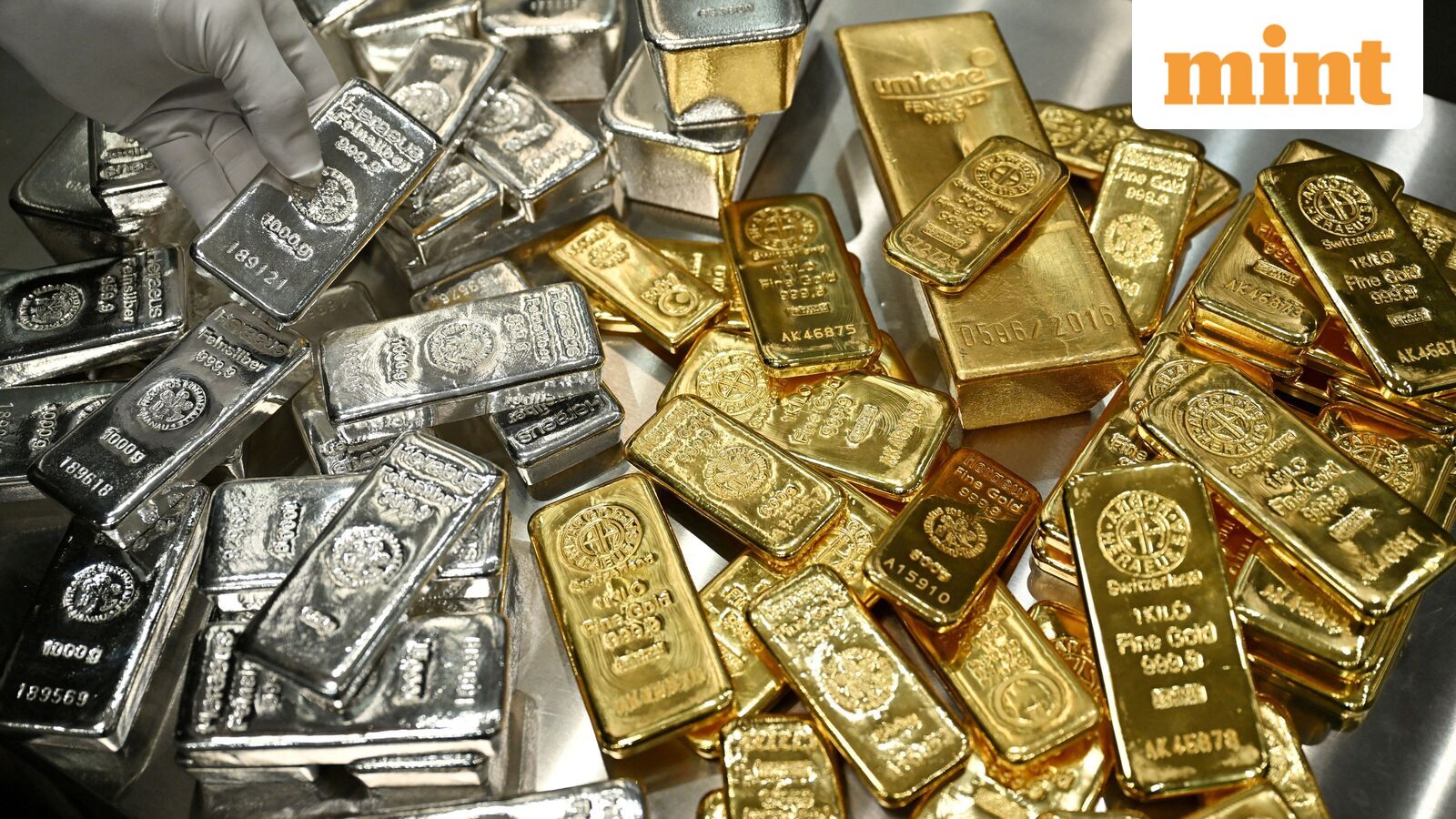
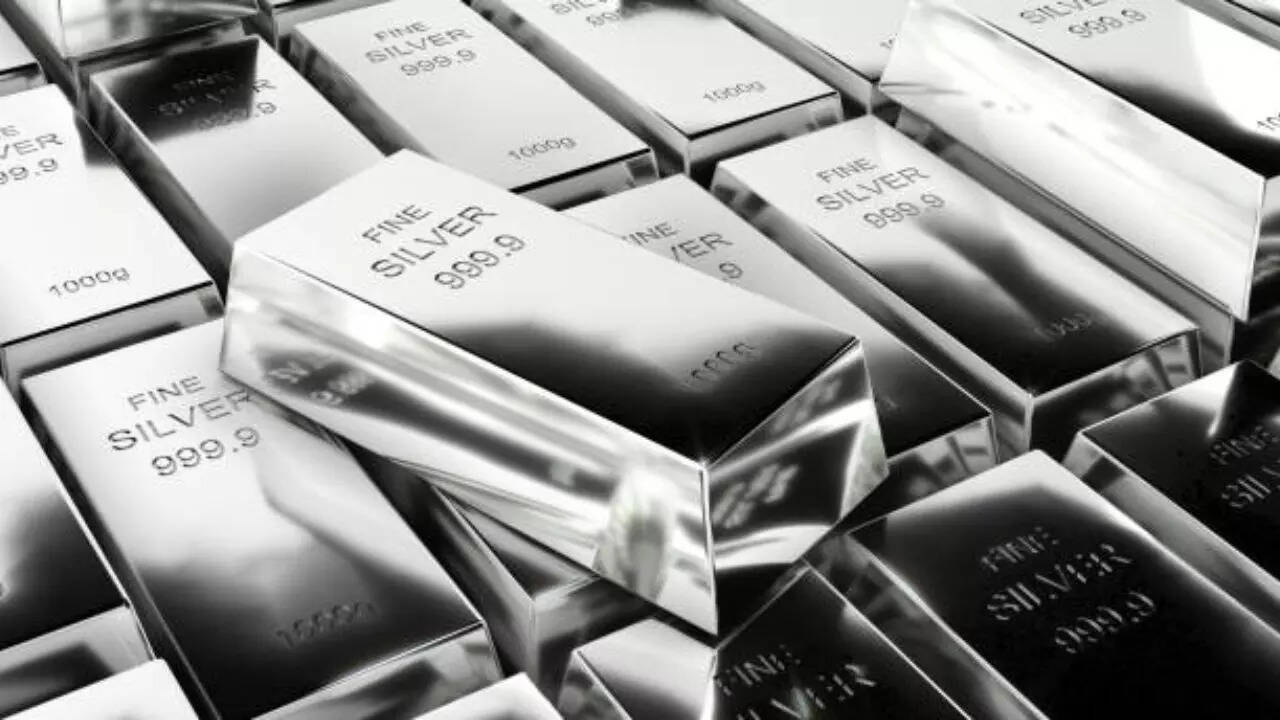
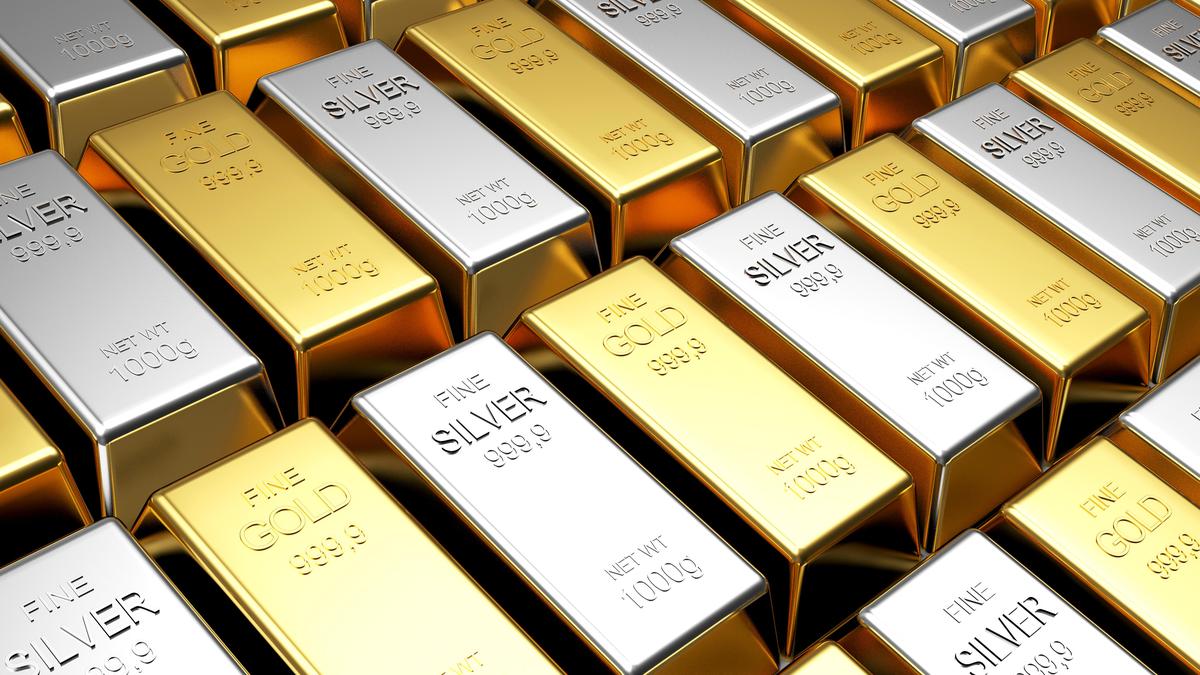
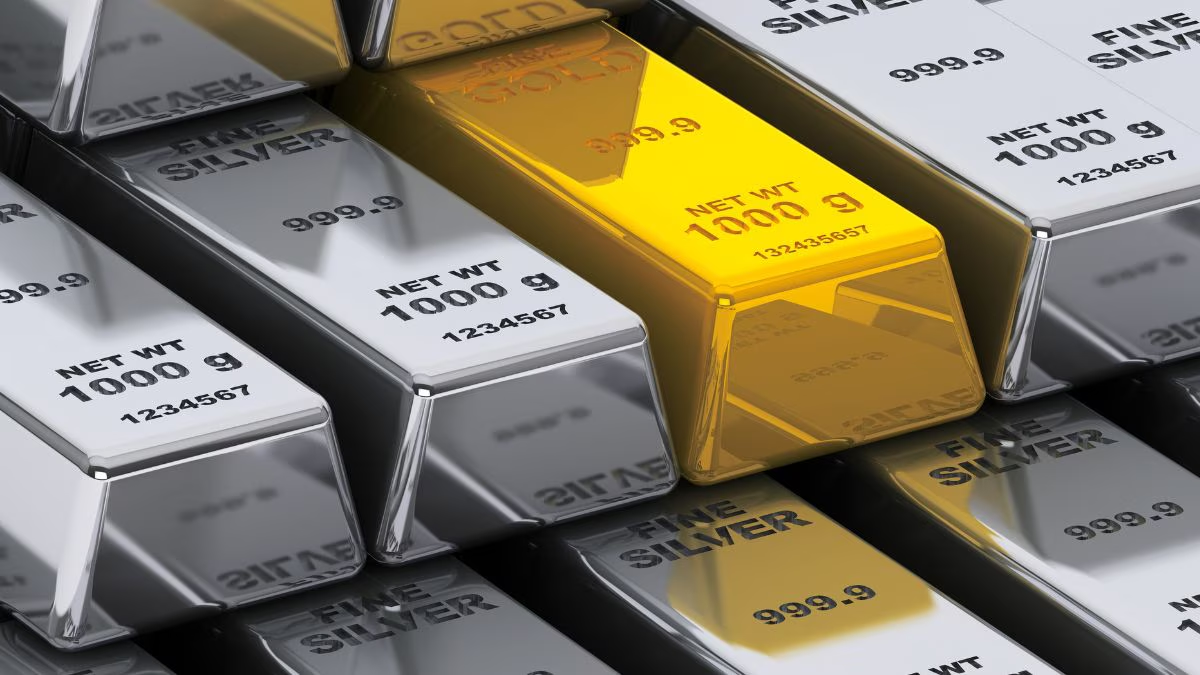
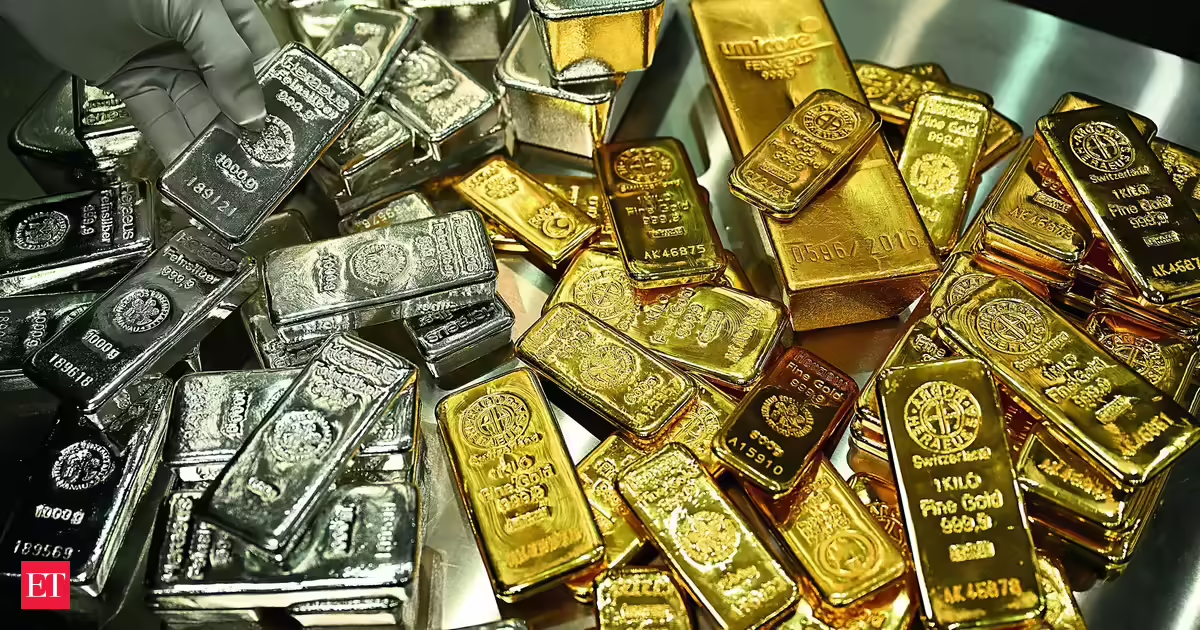
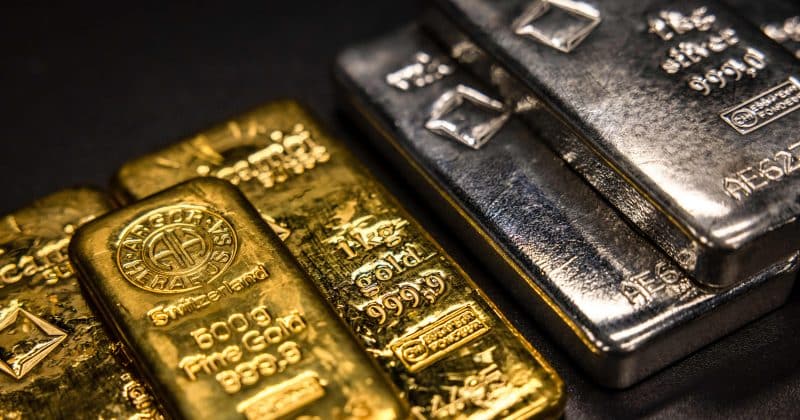
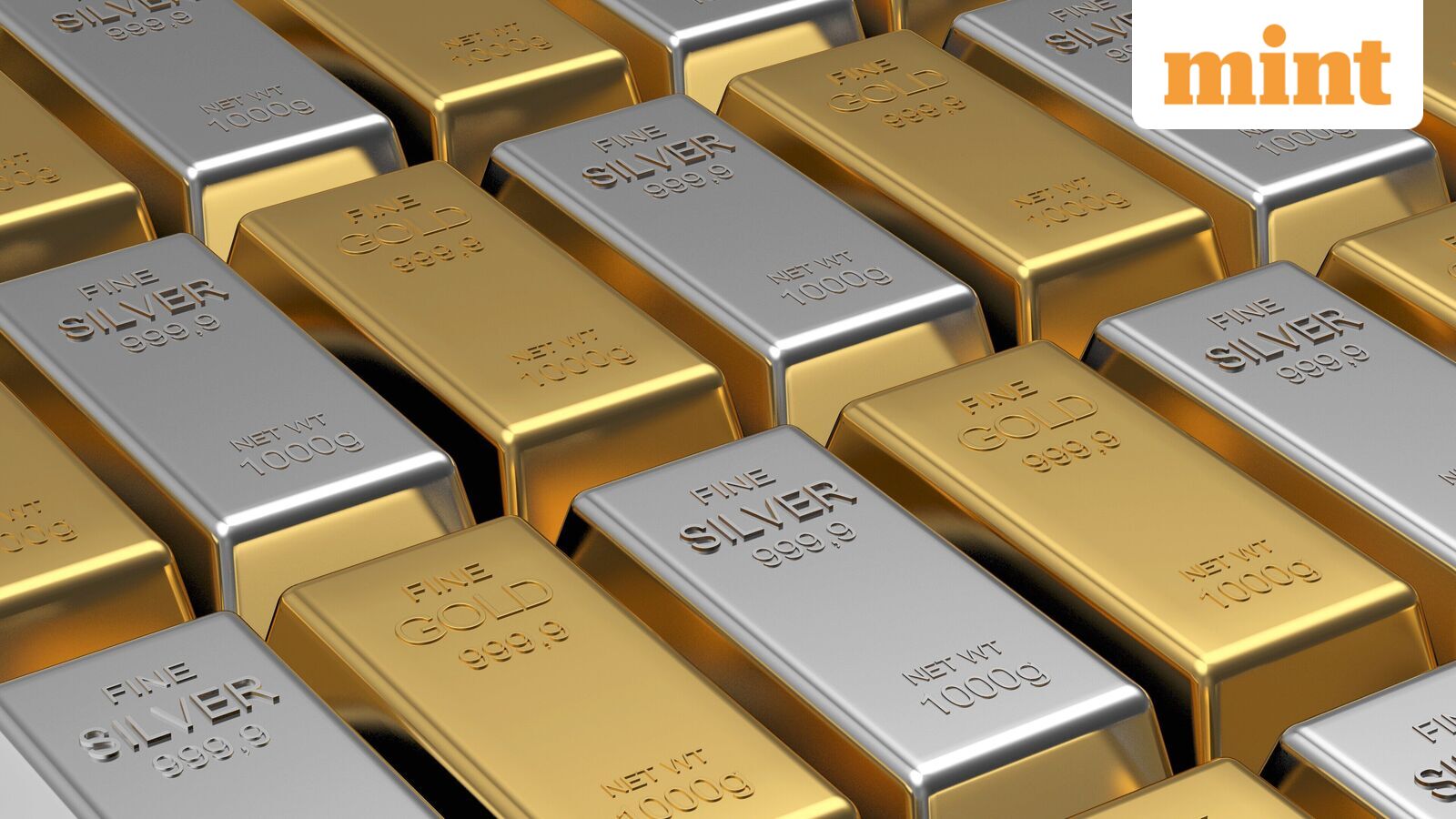
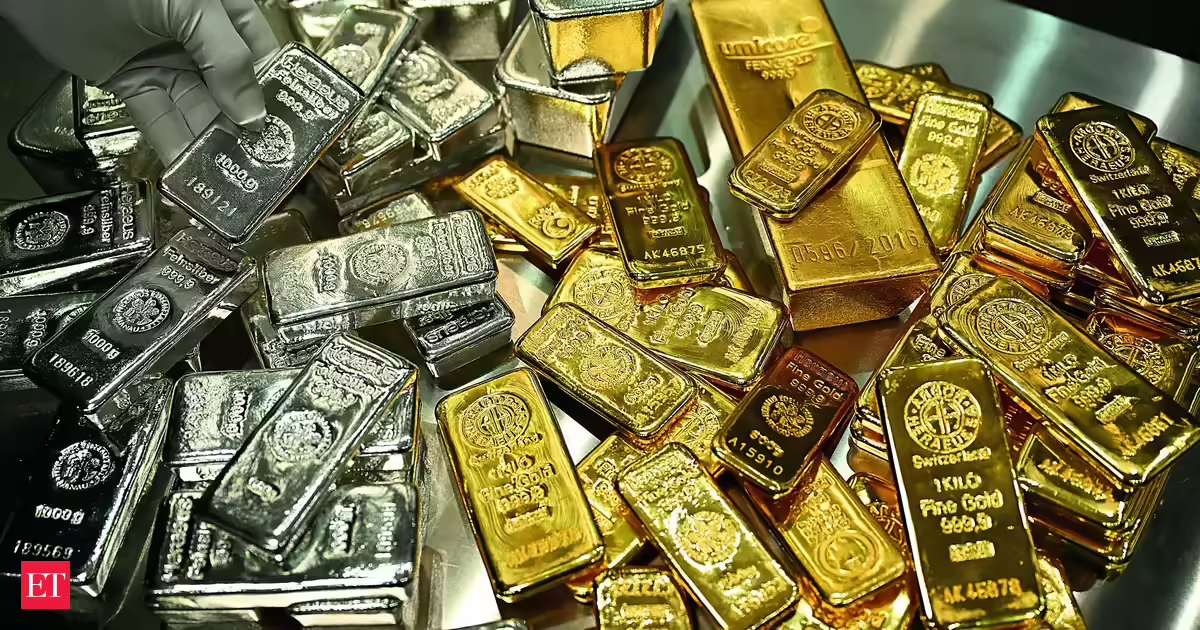
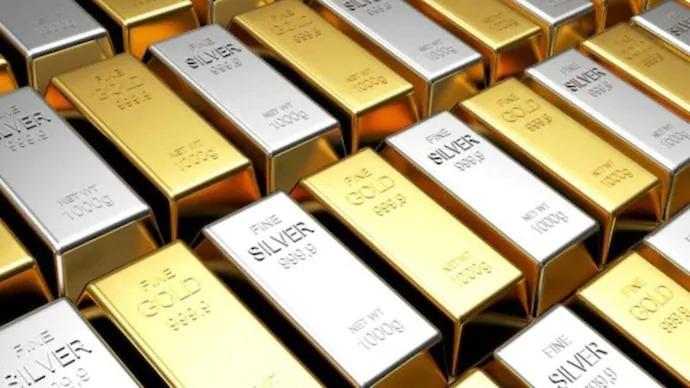
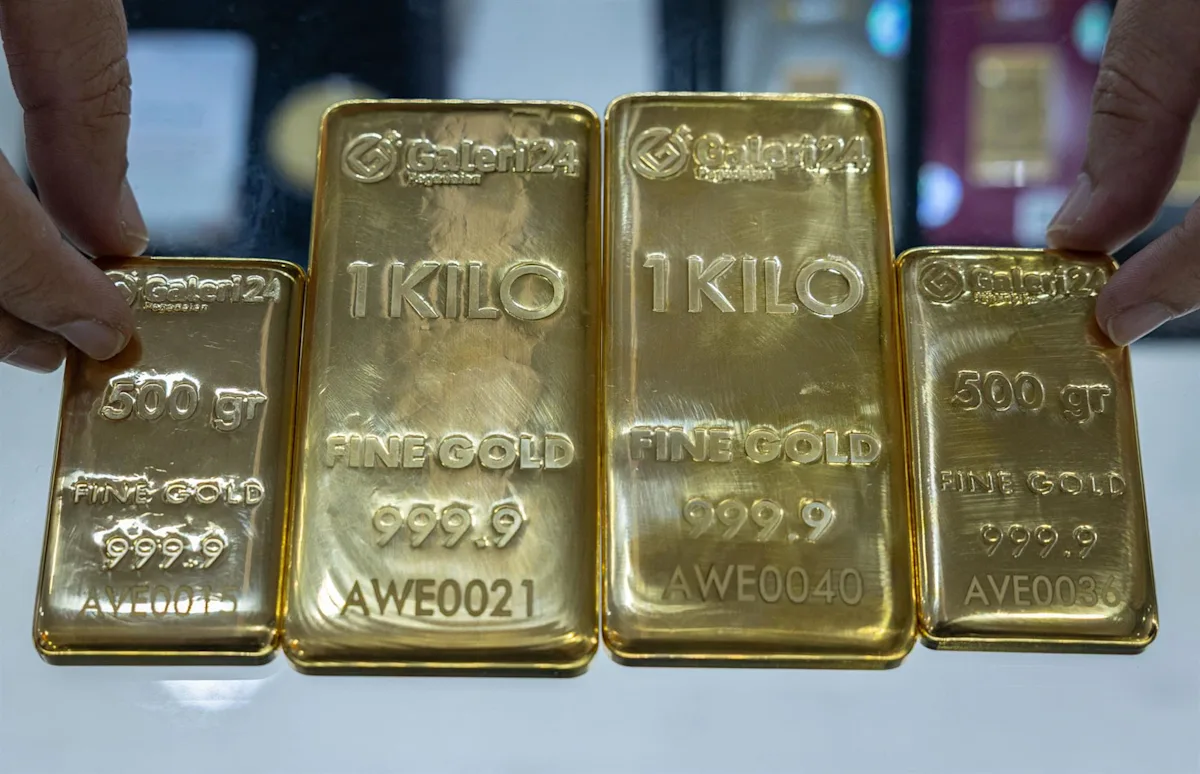
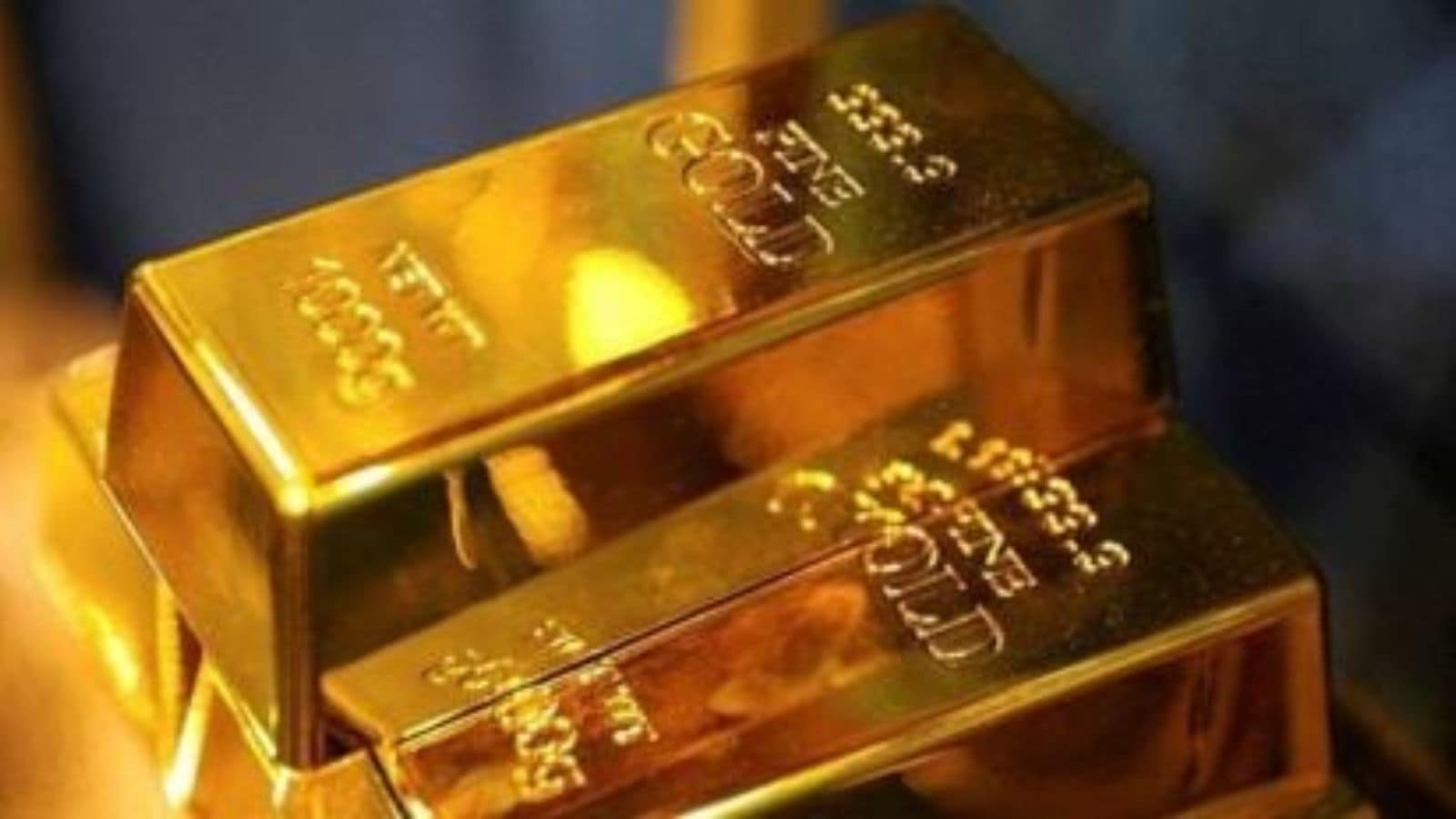
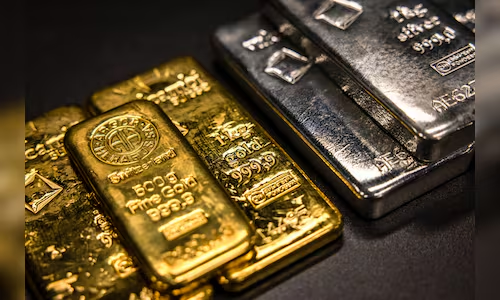
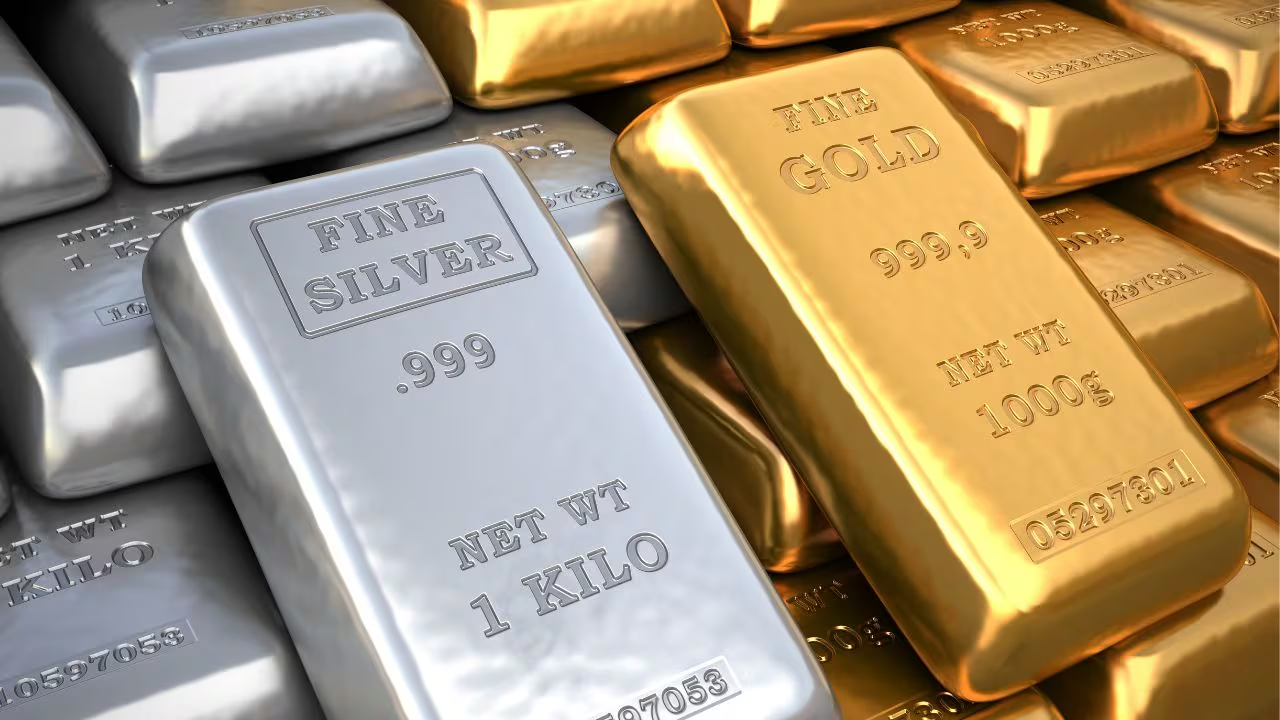
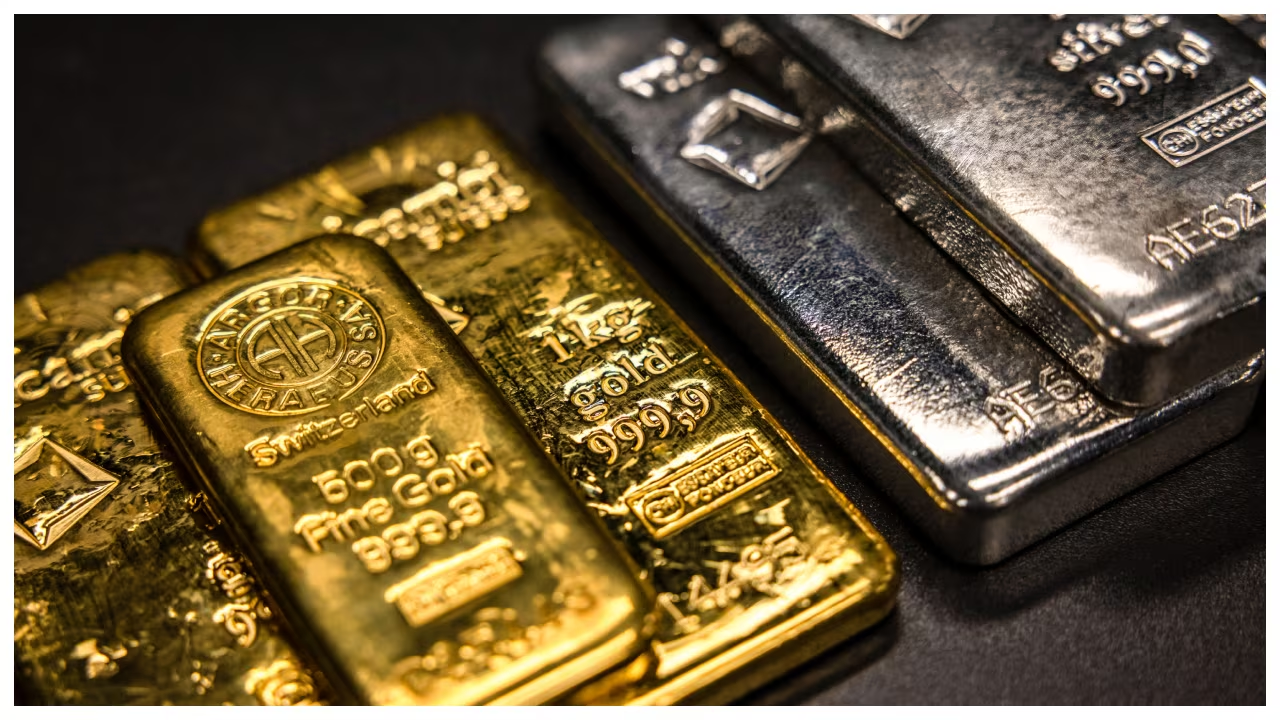
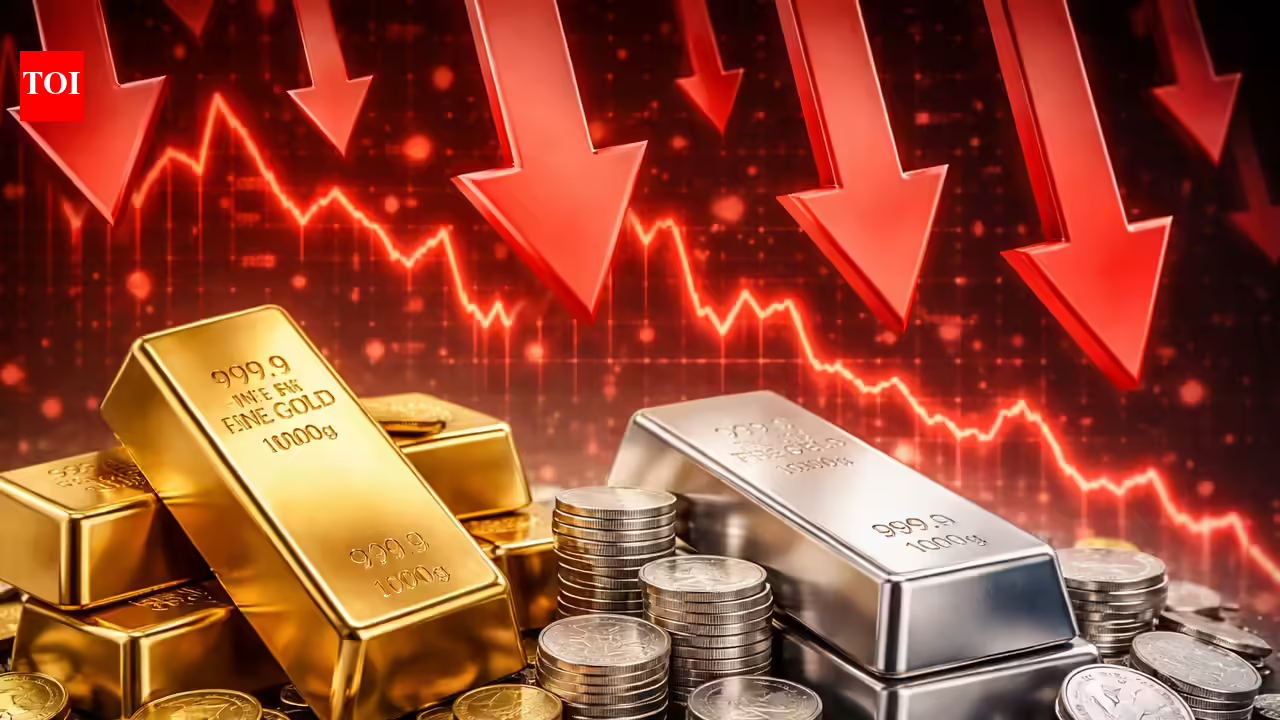
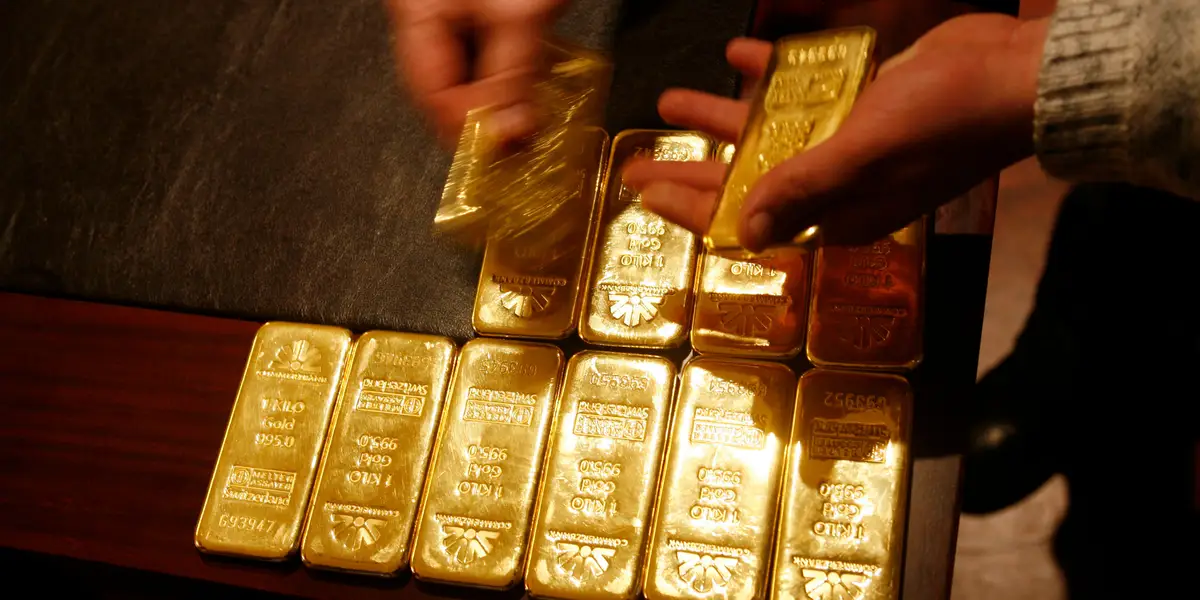
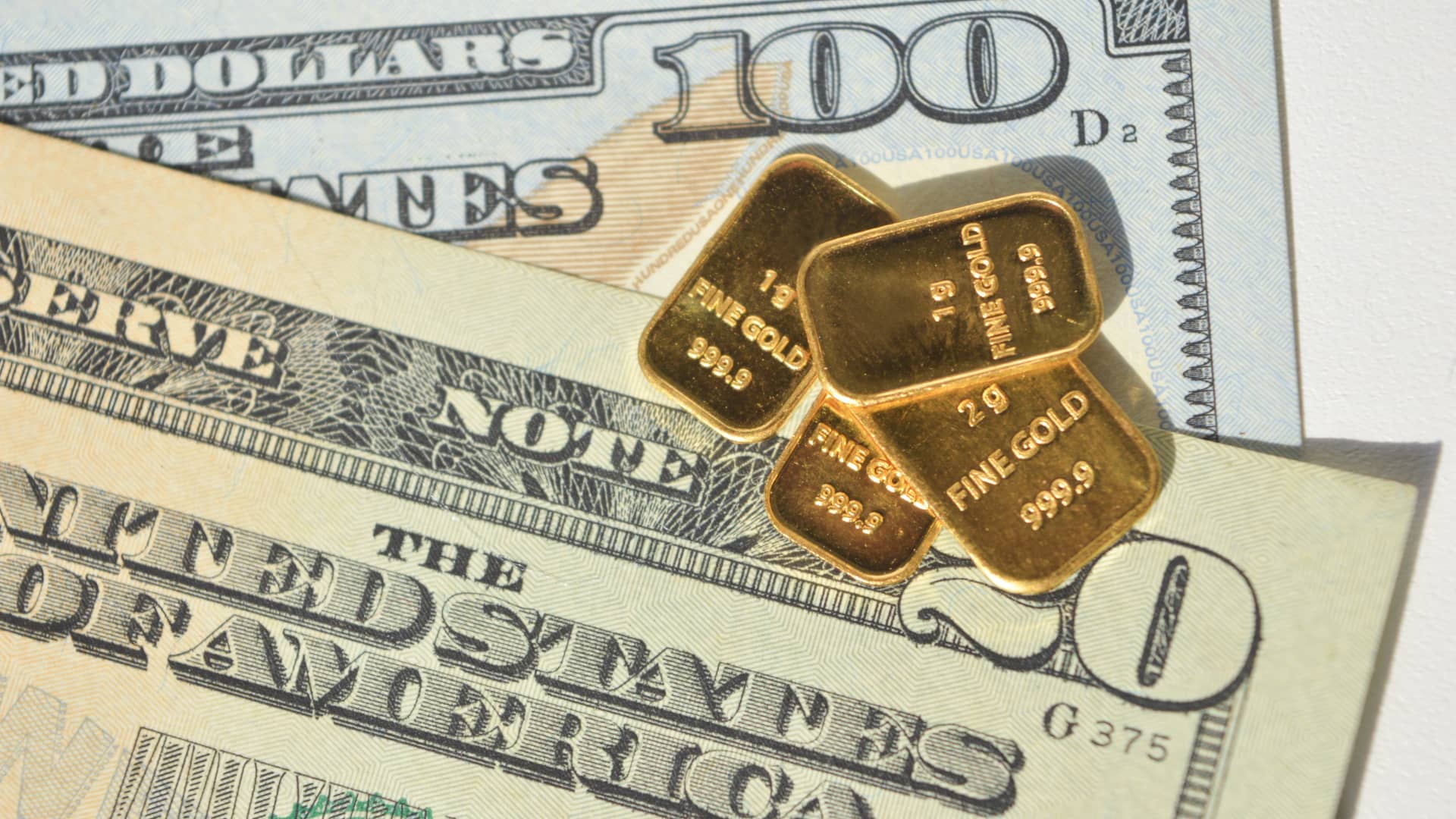
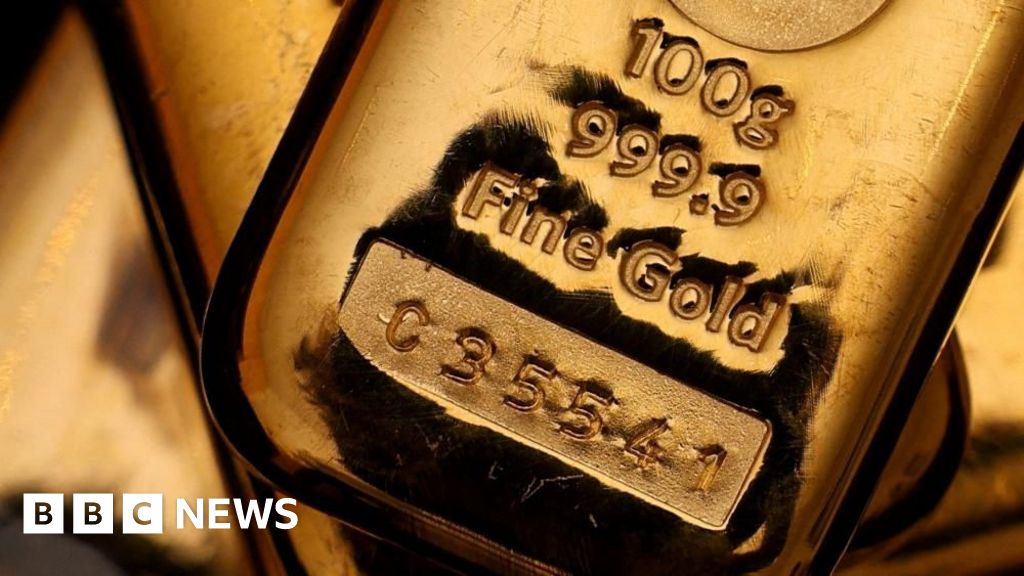
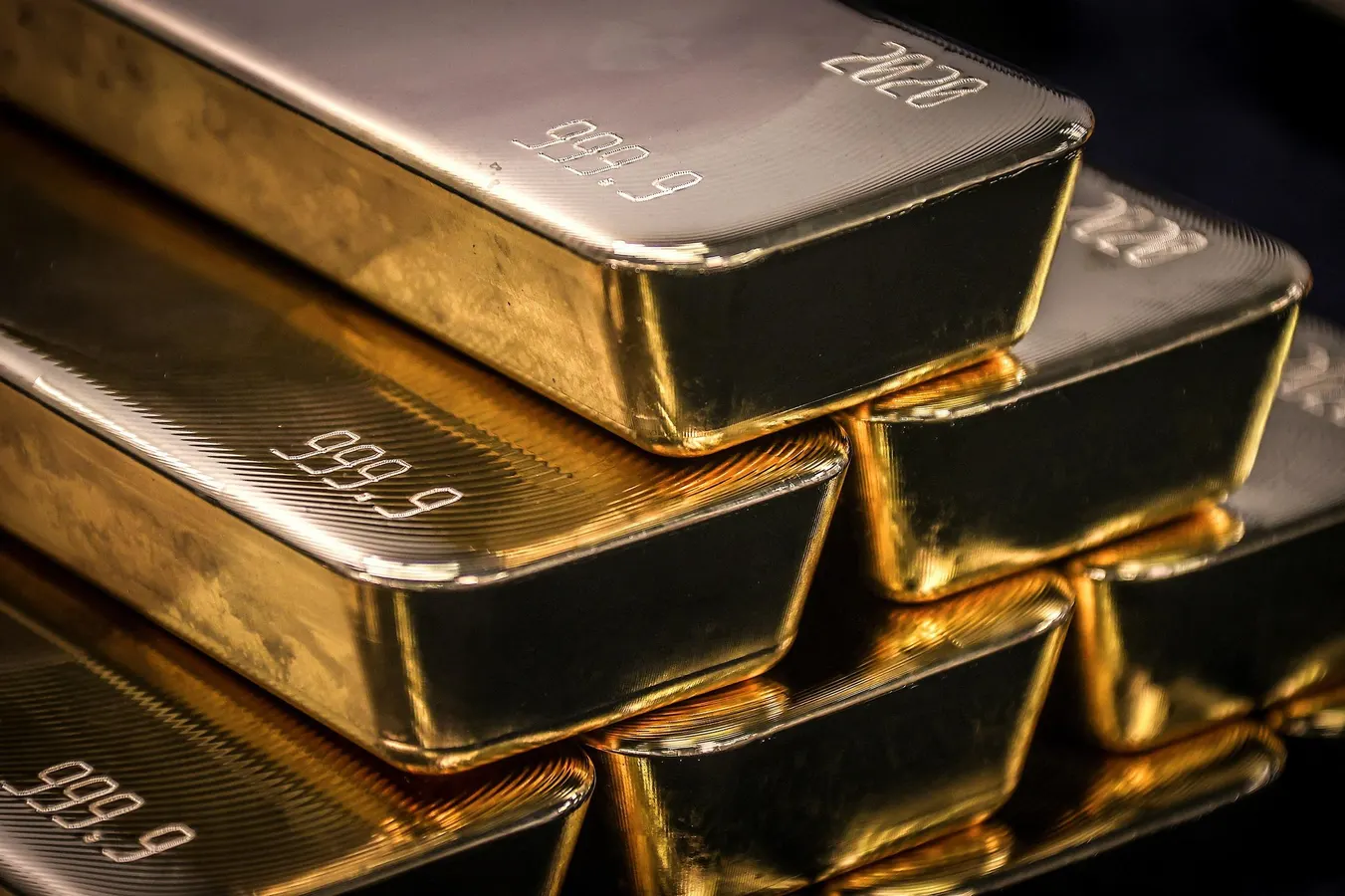
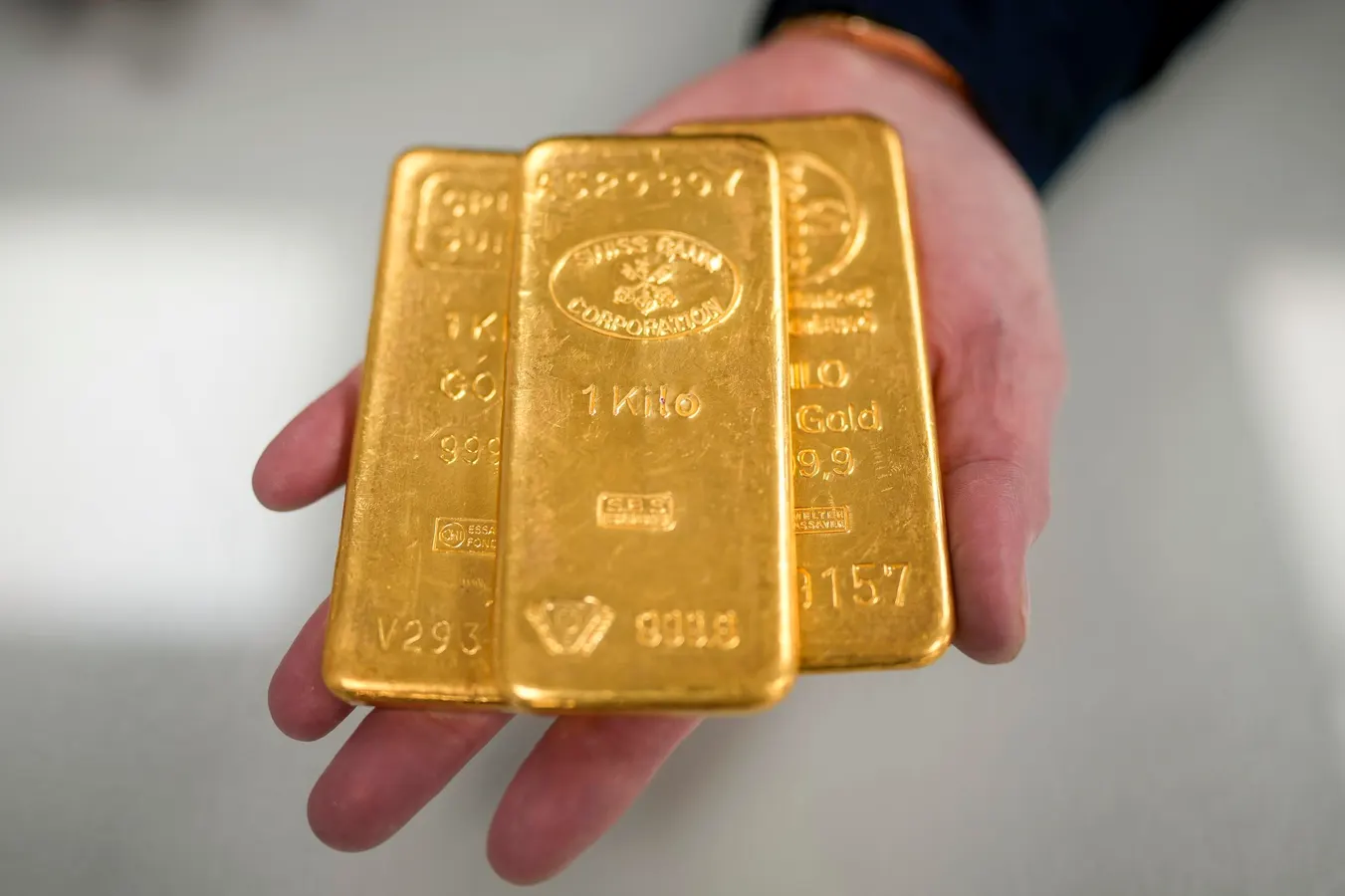
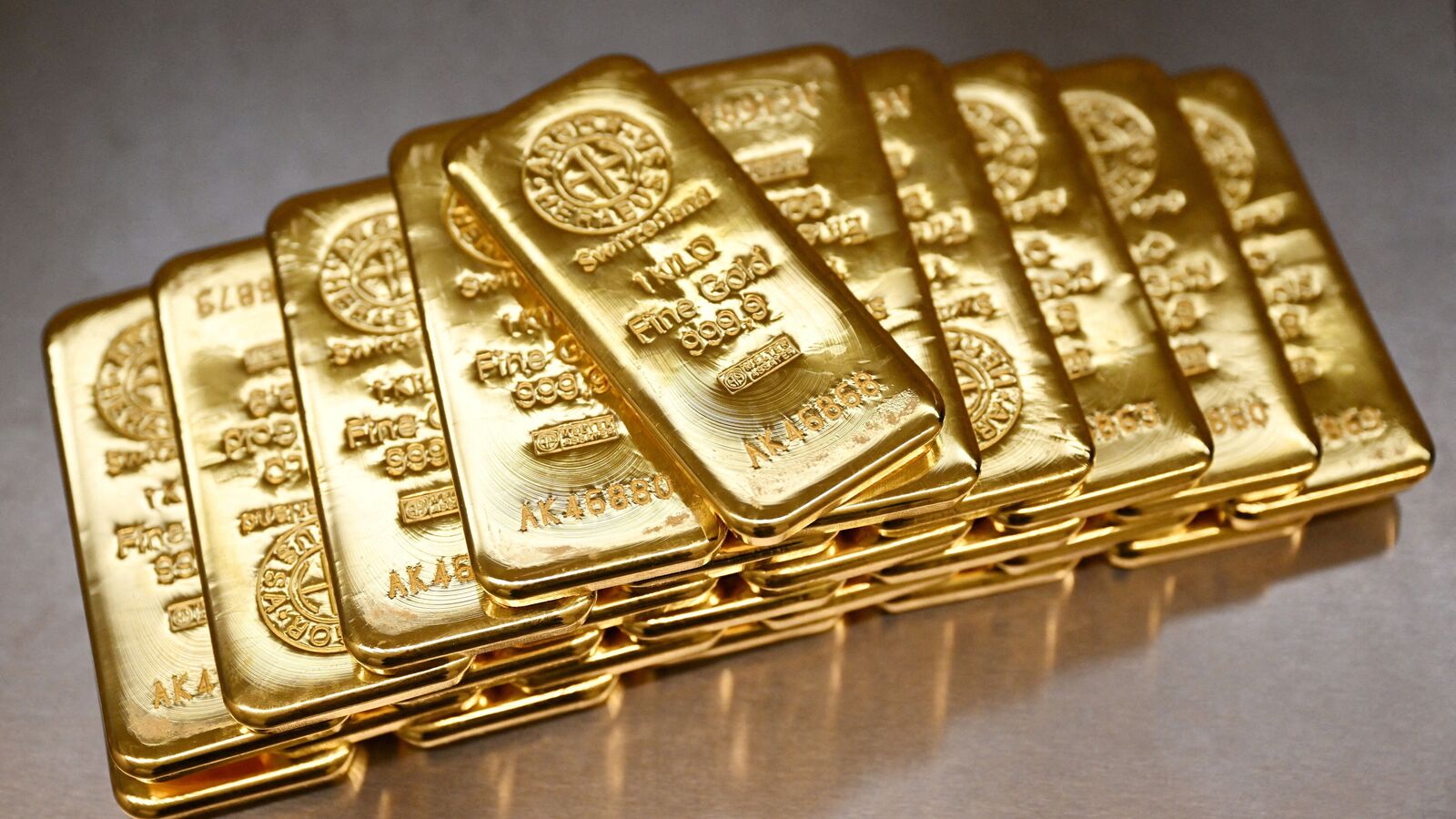
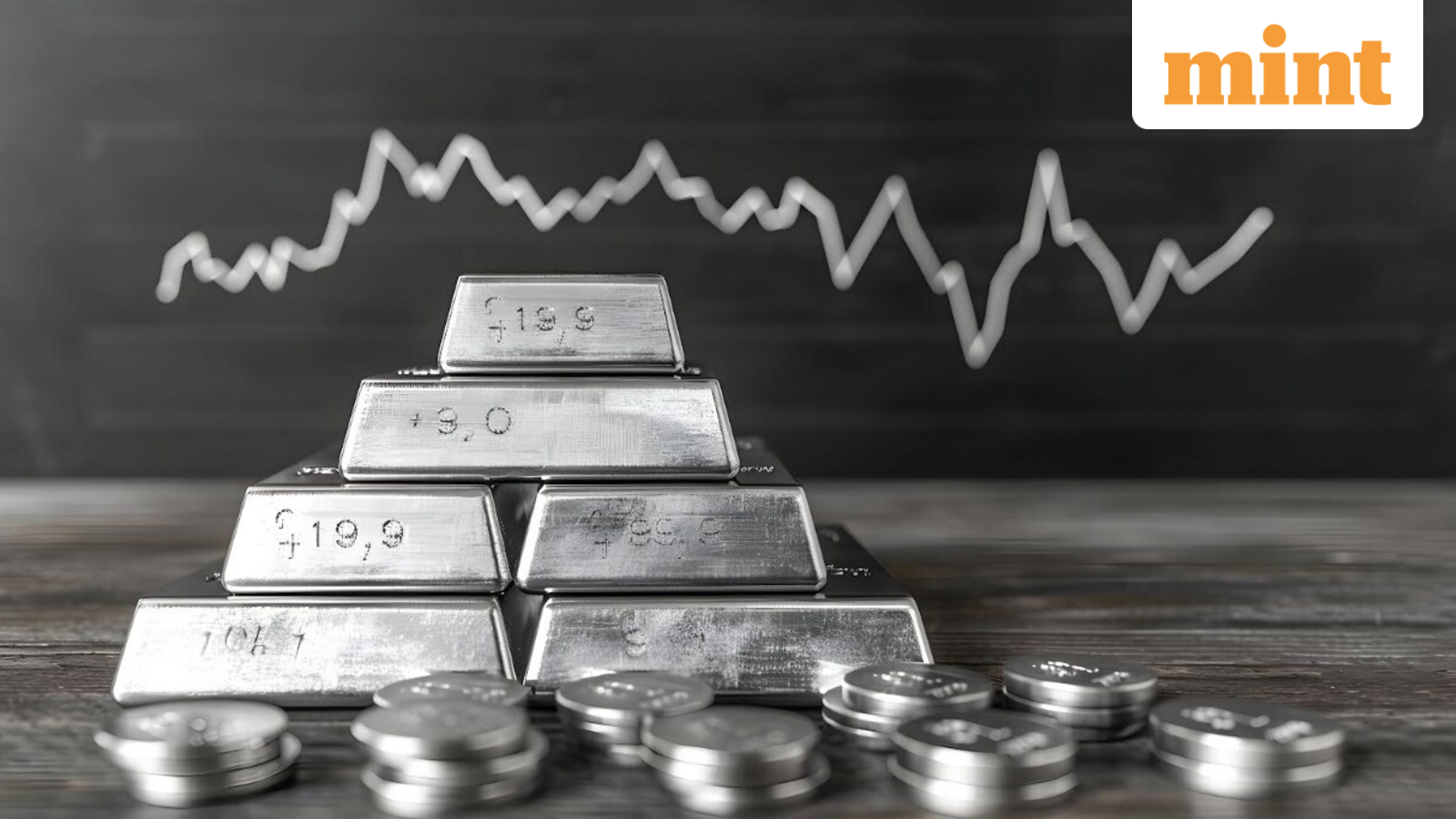
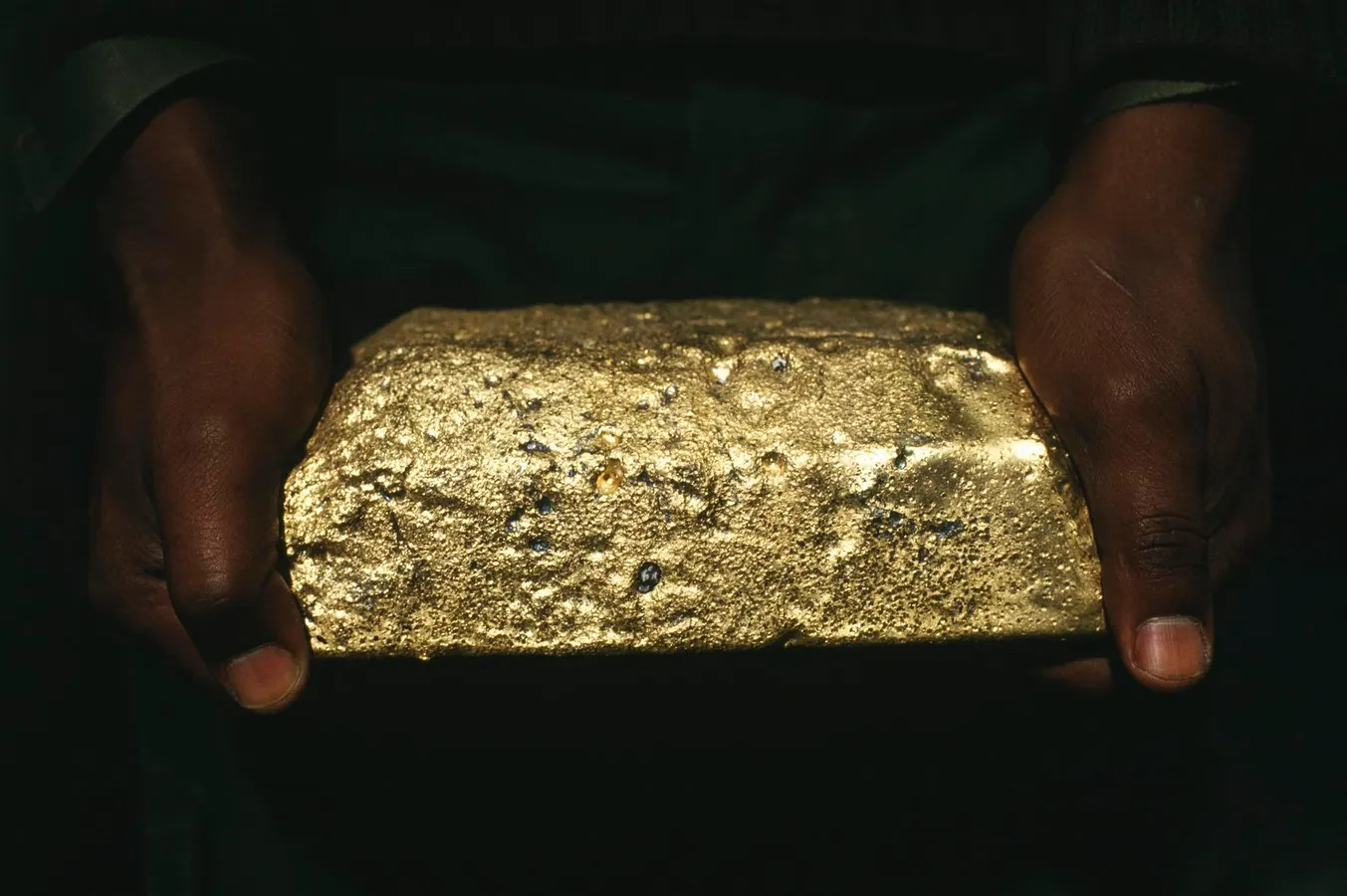
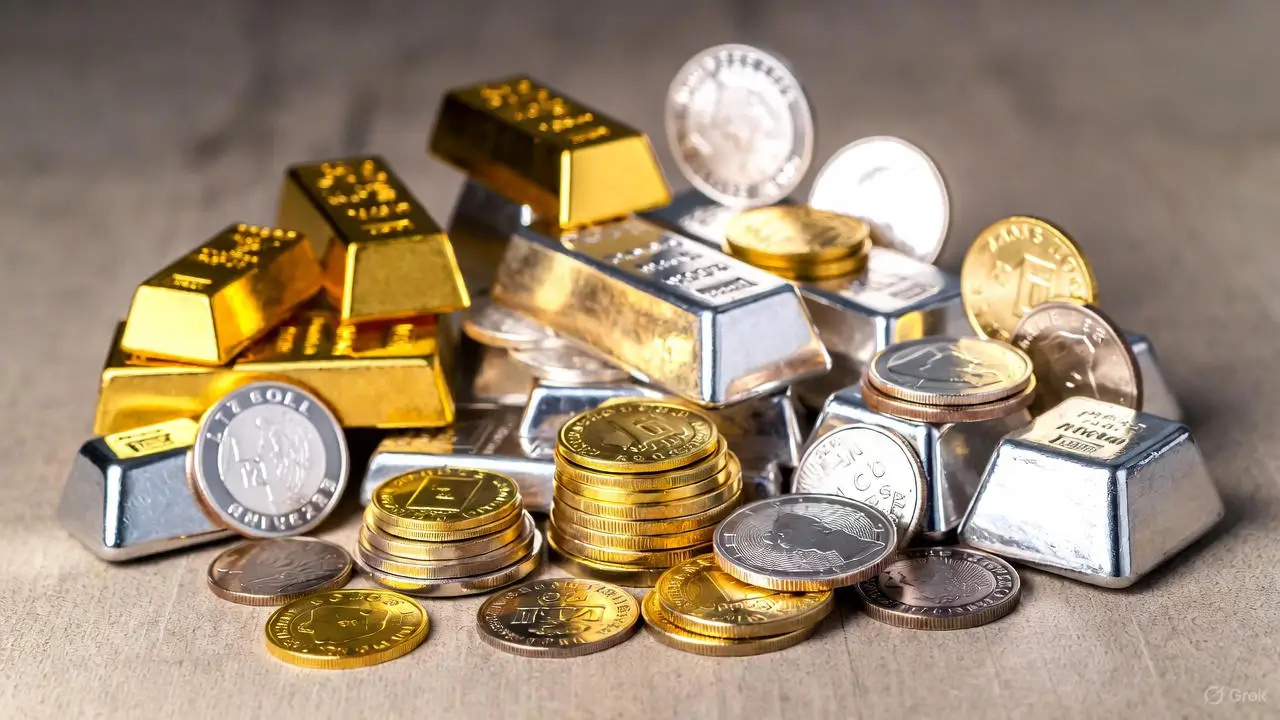
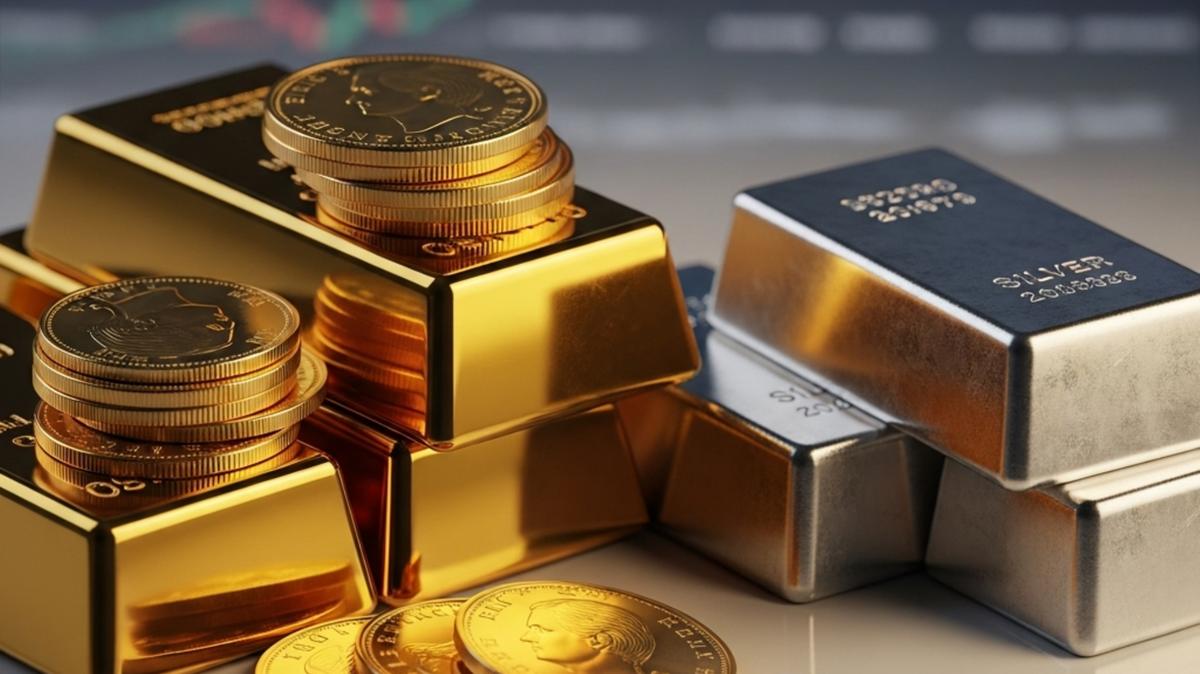
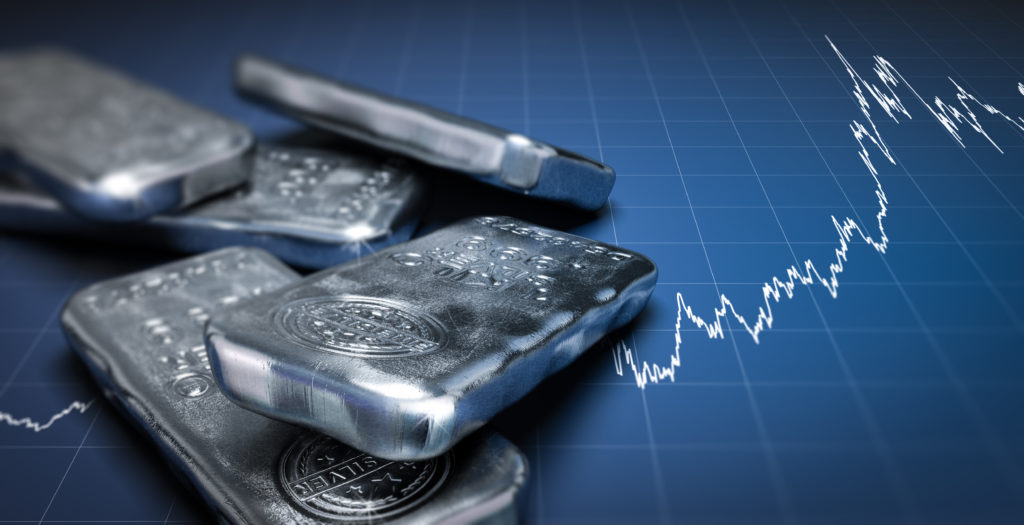
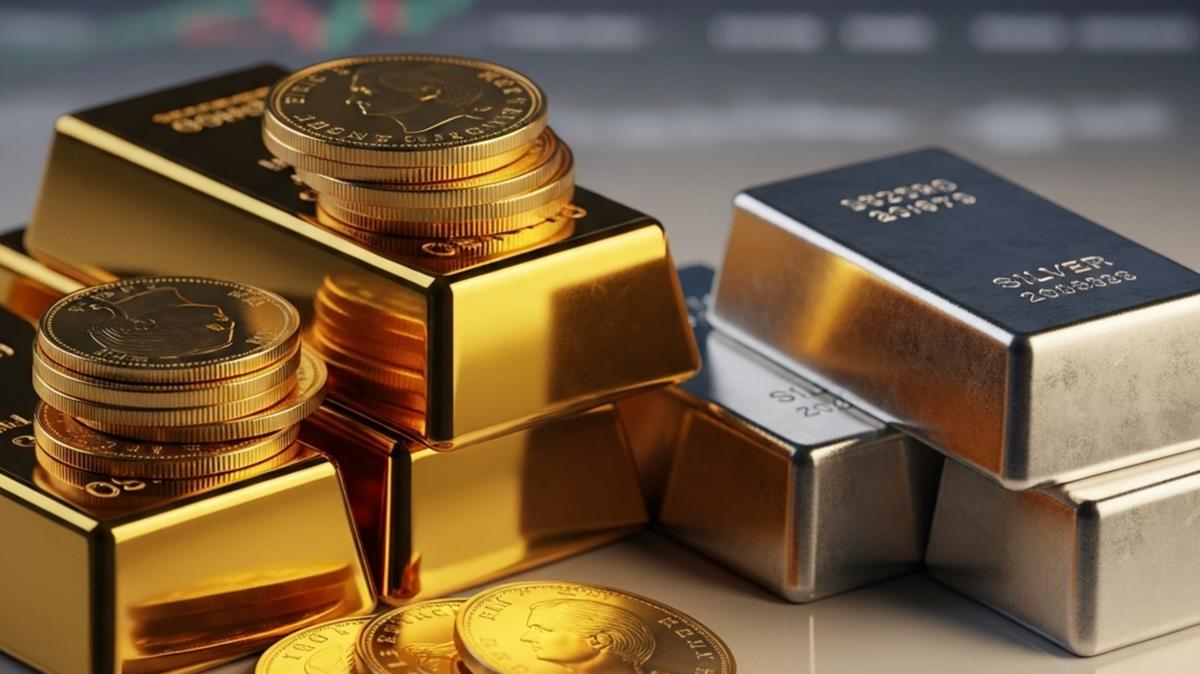
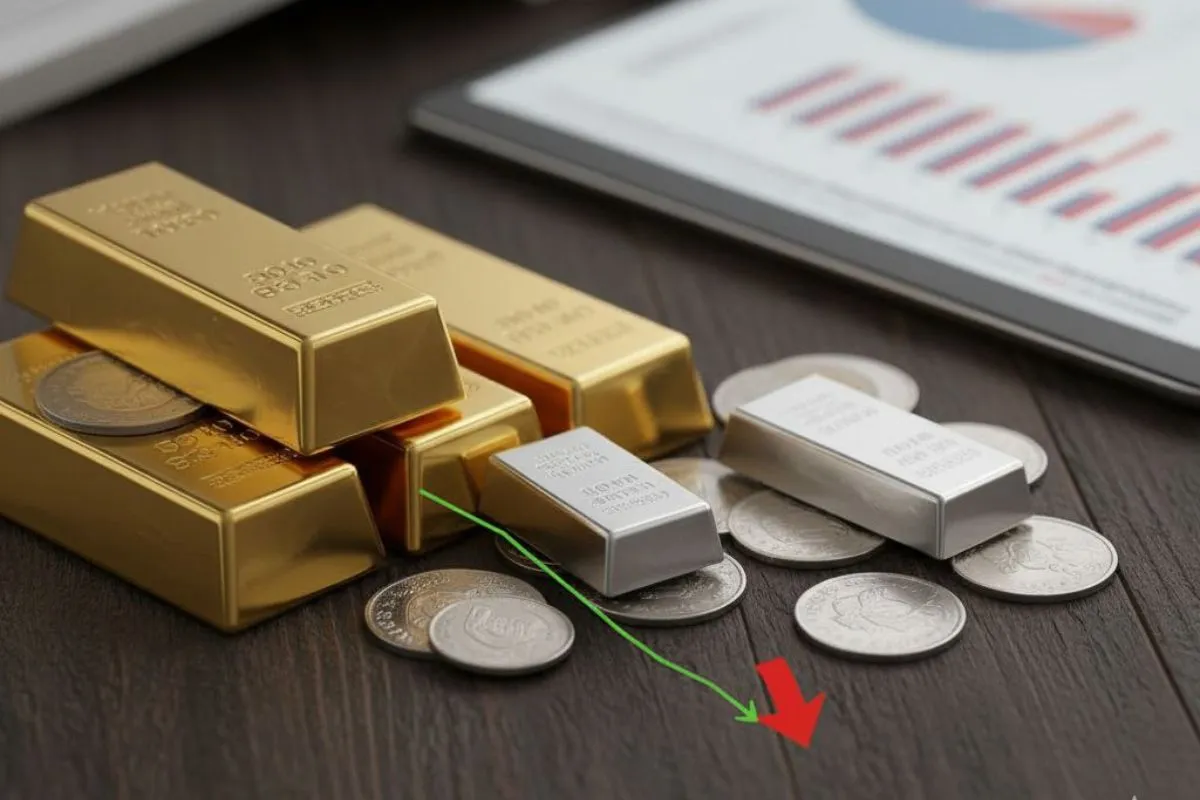
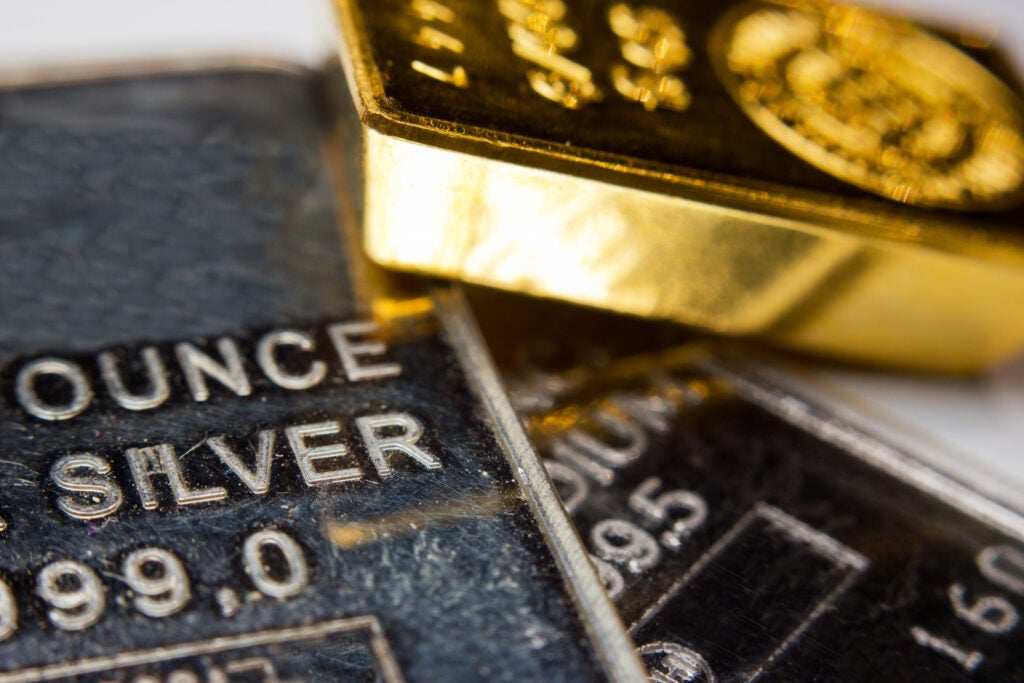
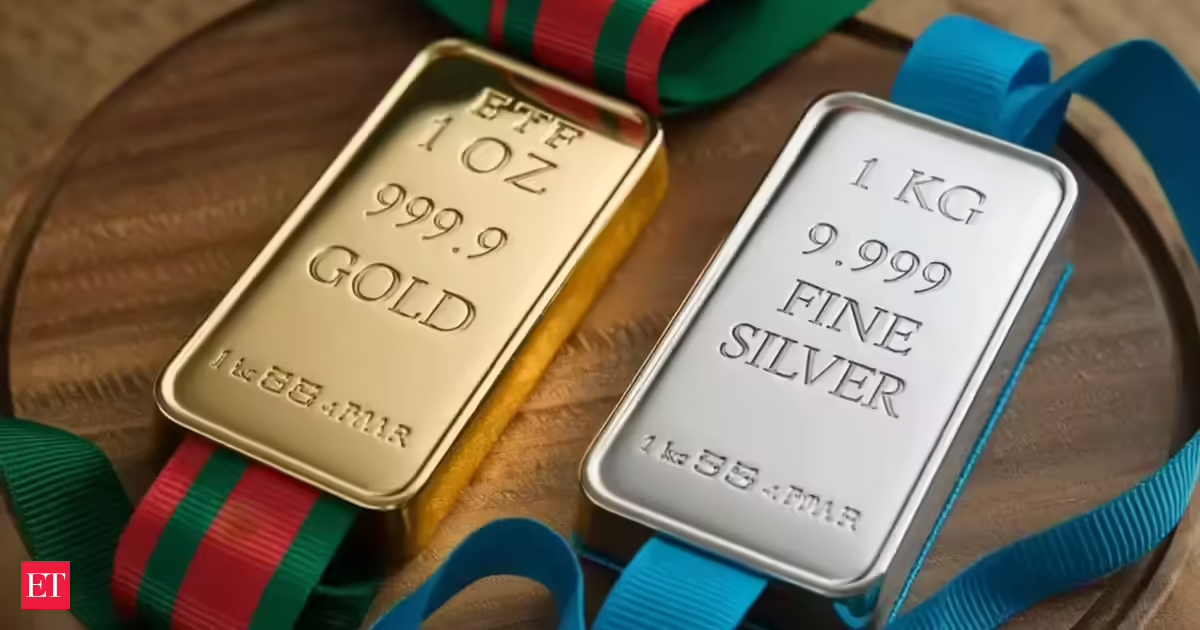
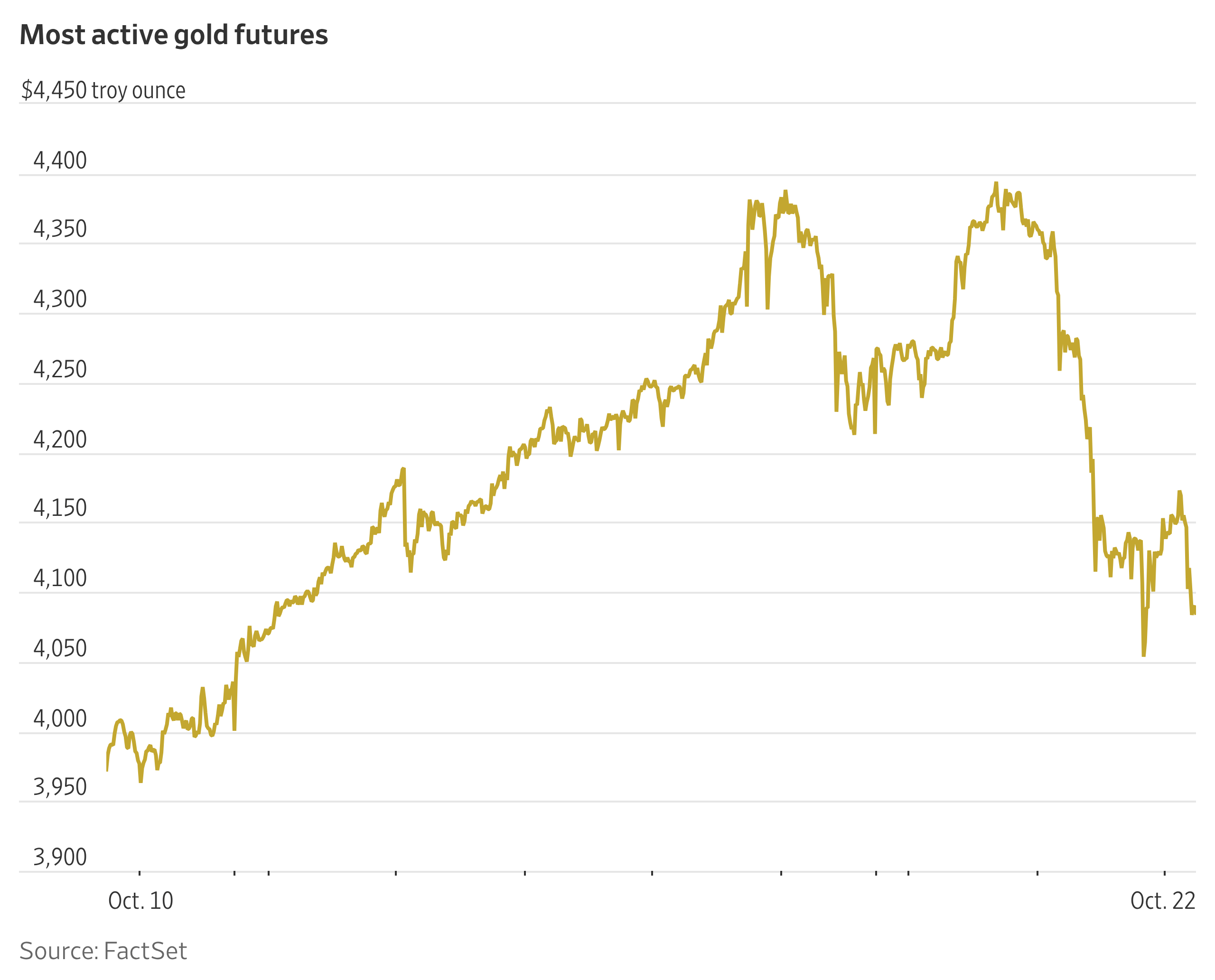
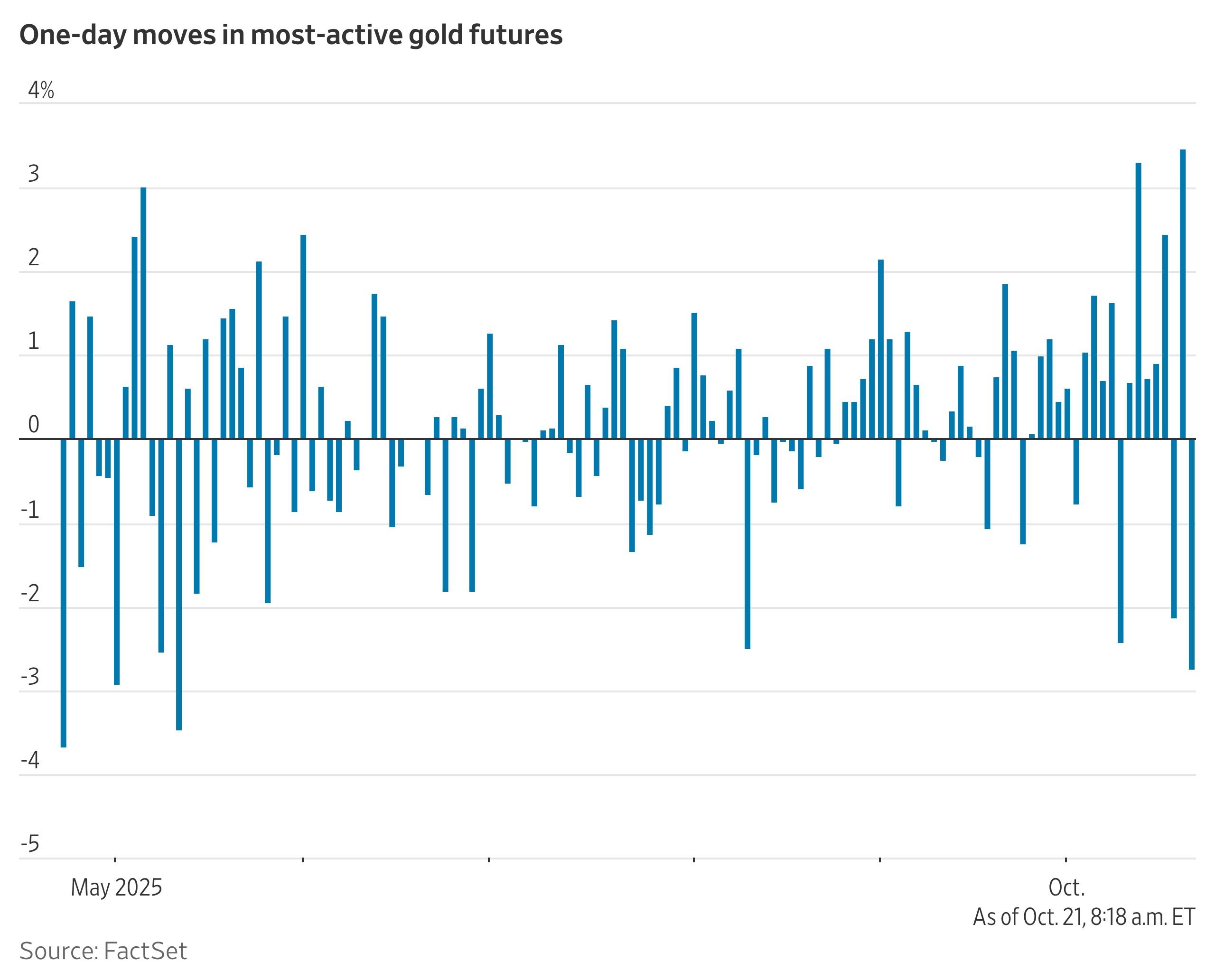
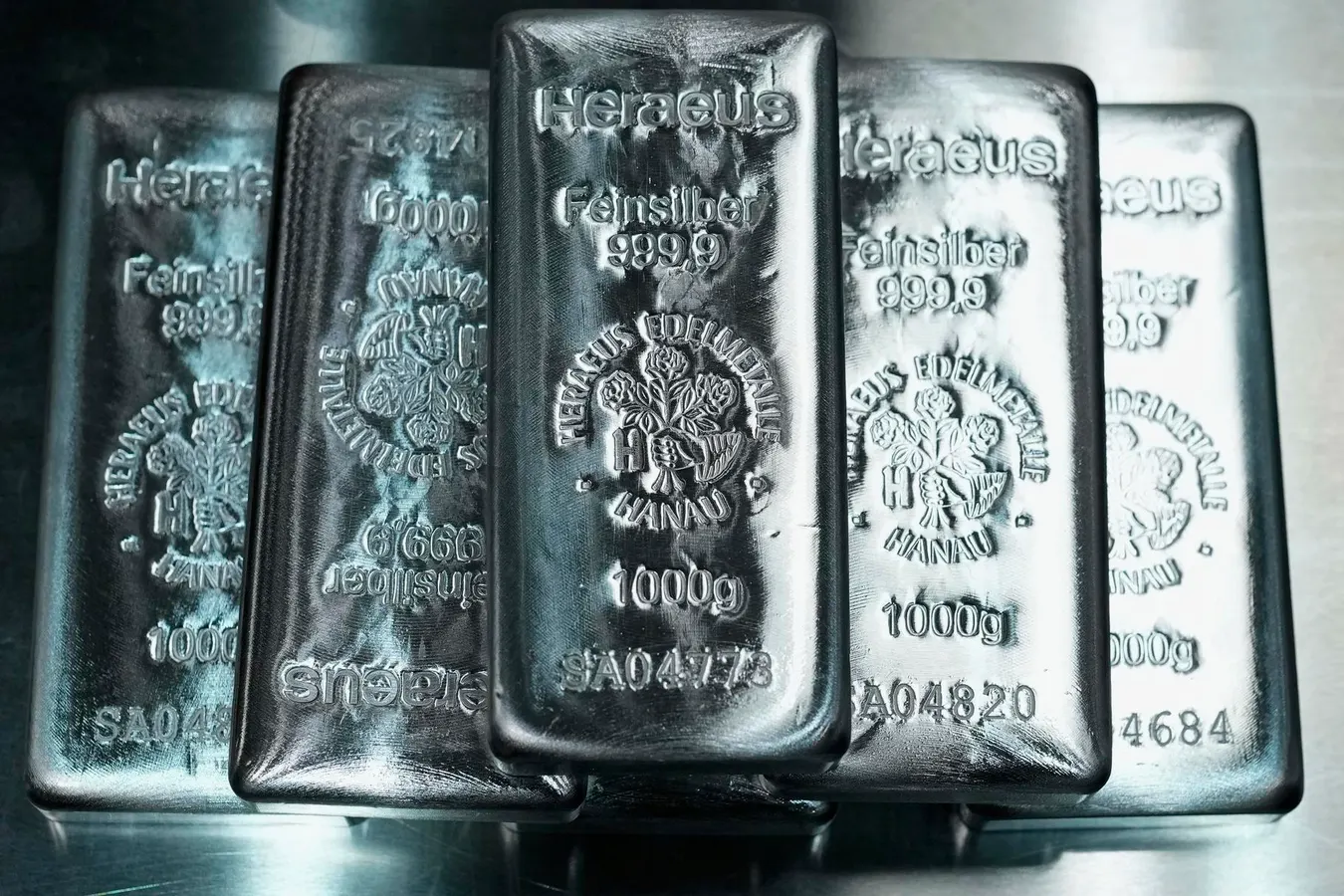
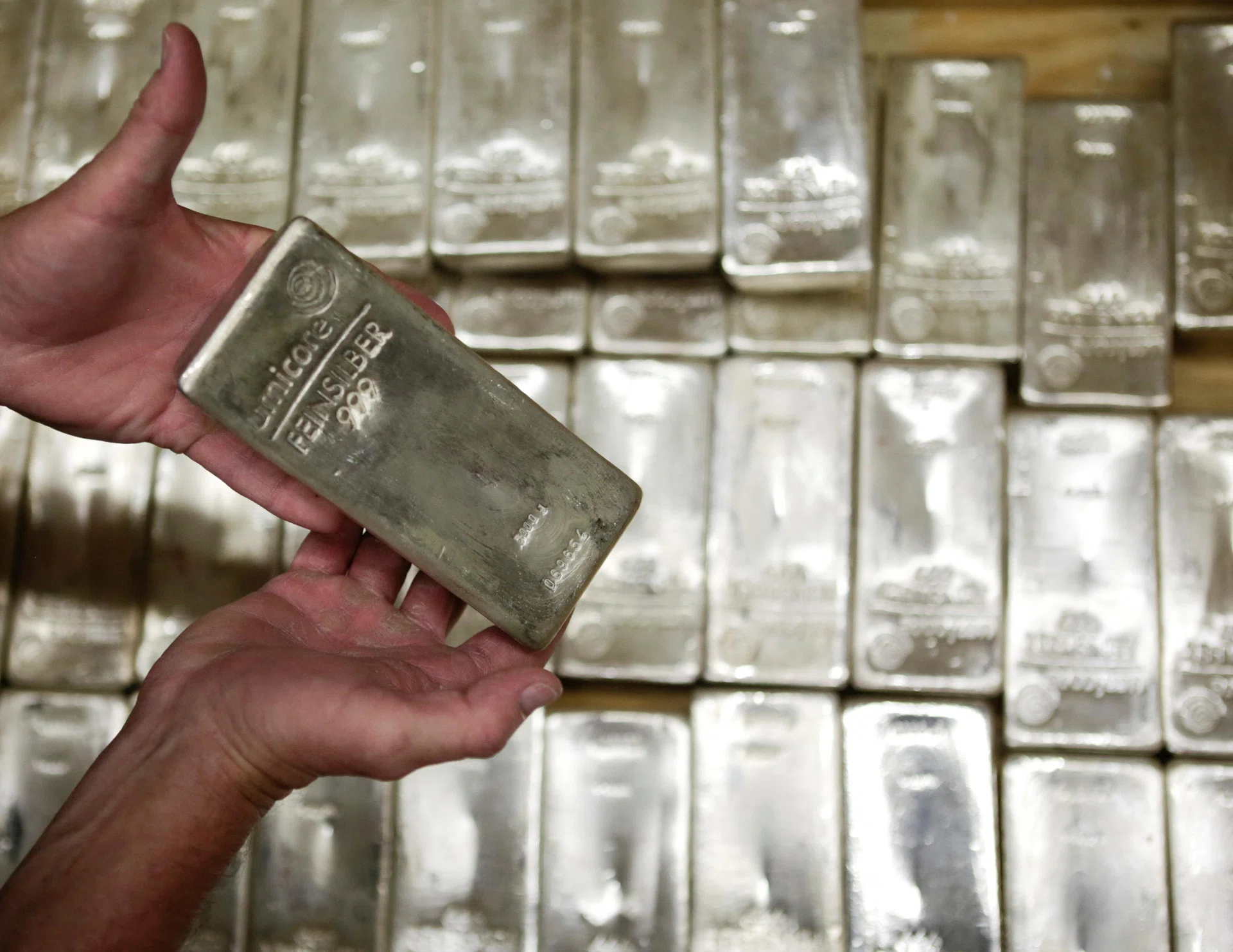
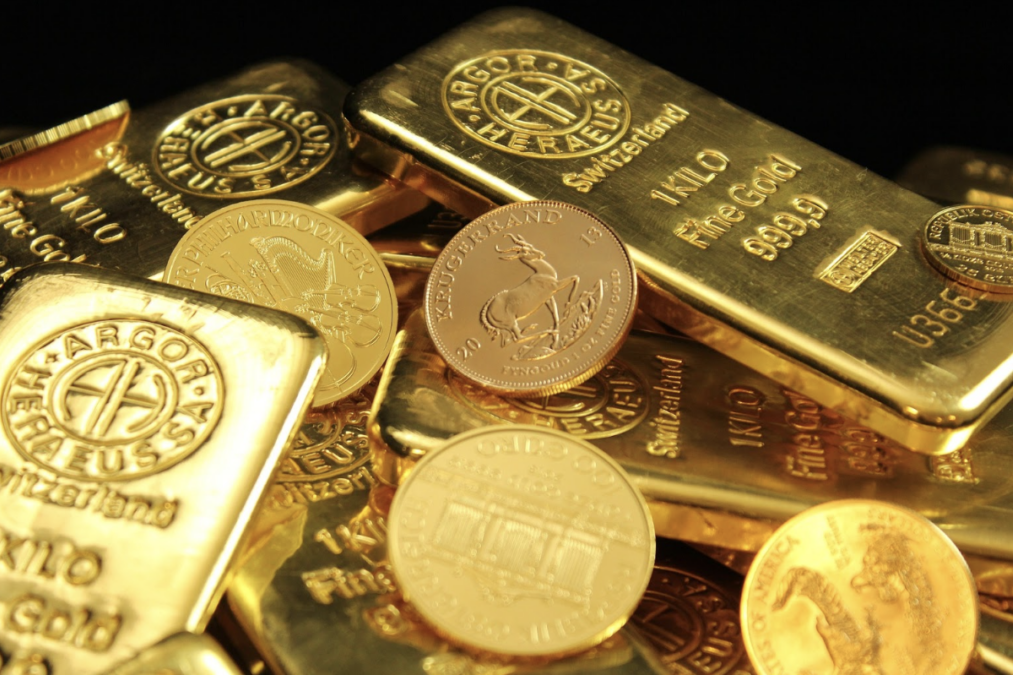
Gold prices declined during the latest trading session after the U.S. dollar strengthened. Spot gold fell 2.2% to $4,651.35 per ounce by early afternoon trading. U.S. gold futures settled 2.8% lower at $4,679.70 per ounce. The dollar surge made gold more expensive for buyers using other currencies.
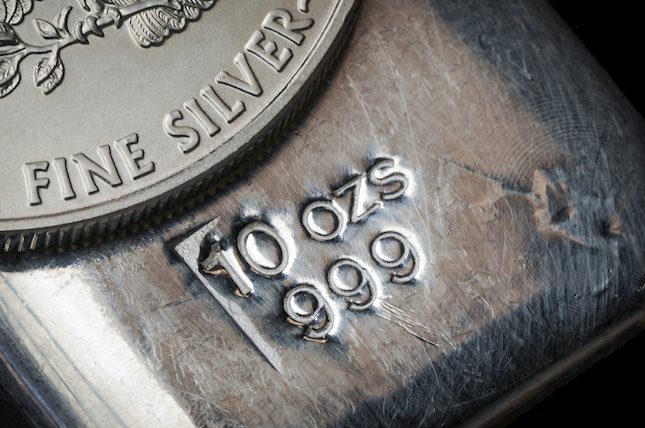
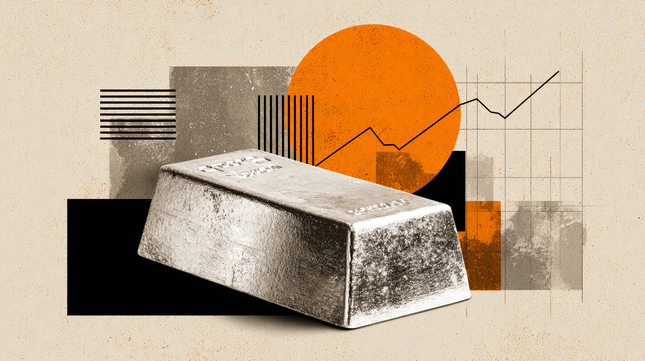
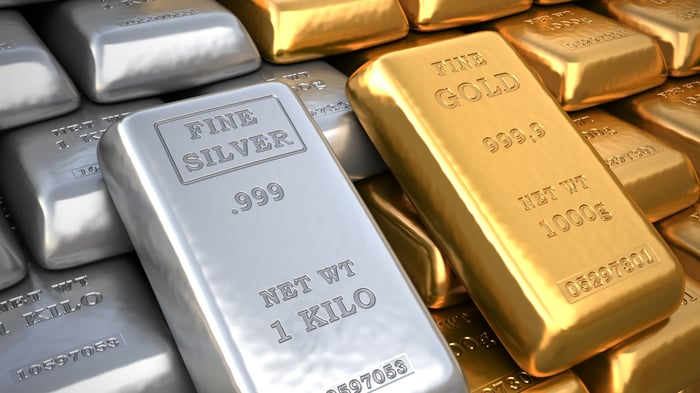
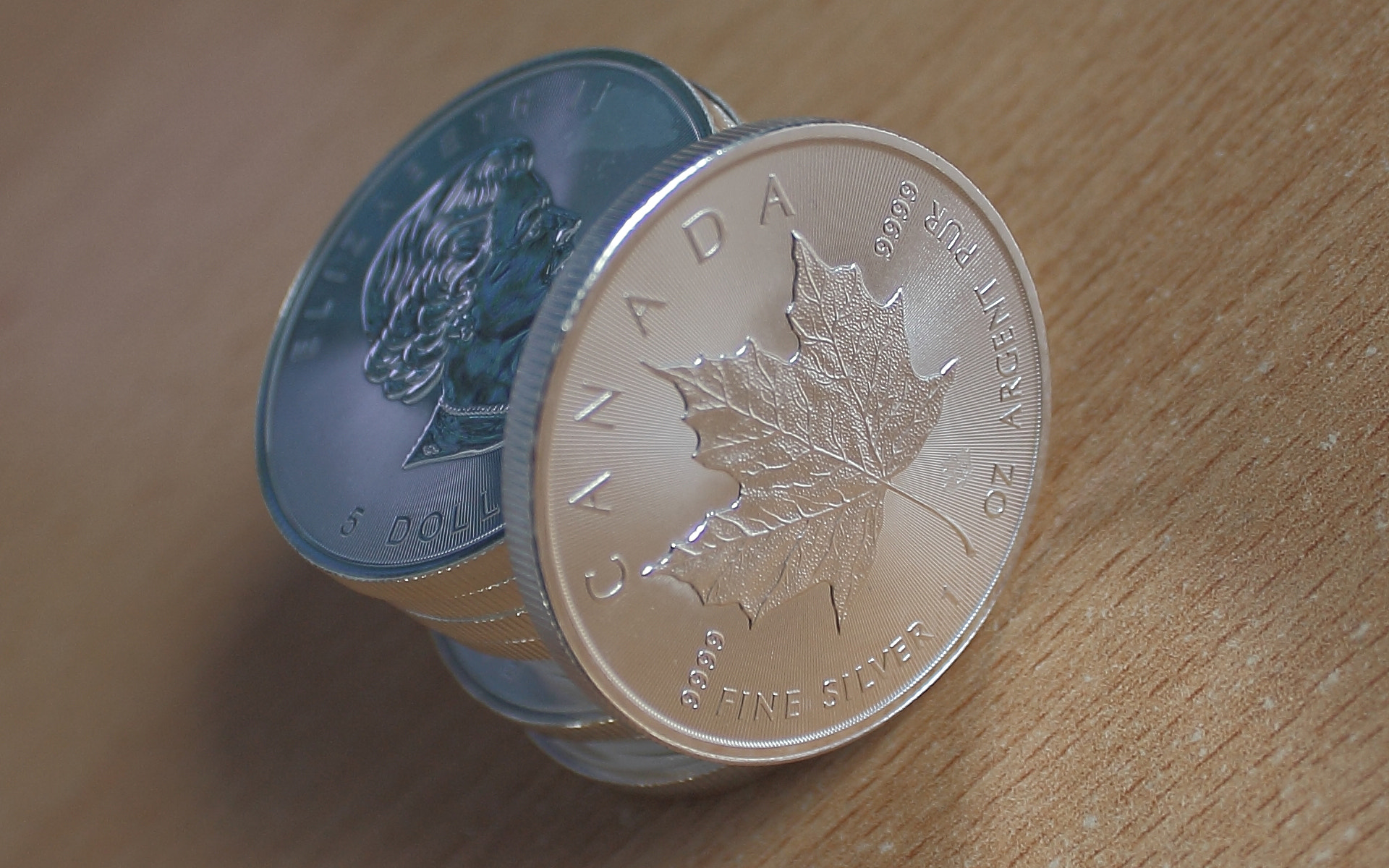
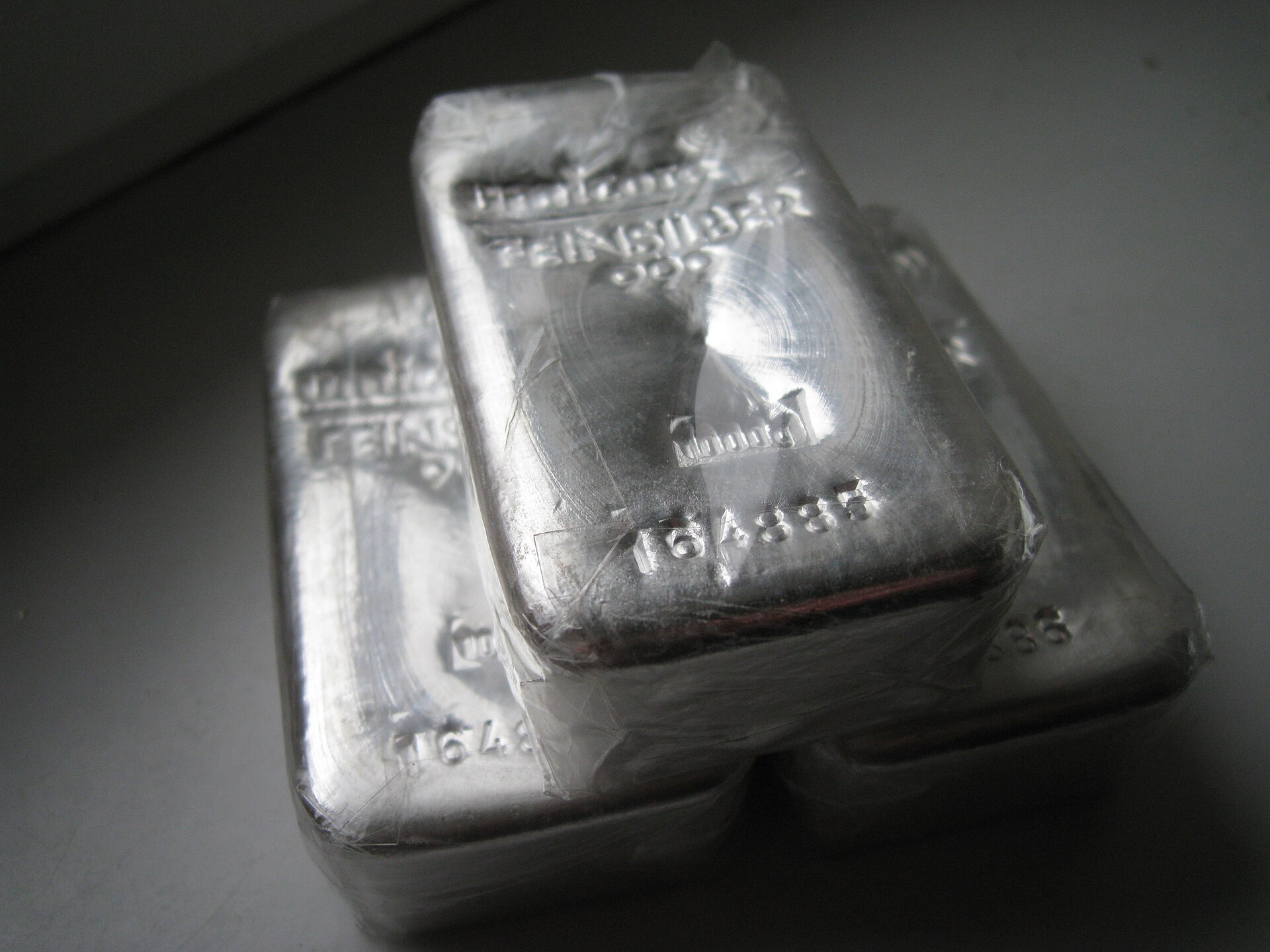
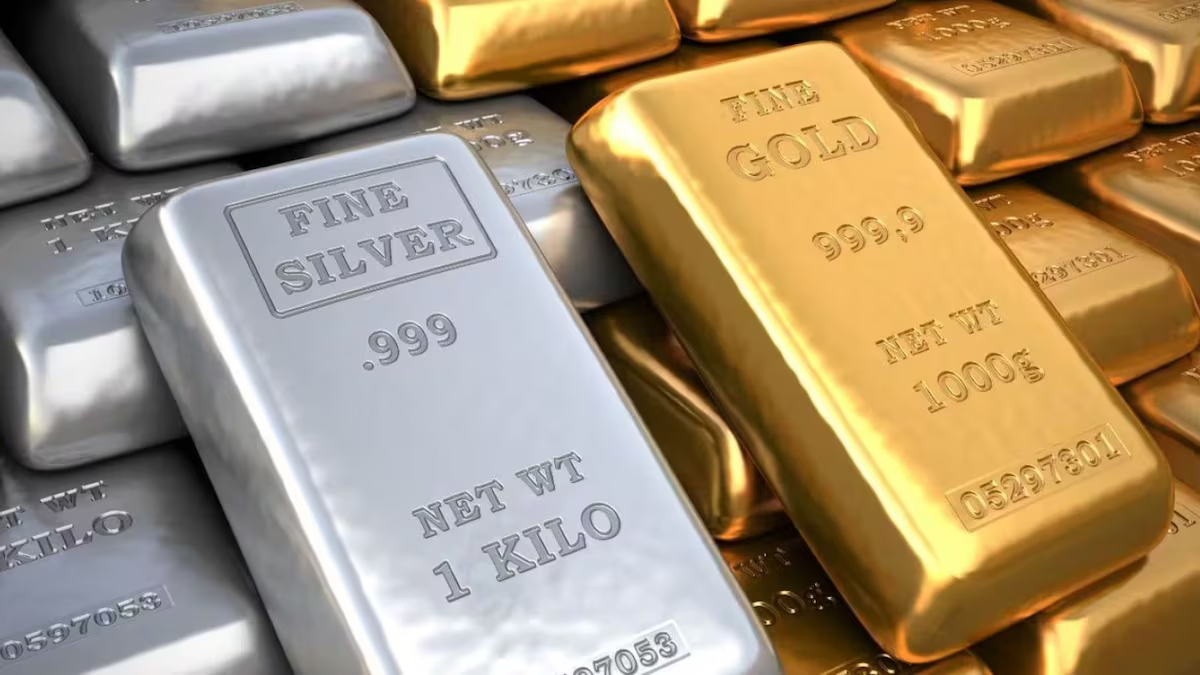
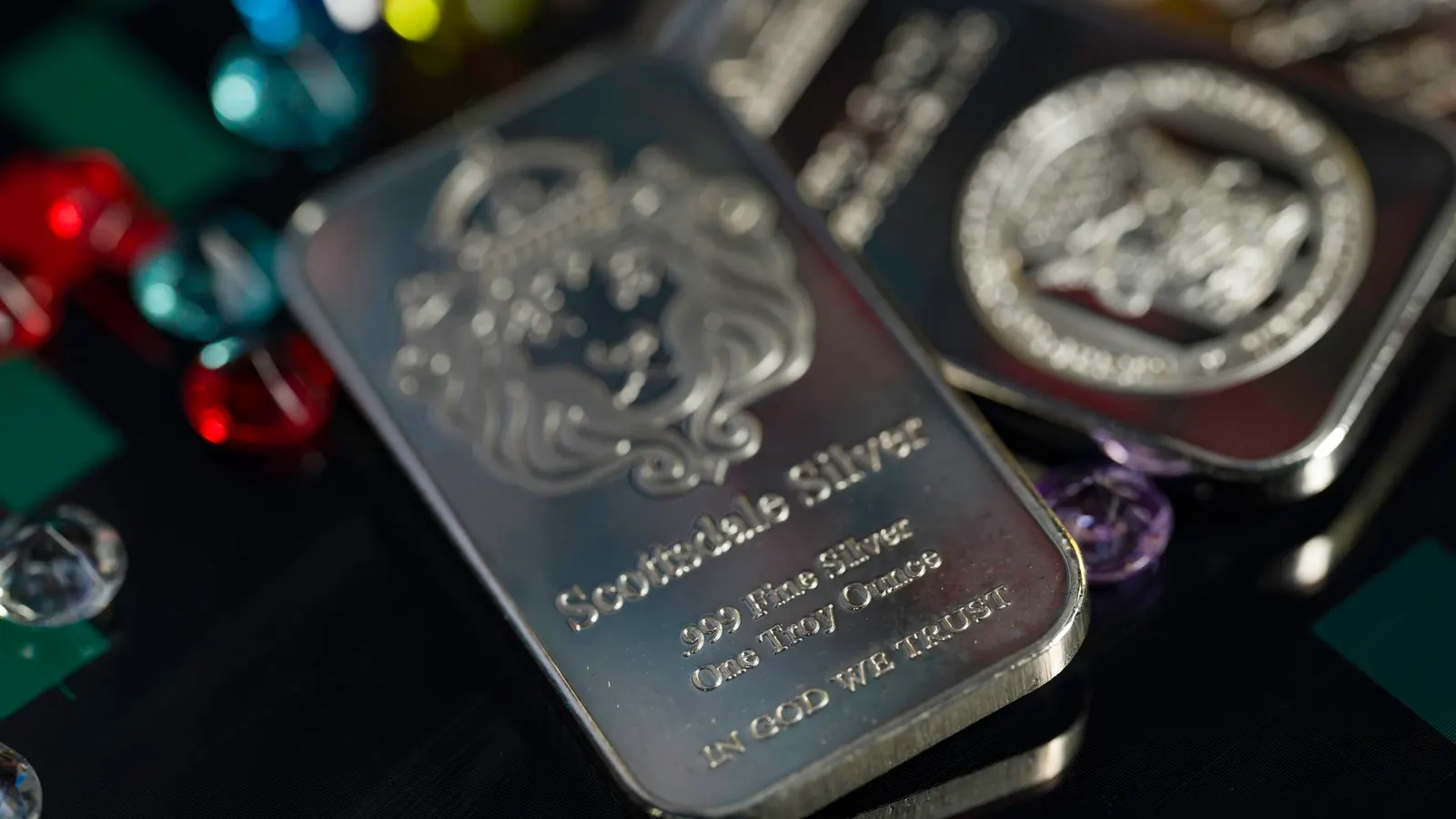
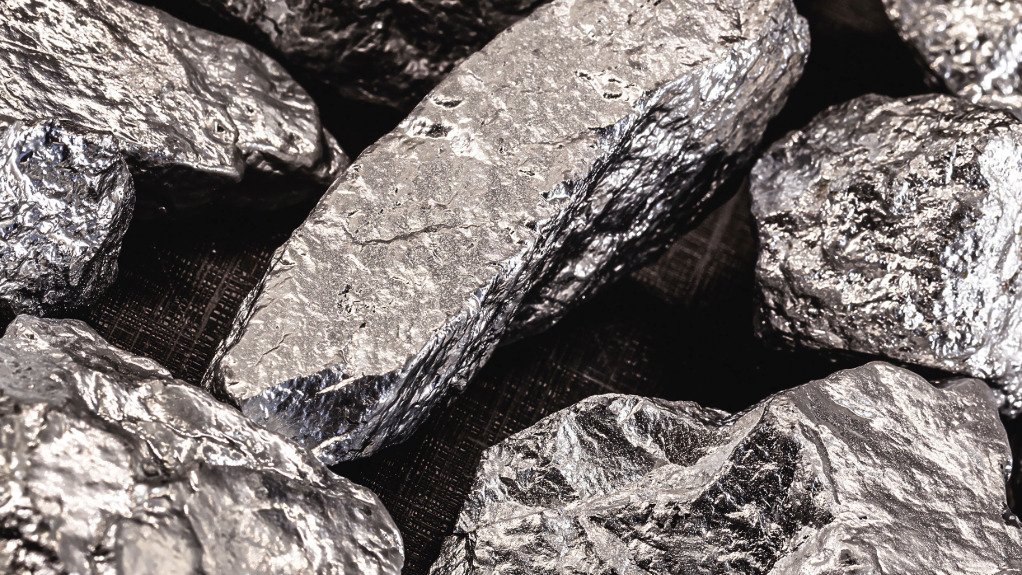
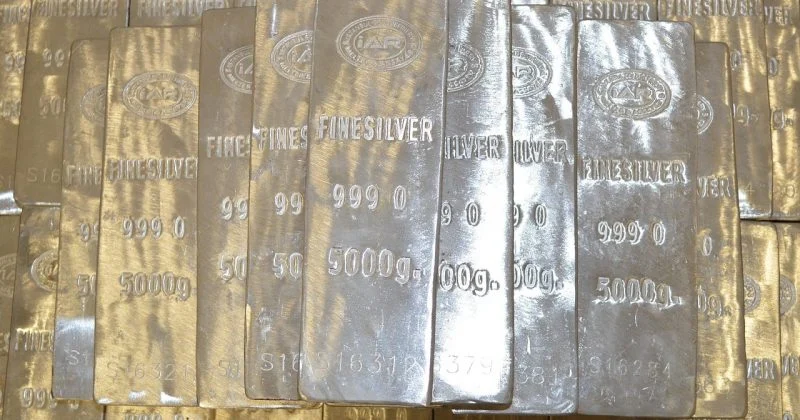
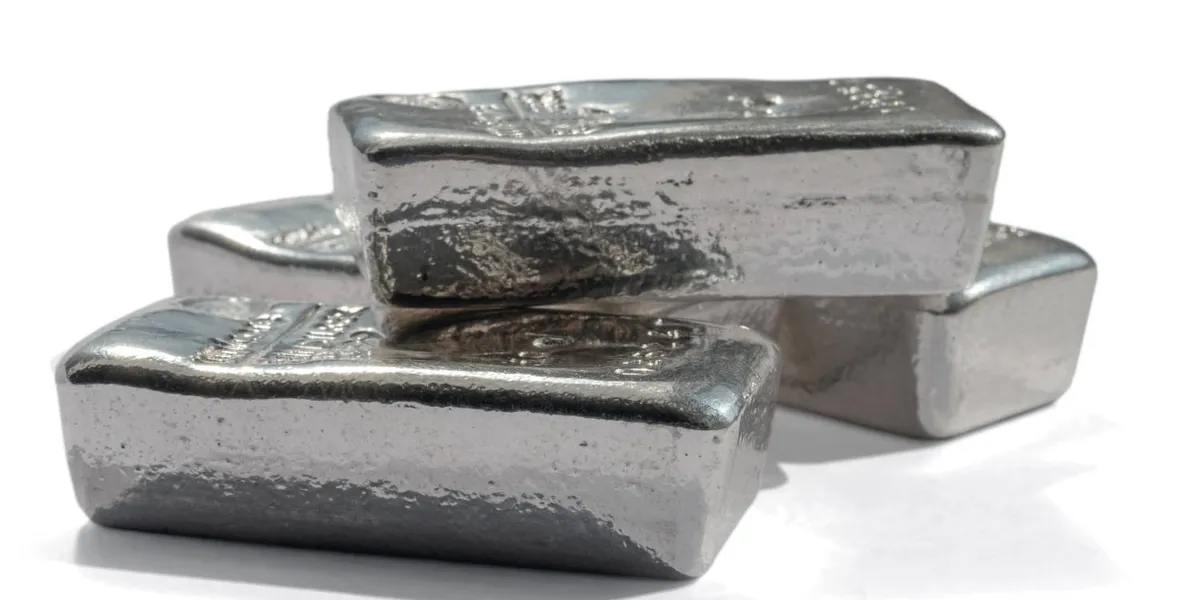
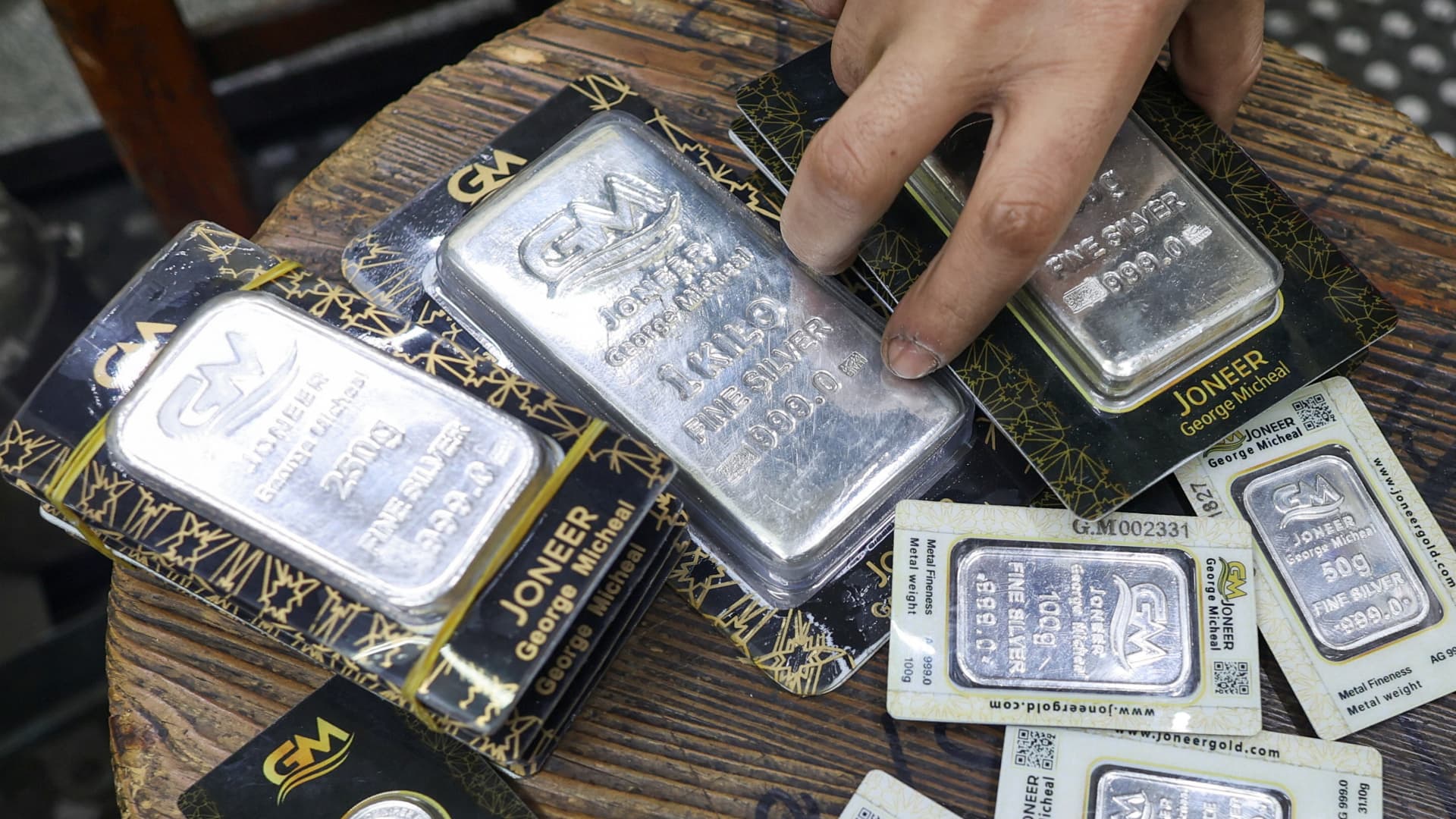
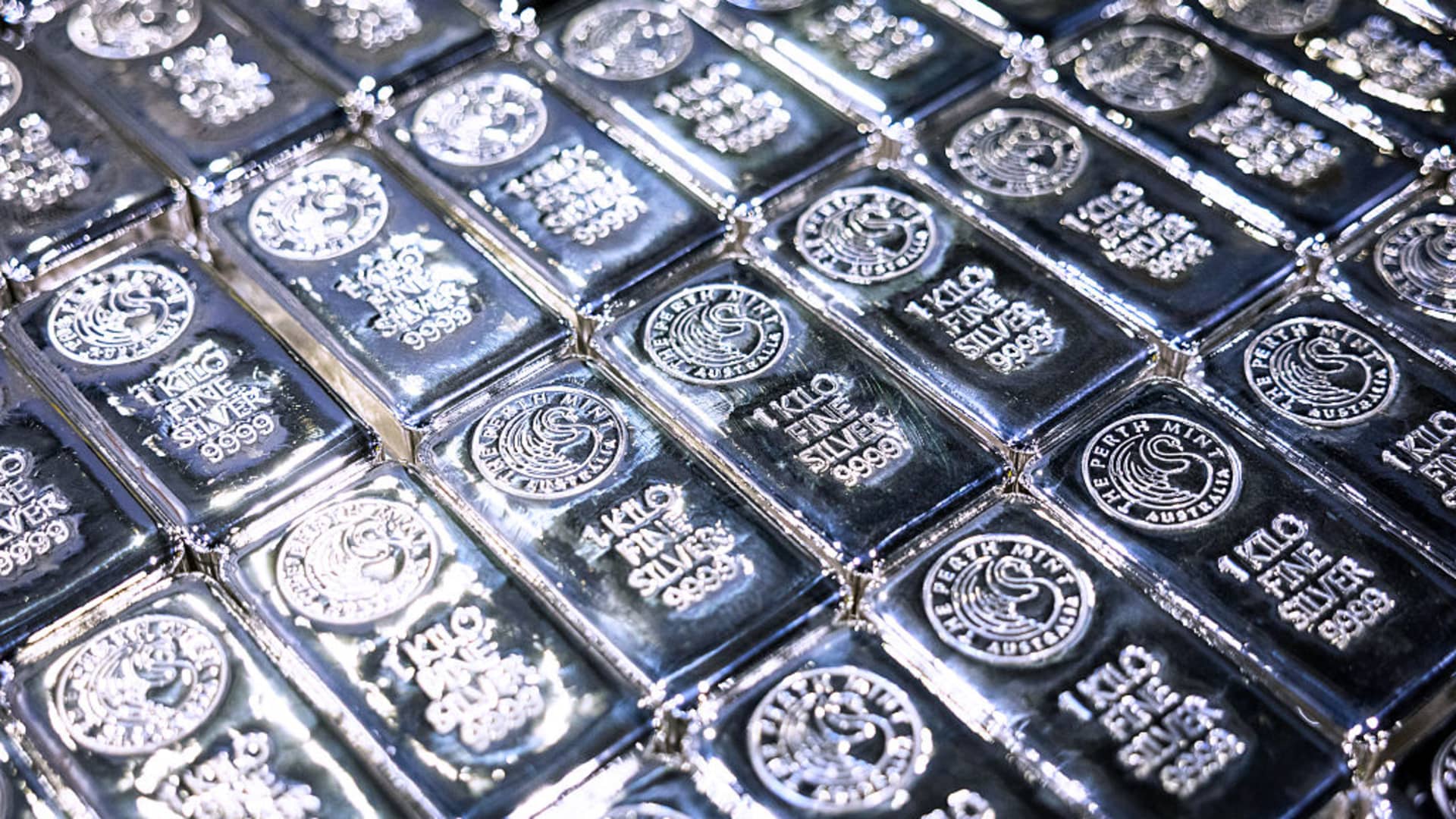
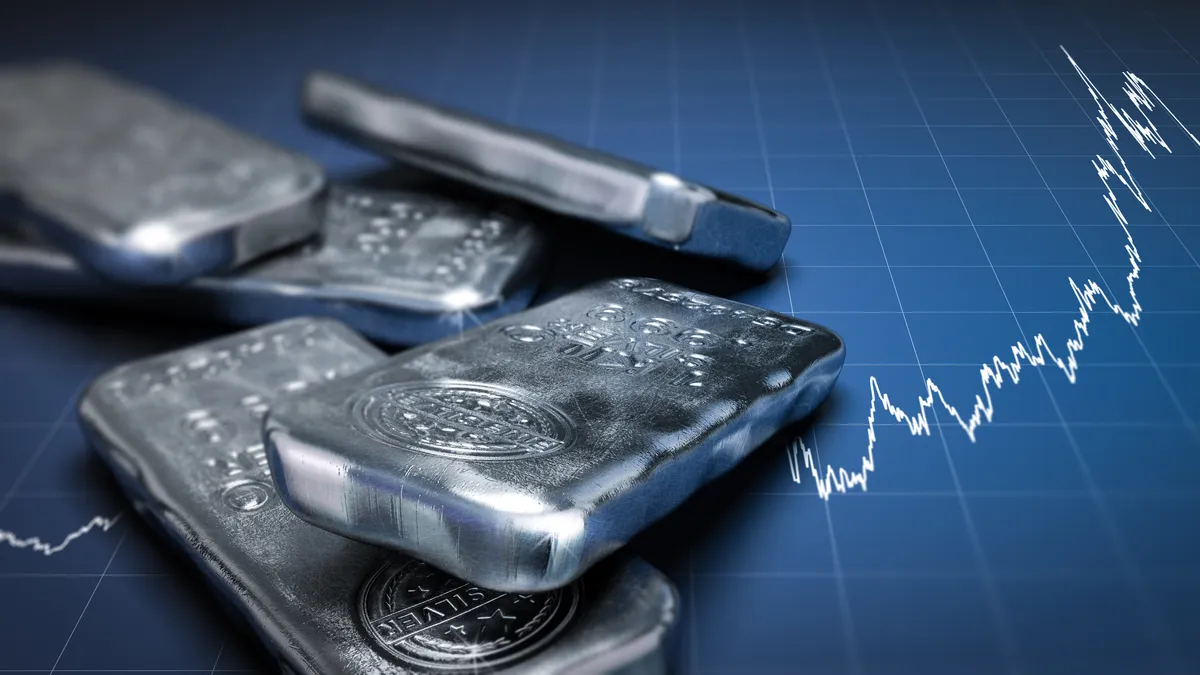
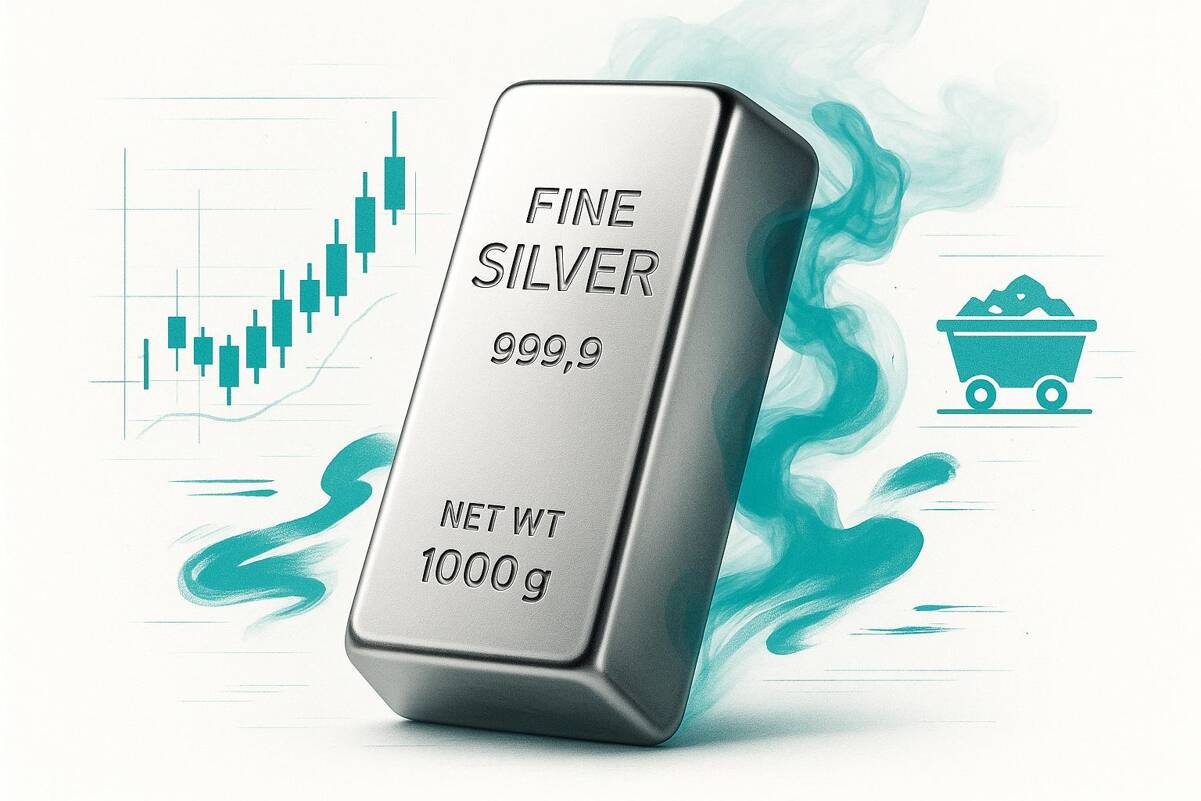
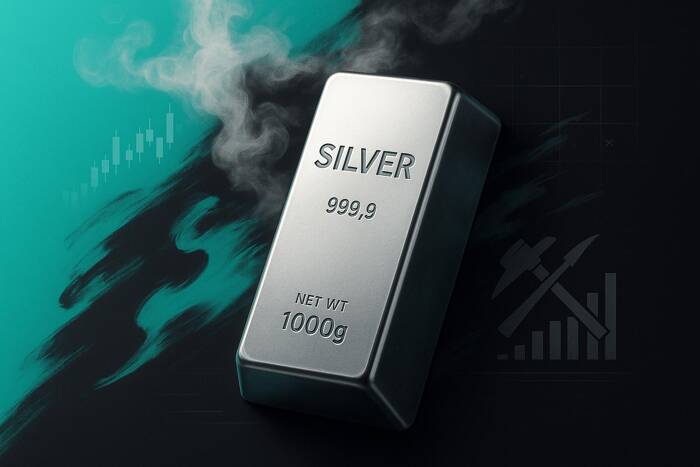
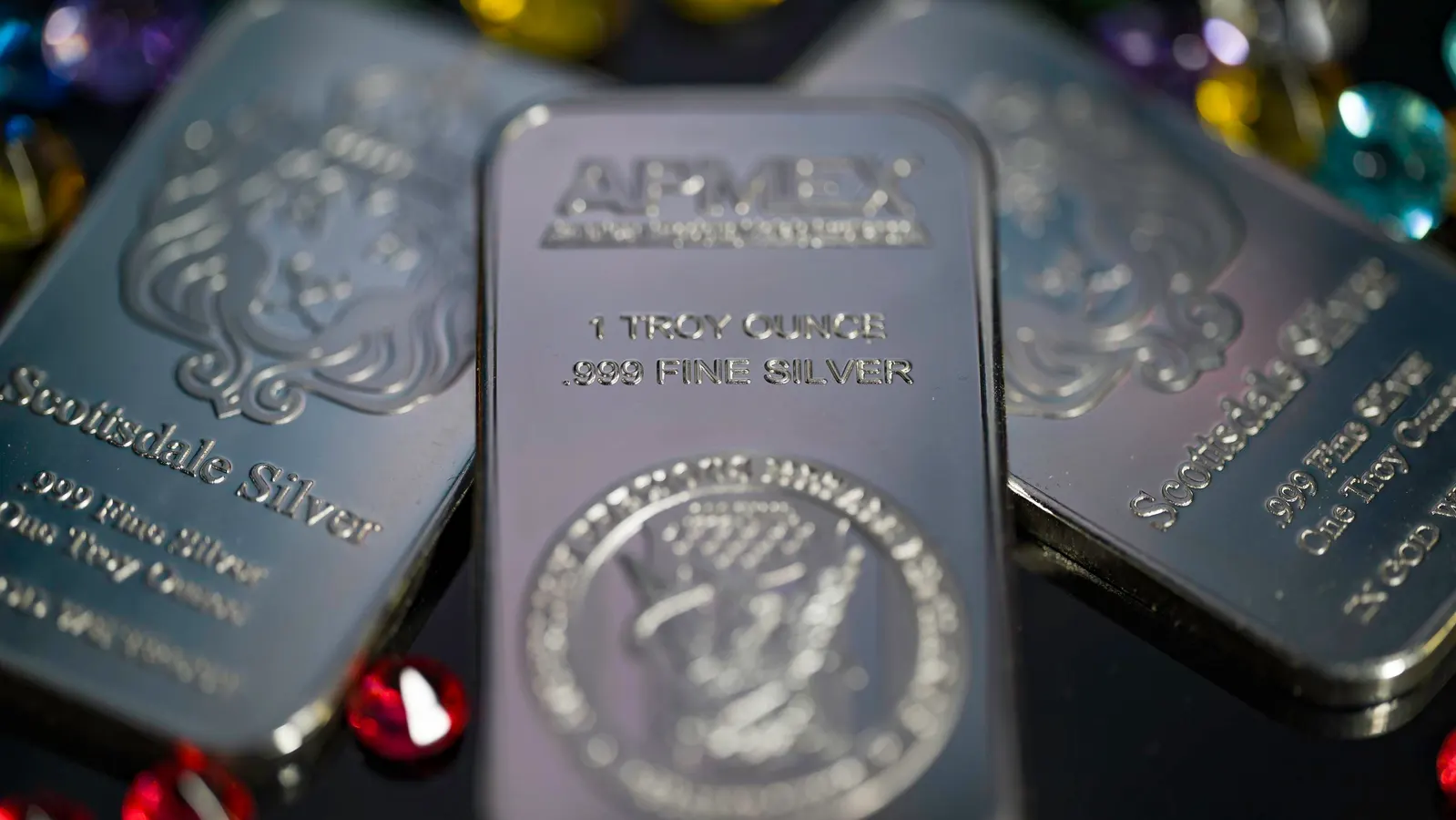
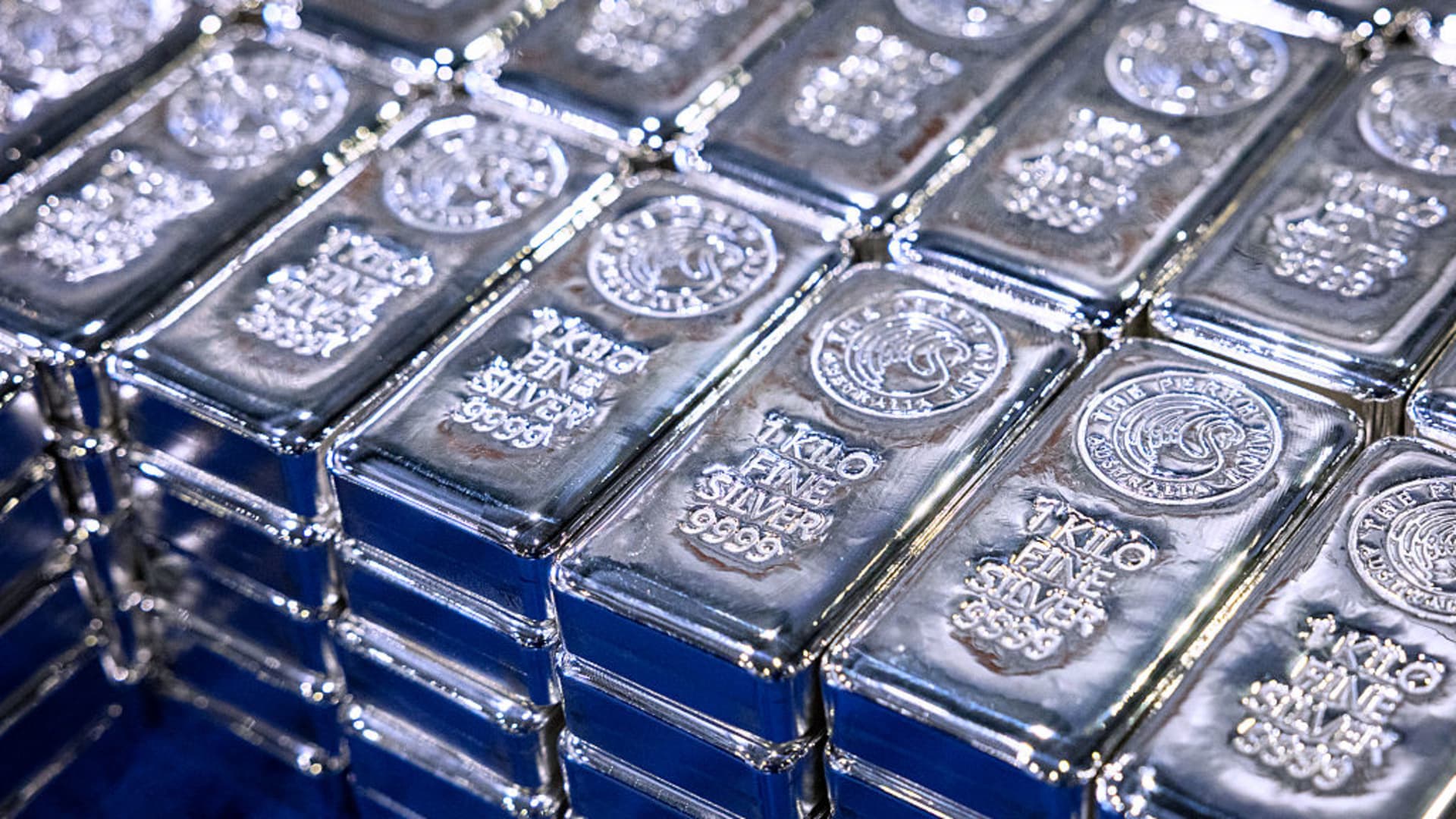
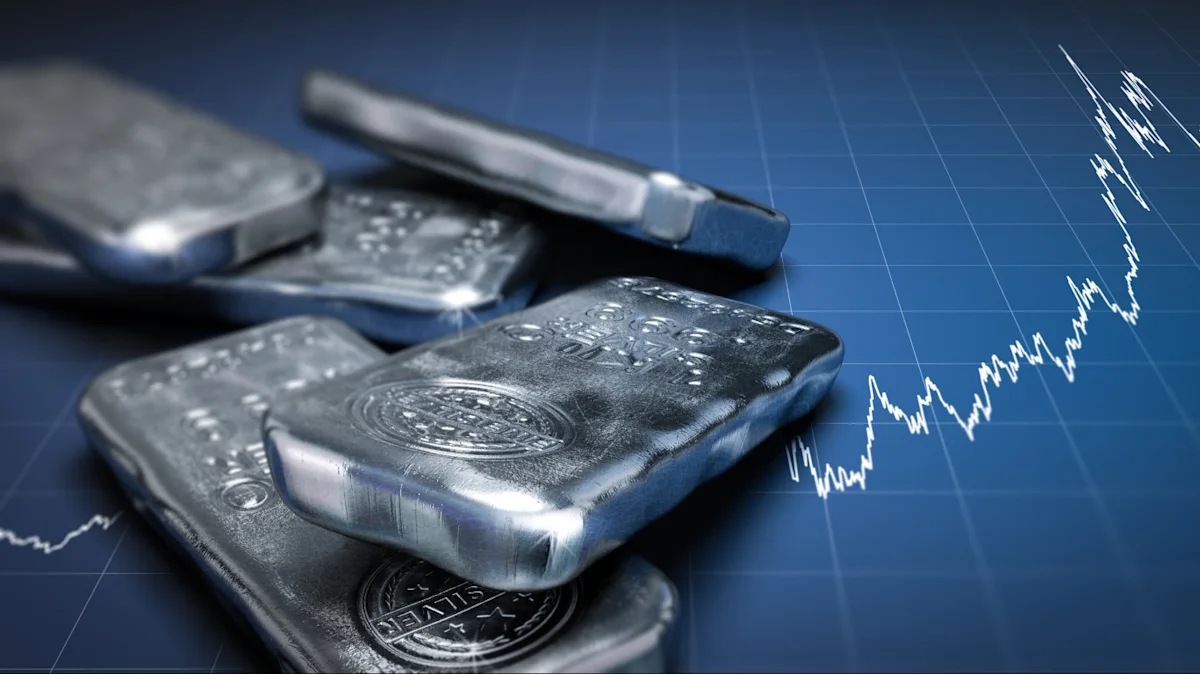
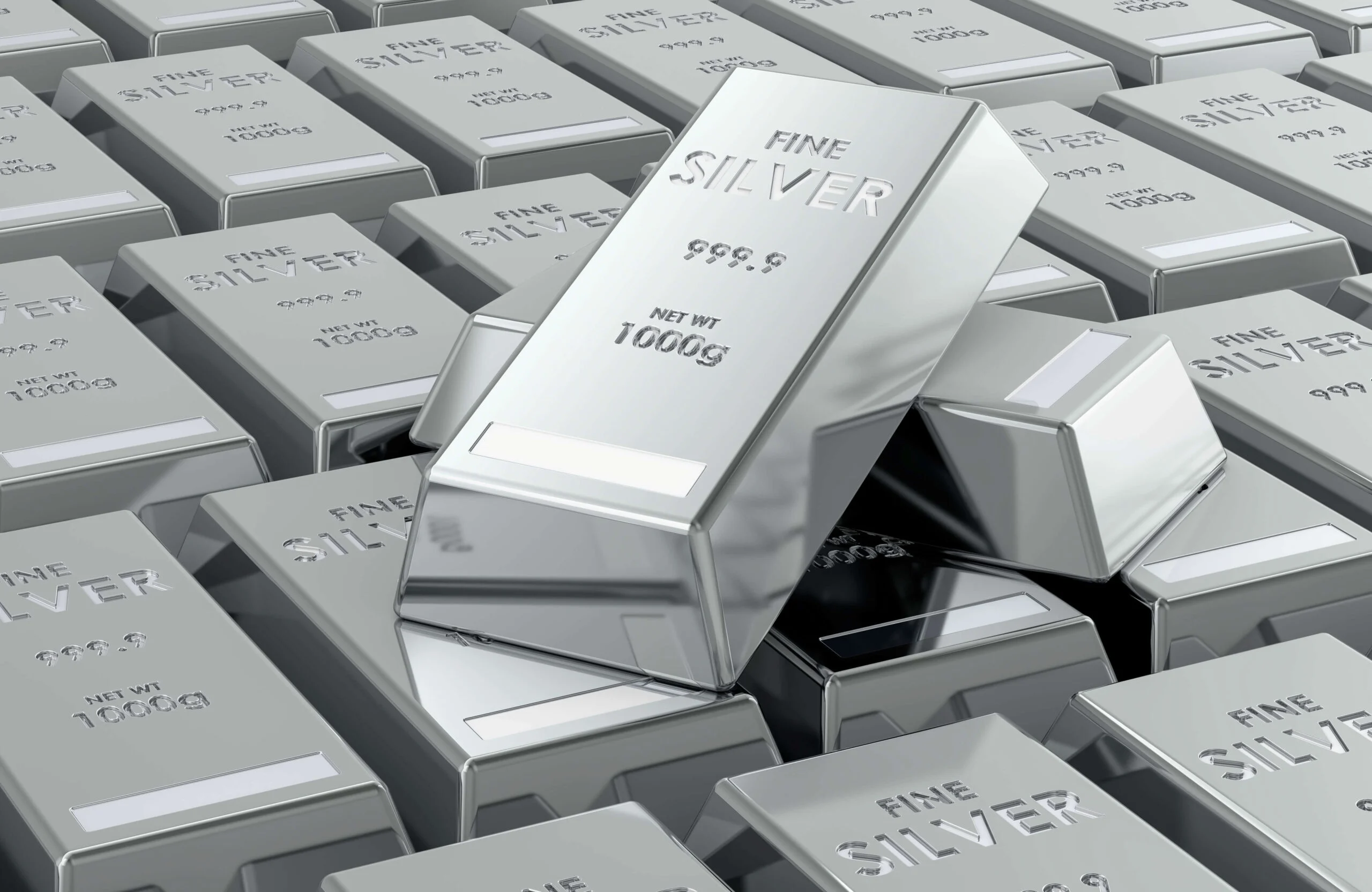
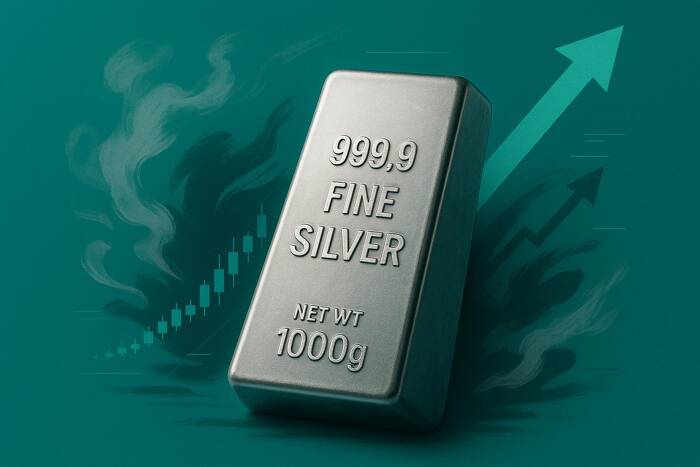
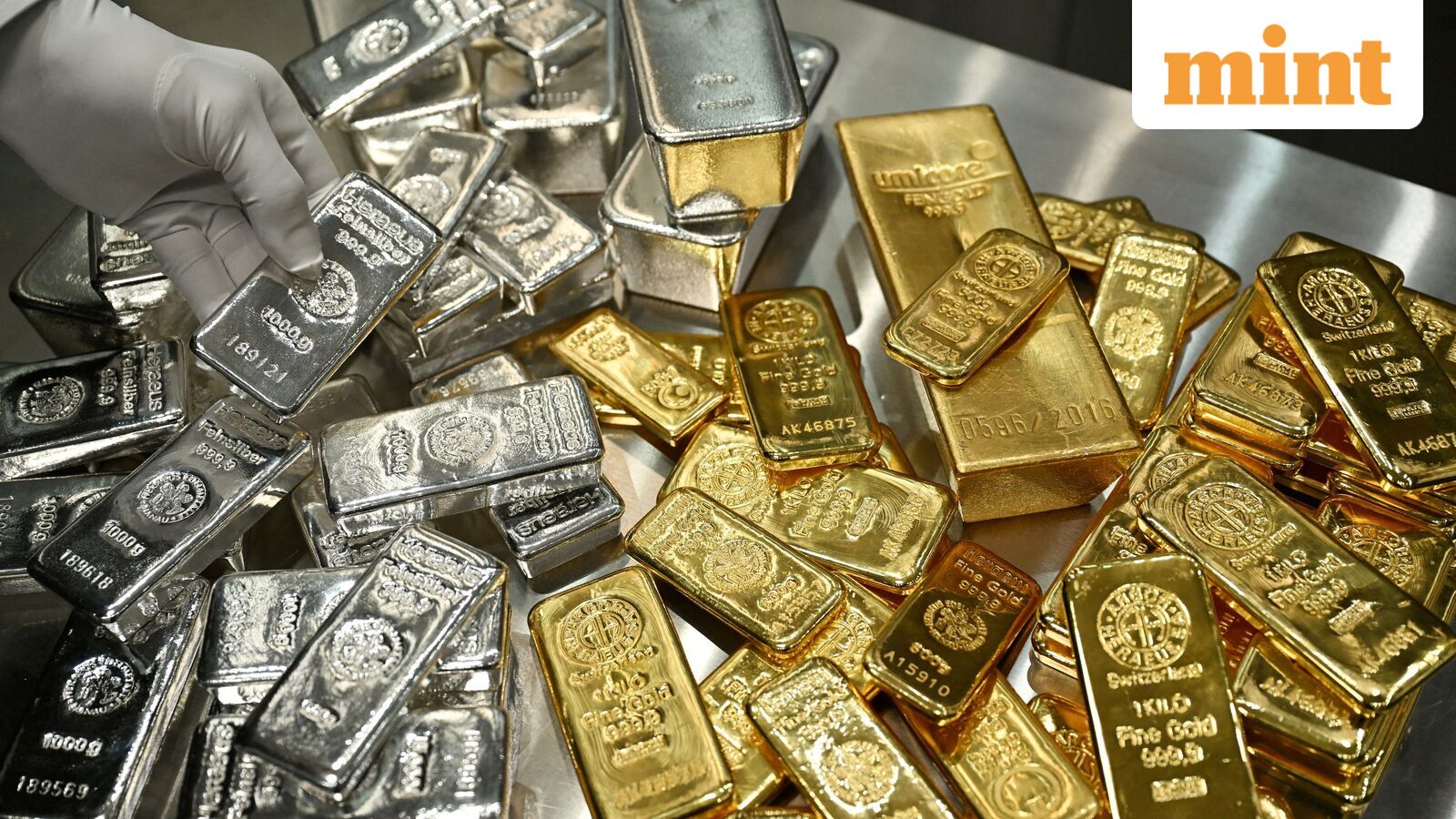
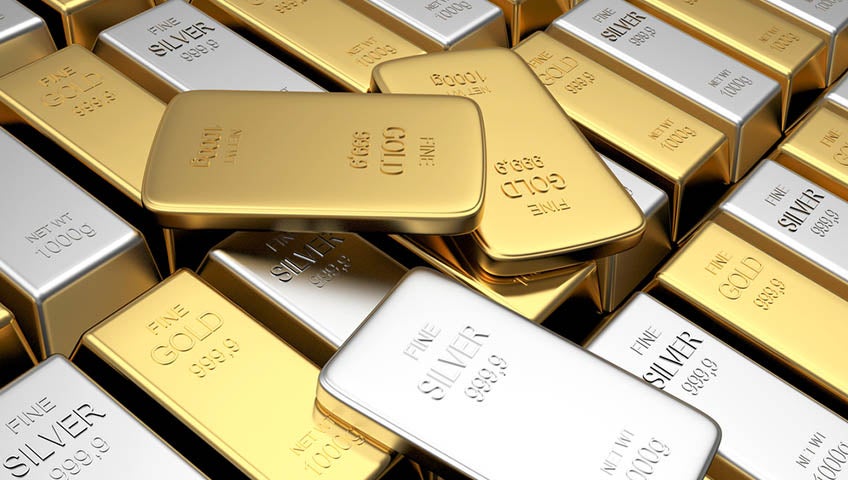
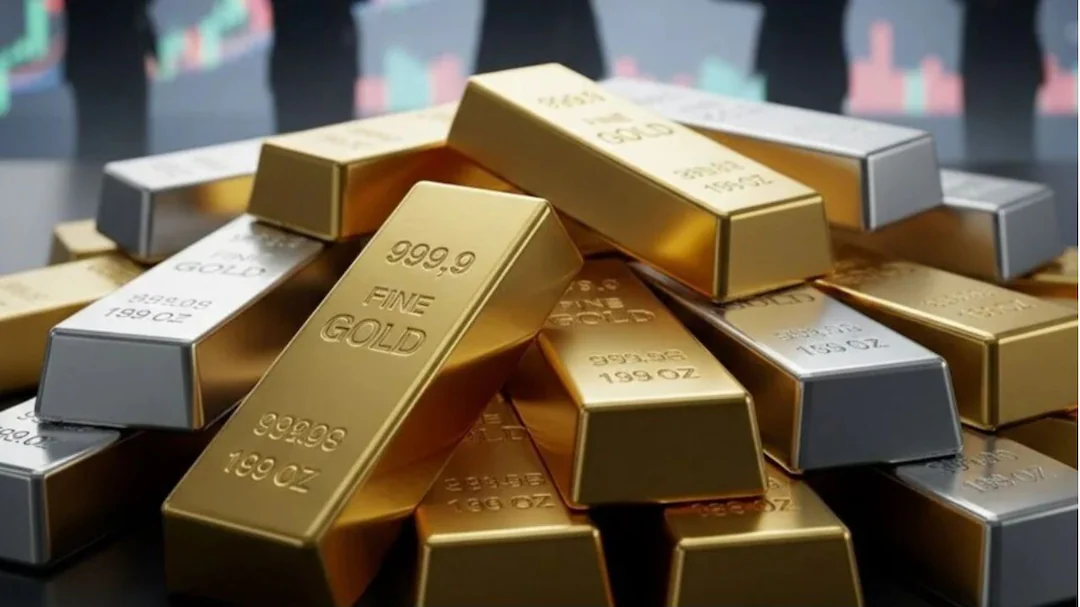
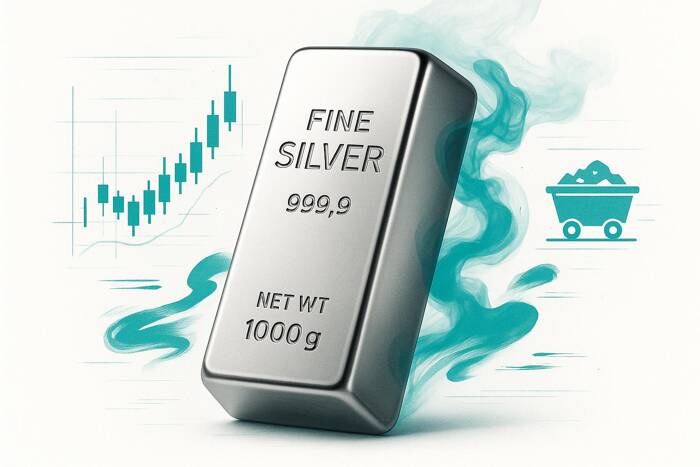
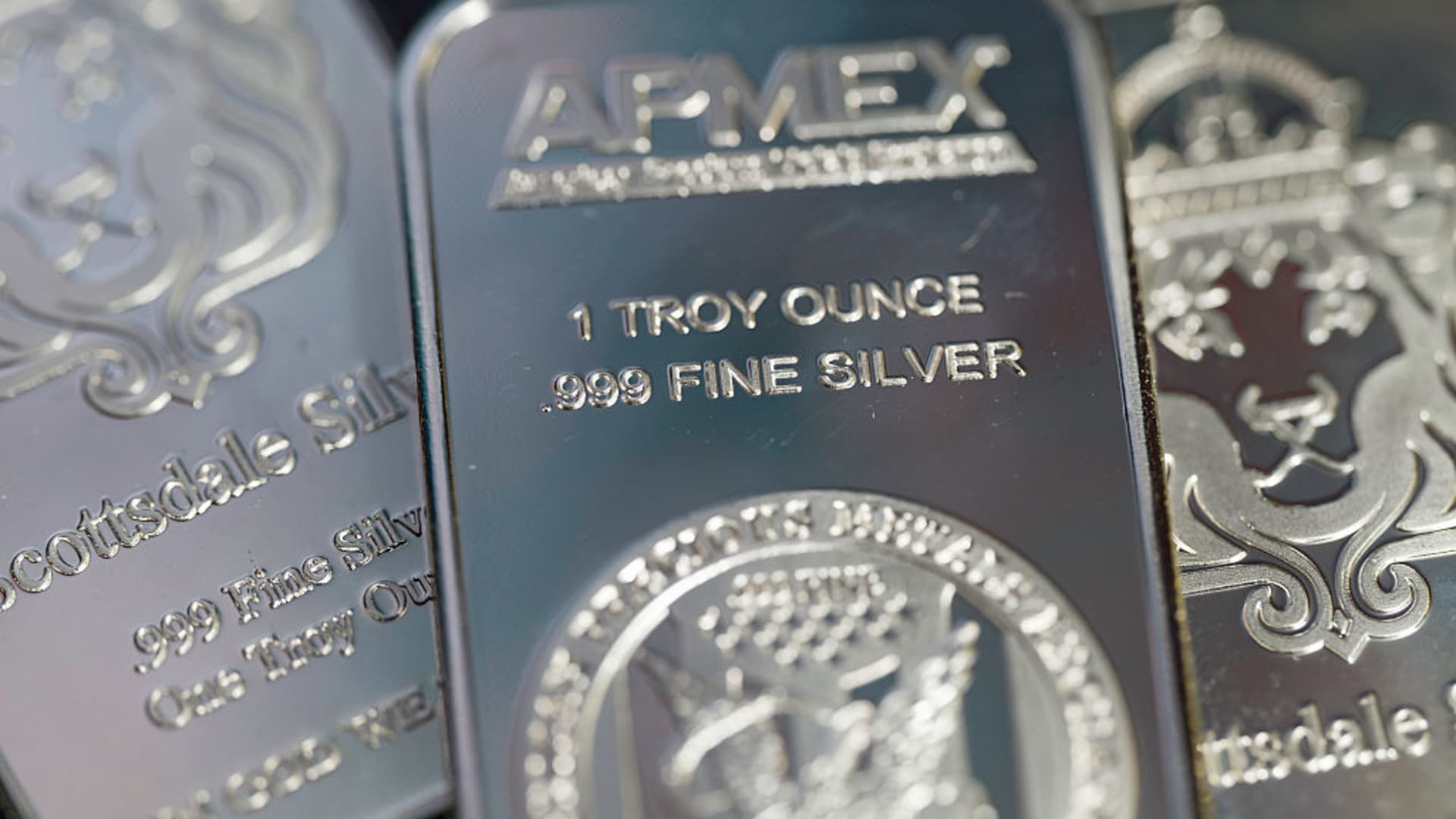
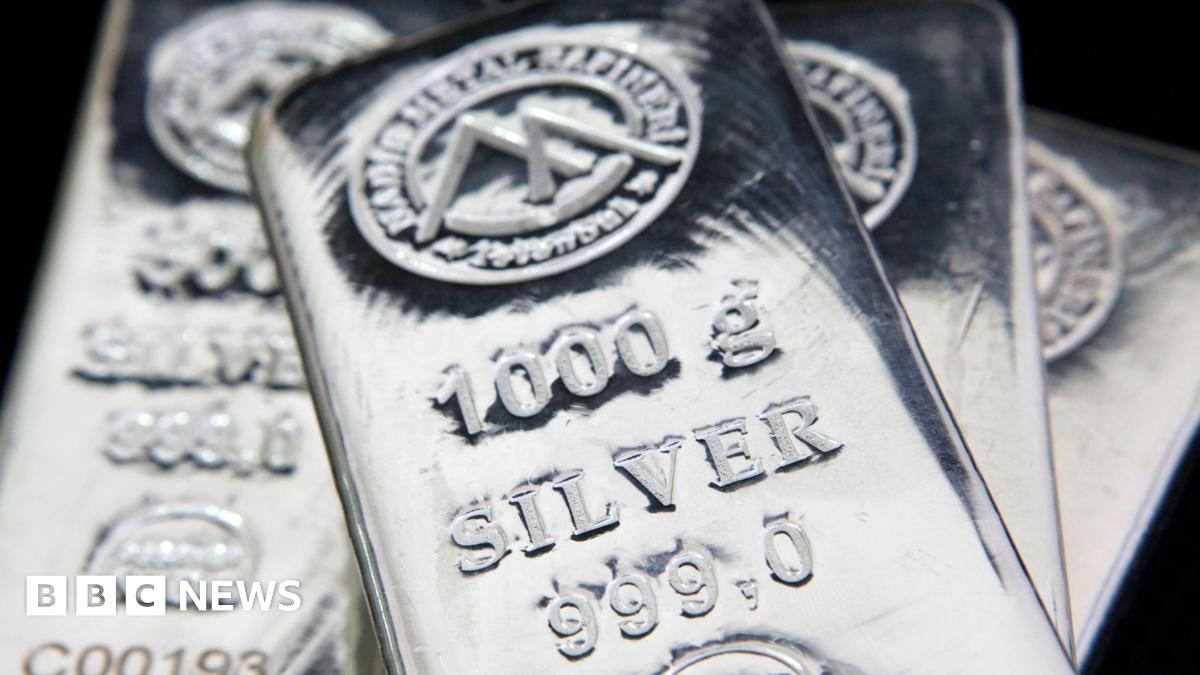
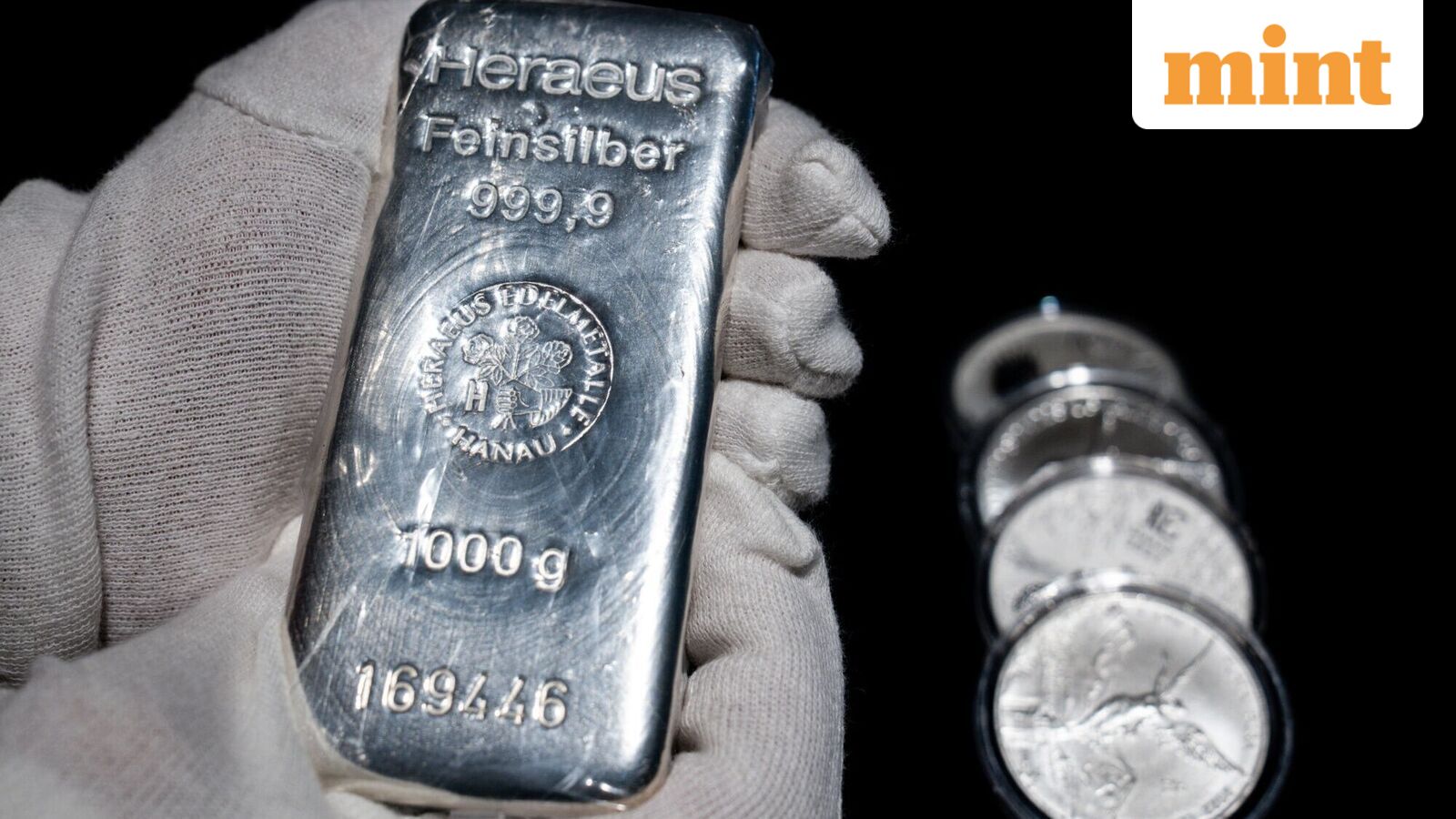
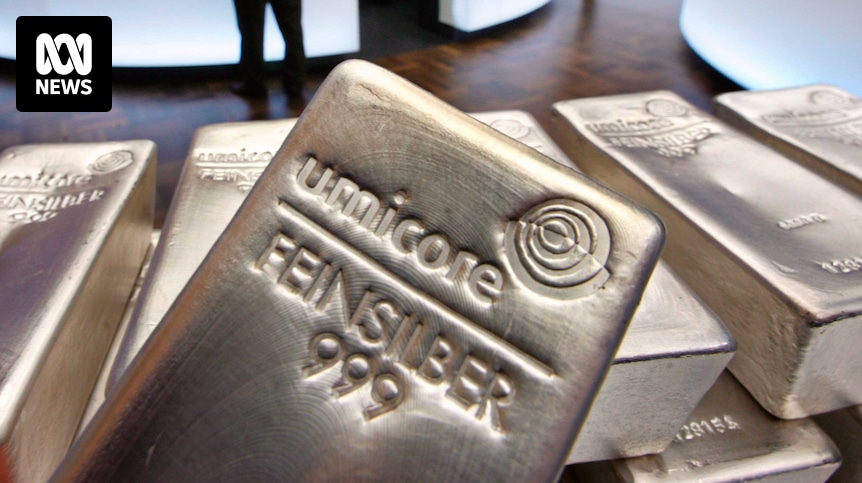
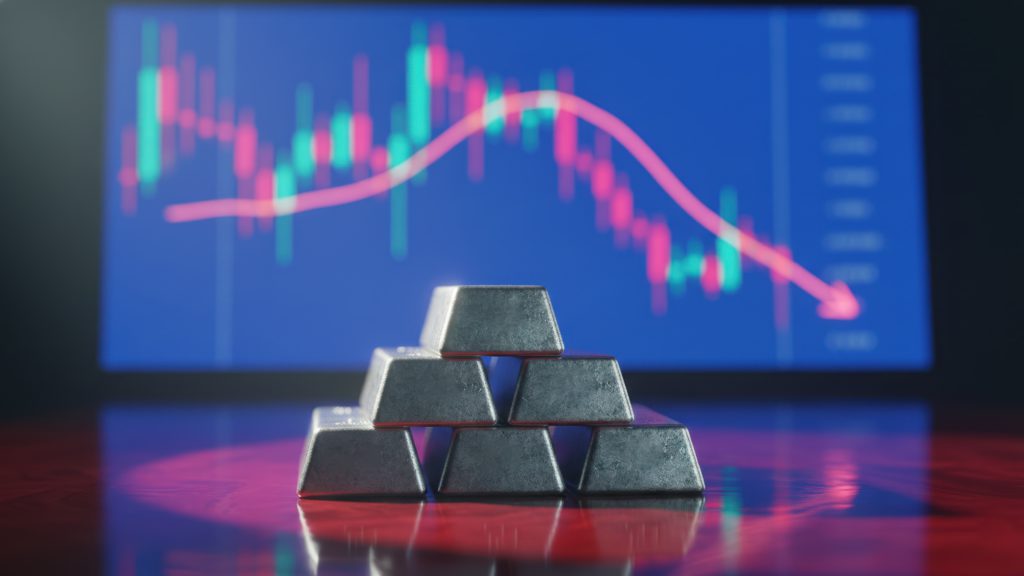
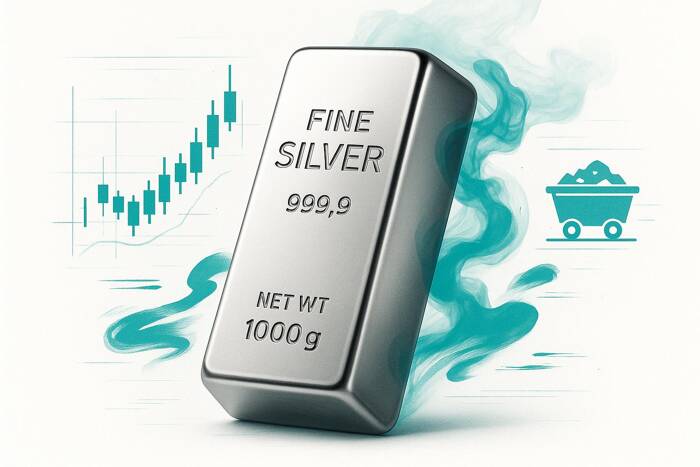
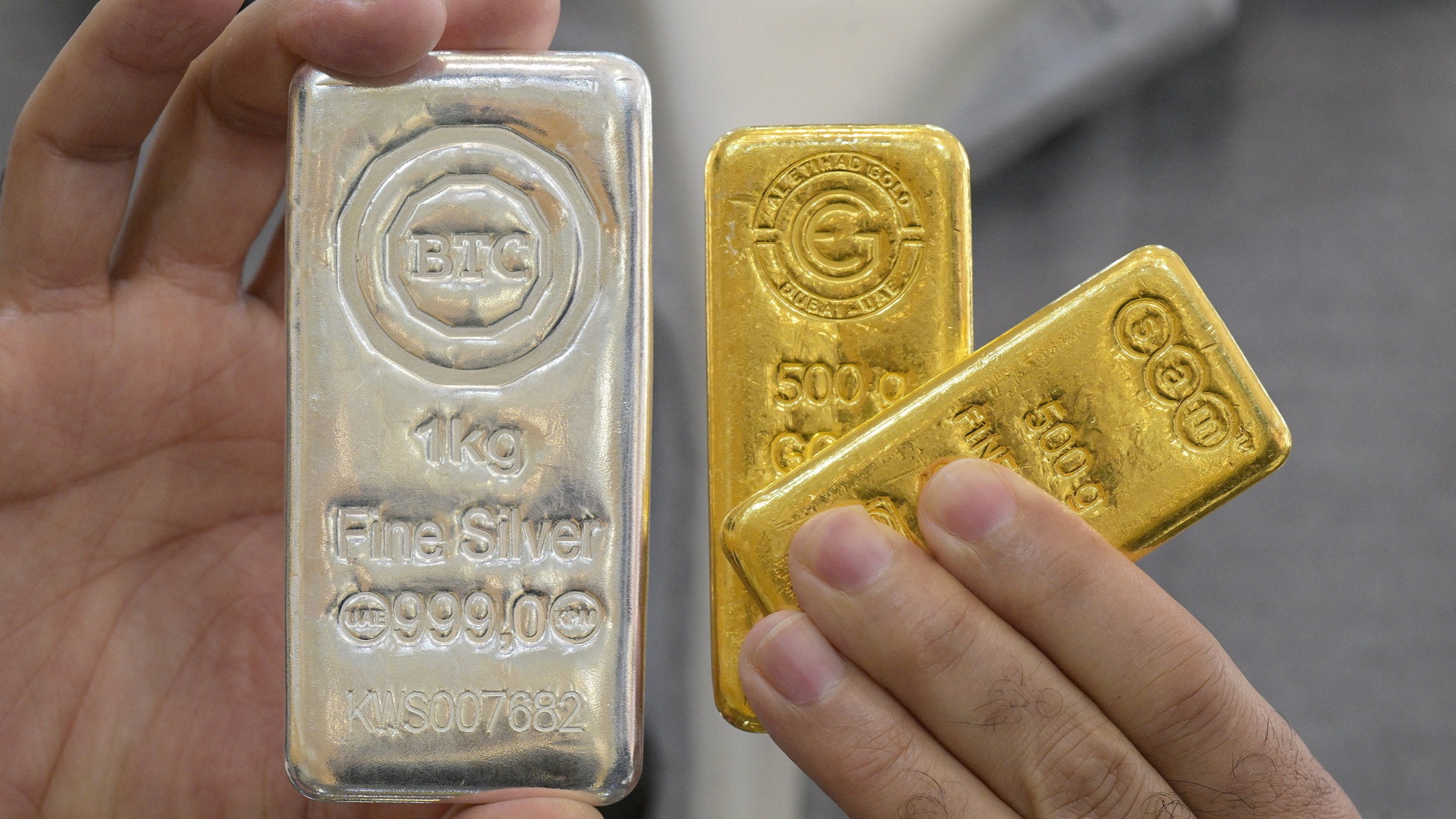
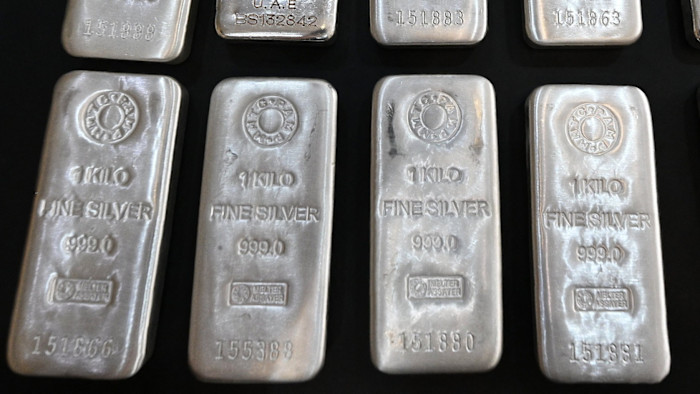
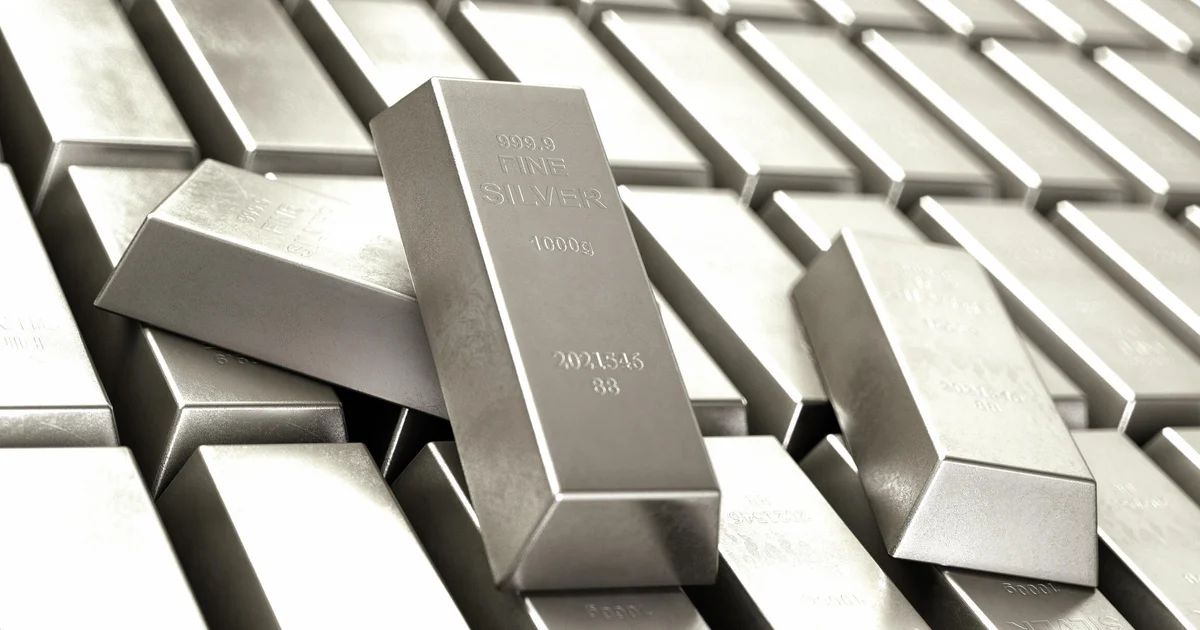
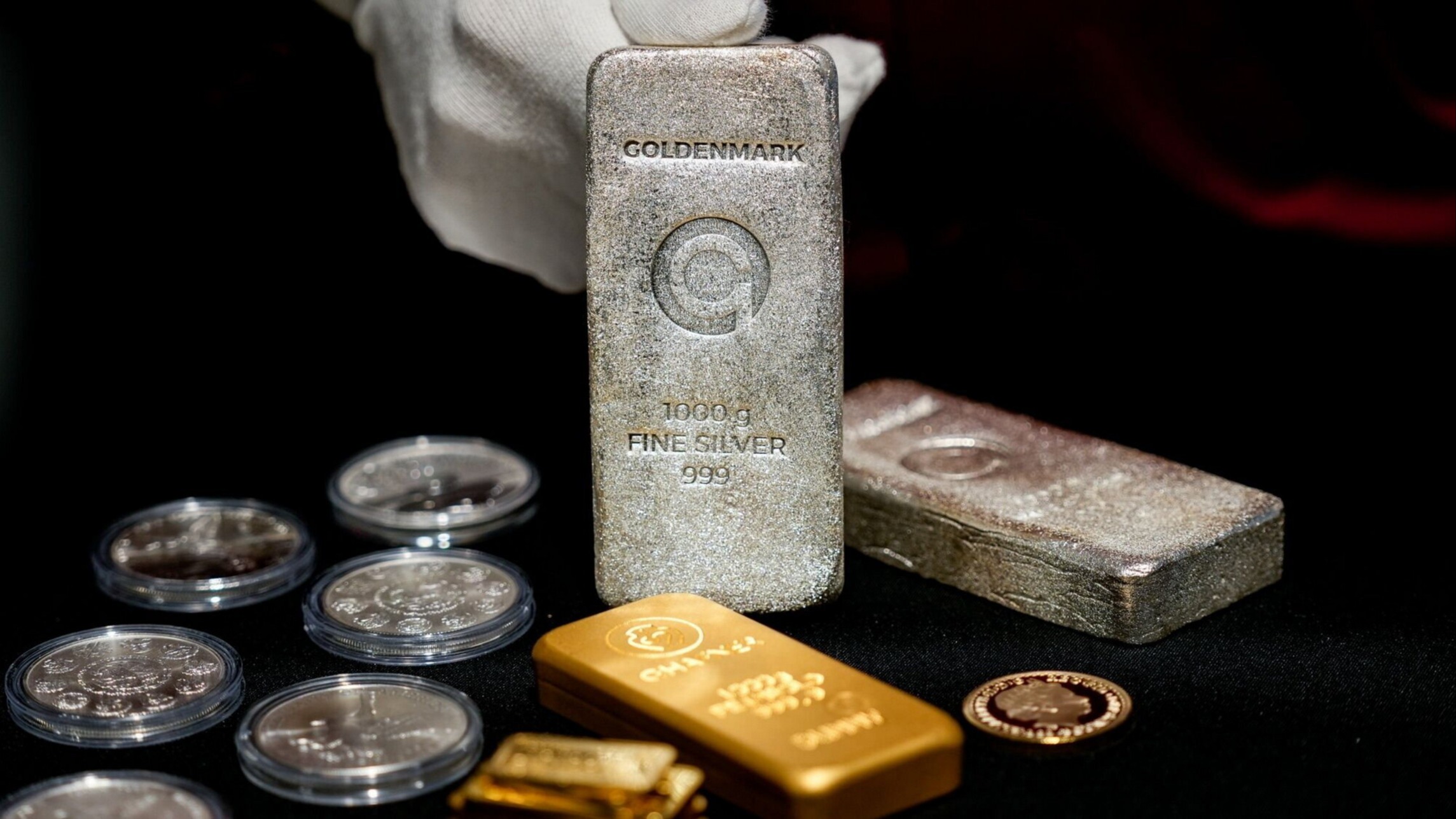
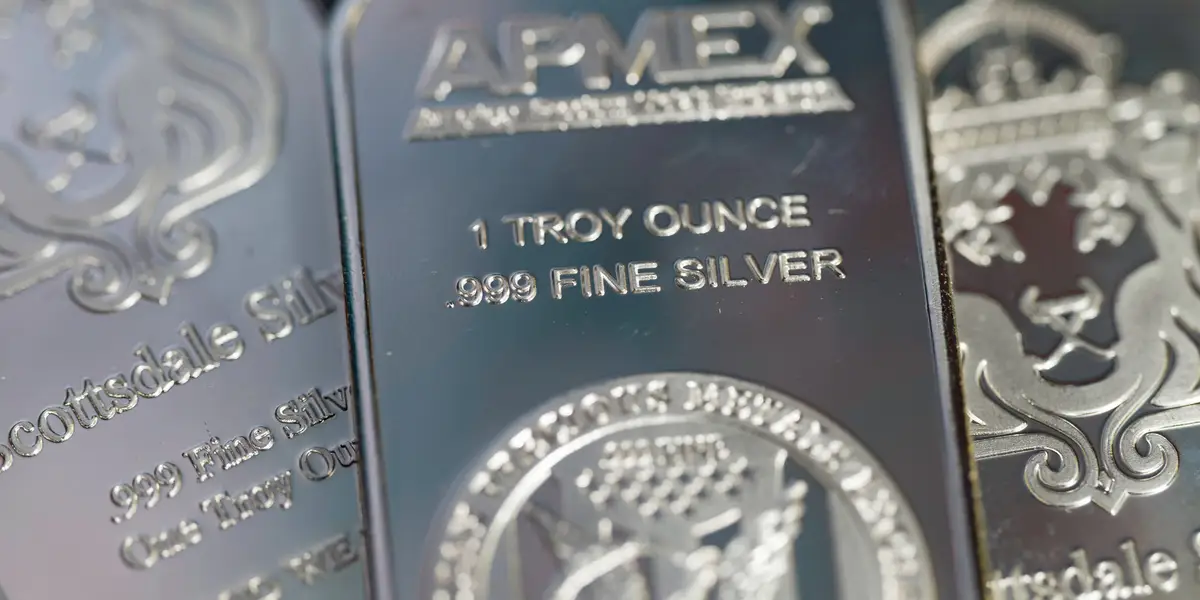
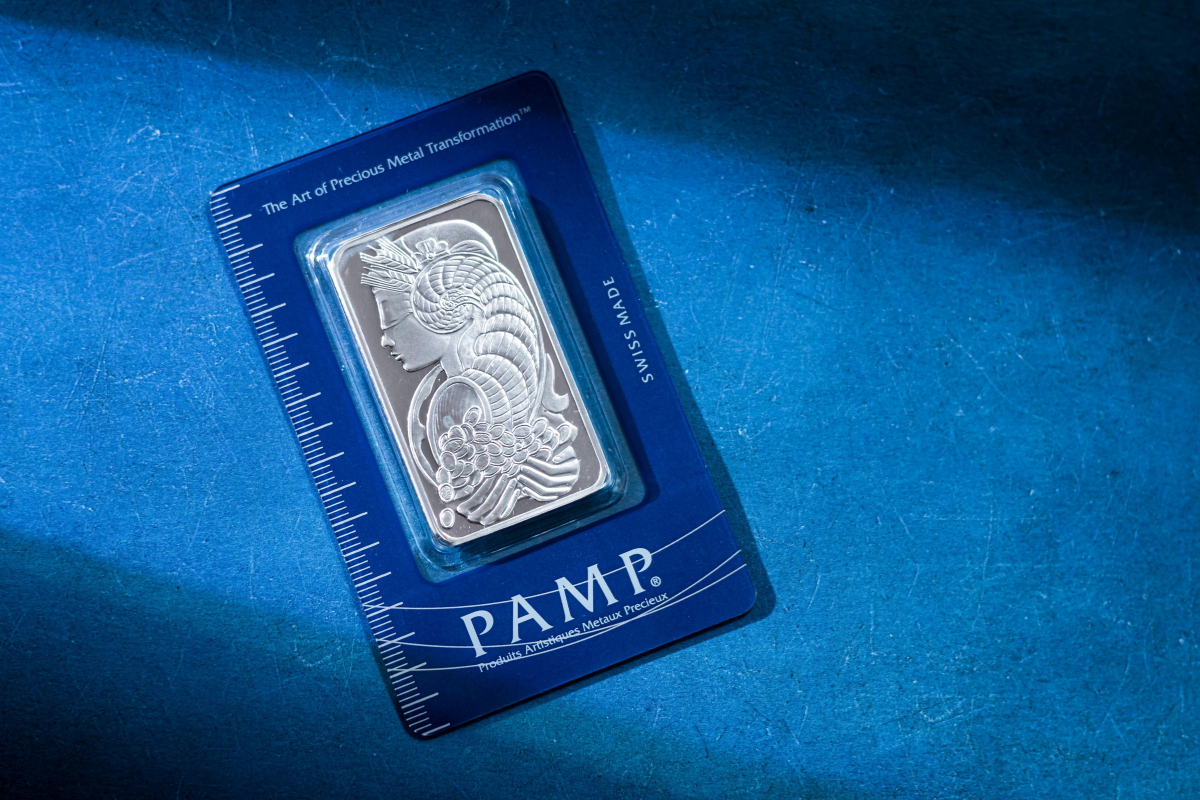
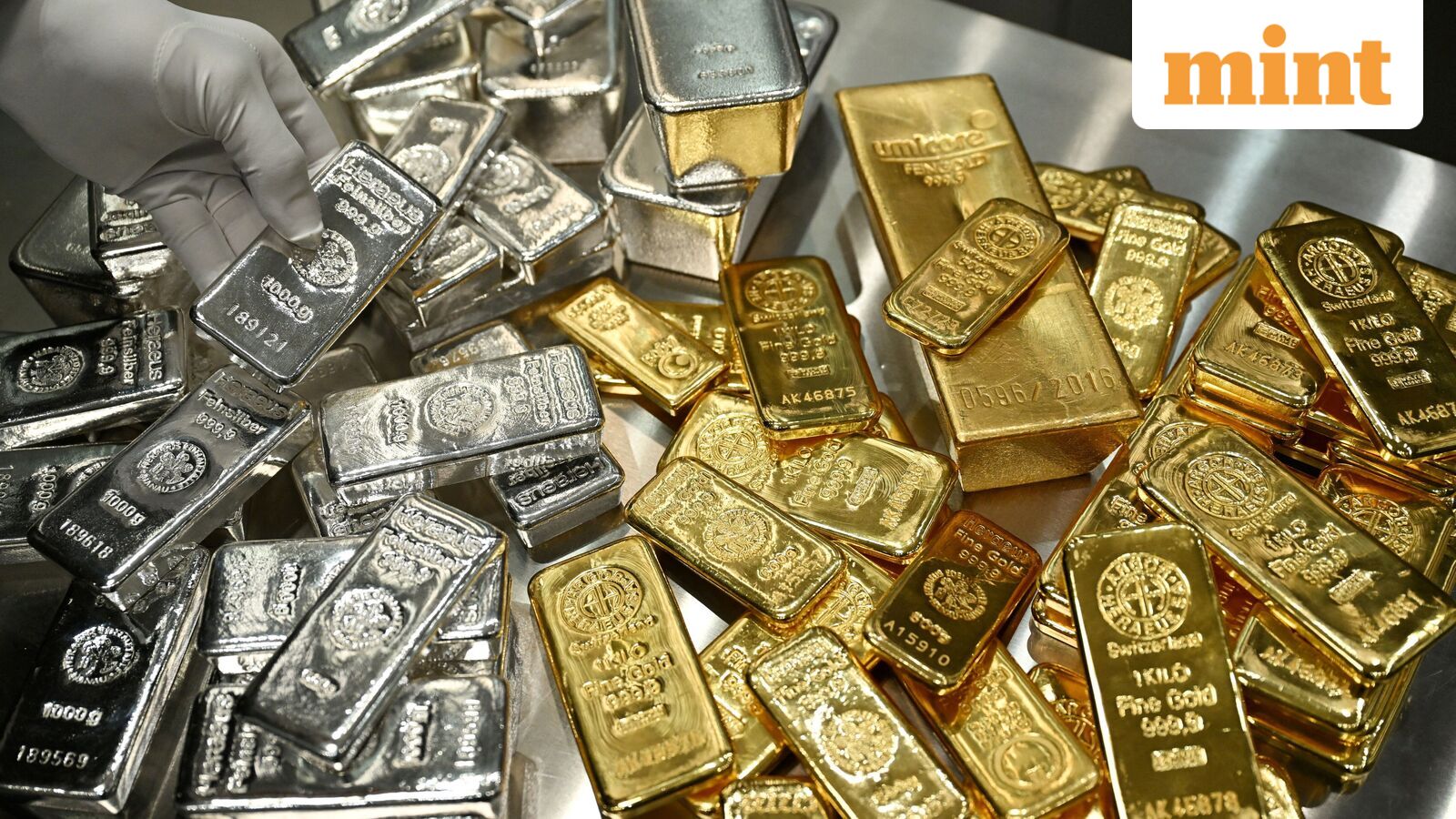
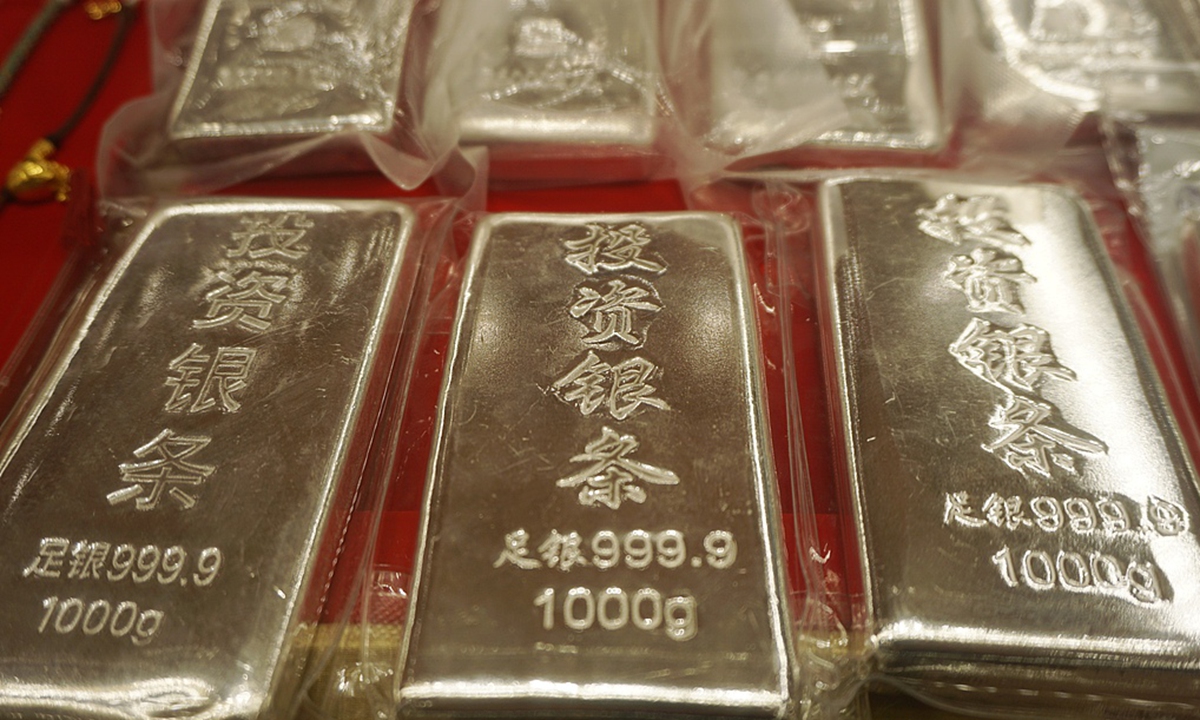
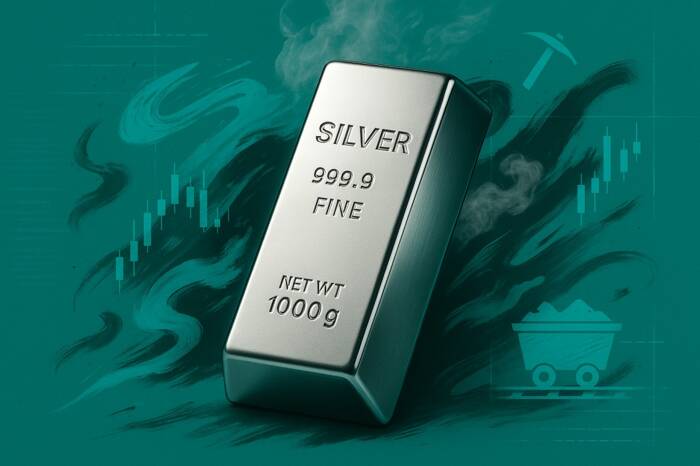
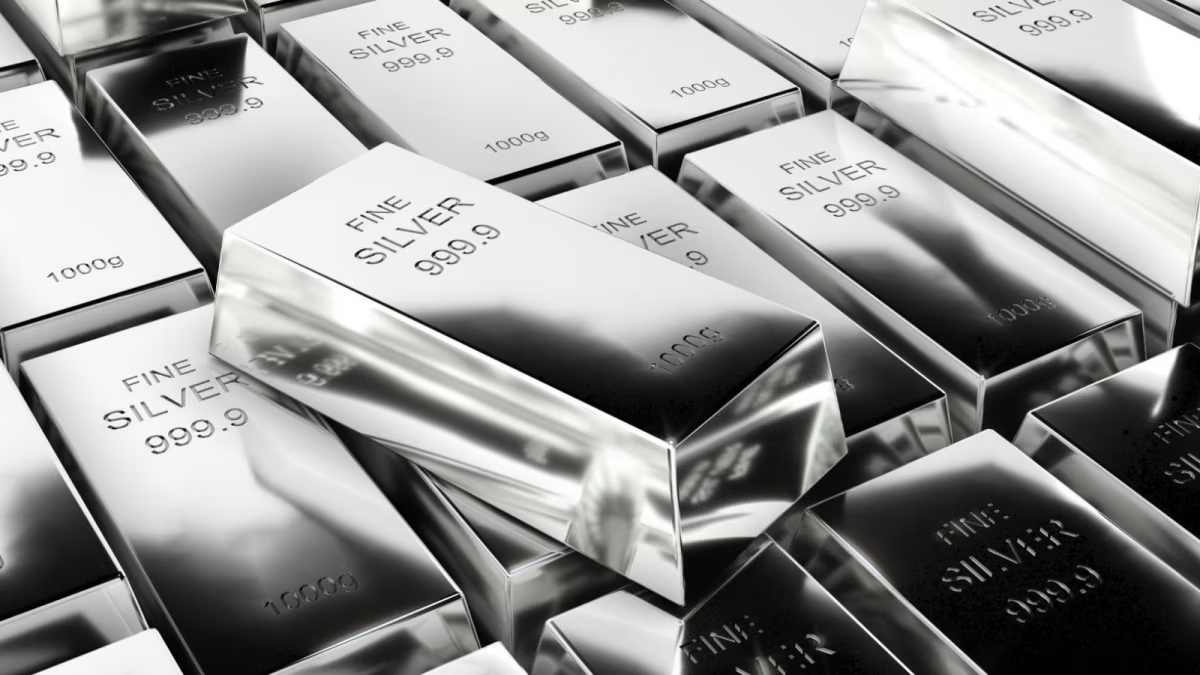
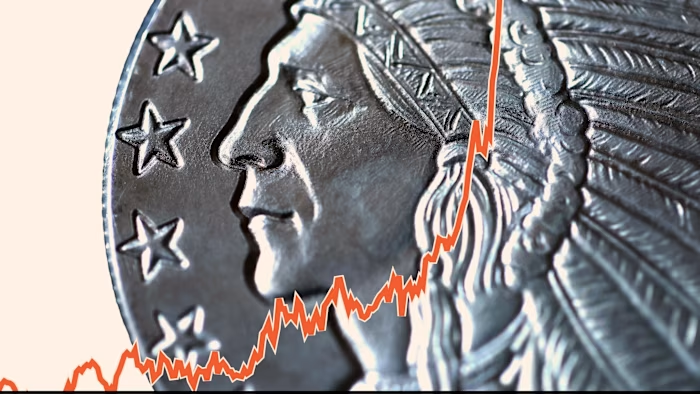
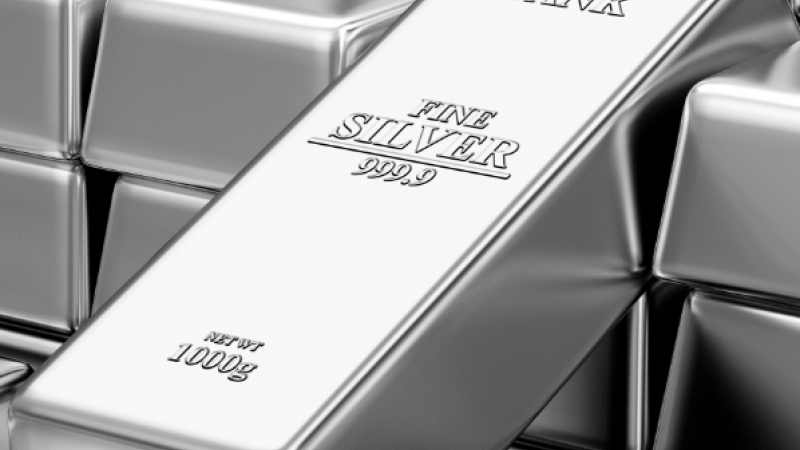
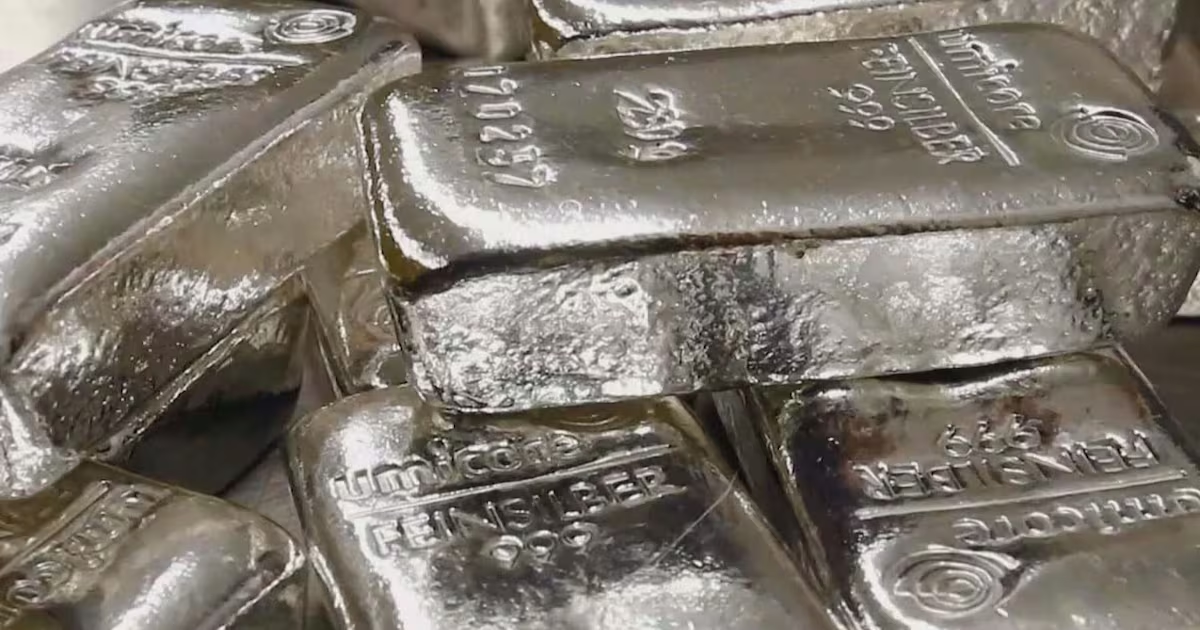
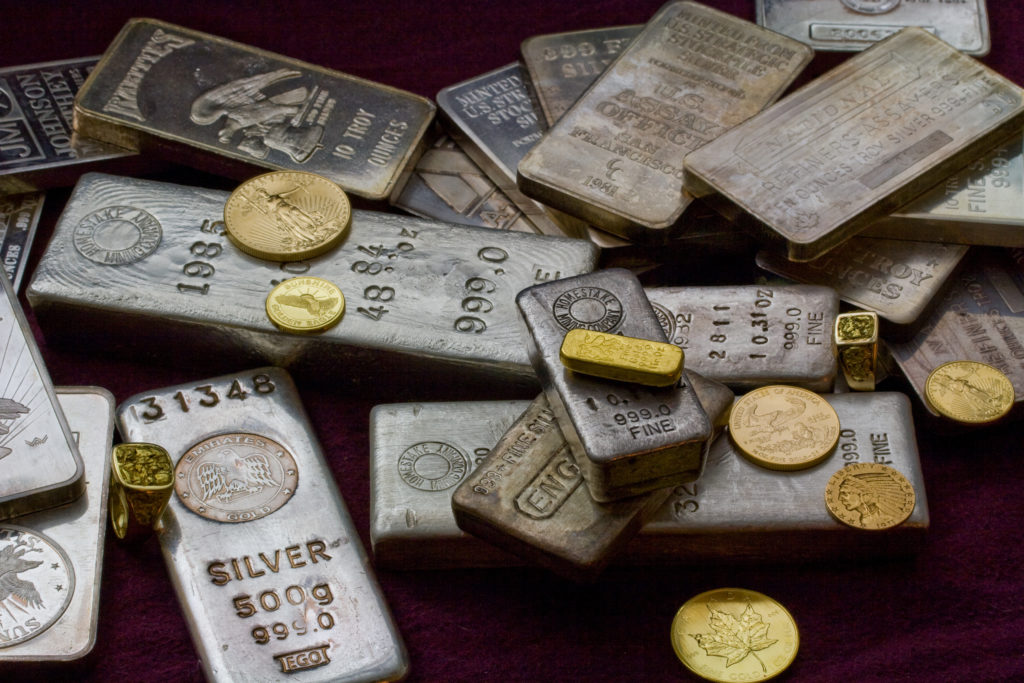
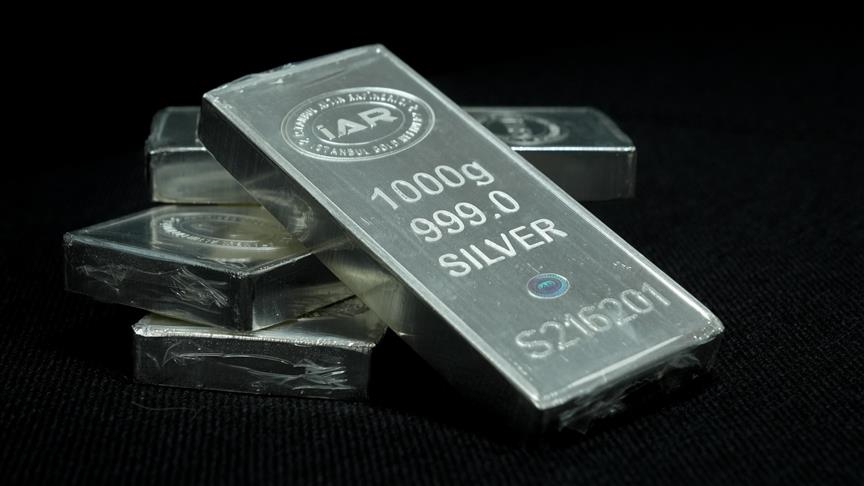
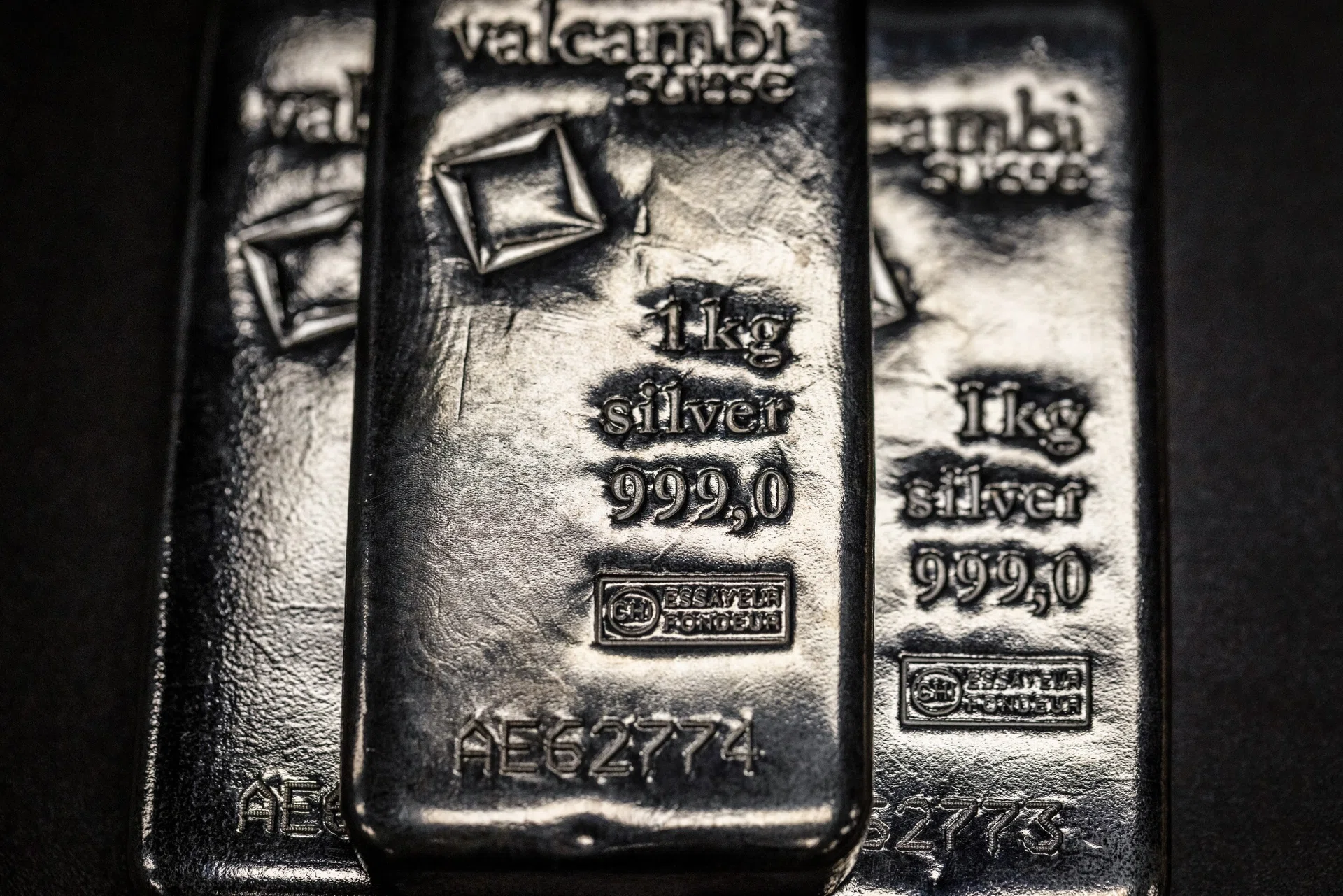
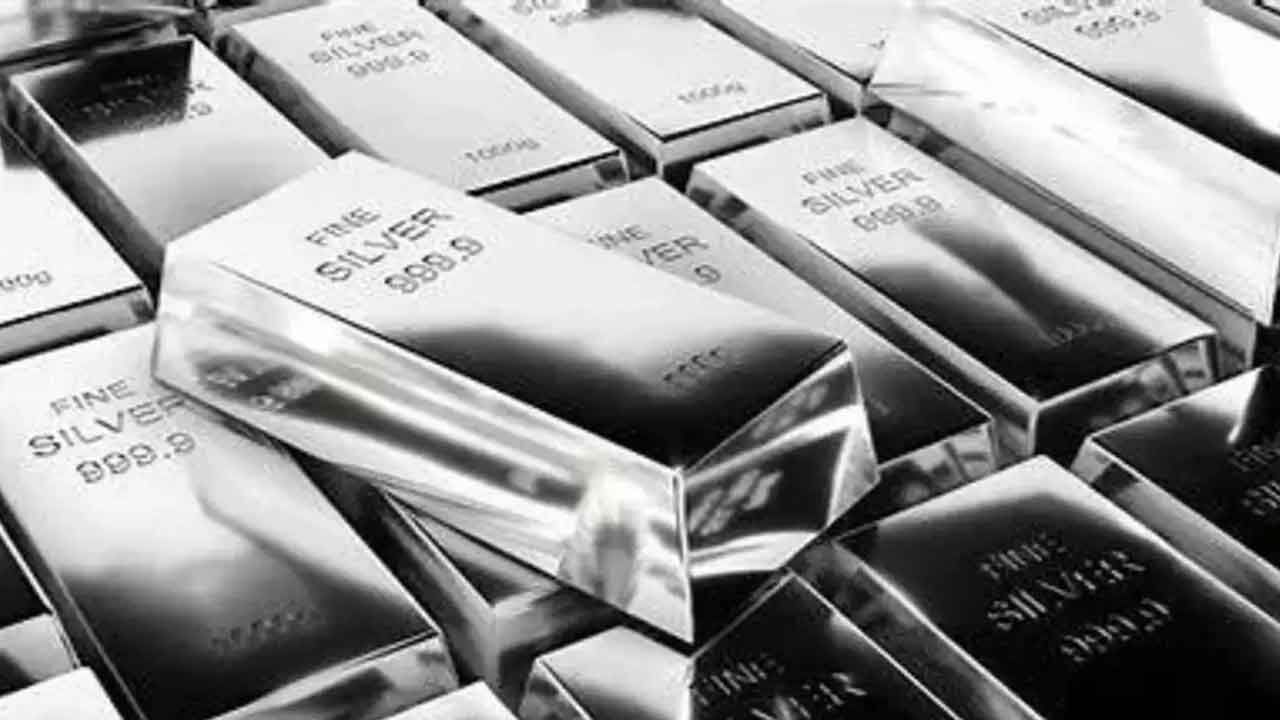
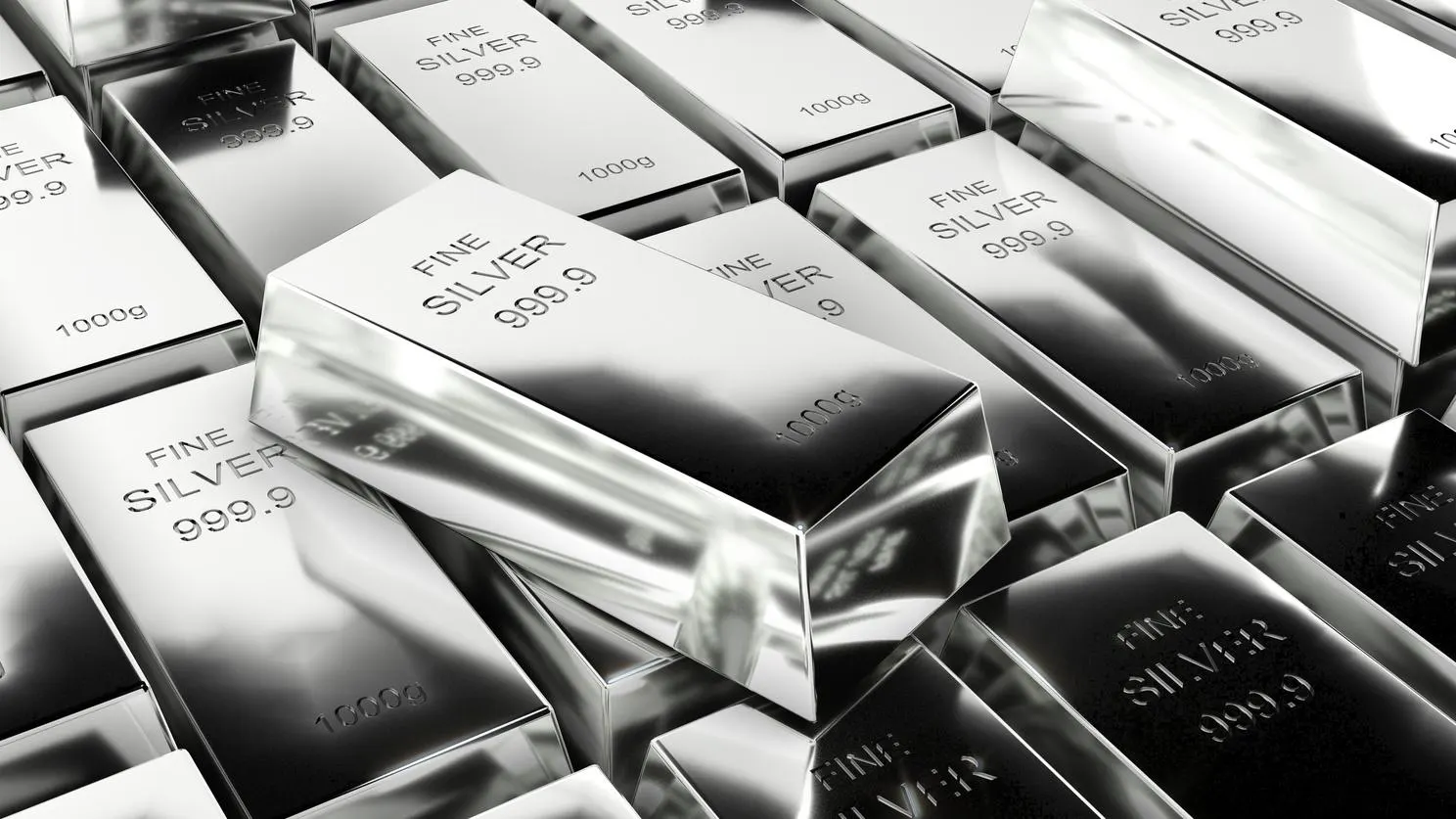
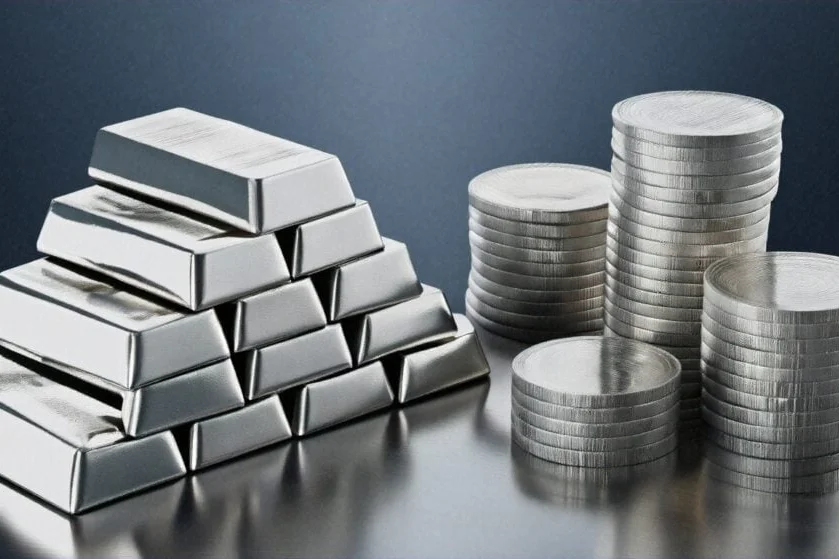
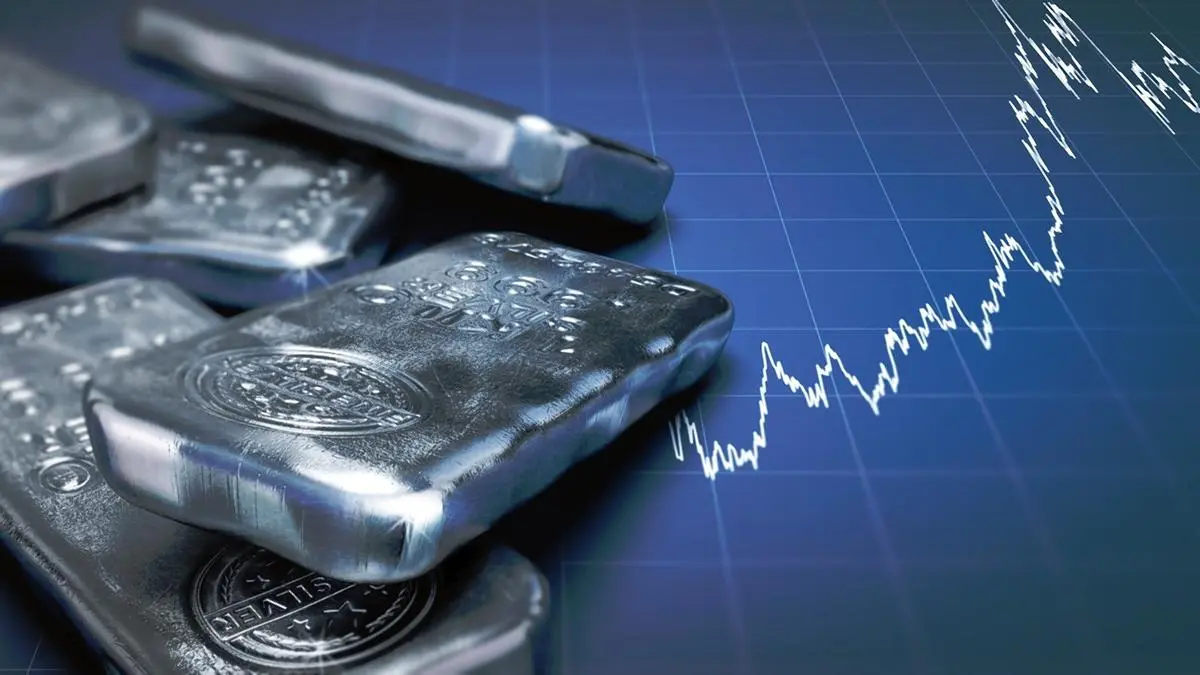
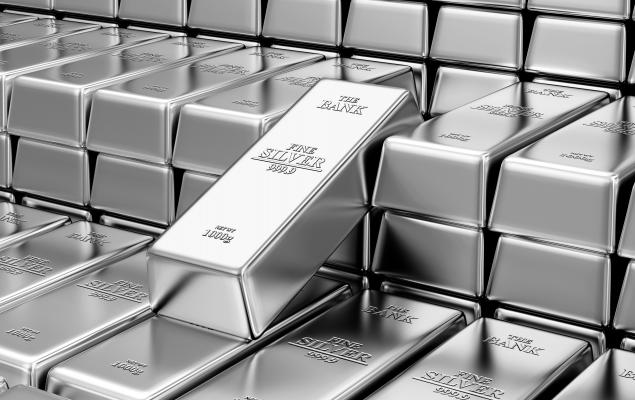
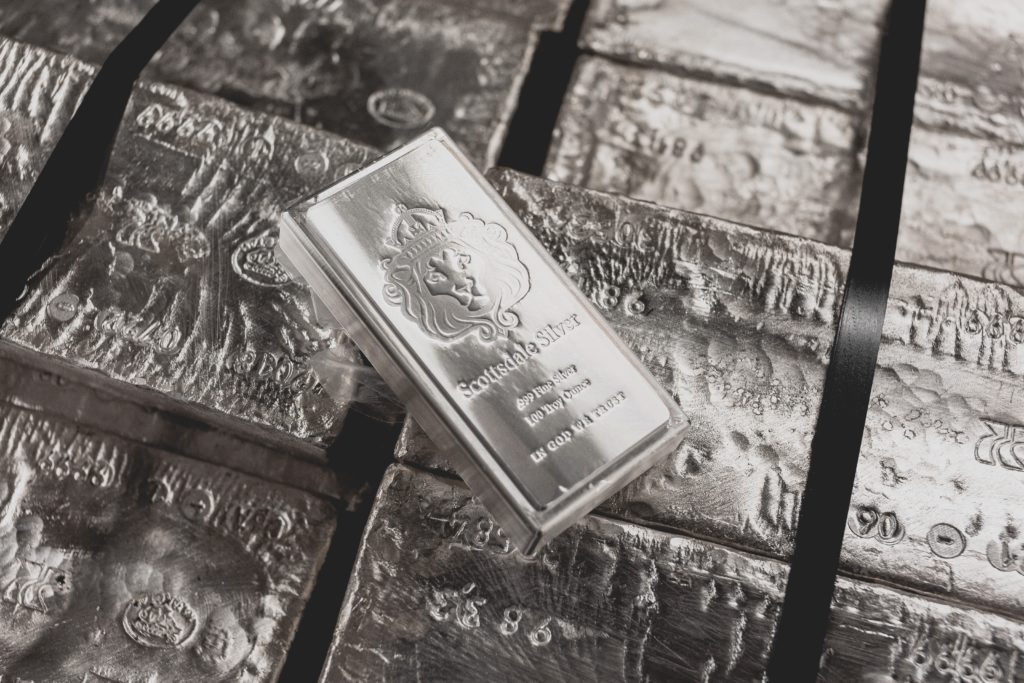
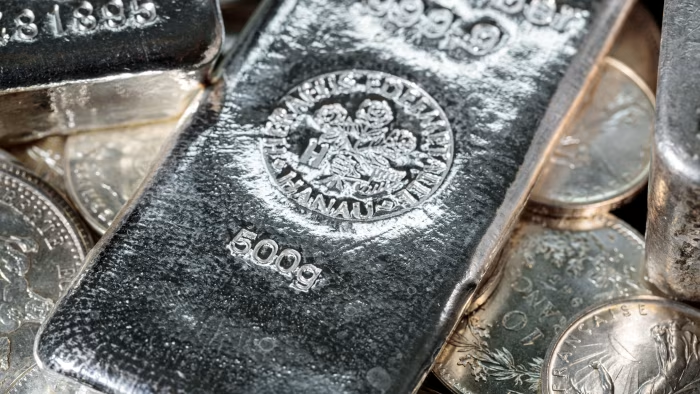
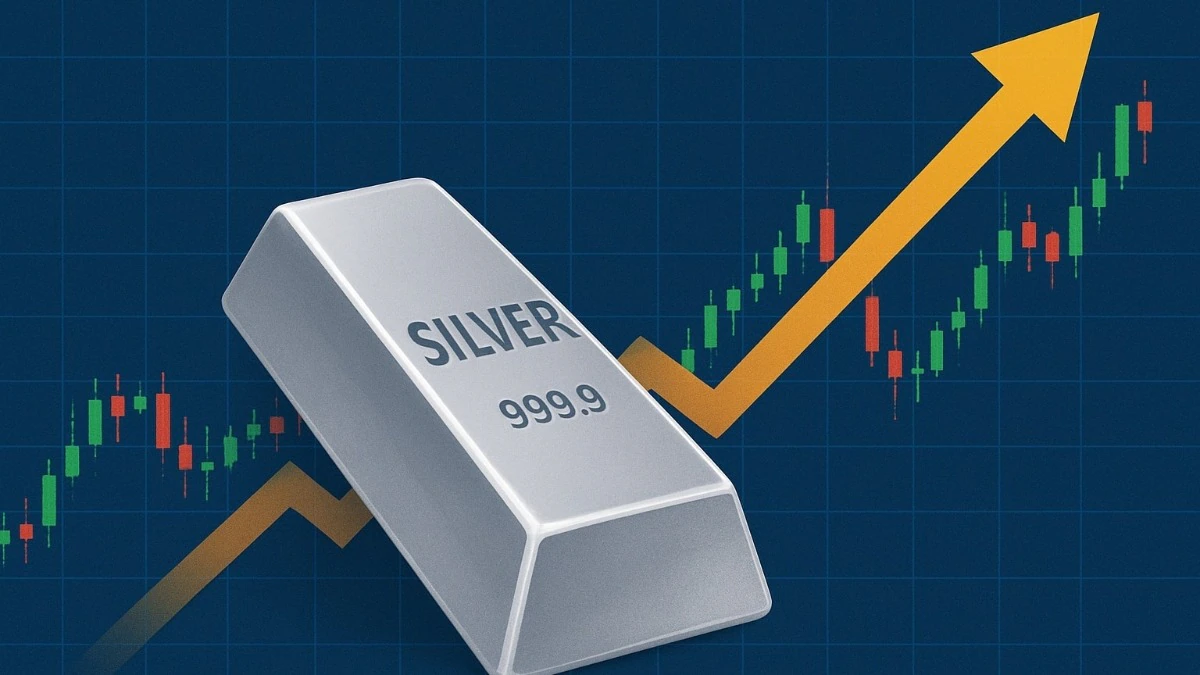
Silver also recorded losses. Spot silver dropped 3.7% to $72.38 per ounce. The fall in gold and silver came after both metals reached recent highs earlier in the session. Analysts believe the stronger dollar and rising interest rate expectations created pressure on precious metals. Higher rates reduce the appeal of gold because it does not pay interest. The market now focuses on whether these pressures will continue into the next trading session.
For Monday, analysts expect gold and silver to remain sensitive to the dollar and interest rate signals. Short term volatility may continue as investors respond to geopolitical developments and inflation expectations.
Will gold reach $5,000 and silver touch $90 this month?
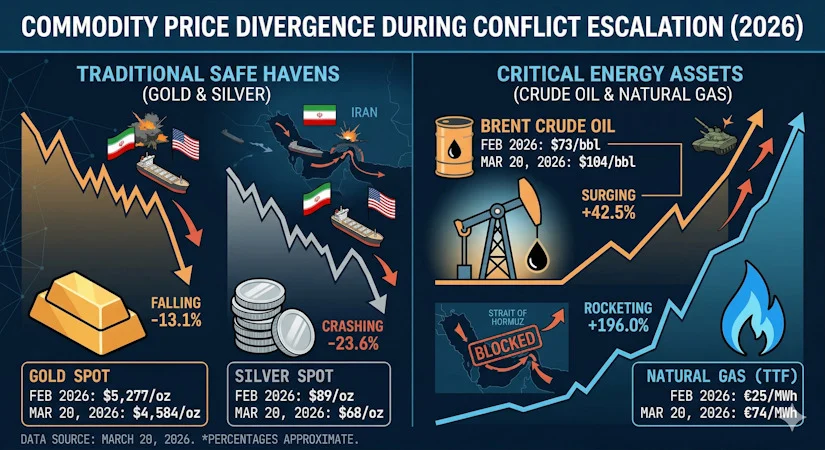
Gold has declined about 12% since the Middle East conflict began on February 28. Rising oil prices increased inflation expectations. Higher inflation reduces the chance of interest rate cuts by central banks. This creates pressure on gold in the short term.

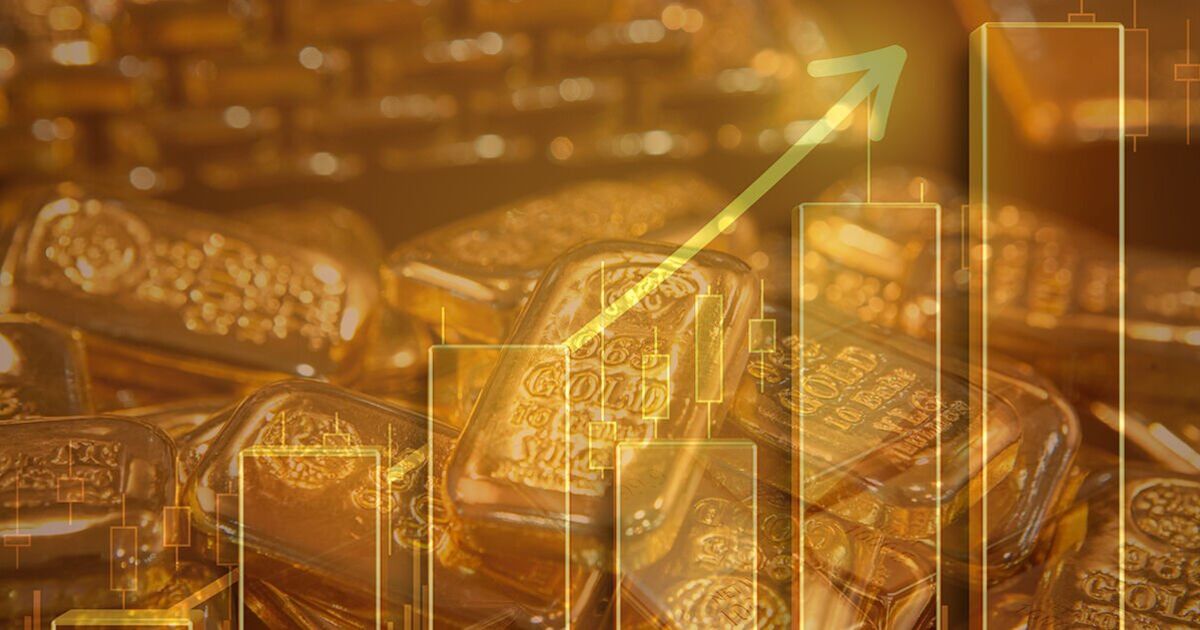
Despite recent losses, some analysts believe long-term demand for safe-haven assets remains strong. If geopolitical tensions continue and inflation stays elevated, gold could regain momentum. However, reaching $5,000 within the month depends on major changes in interest rate expectations or geopolitical developments.
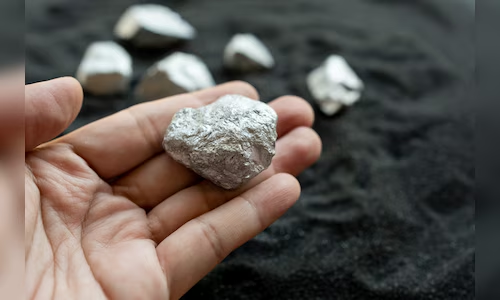
Silver prices also dropped but remain influenced by industrial demand and investor sentiment. A move toward $90 would require strong investment flows and economic data supporting metal demand. For now, analysts expect price consolidation rather than a rapid move to new record levels.
Analysts insights and market outlook
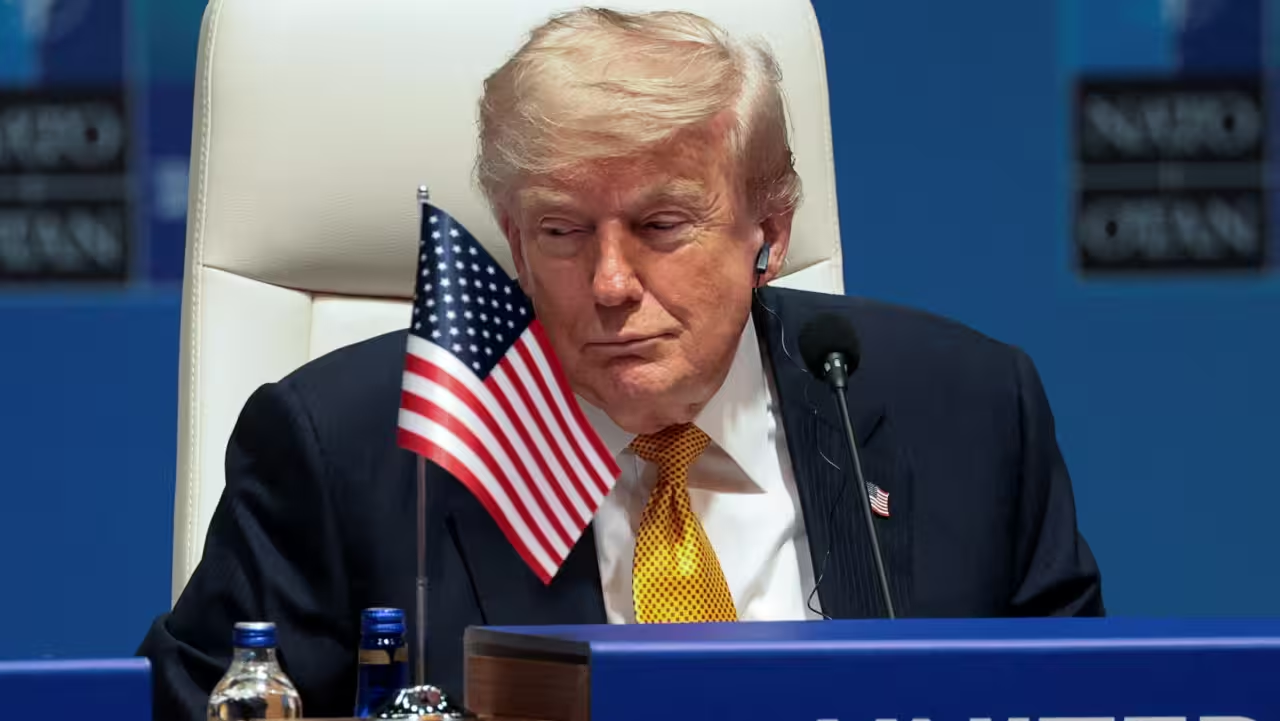
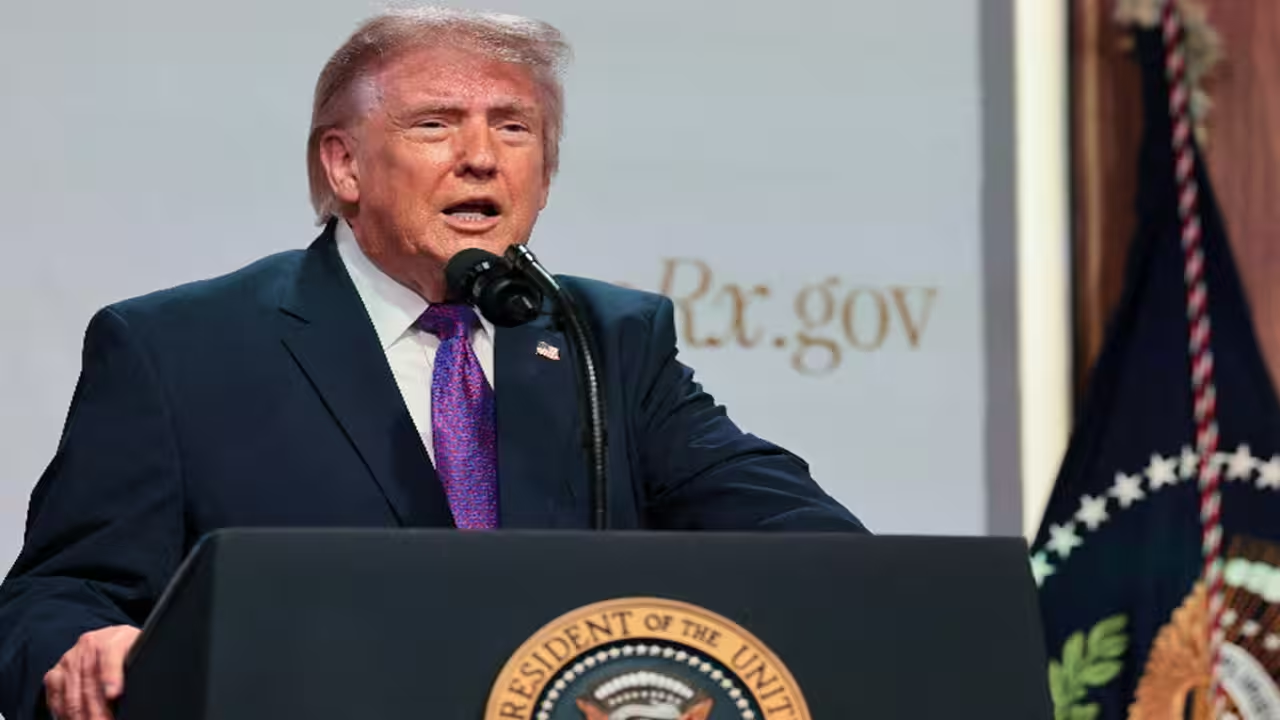
Market sentiment shifted after comments from the U.S. President about continued military operations in Iran. Oil prices increased following the remarks. Higher energy prices can lead to broader inflation. This reduces the chance of interest rate cuts. The stronger dollar also weighed on precious metals. When the dollar rises, gold and silver become expensive for international buyers.
Turkey central bank data added pressure. Turkey gold reserves dropped by 69.1 metric tons in one week to 702.5 tons. Over two weeks, reserves fell by more than 118 tons. Authorities reduced holdings to manage market impact from the ongoing conflict.
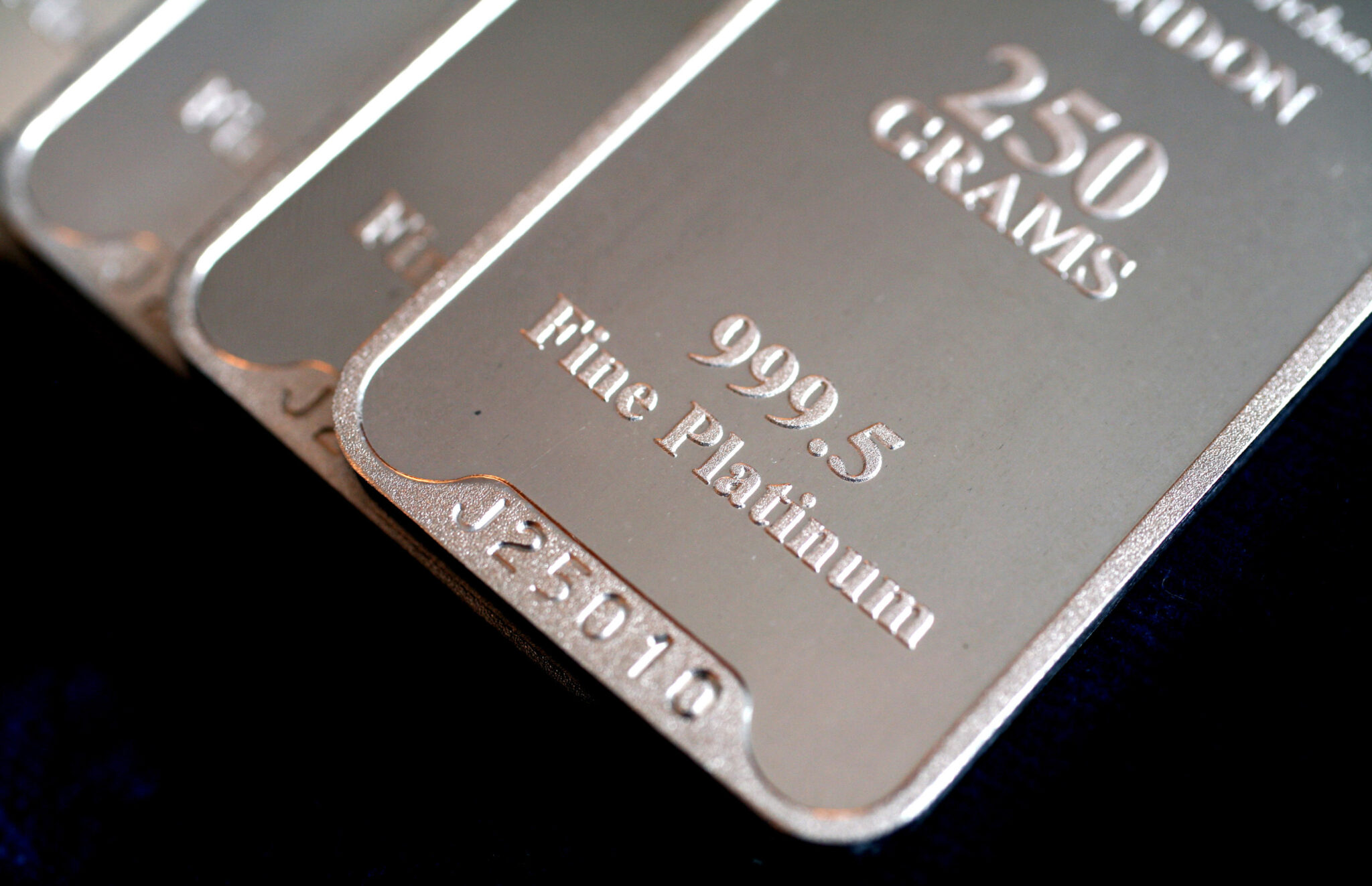
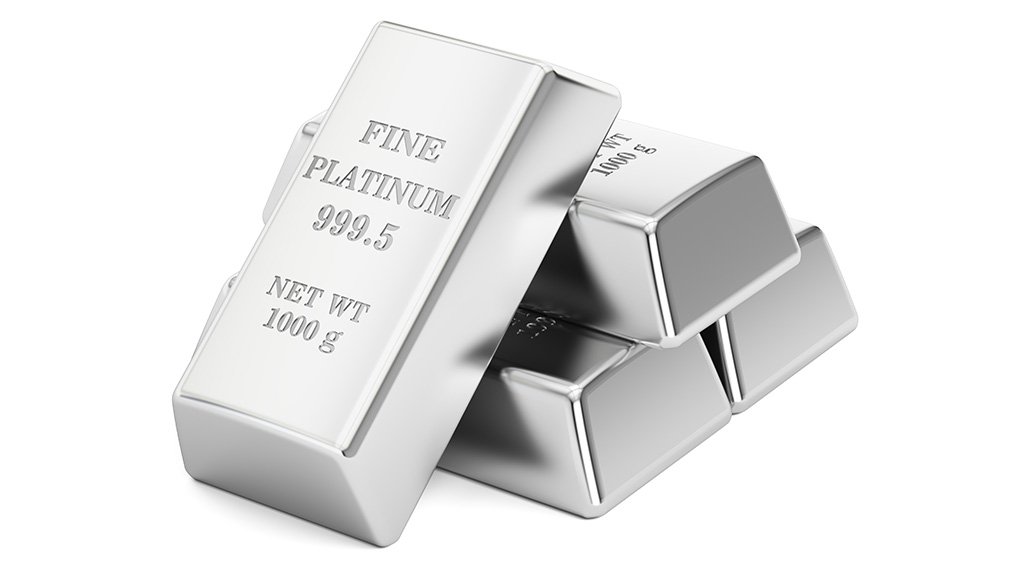
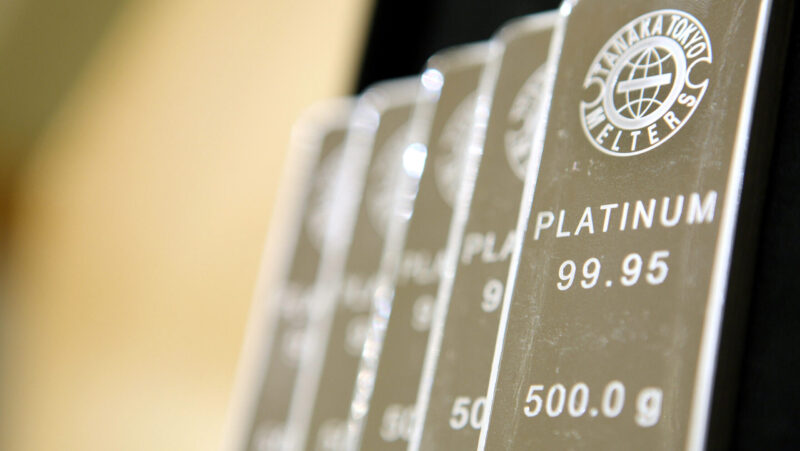
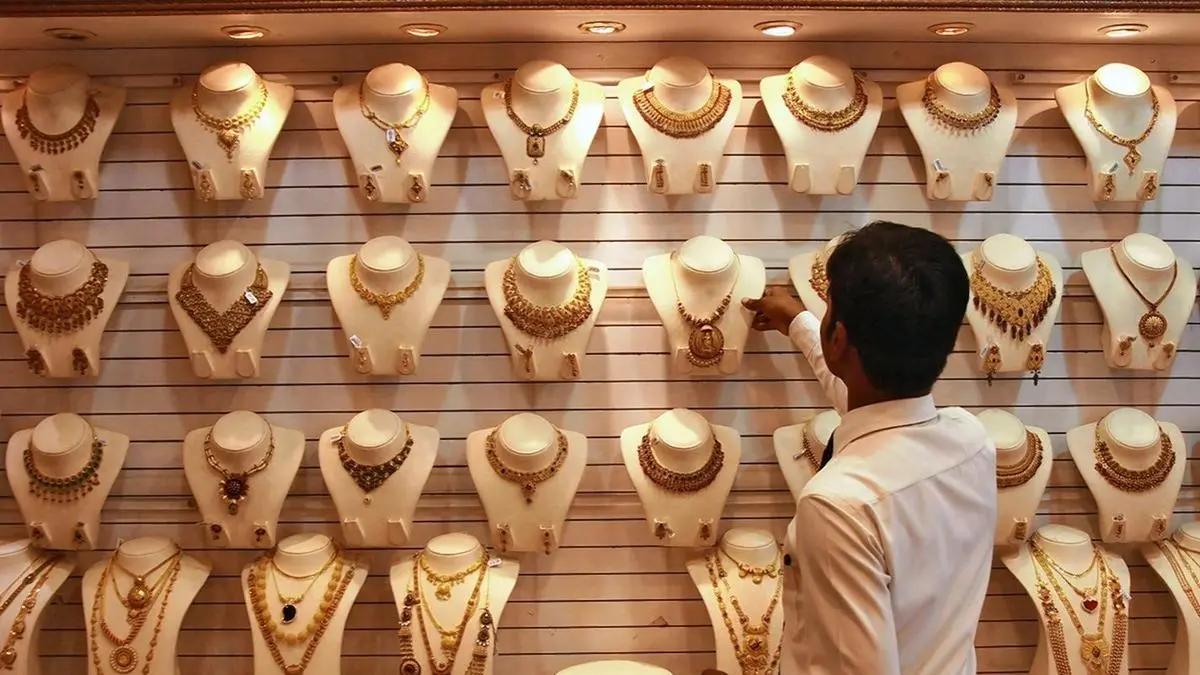
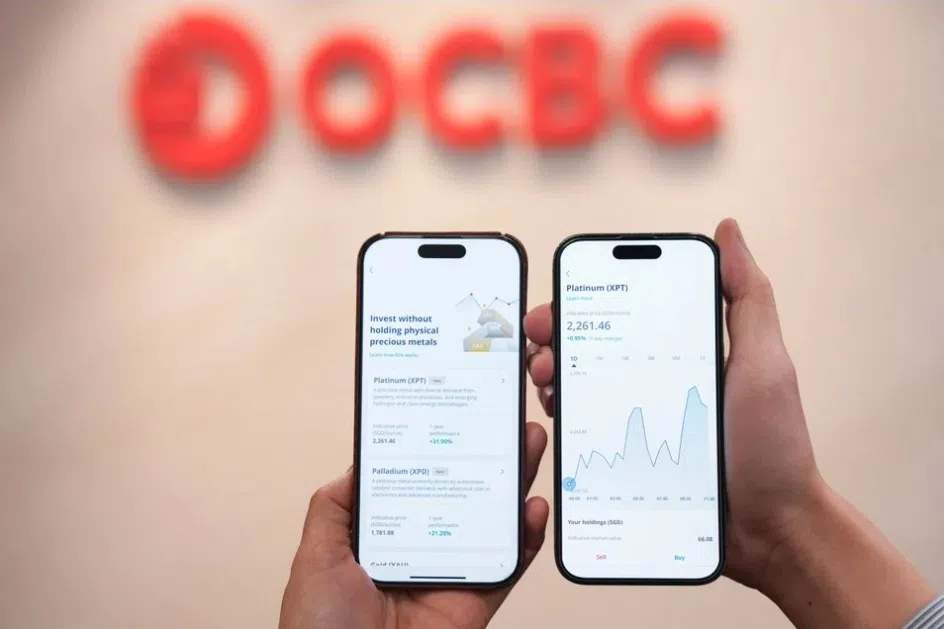
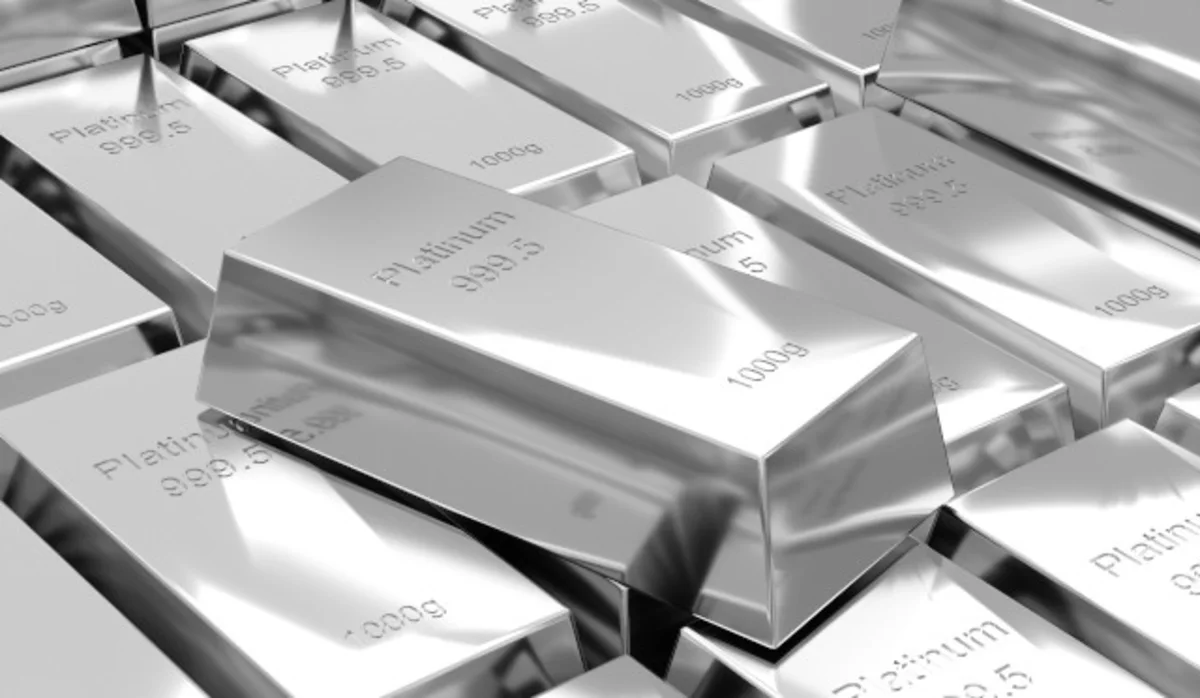
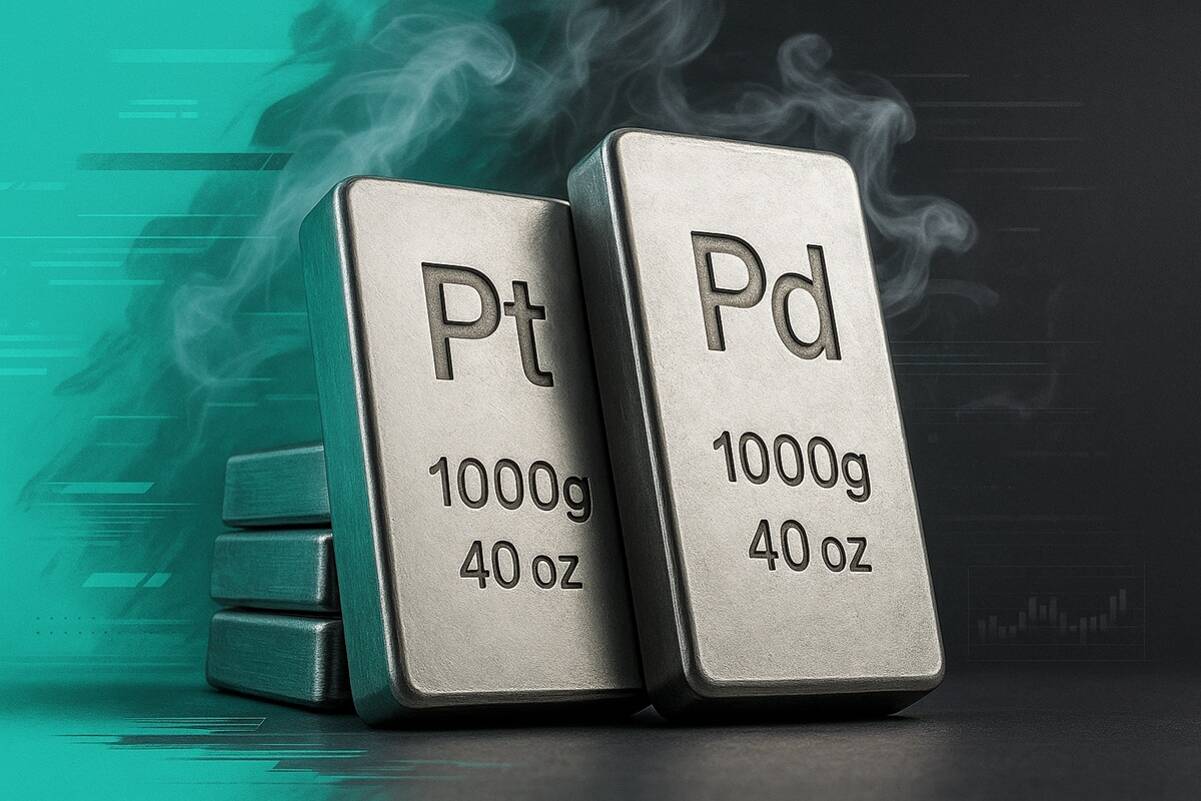
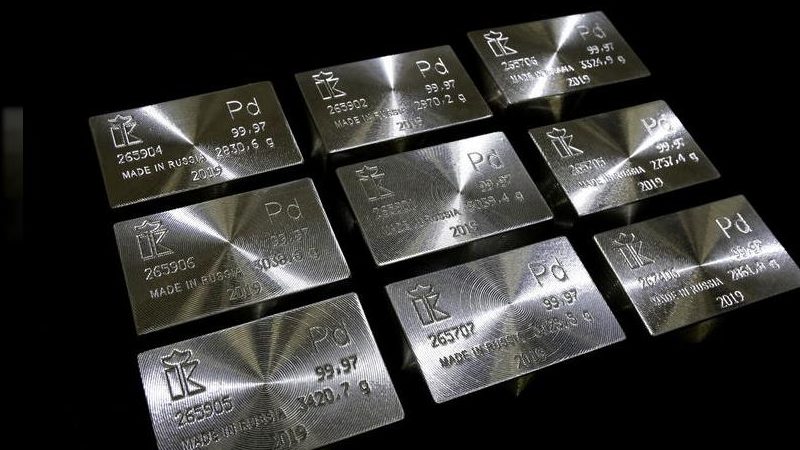
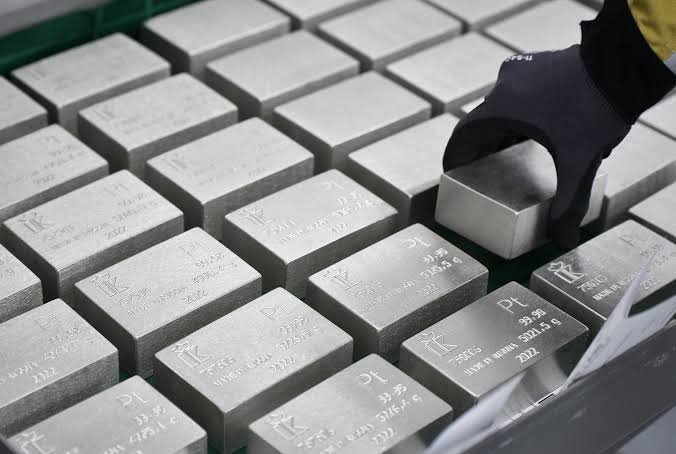
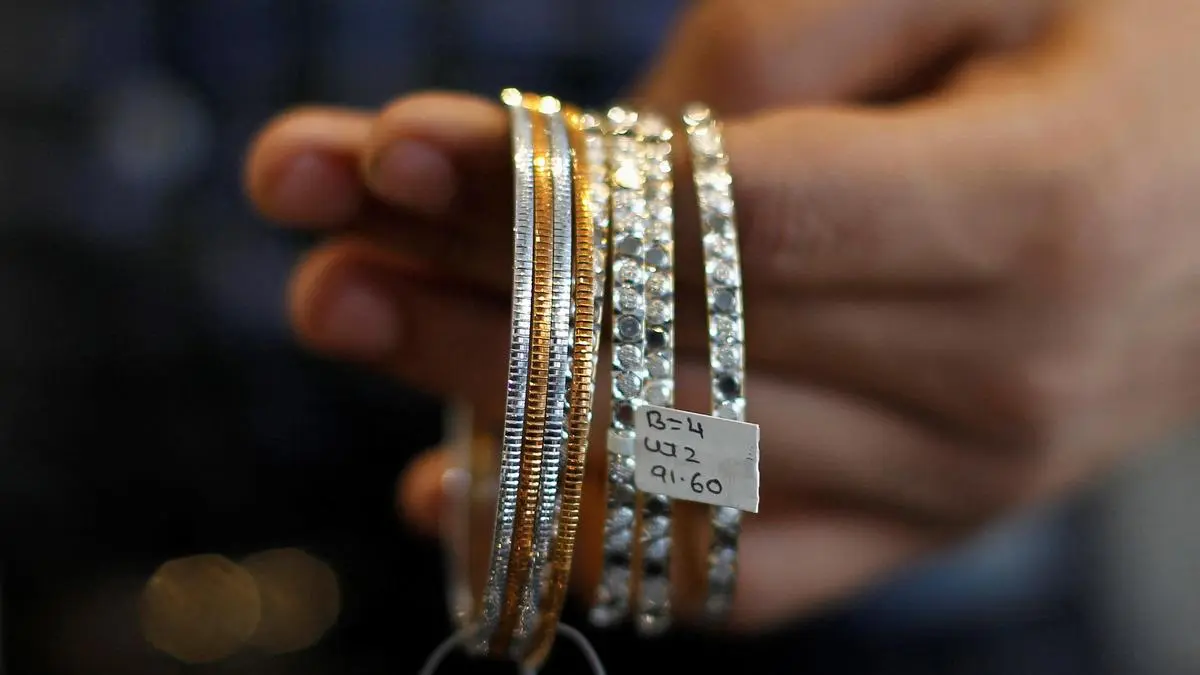
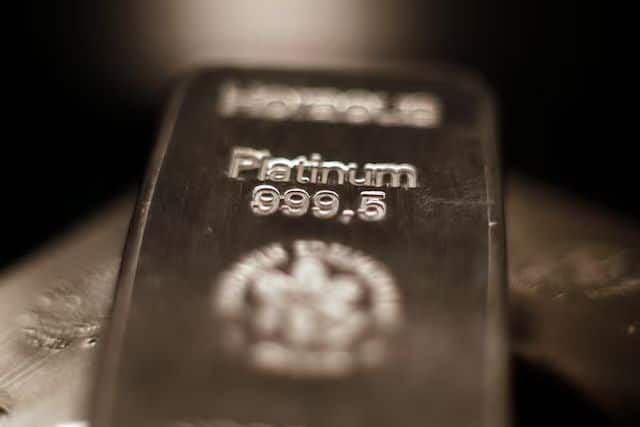
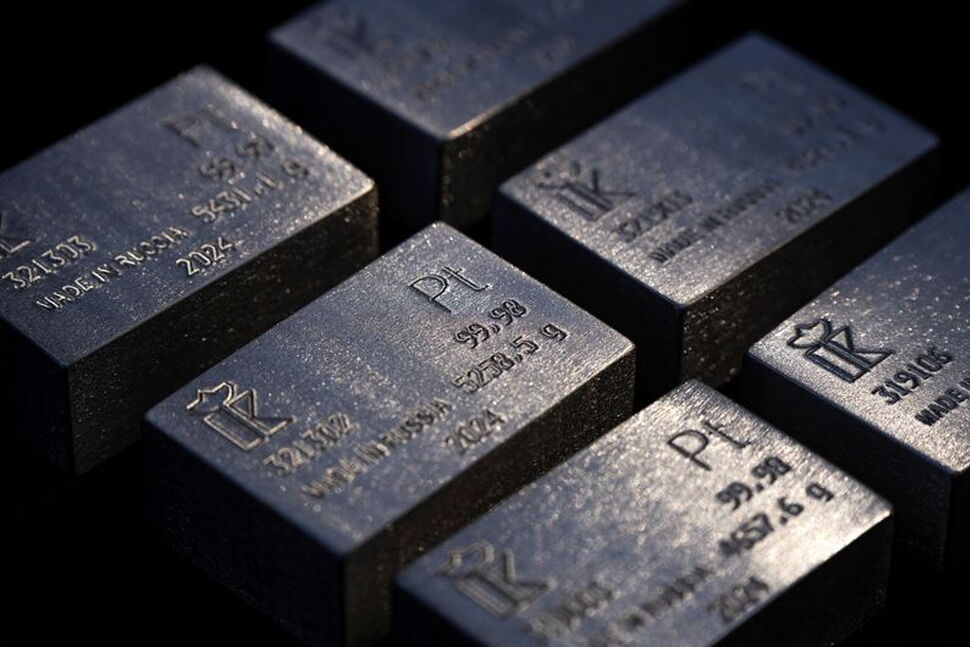
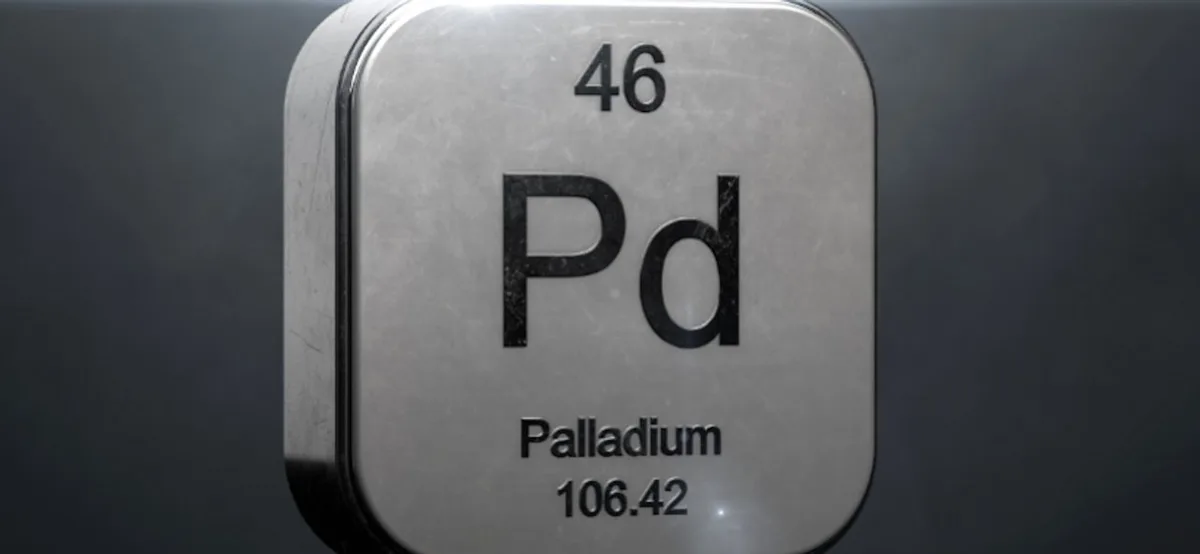
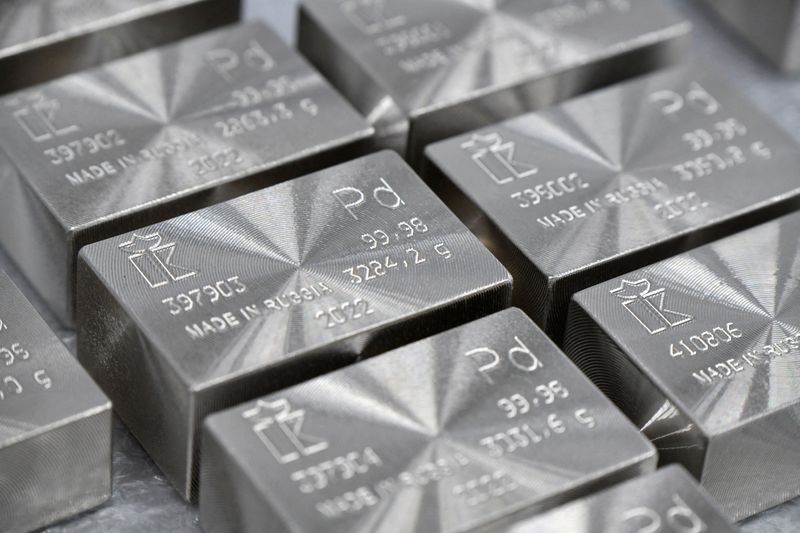
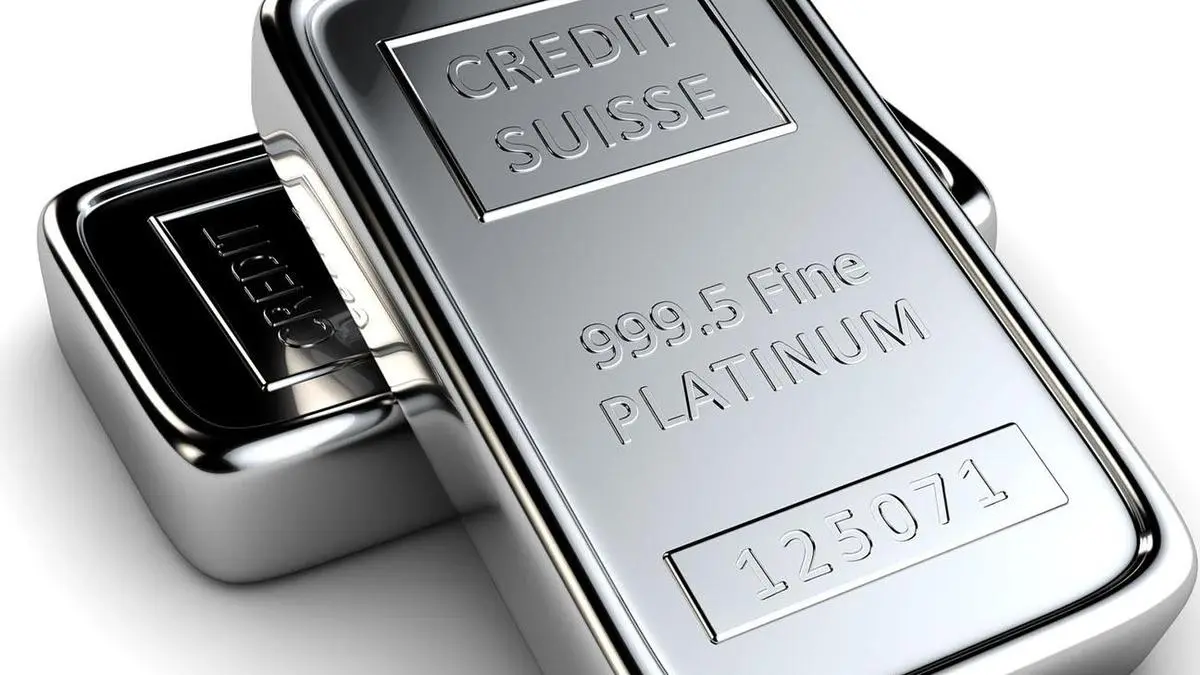
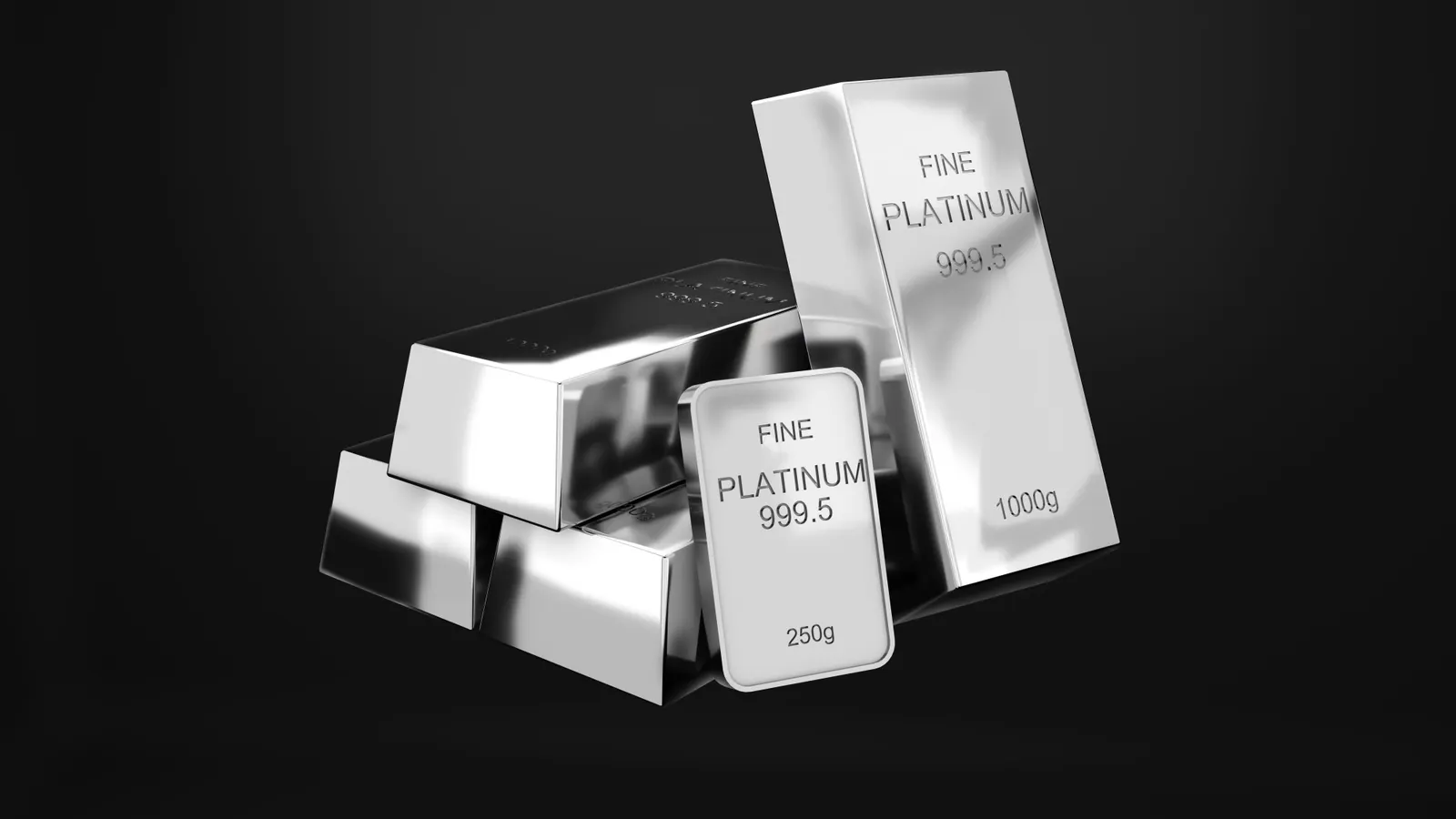
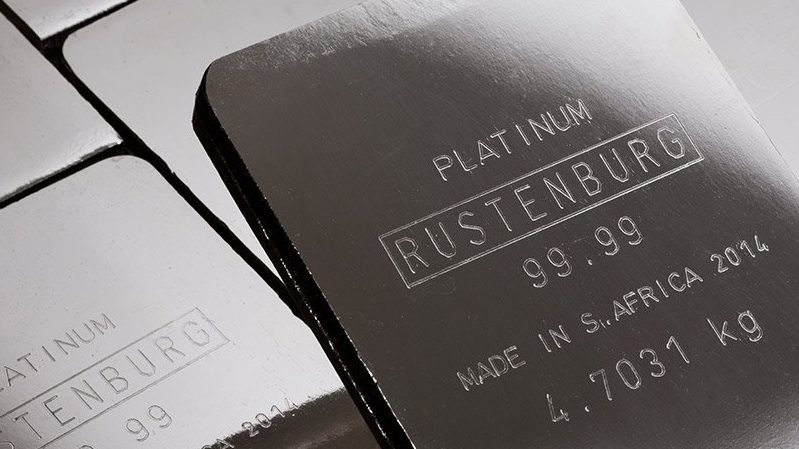
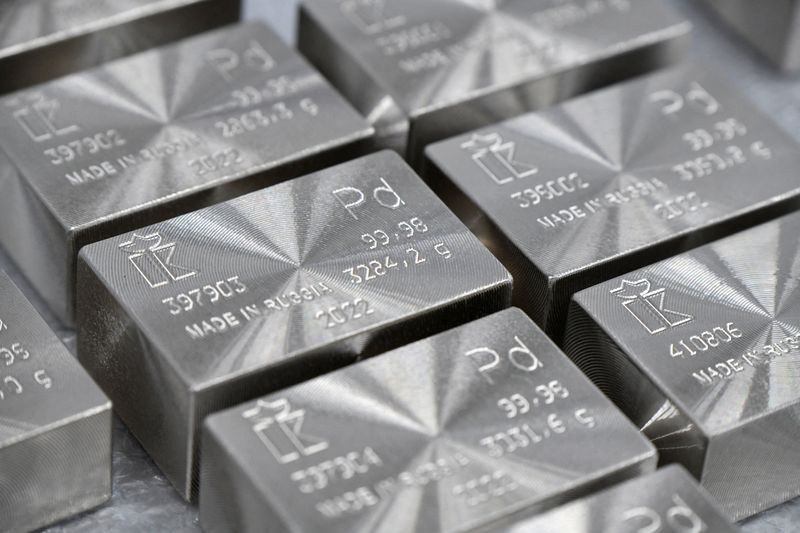
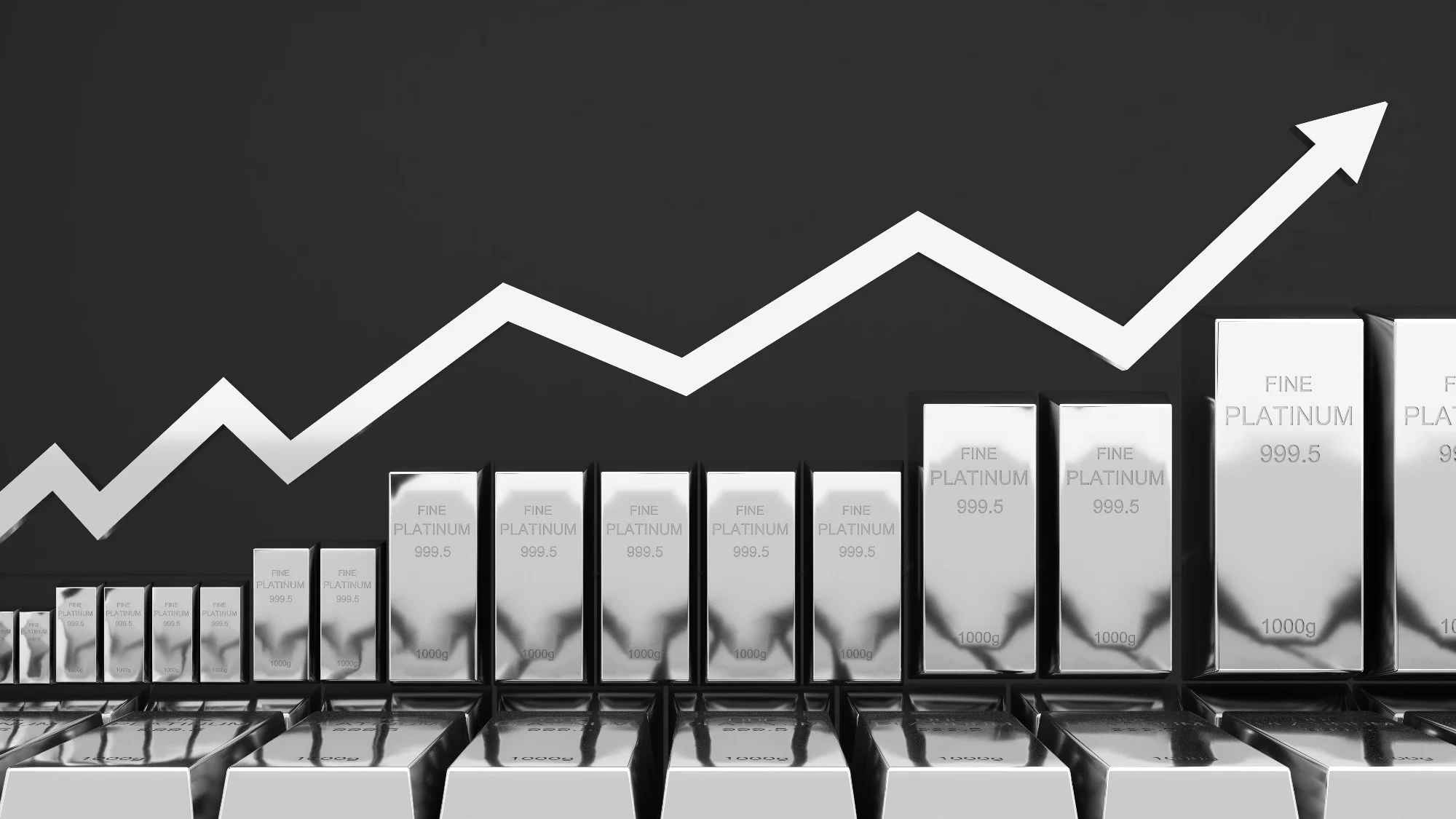
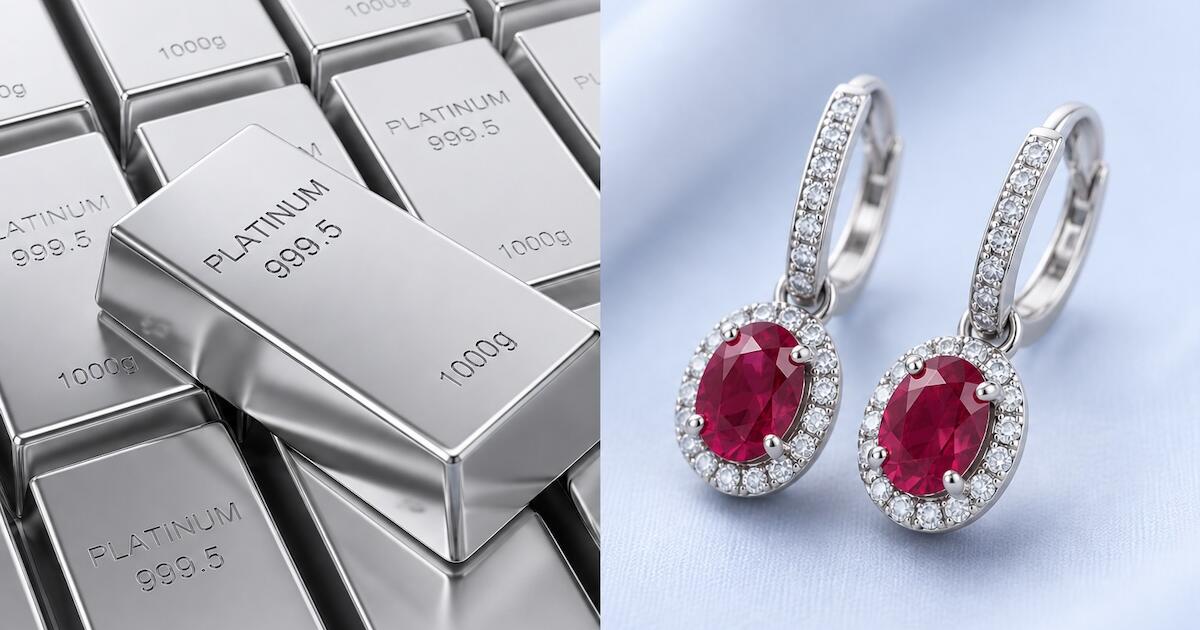
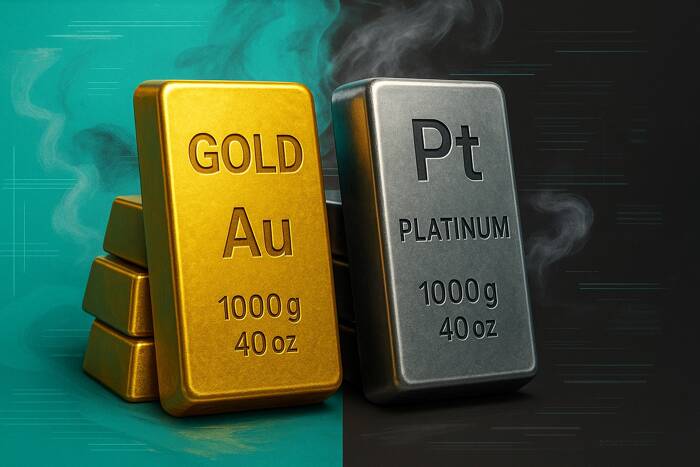
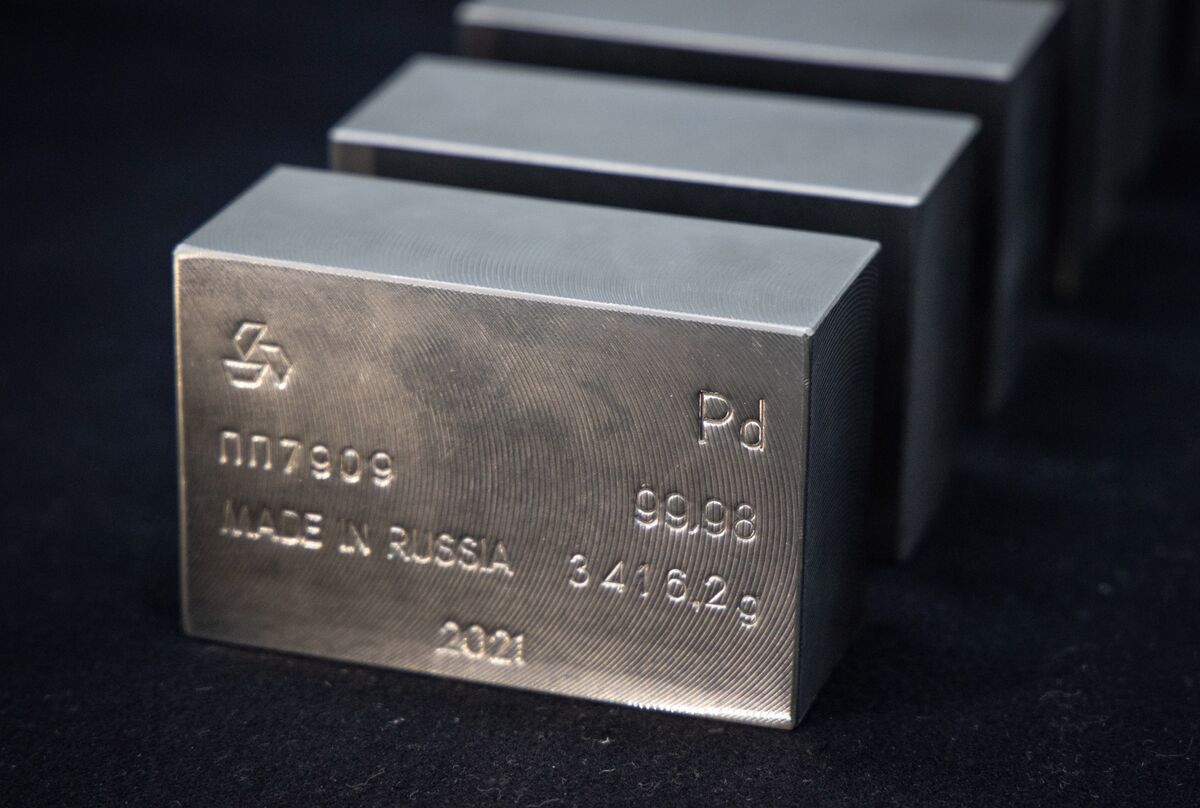
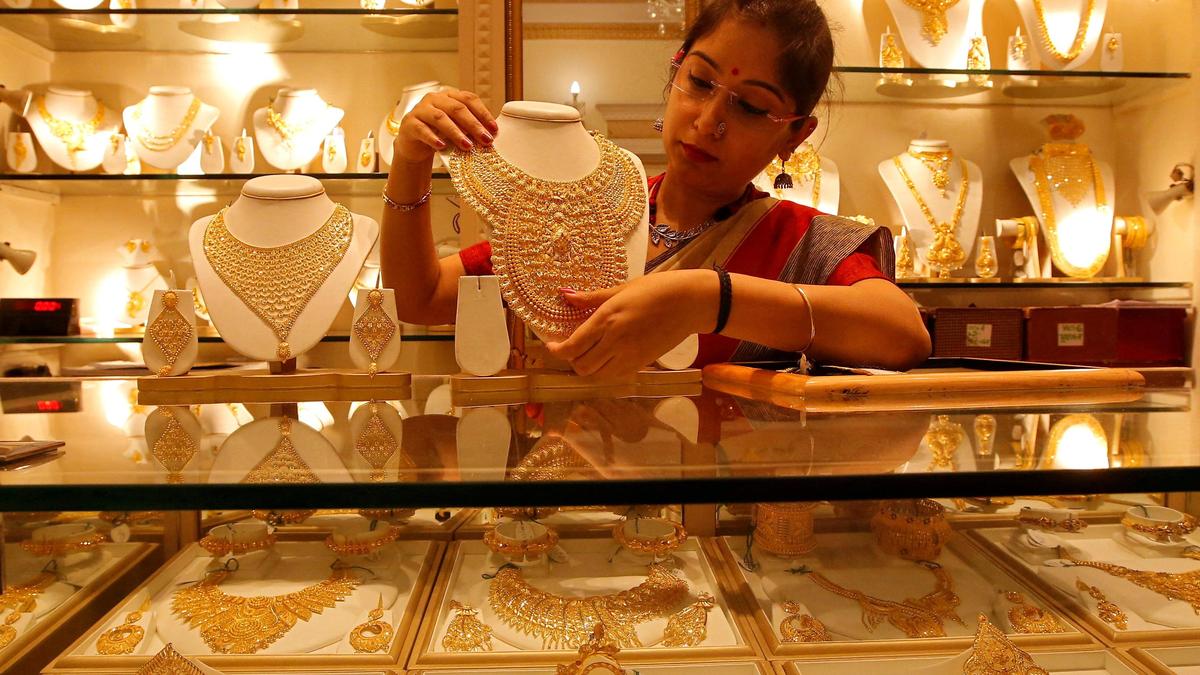
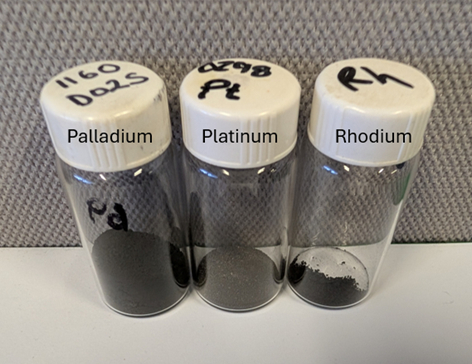
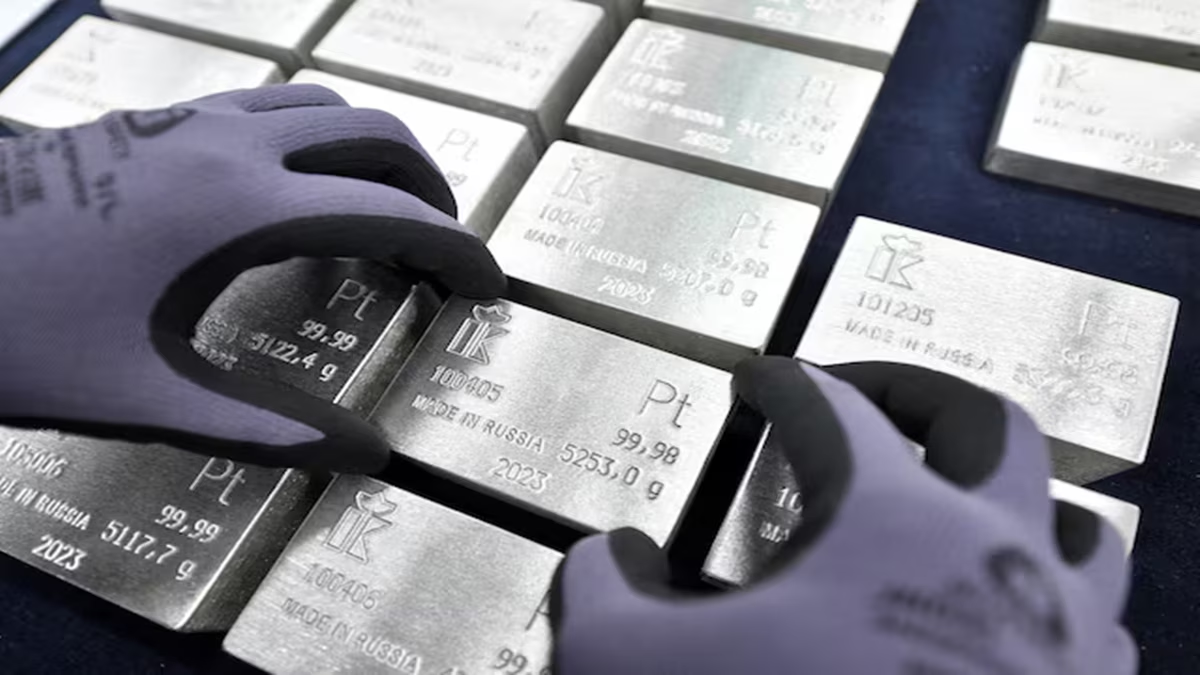
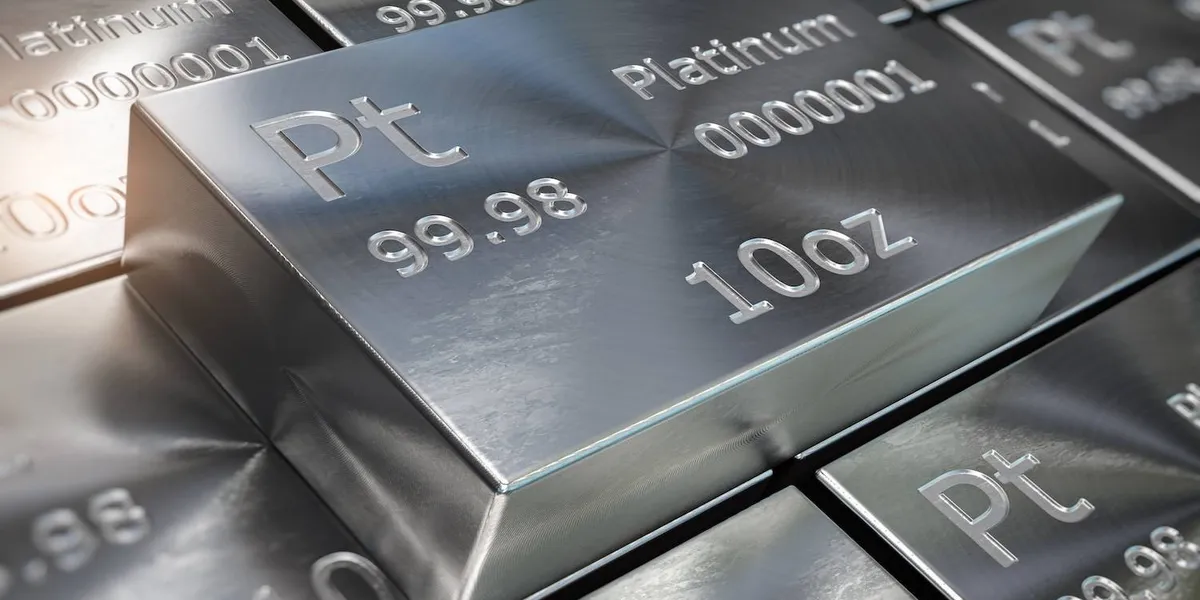
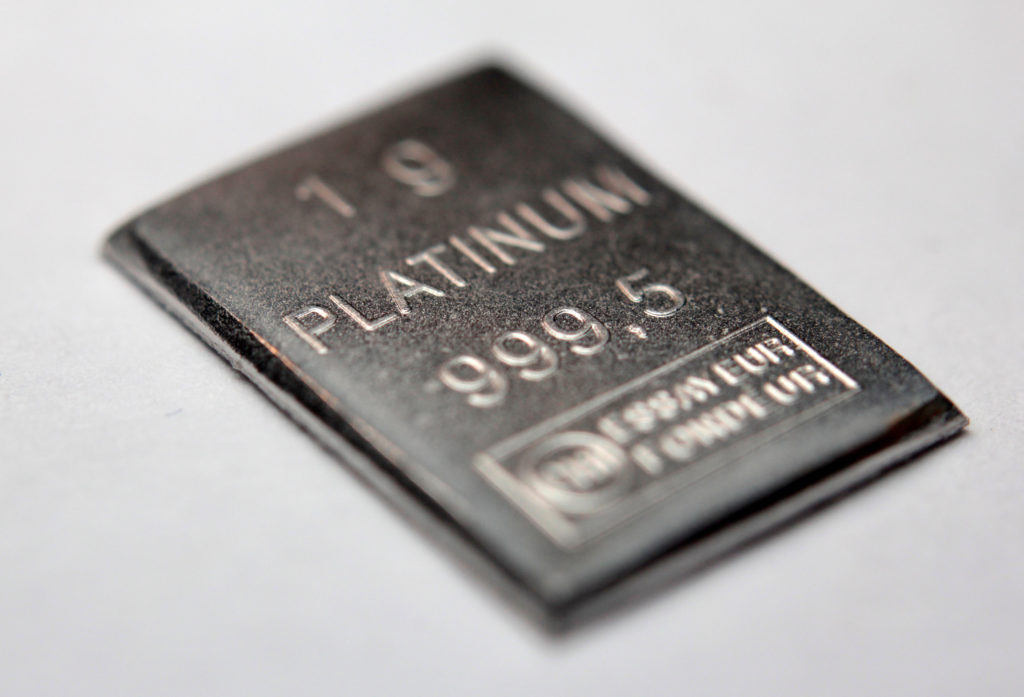
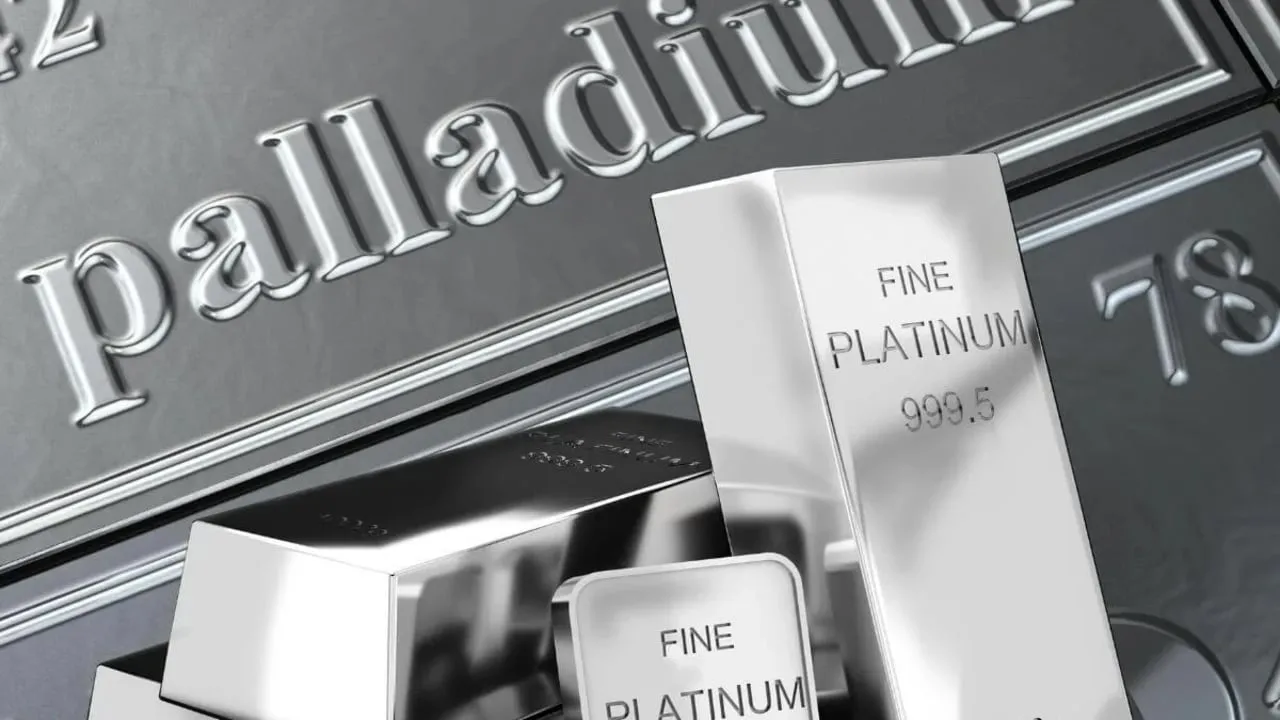
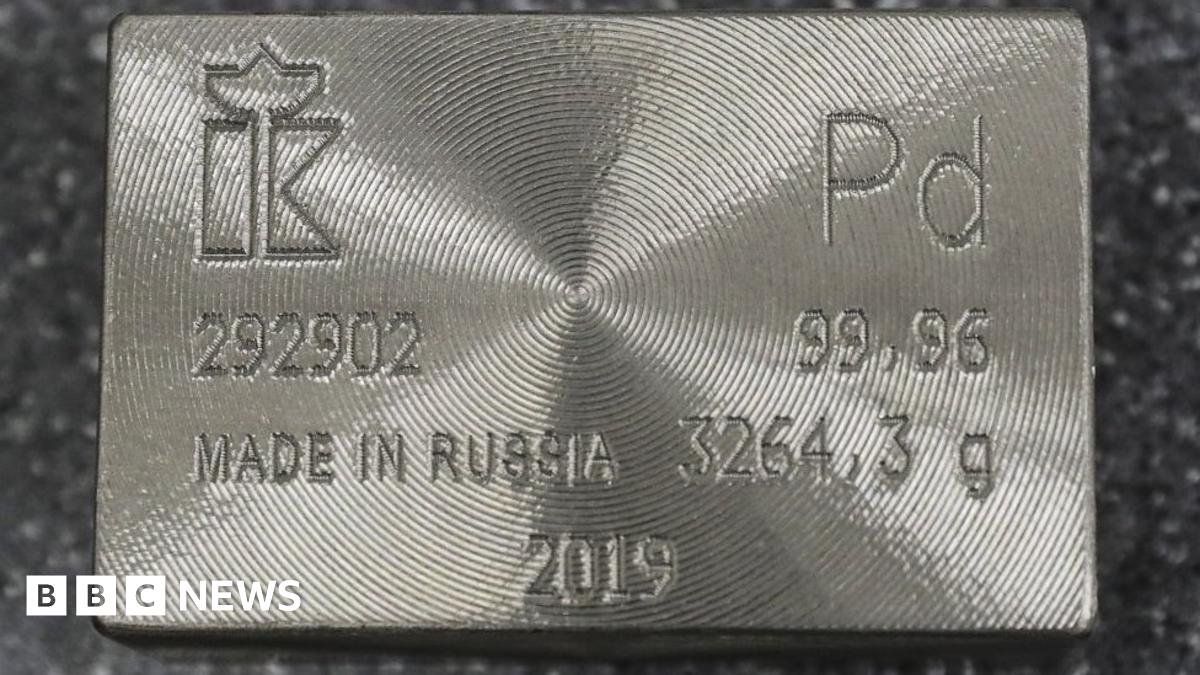
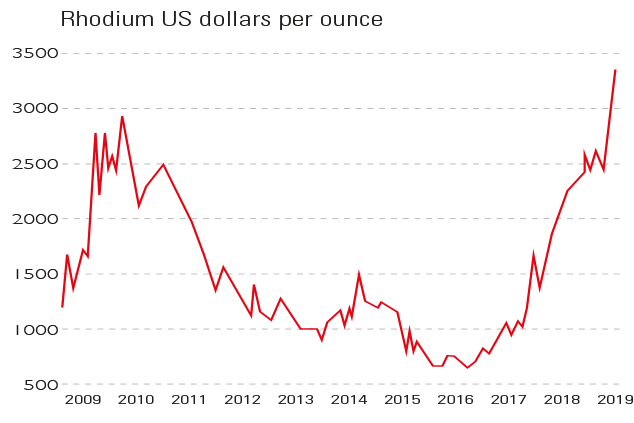
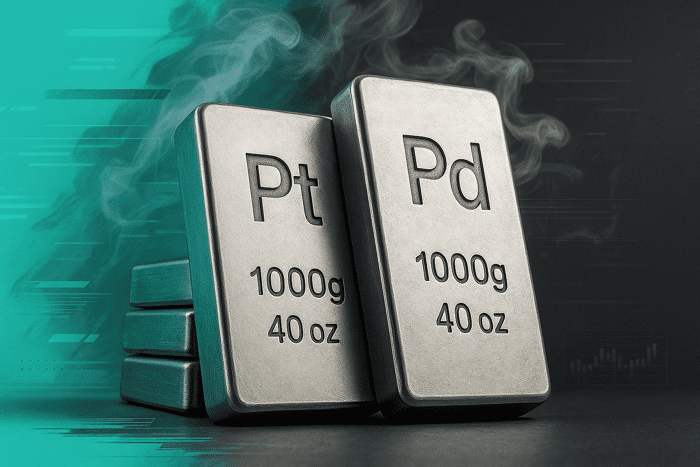
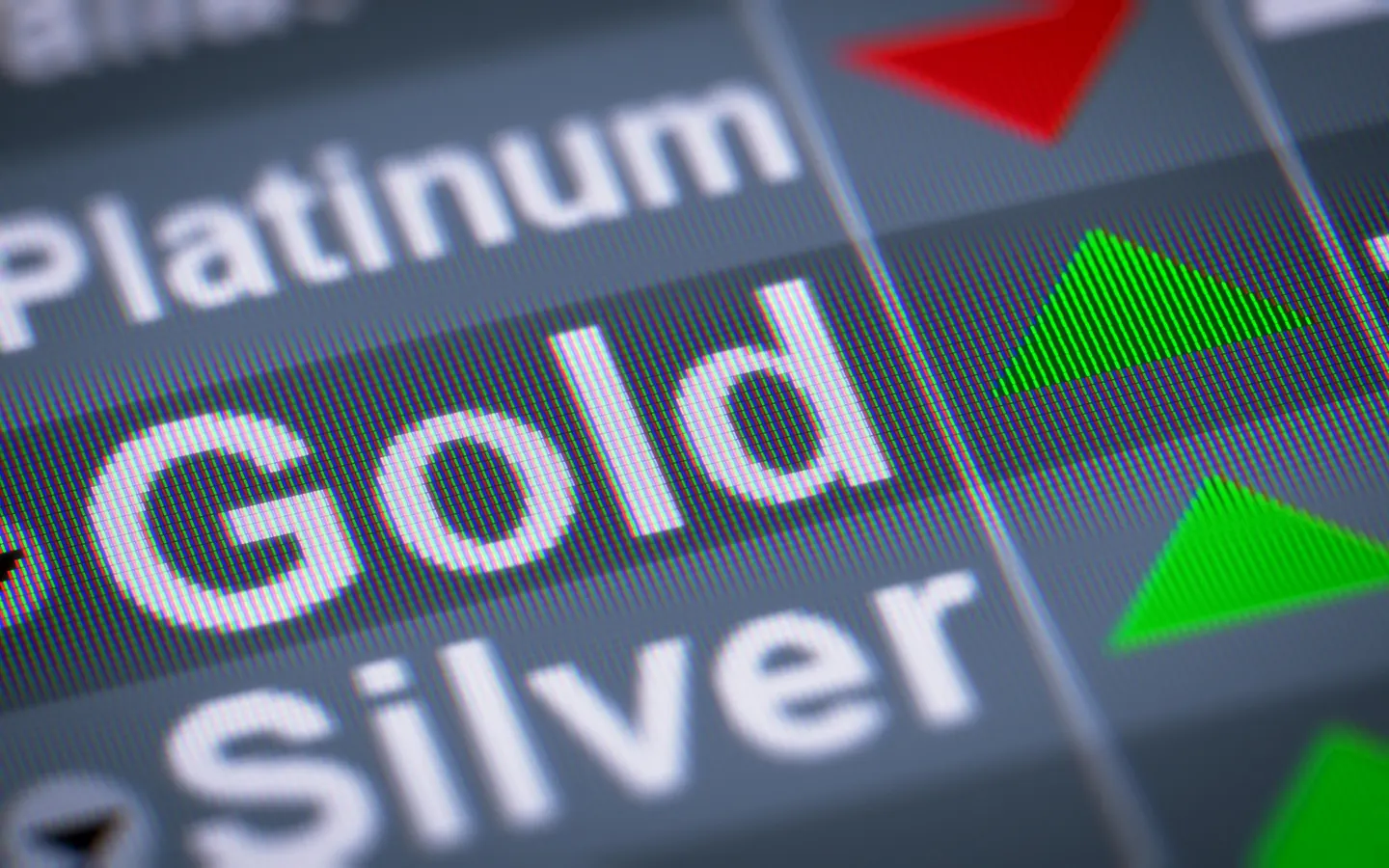
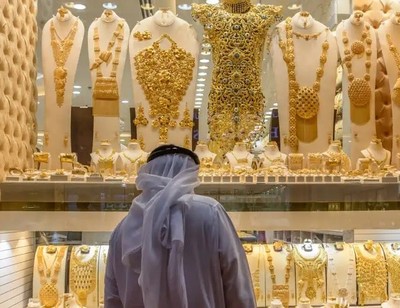
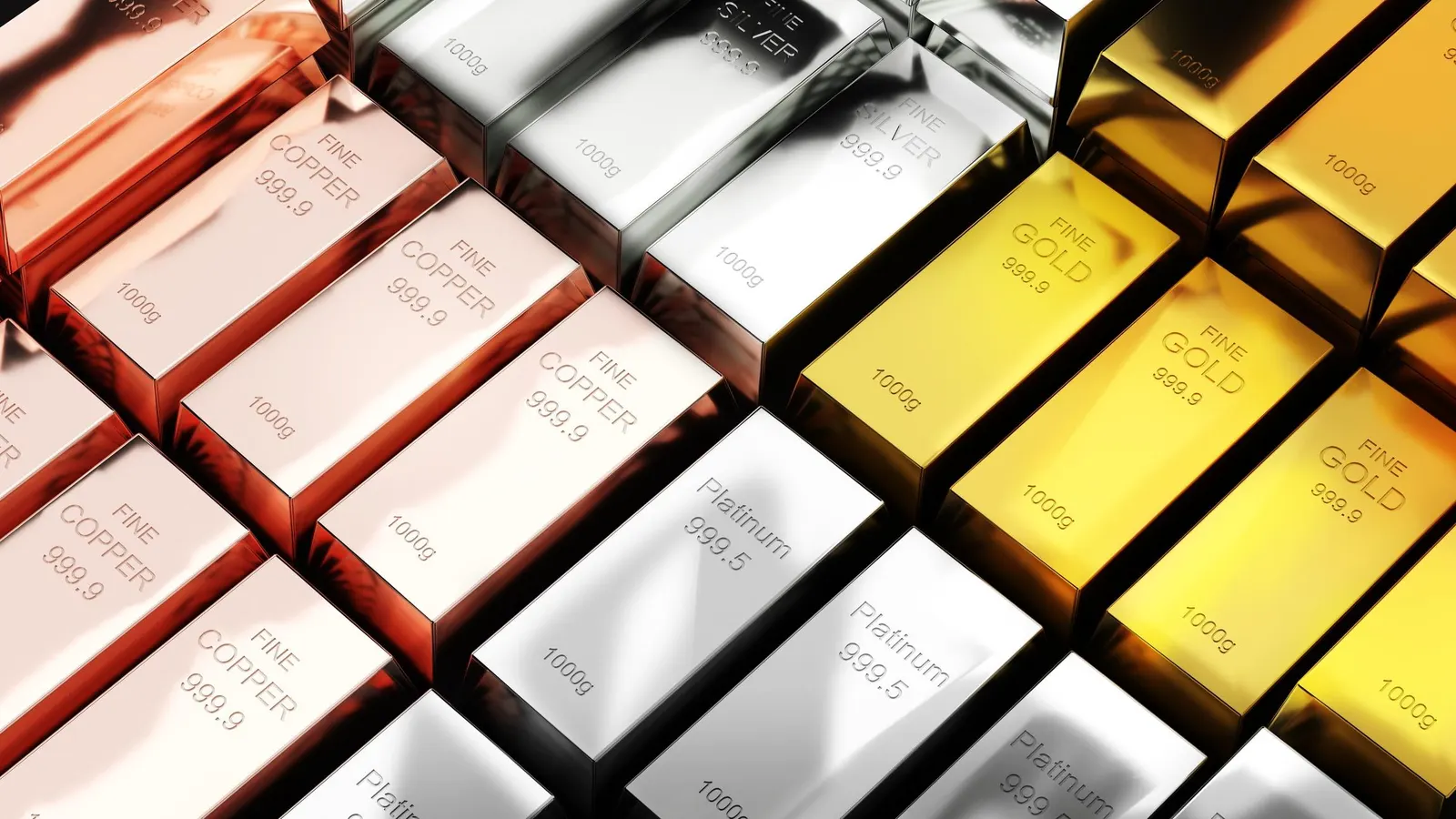
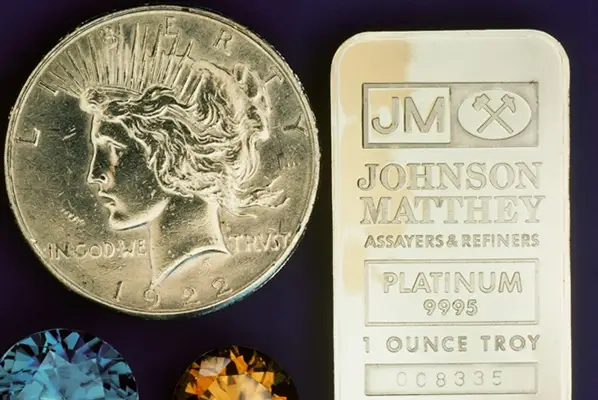
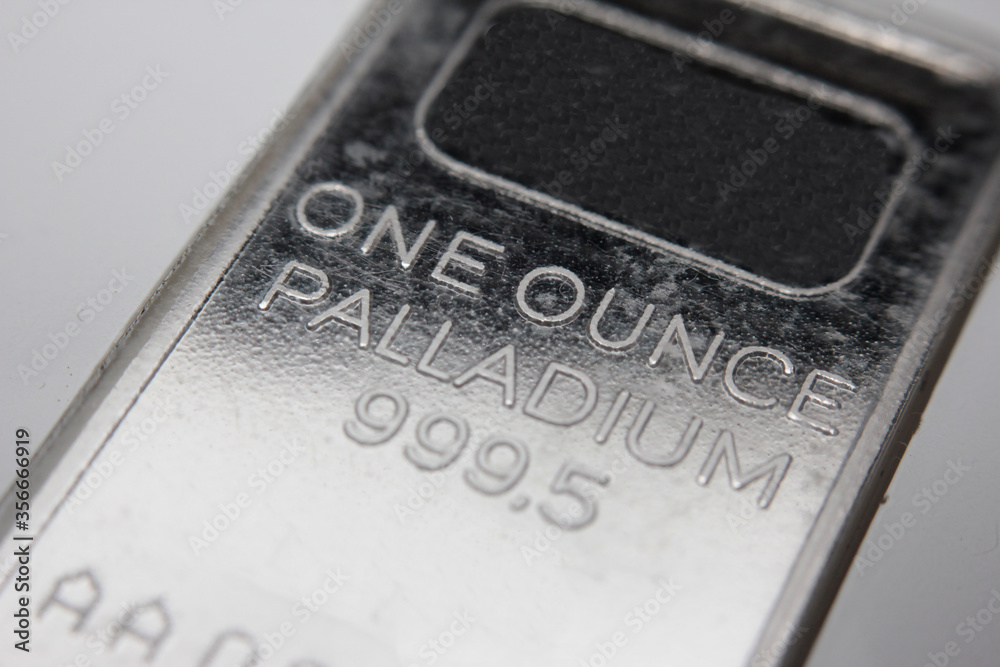
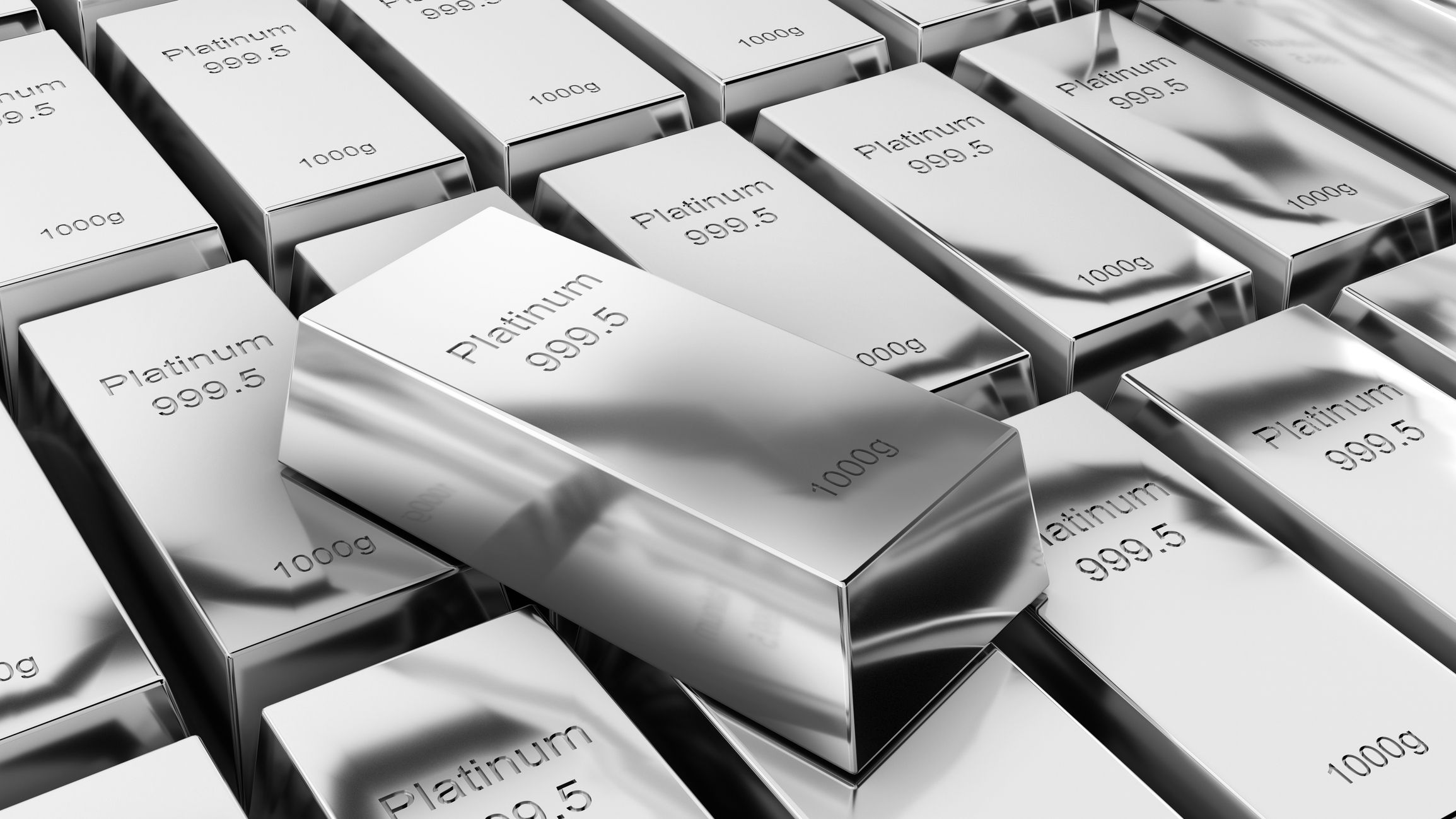
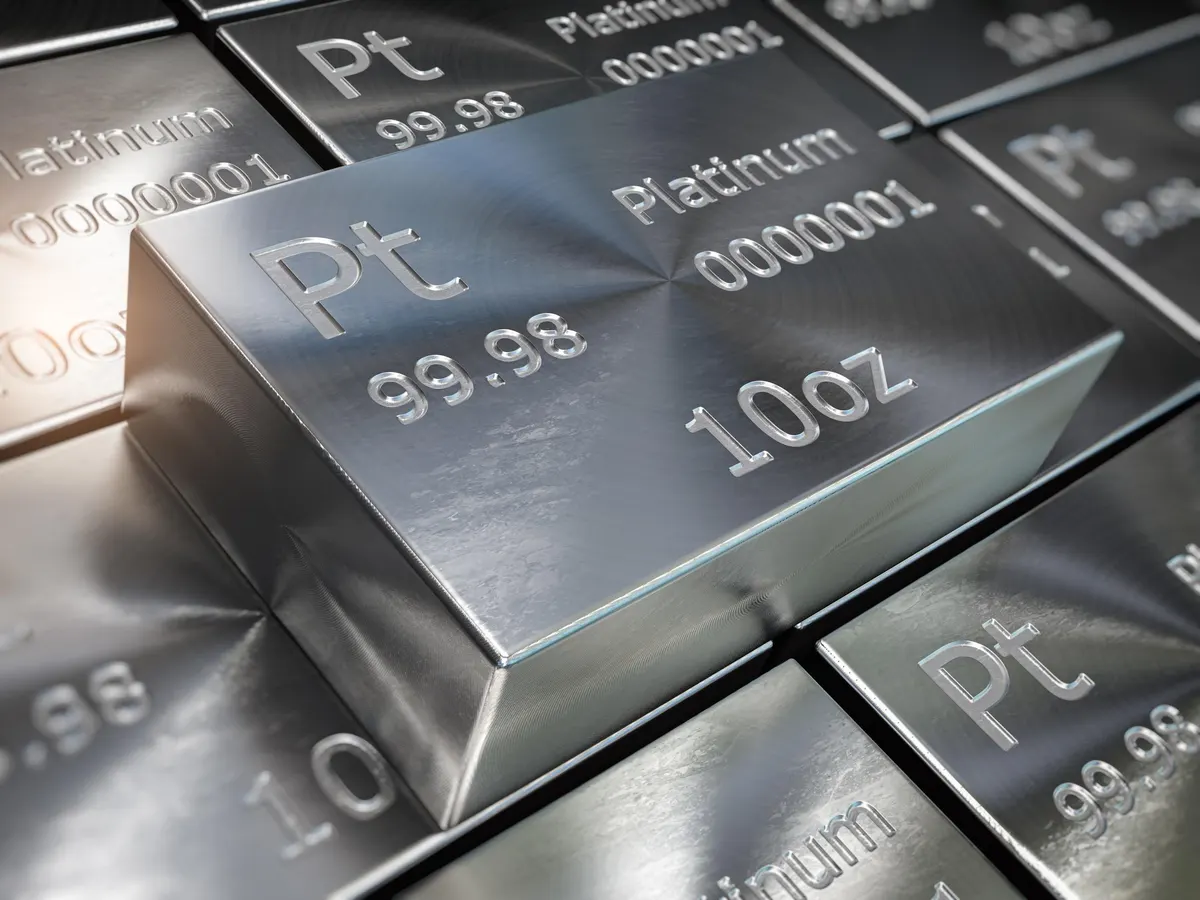
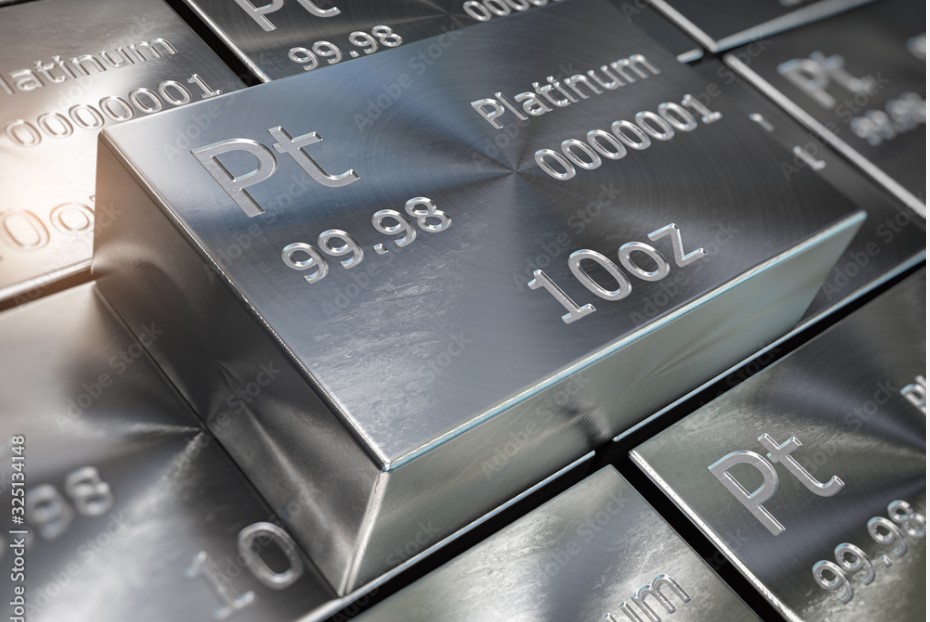
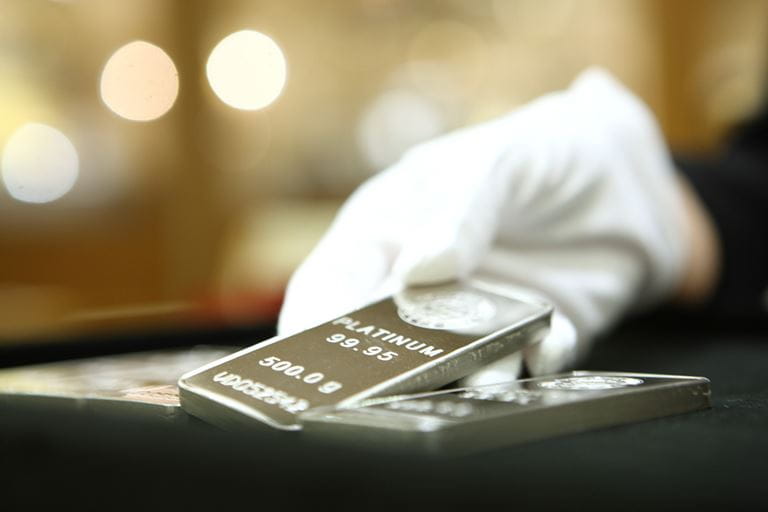
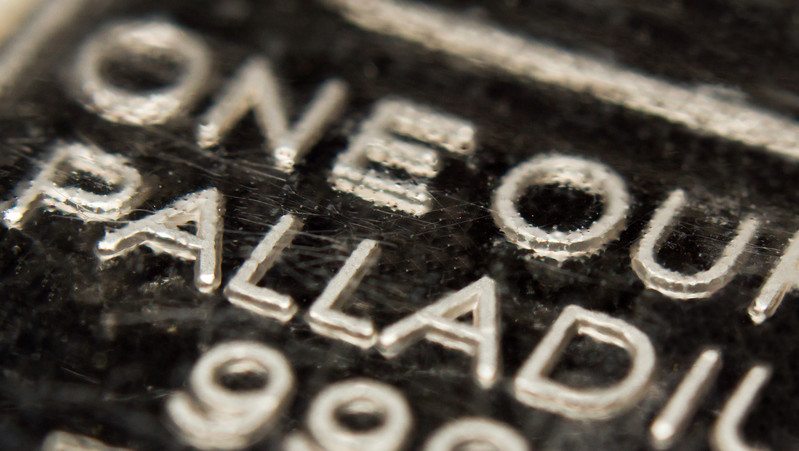
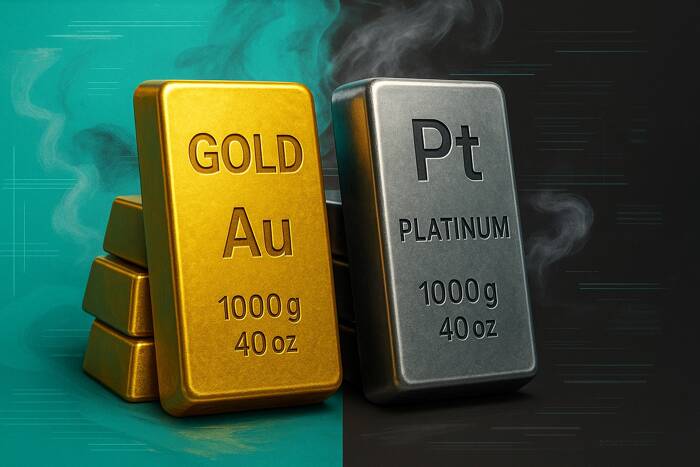
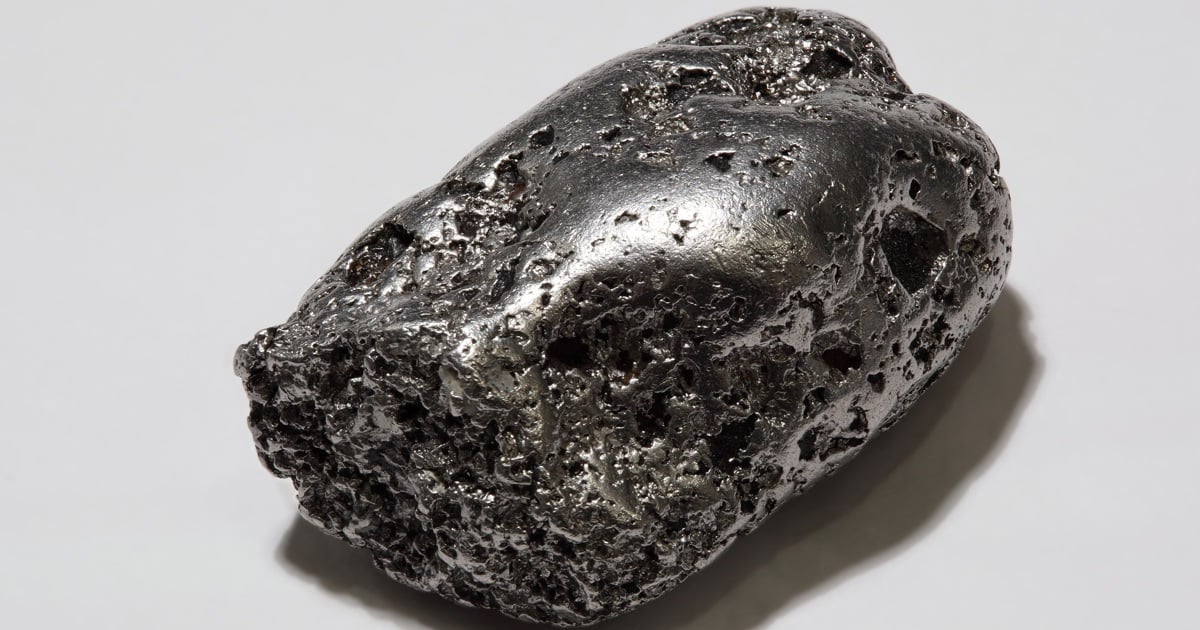
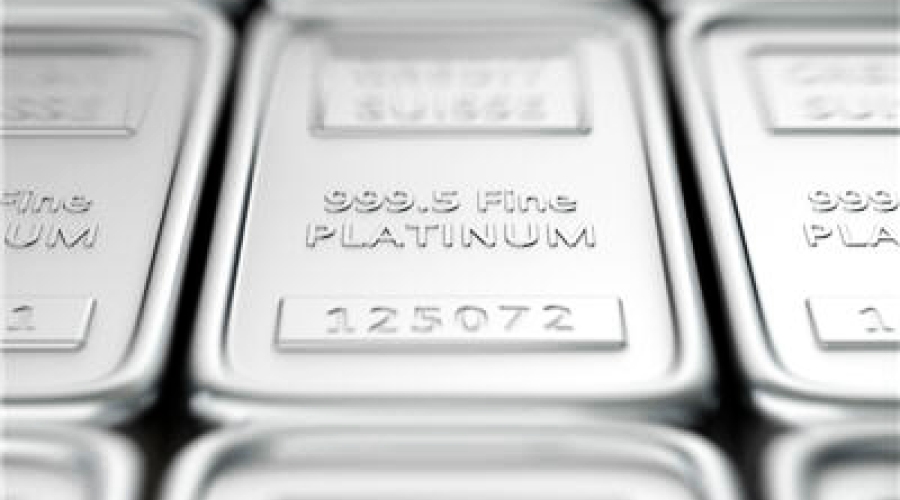
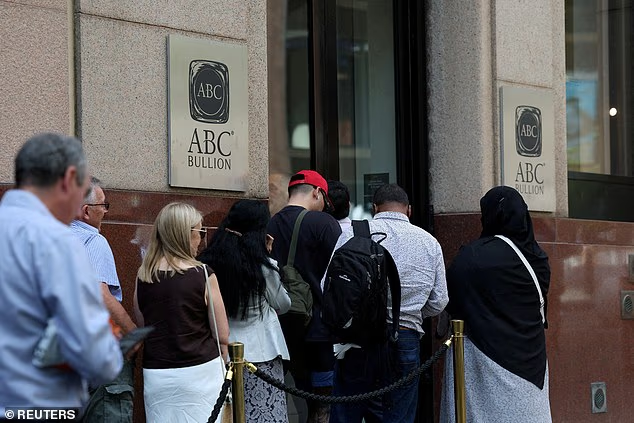
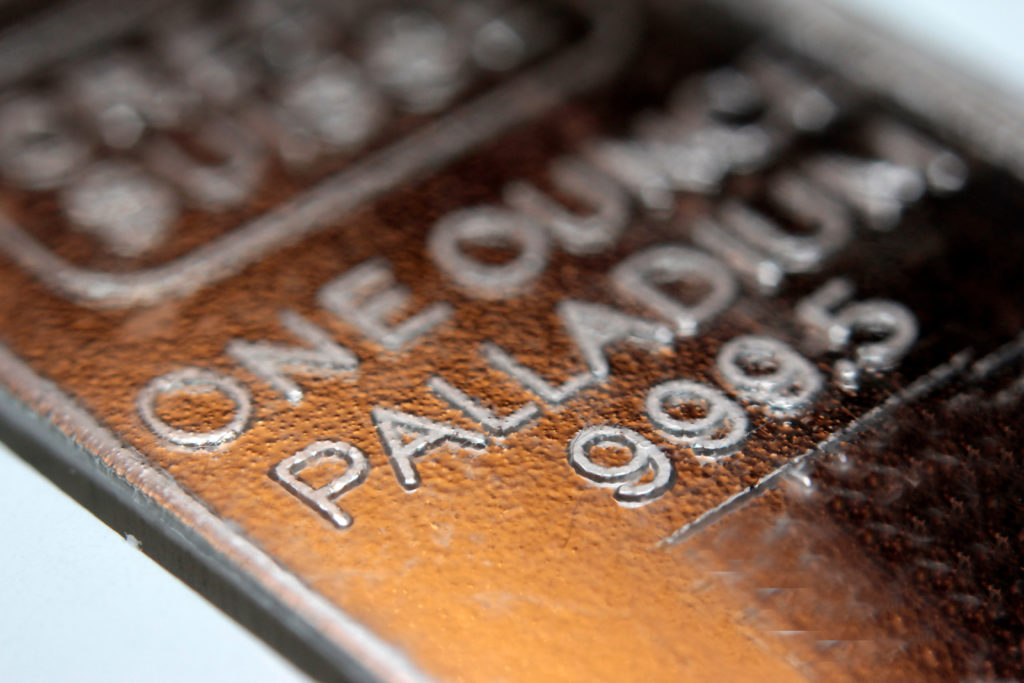
Regional demand trends showed mixed signals. In India, gold traded at a premium for the first time in two months as lower prices encouraged buying. In China, premiums declined slightly as buyers waited for deeper price corrections. Other metals showed mixed performance. Platinum rose 0.9% to $1,981.95 per ounce. Palladium increased 1.9% to $1,497.00 per ounce. Overall sentiment remains tied to the dollar, oil prices, inflation expectations, and geopolitical developments.
What should investors do now?
Investors now monitor economic signals and geopolitical updates. Interest rate expectations remain a key driver. If rates remain high, gold may struggle in the short term.
However, precious metals still act as a hedge during uncertainty. Demand from Asia suggests buyers may enter the market when prices fall. This could support prices if global uncertainty continues. Short term price movements may remain volatile. Long term outlook depends on inflation trends, central bank policy, and global tensions.
FAQs
Q1: Why do gold and silver prices fall when the US dollar rises?
Gold and silver are priced in dollars. When the dollar rises, metals become expensive for global buyers. This reduces demand and often leads to price declines.
Q2: How do interest rate expectations affect gold and silver prices?
Higher interest rates increase returns on bonds and savings. Gold and silver do not pay interest. Investors may shift funds away from metals when rate hike expectations increase.