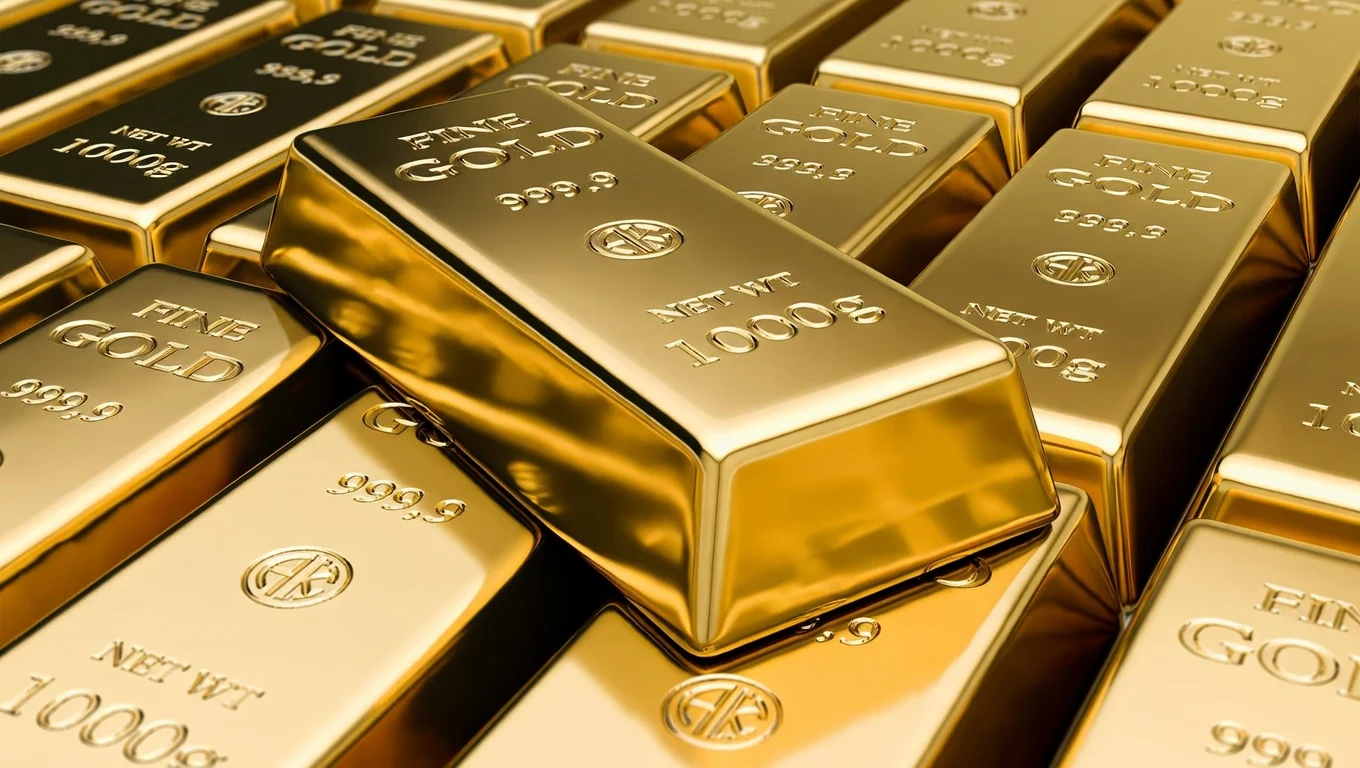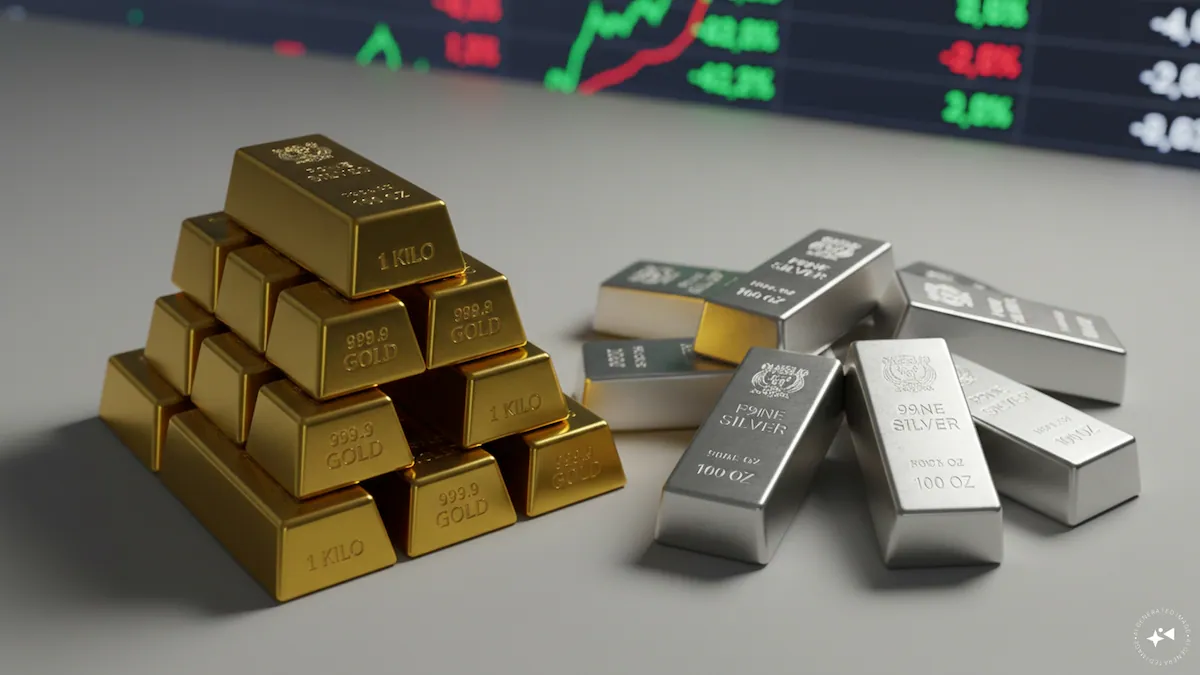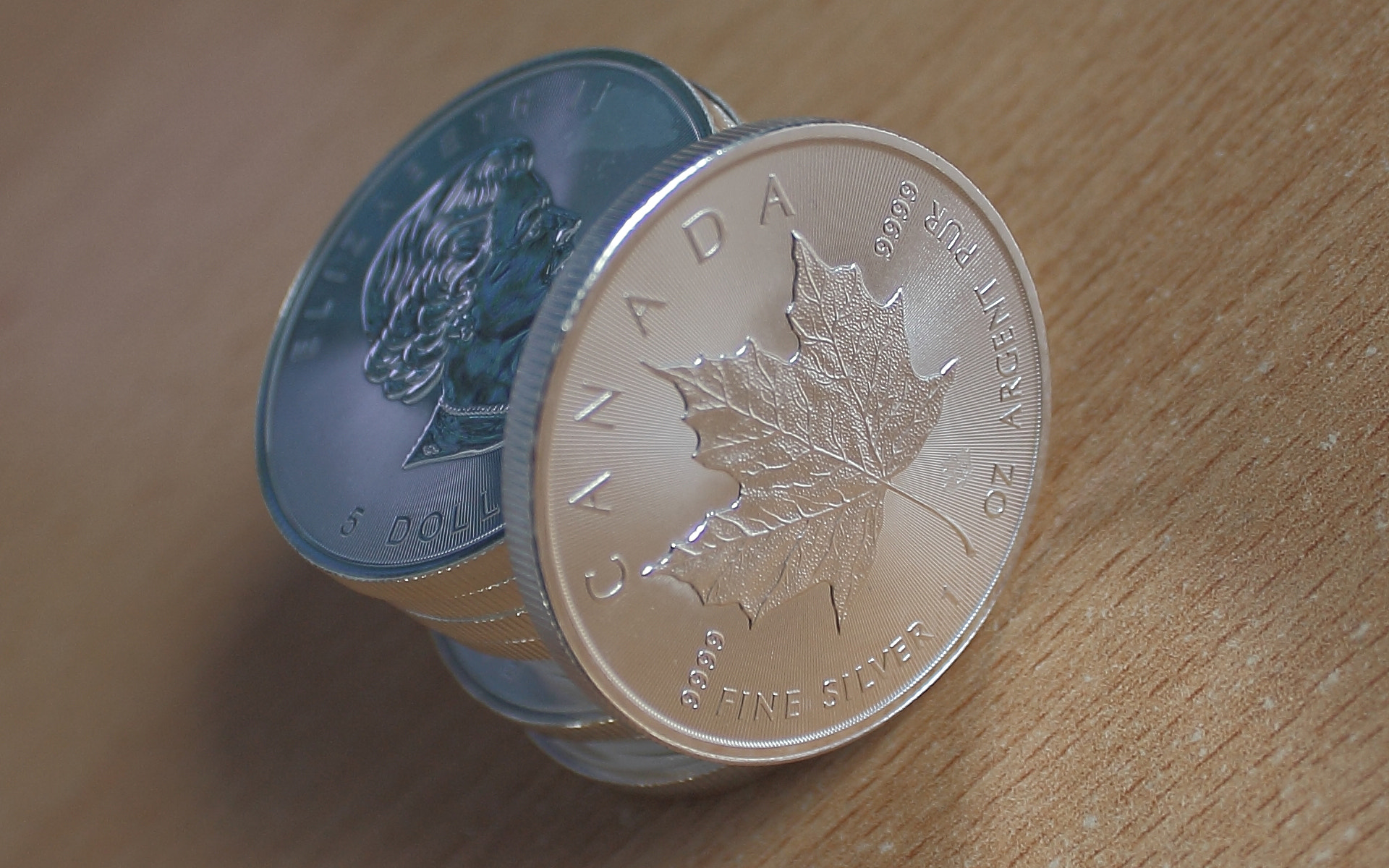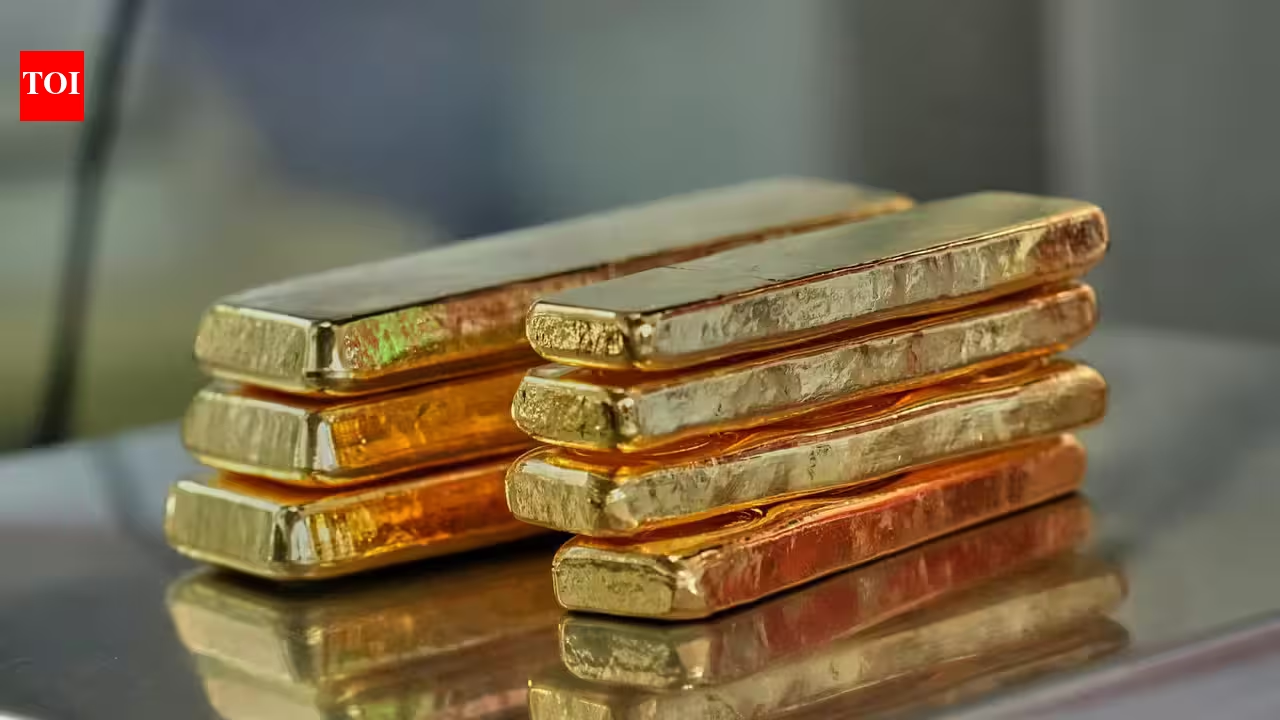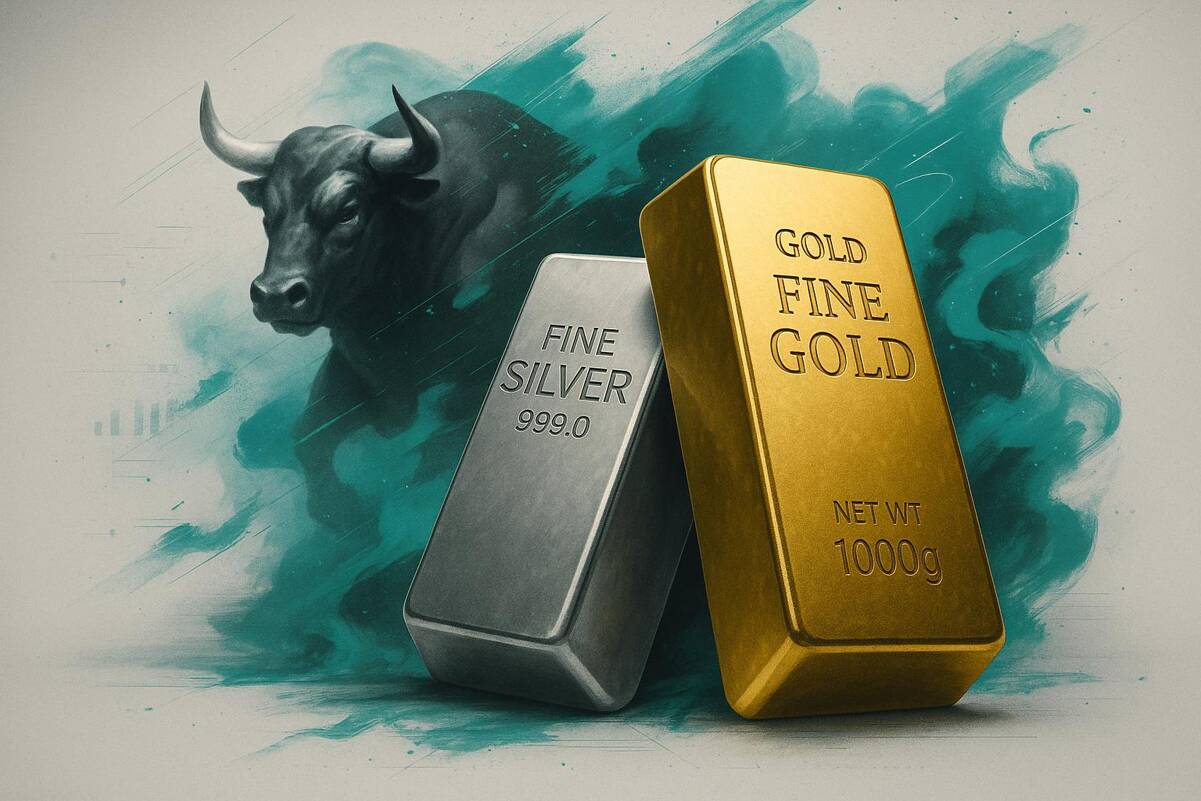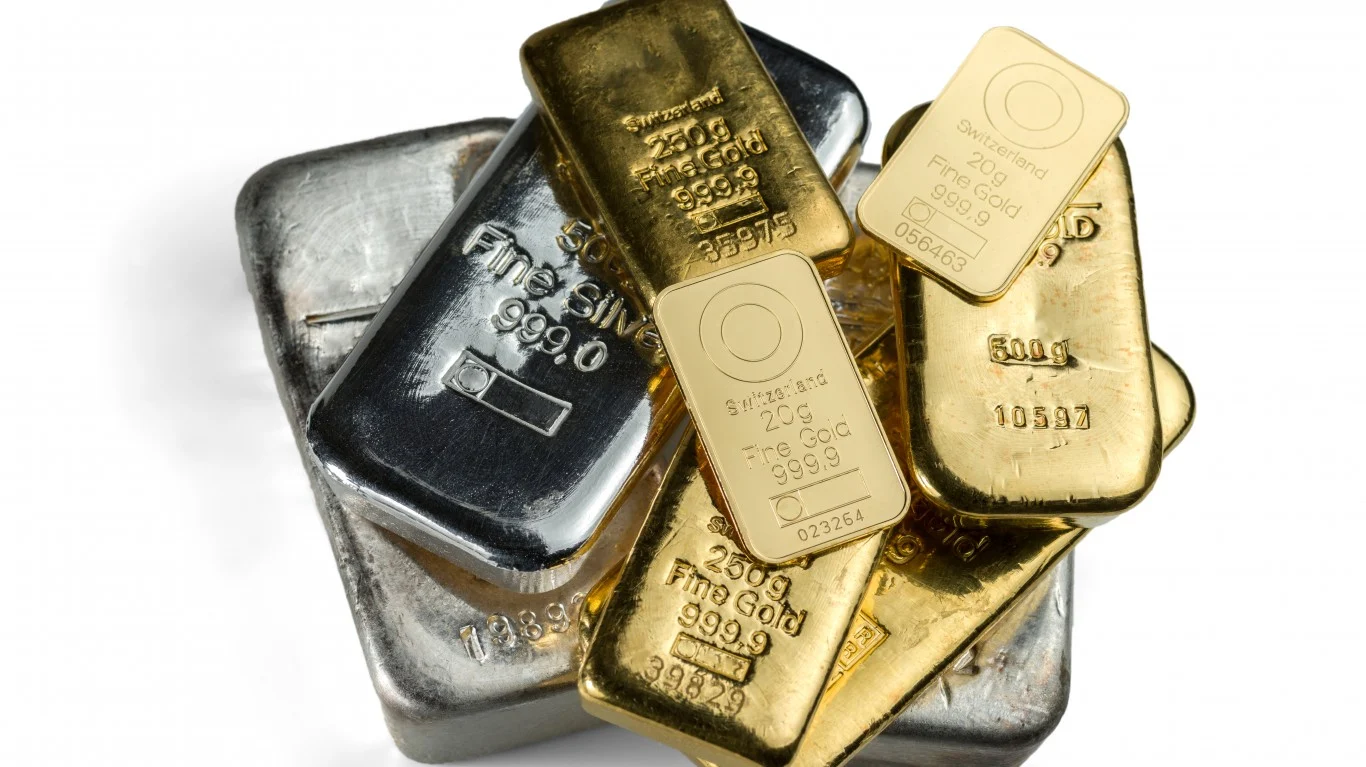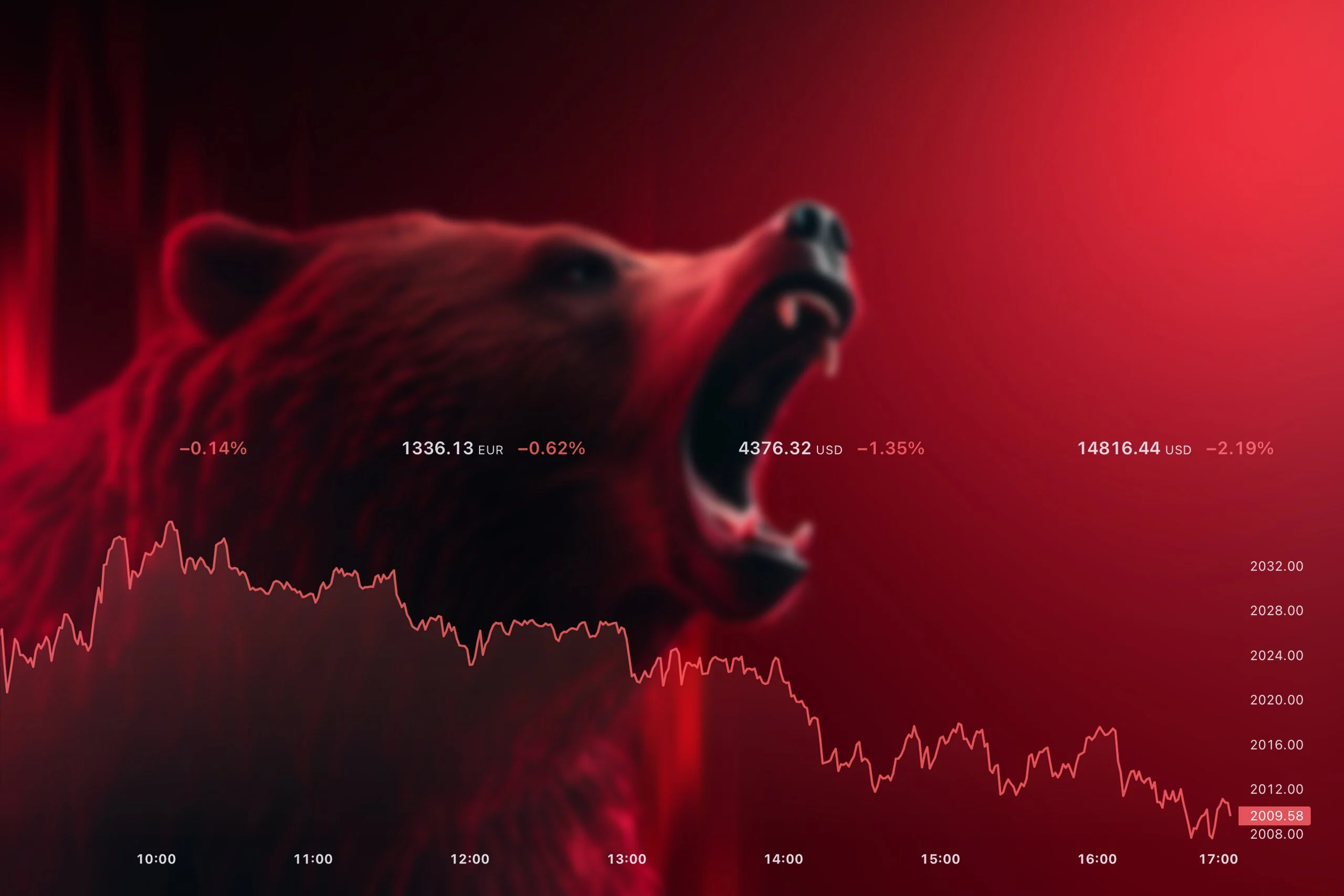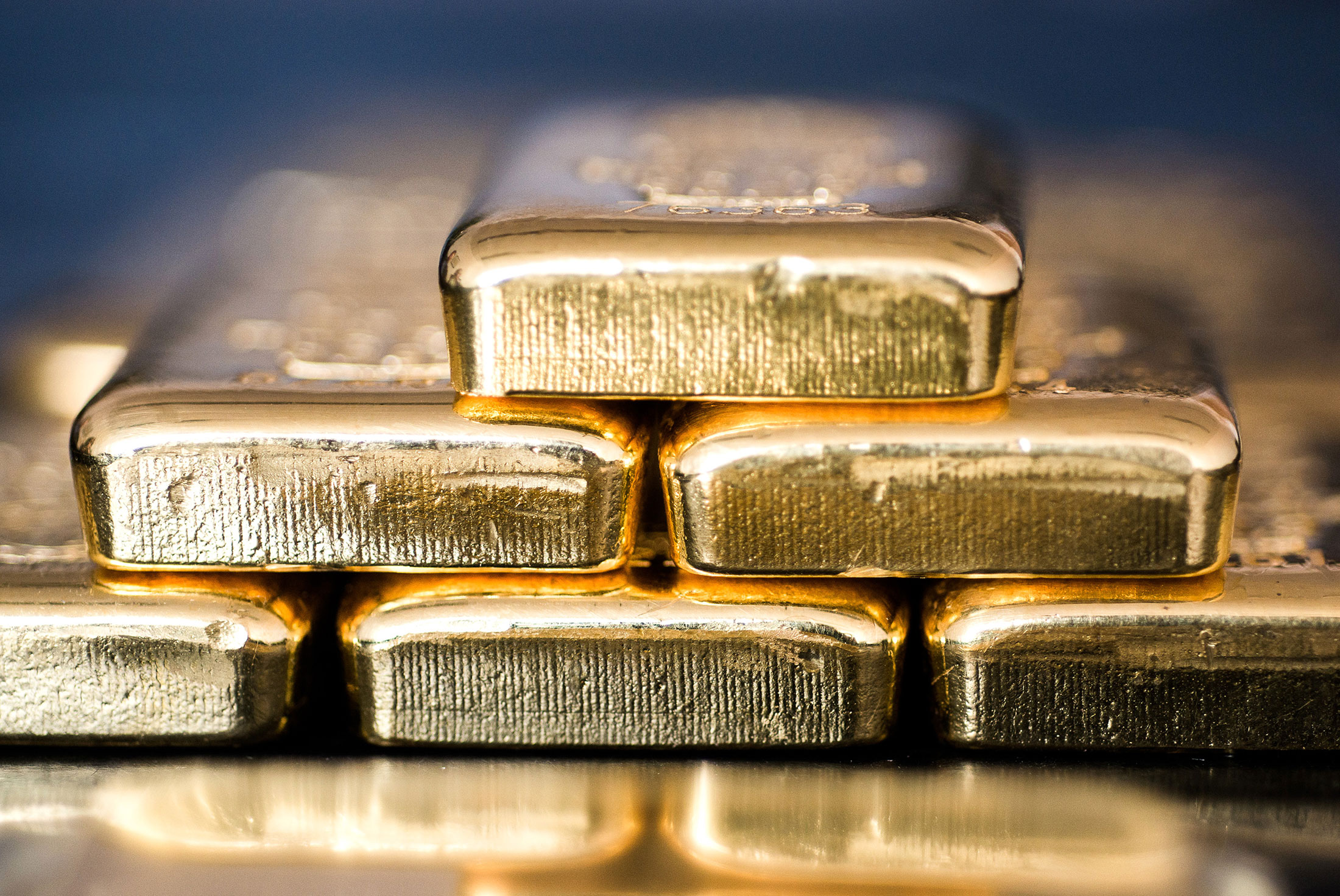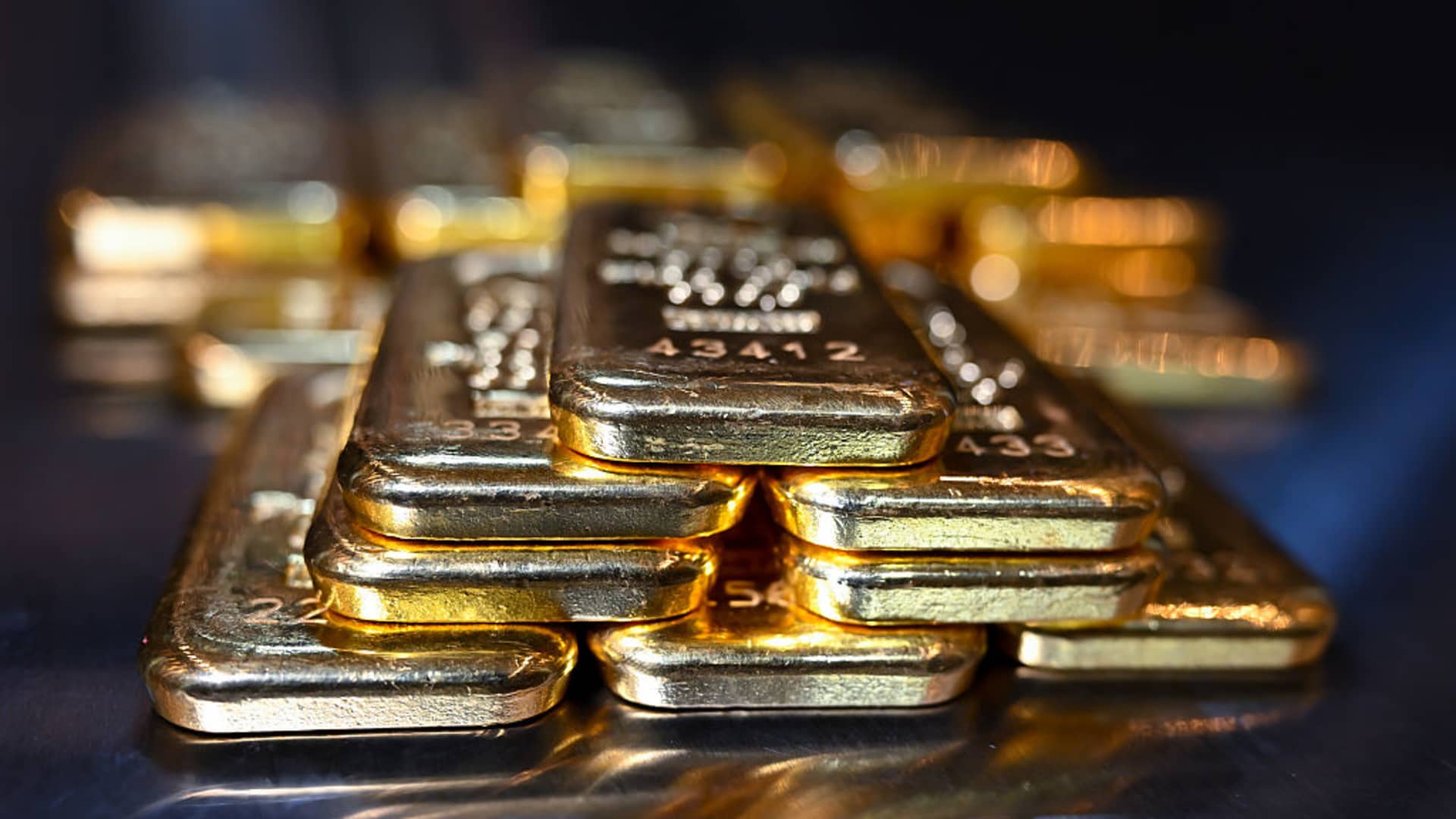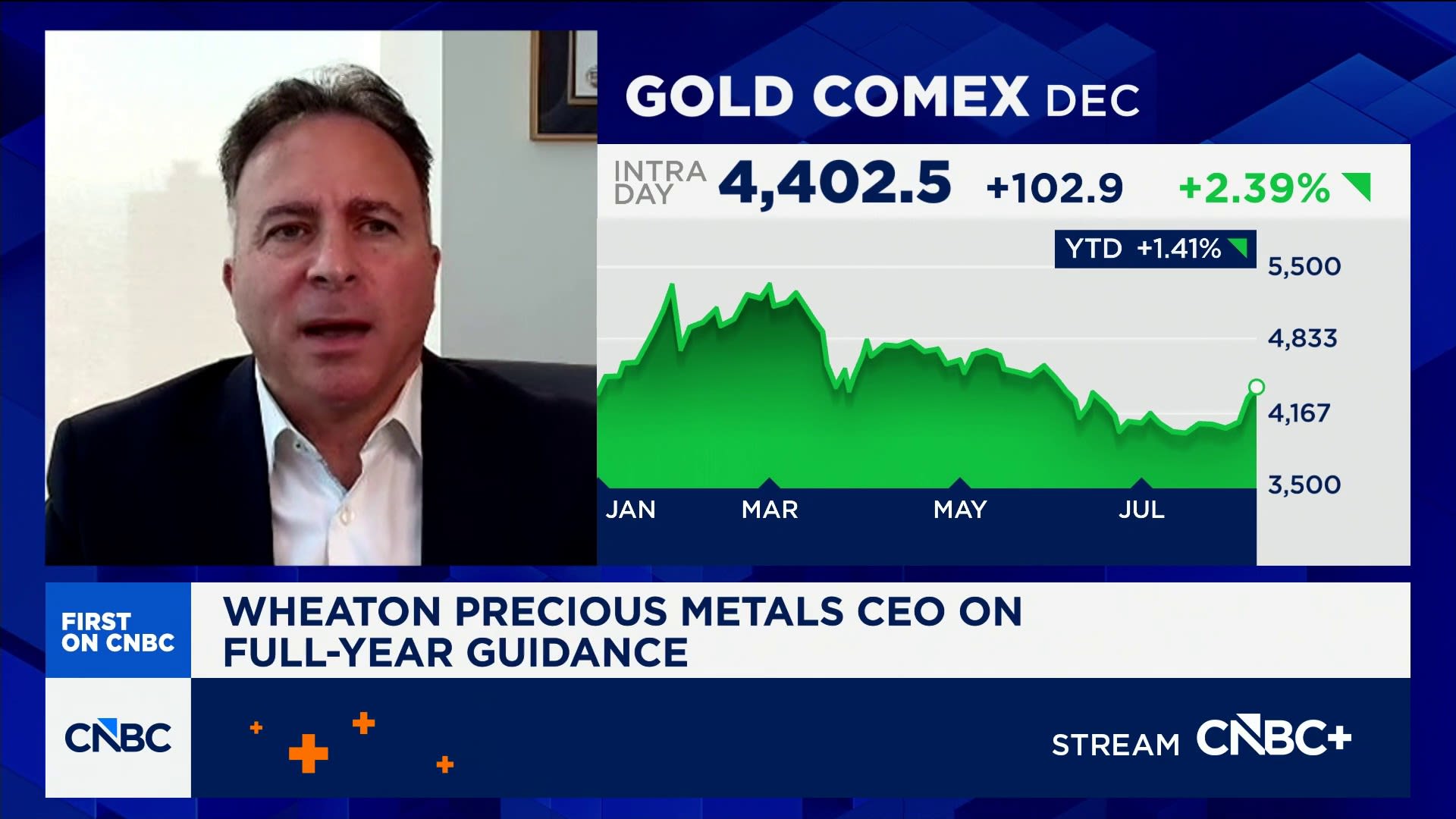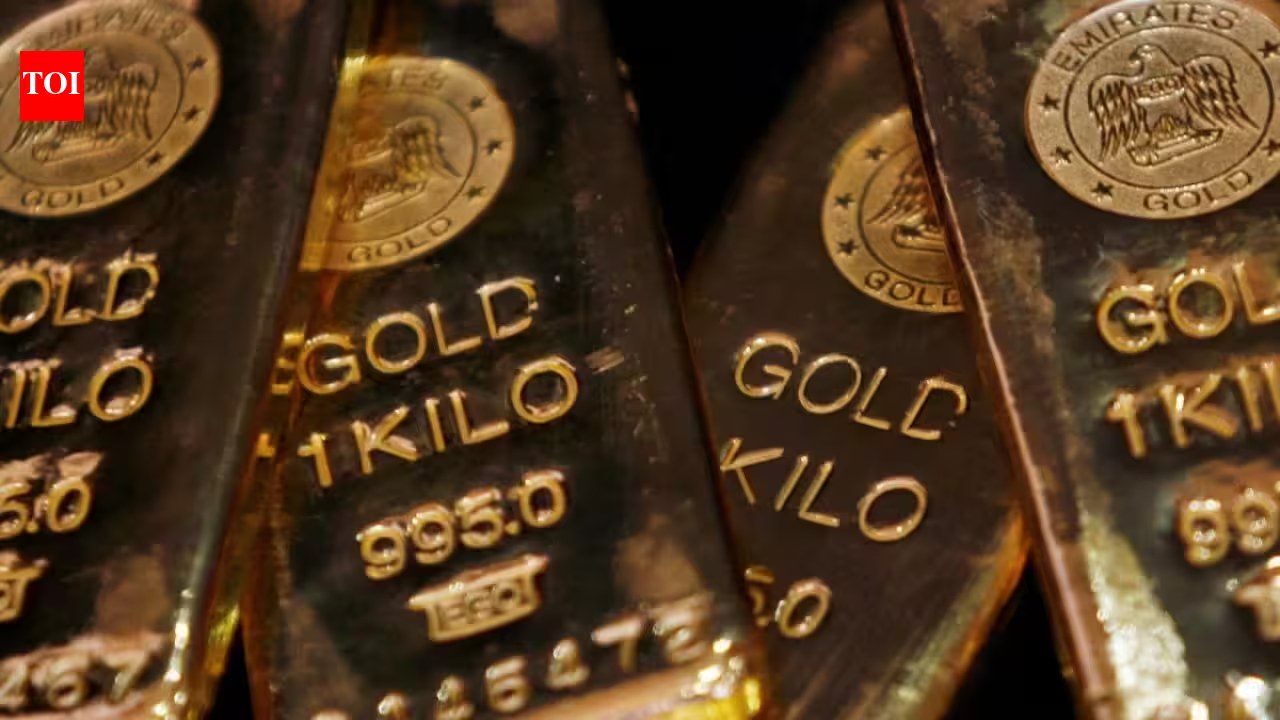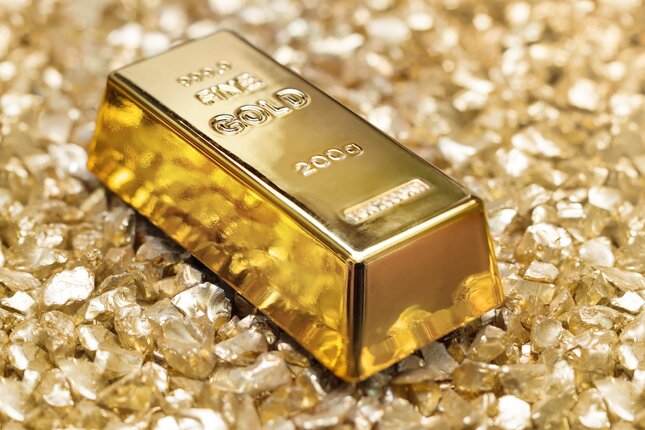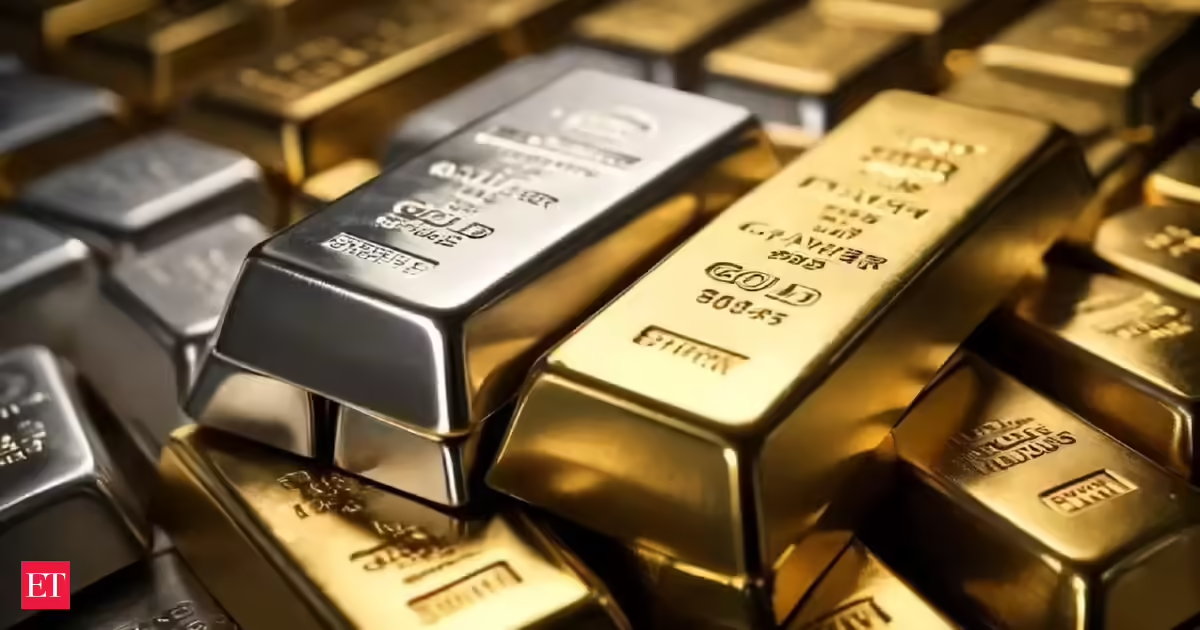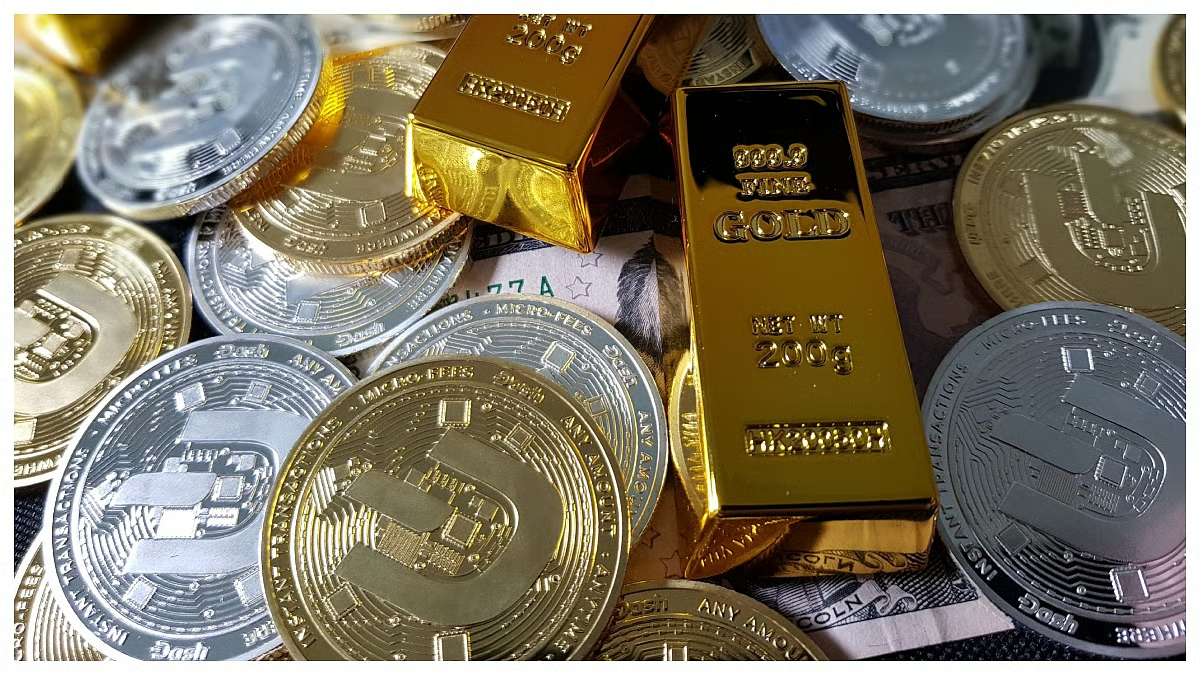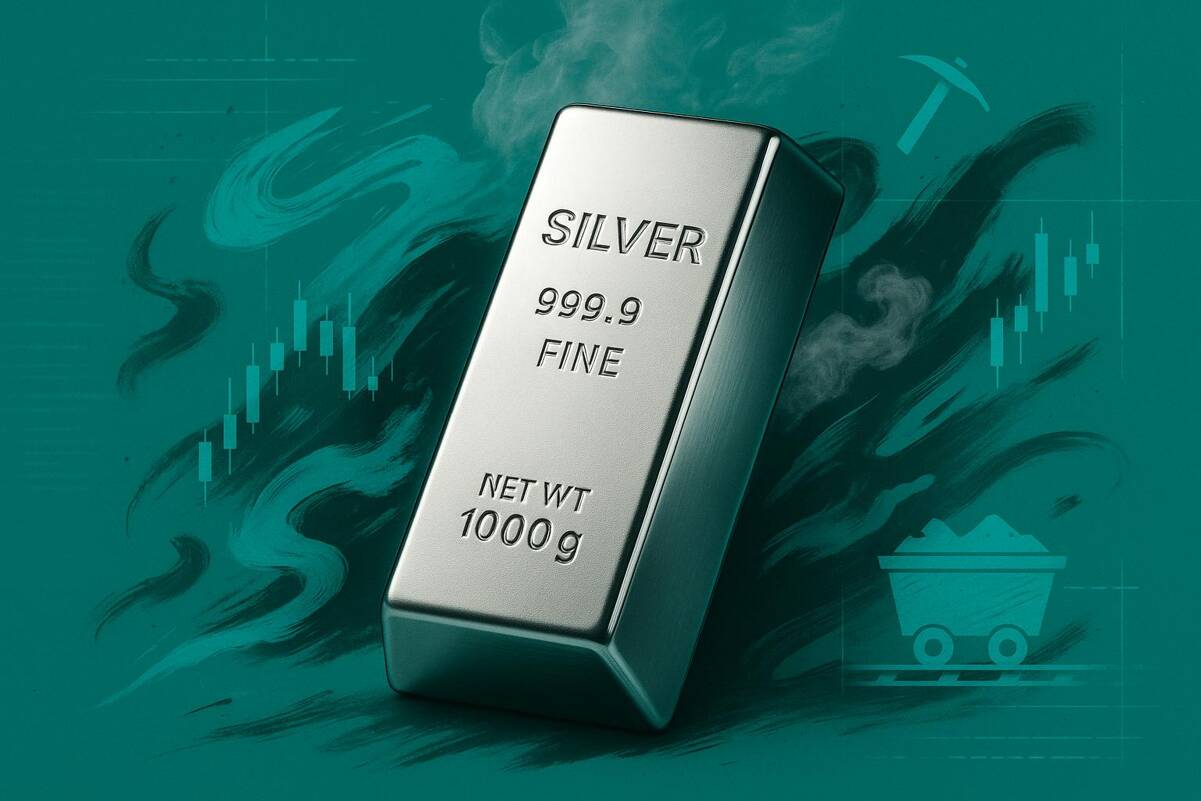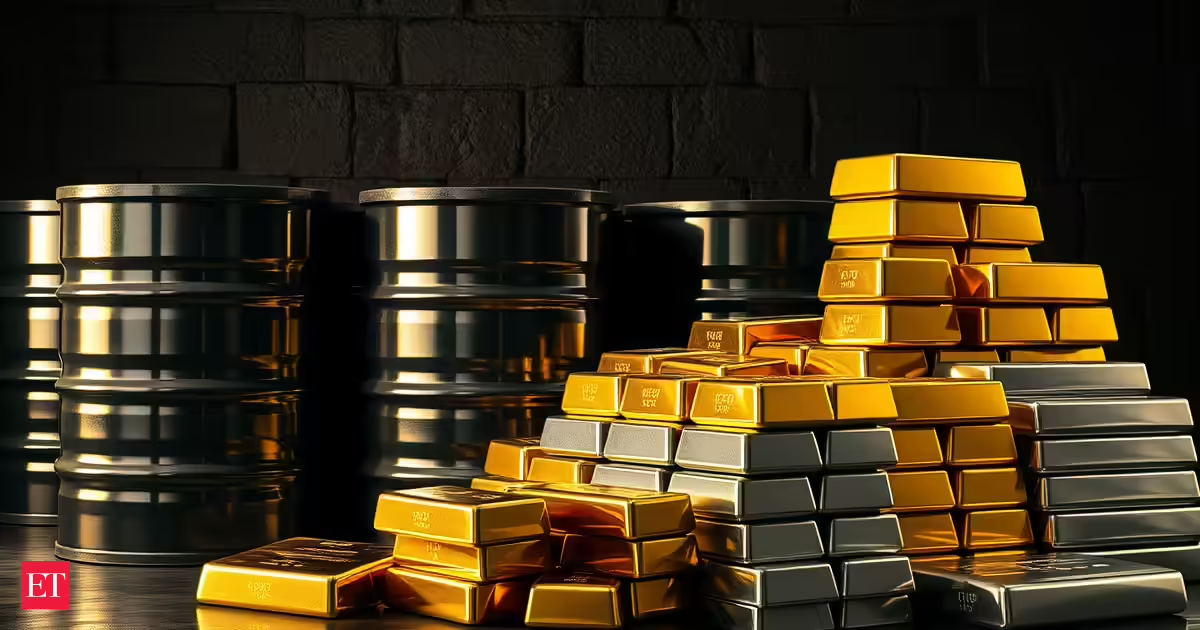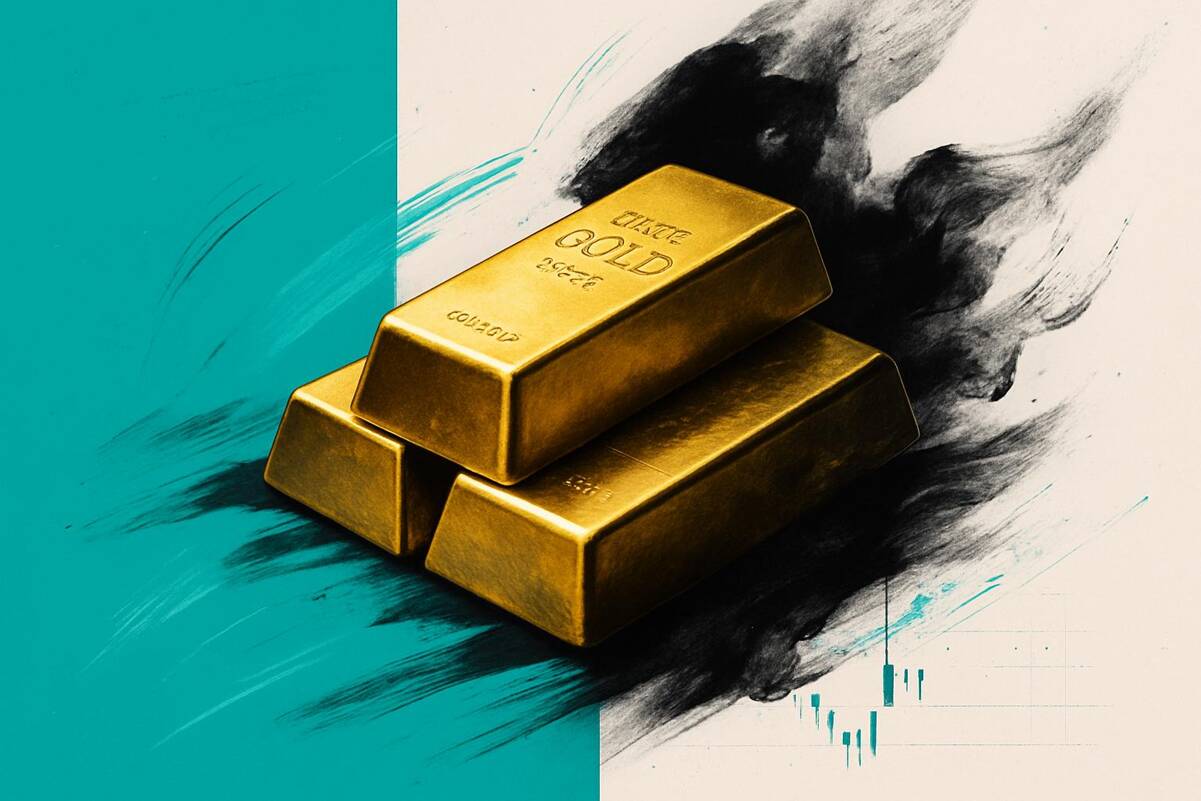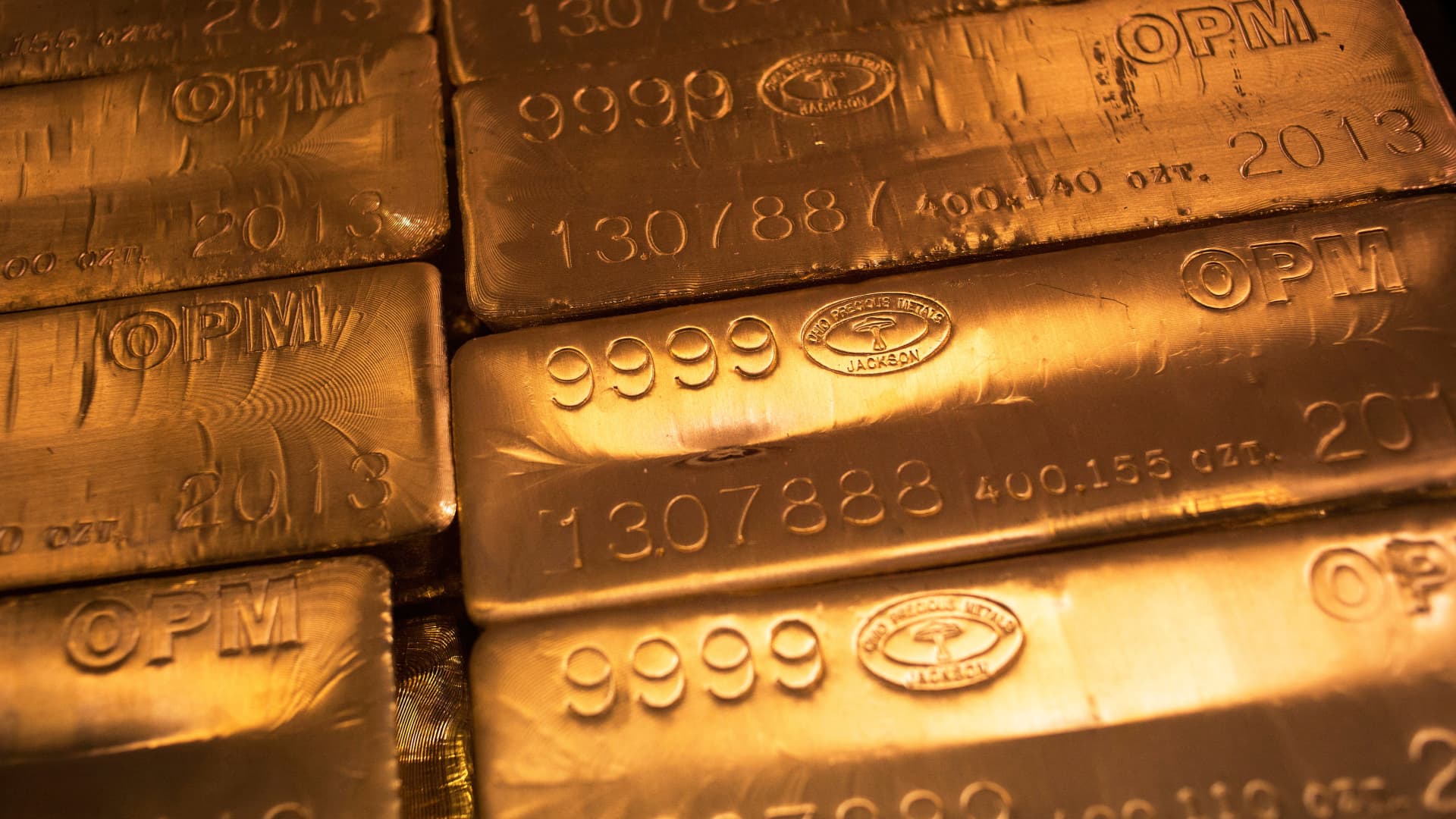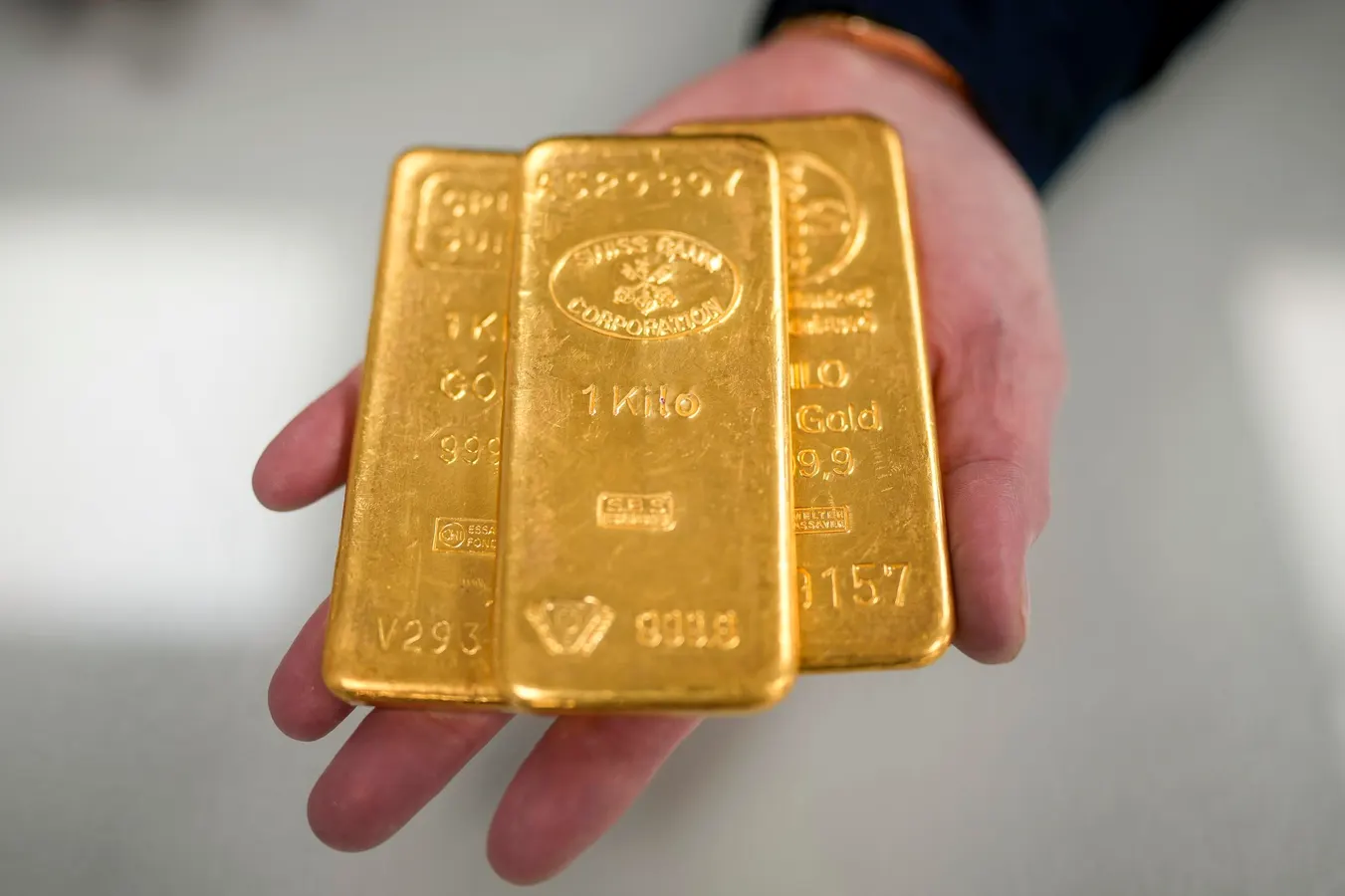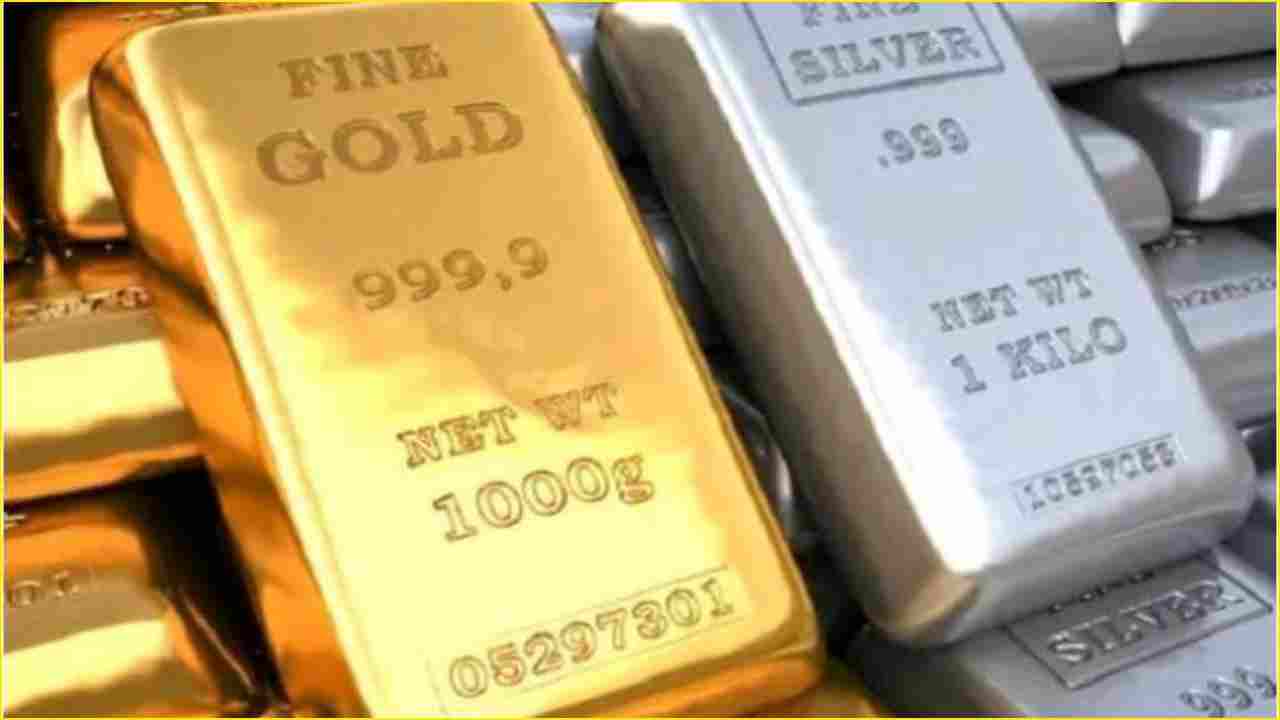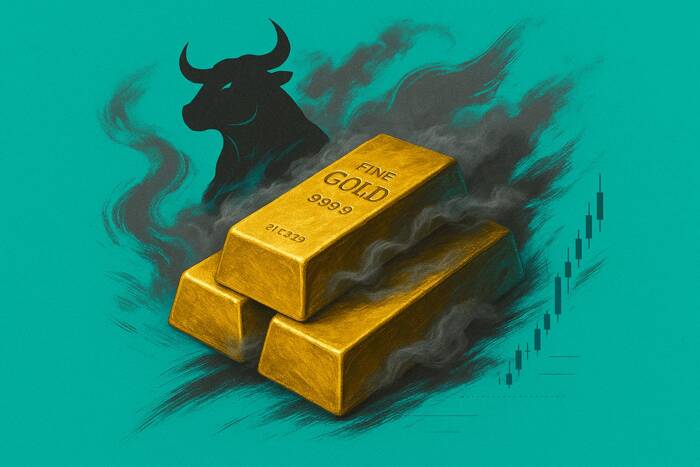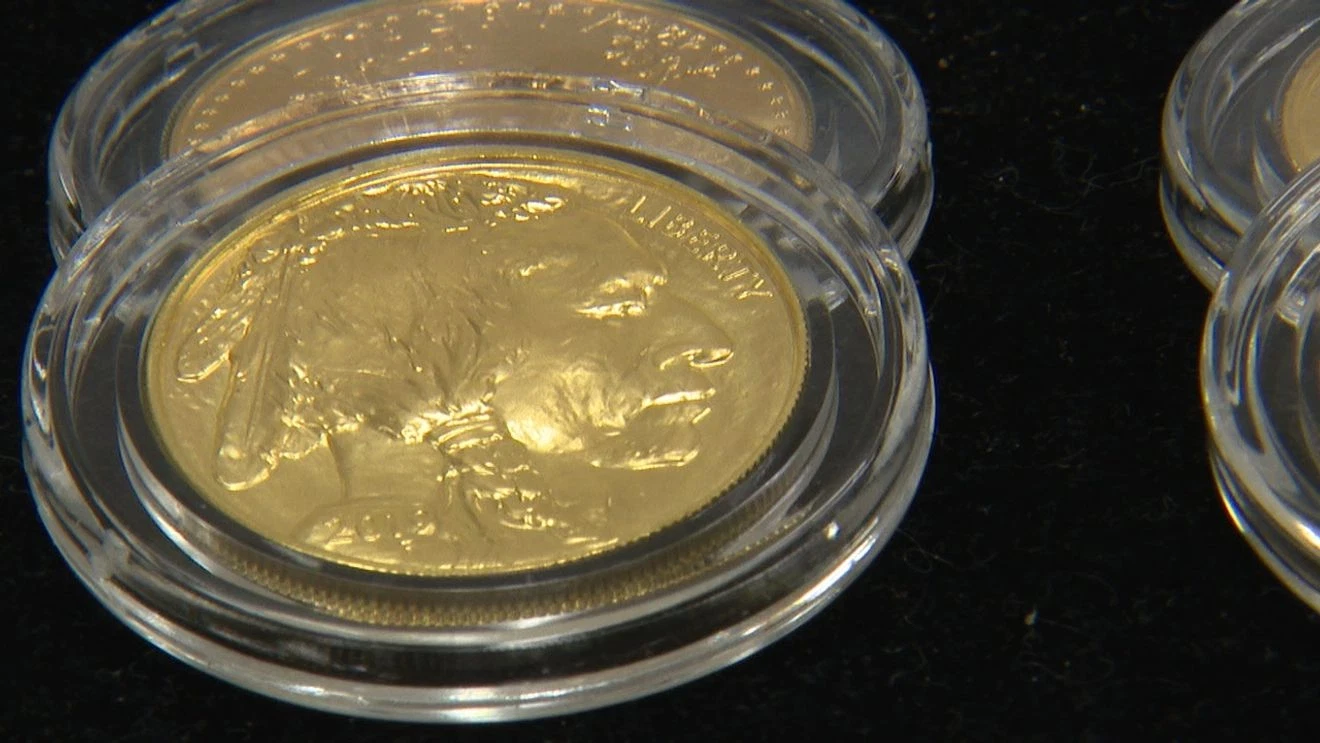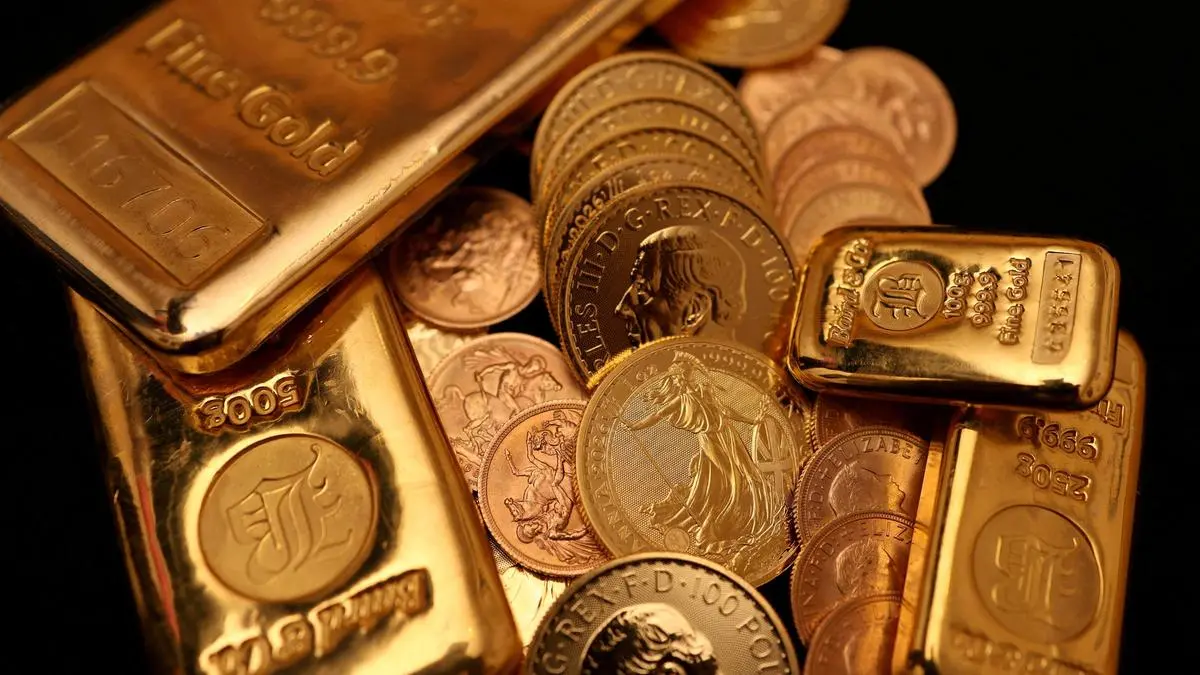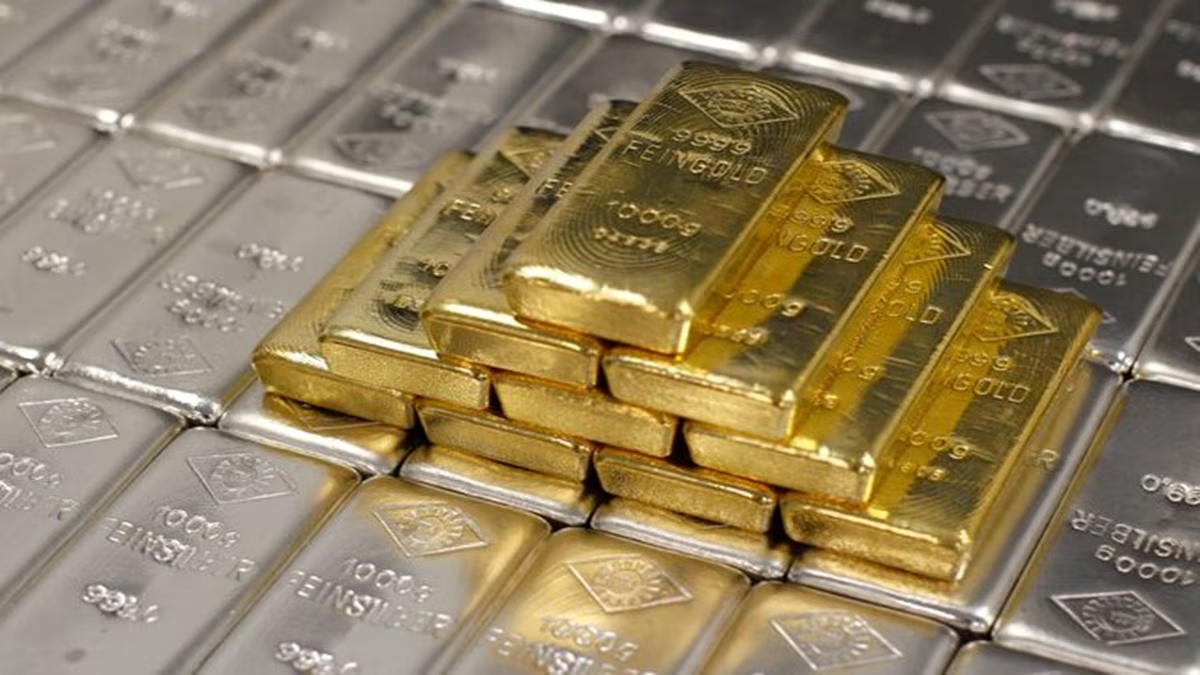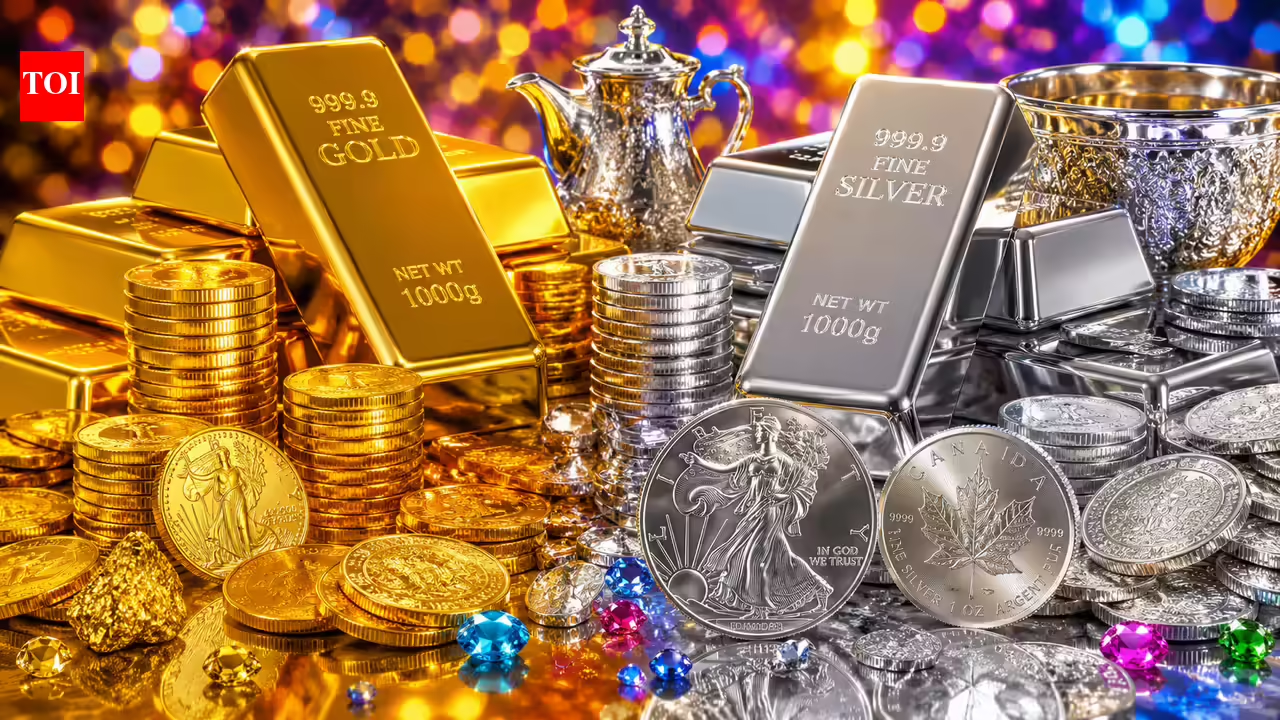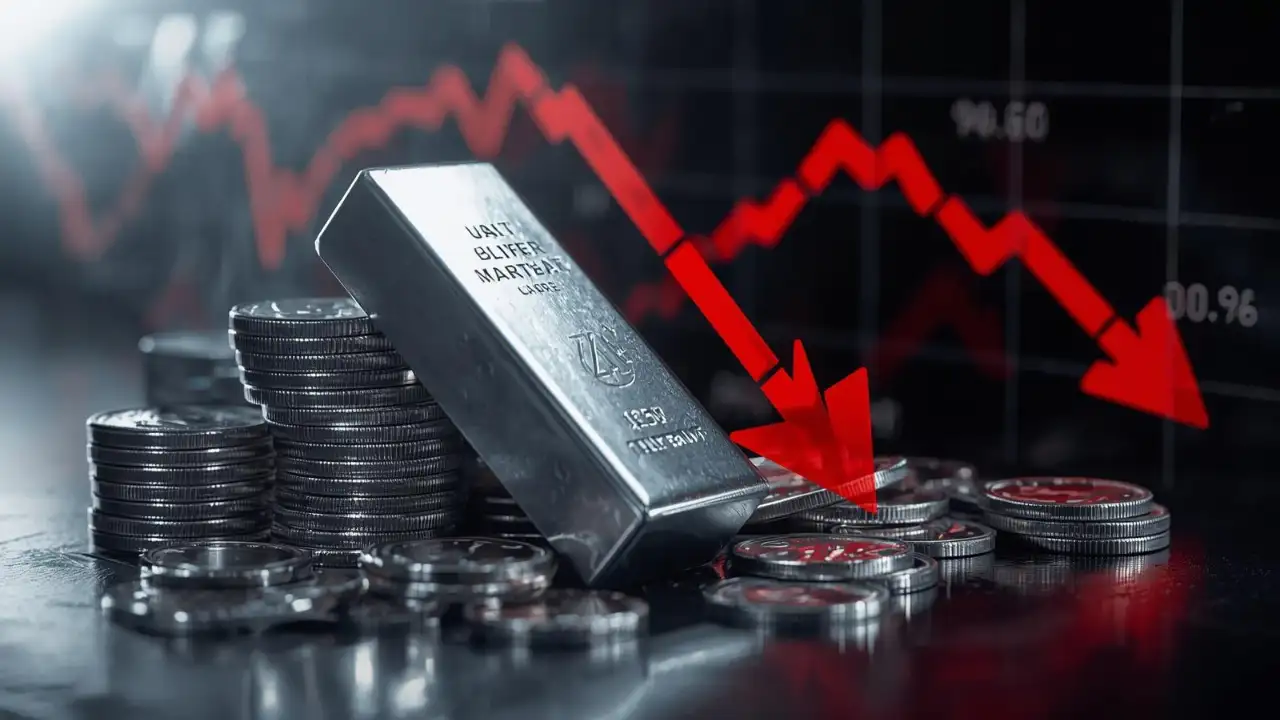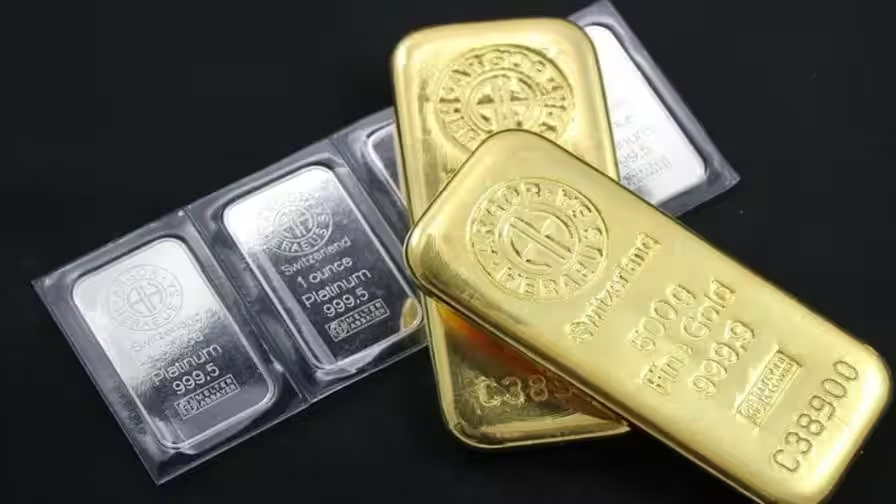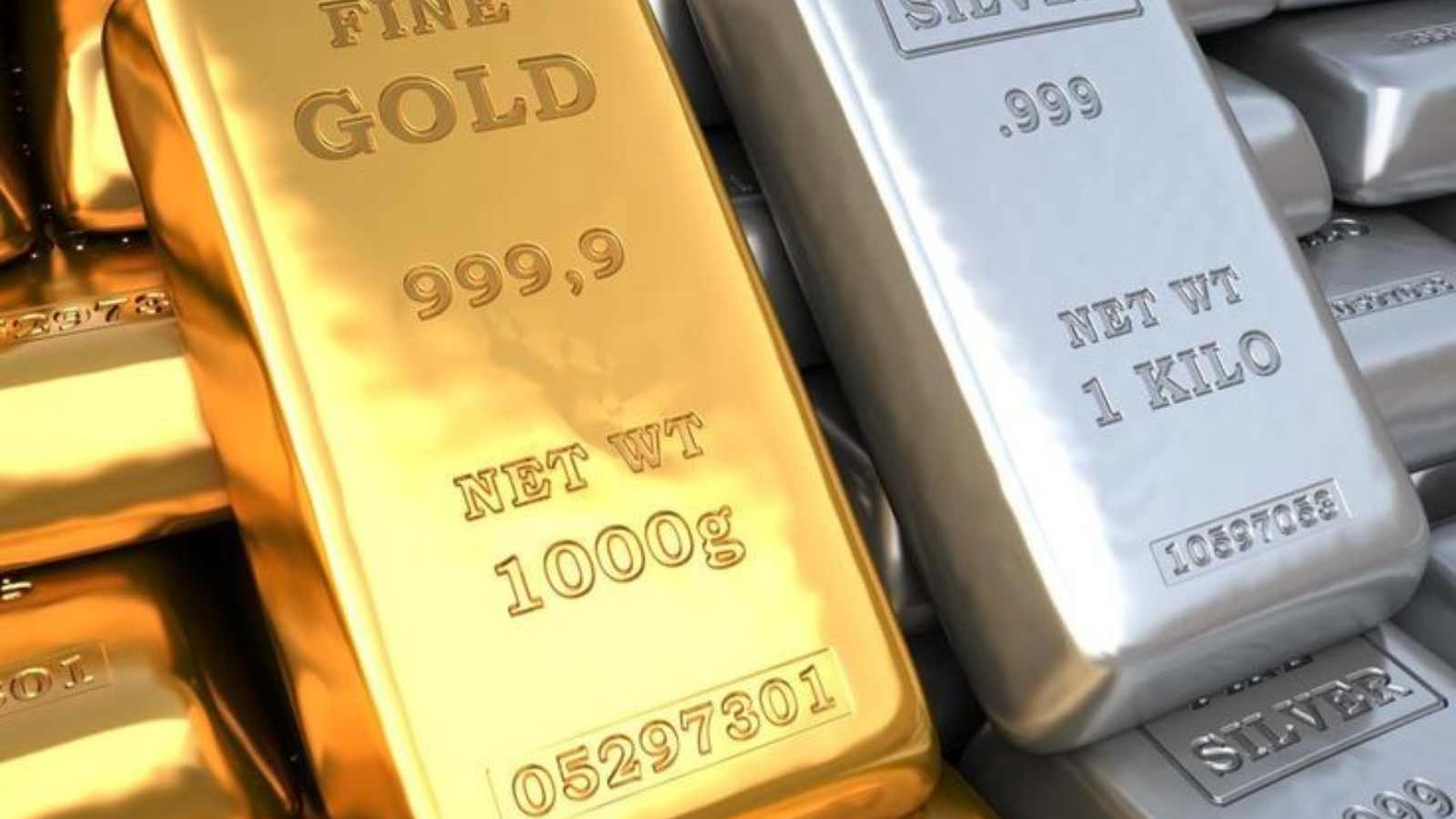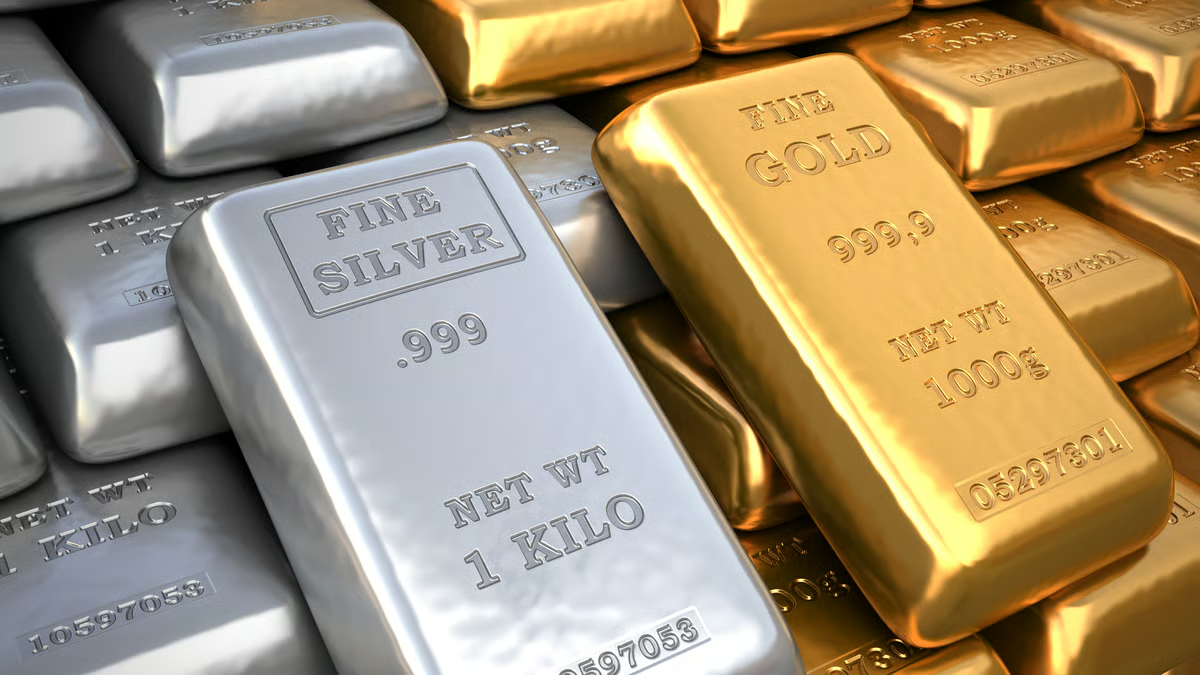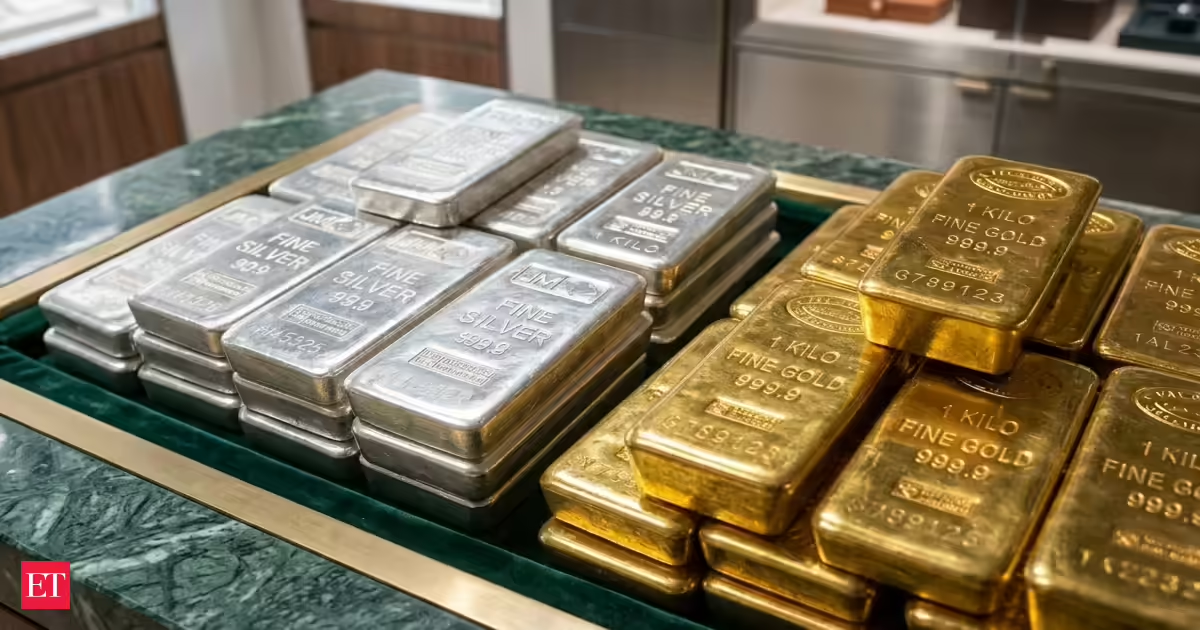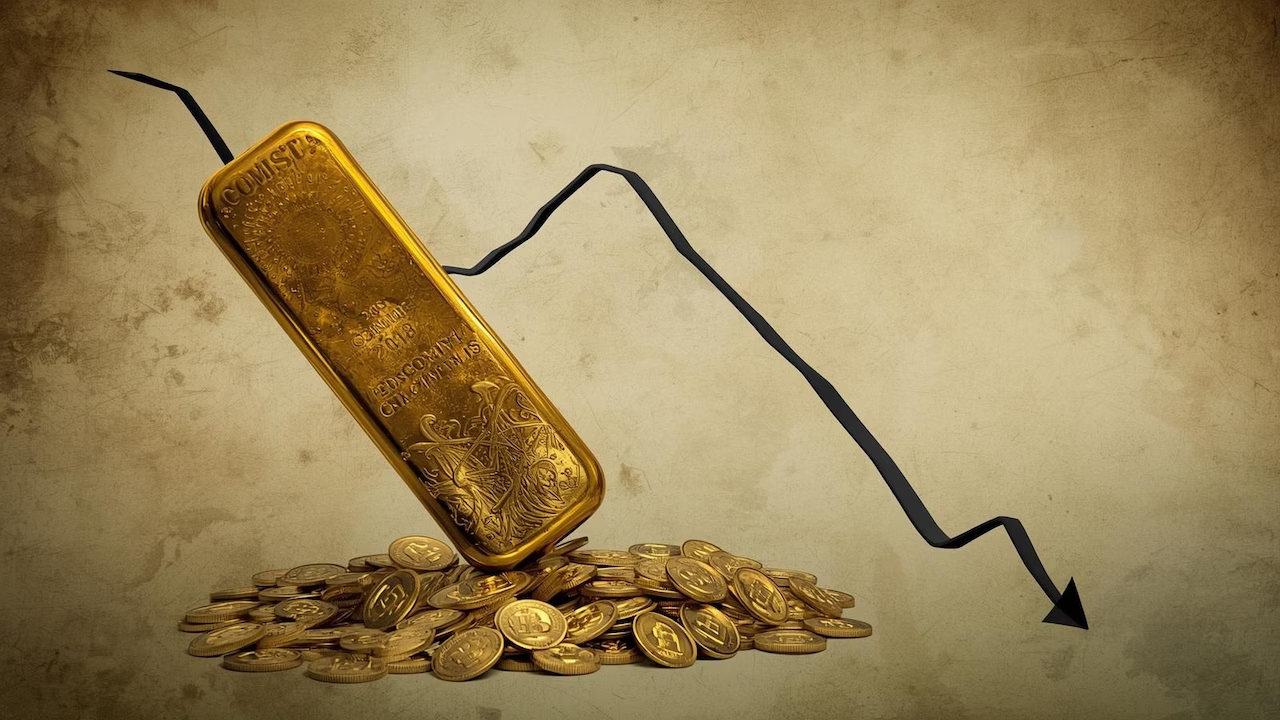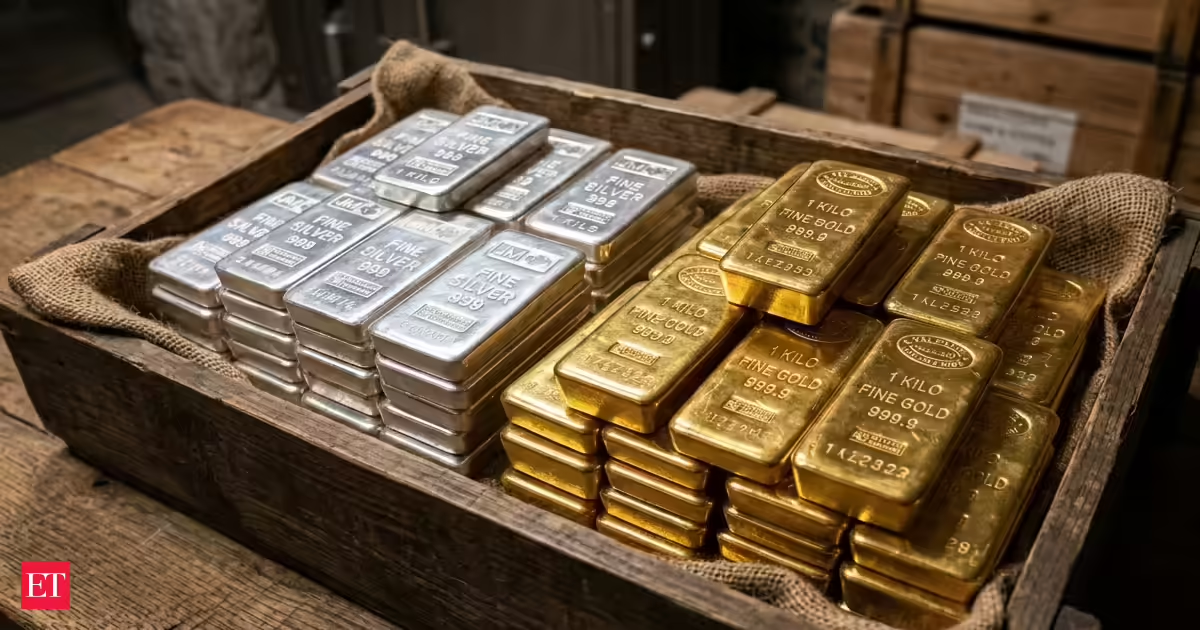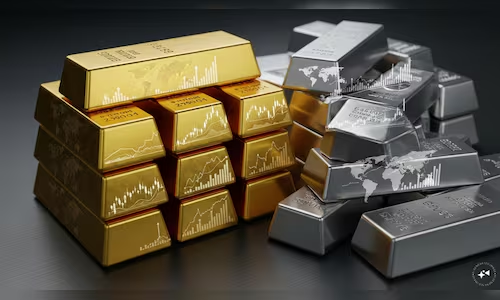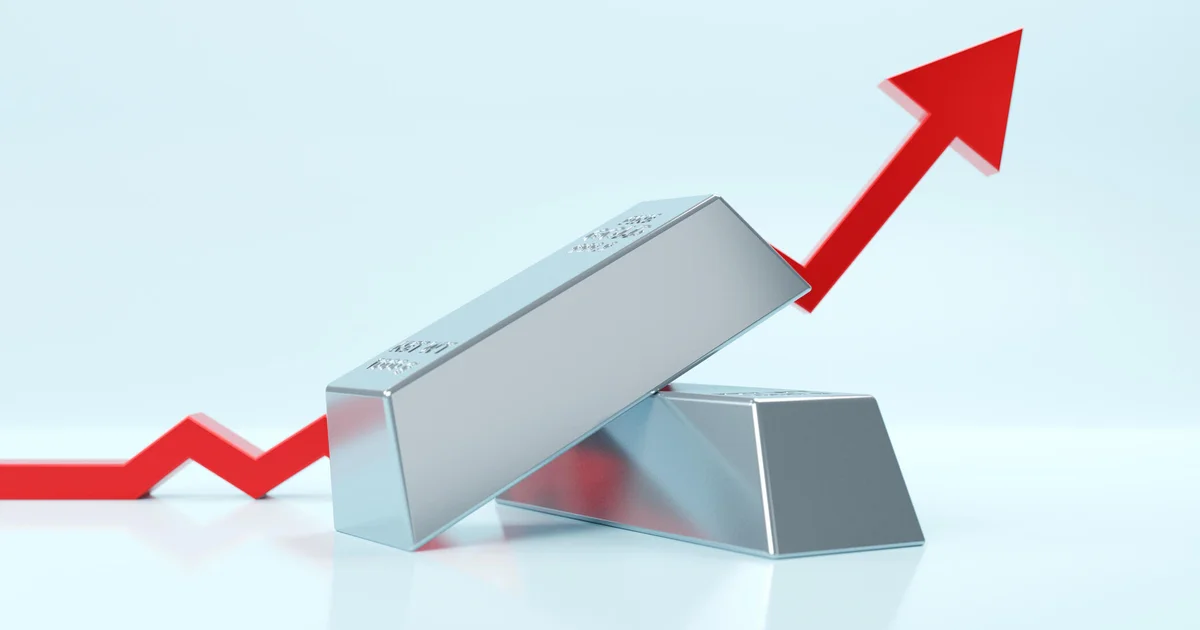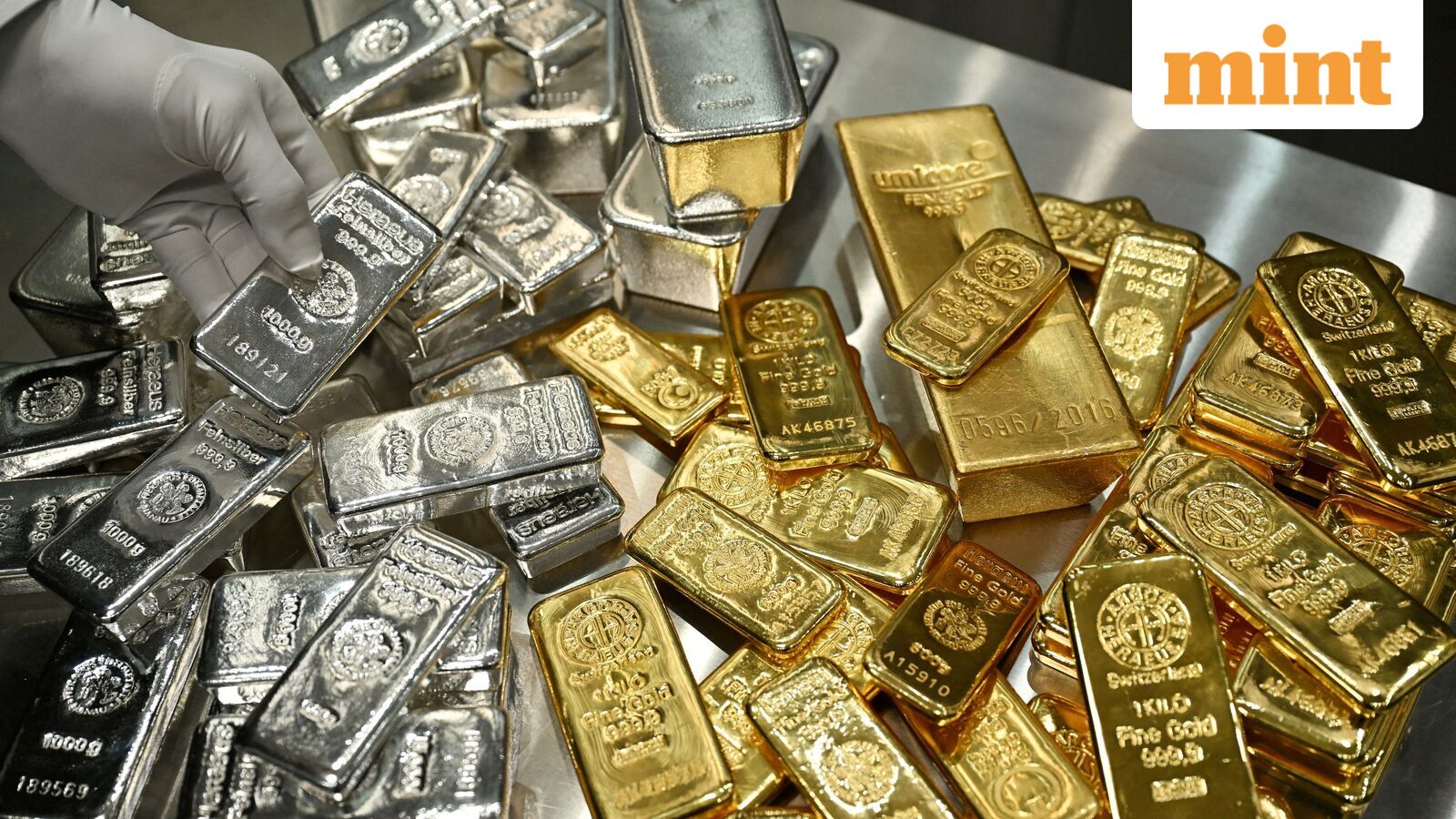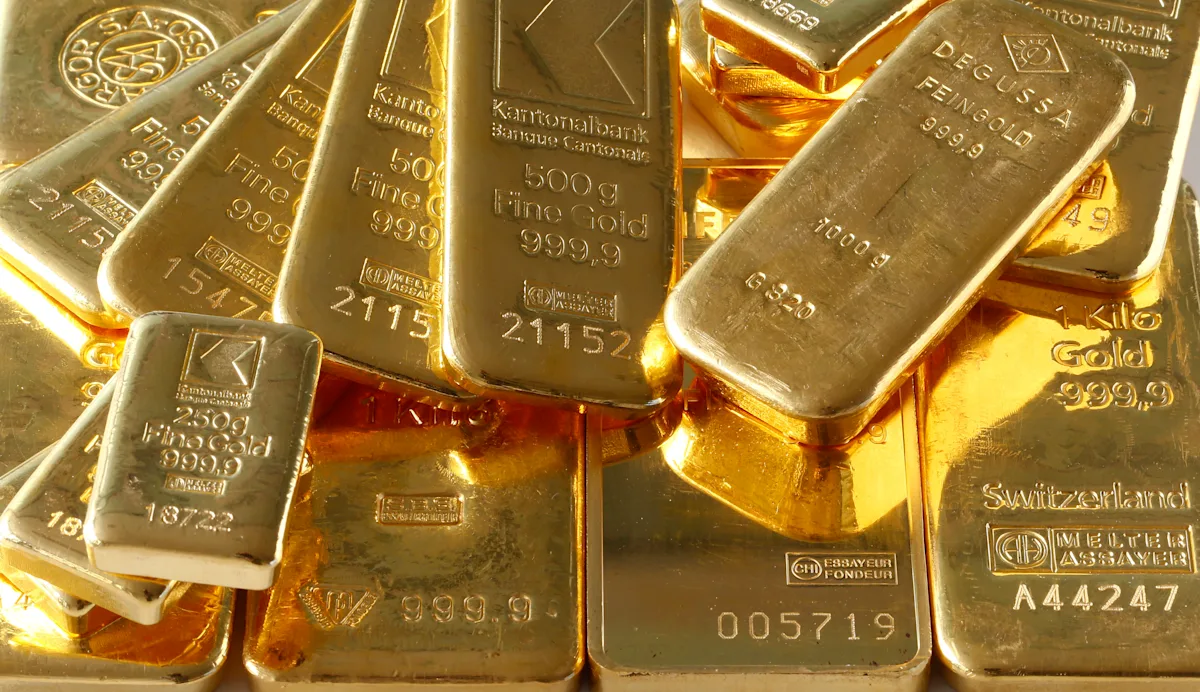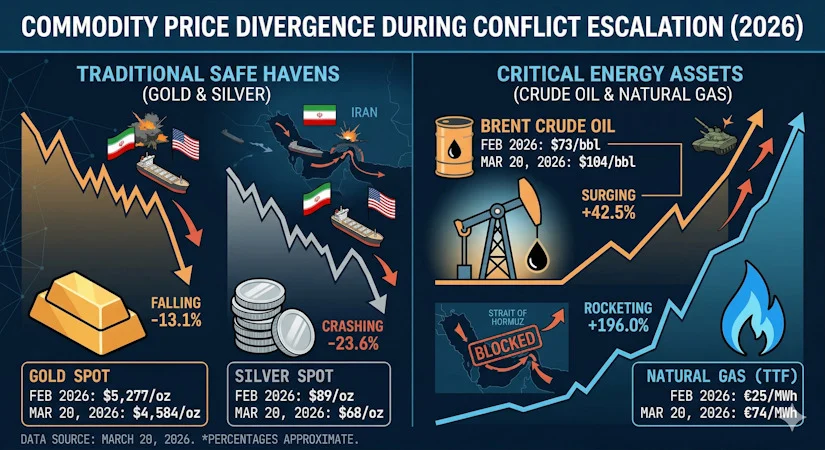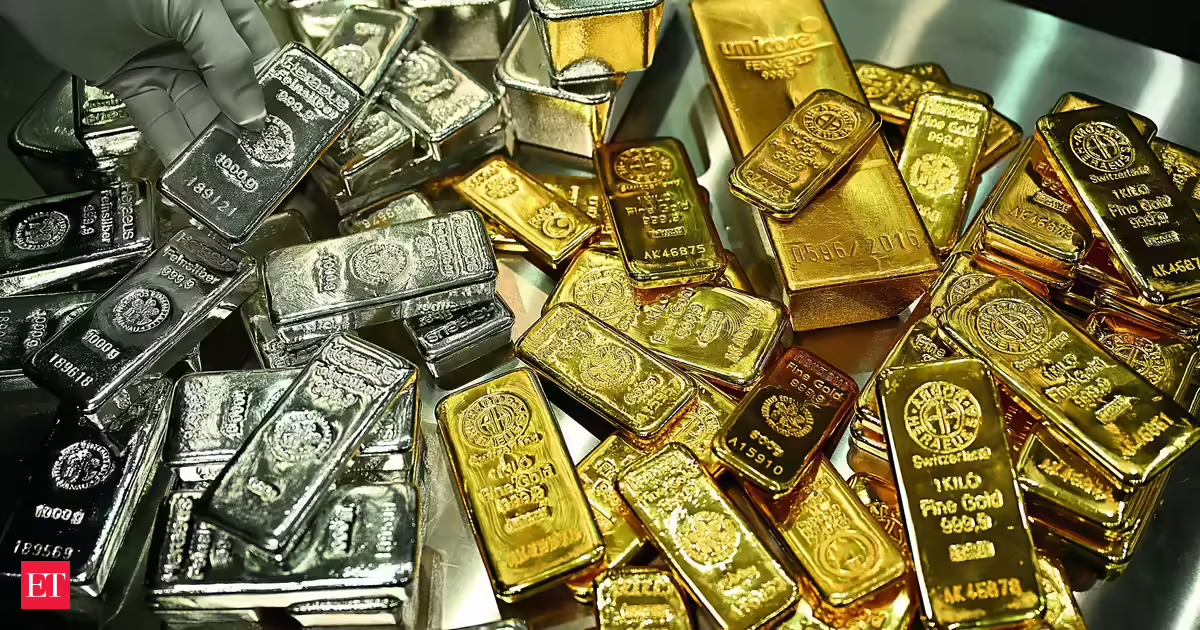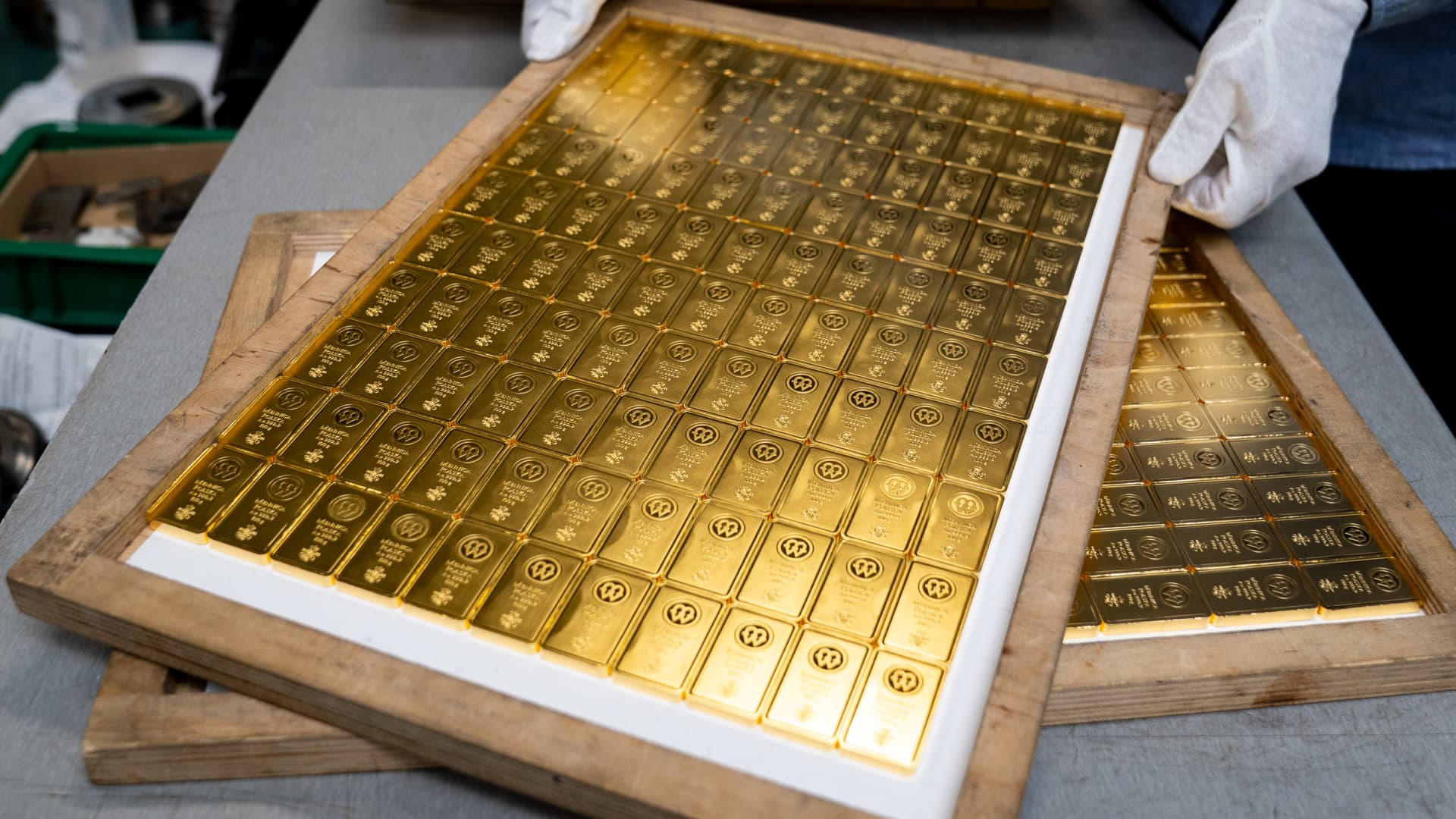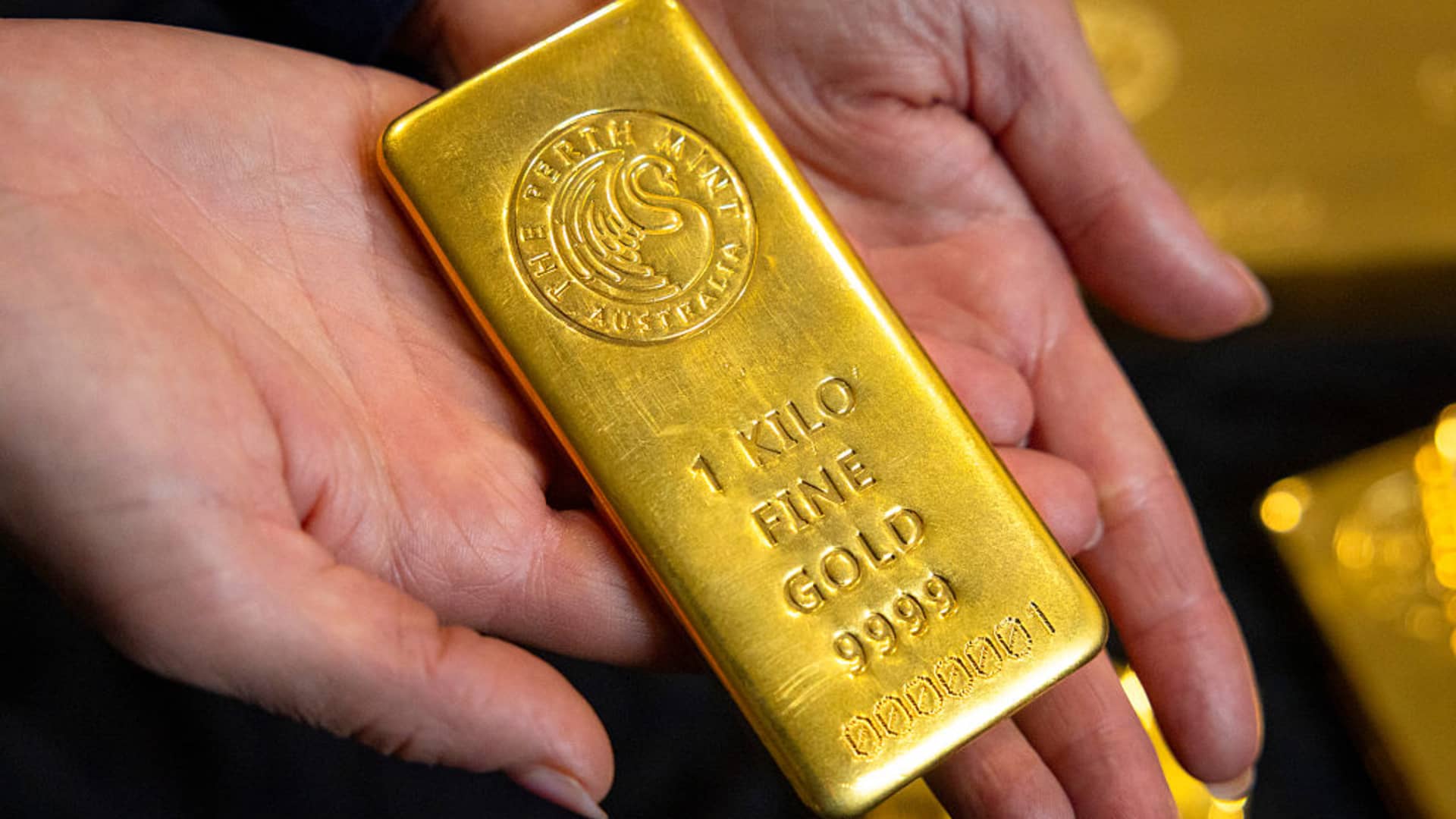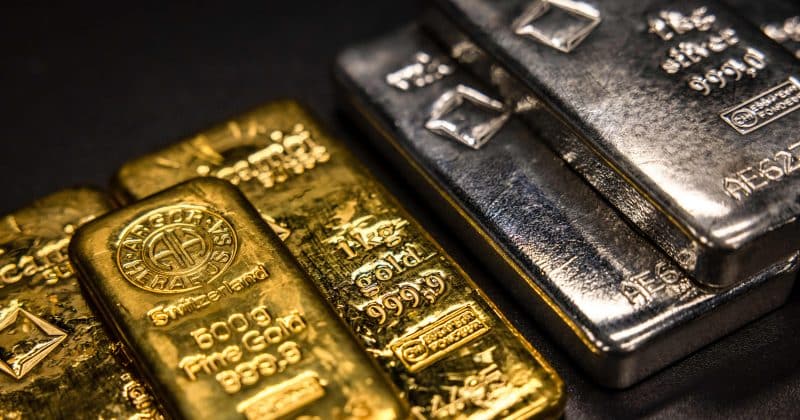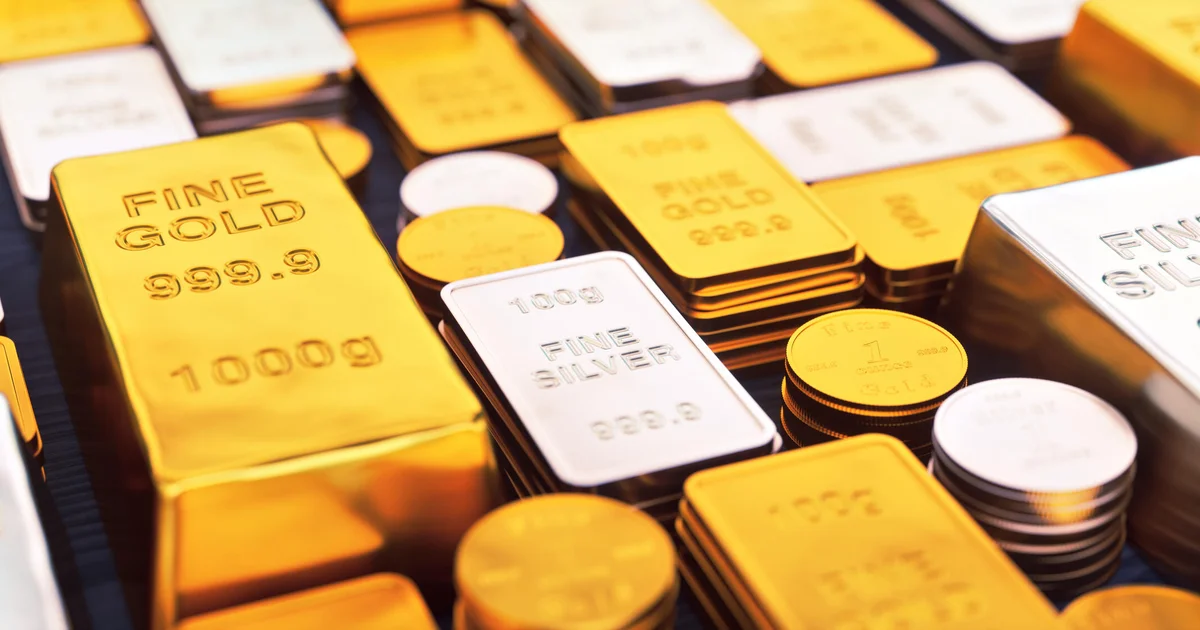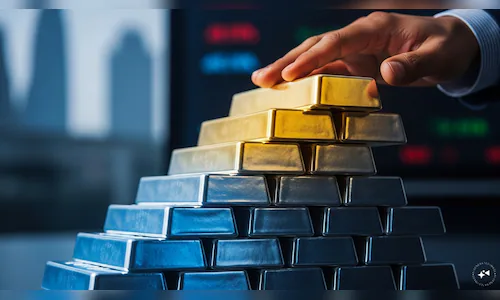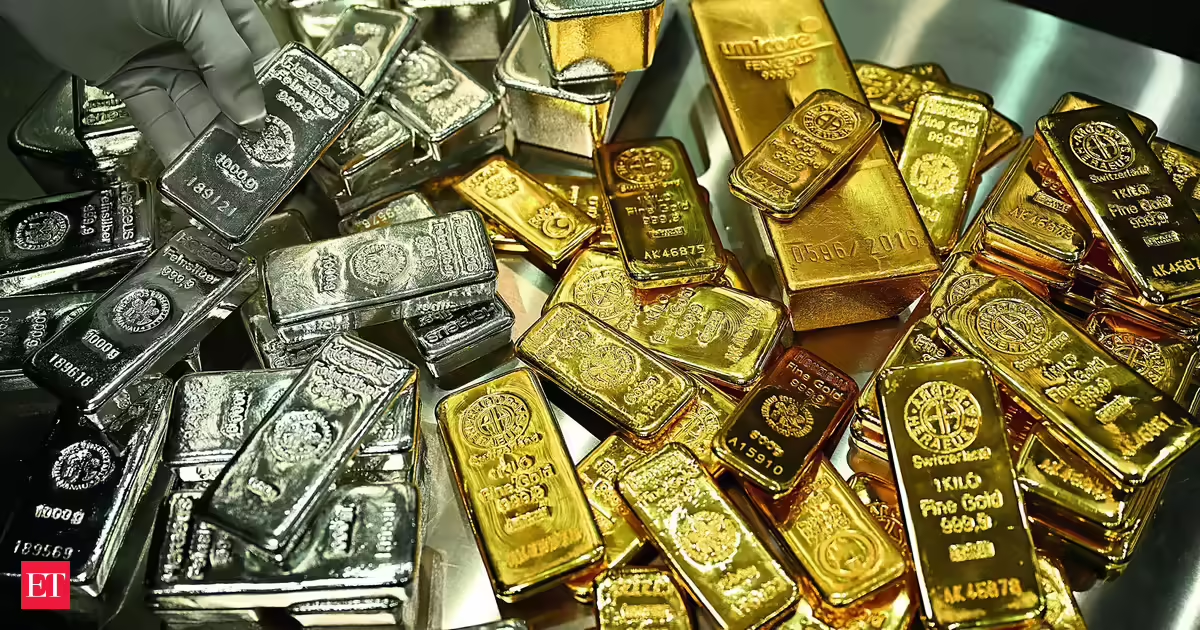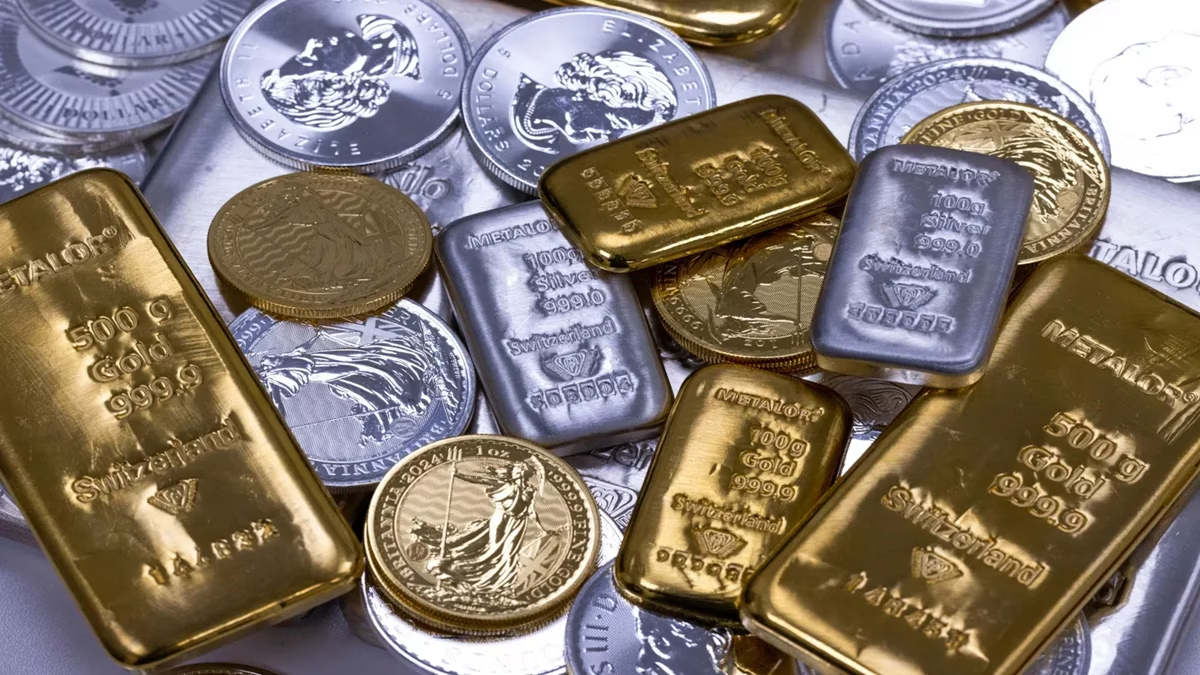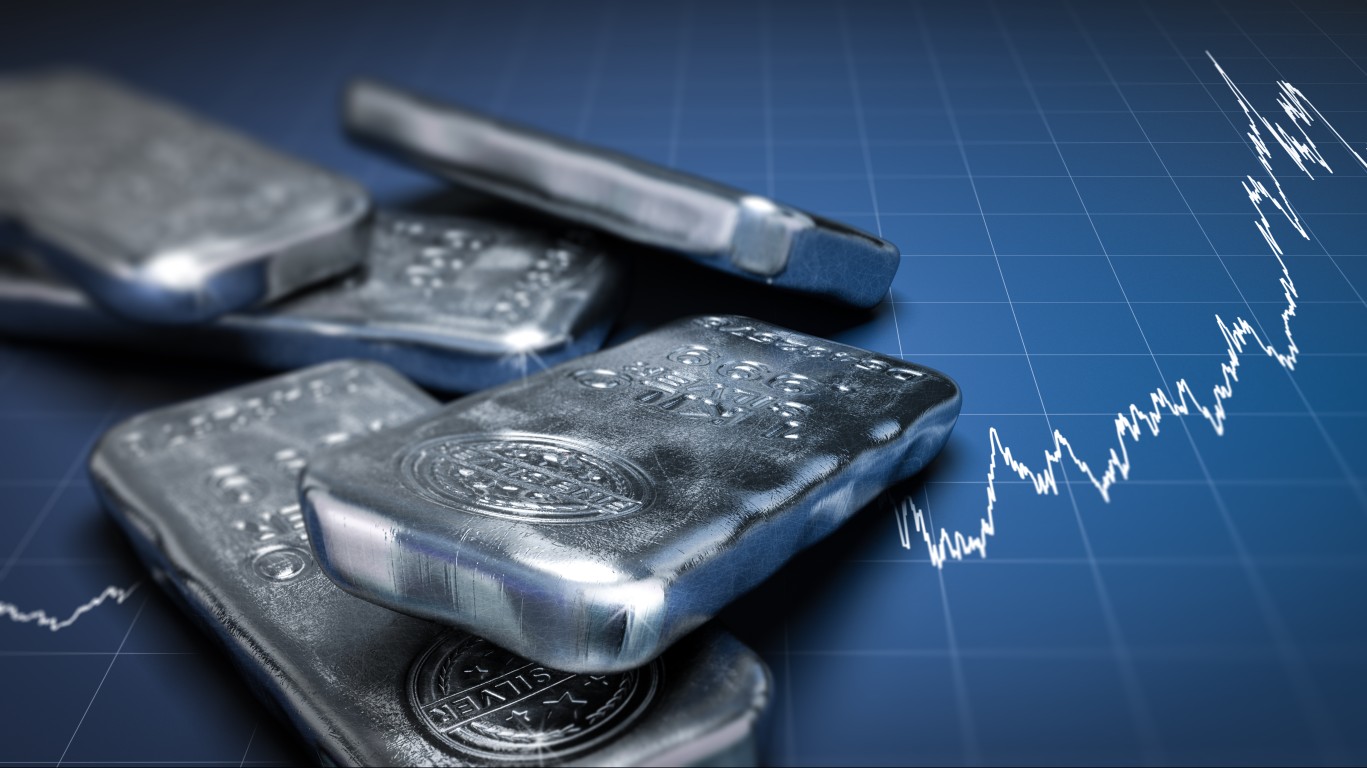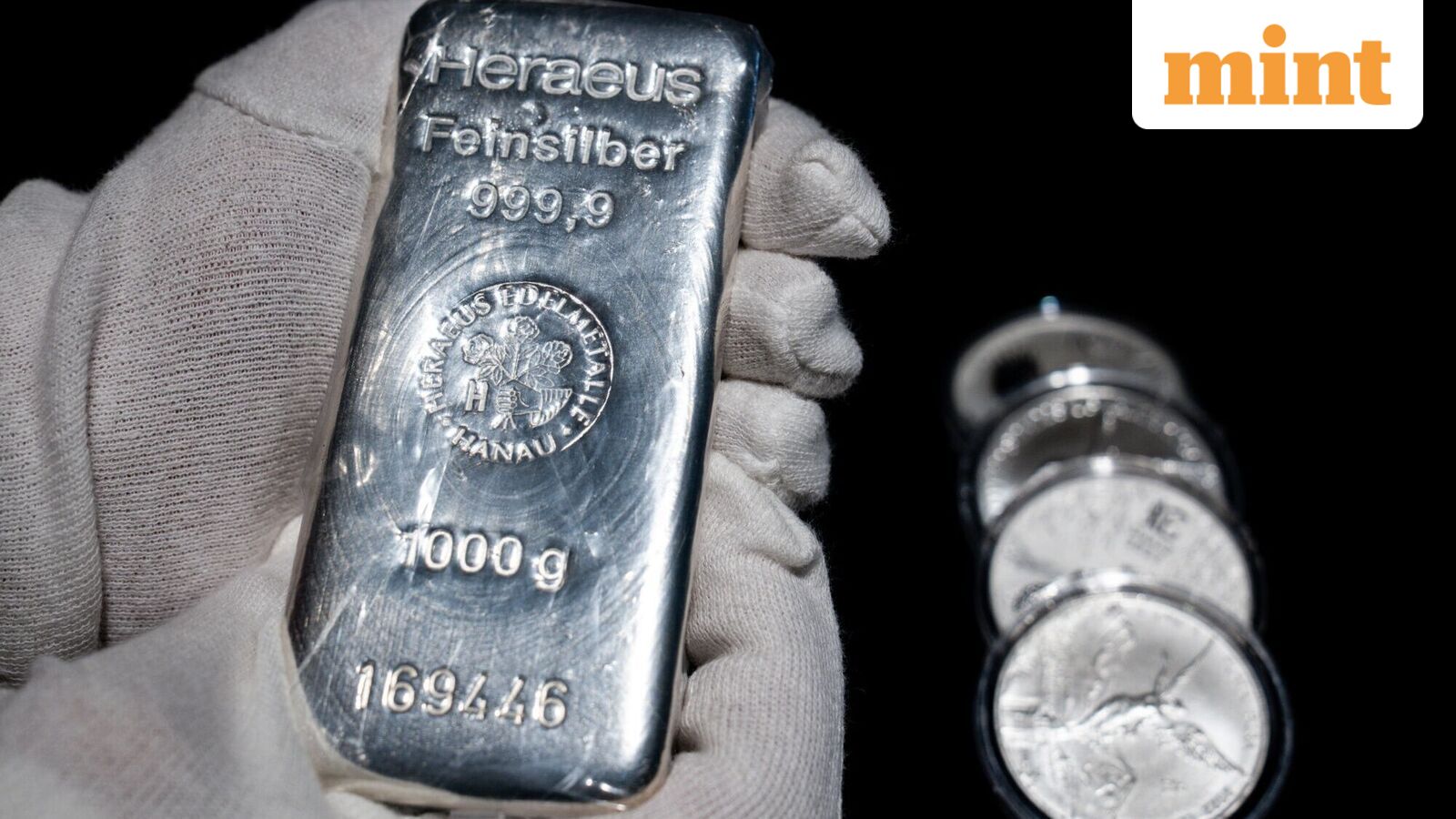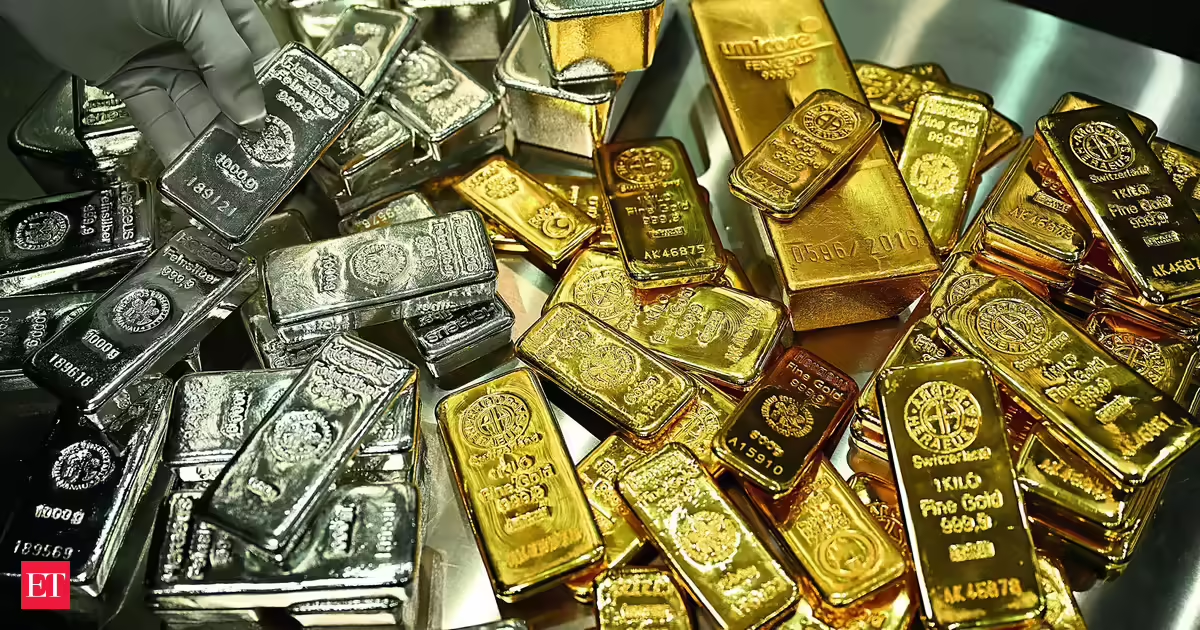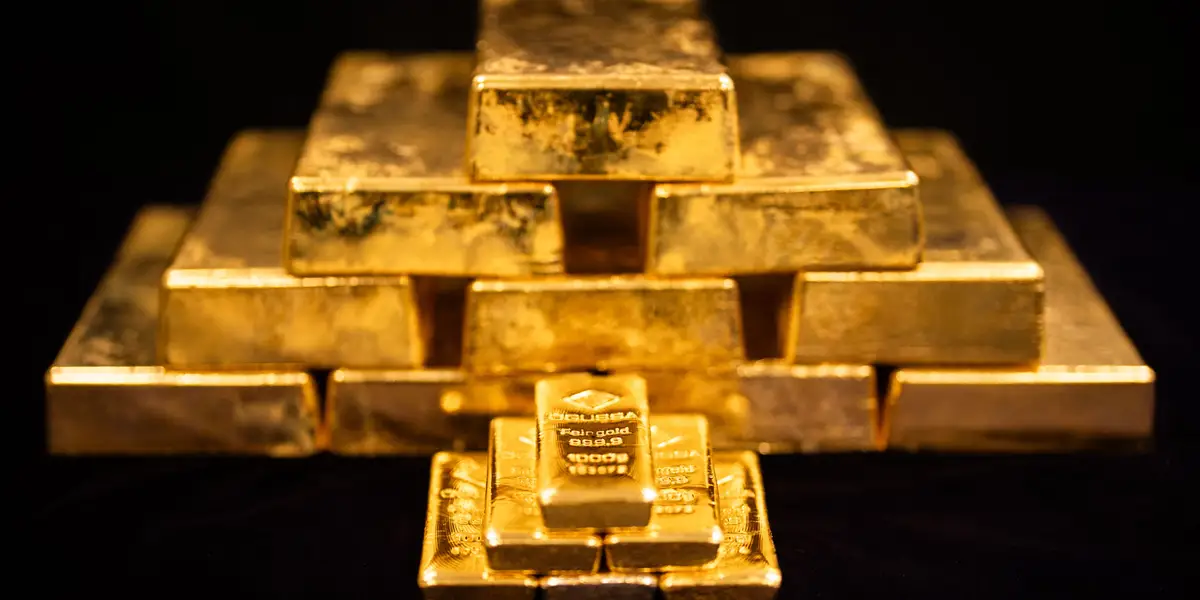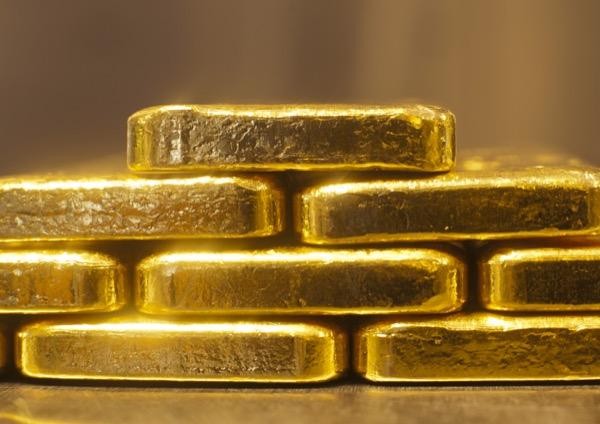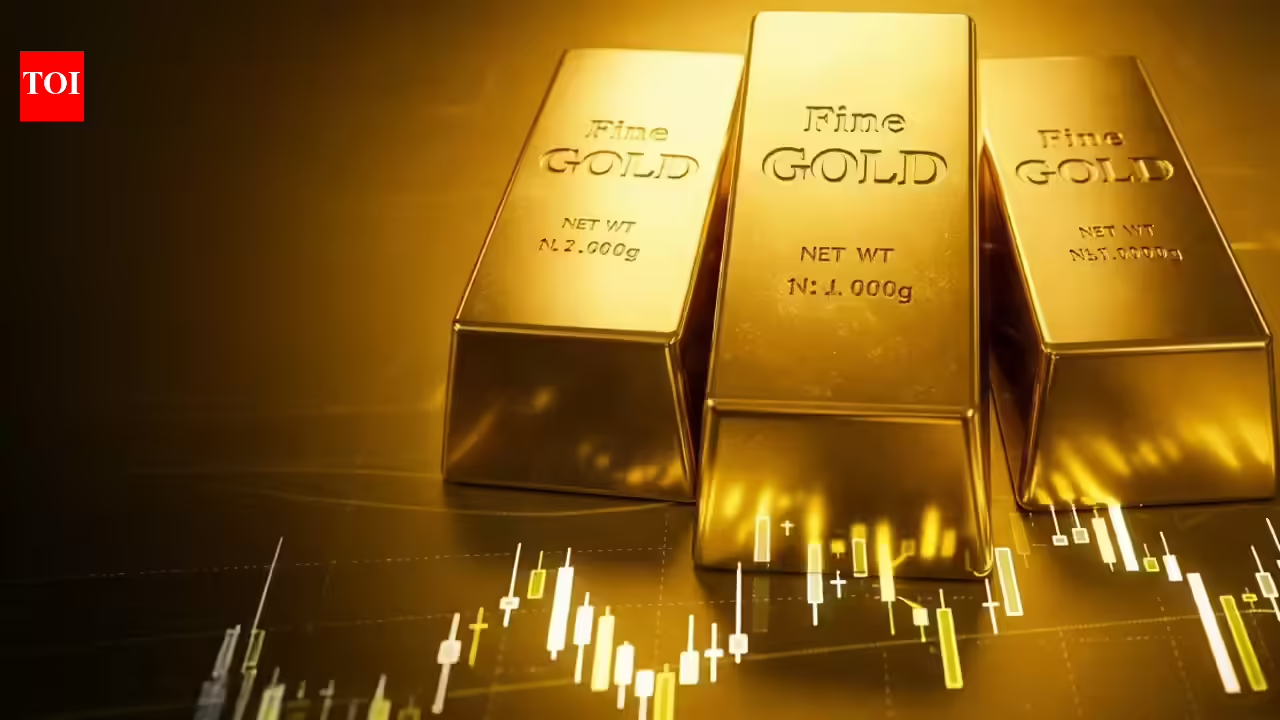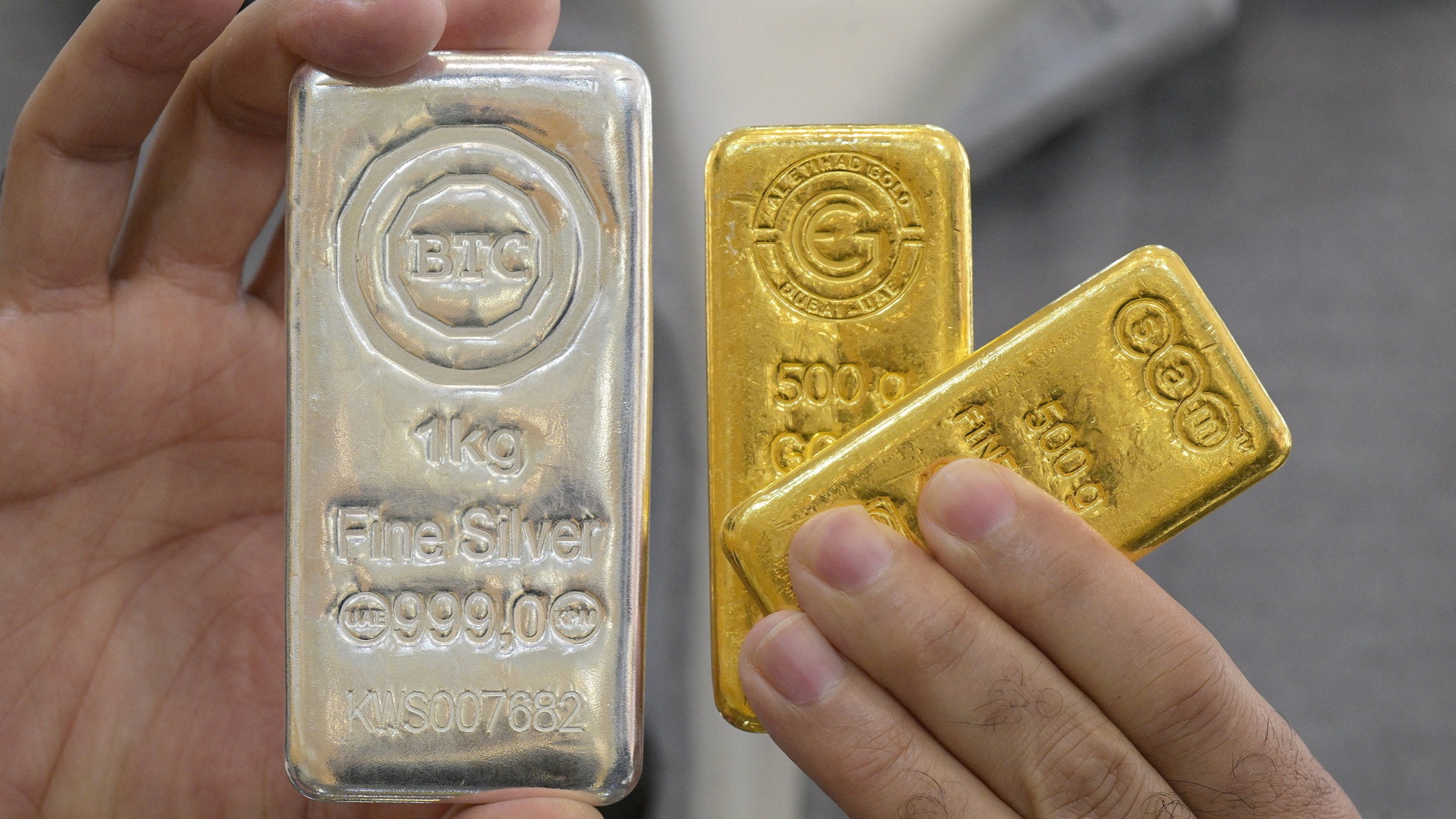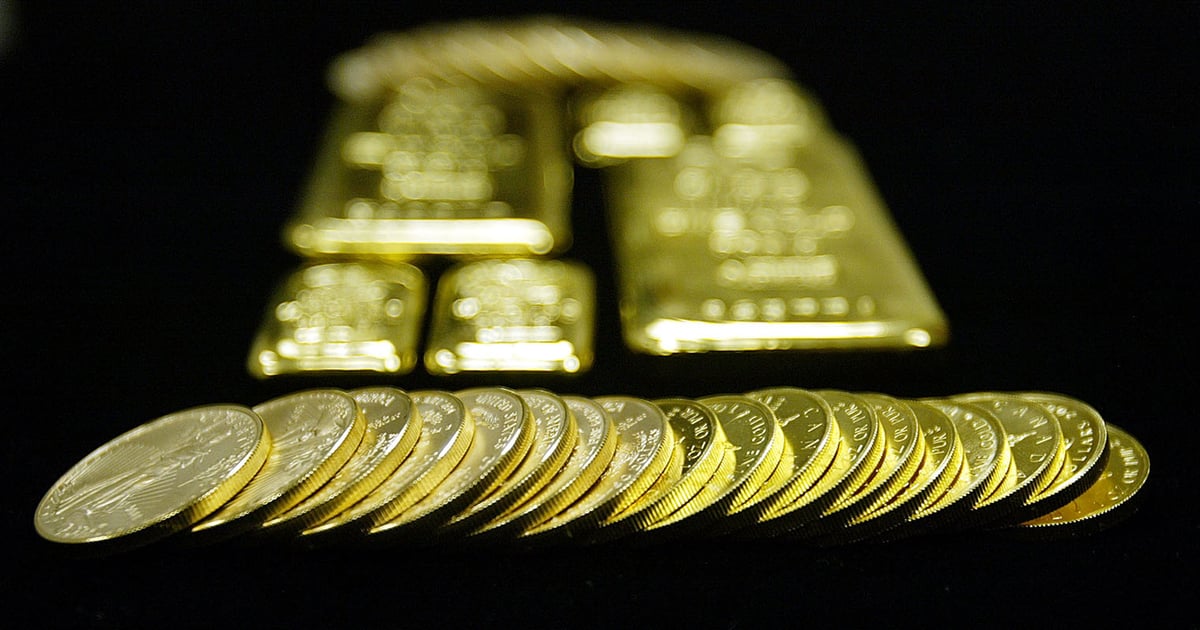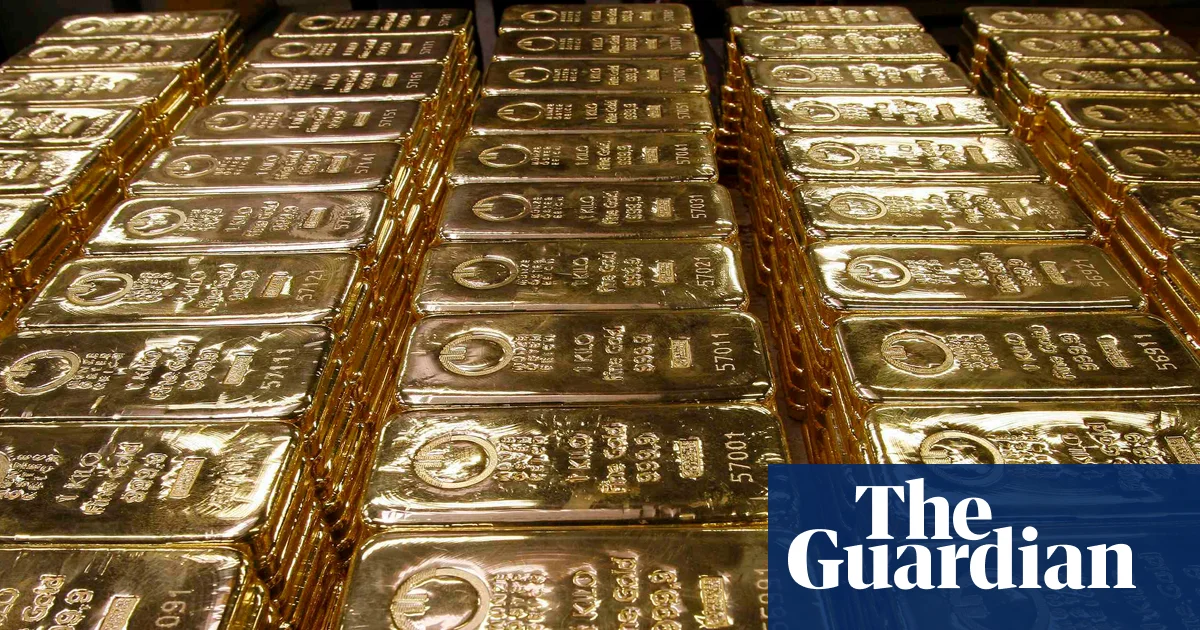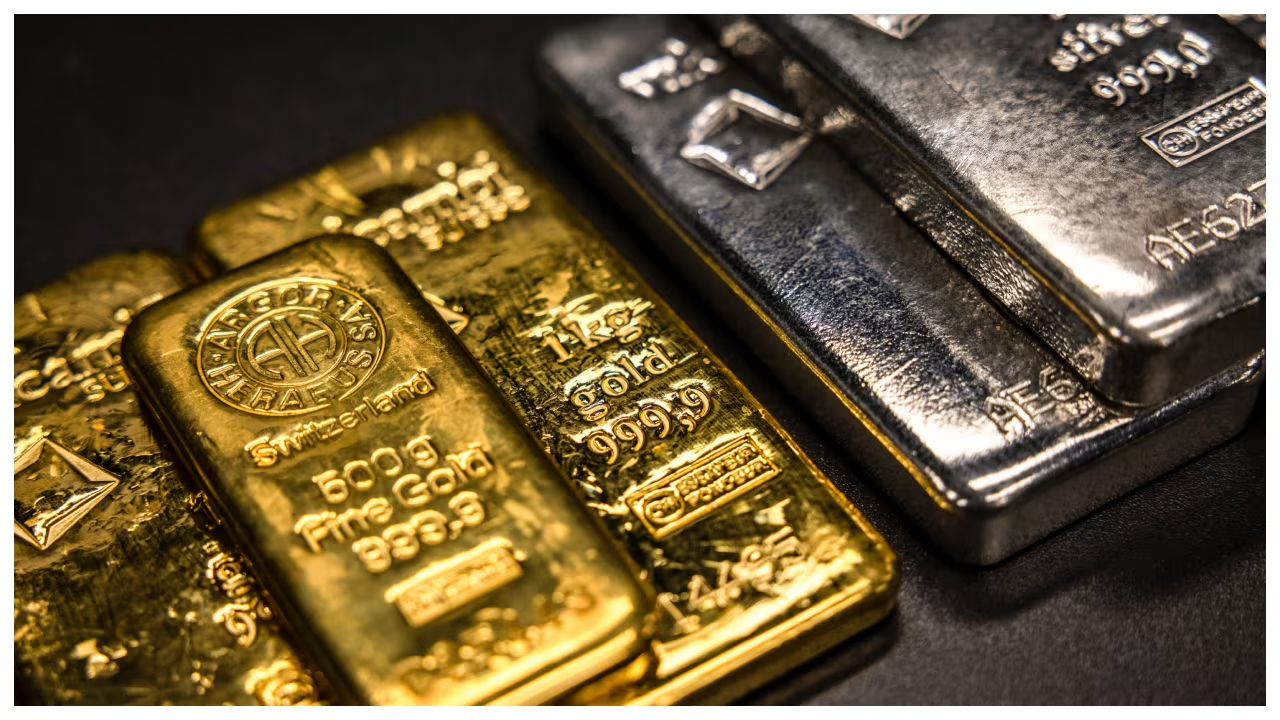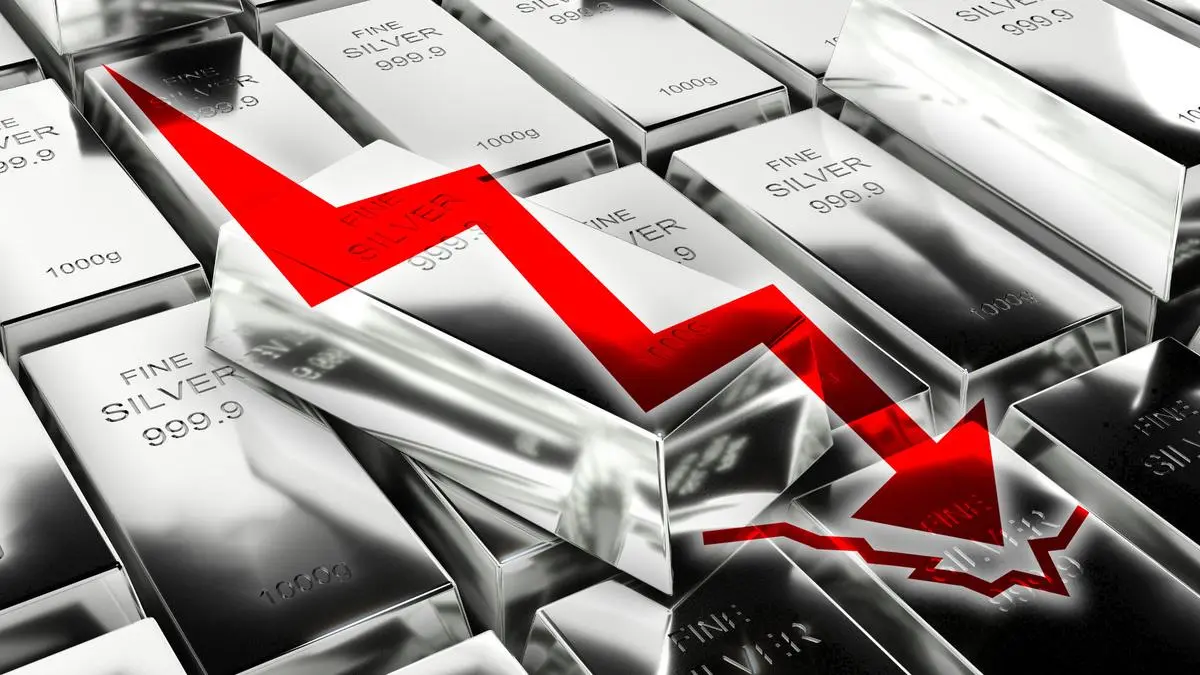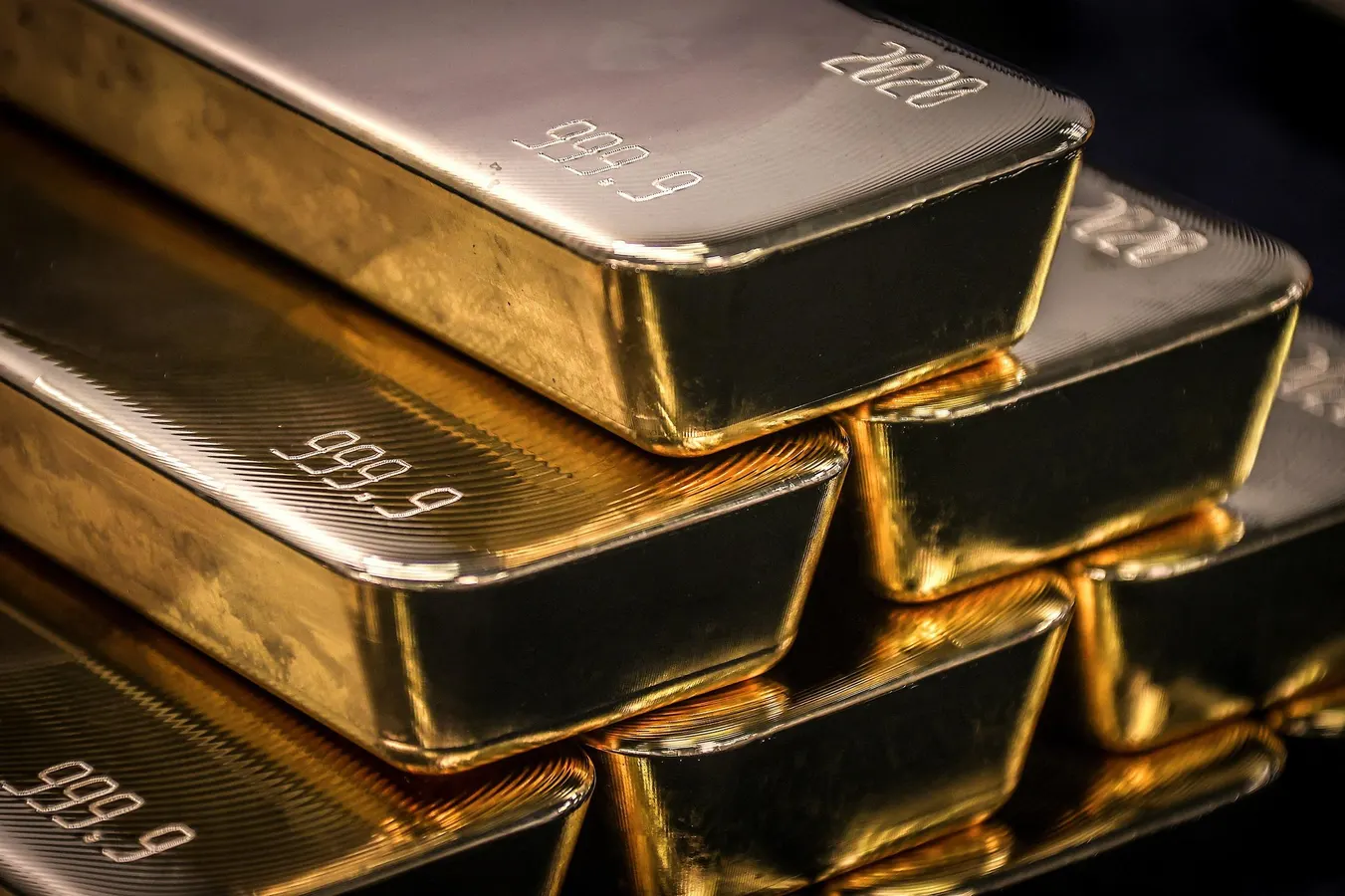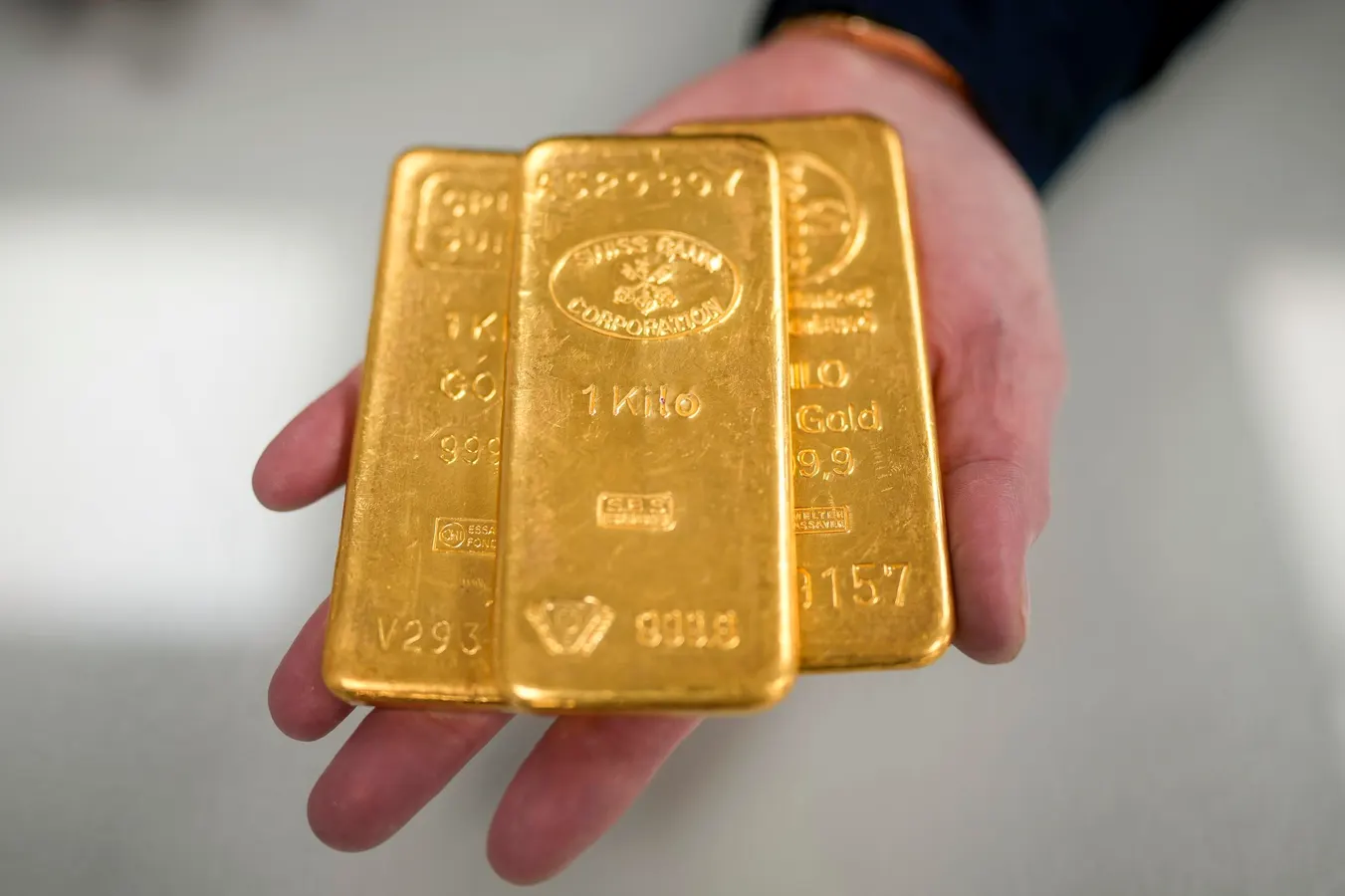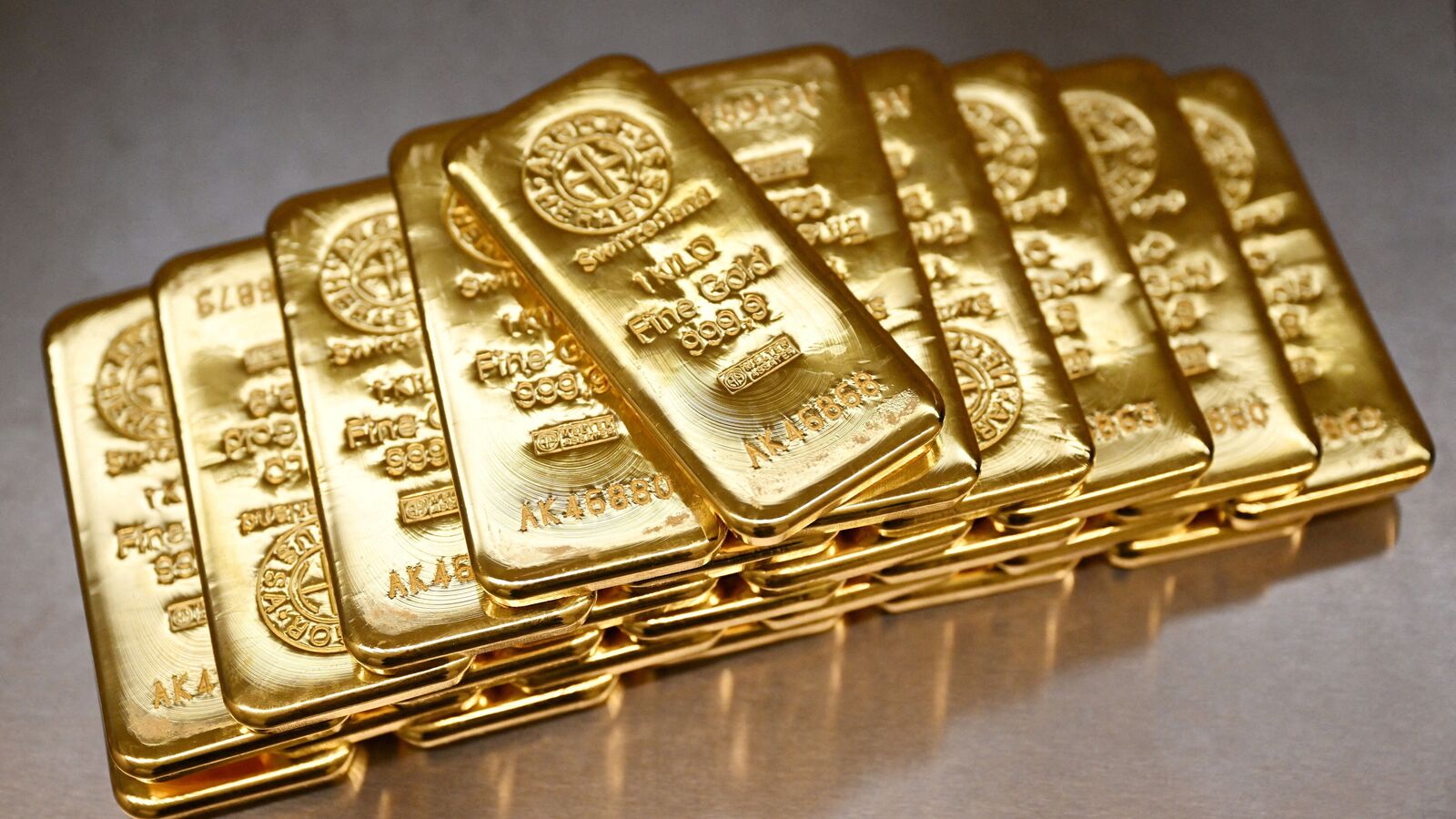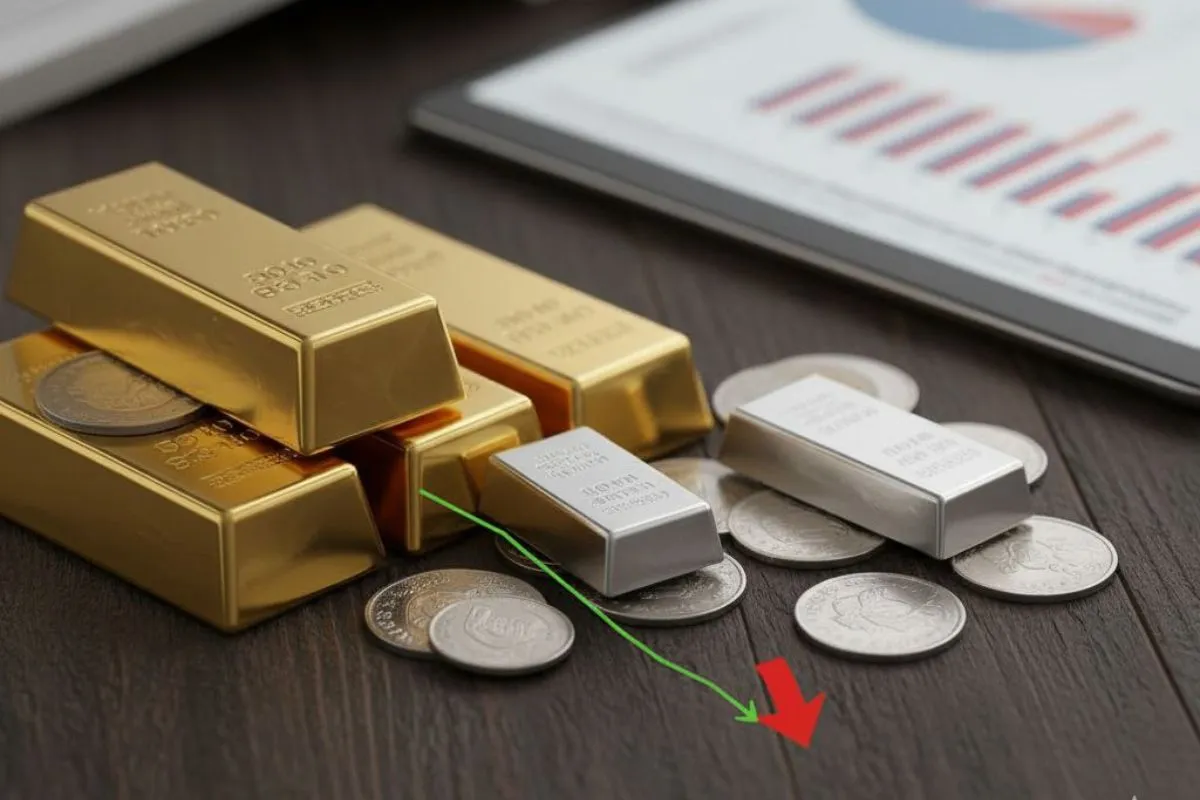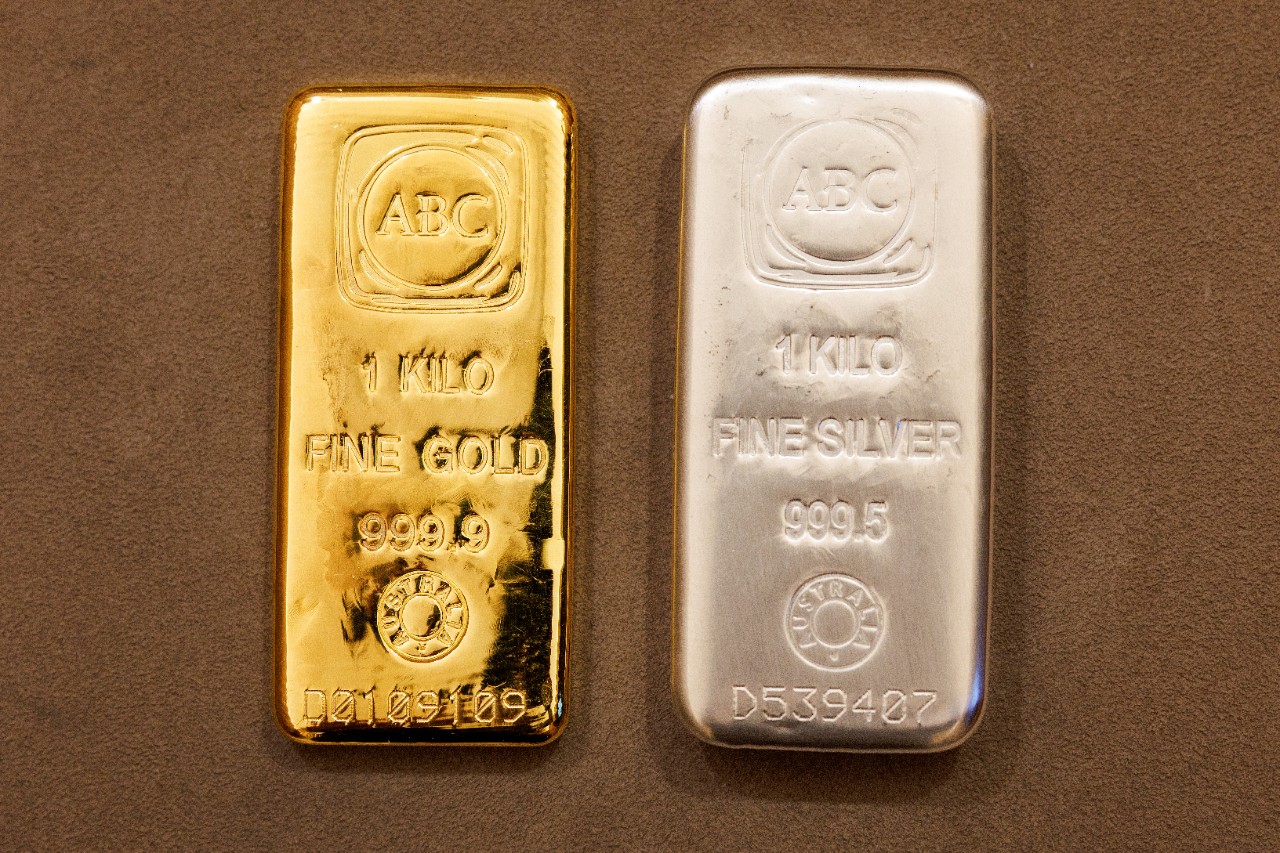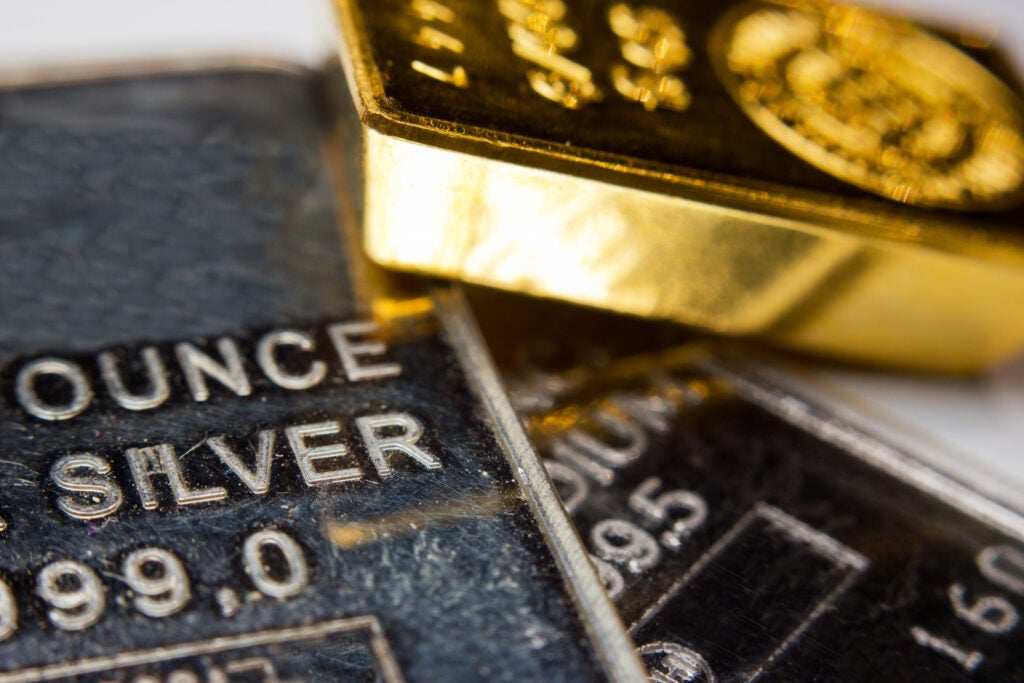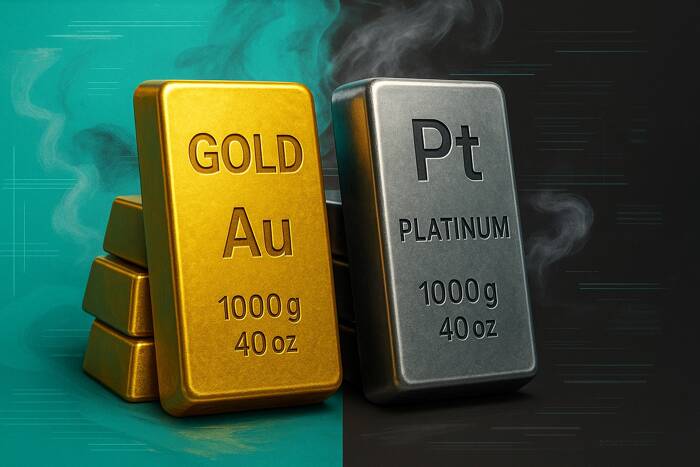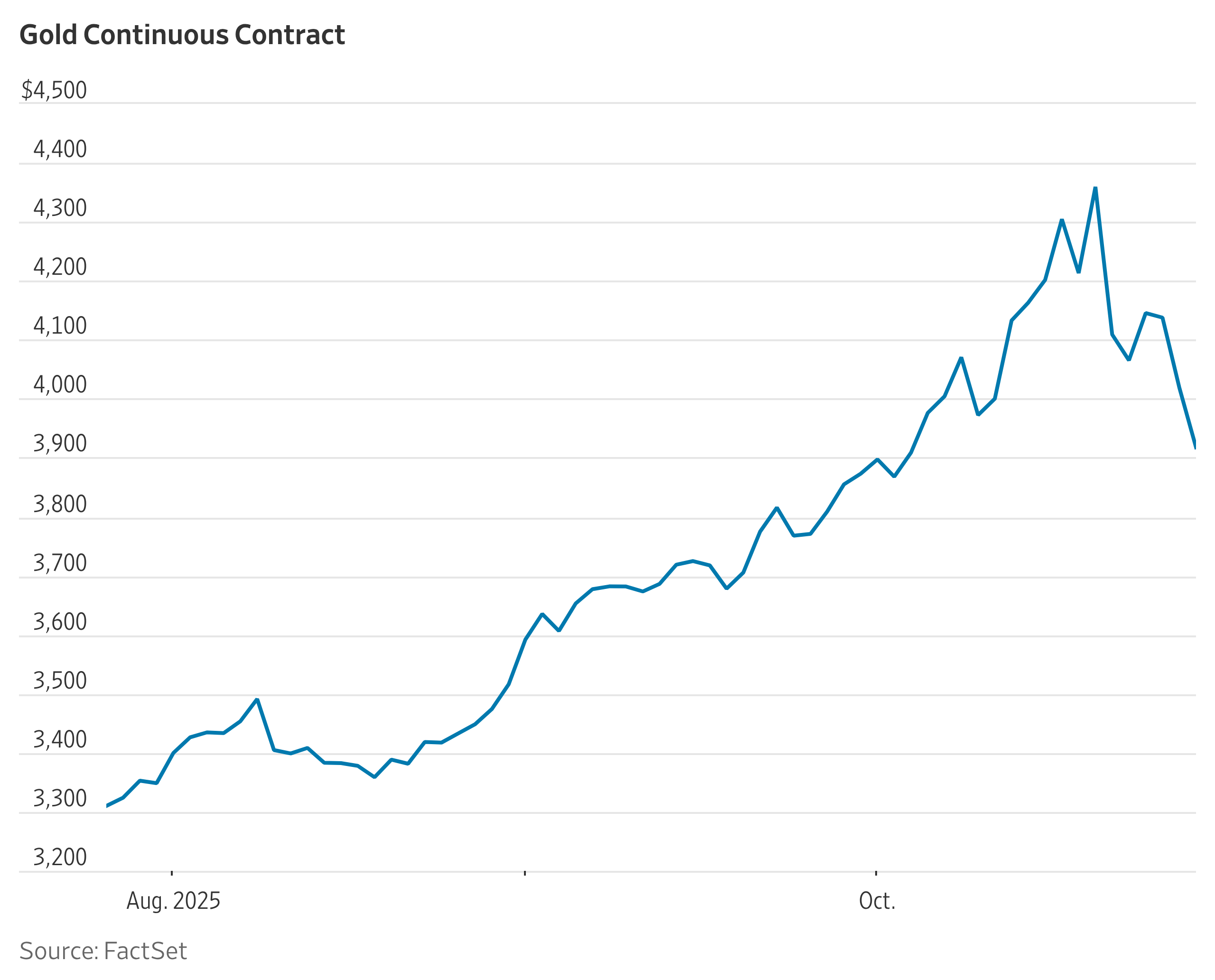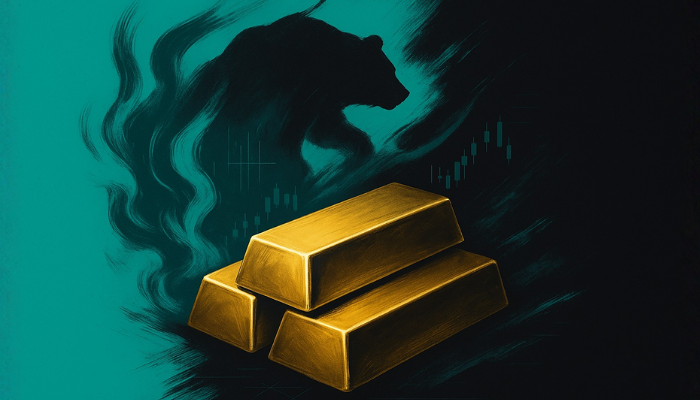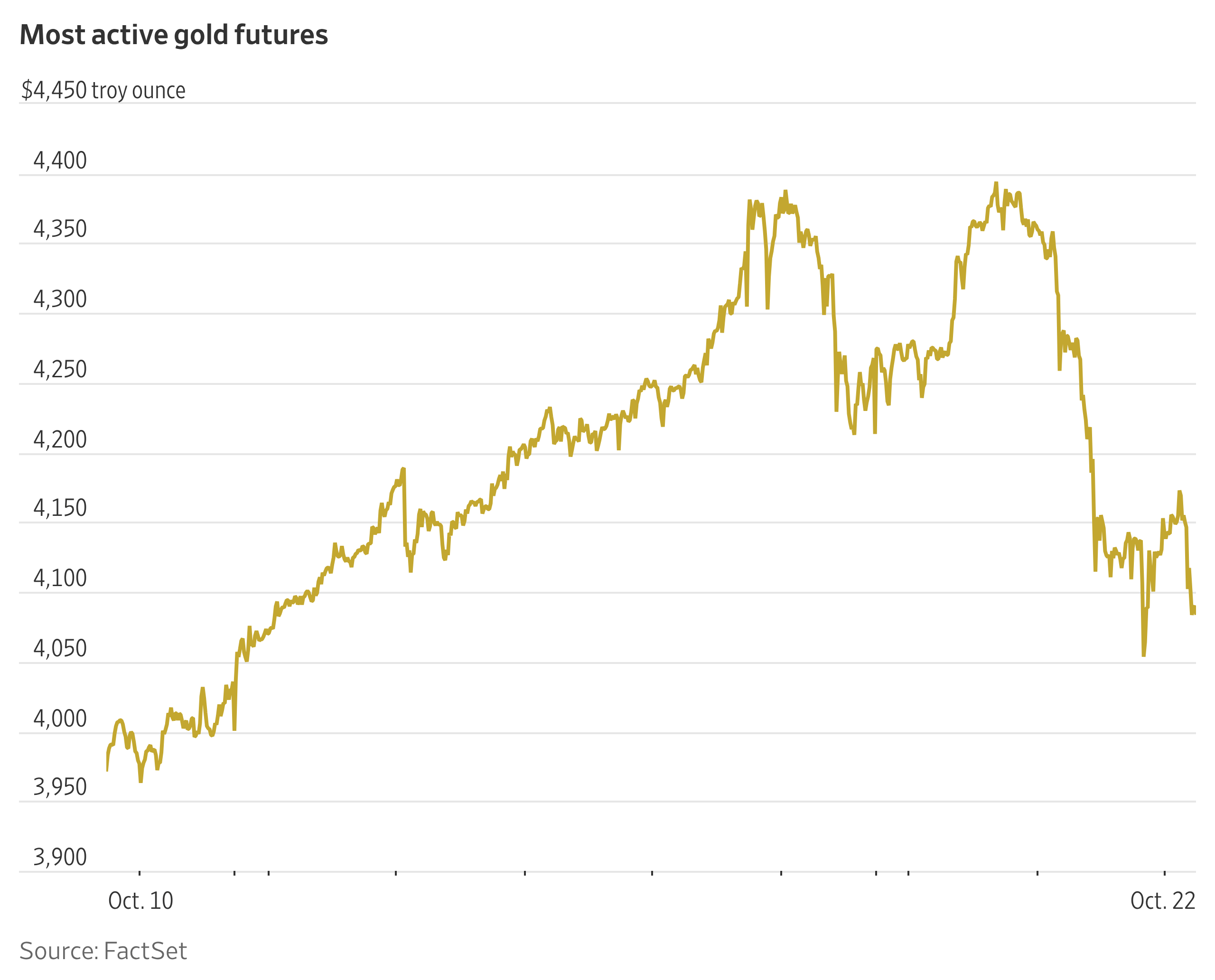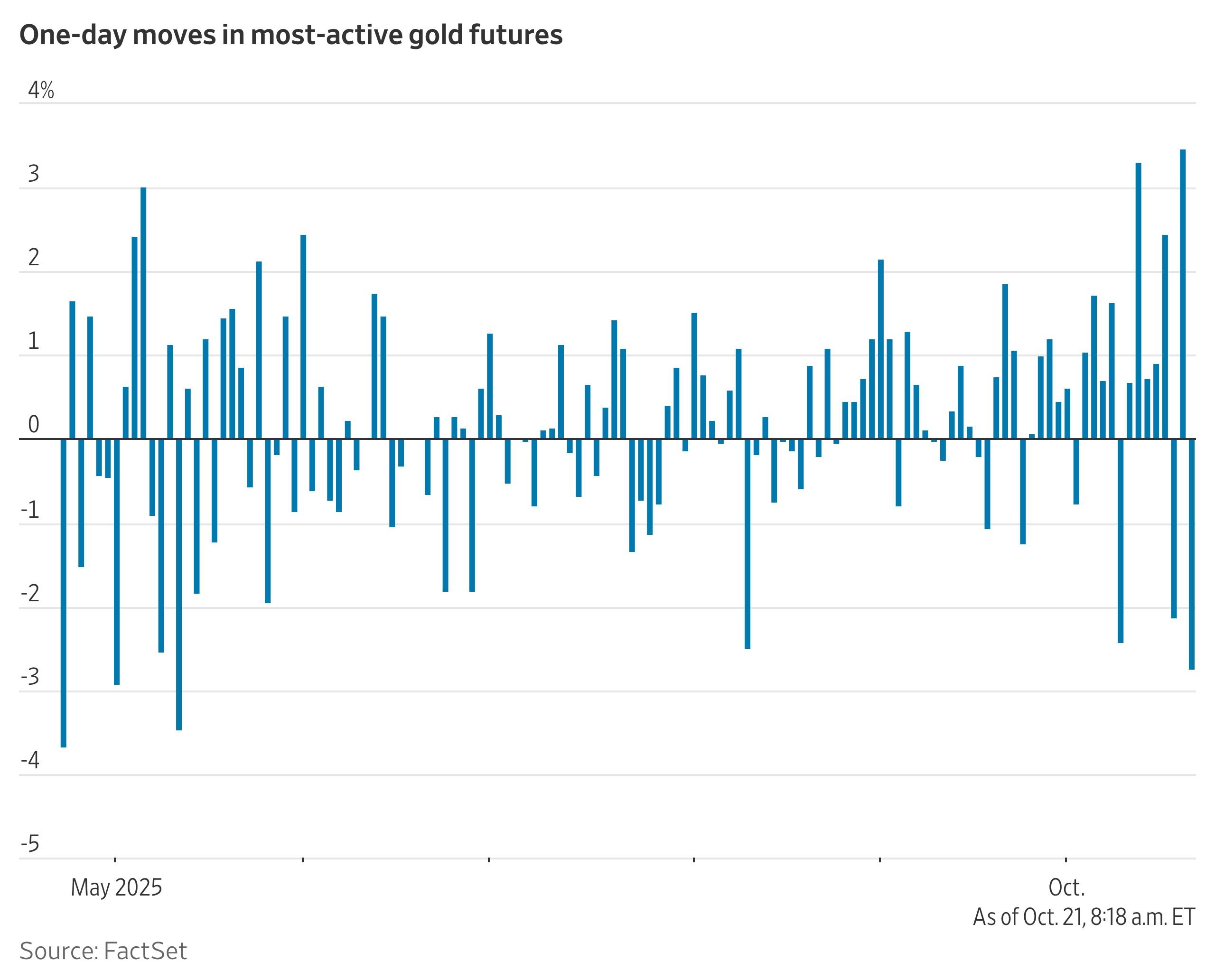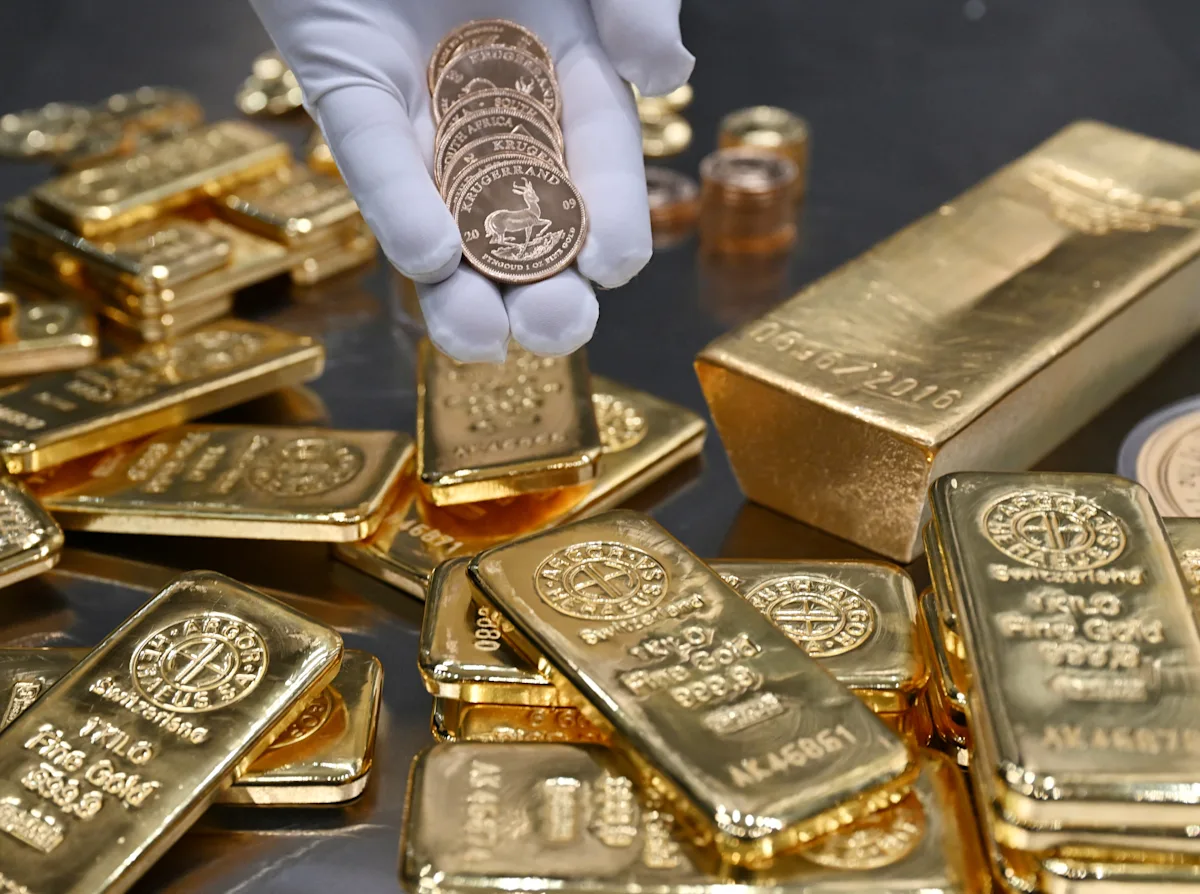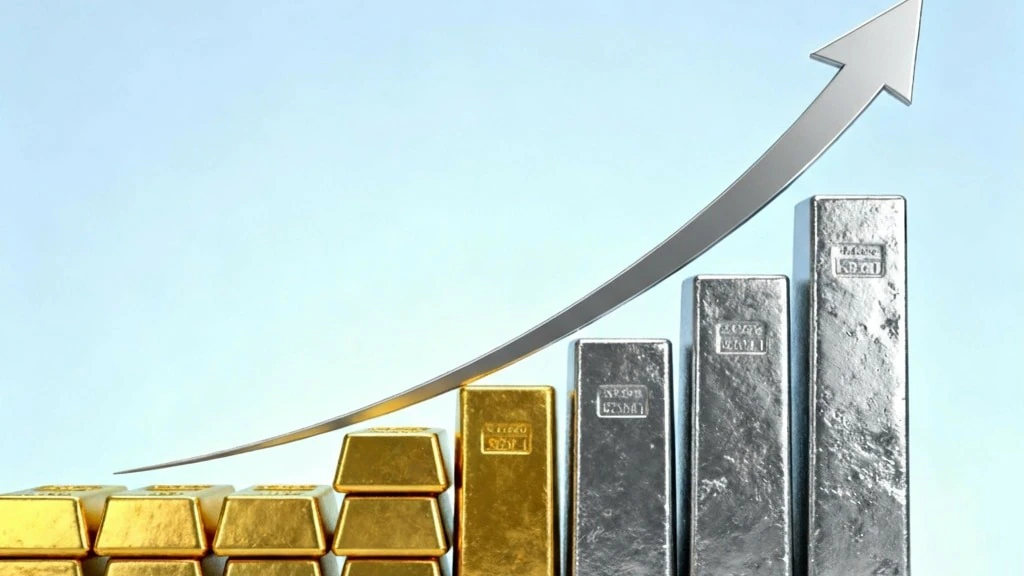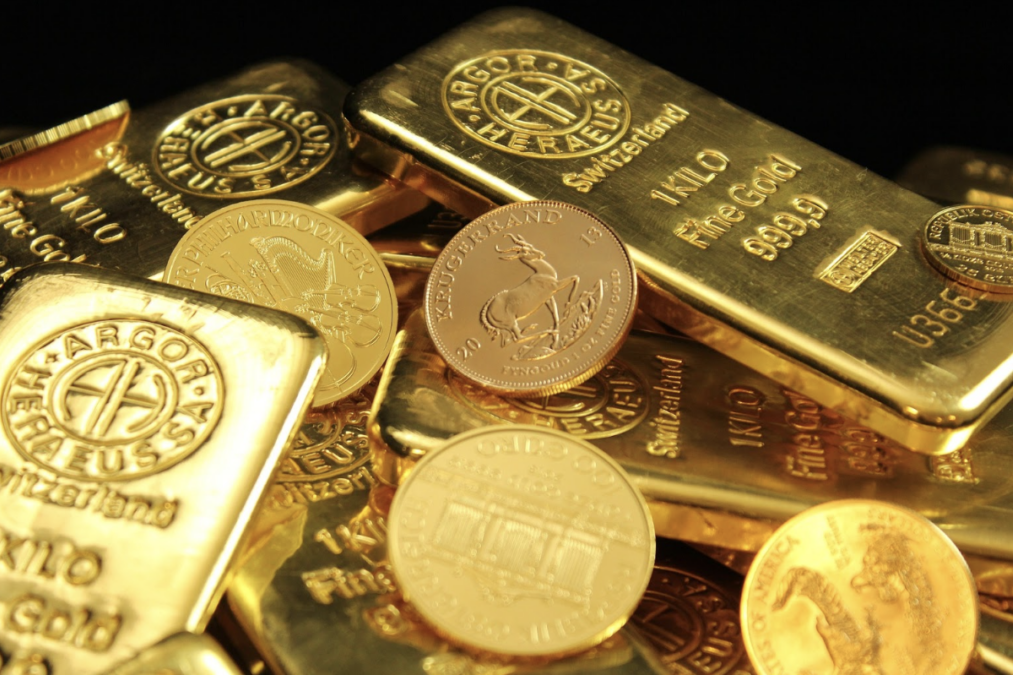
Gold is currently facing significant downward pressure as it flirts with one-month lows near the $4,500/oz mark. The precious metal is caught between rising US Treasury yields and a strengthening US Dollar, which are diminishing the appeal of non-yielding assets. While some technical support remains intact, markets are currently prioritizing yield performance over Gold.
Yields and Dollar strength suppress Gold’s appeal
“For now, the gold market appears less focused on the lingering geopolitical risk and more on rising Treasury yields,” ING strategists say.
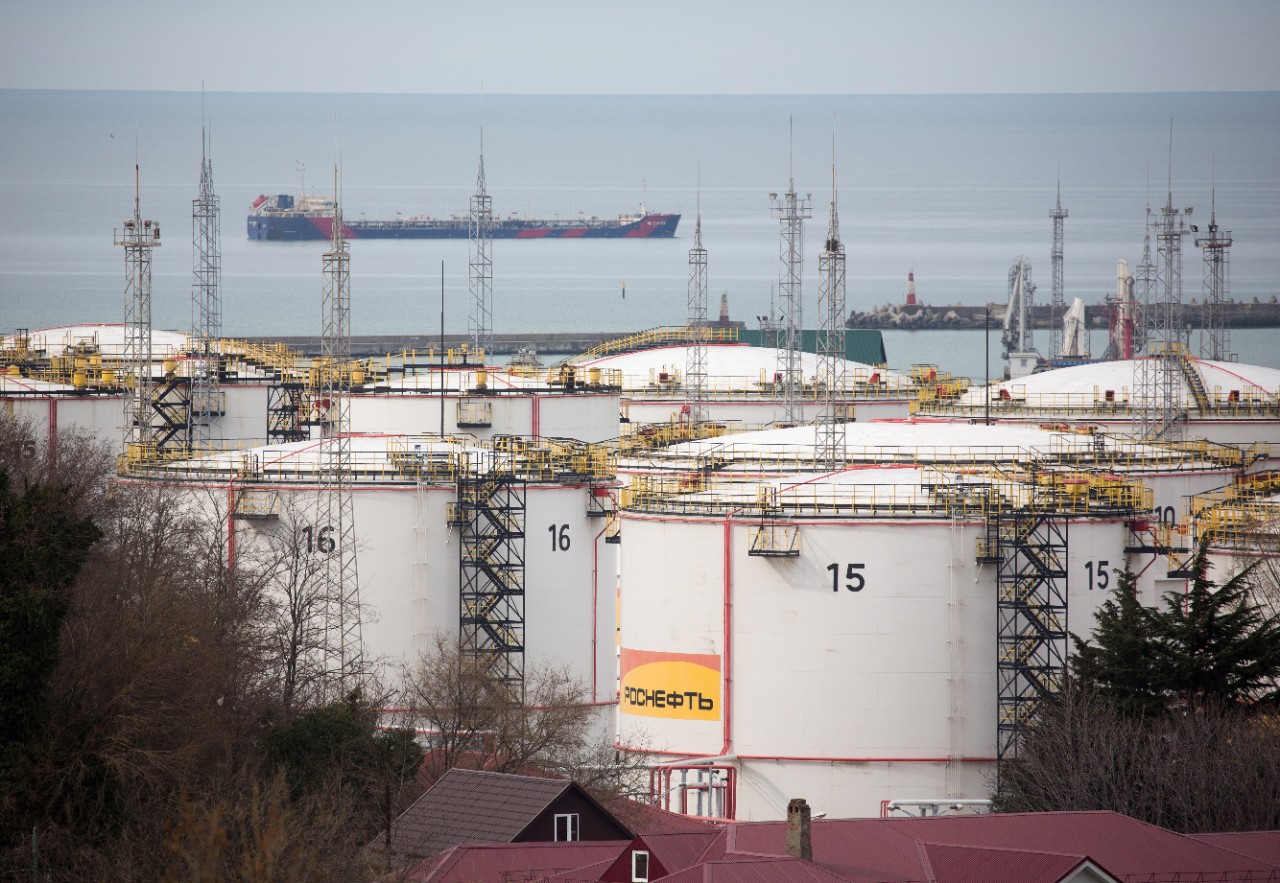
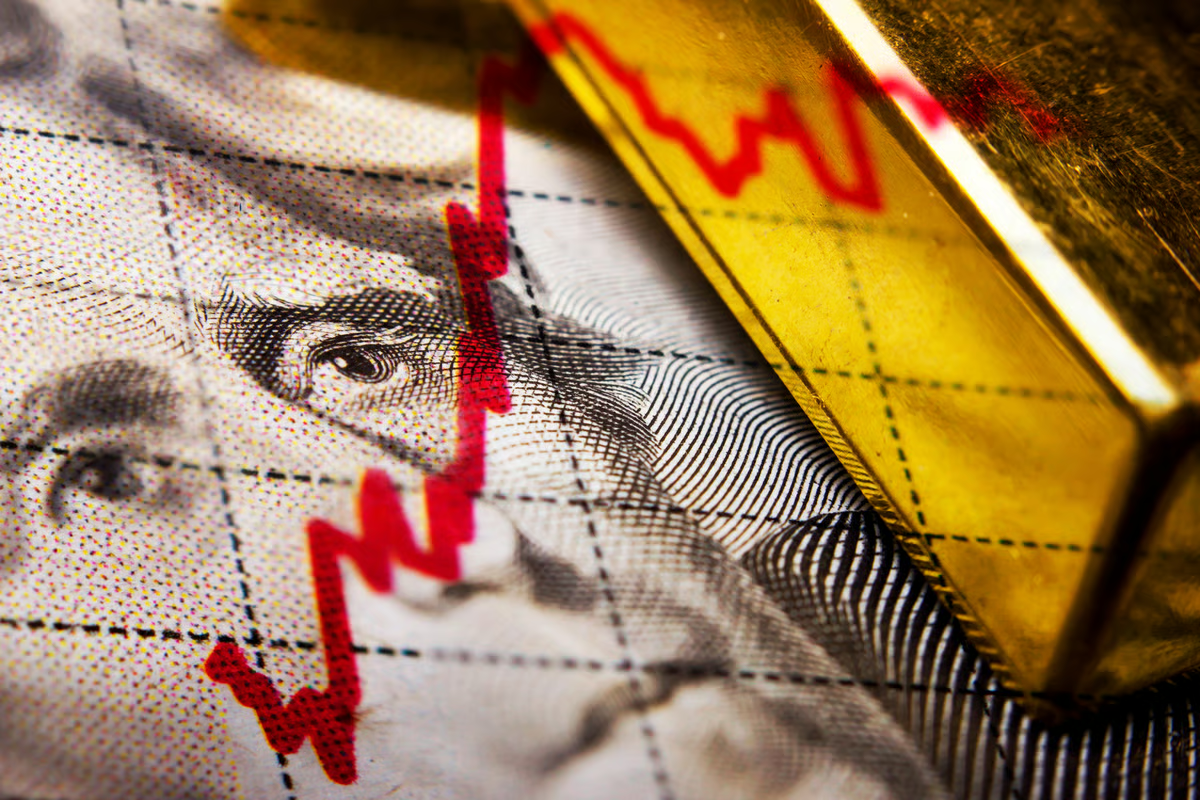
With energy prices fueling inflation concerns, the expectation for sustained high interest rates is driving investors away from Gold ETFs and reducing speculative long positions to their lowest levels since early 2024, they say. The bank adds that, as long as the US Dollar remains robust, the pressure on Gold will likely persist.
Navigating technical floors and the inflation-Fed path
“A clearer easing in geopolitical risk, softer oil prices and renewed dovish Fed pricing would likely be needed for gold to regain stronger upside momentum,” analysts at OCBC note.
While Gold has managed to rebound from recent lows, it remains in a consolidation phase rather than a clear breakout, they say. The strategists emphasize that the path forward is complicated by high Oil prices, which impact Federal Reserve policy and thus the outlook on interest rates. Until there is a shift toward more dovish monetary pricing or a significant drop in energy costs, Gold is expected to oscillate between key support levels at $4,510 and resistance near $4,670, they add.
Market outlook: Consolidation likely as bearish pressure builds
The consensus among these institutions suggests a cautious near-term trajectory for Gold, characterized by consolidation with a bearish tilt. Both ING and OCBC identify rising Treasury yields and the “higher-for-longer” interest rate narrative as the primary obstacles to a price recovery.
While technical supports around $4,500 may provide a temporary floor, the banks agree that a sustained rally would require a fundamental shift in Federal Reserve sentiment driven by a cooldown in Oil prices.
(This article was created with the help of an Artificial Intelligence tool and reviewed by an editor.)