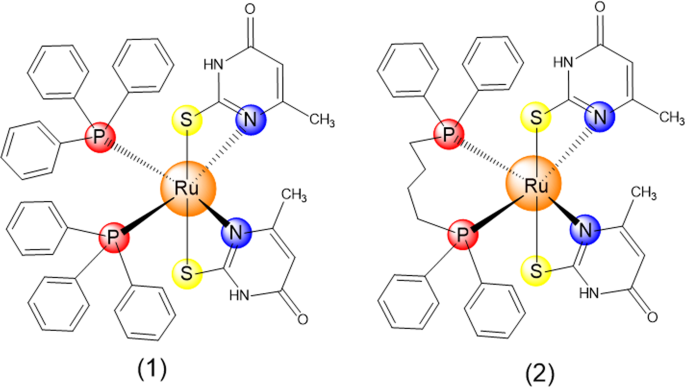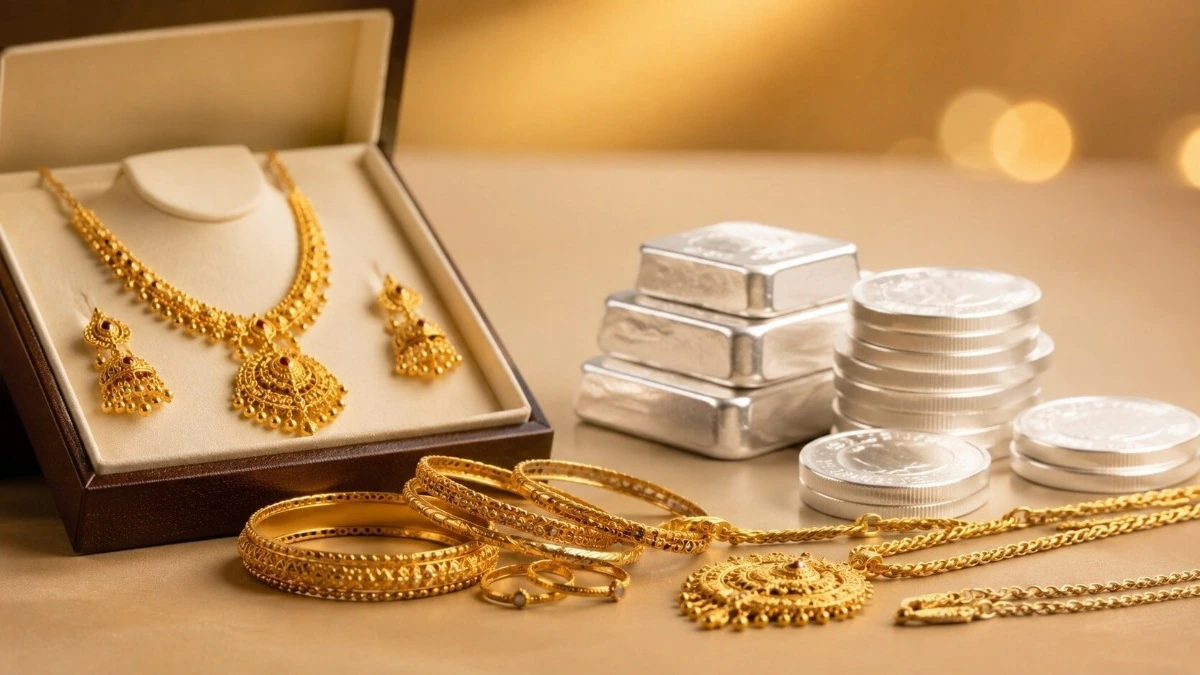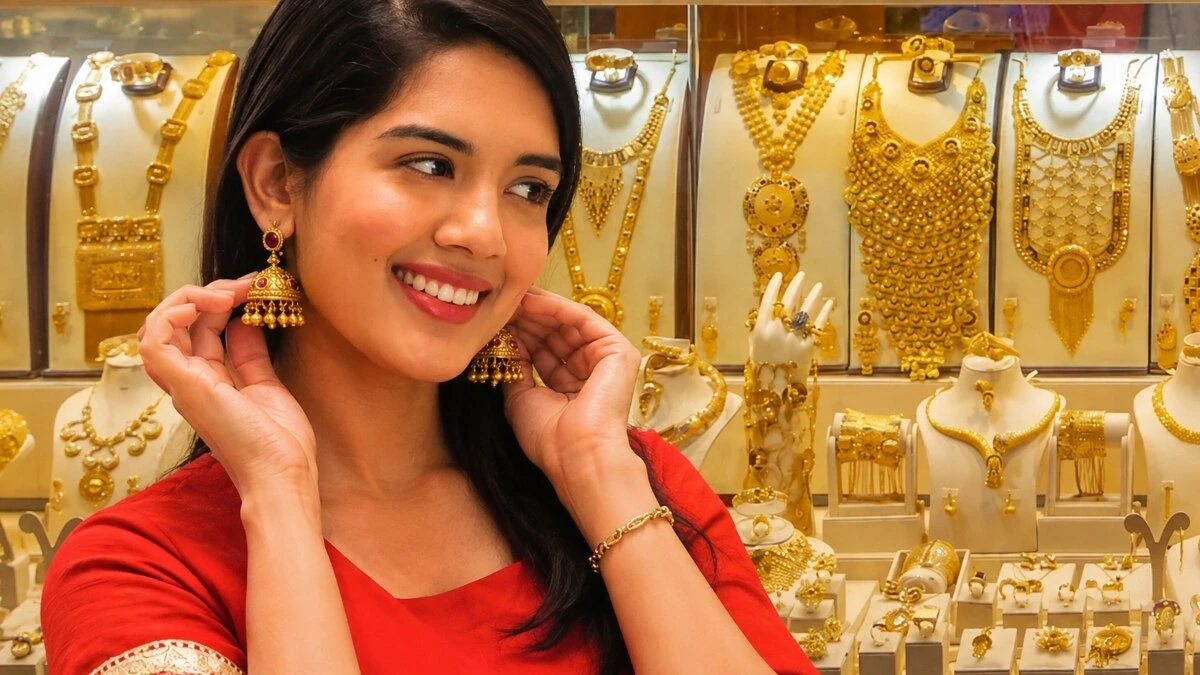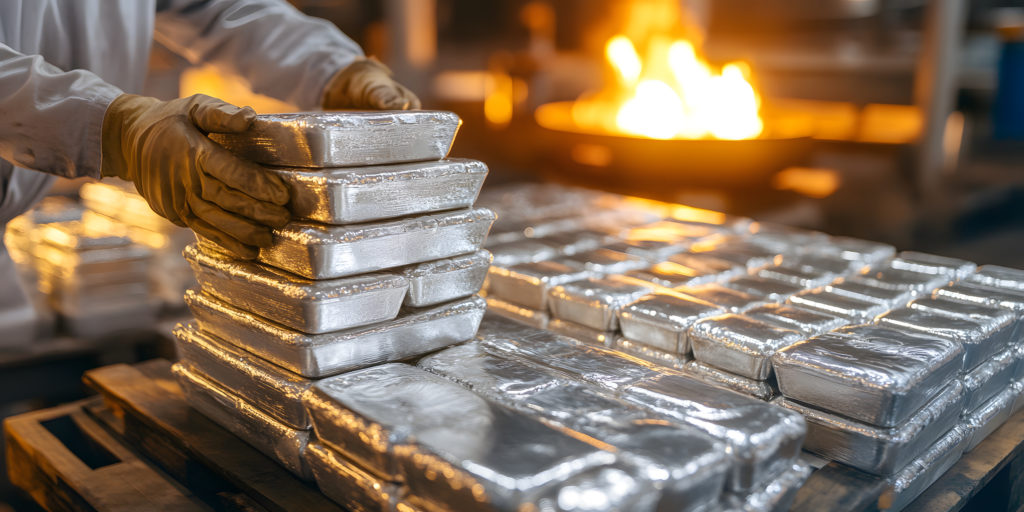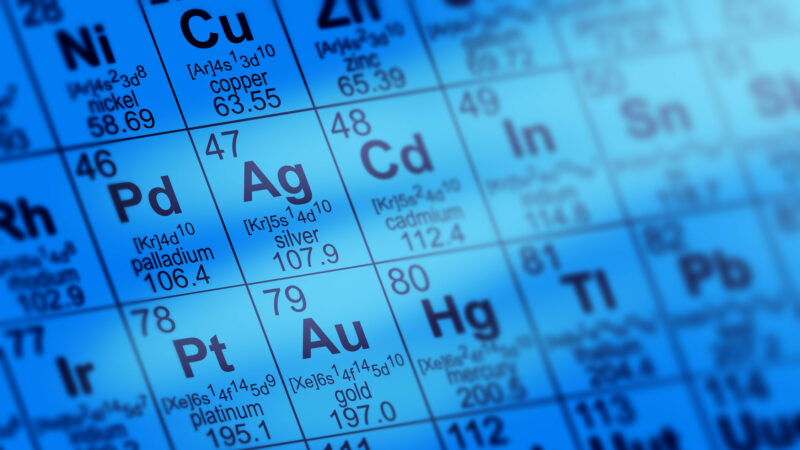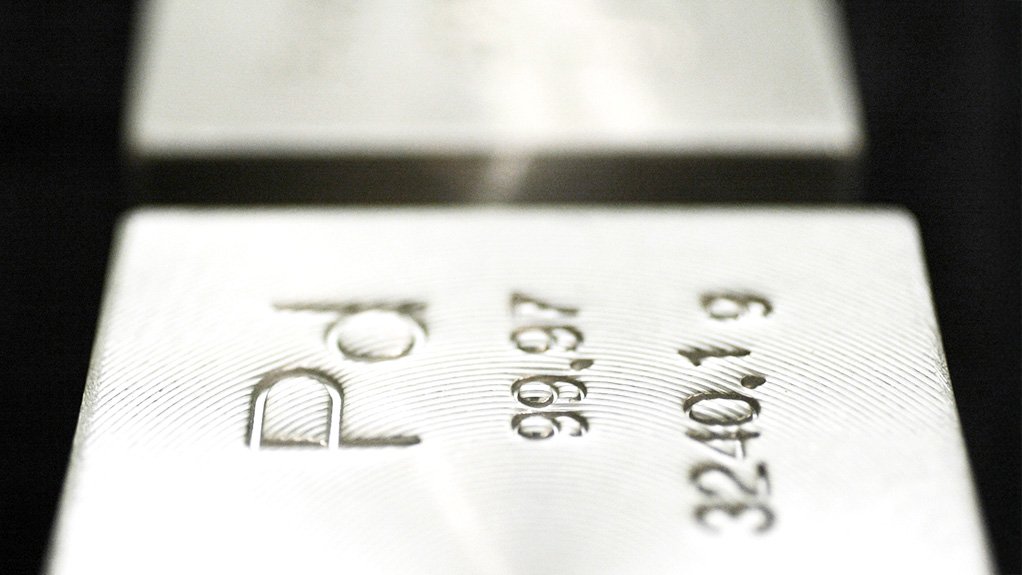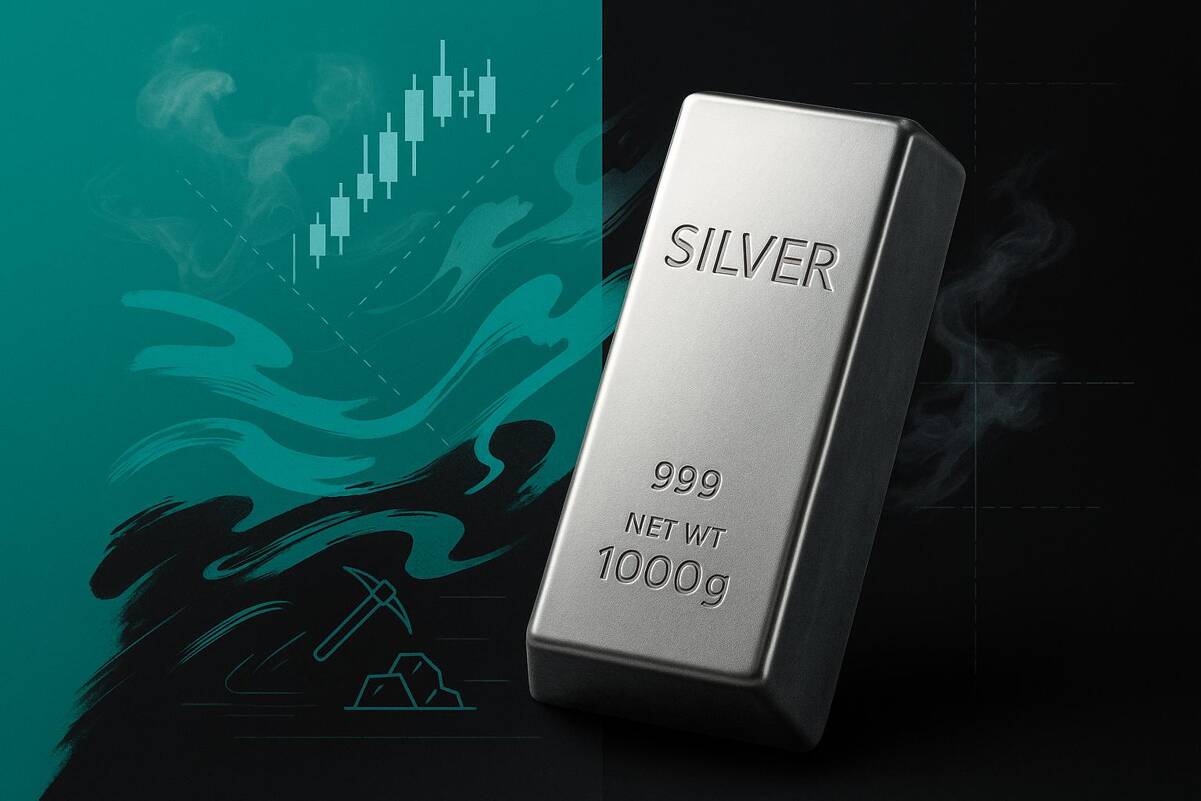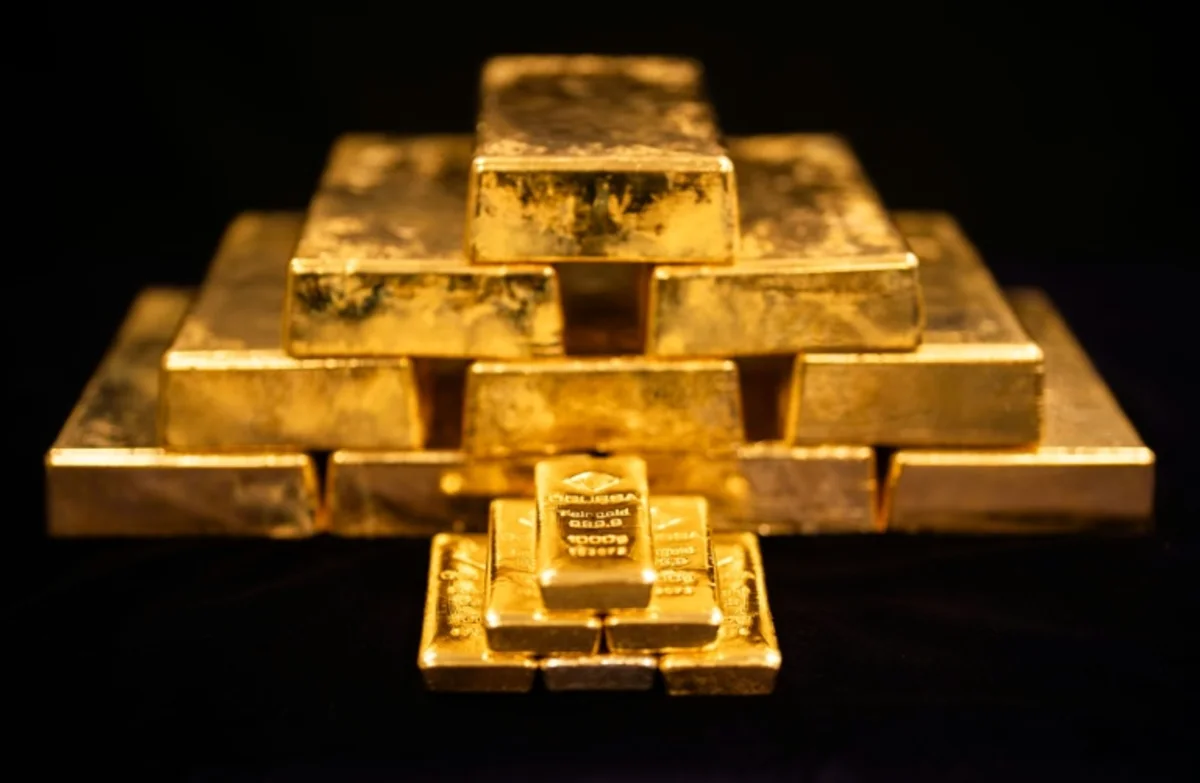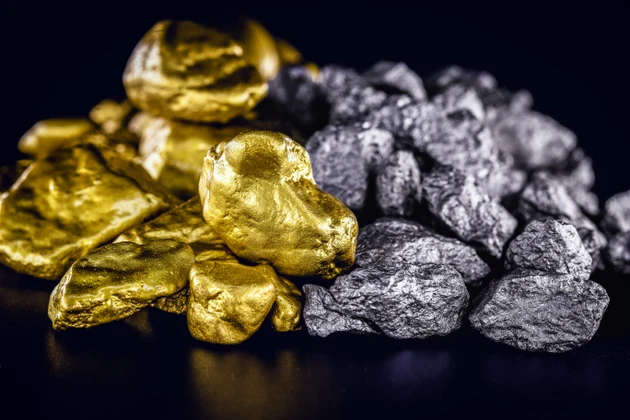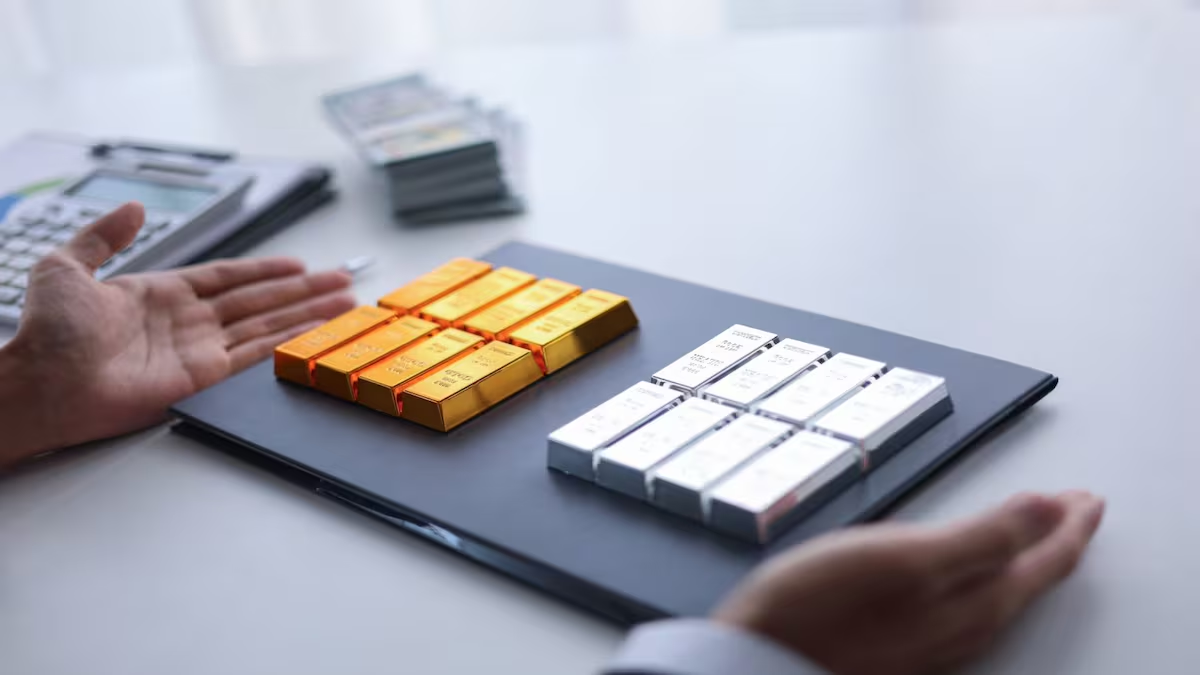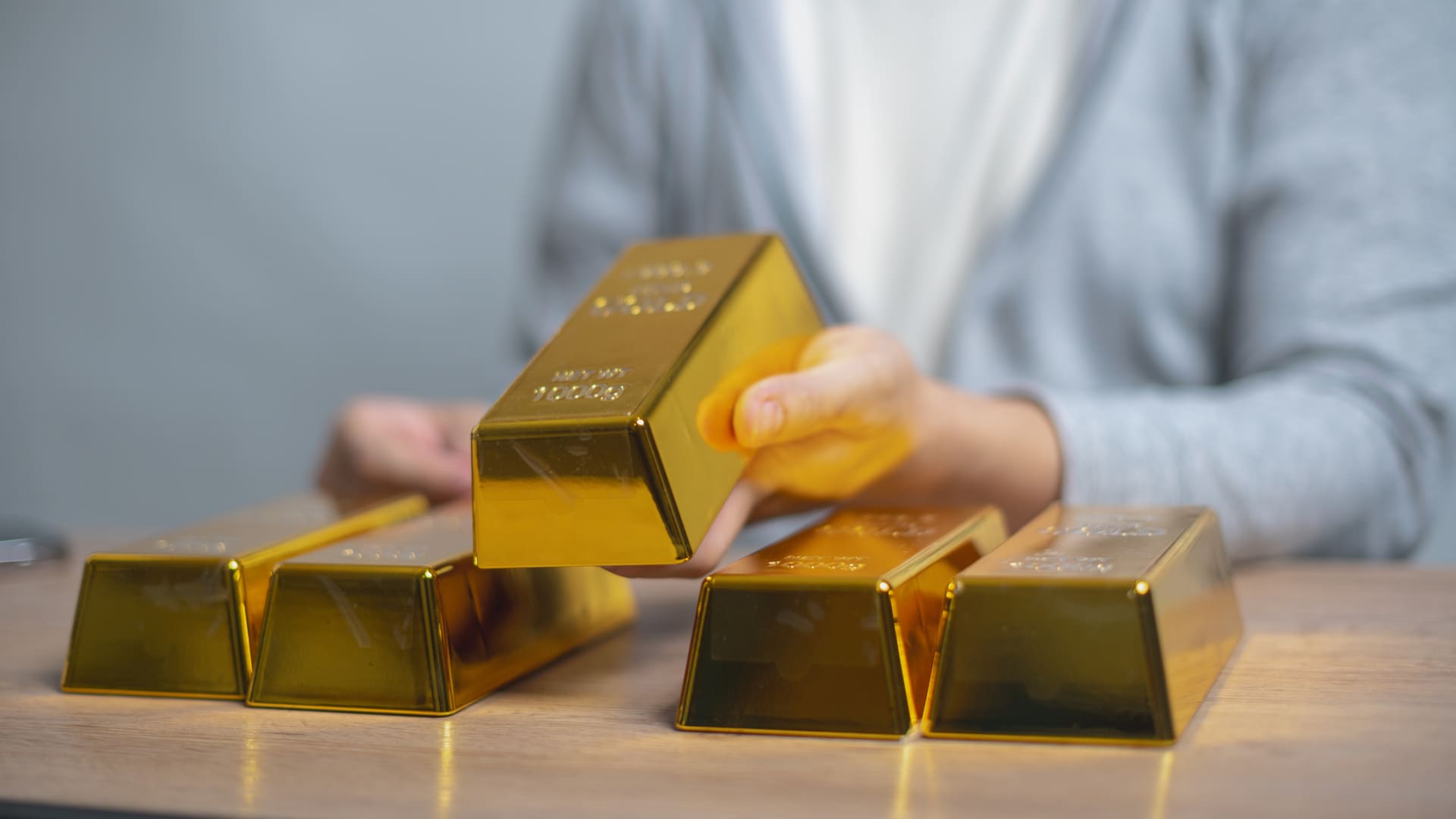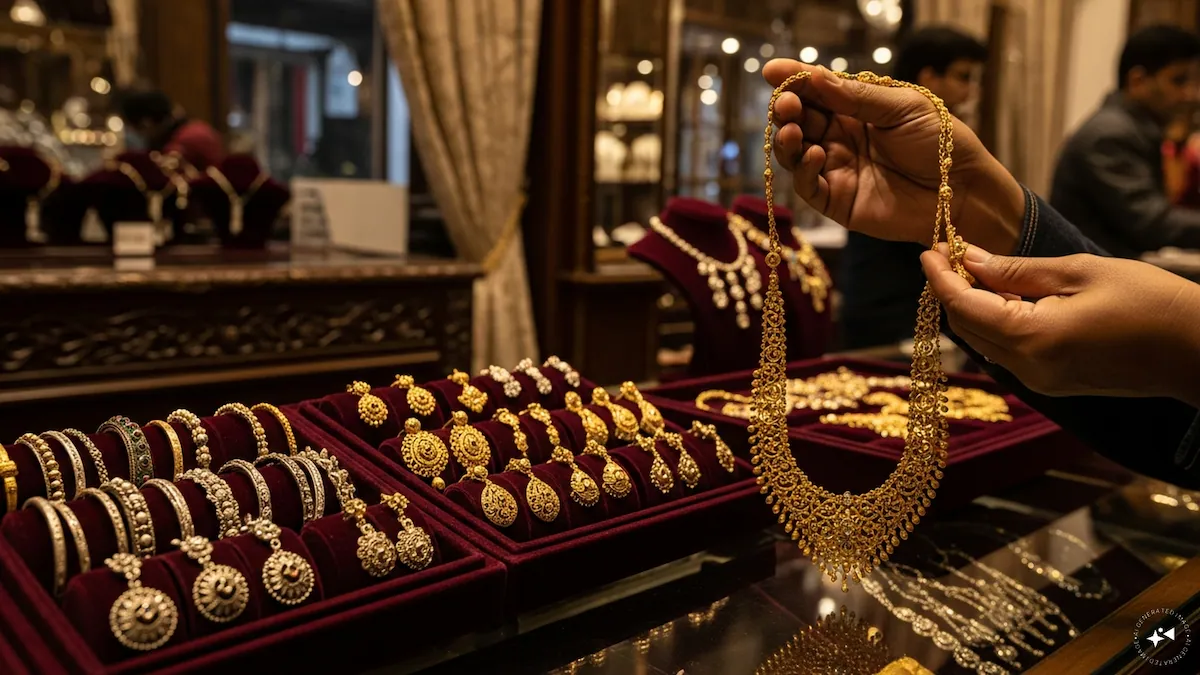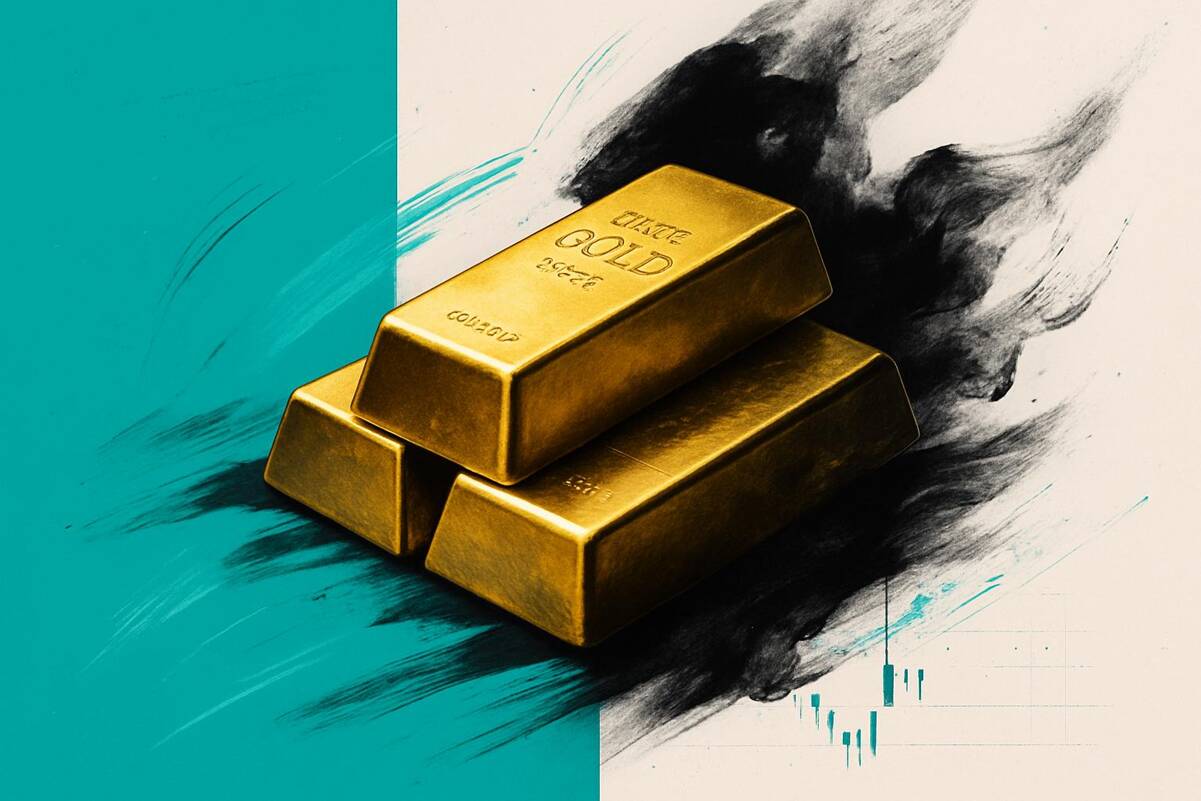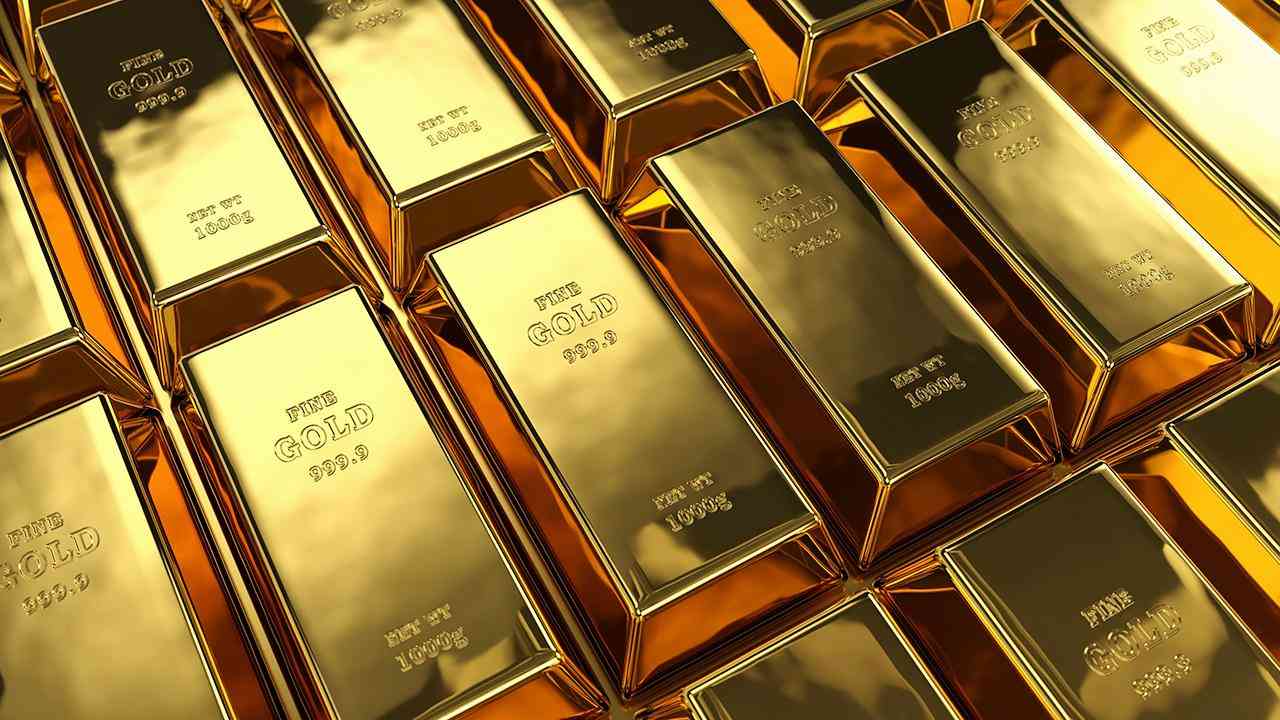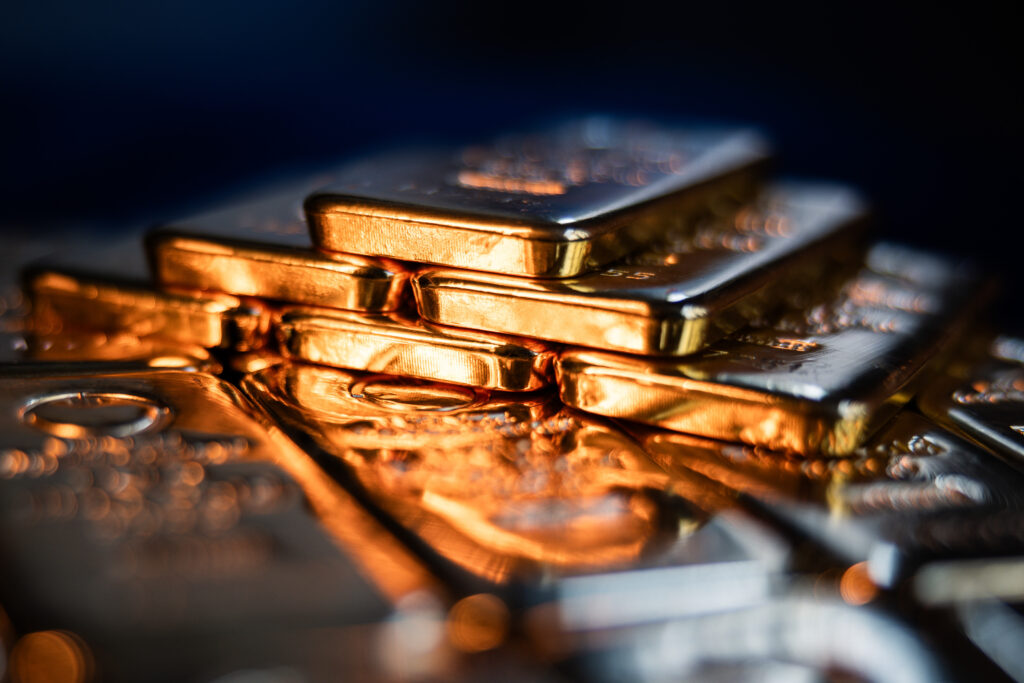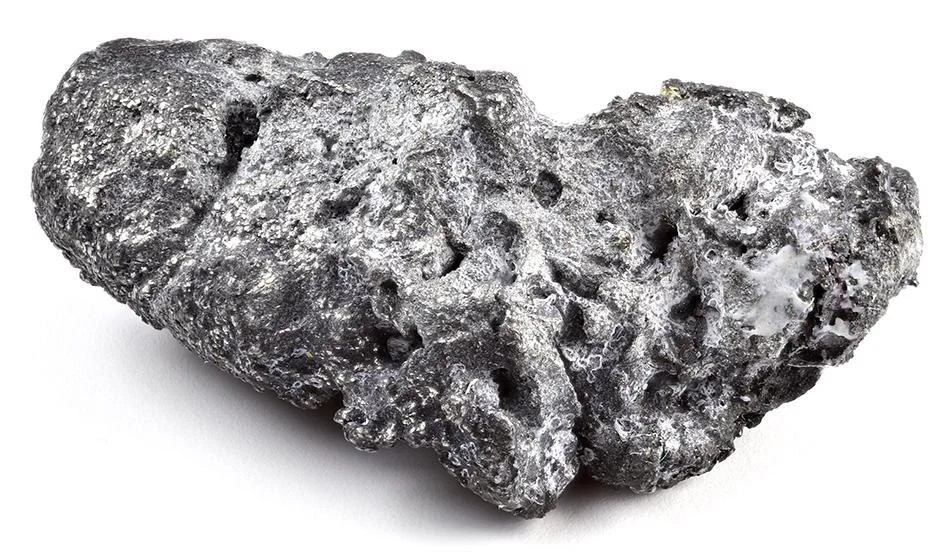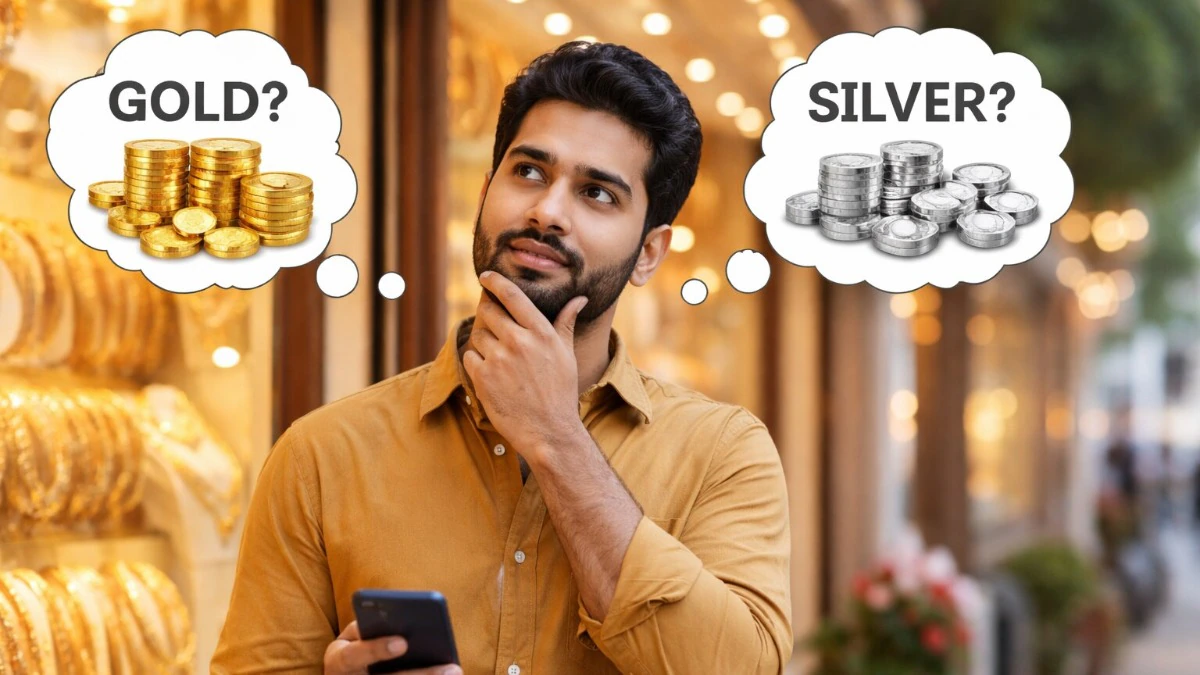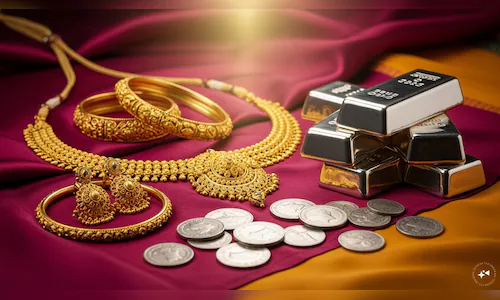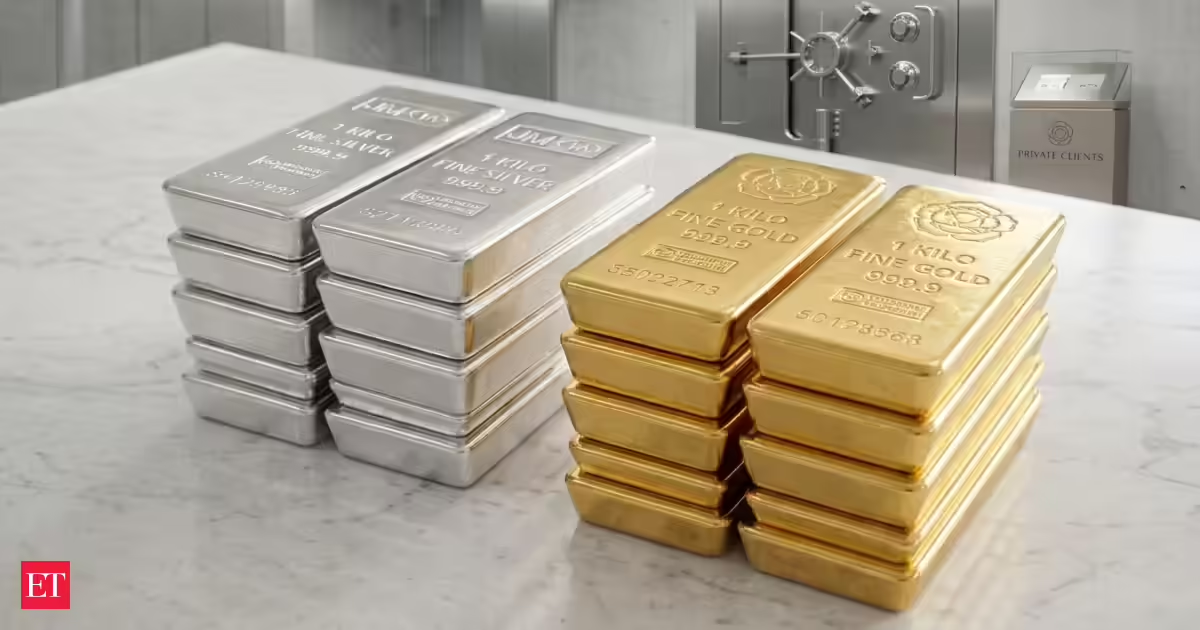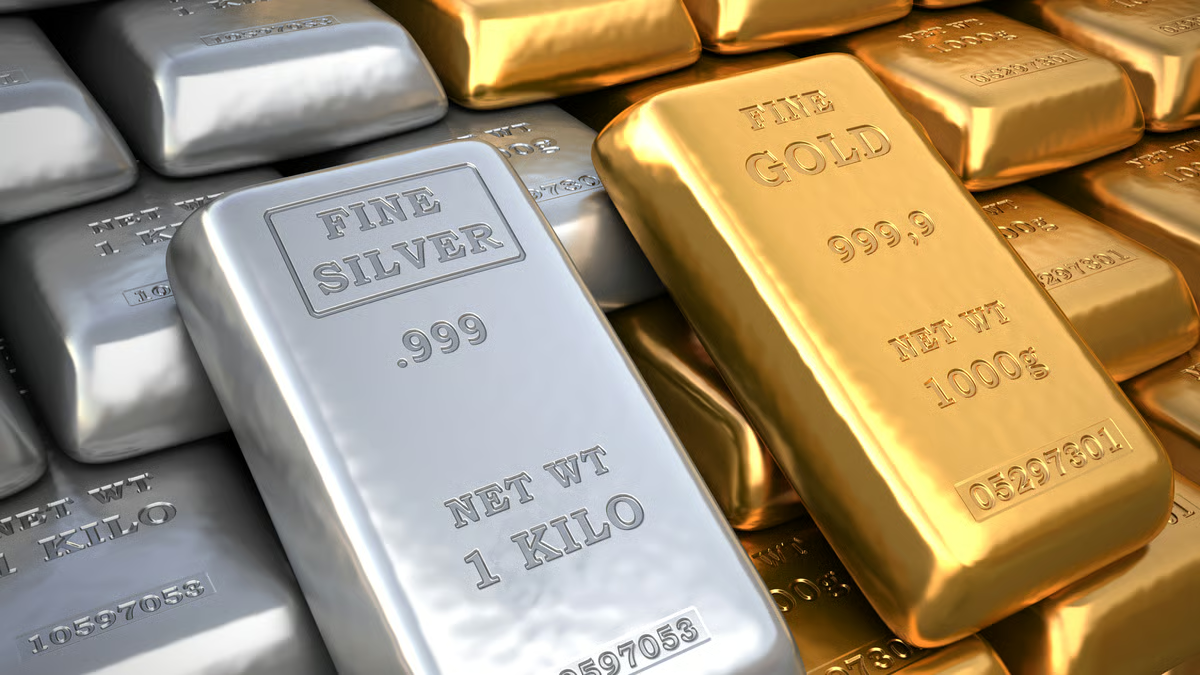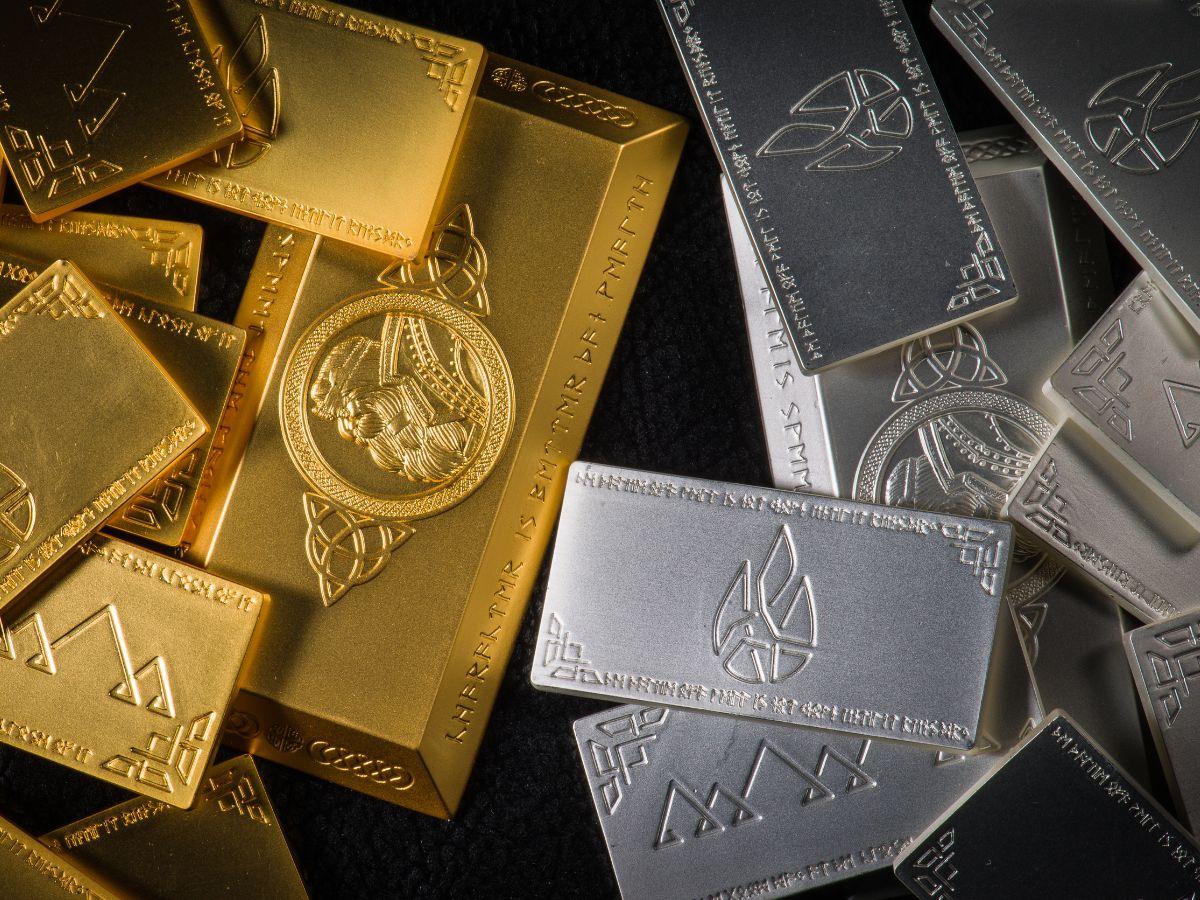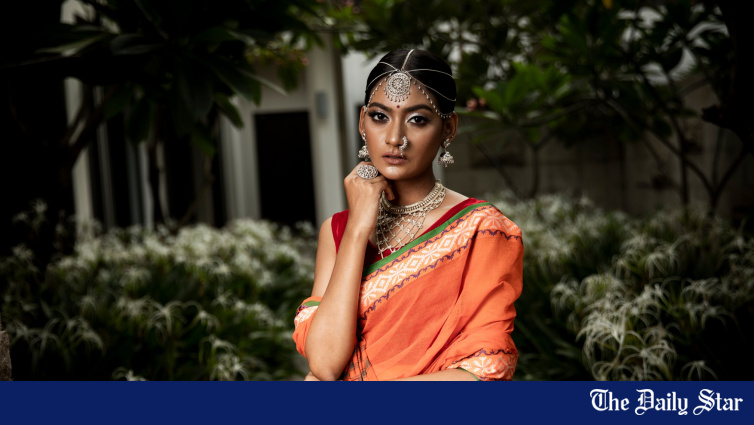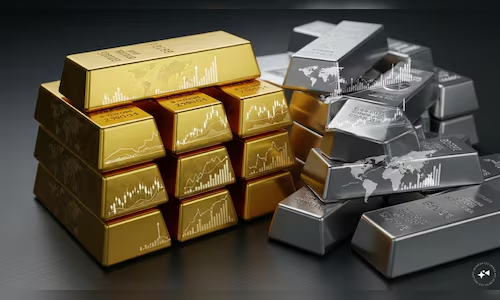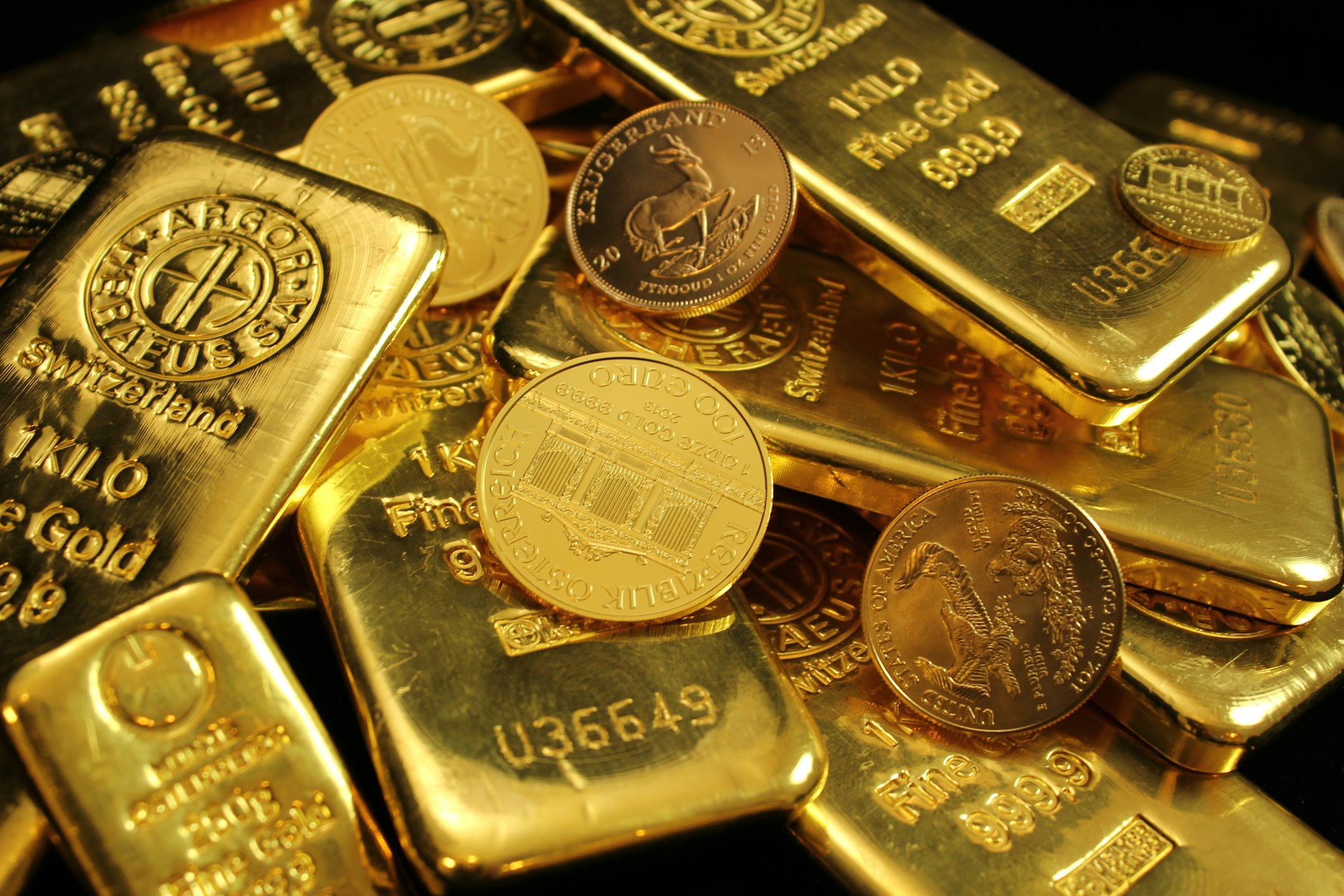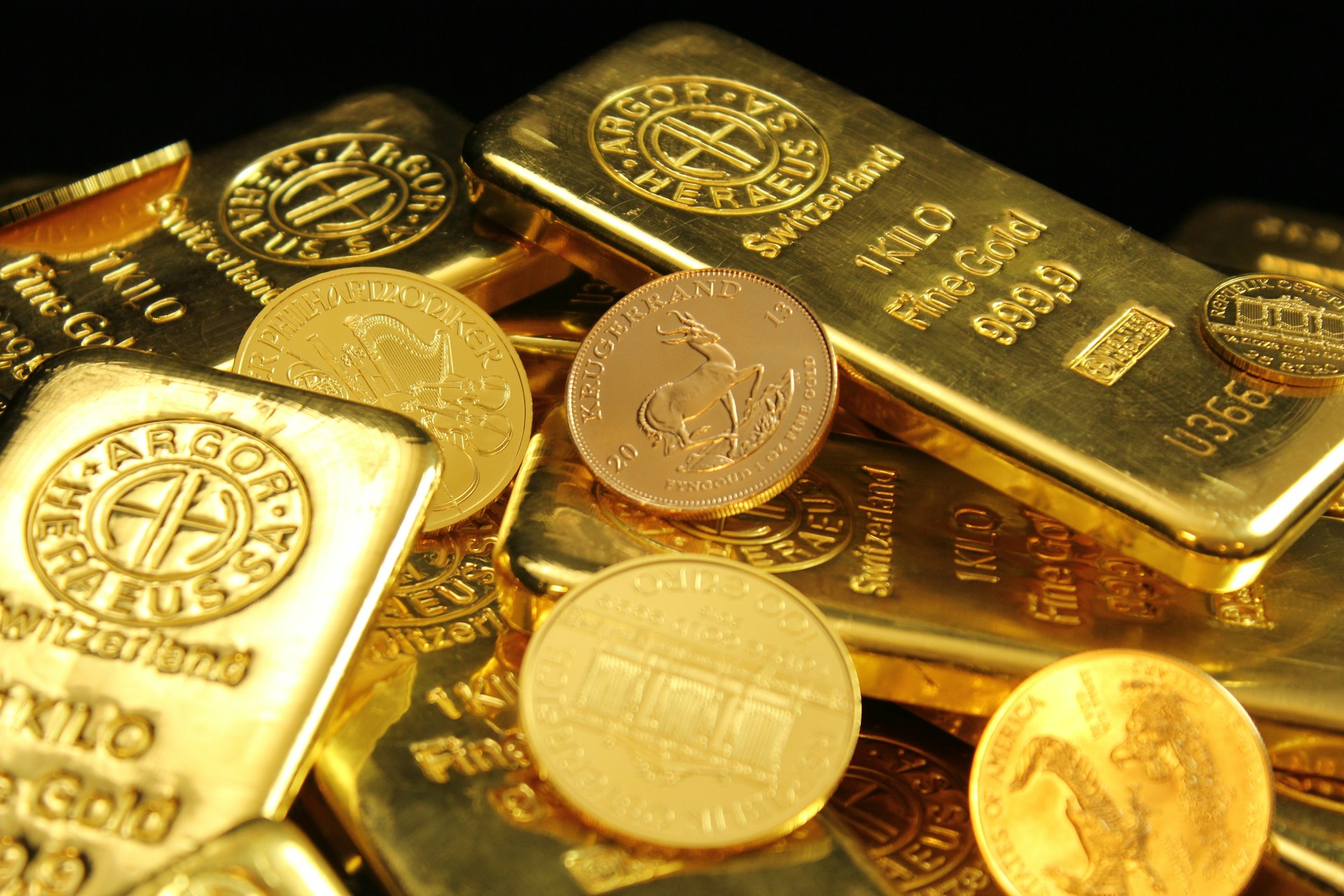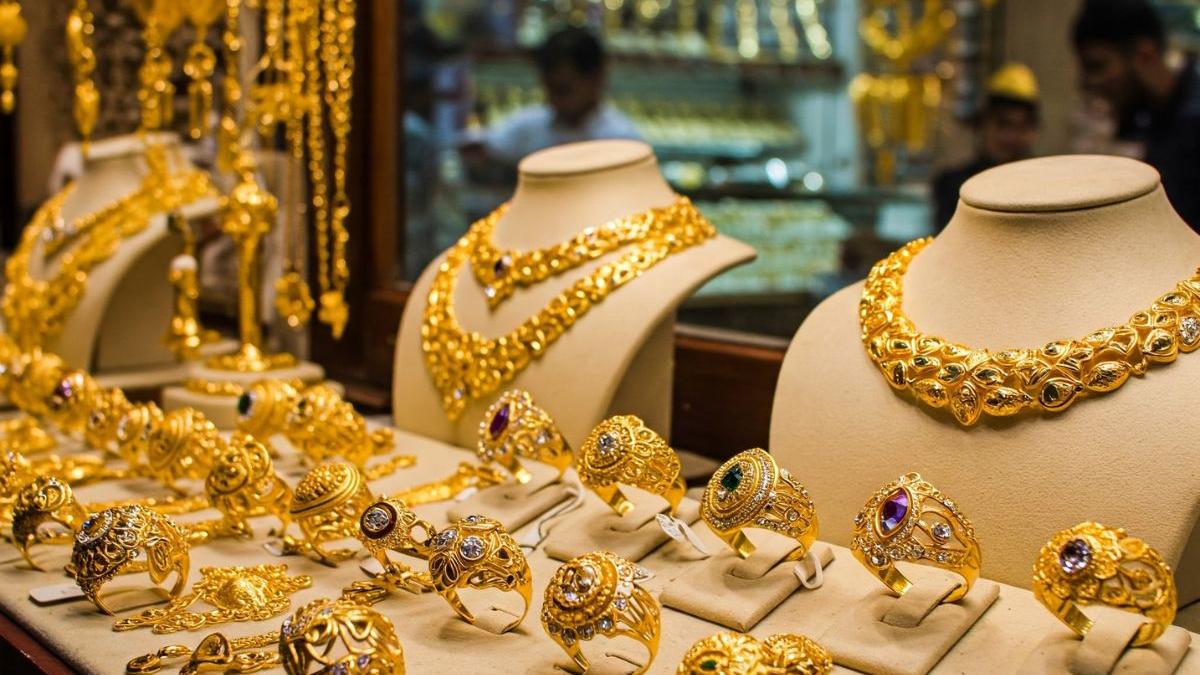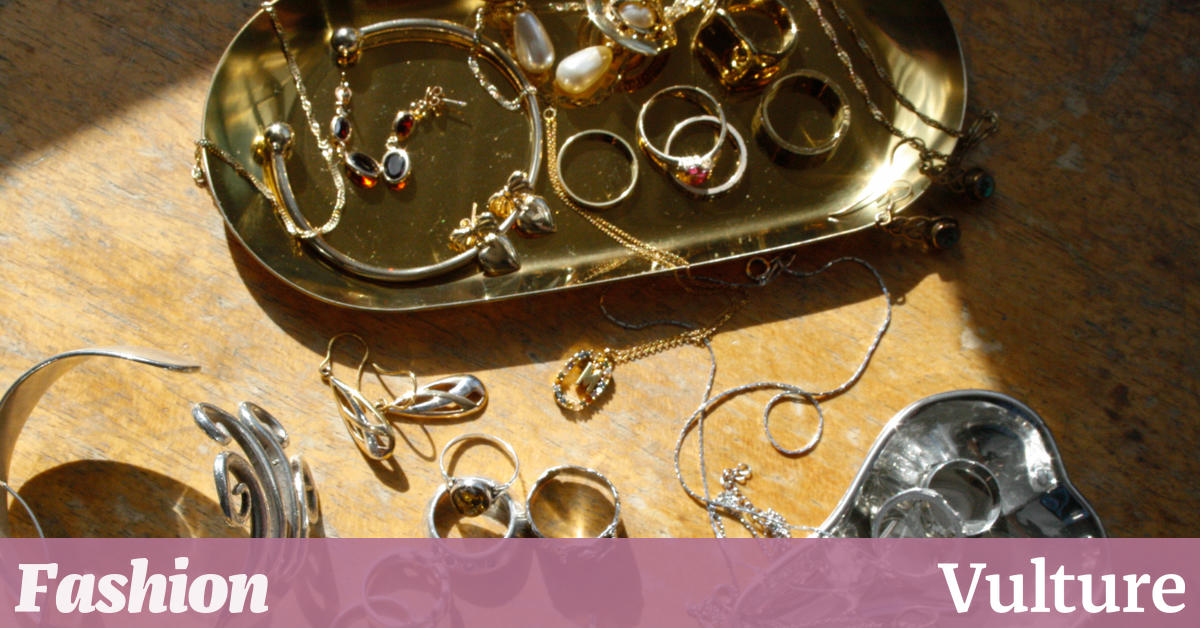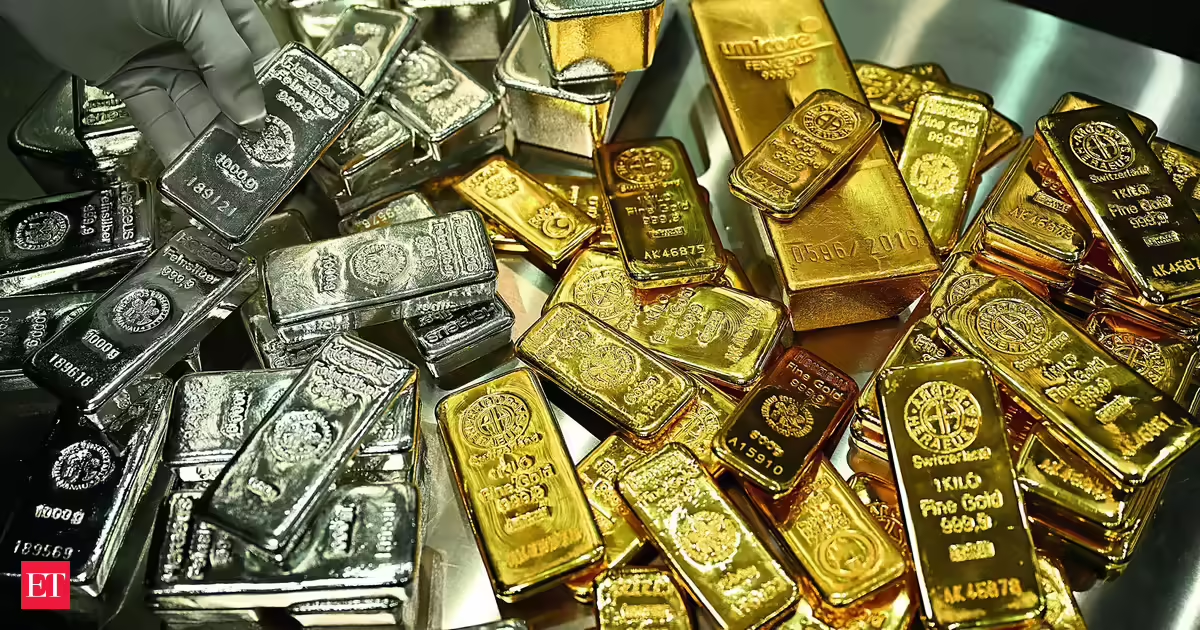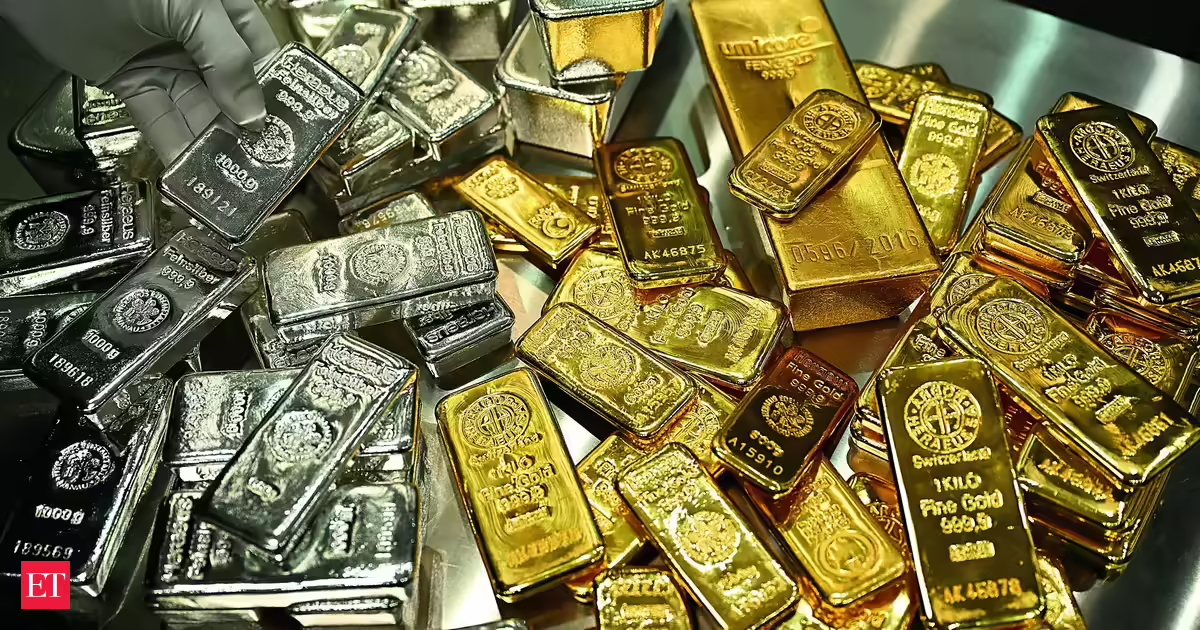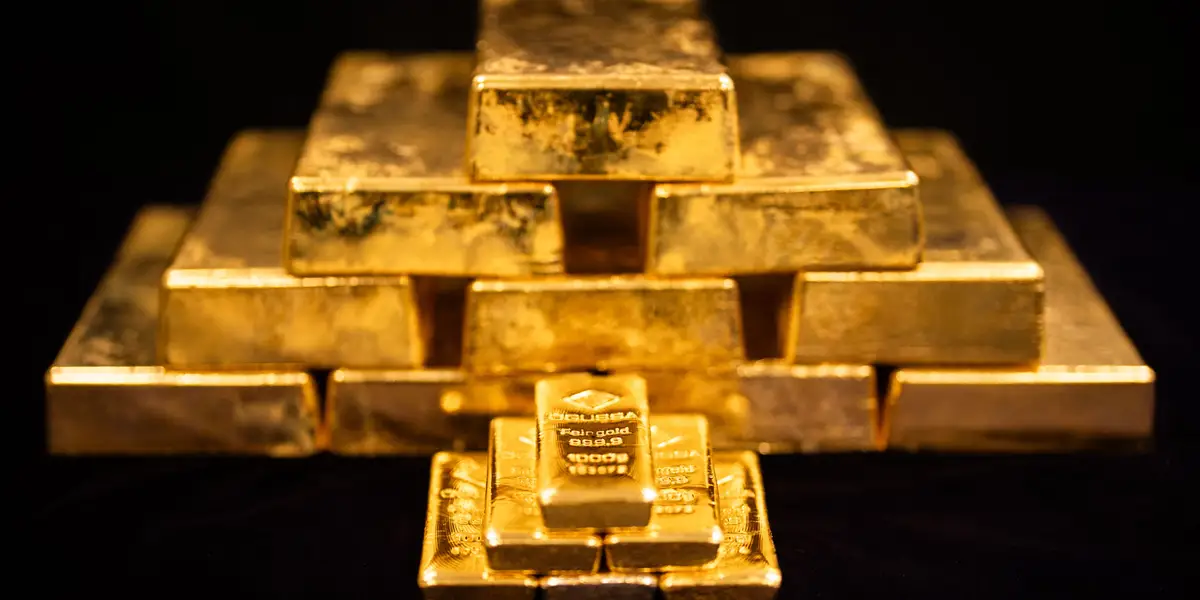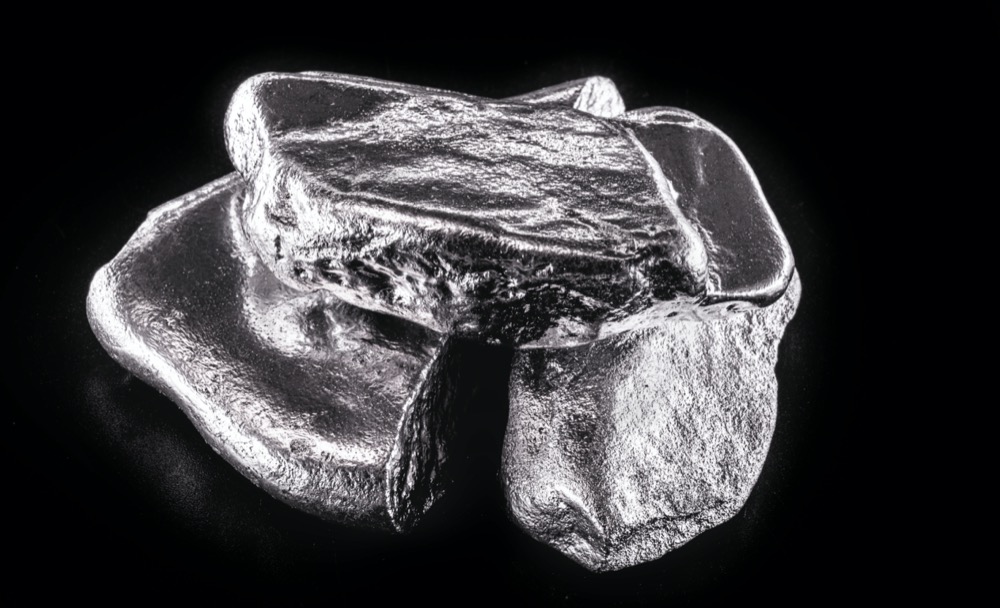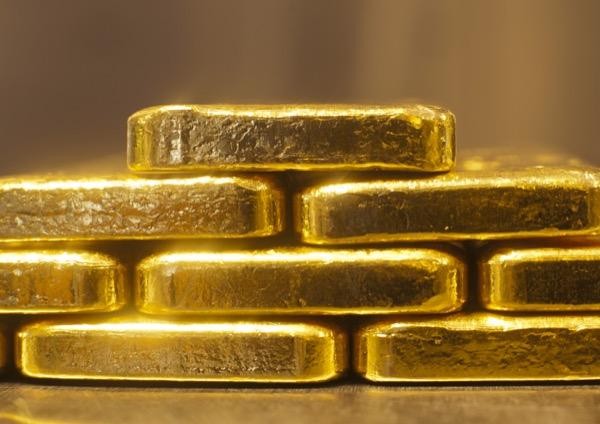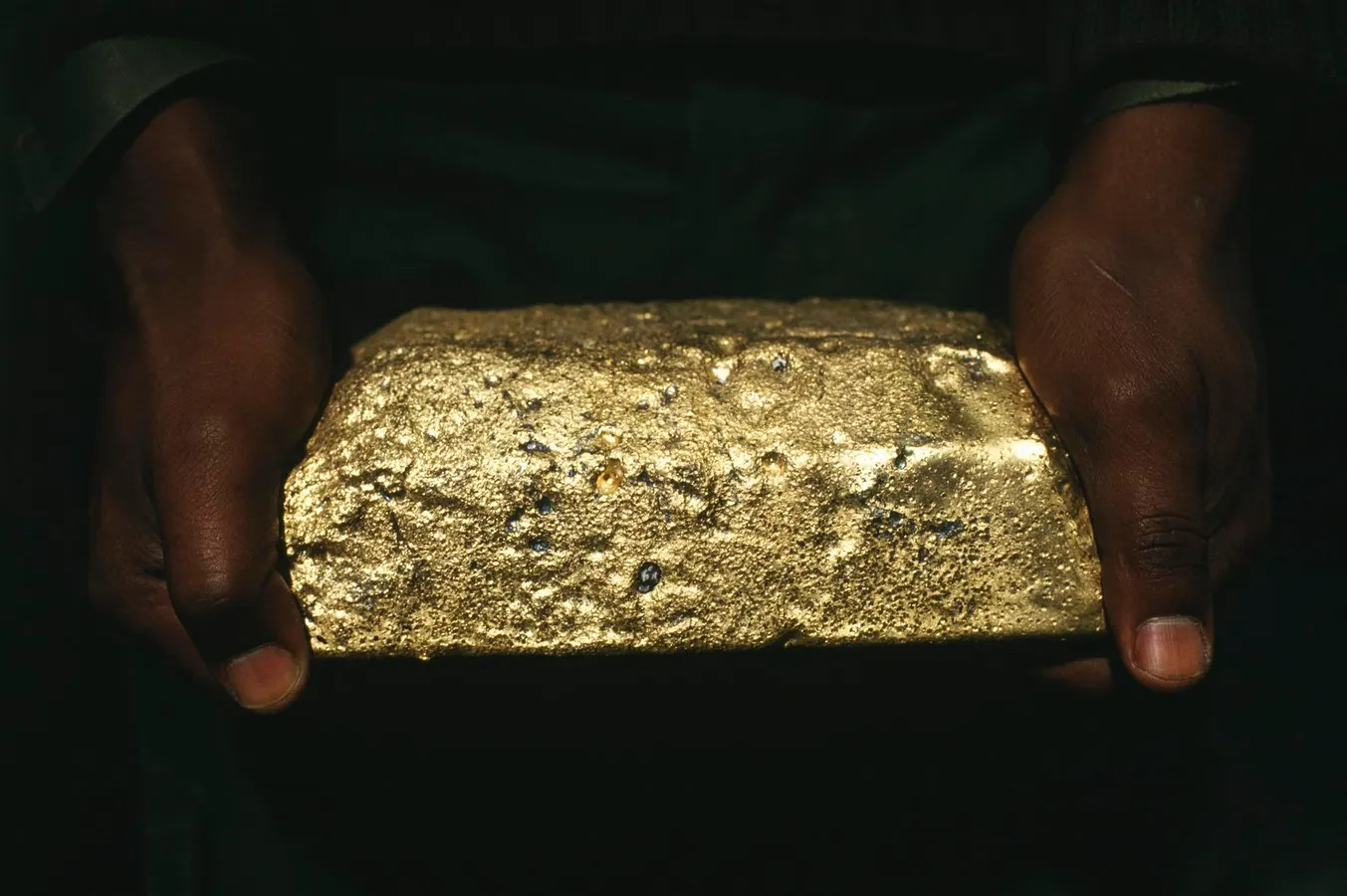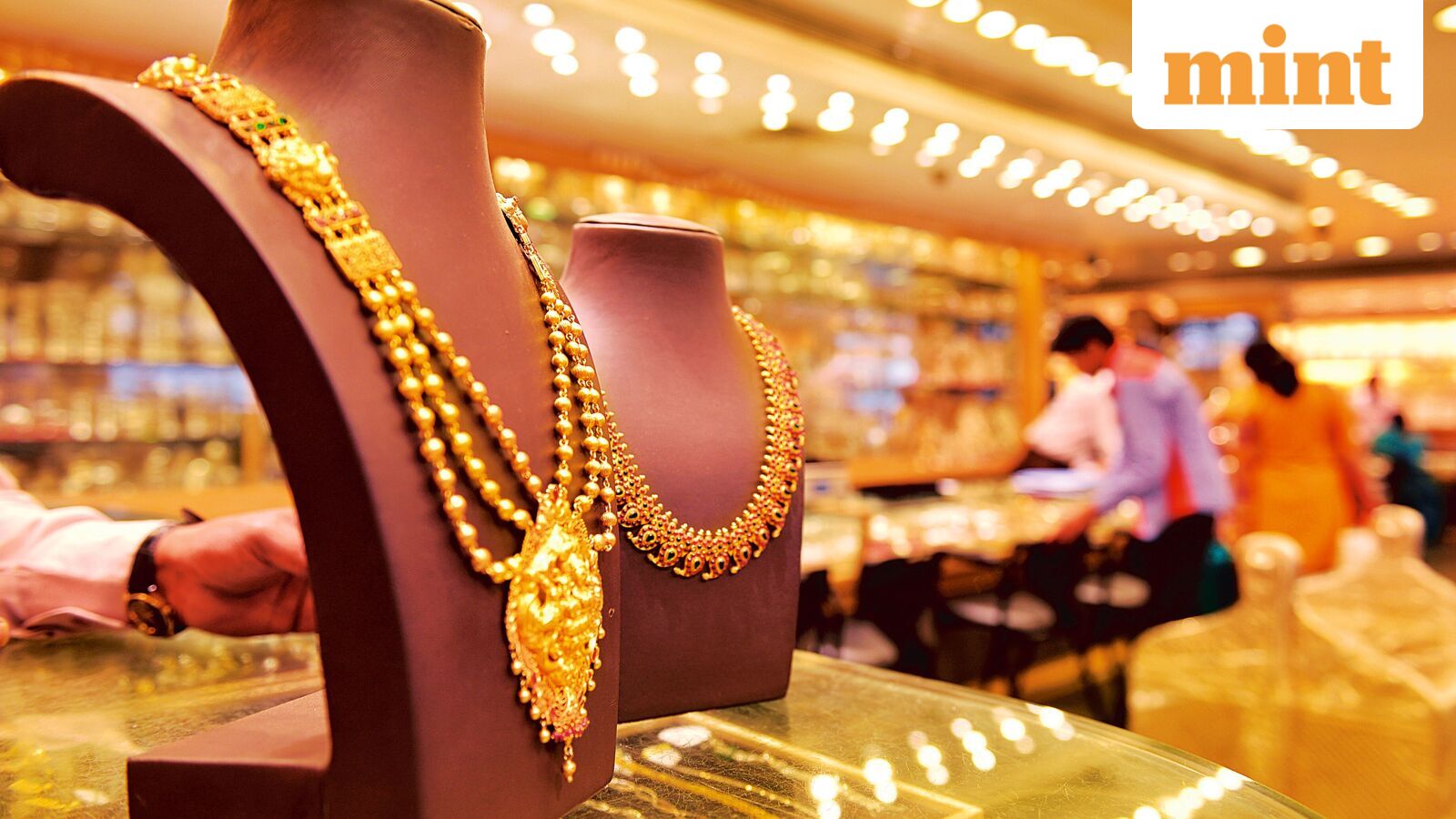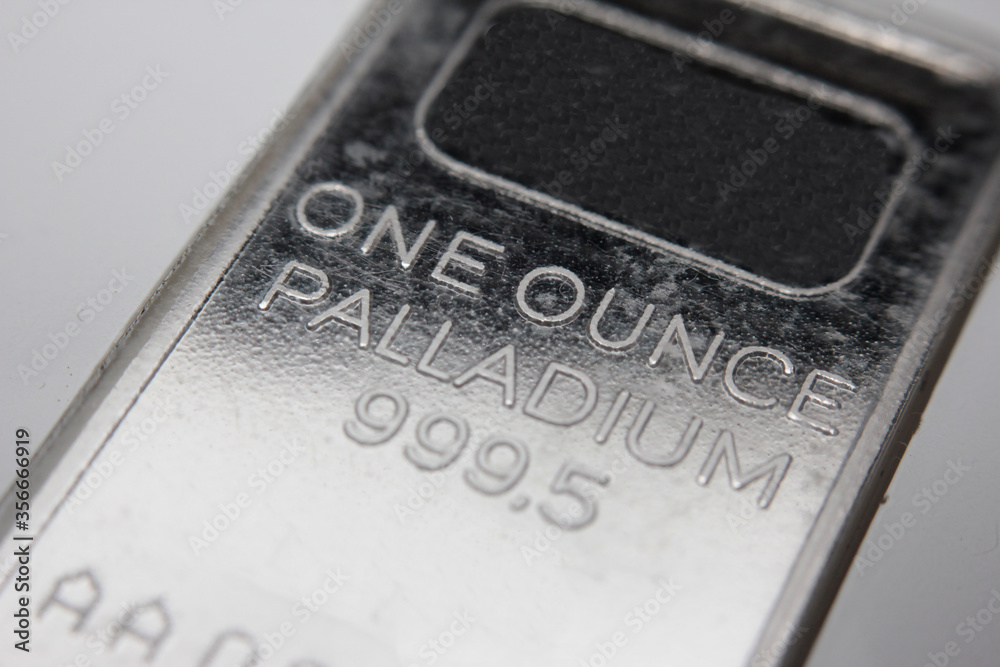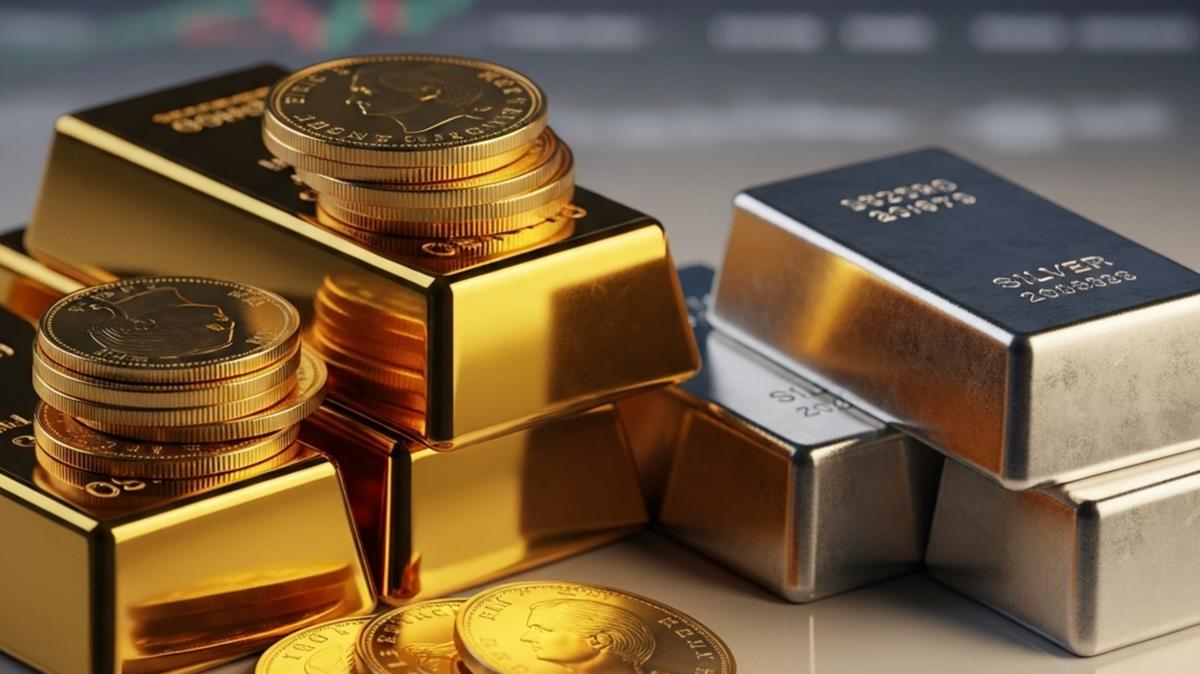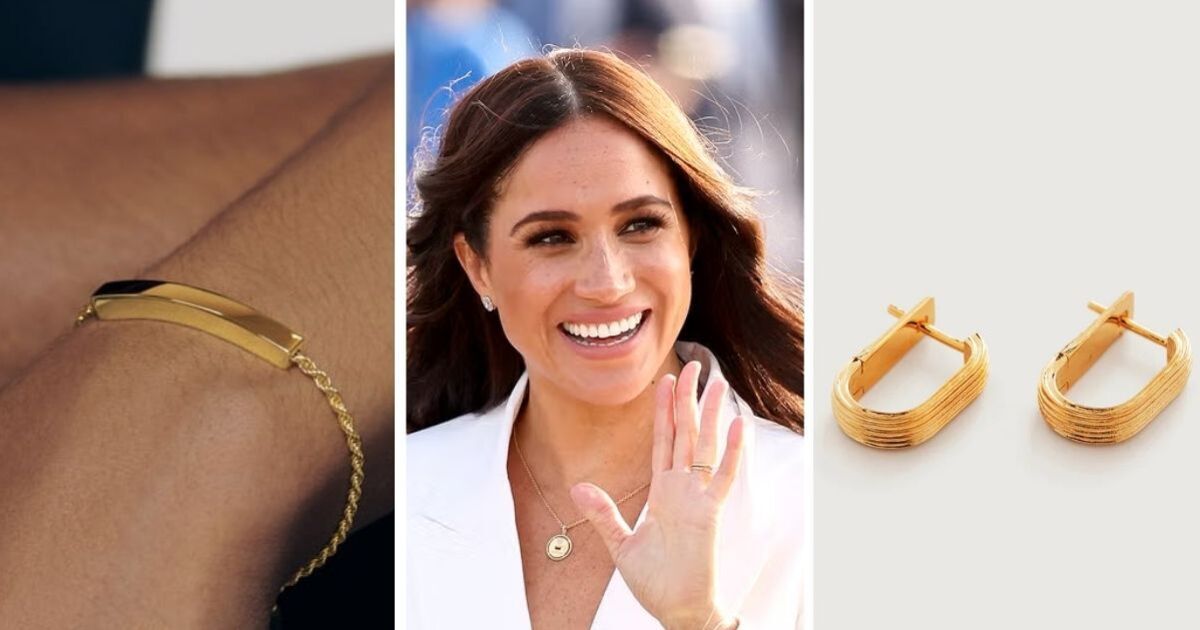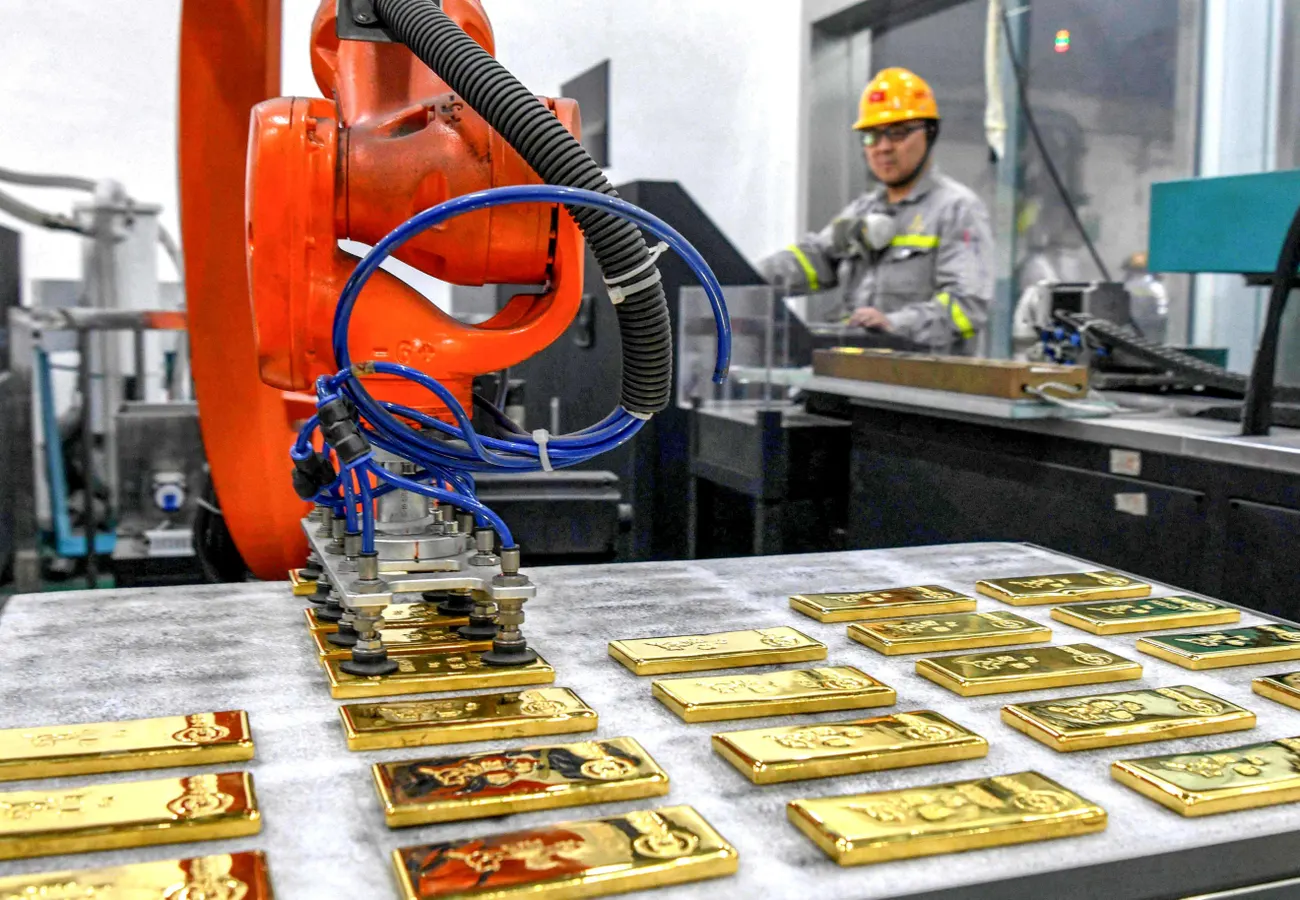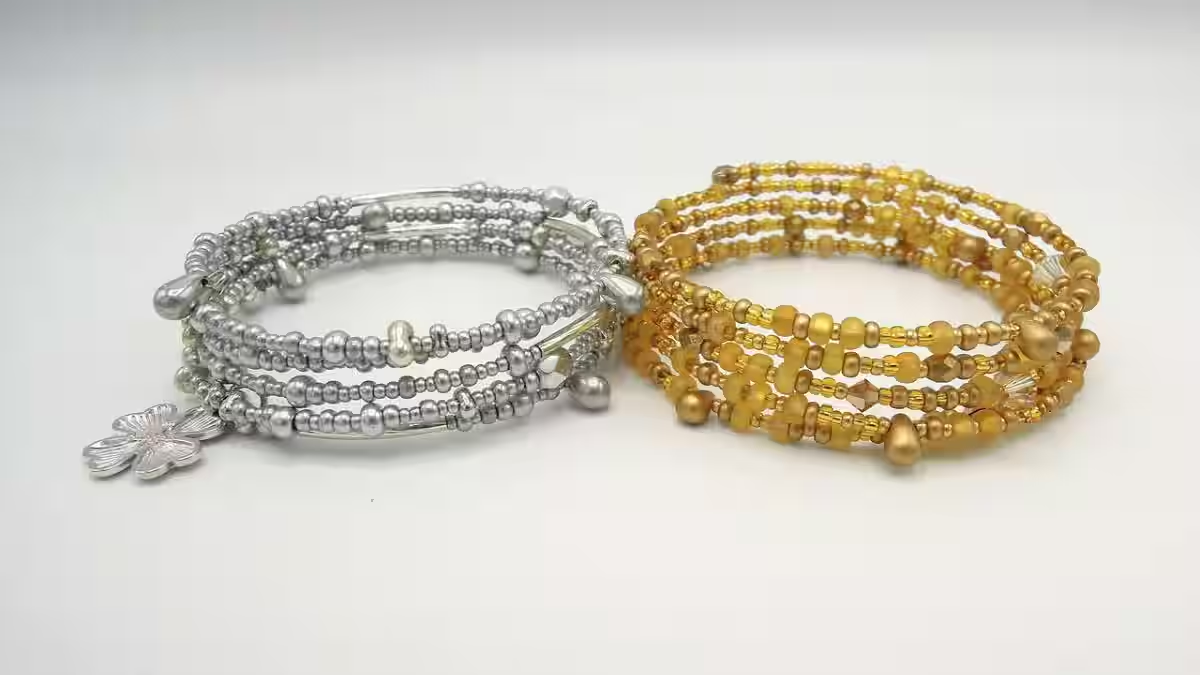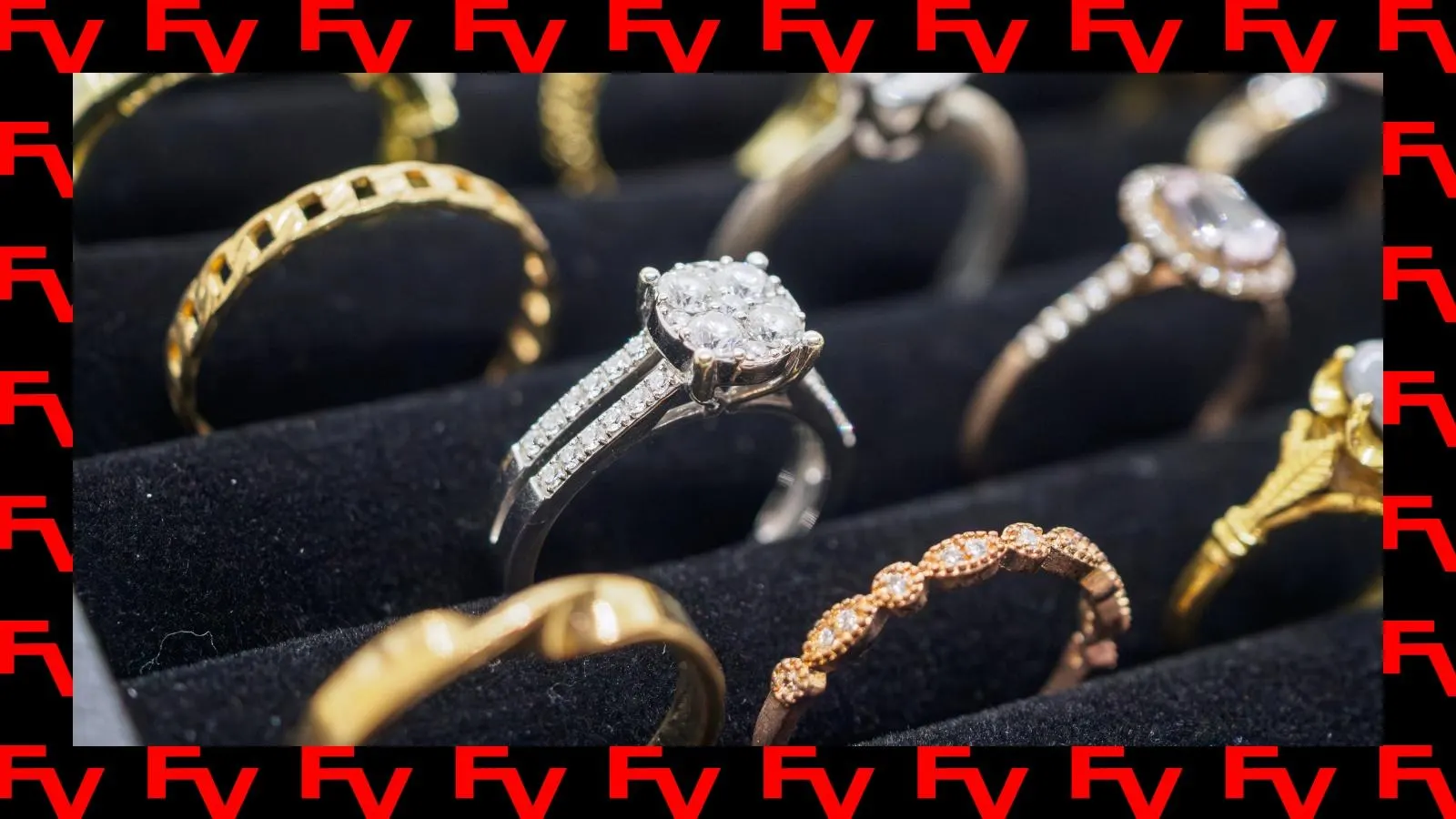
Whether you’re shopping for an engagement ring or a new pair of everyday hoop earrings, deciding on the metal type is one of the first decisions. While there are distinct differences among metals, jewelry experts recommend choosing the option that best matches your taste and lifestyle. “People want their ring to feel personal, not like they selected the same design as everyone else,” says Anubh Shah, co-founder of With Clarity. “Metal choice absolutely comes down to personal preference, but factors like lifestyle, long-term wear and overall design aesthetic all help guide the recommendation.”
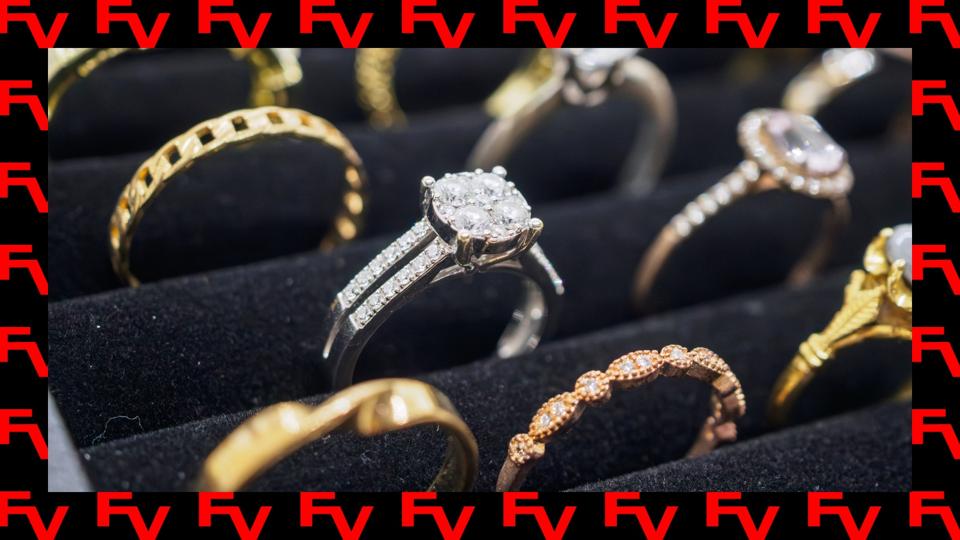
While there are distinct differences among precious metals, our experts recommend choosing the option that best matches your lifestyle and personal preferences.
Getty
Want to read this story later?
Get a link sent straight to your inbox.
We’ve sent this story to your inbox.
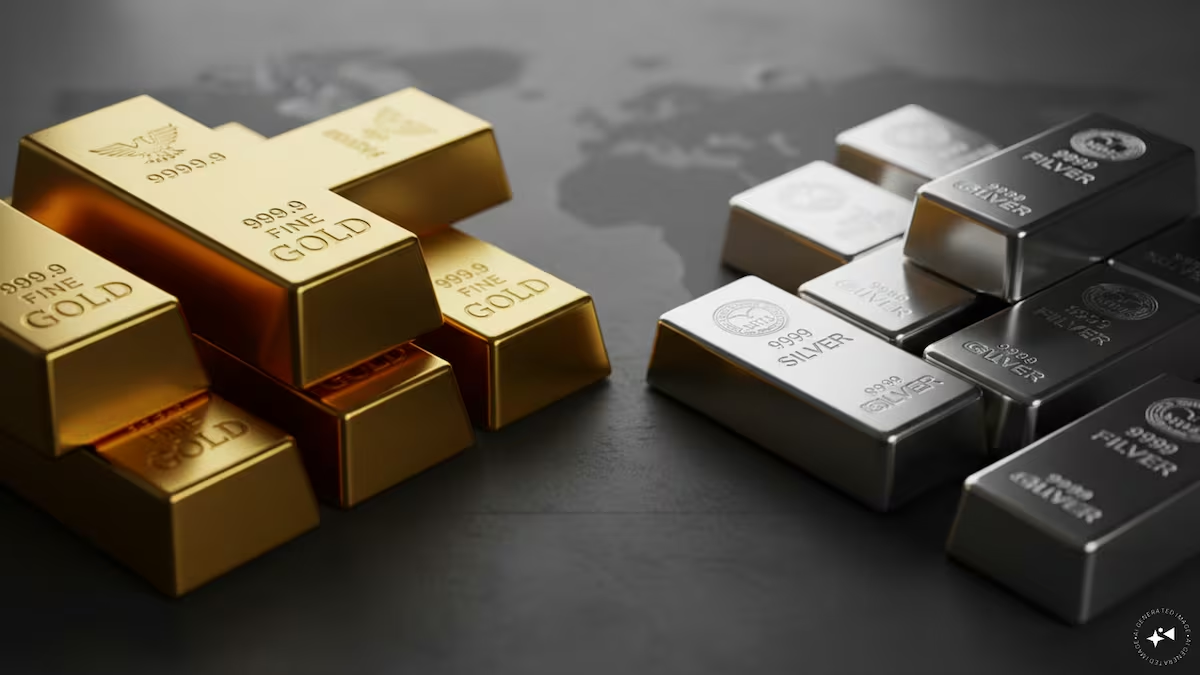
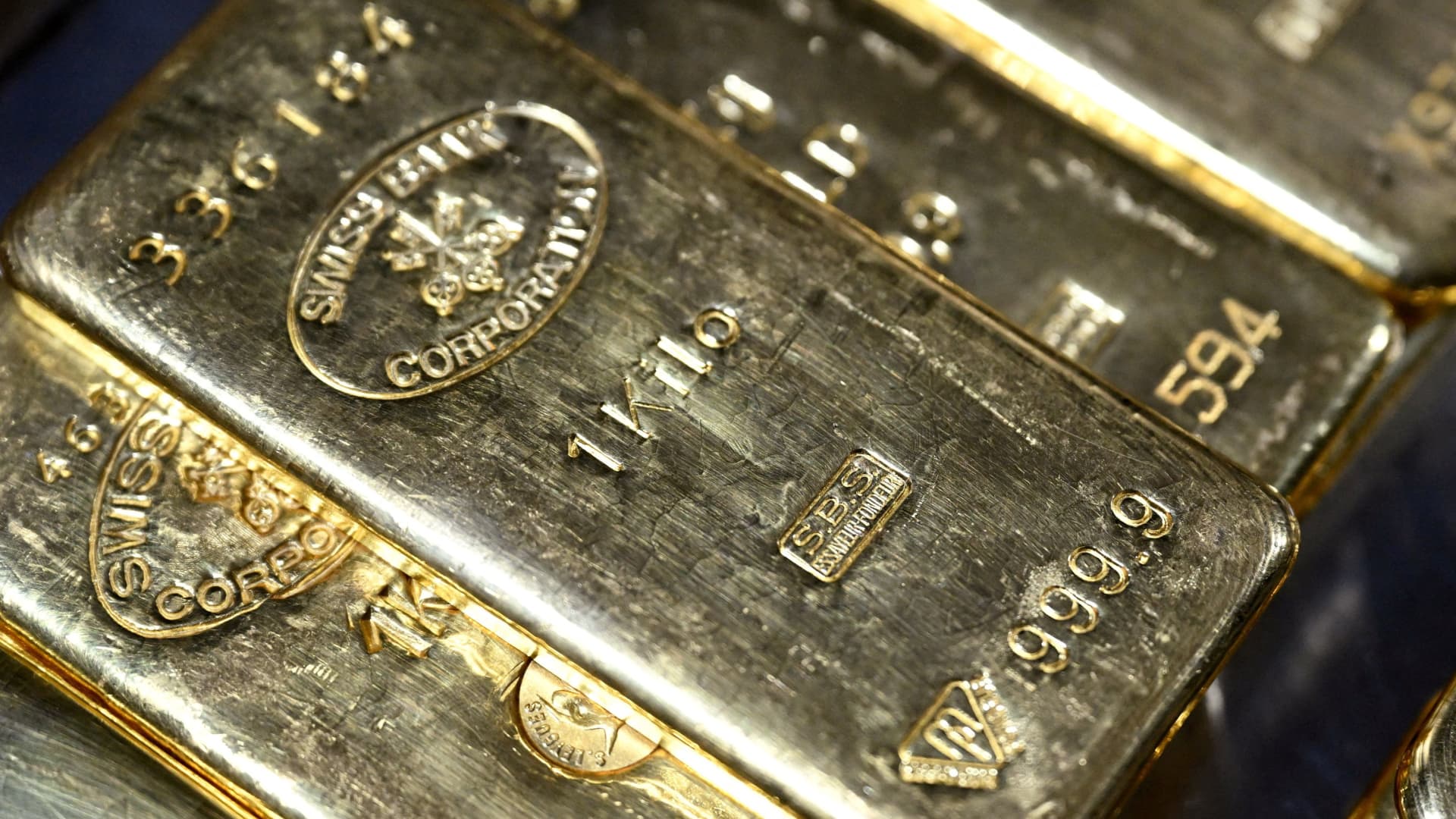
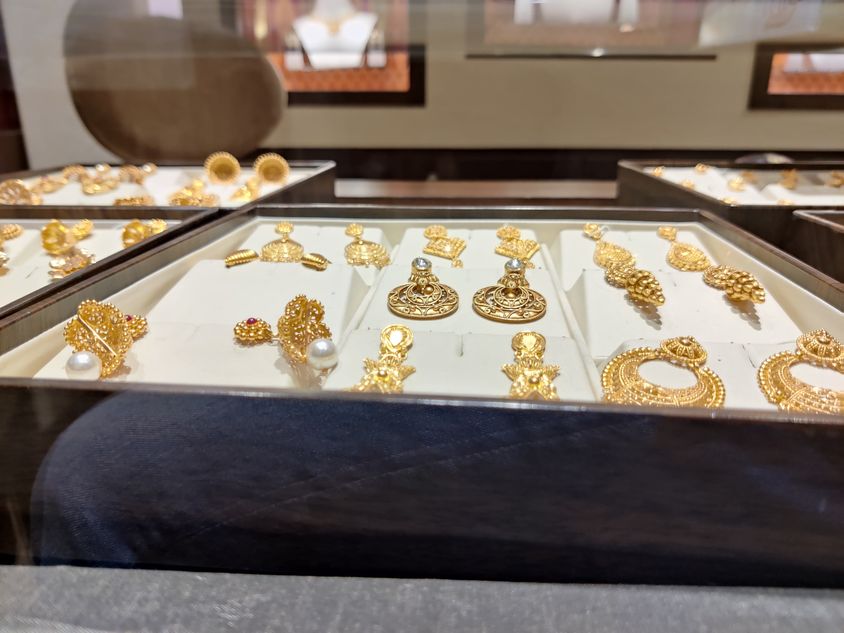
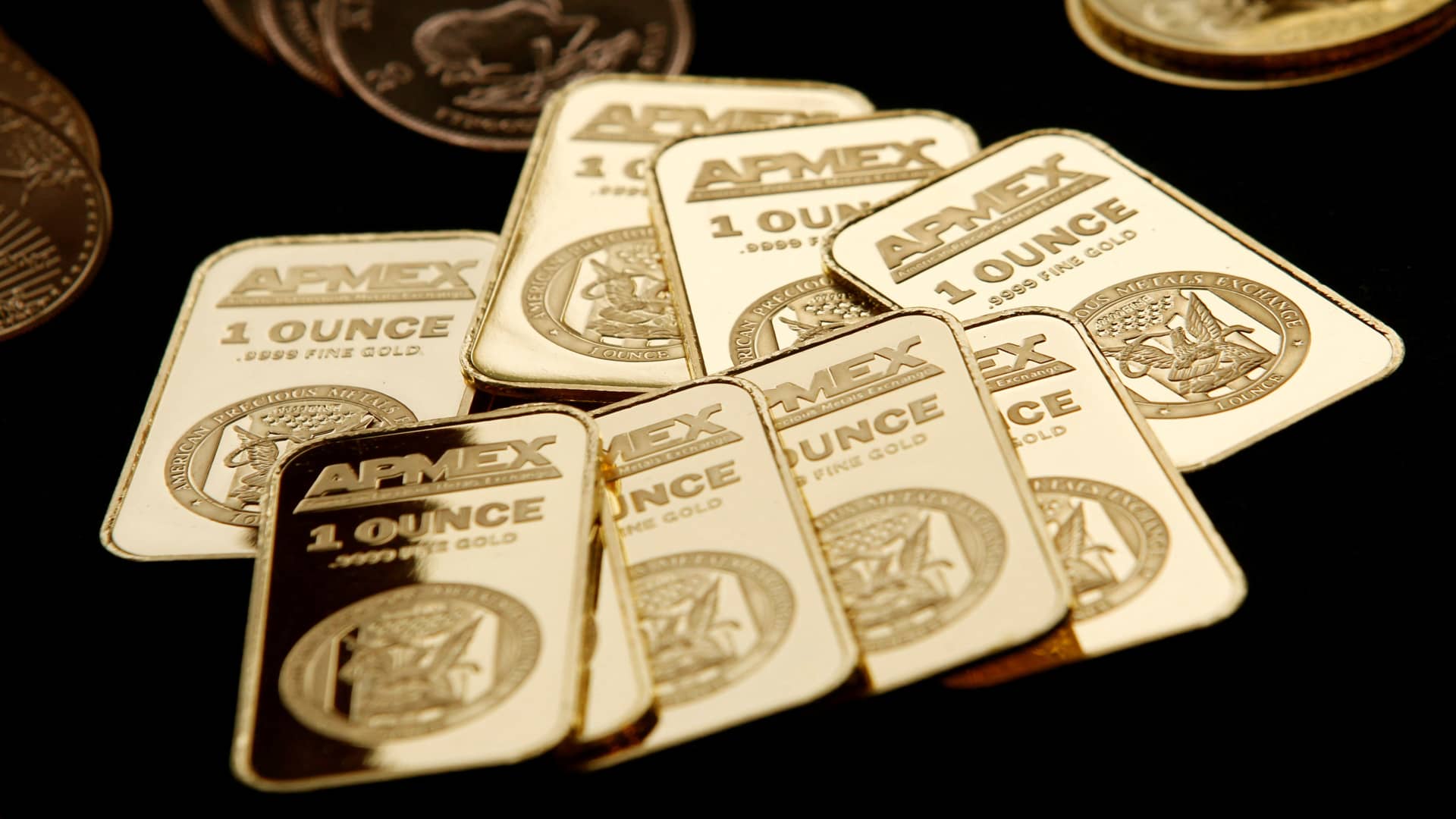
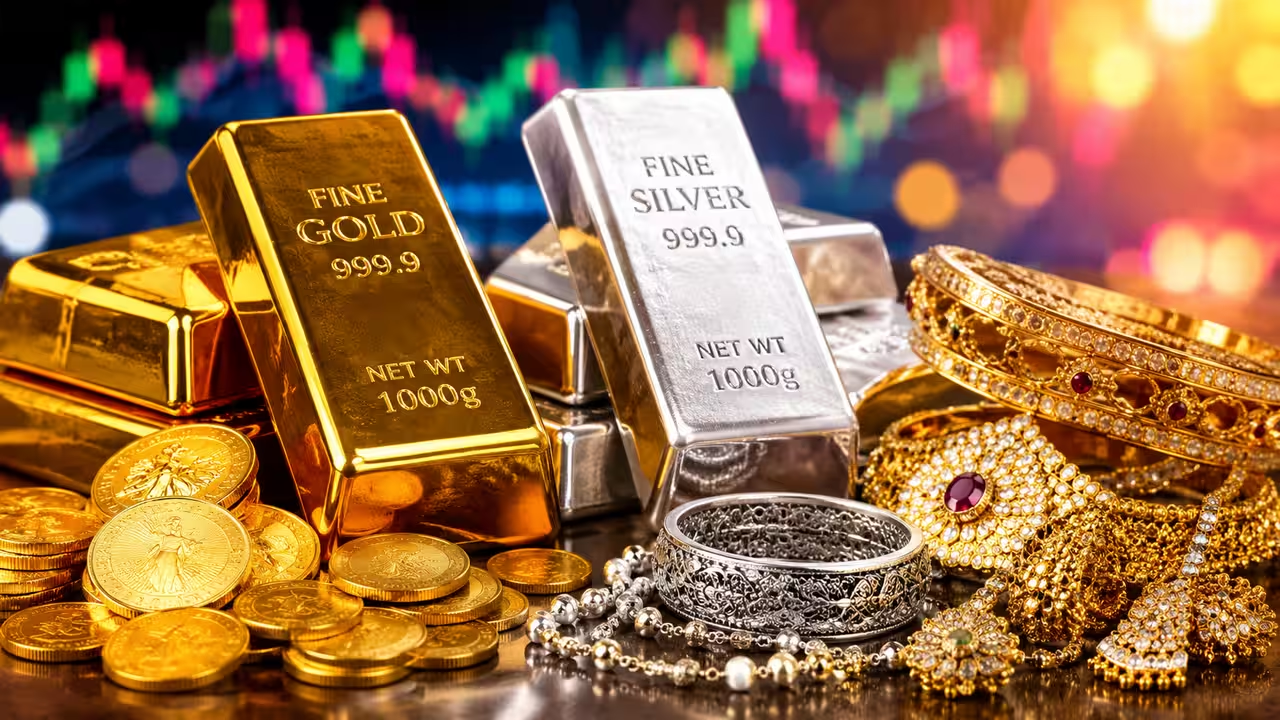
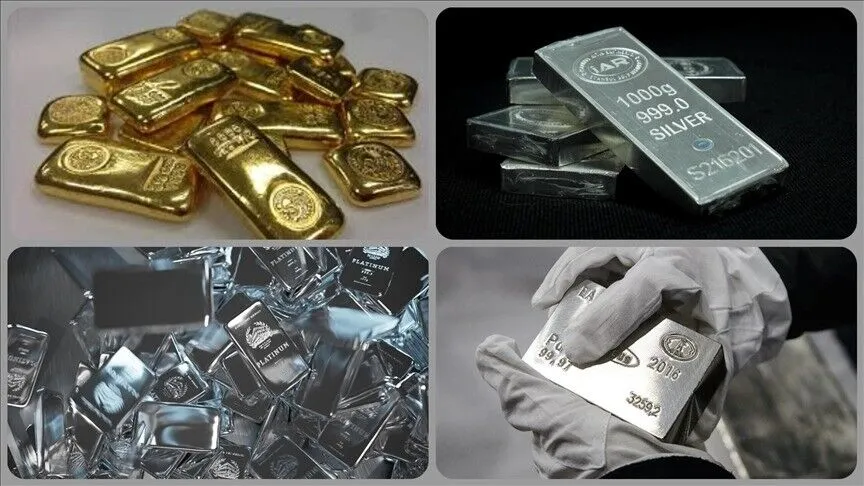
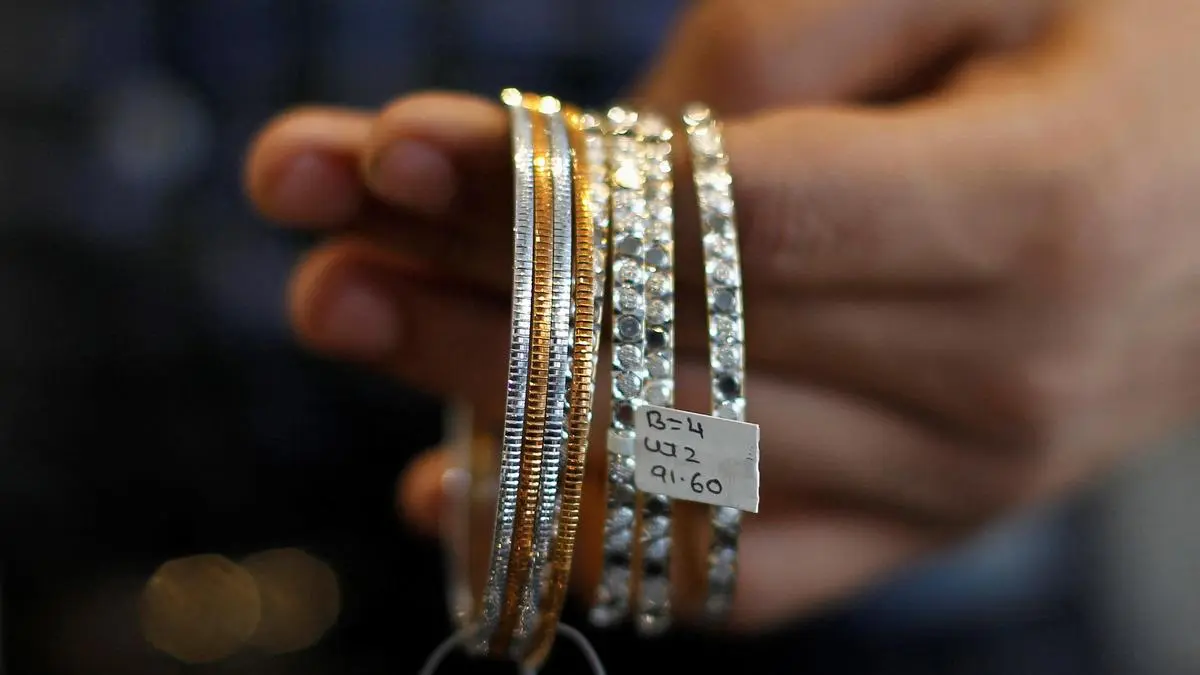
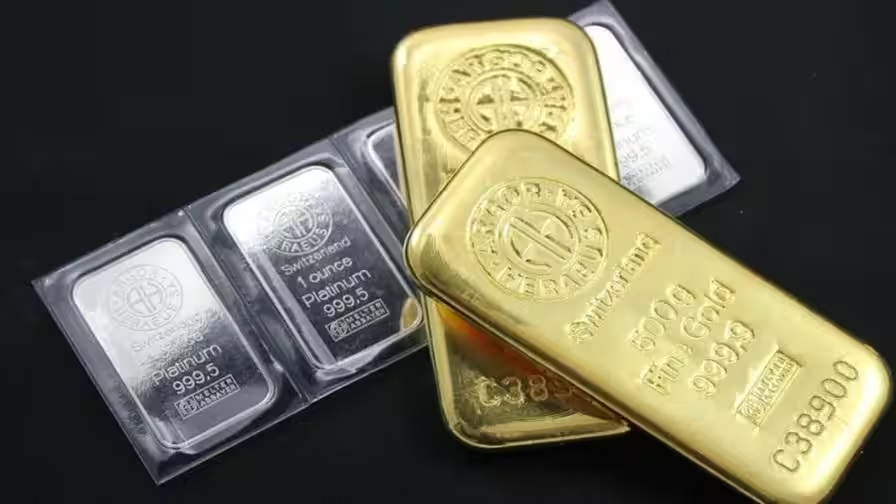
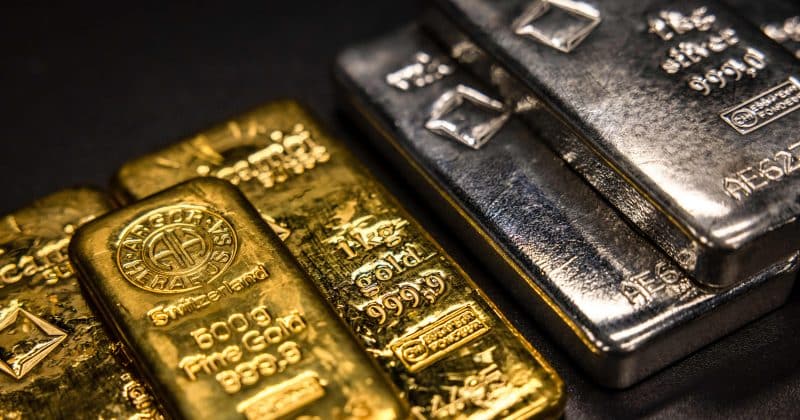
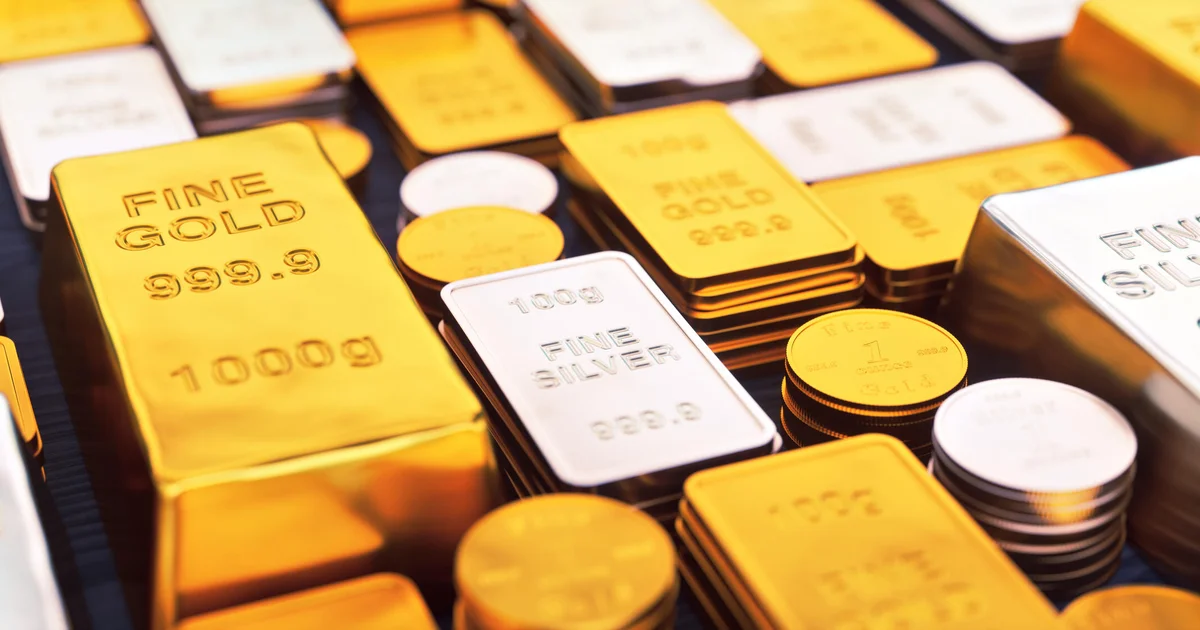
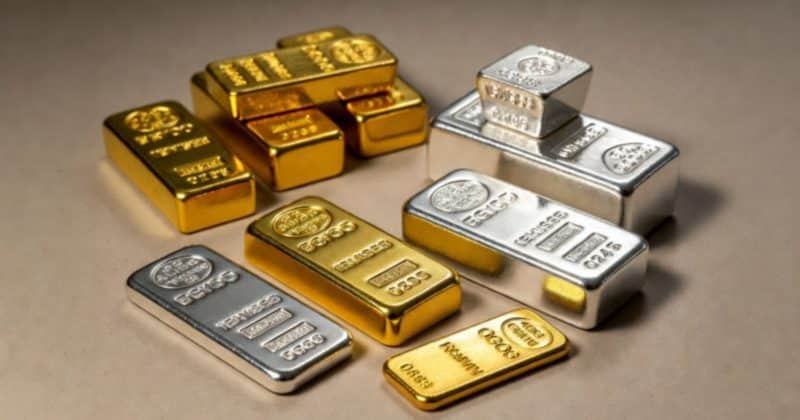
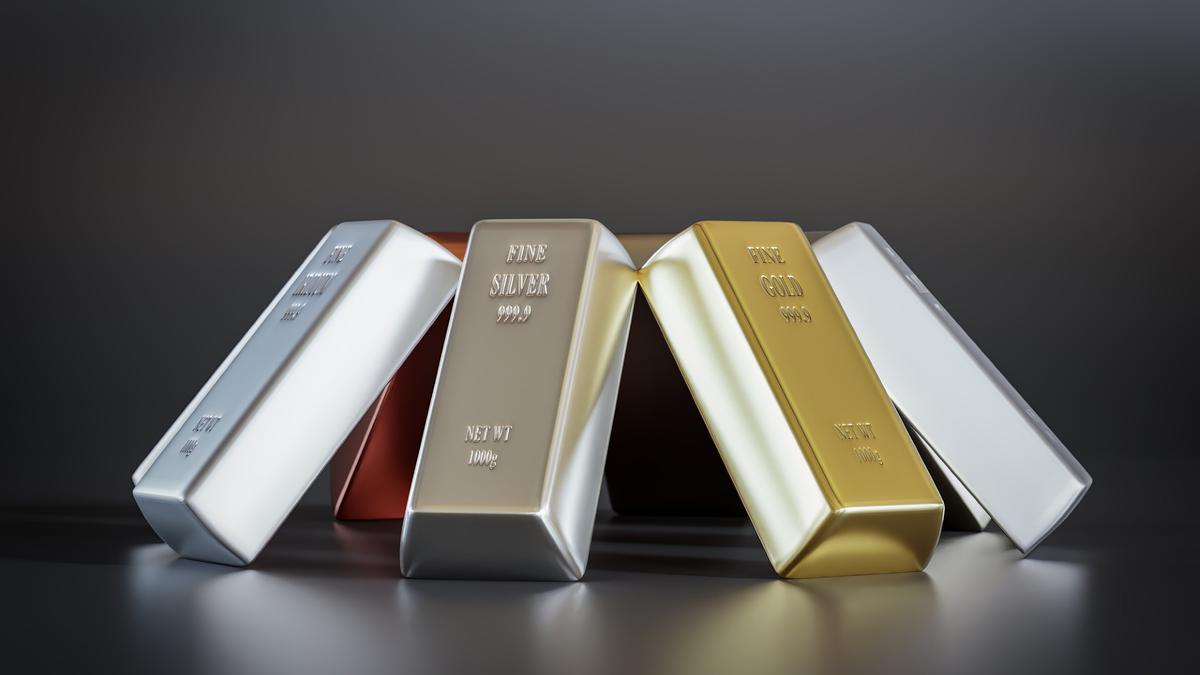
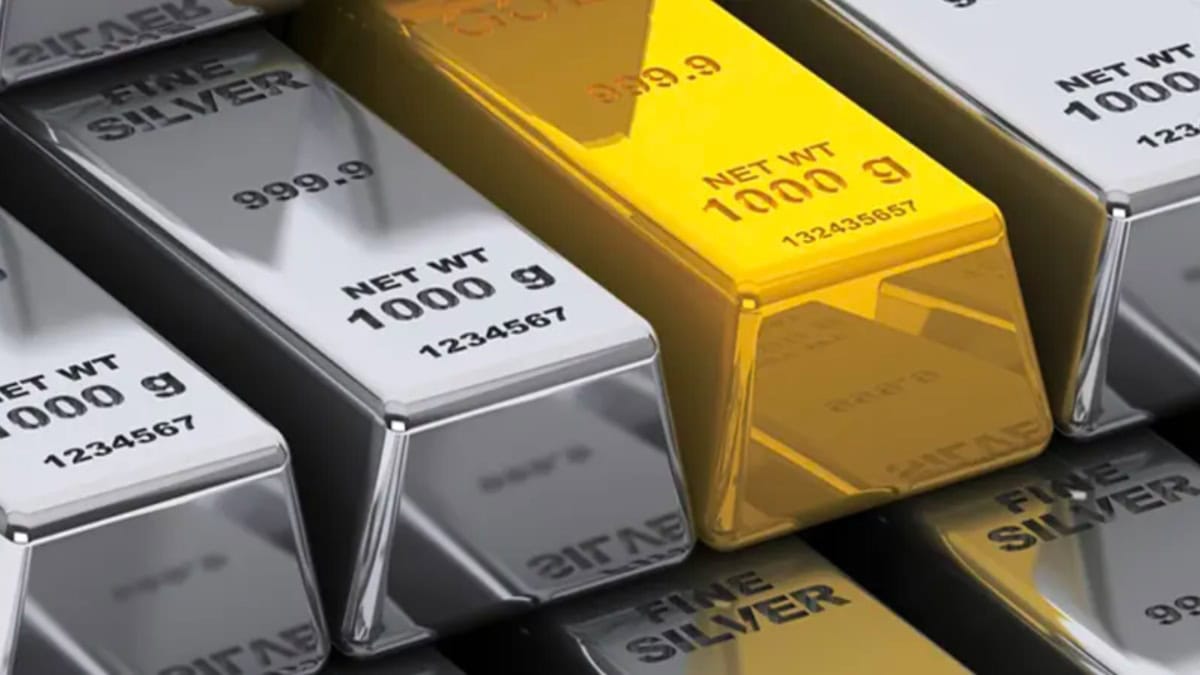
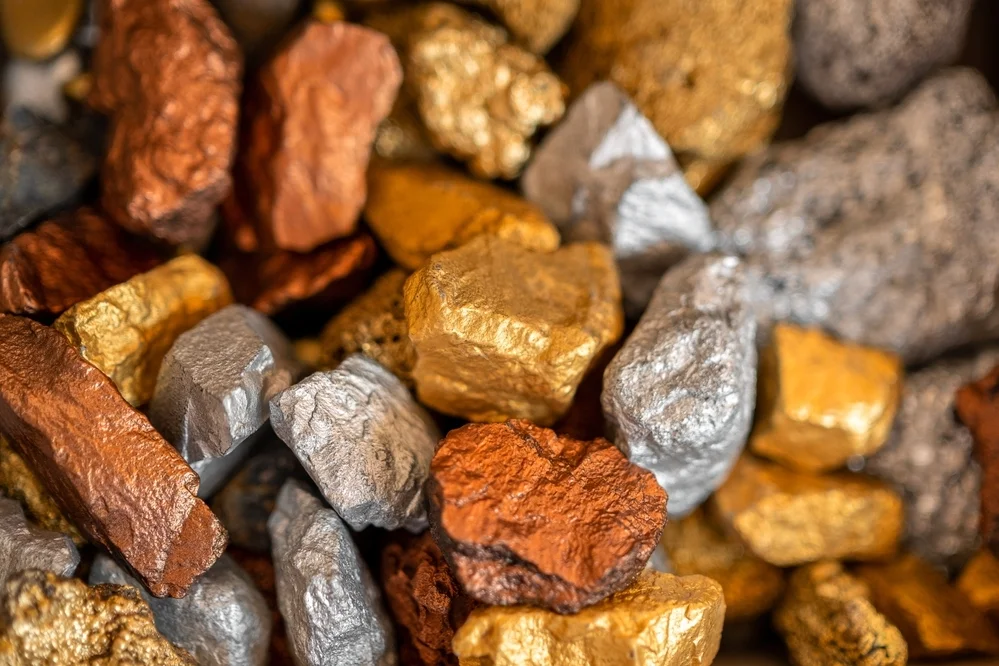
The most common precious metals for jewelry are gold, silver and platinum, each popular for different reasons. Below, we break down the main differences to help you decide which metal is right for you. And if you’re shopping for an engagement ring or diamond jewelry, check out our stories on the best places to buy engagement rings, the best places to buy diamonds, the best online jewelry stores and the best lab-grown diamonds.
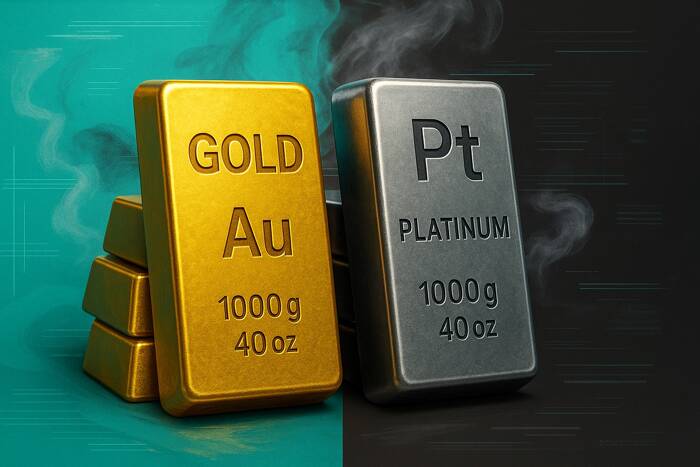
Platinum Vs. Gold: What’s The Difference?
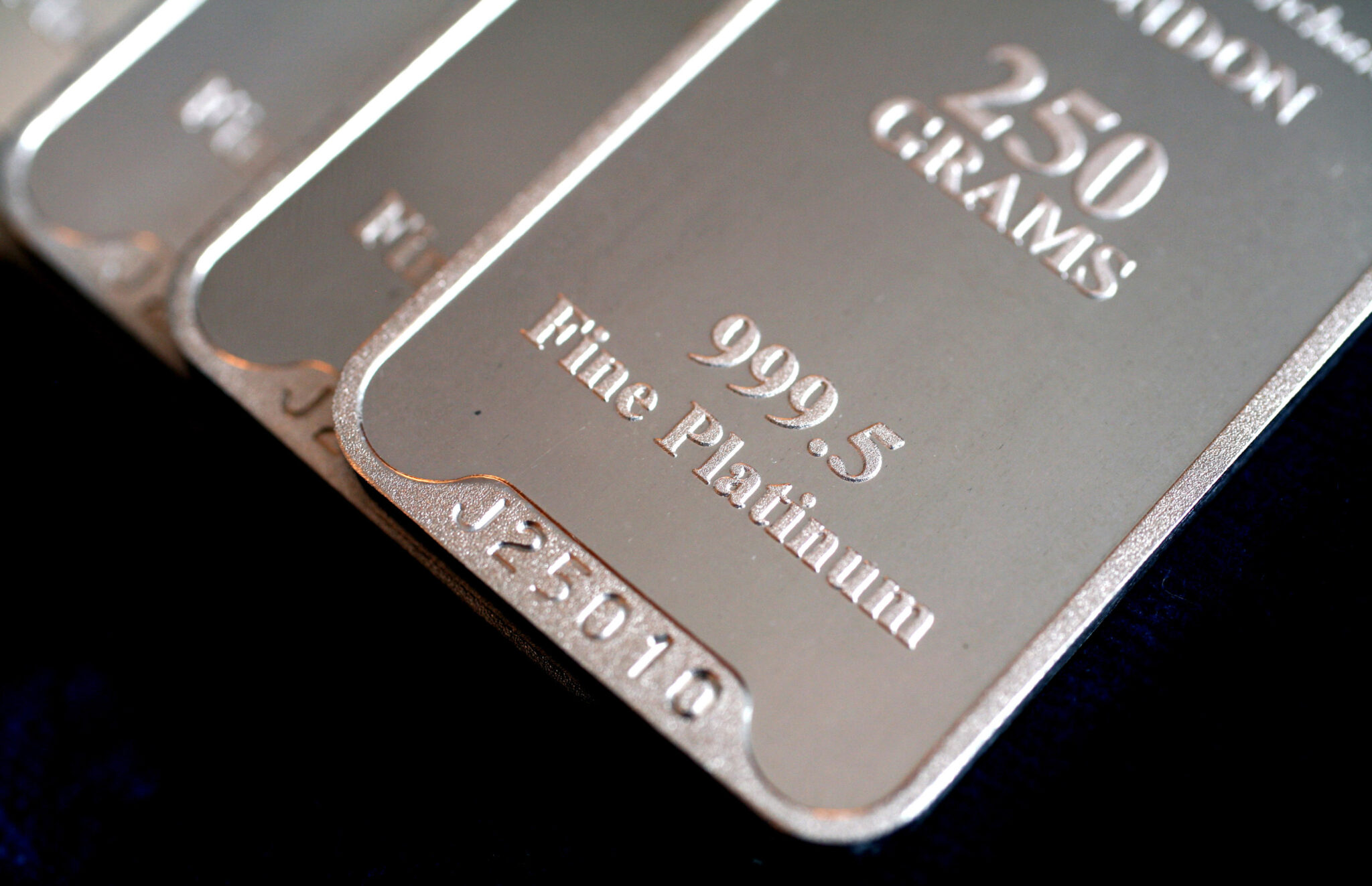
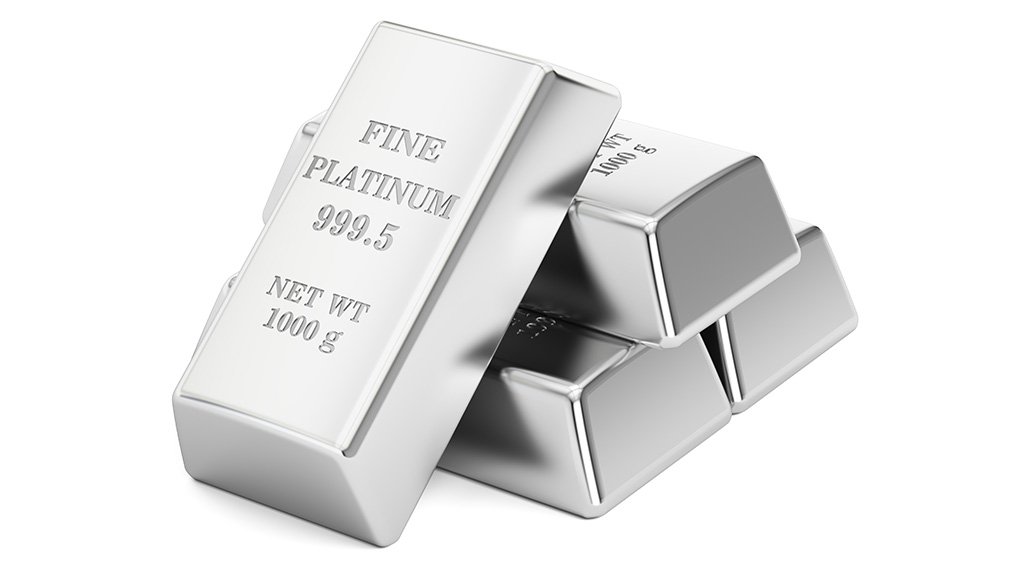
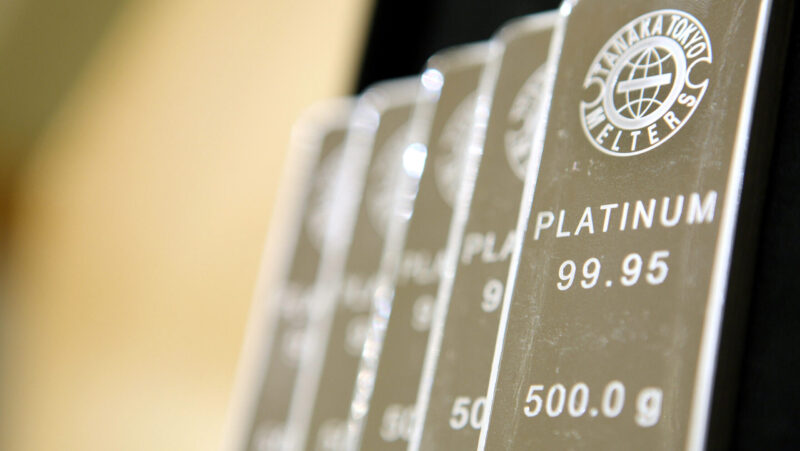
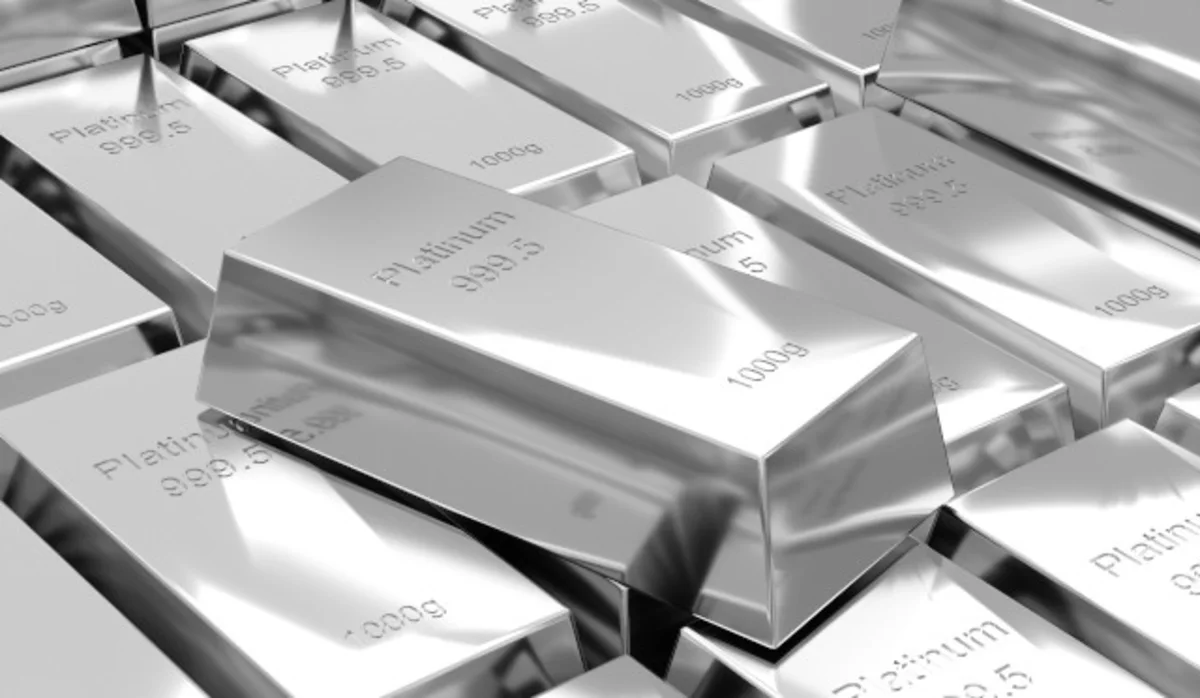
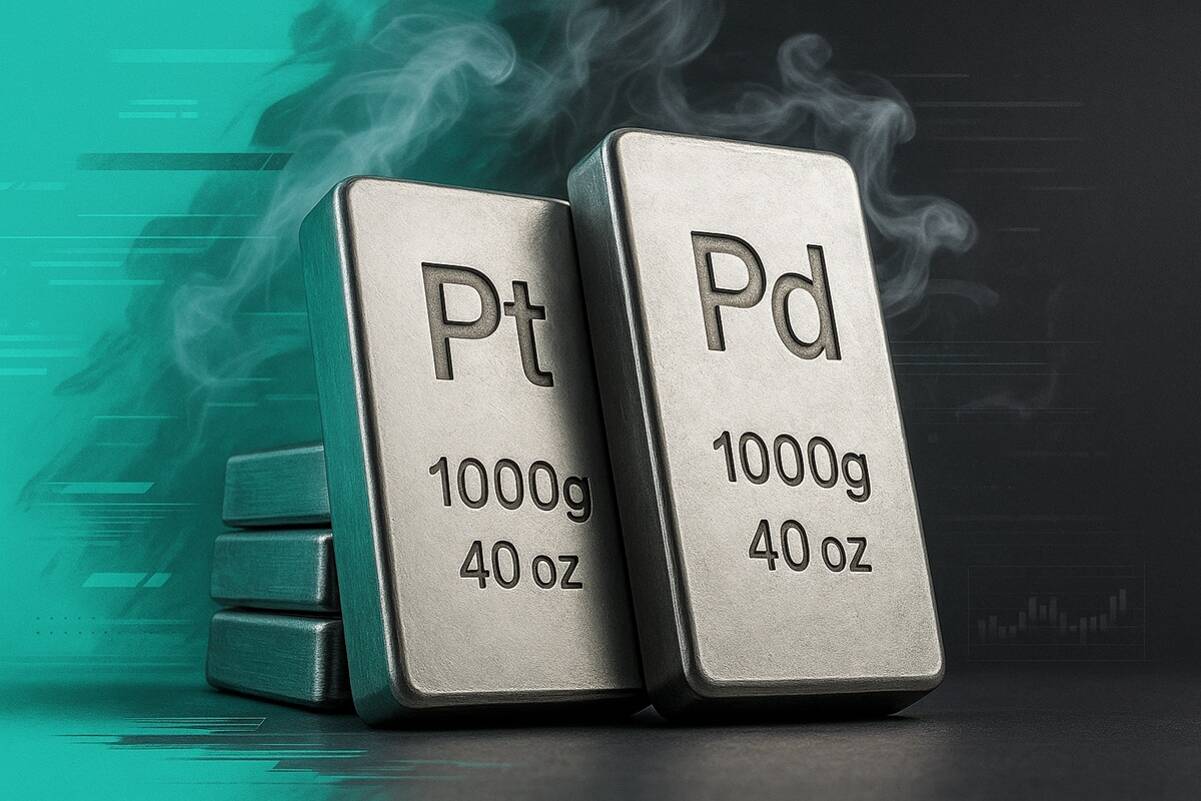
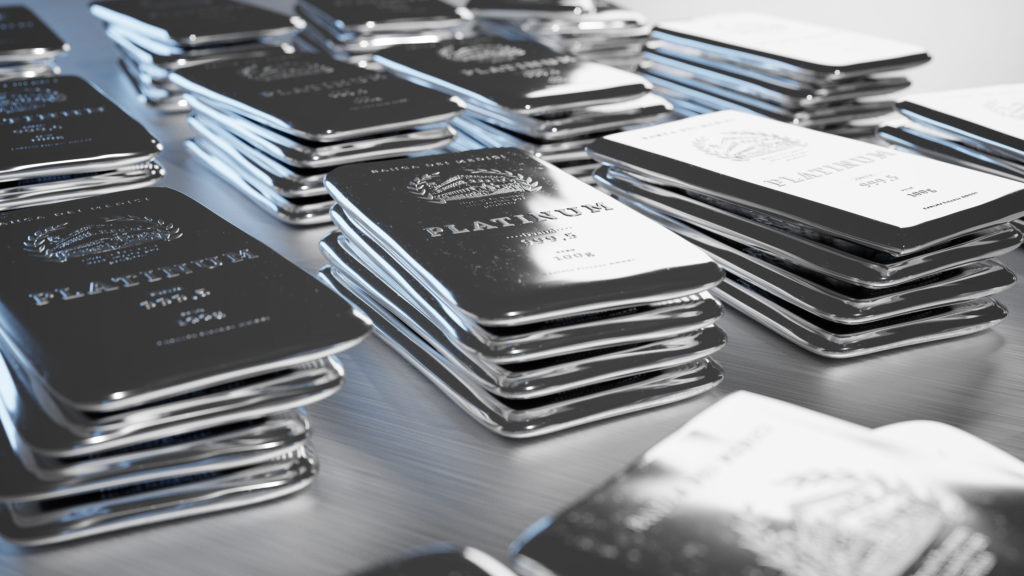
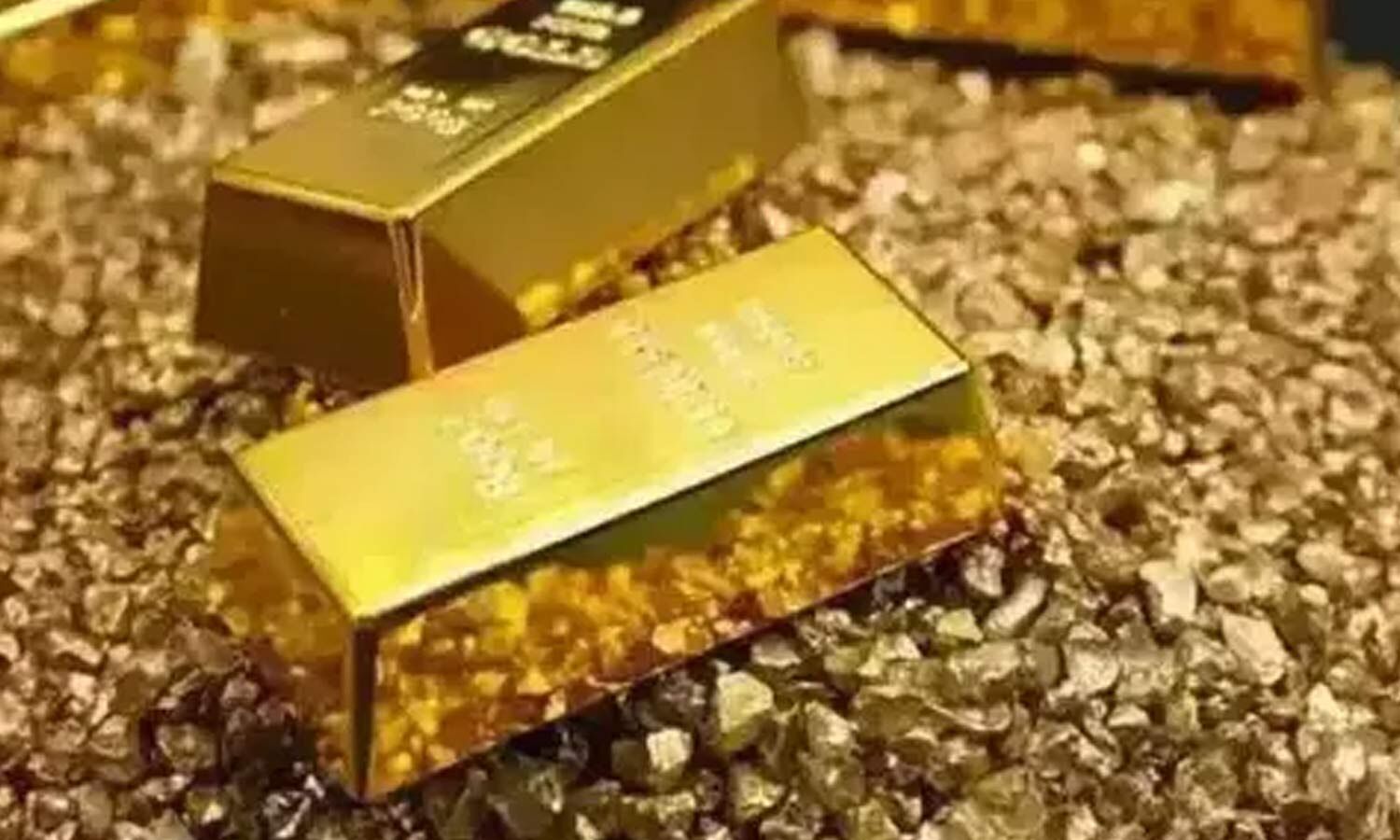
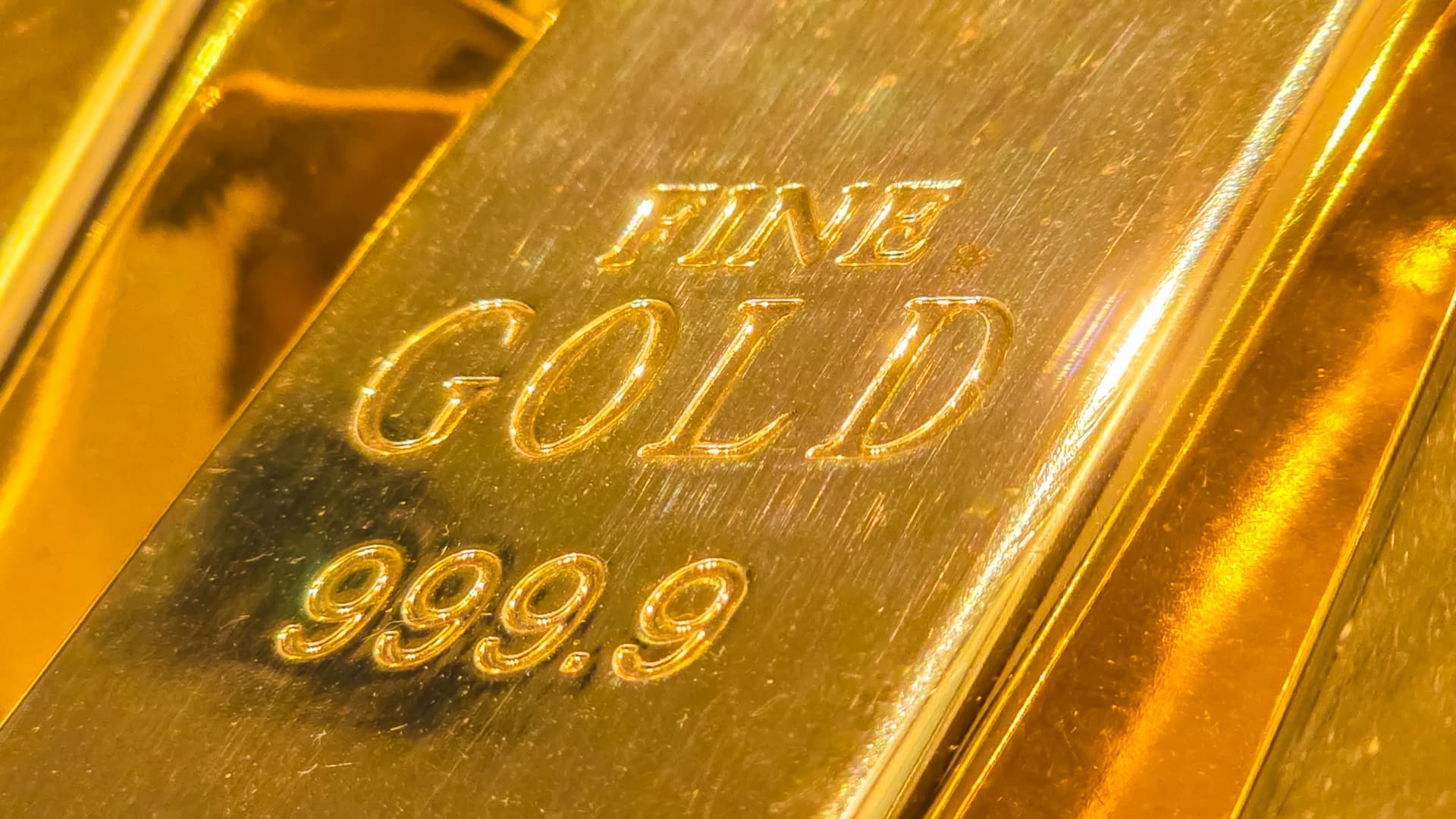
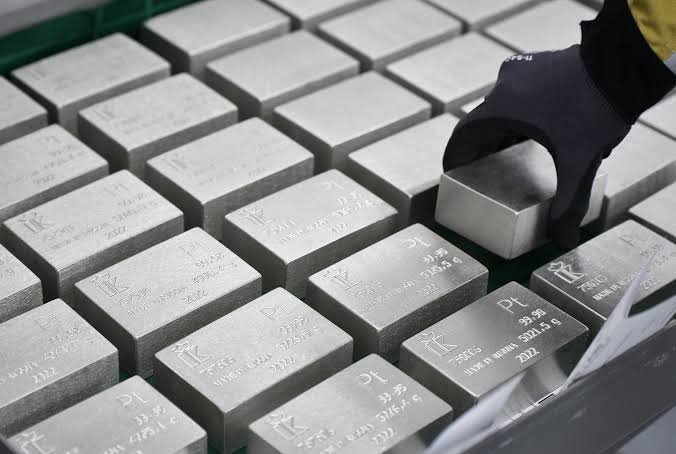
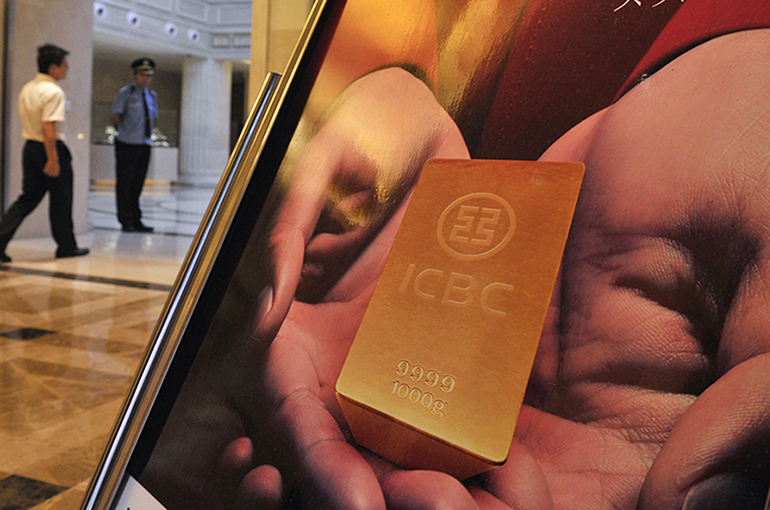
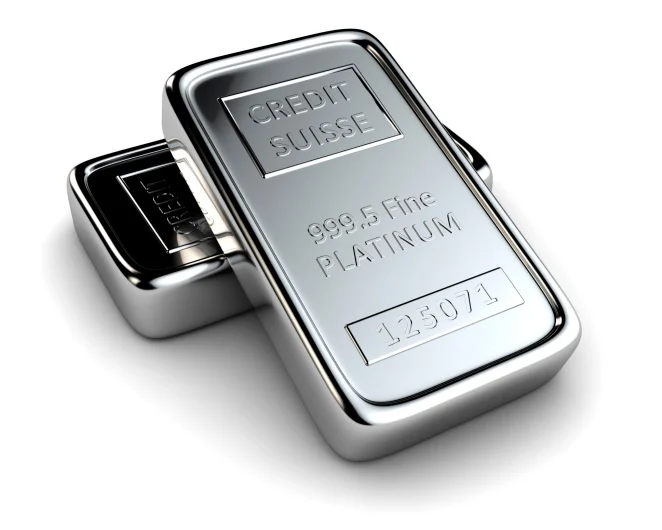
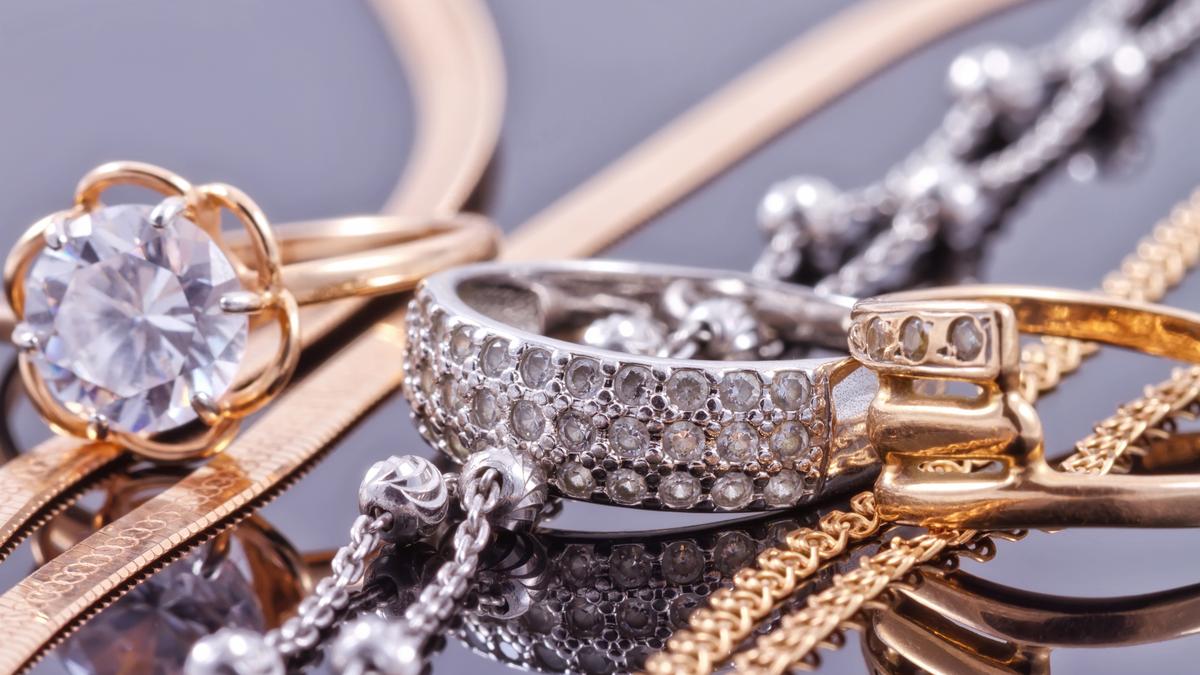
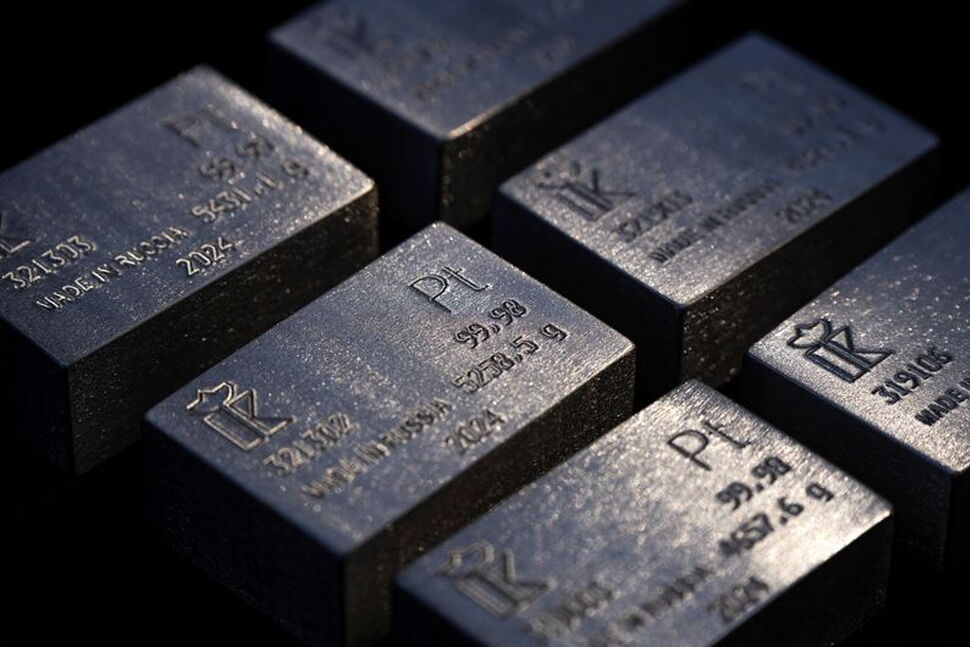
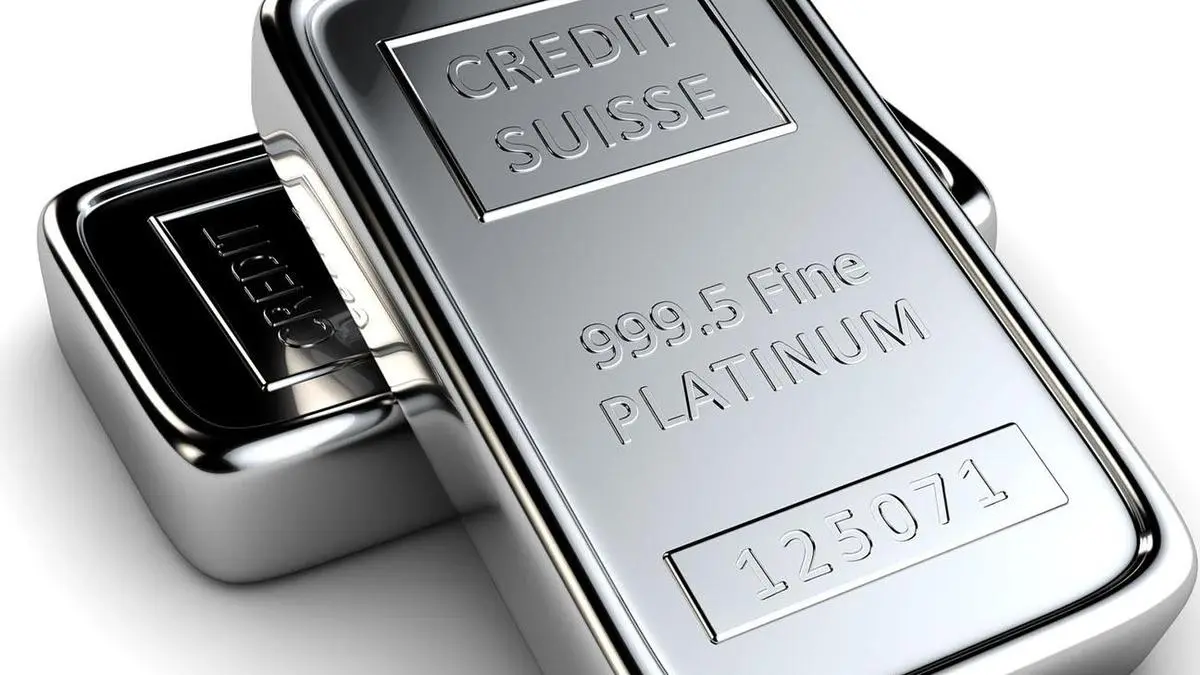
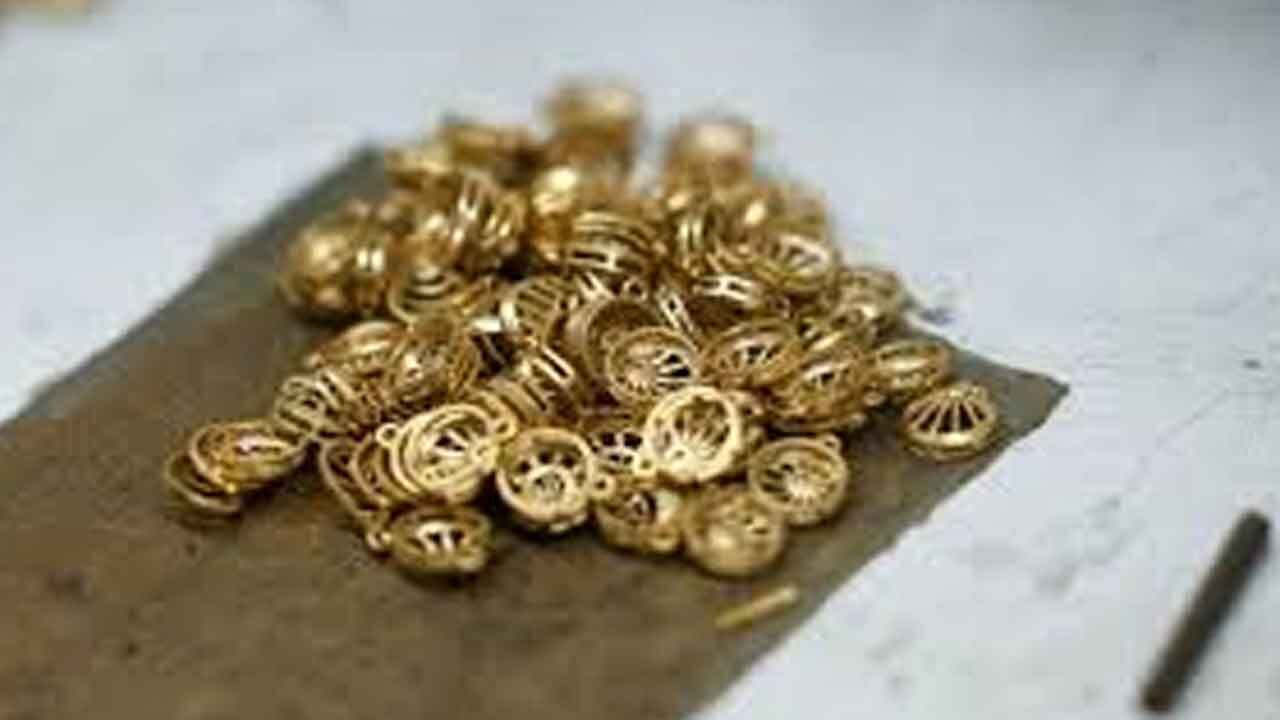
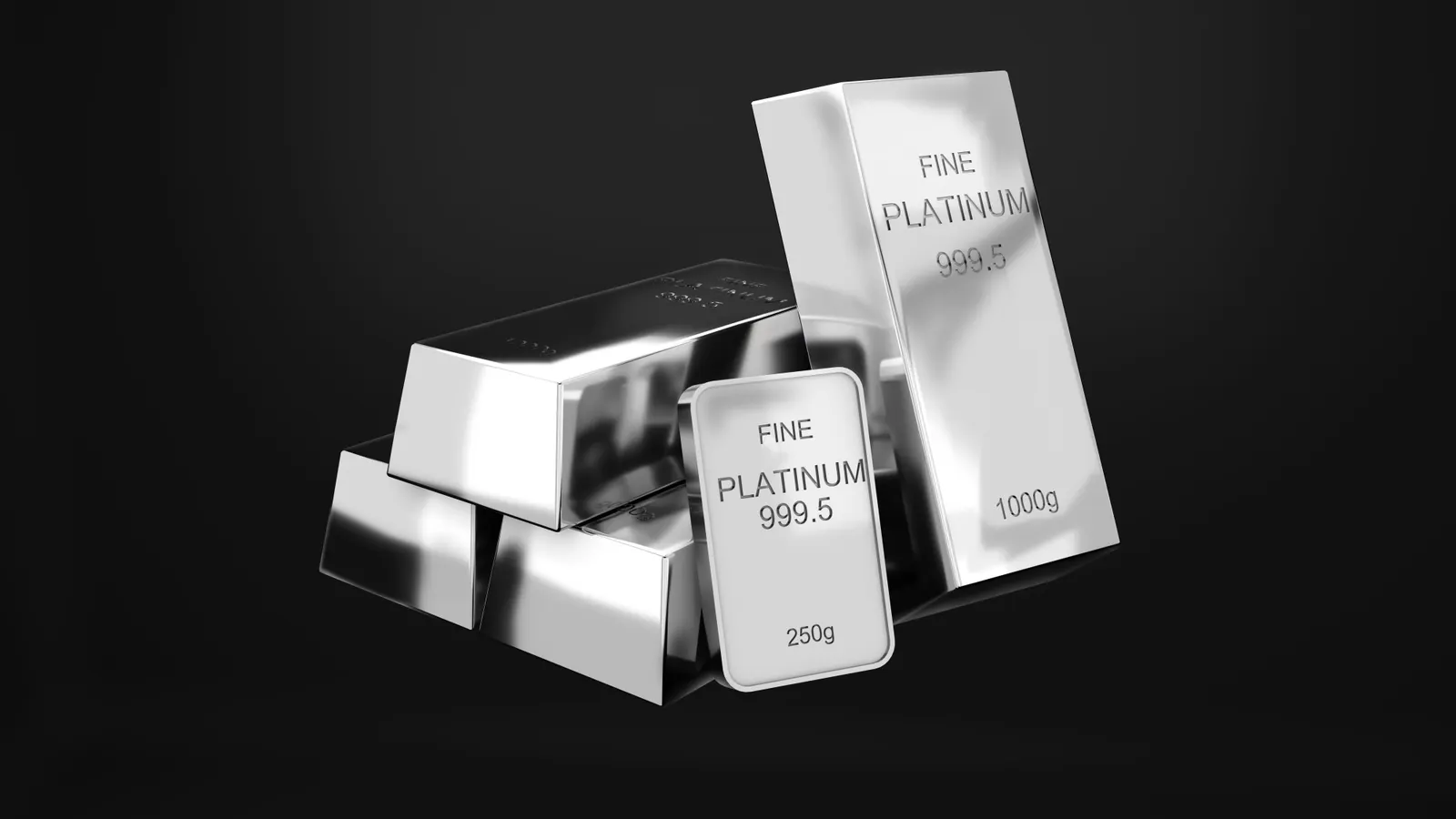
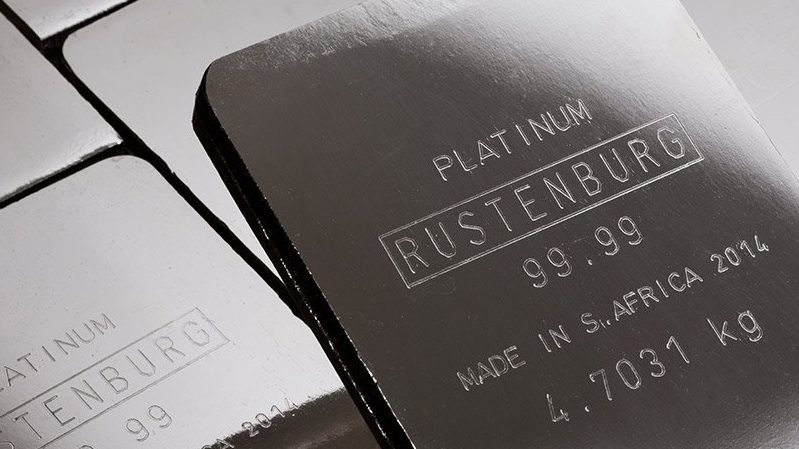
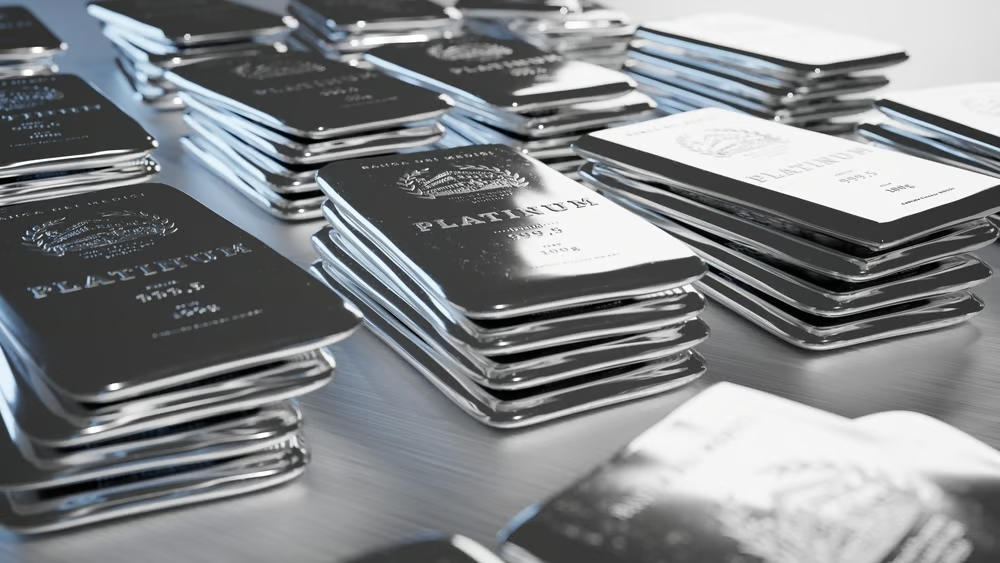
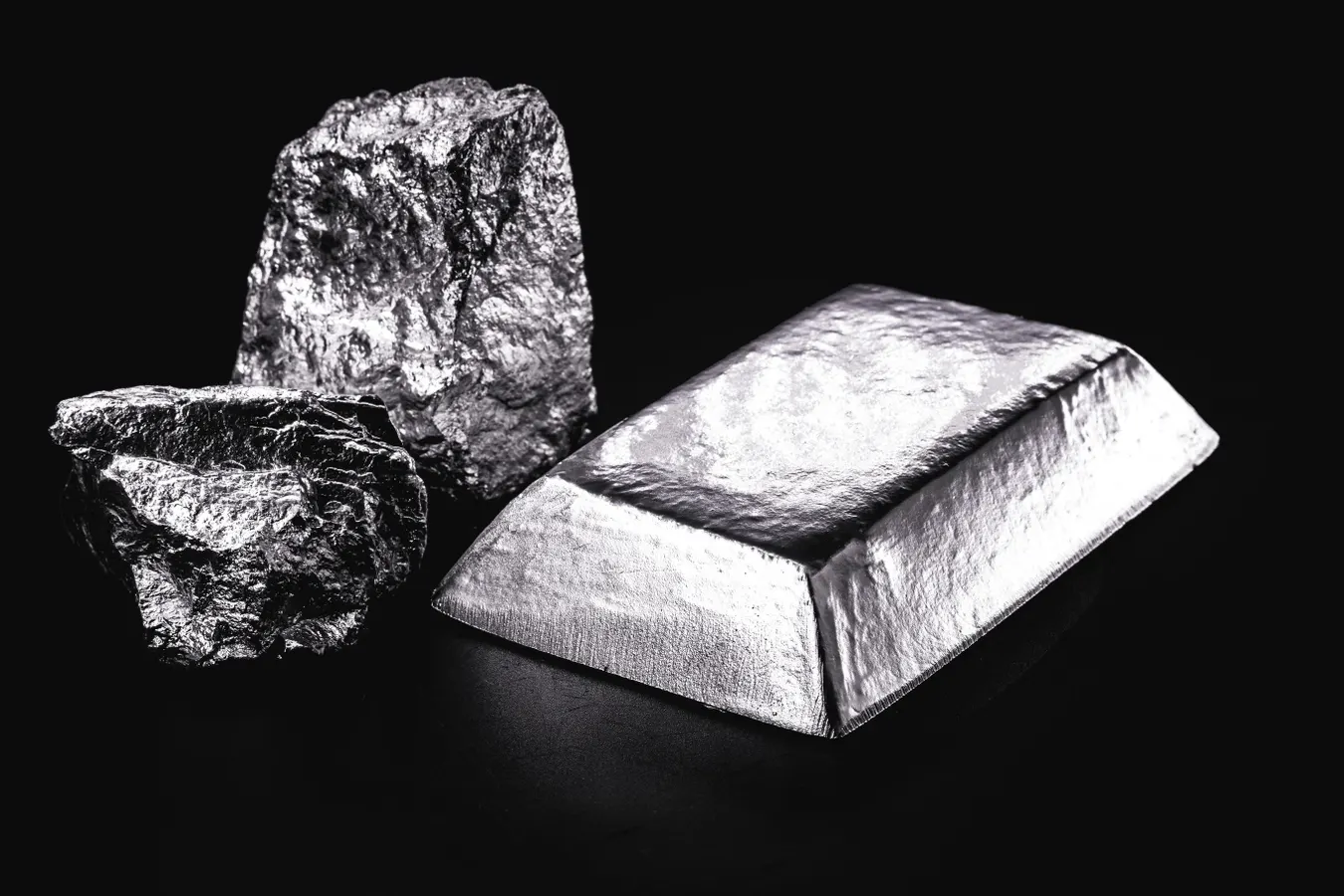
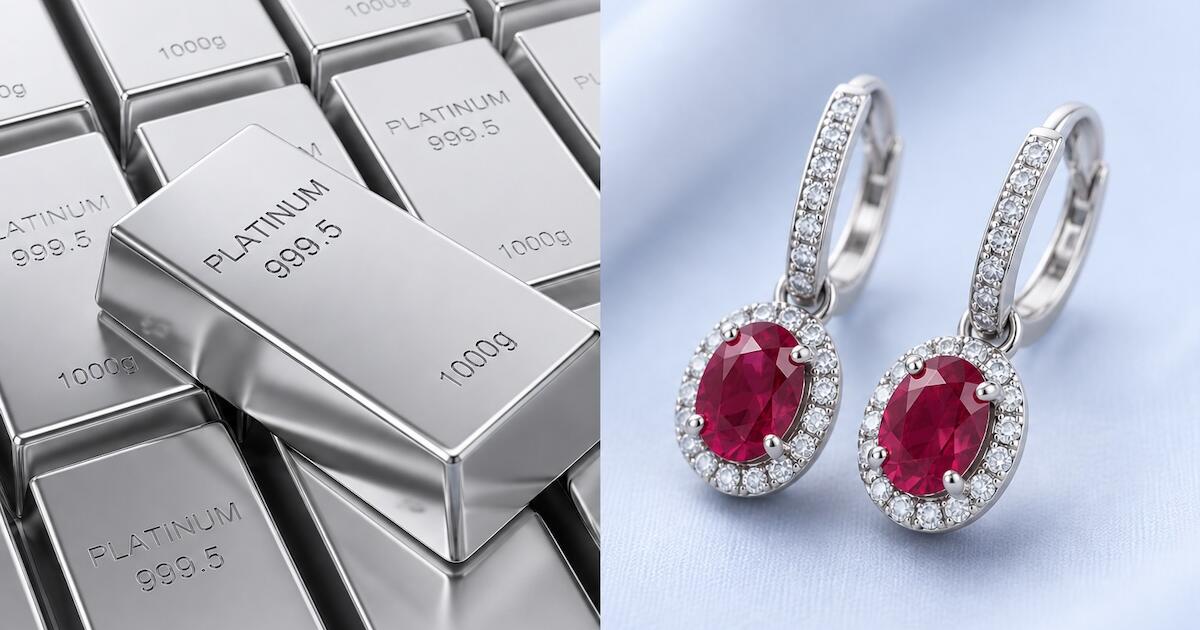
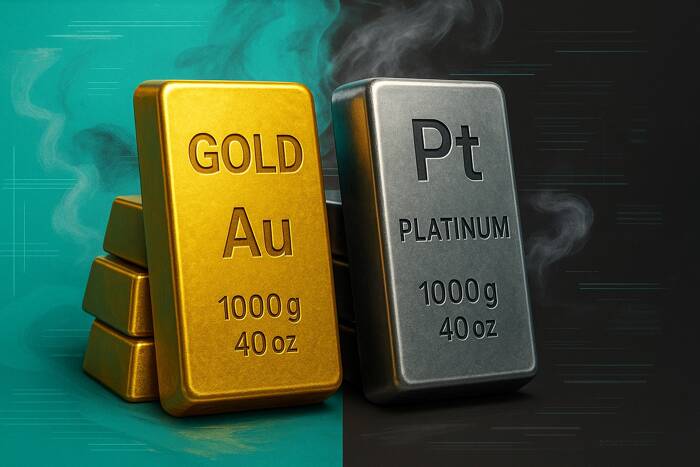
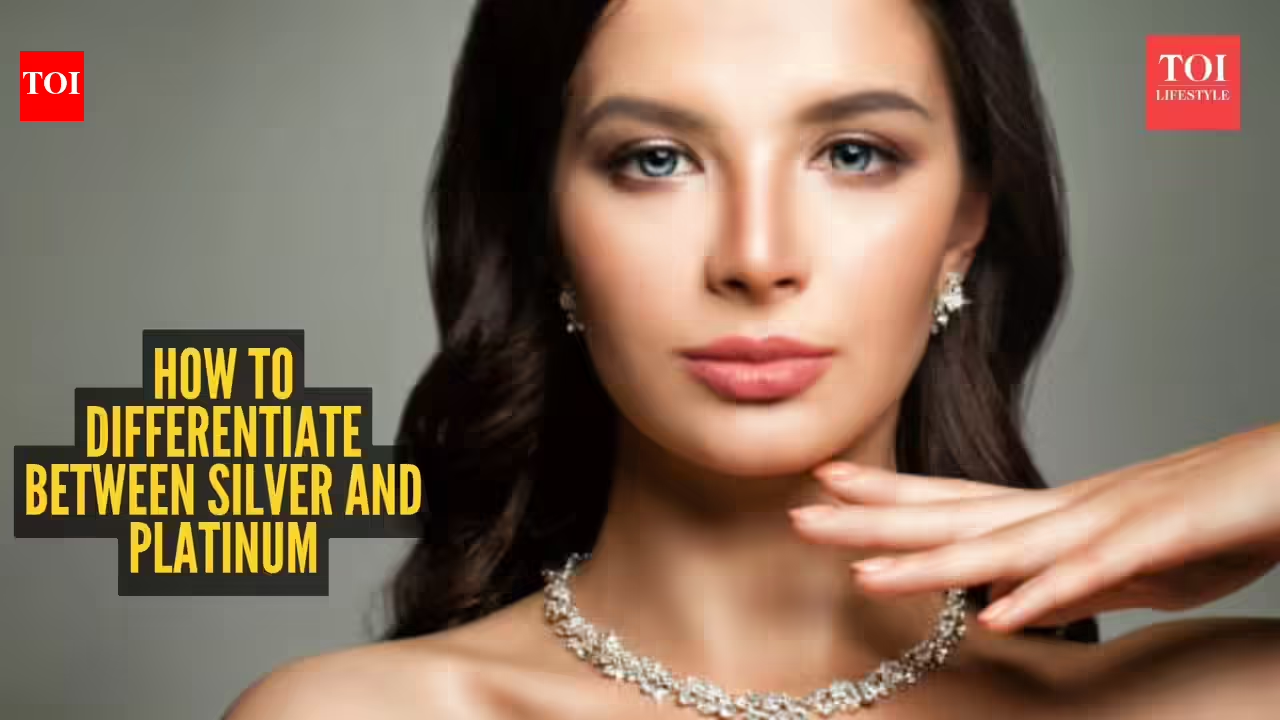
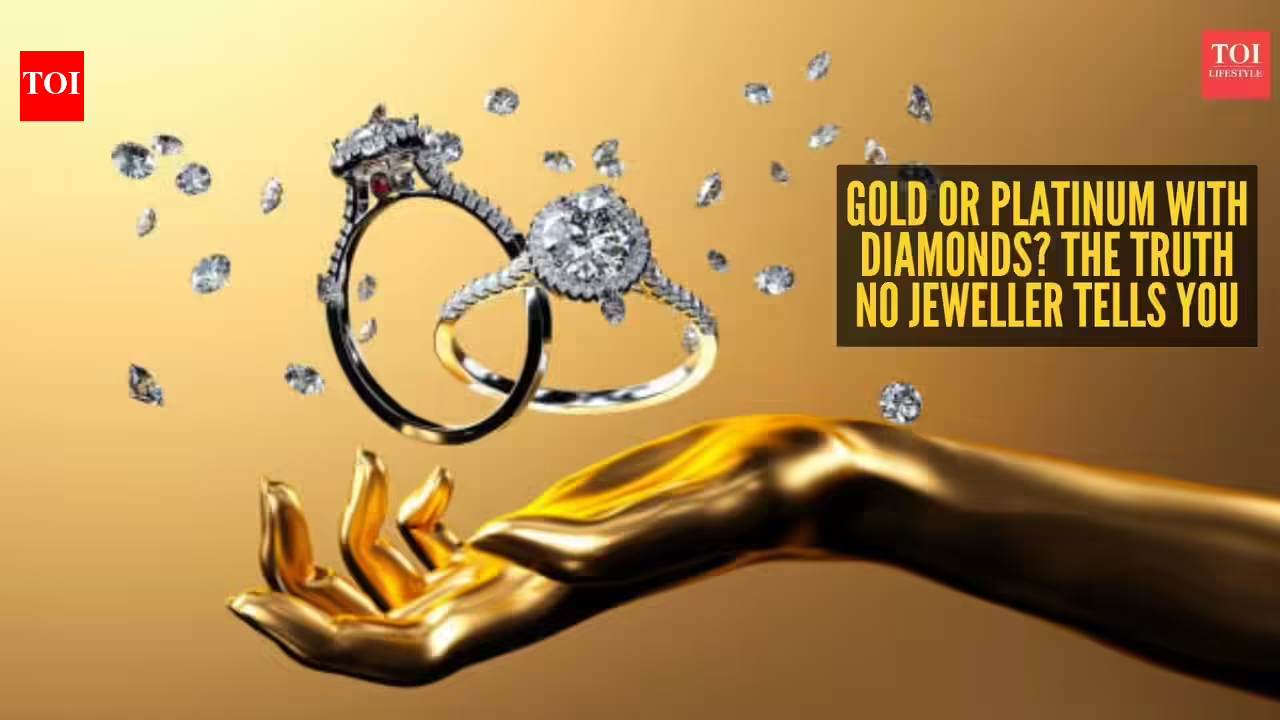
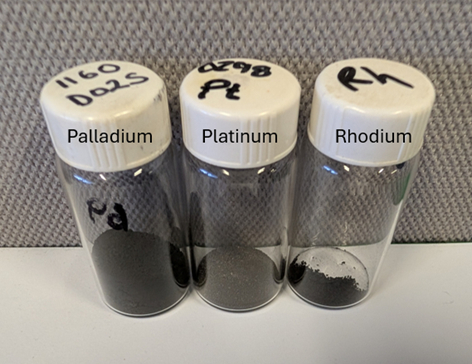
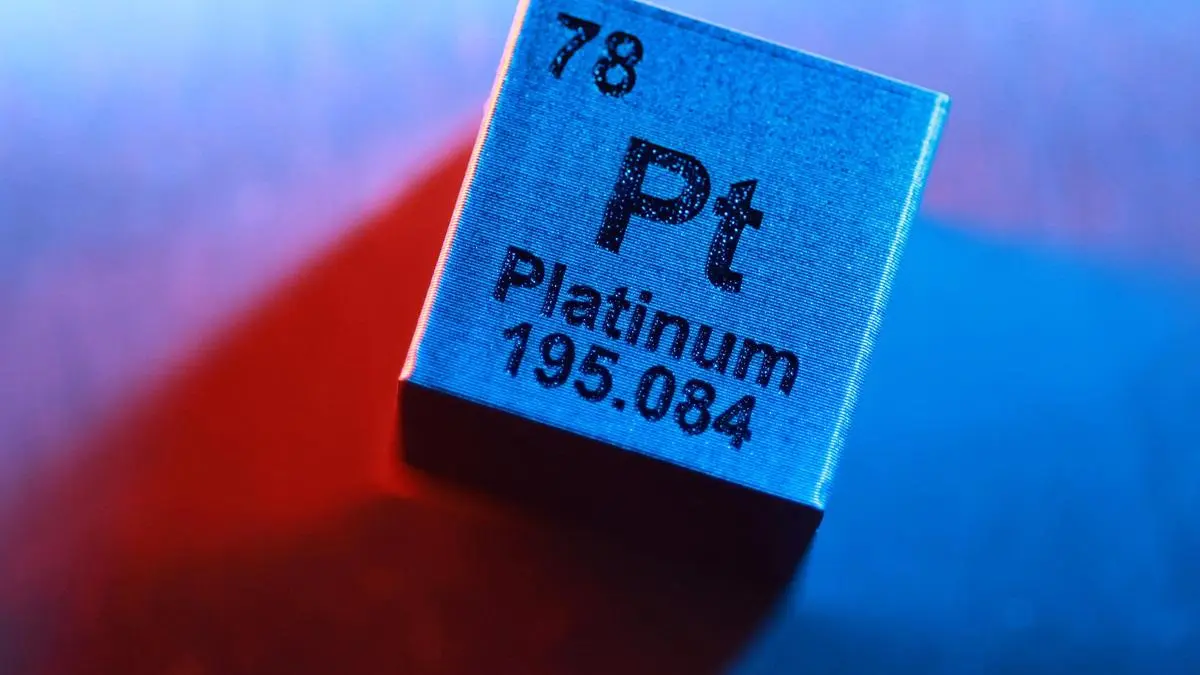
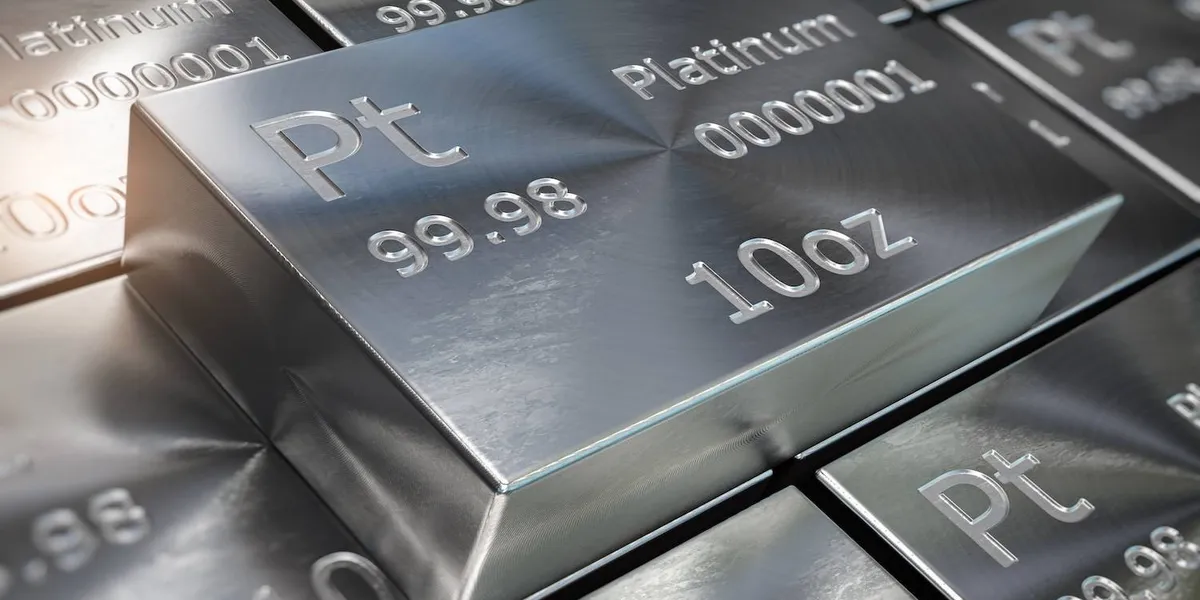
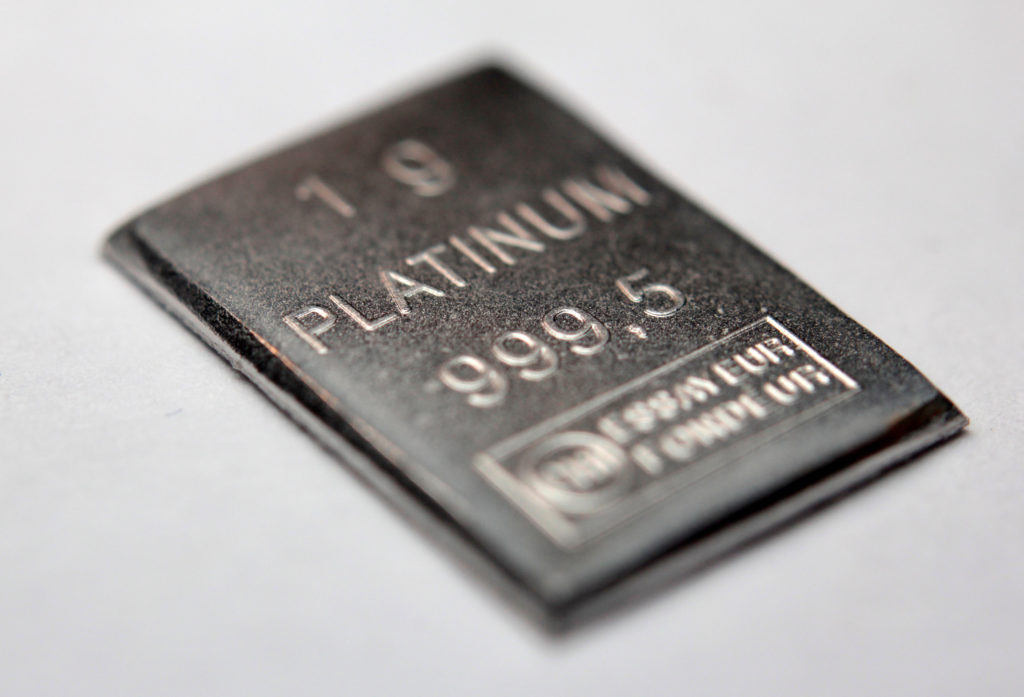
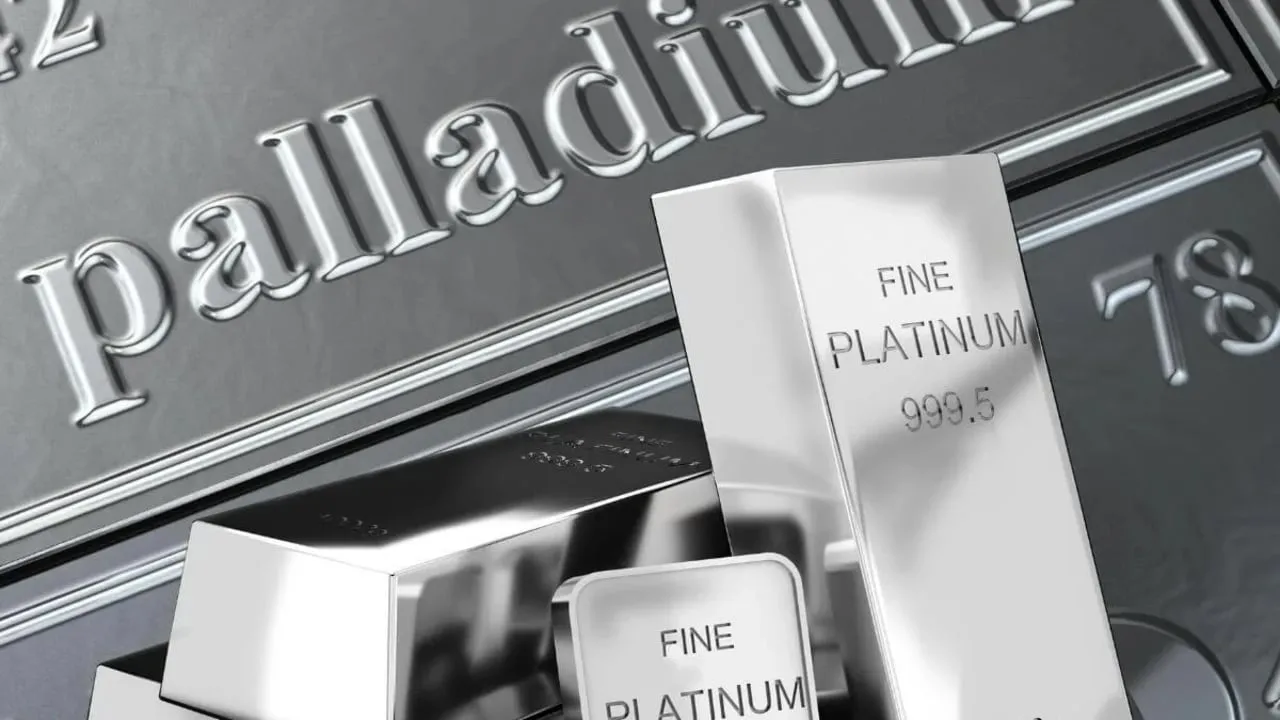
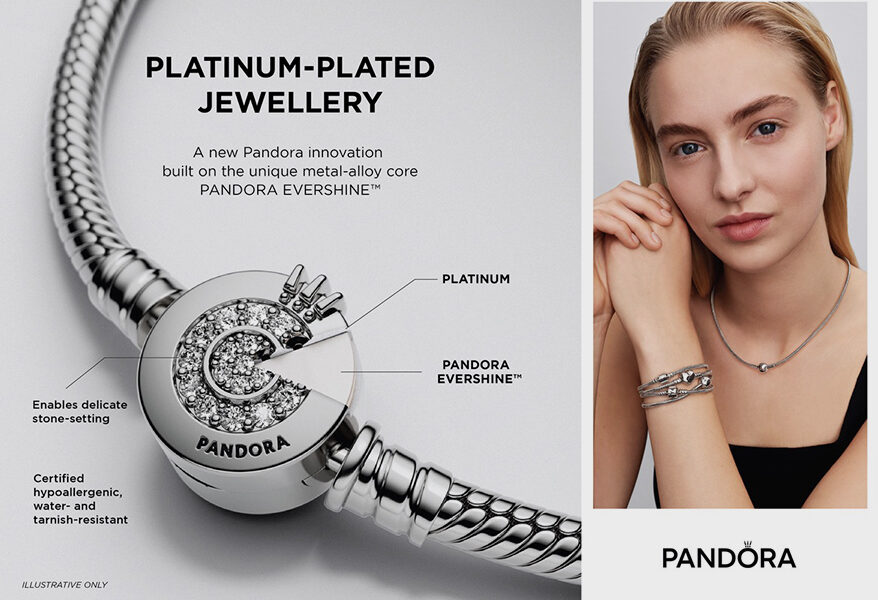
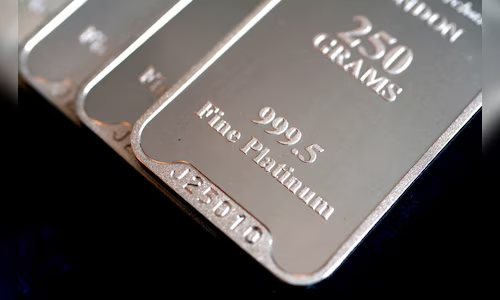
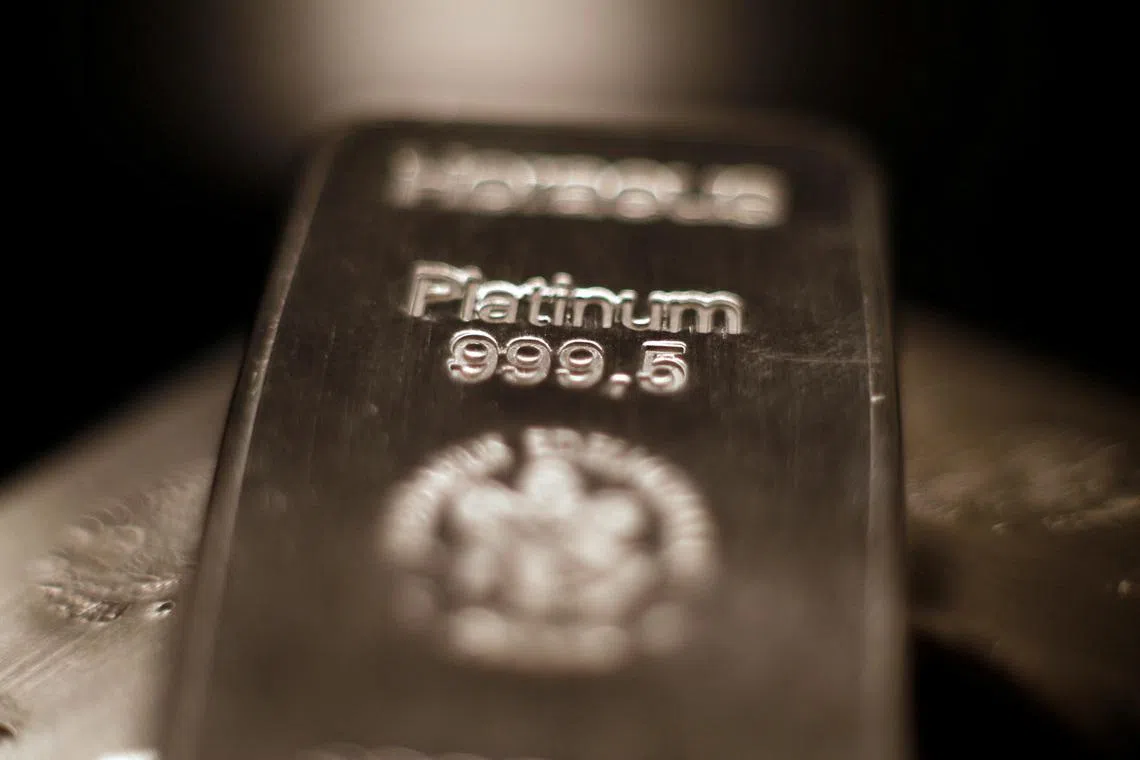
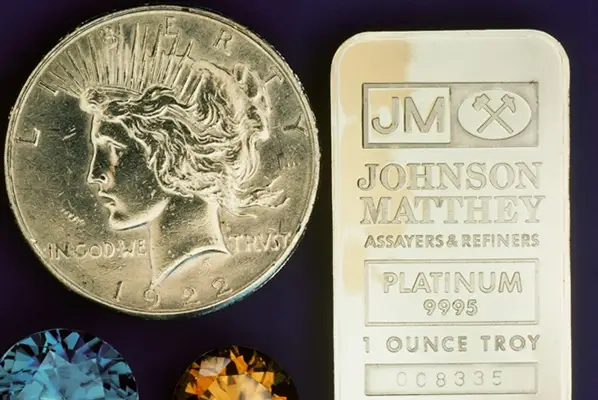
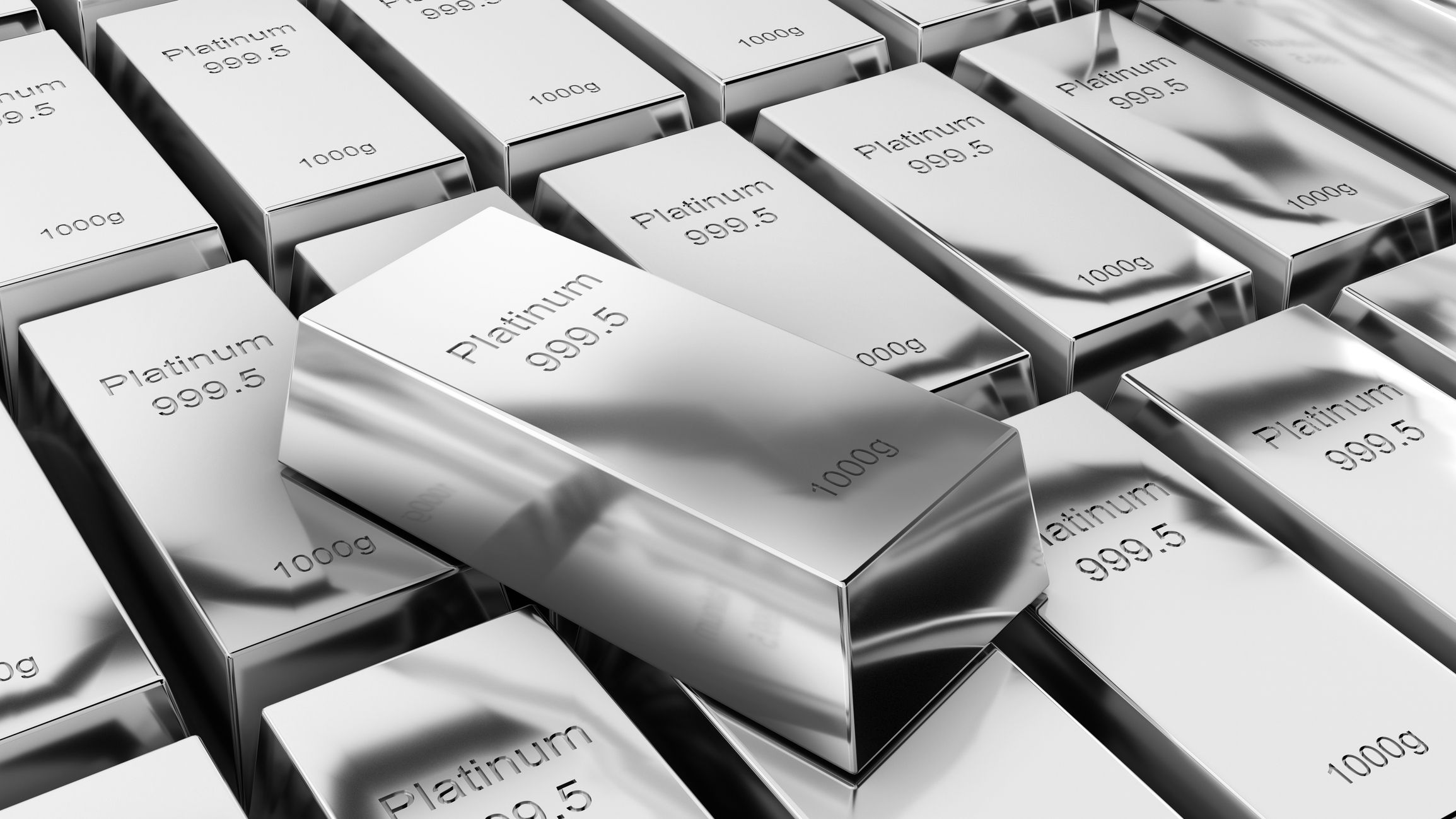
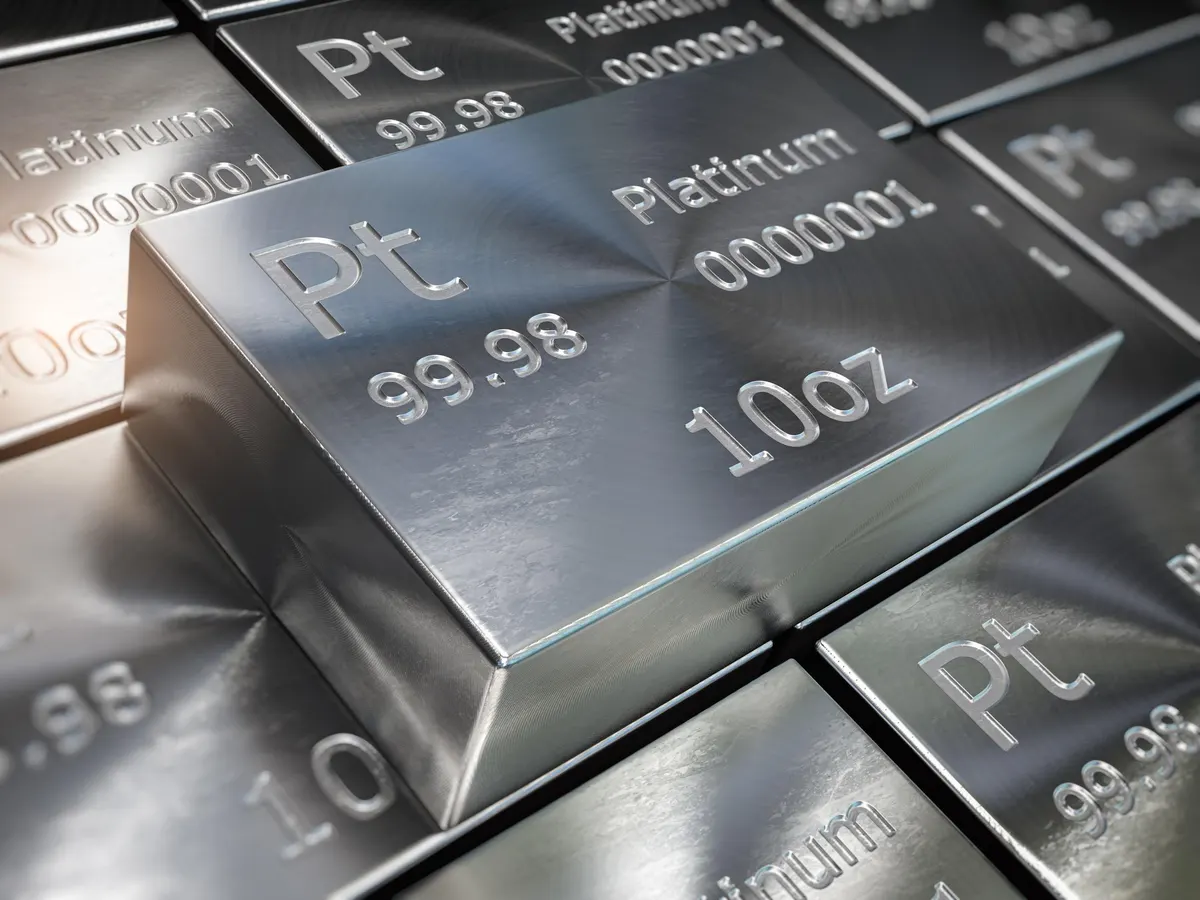
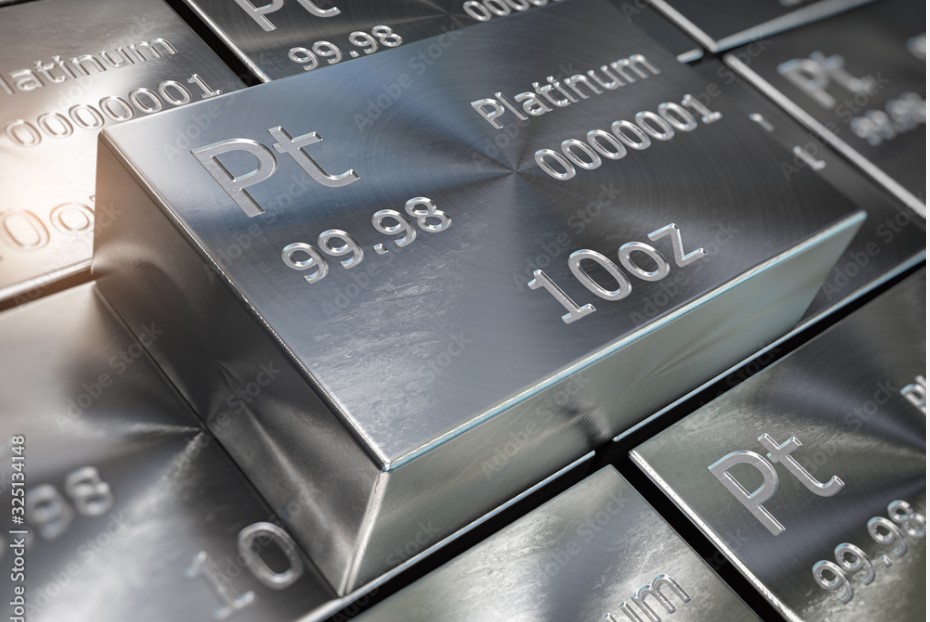
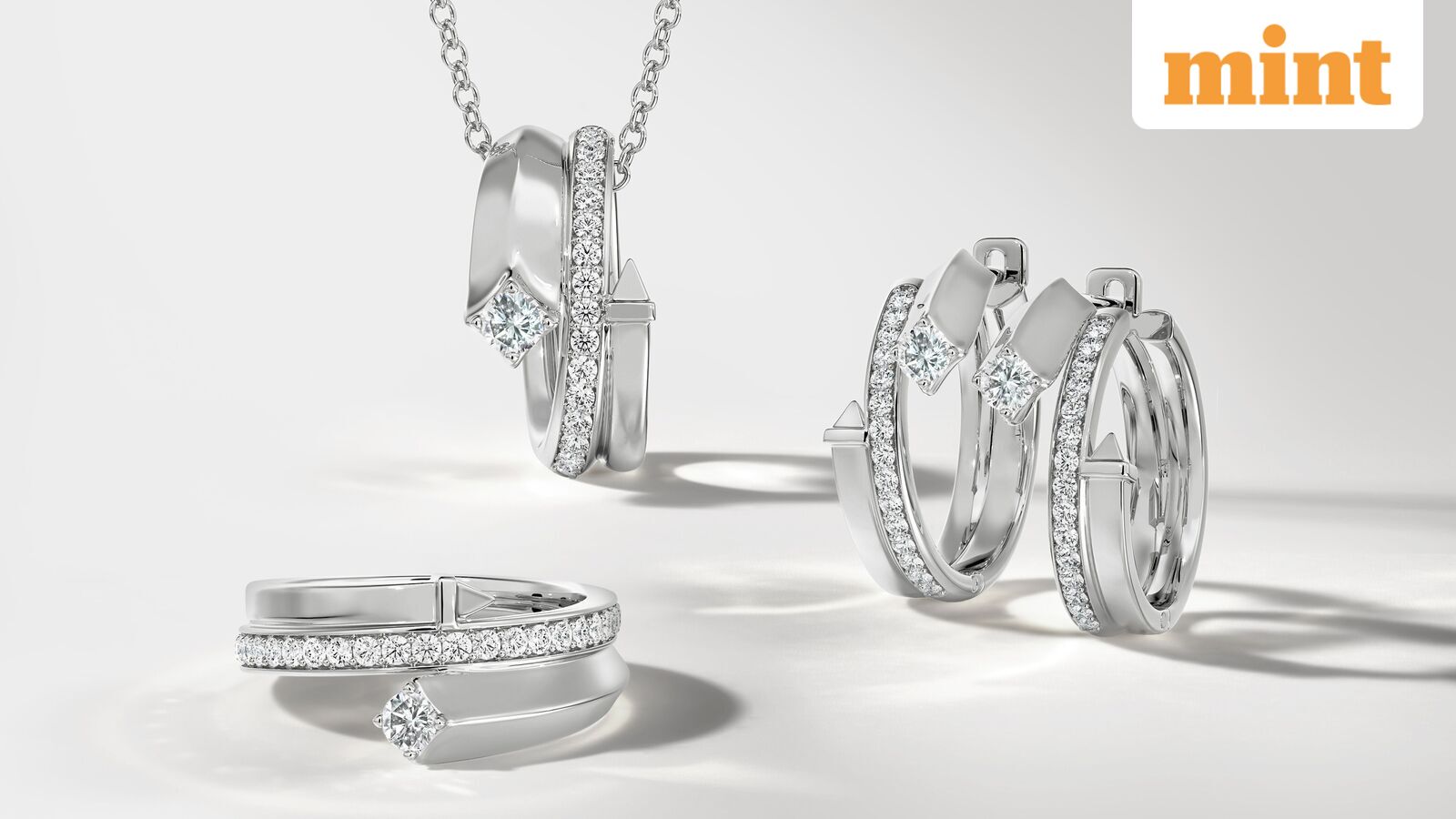
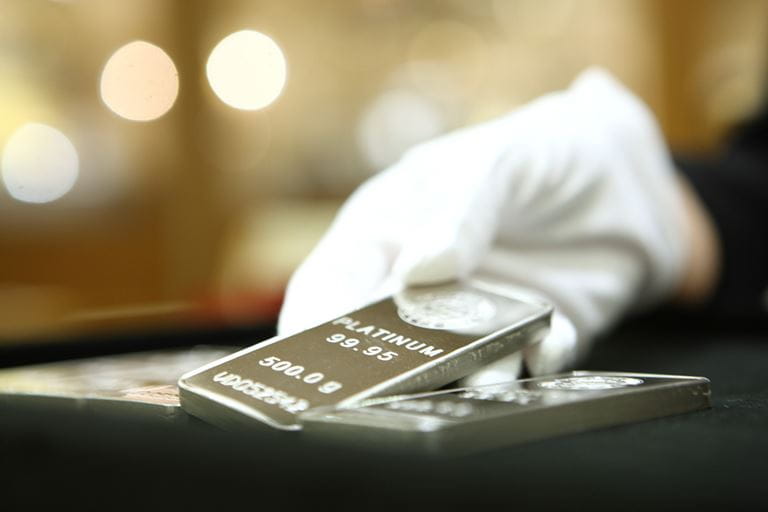
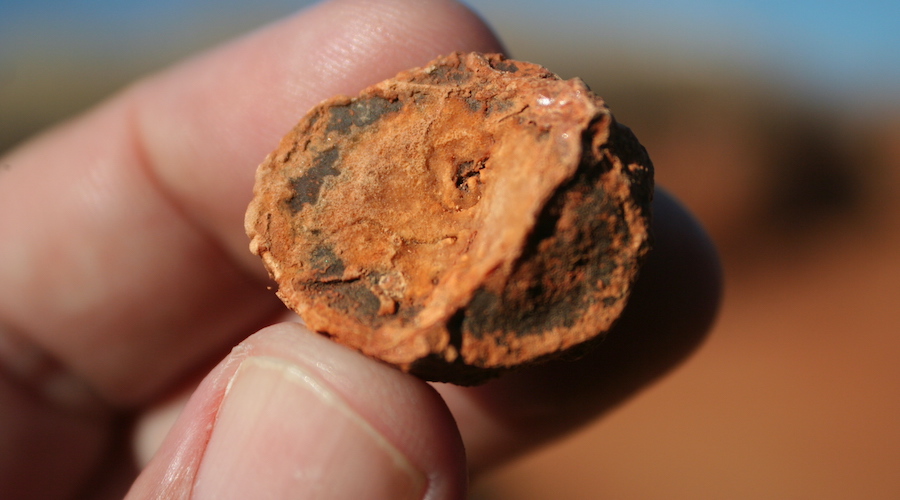
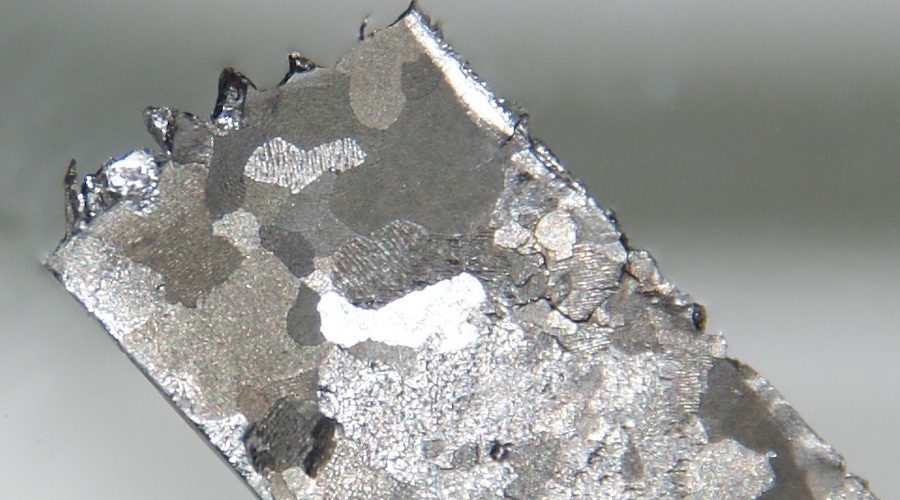
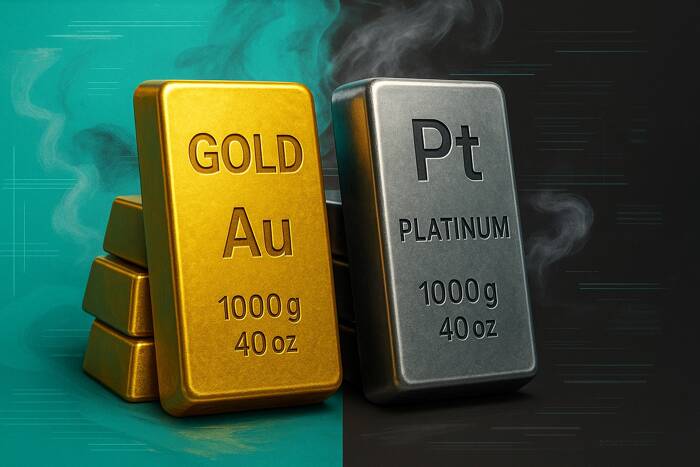
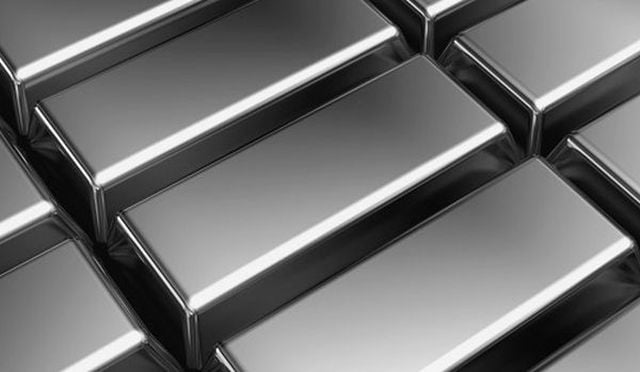
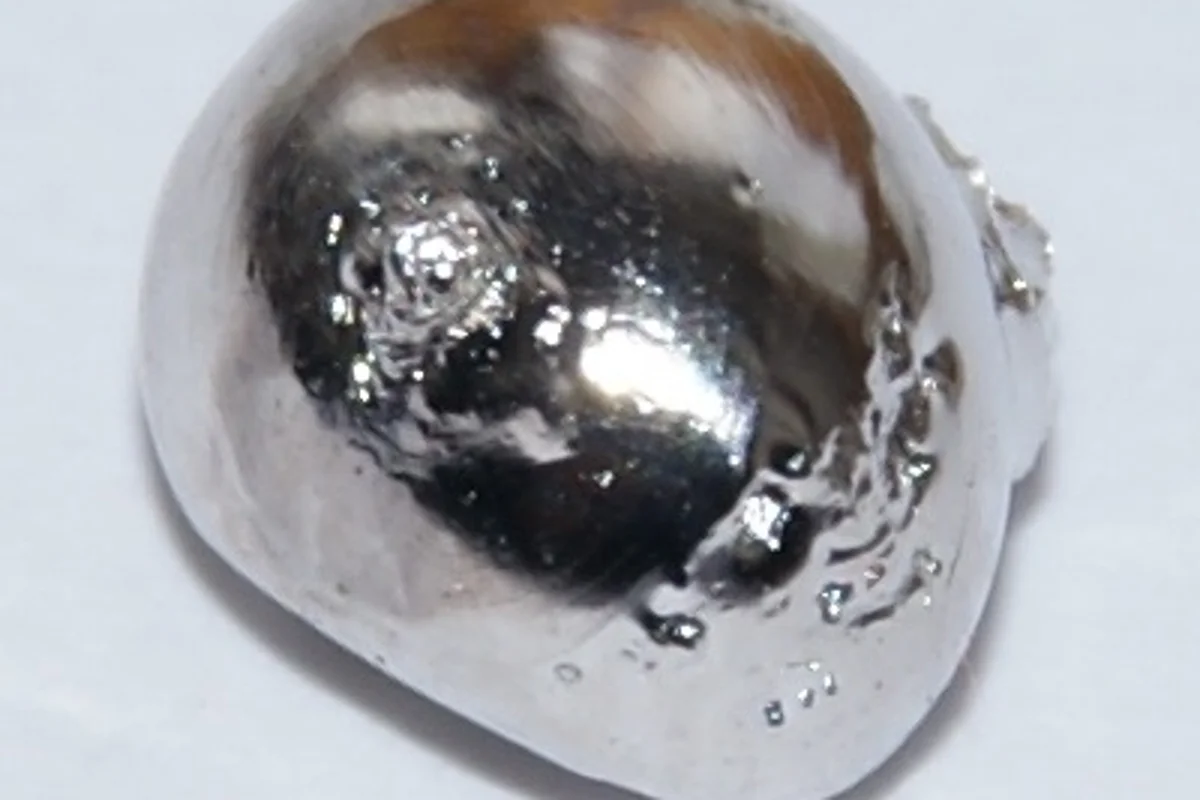
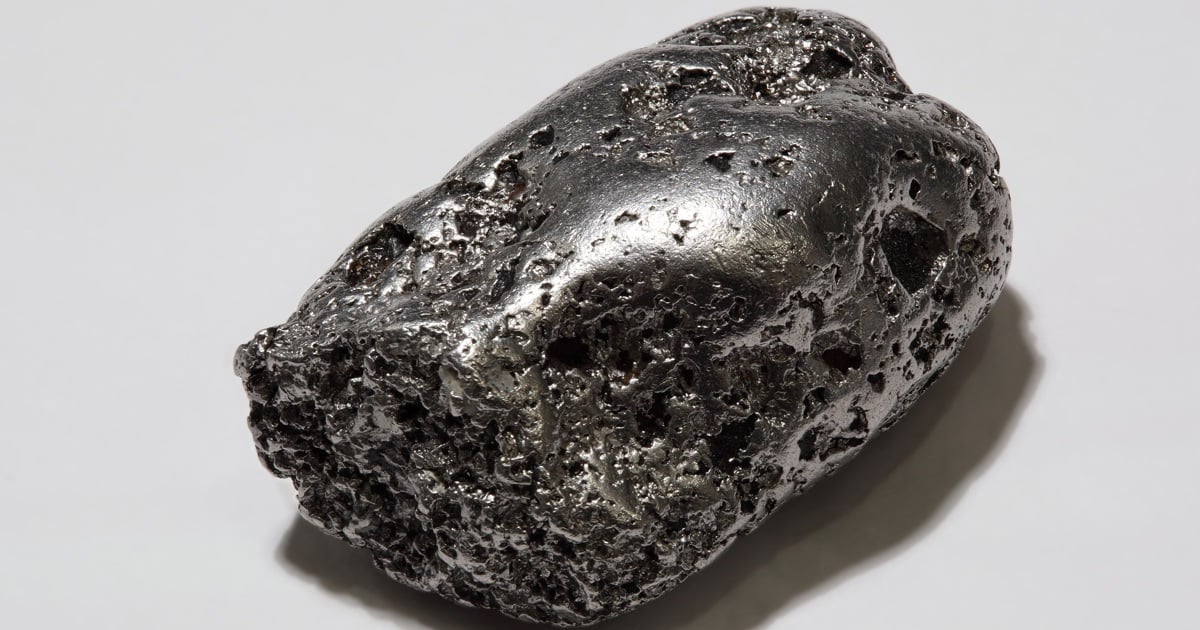
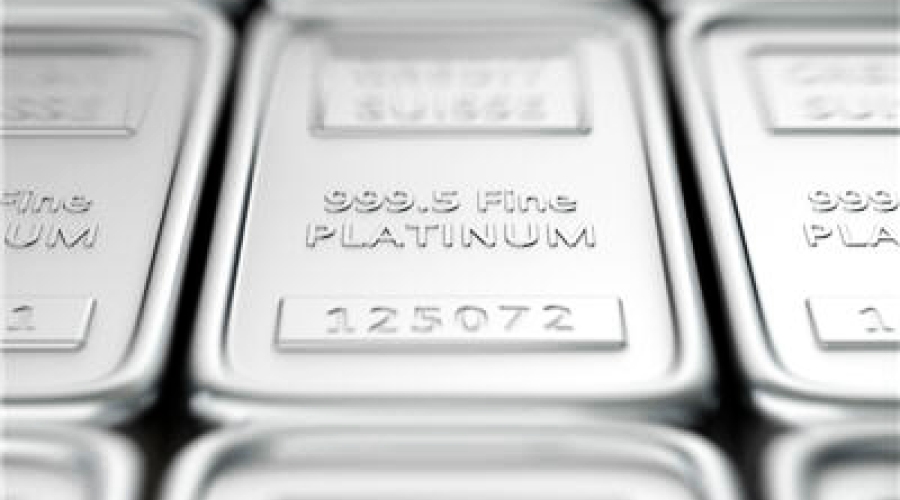
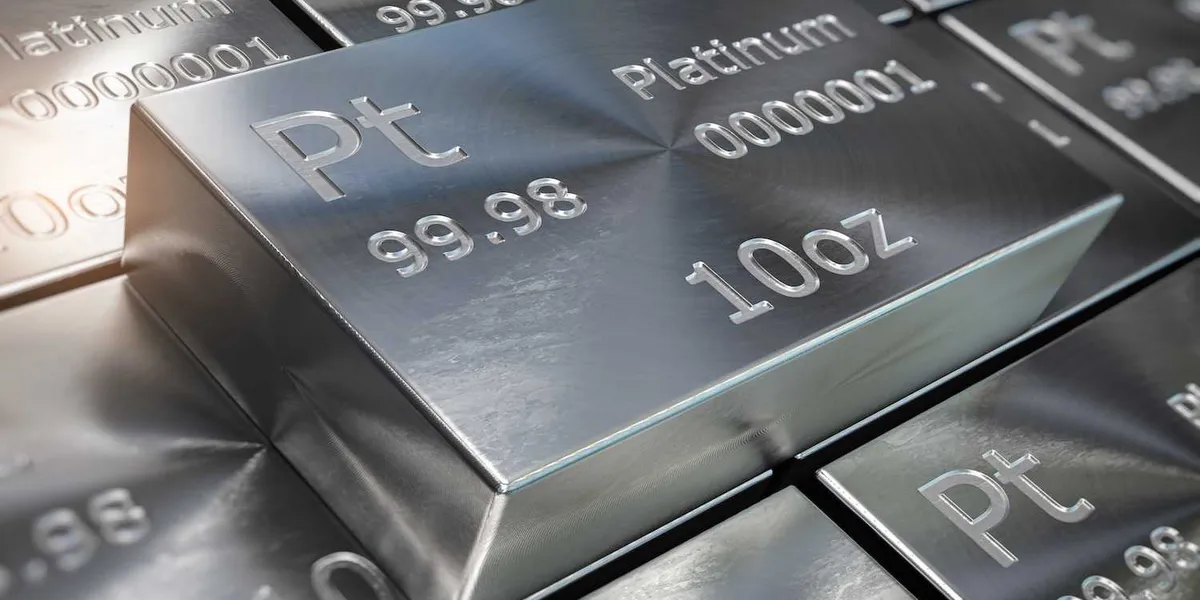
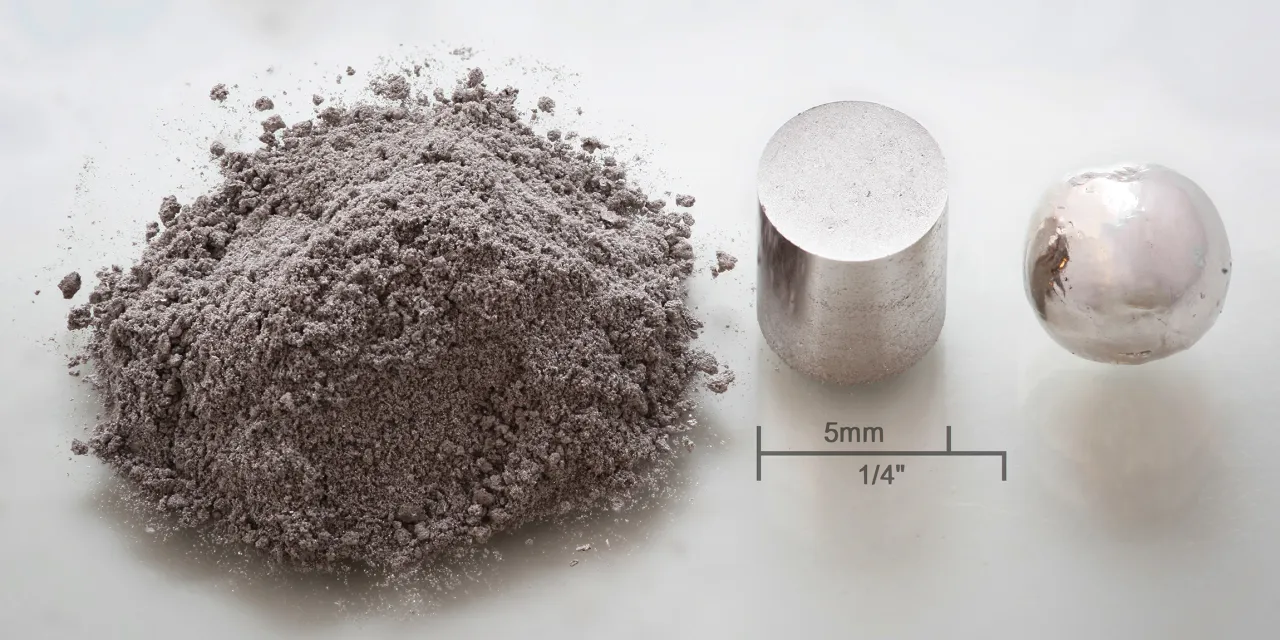
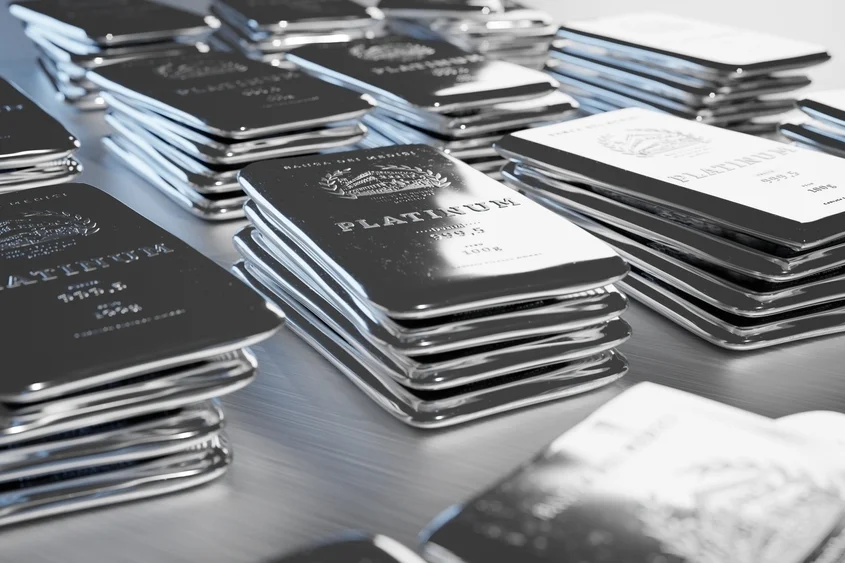
While they’re both precious metals, platinum has a bright, naturally white color (which can enhance a diamond’s radiance as well as other stones) and is much denser than gold, so it has a nice weight to it. It’s also hypoallergenic and highly durable, making it a popular choice for setting diamonds and other valuable gemstones. Another defining characteristic of platinum is the patina, or change in finish, that naturally develops with regular wear. Many people appreciate the soft vintage look of the metal’s patina, though it can be polished away by a jeweler if you prefer a brighter finish.
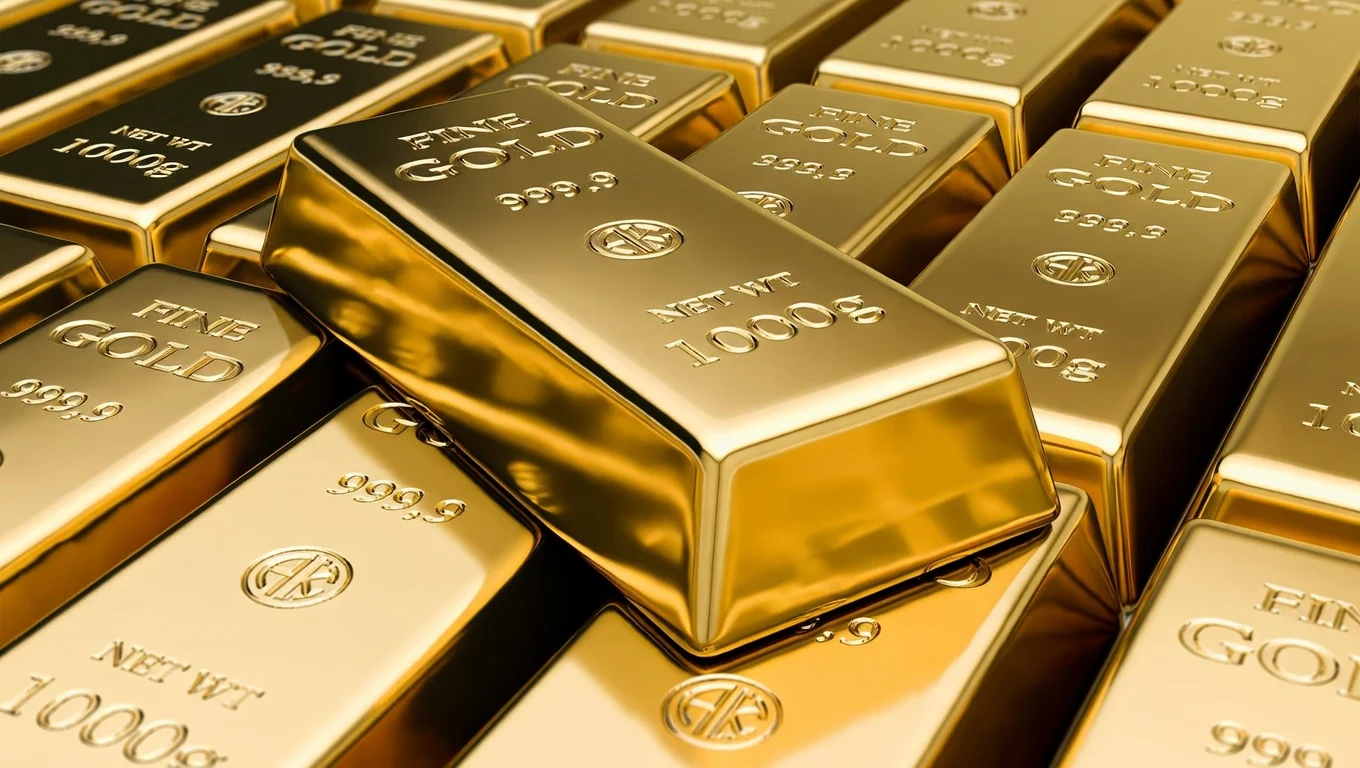
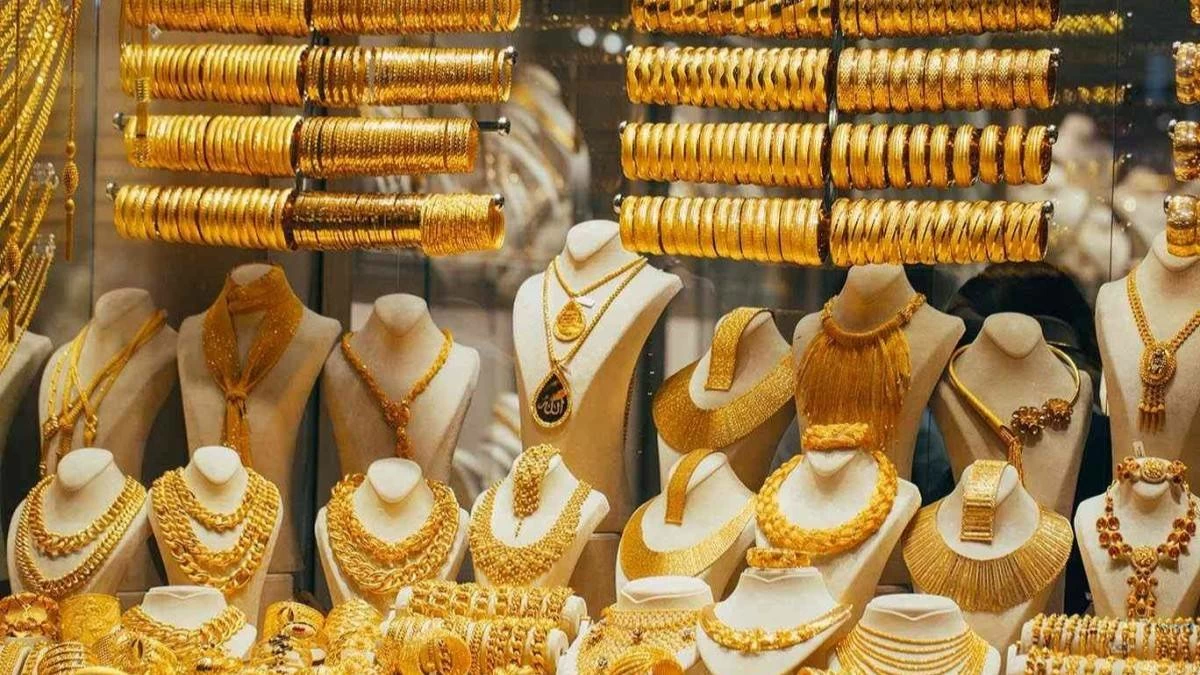
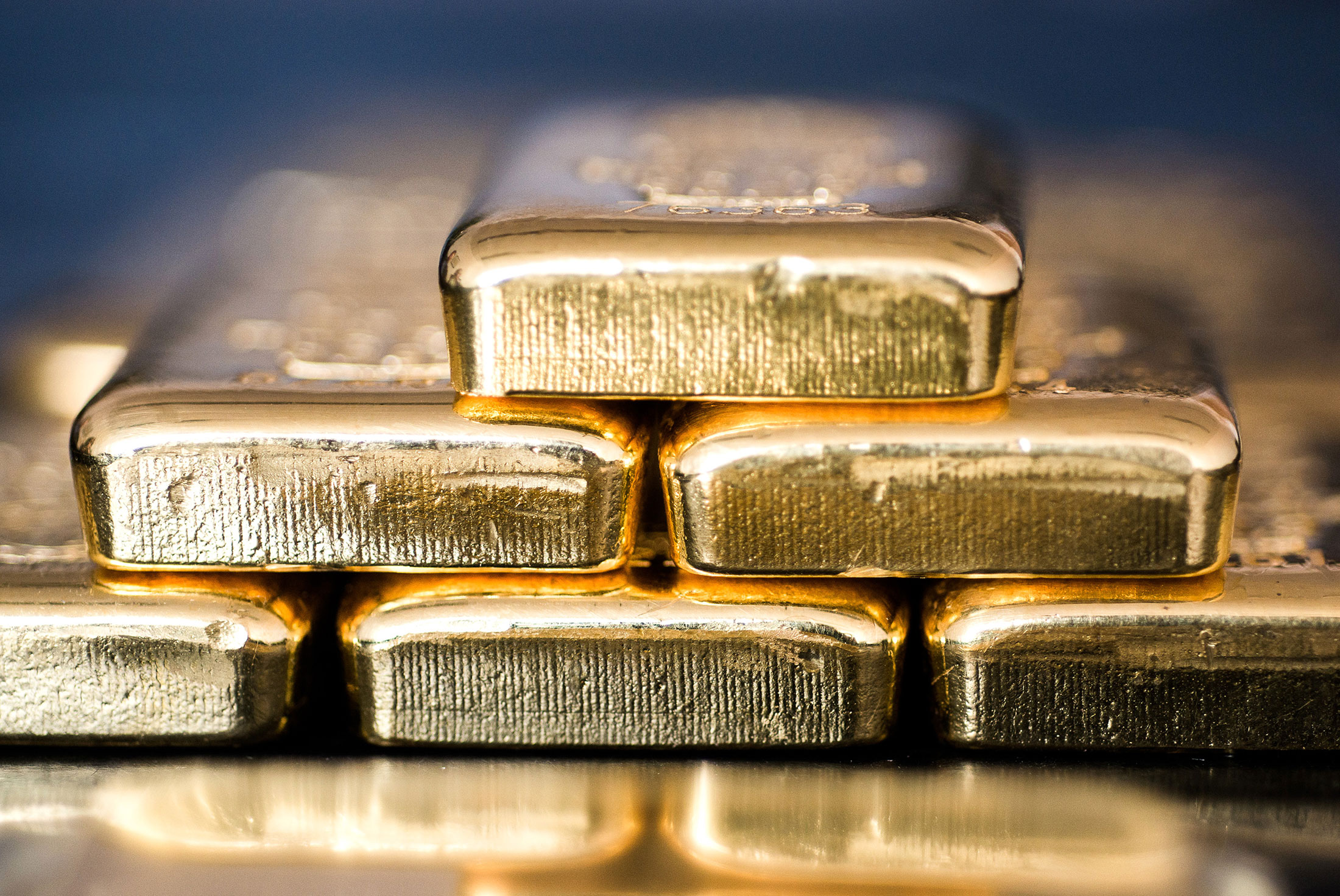
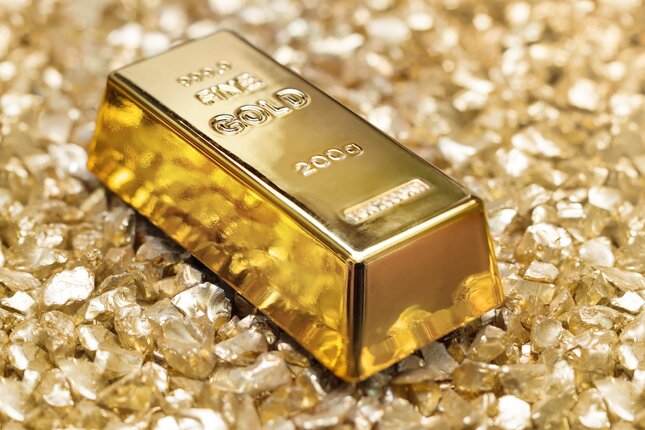
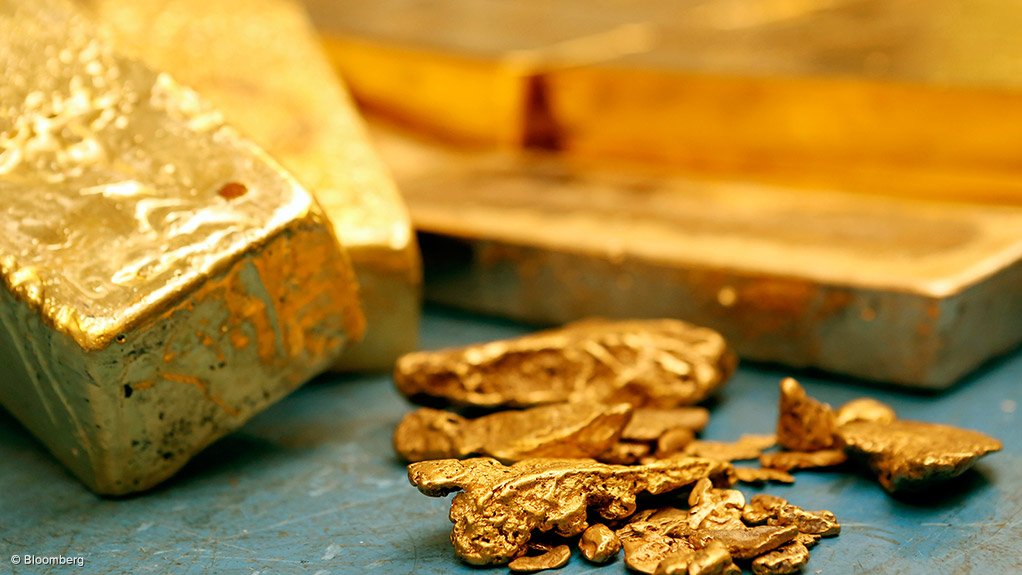
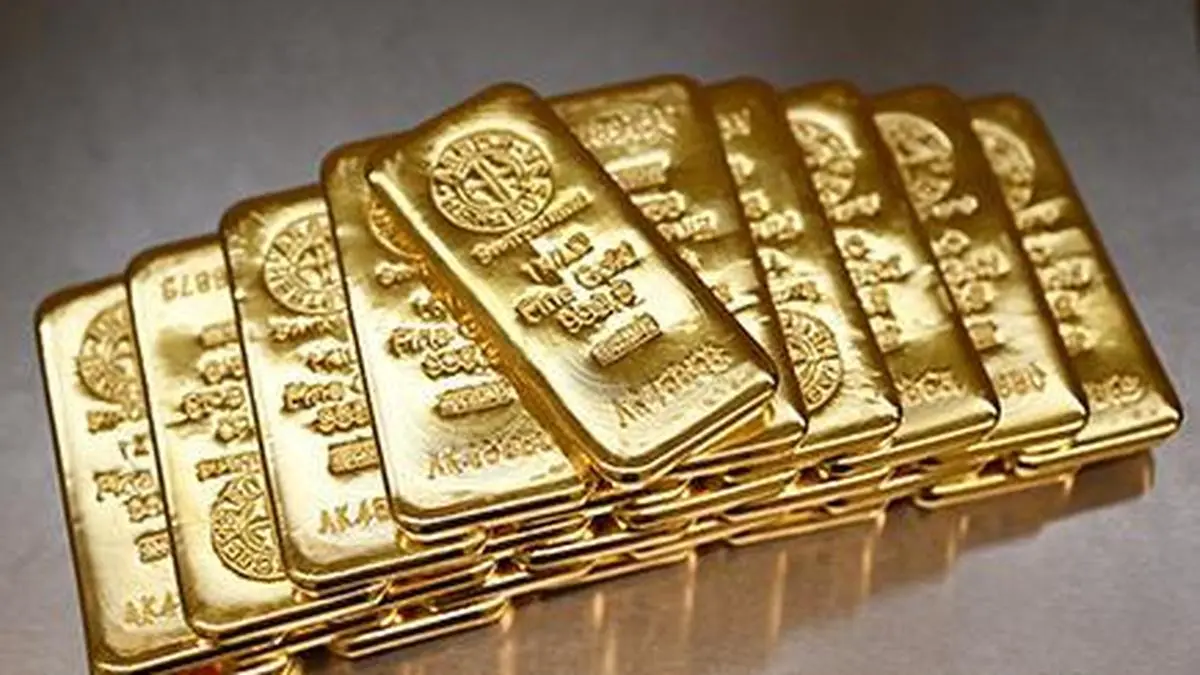
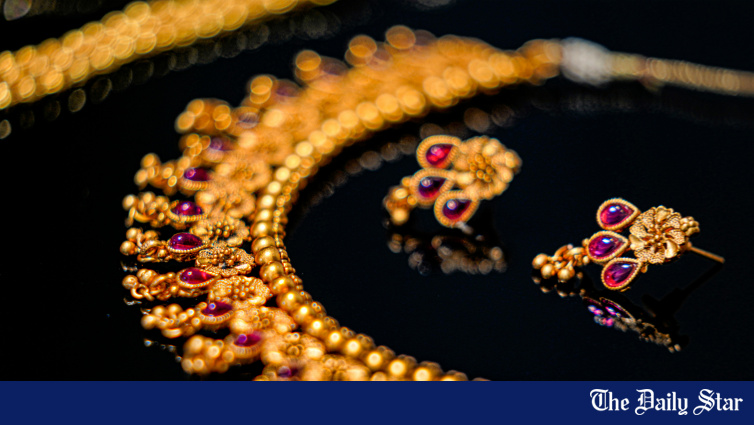
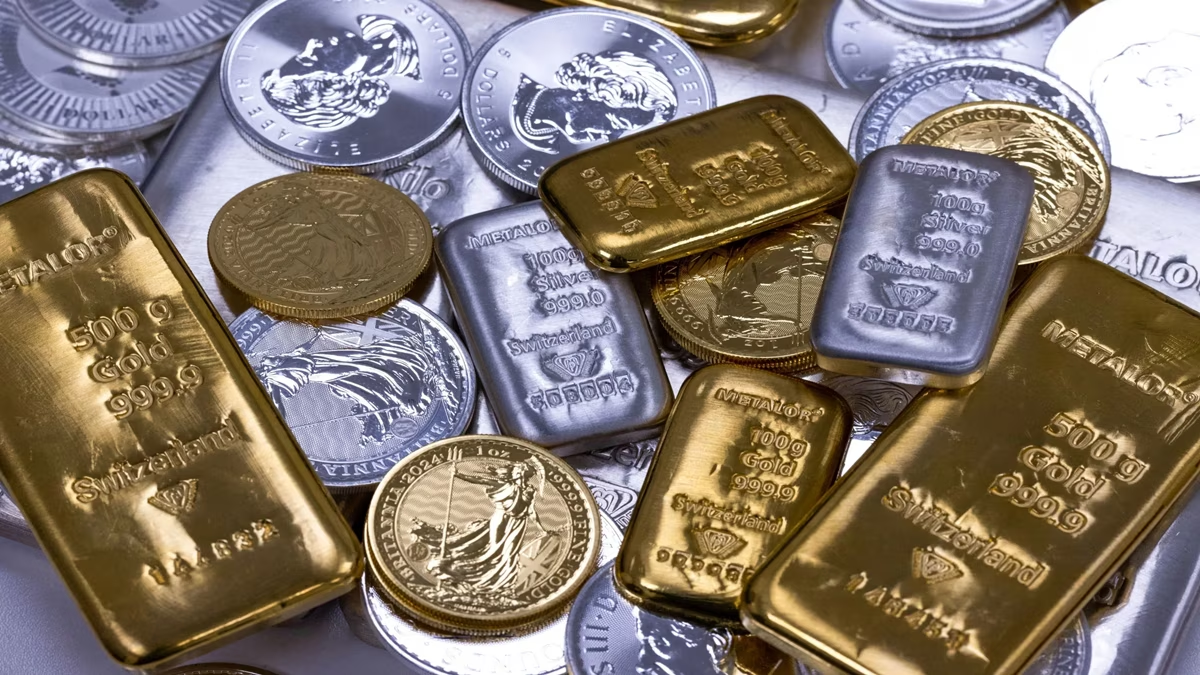
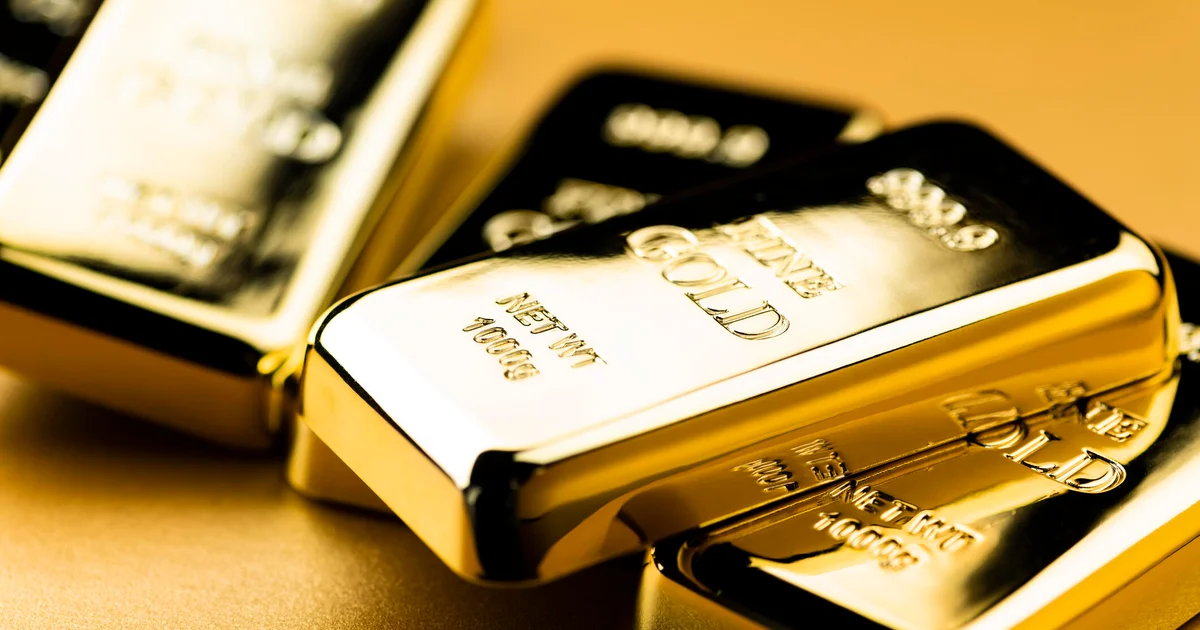
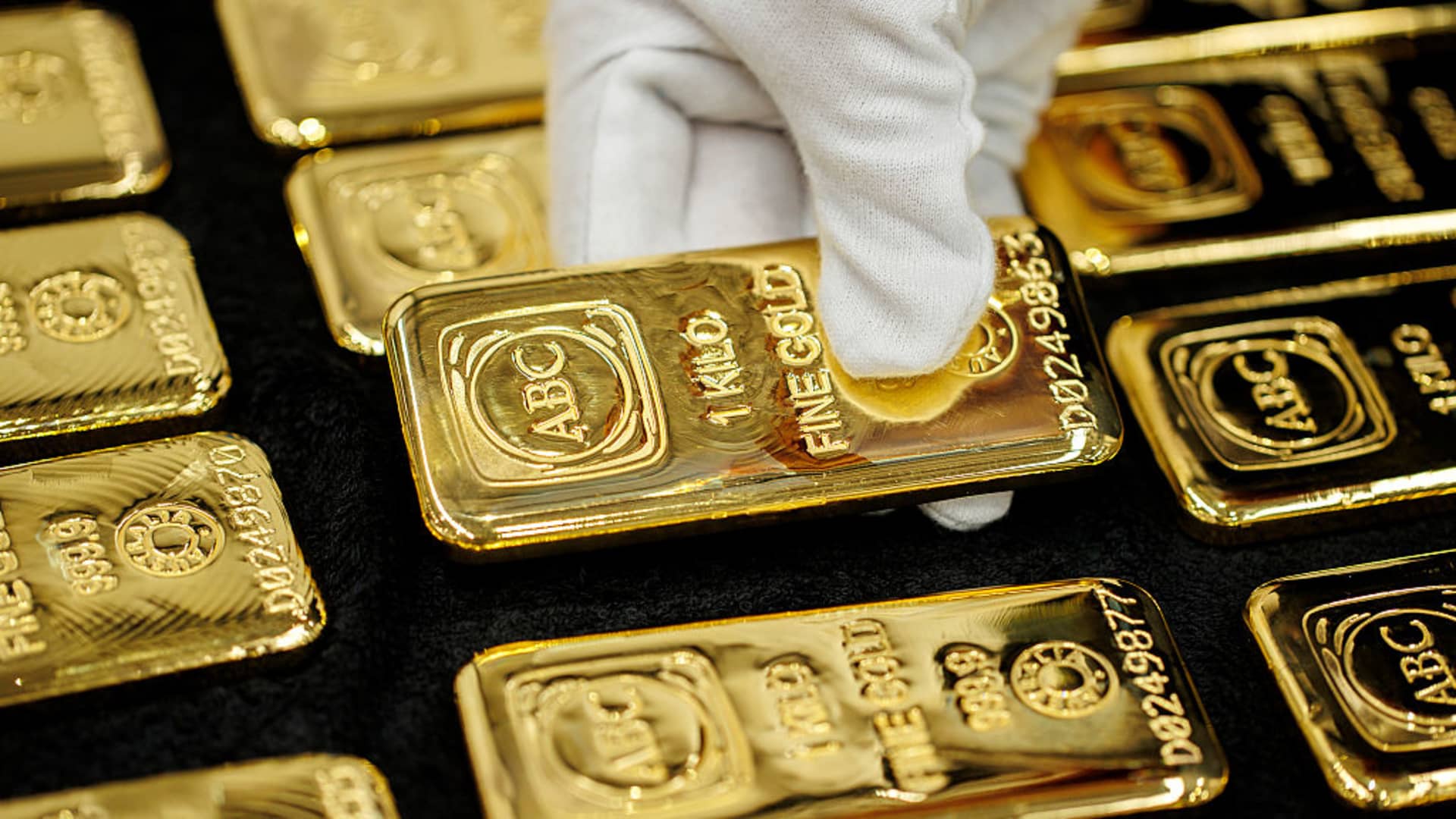
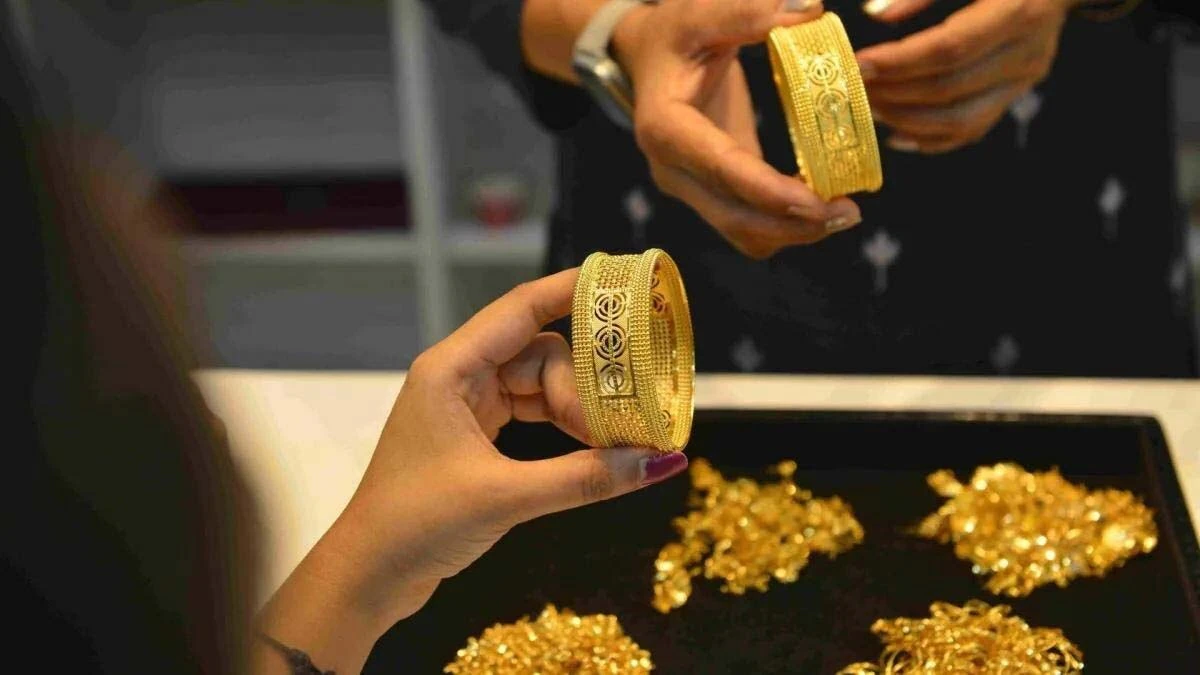
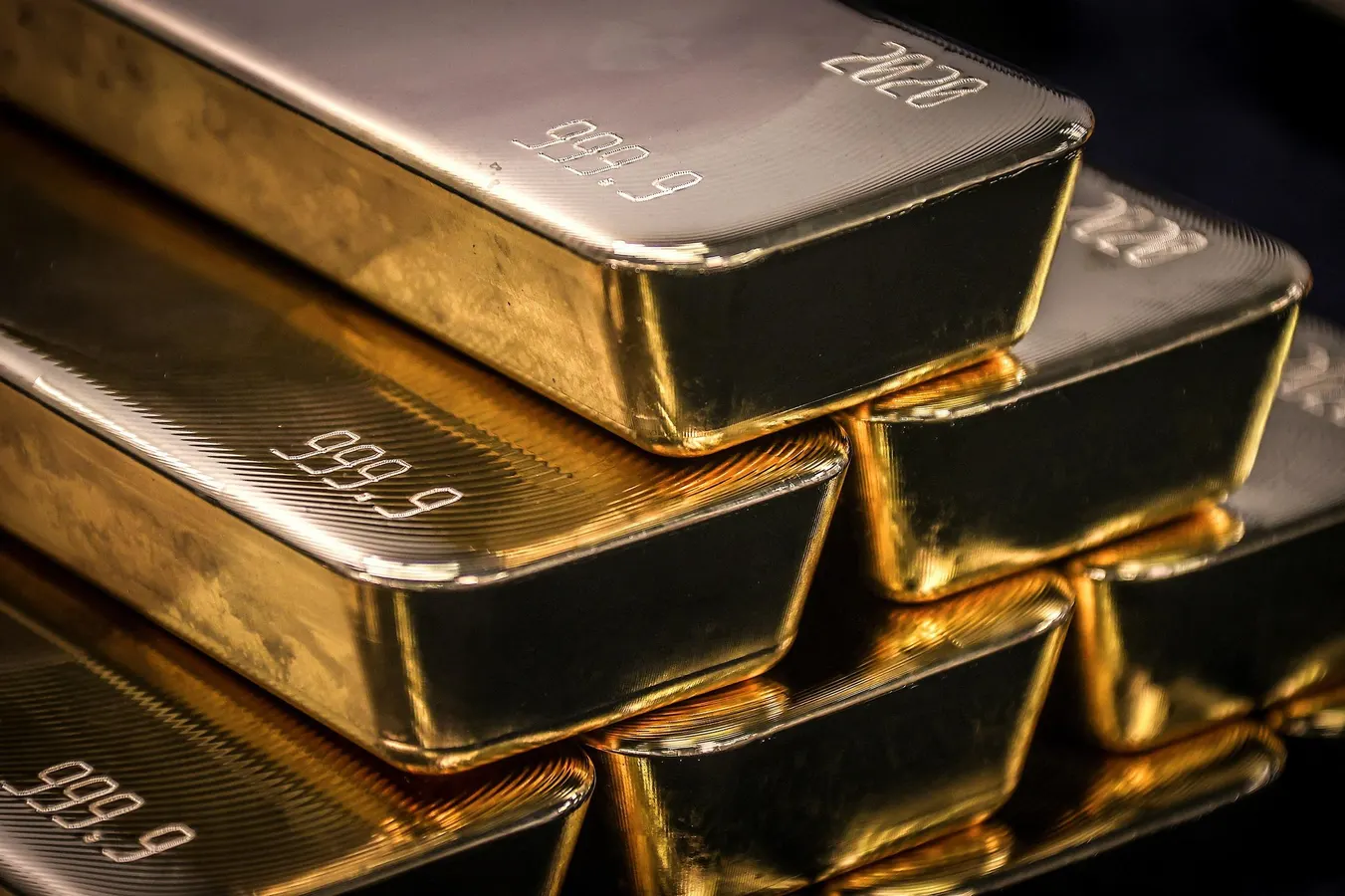
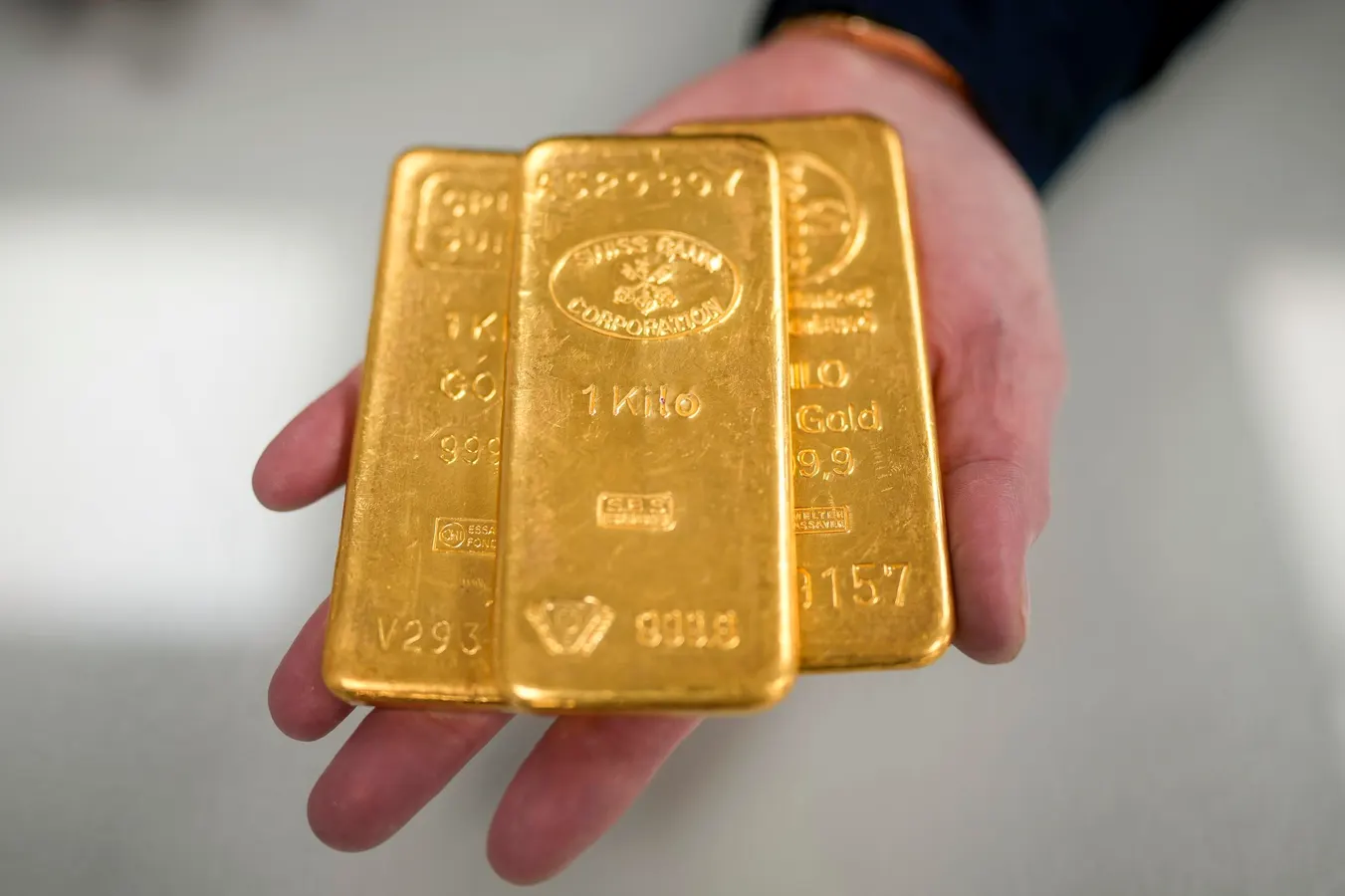
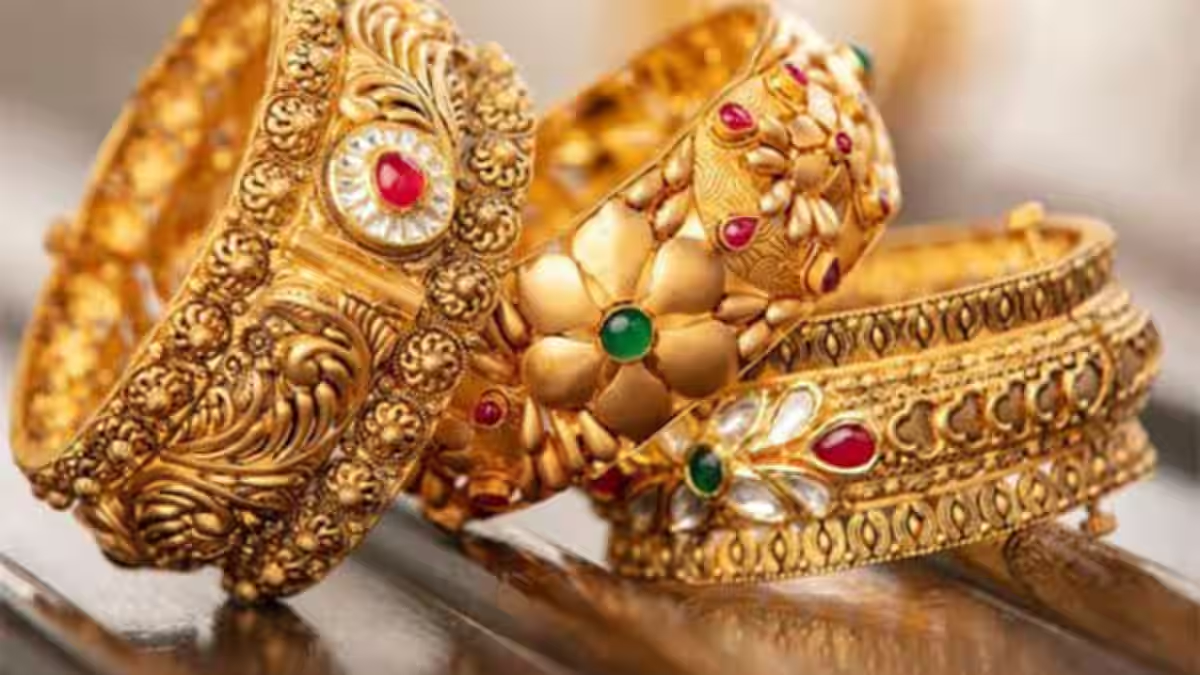
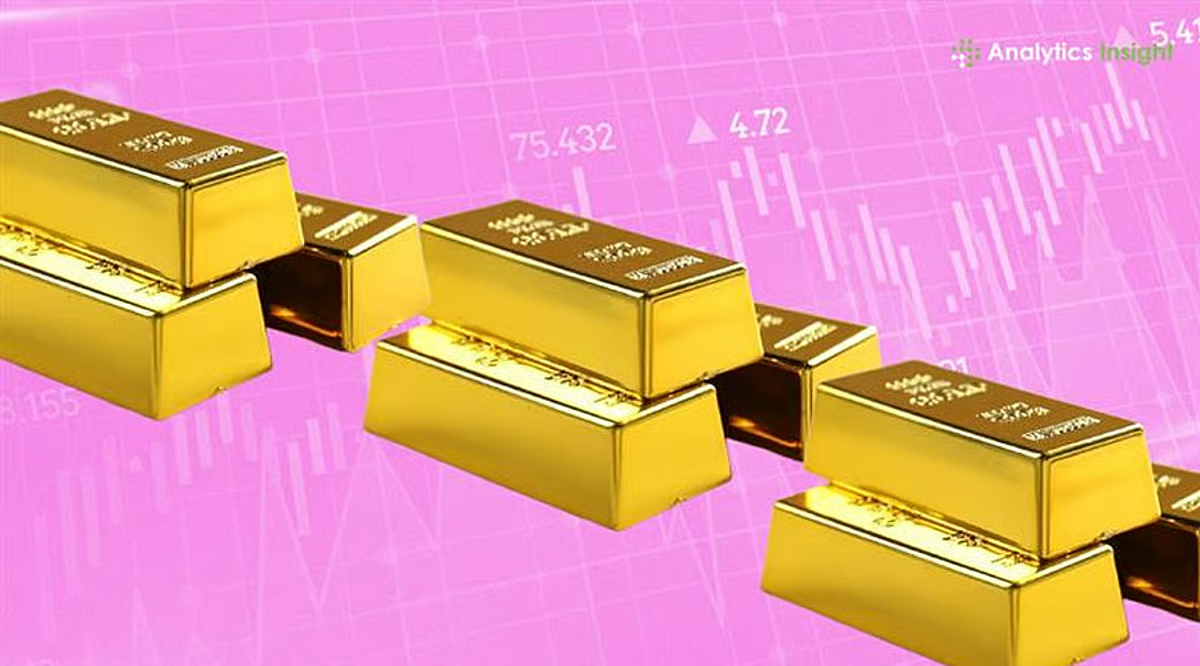
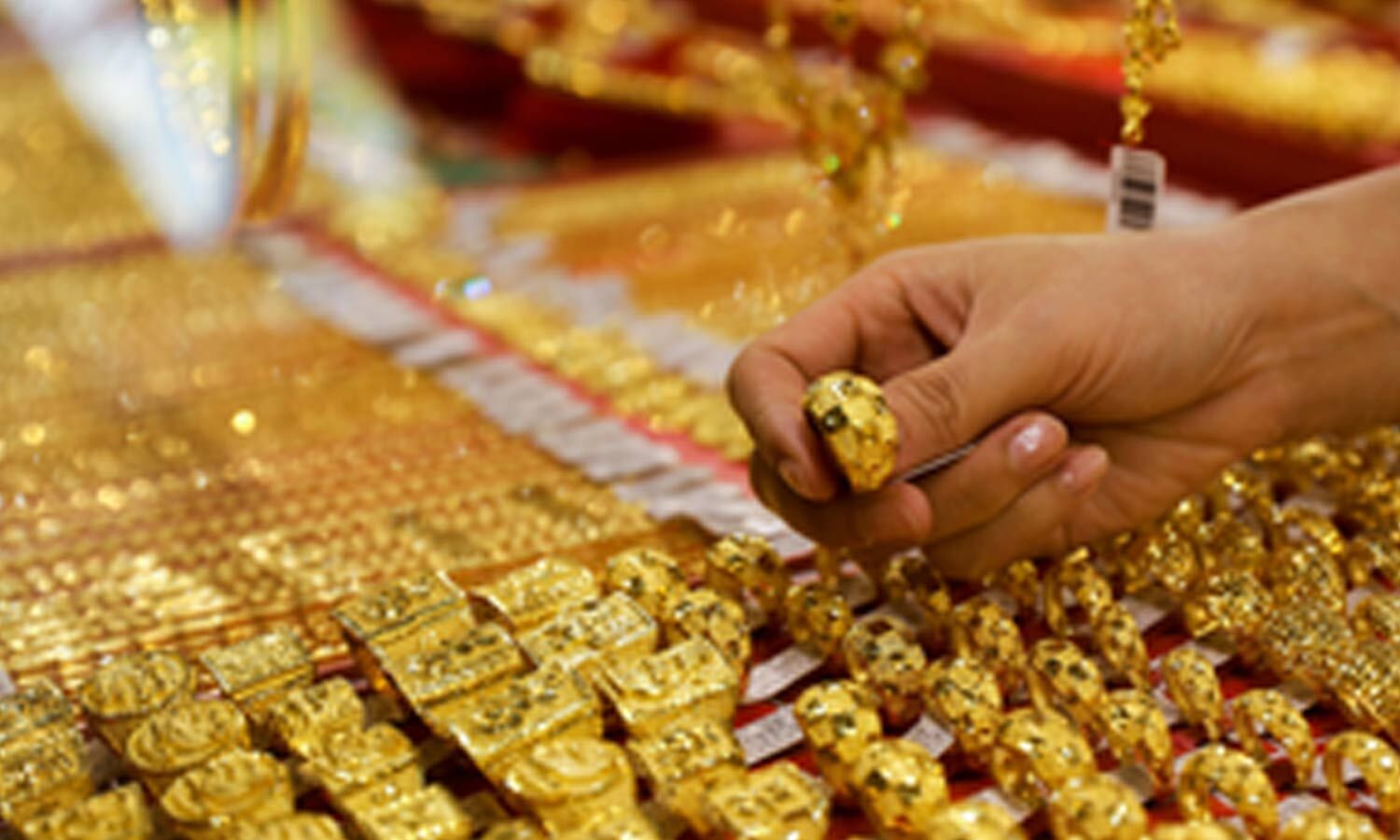
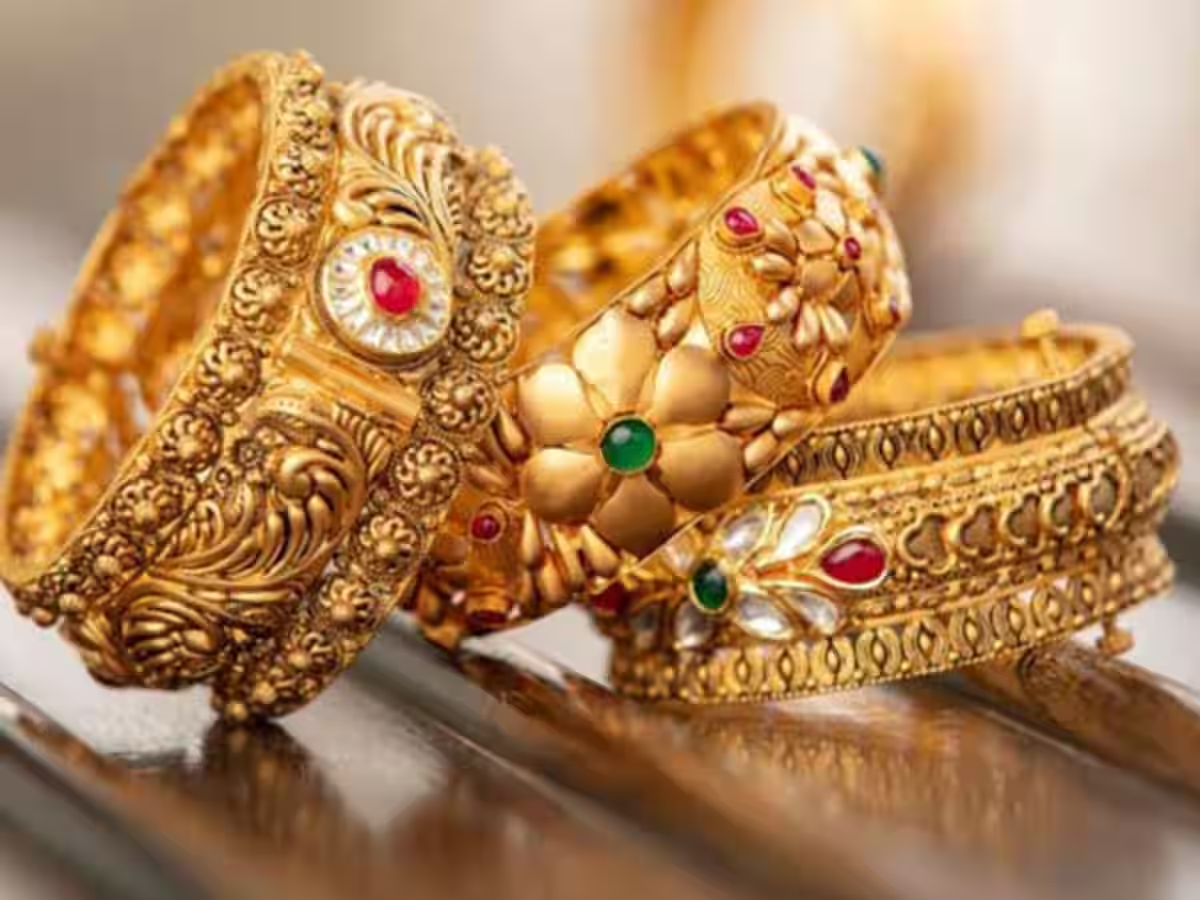
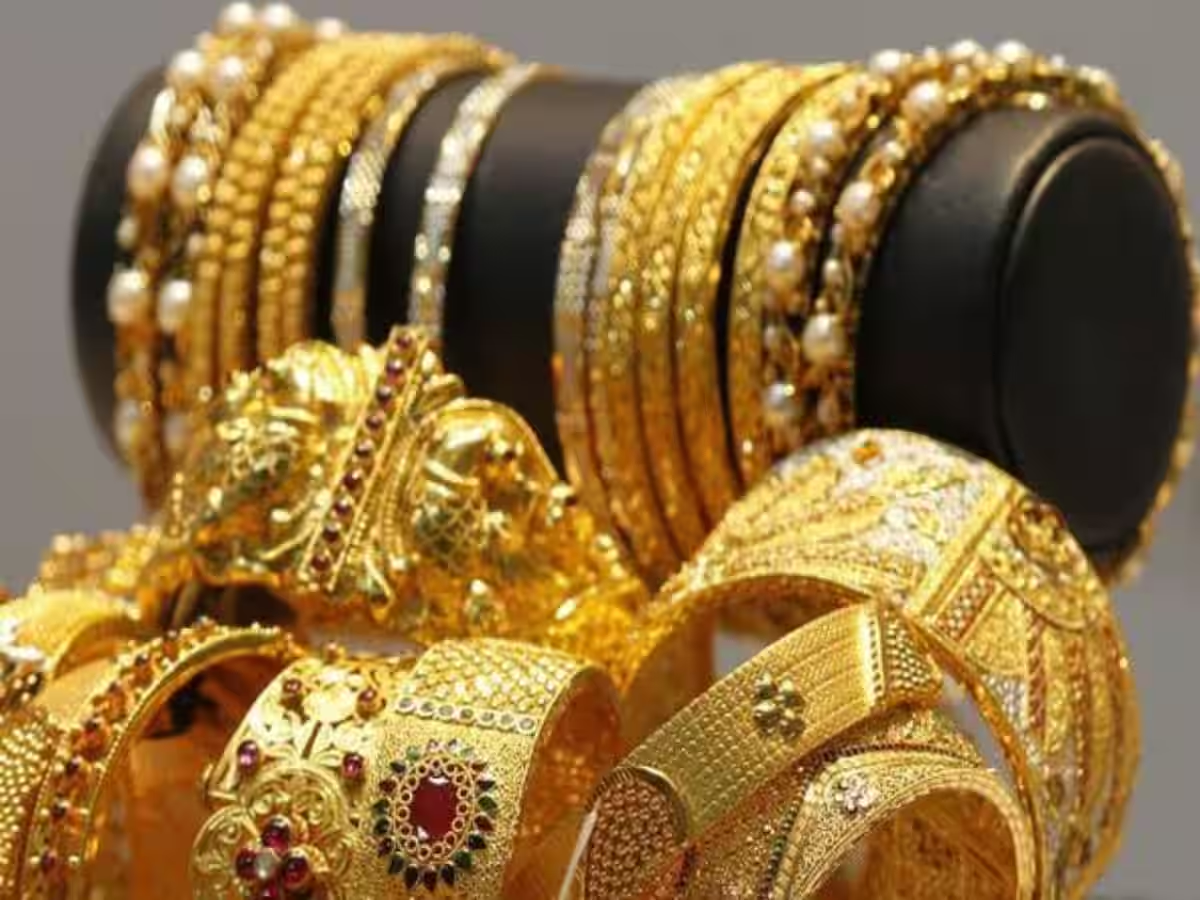
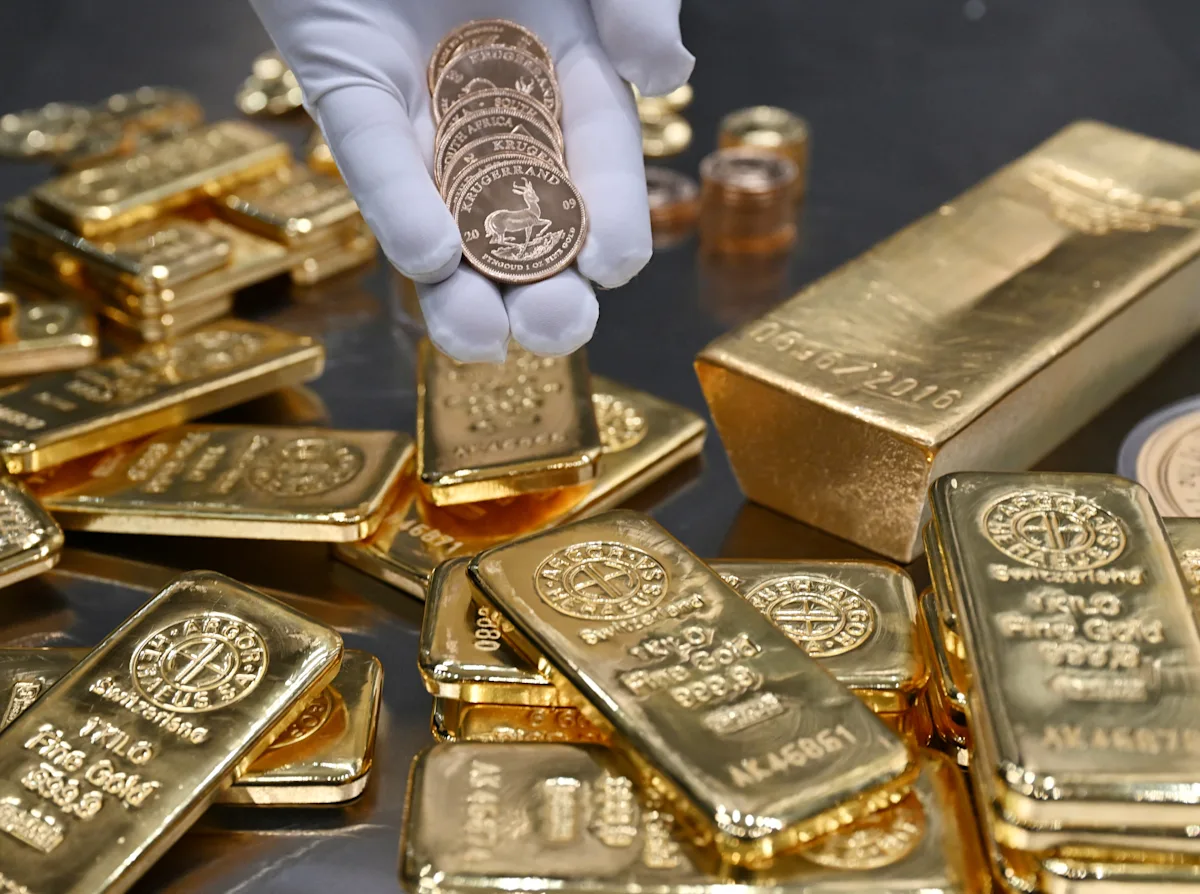
On the other hand, gold is typically alloyed with other metals to increase its strength and comes in different variations, including yellow, white and rose. Unlike platinum, white gold typically requires periodic rhodium replating to maintain its bright white finish. (Having this done every 12 months at your local jewelry store is recommended, although it depends on how often you wear the piece.) It also has a lighter feel, and because it’s less dense than platinum, it can be a more affordable option.
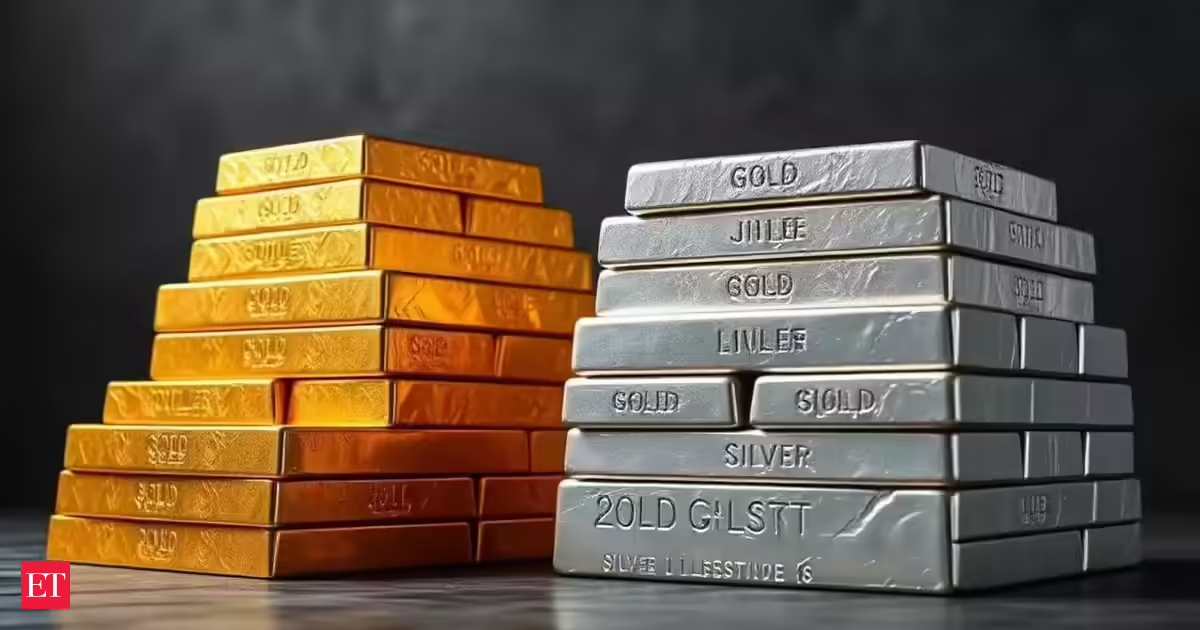
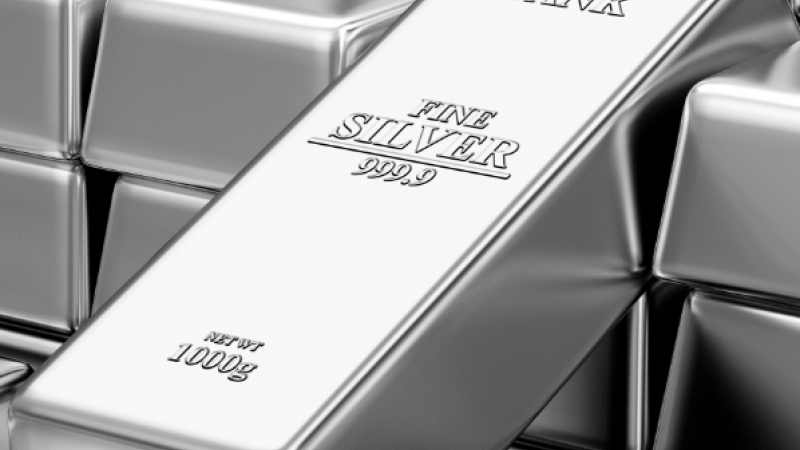
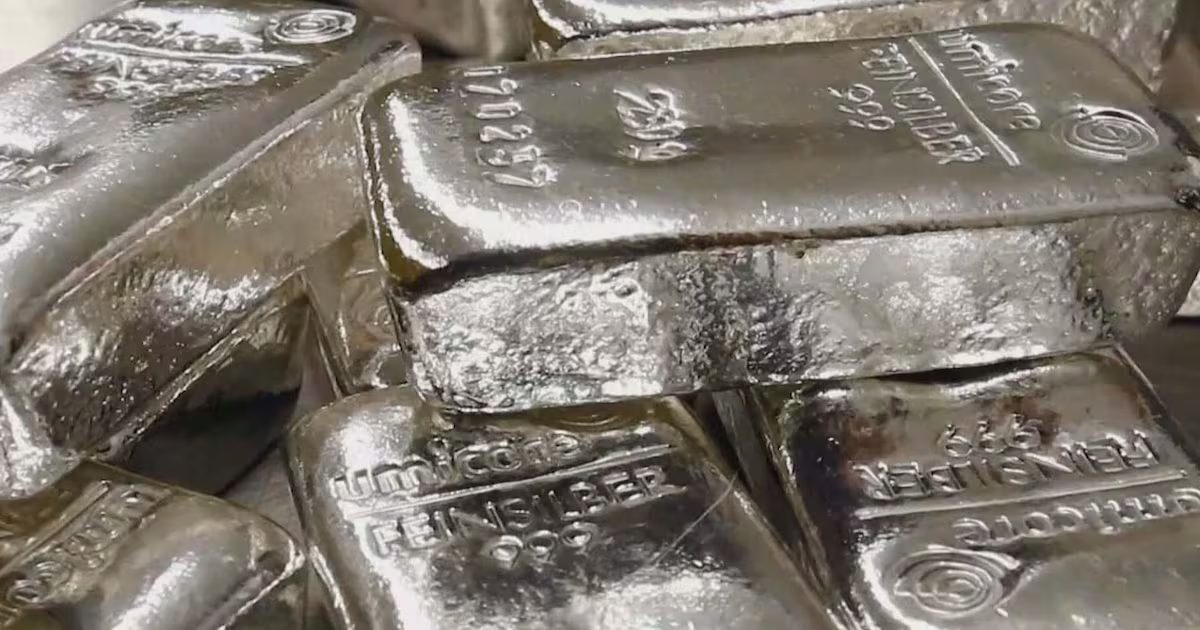
White Gold Vs. Silver
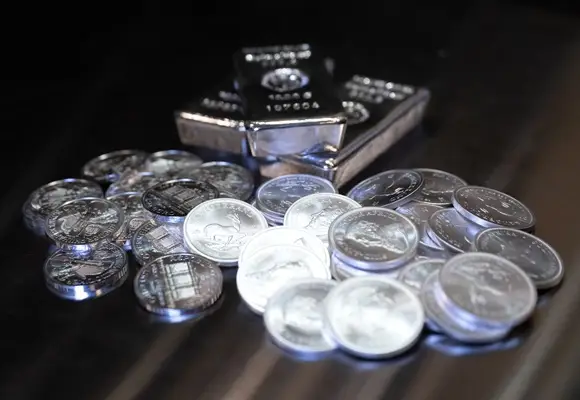
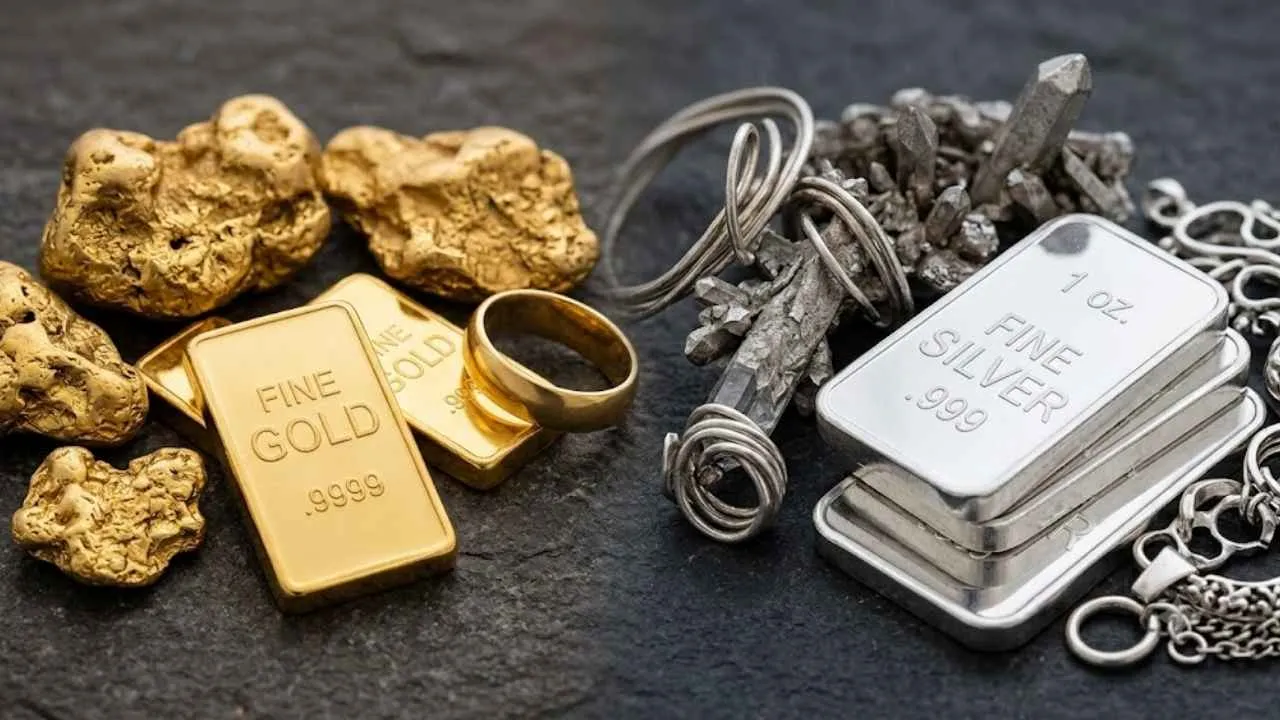
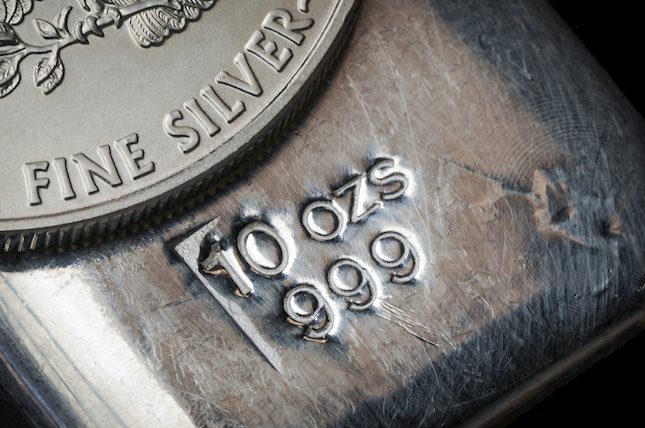
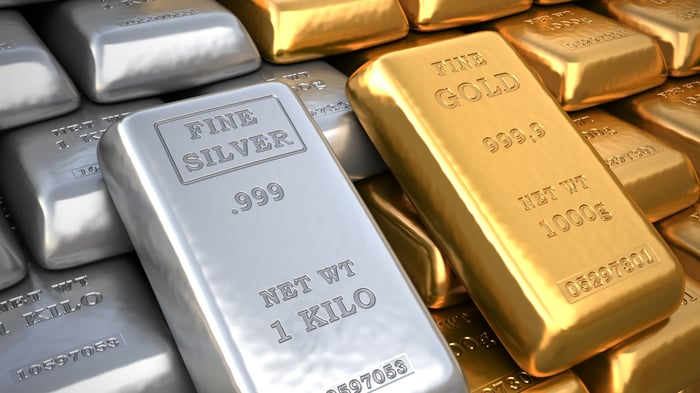
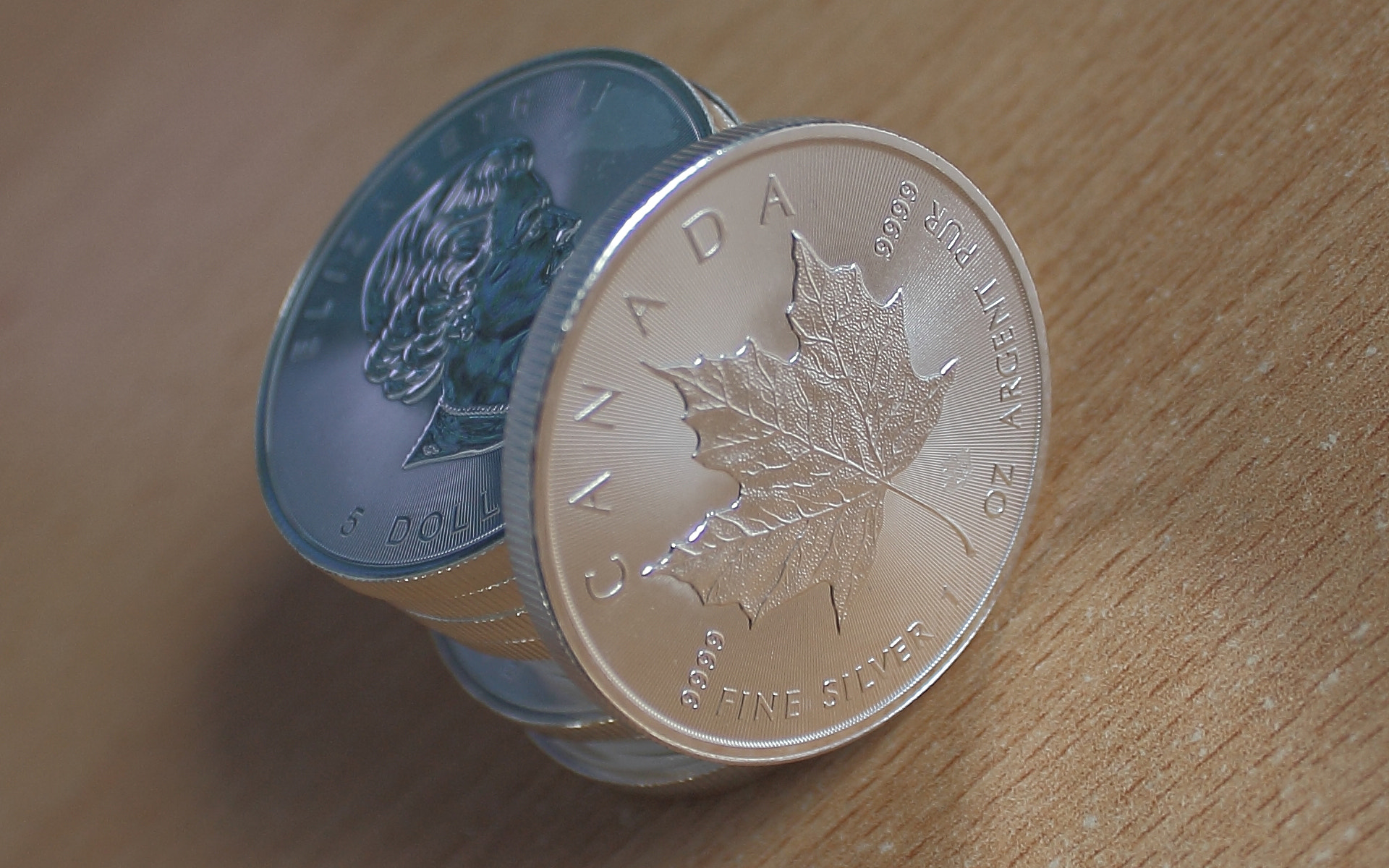
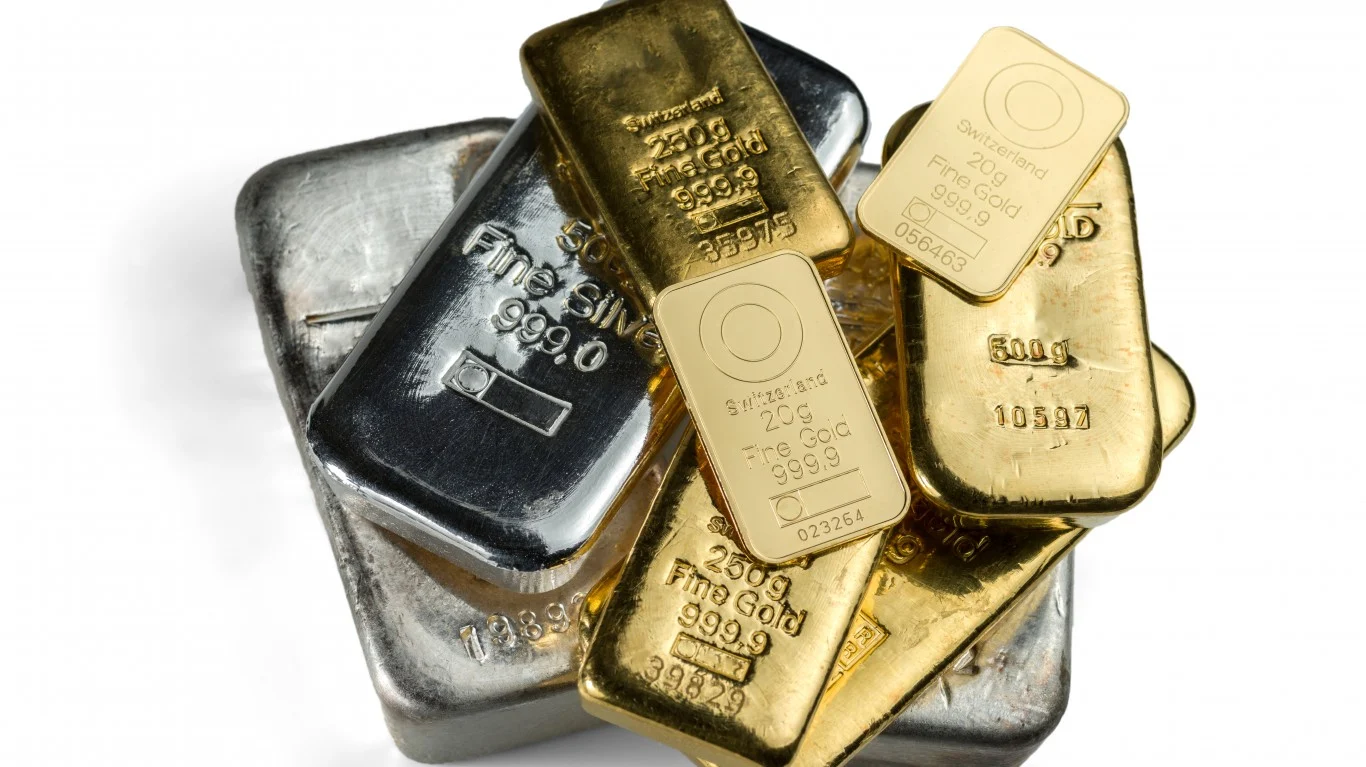
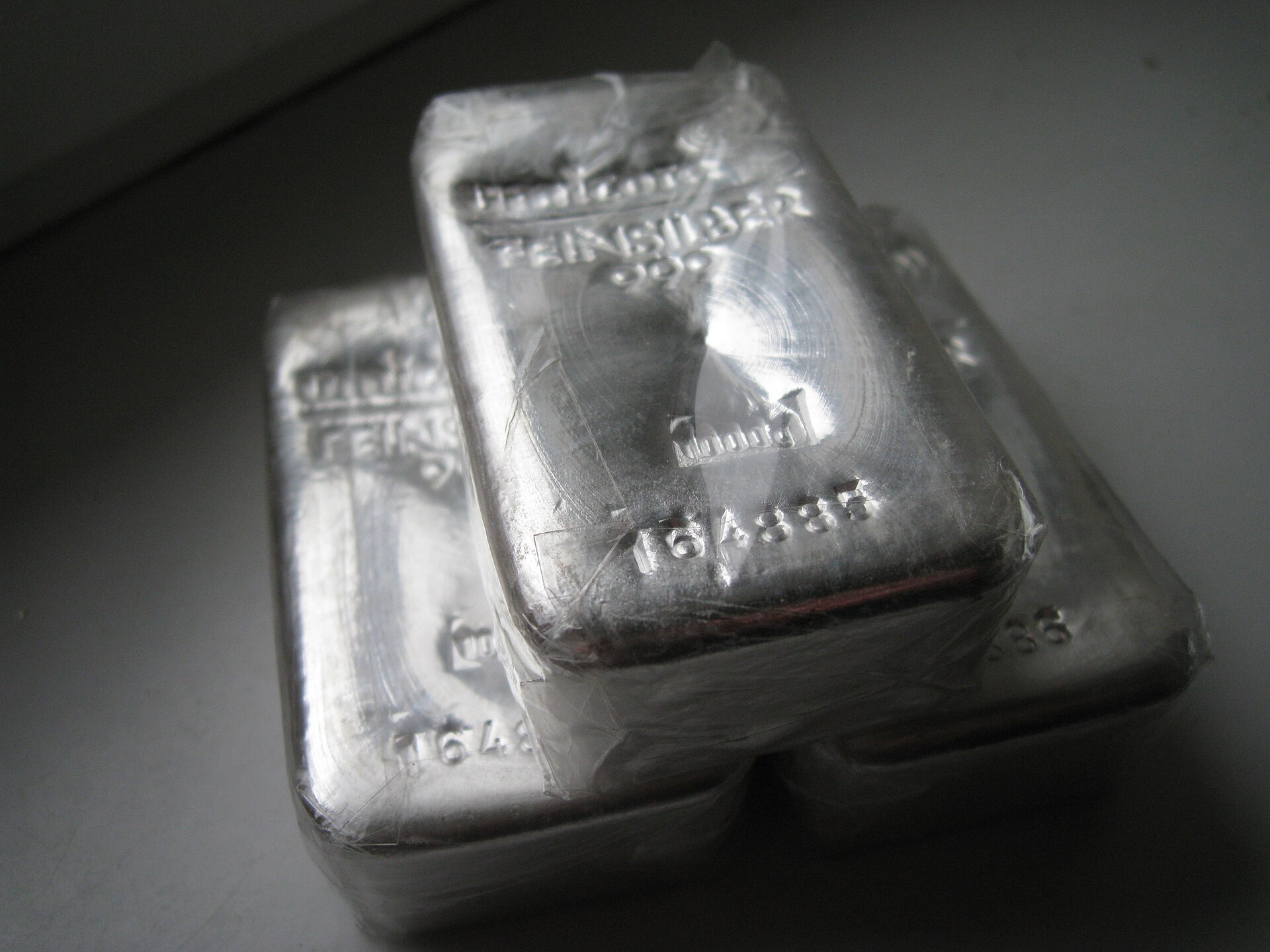
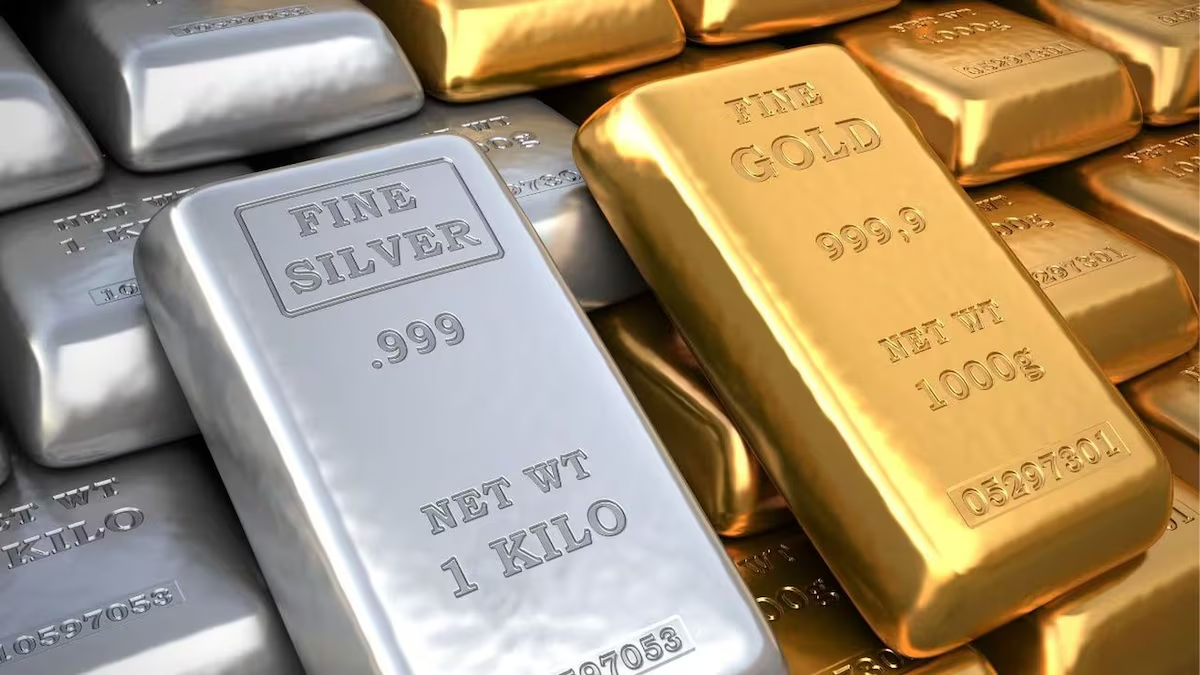
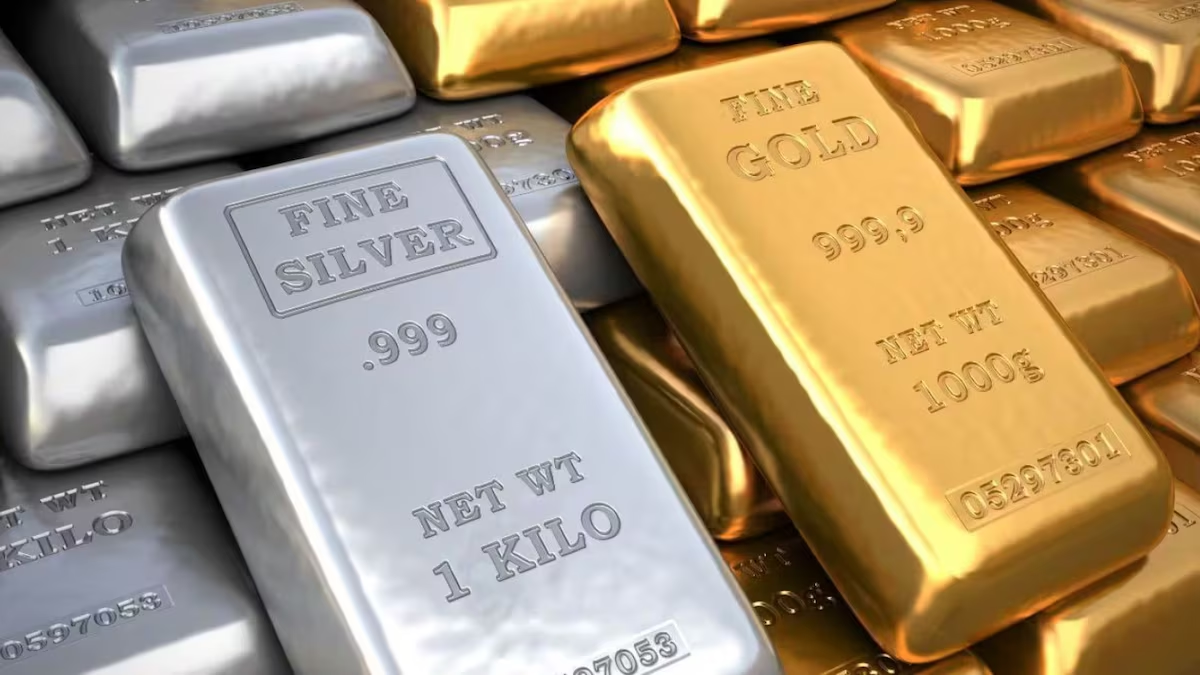
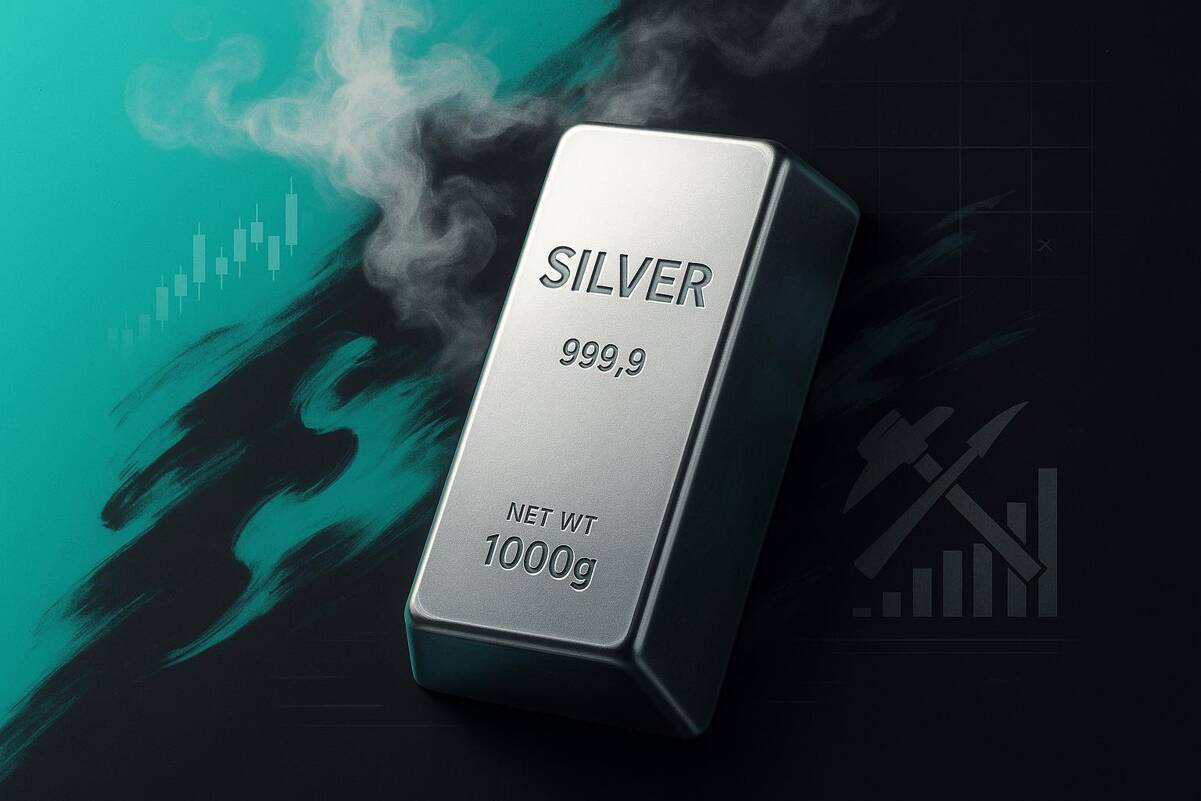
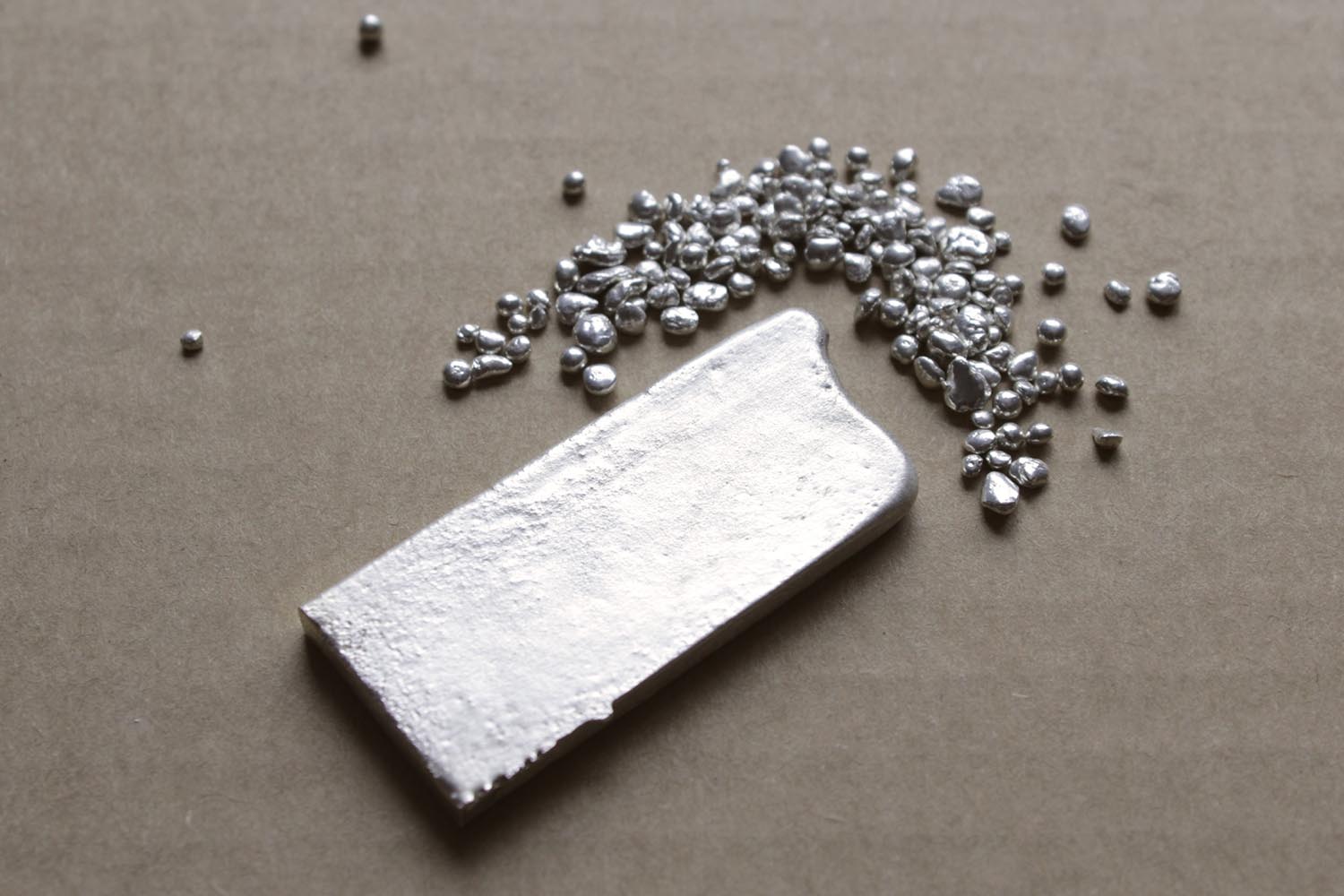
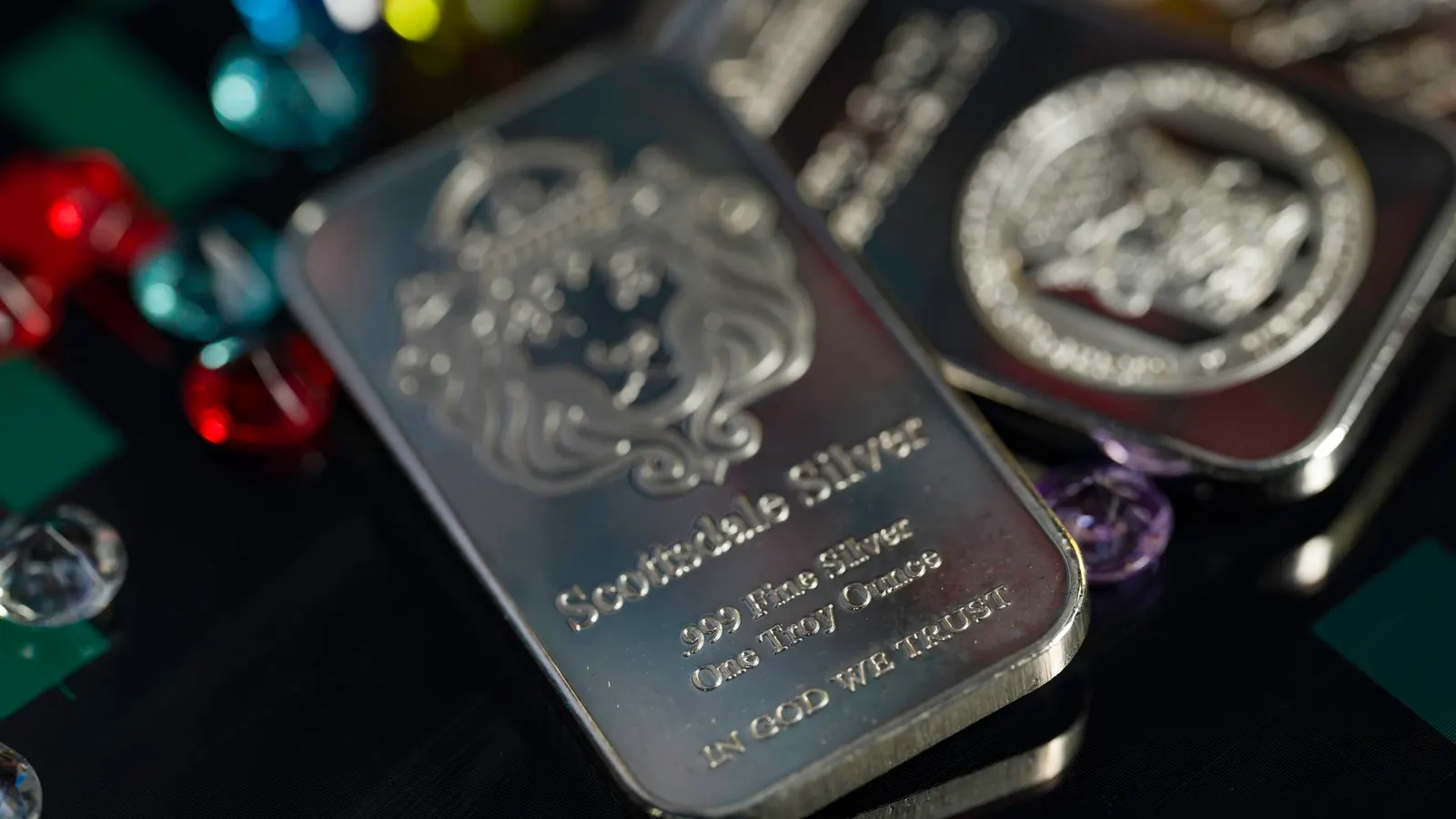
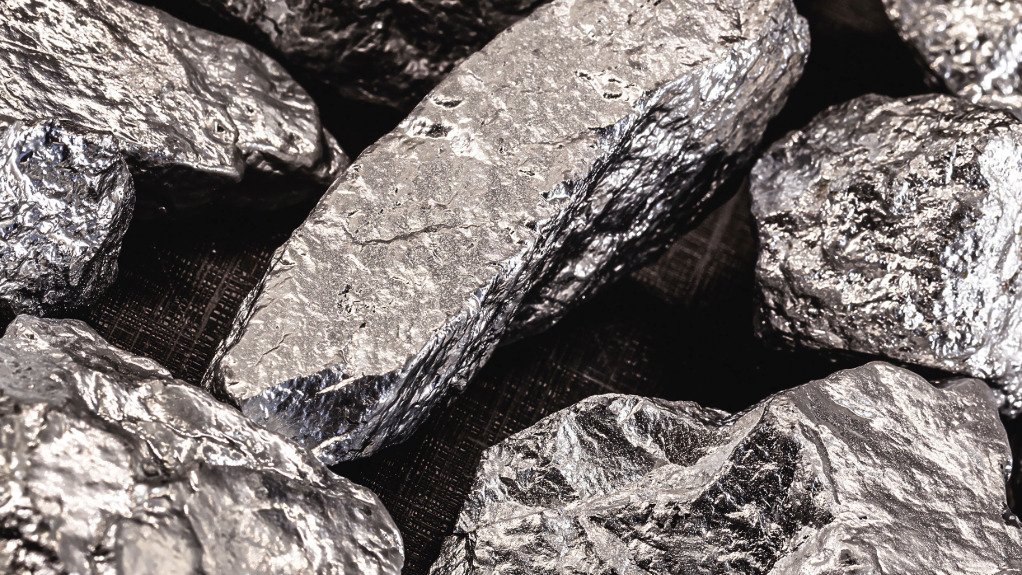
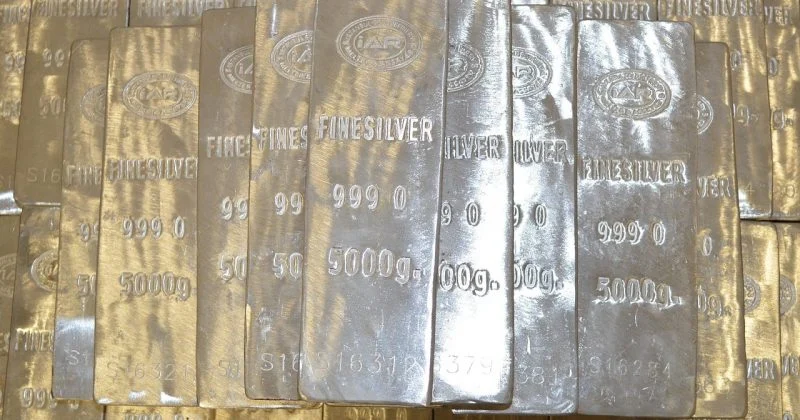
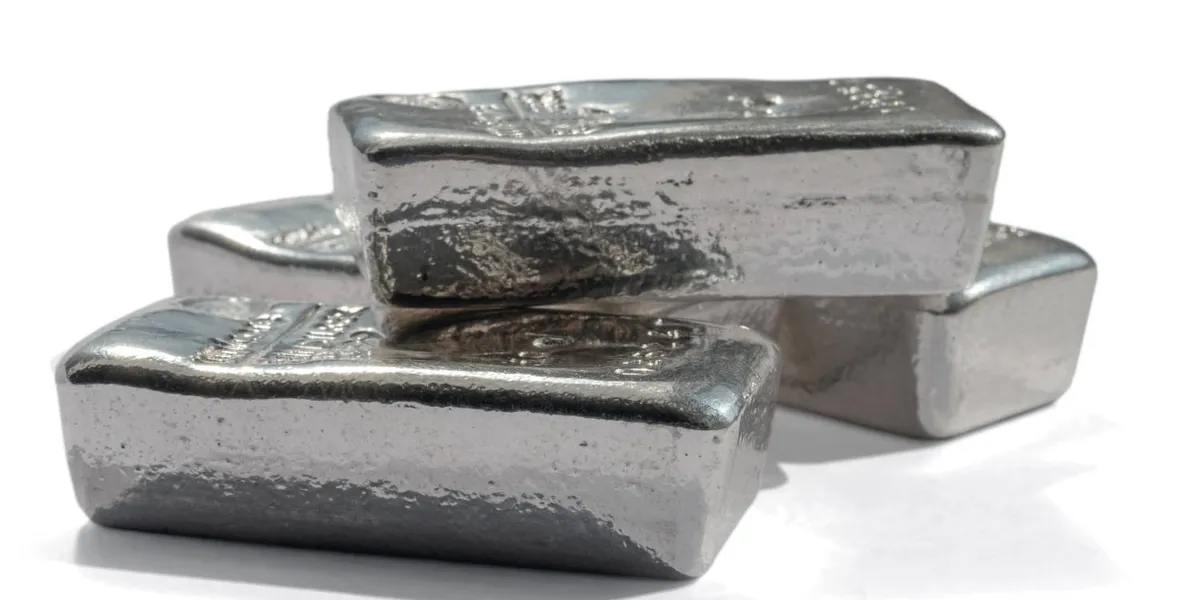
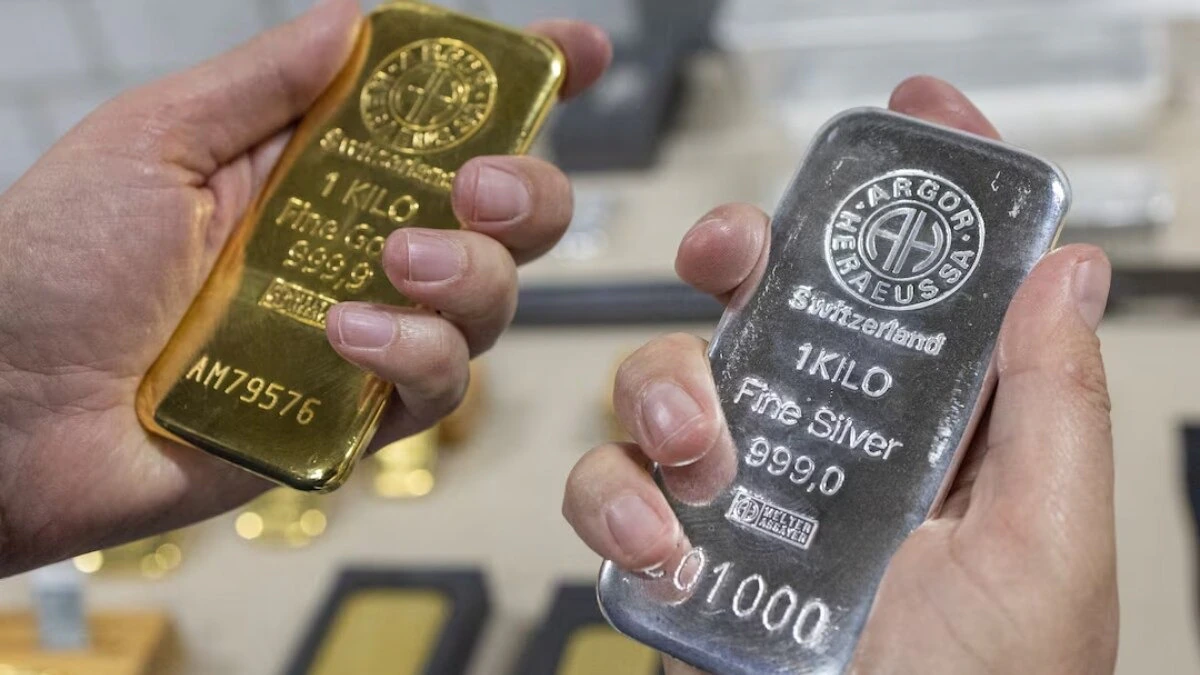
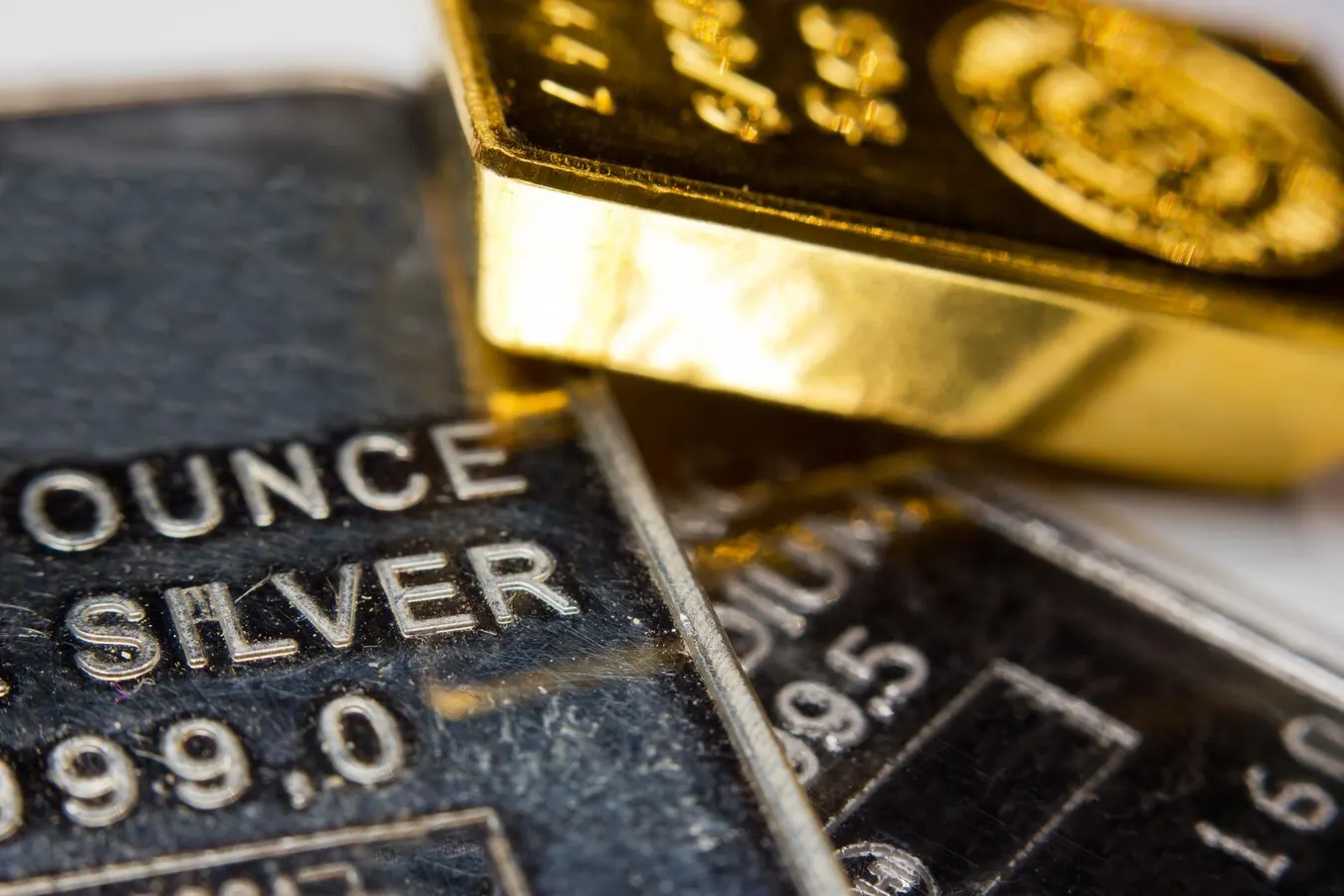
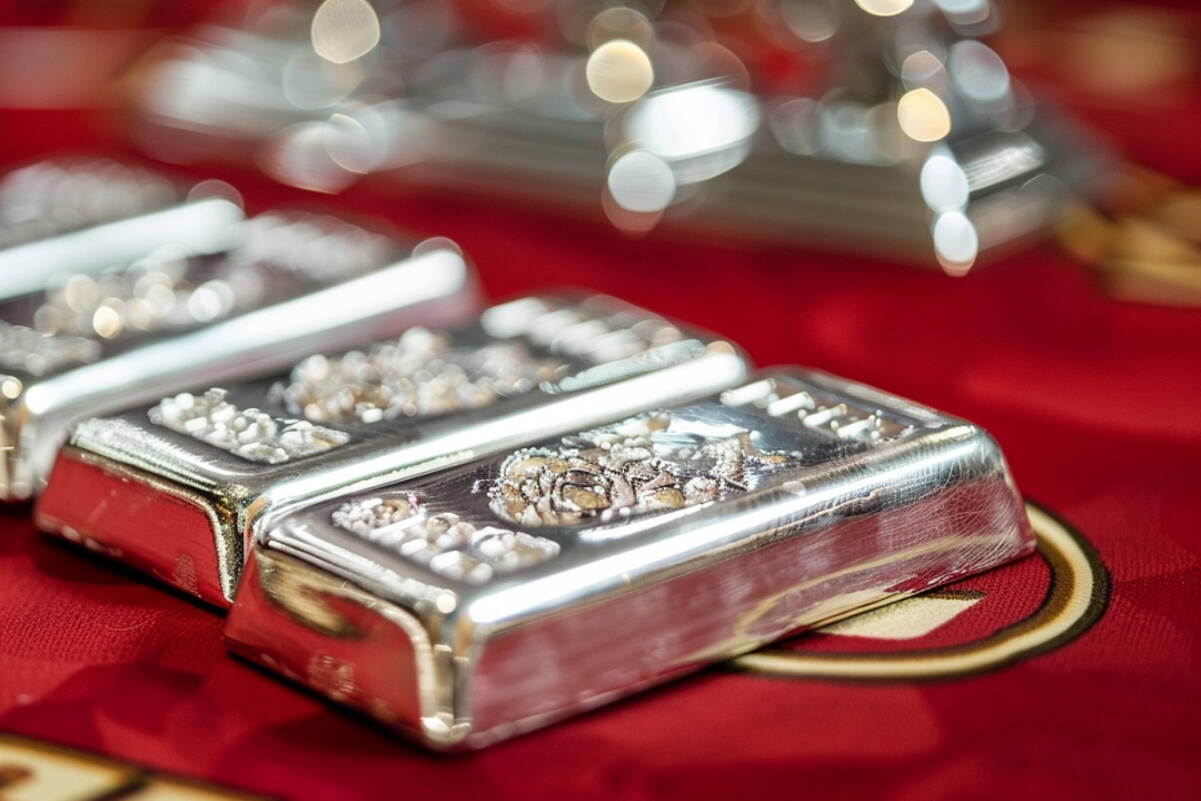
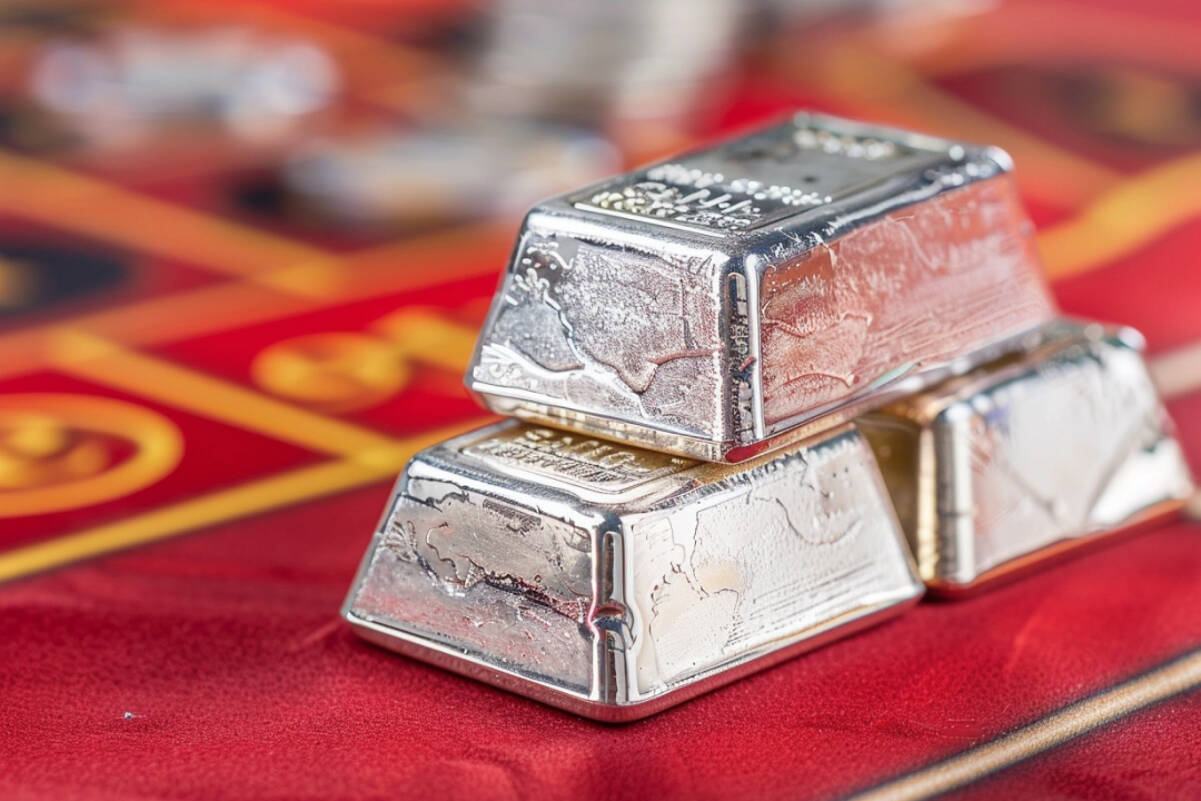
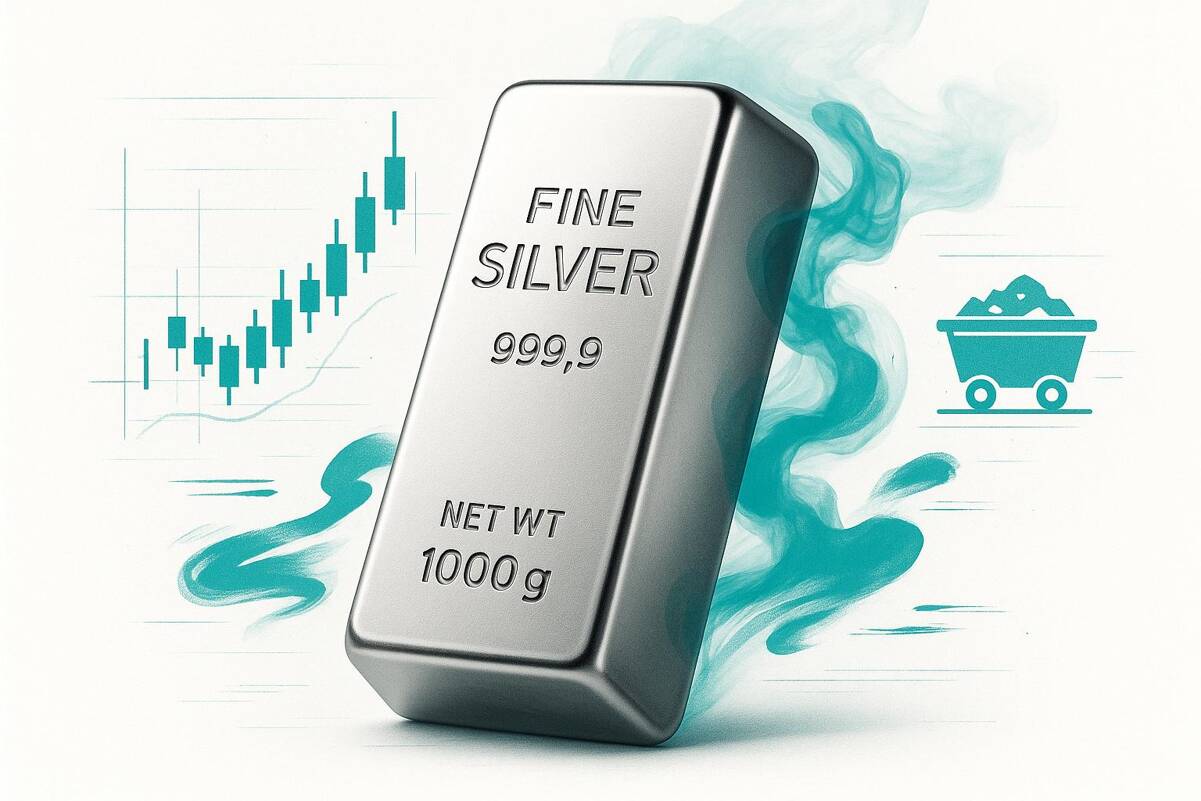
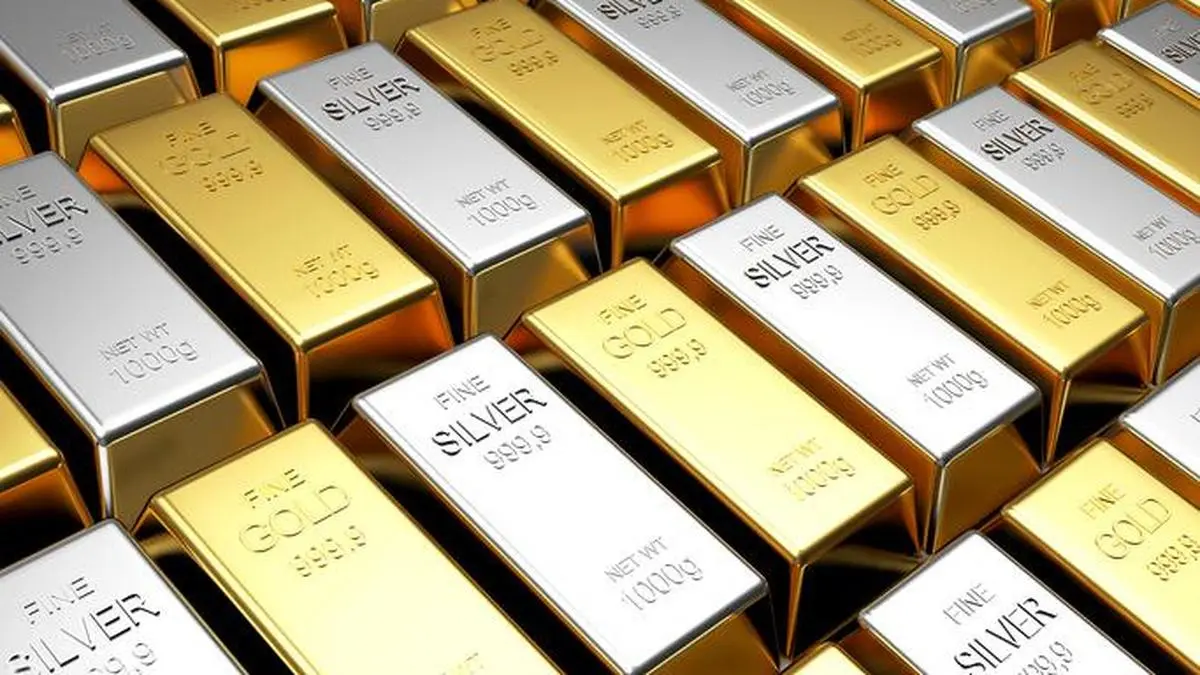
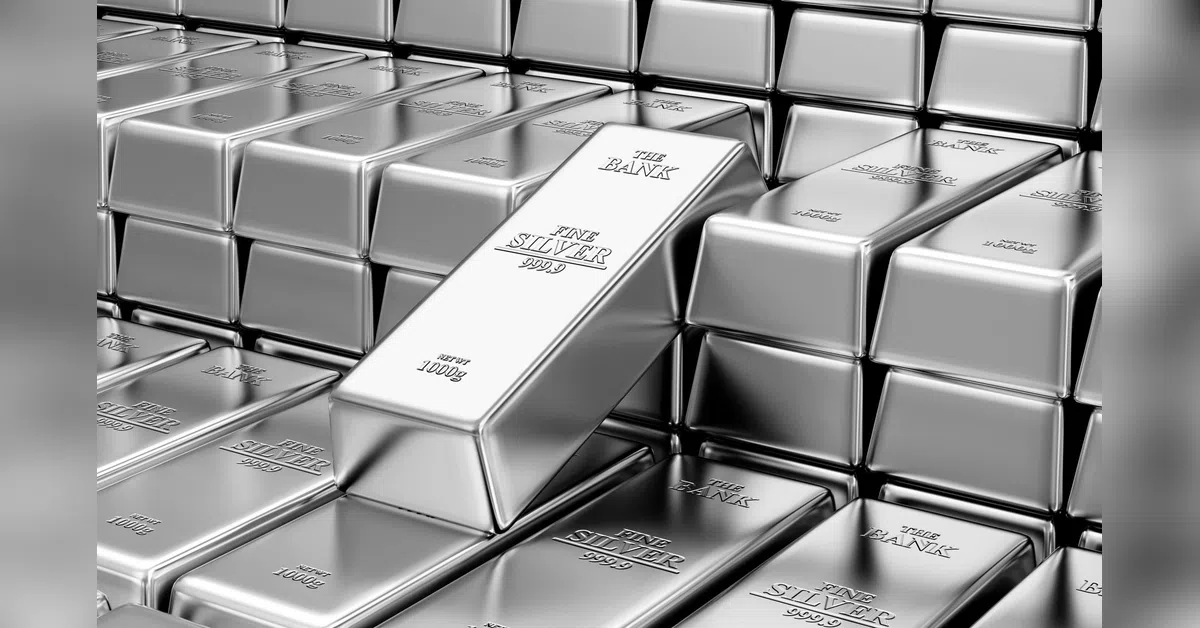
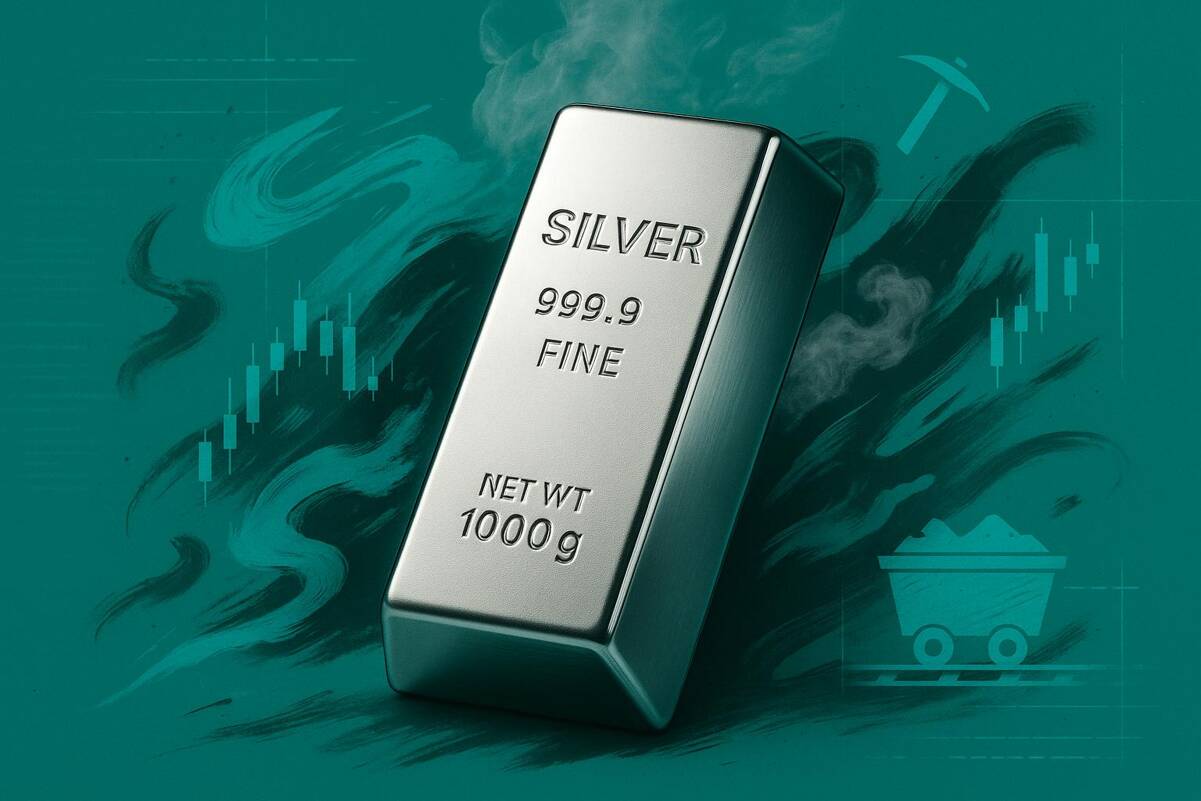
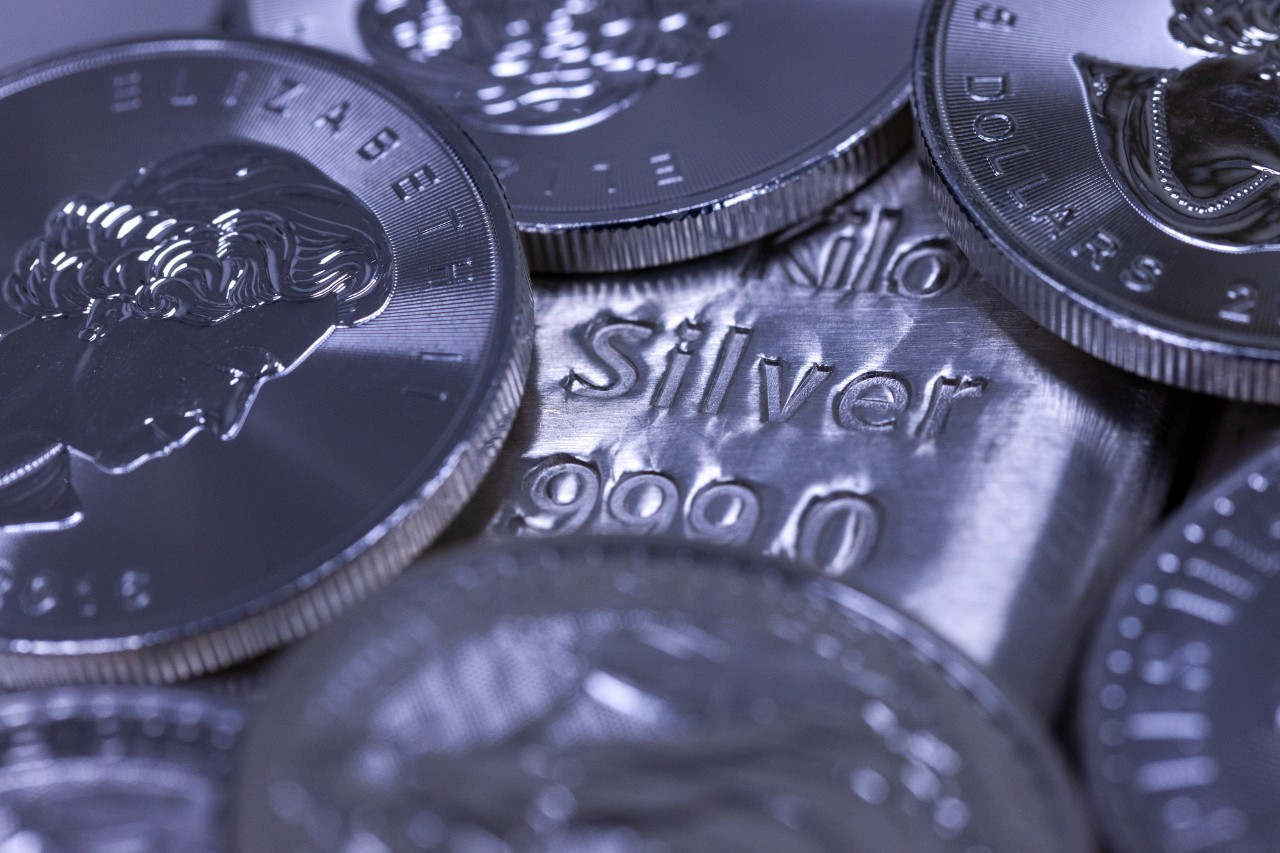
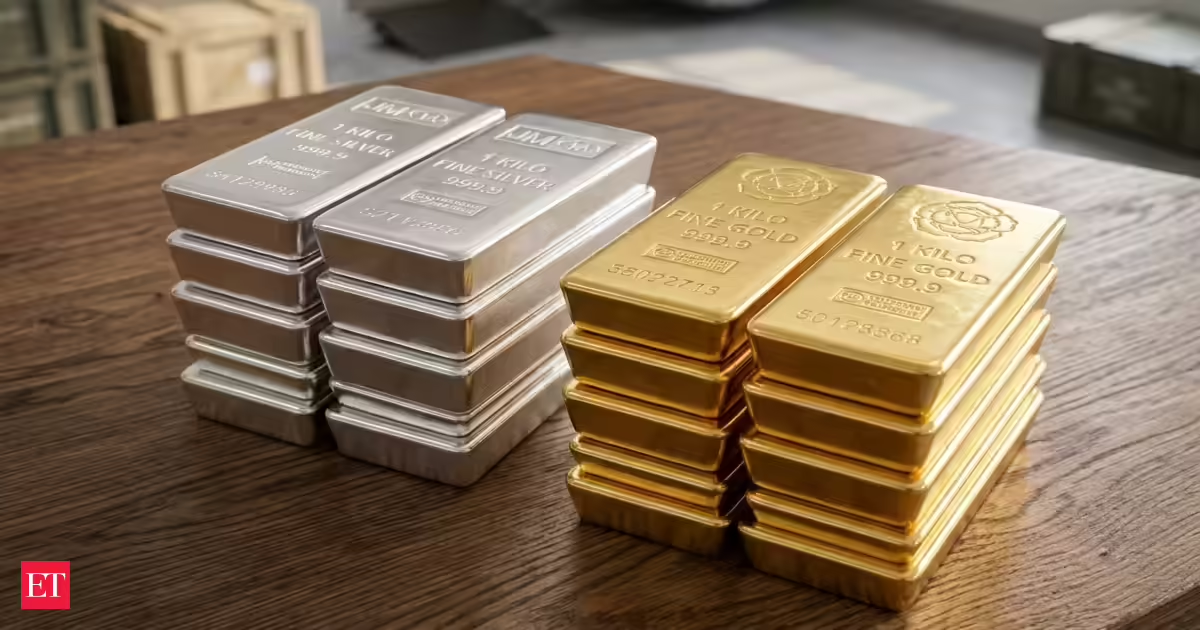
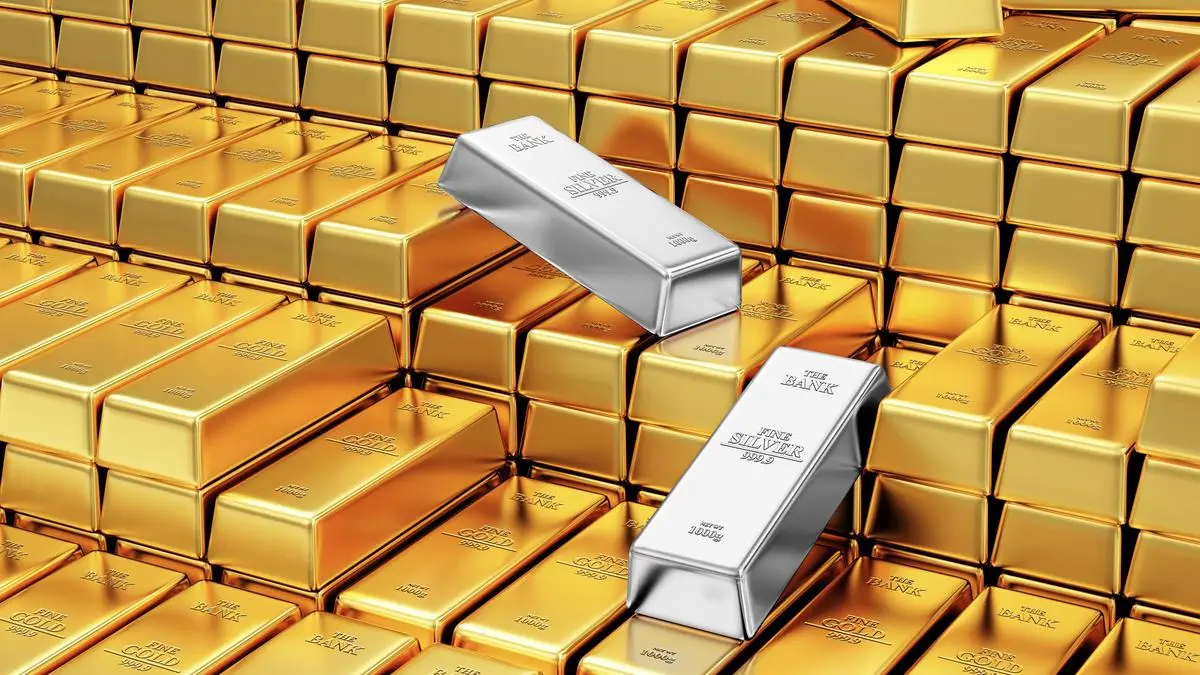
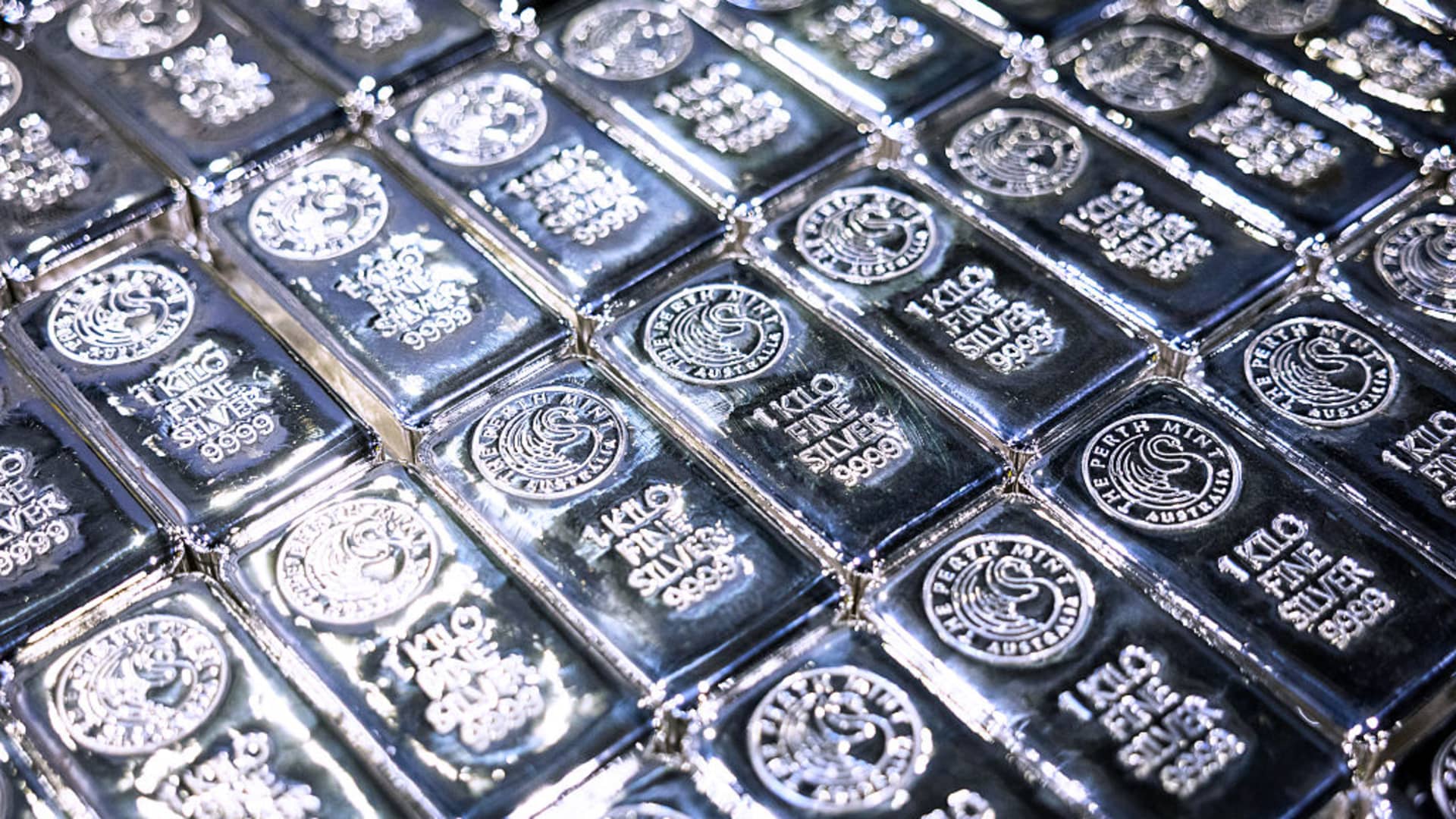
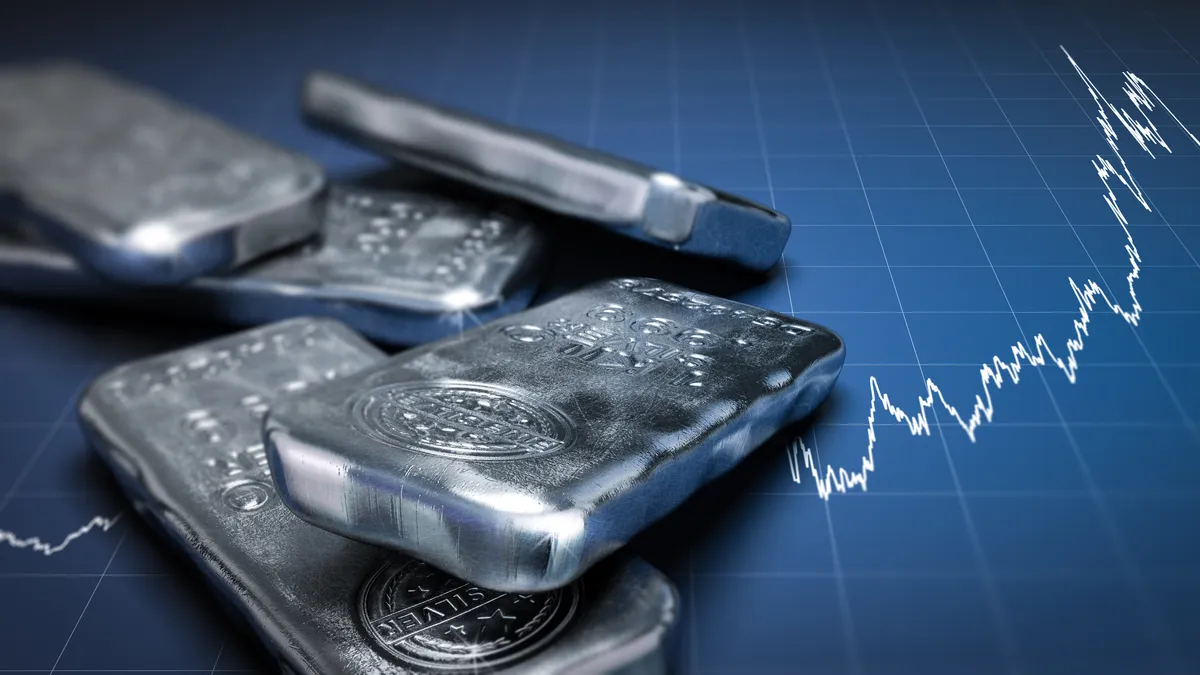
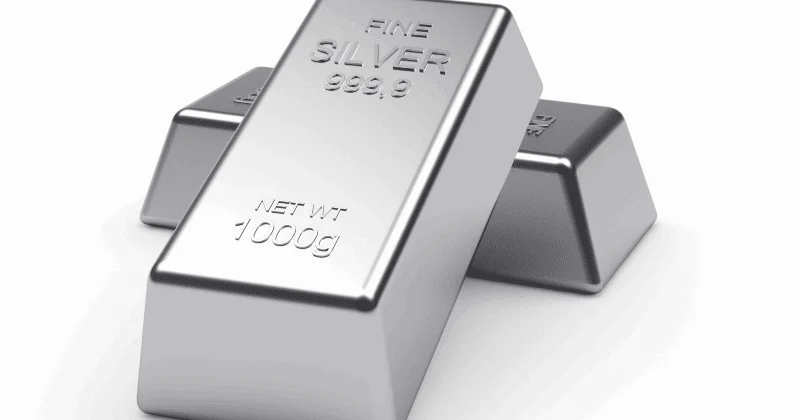
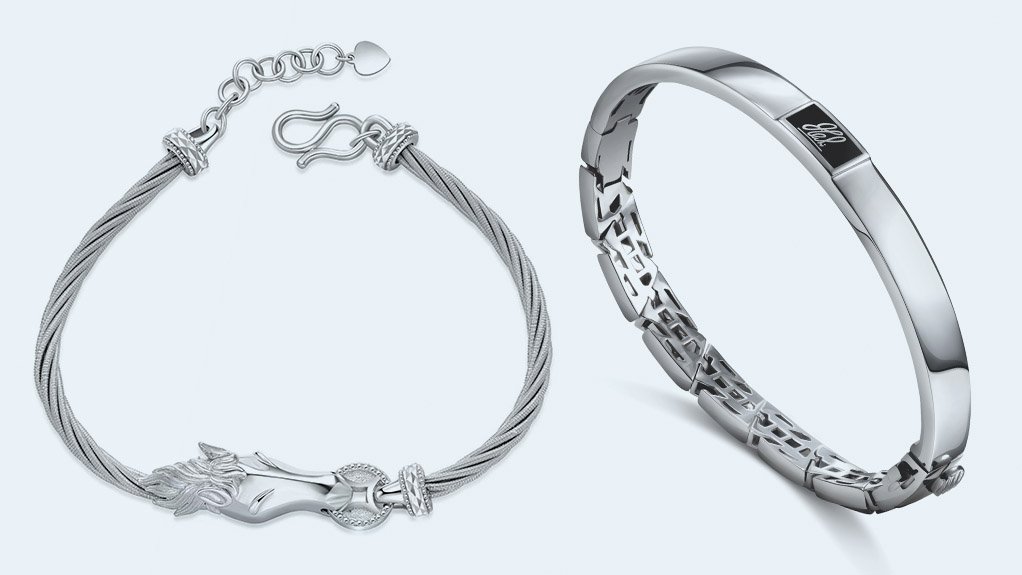
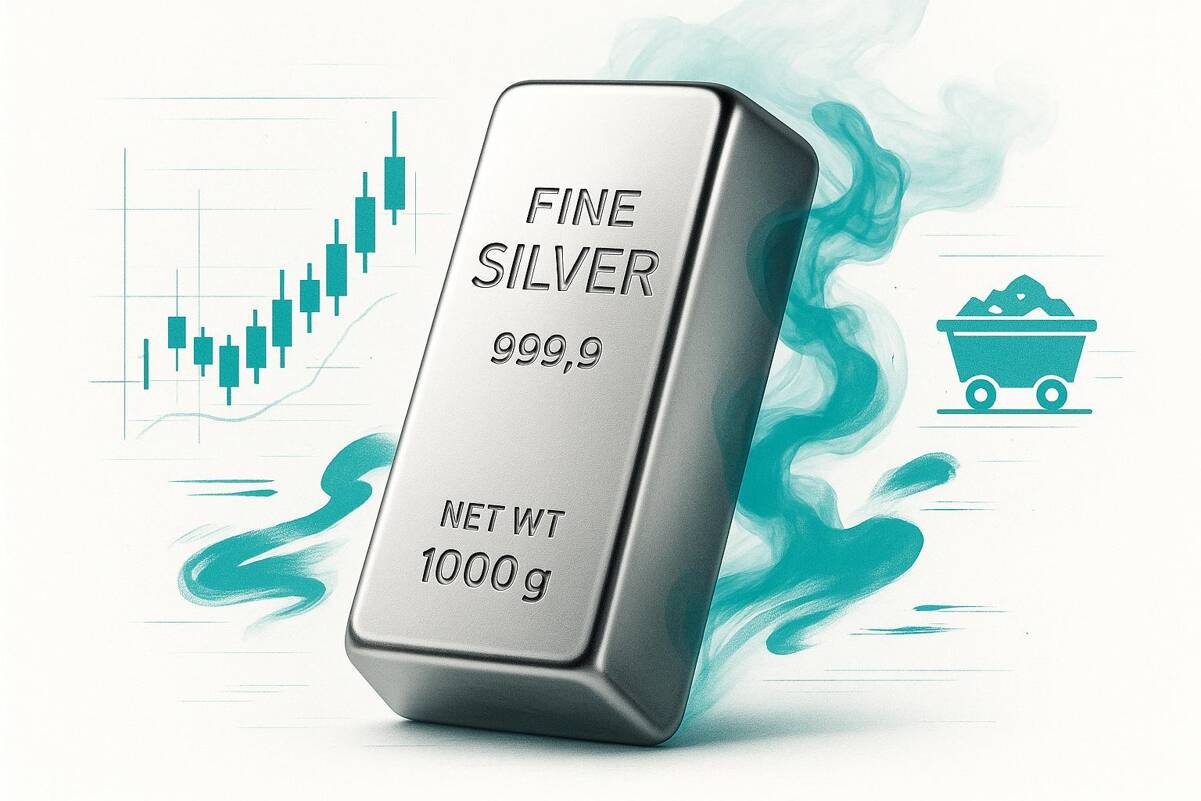
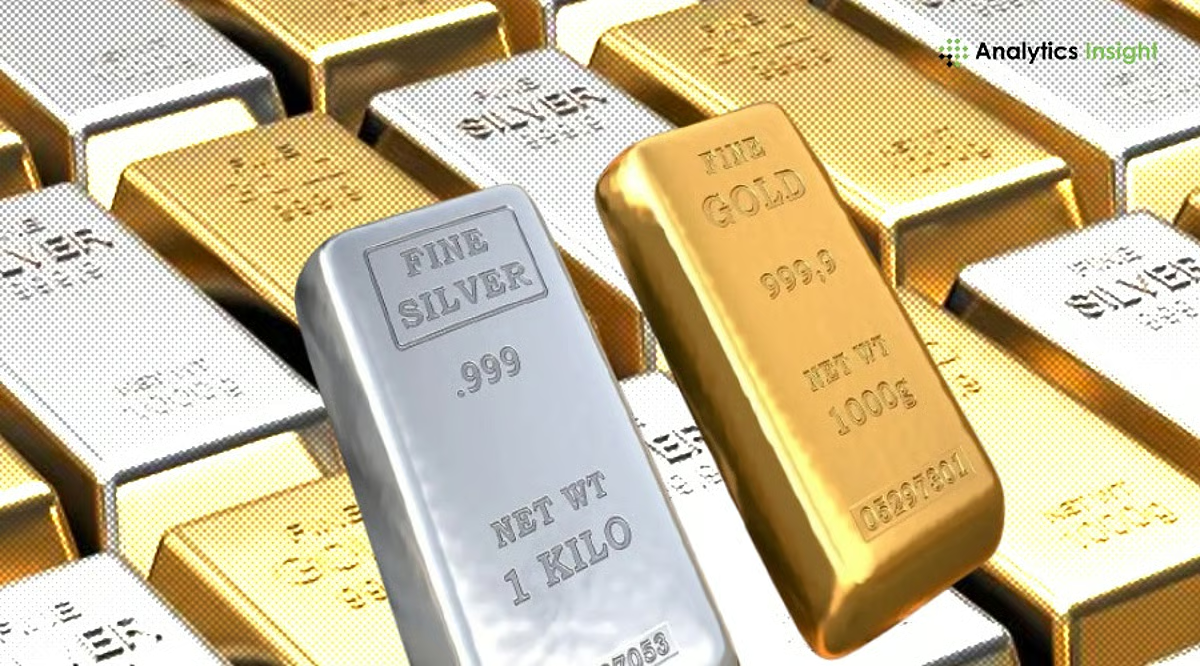
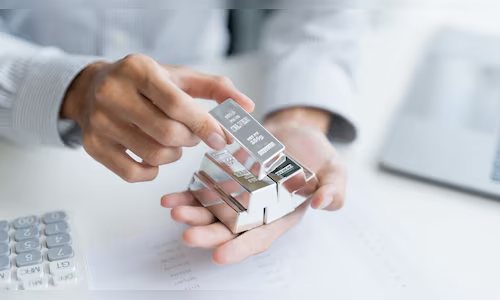
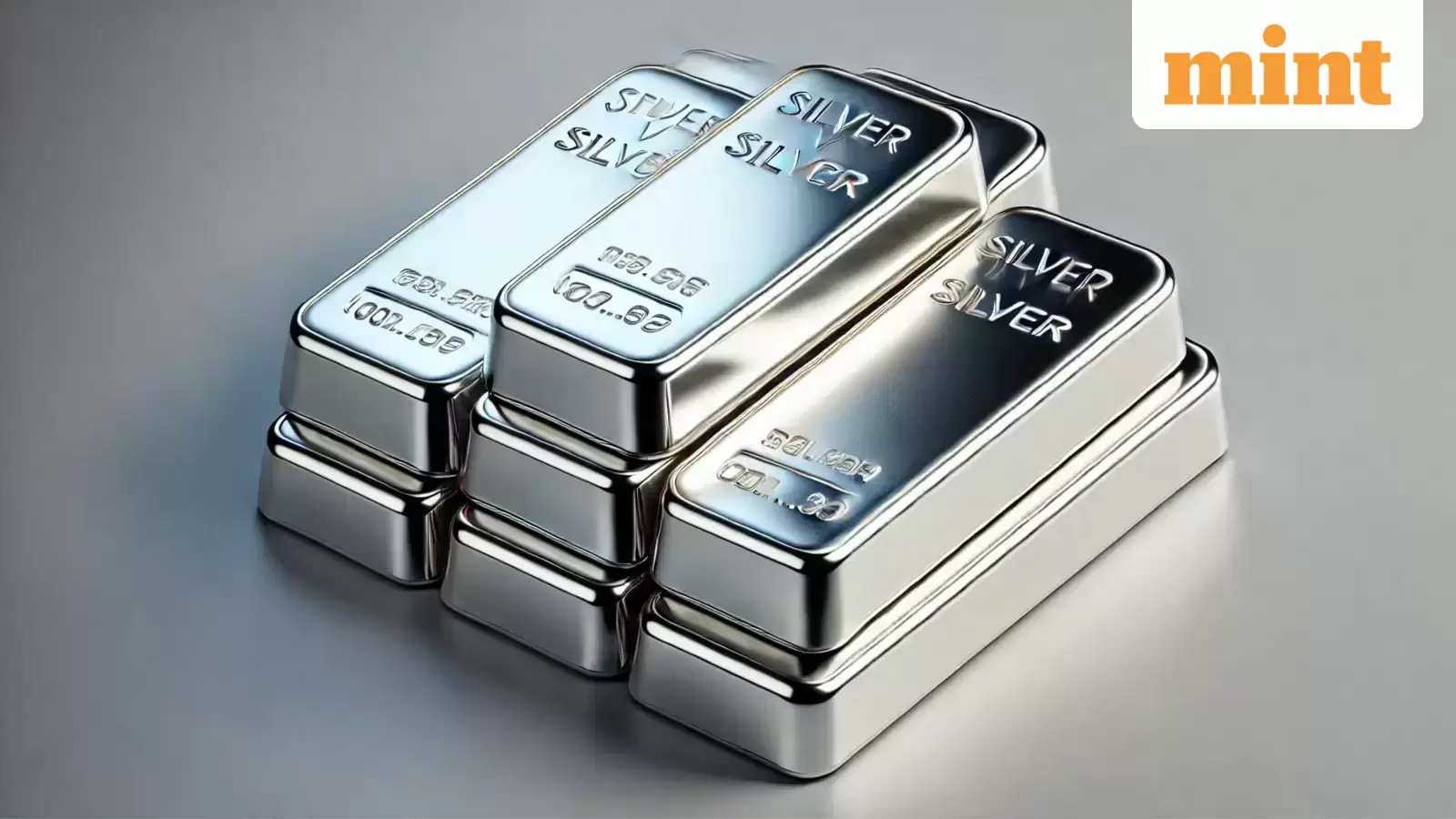
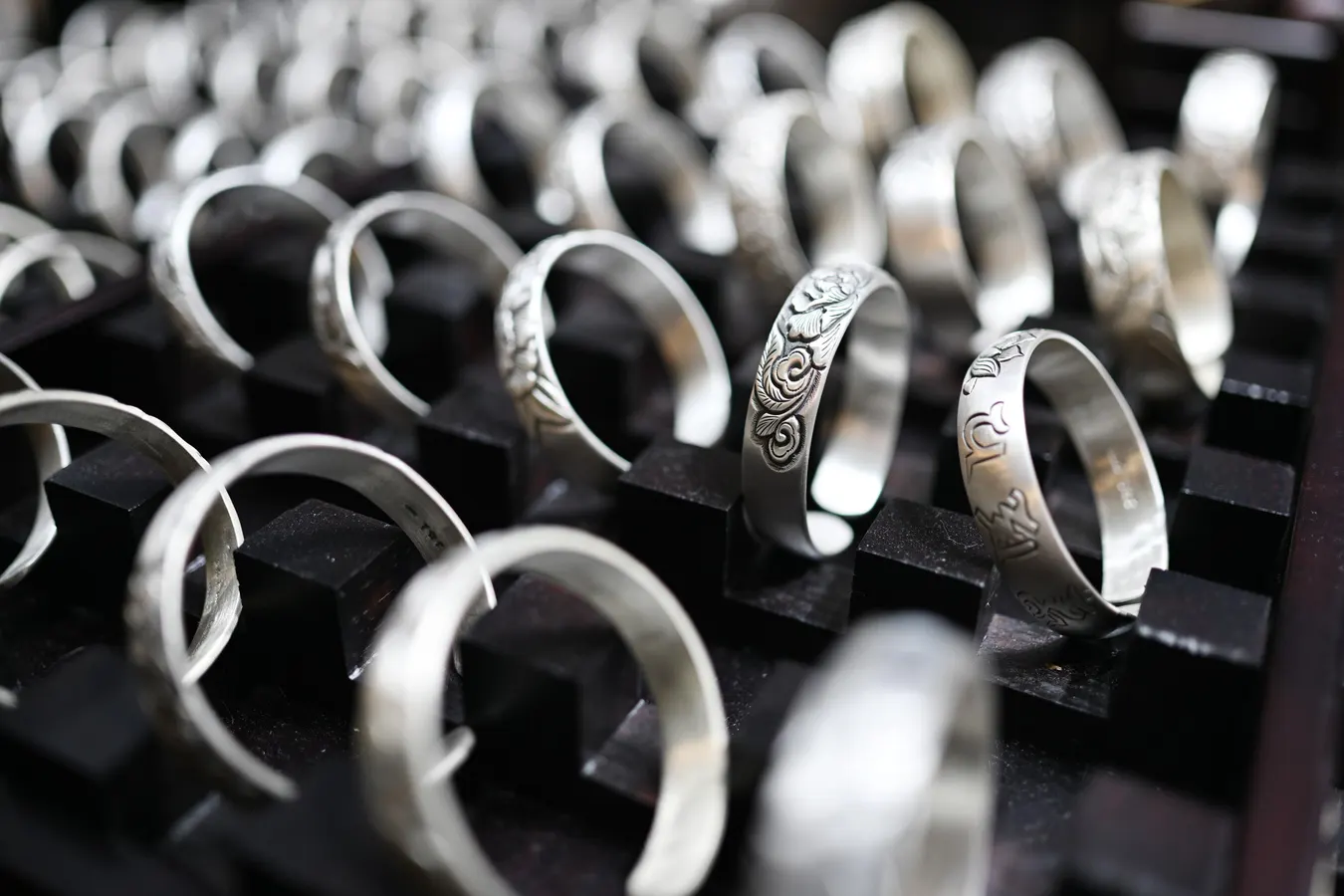
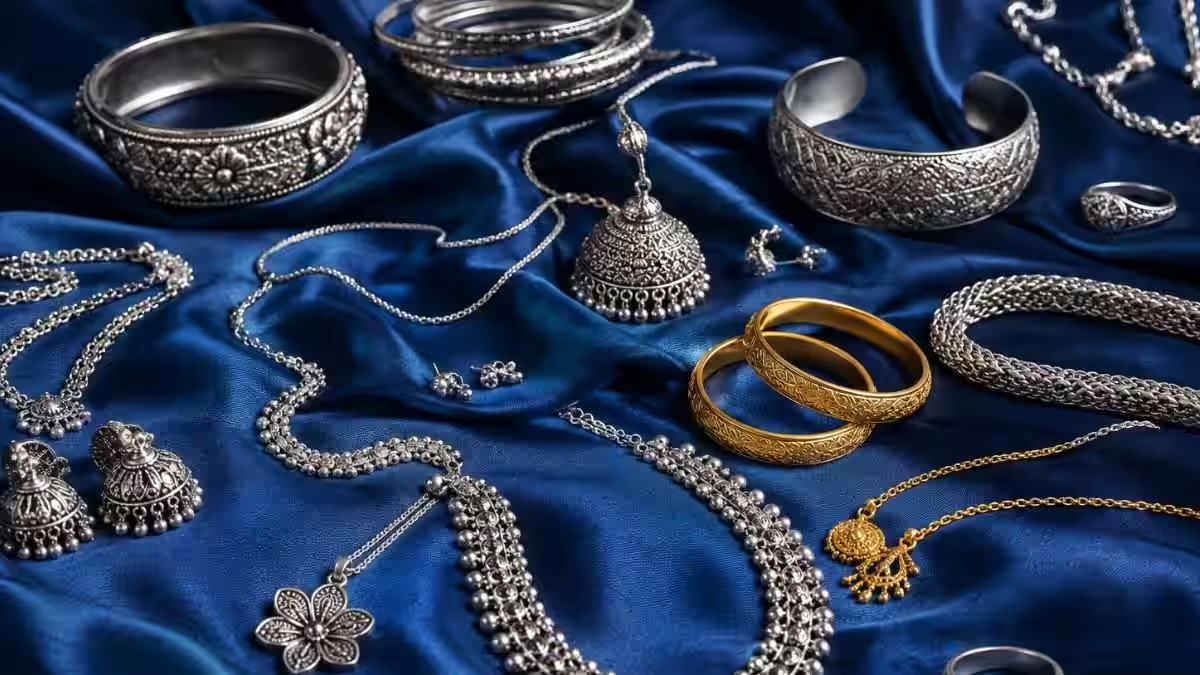
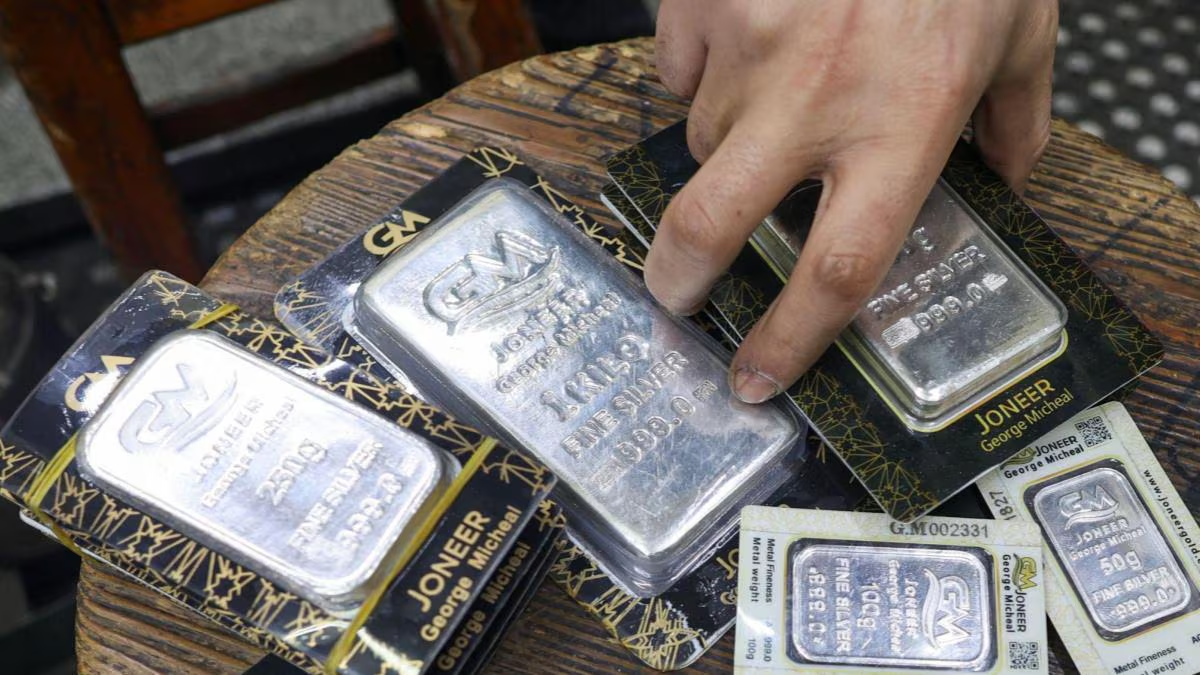
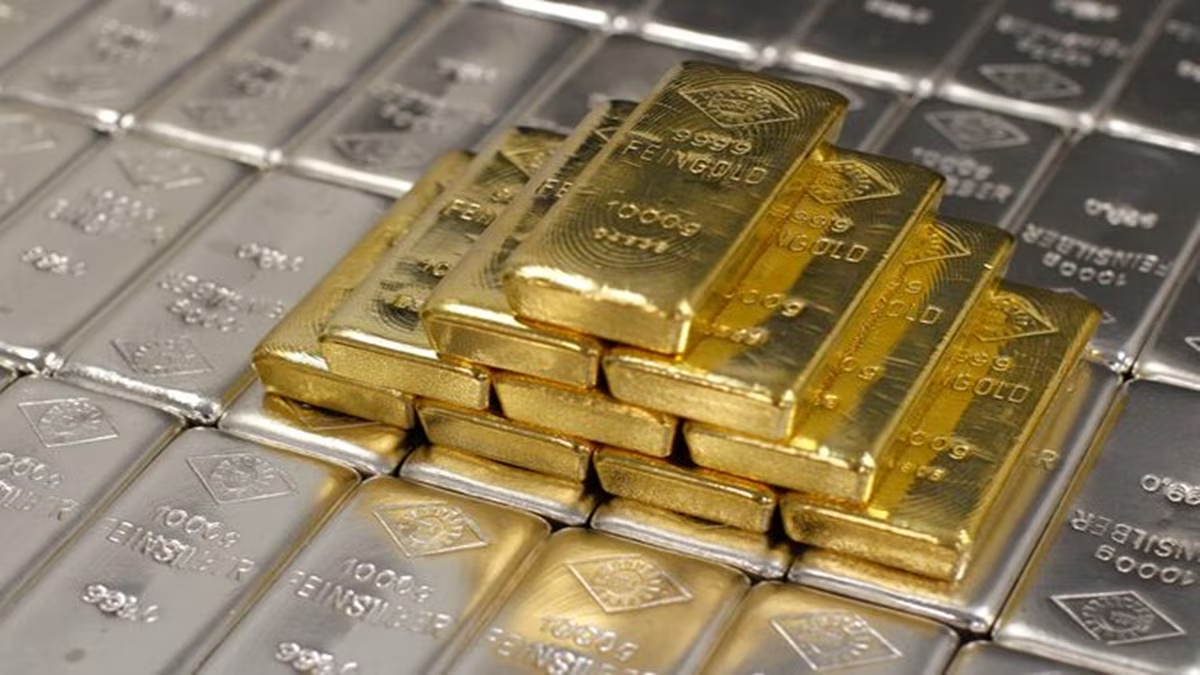
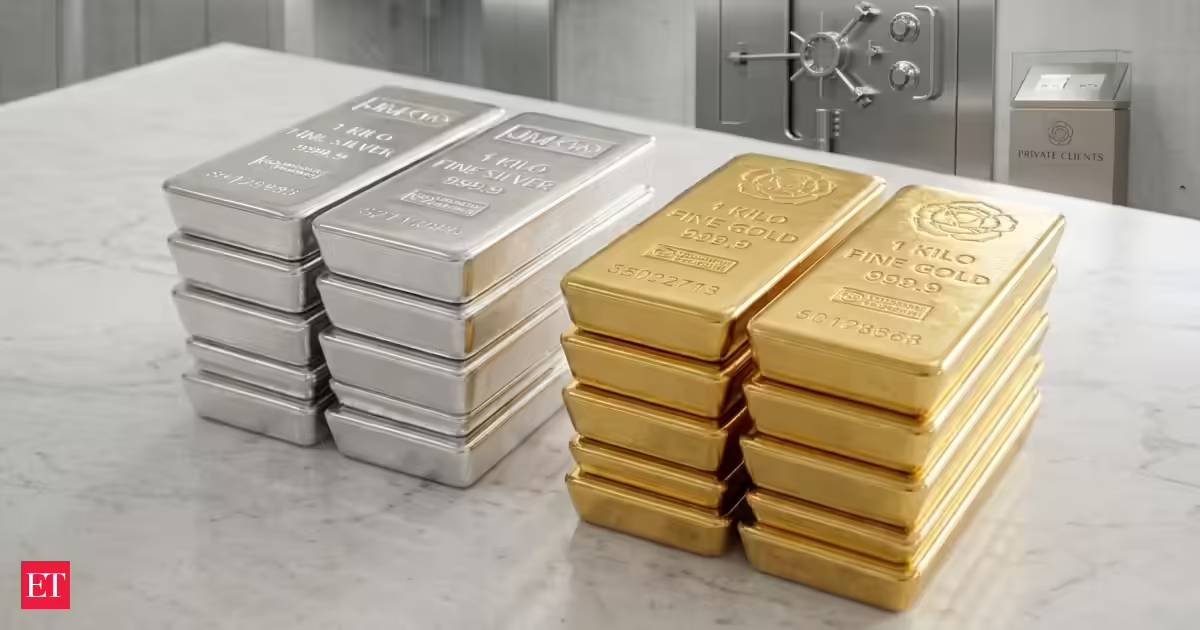
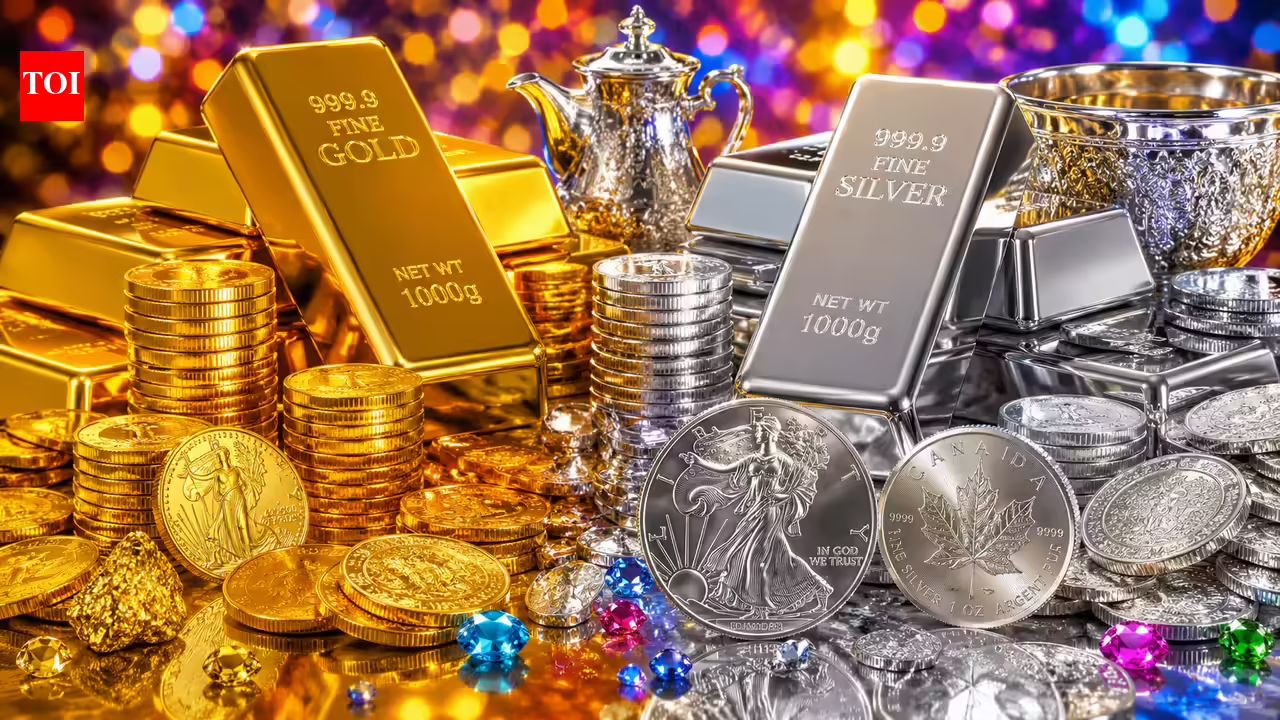
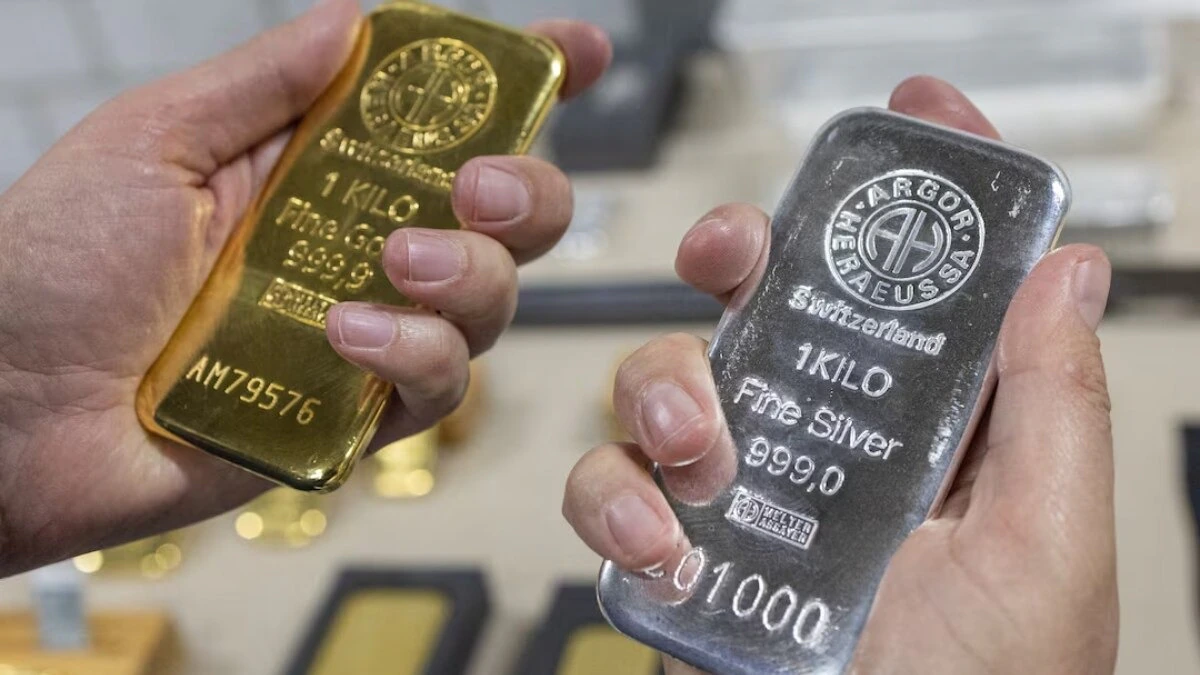
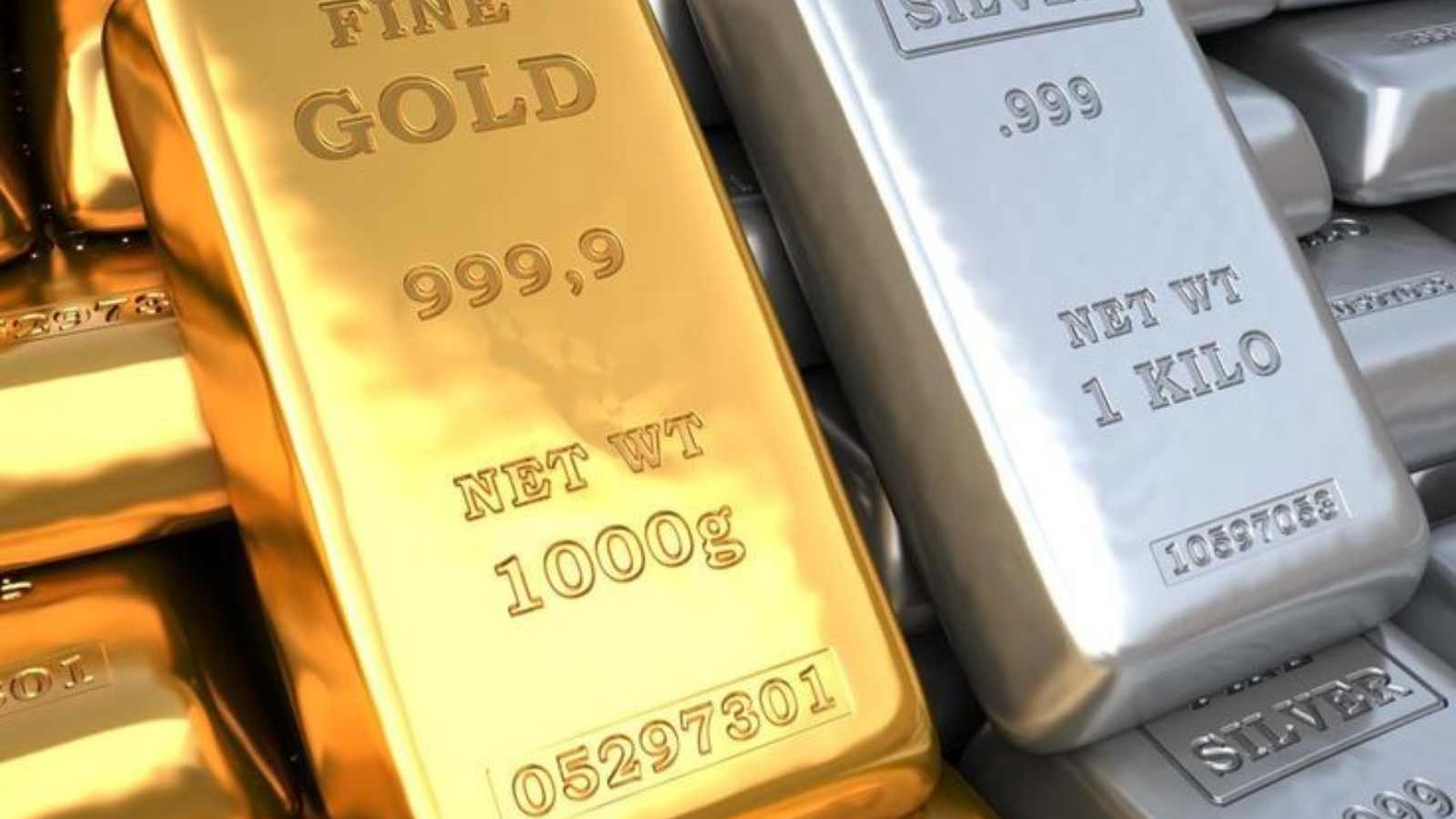
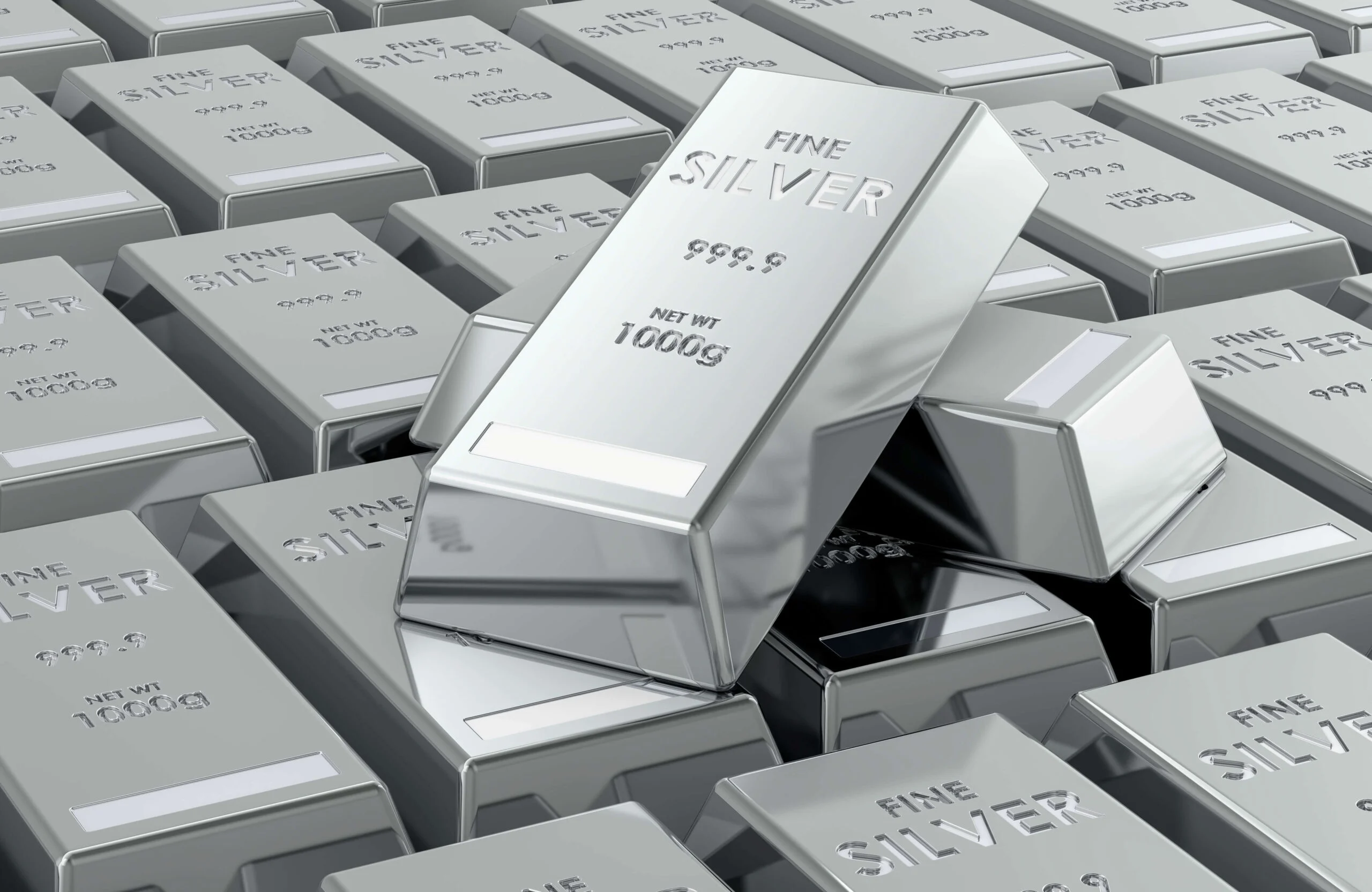
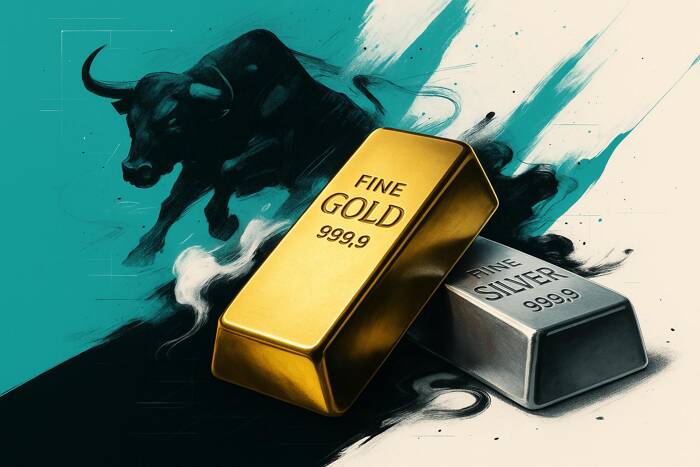
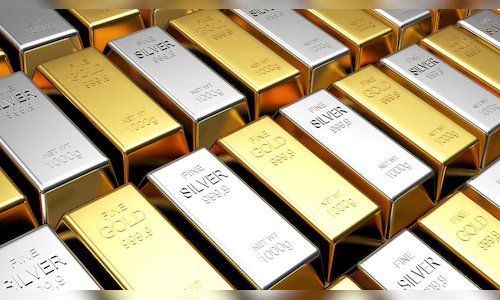
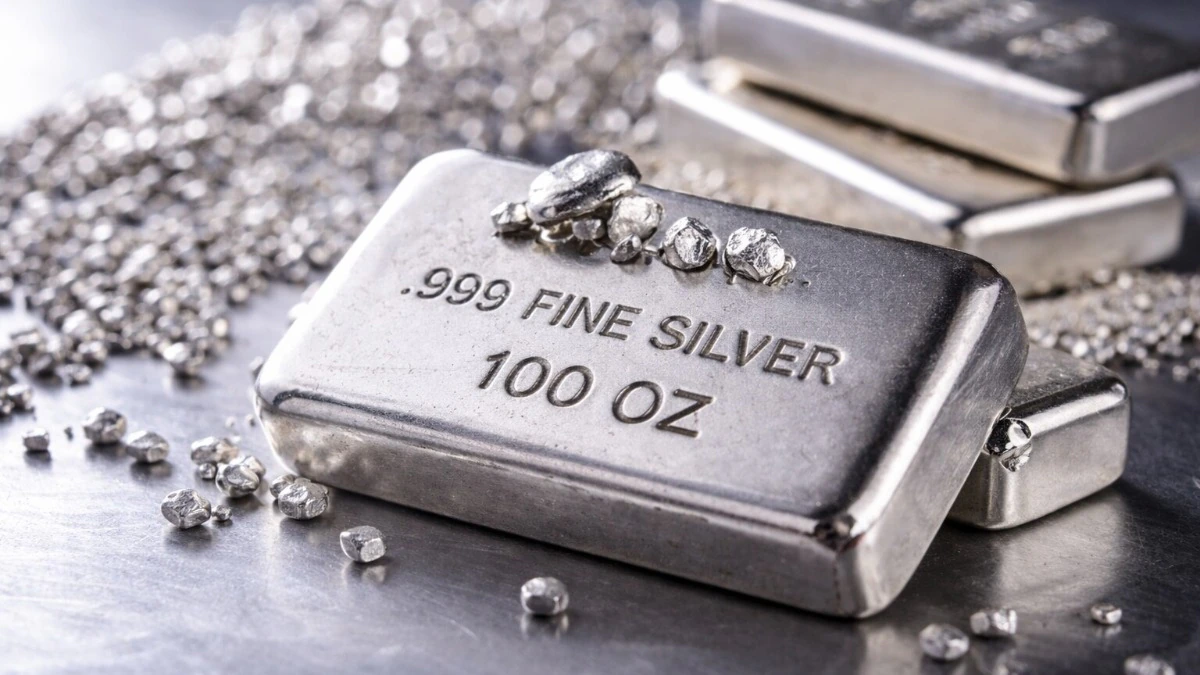
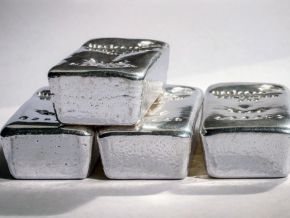
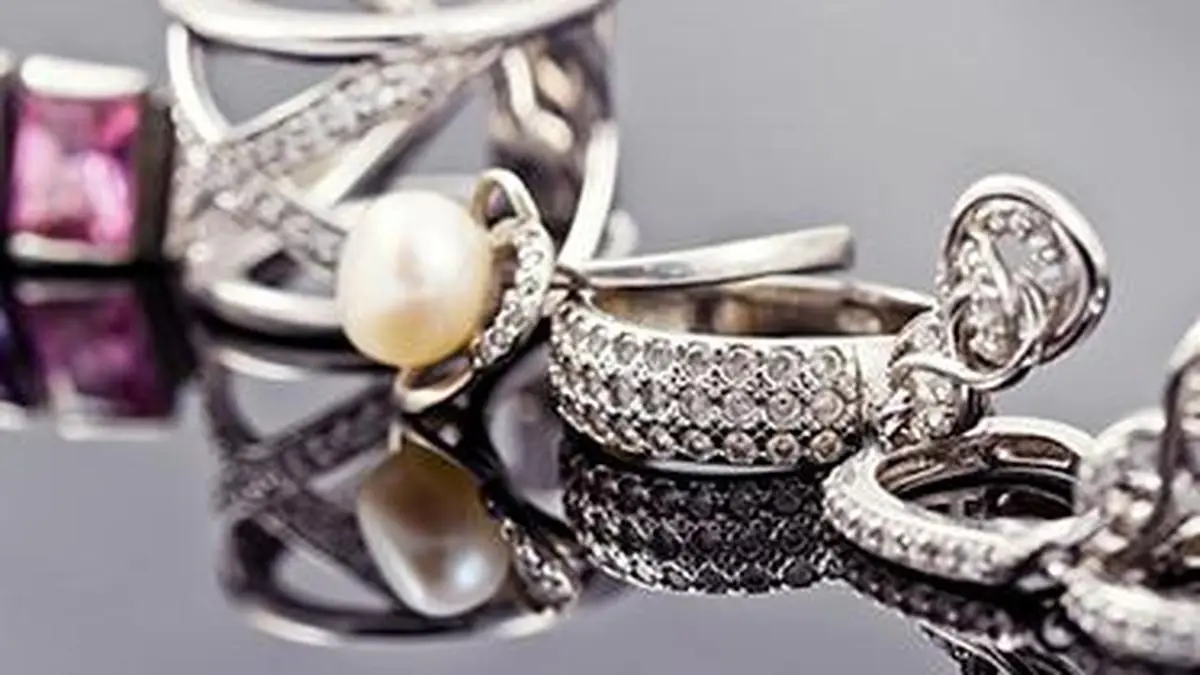
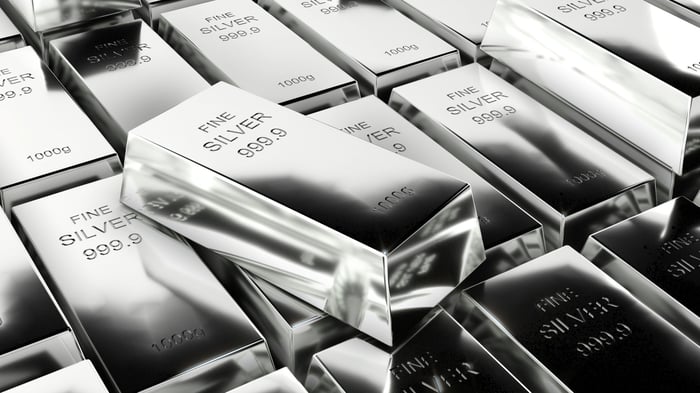
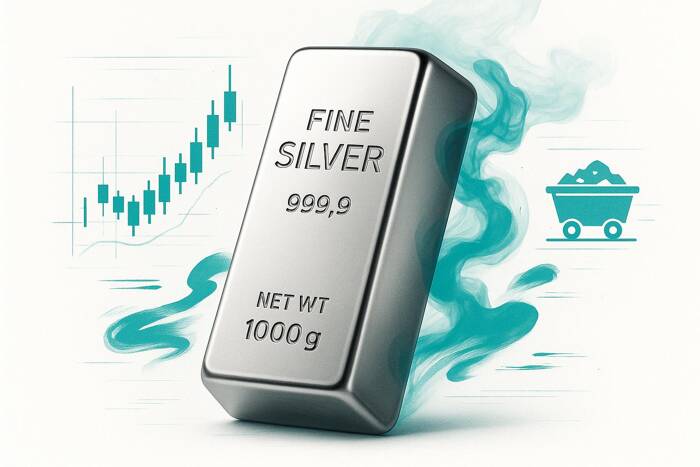
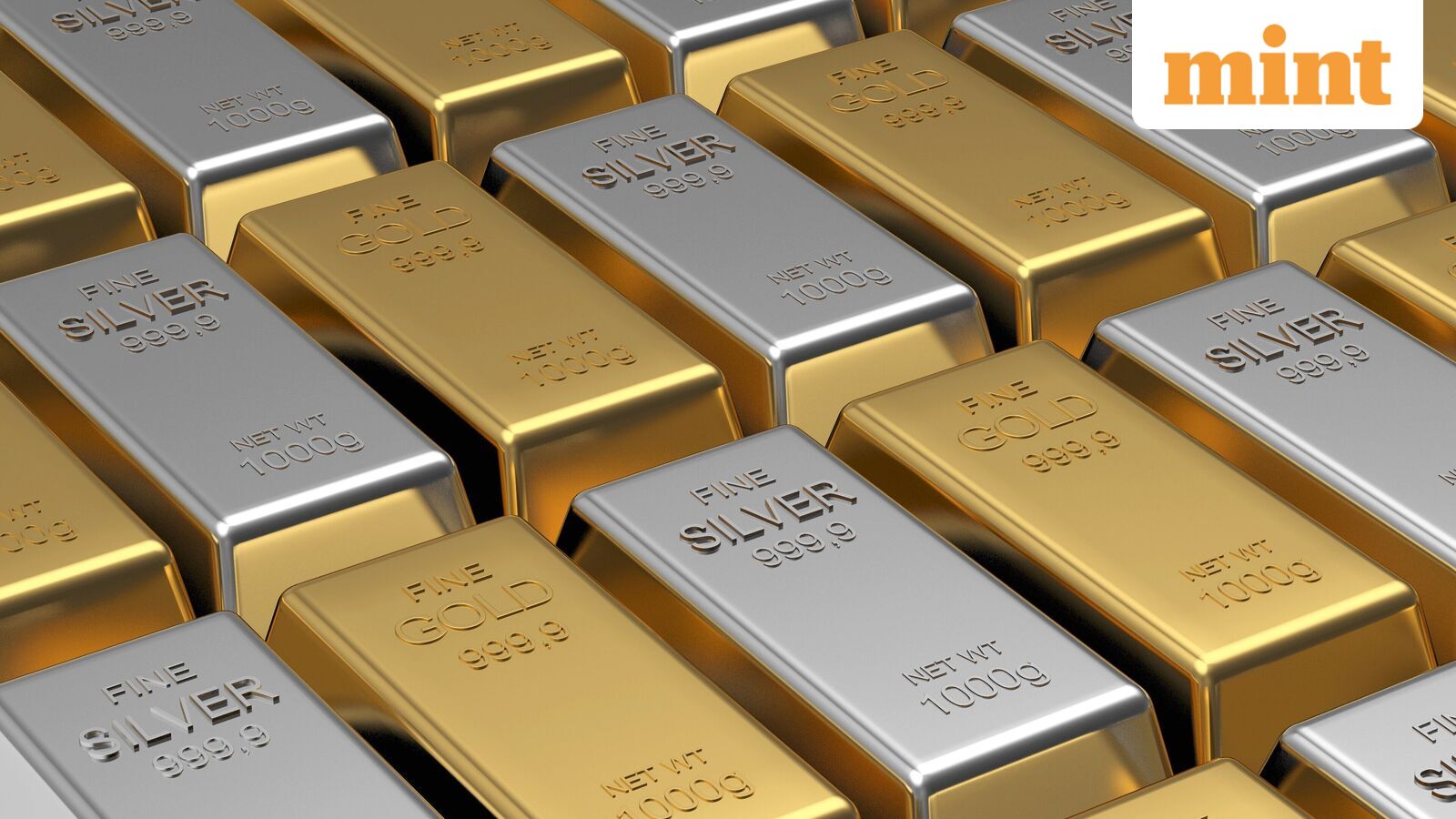
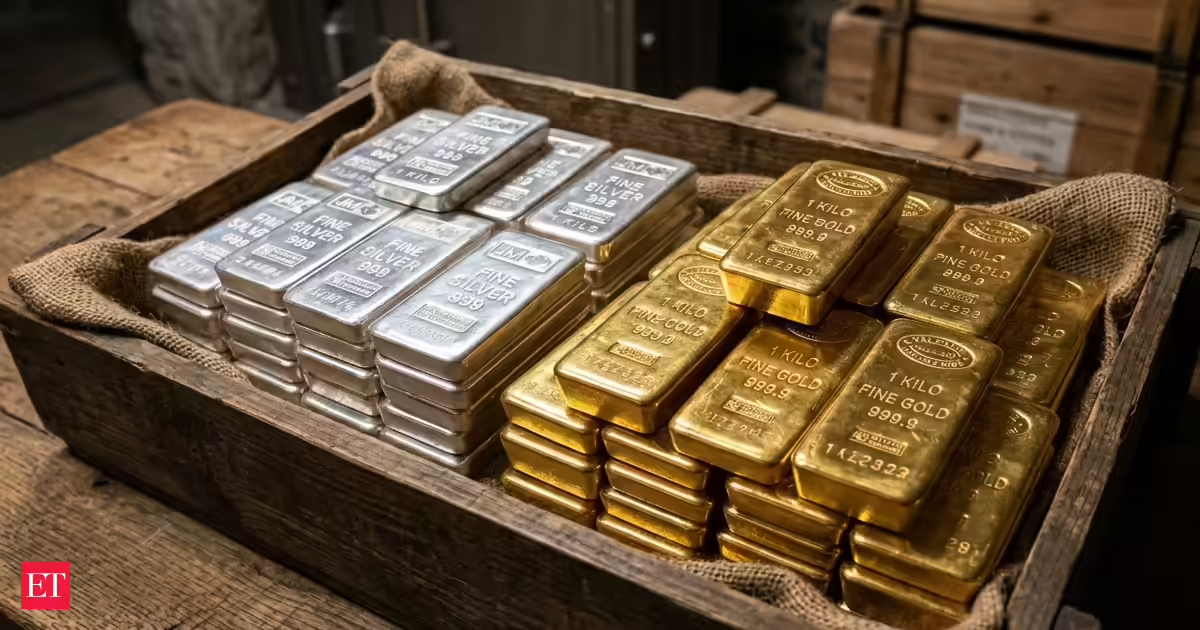
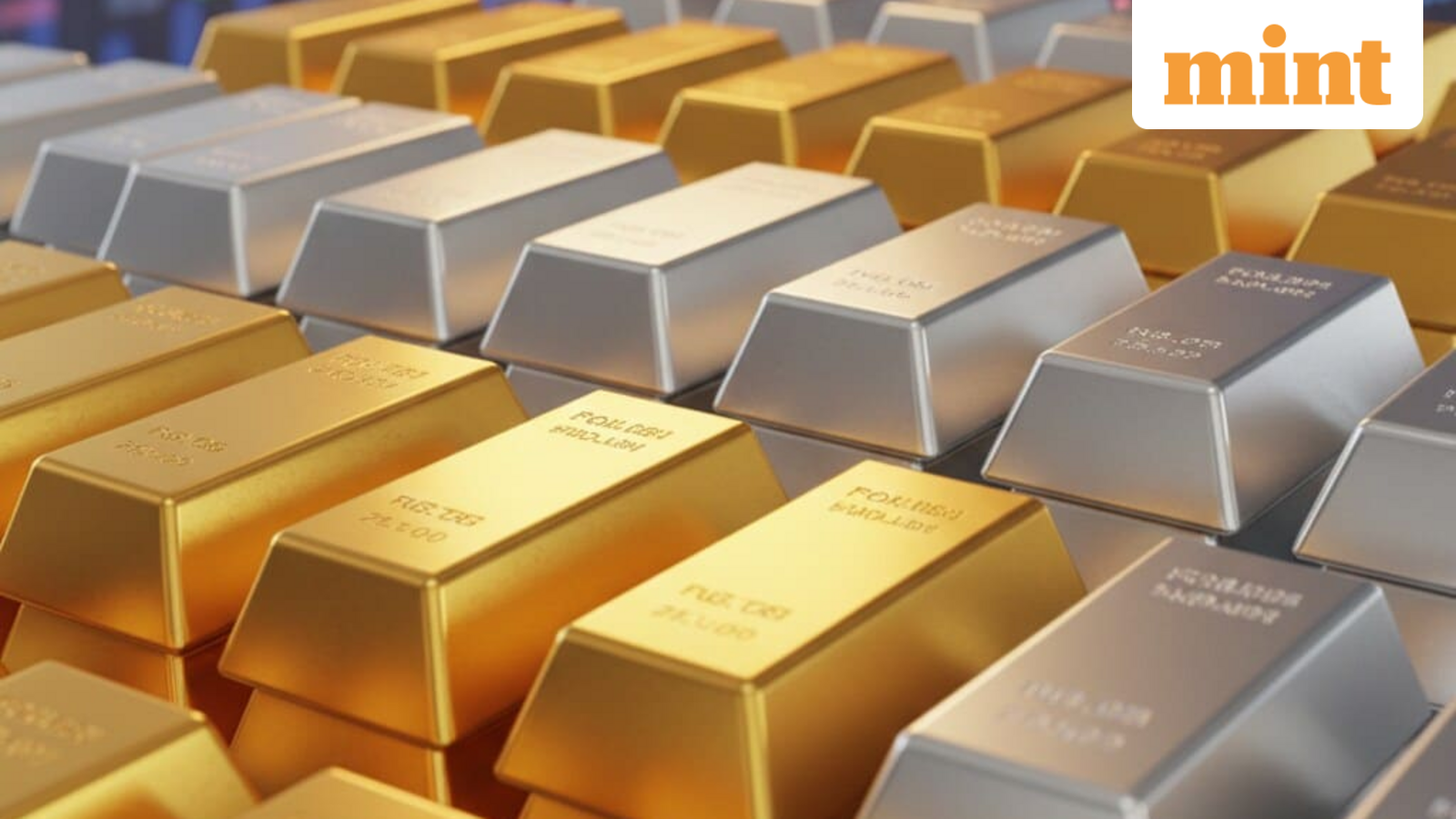
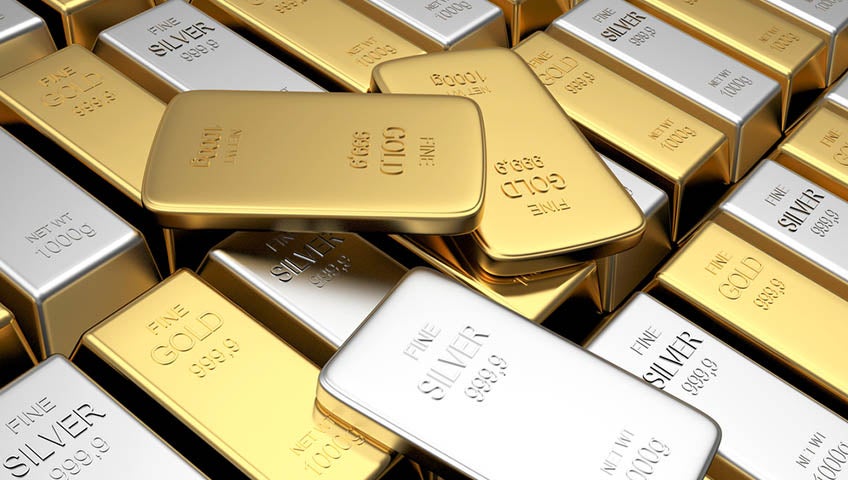
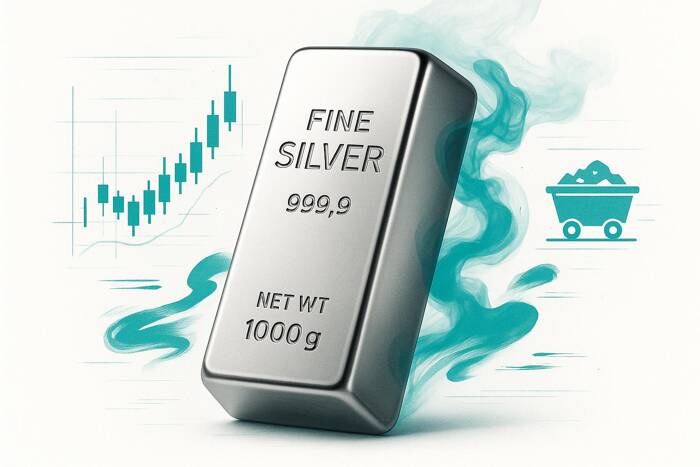
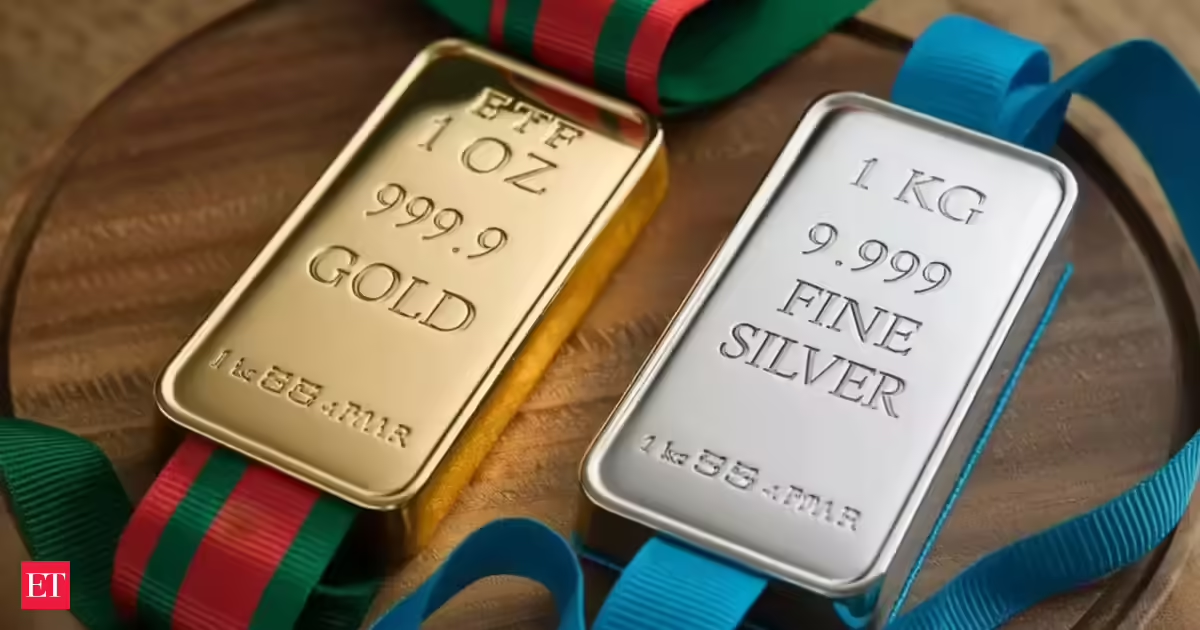
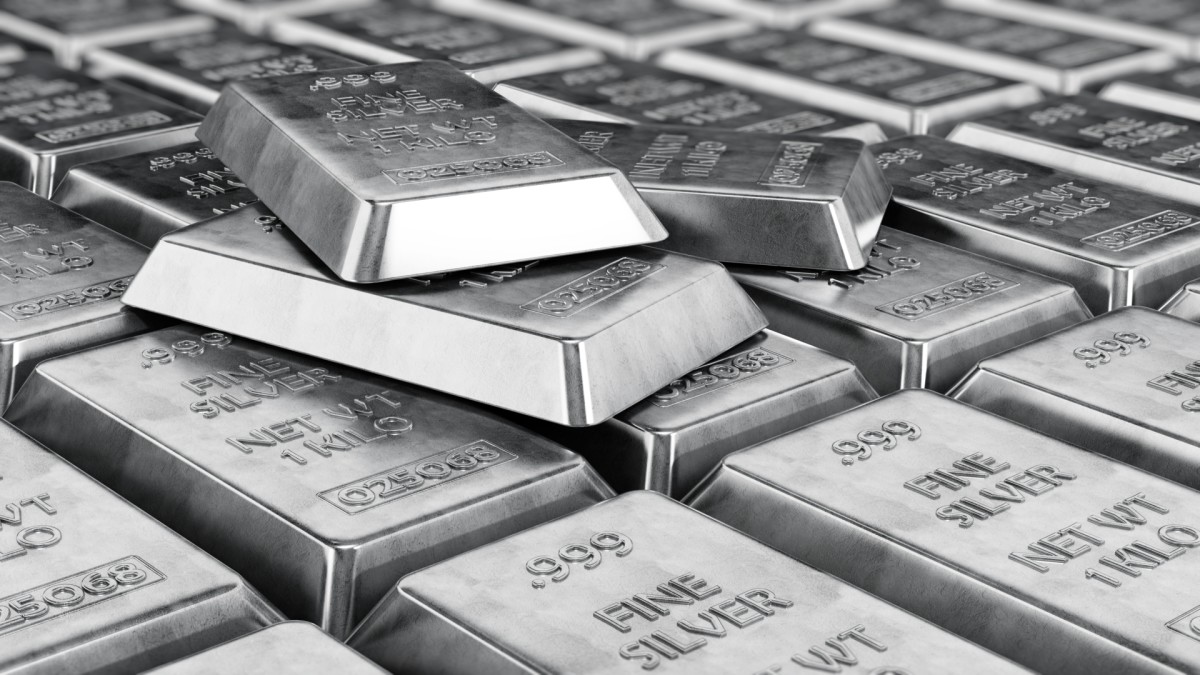
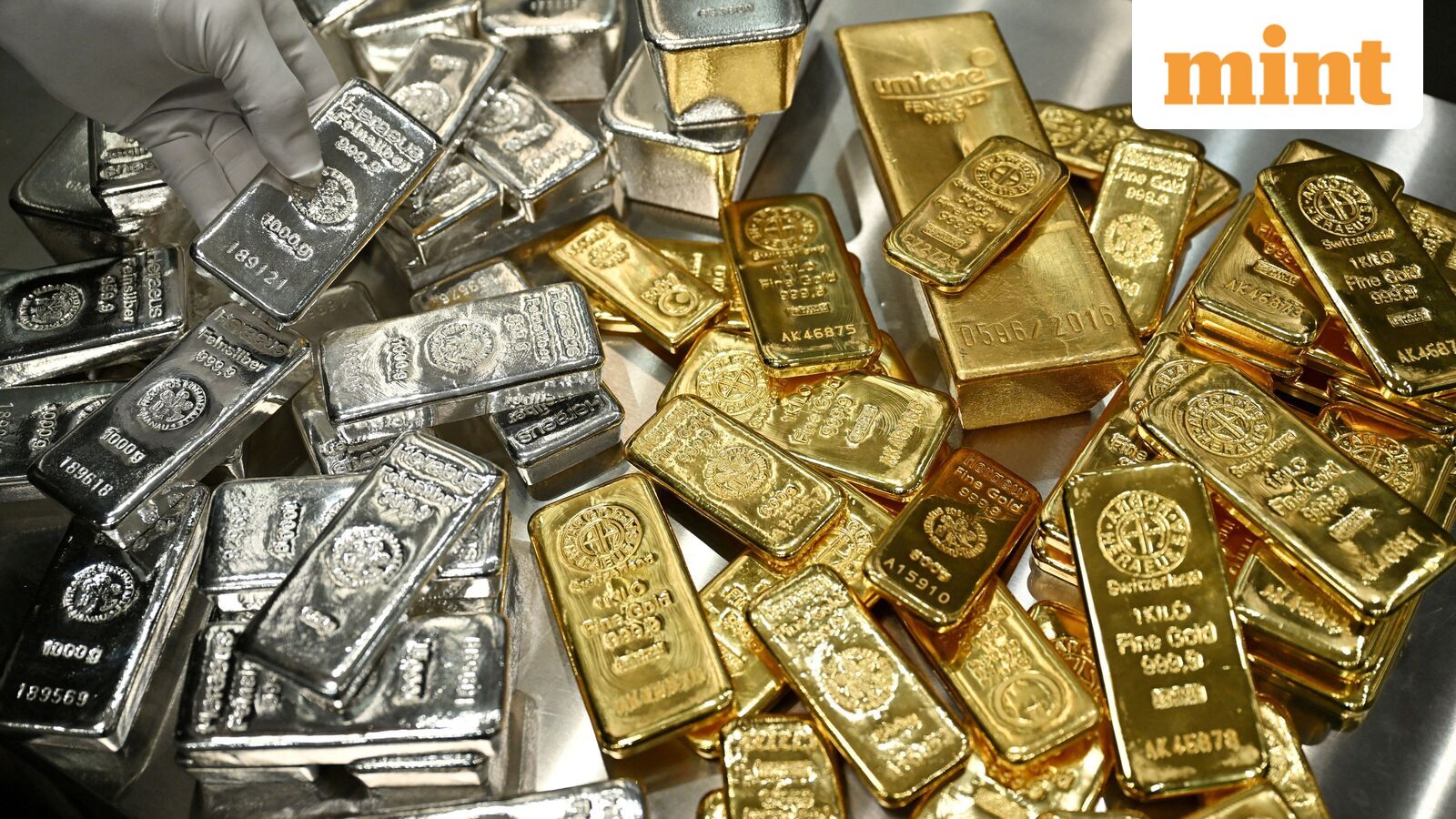
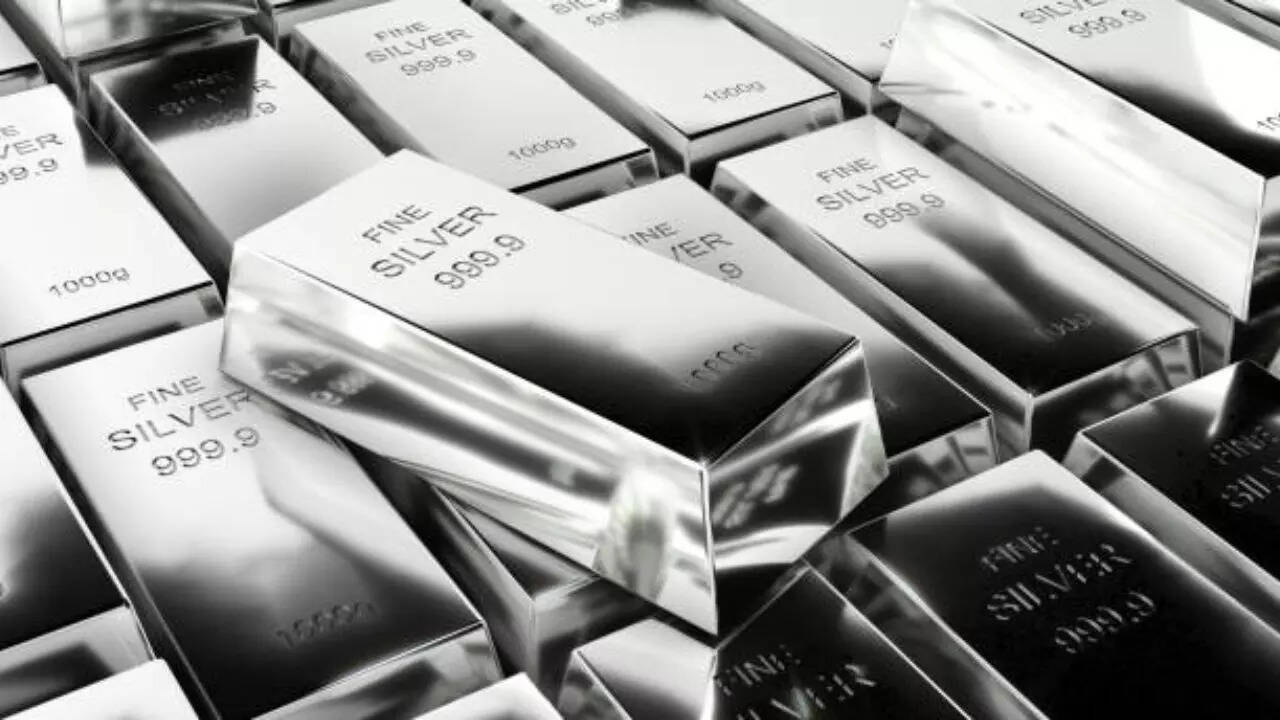
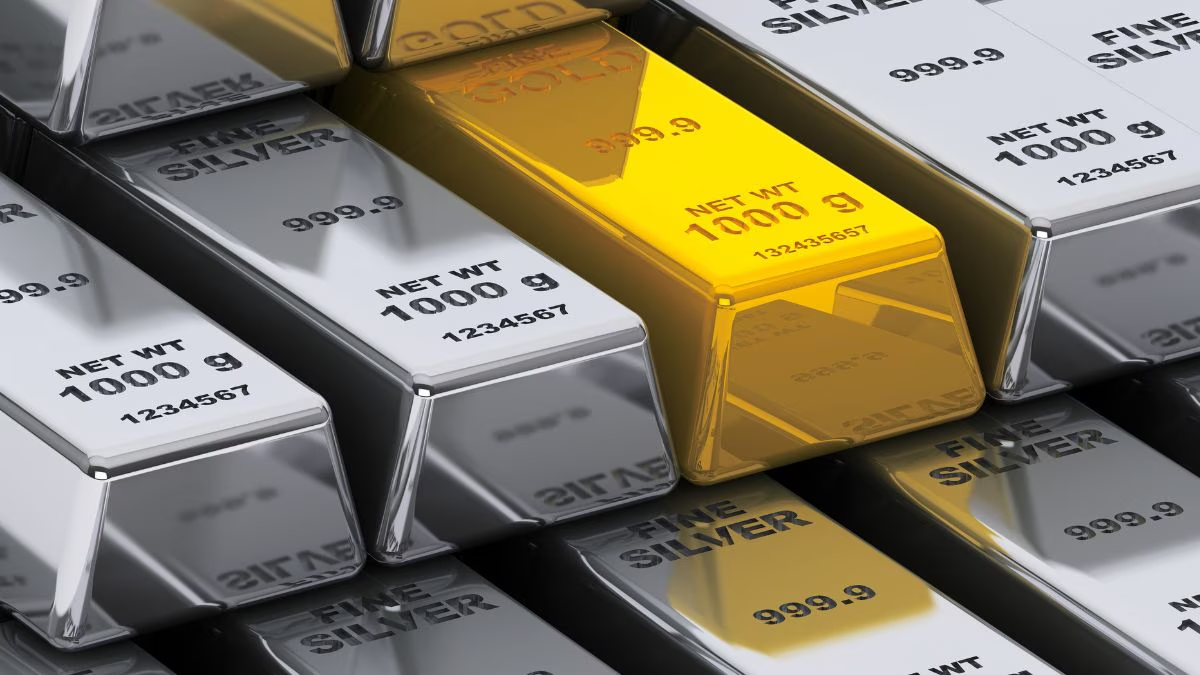
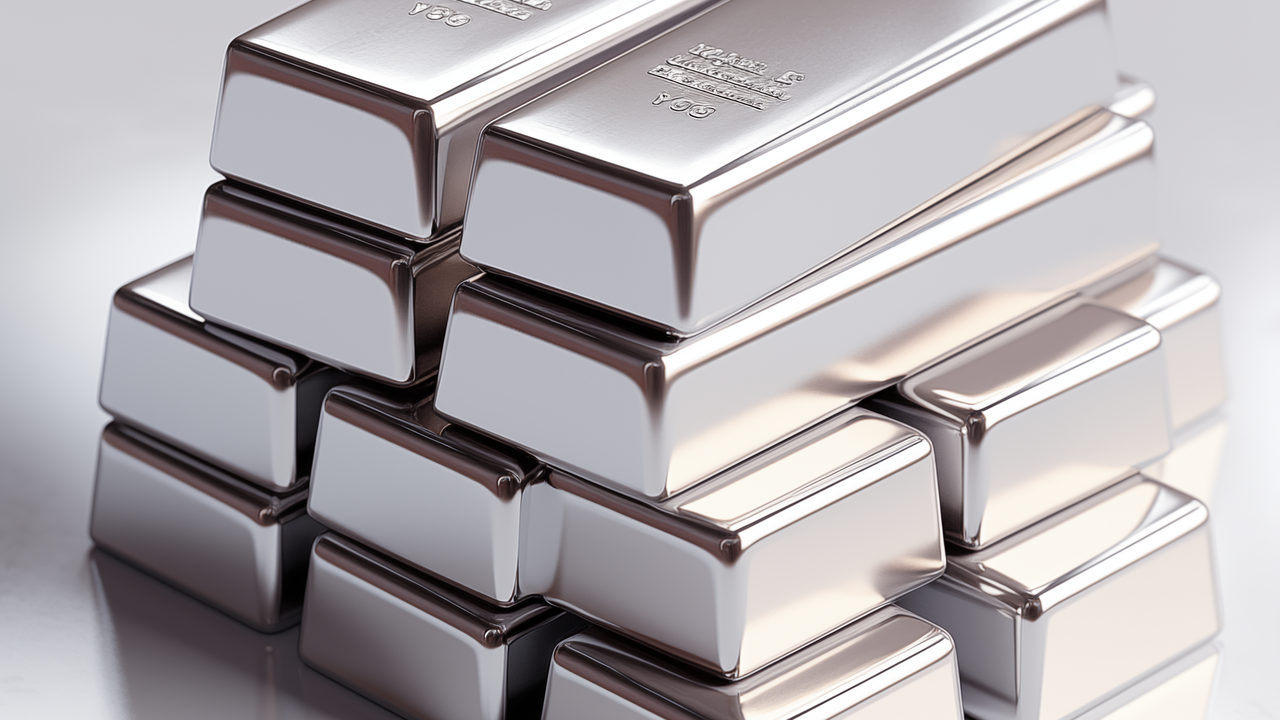
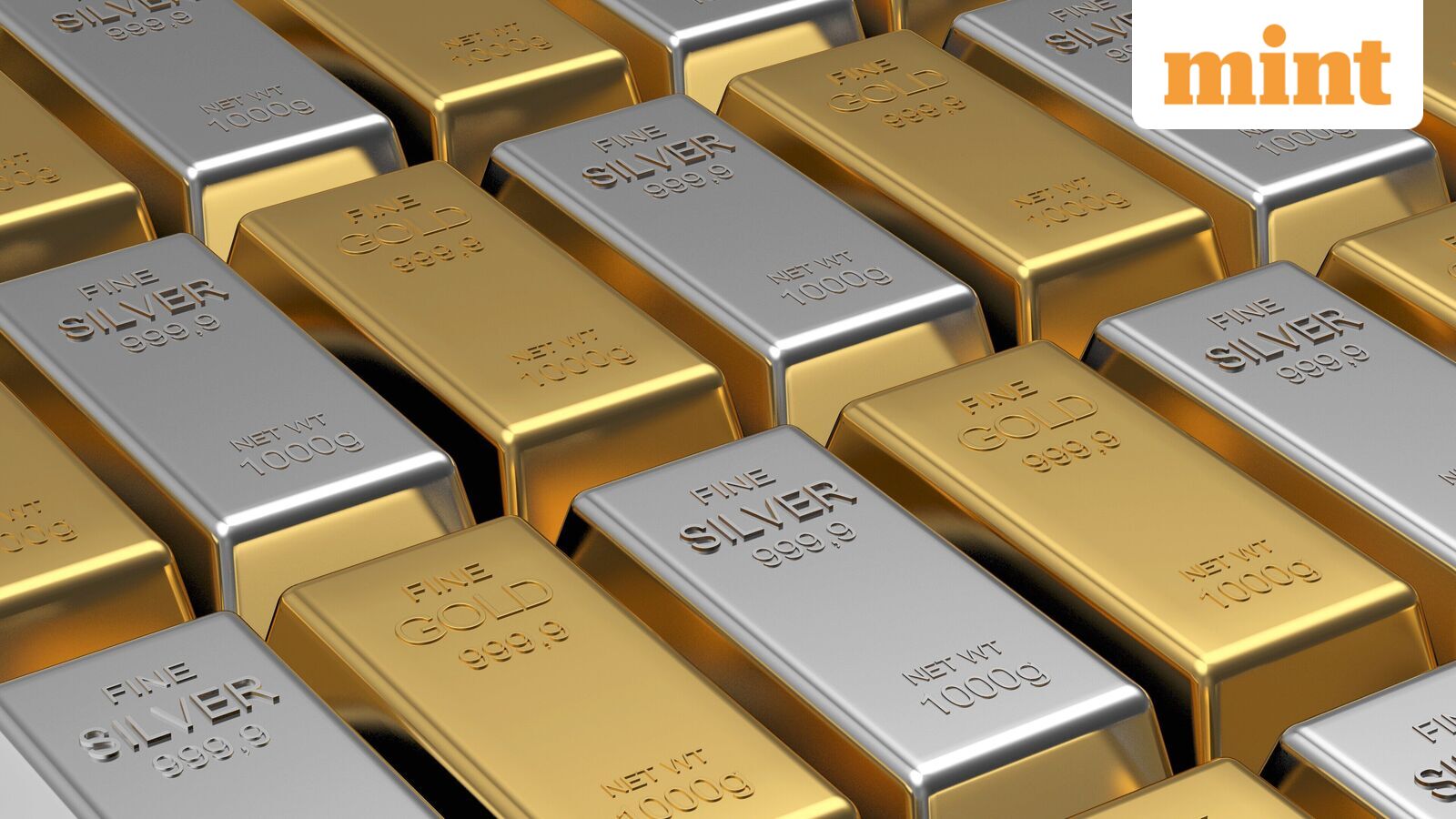
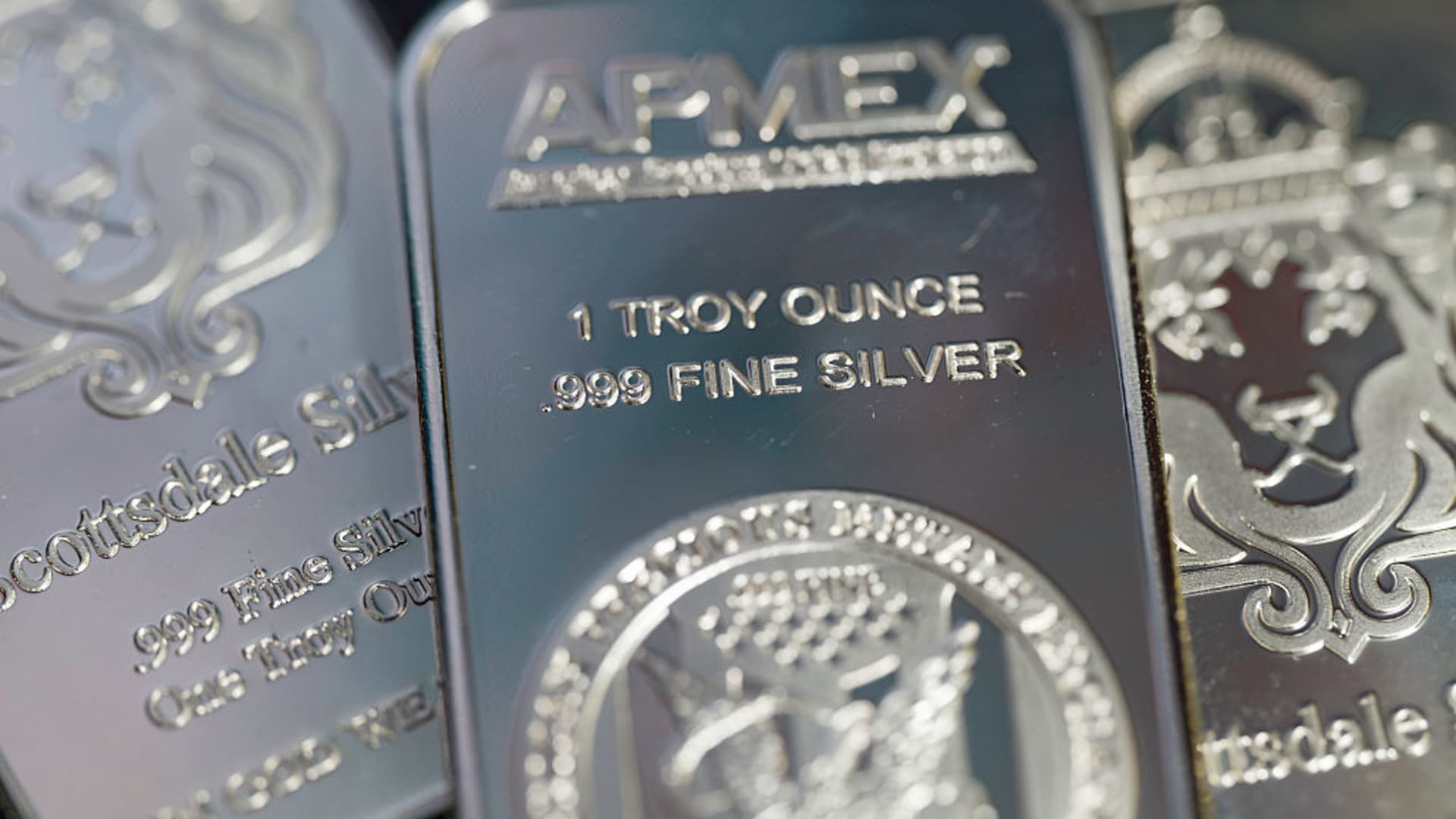
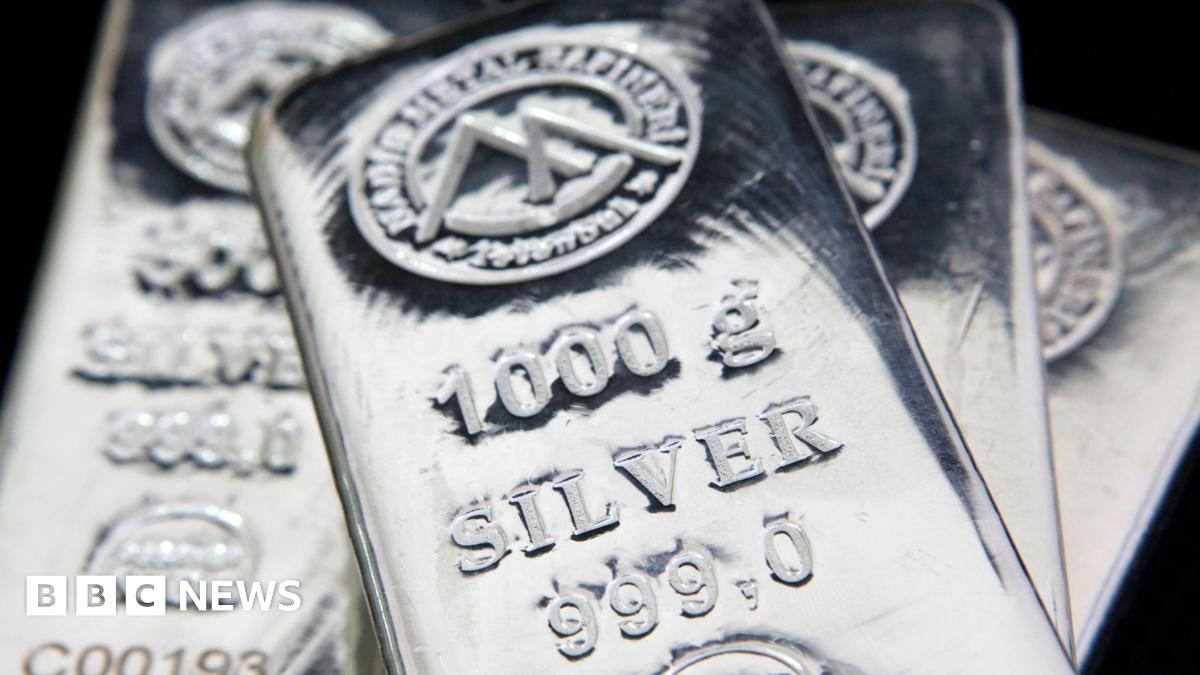
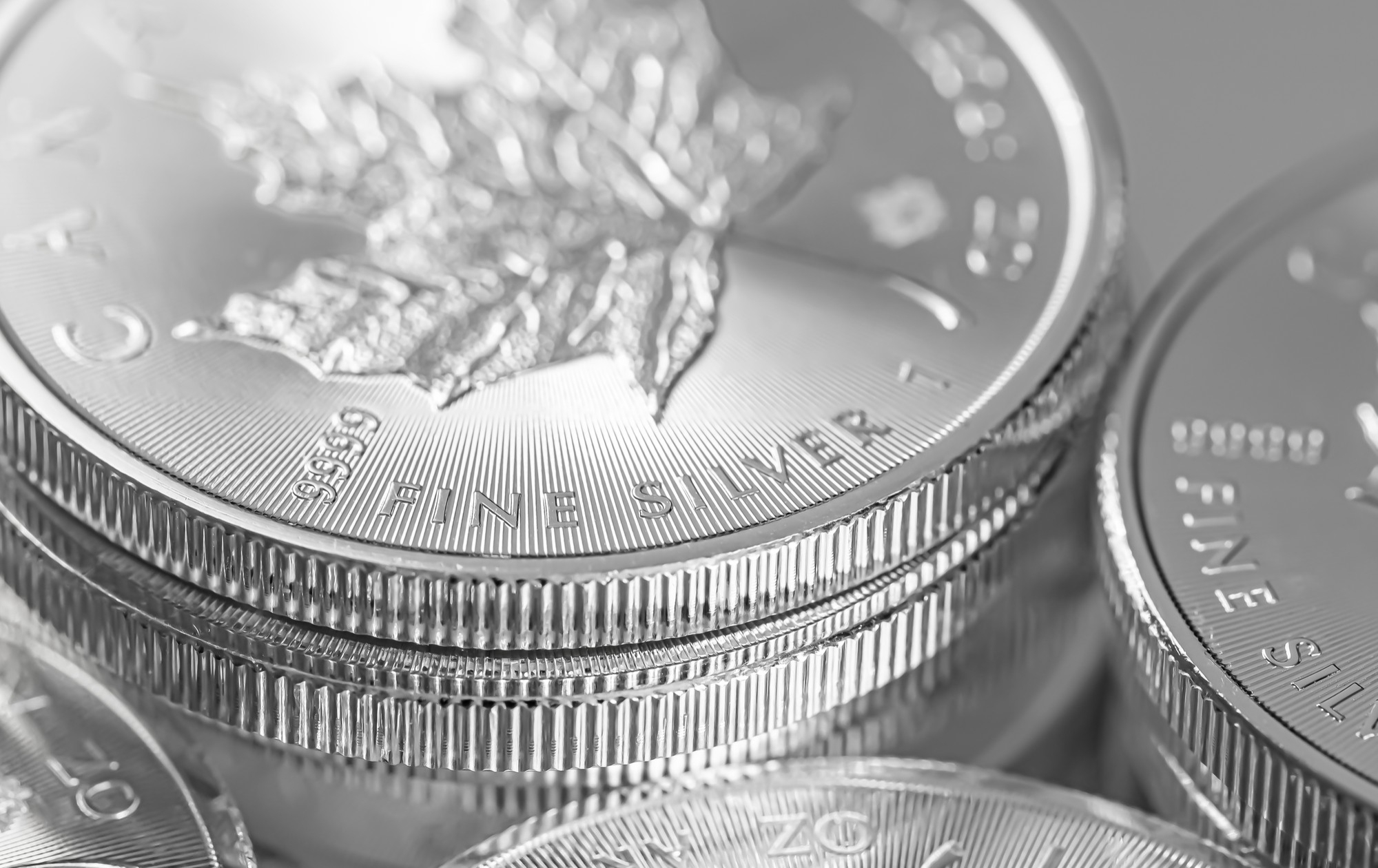
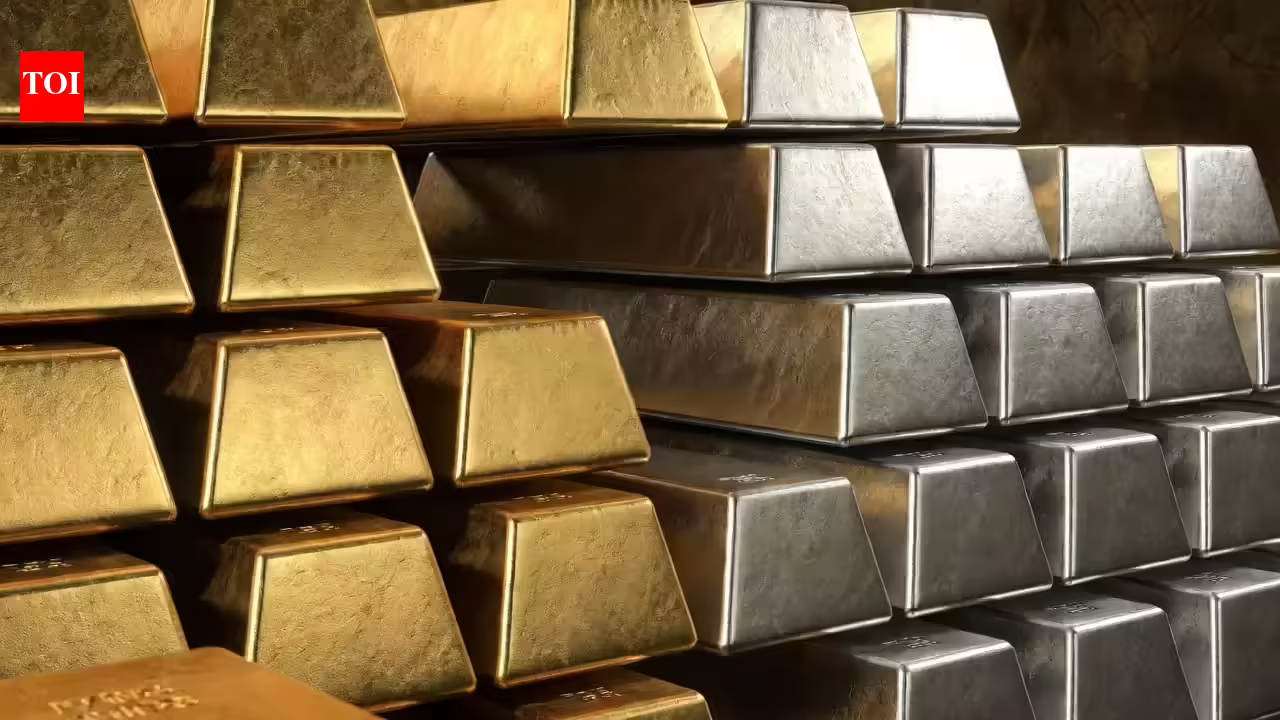
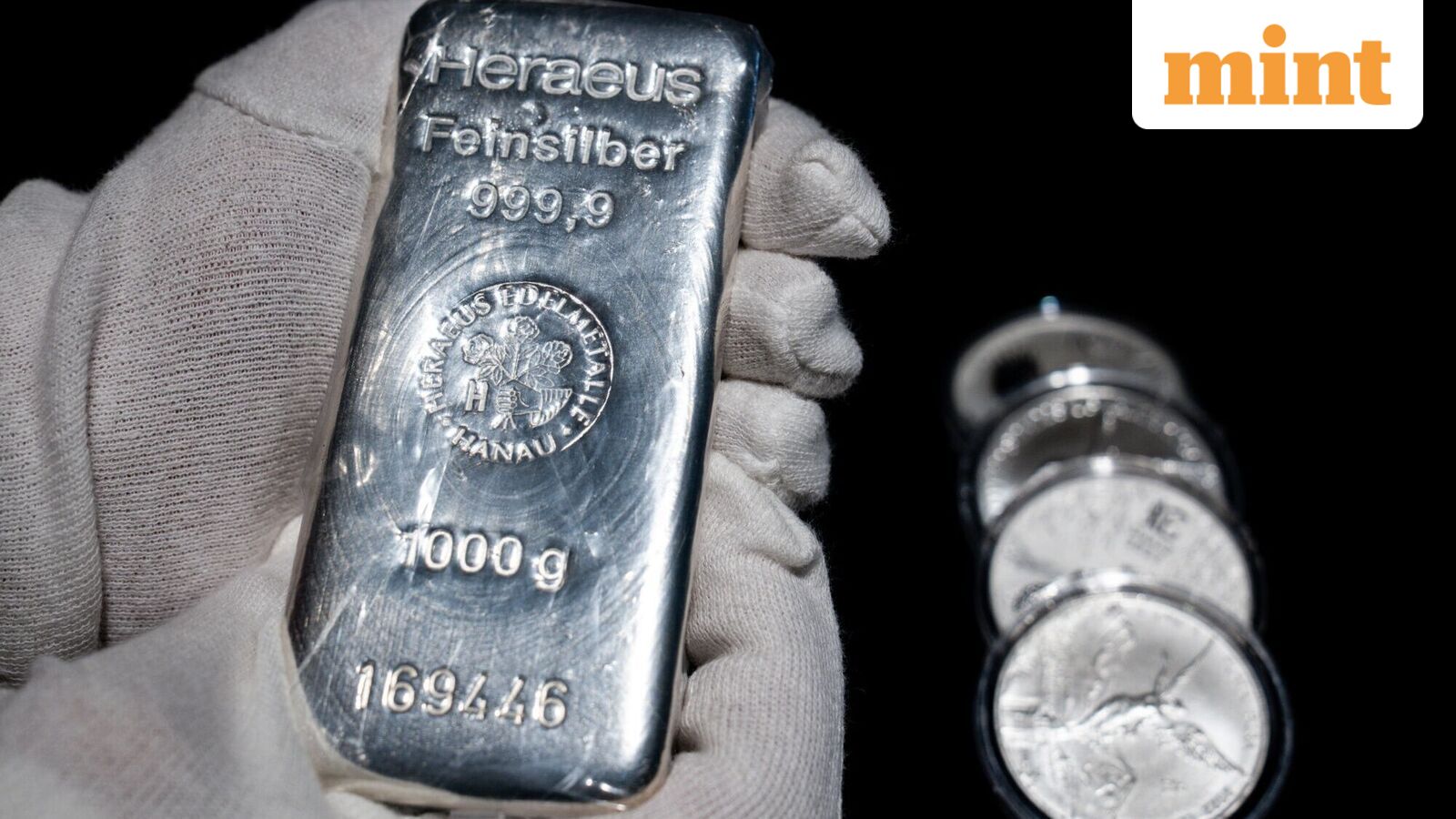
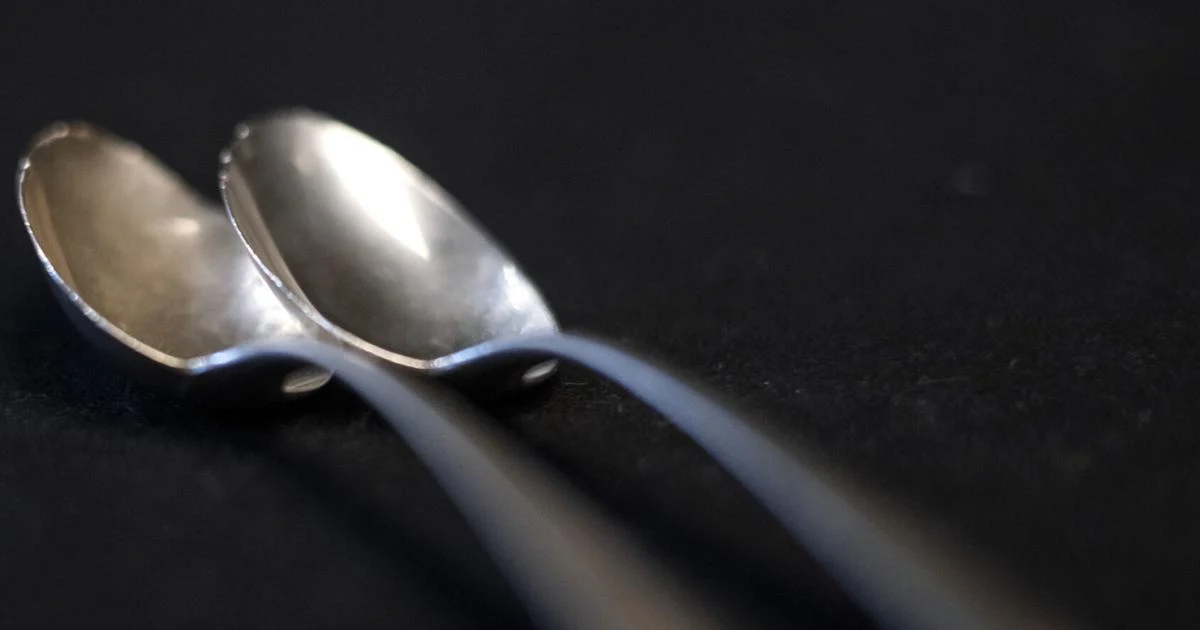
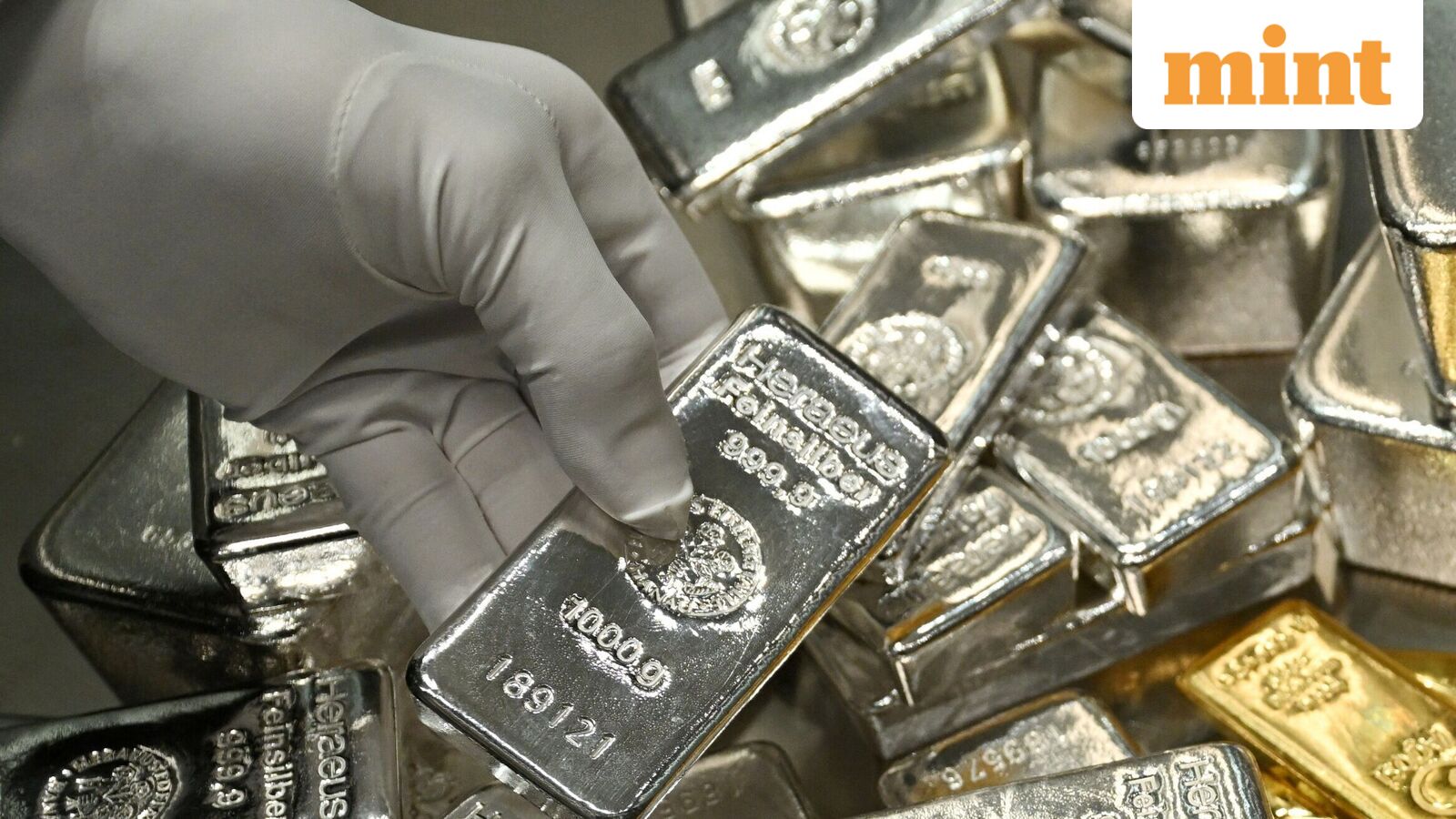
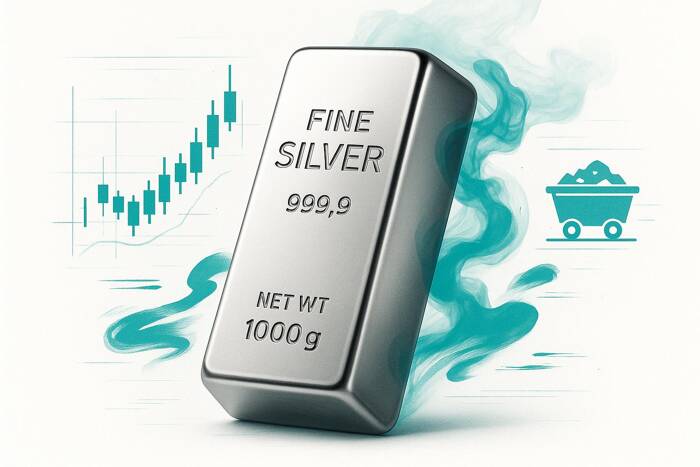
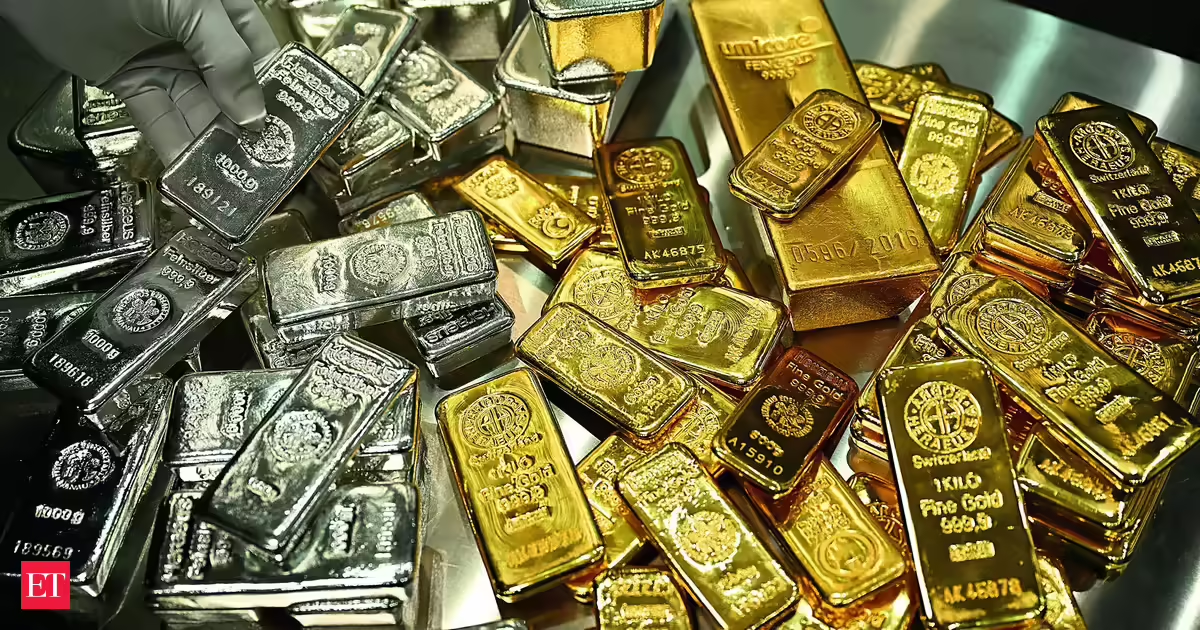
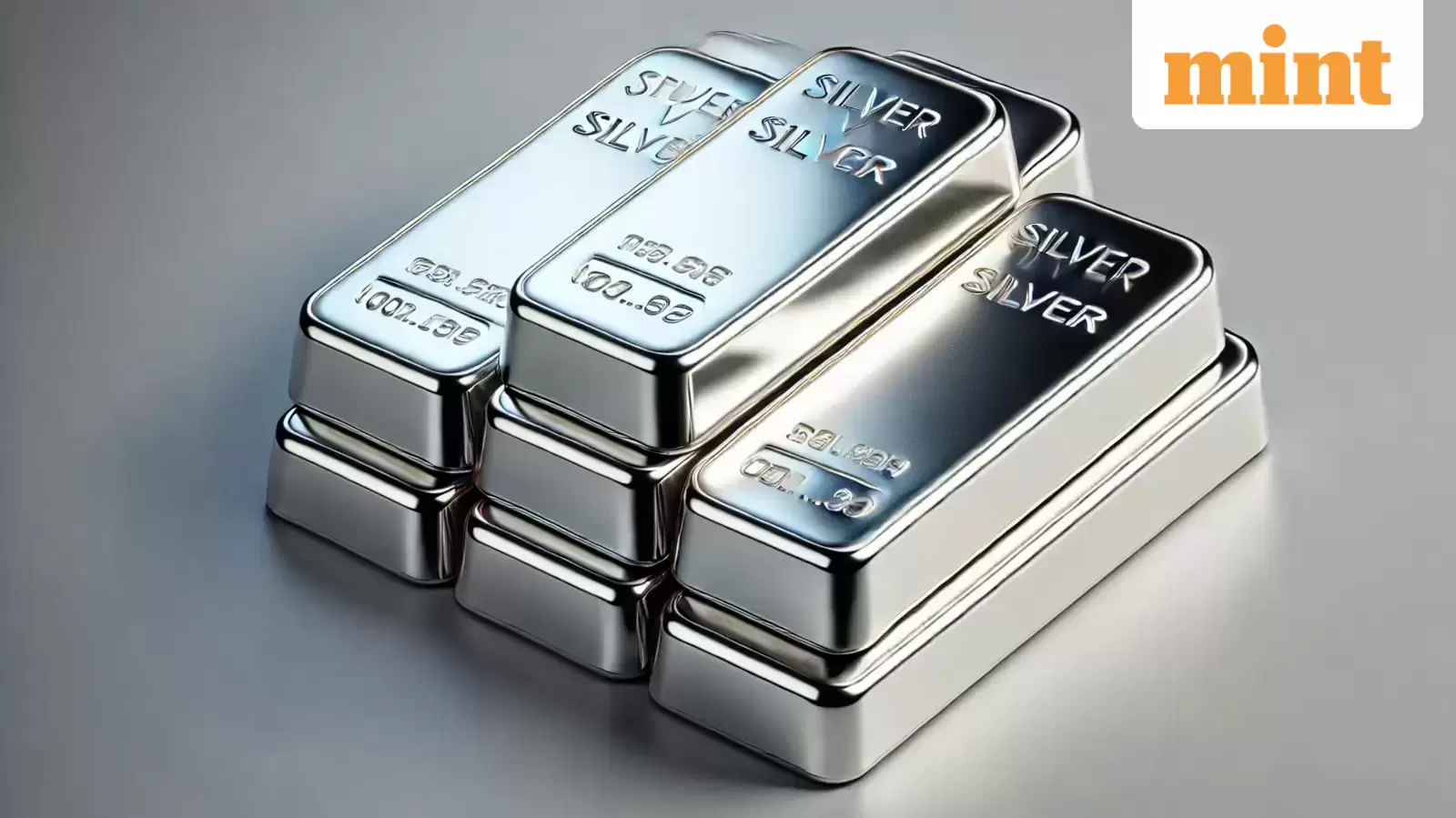
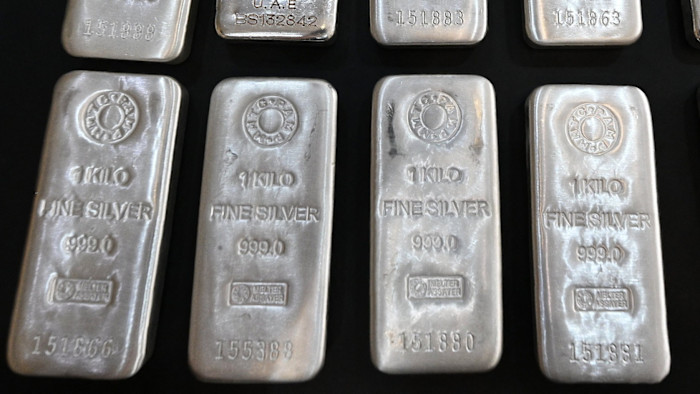
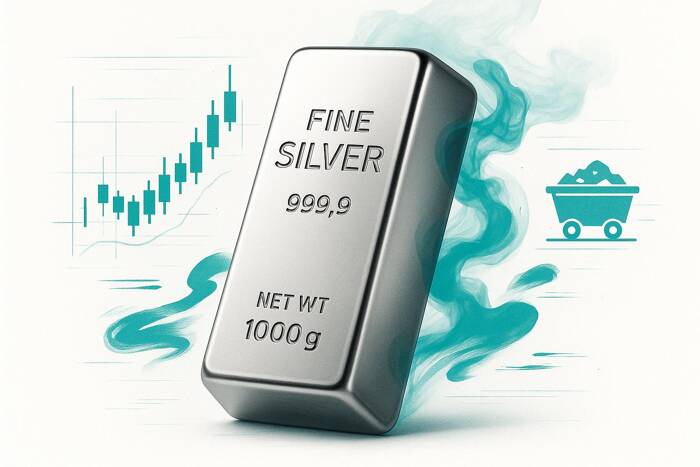
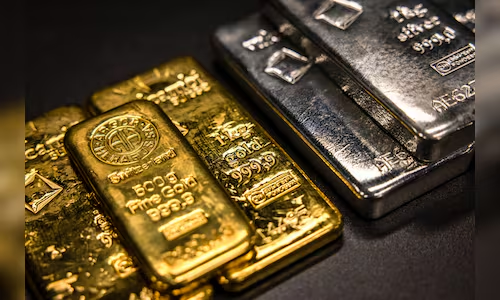
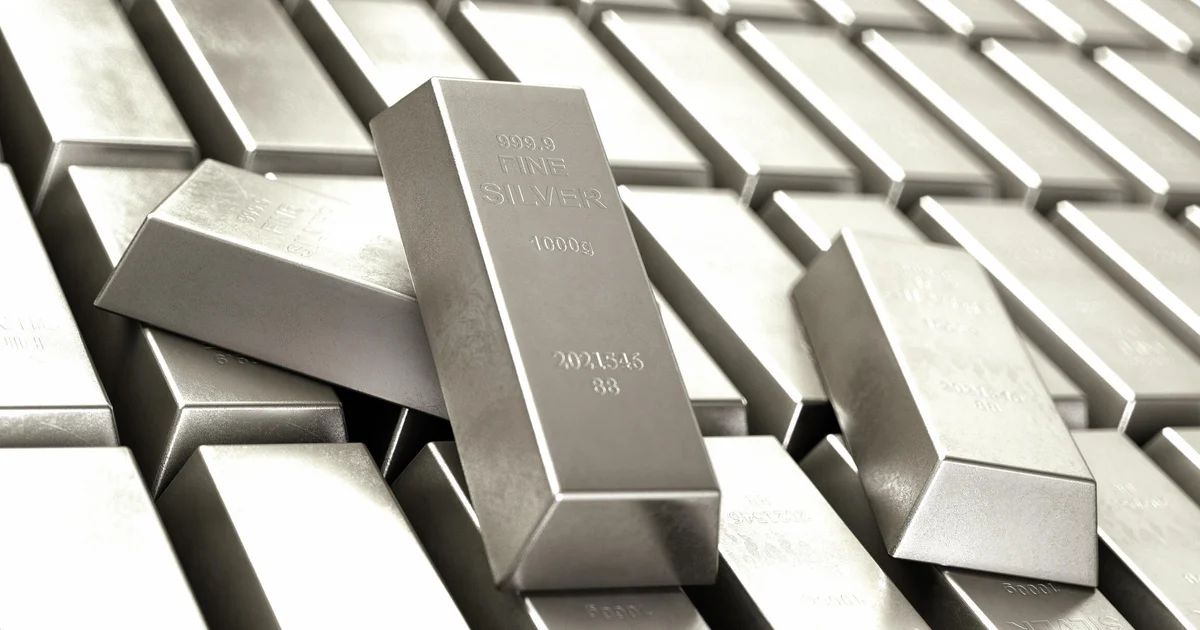
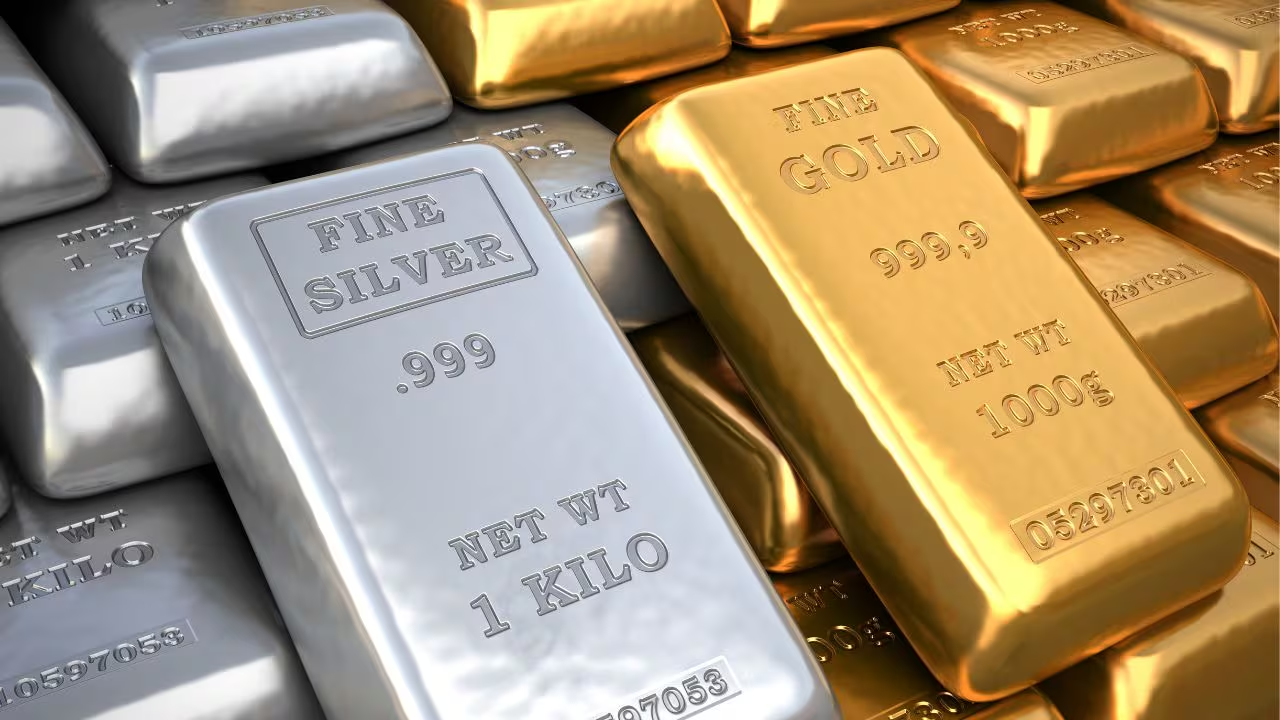
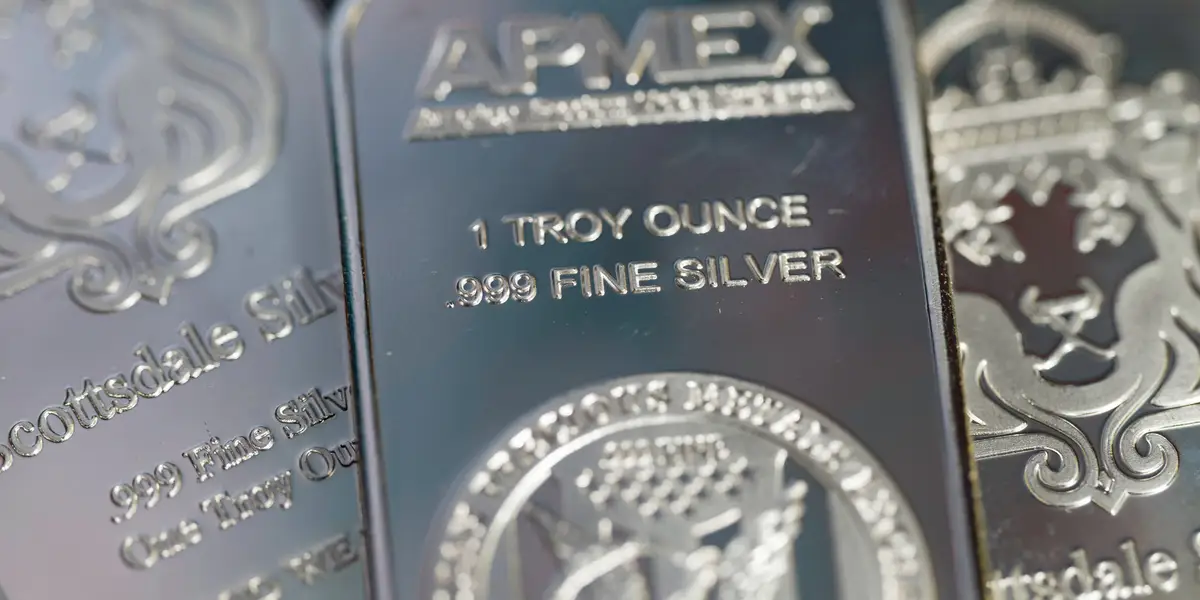
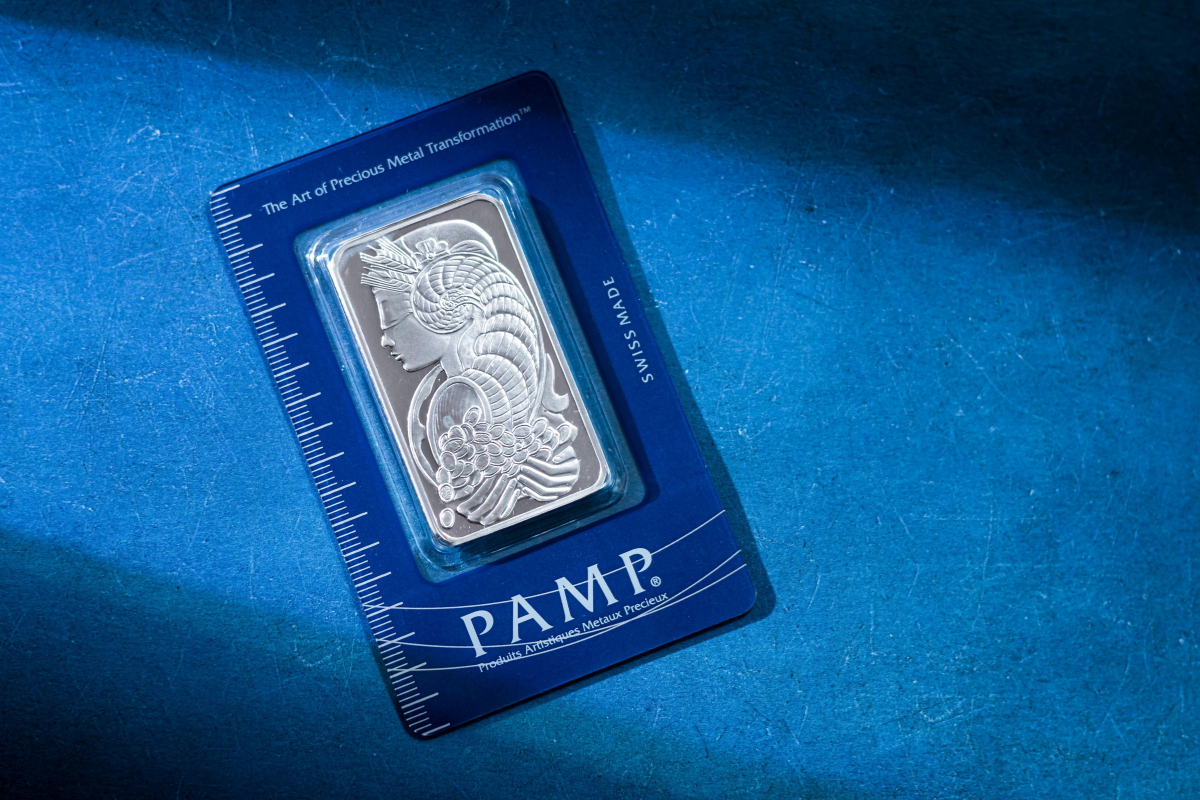
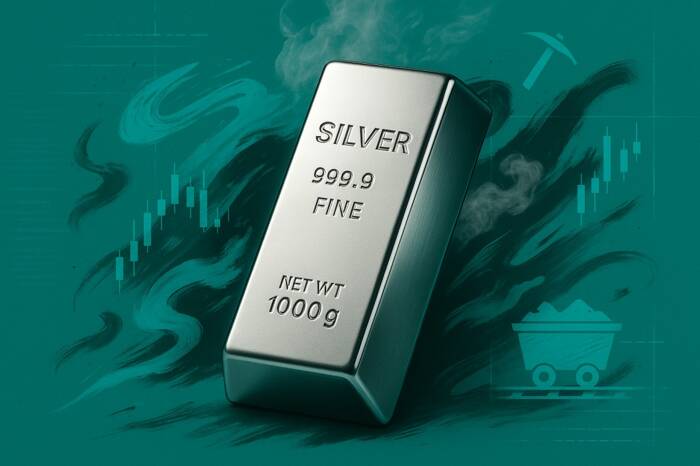
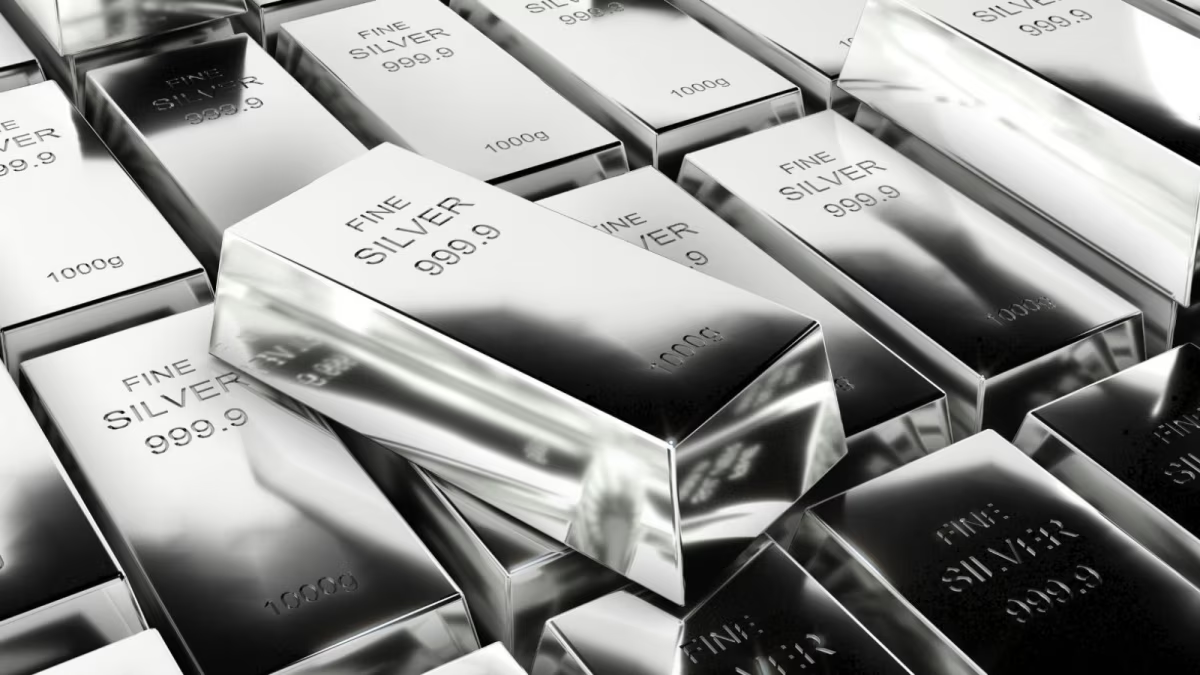
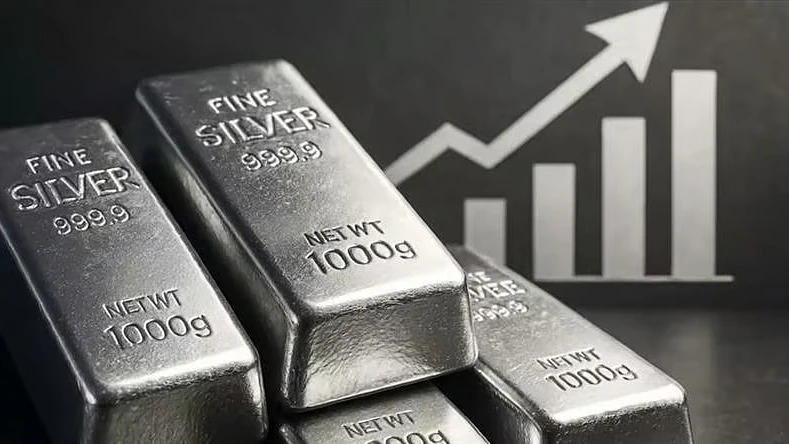
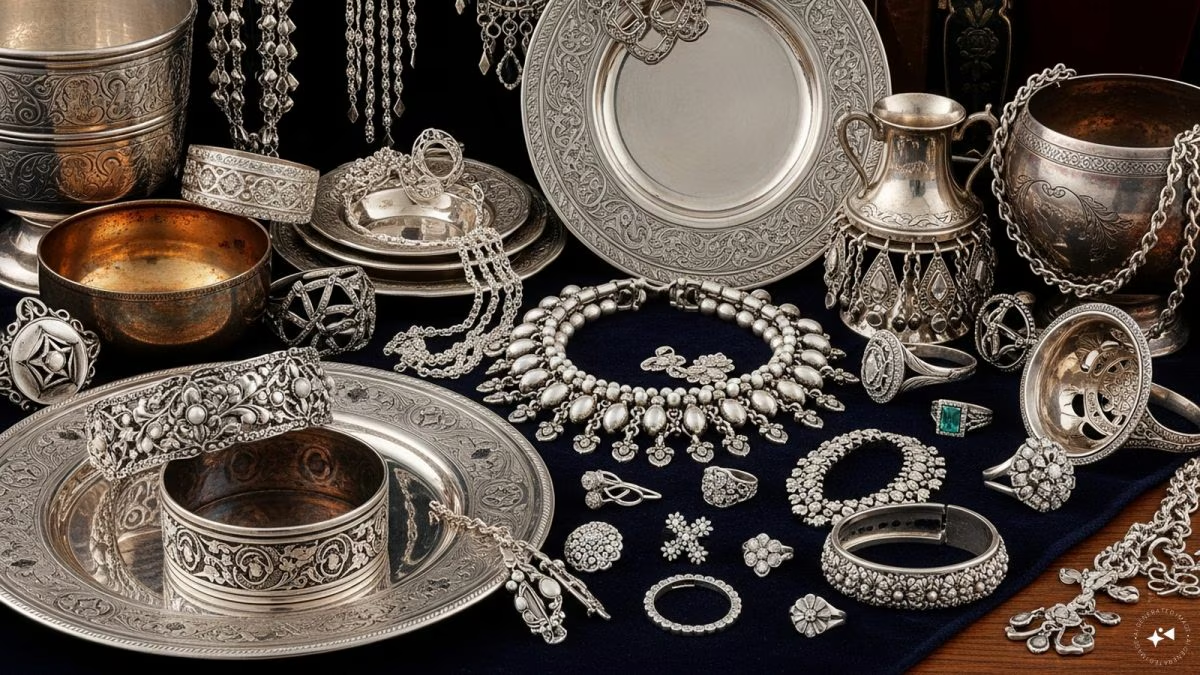
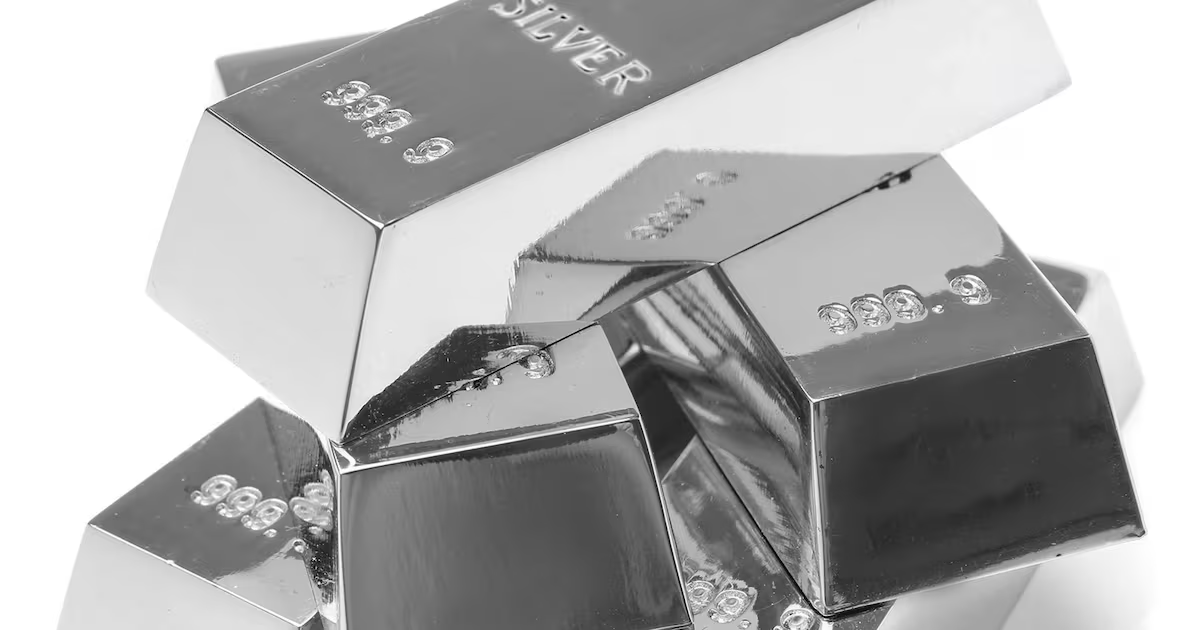
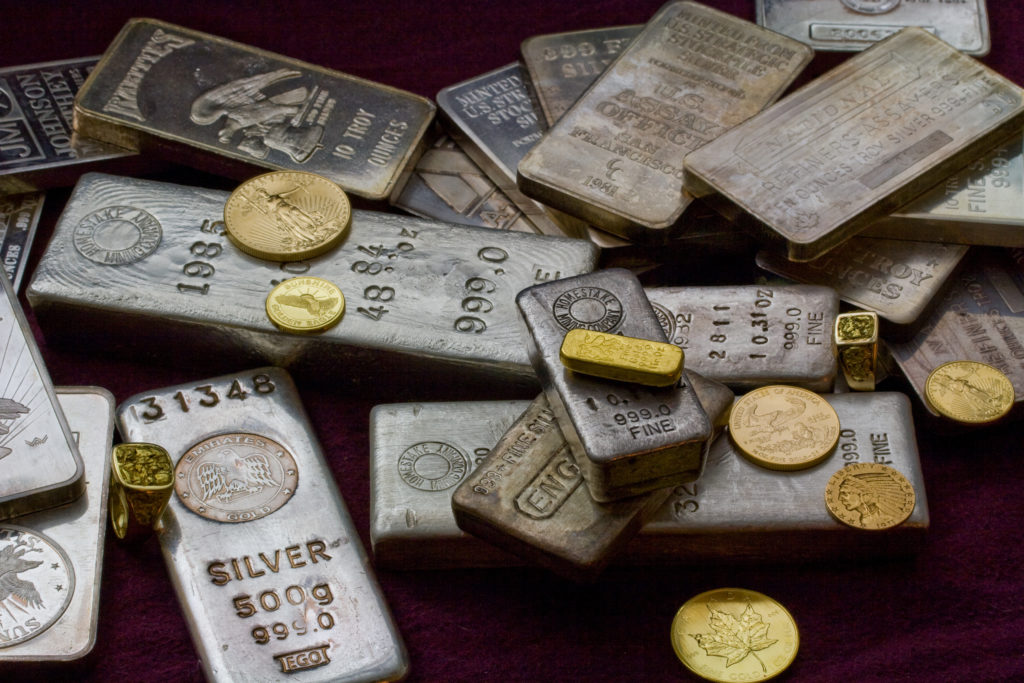
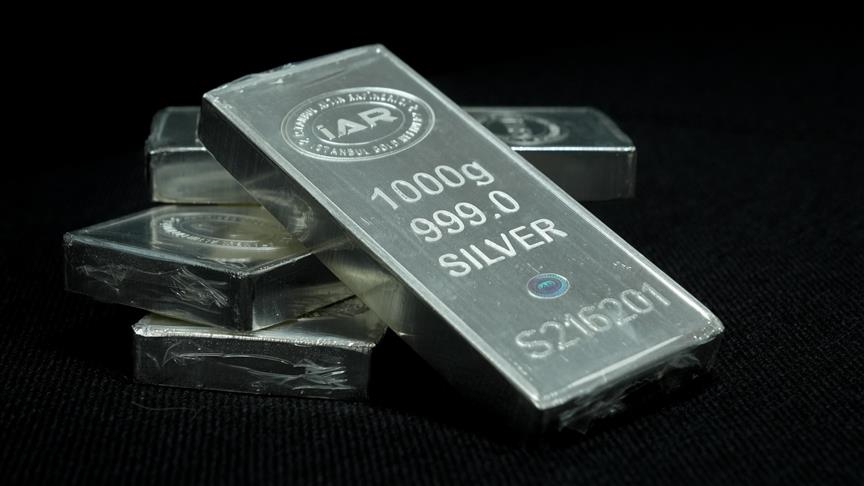
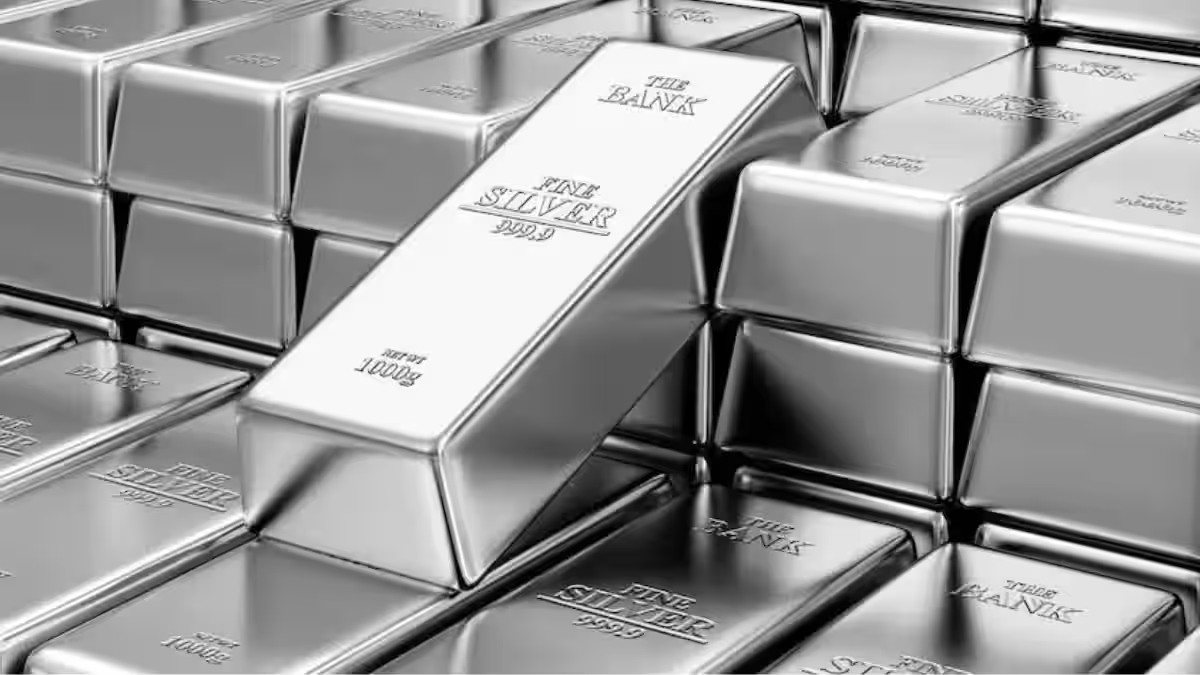
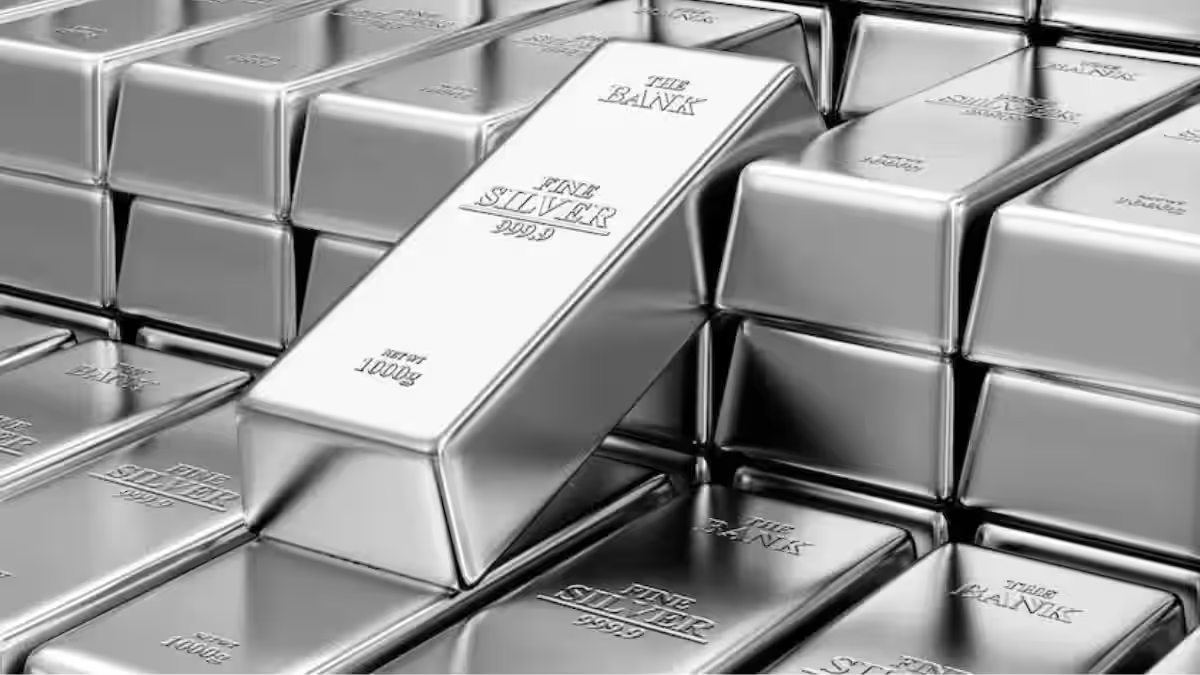
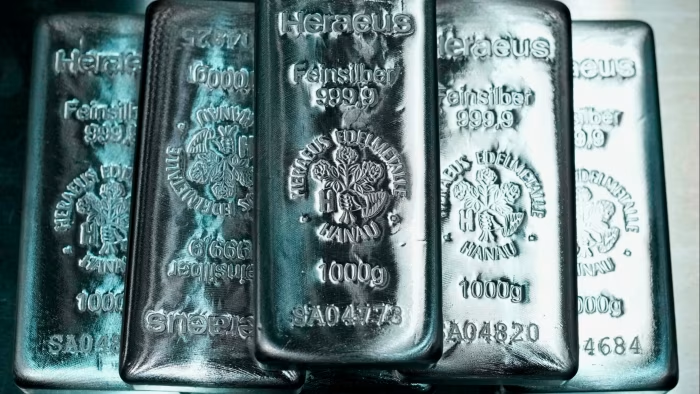
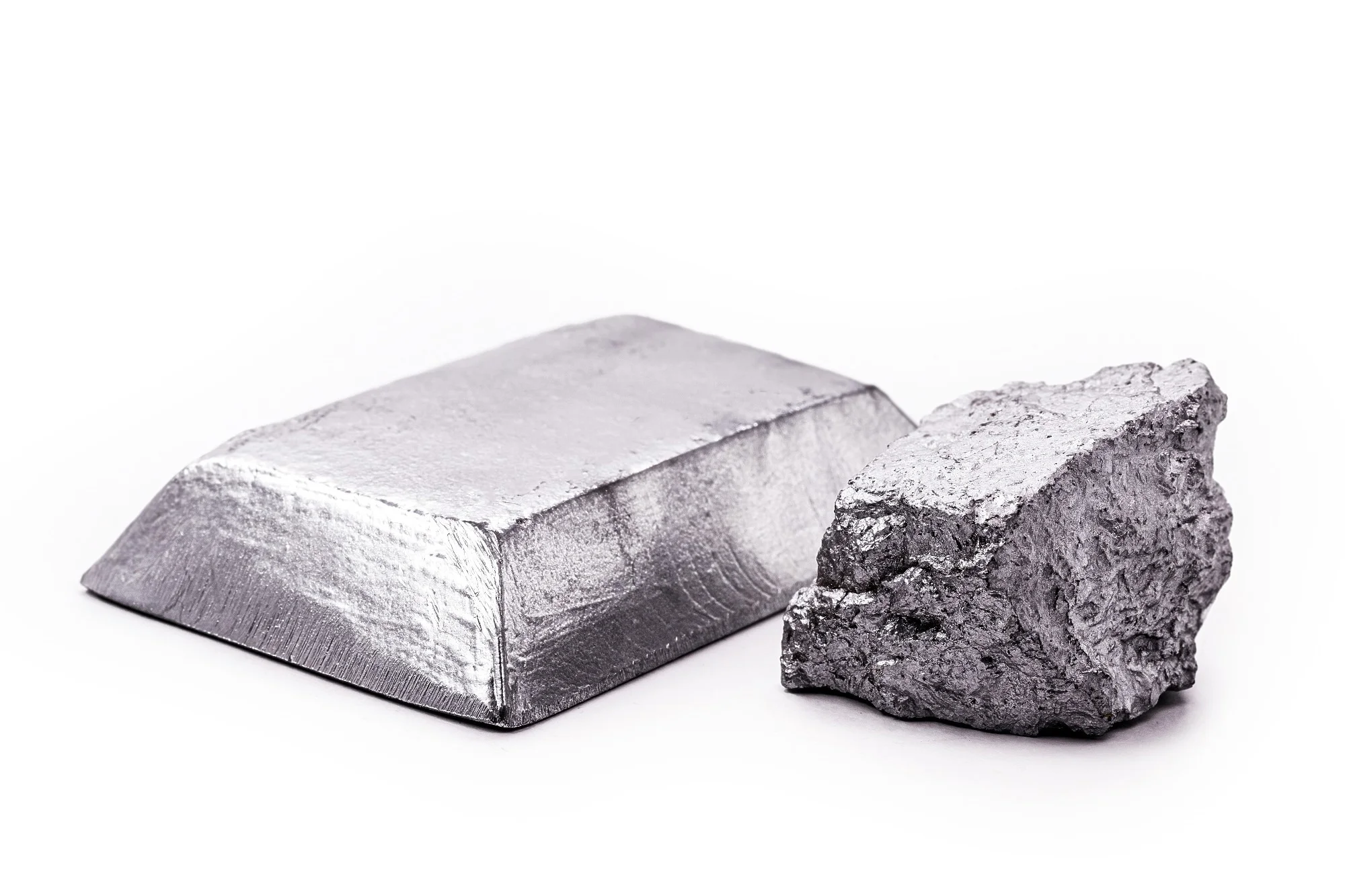
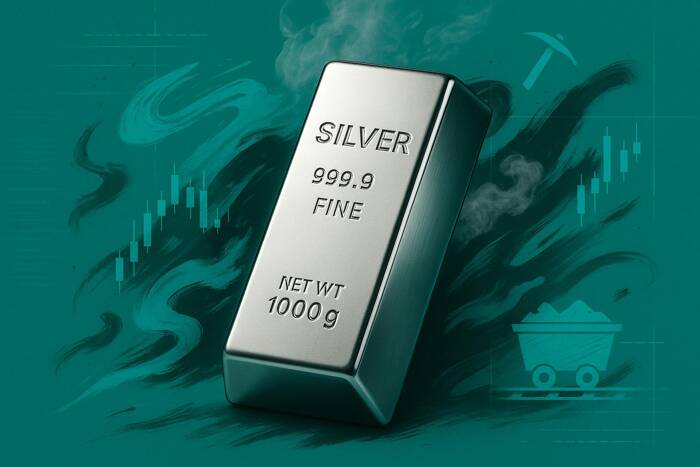
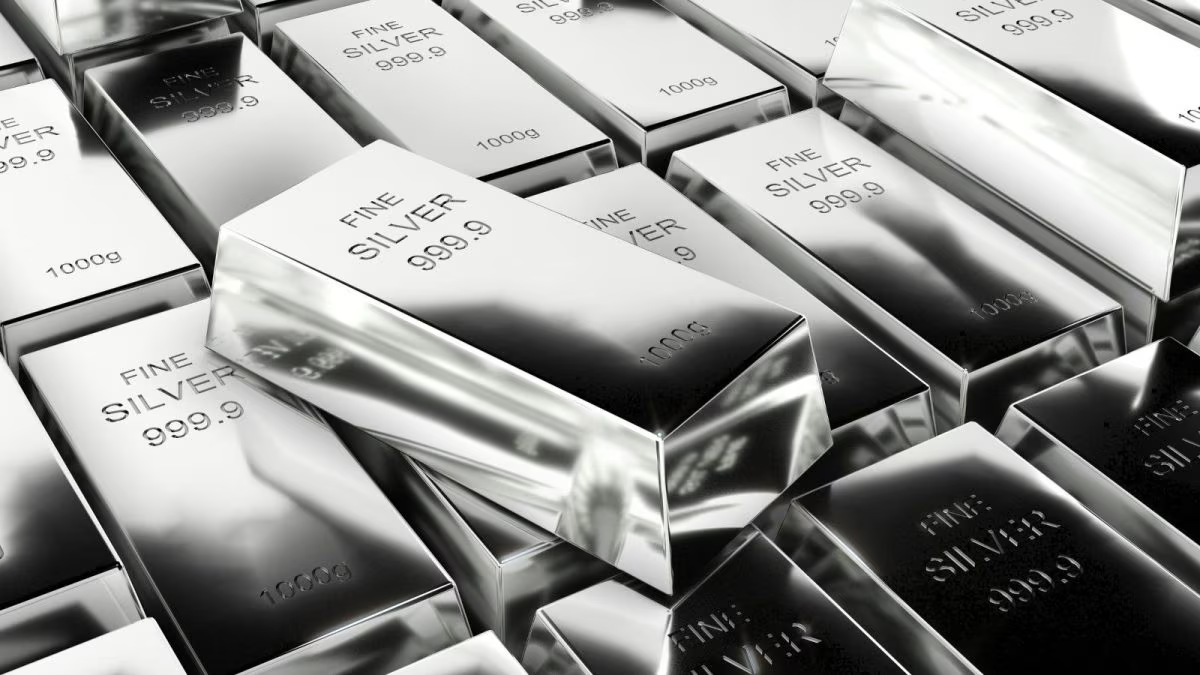
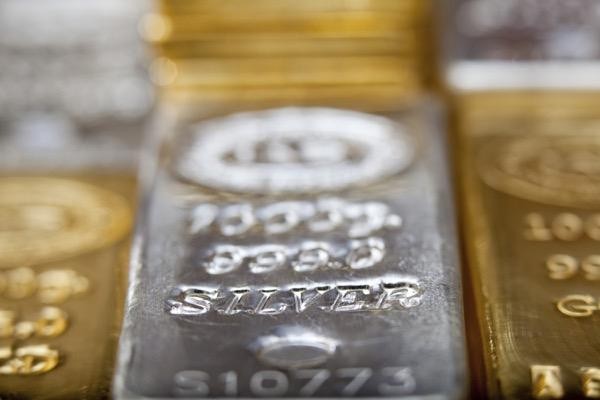
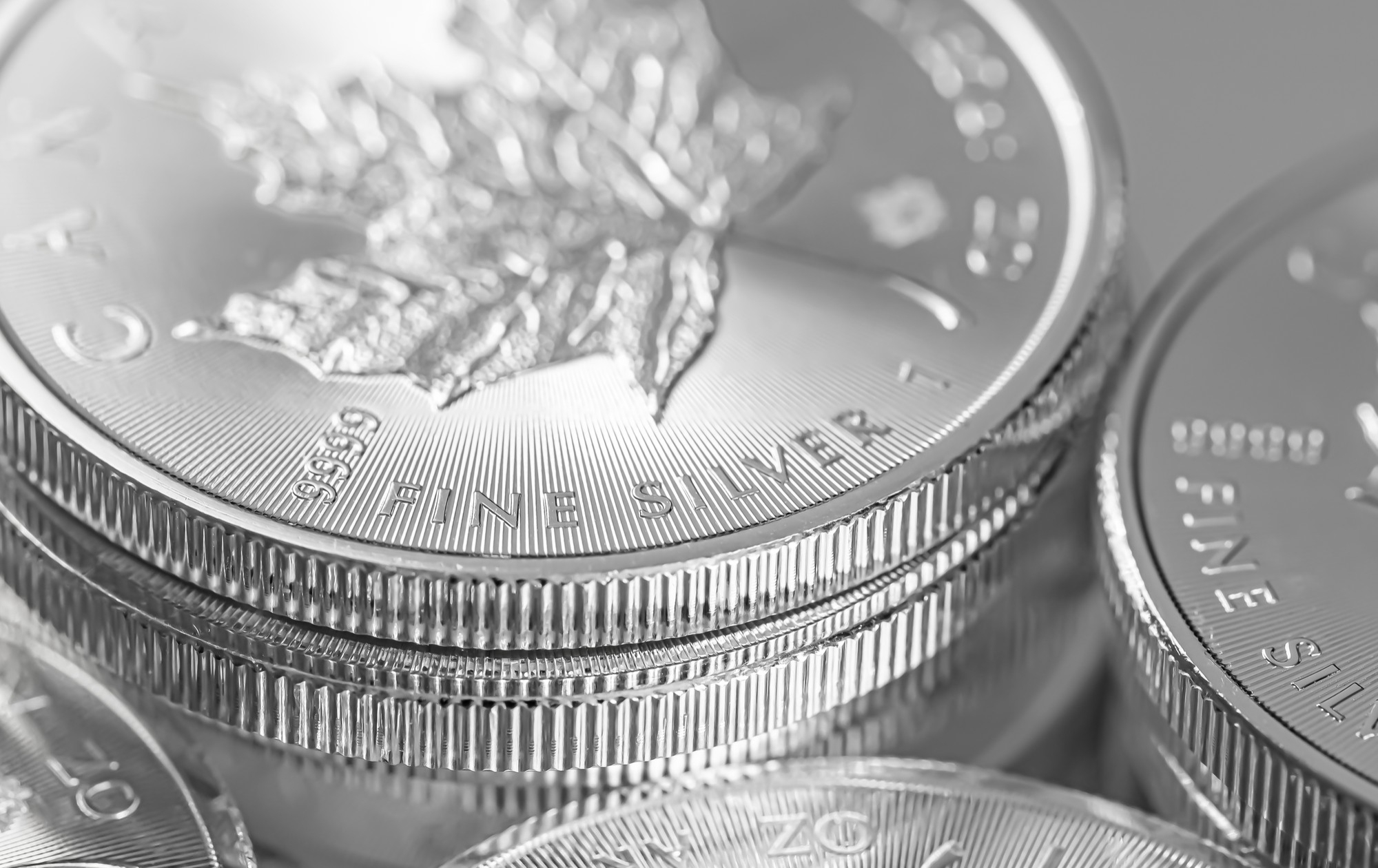
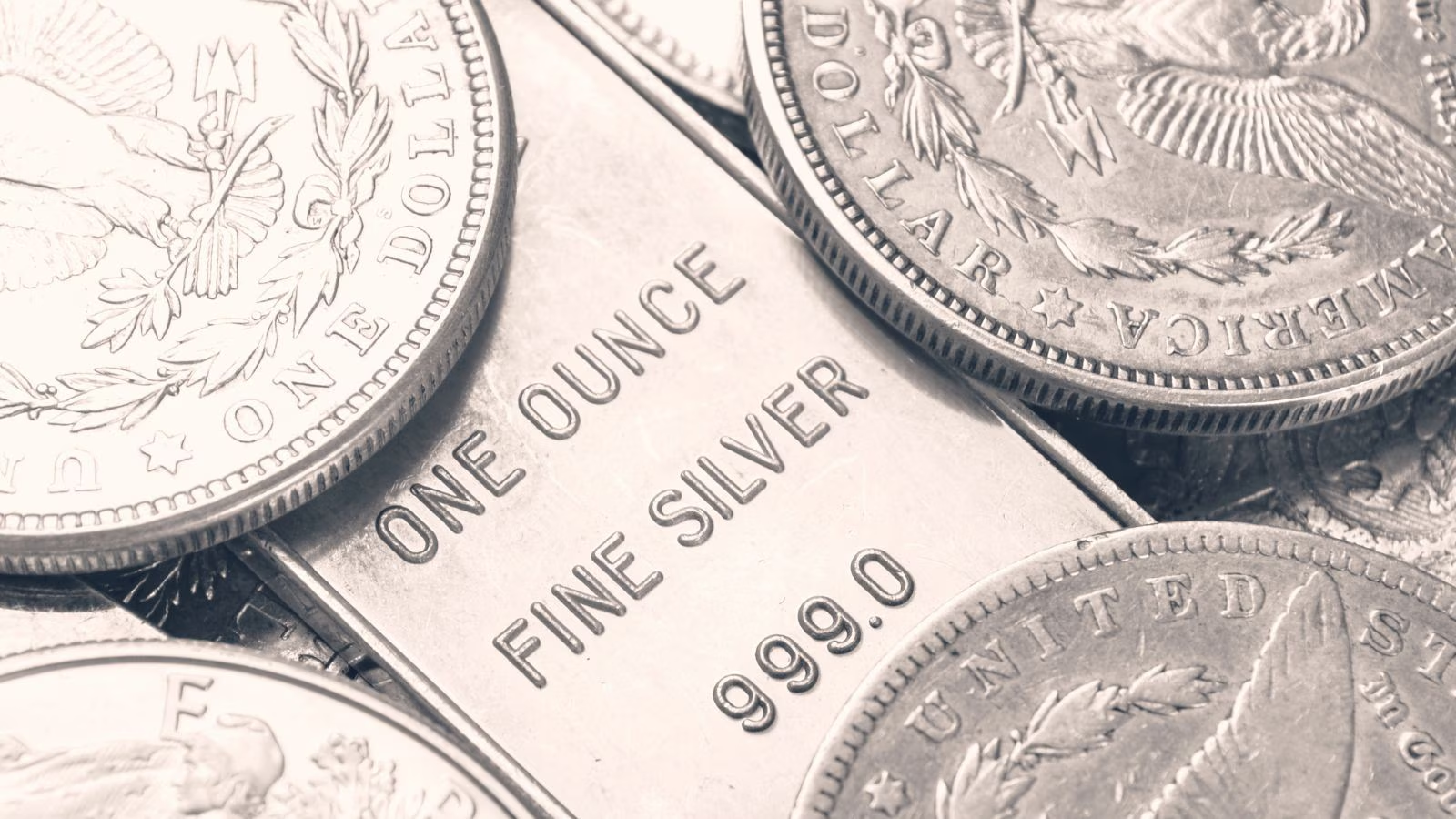
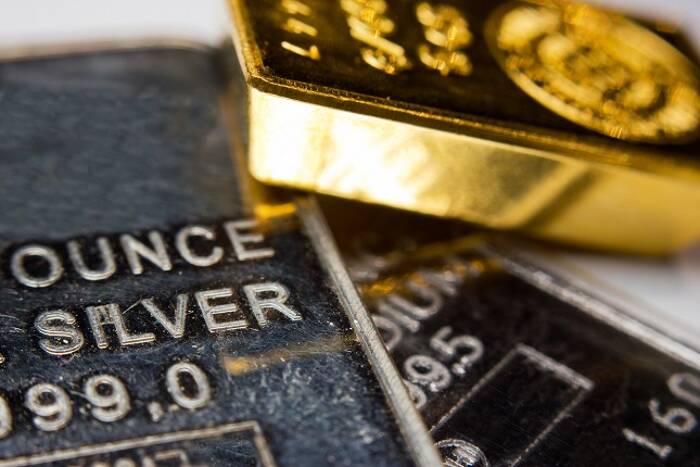
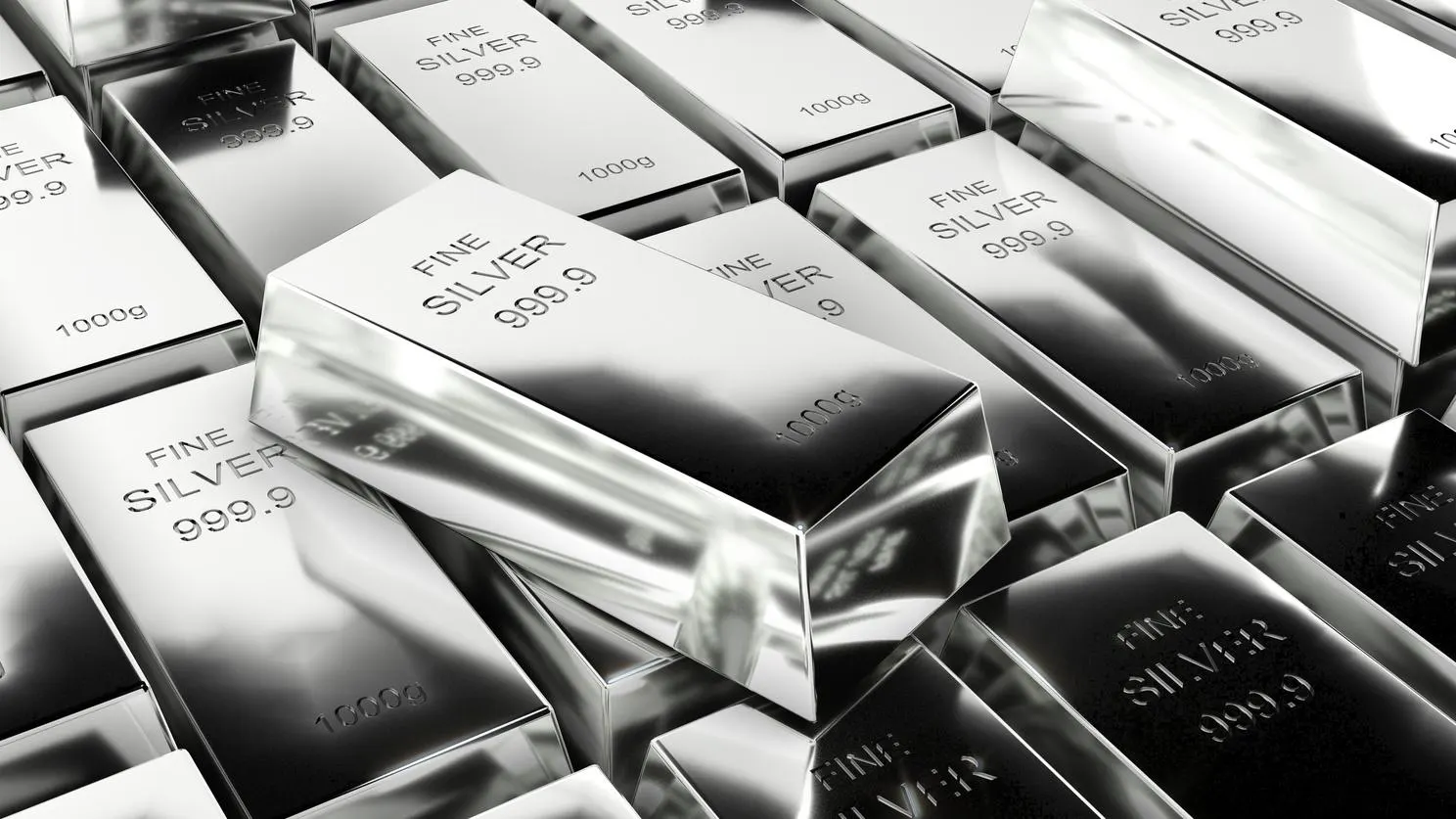
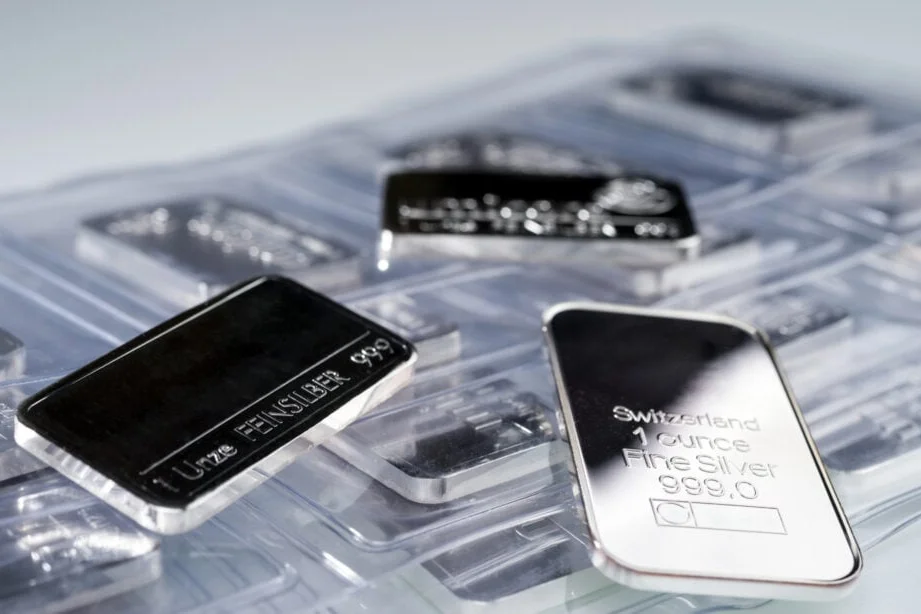
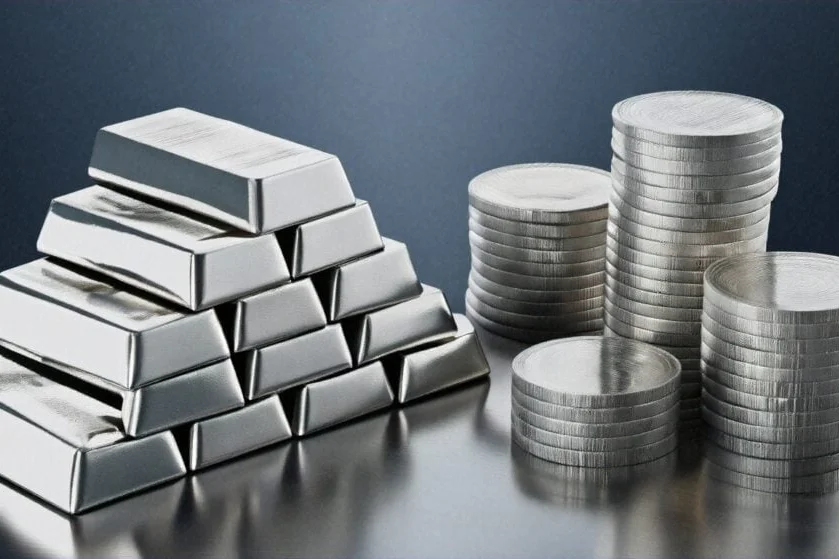
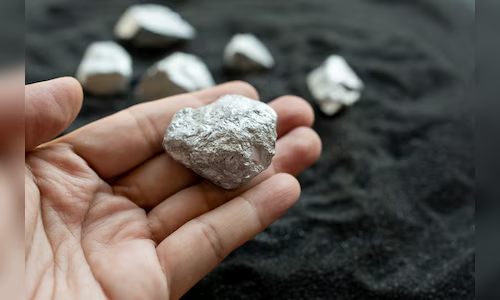
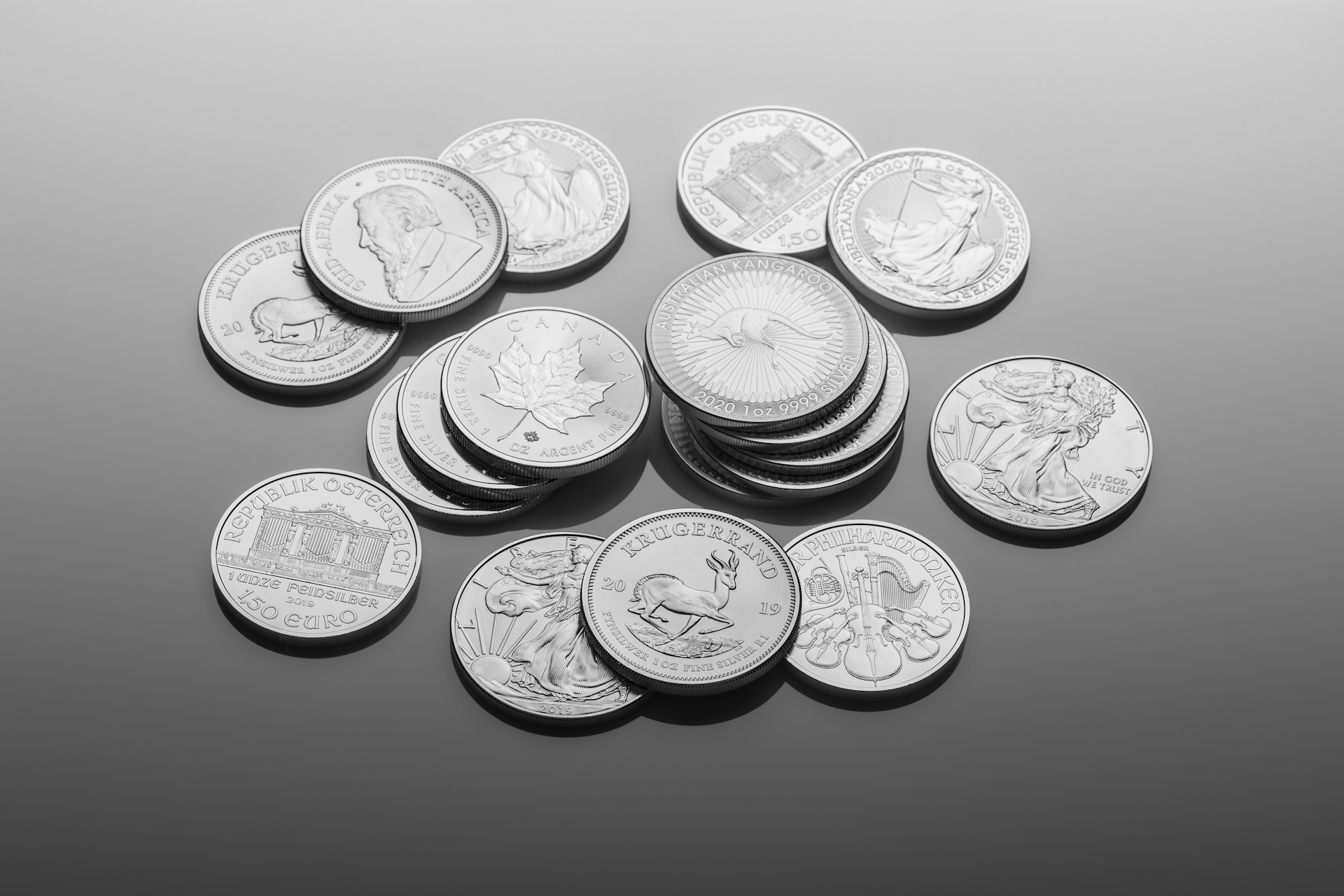
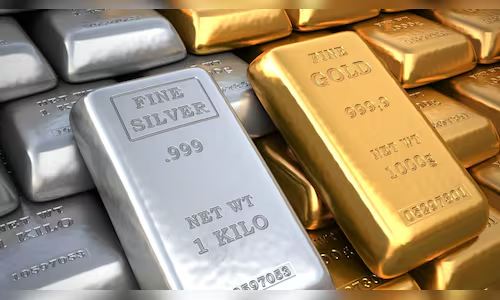
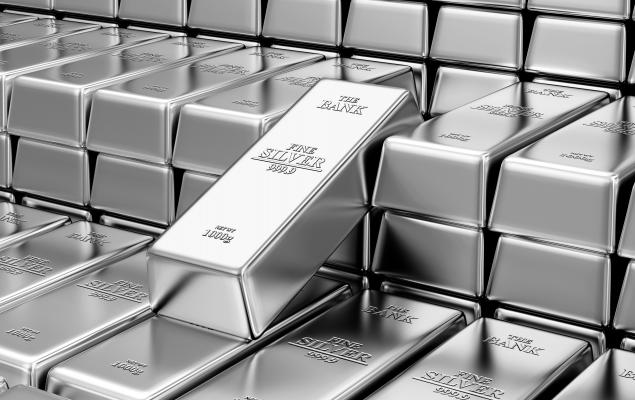
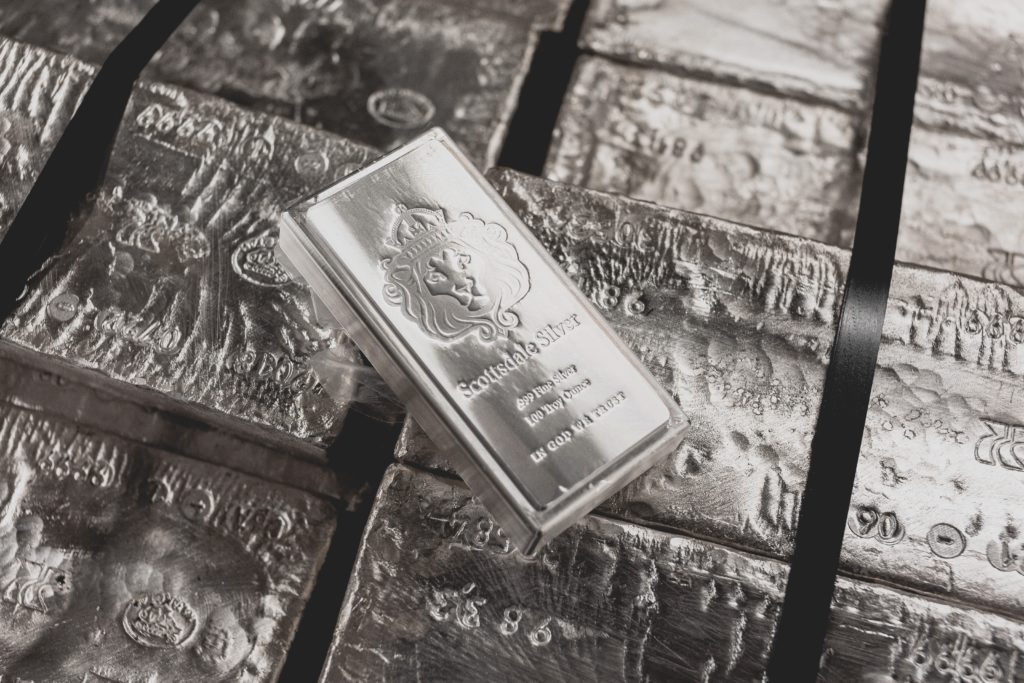
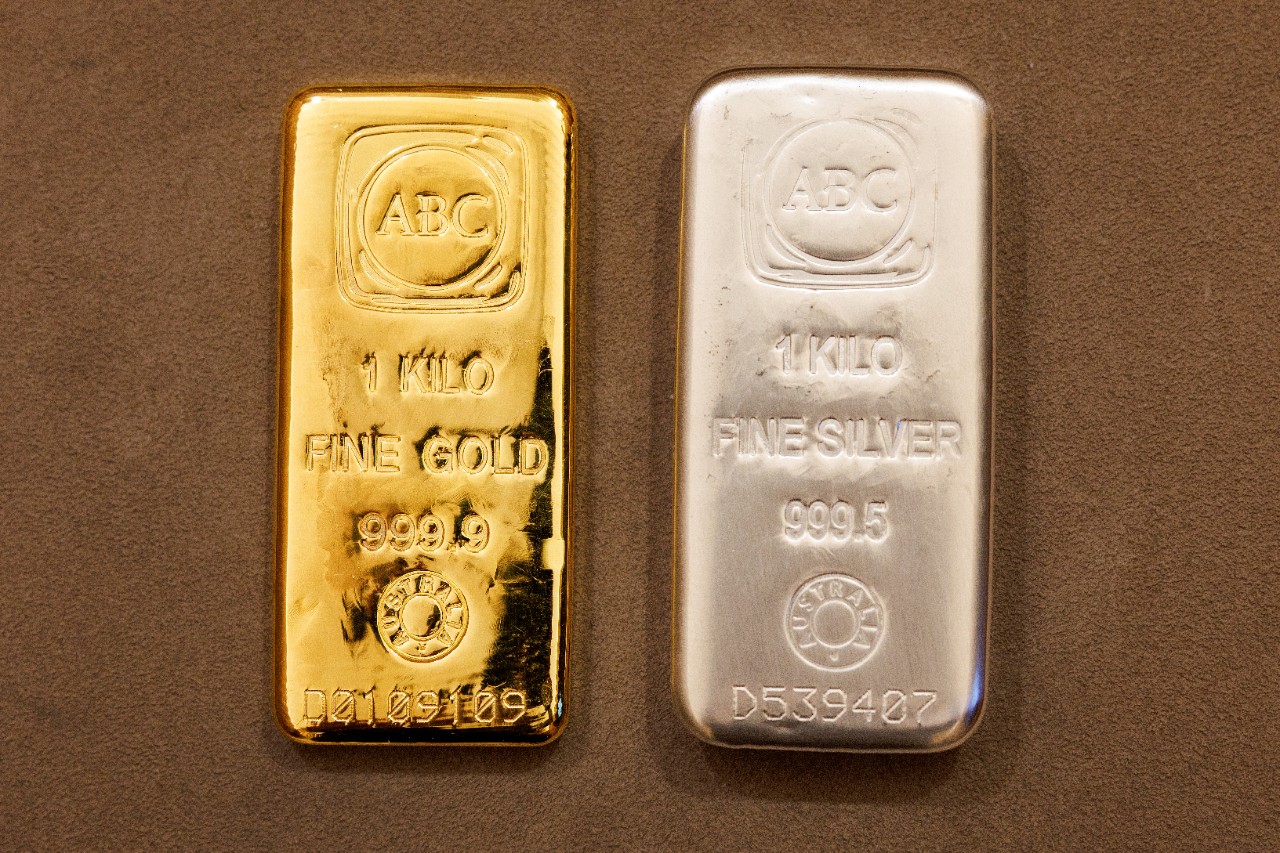
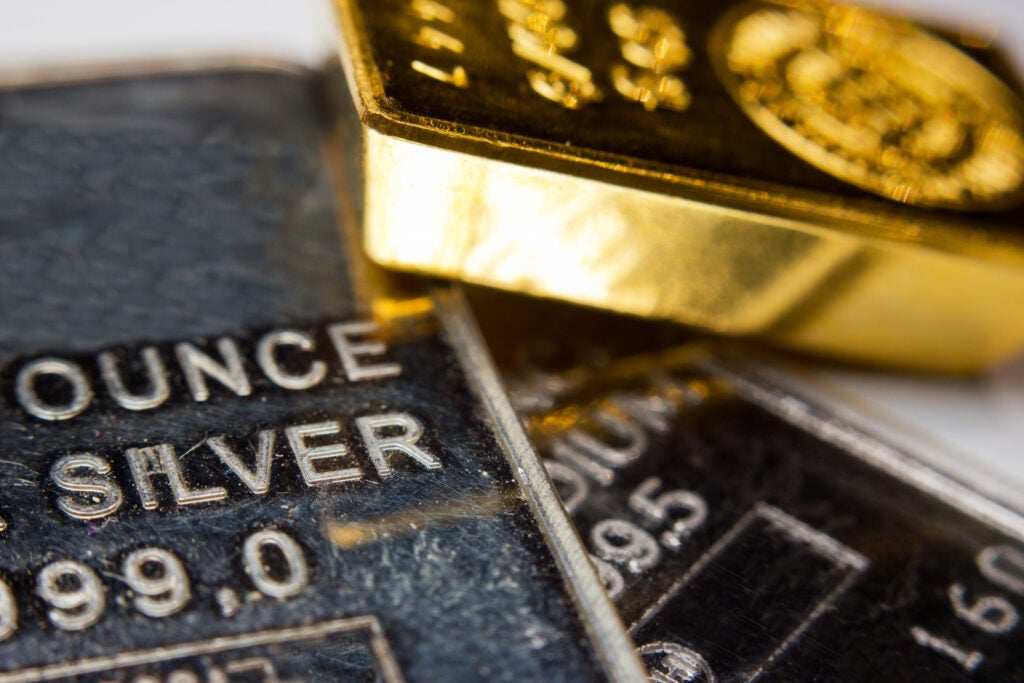
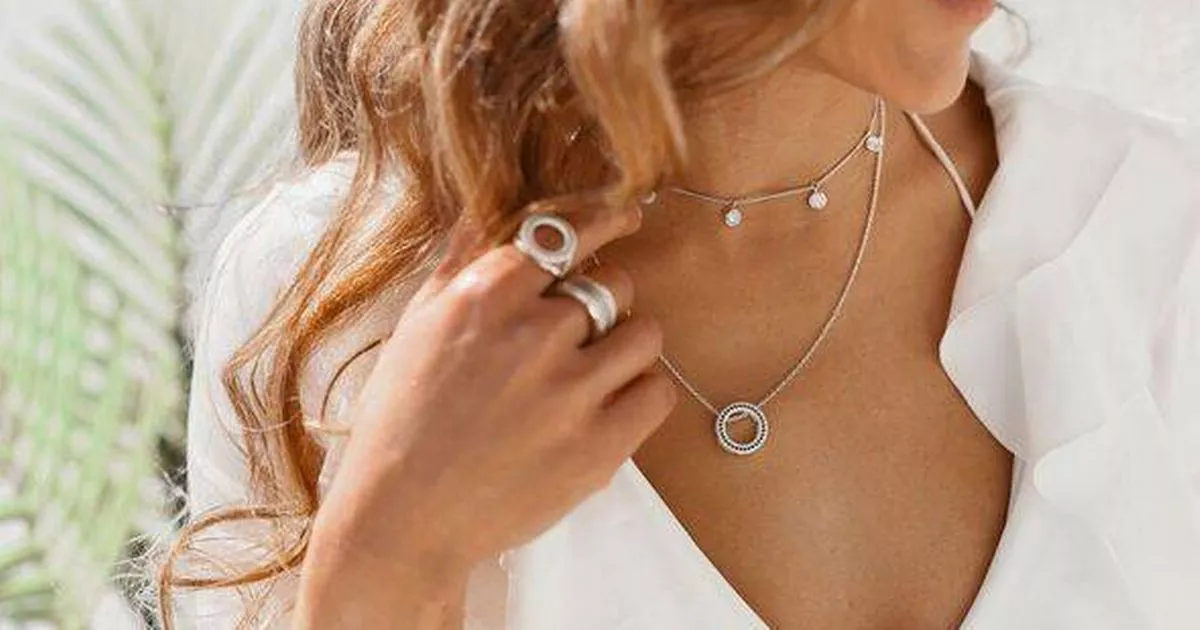
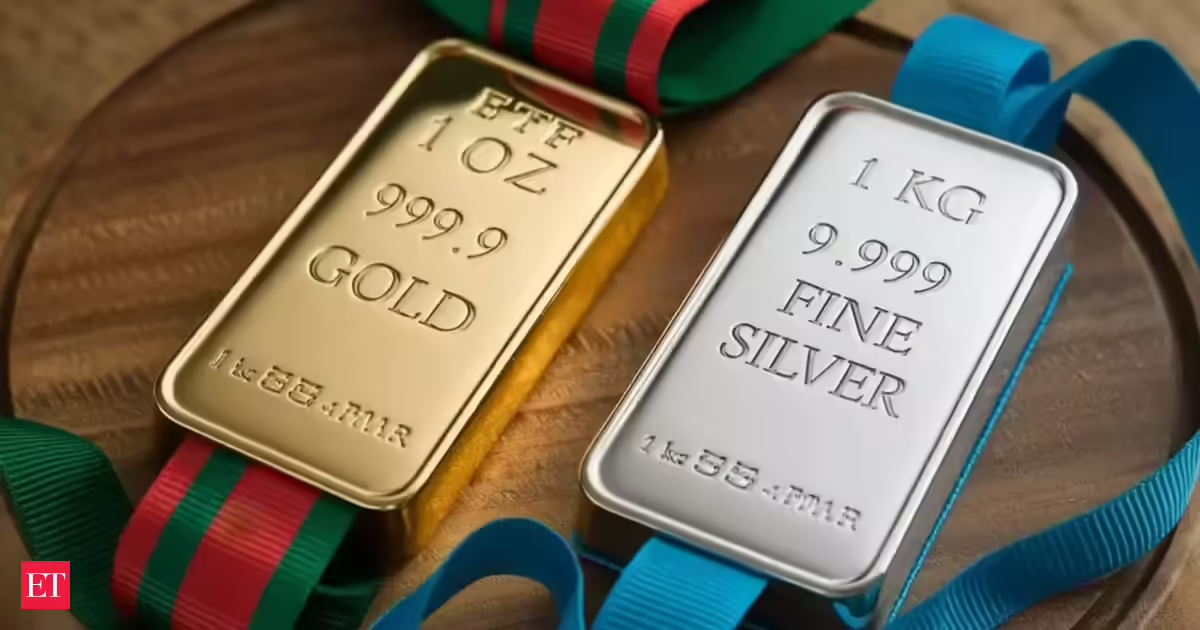
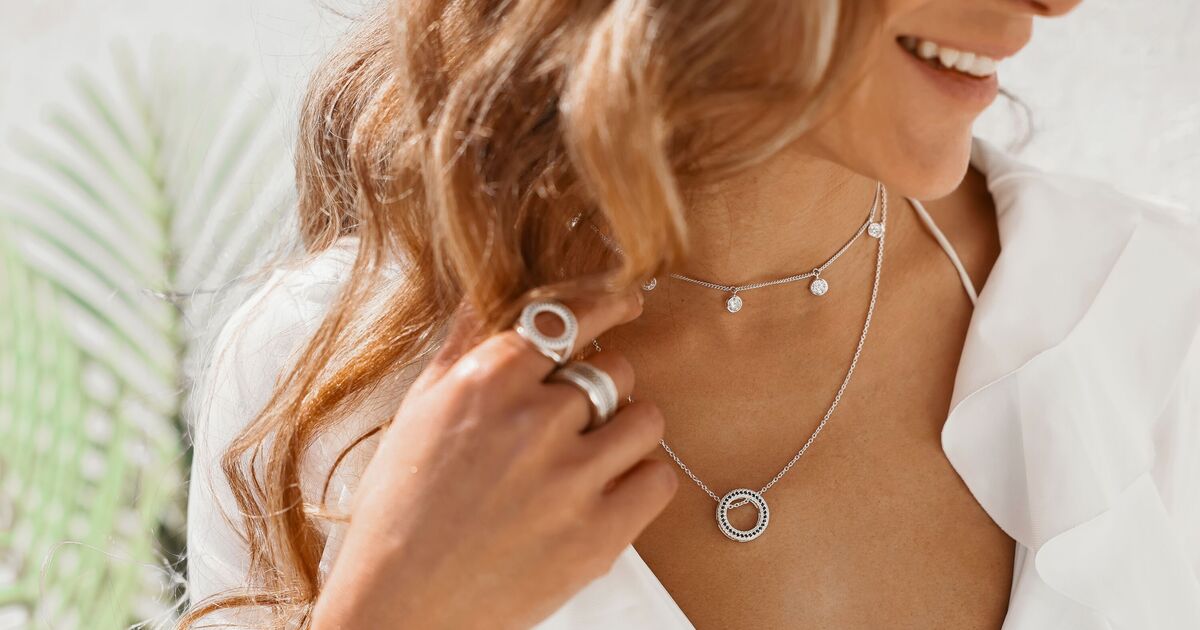
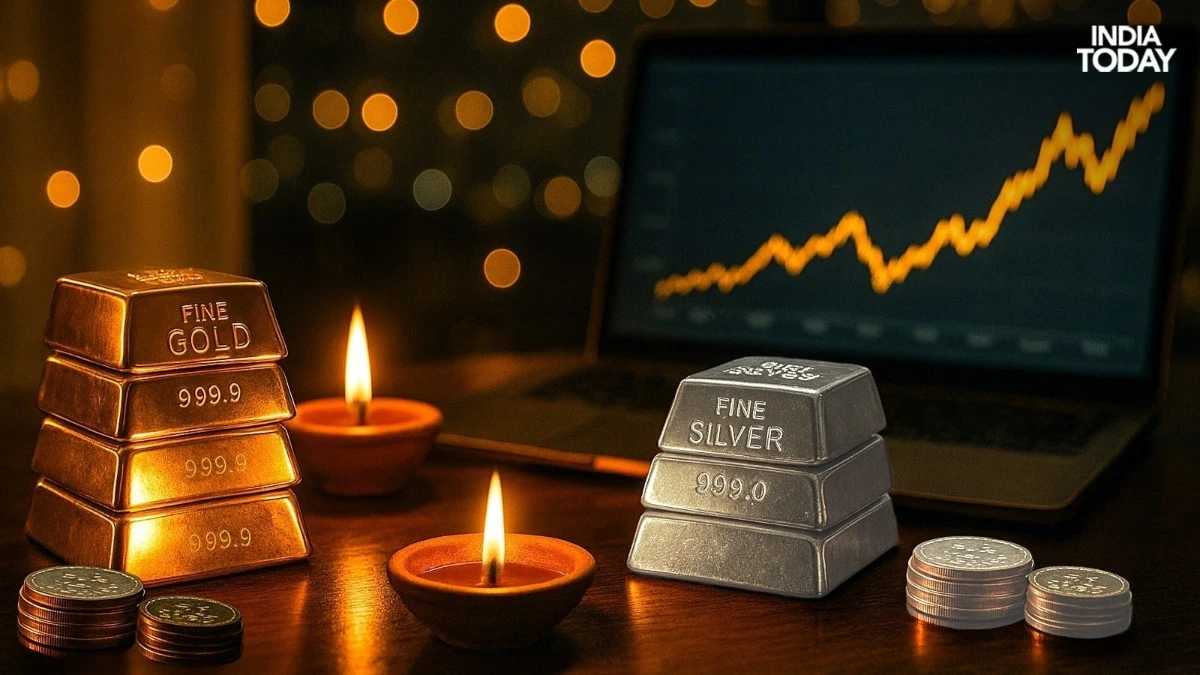
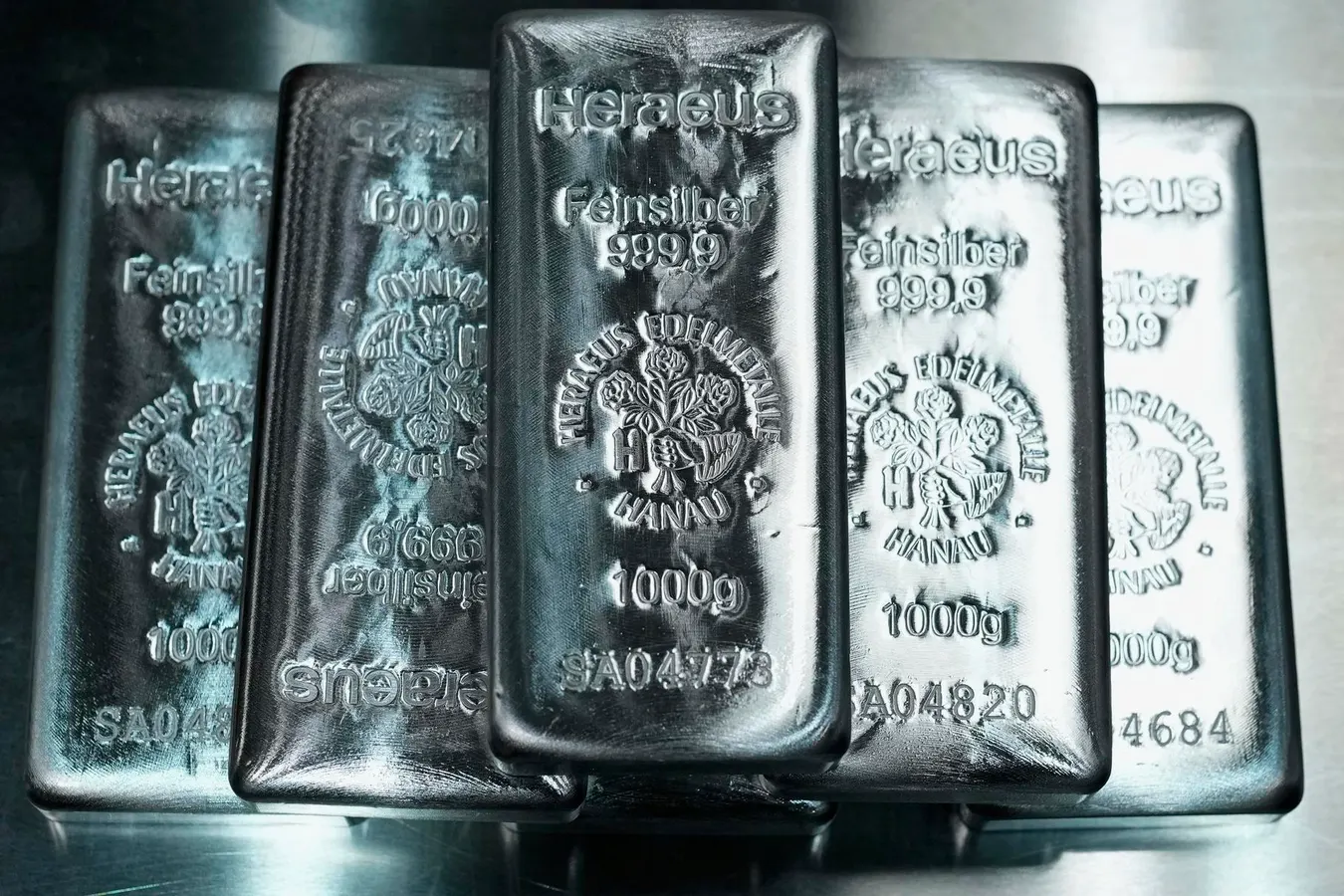
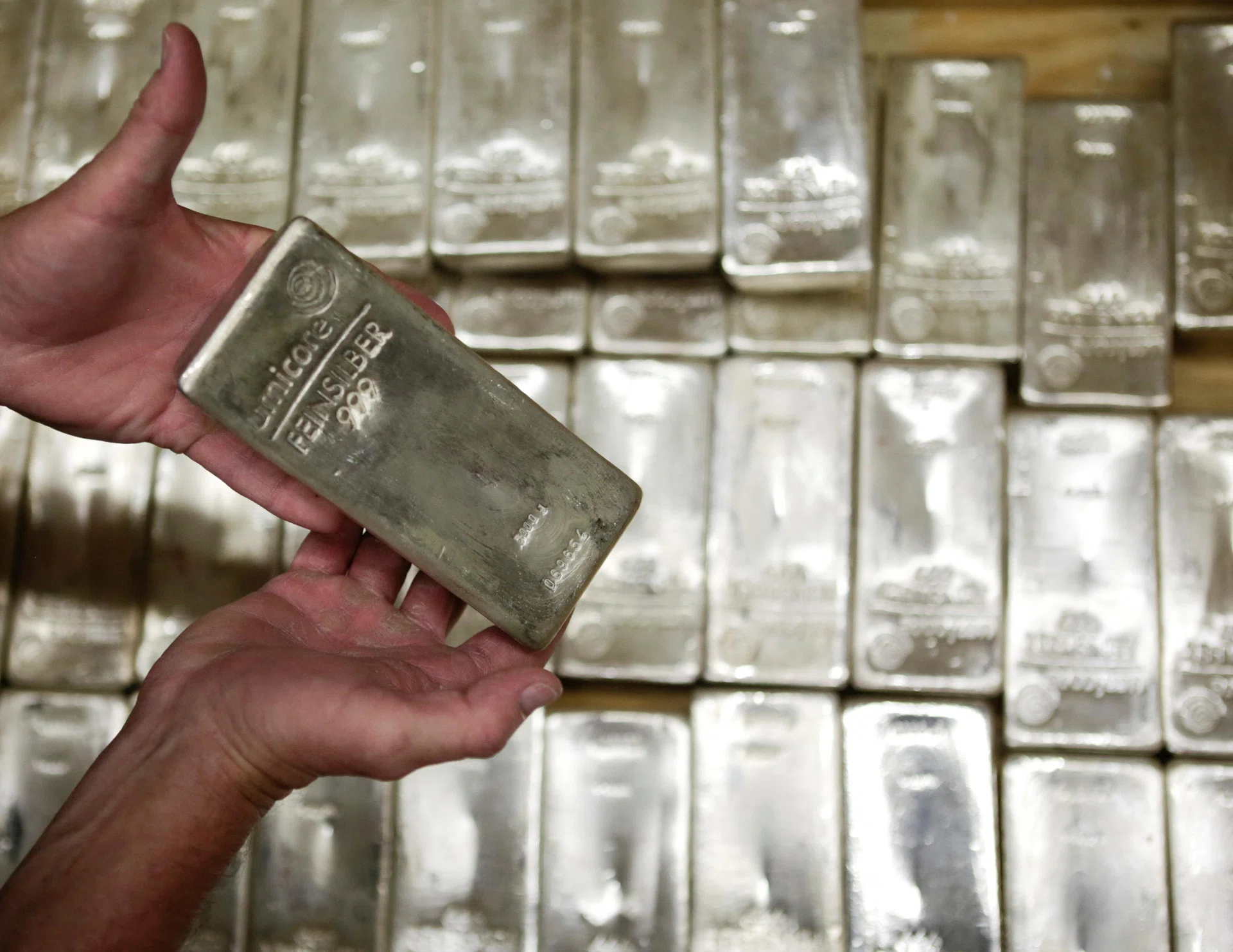
White gold and silver look similar on the surface but are, in fact, very different metals. White gold is a heavy, durable alloy containing pure gold mixed with other metals to resist scratches. On the other hand, silver is a softer metal that is more prone to scratching, says Shah. The color varies depending on whether it’s fine (99.9% silver) or sterling silver (92.5% silver), ranging from bright, cool white to a slightly darker grayish white. Even though sterling silver is less pure, it’s actually stronger because it contains other metals in the alloy. For this reason, it’s a popular choice for everyday pieces.
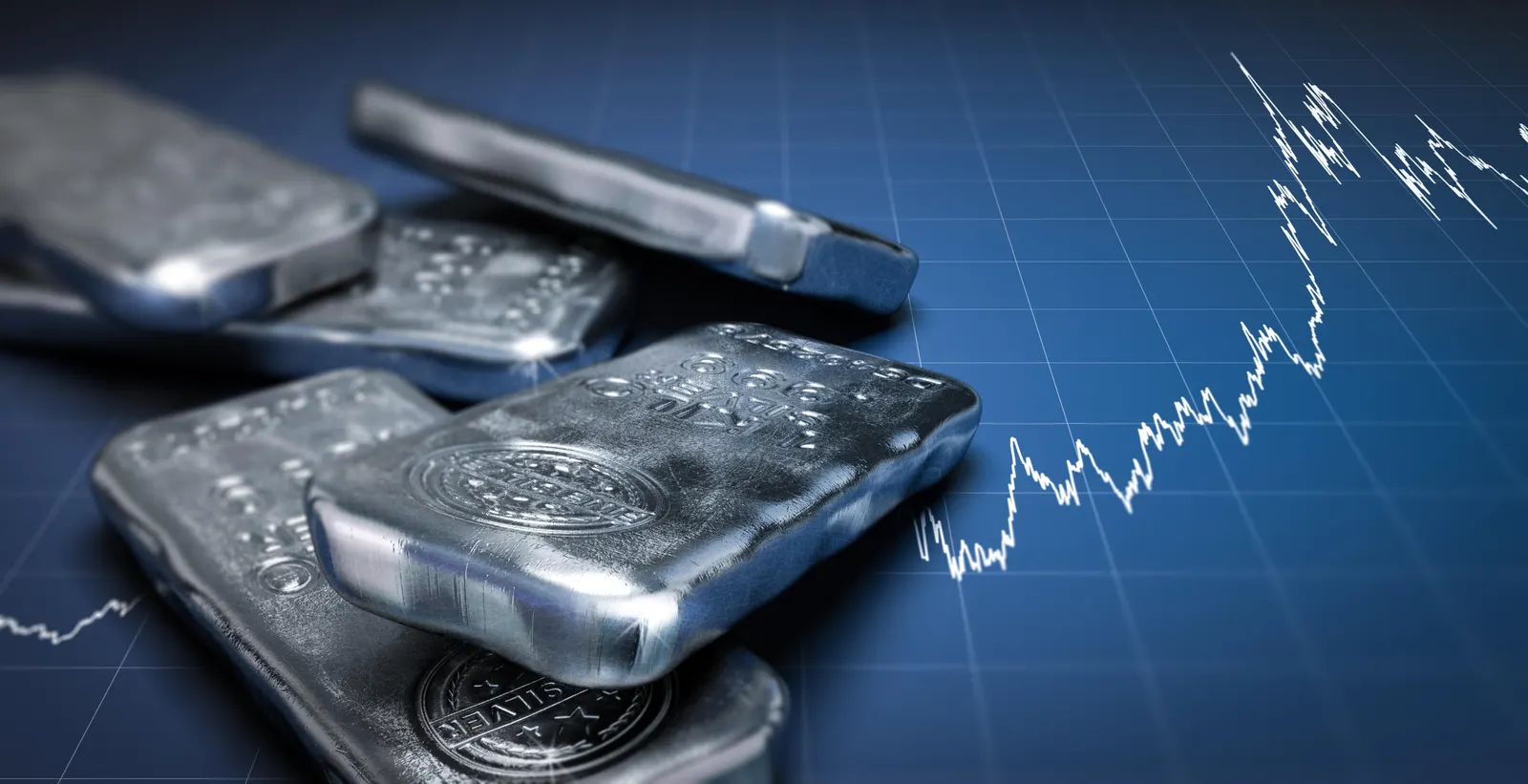
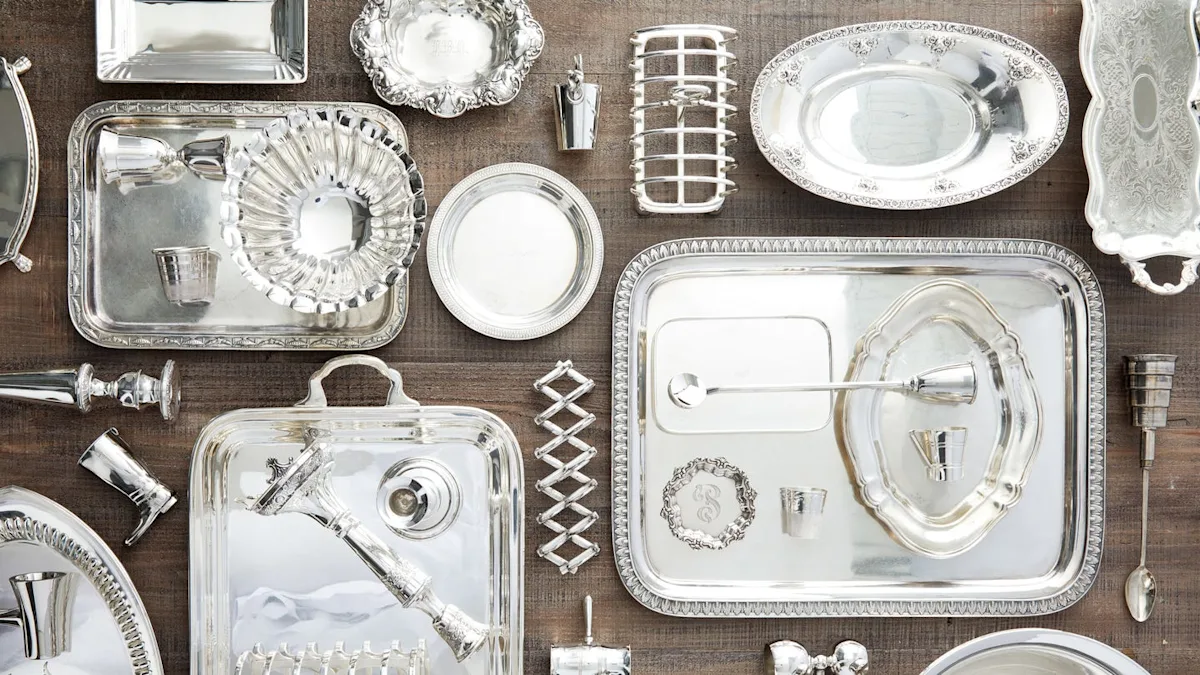
While all silver will eventually tarnish (it’s a surface reaction between the metal and sulfur compounds in the air), it can be removed with a polishing cloth. Proper storage and care will help it stay bright and shiny longer. Our experts recommend storing your pieces in a cool, dry and airtight place and removing them before swimming, showering or cleaning. “A good trick is to include anti-tarnish paper inside [your jewelry box] that absorbs sulfur and moisture,” says Shah. These papers work by neutralizing sulfur gases in the air, and they typically change color so you know when they need to be replaced.
14k Vs. 18k Gold
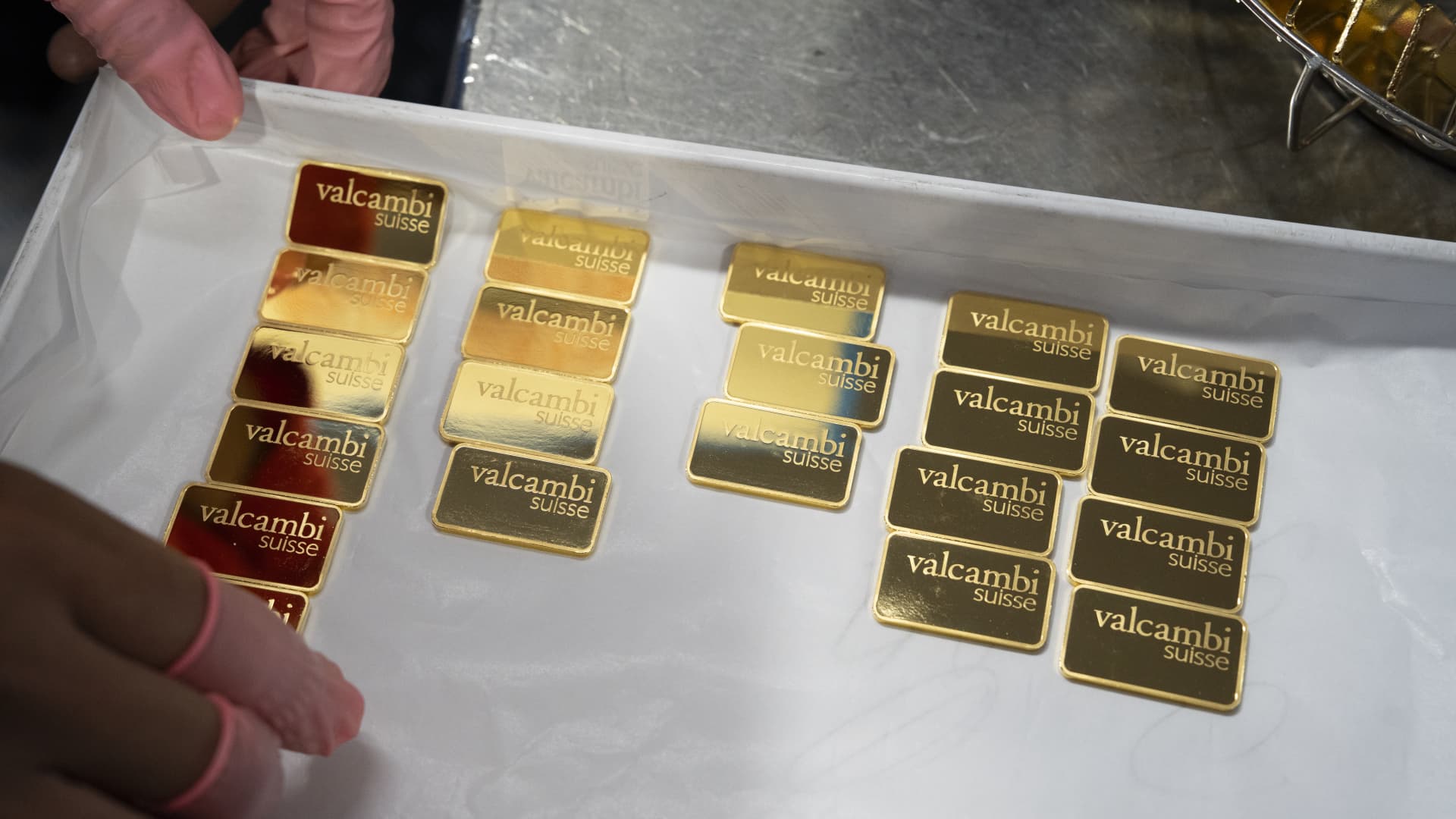
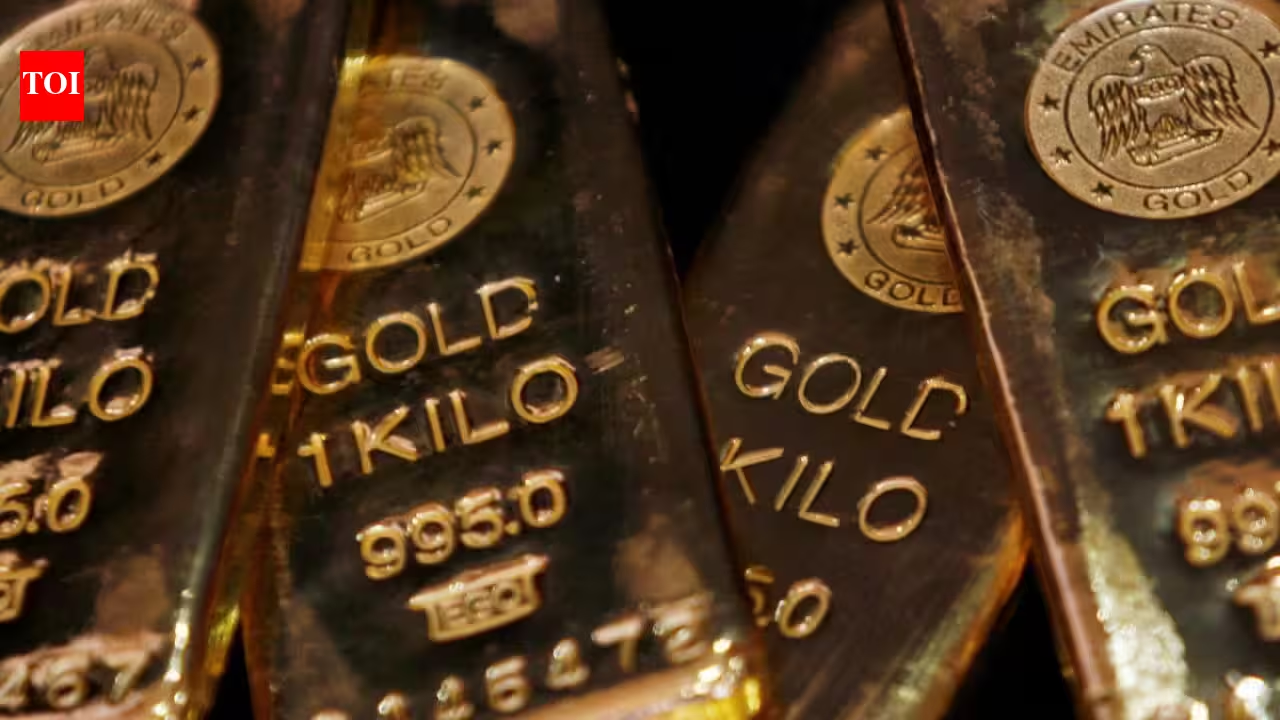
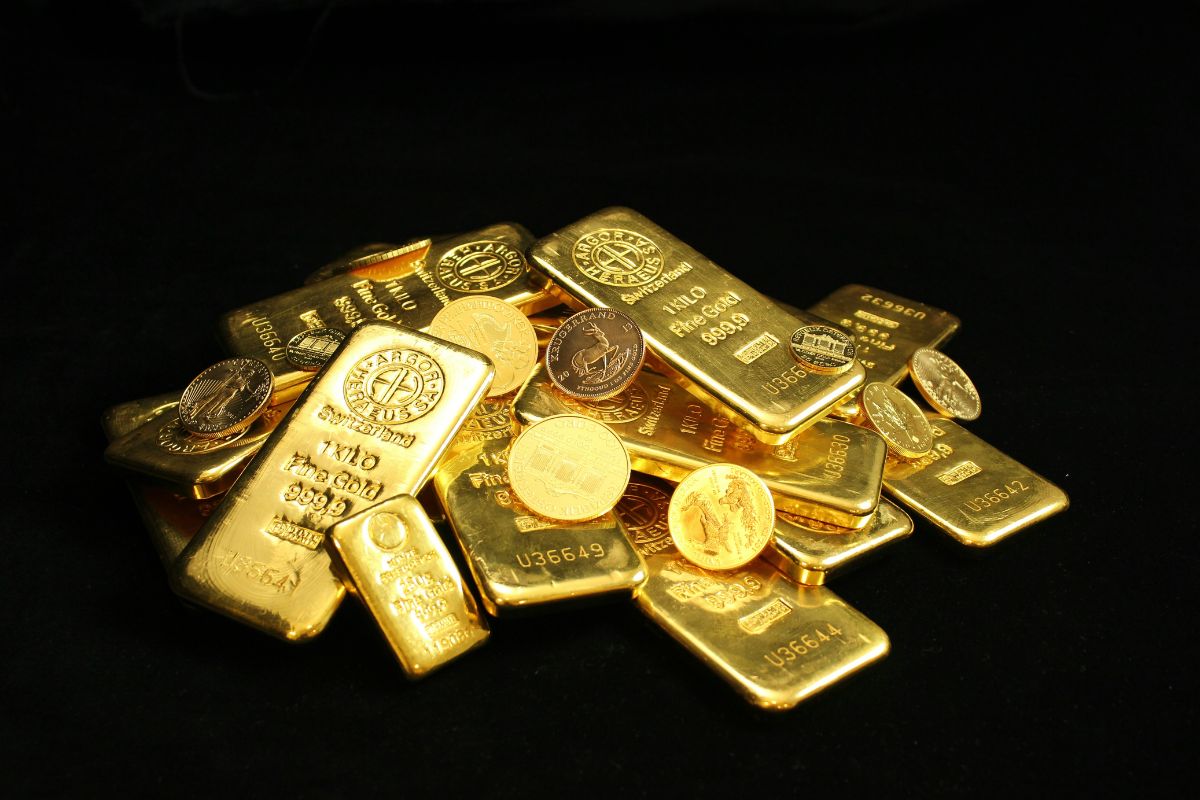
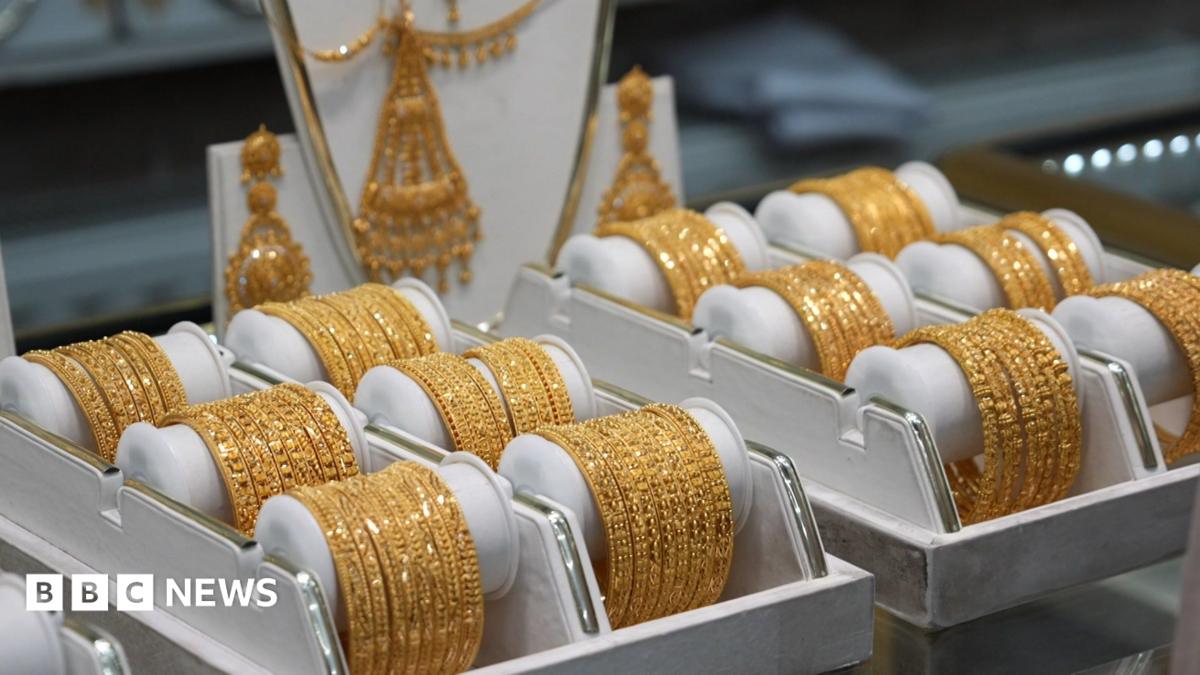
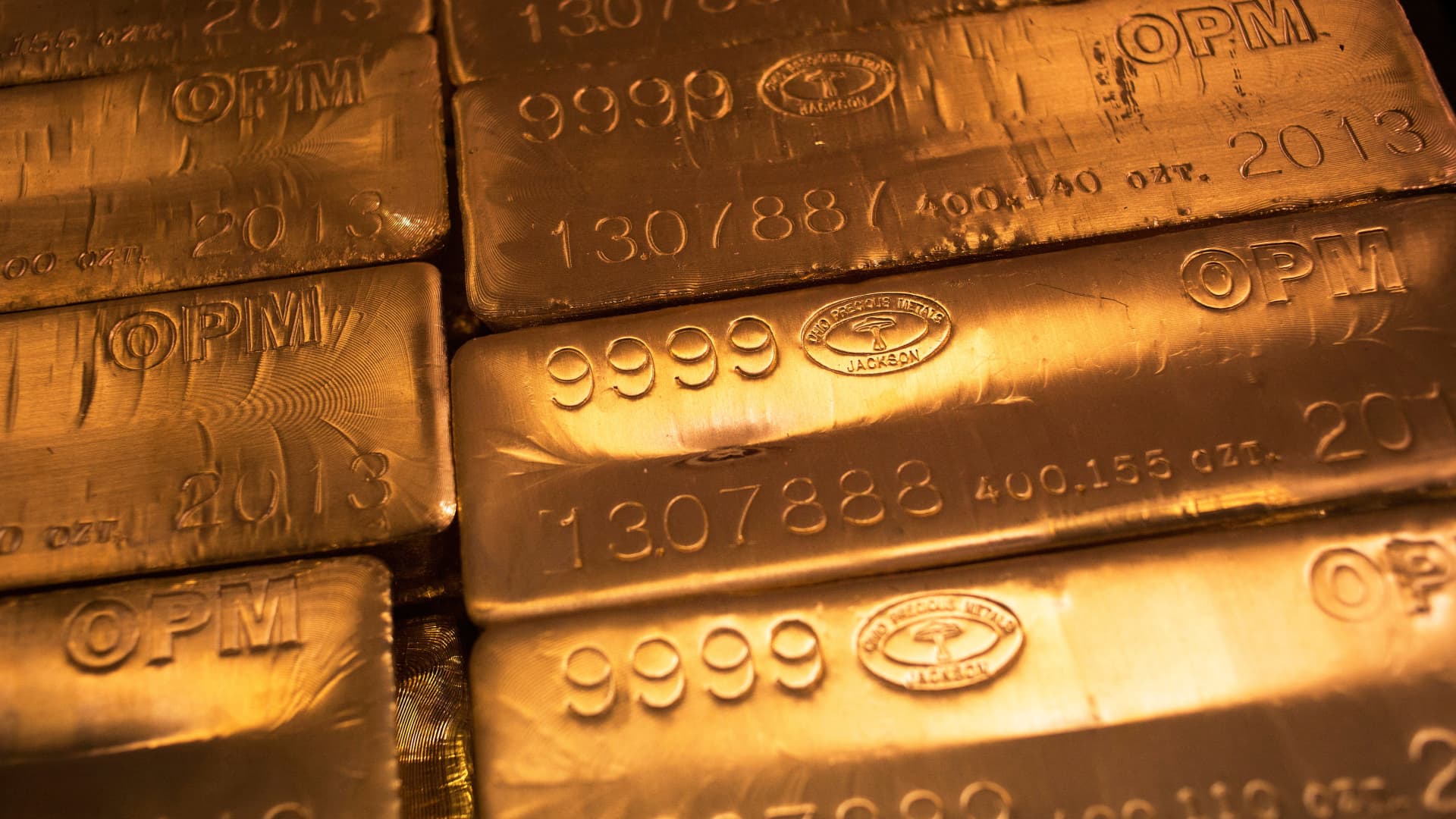
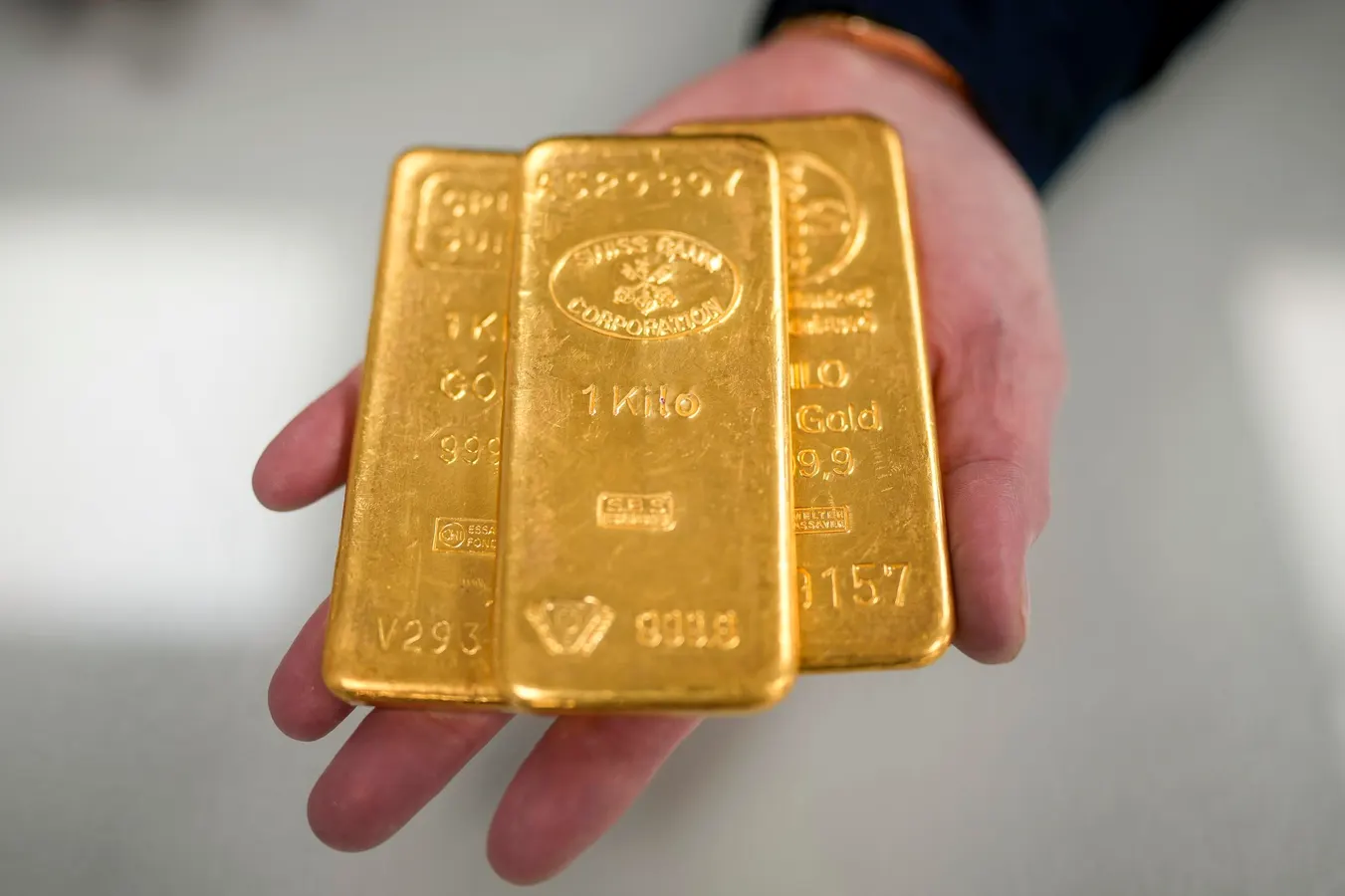
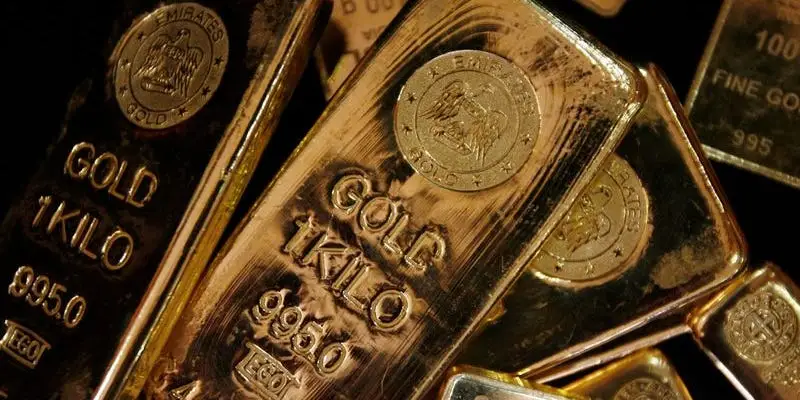
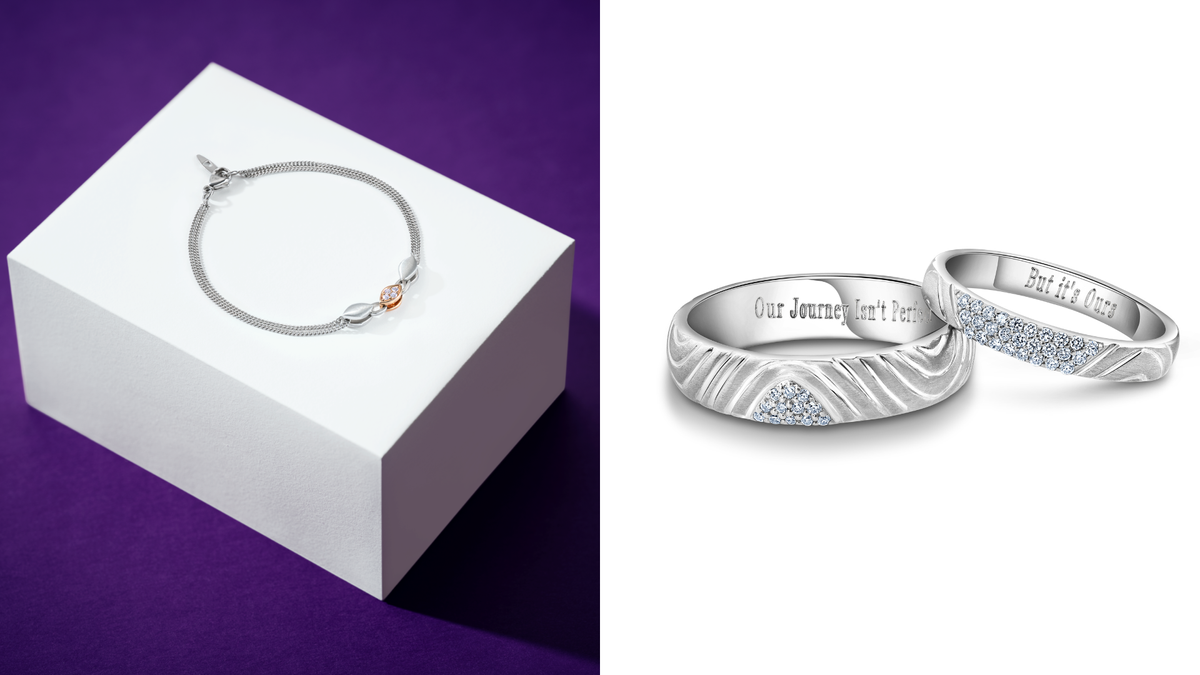
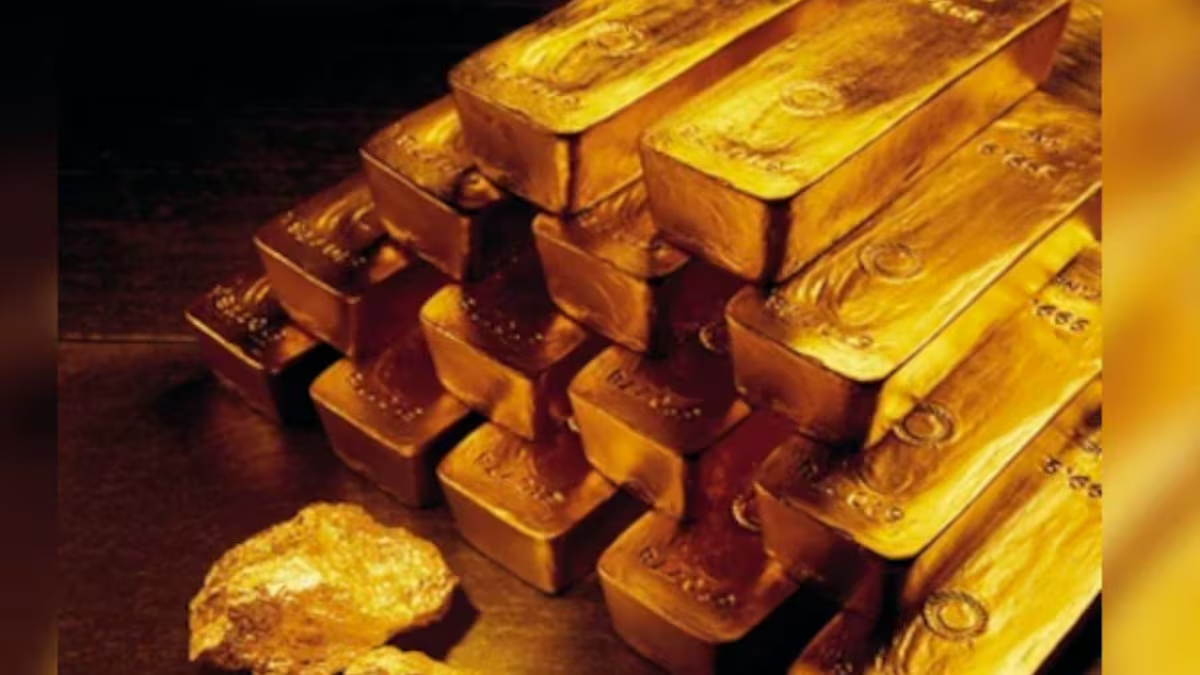
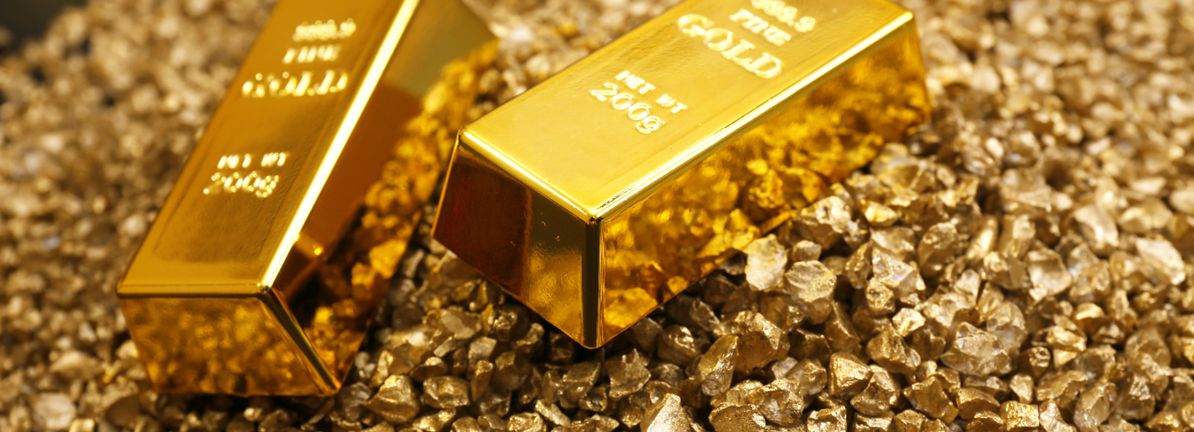
According to our experts, the difference between 14k and 18k comes down to the amount of pure gold that’s in the metal. “18k is 75% pure gold while 14k is about 58% pure gold,” says Jean Dousset, fine jewelry designer and the founder. “The rest is the alloy that gives the metal its strength and color. More gold means 18k has the richer, warmer look and the more precious feel. More alloy means 14k is a touch harder and a little kinder to your wallet.” For a quick price comparison, With Clarity’s Petite Matching Wedding Band in 18k yellow gold is priced at $1,010, which is $320 more expensive than the 14k version.
White Vs. Yellow Vs. Rose Gold
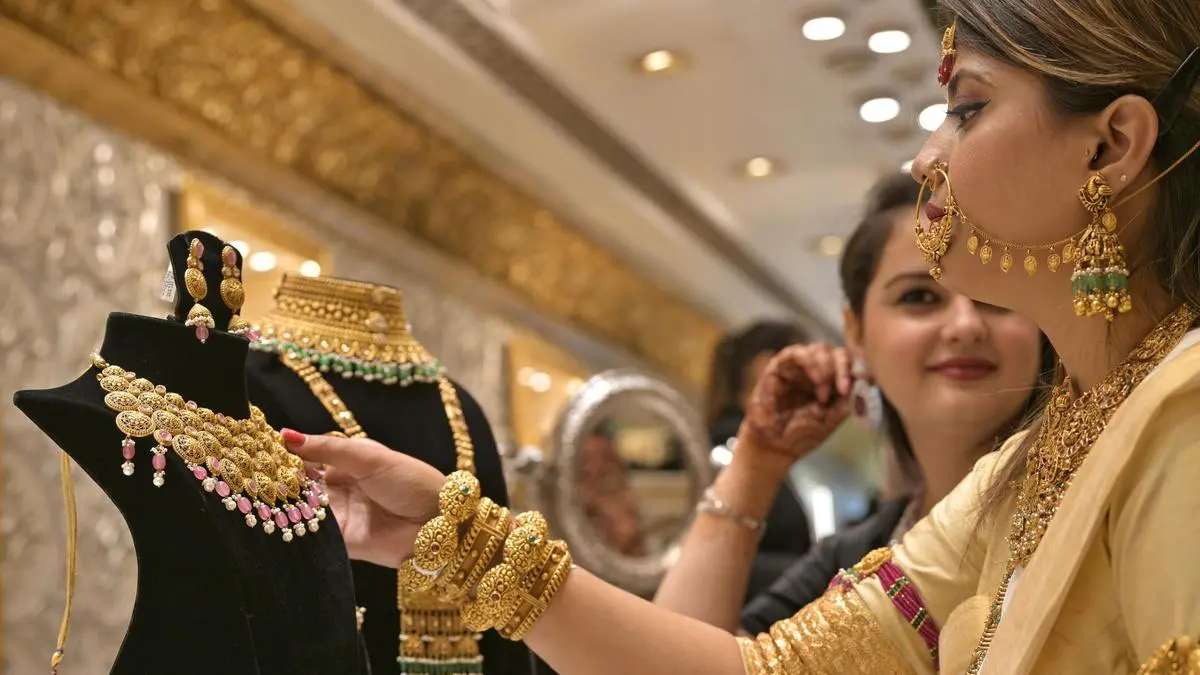
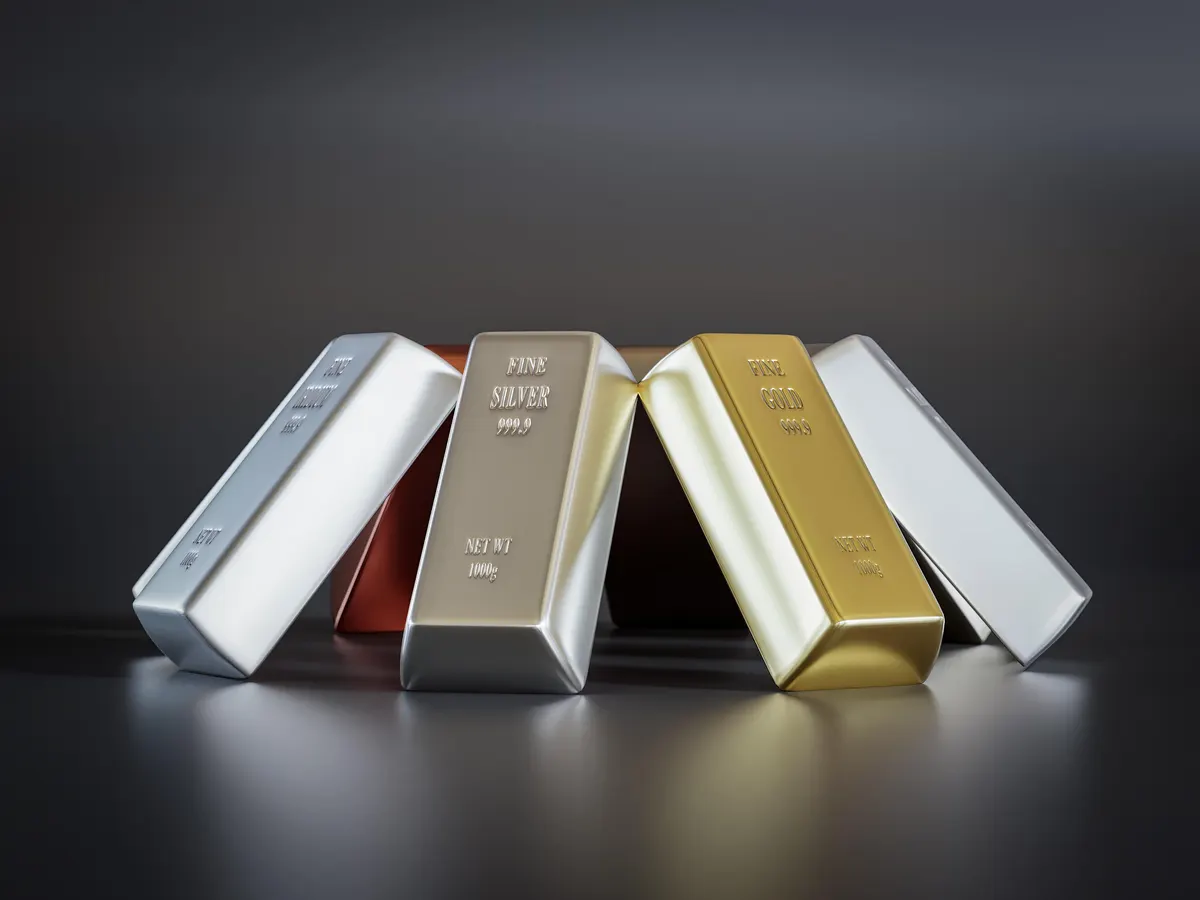
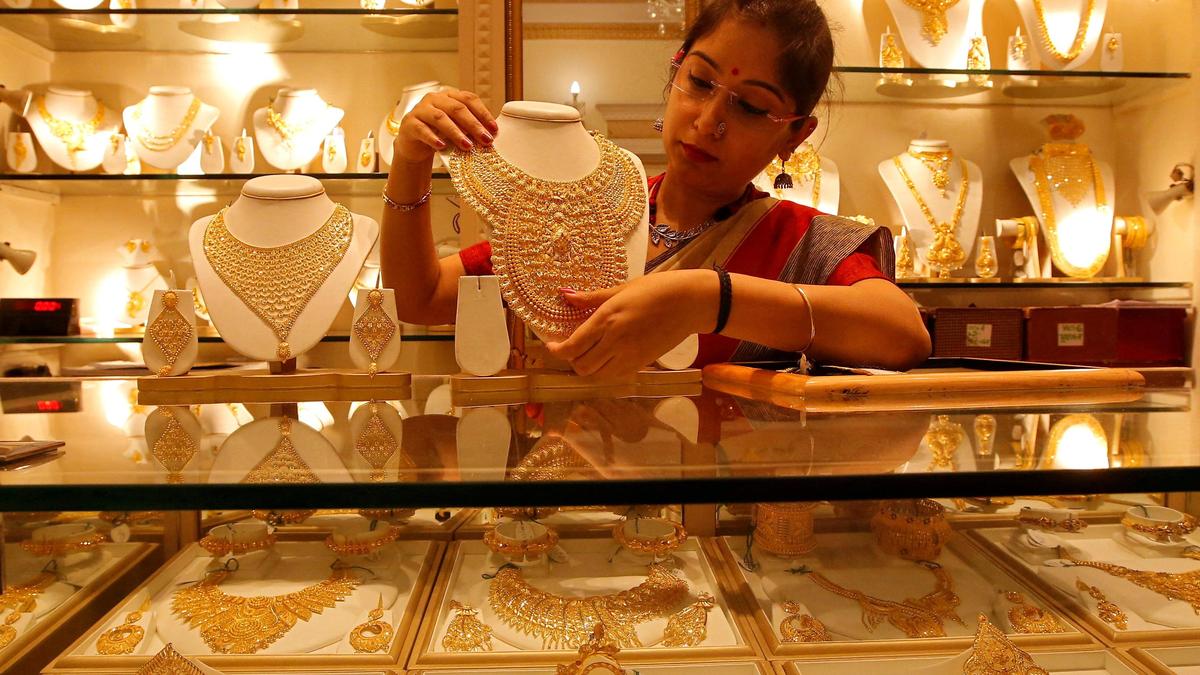
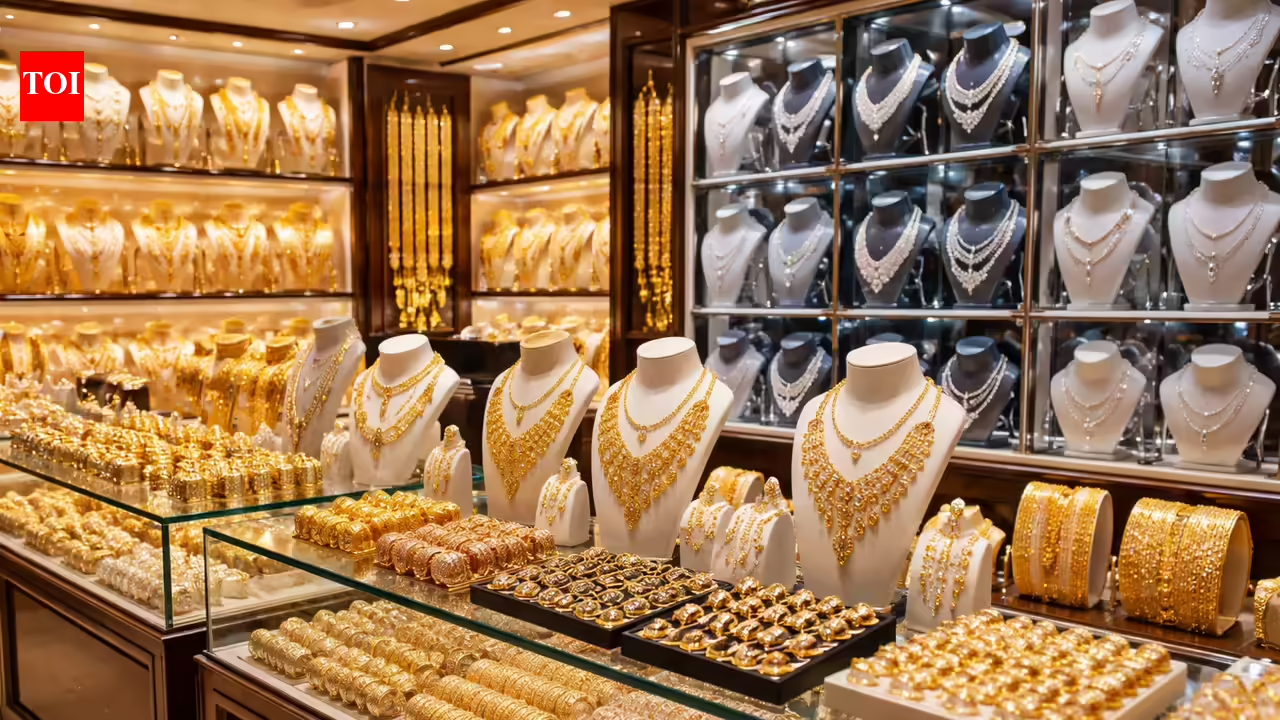
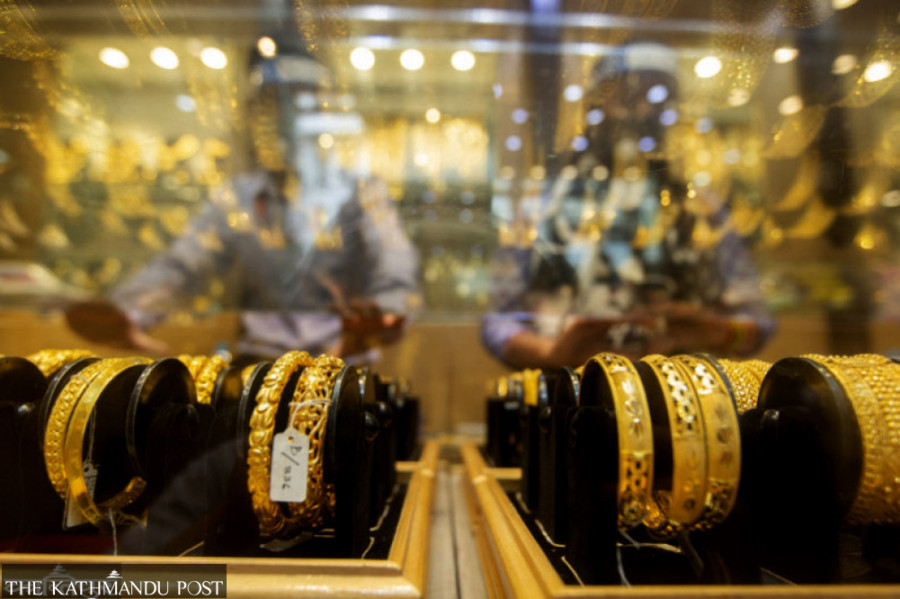
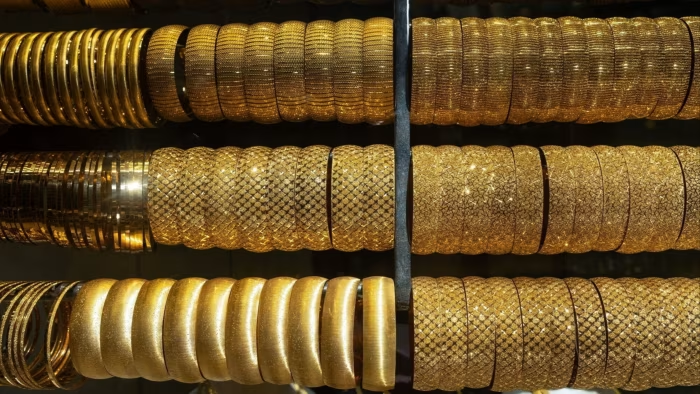
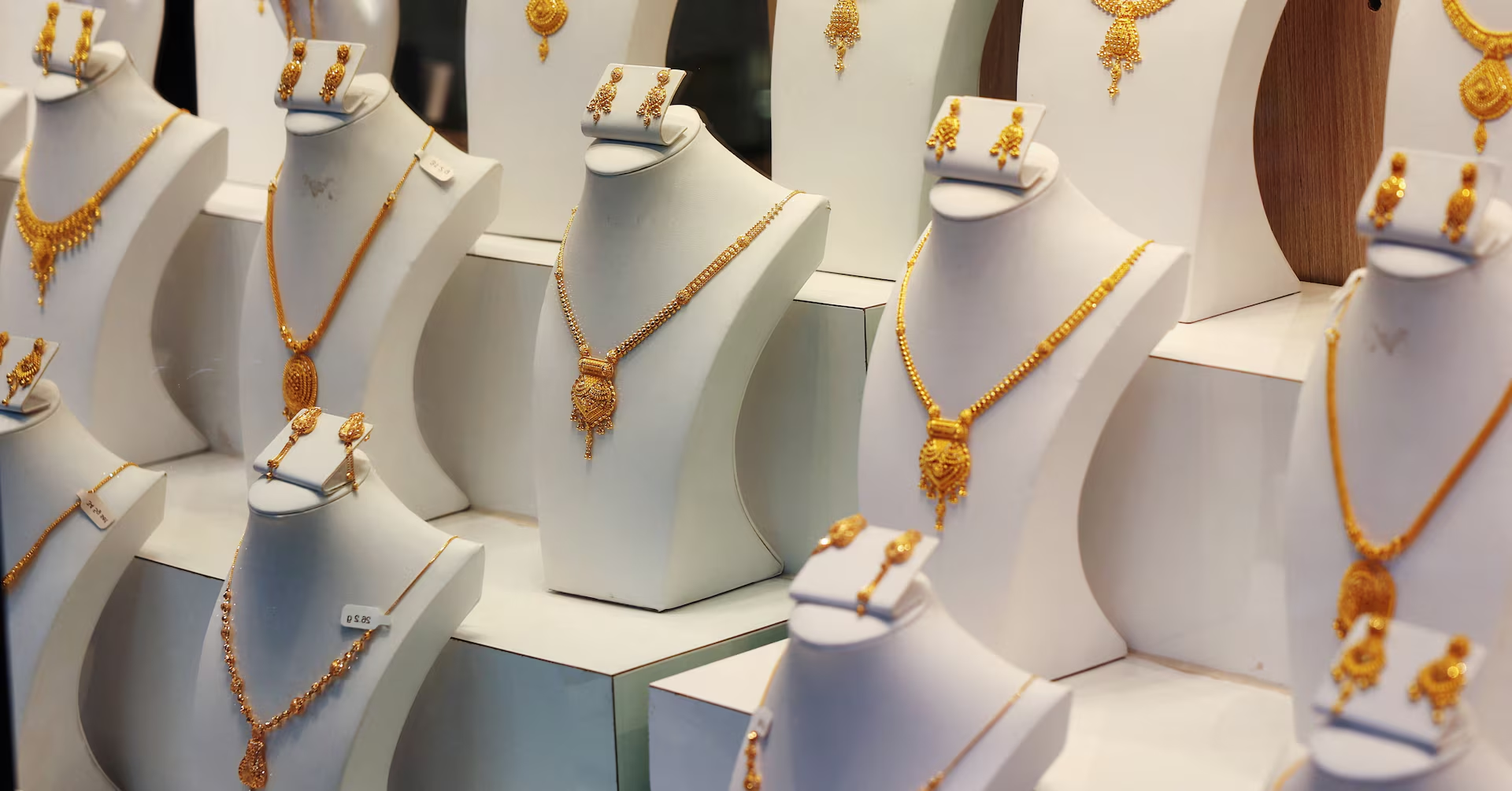
Yellow gold remains the classic choice, but white gold has become an increasingly popular option for bridal jewelry. Rose variations can have a more modern look but are incredibly strong and require minimal maintenance.
Beyond their appearance, the difference lies in the blend of metals, according to our experts. “Yellow gold combines pure gold with silver and copper to retain its natural warmth,” says Strachan. “Rose gold has a higher copper percentage, which gives it that romantic, vintage pink blush. White gold combines pure gold with white metals like palladium or silver, and has a crisp, mirror-like shine.”
All variations are highly resilient and available in a range of karats. “At the same karat, they’re equally sturdy with the same amount of gold in each. The only real difference is upkeep and maintenance,” says Dousset.
Which Metal Is Most Durable?
Of all the precious metals, platinum is incredibly tough and long-lasting. While it may show surface-level scratches, its density lends itself well to securing diamonds and other gemstones. It also has a high resistance to corrosion and tarnishing, and will require little maintenance over time. Because of these characteristics, Strachan notes that it’s great for pieces that need to withstand constant wear and tear.
This also means it’s a popular choice for bridal jewelry. “Platinum remains a premium bridal metal because of its strength, longevity and substantial feel on the finger,” says Shah. “It’s especially popular among customers looking for something they’ll wear every day for decades.” (Read our guide to the best places to buy engagement rings for more advice.) Just keep in mind that due to its purity and higher density, platinum can be 25 to 50% more expensive.
Which Metal Has The Best Value?
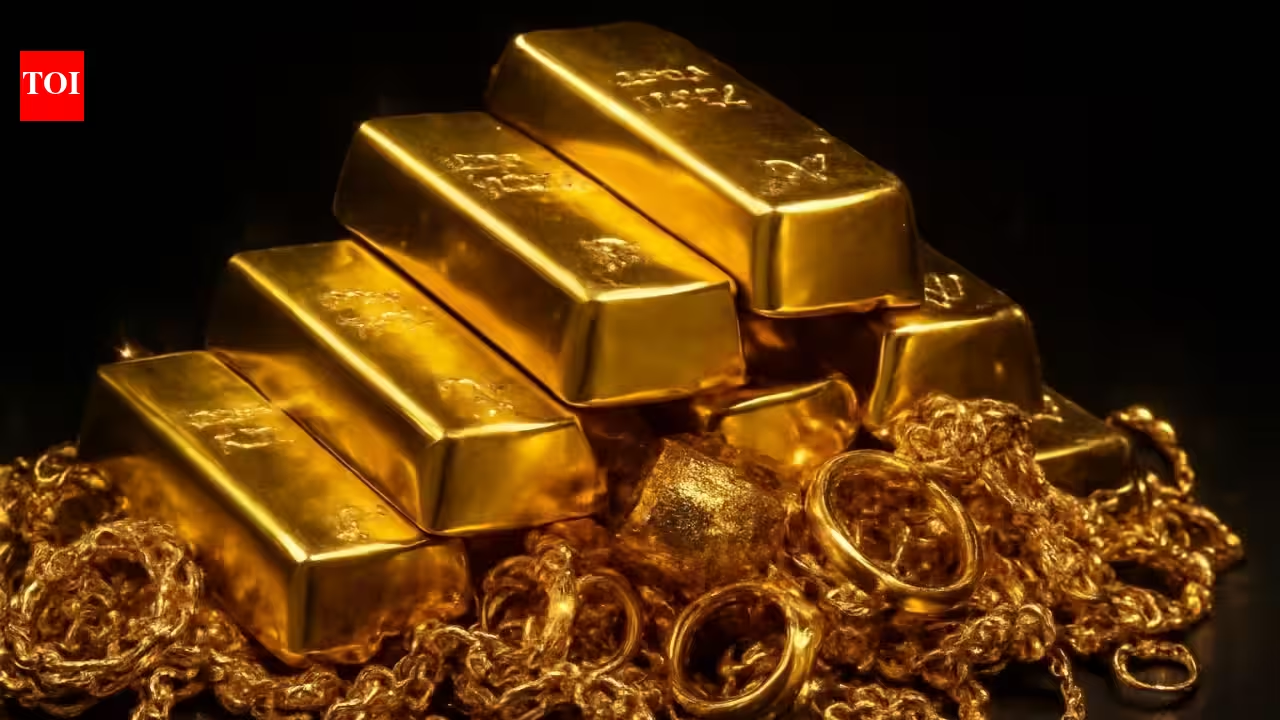
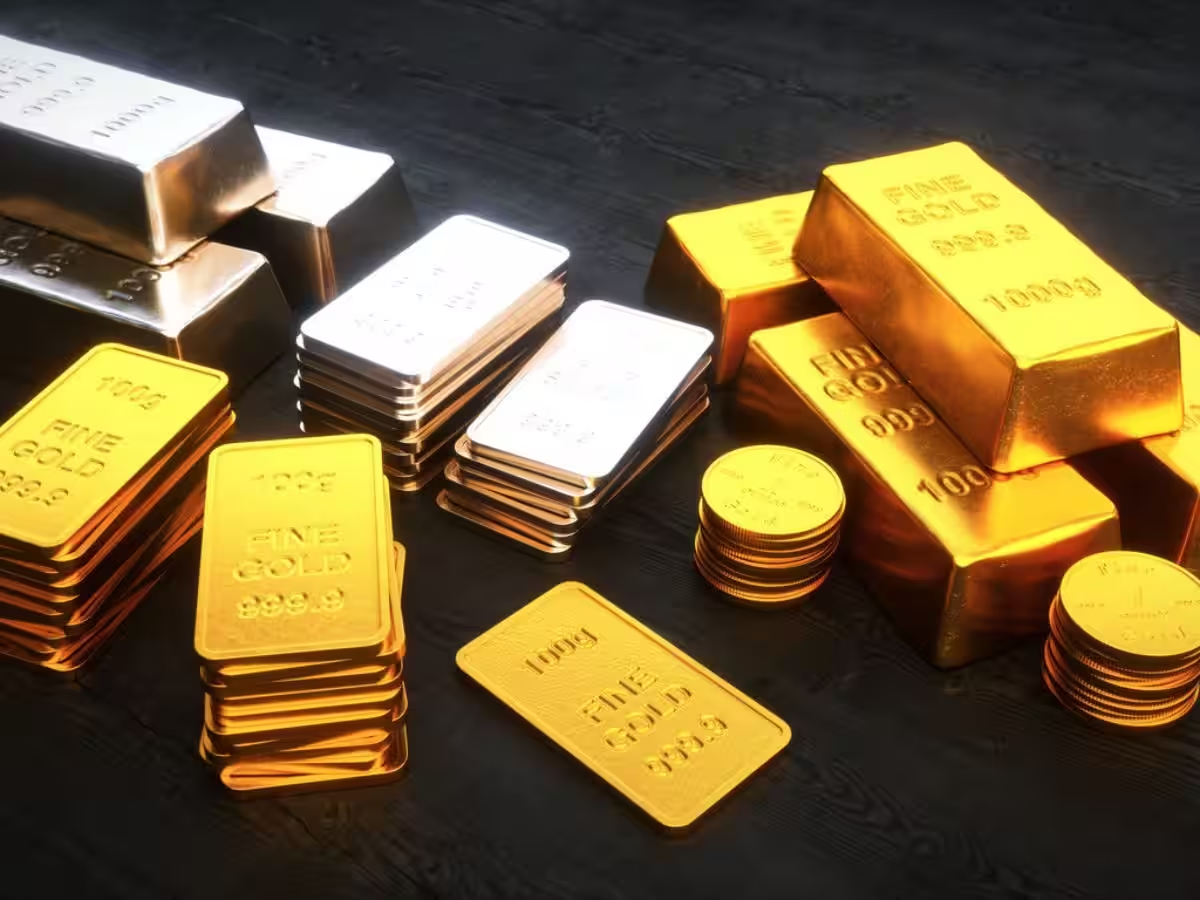
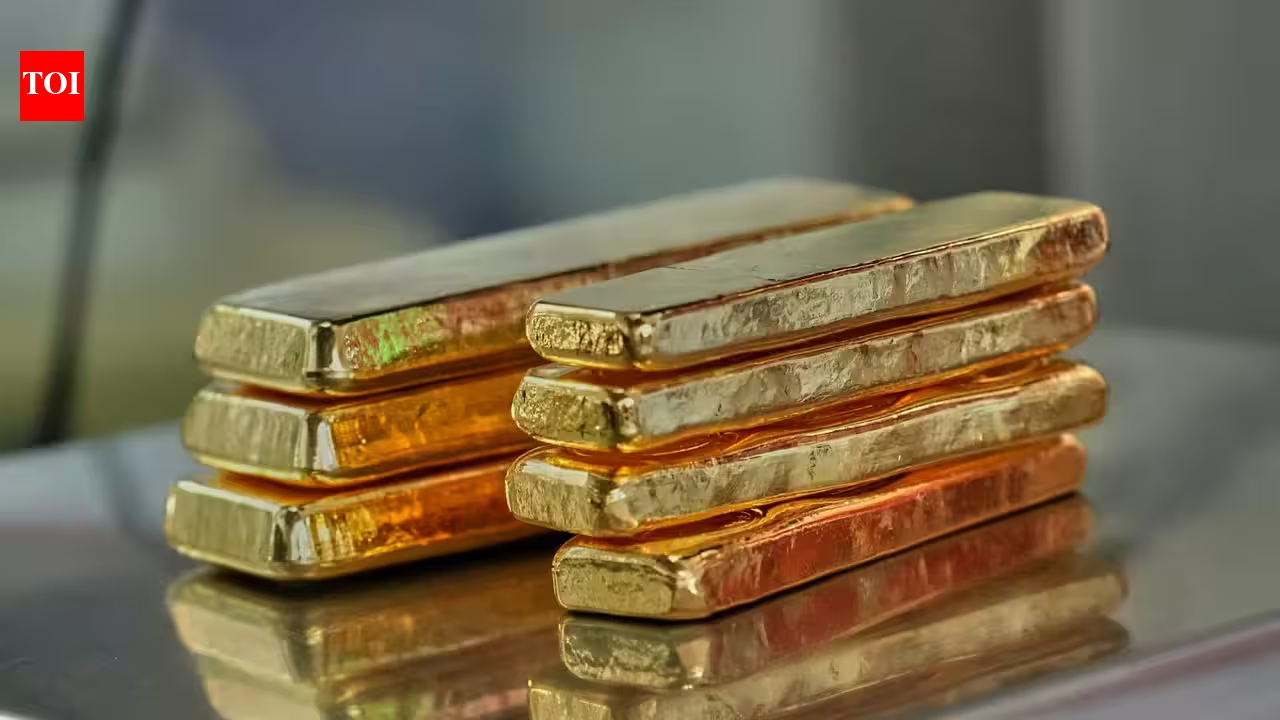
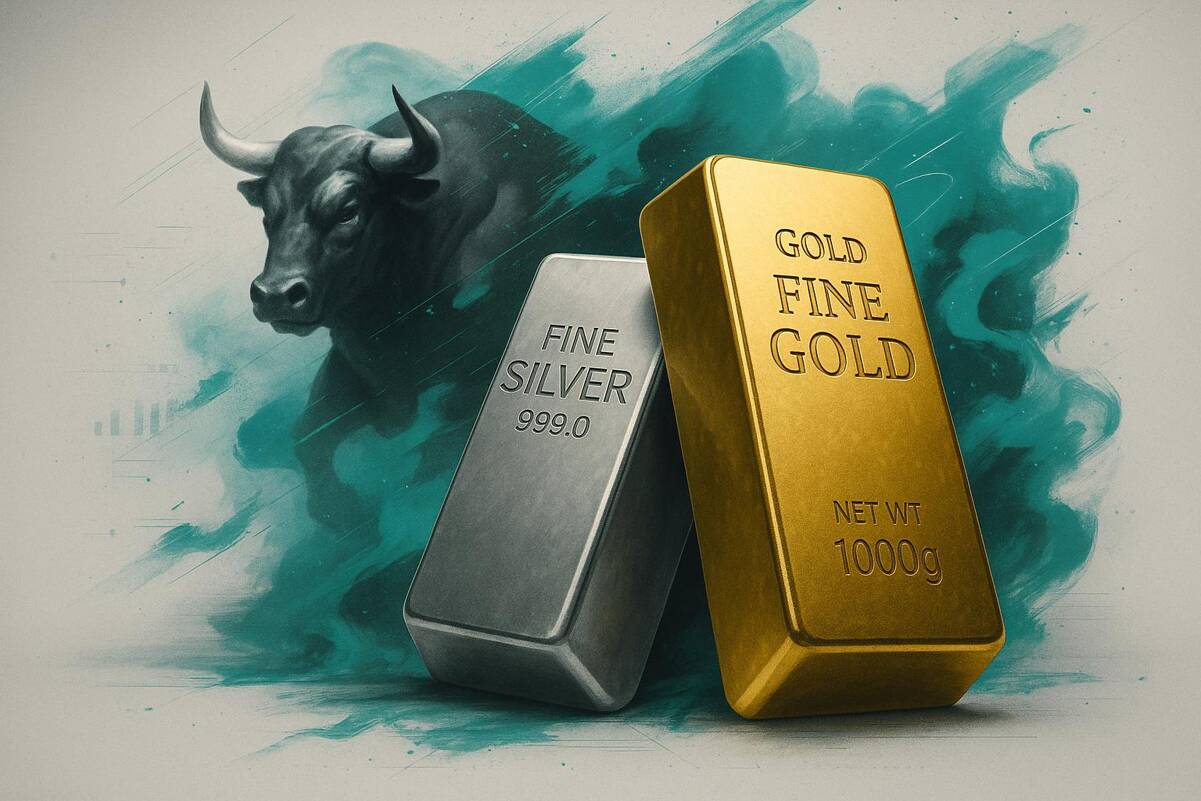
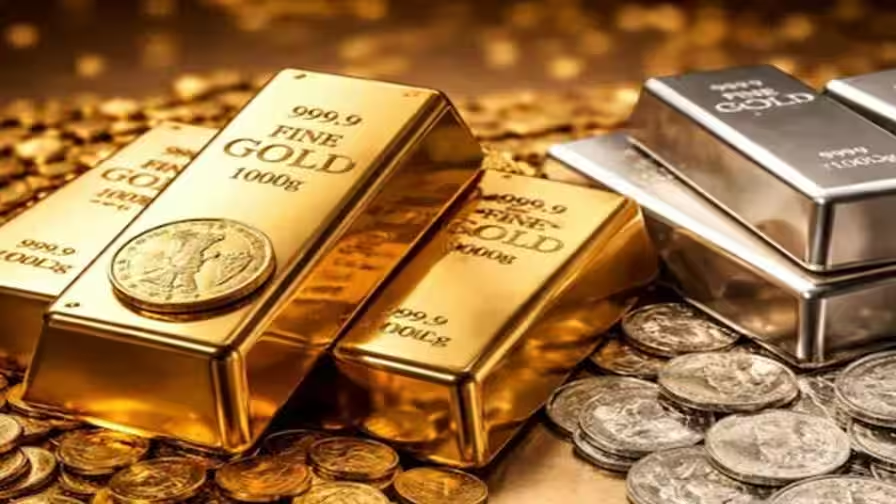
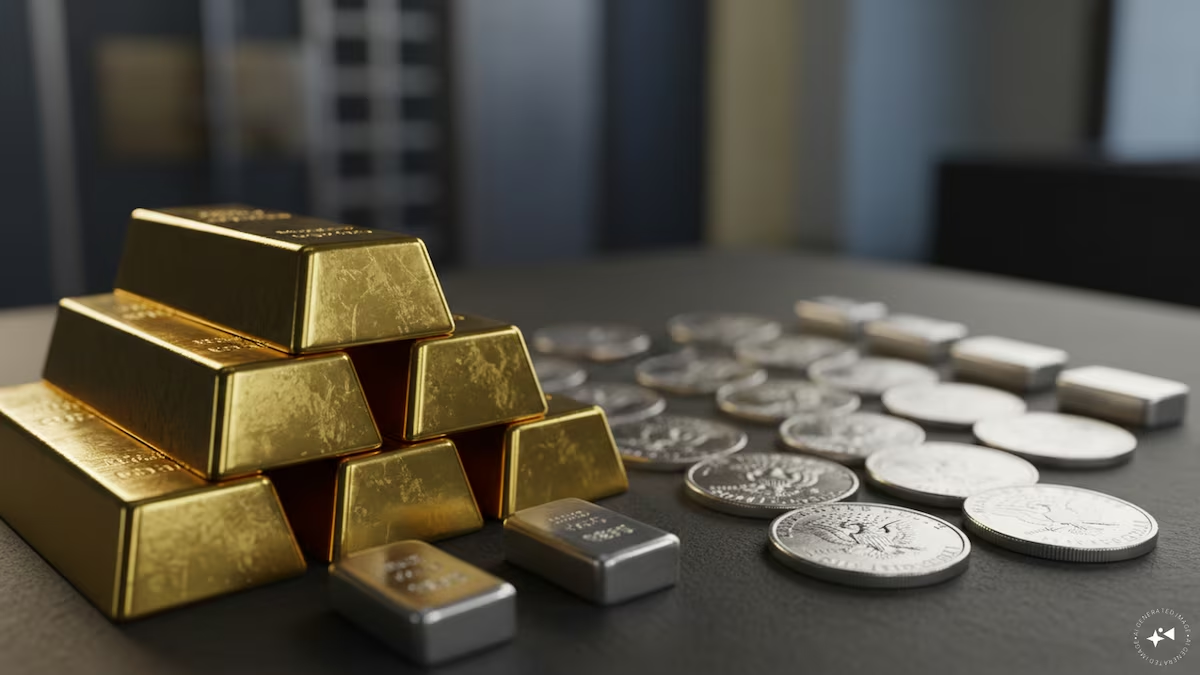
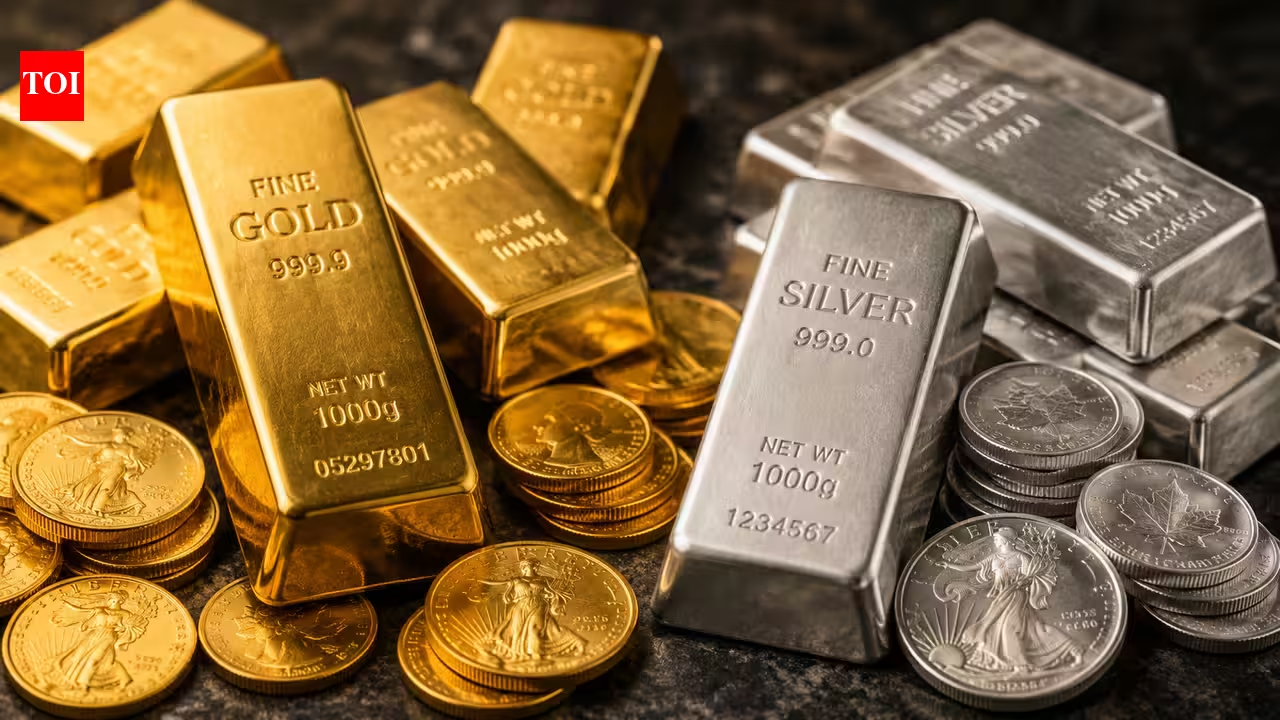
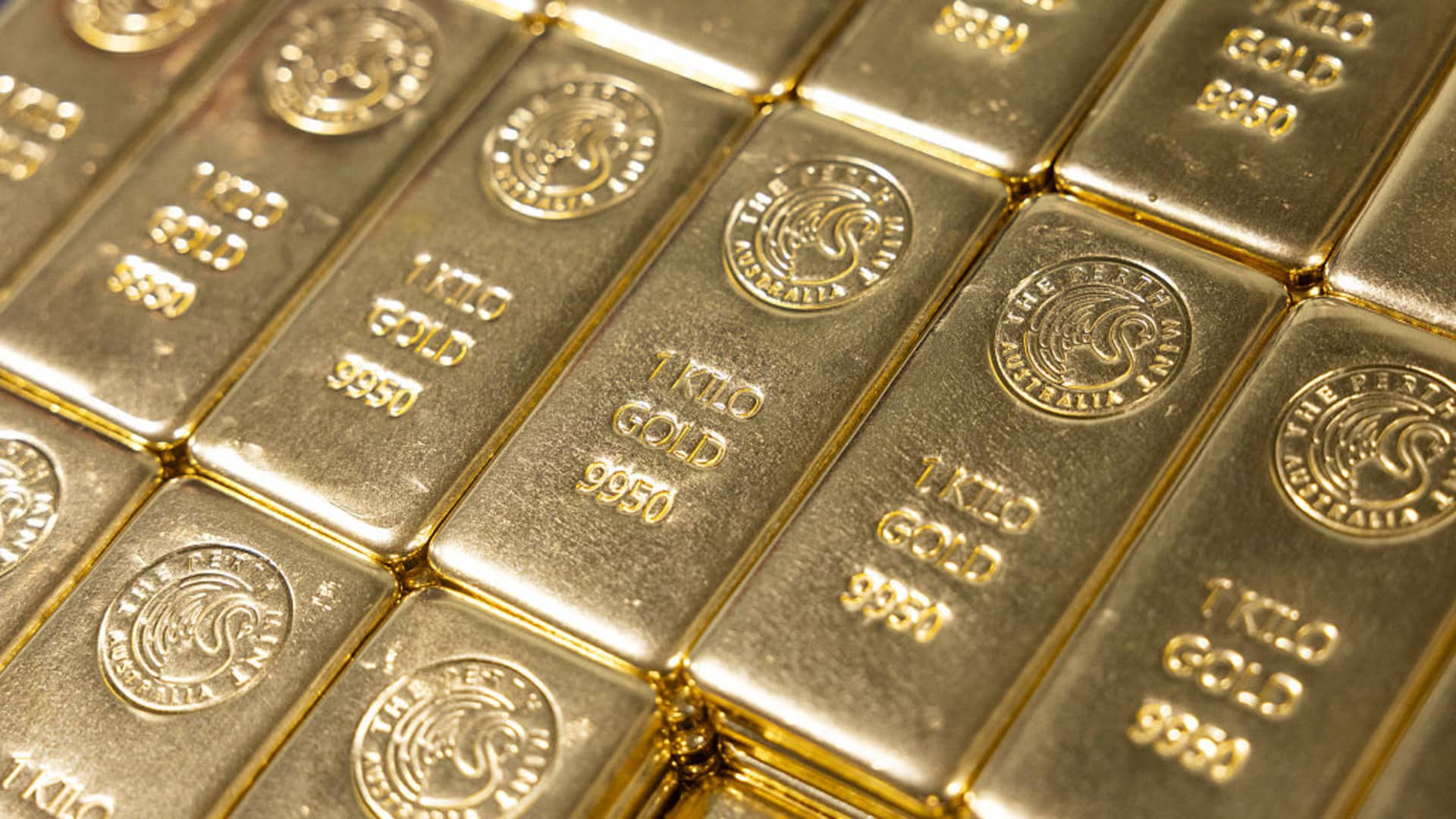
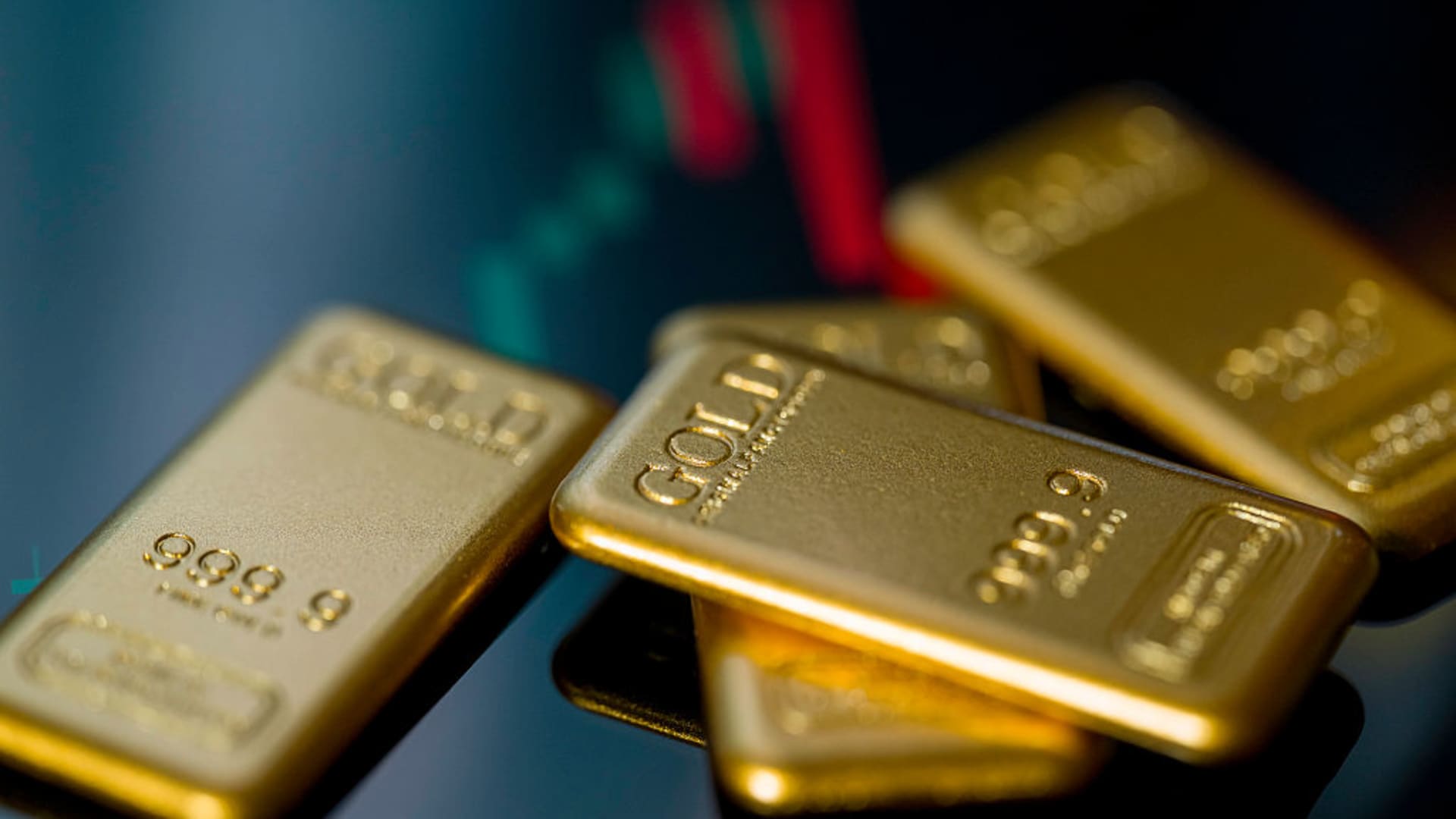
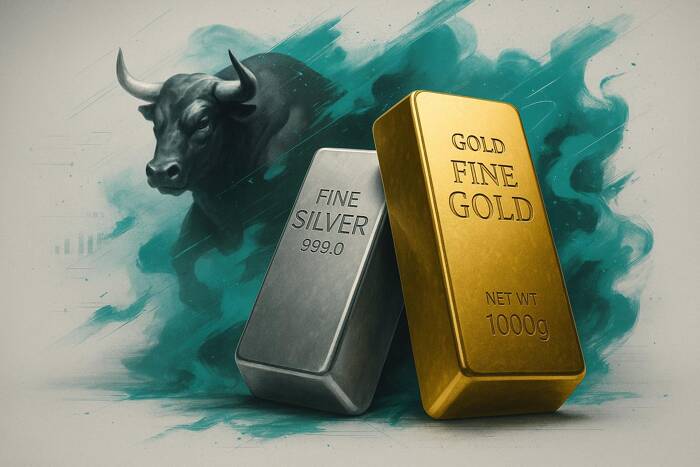
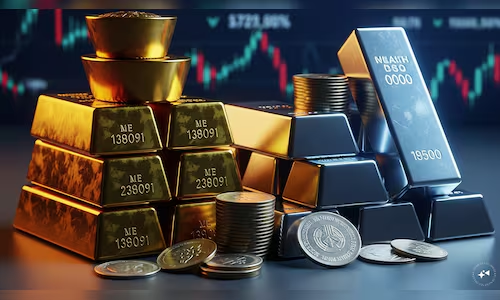
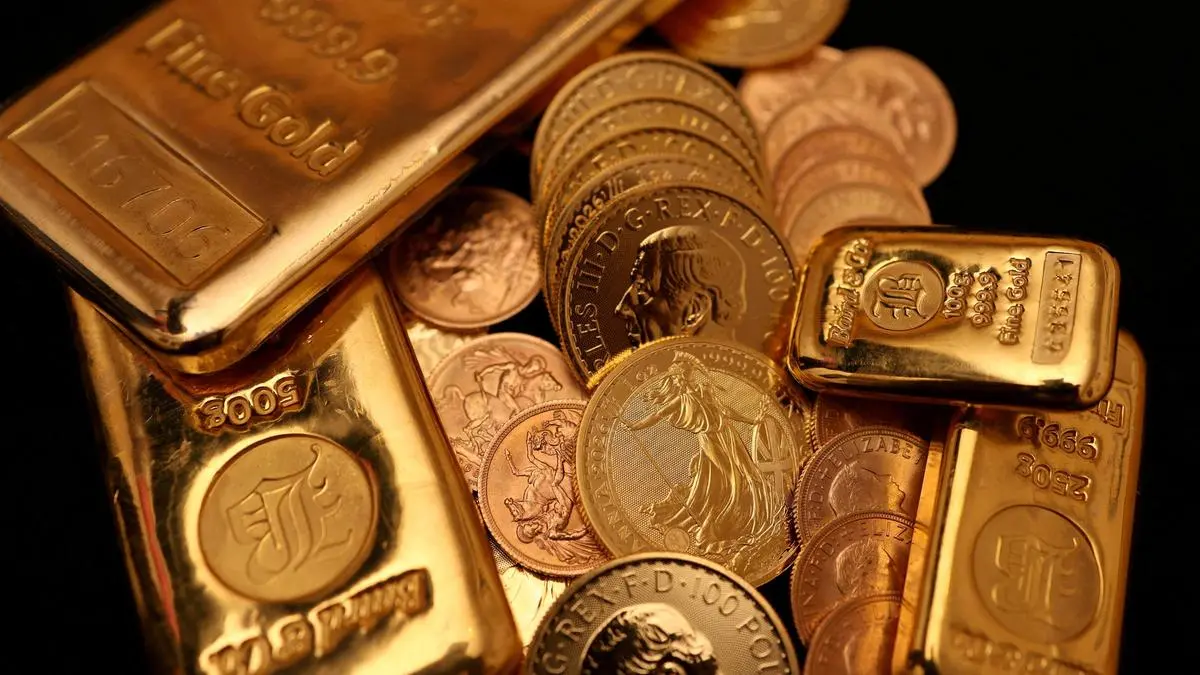
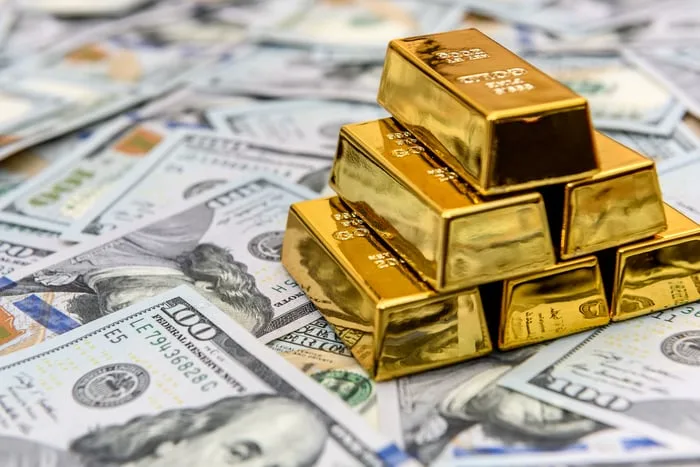
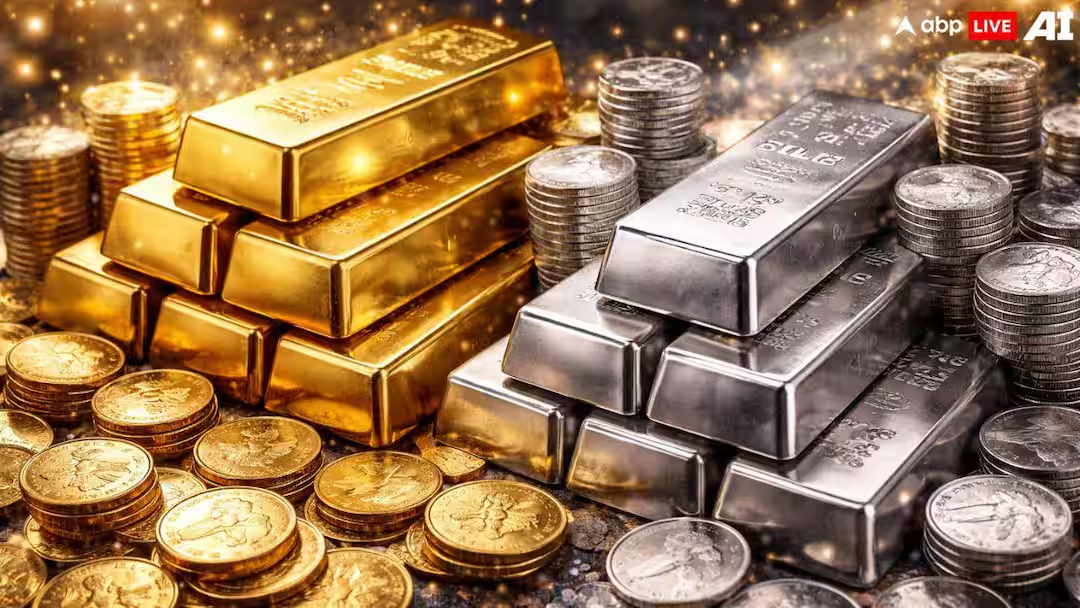
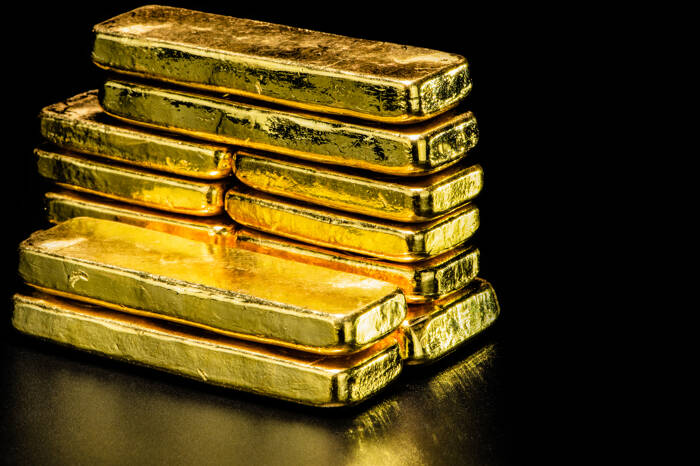
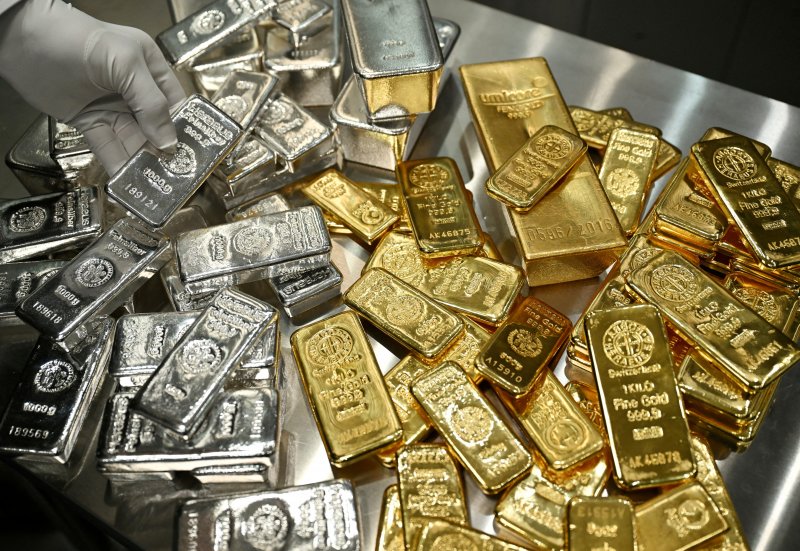
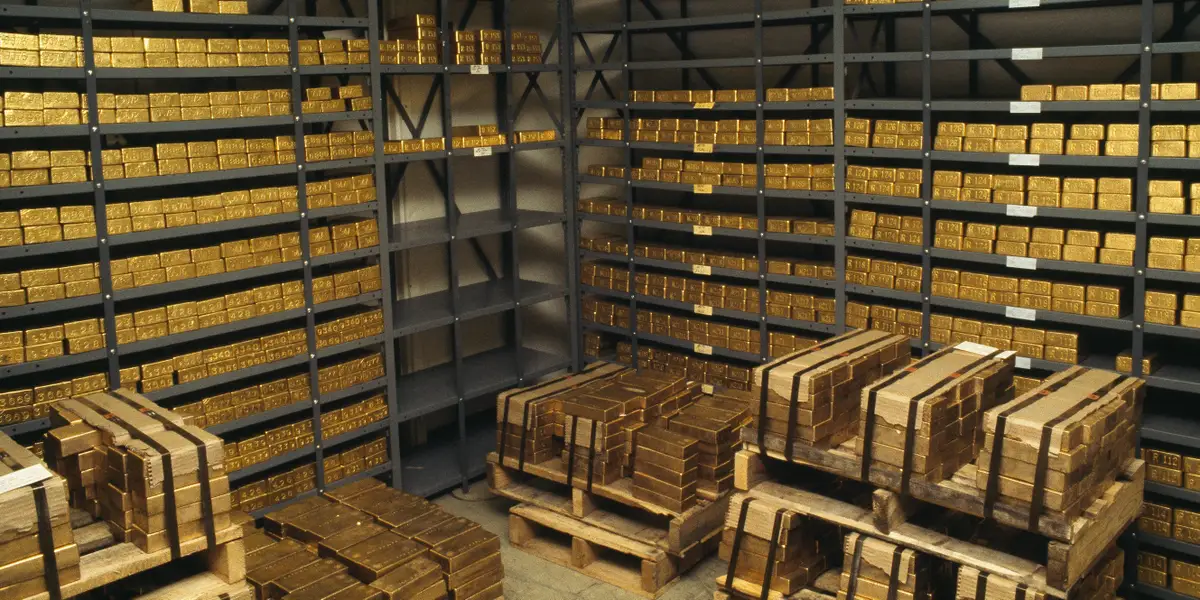
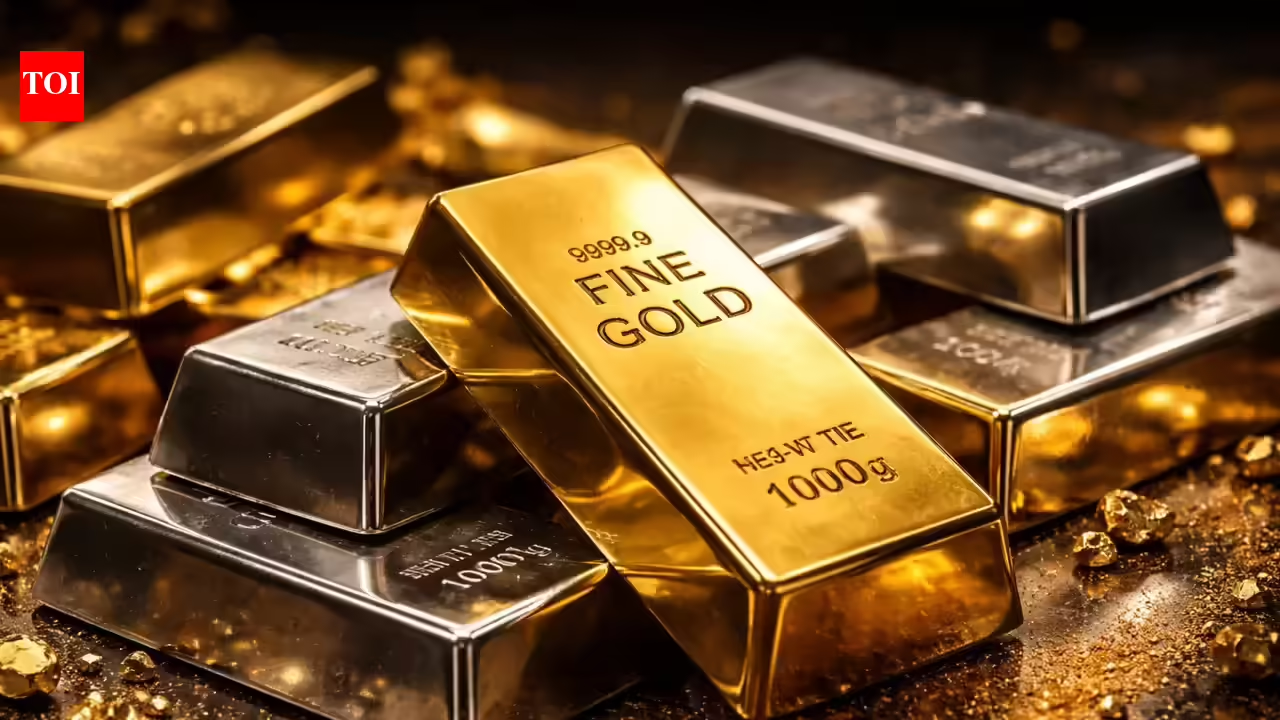
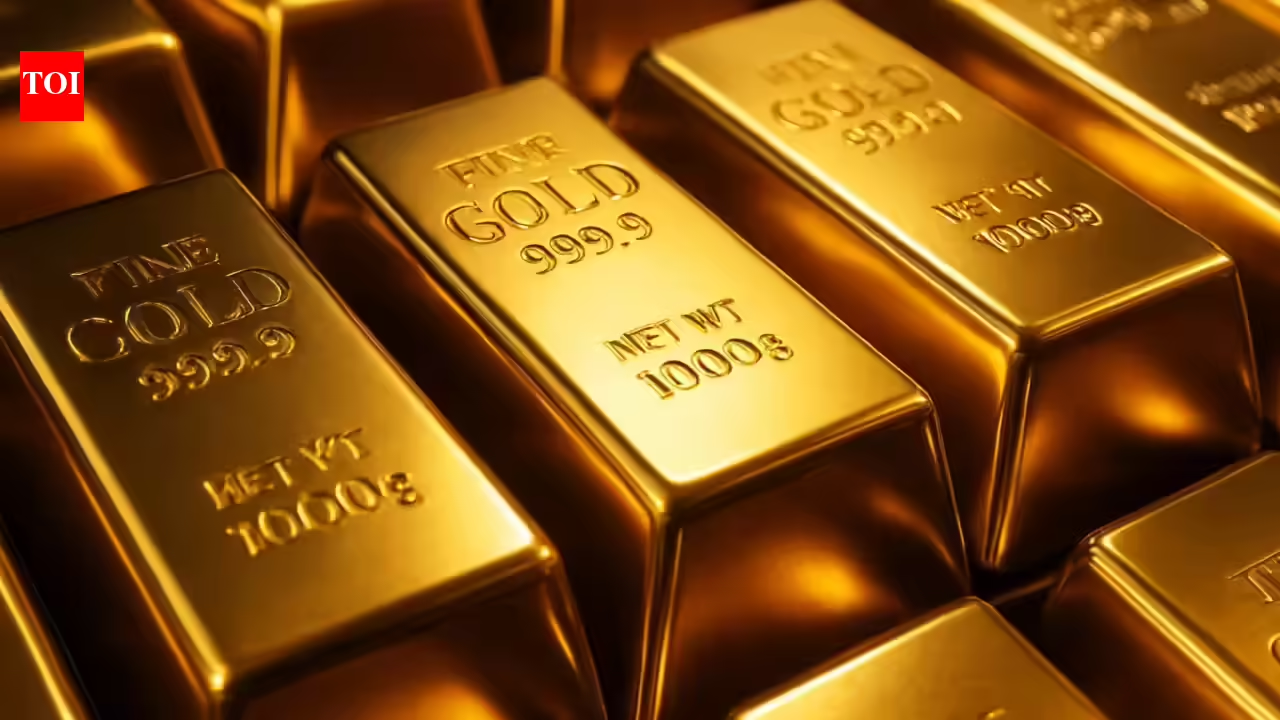
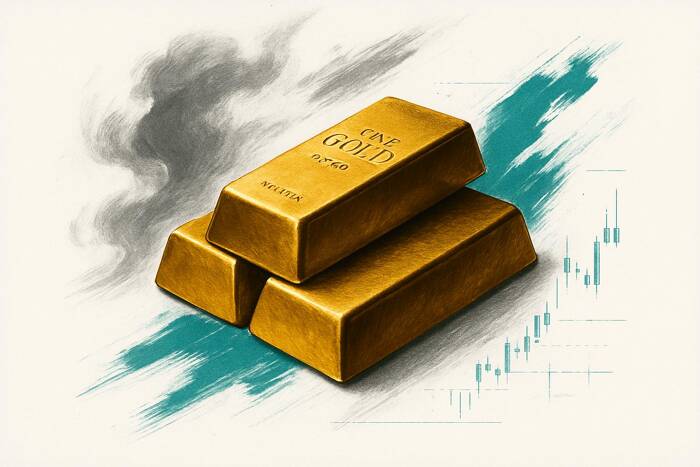
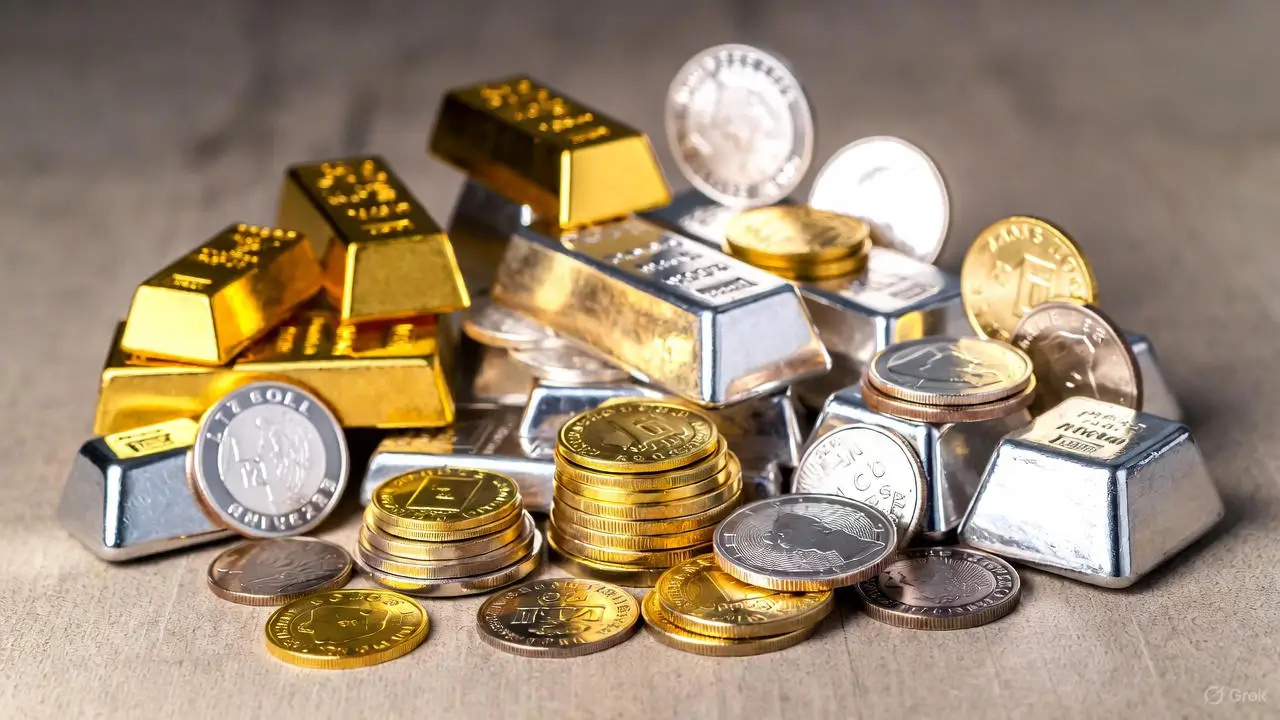
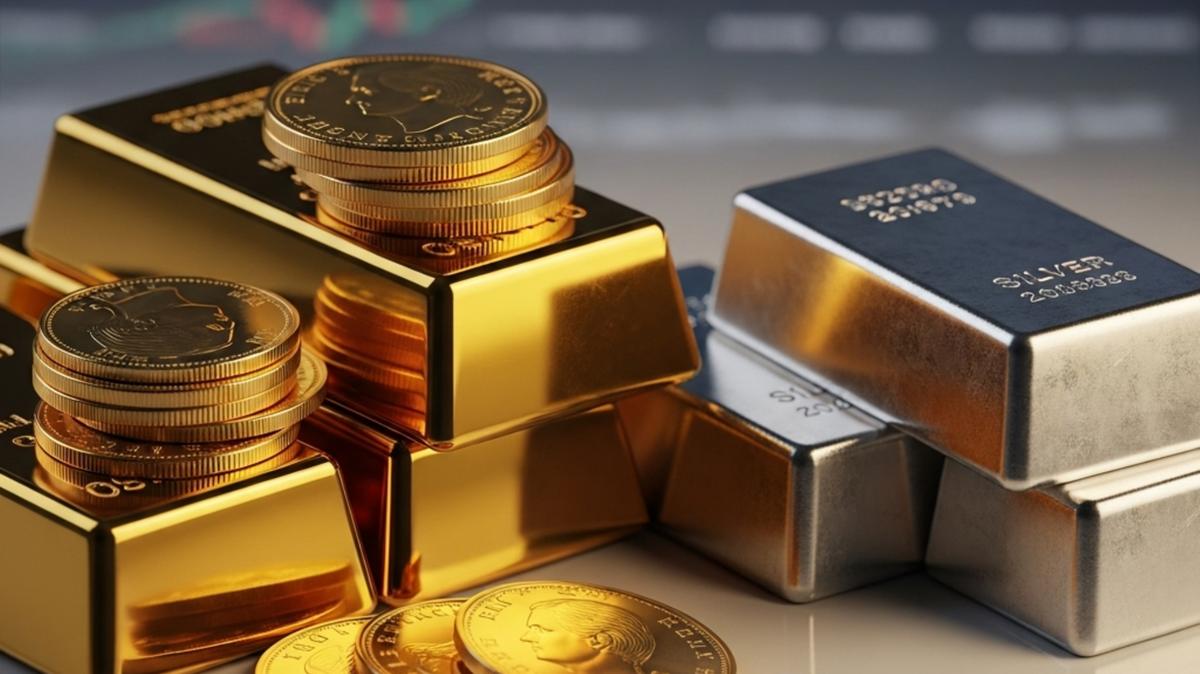
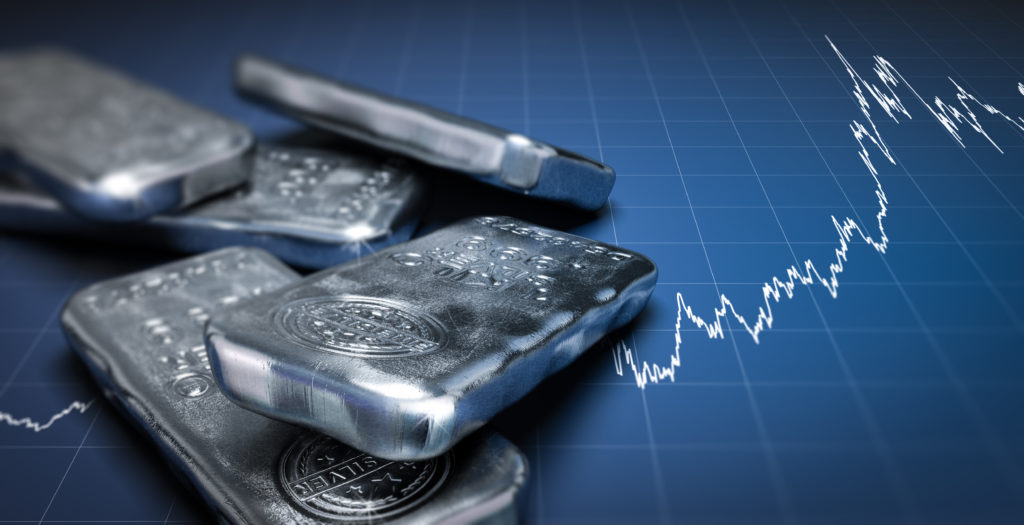
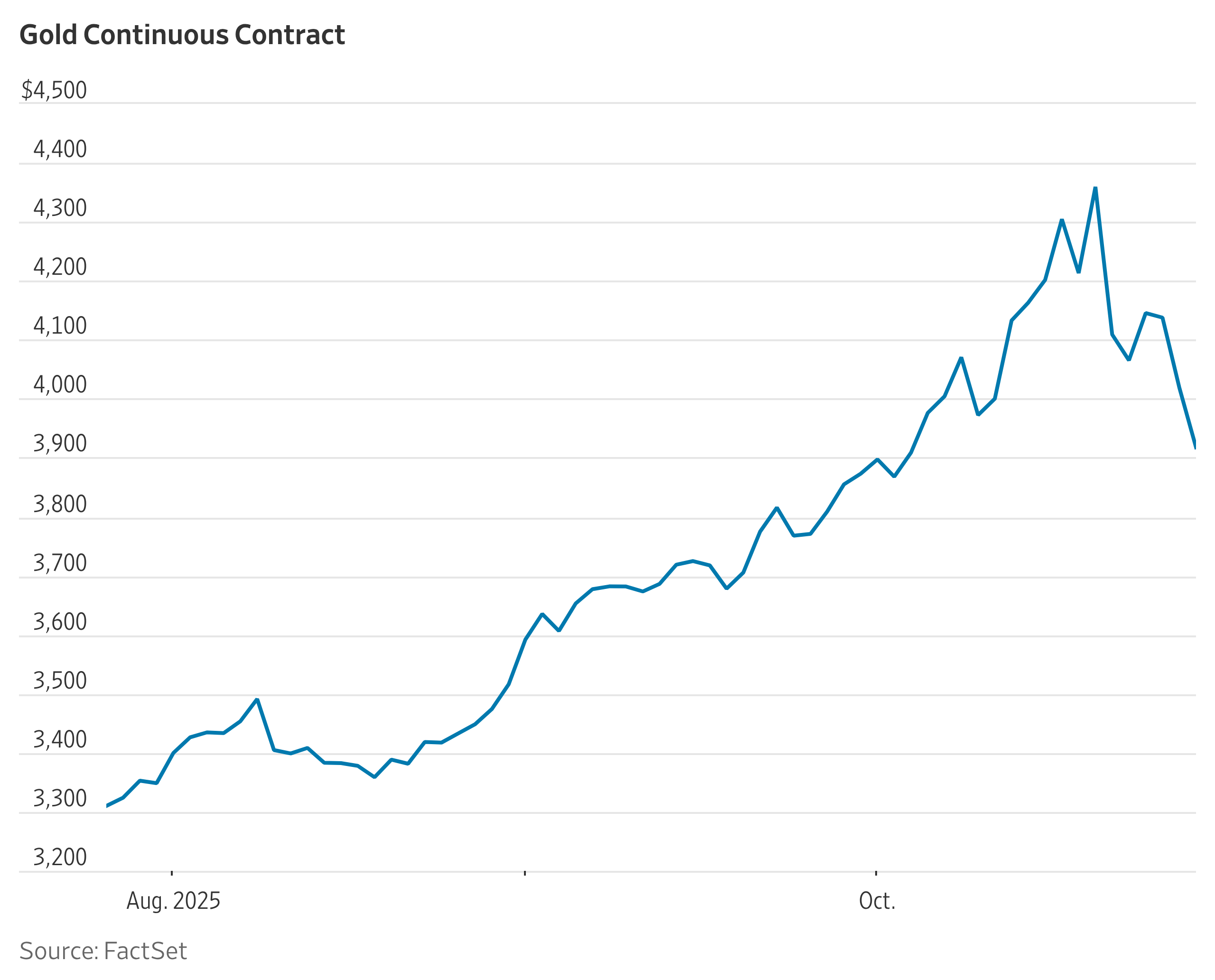
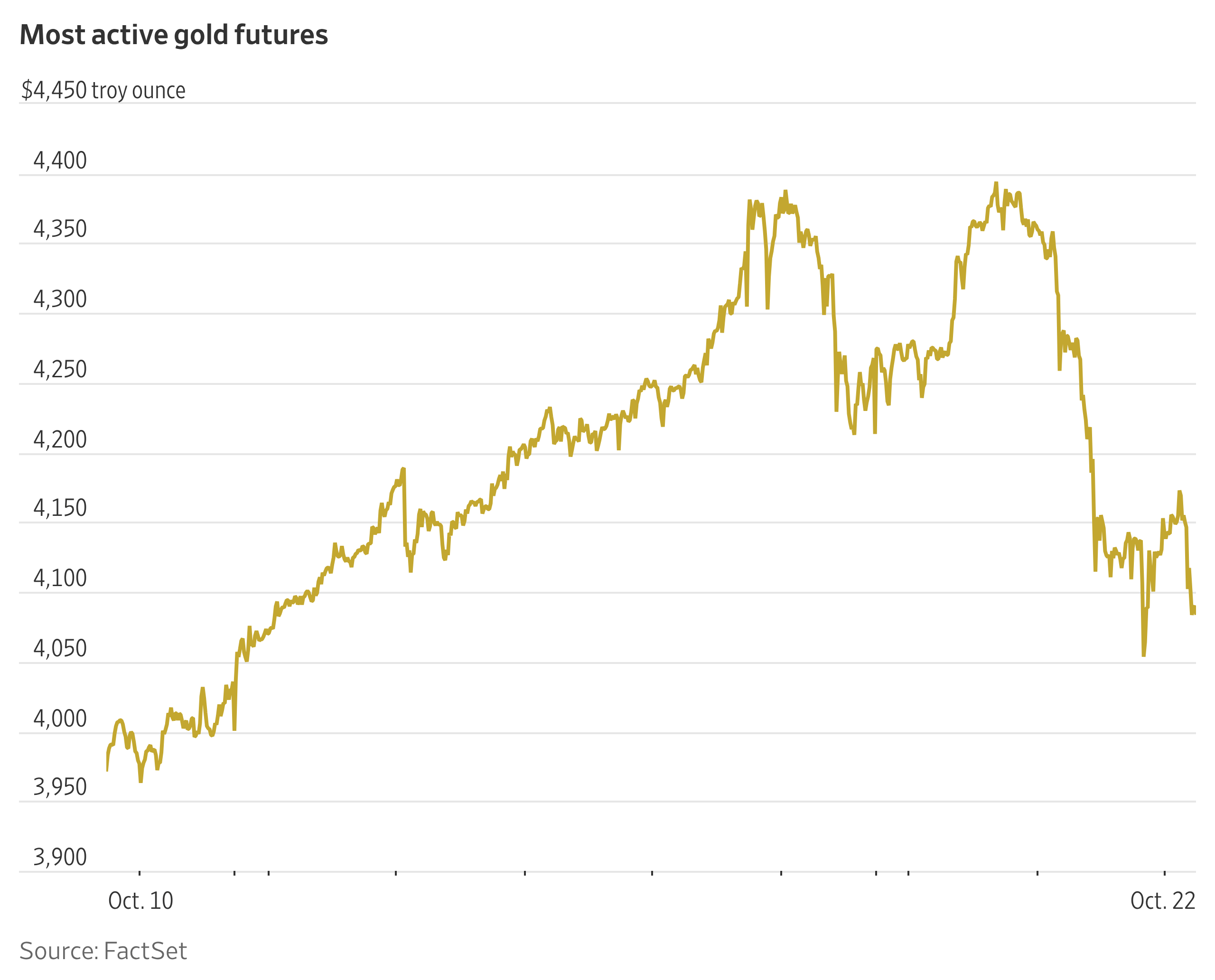
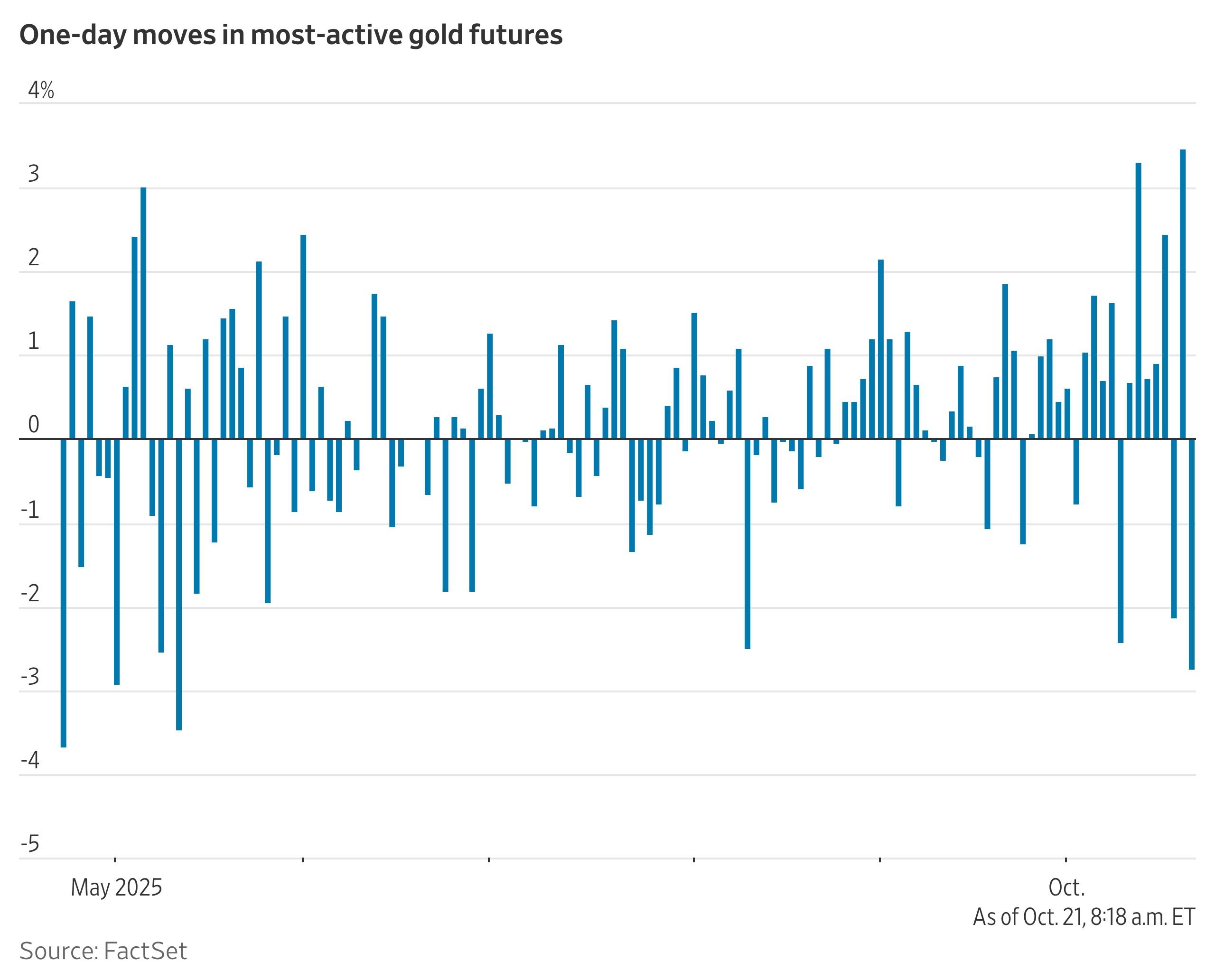
While it’s difficult to tell which metal will continue to rise in value, gold usually increases over time as demand rises. However, Strachan advises that if you’re purchasing jewelry with the intent to wear it for a lifetime, opt for the metal that speaks to you most aesthetically. “Gold, platinum and silver all have a place in a jewelry collection,” she says. Dousset shares a similar sentiment: “Buy it because you’ll wear it, love it and pass it down. A piece chosen that way holds a kind of value the daily gold price never captures, and it keeps that value no matter what the market does this year.”
Which Jewelry Metal Is Right For You?
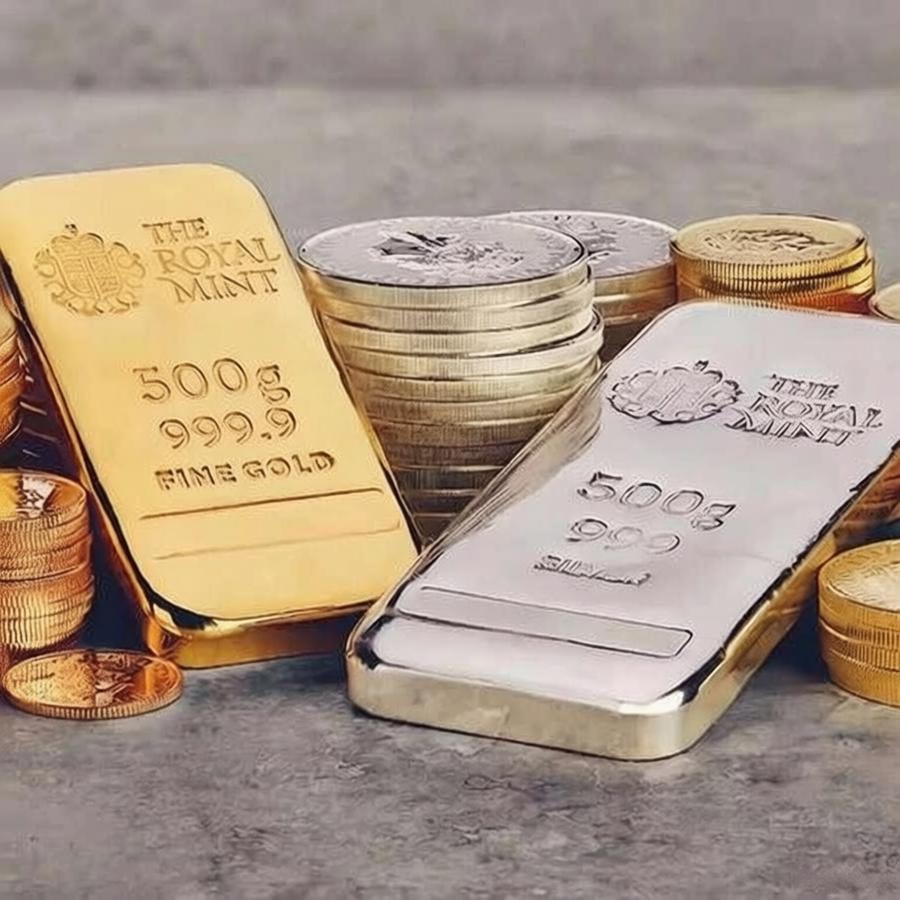
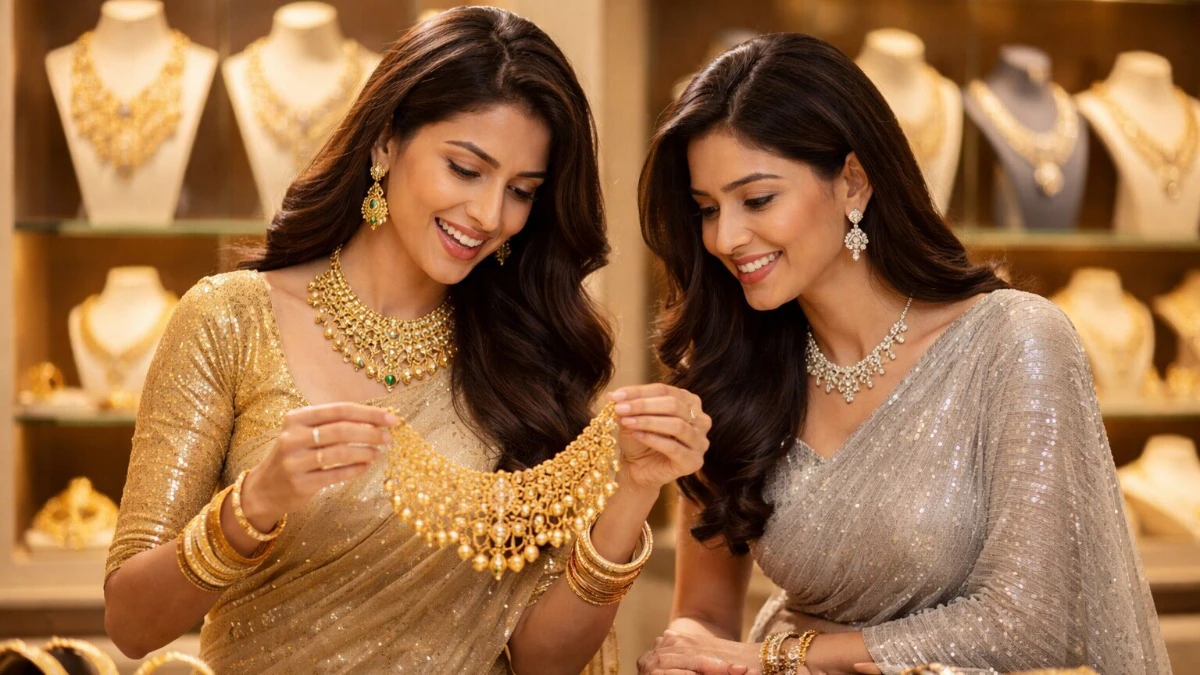
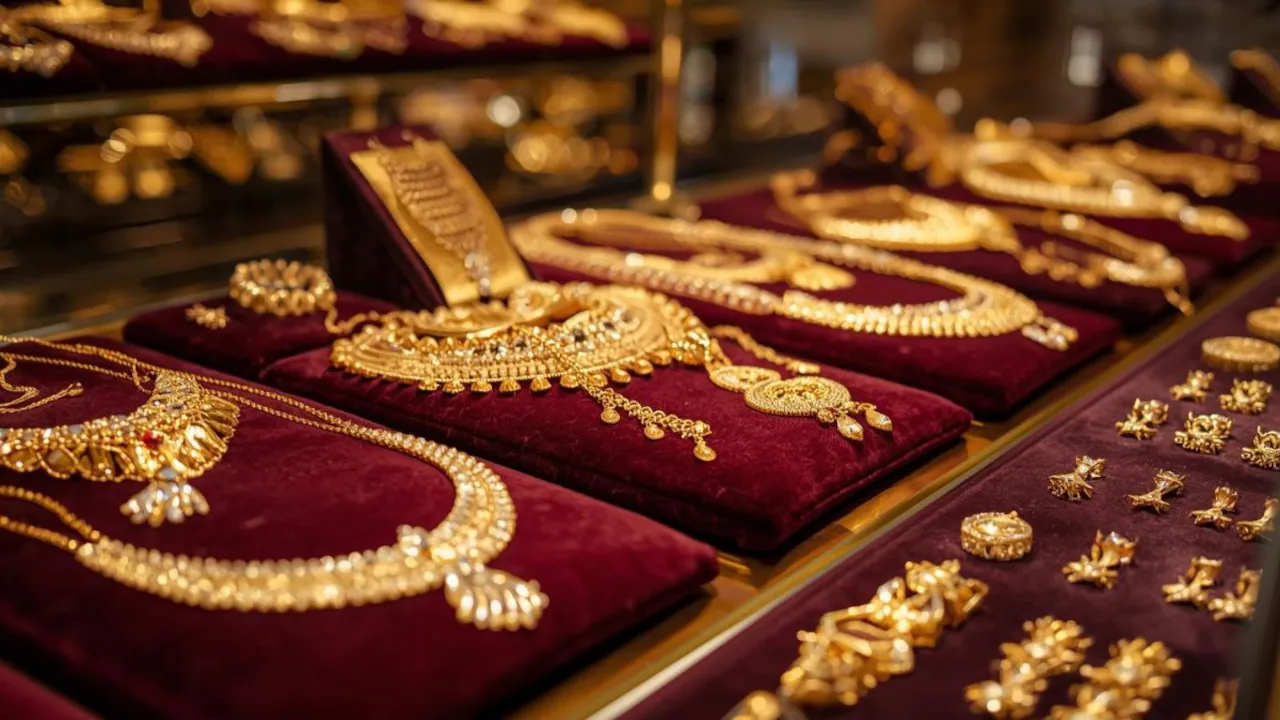
For those seeking a metal that requires little maintenance, platinum is the best option. It costs more, but the durability means you likely won’t have to replace or re-plate it. Gold has a warm yet timeless appeal and has more color variations and karat weights to choose from. If you’re working within a specific budget, 14k is typically less expensive and gives you more flexibility. Sterling silver is a great choice for trend-driven pieces, everyday jewelry, and shoppers looking for a bright white metal without the higher price tag of gold or platinum—as long as you polish it regularly.
To help you decide, consider visiting your local jeweler and trying on different metals to get a feel for how they look against your skin tone. Above all else, choose something that you’ll see yourself wearing time and time again, and that fits your personal aesthetic. “The choice today has become much less about rules and much more about personal style,” says Shah.
Why Trust Forbes Vetted
The Forbes Vetted fashion team has researched, written and published dozens of in-depth roundups on jewelry.
Our Experts