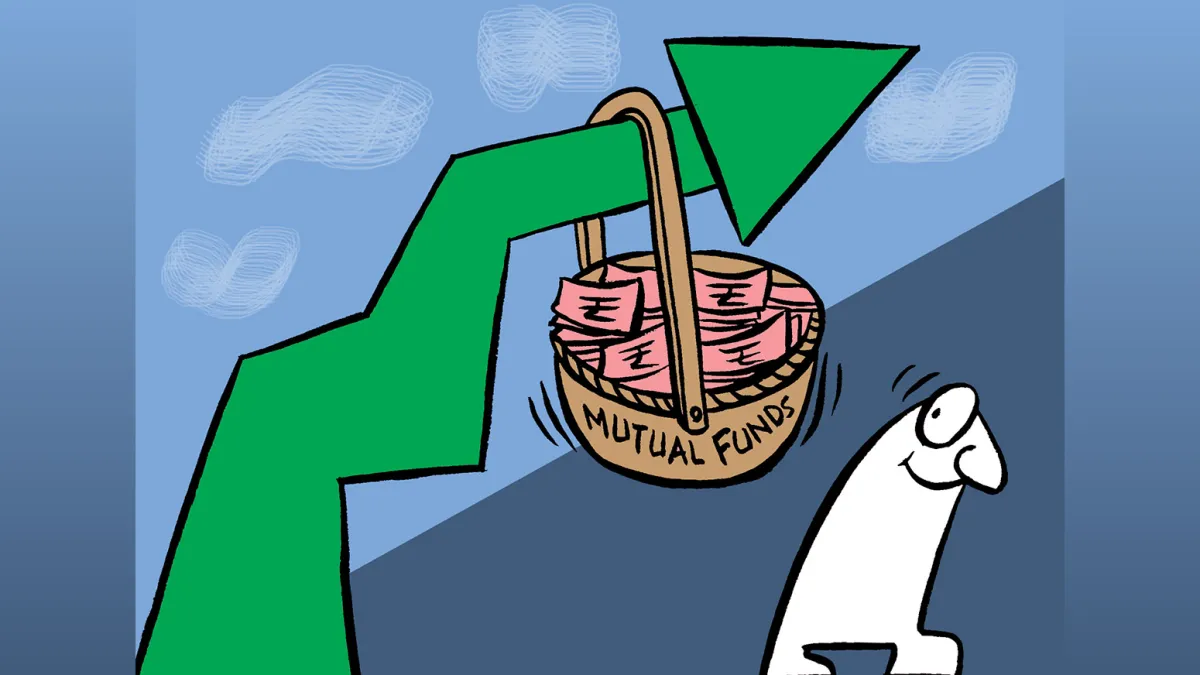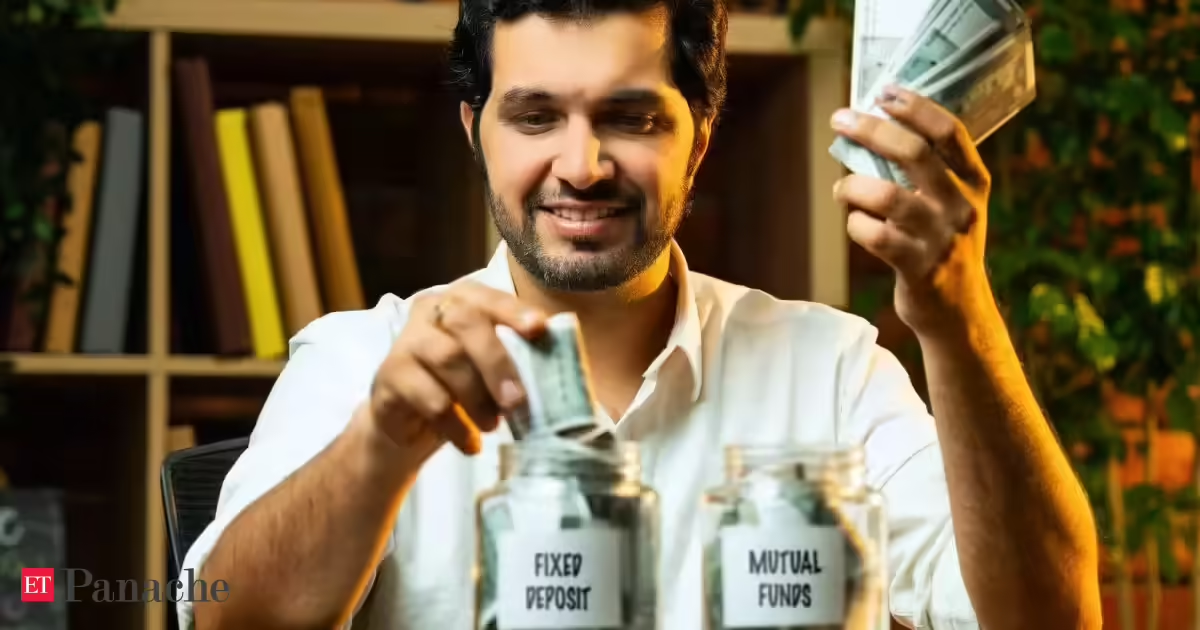
But freedom comes with less handholding. According to AMFI (Association of Mutual Funds of India, the mutual fund industry’s trade body), 41% of assets in direct plans are re deemed within the first year, and only 20% remain invested for over three years, compared with 32% in regular plans. Direct investors save on costs, but they are also quicker to exit at the first sign of trouble.
The return gap
On average, the direct plan of a diver sified equity scheme charges a 1.12% annualised expense ratio, even as the regular variant charges 2.07%. This differential of up to 1% in expense ra tios can translate into sizeable gains over the years for the direct plan.
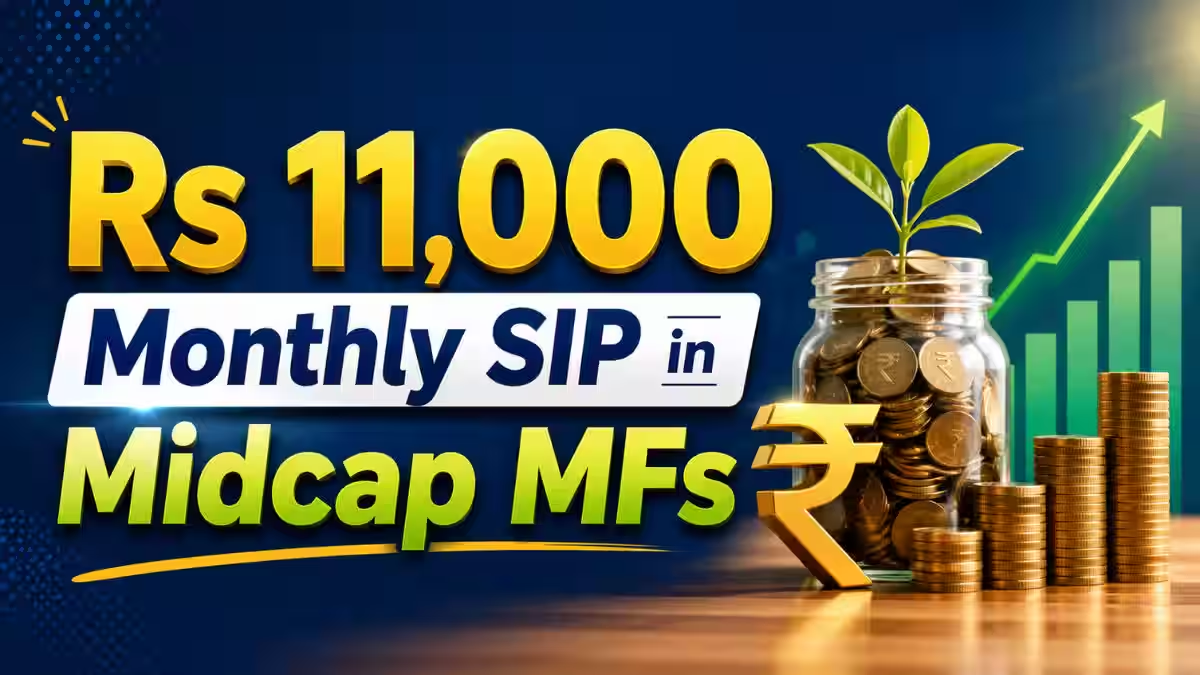
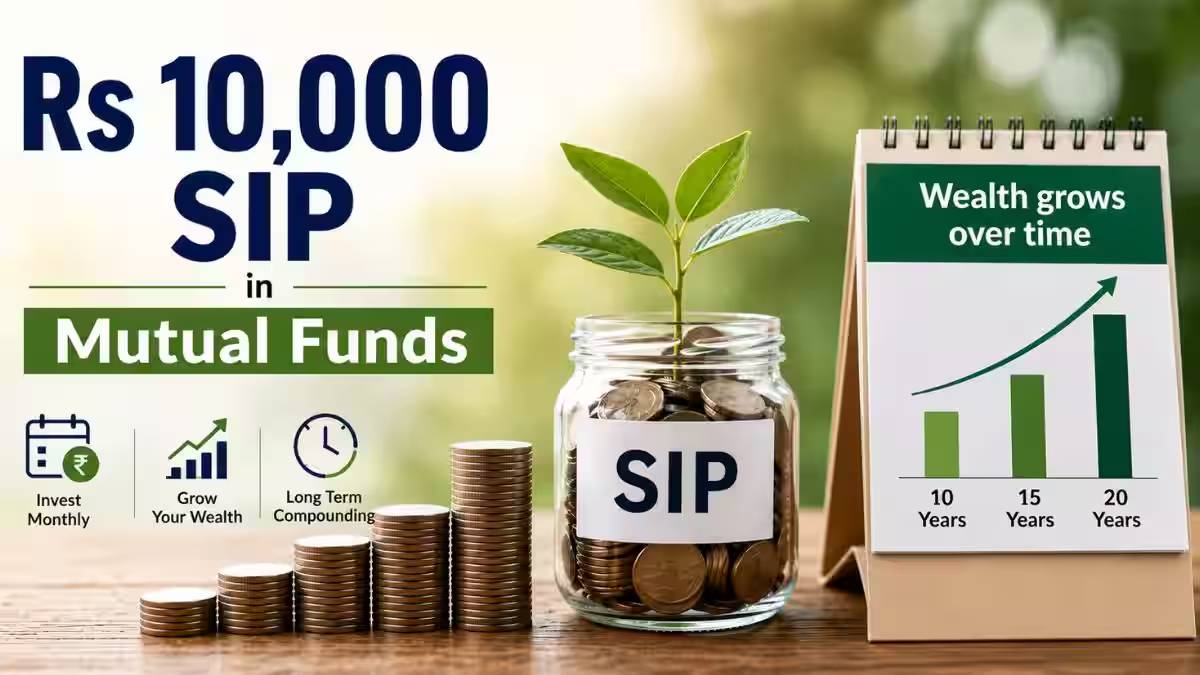
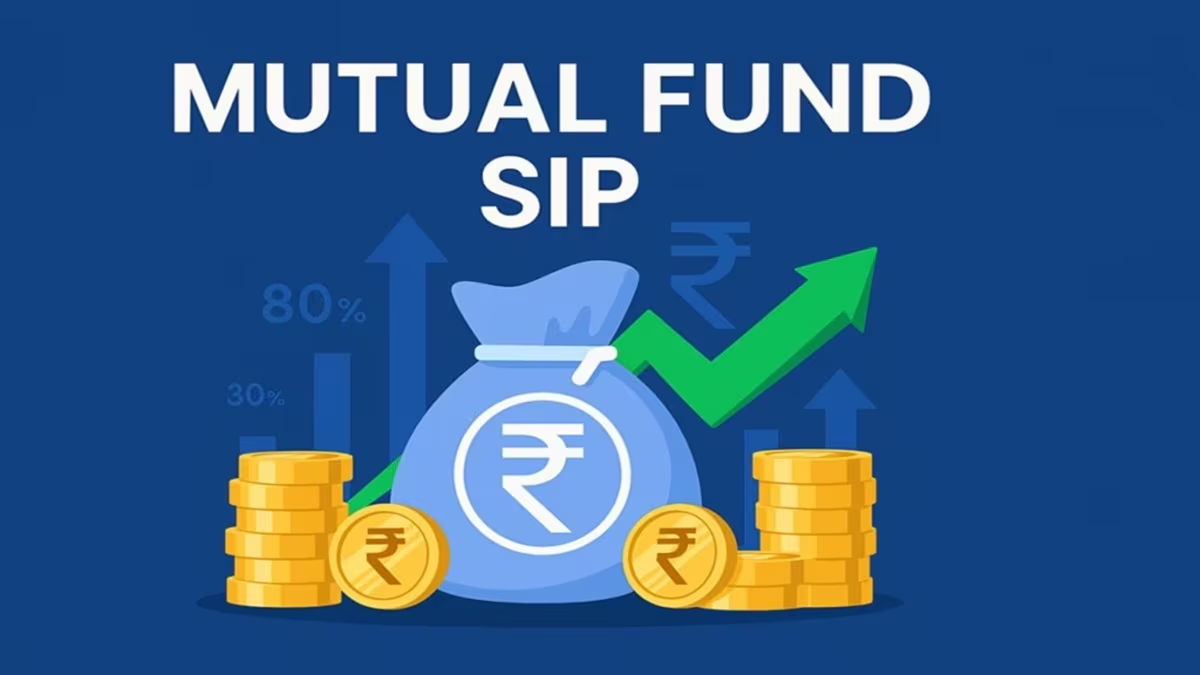
Over the past 10 years, a monthly systematic investment plan (SIP) in the direct and regular plan of the average equity fund fetched 15.93% and 14.78%, respectively. In terms of annualised re turns, the gap may not seem much. But the rupee value of that gap is notewor thy. An investor putting away Rs.10,000 monthly in the regular plan would have fetched Rs.25.58 lakh over 10 years. But the same investment in the direct plan would have generated Rs.27.42 lakh over this period. That is a shortfall of Rs.2.03 lakh in the regular plan, pocketed by the distributor. As investing time hori zon expands, this chasm widens.
Before you continue reading
How financially free are you?
Most people overestimate their financial freedom. Discover your Financial Freedom score through a quick survey

The behaviour gap
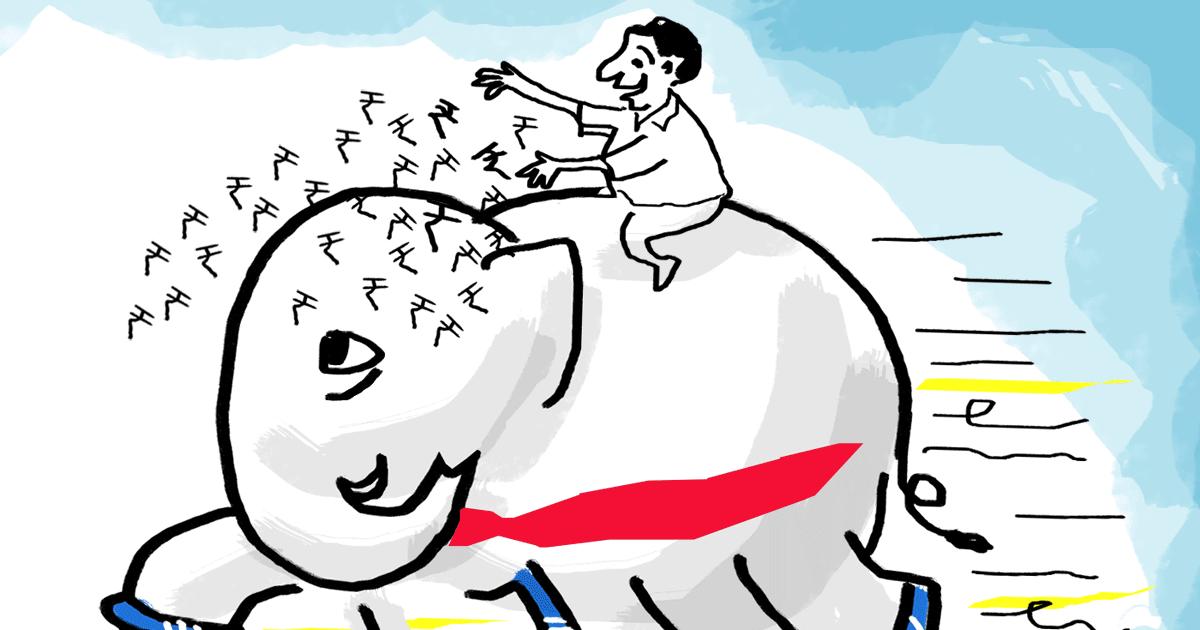
Clearly, the math favours taking the direct plan route. However, the math assumes that the investor remains steadfast throughout this investing journey, staying invested despite pre vailing circumstances. In reality, the average investor, is prone to deviations. He chases recent winners and fads. When the market crumbles, he panics and redeems. He discontinues his SIP if he doesn’t see a healthy return after two years. He stops and restarts the SIP in tandem with the market’s ebbs and flows.
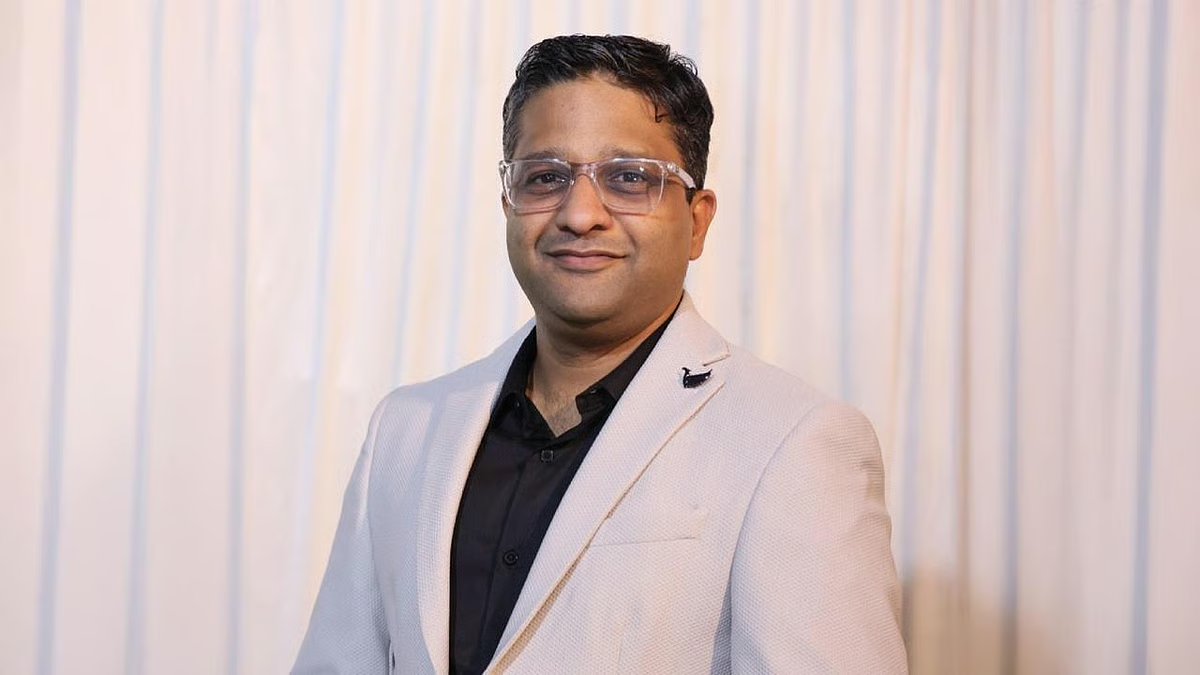
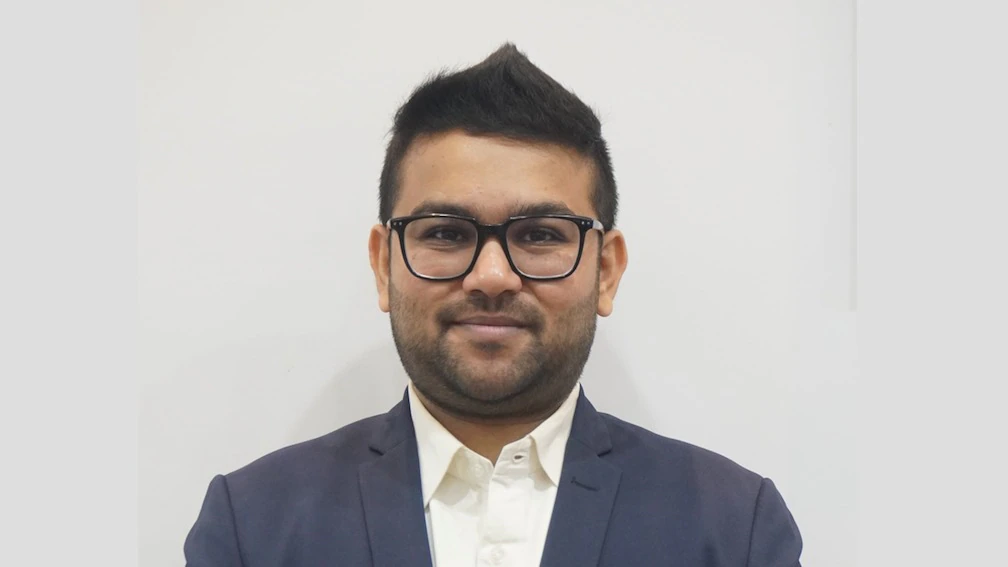
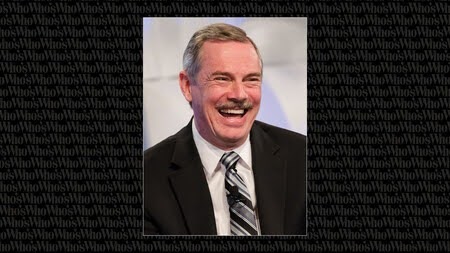
This is exactly why the “average investor re turn” across the industry consistently trails the “average fund return”, observes Mohit Bagdi, Head of Investment Research of MIRA Money. “The fund did fine; the investor’s tim ing and behaviour did not.”
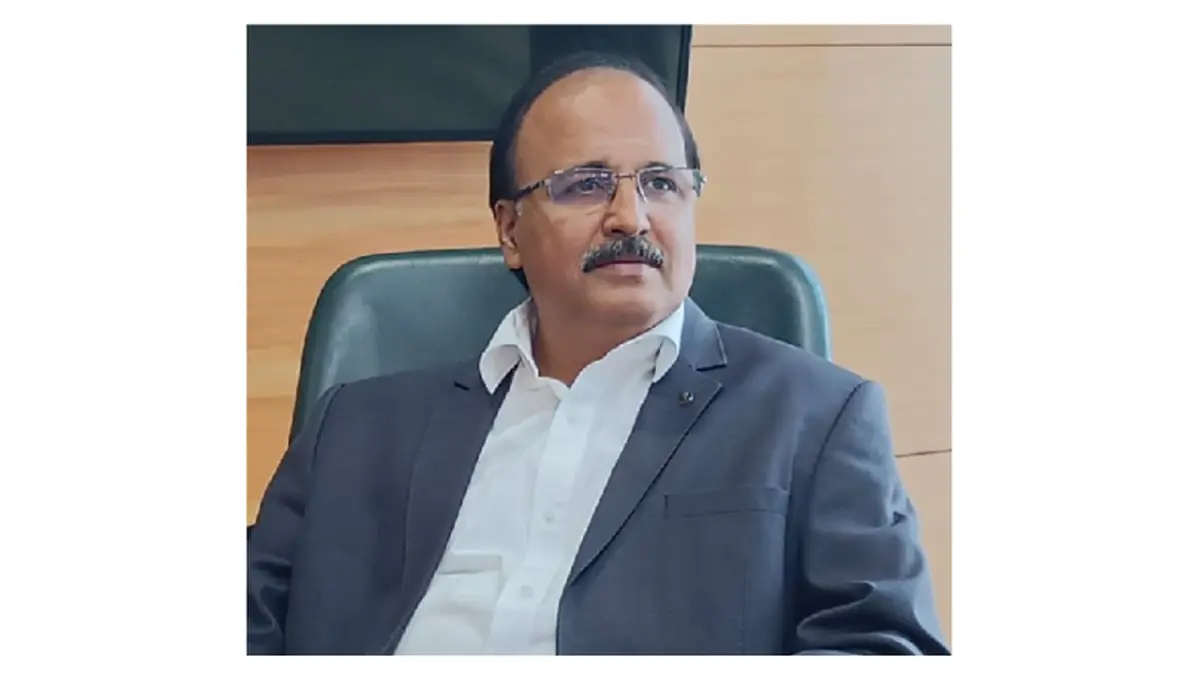
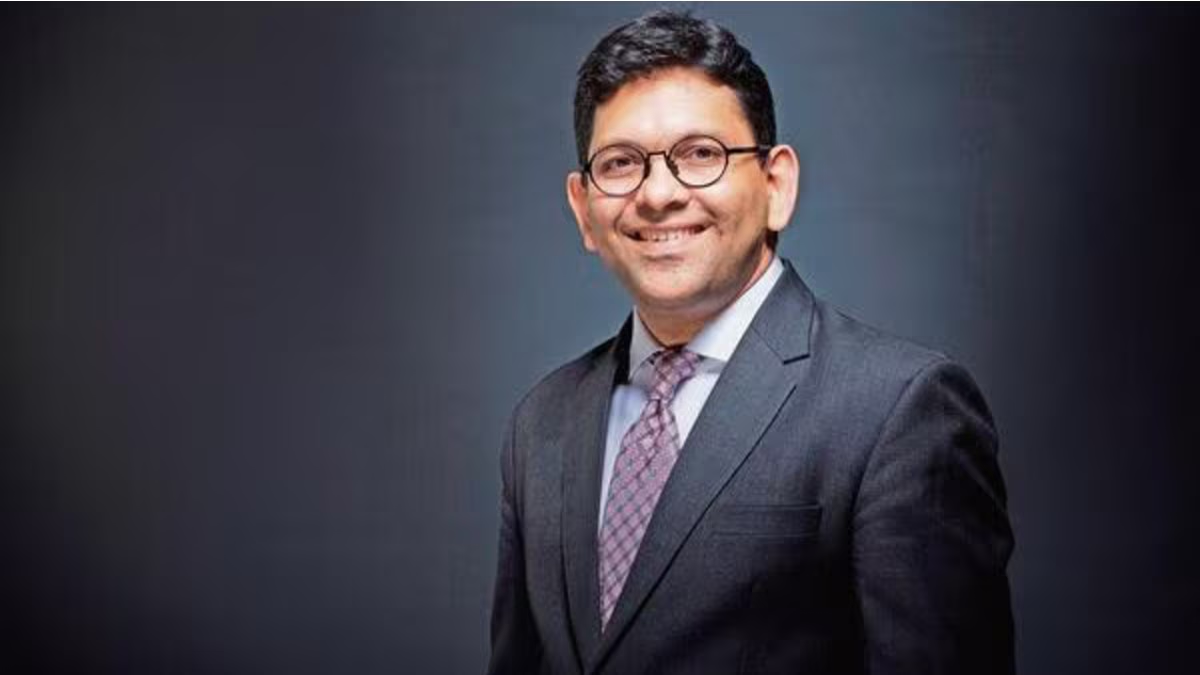
Years later, the savings from a lower ex pense ratio may prove illusory because the average DIY investor pays a silent behavioural ‘tax’. Ajay Kumar Yadav, Group CEO & CIO, Wise Finserv, says the visible cost difference between direct and regular plans is often out weighed by the hidden cost of poor asset alloca tion, wrong fund selection, panic exits, stopped SIPs and mistimed switches. As Ramesh Vishwanathan, CEO, FPSB India, puts it, the real cost of DIY investing shows up not in ex pense ratios, but in investor behaviour.
The guiding light
The regular plan fetches you the same fund and the same fund manager for a higher cost. This may seem like a bad deal. But here is what often accompanies the higher-cost vari ant—a guiding hand in the form of an adviser or distributor, having someone in your cor ner when you don’t know what to do, or when life takes a sudden turn. It is at such times that the adviser or distributor helps investors navigate through their emotions. A compe tent adviser acts as a behavioural check, says Yadav. “Direct plans reduce the visible cost of investing. But when complex portfolio deci sions are made without adequate expertise, the invisible cost of mistakes can be substan tially higher than the expense saved.” Bagdi adds, “Investing is as much a behavioural discipline as it is a product decision. Paying for that discipline is often the cheapest insur ance an investor will ever buy.”
With this handholding, you are less likely to panic, stop your SIP or redeem at the worst possible time. Regular plan investors hold their mutual fund investments for longer than others, as the numbers show. Direct investors got jittery and moved out, while distributors and advisers could convince their investors to stay the course.
Mind the gap: a big gulf in return
Regular plans are more sticky
Bulk of SIP assets in direct plans is sold within the first year.
Value over math
Vishwanathan observes, “The rise of direct investing and easy access to financial prod ucts has empowered investors like never before. However, it has also created the perception that successful investing can be managed without professional guidance.” Most investors are not cut out for this path. When complex portfolio decisions are made without adequate expertise, the invisible cost of mistakes can be substantially higher than the expense saved, Yadav warns. Bagdi as serts, “If an unknown cost turns out to be way higher than a known cost, then that route is a problem.”
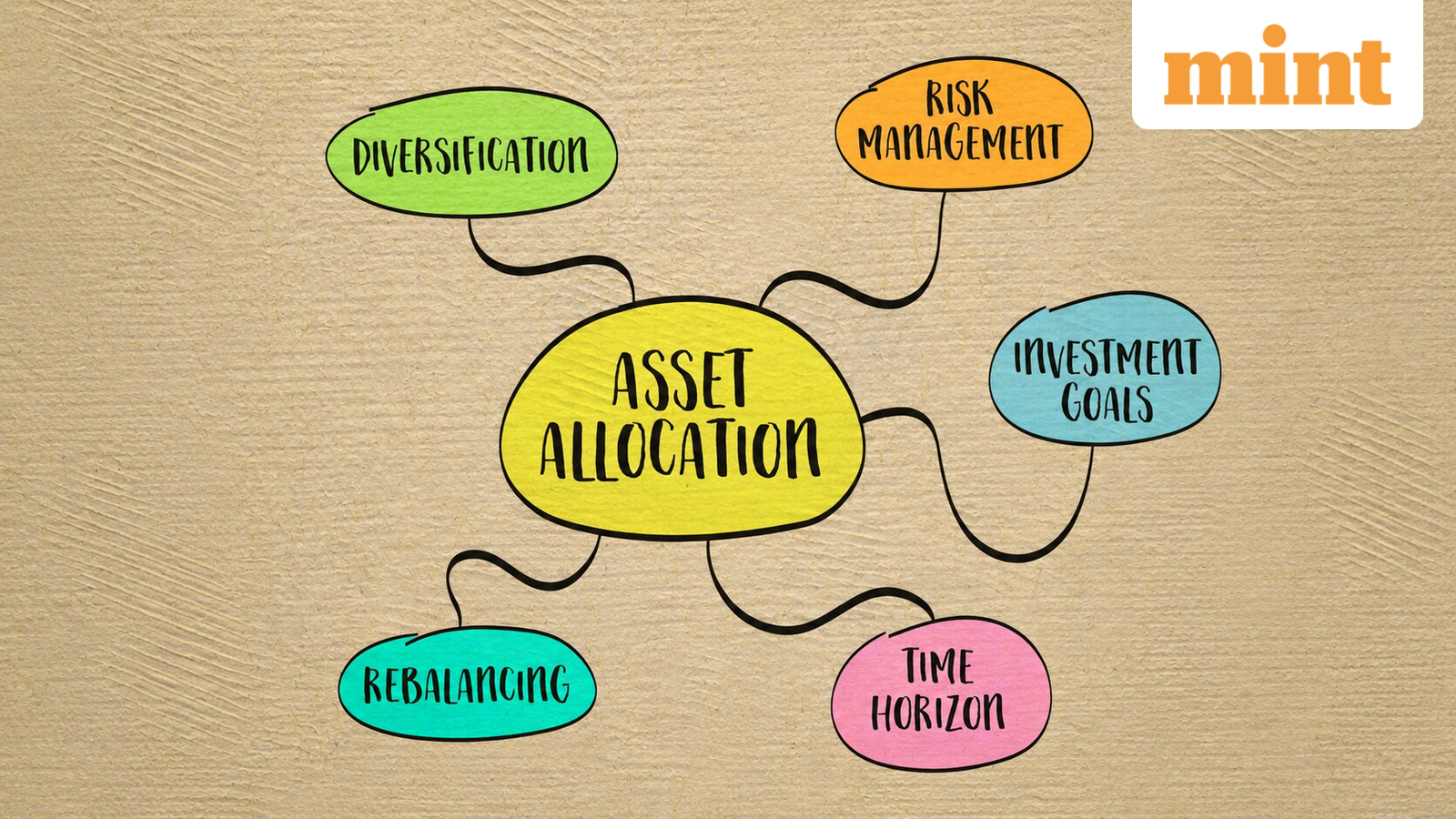
However, regular plans should not be cho sen merely because an intermediary is avail able. The quality of advice, beyond fund selec tion, is what matters. “The additional cost is justified only when the adviser or distributor provides continuous and meaningful value,” says Yadav. “A good money manager’s real value is not just fund selection; it is managing allocation, controlling risk exposure, and holding the investor’s hand through volatile cycles, market noise, and their own worst in stincts,” Bagdi maintains.
There is a middle path too. SEBI-Registered Investment Advisers (RIAs) are mandated to recommend direct plans, since they charge an advisory fee rather than earning commission on what they sell. This means an investor can get professional guidance and the lower cost of a direct plan at the same time — provided they’re willing to pay the adviser’s fee sepa rately.
For some, a direct plan is genuinely the better choice. If you understand markets and valuations, can assess risk beyond returns, and can invest with discipline while keeping emotions in check, paying the higher embed ded cost makes little sense.