The truth is that retirement flips the money management script. Once you’re living on retirement income, there’s far less room to recover from costly mistakes.
Whether it’s Social Security, a pension, or even withdrawals from your savings, every single dollar has a job to do. And that’s why one piece of advice from Shark Tank investor Barbara Corcoran stands out for those retirees on fixed income: know your numbers inside and out. For Corcoran, it’s a non-negotiable habit that then creates confidence, no matter how much money you have.
So, while much of Corcoran’s advice is aimed at entrepreneurs willing to take calculated risks, this particular rule is especially relevant for retirees. Knowing exactly how much money is coming in, how much is going out, and whether your savings can support your lifestyle can definitely help you both make informed decisions and save money in retirement.
Here’s what “knowing your numbers” looks like in your golden years and why it can make all the difference.
Find Out: 13 moves seniors could benefit from but often forget about.
Barbara Corcoran’s one non-negotiable rule
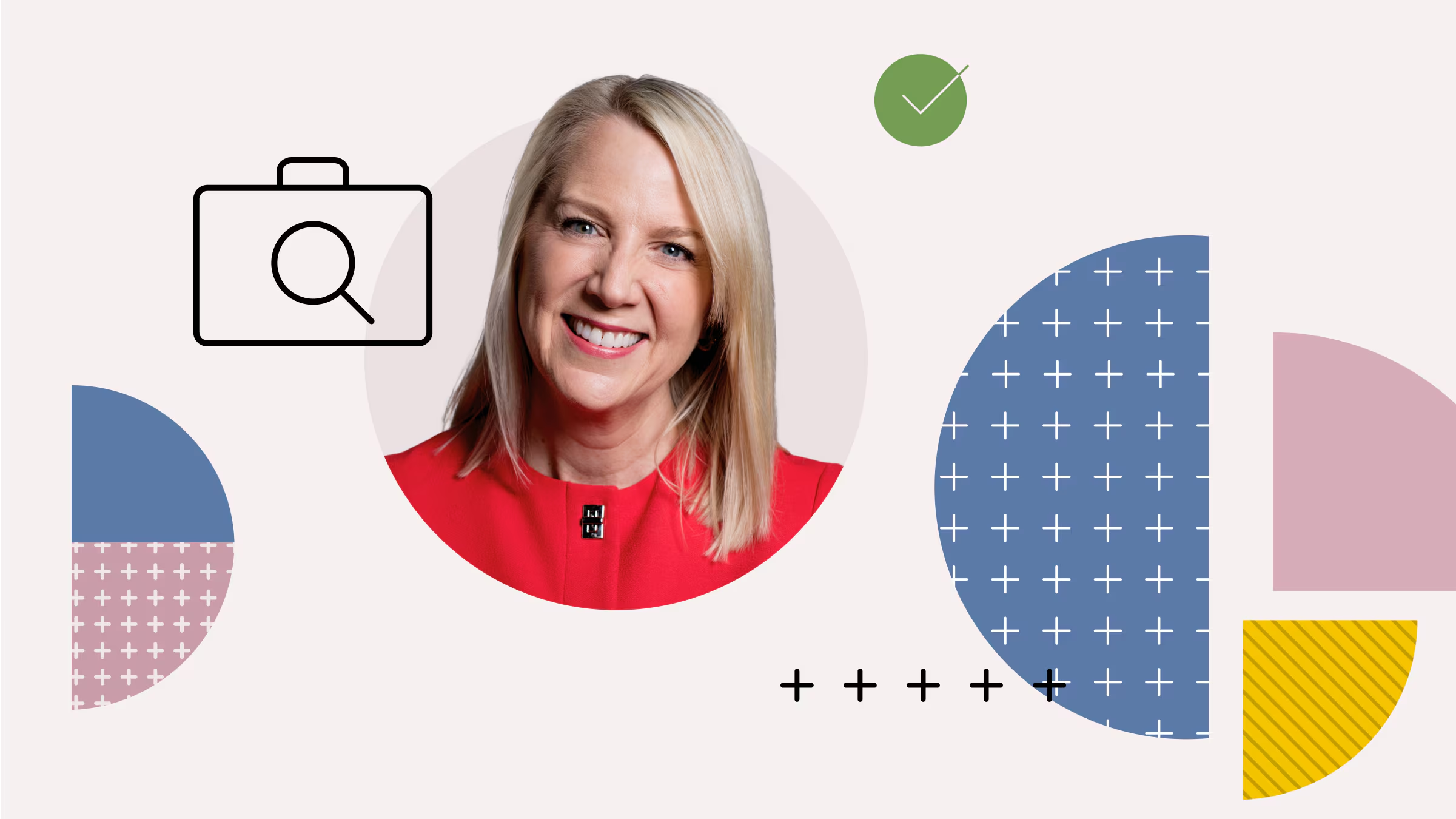
Barbara Corcoran has built a career on making confident business decisions, but she says those decisions don’t come from being a financial genius. Instead, she gives credit to one simple habit: knowing her numbers inside and out. This entails knowing exactly how much money you have coming in, what’s going out, how much of your debt exists, and where your assets stand.
It’s a rule Corcoran has repeated over the years because clear financial data leaves less room for both emotion and guesswork. And for retirees, the same mindset can provide a solid foundation for making spending decisions when every dollar has to last.
Shopping for cheaper auto insurance? Enter your zip code here to get started.
Why this matters even more in retirement
Corcoran’s advice arguably has the most value when you actually retire because your financial picture changes drastically. Instead of earning a paycheck that can make up for overspending on unexpected costs, you’re typically relying on a combination of Social Security, pensions, and withdrawals from your investments. Every single financial decision affects how long your nest egg may last.
Without a clear understanding of your cash flow, it’s very easy to spend more than you realize, or withdraw too much from your retirement accounts. Knowing your numbers allows you to make decisions based on facts instead of assumptions, which also reduces unnecessary stress surrounding your finances.
Start with your guaranteed monthly income
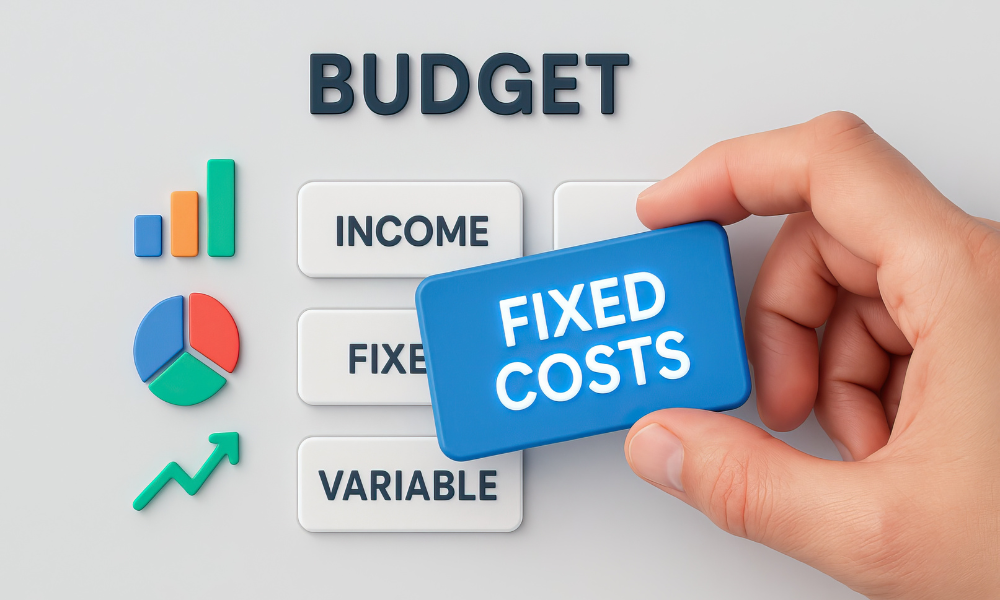
The first numbers retirees should be conscious of are the ones they can count on each month. This includes Social Security benefits, pension payments, annuity income, and any other predictable cash flow. Once those figures are clear, compare them against your regular monthly bills to see how much your essential spending is already covered.
This exercise helps identify whether you’ll need to supplement income with retirement account withdrawals or other savings. Having a clear picture of guaranteed income will also make it easier for you to budget discretionary spending while not having to worry that everyday expenses will deplete your resources.
Save Money: Things to cut when living on retirement (many people ignore #11)
Track your spending and your withdrawal rate
Income is only half of the equation. Retirees should also know how much they spend over the course of a year, how large their investment portfolio is, and what percentage they are withdrawing annually. Your monthly budget may appear balanced, but large expenses like travel, home repairs, or medical bills can affect your finances.
Thus, reviewing your annual spending instead of just your monthly bills provides a more complete picture. And monitoring your withdrawal rate alongside your expenses can also help you determine whether your current lifestyle is budget-conscious or if adjustments are needed to keep your savings.
Treat your finances like a six-month report card
Corcoran has said she gives every company she invests in a report card every six months to evaluate their performance. Retirees can use that same practice by scheduling a regular retirement check-in instead of waiting until something goes awry.
Two times a year, take the time to review your income sources, spending habits, investment balances, withdrawal rate, and any changes to your financial goals. You don’t need a complicated spreadsheet or expensive software. You instead need an accurate snapshot of where you stand today compared to six months ago. So, regular reviews can help catch small problems before they become larger financial setbacks.
Not all of Corcoran’s advice fits retirement
While Corcoran’s emphasis on “knowing your numbers” translates well to retirement, some of her other advice deserves a closer look. As an entrepreneur and investor, she often encourages taking calculated risks and seizing opportunities that can lead to higher returns. But while this approach may make sense for someone with decades of earning potential (or the ability to rebuild wealth after setbacks), it isn’t necessarily feasible for retirees.
Retirees living on a fixed income usually have far less room for error and less risk tolerance. So, retirees may benefit most from adopting her clarity-first mindset while sticking to an investment strategy that matches their own financial needs.
Retire like the rich: 14 ways you could build wealth in your 50s.
Bottom line
Barbara Corcoran’s advice is all about understanding your financial picture before you make decisions. And for retirees on fixed incomes, maintaining a current snapshot of your income, expenses, savings, and withdrawal rate can make it all the easier to adjust your retirement plan before setbacks happen, allowing you to spend with confidence.
A way to put Corcoran’s advice into action is to create a one-page retirement “Dashboard.” On this dashboard, list out your monthly income, annual spending, account balances, and upcoming large expenses in one place. Keep those figures updated on a regular schedule, and this will help you spot early changes and make informed choices without relying on emotion or guesswork.
More from FinanceBuzz: