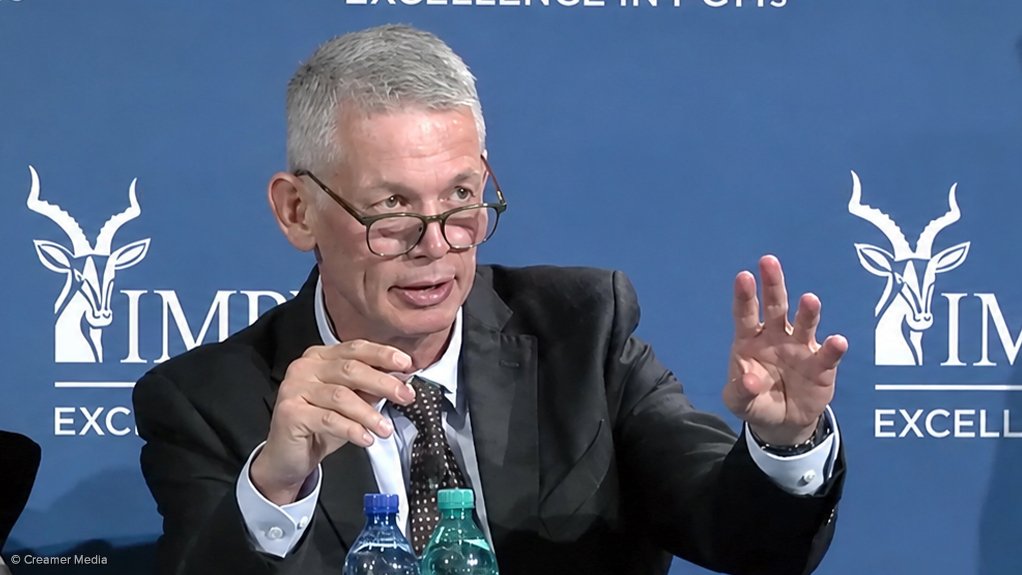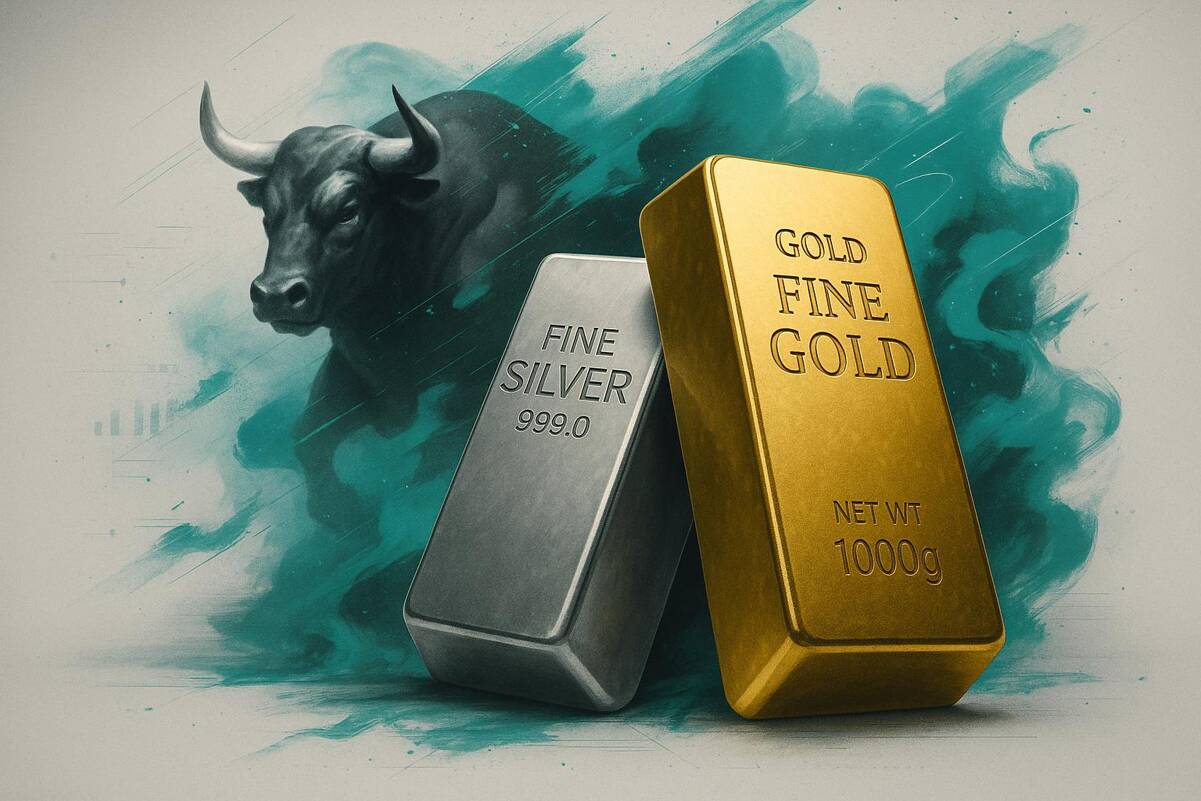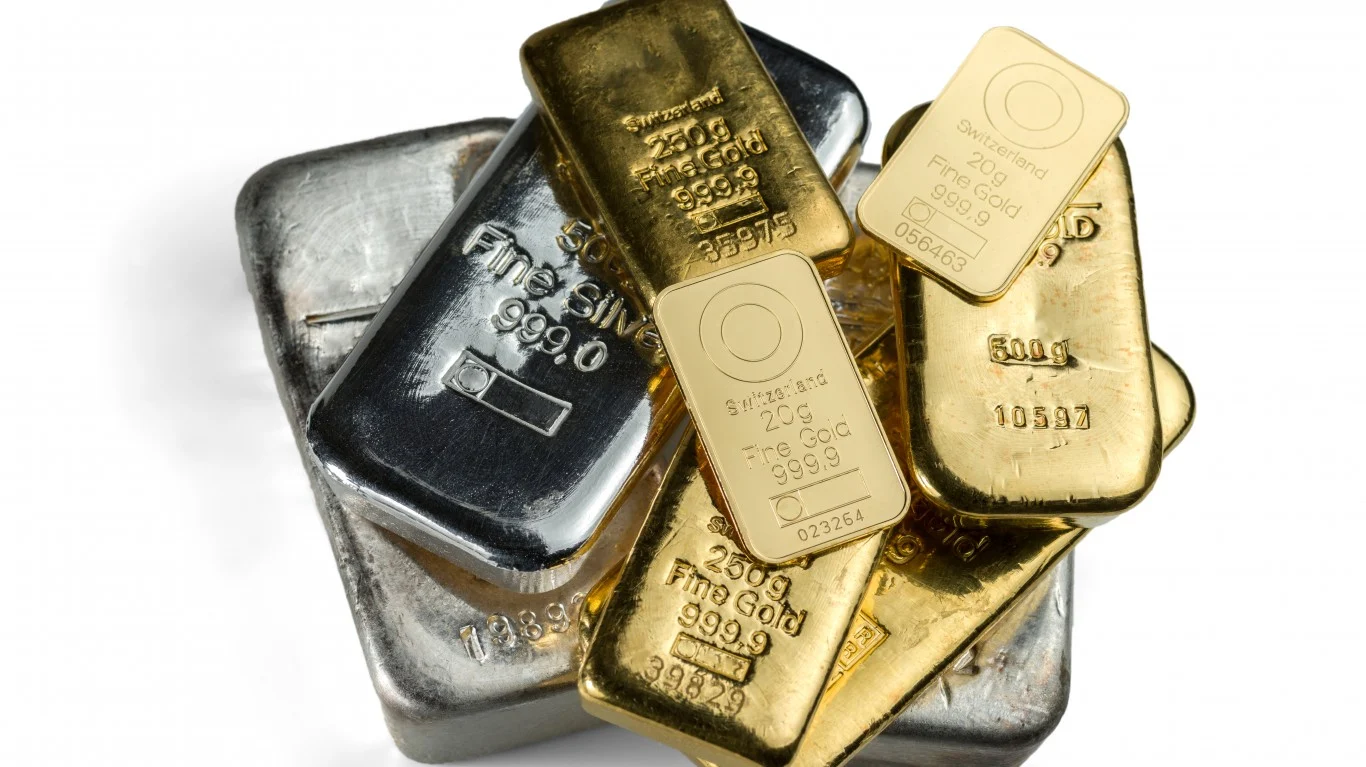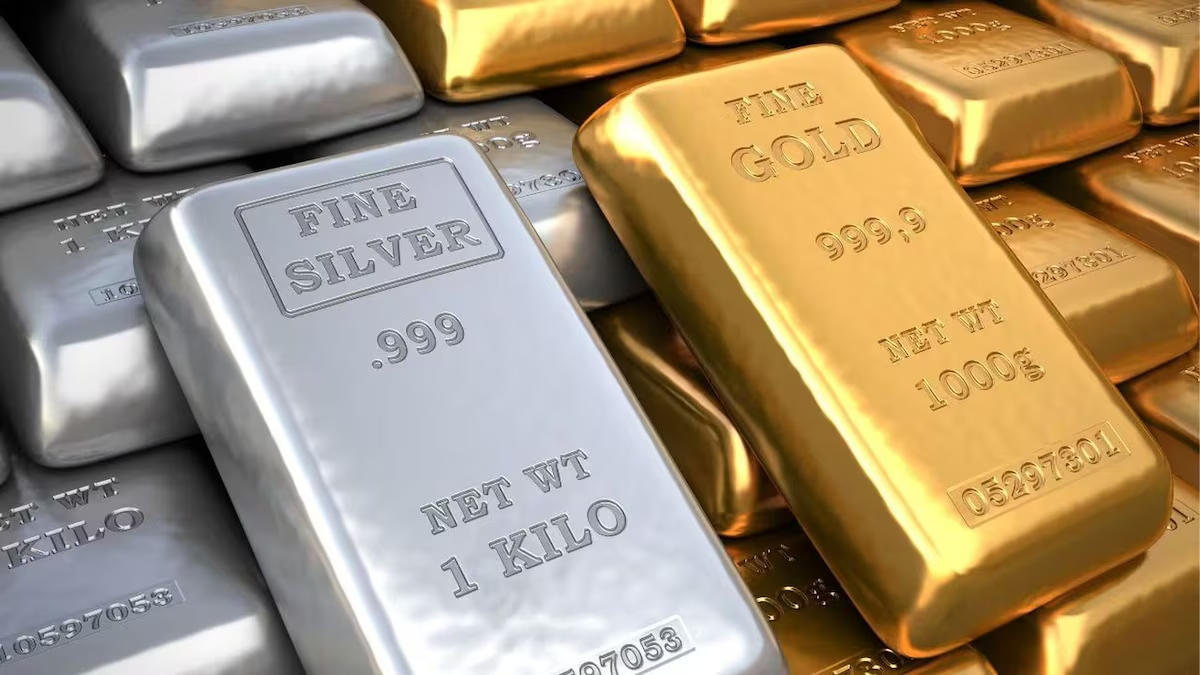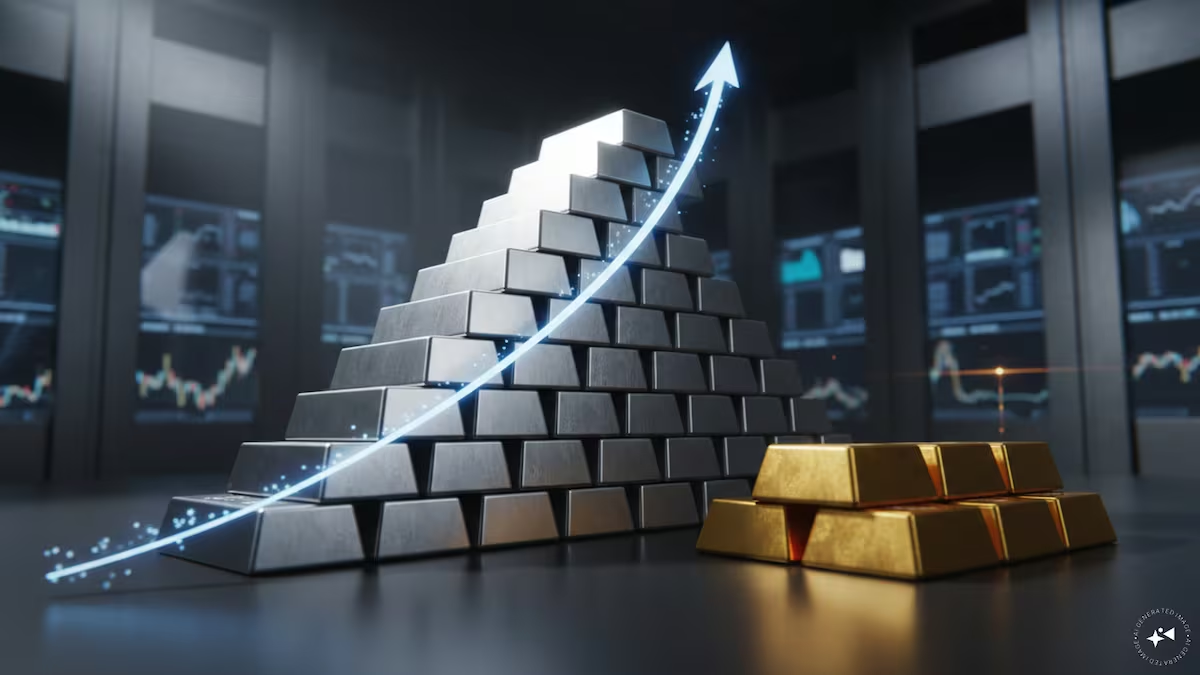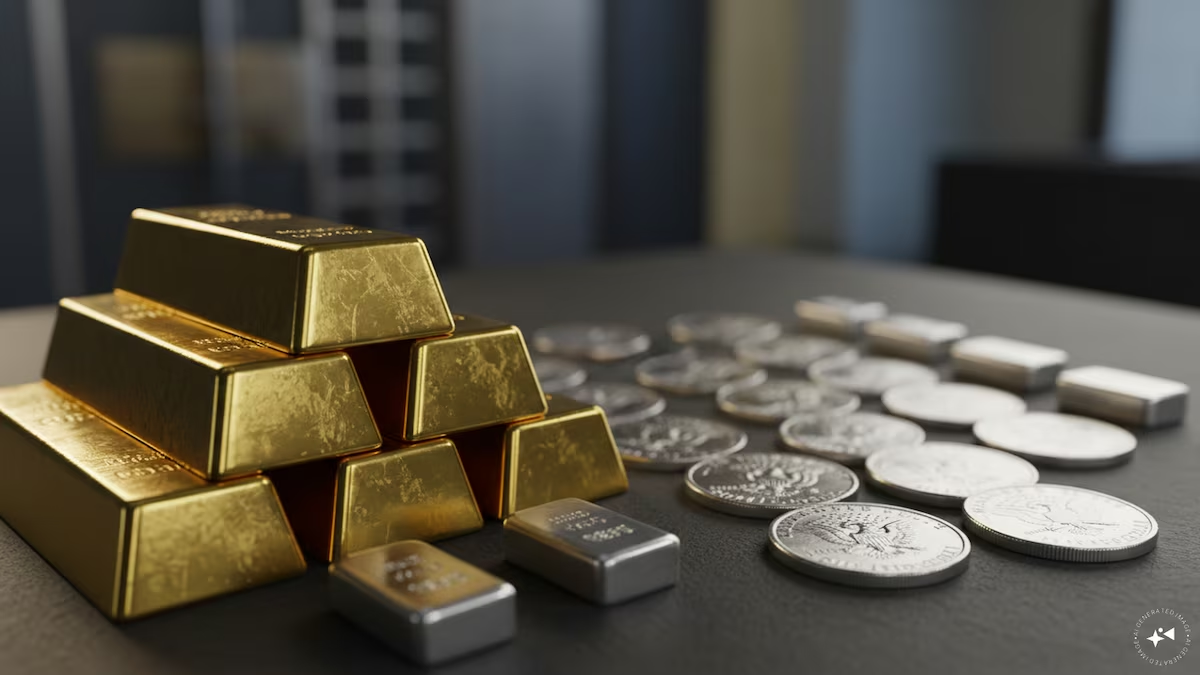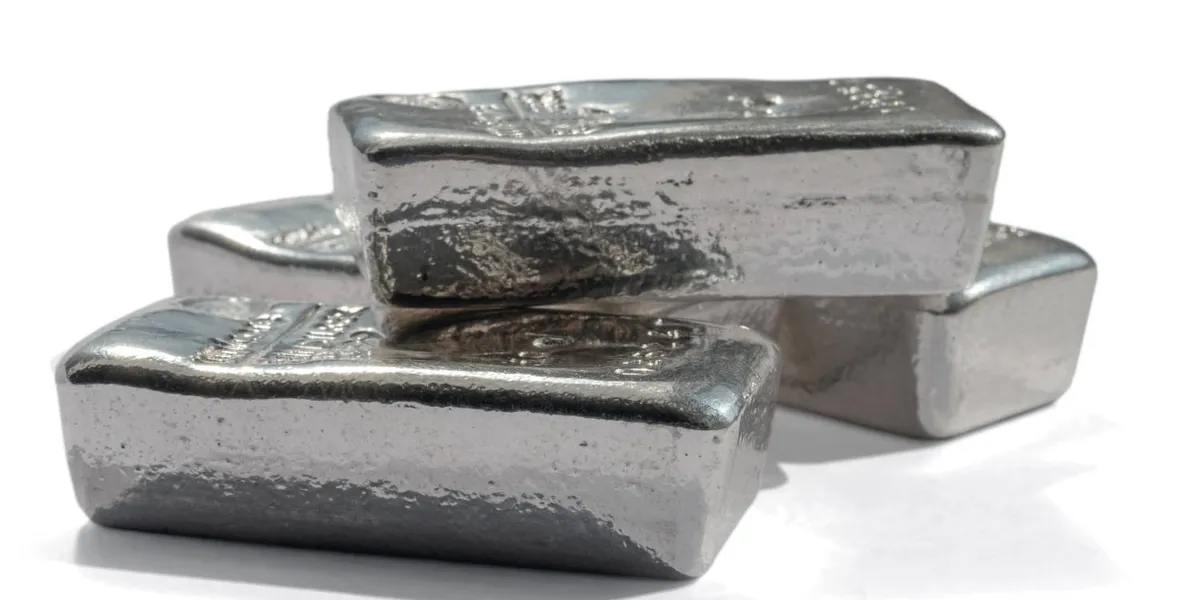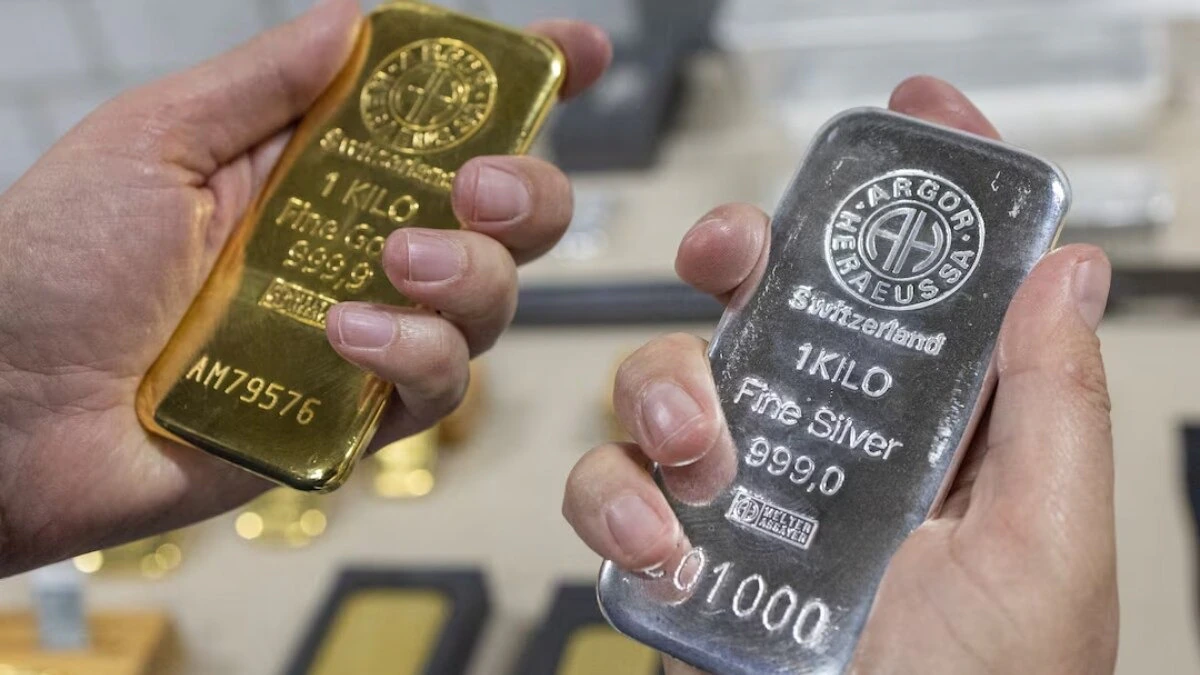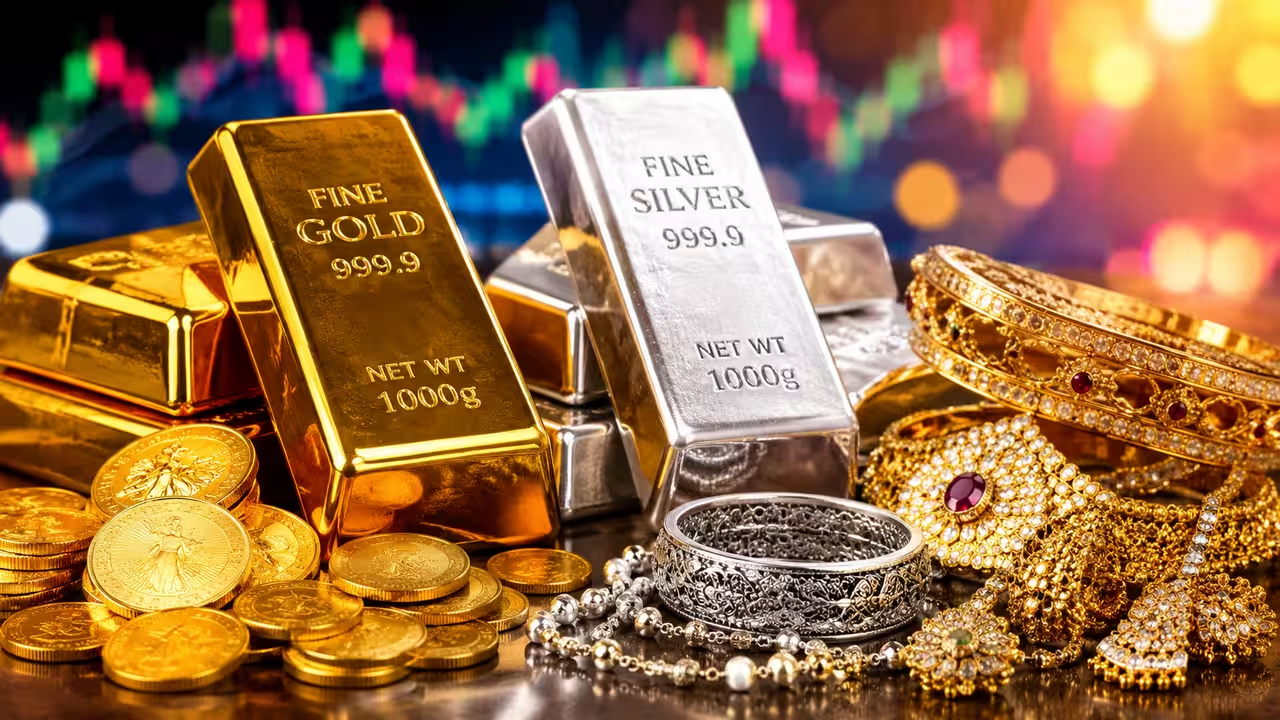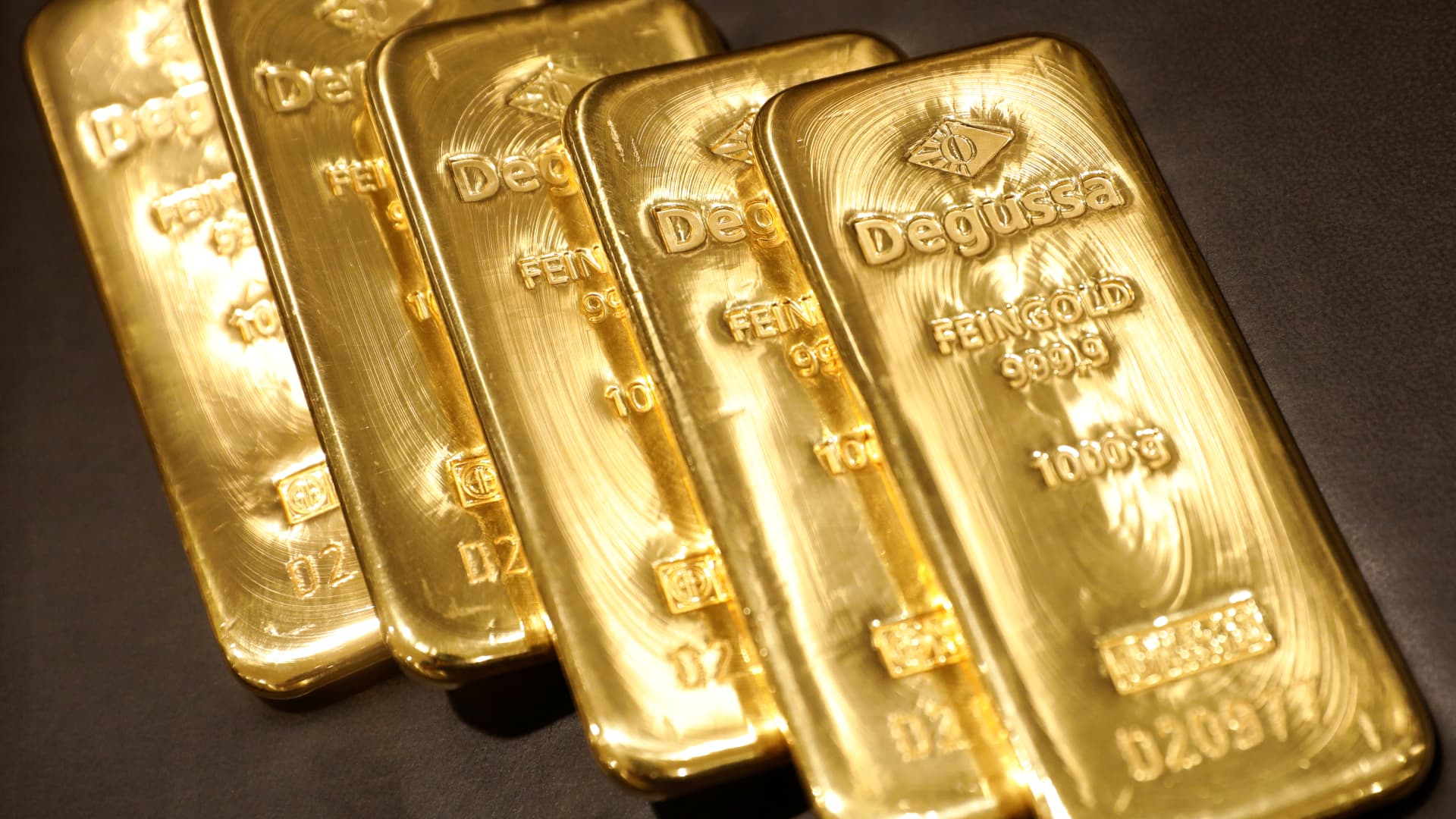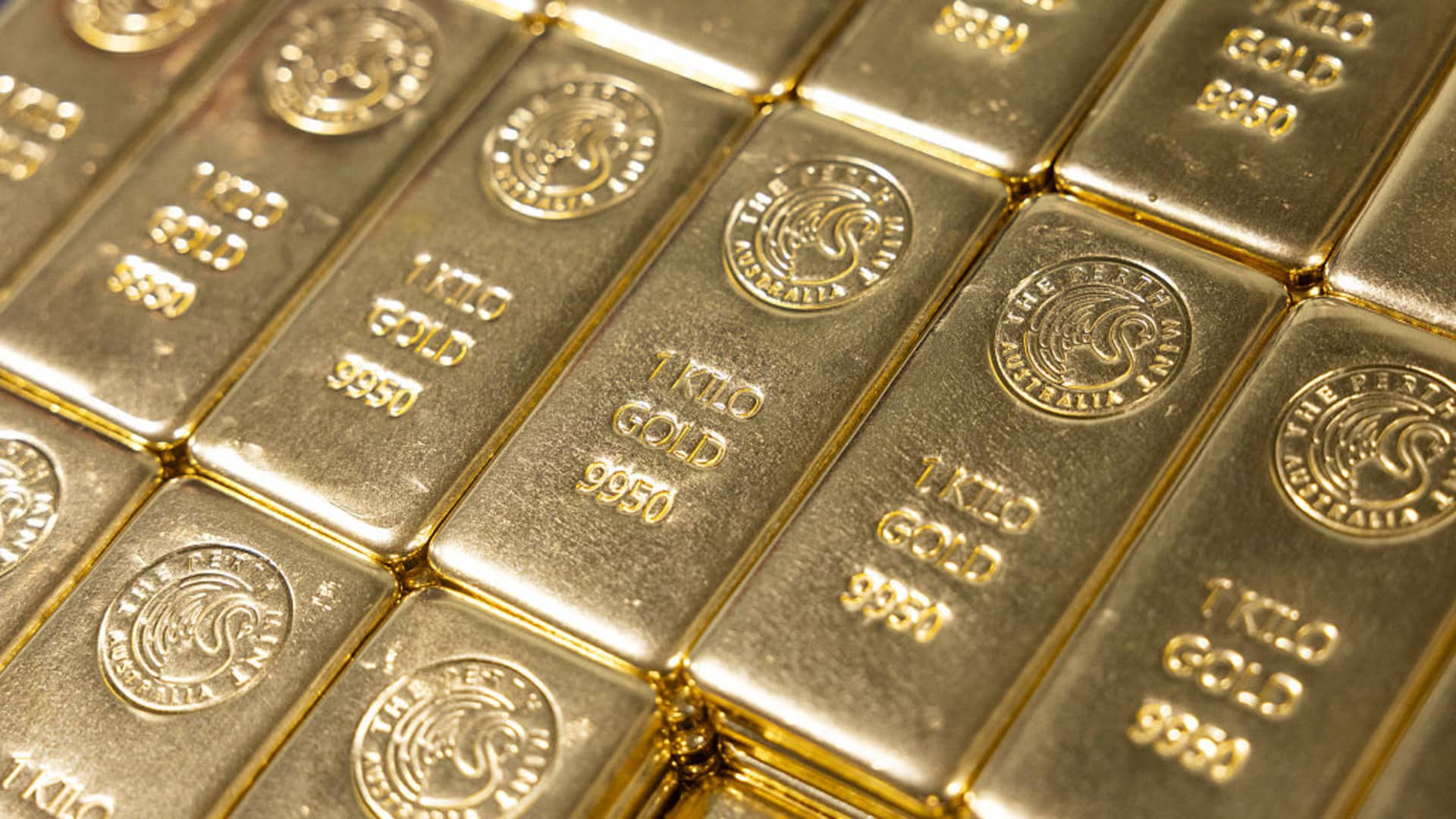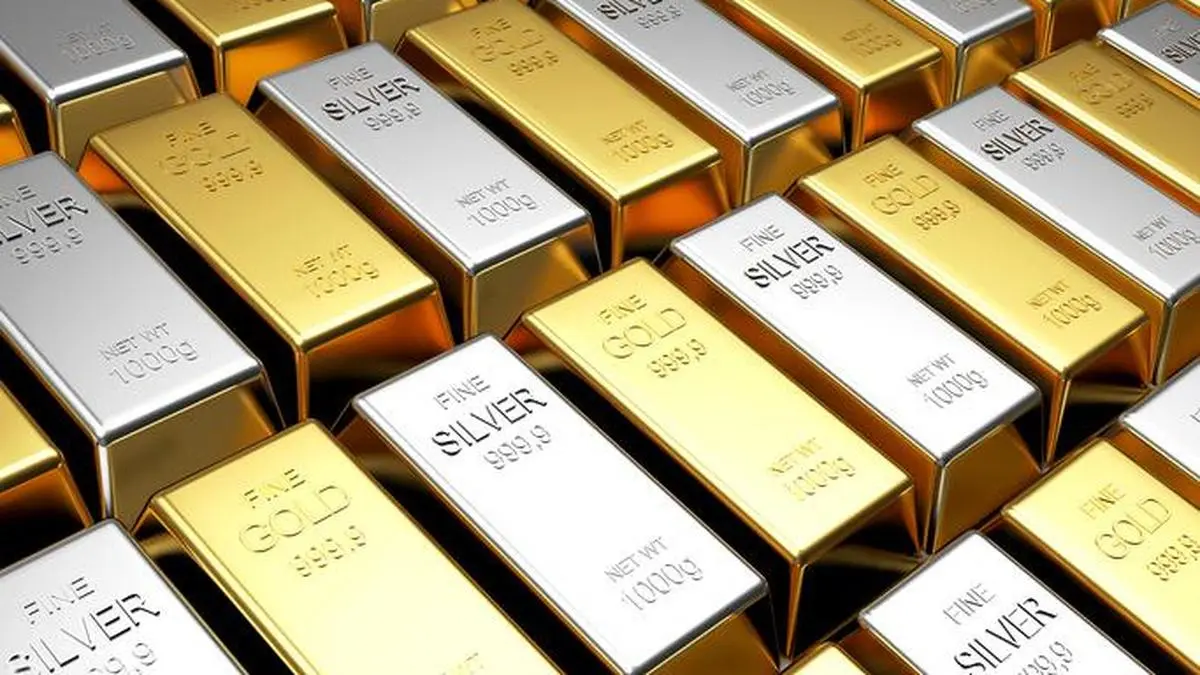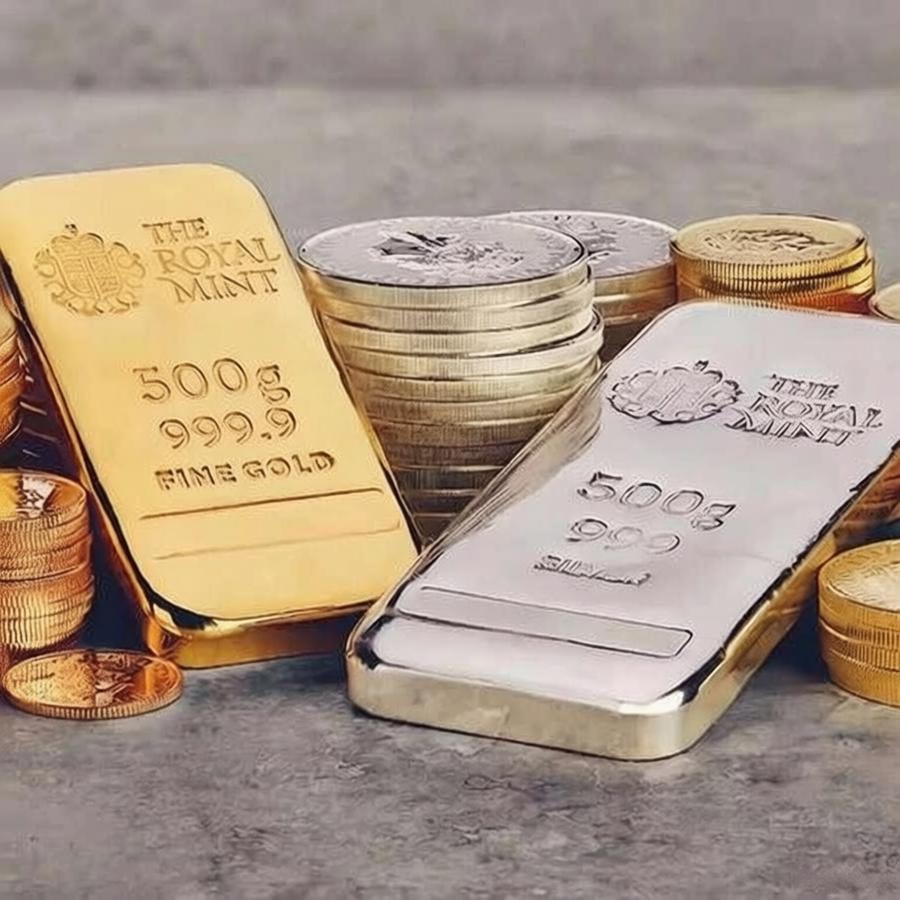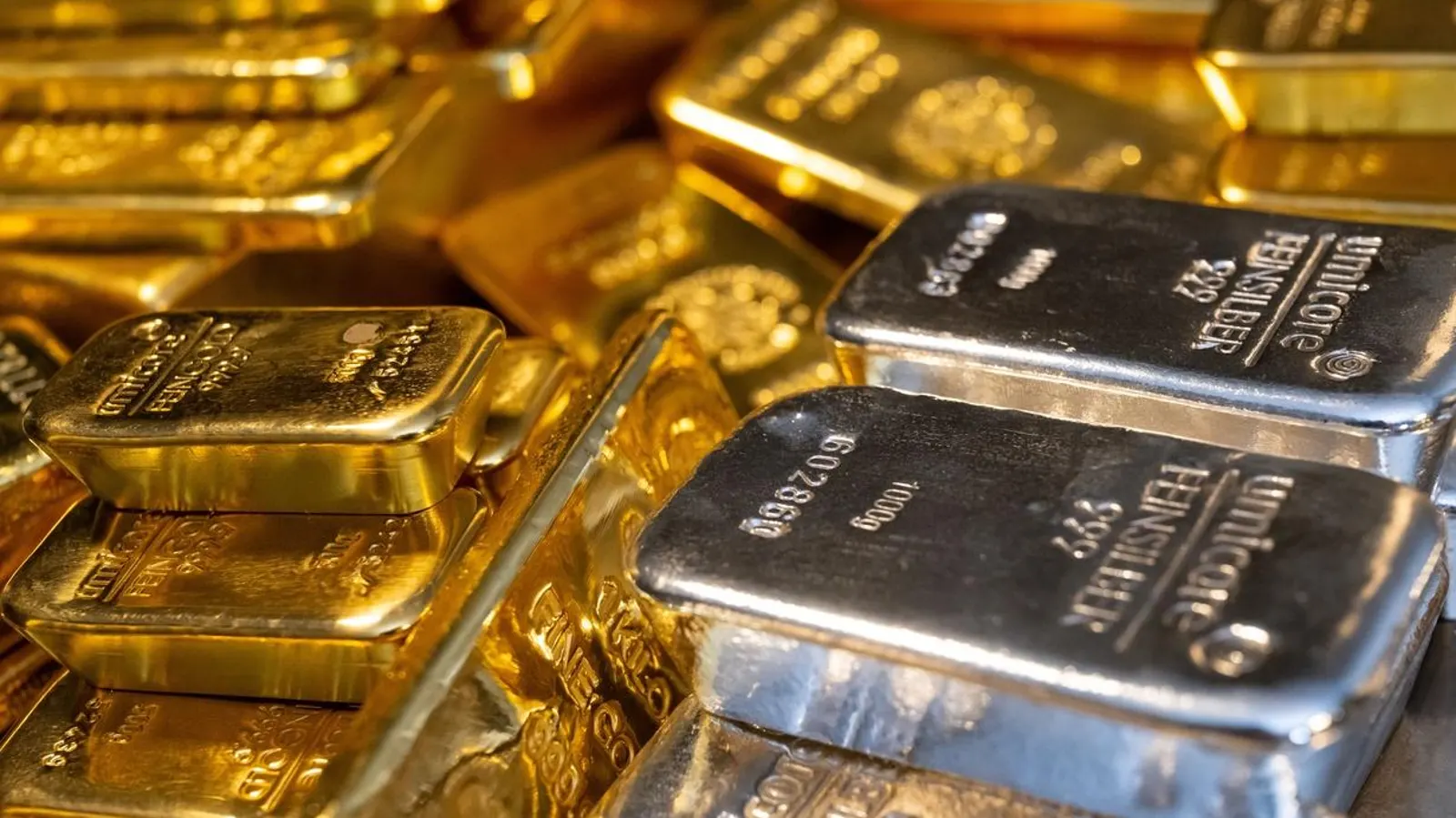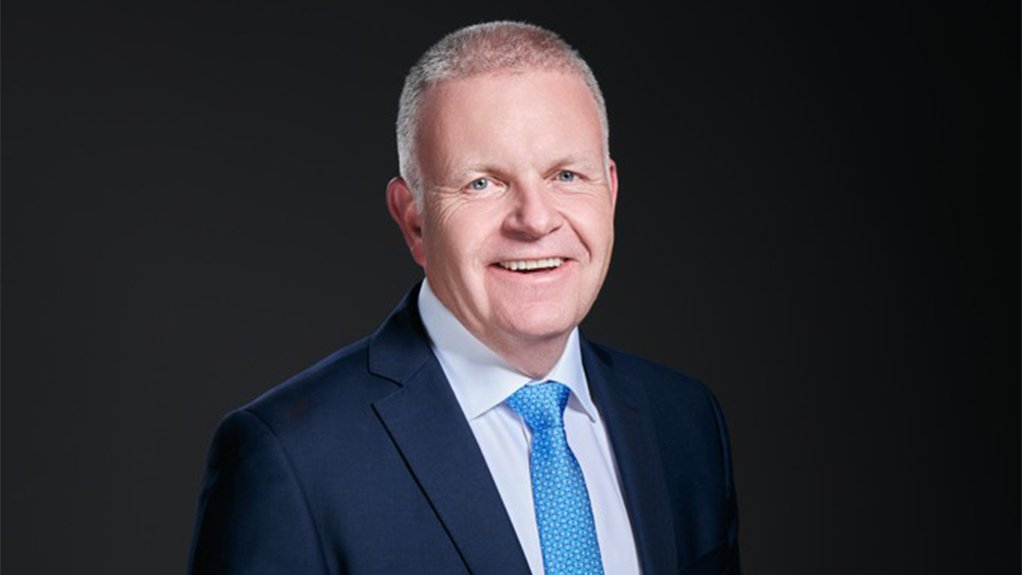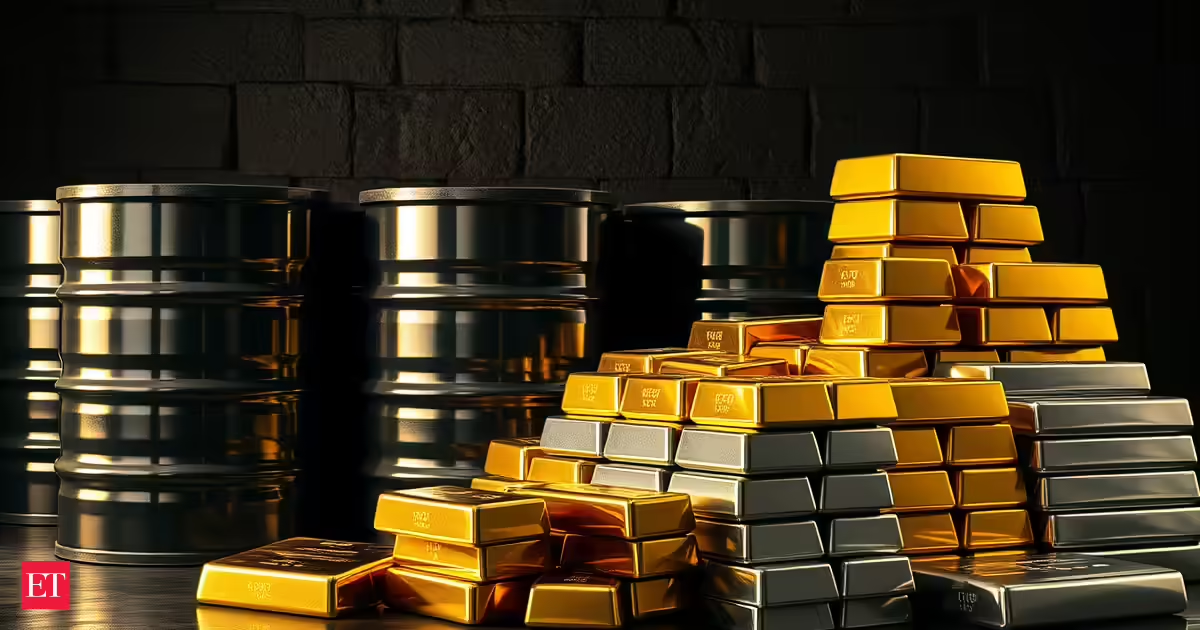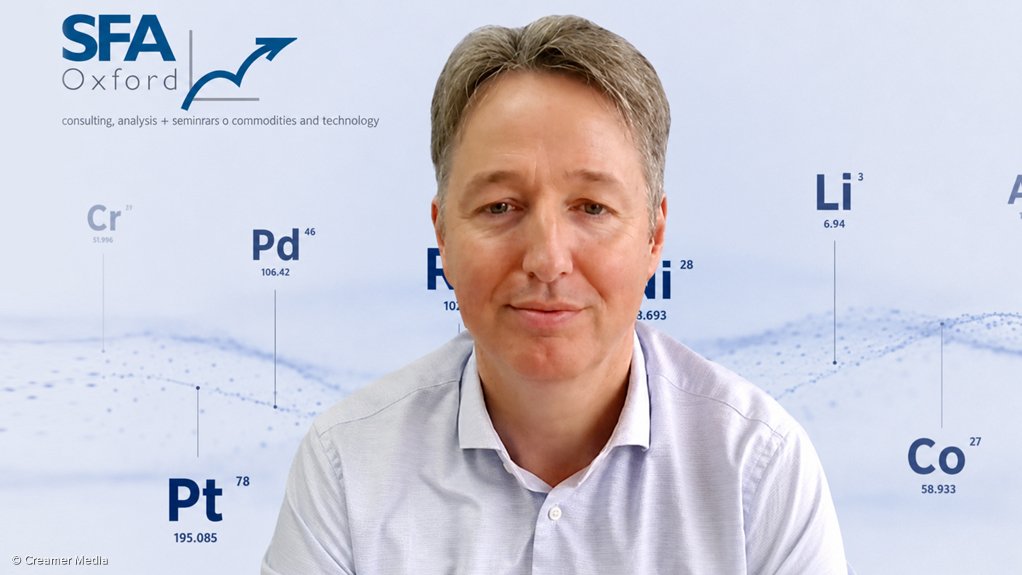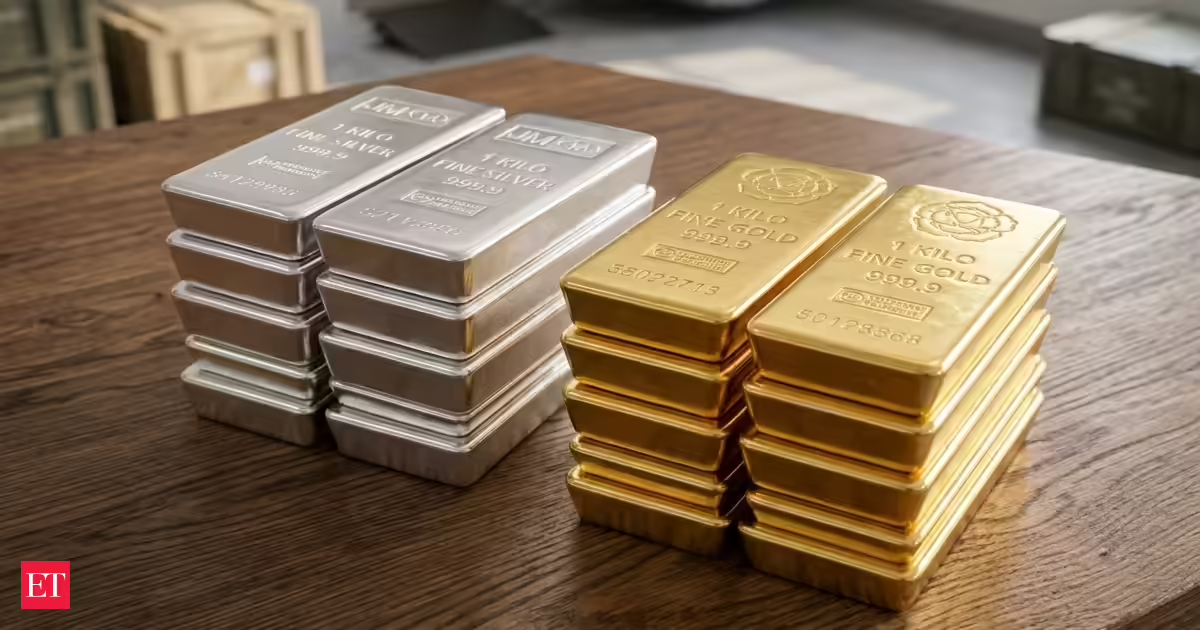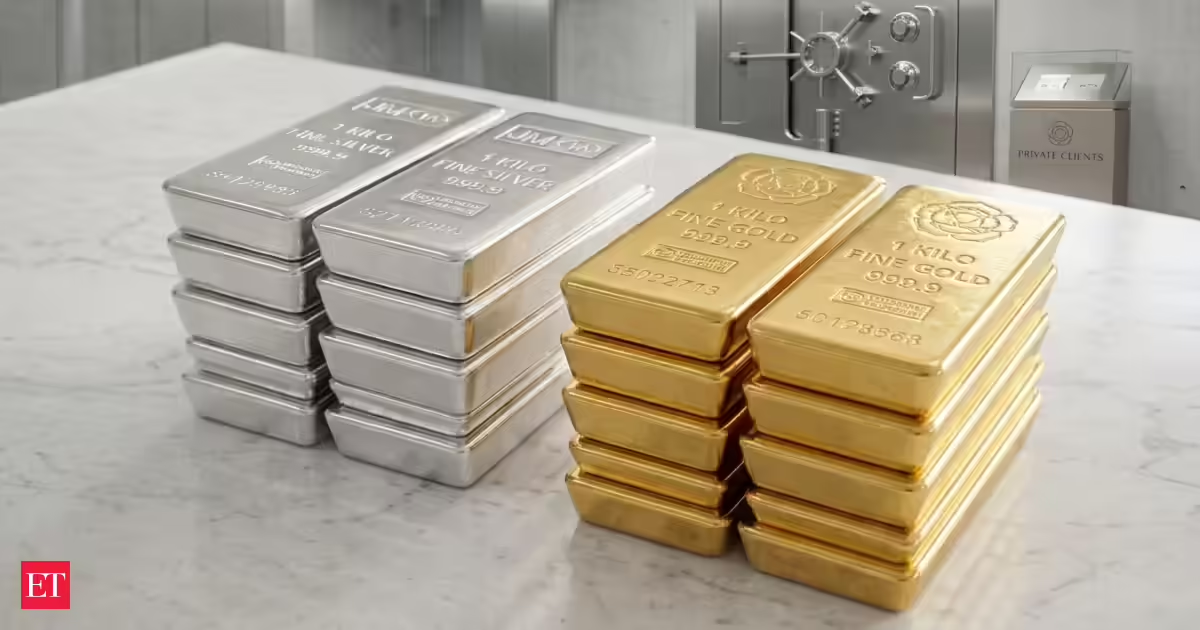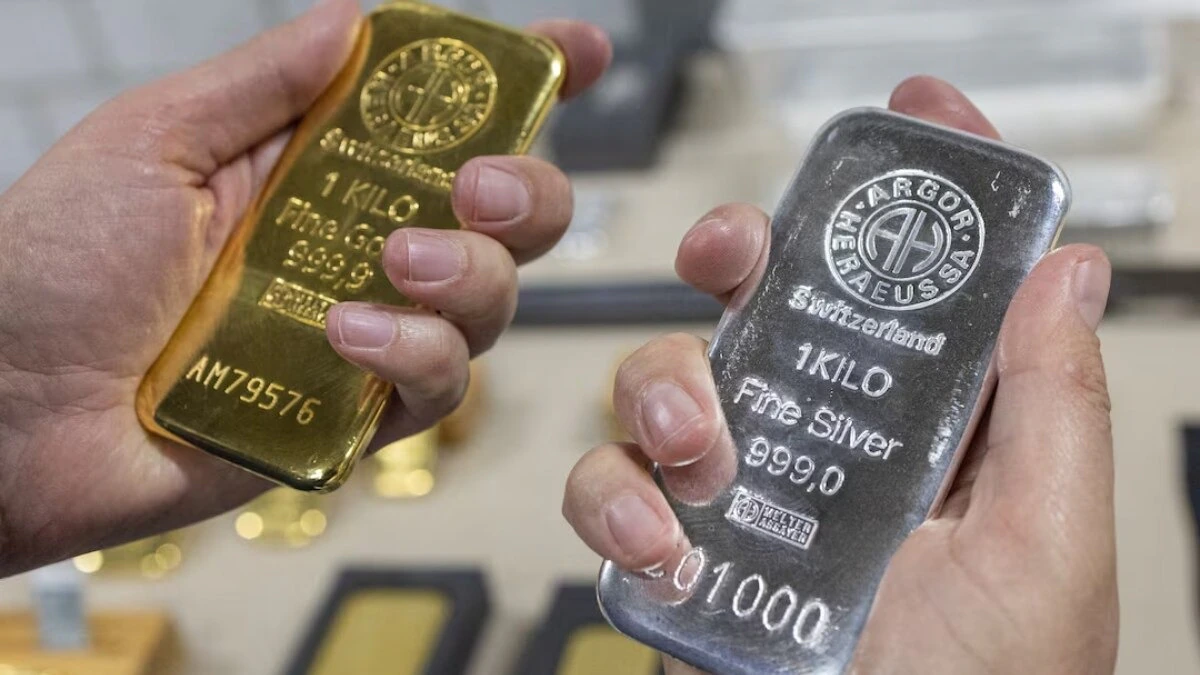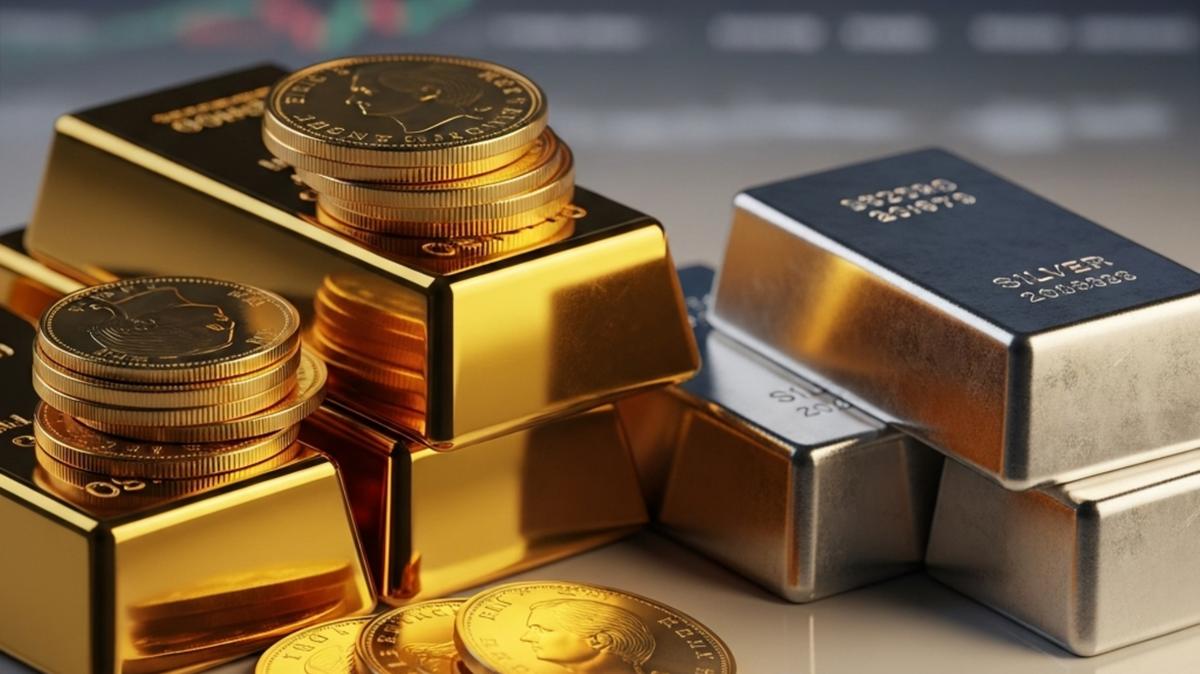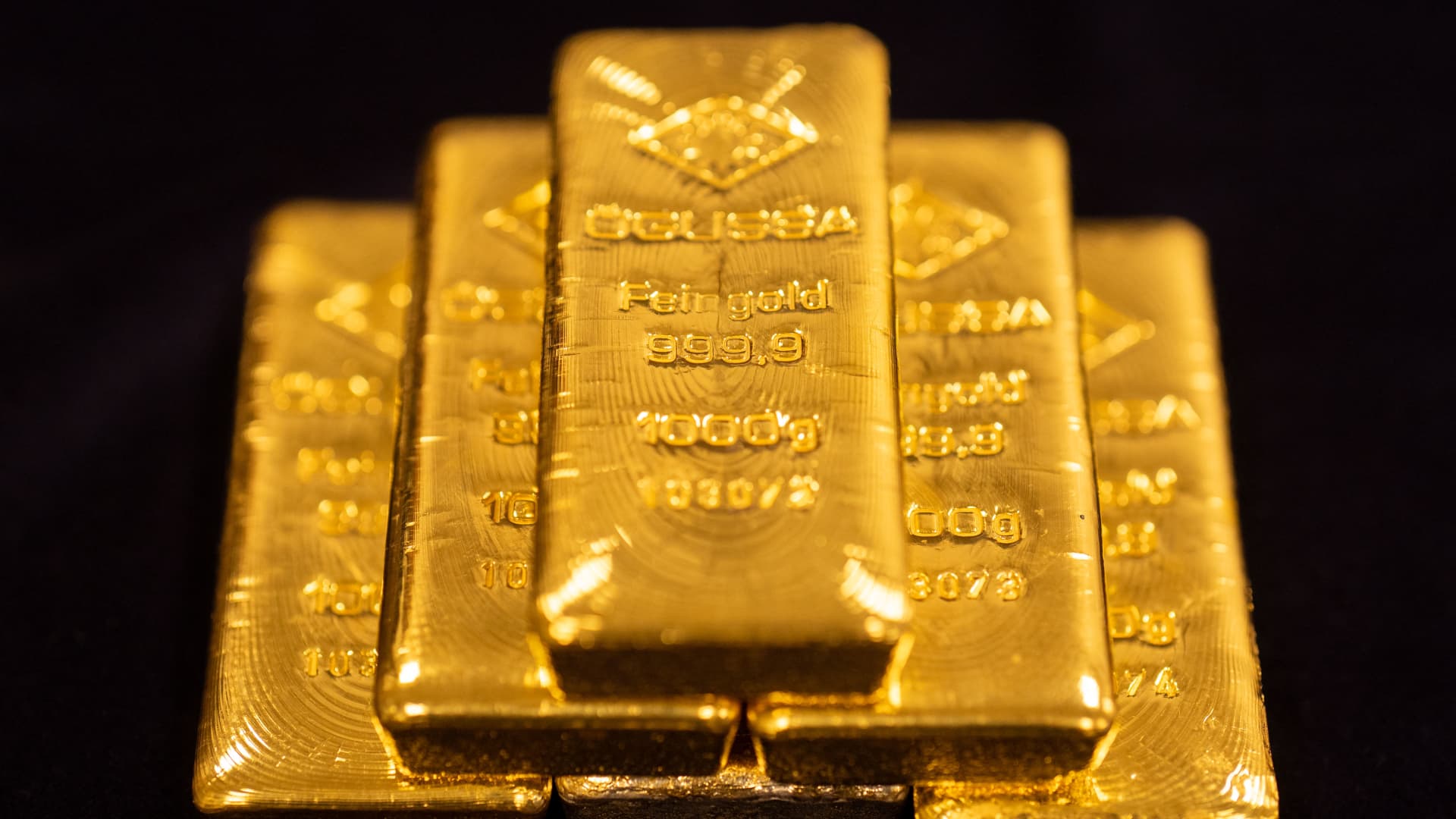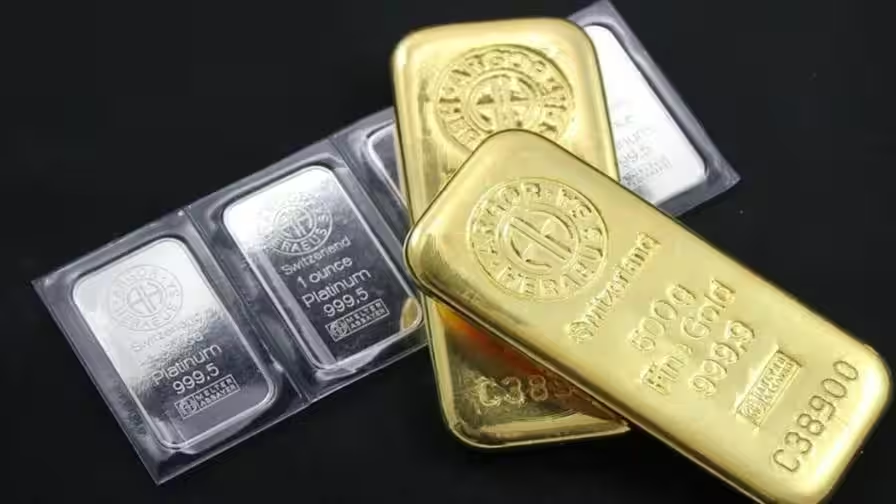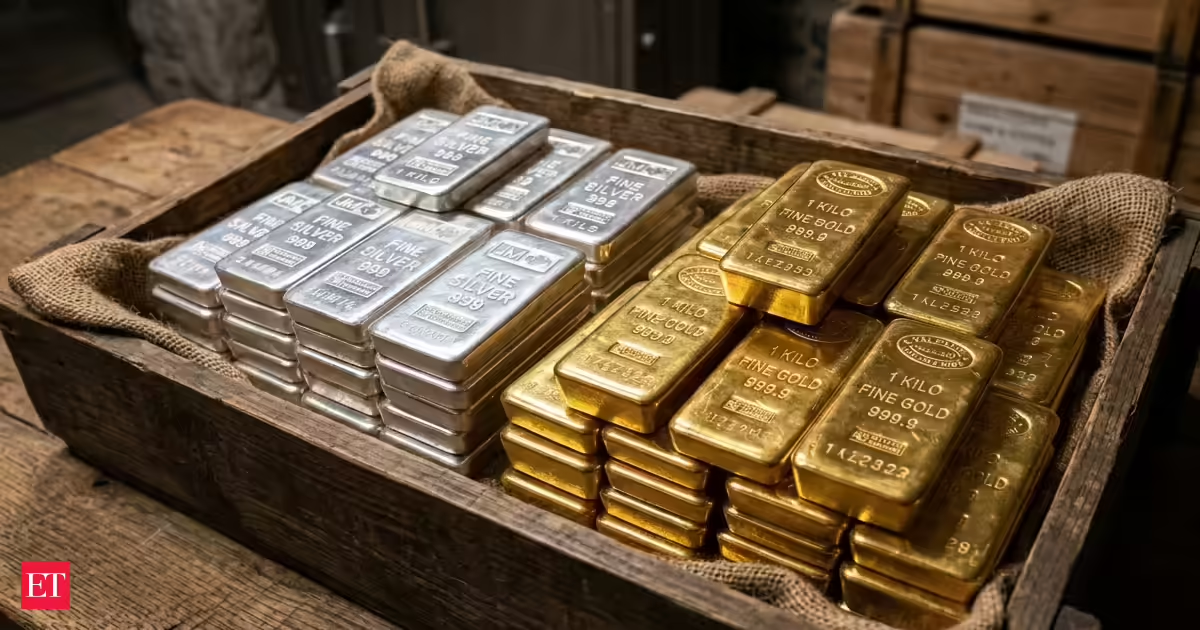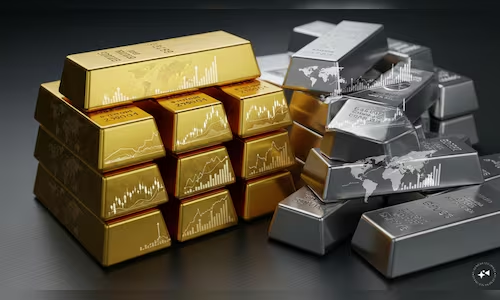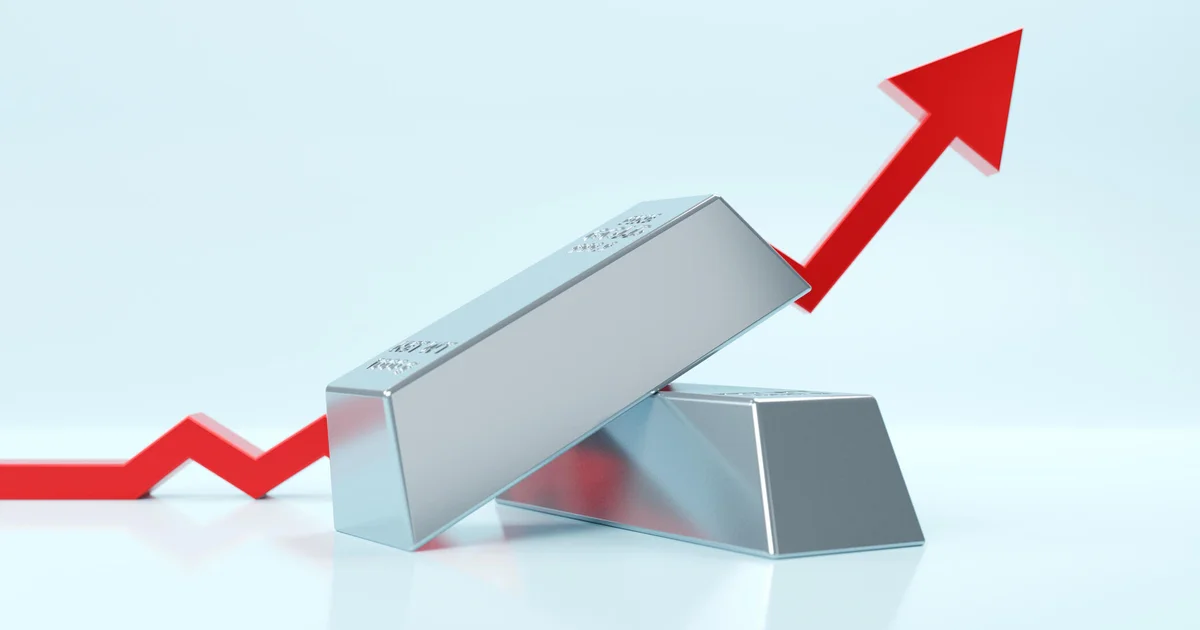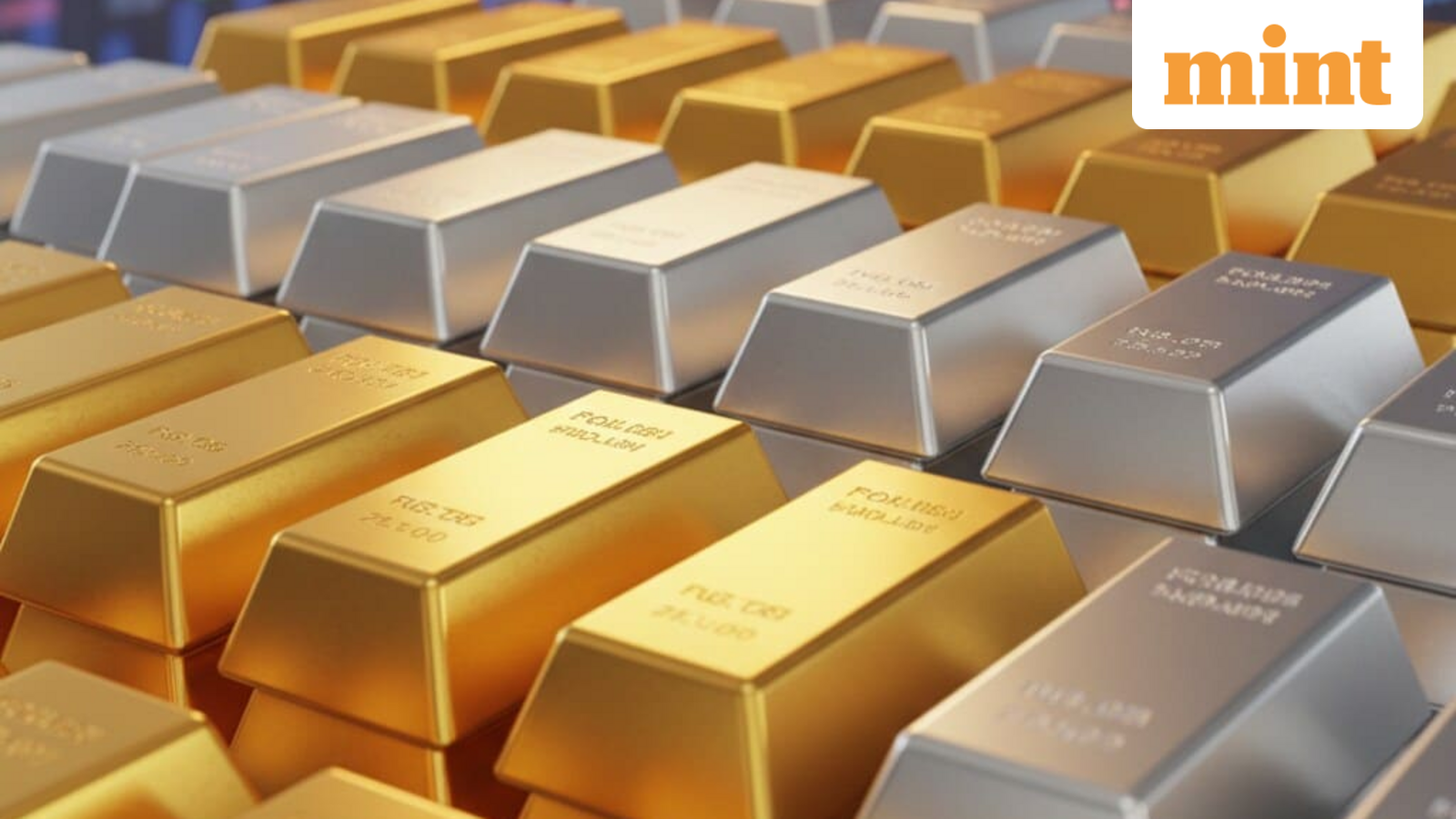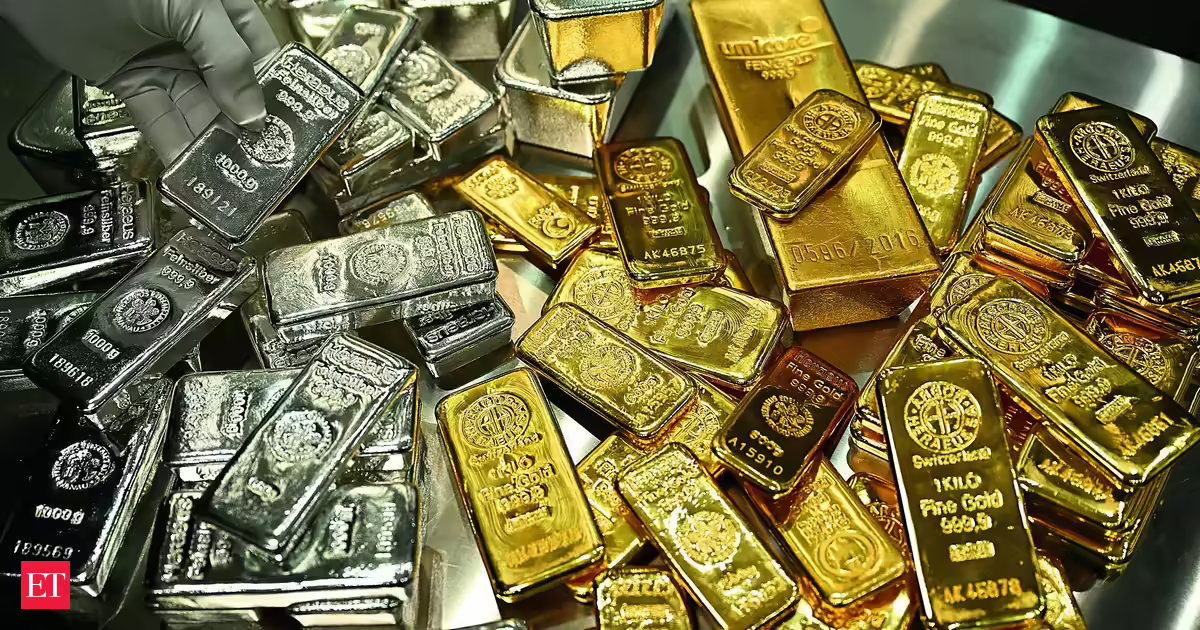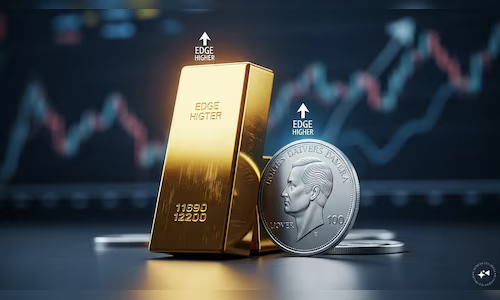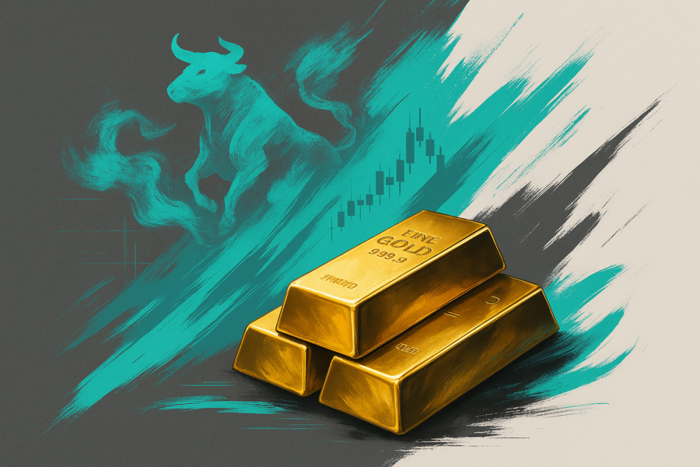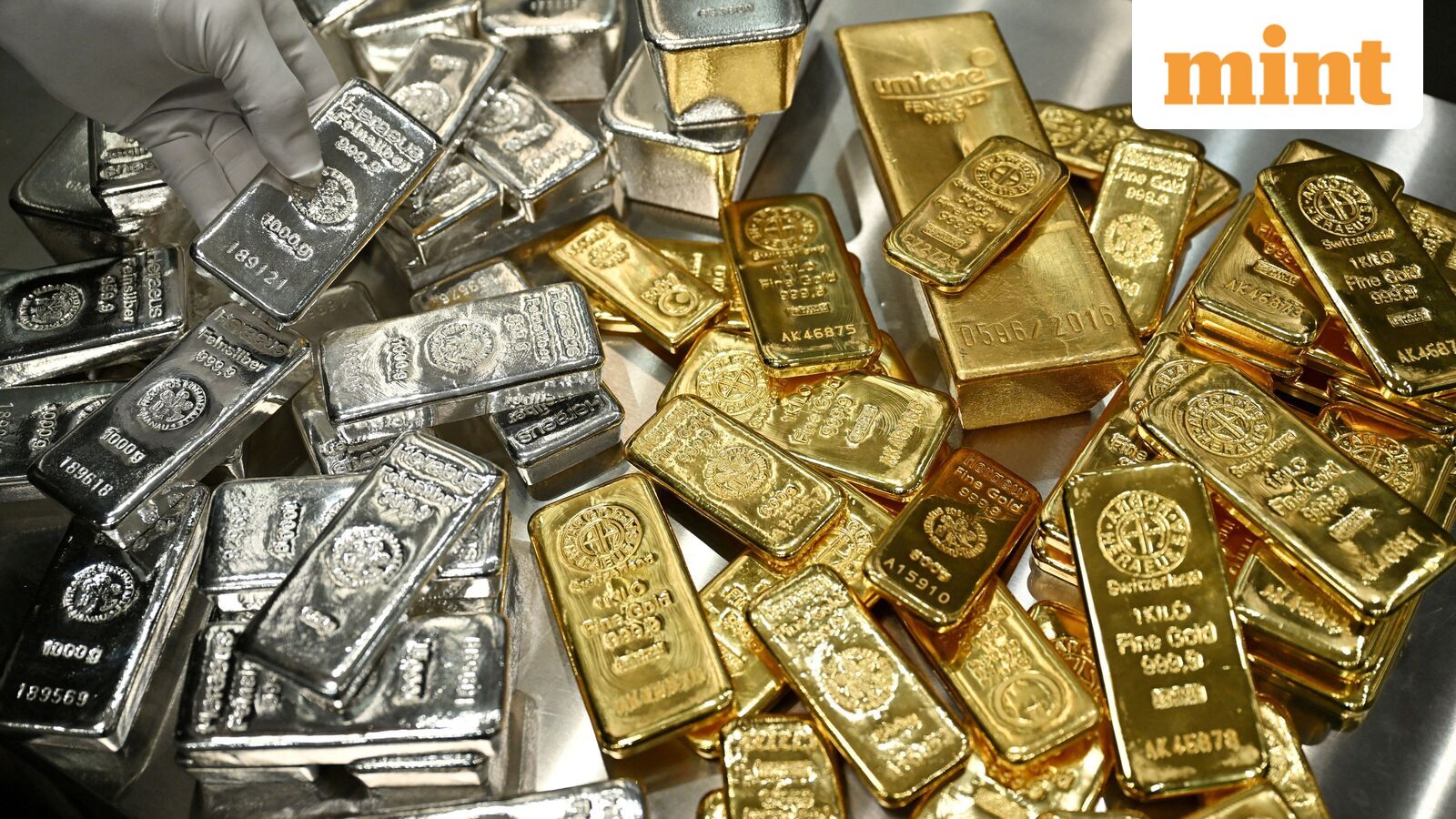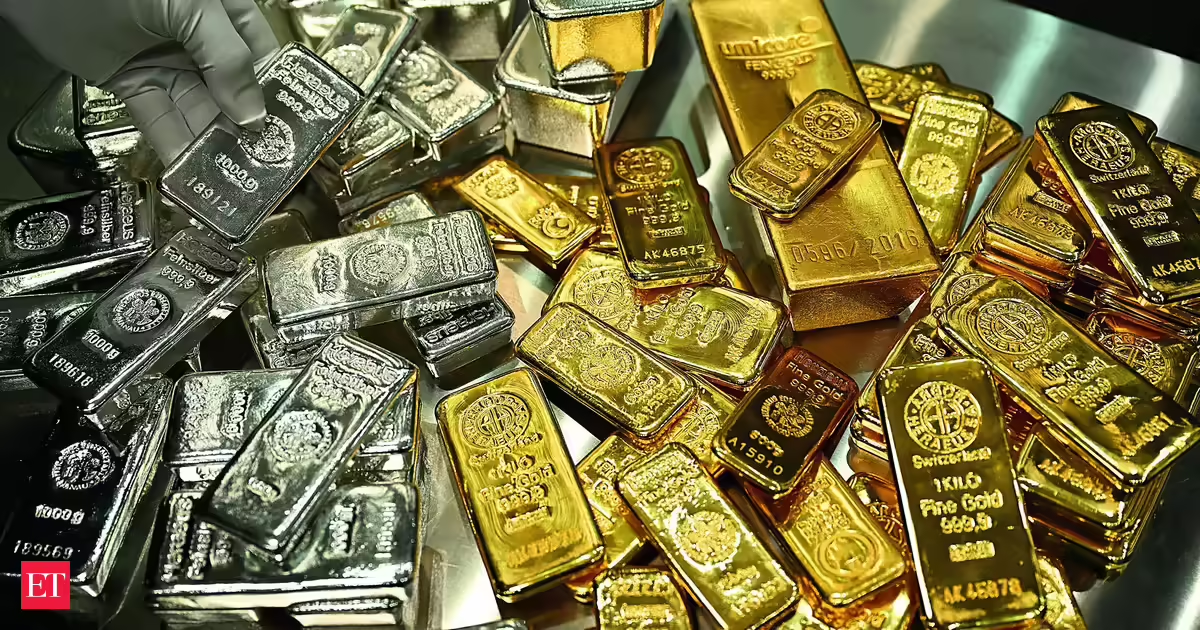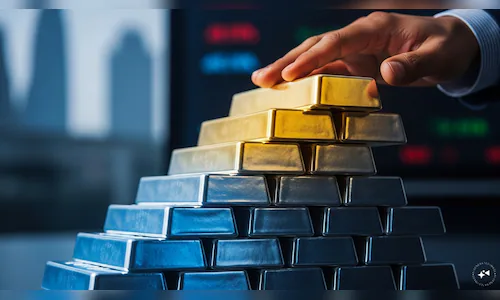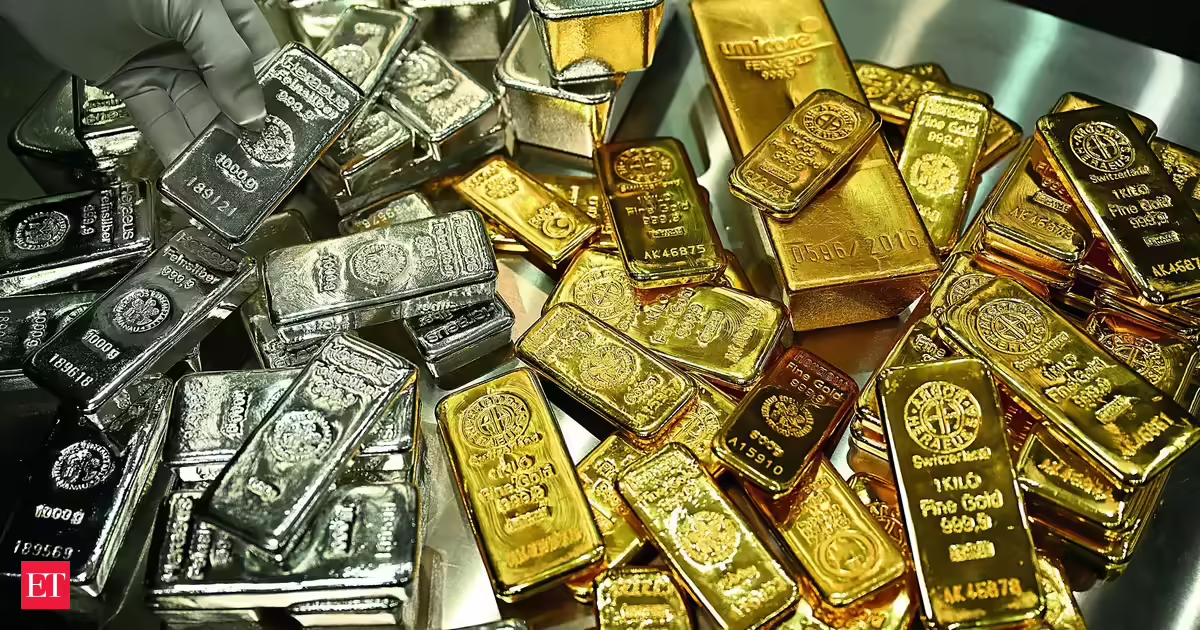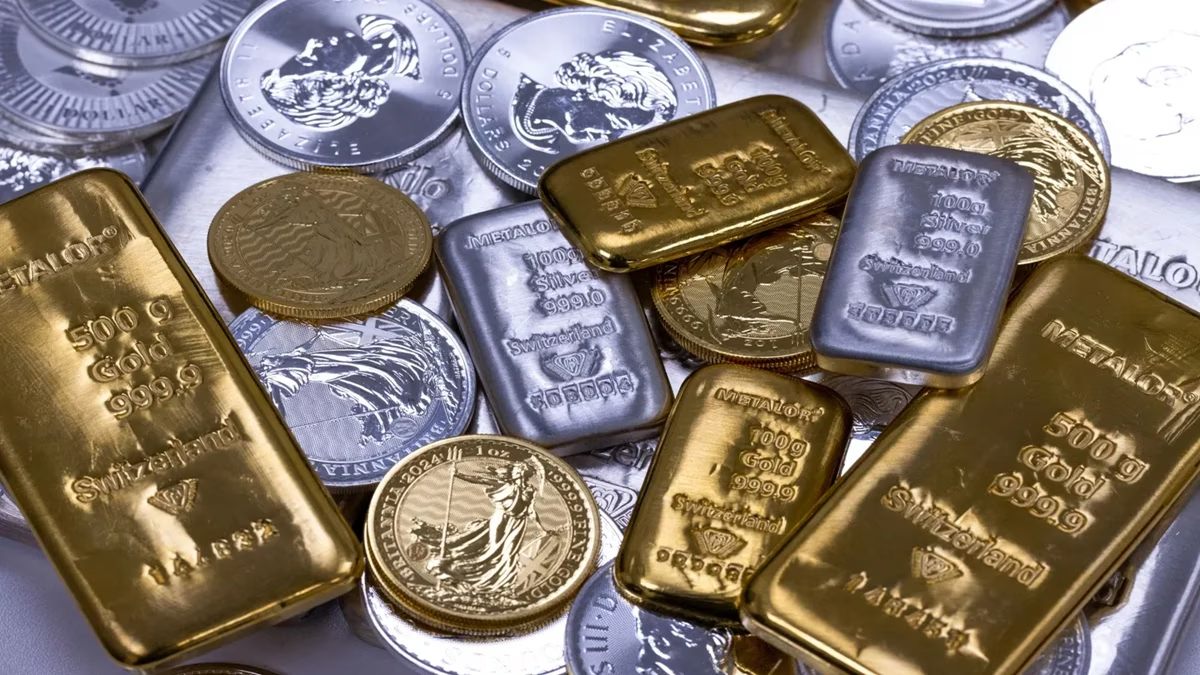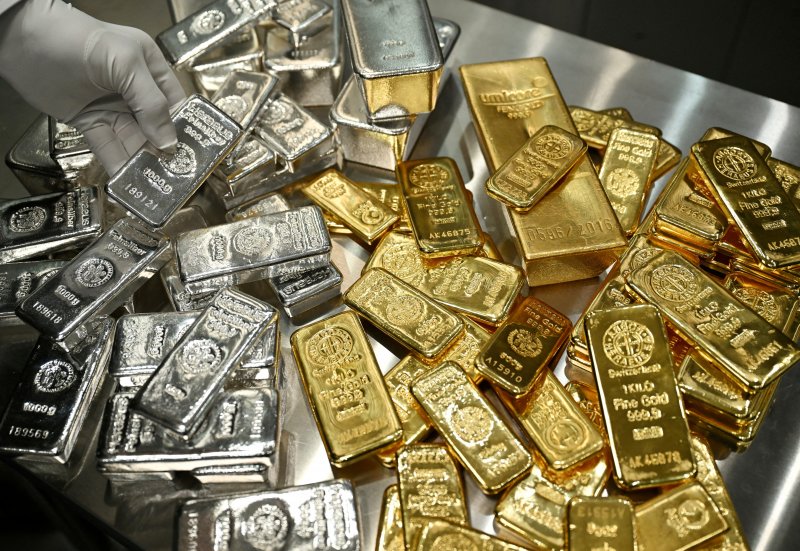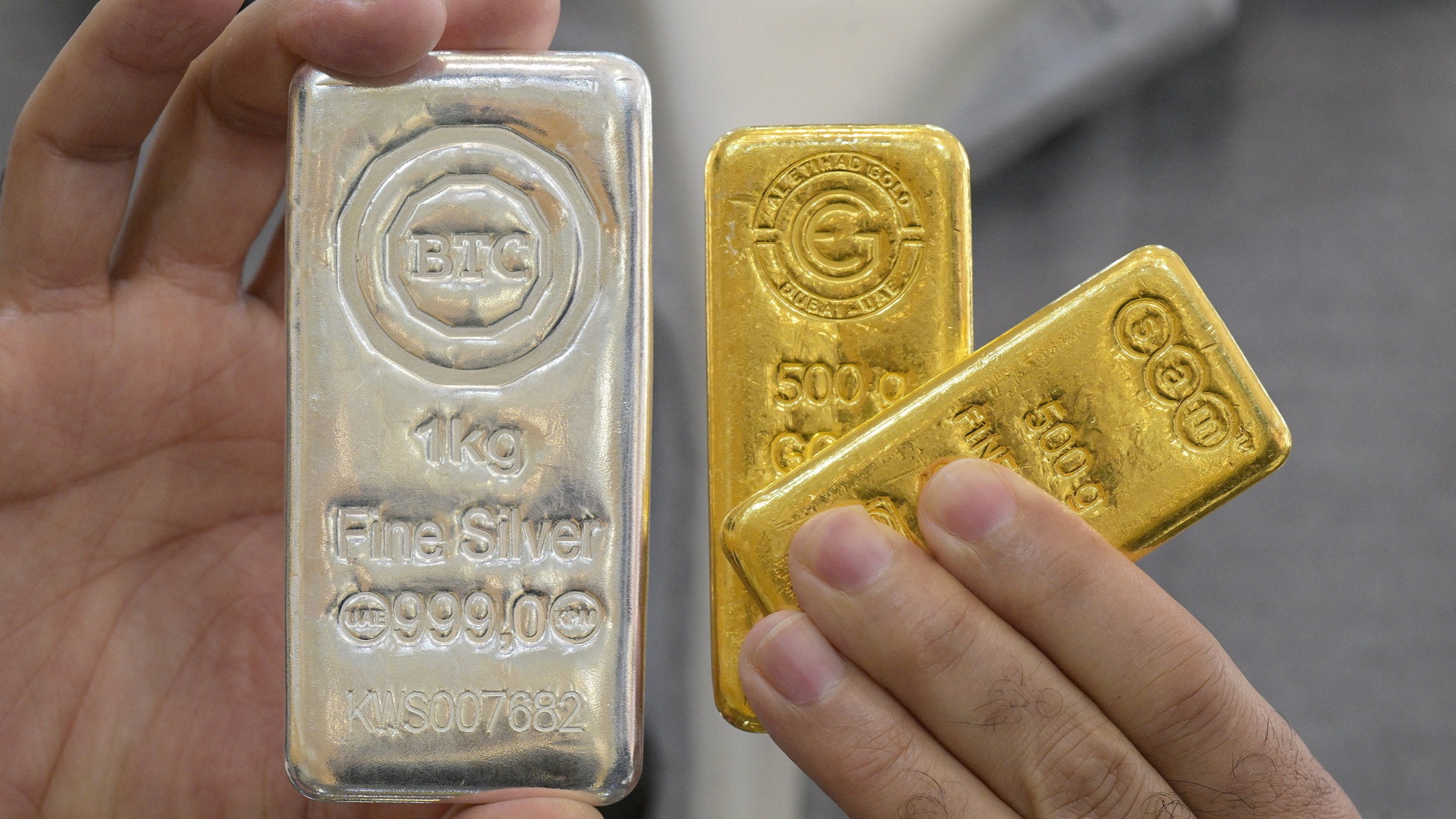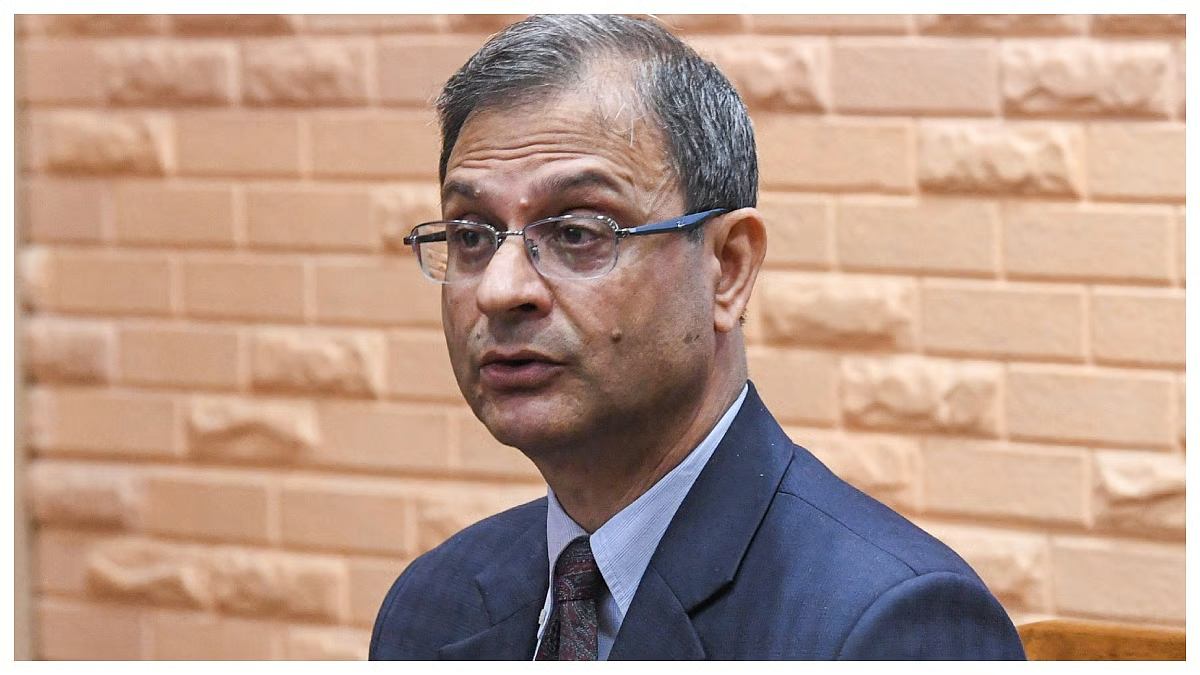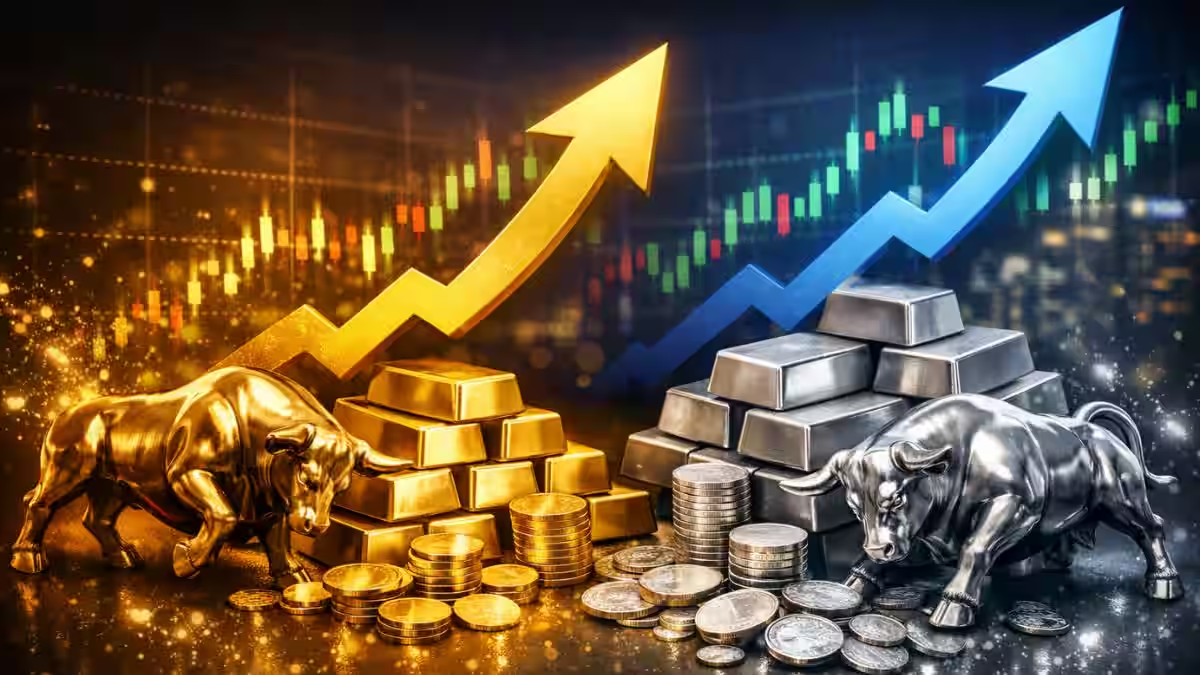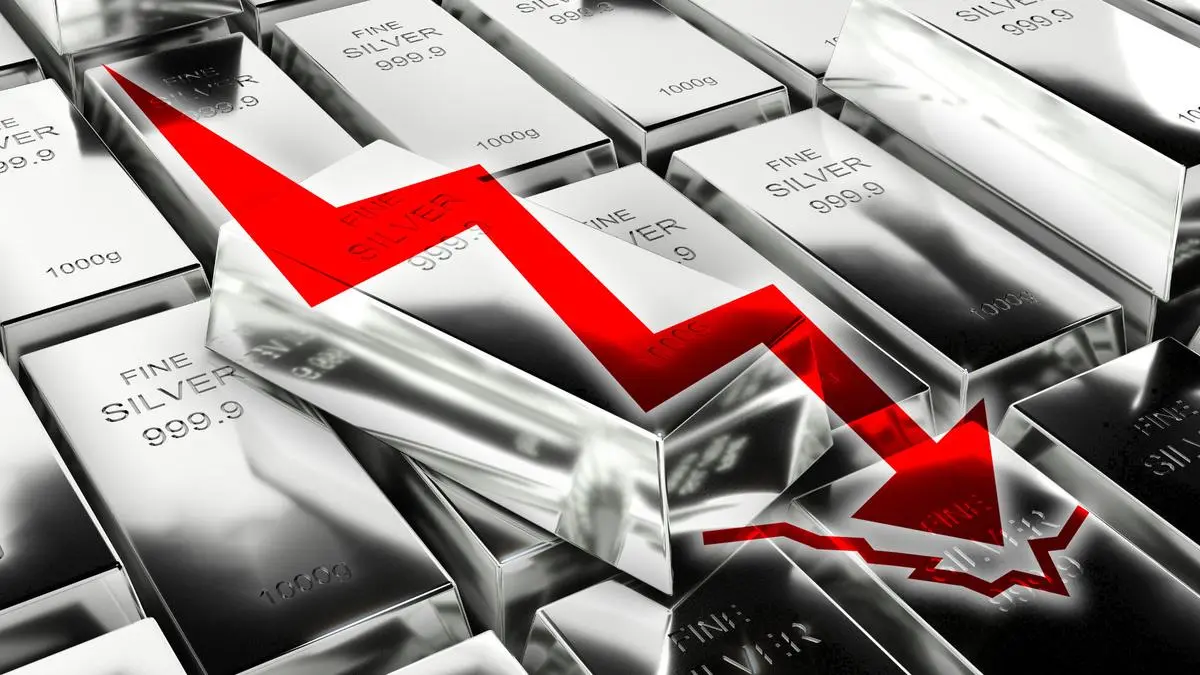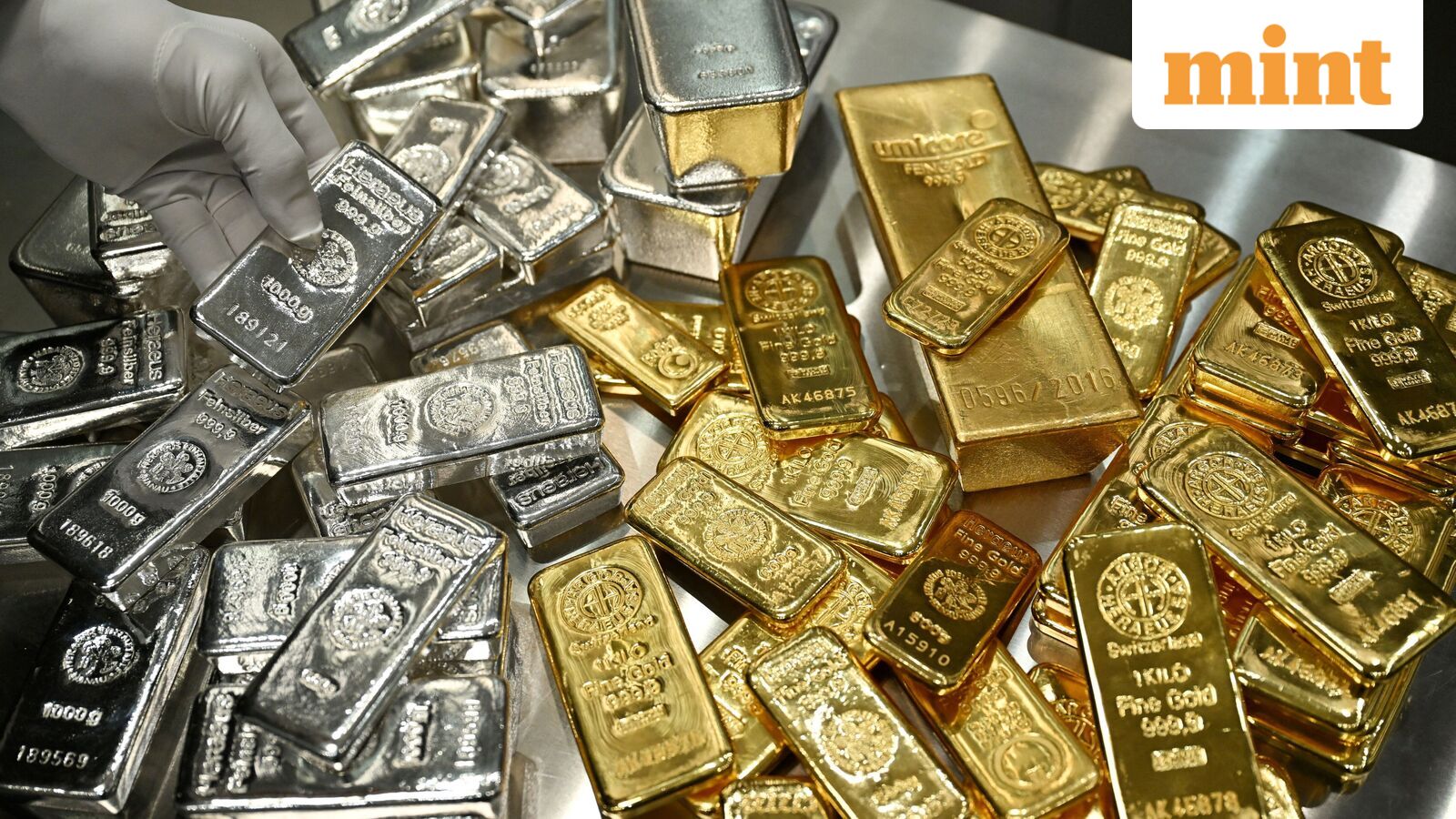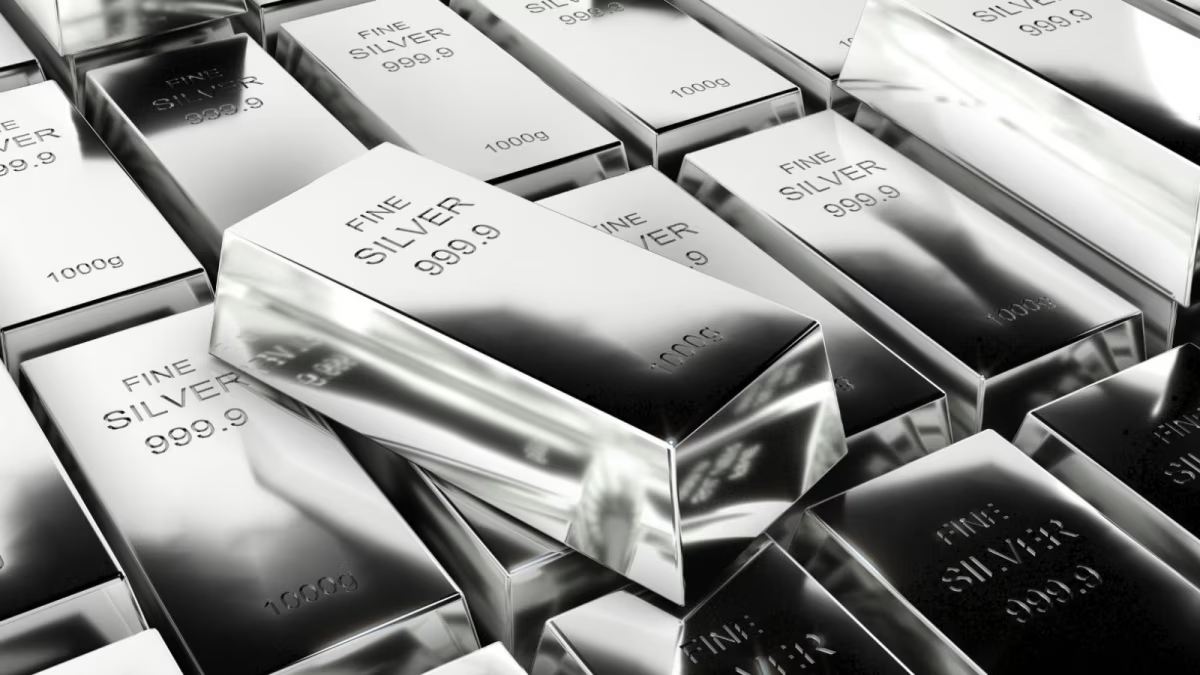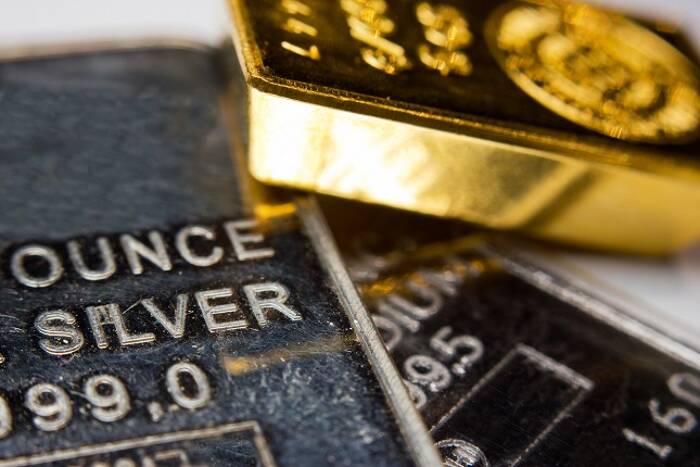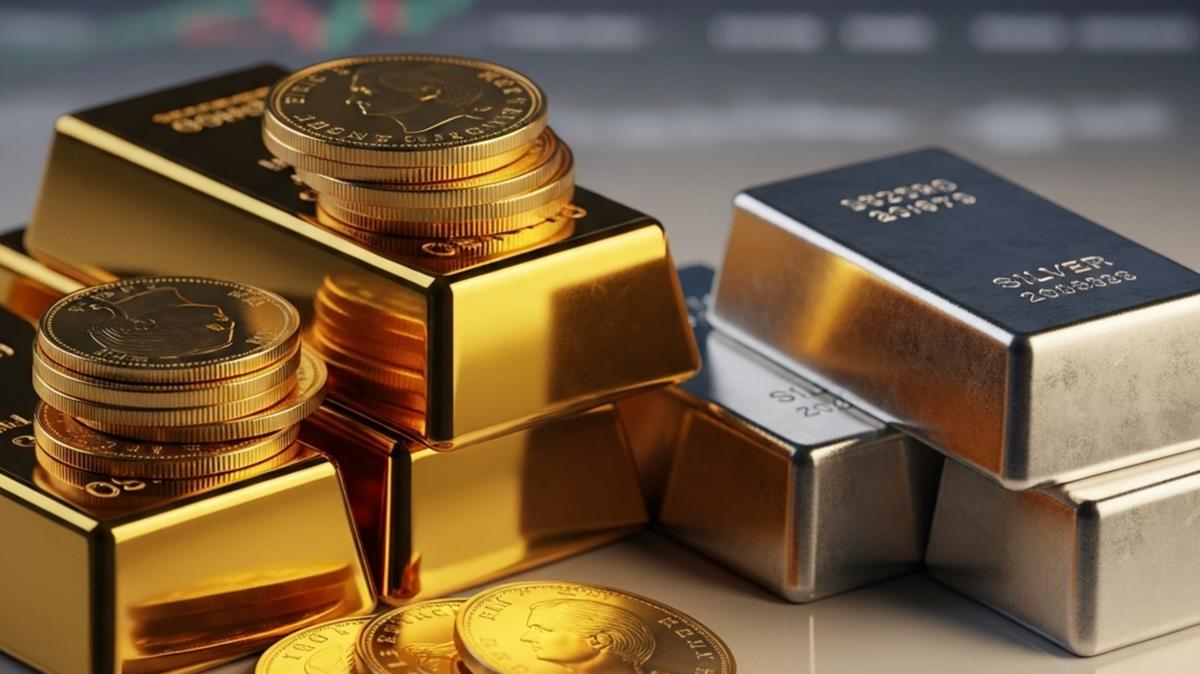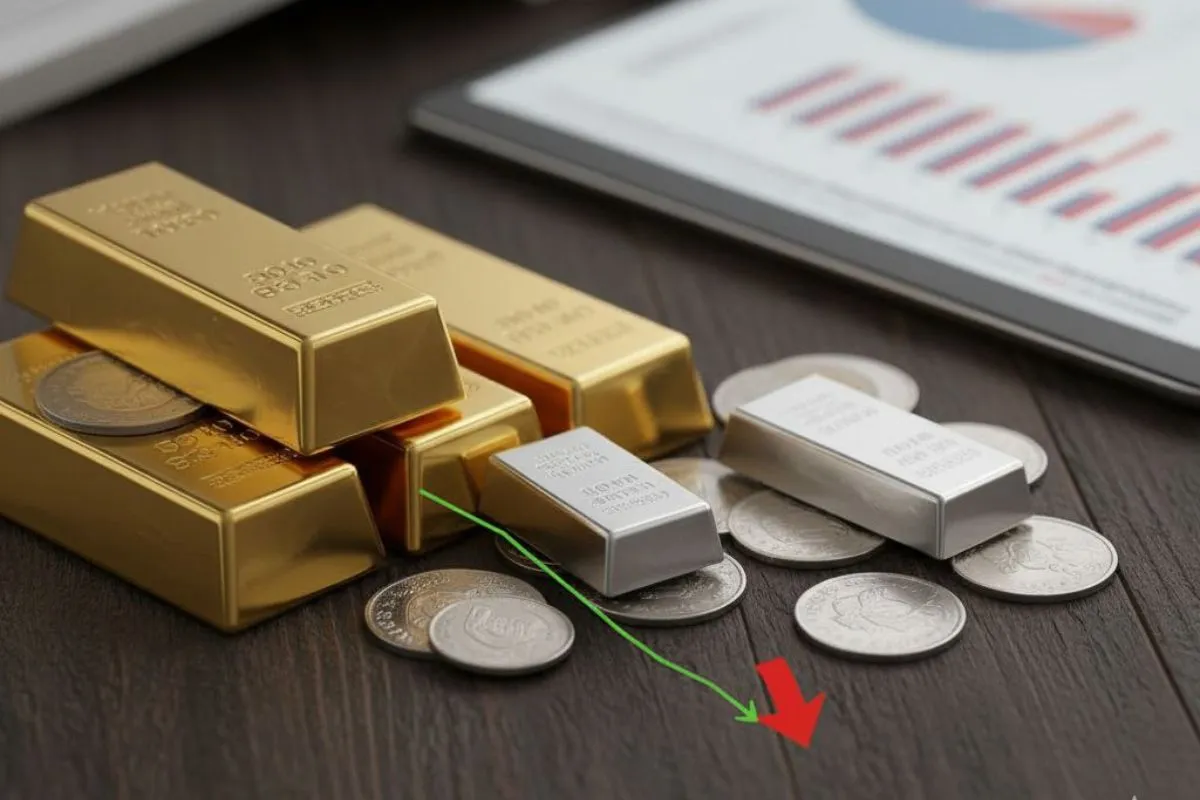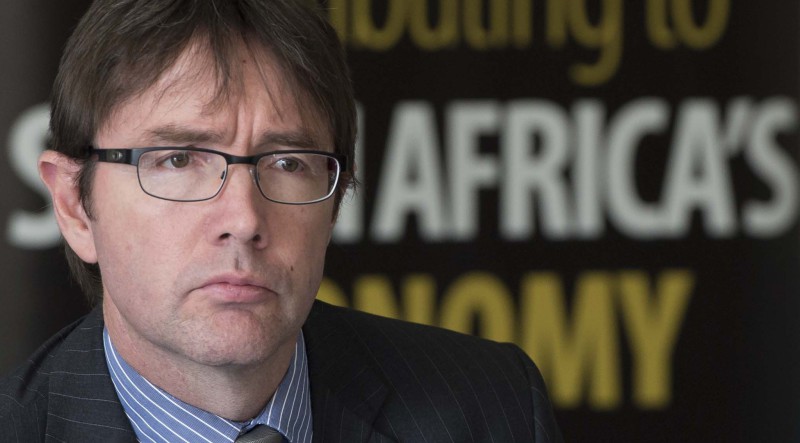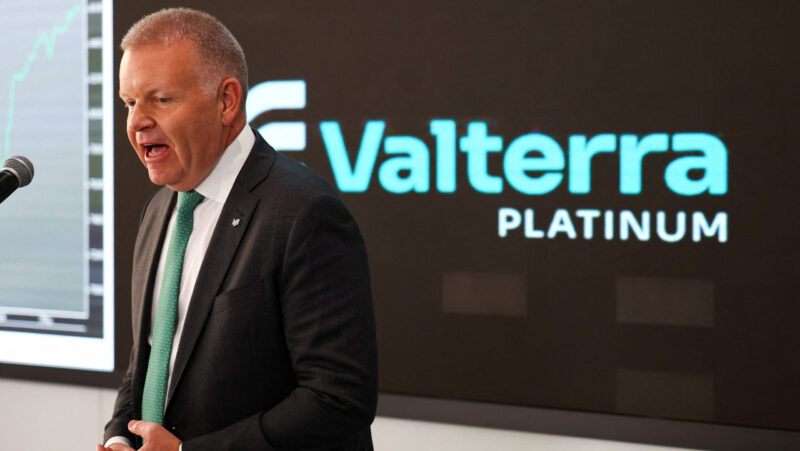
Barratt pointed to two forces driving the move: a shifting interest rate picture in the US, and unusually strong demand for silver out of China.
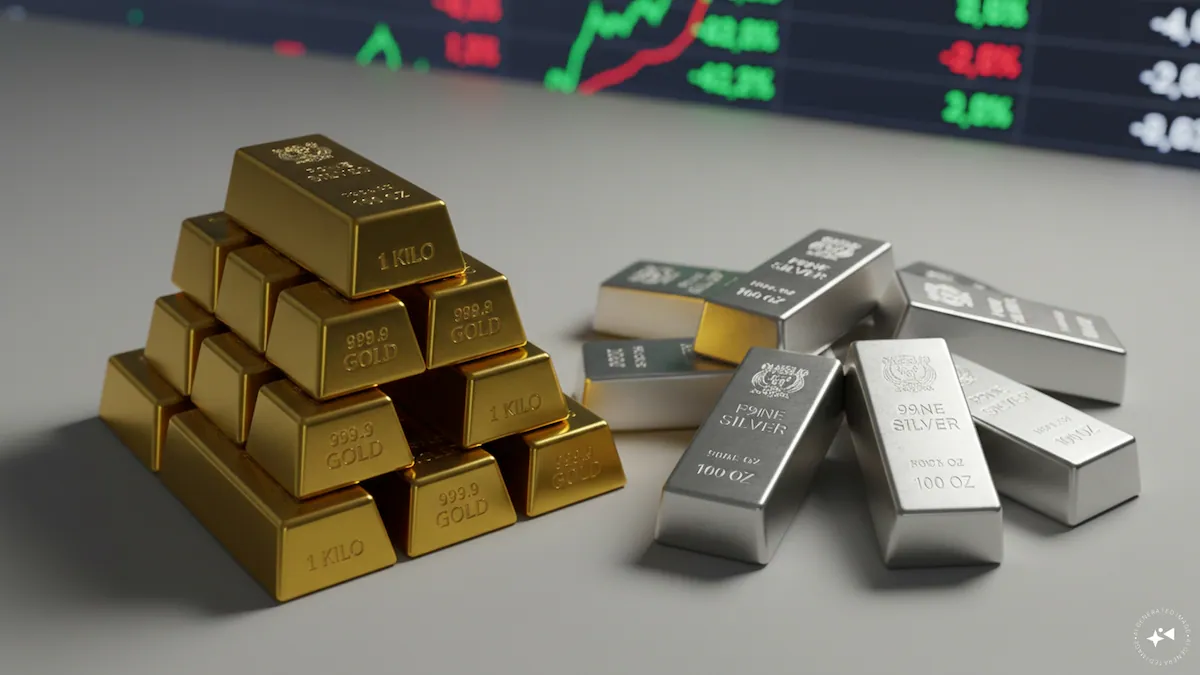
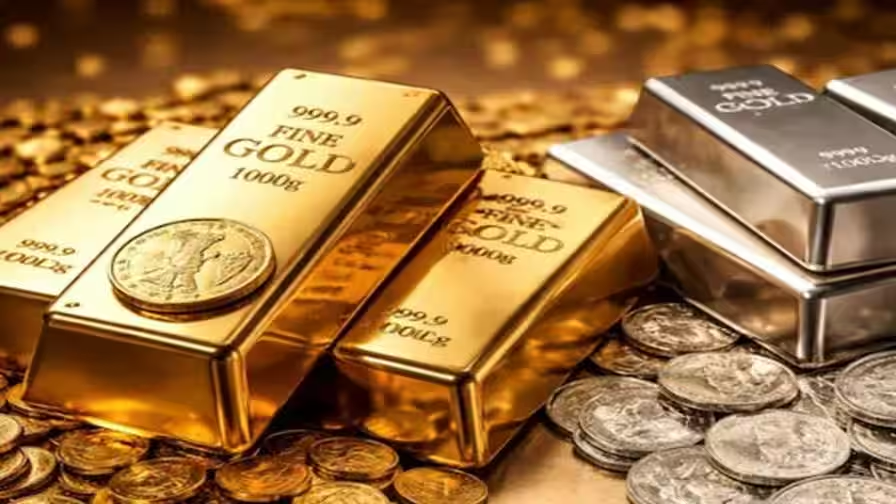
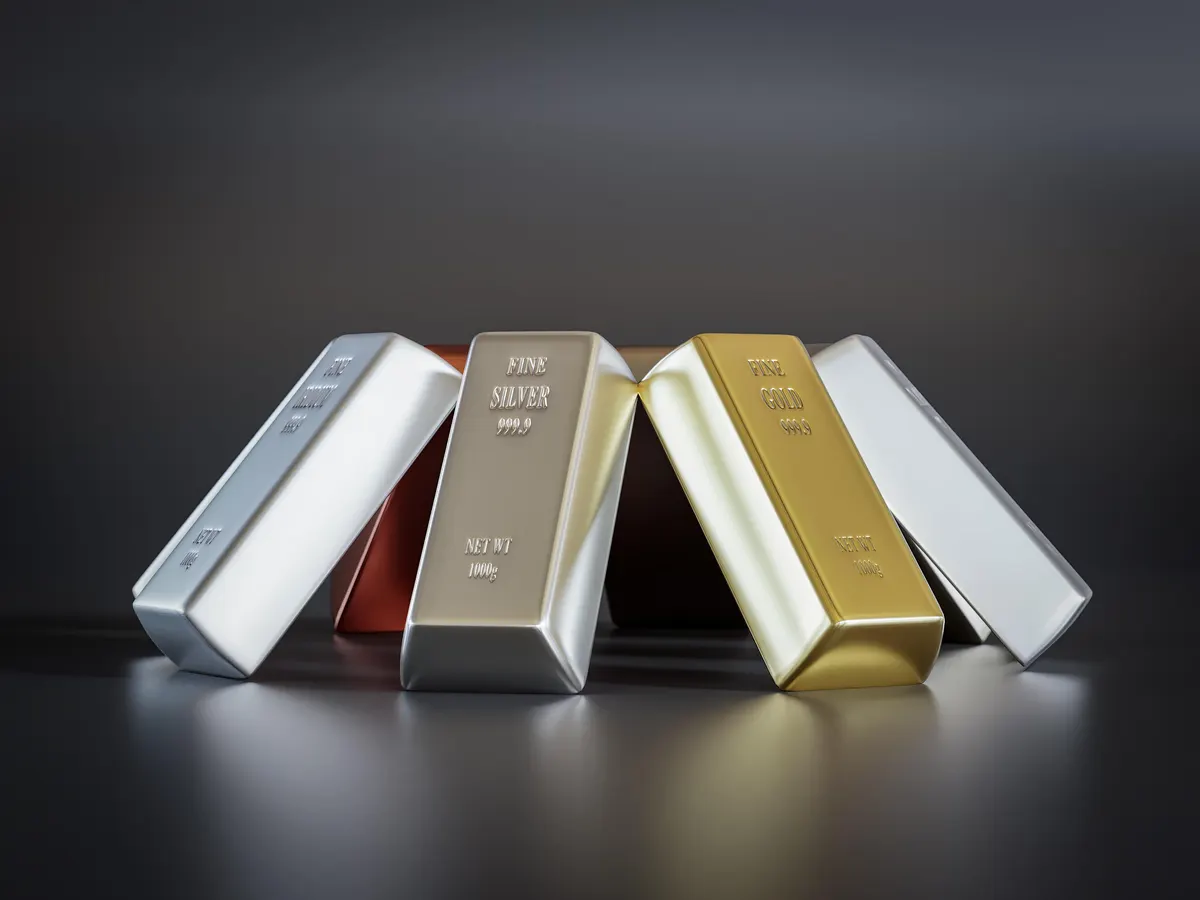
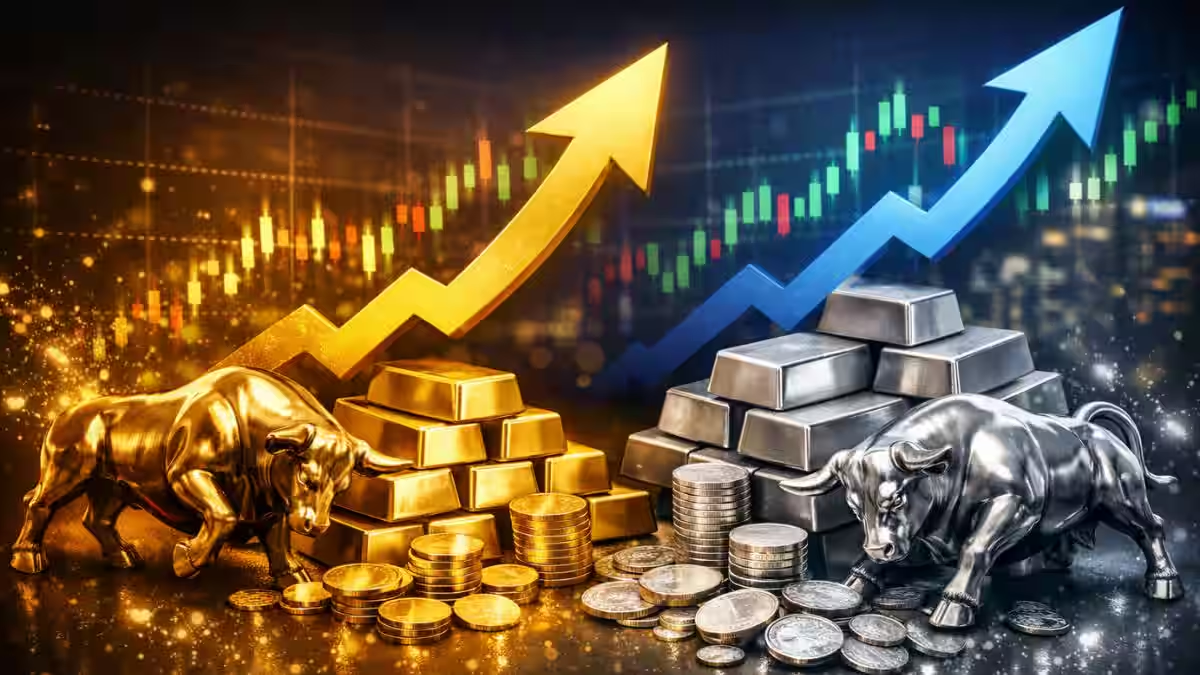
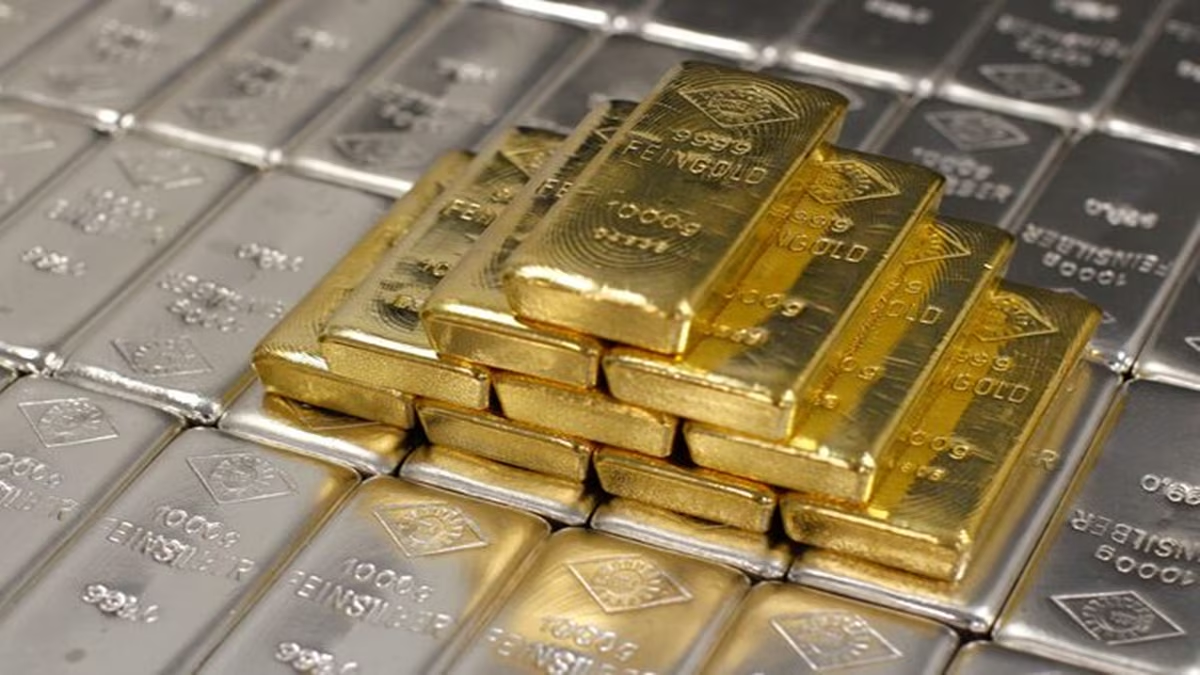
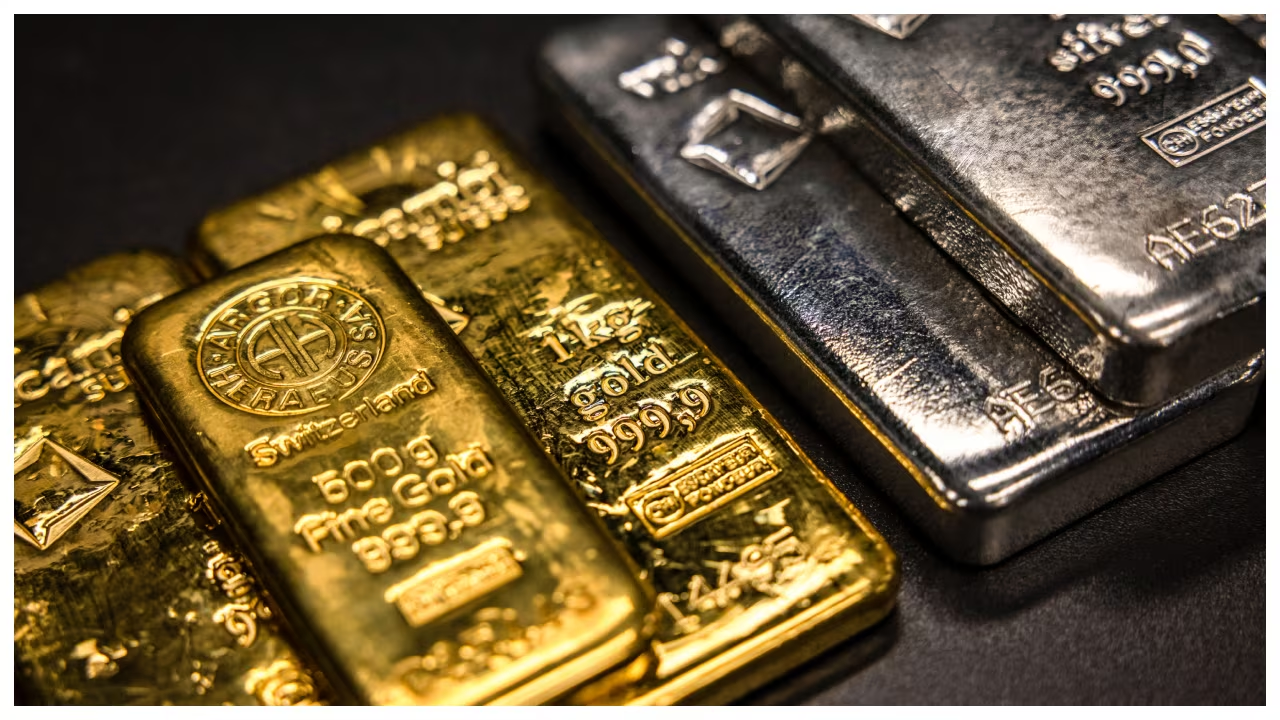
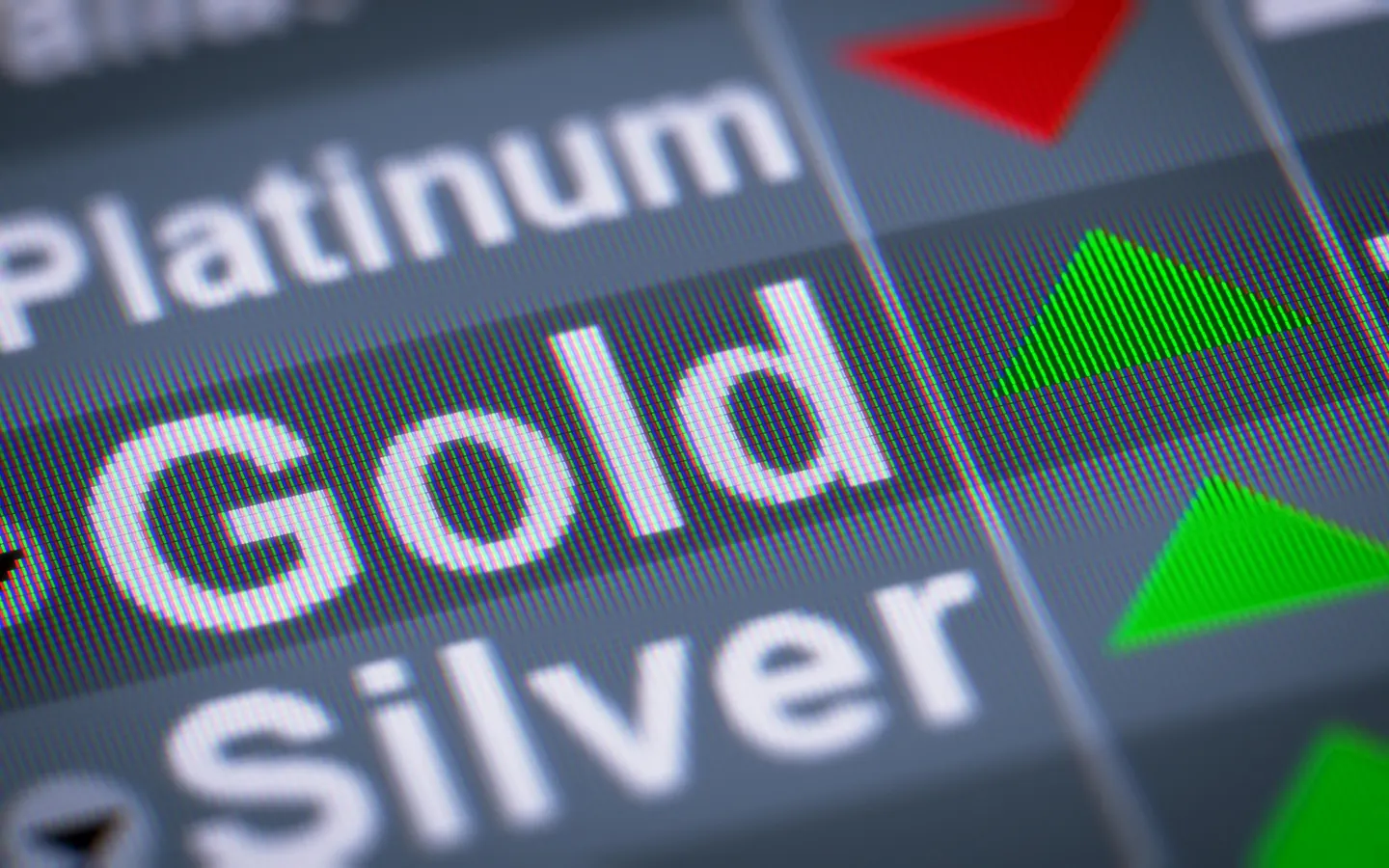
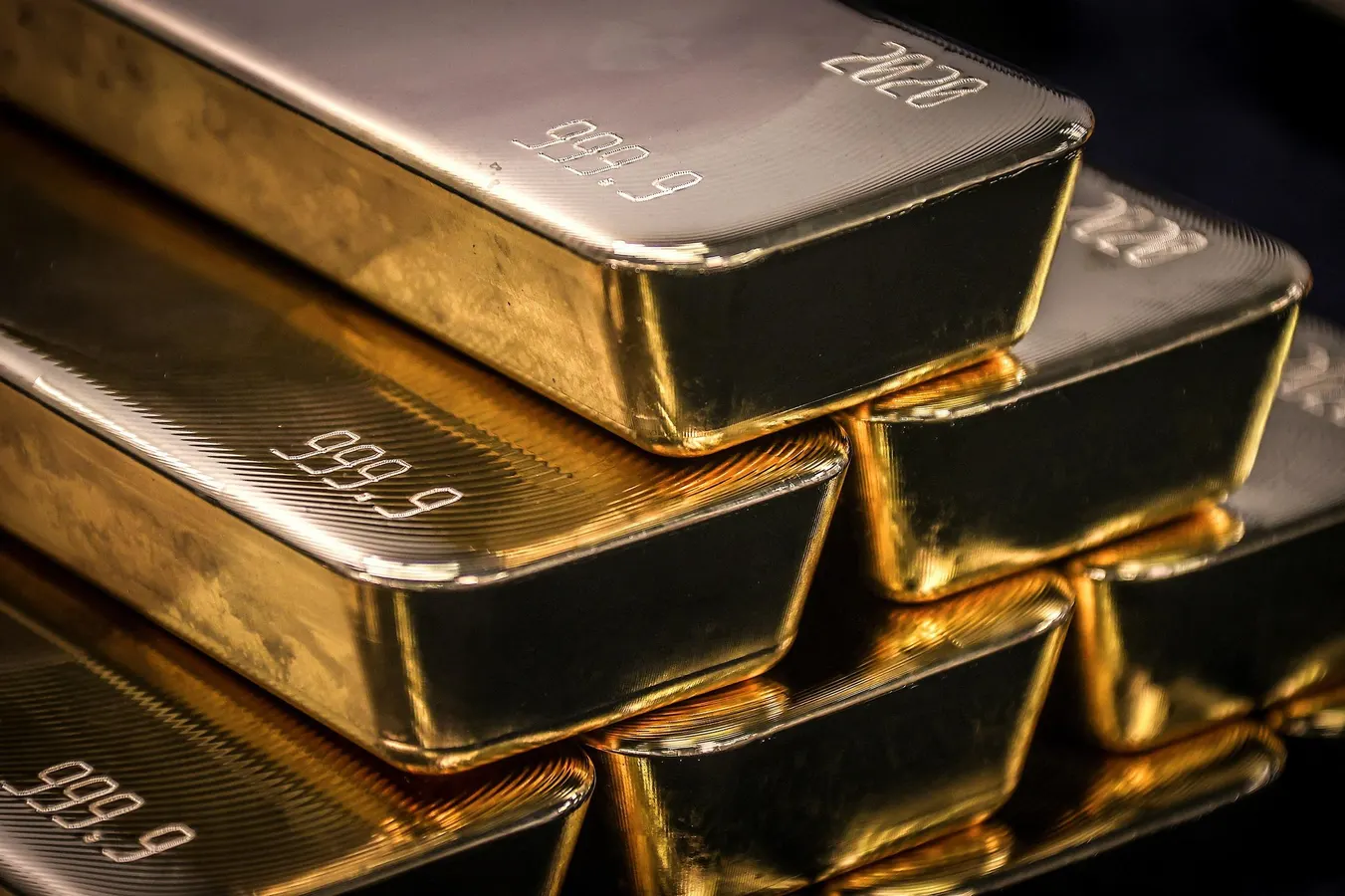
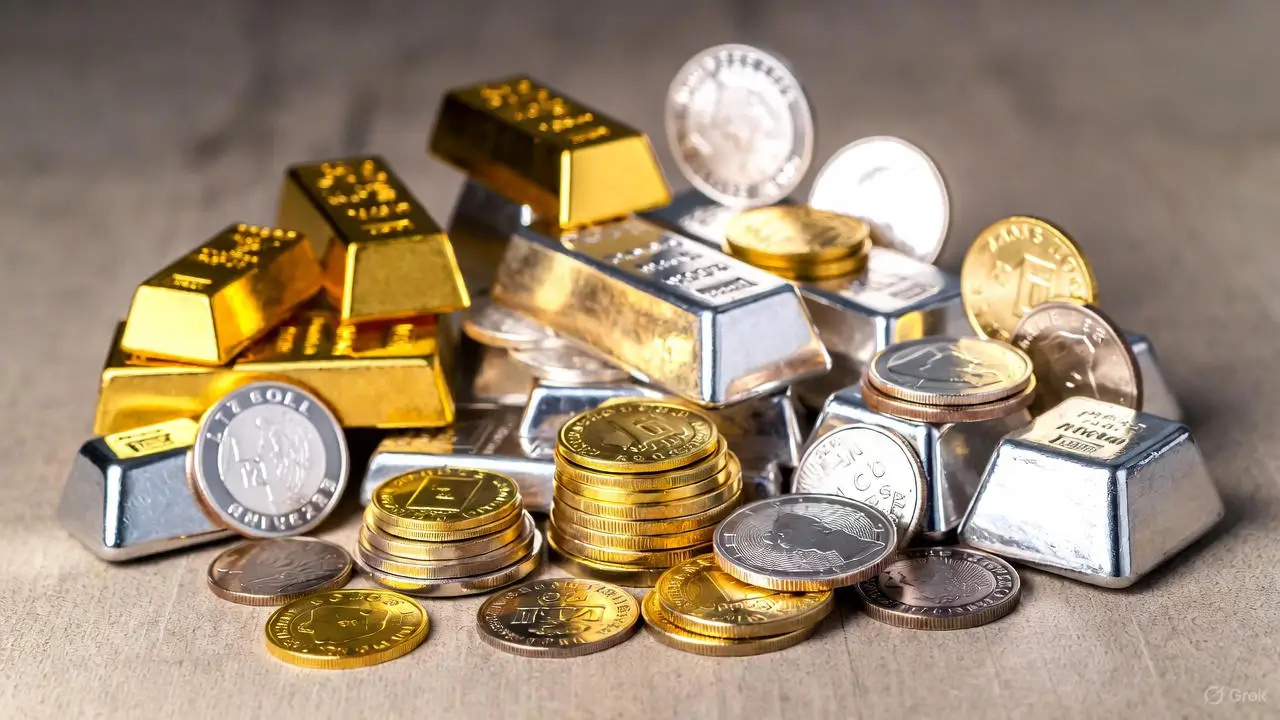
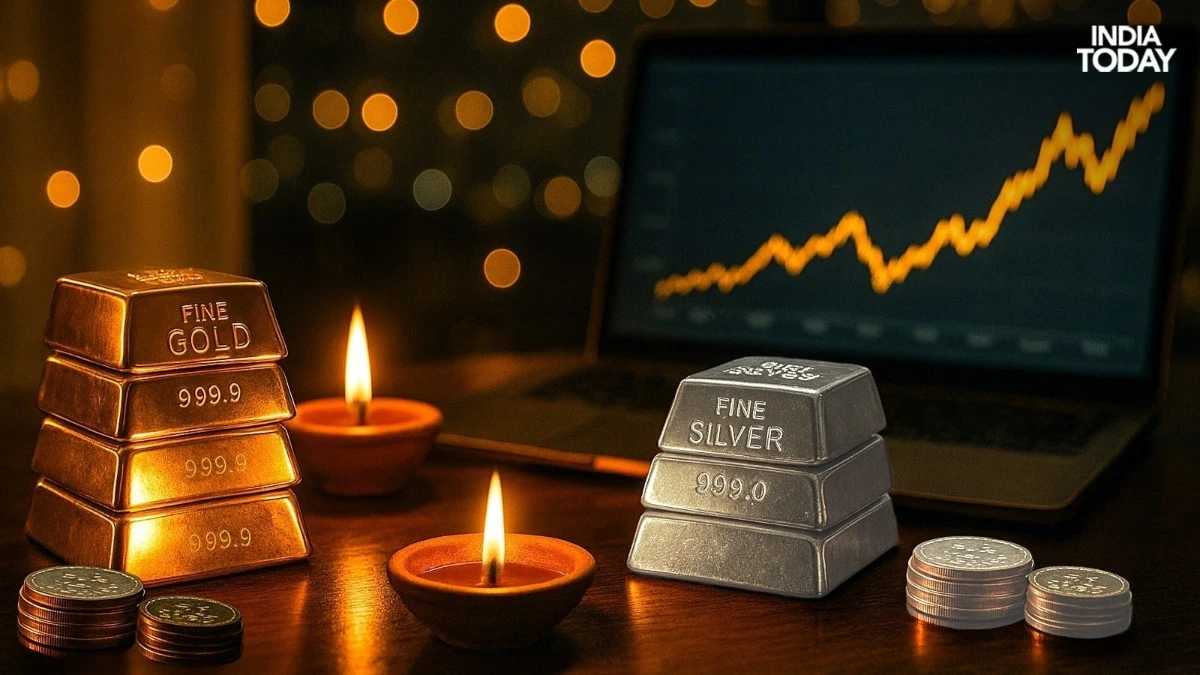
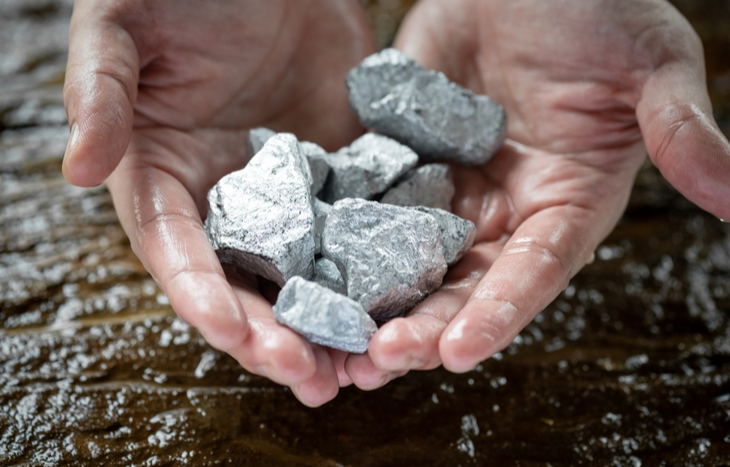
“Gold and silver are something that have had such a large correction. They are now coming back into form as those macros are shifting,” he said, adding that silver in particular “does remain one of those focuses” for him going forward.
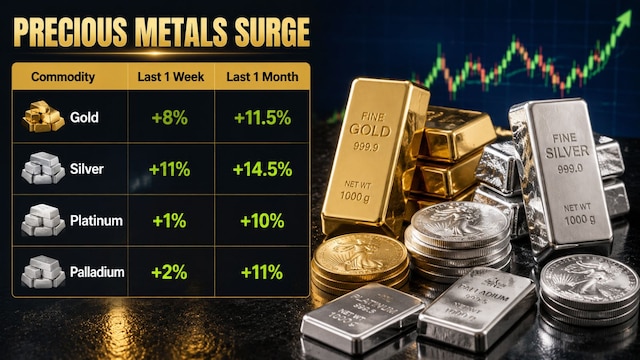
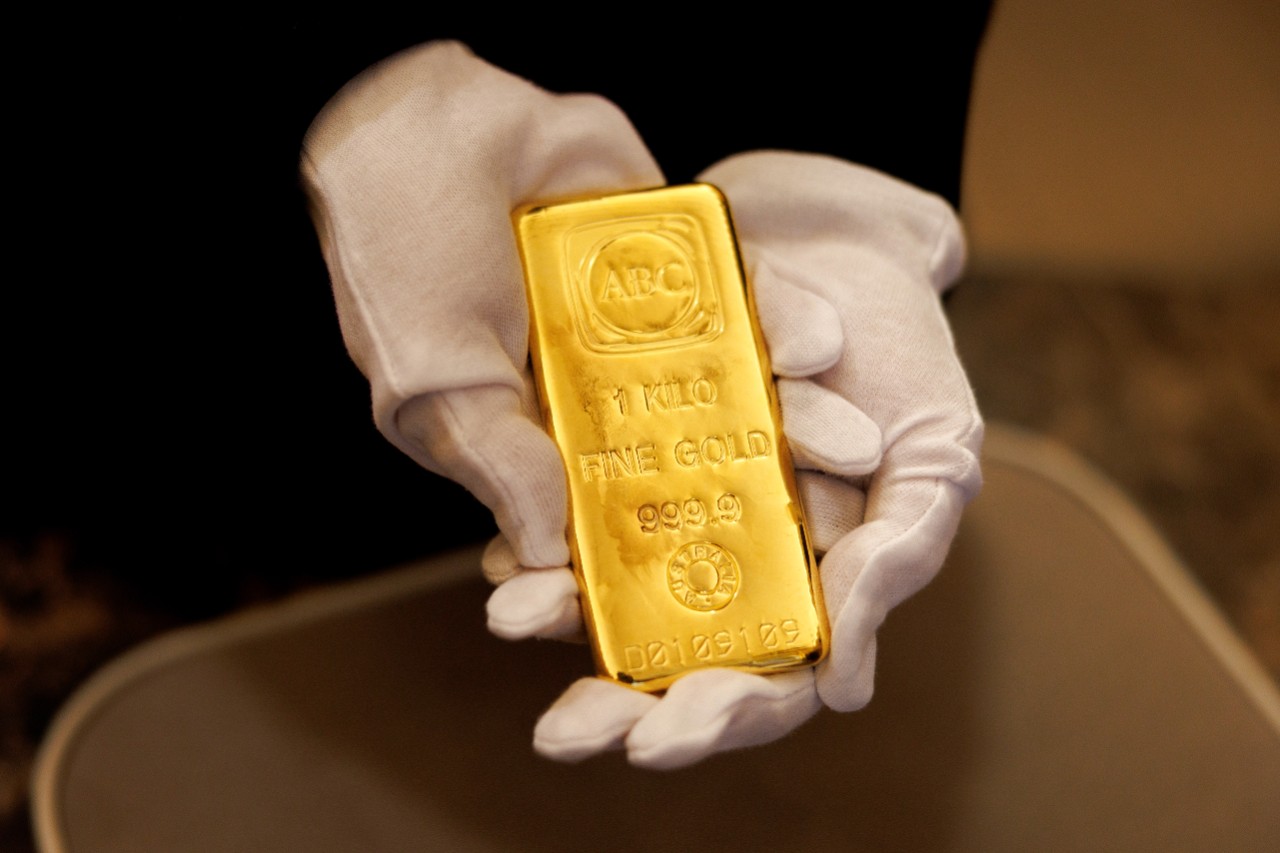
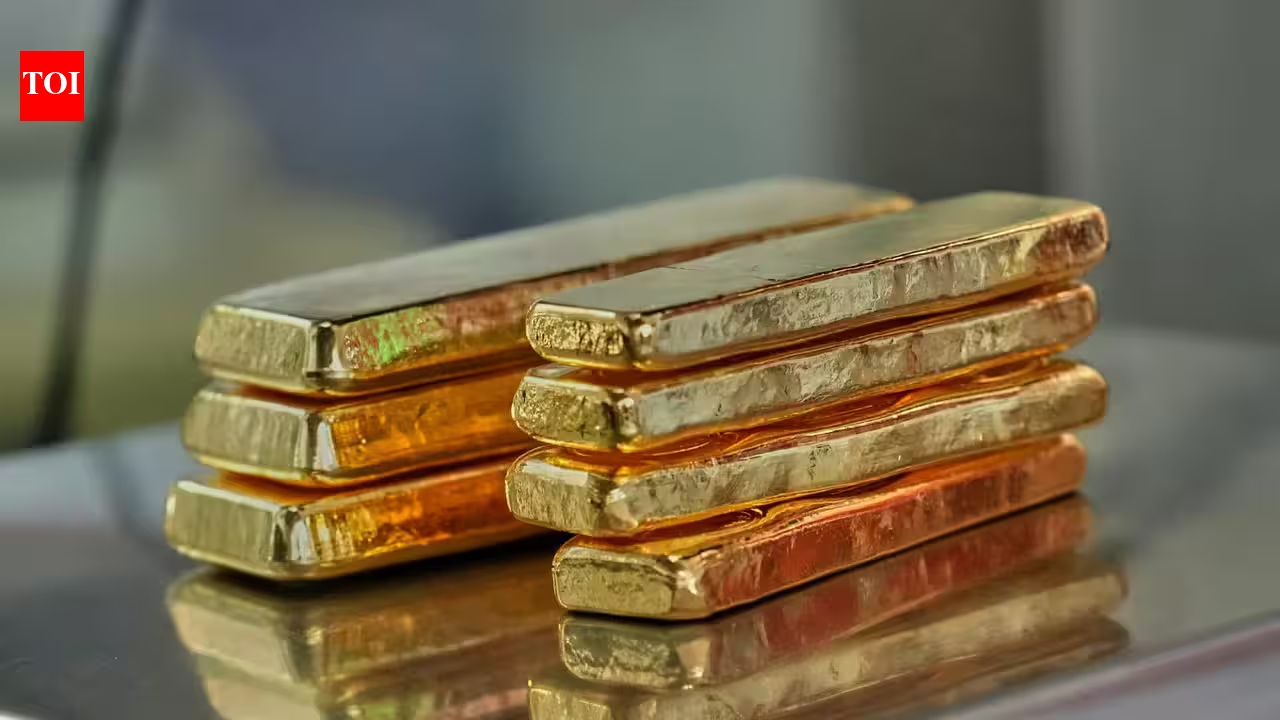
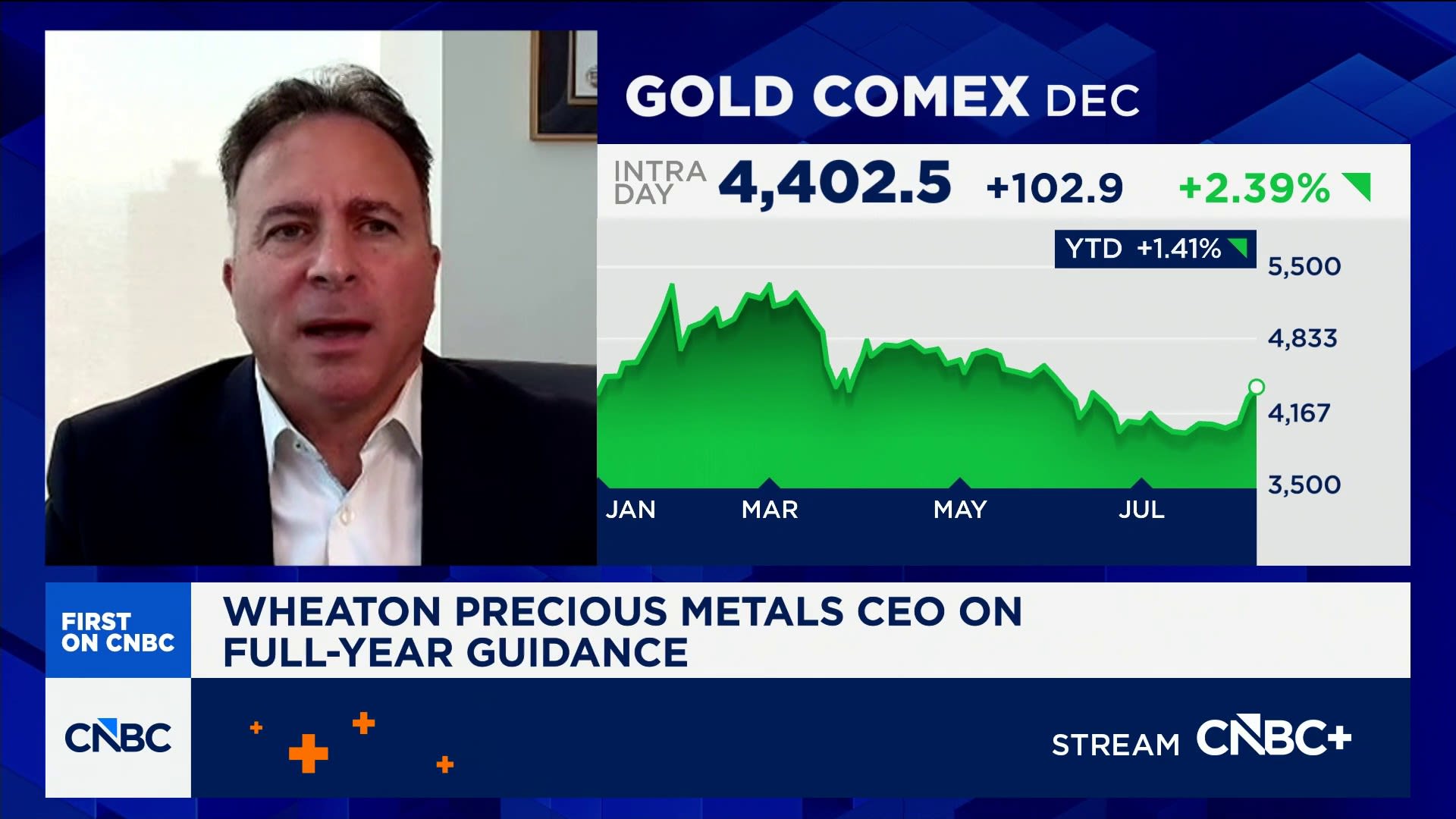
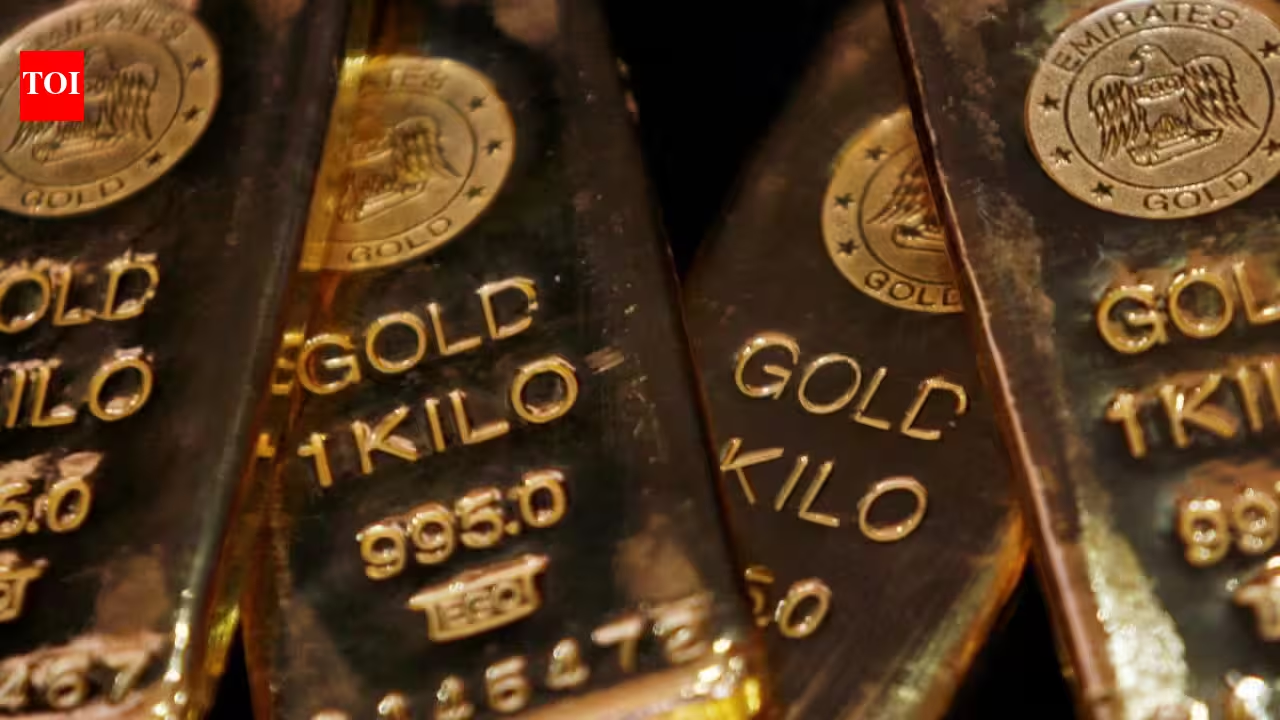
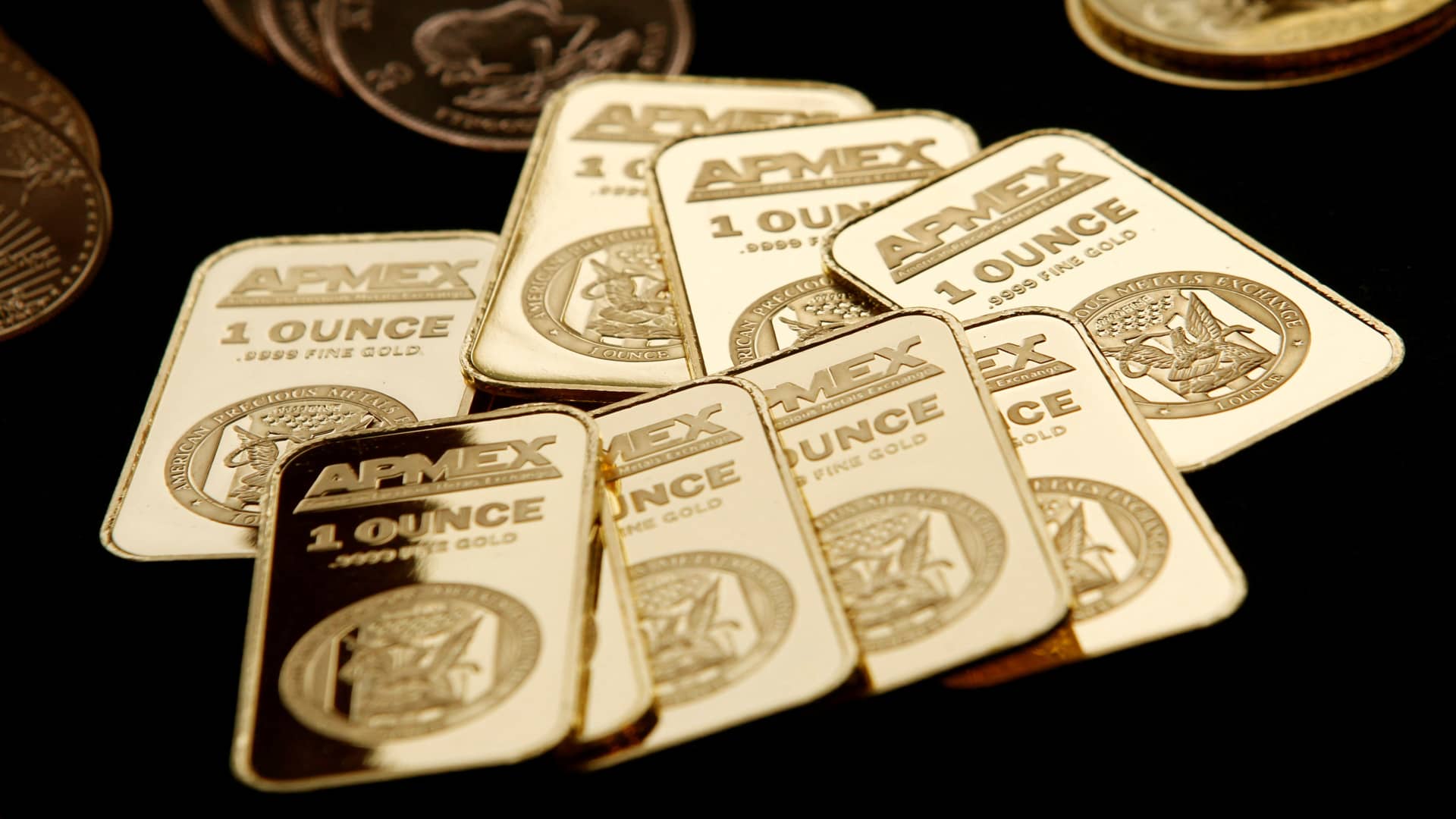
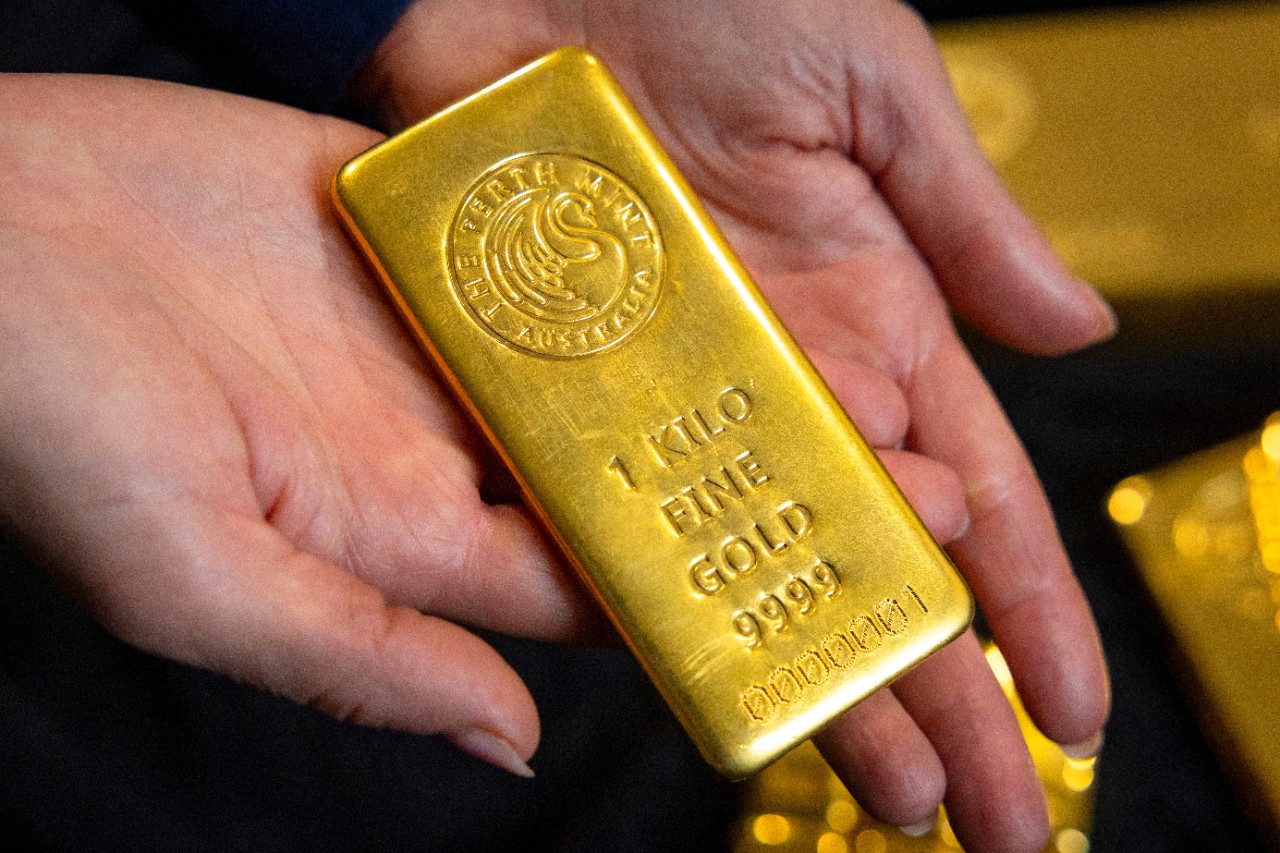
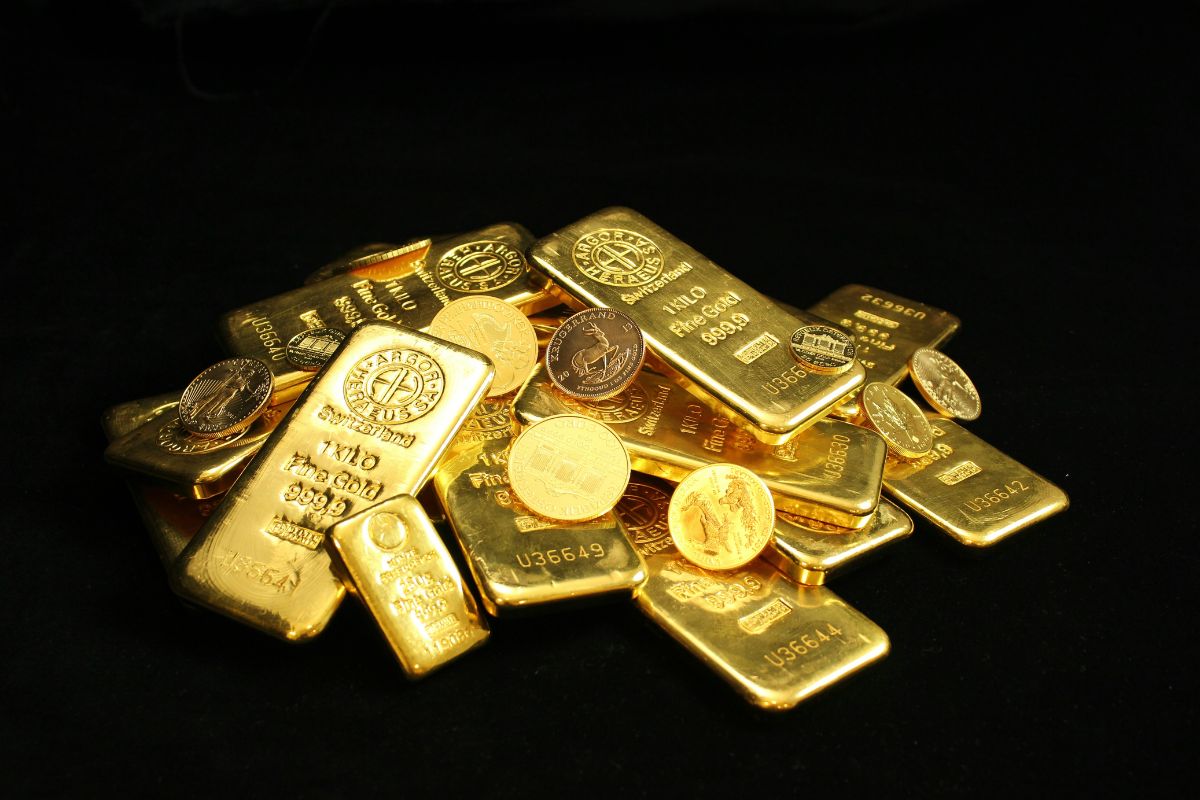
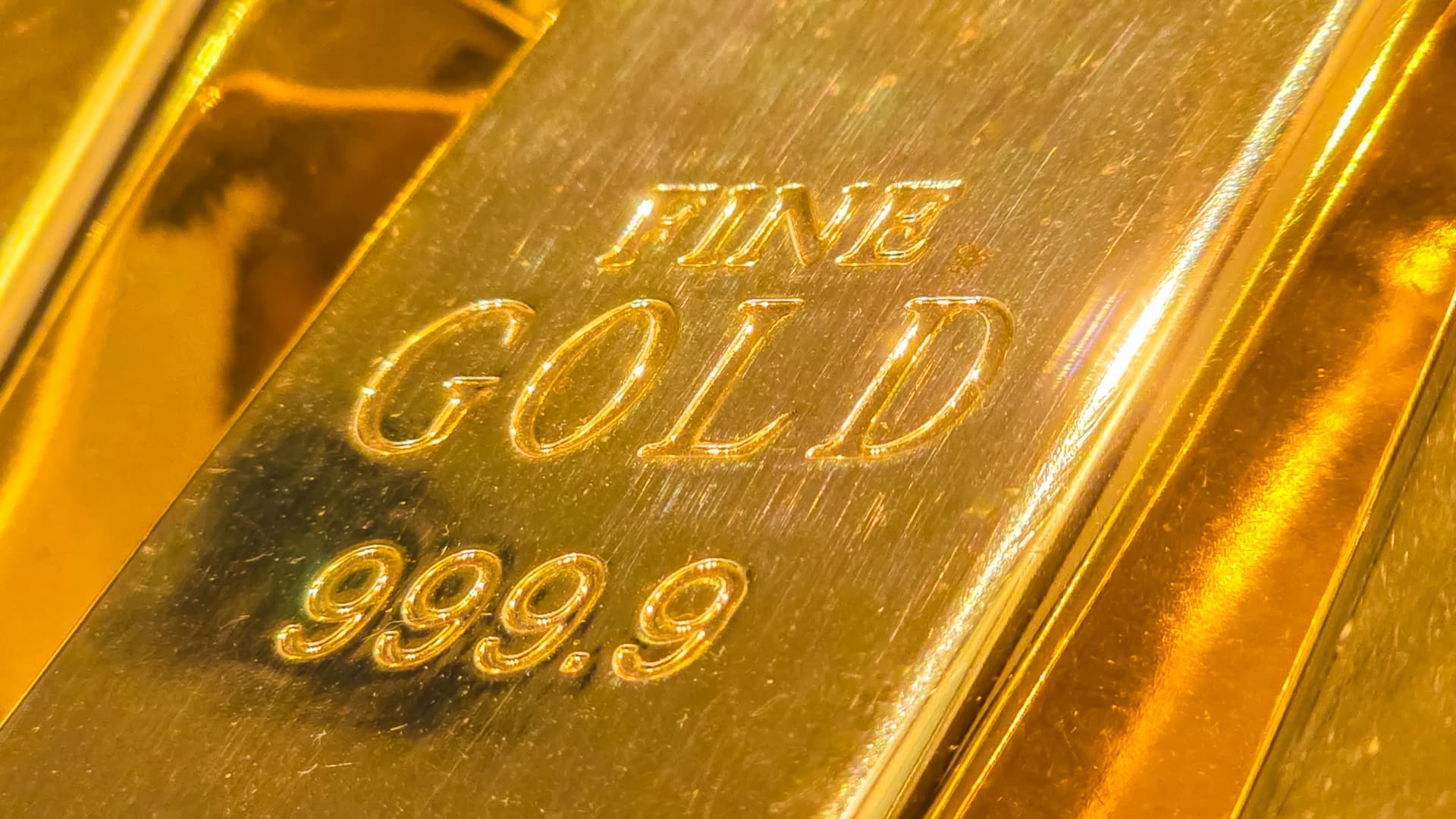
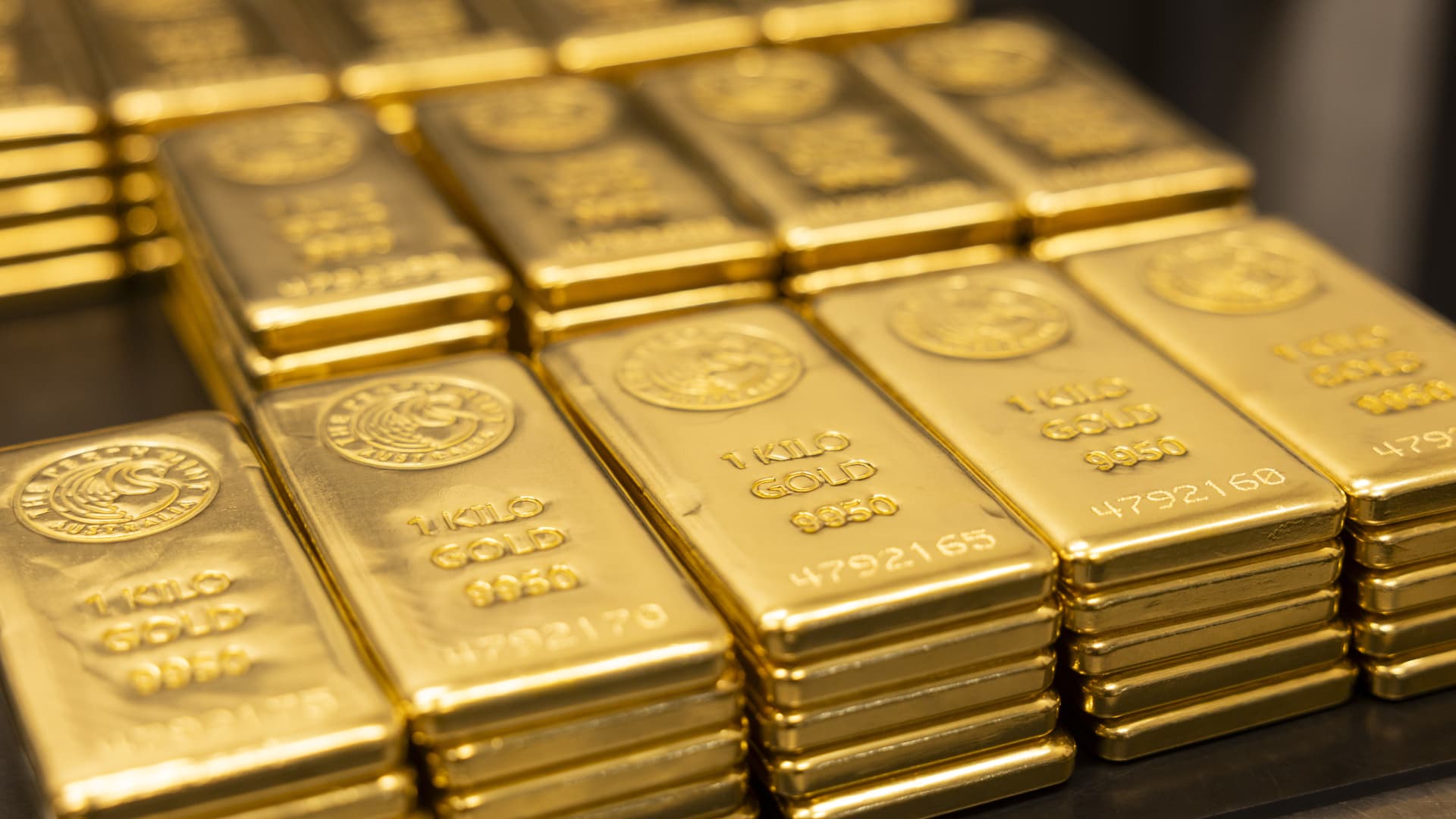
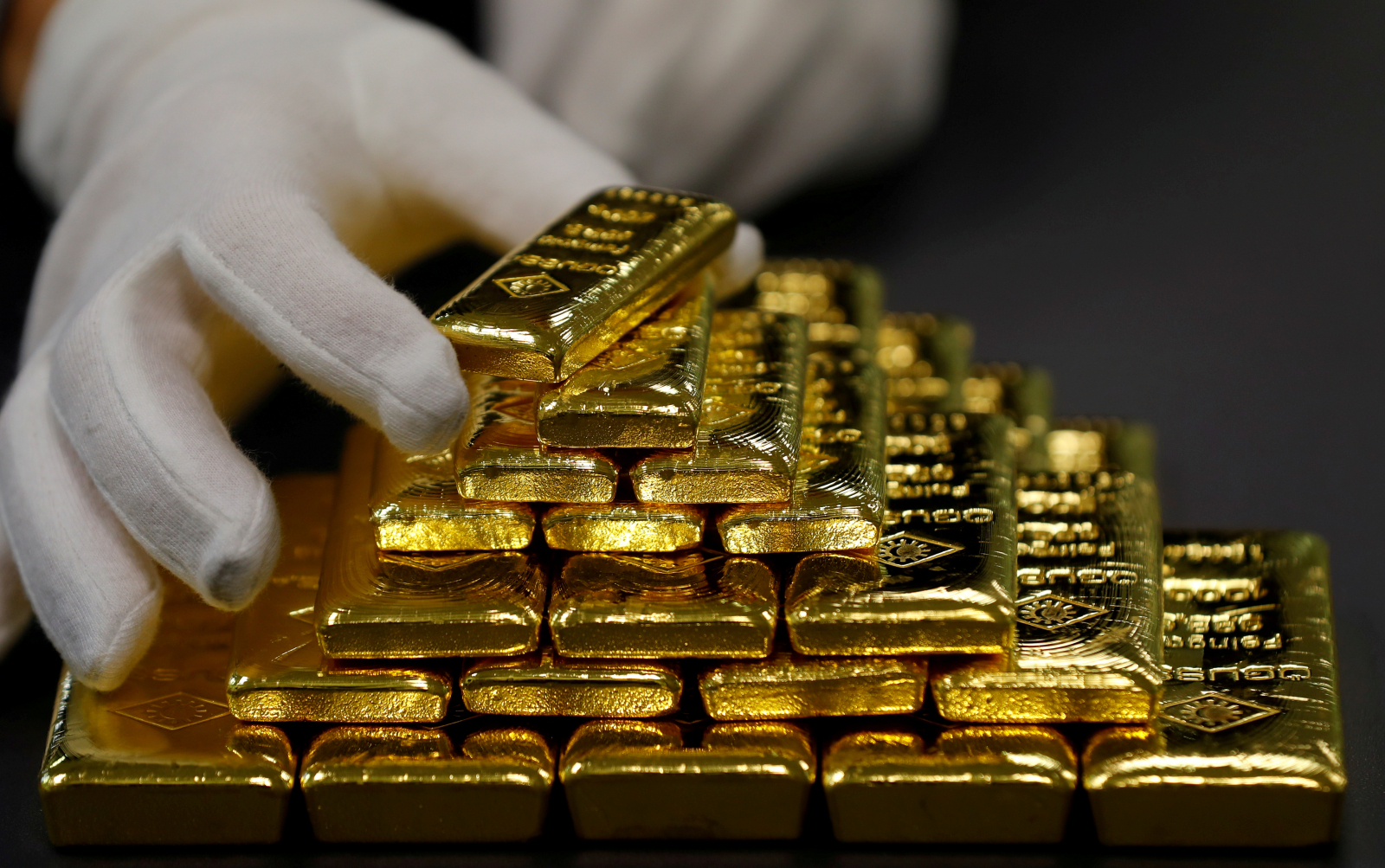
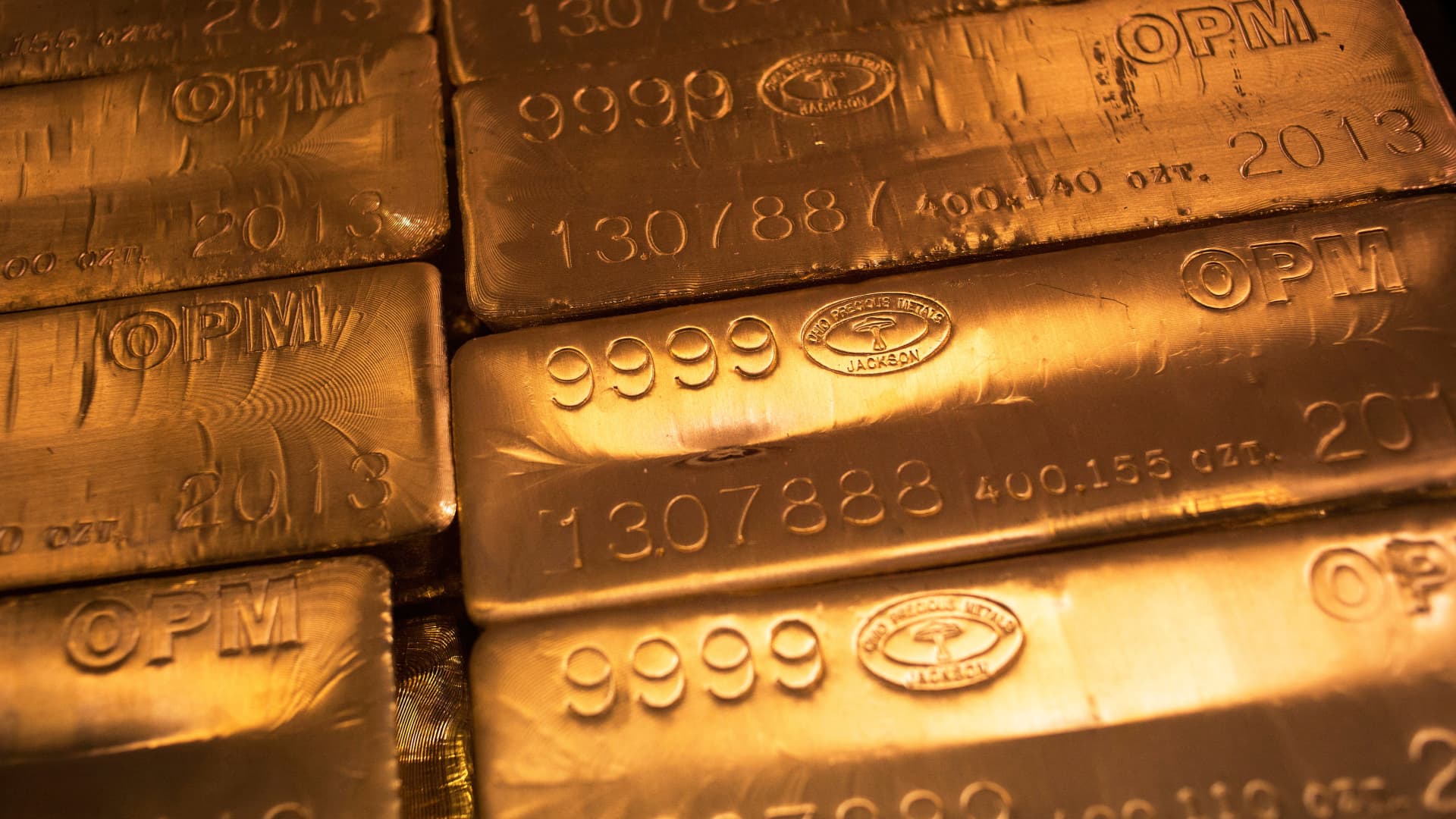
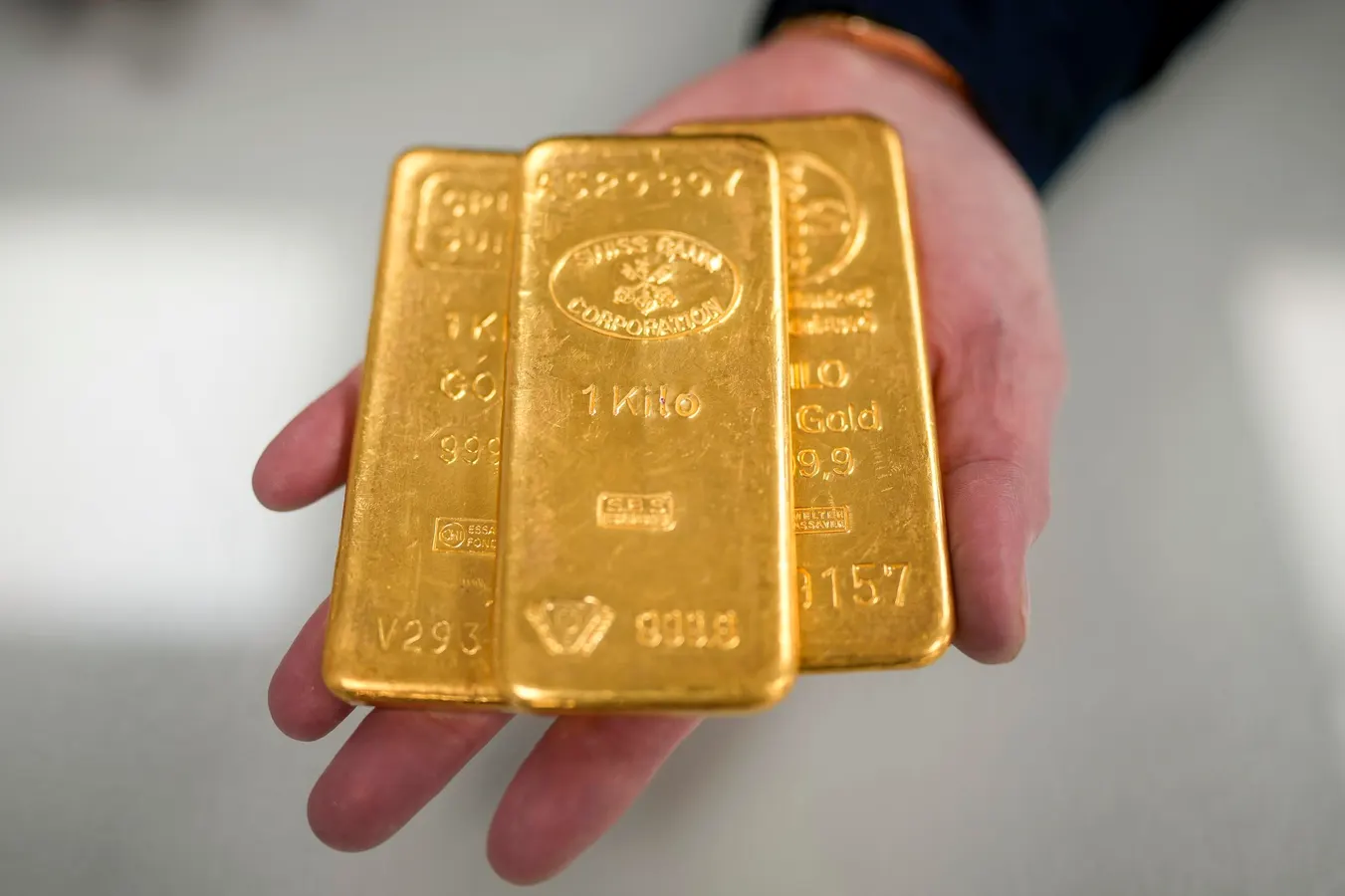
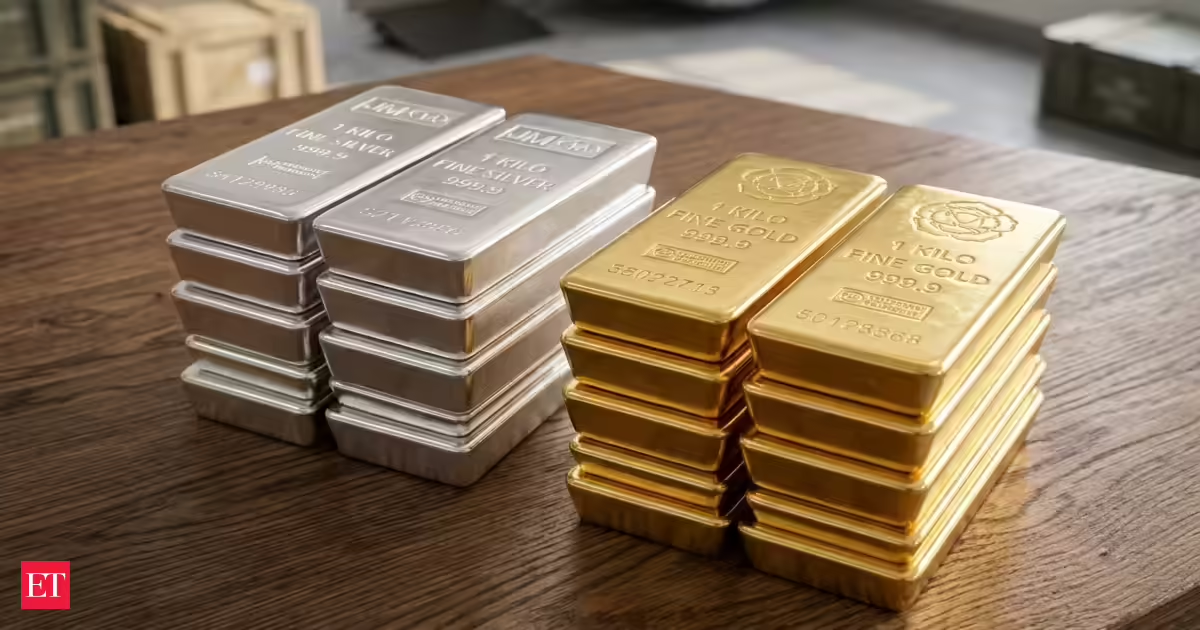
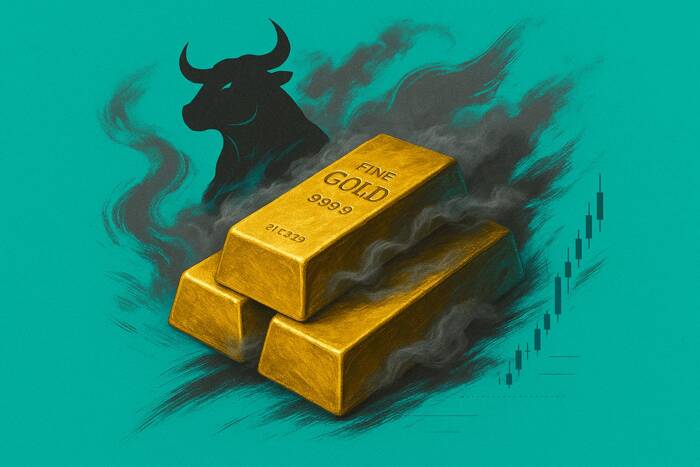
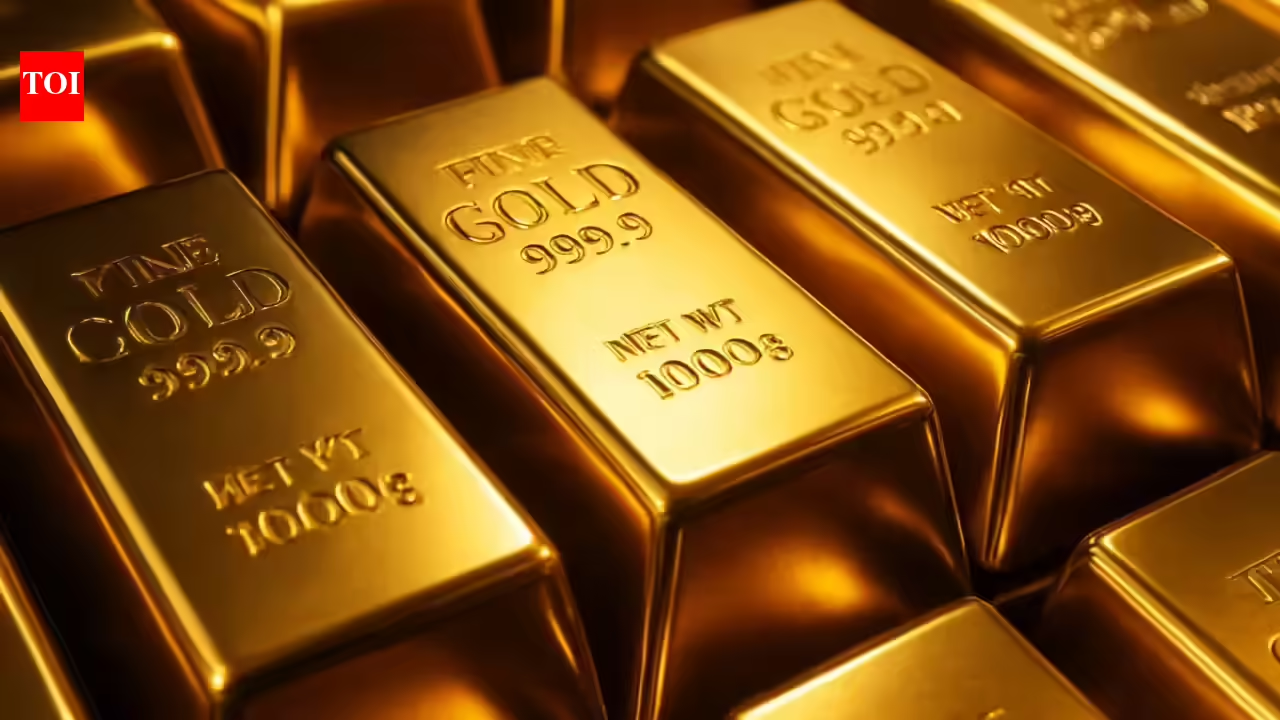
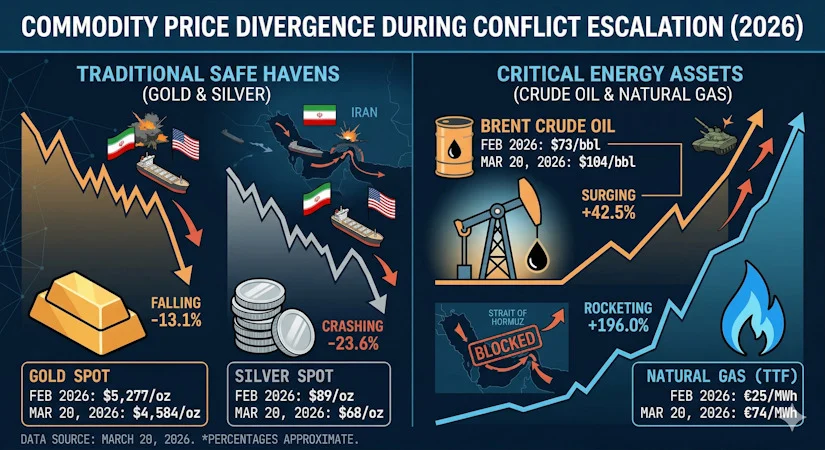
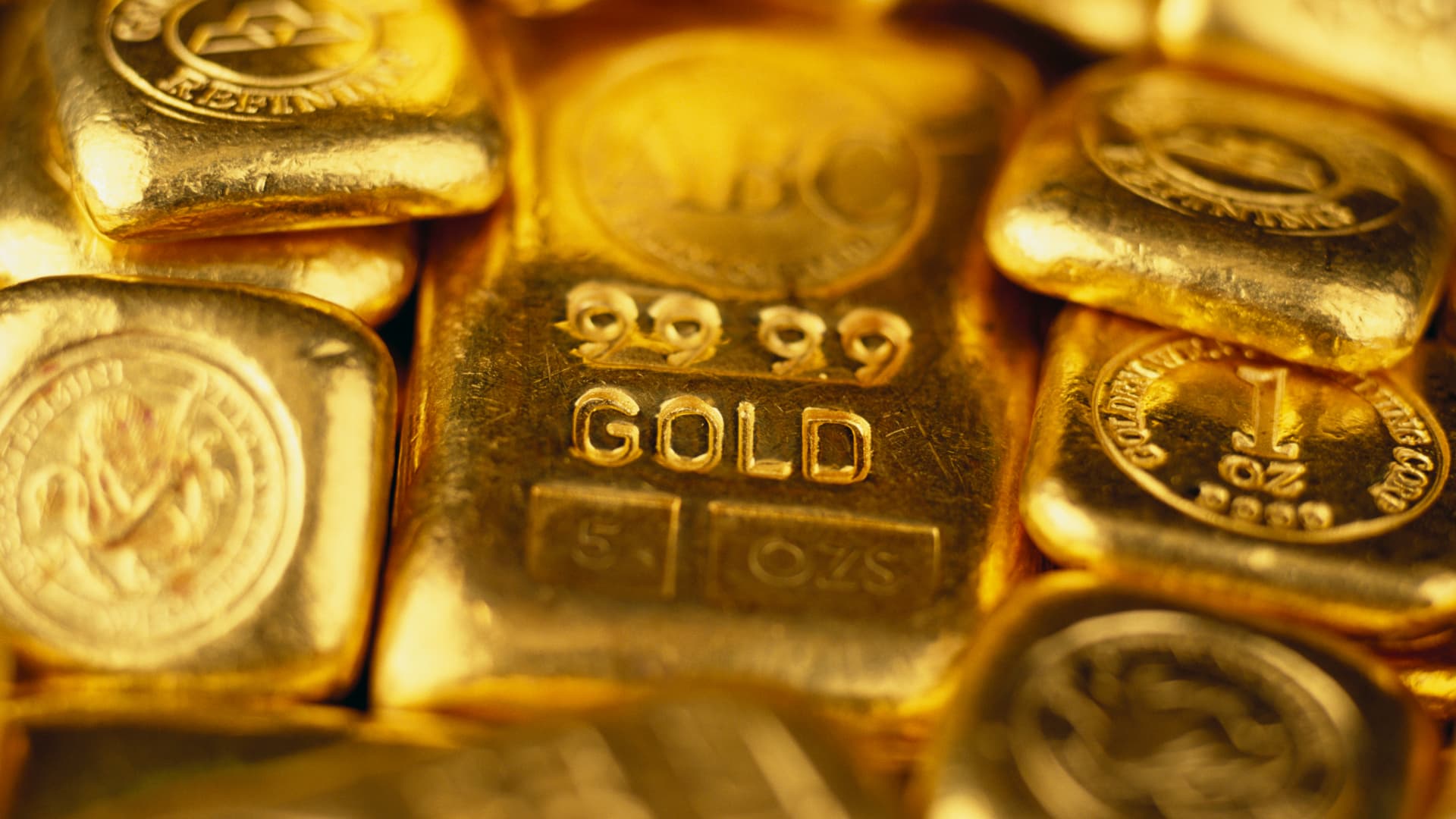
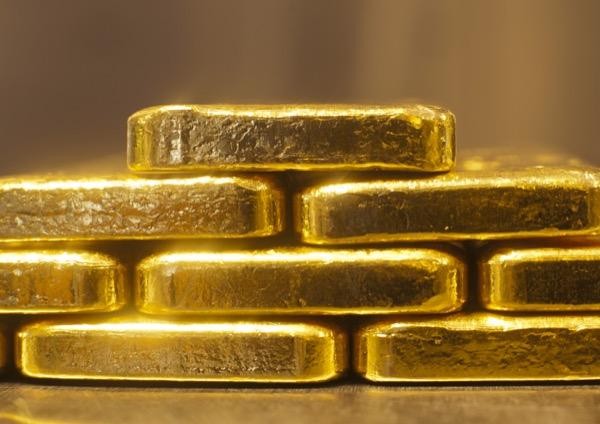
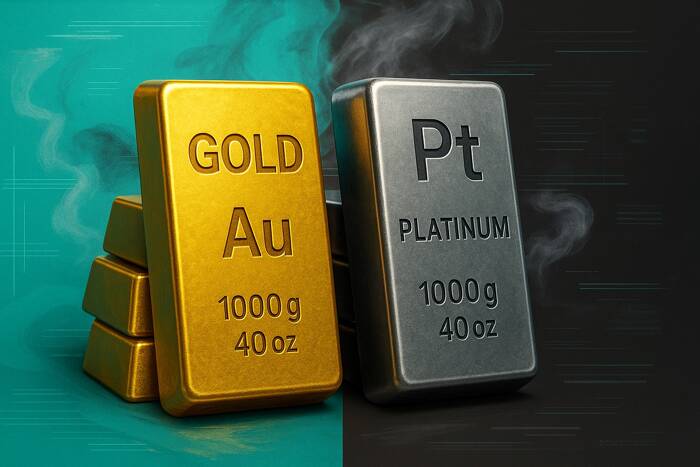
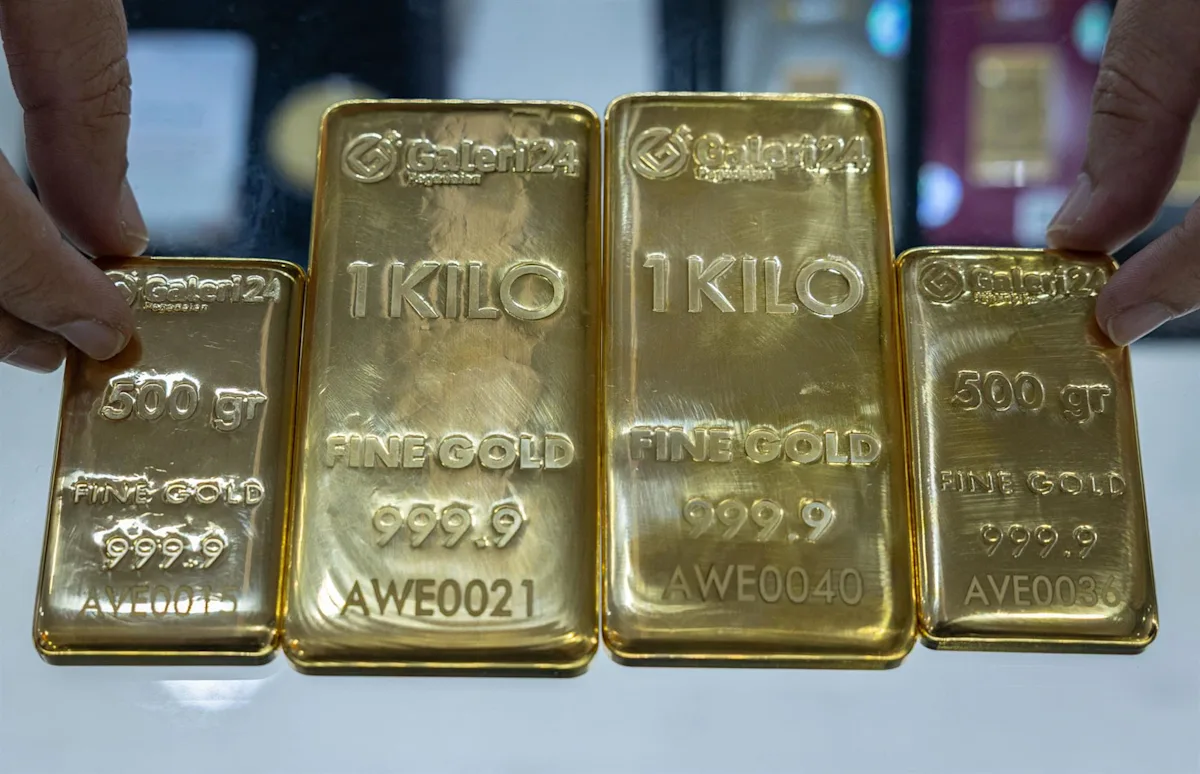
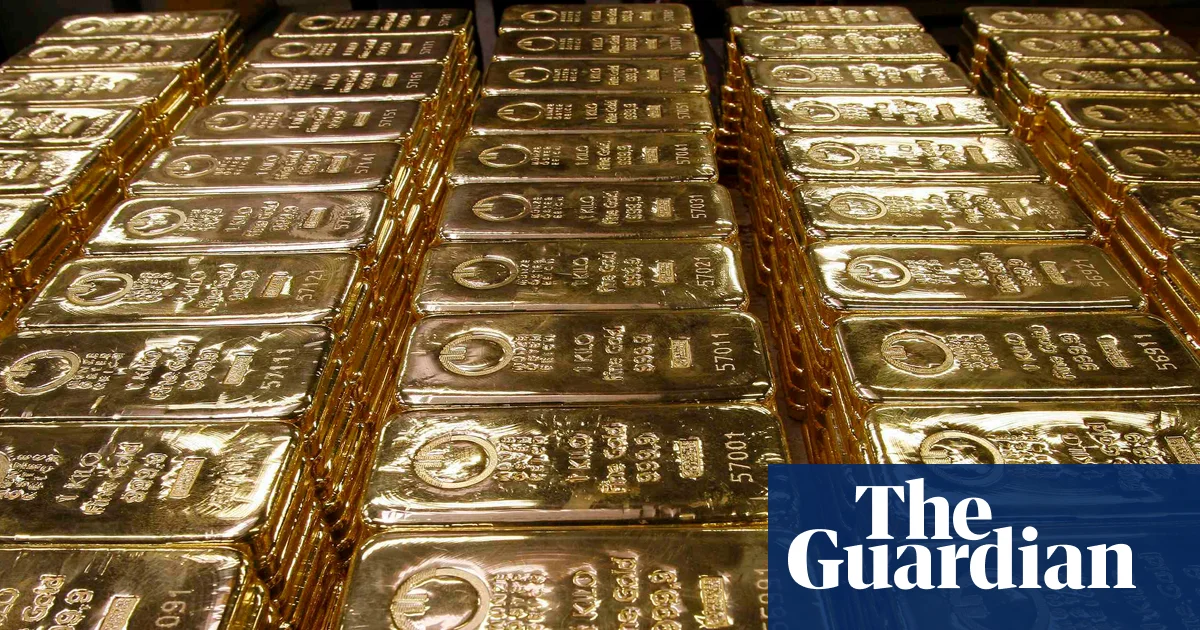
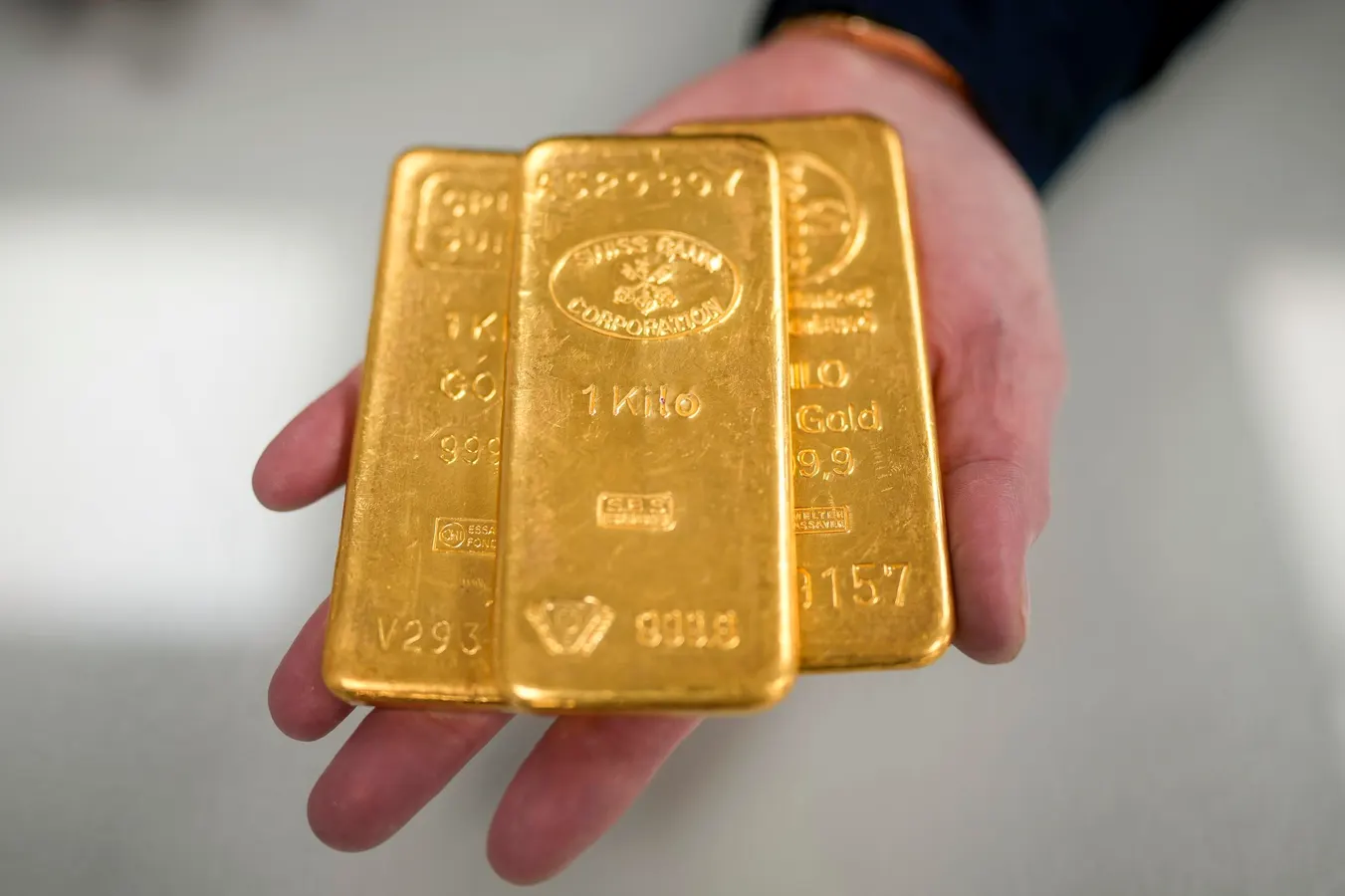
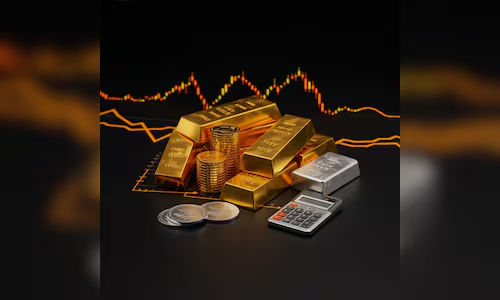
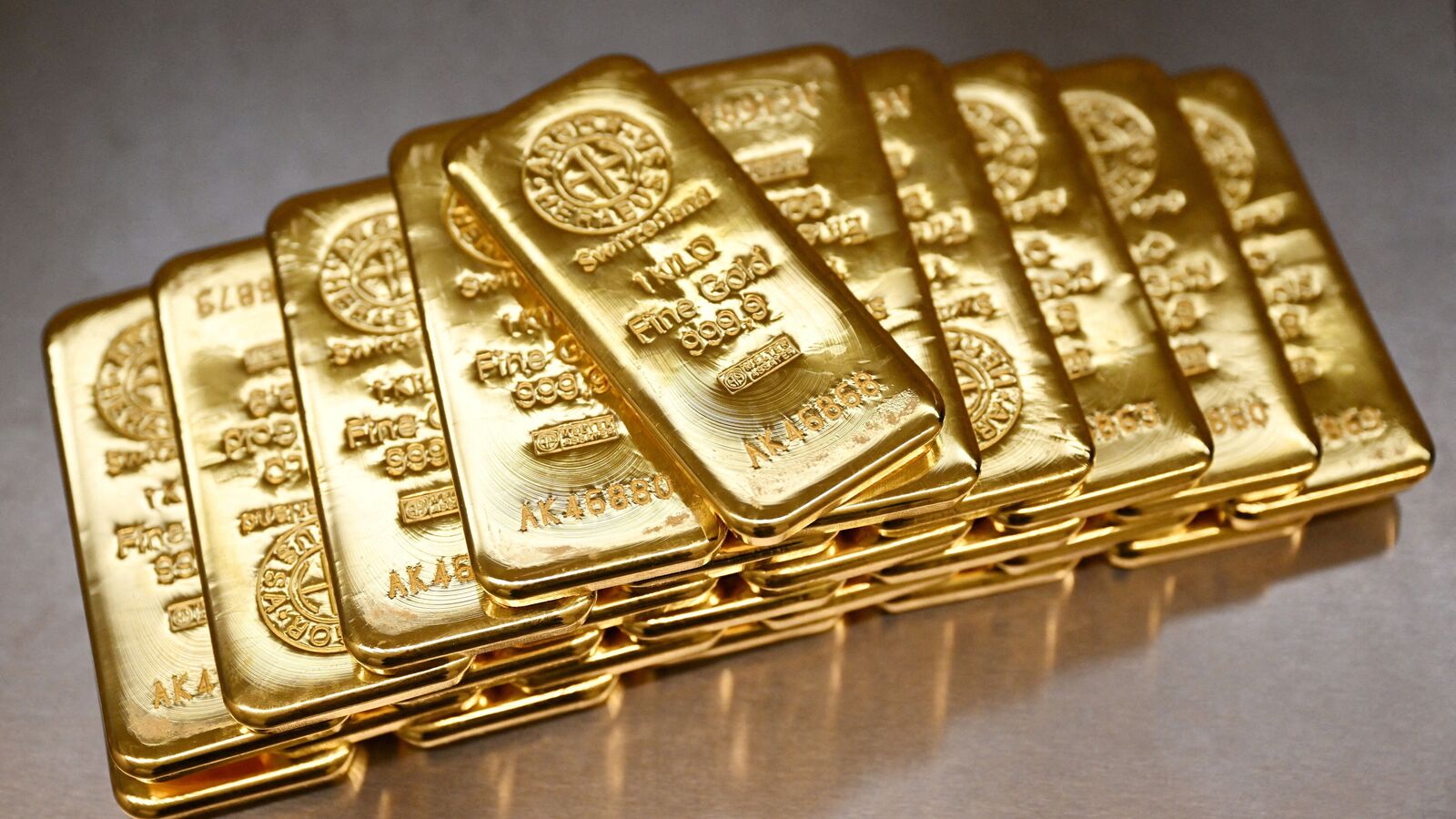
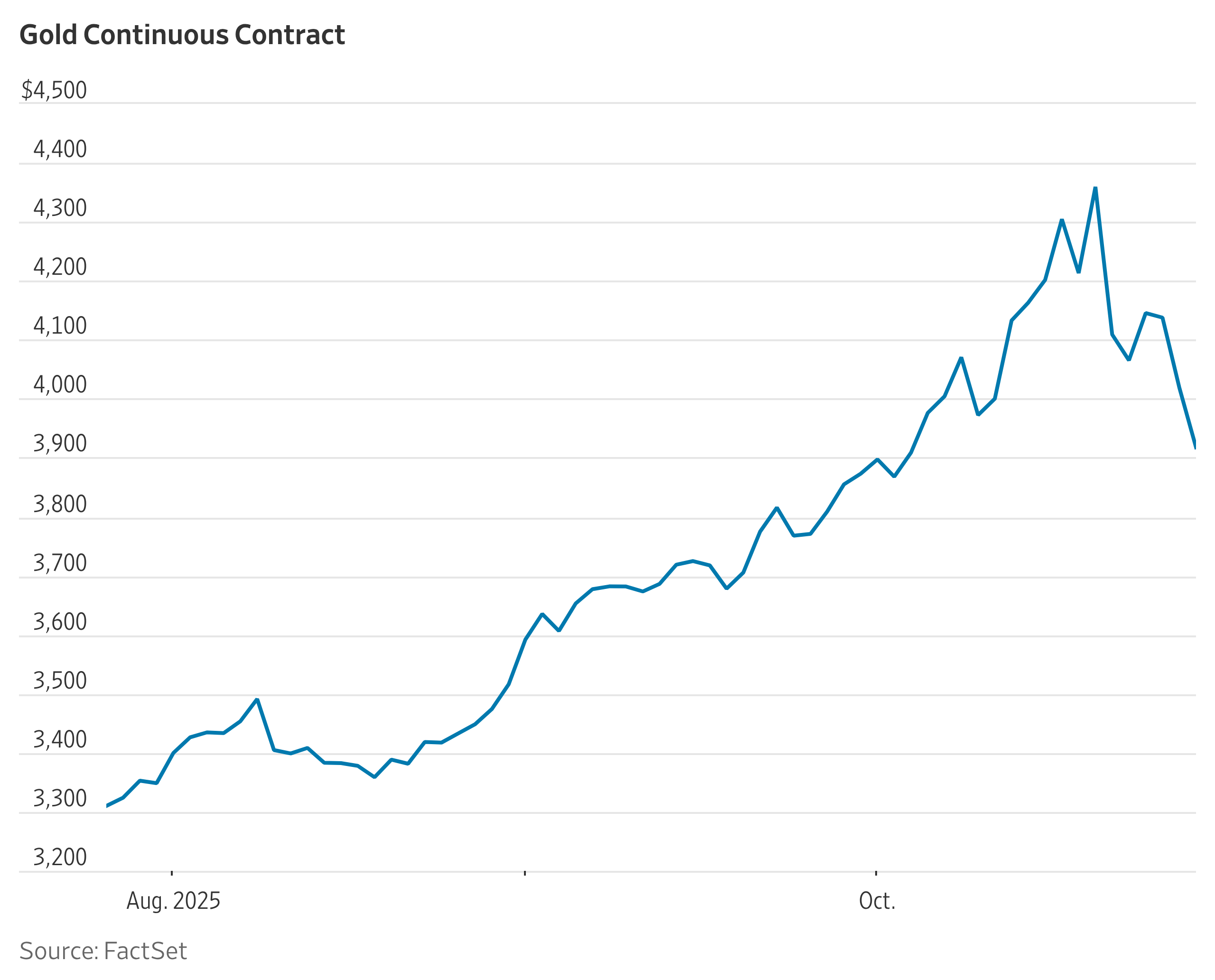
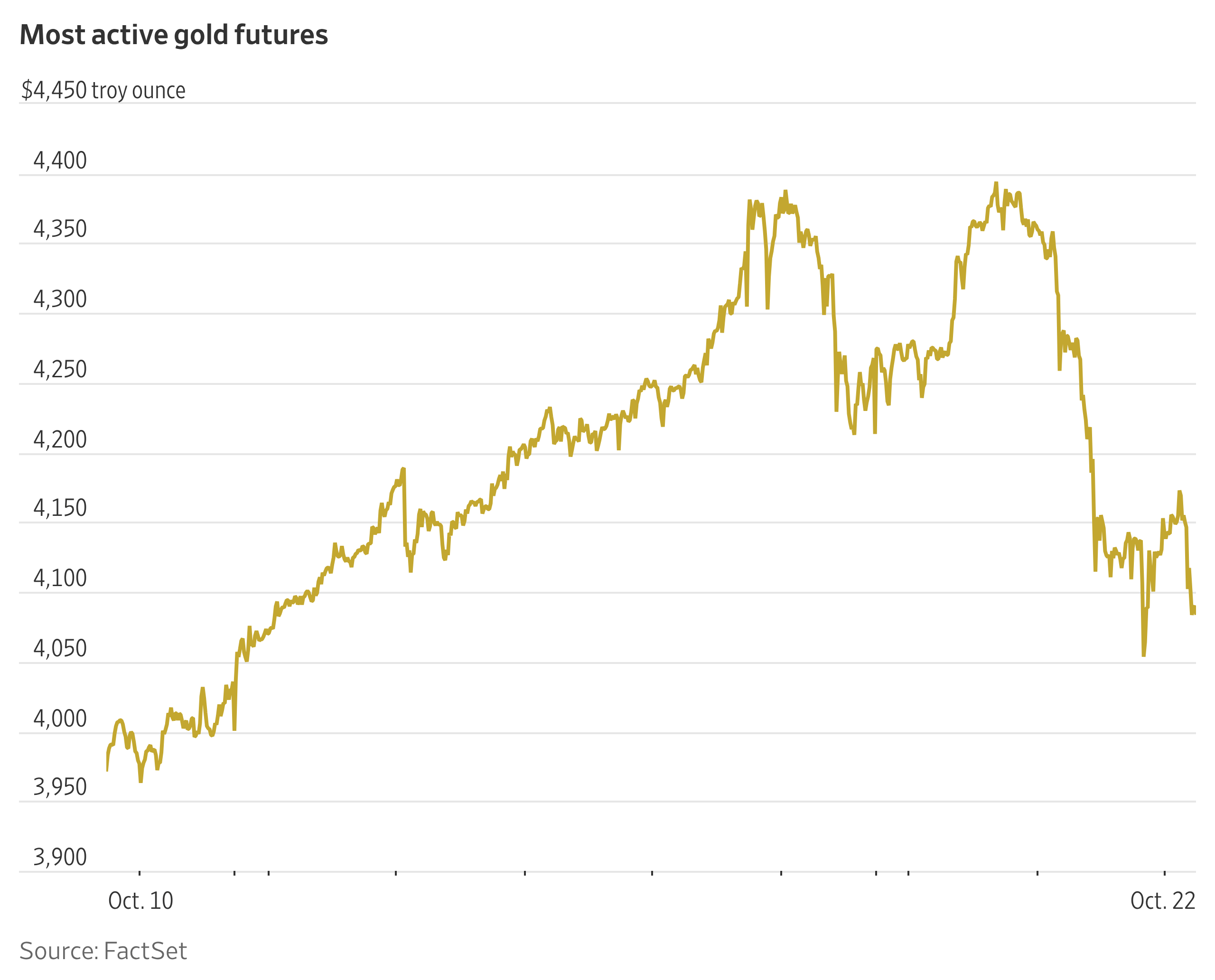
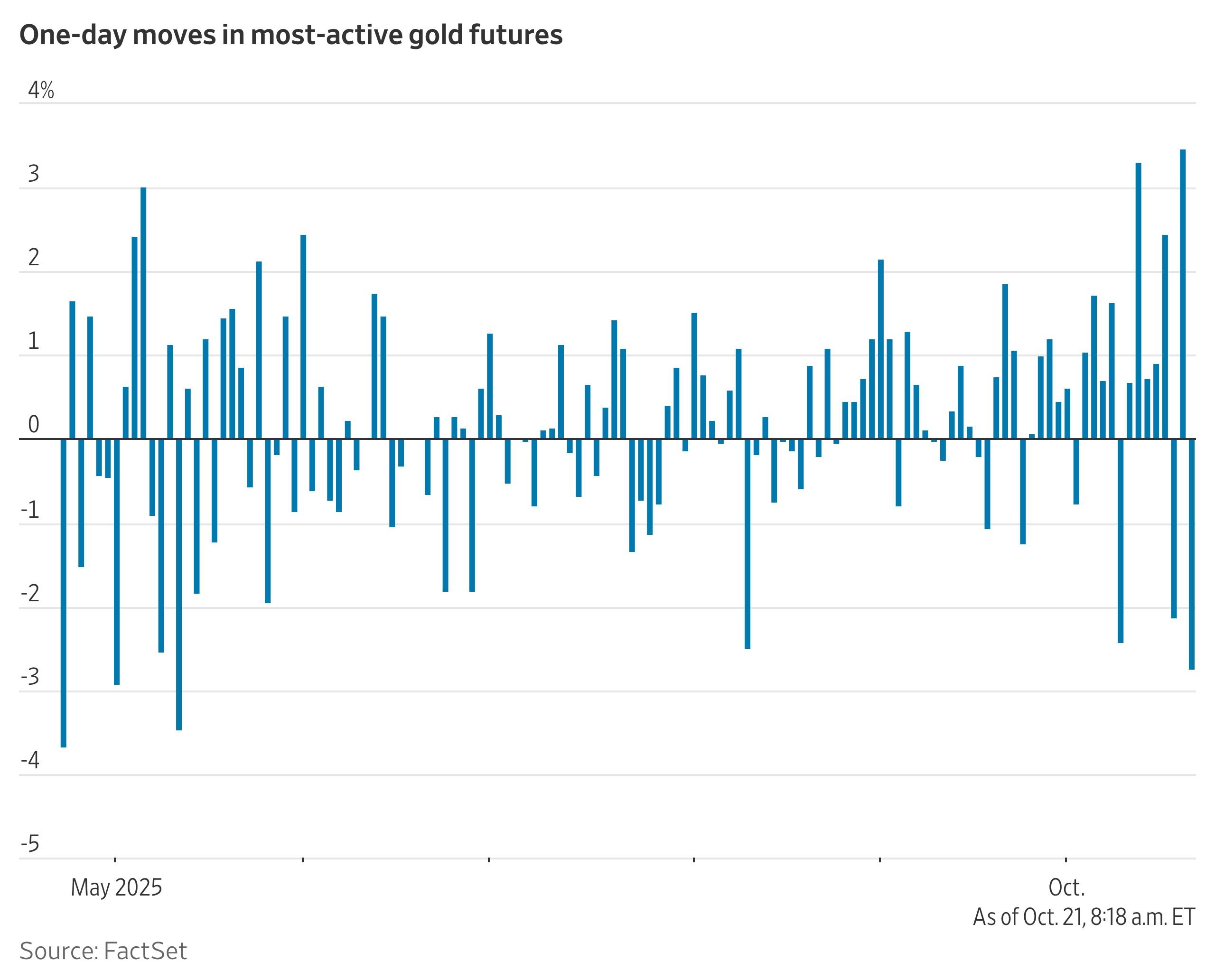
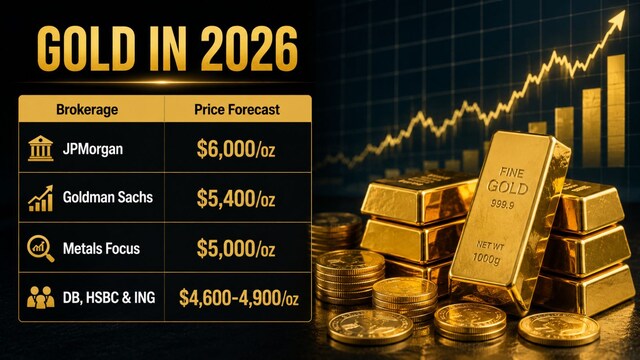
Gold has already pulled back from its earlier highs near $5,500, but Barratt thinks the setup is turning bullish again. A weak US jobs report on Friday, he said, has changed the conversation around interest rates — and that shift matters a lot for gold, which tends to do well when rates fall and the dollar weakens.
“I do see 4,500 is an important level, but I do see it moving higher as long as that rhetoric stays in play,” Barratt said.
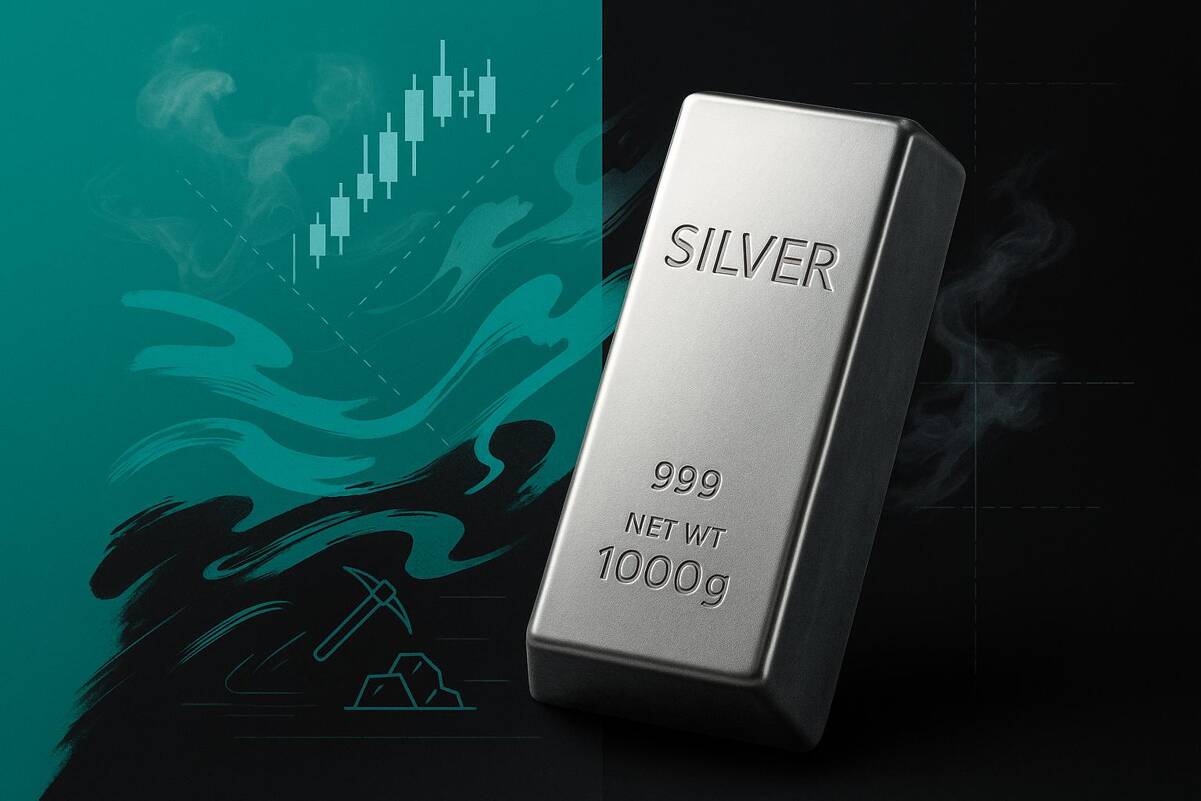
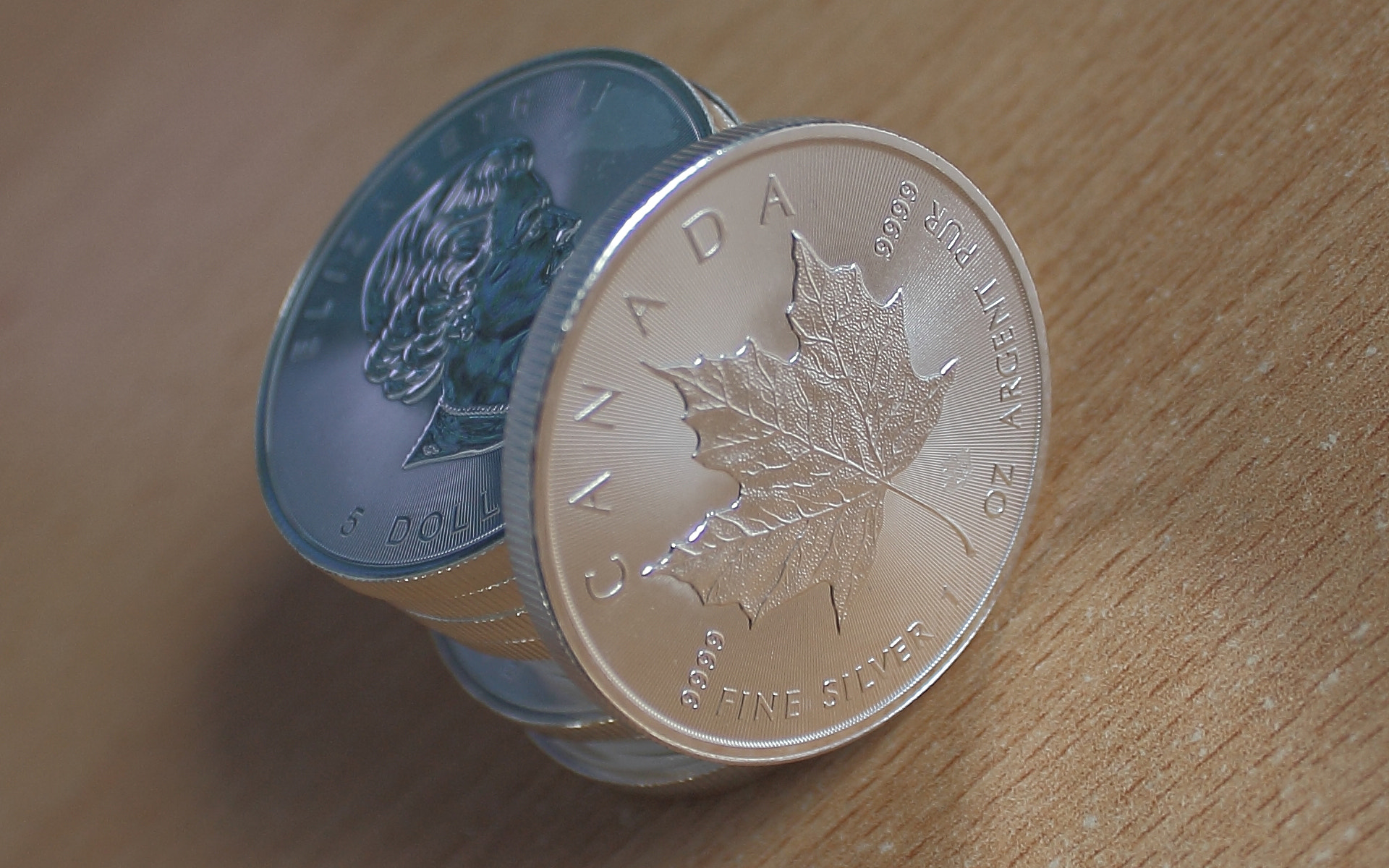
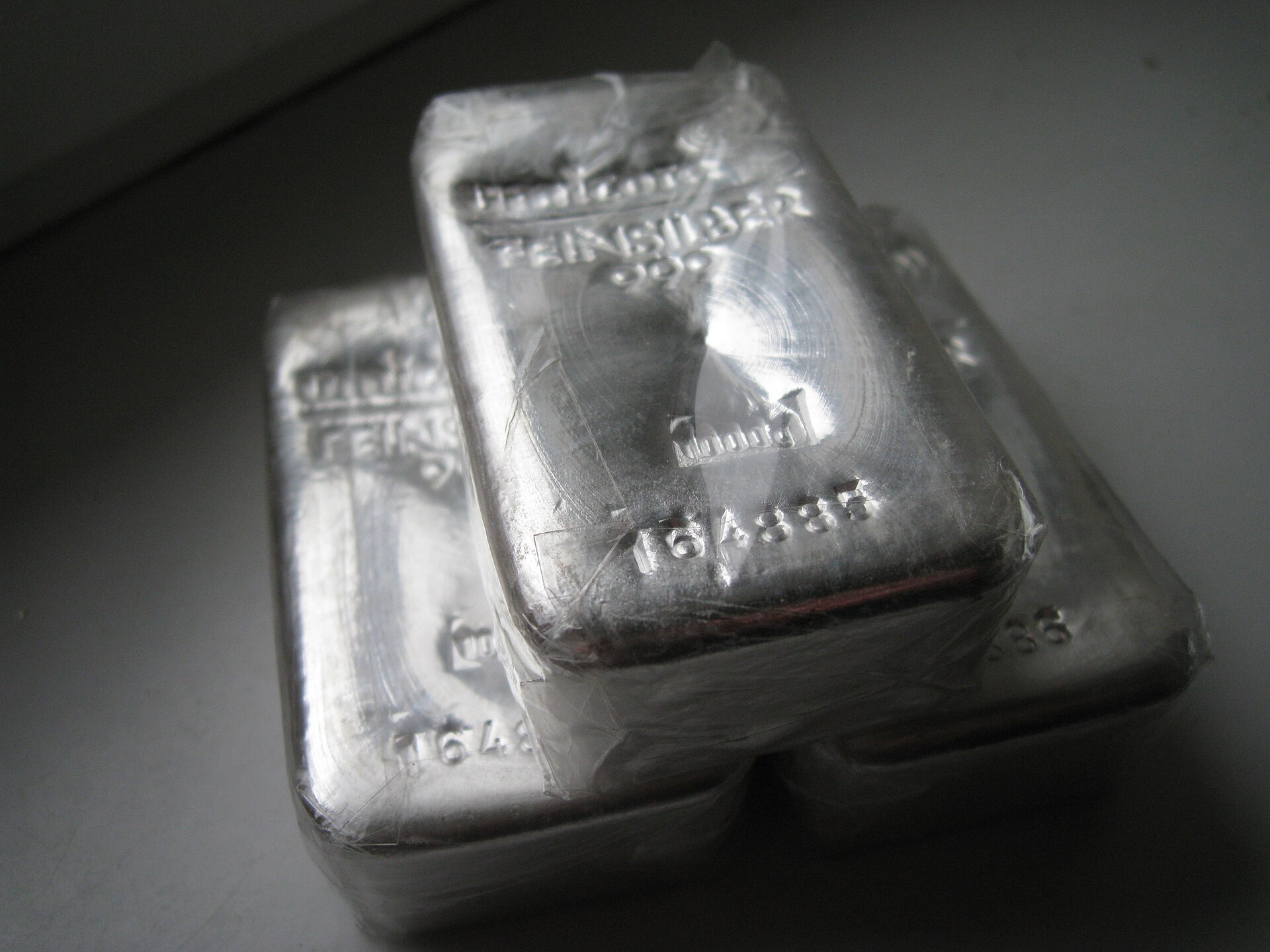
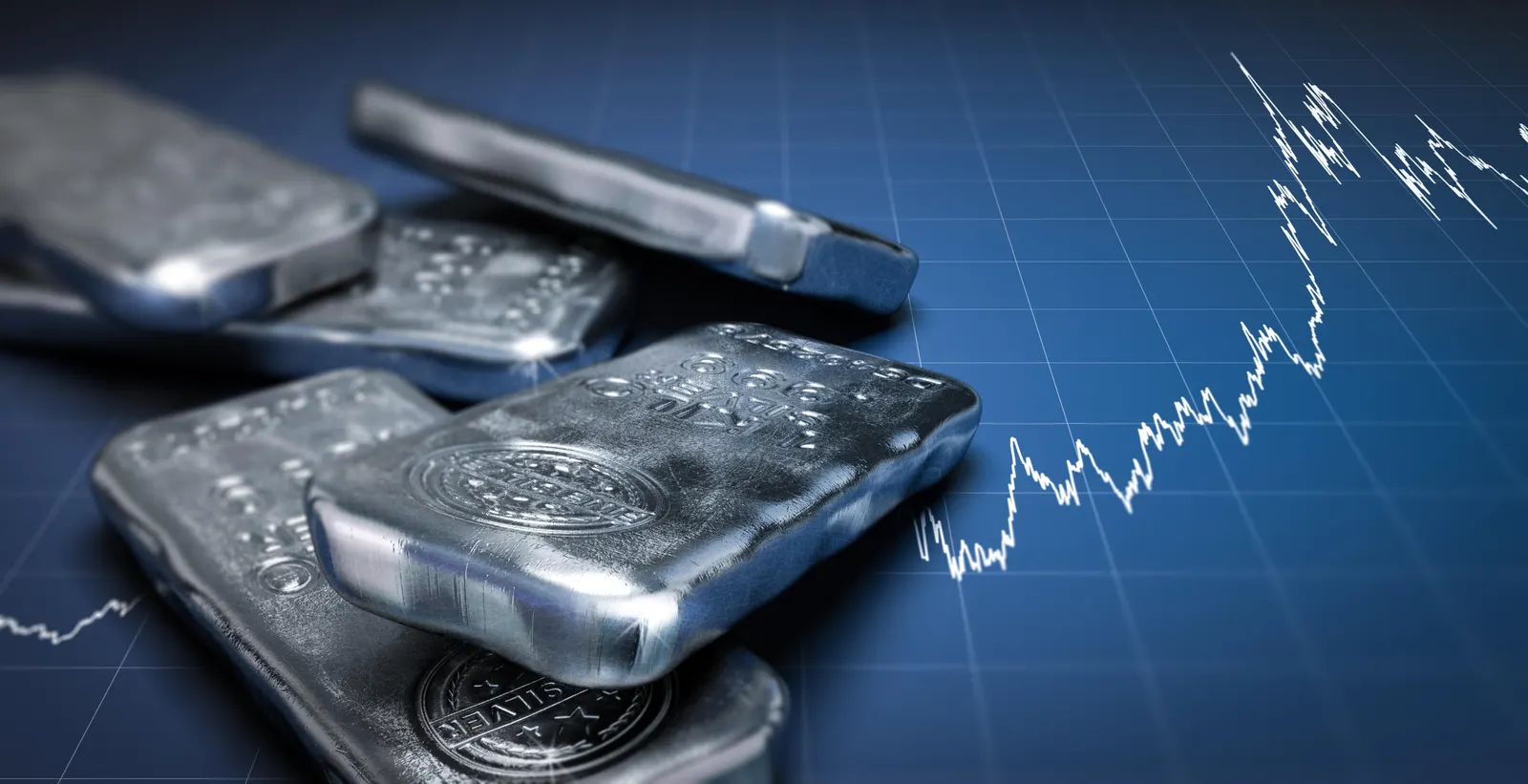
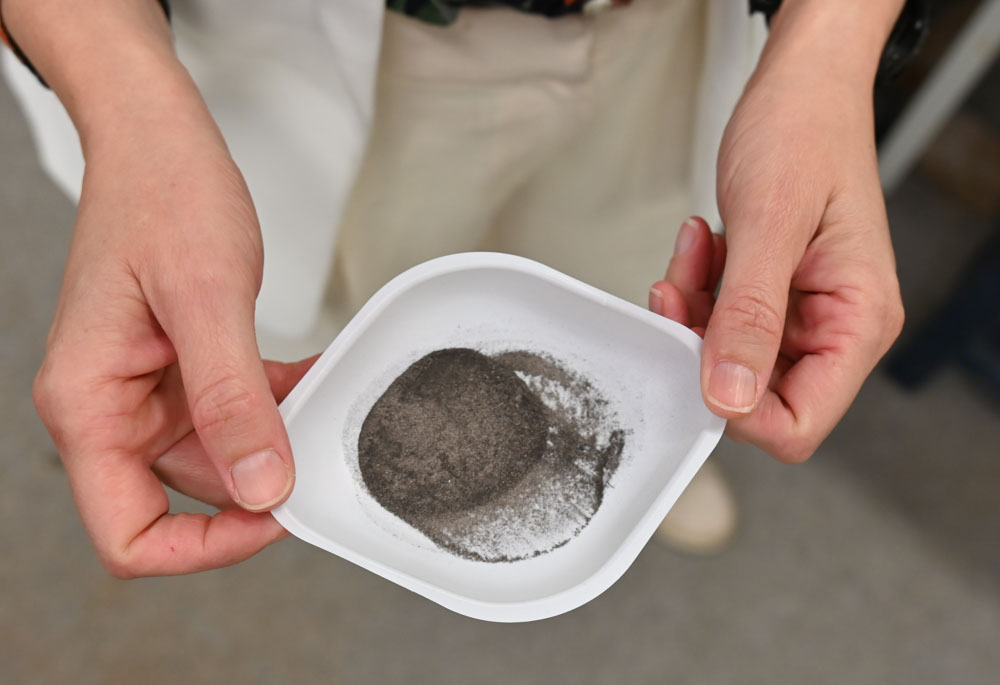
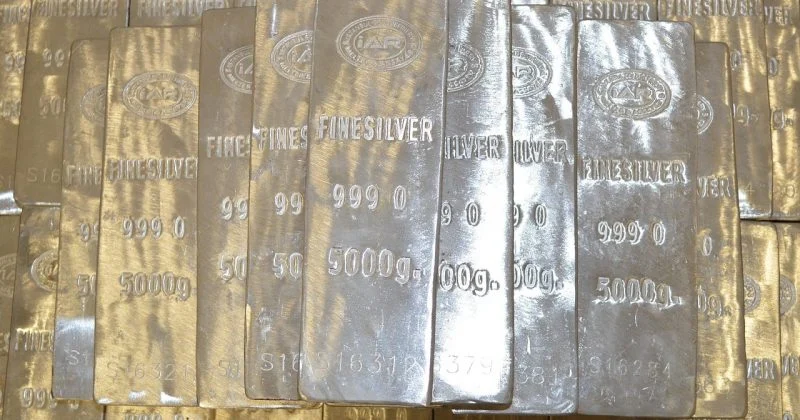
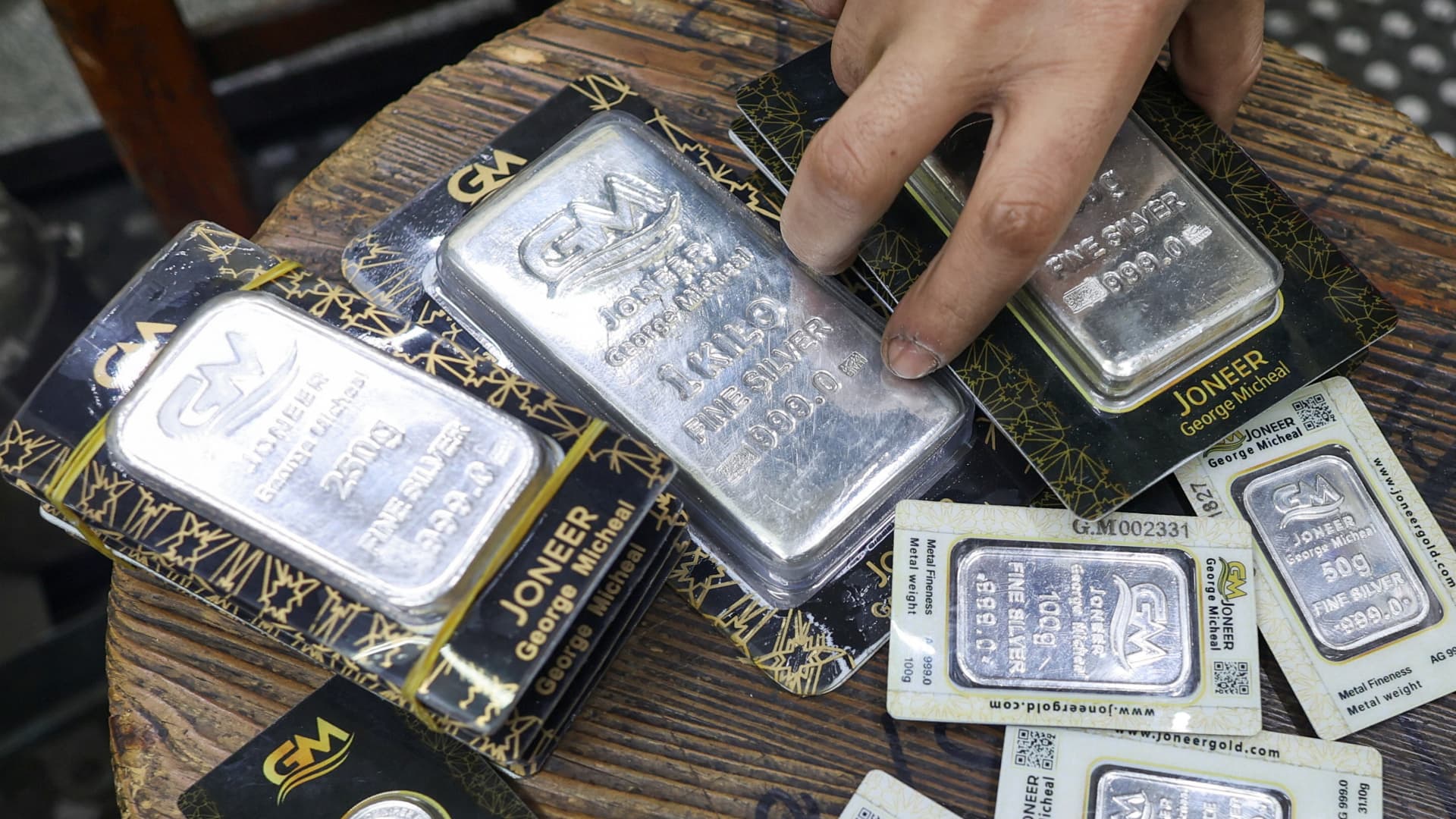
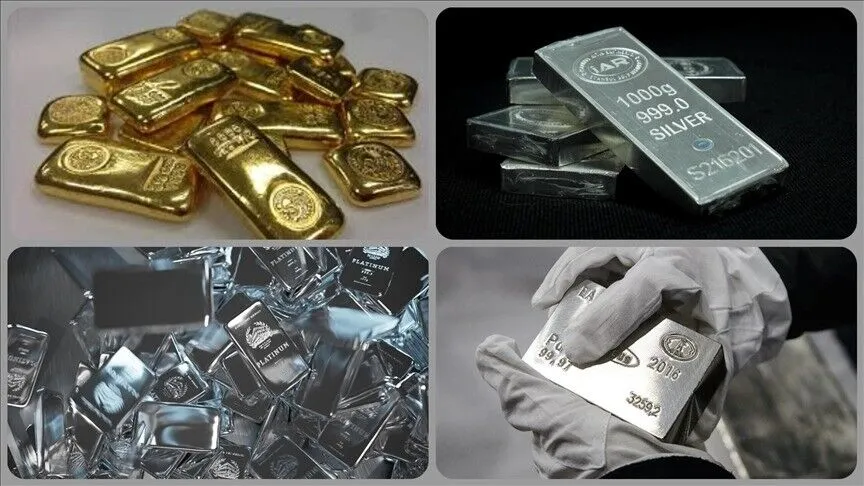
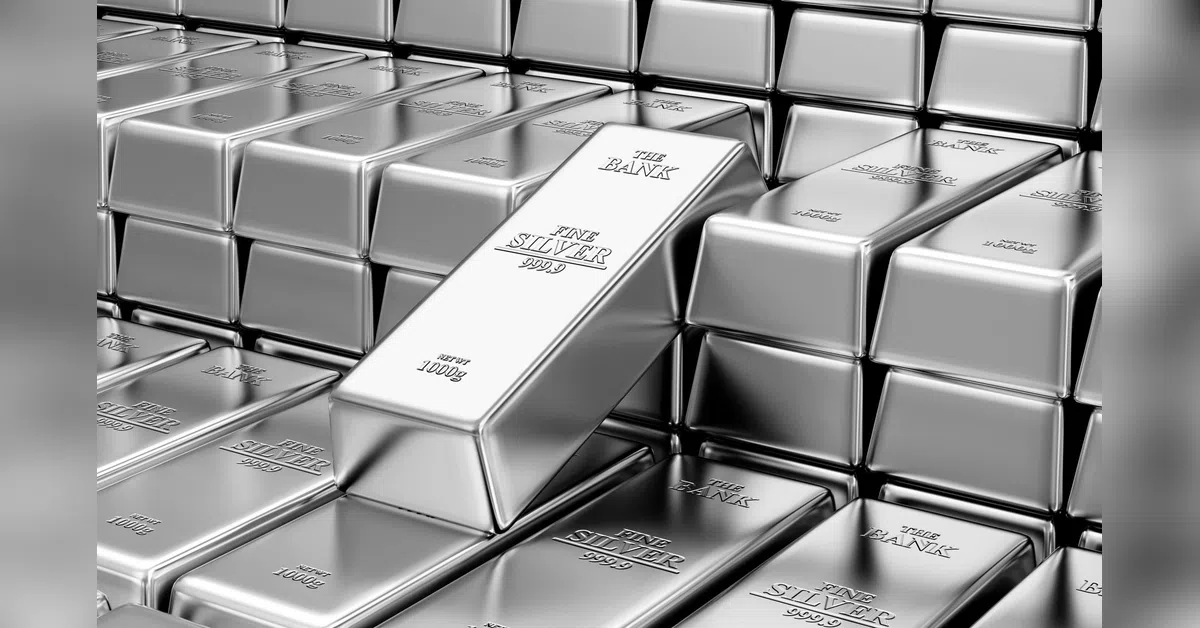
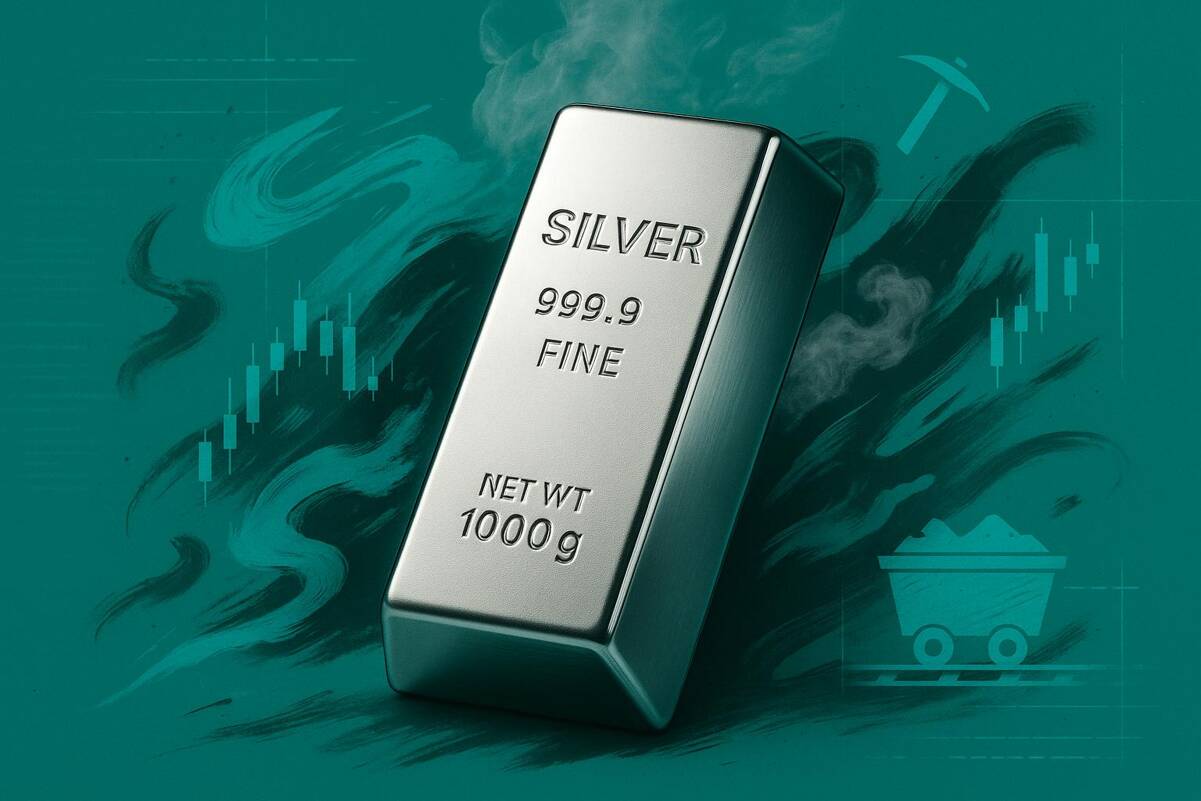
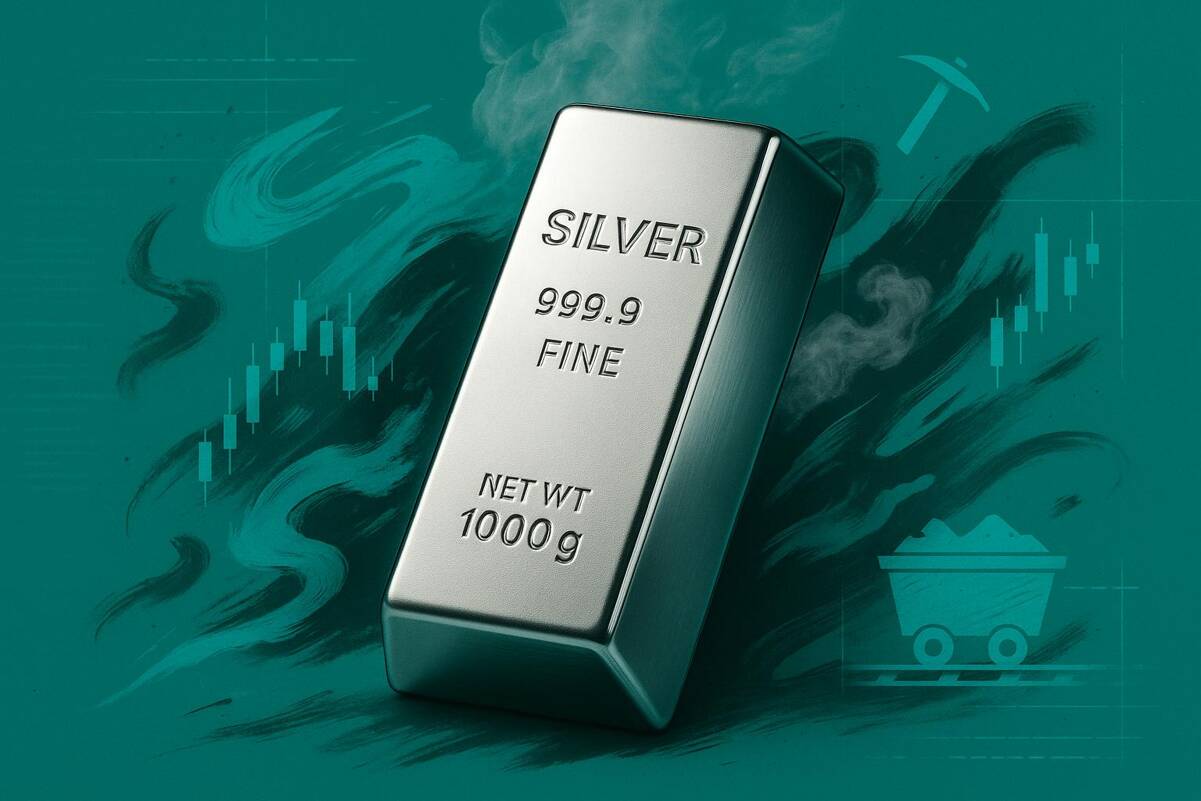
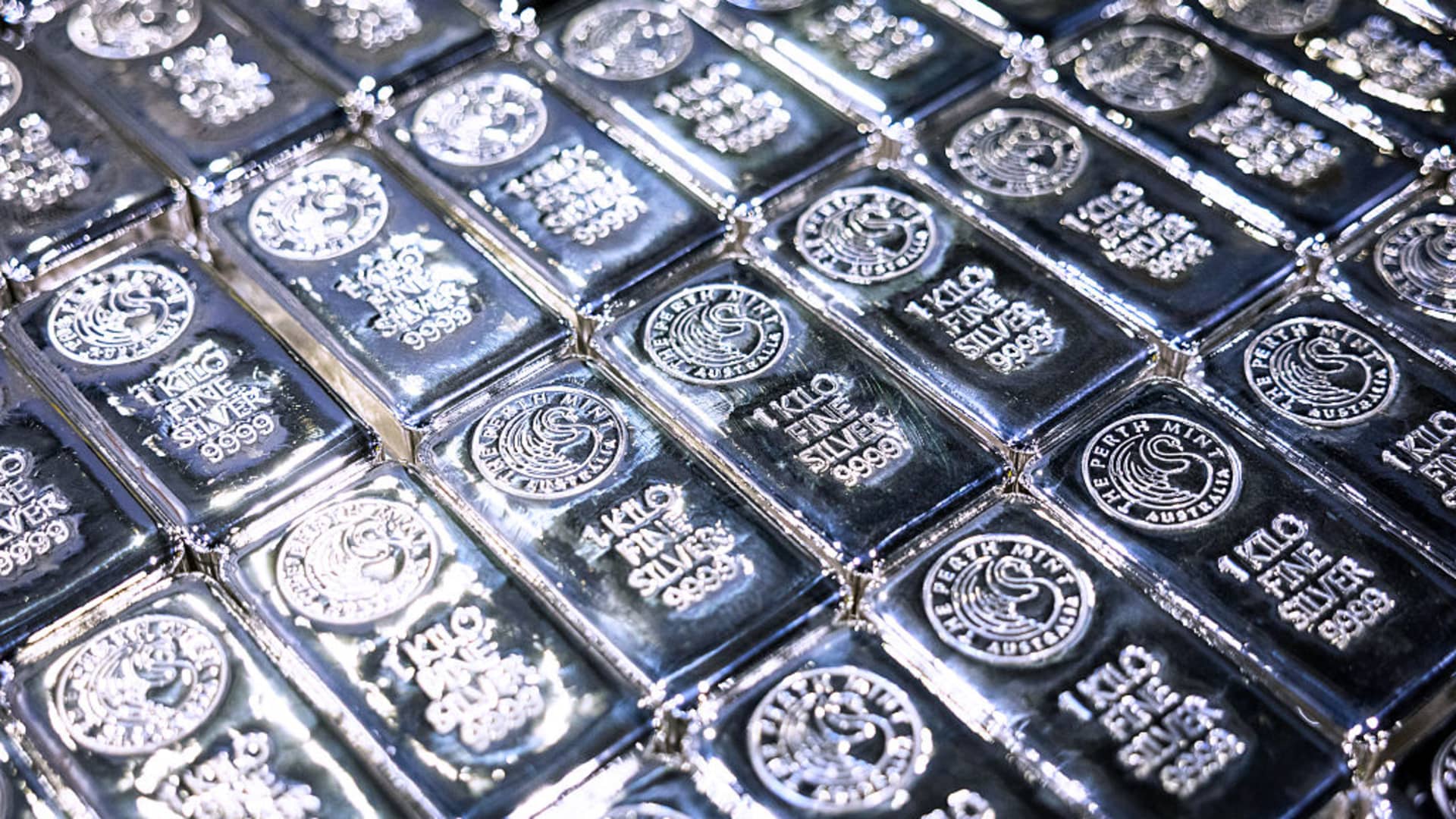
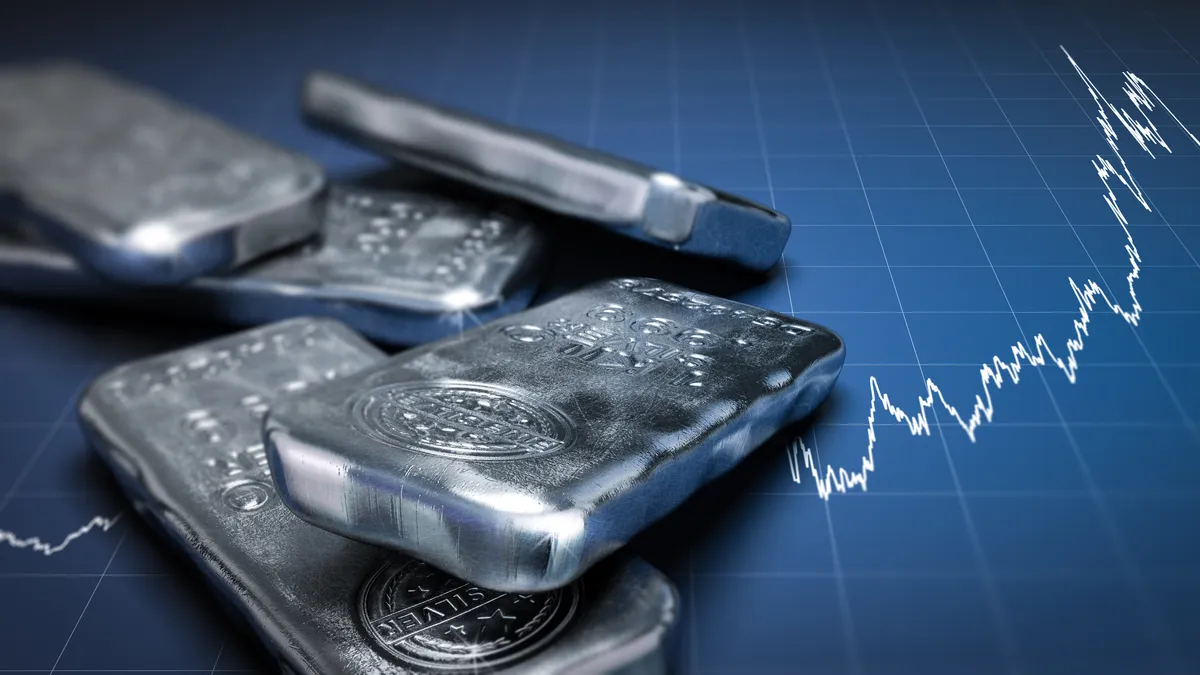
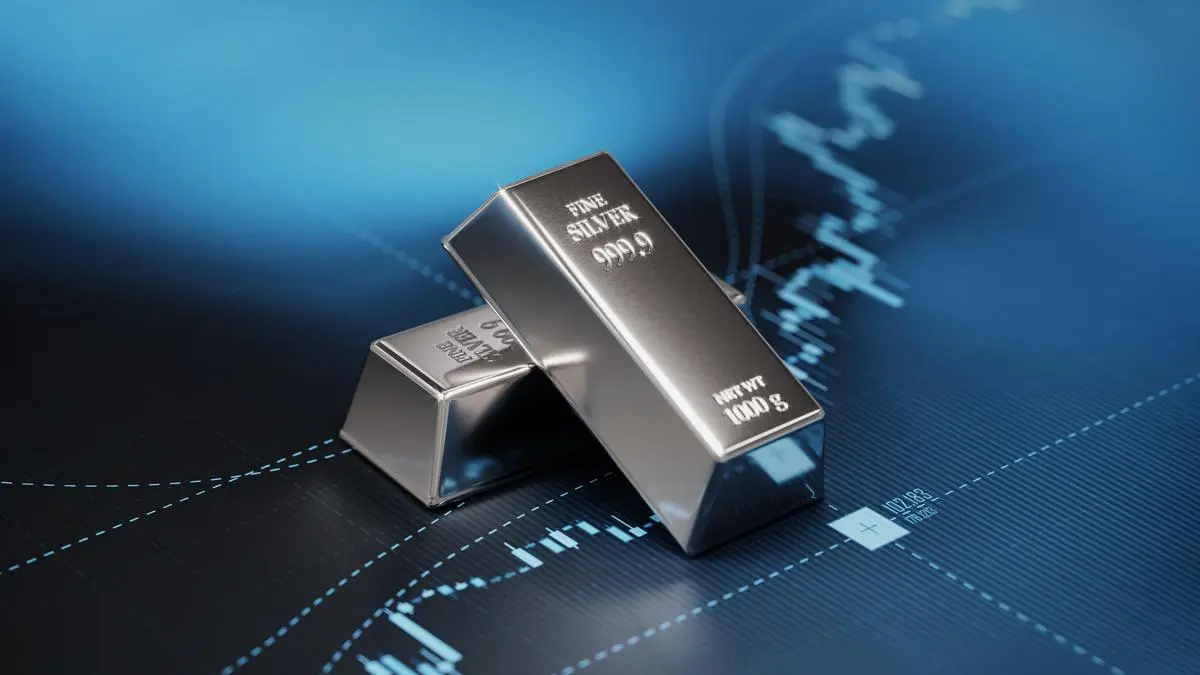
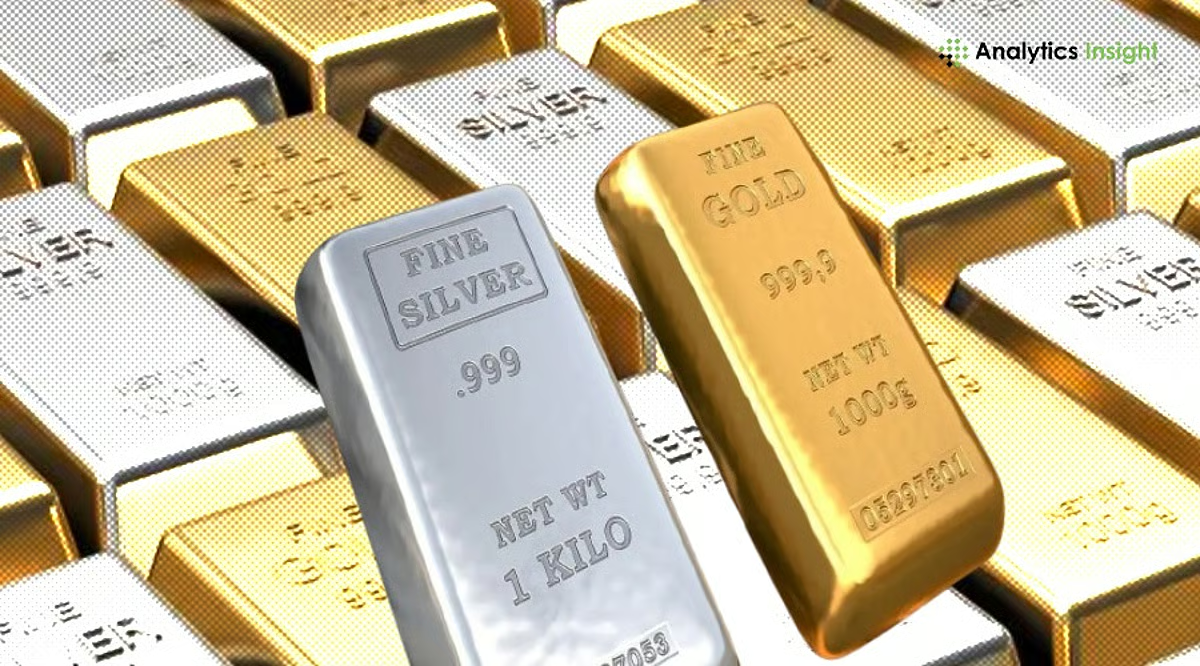
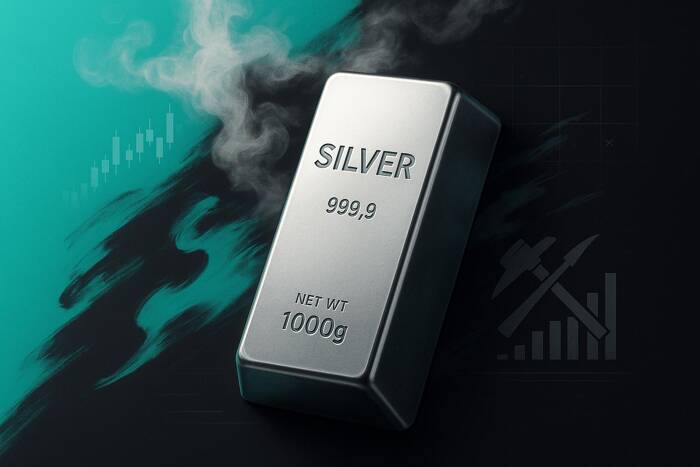
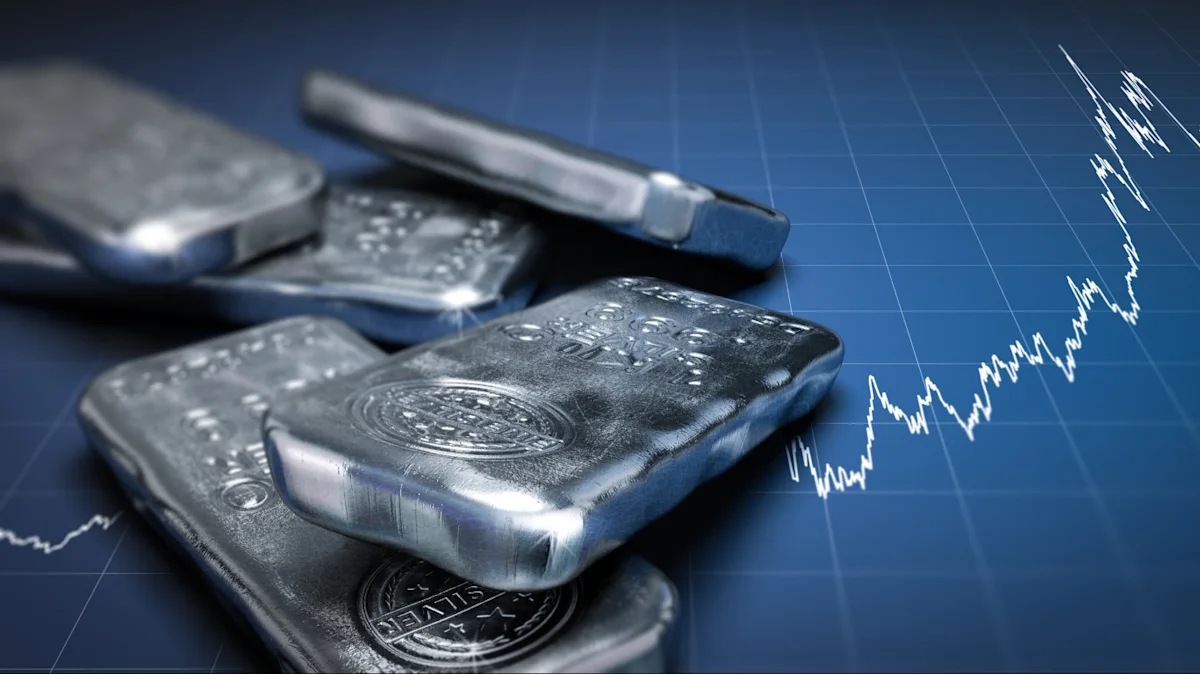
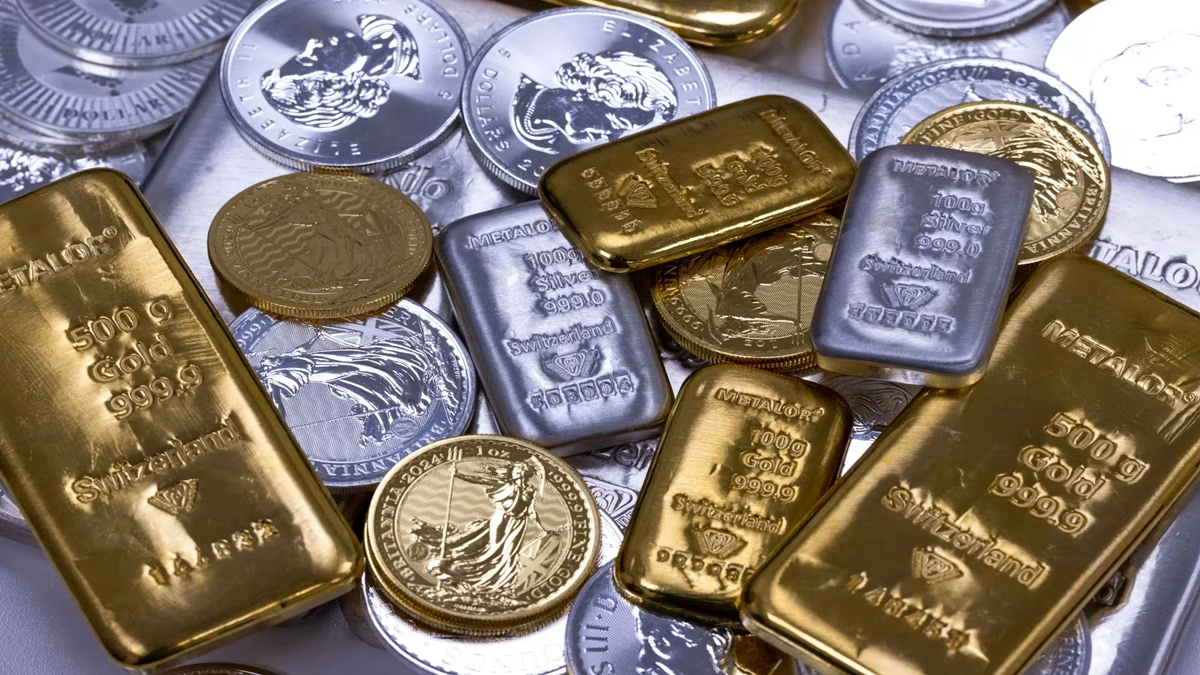
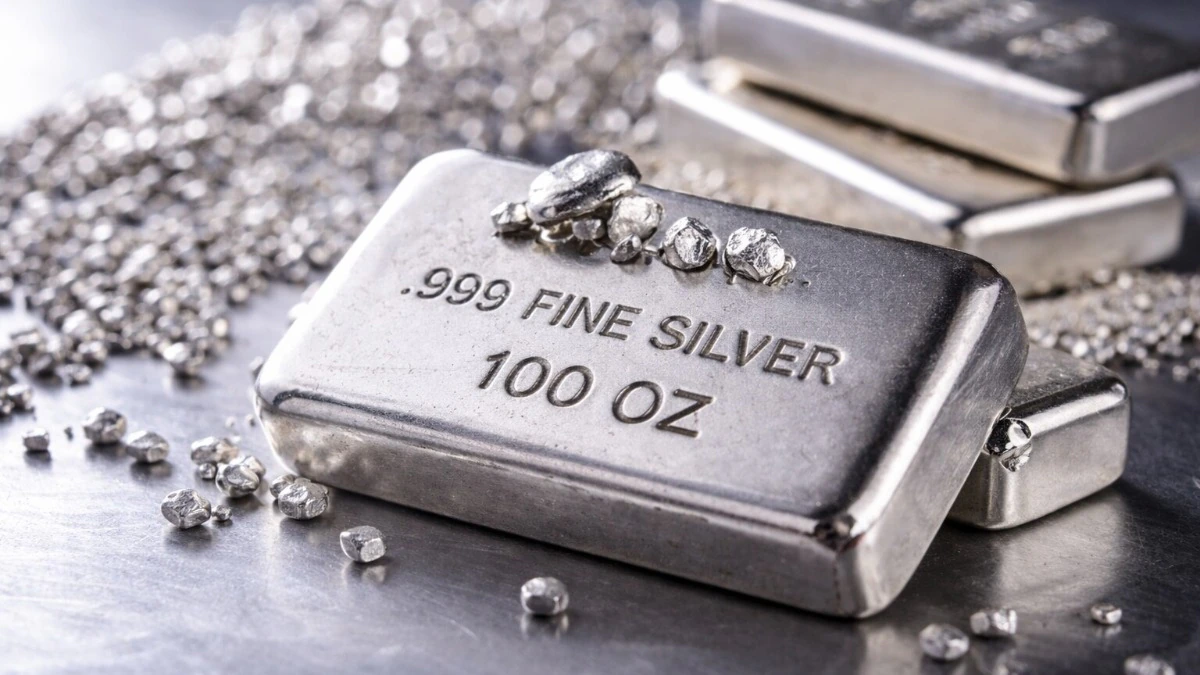
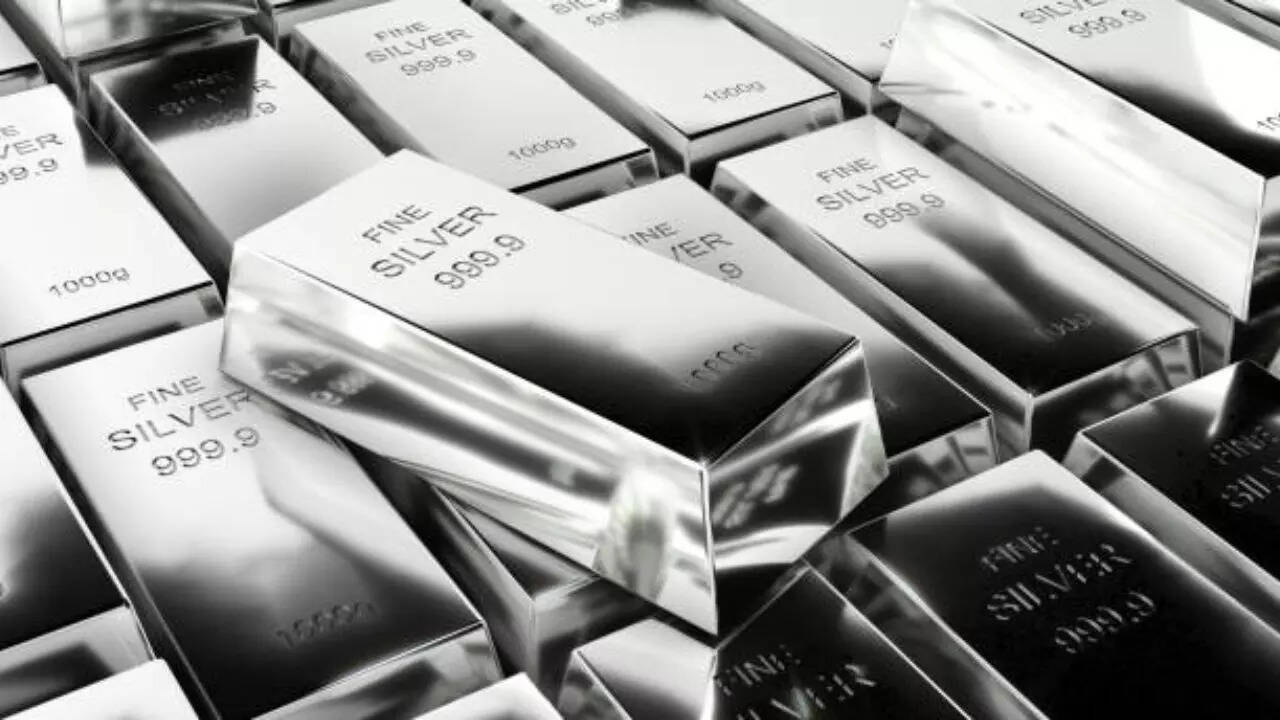
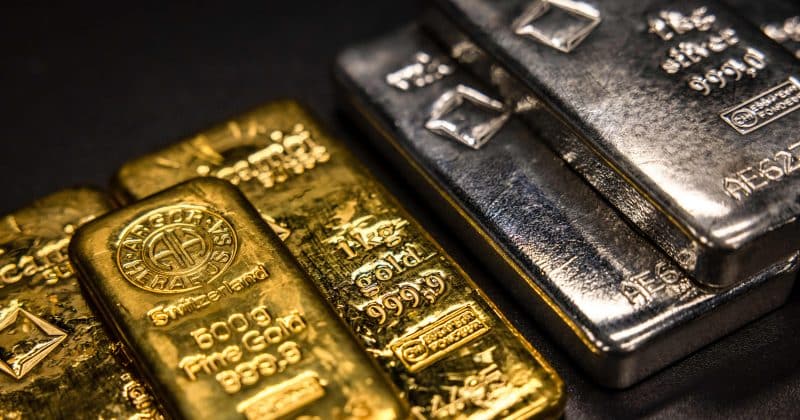
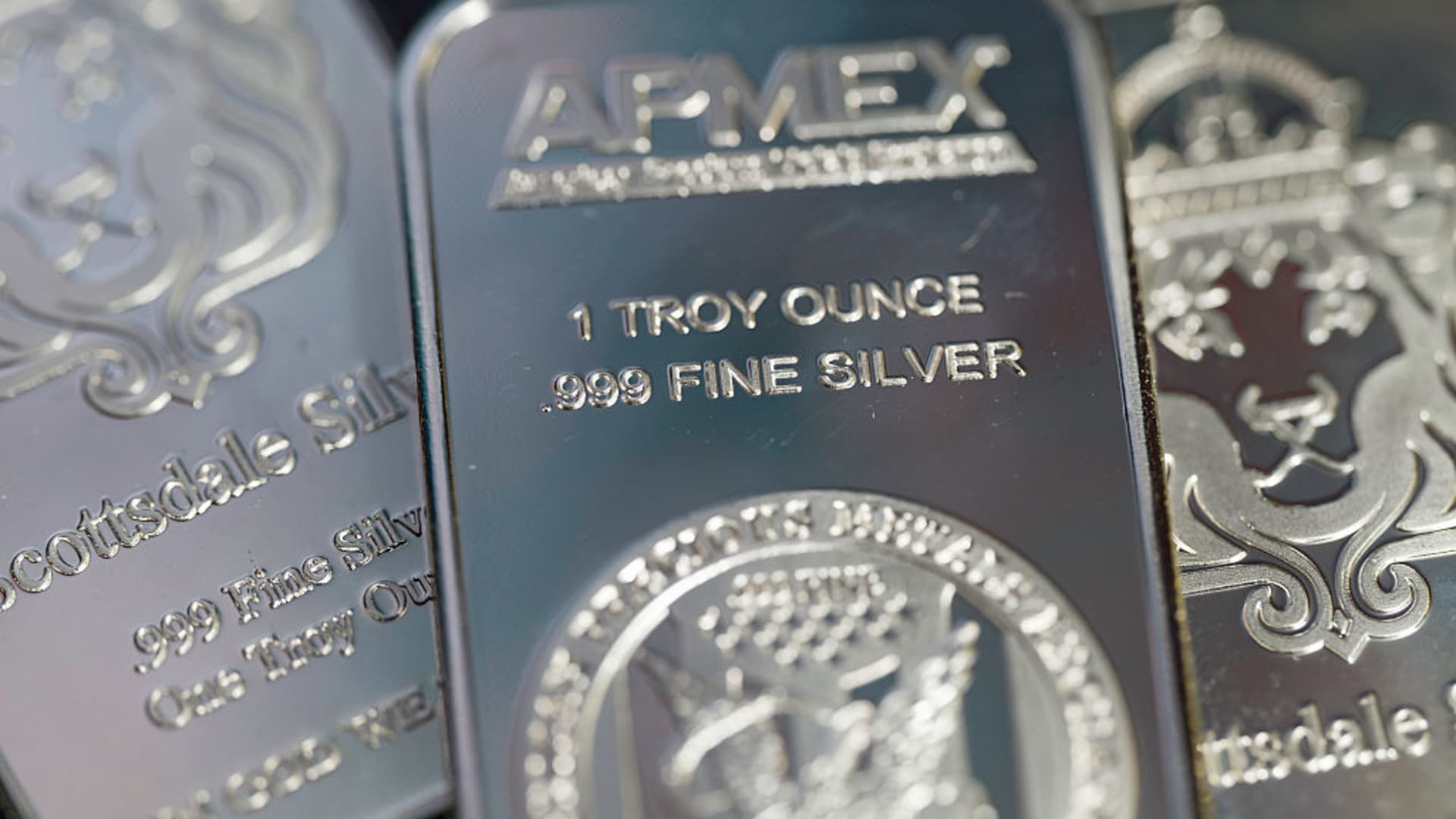
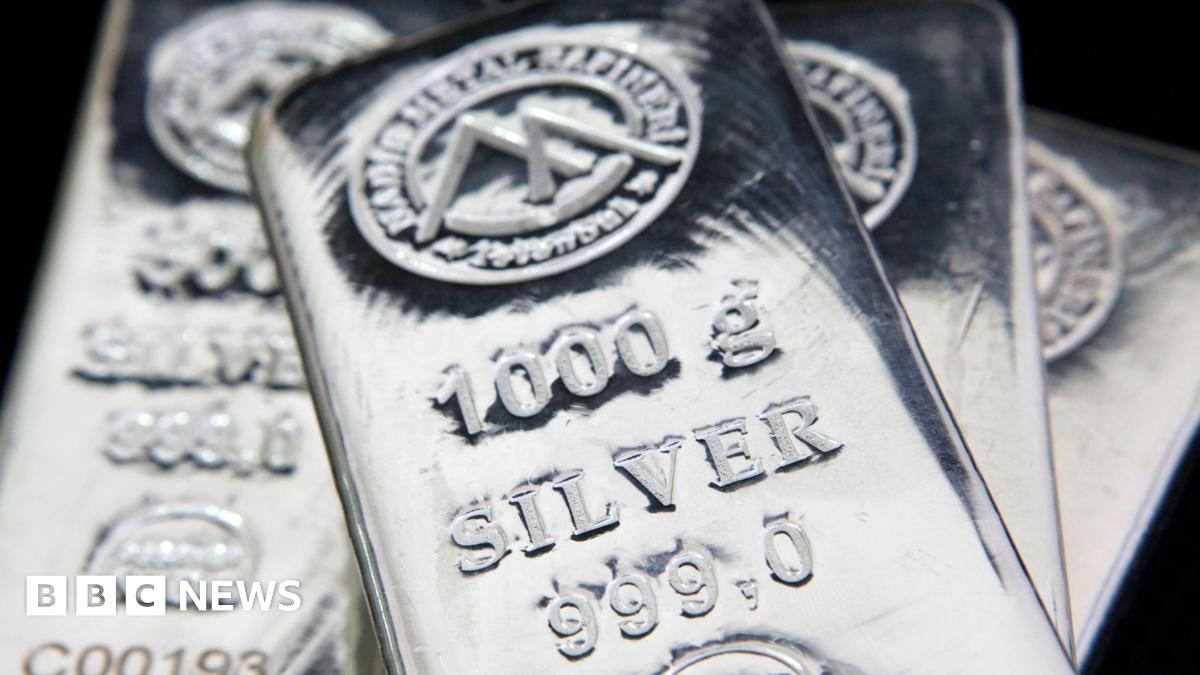
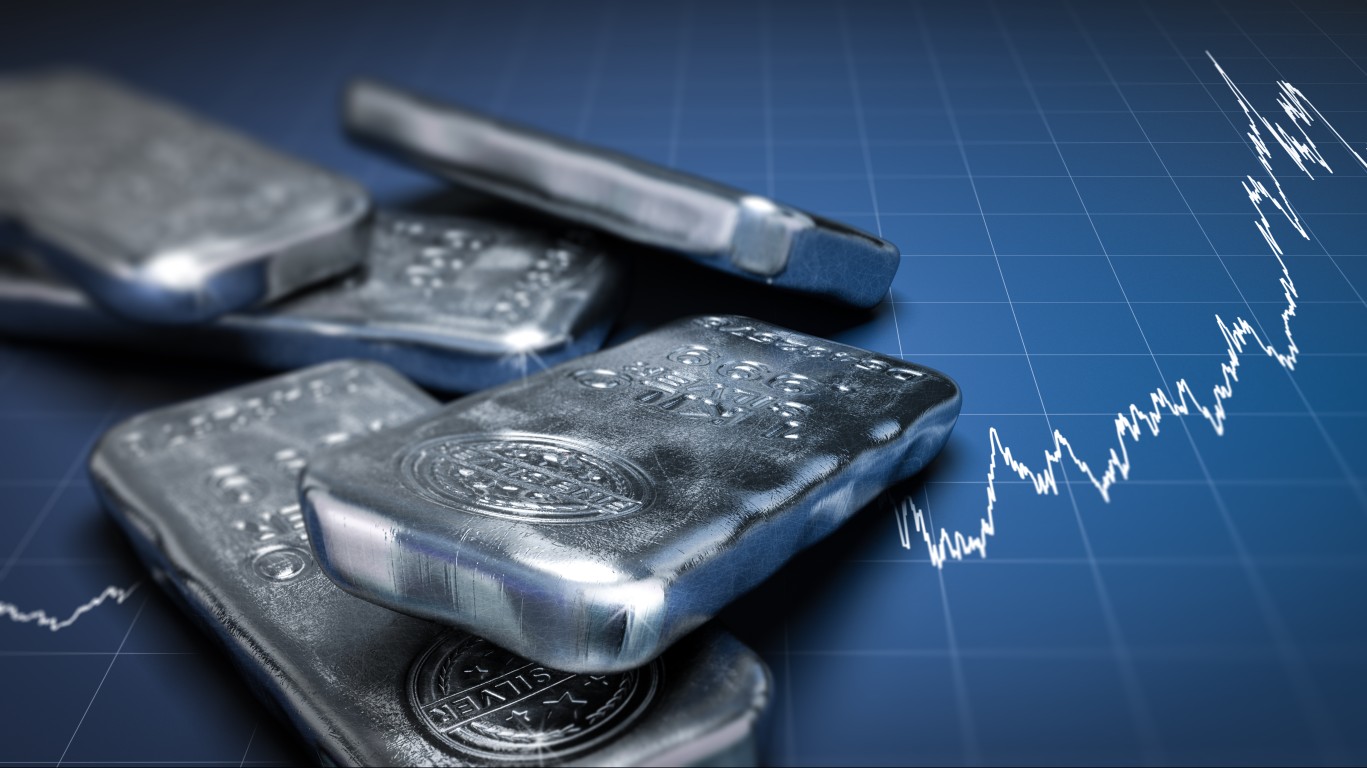
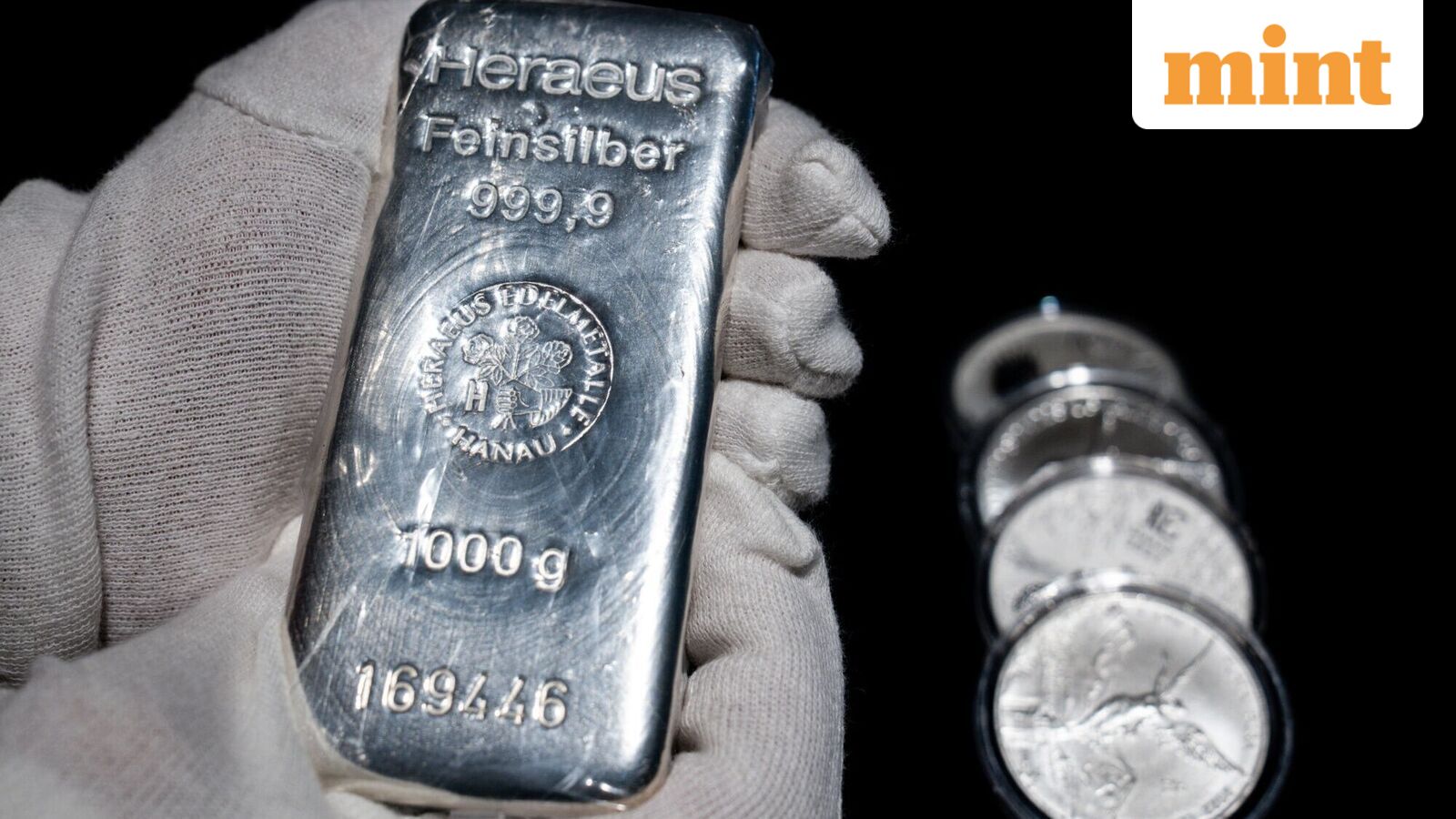
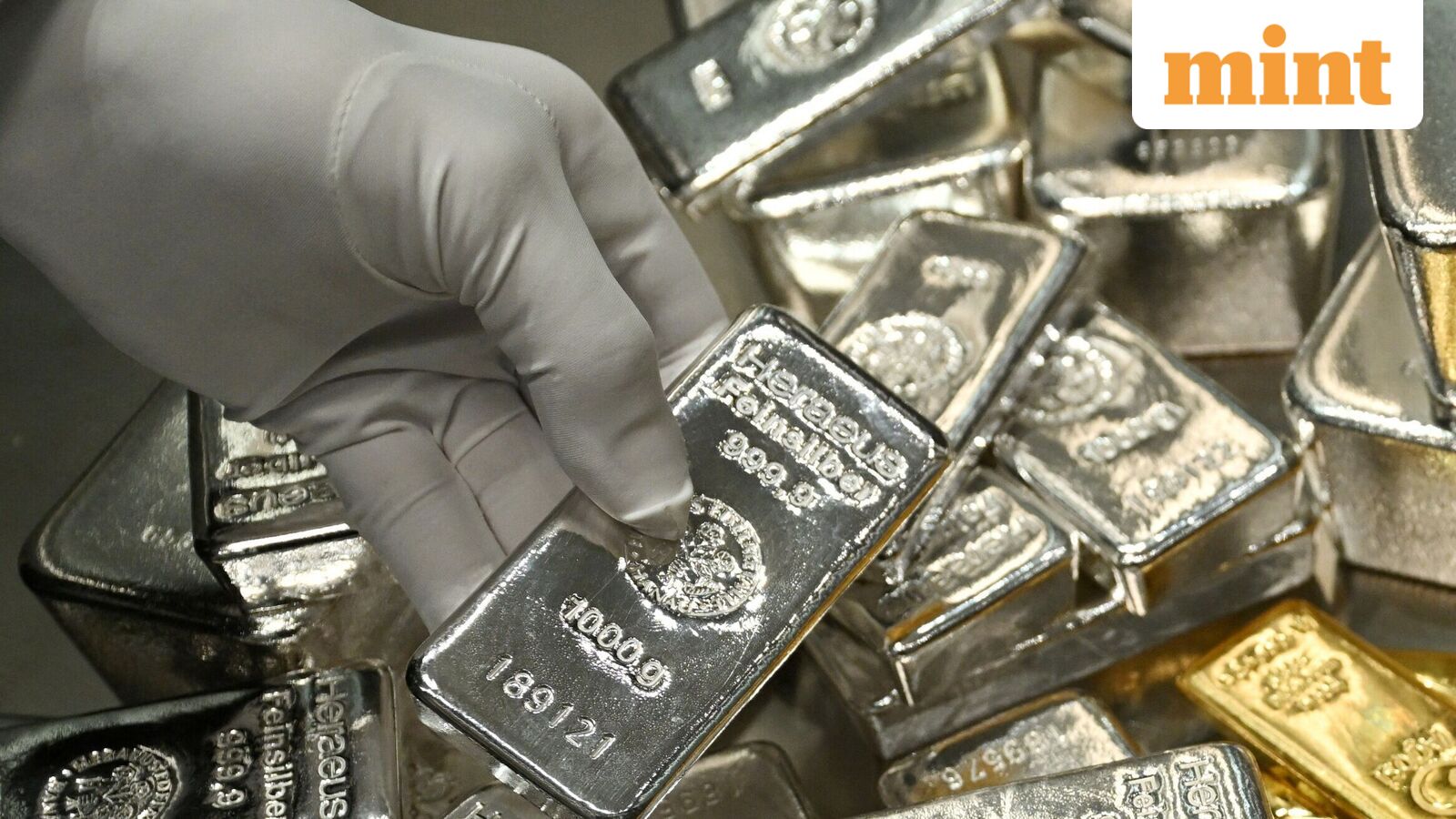
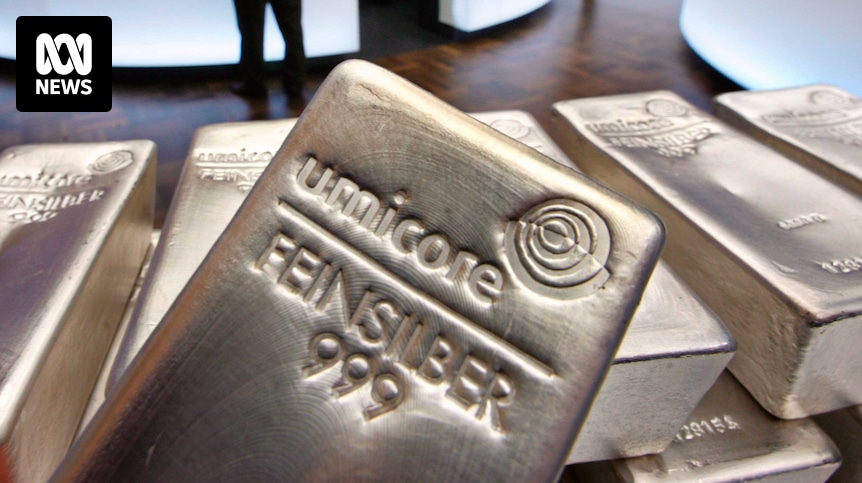
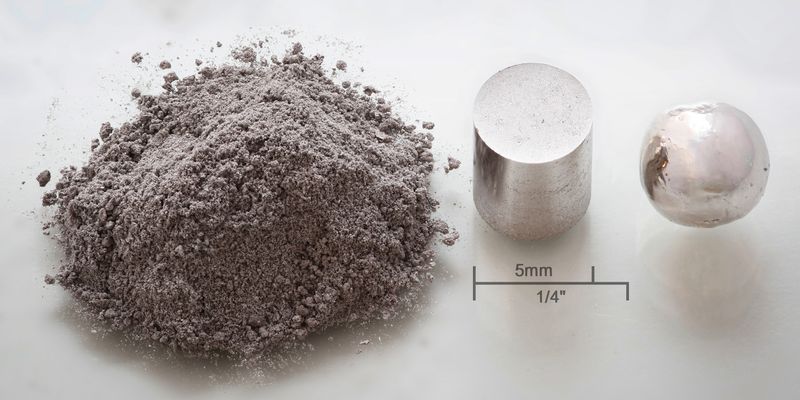
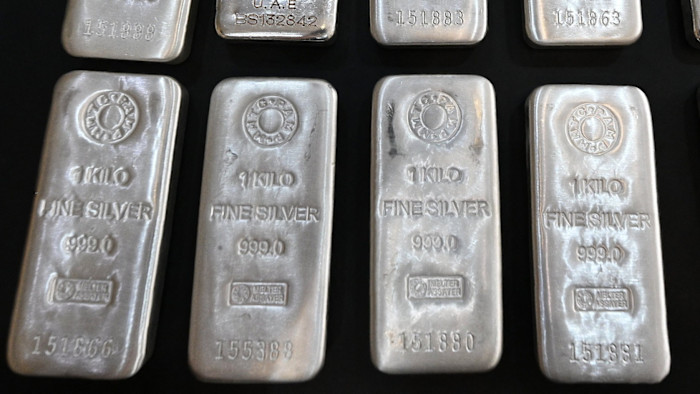
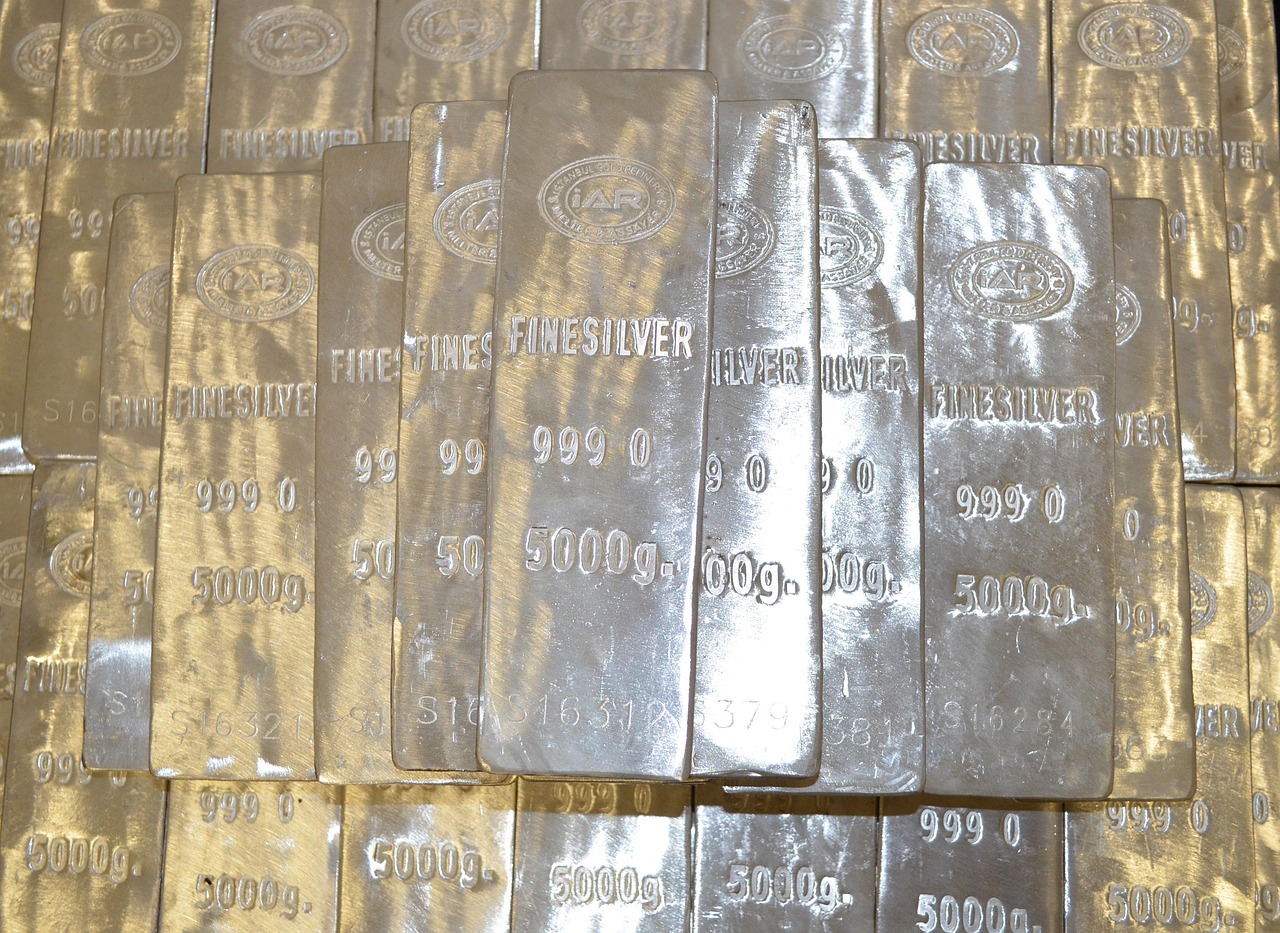
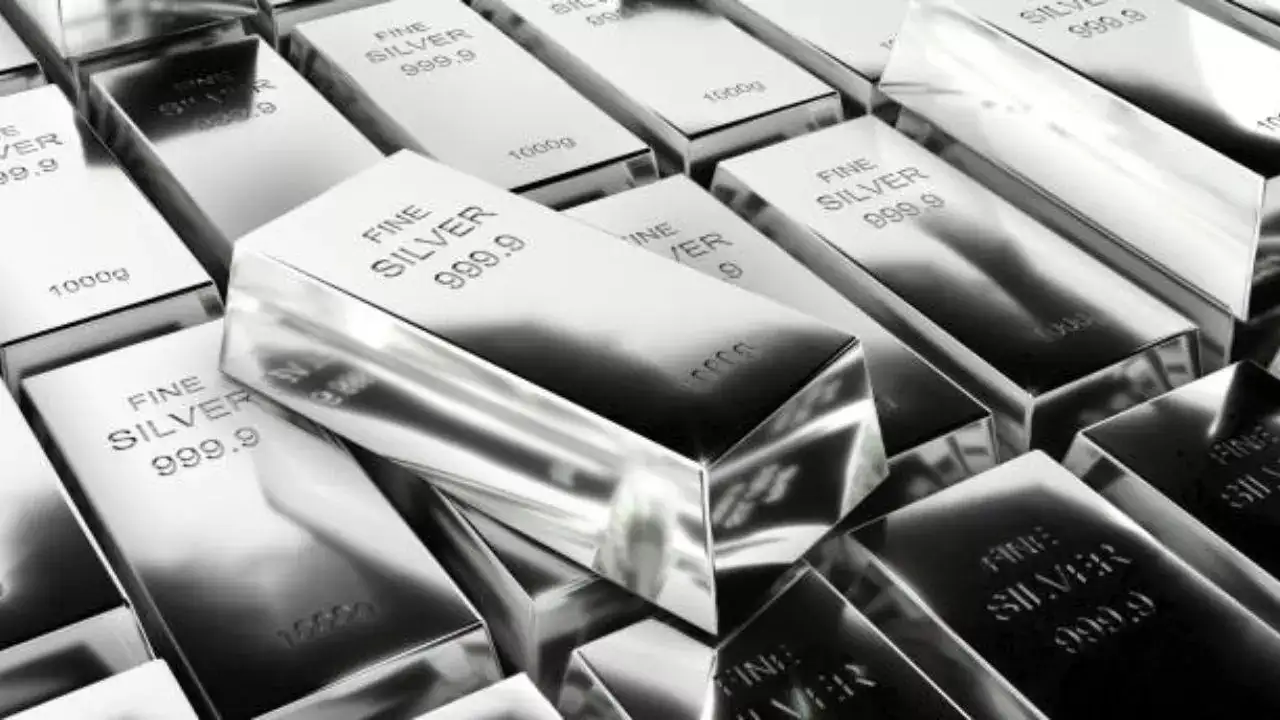
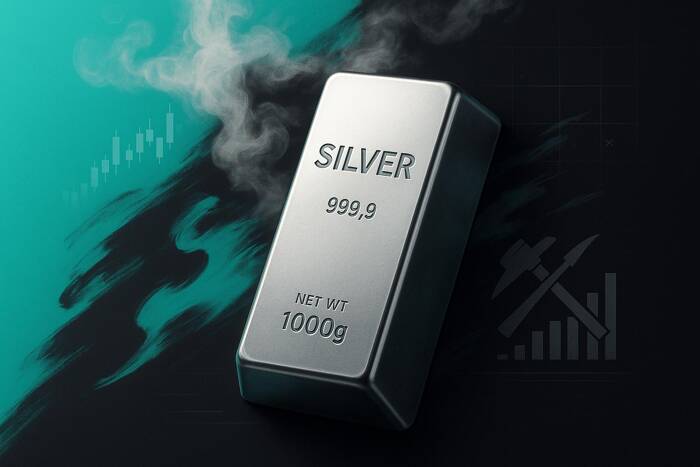
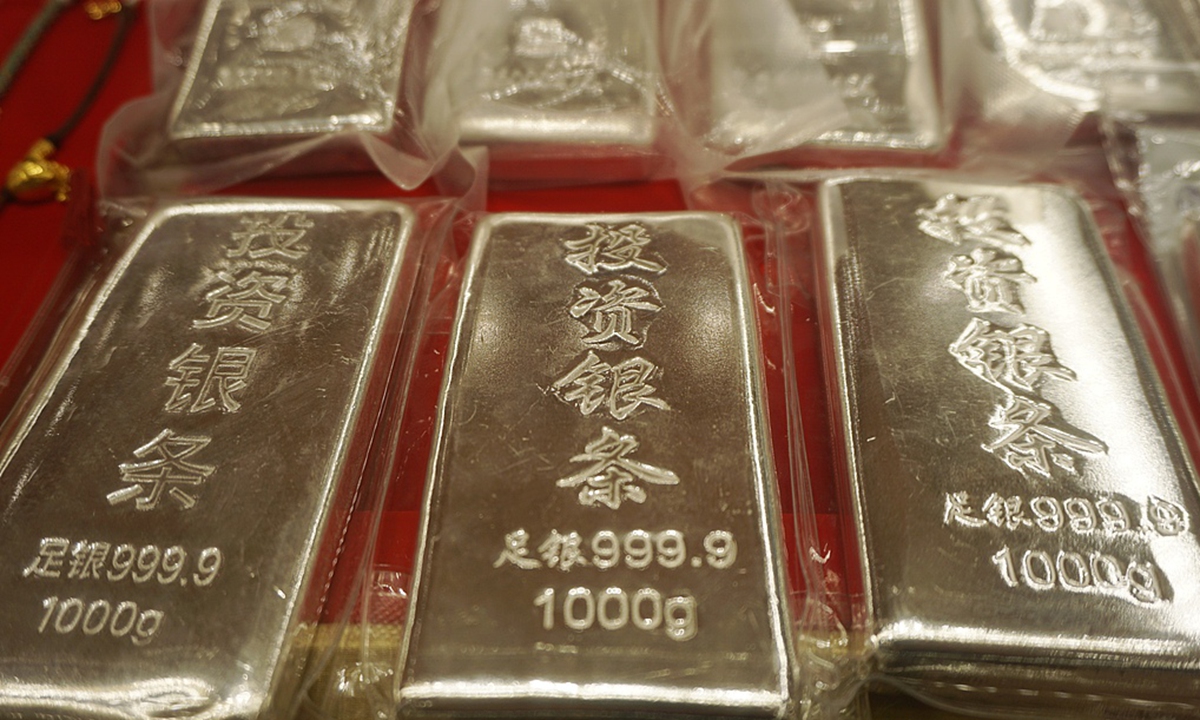
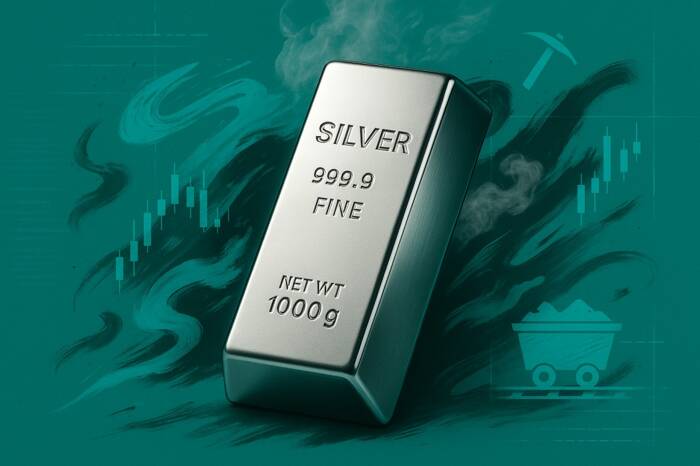
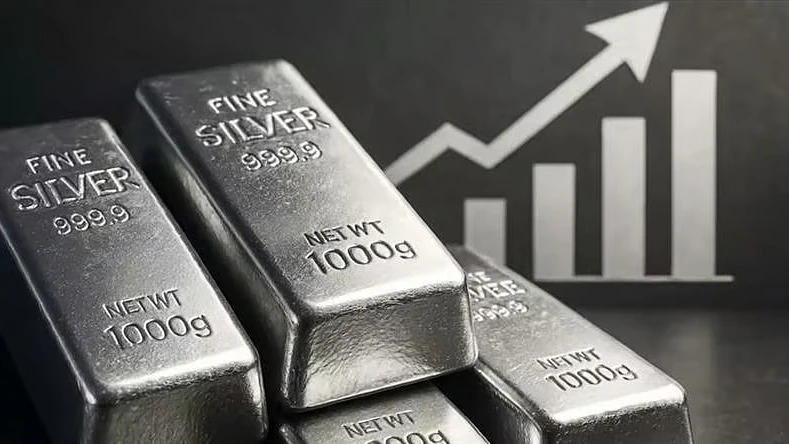
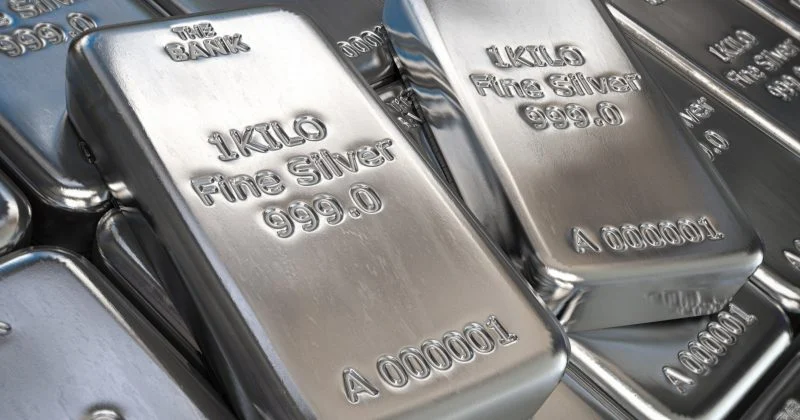
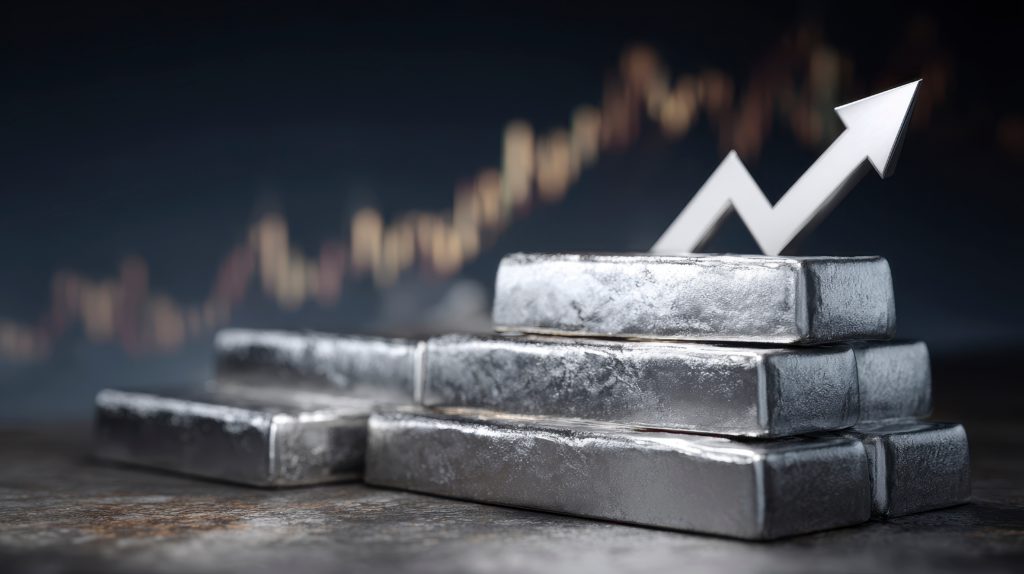
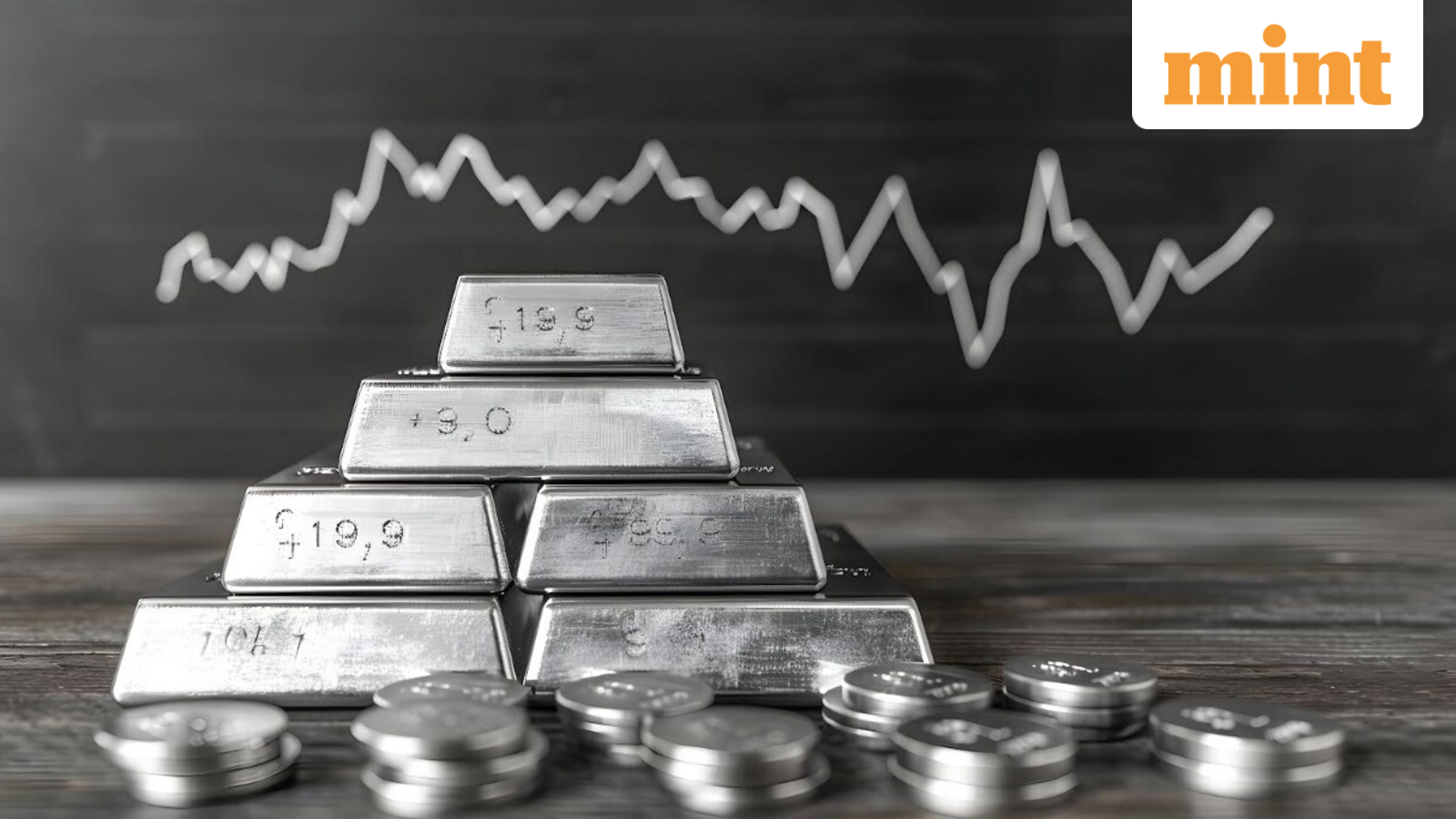
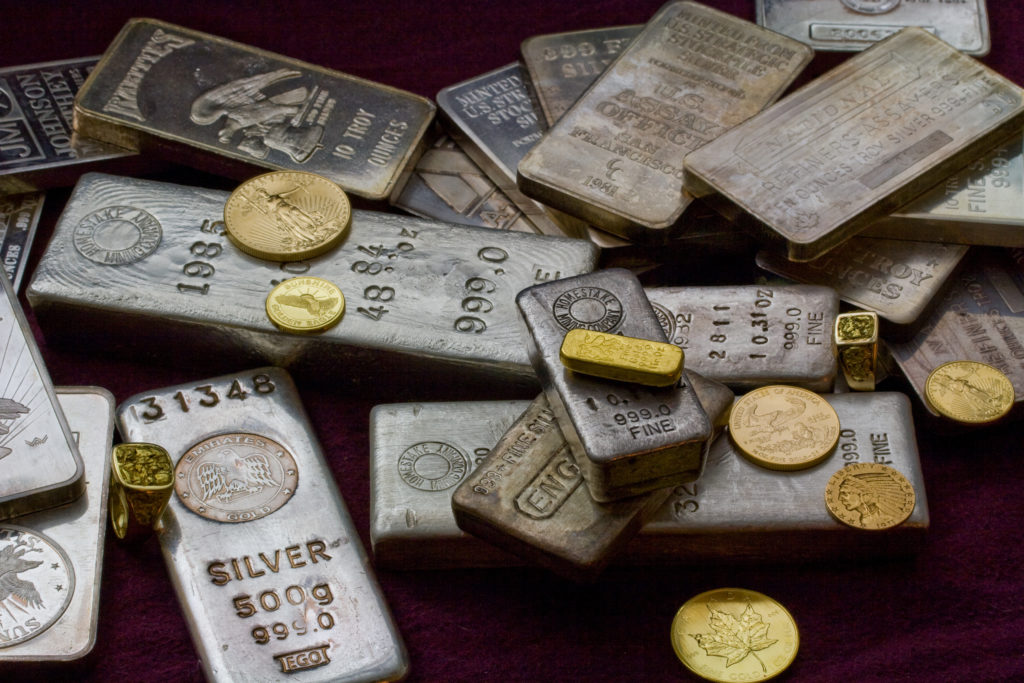
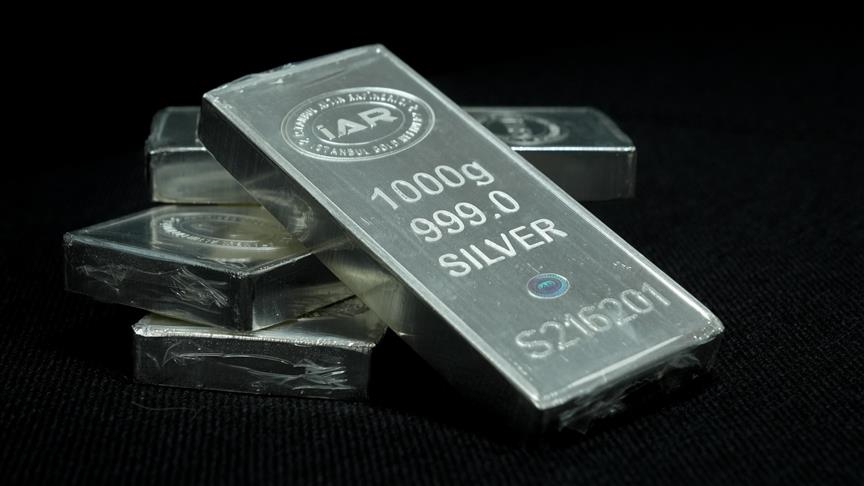
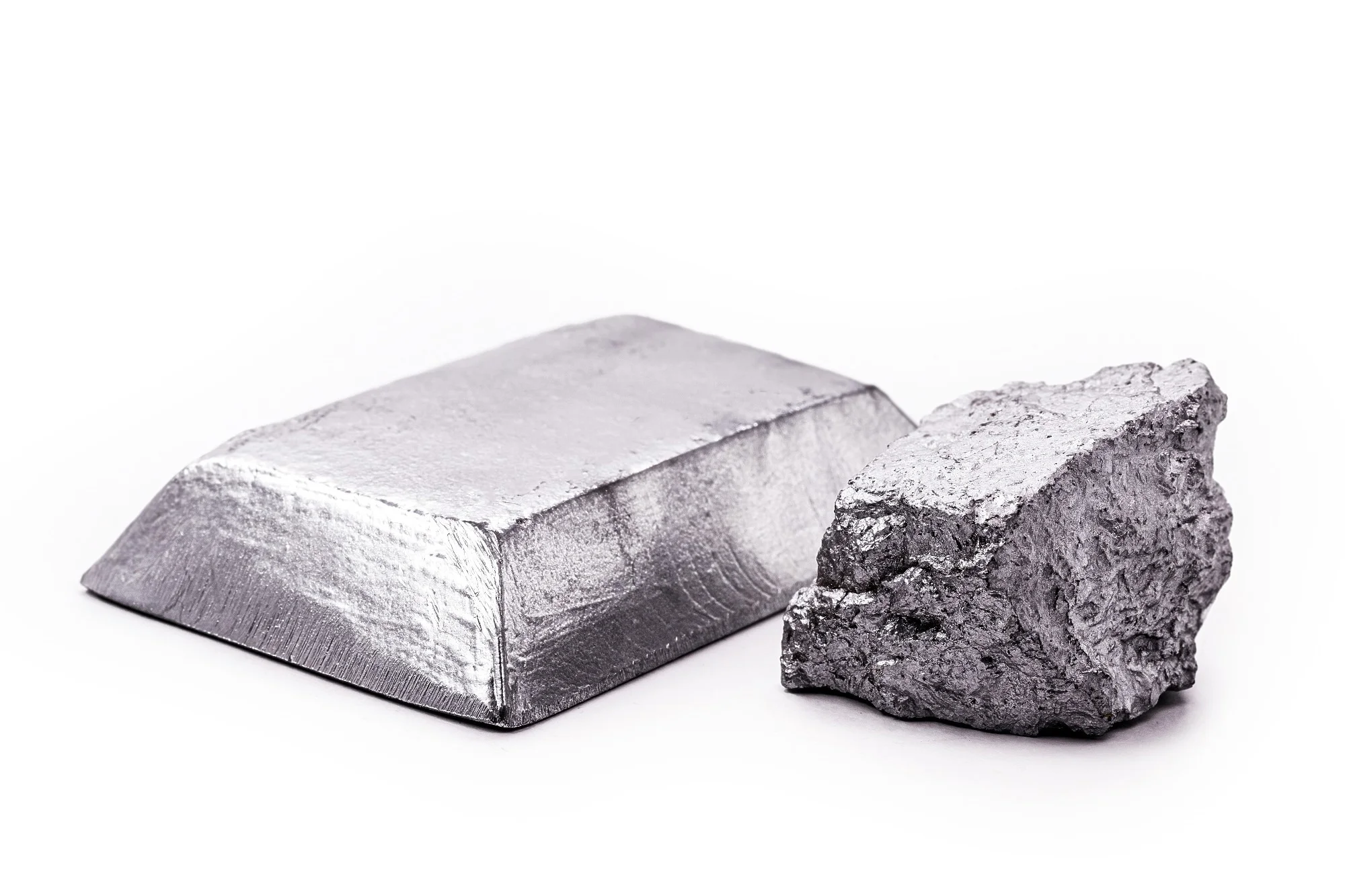
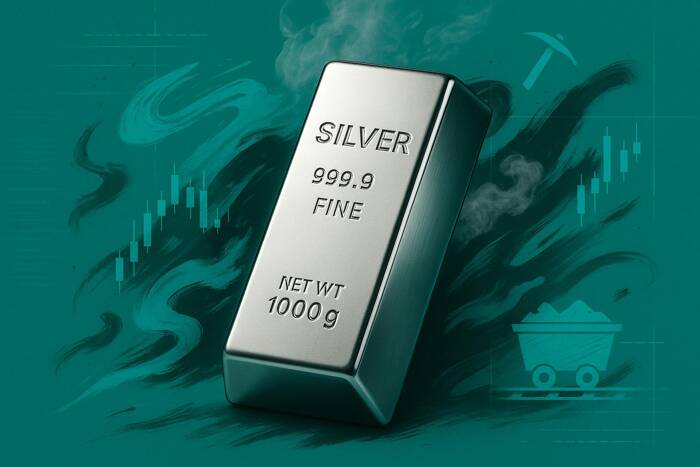
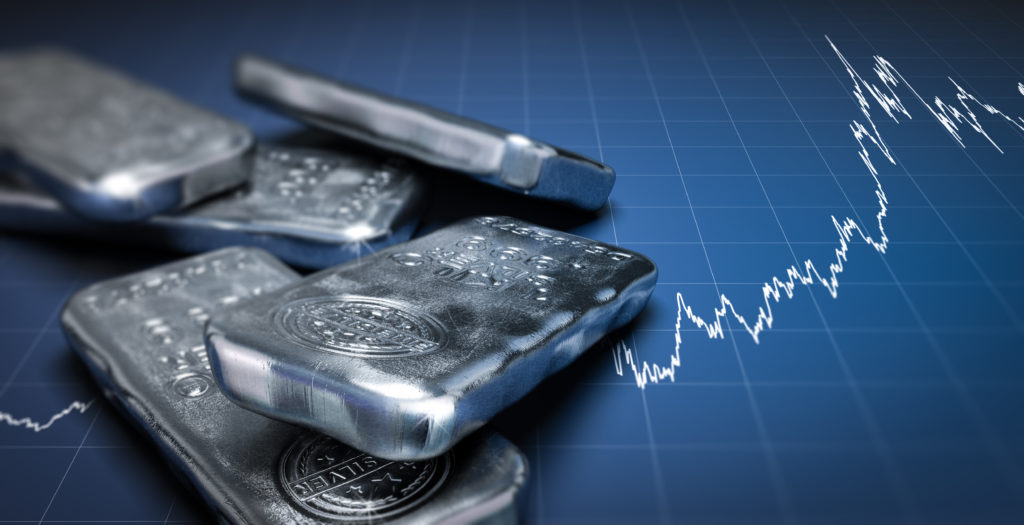
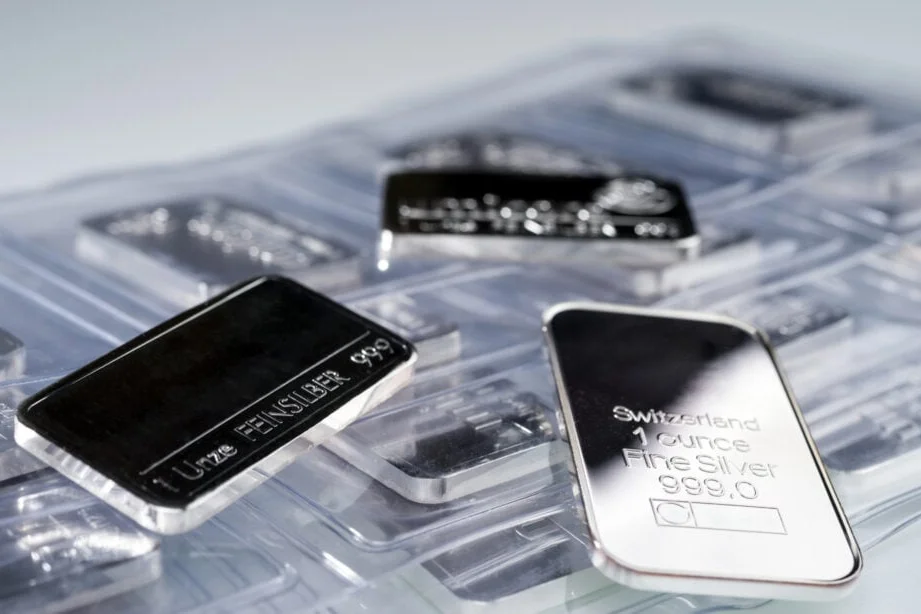
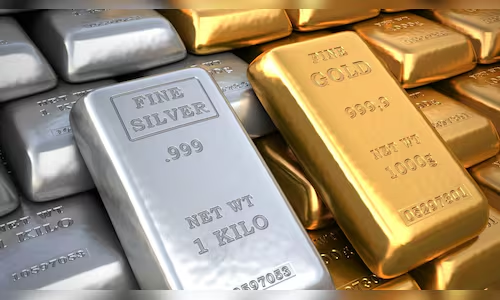
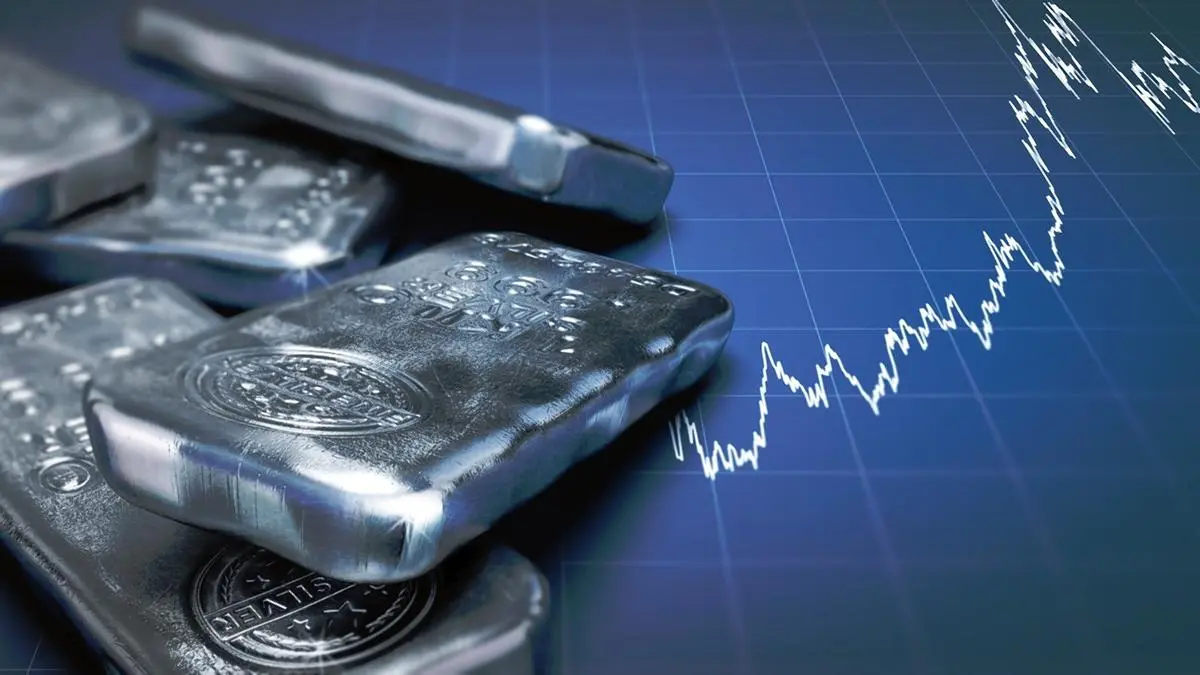
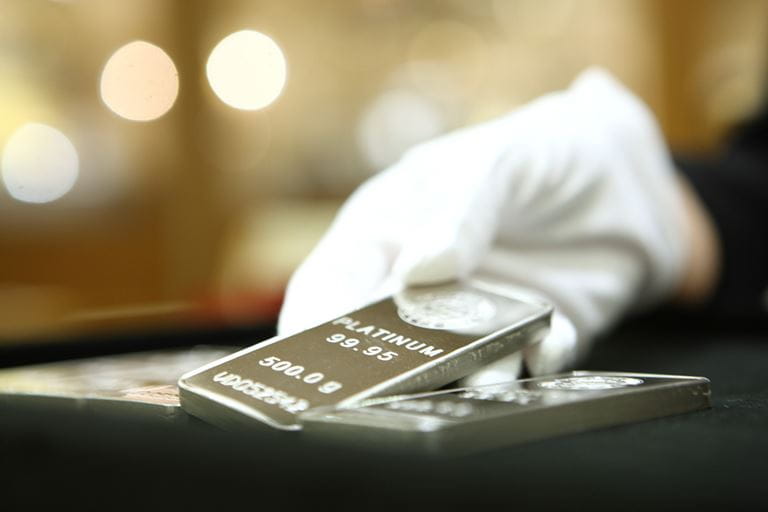
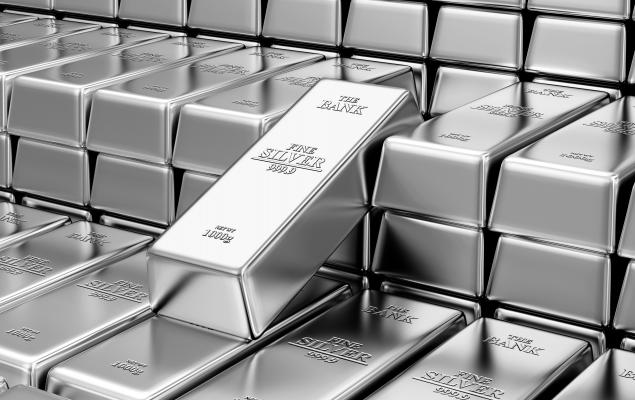
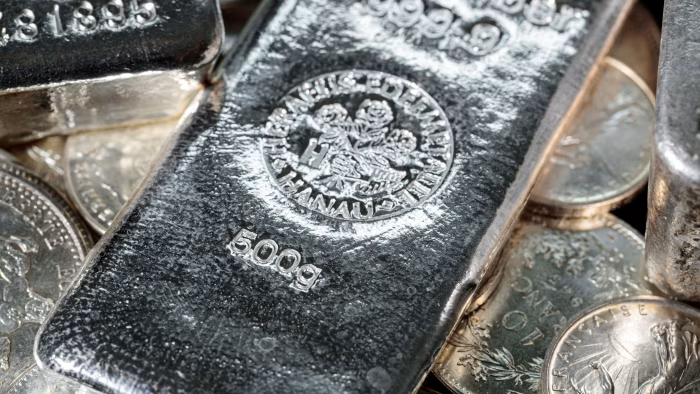
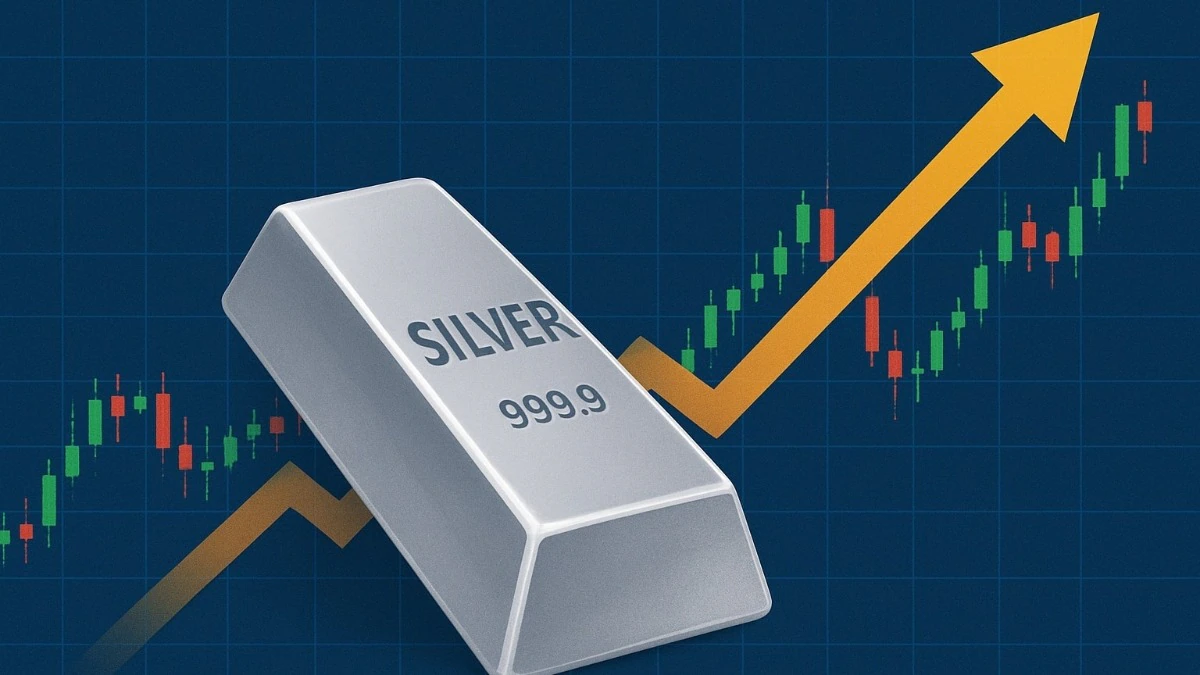
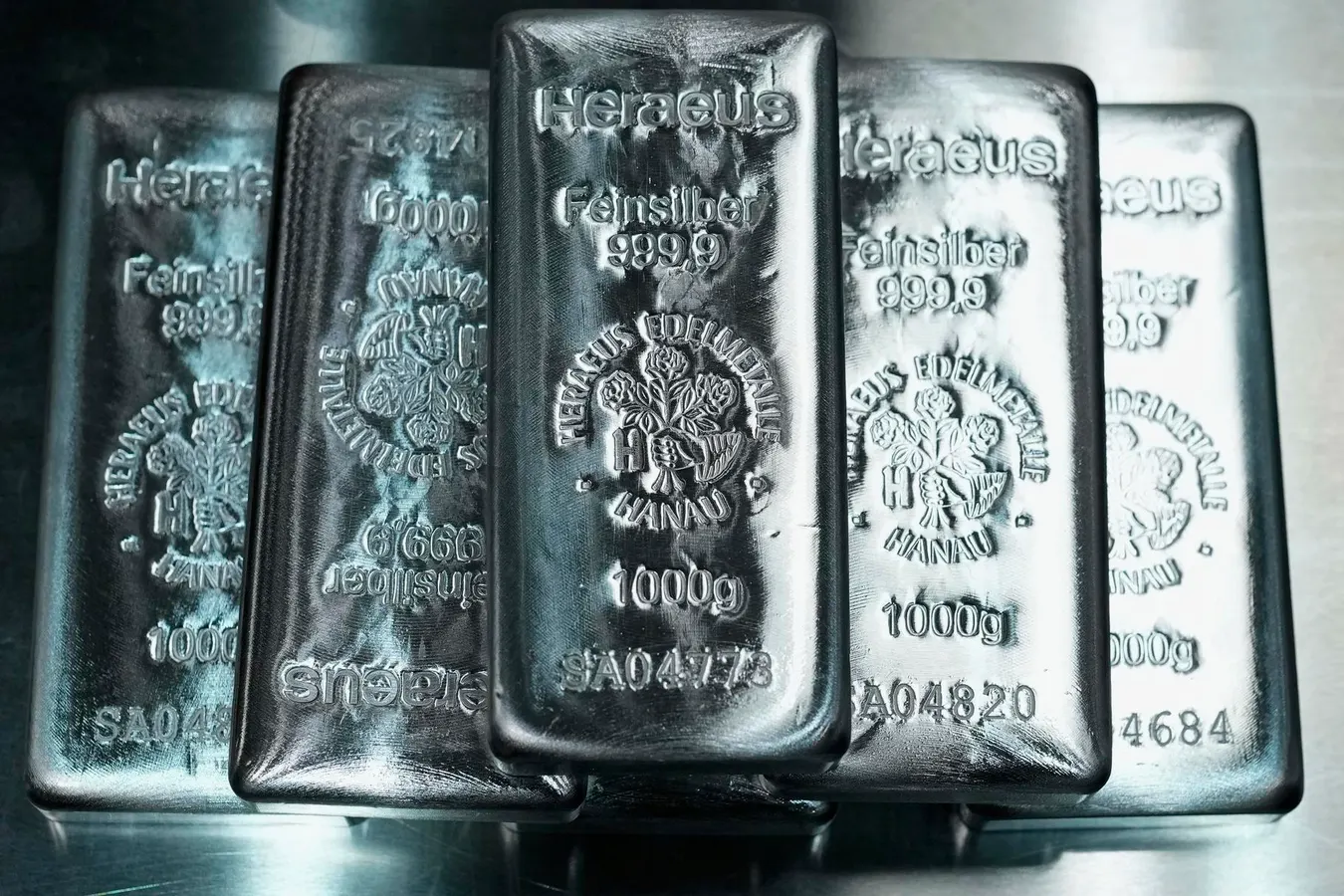
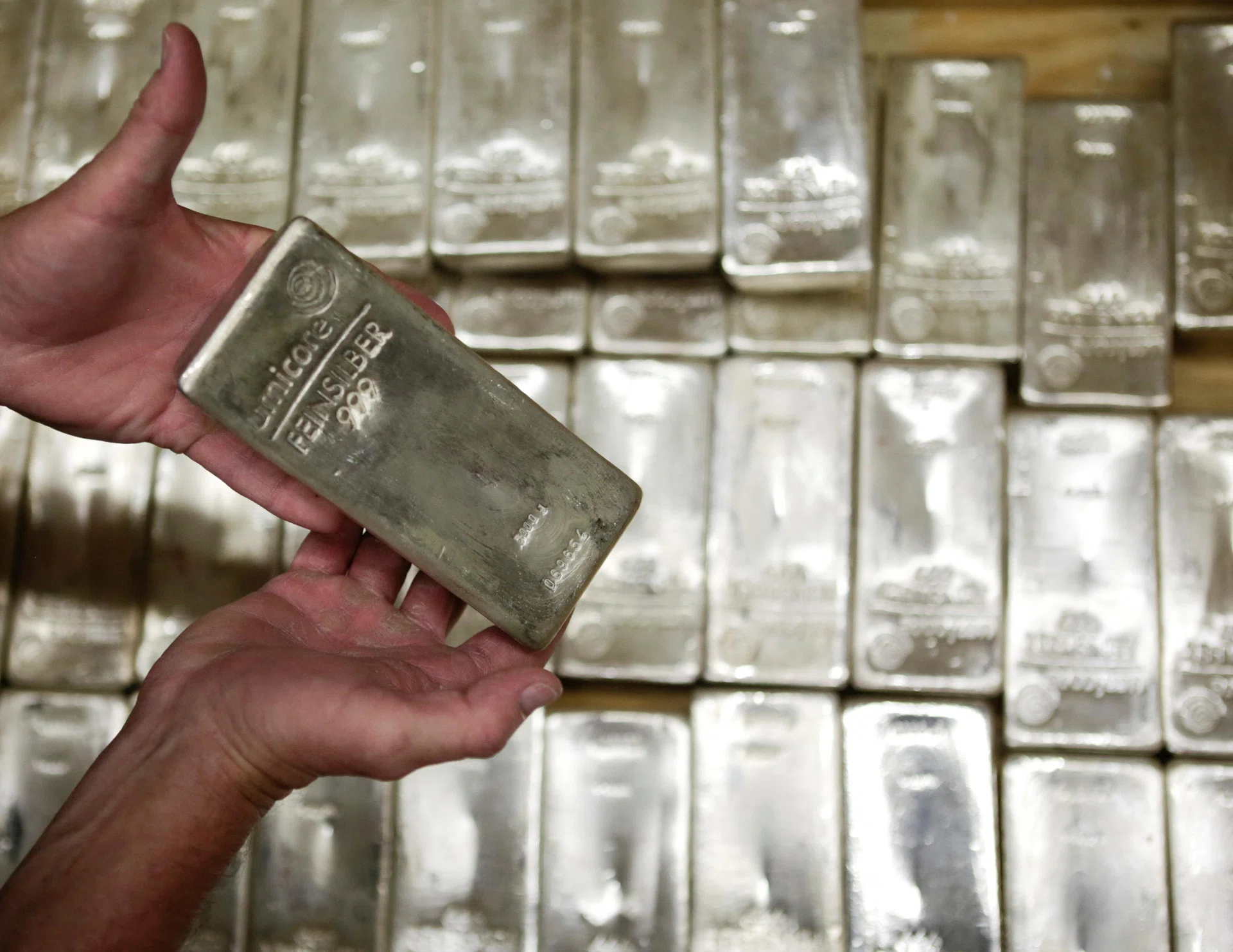
If gold’s story is about US interest rates, silver’s story is about Chinese demand. Barratt flagged a sharp jump in silver imports into China — up 62% year-on-year — driven by the country’s heavy reliance on silver as an industrial input.
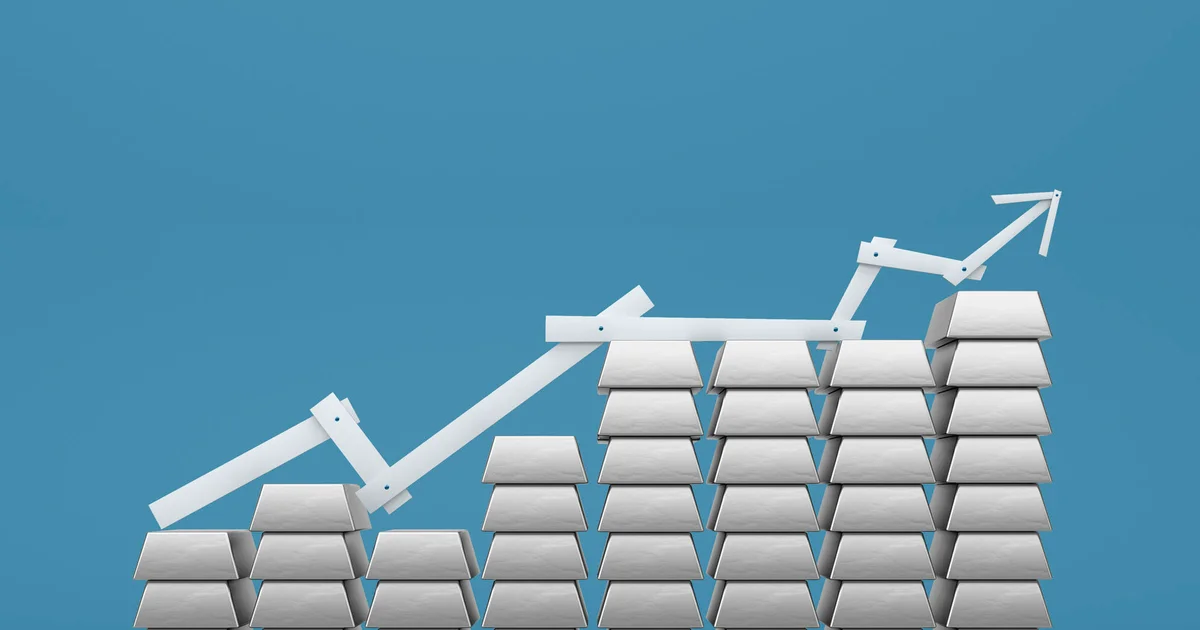
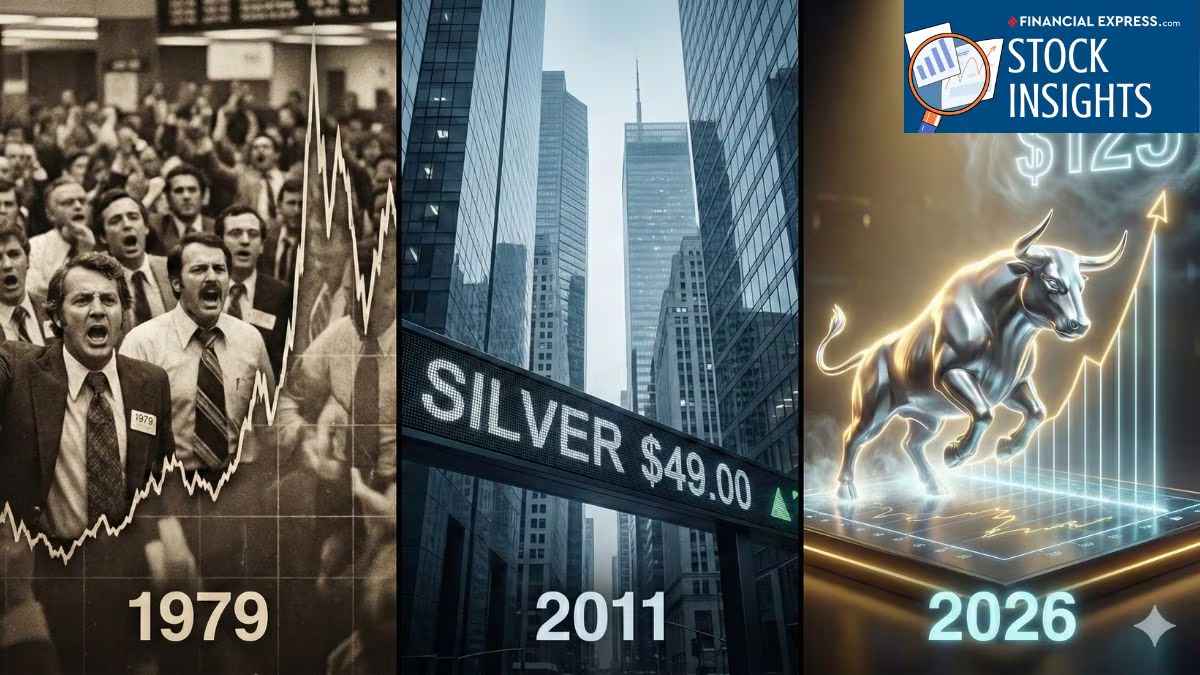
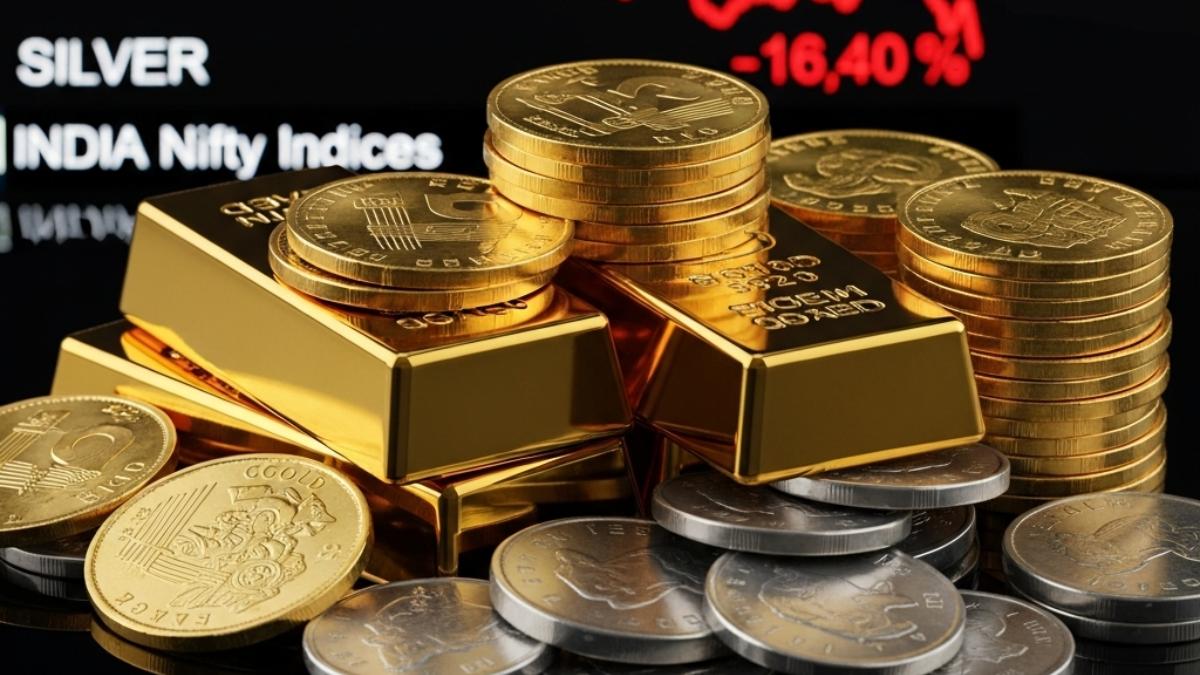
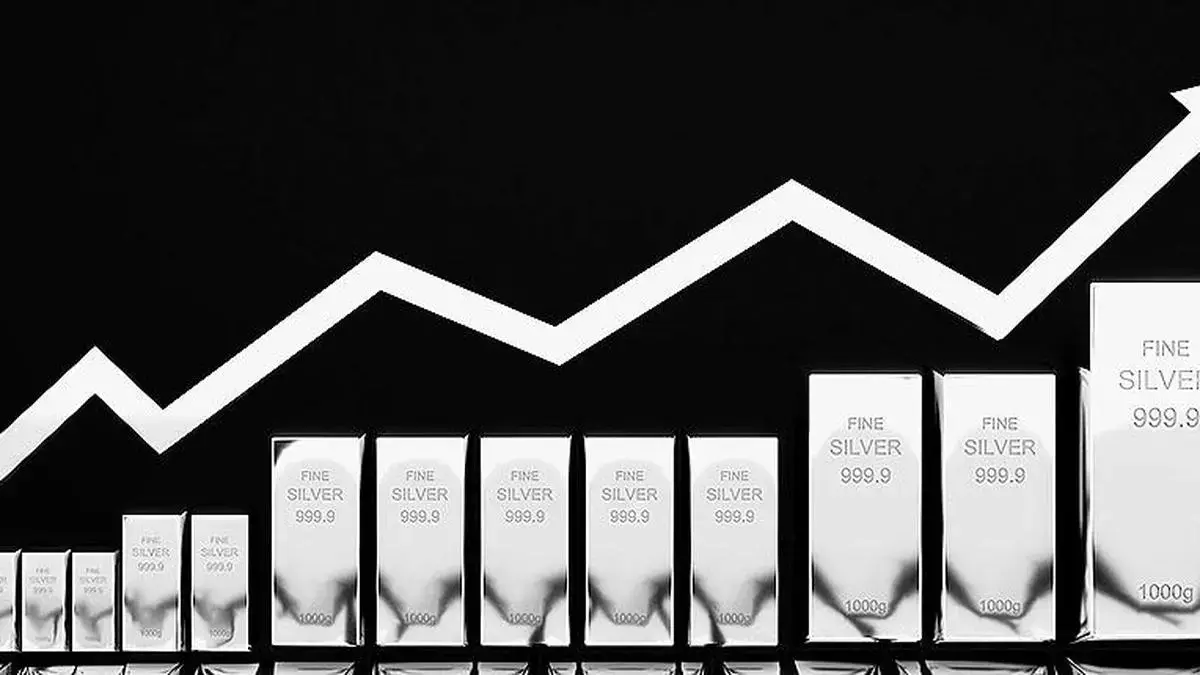
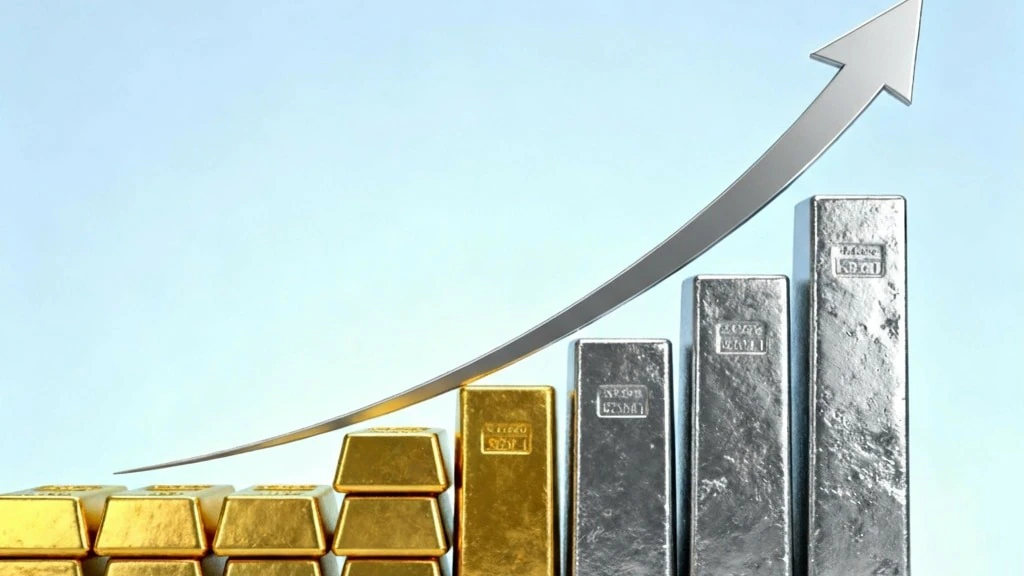
He expects that demand to persist, pulling silver back toward the $100-110 range, with a possible test of $120 if the trend holds.
Barratt expects the US dollar to stay under pressure, partly because a weaker currency helps US exports, and partly because a more dovish Fed stance typically weighs on the dollar. That, in turn, tends to support metal prices, since gold and silver are priced in dollars.
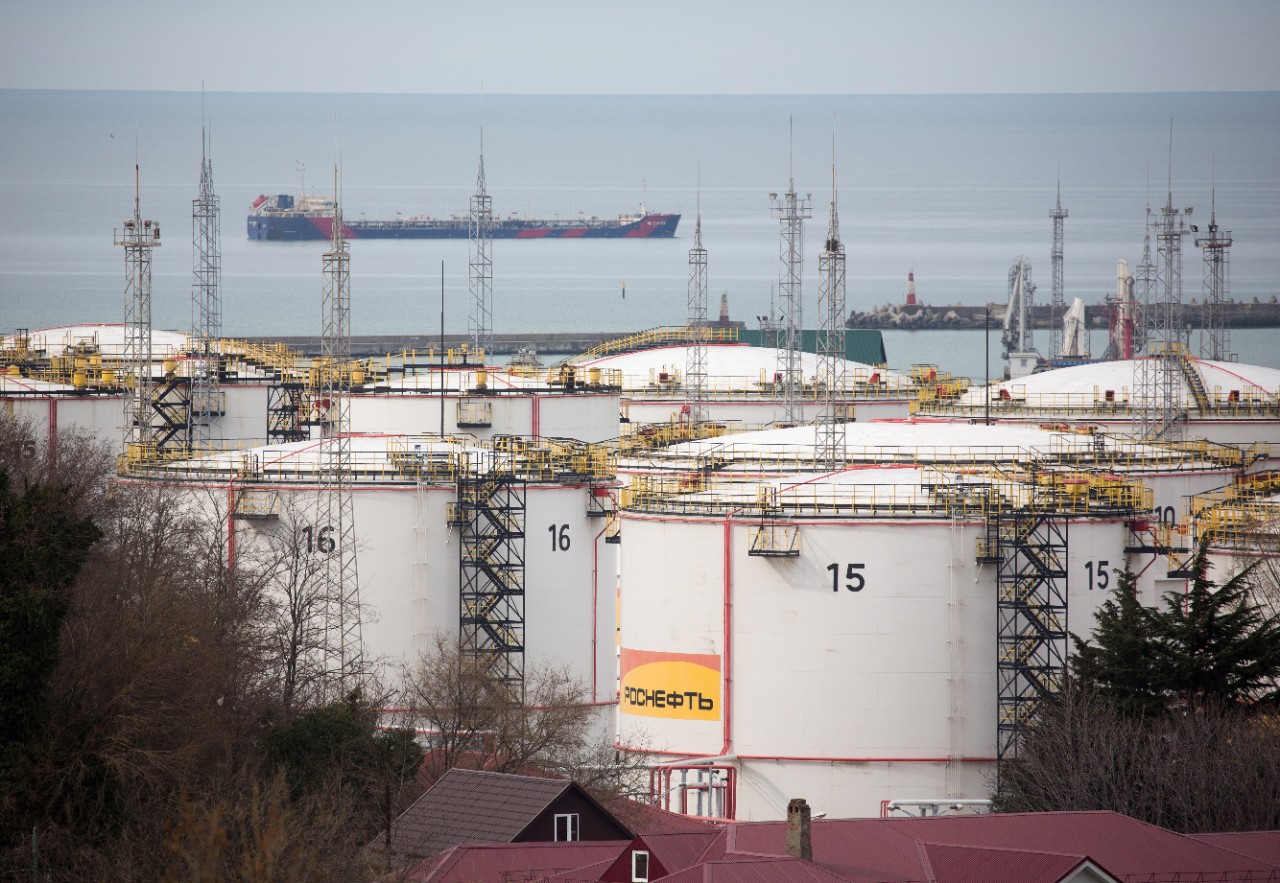
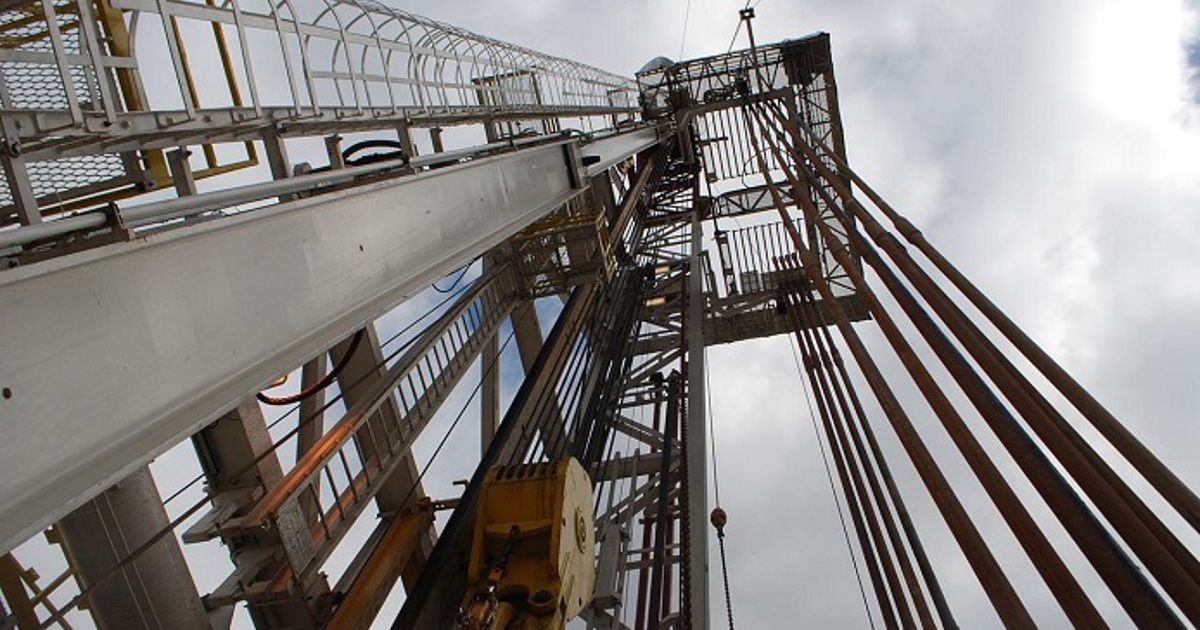
Crude oil, meanwhile, has climbed back toward $90 a barrel after a week of profit-taking. Barratt linked this to lingering uncertainty around Iran and the US, along with tighter shipping through the Strait of Hormuz and continued concerns in the Red Sea. He doesn’t expect oil to run much further past $90, though, warning that sharply higher prices would start to hurt the broader economy.
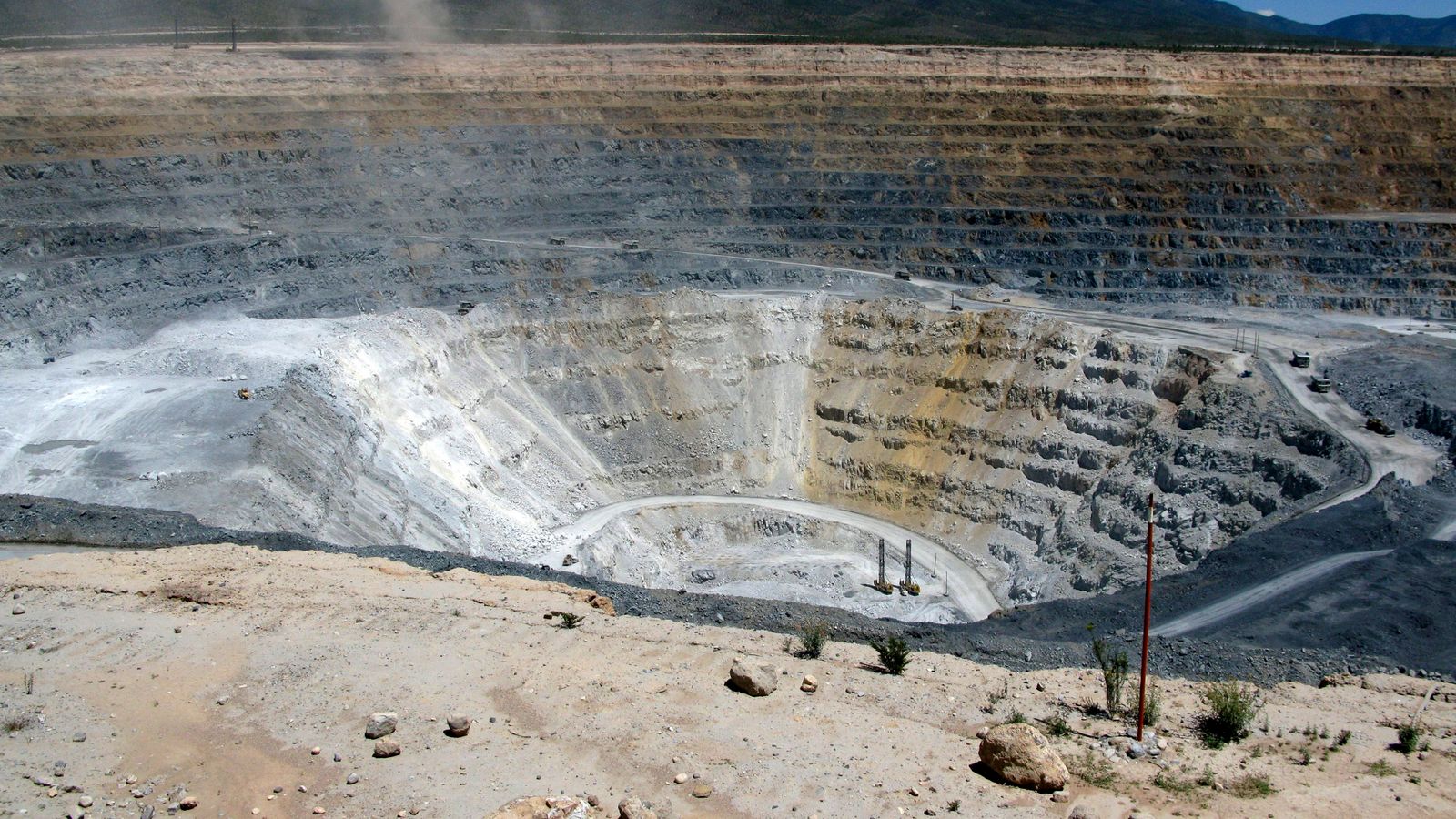
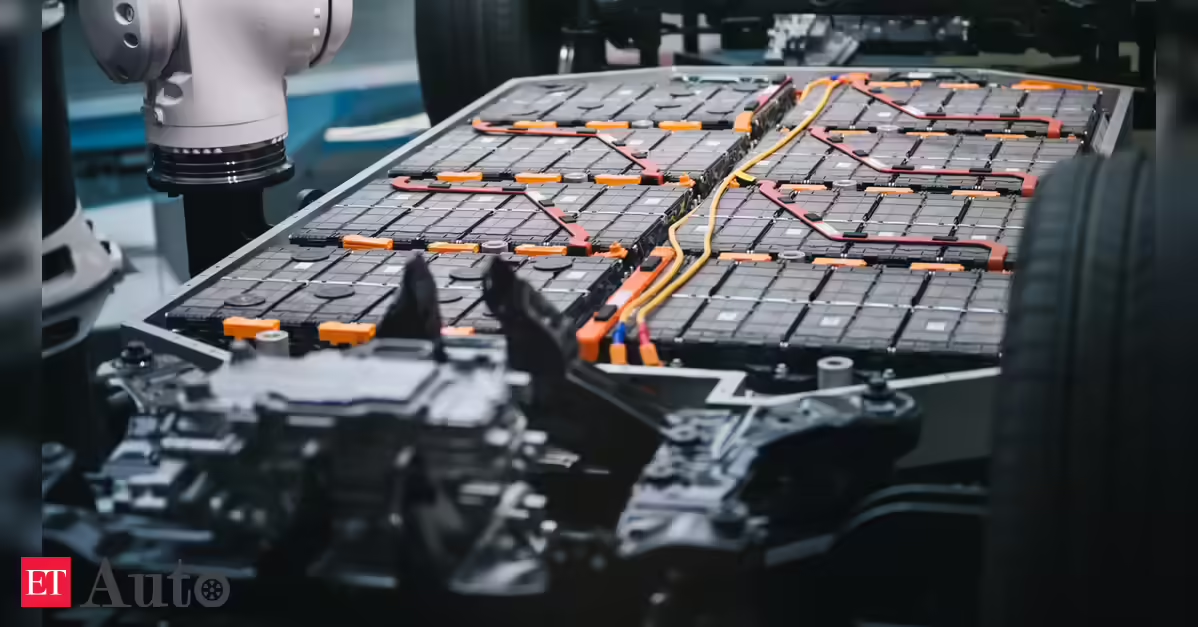
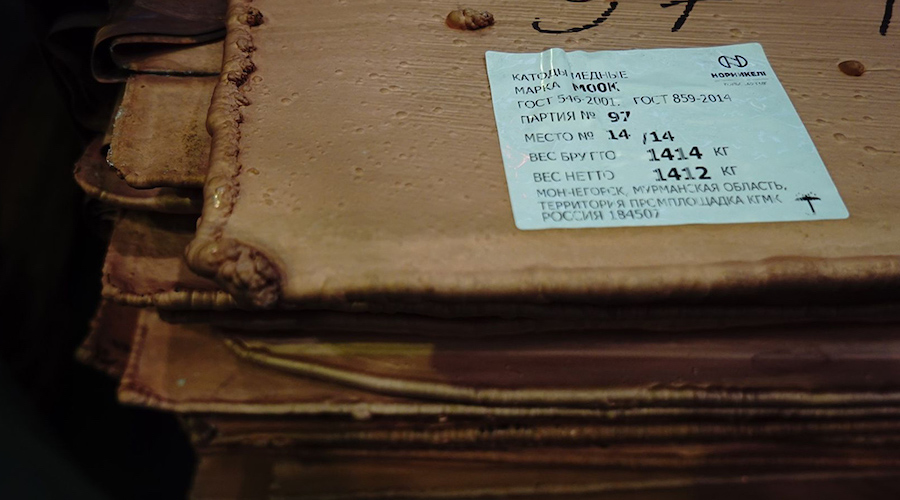
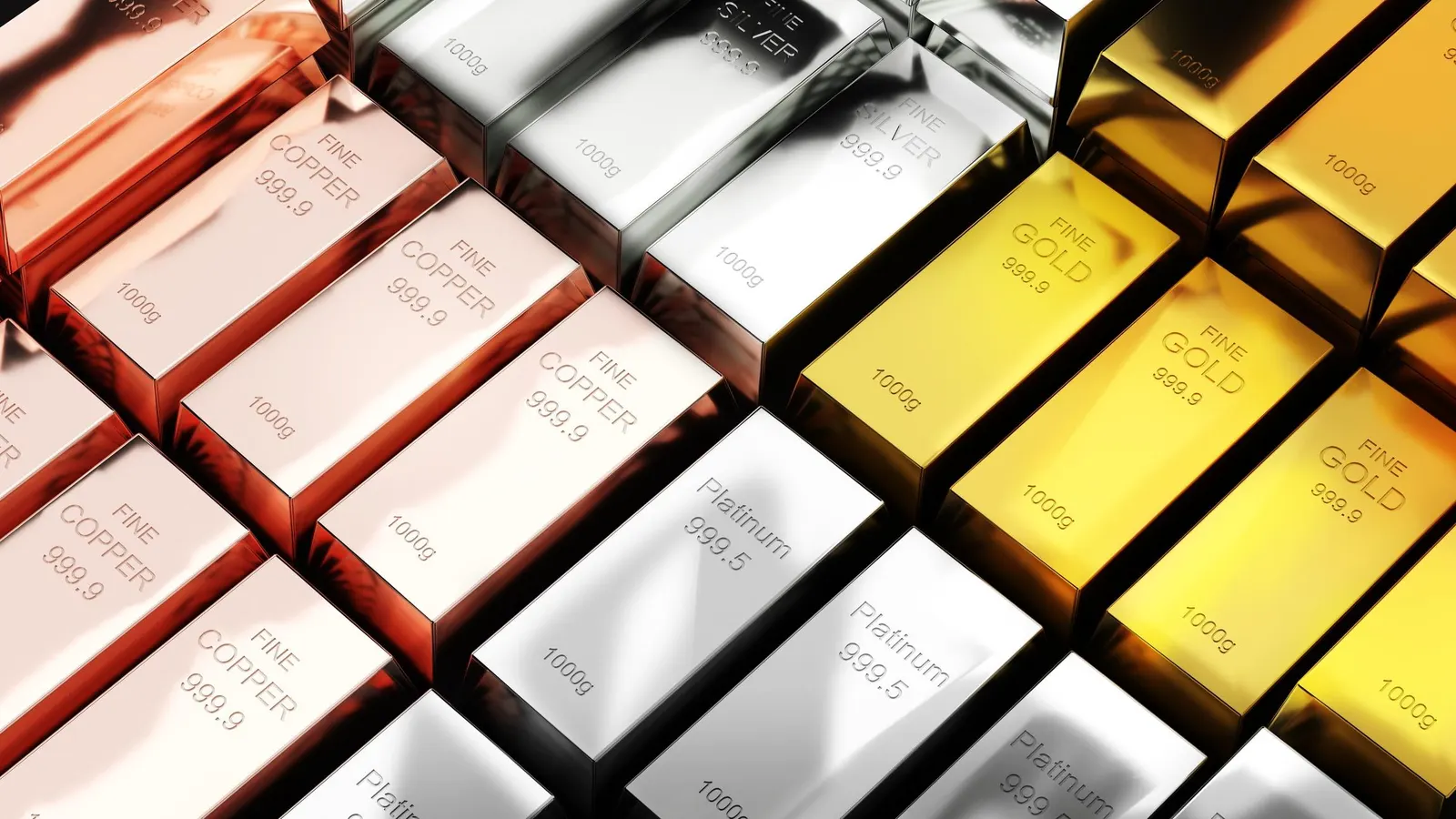
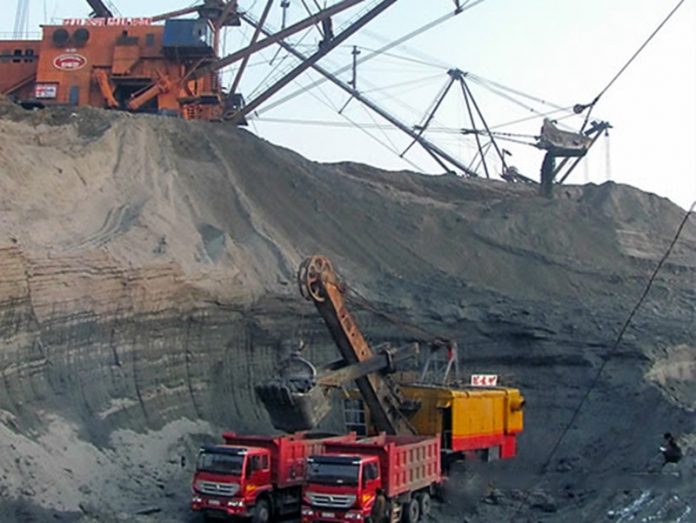
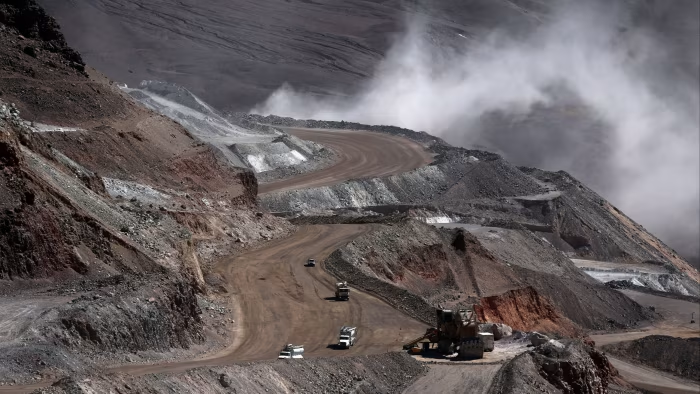
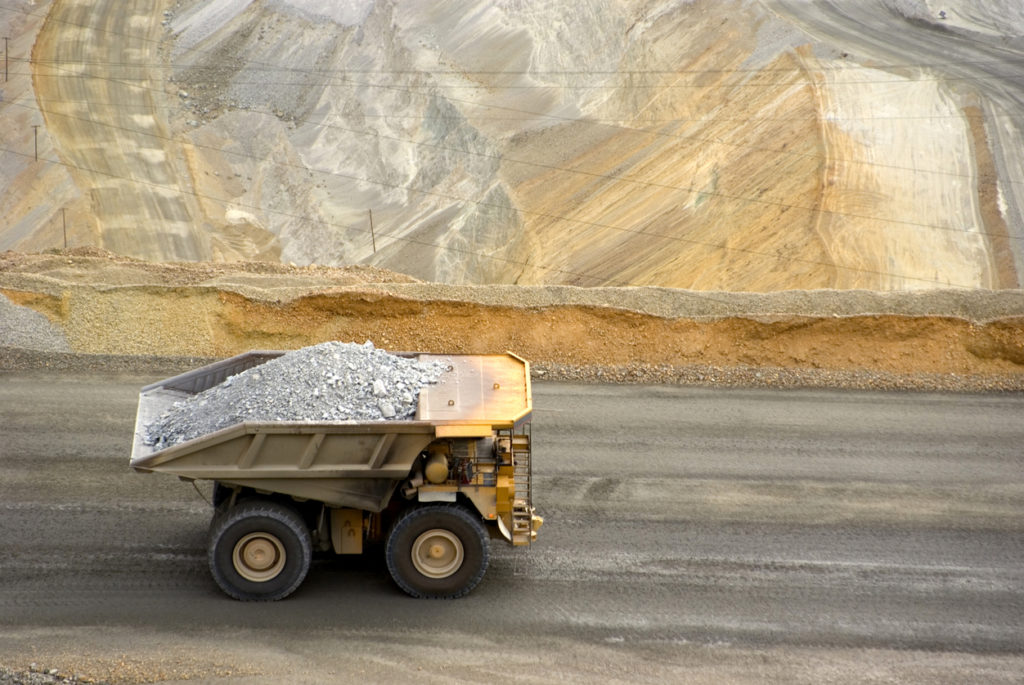
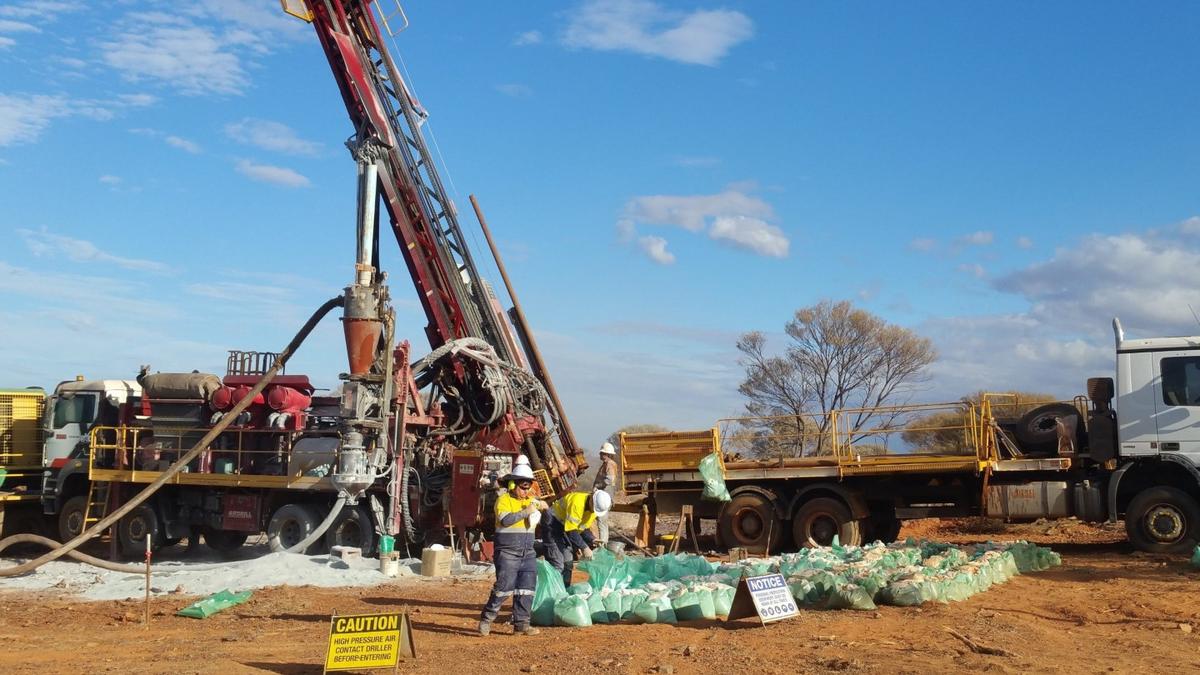
Copper hit an all-time high last week and has eased only slightly since. Barratt sees this as part of a longer-running supply squeeze, worsened by mine disruptions and rising demand tied to the shift toward cleaner energy.
Watch accompanying video for more