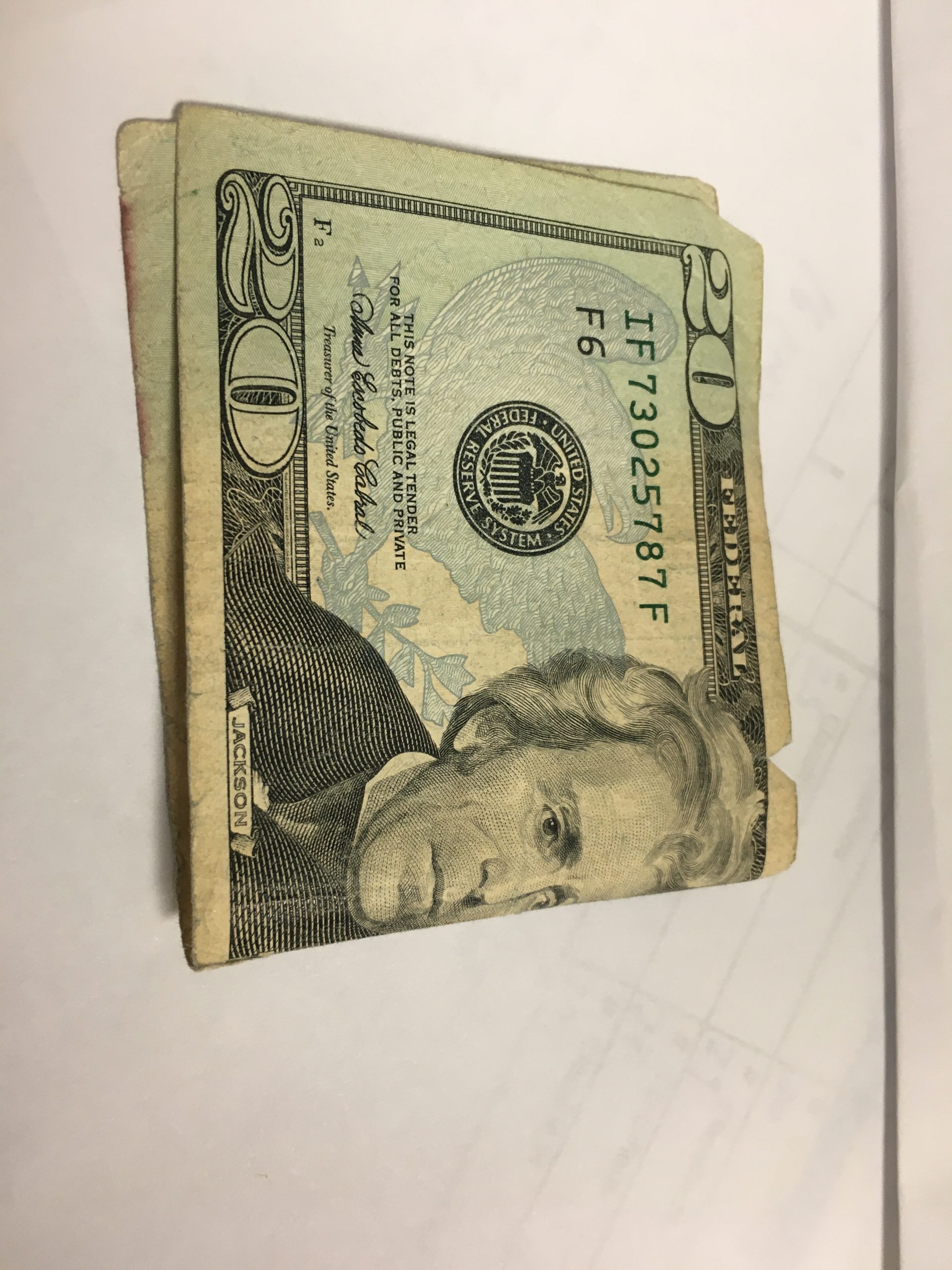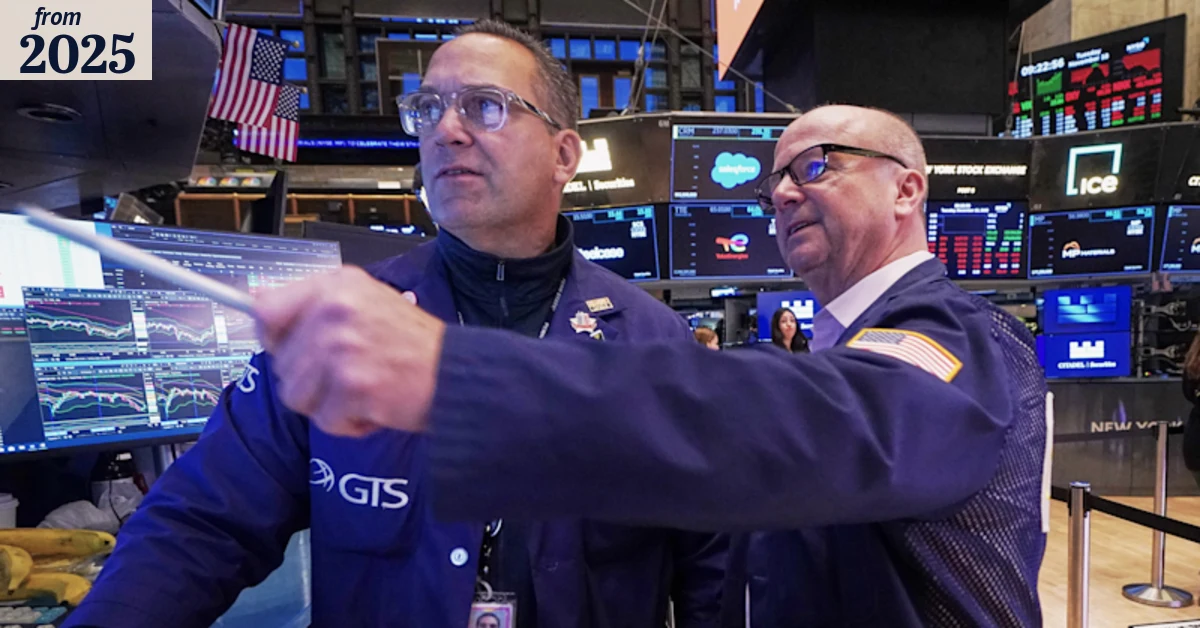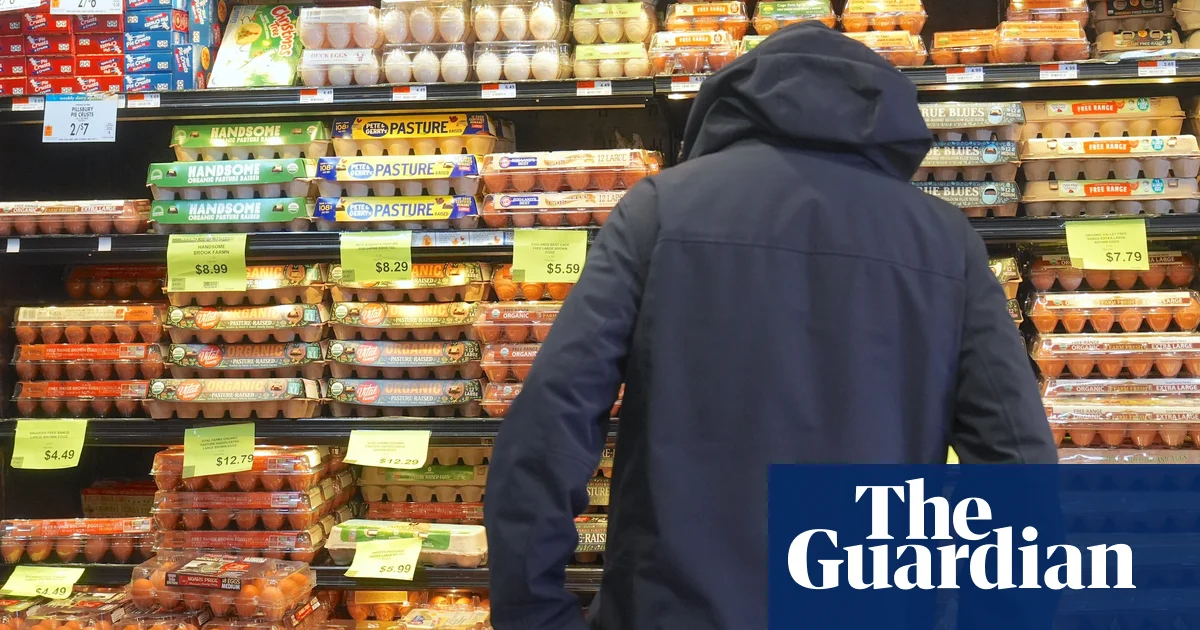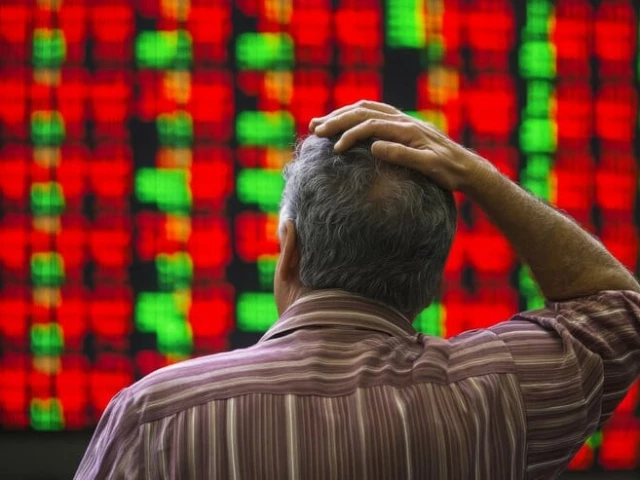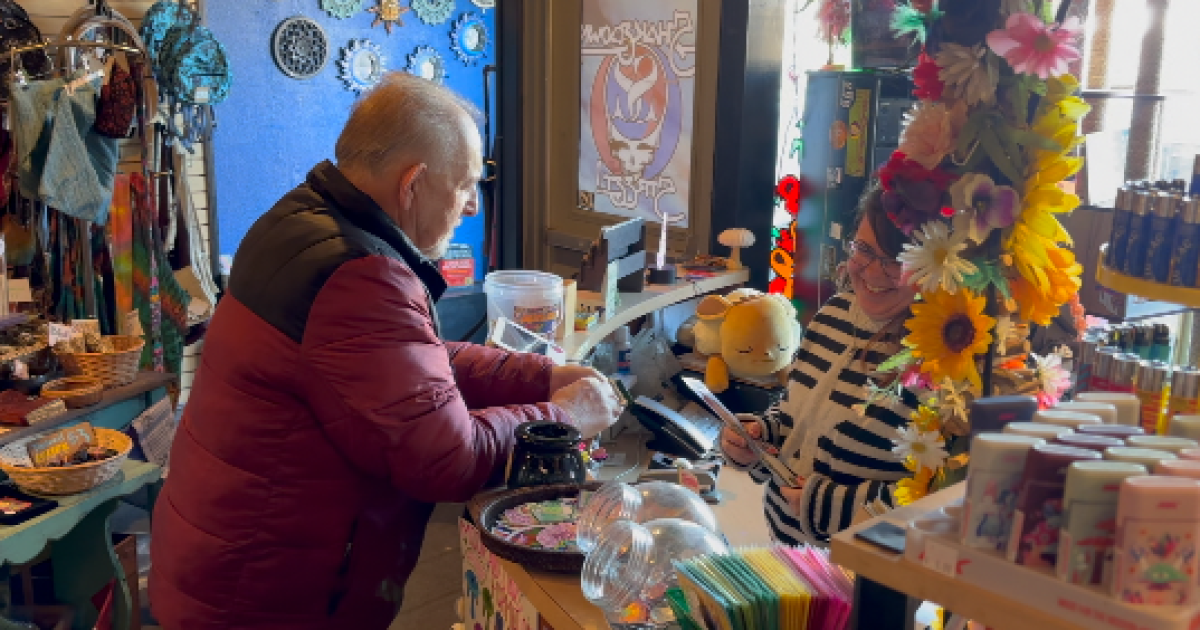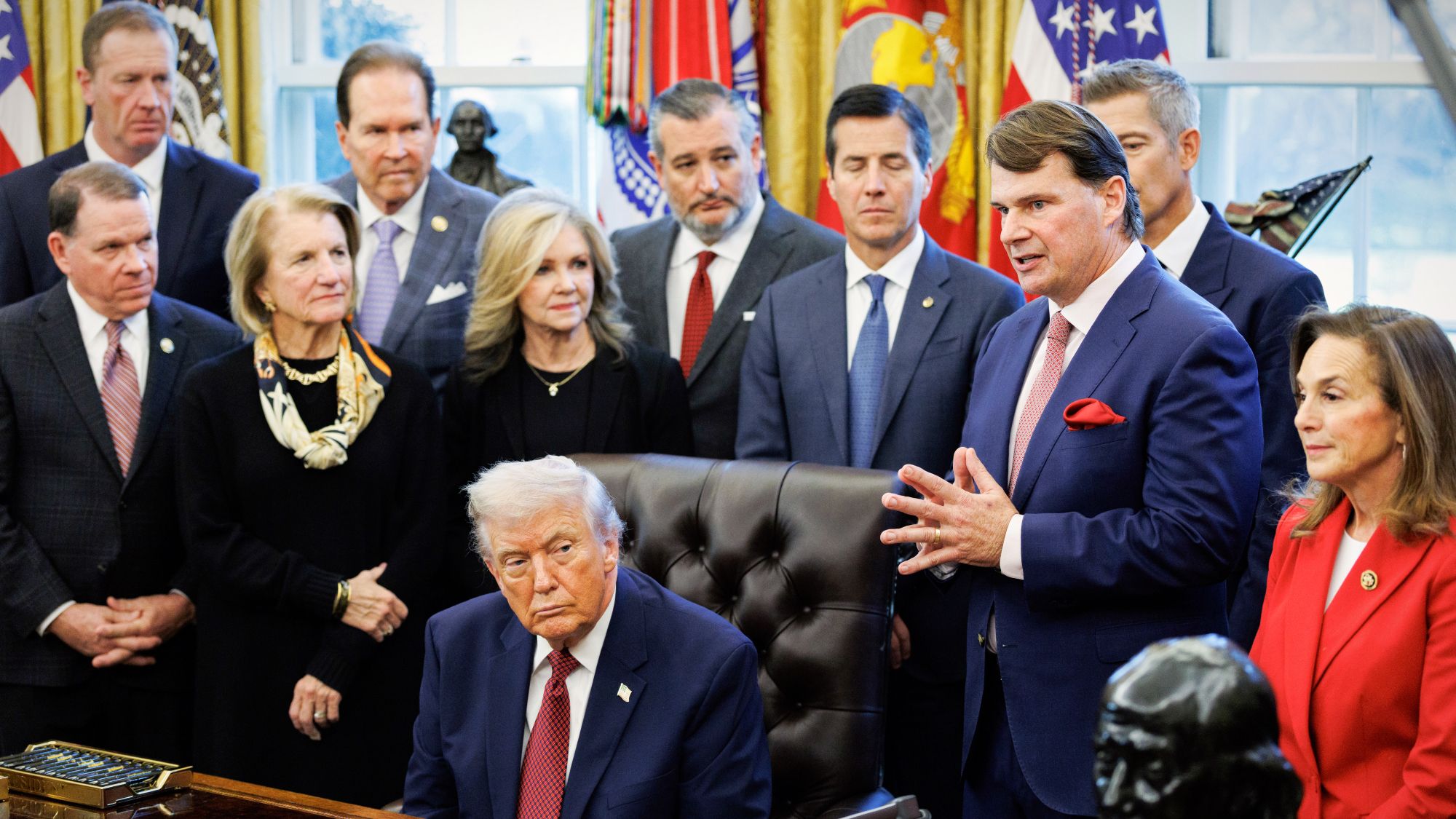

There was a mixed Halloween bag of economic news this week. GDP growth is up, but so are prices. For now at least, interest rates are staying the same. What does that mean for the midterm elections?
Transcript
SACHA PFEIFFER, HOST:
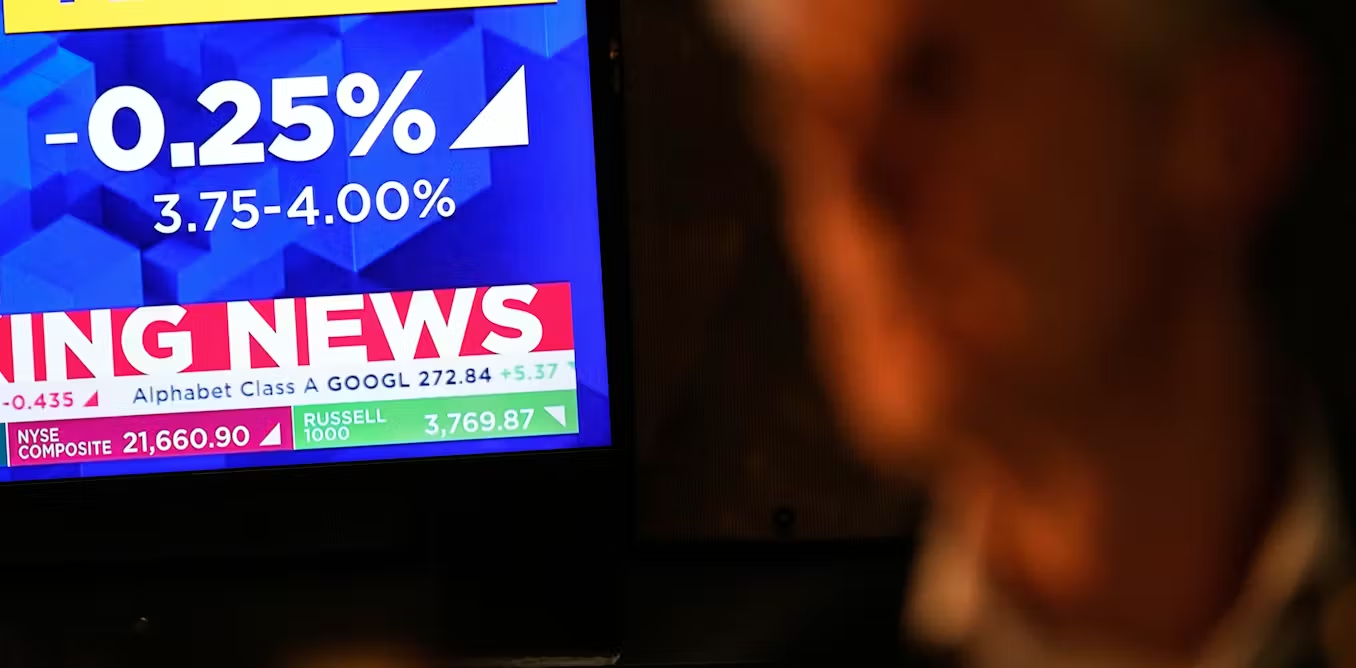
As we just heard, many midterm races are extremely tight. And for voters, the economy has consistently ranked as a top issue driving them to the polls. This week, just days away from Election Day, we got some key economic news. New GDP numbers show the U.S. economy is growing at a healthy clip, but inflation remains stubbornly high. The Federal Reserve met and decided not to raise interest rates, but higher borrowing costs could still be in store by the end of the year. So what does that mean for the midterms? NPR’s Scott Horsley is with us to explain.
SCOTT HORSLEY, BYLINE: Hi. Good to be with you.
PFEIFFER: So affordability, that word we hear over and over and over again. It’s at the top of mind of so many voters. What is the new economic data tell us about that?
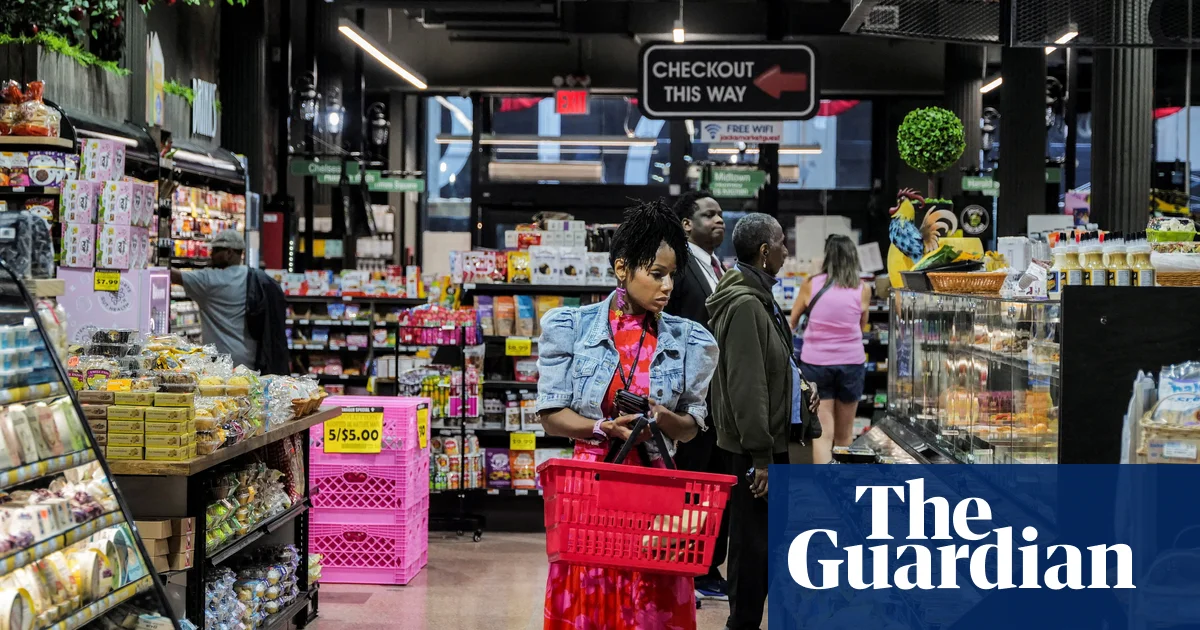
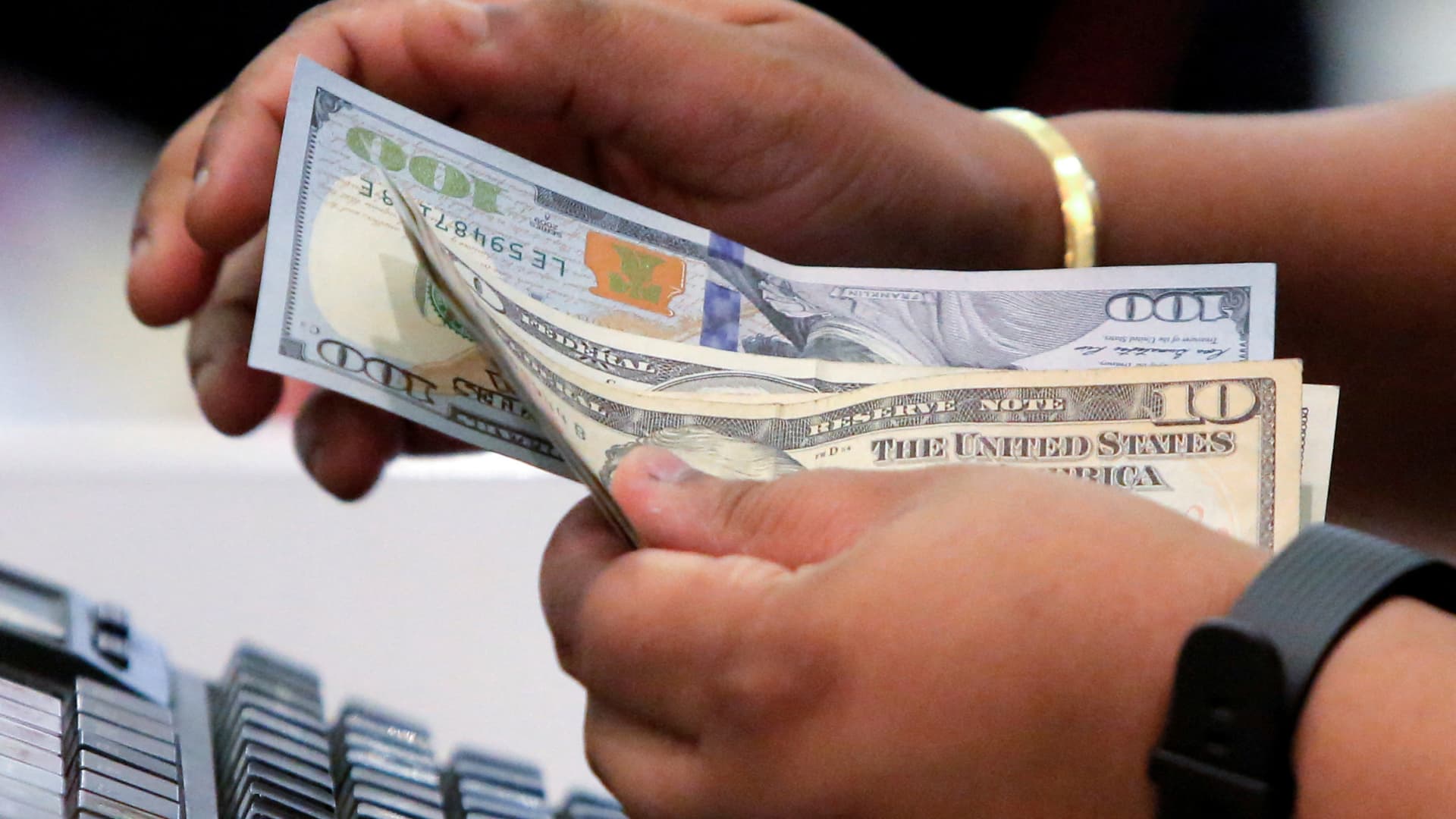
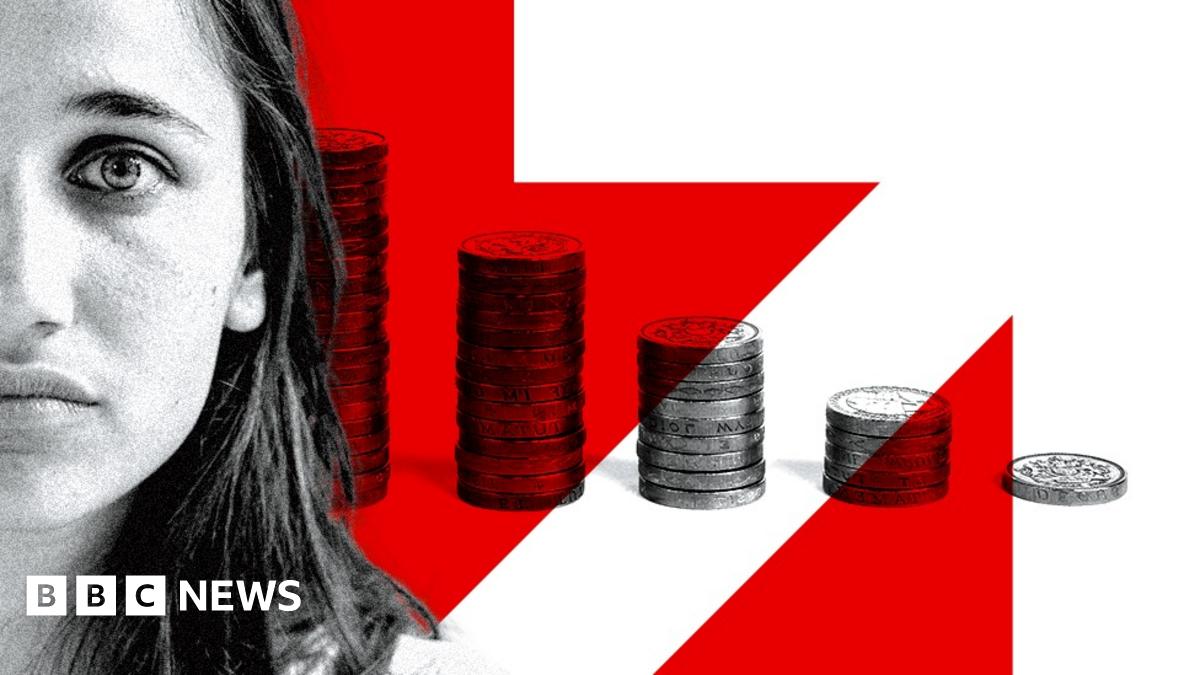
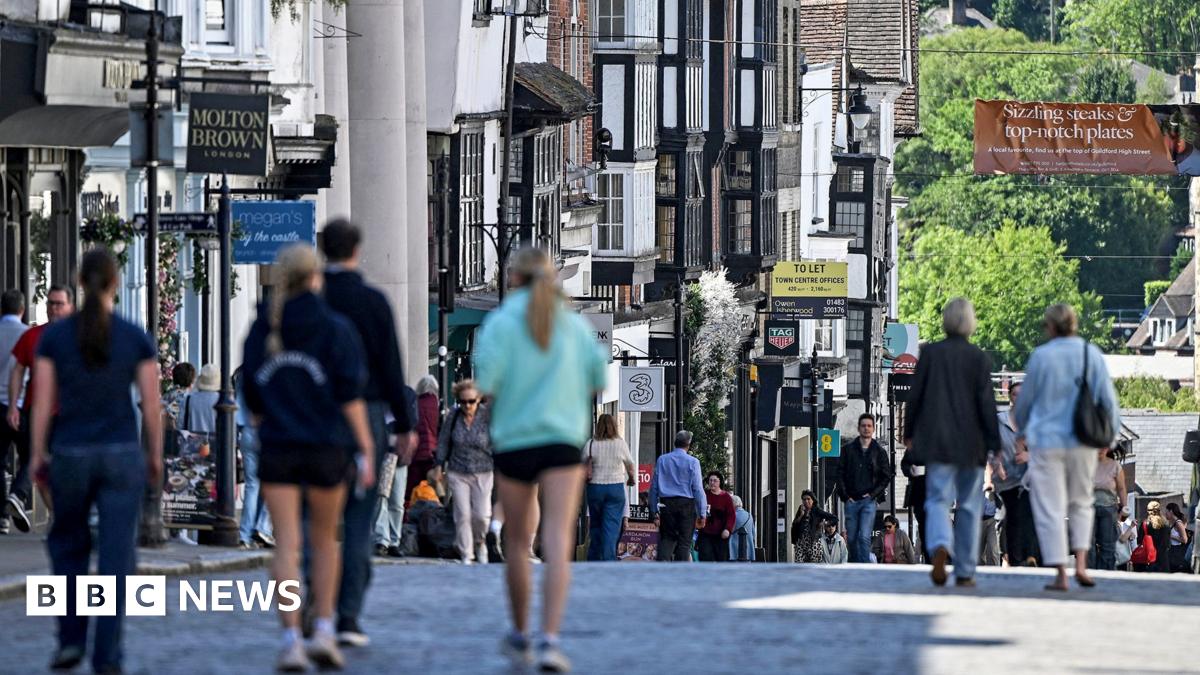
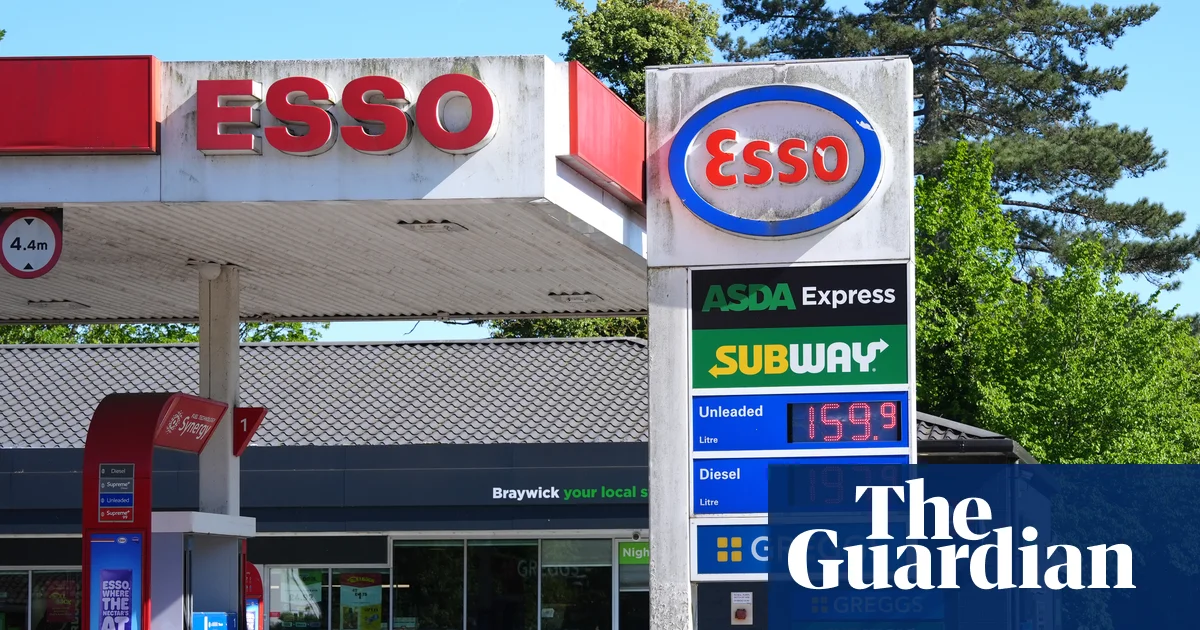
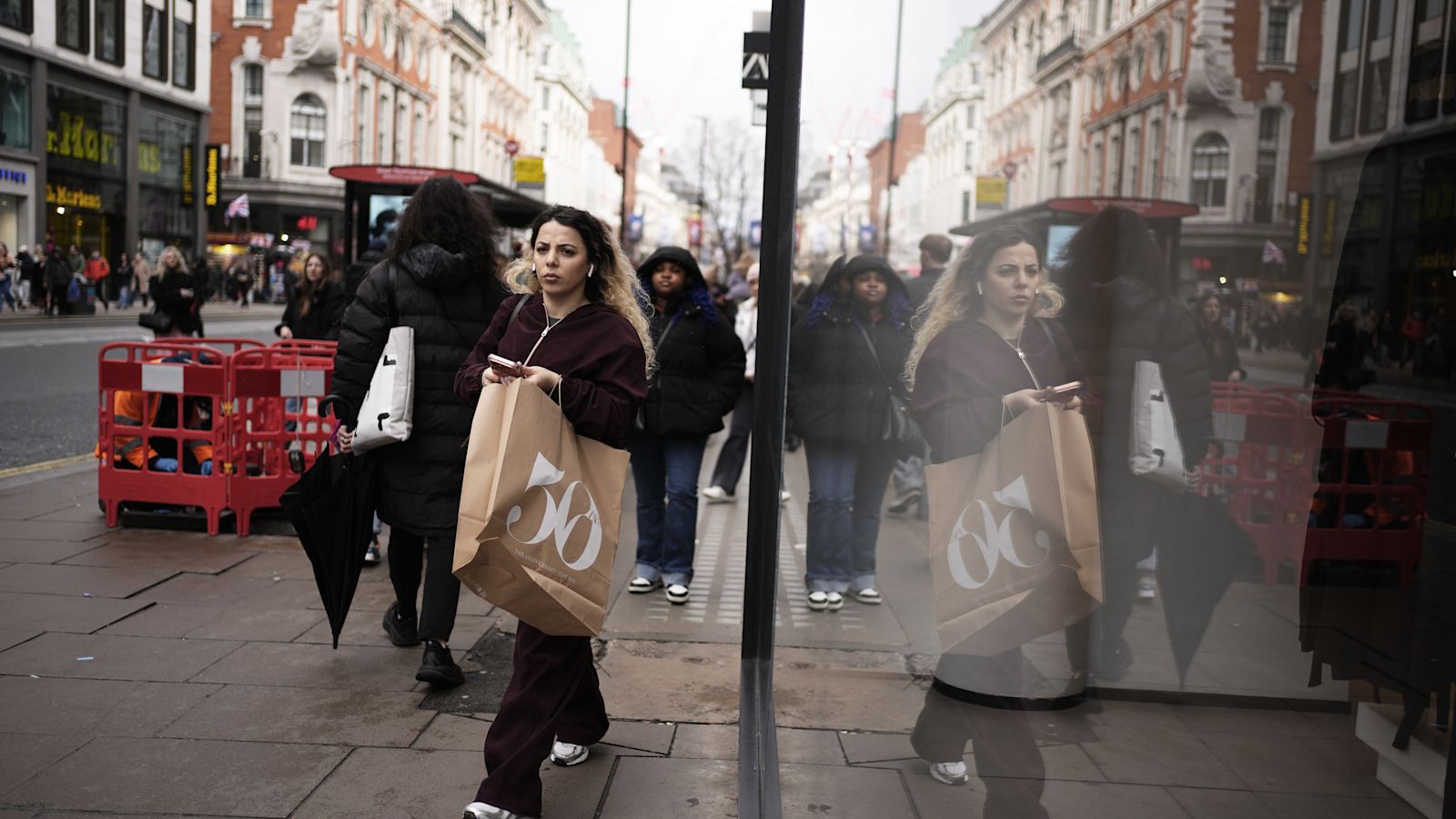
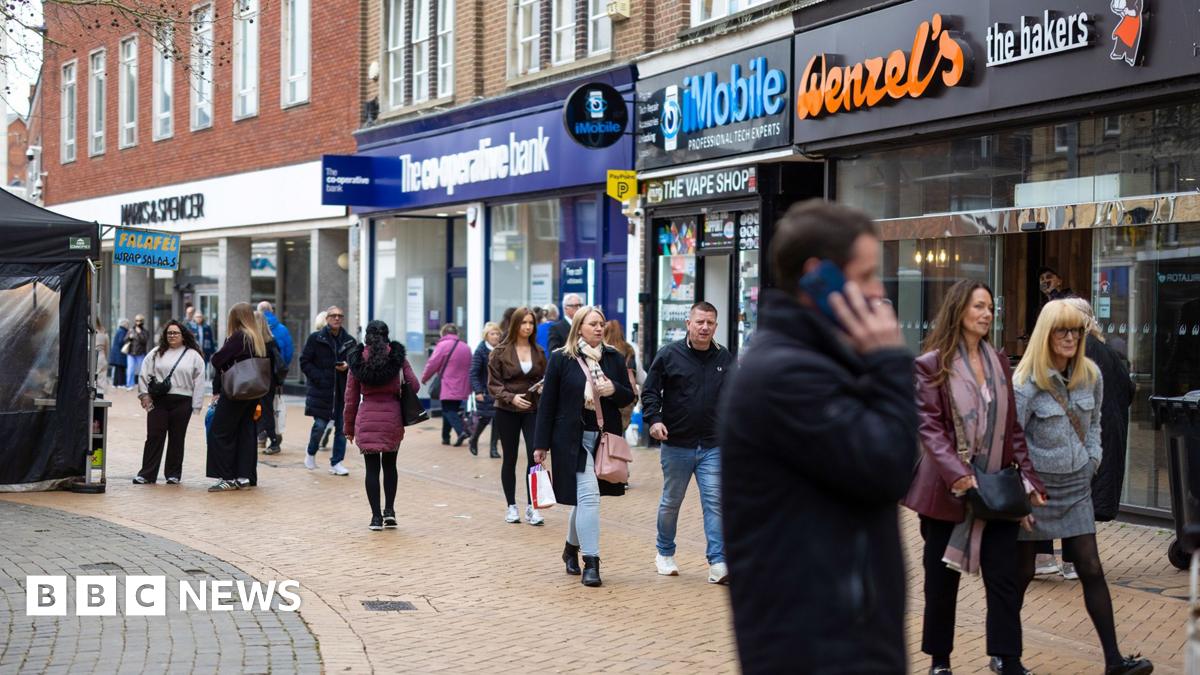
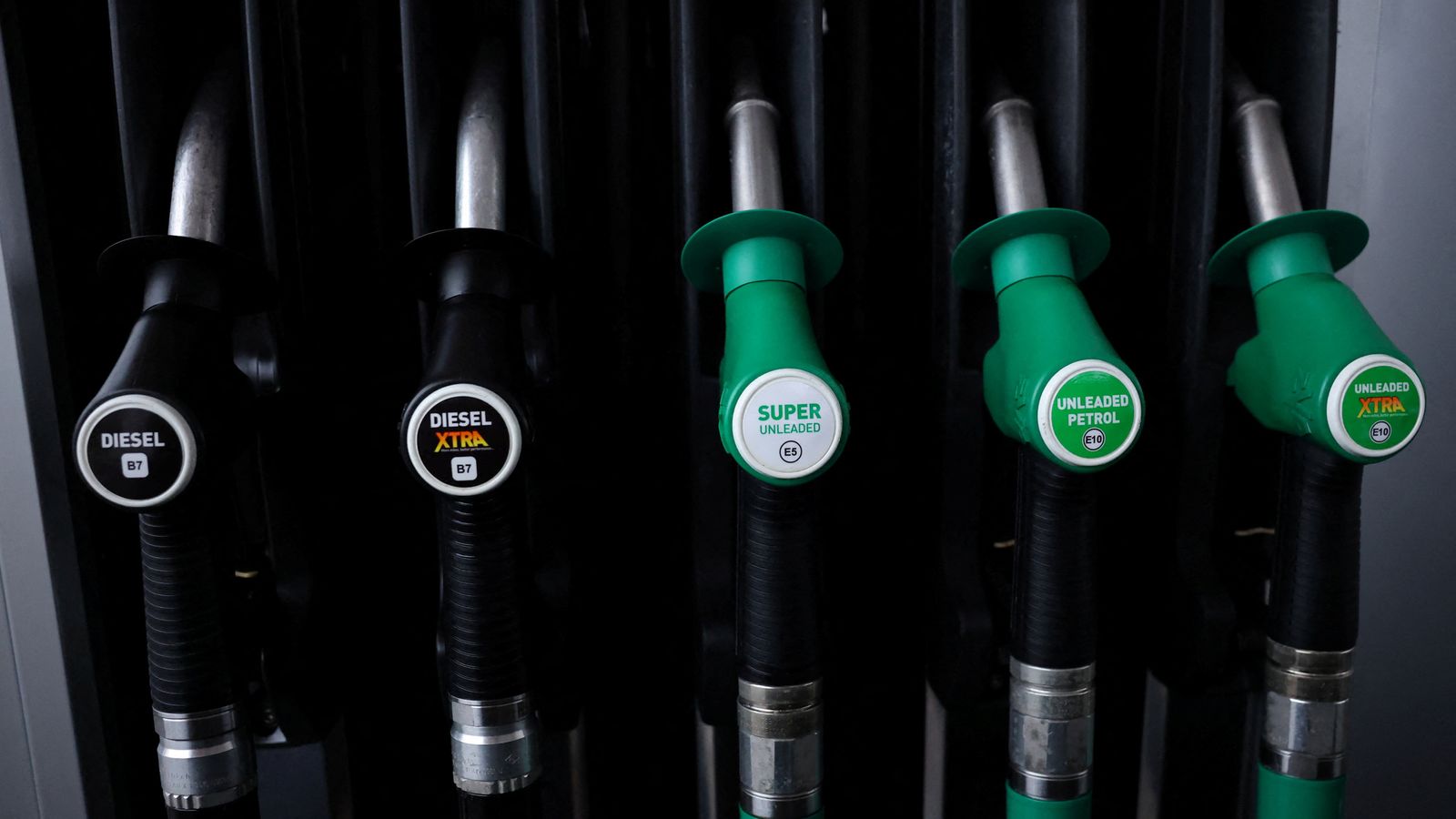
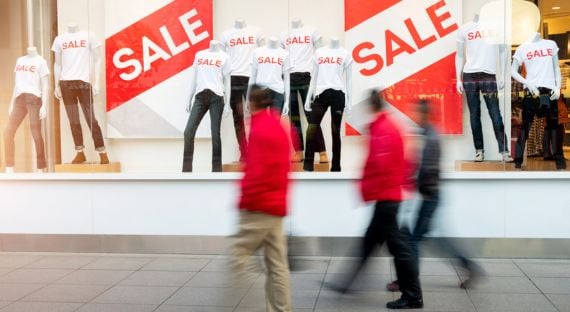
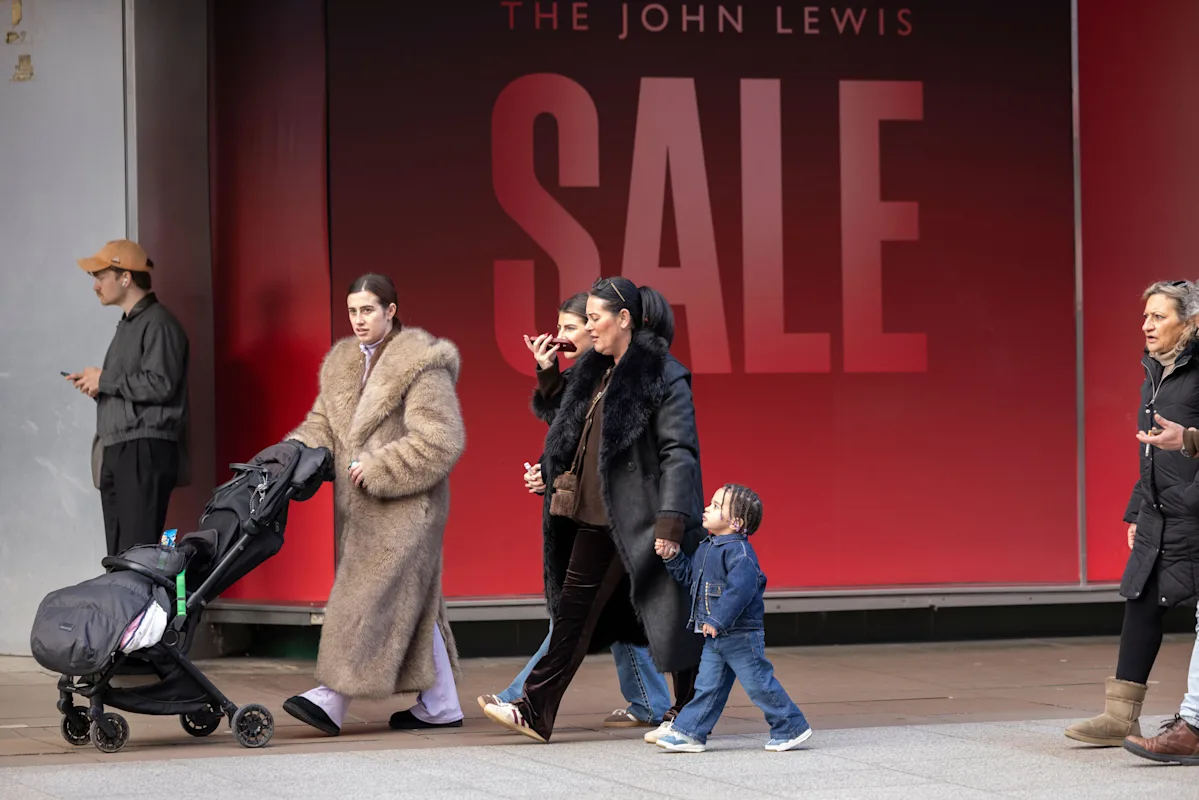
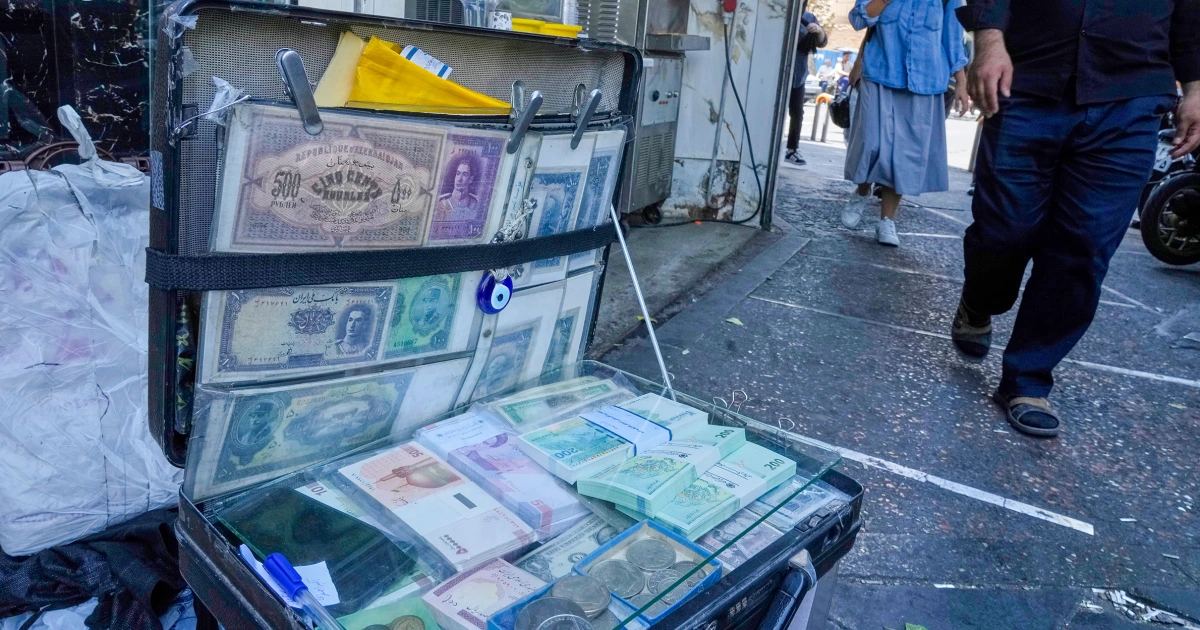
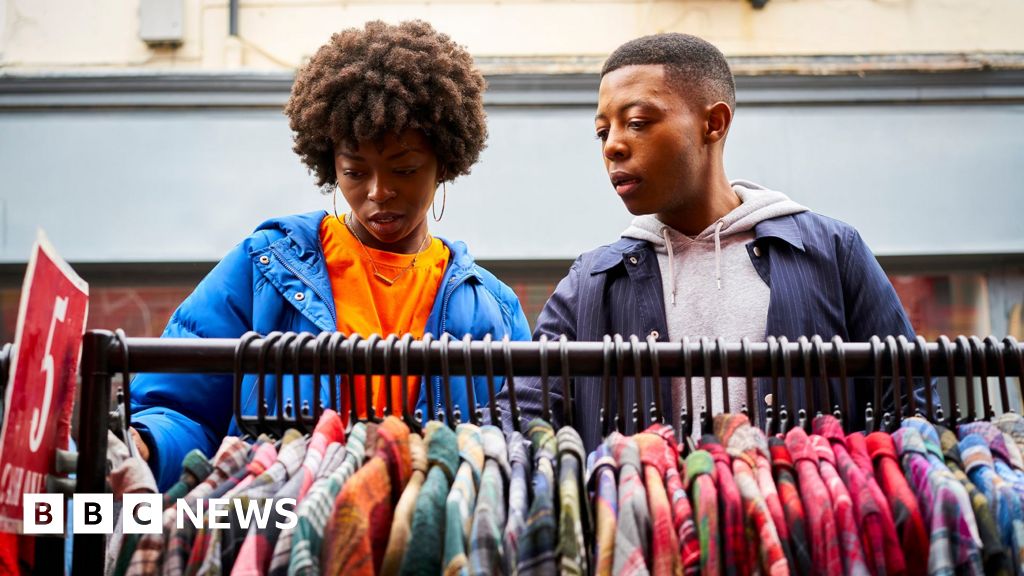
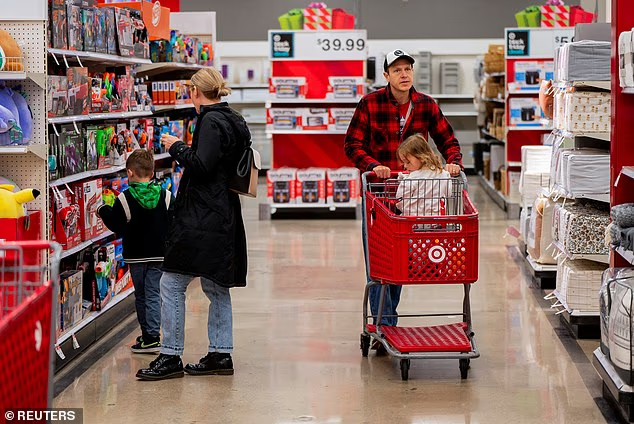
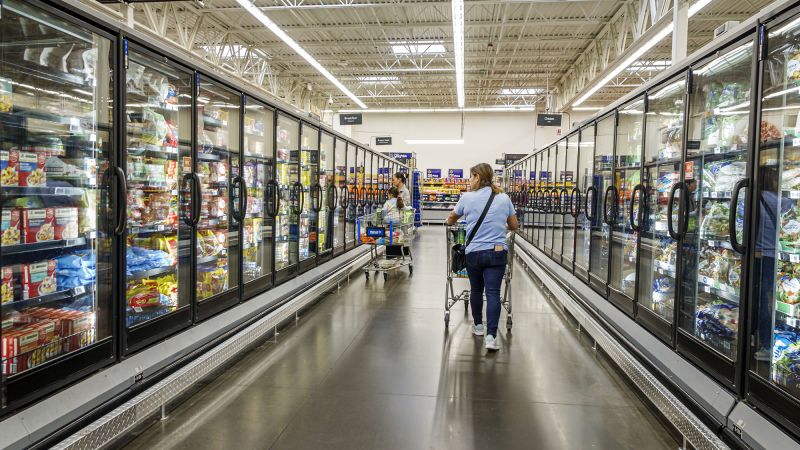
HORSLEY: Well, it tells us affordability is still a challenge. You know, the cost of living keeps going up, and people’s paychecks are not keeping pace. This week, the Commerce Department clocked inflation in September at 3.6%. That’s higher than the month before. And significantly, it’s higher than it was when President Trump returned to the White House. That’s a big reason nearly two-thirds of Americans disapprove of the president’s economic stewardship. Voters punished Democrats for inflation back in 2024, and they may decide to punish Republicans this time around.
PFEIFFER: Yet we have the seeming contradiction, which is that the latest numbers show the economy is growing. So why isn’t that registering or paying off for ordinary voters?
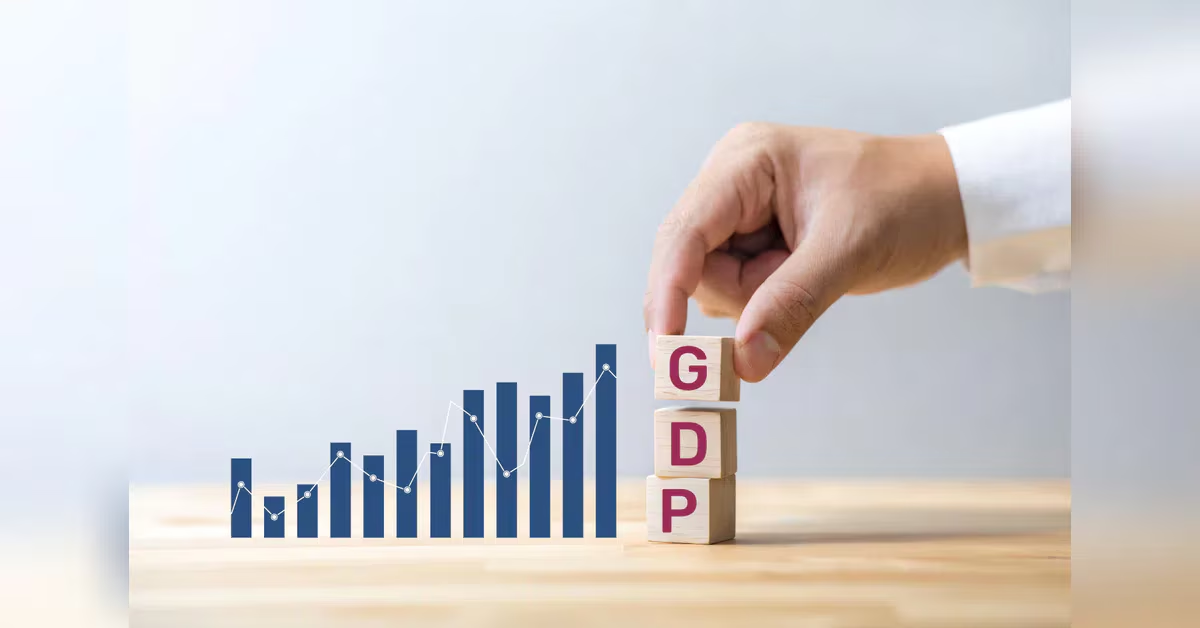
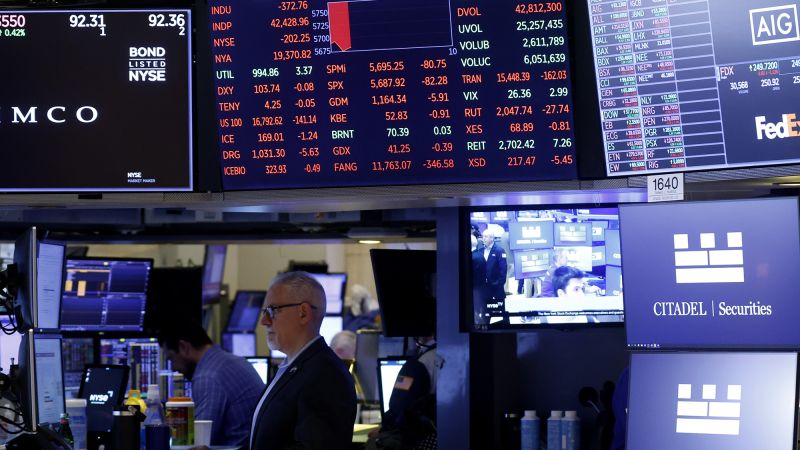
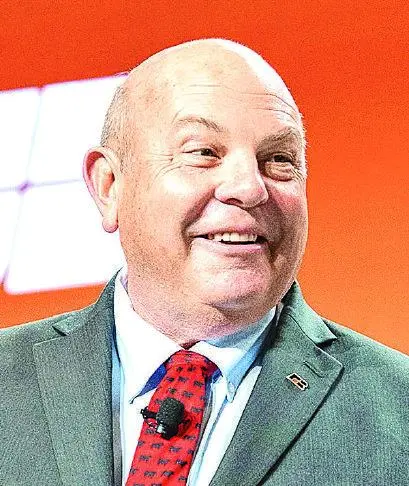
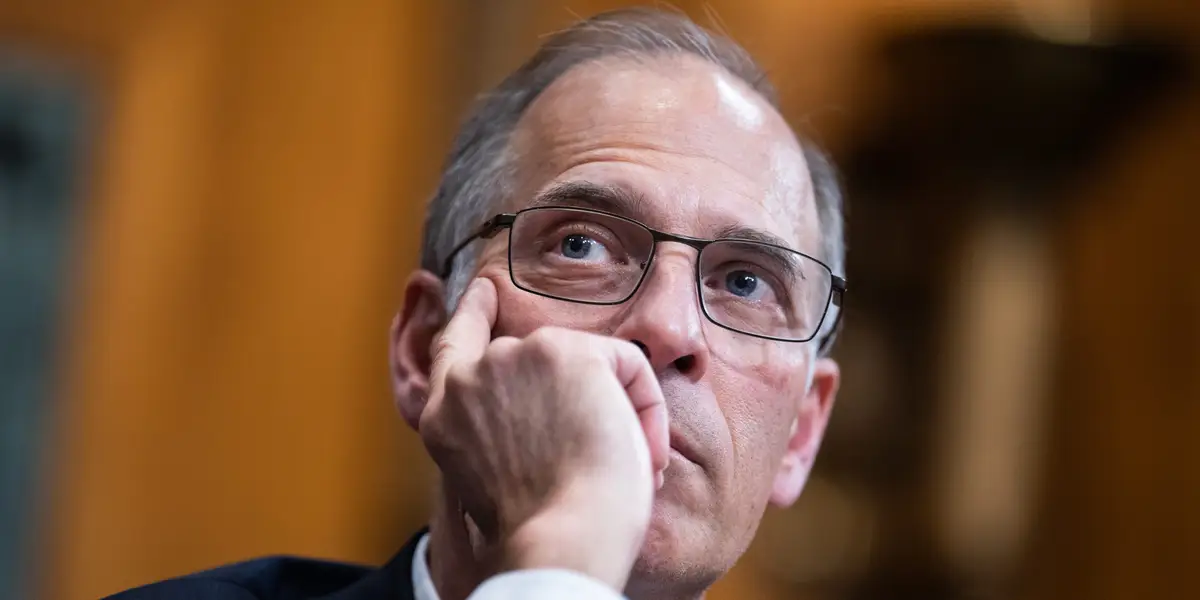
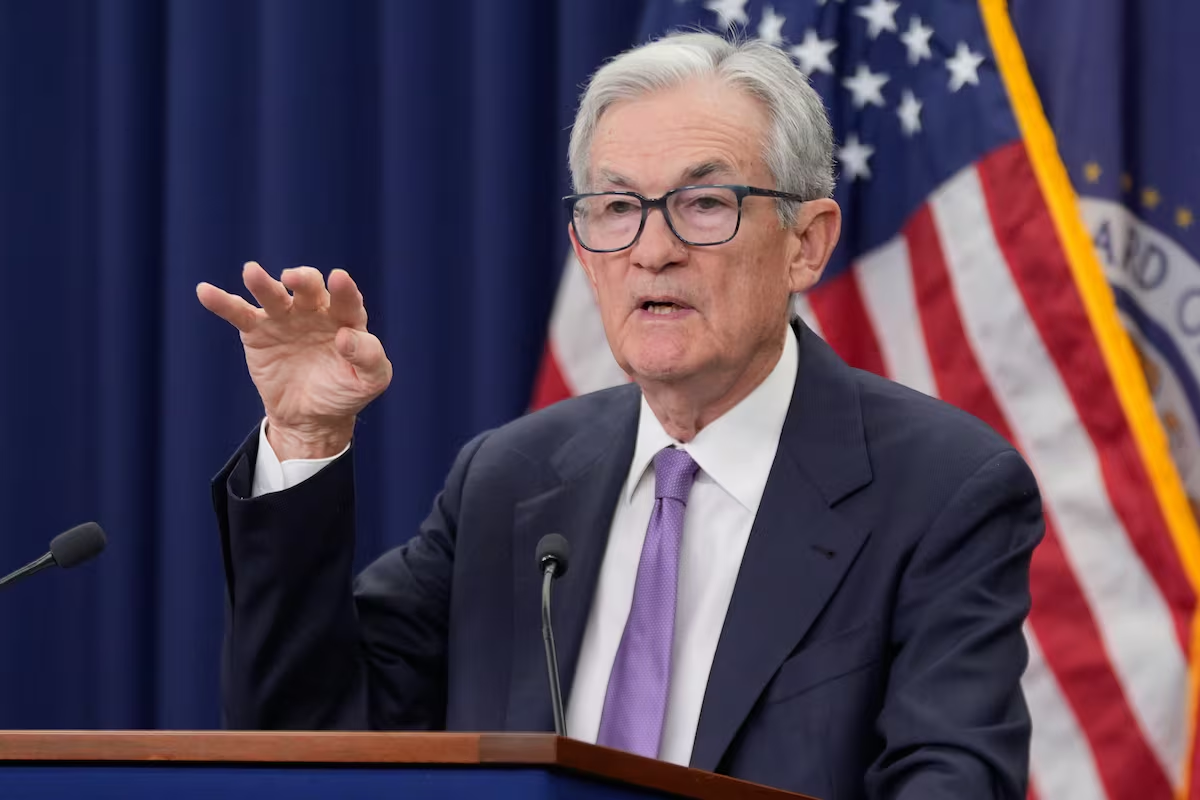
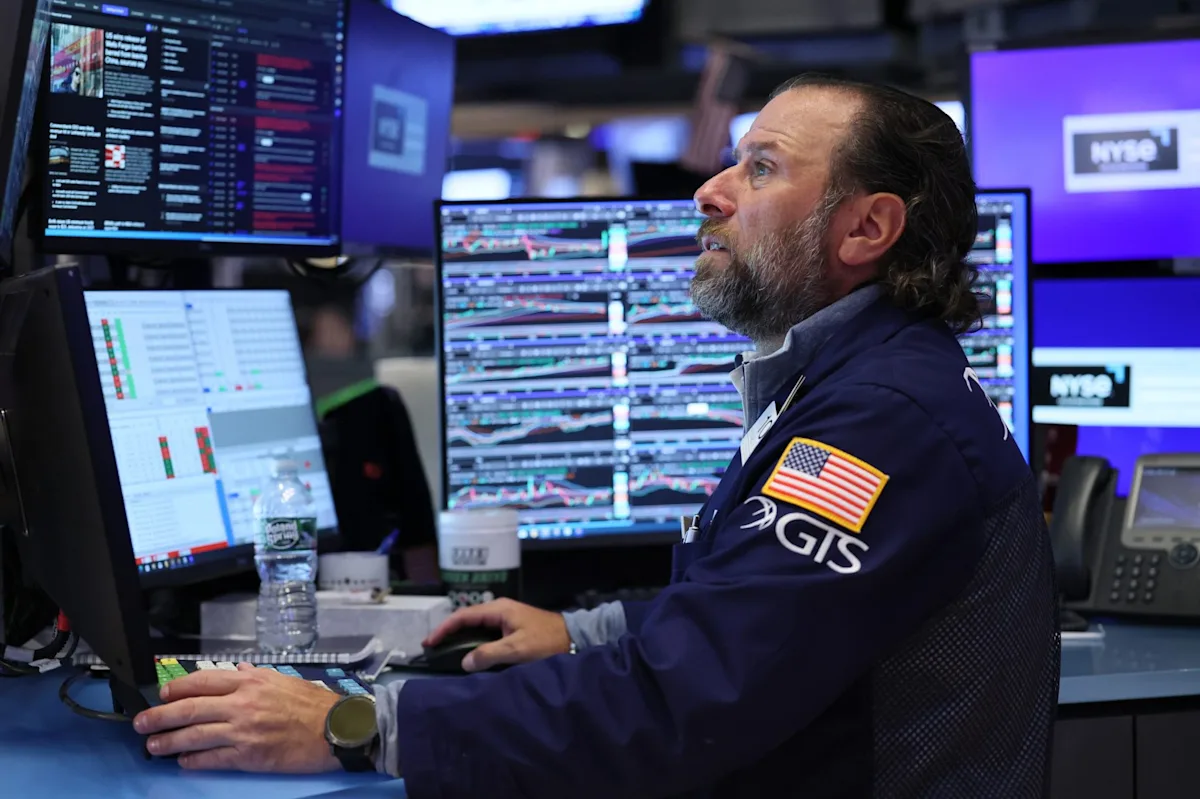
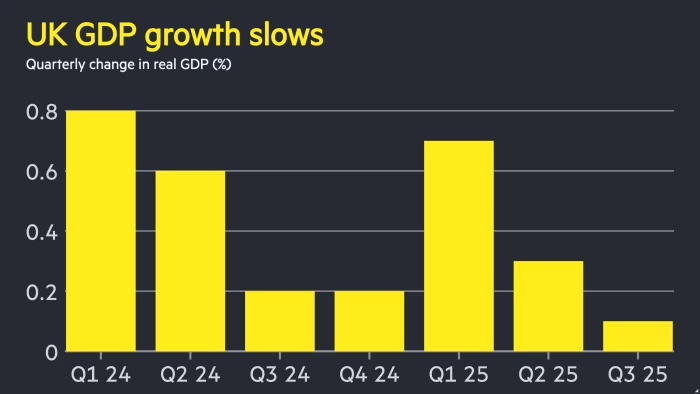
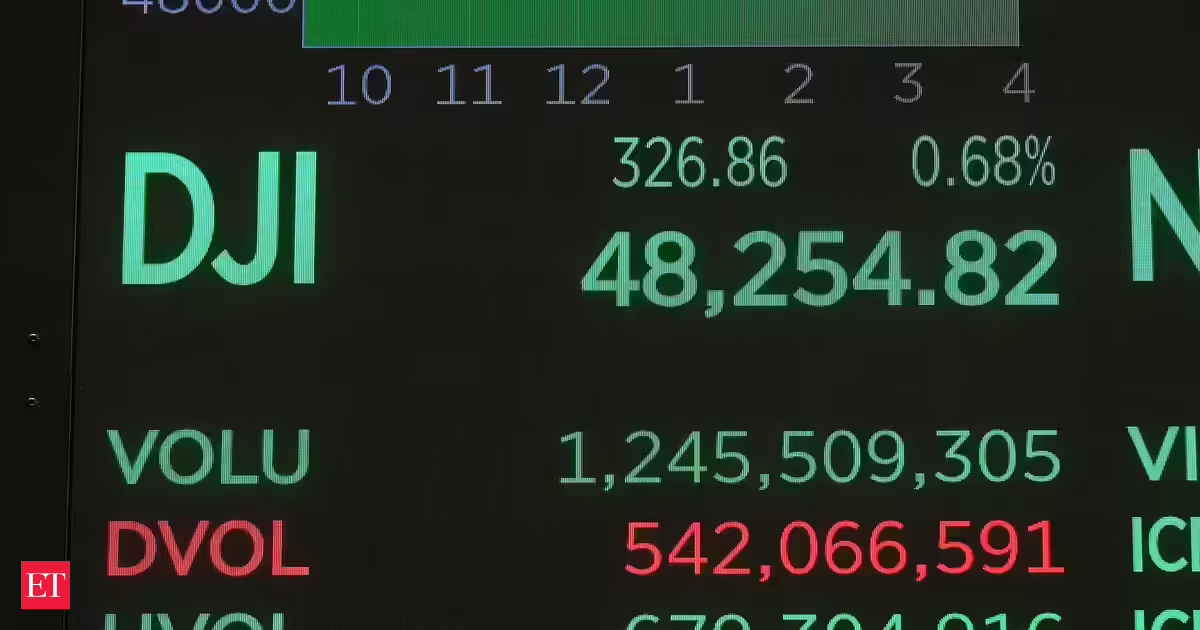
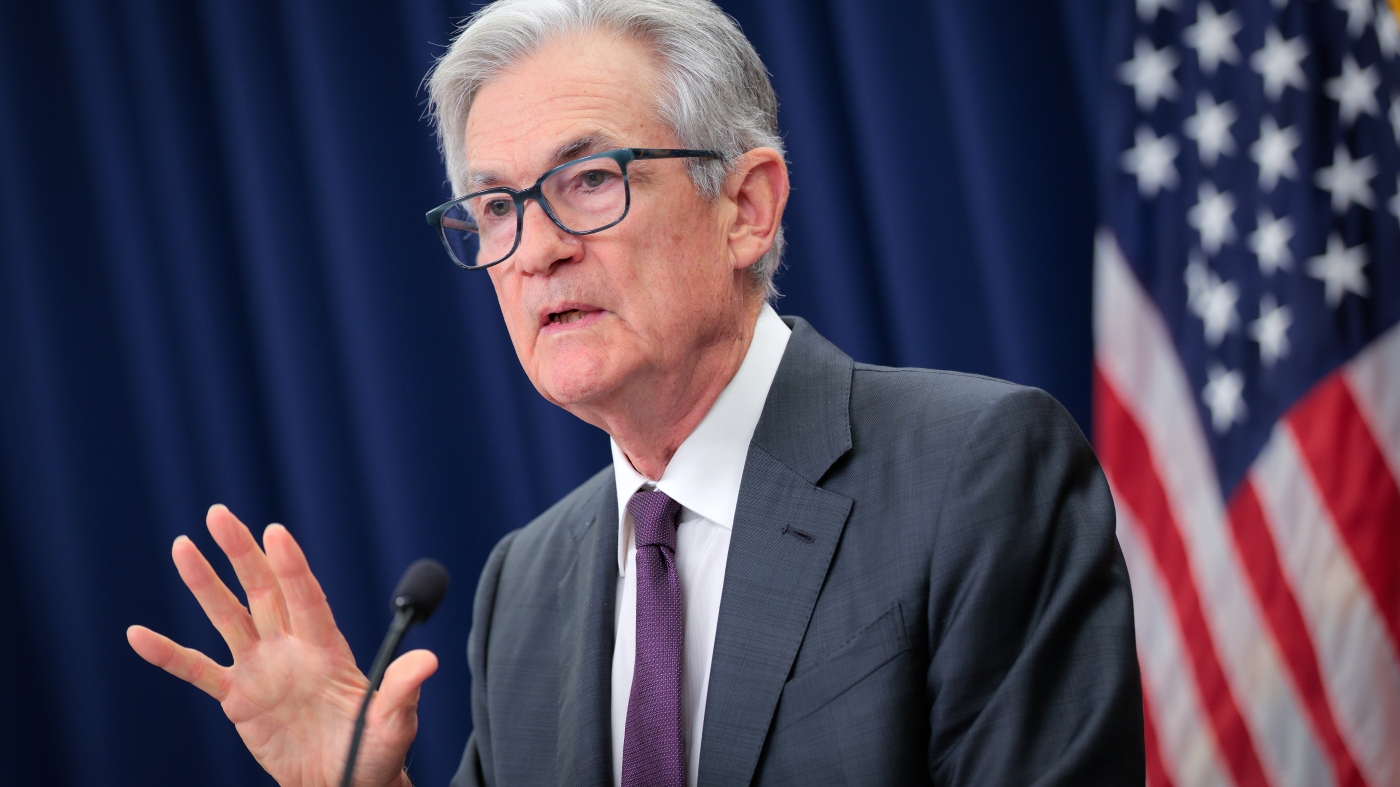
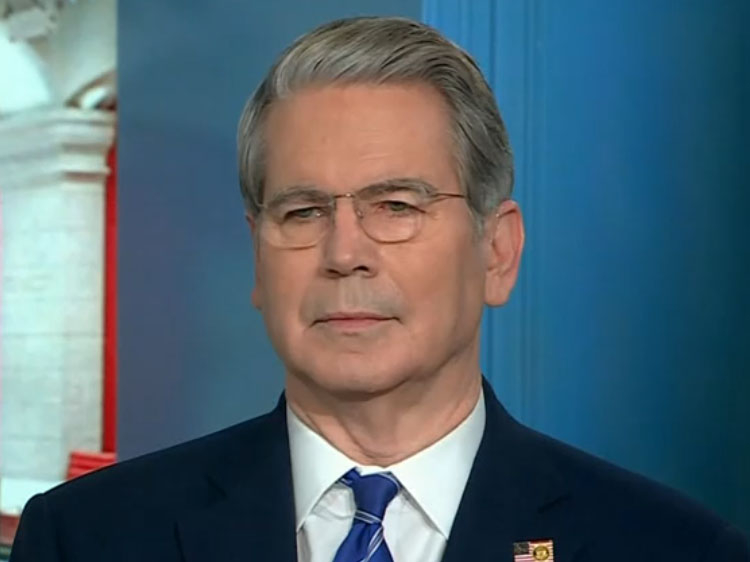
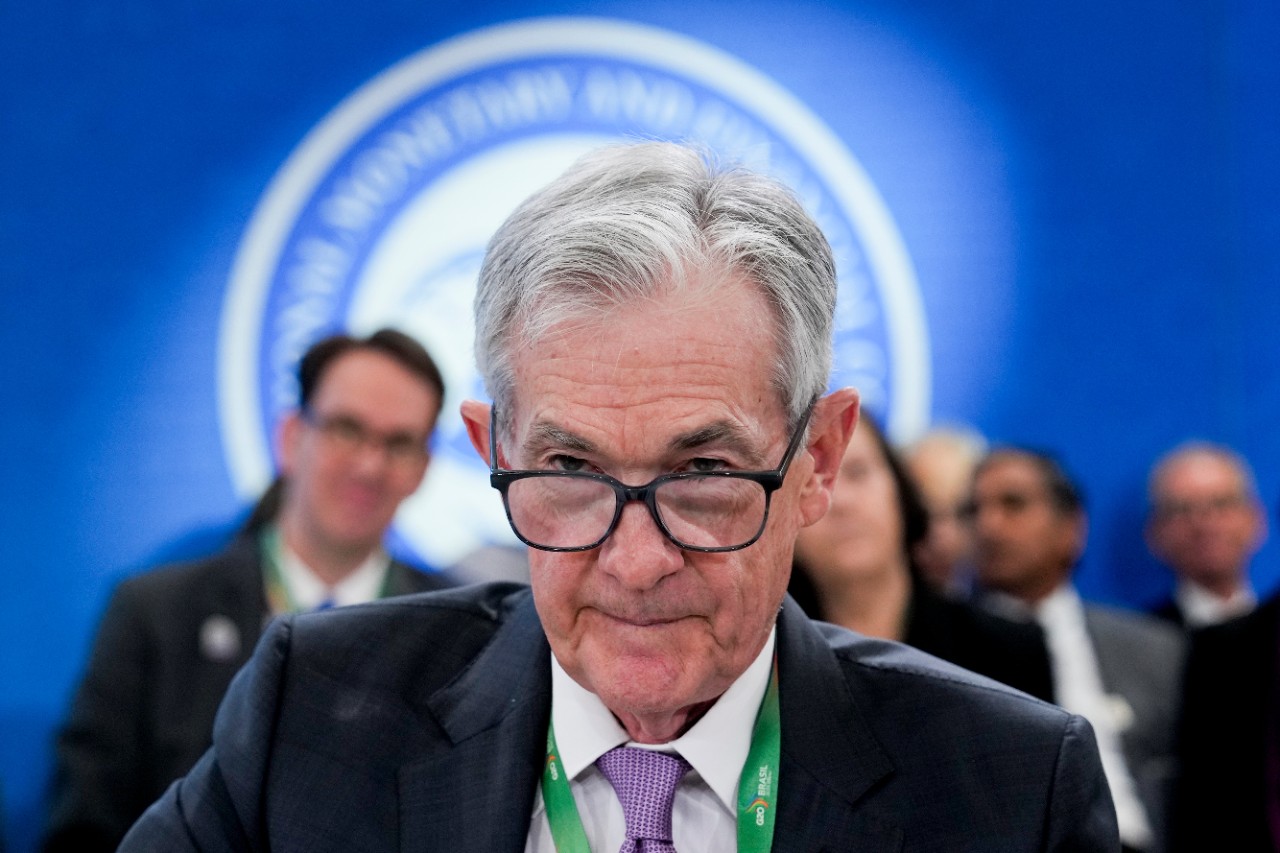
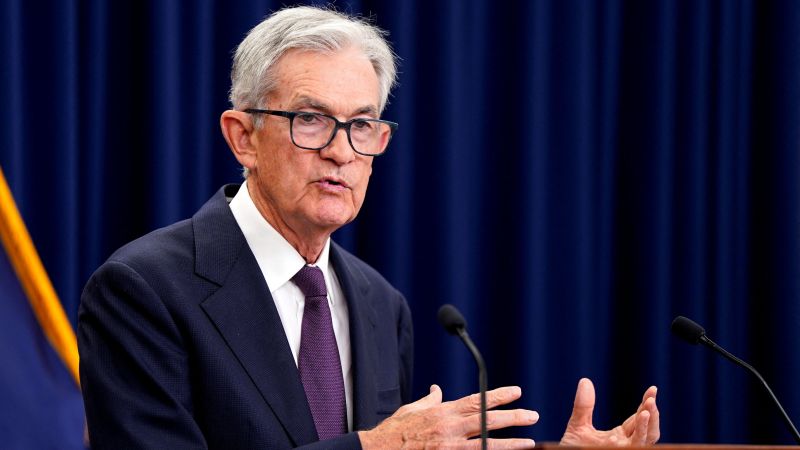
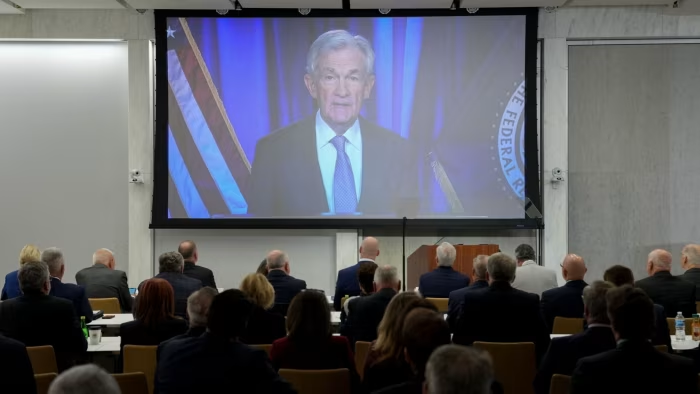
HORSLEY: Yeah. The economy did perk up a bit in late summer and early fall. GDP, which is the broadest measure of economic activity, grew at an annual rate of 3.4% in July, August and September. That’s up from 2.2% the previous quarter. Federal Reserve Chairman Kevin Warsh said this past week, that’s a good sign.
(SOUNDBITE OF ARCHIVED RECORDING)
KEVIN WARSH: The economy is strong. The economy is pointing in the right direction.
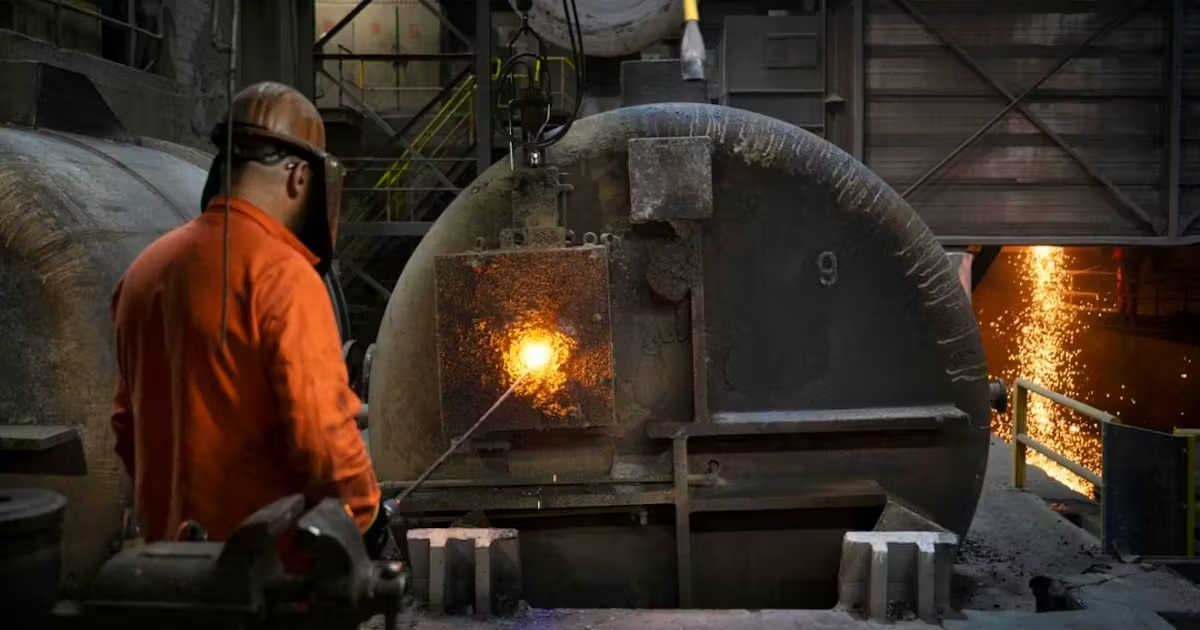
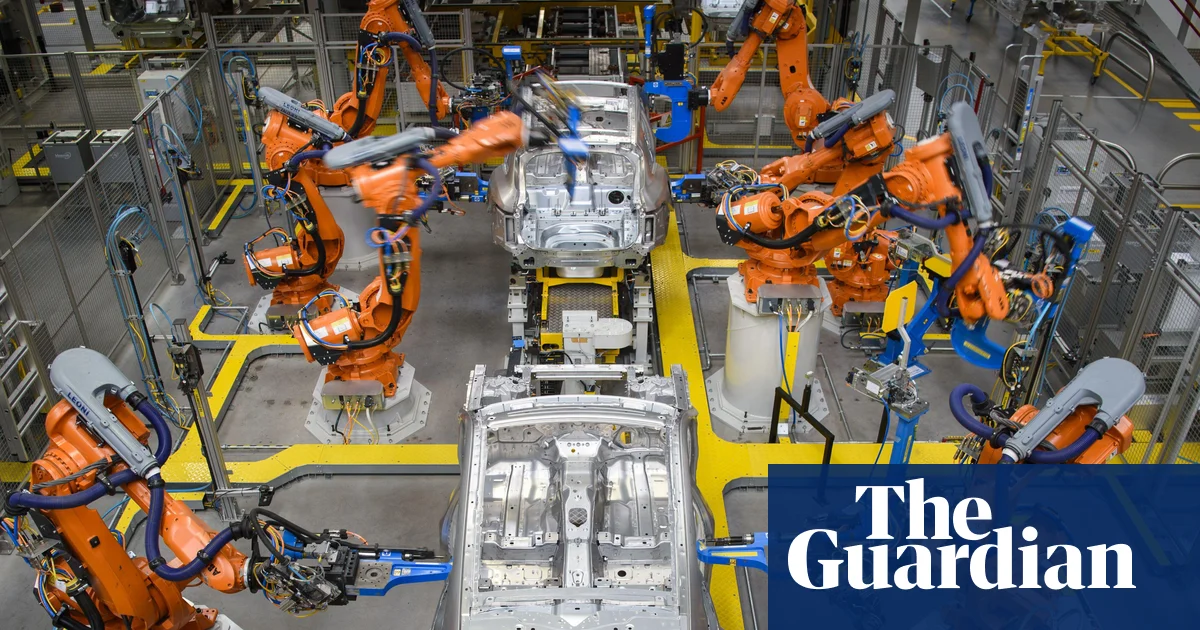
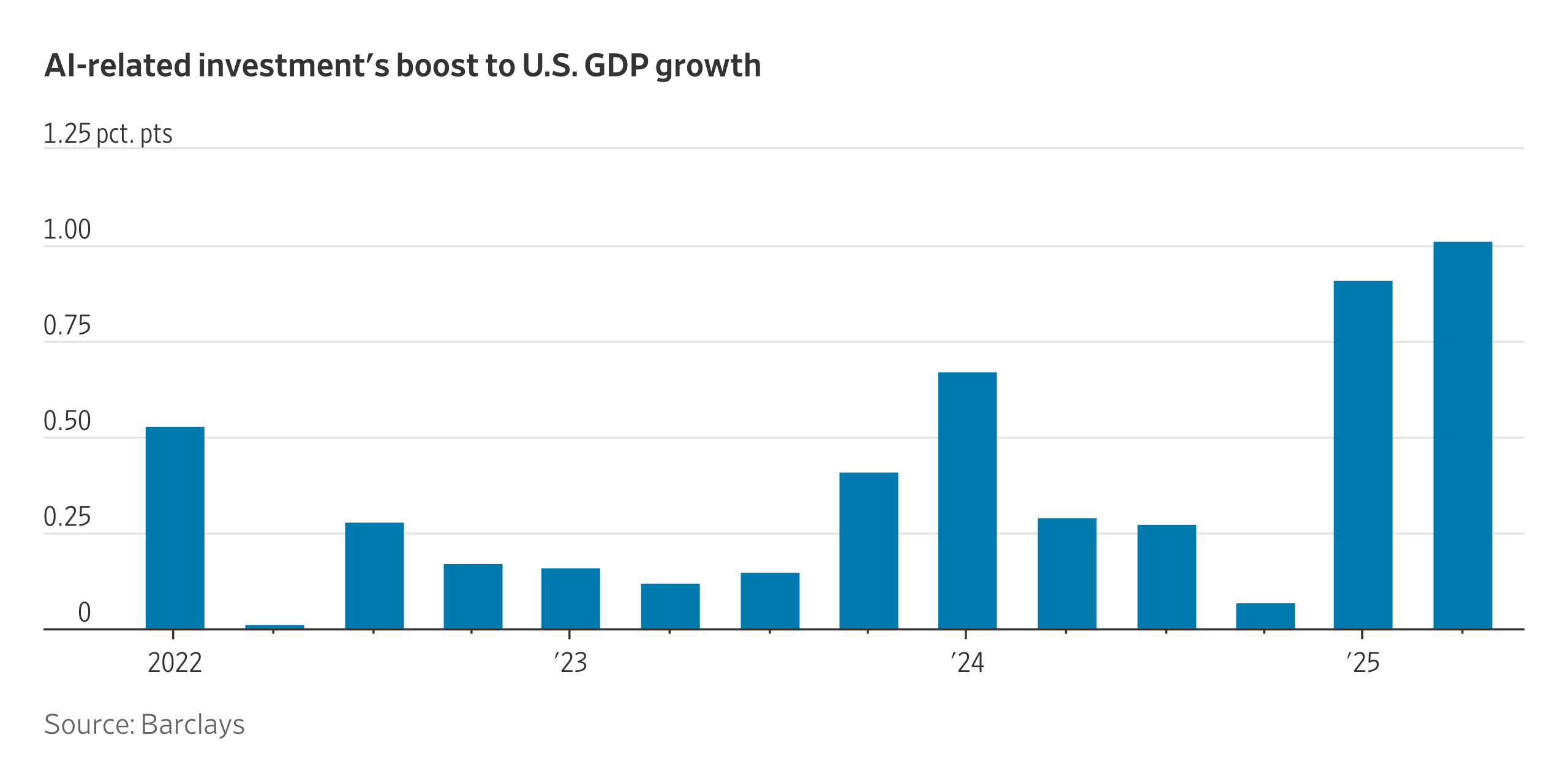
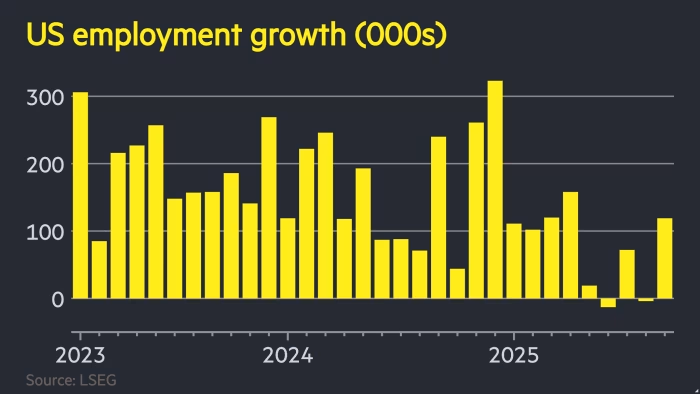
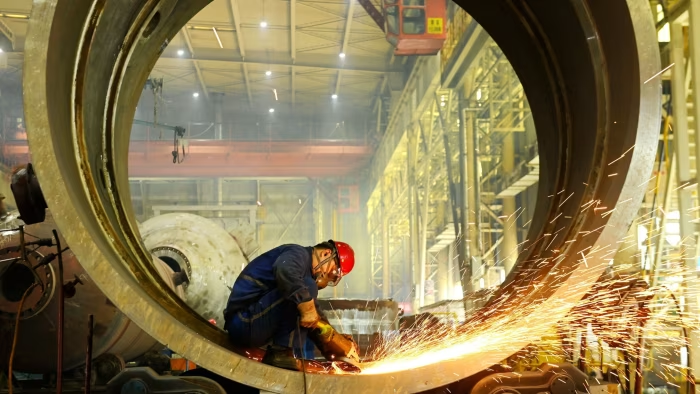
HORSLEY: But a lot of that GDP growth is being driven by the huge investment in artificial intelligence. And, you know, if you build data centers for a living, you’re pretty busy these days. But otherwise, this burst of economic growth has not been accompanied by a burst of new jobs.
PFEIFFER: And, Scott, what about the job market? What about unemployment numbers?
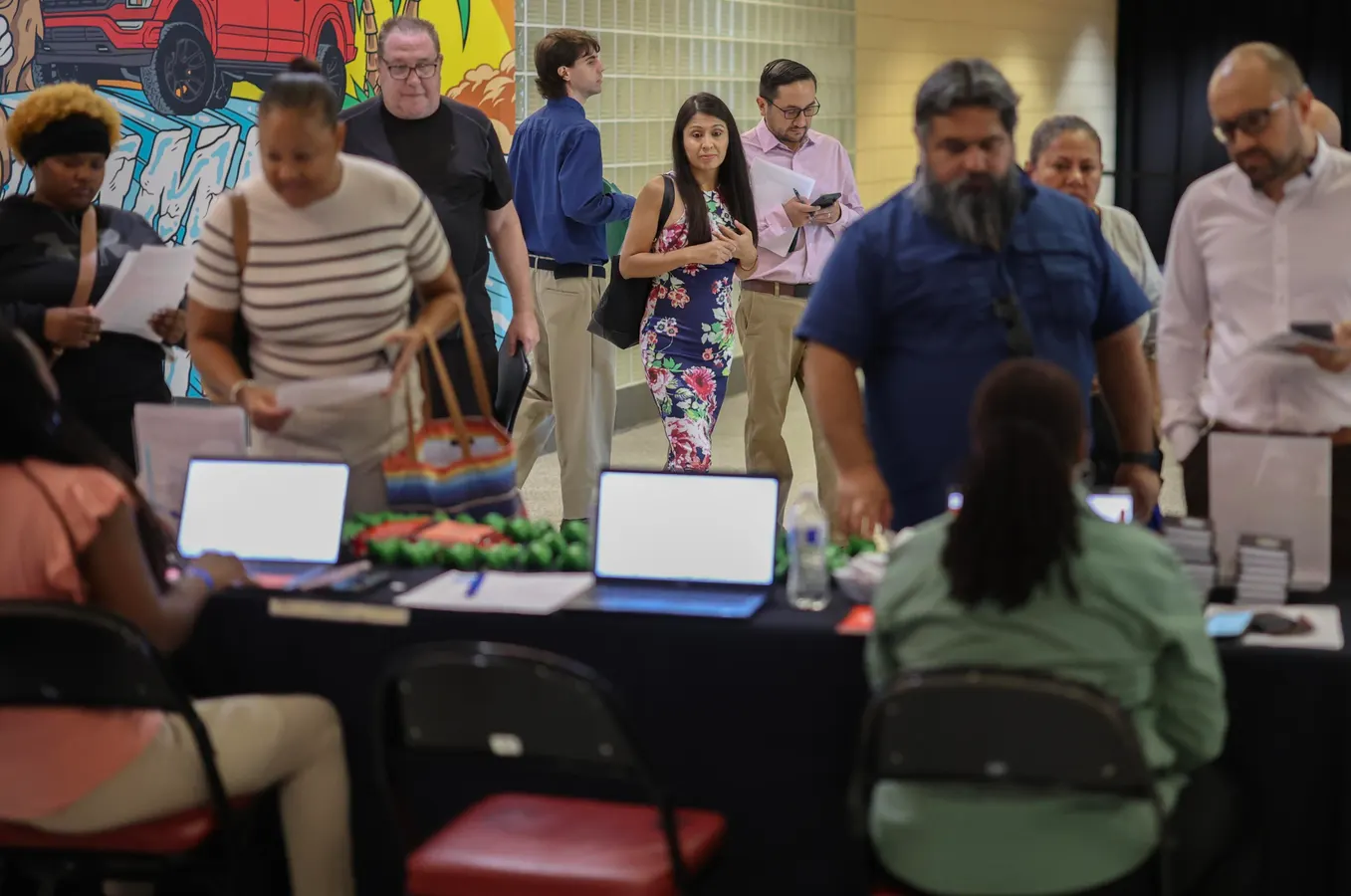
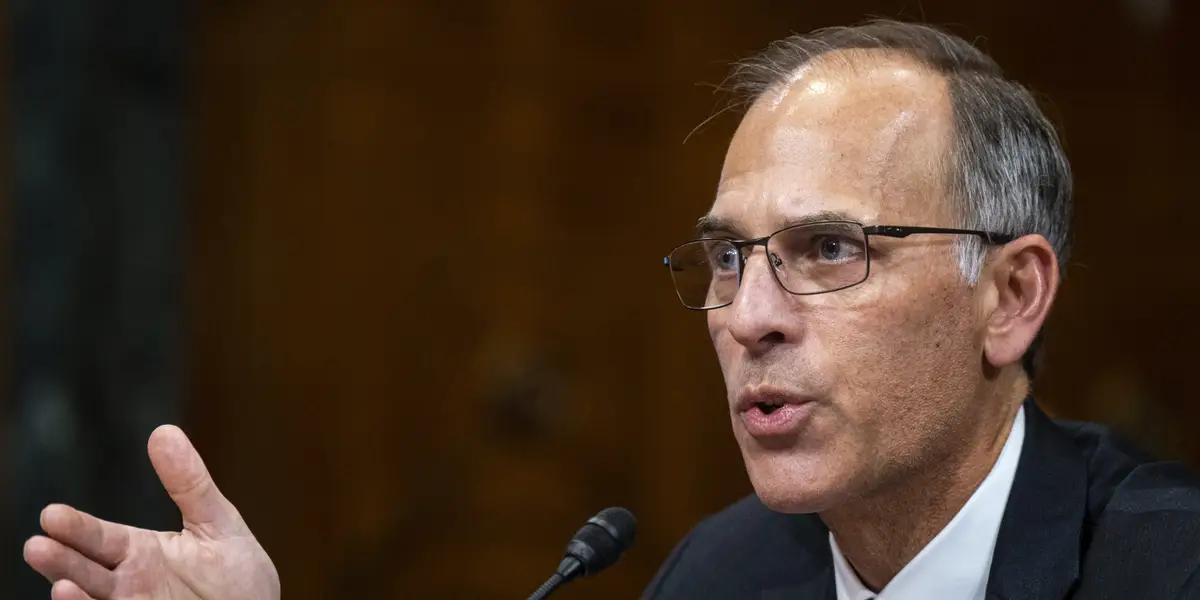
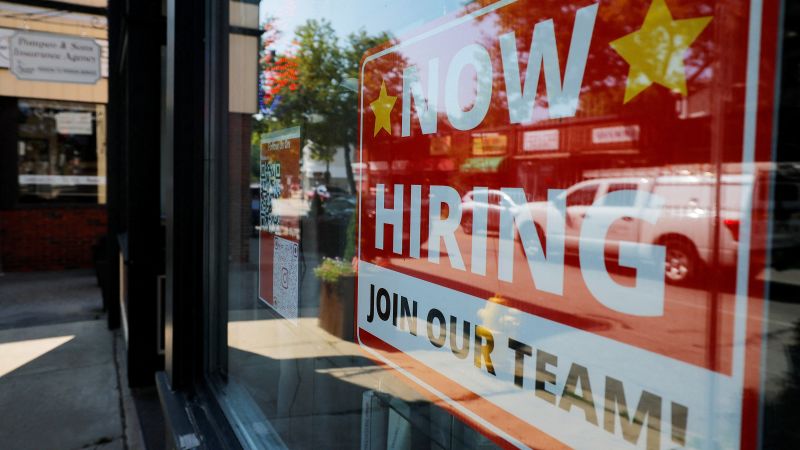
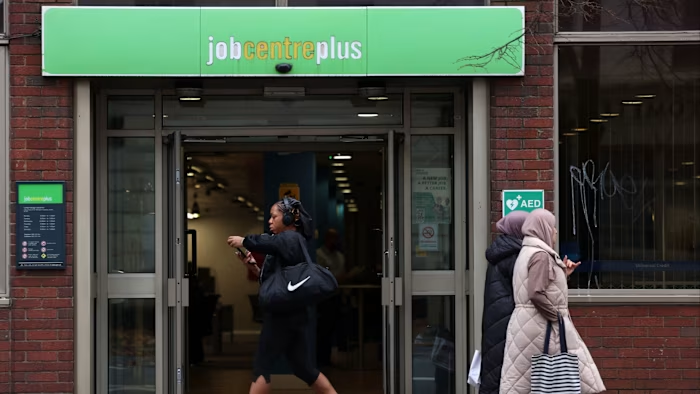
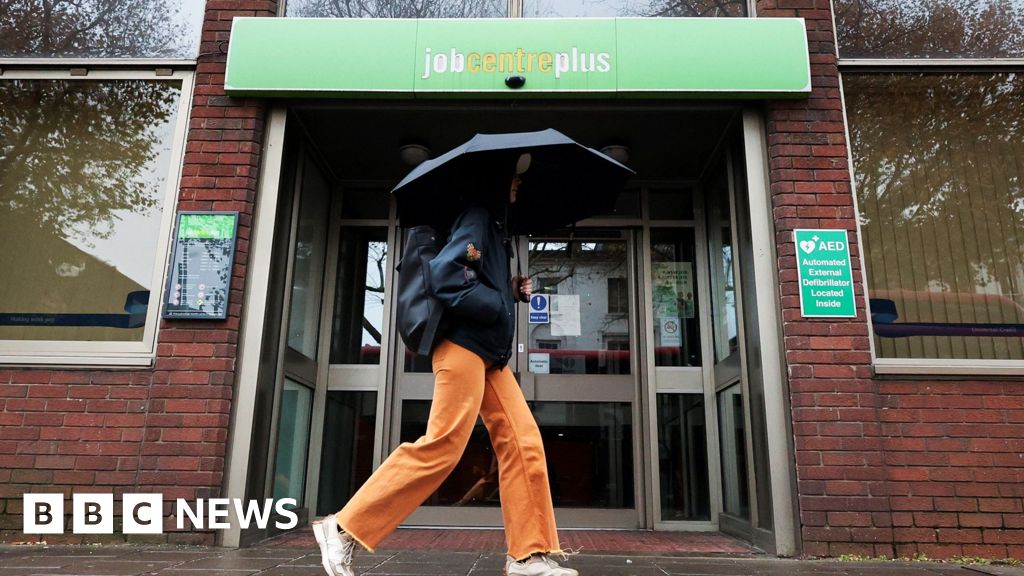
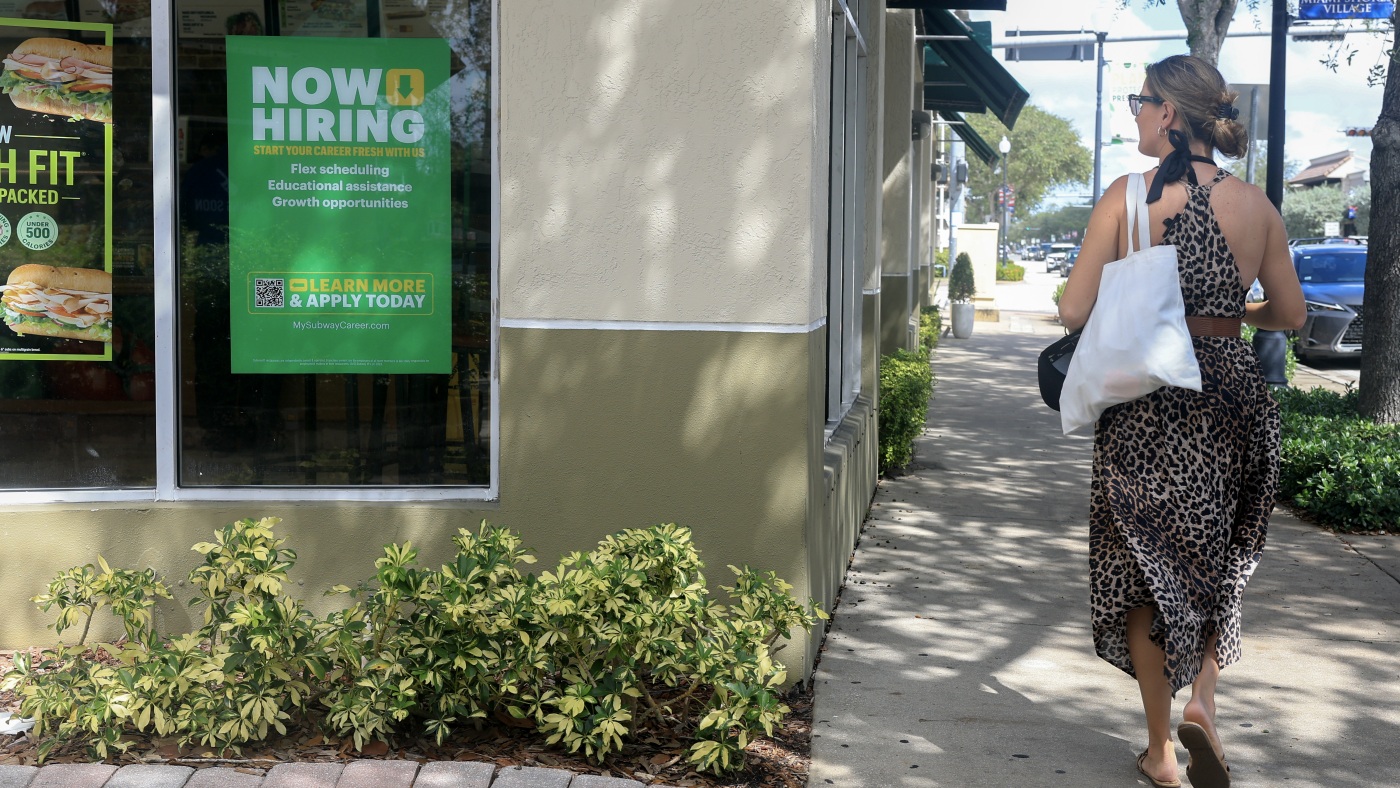
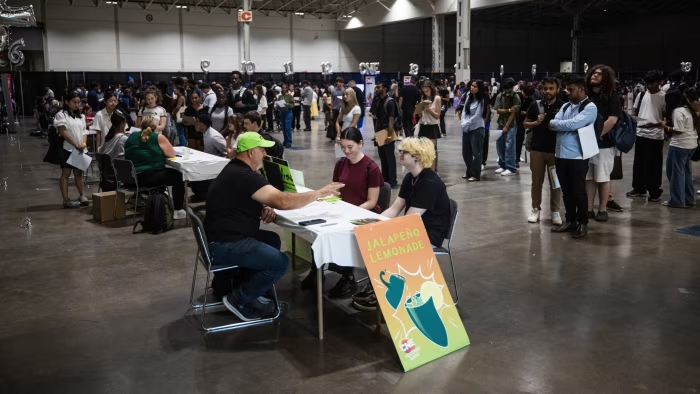
HORSLEY: Yeah, the job market is still really sluggish. Employers added just 29,000 jobs in September. We’re going to get the October numbers this coming week. Even though unemployment is low, just 4.2%, most people don’t feel confident that if they quit their job, they can find another one. So they’re just staying put. And Chief Economist Mark Zandi of Moody’s Analytics, says that means there’s not much pressure on employers to raise wages.
MARK ZANDI: There’s no hiring. Hiring rates are extraordinarily low, and that’s just not consistent with a healthy labor market.
HORSLEY: Wages are growing more slowly than they used to. New figures for September show spending rose 2.5 times as fast as wages did. So it’s no wonder people feel concerned about affordability.
PFEIFFER: And we know that many people are aggravated about everyday purchases, like gasoline and groceries. But then there are the major purchases, like a house, which is usually what makes people feel economically secure. How is the housing market look in terms of the ability to buy one?
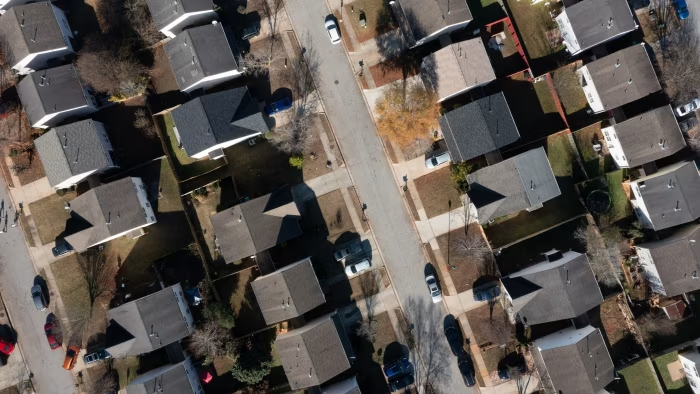
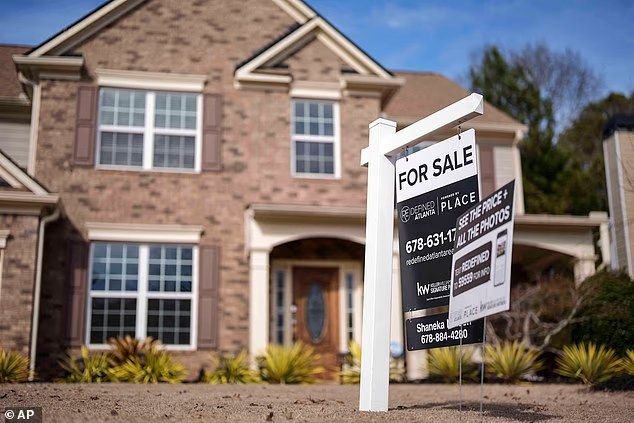
HORSLEY: I’m afraid the housing market is still haunted by high mortgage rates. Even though the Fed did not raise short-term borrowing costs this week, longer term rates are still high. The average cost of a 30 year home loan is around 7.25%. And Zandi says that’s keeping a lot of would-be buyers on the sidelines.
ZANDI: I had been hopeful before this run up in rates that mortgage rates would hang around 6%. And if that were the case, then the housing market would start to fall. We get more home sales. But no, we’re now well north of 7% on a fixed rate mortgage. Housing is the most interest rate sensitive sector of the economy, and it is taking it on the chin.
HORSLEY: The housing component of GDP has actually been negative in 8 of the last 10 quarters. But if the cobwebs on the for sale signs get too spooky, at least I can treat myself with one of those Reese’s peanut butter cups from the $19 bag I bought to hand out this Halloween.
PFEIFFER: That is NPR Scott Horsley. Scott, thank you.
HORSLEY: You’re welcome.
Copyright © 2026 NPR. All rights reserved. Visit our website terms of use and permissions pages at www.npr.org for further information.
Accuracy and availability of transcripts for NPR programming may vary. Transcript text may also be revised to correct errors or match updates to audio. Audio may be edited after its original broadcast or publication. The authoritative record of NPR’s programming is the audio record.
Please note that NPR platforms and products also include some programming produced by third parties; NPR cannot guarantee transcripts for that content and some transcripts may be produced using automated or other tools.