-
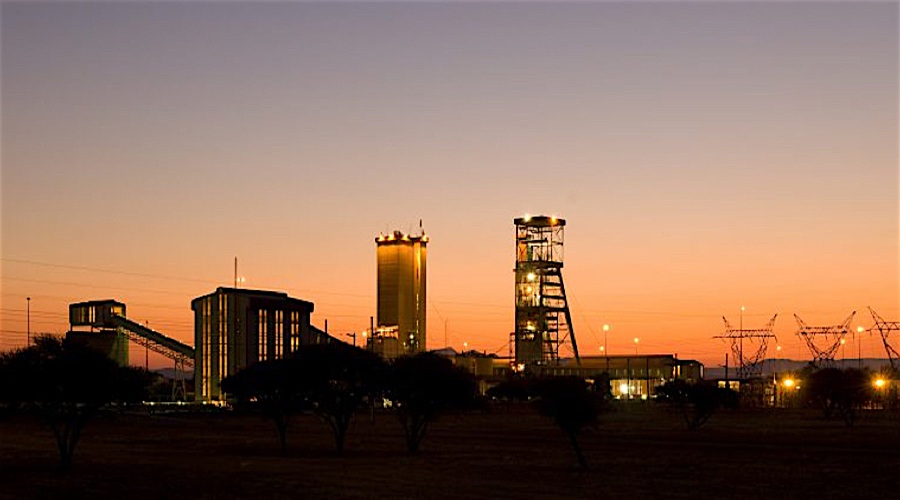
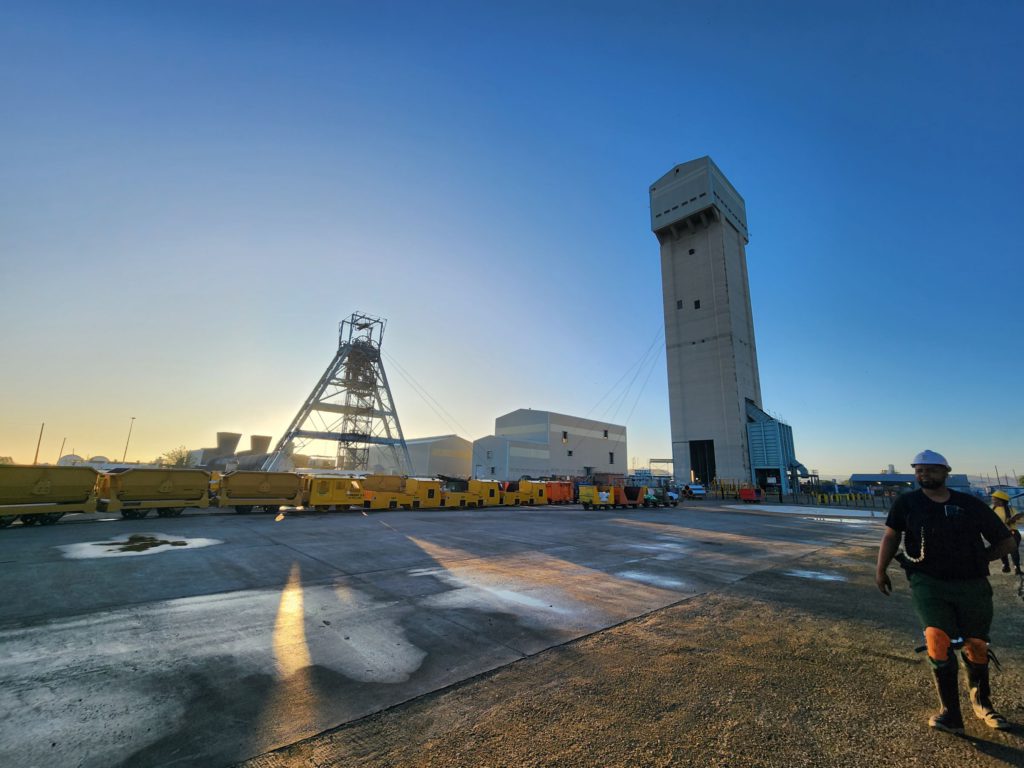
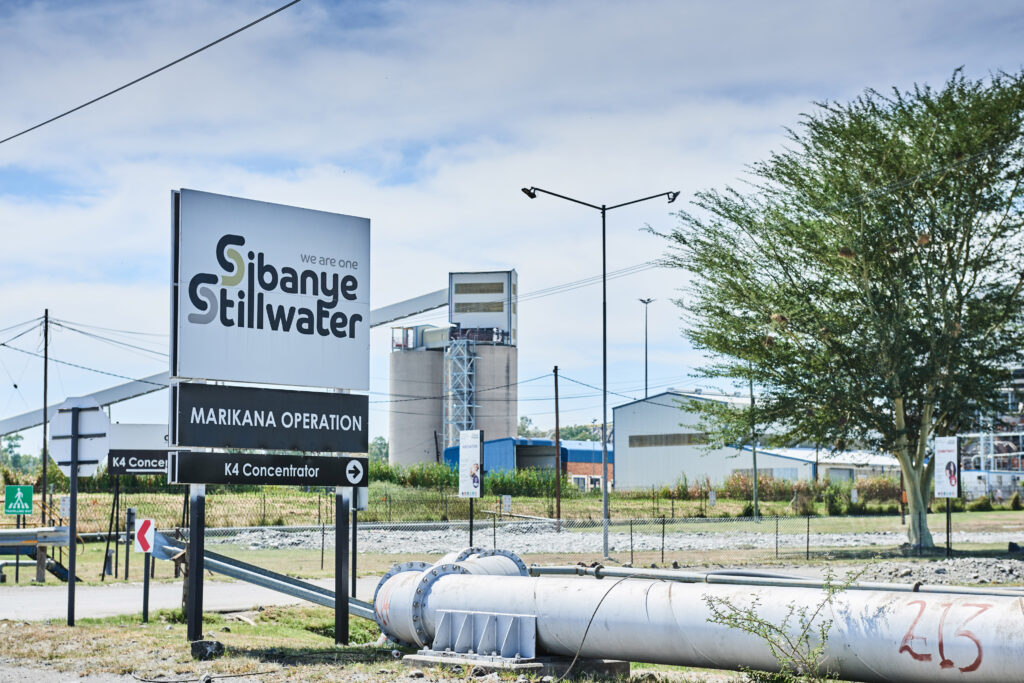
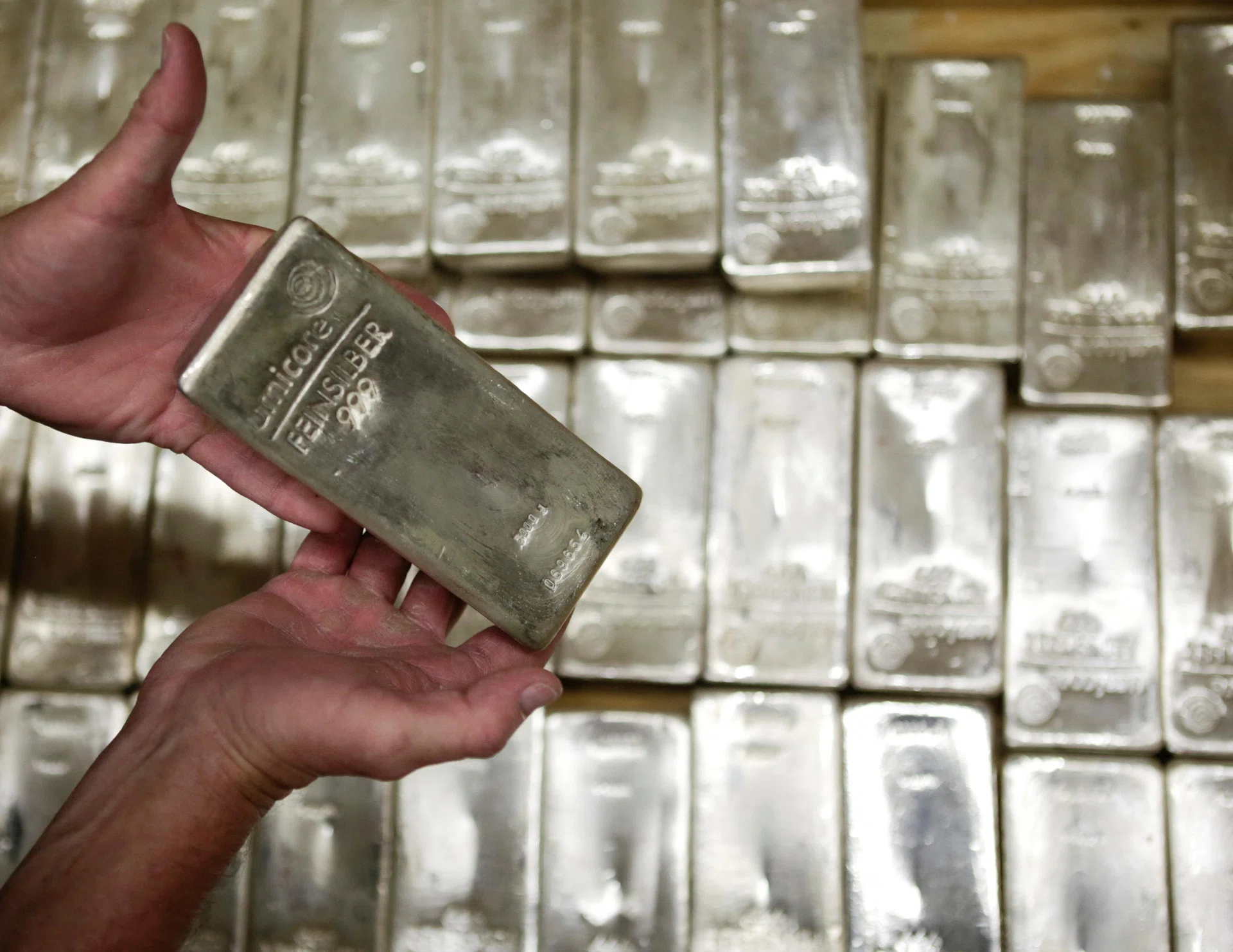
Northam Platinum disclosed an unsolicited approach from a major South African platinum-group metals producer for some of its assets or potentially the entire company.
-
Northam more than doubled mine production in a decade, reaching 938,754 4E ounces in the fiscal year ended June 2026, from about 380,000 ounces in 2015.
-
The global platinum market faces a fourth straight deficit in 2026, with the World Platinum Investment Council forecasting a shortfall of 297,000 ounces.
South Africa’s platinum-group metals industry faces declining output, increasing the strategic value of assets that can still expand production. Against that backdrop, Northam Platinum has attracted interest from a major industry player as the global platinum market heads for a fourth consecutive deficit.
Northam disclosed on Tuesday, Aug. 25, that a major South African producer had approached its management about a potential transaction involving some of its assets or the company itself.
The approach remains exploratory, unsolicited and non-binding. However, Northam’s board plans to invite other parties to submit proposals without prescribing the structure of a potential transaction. The company could also continue operating independently if no offer adequately reflects its growth prospects. That position may strengthen Northam’s negotiating leverage, but the company also has a documented production-growth trajectory to support its stance.
Growth already underway
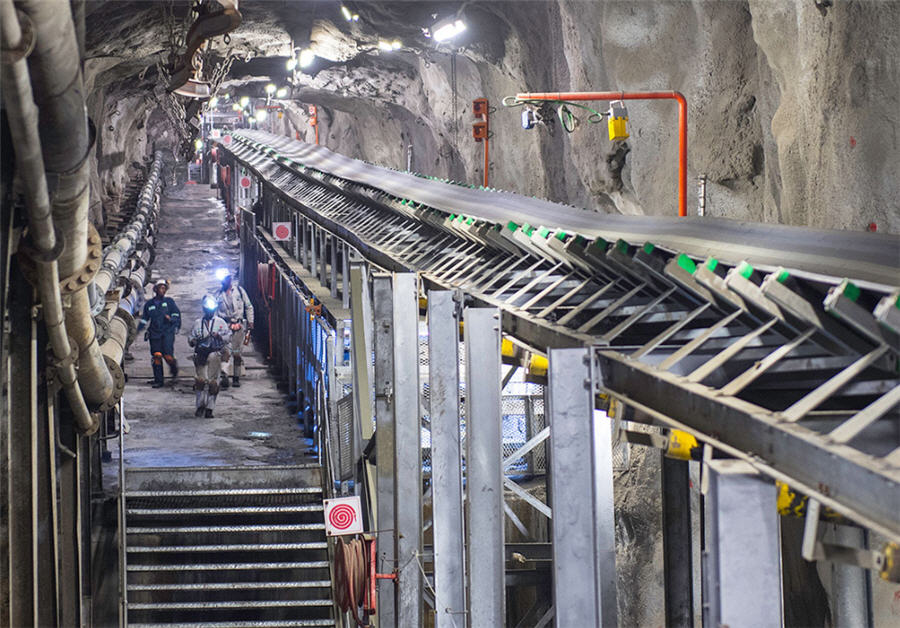
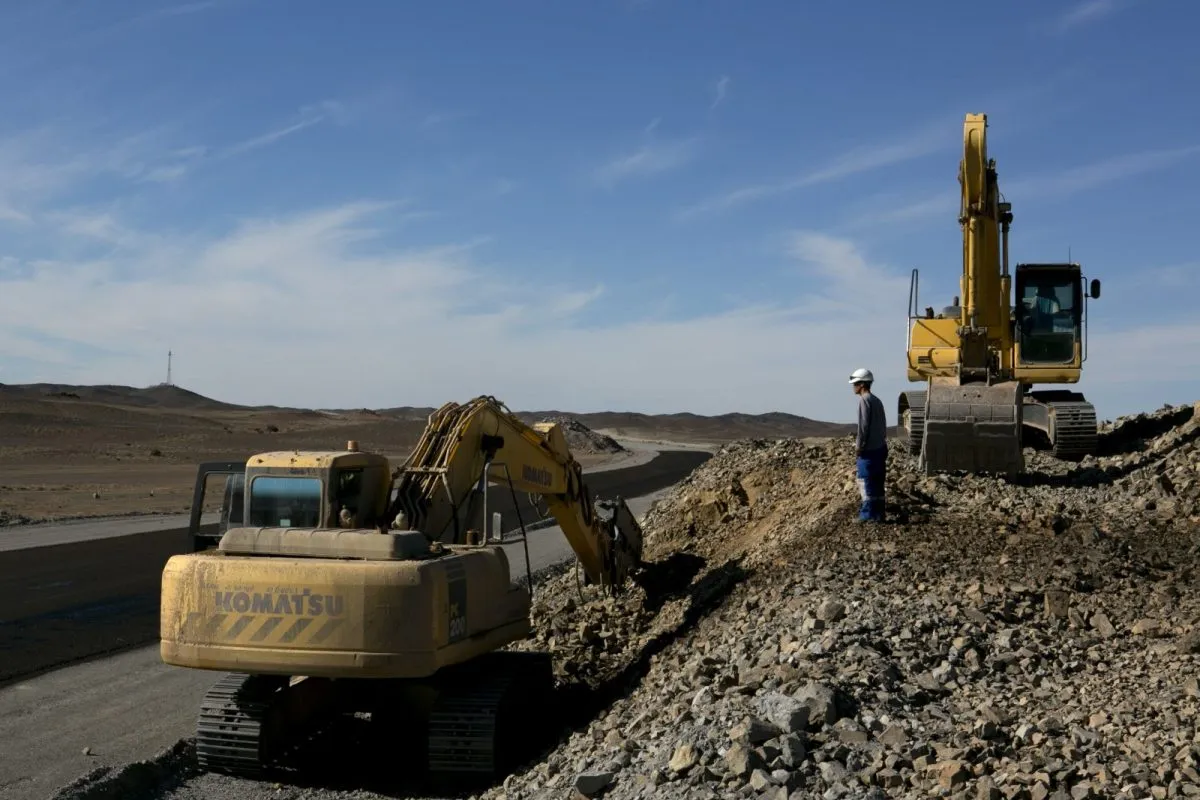
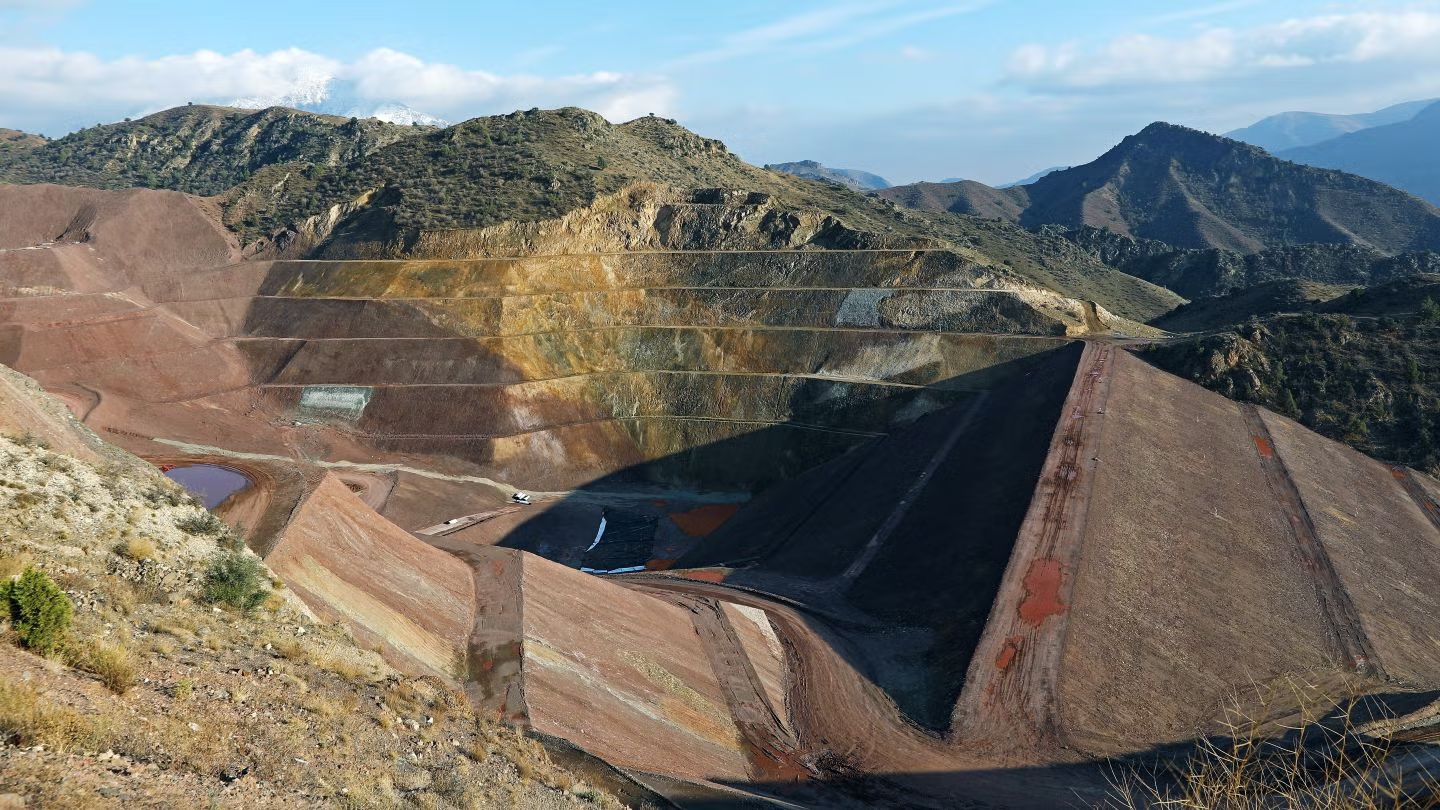
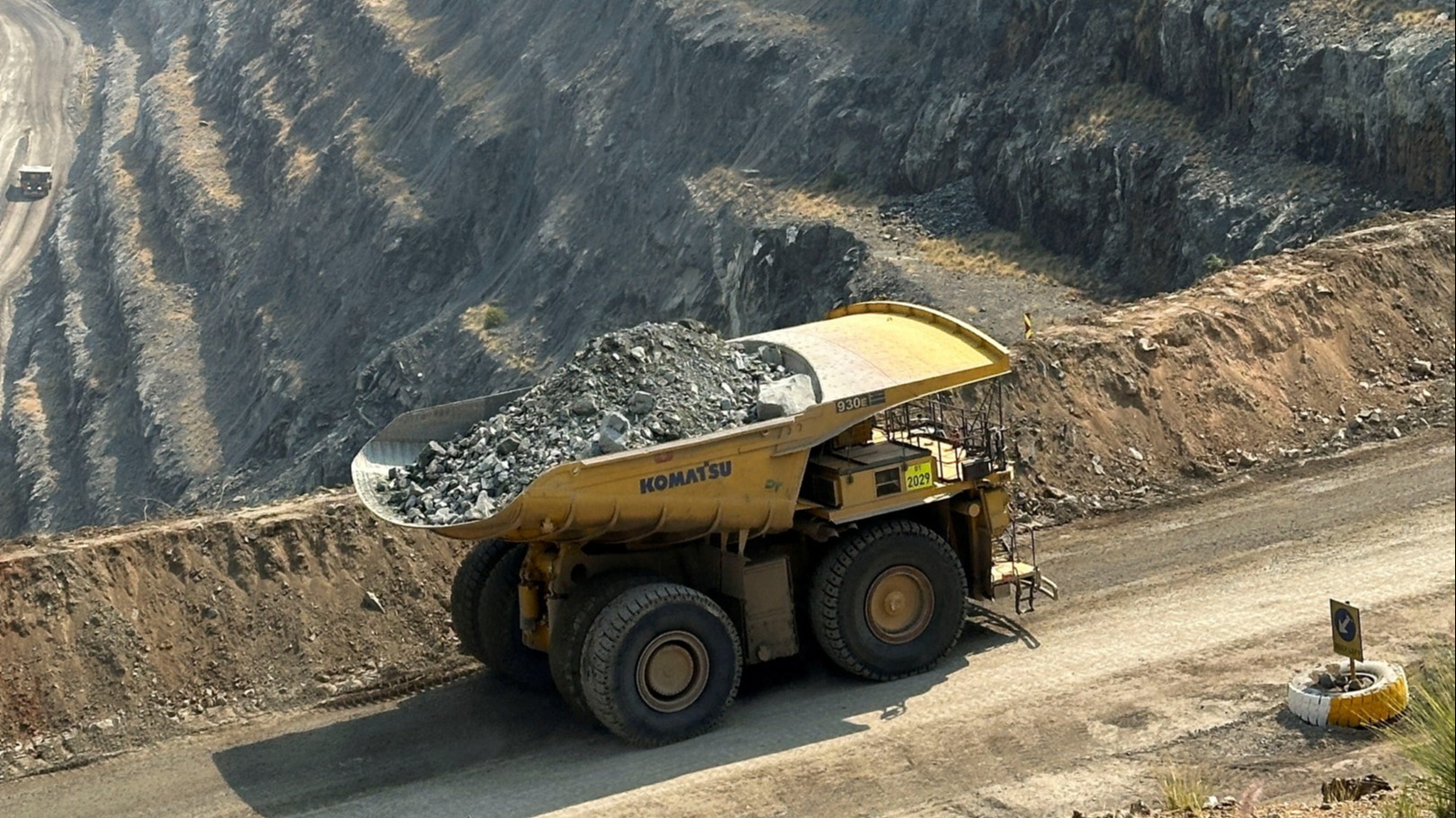
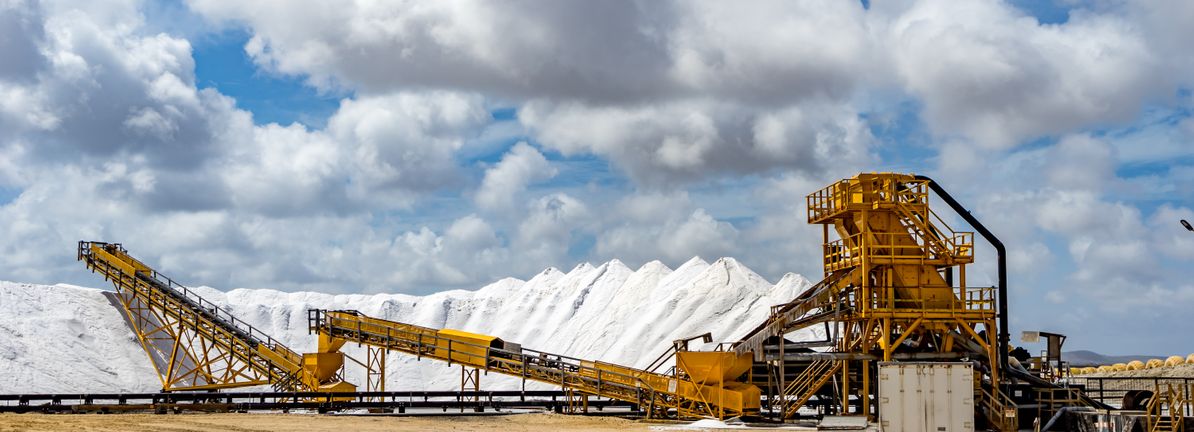
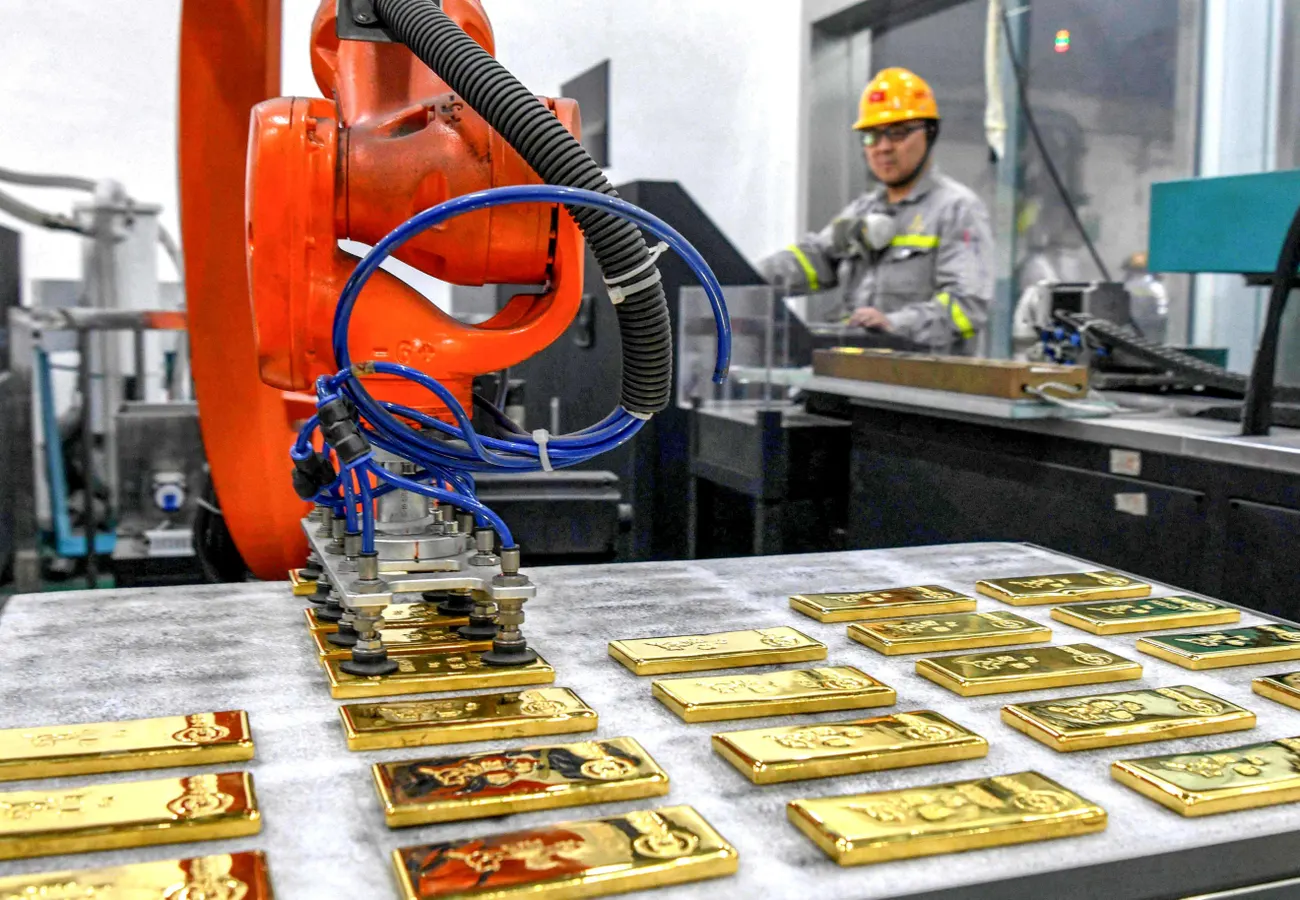
Northam has significantly expanded its production over the past decade. Its mines produced 938,754 4E ounces — platinum, palladium, rhodium and gold — in the fiscal year ended June 2026, more than double the roughly 380,000 ounces produced in 2015.
The company sold 1.09 million 4E ounces during the year and produced 1.69 million metric tons of chrome. Its Vision 2031 strategy targets more than 1.5 million 4E ounces in annual sales and more than 2 million metric tons of chrome concentrate within five years.
Northam also plans to increase third-party metal purchases, which currently exceed 150,000 ounces a year. The company expects mining growth from expansions at Zondereinde, Booysendal and Eland.
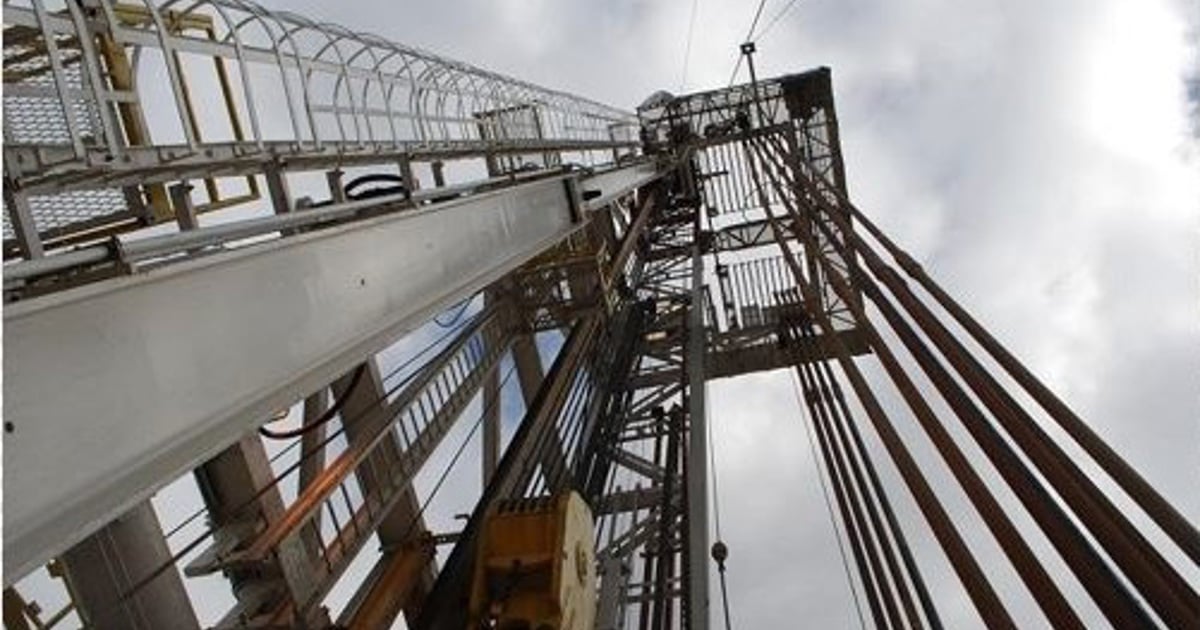
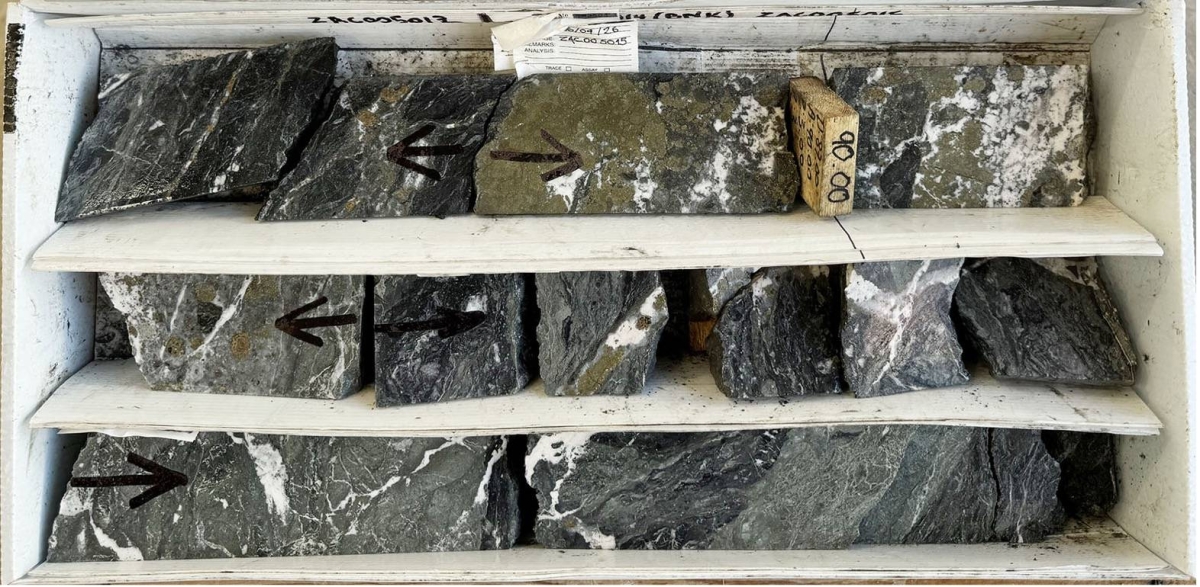
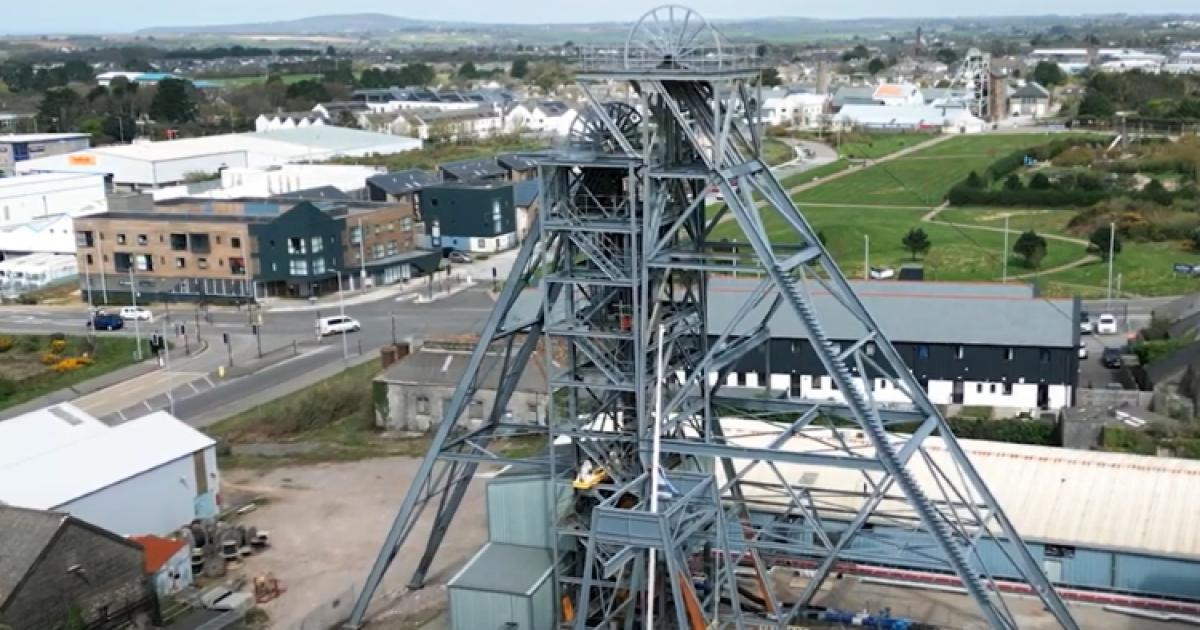
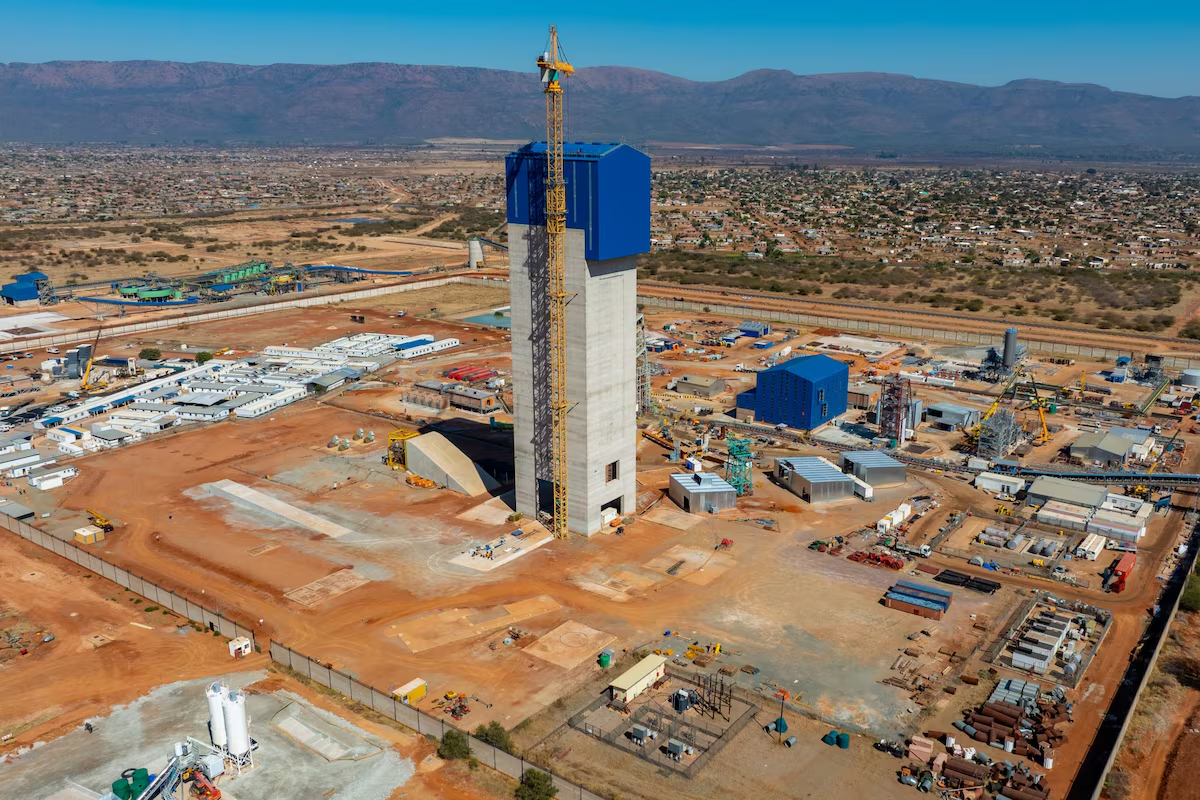
Eland has already reached 60% of its nameplate capacity and generated its first operating profit in 2026. That performance strengthens Northam’s case as an asset that can add supply without relying solely on new greenfield projects.
Northam’s trajectory contrasts with much of the South African sector. Specialist consultancy Johnson Matthey expects South African platinum supply to decline to 3.87 million ounces in 2026 from 3.96 million ounces.
The consultancy also expects most projects under consideration to extend existing mines or replace depleted production rather than increase national output. Johnson Matthey identifies Northam’s Eland mine and Ivanhoe Mines’ Platreef project near Mokopane among the few projects that can add new supply. Platreef started production last year.
A deficit does not guarantee a deal
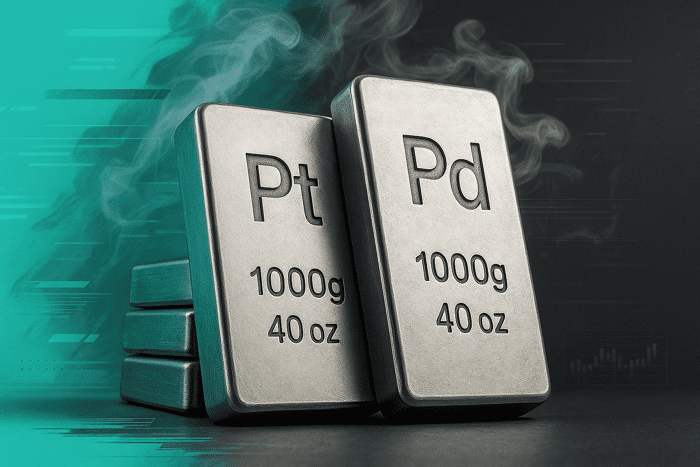
Northam’s limited pool of comparable growth assets becomes more valuable as the platinum market remains undersupplied. The World Platinum Investment Council forecasts a fourth consecutive annual deficit in 2026, with a shortfall of 297,000 ounces despite an expected 9% decline in demand.
The council expects mine supply to remain stable and available stocks to fall to 1.75 million ounces by year-end, equivalent to less than three months of consumption. Its five-year outlook projects an average annual deficit of 331,000 ounces between 2026 and 2030.
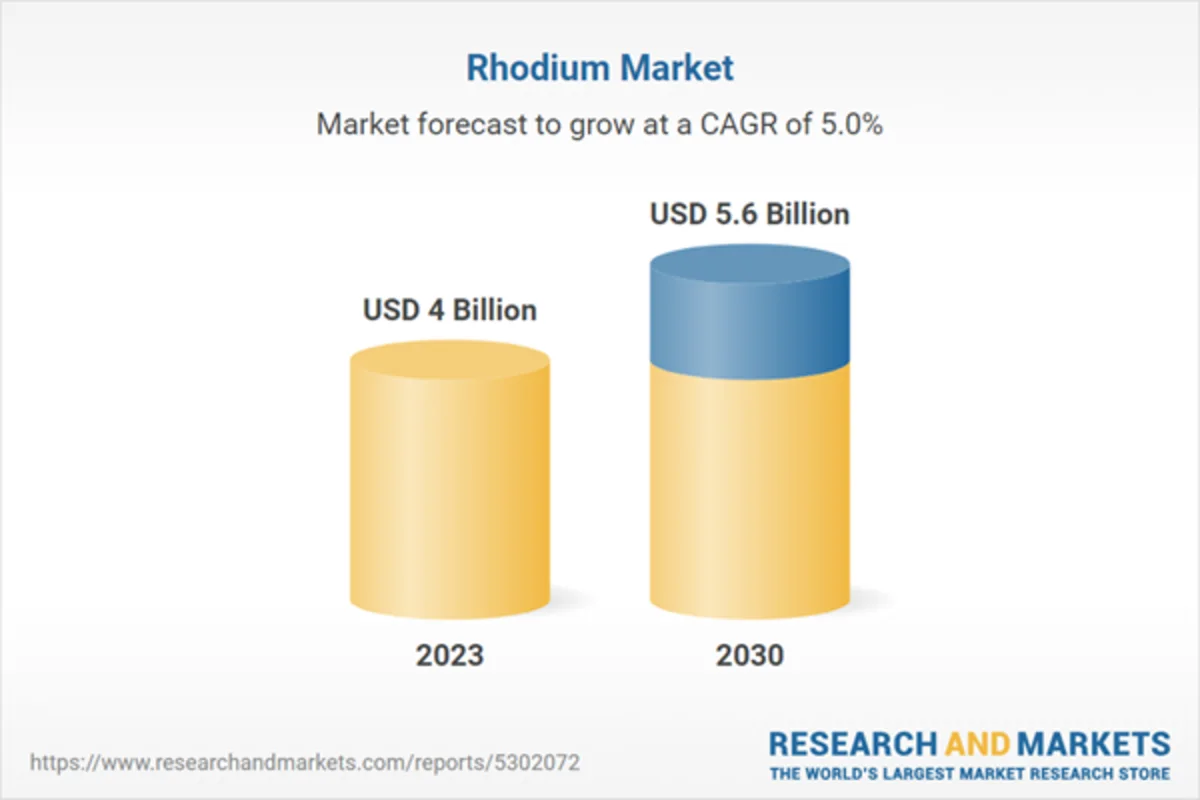
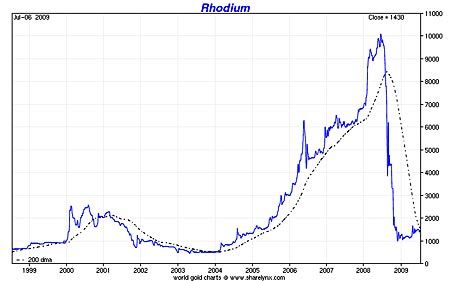
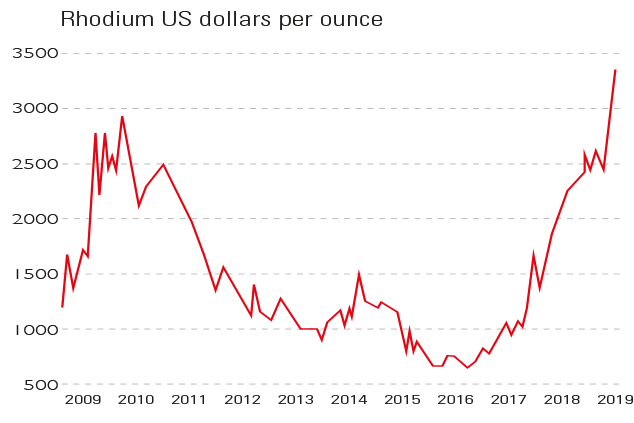
However, the outlook differs across the metals in Northam’s portfolio. Johnson Matthey expects the platinum deficit to narrow in 2026, while palladium and rhodium could post small surpluses.
Northam’s strategic value therefore rests less on a broad-based shortage than on its ability to increase production without the long lead times required for a new mining project.
Whether that advantage will translate into a transaction, and at what price, remains uncertain. Northam is expected to provide more details in an information memorandum after it releases its audited annual results on Friday, Aug. 28. The document should also clarify the investment required to execute the Vision 2031 strategy.
Emiliano Tossou