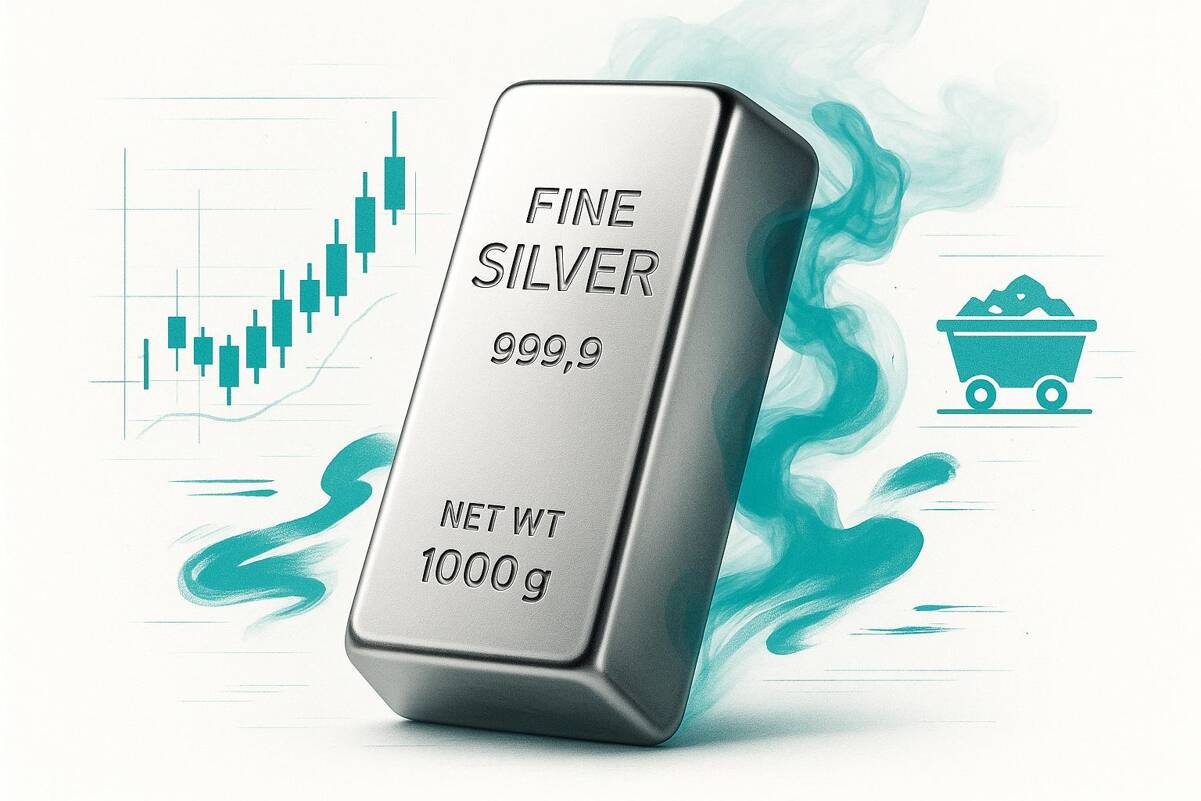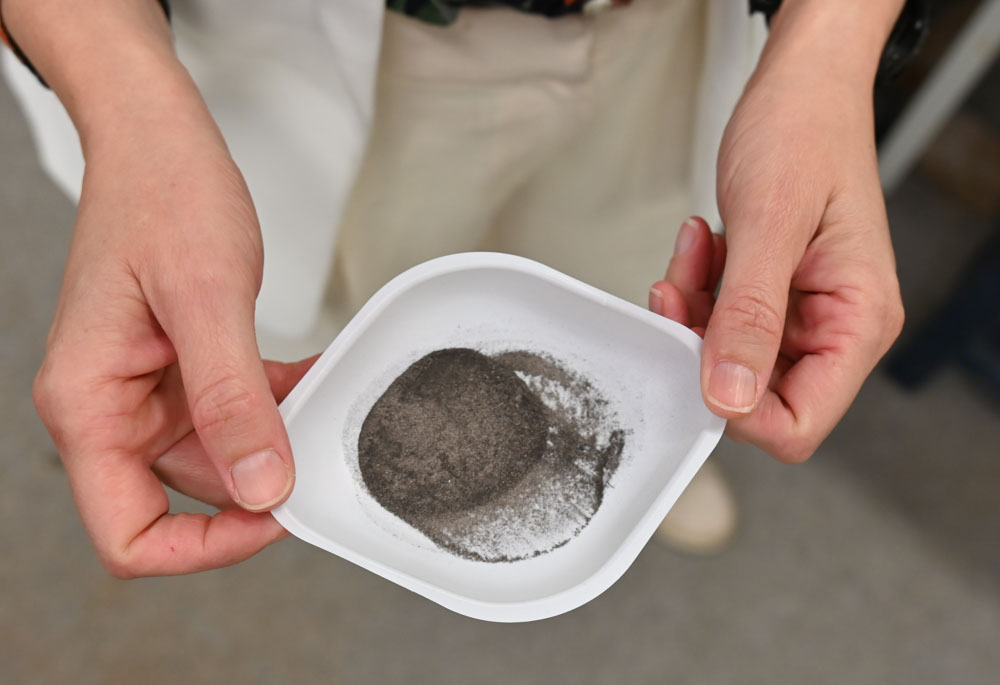
A group of researchers from Australia has investigated the electrochemical factors influencing silver recovery during solar module recycling. The study examined, in particular, the impact of electrode material, current density, and copper contamination on silver electrodeposition.
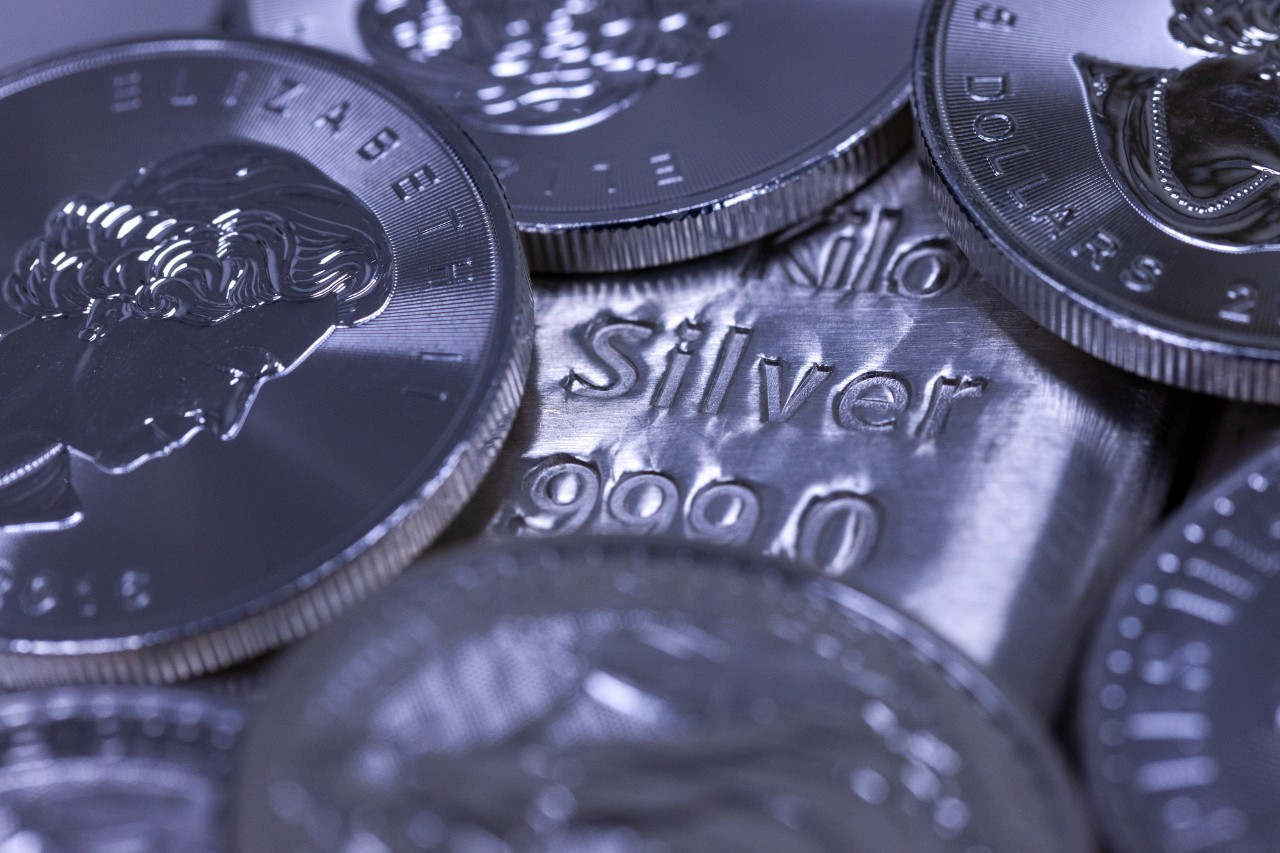
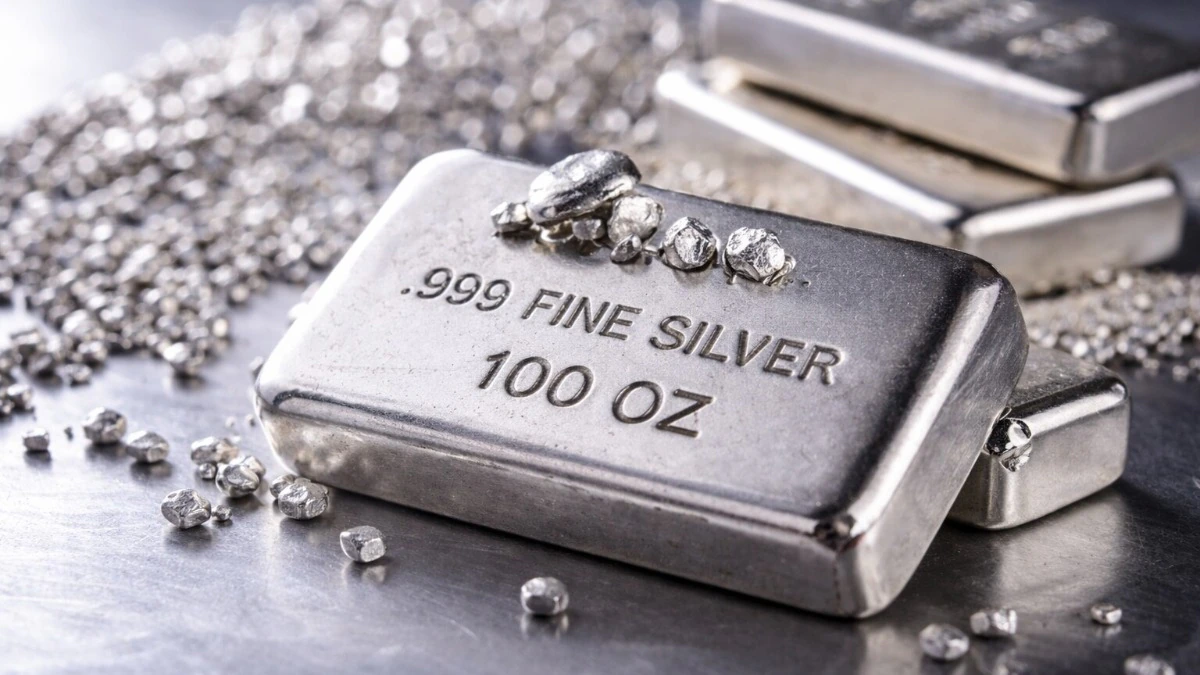
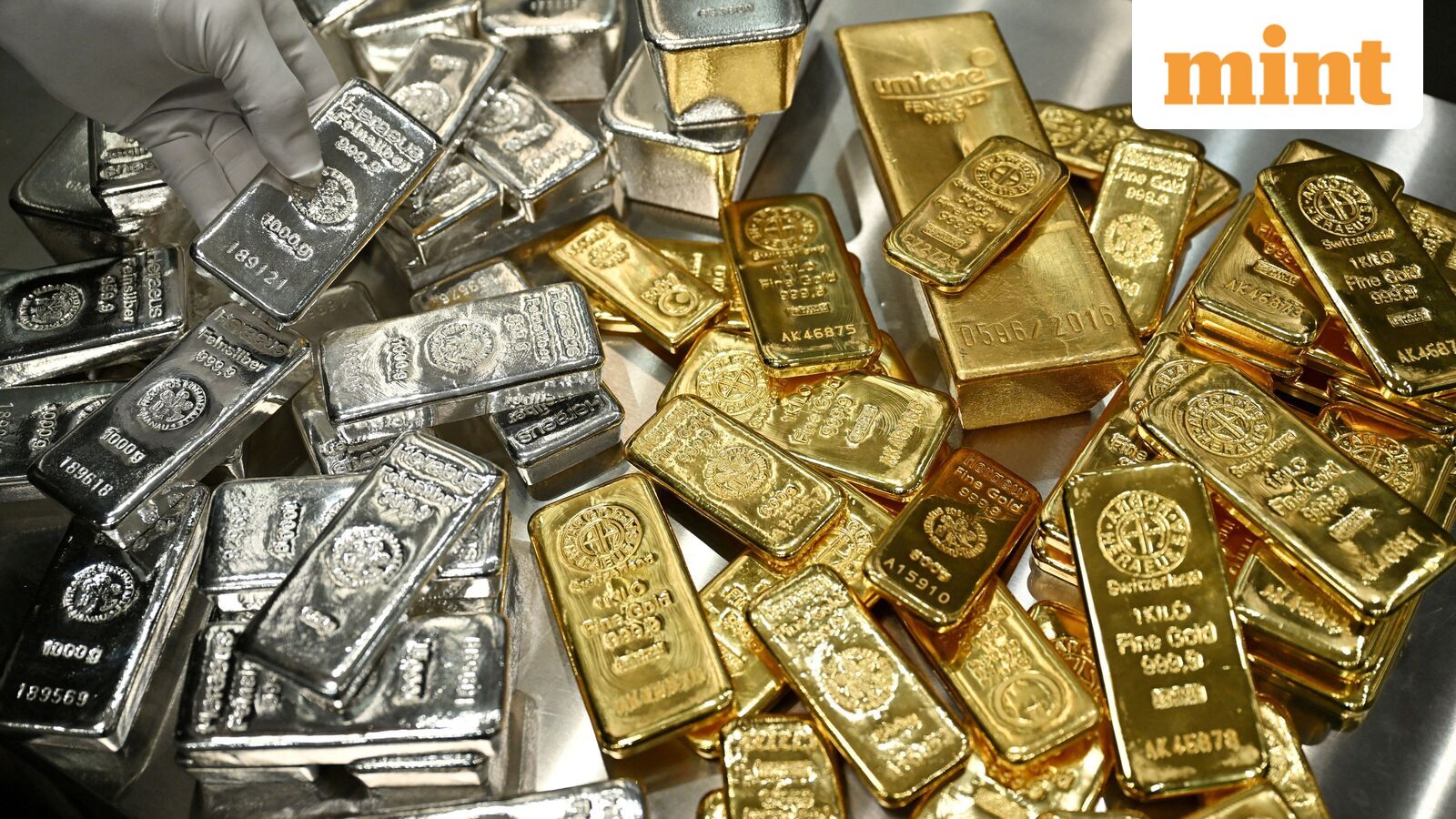
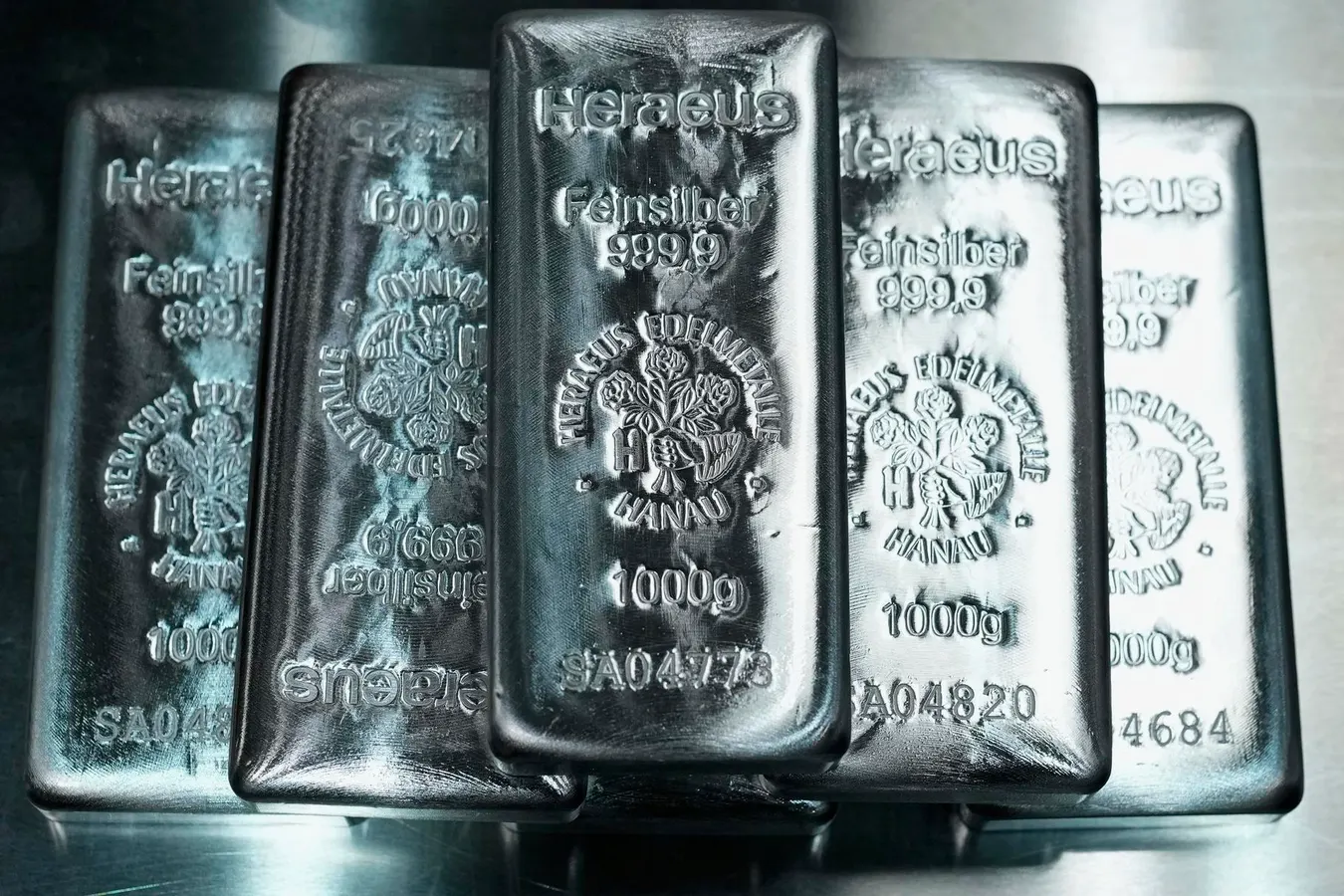
“Although silver represents only around 0.03% of the weight of a complete PV module, it accounts for half of the material value. If business-as-usual continues, it is estimated that 85–95% of the world’s silver reserves could be locked away in PV modules by 2050,” the researchers said. “Electrochemical recovery of silver from photovoltaic solar cells has been explored experimentally in the literature; however, limited work has focused on understanding the influence of the underlying process variables.”
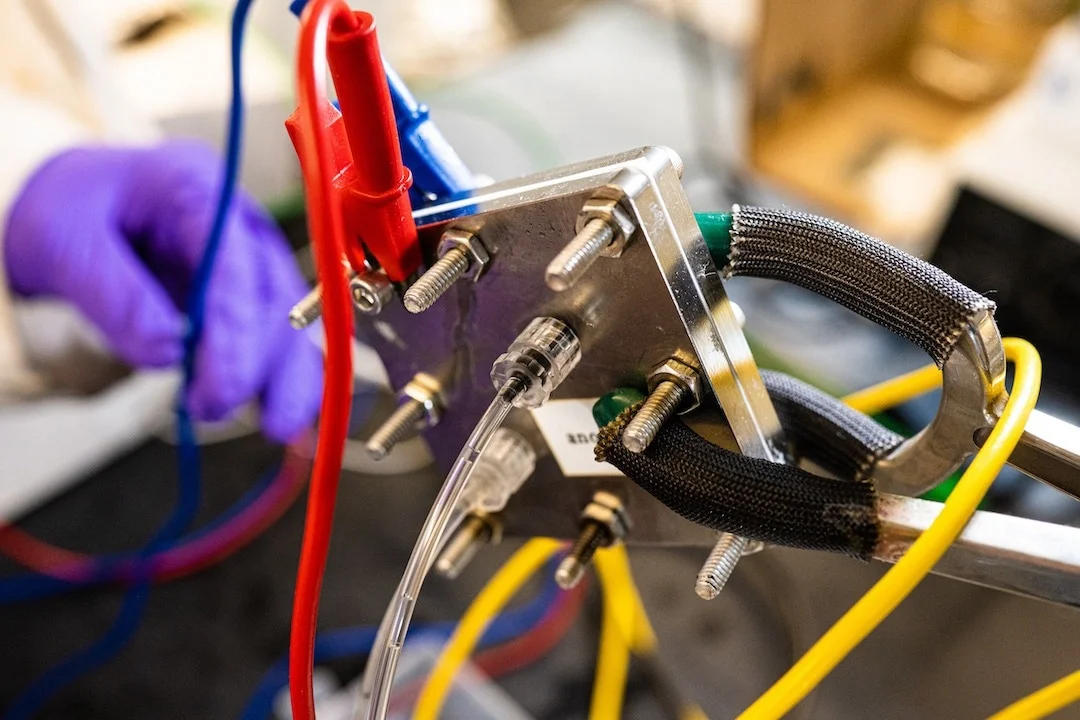
For the study, the team prepared a silver-leaching electrolyte containing 4 M nitric acid (HNO₃) and 20 mM silver nitrate (AgNO₃) to represent dissolved silver recovered from recycled solar cells. The electrolyte was then tested in a three-electrode electrochemical cell equipped with four different cathode materials: silver, 316L stainless steel, copper, and graphite.
After determining the most suitable electrode material, the researchers analyzed the effects of current density and copper concentration on silver deposition. The current density was varied between −5, −20, −35, and −50 mA cm⁻², while copper concentrations in the electrolyte were adjusted to 10, 20, and 30 mM.
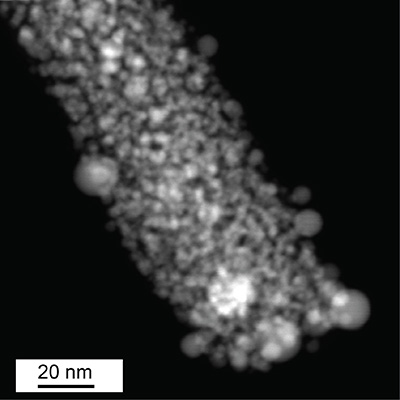
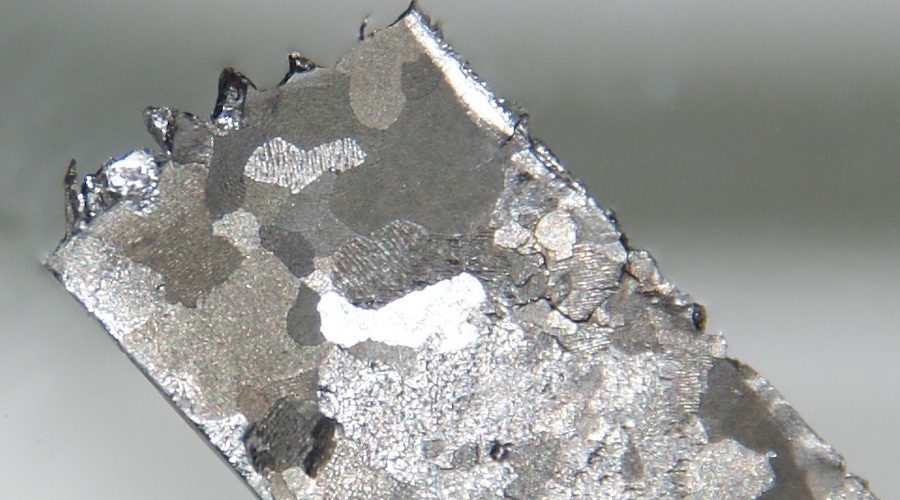
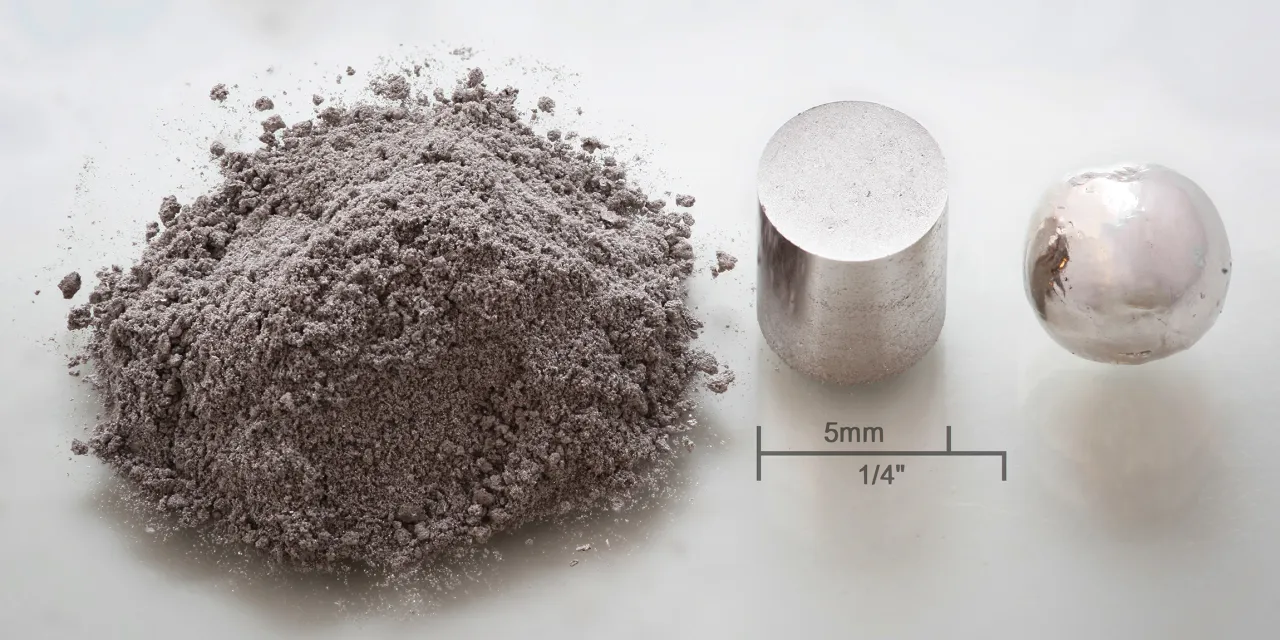
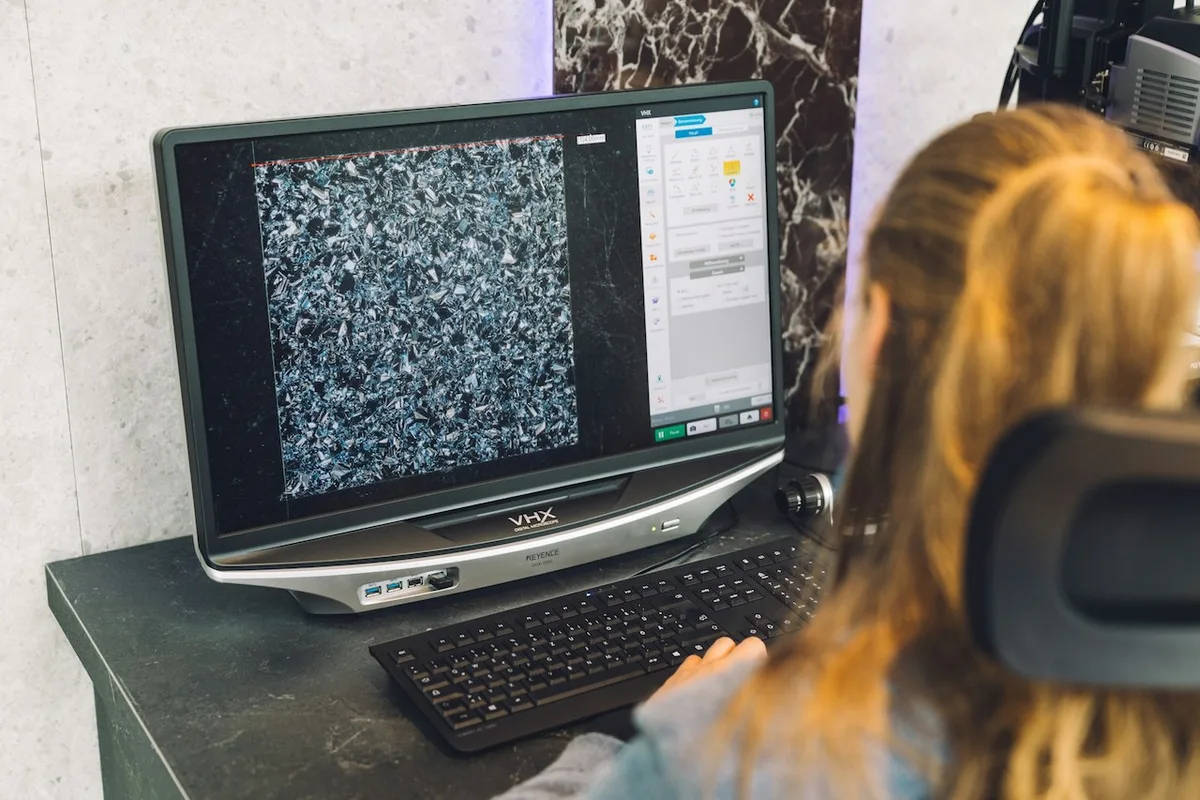
The resulting silver recovery rate, Faradaic efficiency, deposition potential, deposit morphology, and purity were assessed using gravimetric analysis, cyclic voltammetry, scanning electron microscopy (SEM), energy-dispersive X-ray spectroscopy (EDS), and X-ray diffraction (XRD).
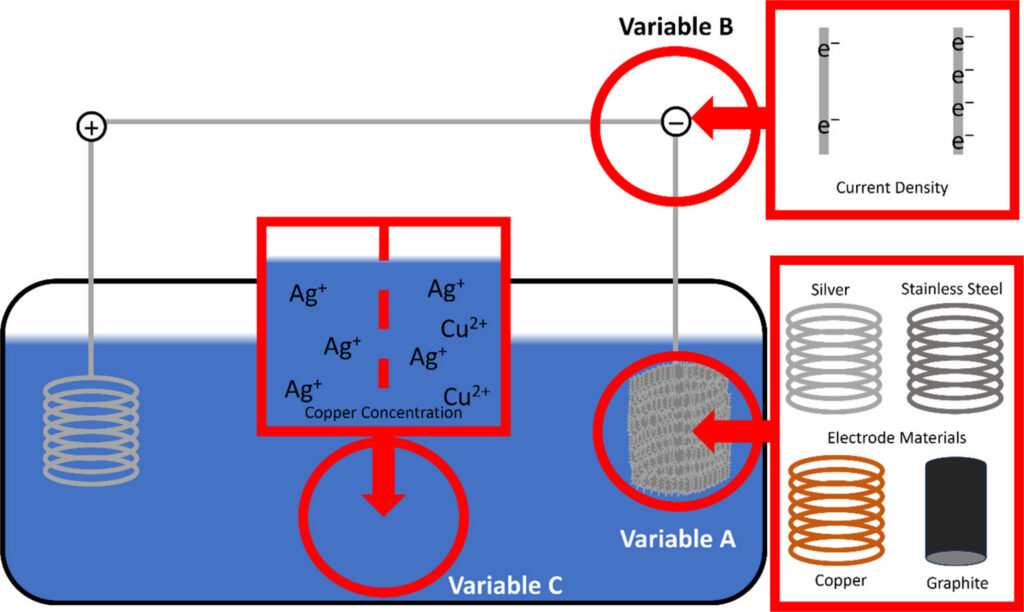
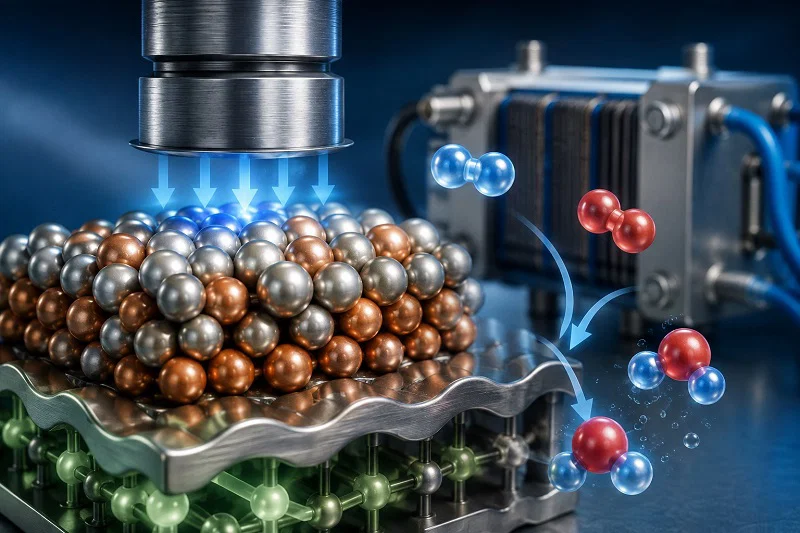
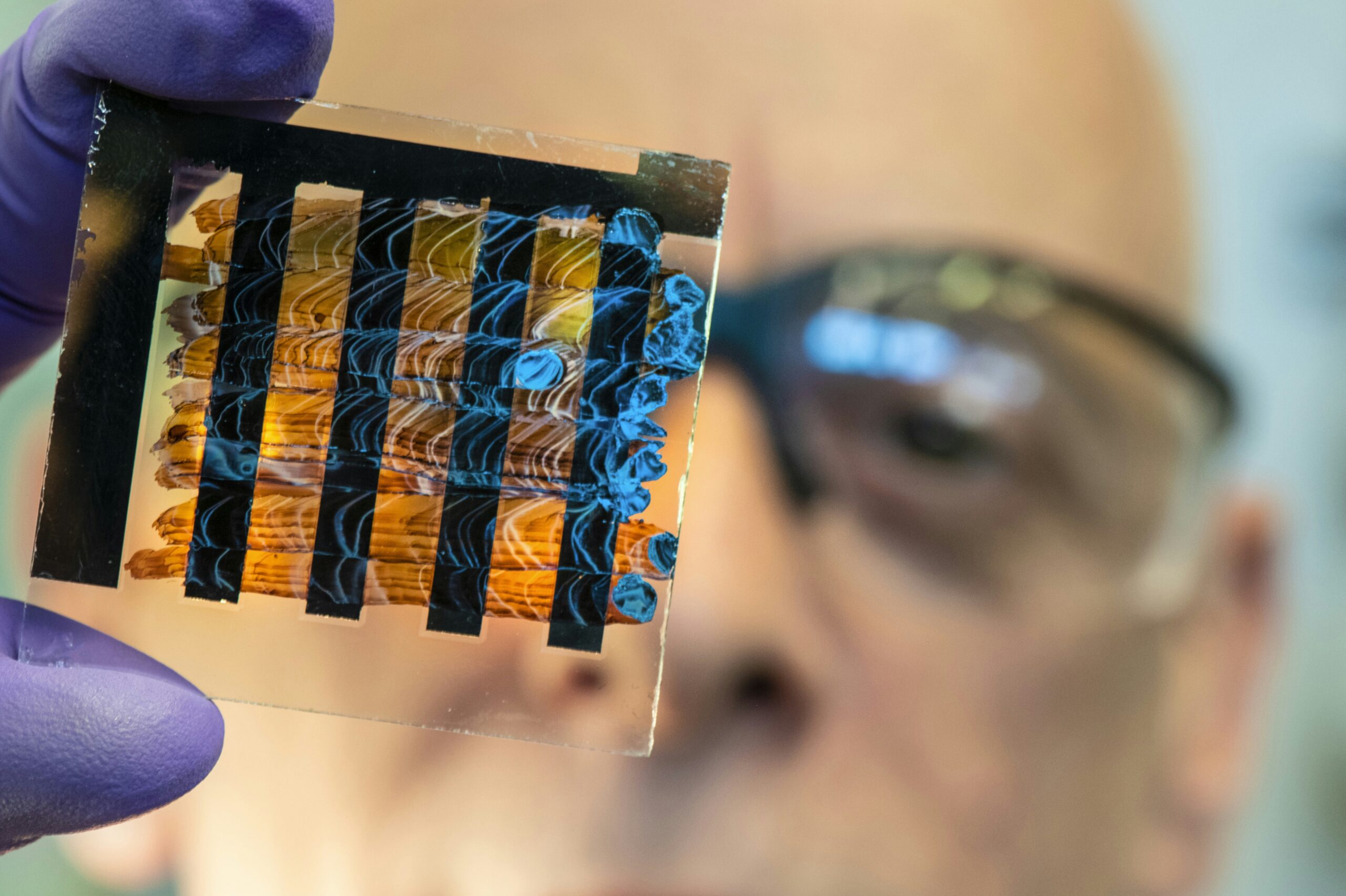
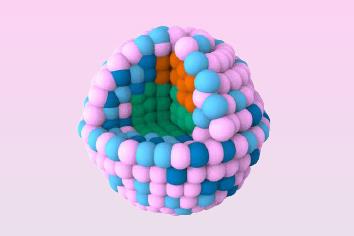
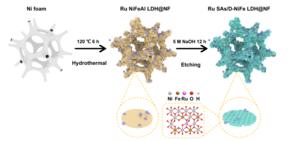
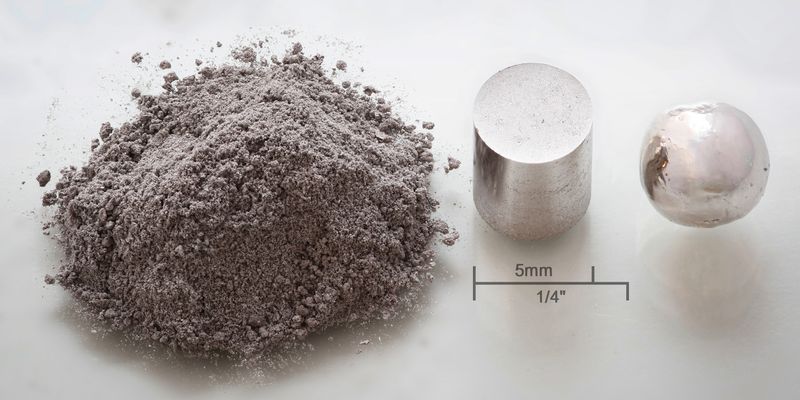
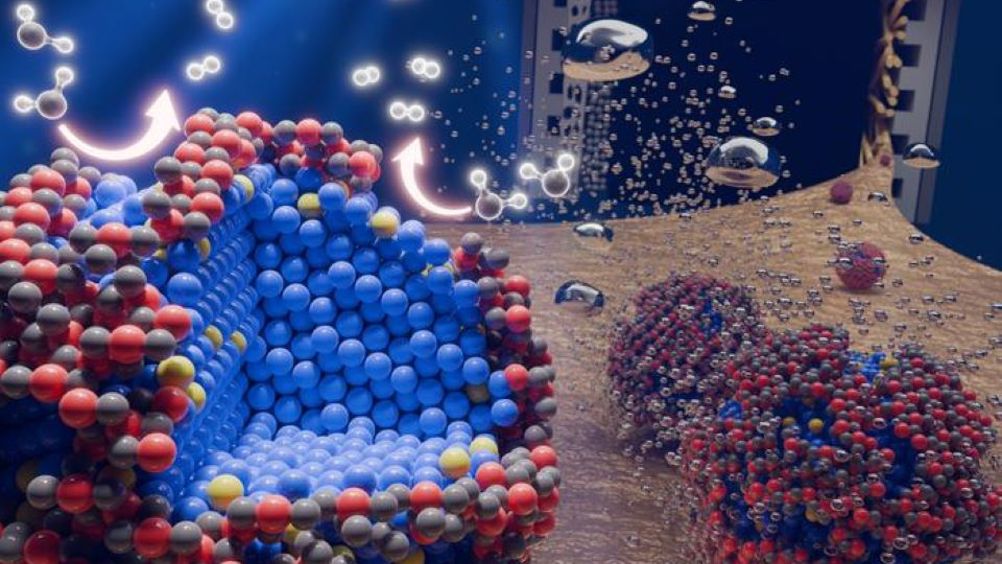
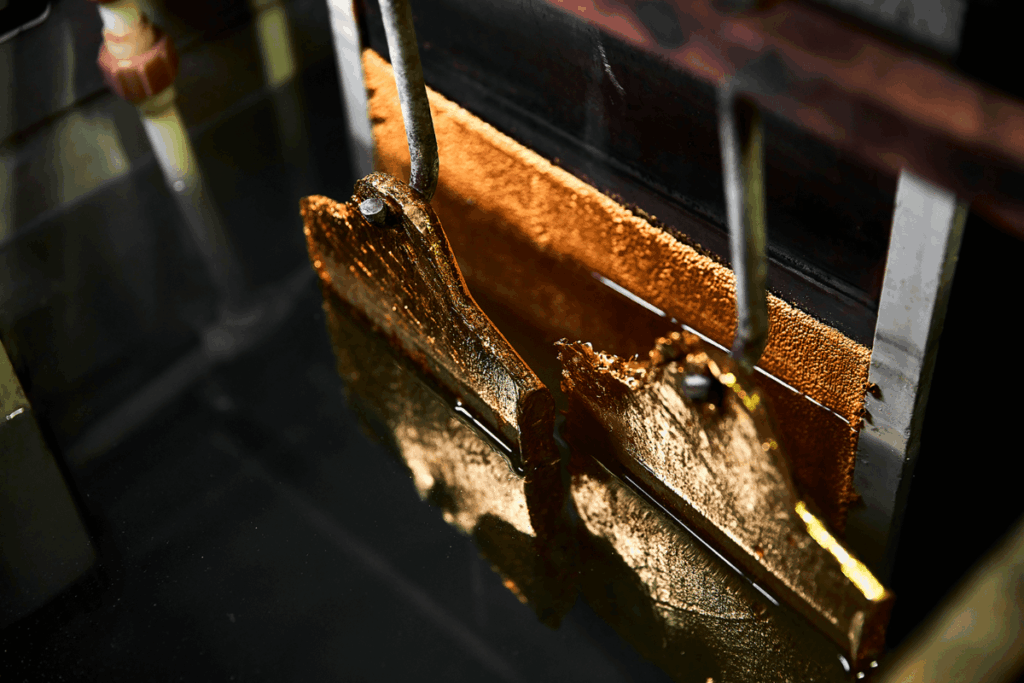
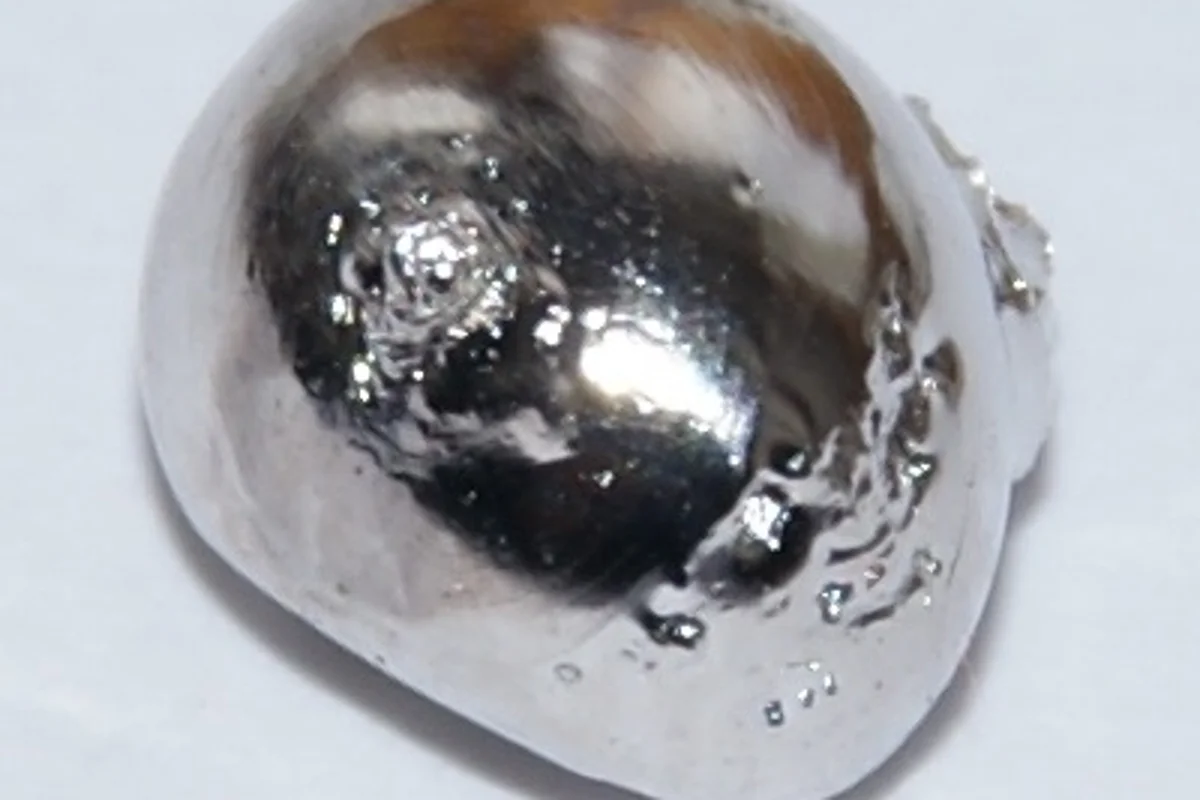
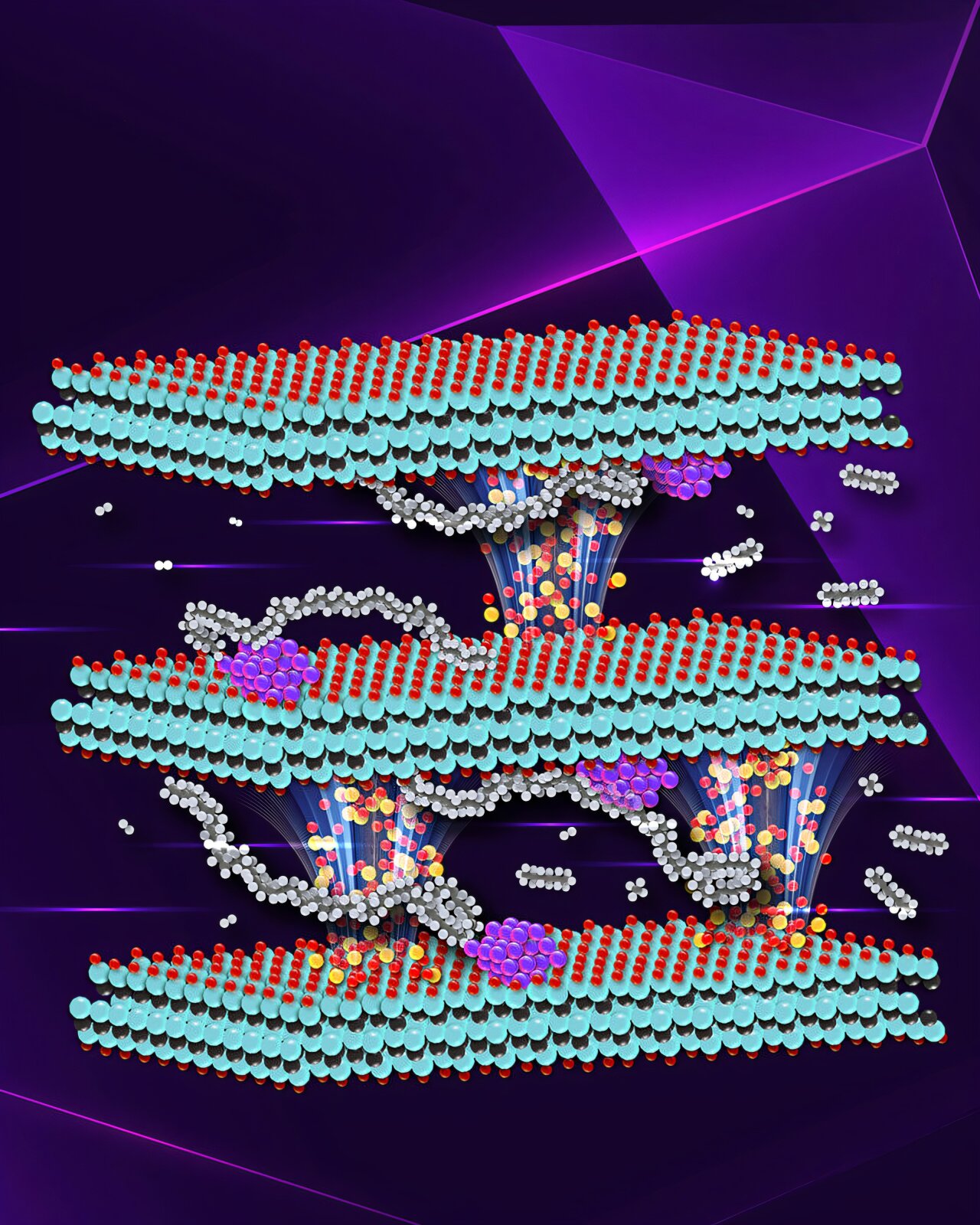
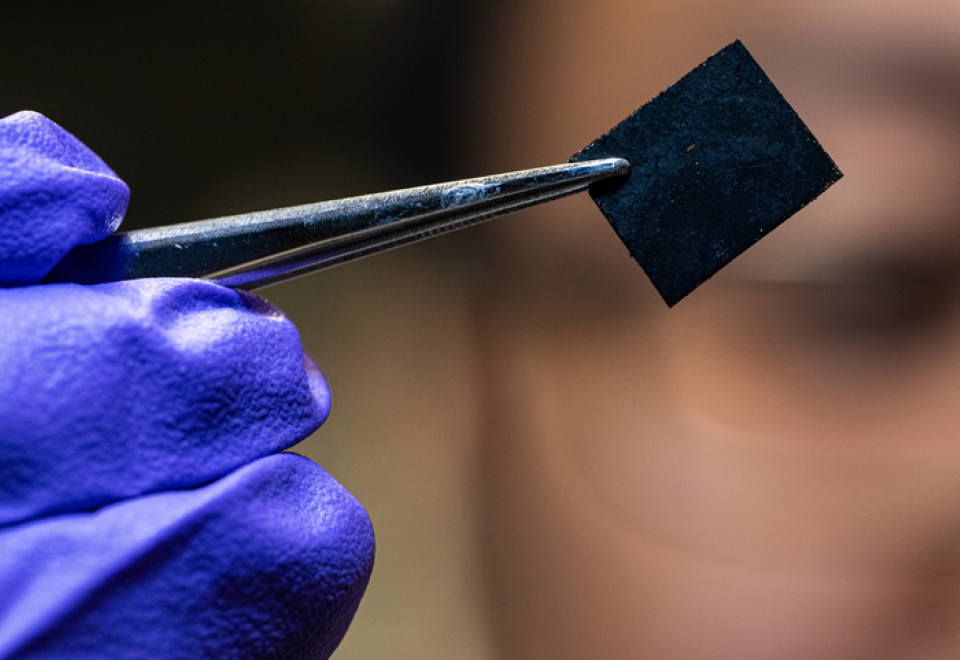
| Image: University of Newcastle, Electrochimica Acta, CC BY 4.0
“It was found that stainless steel delivered comparable performance to silver, achieving an average recovery rate of 93% and a Faradaic efficiency of 92%, while offering greater stability and avoiding contamination of the deposited silver,” the researchers reported. “The copper electrode was unstable in the electrolyte and dissolved during deposition, while the graphite electrode failed to consistently produce a stable silver deposit.”
After identifying 316L stainless steel as the most suitable electrode material, the team investigated its performance at different current densities. The results showed that increasing the current density improved silver recovery and Faradaic efficiency, rising from 87% and 86% at −5 mA cm⁻² to 93% and 96% at −35 mA cm⁻². Beyond this point, both recovery and efficiency declined. “Current density also had a significant effect on deposit morphology, with particle size decreasing as current density increased,” the researchers added.
The scientists also found that copper concentration in the electrolyte had a significant impact on the system’s electrochemical behavior, as demonstrated by cyclic voltammetry measurements. Copper concentration also appeared to influence silver nucleation and deposition, resulting in morphological changes in the deposits. “Despite this, the deposited silver showed no evidence of copper co-deposition at the tested concentrations, with a maximum of 30 mM copper and 20 mM silver,” the researchers said.
Their findings appeared in “A parametric analysis of electrochemical variables in silver recovery for solar module recycling,” published in Electrochimica Acta. Scientists from Australia’s University of Newcastle, CSIRO Energy and PV Industries have contributed to the study.