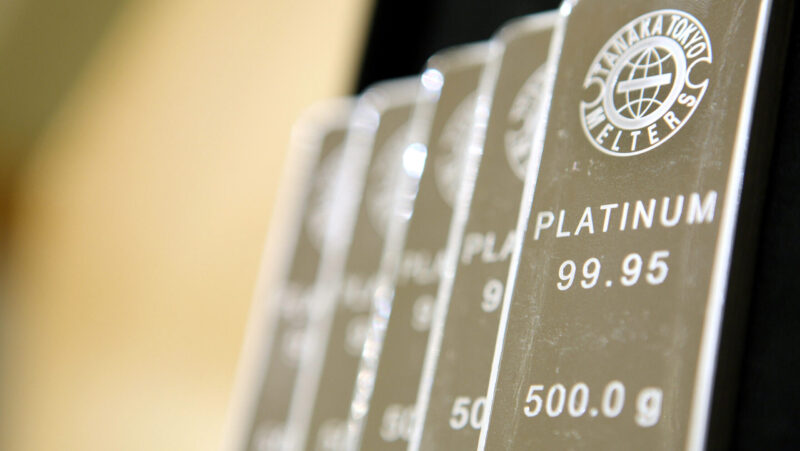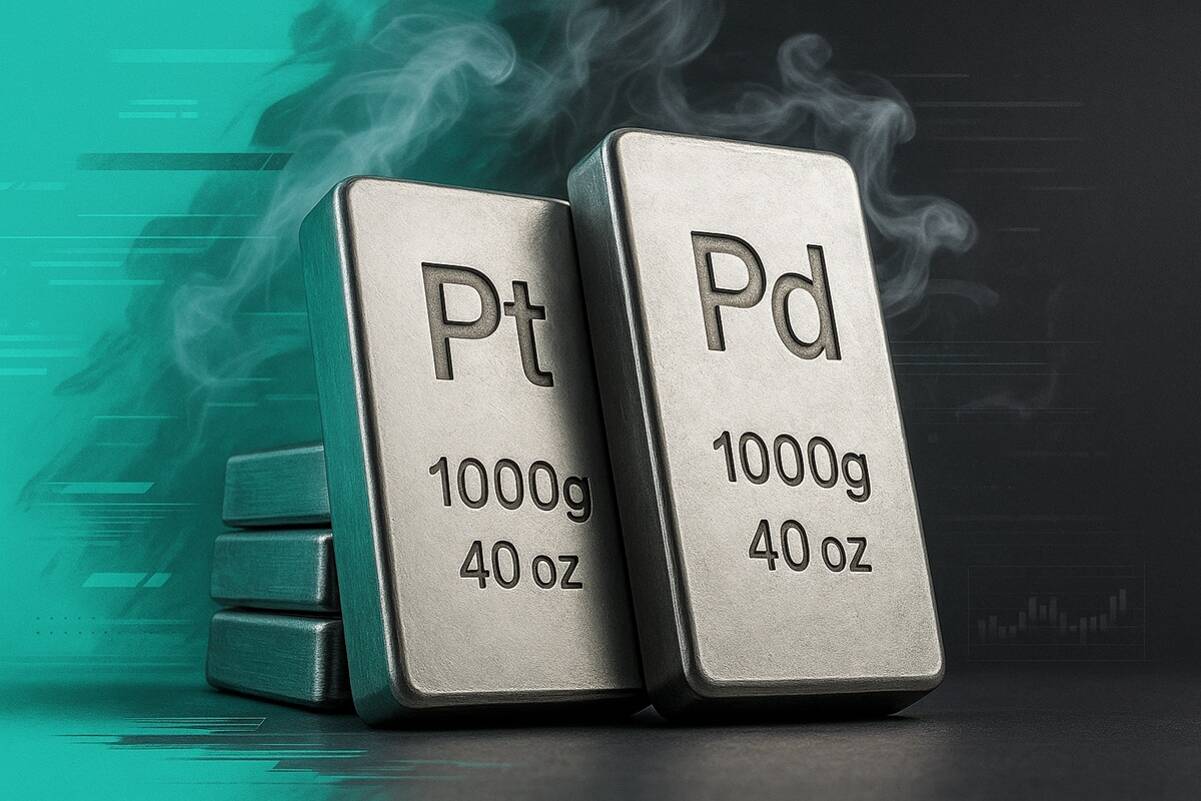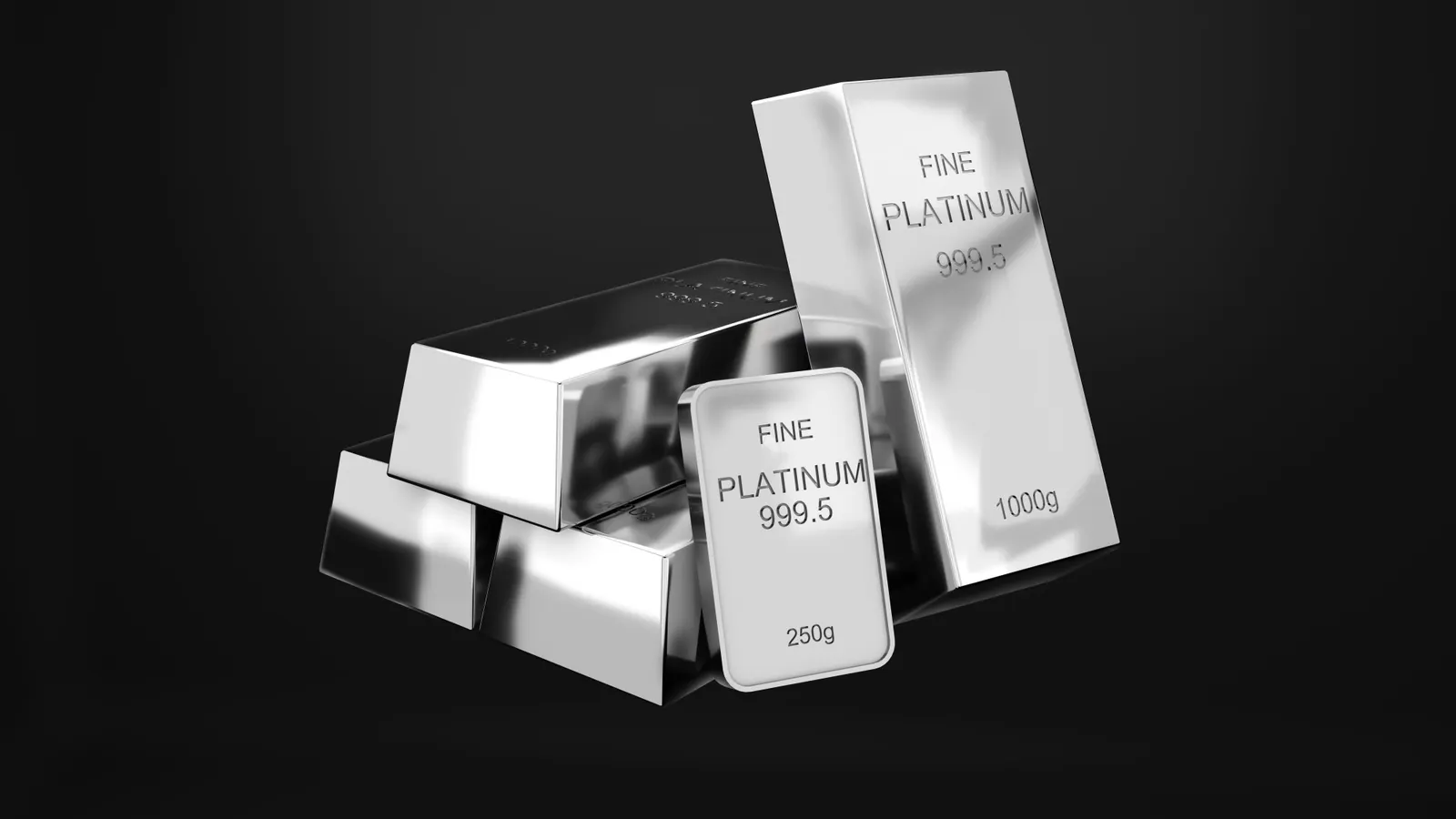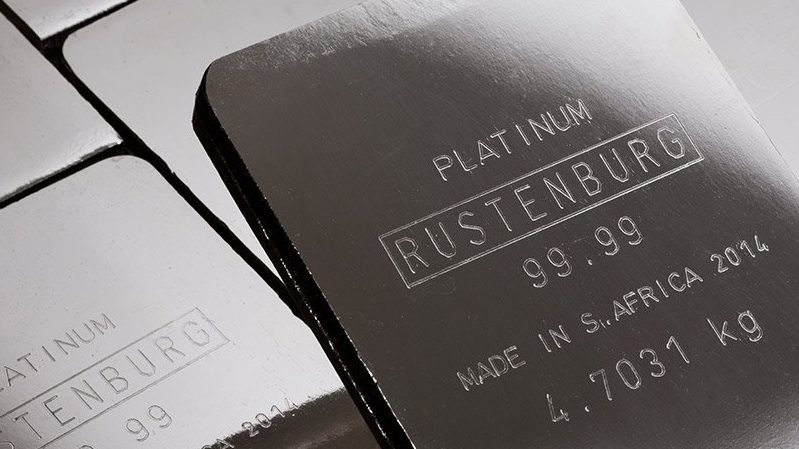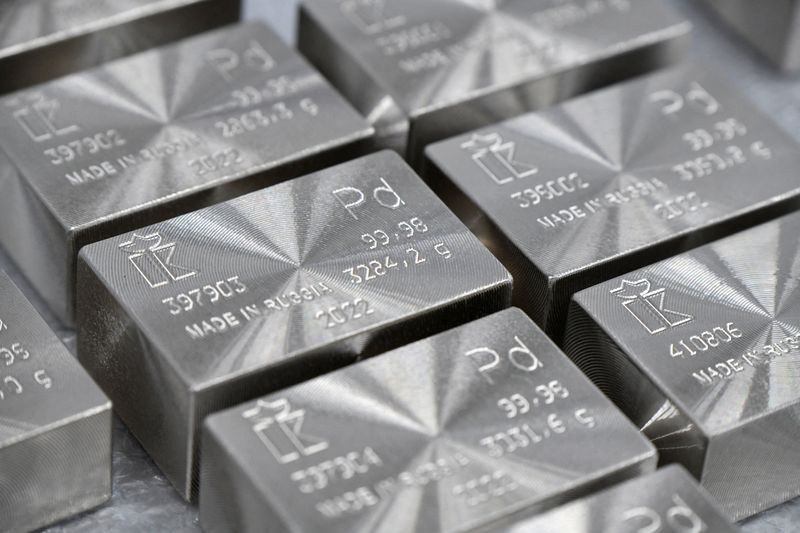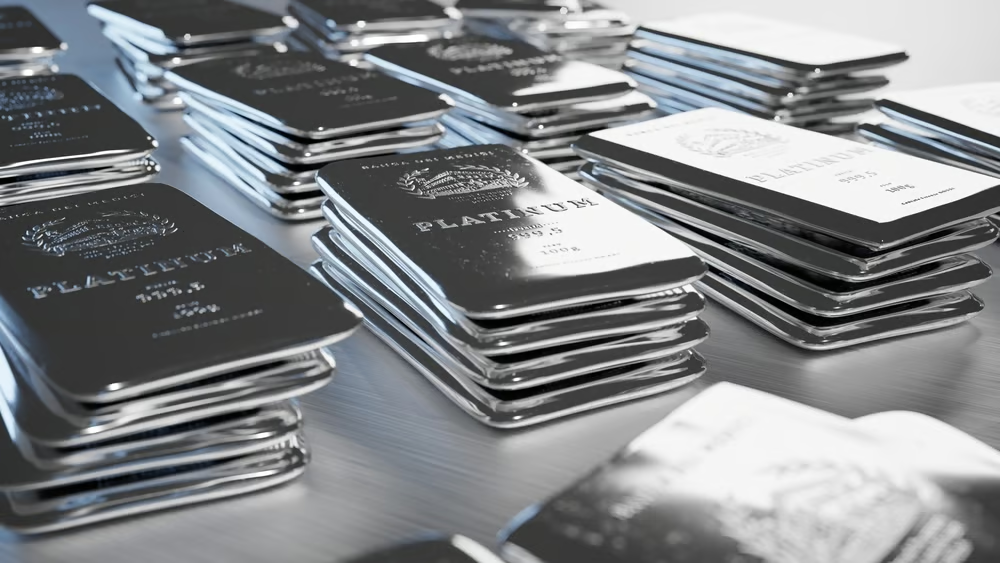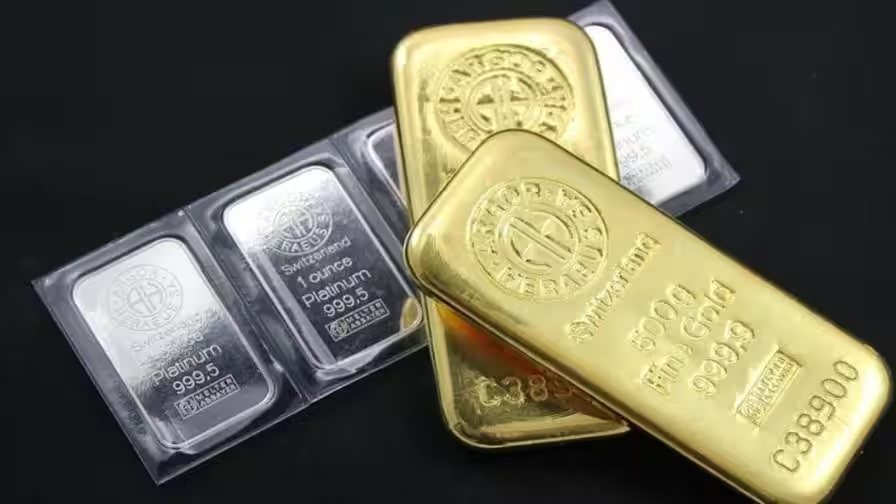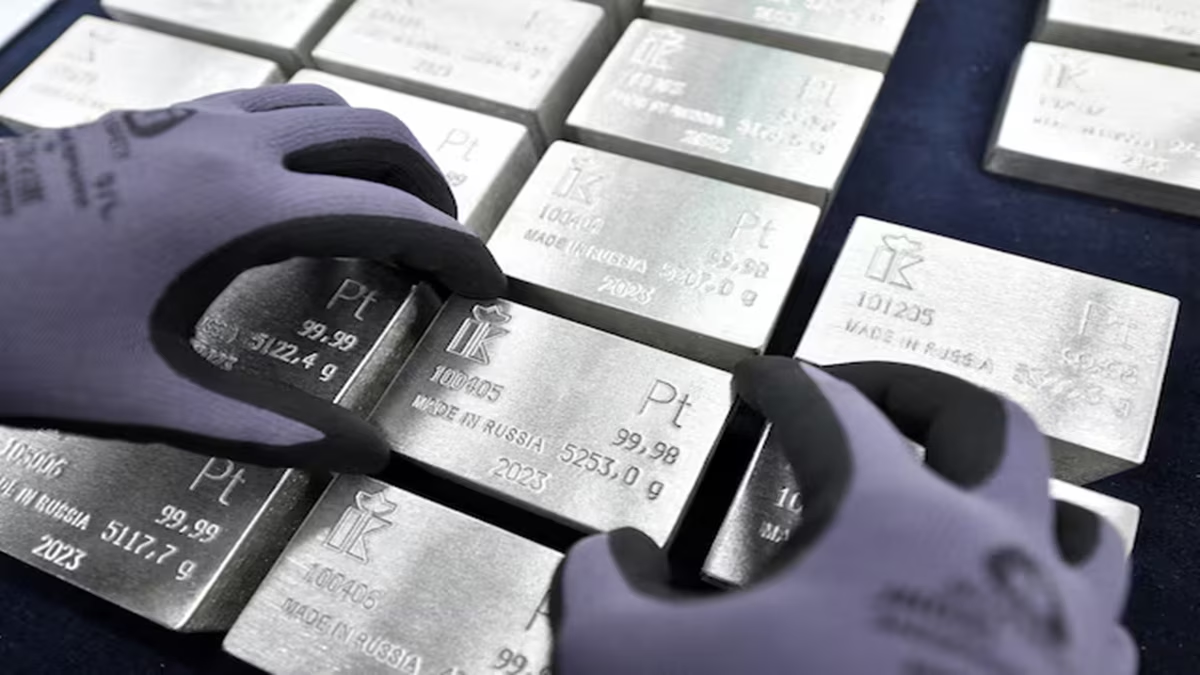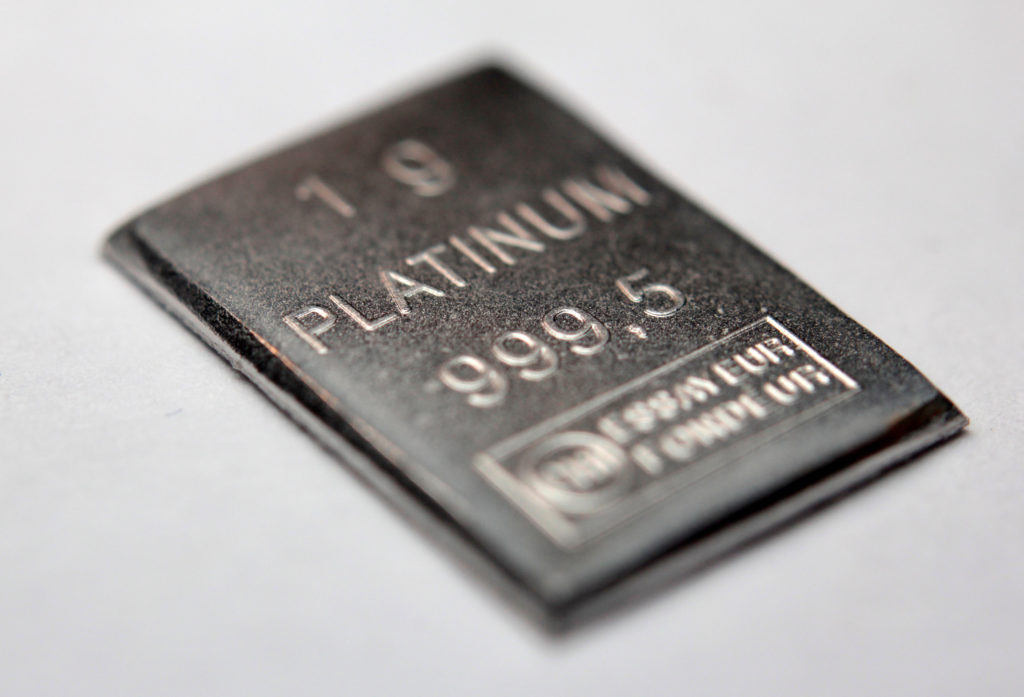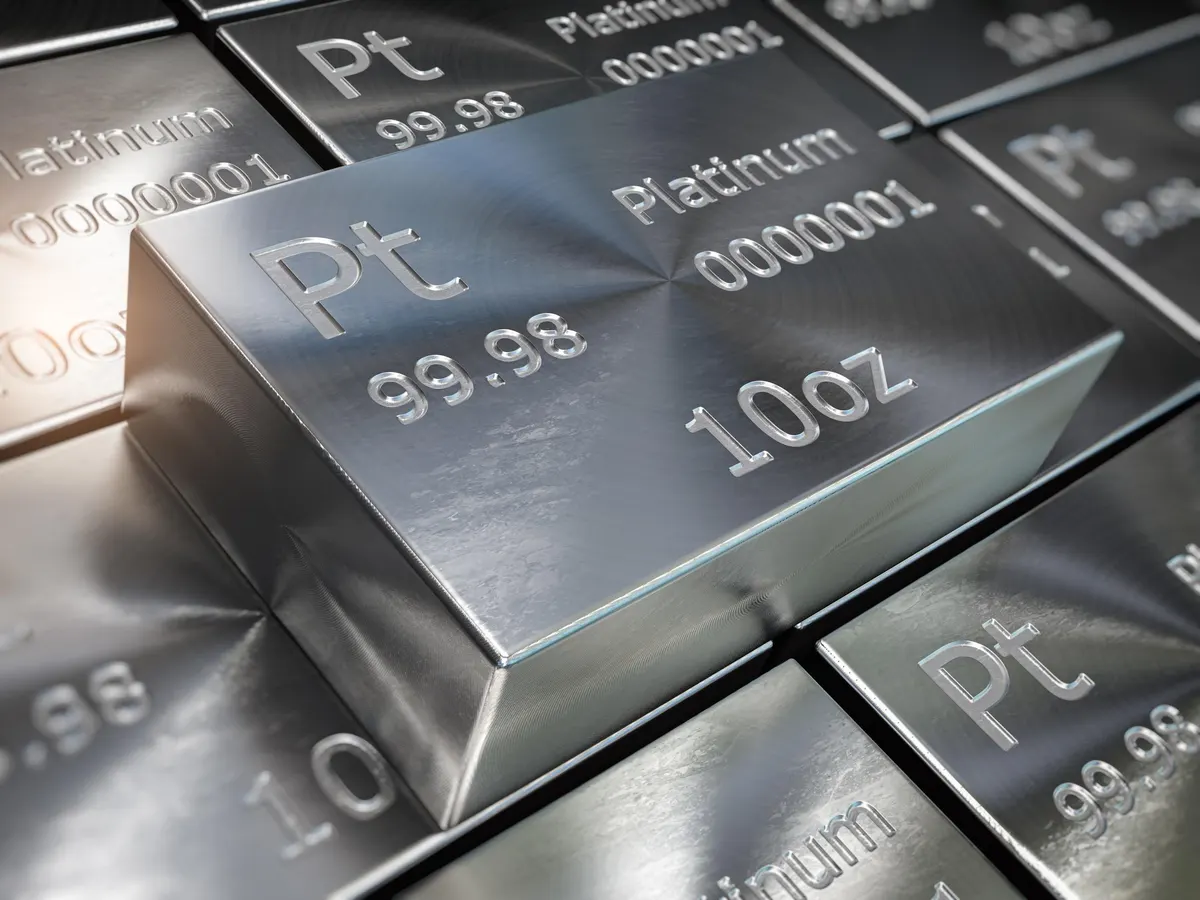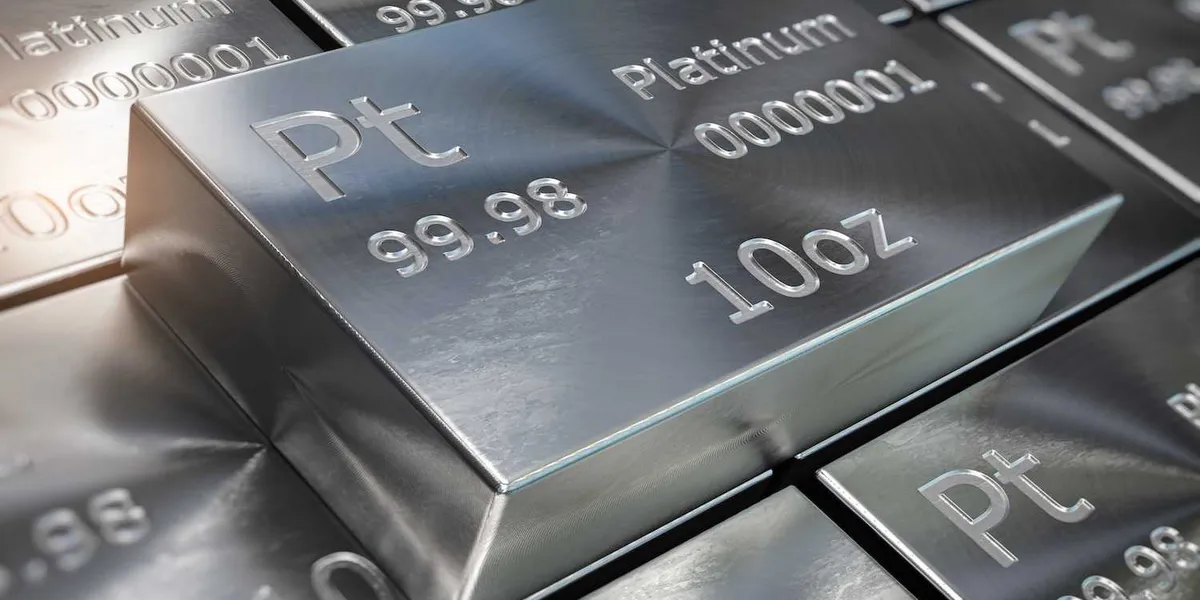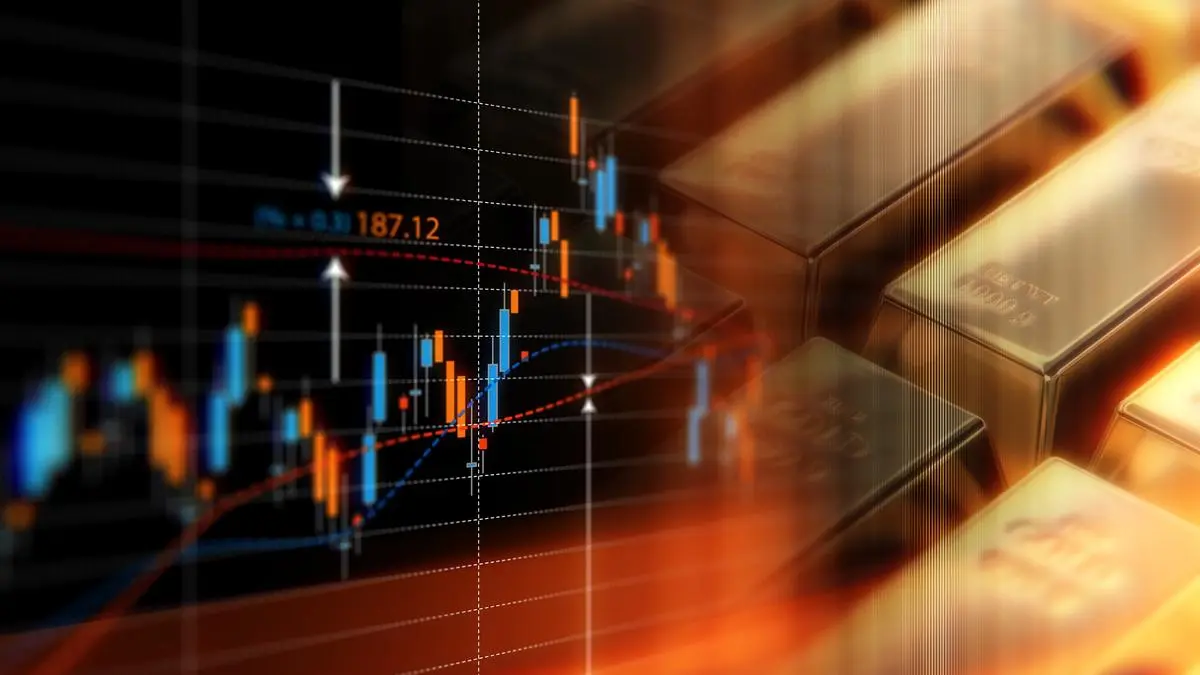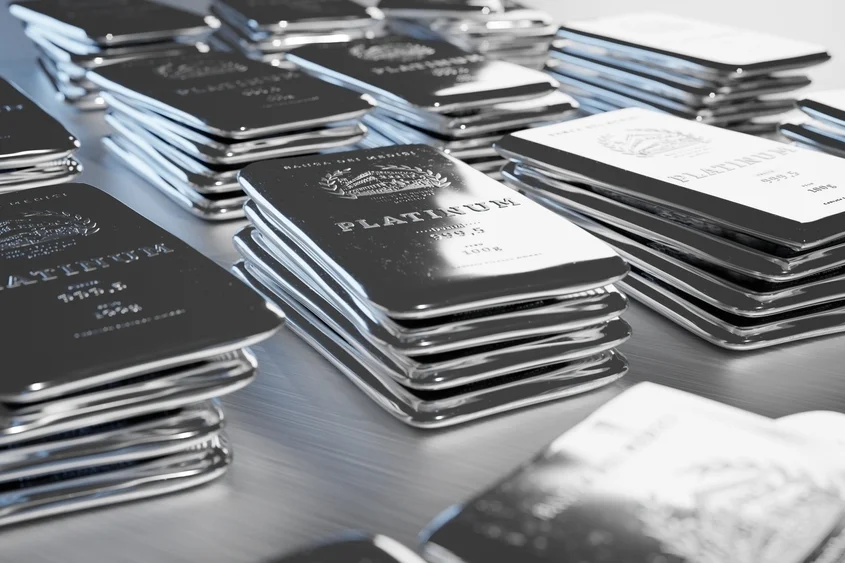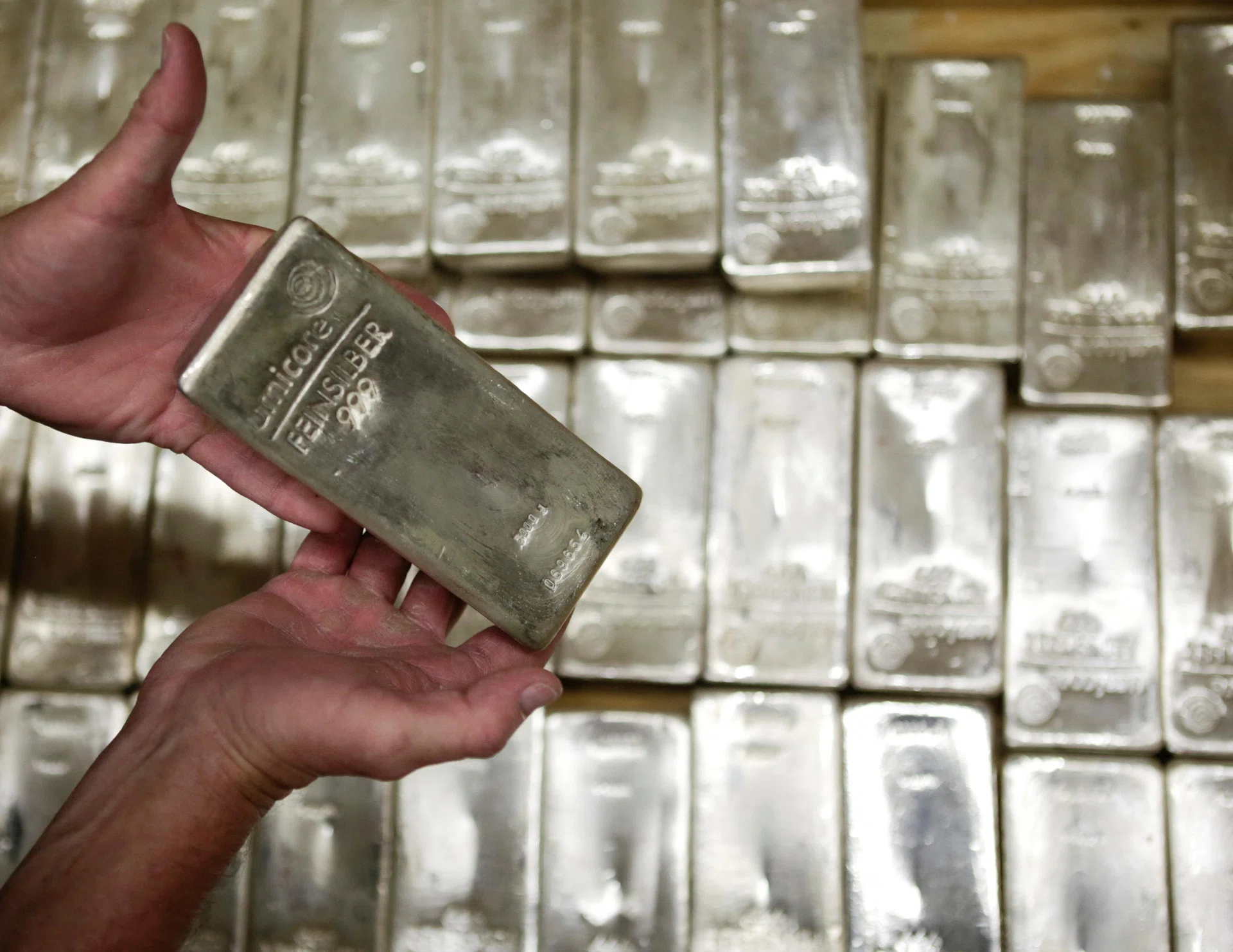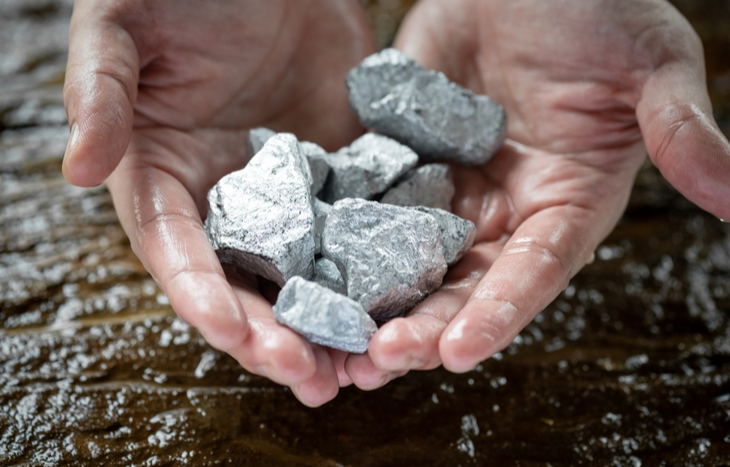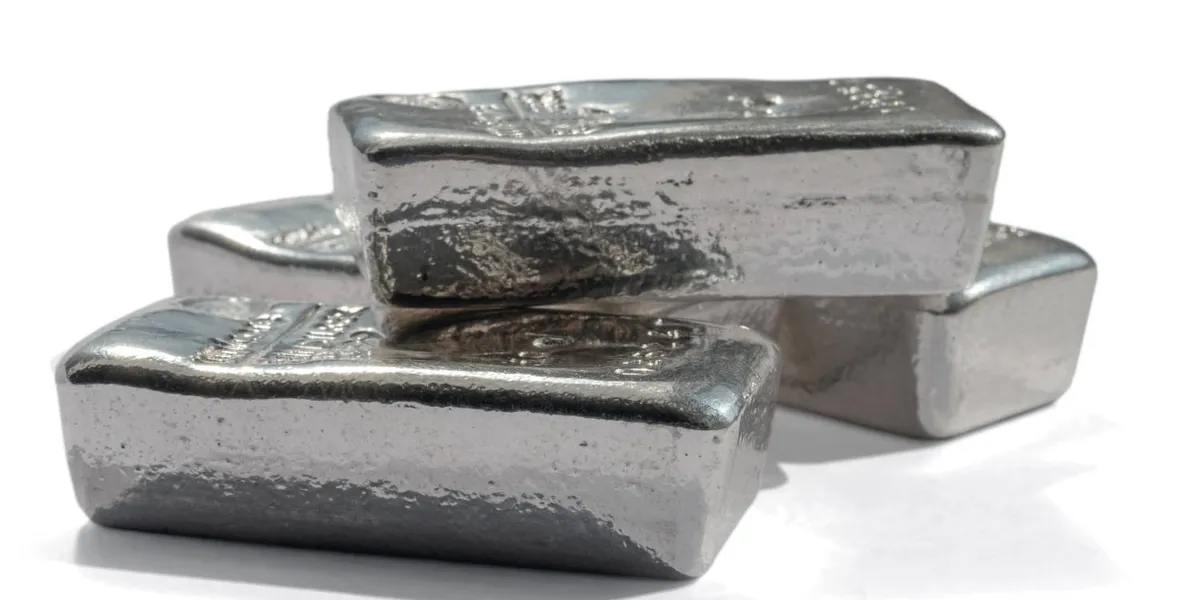
Platinum and palladium didn’t escape the volatility experienced by the precious metals complex in H1 2026.
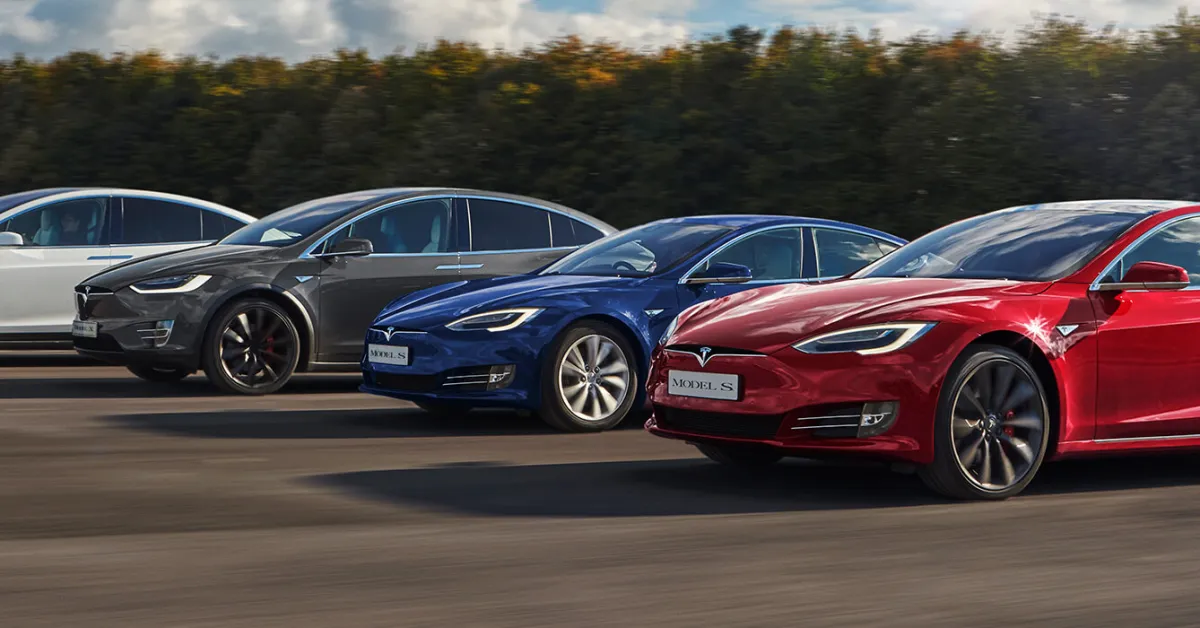
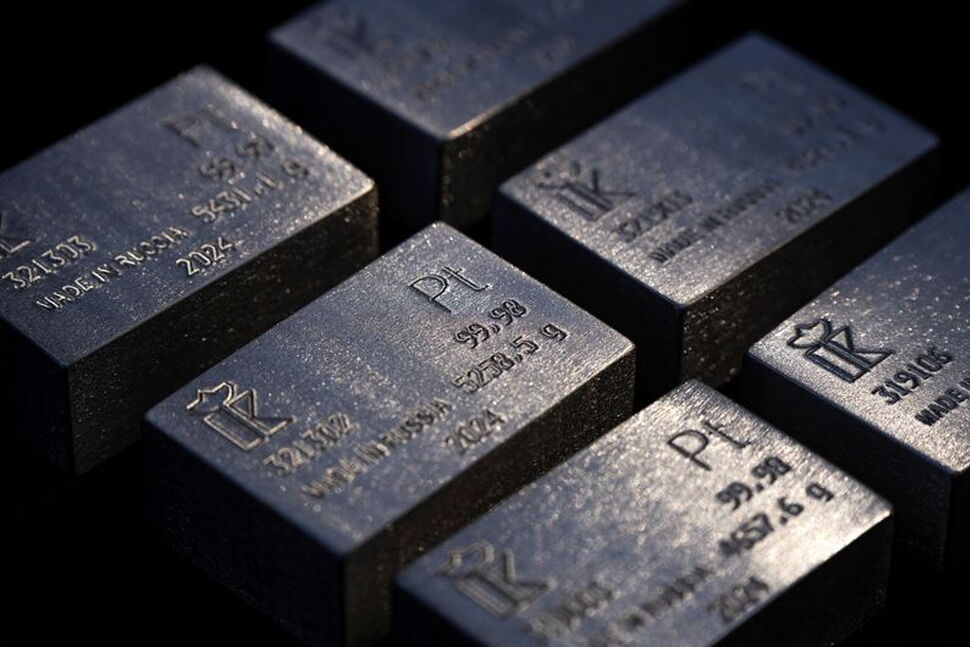
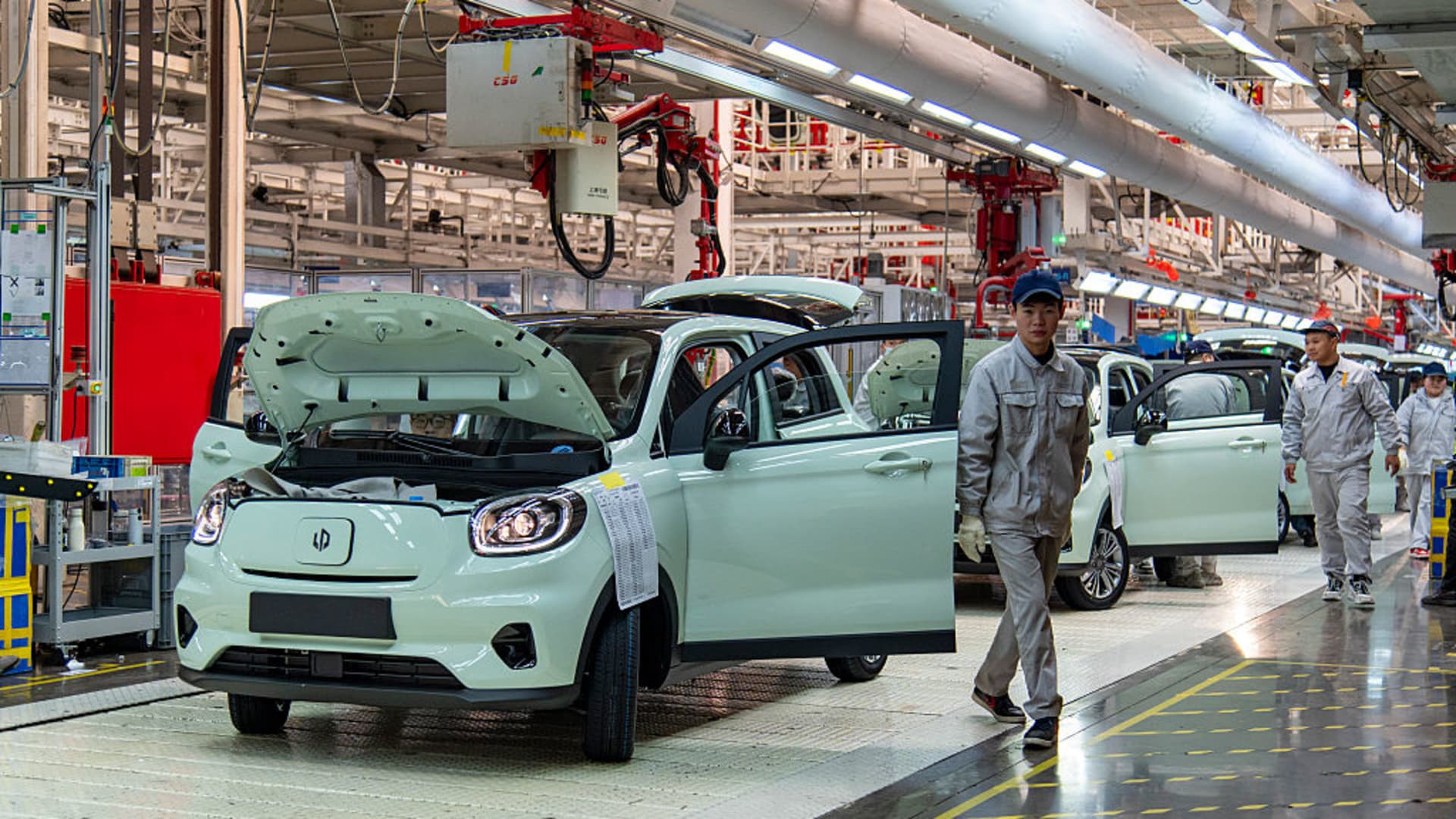
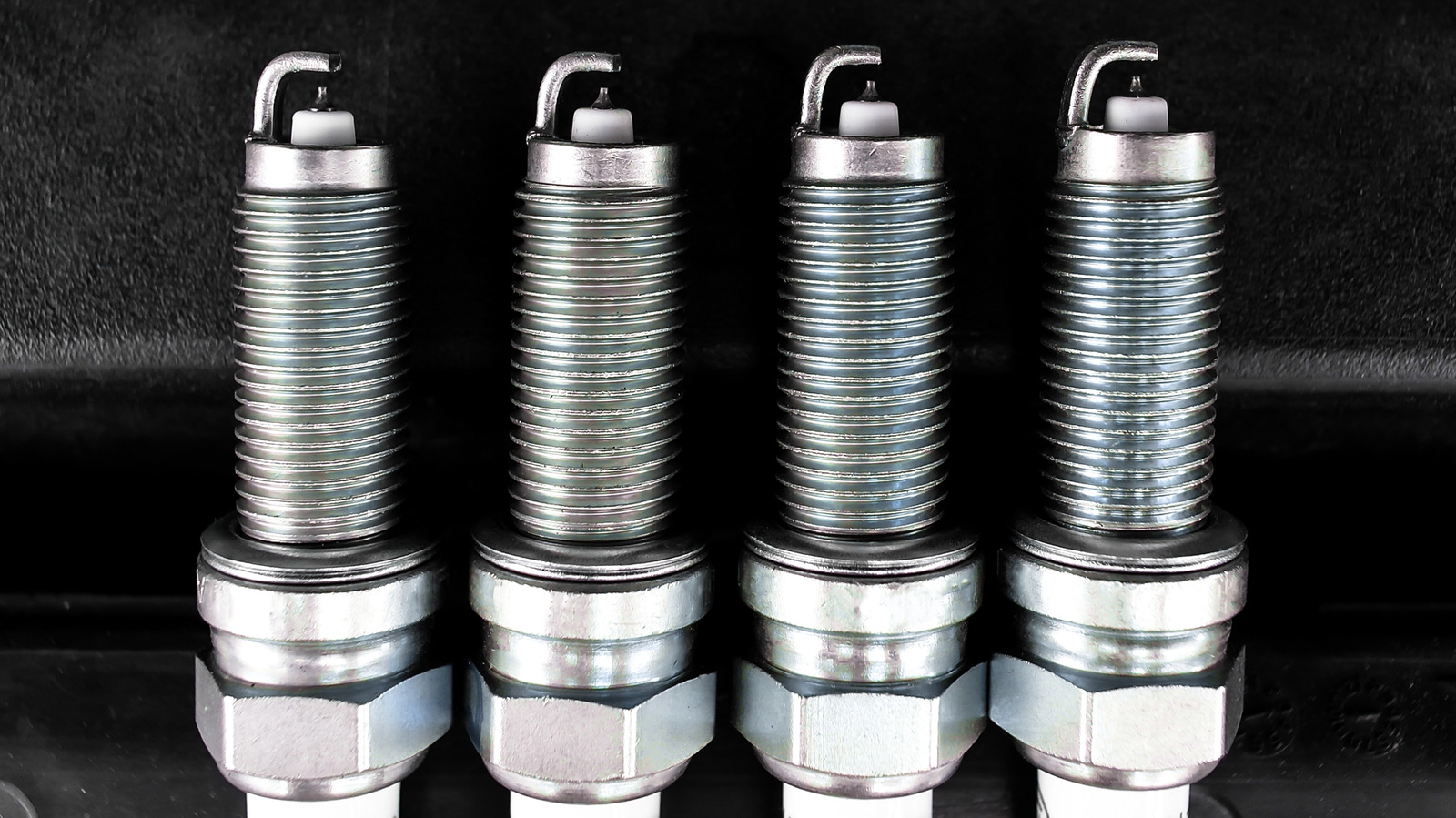
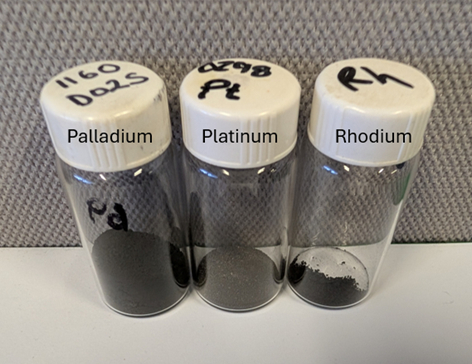
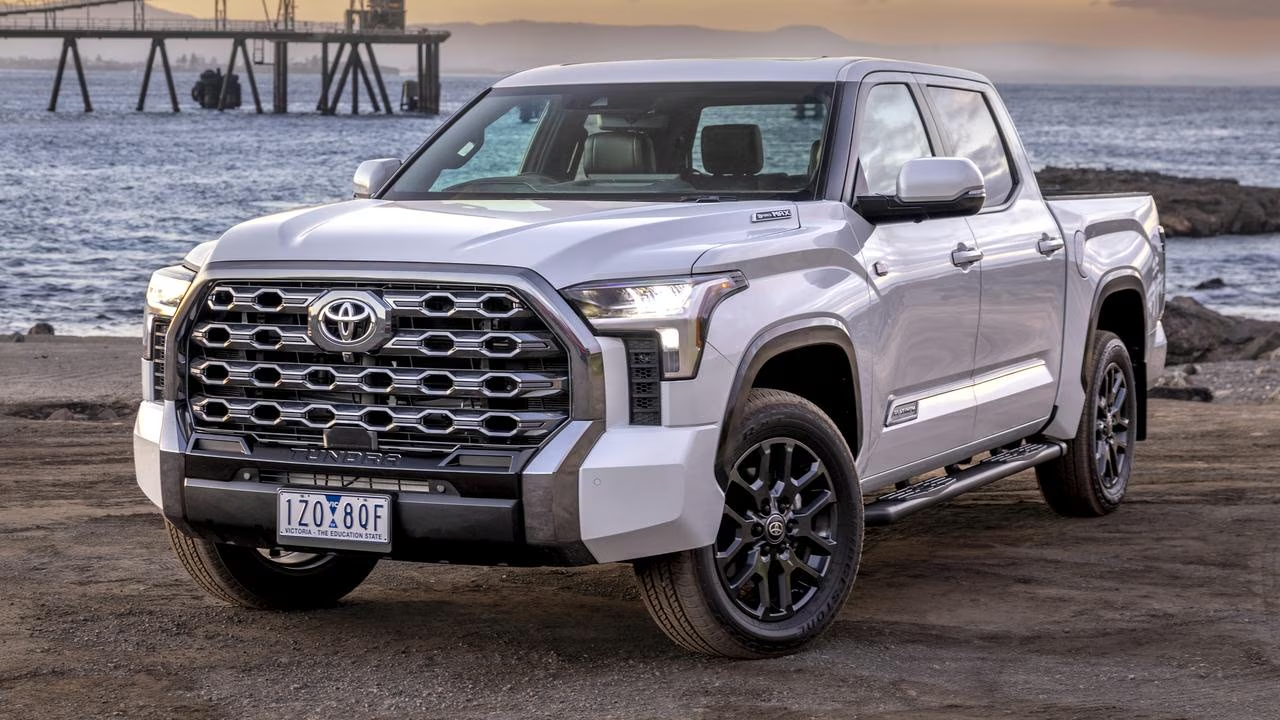
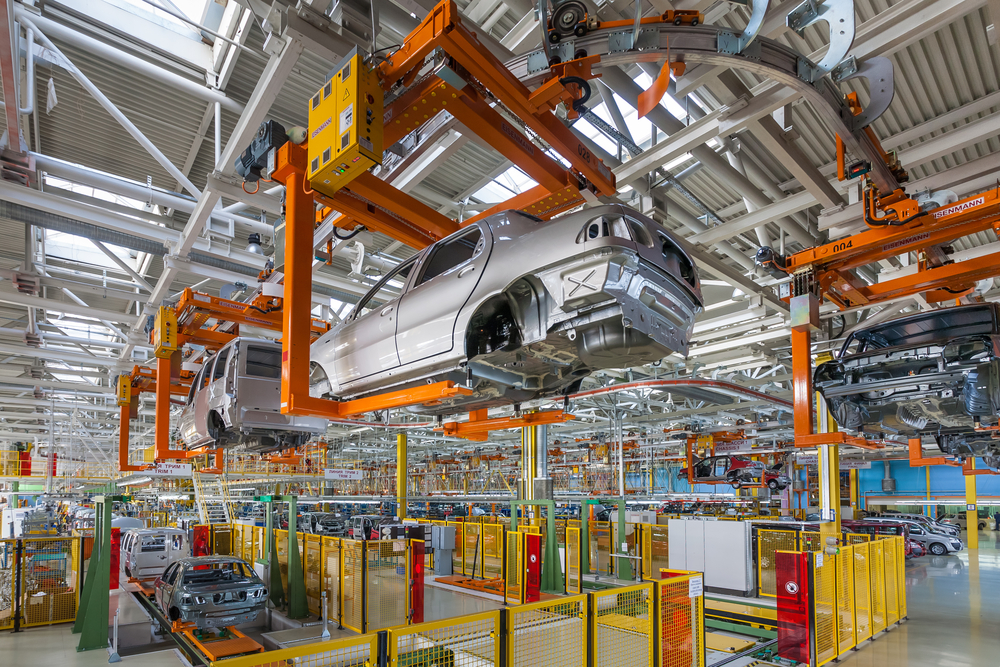
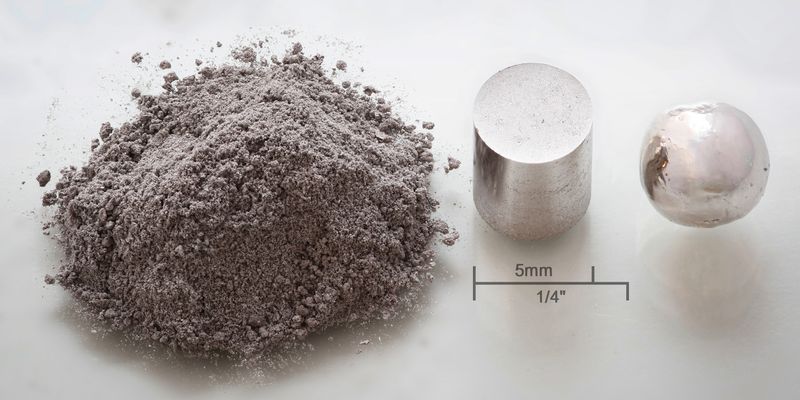
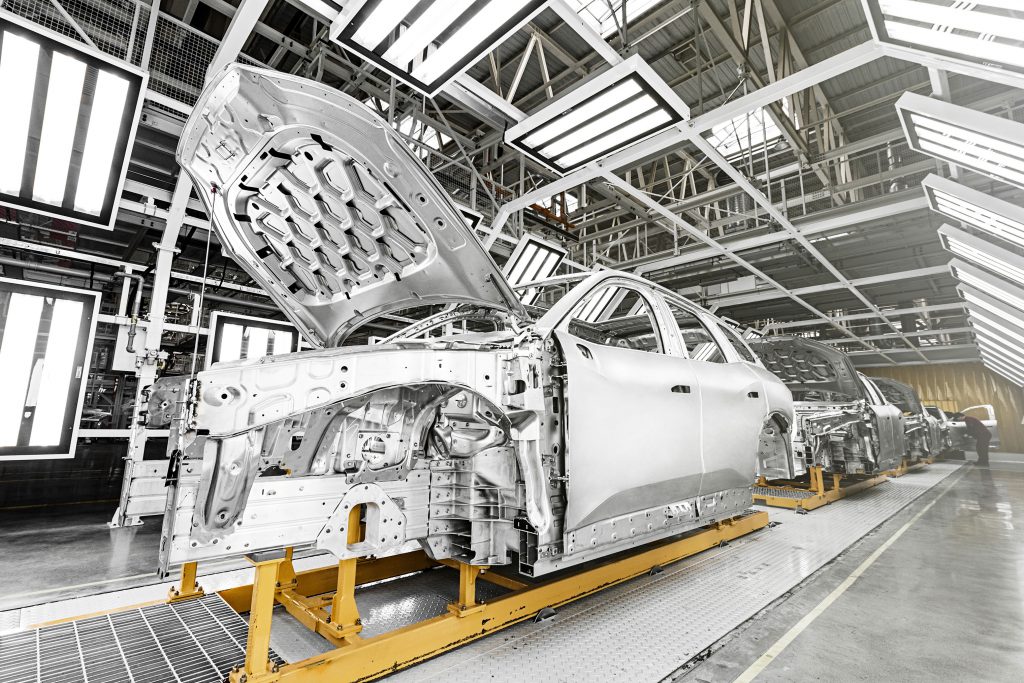
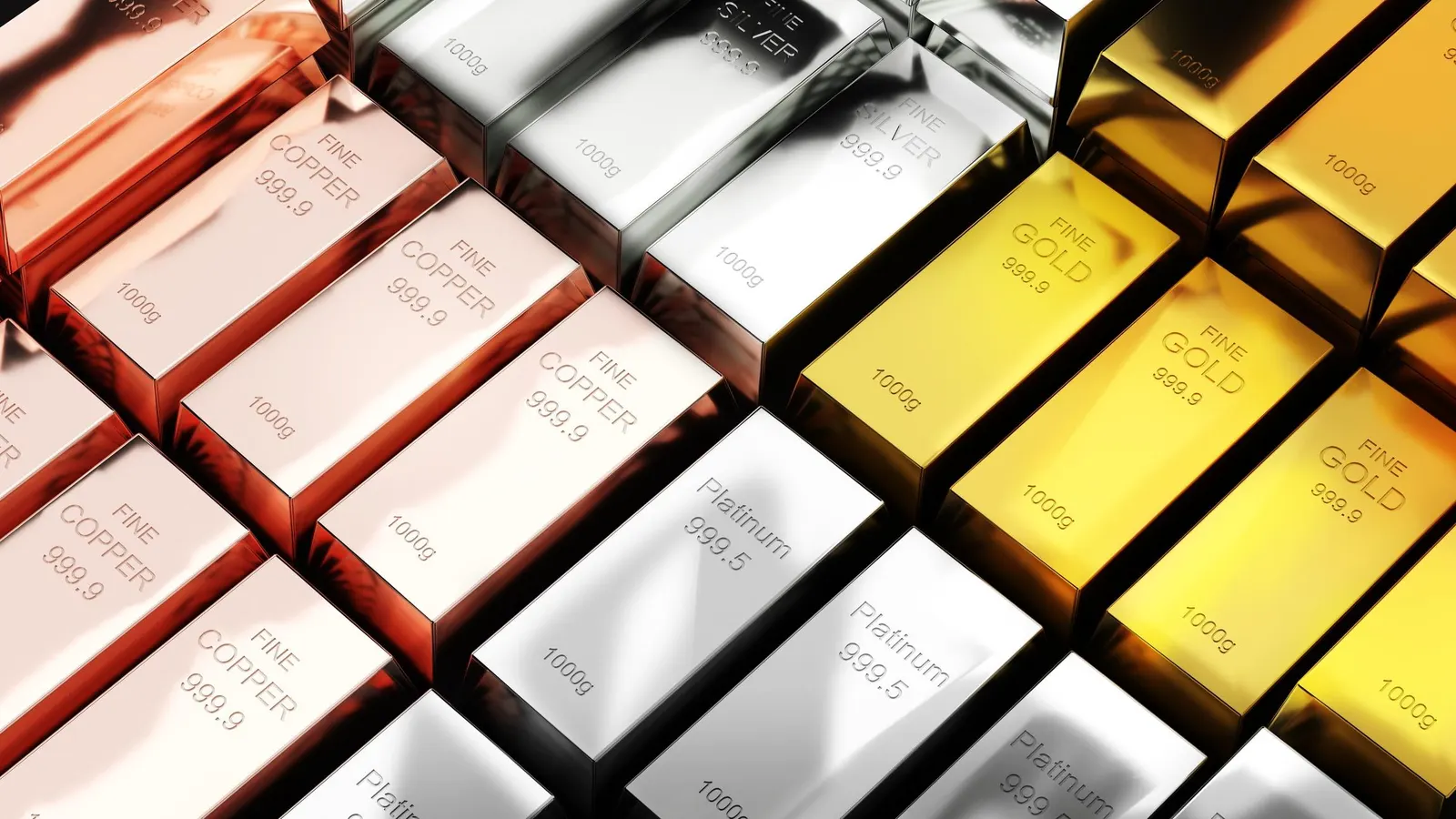
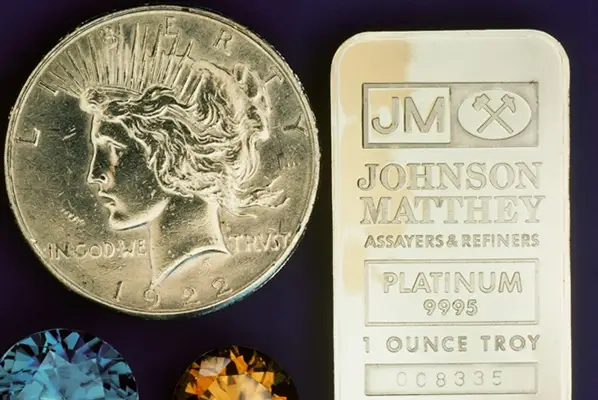
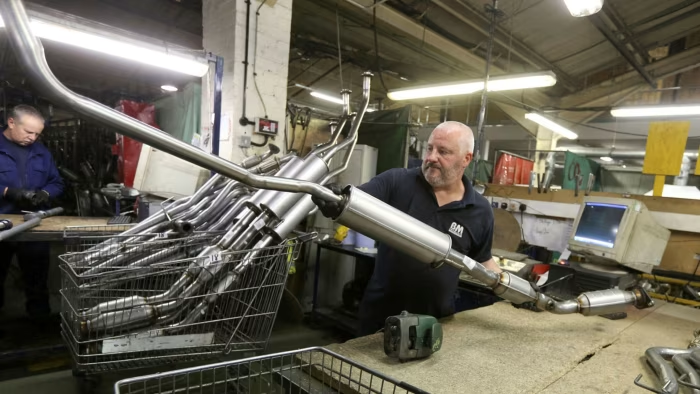
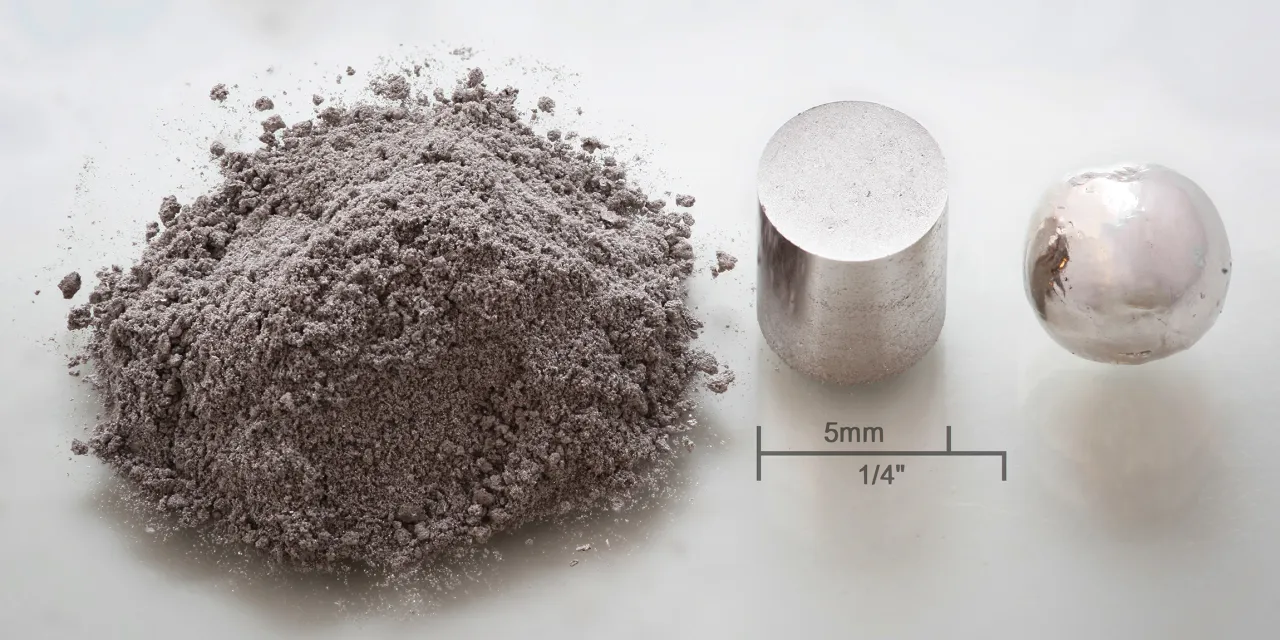
While considered precious metals, these two platinum-group metals (PGMs) largely trade on demand from the auto sector. Both are used as catalysts to control emissions produced from internal combustion engine vehicles.
The outbreak of the Iran war may have influenced investment and industrial sentiment; however, the underlying supply/demand fundamentals for the platinum and palladium are still in the driver’s seat.
What happened to platinum and palladium prices in H1?
Platinum started the year off at US$2,137 per ounce on January 2, and soon after rallied alongside the precious metals complex to reach an all-time high near US$2,924 on January 26.
That spike up near the US$3,000 level was short-lived, and by early February platinum prices were back down to the US$2,100 level. The metal spent much of the first quarter trading in the US$2,000 to US$2,300 range.
Downside pressure came from US dollar strength and higher Treasury yields making precious metals less attractive to investors. At the same time, platinum prices were supported by the World Platinum Investment Council’s (WPIC) projection of a fourth consecutive annual platinum market deficit in 2026.
That support didn’t last long, however, and the price pressure for platinum worsened significantly in the second quarter. Although the metal managed to close at a quarterly high of US$2,197 on May 13, by June 30 the platinum price had fallen to a seventh month low of US$1565.80 as investment demand for the metal suffered a serious hit from the shifting US monetary landscape.
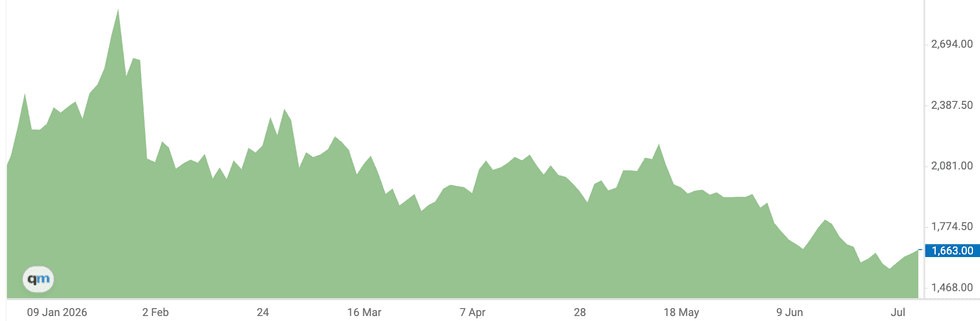
Platinum price, H1 2026.
Chart via the Investing News Network.
For palladium, the year began with a price of US$1,691.50 and then quickly soared along with the precious metals rally on January 26 to US$2,195.50 per ounce. But, unlike its sister metals, palladium did not reach a new all-time high.
By the end of month, palladium had pulled back considerably to a close of US$1,703.10 as changing interest rate expectations and a lower demand outlook for the metal began to weigh down prices.
For much of the remainder of the first quarter, palladium prices traded between US$1,600 and US$1,800 before sliding to a close of US$1,357.80 on March 26.
Palladium spent the second quarter of the year on a downward trend. After posting a close of US$1,601.40 on April 8, the metal traded in the US$1,400 to US$1,600 range in April and May. However, in June the palladium market faced further declines with the price falling to a nine month low of US$1,177.
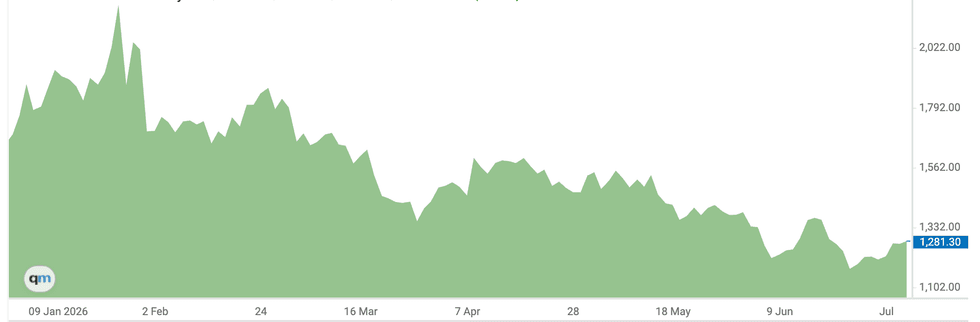
Palladium price, H1 2026.
Chart via the Investing News Network.
After a strong start to the year, the second quarter proved to be a difficult one for the platinum group metals. Each posted double-digit declines in line with their precious metals sisters gold and silver.
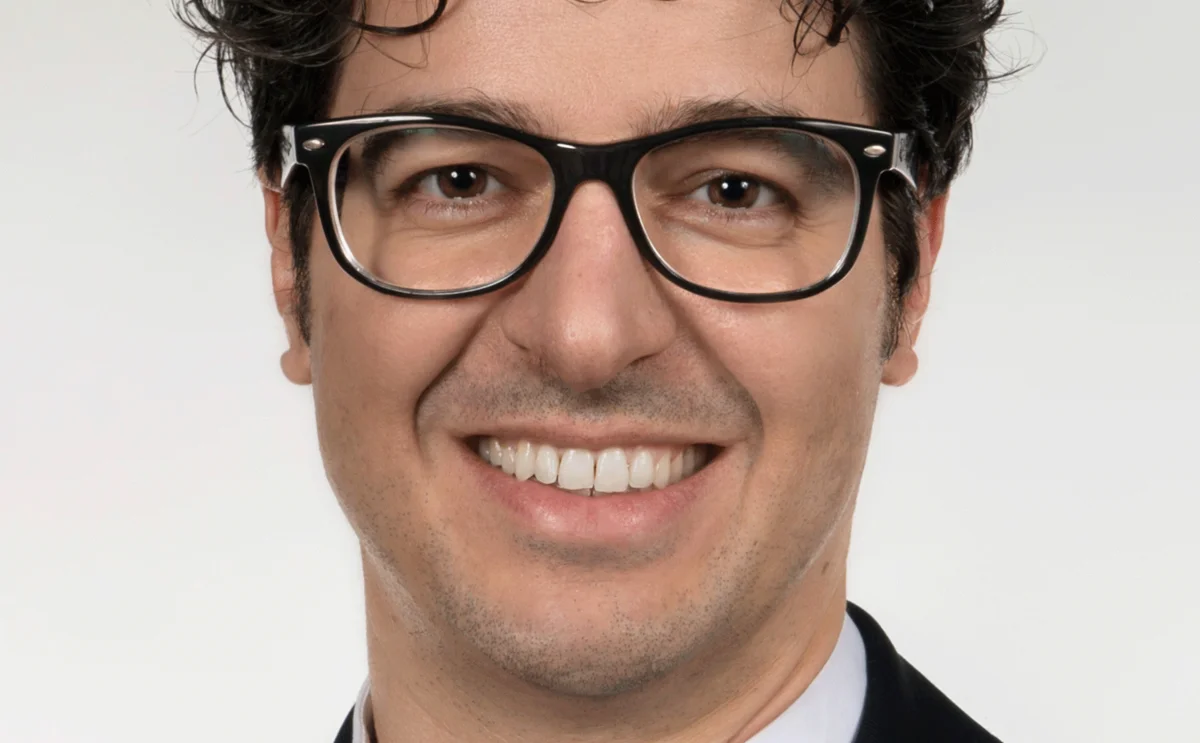
“Platinum and palladium face quite a different set of challenges, though. Their outlook is tied more closely to industrial activity and automotive demand than to monetary policy,” Eugenia Mykuliak, founder and executive director of B2PRIME Group, told the Investing News Network (INN) via email.
“Platinum could benefit from supply constraints and longer-term hydrogen-related demand, but near-term momentum remains limited. Meanwhile, palladium continues to struggle with structural disproportions, including substitution by platinum and the gradual shift away from internal combustion engine vehicles.”
Platinum investment demand waned in first half 2026
Much of the demand profile for platinum is tied to industry, specifically in the automotive sector. However, in recent years investment demand has increased the upside for the metal, but also the volatility.
In a mid-June interview with INN, Jeffrey Christian, managing partner at CPM Group, said platinum market insiders believe investor and speculative demand was largely responsible for the metal’s run to a record high of nearly US$3,000 in January. Platinum’s rising investment appeal was viewed as a “catch-up” play to gold. With the yellow metal trading above US$5,000 per ounce, US$2,500 platinum seemed like a bargain buy for investors seeking safe-haven assets.
Nevertheless, heading into H2, “the bloom is off that rose,” said Christian. “I think that there’s a greater pessimism toward platinum and palladium, and I don’t know that the prices rise back the way gold and silver does.”
On the other hand, Bank of America (NYSE:BAC) analysts attribute some platinum outflows in the first half of 2026 to the fact that the Trump Administration’s proposed tariffs on the metal never came into effect.
Furthermore, some of that lost bloom for platinum investment demand is linked to the impact of the Iran war on energy prices which ultimately led to a recalibration of US monetary policy. As the WPIC explains in a June report, “While the Middle East is not a large PGM market in and of itself, the conflict has led to upward revisions to interest rate expectations and thus some investor repositioning out of non-yielding precious metals.”
According to the WPIC, during the three month period of March through May of this year, platinum exchange-traded fund (ETF) holdings declined by 11.5 percent, or 402,000 ounces, as investors took profits to cover losses in other sectors.
By the report’s June 11 publication date, the WPIC estimates that platinum ETF outflows in the first half of 2026 will total approximately 700,000 ounces, with platinum ETF holdings at a two year low of 3.07 million ounces.
“Although investors have liquidated some ETF holdings through the first half of 2026, we expect the structural themes that underpinned increasing precious metals investment in 2025 will re-emerge later this year or early 2027,” it states.
Platinum industrial demand remains healthy for now
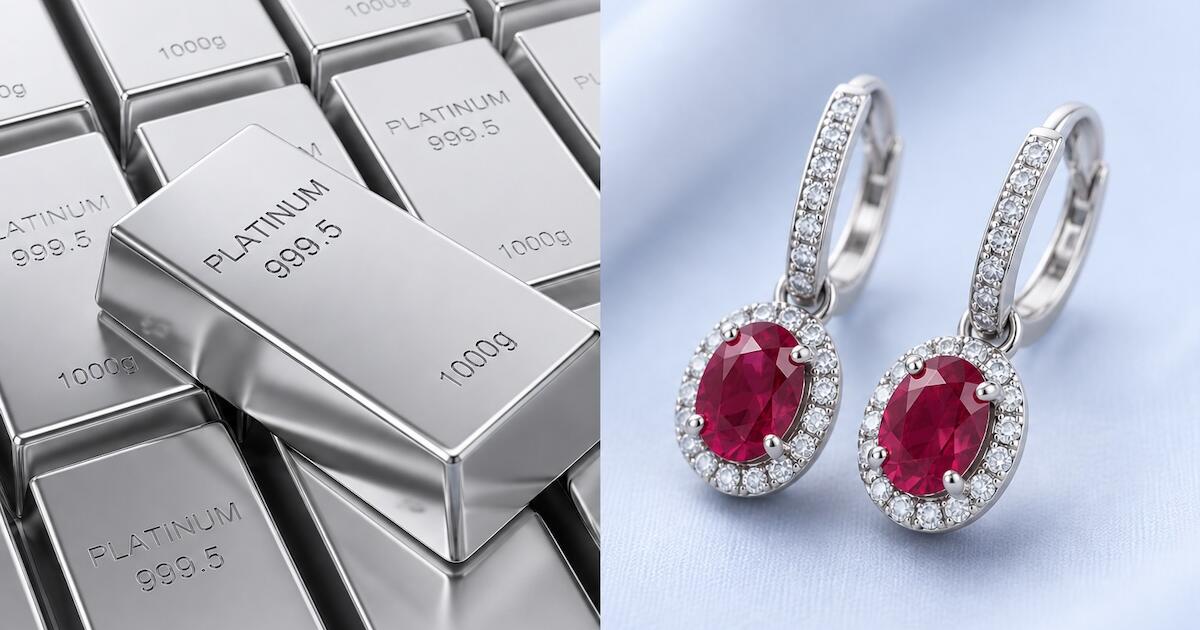
At the end of the day, platinum is still very much an industrial metal representing more than 60 percent of its annual consumption compared to just 13 percent from the investment sector, according the WPIC.
“The distinction is important. Gold is mainly a monetary and reserve asset, while platinum is more closely linked to industrial demand, especially autos, manufacturing, and longer-term hydrogen technologies,” Joshua Rotbart, founder of global precious metals bullion firm J. Rotbart & Co., told INN in an email.
“That makes platinum more sensitive to economic conditions.”
When asked if the Iran war influenced industrial demand for PGMs in H1, Rotbart said that rather than a direct disruption, the conflict injected a higher level of risk via energy costs, logistical challenges and industrial outlooks.
“Reuters reported that South African PGM producers were monitoring fuel, transport, and operating input exposure, although inventories remained healthy and no major disruption had been reported. That makes the conflict a potential cost and supply chain risk, not a confirmed production shock,” he explained.
“Palladium was more exposed because it is closely tied to gasoline vehicle catalytic converters. Platinum had a broader demand base, which helped make the impact less concentrated.”
The conflict in the Middle East may not have a direct impact on platinum and palladium’s industrial demand, but the WPIC does warn that a drawn-out war could impede global economic growth, including in the automotive and industrial sectors.
“During Q2 2026, institutions such as the IMF and OECD made downward revisions to their baseline global GDP forecasts for 2026 of between 0.1% and 0.3%,” the council states in its June report. “In addition, downside risks were flagged as potentially being more severe the longer the conflict continued.”
Palladium not likely to benefit from substitution just yet
As for palladium, compared to investment demand, the automotive industry has an even greater influence on prices as it represents about 80 to 80 percent of annual consumption of the metal.
Typically, high platinum prices can lead to increased demand for palladium. Platinum and palladium can be used interchangeably in auto catalysts used to reduce emissions on an almost 1:1 basis. For that reason, automakers often adjust their catalyst formulations based on market volatility.
As Christian pointed out in his interview with INN, in terms of efficiency, these metals react differently to high temperatures which means that higher substitutions of palladium require the re-engineering of vehicle undercarriages in addition to other major components such as the engine and fuel injection system.
In that case, the premium for platinum needs to be significantly high enough over an extended period of time for automakers to justify such major changes.
Platinum and palladium price forecast for 2026
What trends should platinum and palladium investors be watching for in the second half of 2026?
“First, supply. South Africa remains the key market for platinum, with limited new production keeping availability tight,” recommended precious metals expert Rotbart.
“Second, autos. Palladium remains more exposed to gasoline vehicle demand, while platinum has broader automotive uses and may benefit where substitution from palladium continues.”
Lastly, Rotbart suggested that investors watch developments related to future demand for platinum, namely in hydrogen and clean energy applications. “The PGMs story in the second half is likely to be shaped by constrained supply meeting uneven but evolving industrial demand,” he added.
The general consensus among financial institutions is that platinum will see strong price appreciation through late 2026 and 2027 due to consecutive structural deficits. Palladium faces mixed, more conservative forecasts as its structural market risks transitioning into a surplus.
As of early June, Bank of America was targeting an average platinum price of US$3,000 by Q4 2026, which analysts at the firm believe will hold through the first half of 2027.
As for palladium, the bank is projecting an average price of US$2,200 ounce in the final quarter of the year.
JPMorgan Chase & Co. (NYSE:JPM) released a more cautious outlook in early July, and now anticipates platinum prices will gain support from major supply restrictions in South Africa to average US$1,800 by the end of 2026 and go on to average US$1,950 by the end of 2027. Its analysts estimate a 2026 year-end average of US$1,350 for palladium before dipping slightly to an average of US$1,300 throughout 2027.
Don’t forget to follow us @INN_Resource for real-time updates!
Securities Disclosure: I, Melissa Pistilli, hold no direct investment interest in any company mentioned in this article.
Editorial Disclosure: The Investing News Network does not guarantee the accuracy or thoroughness of the information reported in the interviews it conducts. The opinions expressed in these interviews do not reflect the opinions of the Investing News Network and do not constitute investment advice. All readers are encouraged to perform their own due diligence.