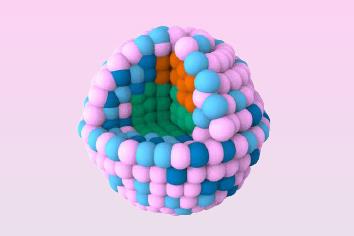
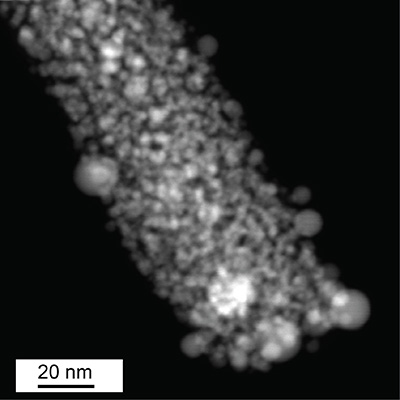
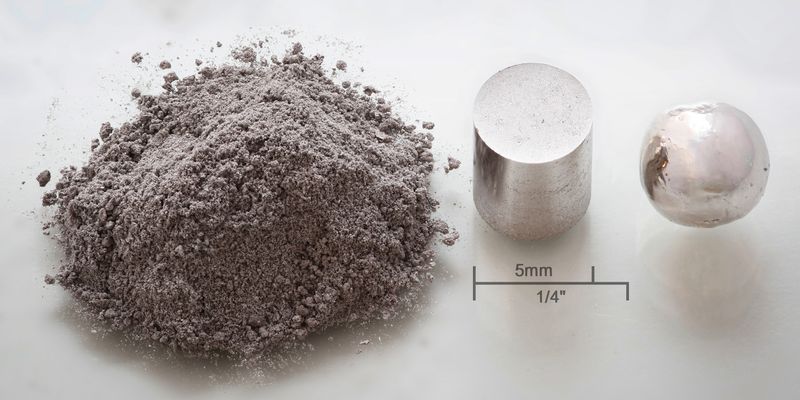
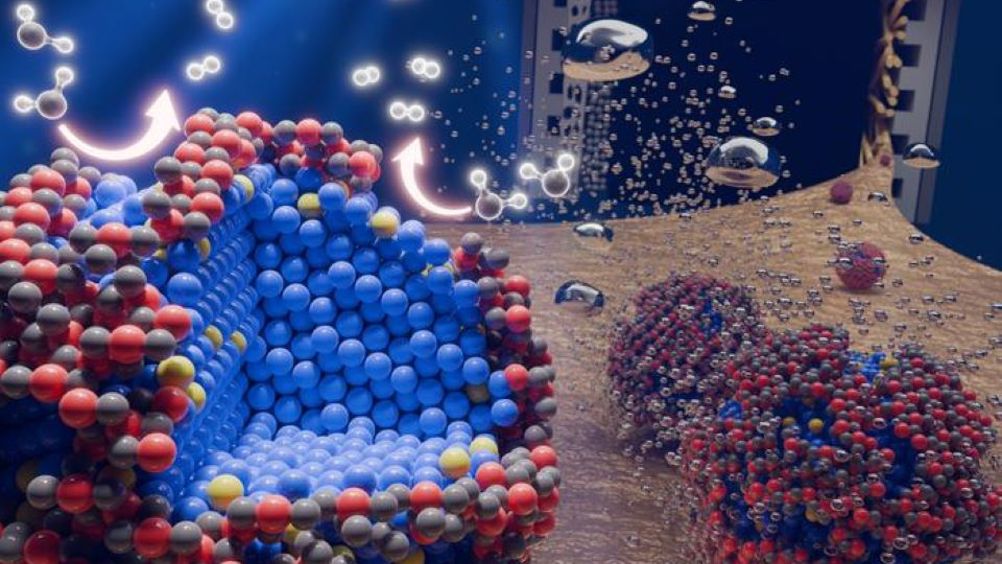
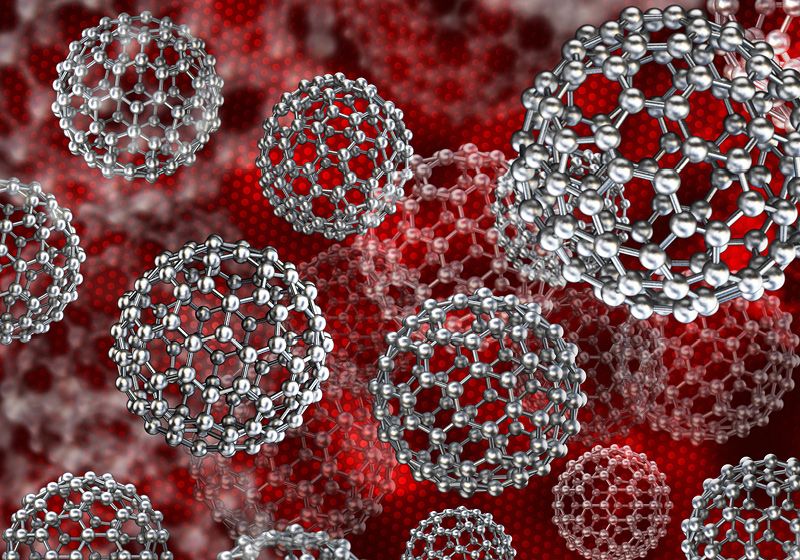
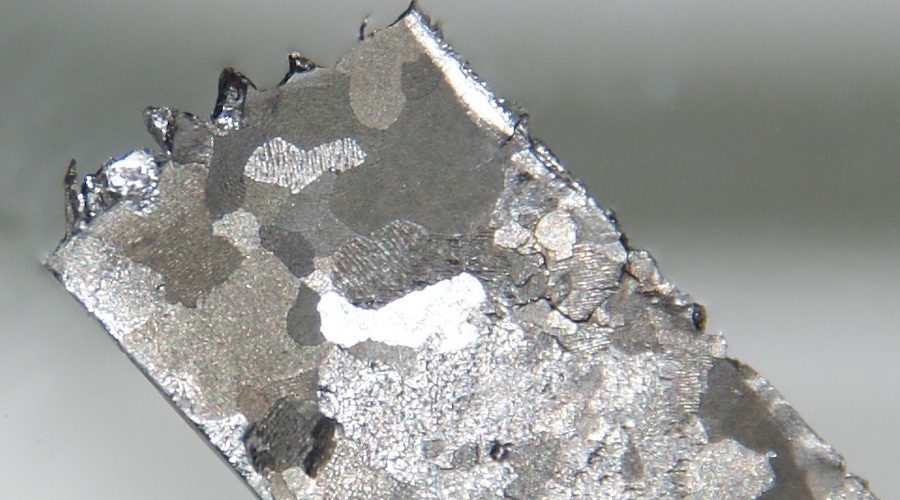
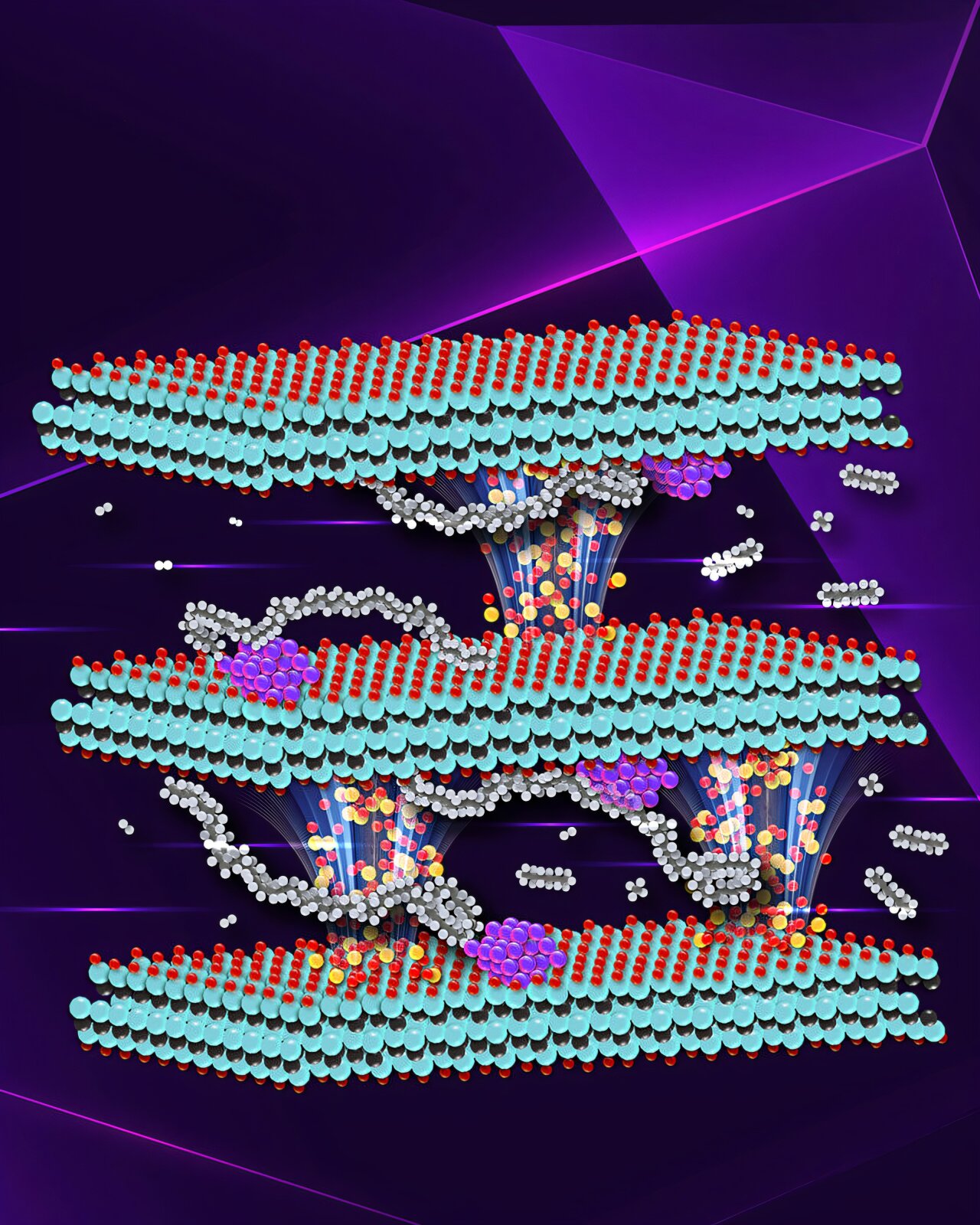
Nanoparticles are important scientific tools as they act as a link between bulk materials and atomic or molecular structures. They have exceptional optical properties and the potential to produce quantum effects.
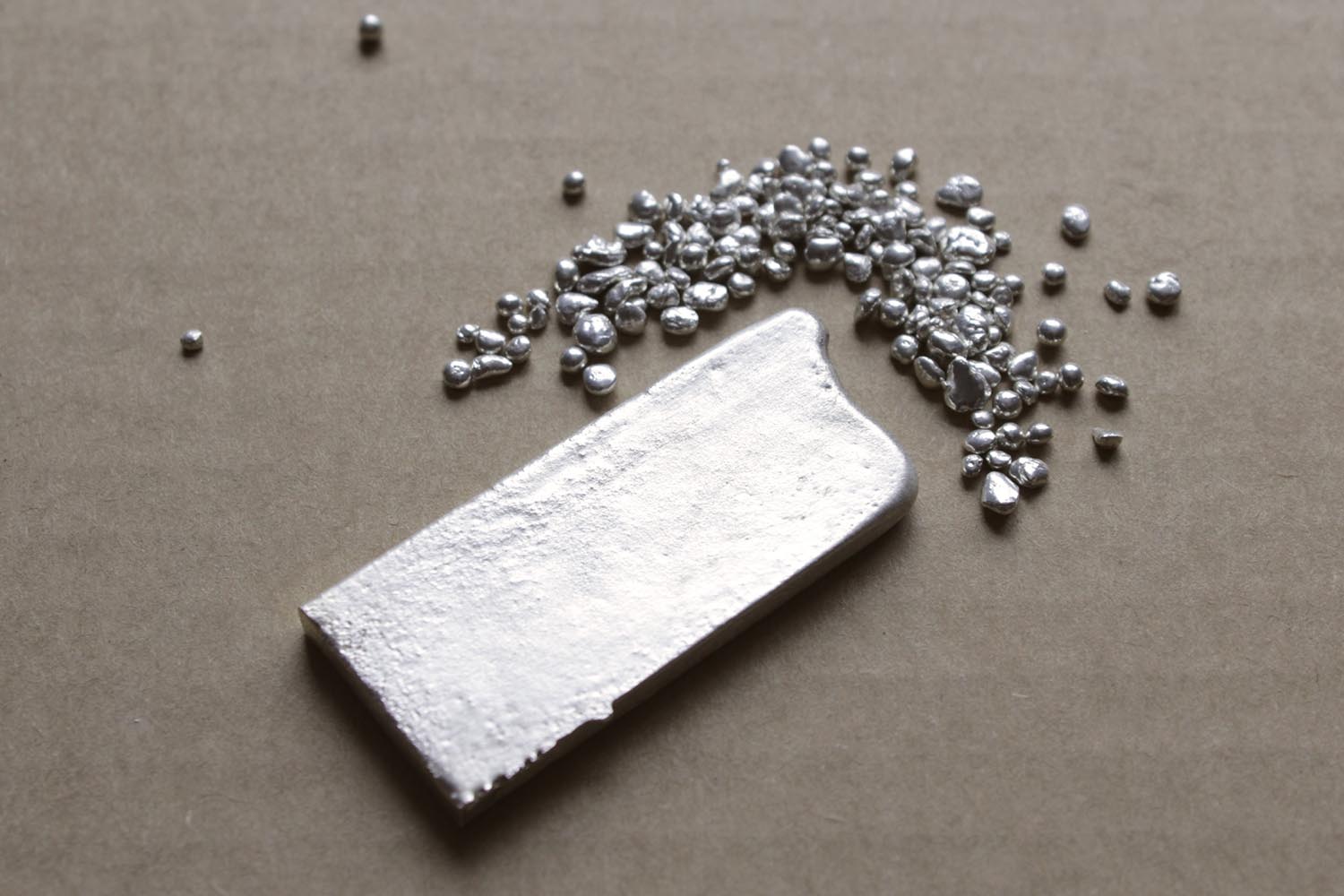
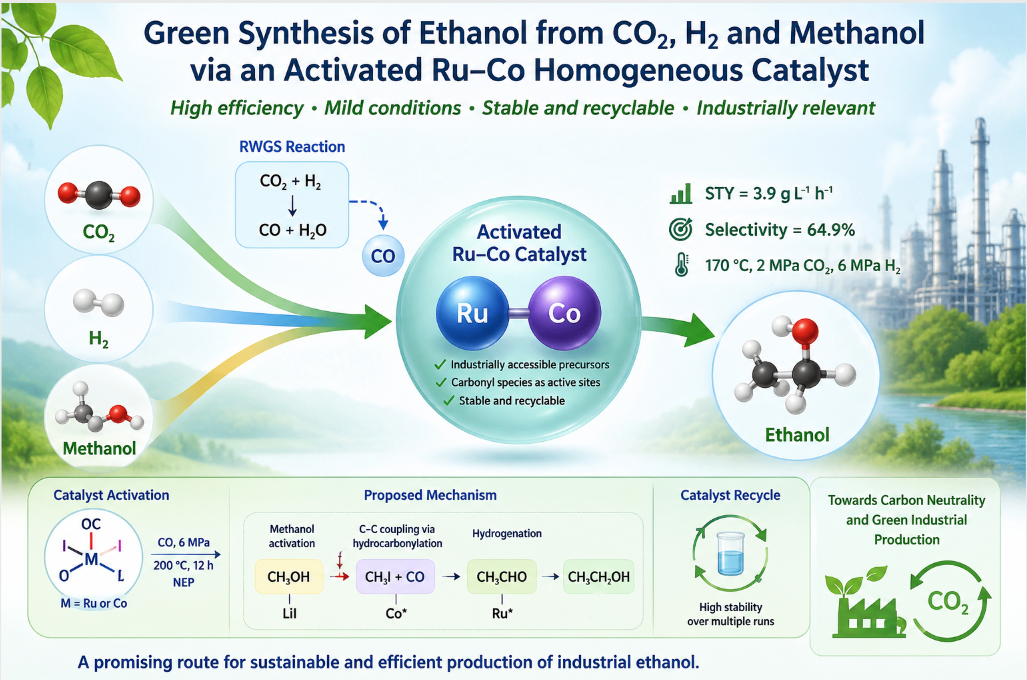
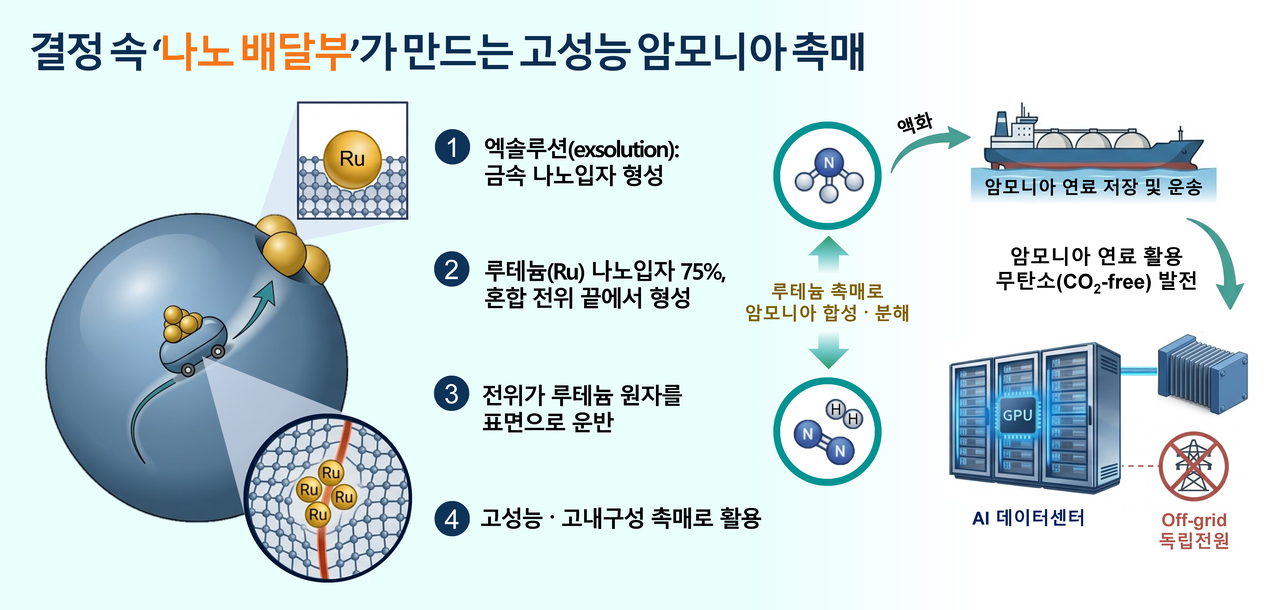
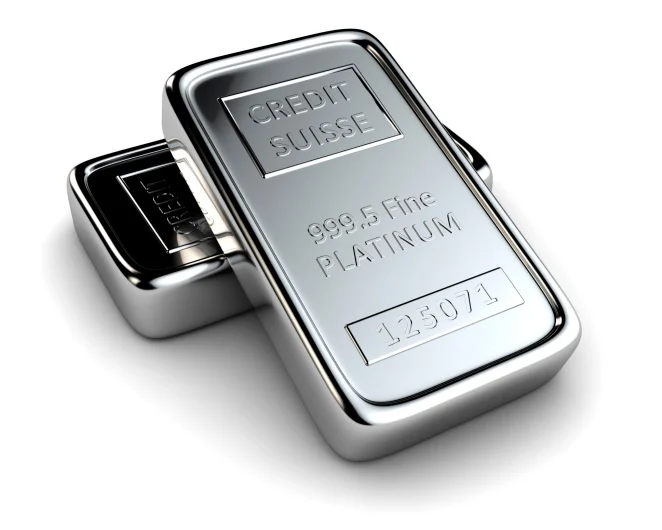
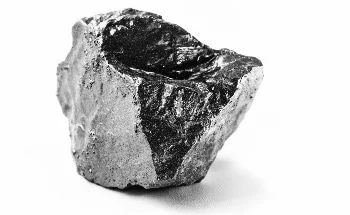
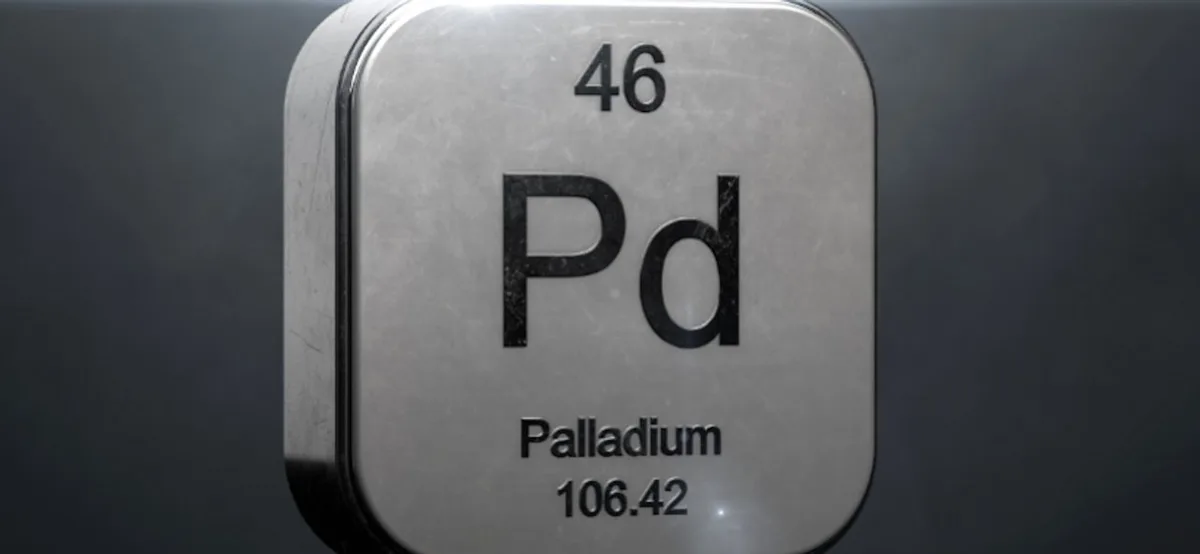
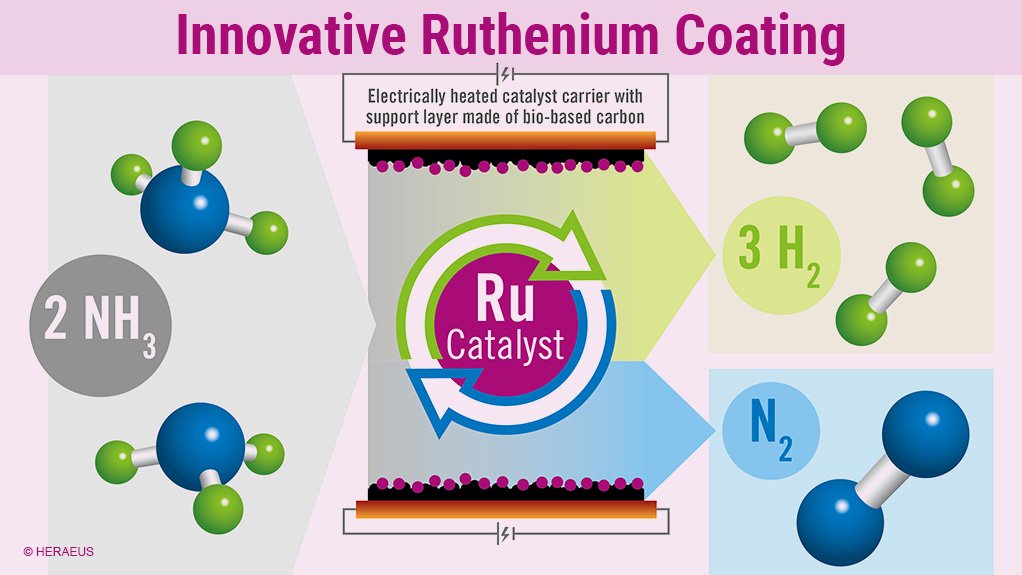
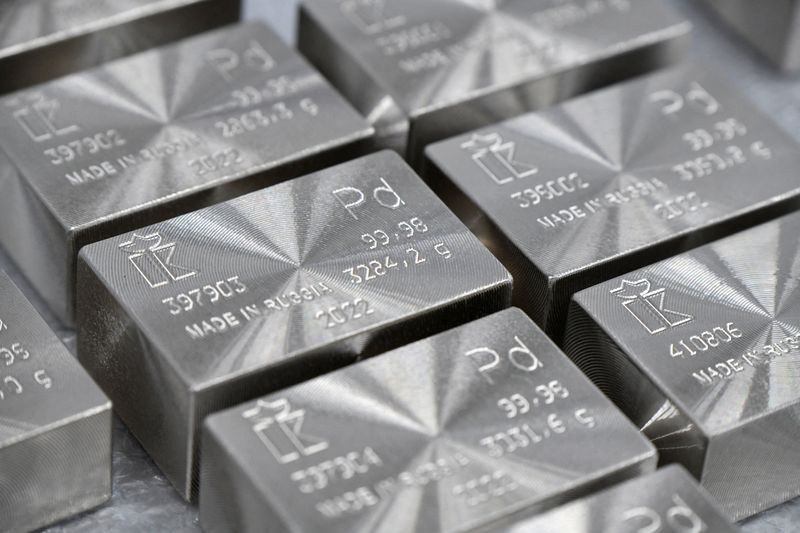
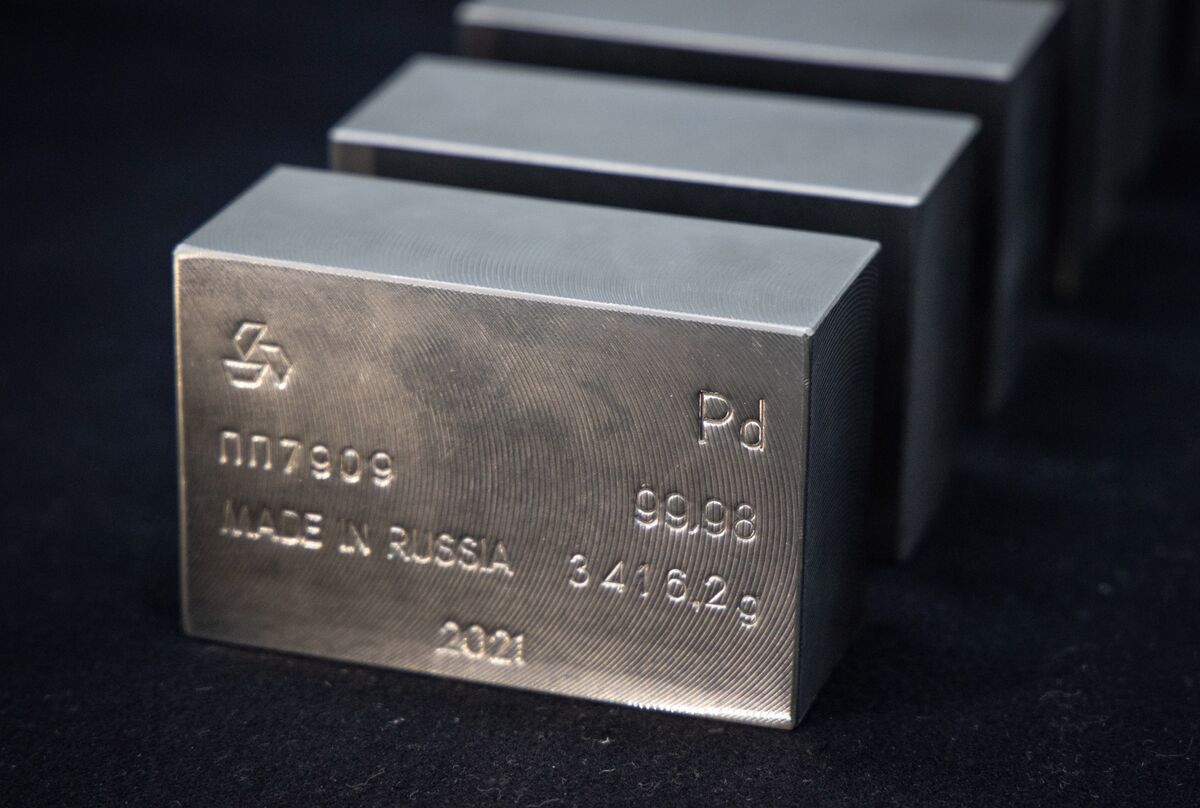
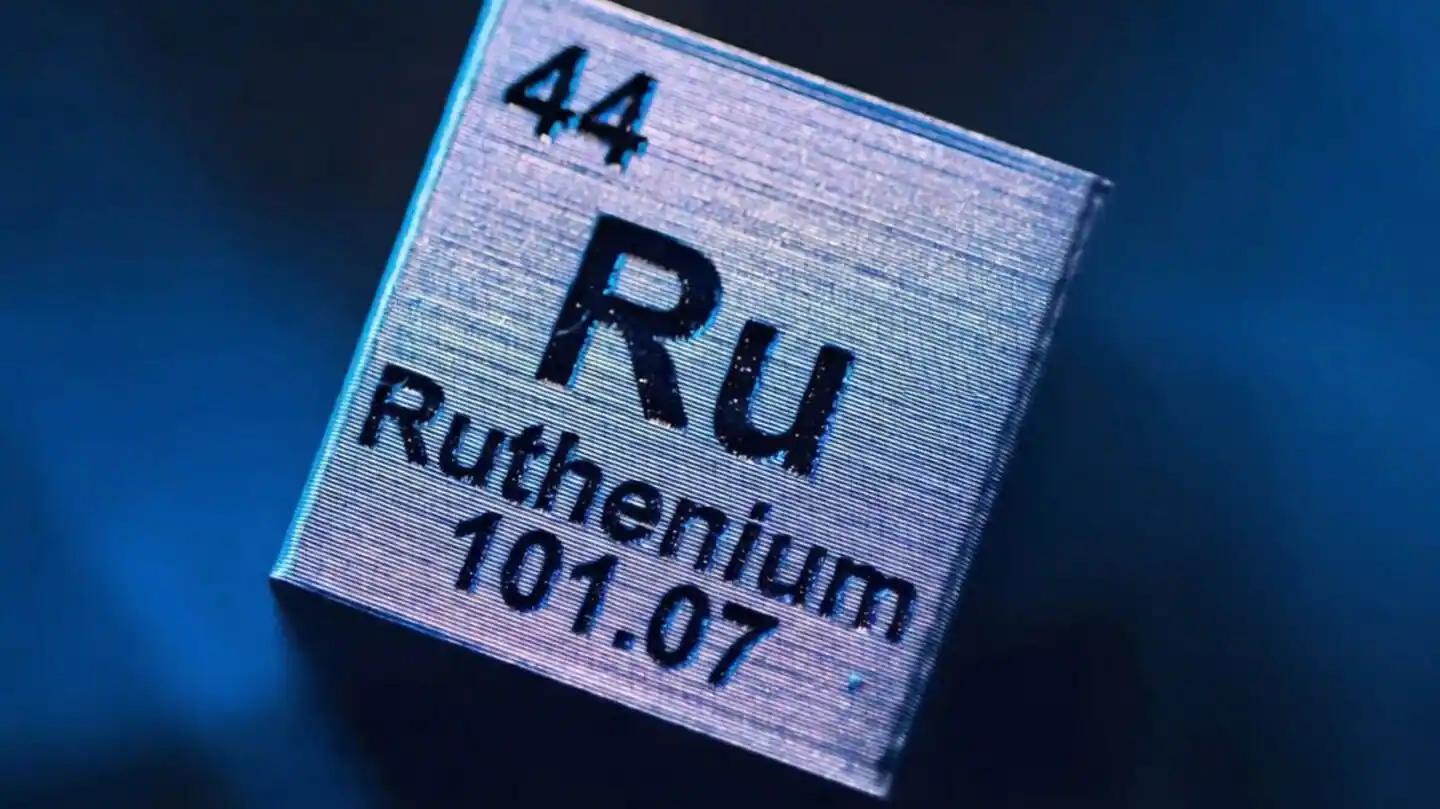
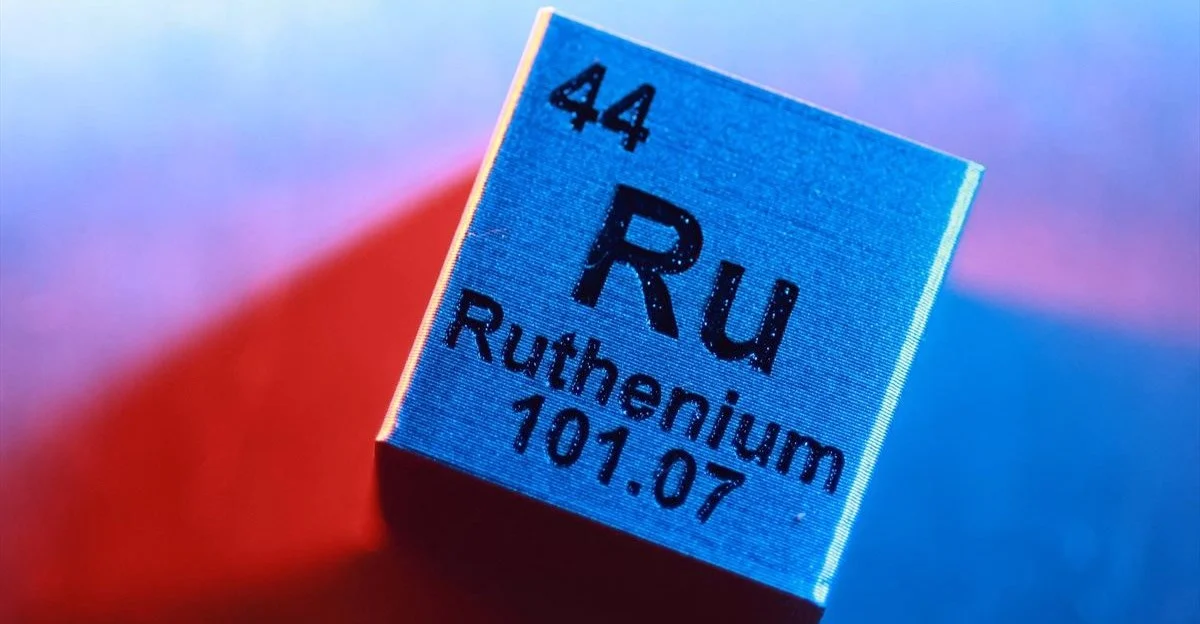
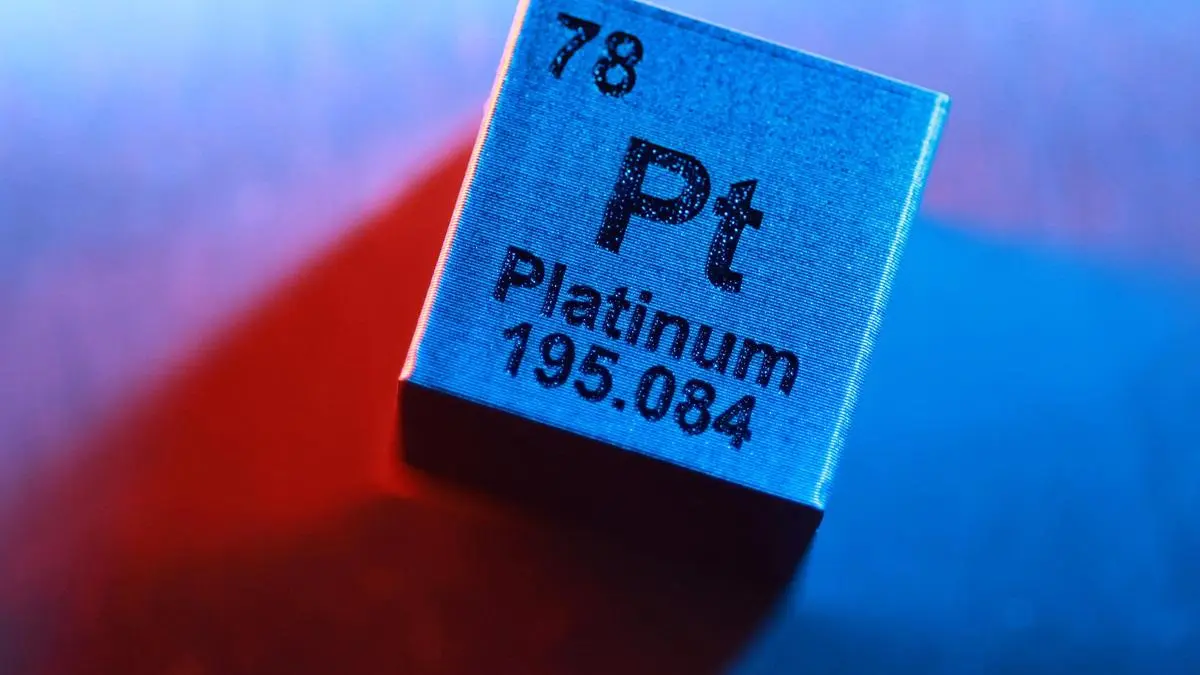
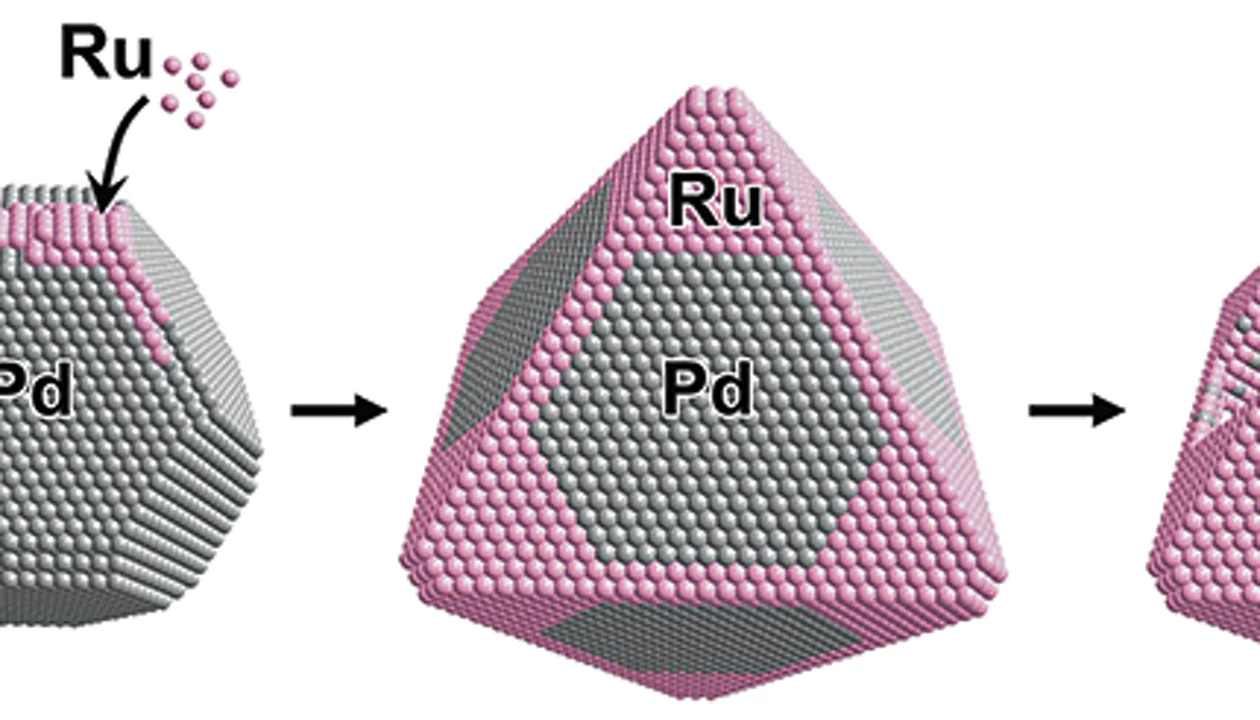
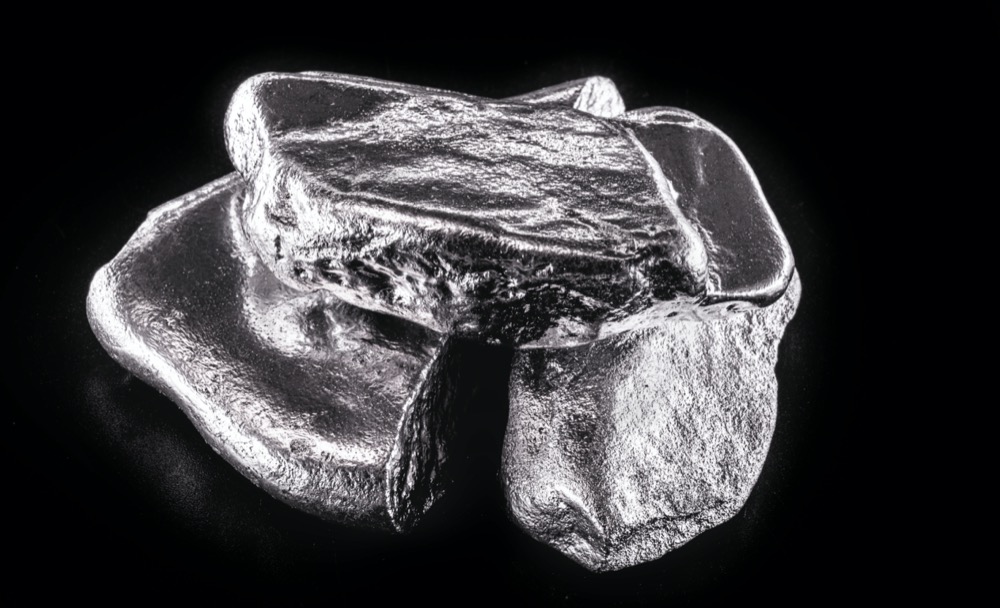
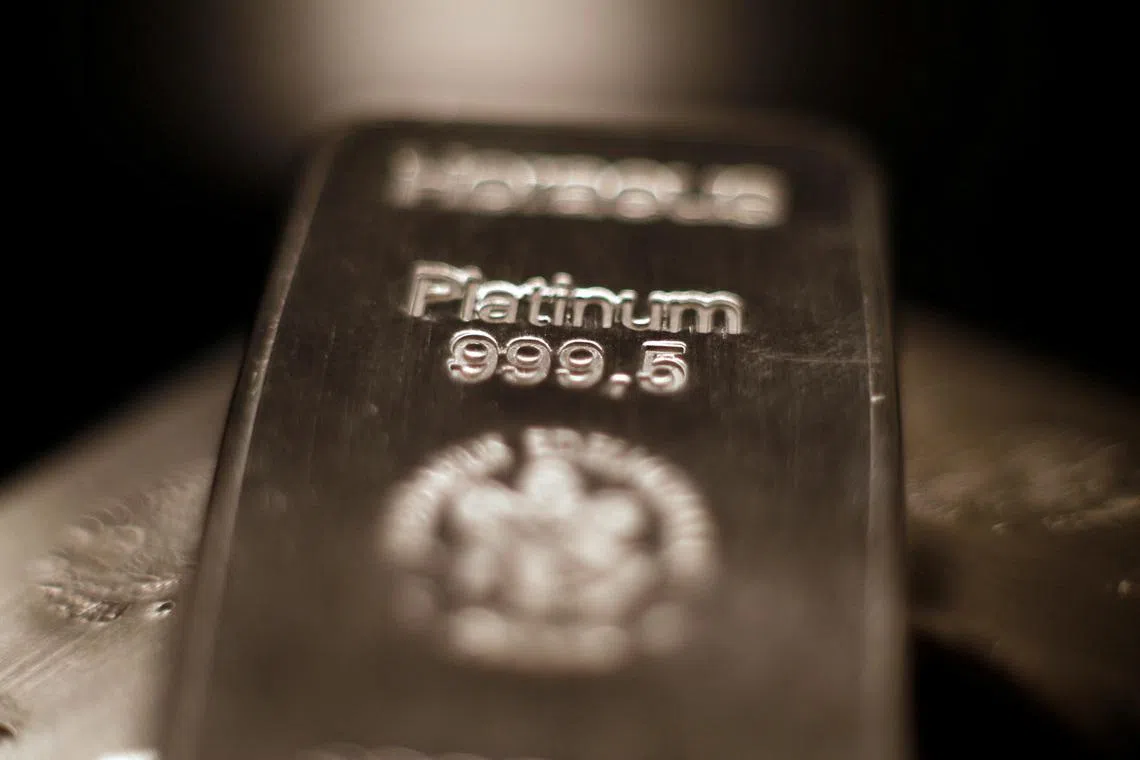
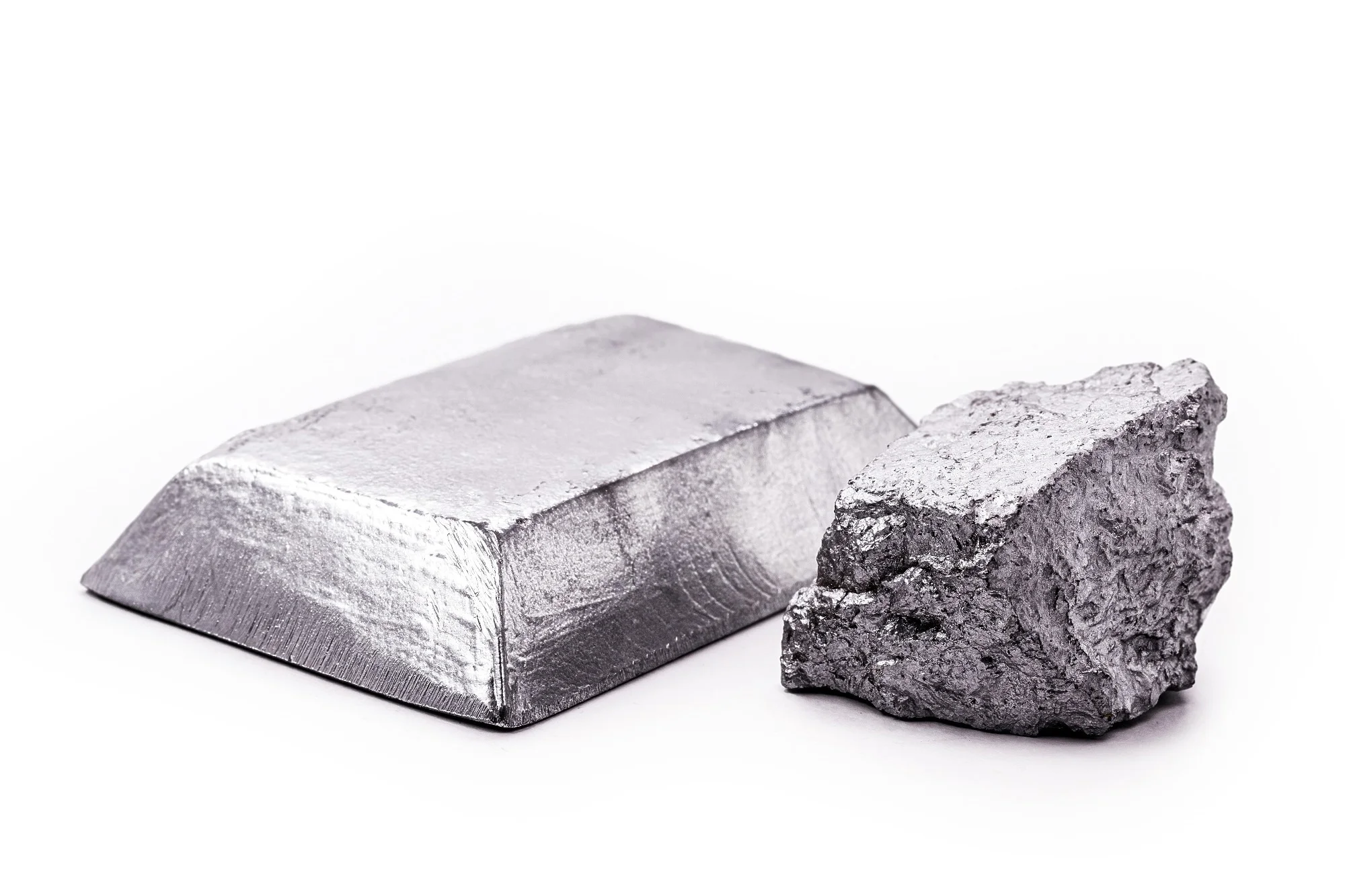
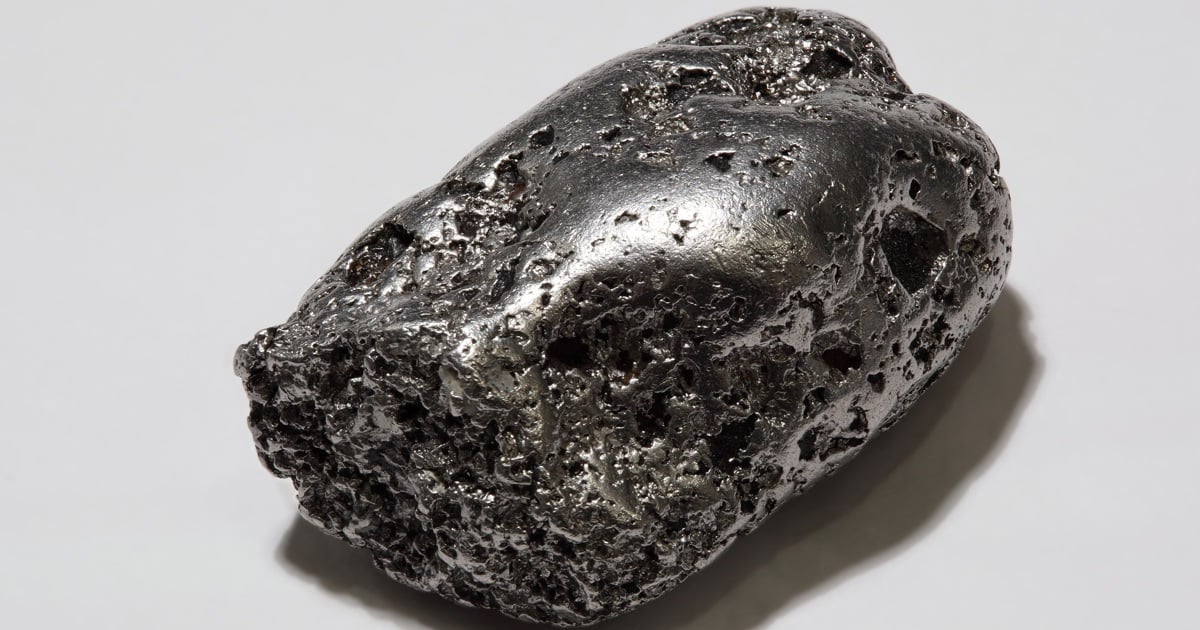
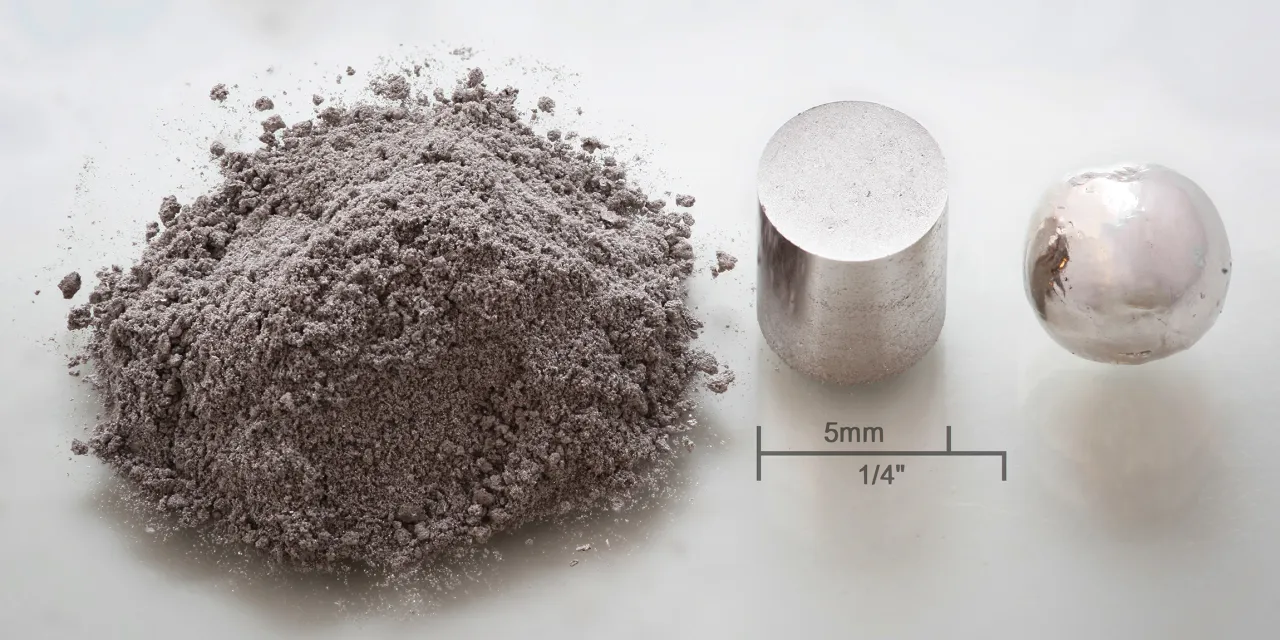
Ruthenium is one of the most effective hardeners for palladium and platinum, and hence it is alloyed with these metals to make electrical contacts for laboratory equipment and severe wear resistant electronics. Ruthenium nanoparticles also serve as versatile catalysts.
Chemical Properties
The chemical properties of ruthenium nanoparticles are outlined in the following table.
| Chemical Data | |
|---|---|
| Chemical symbol | Ru |
| CAS No. | 7440-18-8 |
| Group | 8 |
| Electronic configuration | [Kr] 4d7 5s1 |
Physical Properties
The physical properties of ruthenium nanoparticles are given in the following table.
| Properties | Metric | Imperial |
|---|---|---|
| Density | 12.37 g/cm3 | 0.4469 lb/in3 |
| Molar mass | 101.07 g/mol | – |
Thermal Properties
The thermal properties of ruthenium nanoparticles are provided in the table below.
| Properties | Metric | Imperial |
|---|---|---|
| Melting point | 2334°C | 4233°F |
| Boiling point | 4150°C | 7500°F |
Manufacturing Process
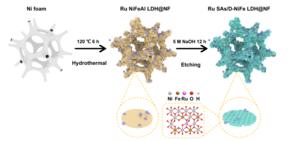
Ruthenium nanoparticles can be prepared by selective hydrogenation of p-chloronitrobenzene to p-chloroaniline using low boiling alcohol or a mixture of ethanol/water as solvent and microwave irradiation as a heating source.
Applications
The key applications of ruthenium nanoparticles are listed below:
- Electrochemical capacitors
- Hydrogenation catalyst
- Polymer membranes
- Hardening agent for platinum or palladium alloys
- Coatings, plastics, nanofibers, textiles and nanowires.
Source: AZoNano