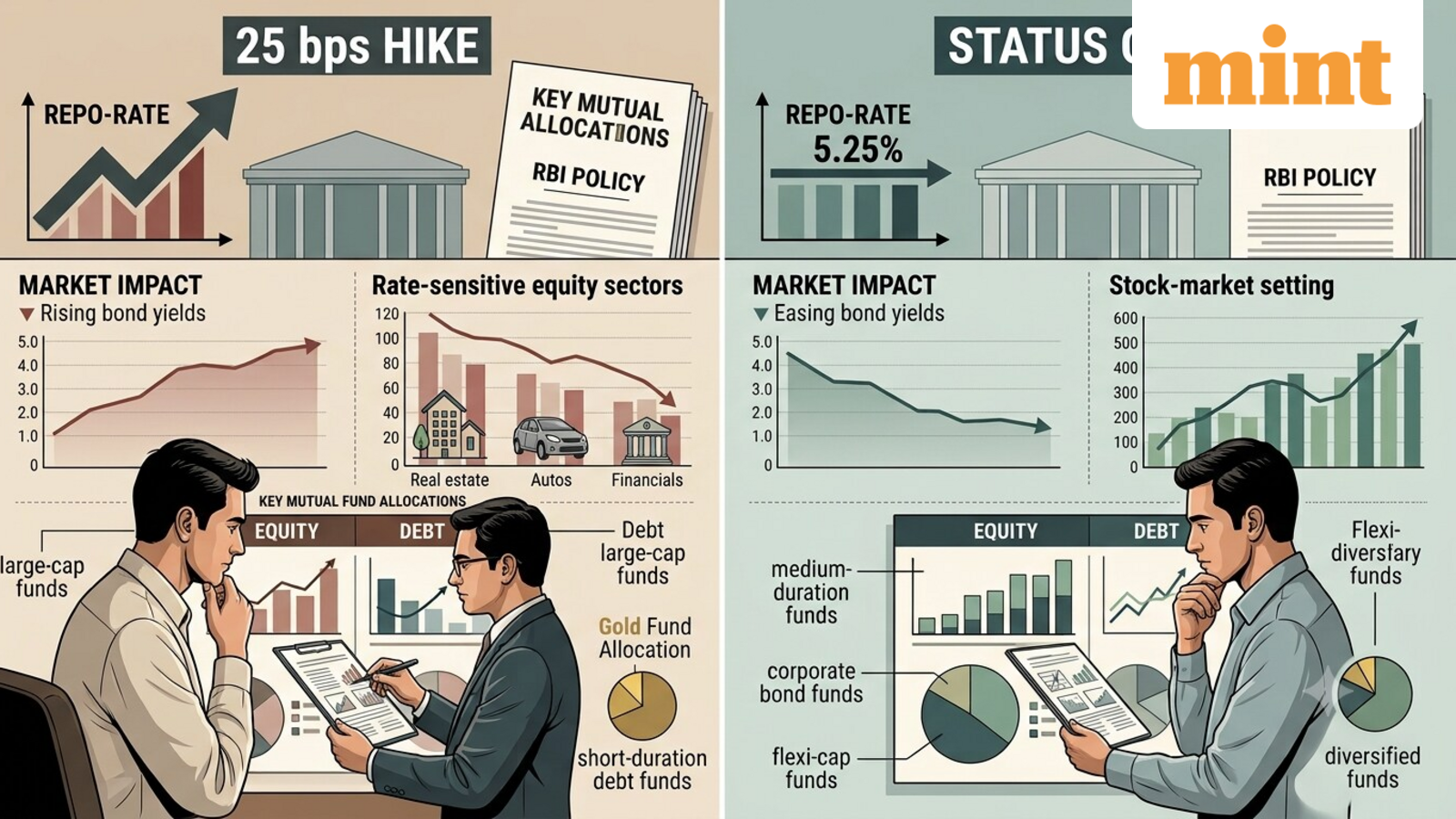
On October 7 (Wednesday), the Reserve Bank of India (RBI) is expected to deliver its first repo rate hike in nearly 3.5 years, since February 2023. A Reuters poll showed 35 of 61 economists expect a 25-basis-point hike, which would take the repo rate from 5.25% to 5.50%.
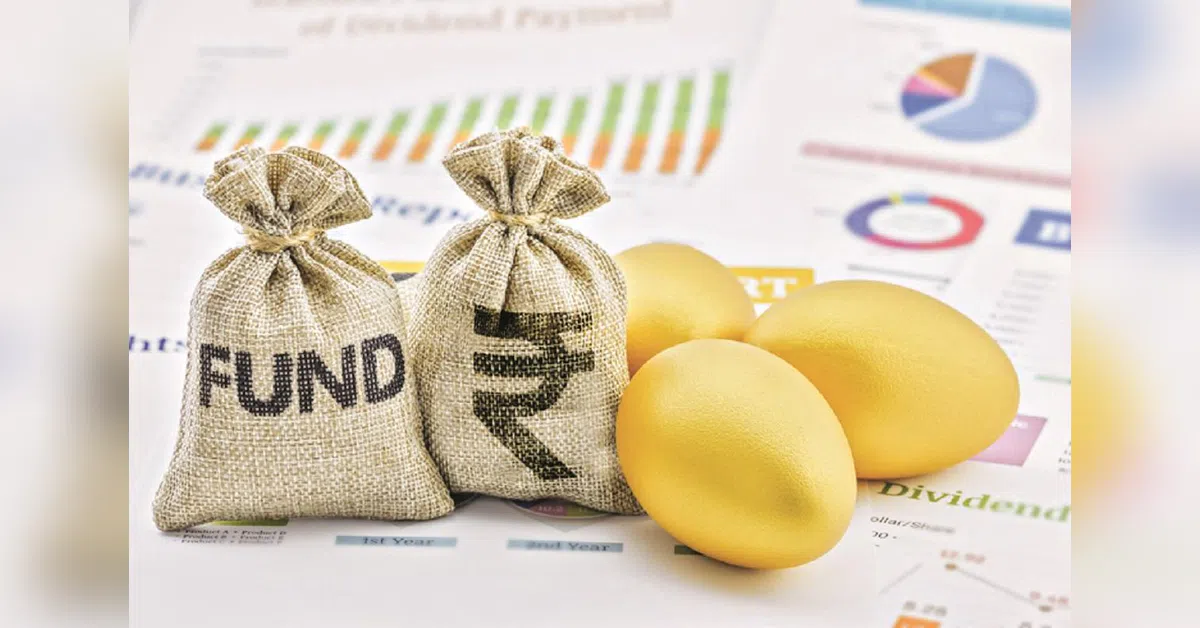
Here’s what investors should do after the RBI’s monetary policy announcement. Experts suggest mutual fund portfolio strategies for both a 25-bps rate hike and a status quo.
What should investors do after a 25-bps rate hike?
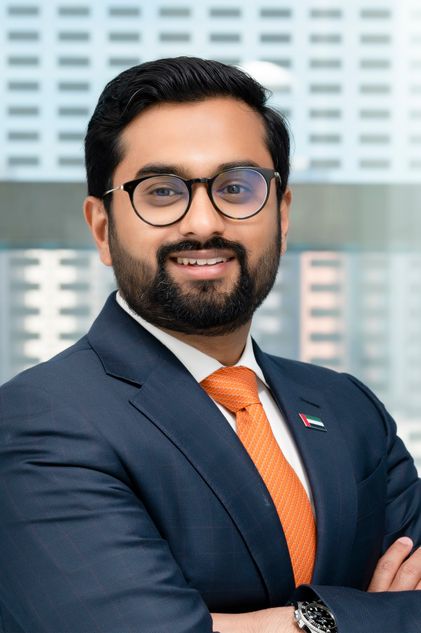
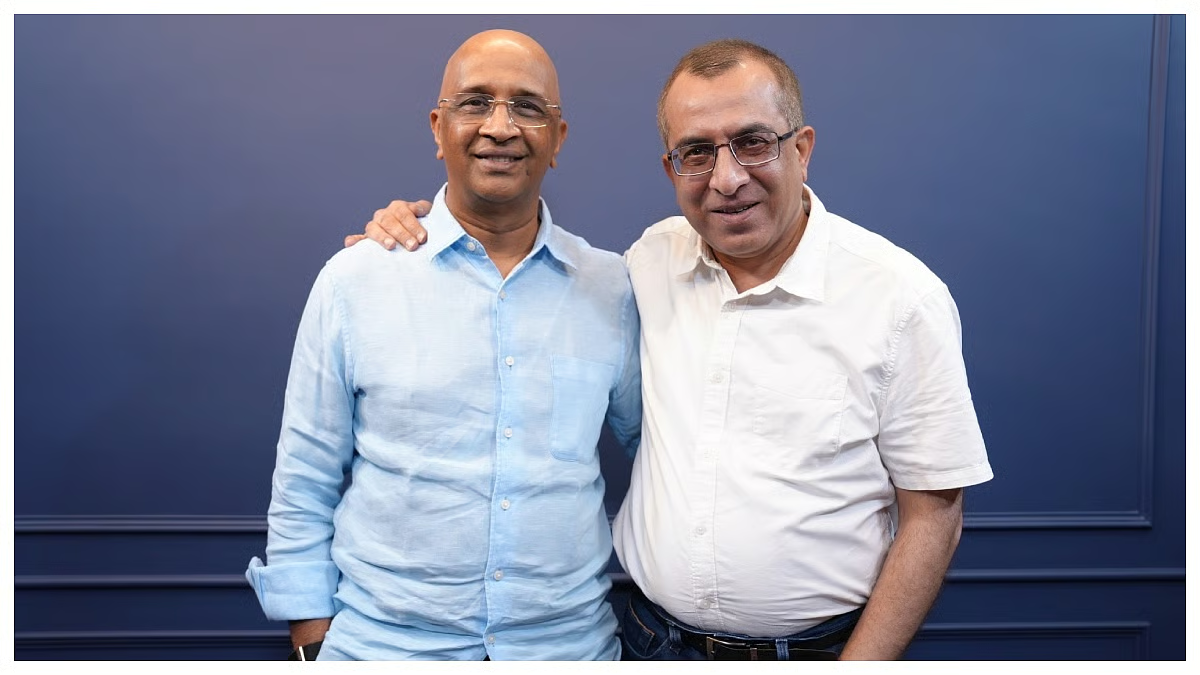
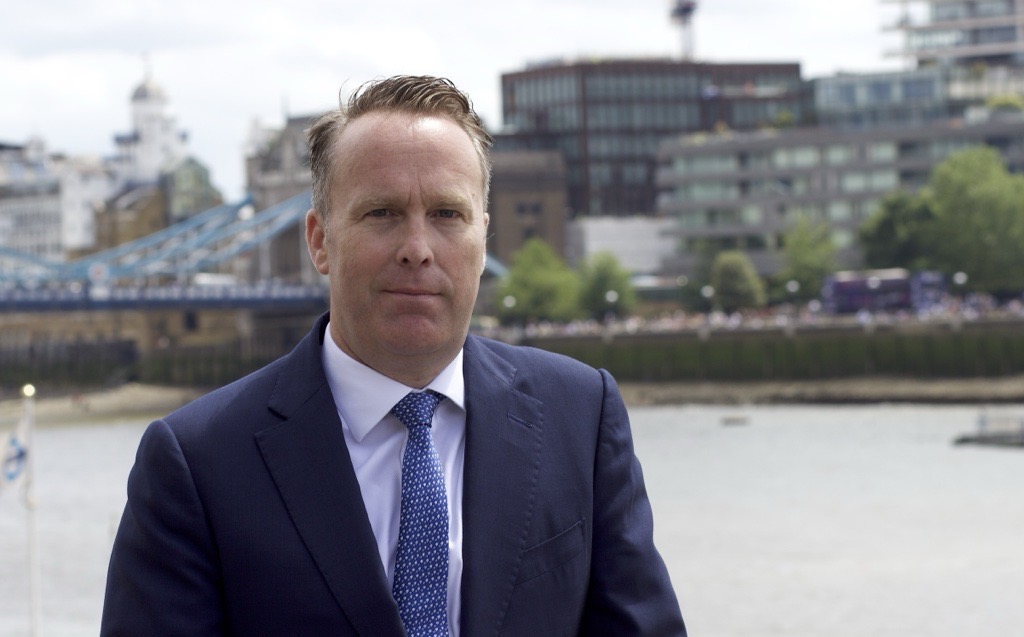
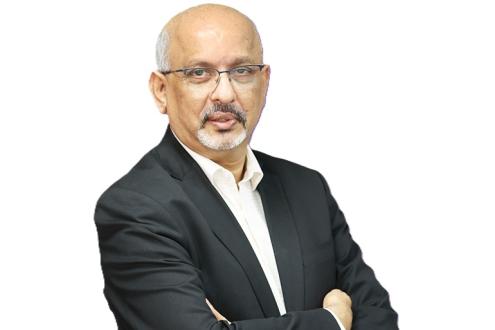
Manish P. Hingar, Founder and Chief Executive Officer of Fintoo, said equity can be left alone. Keep the SIPs running and don’t sell because of one rate decision. Rebalancing may be considered if equity allocation moves more than about 5% from the target.
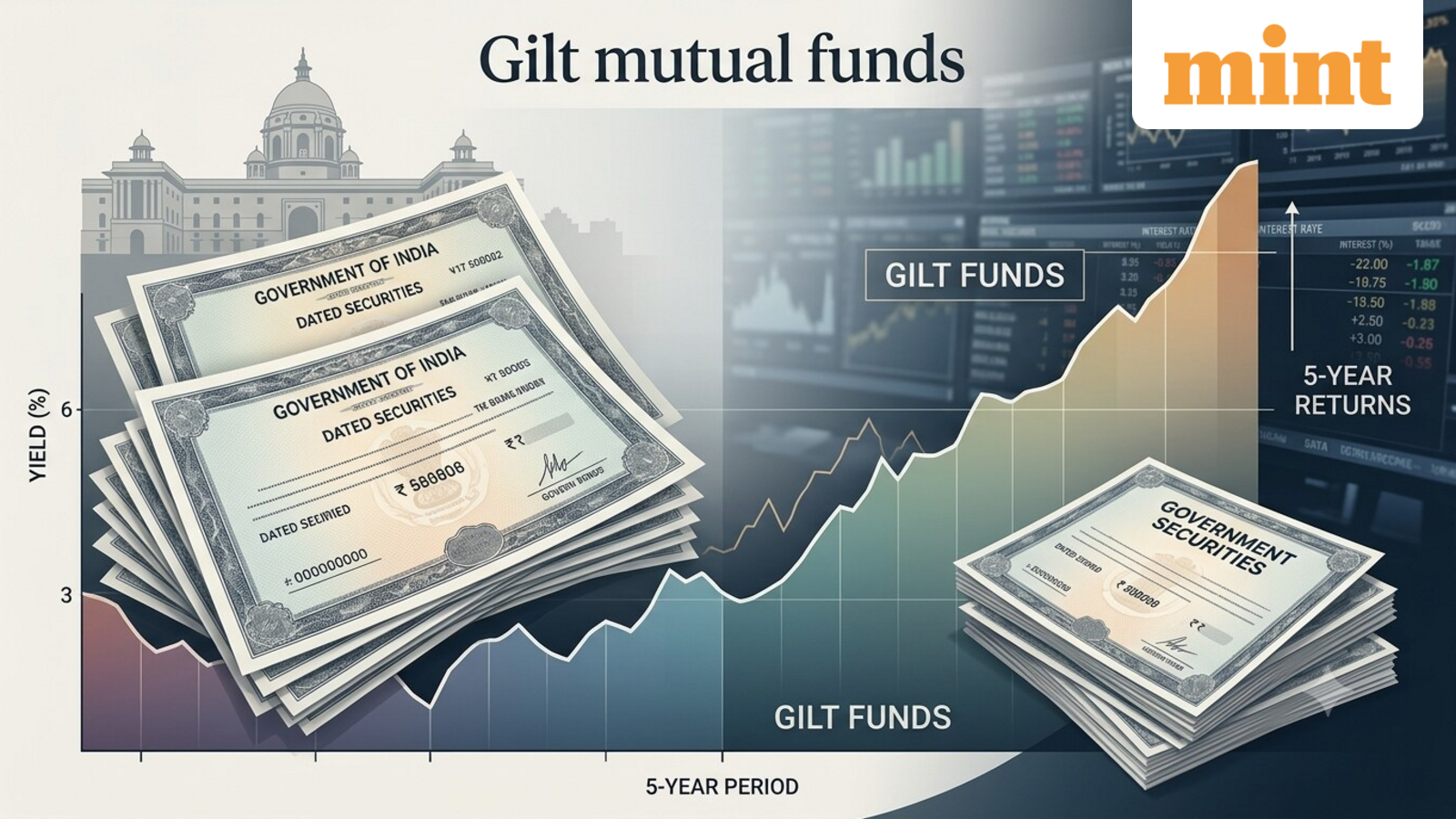
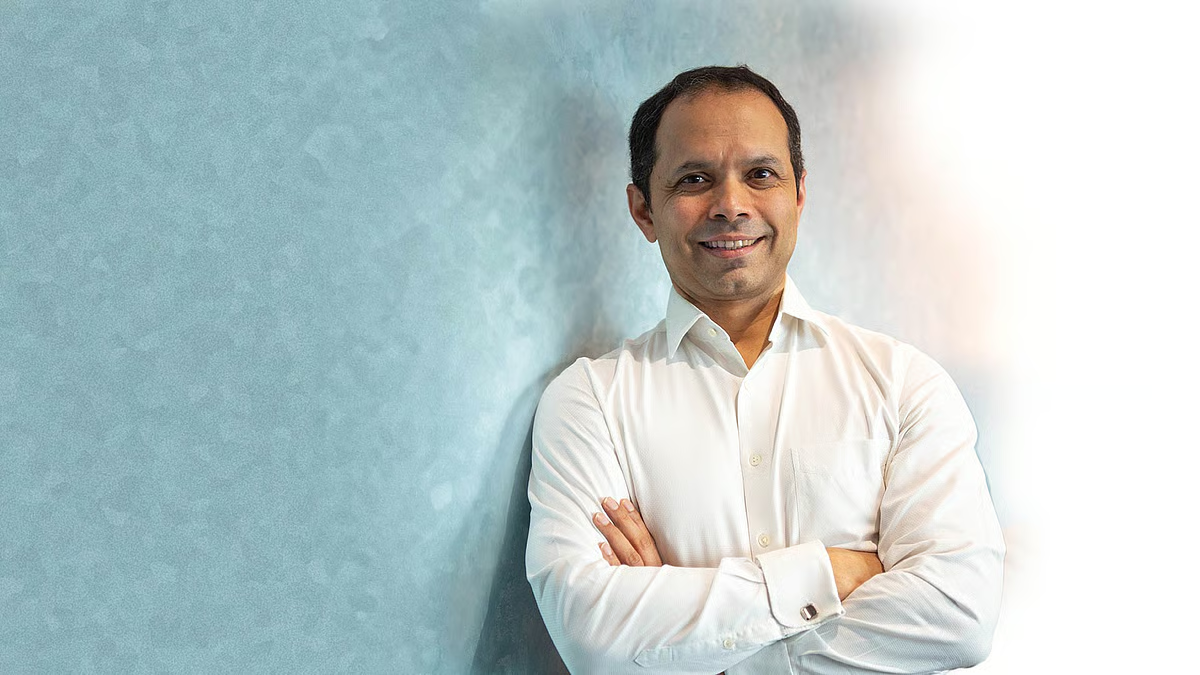
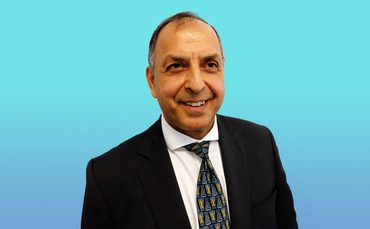
The key question is whether the hike marks the start of a cycle, with some forecasts seeing rates at 5.75%-6% in FY27. Harsha Vardhana VM, Founder-Group CEO, Atom Financial Services, said this calls for measured adjustments, with debt needing the most attention. Investors in gilt or long-duration funds with short-term goals could shift towards low-duration, money-market or floating-rate funds, while those with three-year-plus horizons can stay with medium-duration funds.
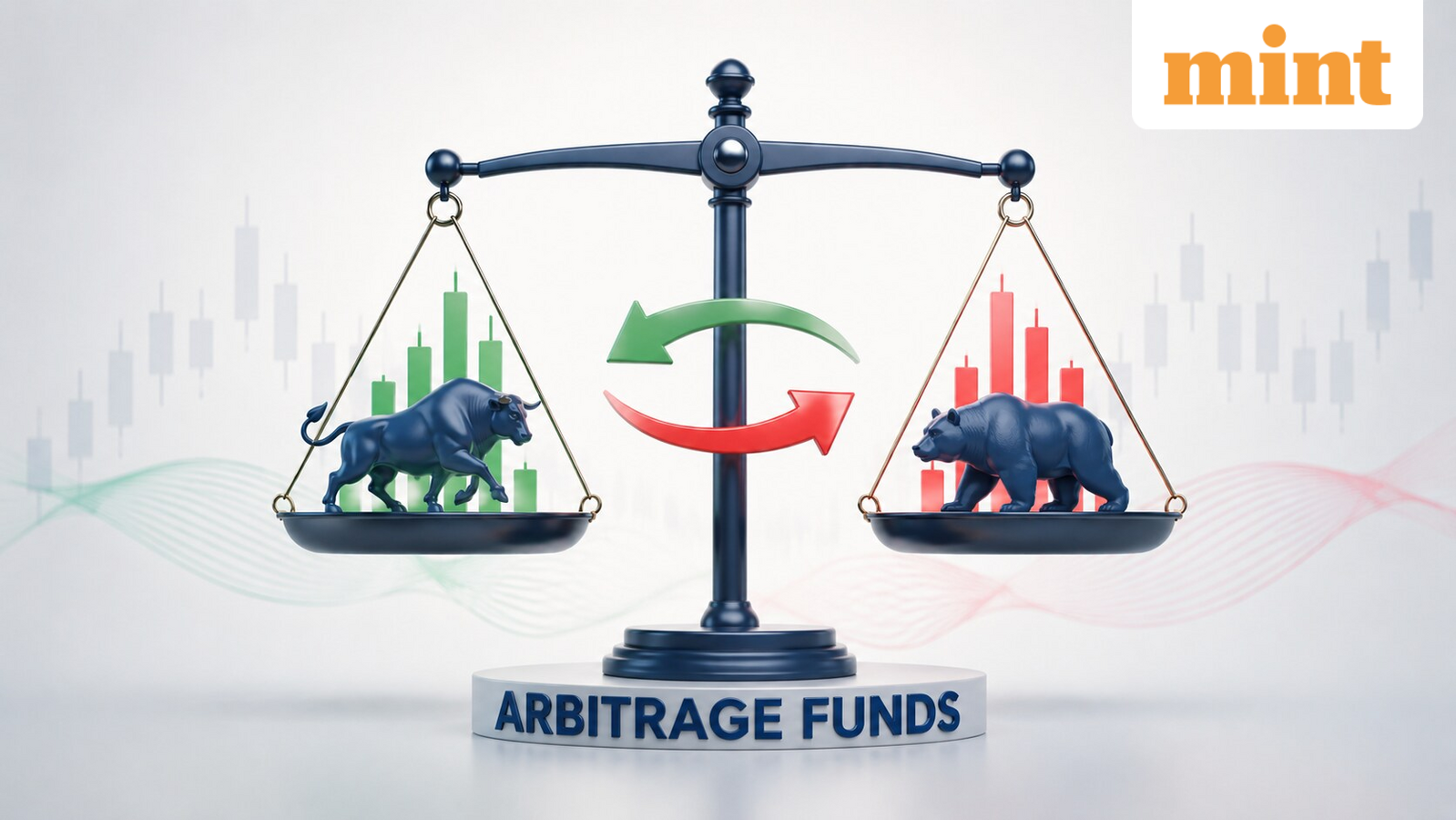
Souvik Biswas, Head of Research at Bajaj Capital, said arbitrage funds can be a better diversifier during rate-hike cycles, with new investments considered in arbitrage funds instead of other debt funds.
In equities, Piyush Jhunjhunwala, Founder and CEO of Stockify, said investors can reduce exposure to highly leveraged companies and rate-sensitive sectors such as real estate, automobiles and some financial segments.
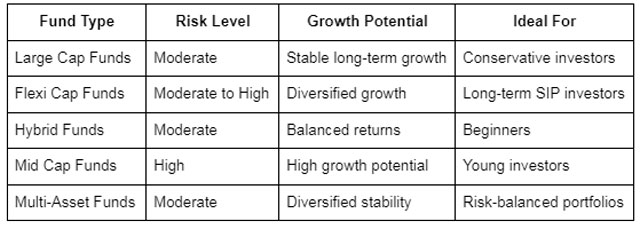
Vardhana VM said higher borrowing costs could pressure heavily indebted companies and sectors such as real estate, autos and lending. For mutual fund investors, this means leaning on large-cap, flexi-cap or large and midcap funds for stability. Ongoing SIPs should continue.
For gold, Bruce Keith, Co-founder and CEO of InvestorAi, said rising global real yields remain a headwind and domestic gold has already corrected from its late-August highs. He recommended maintaining a sensible 5%-10% allocation.
Don’t act on the day of the decision. Wait for what the RBI says about future rates, then make changes gradually over the next few weeks, Hingar added.
What should you do if the RBI maintains status quo?
Biswas said the RBI could hold rates while maintaining a clearly hawkish stance, which could trigger a short-lived positive reaction in markets.
Hingar said investors should largely stay put because a pause does not immediately change returns; the RBI’s tone will matter more. A hawkish pause would favour short-term debt, while a softer stance could support gradual additions to medium-duration or dynamic bond funds. Equity SIPs and the regular rebalancing plan carry on as before.
“A status quo does open a few practical opportunities. In debt, yields tend to ease a little when a feared hike does not arrive, which helps medium-duration funds. Investors with a three- to five-year horizon can use this window to add corporate bond or banking and PSU debt funds,” Vardhana VM said.
He added that rate-sensitive areas such as housing finance, autos and real estate could get some relief. Existing holdings can be retained, while SIPs in flexi-cap, multi-cap and mid-cap funds continue. Investors holding cash can deploy it in tranches rather than chase a rally. Gold can remain at its existing allocation.
Jhunjhunwala recommended continuing SIPs in diversified equities and using high-quality short- and medium-term fixed-income opportunities according to the investment horizon.
What are the key takeaways for investors?
Imran Khan, Director, EquiRize Securities, said a hike could be used to gradually increase high-quality debt exposure while keeping equity allocation intact but becoming more selective on leverage and valuations. Under a status quo, investors should largely remain invested and rebalance rather than react, as inflation, global yields, crude prices and earnings will matter more over the medium term.
Vardhana VM said a hike could pressure funds exposed to real estate, consumer discretionary and lending, while large-cap, value and dividend-yield funds may be more resilient. A status quo could support flexi-cap, multi-cap and mid-cap funds, as well as infrastructure and capital-goods themes.
Jhunjhunwala cautioned that sectoral and thematic funds are suitable only for investors who understand their concentration and timing risks.
Floating rate debt funds are also a good category as the investors will be positioned to benefit from the hike in rates as and when they happen in the future, Harsh Vardhan Dawar, ACA, CFA, FRM, Founder – Wealth Cafe, said.
Given current valuations and opportunities, irrespective of which way the MPC votes, investors should not be deterred from allocating capital, albeit selectively. Investors should use volatility to stagger equity investments, while gradually increasing high-quality short- to medium-duration debt exposure, Vijay Kuppa, CEO, InCred Money, noted.
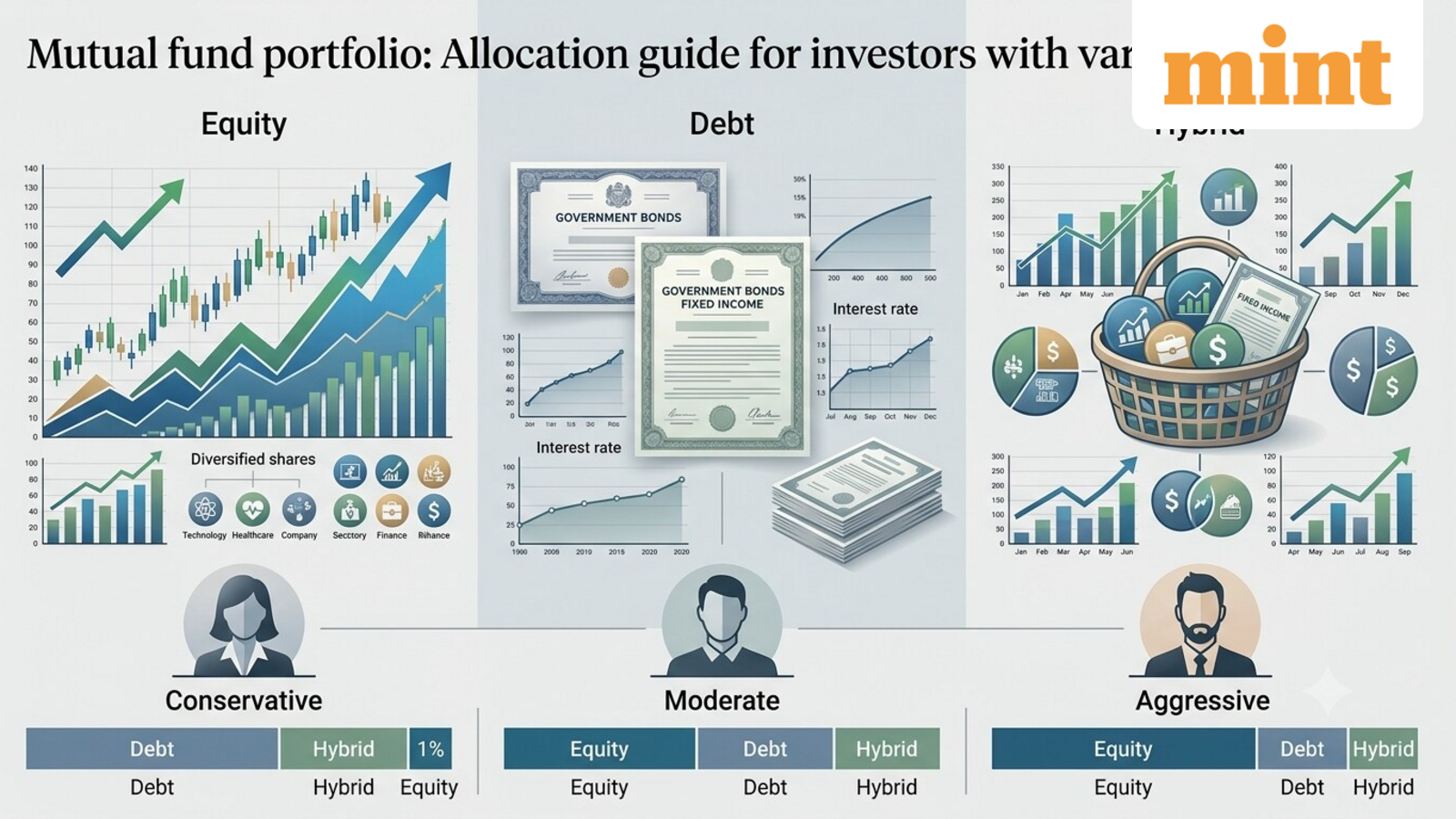
A structurally sound portfolio at this point is about 60-70% in equity, 20-30% in debt and arbitrage funds, and 7- 10% in gold, Biswas said.
Disclaimer: This story is for educational purposes only. The views and recommendations made above are those of individual analysts or broking companies, and not of Mint. We advise investors to check with certified experts before making any investment decisions.
About the Author
Sheetal Goel is a Content Producer at Livemint, where she covers corporate developments, personal finance, business trends, markets, and SEBI-related updates. She focuses on simplifying complex financial concepts and presenting them in a clear, reader-friendly manner, thereby helping audiences better understand investment trends, personal finance, and market developments. Her writing focuses on making finance more accessible to everyday readers while maintaining clarity, accuracy, and relevance.
She holds a degree in Economics (Hons.) along with an MBA in Finance, which has helped her develop a strong foundation in financial analysis, market understanding, and business reporting. Before joining journalism, she worked with finance and broking firms, where she closely followed market developments, investment strategies, and evolving industry trends. This practical exposure strengthened her understanding of financial markets. She has also written content across multiple formats and platforms, including YouTube, LinkedIn, and Instagram.
Over time, she has developed expertise in covering market-linked stories, investor-focused topics, and regulatory updates in a simplified yet informative style. She also enjoys reading and listening to Hindi poetry, reflecting her appreciation for literature and creative expression beyond the world of markets and numbers.