With bond yields rising and annuity rates continuing to increase, the case for annuities gets stronger for three main reasons: Higher annuity incomes; opportunity to de-risk; and options to reduce potential IHT
 Higher annuity incomes
As all good advisers know, annuity rates are priced with reference to bond yields. I use the 15-year gilt yield as a benchmark: at the beginning of summer (1 June) the gilt yield was 5.17%, and by the beginning of September this had increased to 5.5%.
This small increase was enough for annuity providers to increase rates and my benchmark annuity (joint life annuity, ages 65 and 60, £100,000, 66% spouse and level payments) increased from £6,940 per annum to £7,118.
This is a 2.5% increase and, although modest, means that annuities are paying the highest level of income since the 2008 financial crisis. It is worth remembering that the income from the benchmark annuity fell as low as £3,861 when yields fell to 0.6% in 2020.
What are the prospects for annuities for the rest of 2026? Ask Claude, the AI assistant, and you will get the answer “Based on current market data, UK pension annuity rates look set to stay roughly where they are over the next six months, rather than rising or falling sharply.”
The tendency is to focus on the income payable from annuities, but it also makes sense to think about the underlying returns
I have been saying much the same thing, but I confess to saying that I thought annuities had peaked over a year ago. However, that was before the start of the war in Iran and concerns about inflation following the restrictions in the Strait of Hormuz.
As always, the future trend for annuity rates rests with the bond markets, so if yields start to fall then so will annuity rates.
Opportunity to de-risk
Annuities are not only a good way to secure a high level of guaranteed income; they are good way to de-risk pension funds as people journey through retirement.
Generally speaking, as people get older they should be taking less risk with their pensions and the focus shifts from having the flexibility to leave an inheritance to the realisation that they need to ensure they have enough guaranteed income to meet their income needs. Annuities are a good way to meet these objectives.
William Burrows: The year after the annuities boom
The tendency is to focus on the income payable from annuities, but it also makes sense to think about the underlying returns. I describe annuities being like a mortgage in reverse; the insurance company repays capital plus interest with the benefit of mortality cross subsidy. With yields above 5%, it means the underlying interest rate of annuity is also above 5%.
Leaving aside the income generated, where else can retired investors get a guaranteed 5% return for the rest of their lives with no investment risk?
This makes fixed-term income plans with no income and maximum maturity amount very attractive now. Rather than thinking about annuities as an income-producing policy, they can be used as an investment option, especially if the trustee investment option within a SIPP is used.
Options to reduce potential IHT
As the time when unused pensions may be liable for IHT (April 2027) approaches, more advisers are looking at how annuities can help with tax planning.
There is a very strong case for older people to arrange annuities to increase their levels of guaranteed income
These range from relatively simple strategies, such as arranging an annuity and then gifting using the ‘normal expenditure out of income’ exemption, to more complex use of joint life nominee annuities, life assurance and trusts.
My personal view is that even without concerns about IHT, there is a very strong case for older people to arrange annuities to increase their levels of guaranteed income.
With continued high annuity rates and new IHT rules approaching, the case has got even stronger.
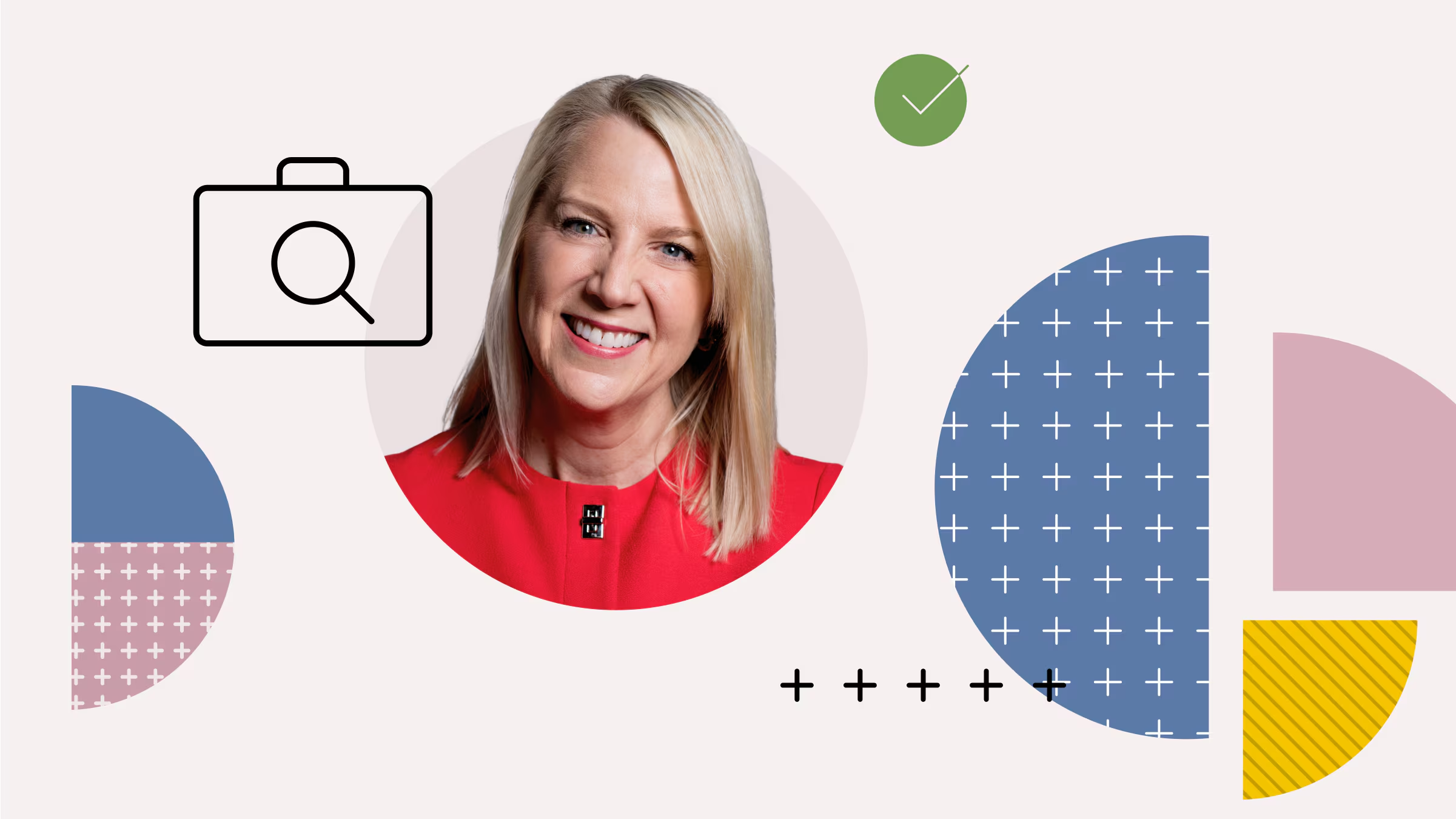
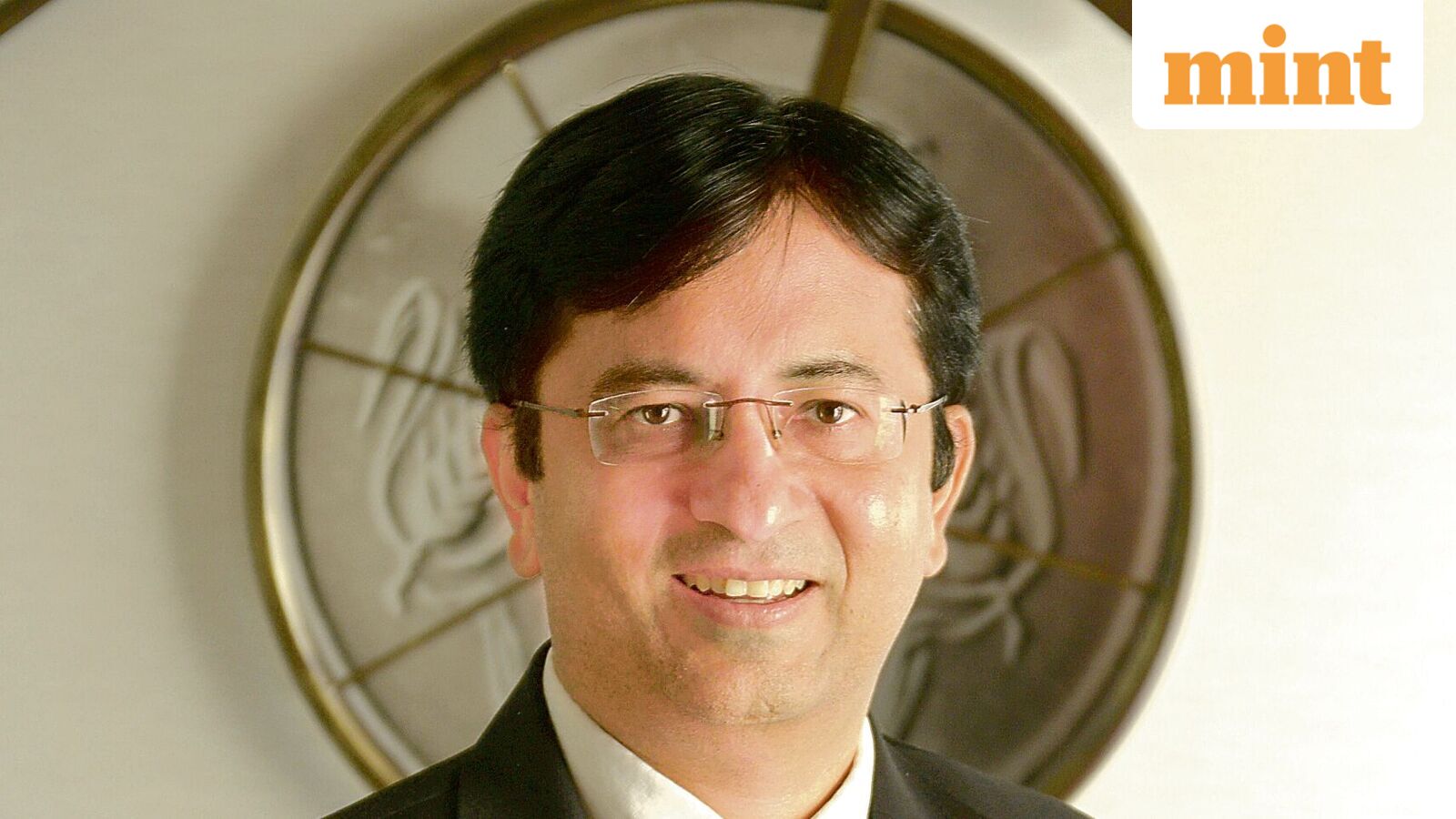
William Burrows is founder of the Annuity Project and a financial adviser with Eadon & Co