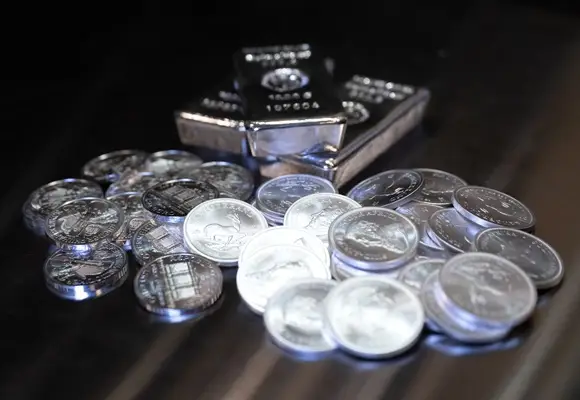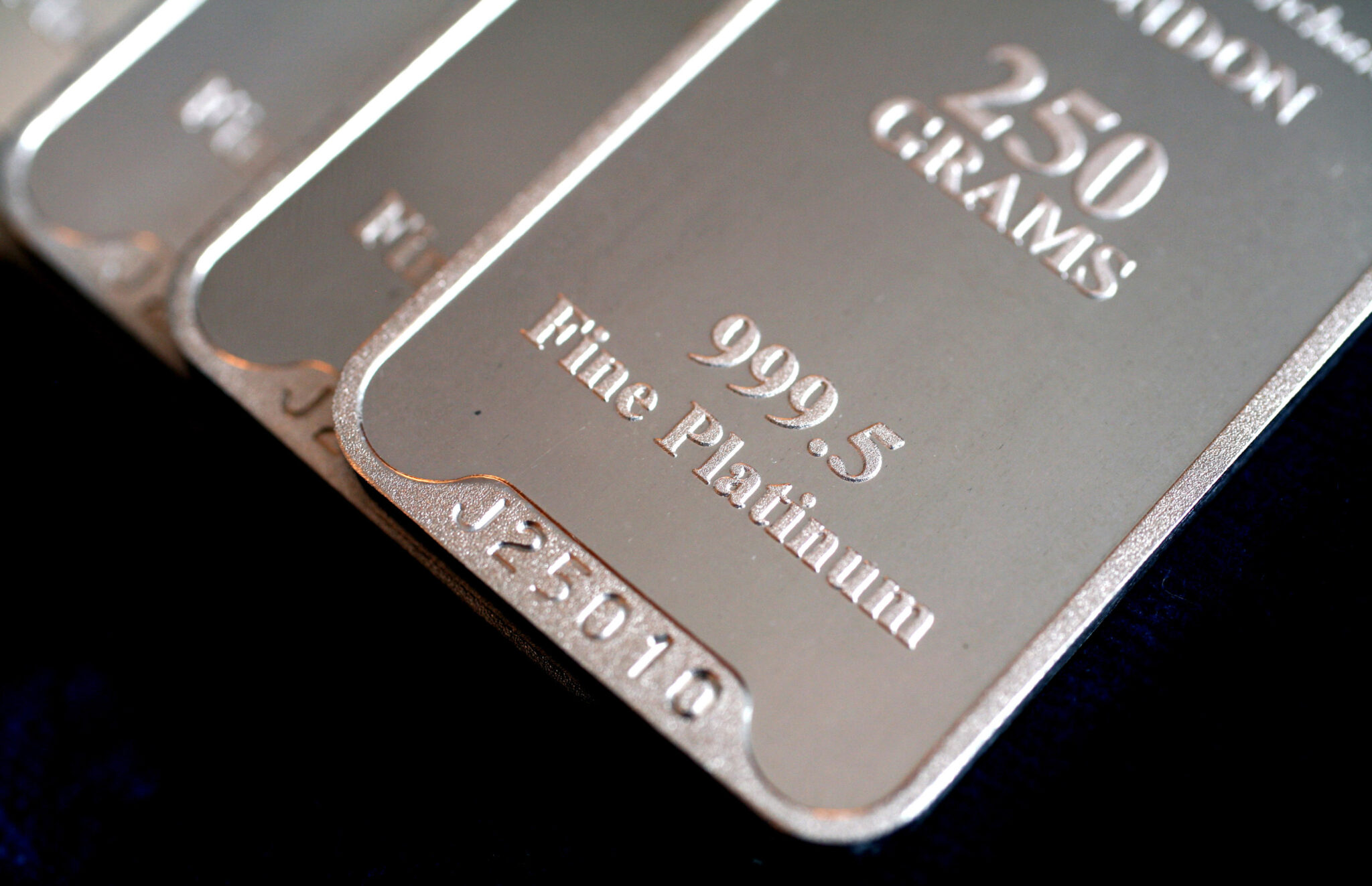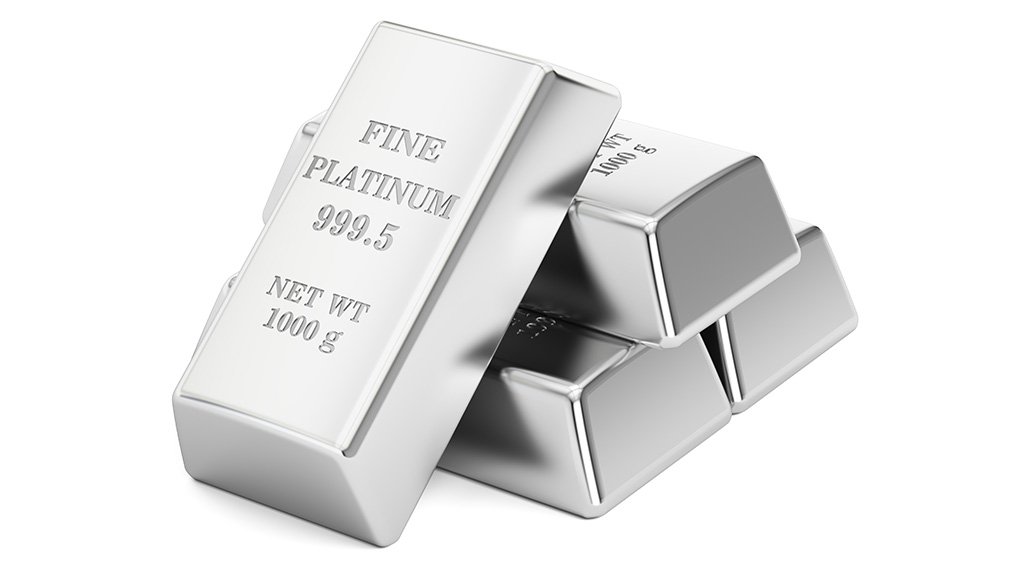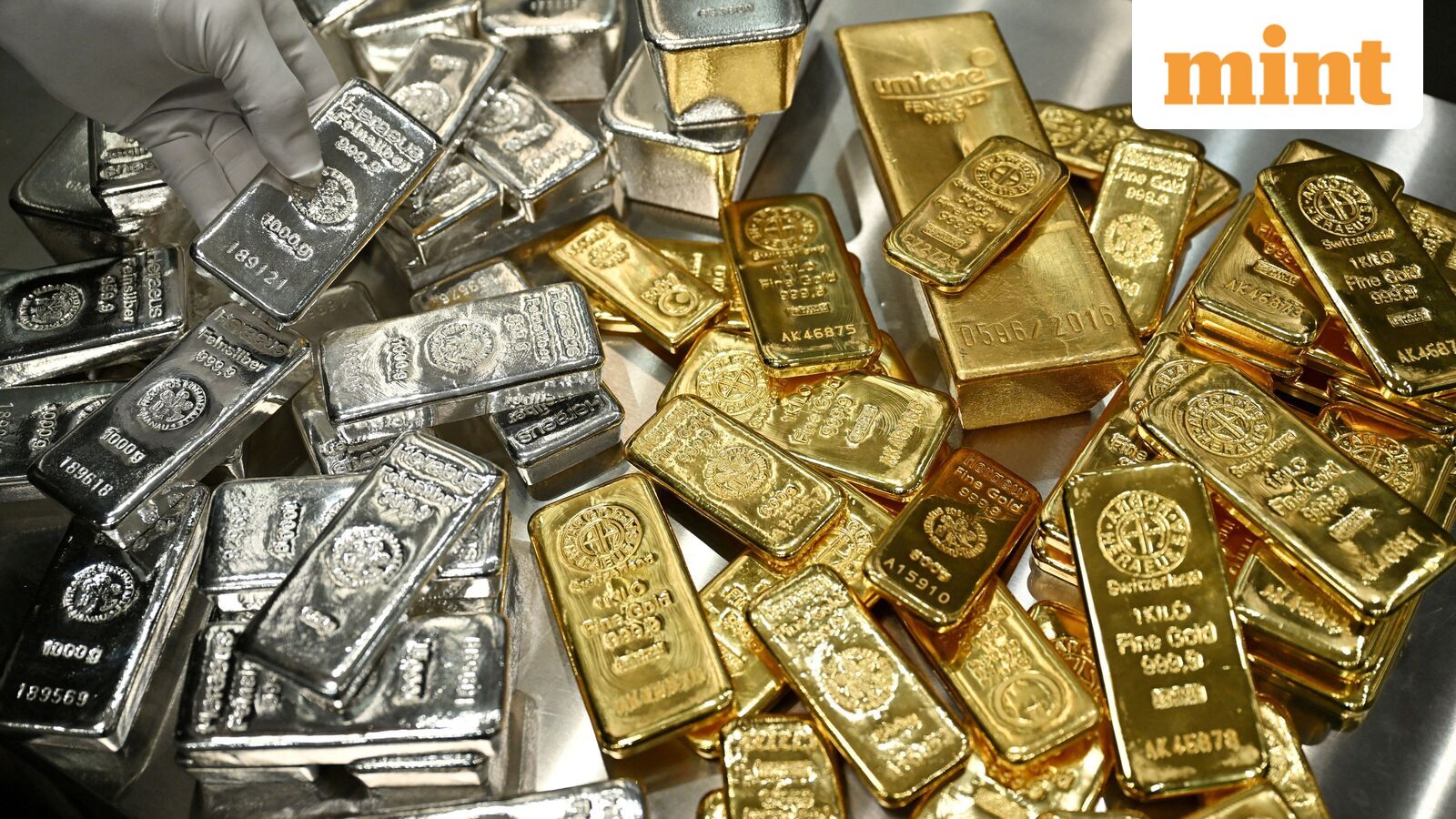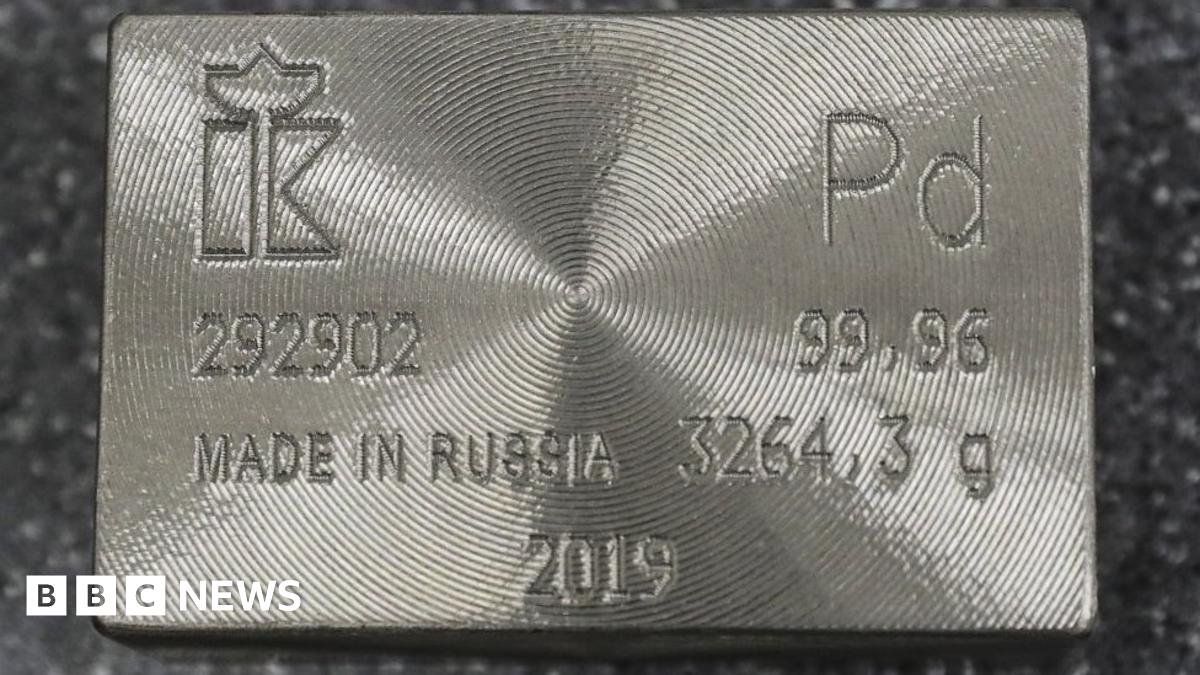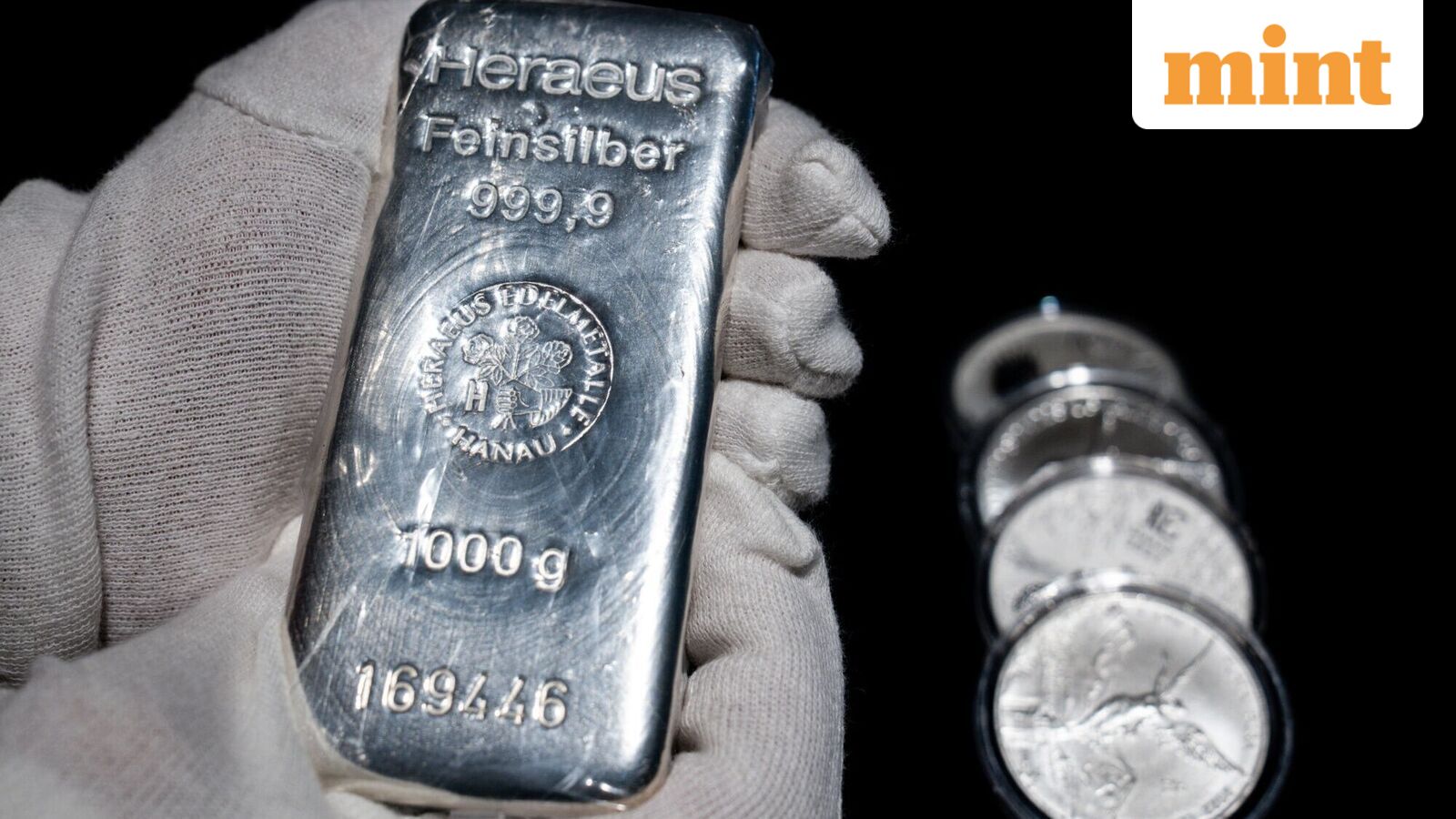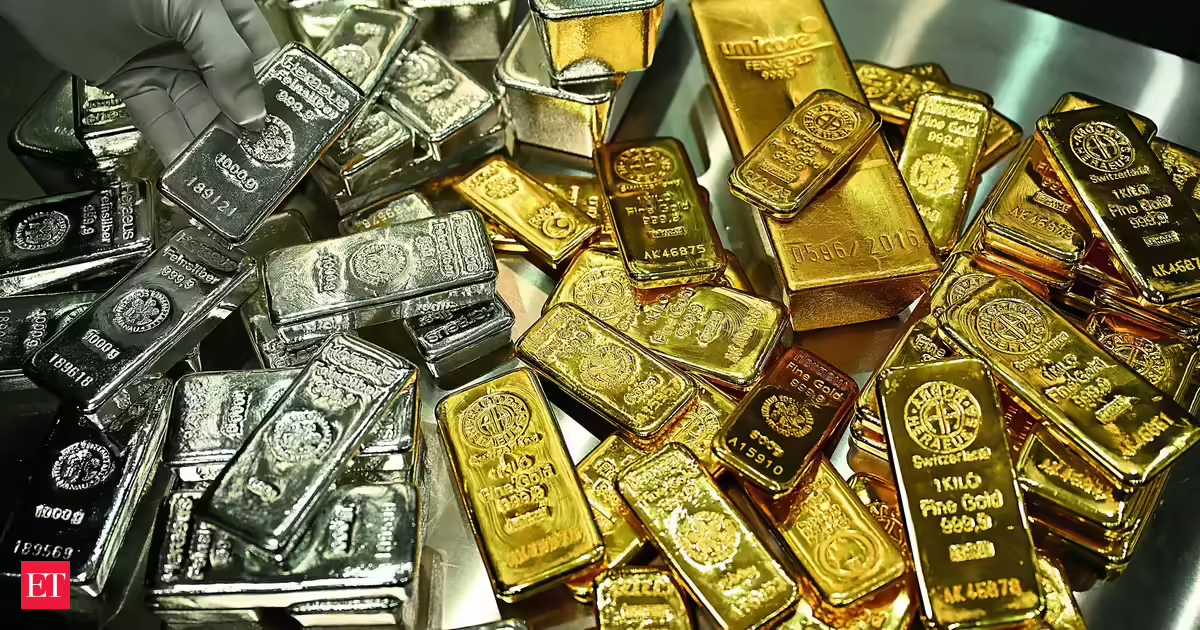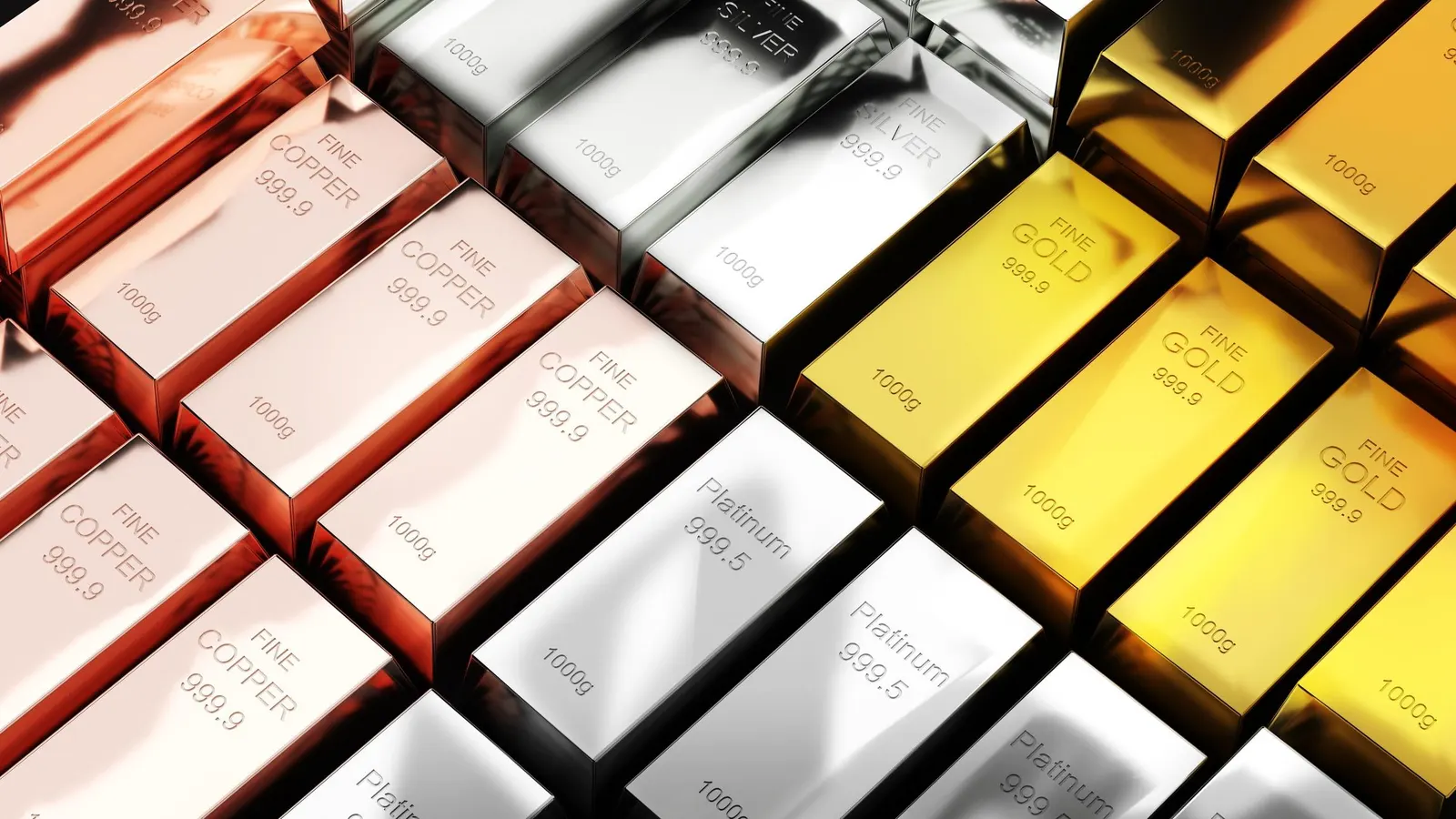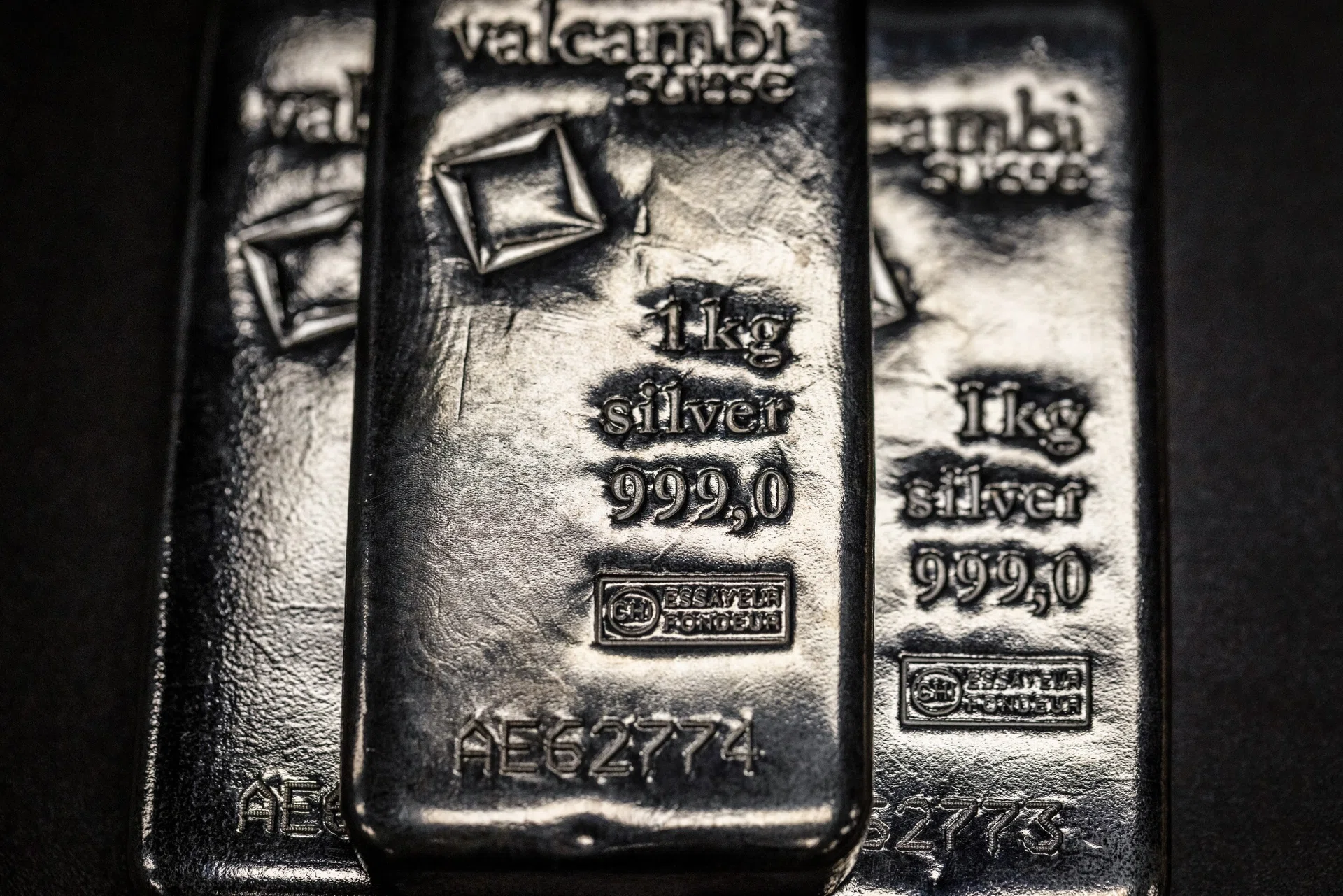
A clutch of precious metals miners published results and trading updates this week, and they were spectacular.
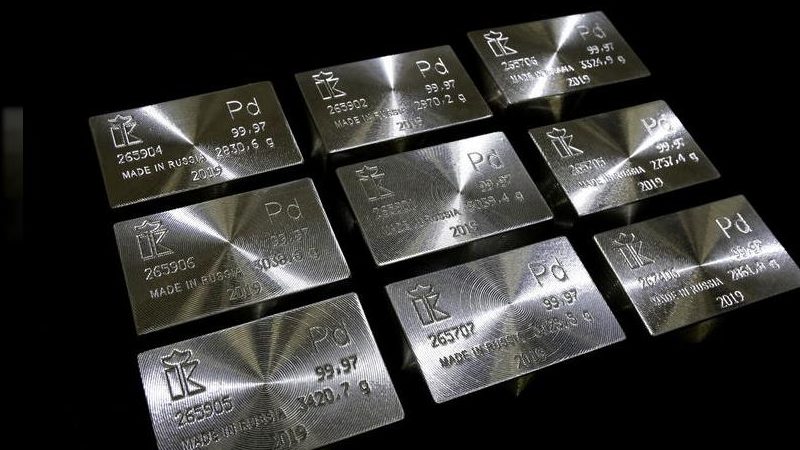
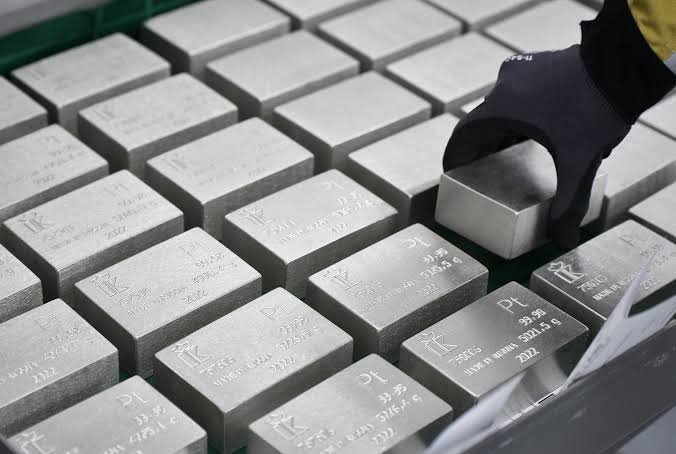
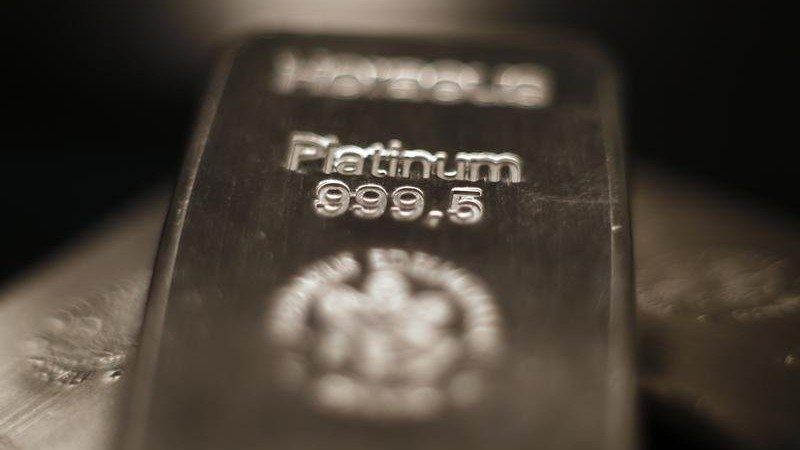
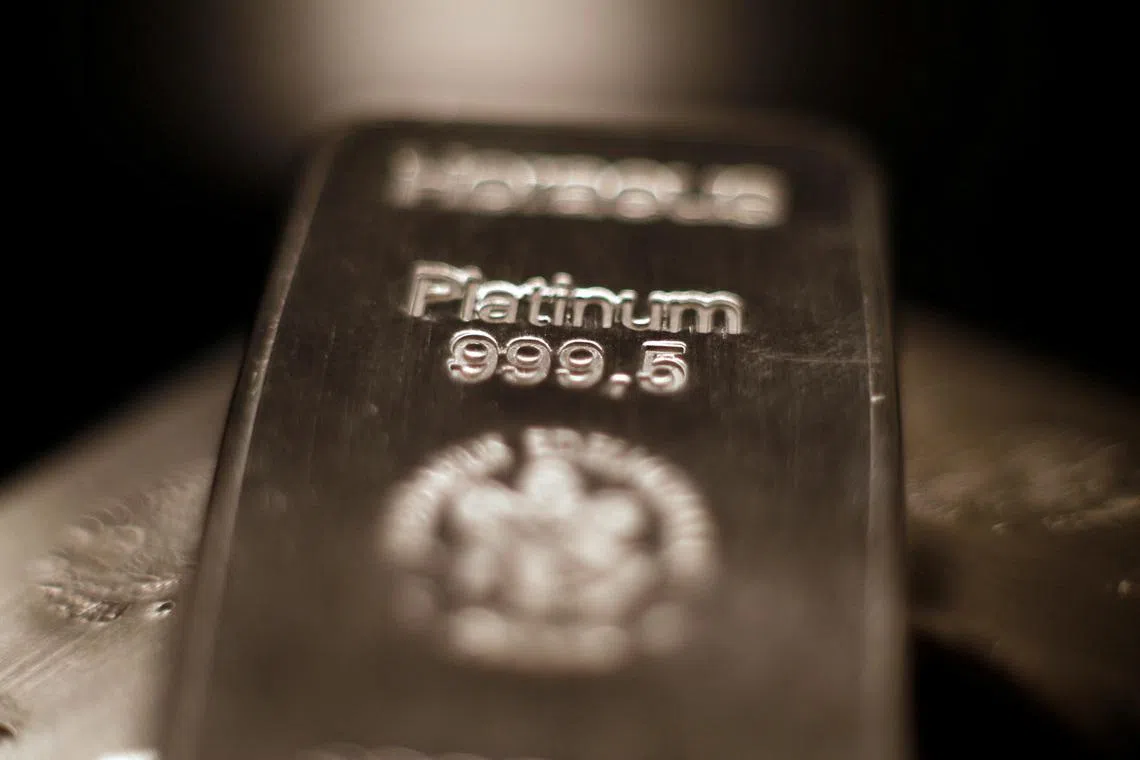
Implats is expecting a 51% bump in revenue for the year to June 2026, against an 8% increase in unit costs. But the real kicker is in the headline earnings figure, which is expected to come in at between R21.8 billion and R23.8 billion – a more than 3 000% increase on the previous year’s R700 million.
Read:
Why 2026 could be tougher for investors
JSE heads for worst quarter since 2024 as miners tumble
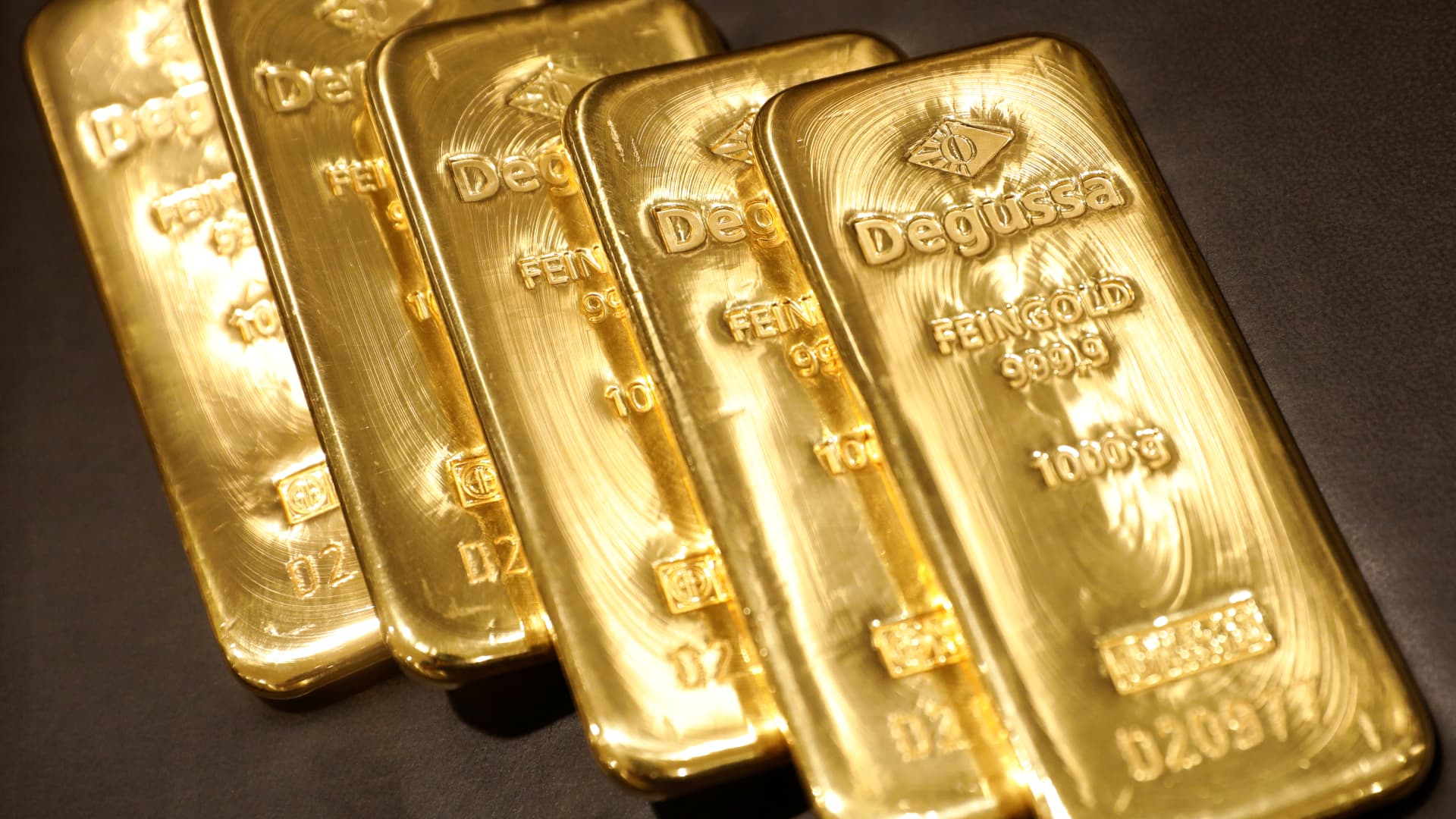
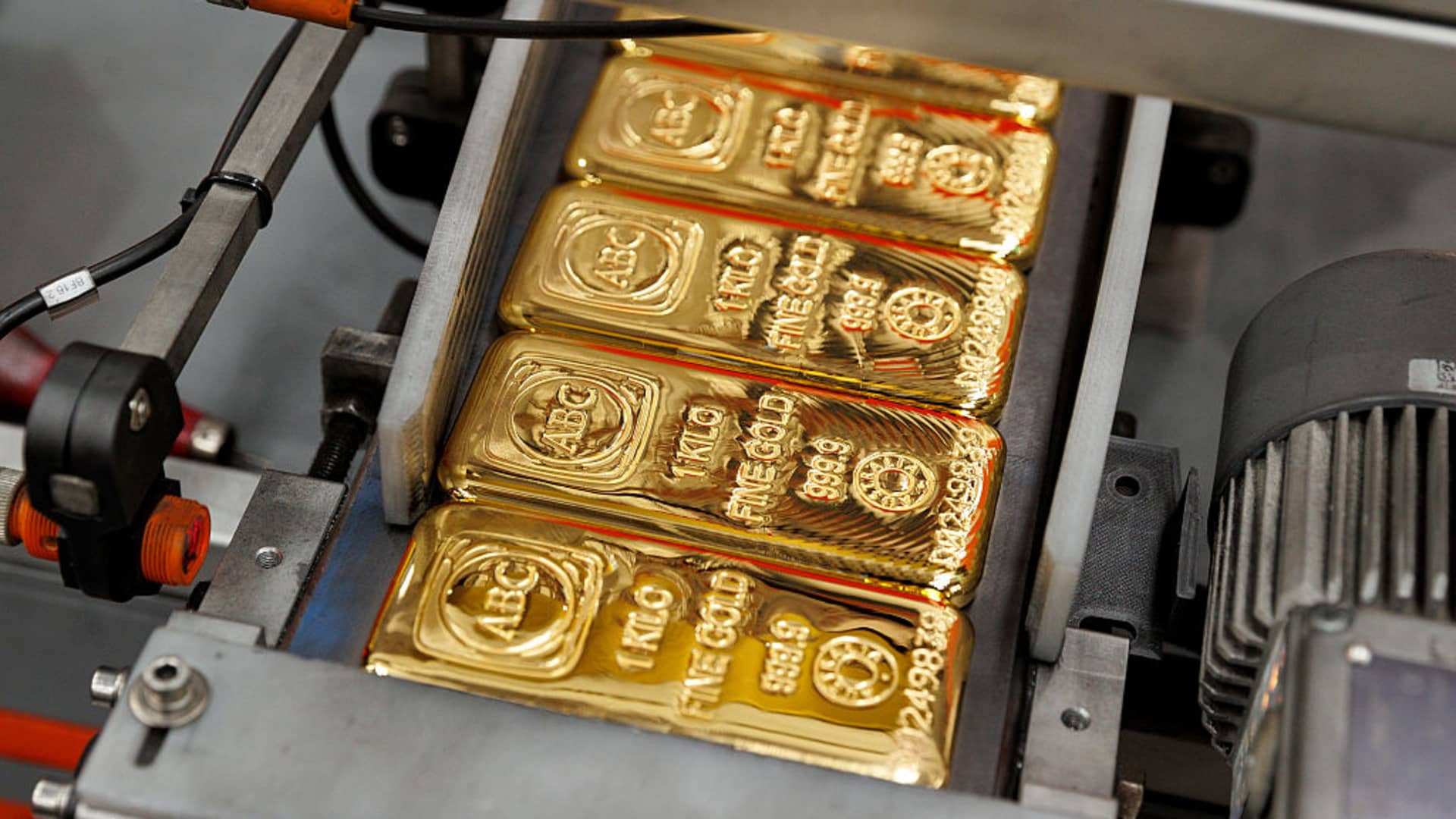
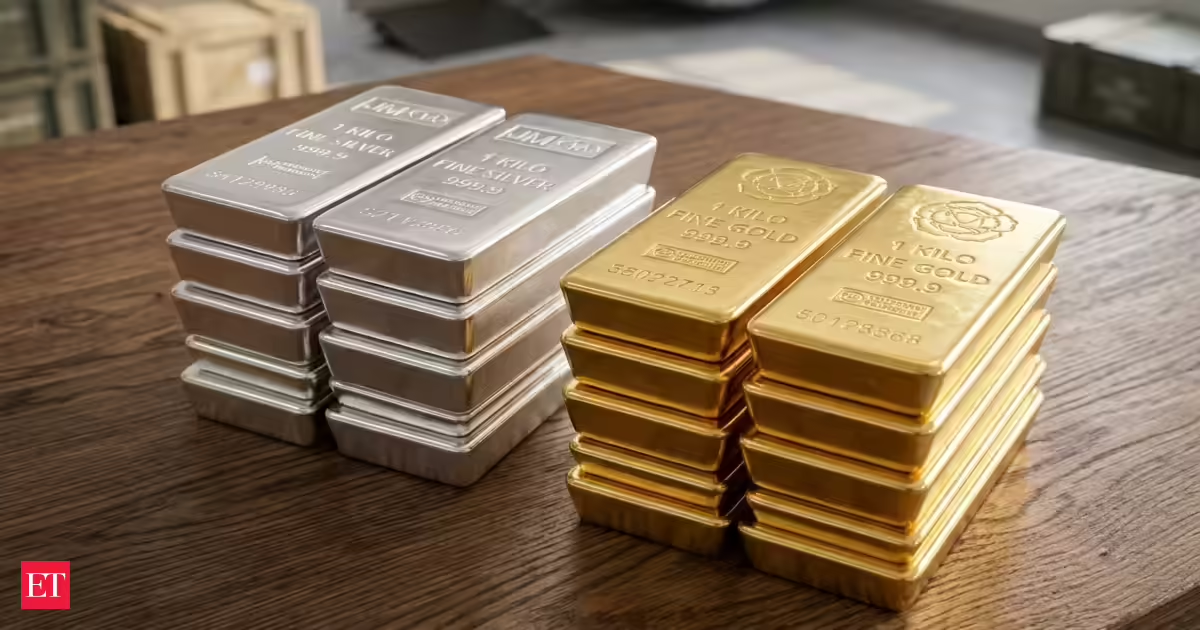
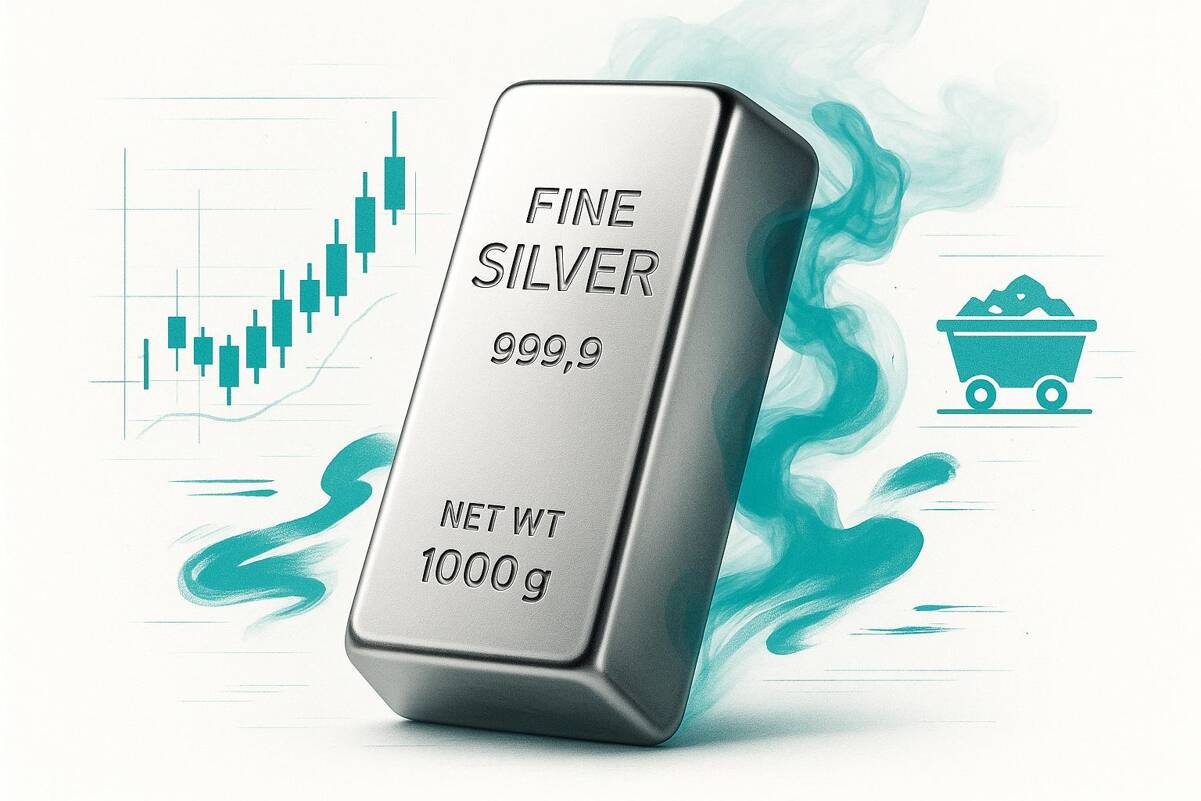
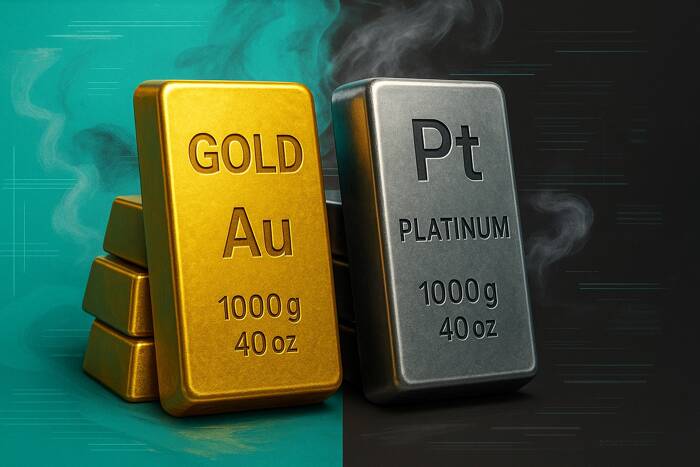
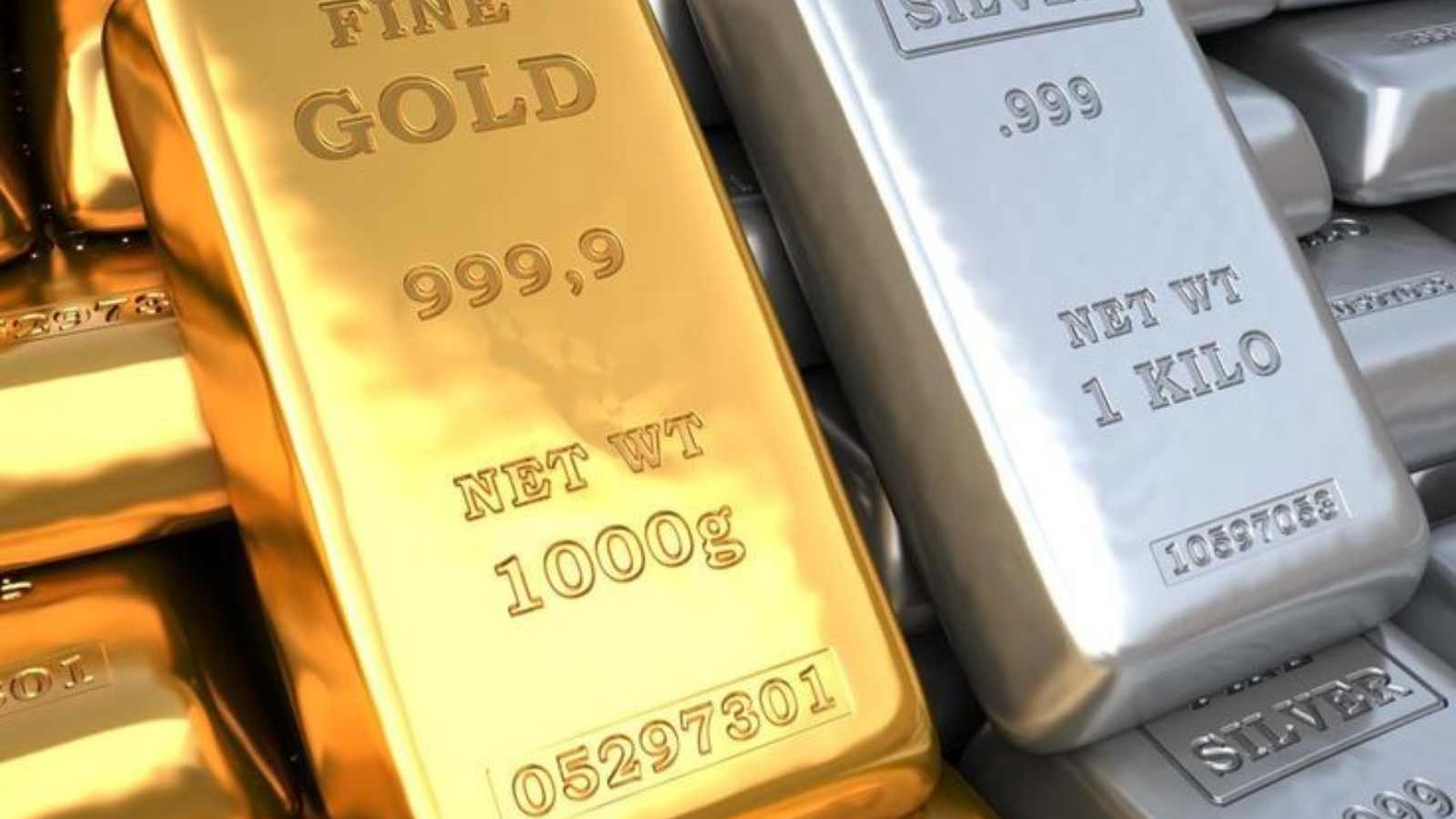
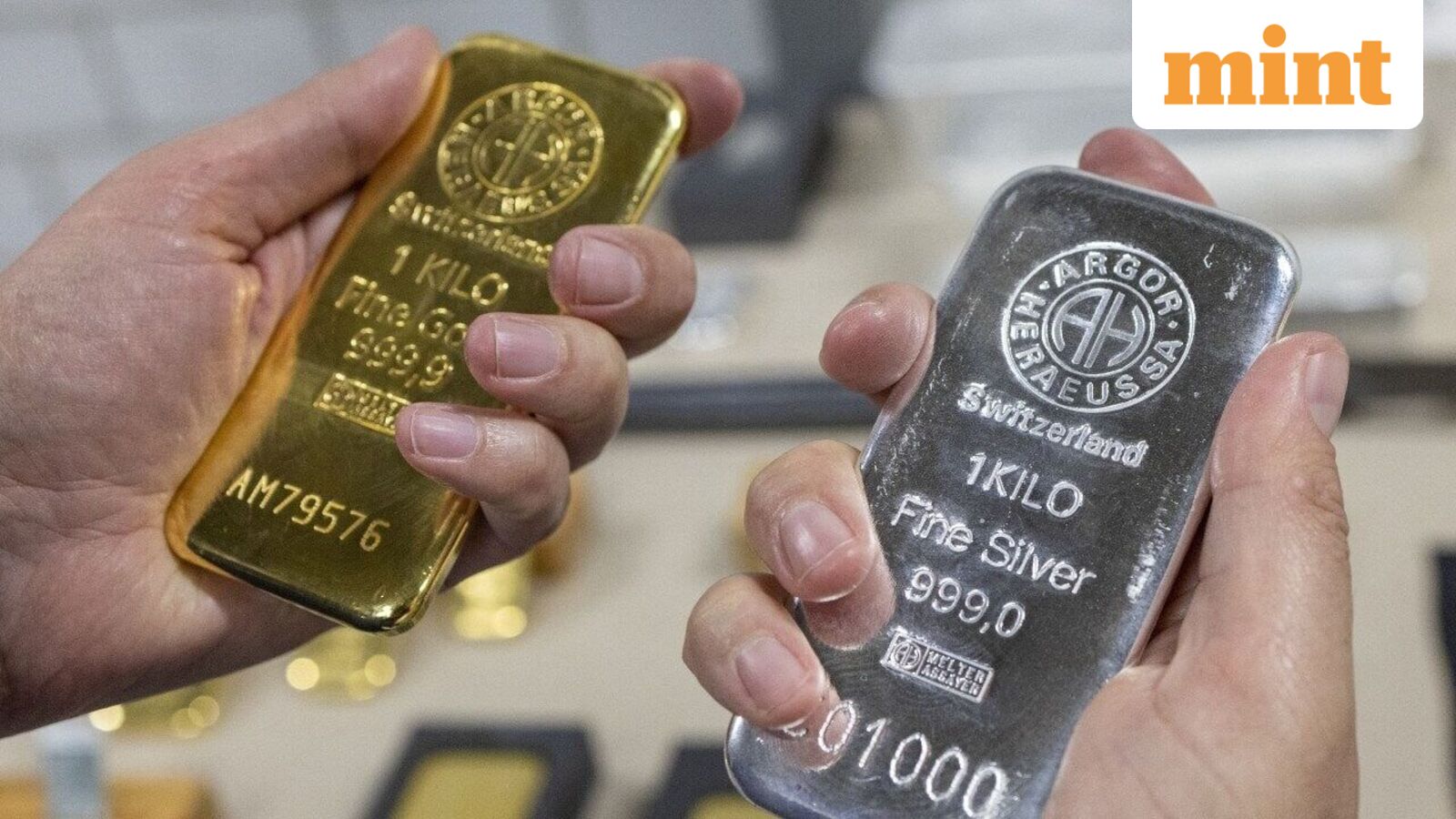
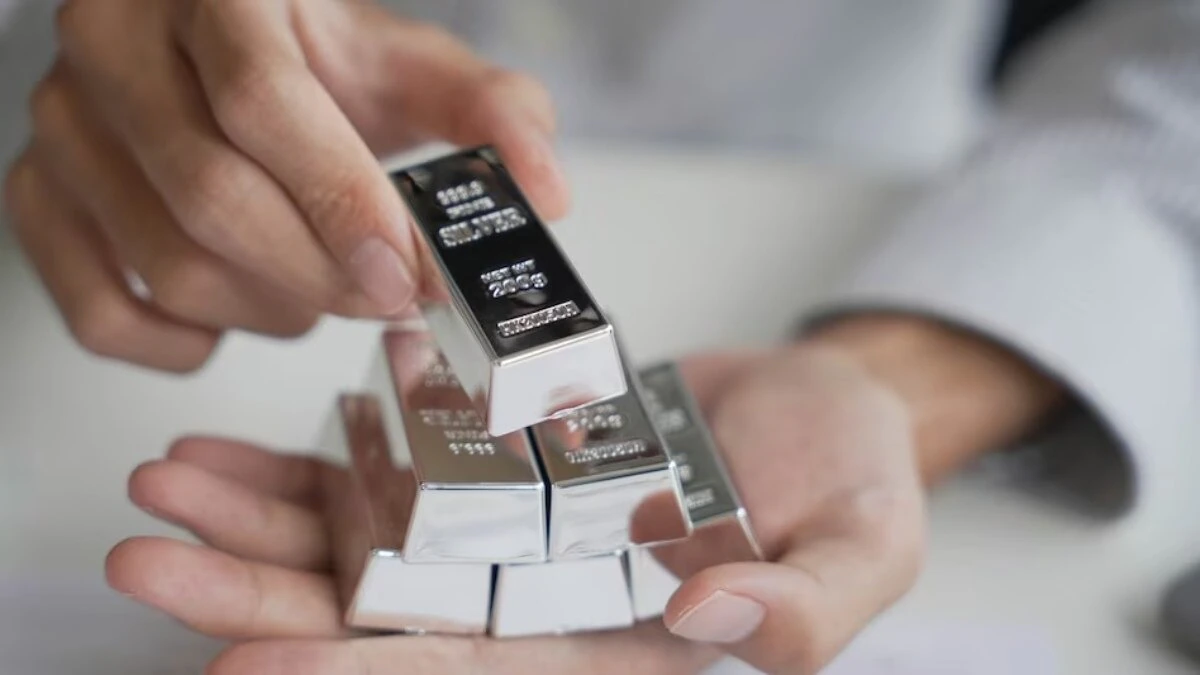
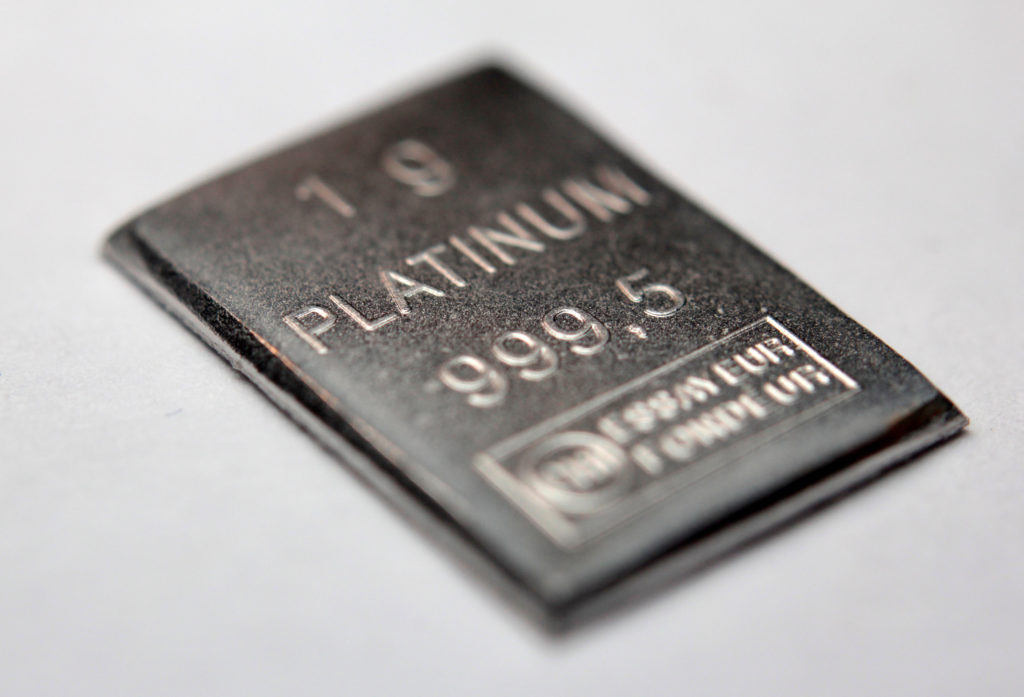
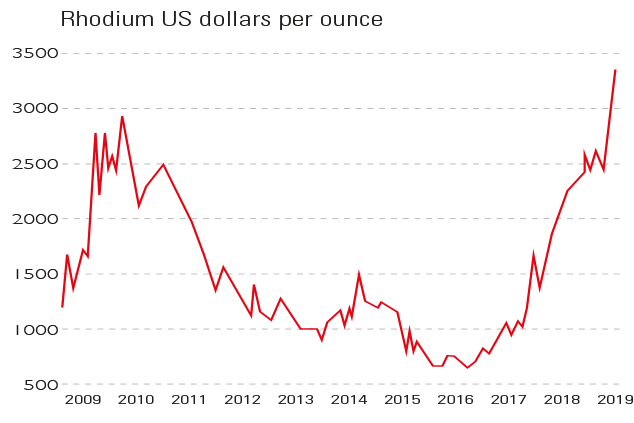
This surge in earnings is despite a modest 5% increase in refined and saleable production. The real revenue and profit motor was higher metal prices. Gold was up 22% over the 12 months to June and platinum 17%.
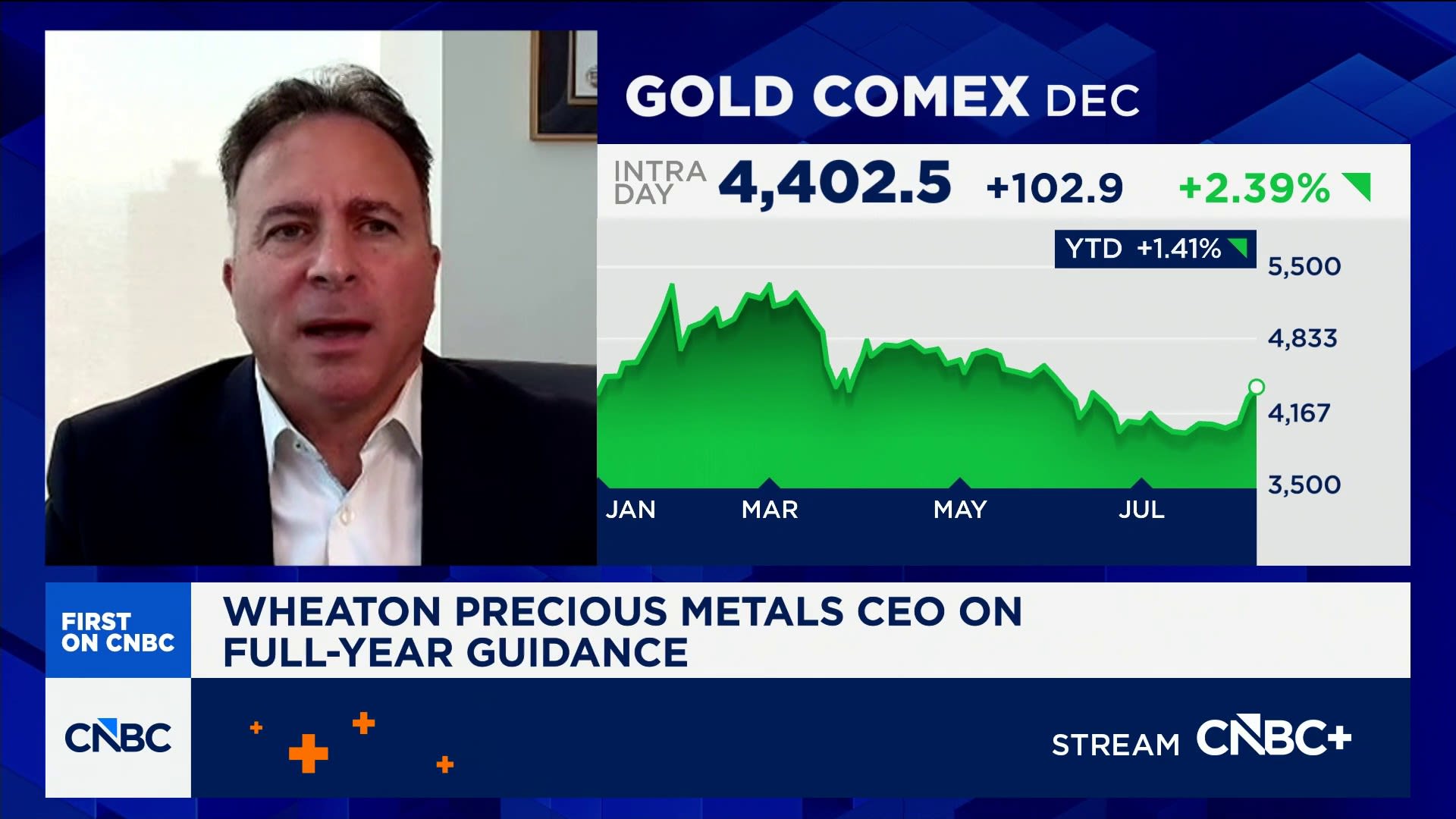
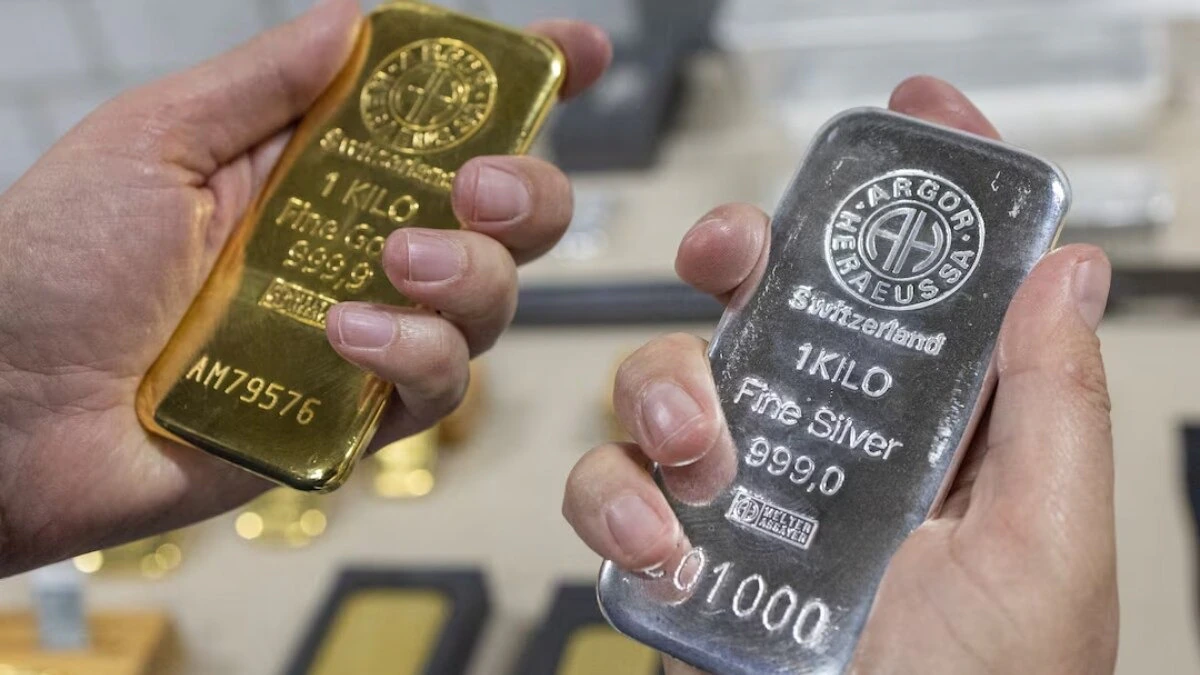
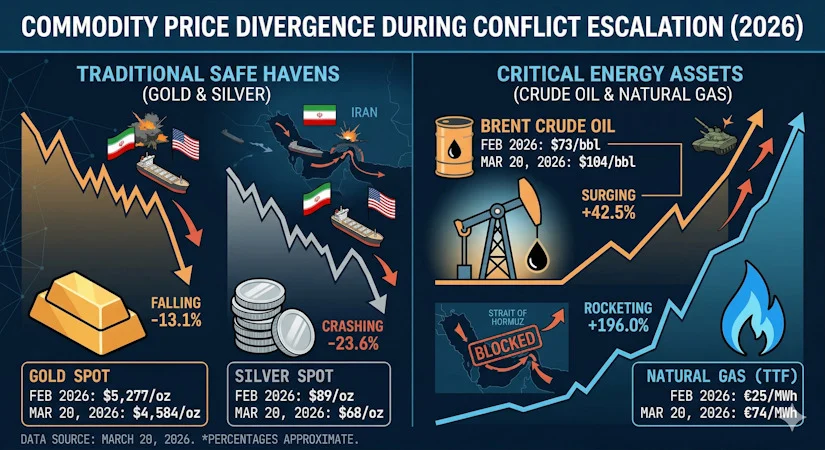
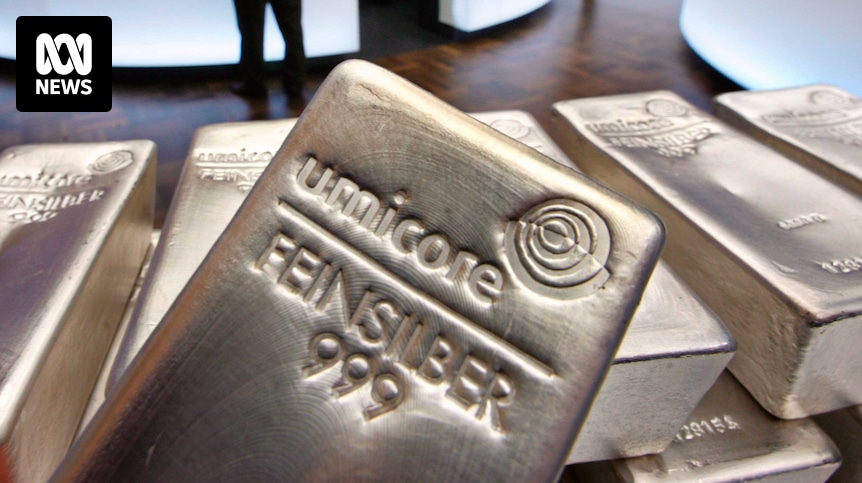
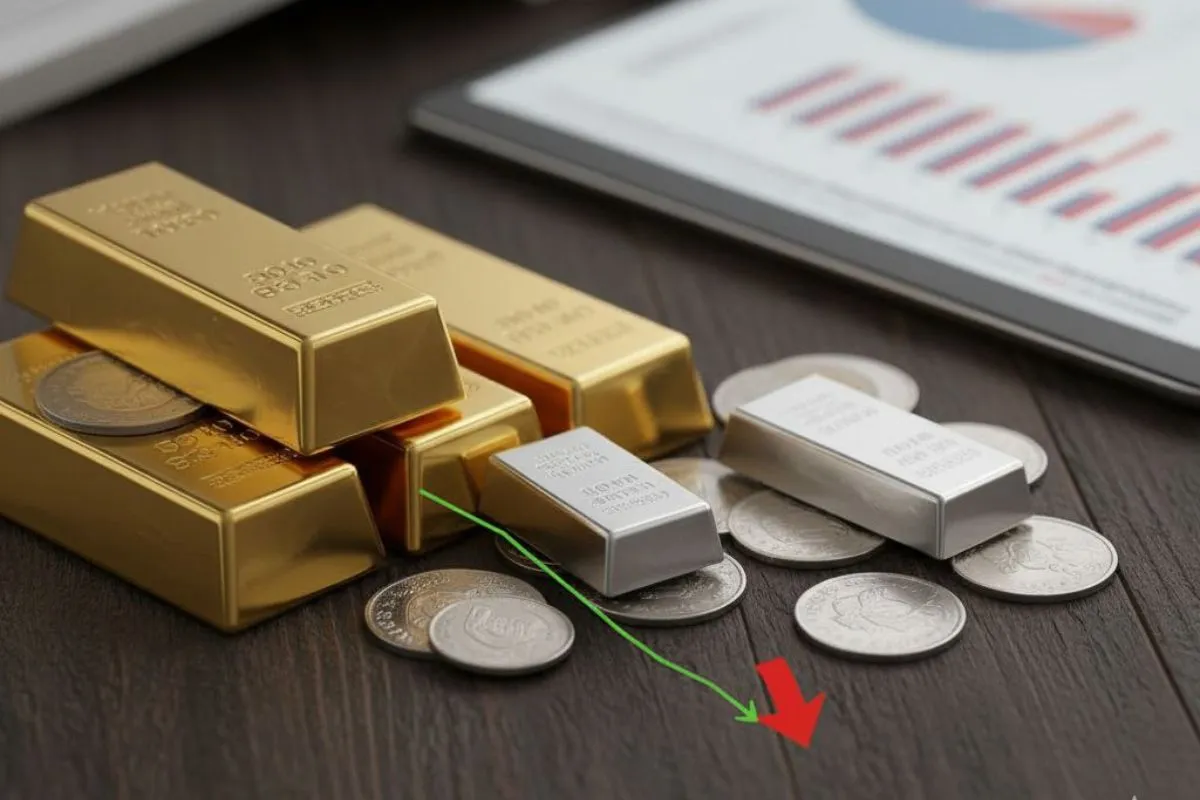
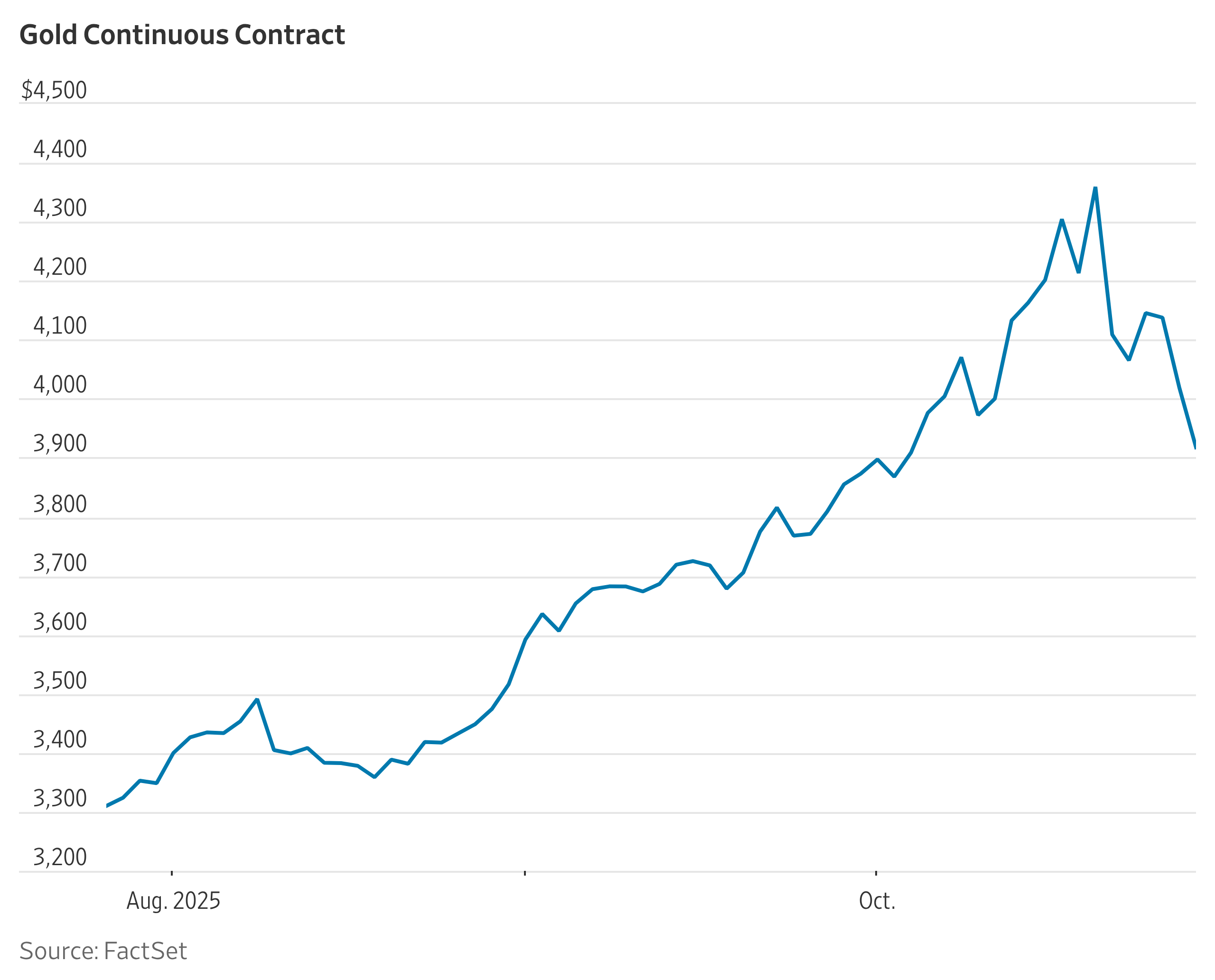
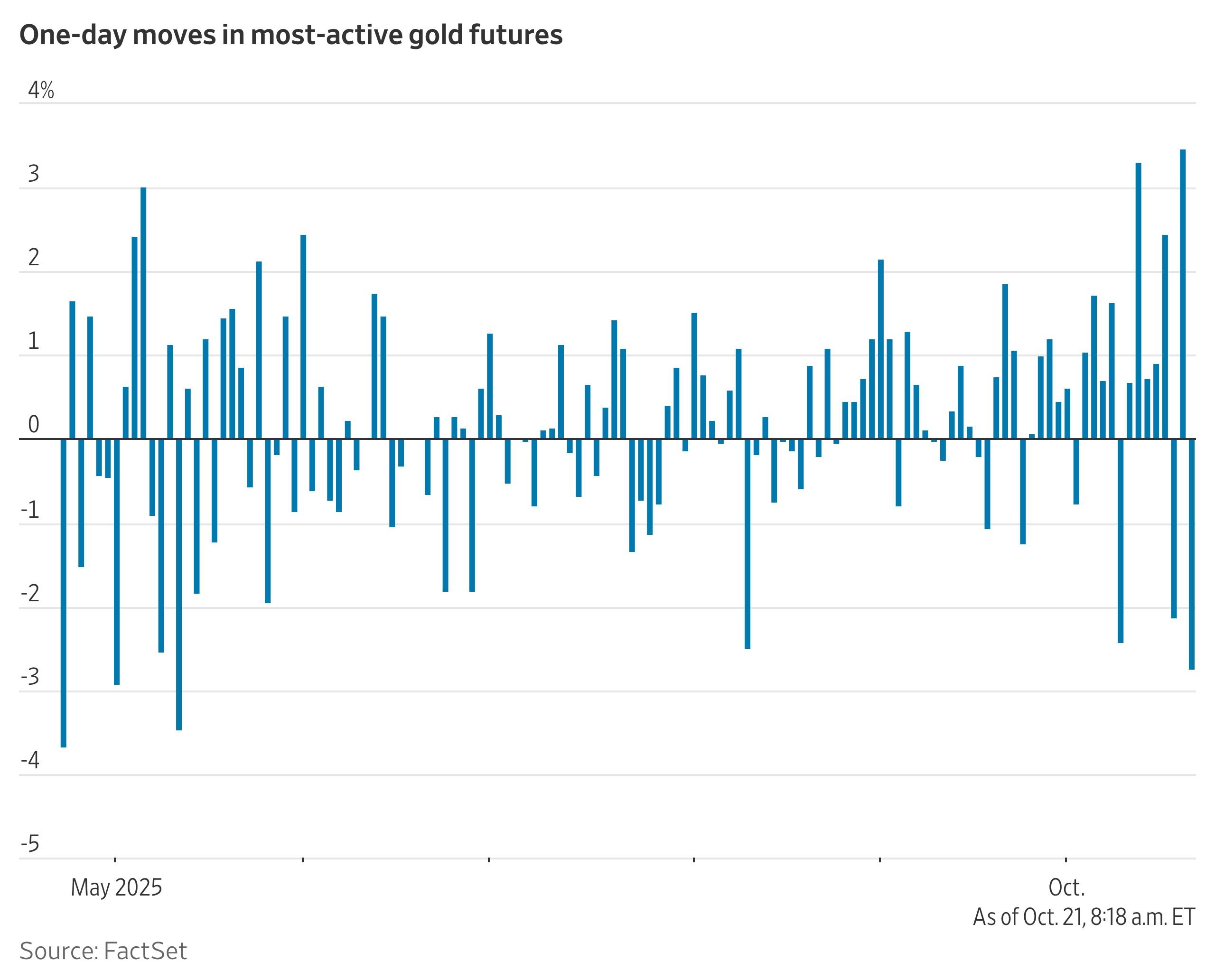
Precious-metal prices have fallen sharply from the extraordinary peaks reached early in 2026, although gold and platinum have recovered since the end of June.
Gold is up about 9% and platinum by roughly 6-9% since Implats closed its financial year.
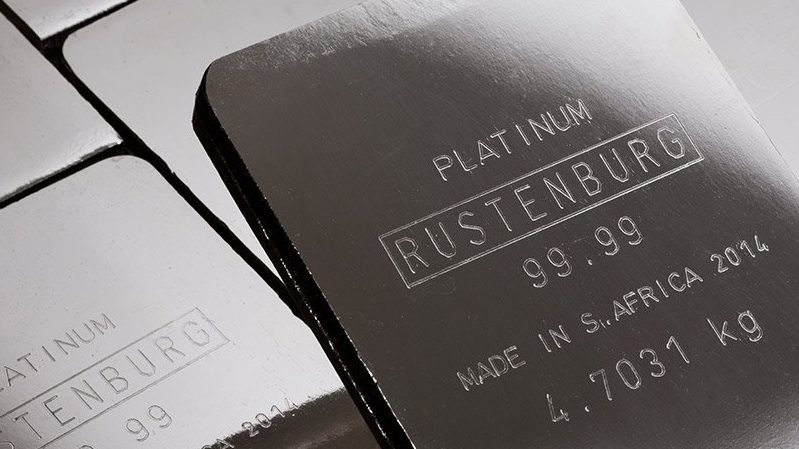
There was an R8.1 billion reversal of a previous impairment at Impala Rustenburg – Implats – after the recovery in rand PGM (platinum group metal) prices, which lifted the estimated future cash flows. The reversal is a non-cash gain and is excluded from headline earnings.
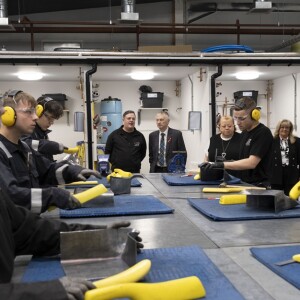
Read: Implats suspends Rustenburg operations for safety reset
It was a similar story at Valterra (formerly Anglo Platinum) and Northam Platinum.
ADVERTISEMENT
CONTINUE READING BELOW
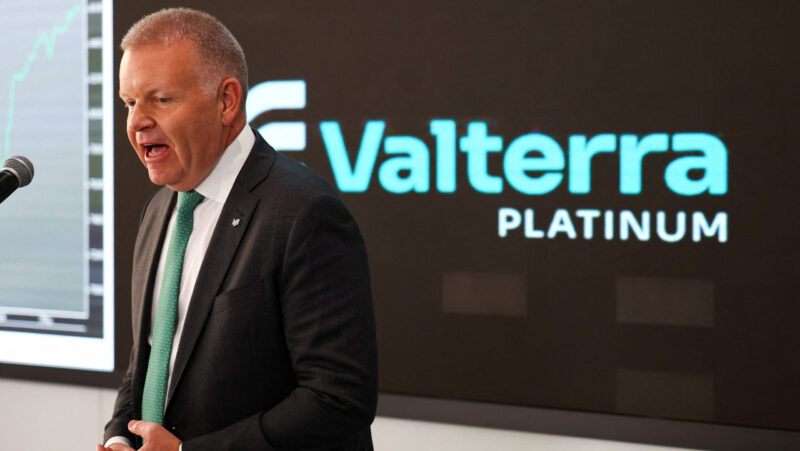
Valterra’s rand basket price rose 66%, against 57% for Northam, which expects a near sevenfold increase in headline earnings for the year to June.
Valterra’s interim results for the six months to June show a 25% increase in total PGM production and a 4% gain in concentrate production – resulting in a nearly doubling in revenue to R81.8 billion and a 1 632% surge in headline earnings.
These are extraordinary numbers, assisted by years of intense cost management and hunkering down for a prolonged price squeeze.
However, the figures are also flattered by the low base created by weak PGM prices in the previous year.
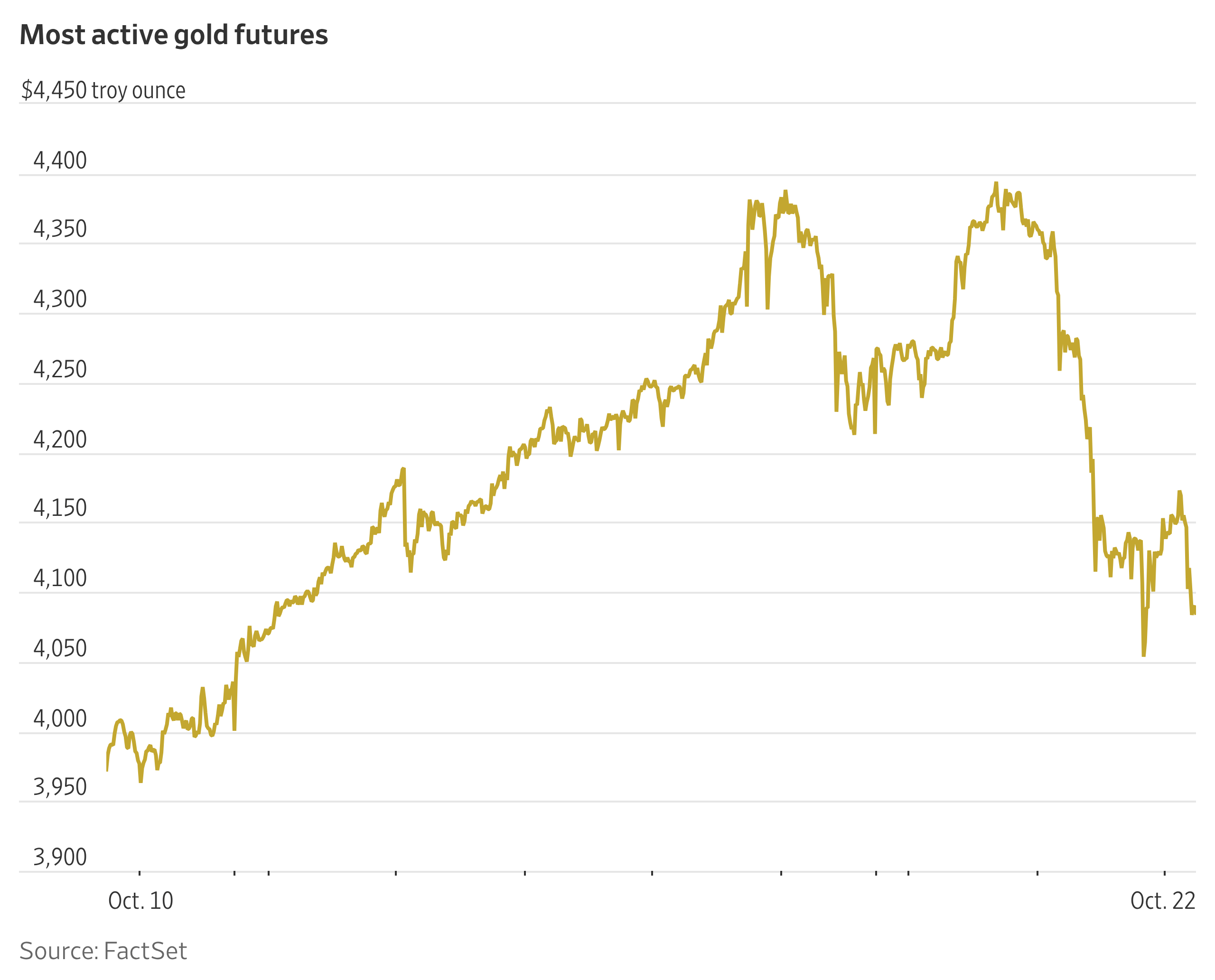
The results capture the benefit of a remarkable precious-metals rally that peaked in January, but that pricing environment has already changed substantially.
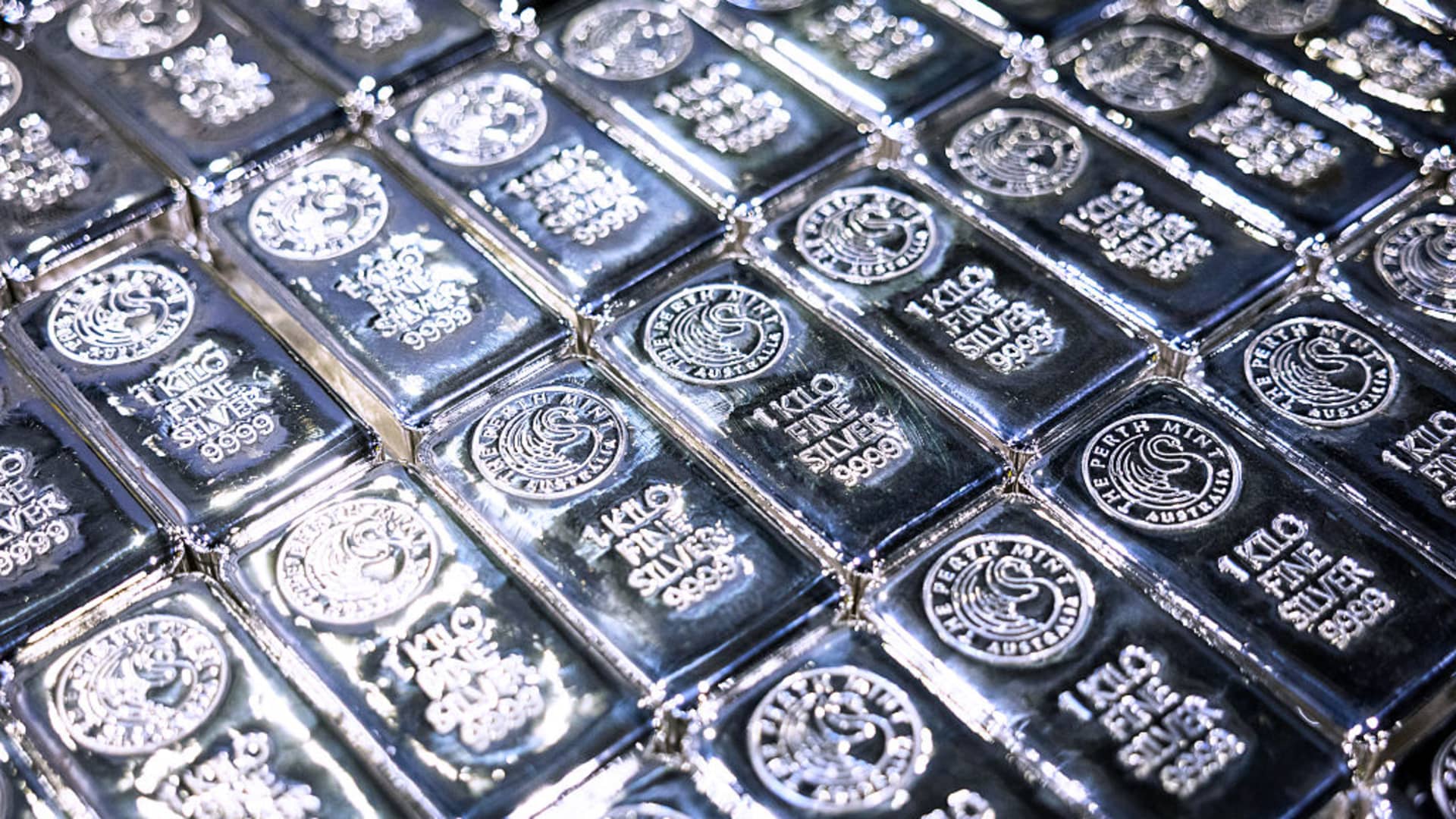
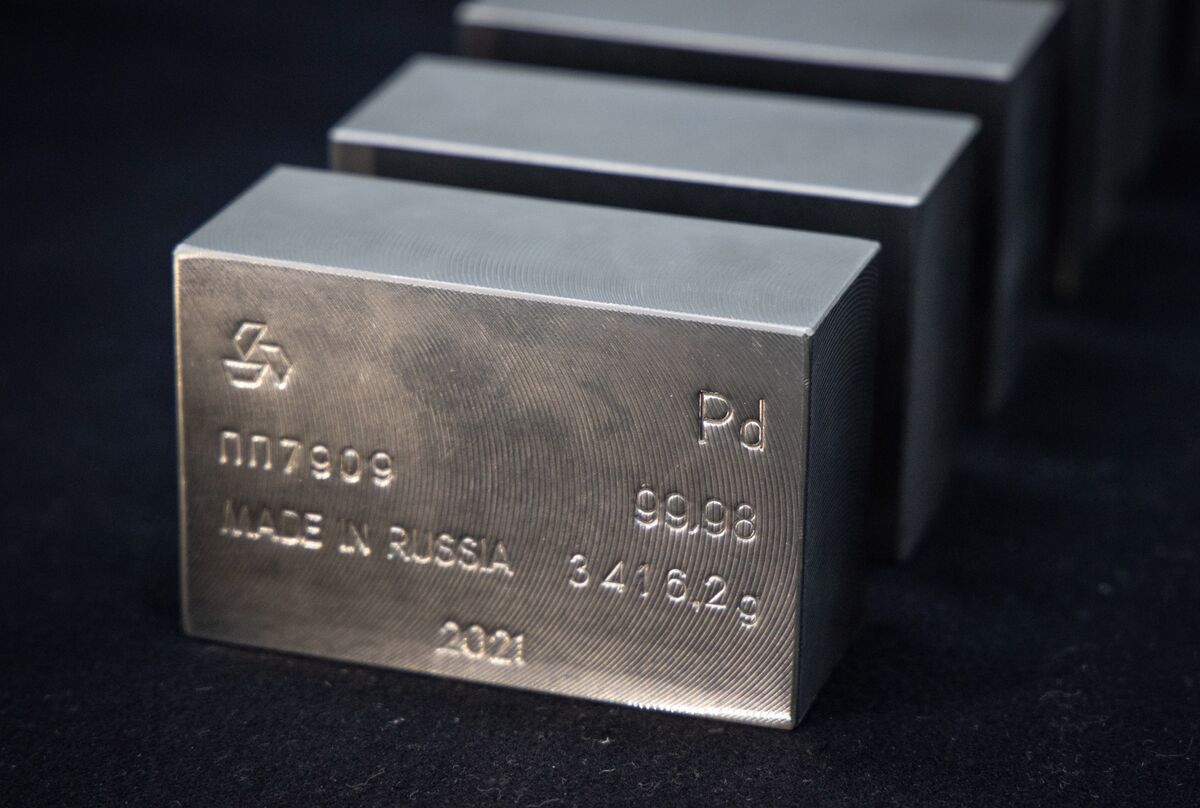
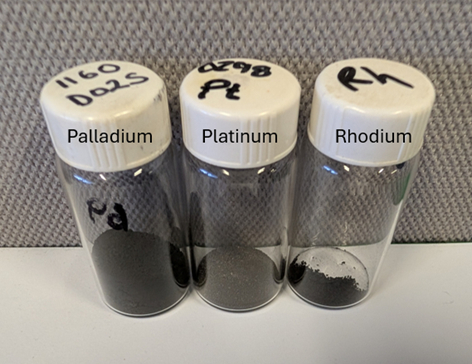
Platinum has since fallen about 41%, palladium roughly 37% and gold 18%. Despite these declines, metal prices are still above their levels of a year ago.
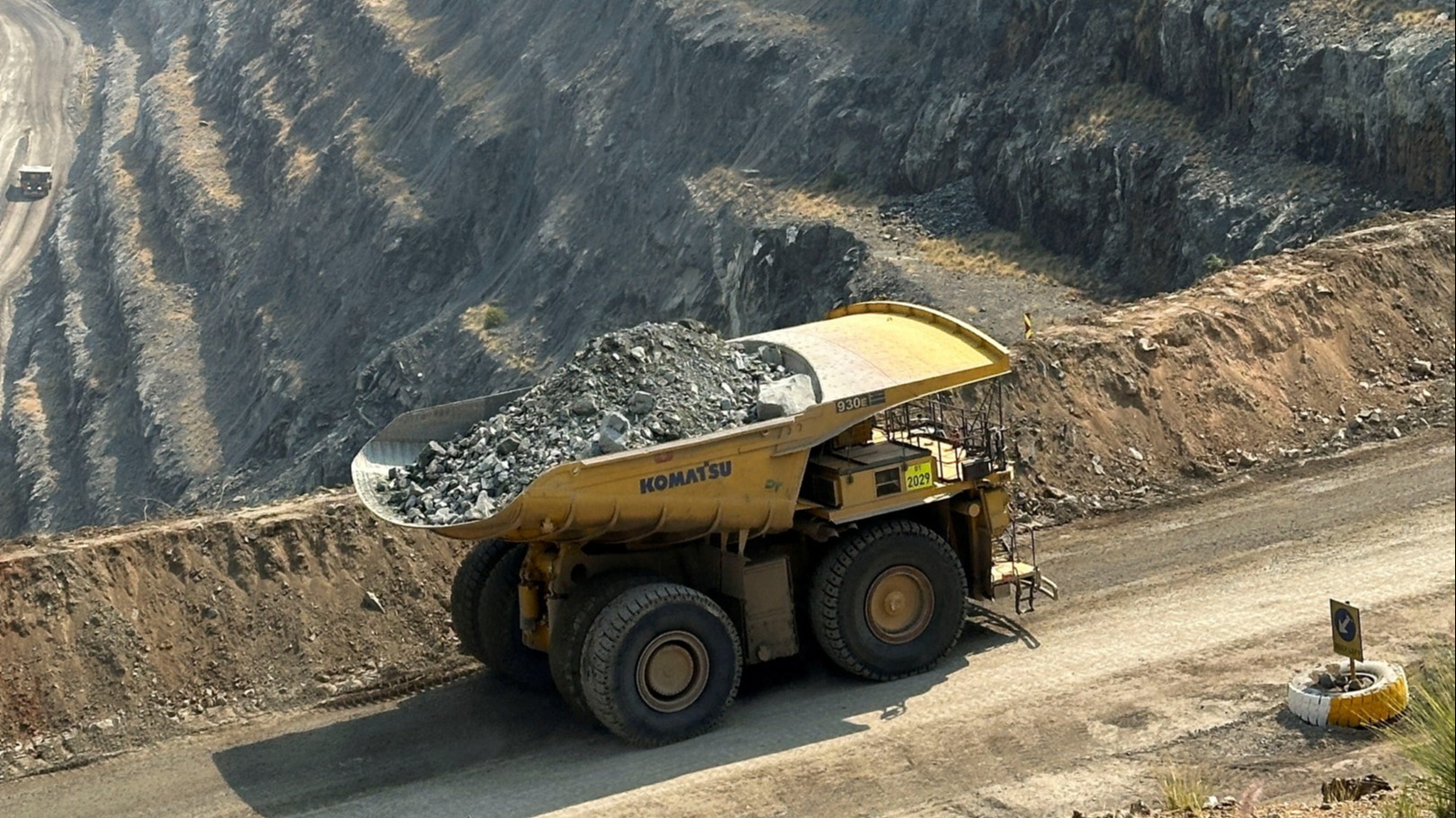
Stats SA data shows that mining contracted 2.7% in the second quarter of 2026, with PGM output falling 8.4%. Coal output was down 6.6% and iron ore 10.2%. Gold was up 6.2%, with manganese ore (+13.3%) and chromium ore (+8.6%) showing steady production gains.
Updates
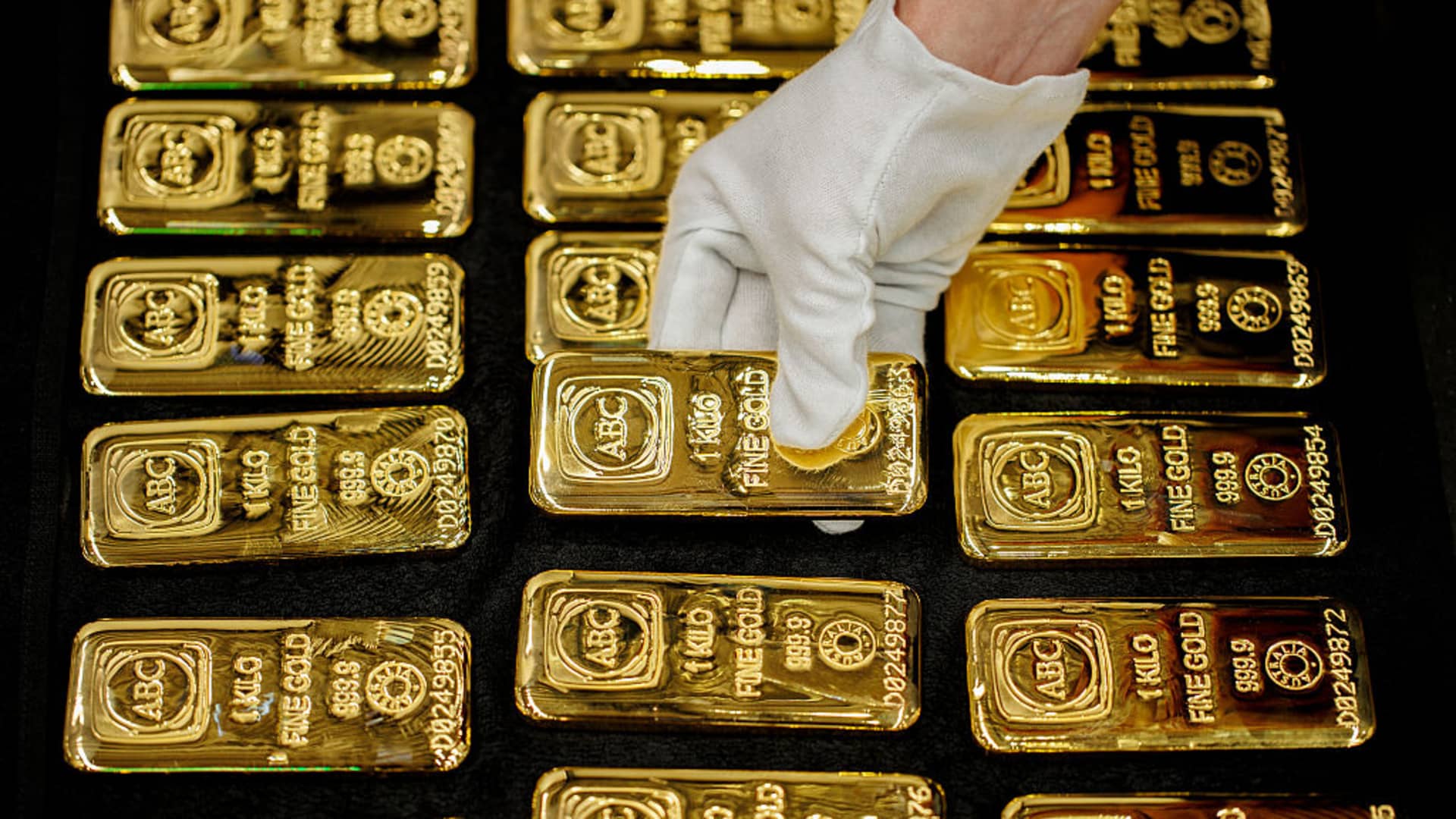
Of the gold producers issuing updates this week, the standout was Gold Fields, which expects headline earnings per share (Heps) to jump 72-90% with free cash flow virtually doubling for the six months to June.
ADVERTISEMENT:
CONTINUE READING BELOW
The company expects to hold production for the half year at around 630 000 ounces, with all-in sustaining costs rising roughly 13% to $1 960 an ounce over six months.
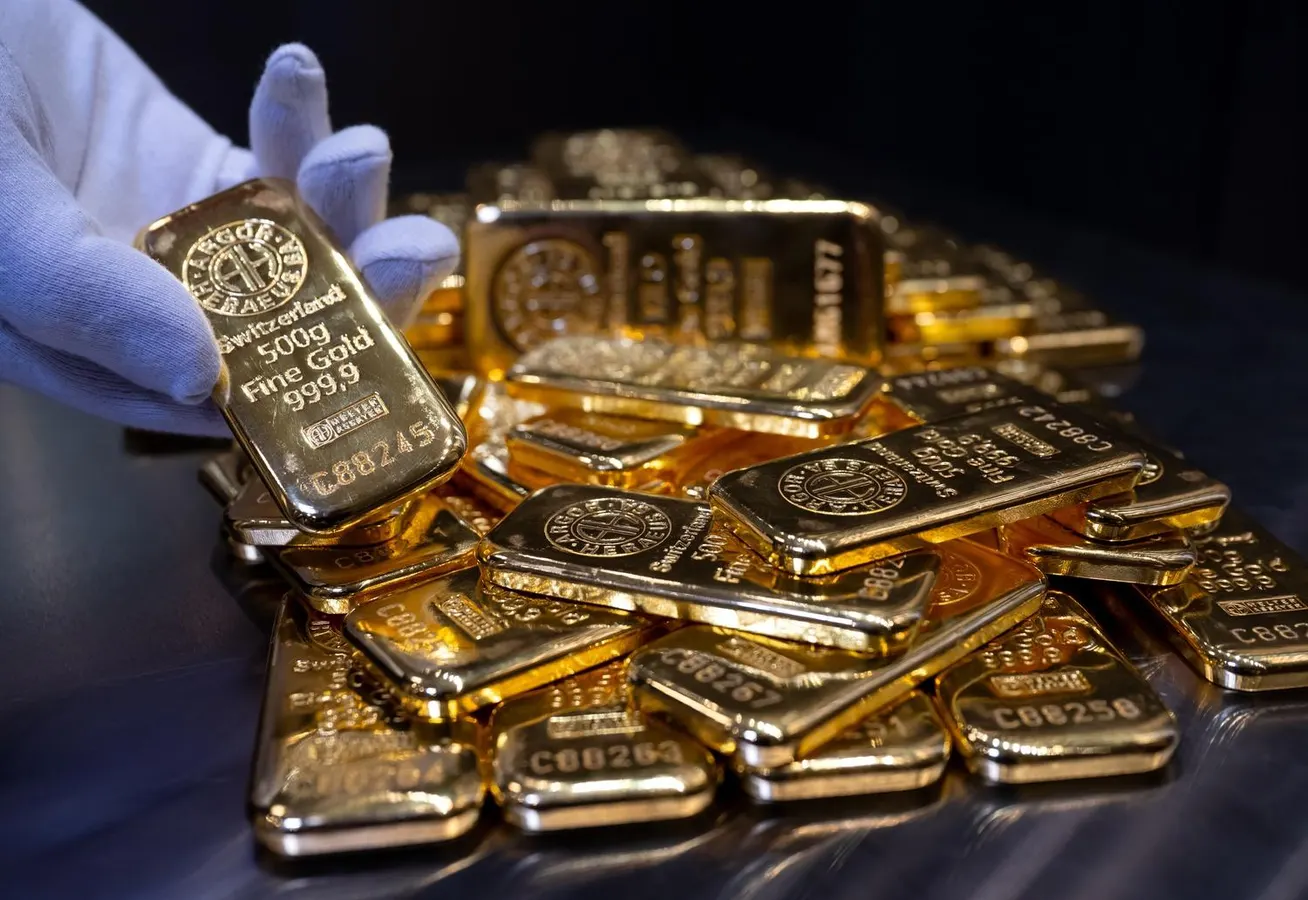
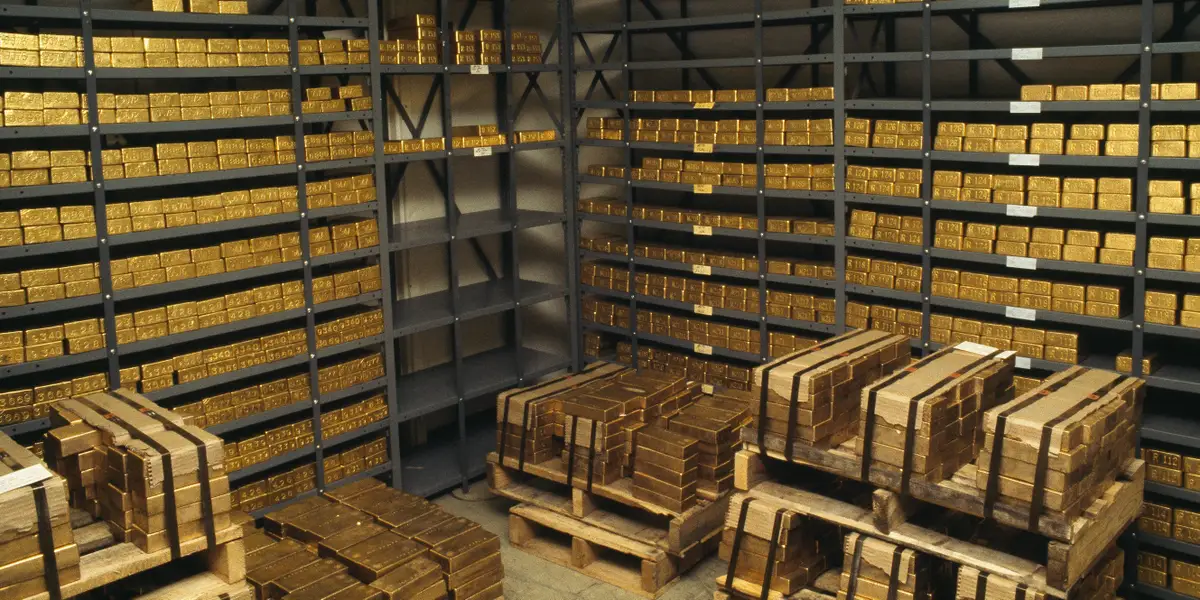
Gold Fields is essentially unhedged, leaving it exposed to gold price movements. That call has been vindicated over the last year – with gold trading above $4 300 an ounce.
Its average selling price exceeded its all-in sustaining cost by about $1 850/oz in 2025, implying a mining margin of roughly 53%. By the December quarter, that margin had widened to about $2 510 an ounce, or 60%.
The challenge for precious metals miners is to hold cost inflation to current levels while prices remain elevated.
Harmony’s latest update suggests gold production will be between 1.4 million and 1.5 million ounces, with underground grades averaging 5.8 grams a tonne. This would mark the 11th consecutive year the company has met its guidance.
Strong cash generation enabled it to return a record R4.4 billion in dividends over the last 12 months while funding its gold and copper growth projects internally.
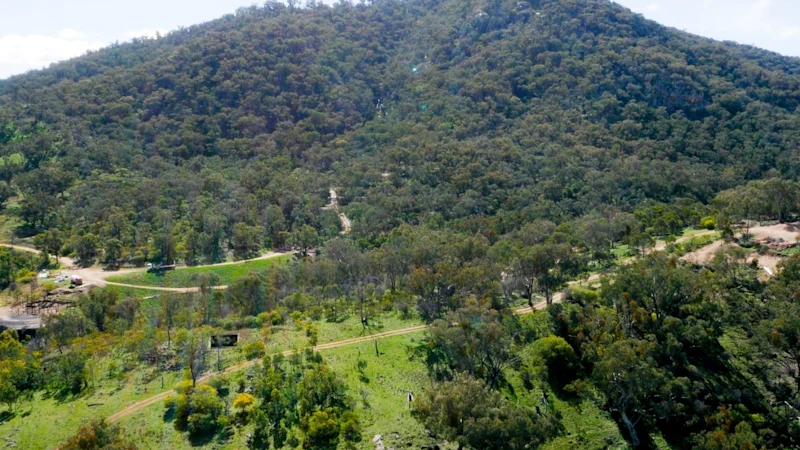
An interesting twist to the Harmony story is its copper diversification, with the acquisition of the CSA and Eva Copper projects in Australia.
Read:
CSA is expected to deliver close to 18 500 tonnes of copper for the year to June, while costs and recovered grades remain within guidance. The next phase will see annual production rise to 40 000 tonnes.
“The Eva Copper project is one of the most compelling growth opportunities in the Harmony portfolio and a key component of Harmony’s strategy to increase copper production in a tier-one mining jurisdiction, while enhancing the scale, margin profile and longevity of our asset base,” says CEO Beyers Nel.