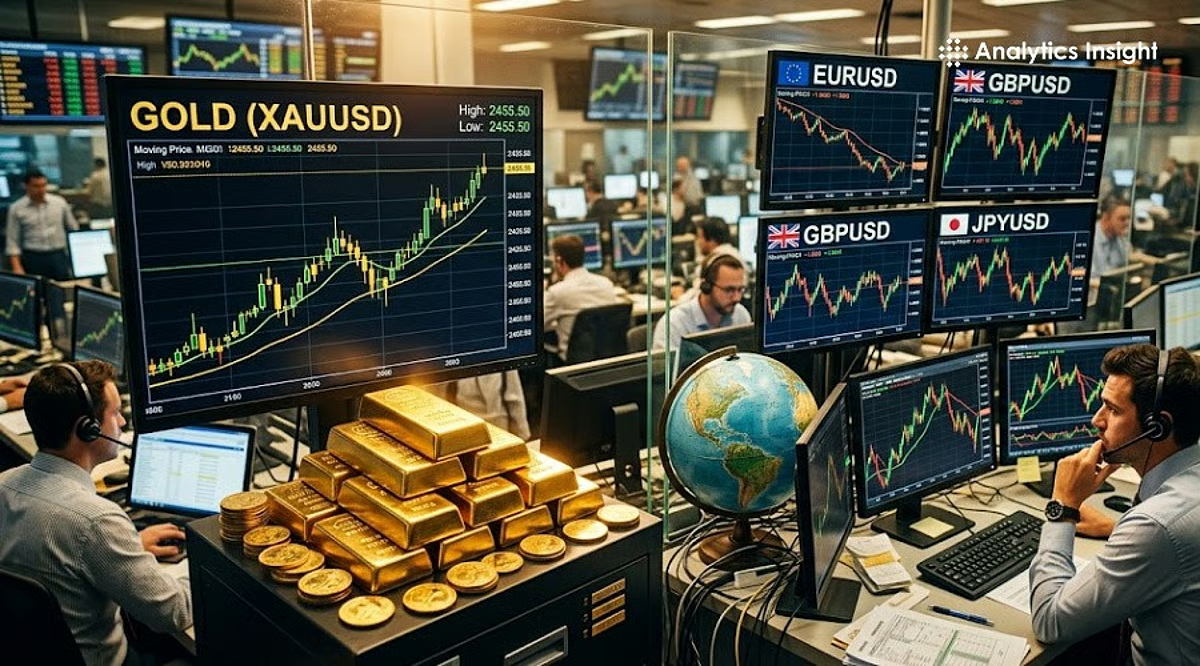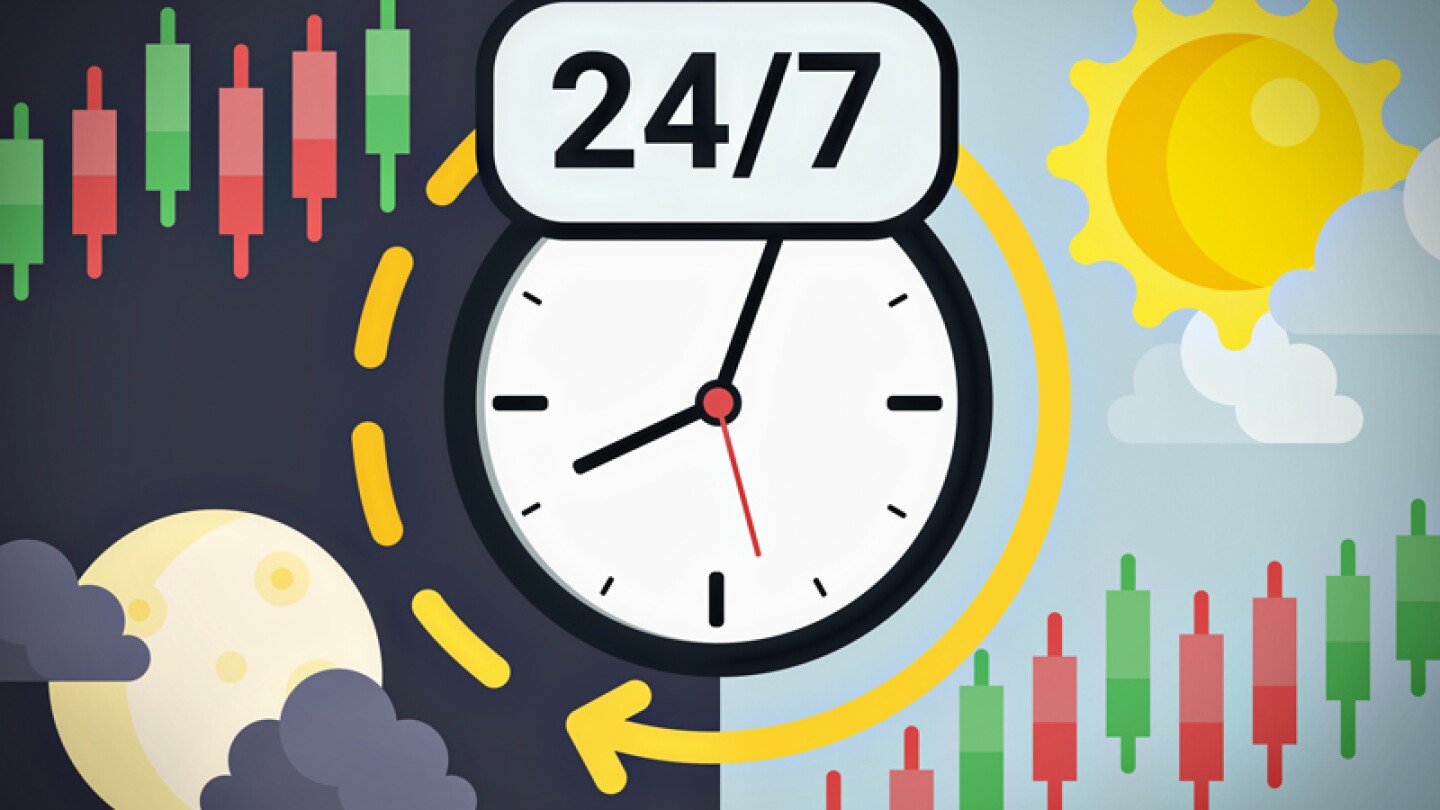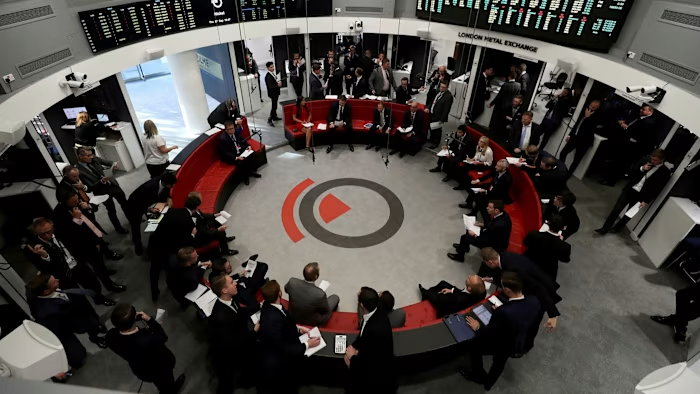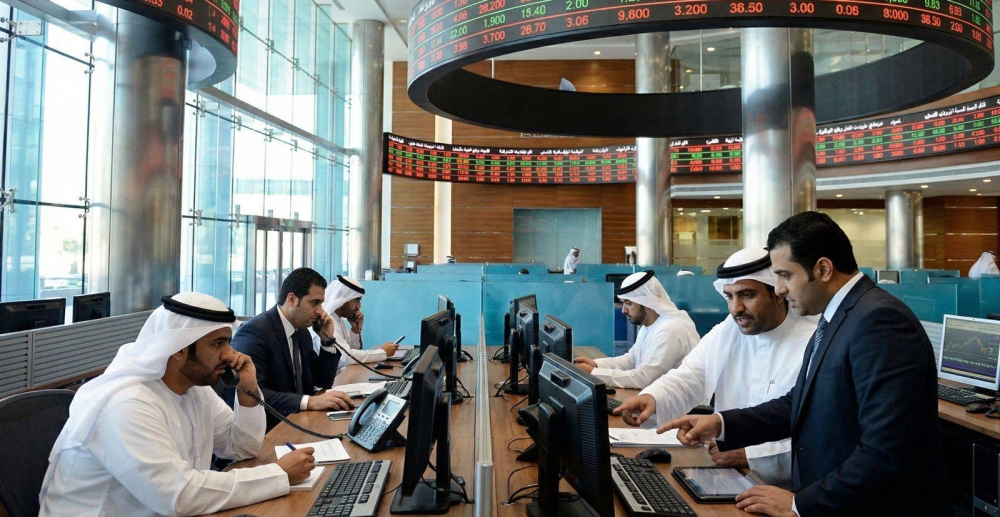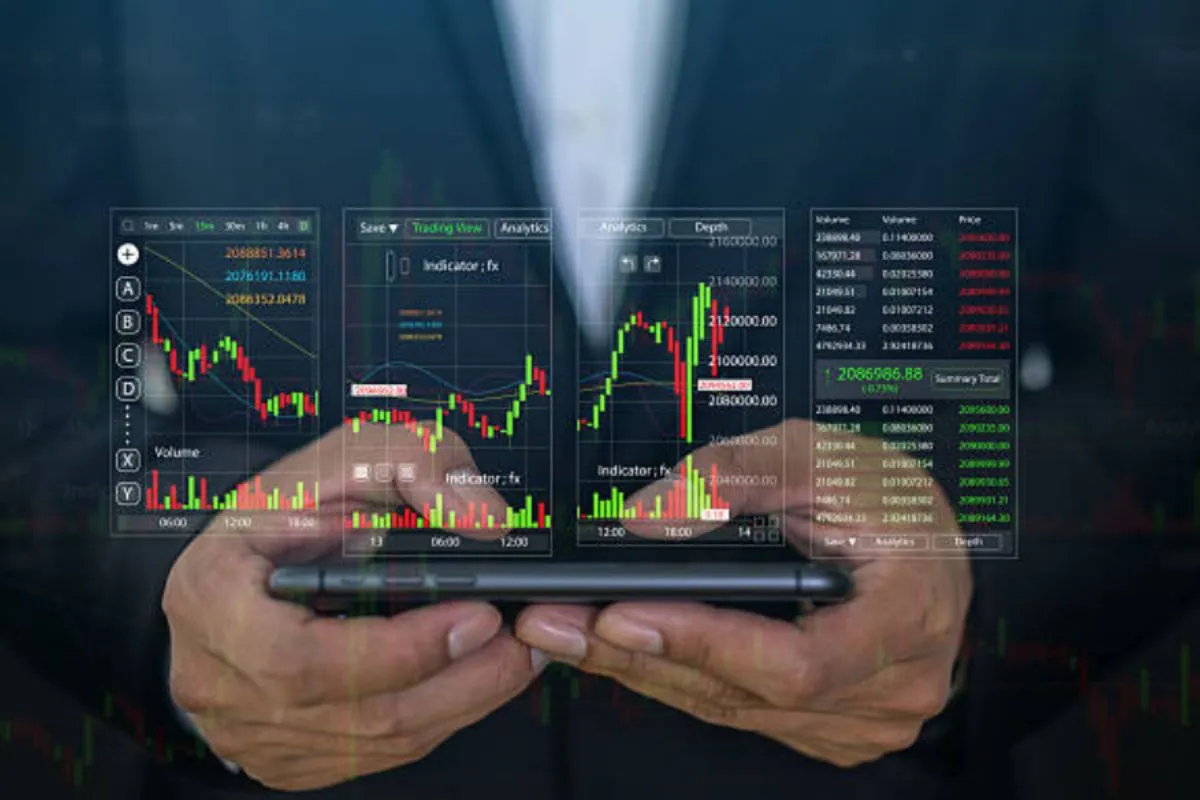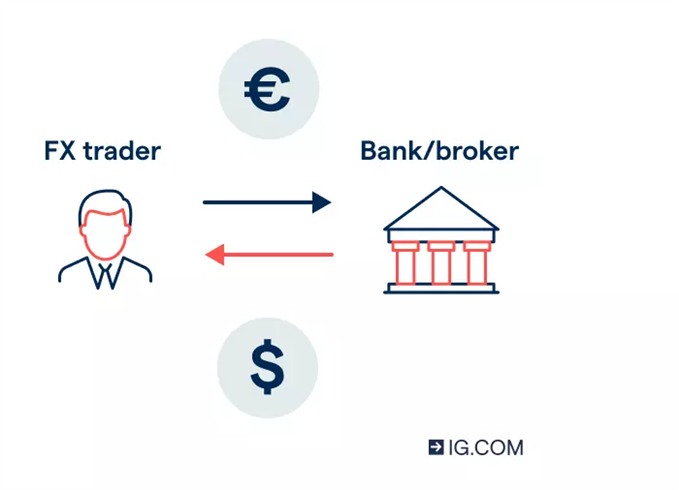
The benefit of having trades between global banks and liquidity providers is that forex can be traded around the clock (during the week).
As the trading sessions in Australia and Asia ends, the European and UK banks come online before handing over to the US. The full trading day ends when the US session leads into the Australian and Asian sessions for the following day.
This makes the market even more attractive to traders as round-the-clock liquidity is often available. This means you can easily enter and exit positions most of the time as there are usually many willing buyers and sellers.
Who are the major players?
There are essentially two types of players in the foreign exchange market: hedgers and traders.
Hedgers
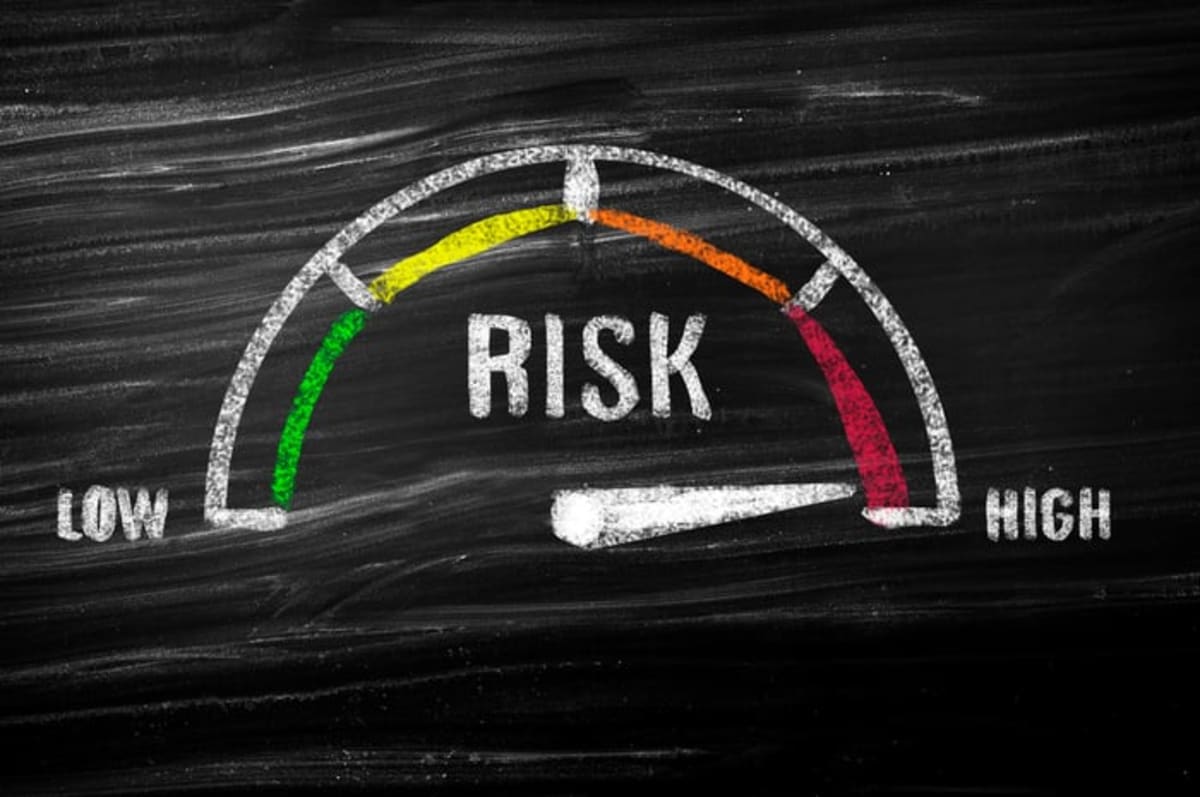
Hedgers are market participants that look to avoid extreme movements in the exchange rate. Think of big conglomerates that have overseas business interests, like ExxonMobil, or people who invest in international securities. How could they look to reduce their currency risk (i.e. their exposure to foreign currency movements)?
Currency risk arises from potential changes in two currencies’ exchange rates, which could affect the value of foreign investments or the profits from international sales and/or the cost of purchases.
Companies – and sometimes, advanced traders – often hedge their exposure to foreign monies using forward exchange contracts (FECs), currency futures or options.
Currency futures are some of the more popular kinds of derivative instruments used for hedging currencies. These contracts detail the price at which a currency can be bought or sold and sets a specific date for the exchange.
Futures are highly regulated, and any counterparty still holding the contract at the expiration date is legally bound to take delivery of the currency on the given date and at the given price.
FECs work by enabling you to lock in an exchange rate in the present to sell it at a predetermined date in the future.
Simply put, FECs can give you the ability to exchange a currency at the current price at a later time when prices may have shifted.
Options work similarly but with some differences. These are financial contracts that give you the right, but not the obligation, to exchange currencies at a predetermined price, before or on the date of expiry.
You can either buy a call option, which can protect you from a rally in a currency pair; or a put option, which can protect you from a currency’s decline.
Traders
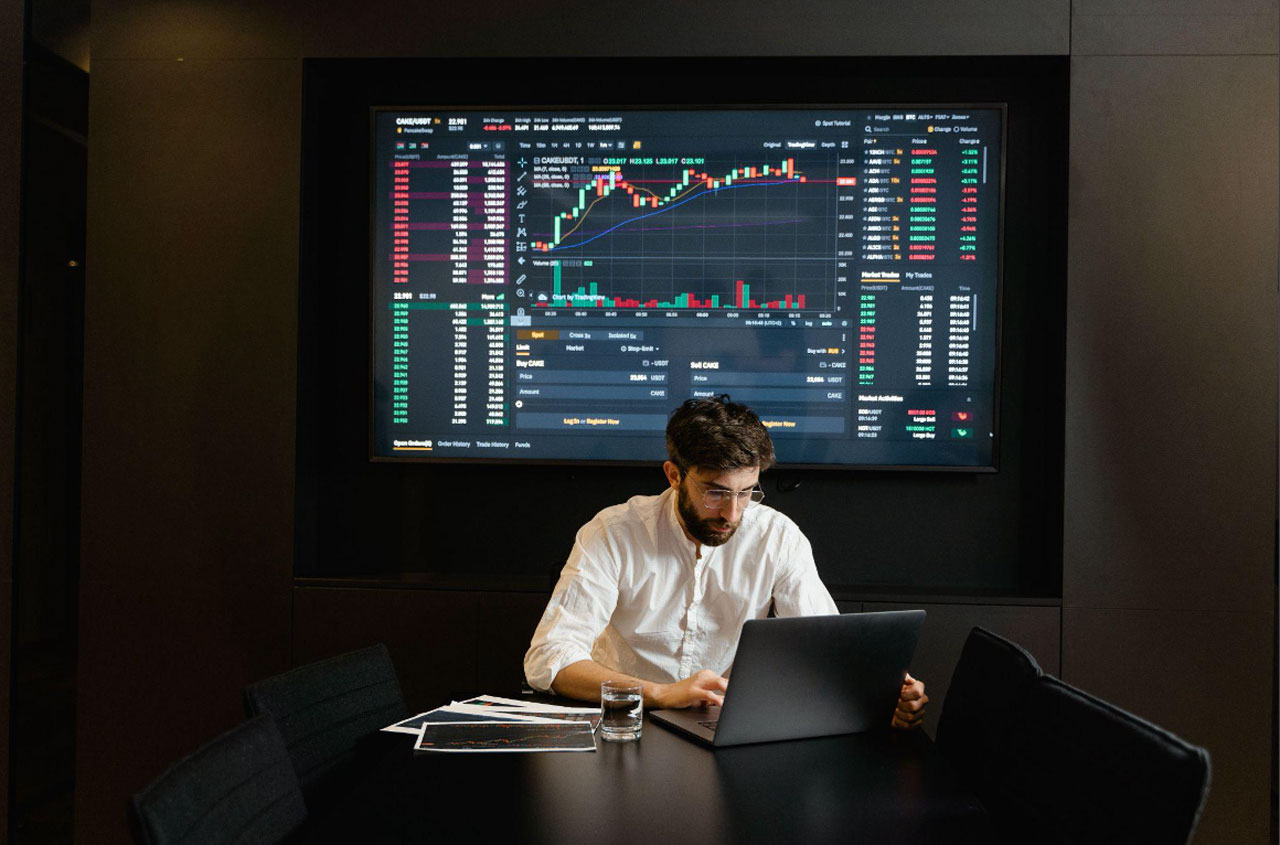
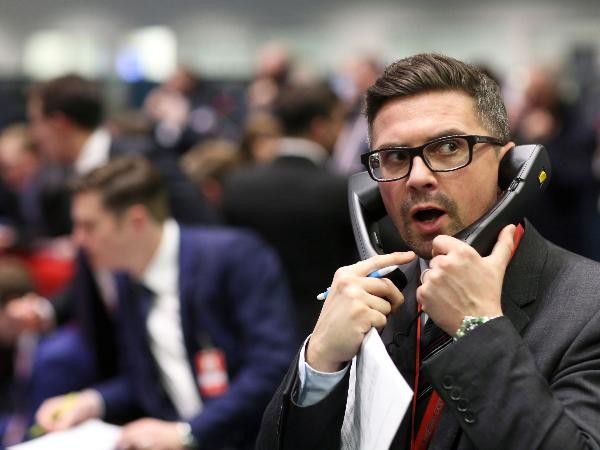
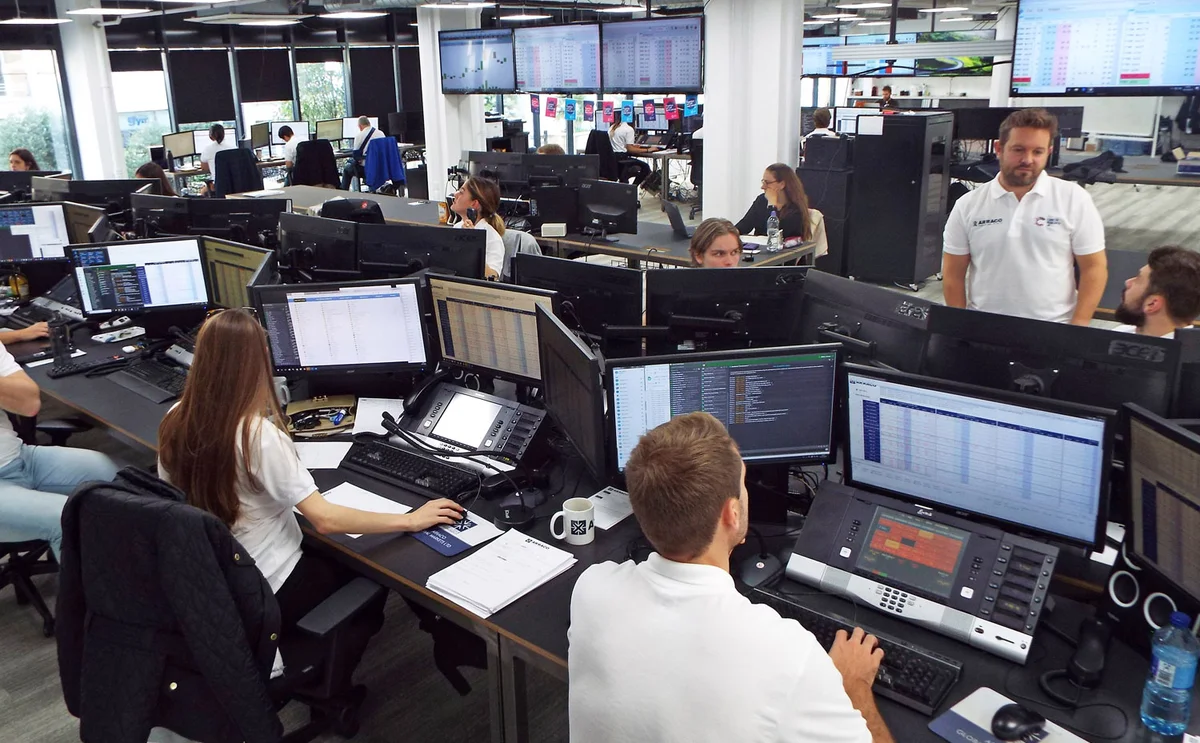
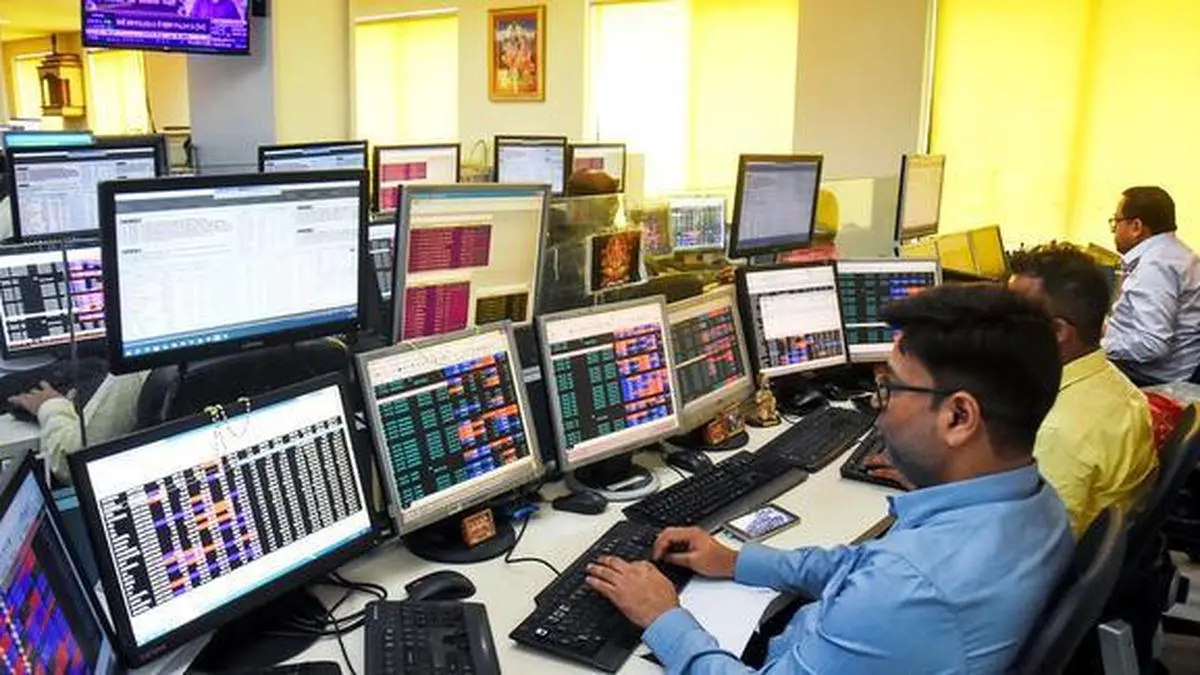
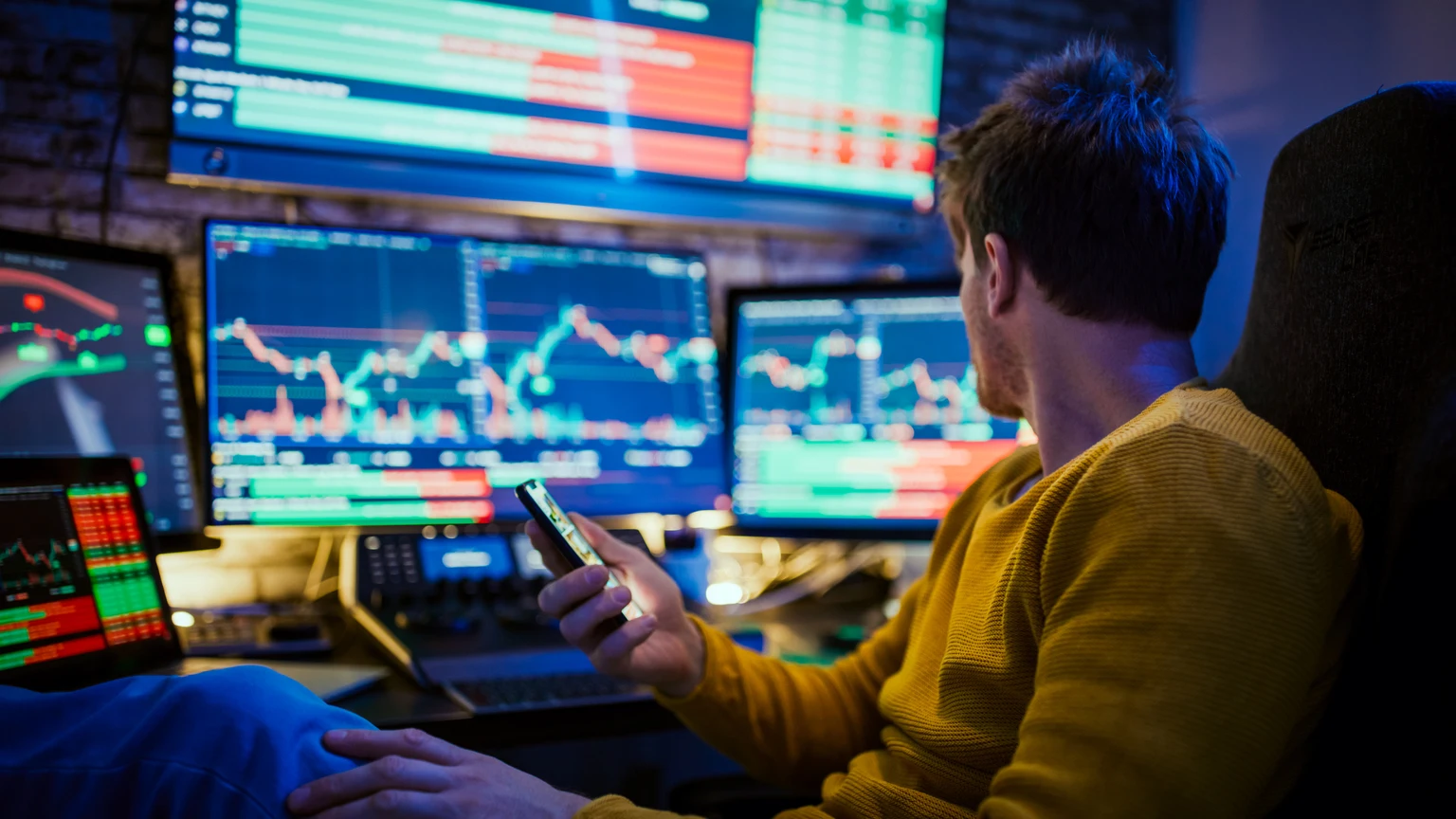
Traders, on the other hand, are normally risk-seeking as they look to take advantage of fluctuations in currency exchange rates. This includes large trading desks at big banks as well as retail traders.
These market participants usually spend short amounts of time in a market because their main objective is to get in and out quickly to try and profit from small movements in exchange rates (or sometime large ones, in the case of major market-moving announcements).
See how it works! Start with a free IG demo trading account and apply your skills without risking real money.