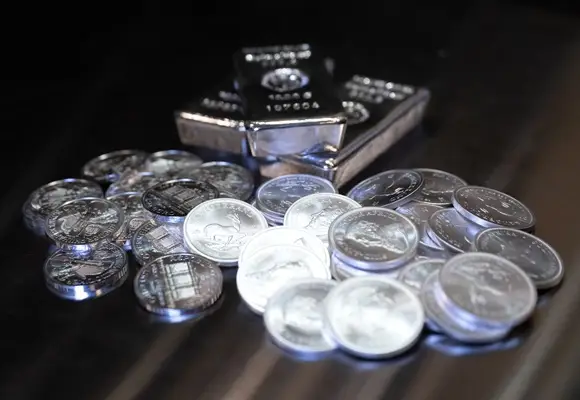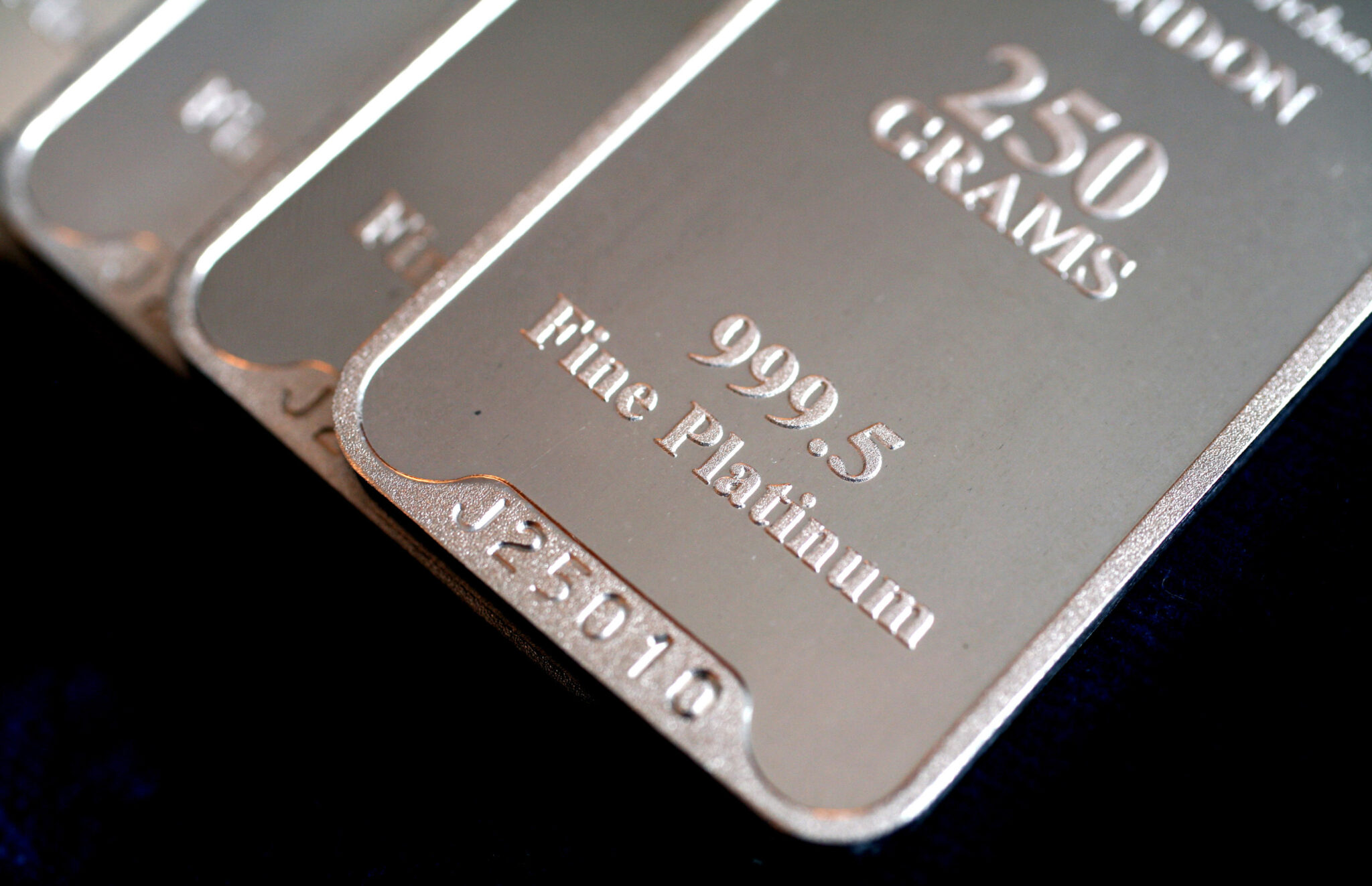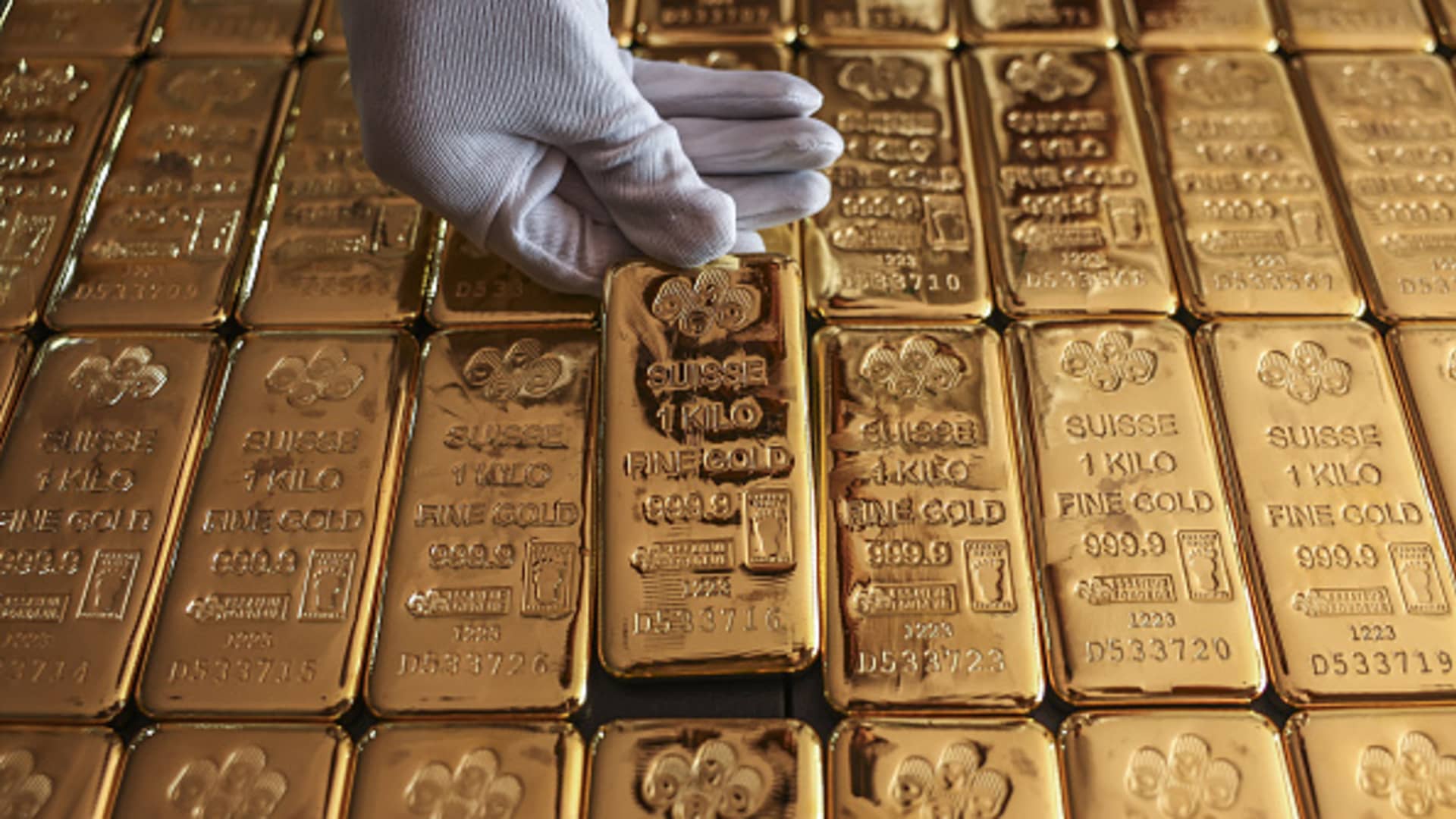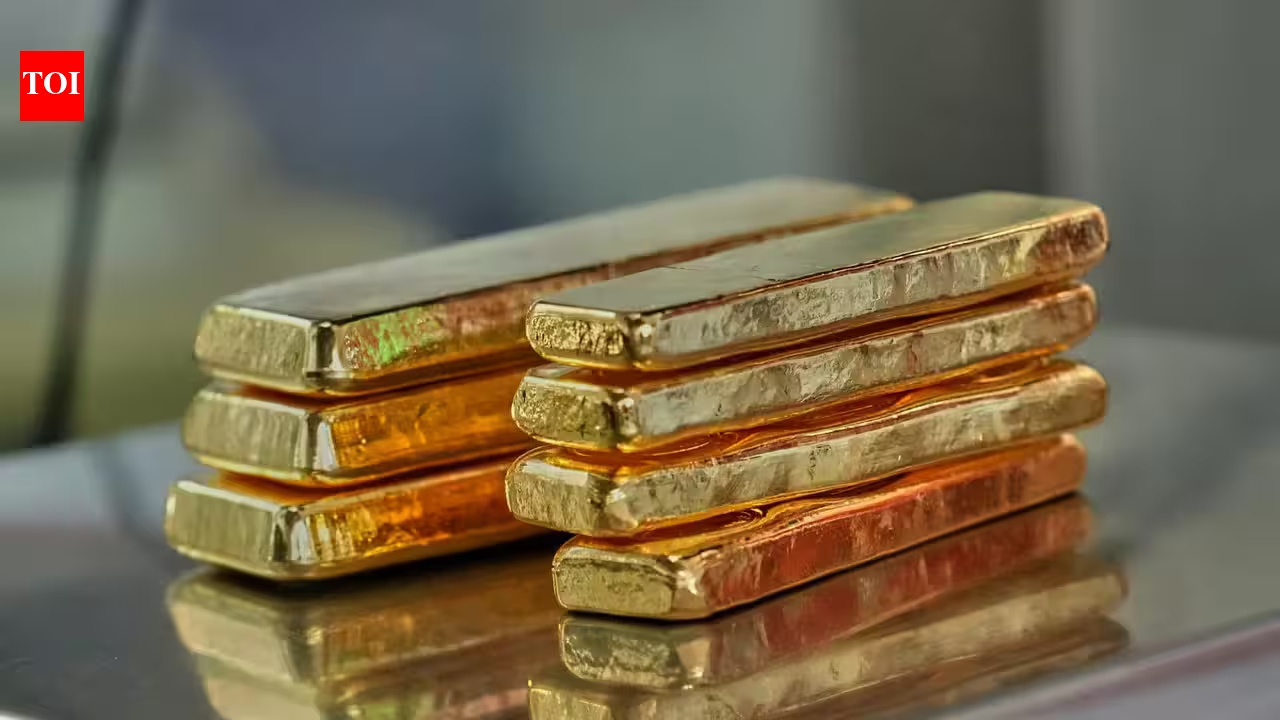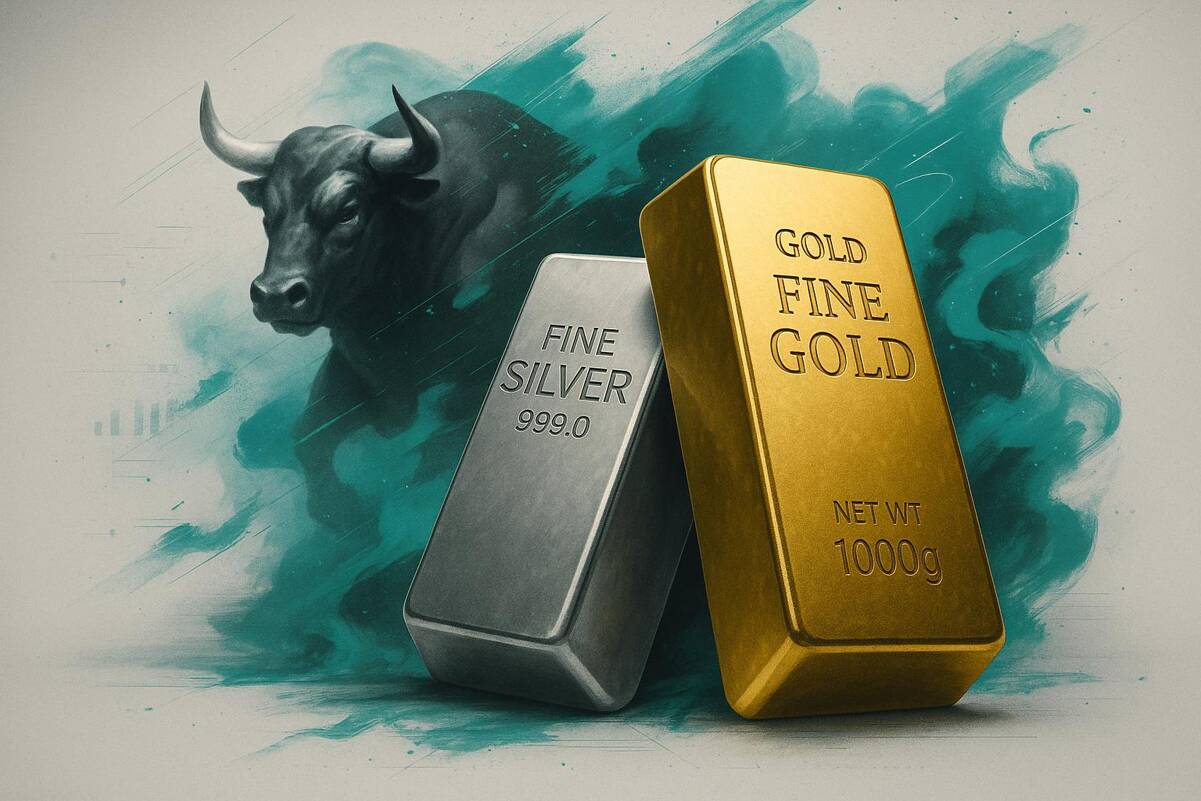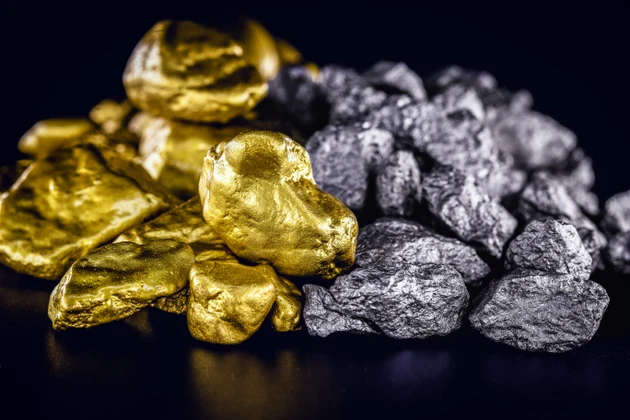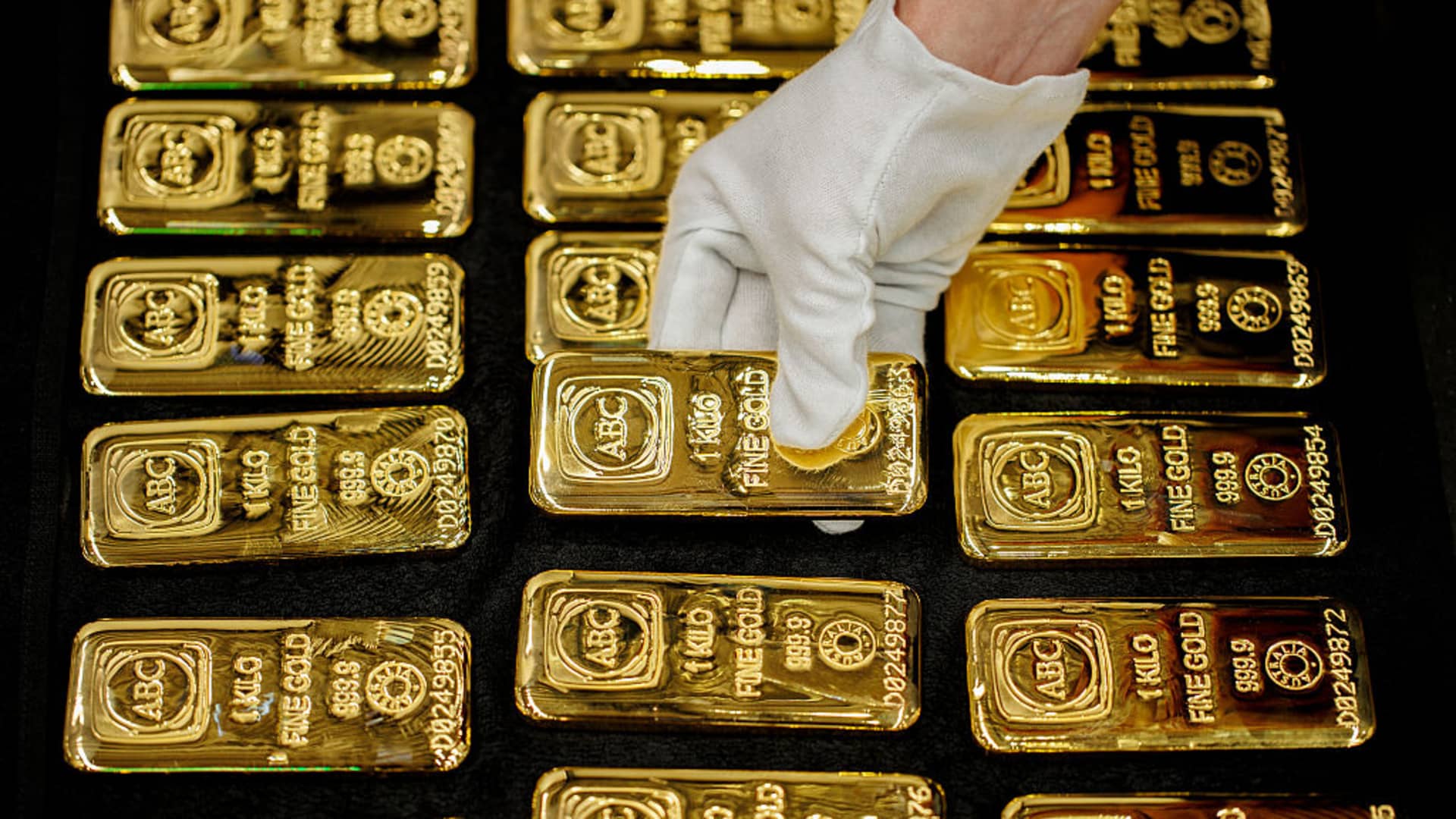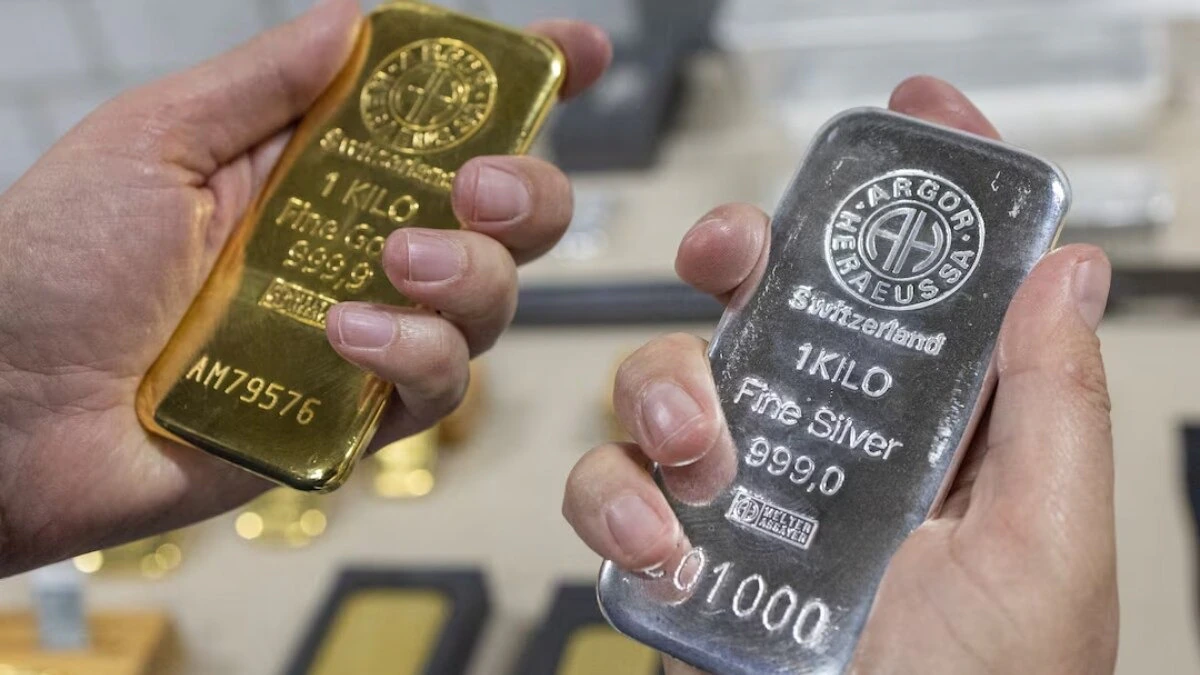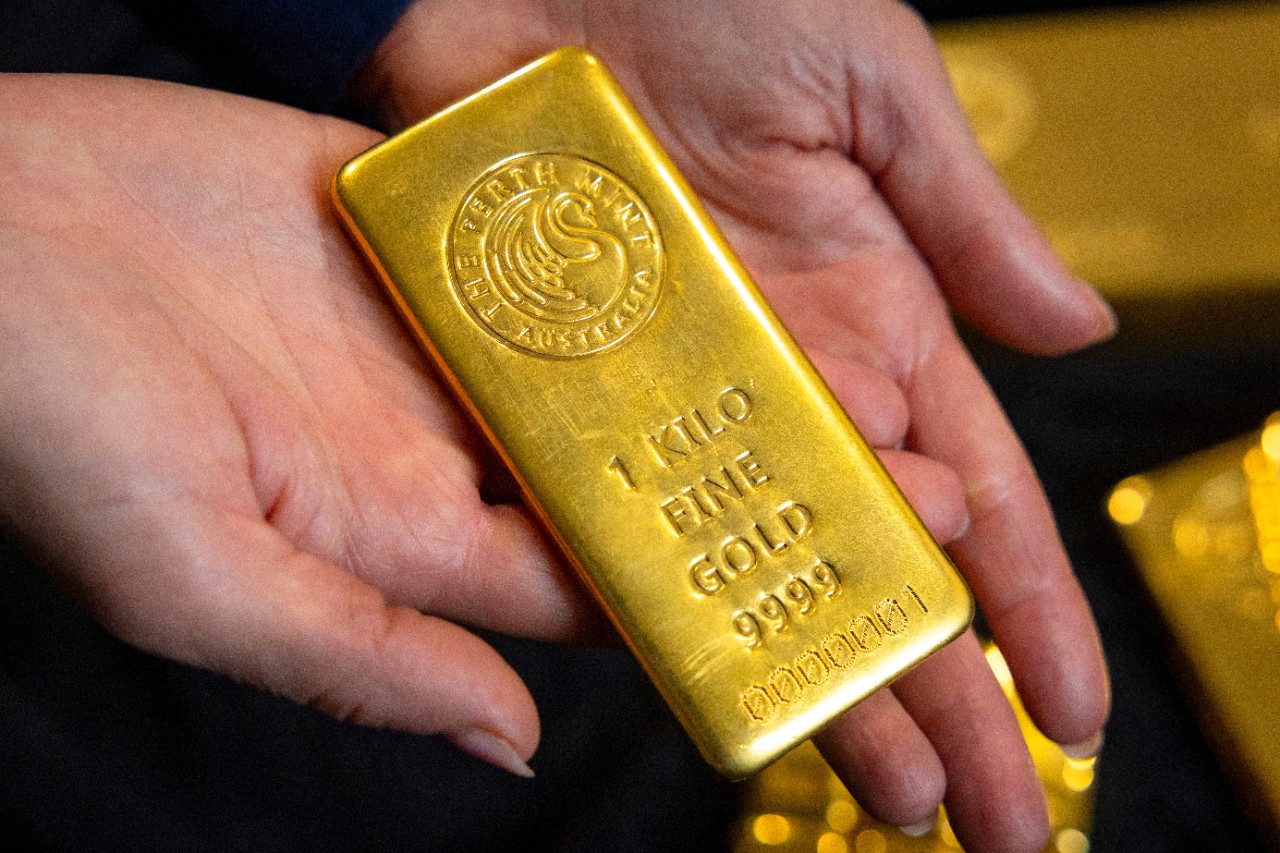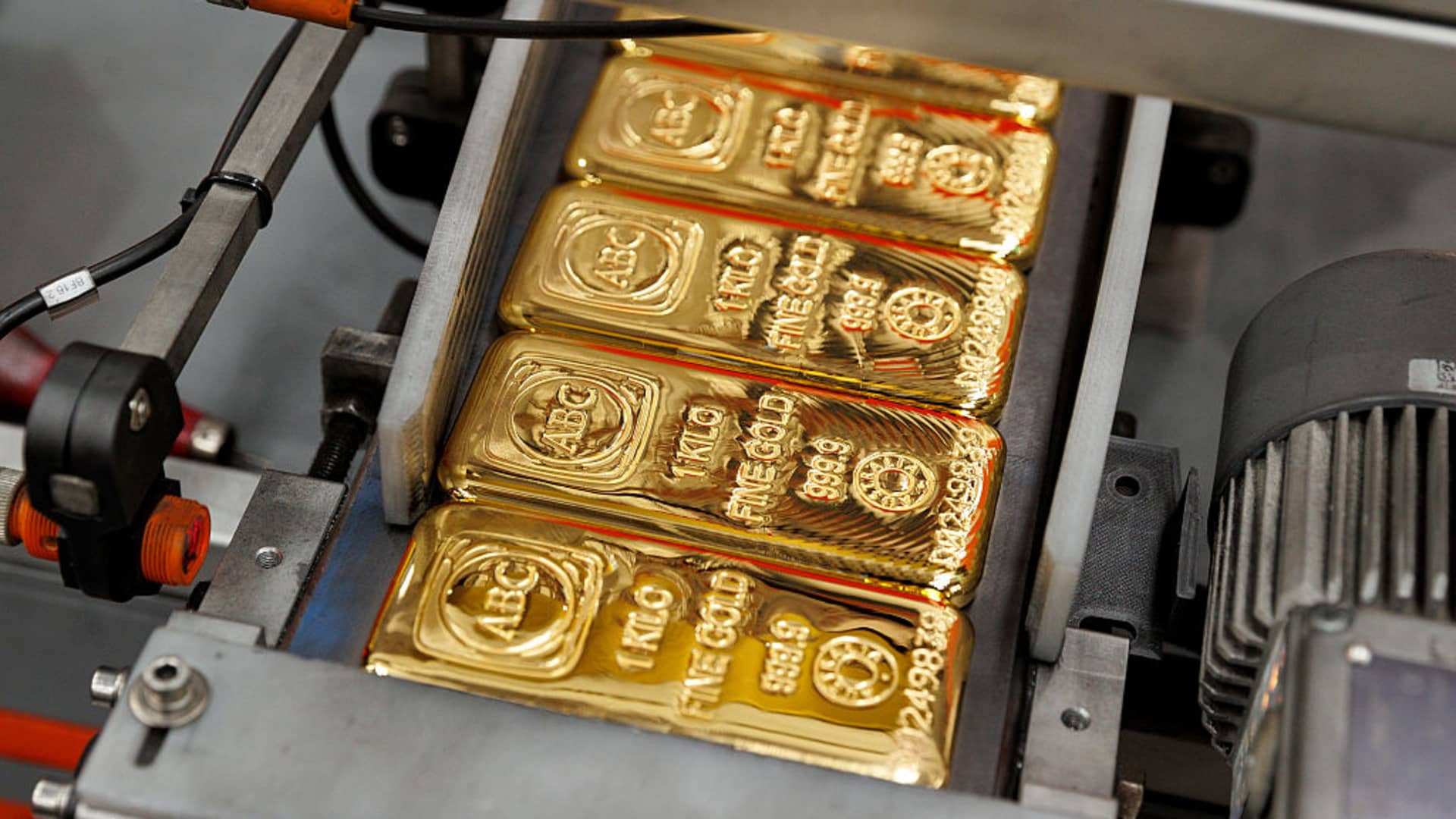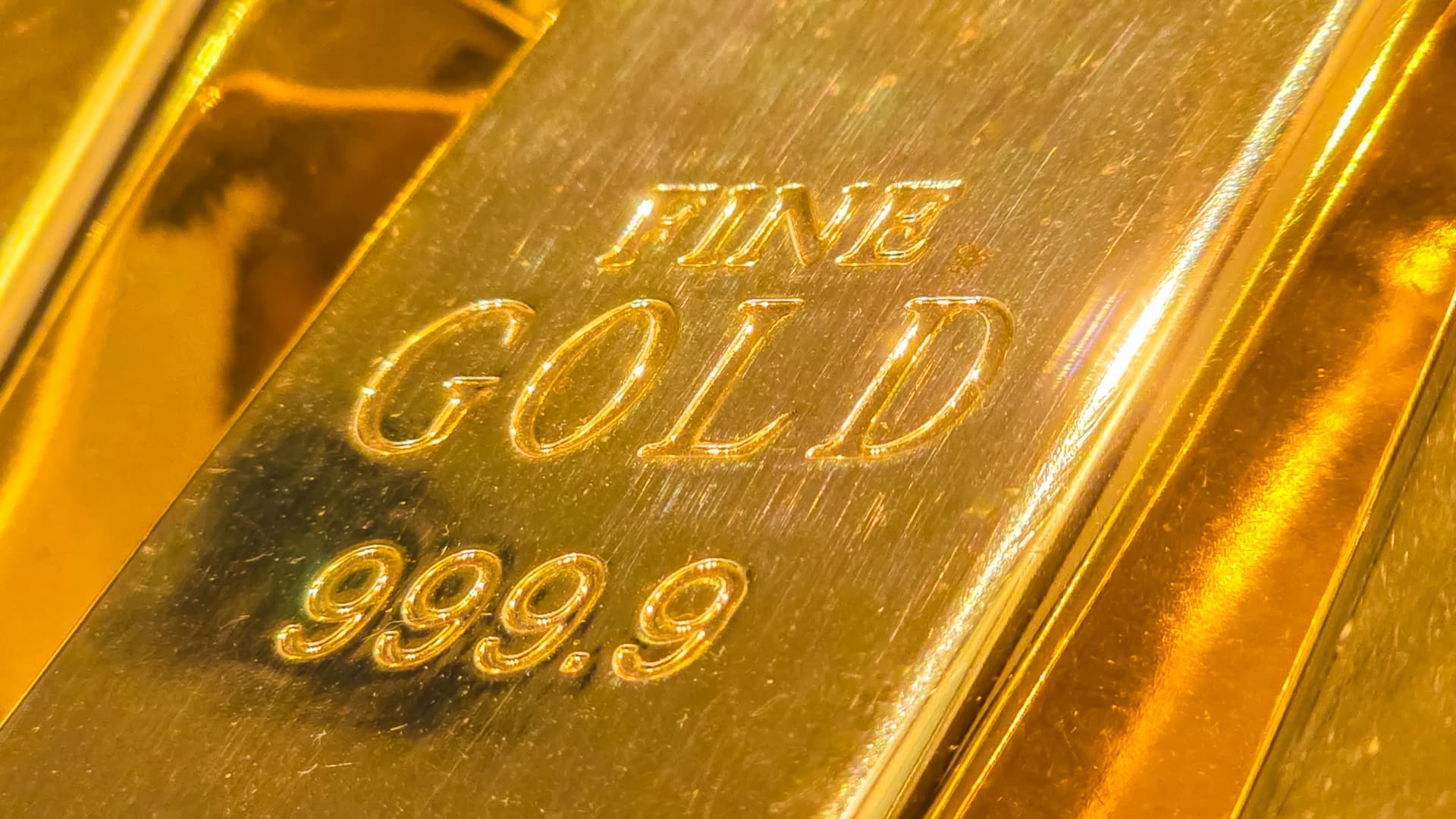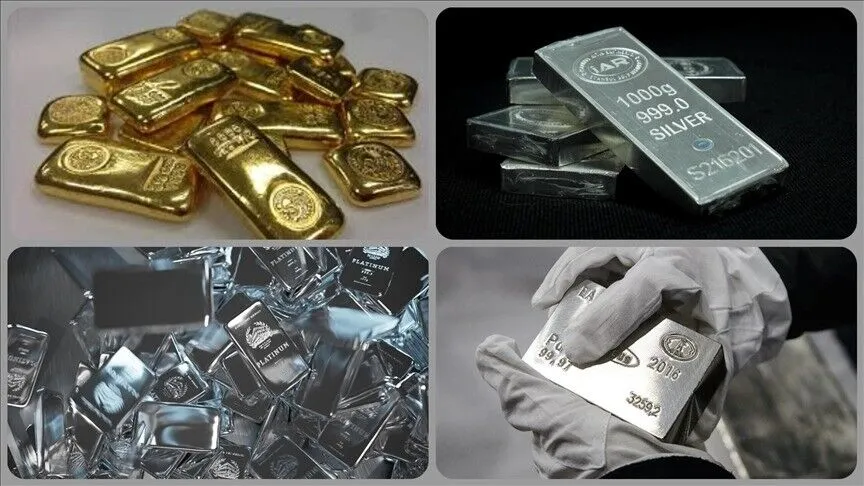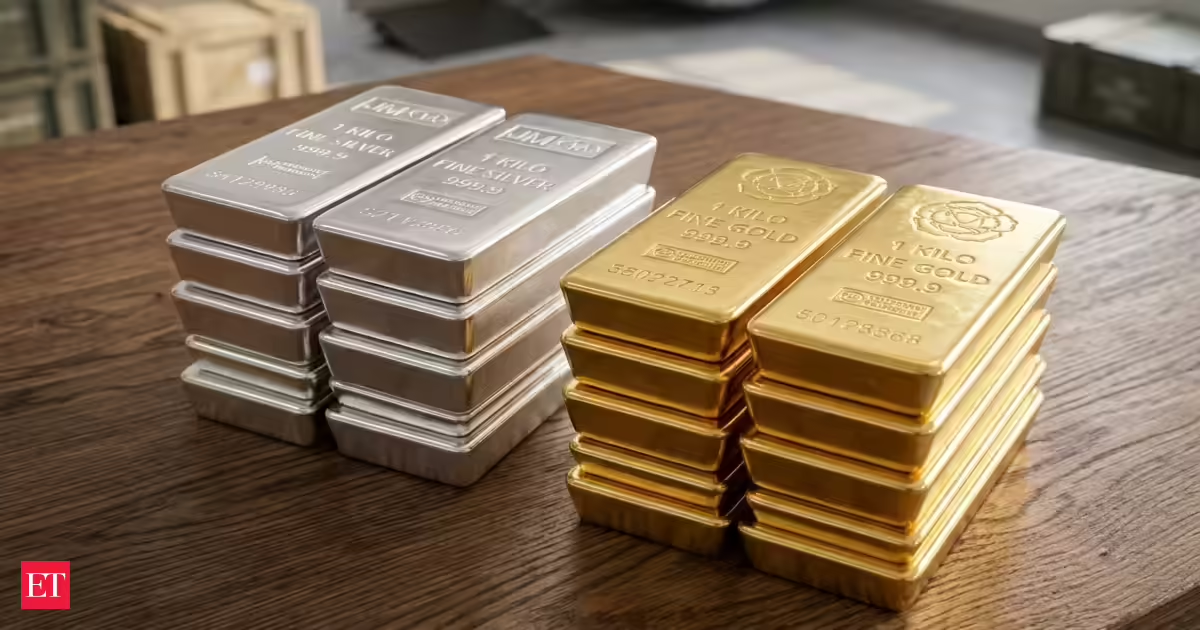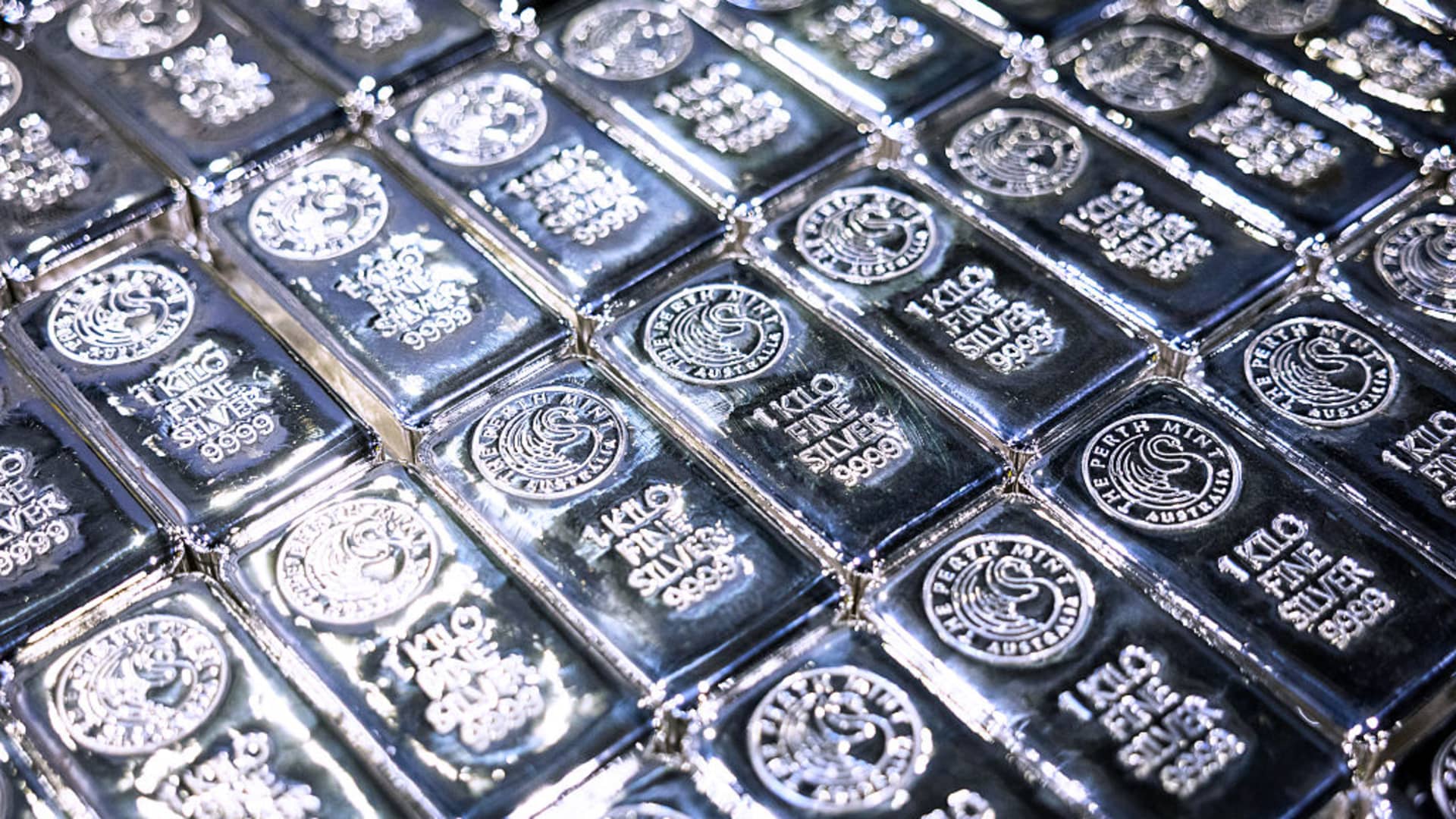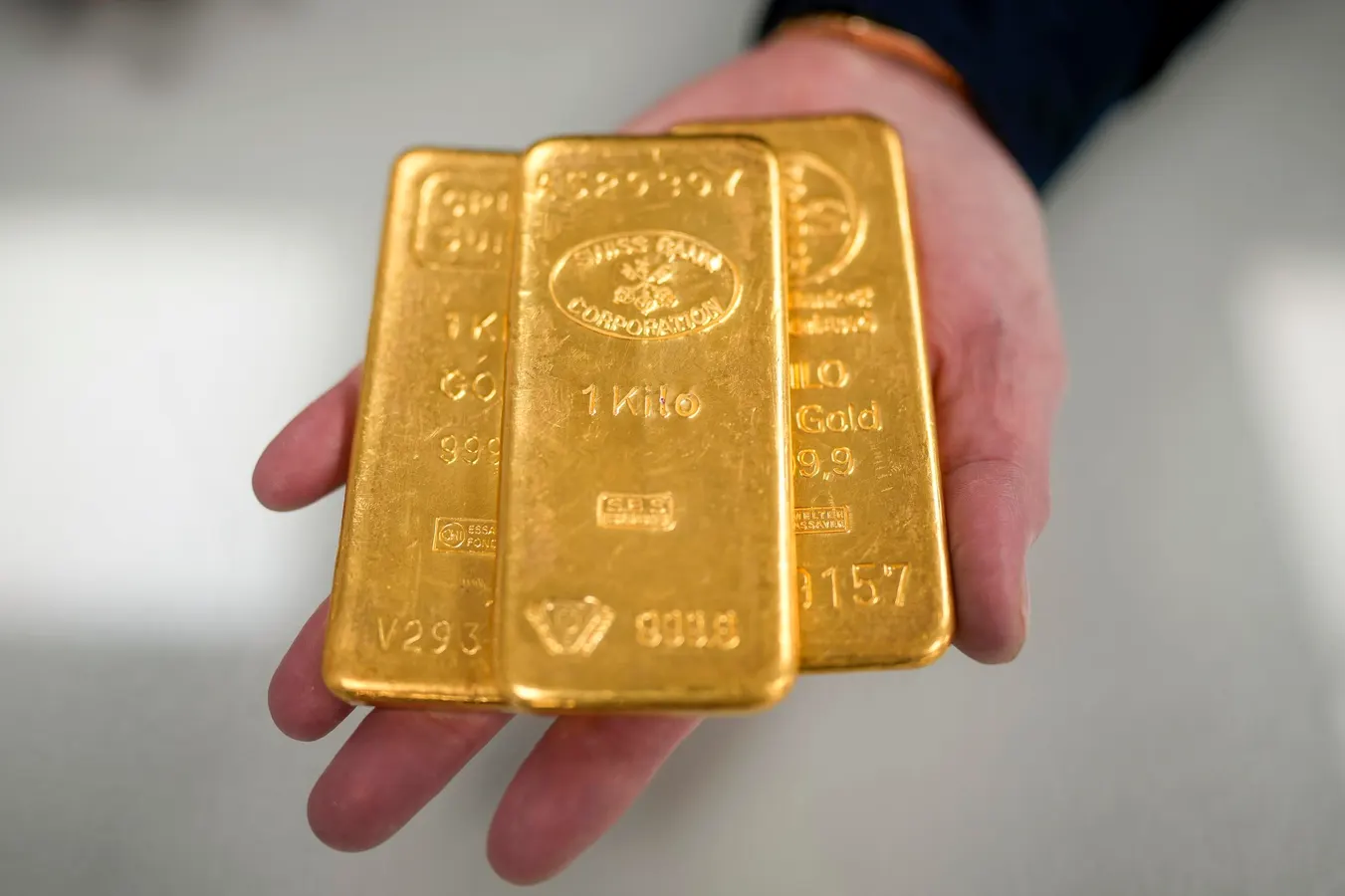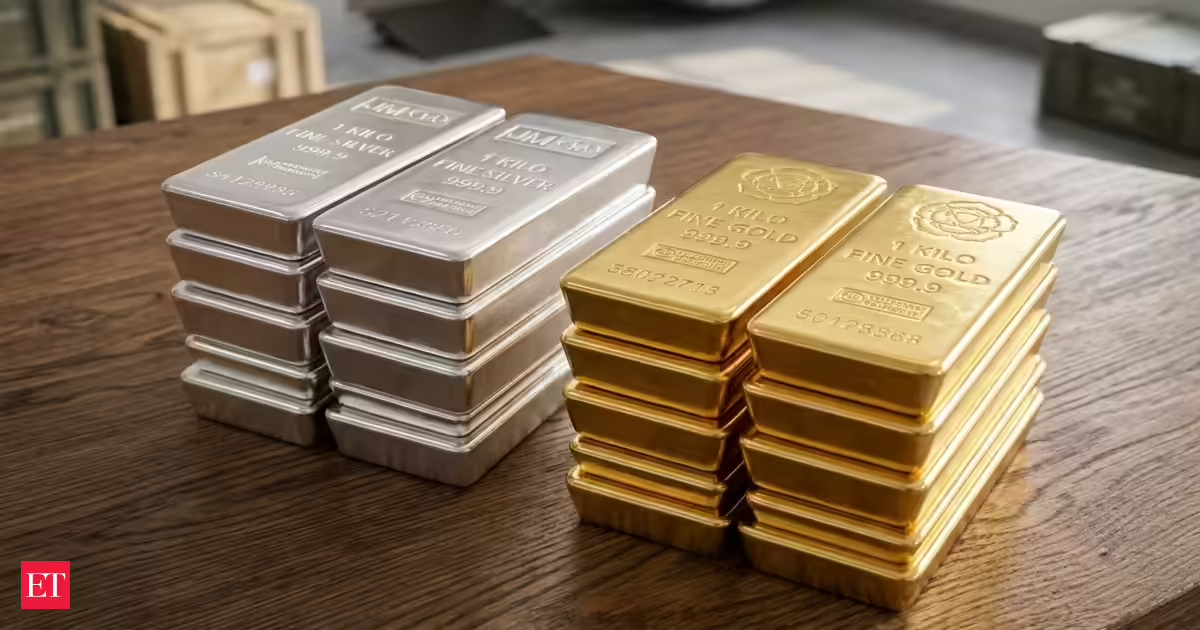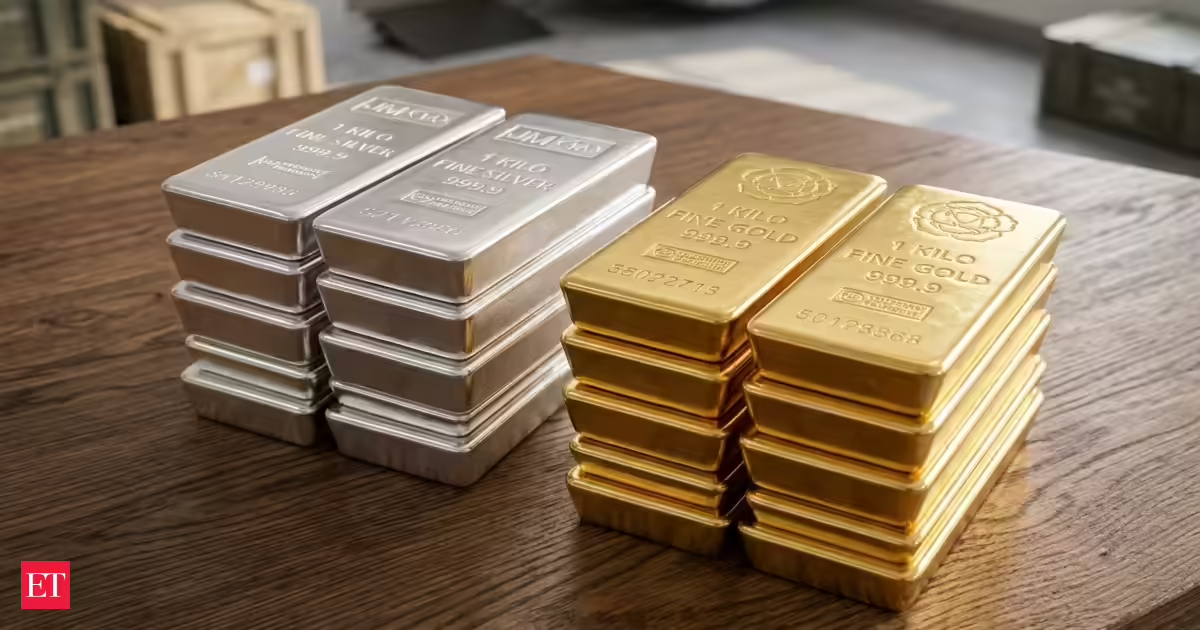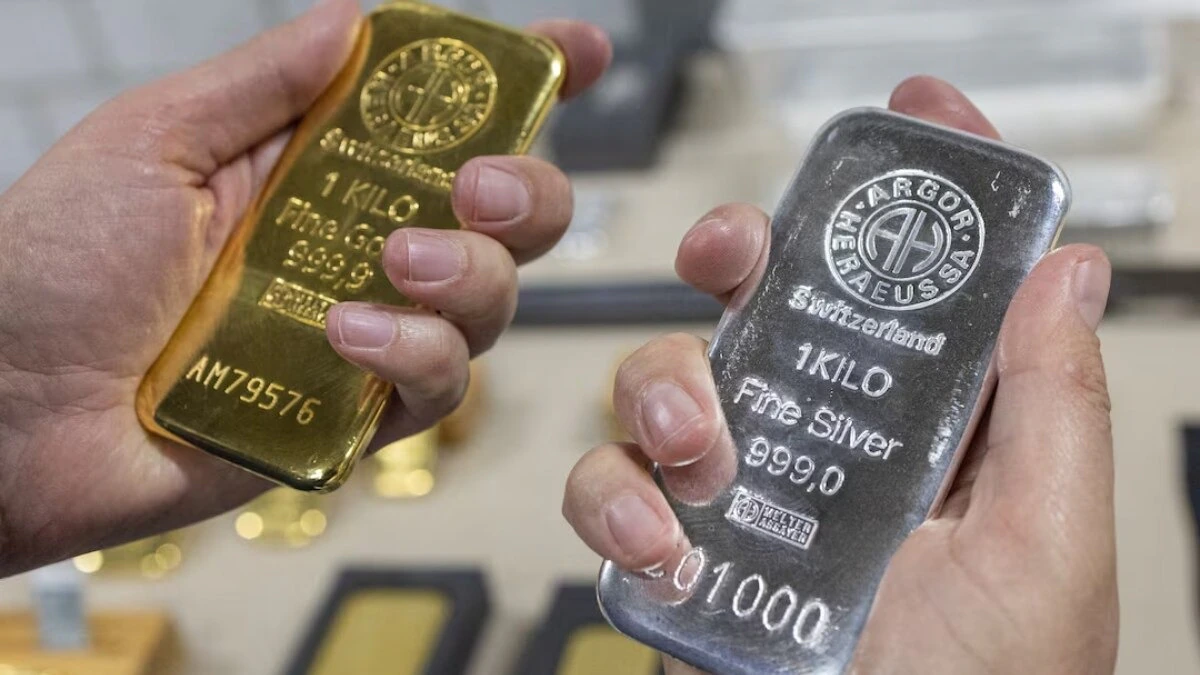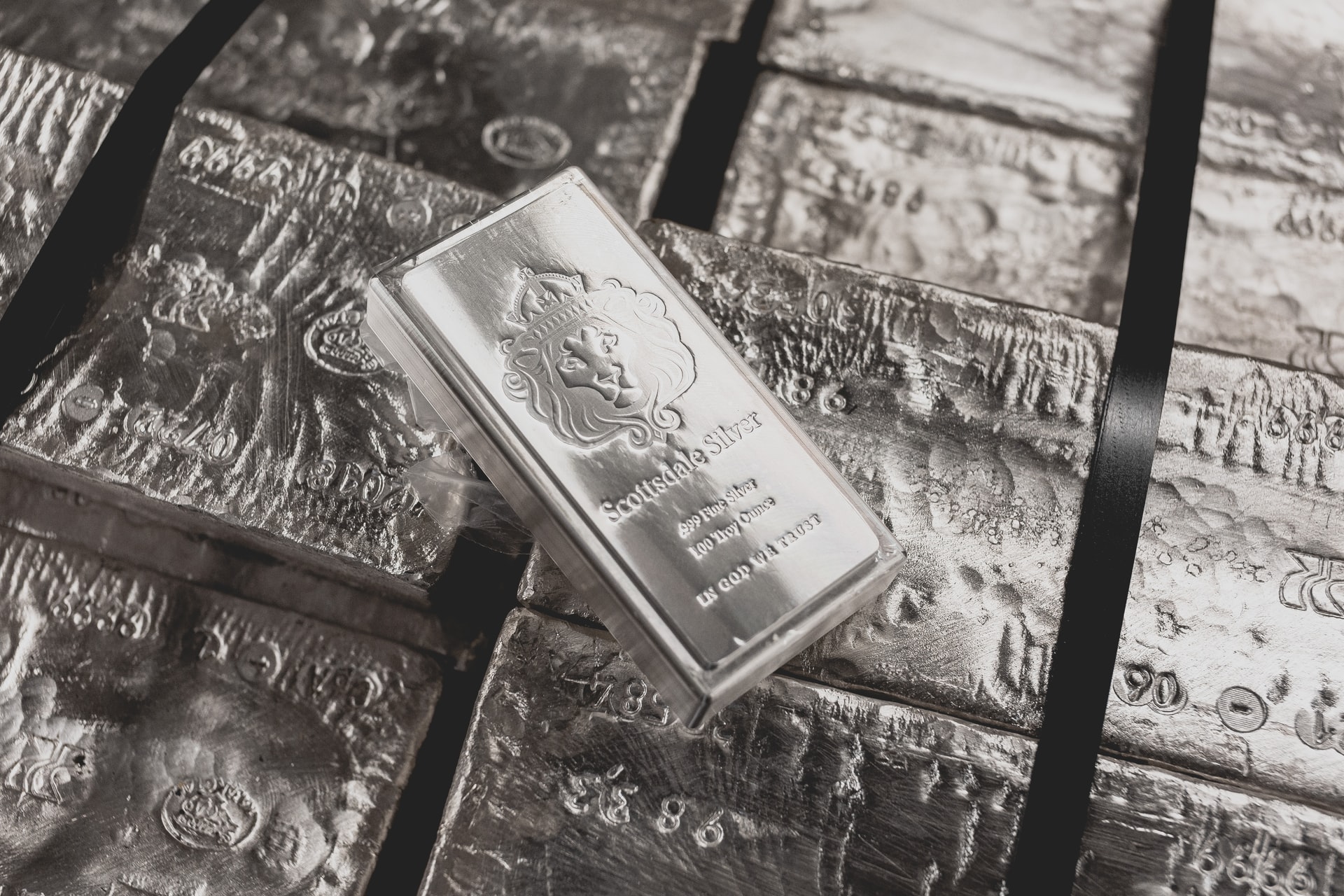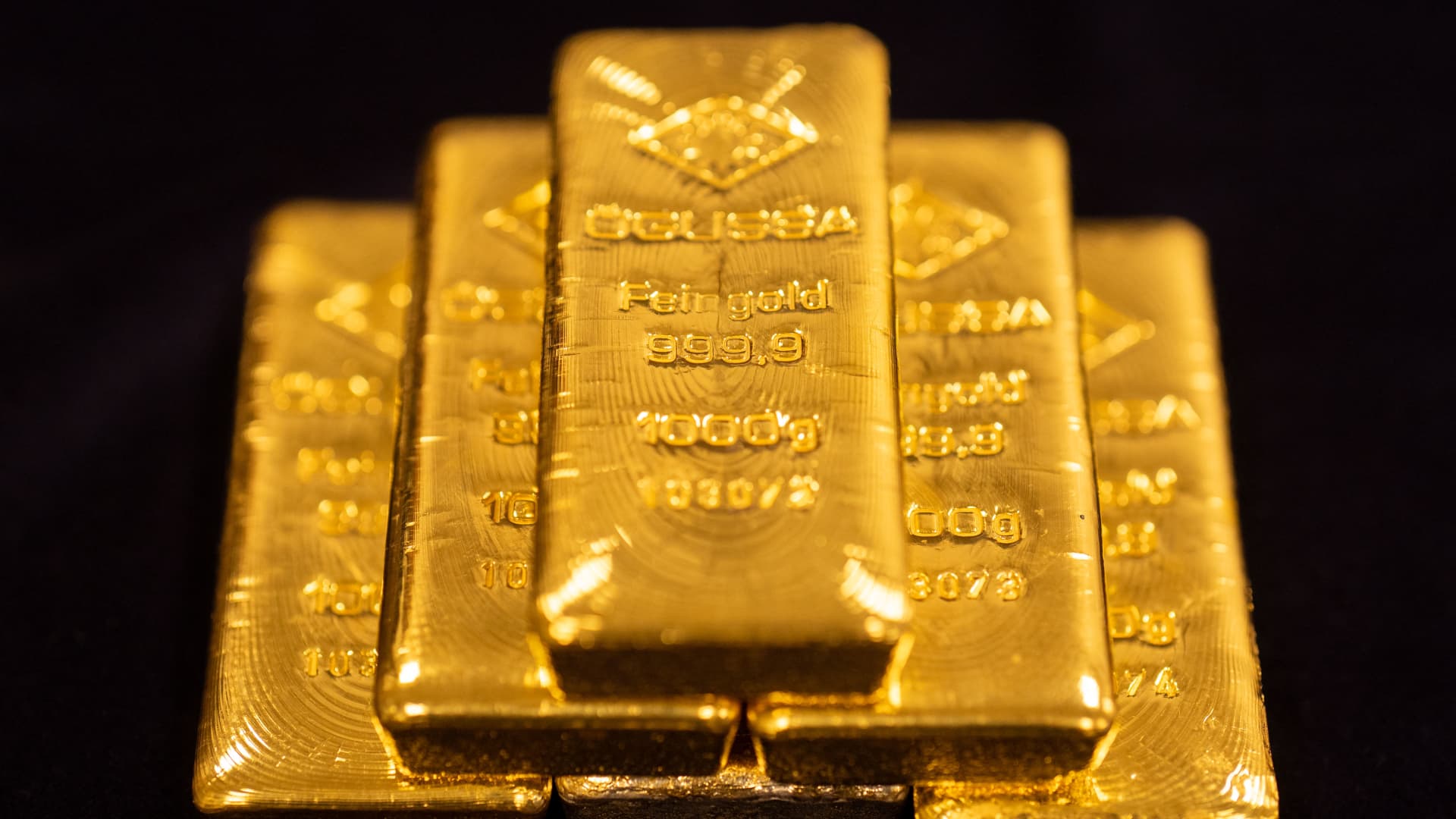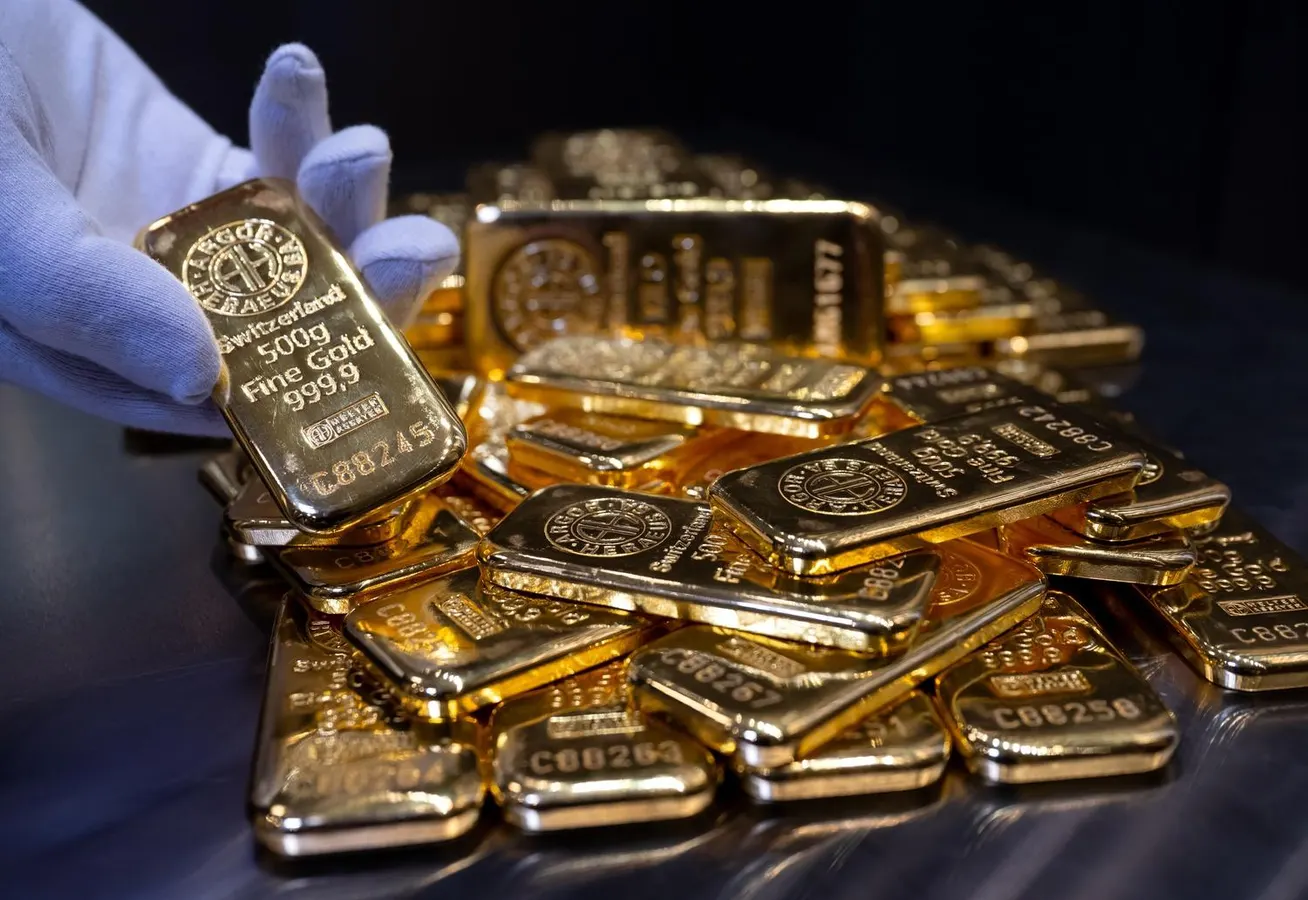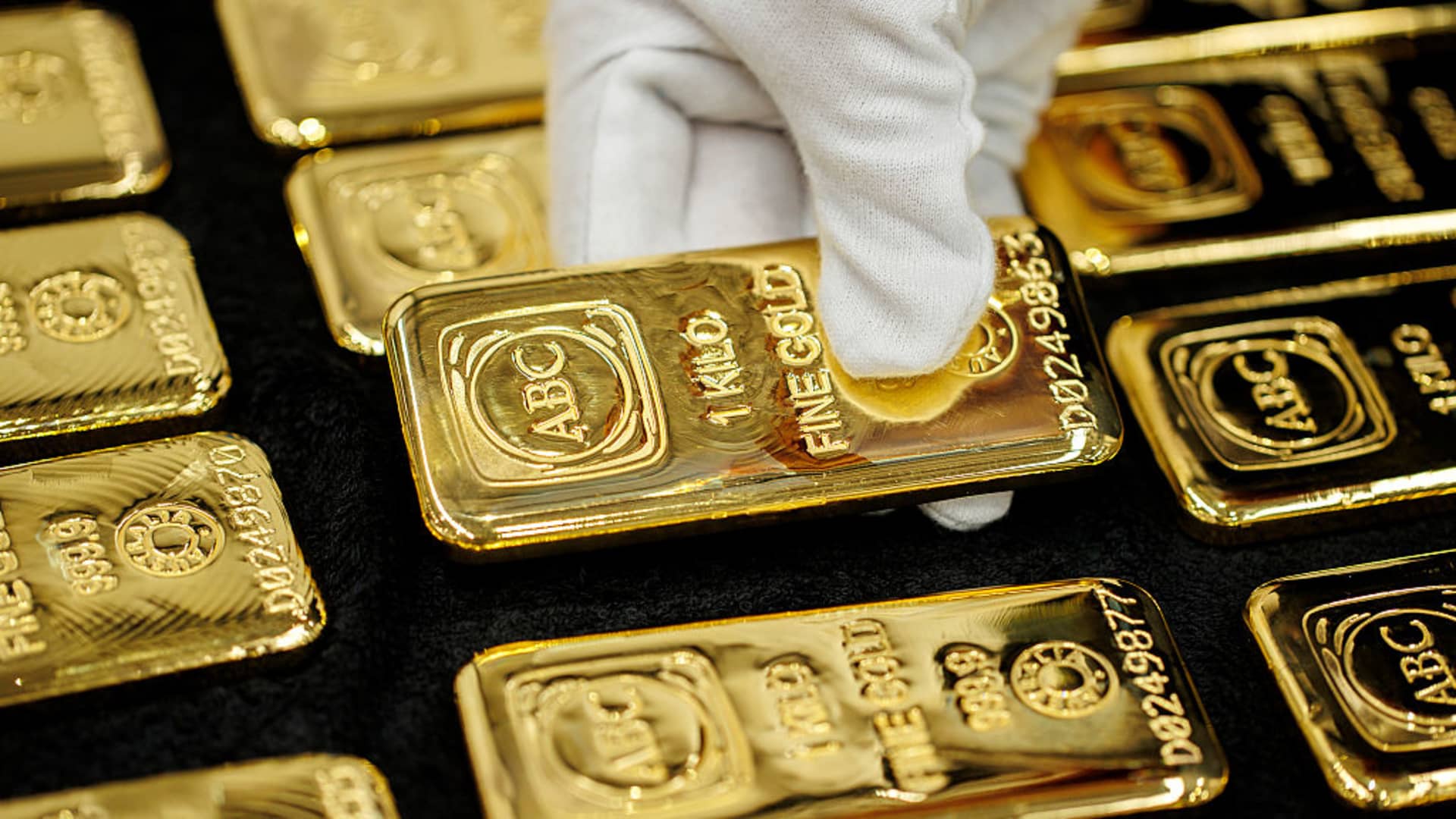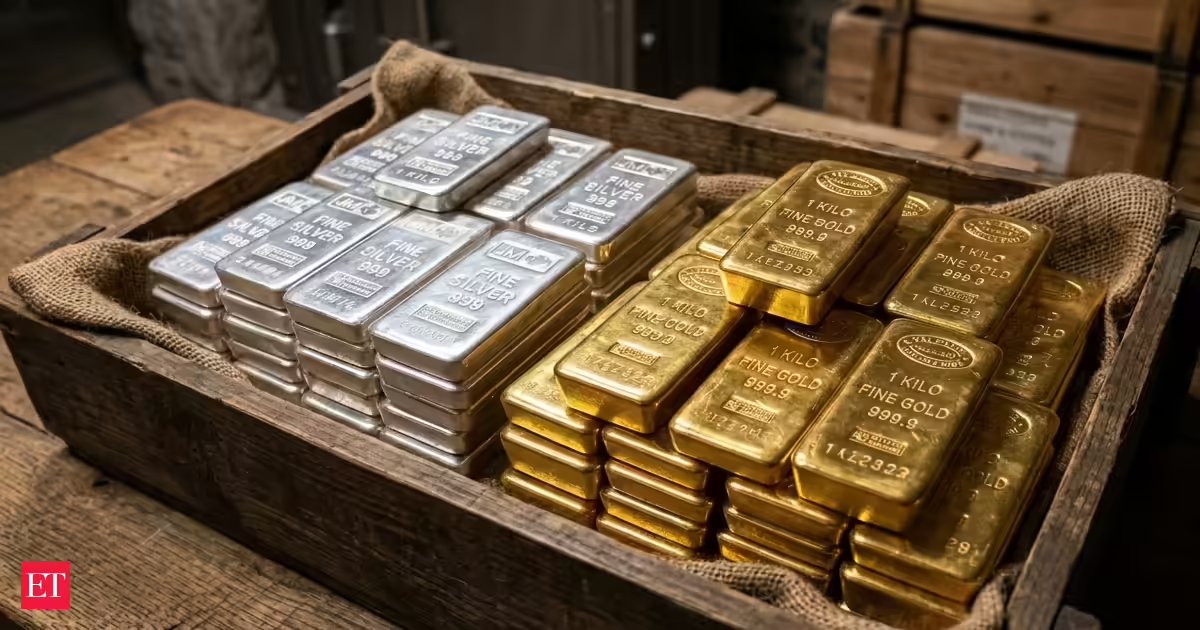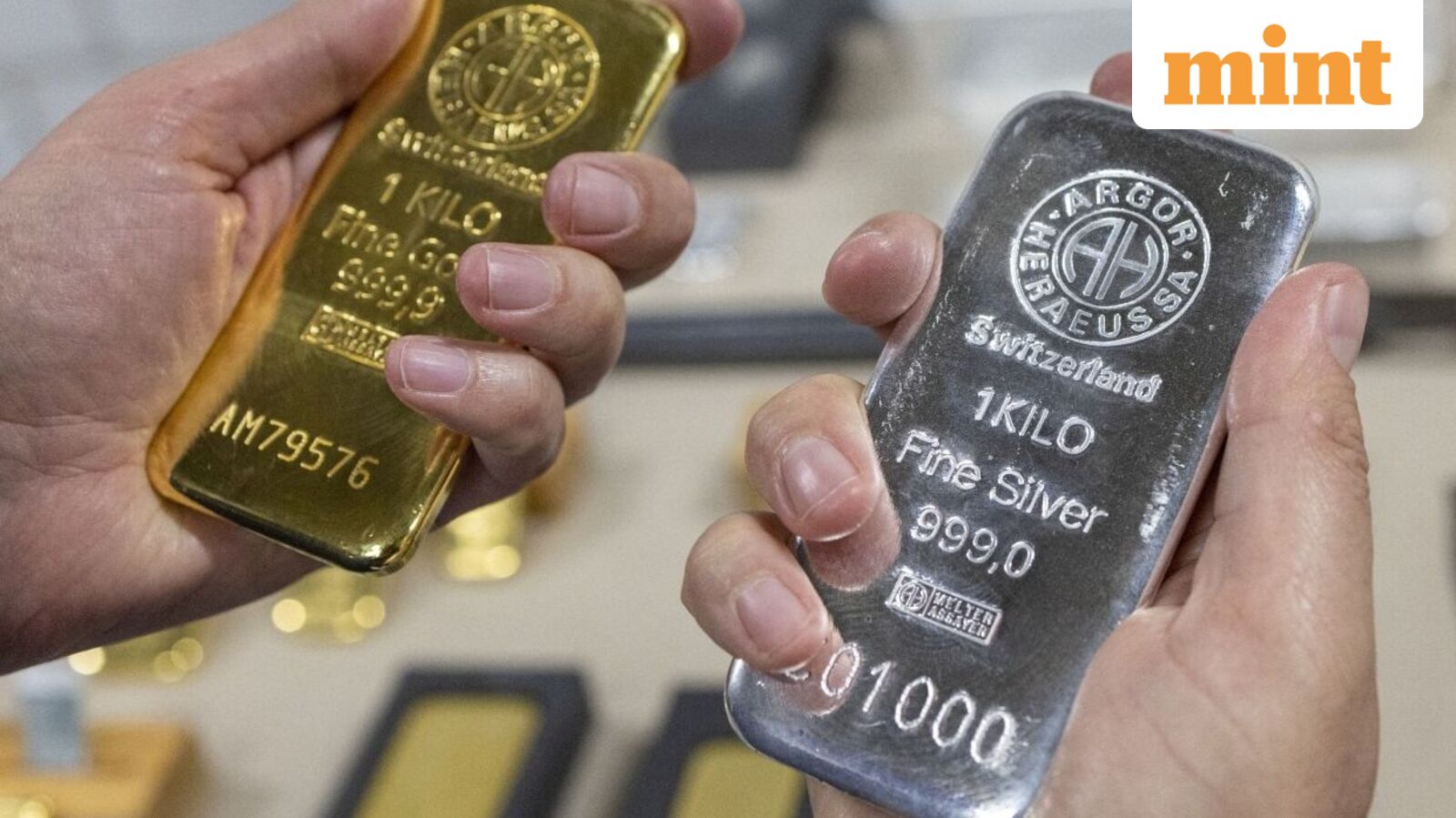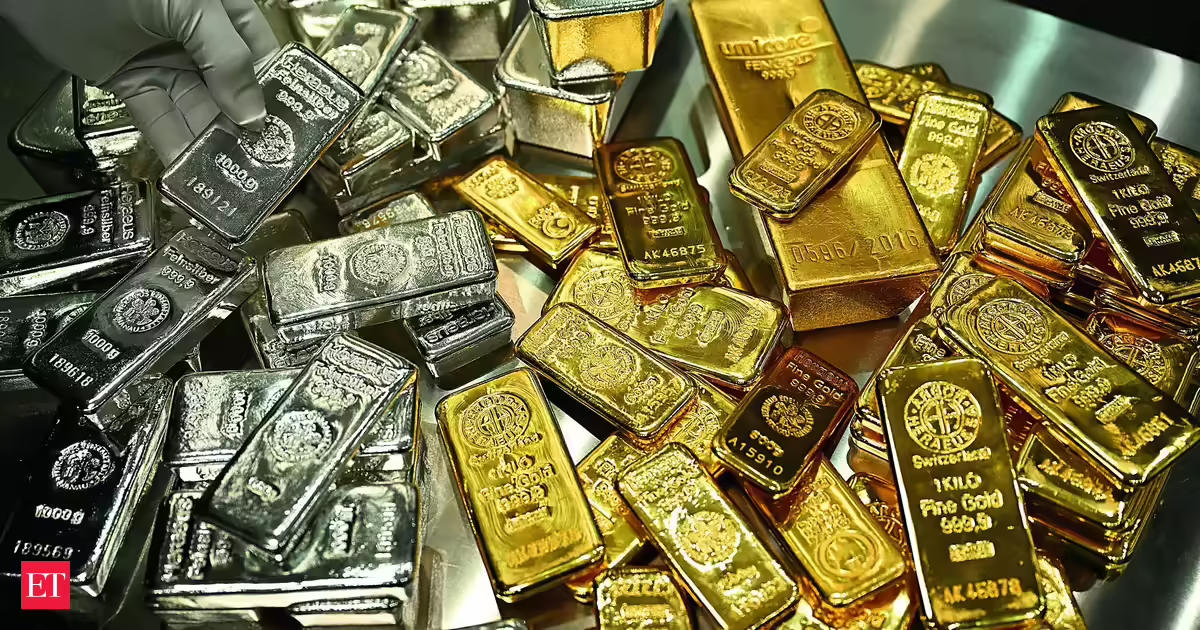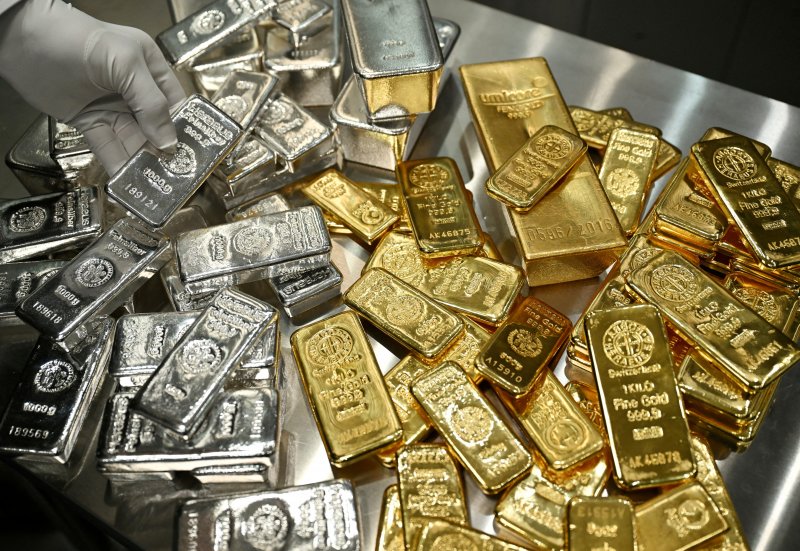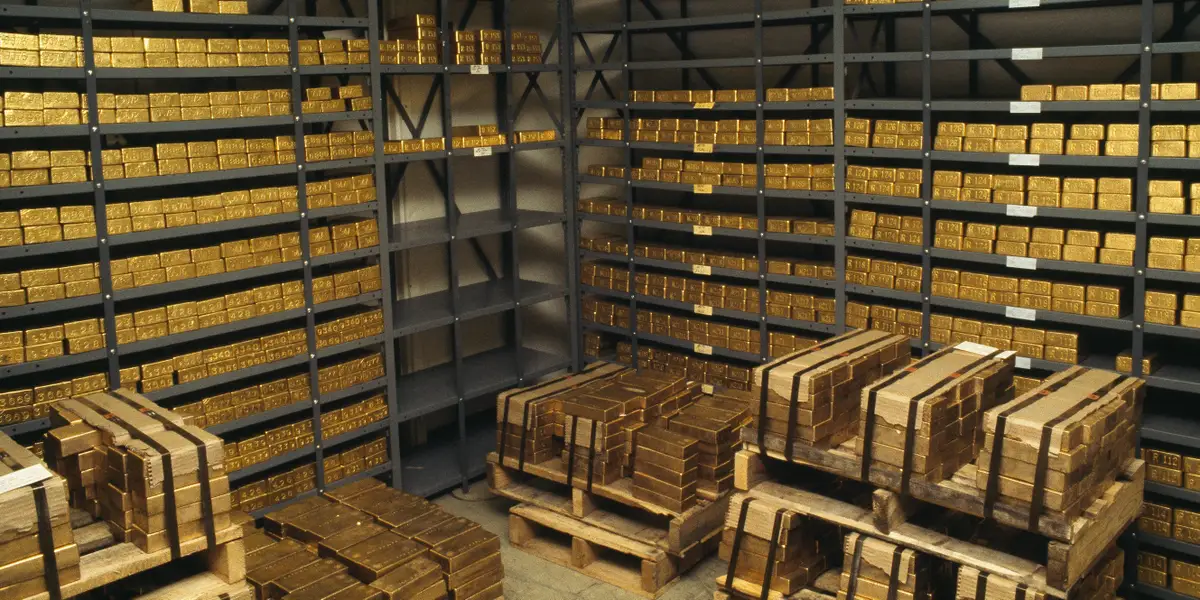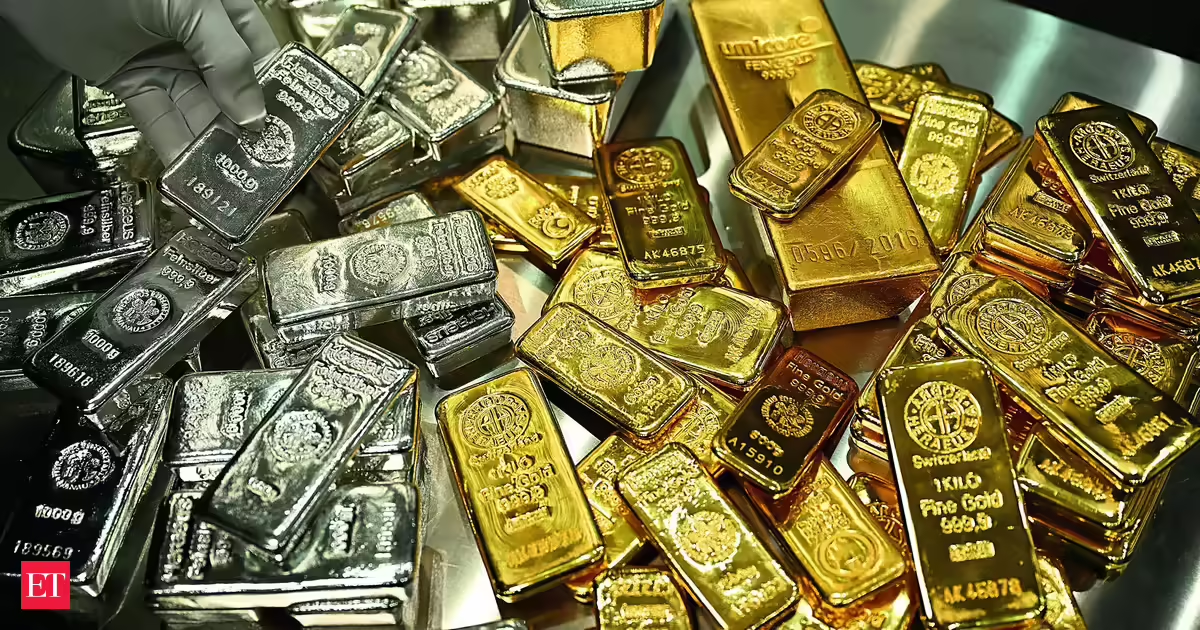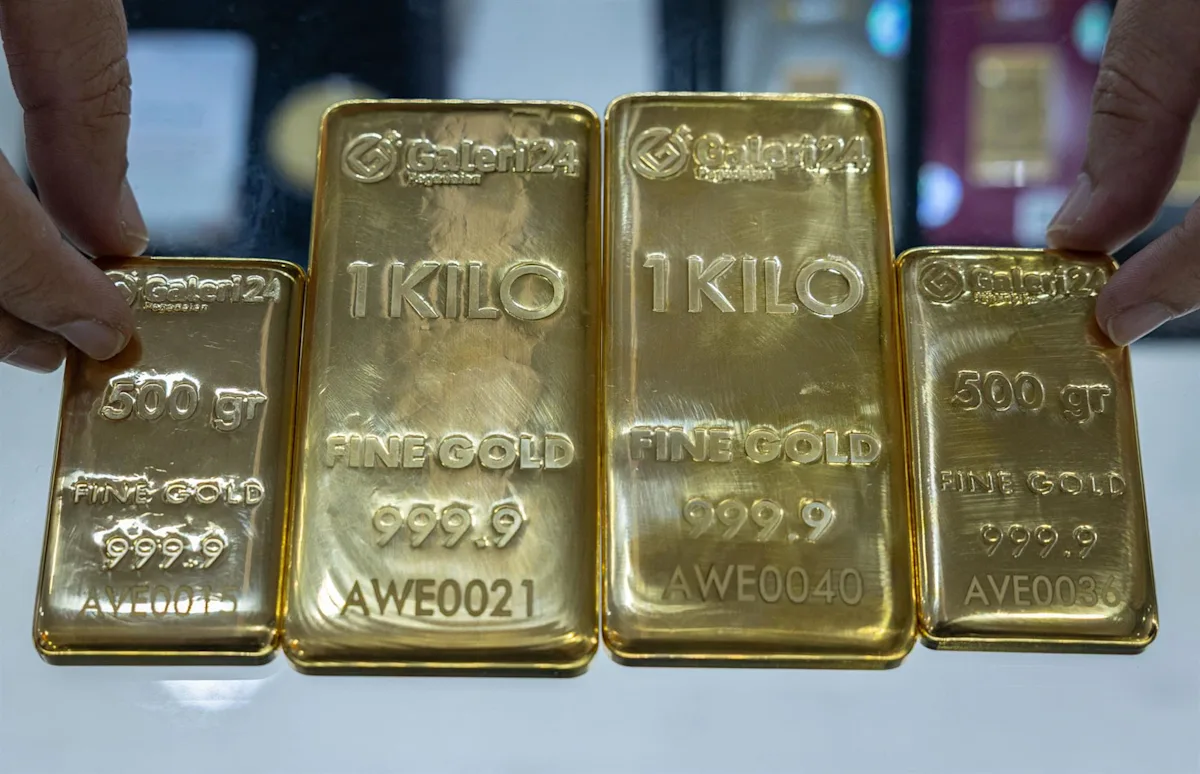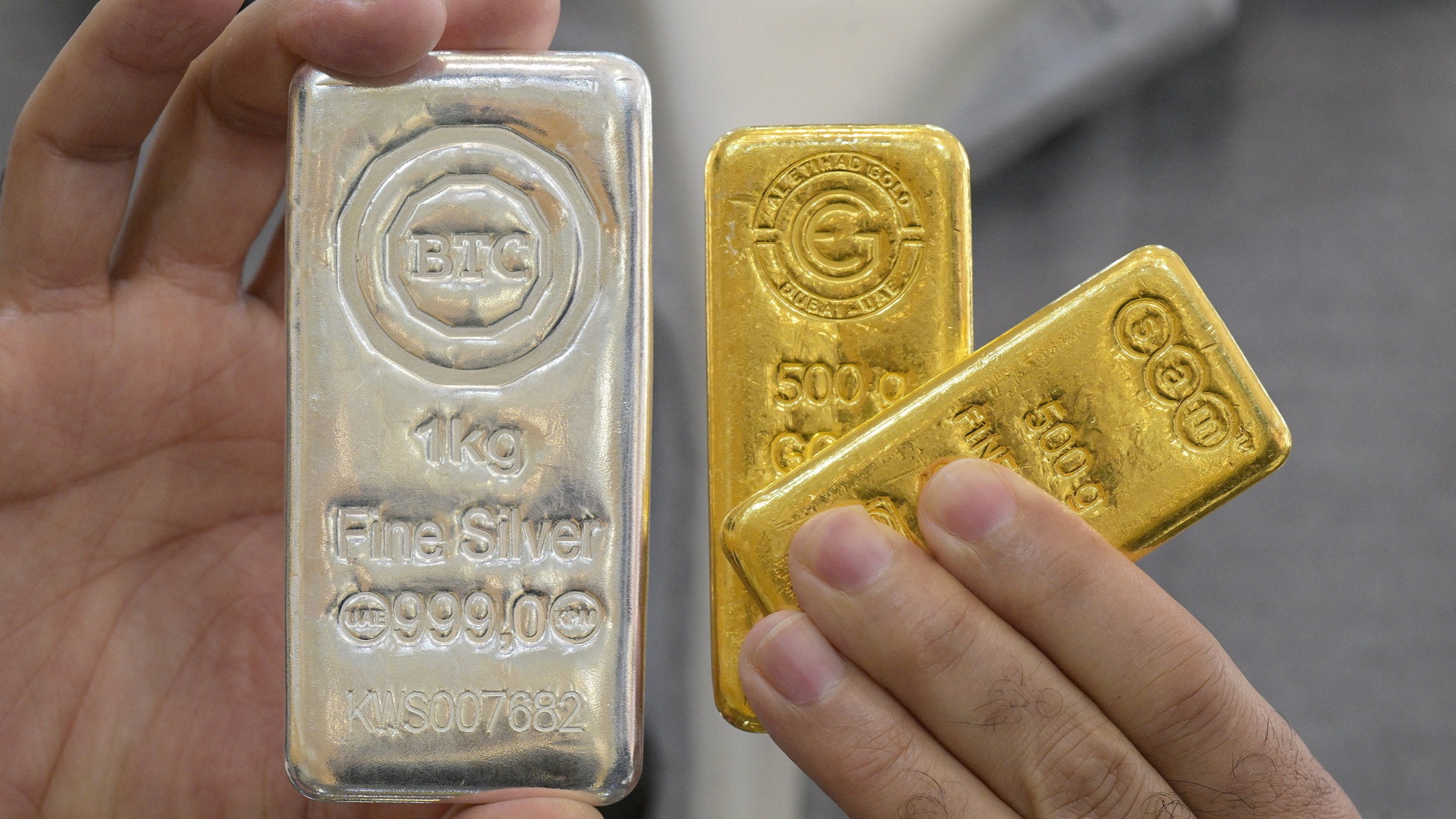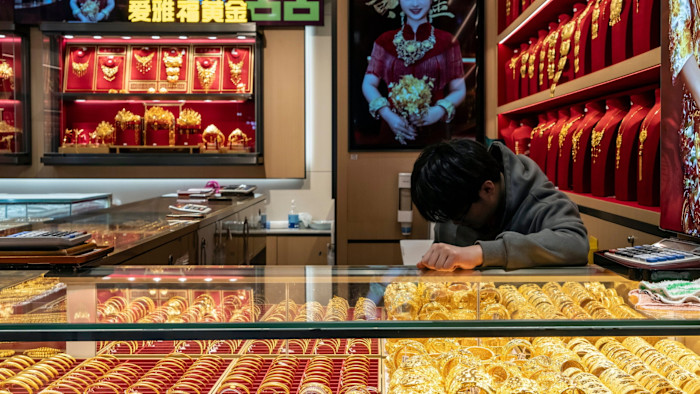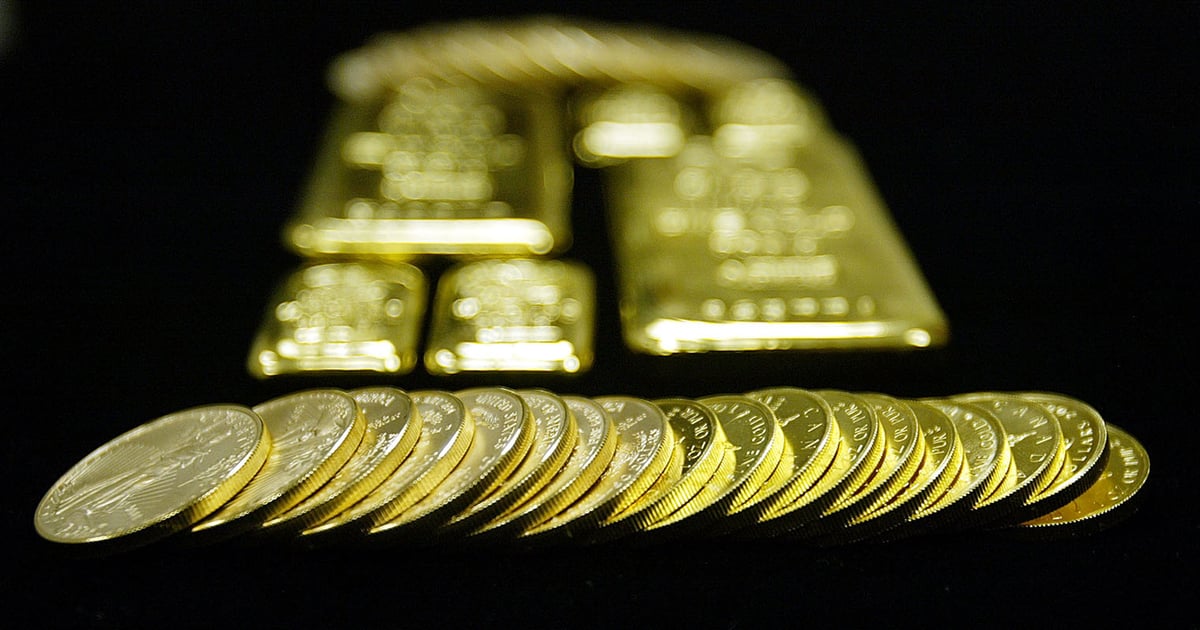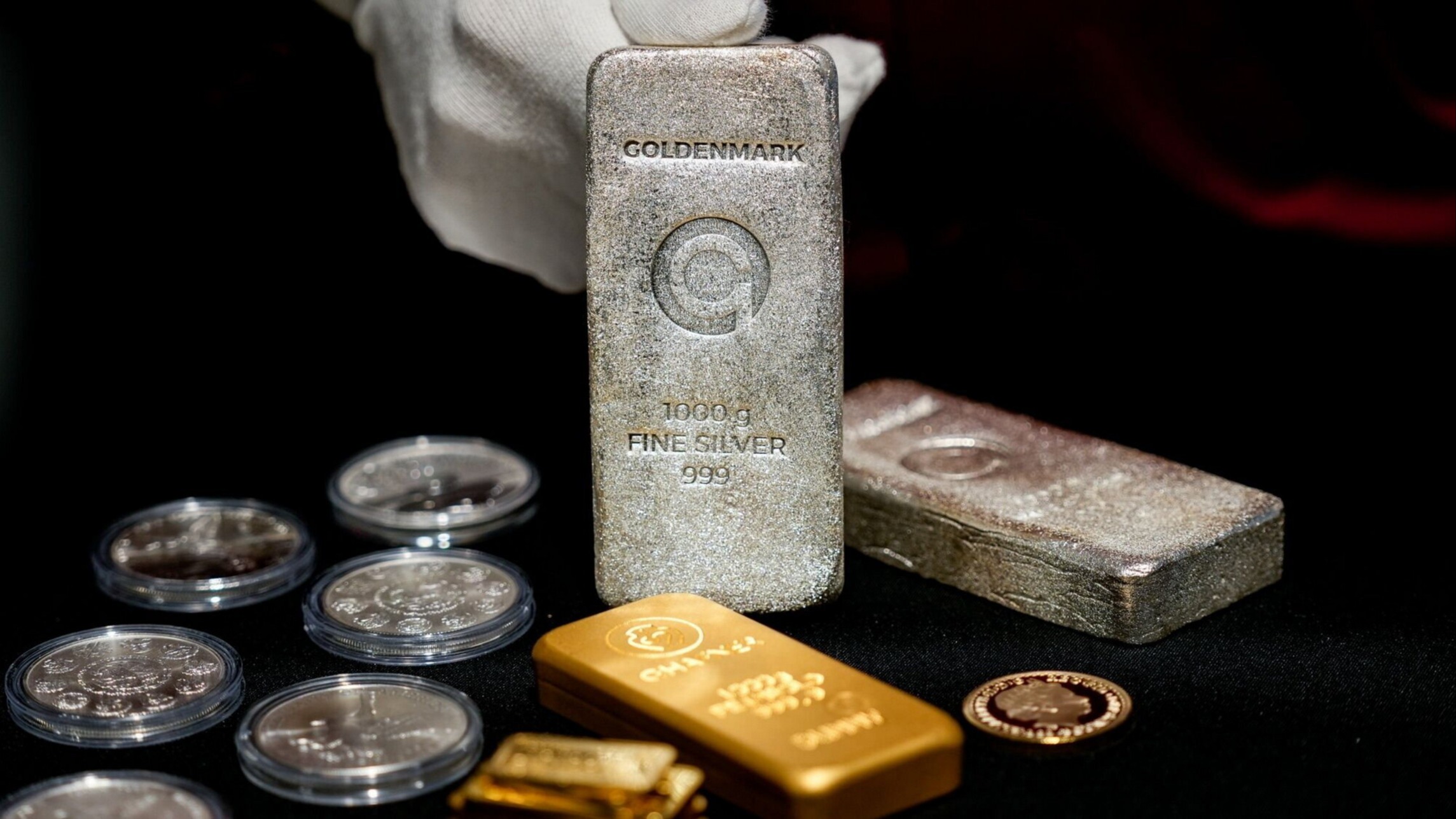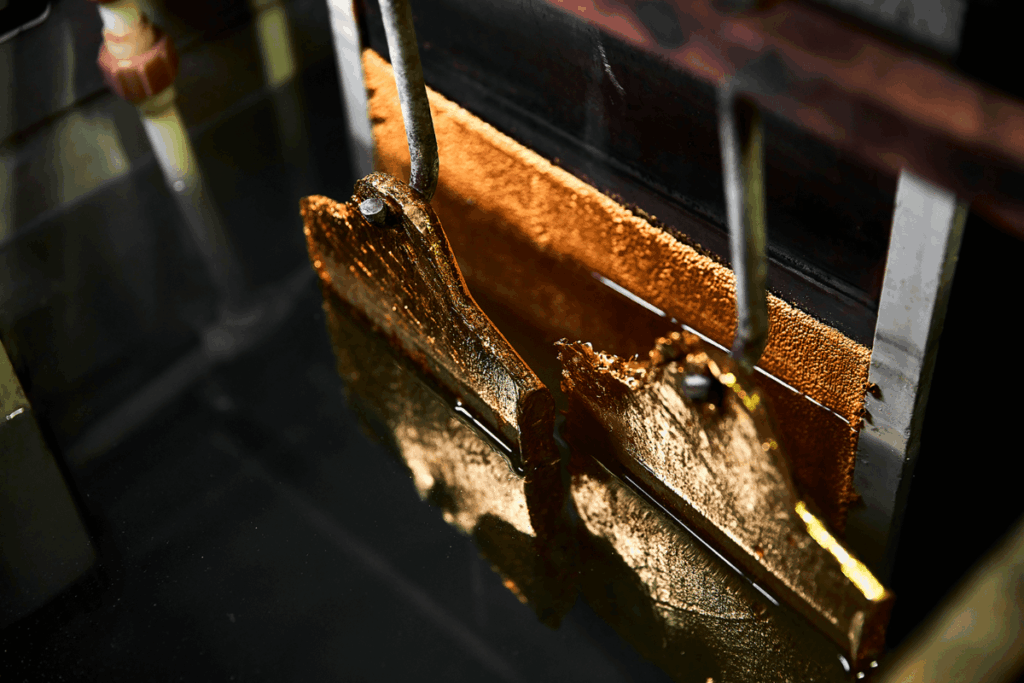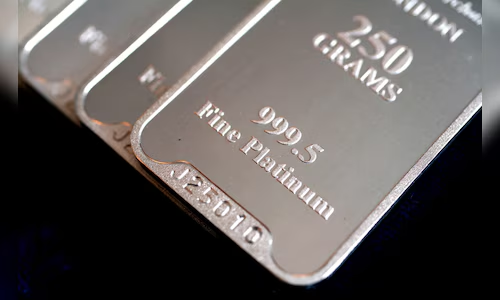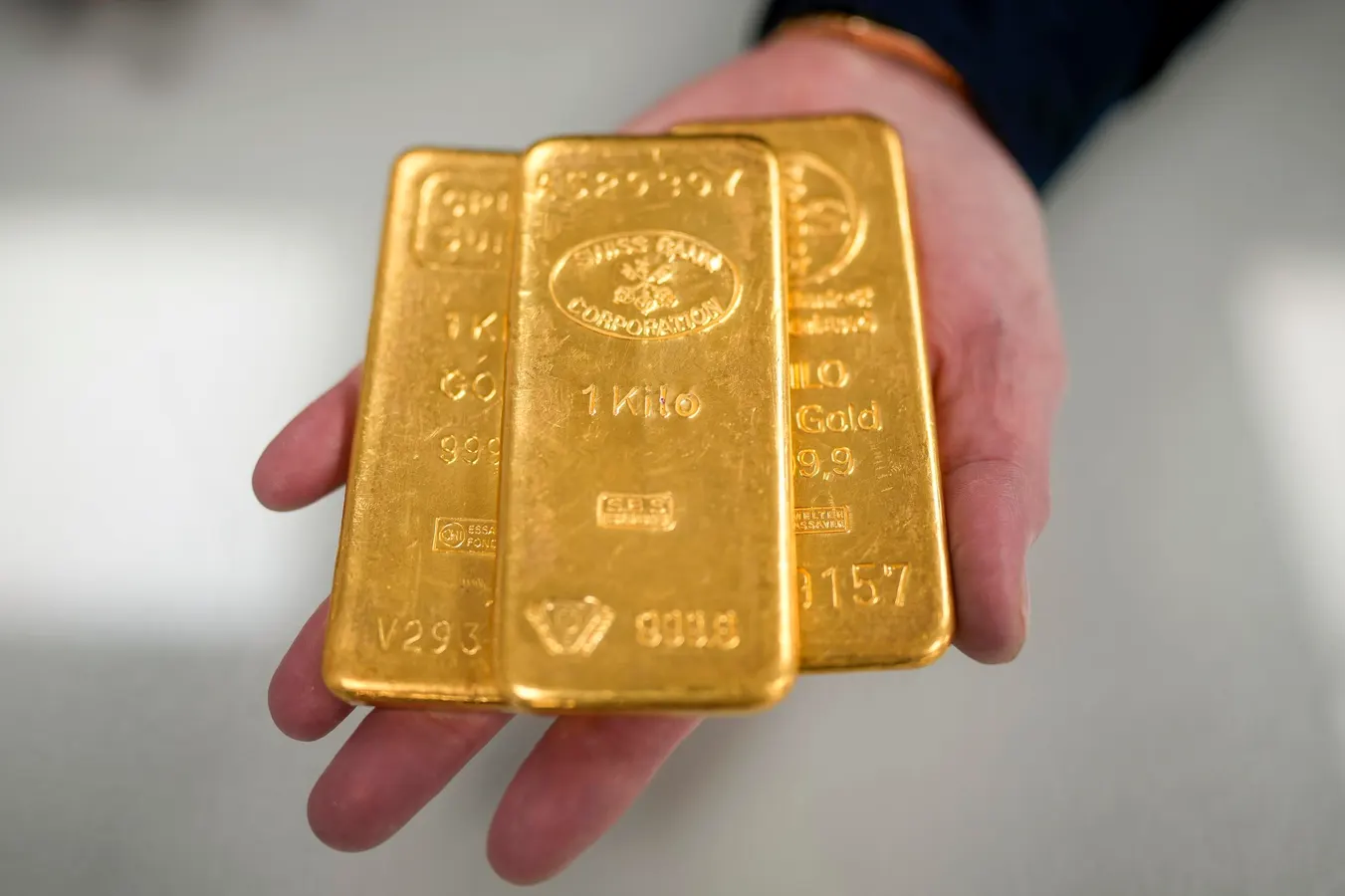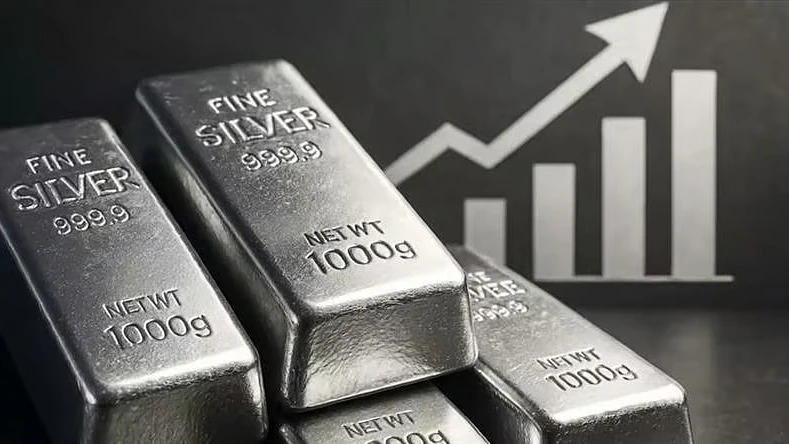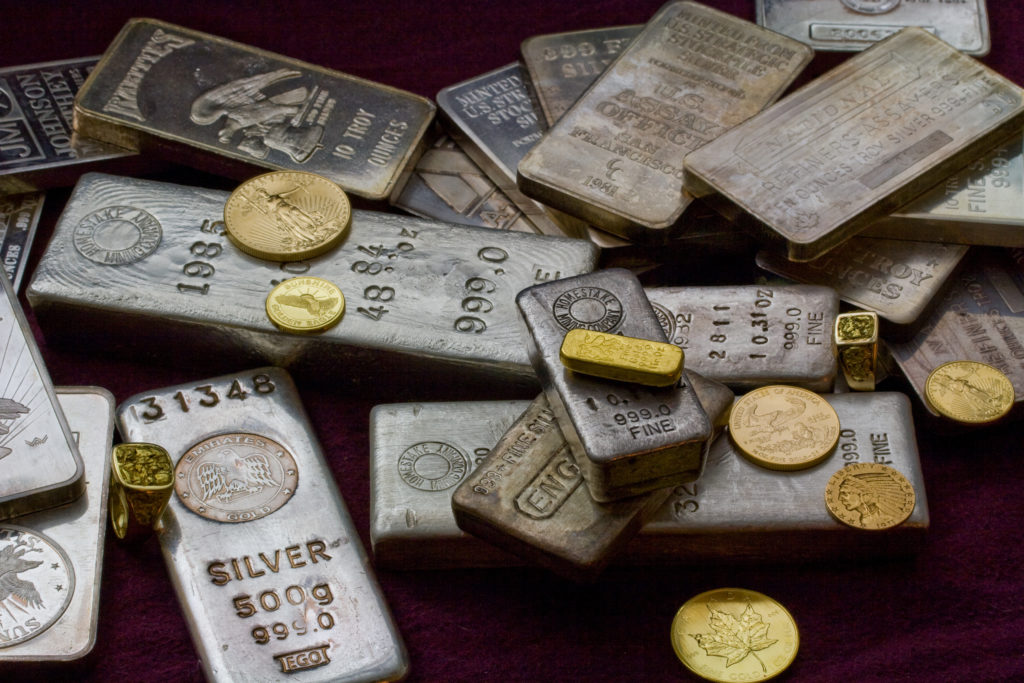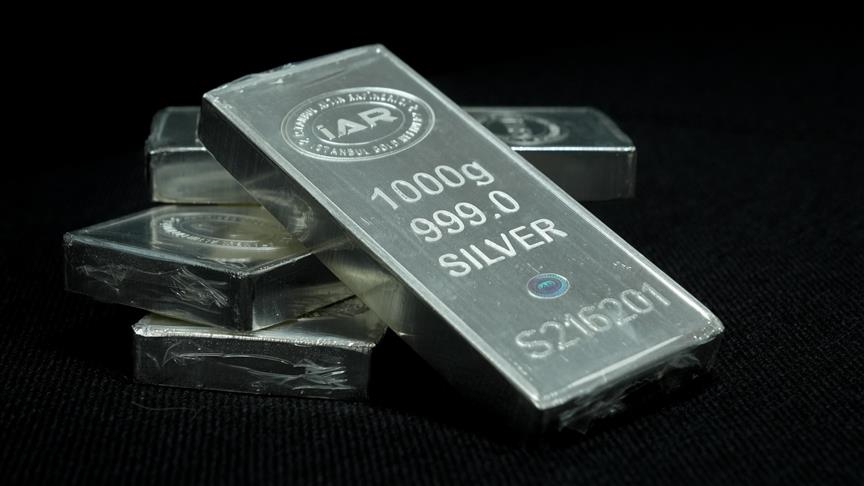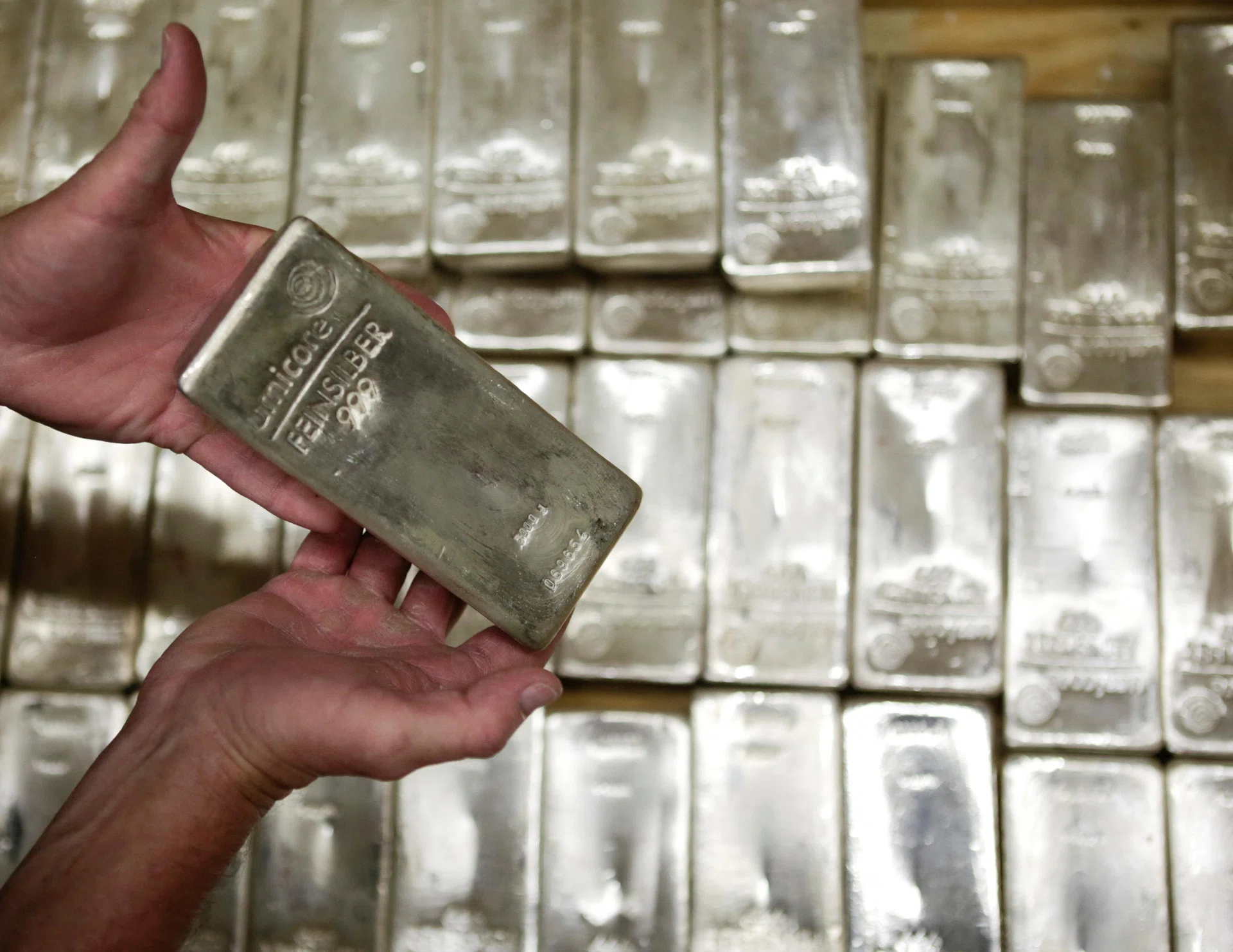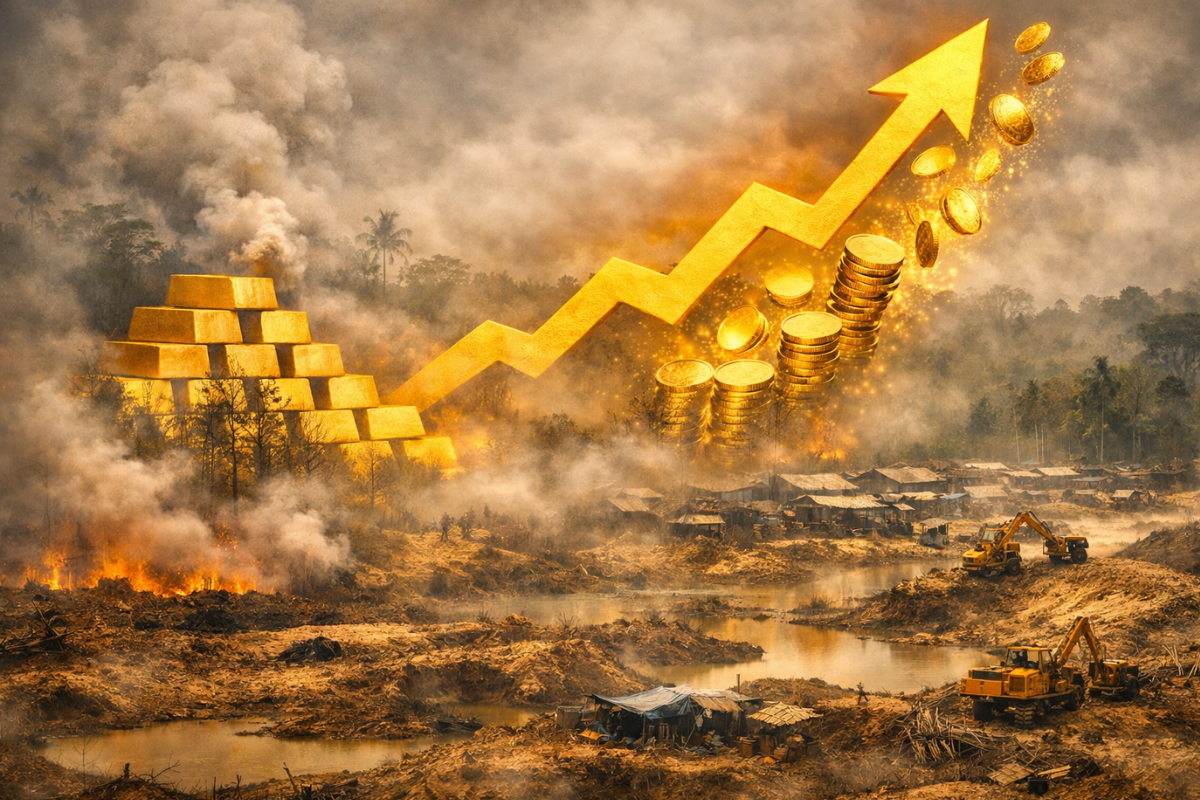
Gold has surged to repeated record highs through 2026, and the official leading Brazil’s crackdown on illegal Amazon mining says the rally, fuelled in part by the economic uncertainty unleashed by Donald Trump’s trade policies, is pulling more prospectors into protected Indigenous land.
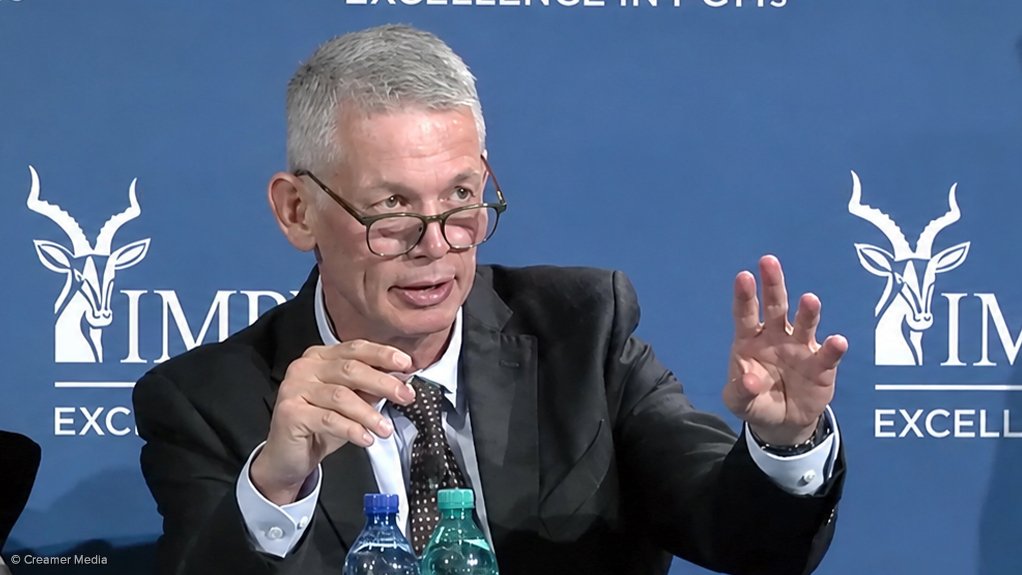
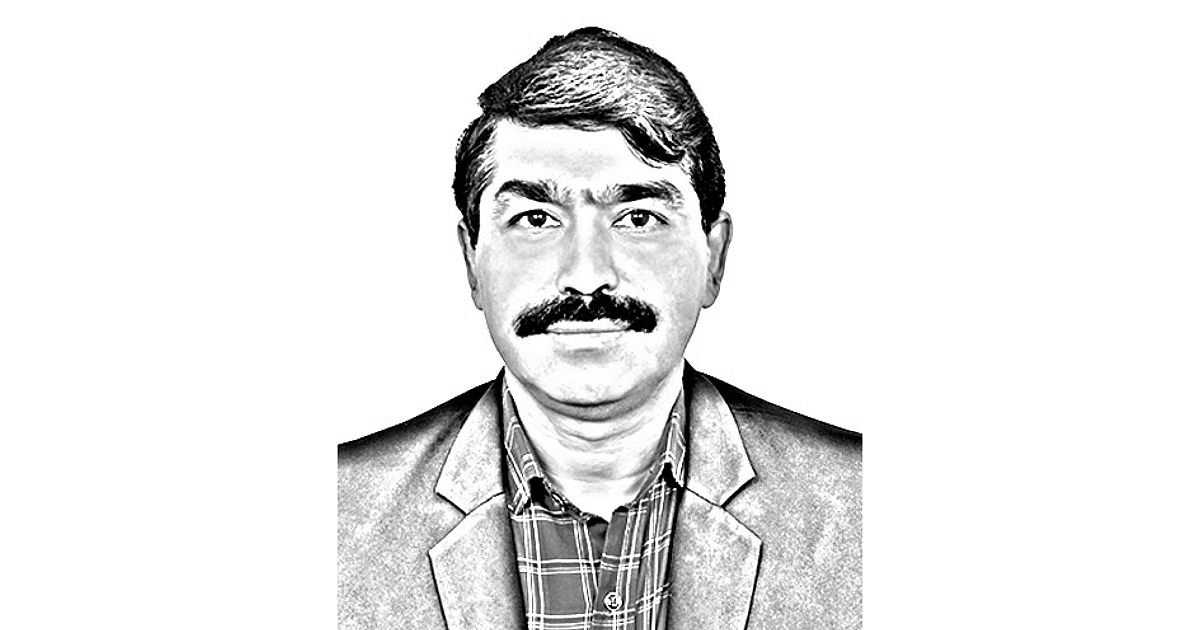
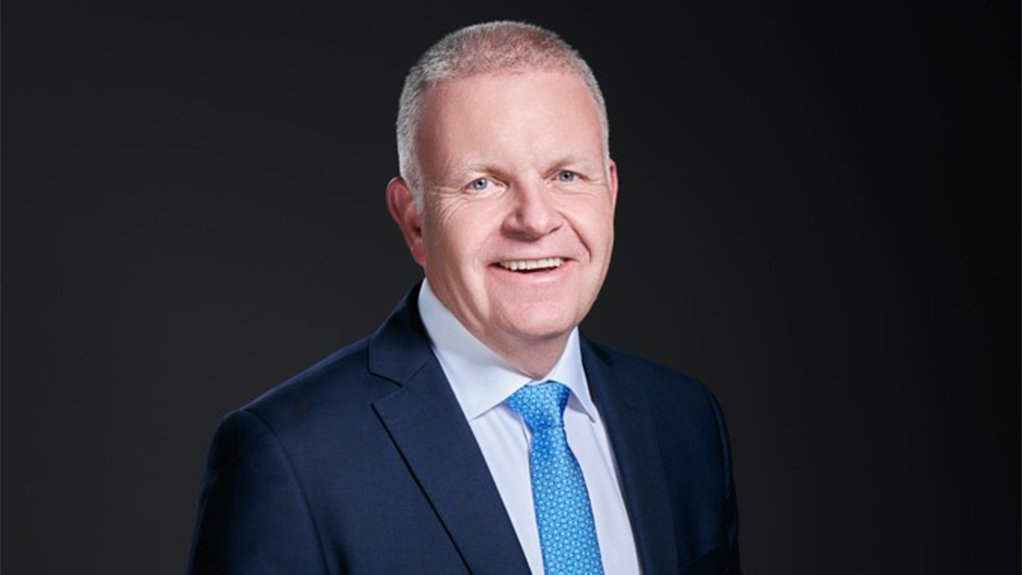
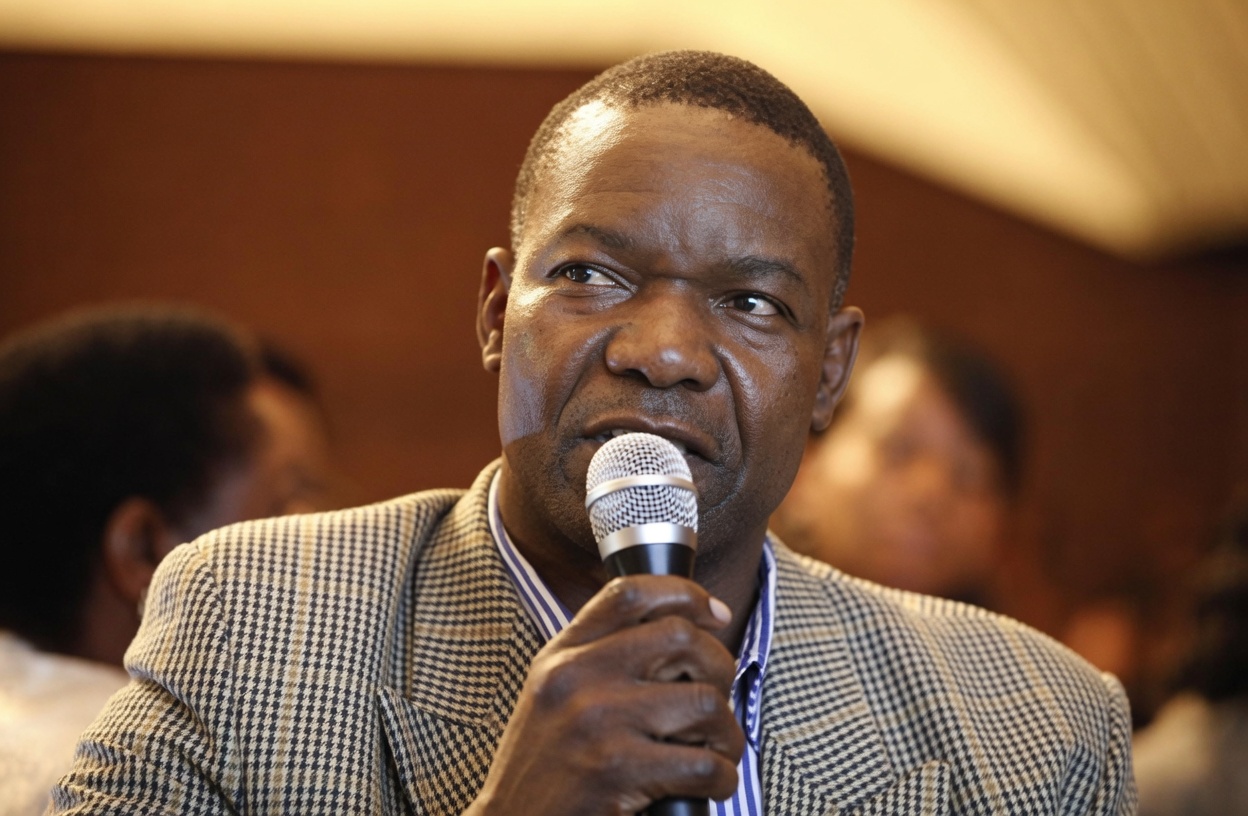
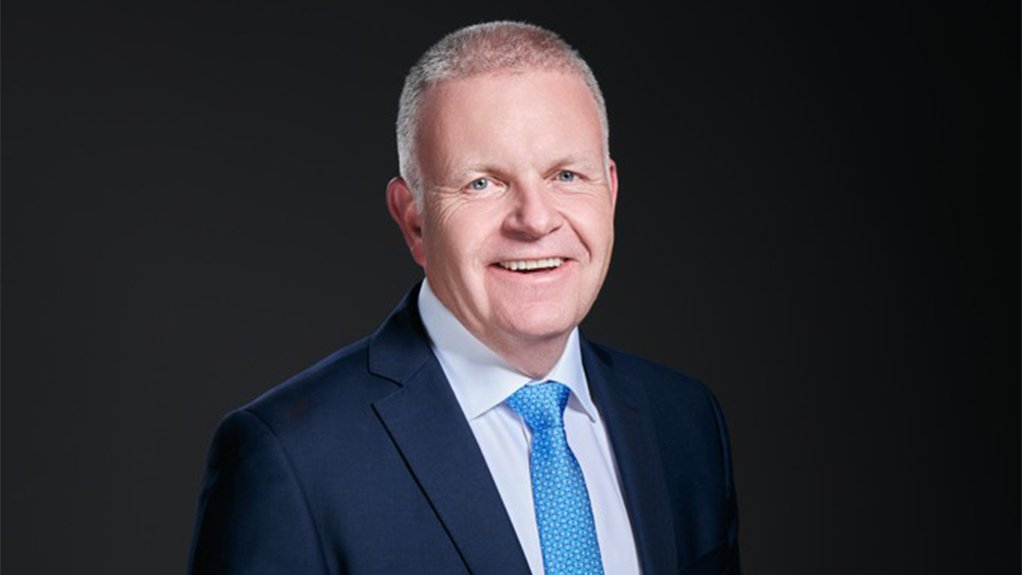
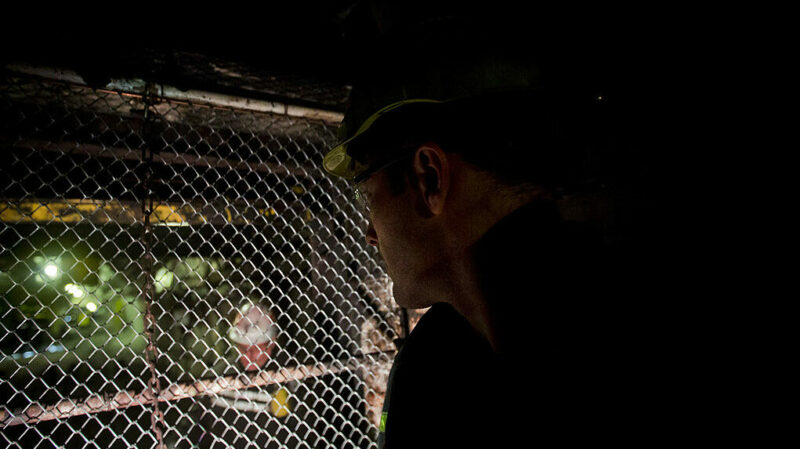
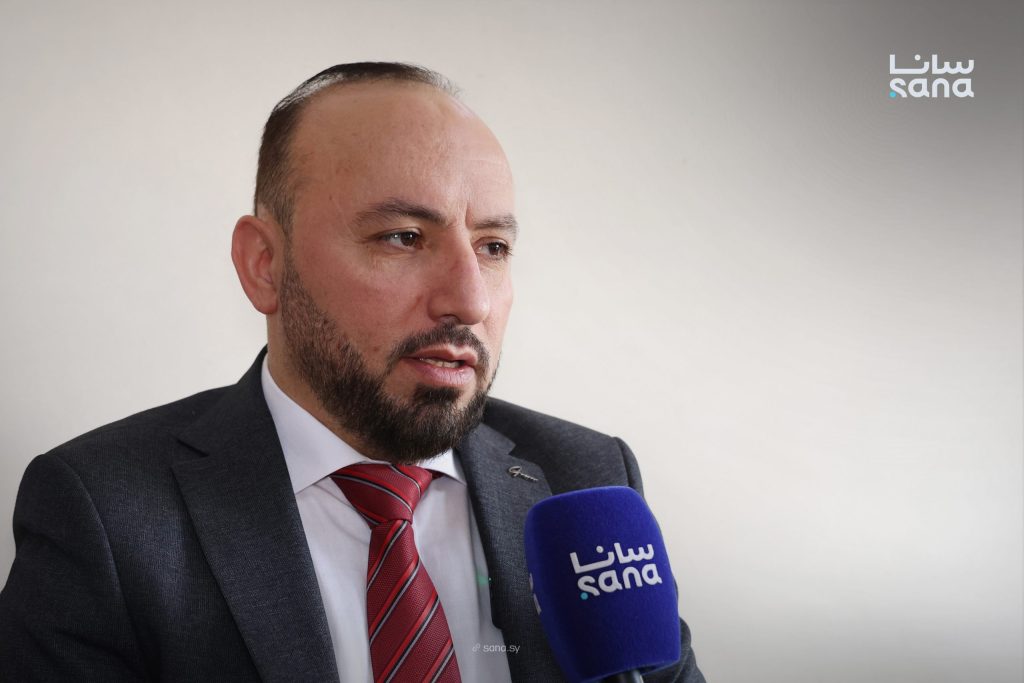
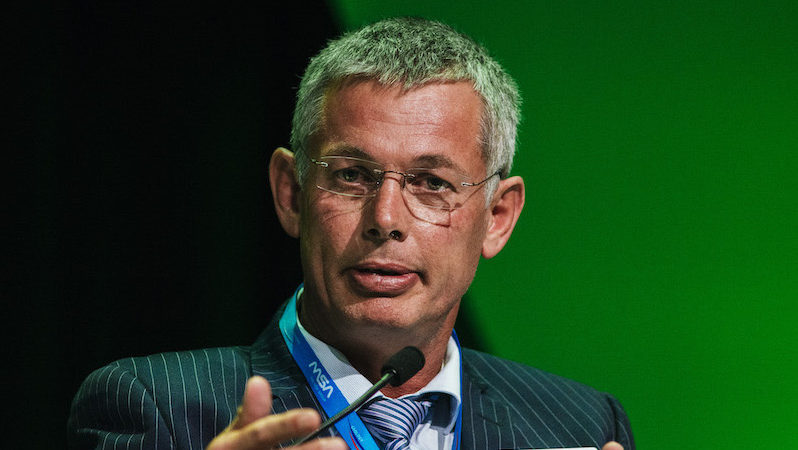
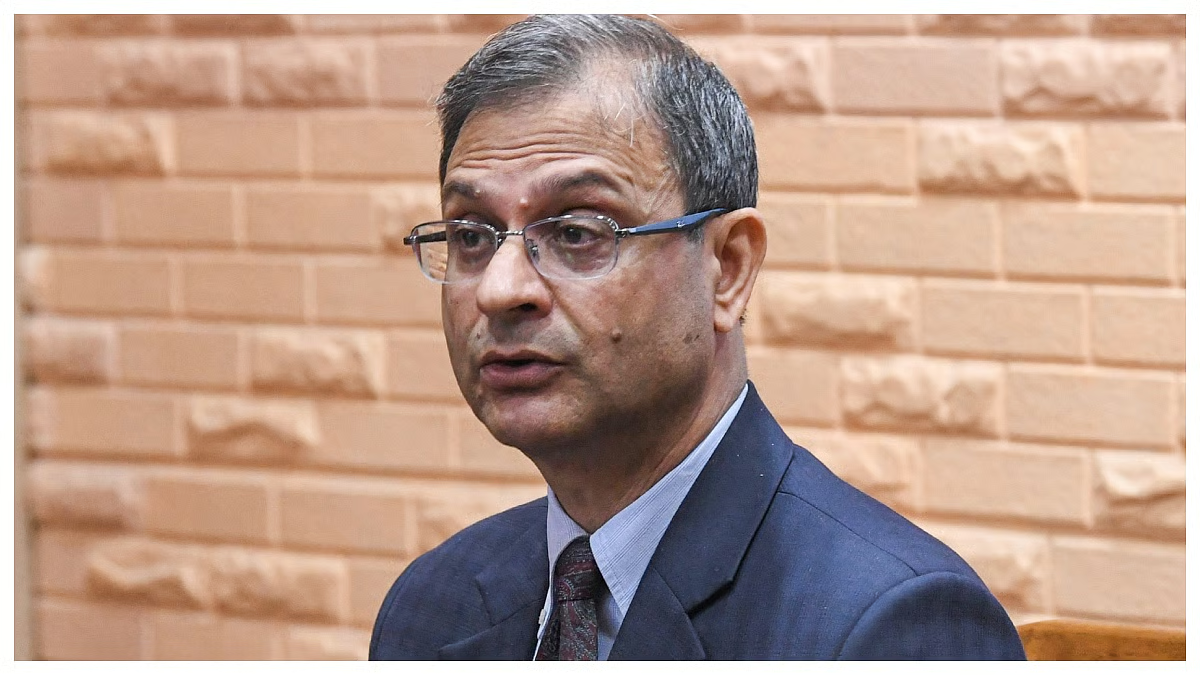
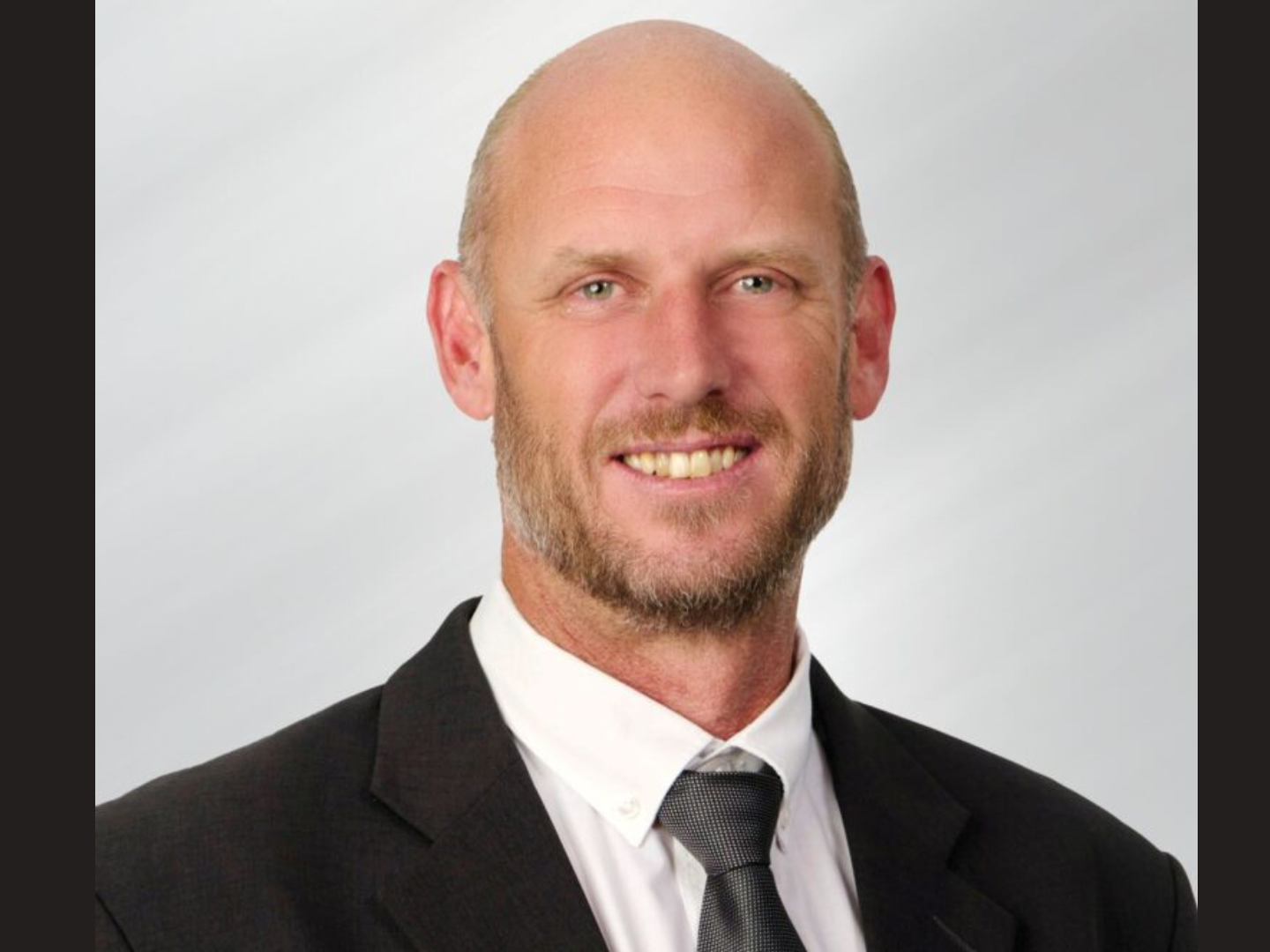
Nilton Tubino, the government’s eviction chief under President Luiz Inácio Lula da Silva, said during a visit to the Sararé Indigenous territory that the price of bullion and wider global instability were feeding the invasion of the south-western Amazon.
Tubino Links Trump Turmoil to Amazon Destruction
Tubino, who has led ten separate raids against illegal mining under Lula, said he saw a direct link between financial turmoil and the destruction unfolding around him.
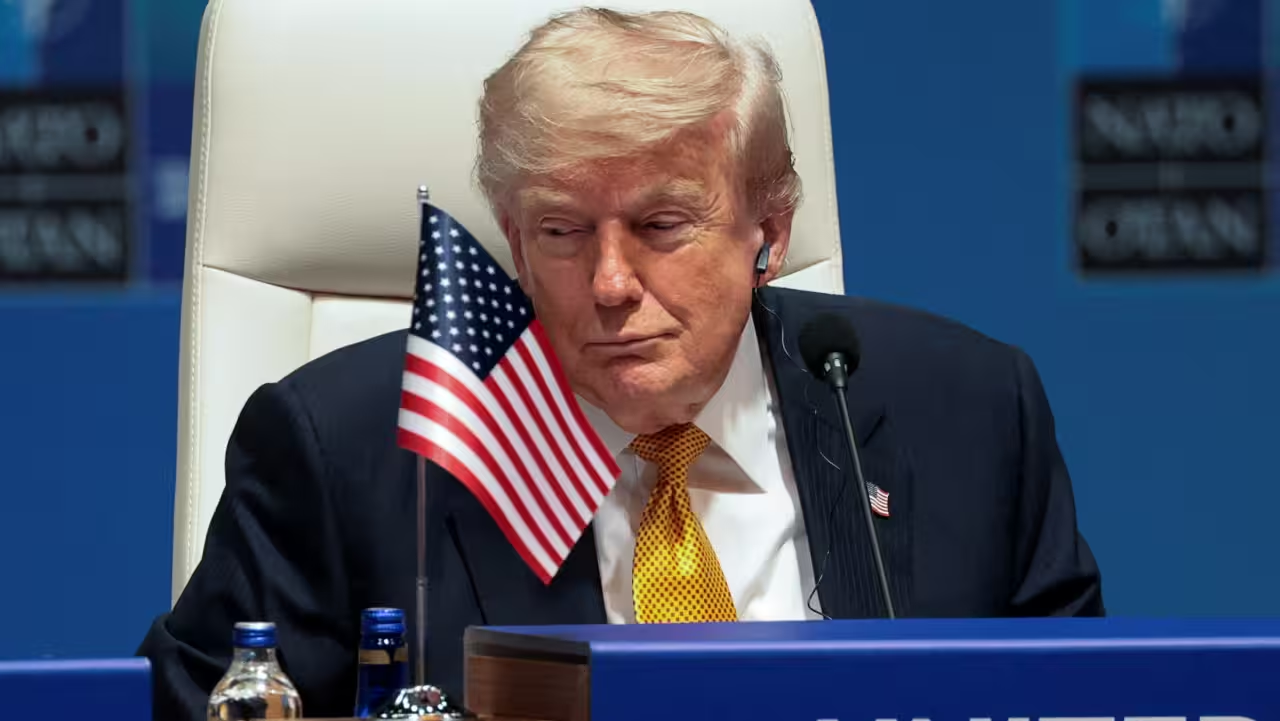
‘The price of gold, this crazy global context, Trump, these things … [have a direct impact] all across the Amazon,’ he said.
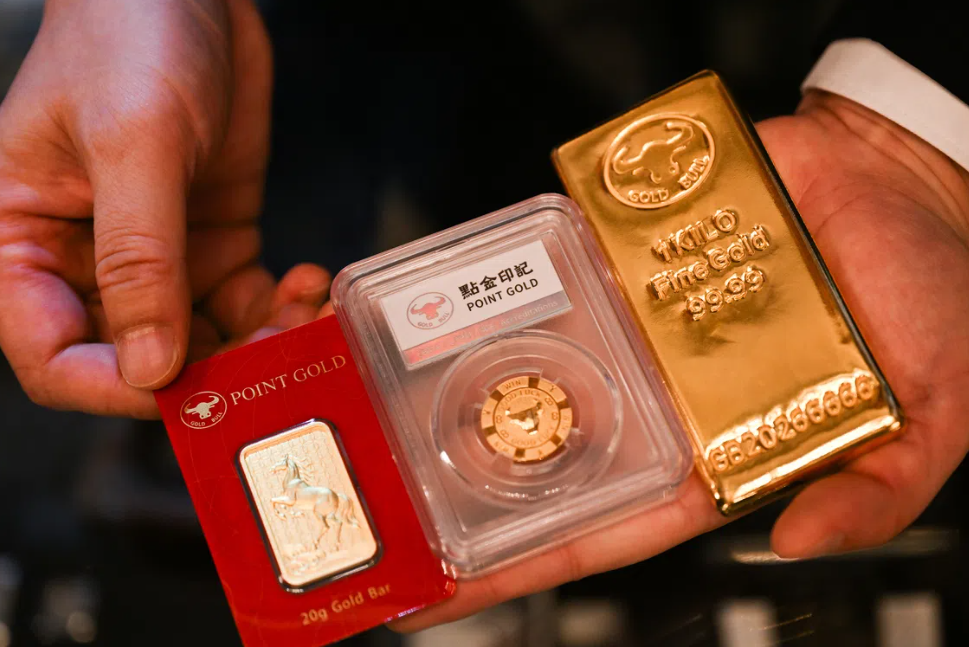
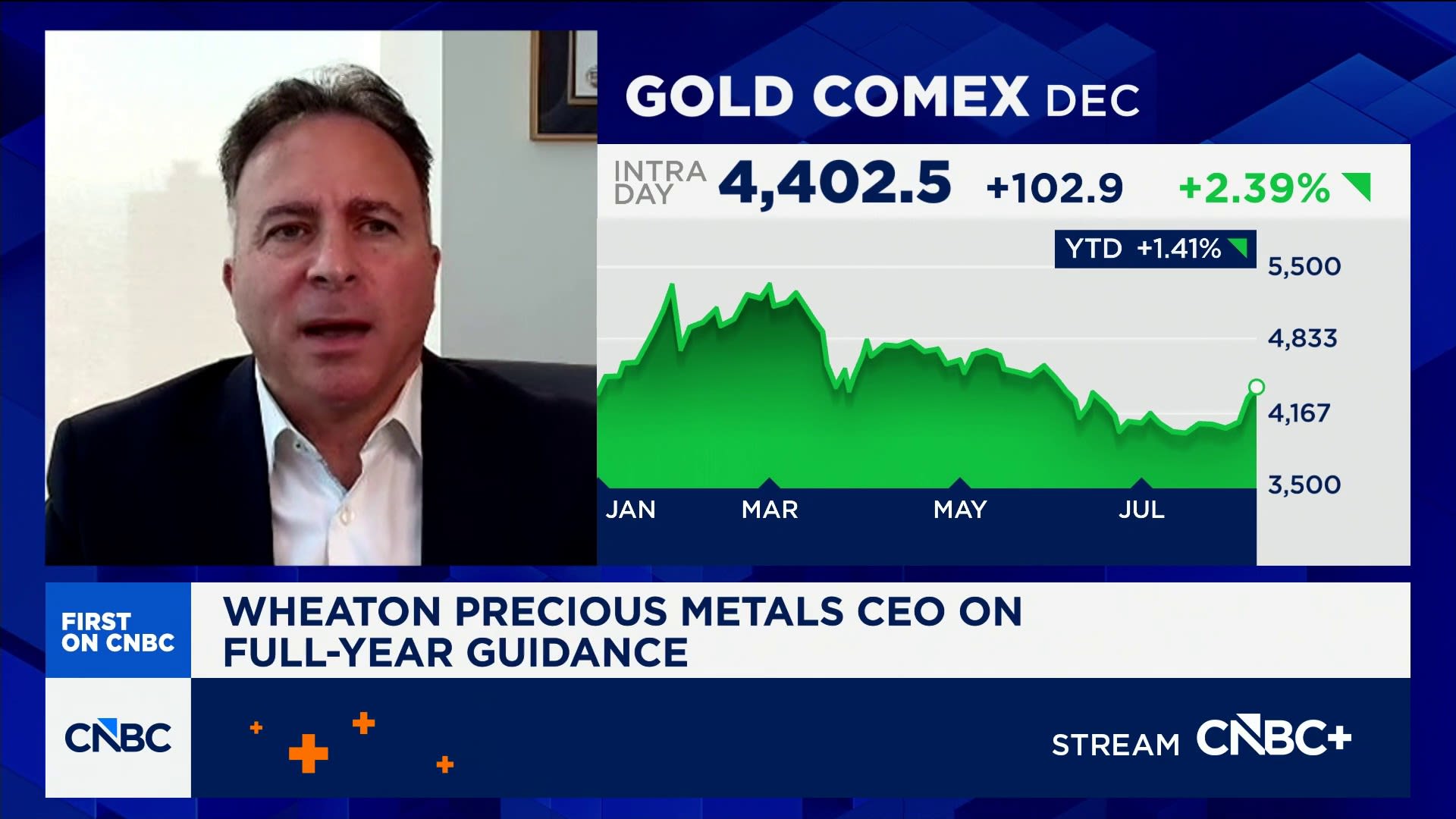
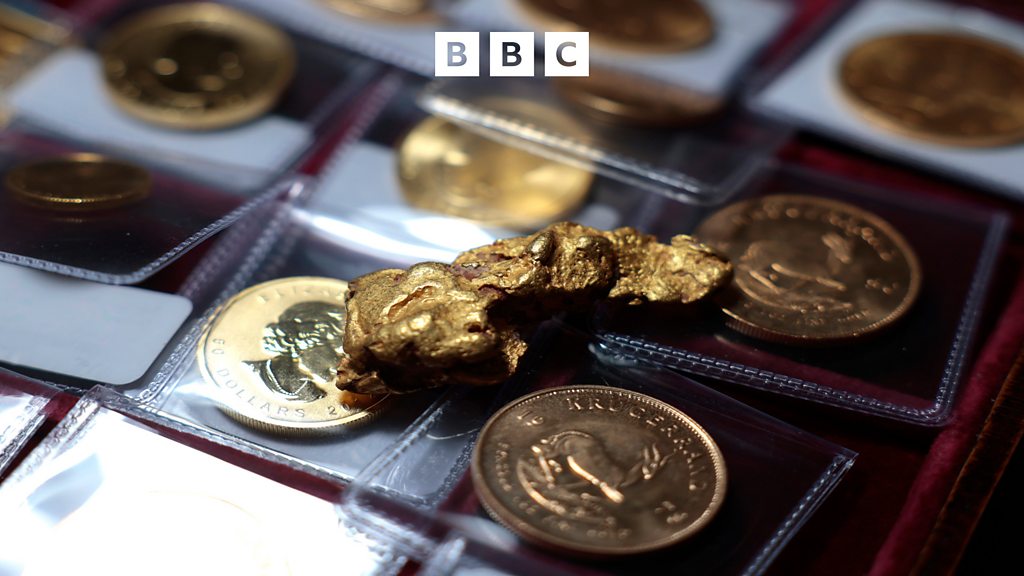
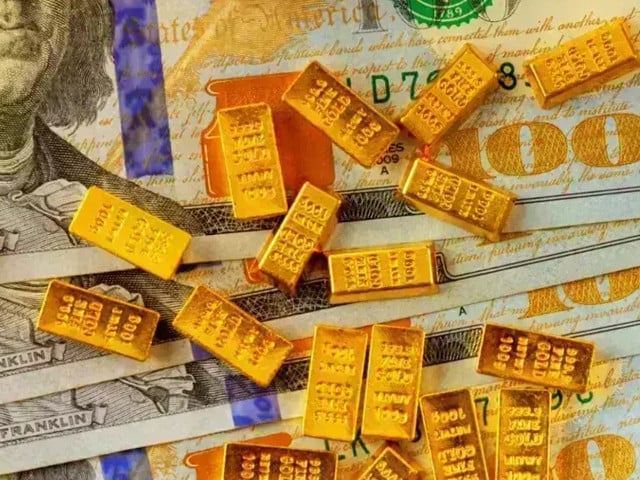
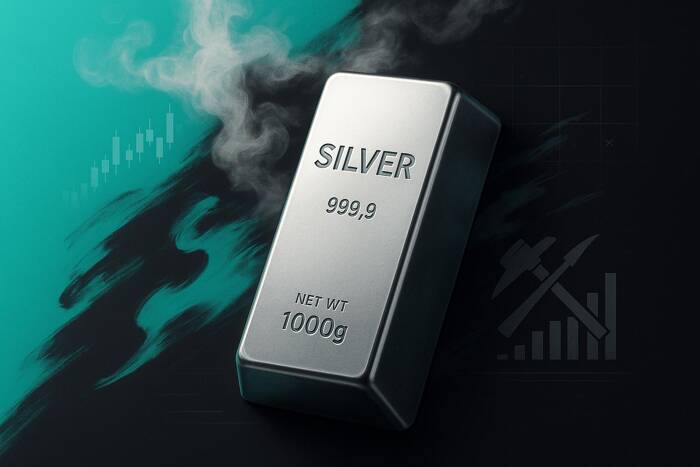
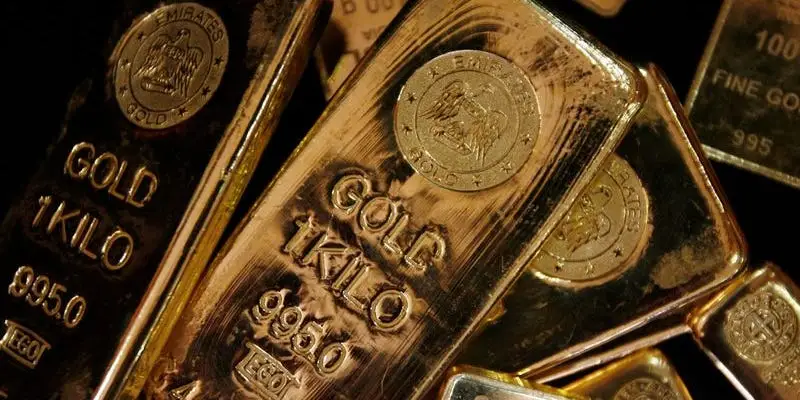
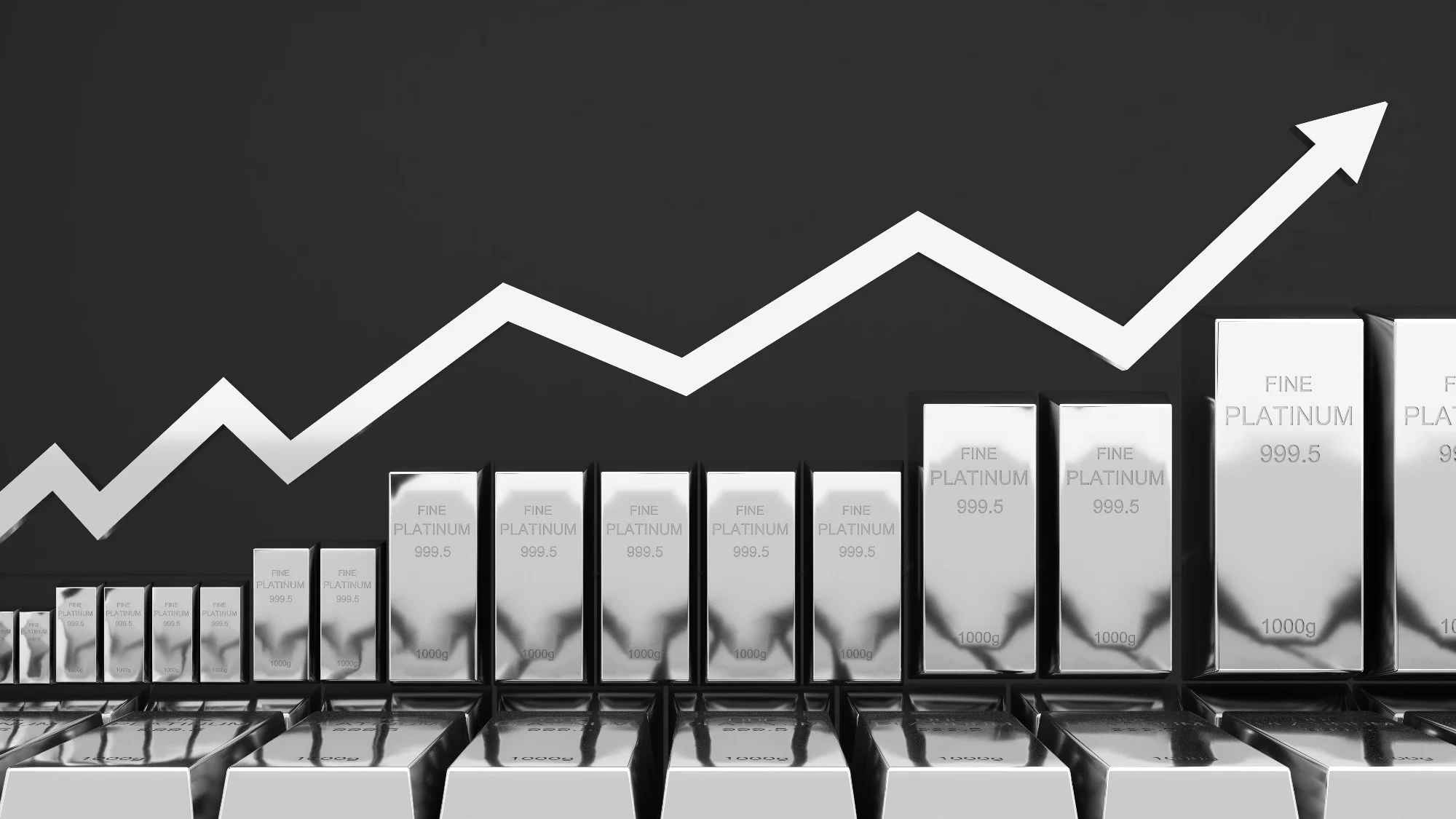
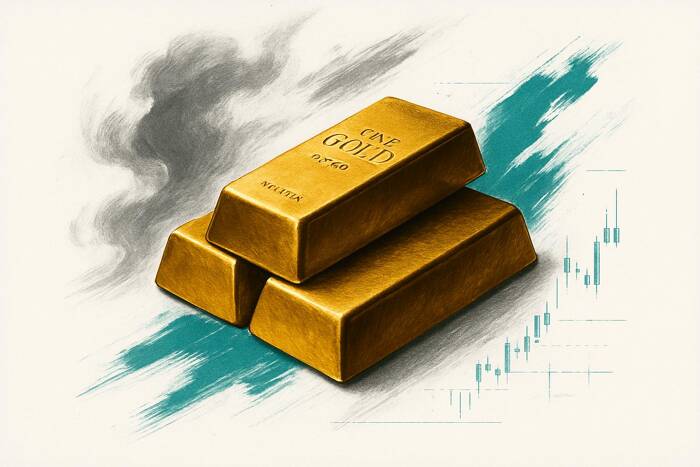
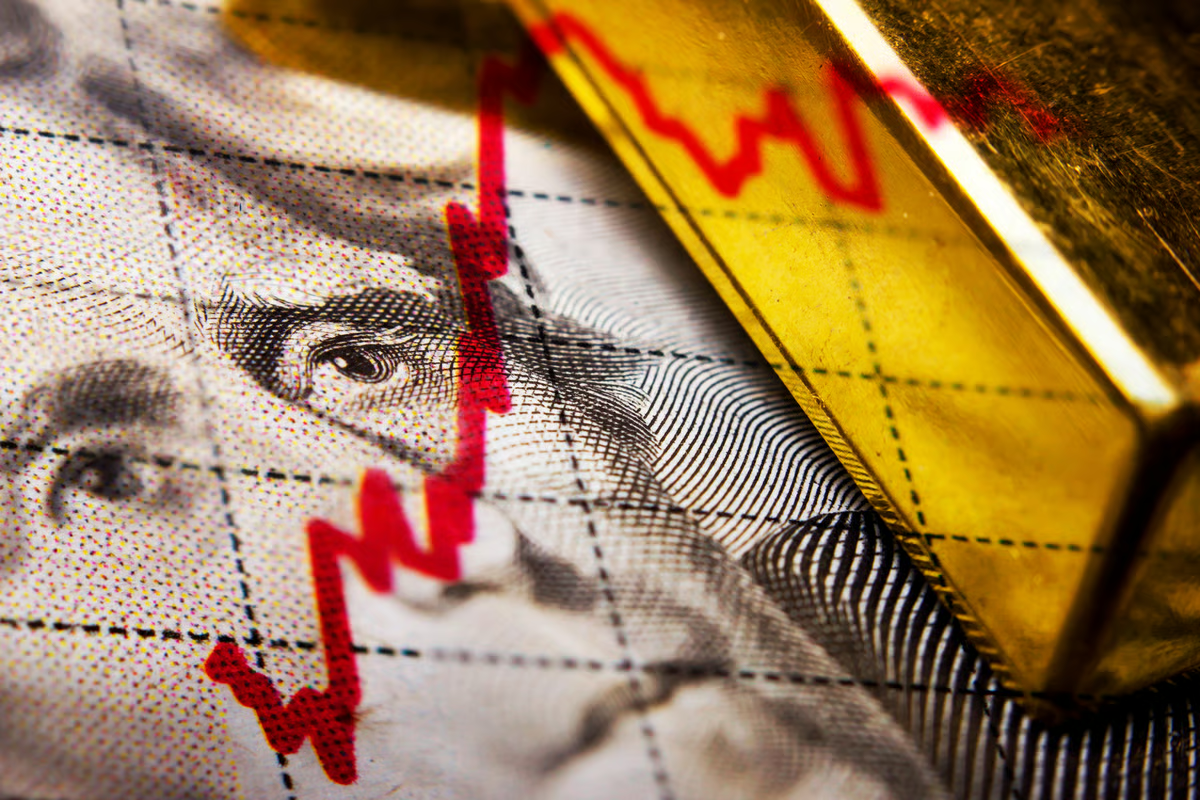
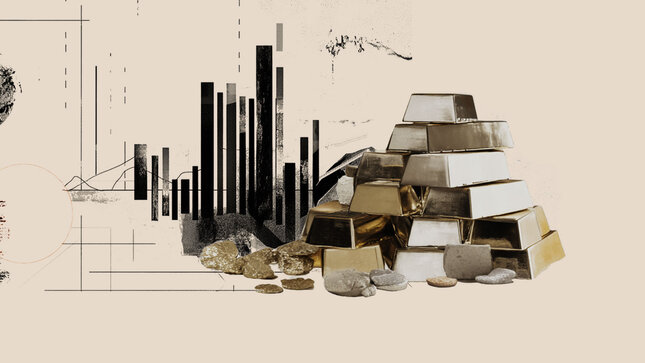
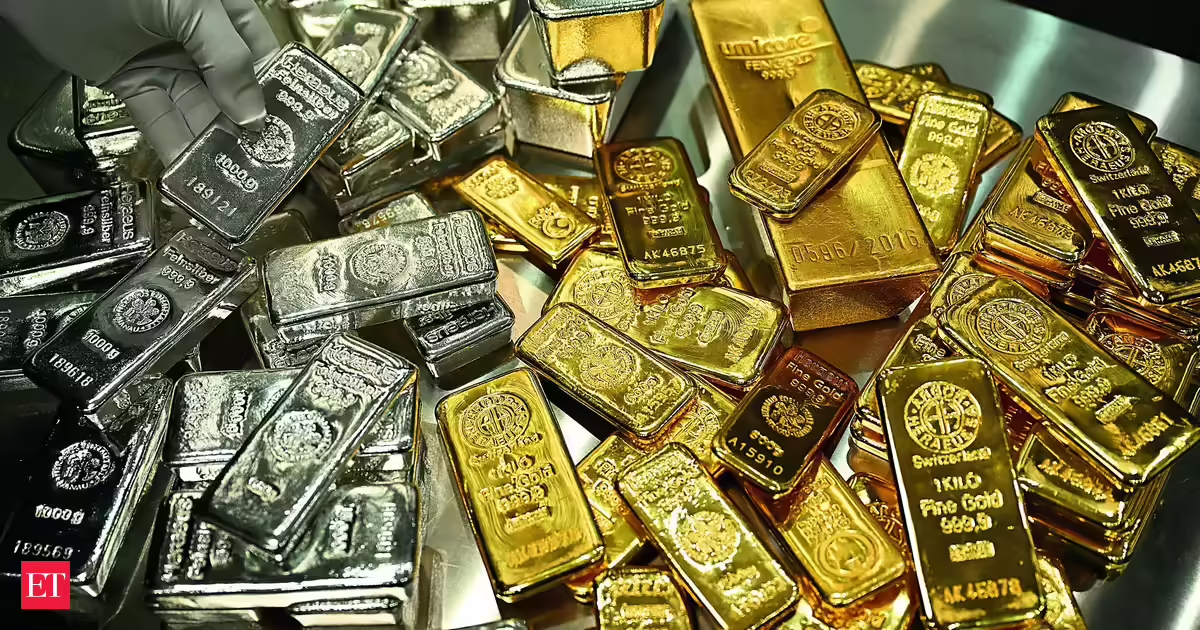
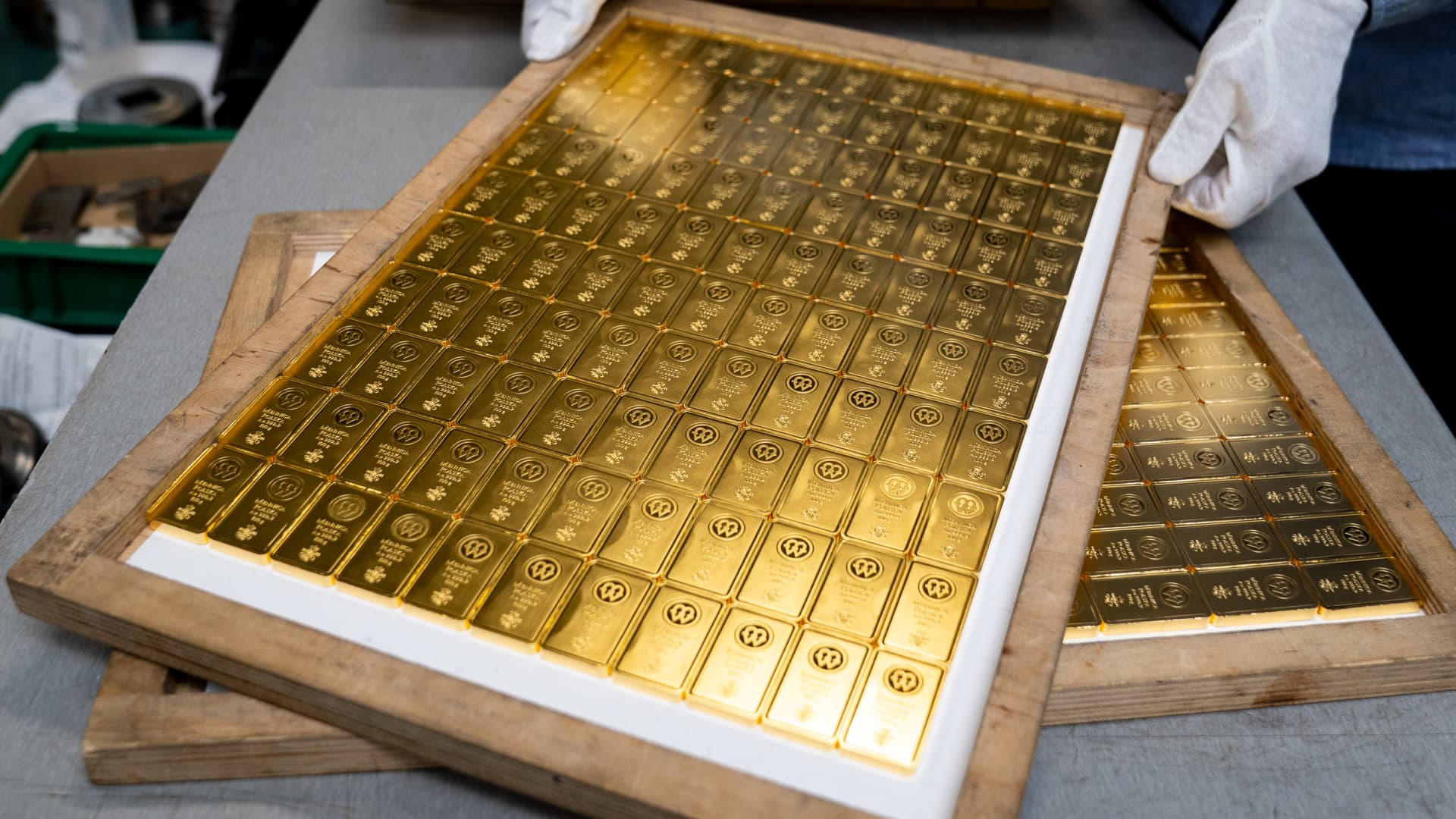
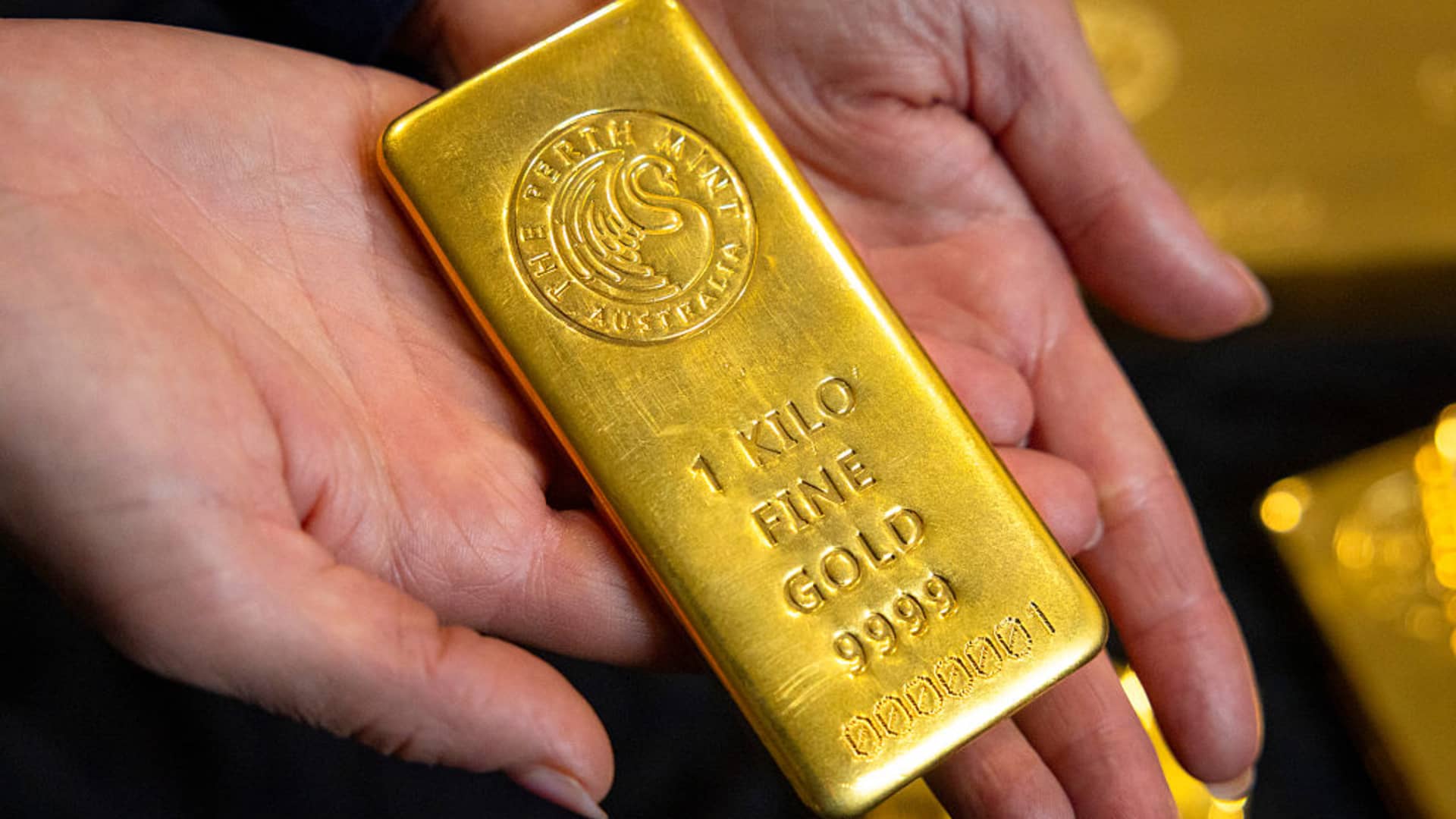
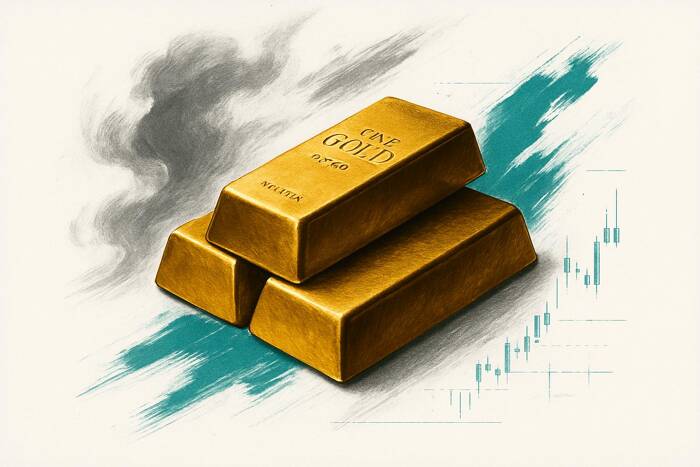
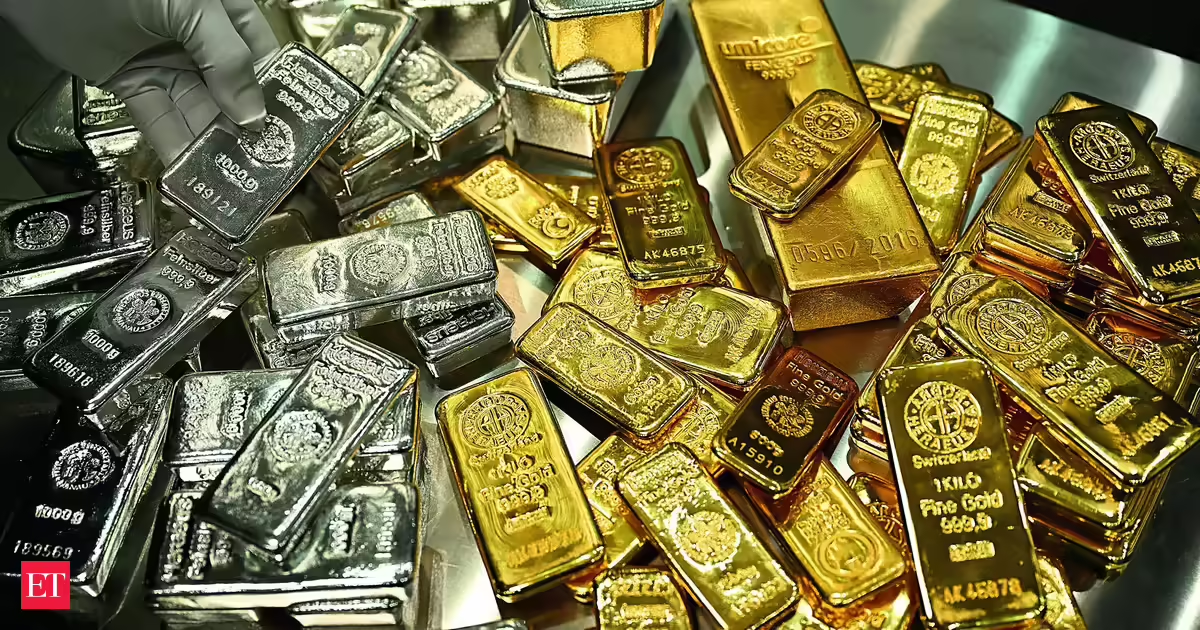
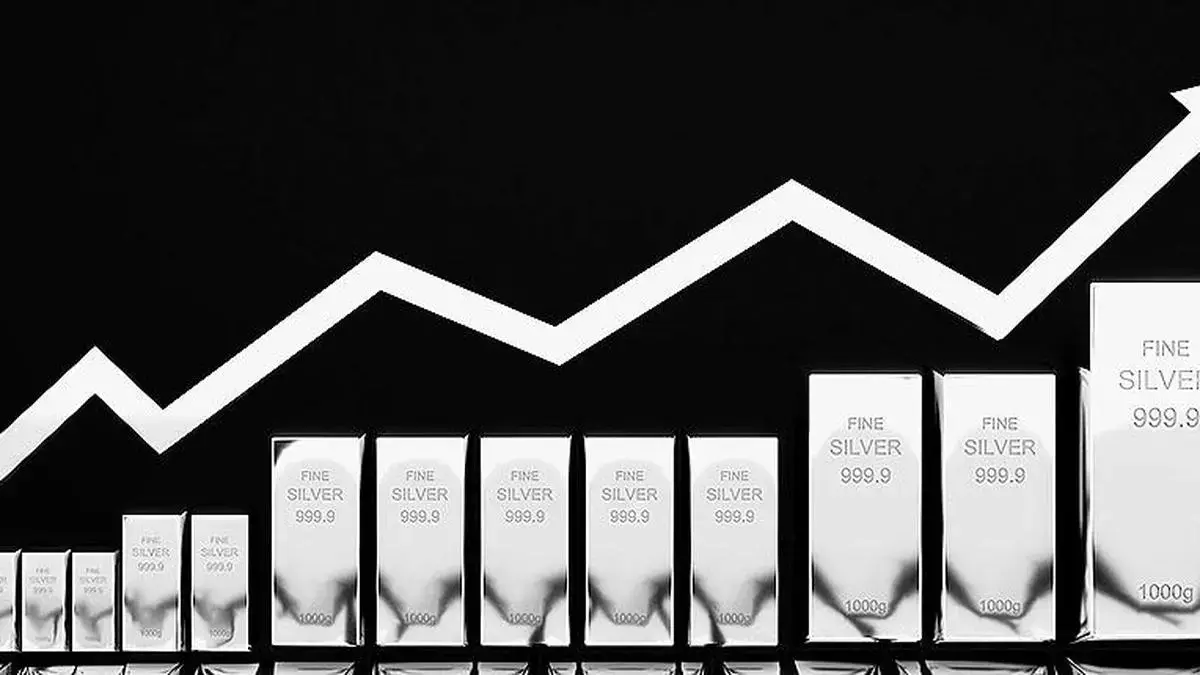
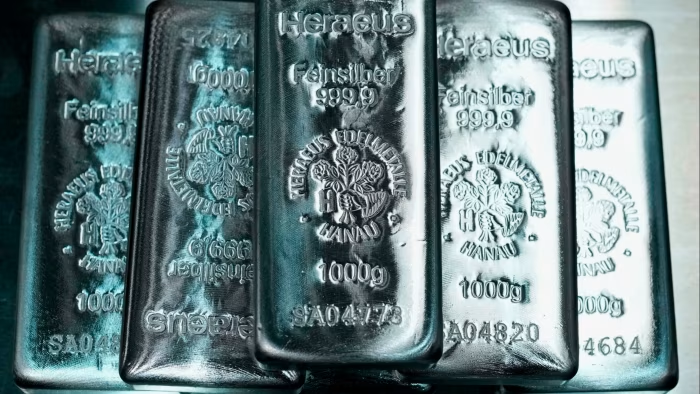
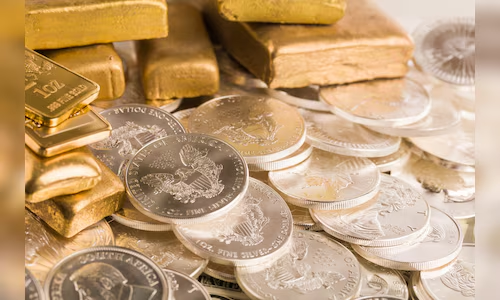
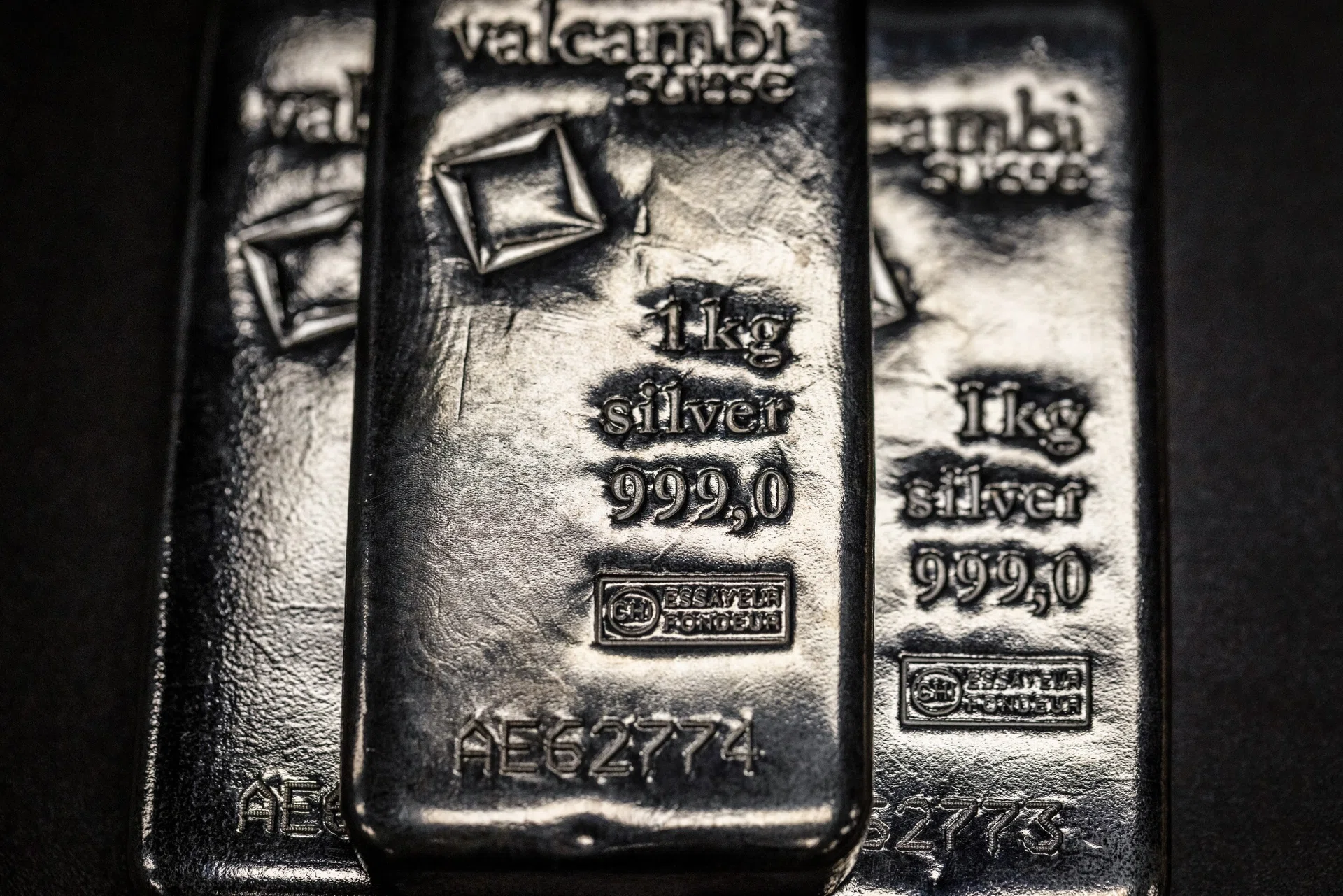
Gold’s Record Rally: From $2,633 to $5,600 in Six Months
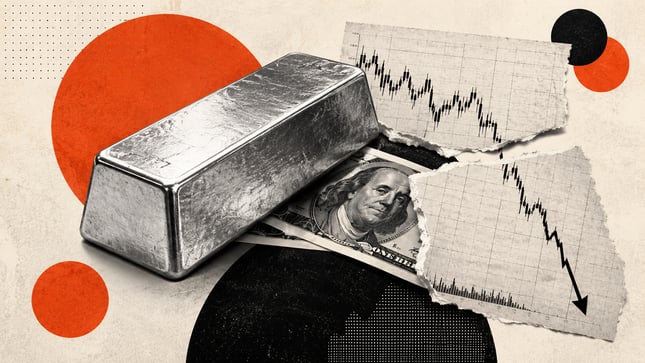
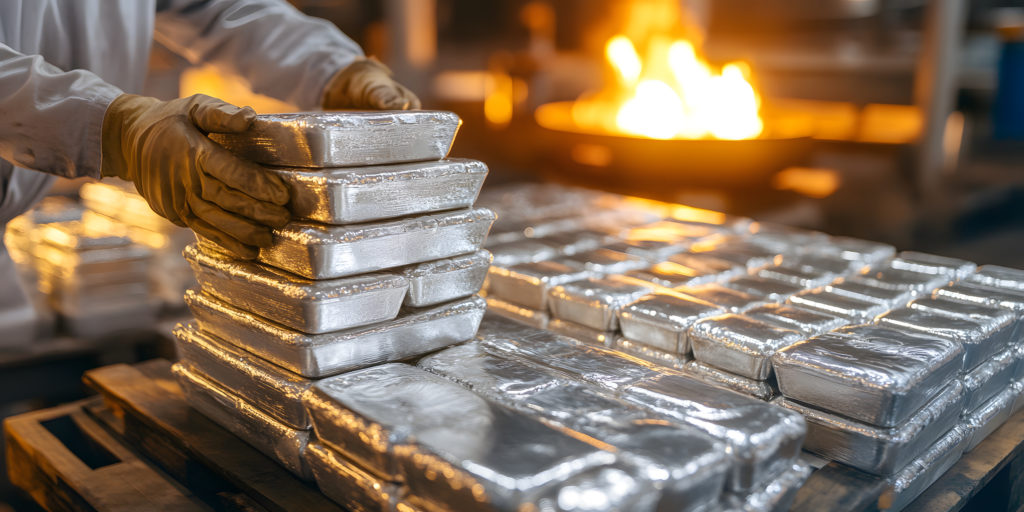
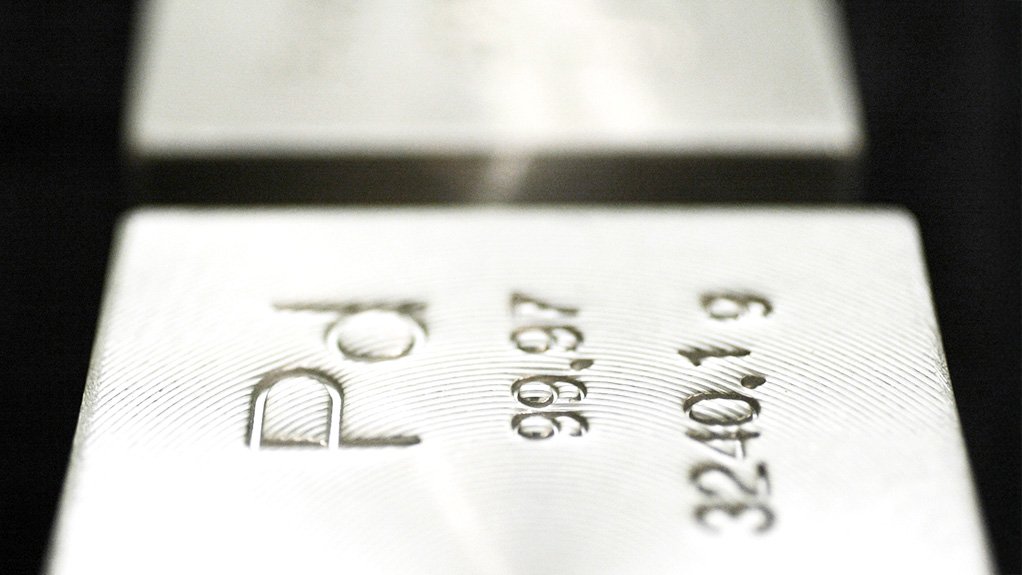
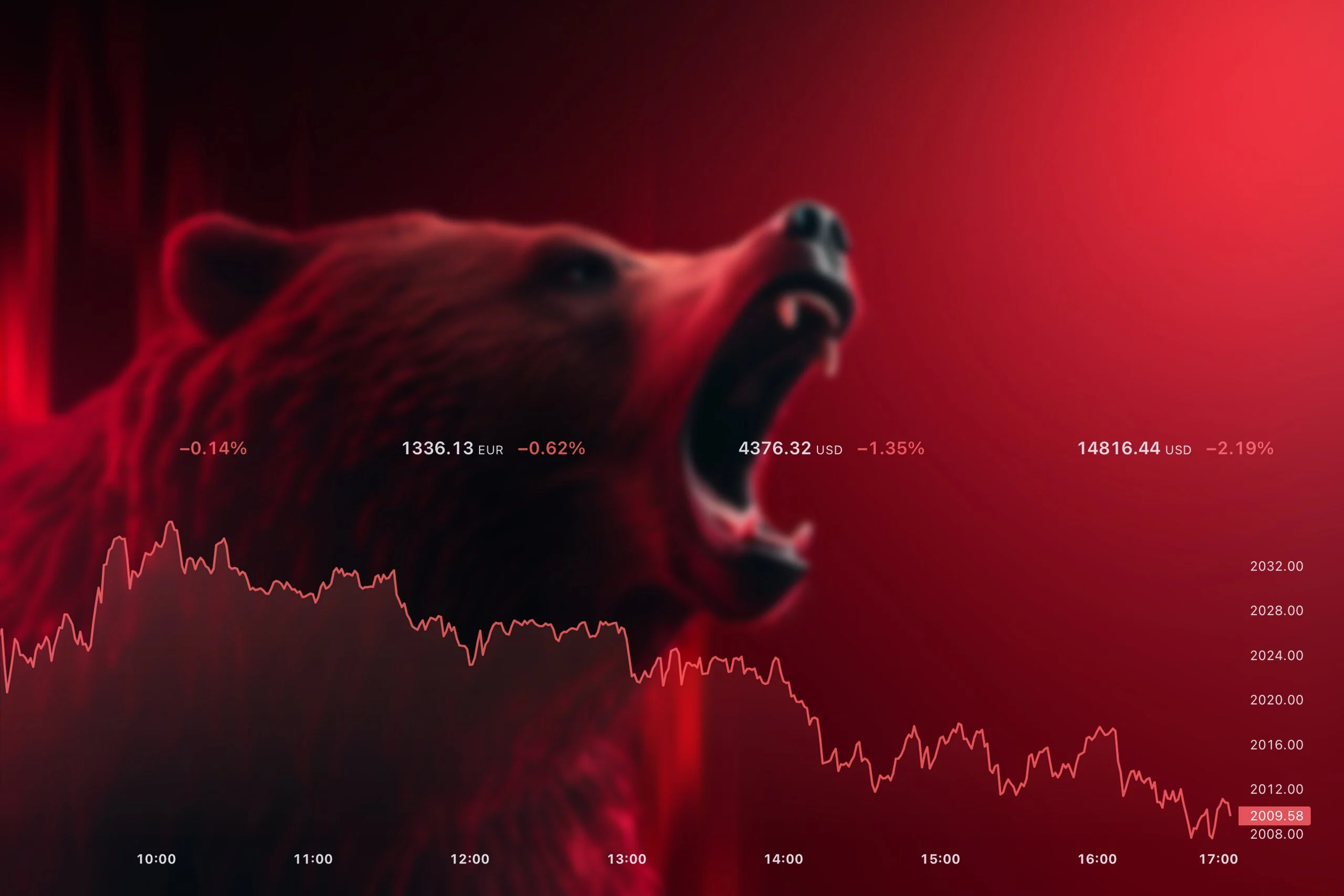
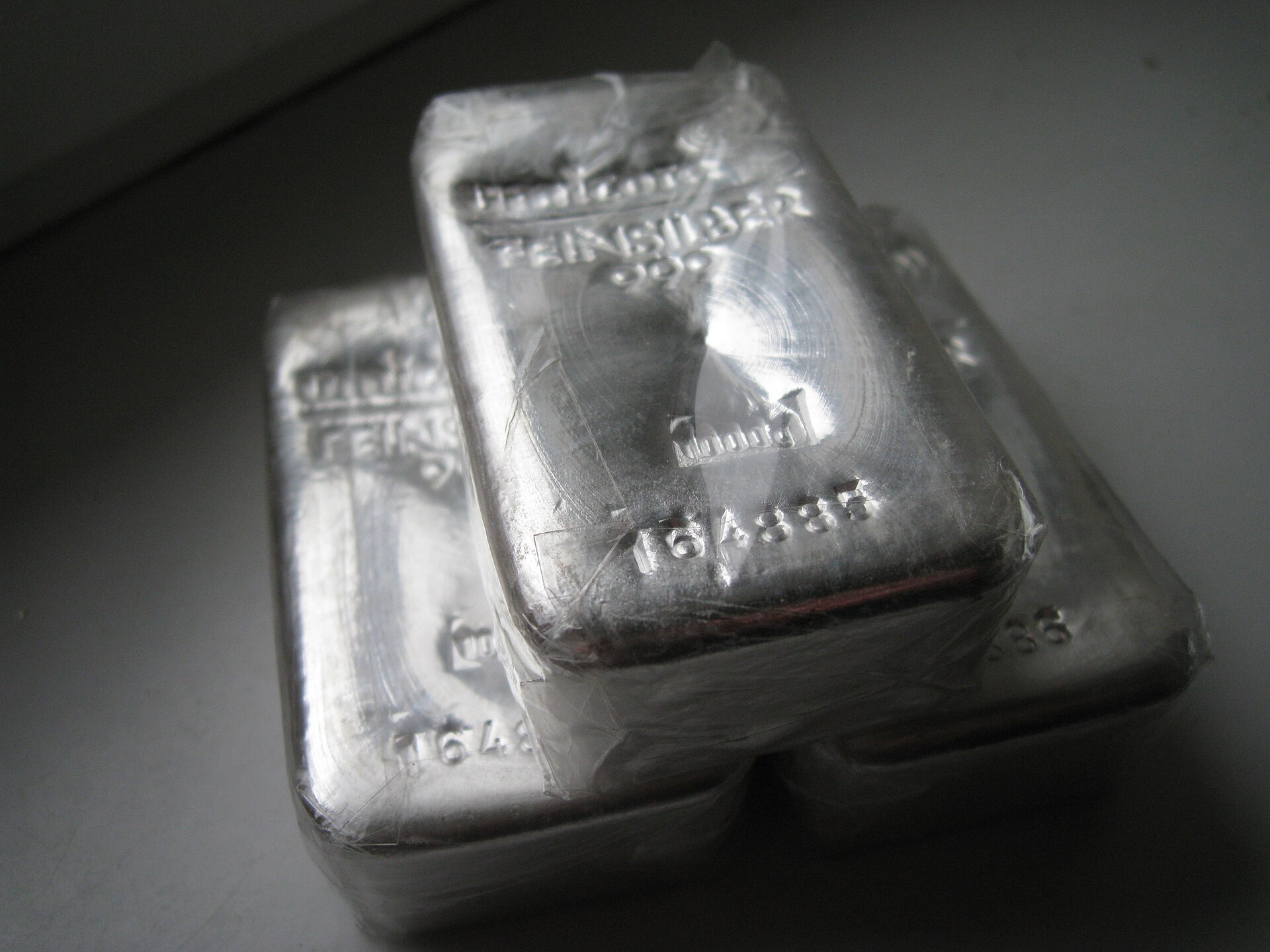
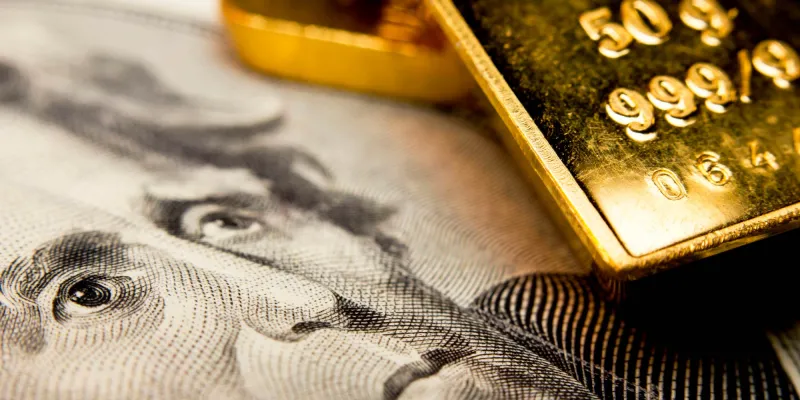
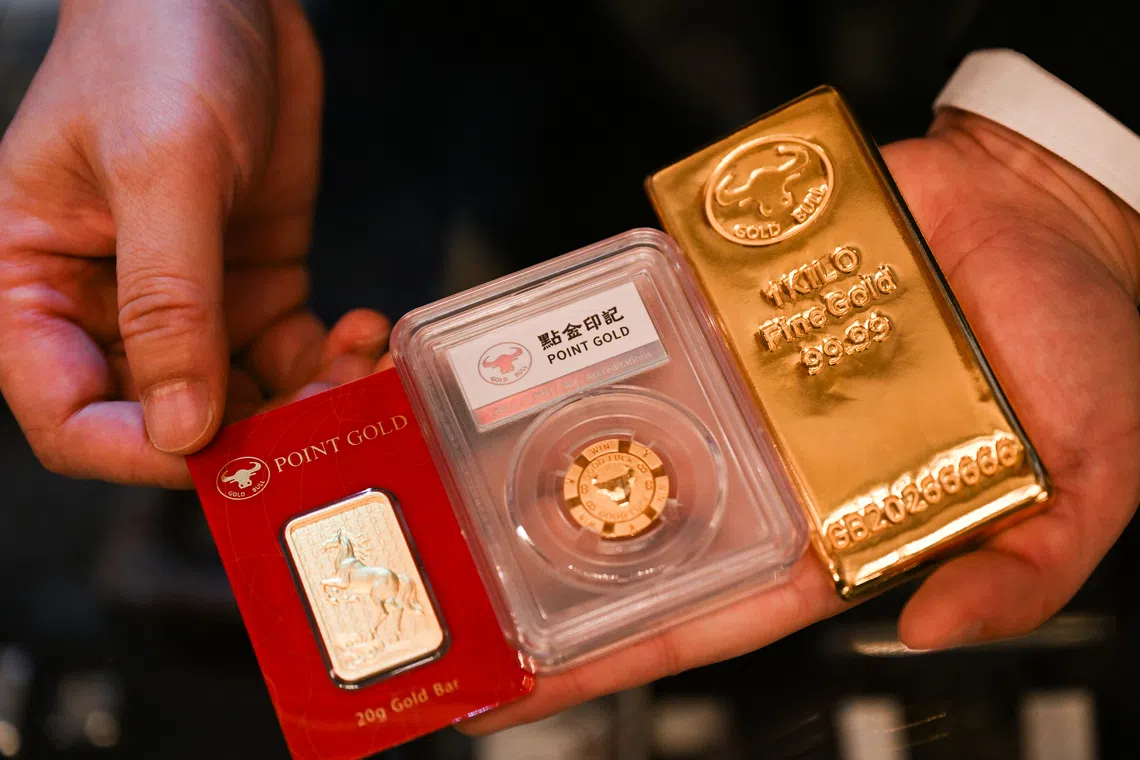
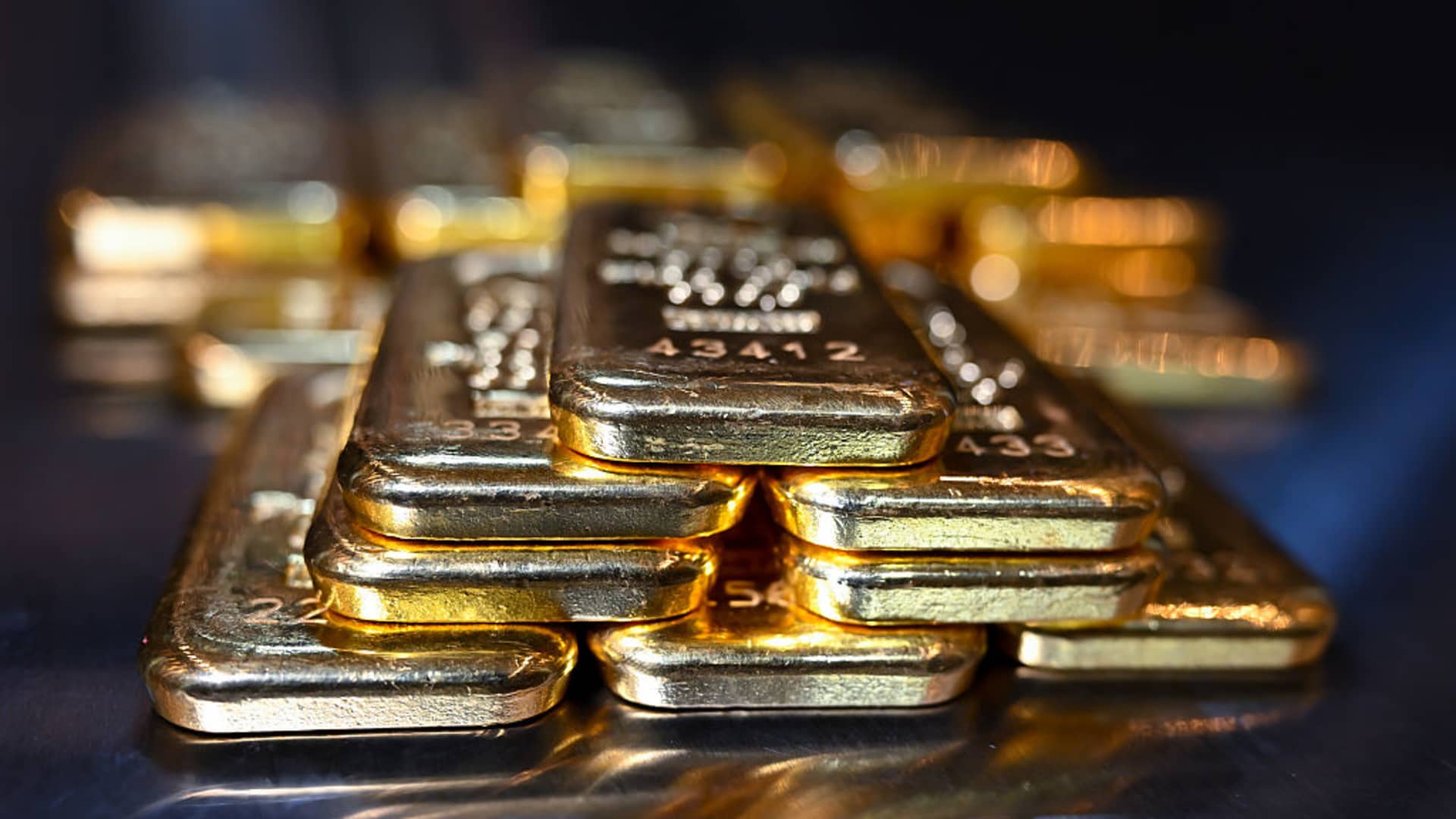
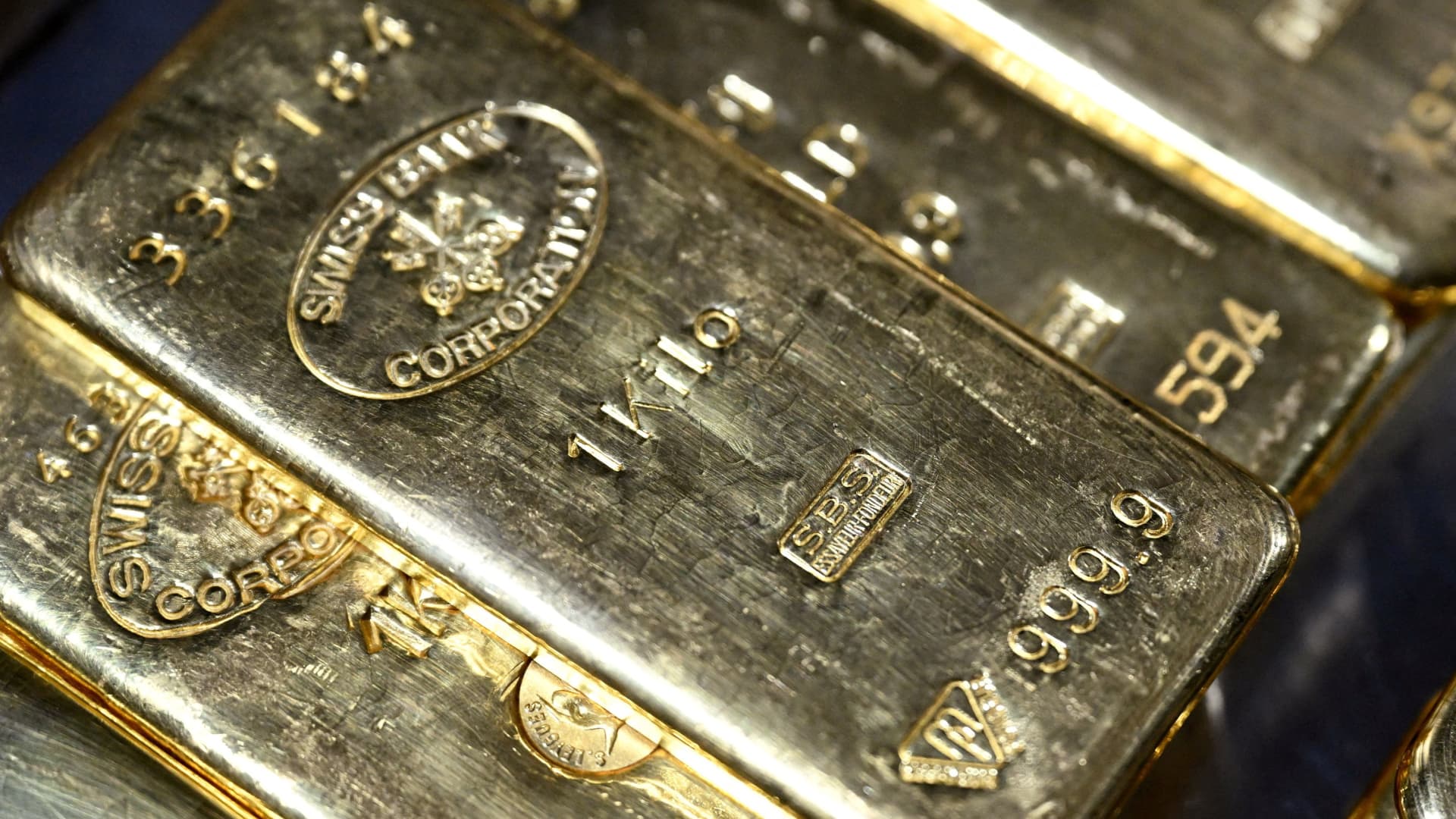
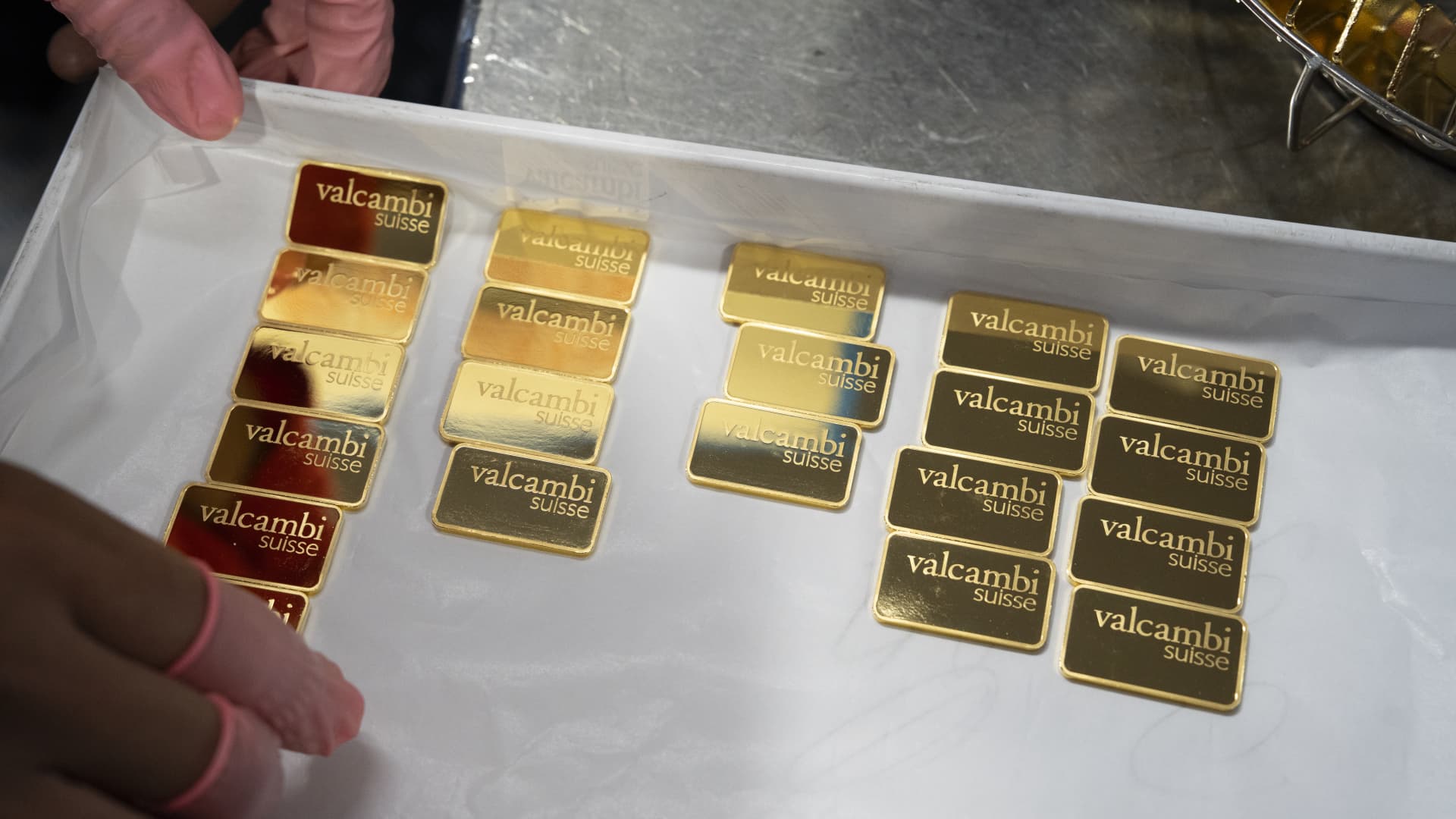
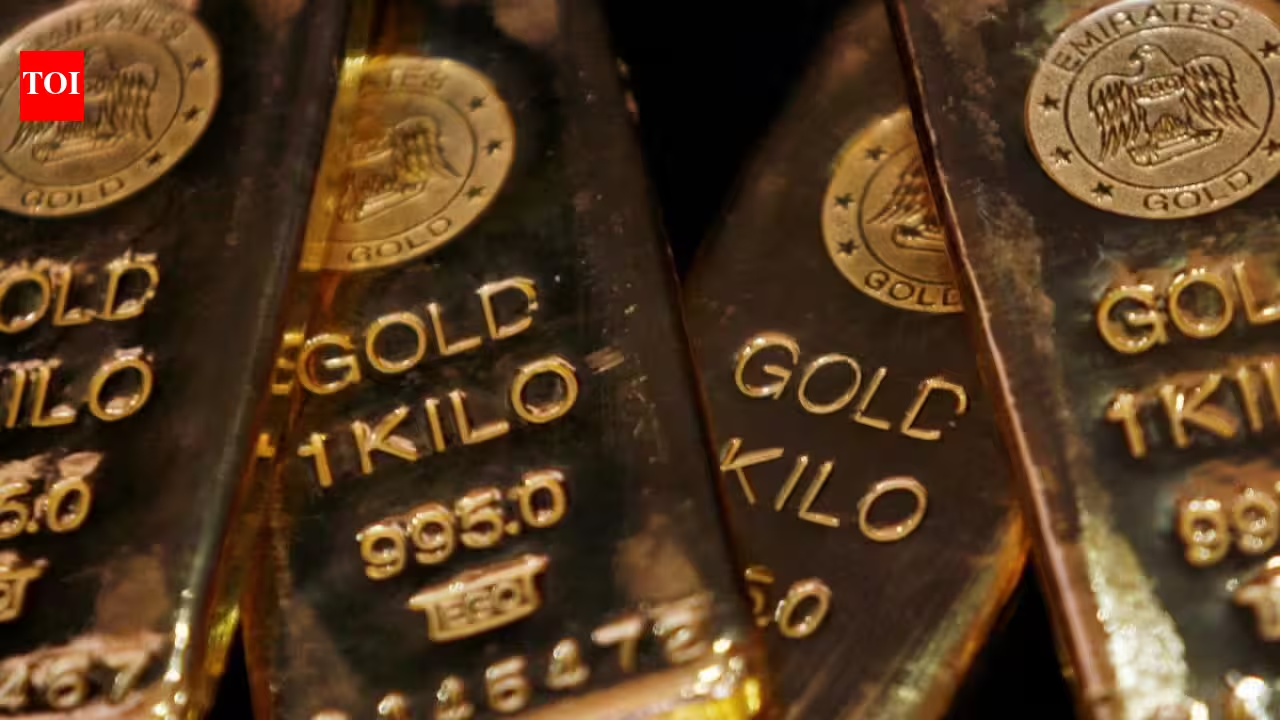
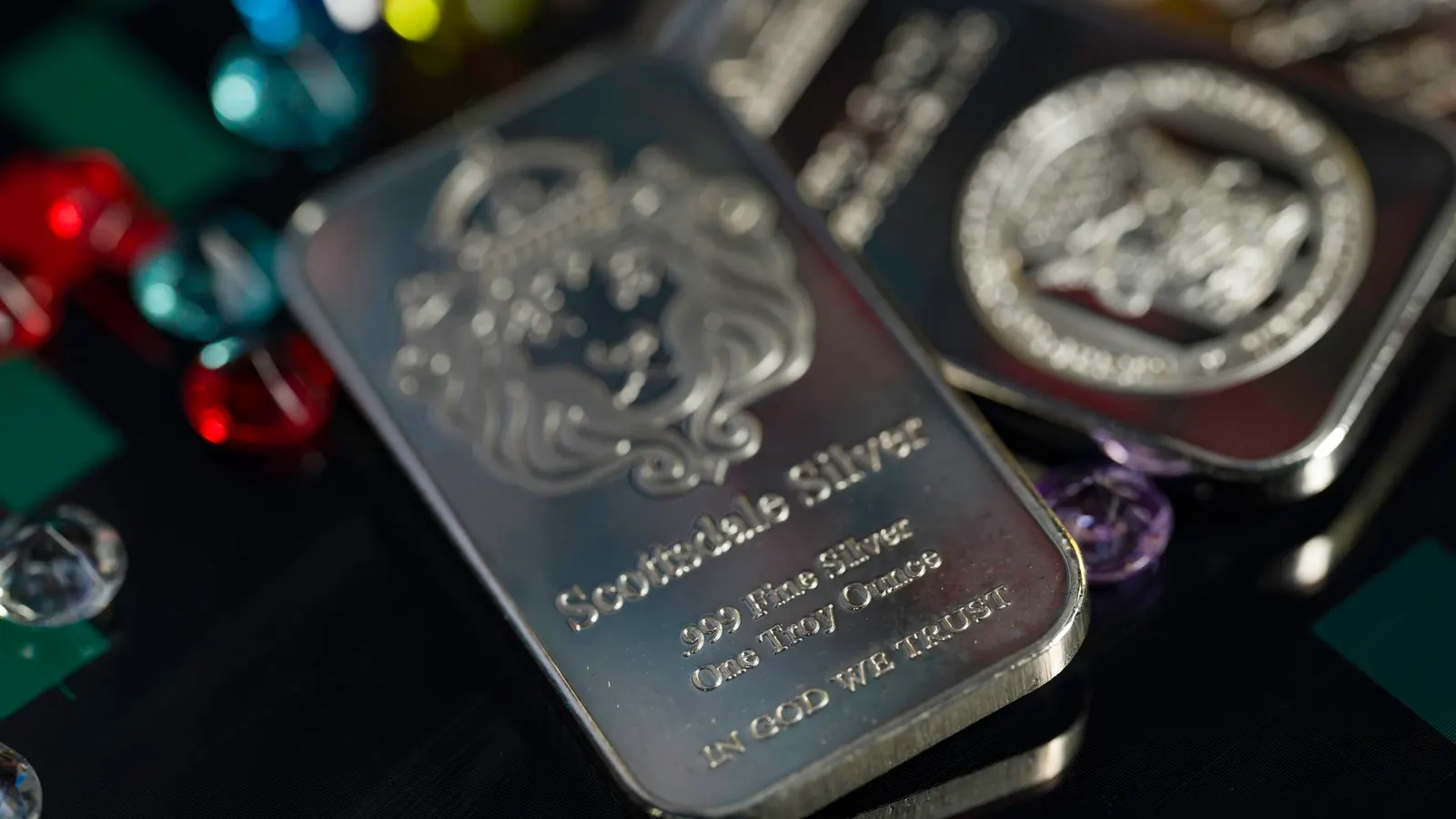
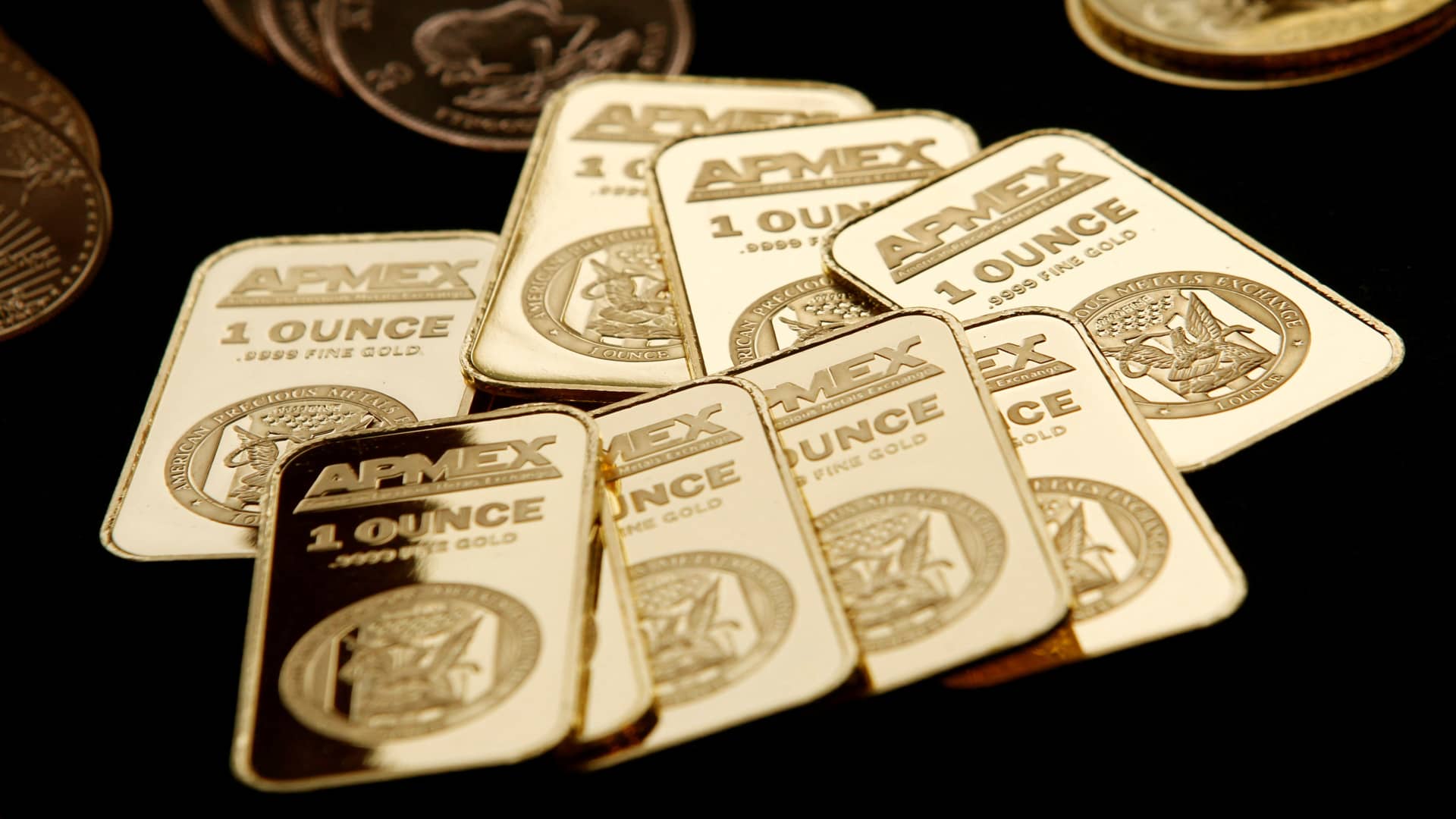
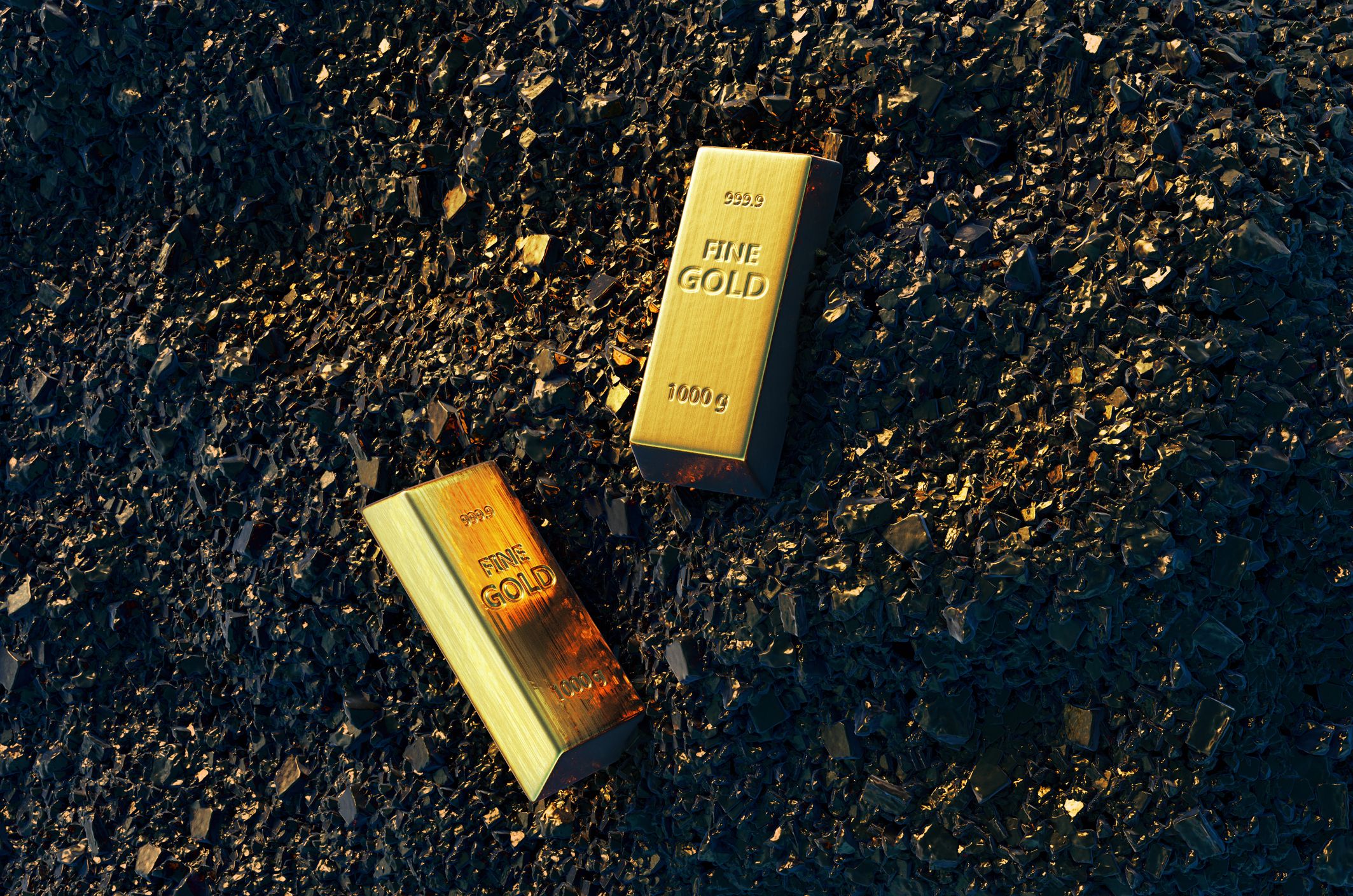
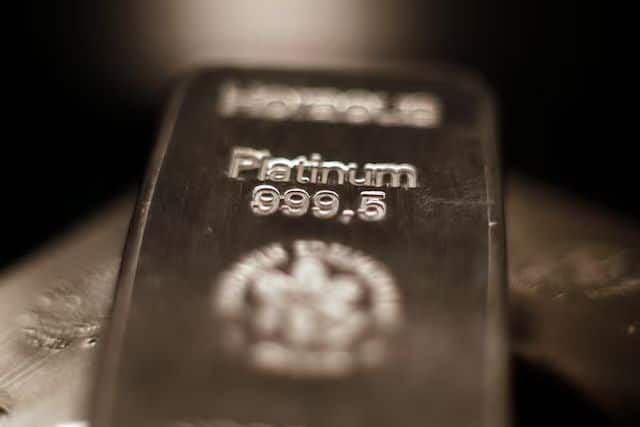
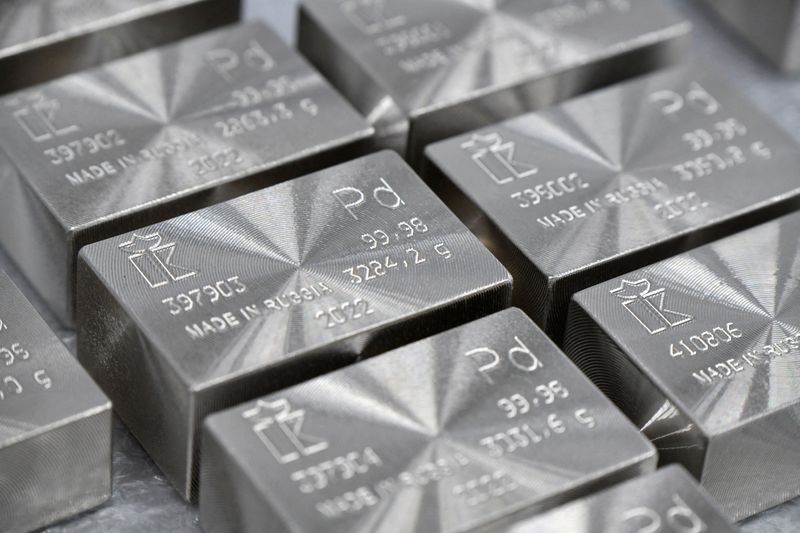
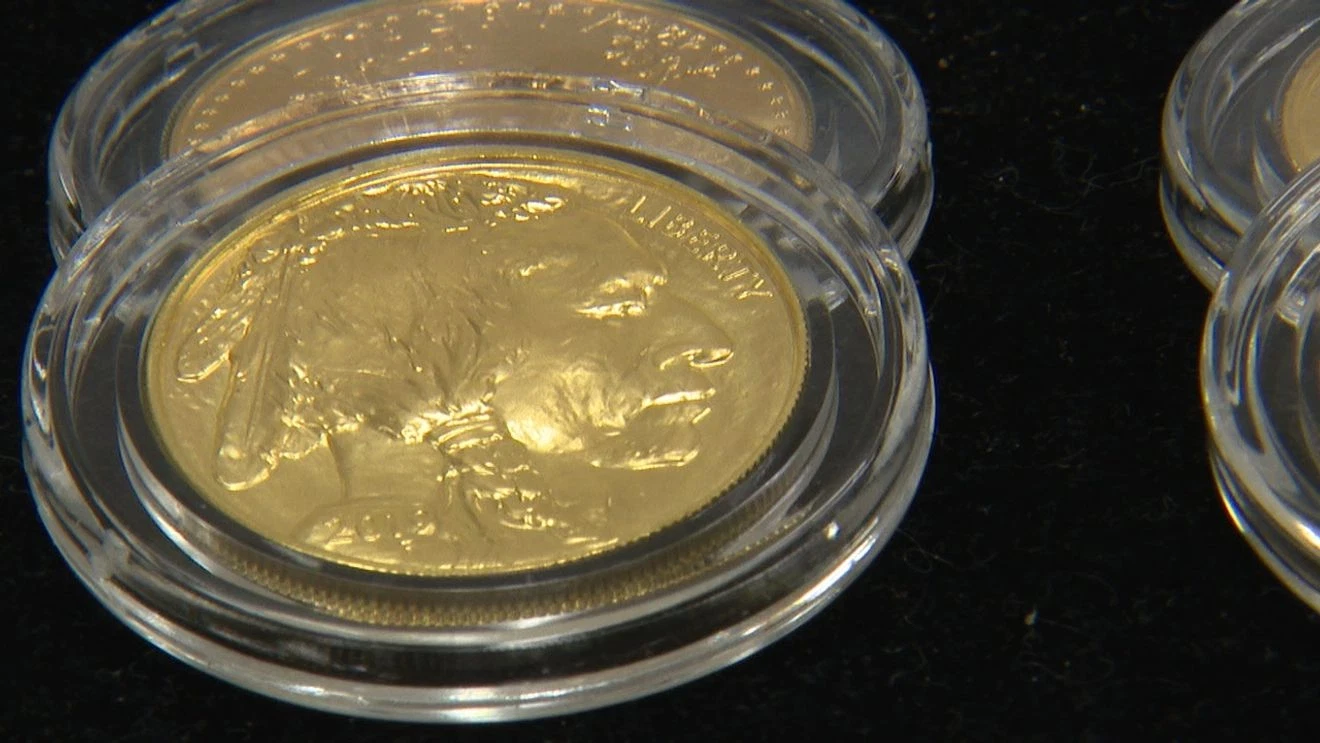
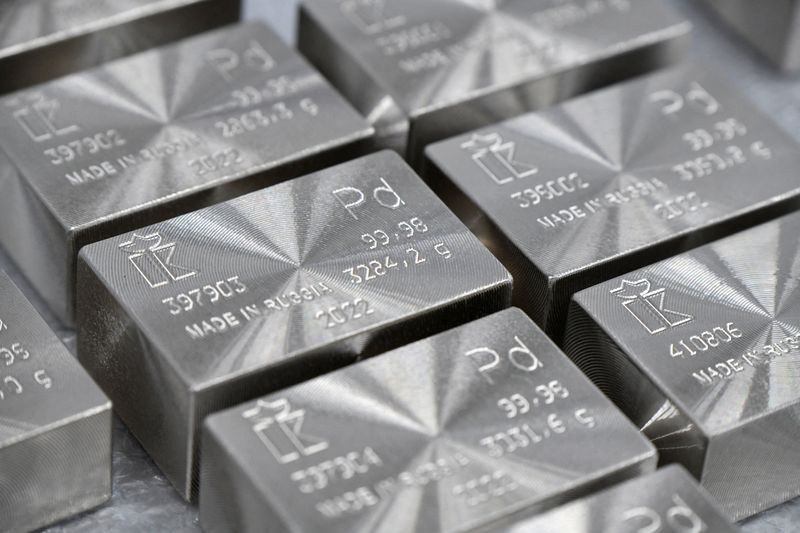
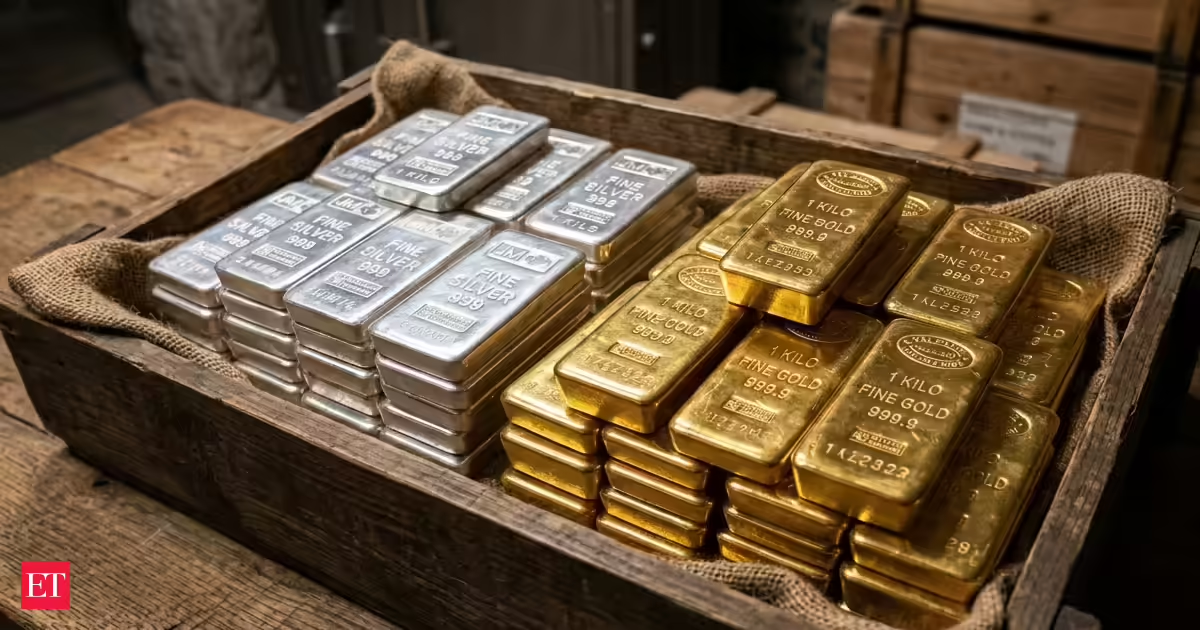
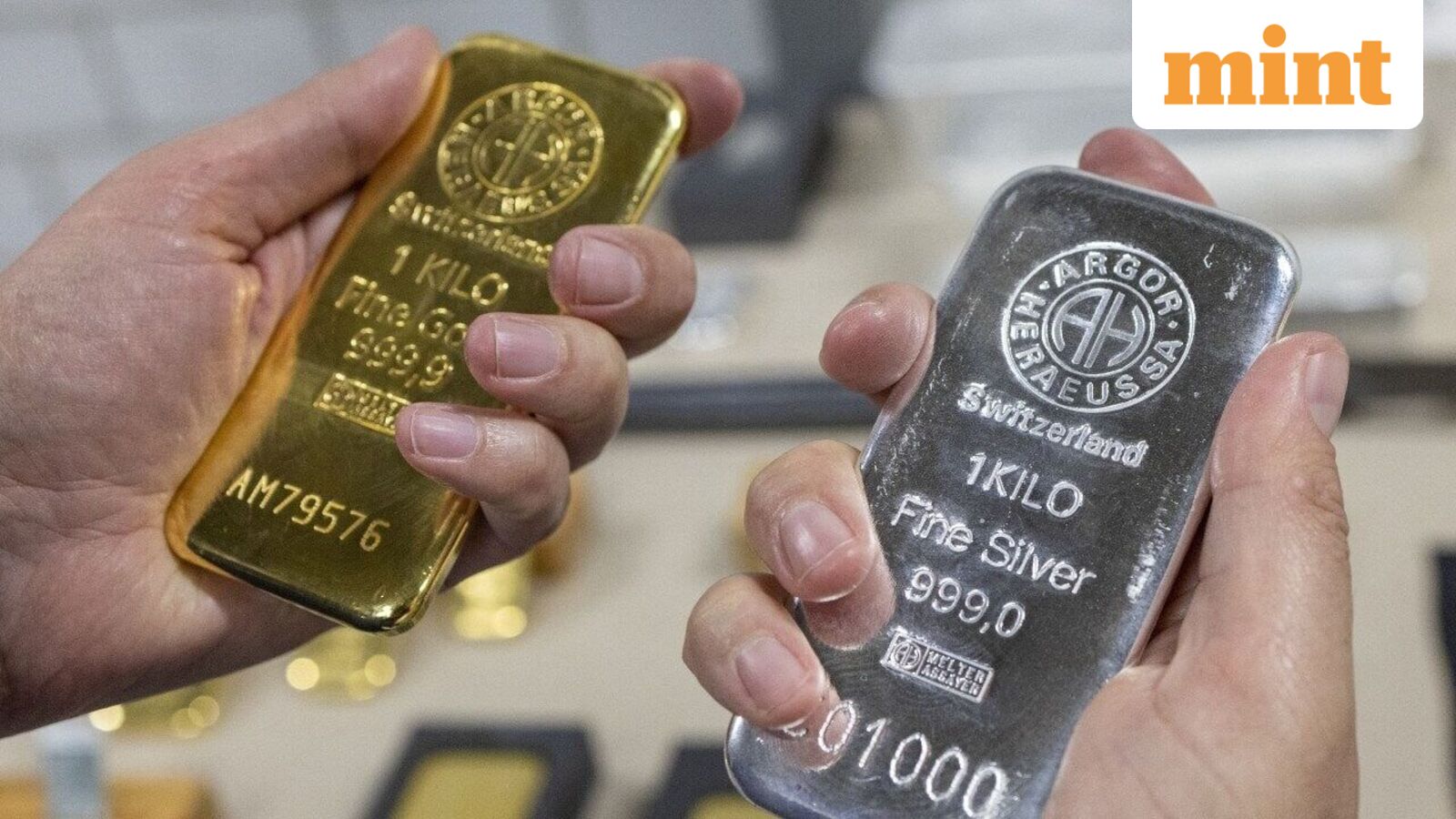
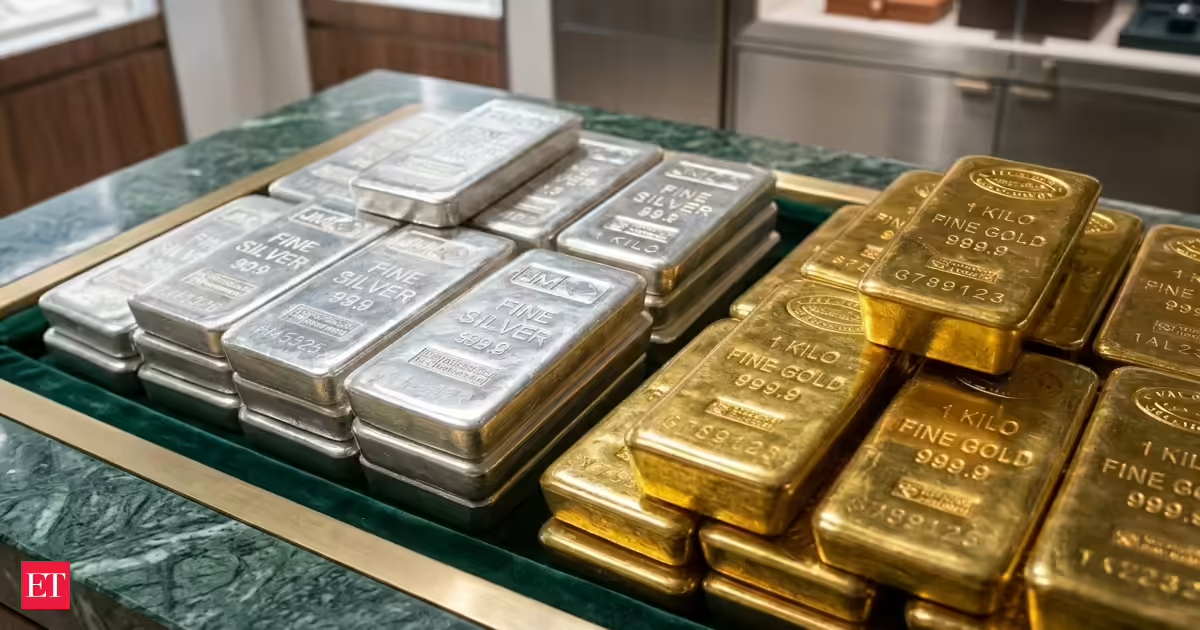
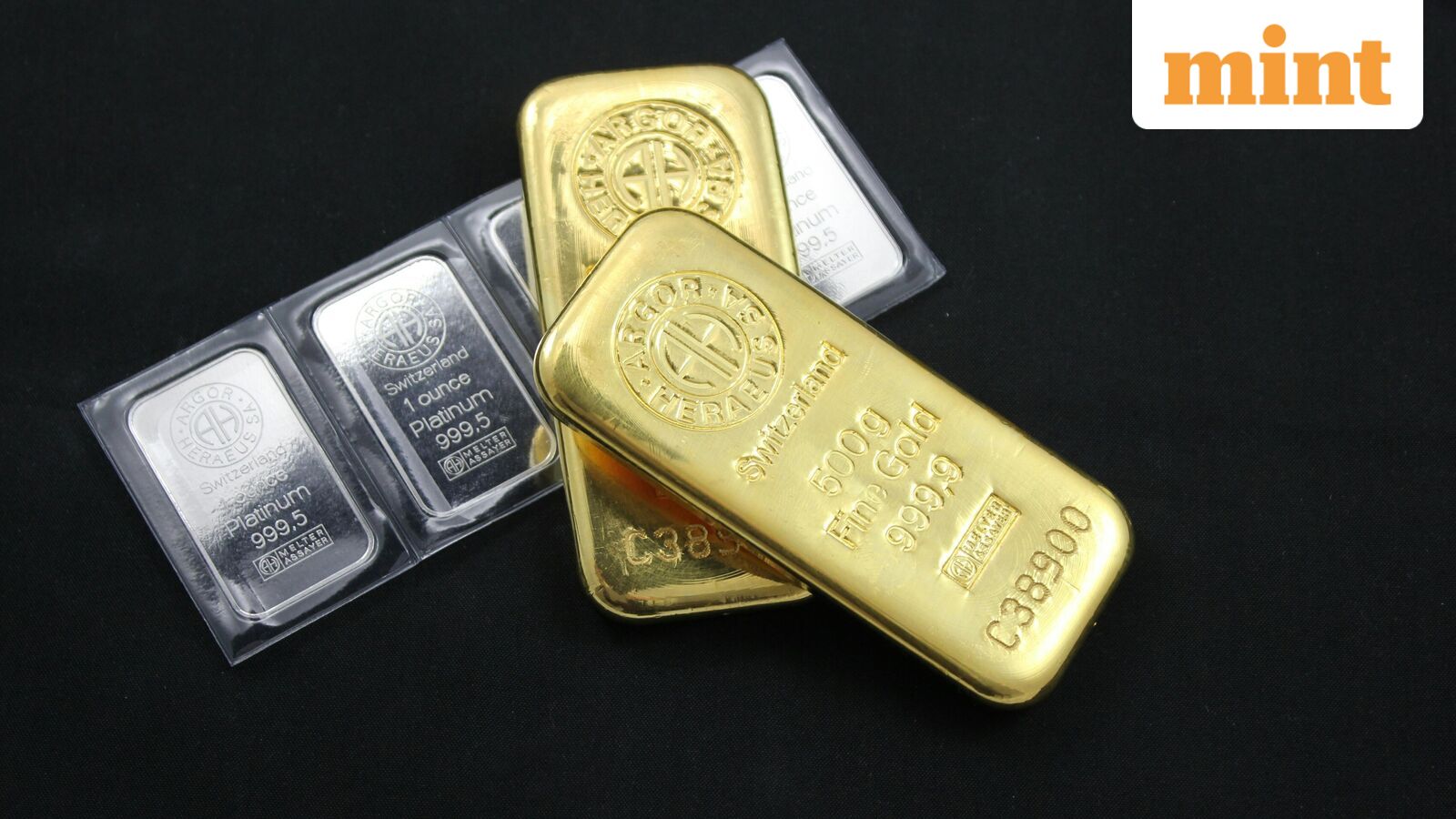
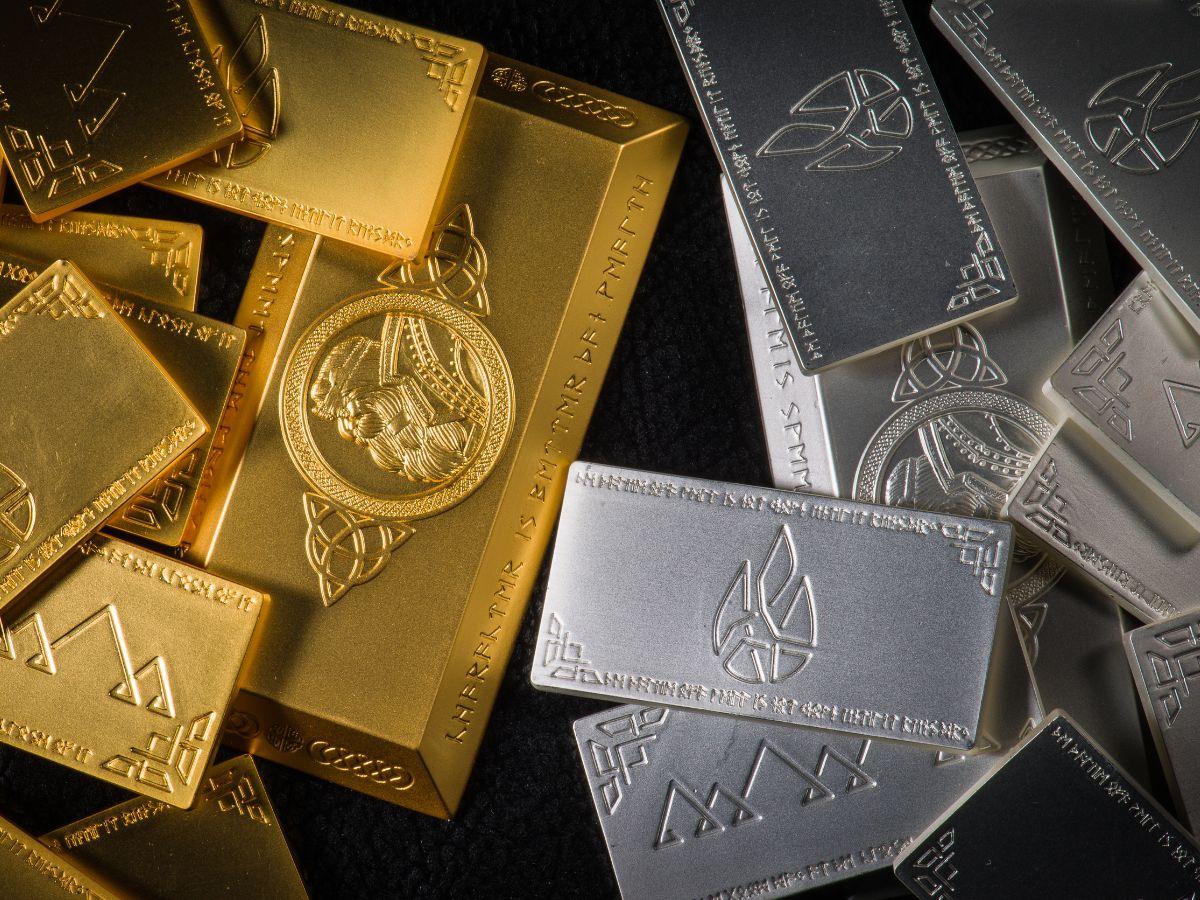
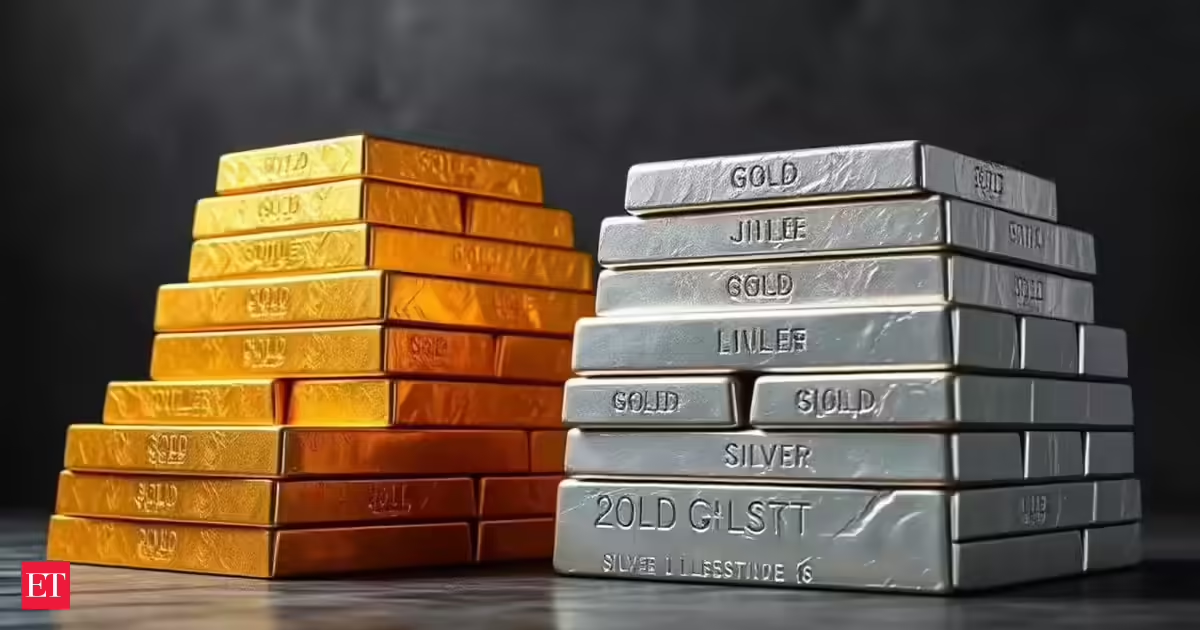
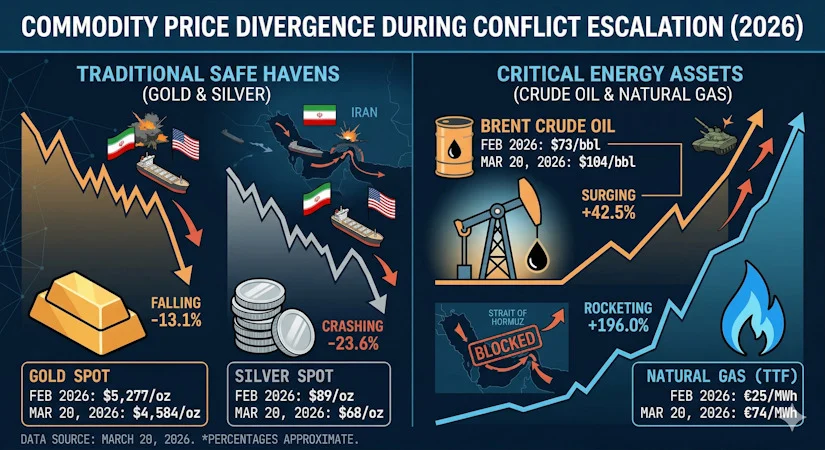
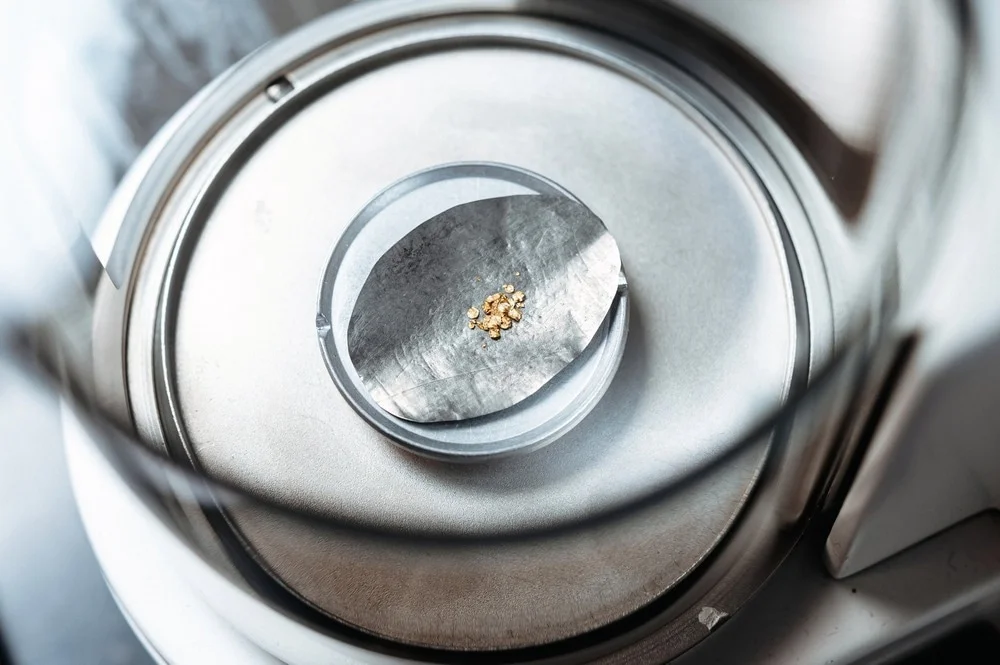
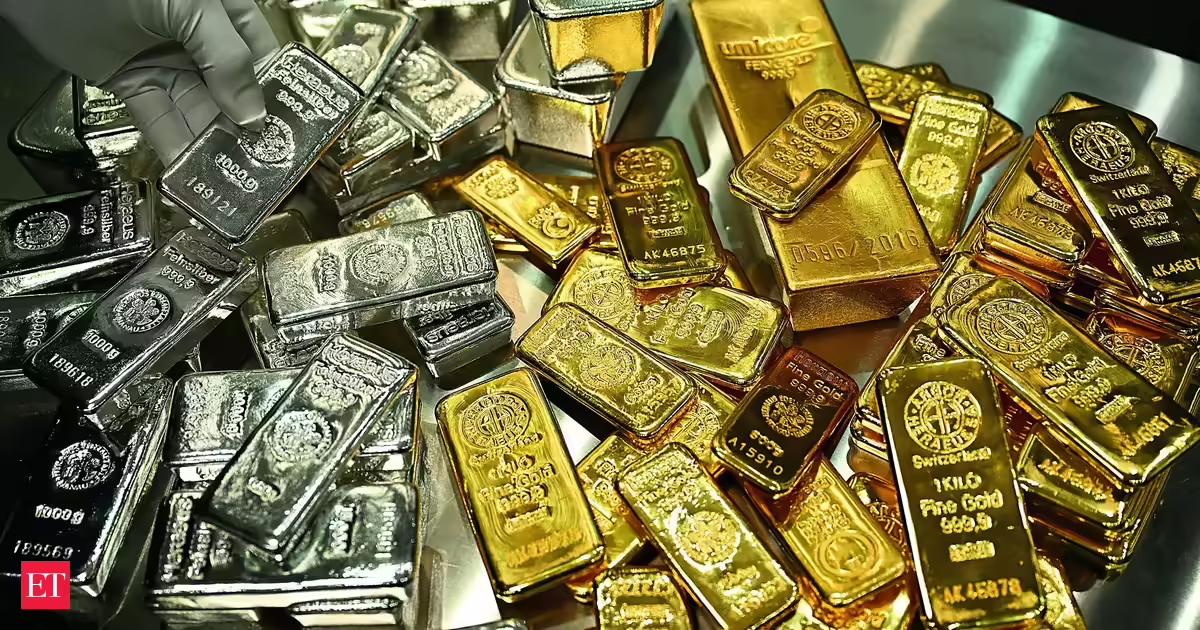
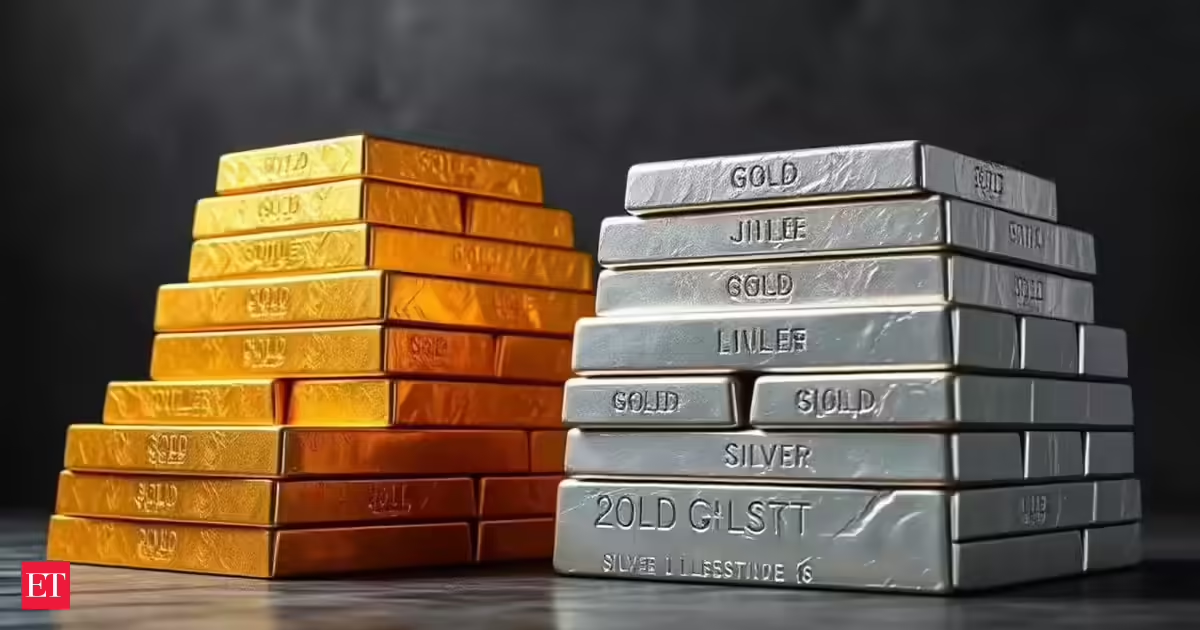
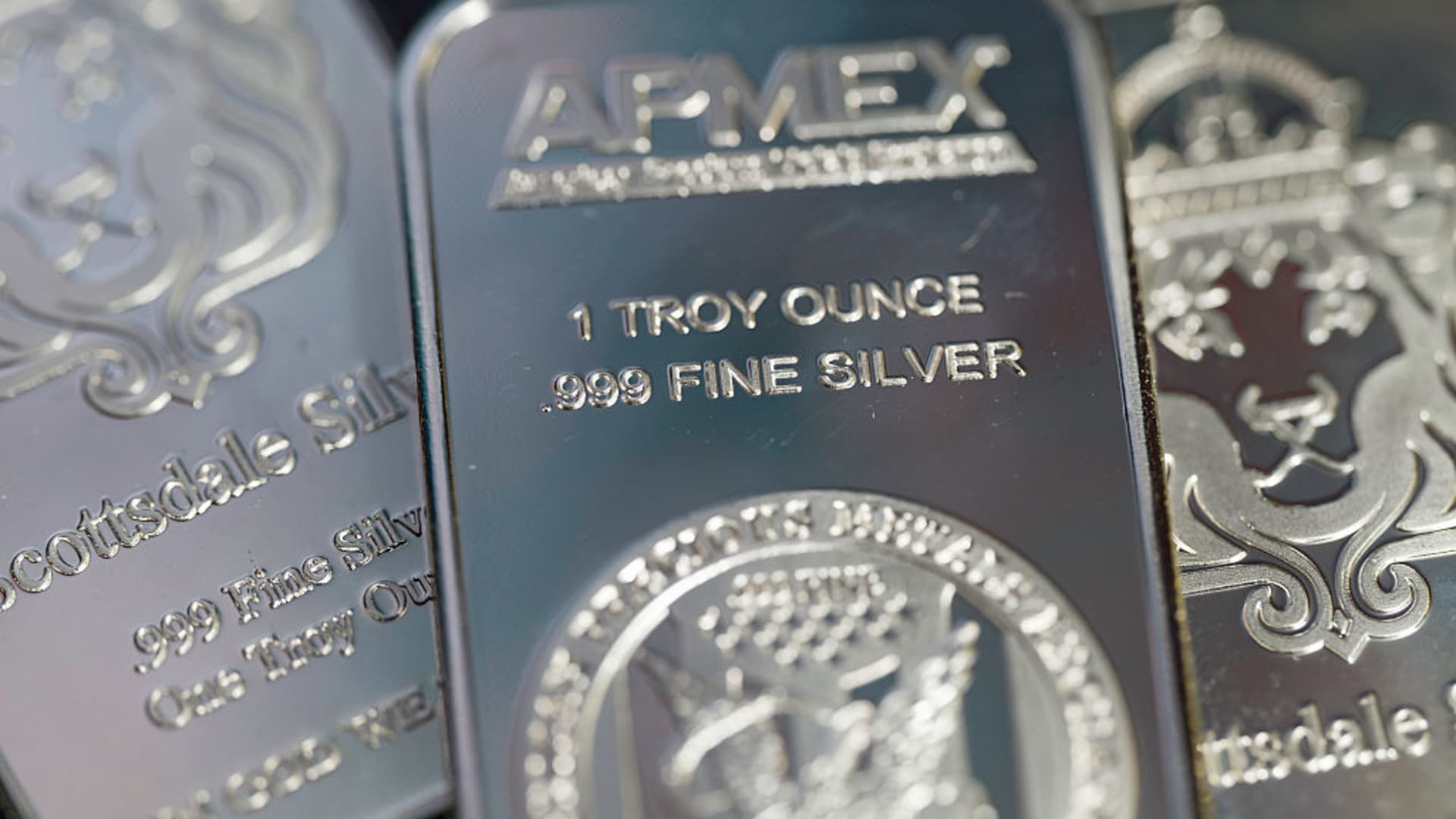
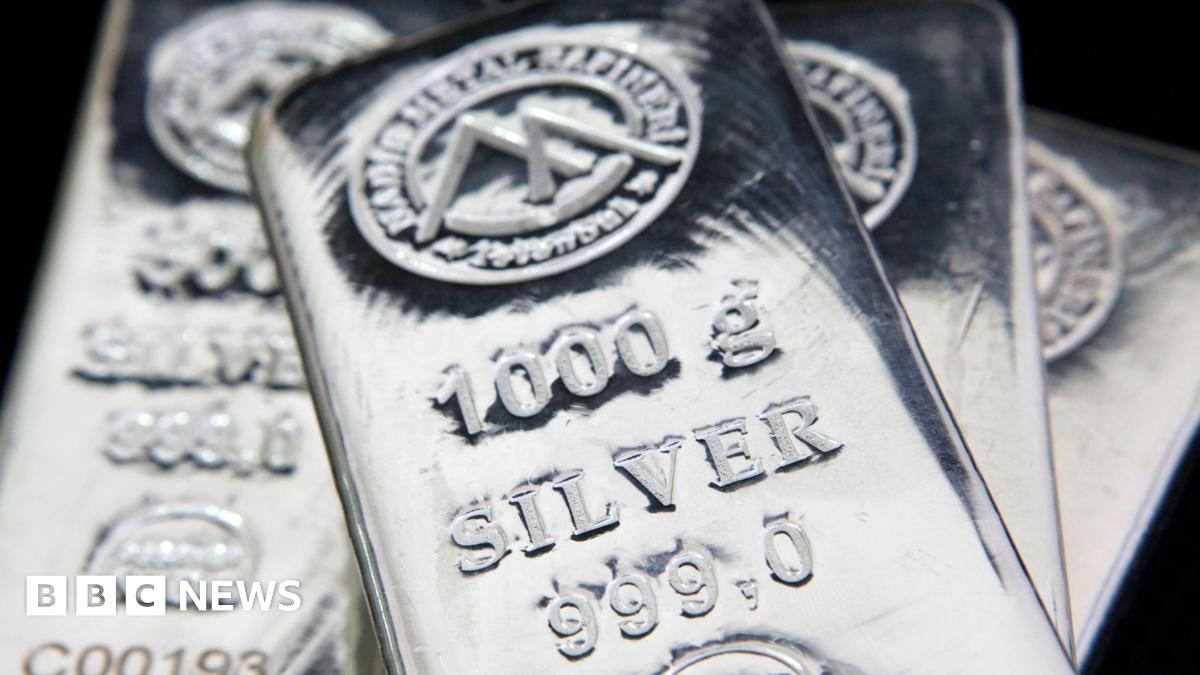
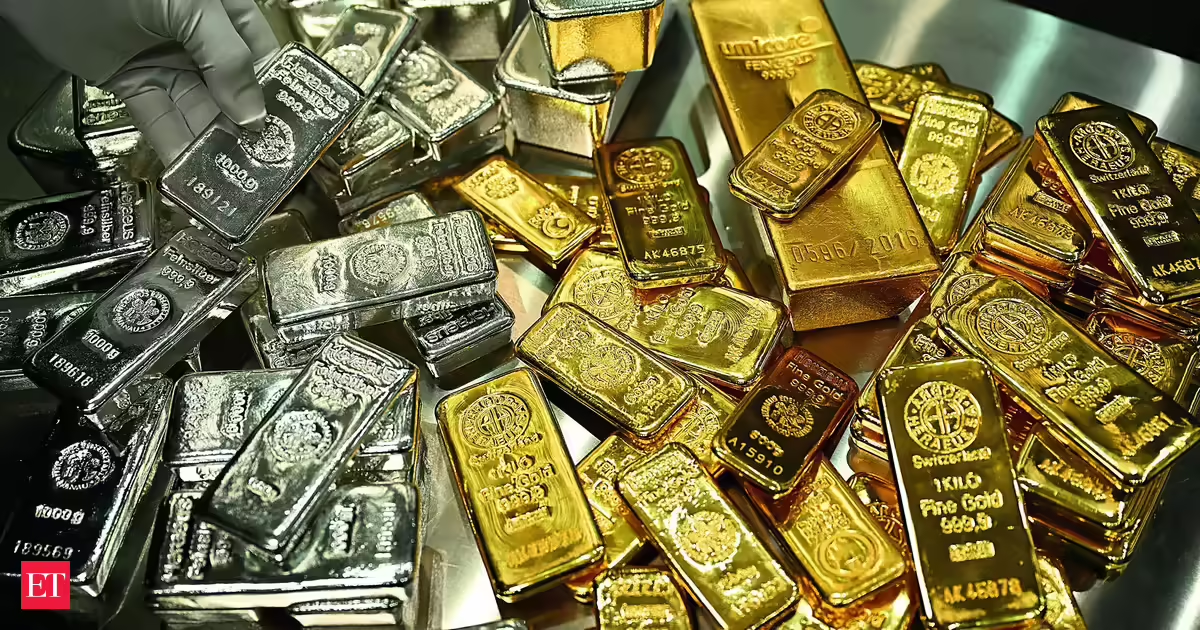
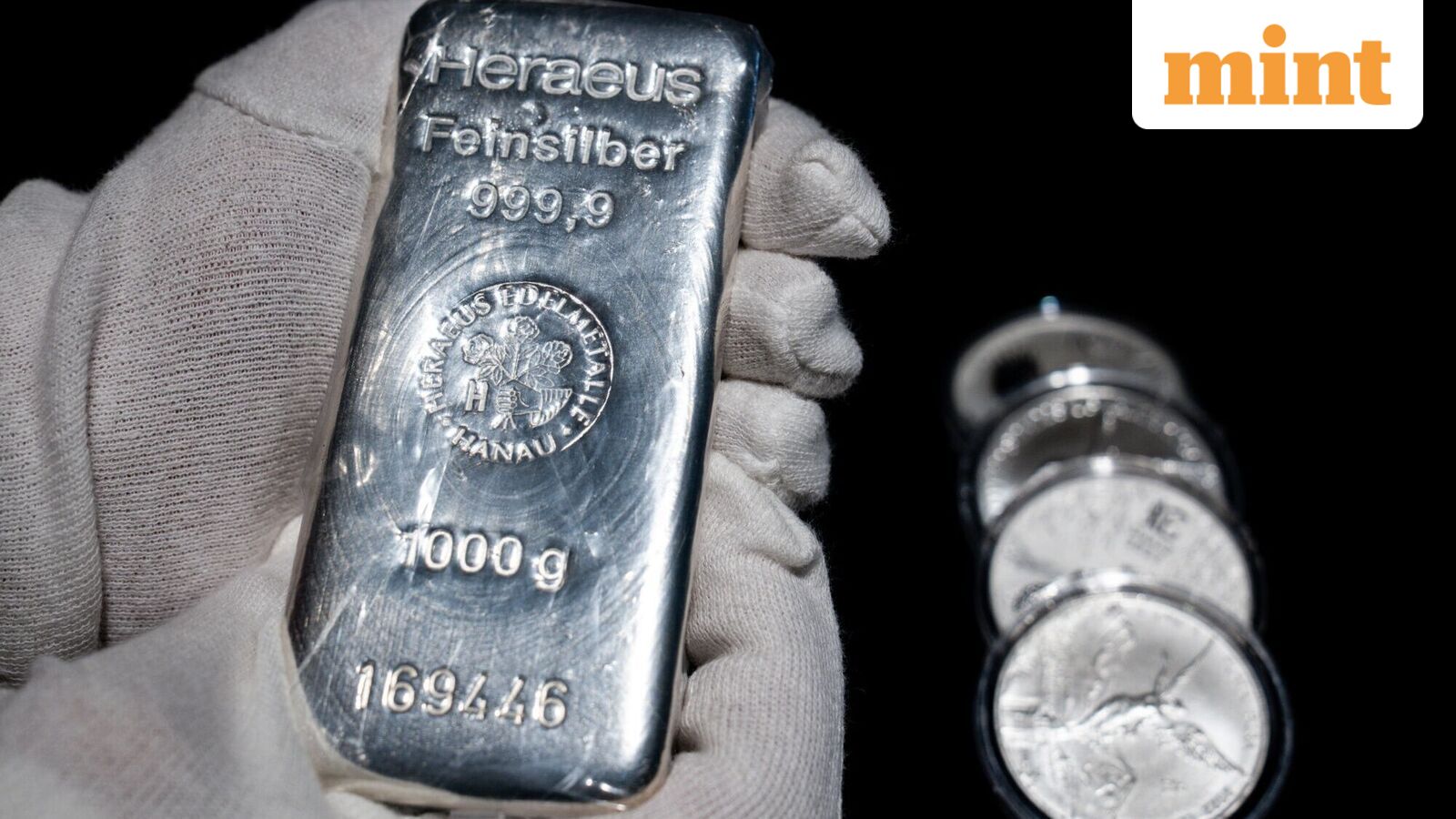
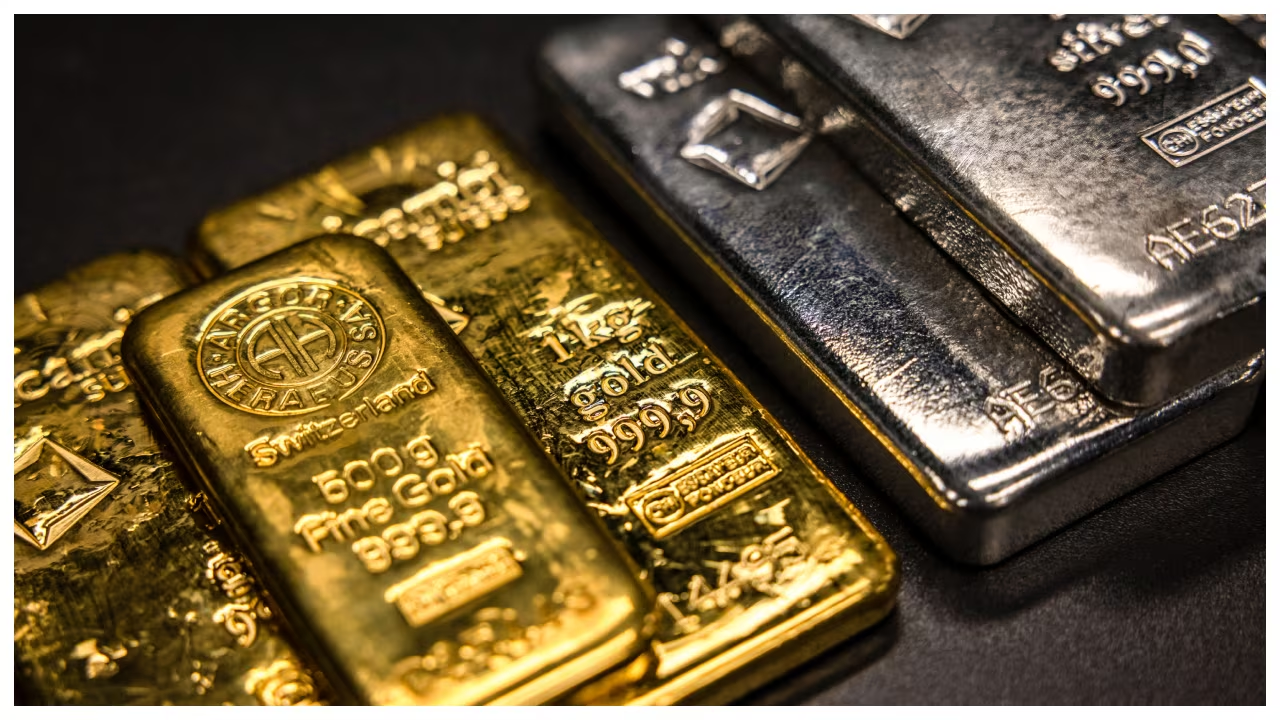
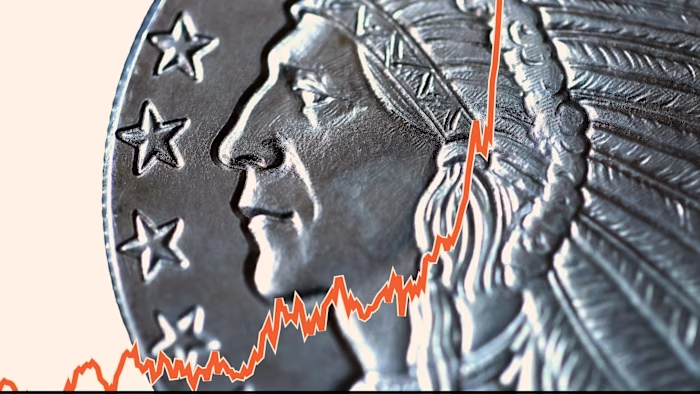
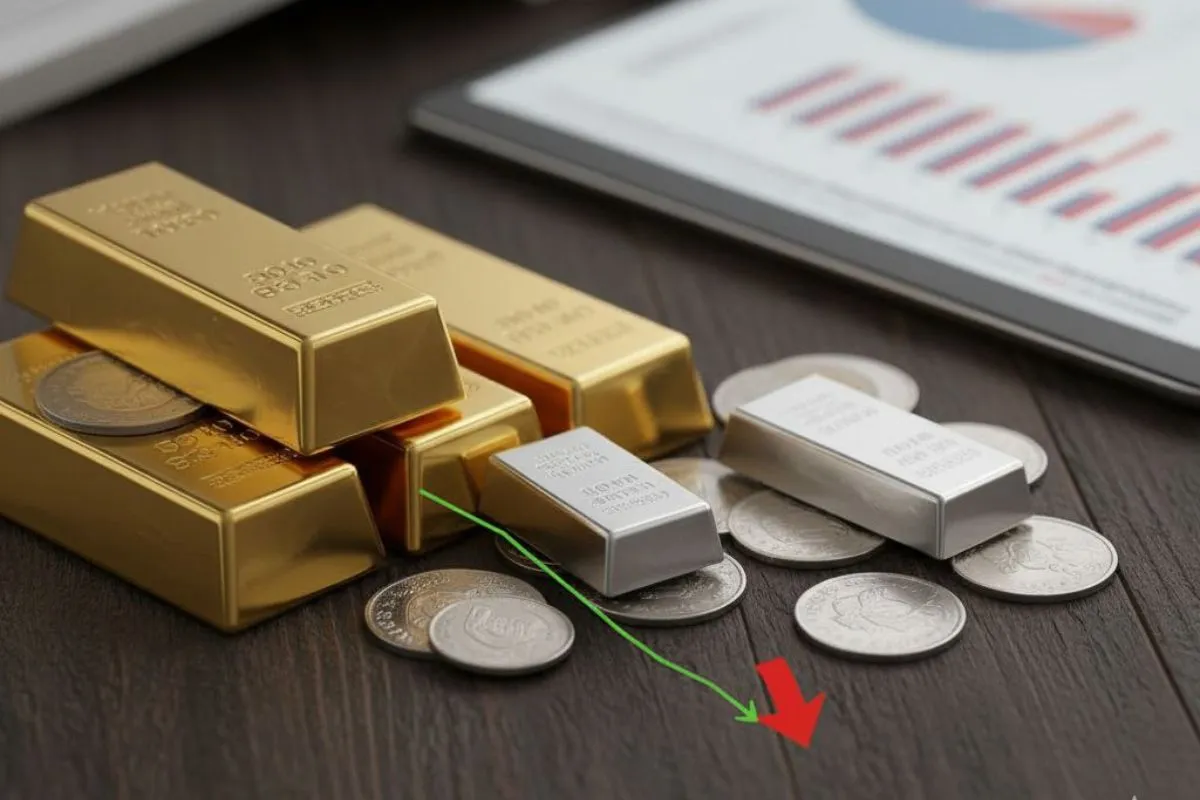
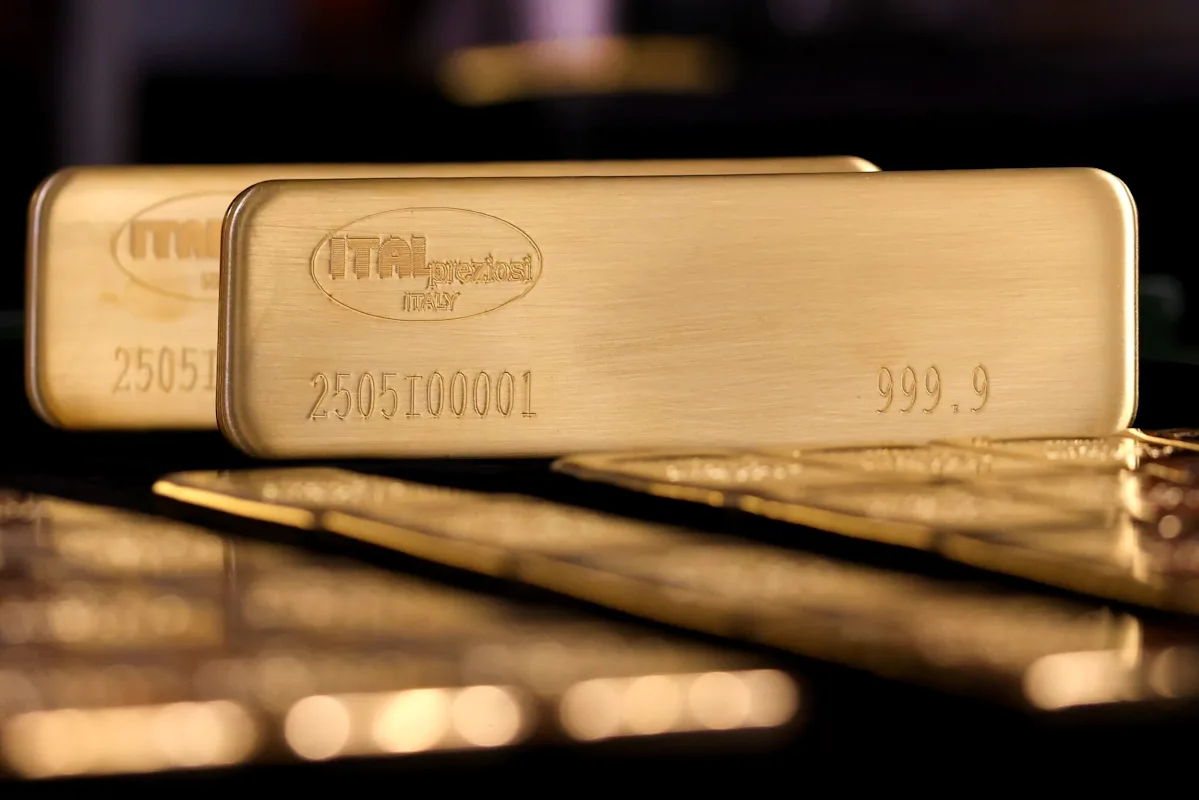
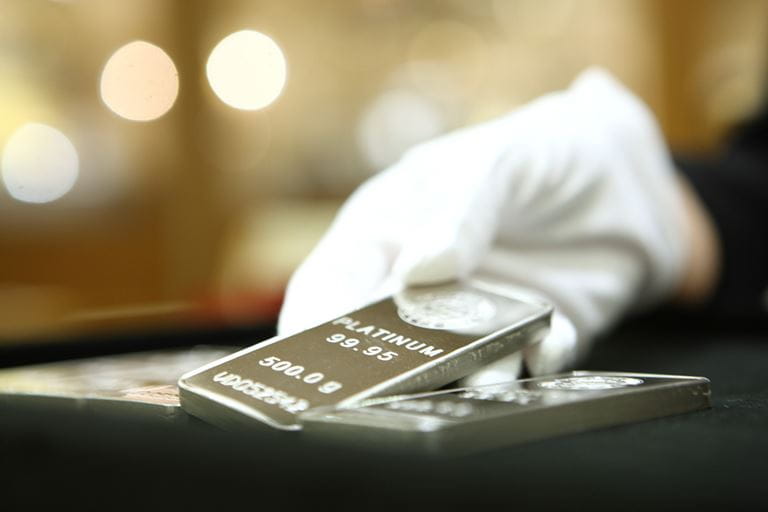
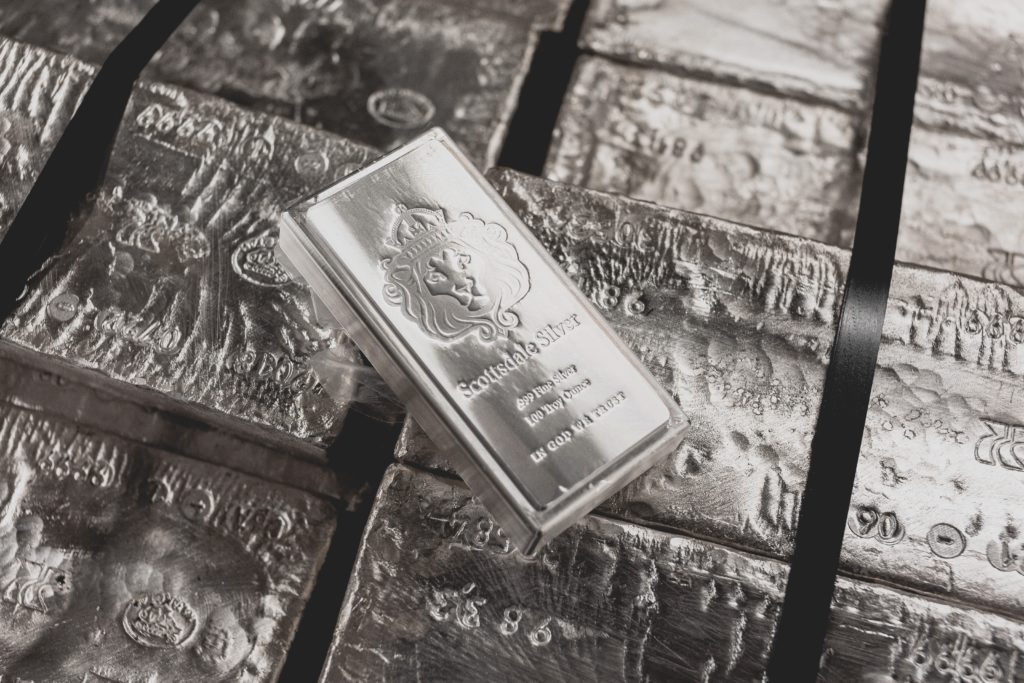
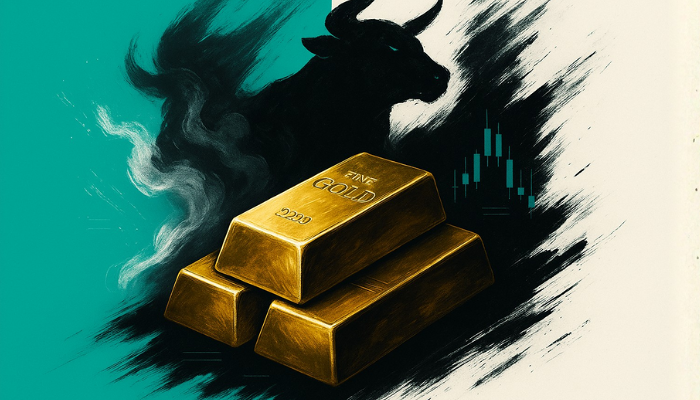
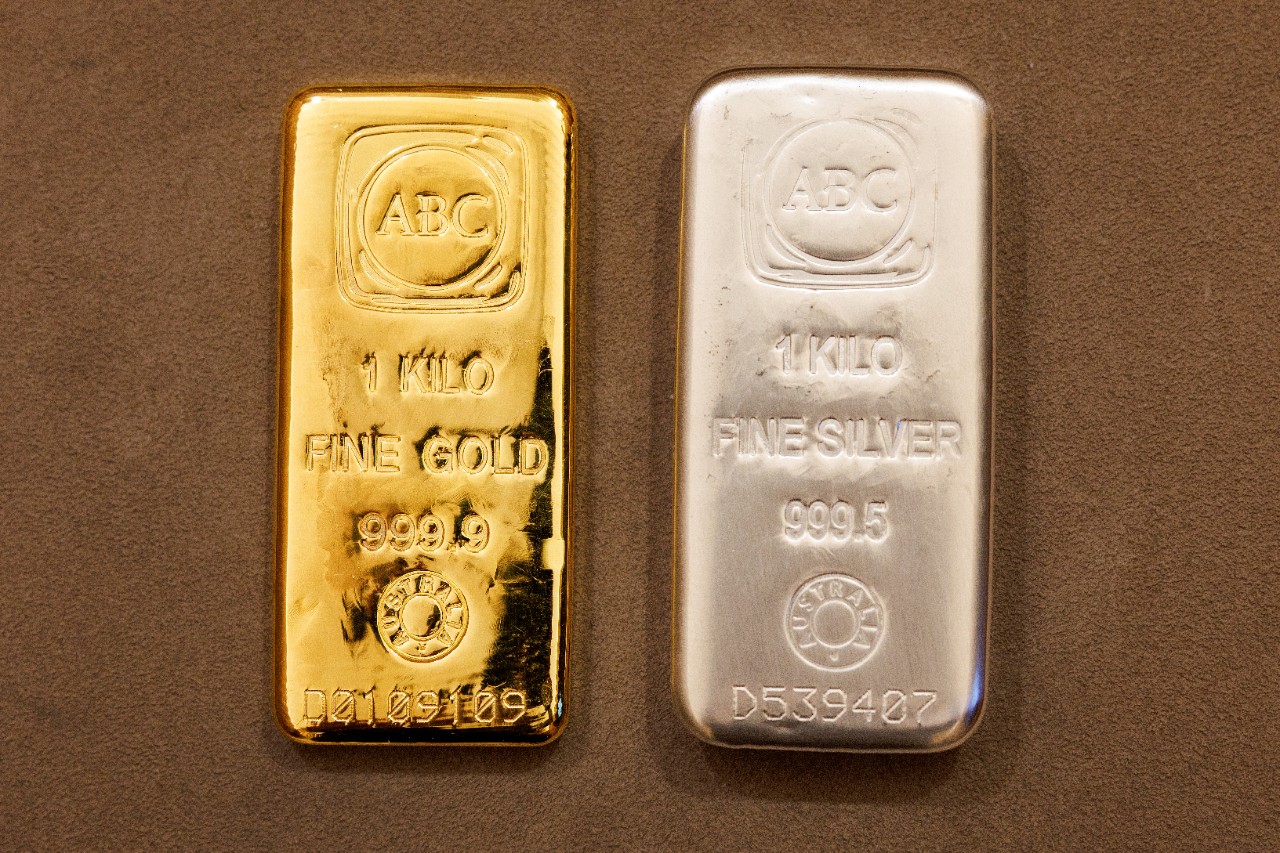
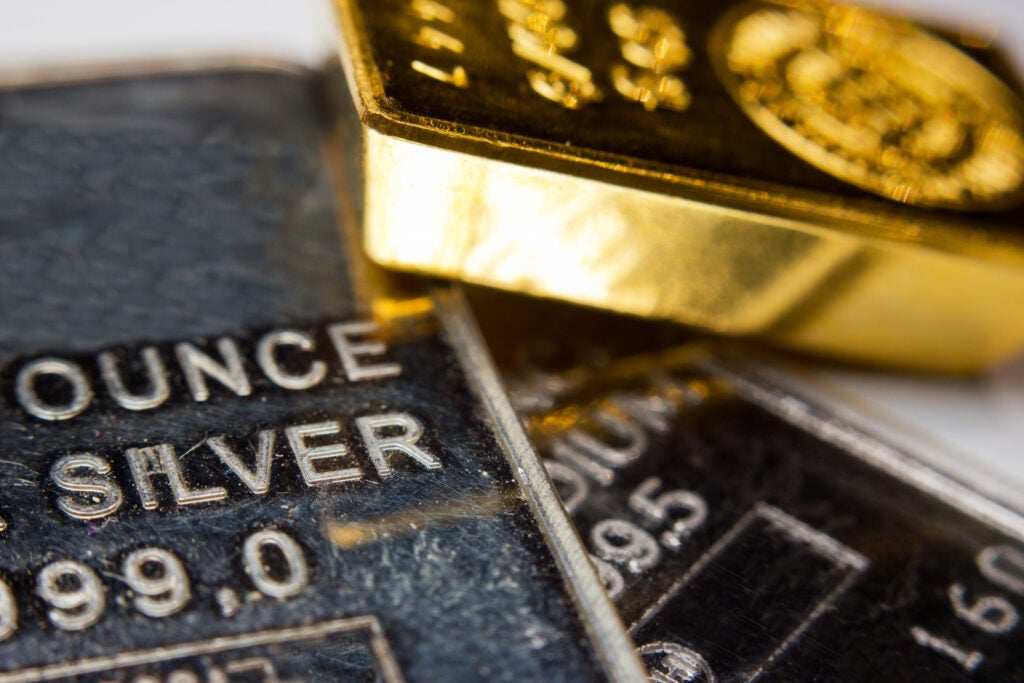
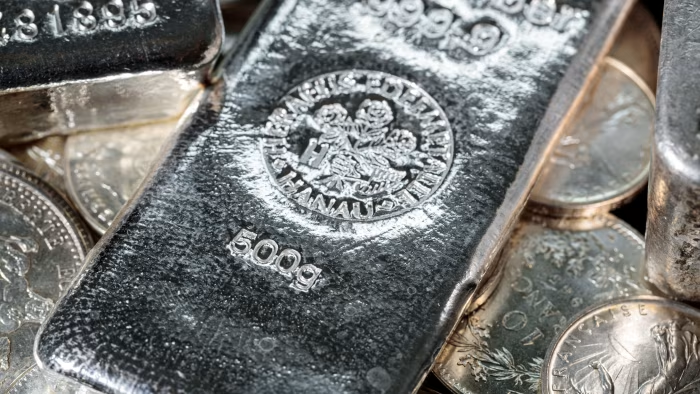
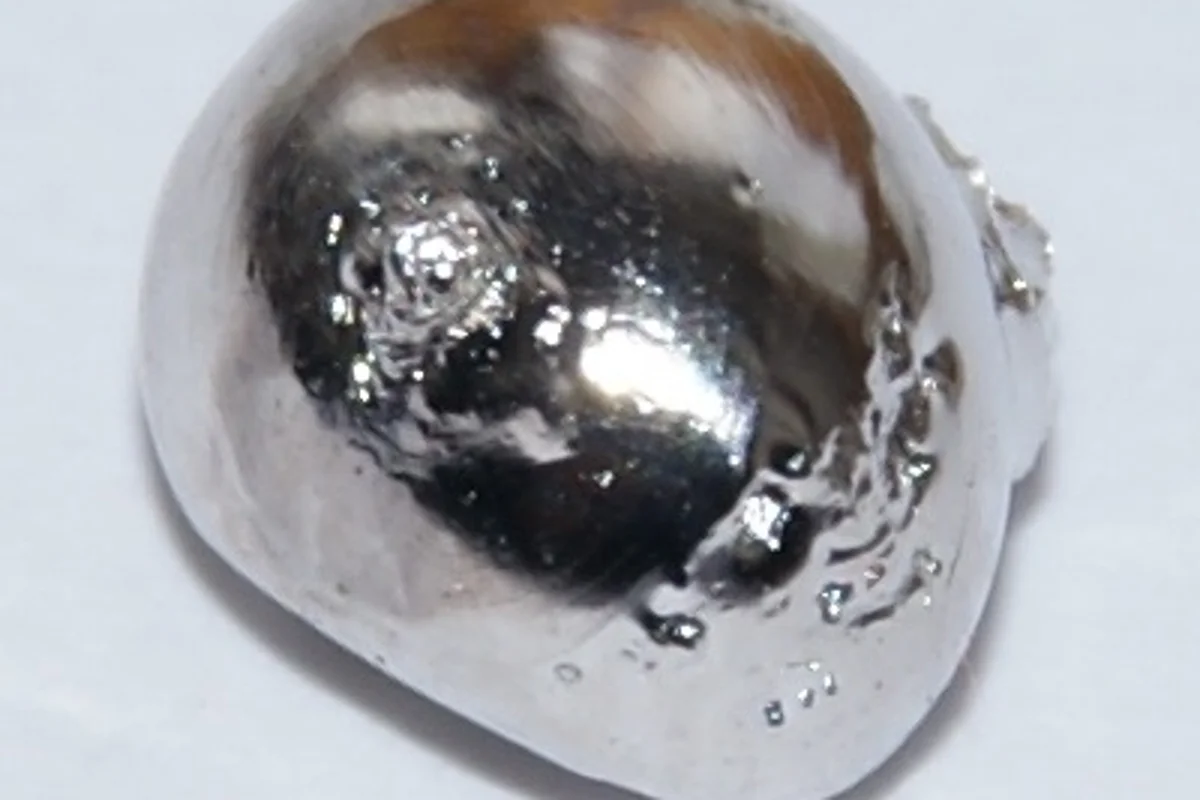
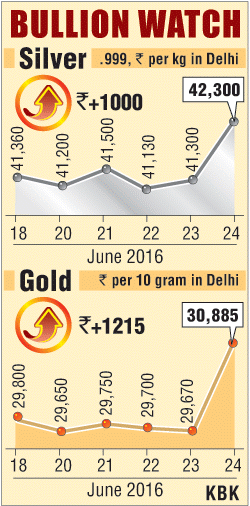
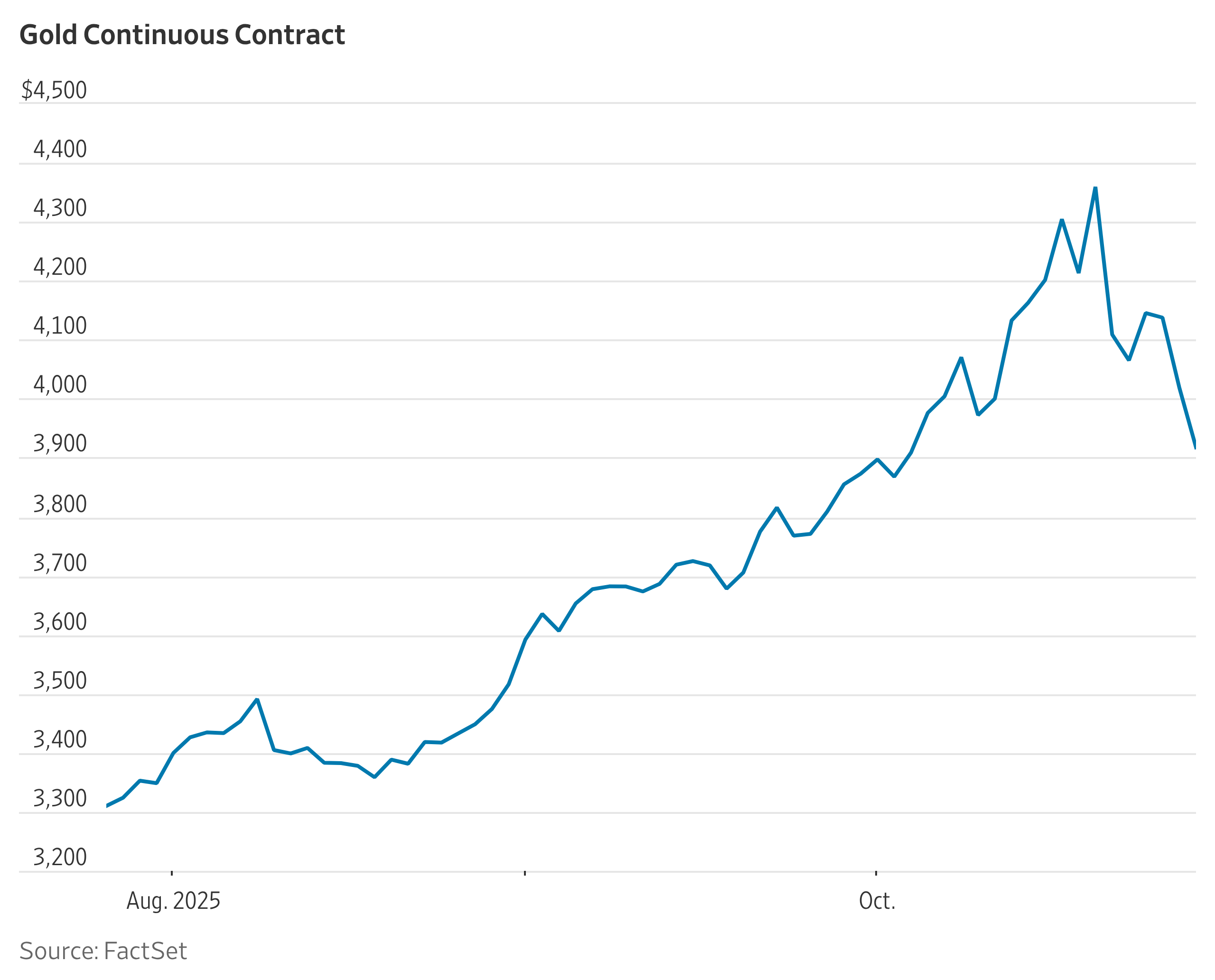
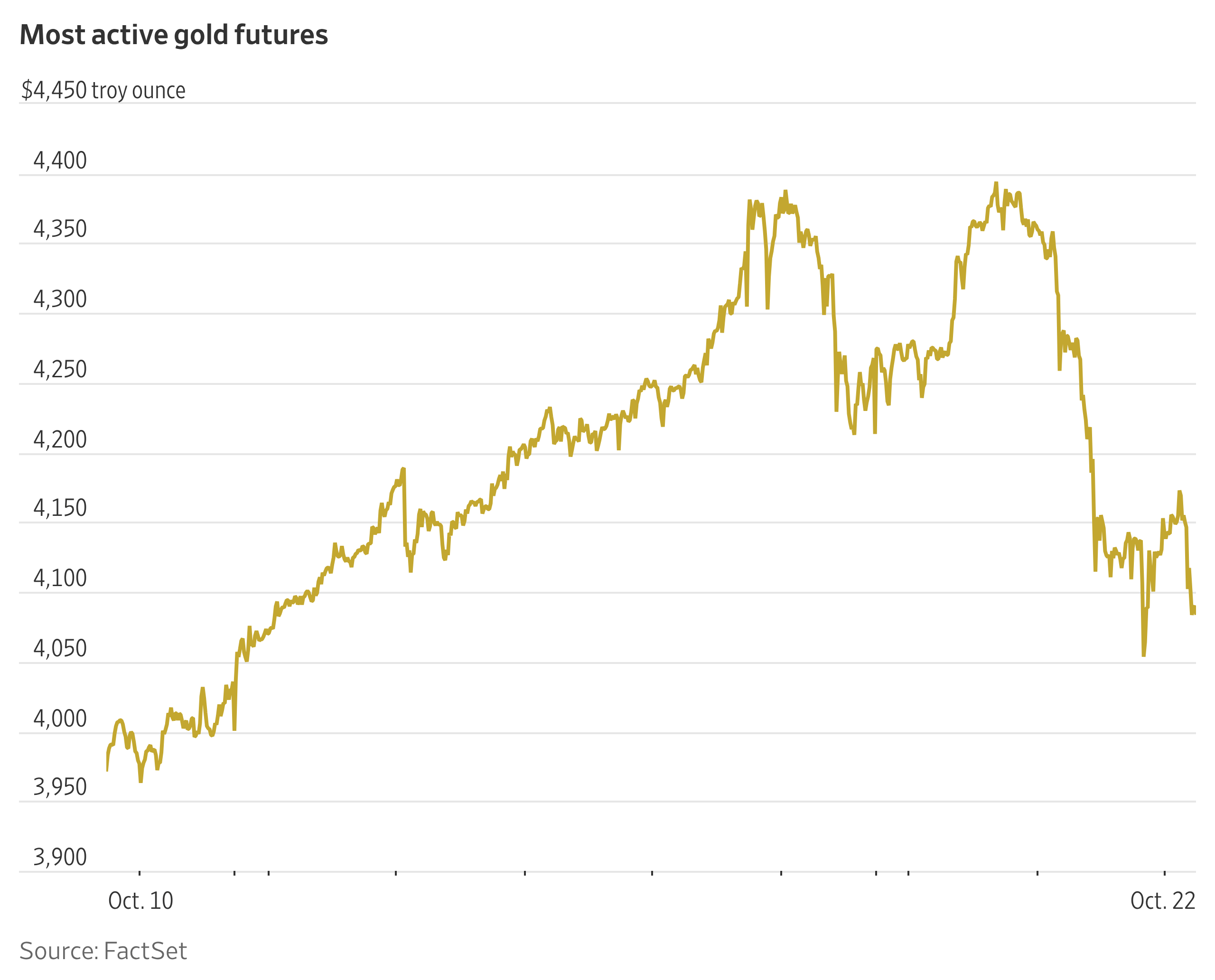
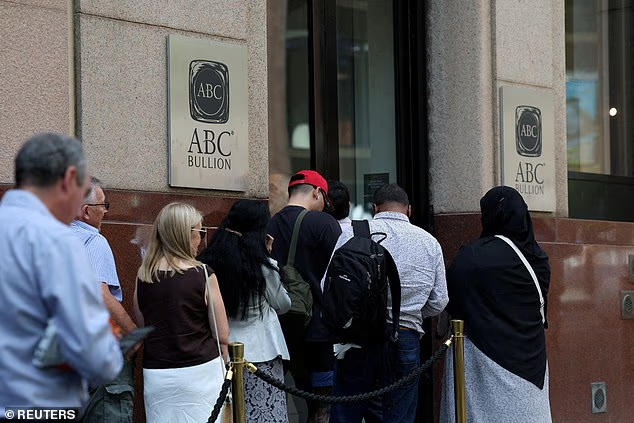
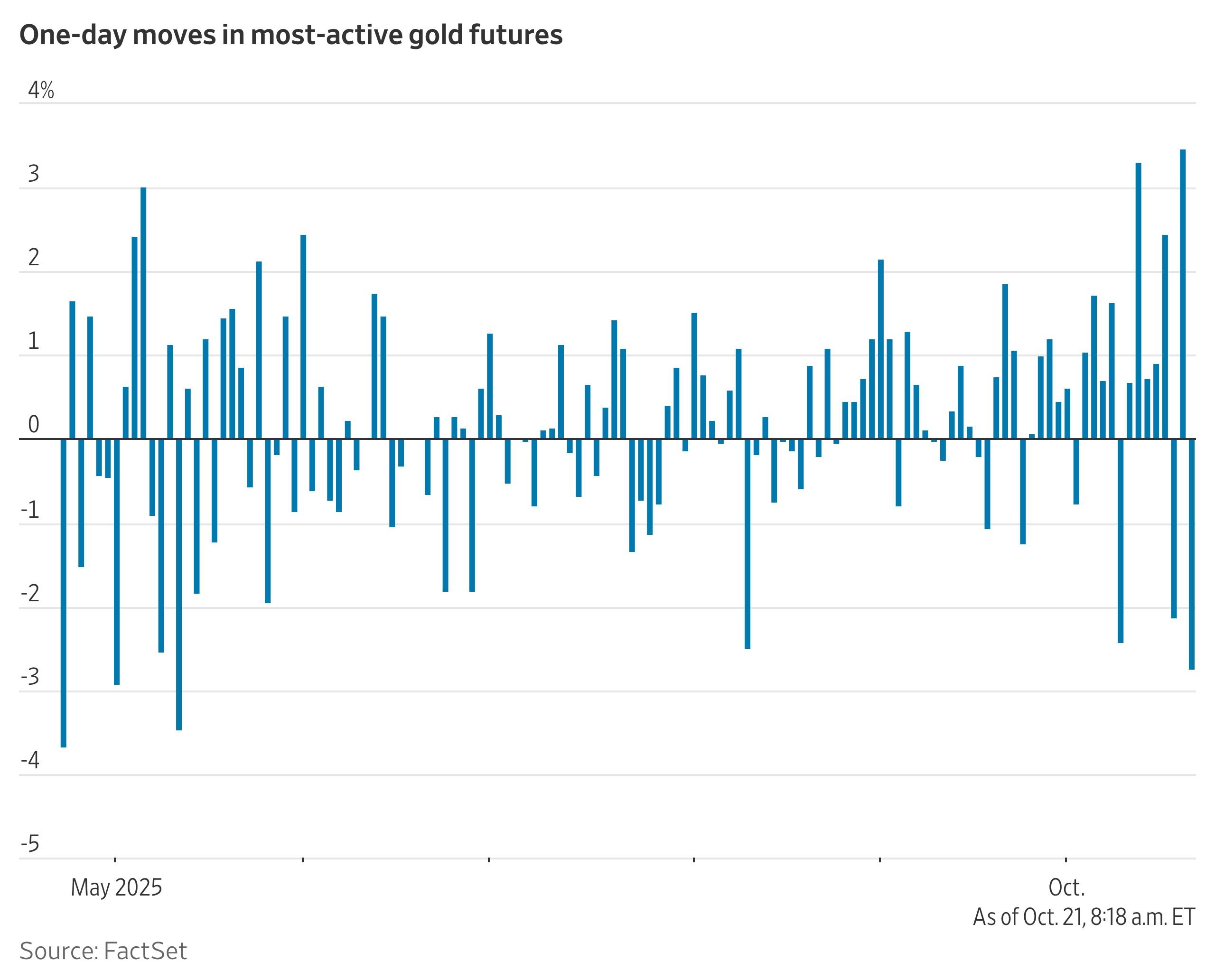
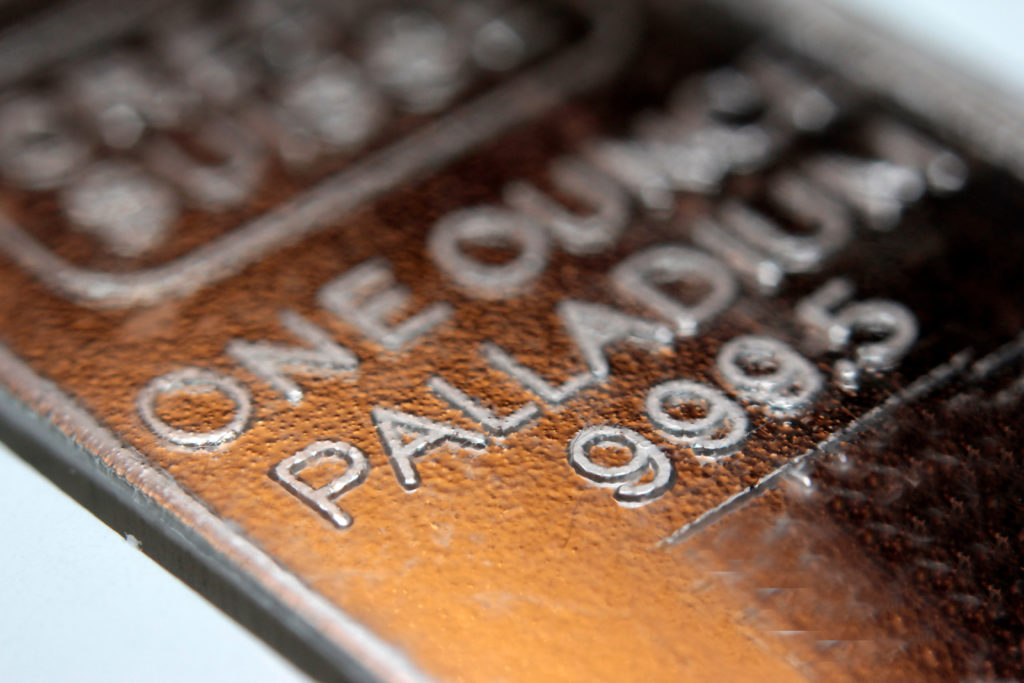
Gold has climbed from roughly $2,633 (£2,054) an ounce at the start of January to fresh all-time highs, with prices briefly touching above $5,600 (£4,368) in January before easing back to around $4,342 (£3,387) by mid-June, according to market data.
Analysts at the Swiss private bank Union Bancaire Privée (UBP) said in January they expected ‘another strong year’ for gold, citing central bank and retail demand, while Goldman Sachs called bullion its highest-conviction trade for 2026.
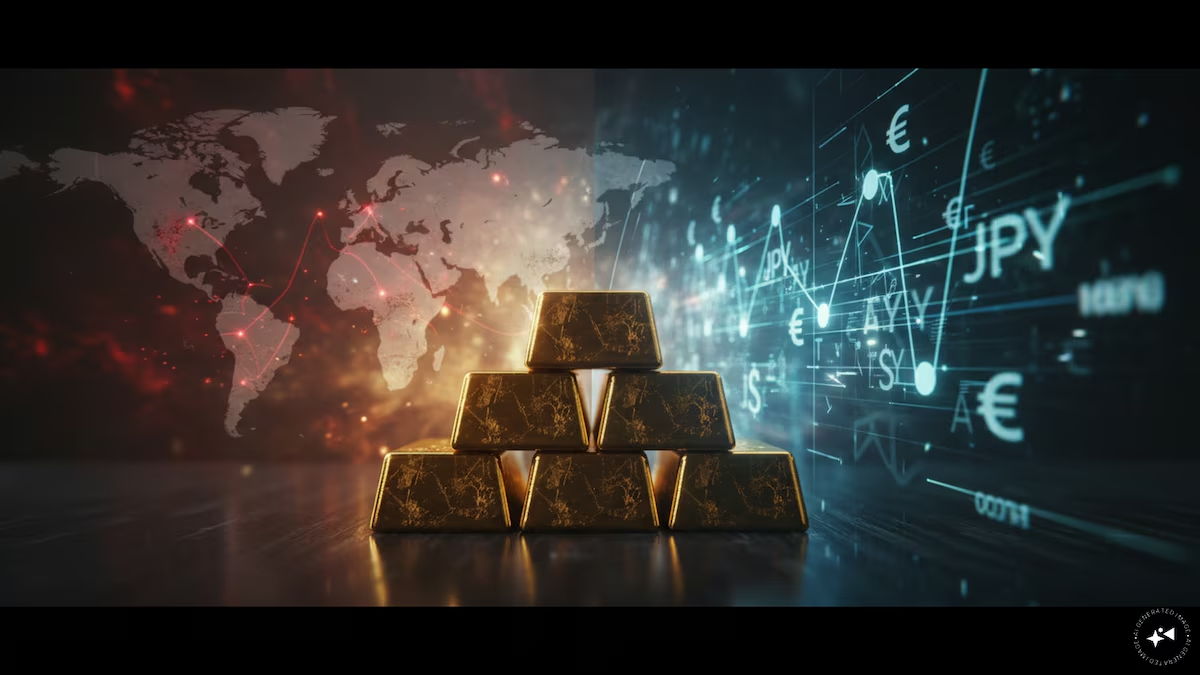
How Trump’s Trade Policy Fuelled Gold’s Volatile Surge
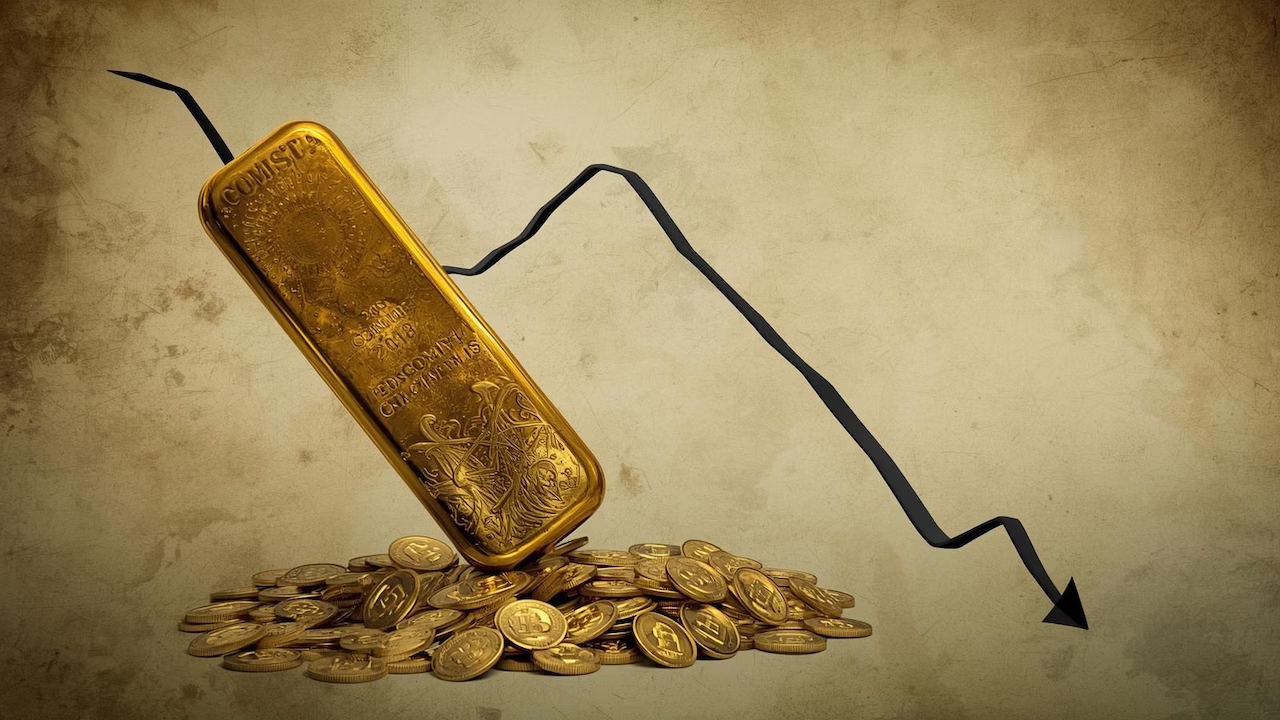
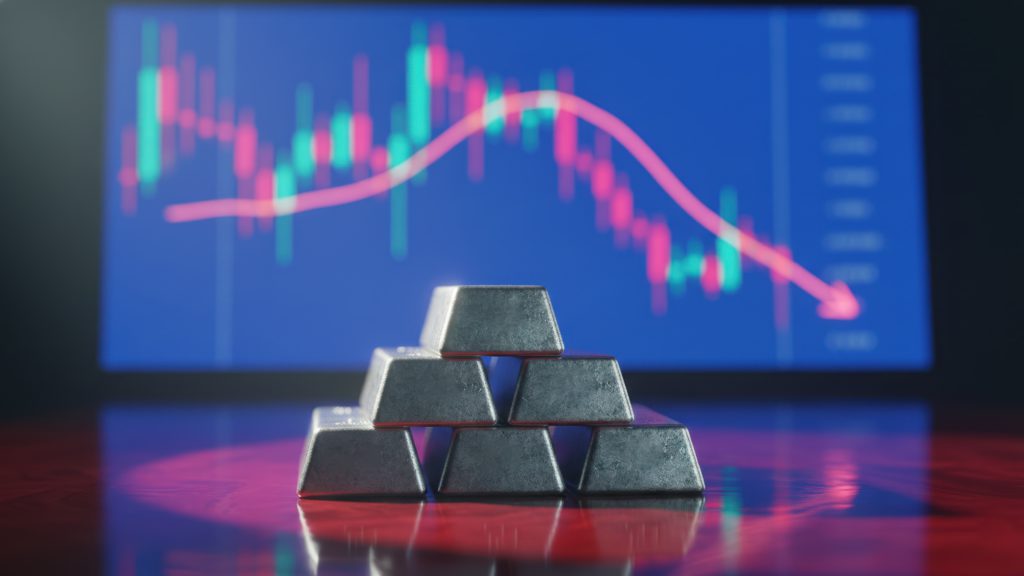
The rally has repeatedly tracked Trump’s trade announcements. Analysis from EBC Financial Group shows the market’s speed was unusual, with gold needing far less time to hit a fresh nominal and inflation-adjusted record than in past cycles, before cooling into a correction by June.
That volatility, and the safe-haven demand behind it, is the backdrop Tubino pointed to when describing the pressures now bearing down on Sararé.
17 Square Miles Wiped Out: ‘Total Devastation’ Inside the Territory
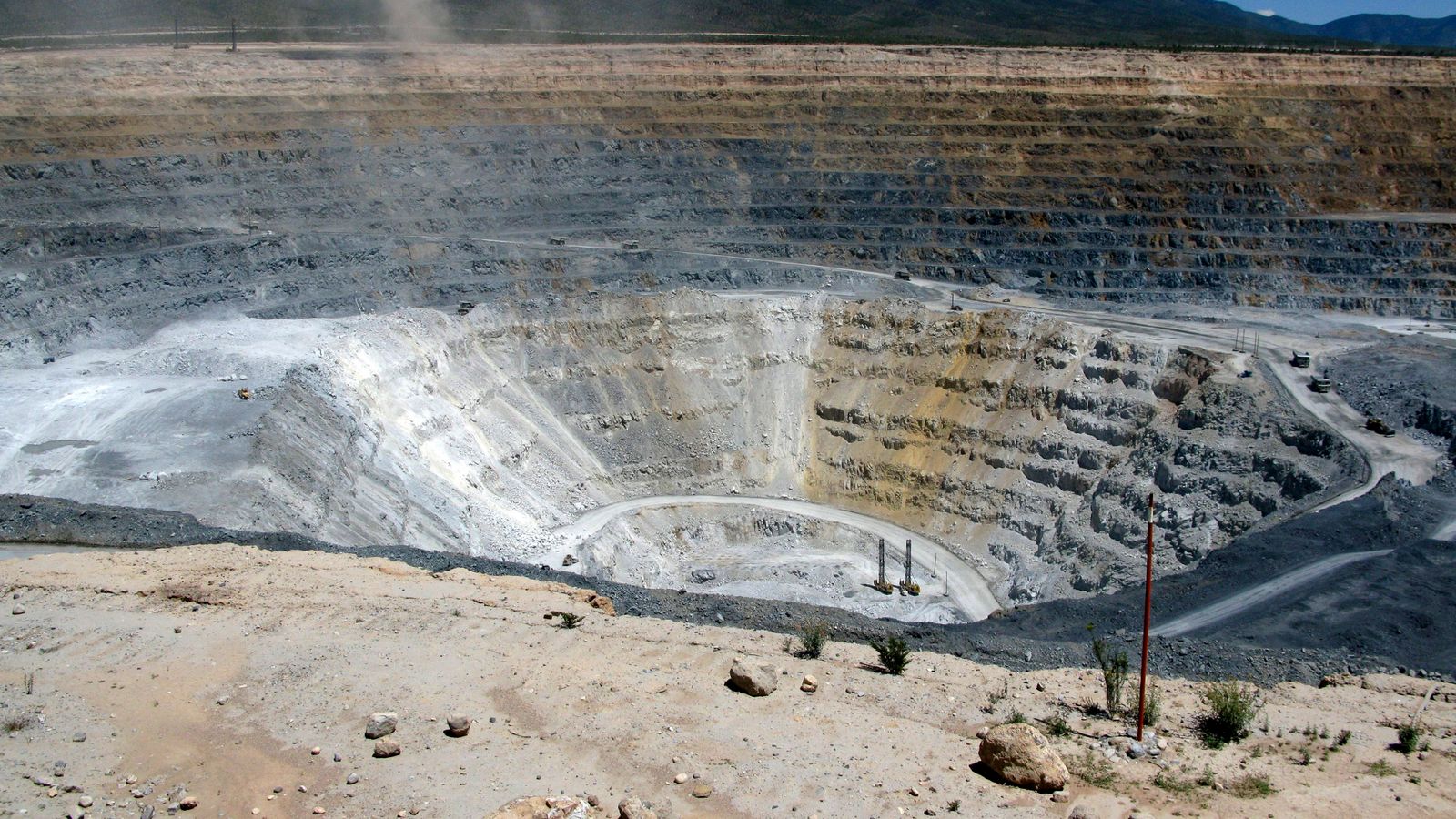
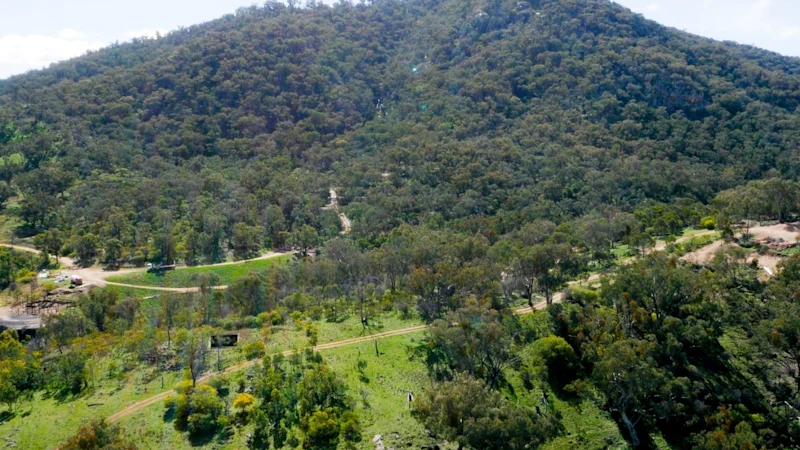
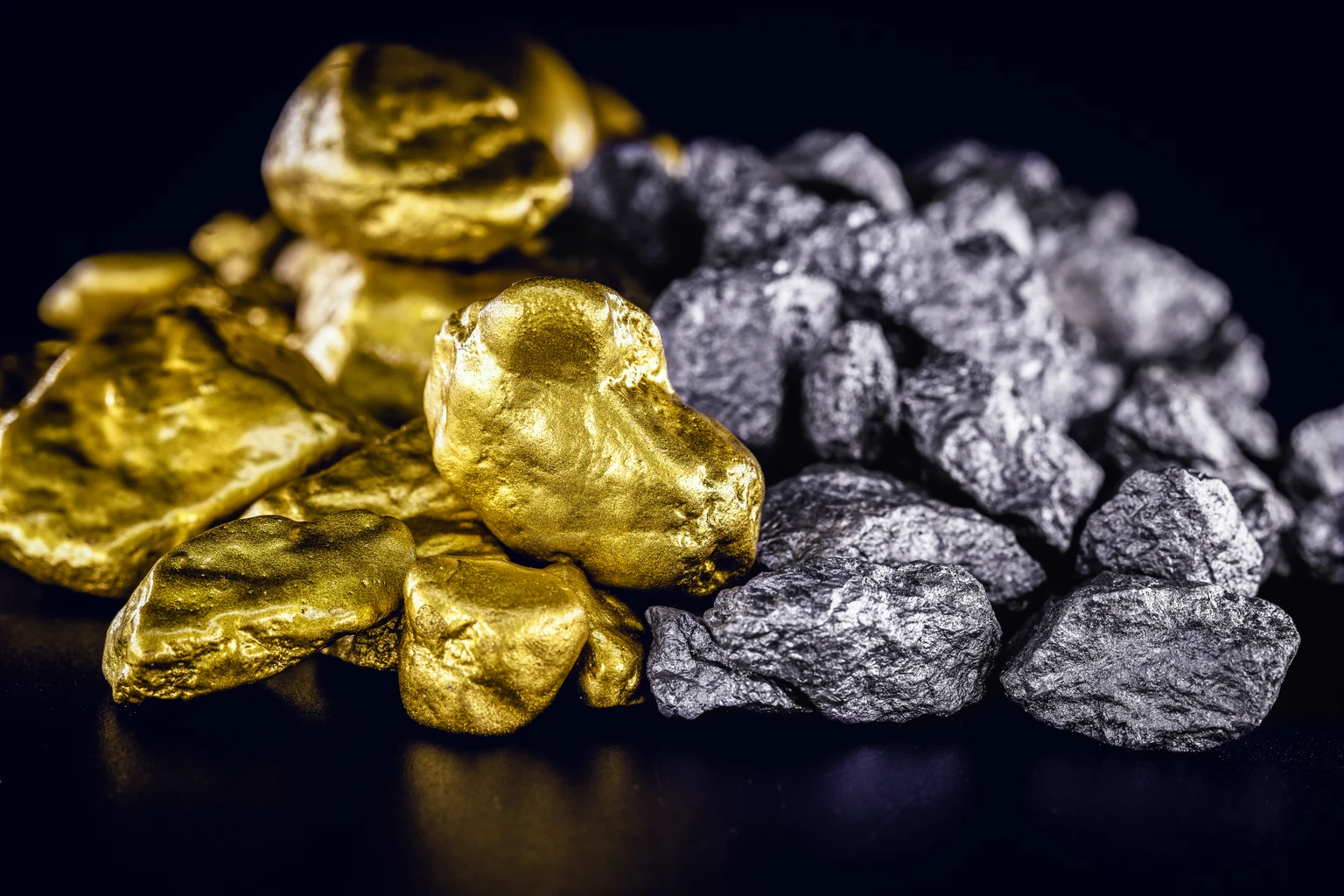
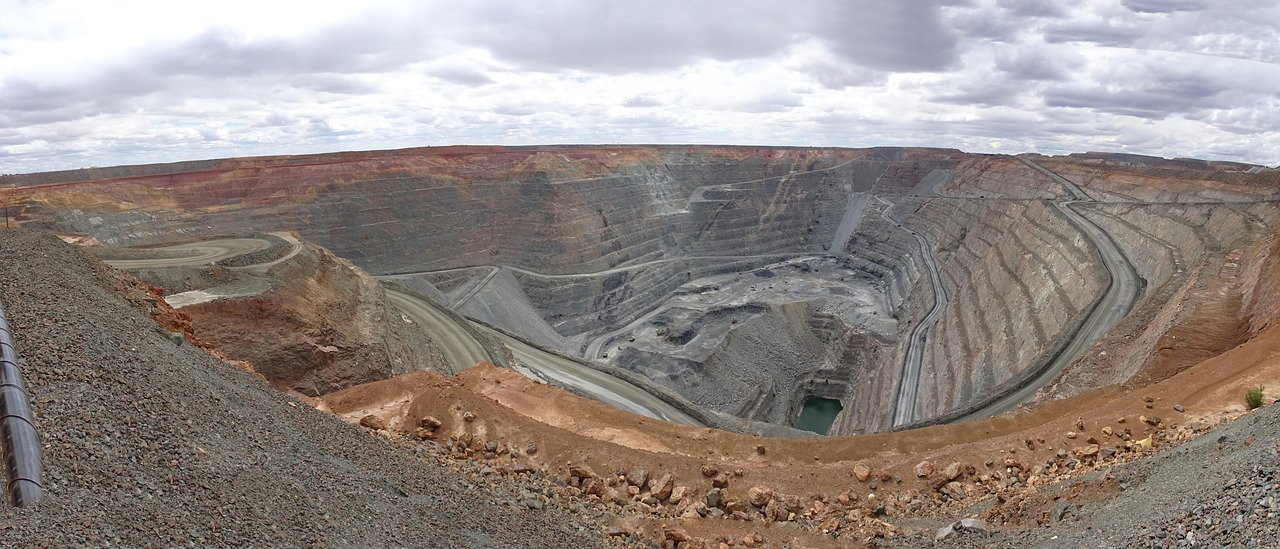
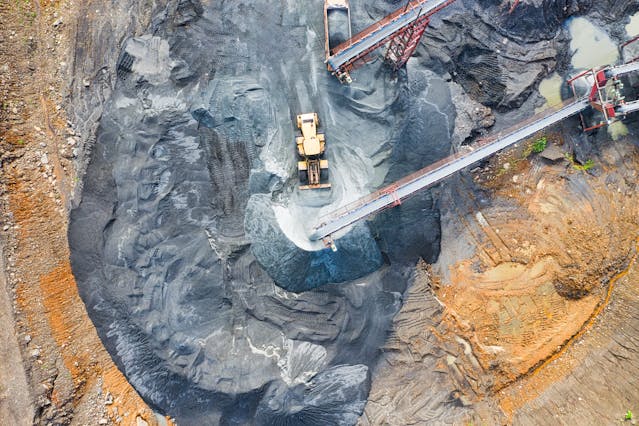
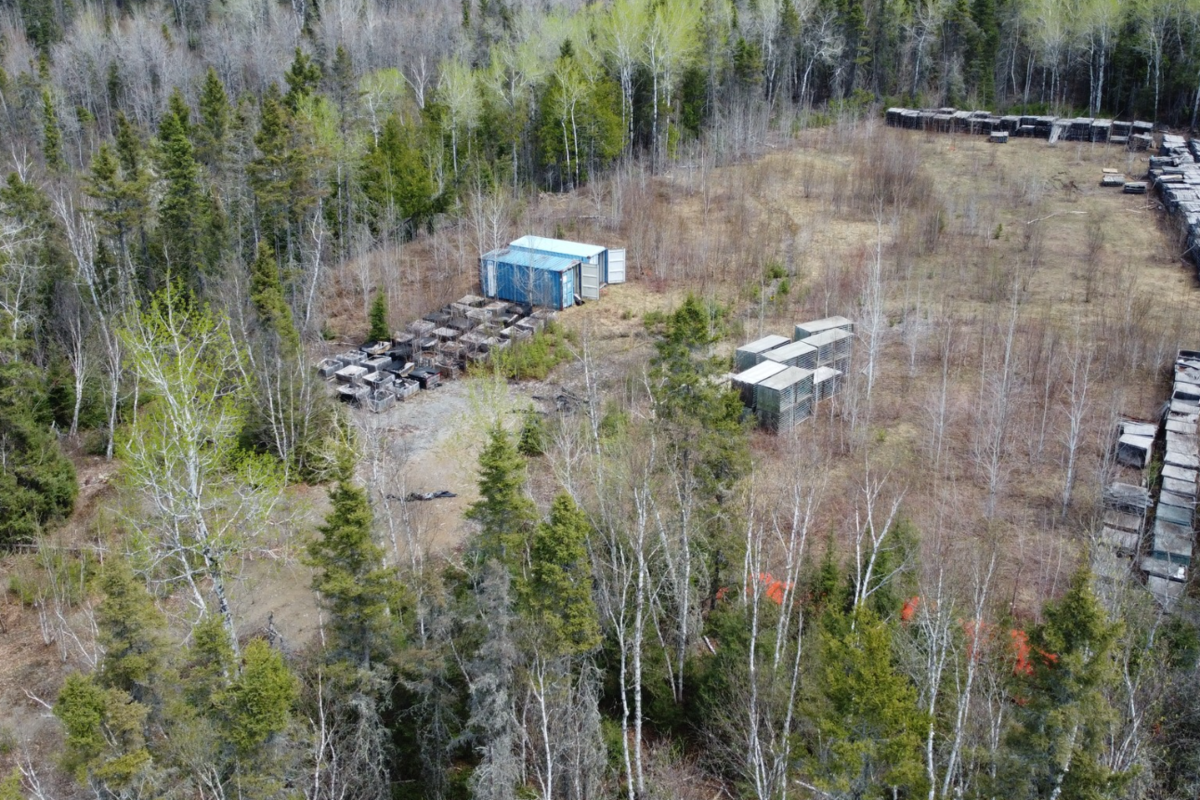
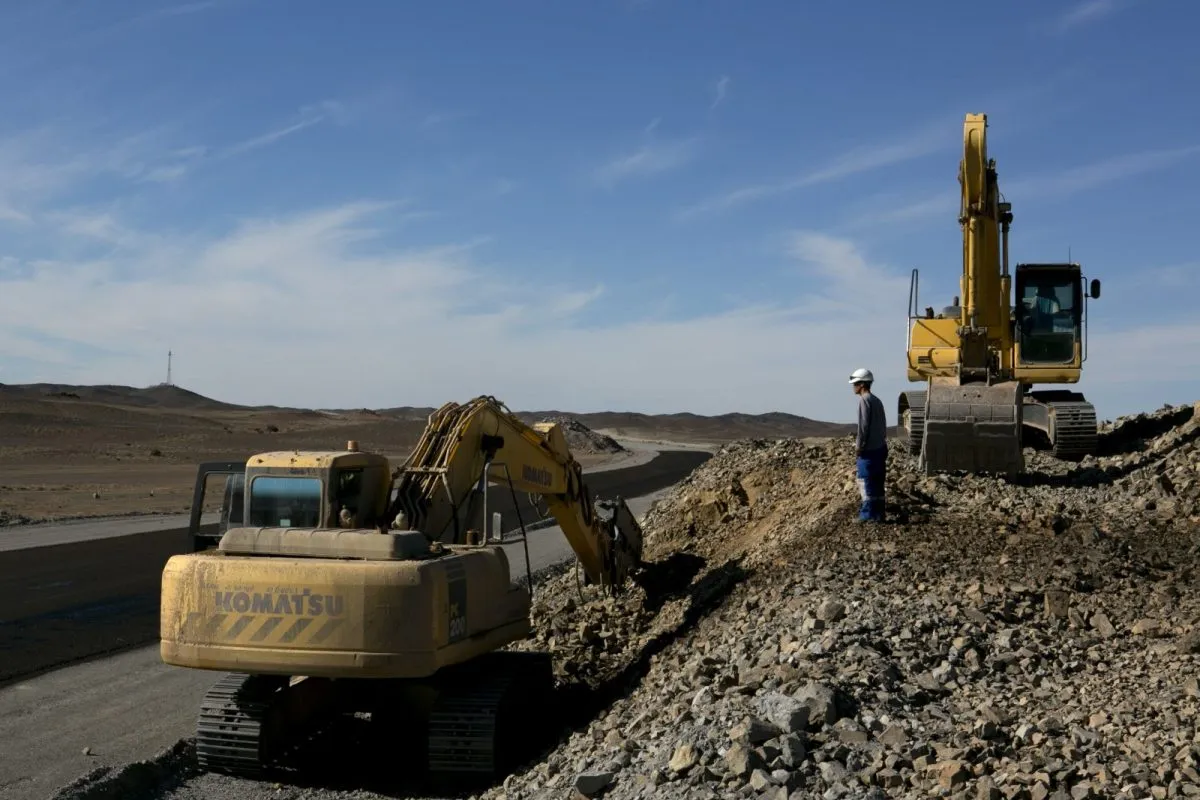
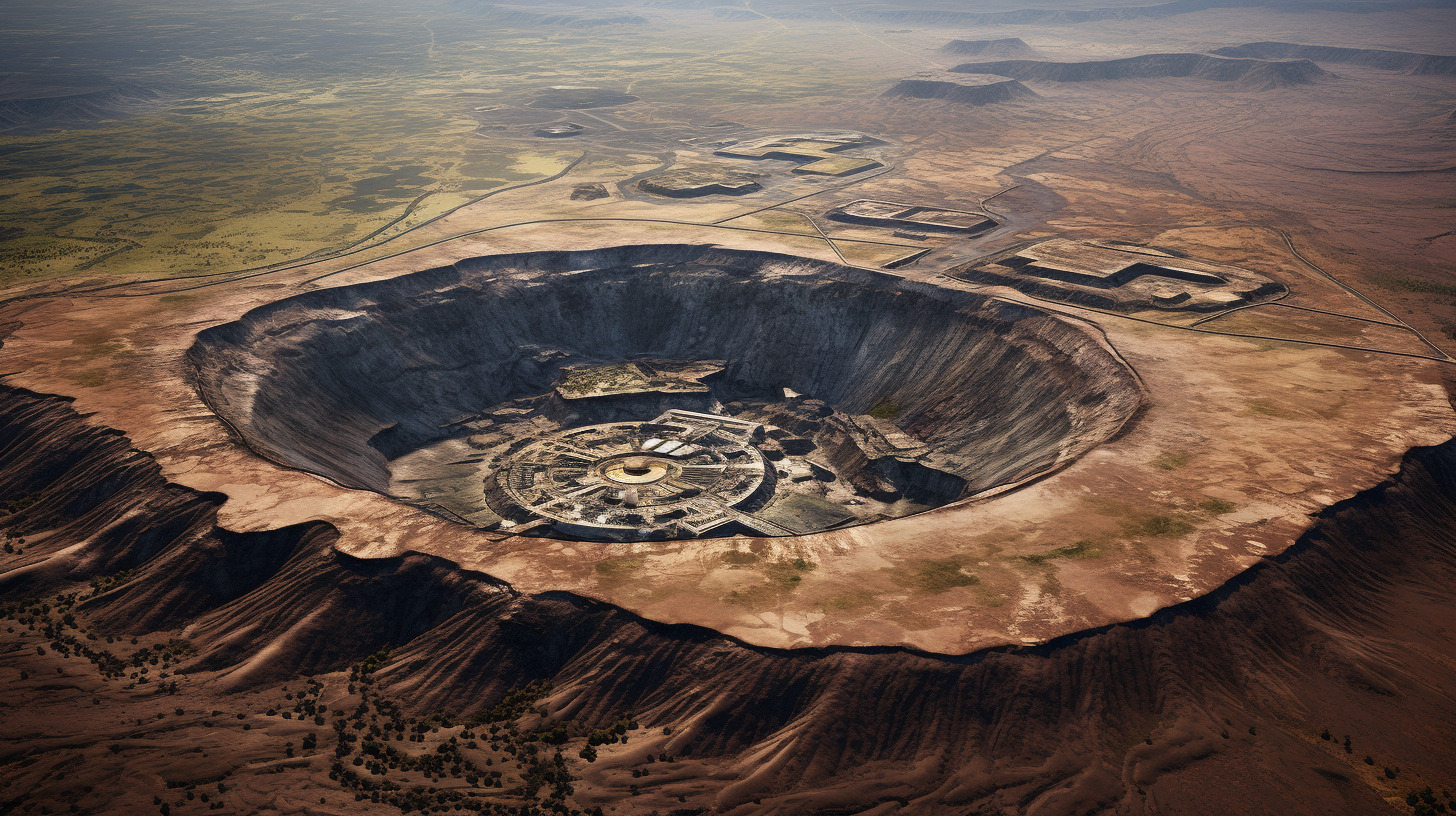
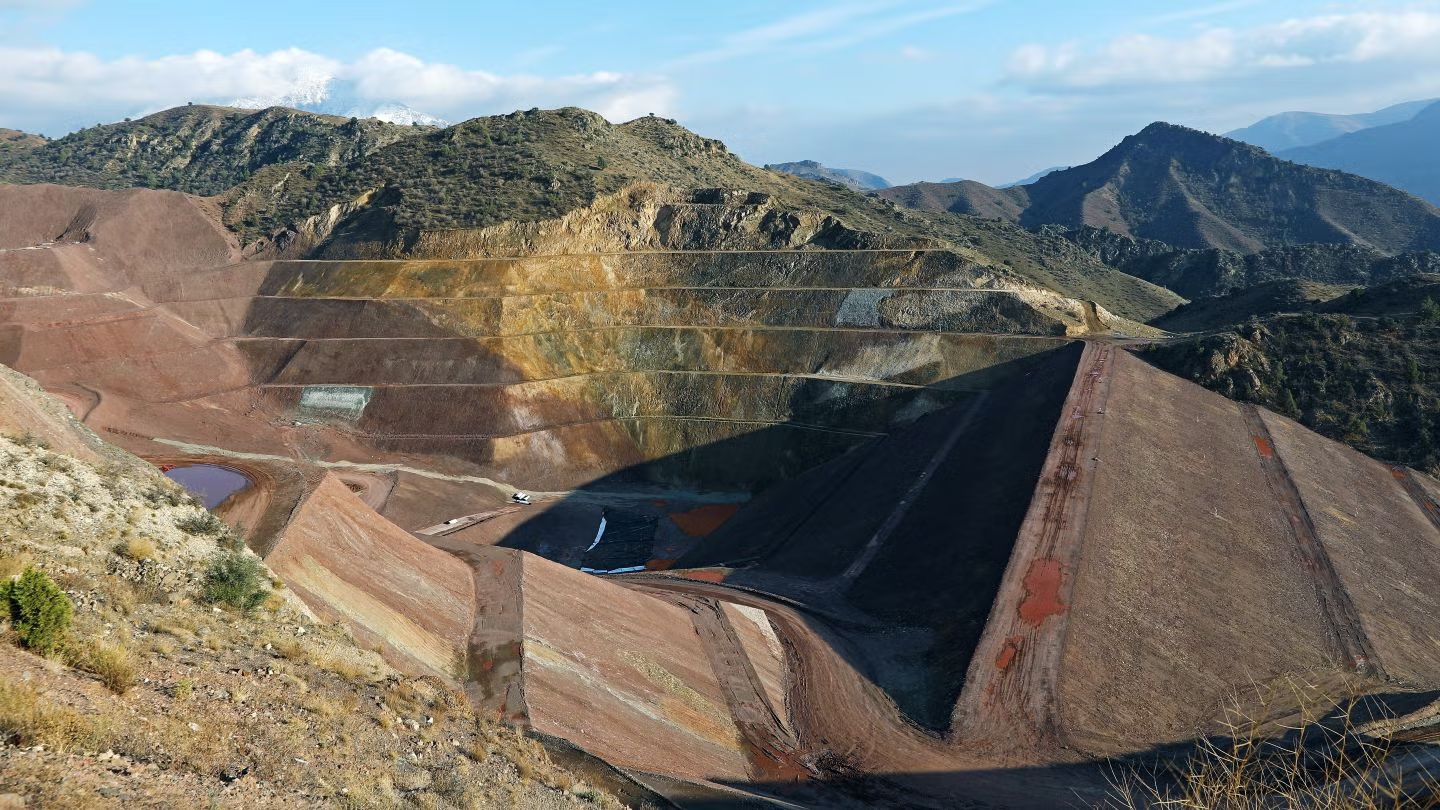
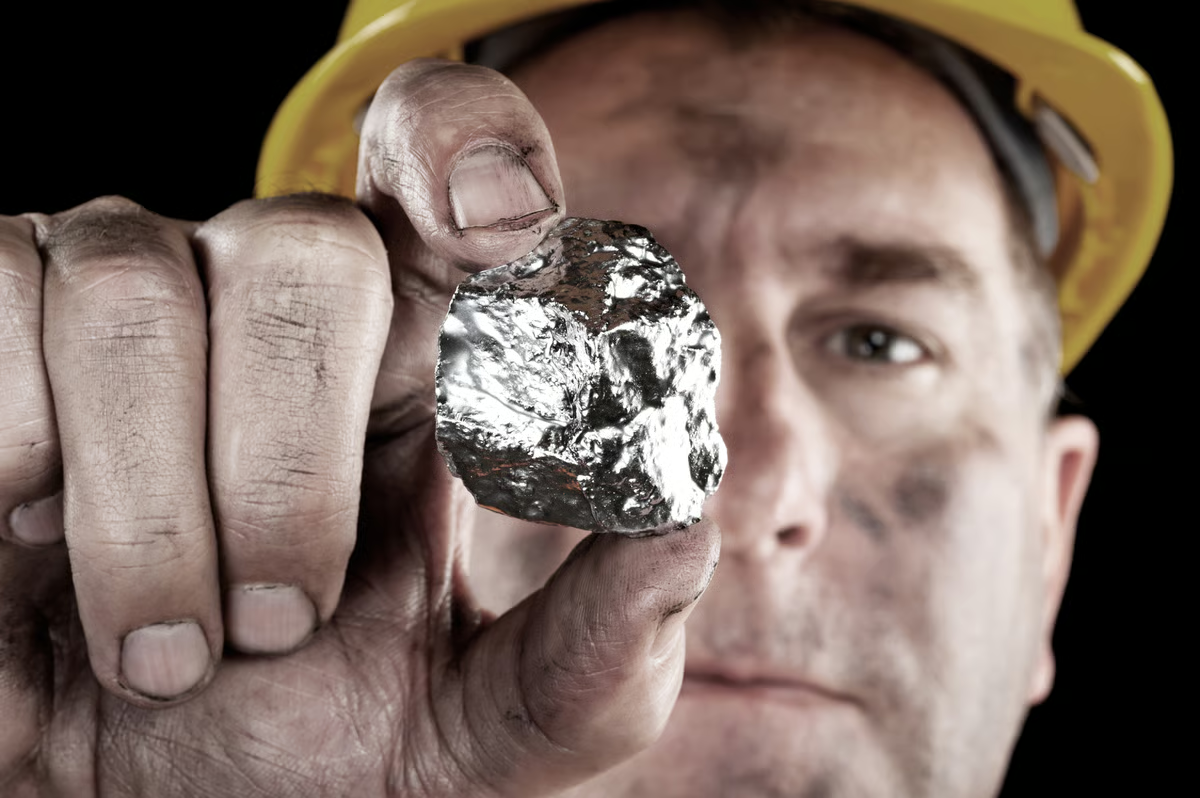
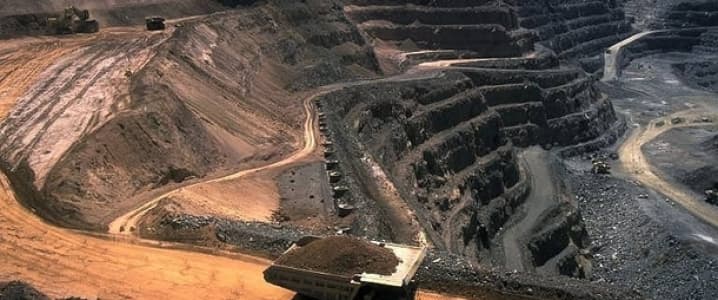
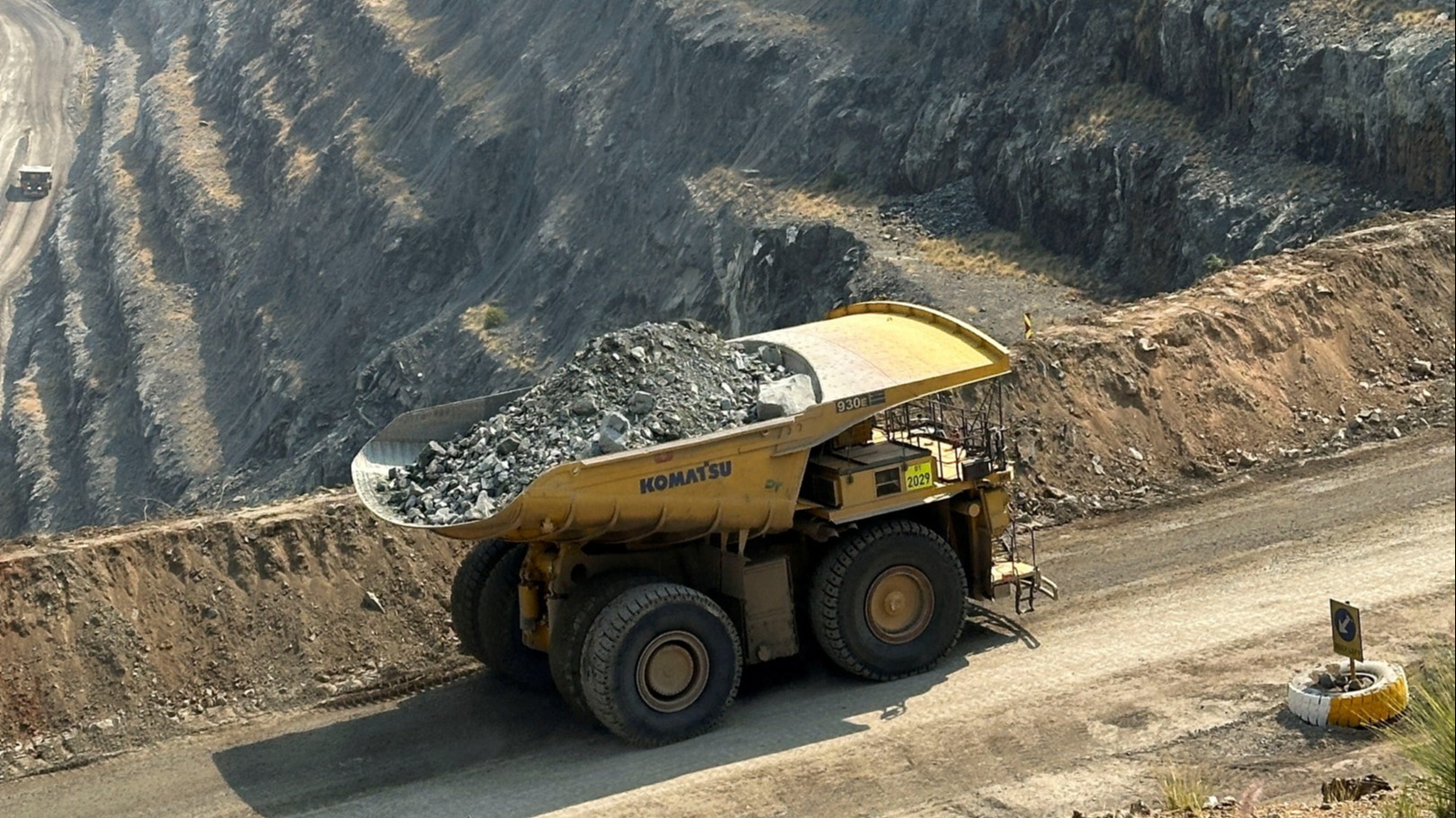
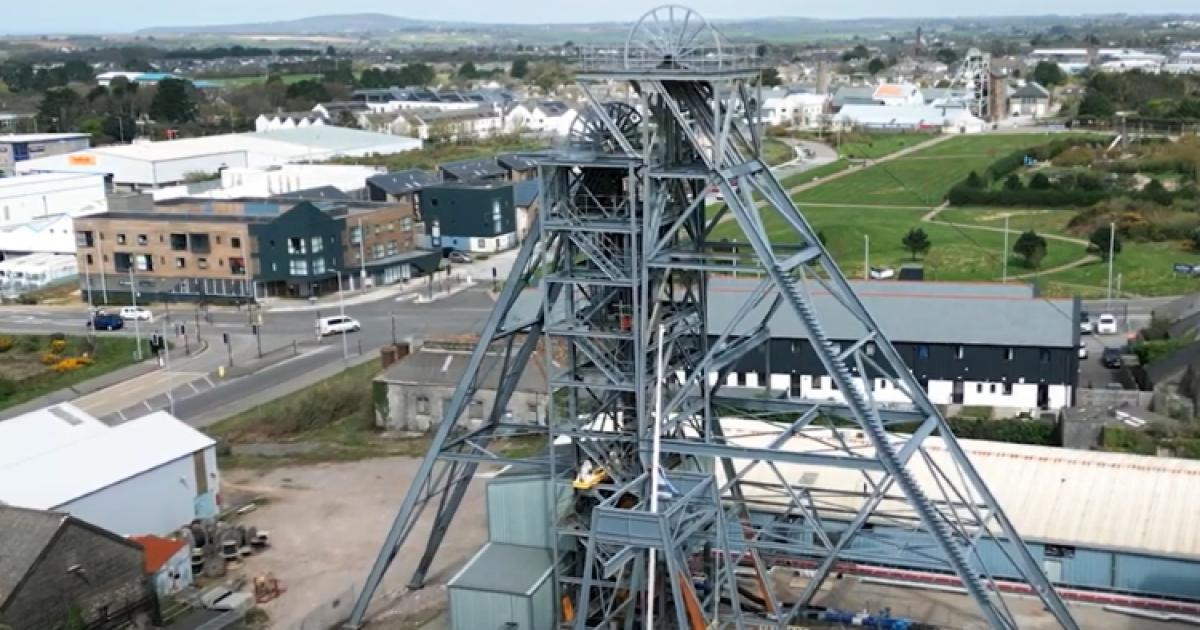
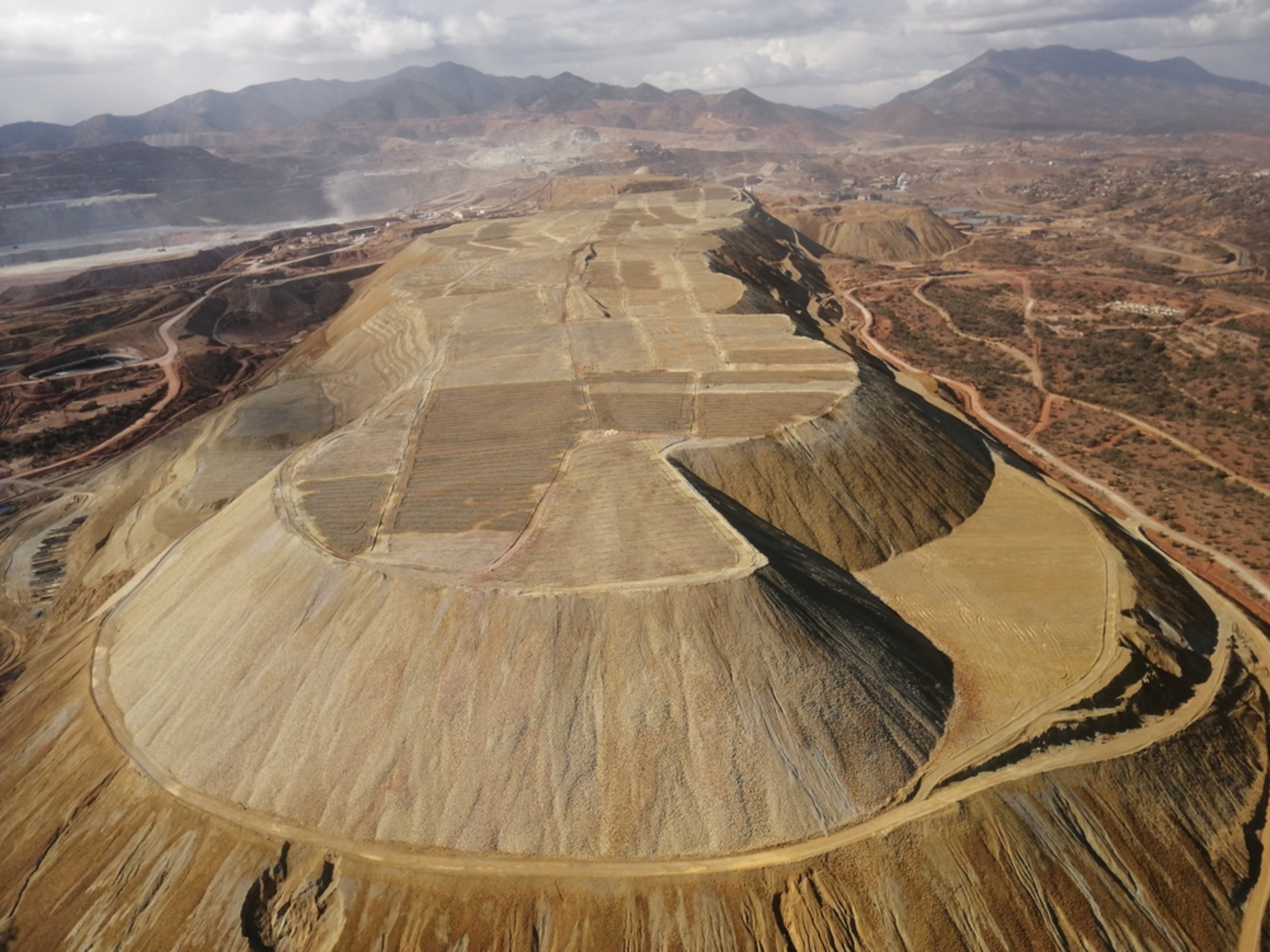
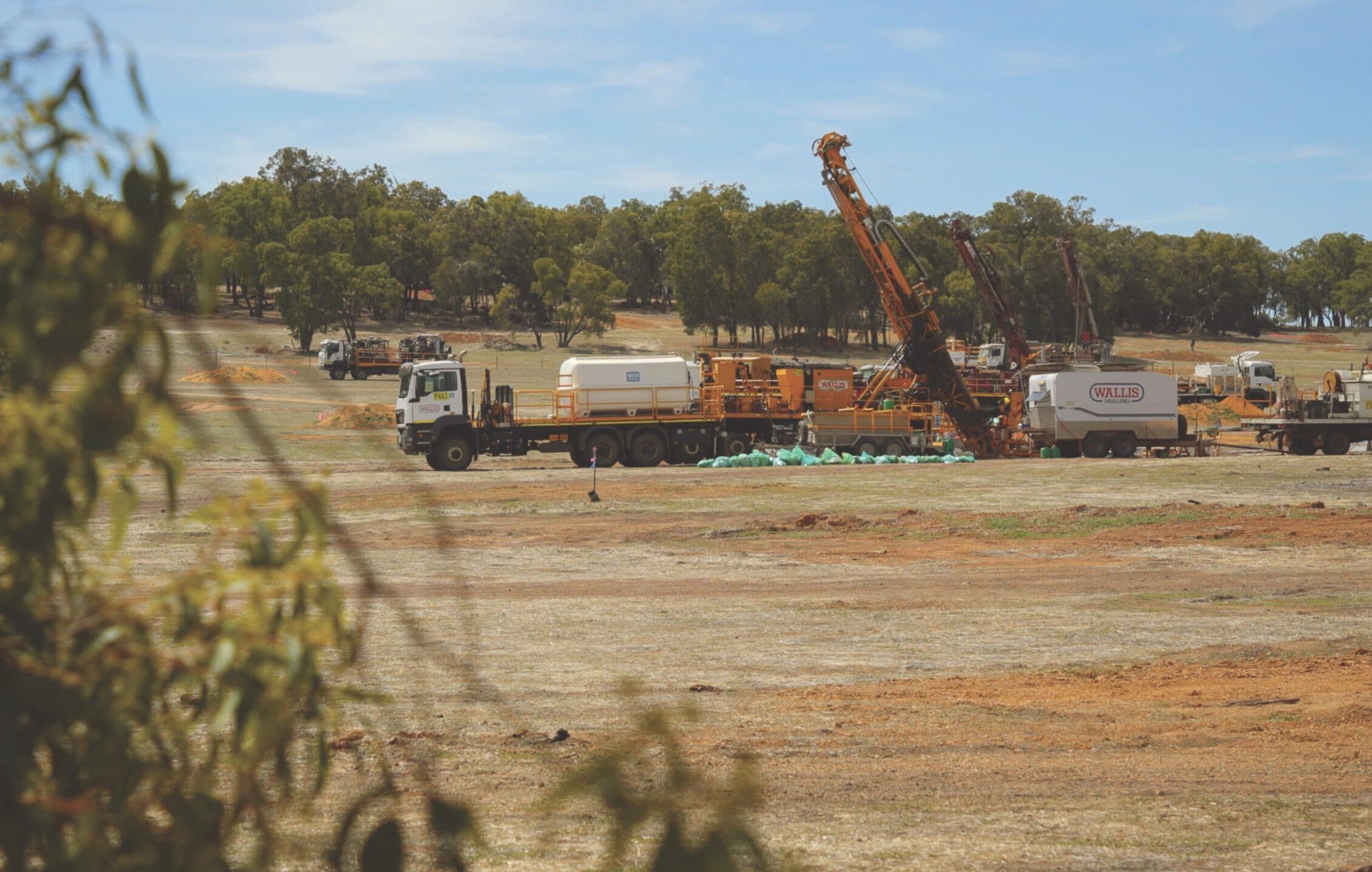
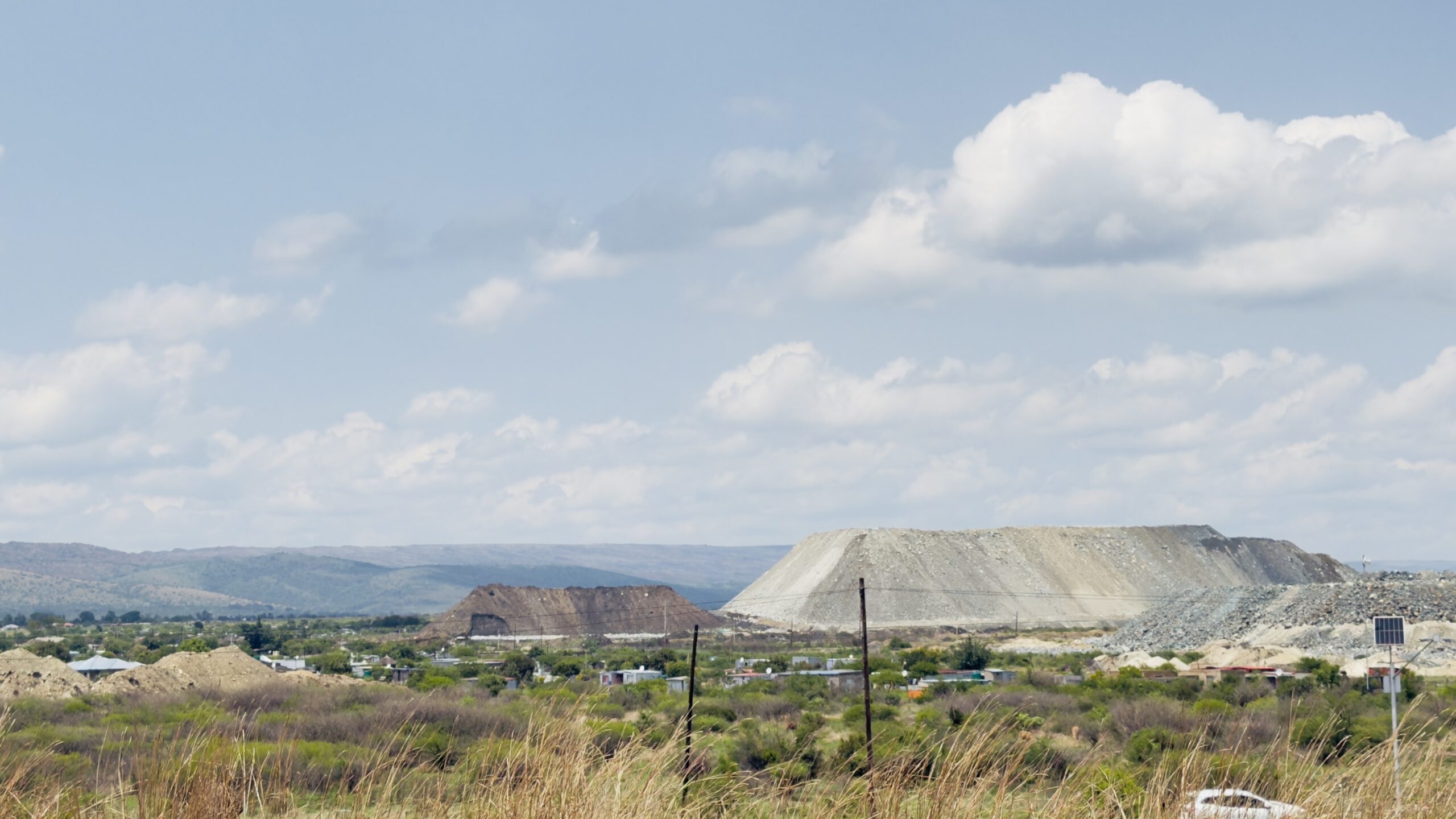
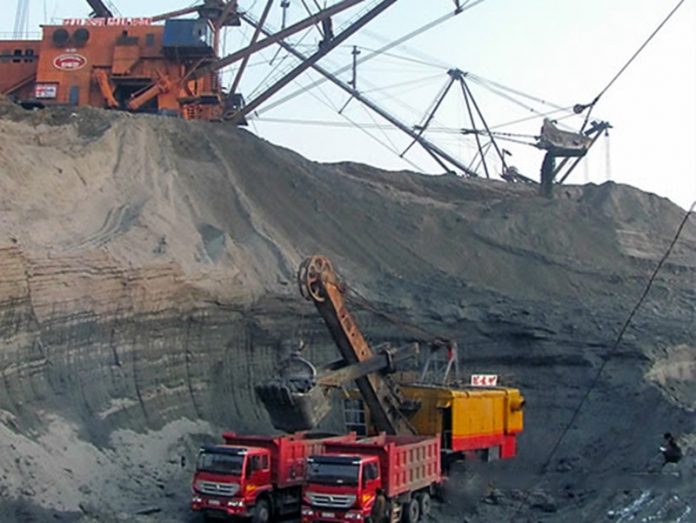
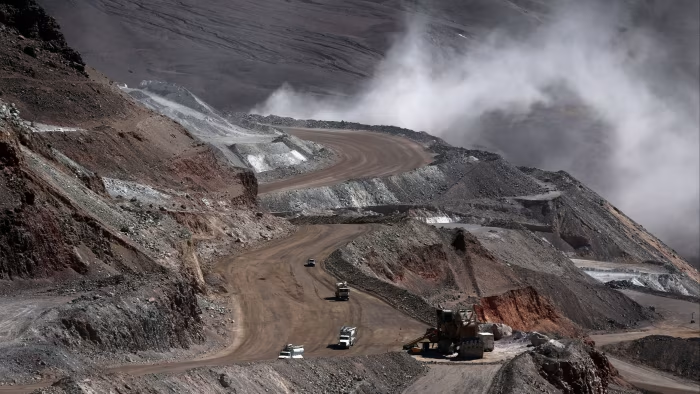
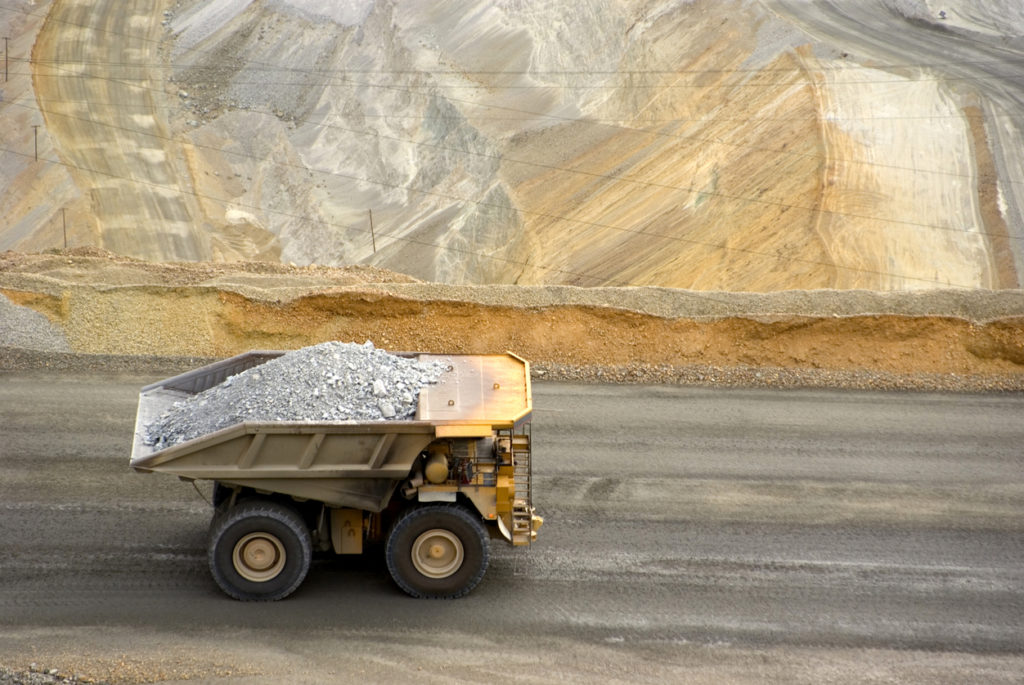
In Sararé, the consequences of that global chase for safe-haven assets are visible from the air. About 17.3 square miles have been destroyed since the gold rush began roughly five years ago, an area almost half the size of Manhattan.
‘They wiped out everything. They destroyed nature,’ said Jackson Katitãurlu, an Indigenous leader from the Nambiquara people, describing the mining camps near his village.
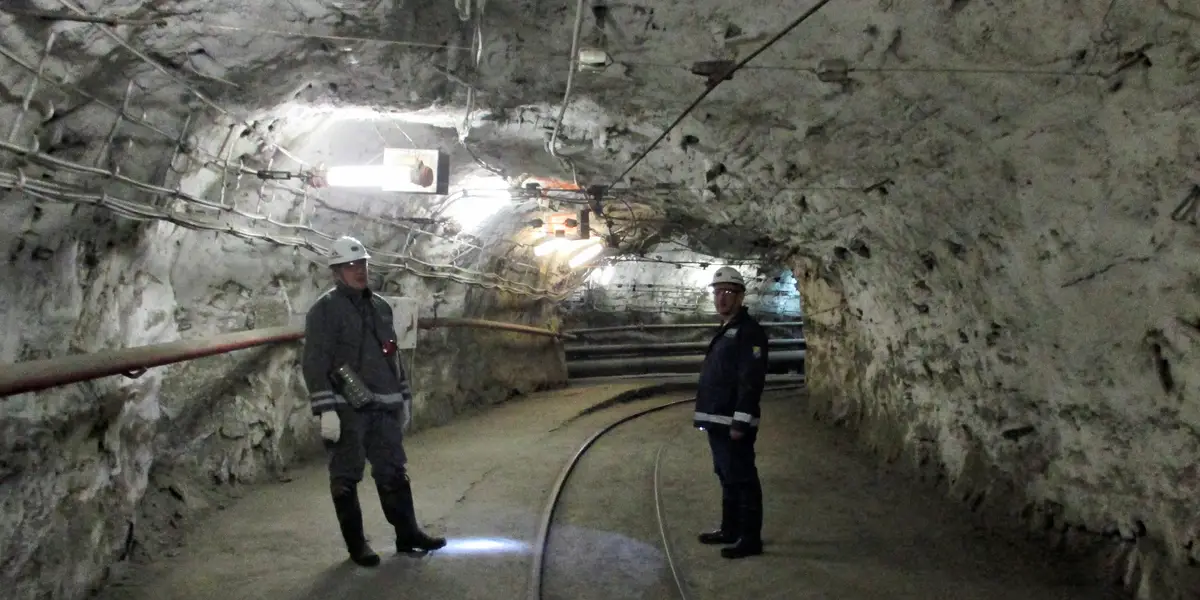
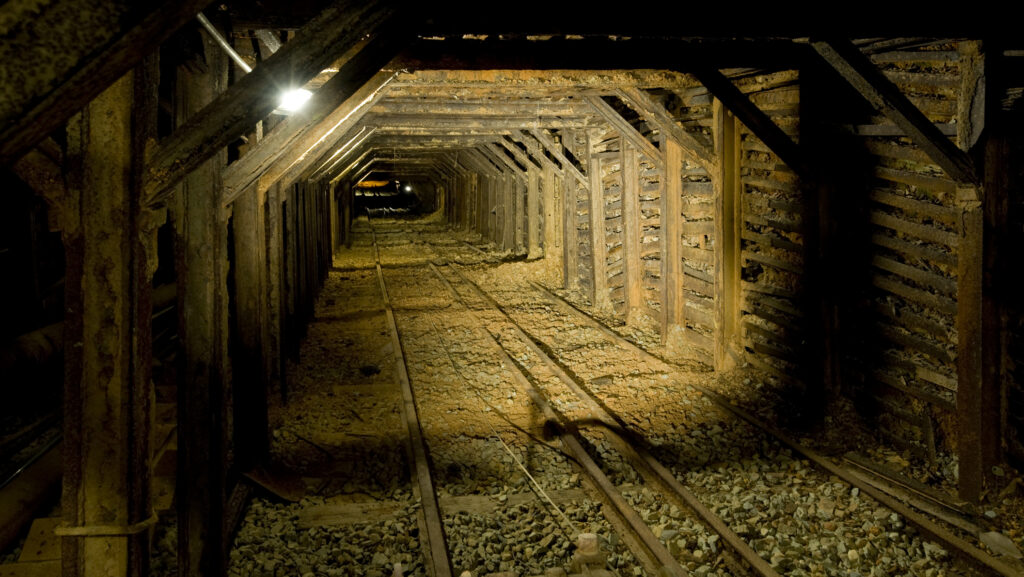
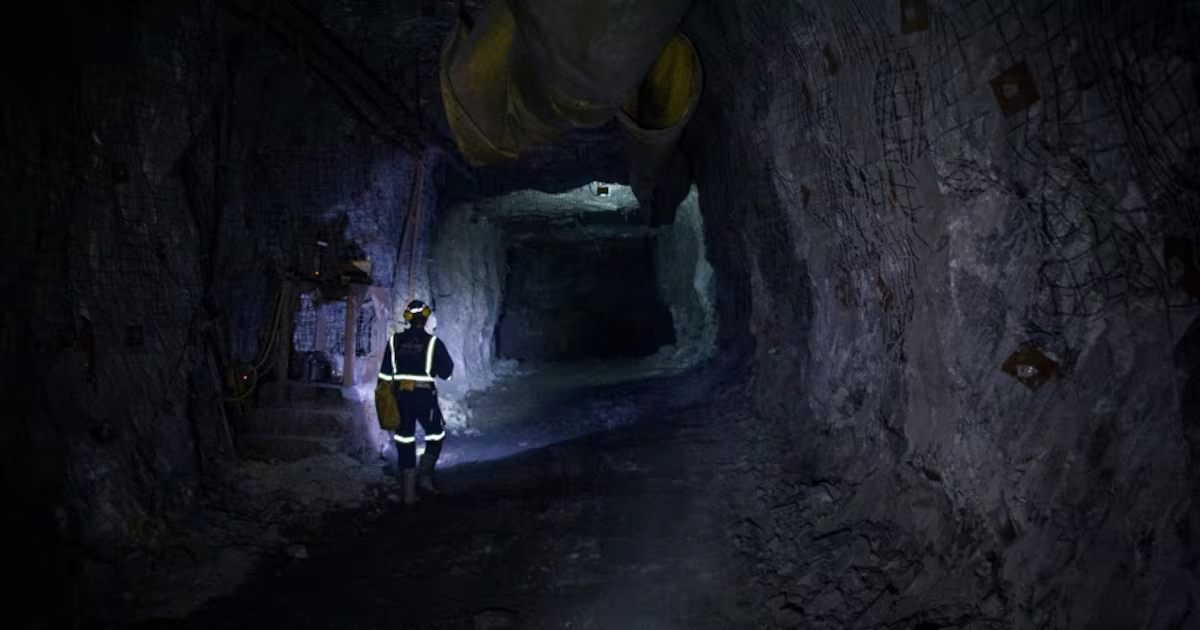
Tubino, walking through the ruins of Garimpo Quatro, one of the territory’s largest mines, called the scene ‘total devastation’.
Mining on Indigenous land remains illegal in Brazil, though a recent Supreme Court ruling has given Congress a deadline to regulate the practice. No final framework has been passed, leaving Indigenous communities without legal avenues to benefit from mining while illegal operations persist.
BAM! Colombia has announced a historic ban on all new oil and large-scale mining projects in its part of the Amazon Rainforest, protecting an area roughly the size of Sweden. 🌿
Experts say the move could help protect one of the planet’s most important ecosystems—often called… pic.twitter.com/UnMAP8A7my
— Mike Hudema (@MikeHudema) July 19, 2026
What Happens When Troops Leave
Brazilian forces razed the mining settlement of Vila Cururu in a March assault, but Nambiquara leaders fear the reprieve is temporary. Jackson Katitãurlu said miners were certain to return once security forces withdraw.
‘If the operation is suspended, I think they’ll come back. 100% they will come back,’ he said.
Tubino said he believed Lula’s re-election in October was essential to keeping the crackdown alive, given his far-right predecessor Jair Bolsonaro’s rhetoric had previously emboldened a historic gold rush across protected territories.
Gold remains a favoured hedge against economic uncertainty, and the price is expected to remain volatile as trade policy continues to shift. For Indigenous communities in remote territories like Sararé, the question is whether Brazilian forces will sustain the operations needed to keep miners out once the current campaign ends.