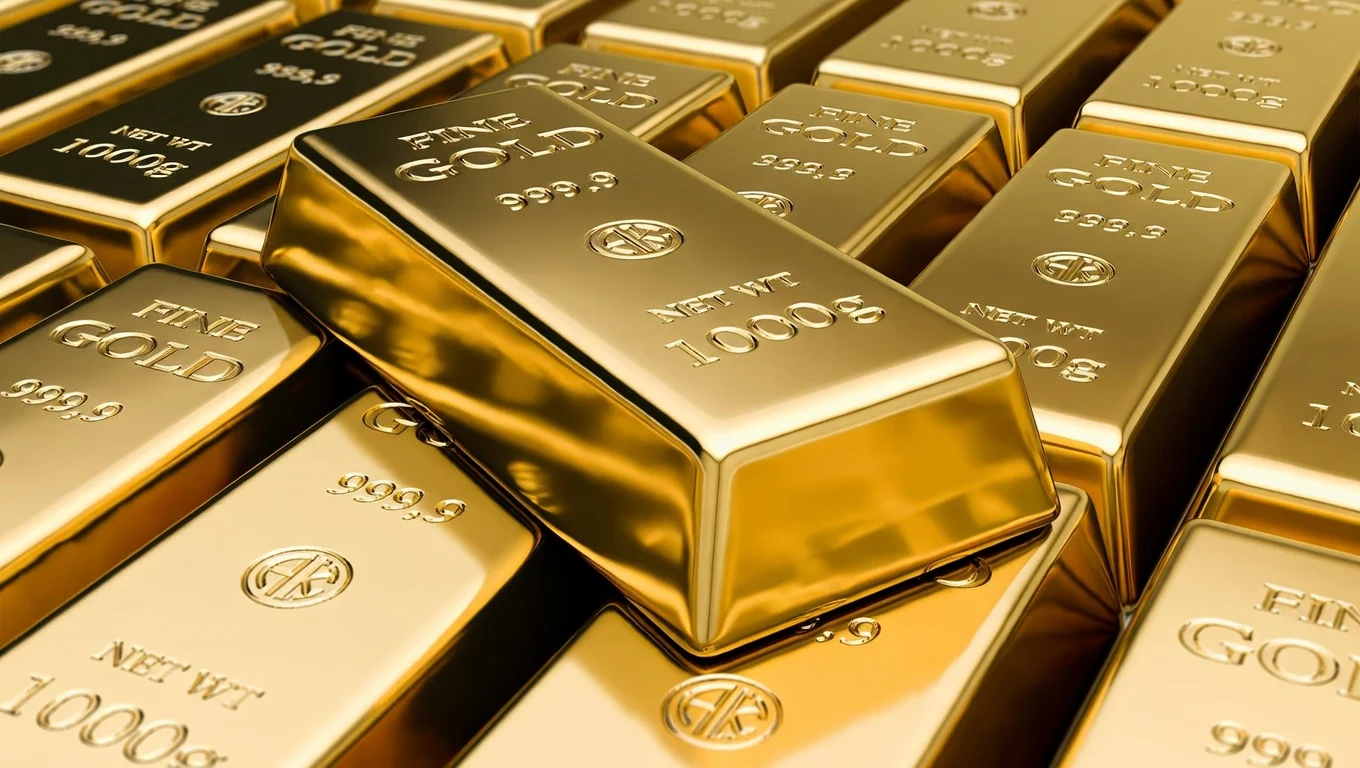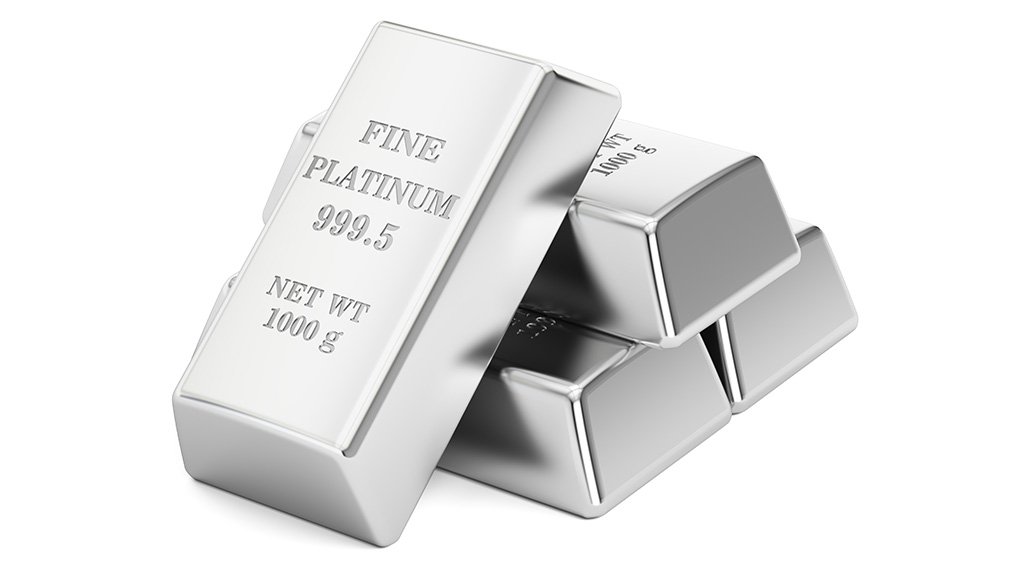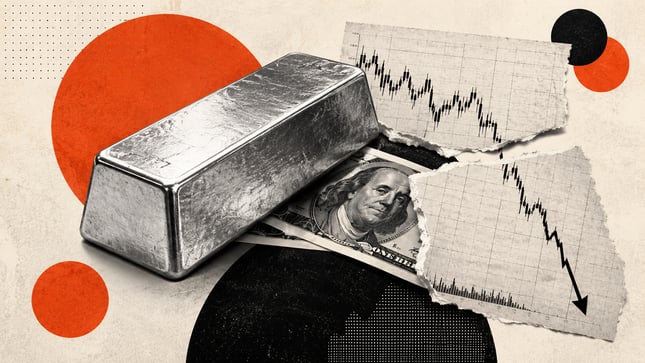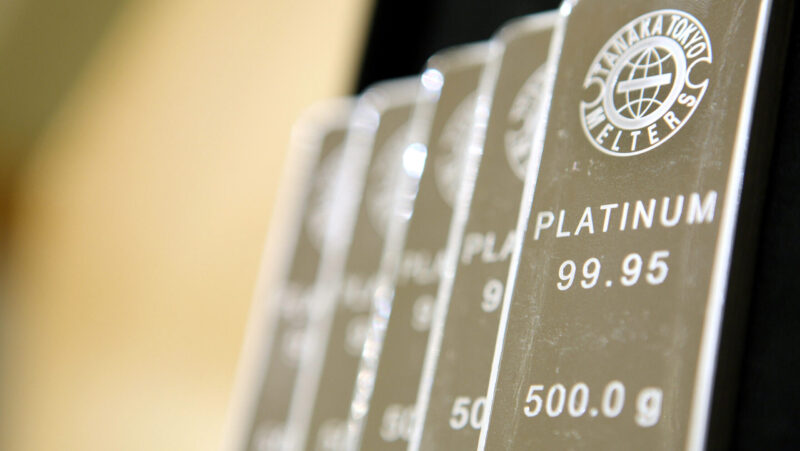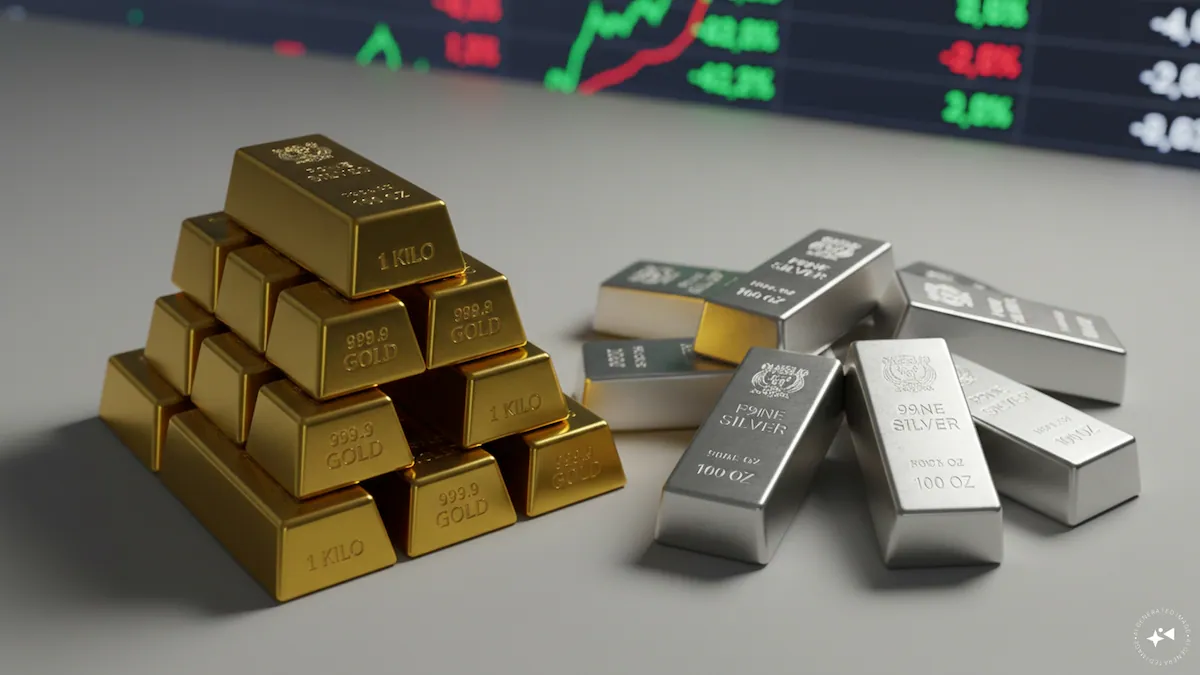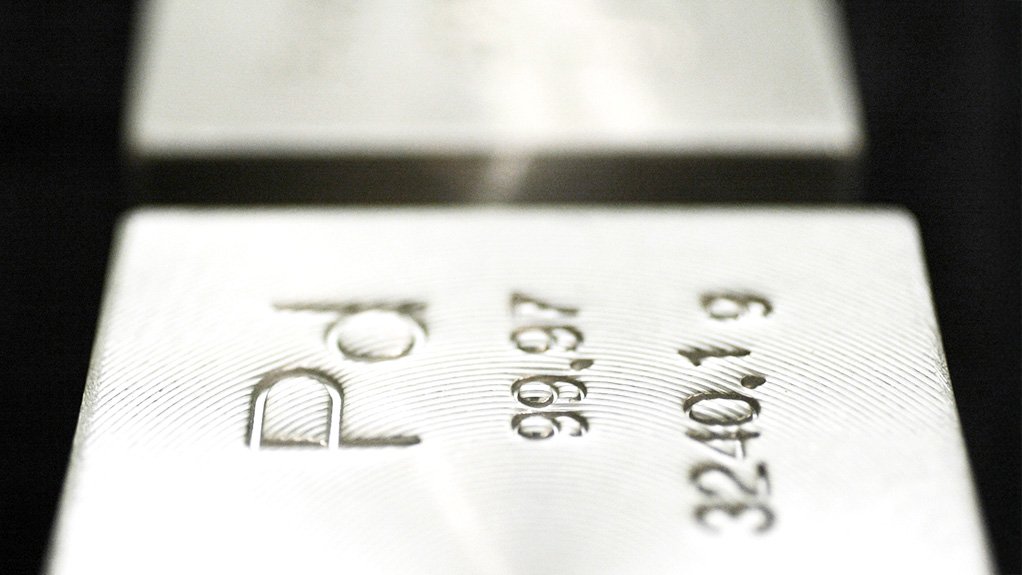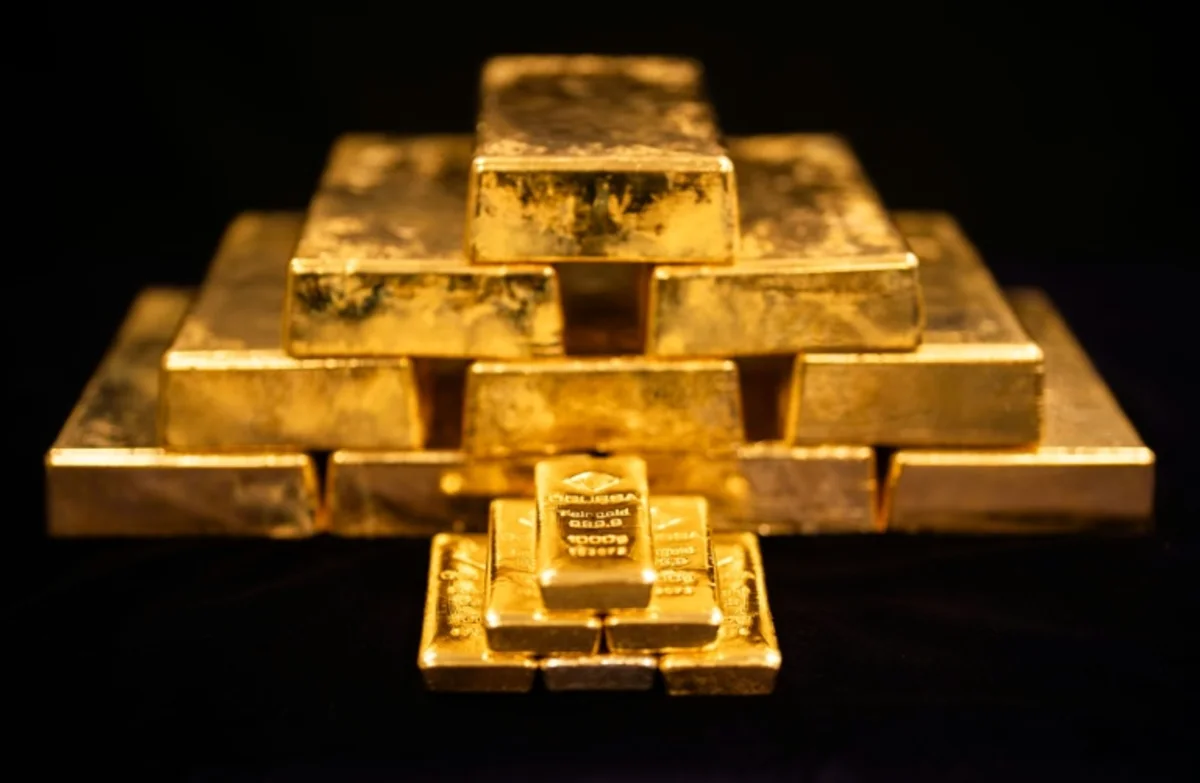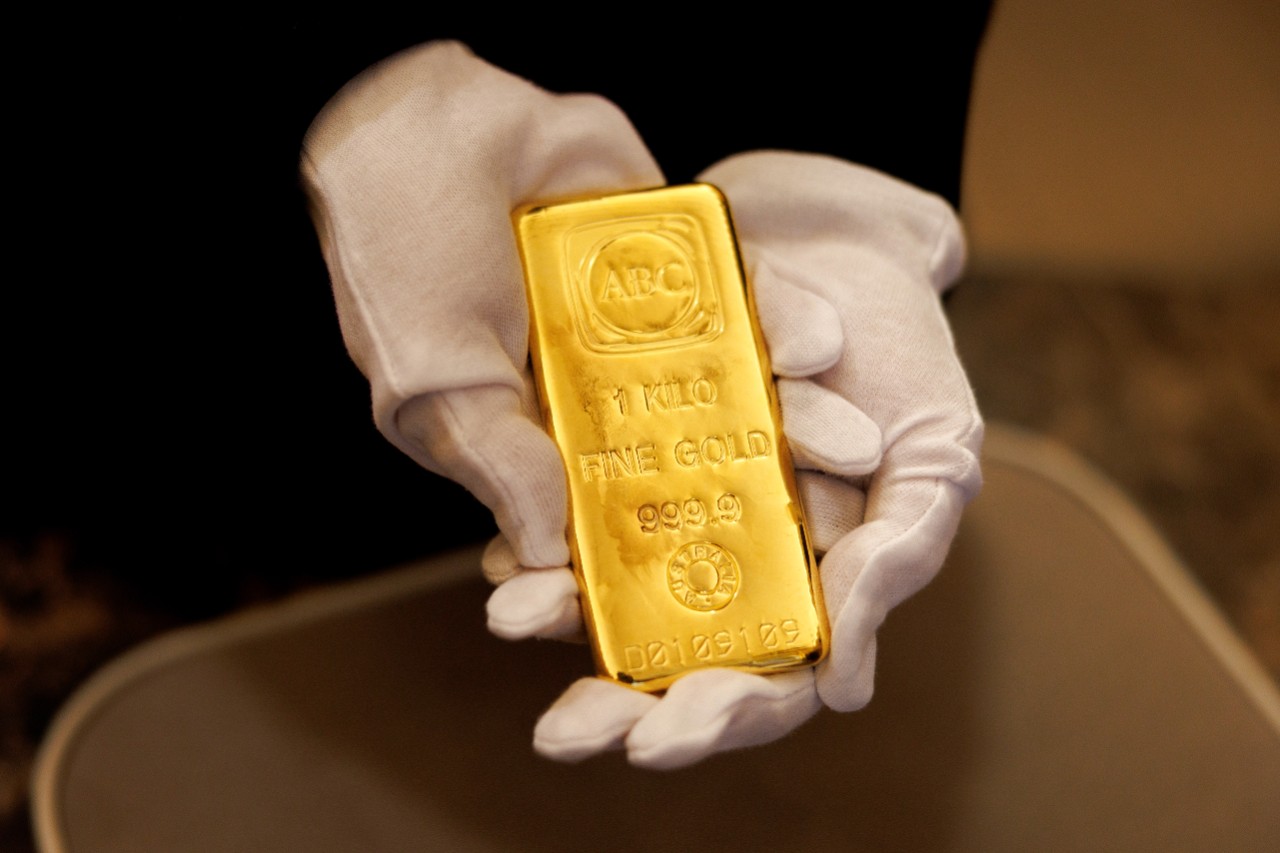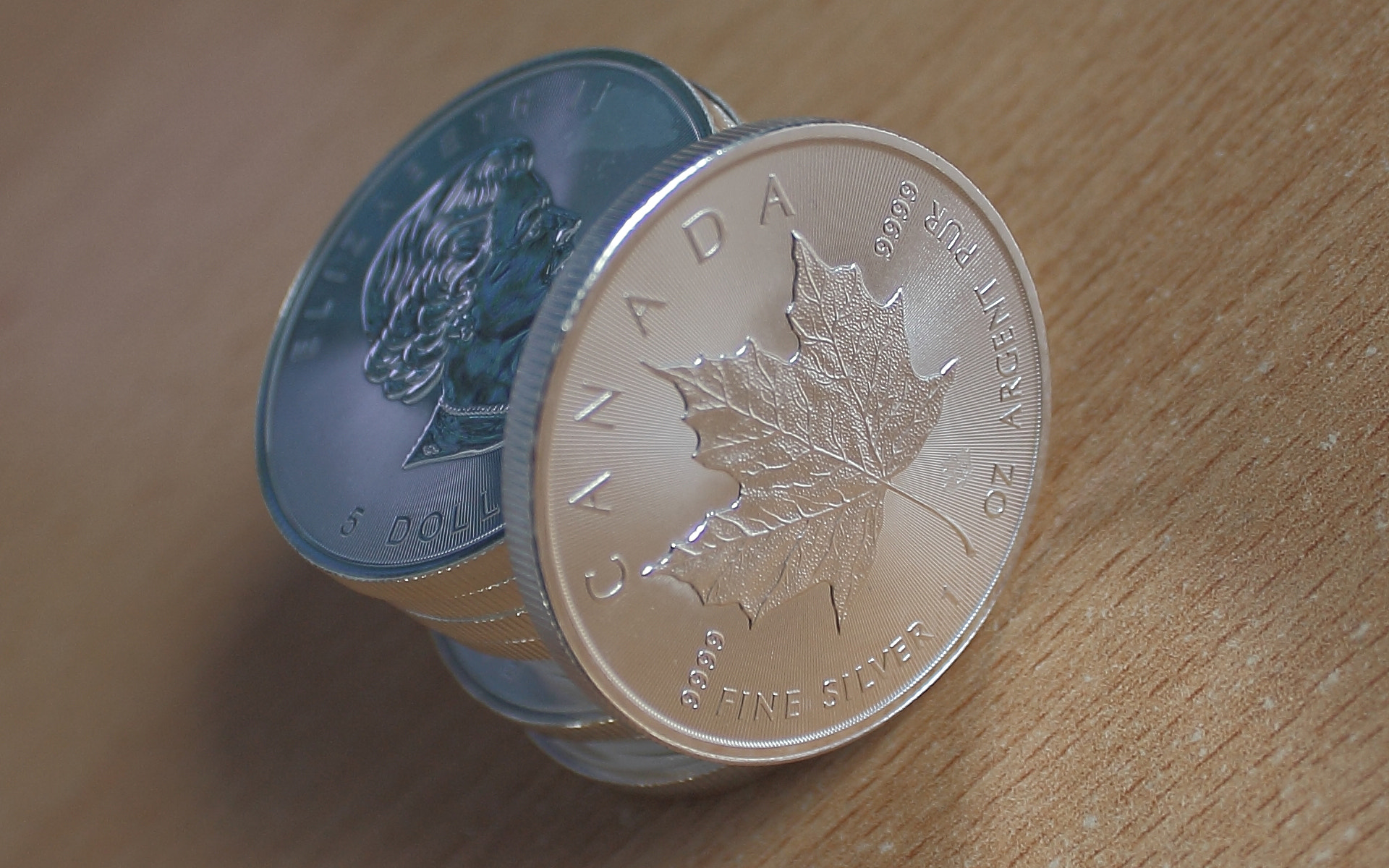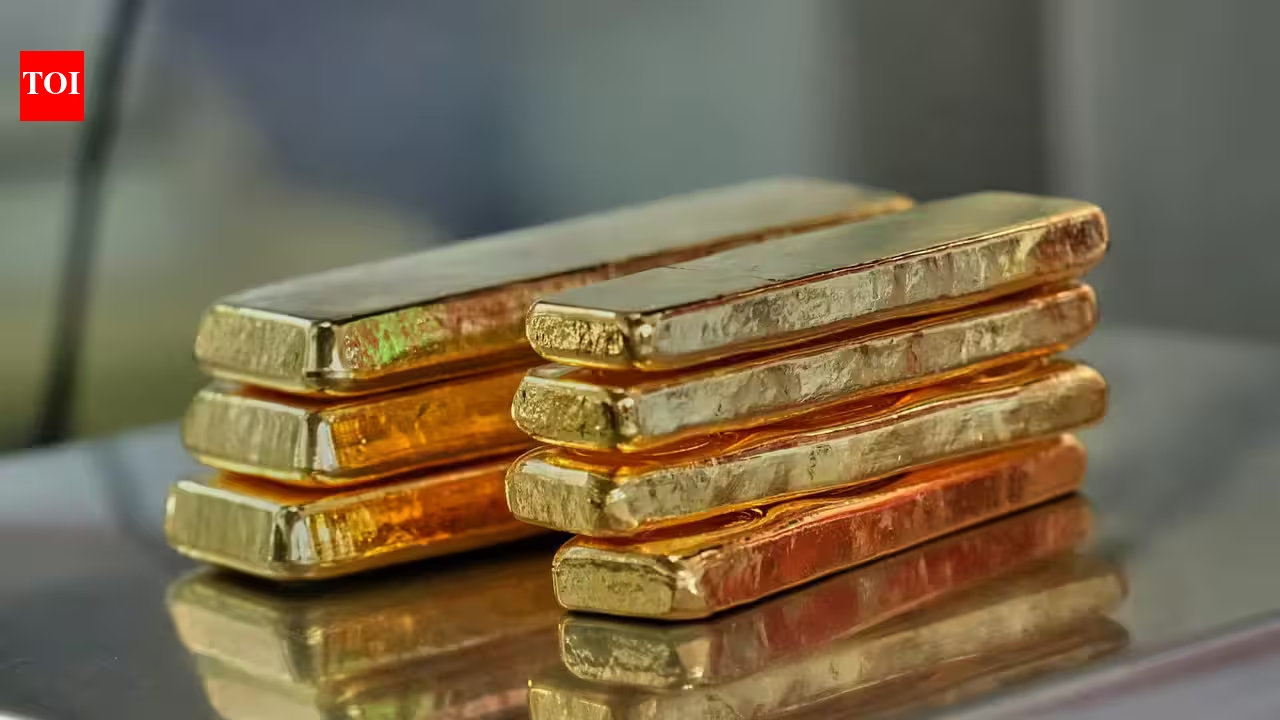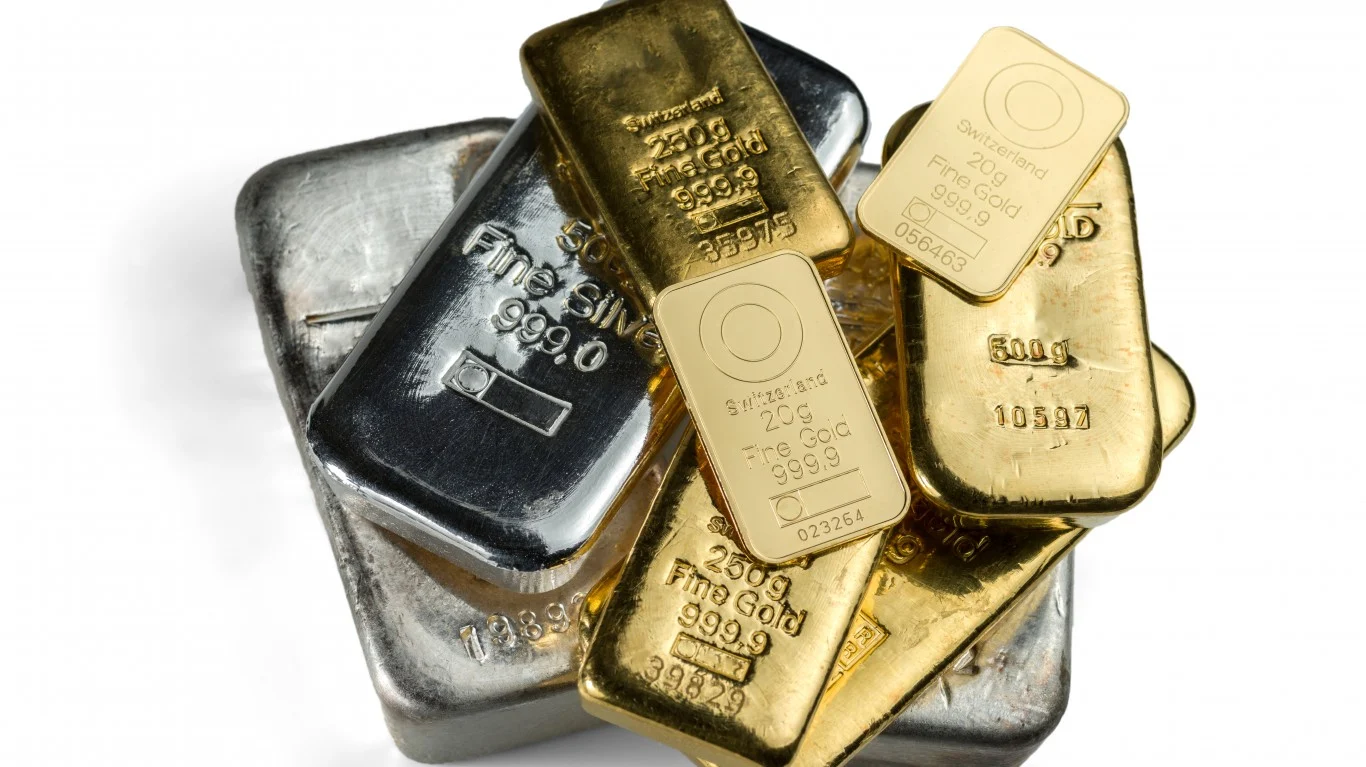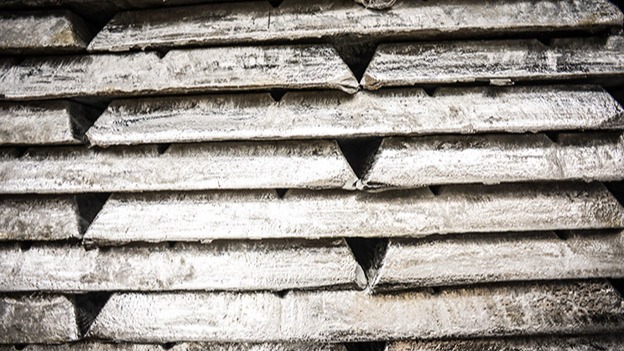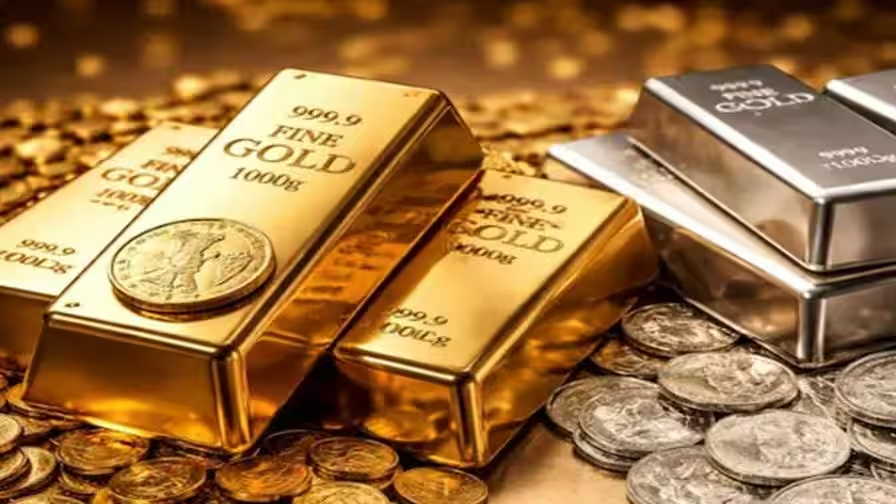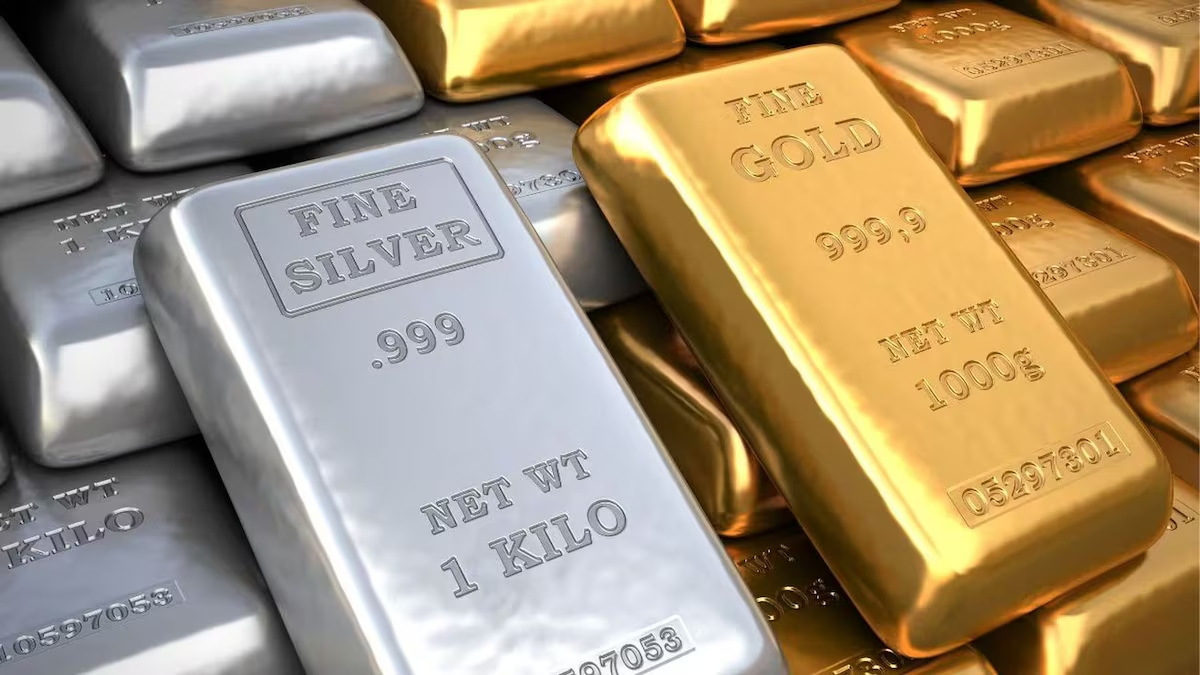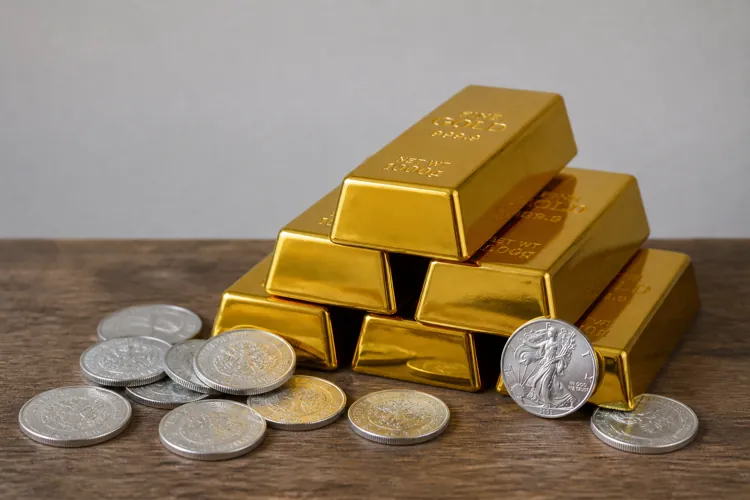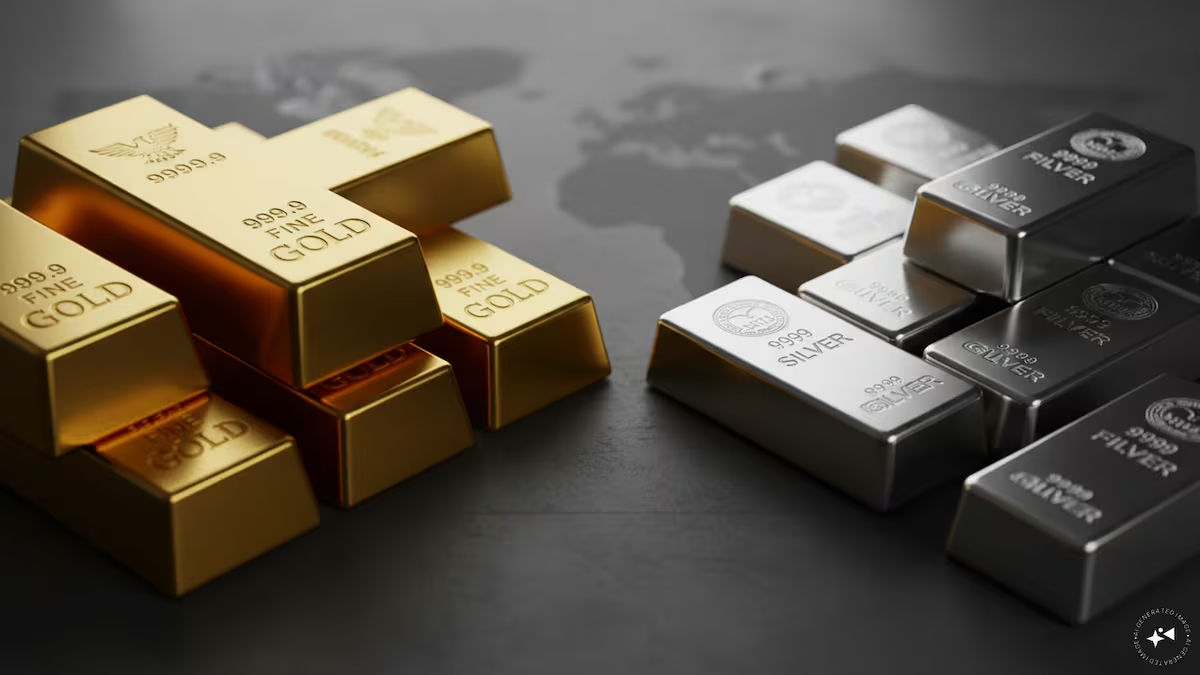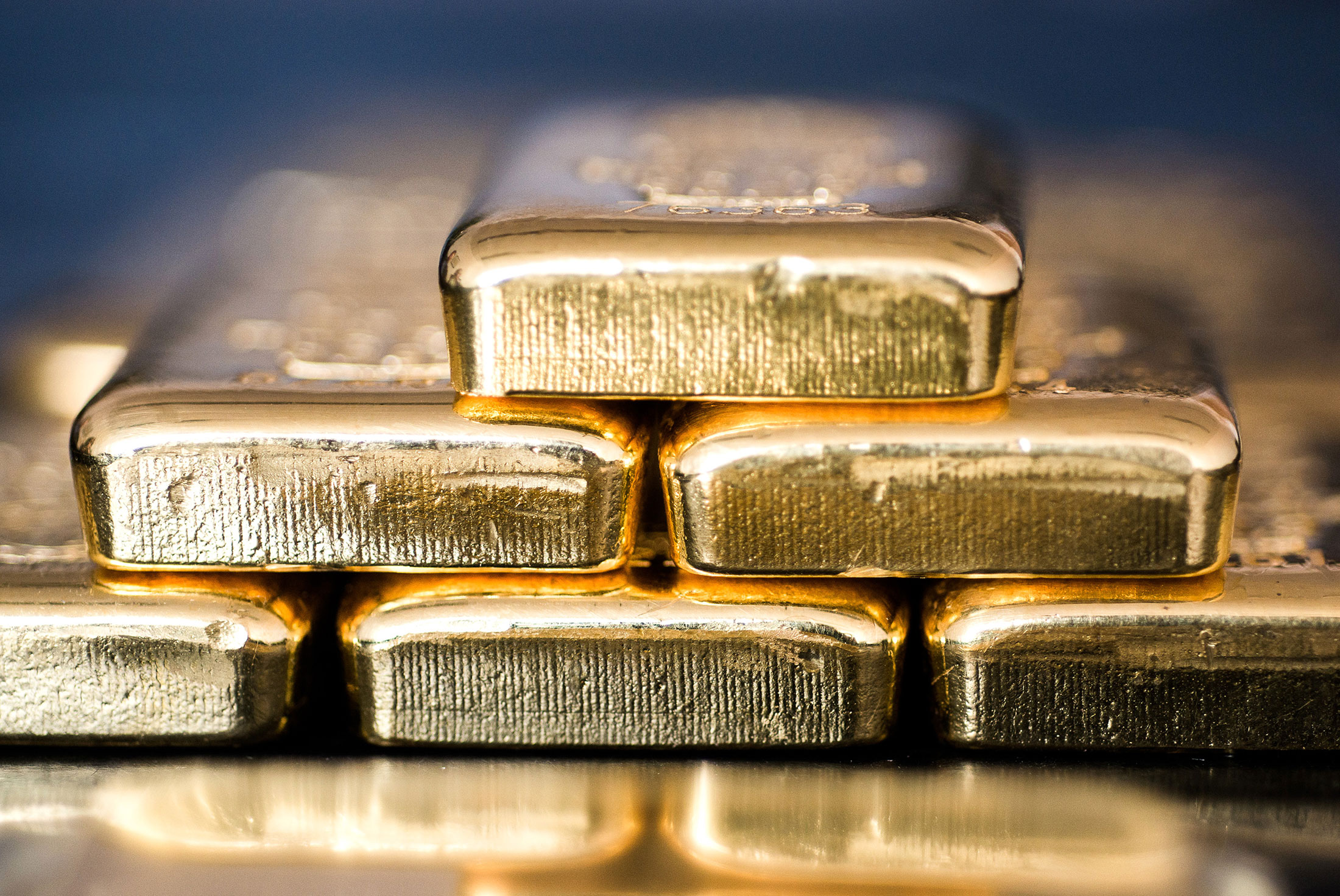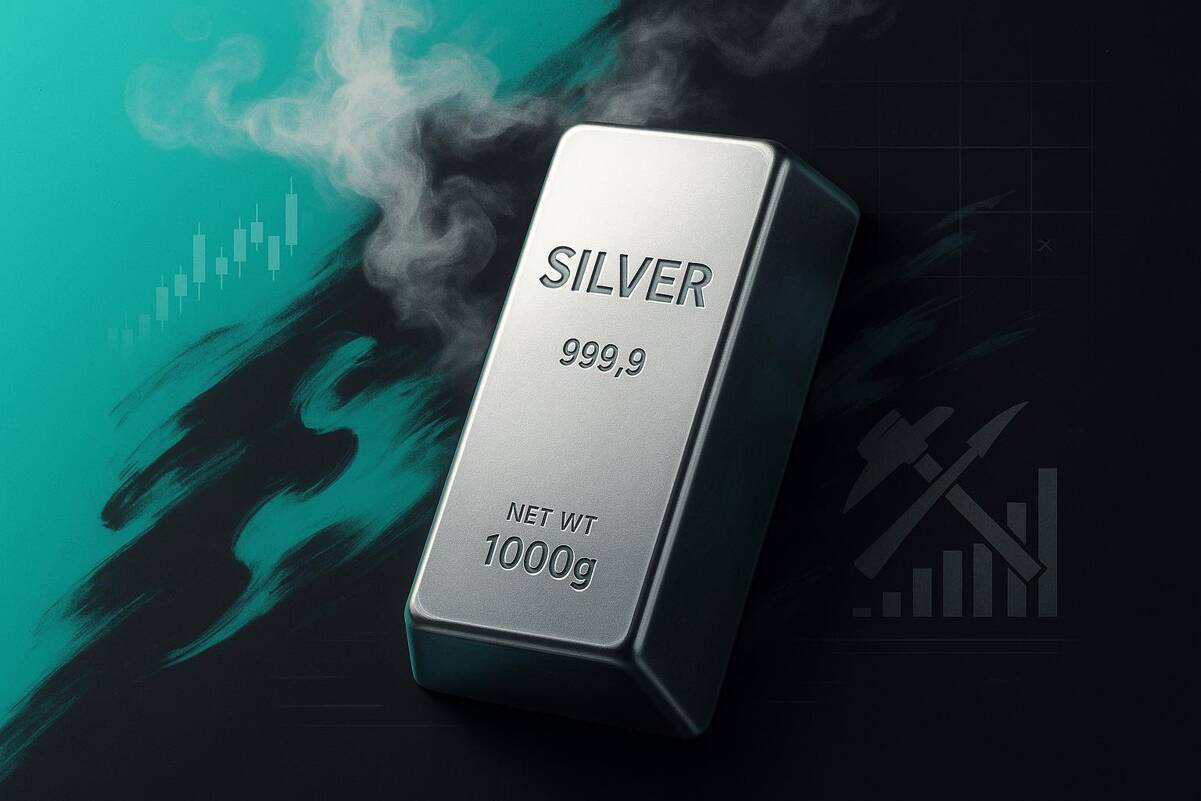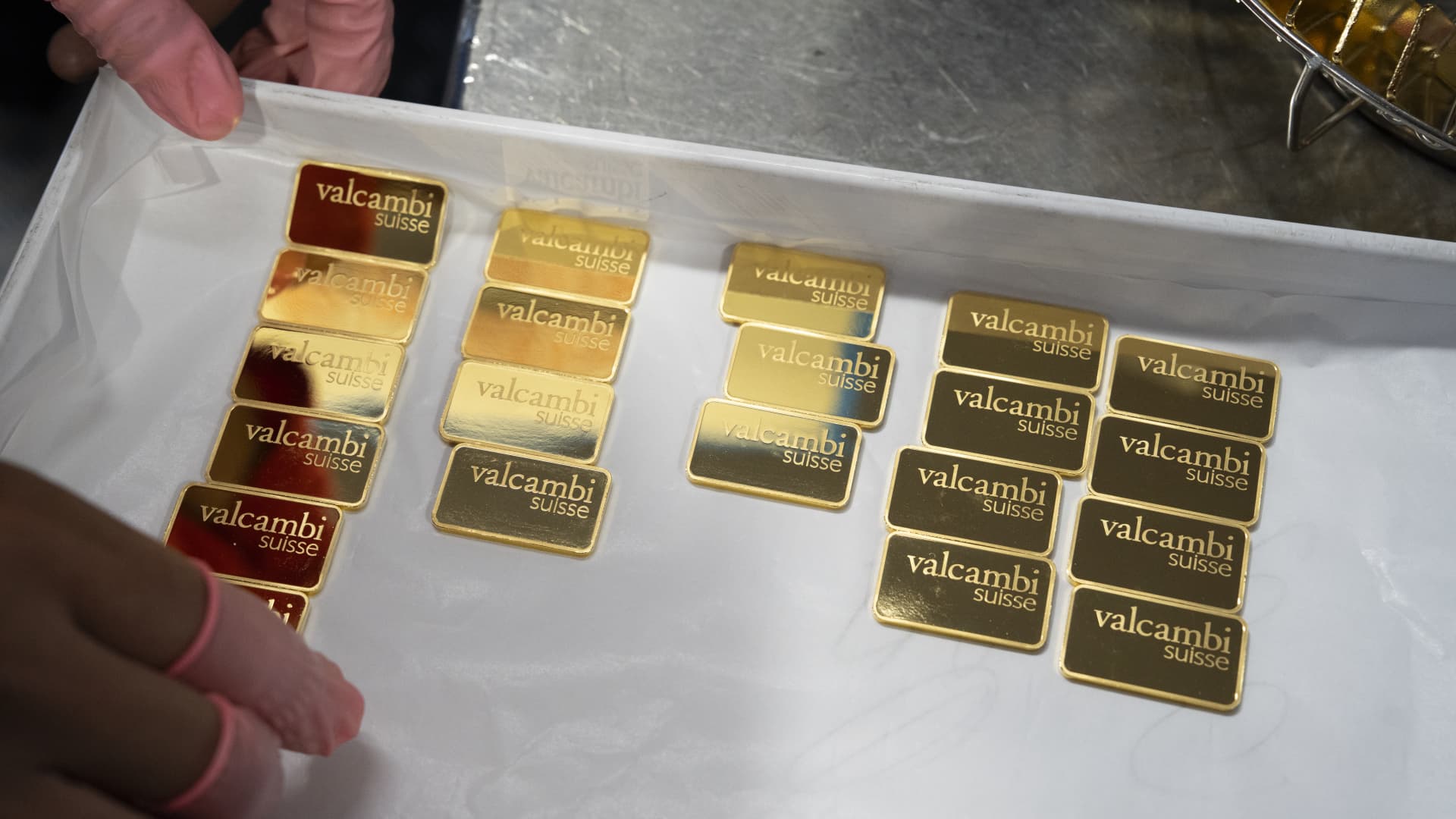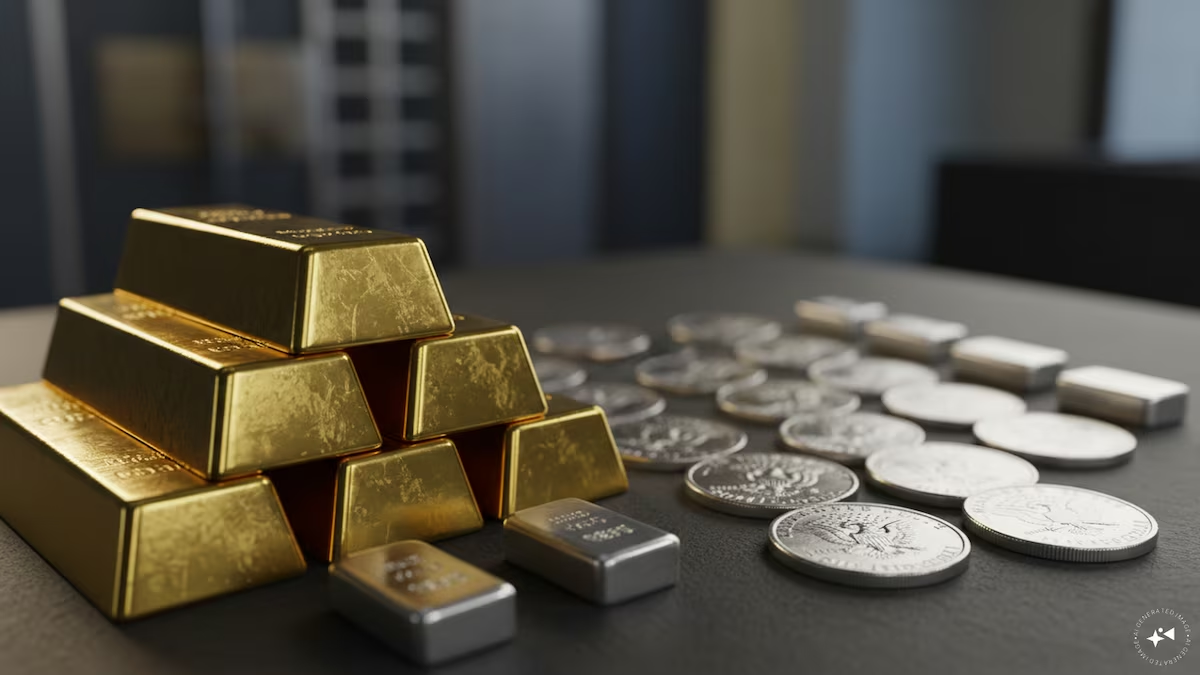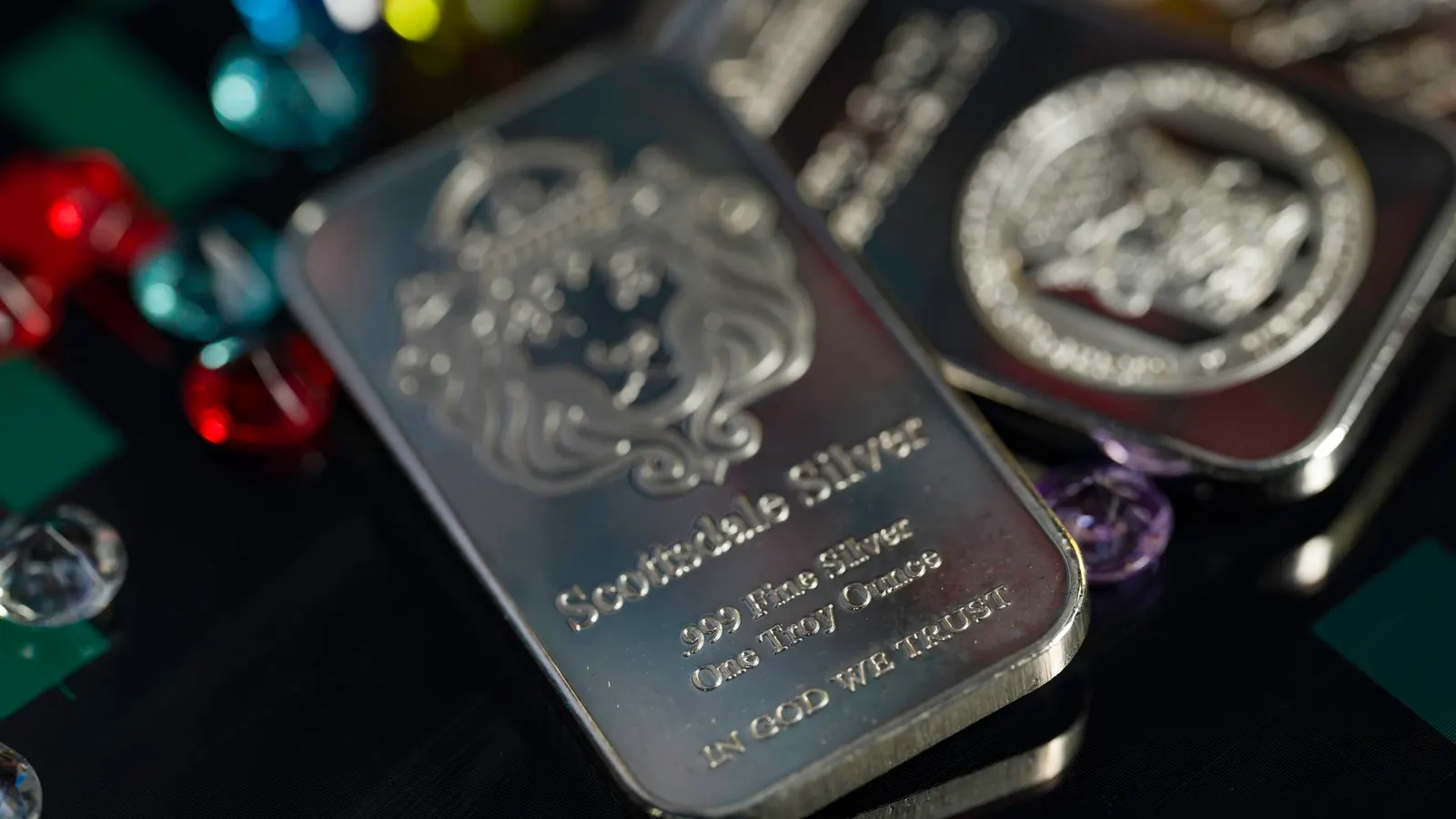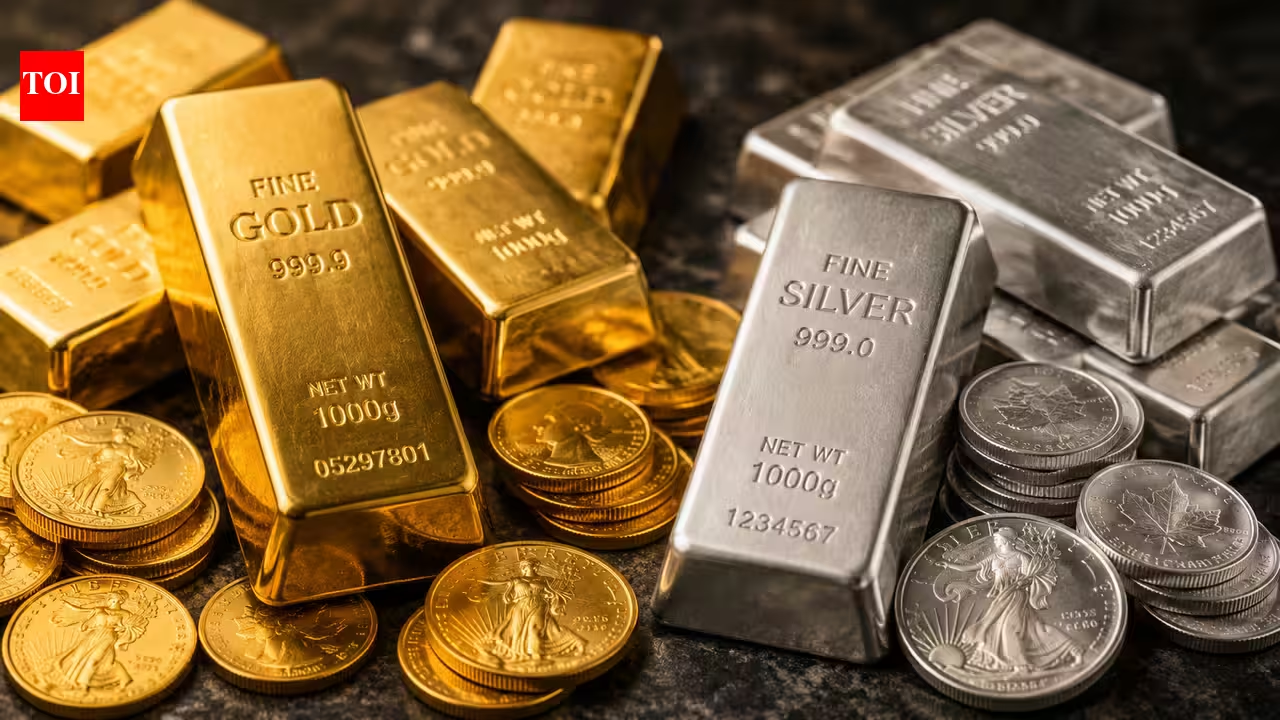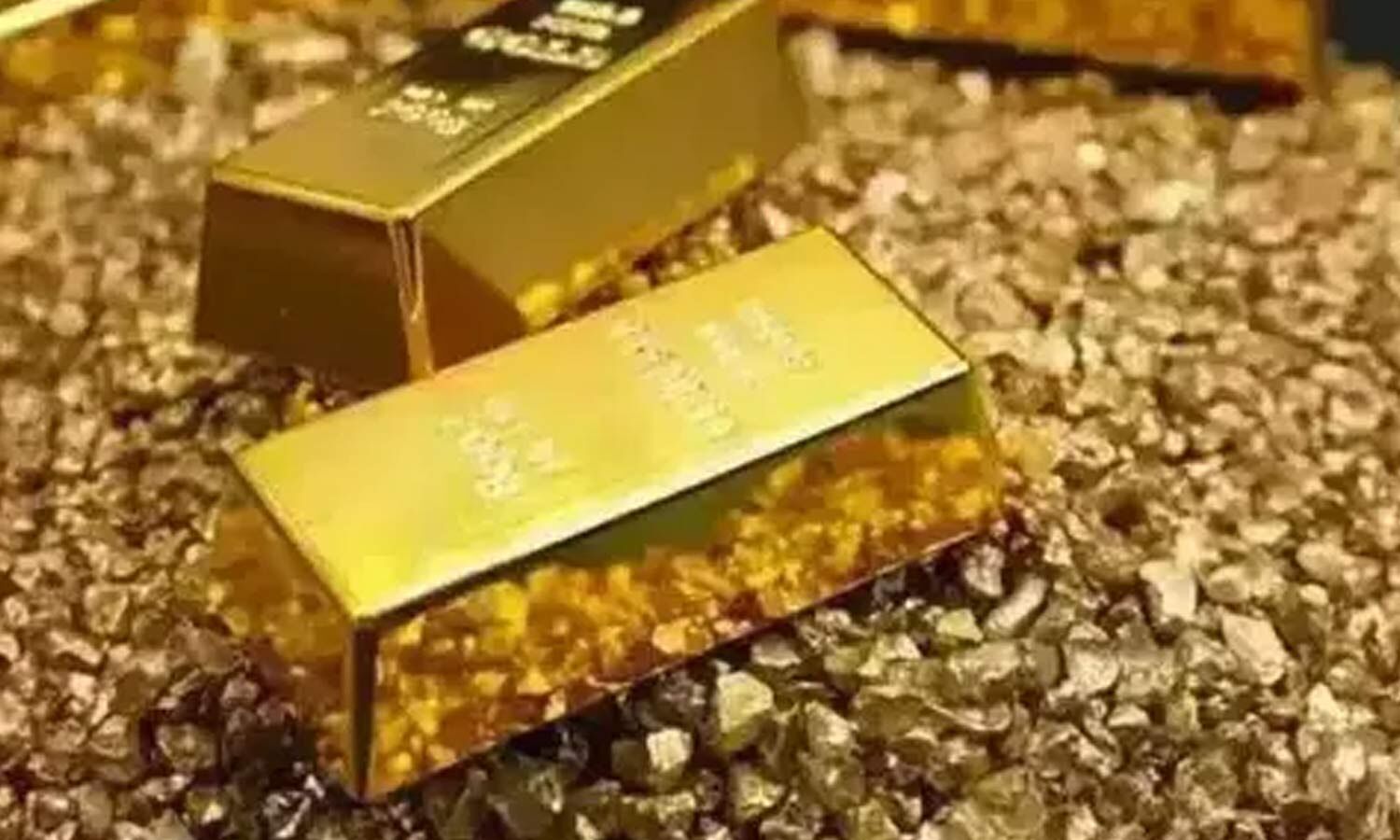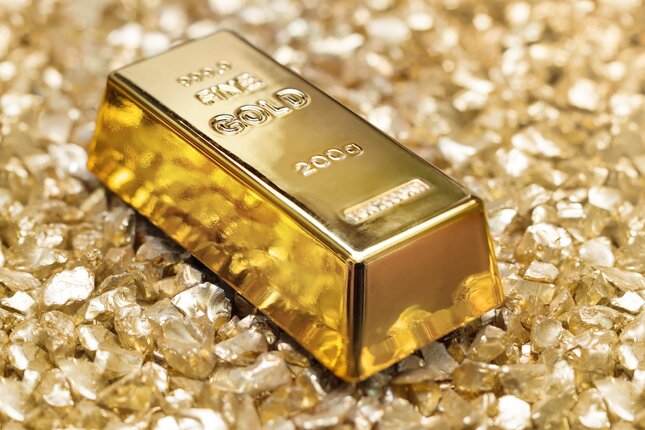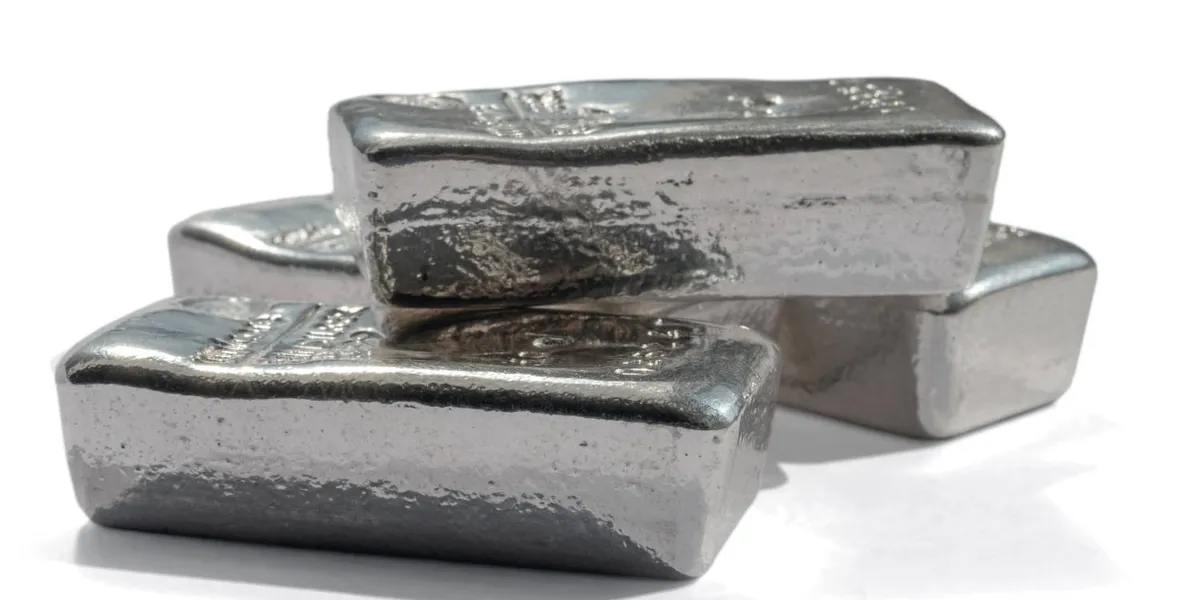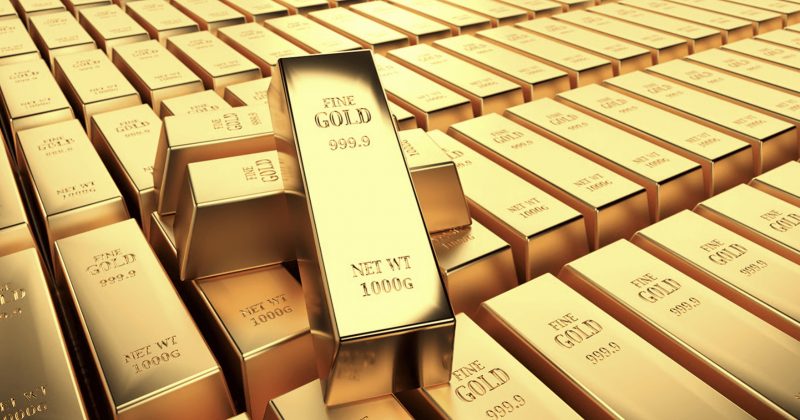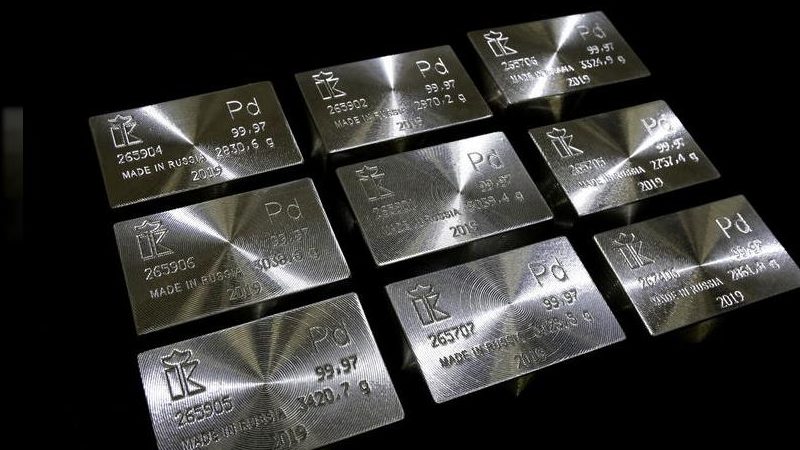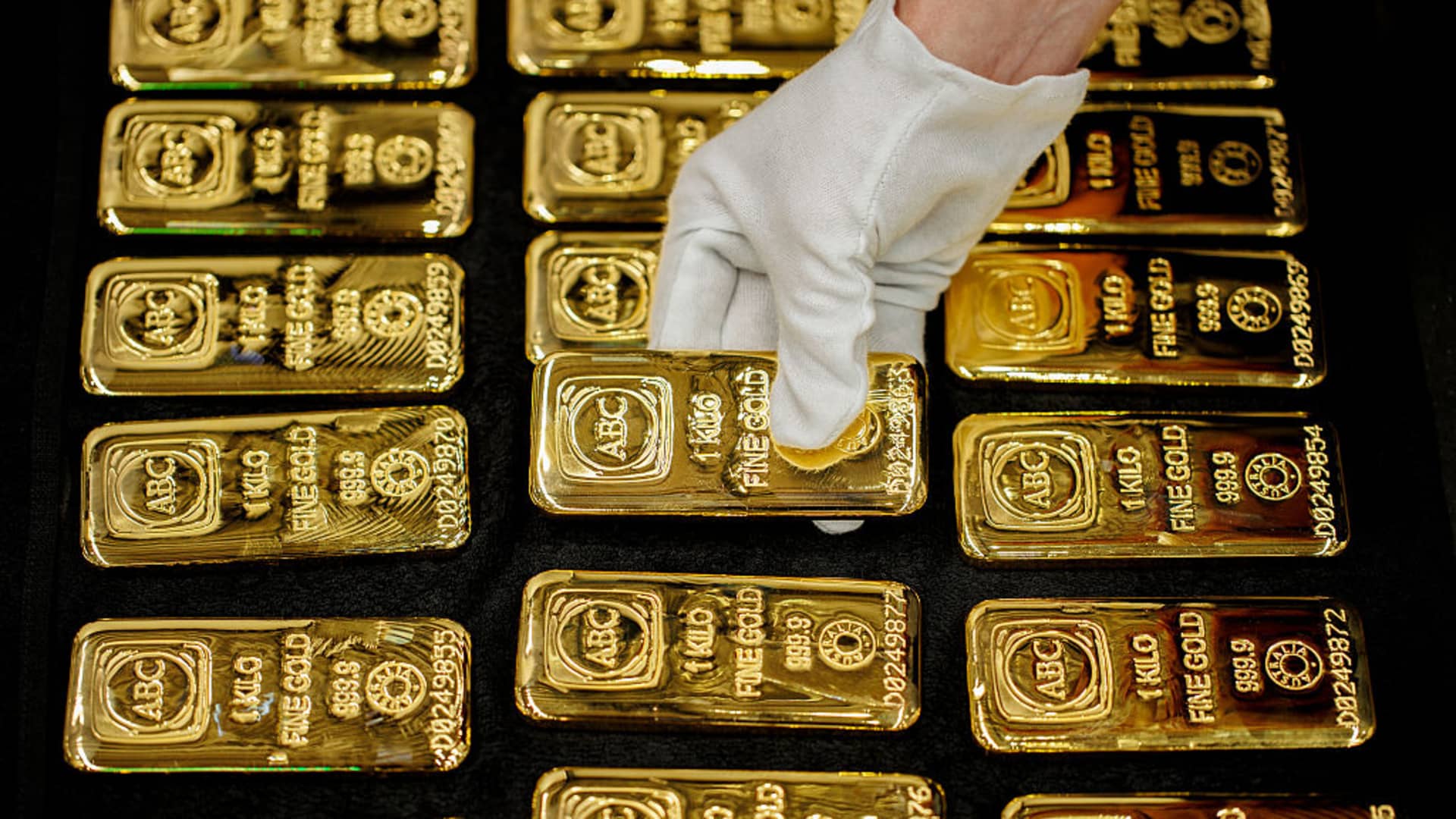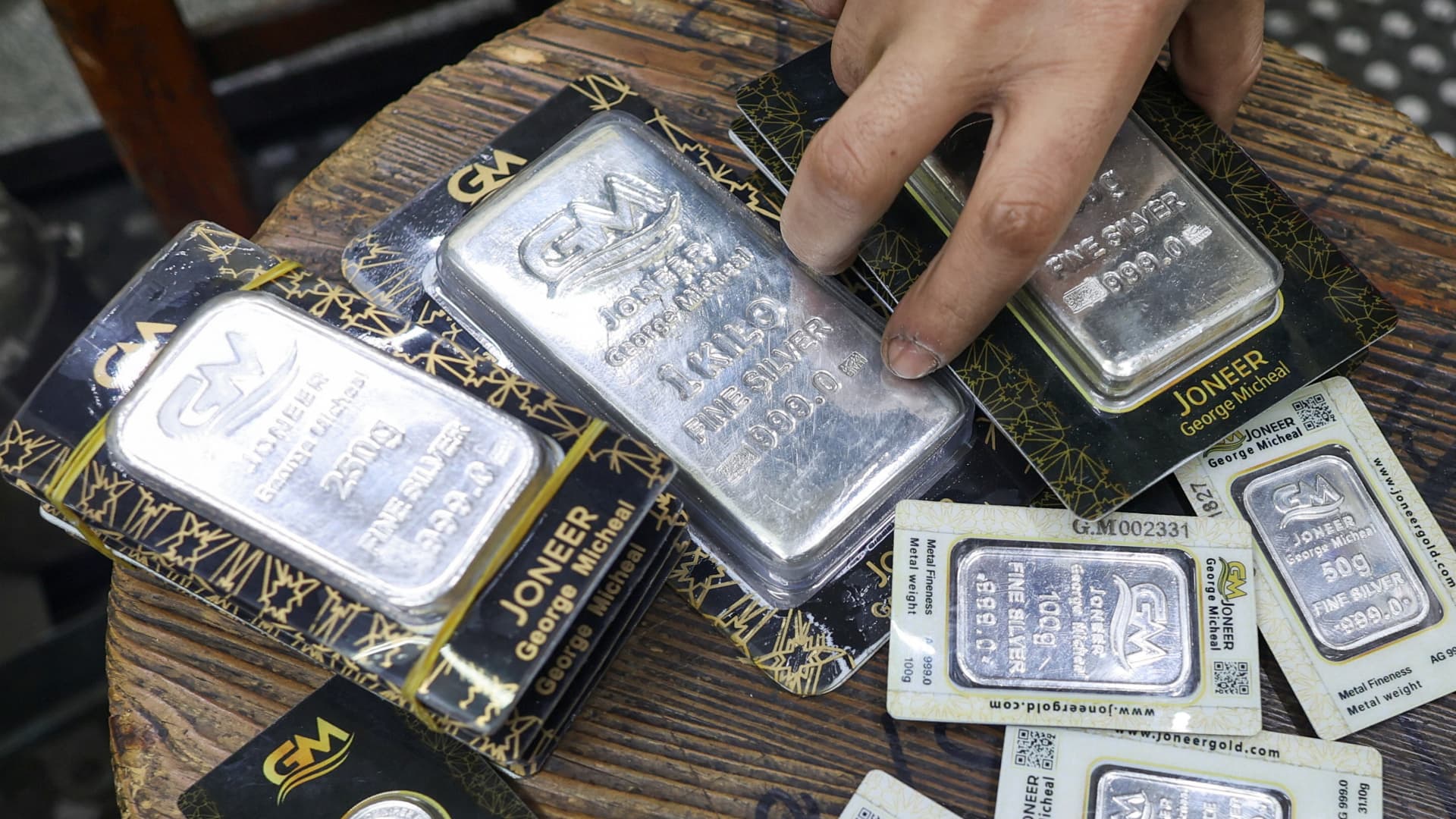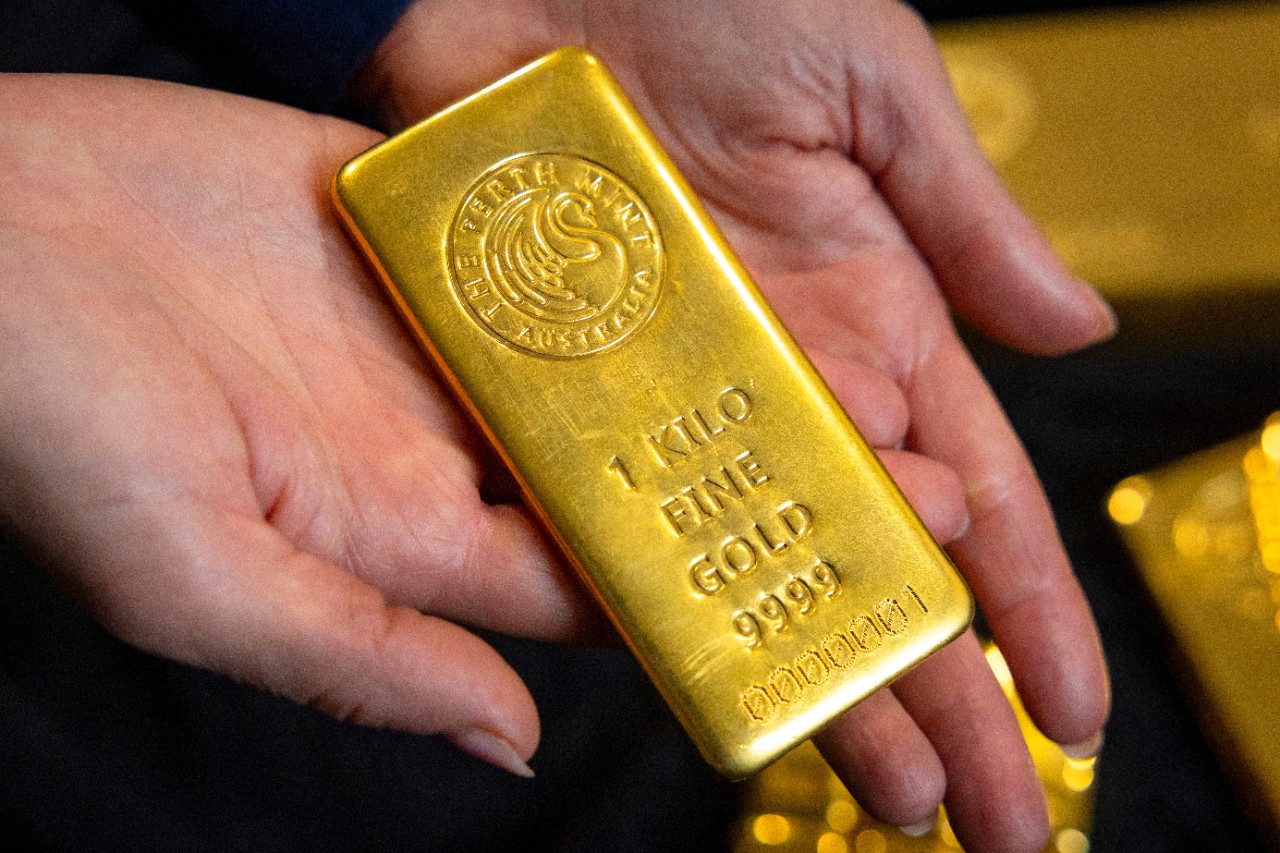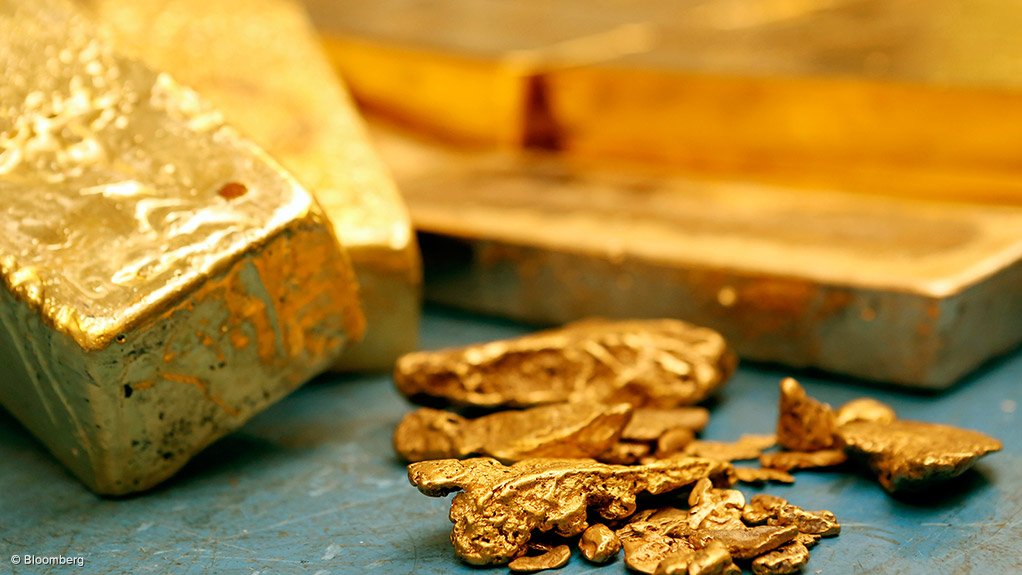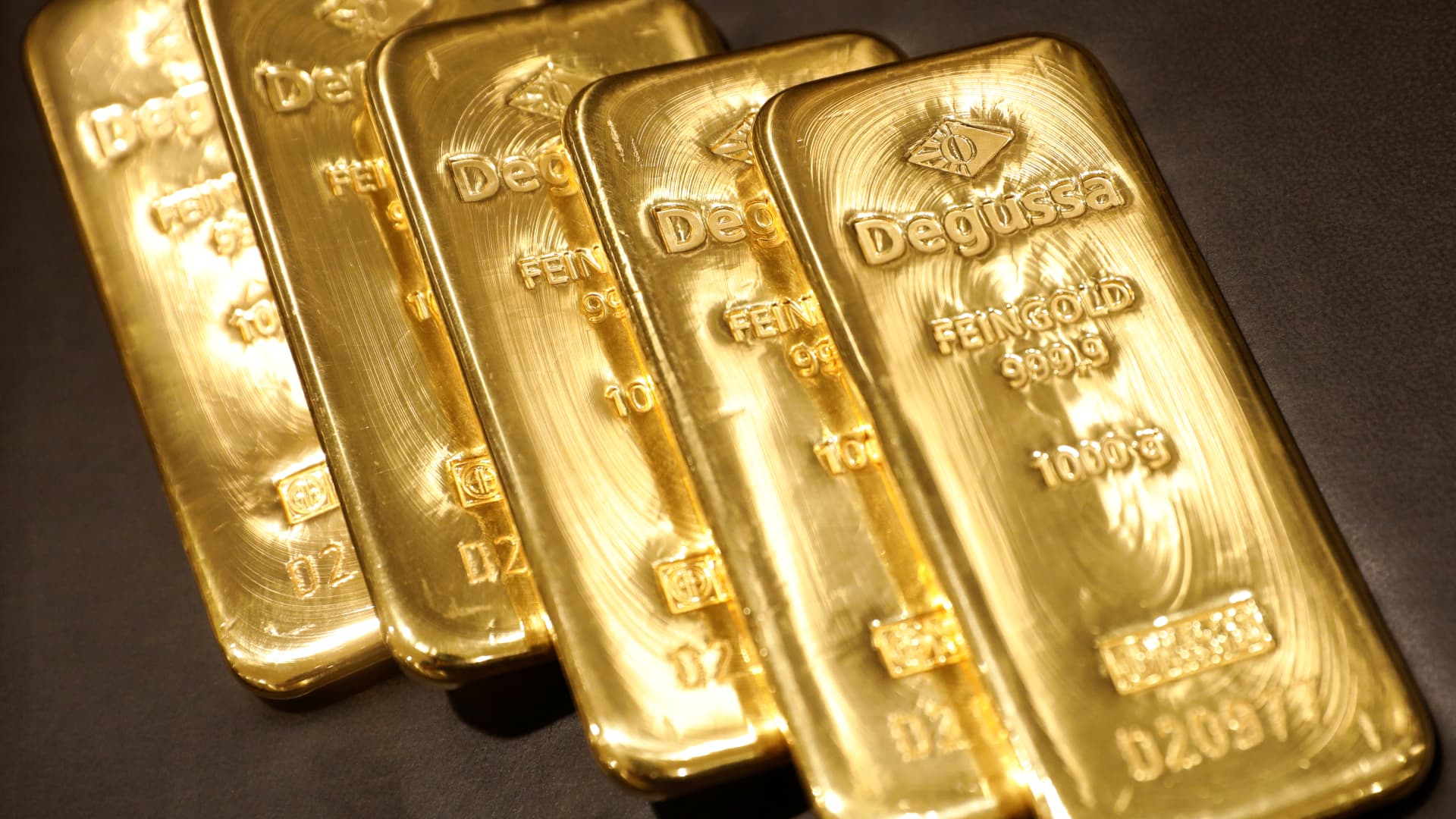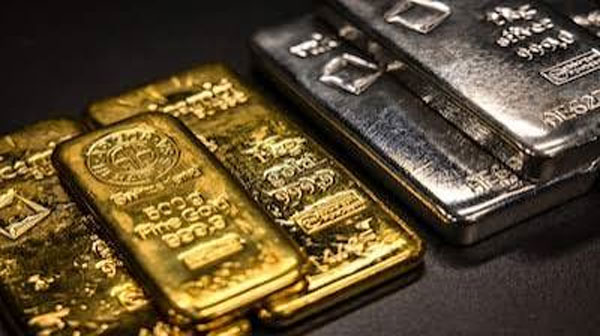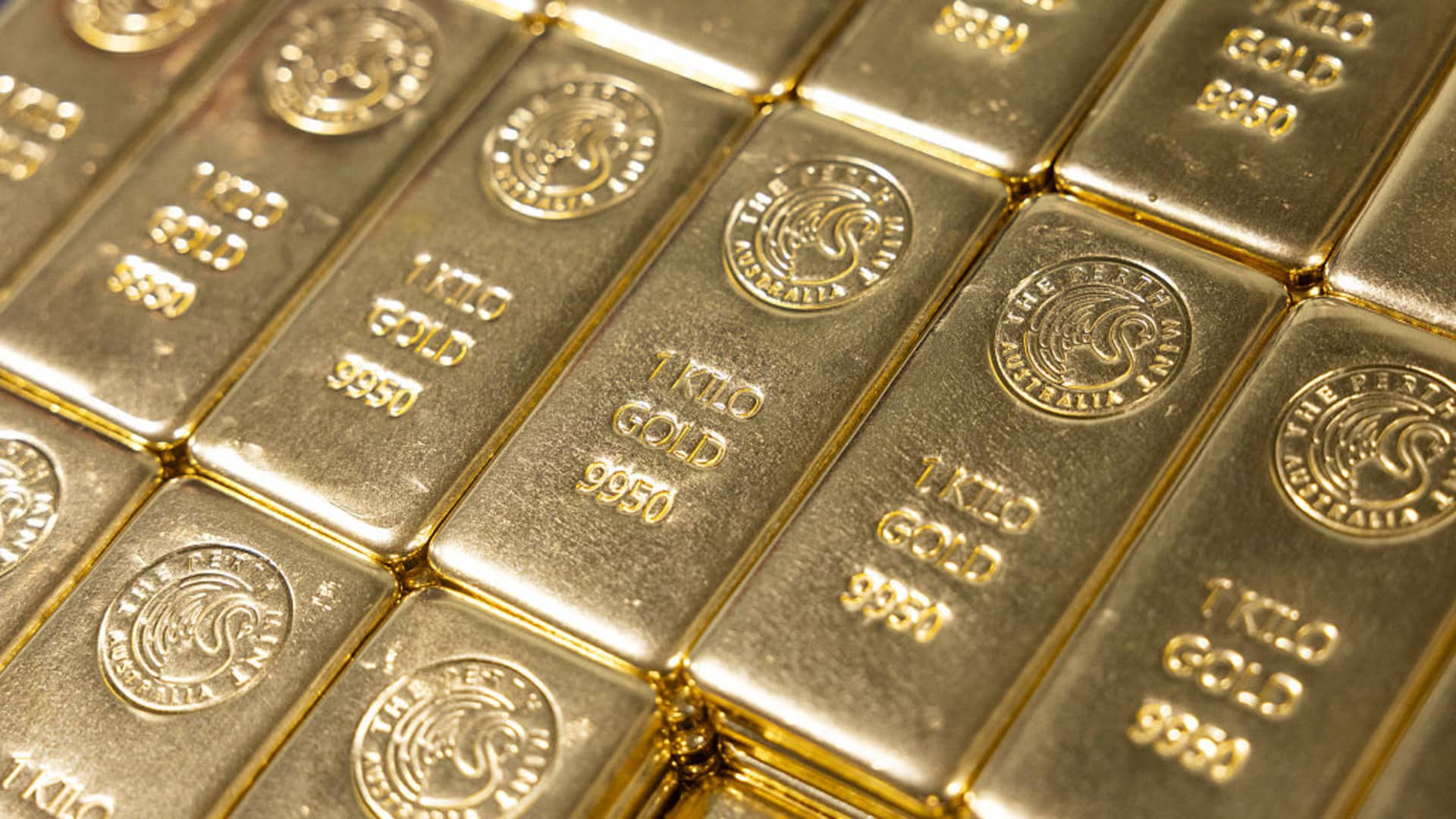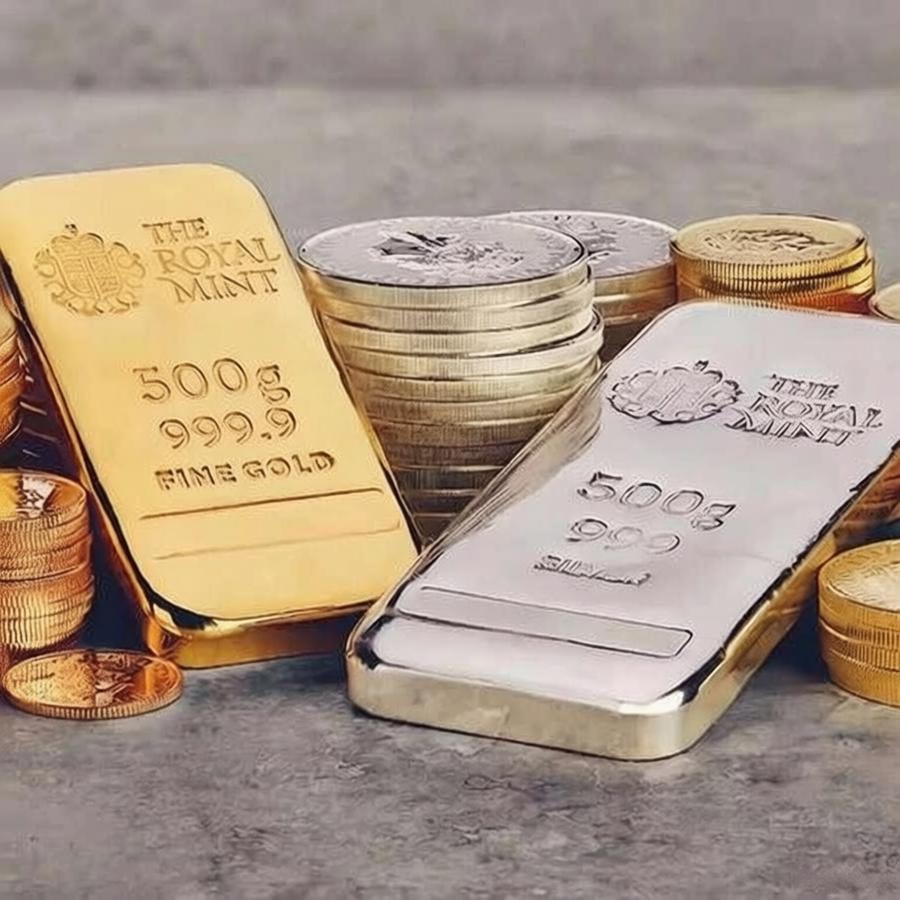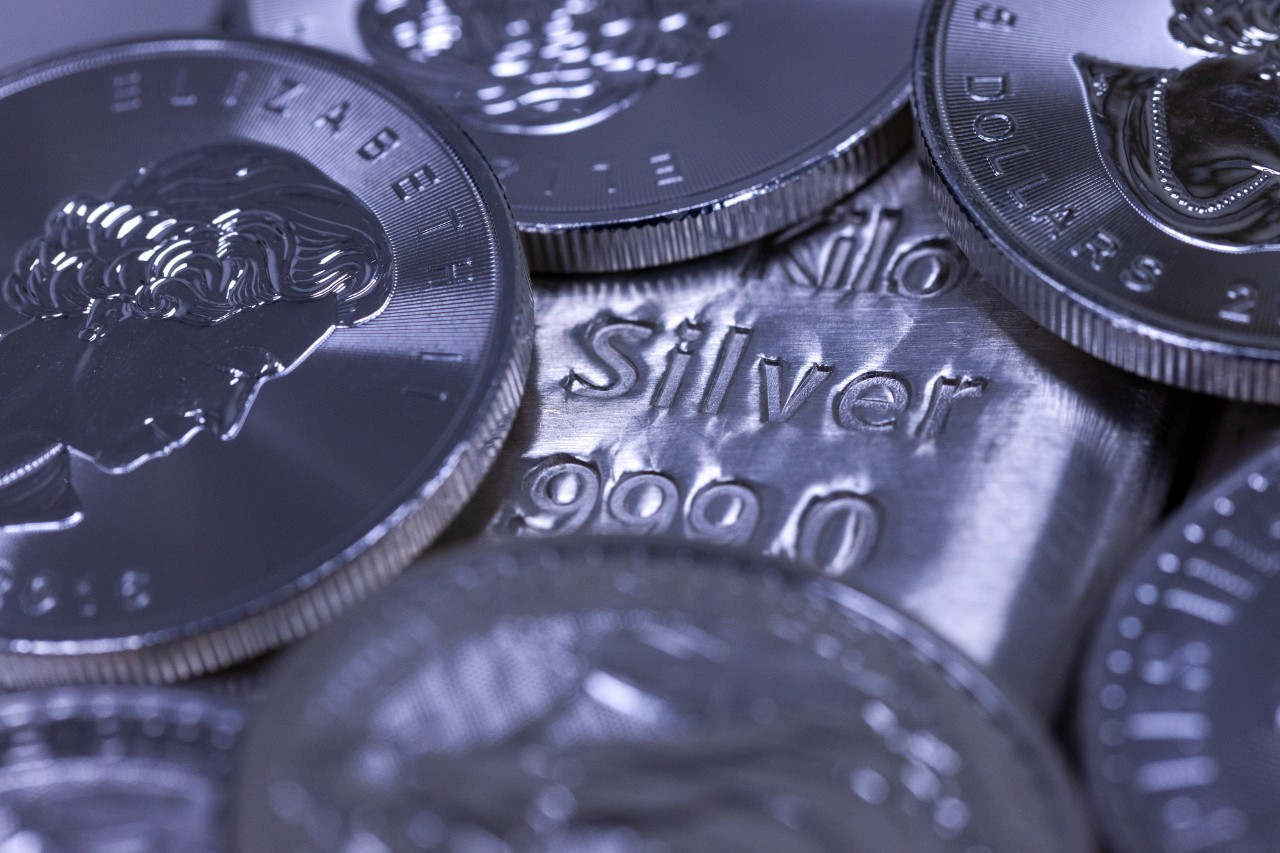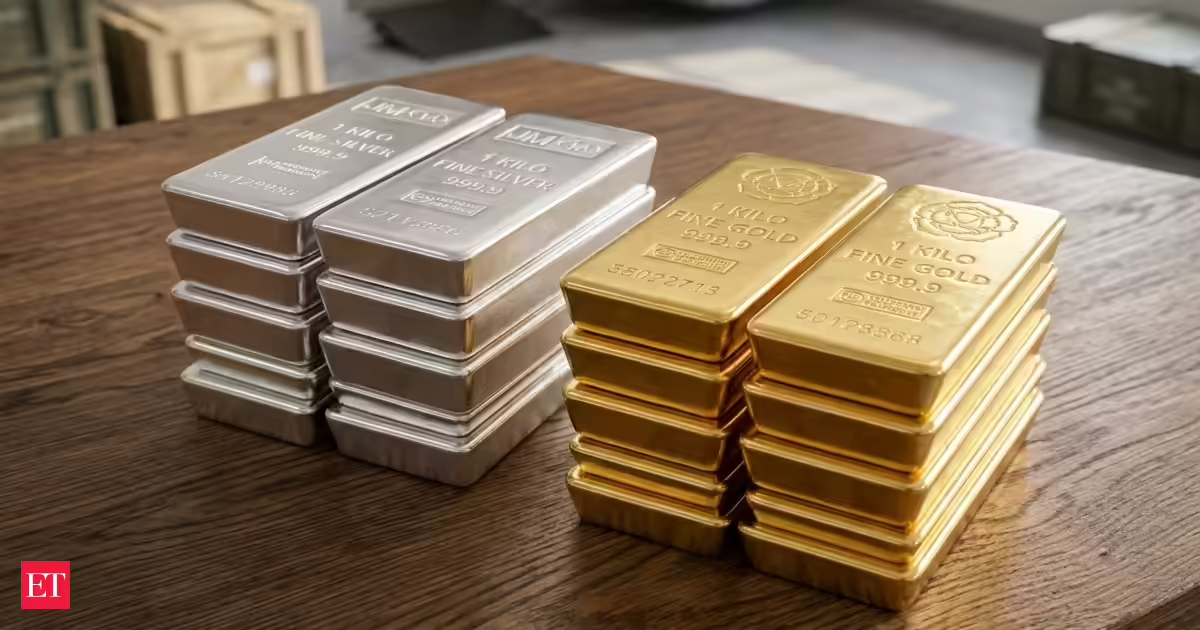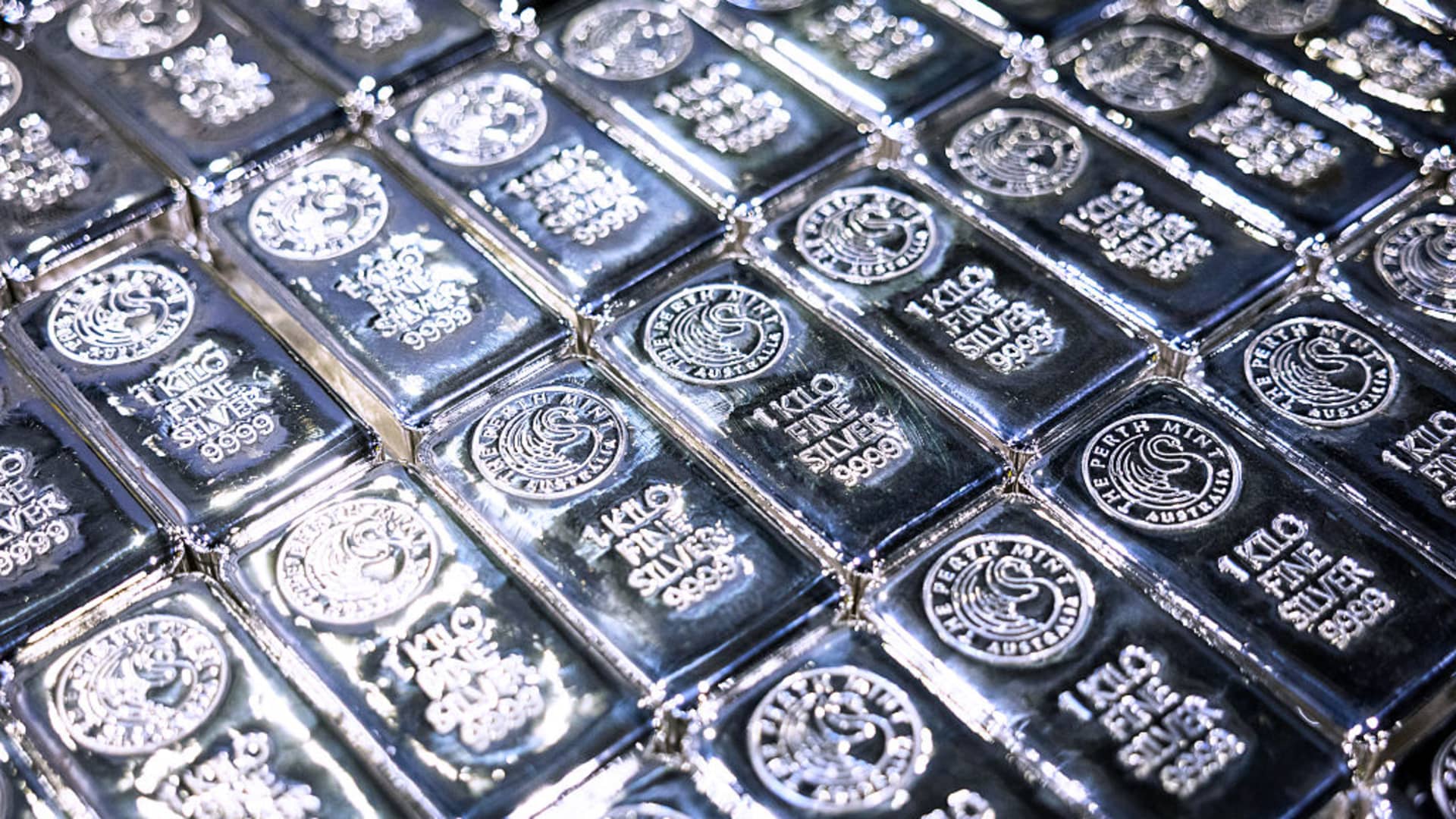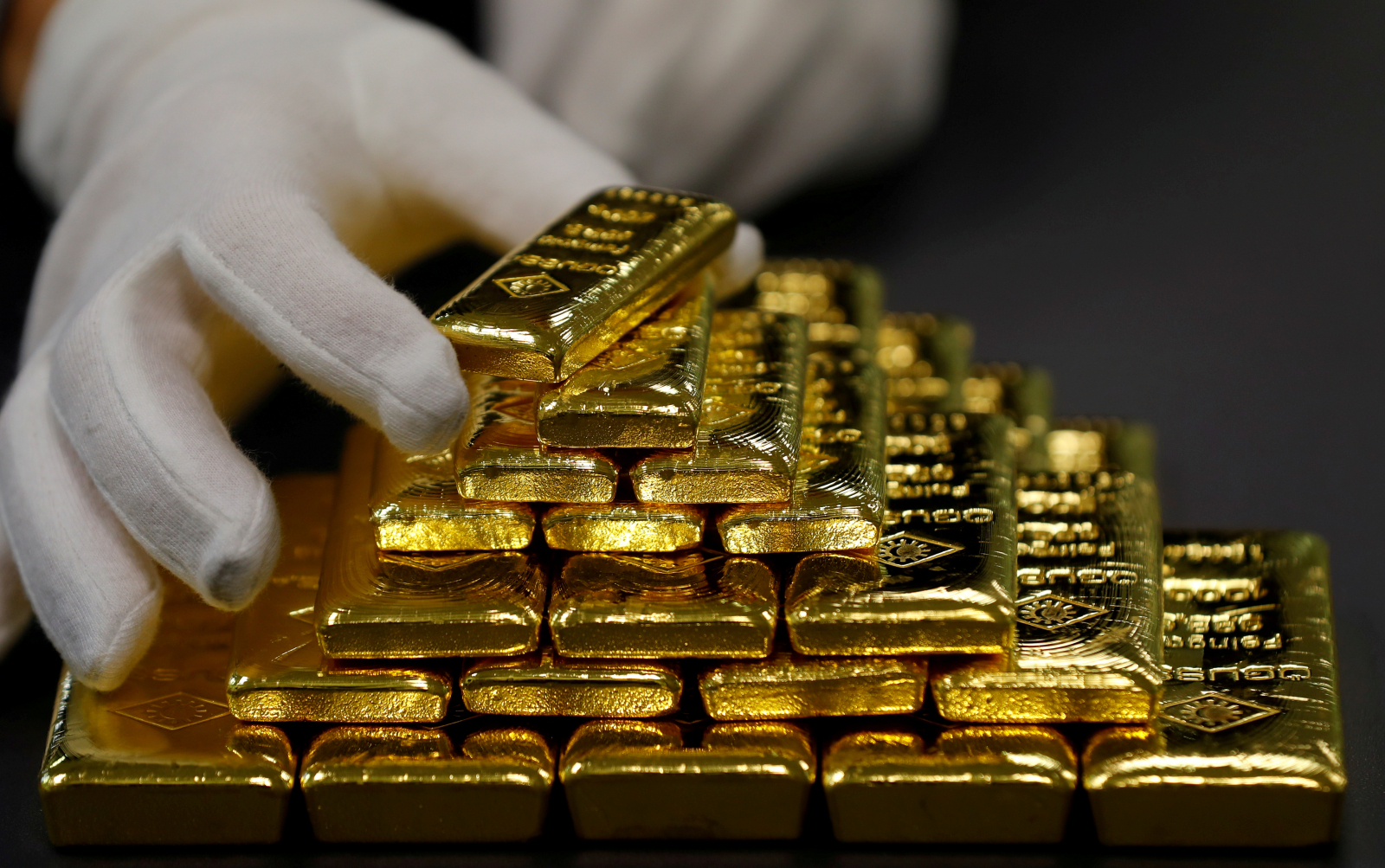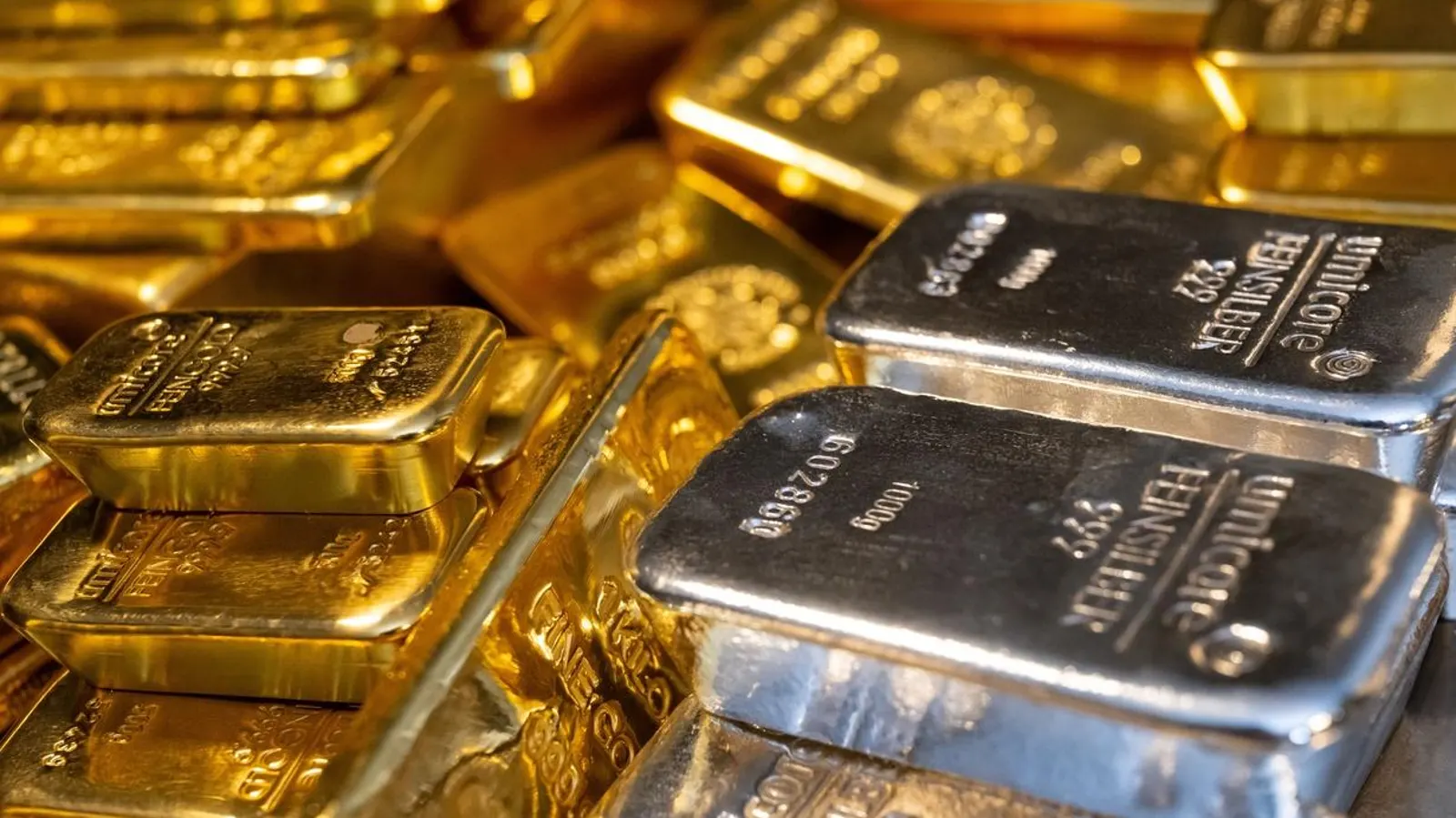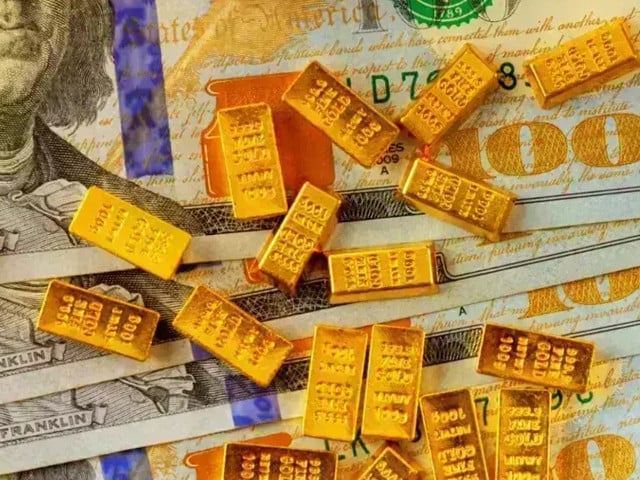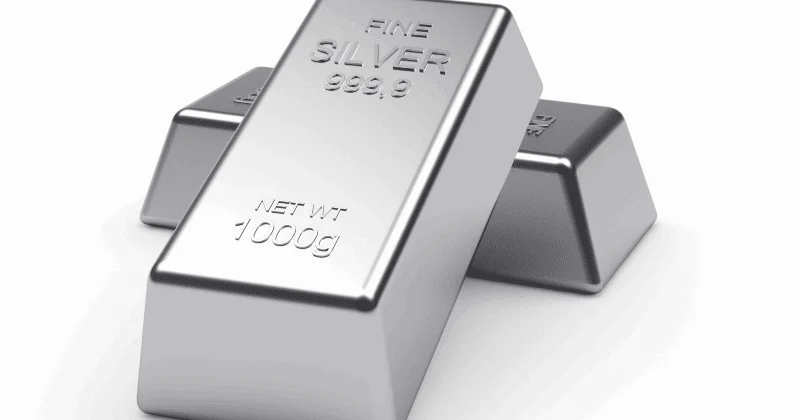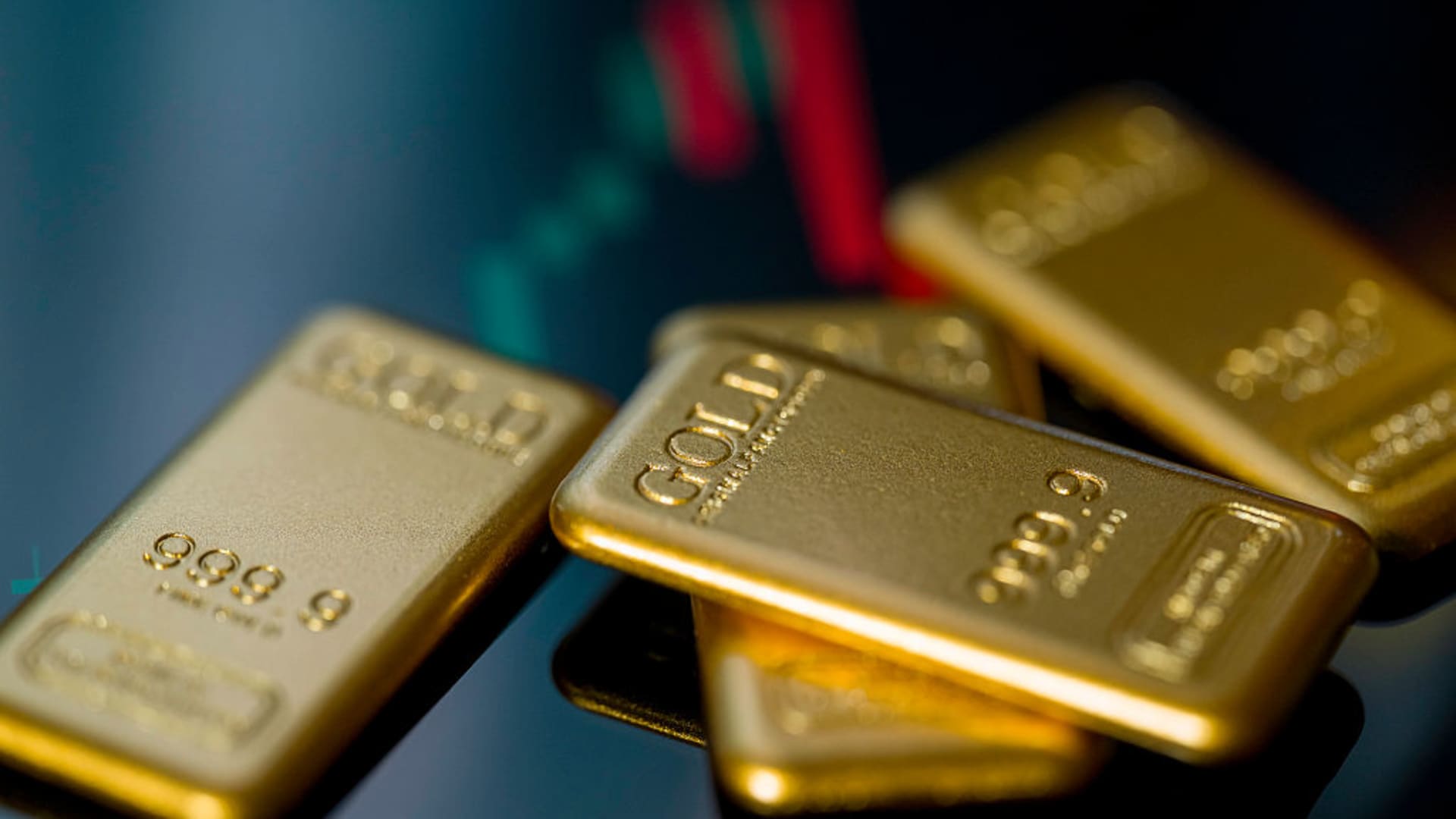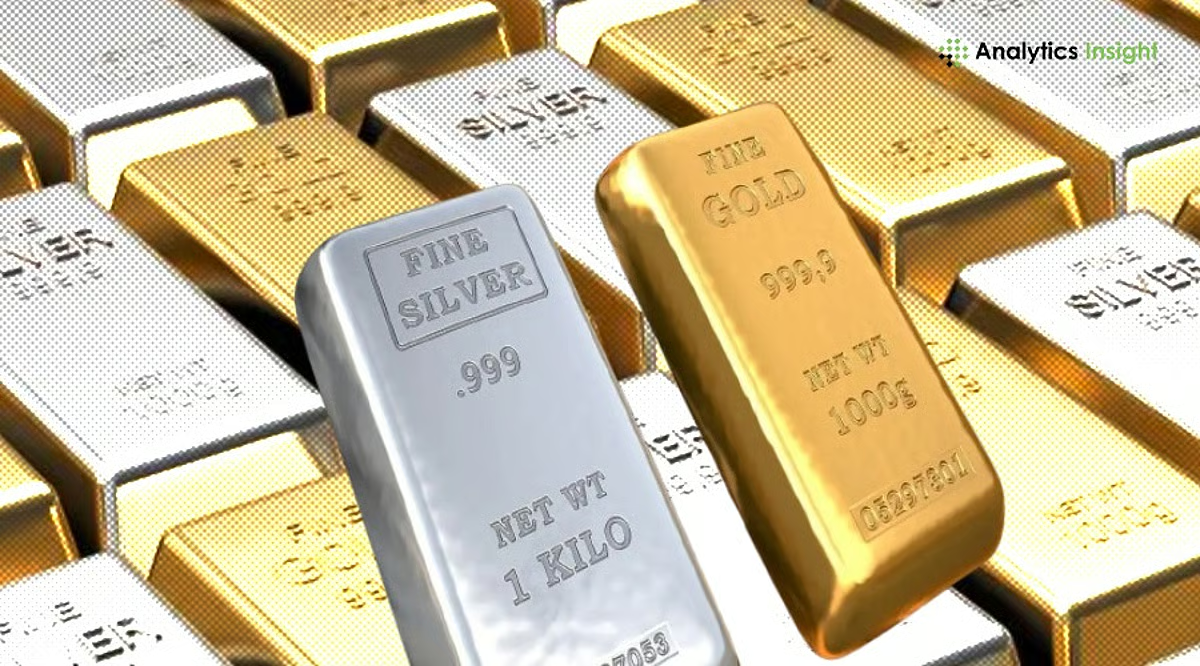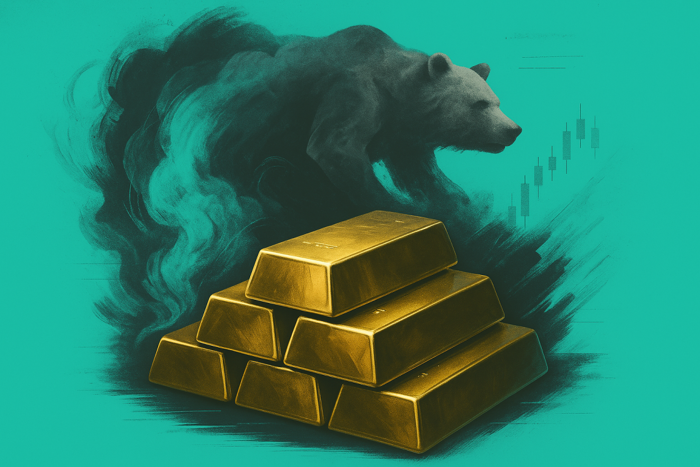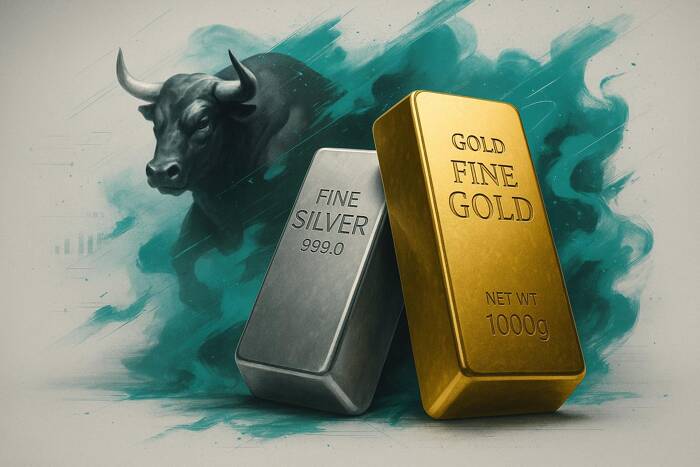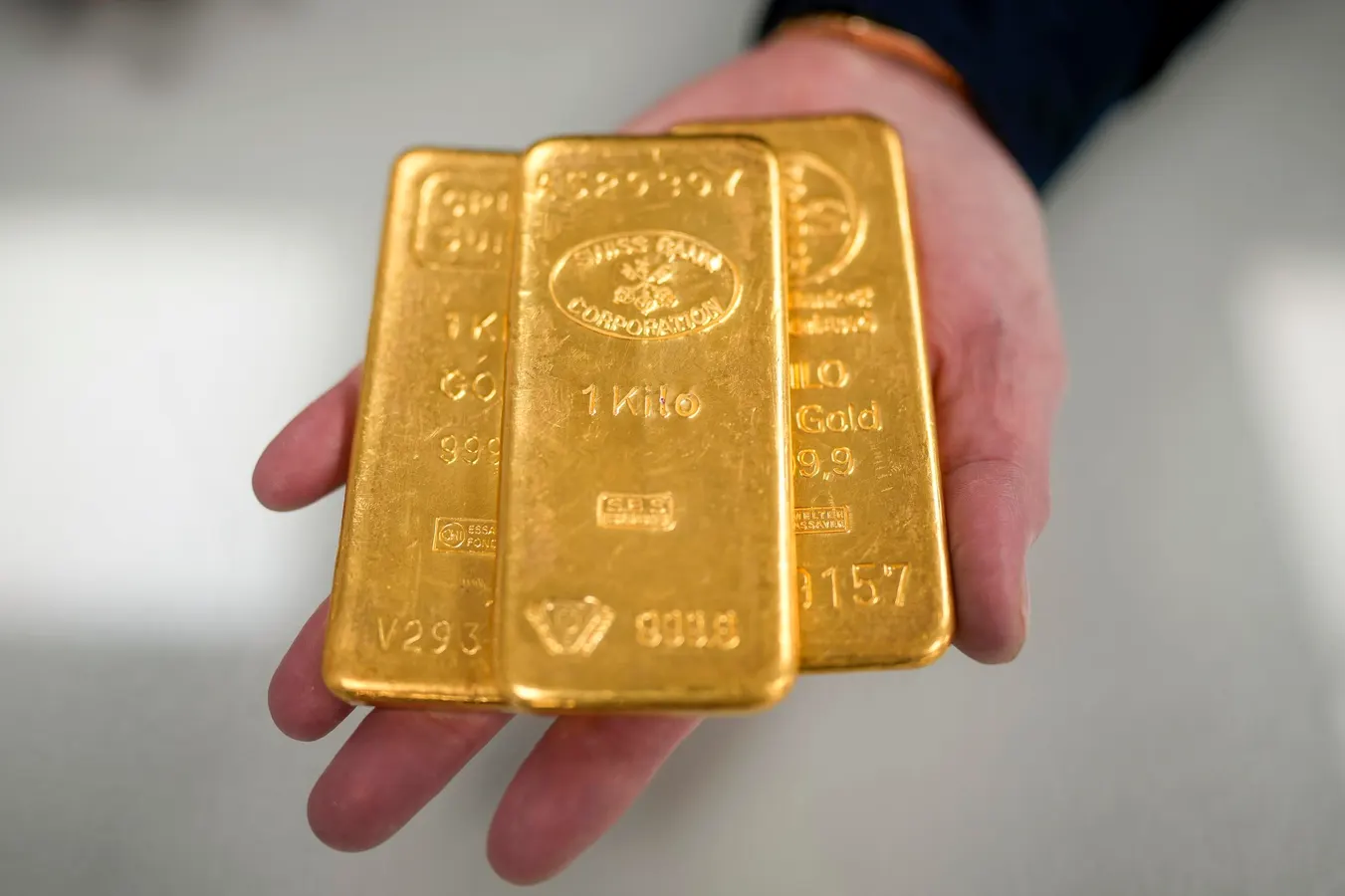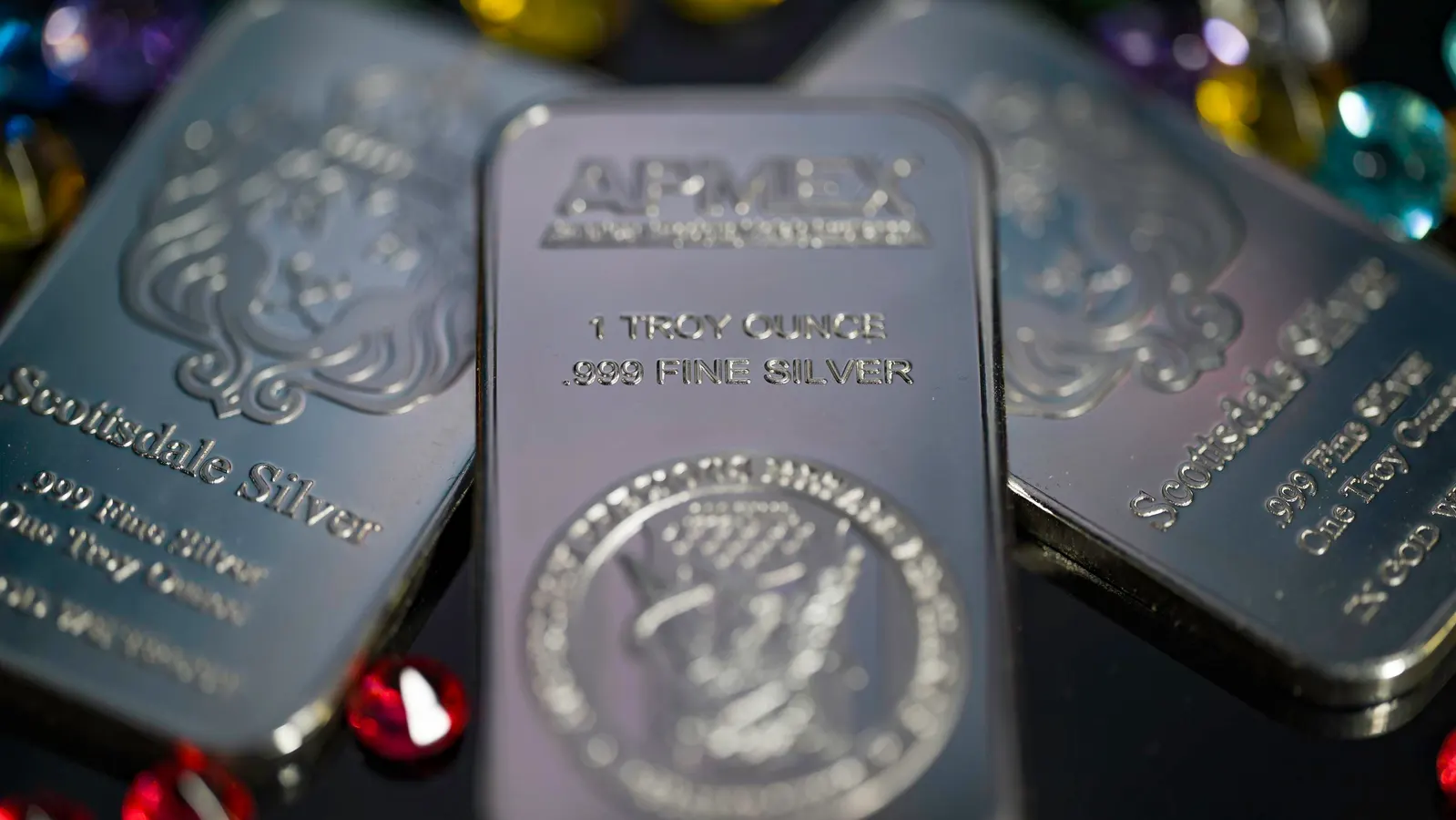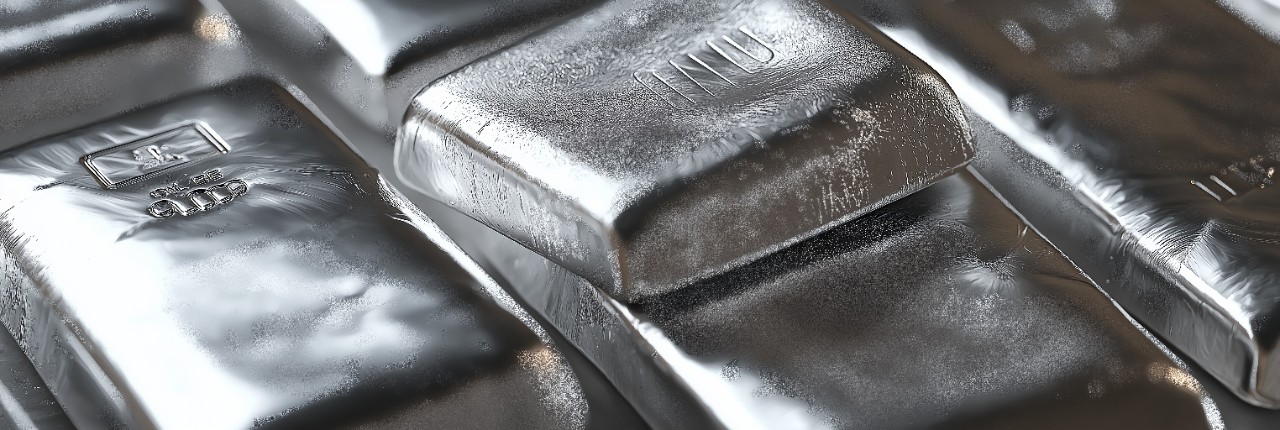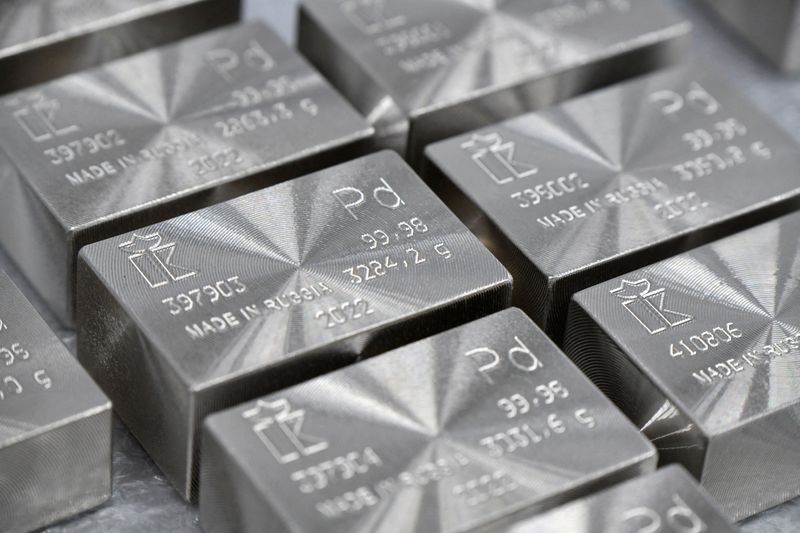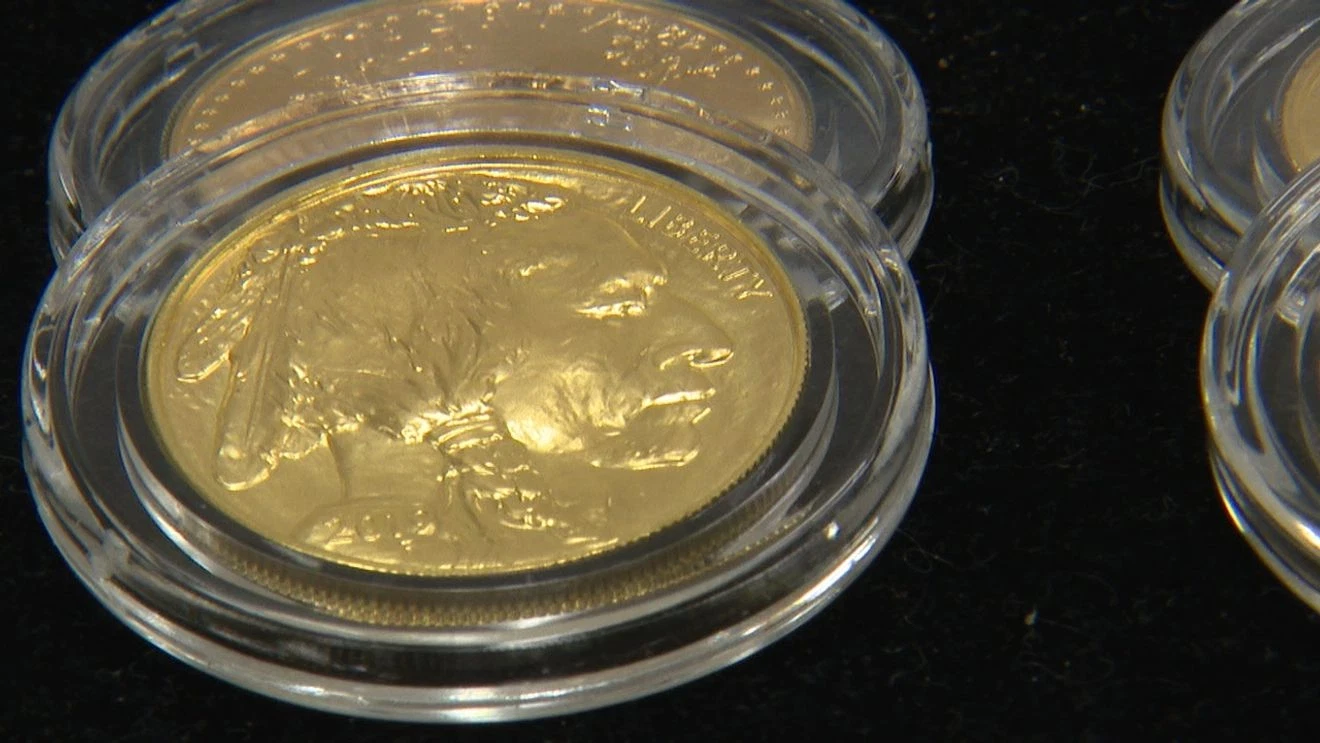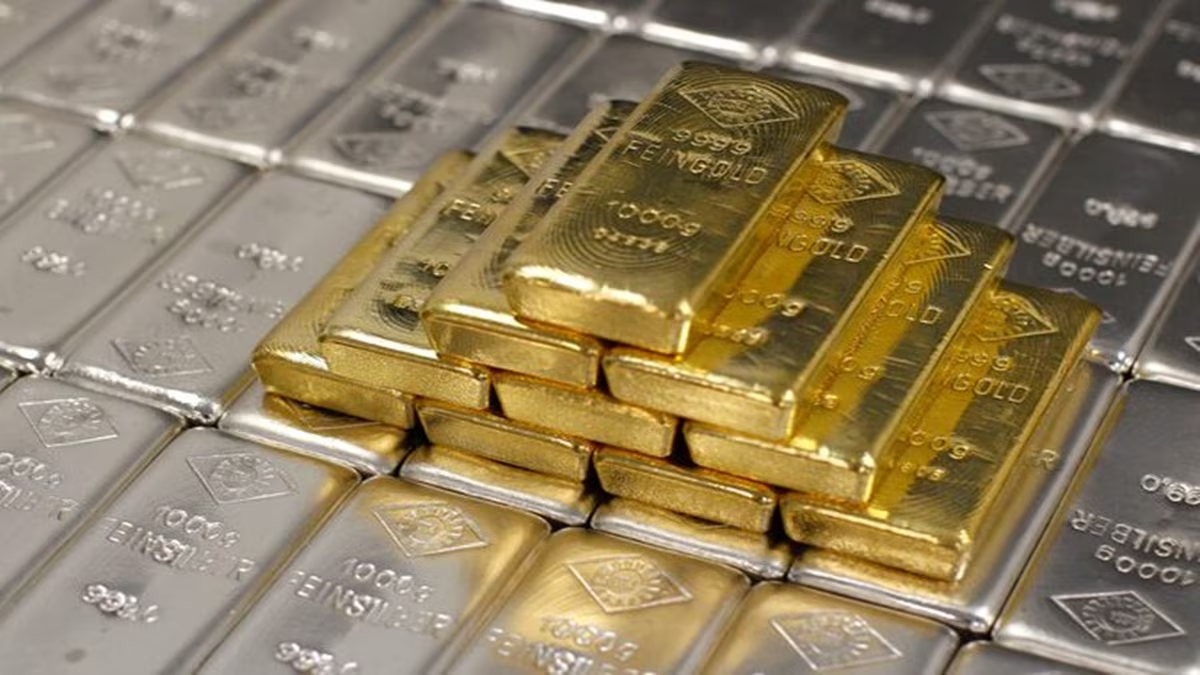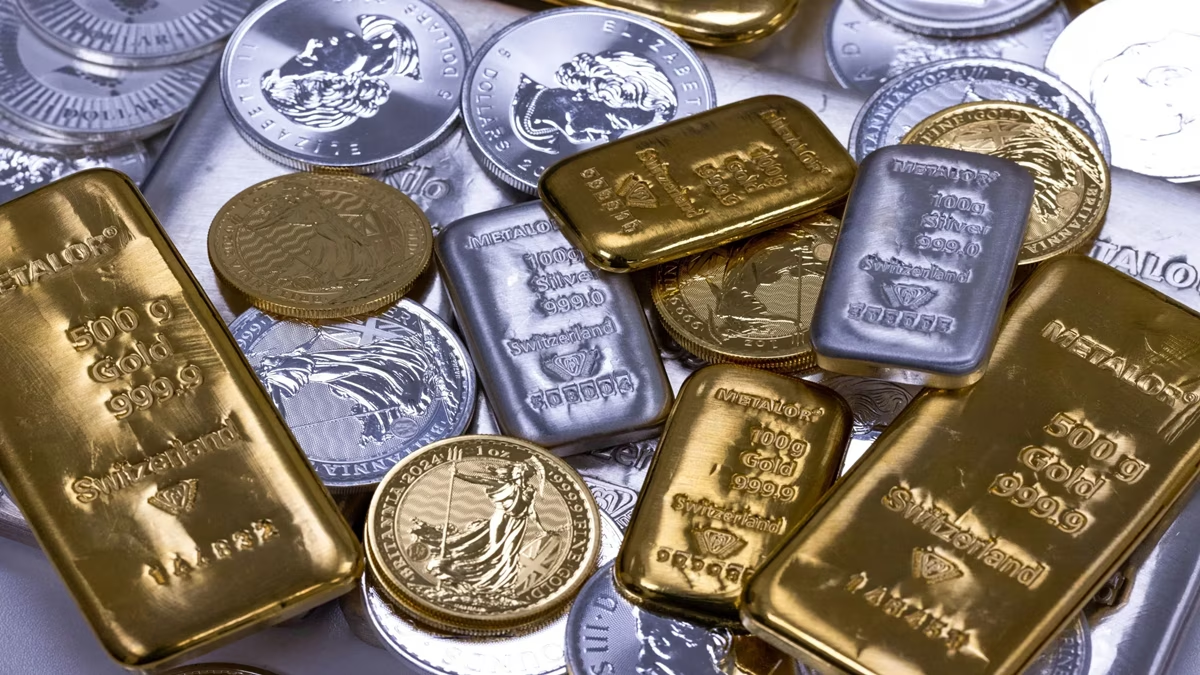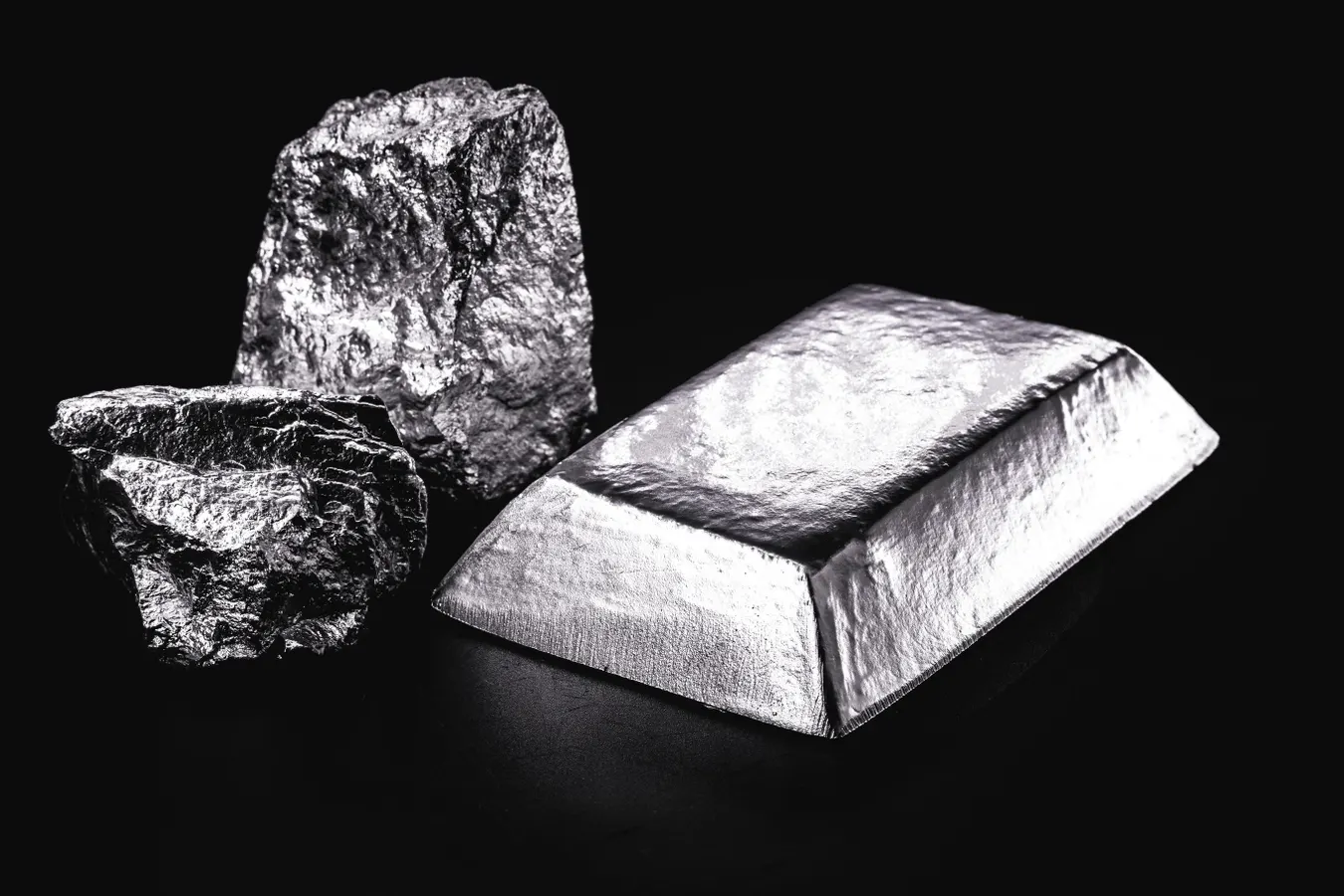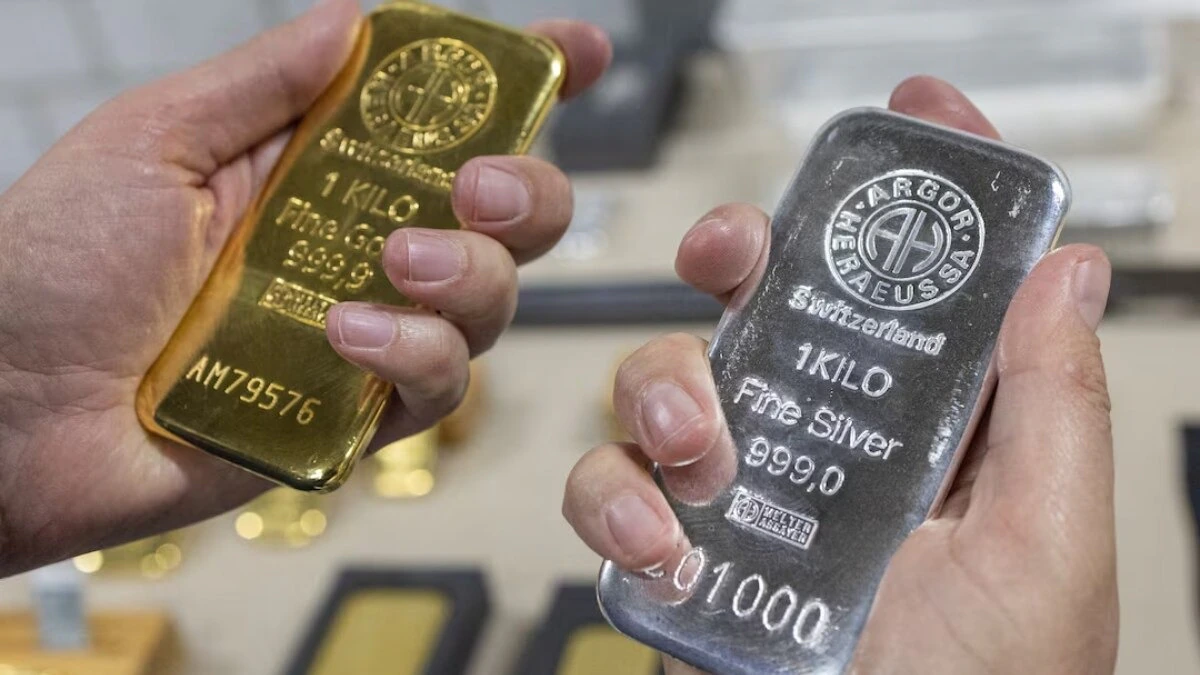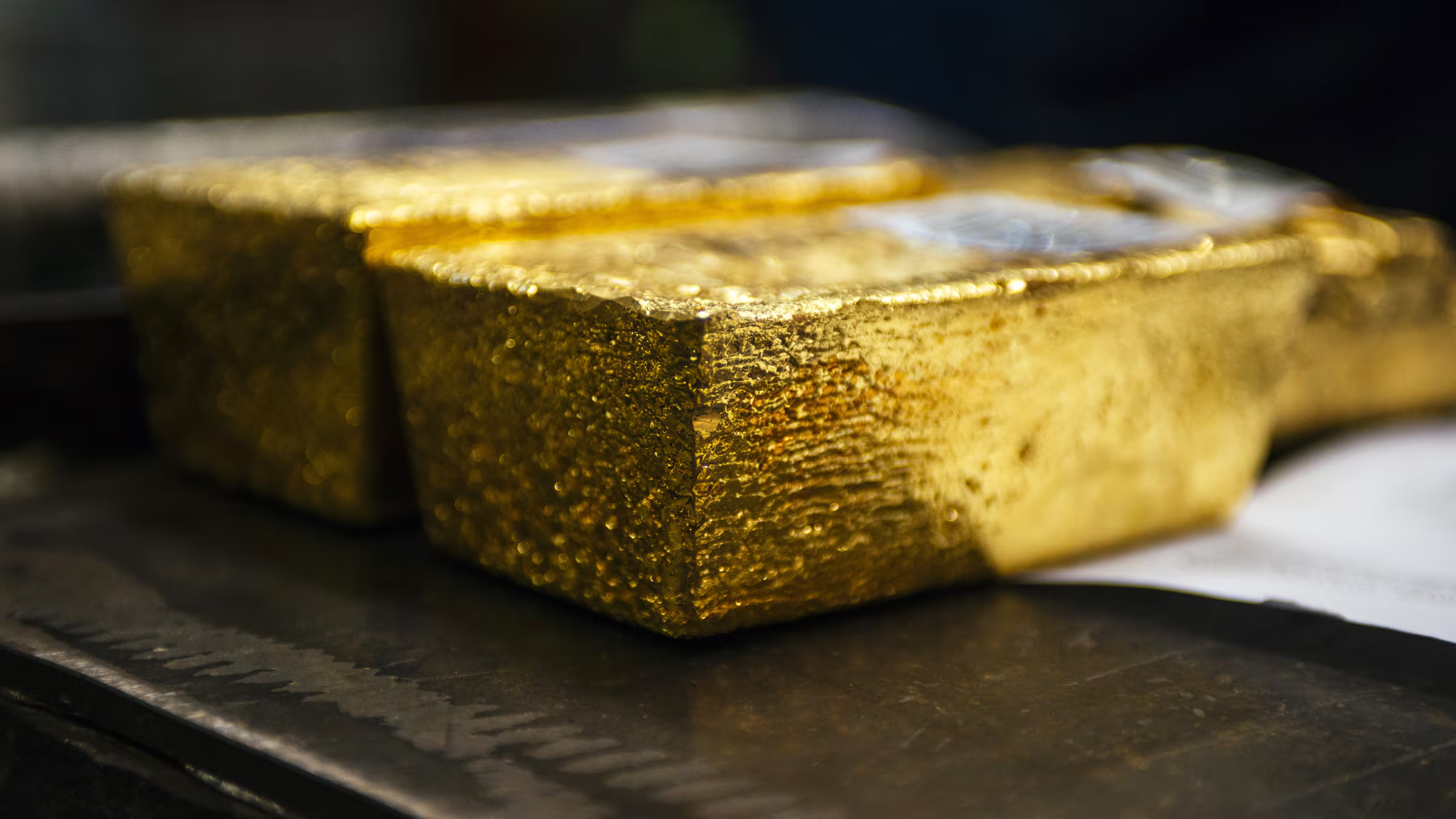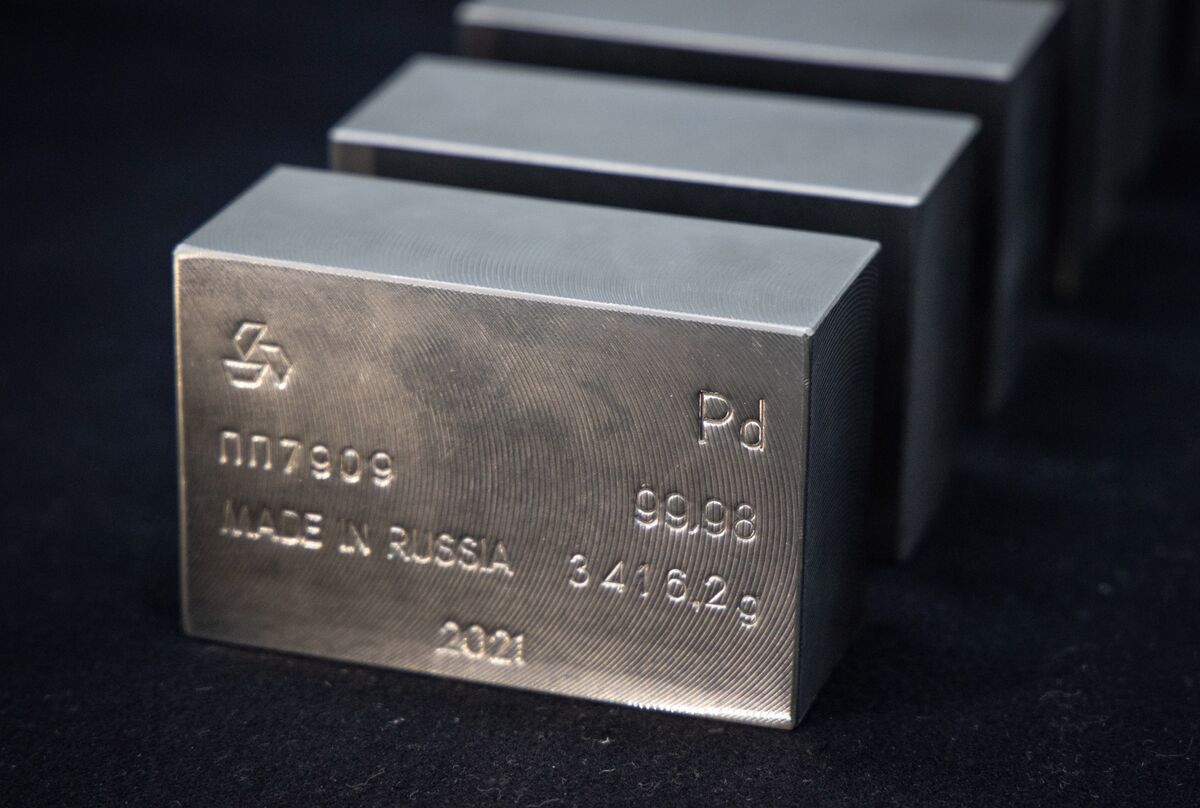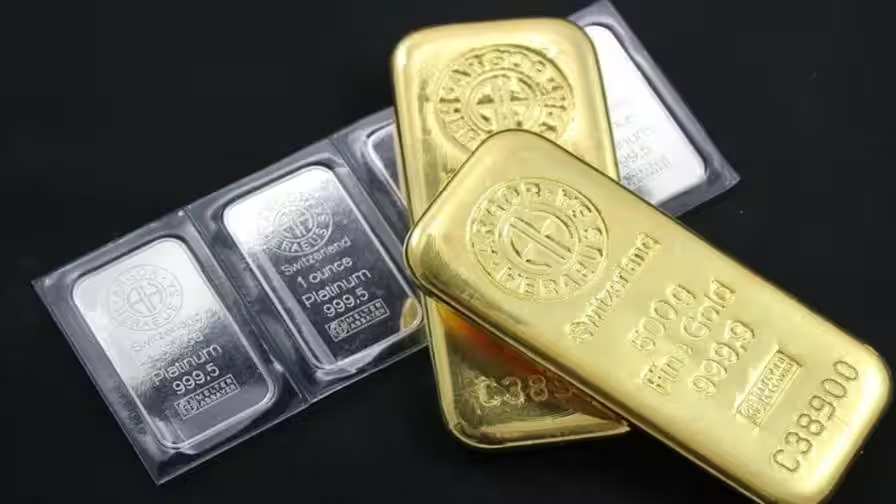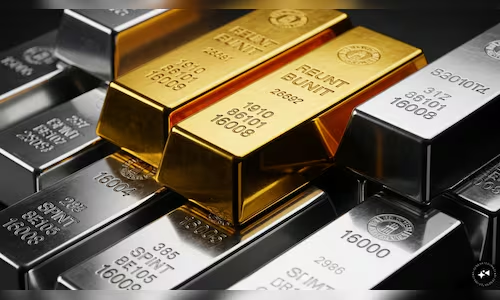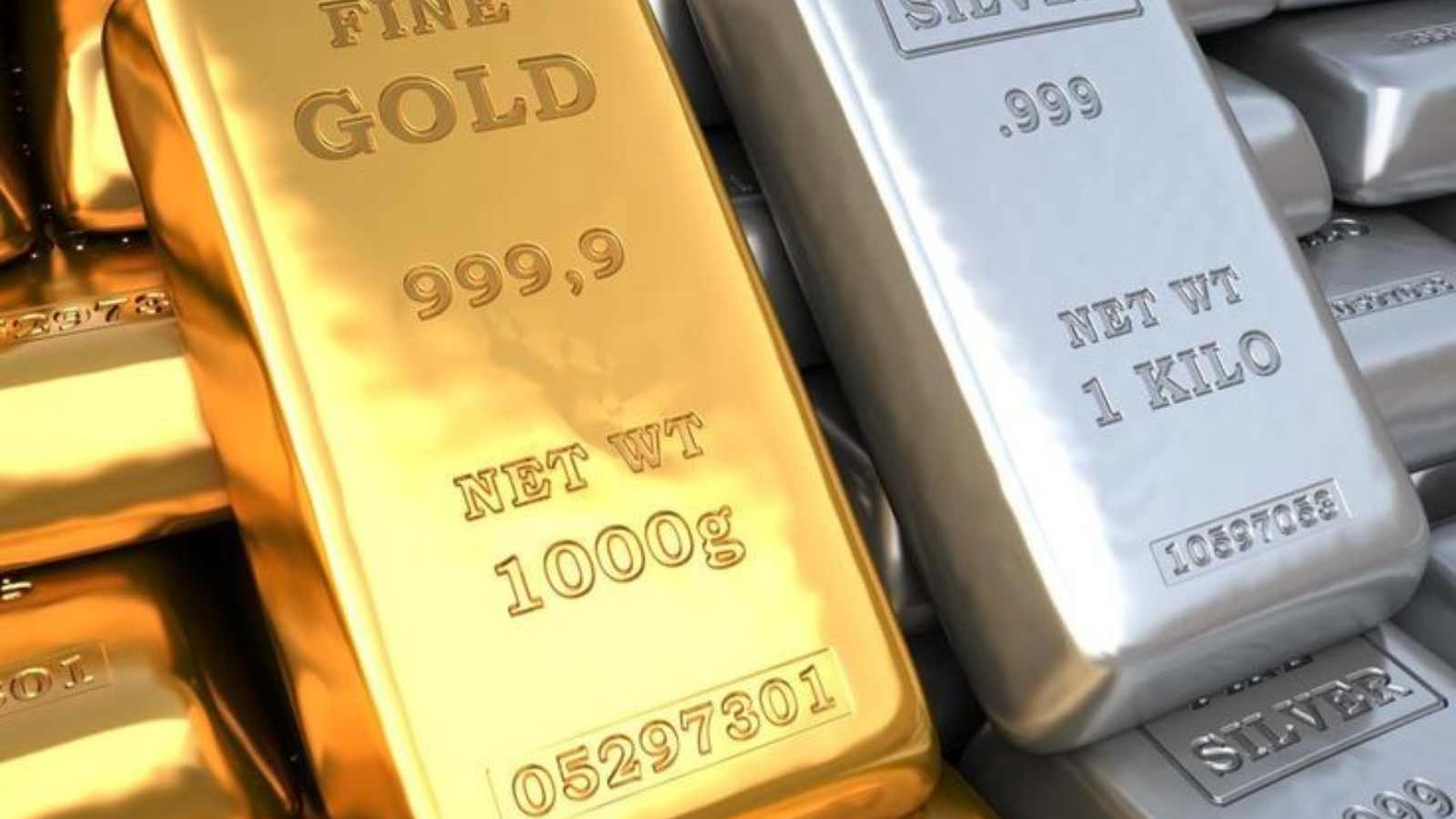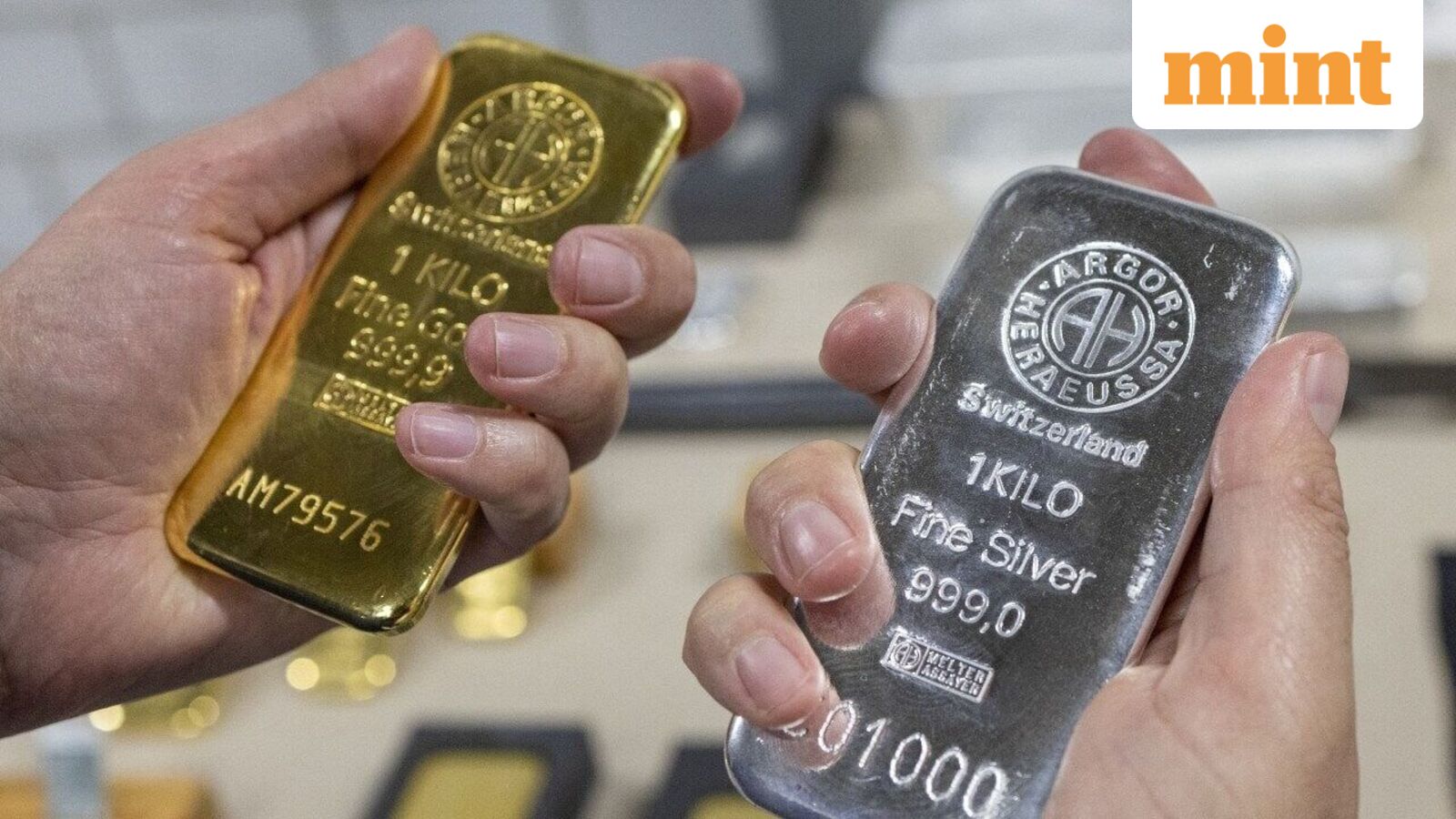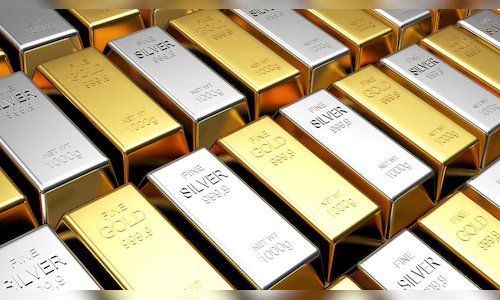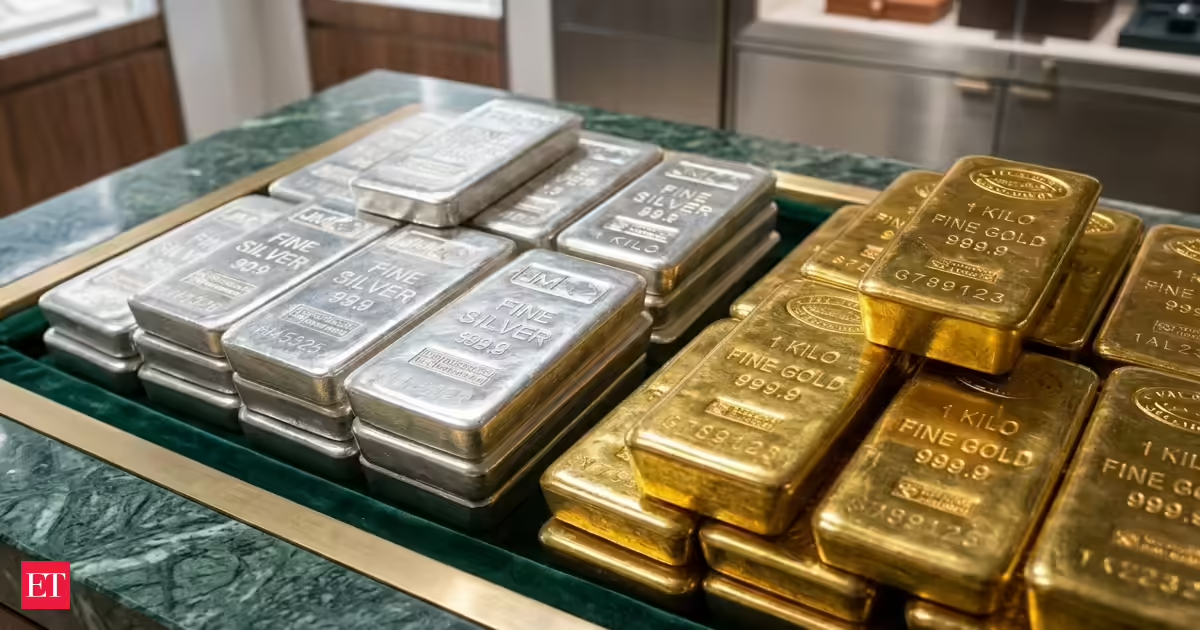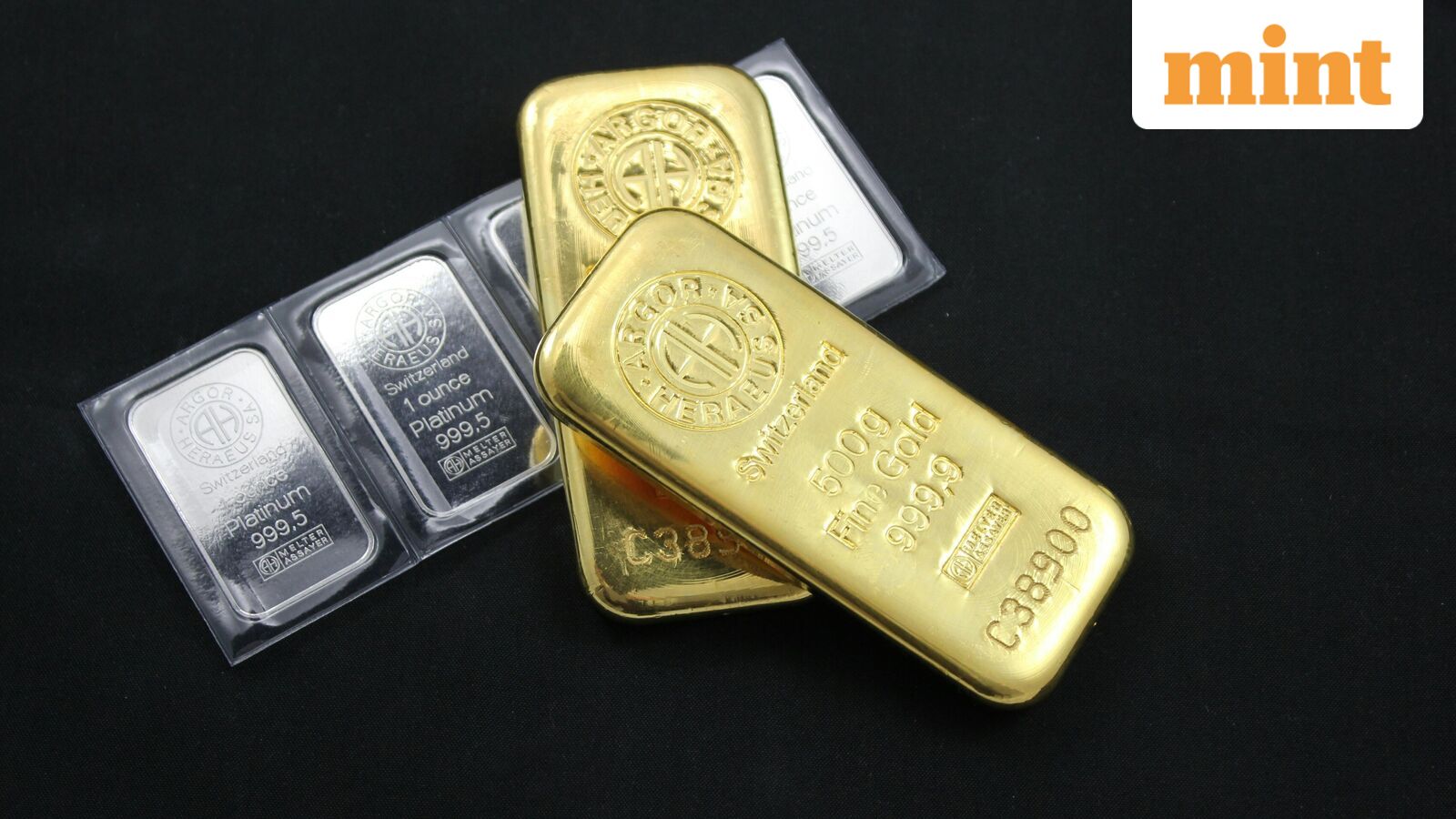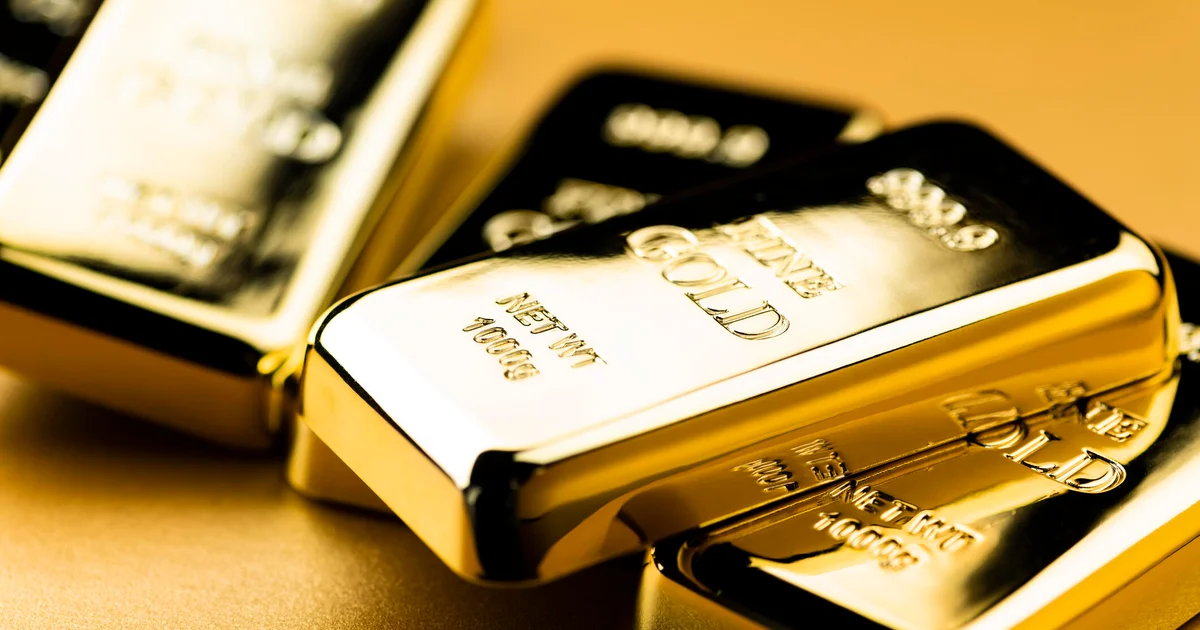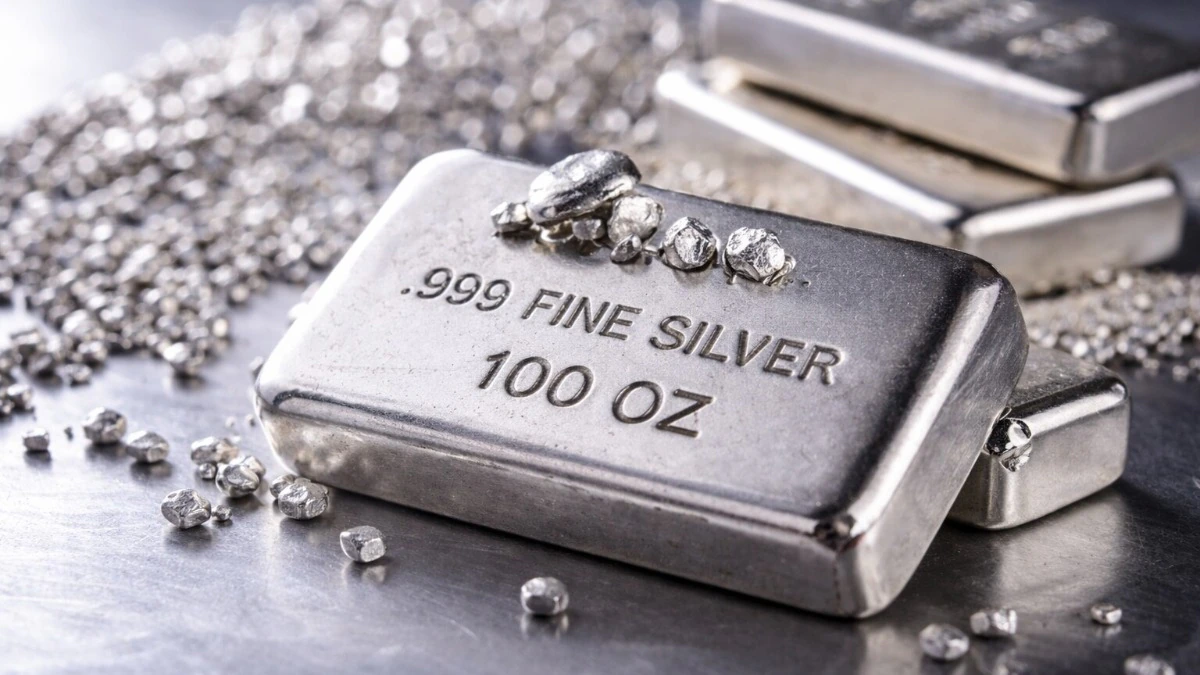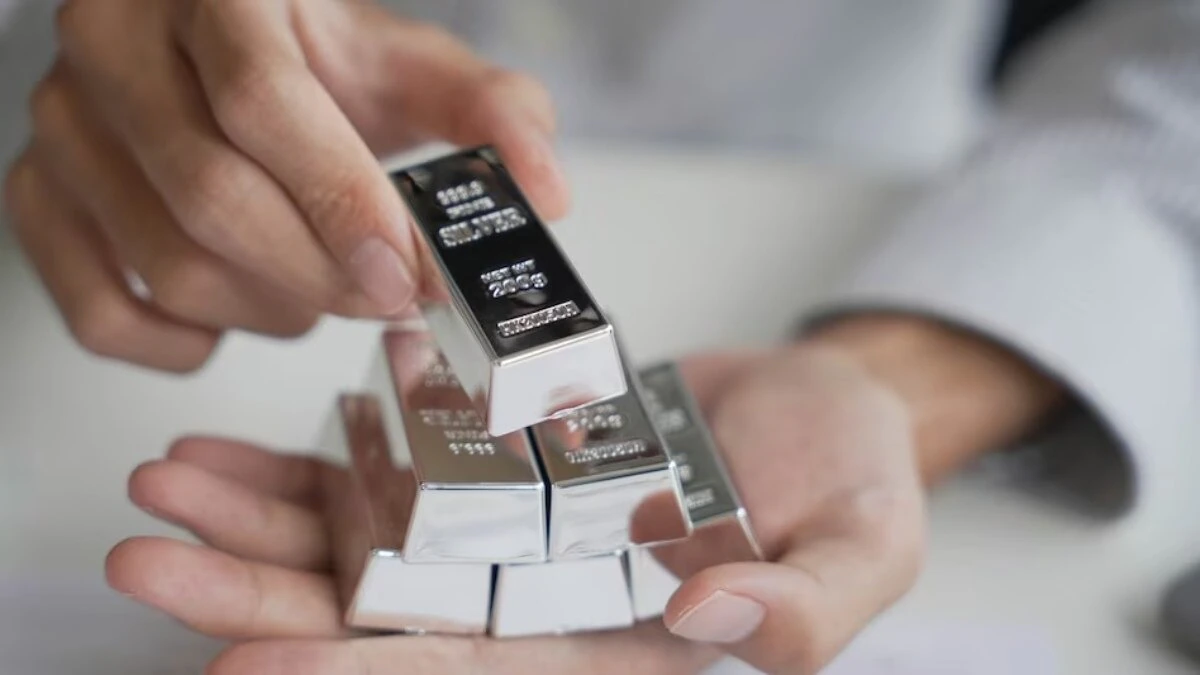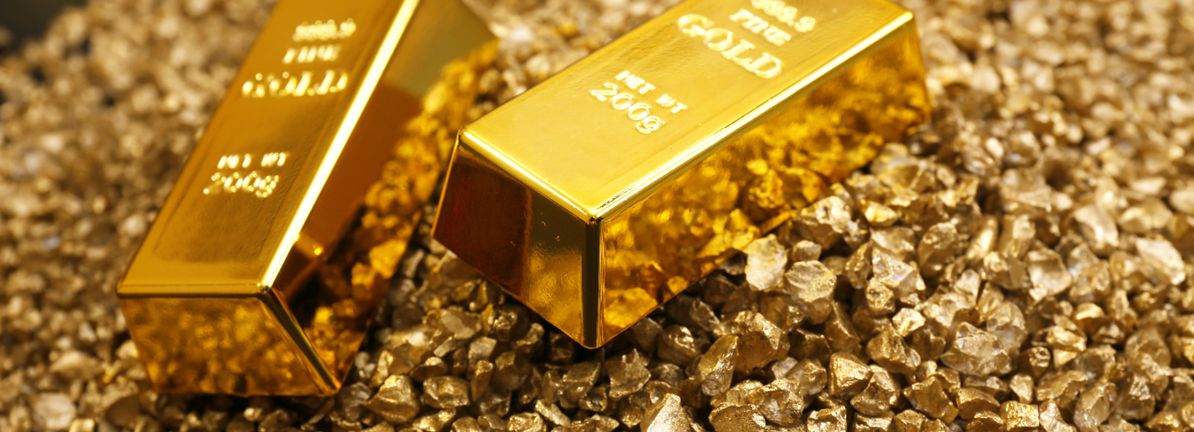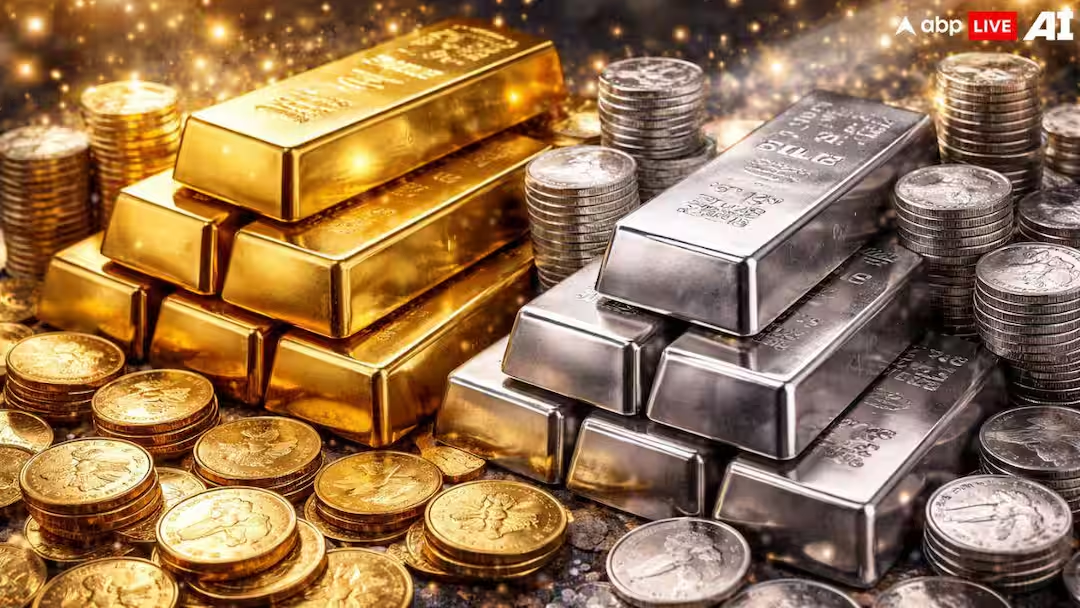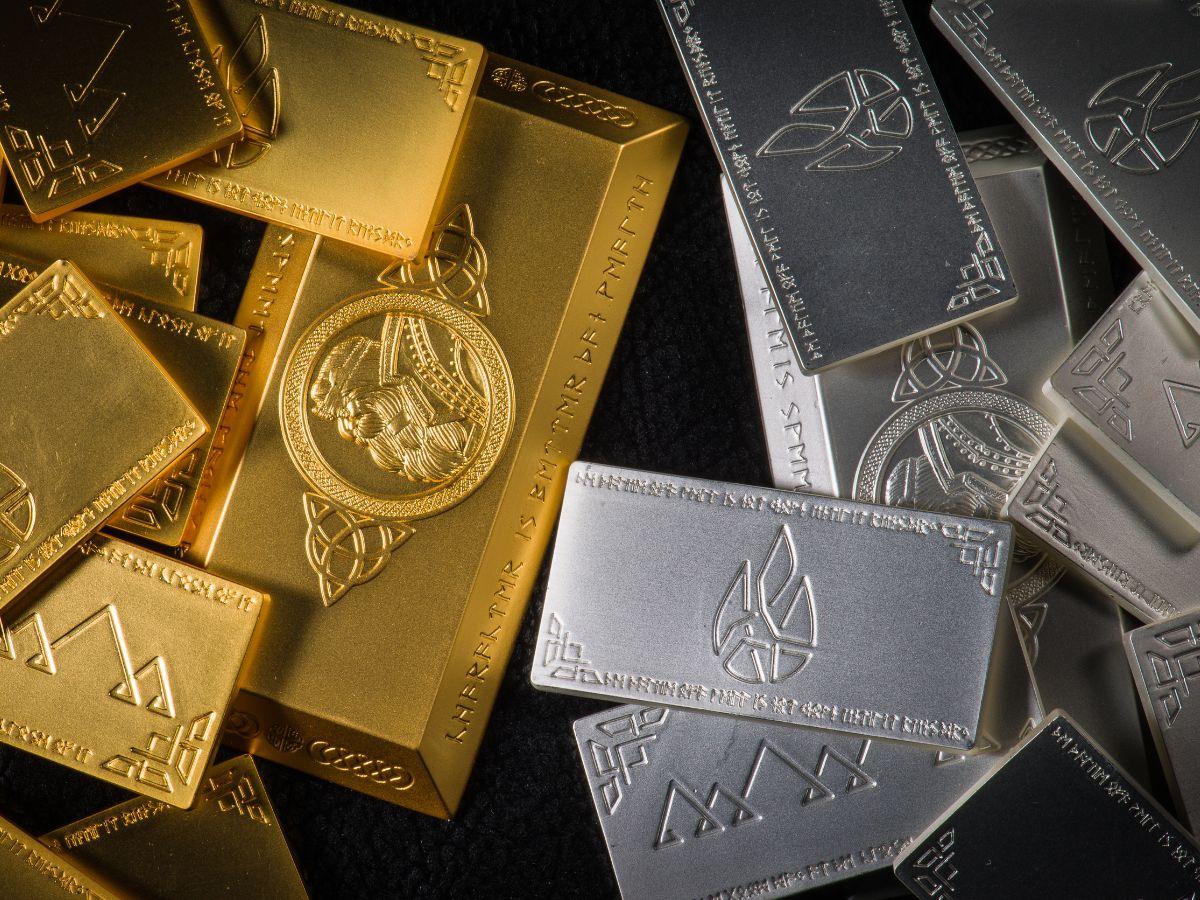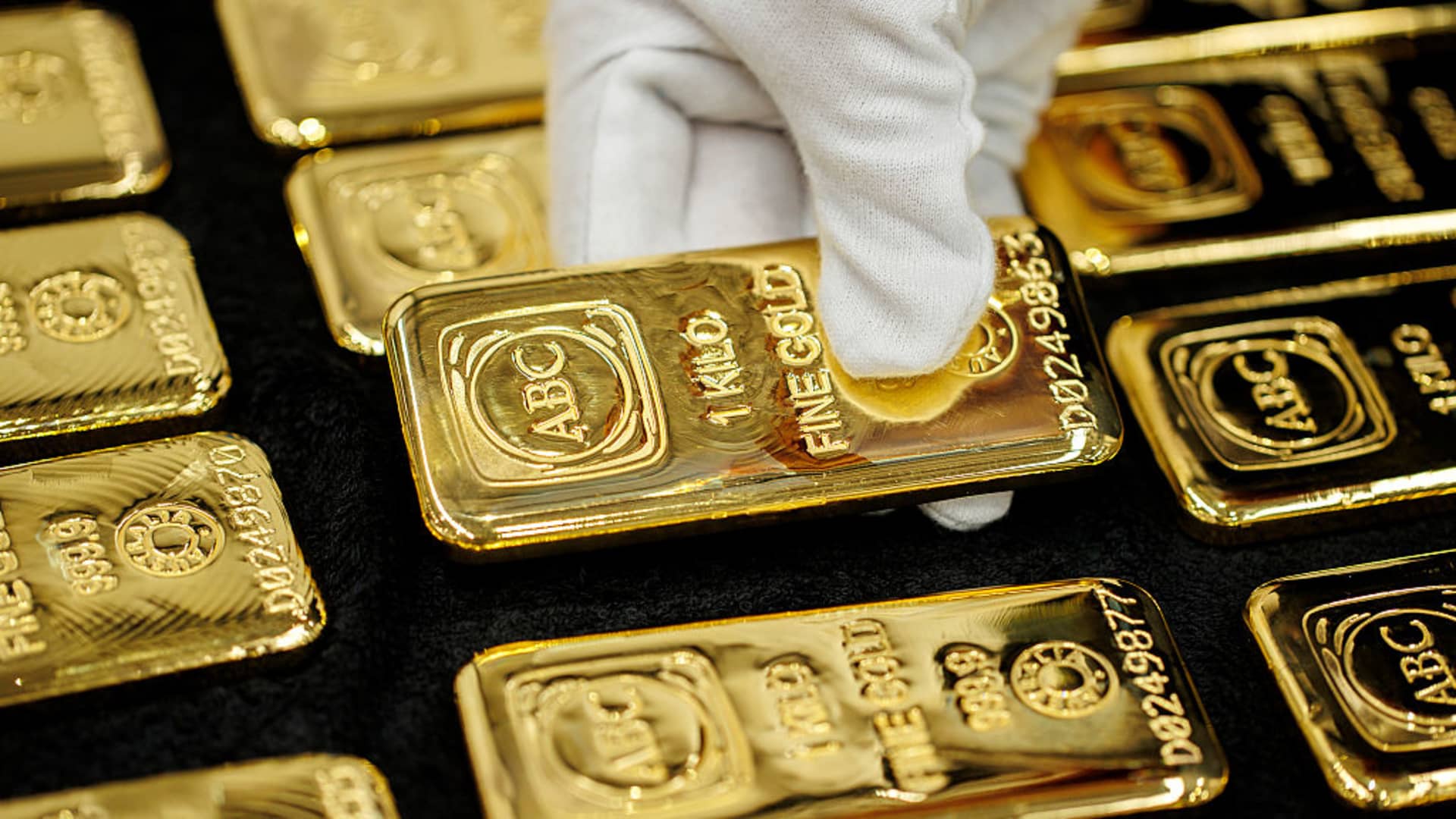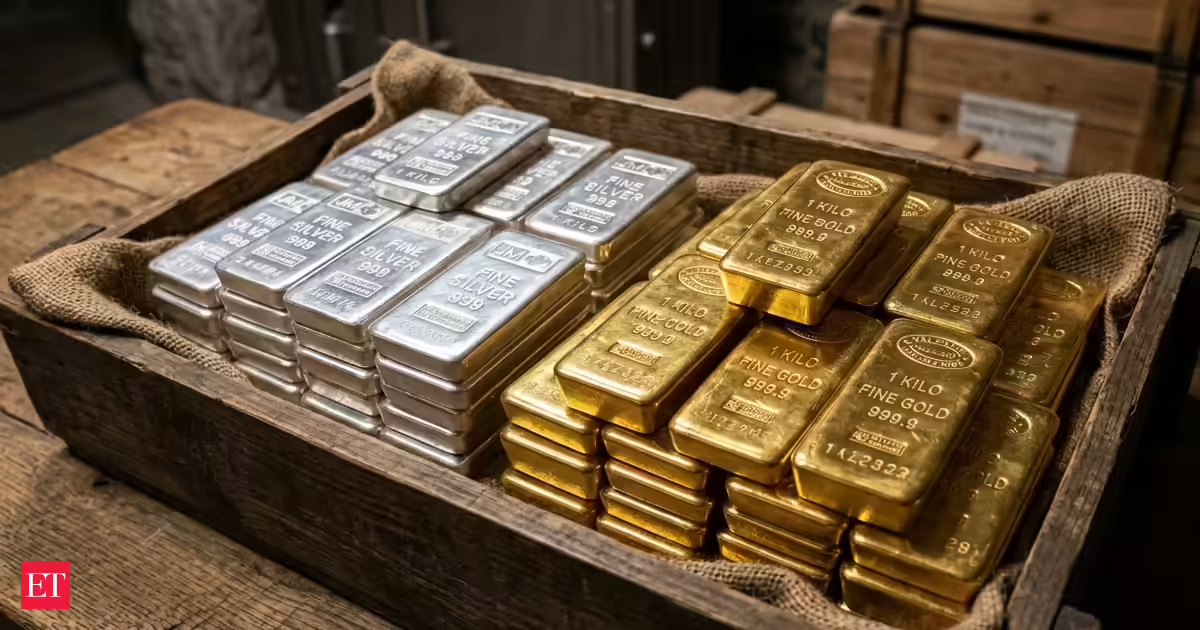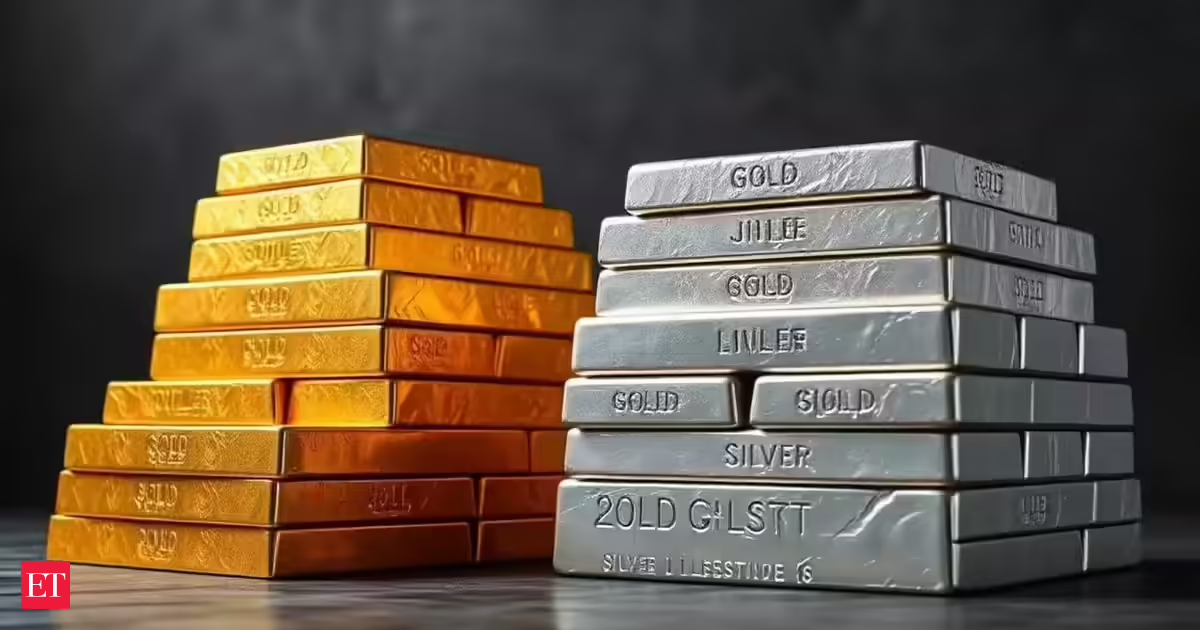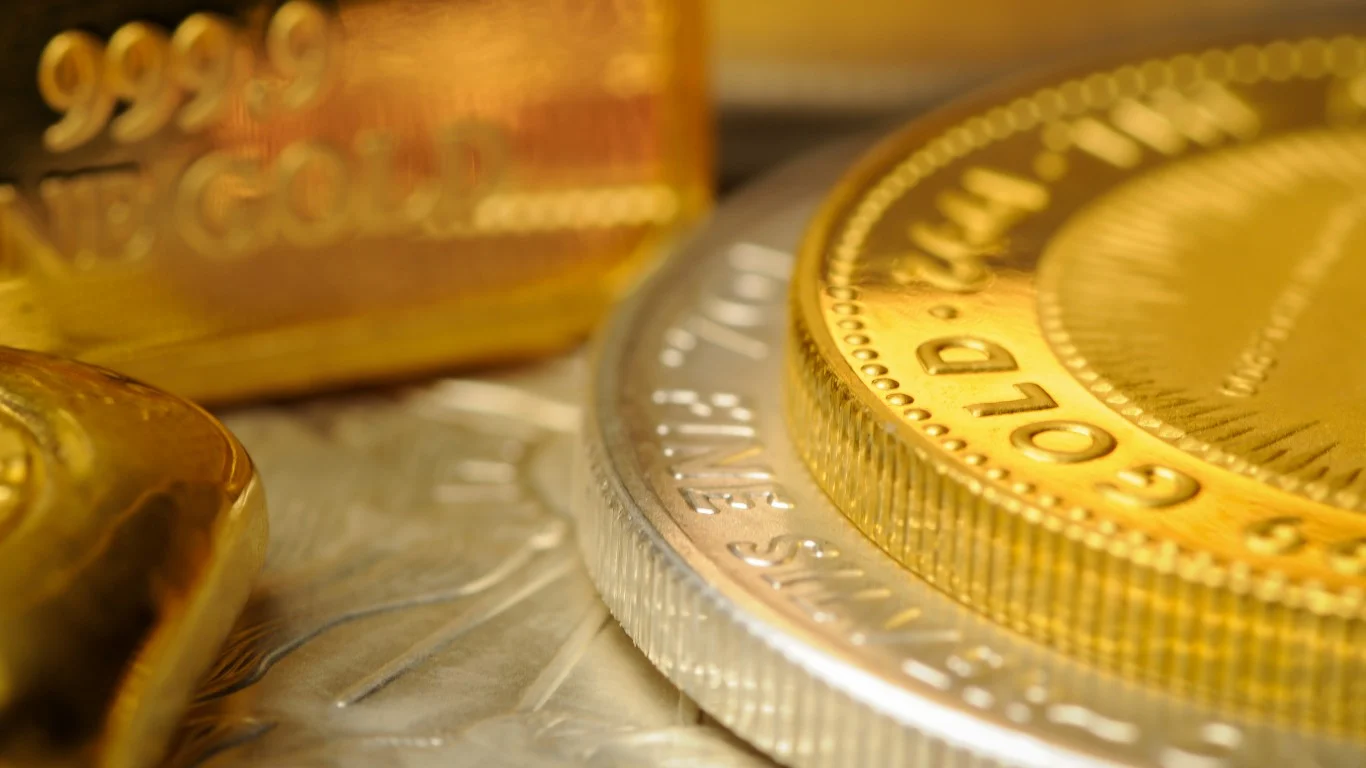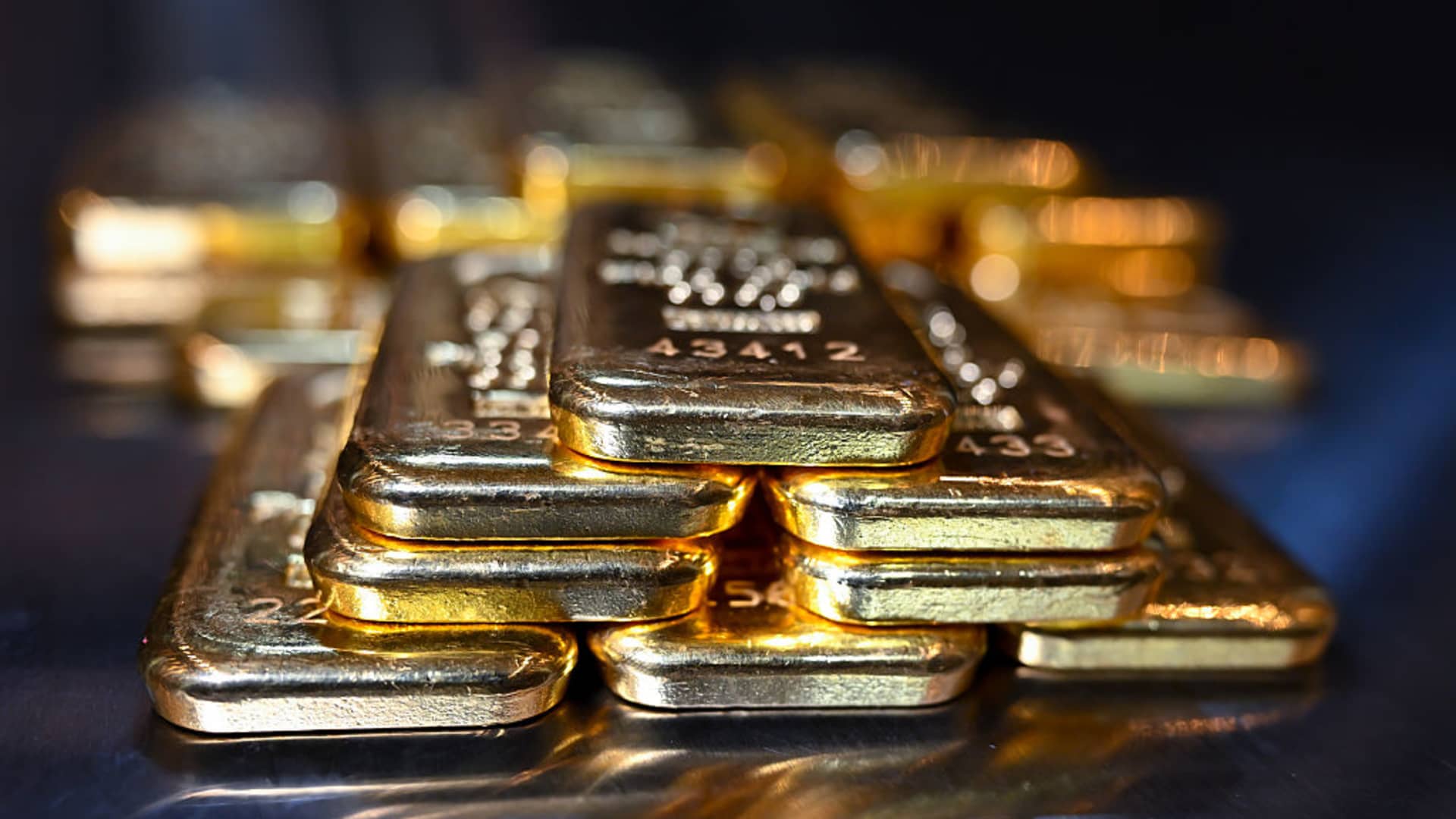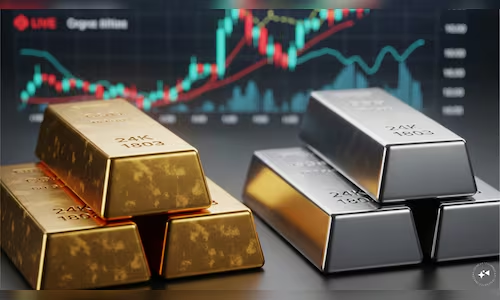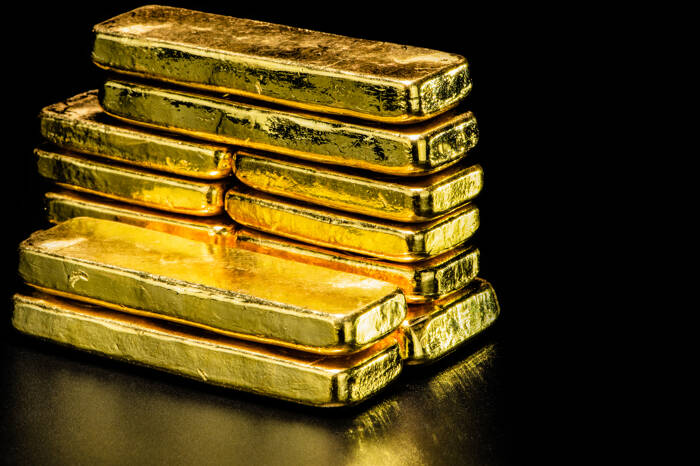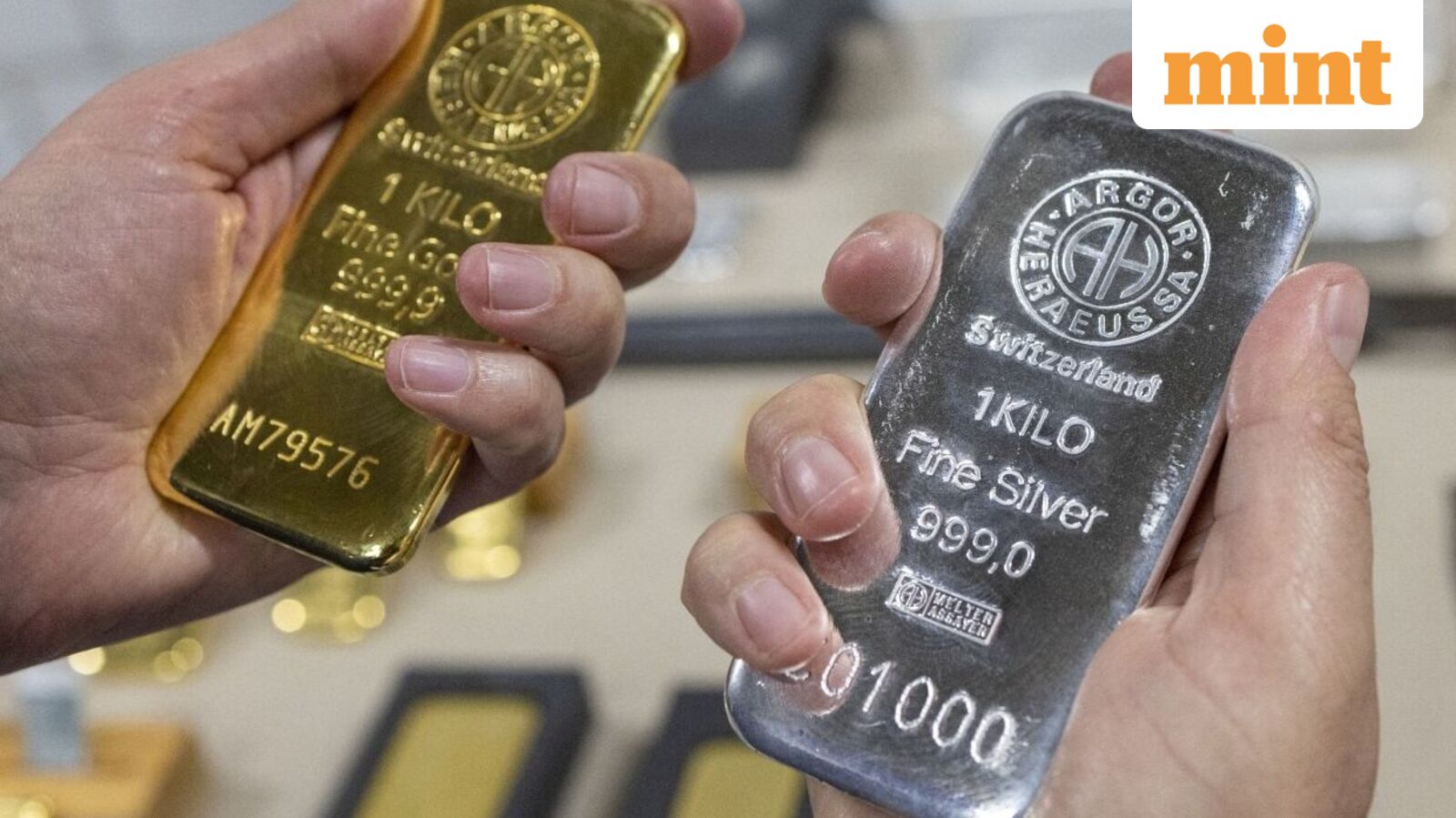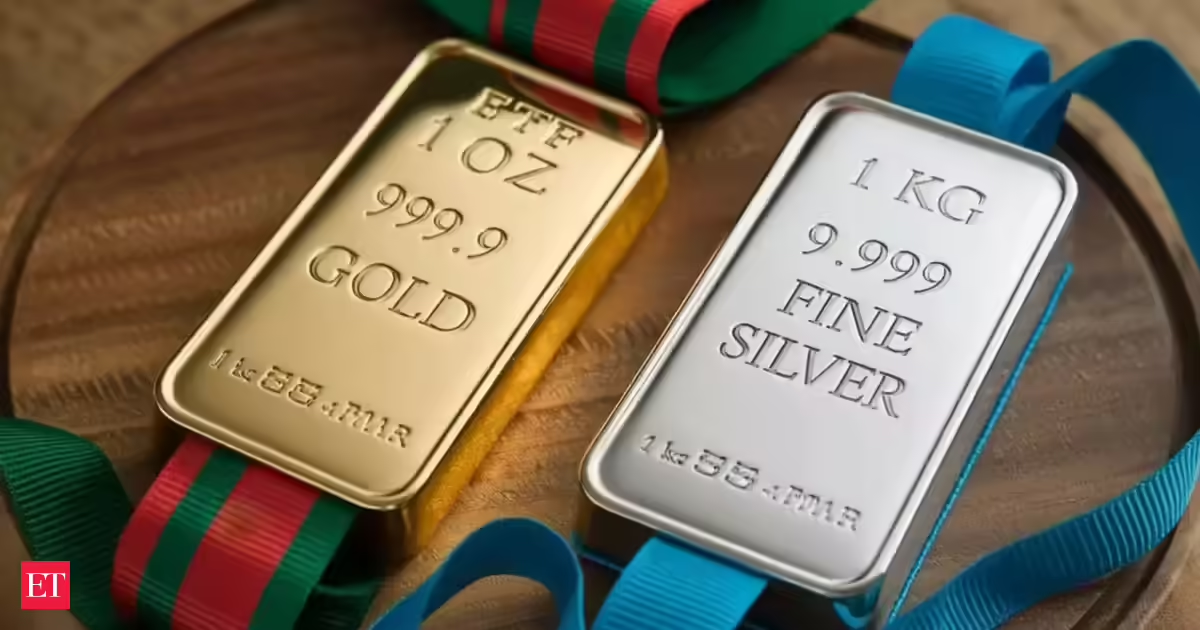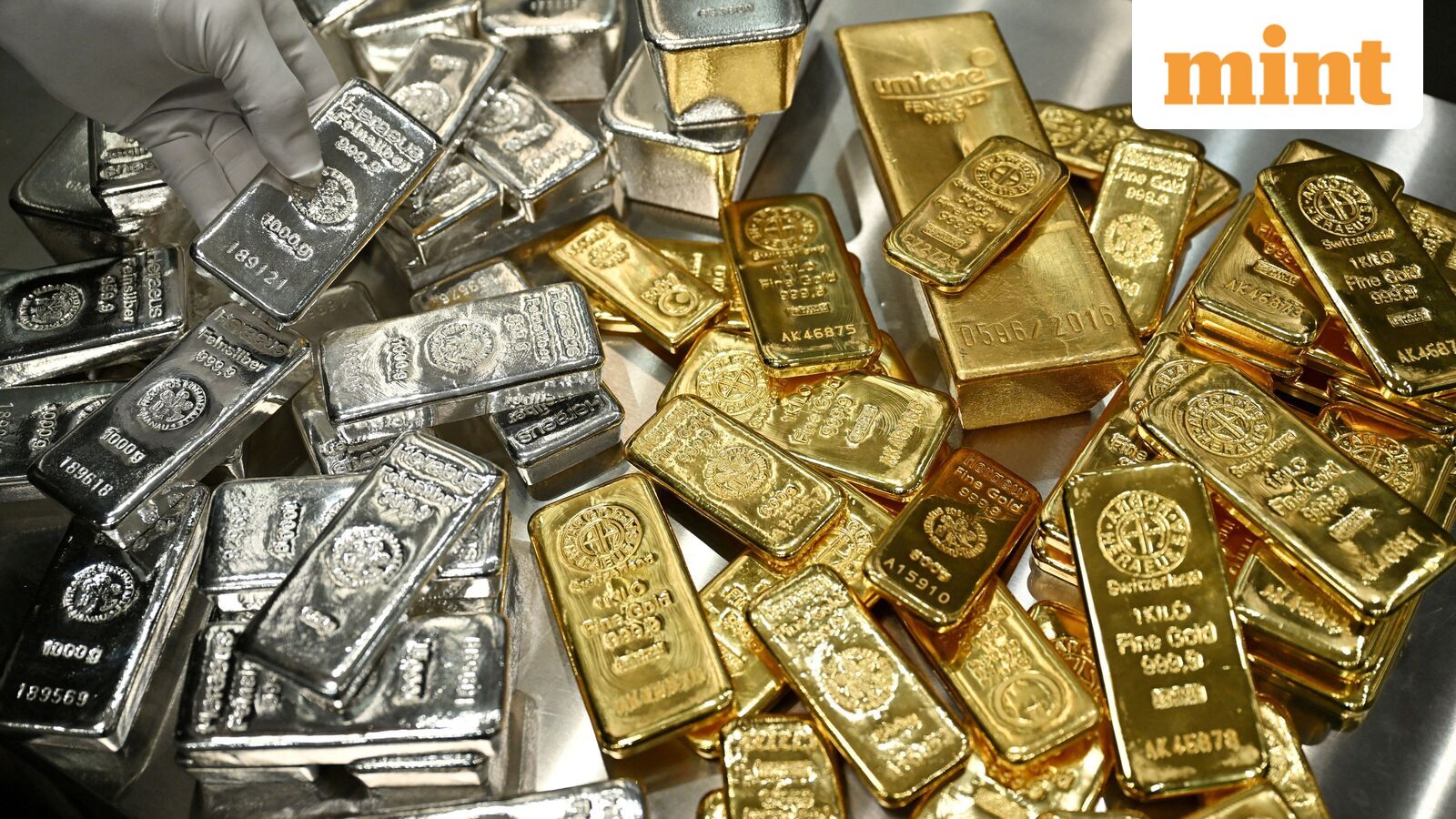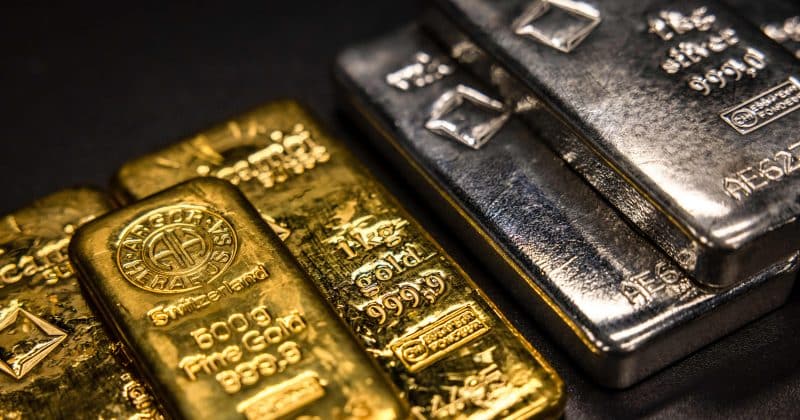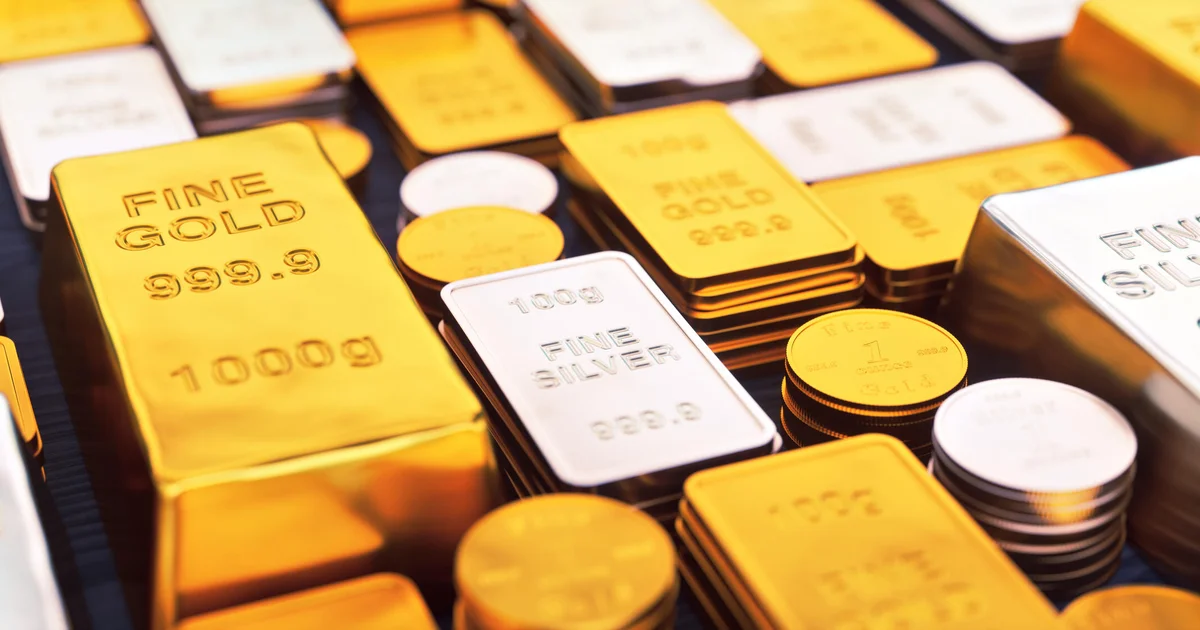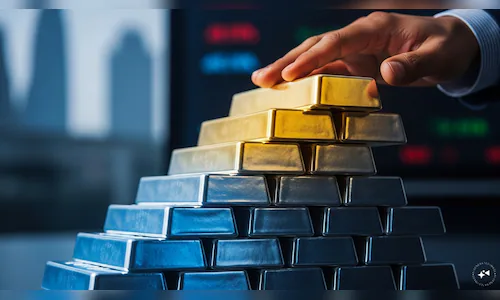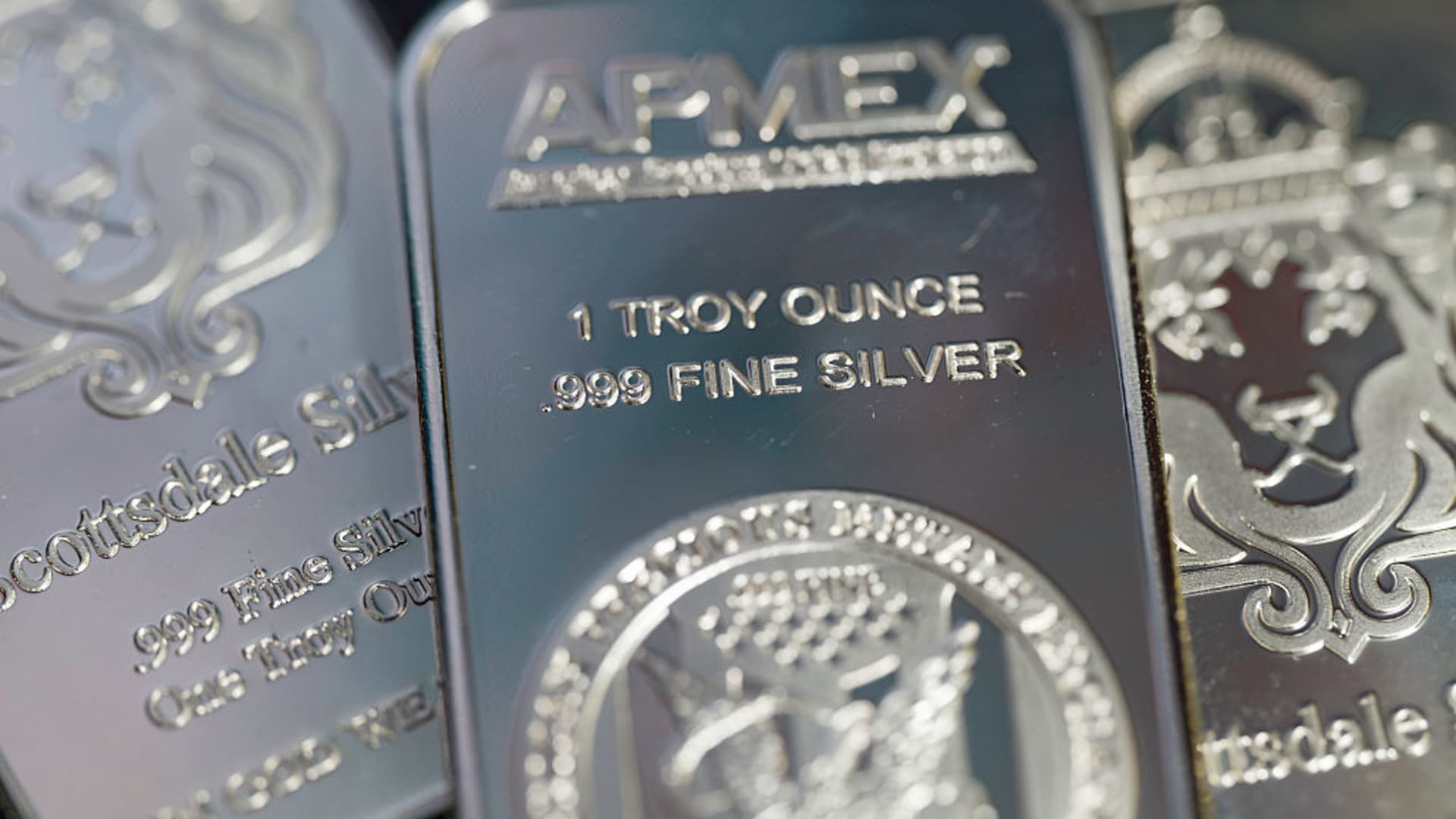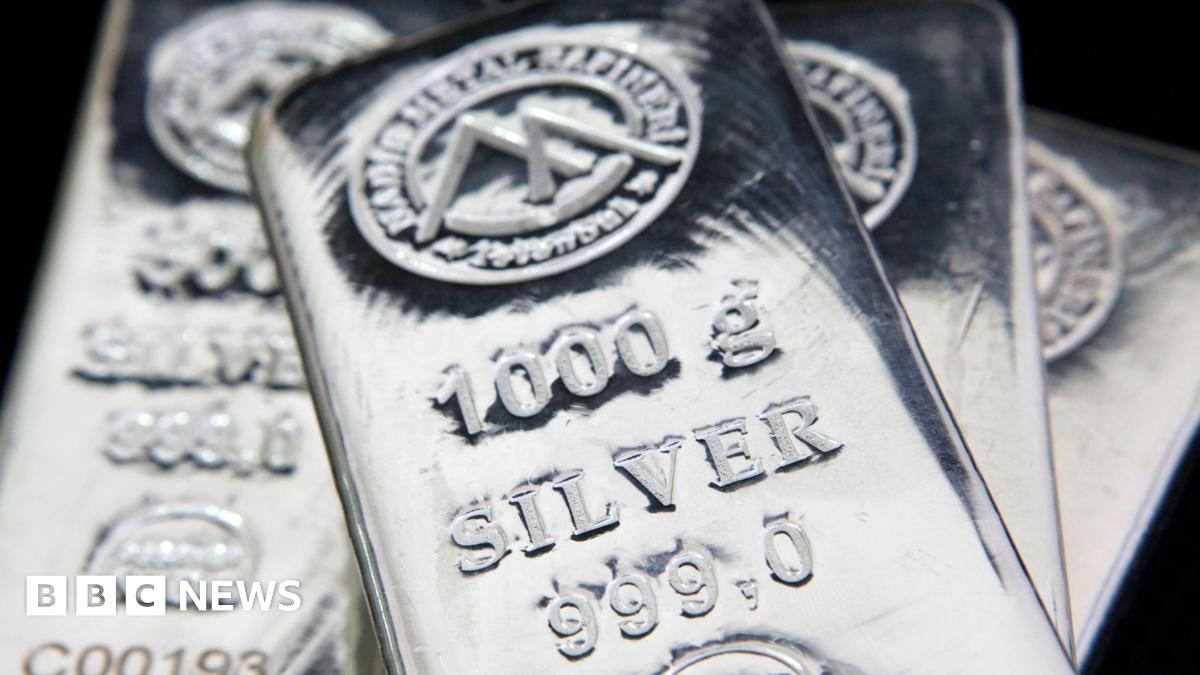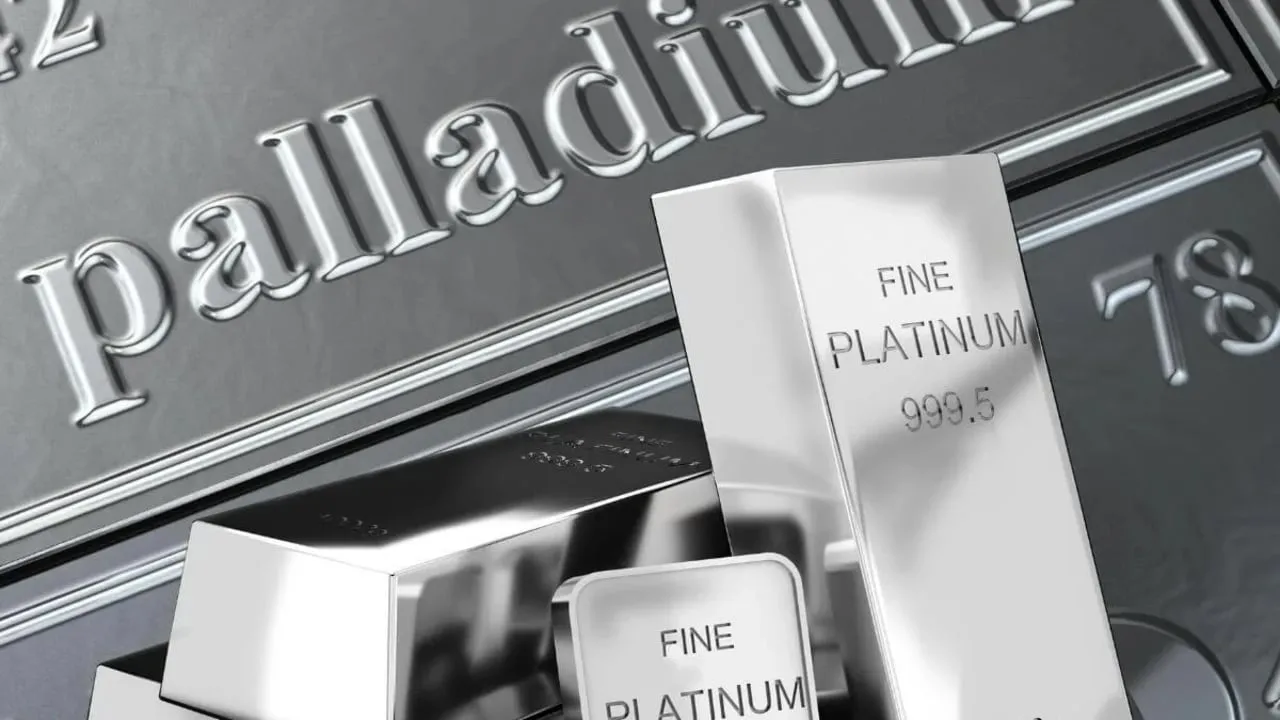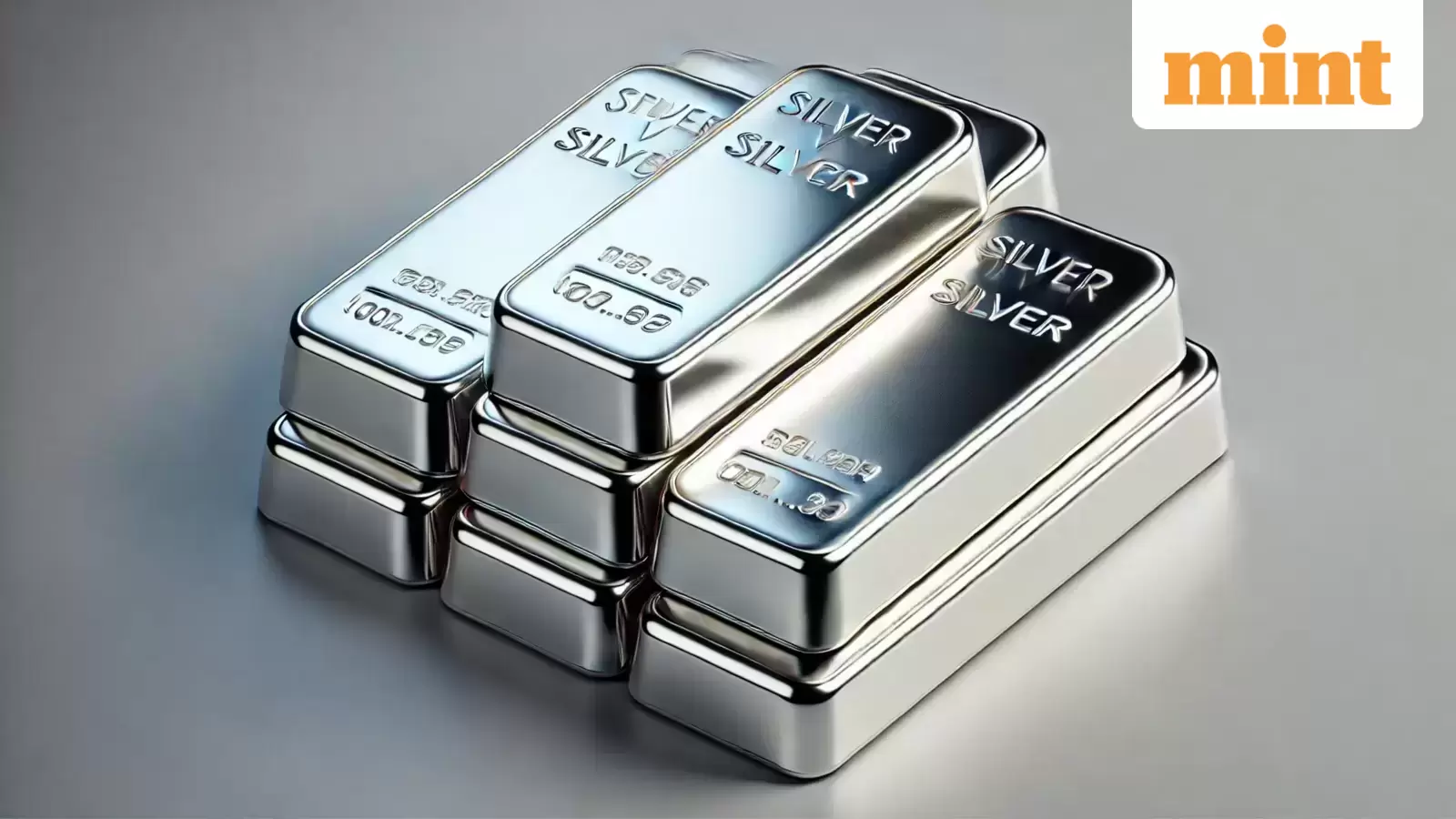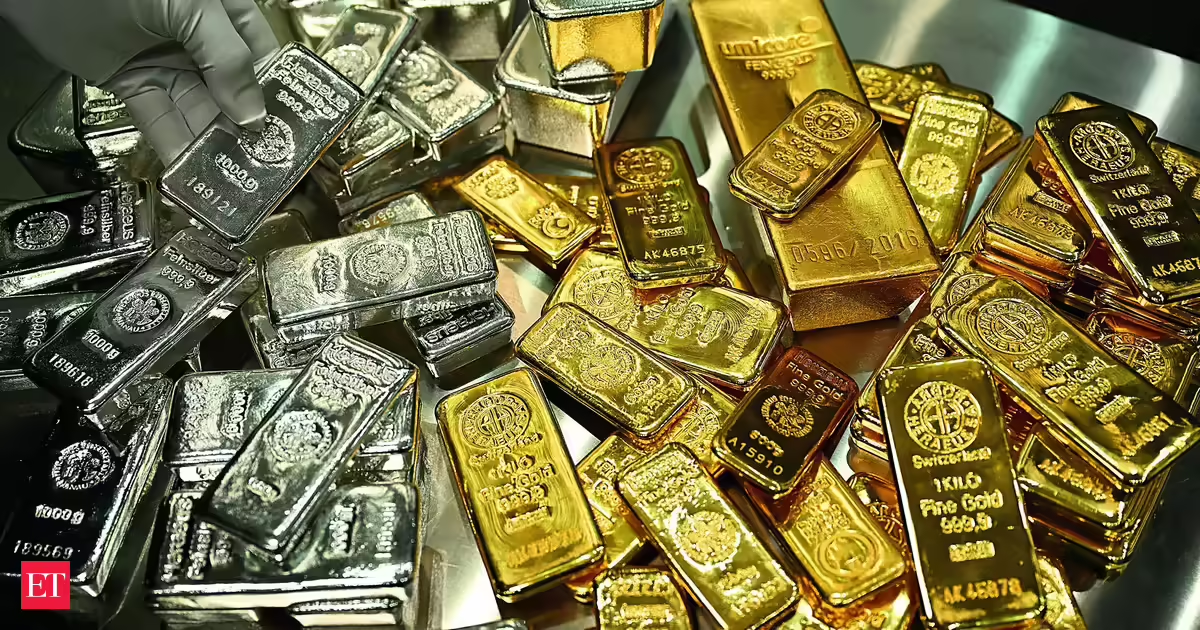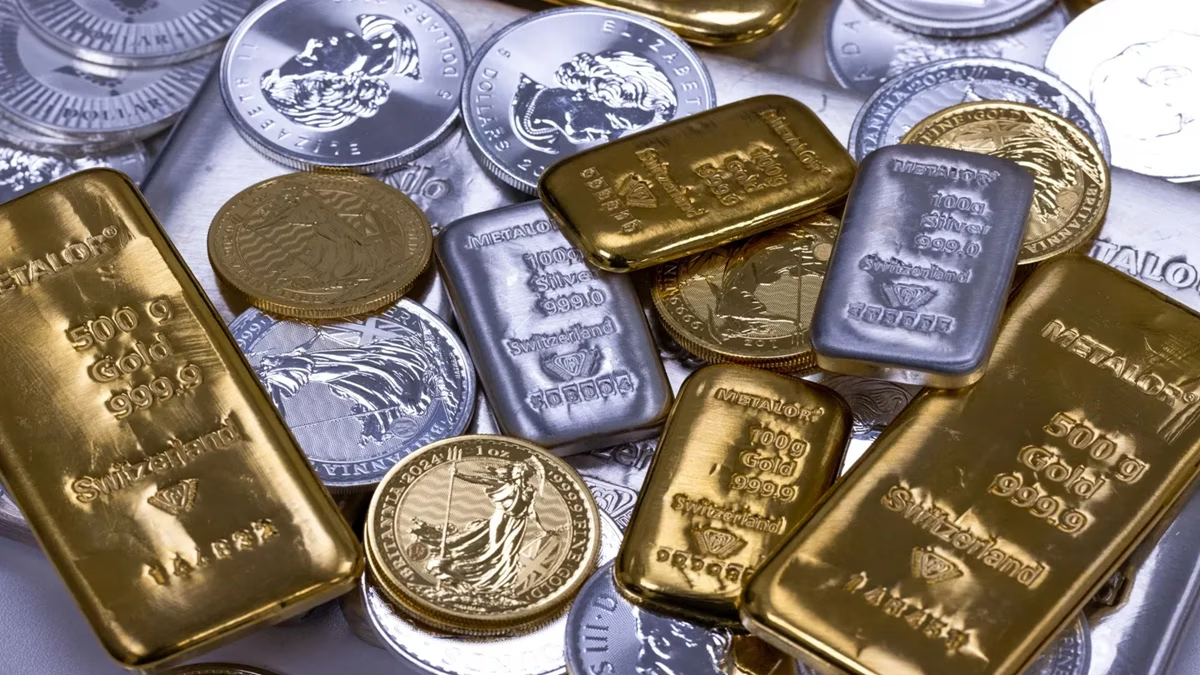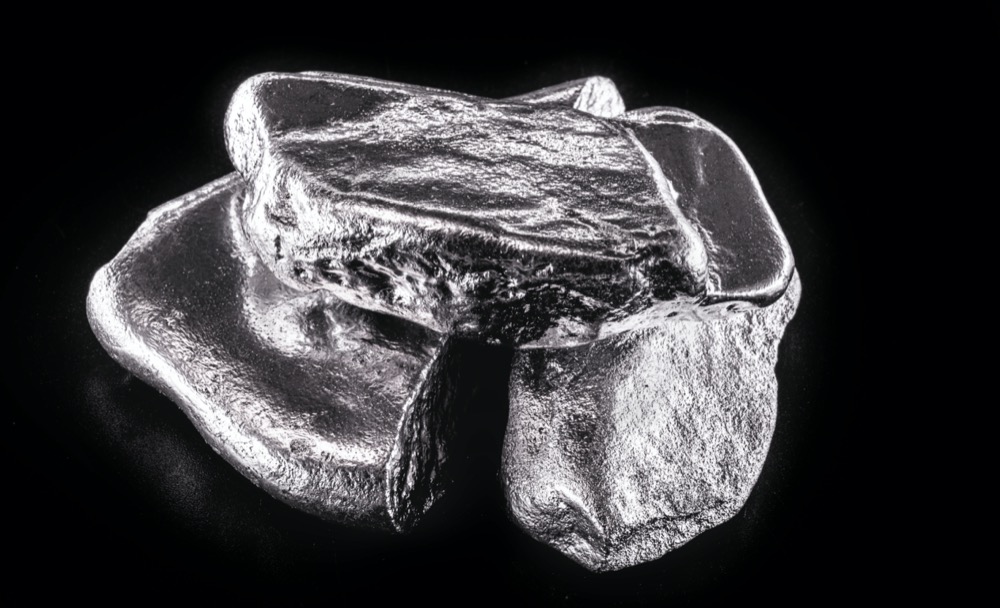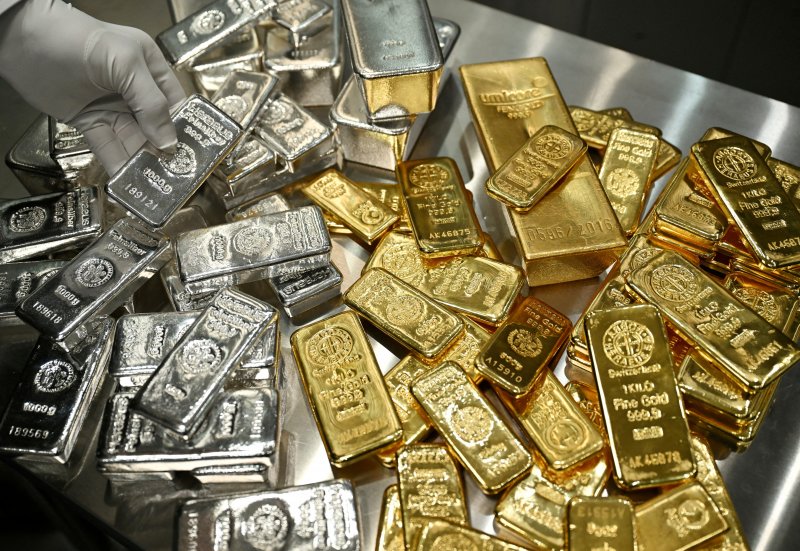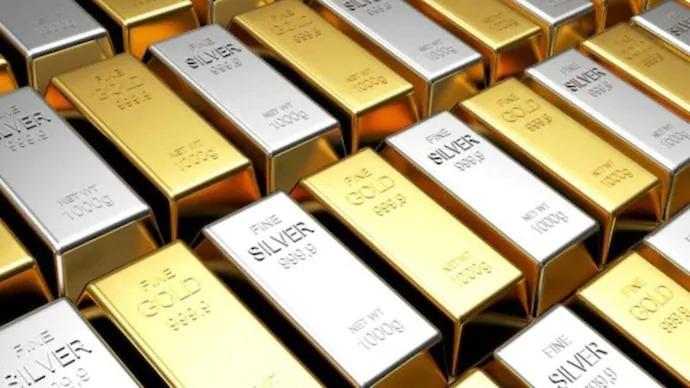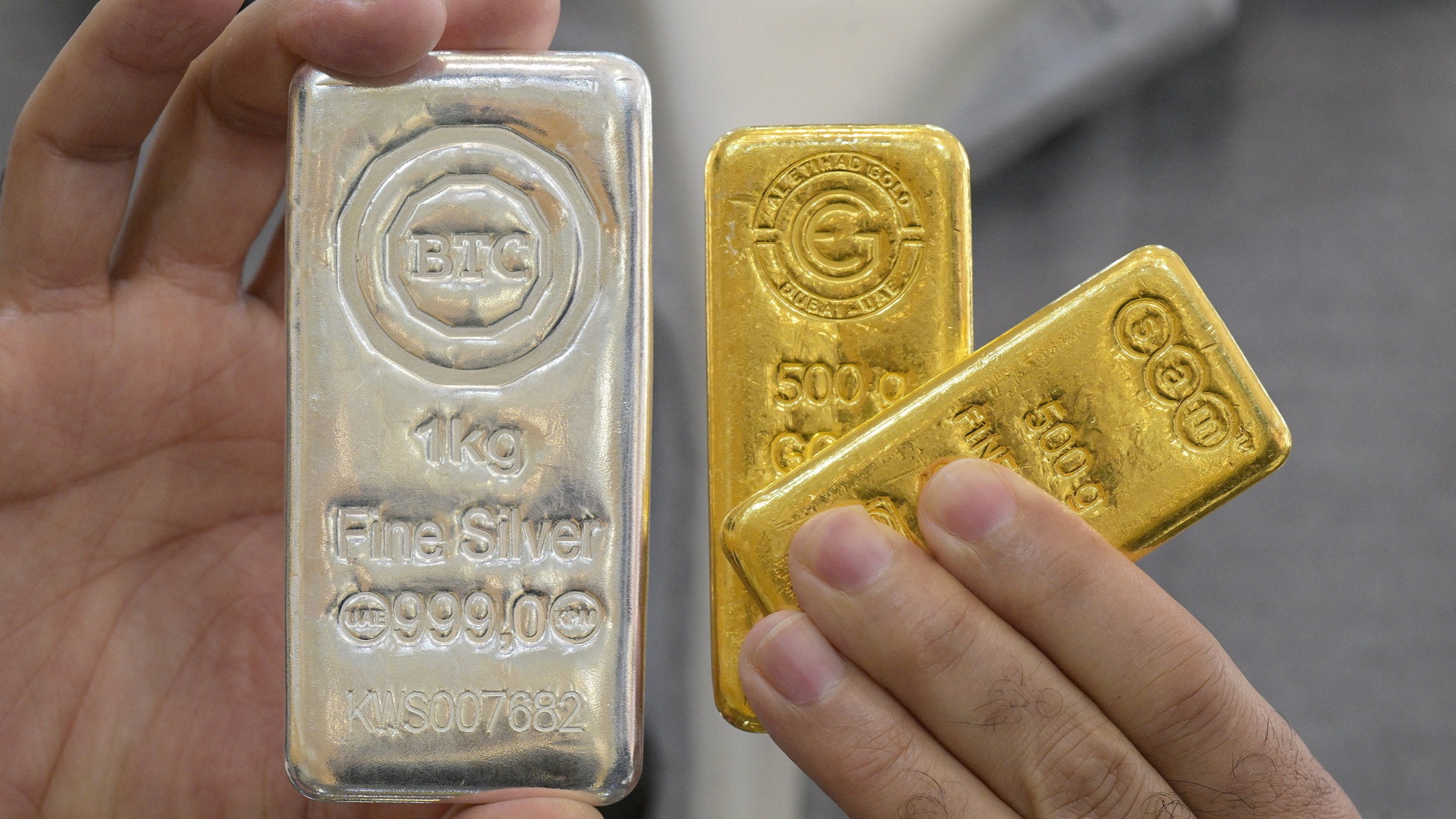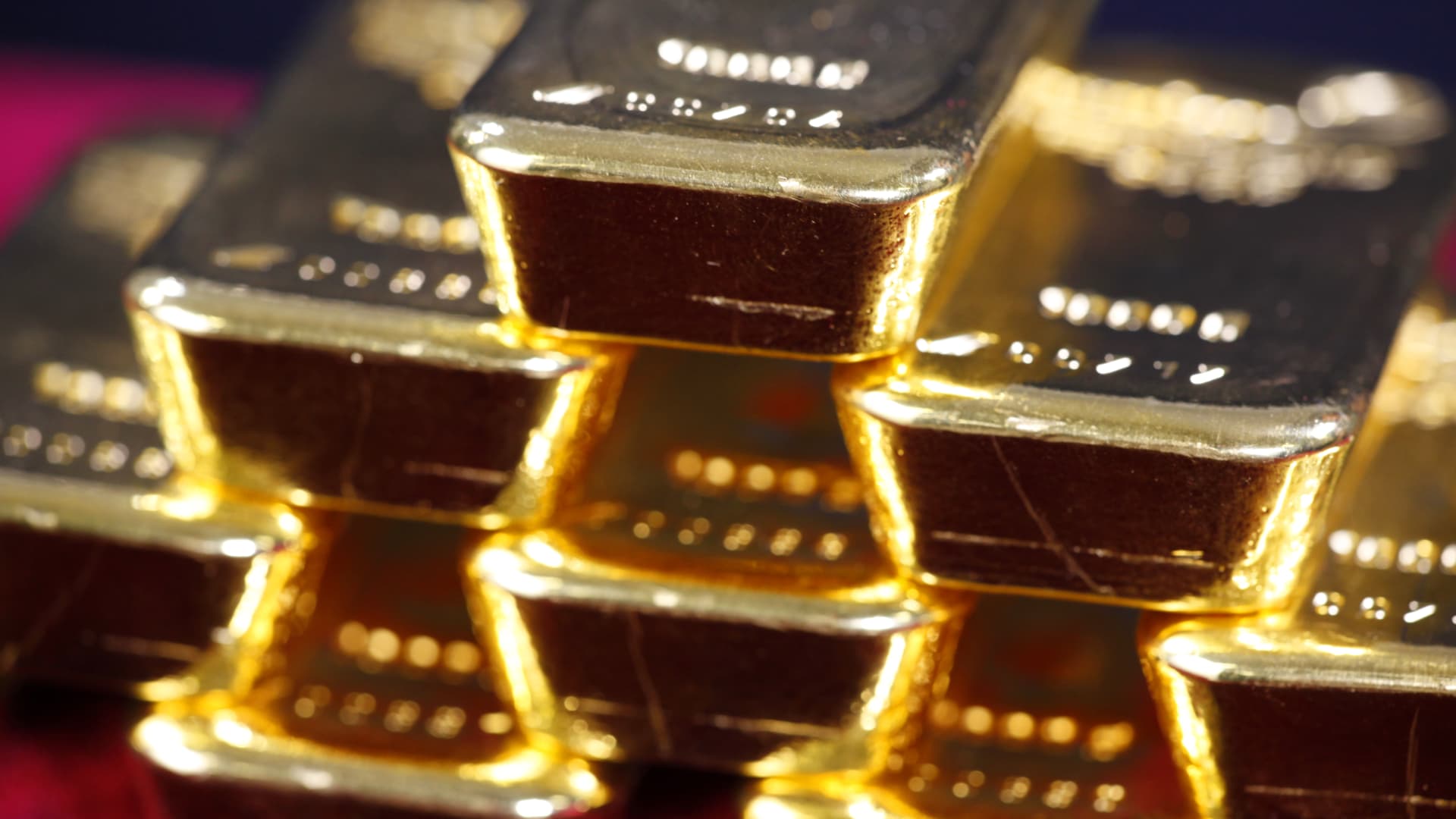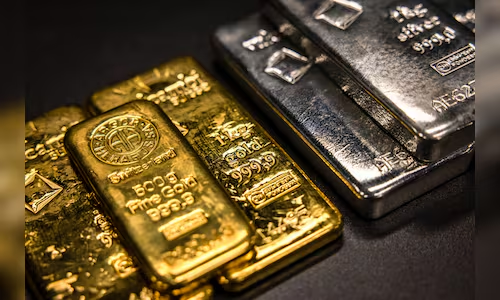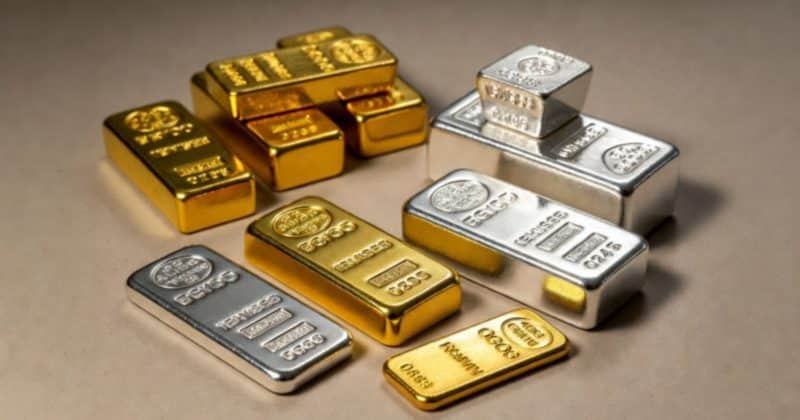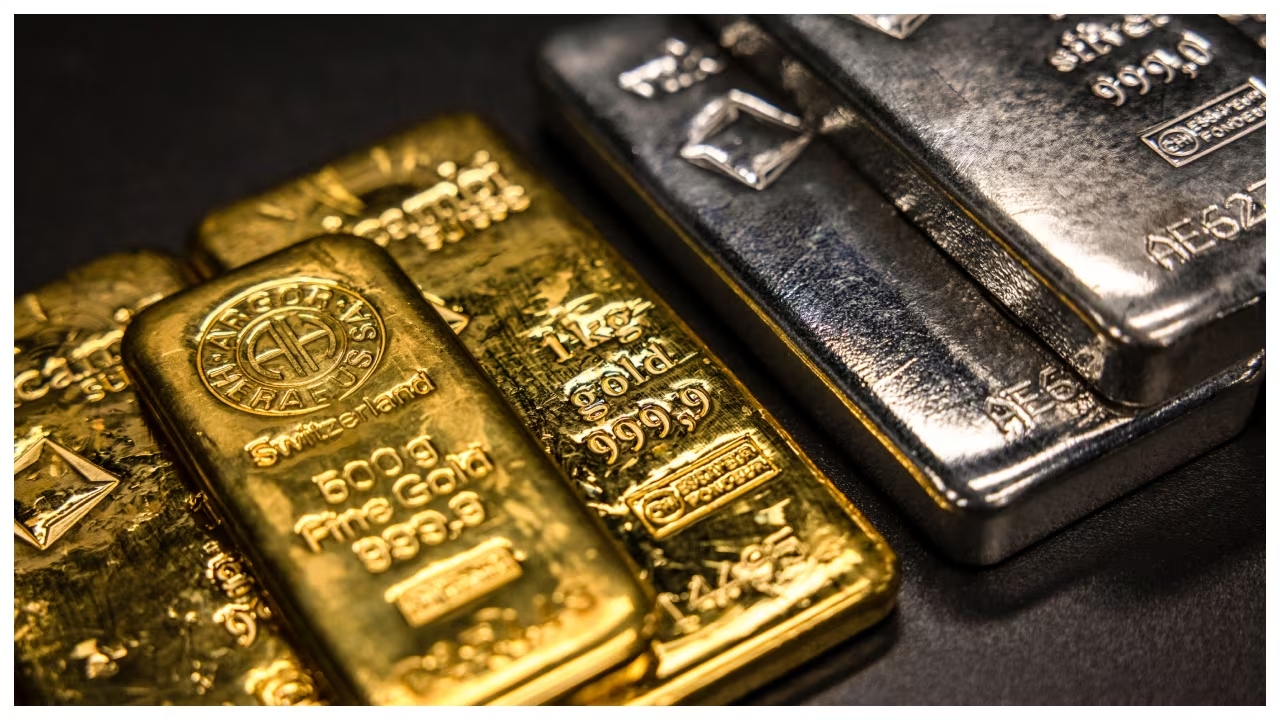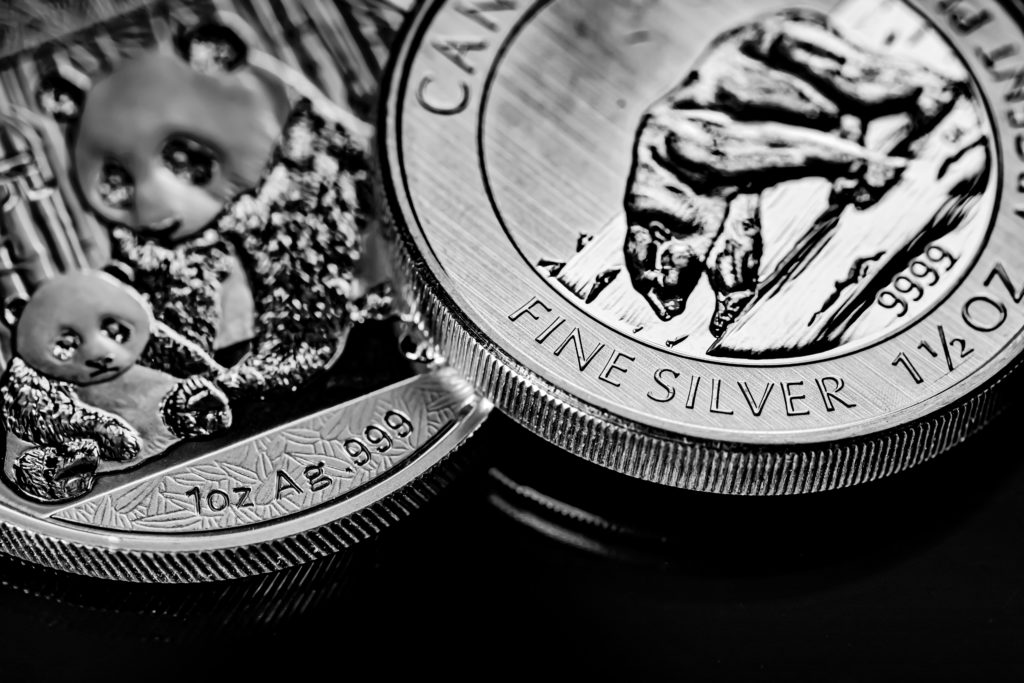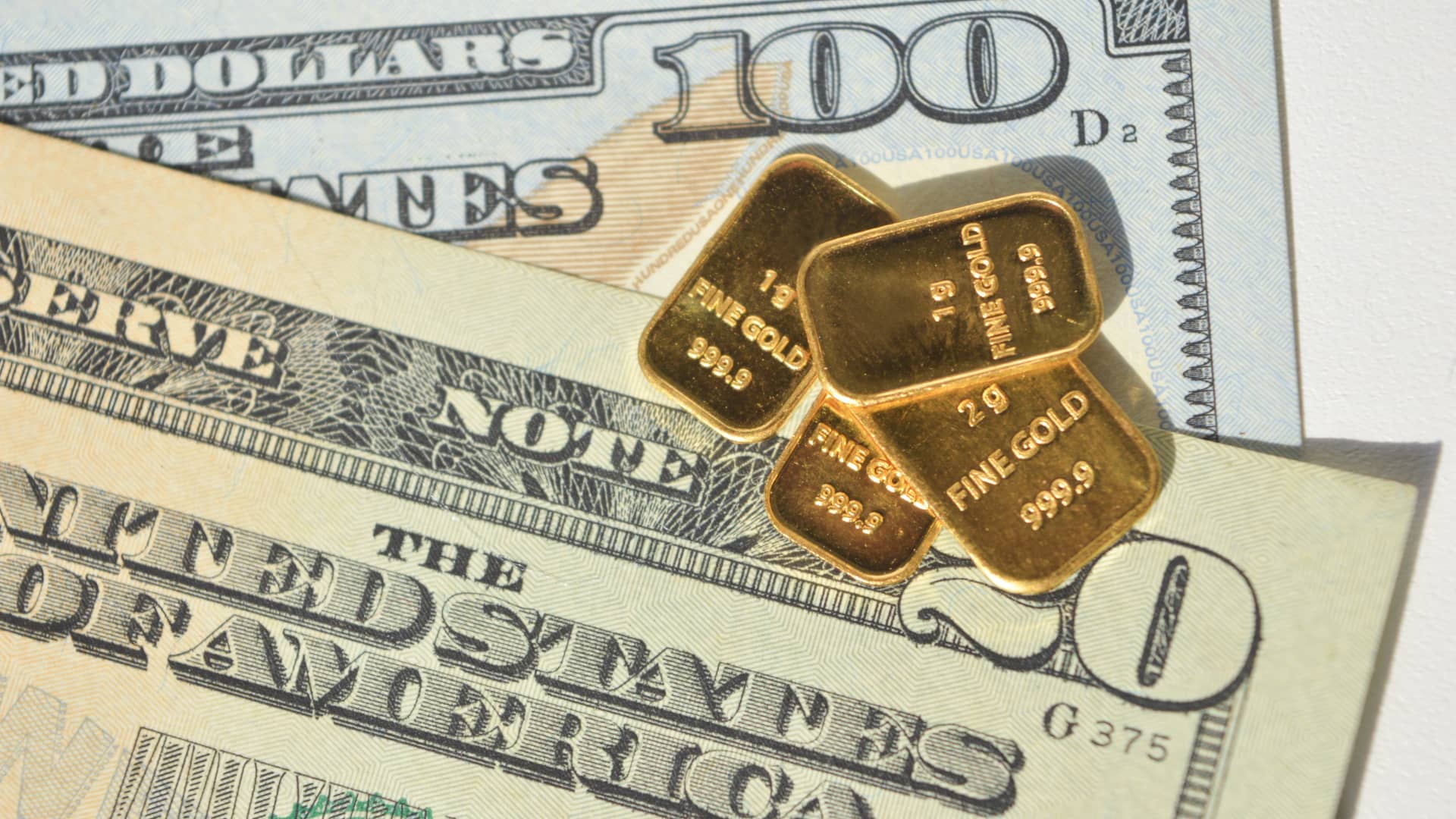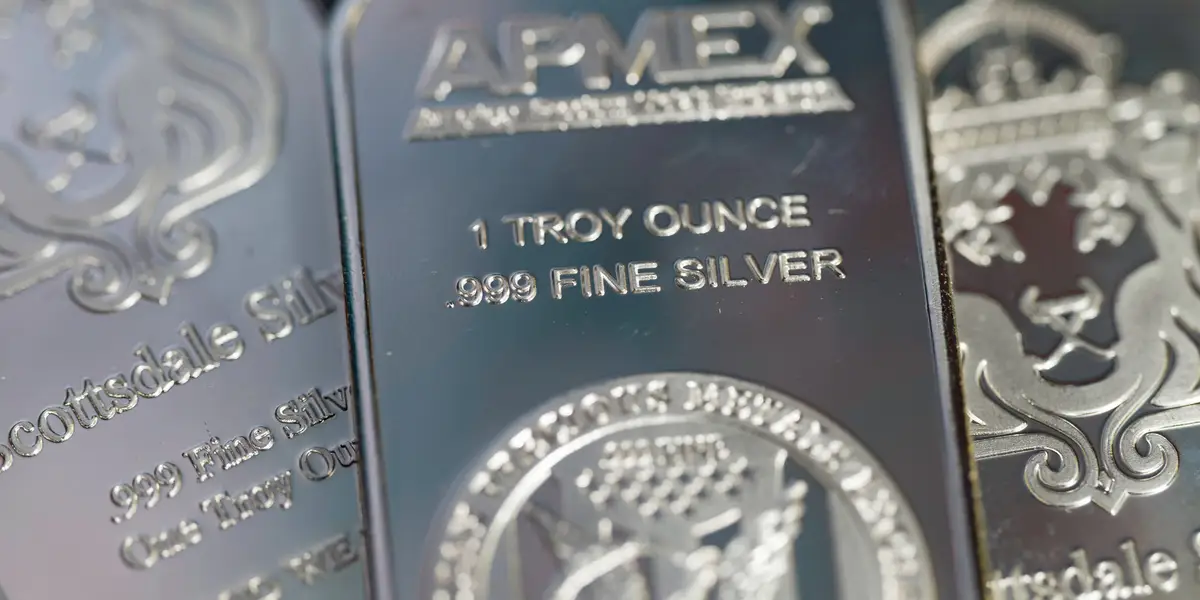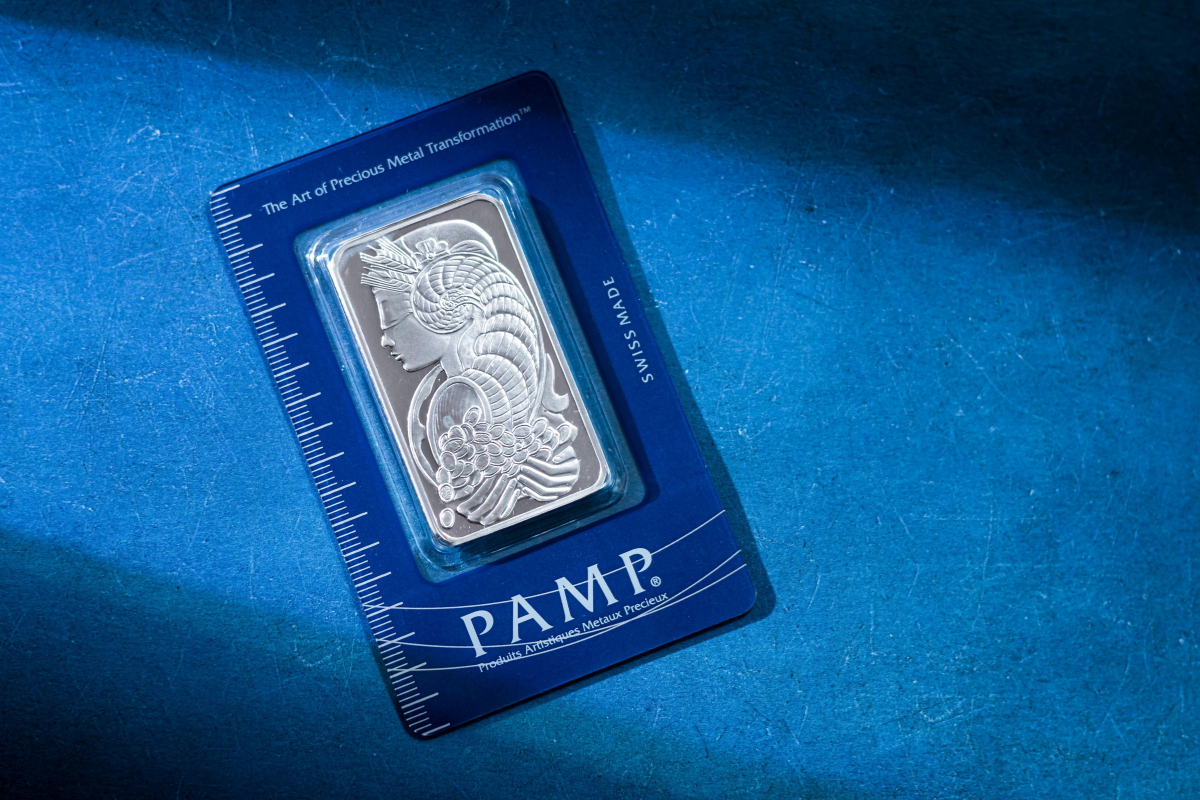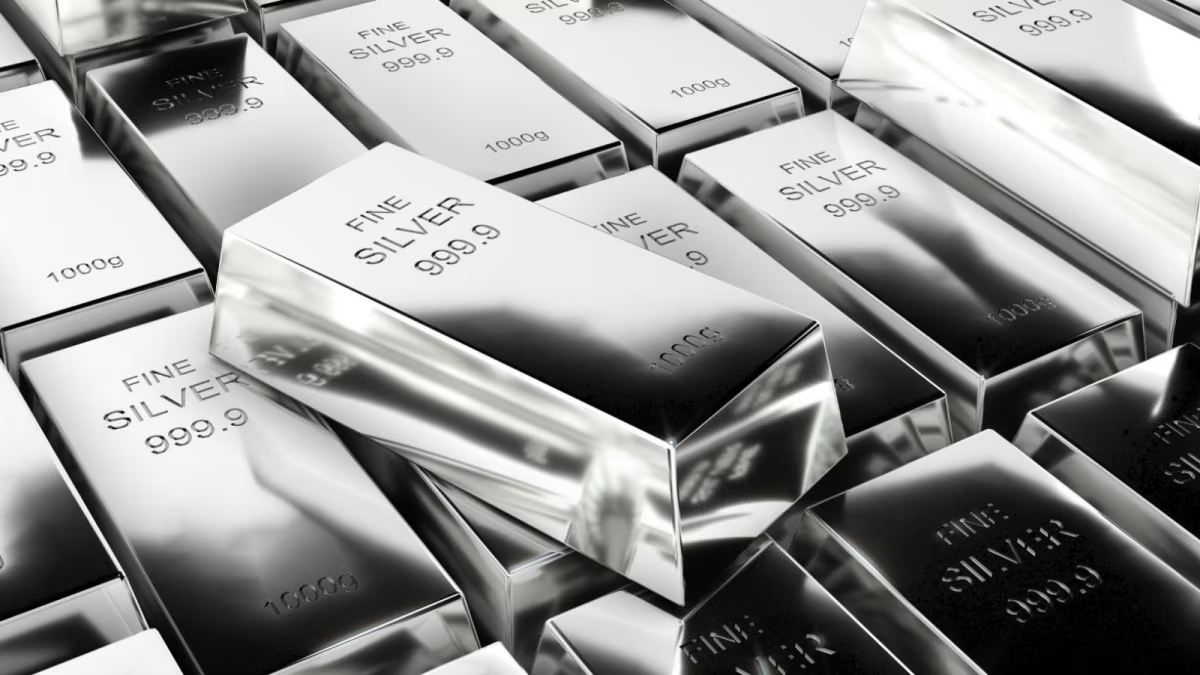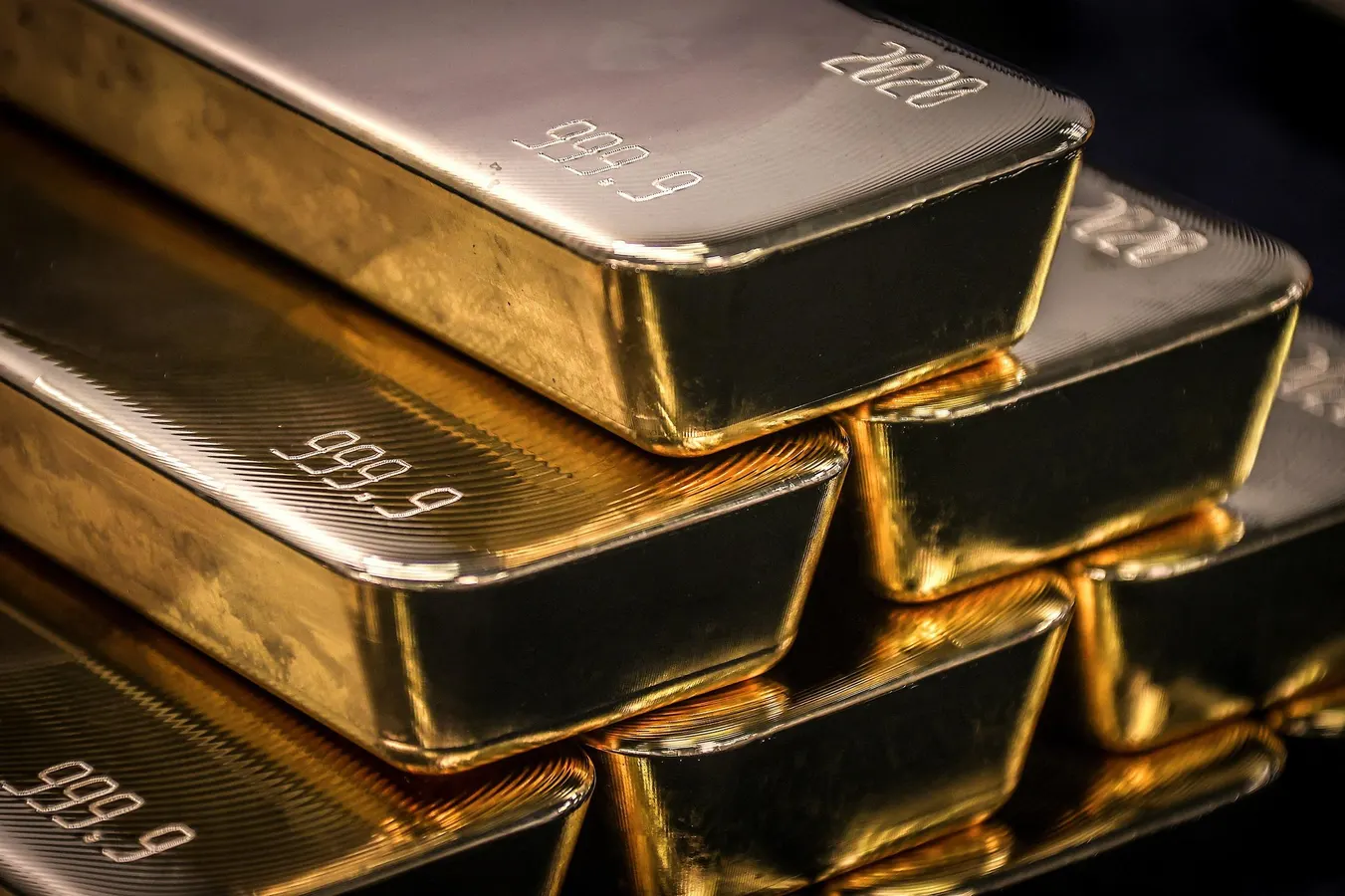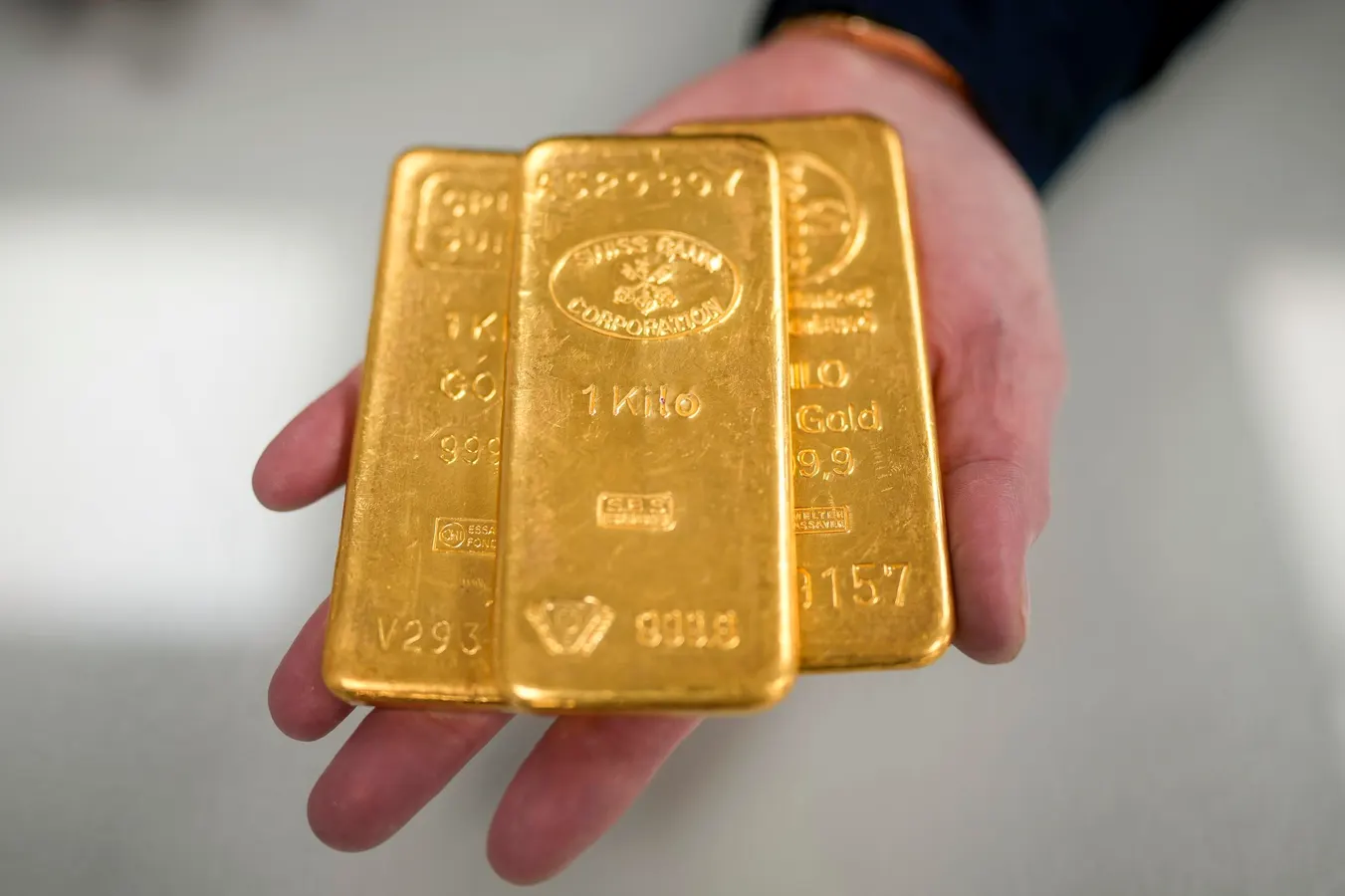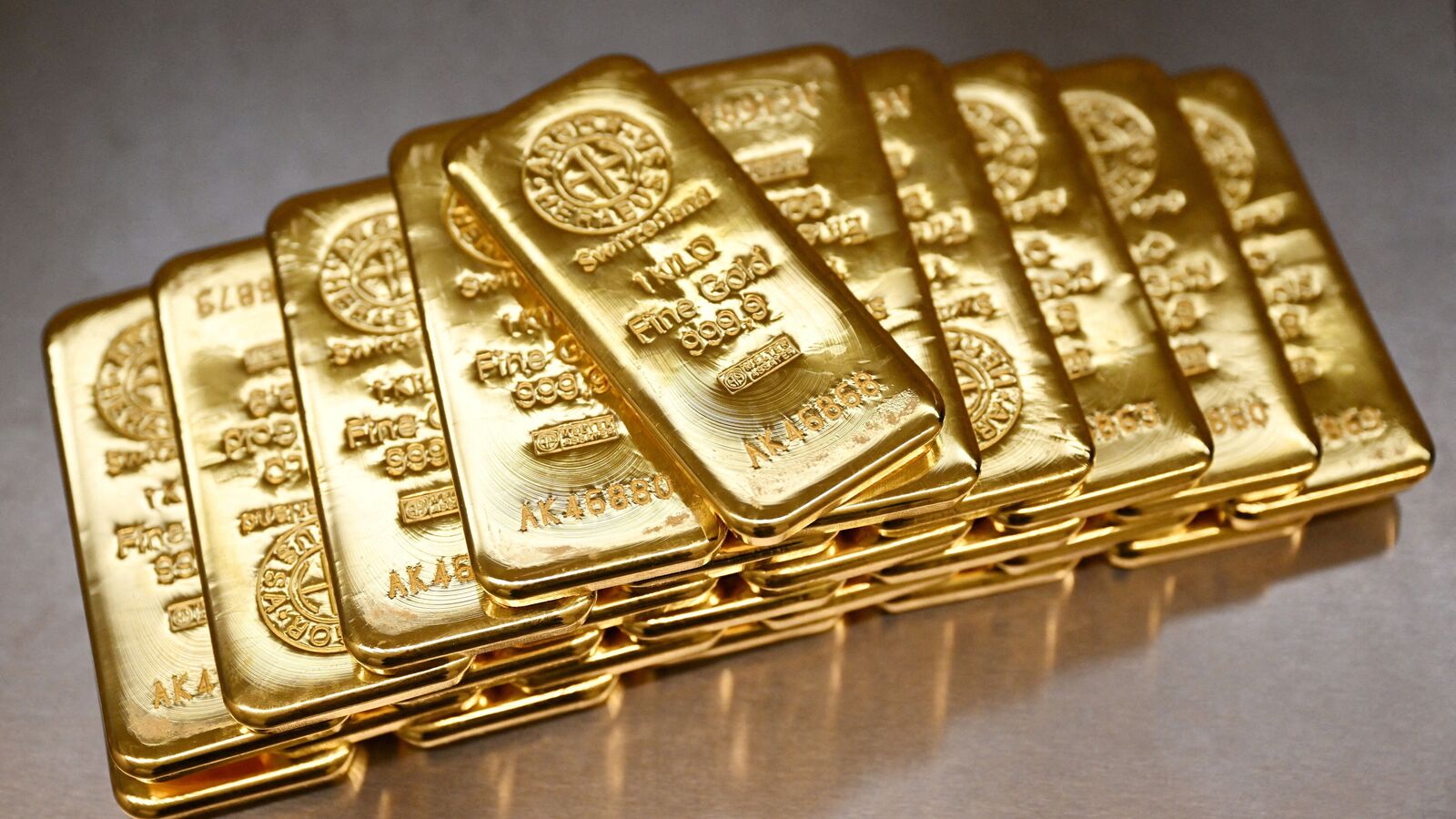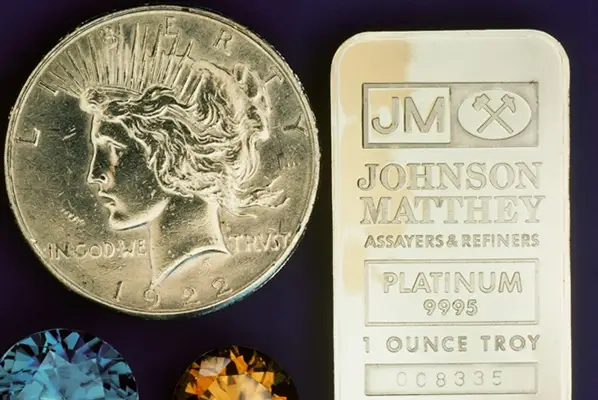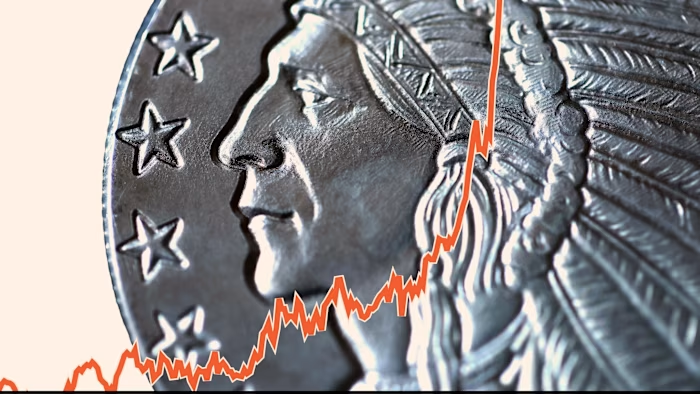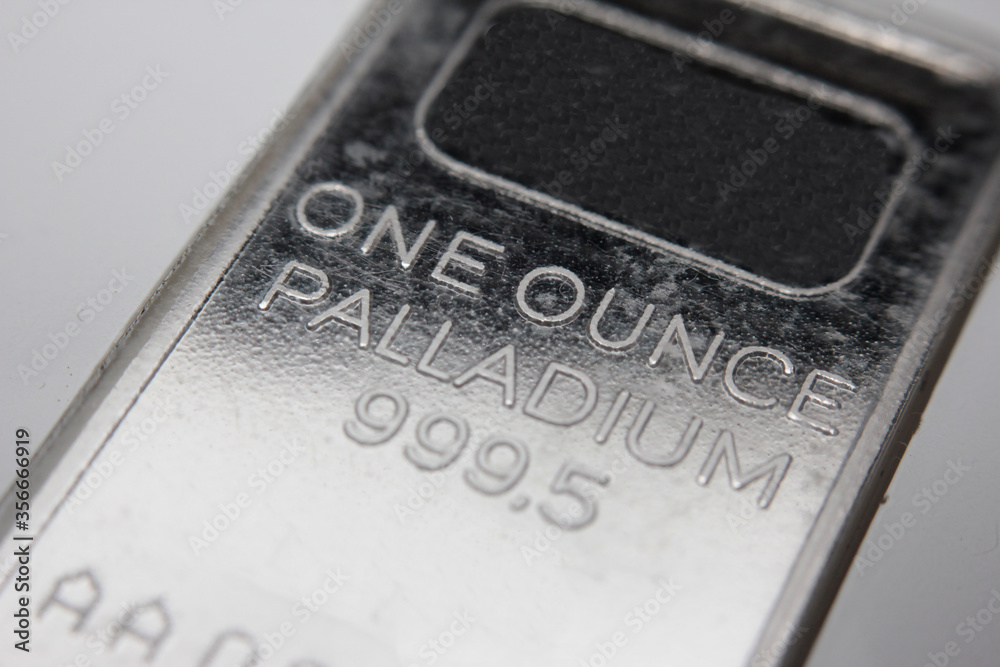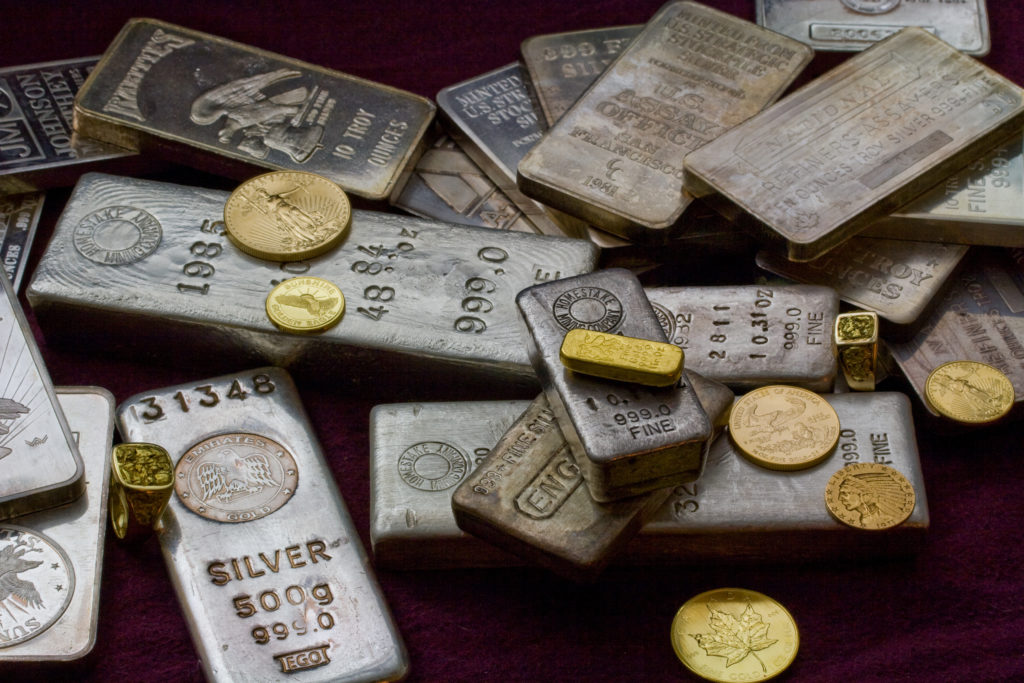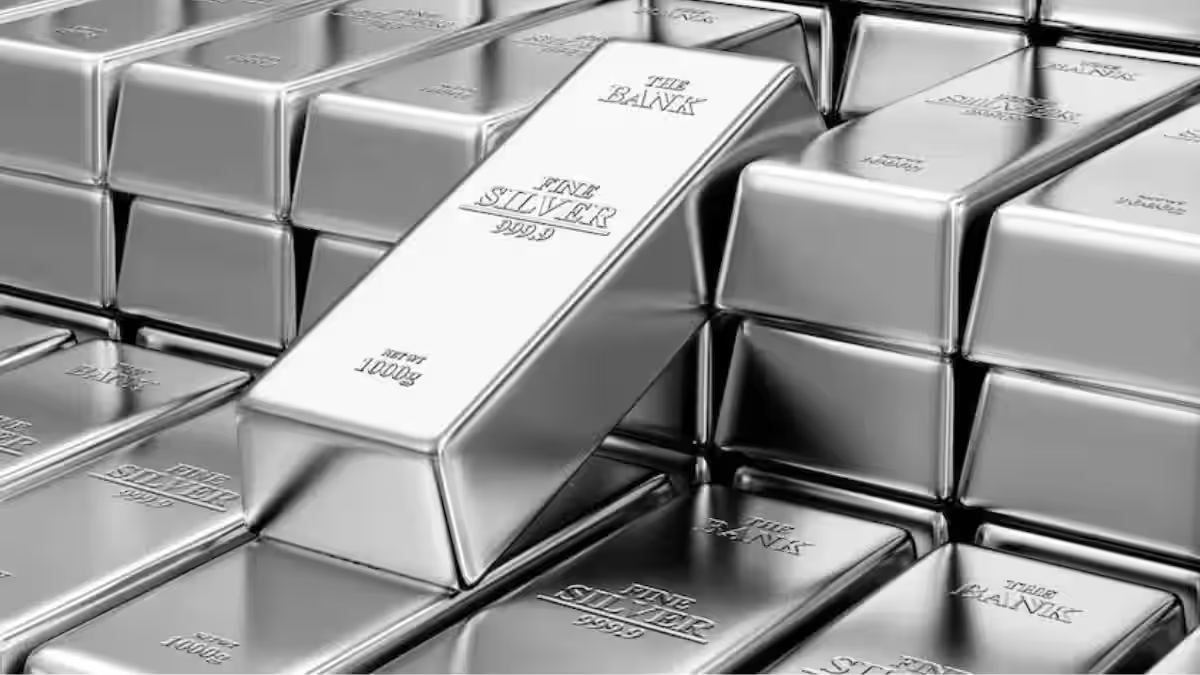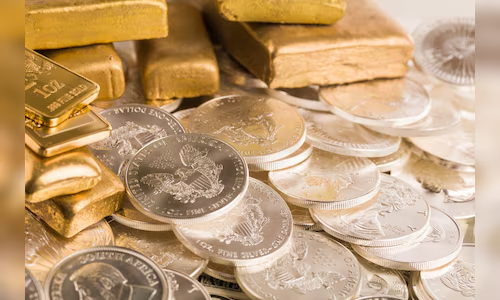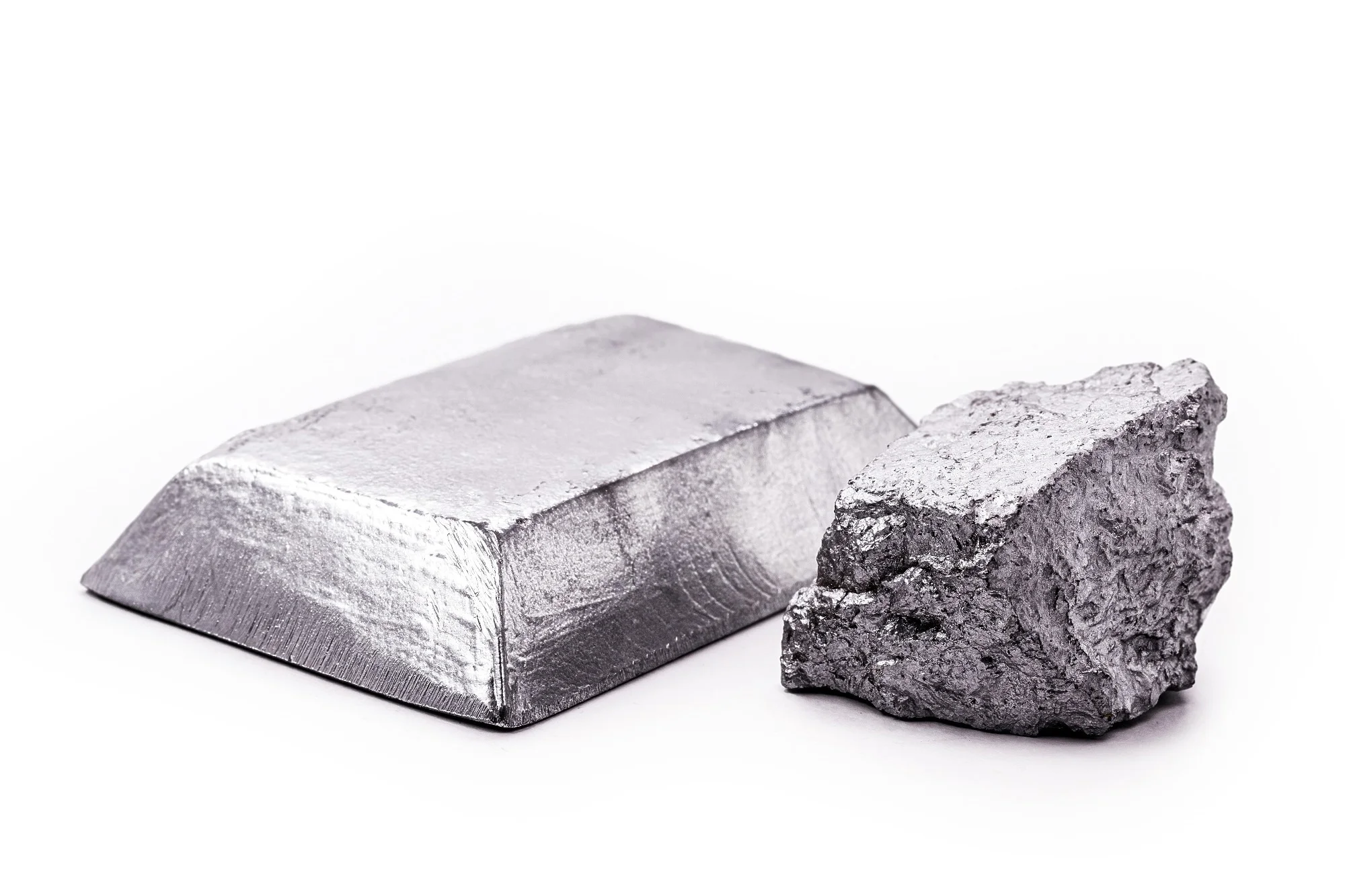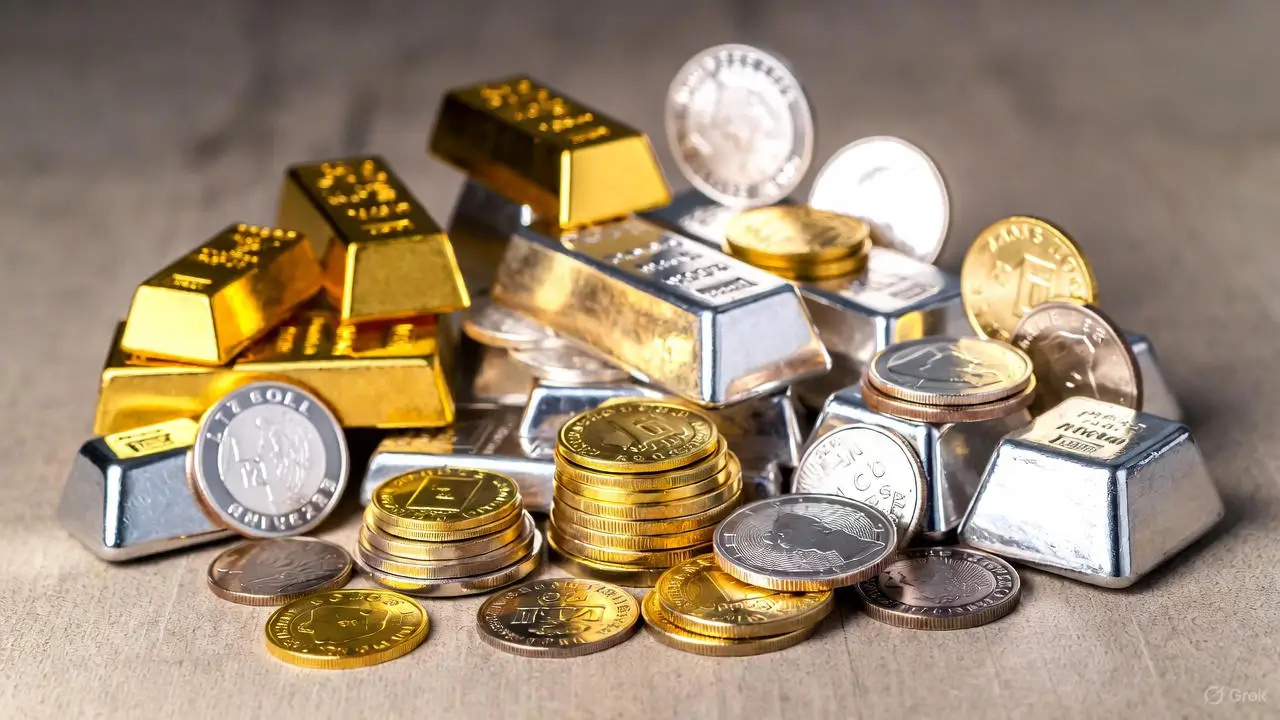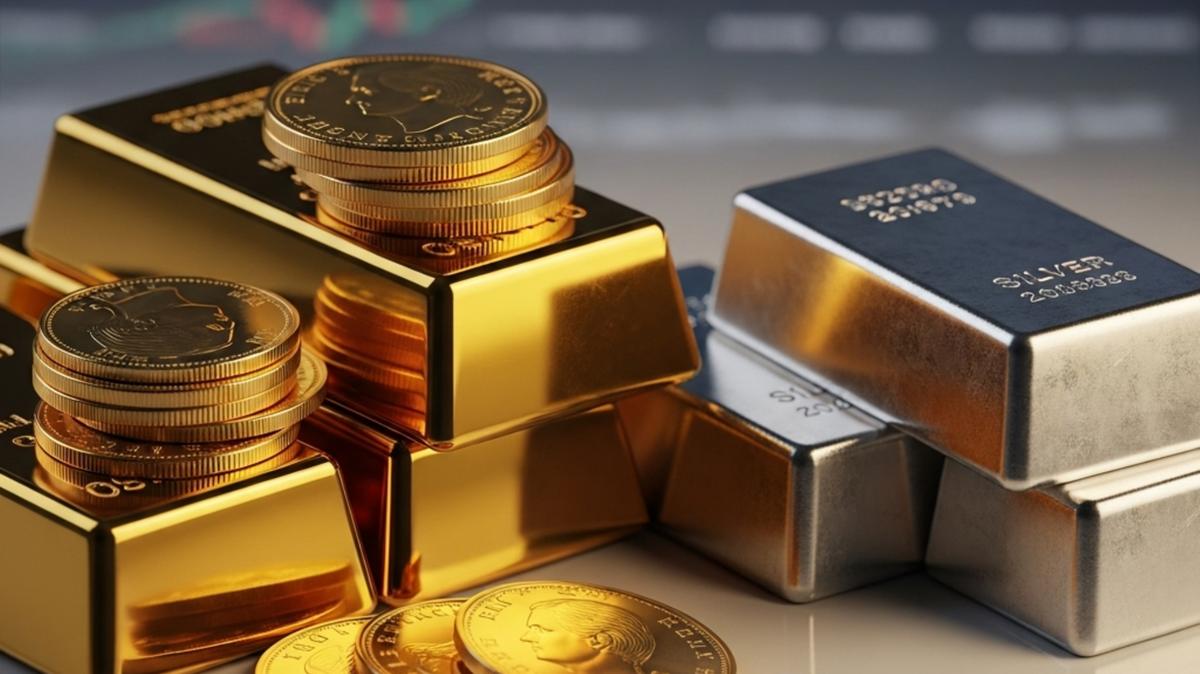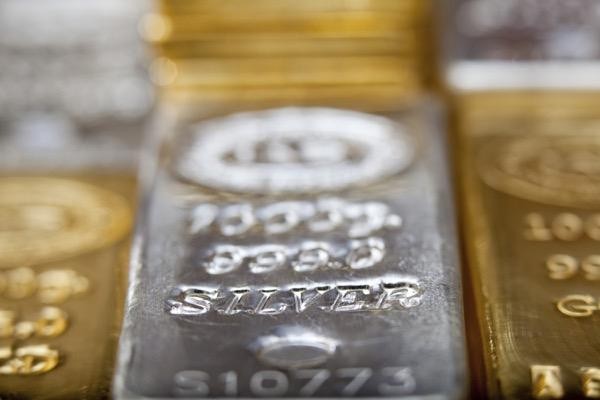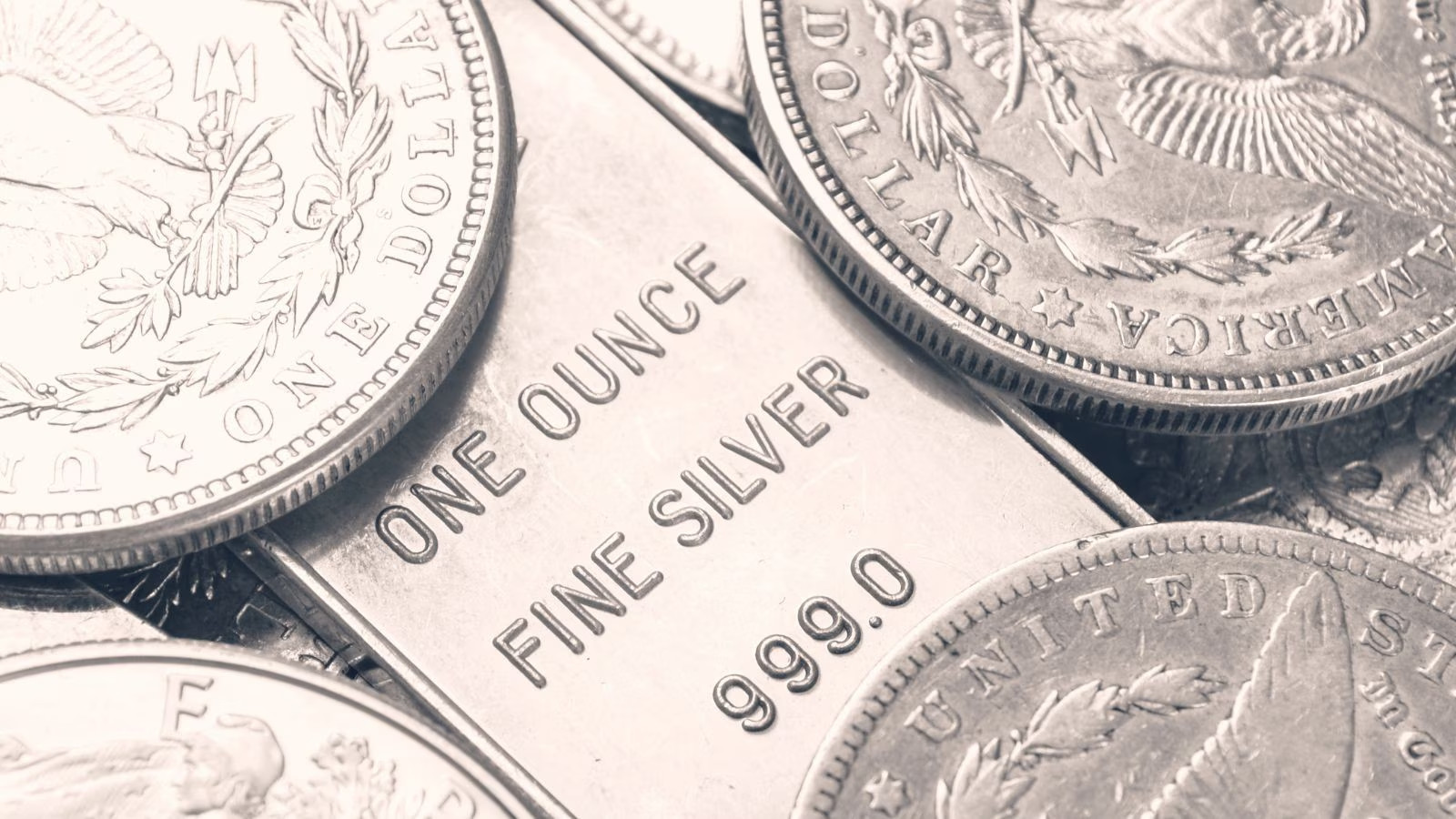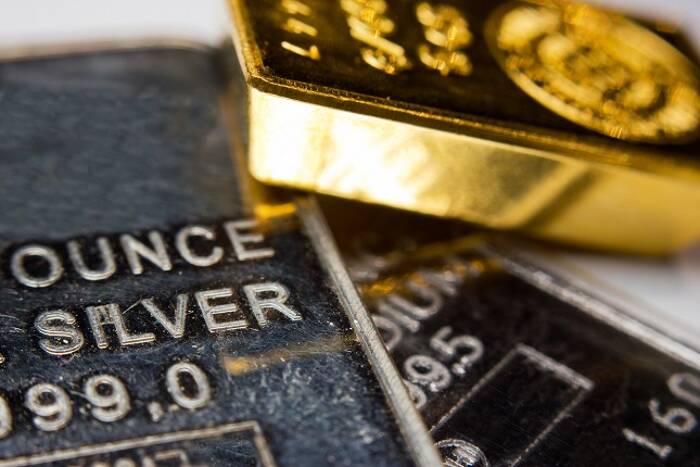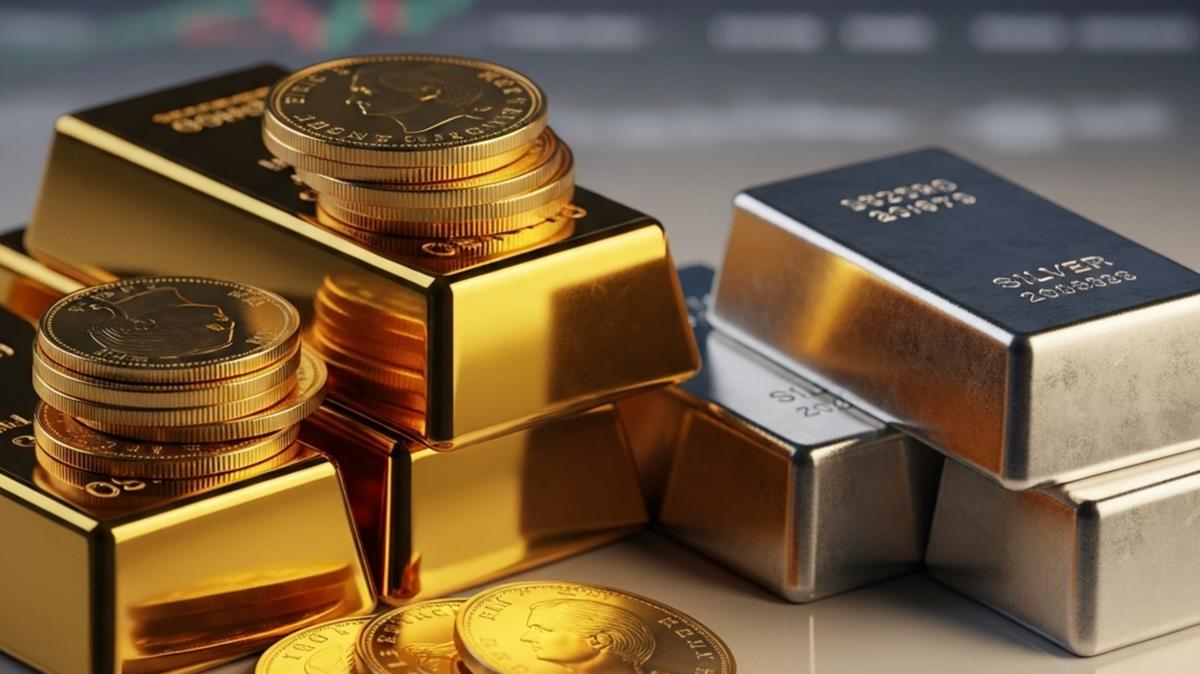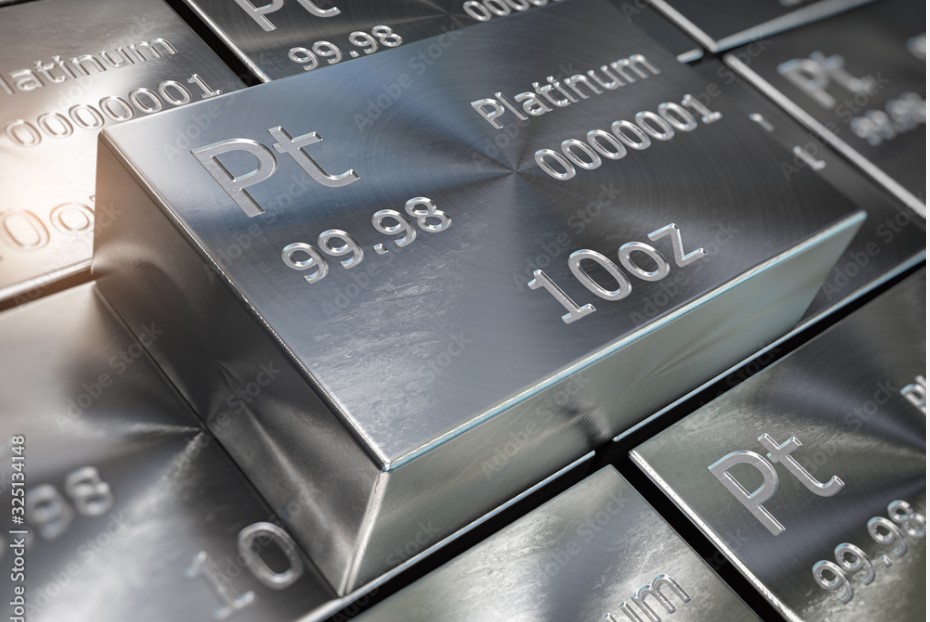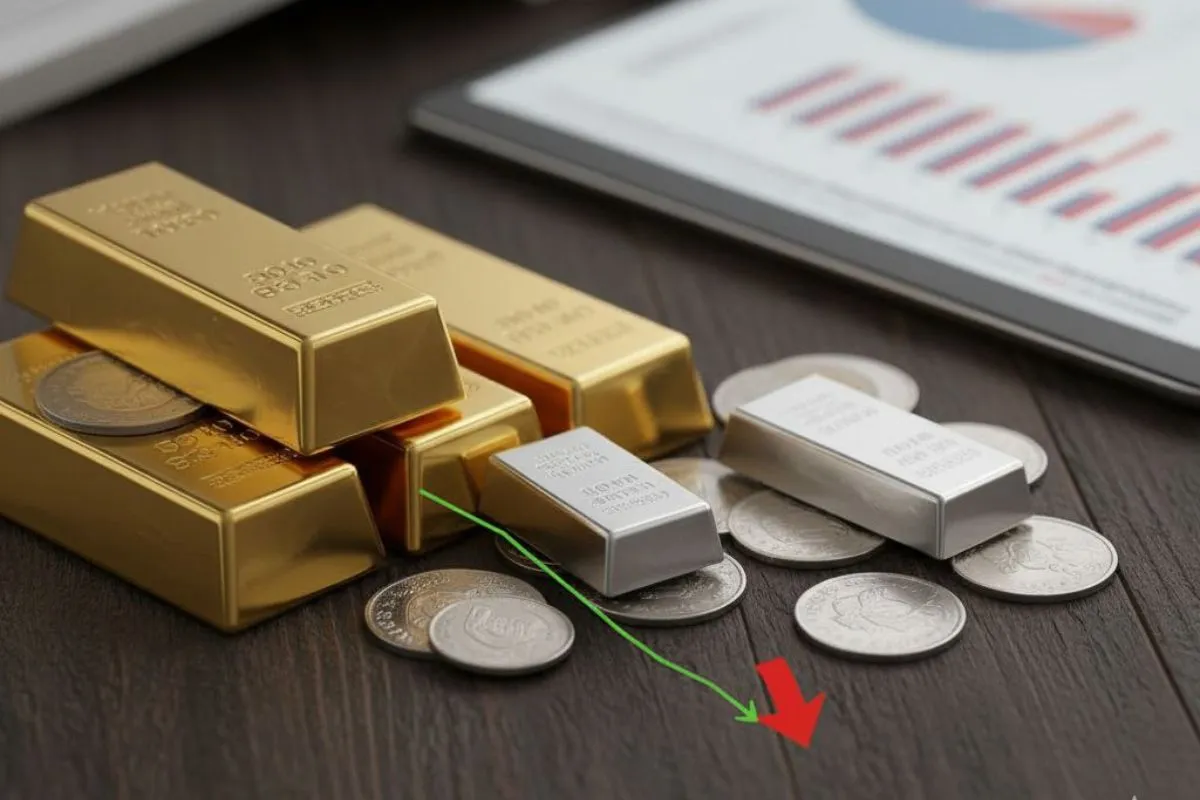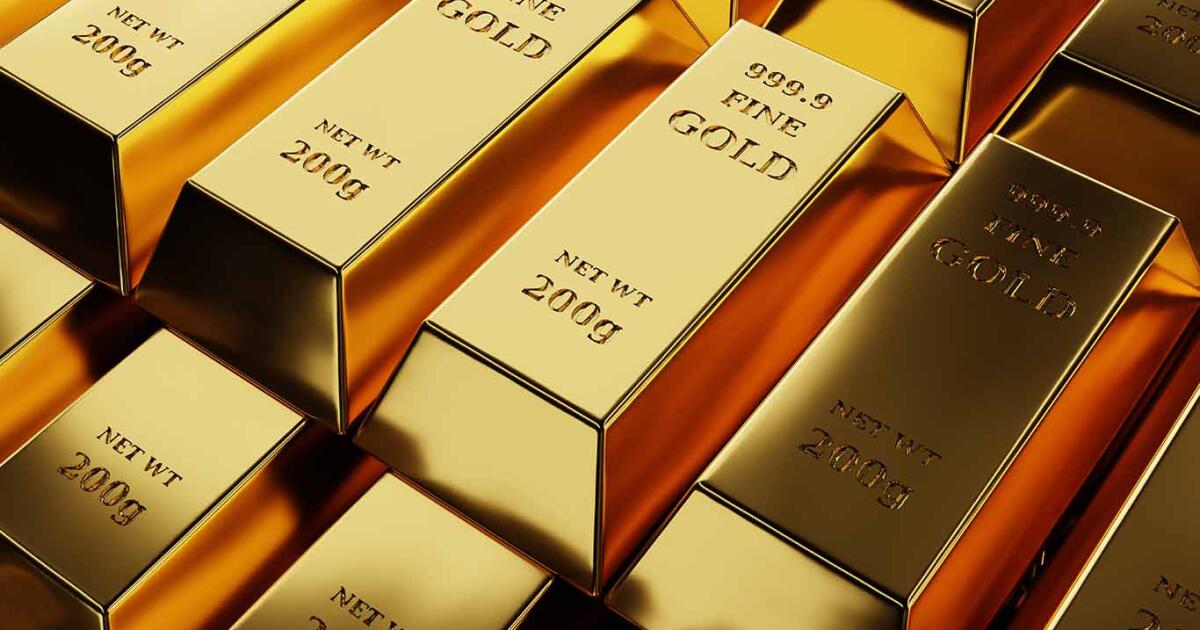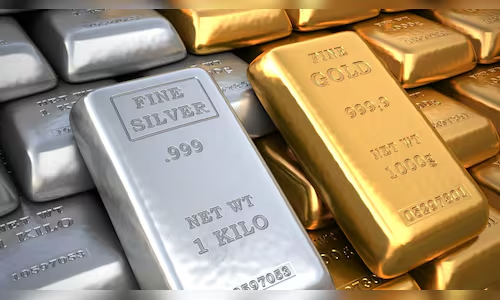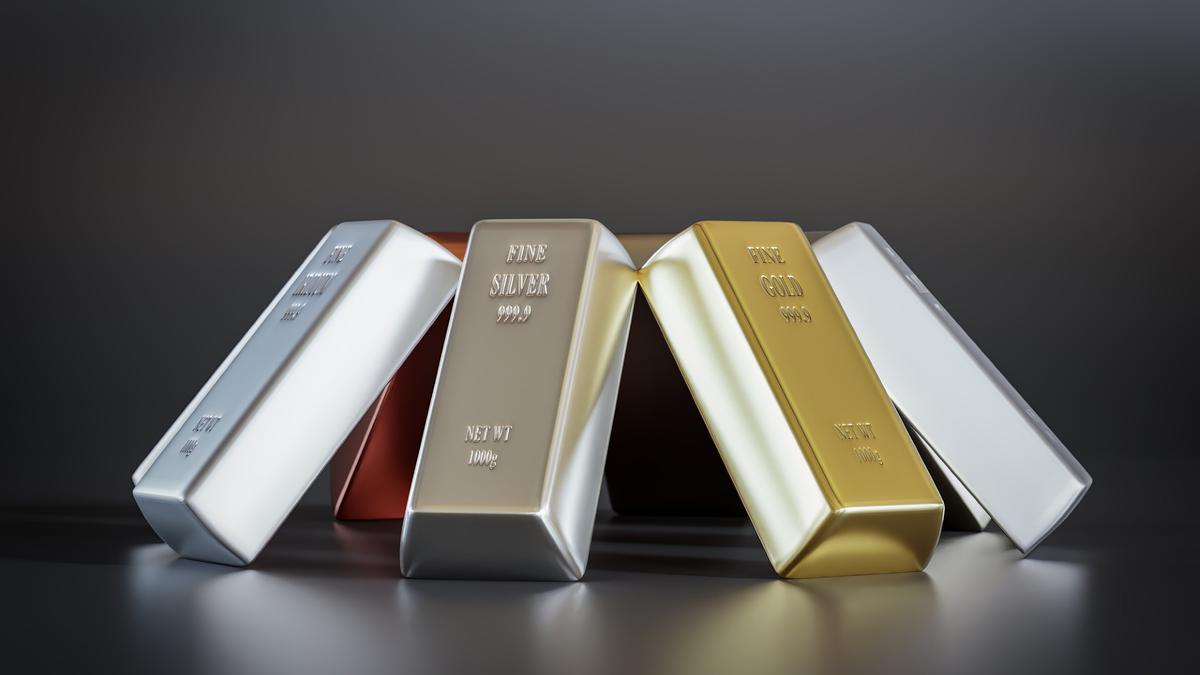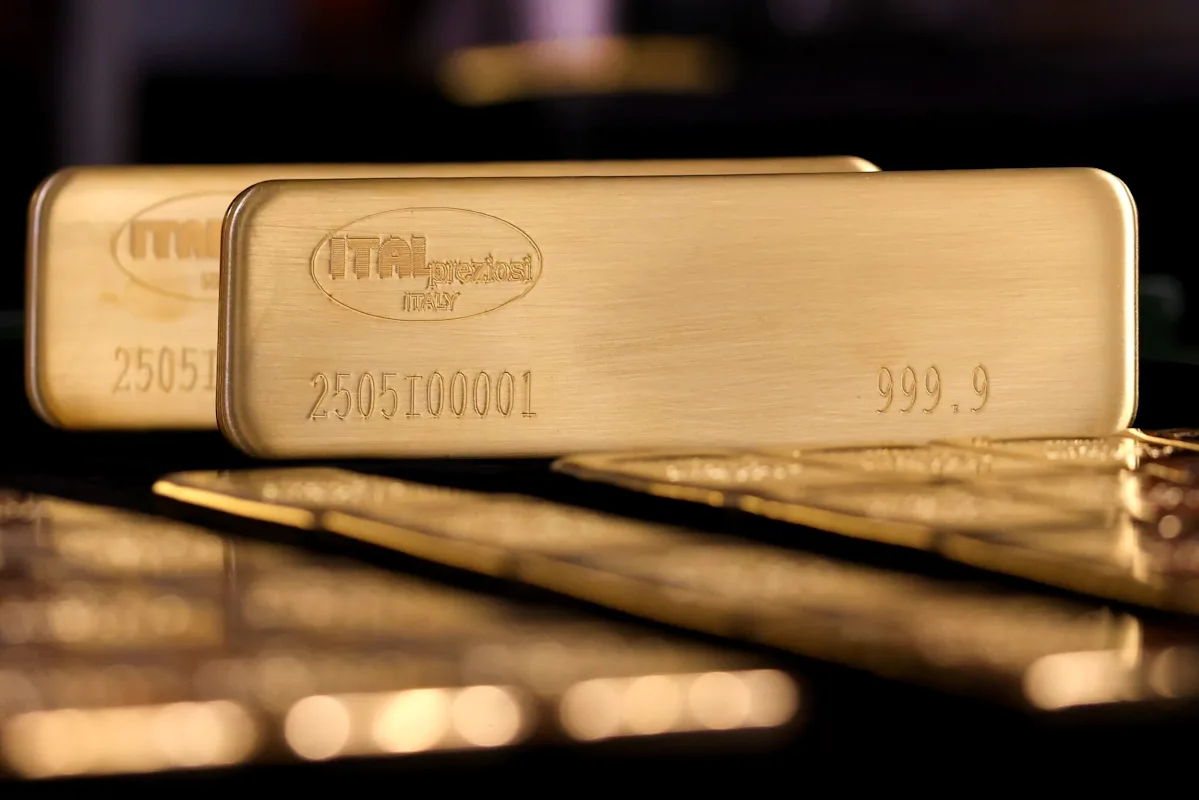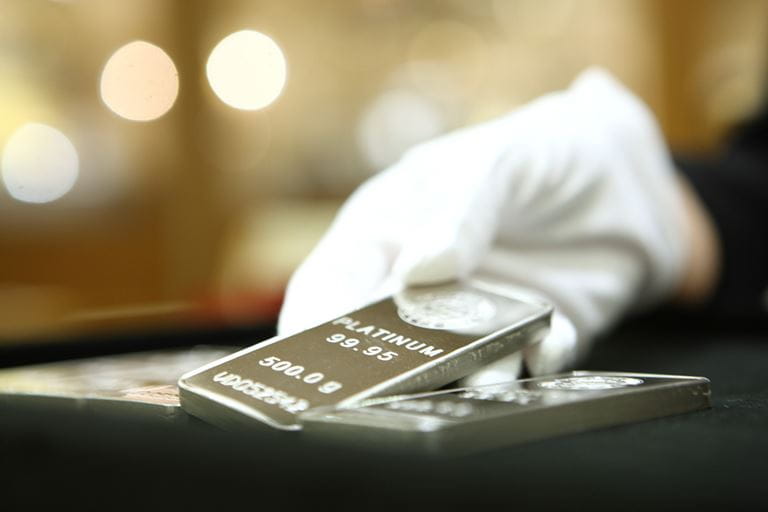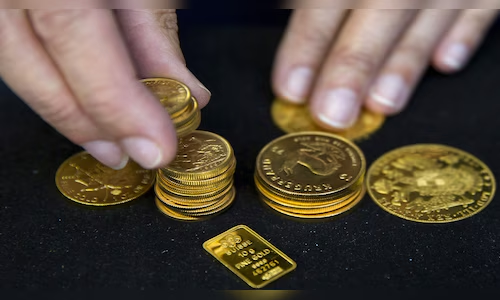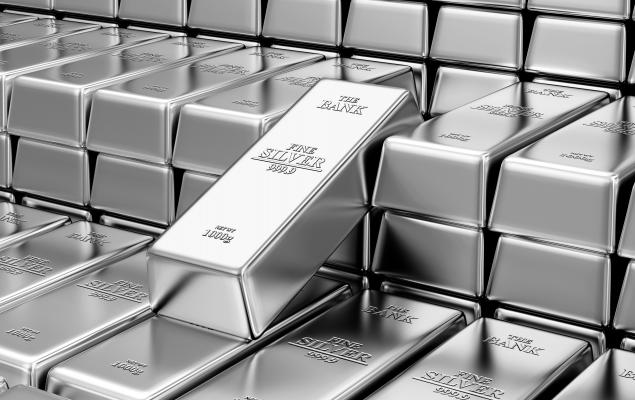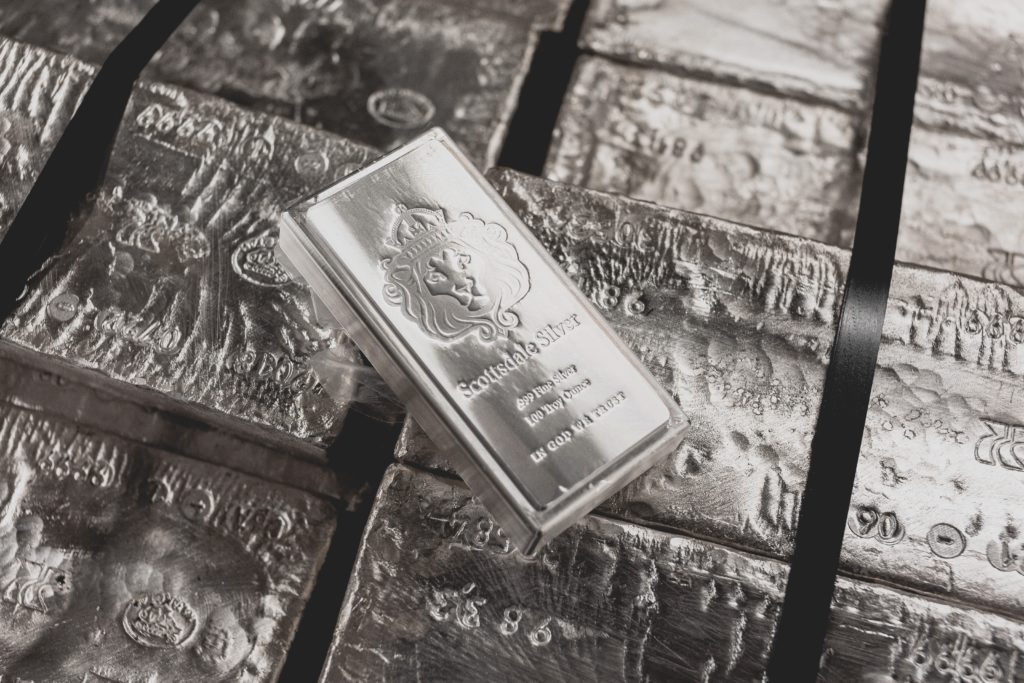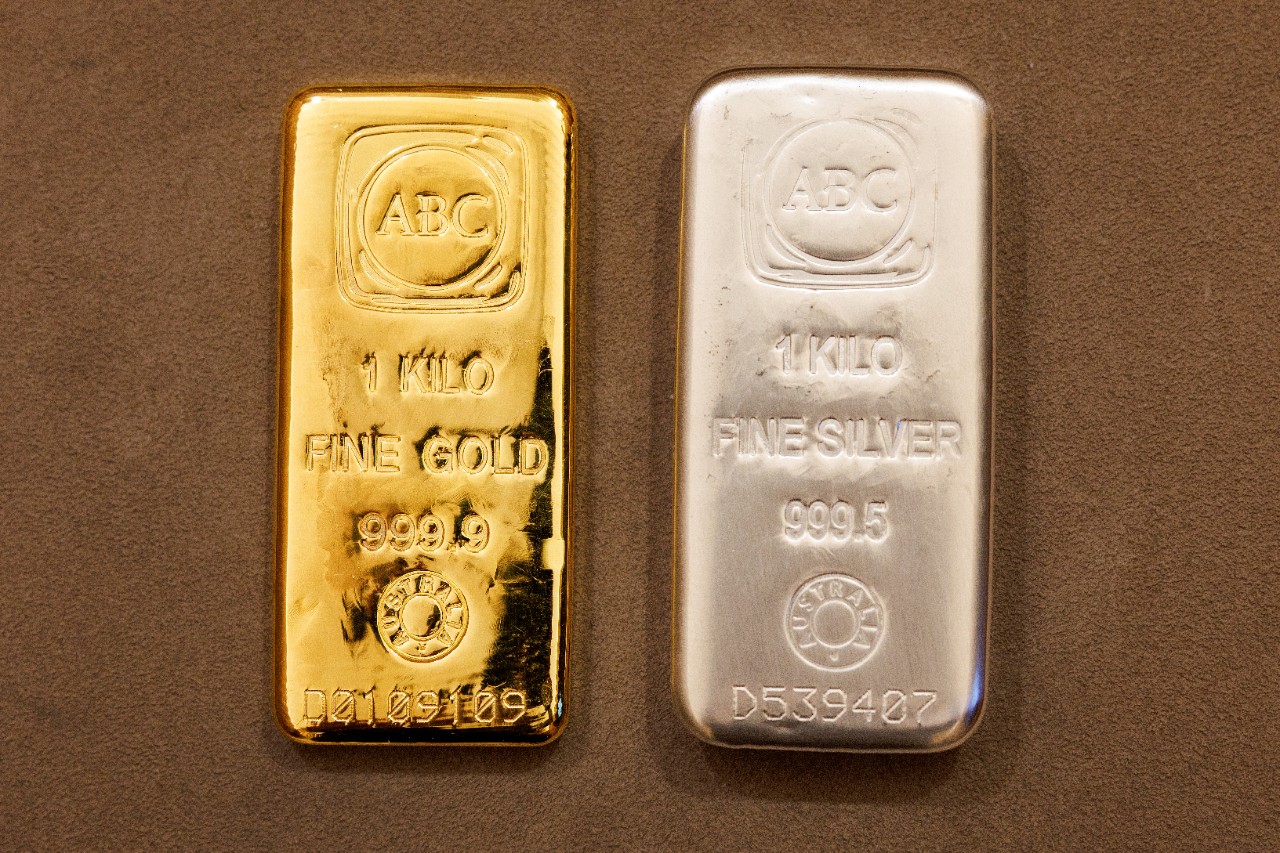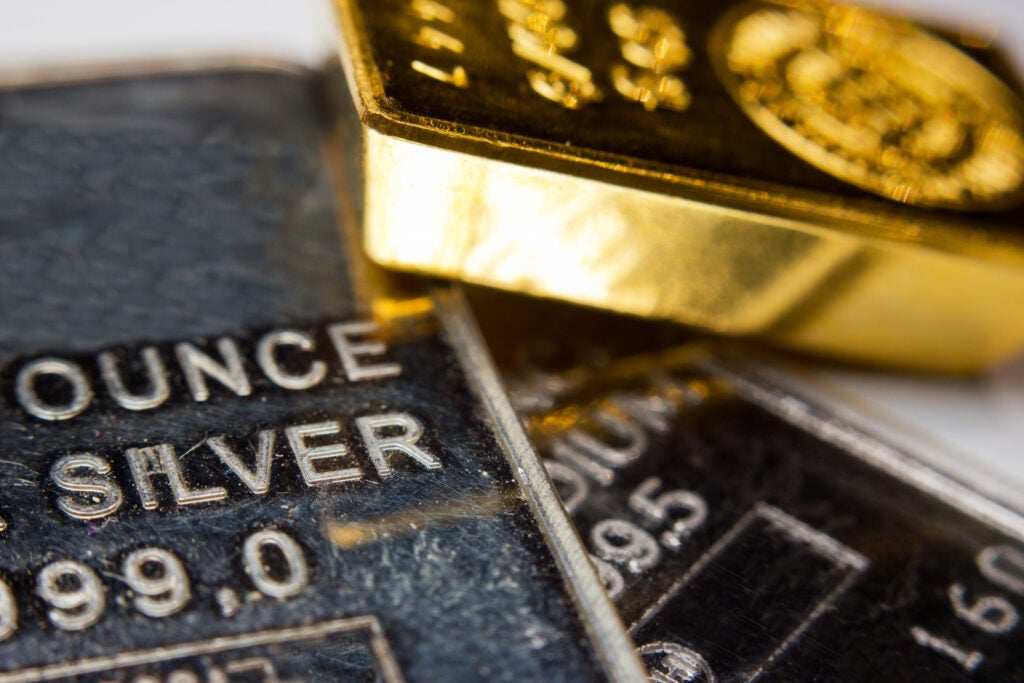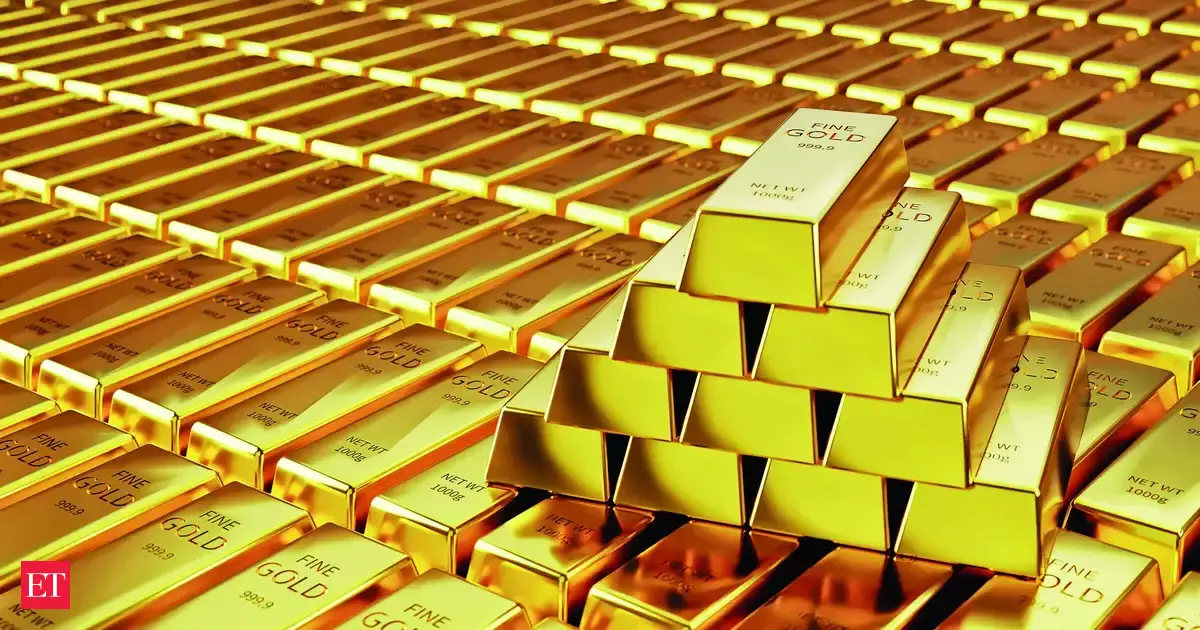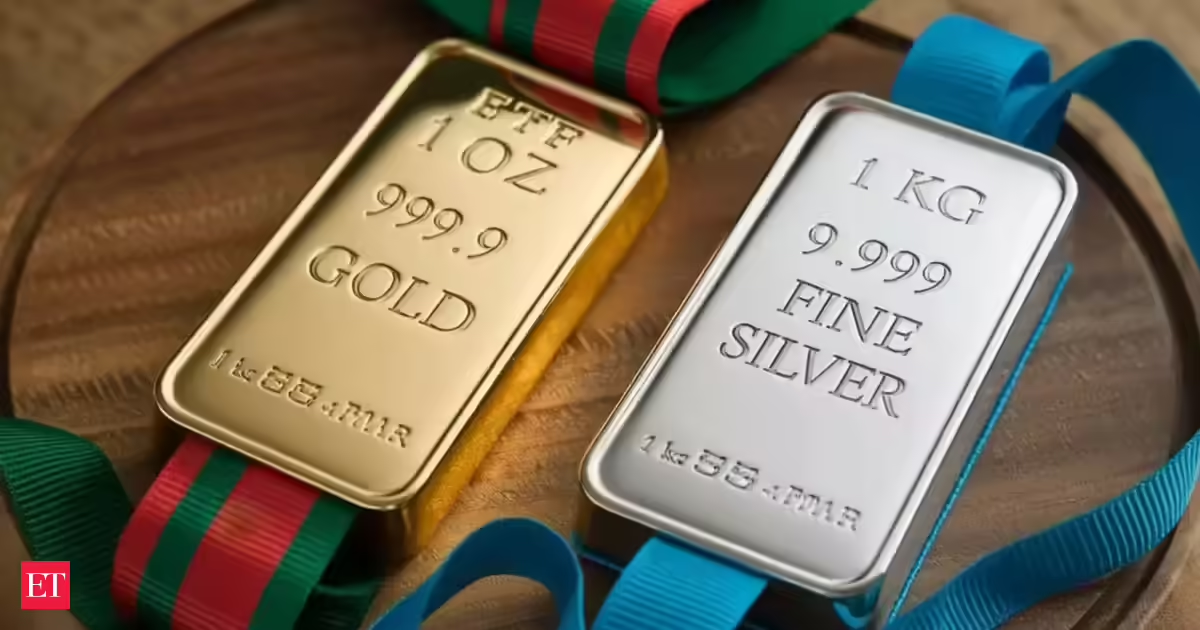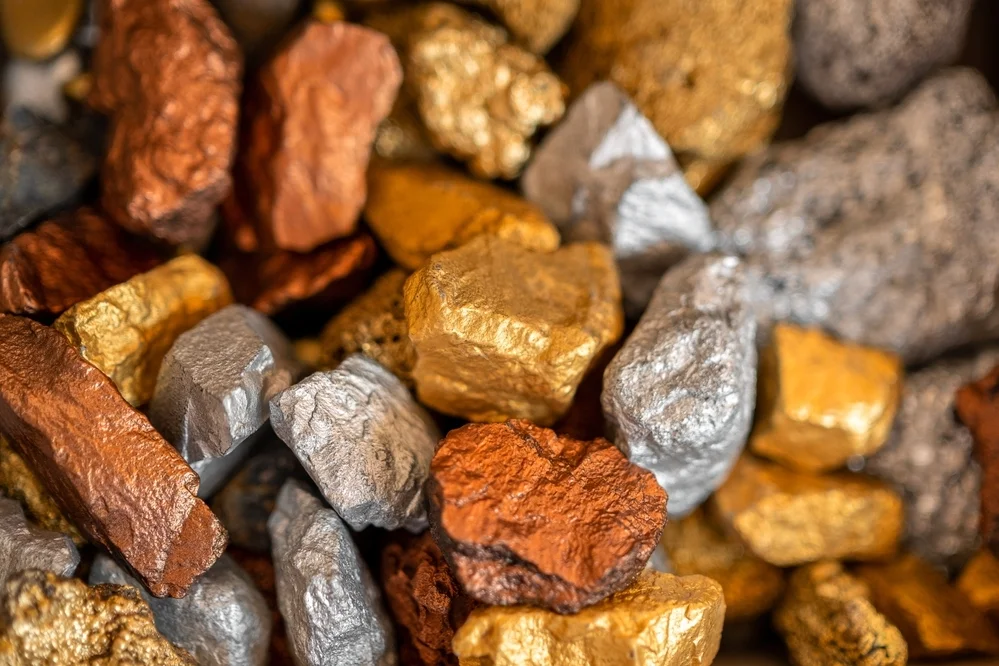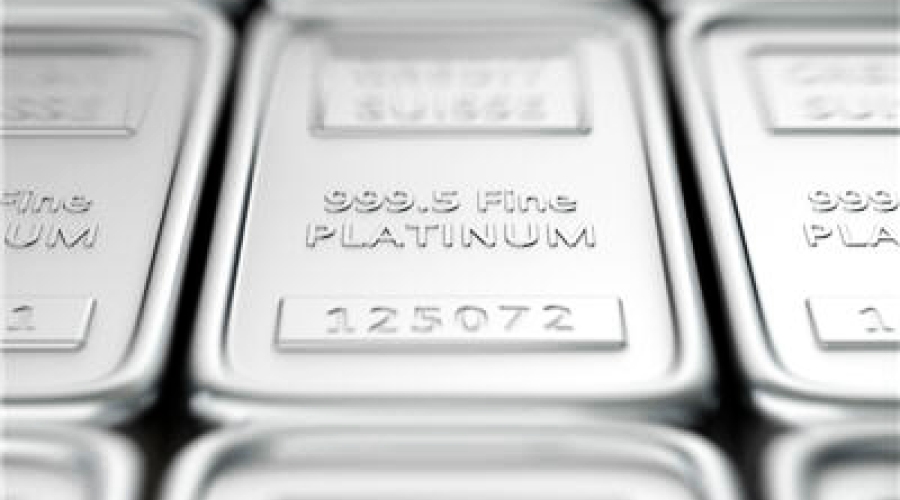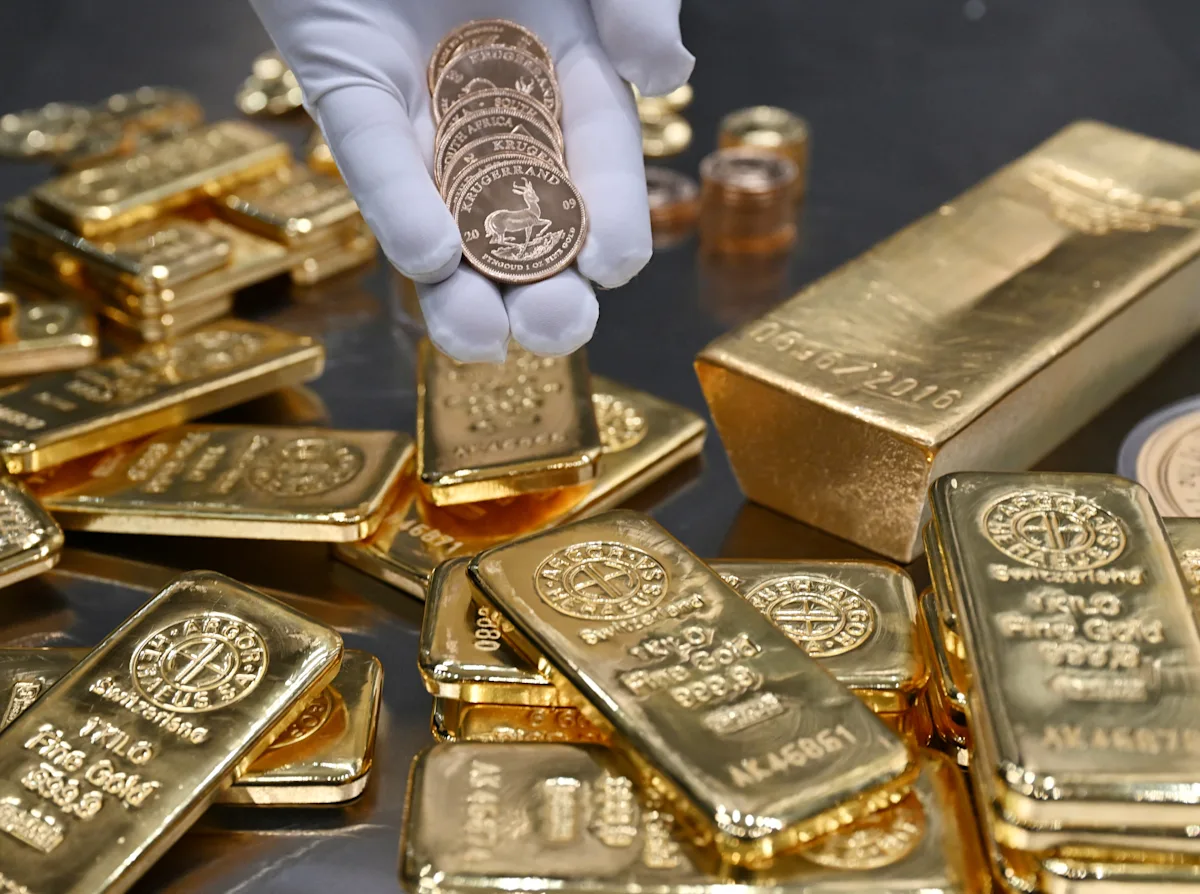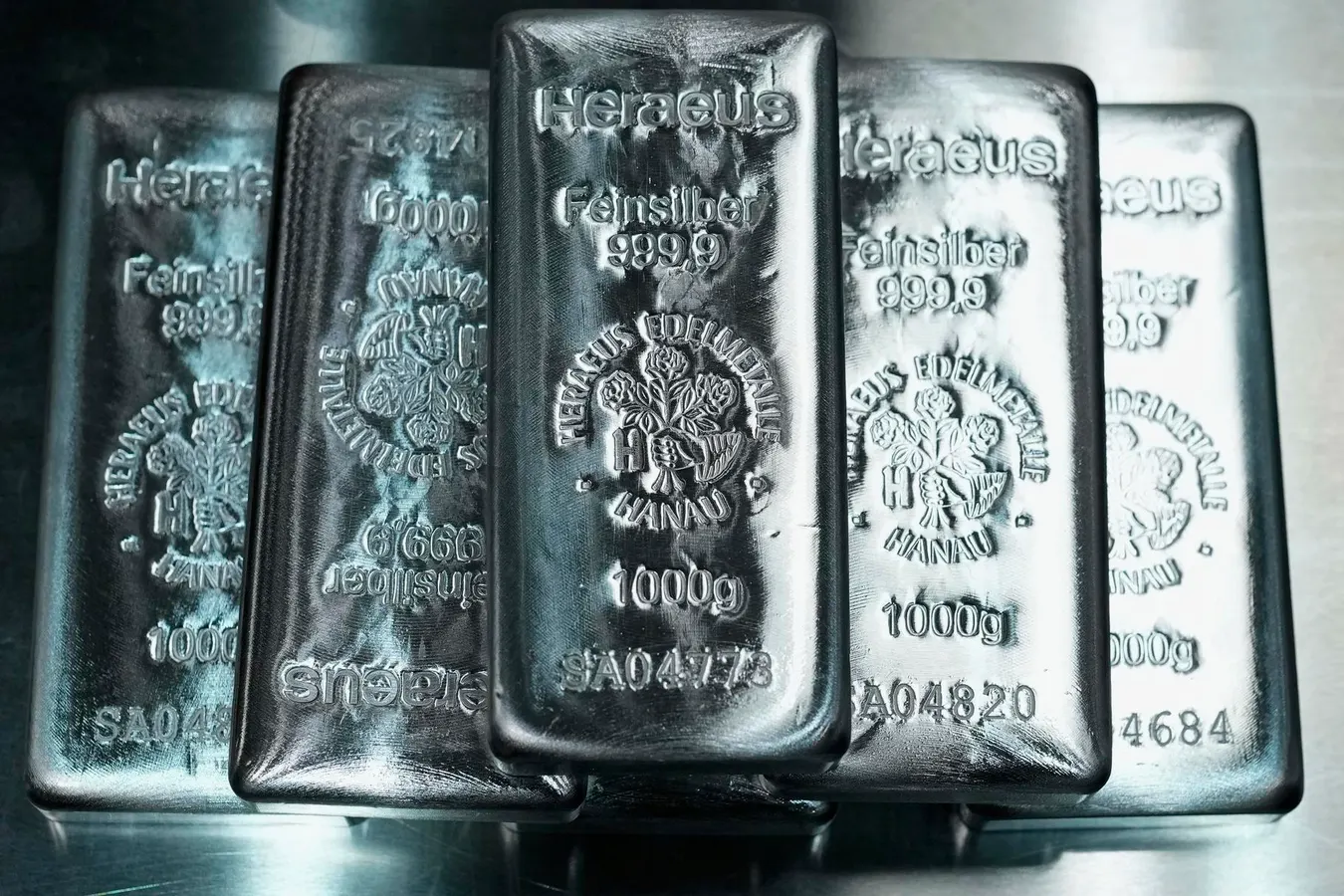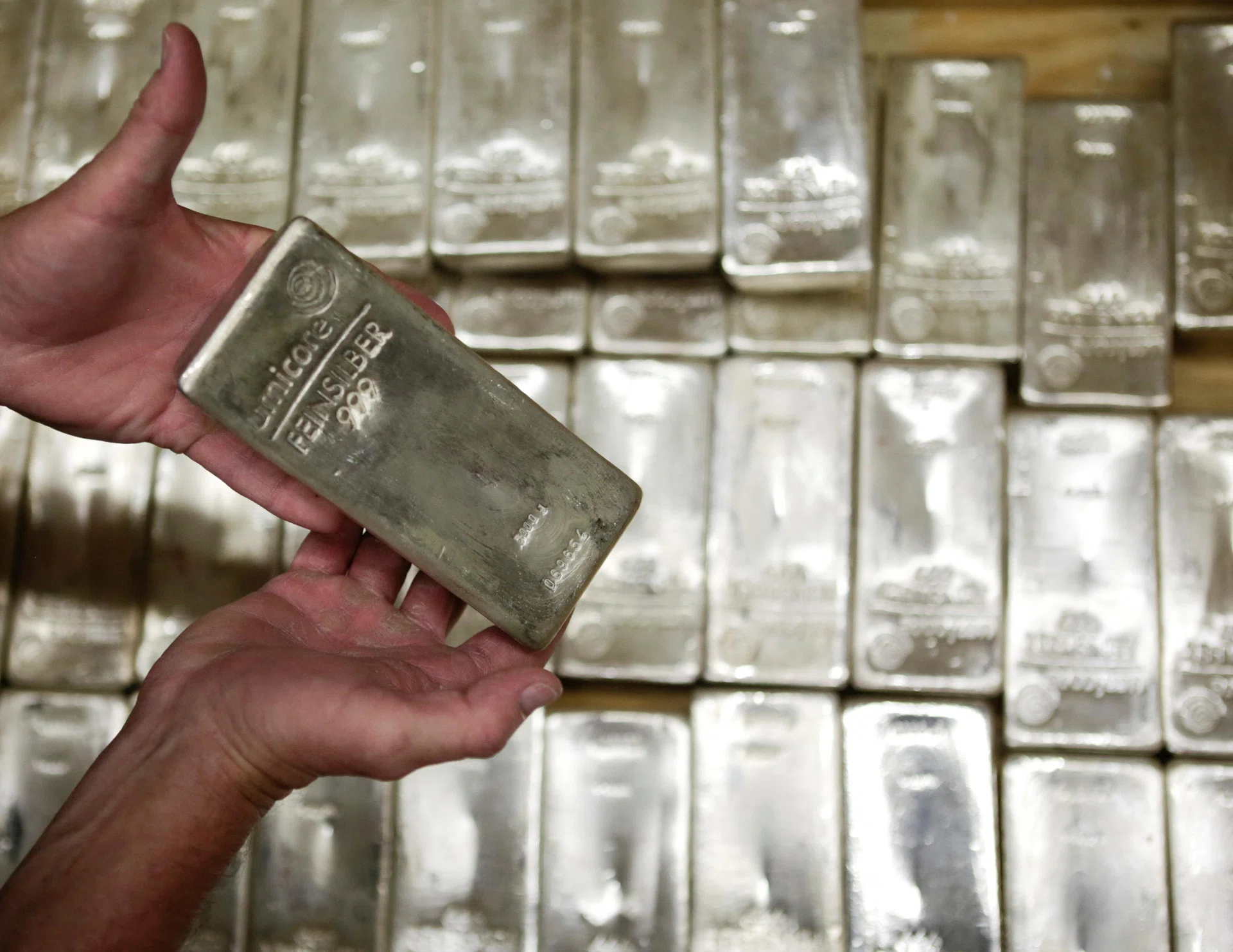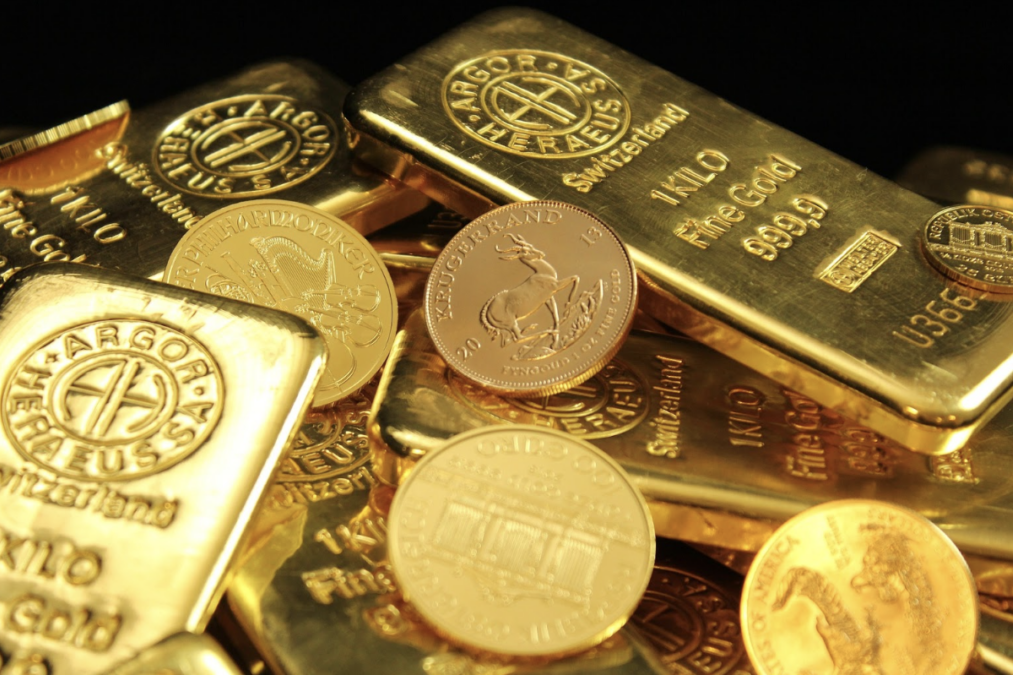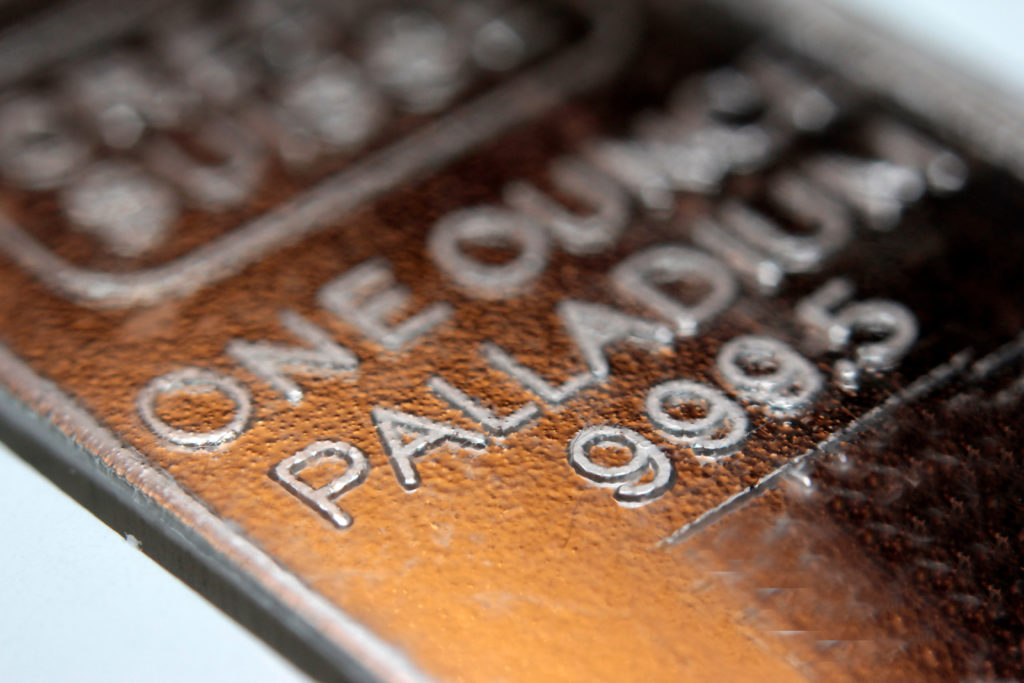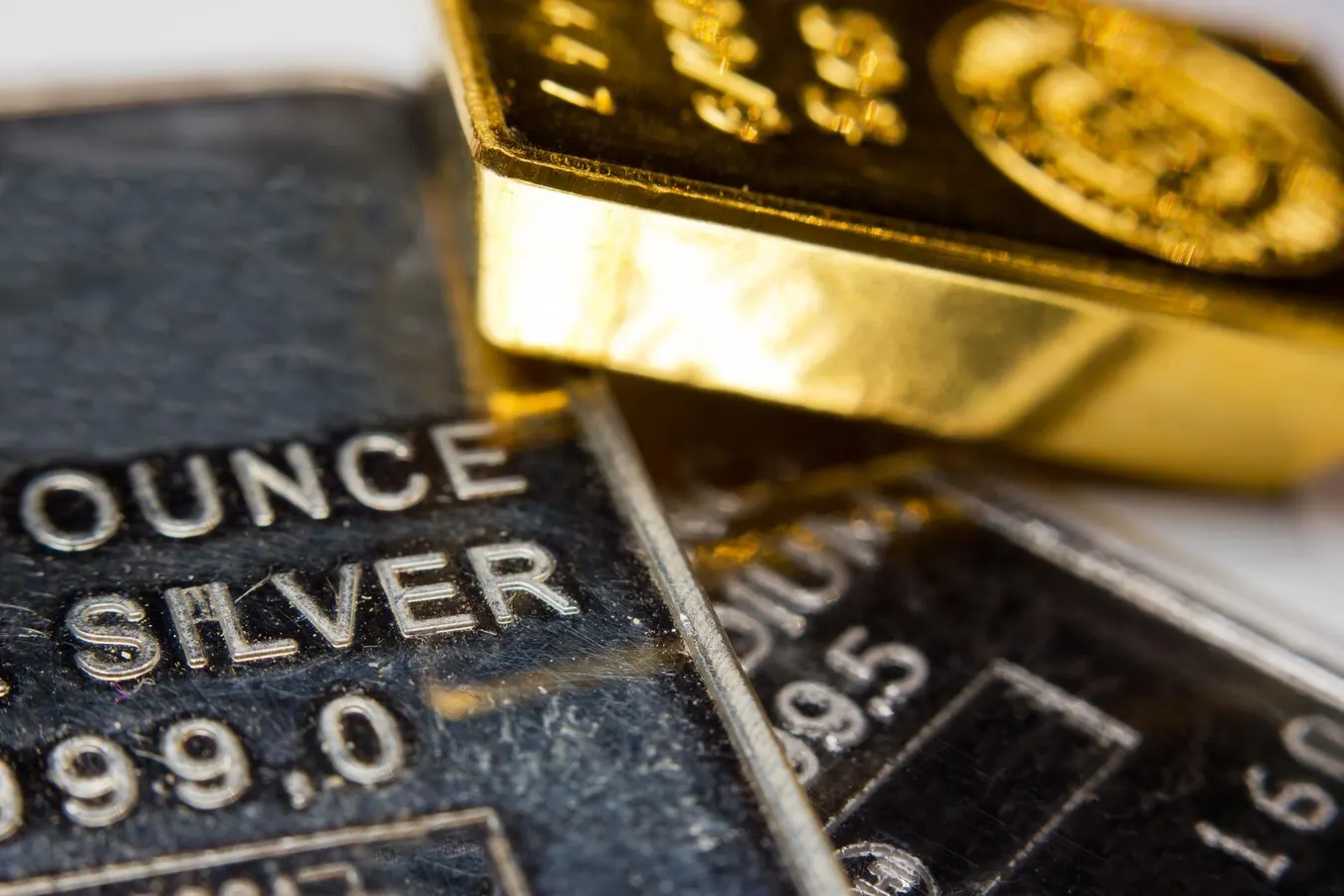

Close-up of a gold-ingot on top of a troy ounce silver and palladium bar
getty
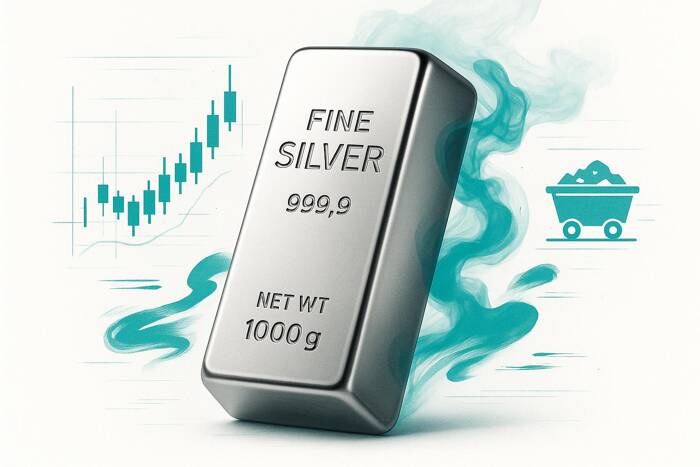
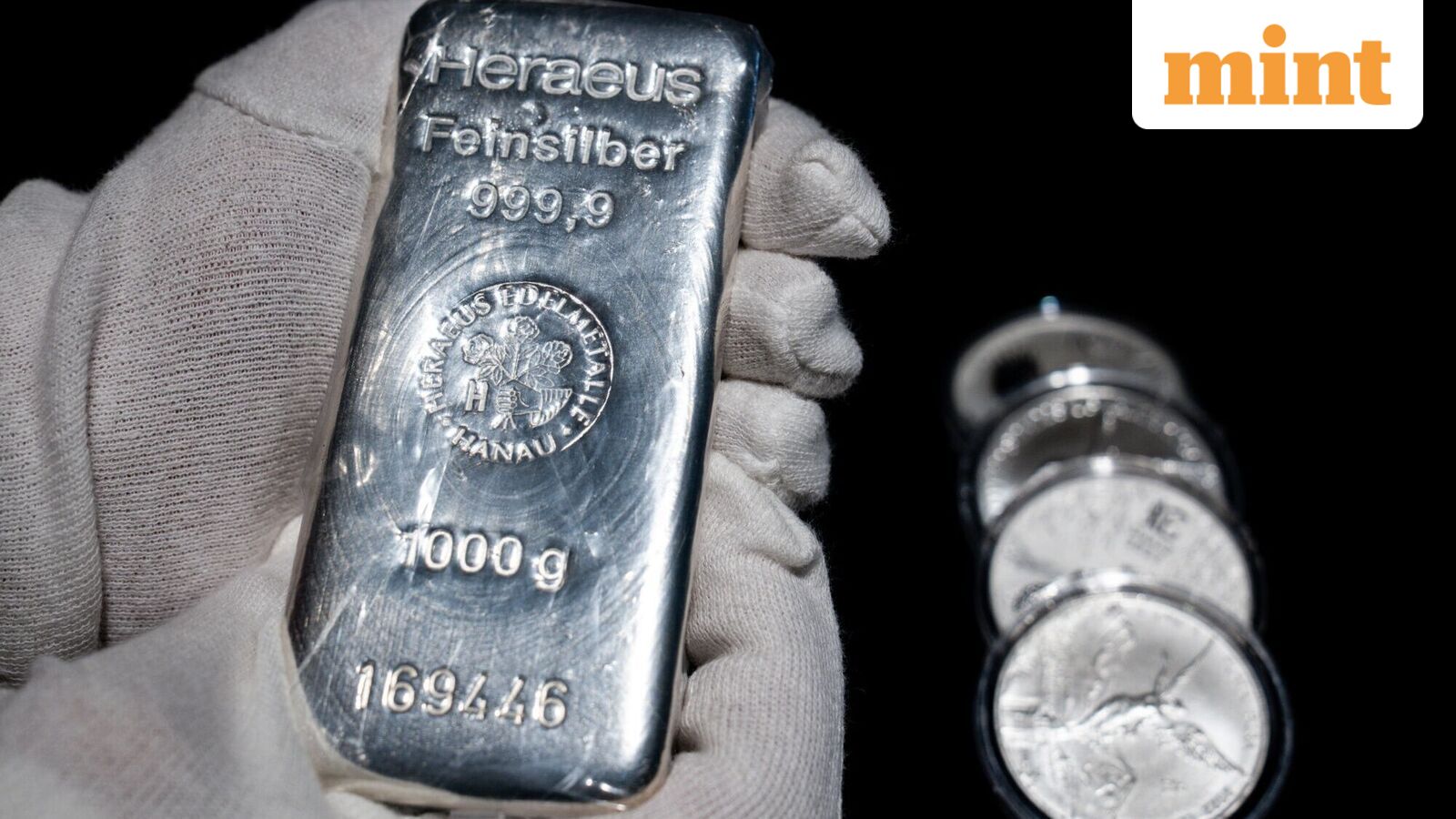
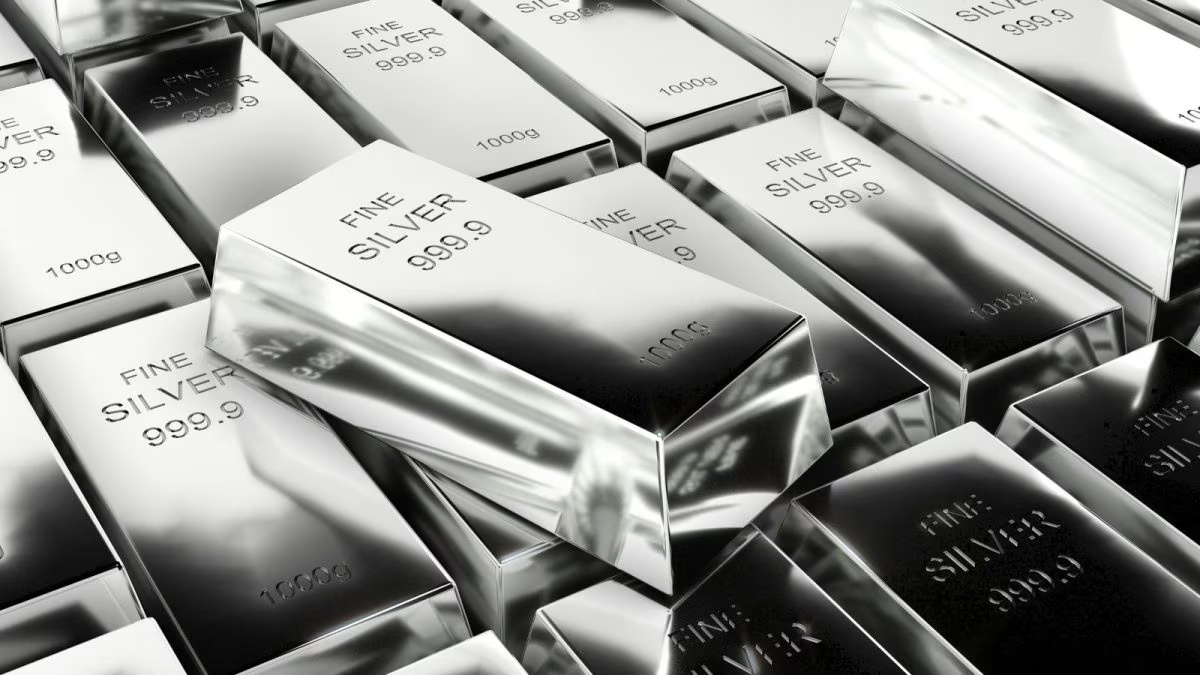
Silver is the fast horse because it is a favorite retail investment asset. In the recent bubble, jubilant investors found out the hard way that the price on the screen is not the price at the store when you come to sell. The system was overloaded by the boom and bubble, and it choked.
The silver supply chain was not interested in buying silver that might collapse tomorrow, and as the system couldn’t absorb the sellers’ supply, it either pulled down the shutters on sellers or offered a price far below what the markets suggested it should be sold for. A liquidity trap snapped shut.
(Never buy anything a financial system aggressively wants to sell you. It’s a red flag. If they don’t want it, why should you?)
Liquidity is key in fast markets, and when it disappears, so does the price, regardless of what the ticker says it is.
I always say: have your exit already established when you play the market game of boom, bubble, and bust. Liquidity is a hidden variable. It is nowhere to be seen in those equations of valuation. Private debt, private equity, and venture capital all depend on it not being treated as a valuation variable. However, hidden variables are what make you rich or hurt you, and commodities – along with many other assets – are strewn with them.
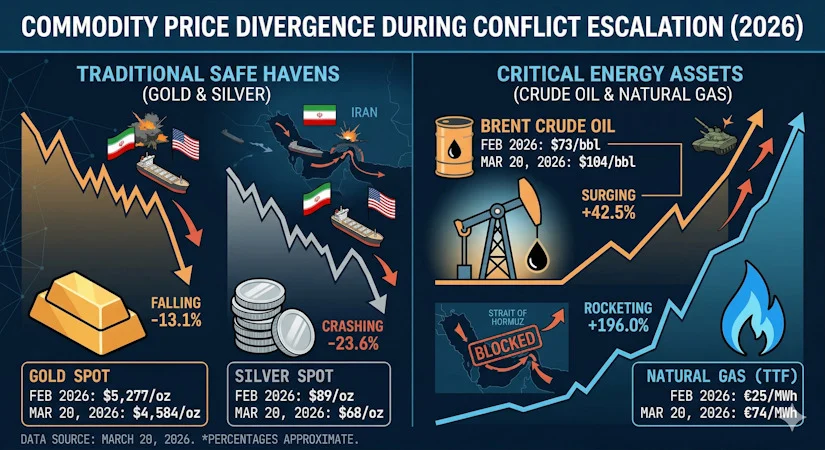
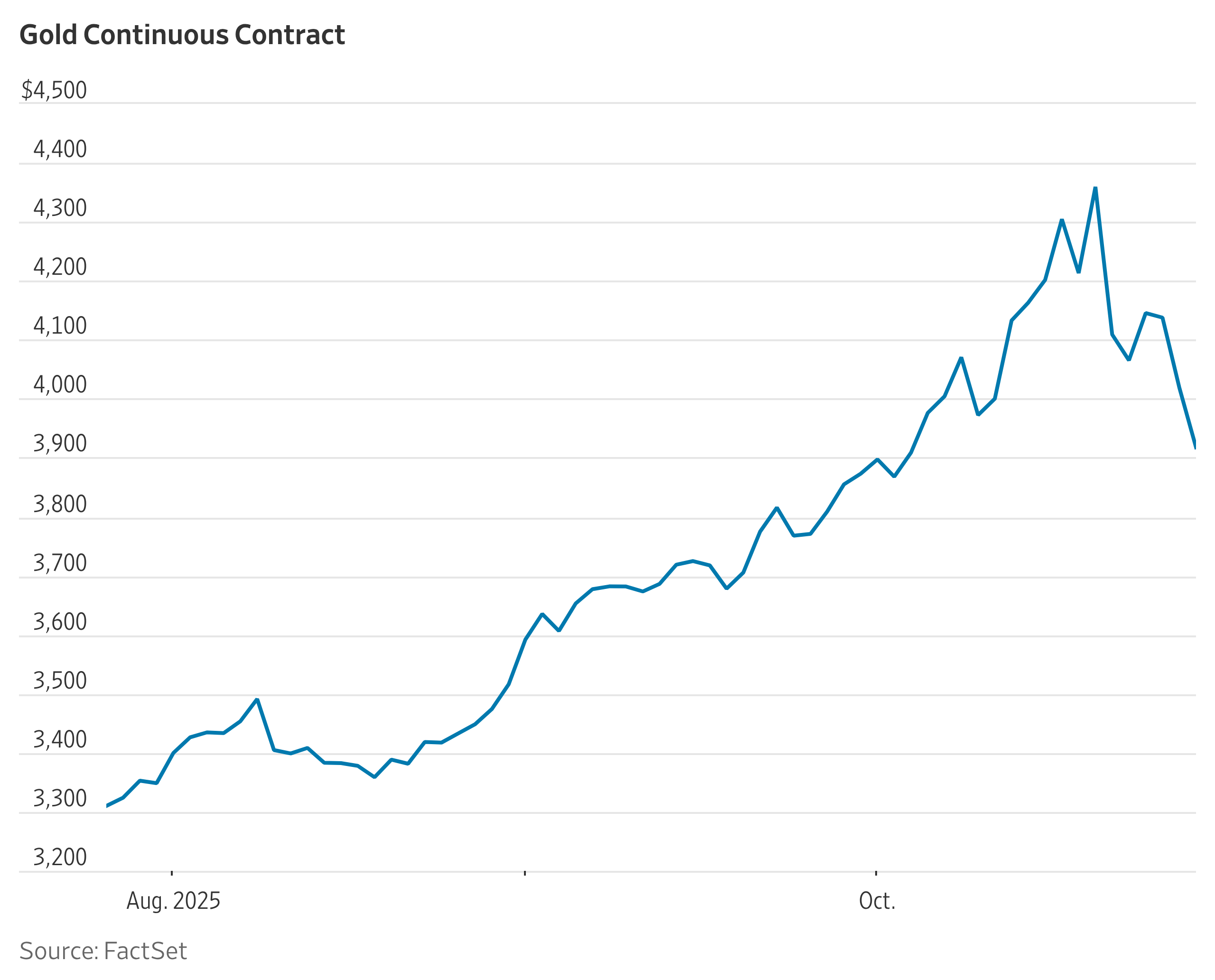
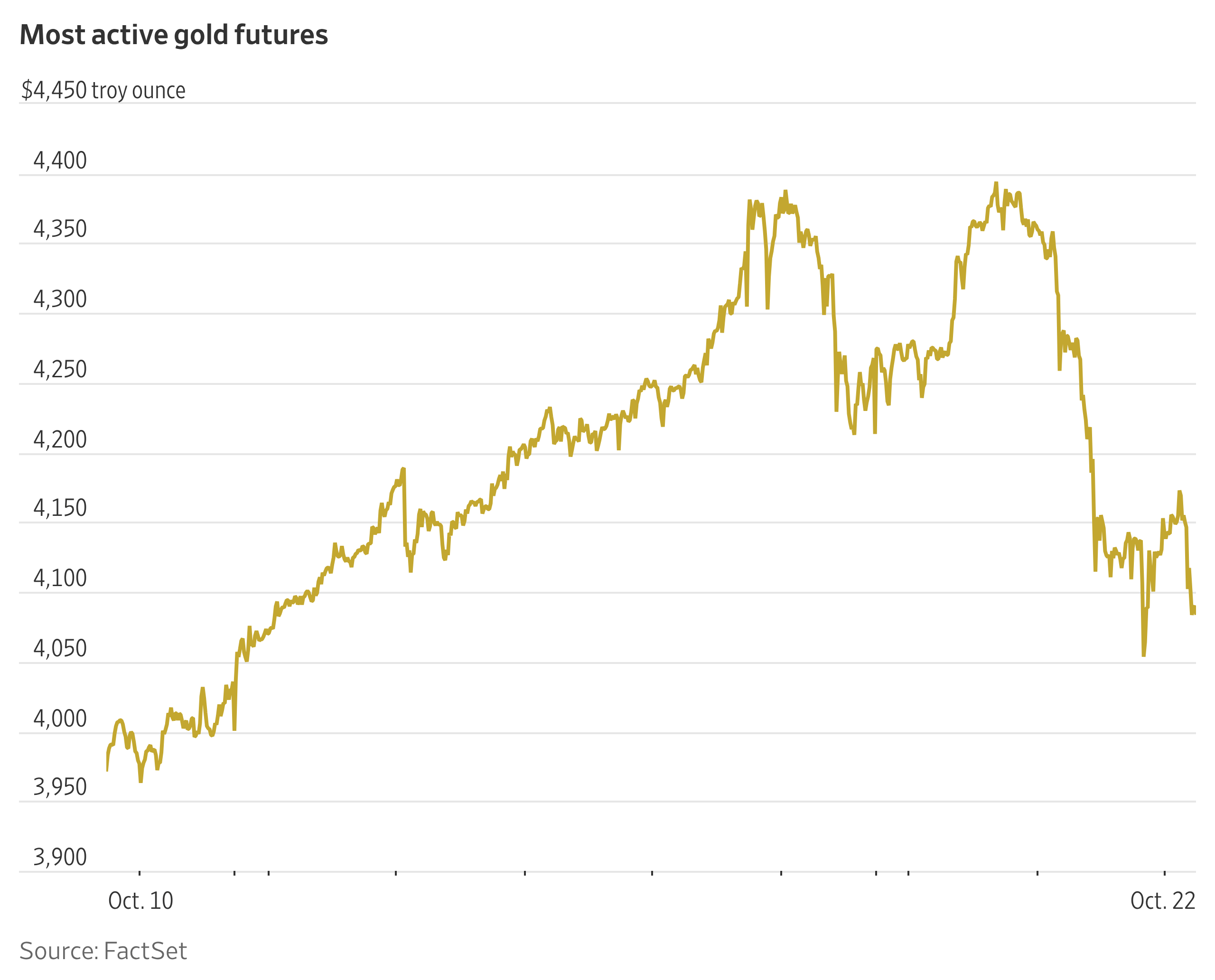
So now, after months of disillusionment and falling prices, those precious-metal denizens still engaged would like to know where the bottom is for the gold and silver market.
While the FOMO crowd has gone, bemoaning its bad luck, the diehards are licking their wounds and wondering where the bottom is – and where the market goes from there.
As I called the initial precious-metals breakout here, and called the top as well, leaving the party with a smile, I think I have earned the right to take a stab at calling the bottom. Forgive me if I am wrong, as this is the toughest task in punditry.
So let’s kick off with the retail favorite: silver.
The silver chart
Credit: ADVFN
Trade what you see – that is the relevant maxim. What do you see? It is going down. No?
I reach for my Crayola. So where could the bottom be?
Some lines on the silver chart to gauge where the bottom might be
Credit: ADVFN
So what do you see?
The end is near.
I also see $50 silver, perhaps even $40.
So let’s look at silver and gold together:
The silver chart and gold chart together show the end is near
Credit: ADVFN
You can think of it as gold priced in silver, and once again, the end is near.
When prices fall into that box, I will consider starting to stack again.
So what will the market do when it gets there?
This is my guess:
The silver chart, with my guess for what will happen after it bottoms
Credit: ADVFN
It is extremely unlikely to whip around and go straight up. It will go sideways, as usual, and bore the pants off everyone for years.
Yet once it bottoms, it will be time to consider stacking again for the next silver boom. It will go vertical again for sure. It is not a question of “if”; it is a question of “when.” But the “when” is anyone’s guess.
So let’s keep it simple: buy at the bottom and sell at the top. This is the way. Dollar-cost averaging is your best weapon for this, and I will be wielding it once silver and gold settle into a boring transit across time.
They will come good, but we have all the time in the world.