Fragmented data and limited feedback leave brokers unsure what happens to the concerns they report
A forged no-claims certificate, a faked ID or a motor trade application for a business run from the 10th floor of a tenement block can raise suspicions before a policy is placed. Those concerns do not always reach others who could connect them to a wider fraud pattern.
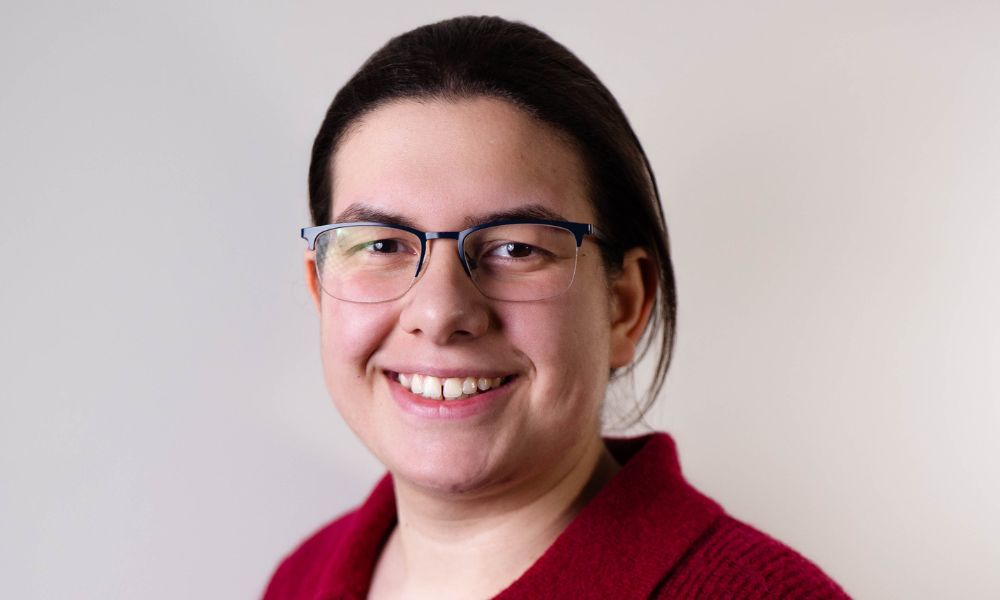
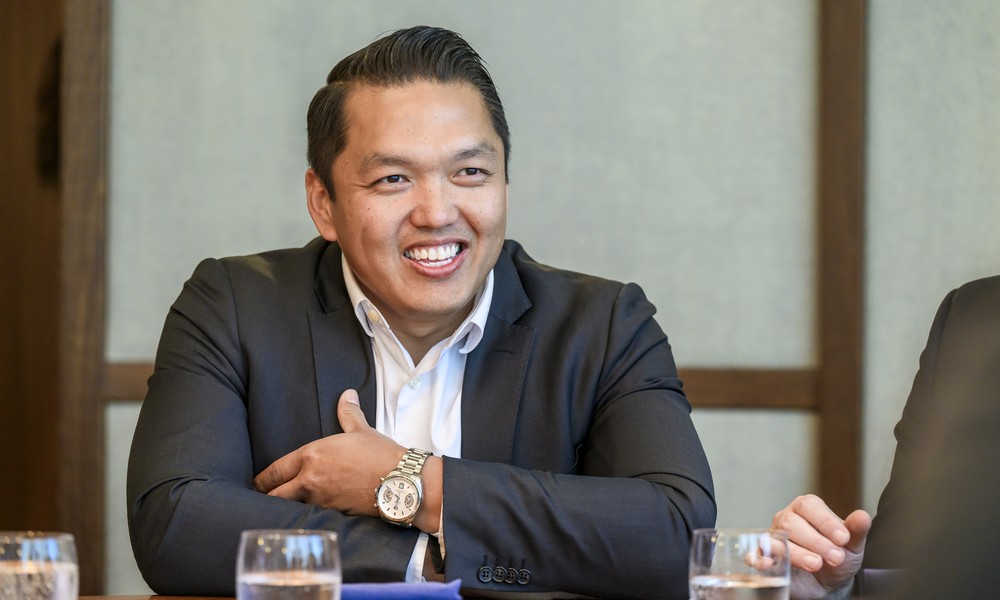
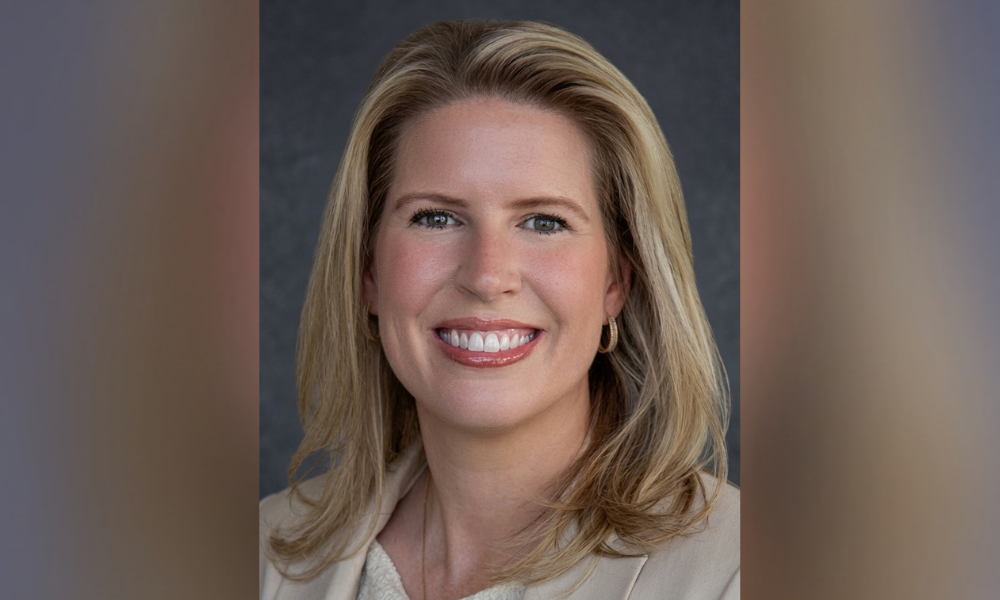
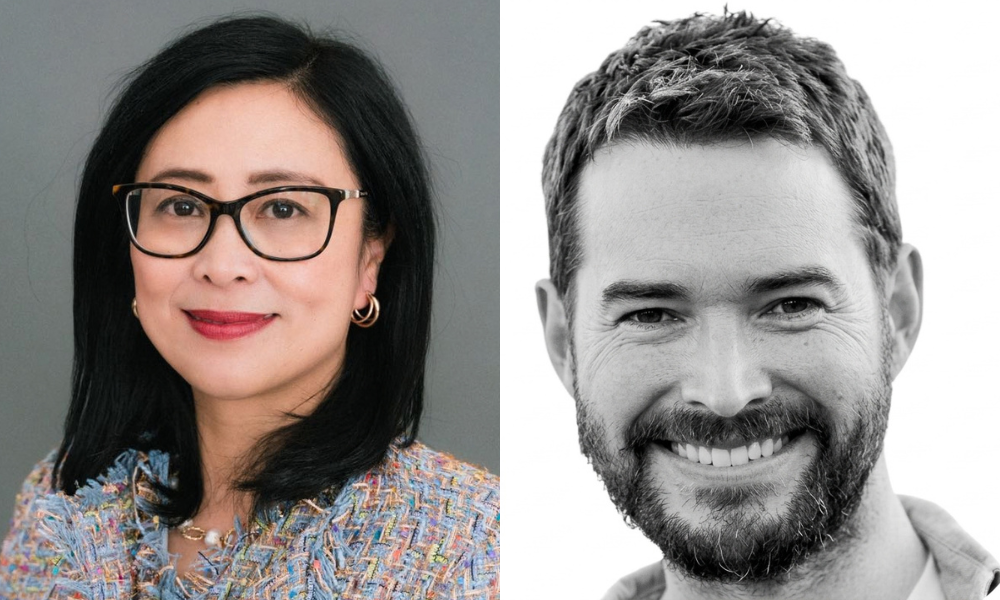
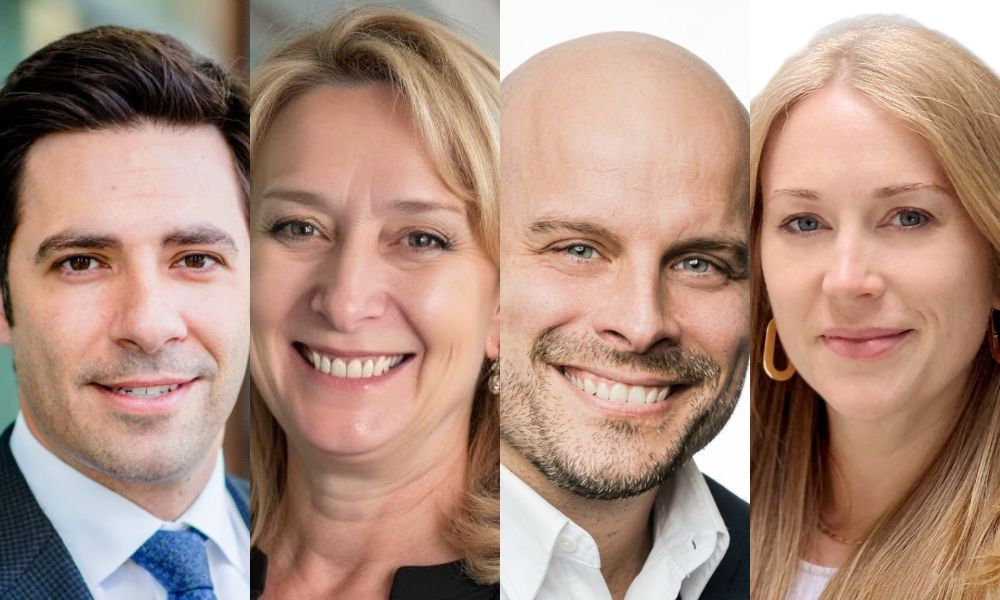
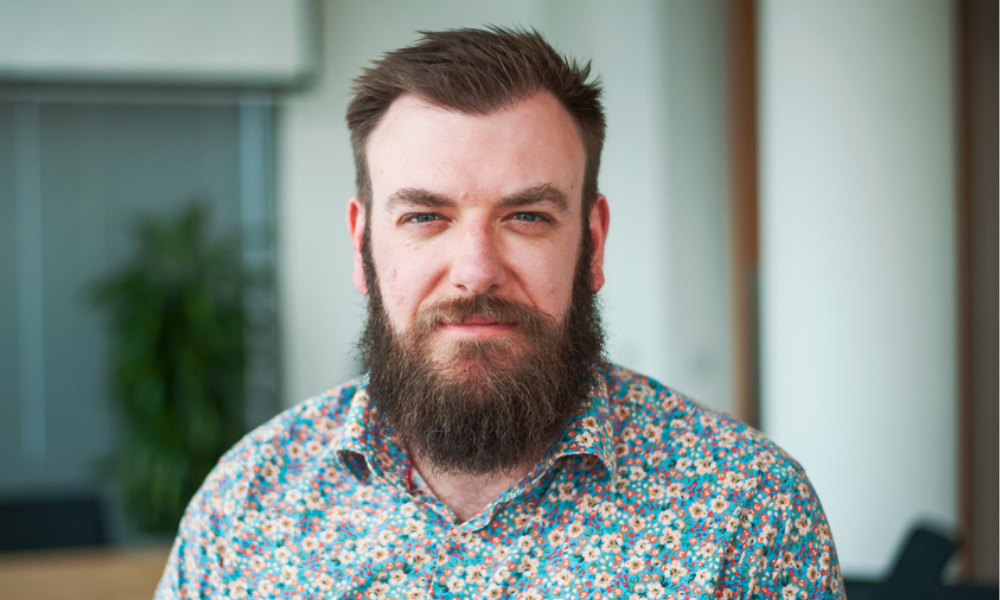
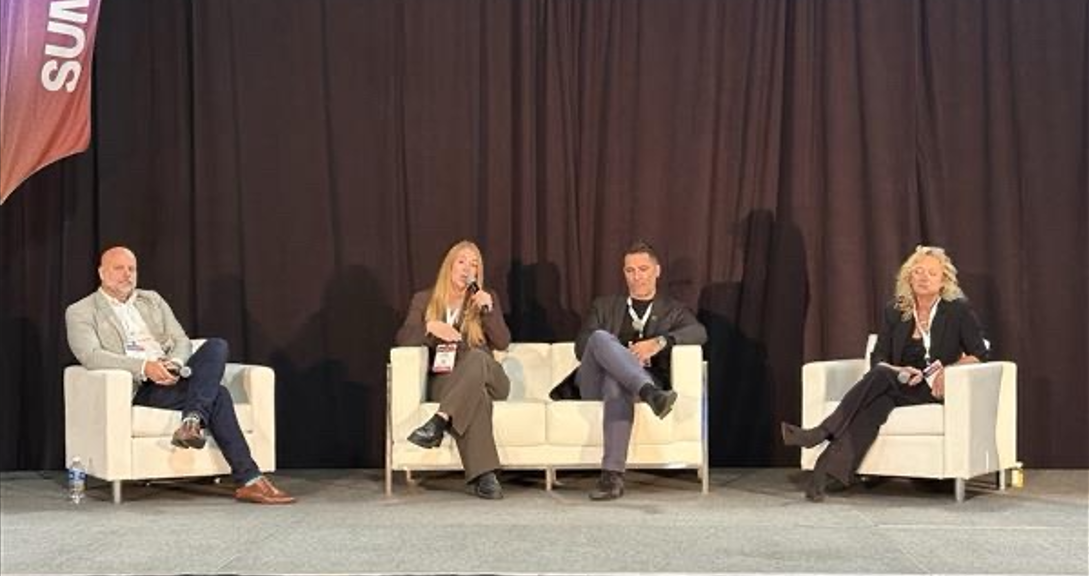
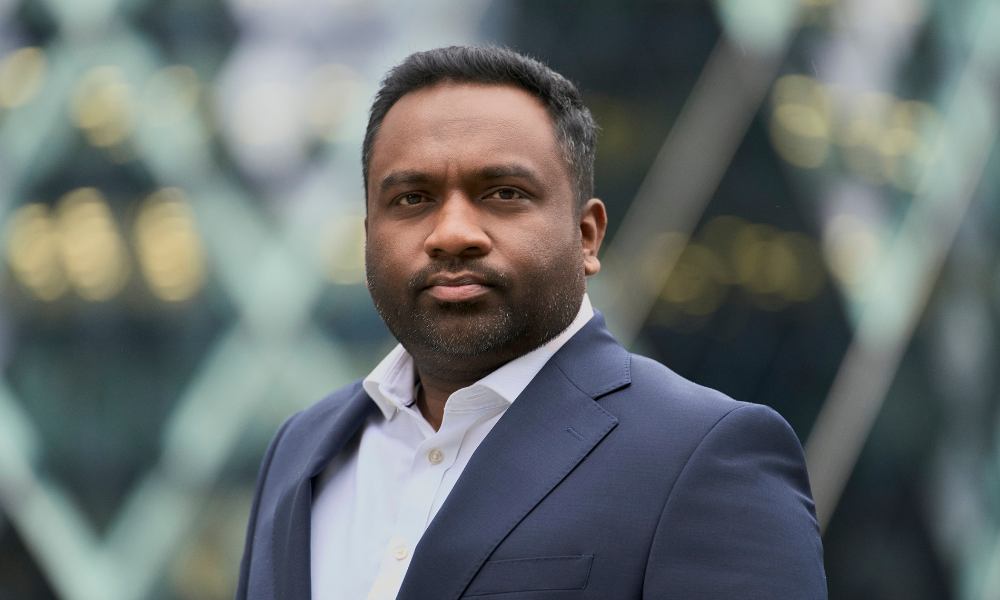
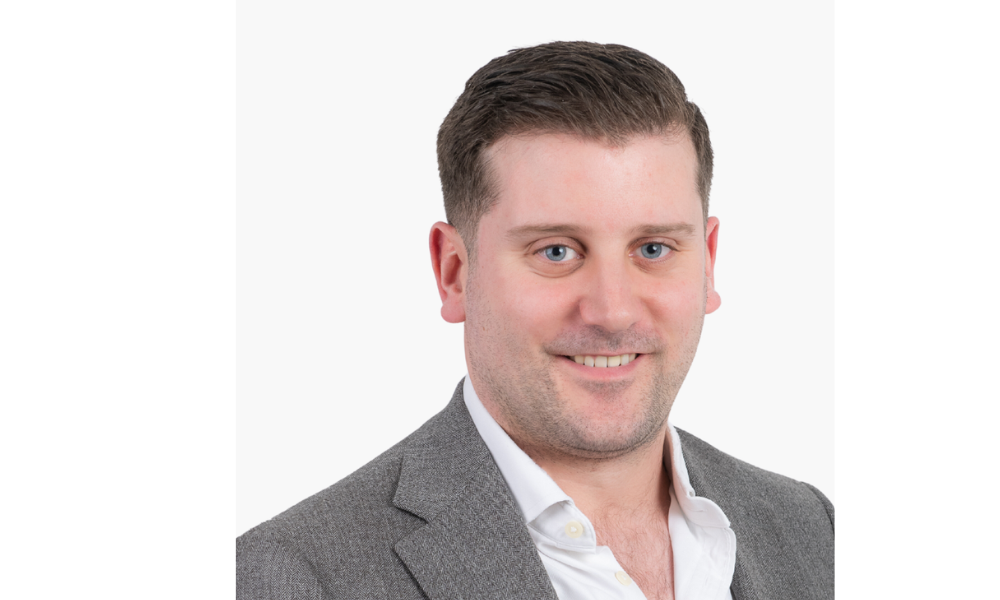
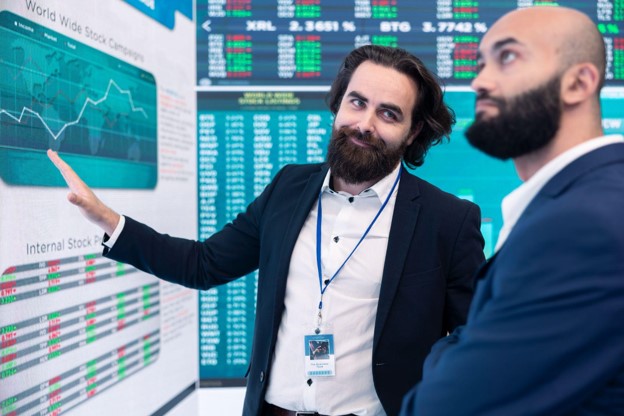
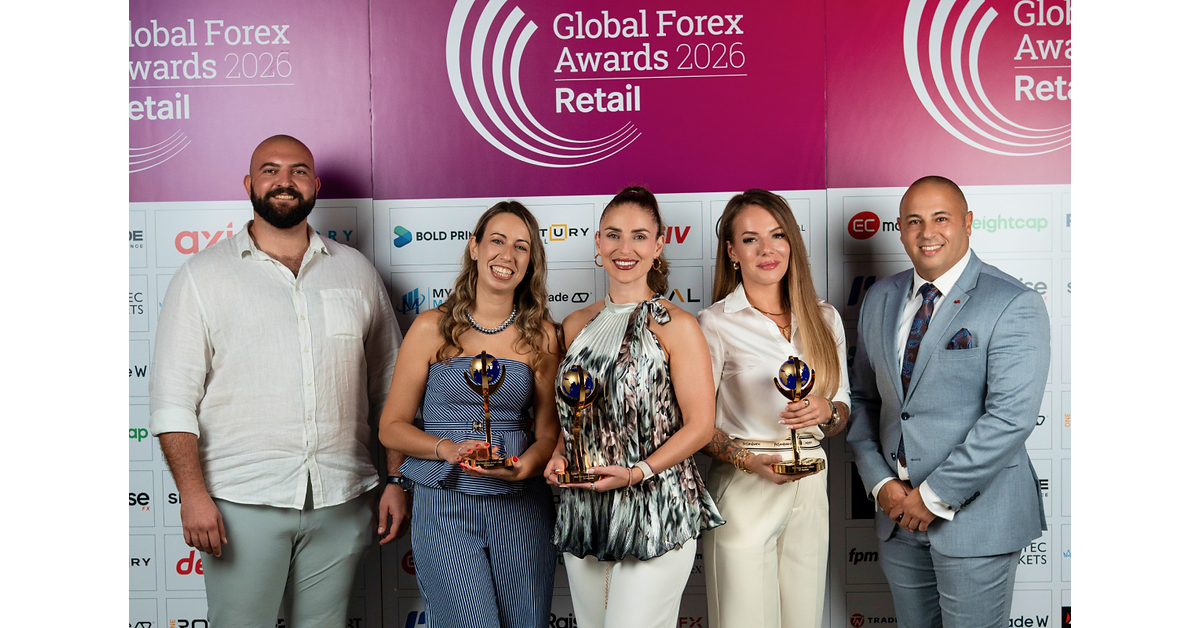
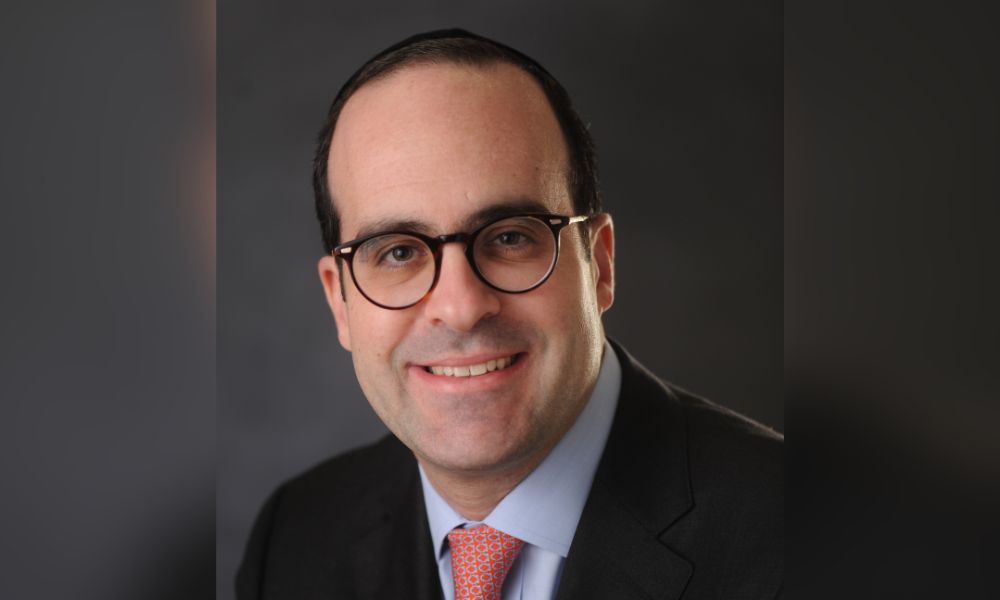
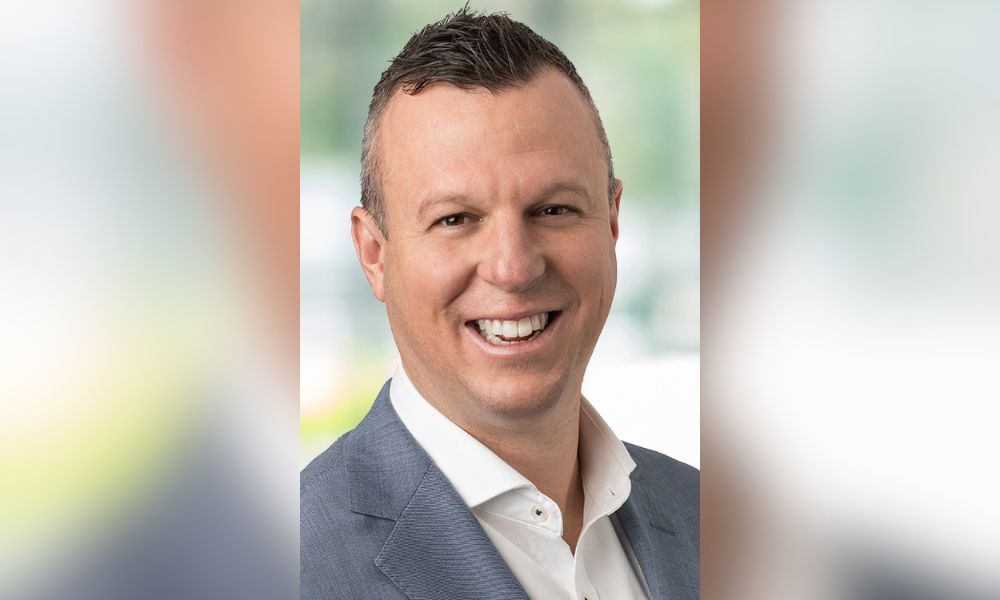
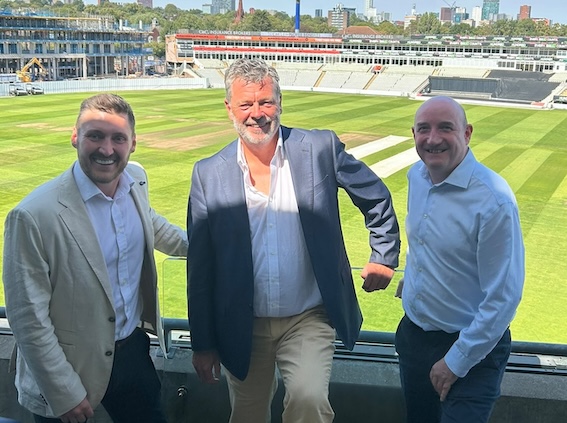
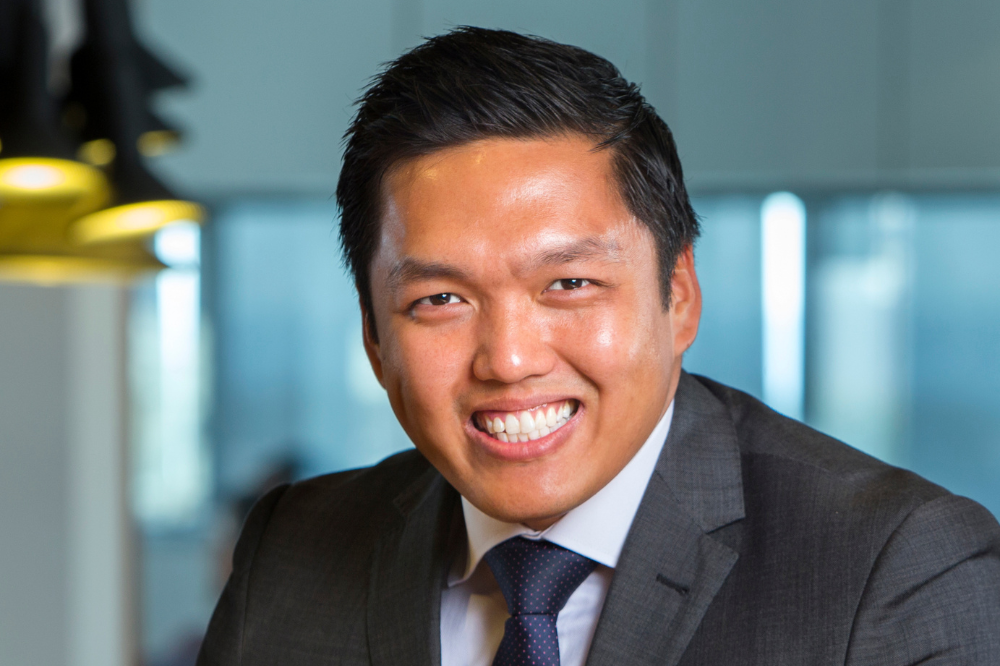
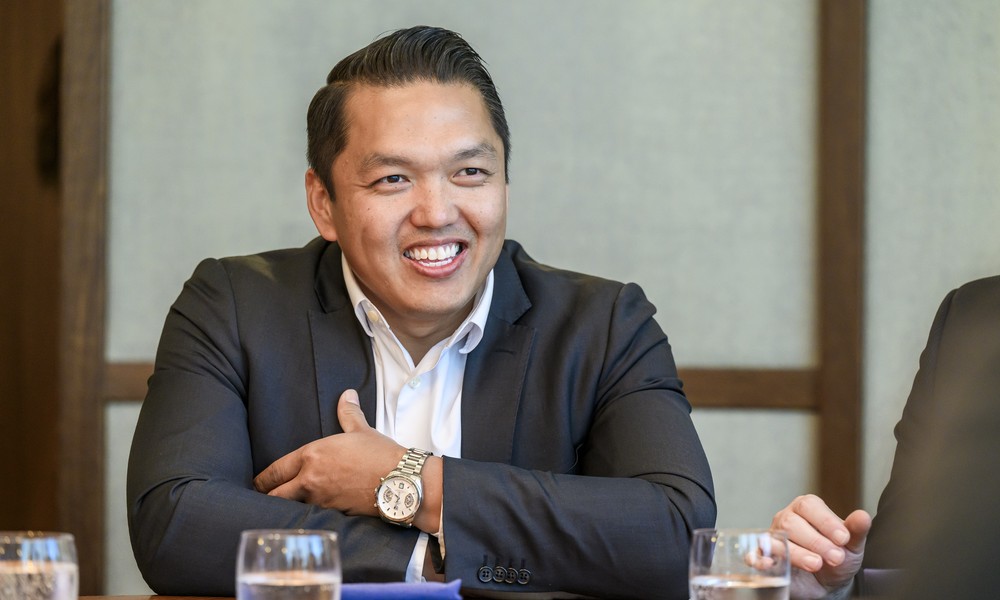
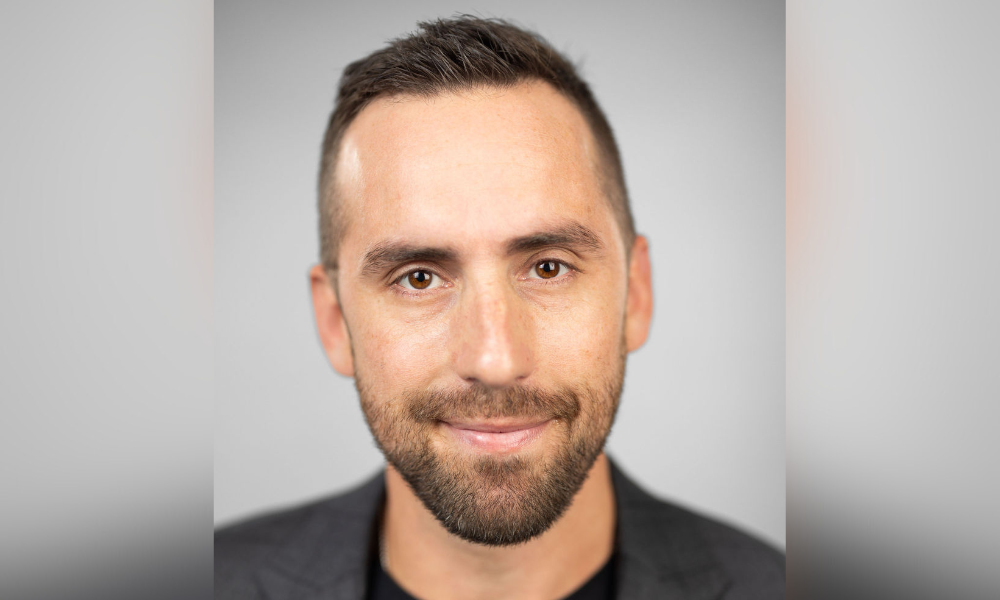
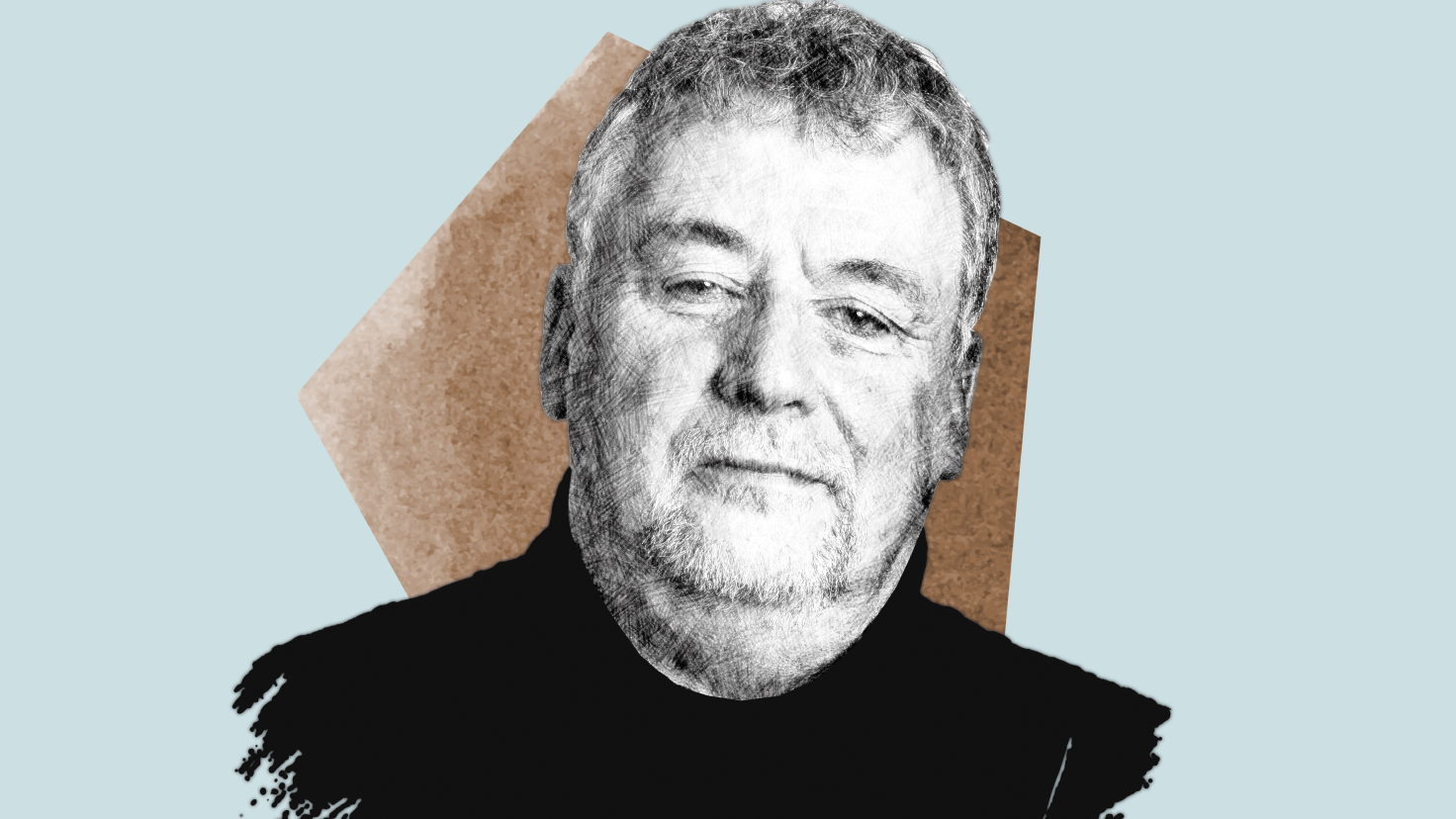
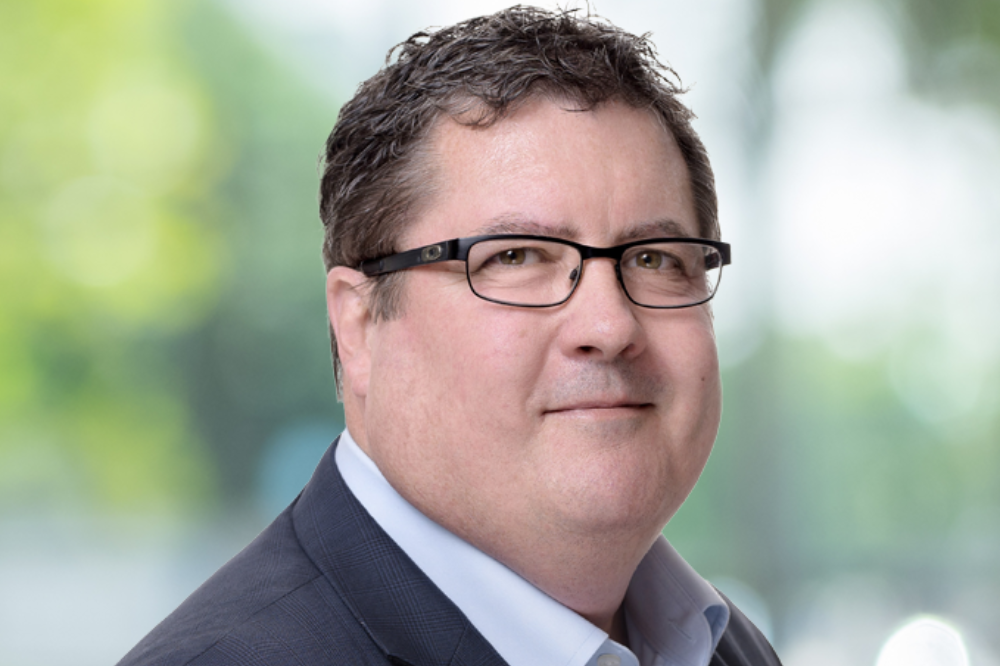
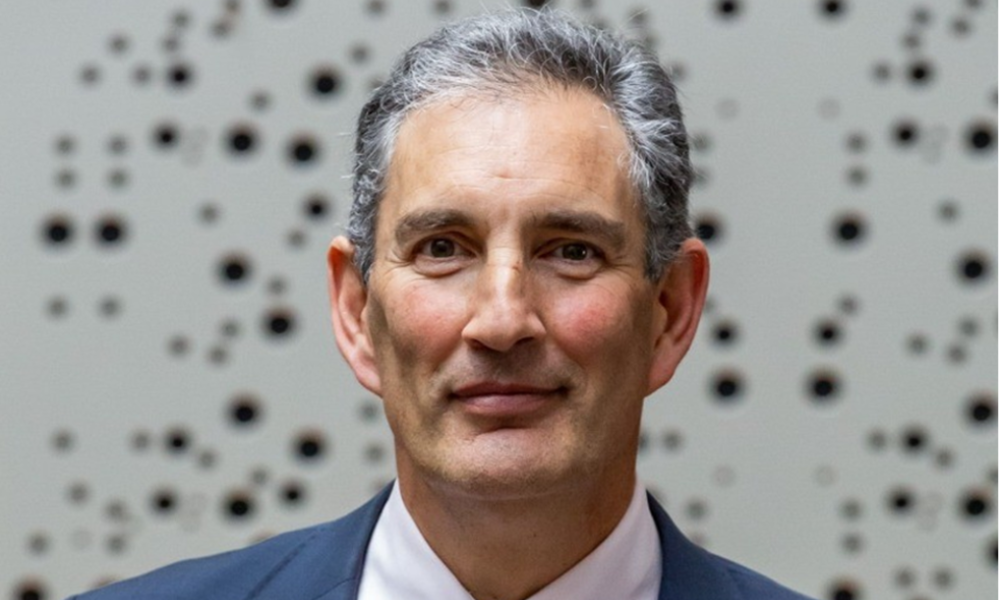
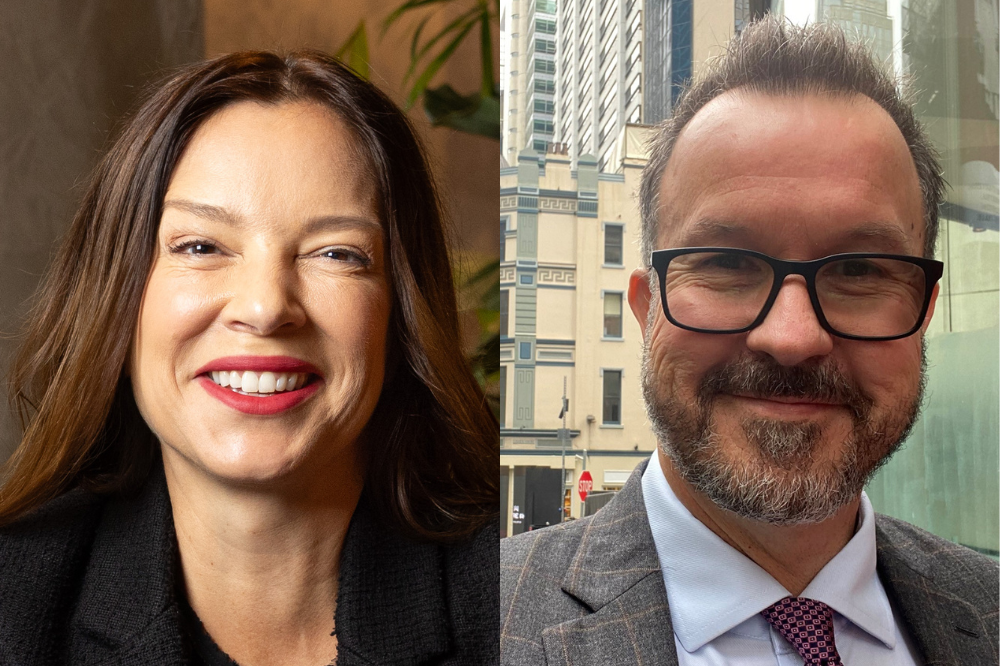
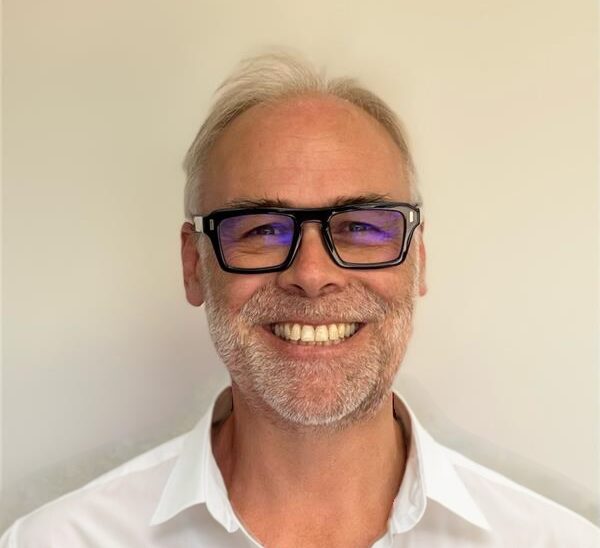
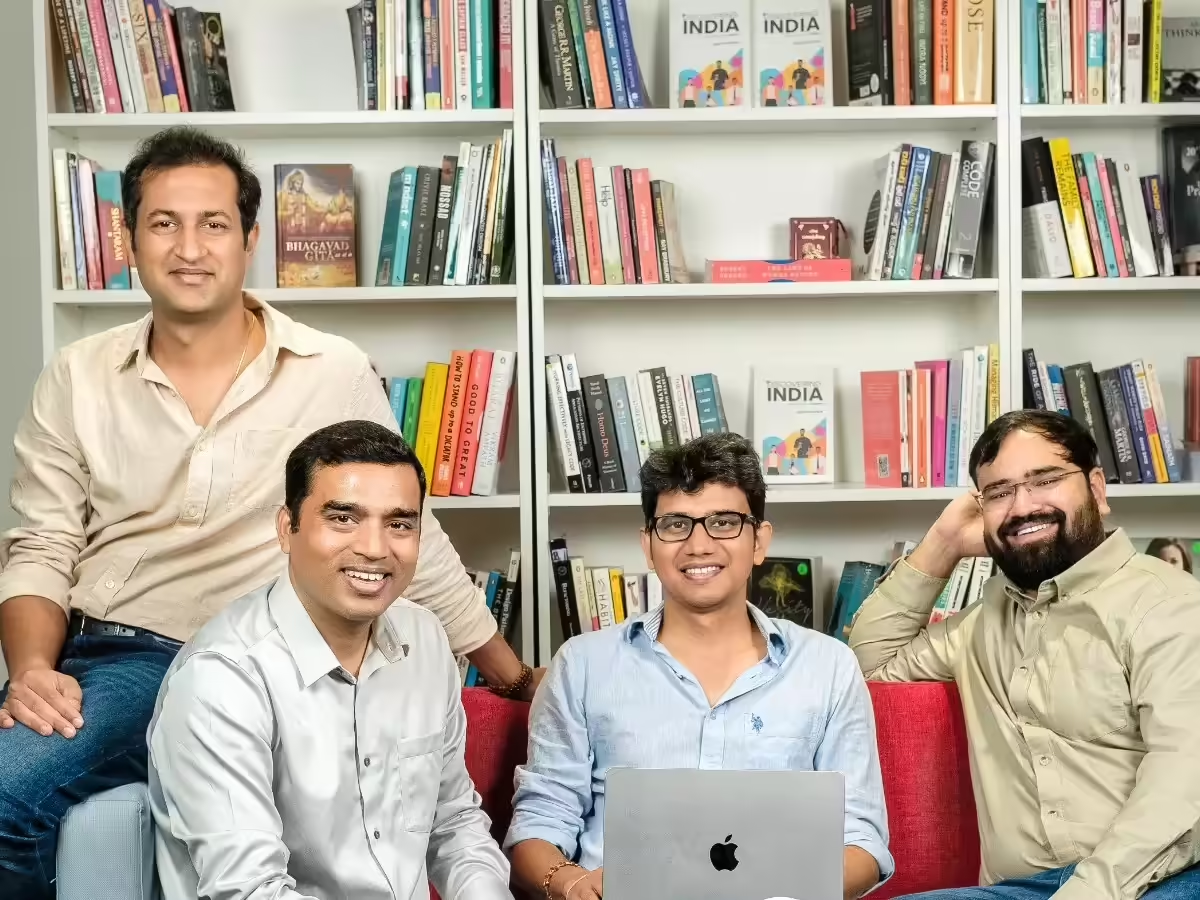
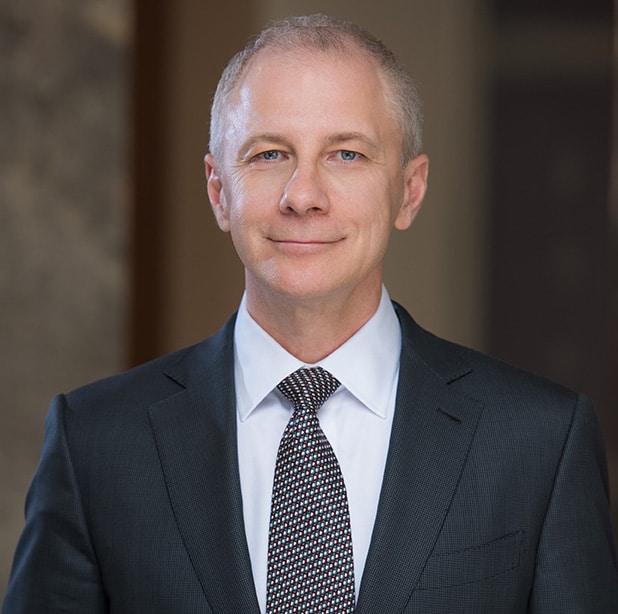
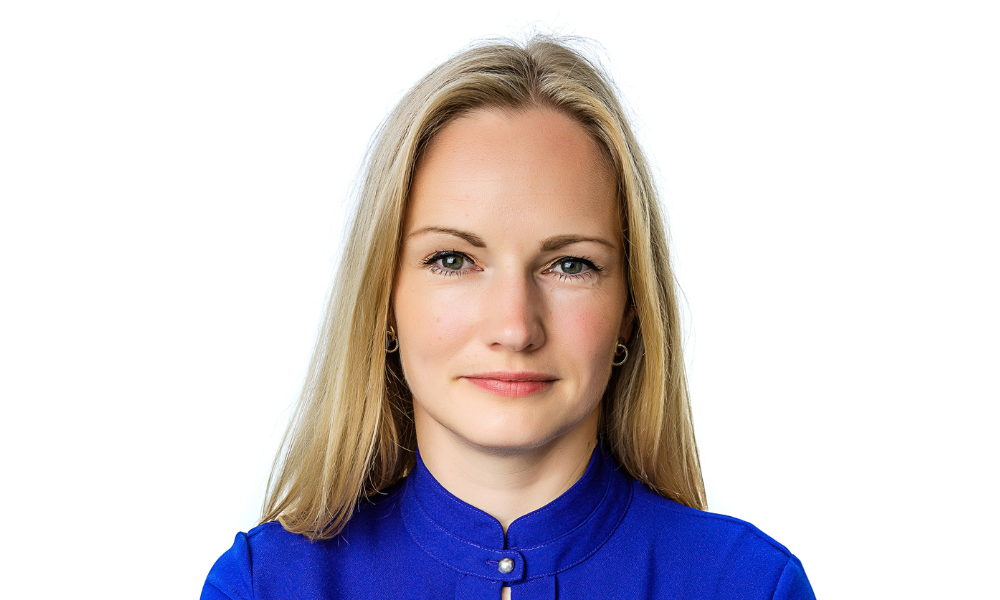
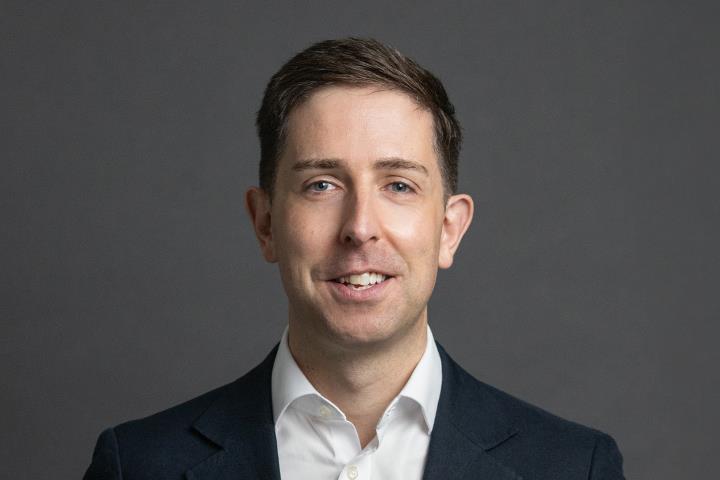
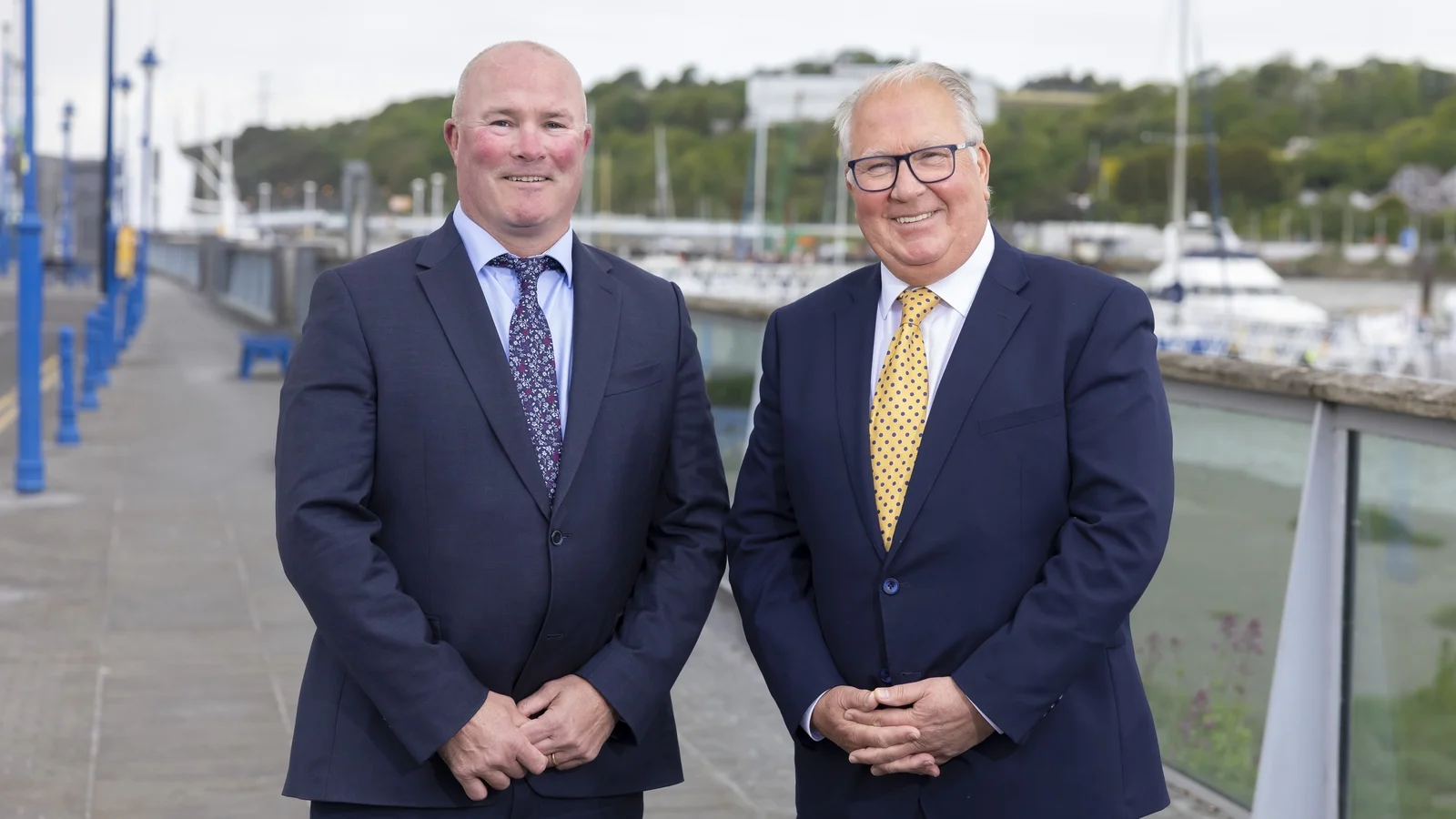
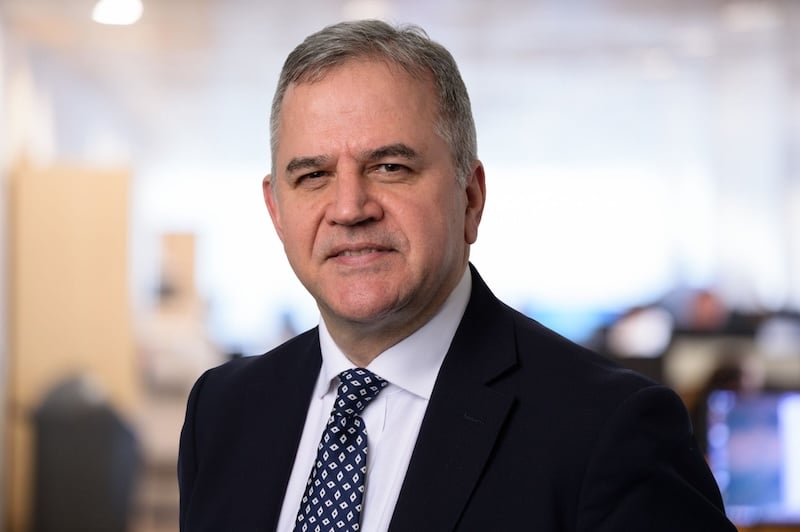
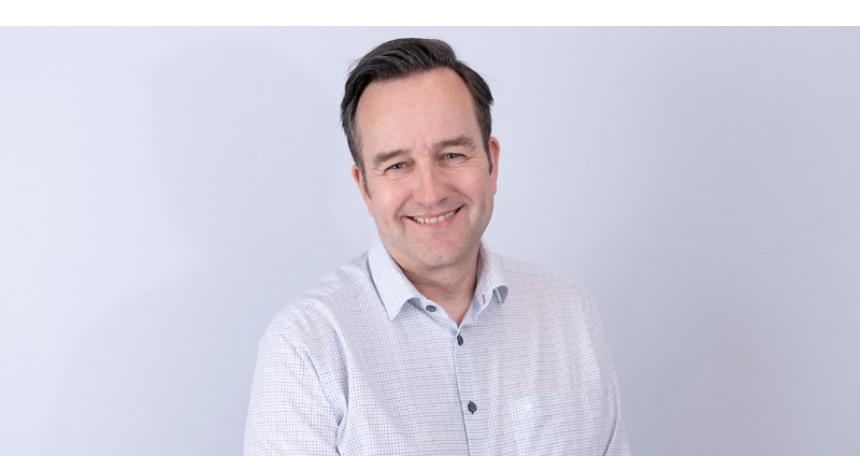
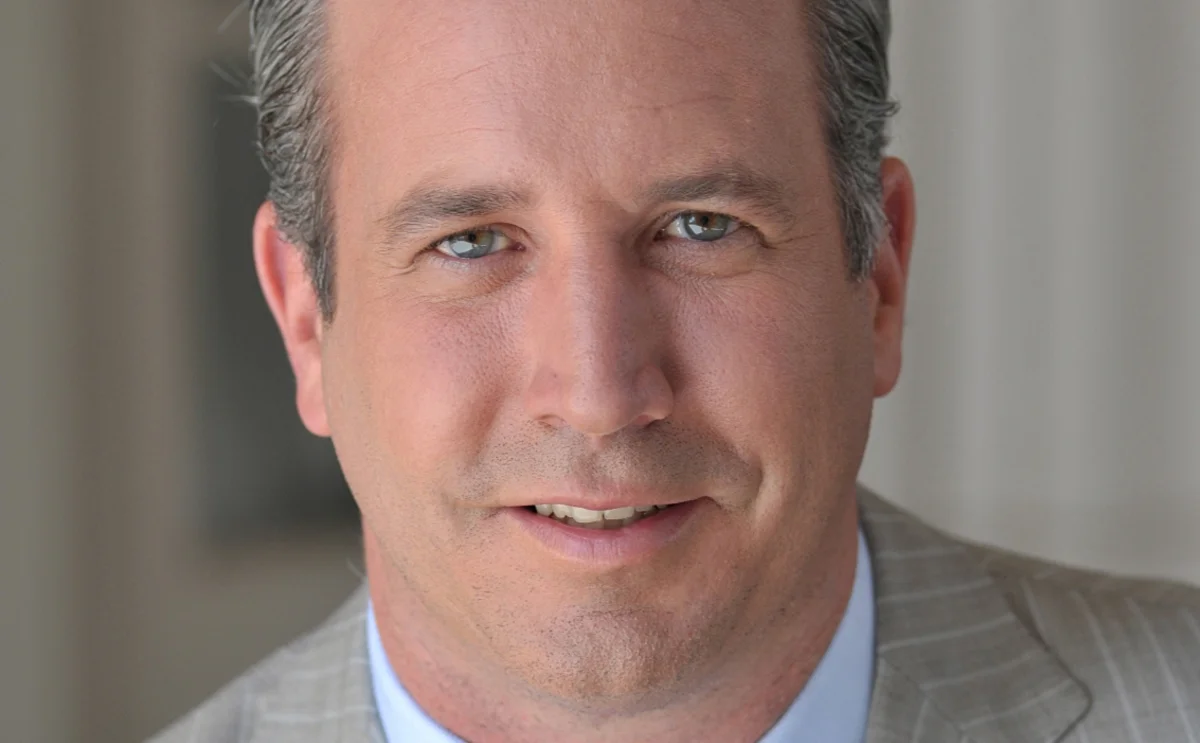
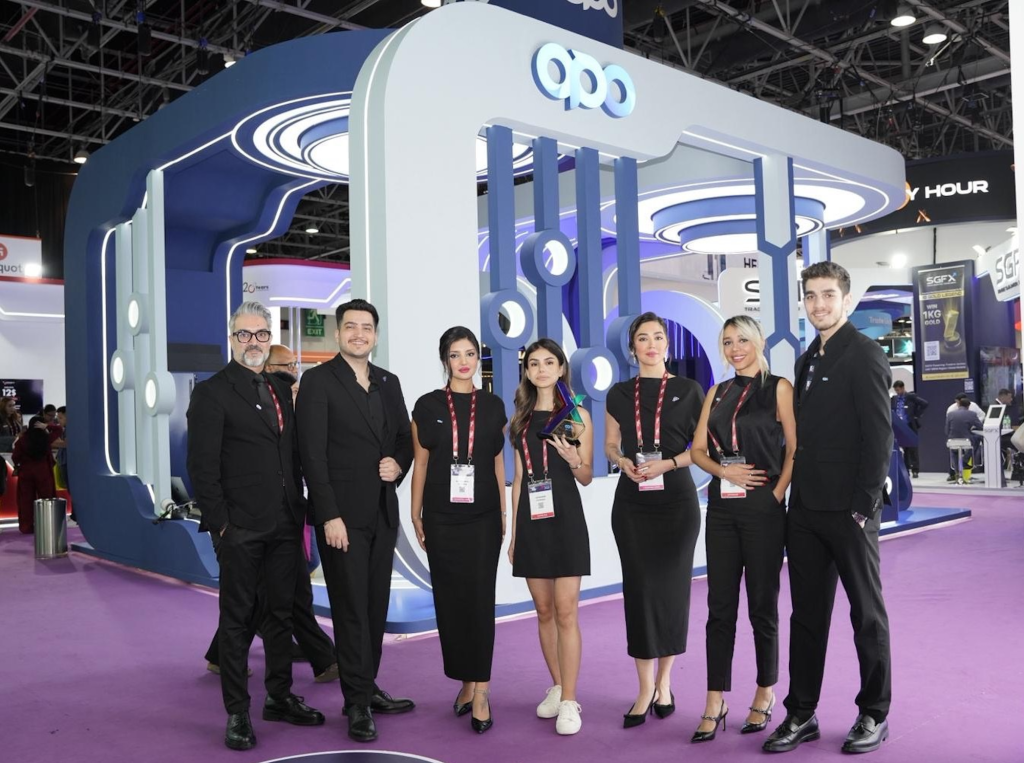
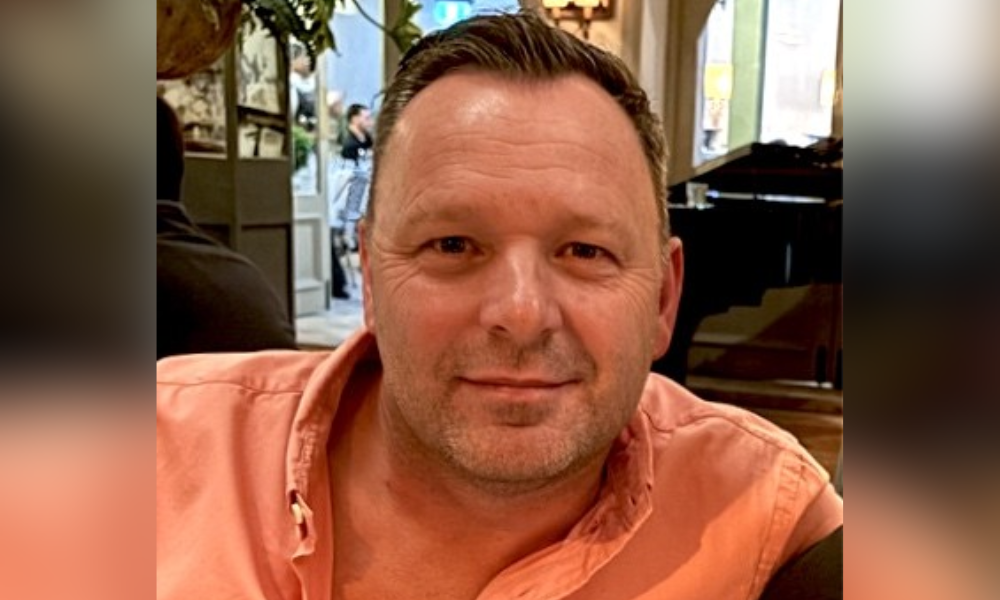
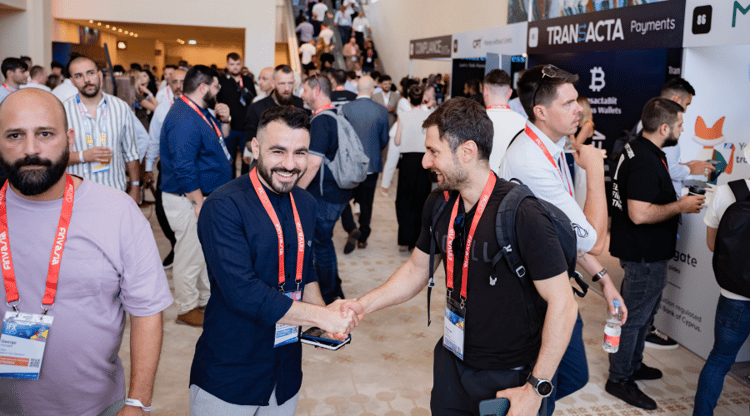
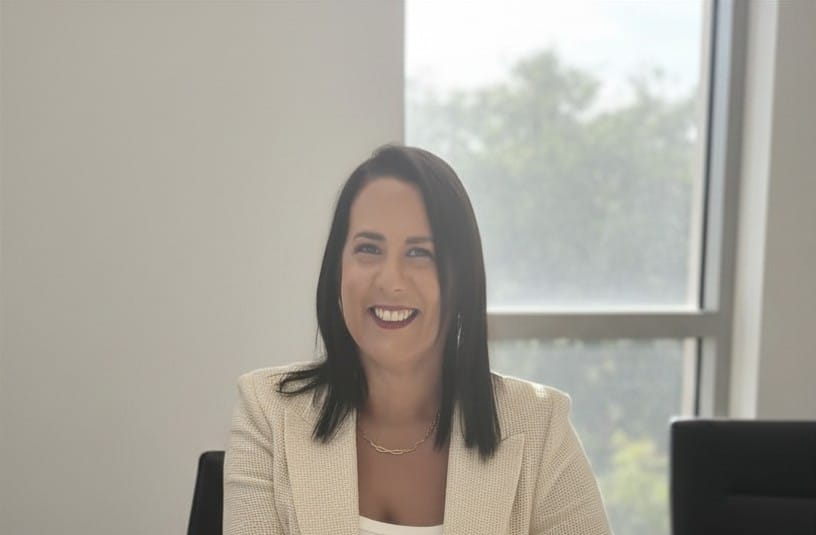
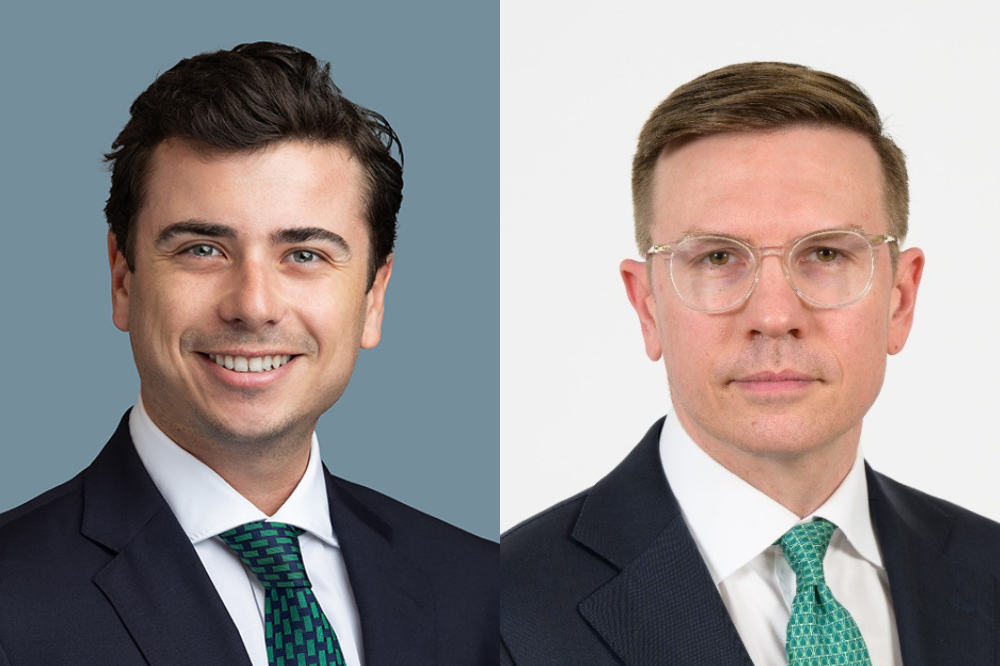
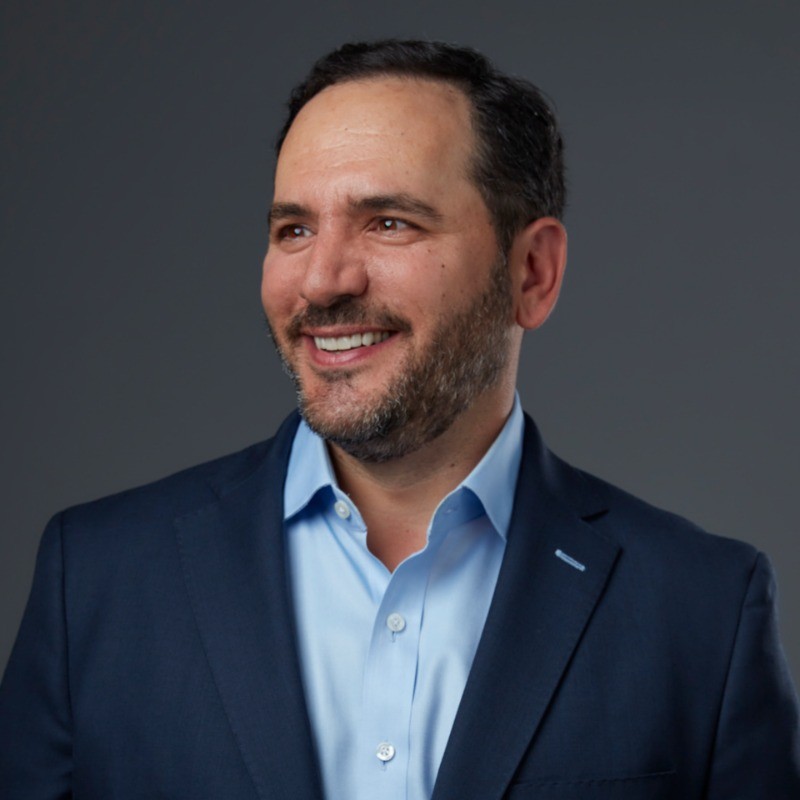
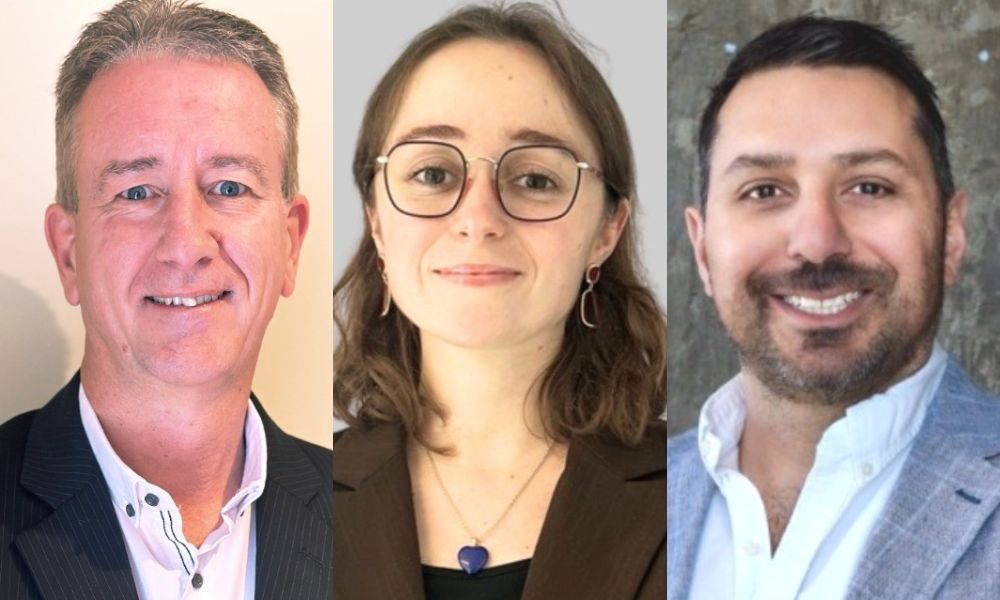
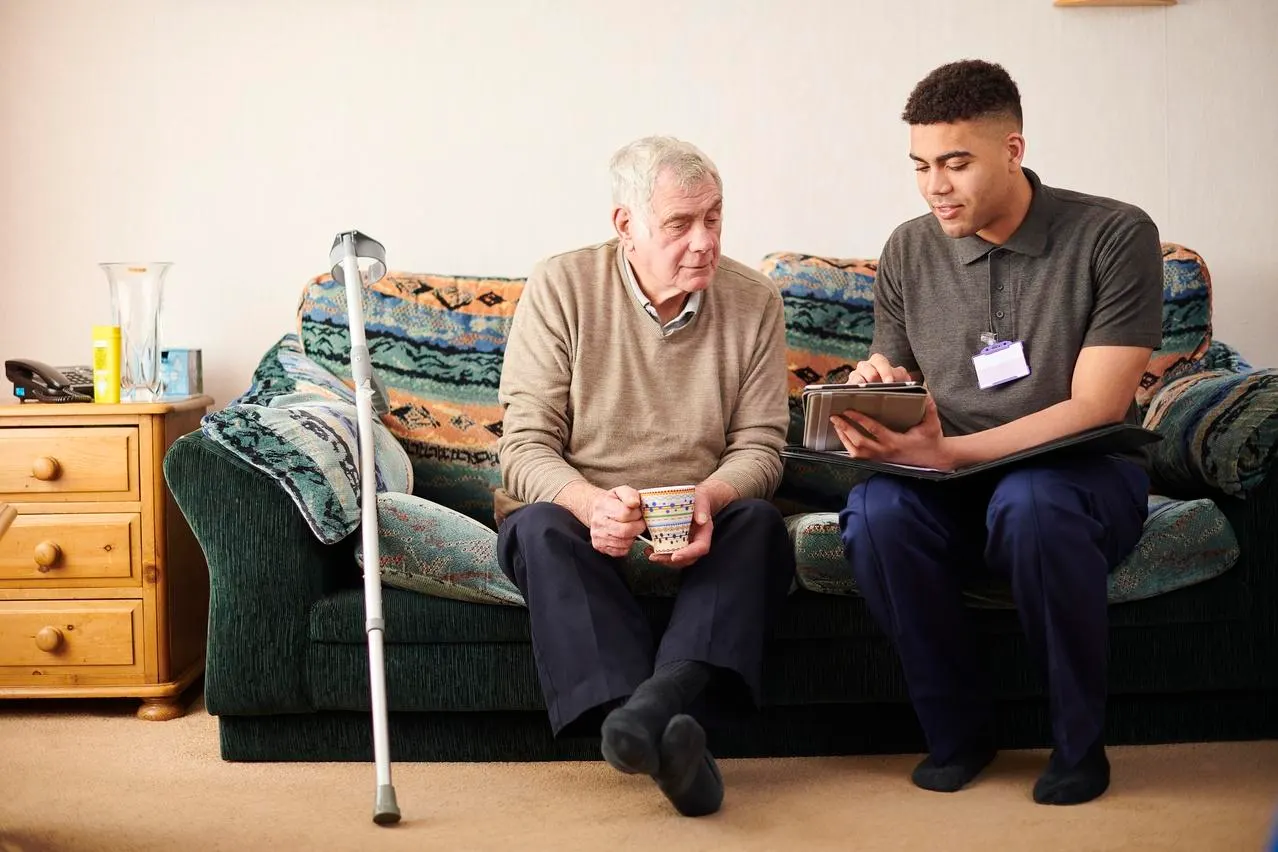
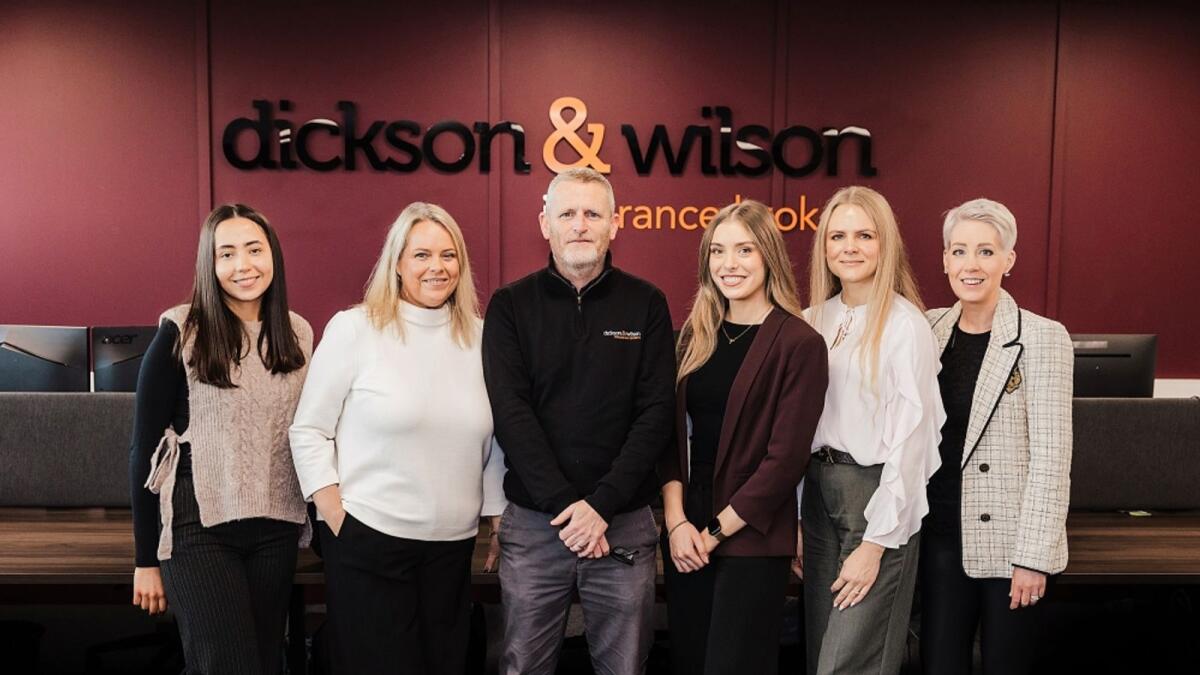
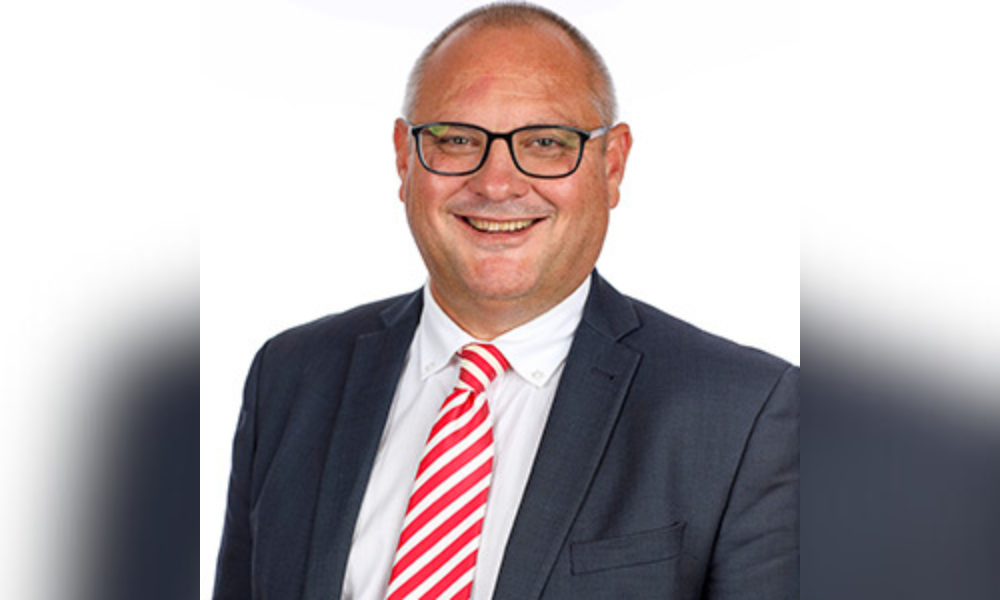
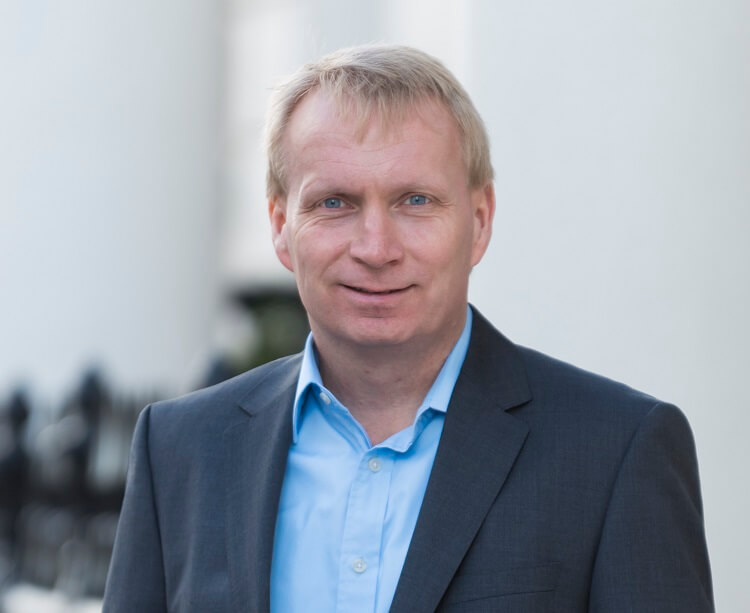
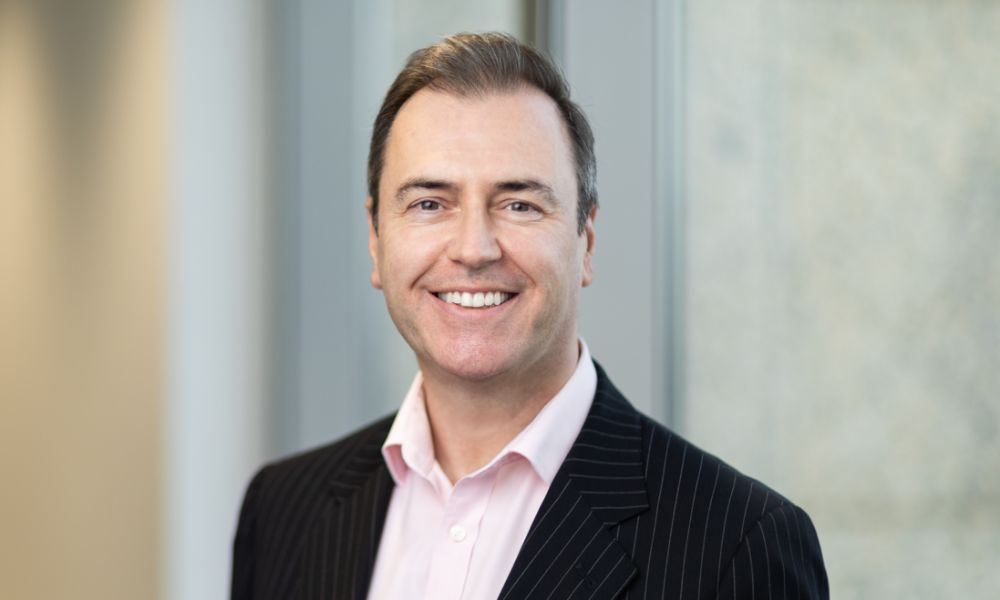
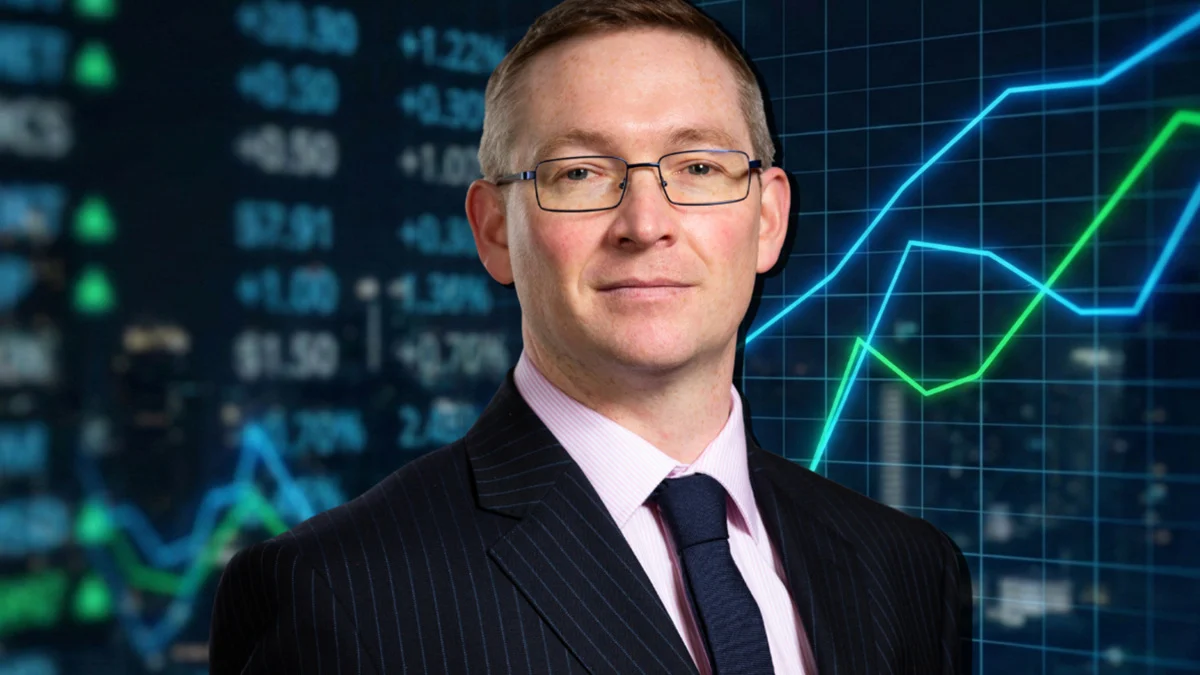
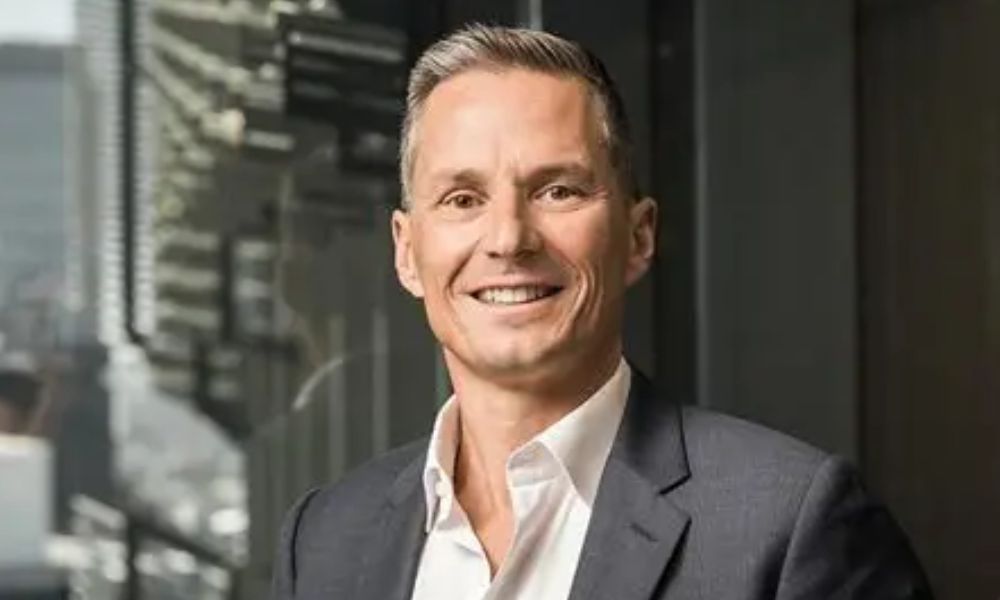
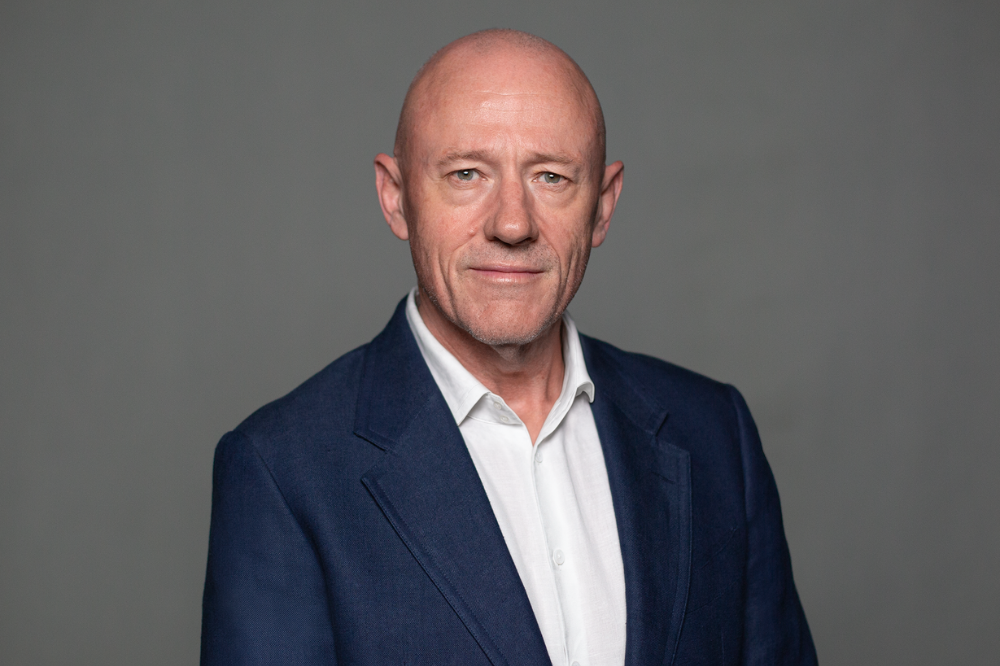
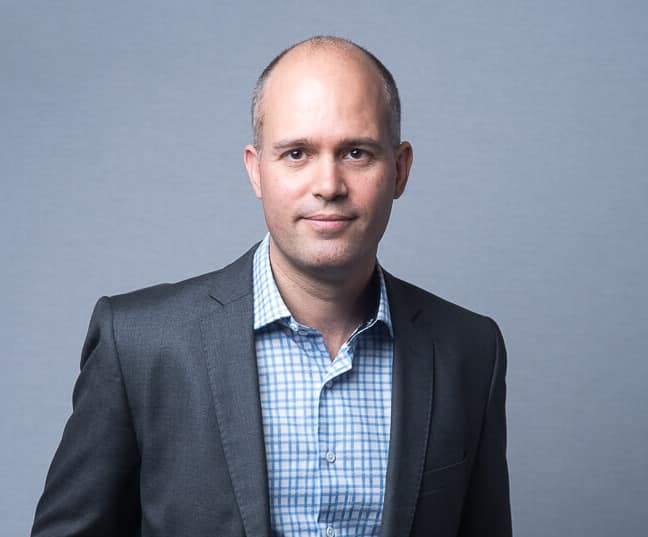
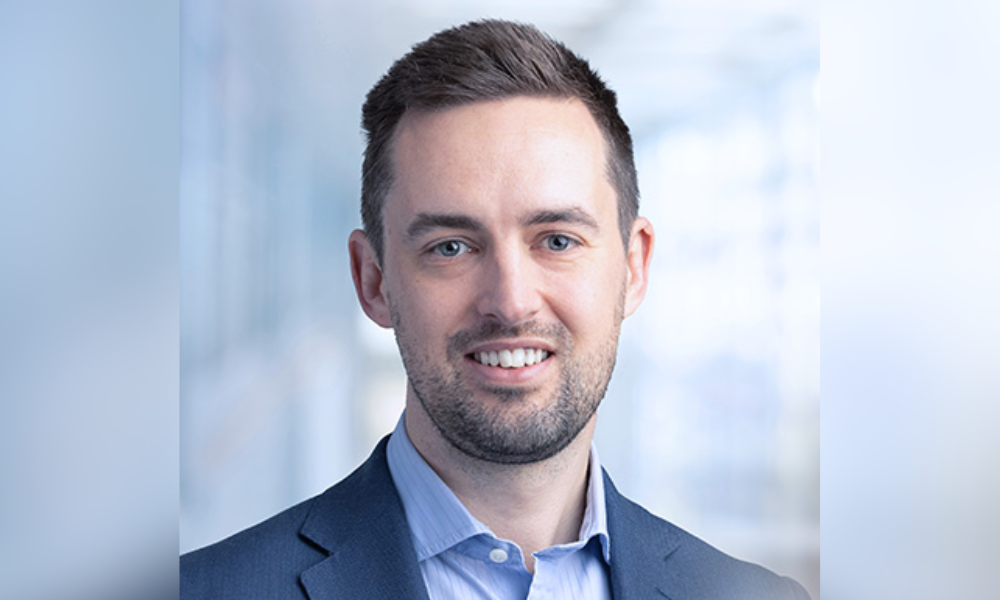
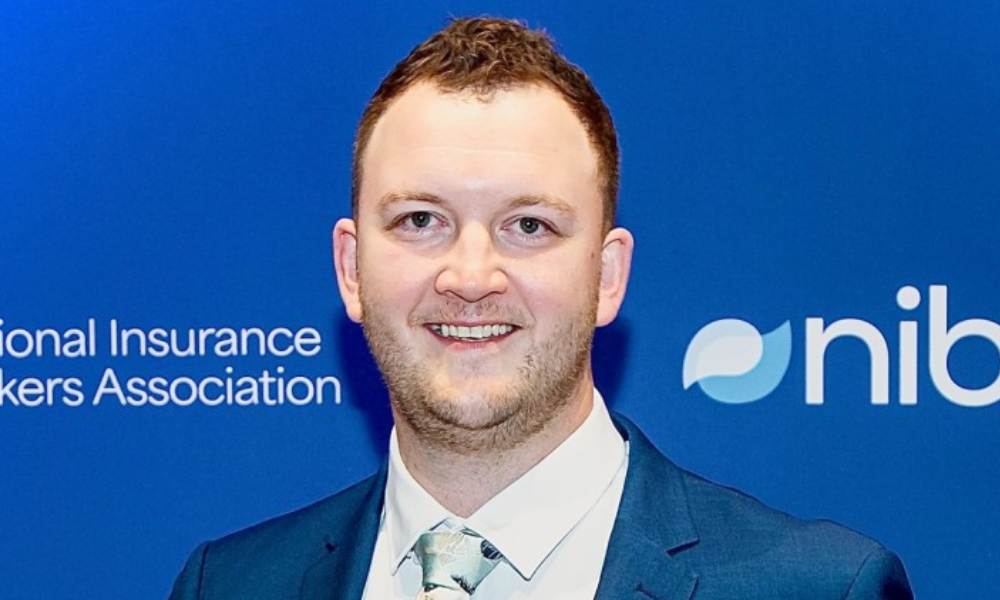
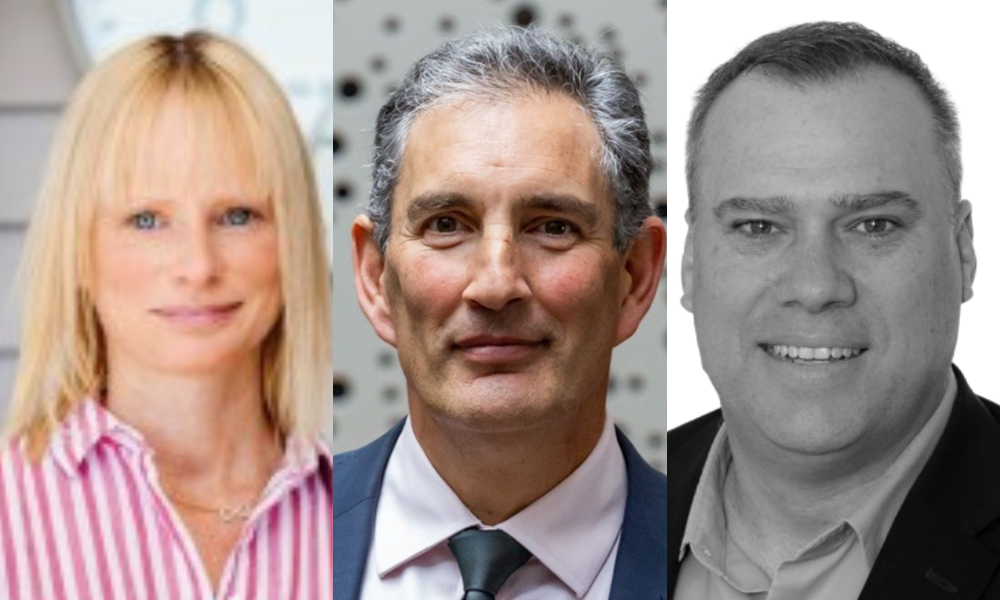
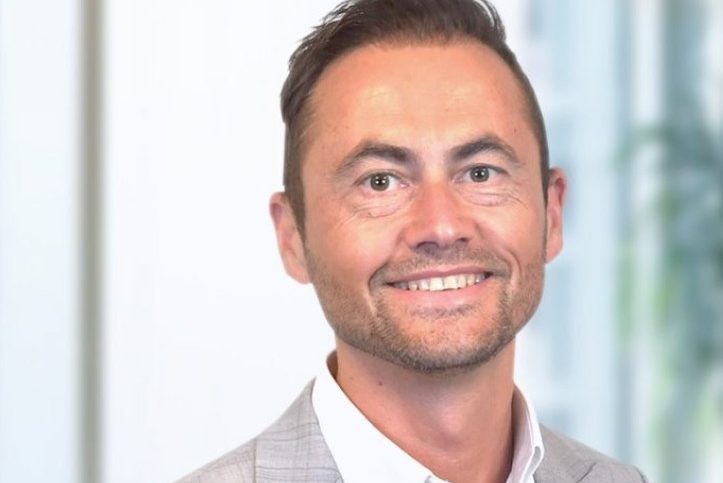
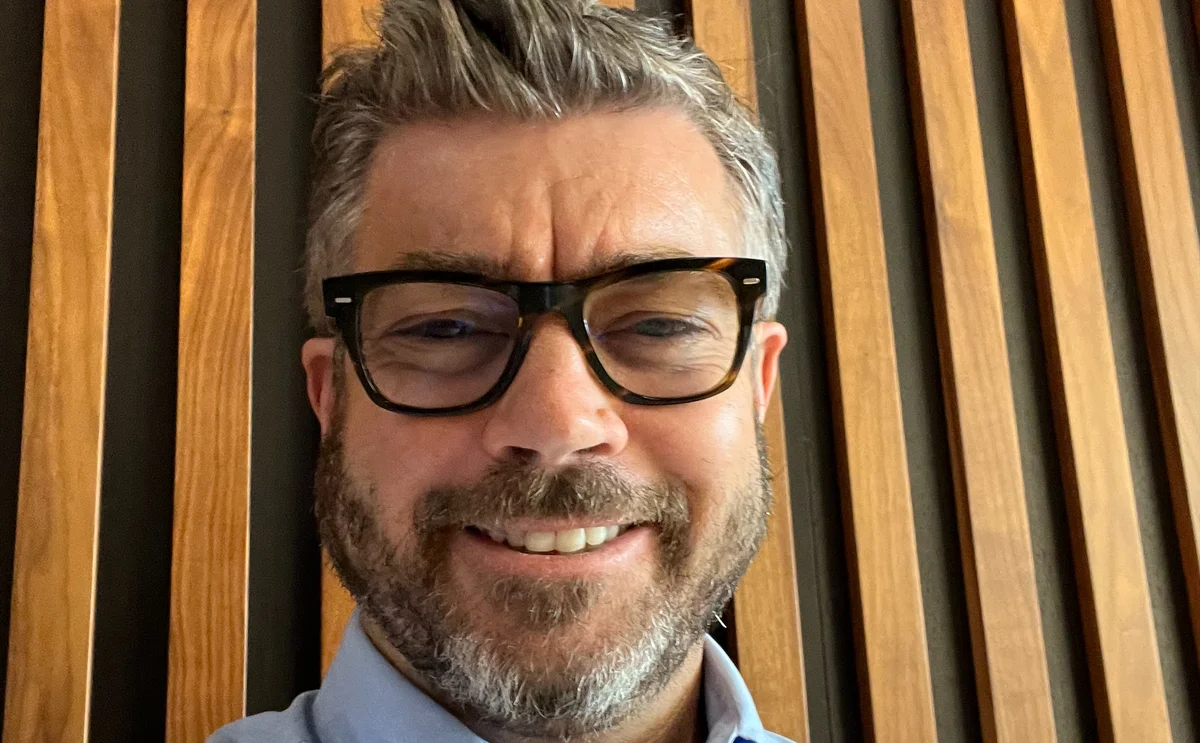
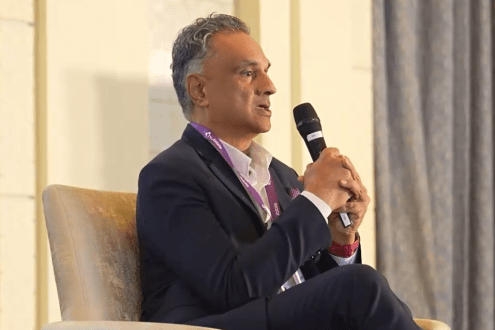
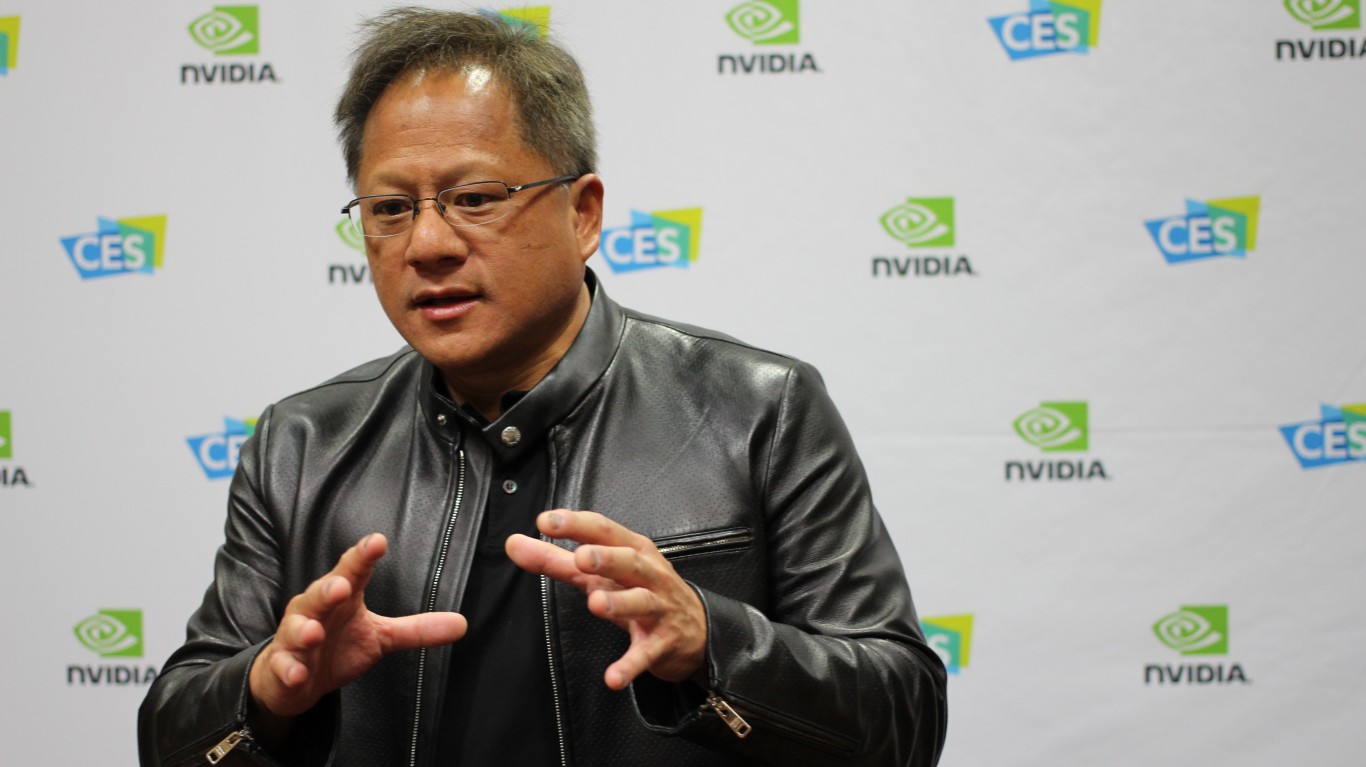
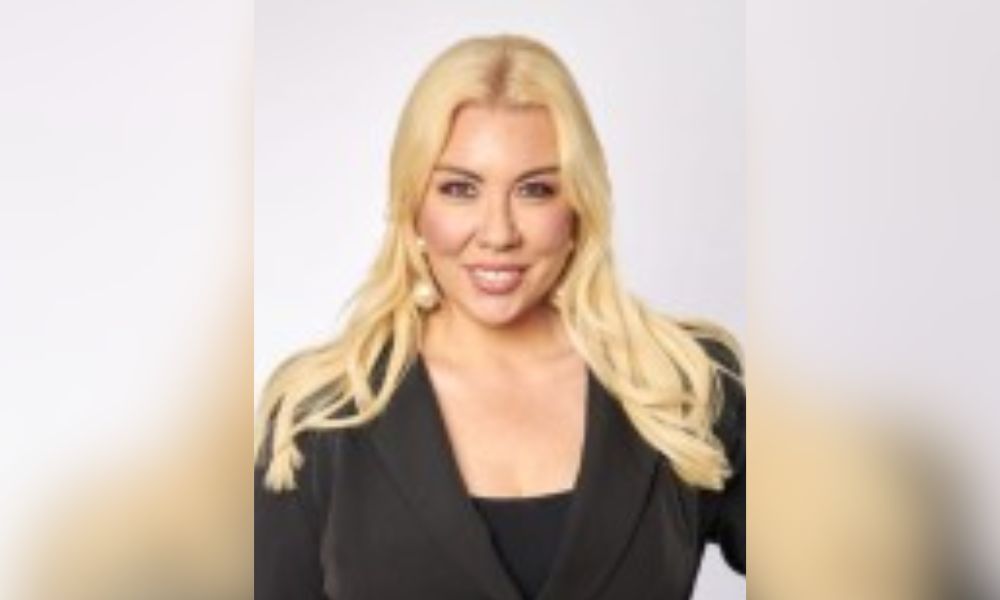
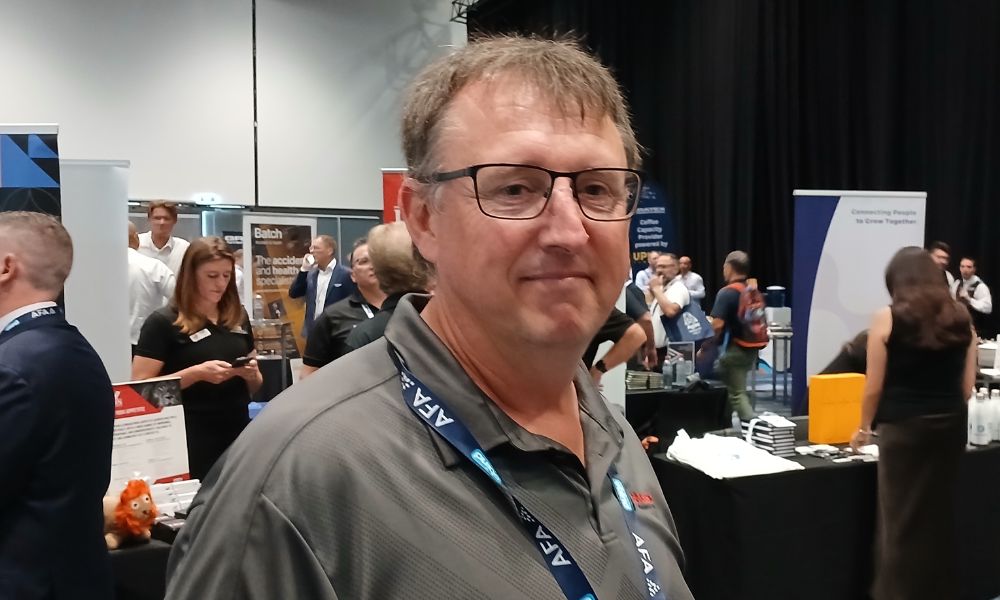
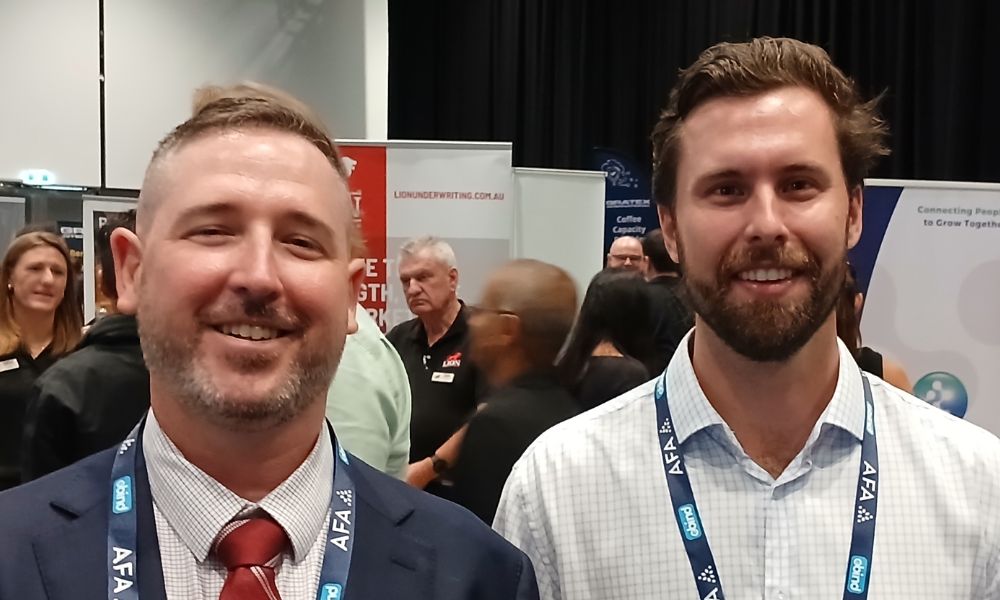
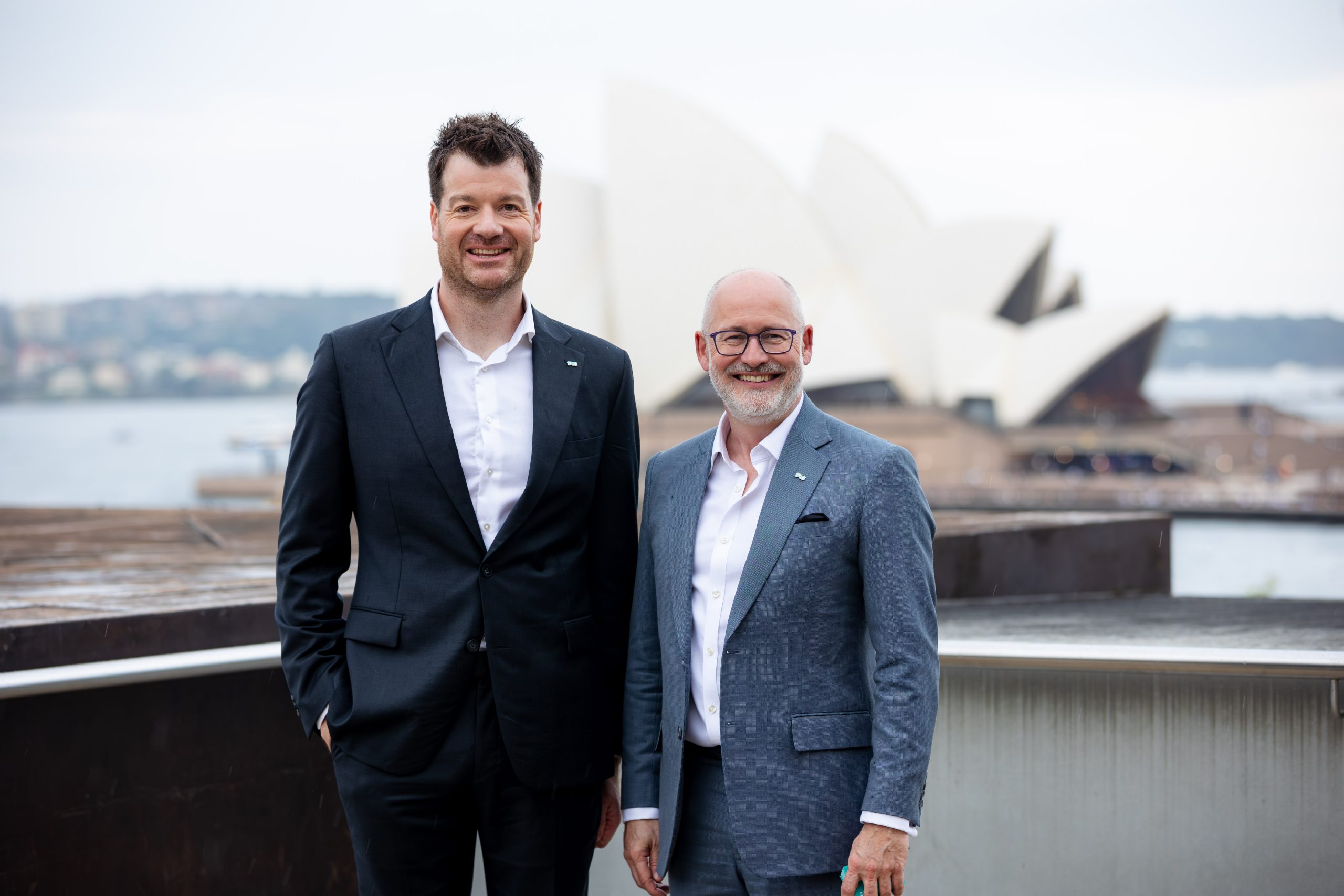
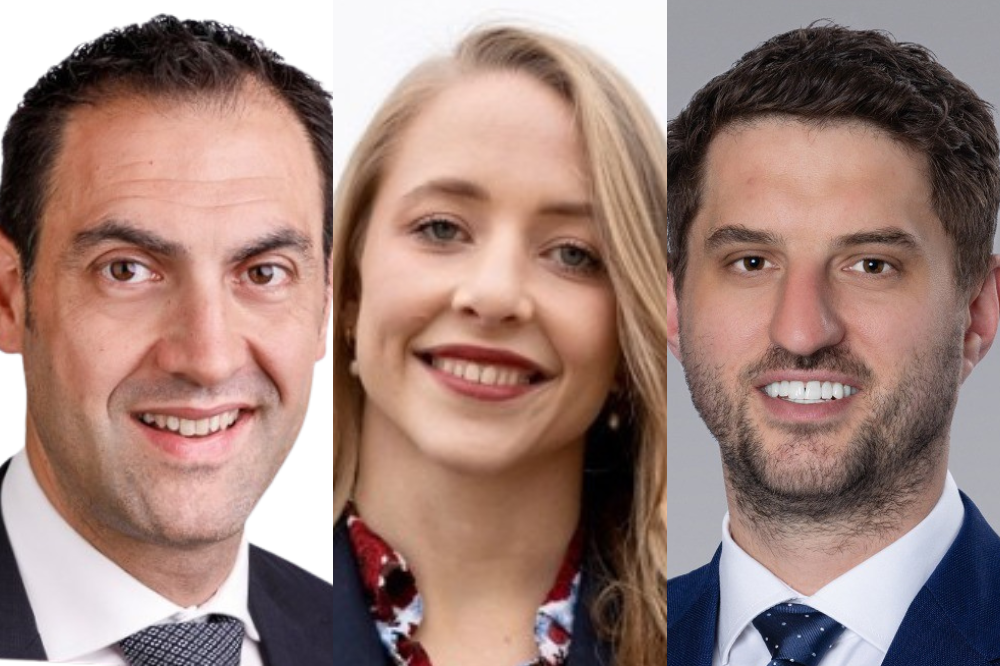
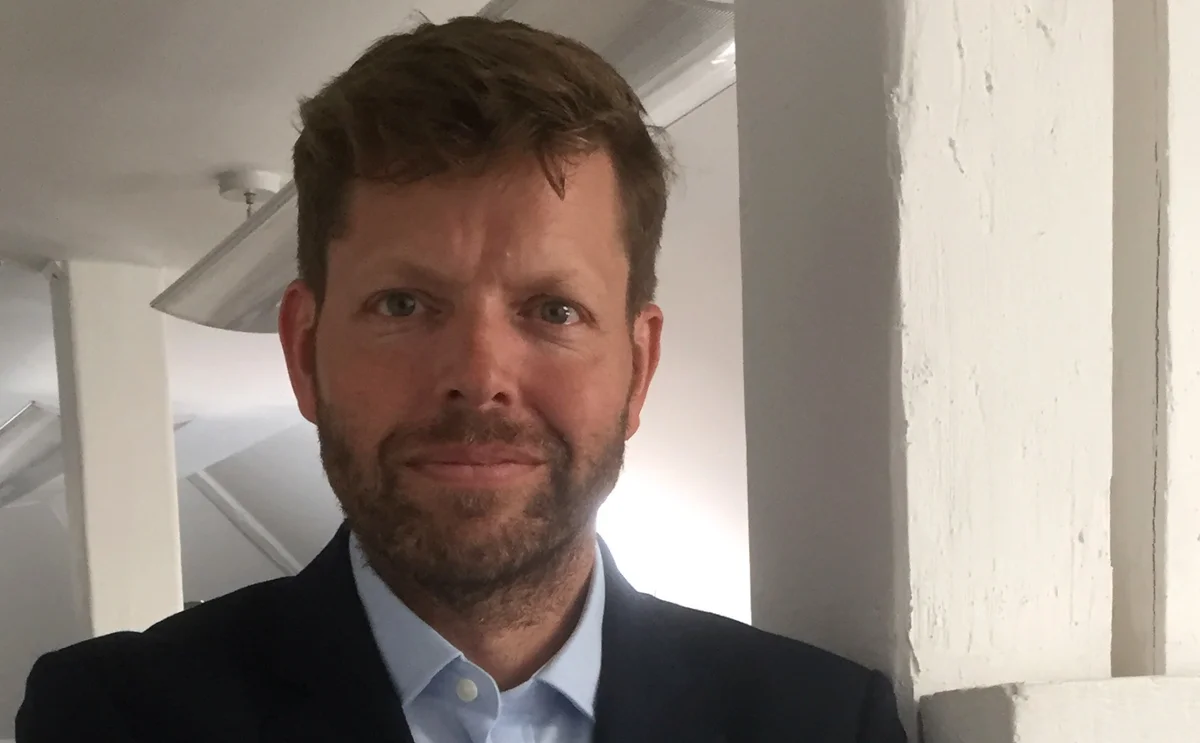
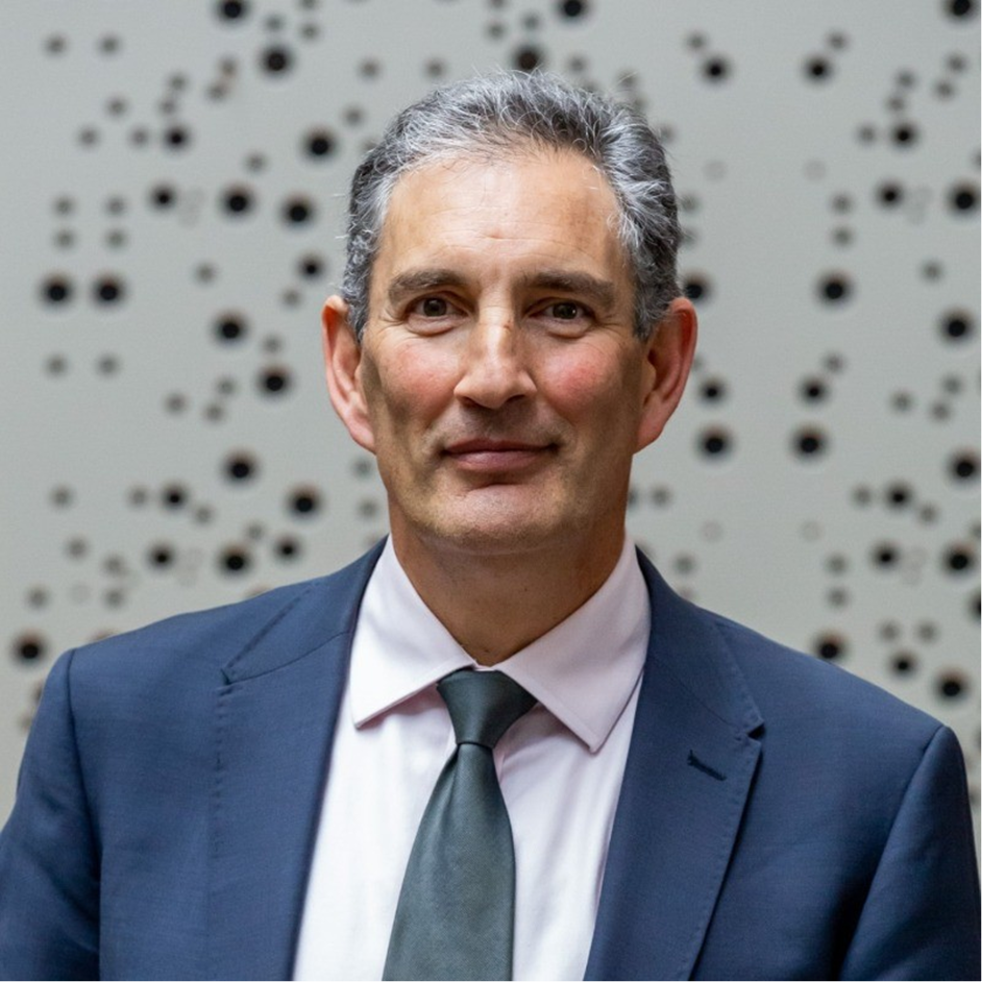
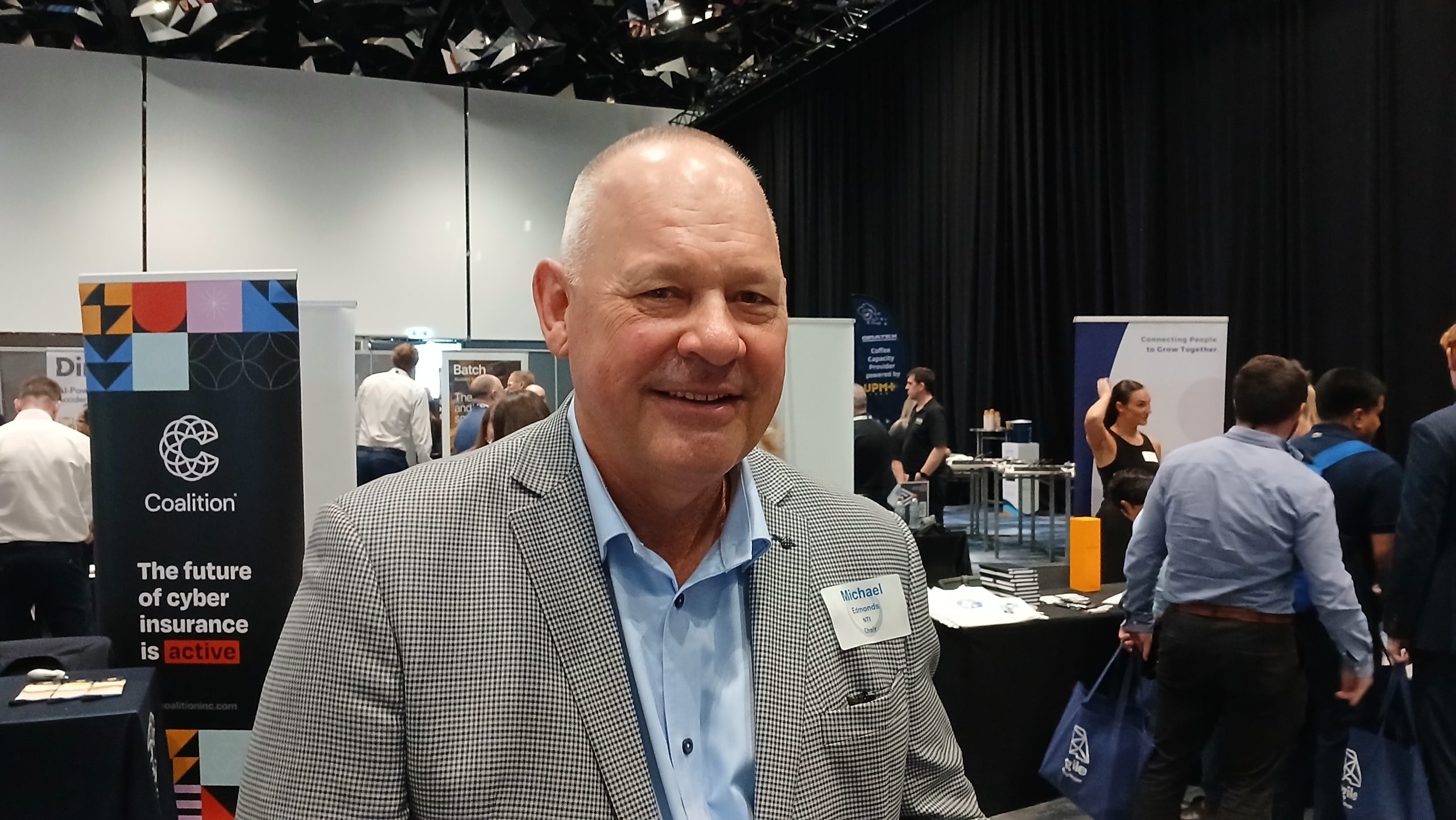
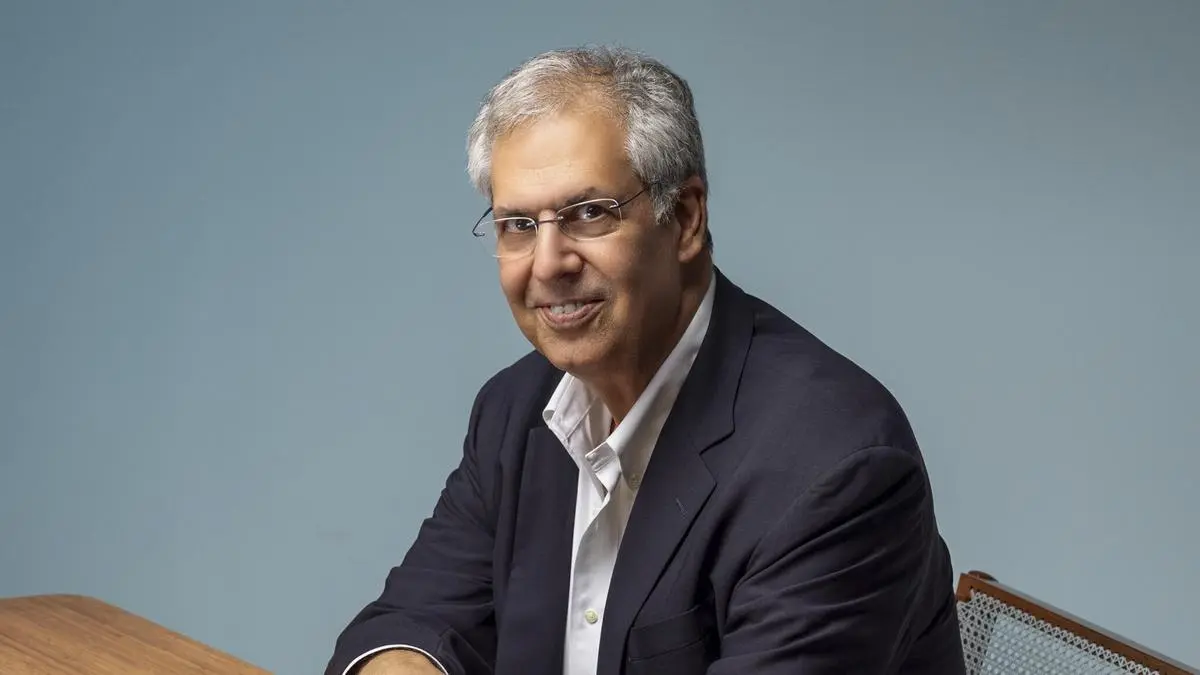
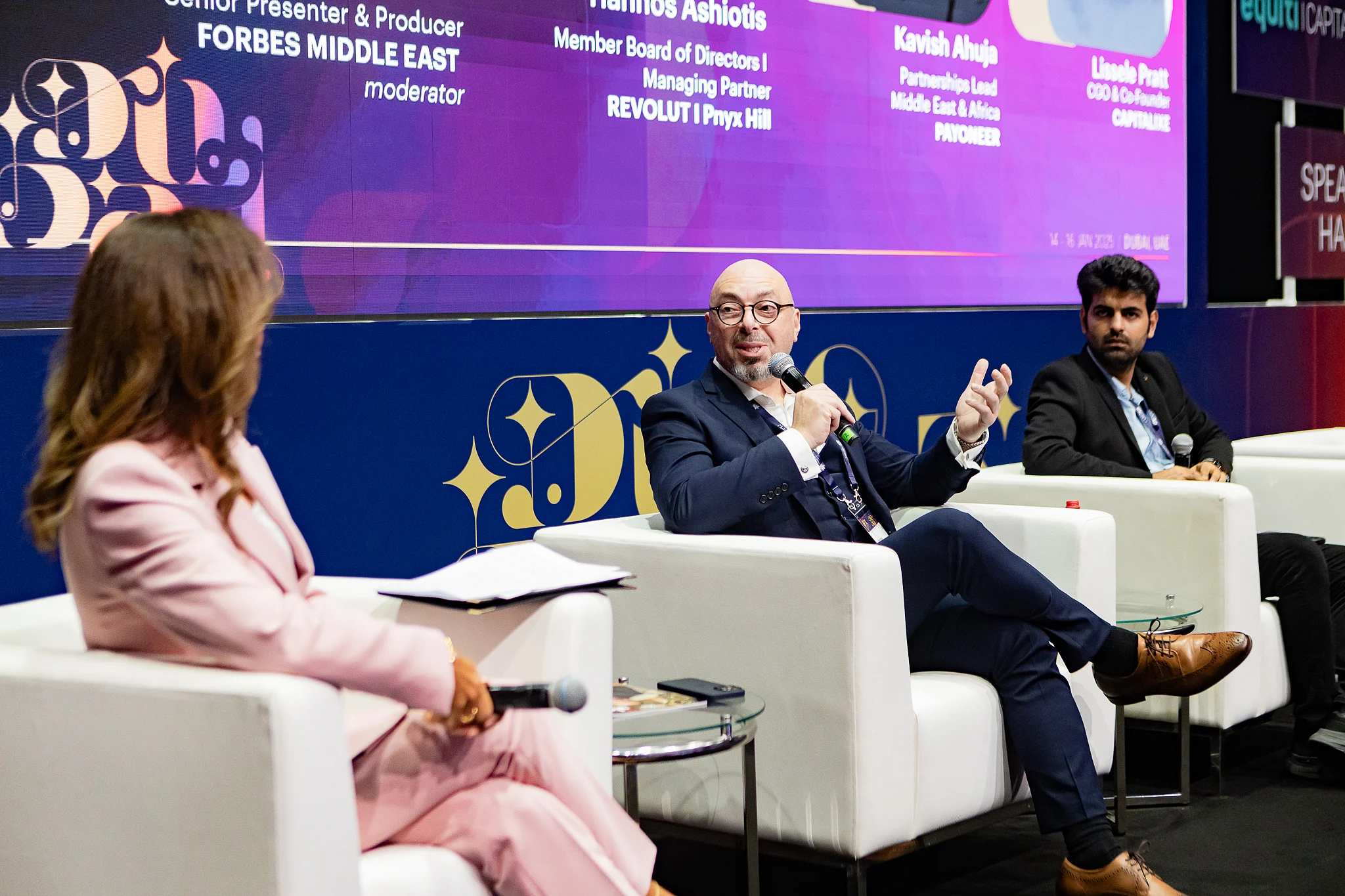
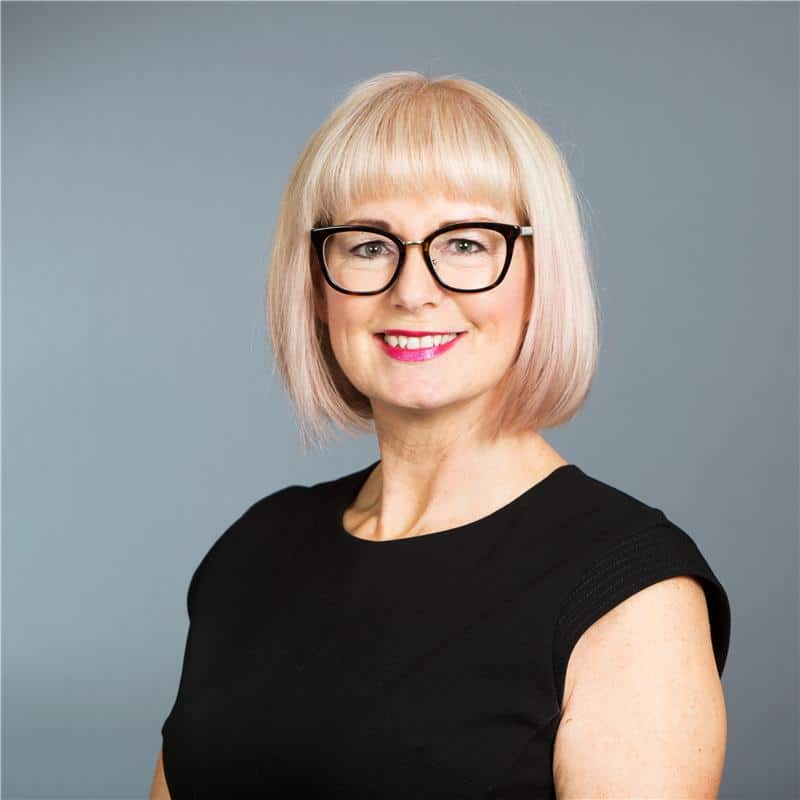
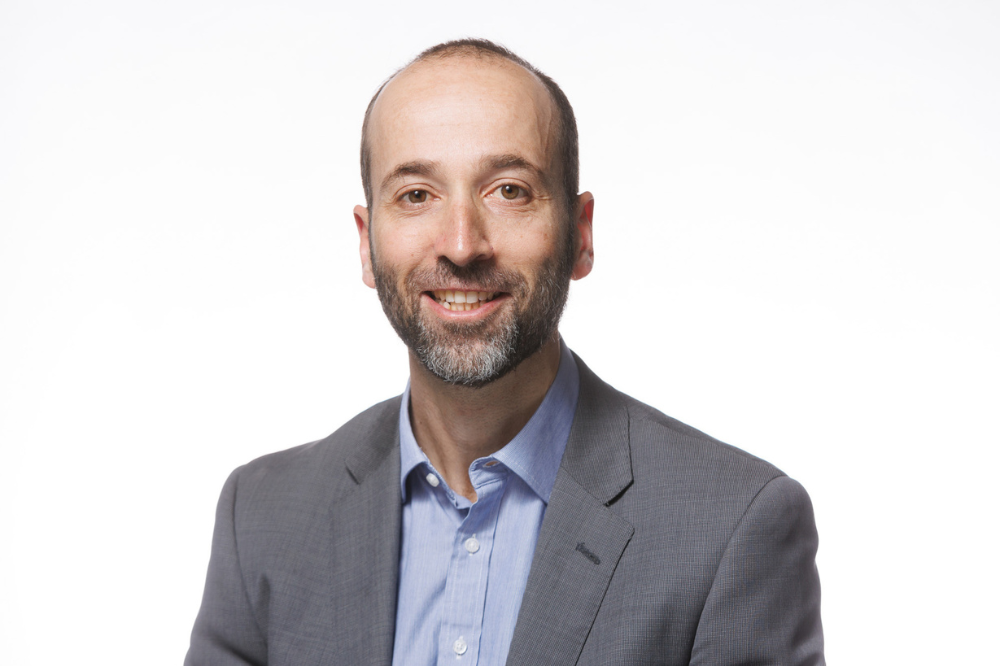
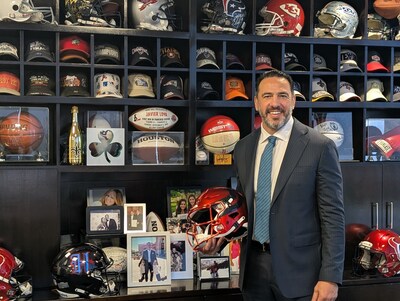
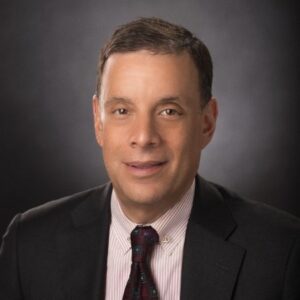
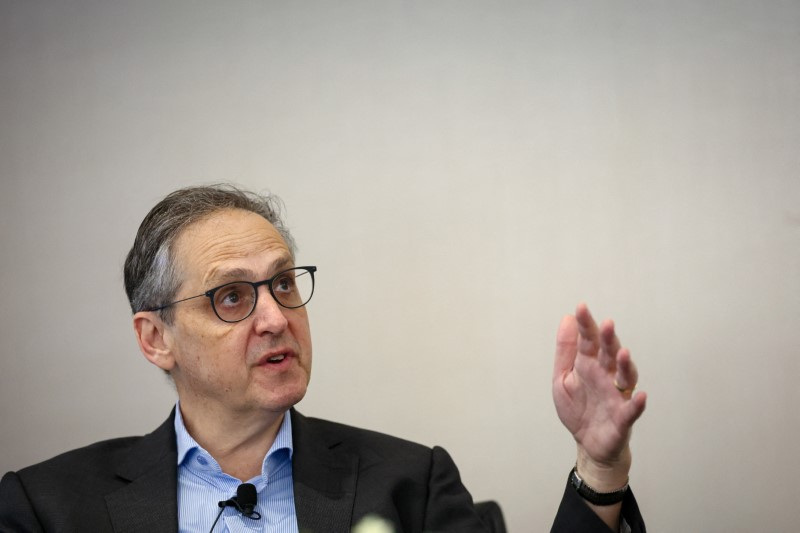
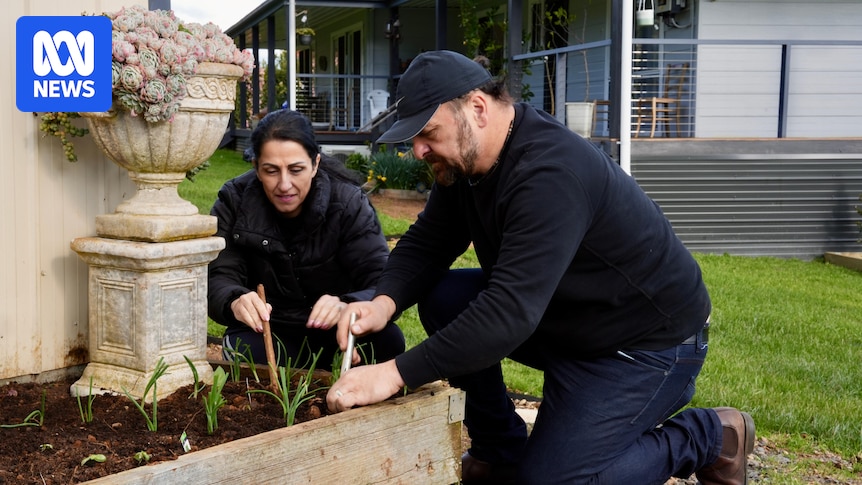
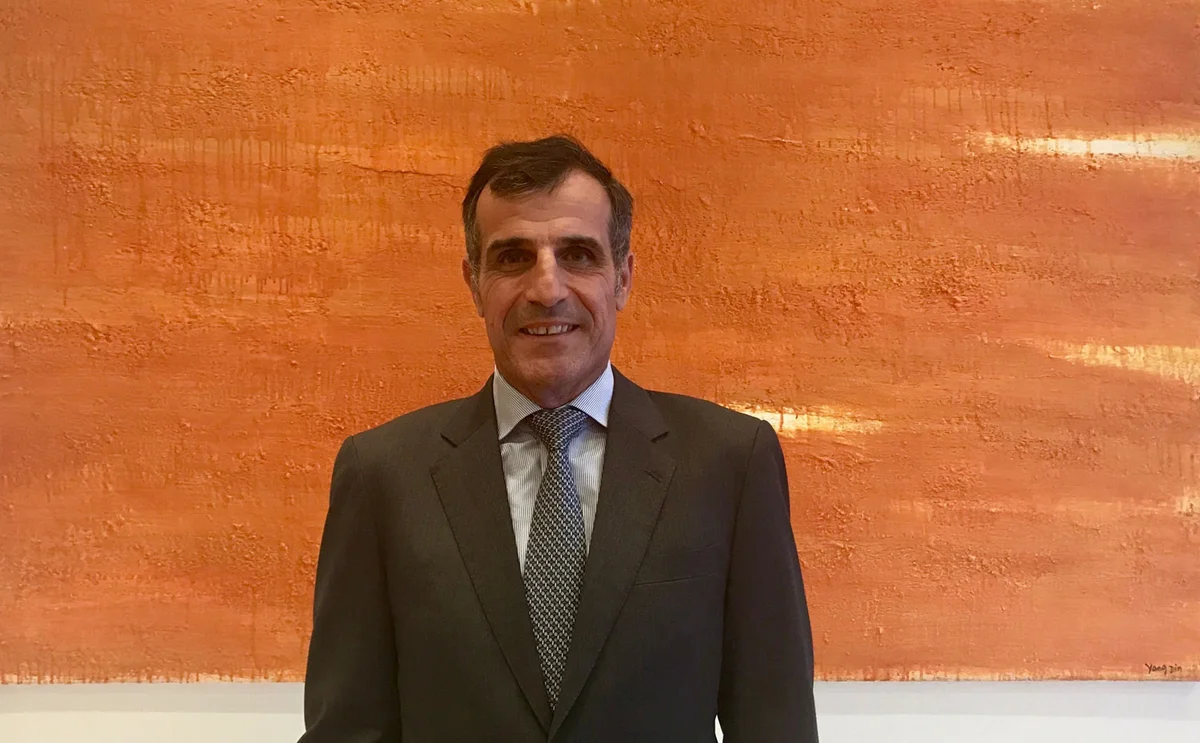
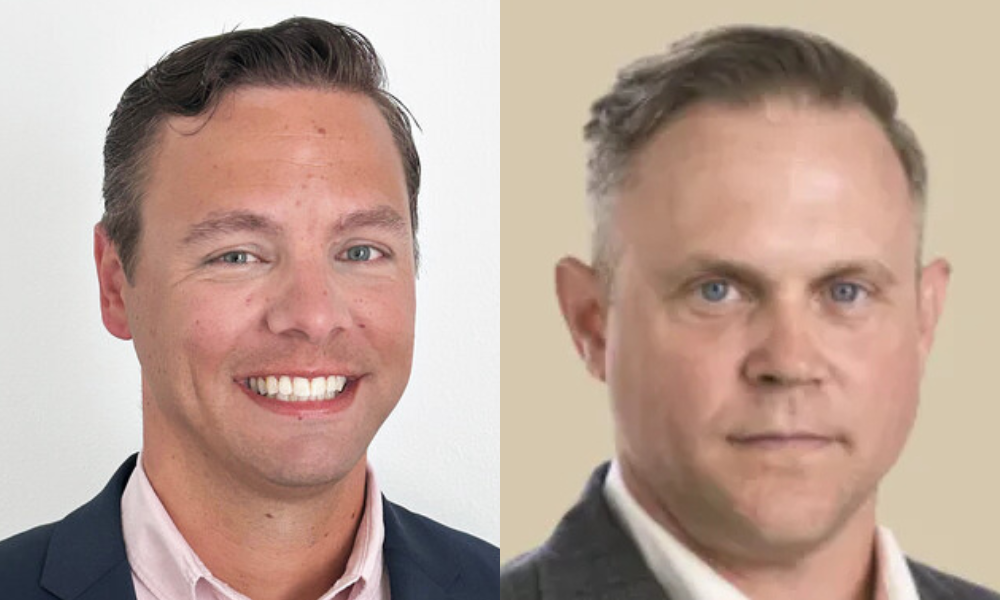
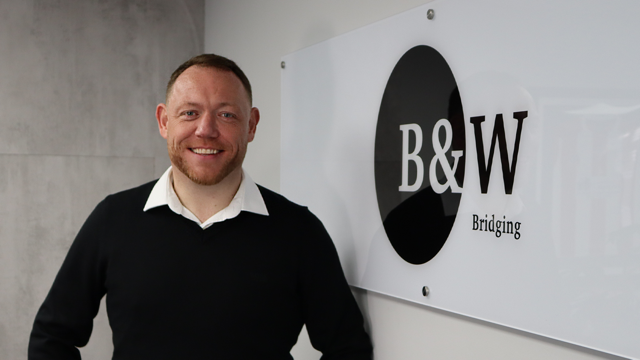
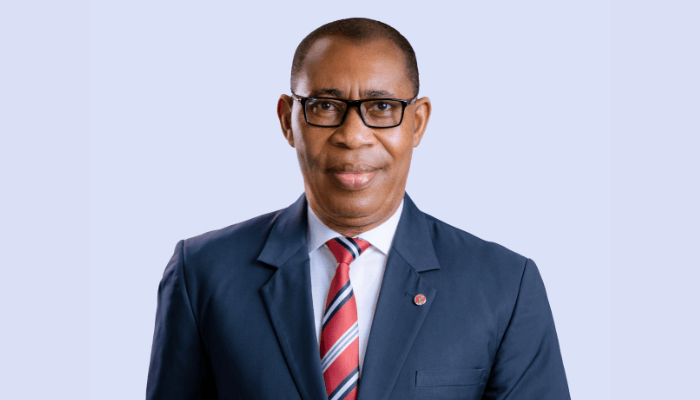
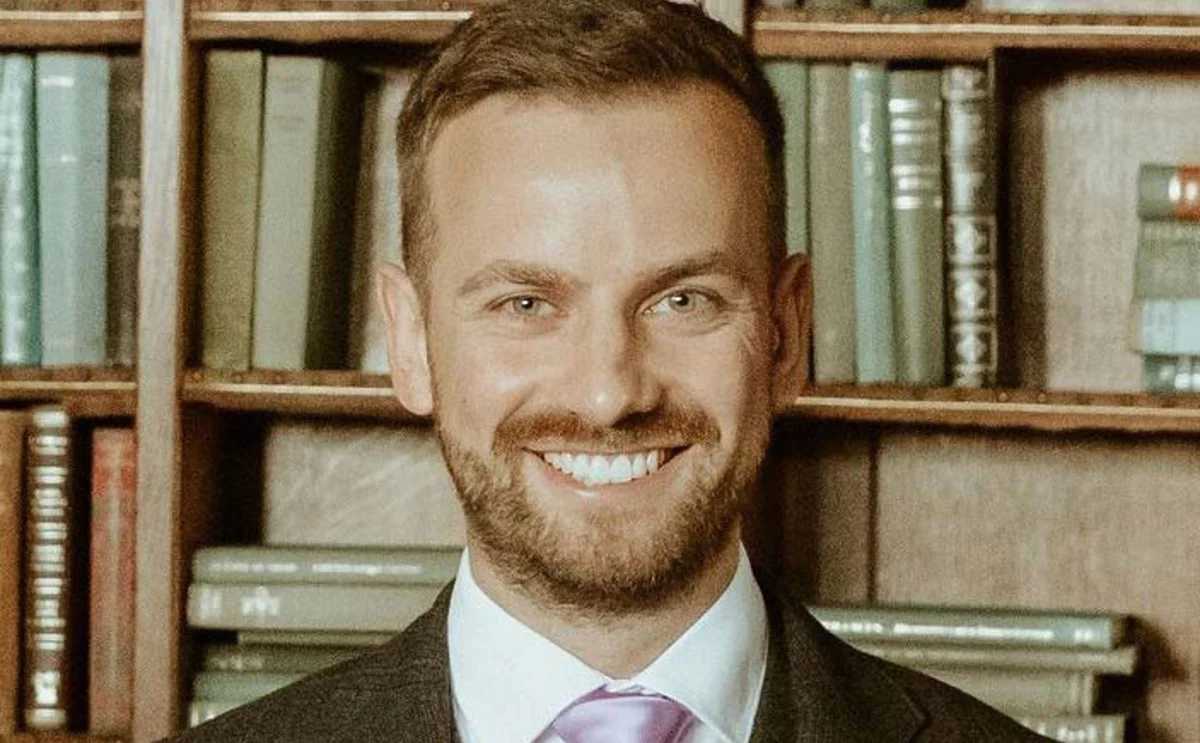
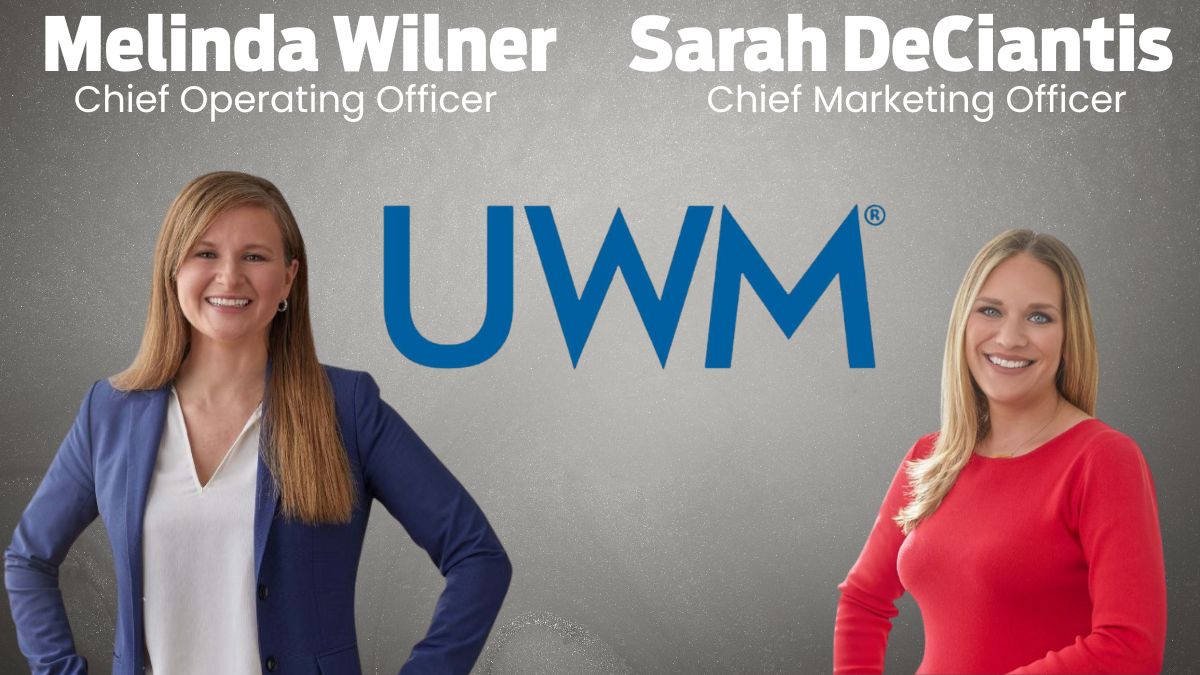
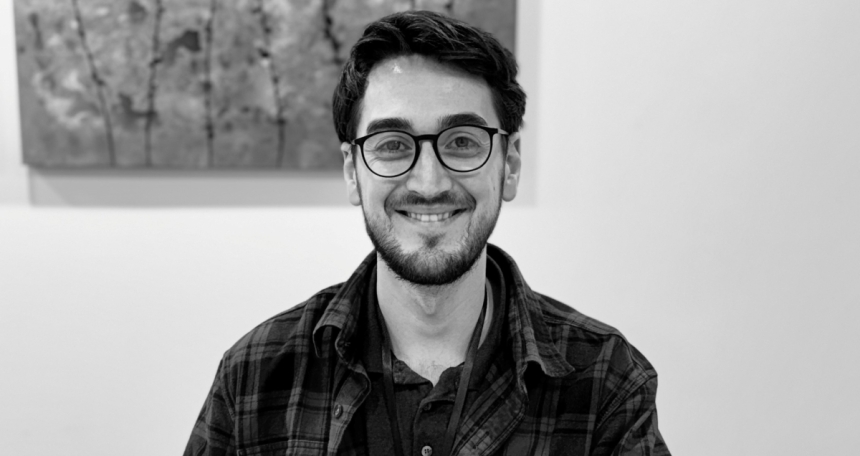
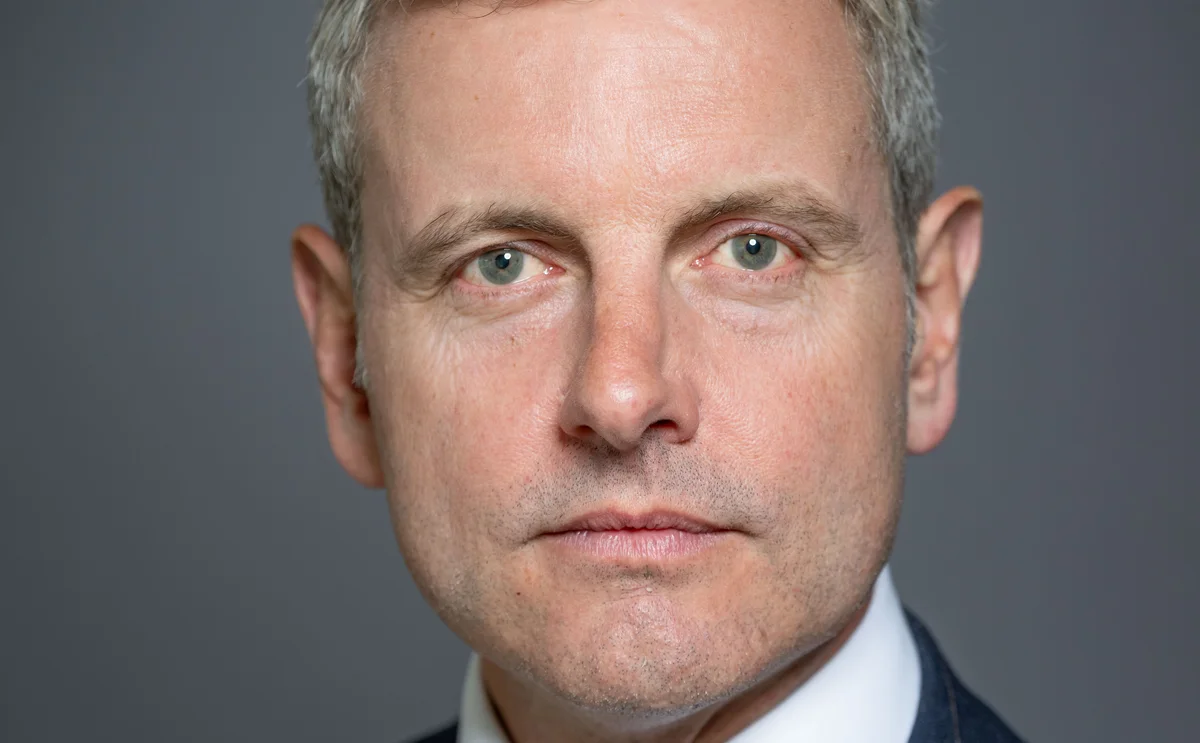
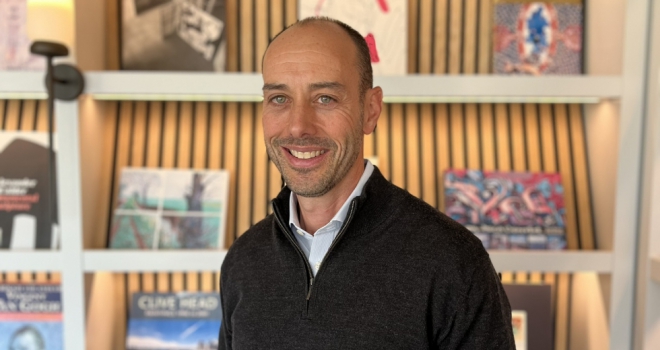
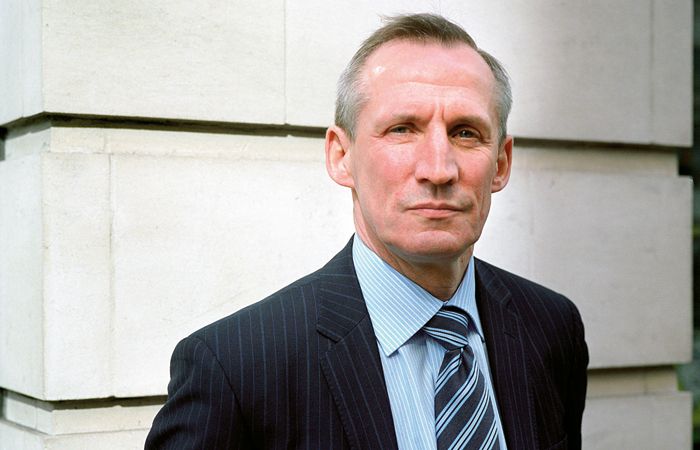
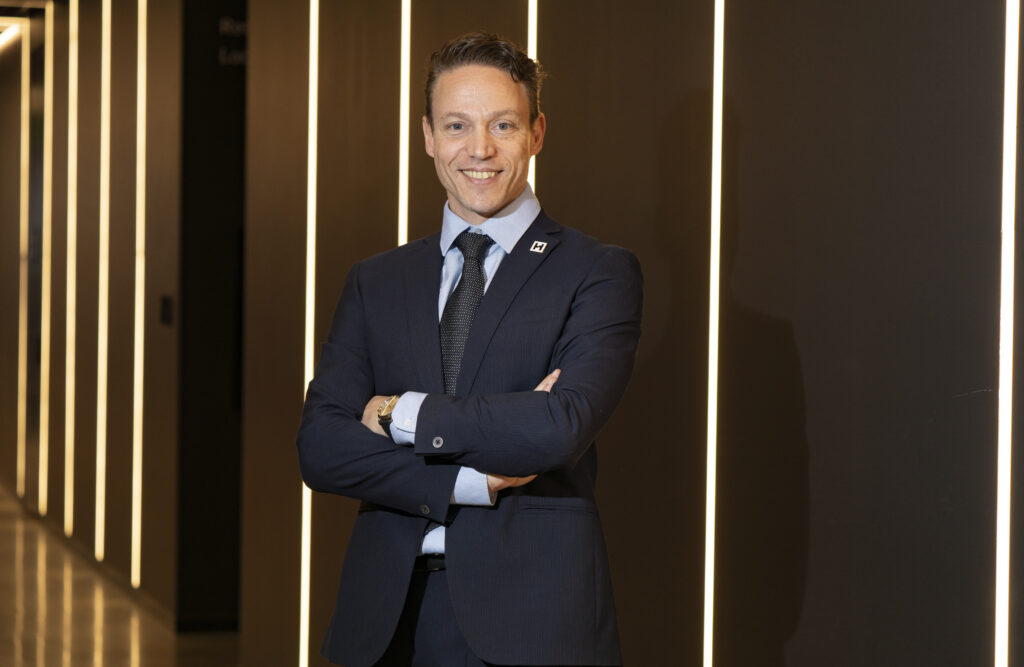
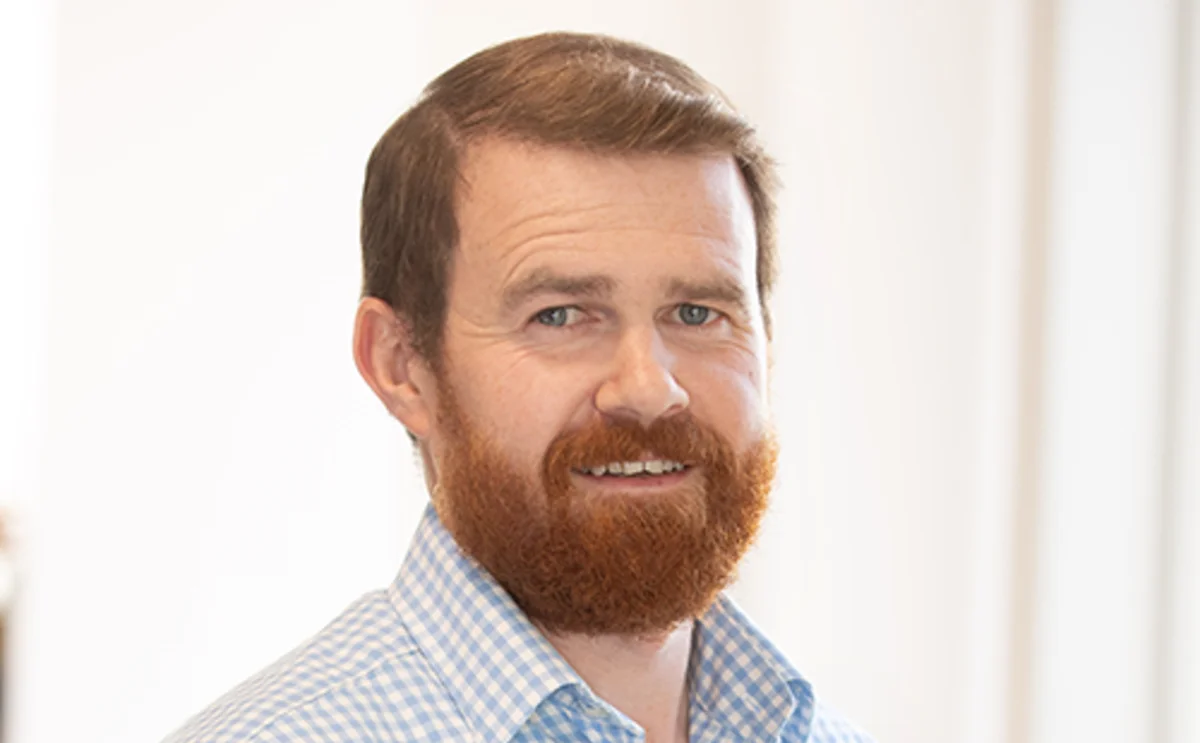
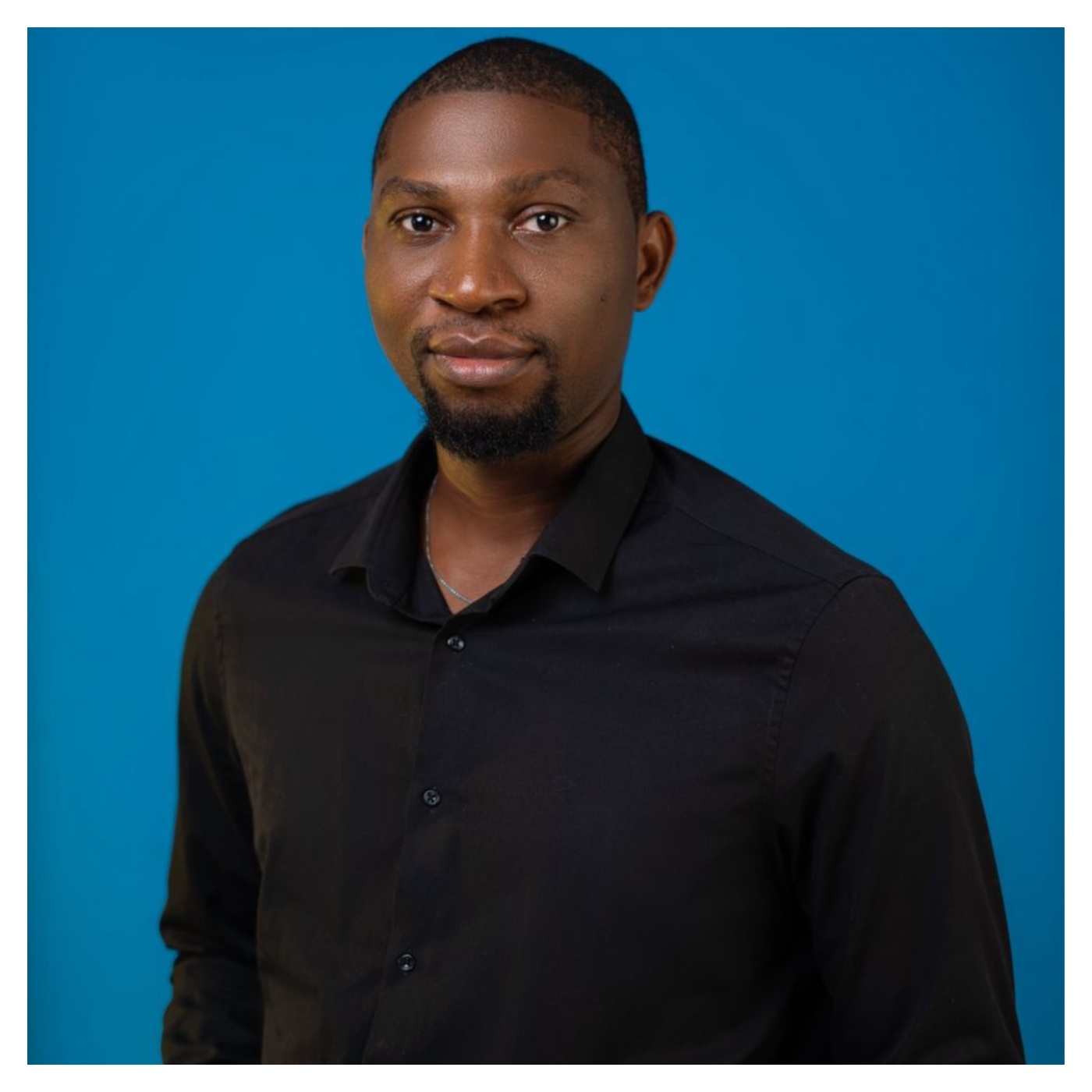
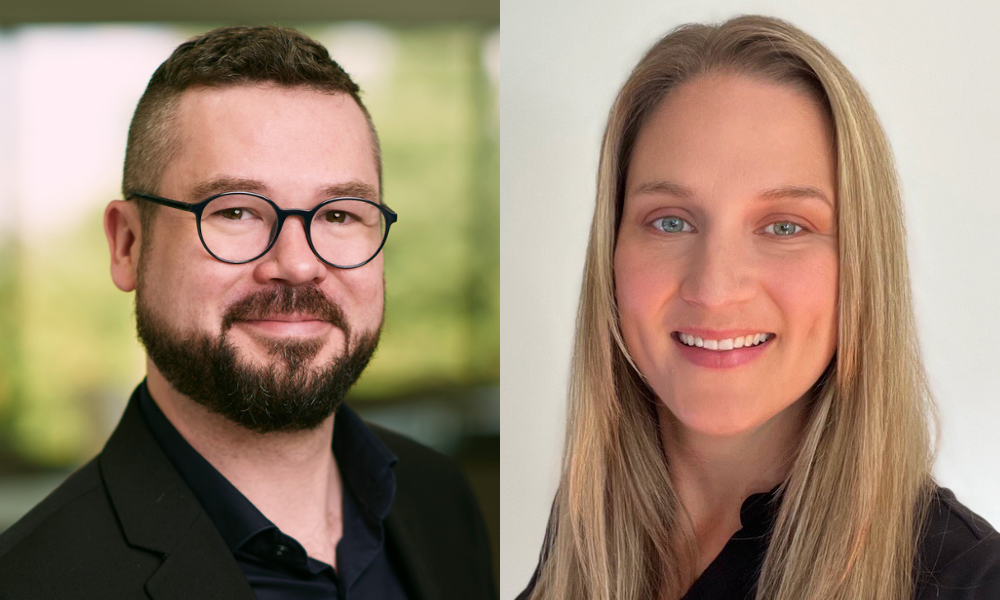
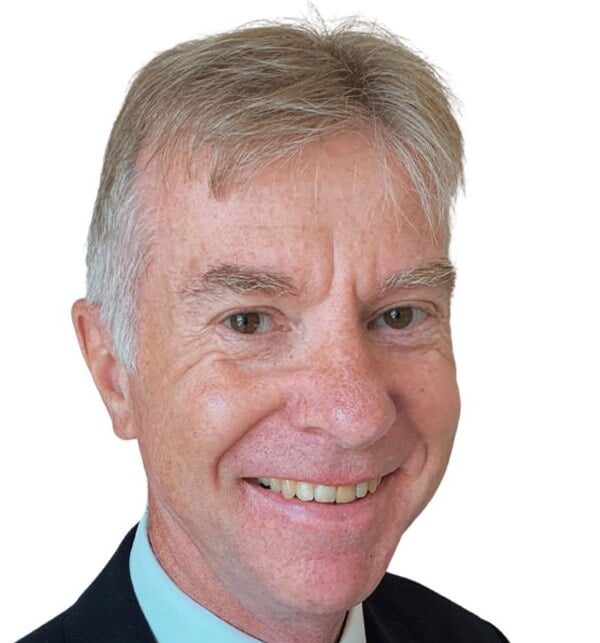
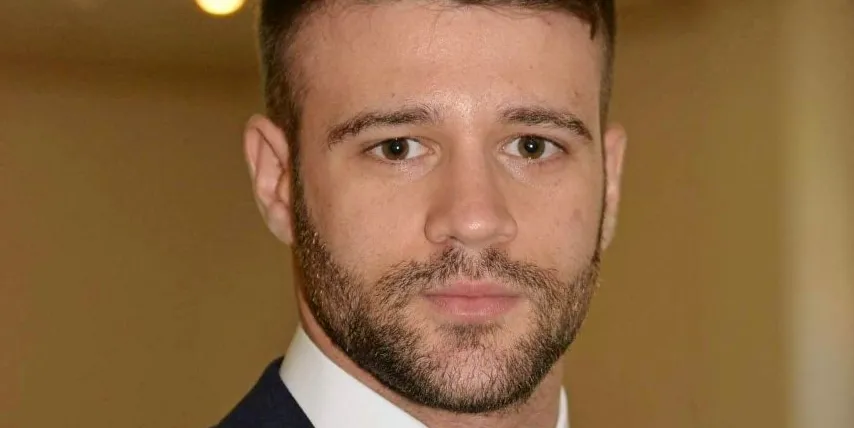
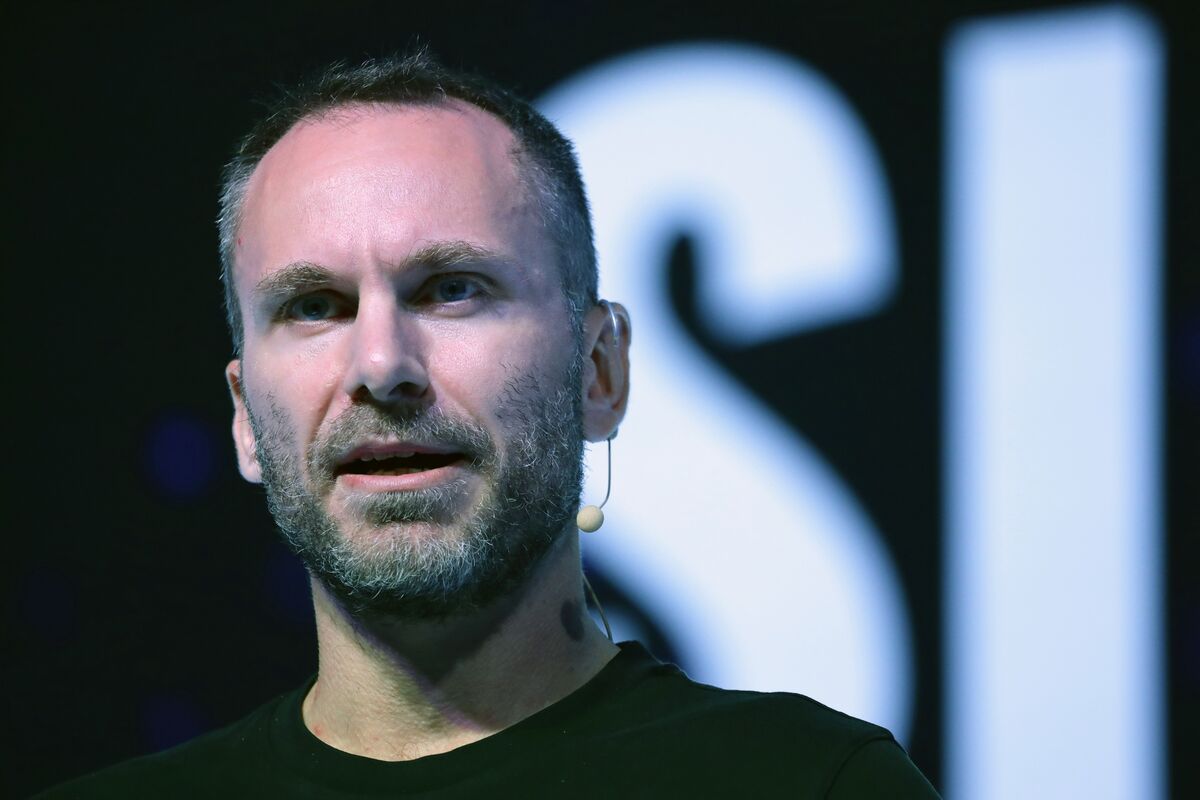
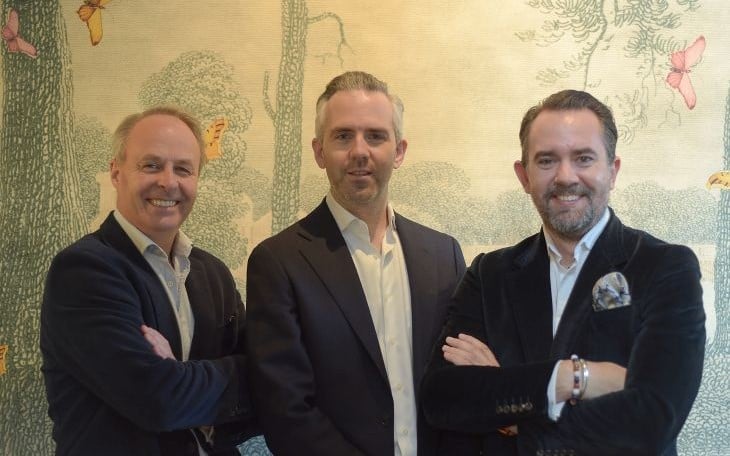
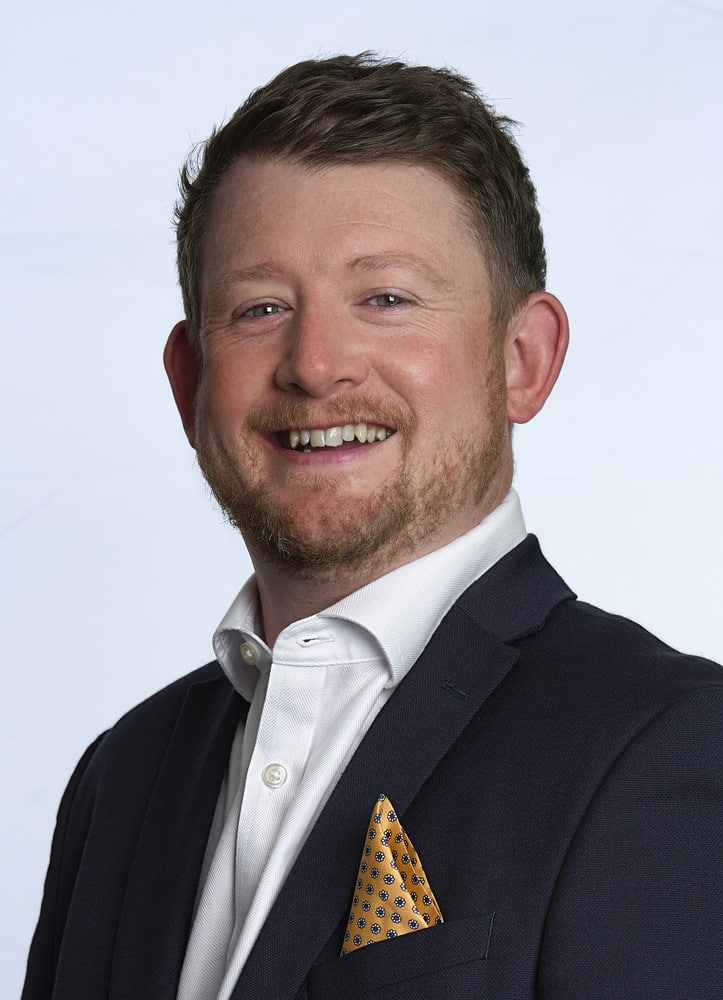
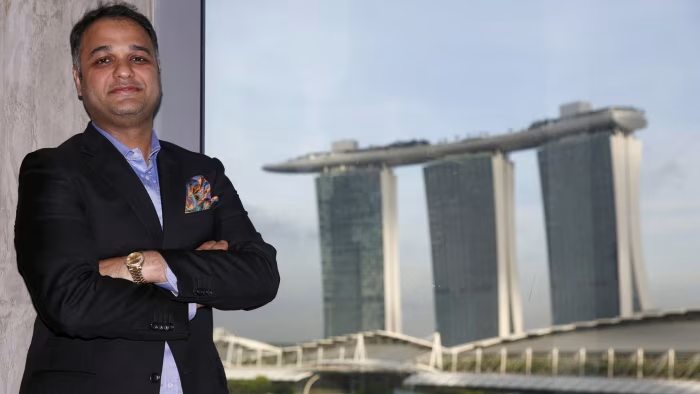
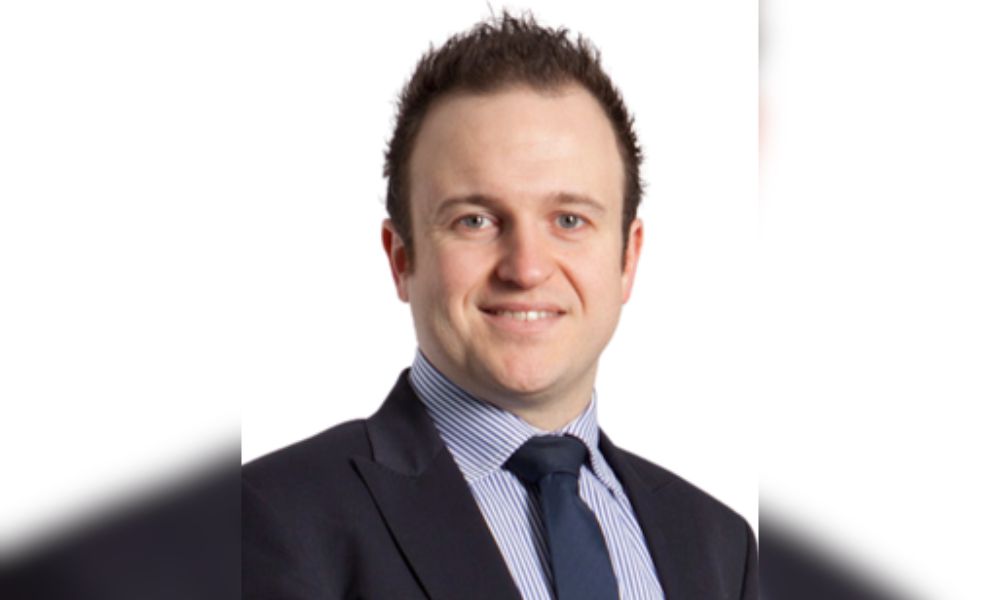
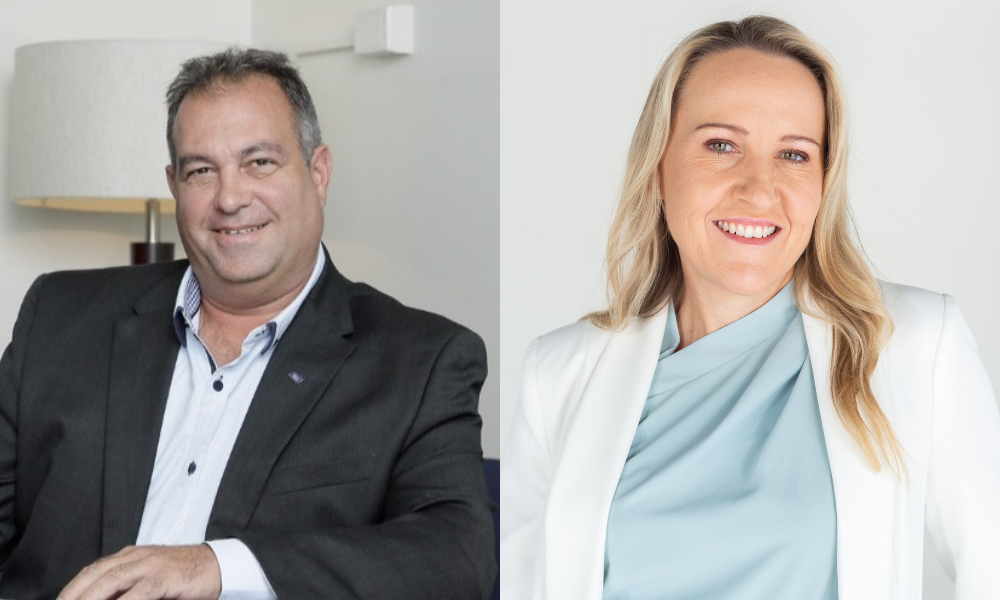
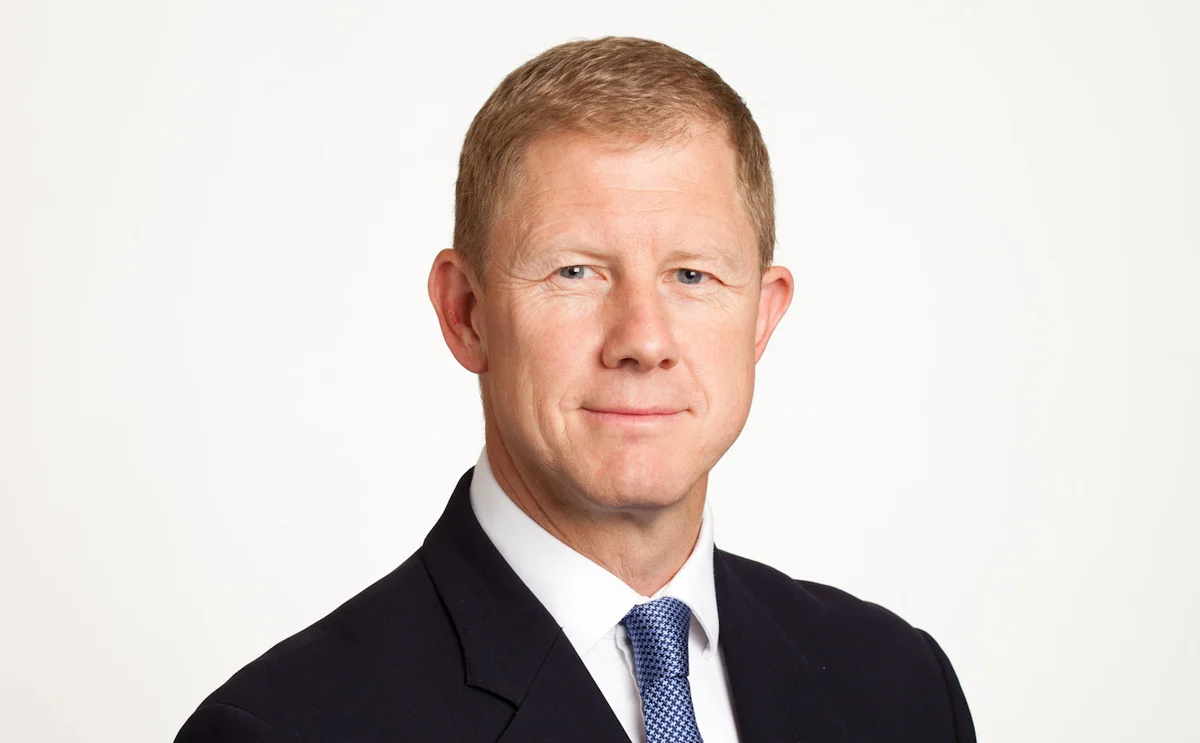
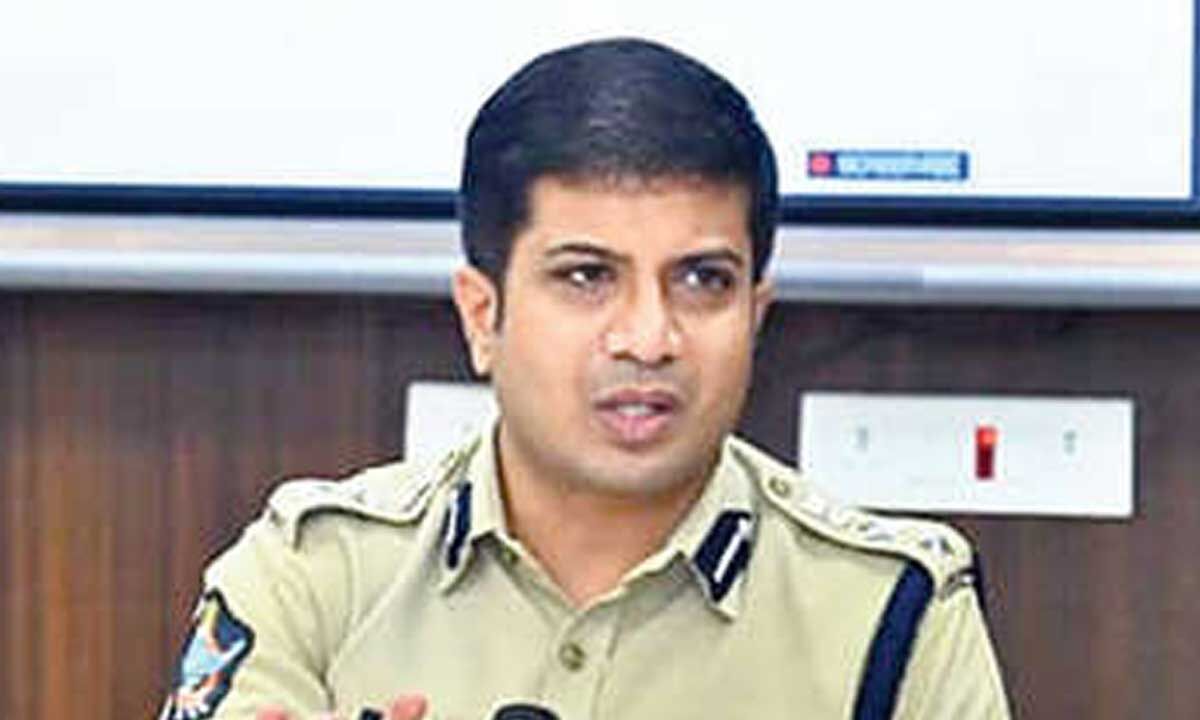
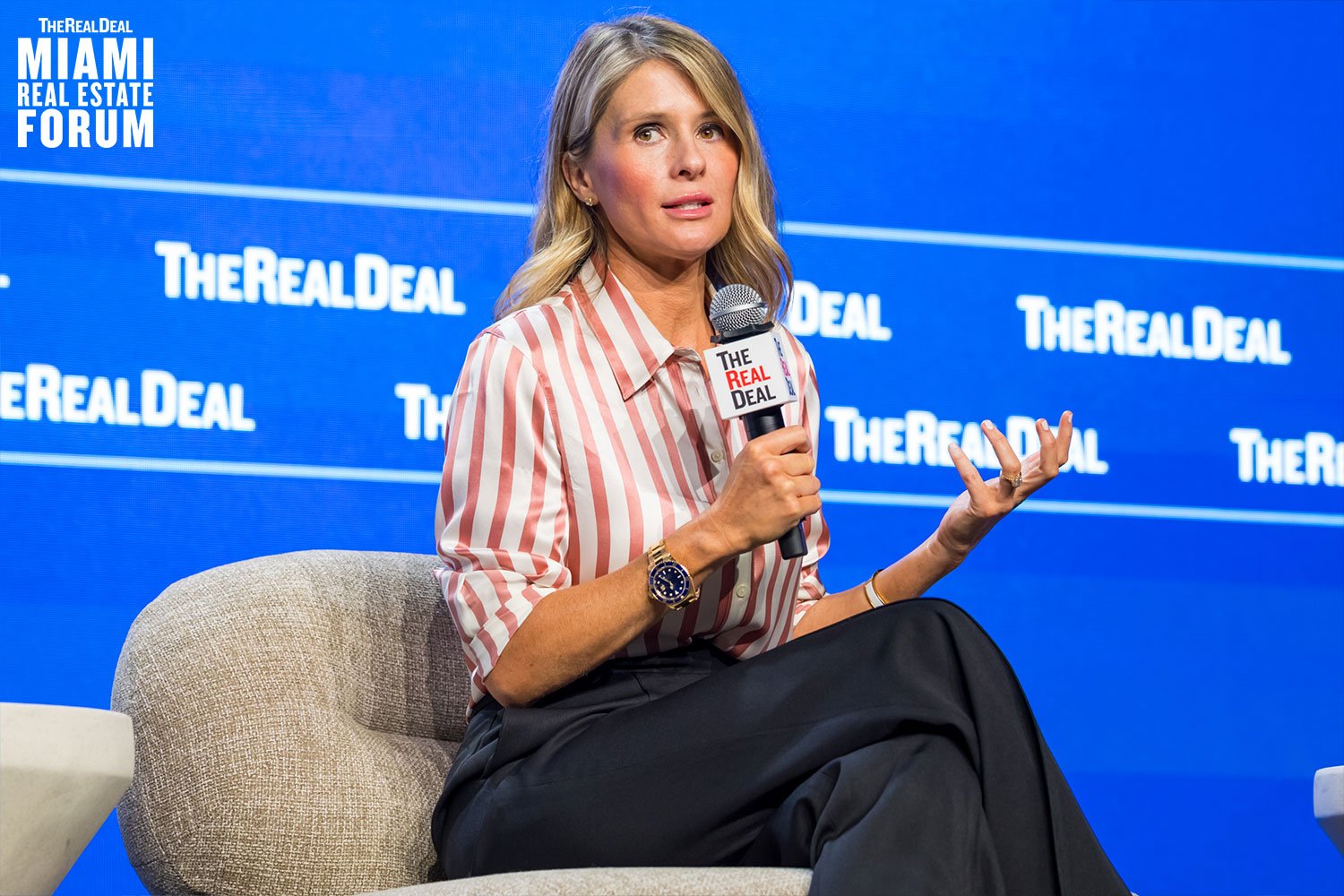
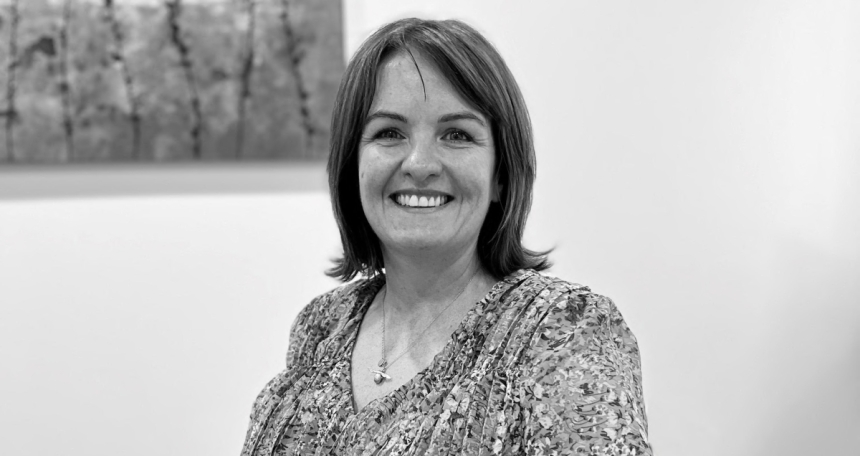
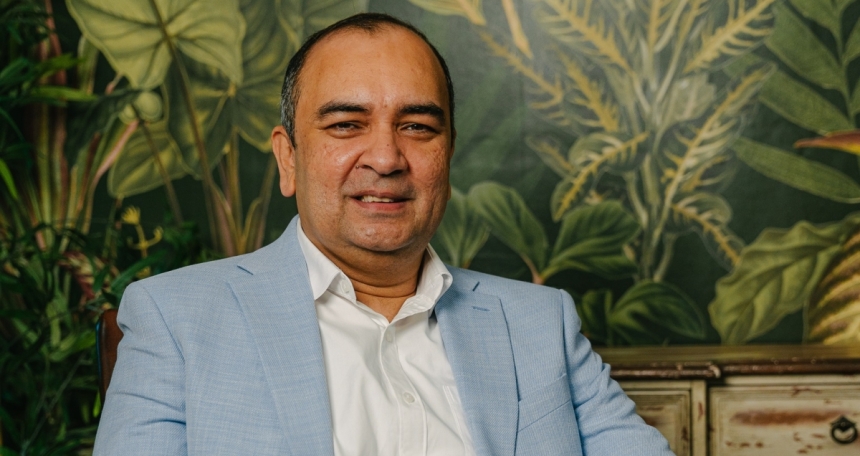
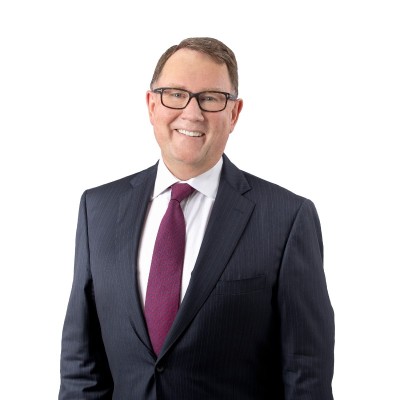
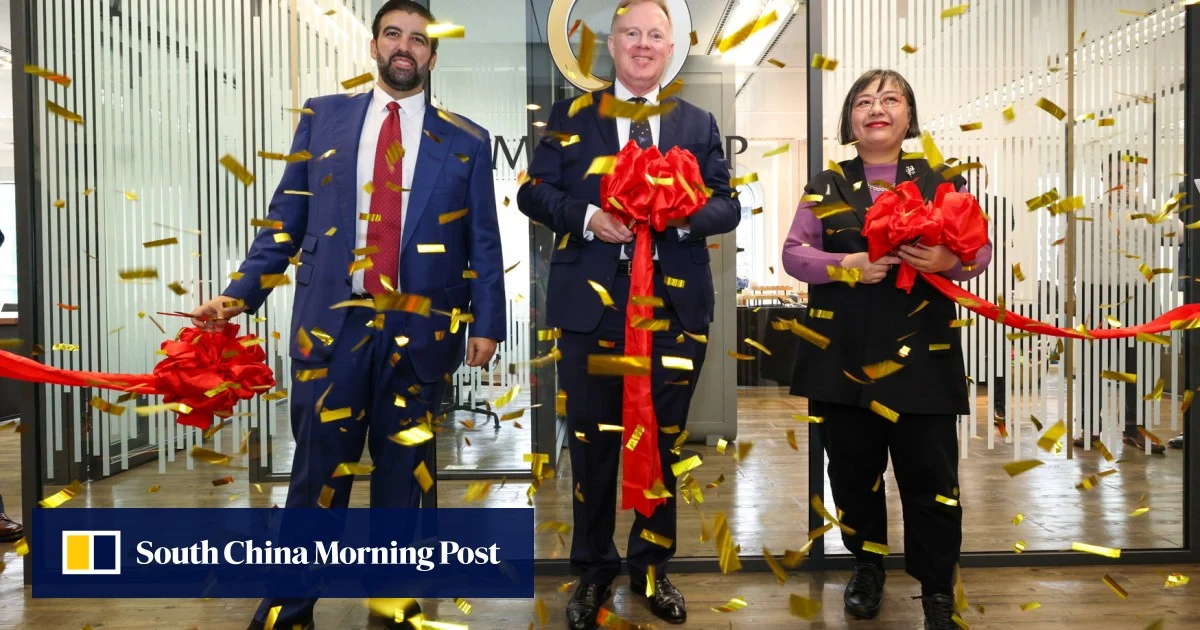
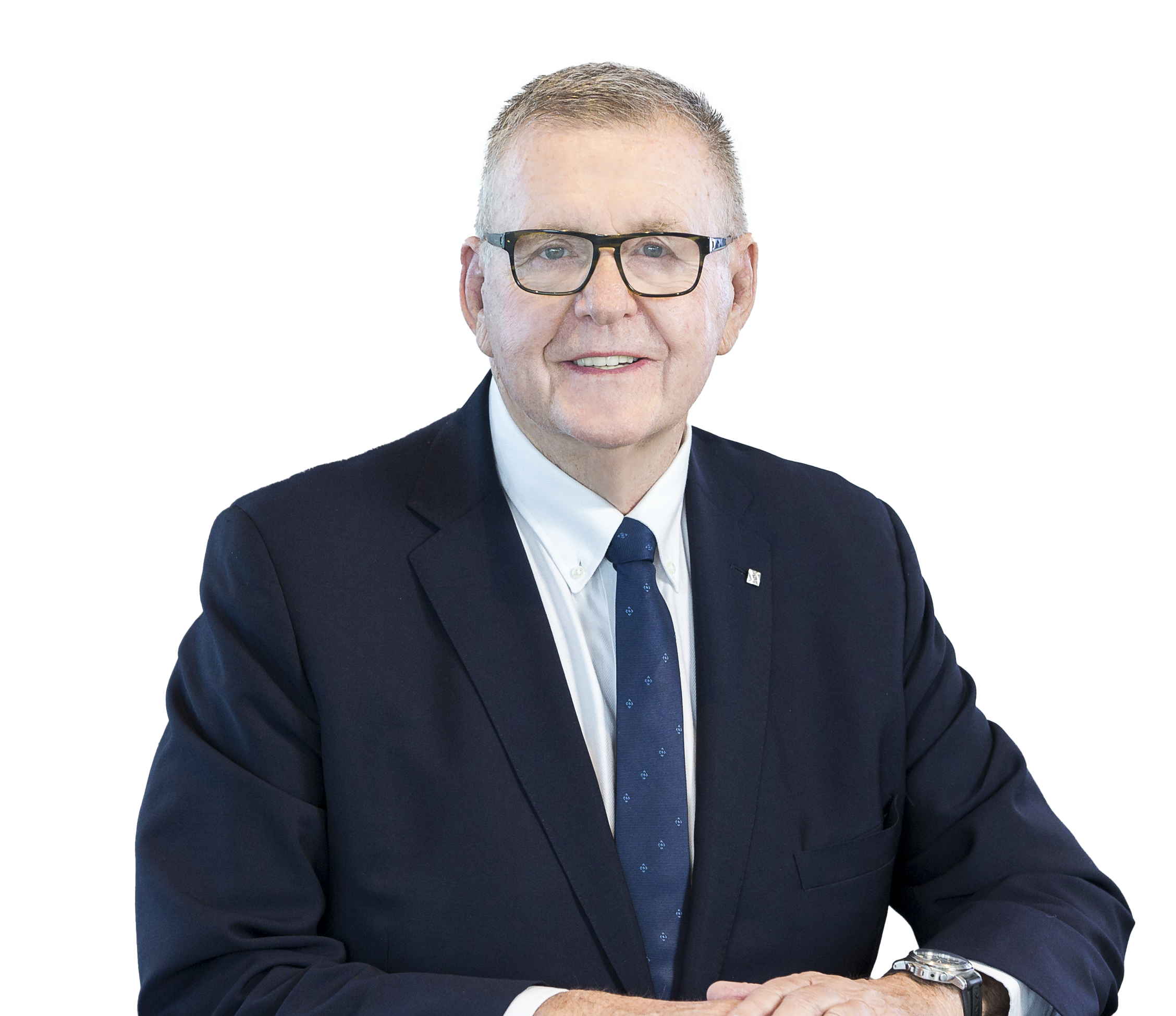
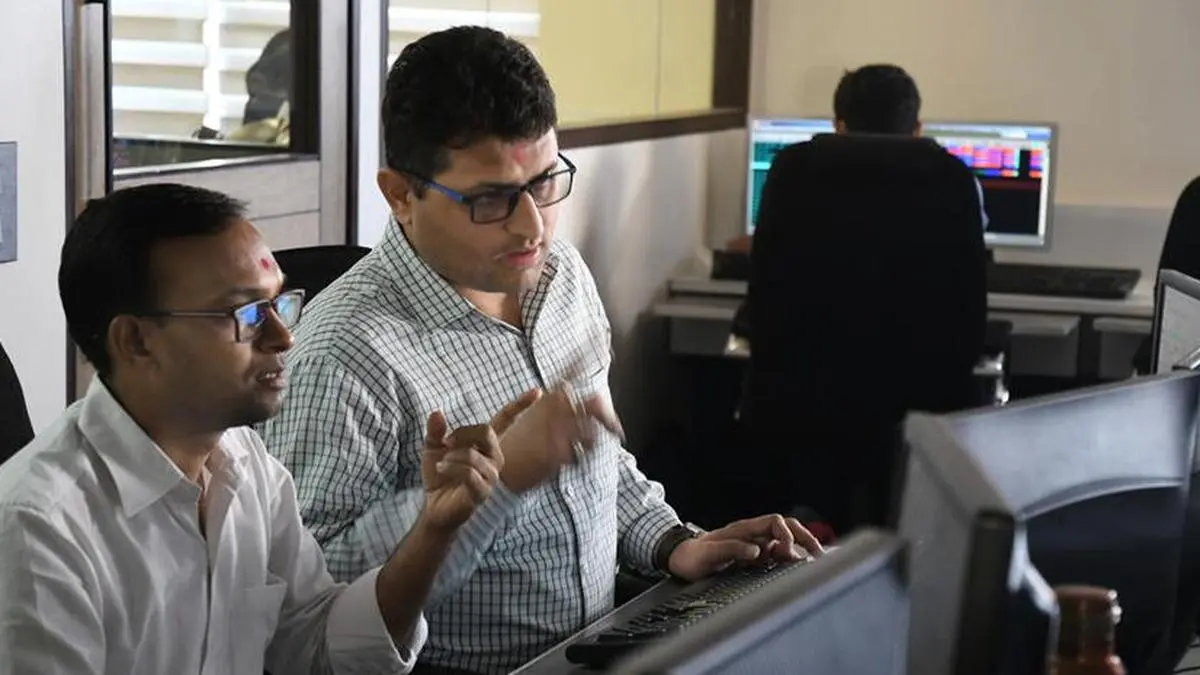
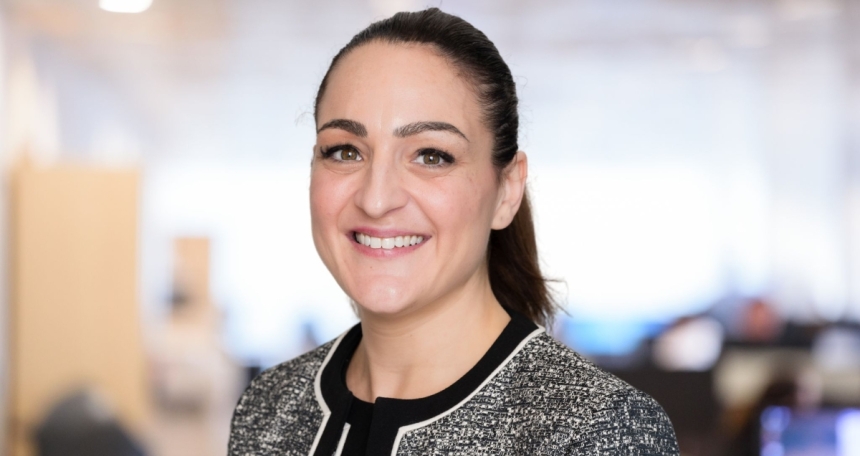
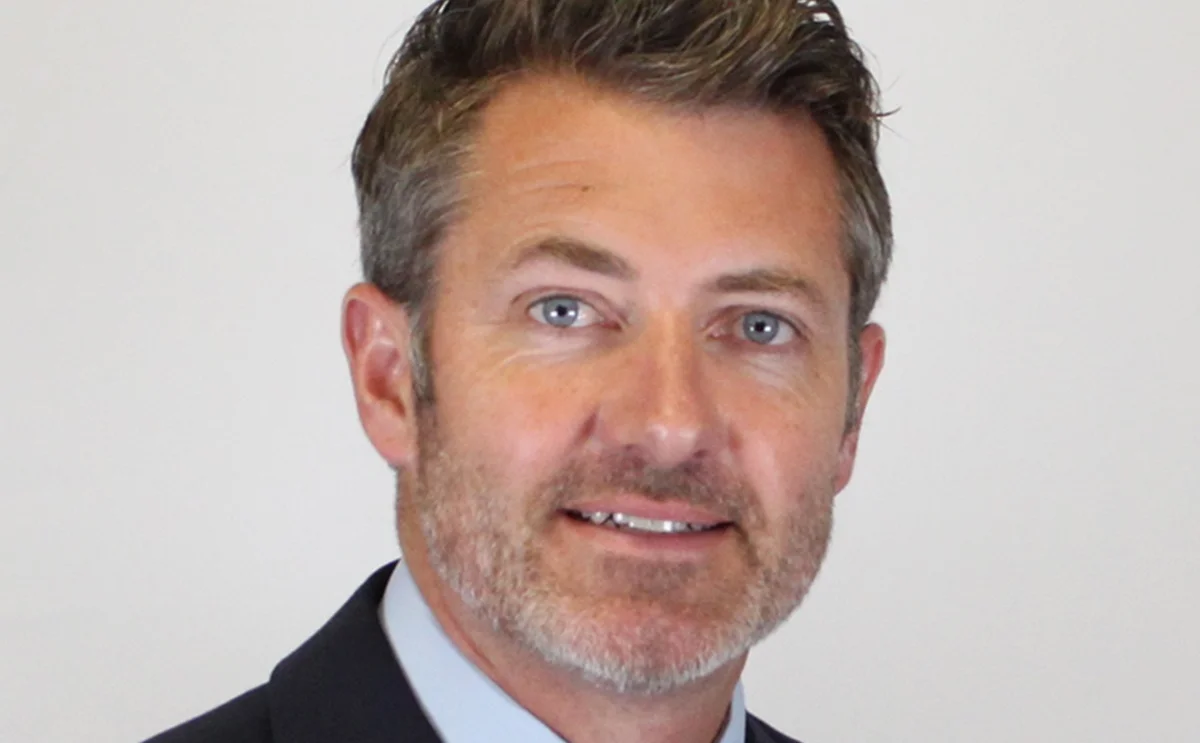
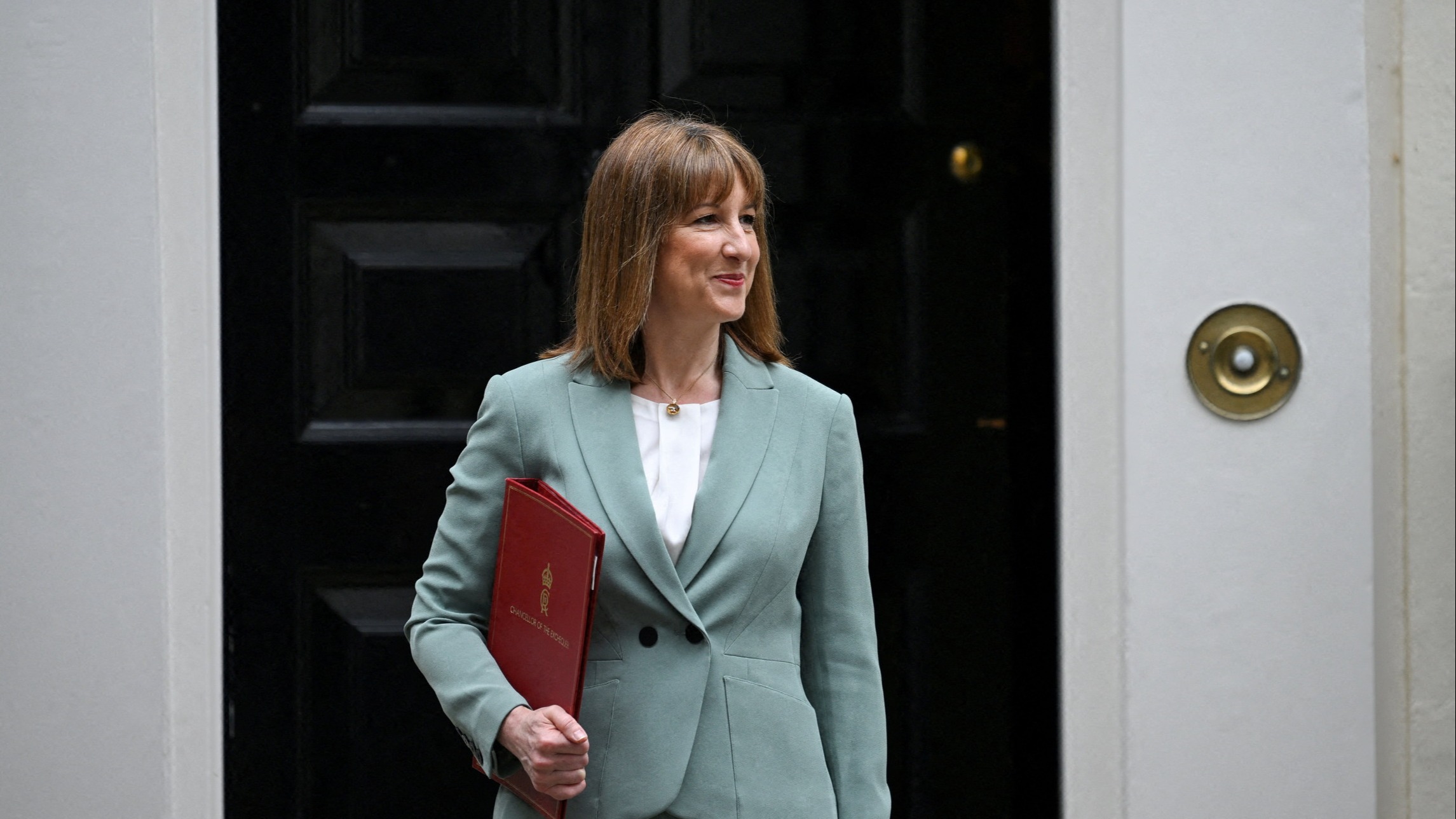
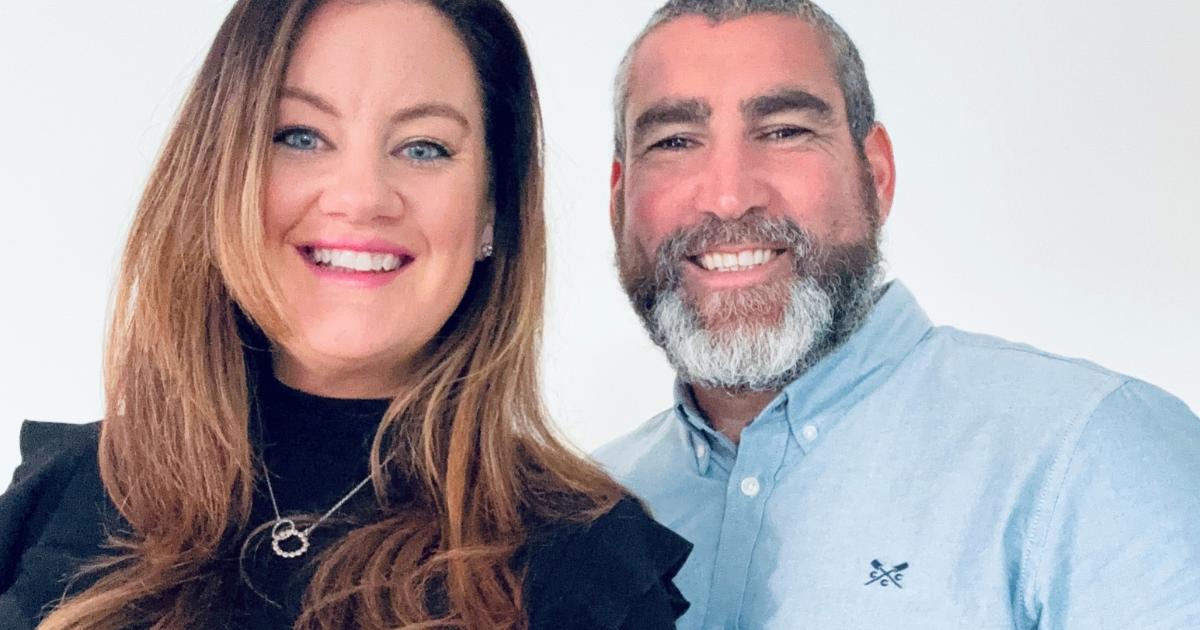
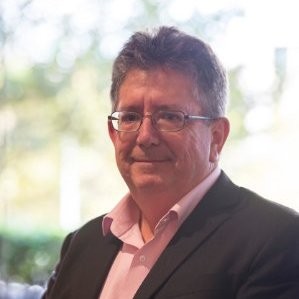
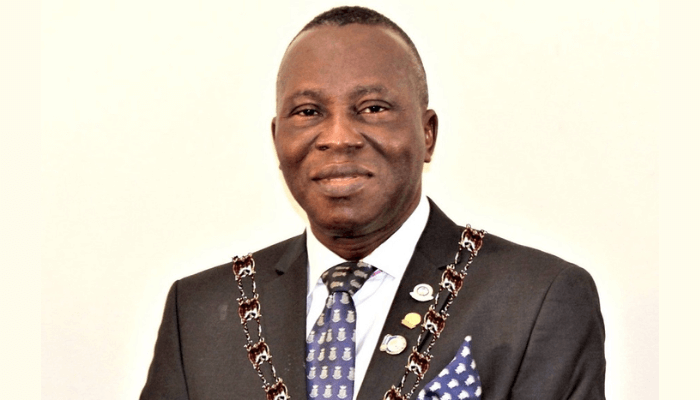
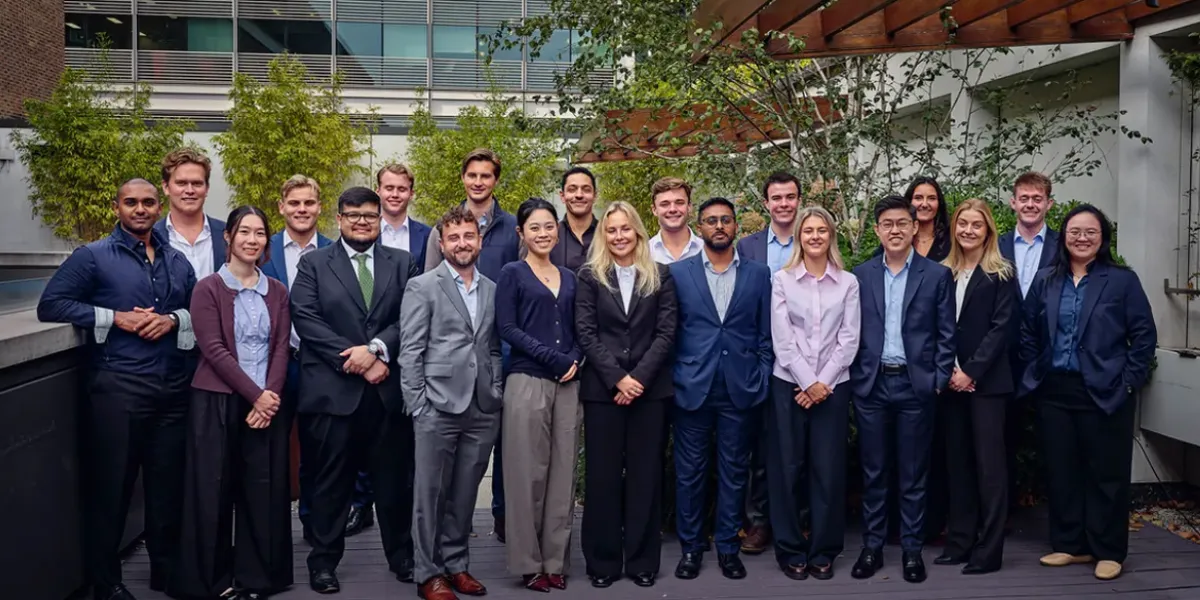
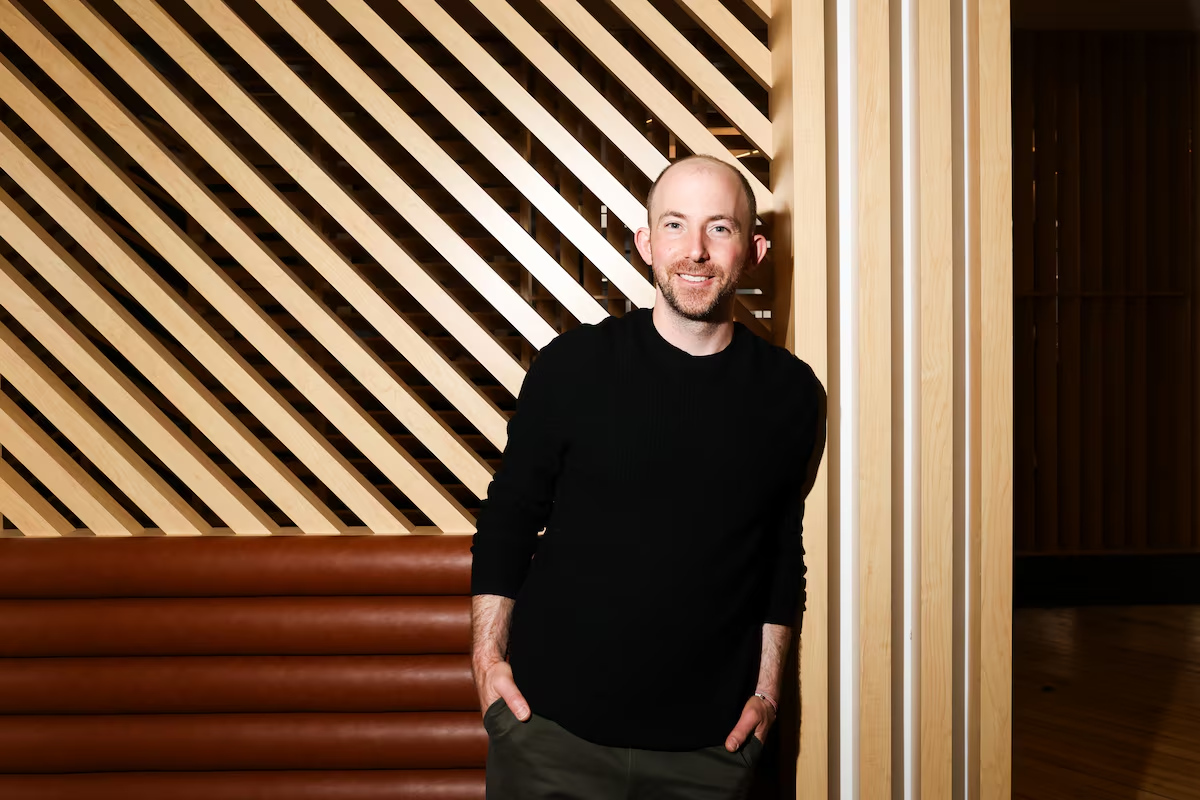
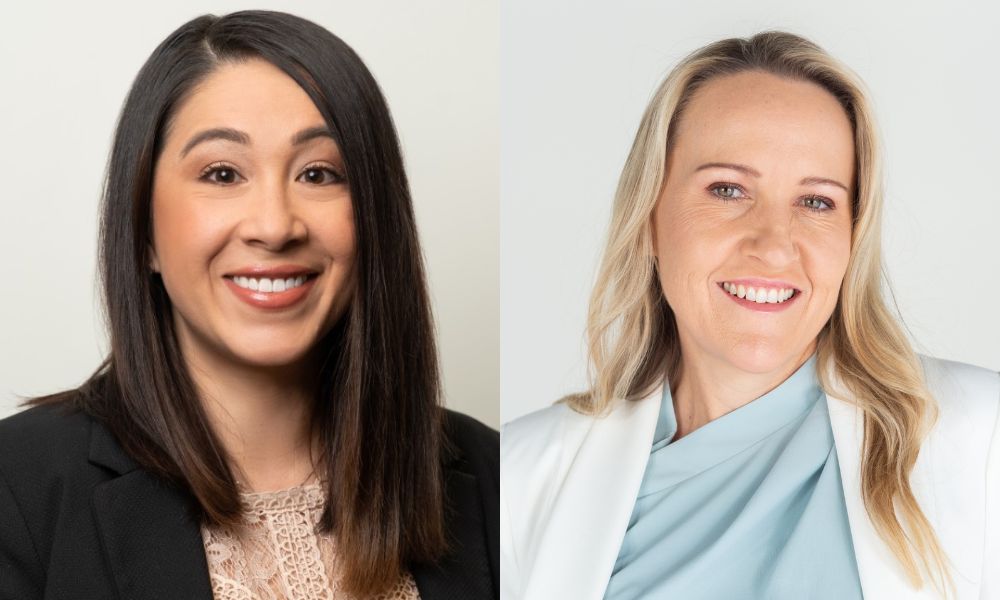
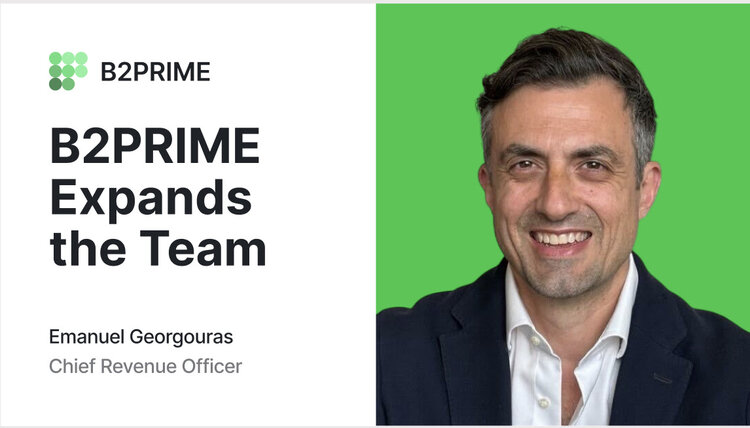
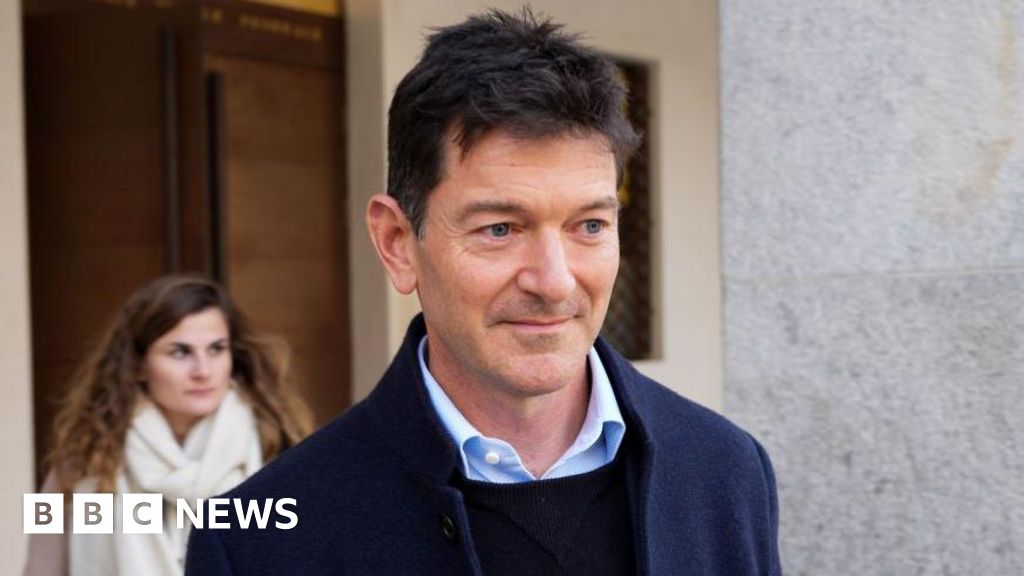
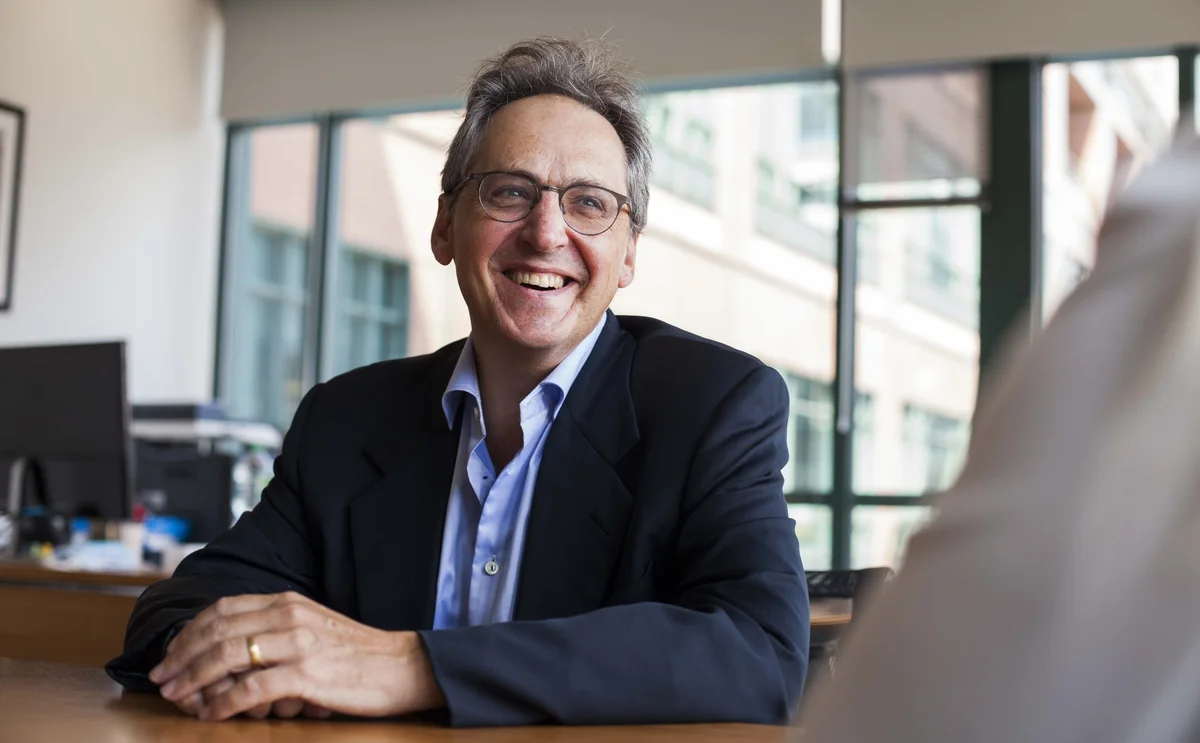
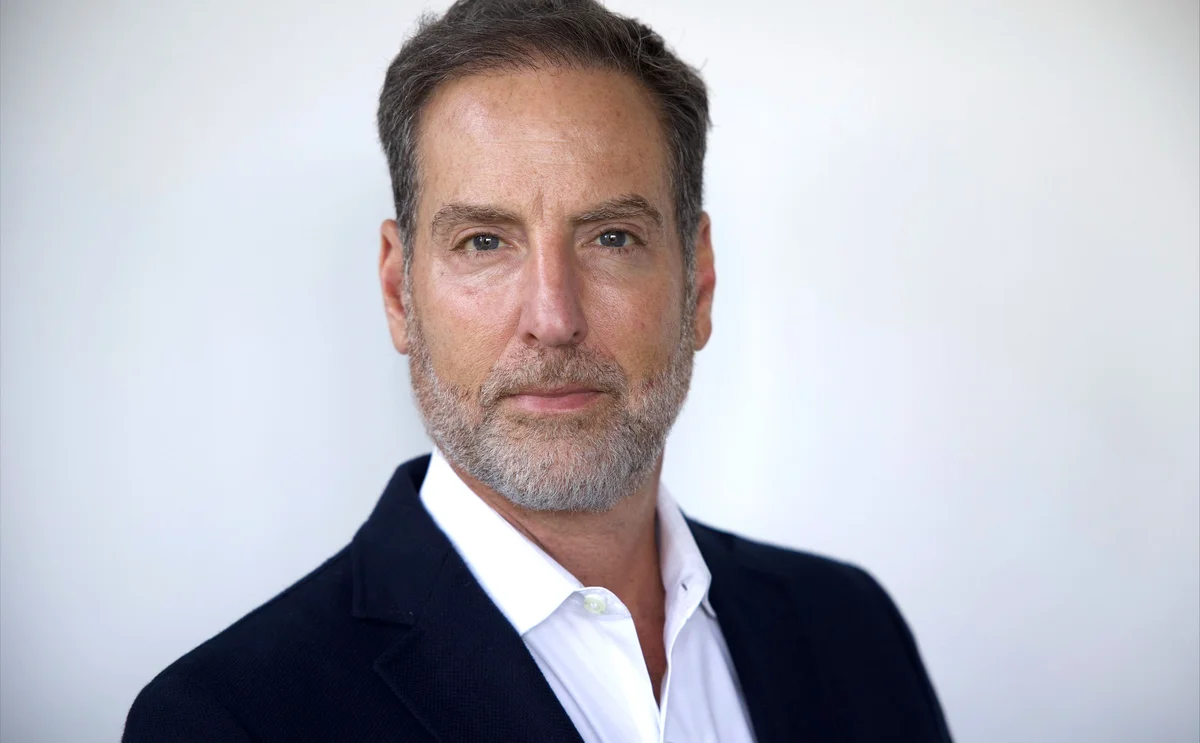
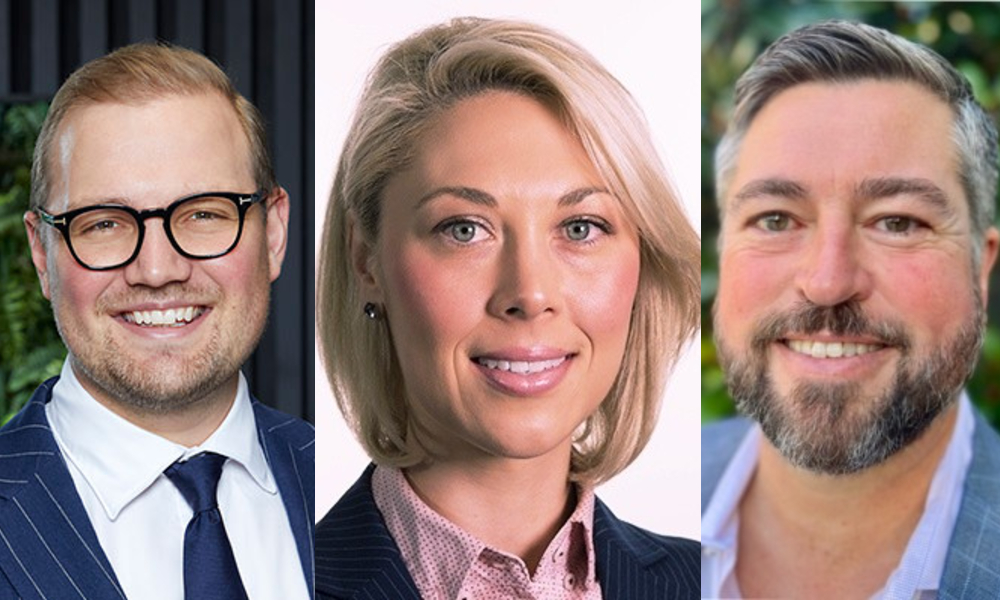
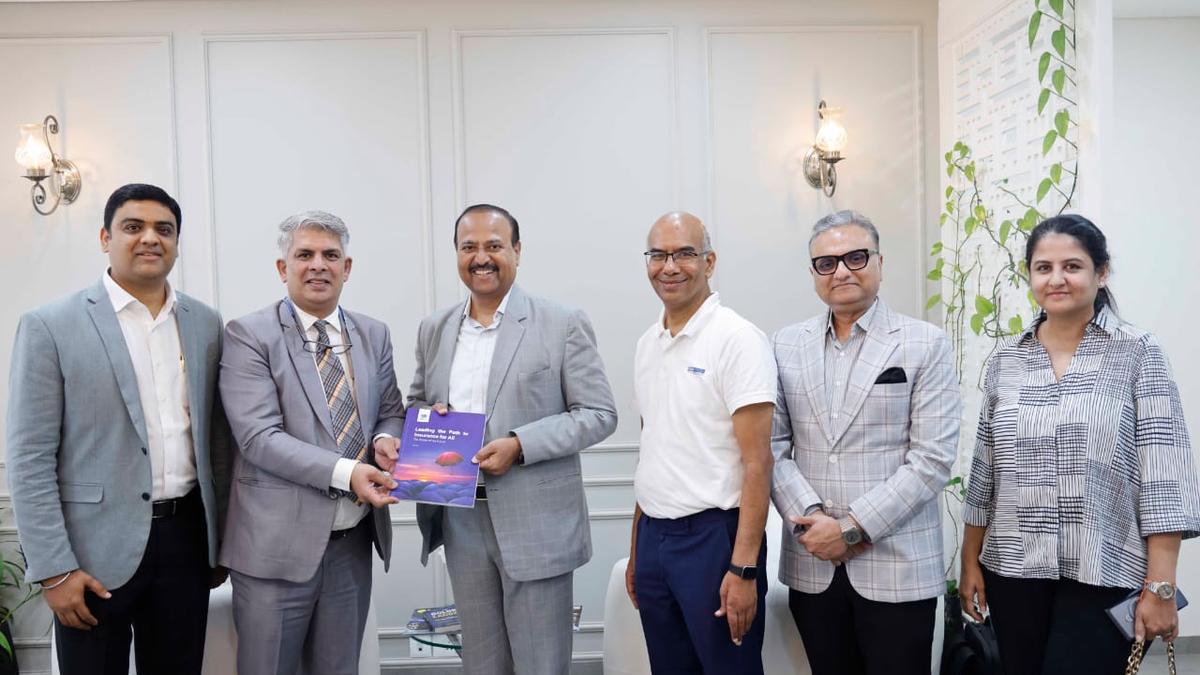
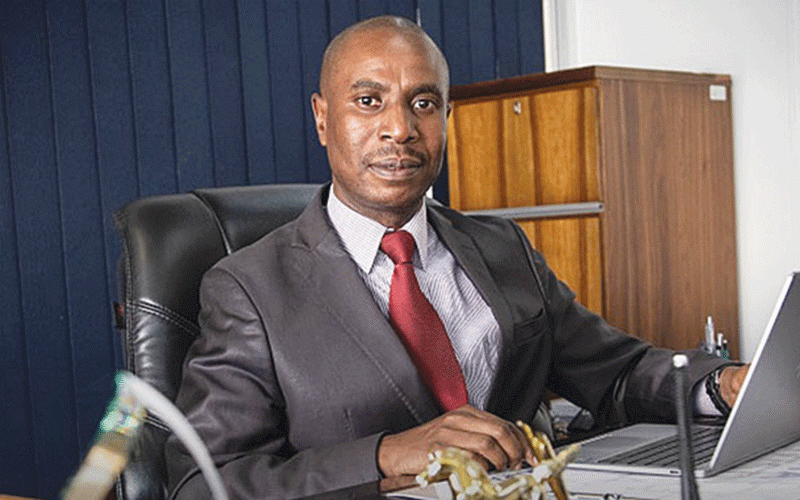
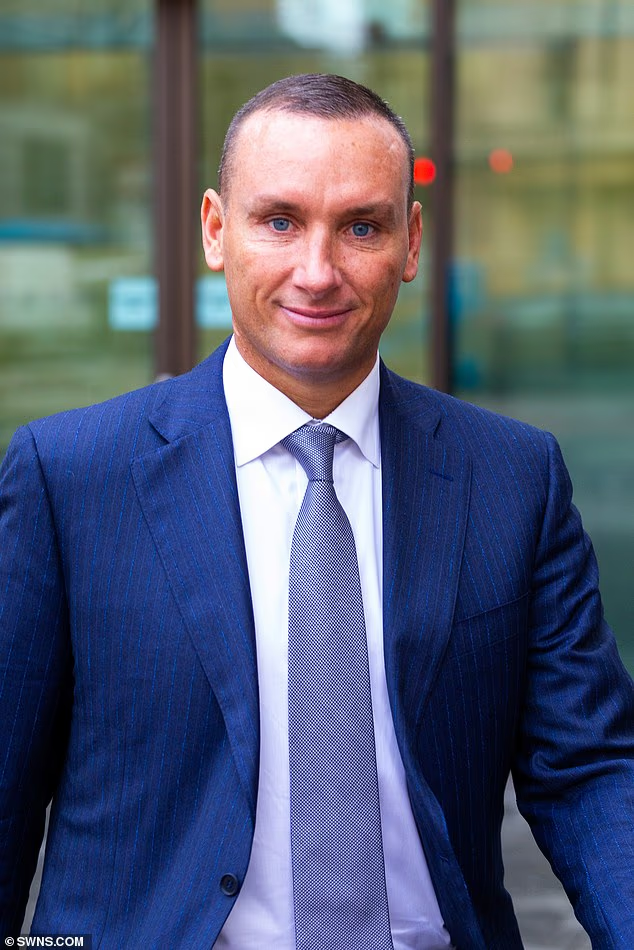
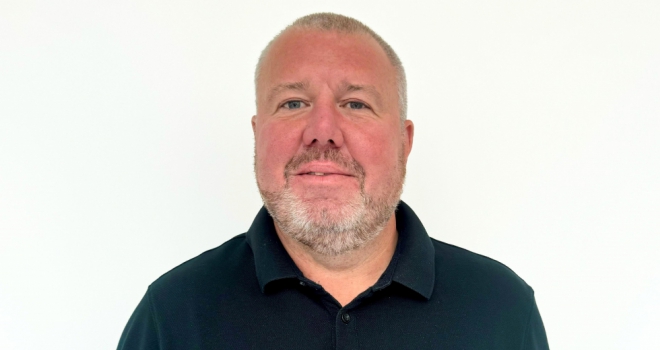
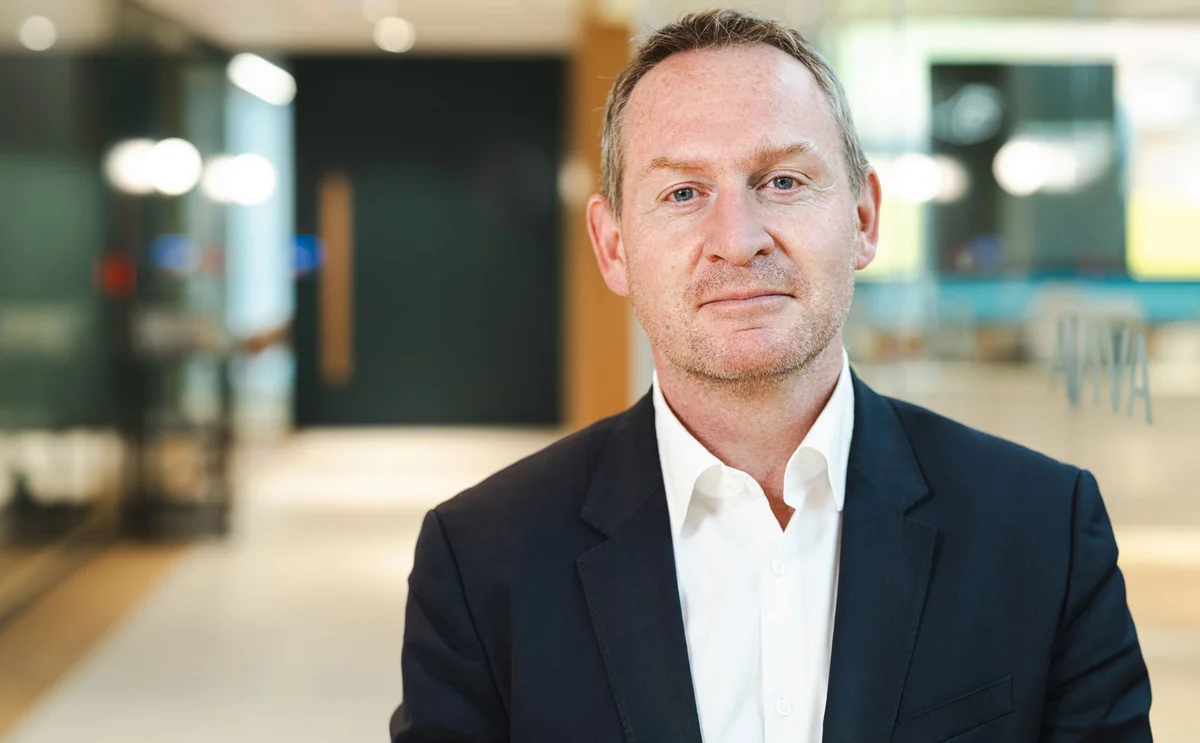
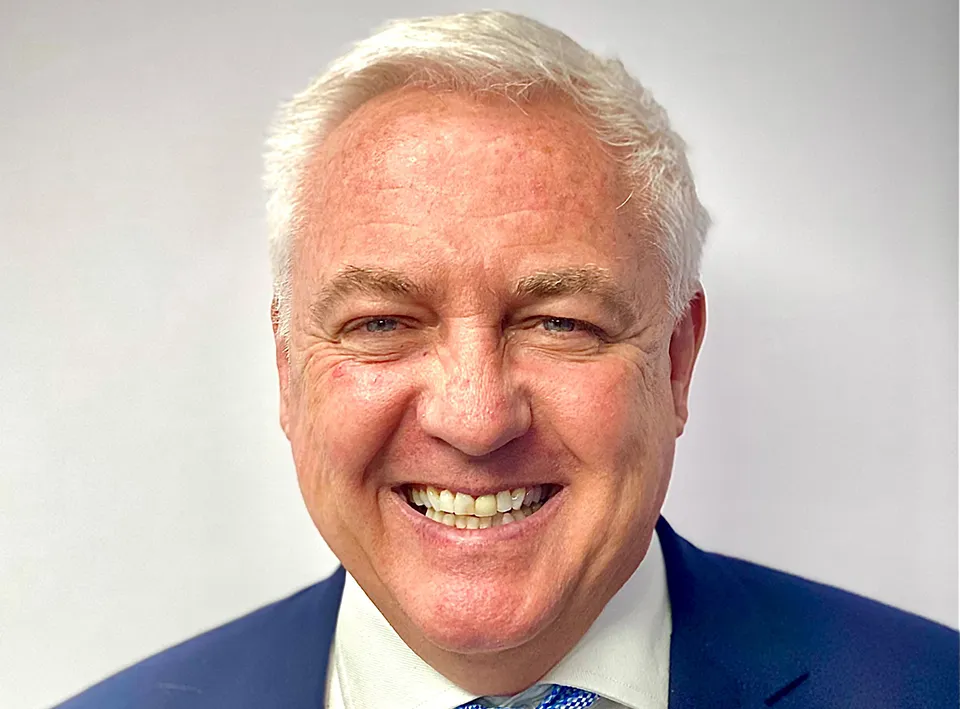
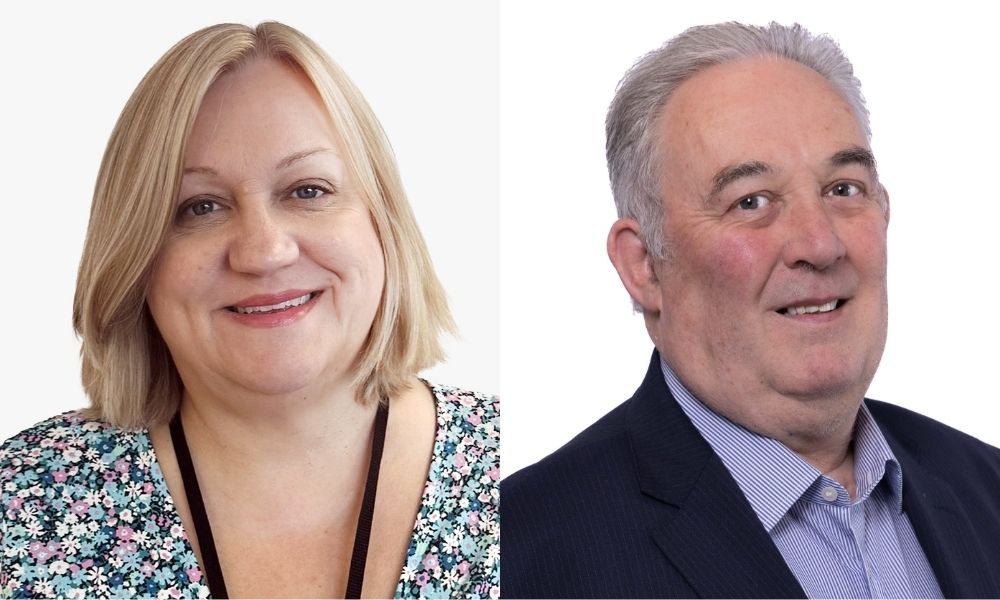
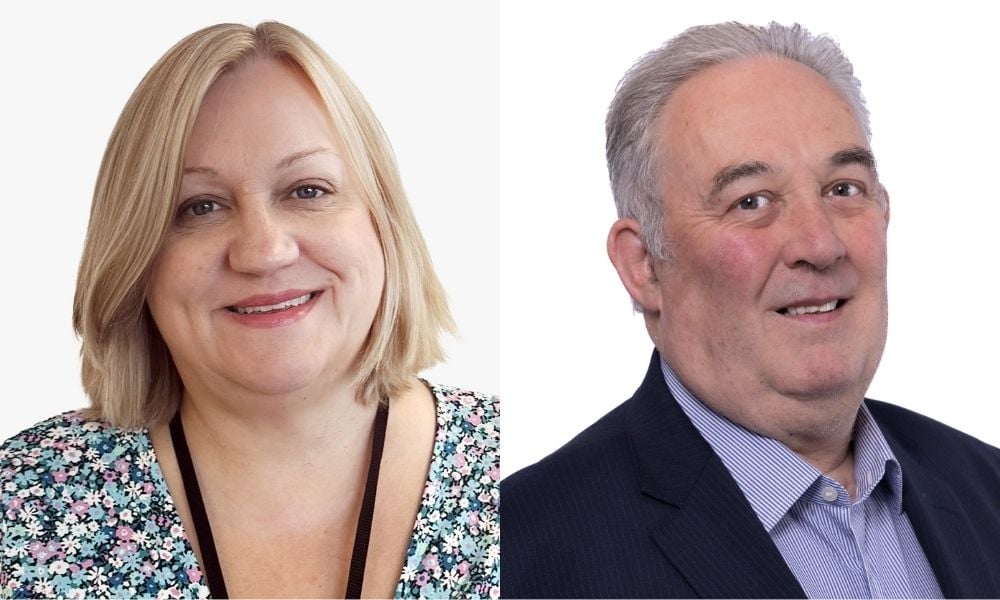
For Kate Abrahams (pictured left), head of intelligence and Know Your Opponent, and Mike Brown (pictured right), head of fraud, both at law firm Weightmans, the issue is how those early concerns are shared across the industry.
“The brokers are the gatekeepers for some of the things that we’re seeing around shallow fakes,” Abrahams said, referring to falsified documents and IDs. Brown said the weakness was less a shortage of data than a “failure to connect the industry.”
The issue also sits within a wider policy focus on economic crime information sharing. A Home Office call for evidence sought views on improving how that information is shared. Brown stressed the importance of controls within individual firms: “The right controls, measures and procedures will ensure brokers remain compliant whilst reducing the risk from exposure and sanctions, the fines of which can be unlimited.”
Suspicion before placement
Abrahams said fraudsters can use free desktop tools to fake no-claims discount certificates and secure lower premiums. Screening varies between brokers, from full video KYC checks to lighter checks, and fraudsters study those differences to identify where to apply.
“They will profile where the gaps are and who to go for to get policy set up so that they can then potentially perpetrate further types of fraud,” she said. Document-checking technology that plugs into broker systems “can be relatively low cost.”
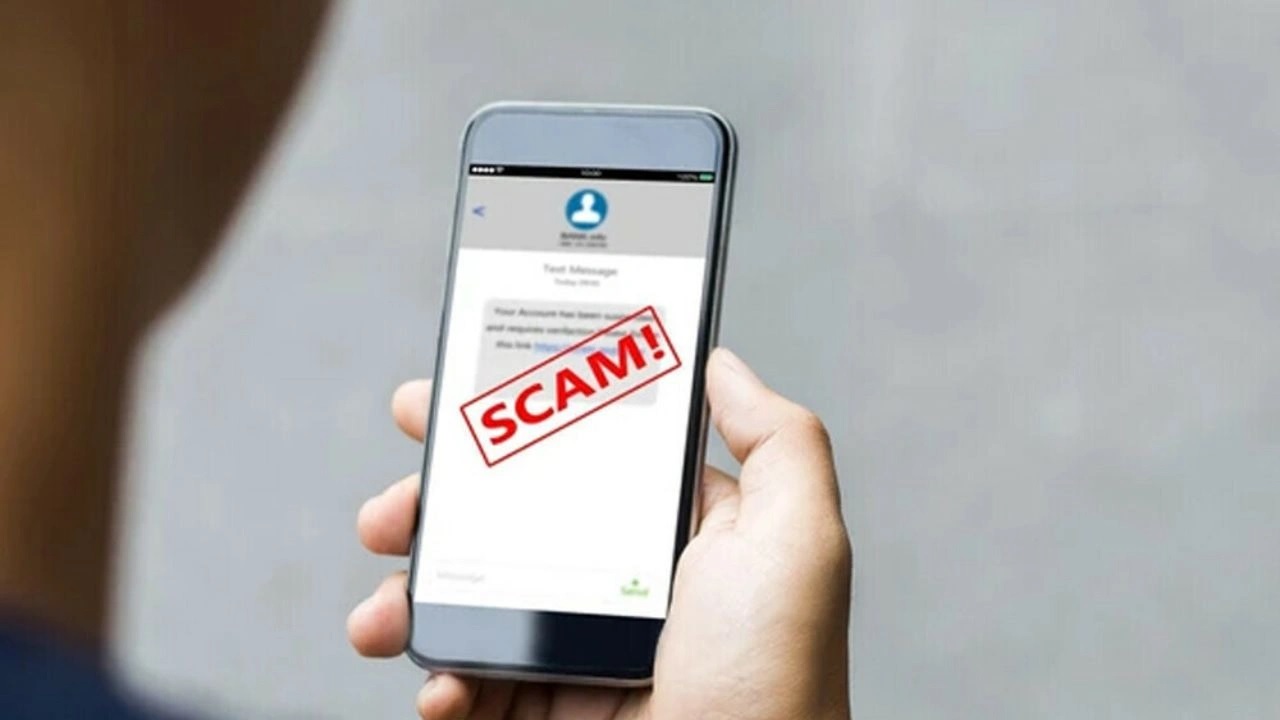
Brown pointed to spoofed adverts, WhatsApp messages and texts, and said AI-assisted verification still required human checks. “AI shouldn’t be the deciding factor. You should always validate what AI is telling you, the same as when you do any research on data. There should always be that human in the loop. It’s the safeguard.”
Identity fraud also exposes insurers themselves, given the volume of personal data moving through their systems.
Brown described organised crime groups seeking cover to keep vehicles used in criminal activity on the road without being flagged by automatic number plate recognition (ANPR) cameras.
“They tend to target brokers – where they can perhaps either coerce them or bully them into getting a motor trade policy,” he said.
Brown recalled a motor trade policy written for a business with nowhere to keep vehicles. He said brokers could face pressure to accept such applications because “they want to place the business.”
Abrahams said brokers can identify signs of illegal broking before policies are placed, adding that the industry preferred that term to “ghost broking”. Brown described young drivers and vulnerable older people as typical targets. While working at an insurer, he had seen a case where “an elderly gentleman had over 260 fake policies registered to his home address.”
Where the intelligence gets lost
Abrahams described three vantage points: brokers see the first clues, insurers see the claim, and investigators see the outcome. “The intelligence is strongest where those three are combined in some way,” she said.
Fraud patterns “rarely emerge from one policy”. Instead, the same mobile numbers, email addresses or devices recur across applications that look innocent on their own. “The unfortunate thing is we have a fragmented data picture nationally, which means that doesn’t help the brokers at all.”
Routes for sharing already exist. Brown pointed to Insurance Fraud Bureau (IFB) member groups, Insurance Fraud Investigators Group (IFIG), and access to the Claims and Underwriting Exchange (CUE) for checking claims histories, although not every broker had signed up. Brokers can also report concerns through the IFB’s Cheatline without being members.
What comes back after a report is another gap. Brokers at the front end often hear little about what their concerns led to.
“They’re not always told about the outcomes of what they’re putting forward,” Abrahams said. “It’s really important that that connection is a full circle, to allow people to understand the impact of what they’ve done, because that will encourage people to report more fraud or to report more concerns that then may lead to the identification of fraud.”
Brown said fraudsters move on when checks make an application harder to pursue. “Fraudsters don’t like hard work. If they find in it a weakness, they’ll exploit it. If you make it difficult – and I speak from experience when I was in an insurer – they will go away.”
As Abrahams put it, “they’ll find another broker to go for.” If the details of a suspicious application stay with the firm that rejected it, the next broker may have to uncover the same warning signs from scratch.