“I’m trading cryptocurrency, but it’s just not growing…”
Have you ever felt that way?
Of course, since crypto asset prices fluctuate, it is not something that will always yield a profit in the short term.
However, beyond just price,
-
paying too much in fees
-
not understanding airdrop rules
-
looking only at DeFi yields
-
overlooking staking risks
and other factors, there are cases where you are carrying unnecessary costs or risks due to “things you didn’t know.”
In this article, I will introduce 4 points you should review, in a way that is easy to understand even for those who have just started with cryptocurrency.
① Are you paying too much in gas fees?
When using networks like Ethereum, you may sometimes feel that
“the fees are high just for sending funds…”
and feel that way.
These fees are what we call gas fees.
Gas fees are not always constant.
Because they fluctuate based on network usage, they can become expensive during times of congestion.
Therefore, before sending crypto assets,
“What are the gas fees right now?”
make it a habit to check.
Things you can do to reduce gas fees
For example,
-
check the current gas price before sending
-
avoid peak times if you are not in a hurry
-
consider using L2 (Layer 2) if available
are some methods you can use.
Ethereum gas fees cannot be judged by time alone, such as ‘it is always cheaper in the middle of the night in Japan time’.
What is important is to
check if the network is congested right now
before you act.
Instead of just ‘sending it anyway,’ check it once before you send.
Even just doing this can be a trigger to reduce unnecessary expenses.
2. Airdrops are not just about ‘getting things for free’
Next,
Airdrops
is the topic.
An airdrop is a mechanism where tokens are distributed to users who meet certain conditions.
‘If I can get it for free, I want to try it!’
Many people think this way, right?
However,
Airdrops do not mean you will definitely receive something
.
Participation requirements and distribution conditions vary by project.
Also, on social media and elsewhere, you may see information like,
“If you do this, you’re guaranteed to get it!”
“You’ll lose out if you don’t join now!”
but it is dangerous to take such information at face value.
Things to check first with airdrops
Before participating,
1. Check official information
Check the participation requirements on the official website or official social media accounts.
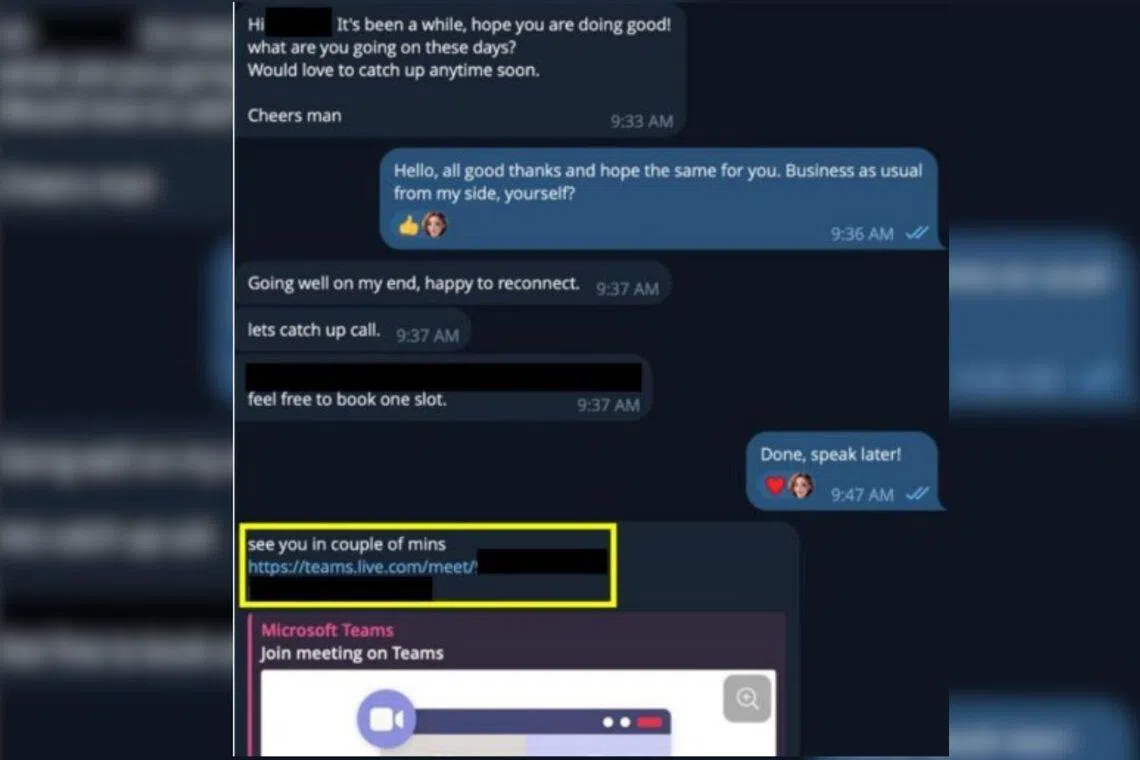
2. Do not click on suspicious links
Be especially careful with sites that request wallet connection.
It is crucial that you never enter your private key or seed phrase if asked.
3. Do not trust DM solicitations too much
“You have won”
“This is a special slot”
“Please claim from here”
Be careful of DMs like these.
Airdrops are an attractive mechanism, but
“Free” does not mean “safe.”
In fact, it is important to get into the habit of carefully checking information that claims to be free.
(3) Does having more wallets give you an advantage in airdrops?
When researching airdrops,
“If I create many wallets, won’t the amount I receive increase?”
Some people might think this.
However, this is not necessarily true.
Depending on the project, they may implement Sybil resistance to detect fraudulent participation using multiple accounts.
In that case, using multiple wallets could result in you being disqualified.
In other words,
it is not “the more wallets, the better,” but rather checking the rules first that comes first.
When participating in an airdrop,
“How can I get the most?”
rather than,
“What are the official participation requirements?”
it is important to check.
(4) Don’t just look at “high yields” in DeFi
In DeFi (Decentralized Finance), there are services that show higher yields compared to bank deposits and the like.
When you see those numbers,
“If the yield is this high, isn’t it more profitable than depositing in a bank?”
I’m sure you think that.
However, what is important here is that
high yield does not equal low risk
is the case.
DeFi has various risks.
For example,
-
smart contract risk
-
cryptocurrency price volatility
-
risk of the protocol itself
-
stablecoin risk
-
risks associated with providing liquidity
and so on.
It is dangerous to judge based solely on yield.
What is impermanent loss?
When researching DeFi,
impermanent loss
is a term you may come across.
This occurs when, after depositing multiple assets into a liquidity pool, the price ratio of each changes, resulting in
the value of the assets received being lower compared to ‘if you had just held them’
.
“It’s safe because I’m just holding it”
is not necessarily true.
If the price moves significantly, you may be affected.
Pairs of stablecoins are generally combinations that make it easier to suppress impermanent loss due to price fluctuations, but
stablecoin = completely zero risk
does not mean that.
5. Don’t just look at the “annual interest rate” for staking either
For staking as well, it is important not to judge based solely on the yield figure.
For example,
“Annual interest rate of ○%!”
Even if a number like this is displayed, it does not mean that your profit is guaranteed.
What you want to check is
-
the possibility of the token price falling
-
fees
-
lock-up period
-
the possibility of reward rates changing
-
risks of the service or protocol being used
and so on.
For example, if the token price drops significantly, your asset value in yen terms may decrease even if you are receiving staking rewards.
Therefore,
“It’s a good deal because the annual interest rate is X%”
instead of thinking that,
“Why is this yield set this way?”
it is important to try thinking about that.
The habit of looking behind the “high yield”
In cryptocurrency,
“high yield”
“free”
“limited”
“only now”
“first come, first served”
words like these can stand out.
When you see words like these, you tend to rush.
But, stop there for a moment and
Why is it high?
What are the conditions?
What are the risks?
Is there a possibility of losing assets?
Try thinking about these.
Even just doing this will significantly change your judgment.
4 Checks to Reduce Losses in Cryptocurrency
Finally, let’s summarize the content of this article into 4 points.
1. Check gas fees before sending
“How much does it cost right now?”
Check this before you send.
2. Check official rules for airdrops
Don’t just jump in because it’s “free”; check the participation requirements and safety.
3. Look at risks over yields in DeFi
Understand the reasons for high yields and risks such as impermanent loss.
4. Consider price drops for staking
Check not only the yield but also the token price and lock-up periods.
Summary | Let’s gradually reduce what we “don’t know”
Cryptocurrency is
not a world where your money always grows just by buying.
There are price fluctuations, and various risks arise from using services.
That is why
knowing the fees,
knowing the mechanisms,
and knowing the risks
are these three things that are important.
“Is there a way to earn more?”
Before you go searching for one,
“Am I currently losing extra money because of things I don’t know?”
try reviewing that.
Even just doing that might change how you interact with cryptocurrency.
You don’t need to learn everything all at once.
Start today by
gas fees, airdrops, DeFi, and staking,
and try reviewing at least one of these.
Instead of doing it because “it has a high yield,”
“understand why it is high before making a decision.”
This is an important mindset for beginners.
*This article is intended to provide general information regarding crypto assets and Web3, and does not recommend investing in any specific crypto asset, project, or service. Crypto assets and DeFi involve risks such as price volatility, smart contracts, security, and liquidity. When using or investing, please check official information and terms yourself, and make decisions after understanding the risks.
Thank you for reading until the end.