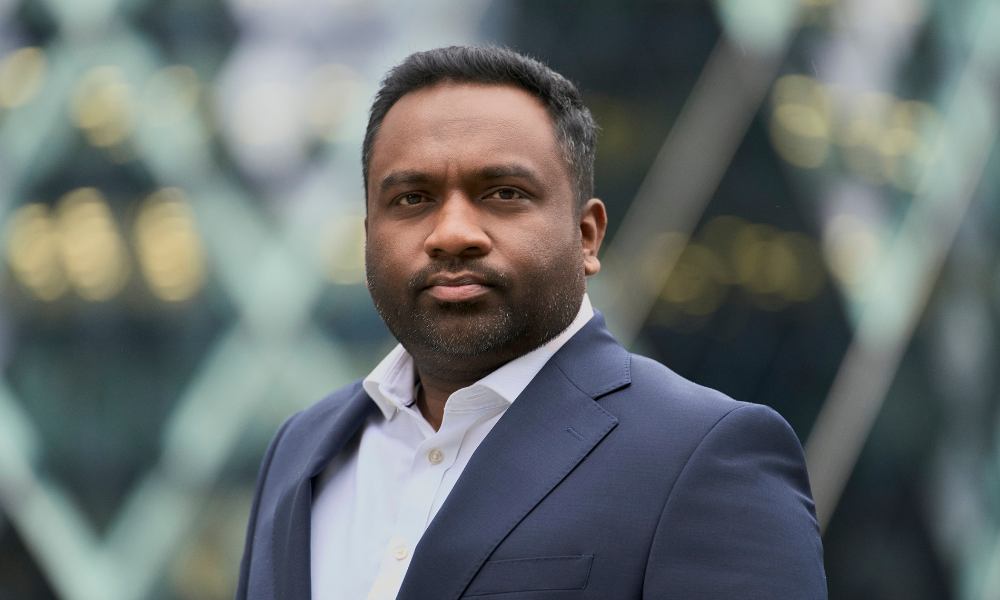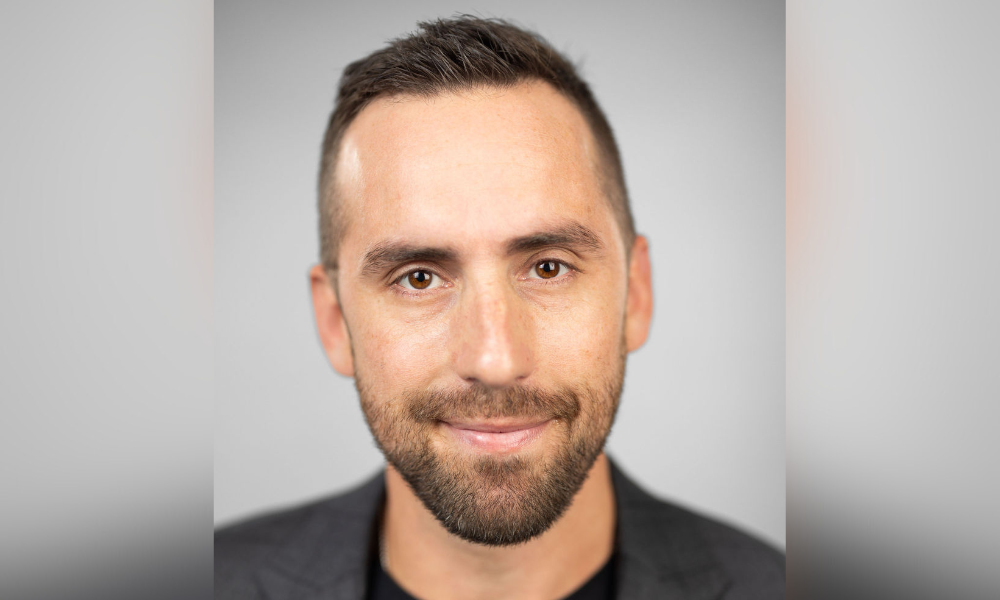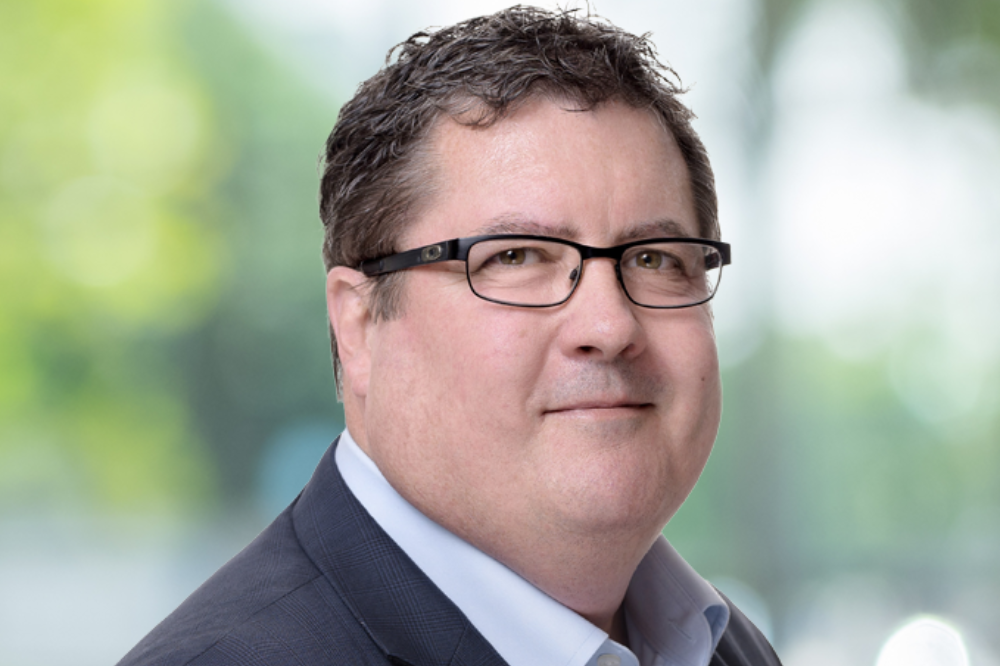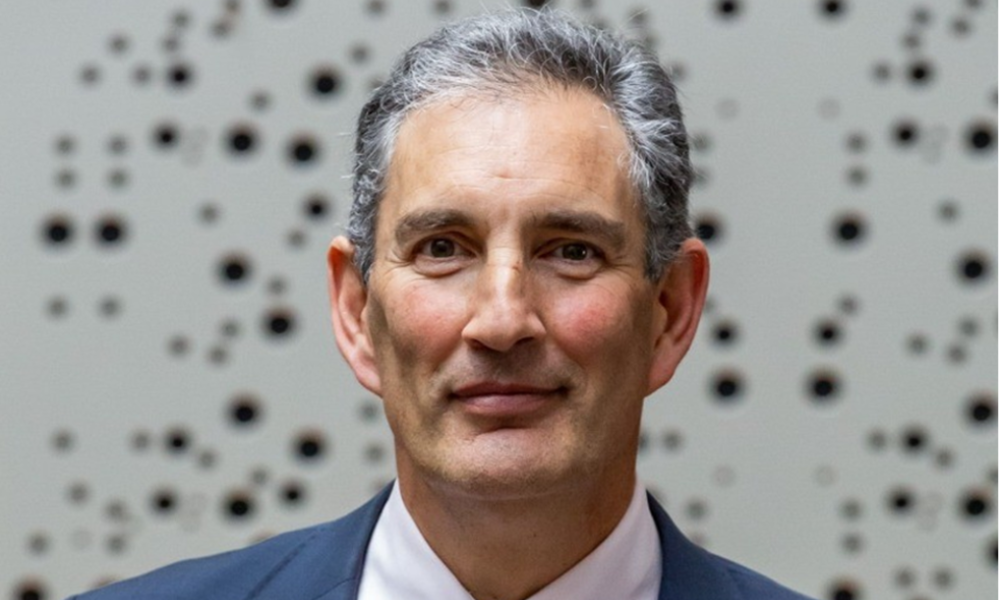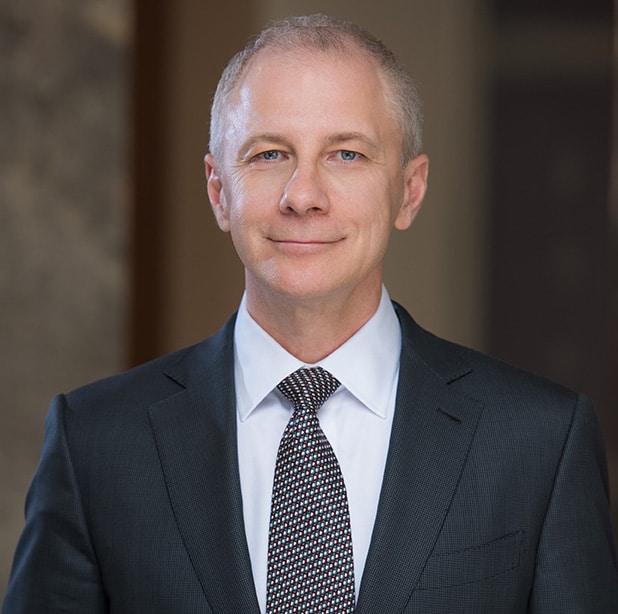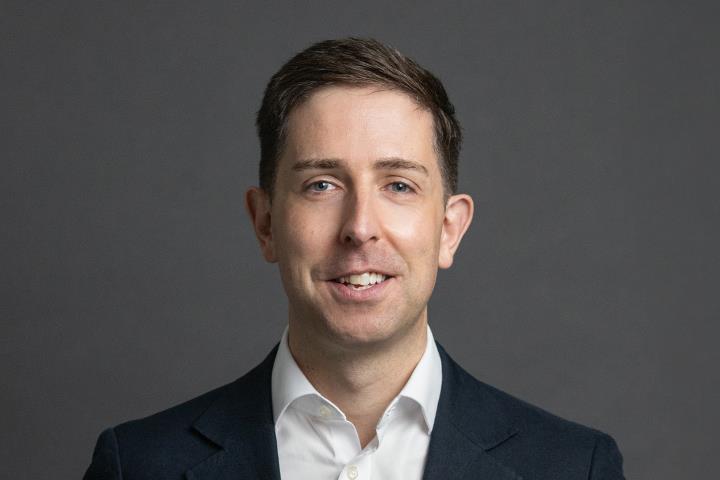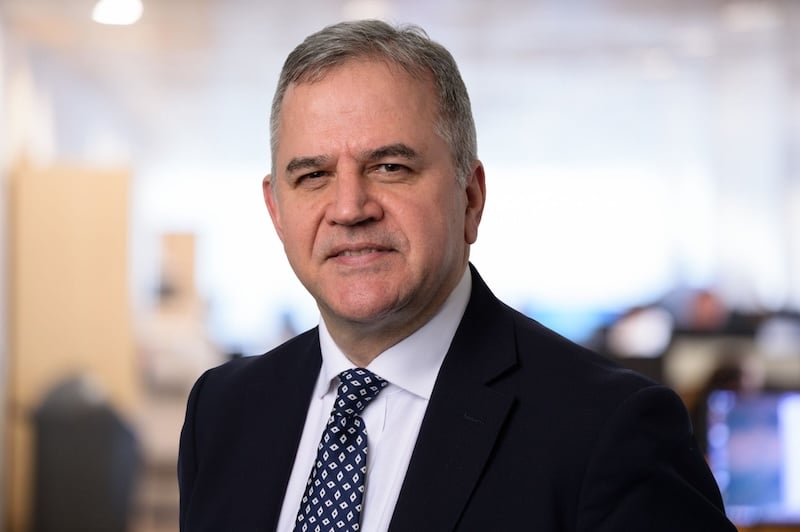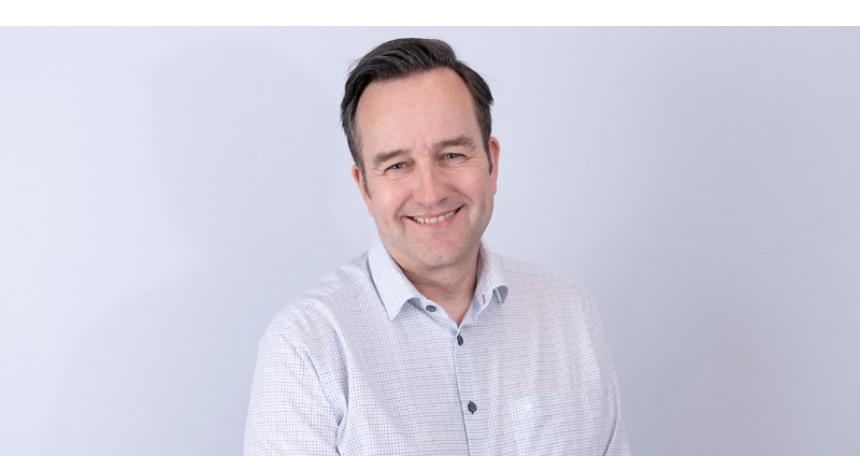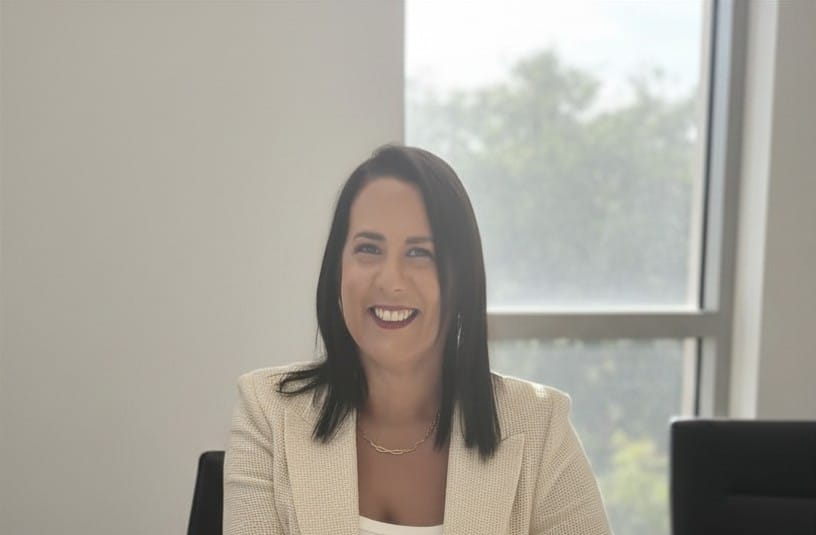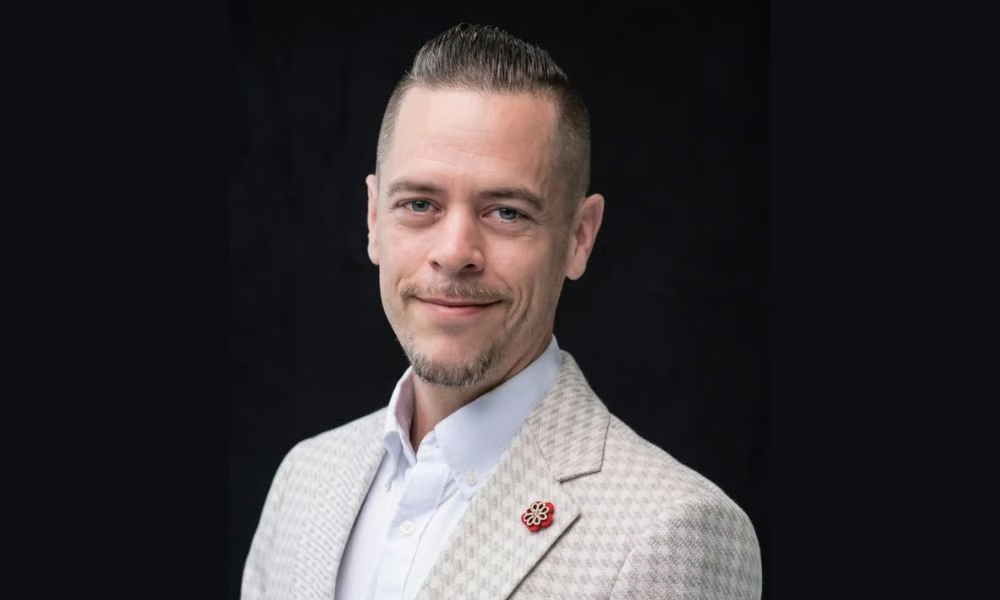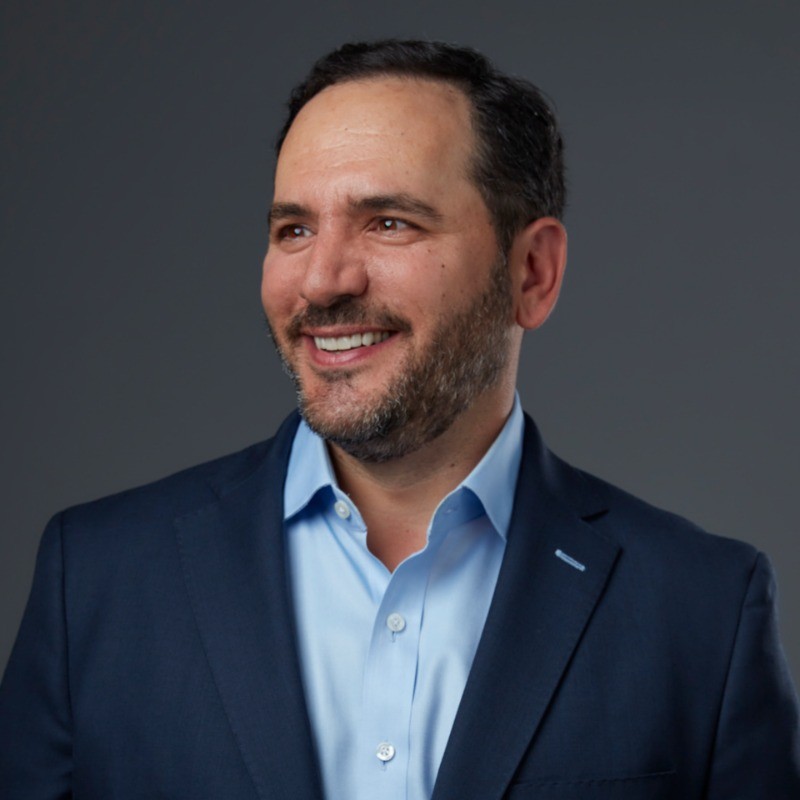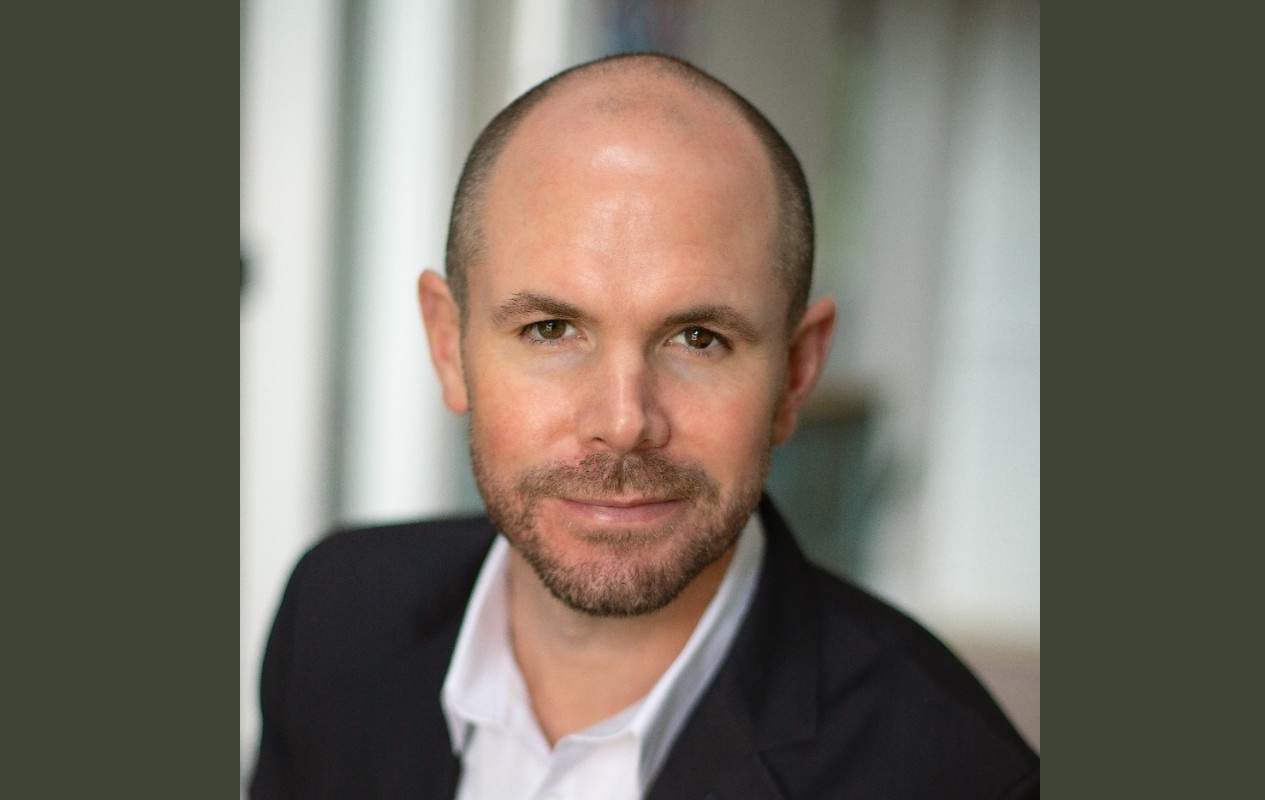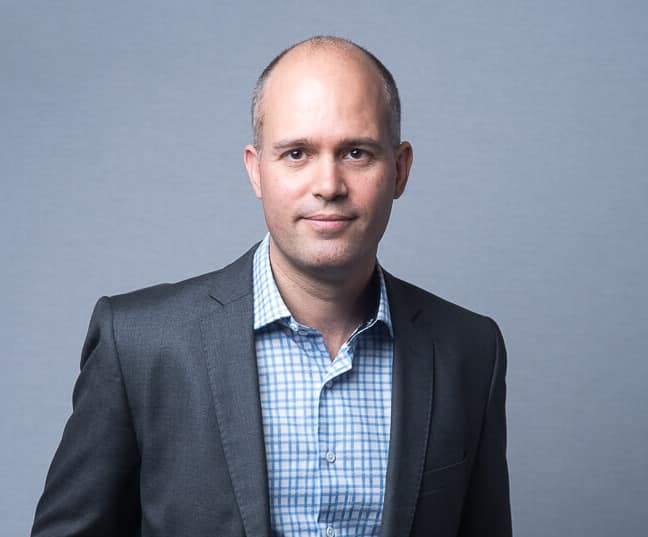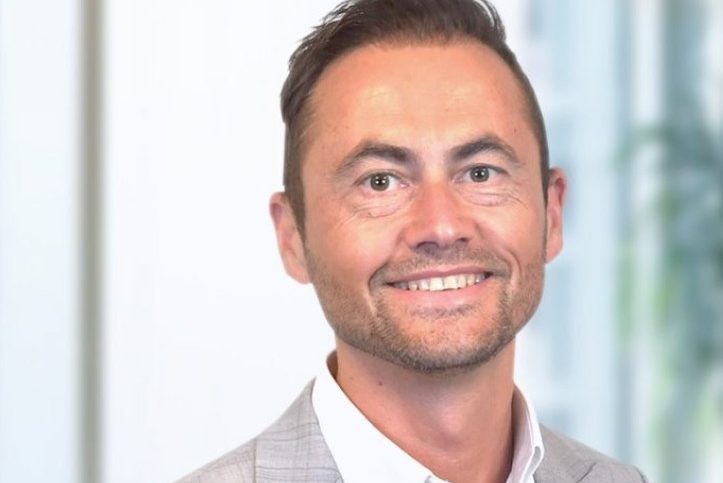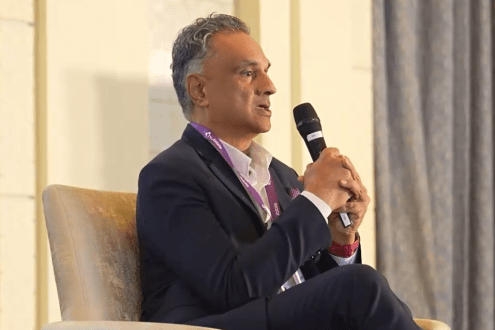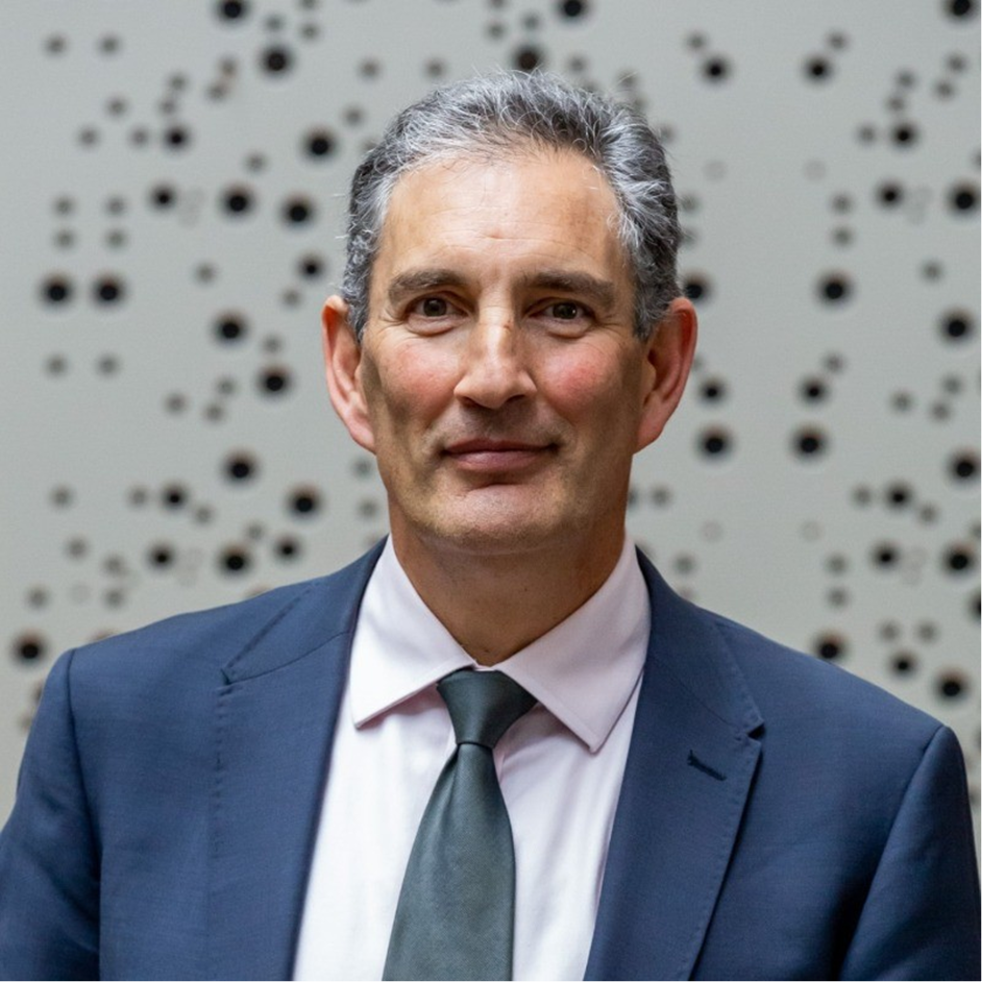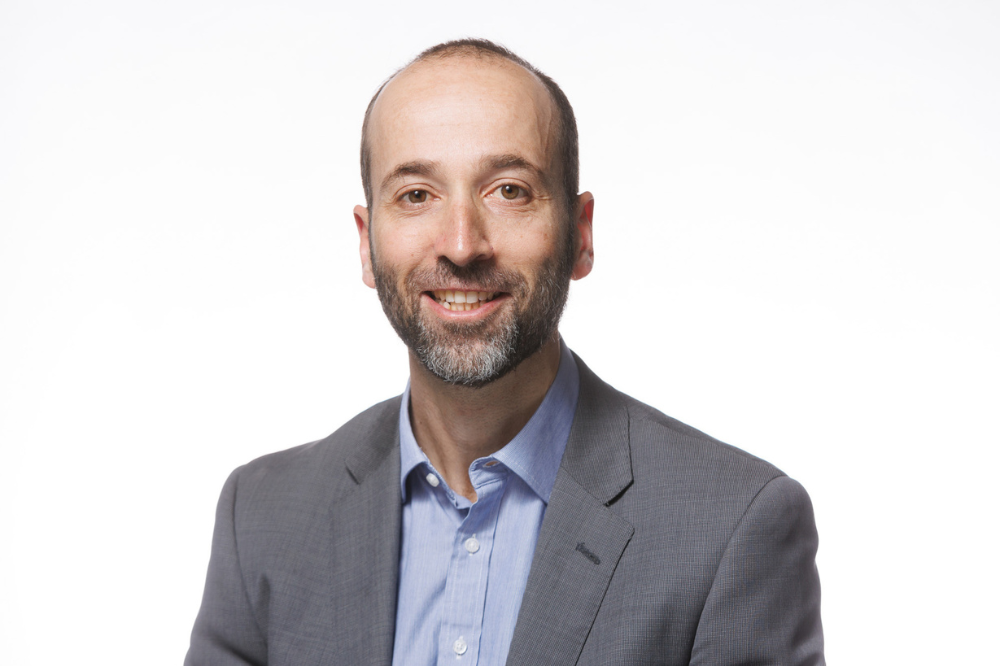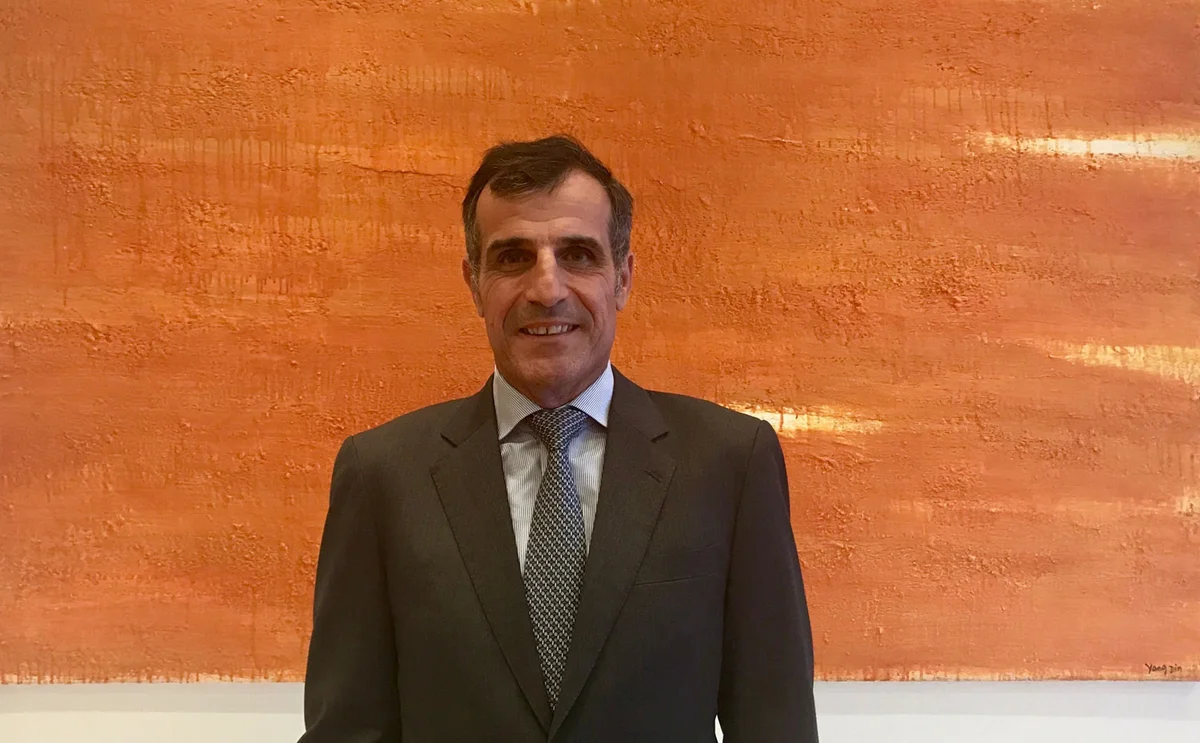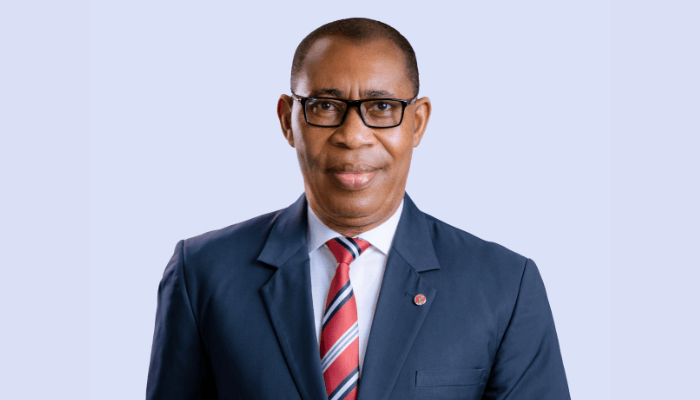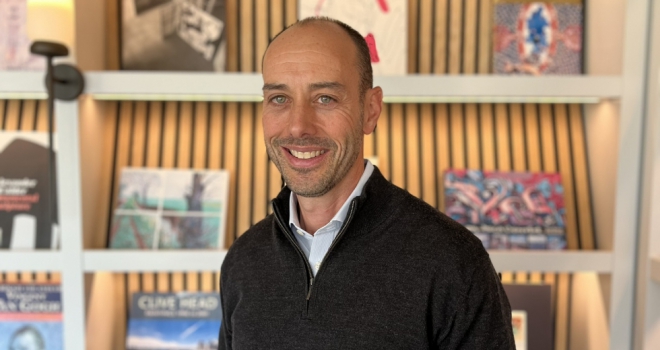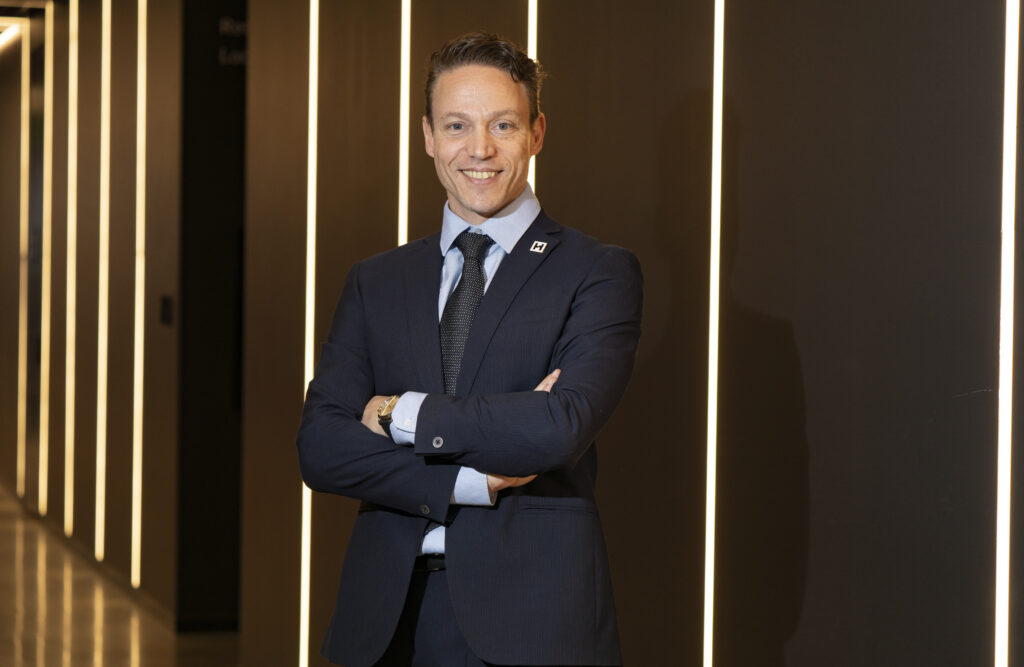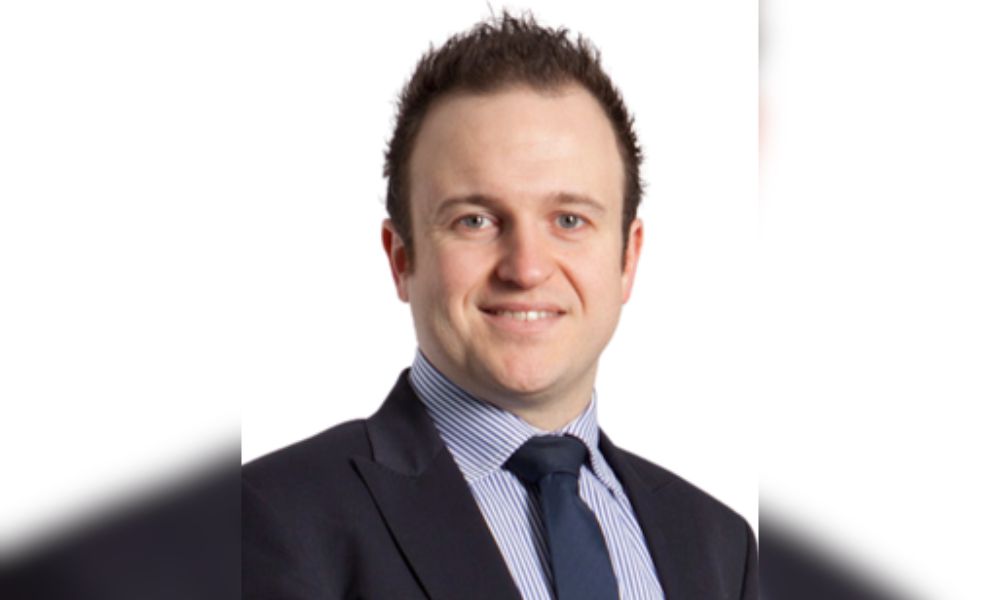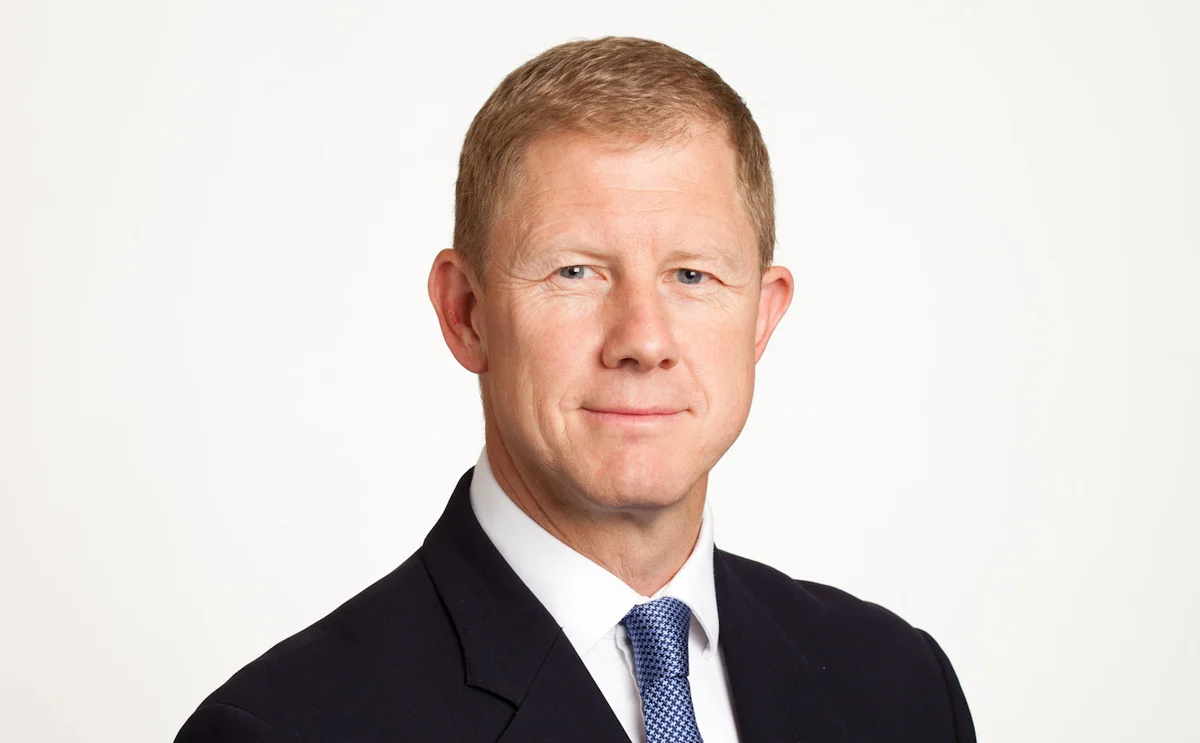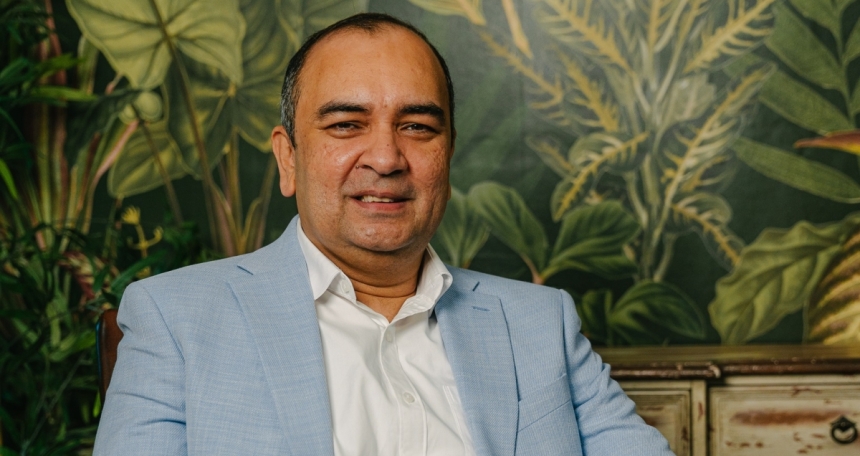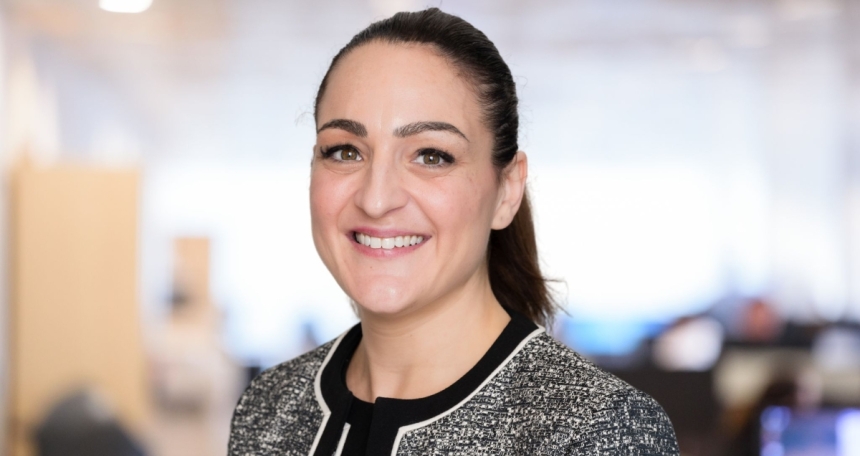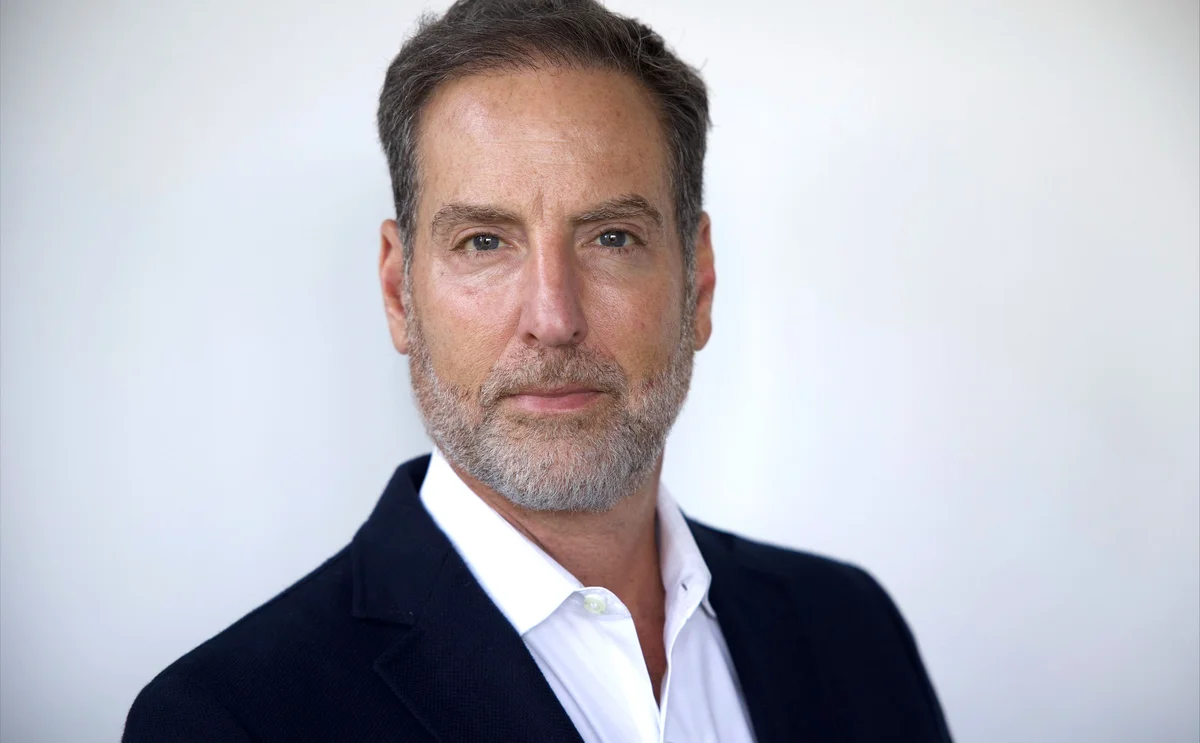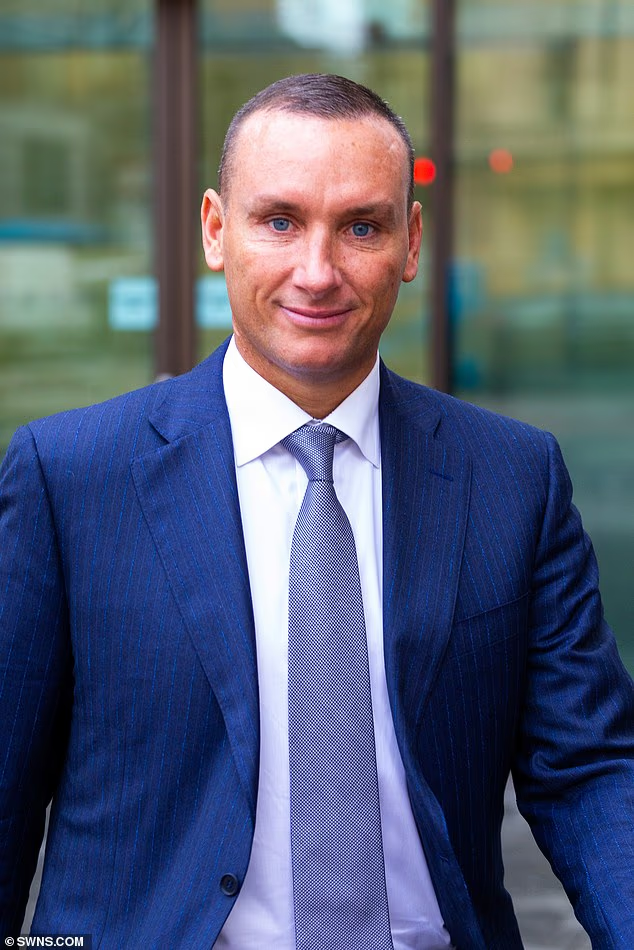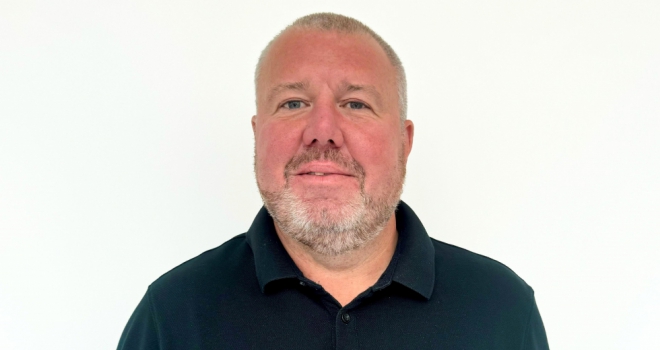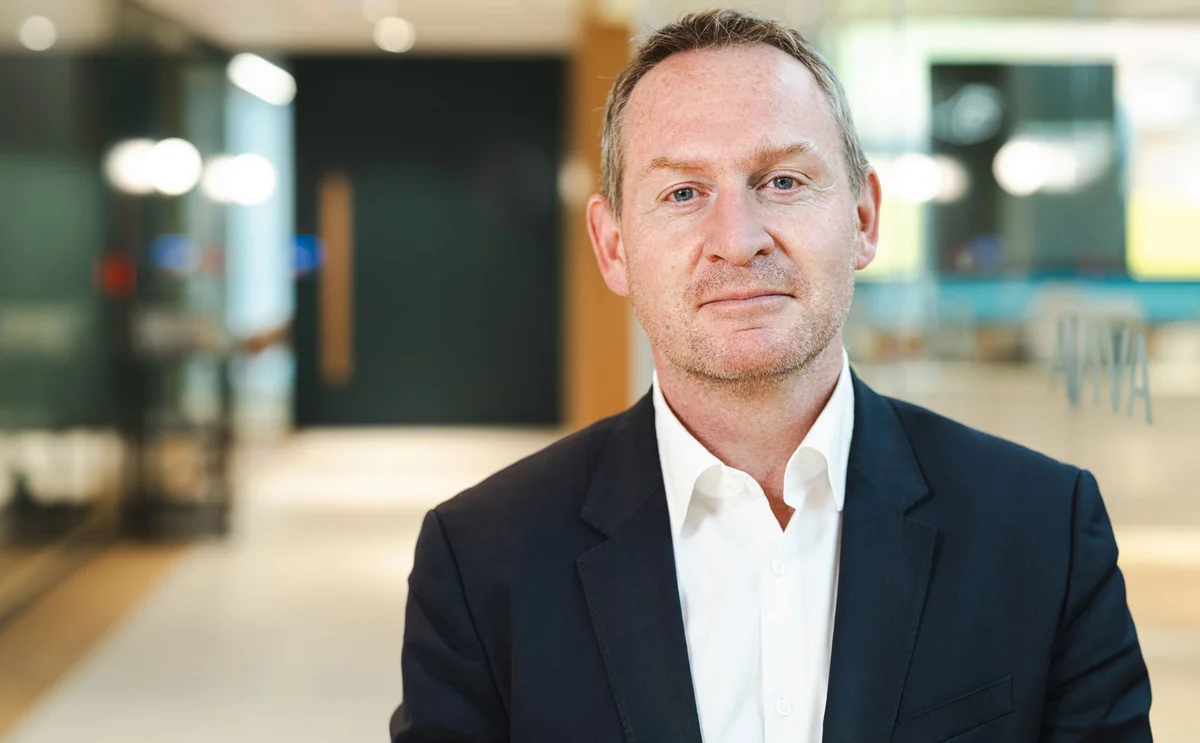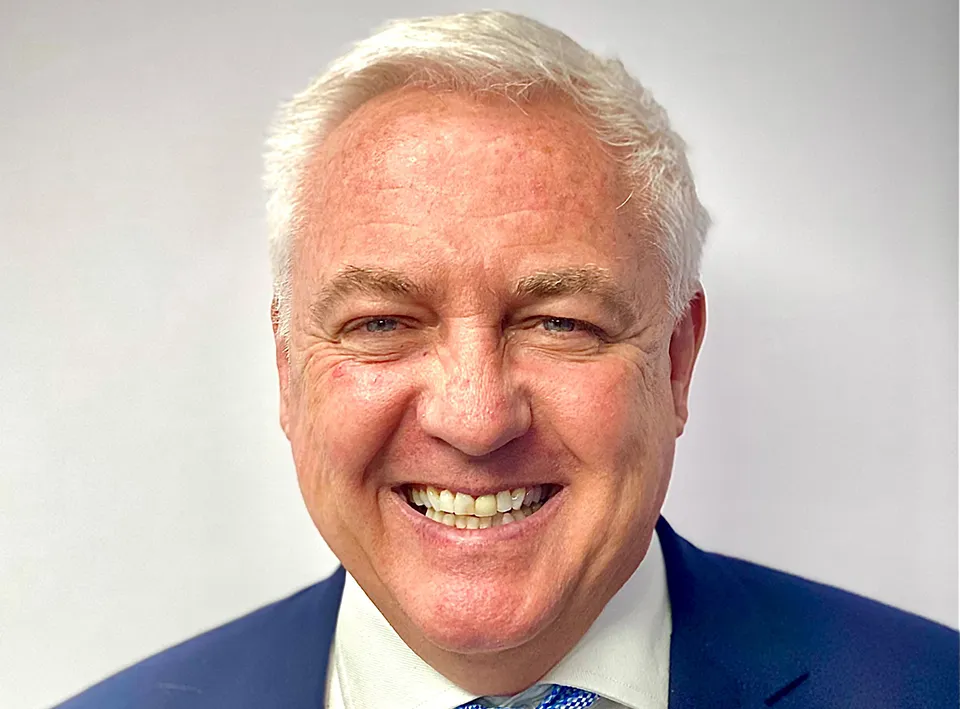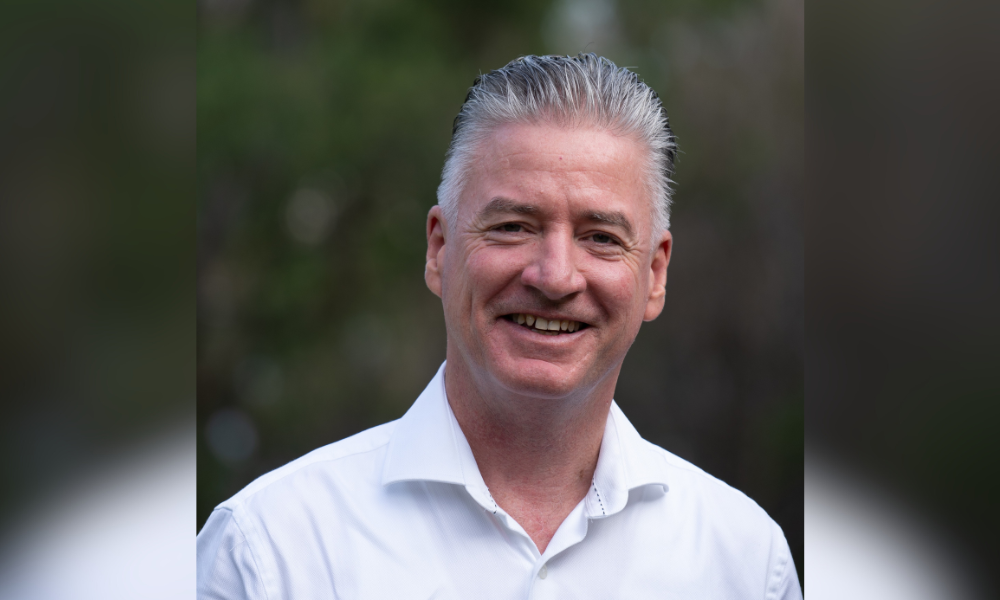

Scope Prime has appointed Ashraf Mushasha as Institutional Sales Manager for the Middle East and North Africa, adding a Dubai-based executive to its regional coverage. Mushasha will develop institutional relationships and work with brokers seeking liquidity and execution services.
The Rostro Group institutional brand said Mushasha brings experience in multi-asset execution, liquidity solutions and financial-services business development. It did not disclose his start date, reporting line or commercial targets for the role.
Scope Prime Adds Dubai-Based Institutional Coverage
The appointment puts Mushasha close to brokerages, financial free zones and trading-technology companies serving the Gulf and wider MENA region. His remit will focus on institutional clients rather than Rostro Group’s retail customers.
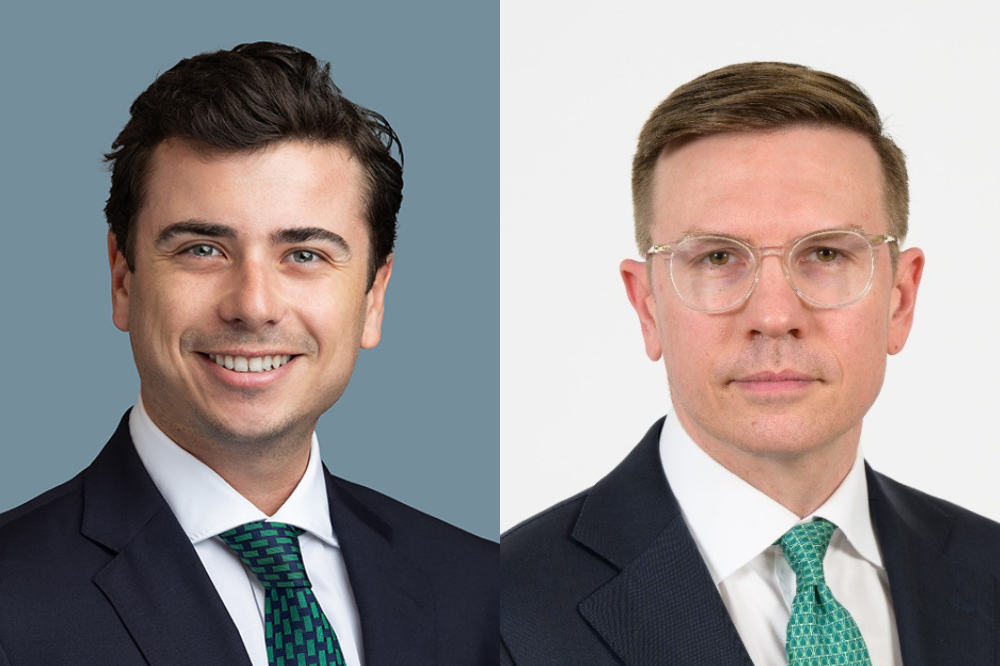
Scope Prime has been building its commercial team across several financial centers. FinanceFeeds reported in August that the firm hired Glen Hastings and Freddie Price for institutional business development, adding coverage in Dubai and London.
The firm also previously appointed Gaby Kanj to strengthen its MENA liquidity business. Mushasha’s appointment extends that regional sales presence as Scope Prime promotes a broader set of liquidity, execution and risk services to brokers.
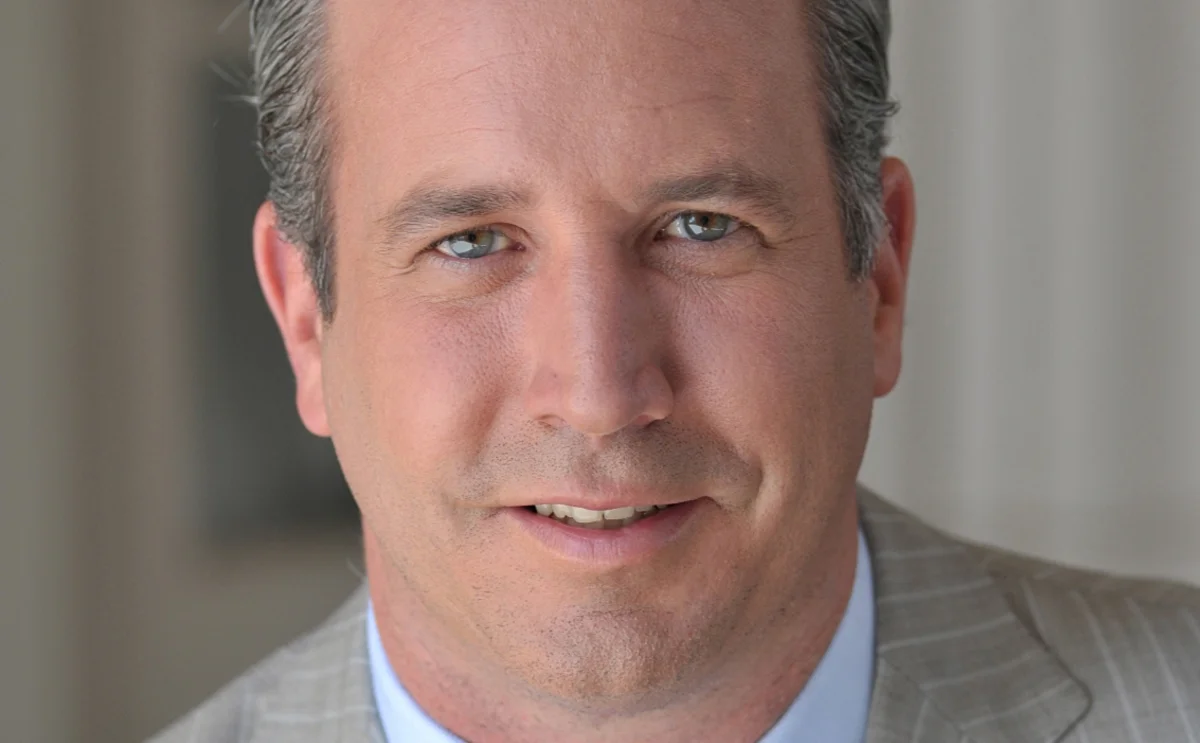
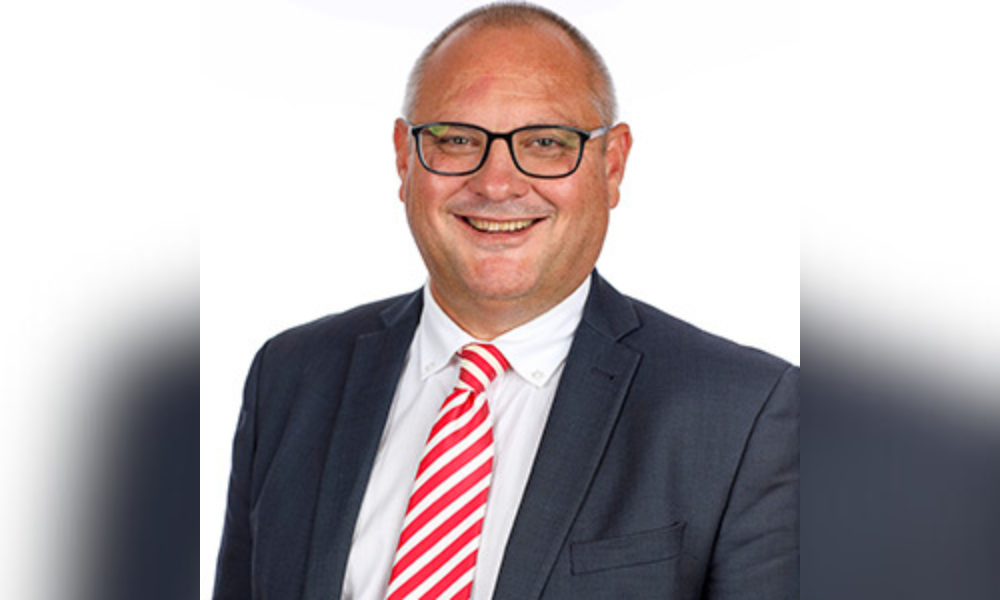
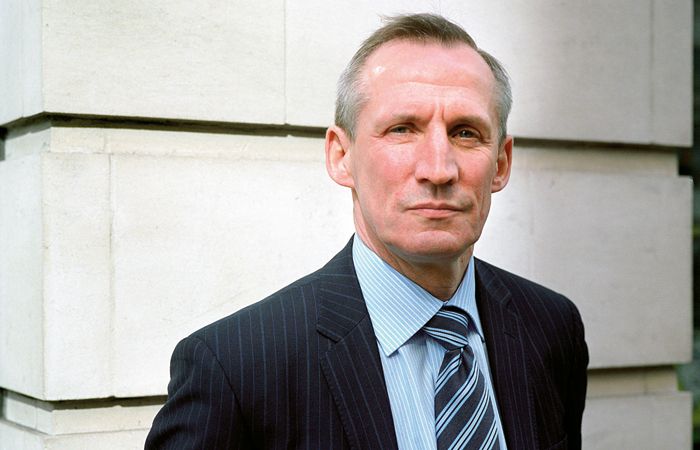
Daniel Lawrance, Chief Executive Officer of Scope Prime, said: “We are building our MENA team alongside the development of our institutional services. Brokers need people who understand their client flow and can discuss liquidity and risk requirements in practical terms.”
Lawrance added: “Ashraf’s appointment strengthens that local coverage as we bring our prime-of-prime and systematic internalisation offering to more brokers across the region.” The company did not identify any new clients connected with the appointment.
Internalisation Sits at the Center of the Sales Brief
Scope Prime describes its institutional model as a combination of prime-of-prime liquidity and systematic internalisation services. Under that structure, a broker can retain selected client flow internally and send residual exposure to an external counterparty according to its risk rules.
The commercial discussion therefore goes beyond quoted spreads. Brokers must consider the depth available at each price, rejection rates, slippage, execution speed, concentration by instrument and the capital required to hold exposure before it is hedged.
Internalisation can reduce external hedging costs when opposing client positions offset each other, but it also leaves the broker carrying market risk. The quality of the model depends on exposure limits, real-time monitoring and clear escalation rules when flow becomes concentrated or markets move quickly.
That makes local sales coverage relevant to the operating setup rather than only account acquisition. MENA brokers can have different client mixes, peak trading periods and demand by instrument, so a liquidity arrangement designed around another region may not match their flow.
Scope Prime has also been expanding the infrastructure through which brokers access its services. Its white-label partnership with Centroid Solutions combines liquidity and brokerage infrastructure, while an earlier Centroid integration widened liquidity distribution.
Always-On Commodity Trading Changes Broker Risk
Mushasha linked the appointment to growing demand for continuous commodity trading. Scope Prime has introduced 24-hour, seven-day access for selected gold, silver and oil contracts for difference, extending broker exposure beyond the normal weekly sessions of the underlying futures markets.
FinanceFeeds reported in August that Scope Prime launched continuous oil CFD liquidity after rolling out weekend access for precious metals. The products allow clients to trade when the reference futures market is closed, but they also require providers to construct prices and manage exposure without the same level of exchange liquidity available during standard hours.
Ashraf Mushasha, Institutional Sales Manager for MENA at Scope Prime, said: “The expansion of 24/7 trading in gold and oil CFDs is changing the questions MENA brokers need to ask of their prime-of-prime providers. Alongside execution quality, they need to assess available liquidity and the capital required to support positions outside traditional market hours.”
Mushasha added: “I look forward to working with clients across the region to align their liquidity arrangements with the way their businesses trade and manage risk.” His comments identify capital usage and weekend liquidity as sales issues as well as dealing-desk concerns.
For a broker, continuous access can attract clients who want to respond to geopolitical events before traditional markets reopen. It can also create gaps between client activity and the provider’s ability to hedge in the underlying market, placing more weight on pricing methodology, position limits and margin policy.
The operational questions include how weekend prices are generated, when spreads may widen and whether exposure limits change outside regular hours. FinanceFeeds examined the issue in its review of broker preparedness during gold and silver volatility.
A Wider Institutional Product Build
Scope Prime’s product expansion is not limited to over-the-counter contracts. The company has also launched futures and options access for institutional clients, giving eligible firms direct access to exchange-traded derivatives alongside its liquidity services.
Its website lists multi-asset contracts for difference, futures and options, equities, exchange-traded funds, fixed income and funds. The site also states that Scope Prime is a brand used by several regulated Rostro Group entities, meaning the contracting company and available services depend on the client’s jurisdiction.
Rostro has also expanded its regulatory presence in the region. FinanceFeeds reported that the group secured a Category 5 licence from the UAE Securities and Commodities Authority, although the latest appointment announcement does not state which licensed entity Mushasha will represent in each market.
What to Watch After the Appointment
The first measure will be whether Scope Prime converts its larger Dubai presence into new broker relationships. Client additions, trading volumes or further local hiring would provide evidence beyond the appointment.
The second will be how the company develops its systematic internalisation service alongside continuous commodity trading. Brokers assessing the offering will need measurable execution data, clear margin terms and an explanation of how weekend exposure is priced and hedged.
Mushasha’s role brings those discussions under a dedicated MENA sales mandate. Scope Prime has supplied no revenue goal or expansion timetable, leaving future product and client announcements as the clearest indicators of progress.