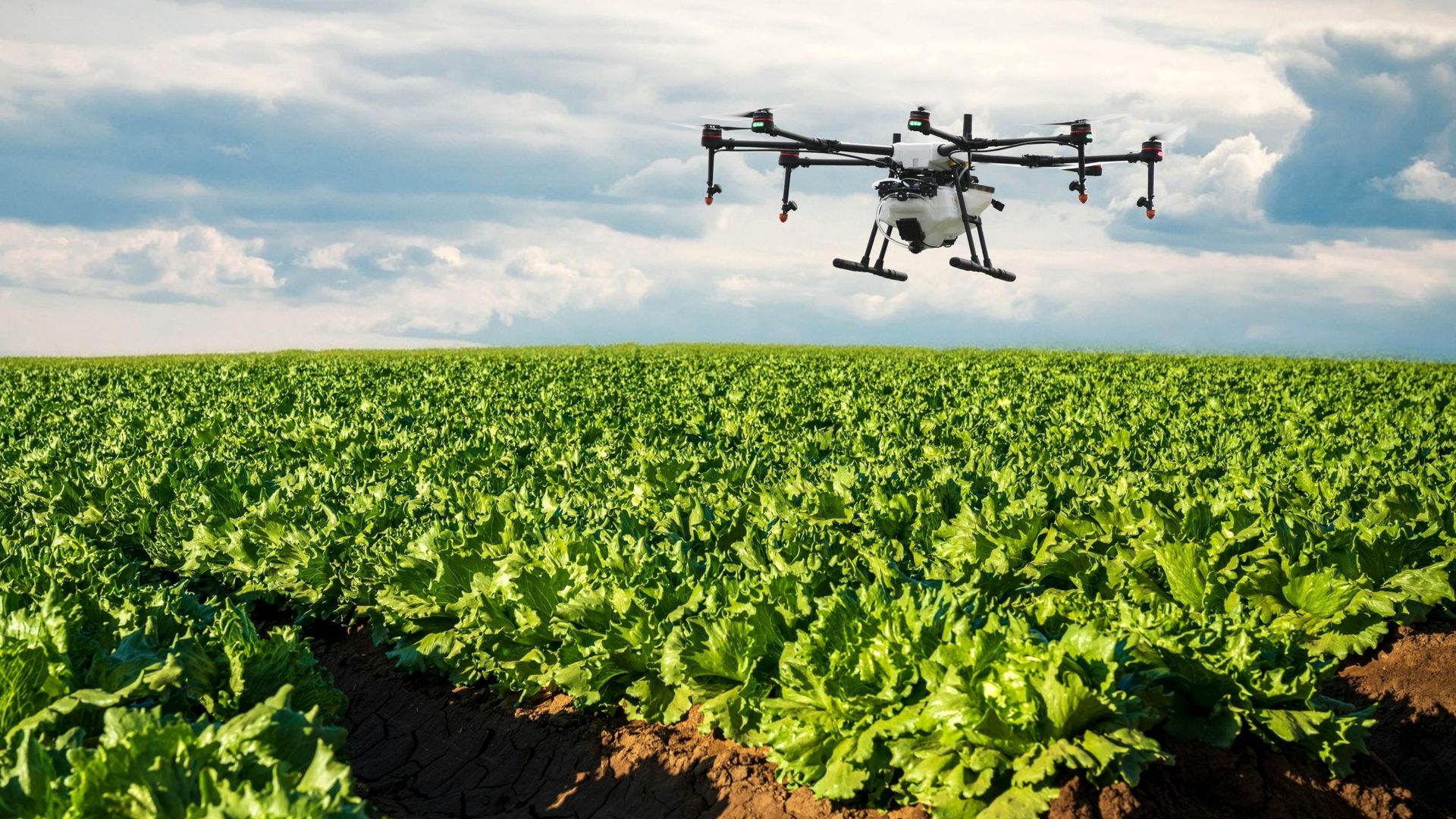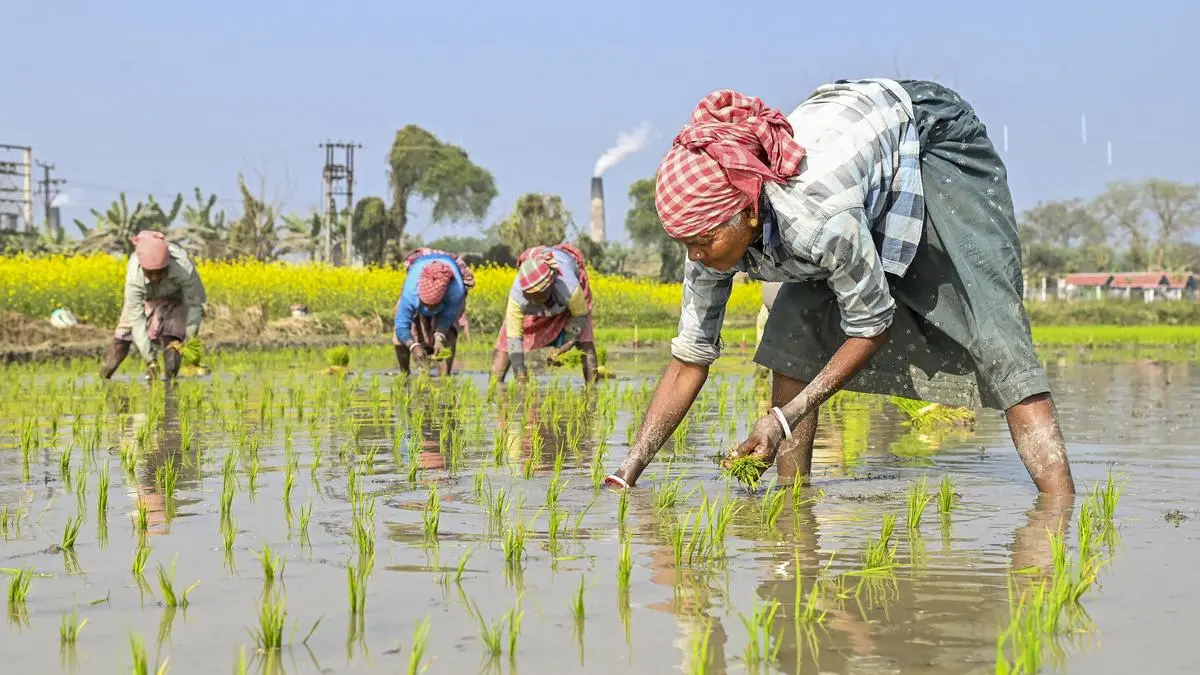
India’s agricultural sector is increasingly recognising solar energy as a strategic solution to its irrigation, energy-cost and sustainability challenges. With agriculture accounting for a significant share of the country’s electricity consumption, solarisation offers an opportunity to reduce dependence on conventional power sources while improving the economics of farming.
According to the Ministry of New and Renewable Energy (MNRE), India’s installed solar power capacity reached approximately 132.85 GW in November 2025. The challenge now is to translate this national growth into tangible benefits for agricultural consumers through solar pumps, decentralised power generation and innovative farming models.
Solar Iirrigation: Reducing energy costs for farmers
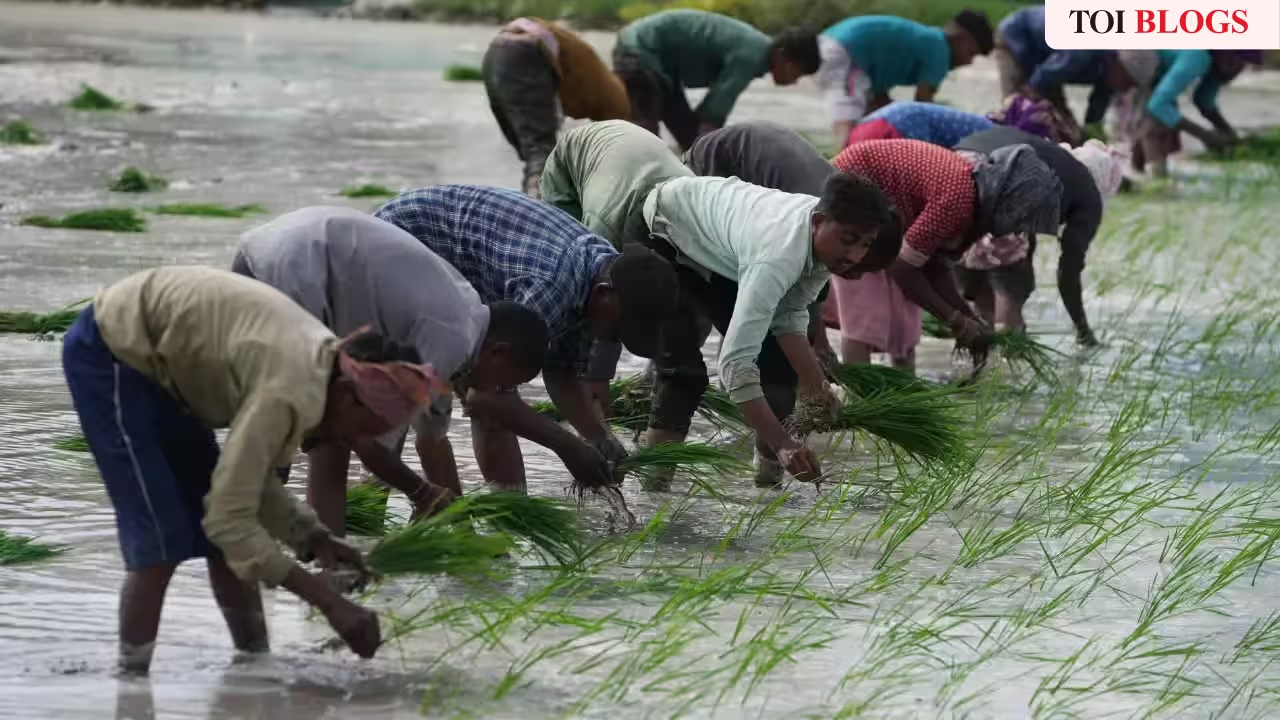
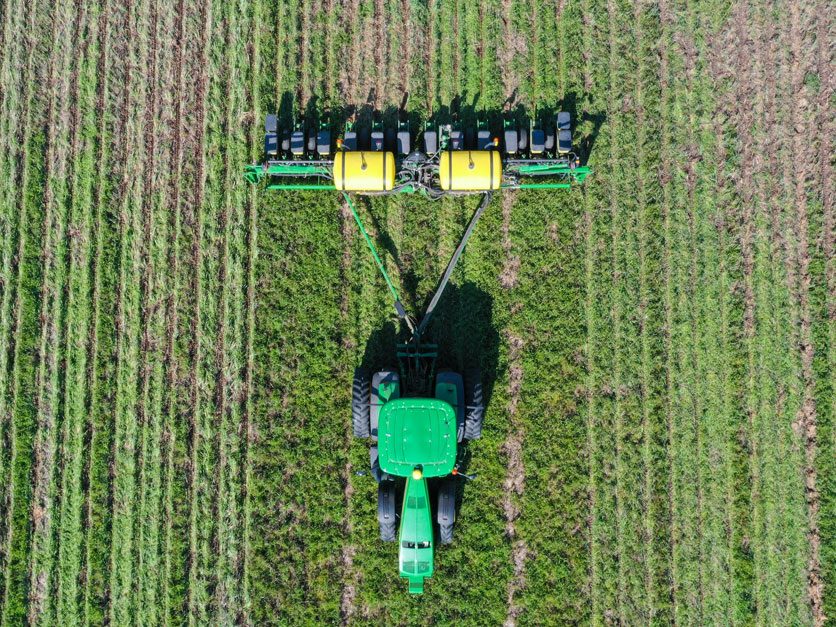
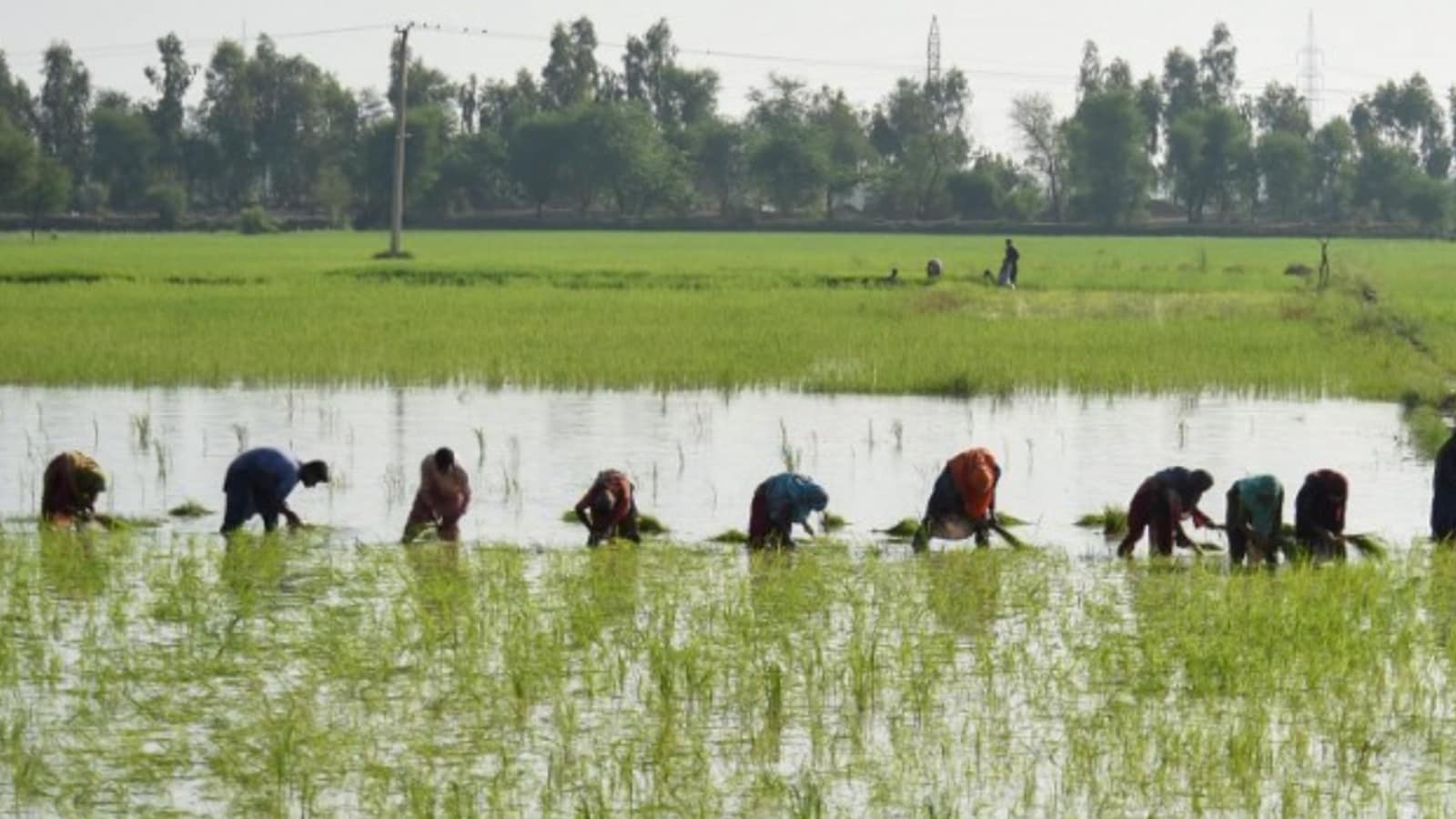
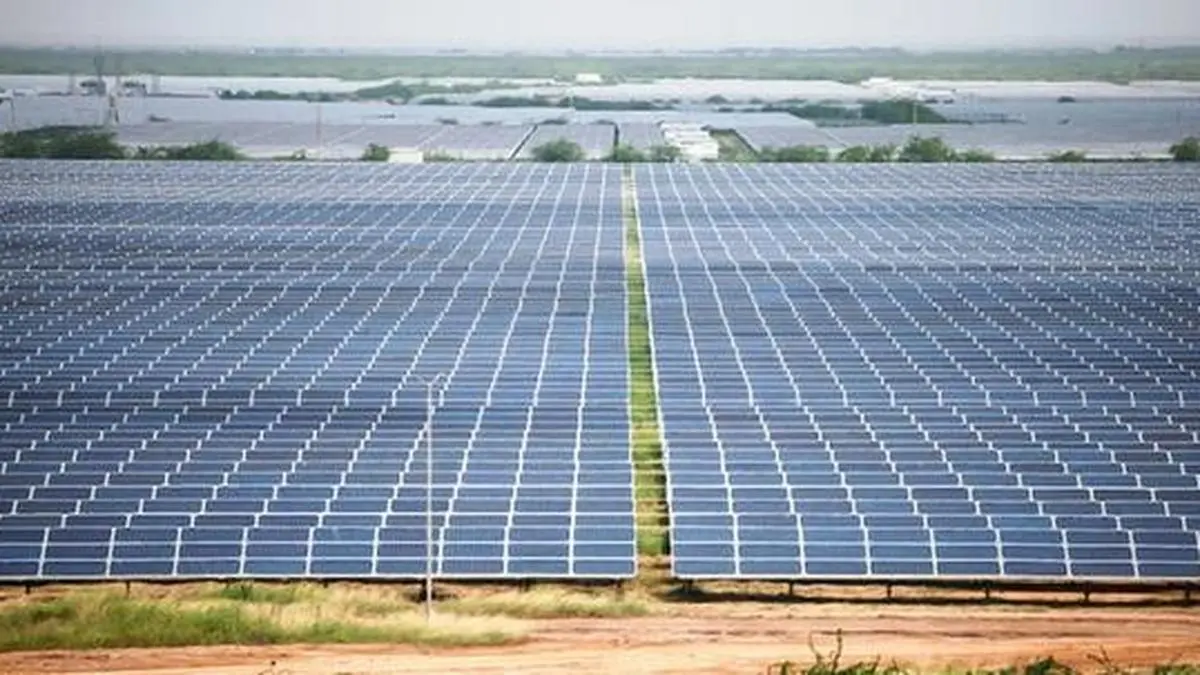
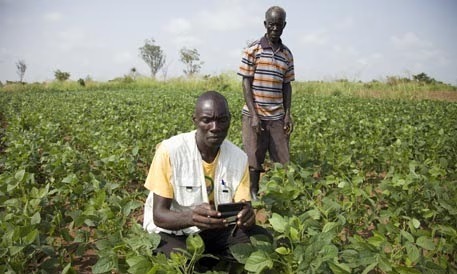
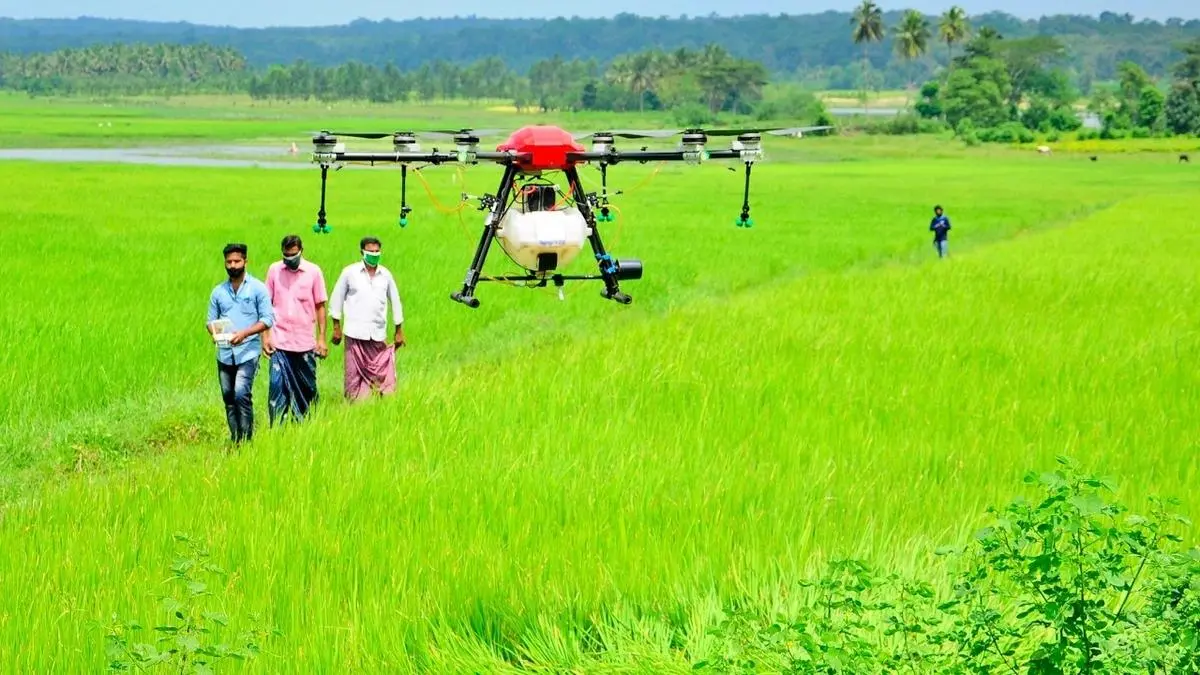
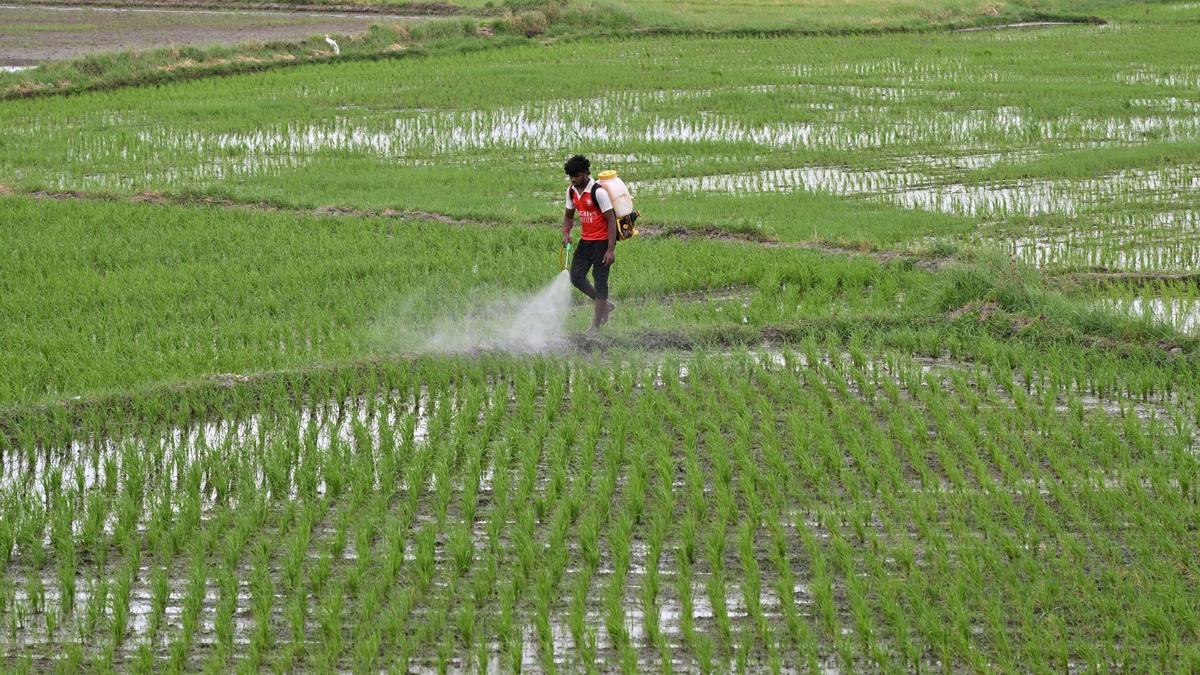
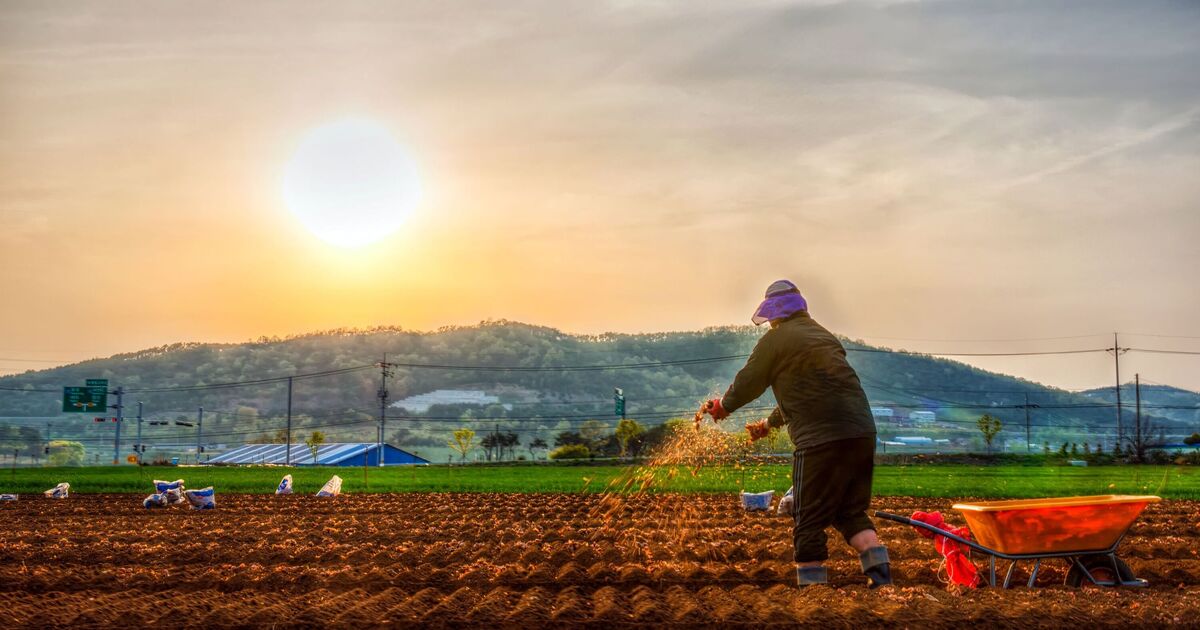
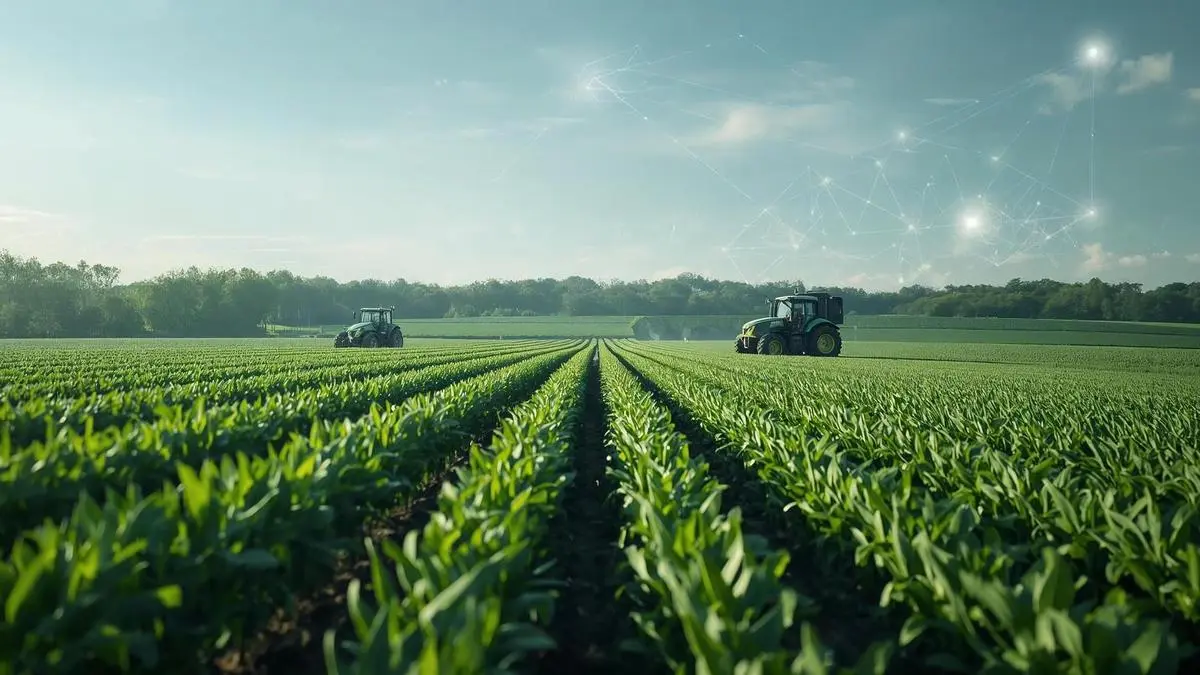
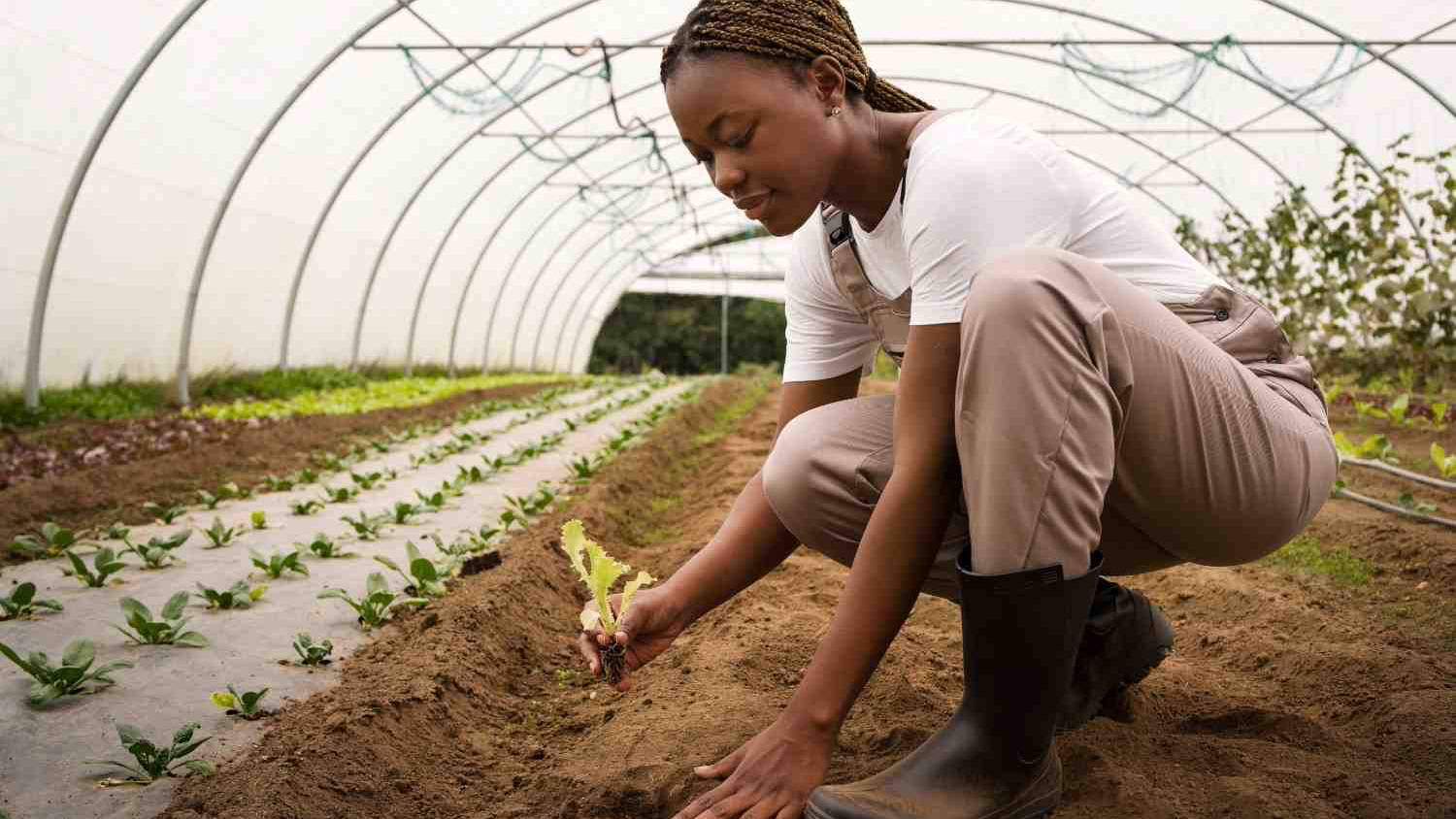
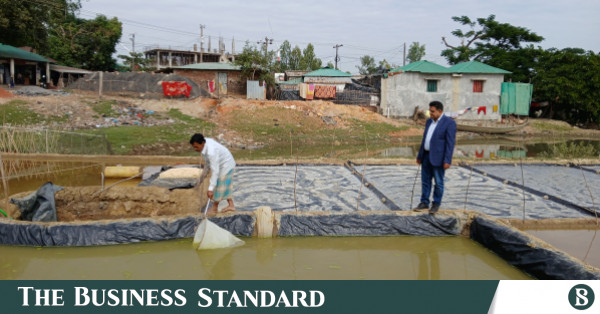
Irrigation is one of the most energy-intensive agricultural activities. Farmers relying on diesel pumps face recurring fuel expenses, while those dependent on grid electricity may encounter inconsistent supply. Solar-powered irrigation pumps provide an alternative by converting sunlight into electricity for water pumping.
Unlike conventional systems, solar pumps can reduce dependence on diesel and grid electricity during daylight hours. Although the initial investment can be substantial, lower recurring energy expenses can improve long-term operating economics, depending on system utilisation, maintenance and financing costs.
The Government of India’s PM-KUSUM scheme supports the deployment of standalone solar pumps and the solarisation of existing grid-connected agricultural pumps. Its target of 34.8 GW of solar capacity by March 2026 reflects the policy focus on integrating renewable energy into agriculture. The target should not be confused with achieved installations.
For the sector, the next priority is to improve access to financing, strengthen installation and maintenance networks, and integrate solar irrigation with efficient water-management practices.
Decentralised solar power and additional farm income
Solar energy can also create opportunities beyond irrigation. Under suitable arrangements, farmers and landowners can participate in decentralised renewable energy projects by leasing appropriate land or investing in eligible solar installations.
Where grid connectivity and power purchase arrangements permit, surplus electricity from solarised agricultural pumps can be supplied to distribution companies, potentially creating an additional revenue stream. Such models can diversify farm income while contributing to local electricity generation.
However, project viability depends on state policies, land suitability, grid infrastructure, contractual terms and the financial capacity of participating farmers. Transparent agreements and predictable payment mechanisms are essential for building confidence in these projects.
Agrivoltaics: Combining food and energy production
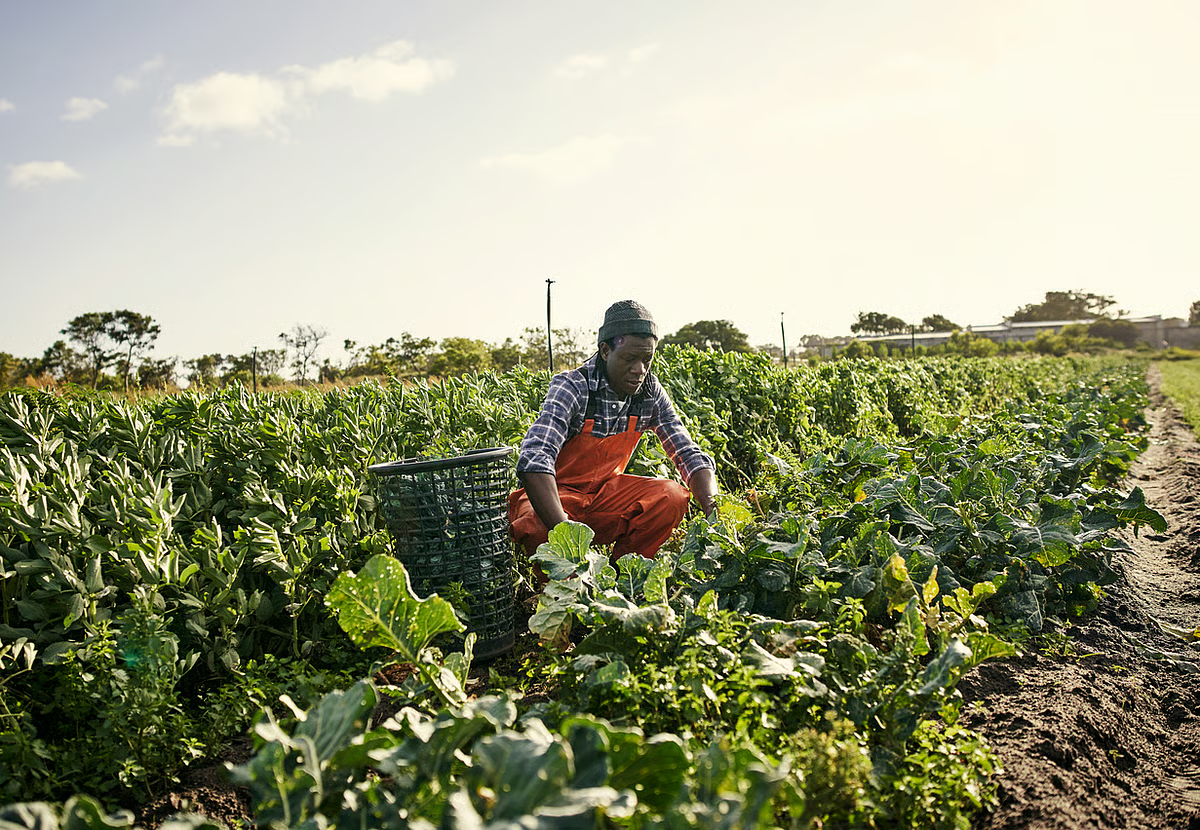
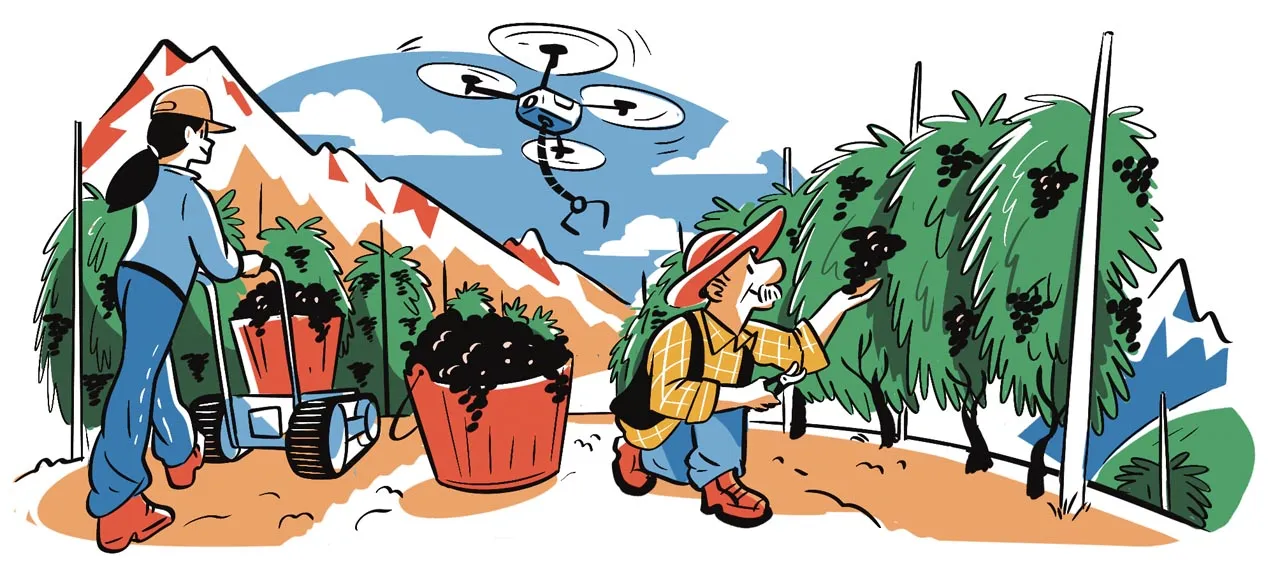
Agrivoltaics, which combines solar power generation with agricultural cultivation on the same land, represents another emerging opportunity for the sector. Elevated panels and carefully planned layouts can allow selected crops to grow beneath or between solar installations.
Depending on the crop and local climate, partial shading may reduce evaporation and heat stress. However, excessive shading can affect crop yields, making panel height, spacing, crop selection and irrigation requirements critical design considerations.
For India, agrivoltaics could offer a way to optimise land use, particularly where agricultural production and renewable energy generation need to coexist. Region-specific research and pilot projects will be necessary to establish commercially viable models.
Addressing the barriers to adoption
Despite its potential, solar adoption in agriculture faces challenges, including upfront capital expenditure, limited financing access, maintenance requirements and uneven awareness among farmers. Small and marginal farmers may need tailored financing options and government support to make installations affordable.
Solar deployment must also account for groundwater sustainability. Lower irrigation energy costs can encourage excessive pumping if systems are not accompanied by appropriate water-use regulations, micro-irrigation and conservation measures.
Collaboration between solar developers, agricultural institutions, financial organisations and policymakers will be crucial to addressing these challenges.
The road ahead
Solar energy is becoming an important component of agricultural infrastructure, offering opportunities to reduce energy expenditure, improve irrigation access and diversify rural income. Its long-term impact, however, will depend on solutions designed around actual farming requirements rather than technology deployment alone.
For the renewable energy industry, agriculture represents an opportunity to develop scalable, decentralised solutions that deliver measurable economic value.
Integrating solar power with efficient irrigation, viable financing and responsible resource management can help India build a more energy-efficient and economically resilient agricultural sector.
The author is AVP – Business Development, Oorjan Cleantech
Published on October 25, 2026