Geopolitical tensions, trade disputes, inflation risks and climate-related disruptions continue to keep global markets on edge. From the US-Iran conflict and trade wars to the impact of El Niño, investors are navigating an increasingly uncertain environment that can quickly affect portfolio returns.
While investors have little control over such events, they can adjust how they allocate their investments. Financial experts believe fixed income can play an important role in helping portfolios weather periods of heightened volatility.
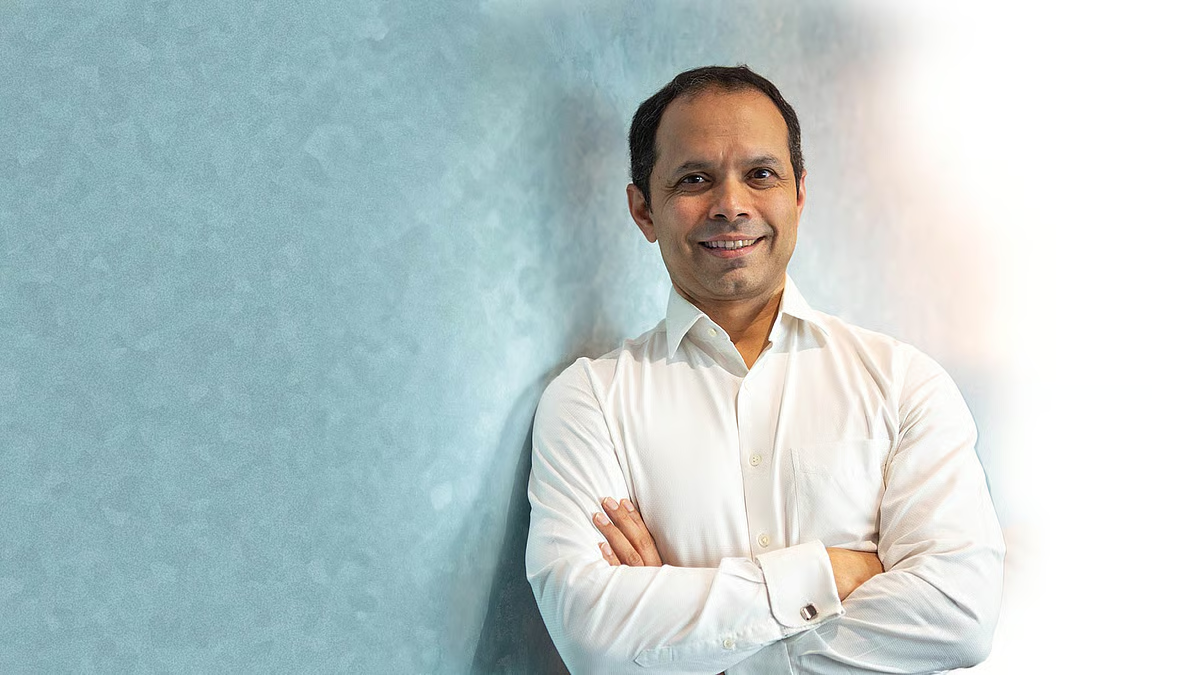
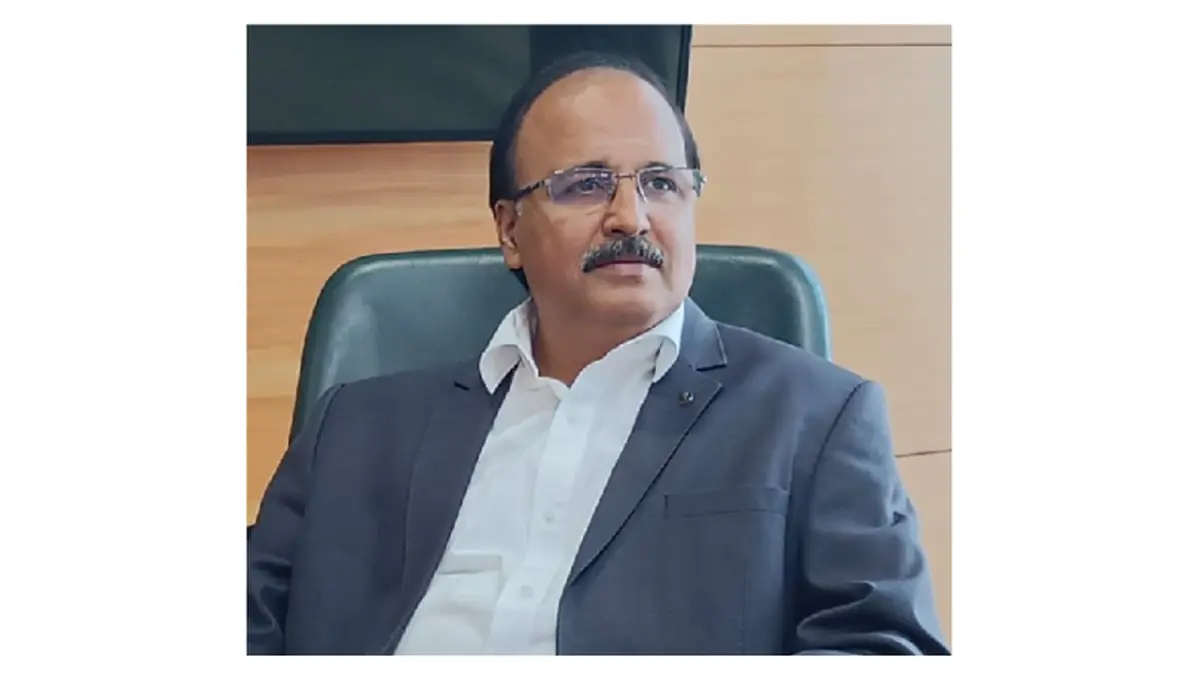
“In an environment shaped by geopolitical shocks, El Niño risks and shifting policy signals, fixed income continues to act as support for portfolios,” says Harsha Vardhana VM, Founder and Group CEO of Atom Financial Services. Unlike equities, bonds offer contractual coupon payments and principal repayment, making them less vulnerable to earnings volatility.
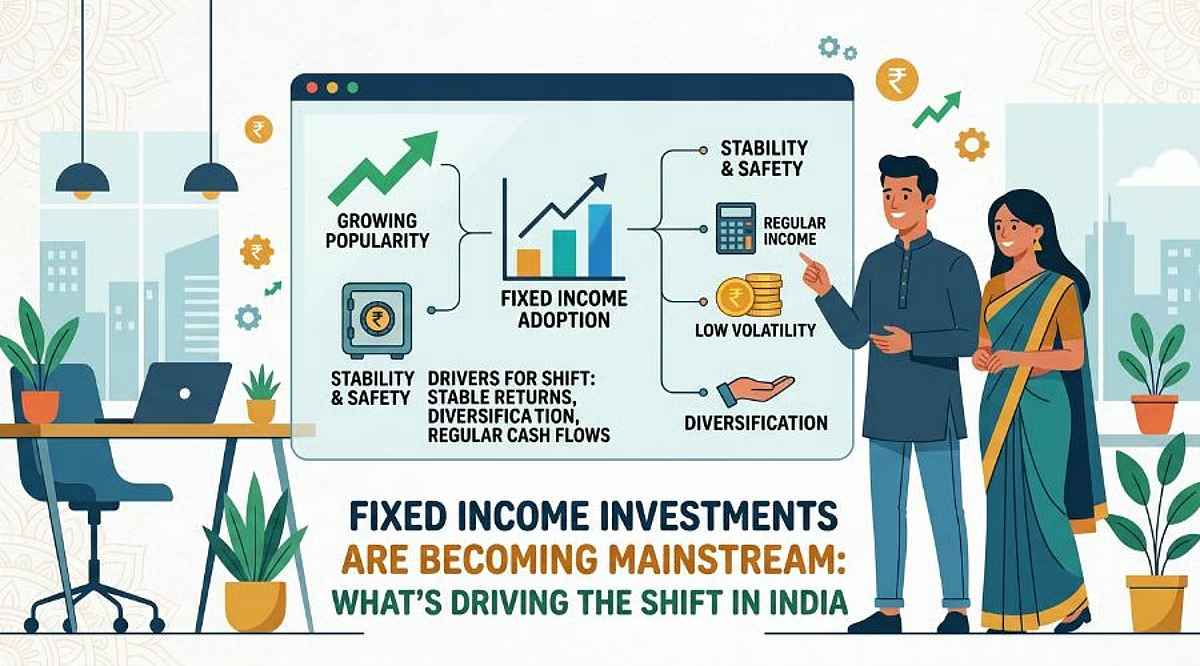
“Fixed-income instruments reduce volatility in a portfolio while providing regular cash flows, defined maturities and greater visibility over returns,” says Vineet Agrawal, Co-founder of Jiraaf.
He suggests building a diversified bond portfolio comprising government securities (G-Secs), AAA and AA-rated bonds for stability, along with selective exposure to A and BBB-rated investment-grade bonds to enhance return potential. The allocation, he adds, should be diversified across issuers, sectors and maturities.
Focus on shorter-duration bonds
Rising crude oil prices and geopolitical tensions could keep inflation elevated and lead to mark-to-market volatility in debt markets. However, shorter-duration bonds generally experience lower price volatility.
“In the current environment, investors may consider maintaining exposure to lower-duration fixed income strategies to limit mark-to-market risk while preserving portfolio stability,” advises Harsimran Sahni, EVP and Head of Treasury at Anand Rathi Global Finance.
Experts also point out that during sharp equity market corrections, government securities and high-quality corporate bonds typically fall less than equities and often continue delivering positive returns, helping preserve capital when market sentiment weakens.
Why debt still deserves a place in every portfolio
Fixed income should remain a core component of every diversified portfolio, irrespective of an investor’s experience or risk appetite.
According to data shared by Anand Rathi, while the Nifty has declined by around 4% over the past year, debt portfolios have generated returns of approximately 7-8%, helping improve overall portfolio performance.
Harsha Vardhana recommends that retail investors think of their bond allocation in layers.
At the core should be sovereign instruments such as G-Secs and Treasury Bills, which offer minimal credit risk and high liquidity. Around this core, investors can add AAA and strong AA-rated corporate bonds to earn higher yields while keeping default risk under control.
Short-duration bonds, particularly those with maturities of one to three years, can help reduce sensitivity to interest rate movements. Investors worried about further rate hikes may also consider floating-rate bonds linked to benchmark rates, allowing portfolio income to adjust as interest rates change.
Diversification remains critical
“The portfolio should not be concentrated in one issuer, sector, rating or maturity,” says Agrawal.
He recommends building a bond ladder by investing in securities with staggered maturity dates. This approach provides periodic liquidity, reduces reinvestment risk and avoids locking the entire portfolio into a single interest-rate cycle.
Sahni also recommends a diversified combination of high-quality corporate bond funds, dynamic bond funds and liquid funds, depending on an investor’s time horizon and market outlook.
Corporate bond funds provide relatively stable accrual opportunities, while liquid and low-duration funds offer flexibility to rebalance into equities during market corrections. Dynamic bond funds can also be useful because fund managers actively adjust portfolio duration as interest rate expectations evolve.
Debt mutual funds can simplify investing
For investors who prefer professional management, Harsha Vardhana believes debt mutual funds offer an efficient solution.
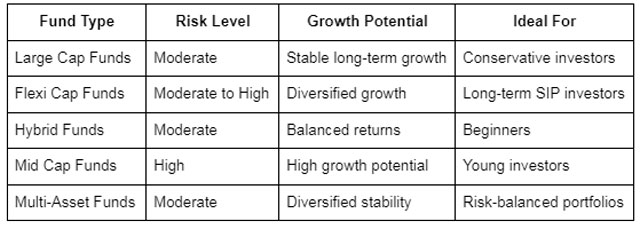
Short-duration and corporate bond funds investing in diversified portfolios of high-quality issuers can provide accrual-driven returns with moderate volatility. Dynamic bond funds allow fund managers to shift between short- and long-duration strategies as the interest rate cycle changes.
Multi-asset and conservative hybrid funds, which combine debt with limited equity exposure, can further smooth portfolio returns, while liquid and money market funds remain suitable for cash management during periods of heightened uncertainty.
Keep your investment objective in mind
“Investors should first define whether their bond allocation is intended for portfolio stability, regular income or a specific financial goal,” says Agrawal.
He believes a diversified portfolio built around G-Secs and AAA- and AA-rated bonds, with measured exposure to A- and BBB-rated investment-grade bonds, can improve return potential without taking excessive risk.
Depending on prevailing yields, maturity profile, and issuer selection, such a diversified bond portfolio could target an annual pre-tax yield of around 11%. However, investors should evaluate an issuer’s financial strength, repayment capability, security structure and maturity profile rather than choosing bonds solely based on coupon rates or credit ratings.
Harsha Vardhana concludes that a few investment principles remain timeless. Investors should align bond duration with their financial goals, prioritise credit quality over high yields and diversify across sovereign bonds, high-grade corporate bonds and debt mutual funds.
“Most importantly, bonds should be treated as a strategic allocation rather than a tactical trade. Their stabilising effect is realised when they are held consistently through market cycles, not after volatility has already spiked,” he says.