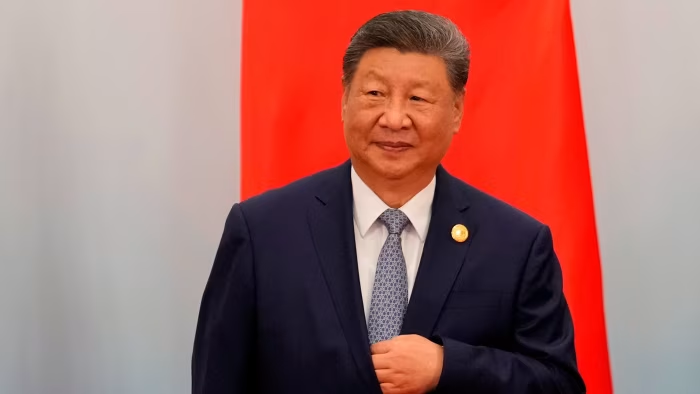
China’s Communist party leaders have vowed to accelerate the country’s push towards self-reliance in cutting-edge technology amid rising tensions with the US.
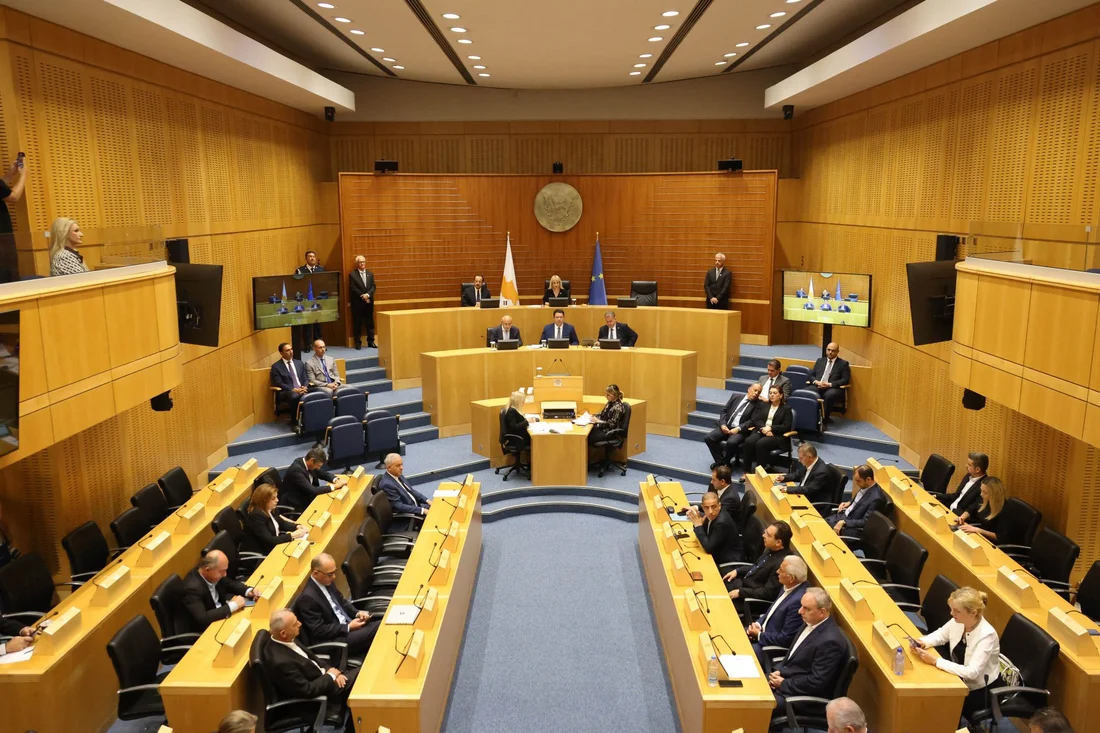
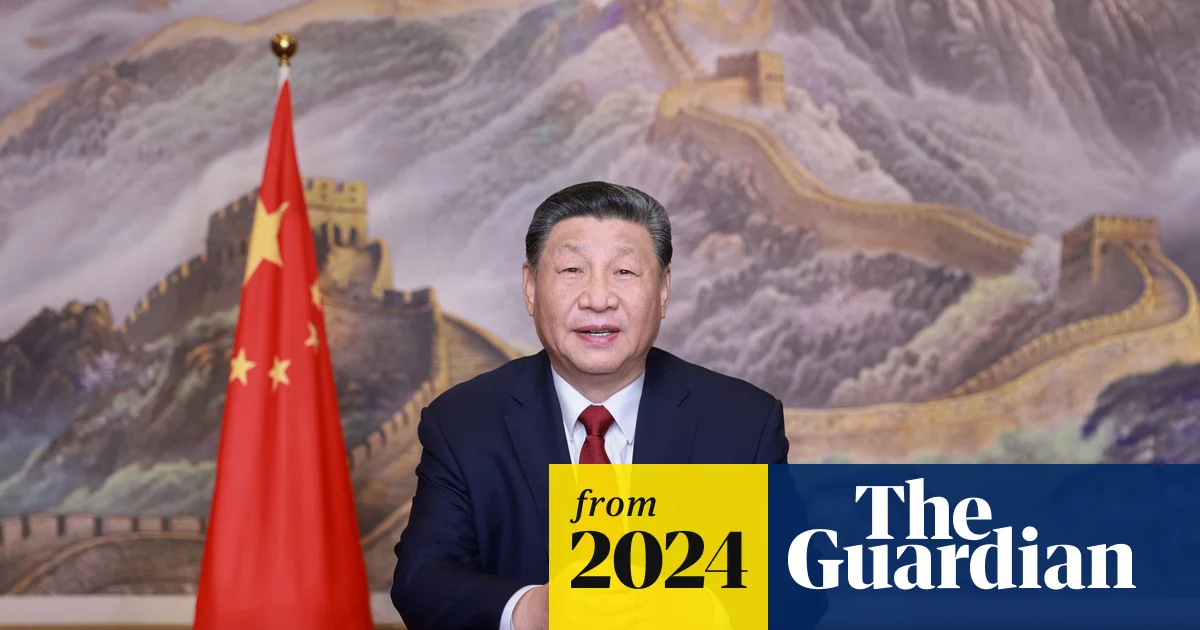
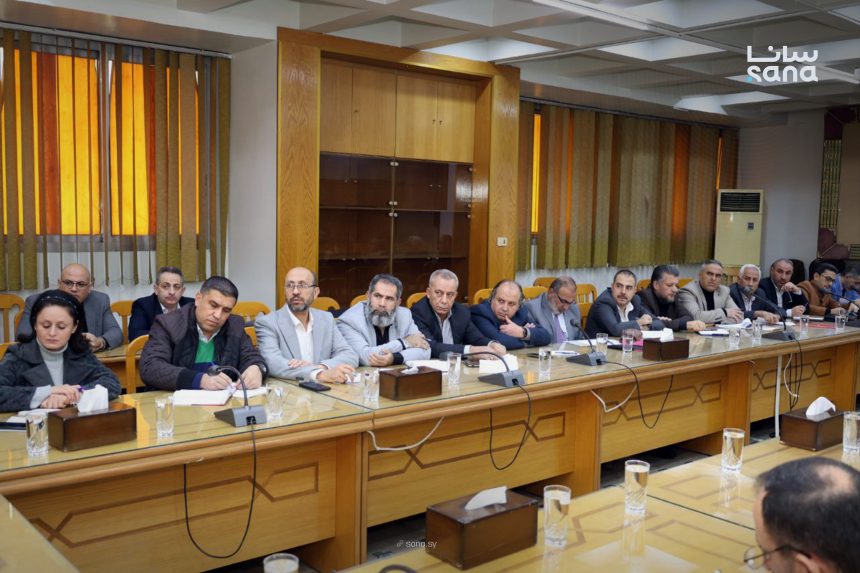
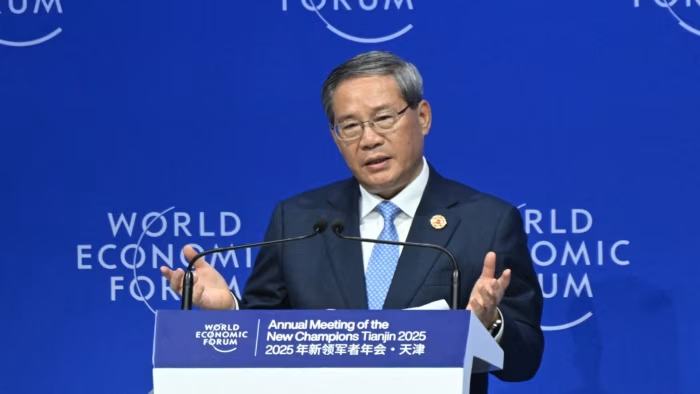
The statement came as the party’s elite central committee met at Beijing’s Jingxi Hotel this week for the four-day “fourth plenum”, to lay the groundwork for the country’s 15th five-year plan, which will be made public early next year.
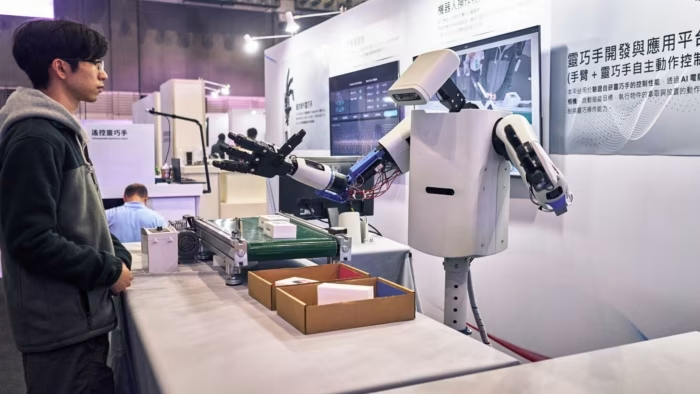
“The country should achieve greater self-reliance and strength in science and technology,” the meeting concluded, according to state media.
China would pursue policies aimed at markedly increasing its “economic strength, scientific and technological capability, national defence capacity, overall national power and international influence” by 2035, according to a communiqué published on Thursday by Xinhua, the state news agency.
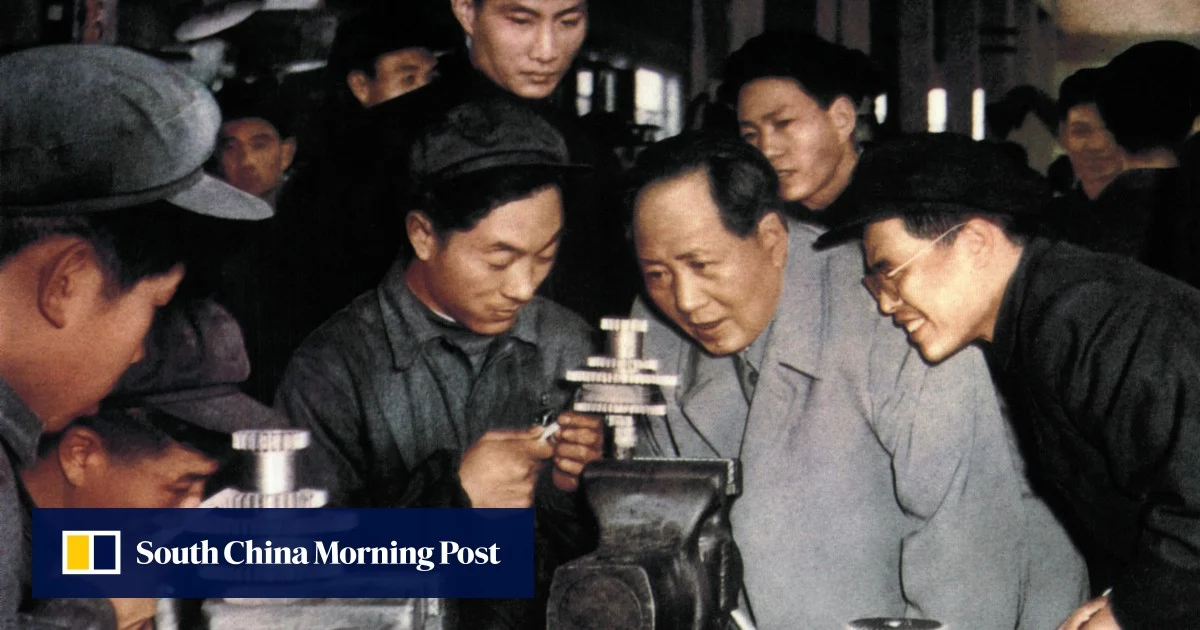
The party’s five-year plans were central to Mao Zedong’s command economy and remain important platforms for conveying the leadership’s political, economic and social priorities. They are closely watched by foreign governments and investors.
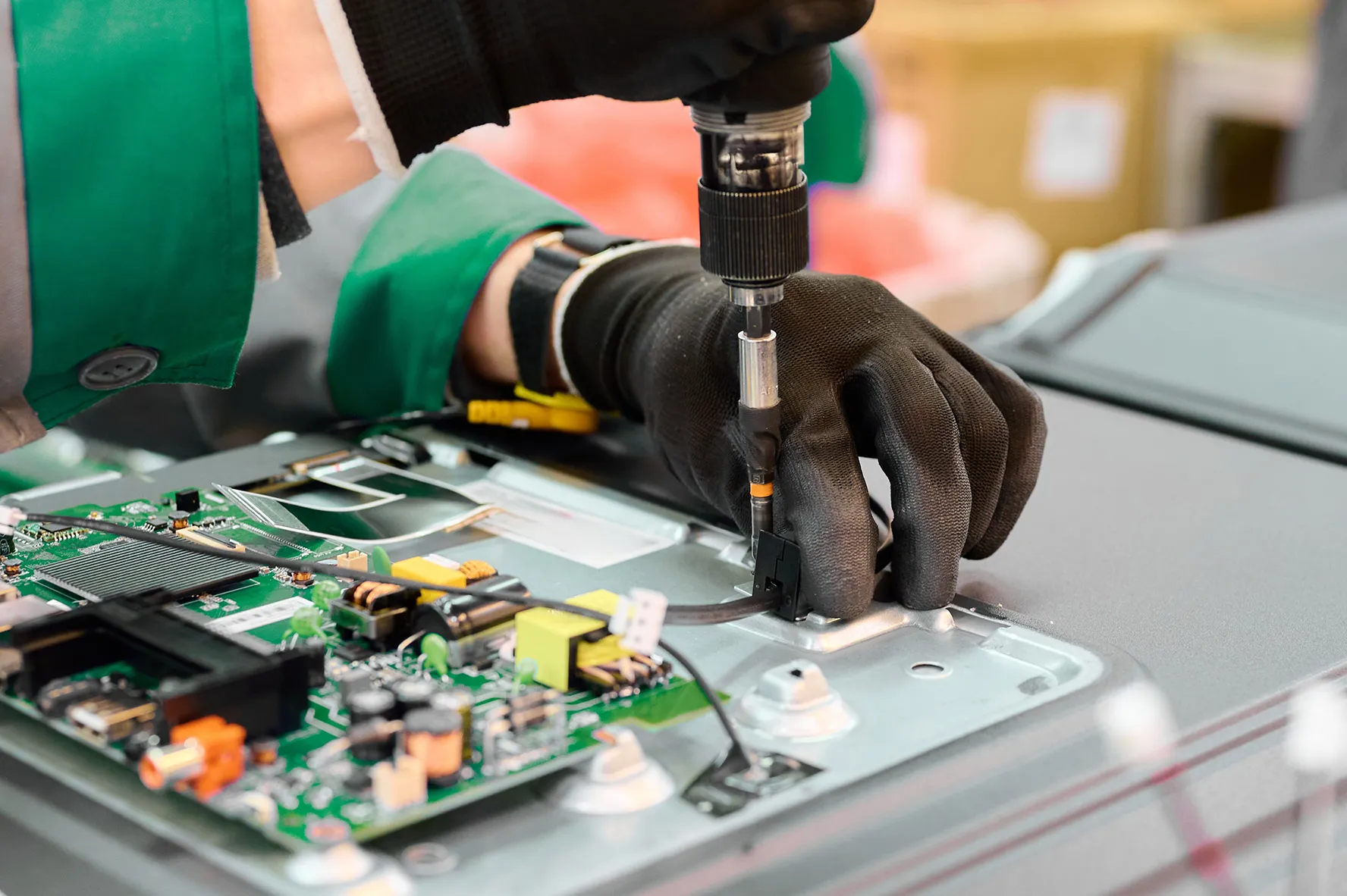
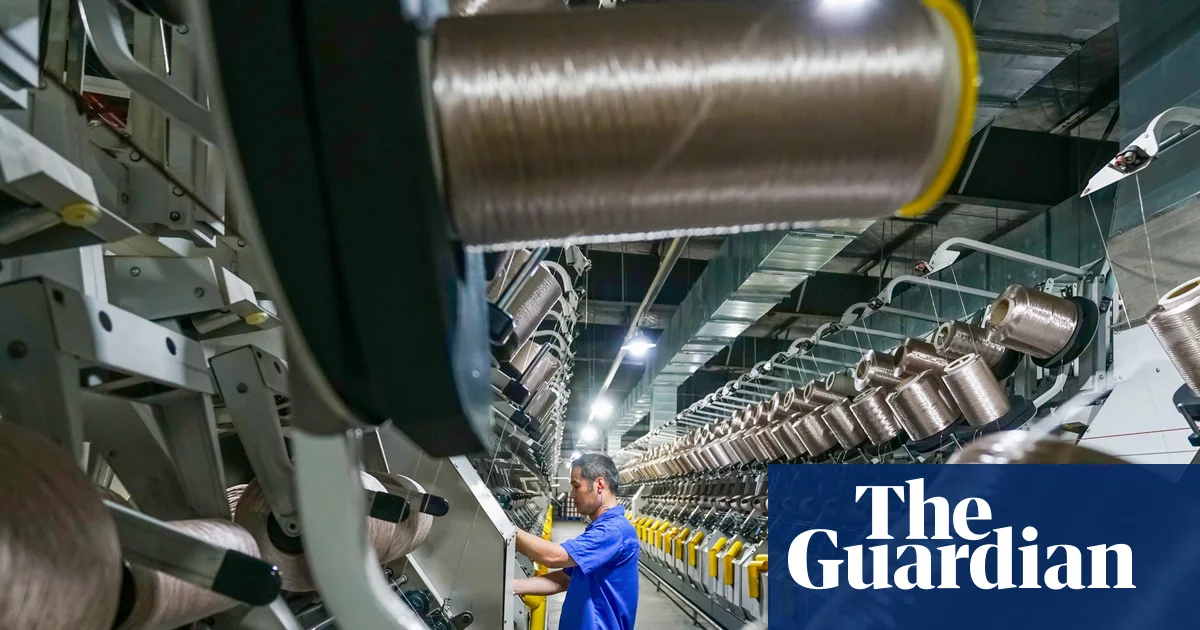
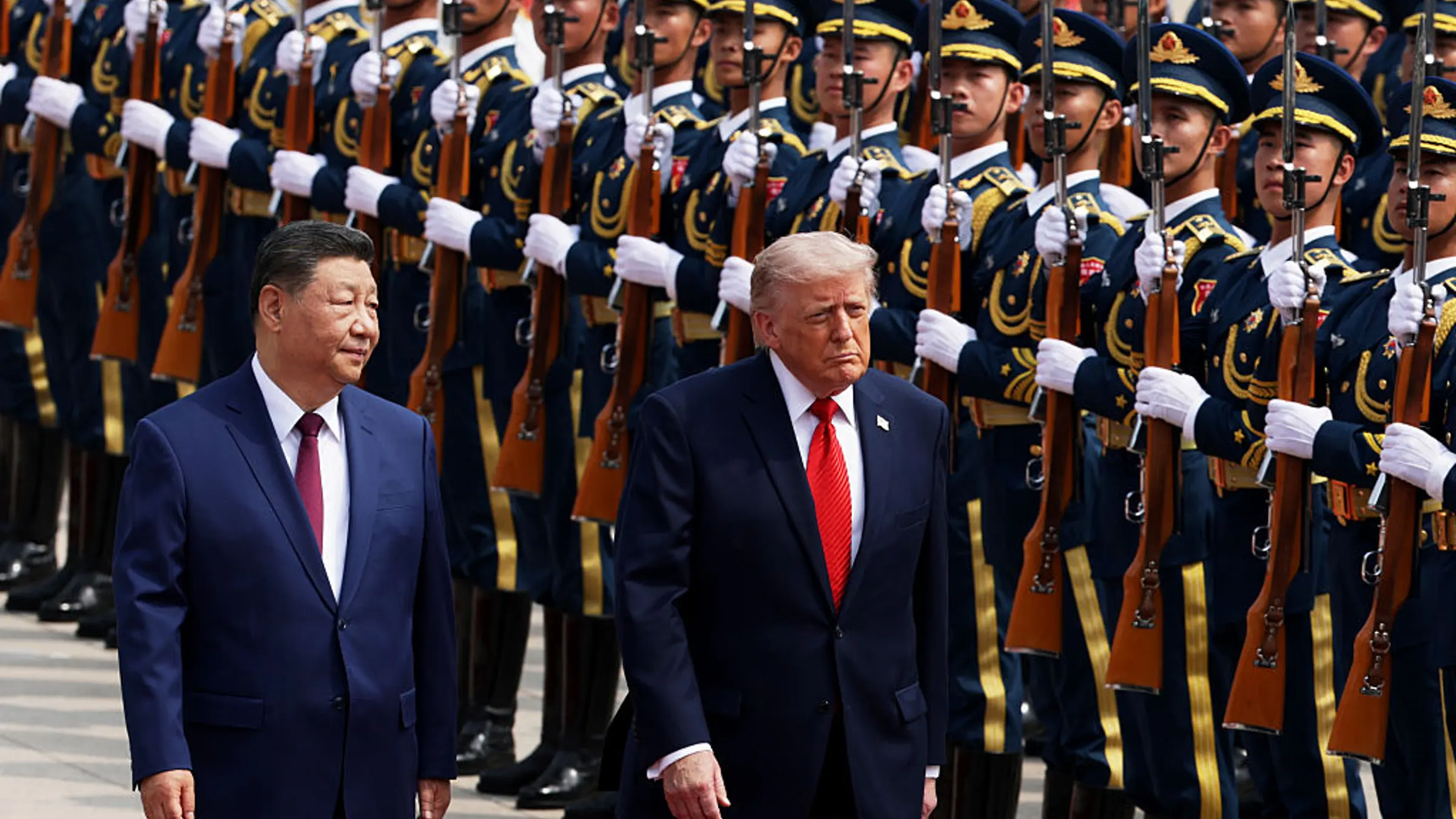
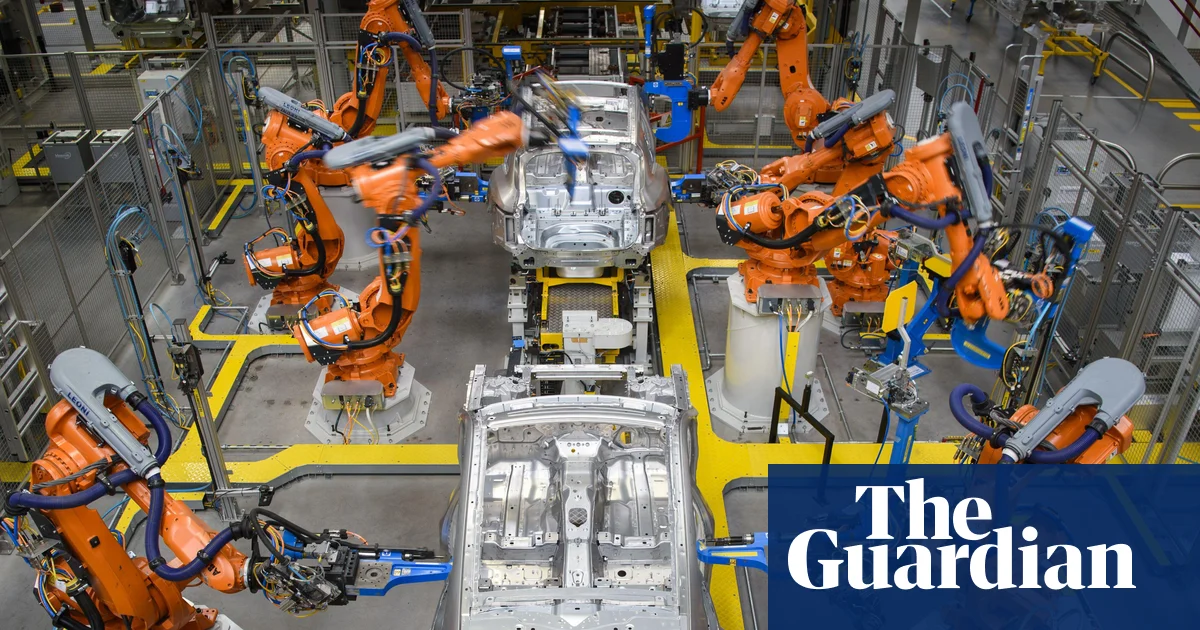
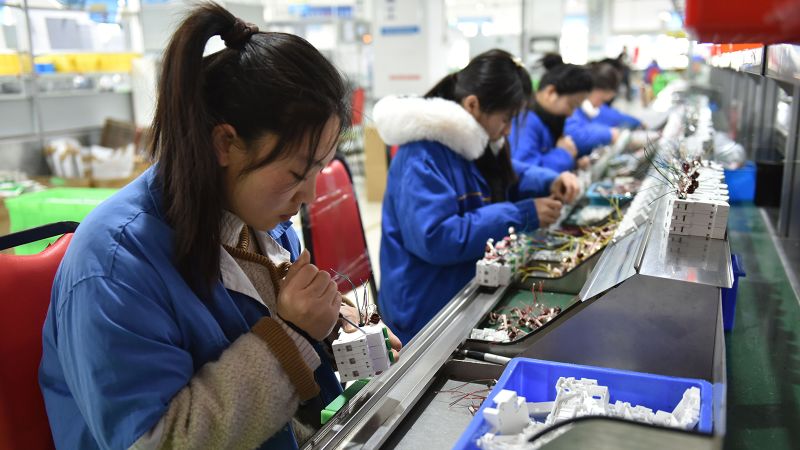
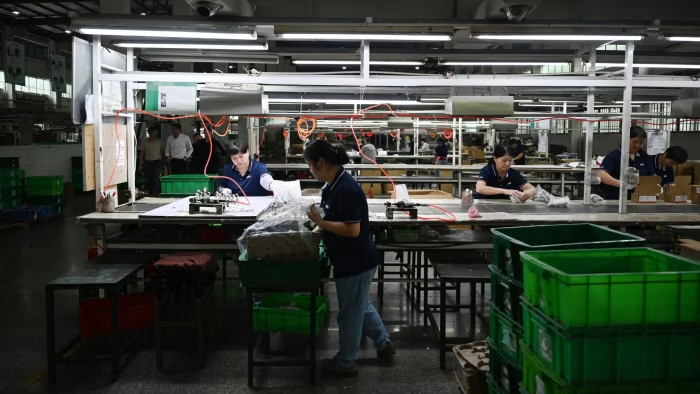
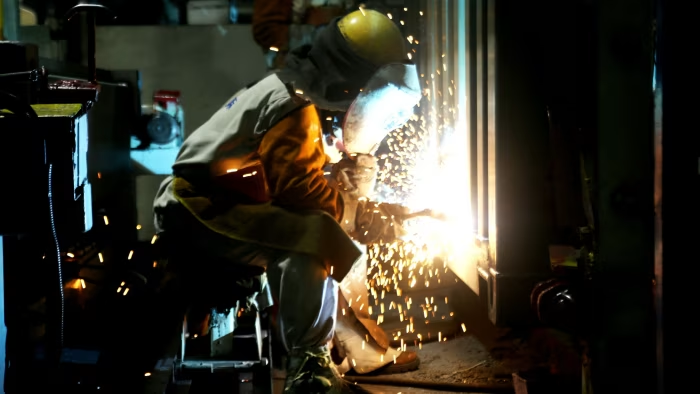
Beijing’s signal that it will continue to push industrial policies that support the country’s high-tech manufacturing sector comes as China has faced snowballing restrictions on access to technology by successive US presidential administrations.
“The country faces a stage where strategic opportunities coexist with risks and challenges, and uncertainties and unpredictable factors are increasing,” the communiqué said.
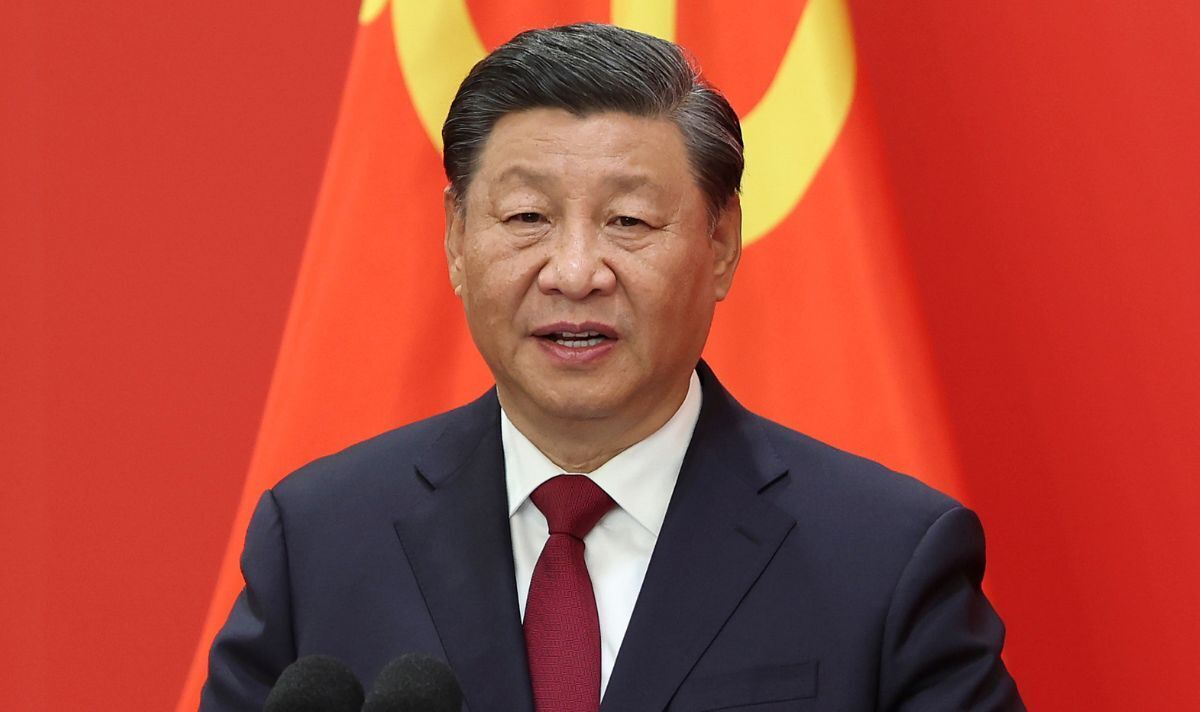
It named Zhang Shengmin, a general in the People’s Liberation Army Rocket Force, as the new vice-chair of the Central Military Commission. The commission is the party’s top military leadership group, which is chaired by President Xi Jinping.
The move will make Zhang, who has been serving in key roles overseeing party and military discipline, China’s second highest-ranking general. He replaces He Weidong, who was among nine senior military leaders expelled from the party for corruption last week.
The communiqué also announced another 11 new members of the party’s more than 300-member central committee.
It reaffirmed plans to enhance military strength through science and technology and to accelerate the development of advanced combat capabilities. It also stressed the party would continue to “unwaveringly” carry out Xi’s long-running anti-corruption campaign.
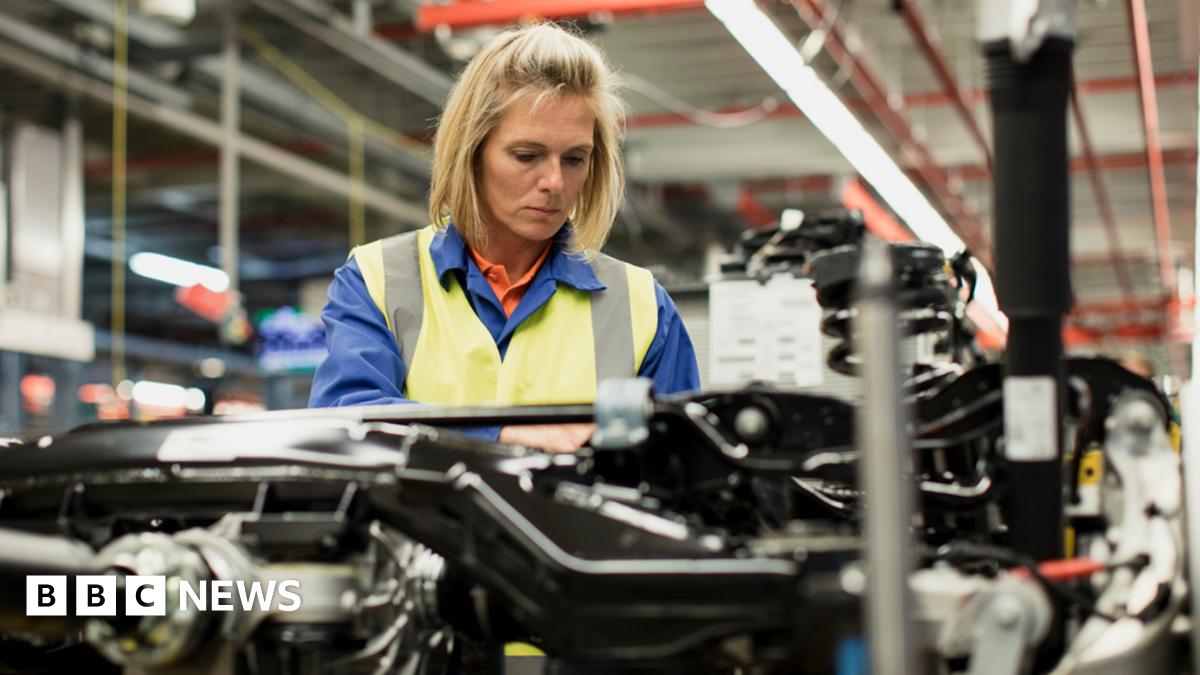
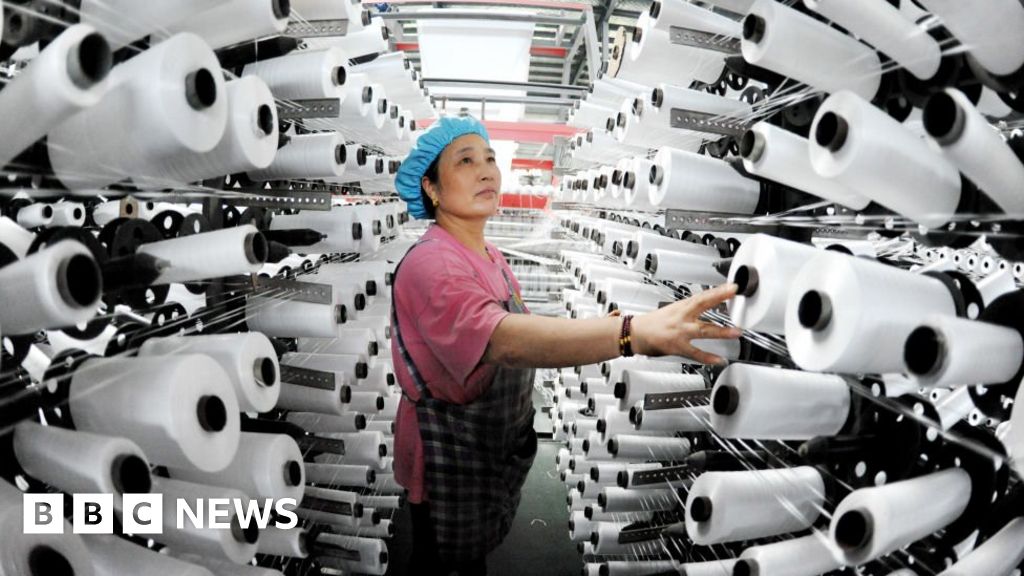
The meeting comes just months after Xi warned against “involution” in the manufacturing sector — referring to extreme price competition — as he slammed reckless investment plans by provincial officials. China’s industrial overcapacity has added to deflationary pressures and worsened trade tensions.
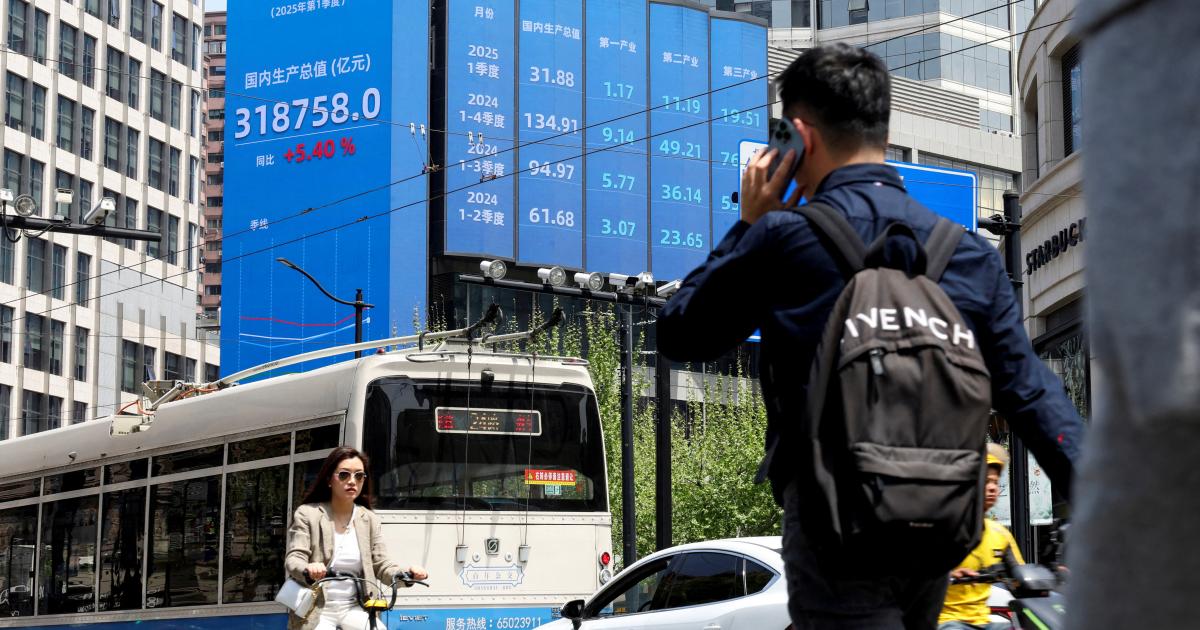
The communiqué said China would “maintain an appropriate proportion of manufacturing in the economy”. It also reiterated several economic goals, including a shift to domestic consumption and a target to increase GDP on a per capita basis.
“I think it’s a lot of continuity [and] not that much change,” said Bert Hofman, a professor at the National University of Singapore, who pointed to “small nuanced changes” and “no big surprises”.
Such an emphasis on continuity had a “tactical” element, he added. “[There’s] lots of things going on in the world, upheaval, but China is continuing to implement their plan towards socialist modernisation.”
Additional contributions by Nian Liu