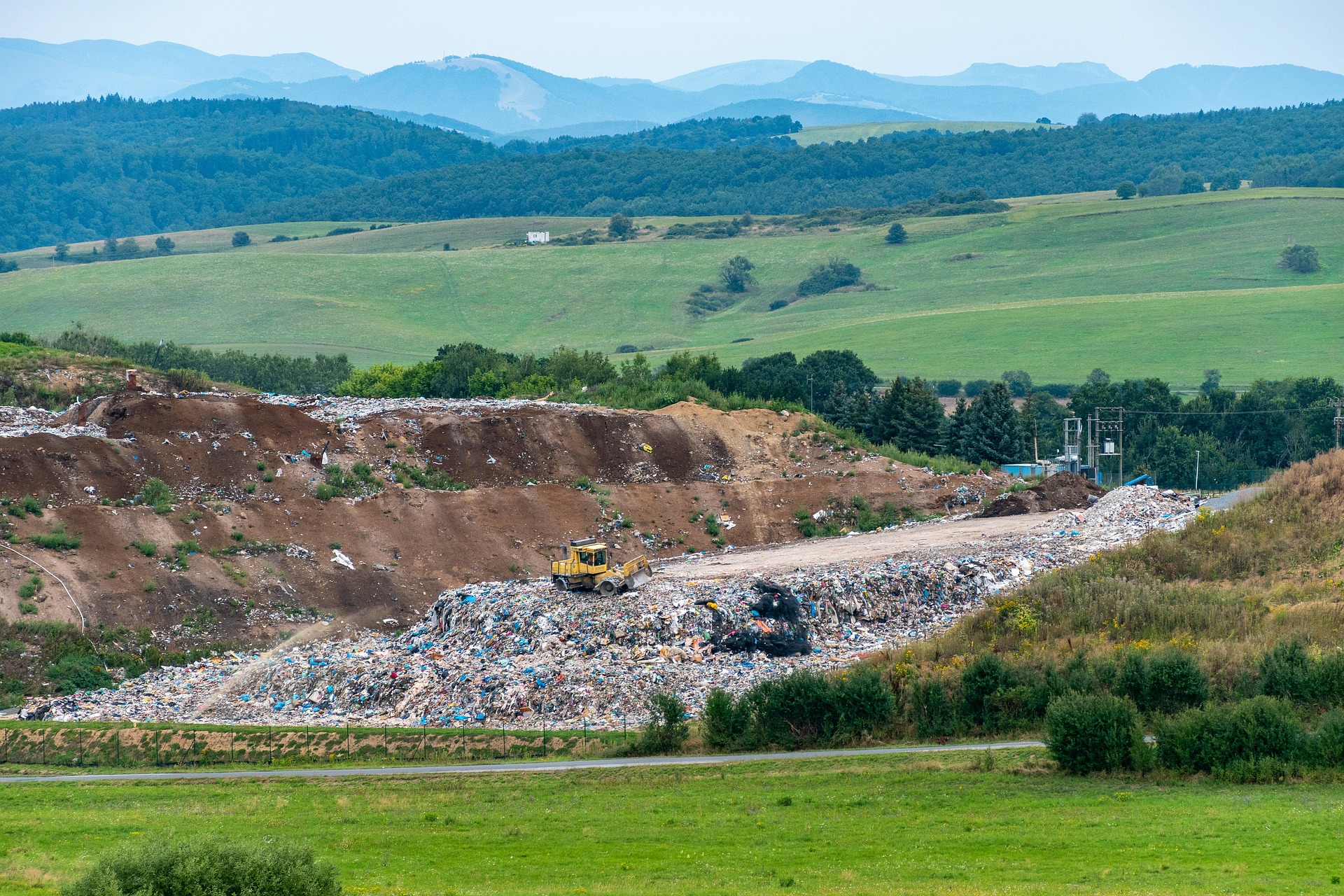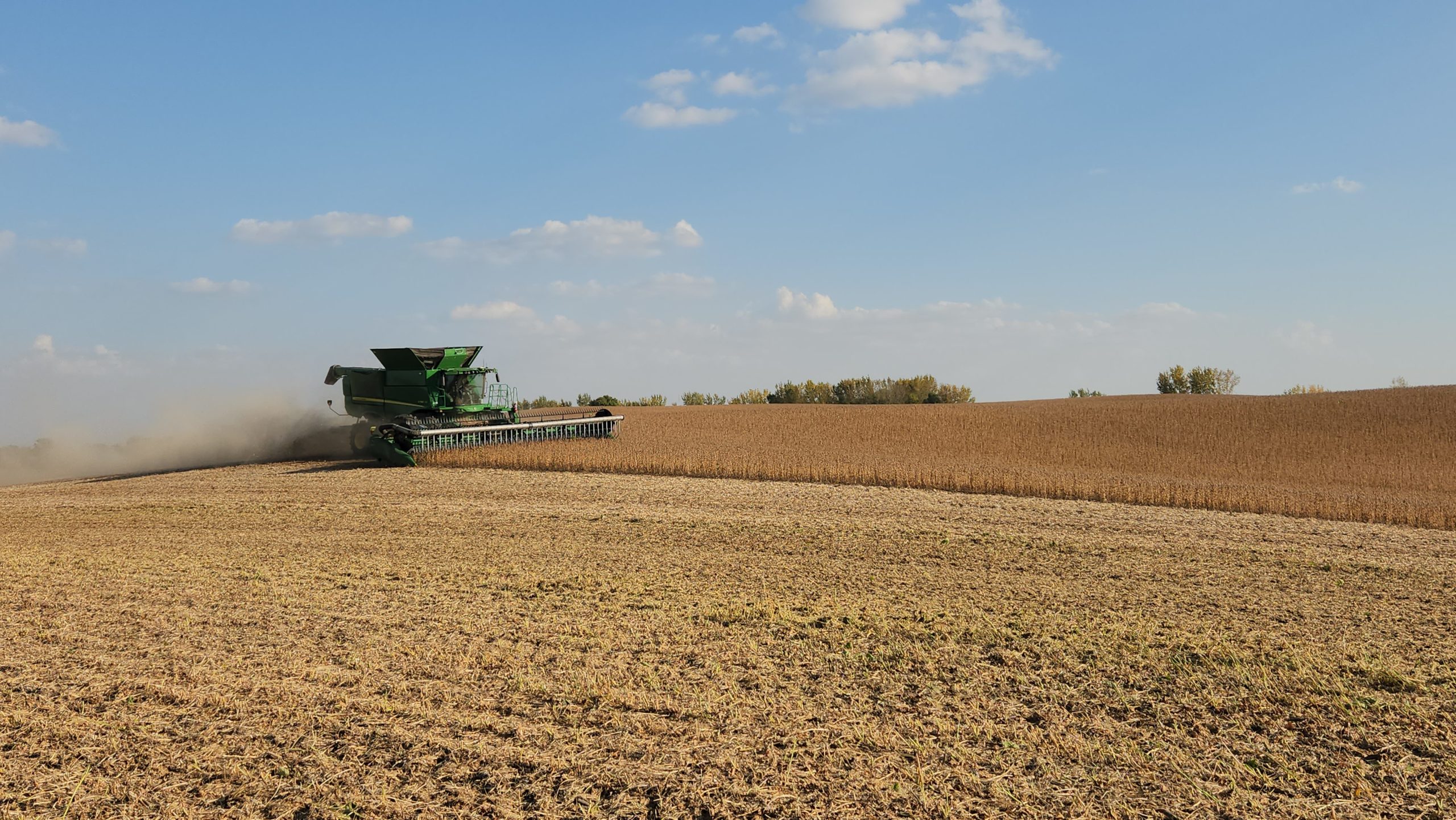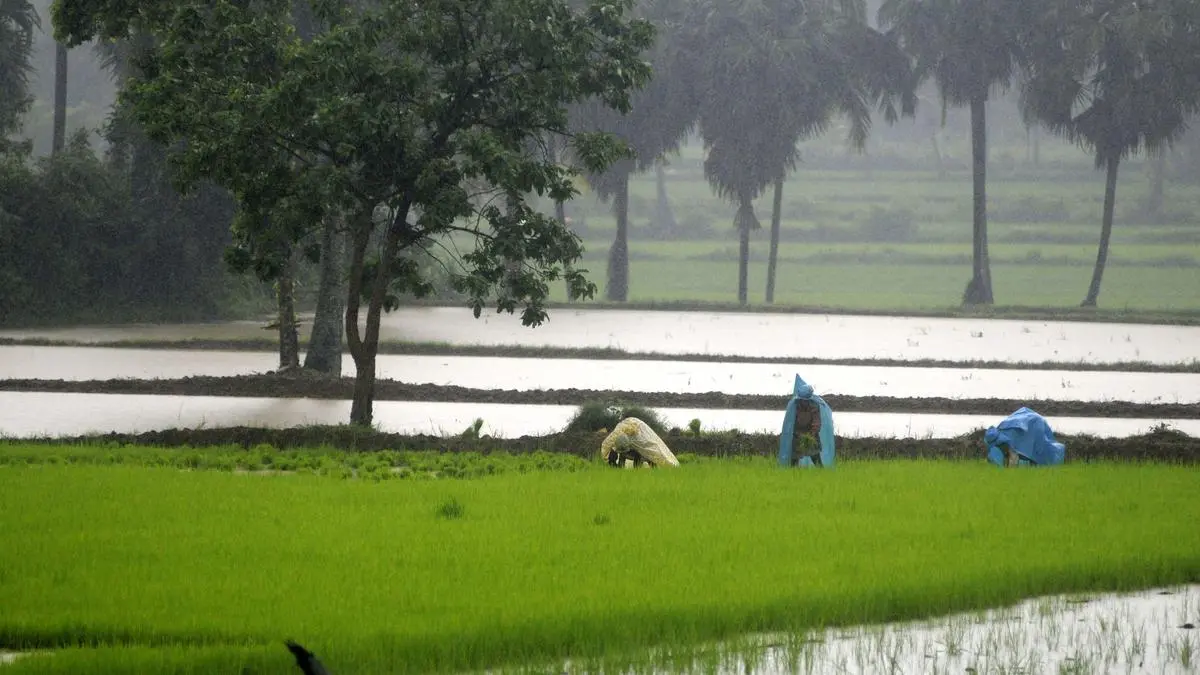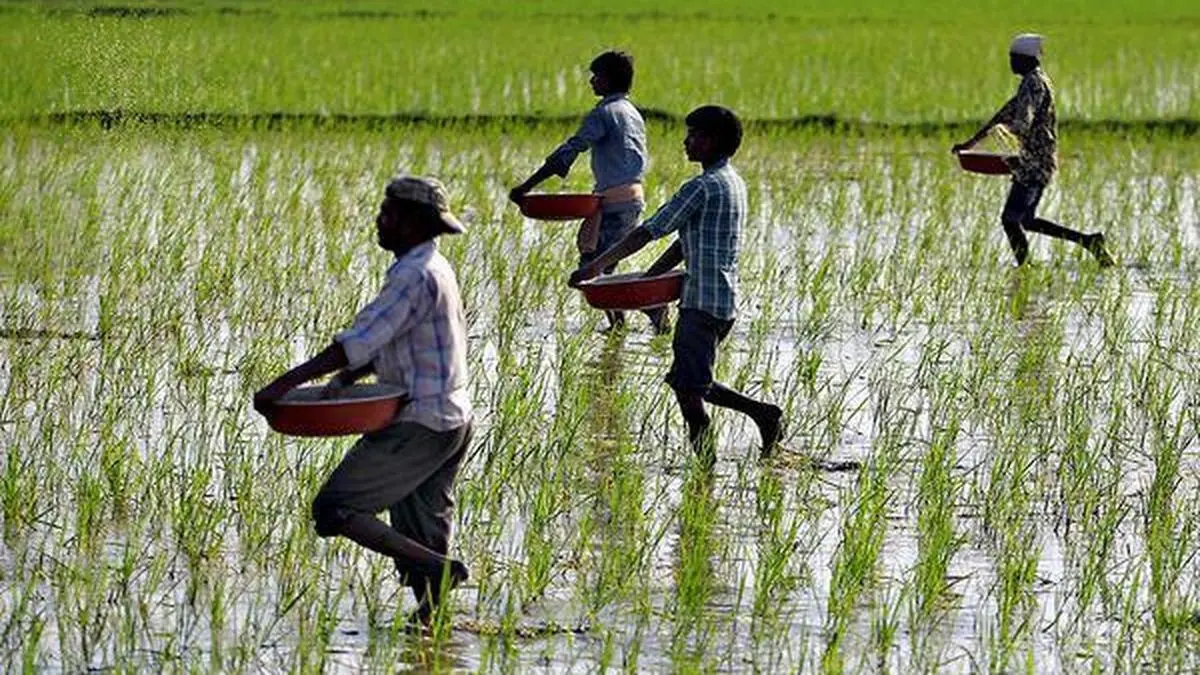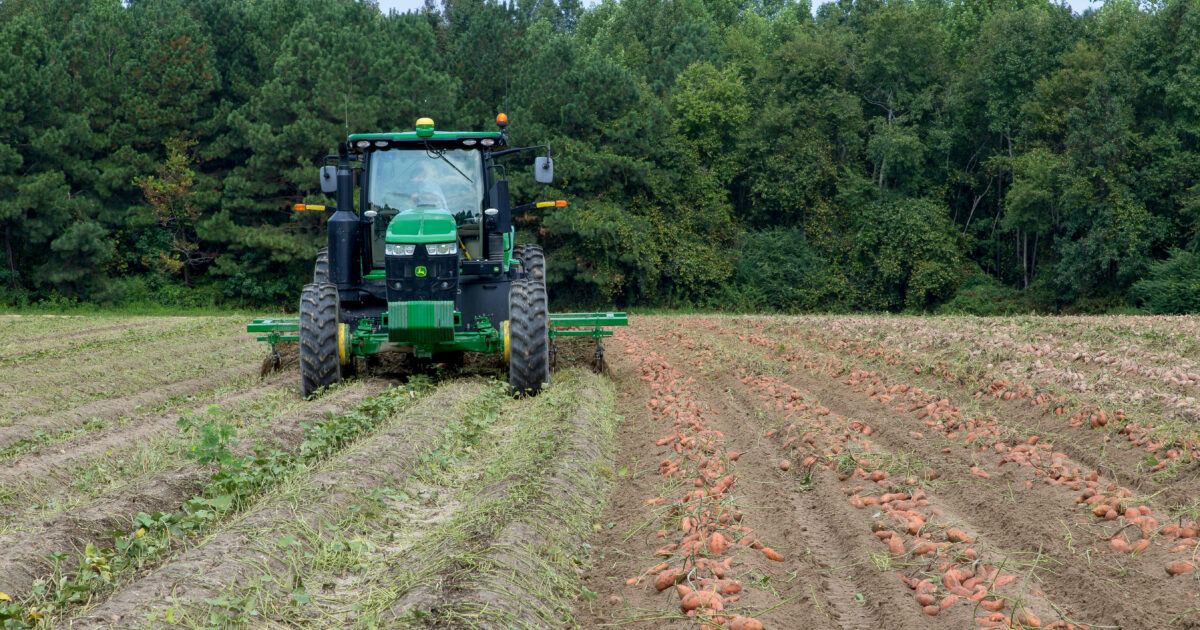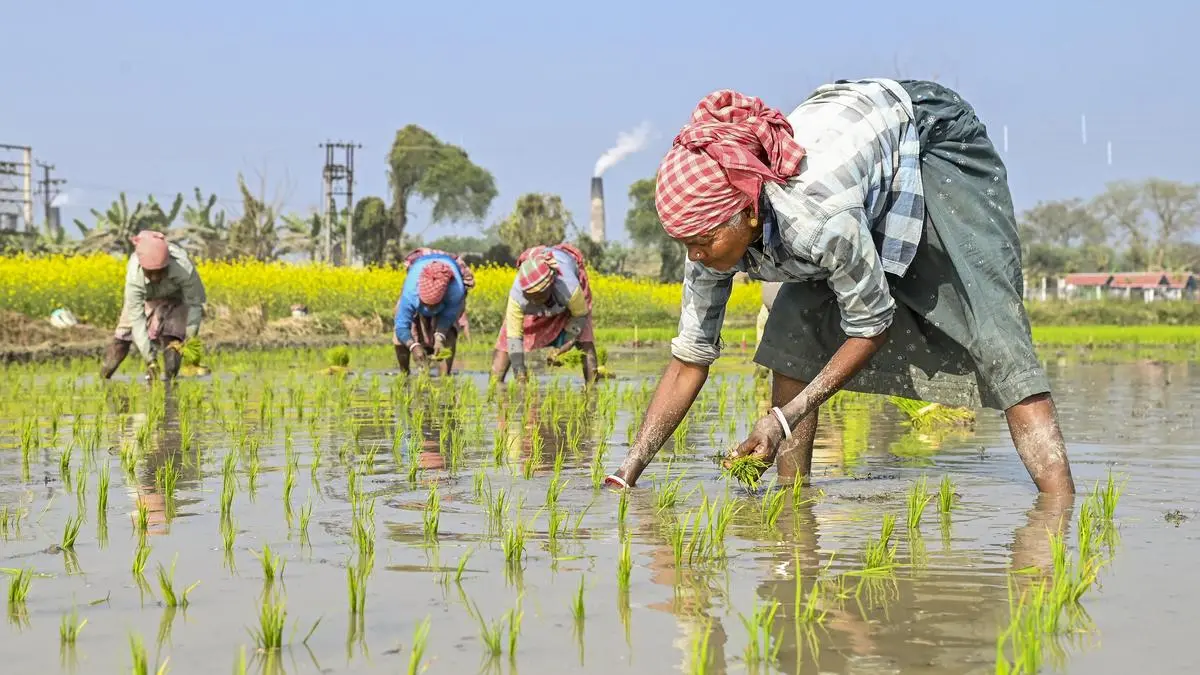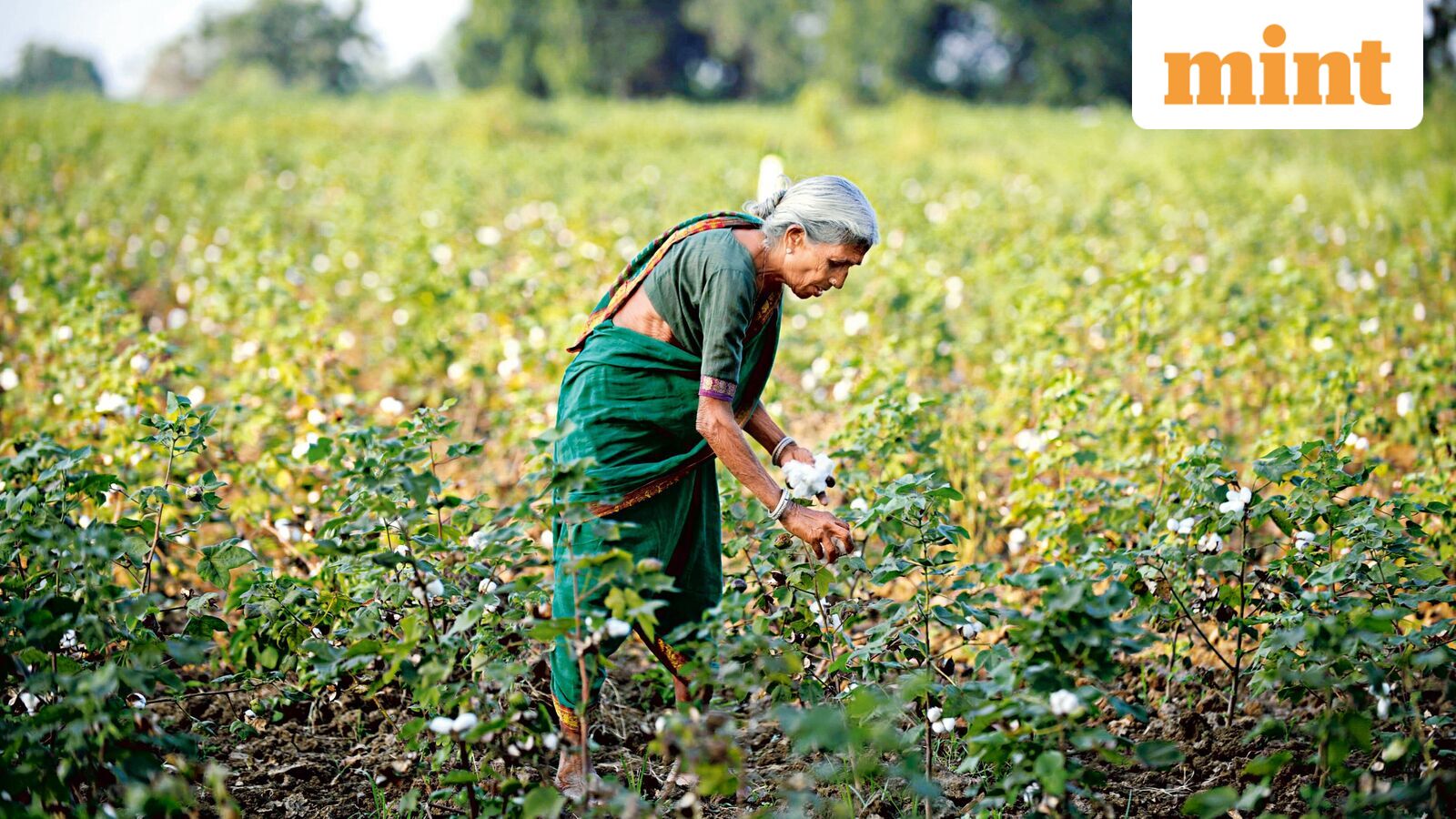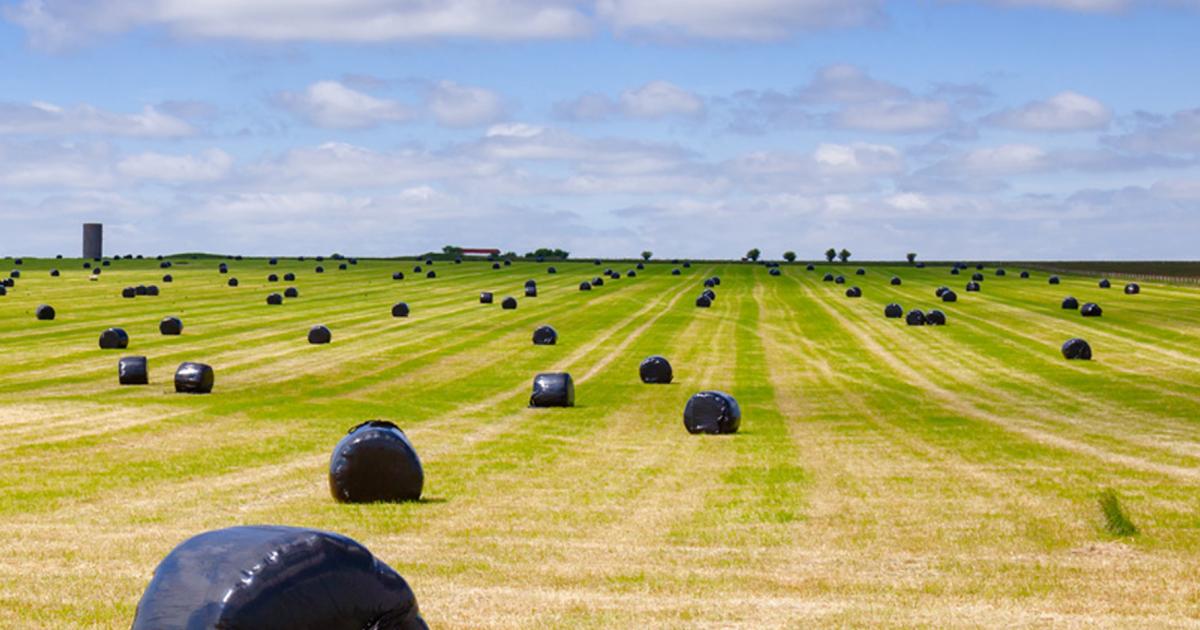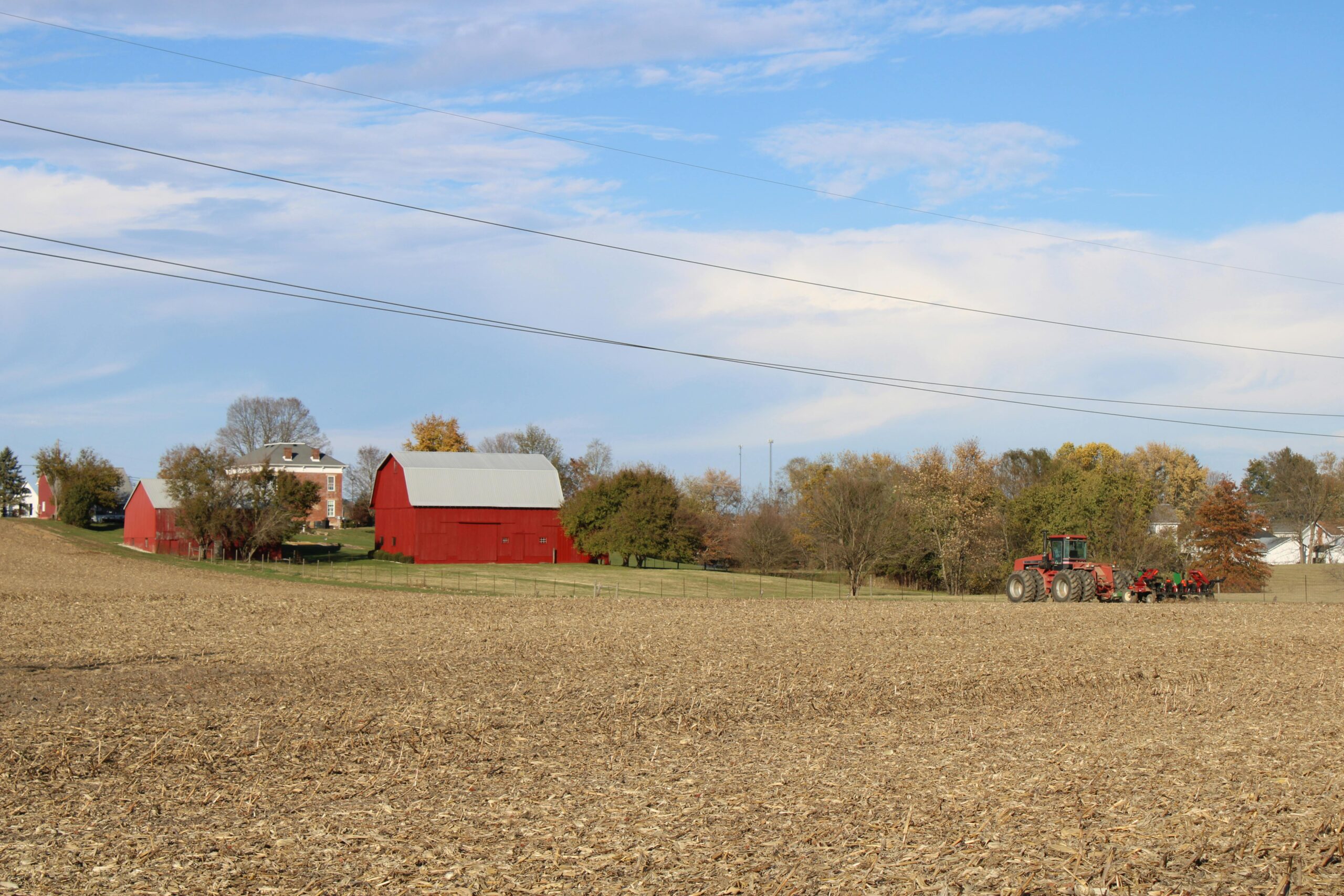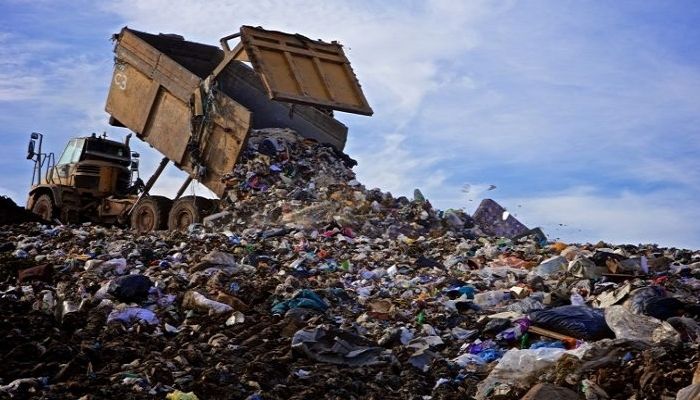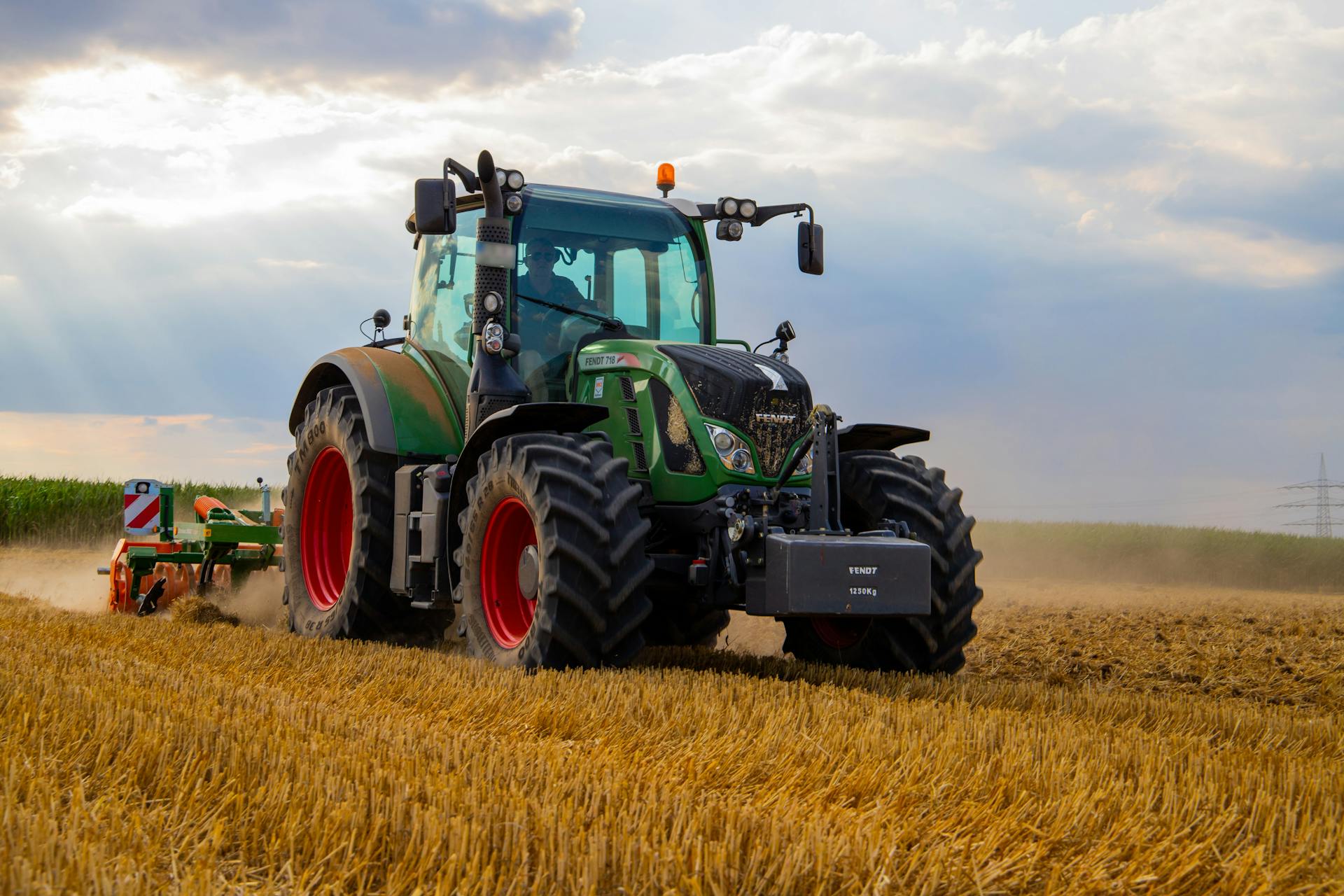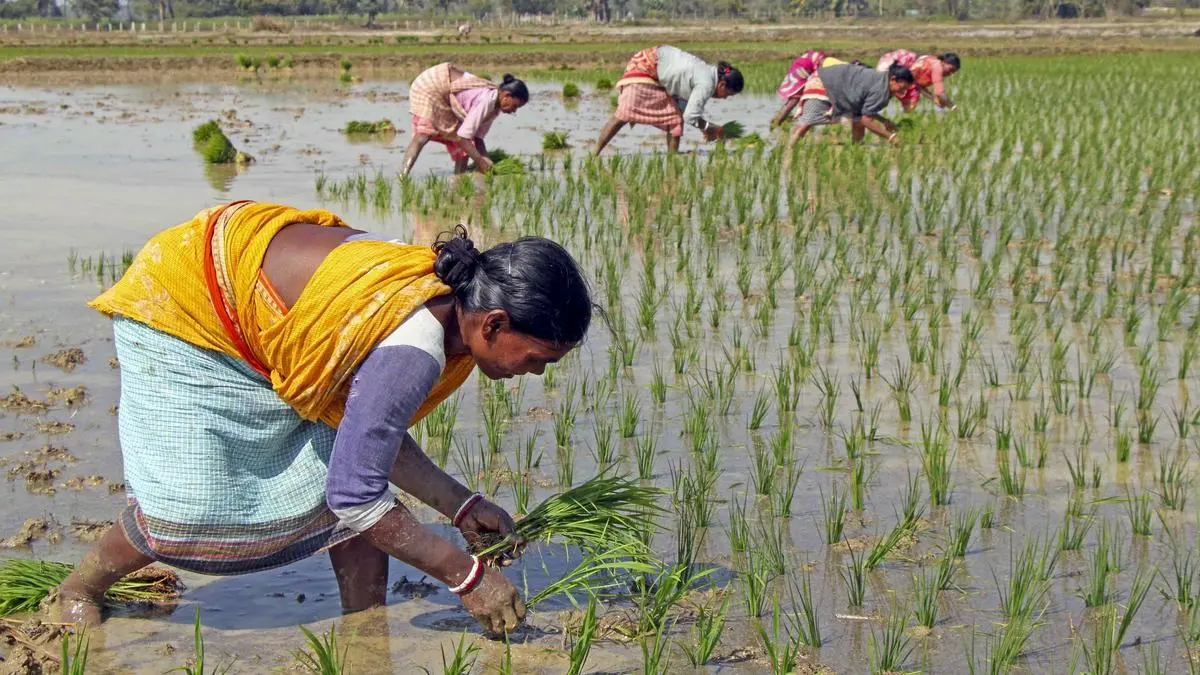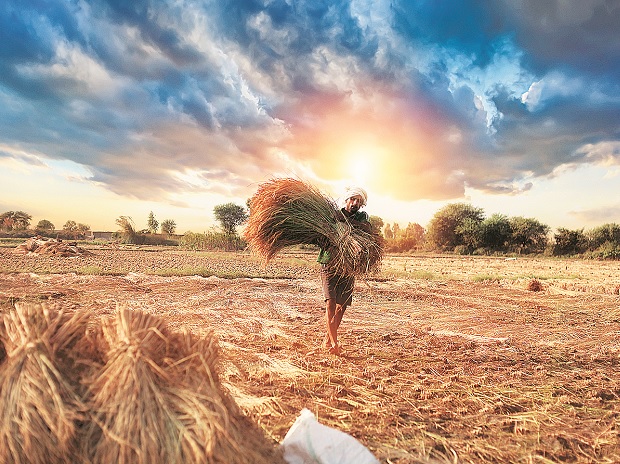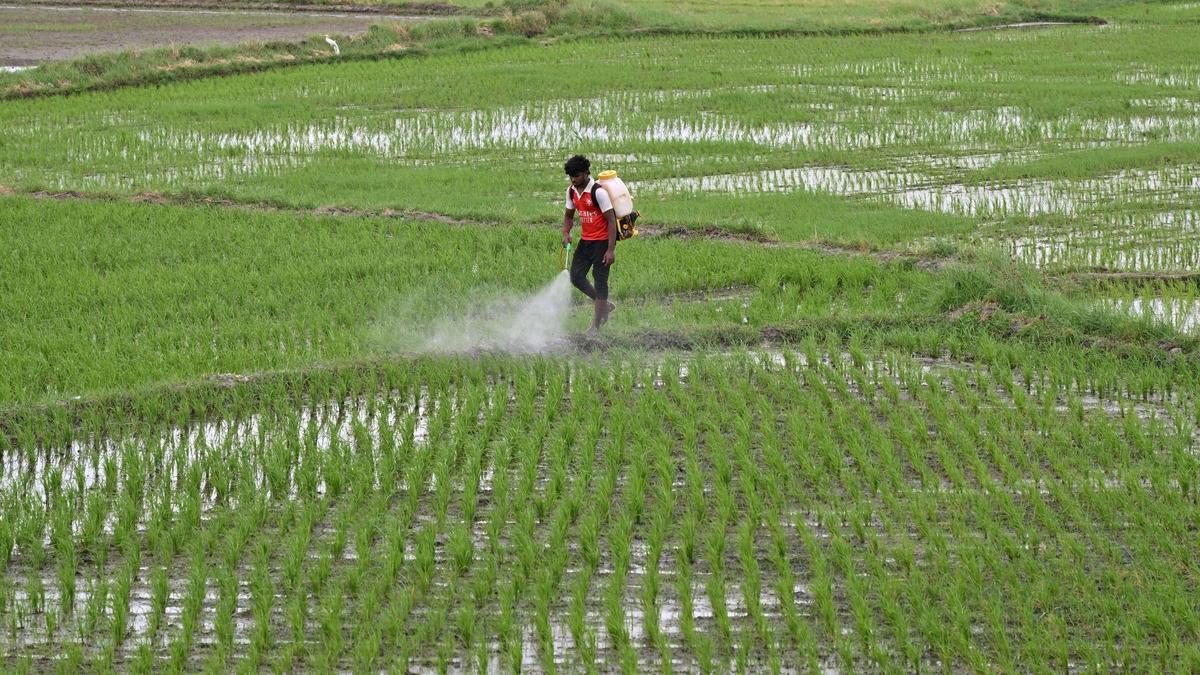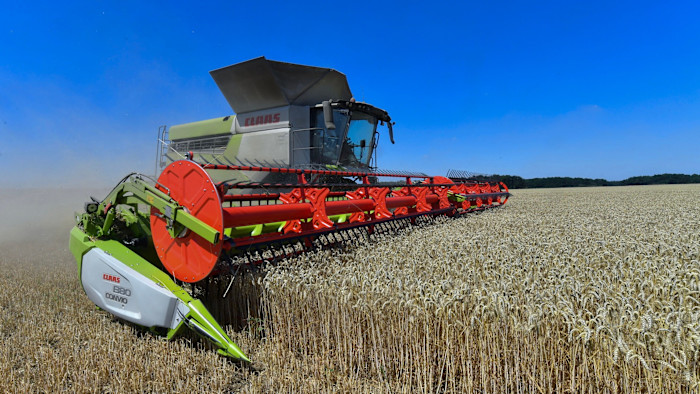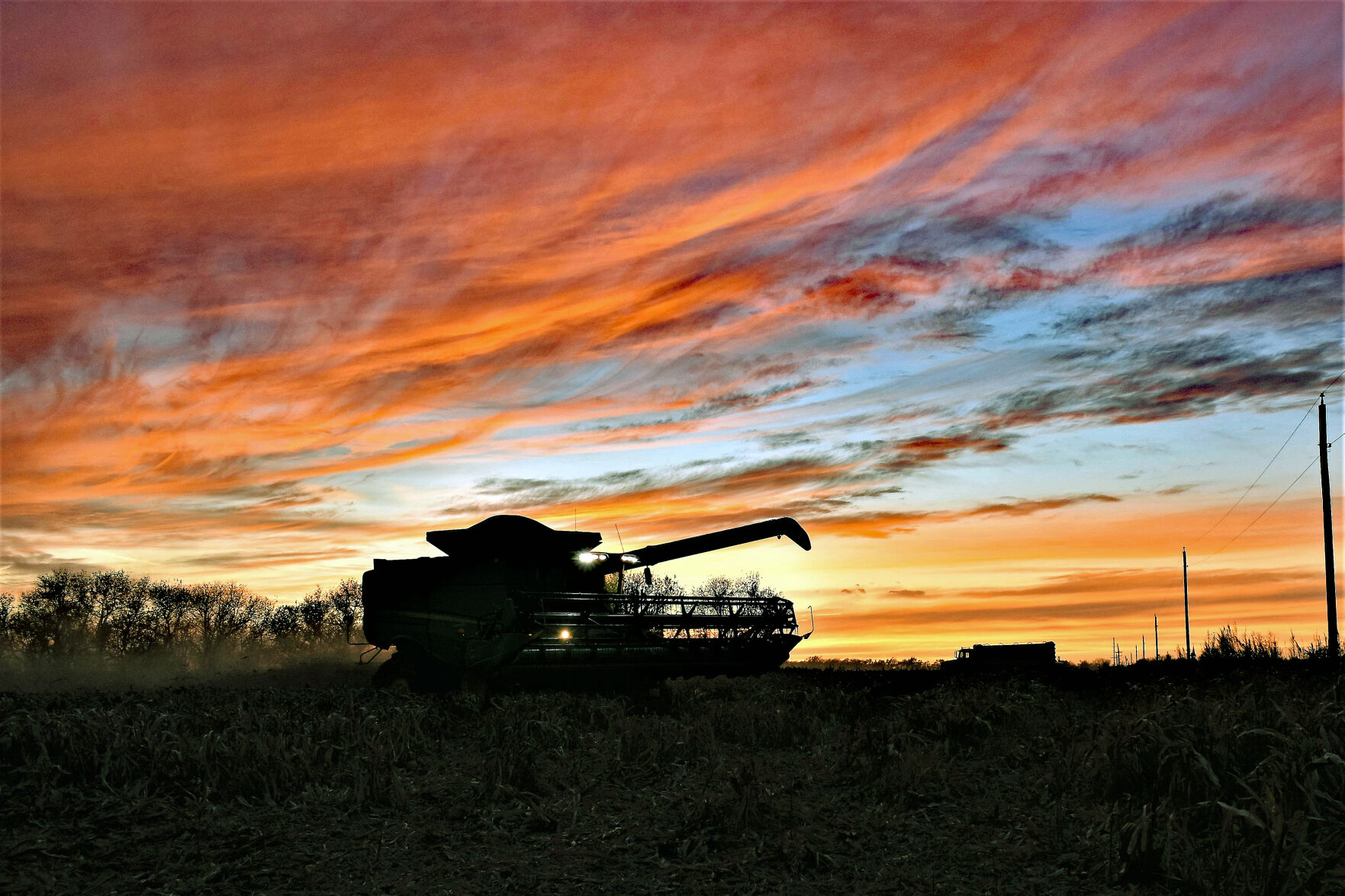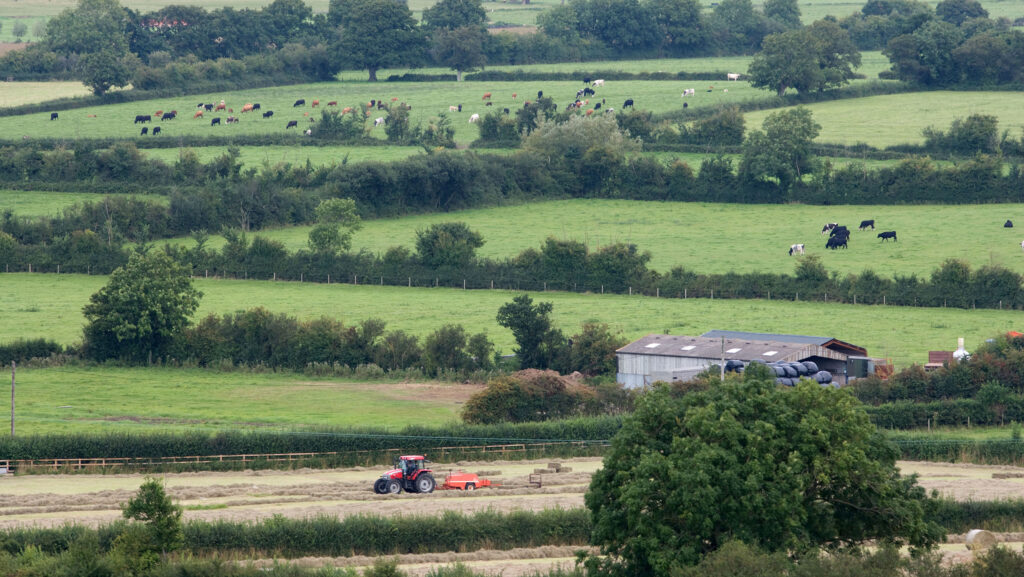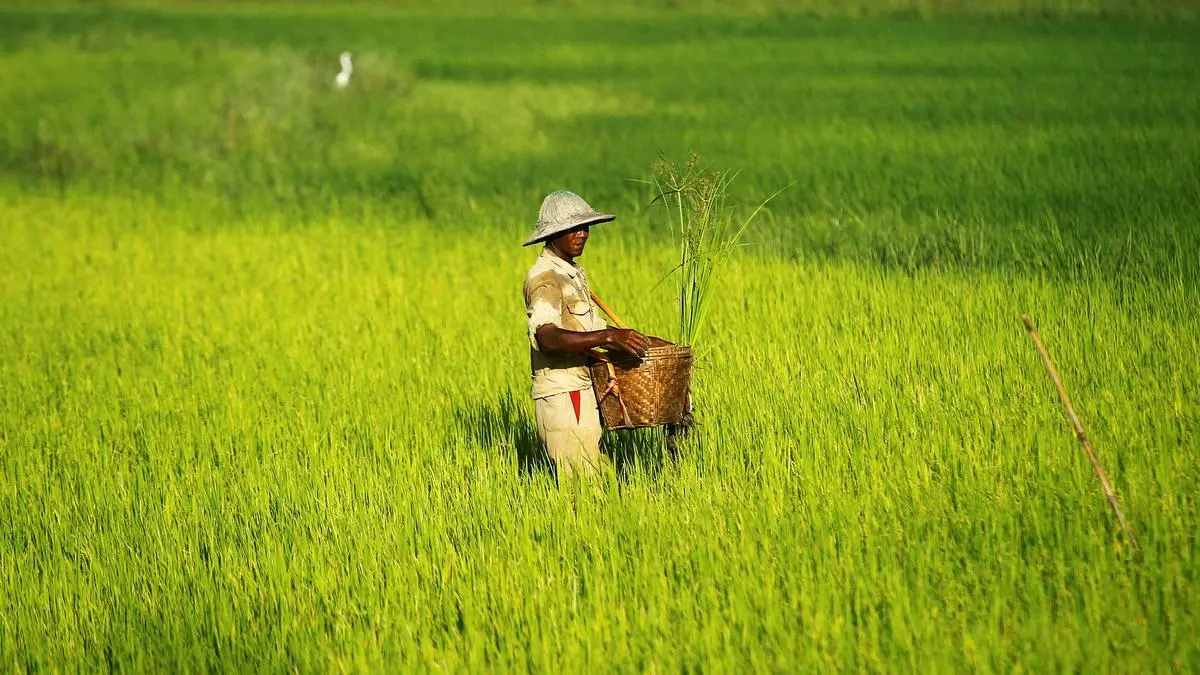

For a long time, agricultural residue in India was treated as waste. It was often burned, left to decompose or simply seen as a problem that needed to be managed. That approach is changing. As India looks to strengthen its energy security, reduce emissions and build a circular economy, farm waste is increasingly being recognised as a resource with real economic value.
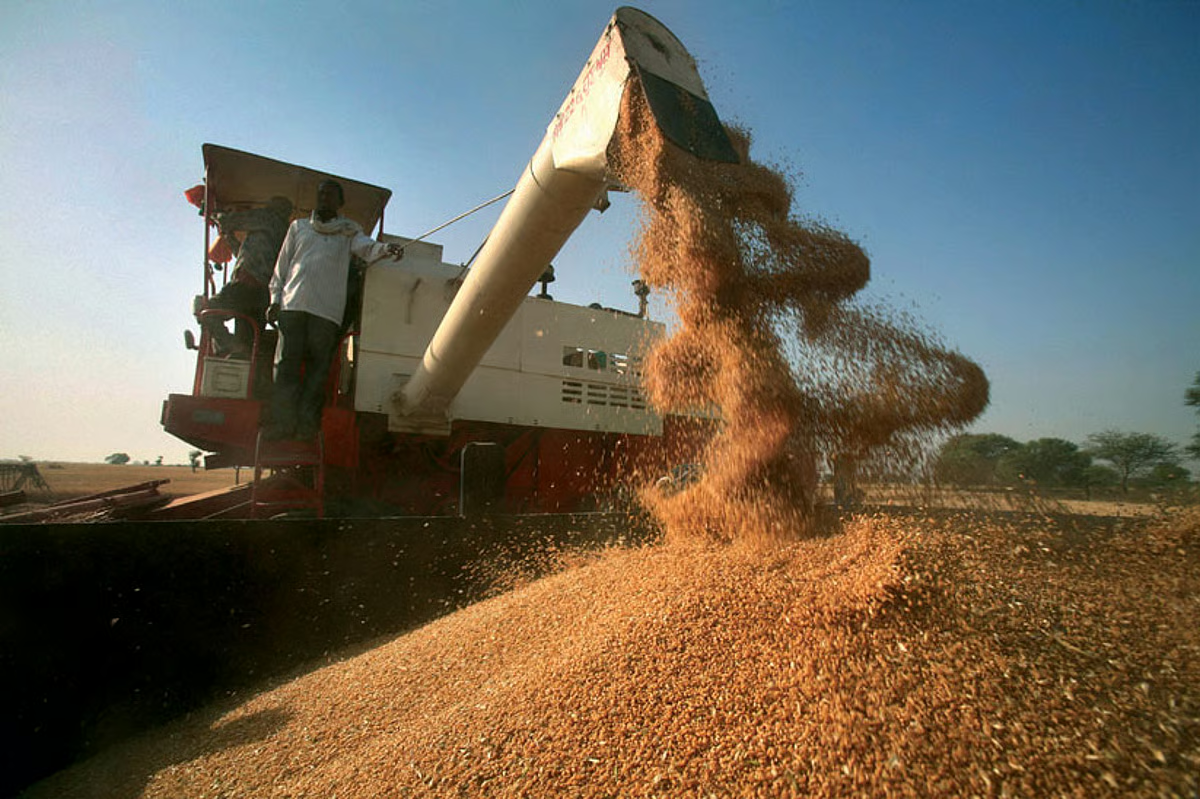
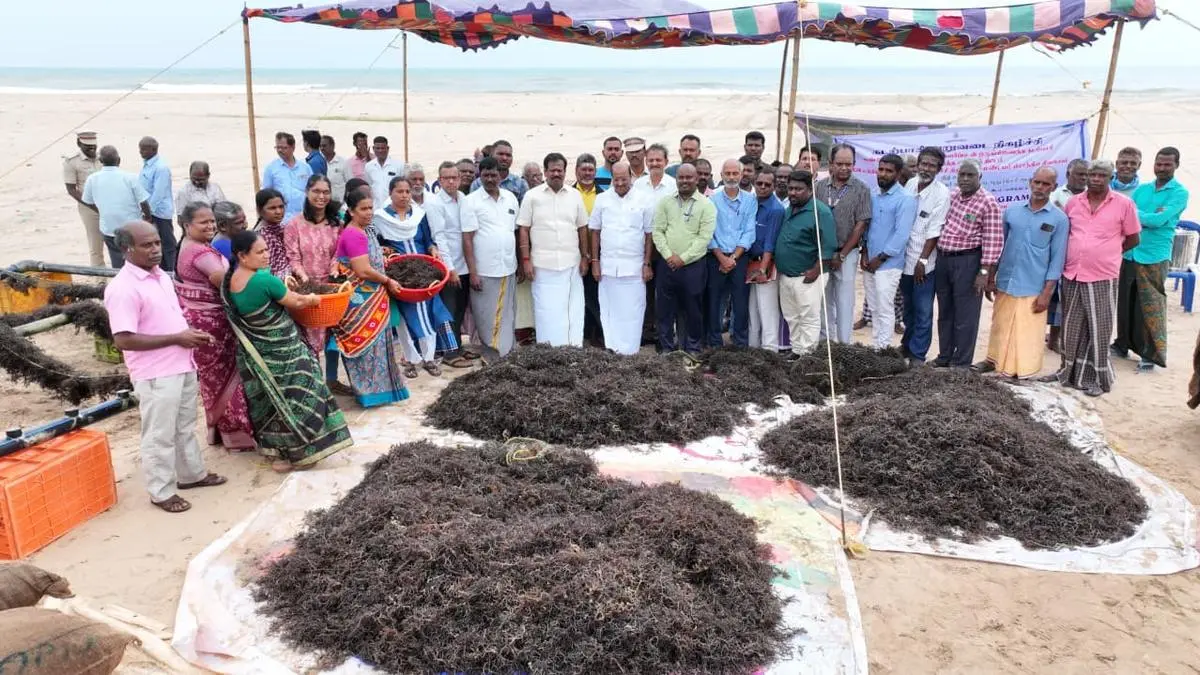
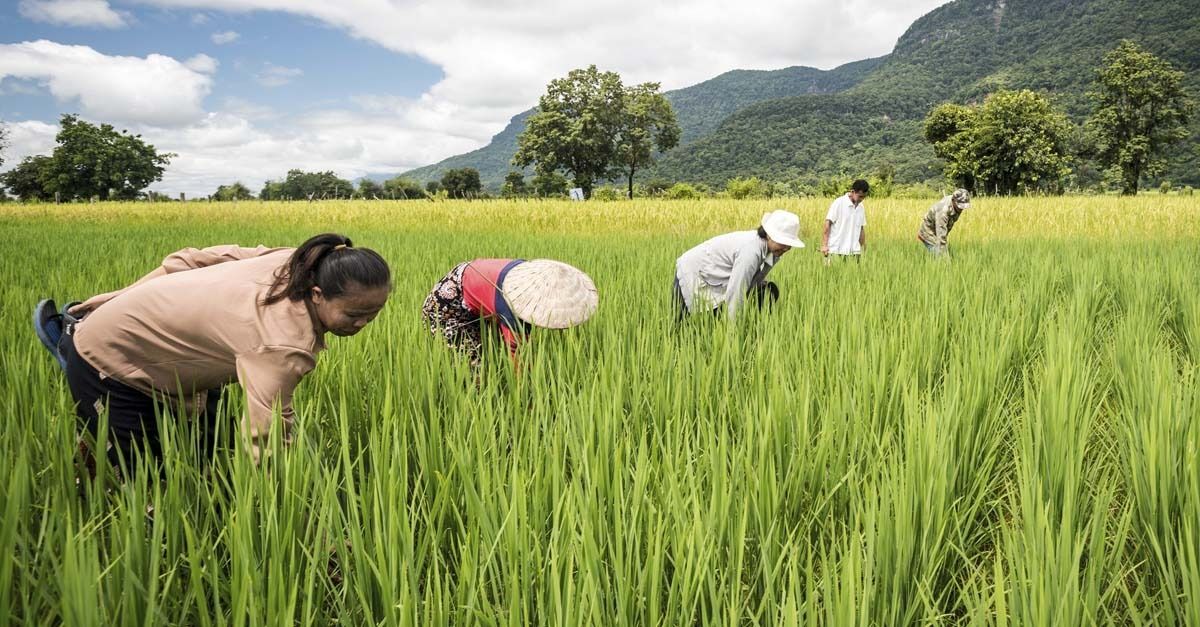
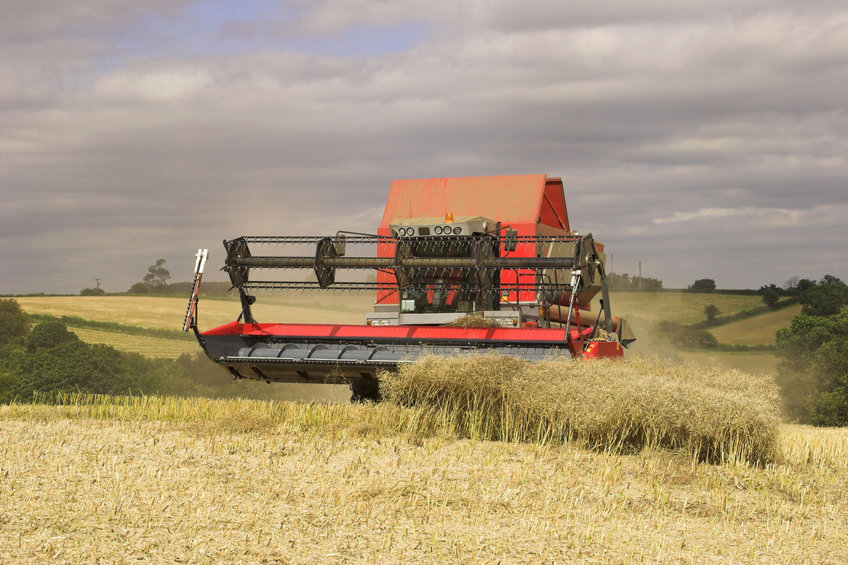
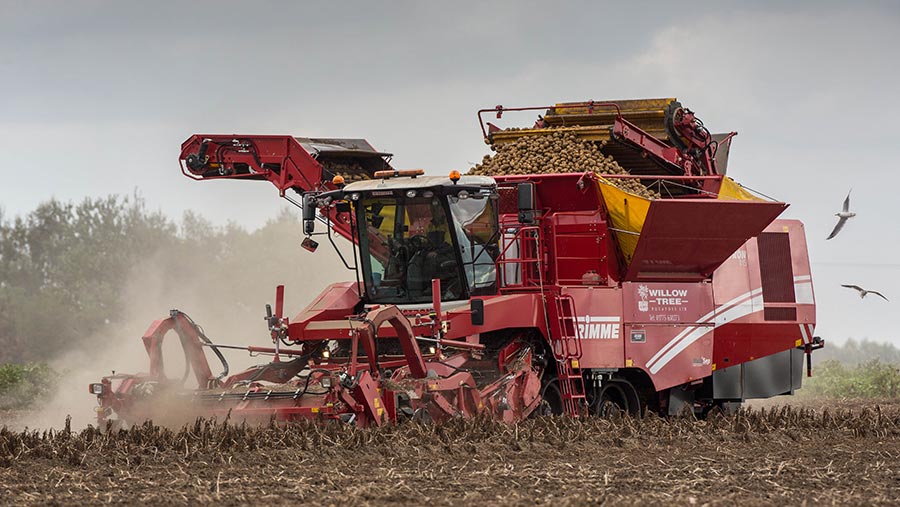
India generates nearly 750 million tonnes of agricultural biomass every year, of which around 230 million tonnes is estimated to be surplus and underutilised. This represents a significant opportunity. If we can convert more of this biomass into useful energy and products, we can reduce dependence on conventional fuels while creating new sources of income in rural areas. The opportunity is not just about waste management; it is about building new value chains around a resource that is already available.
The key, however, is using the right technology for the right kind of biomass. Wet waste and dry agricultural residue behave very differently and cannot be approached in the same way.
Processing wet biomass
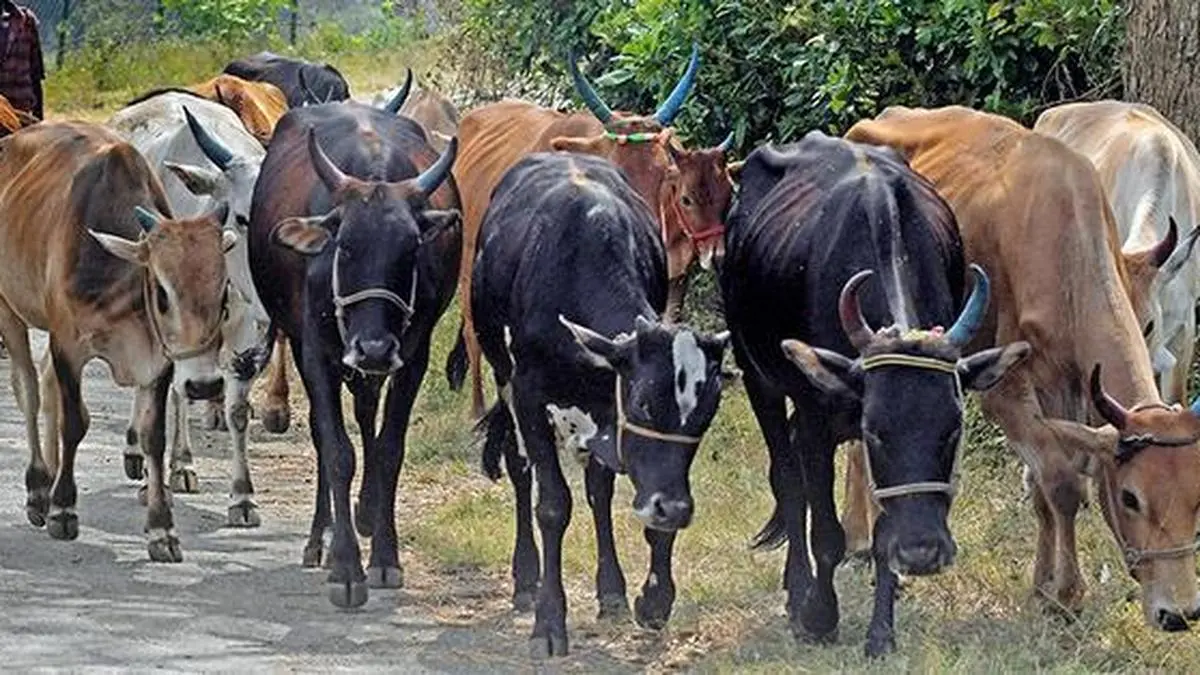
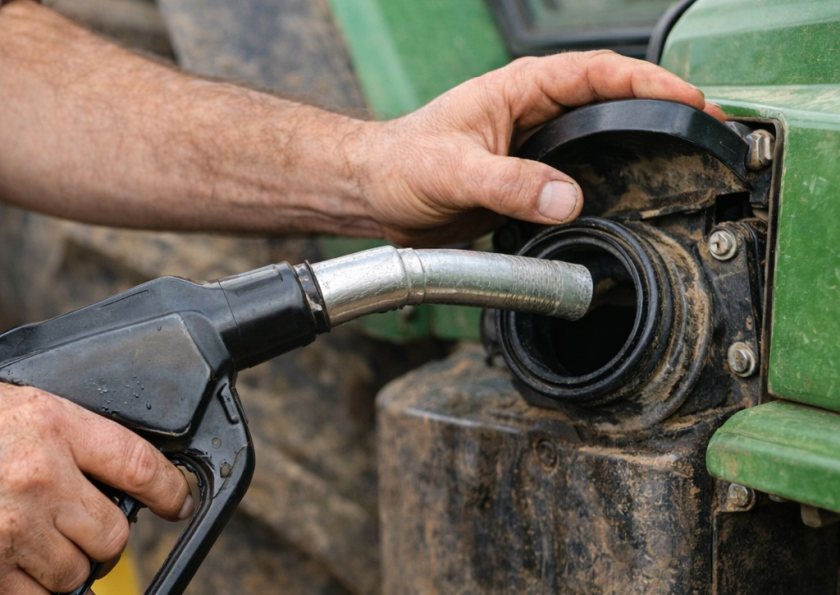
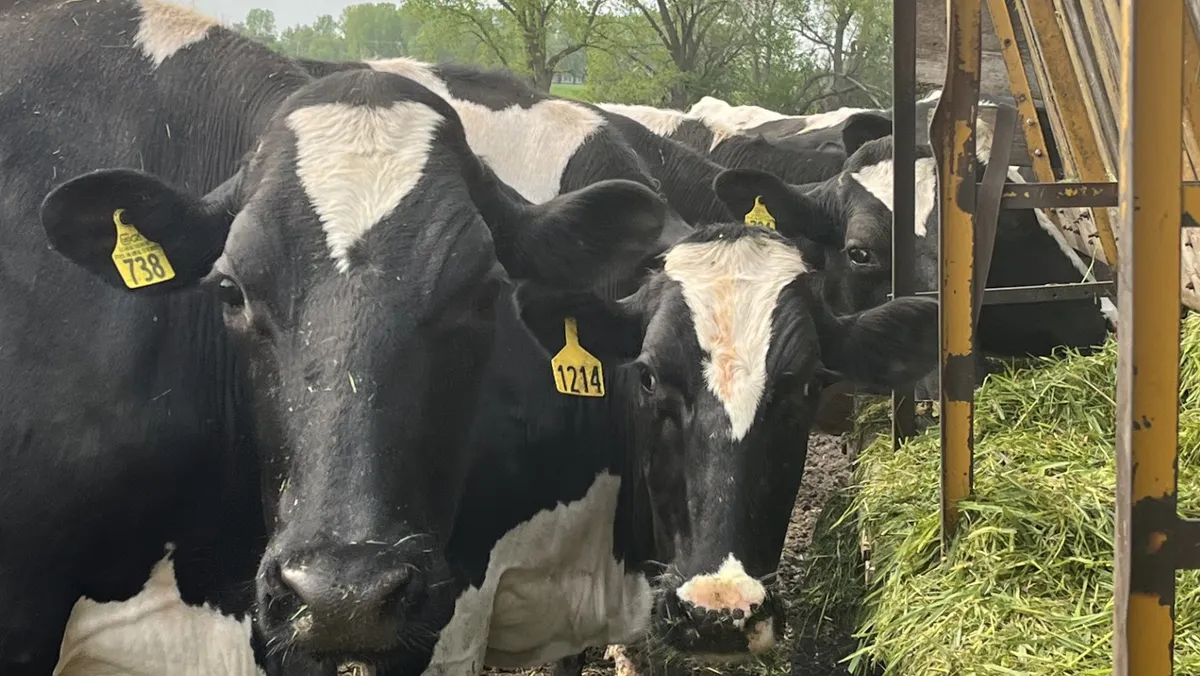
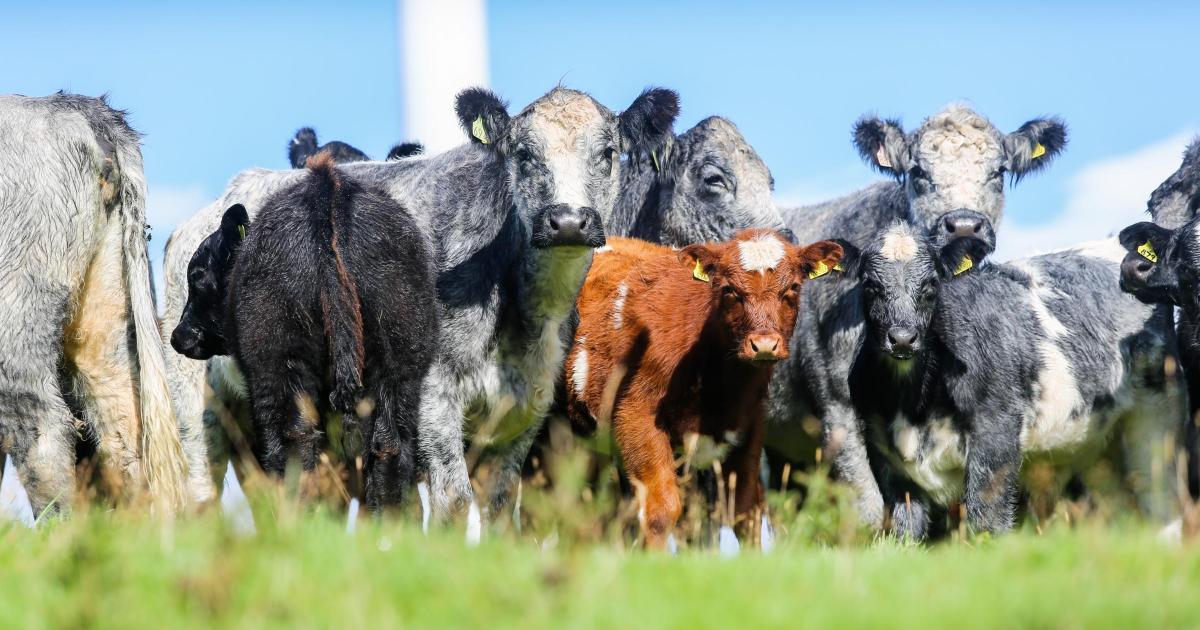
Wet biomass such as cattle dung, food waste and organic municipal waste can be processed through anaerobic digestion to produce biogas. The biogas can then be upgraded into Bio-CNG and used as a cleaner alternative to conventional fuels. With initiatives such as SATAT supporting the development of compressed biogas, this model has the potential to address two challenges at the same time, managing organic waste and creating a domestic source of renewable fuel.
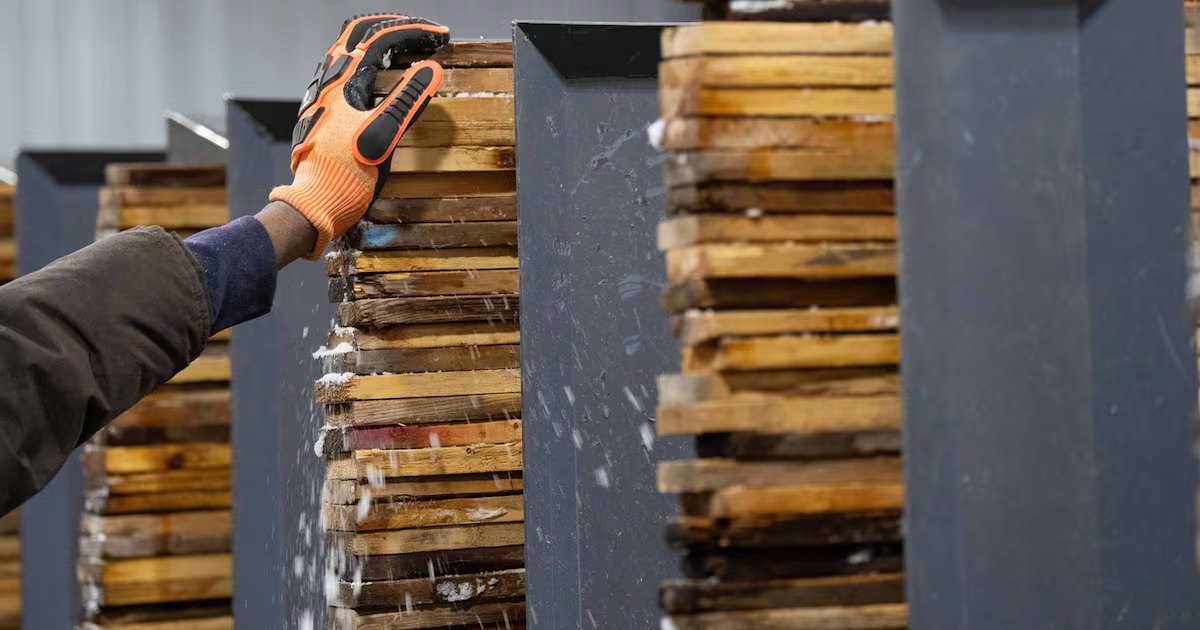
Dry agricultural residue such as rice husk, cotton stalk, mustard waste and woody biomass offers a different opportunity. Technologies such as biomass gasification can convert this material into syngas, which can be used for industrial heating and power generation. At the same time, the process can produce biochar, creating an additional value stream from the same feedstock.
This is where the economics of agricultural biomass become particularly interesting. Syngas can help industries reduce their dependence on fossil fuels, while biochar can improve soil quality and retain carbon in a stable form. What was once considered low-value agricultural waste can therefore generate multiple outputs and create value at different points in the economy.
The growth of carbon markets adds another dimension to this opportunity. As businesses increasingly focus on carbon reduction and removal, biochar is gaining attention for its ability to store carbon for long periods while also improving soil health. Projects across Gujarat, Maharashtra, Telangana and other states are already converting agricultural residue into biochar and generating carbon removal credits, opening another revenue stream for the biomass value chain.
More than a byproduct
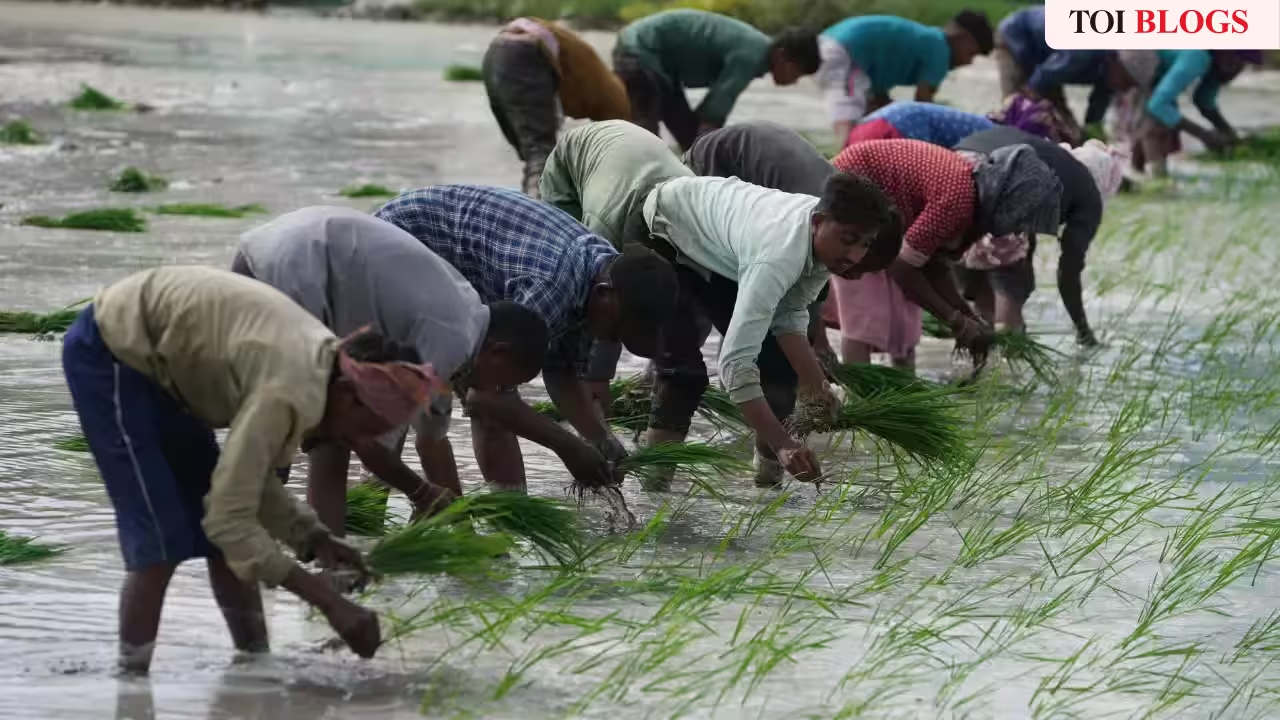
For this transition to scale, however, technology alone will not be enough. We need stronger biomass collection and supply chains, reliable feedstock aggregation, viable project economics and greater awareness among farmers and industries. The focus has to move from treating residue as waste to building an ecosystem around it.
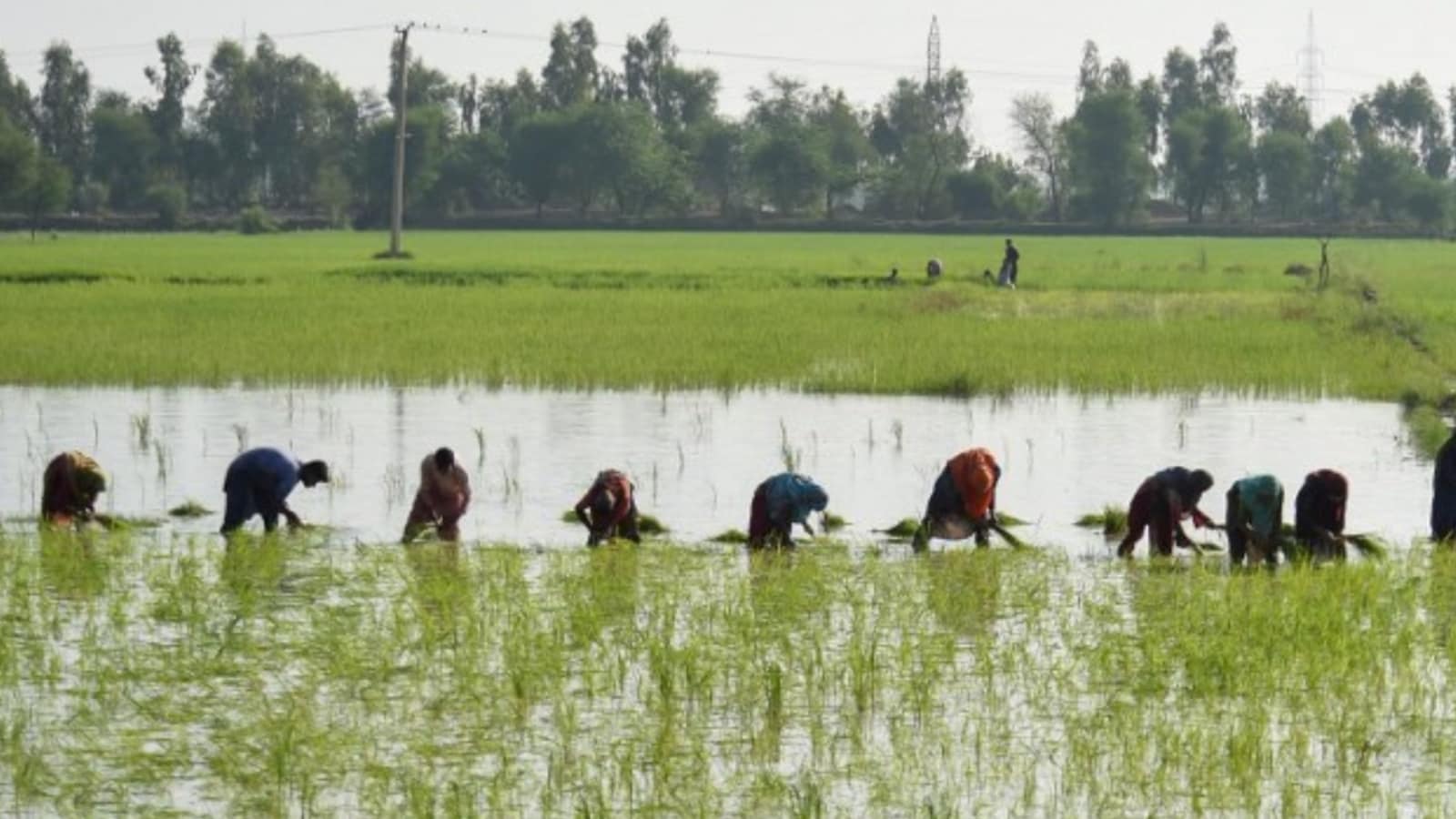
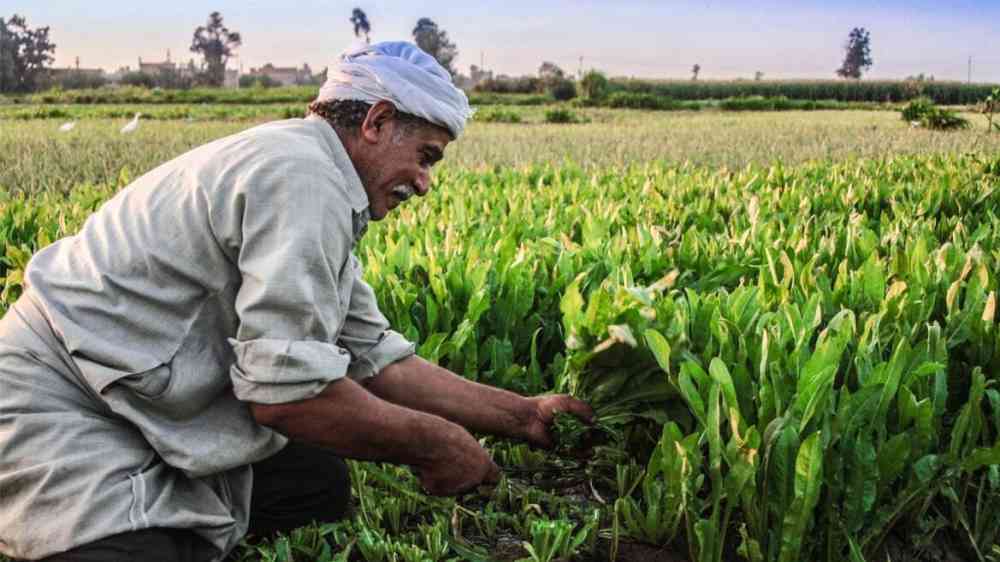
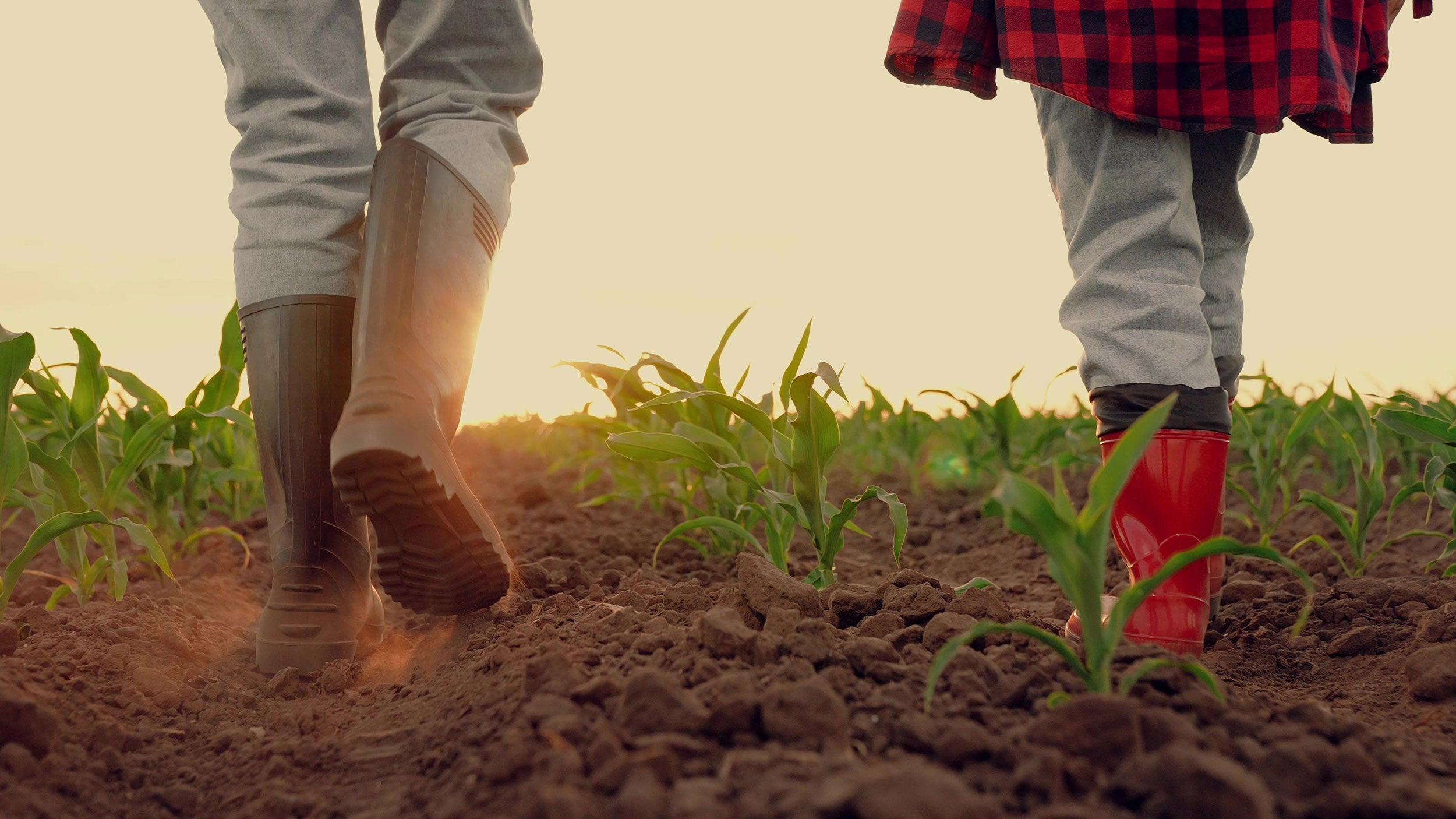
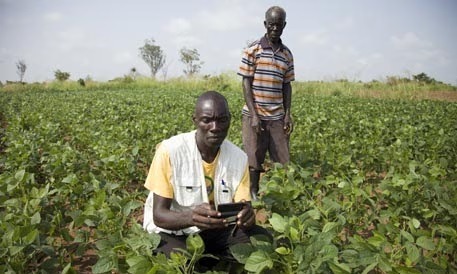
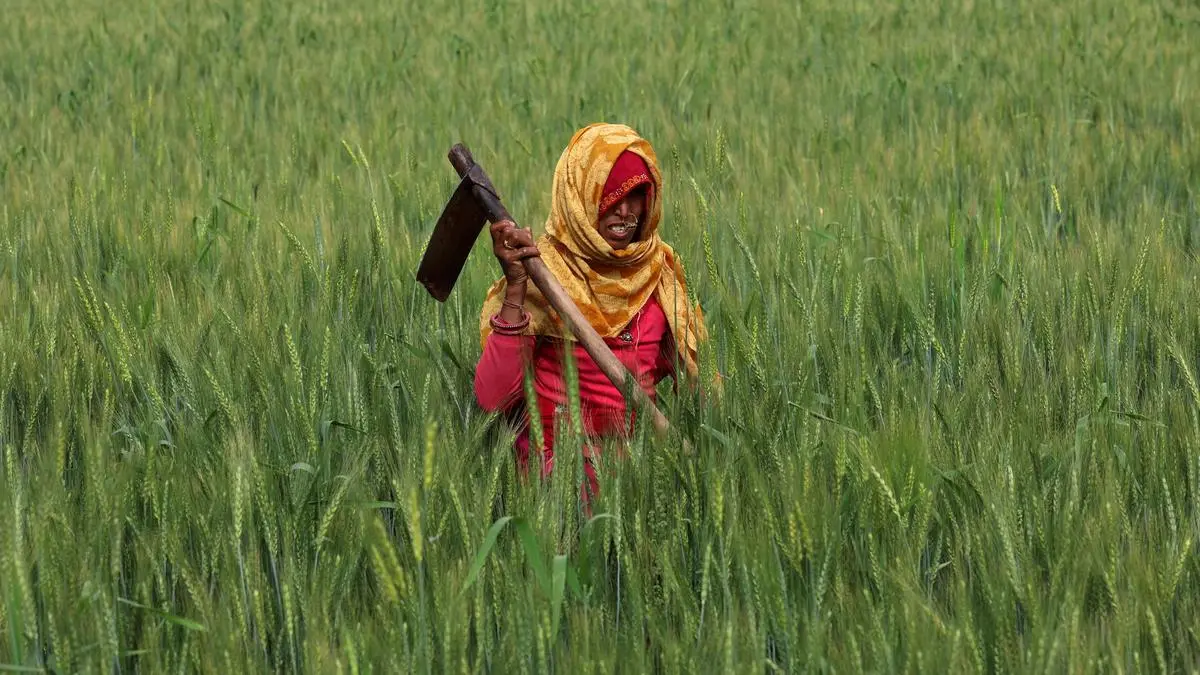
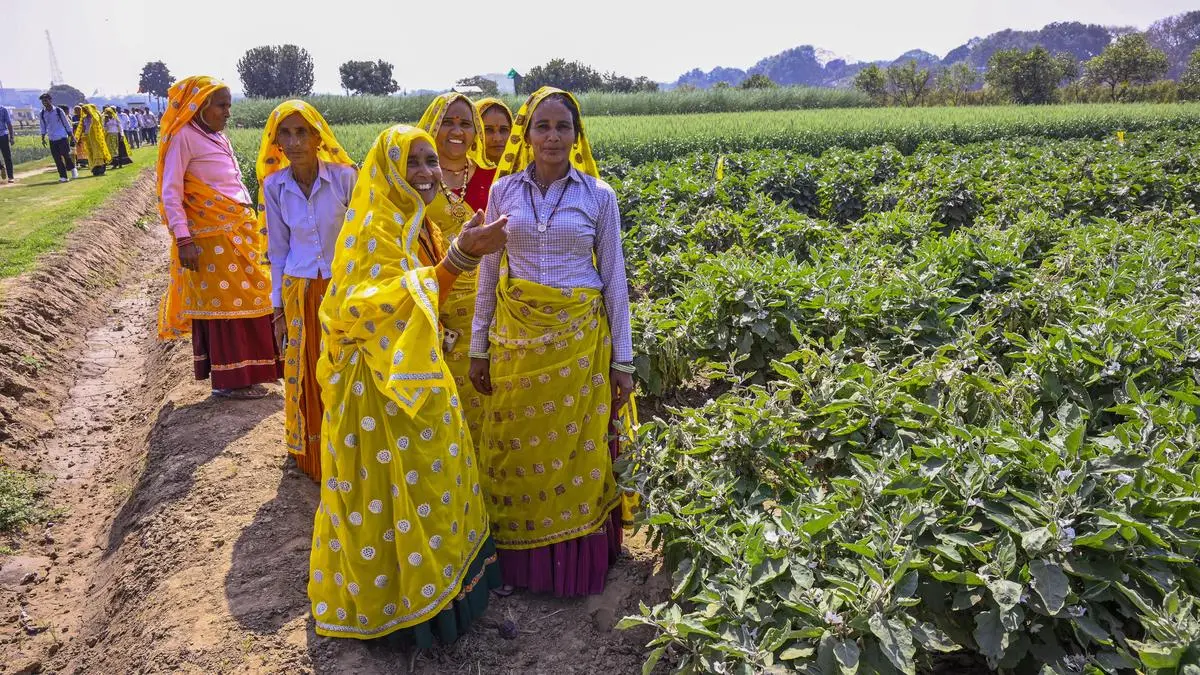
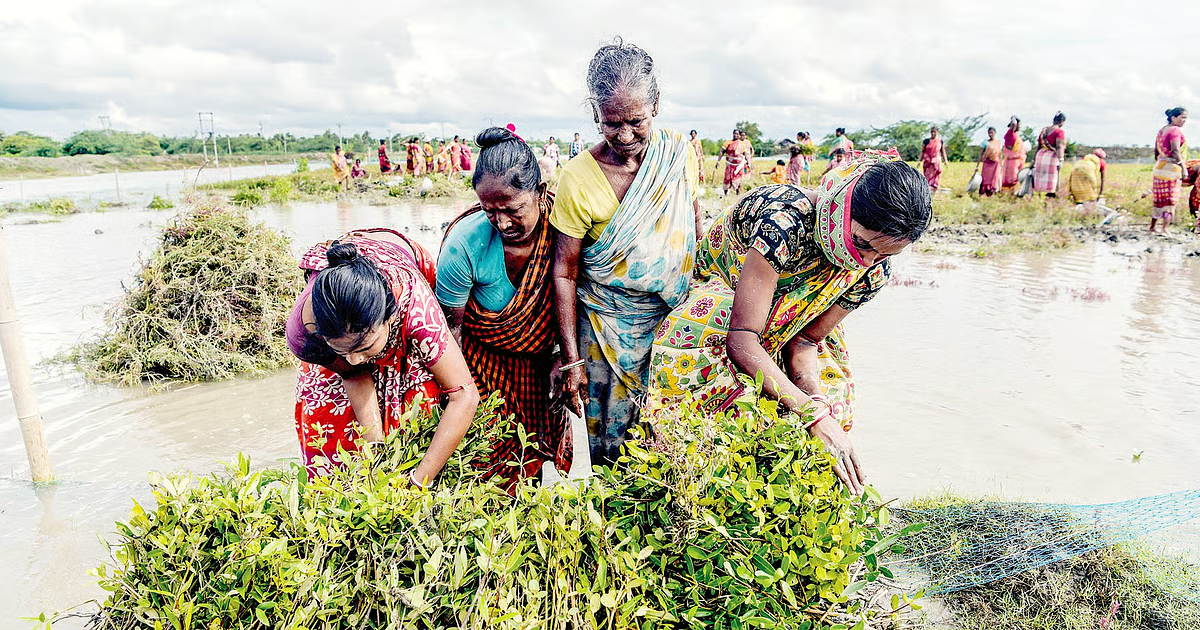
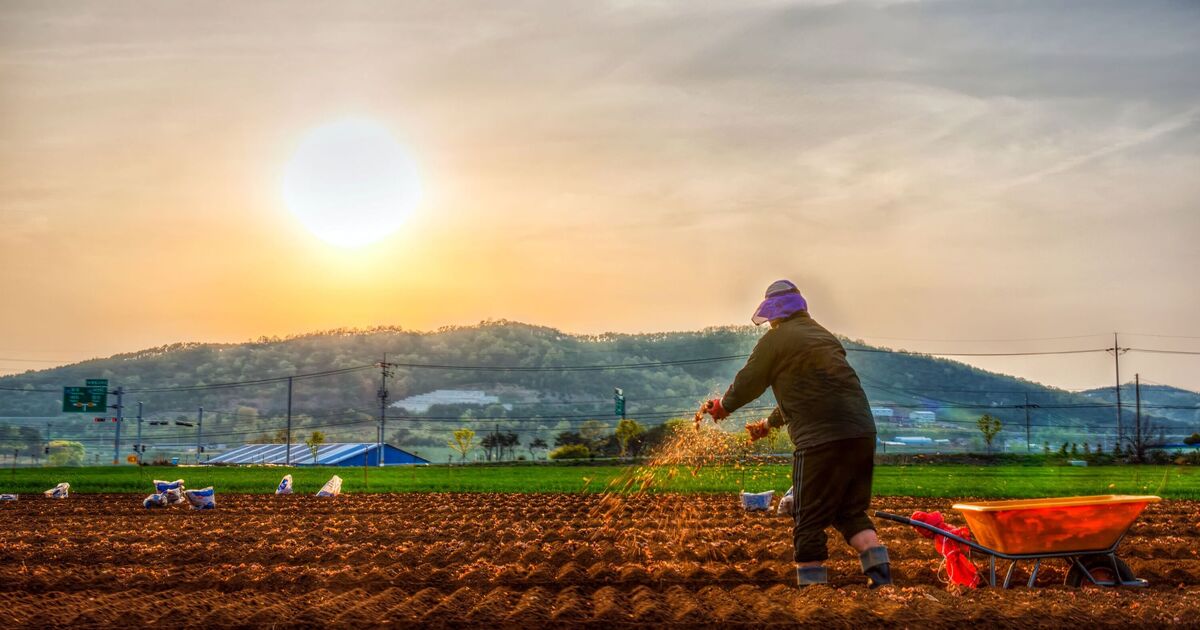
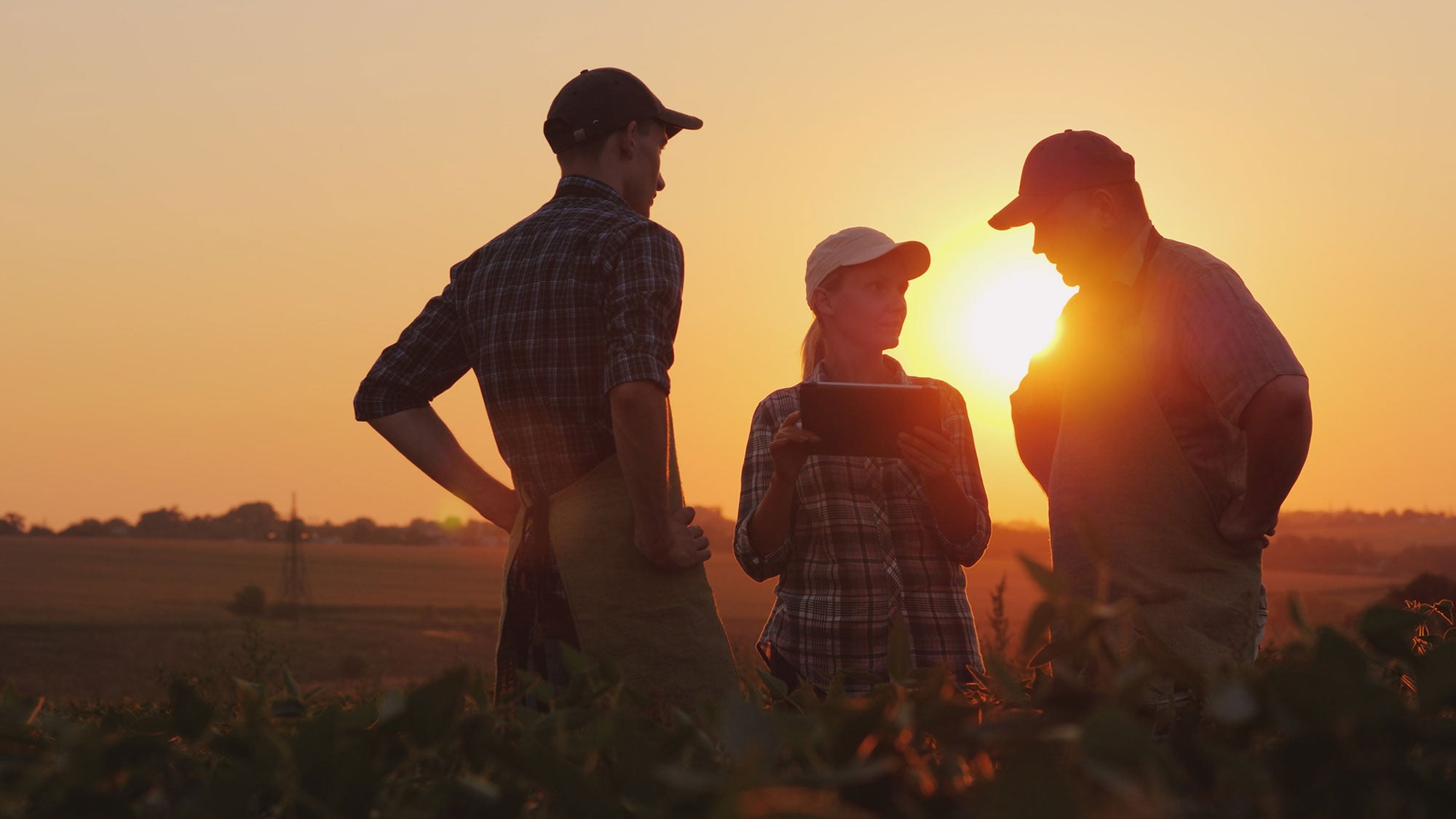
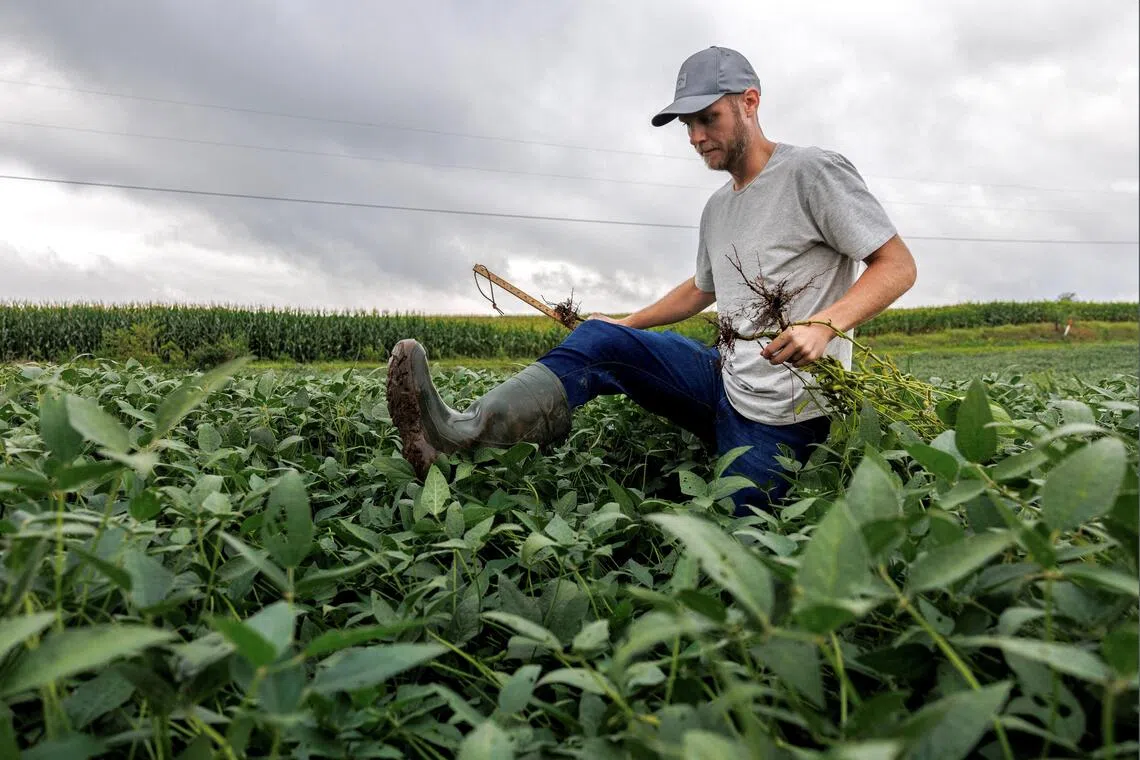
This can also change the role of the farmer. Agricultural residue can become more than a by-product of farming; it can become a source of additional income and a contributor to the country’s energy and climate goals. Farmers can increasingly participate in both the energy and carbon economies.
The real opportunity, therefore, is not simply to find better ways of disposing of farm waste. It is to create value from it. The next phase of India’s green economy may well begin not in an industrial cluster, but with what we choose to do with the residue left behind on our farms.
The author is Managing Director of Ankur Scientific
Published on September 26, 2026