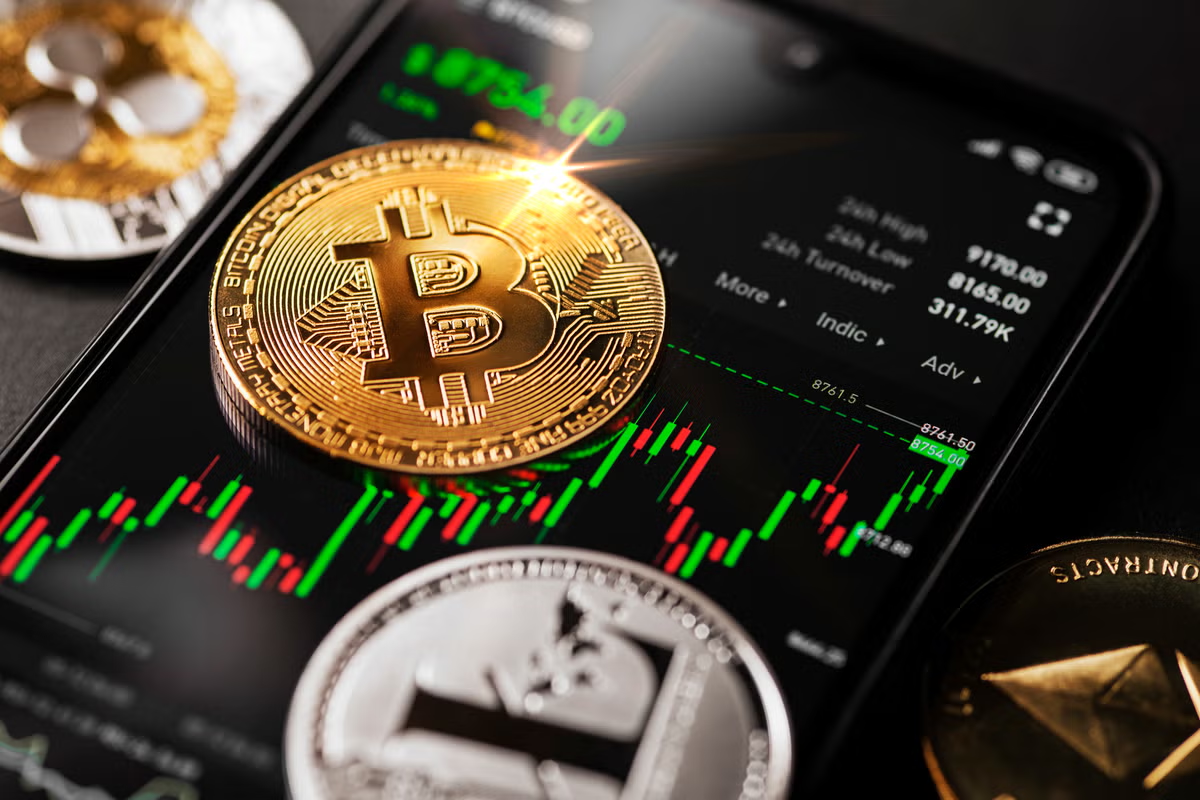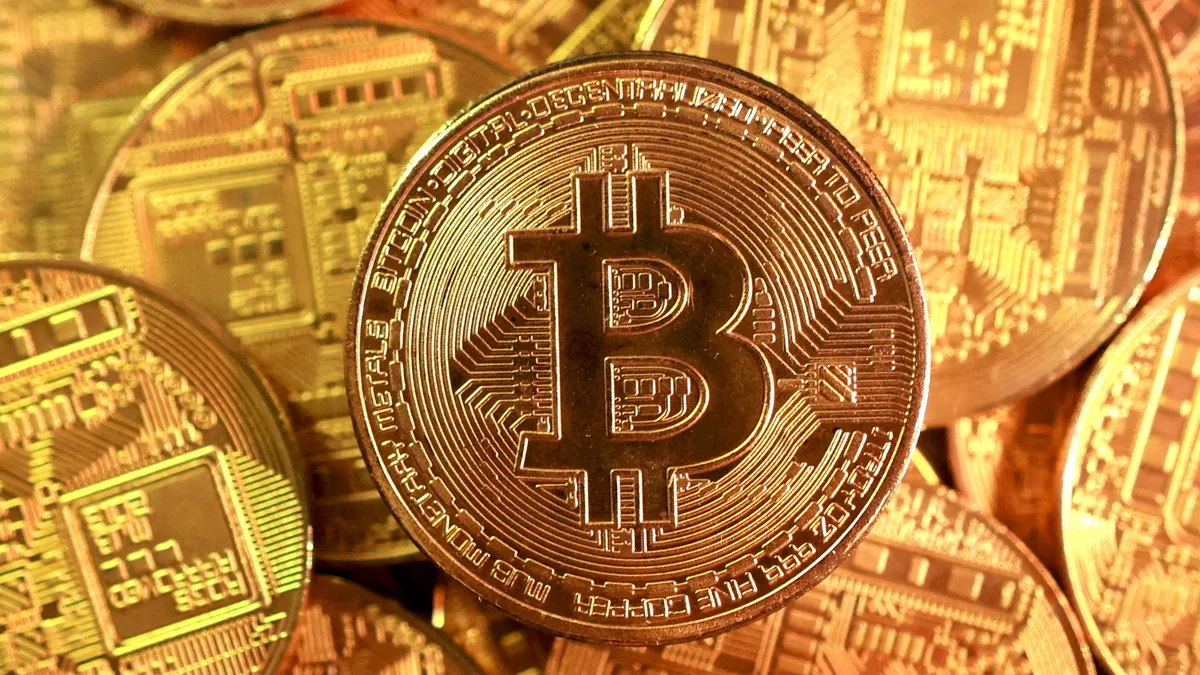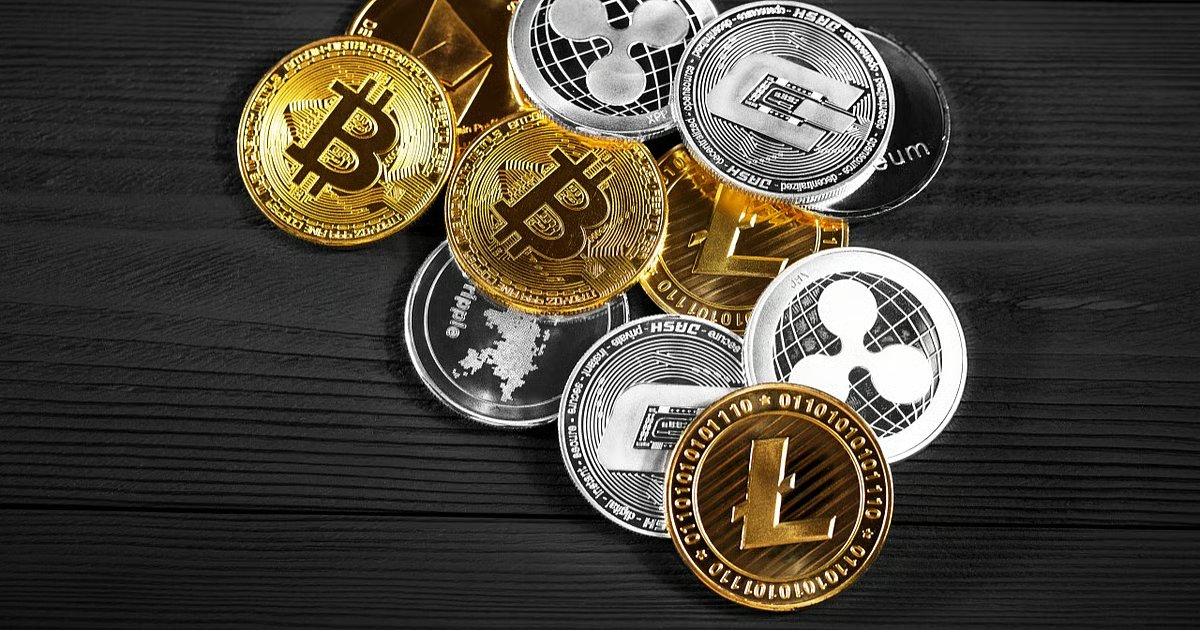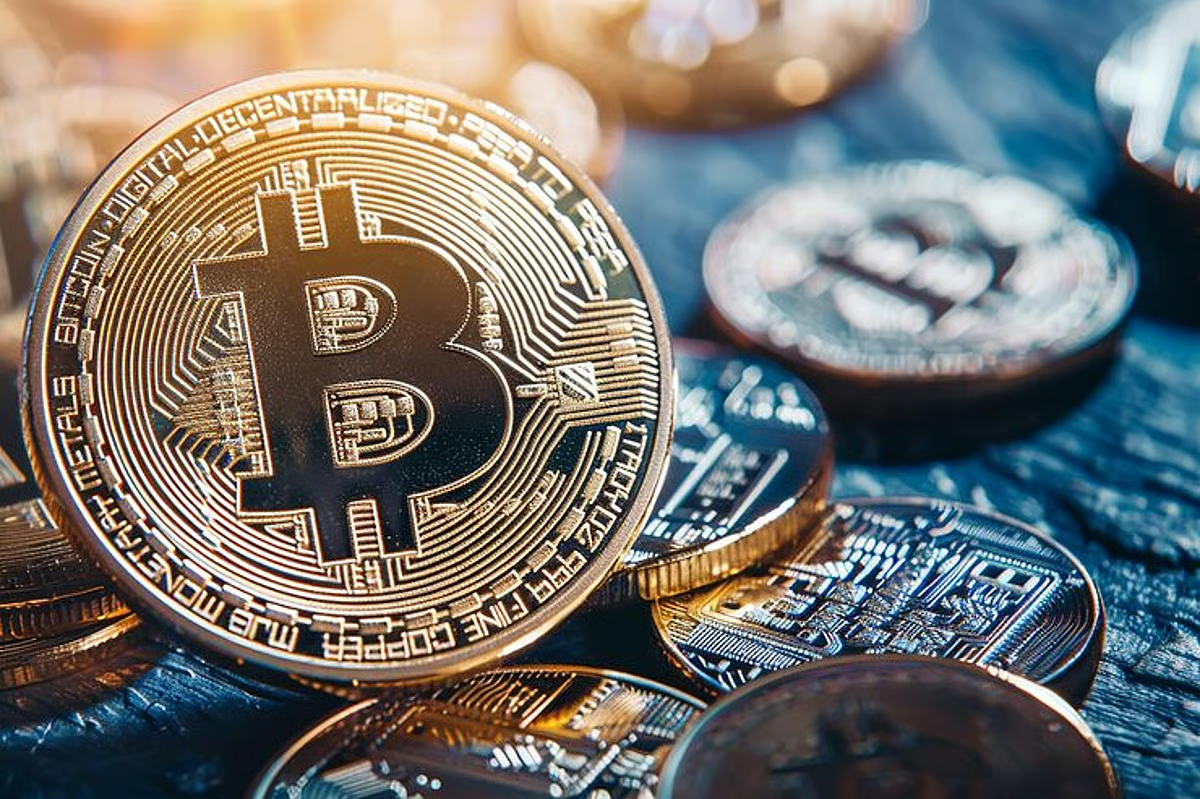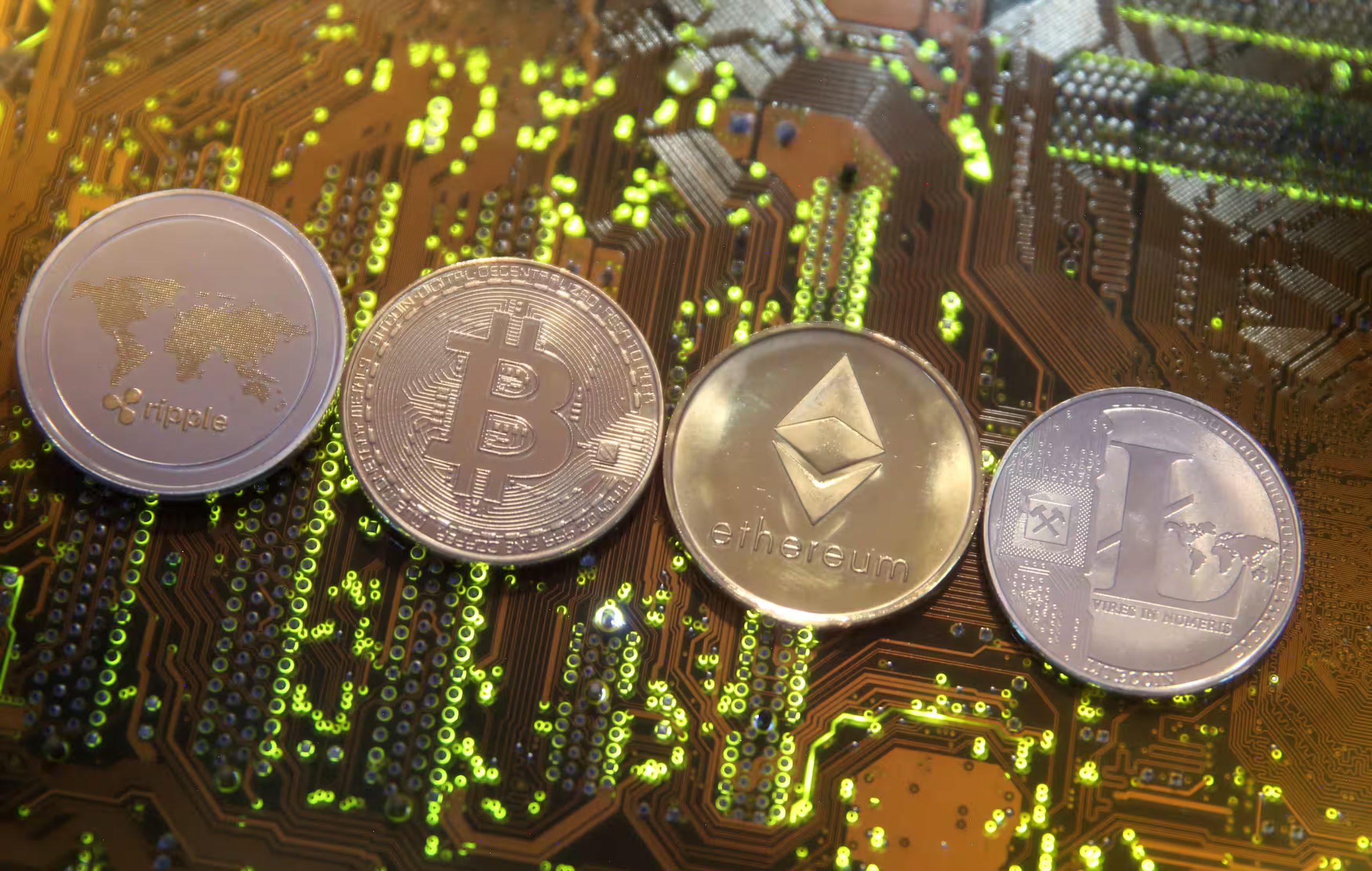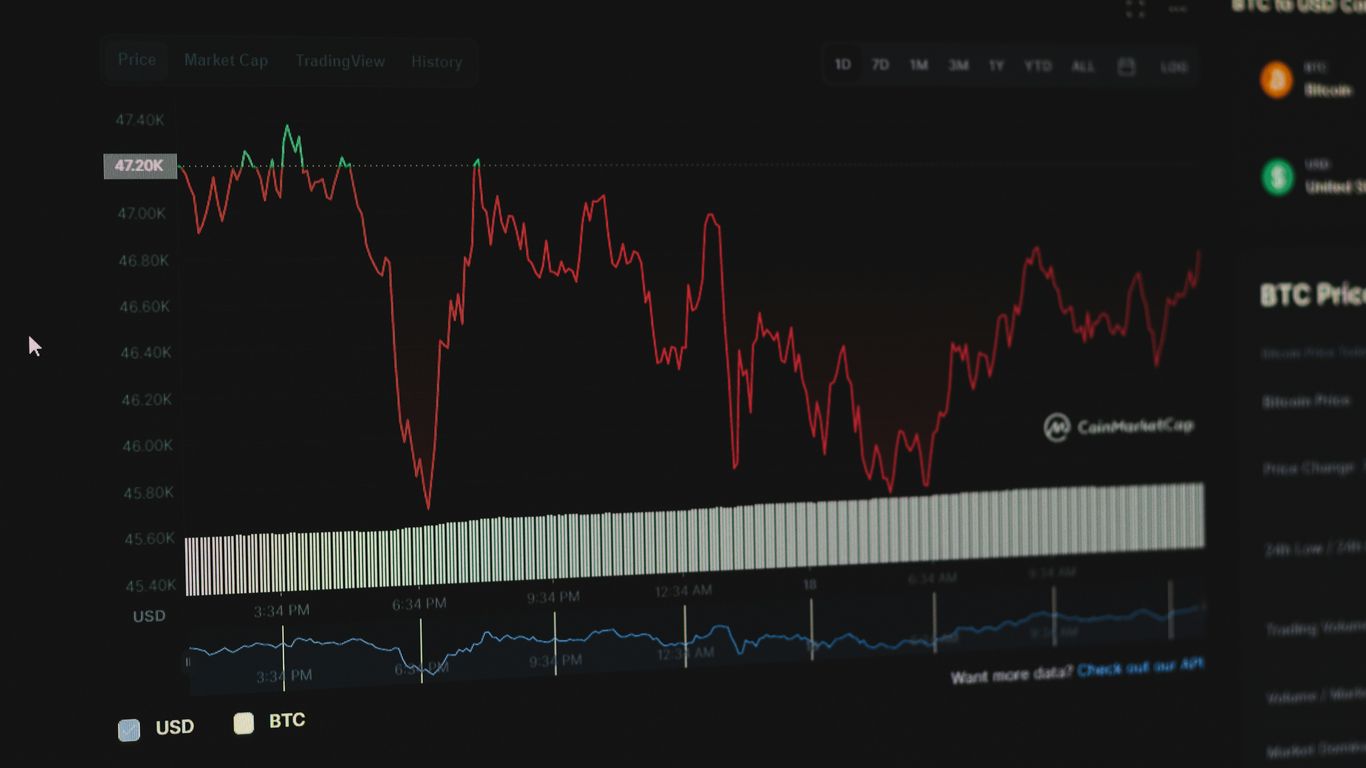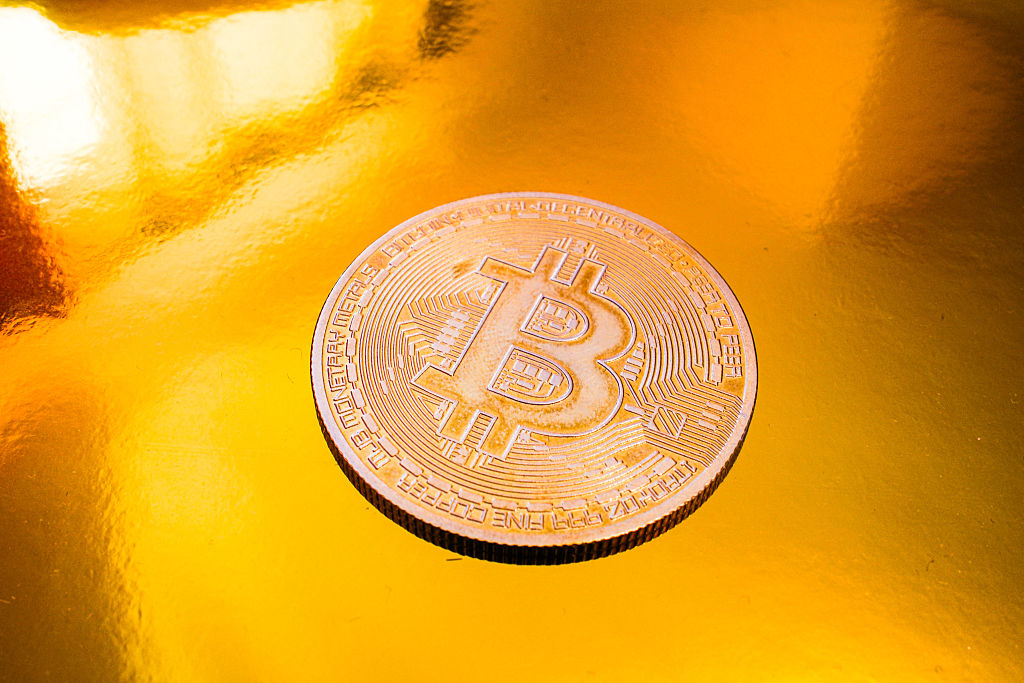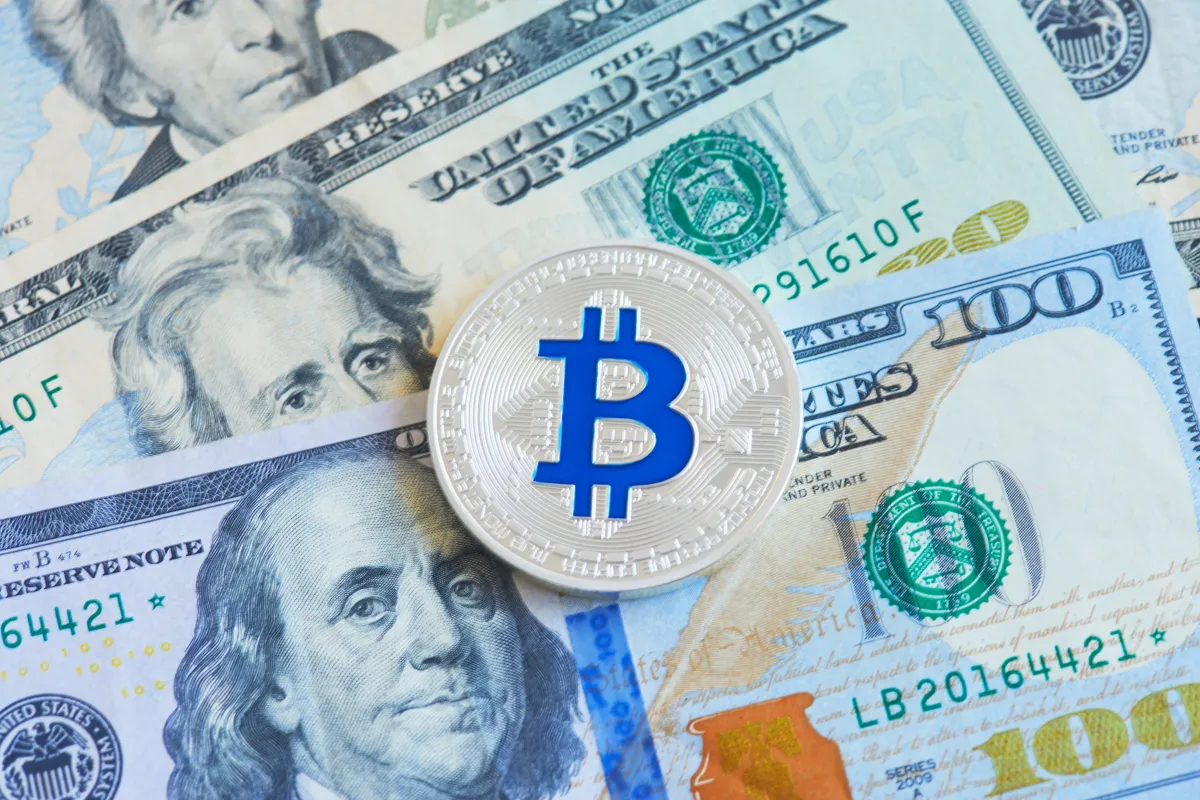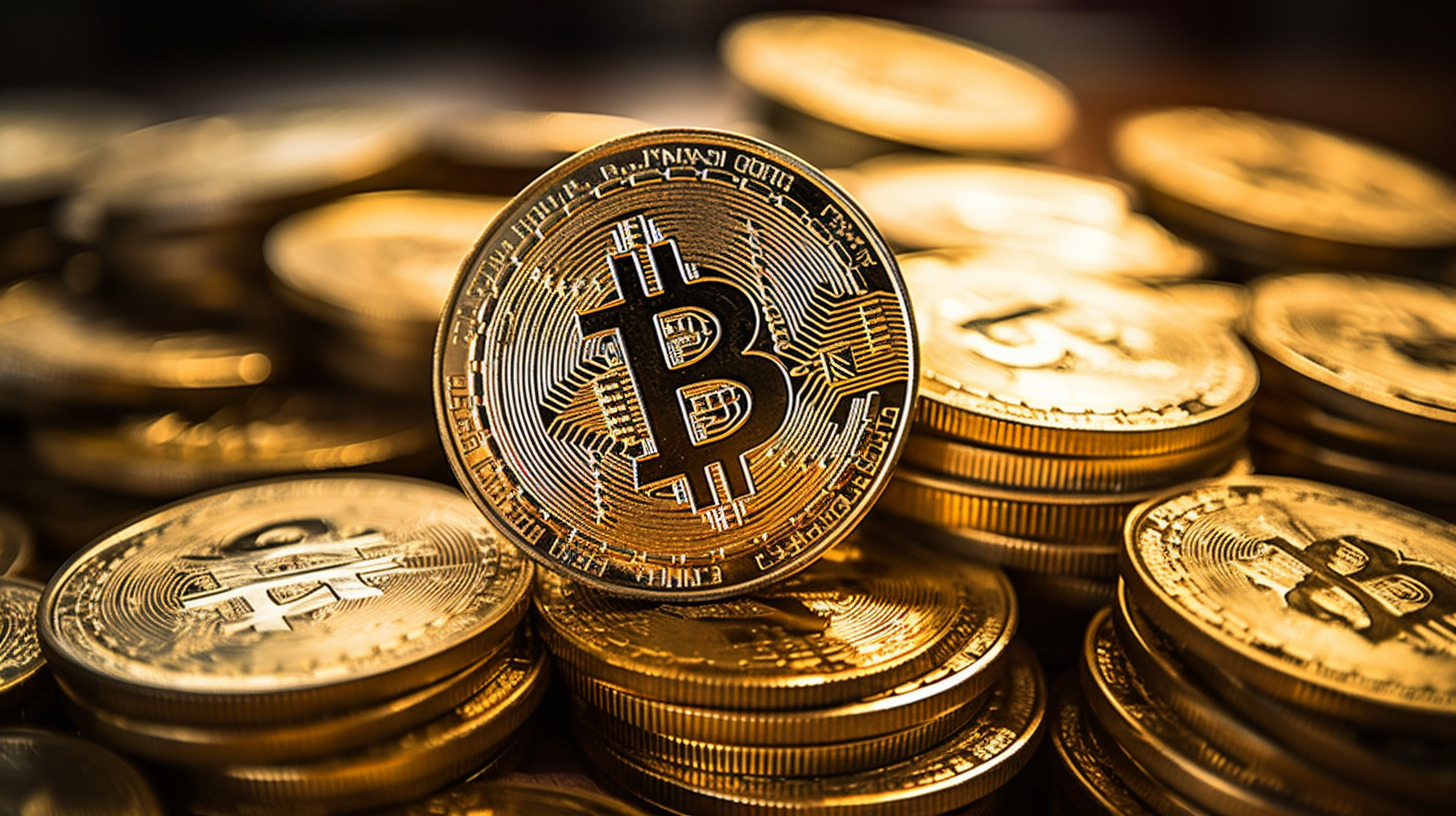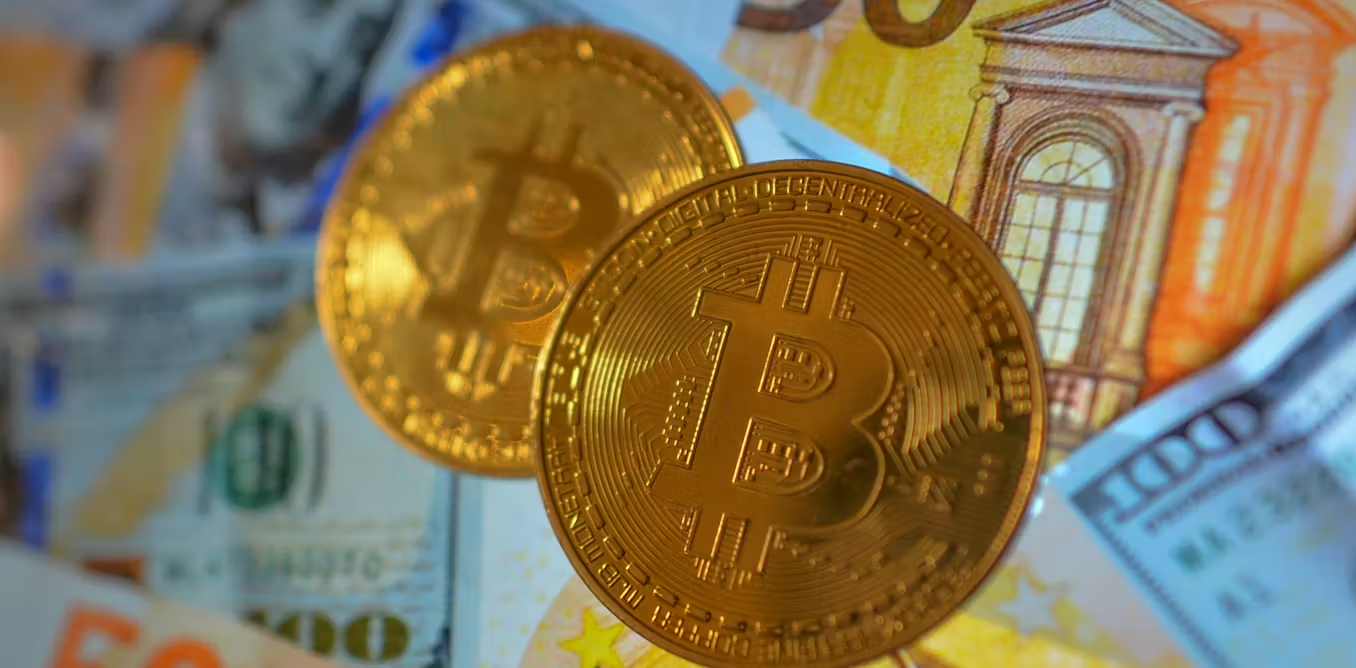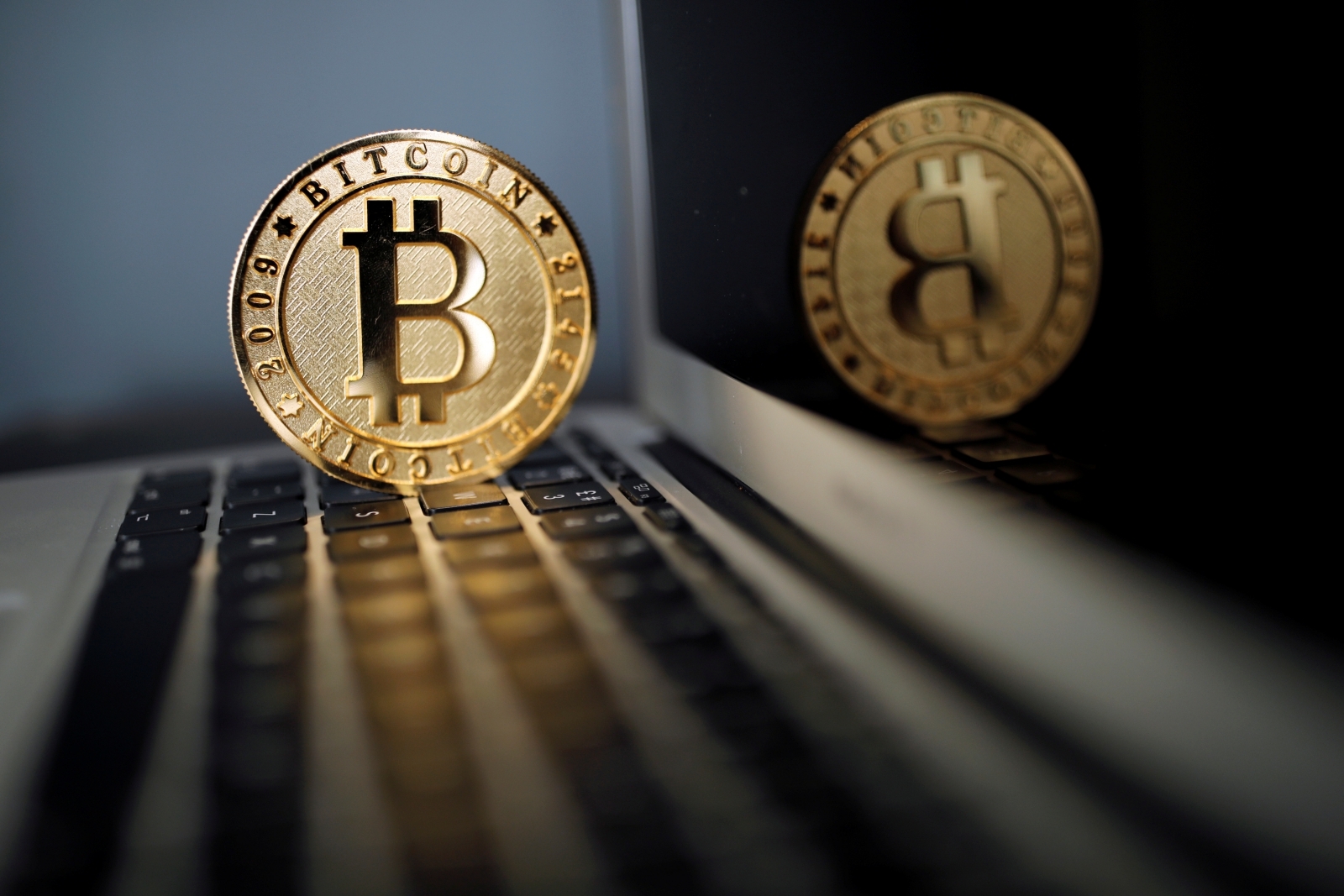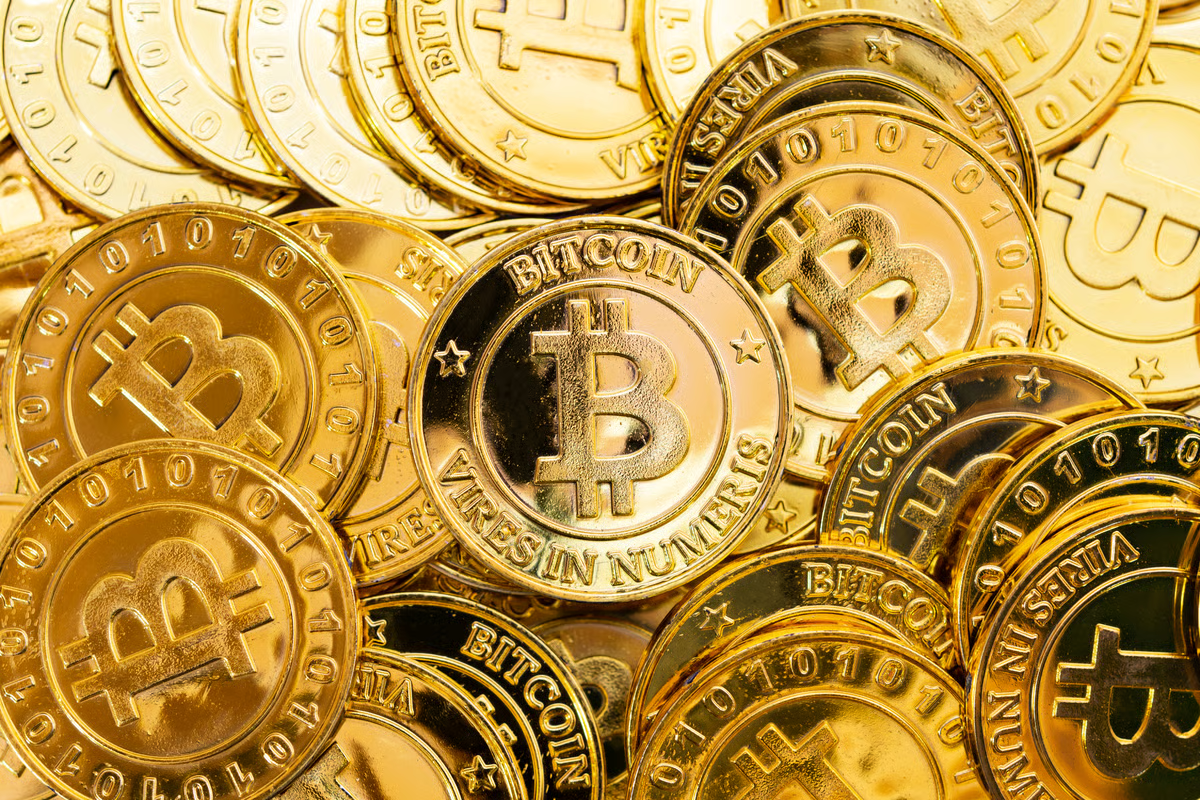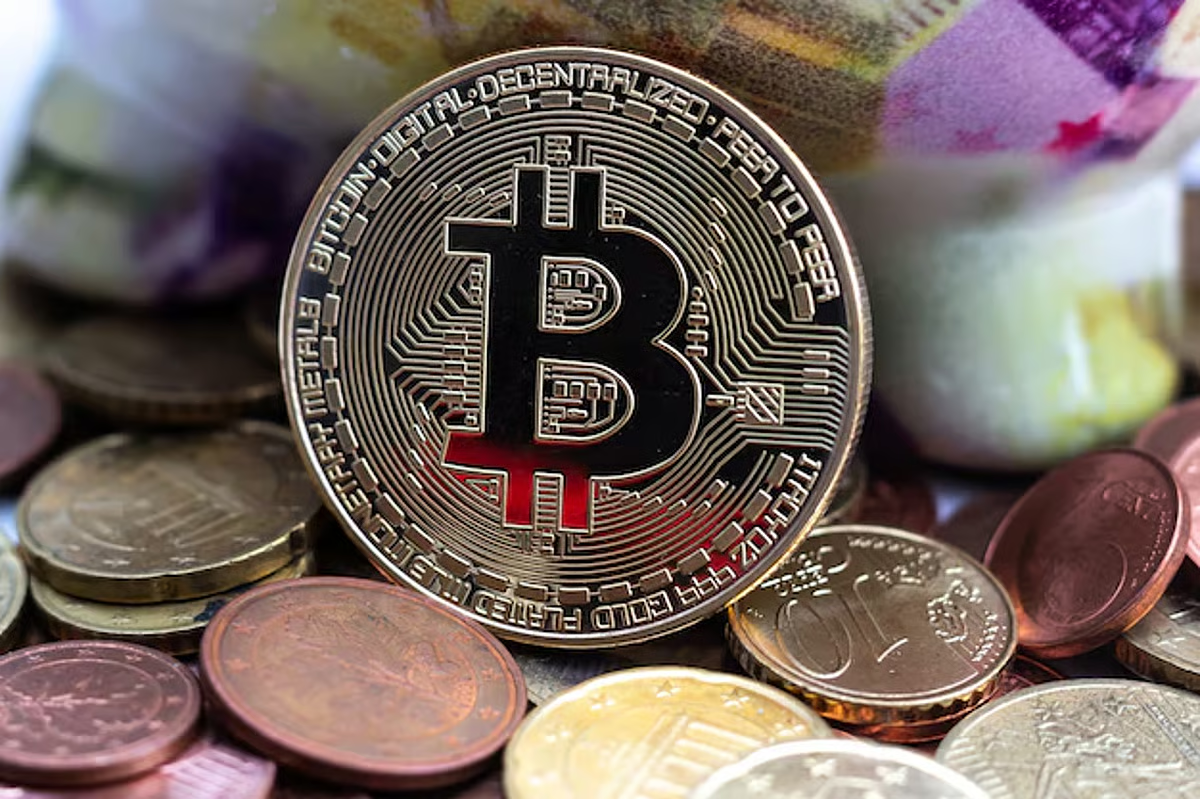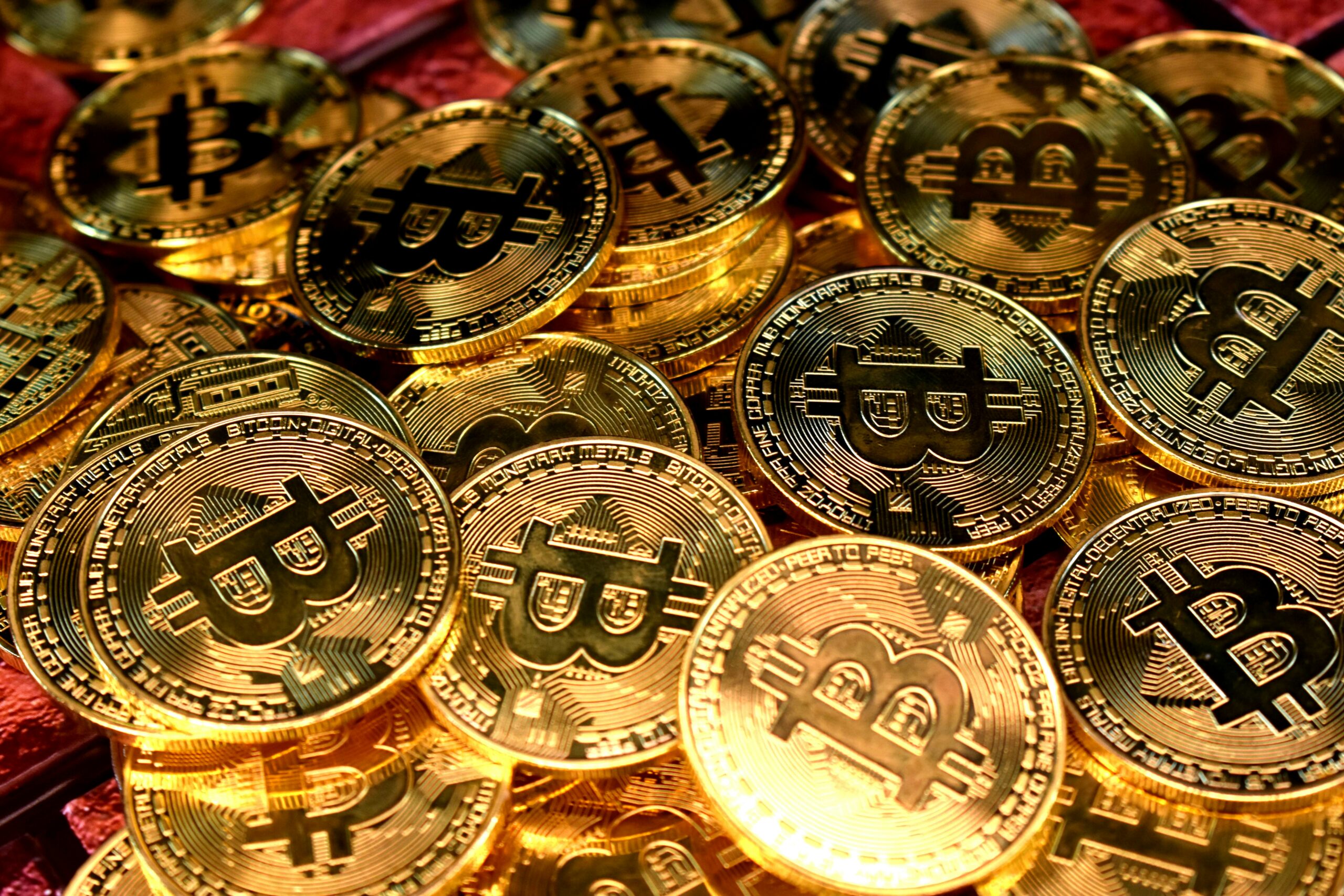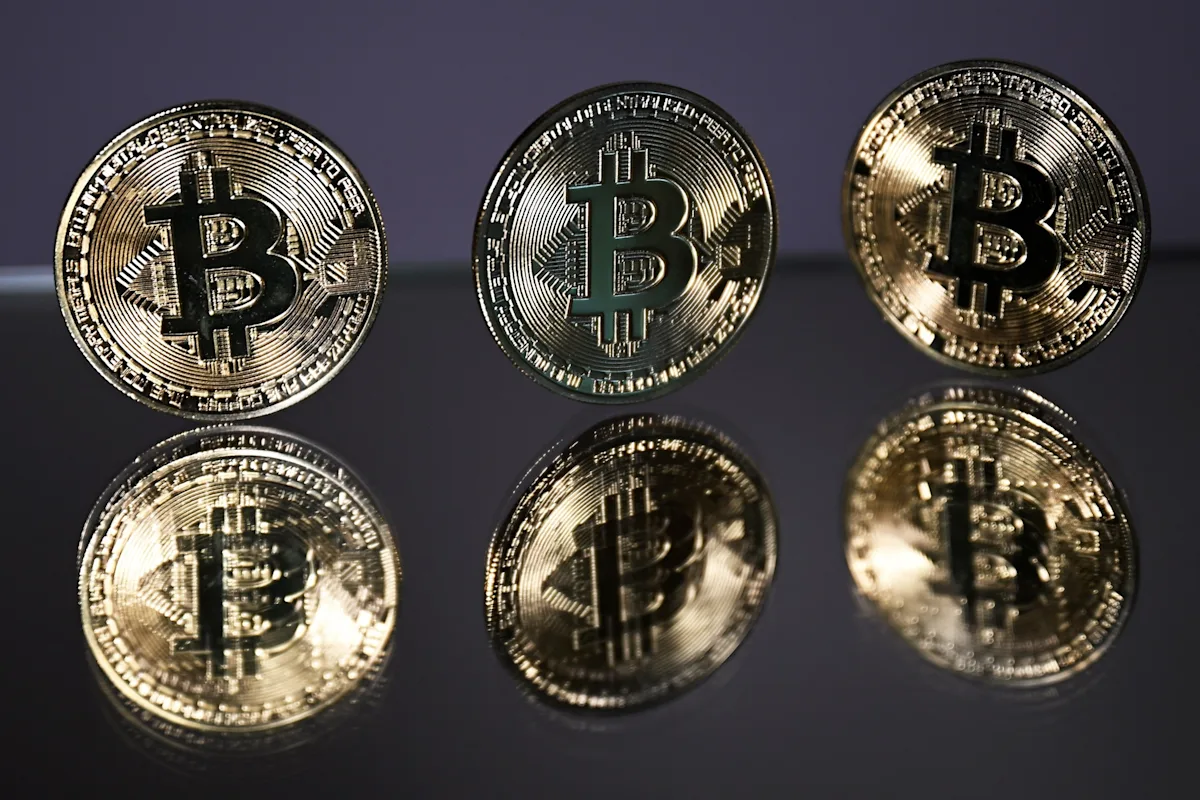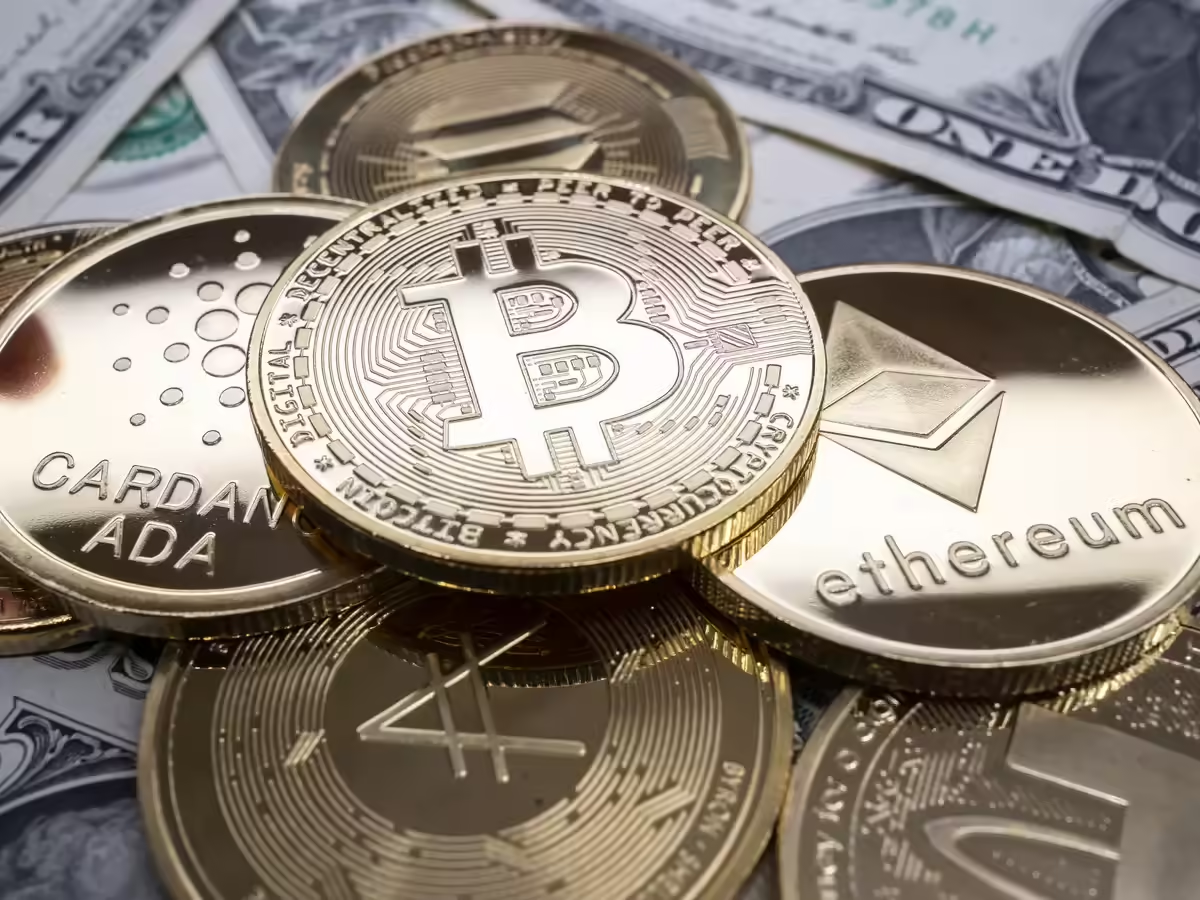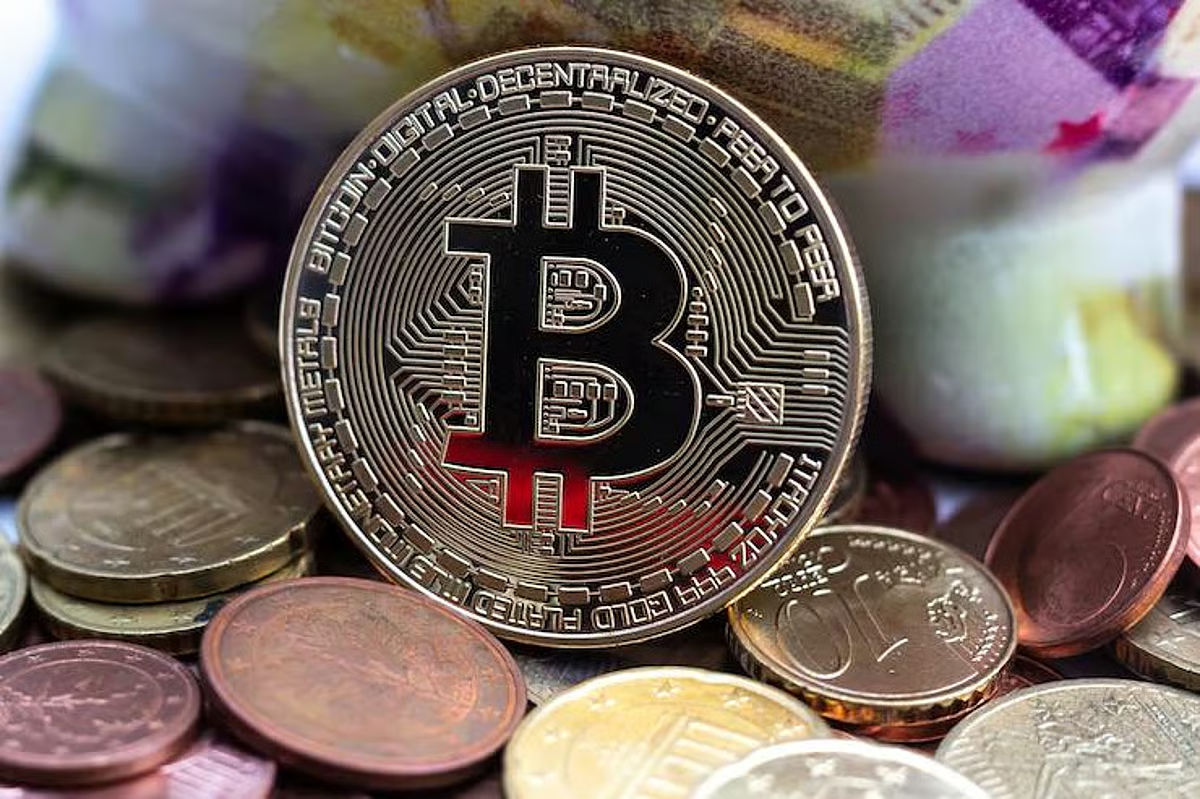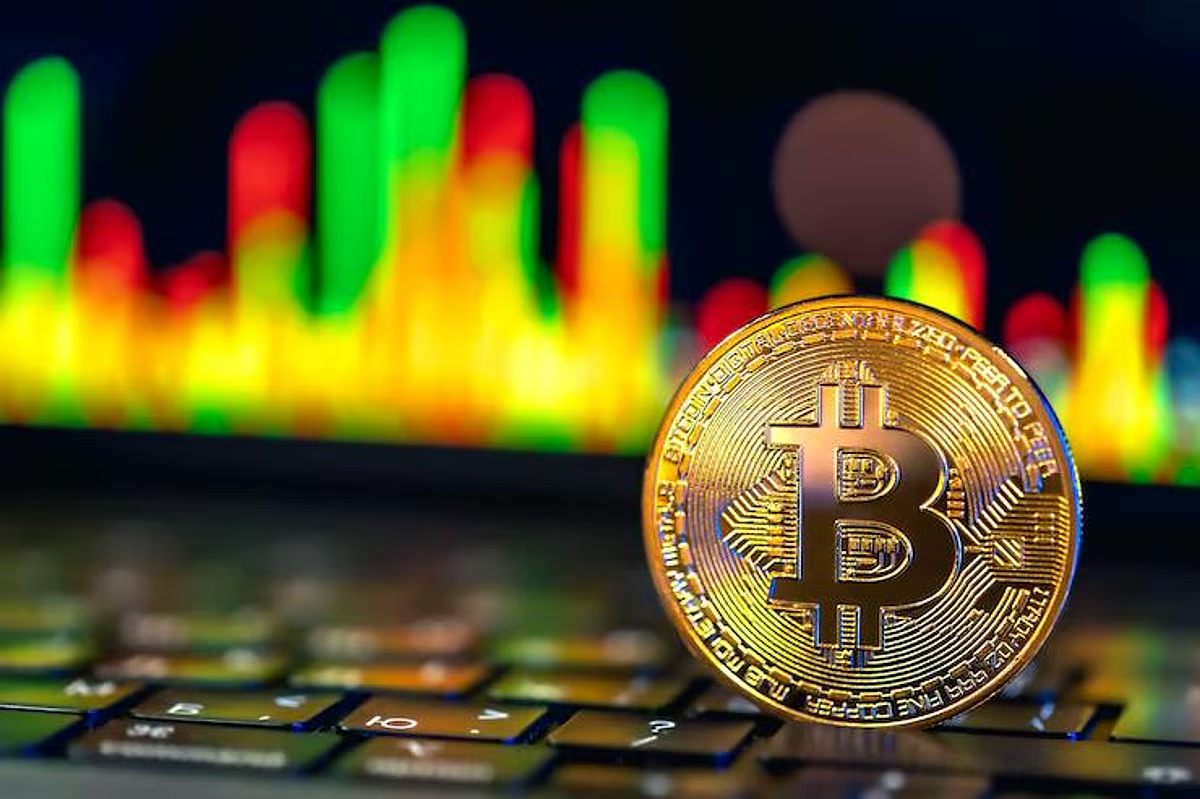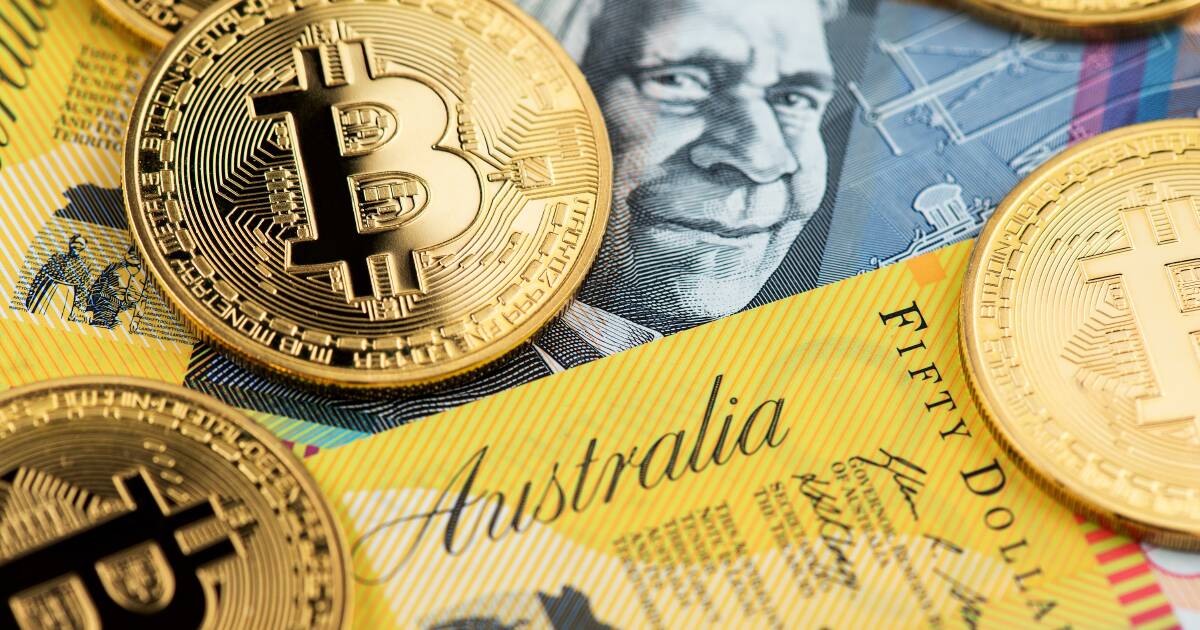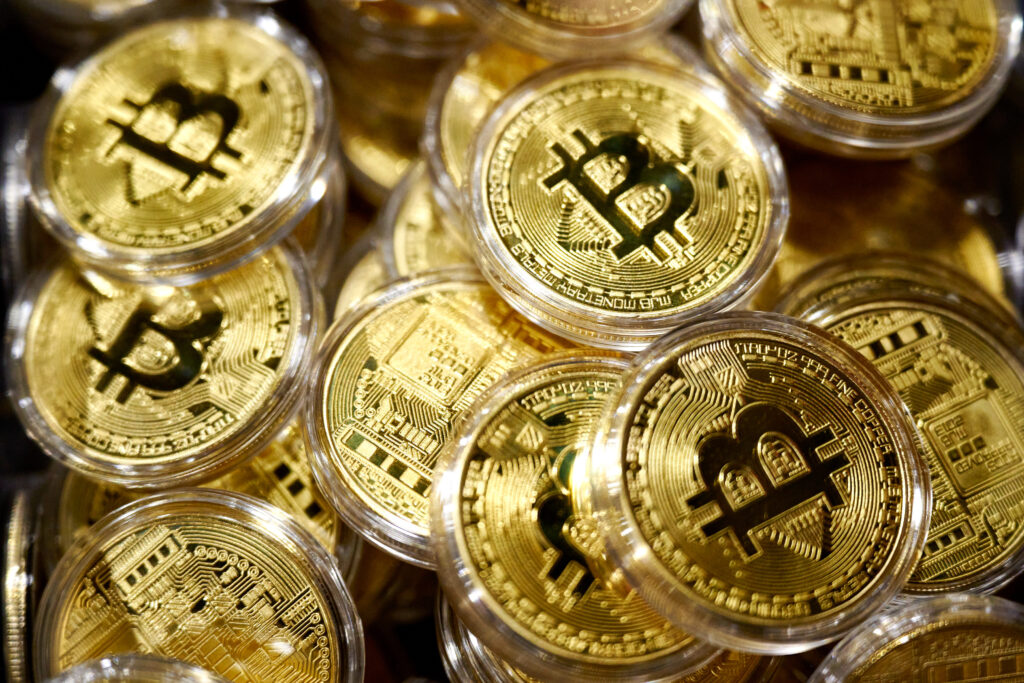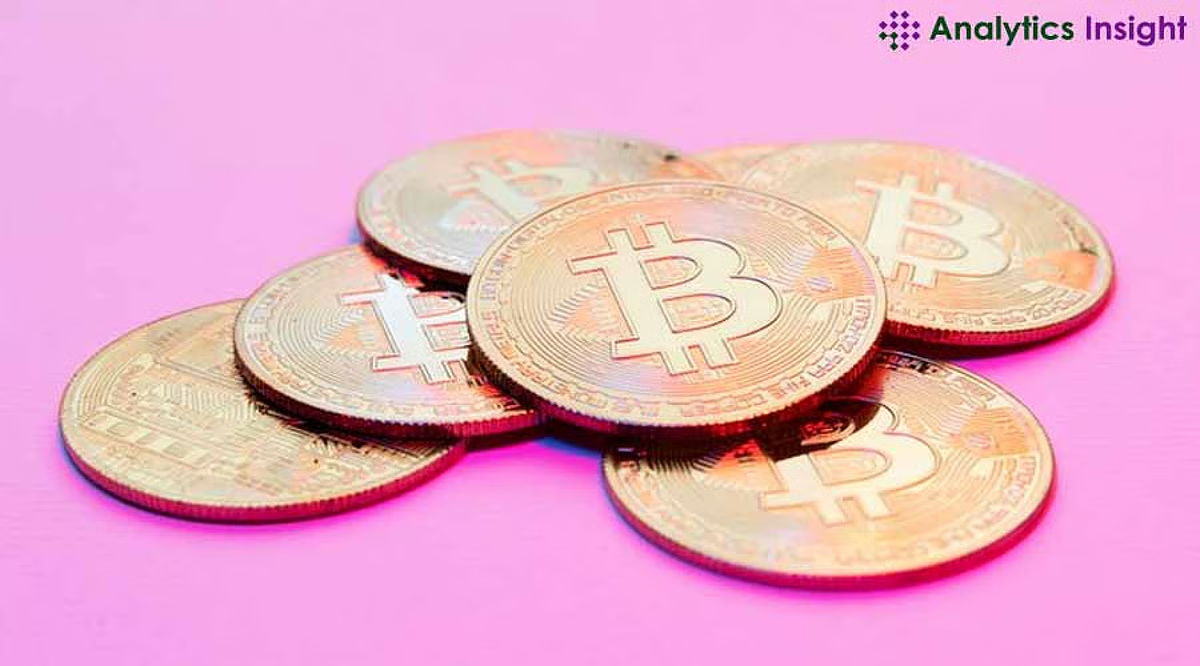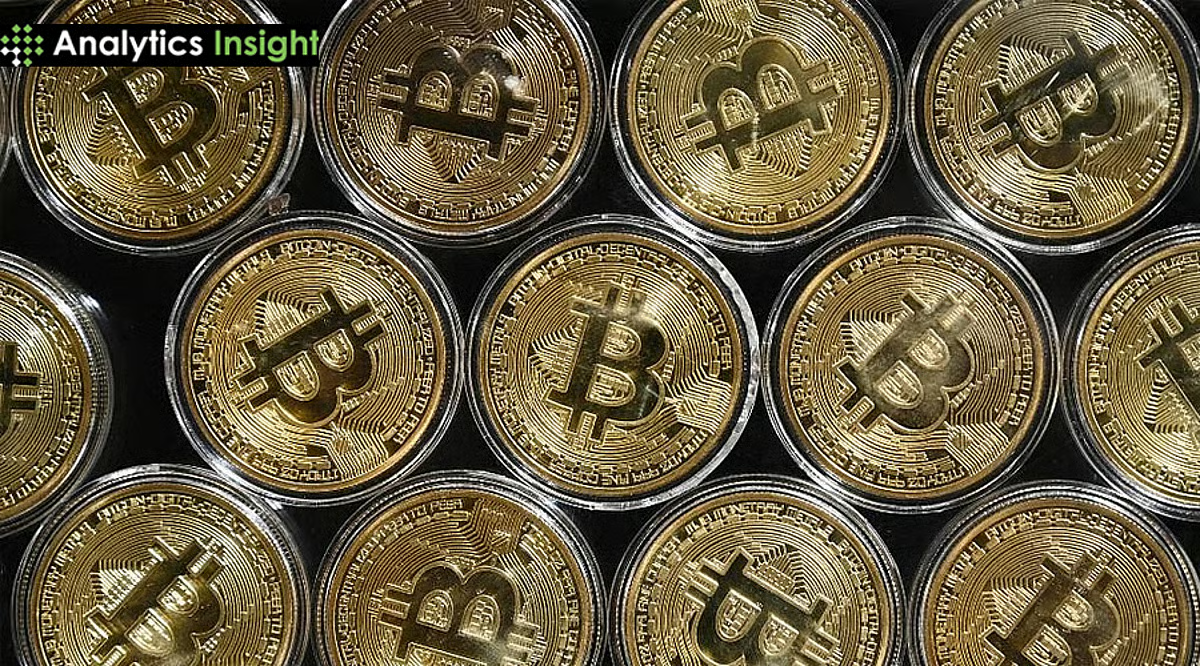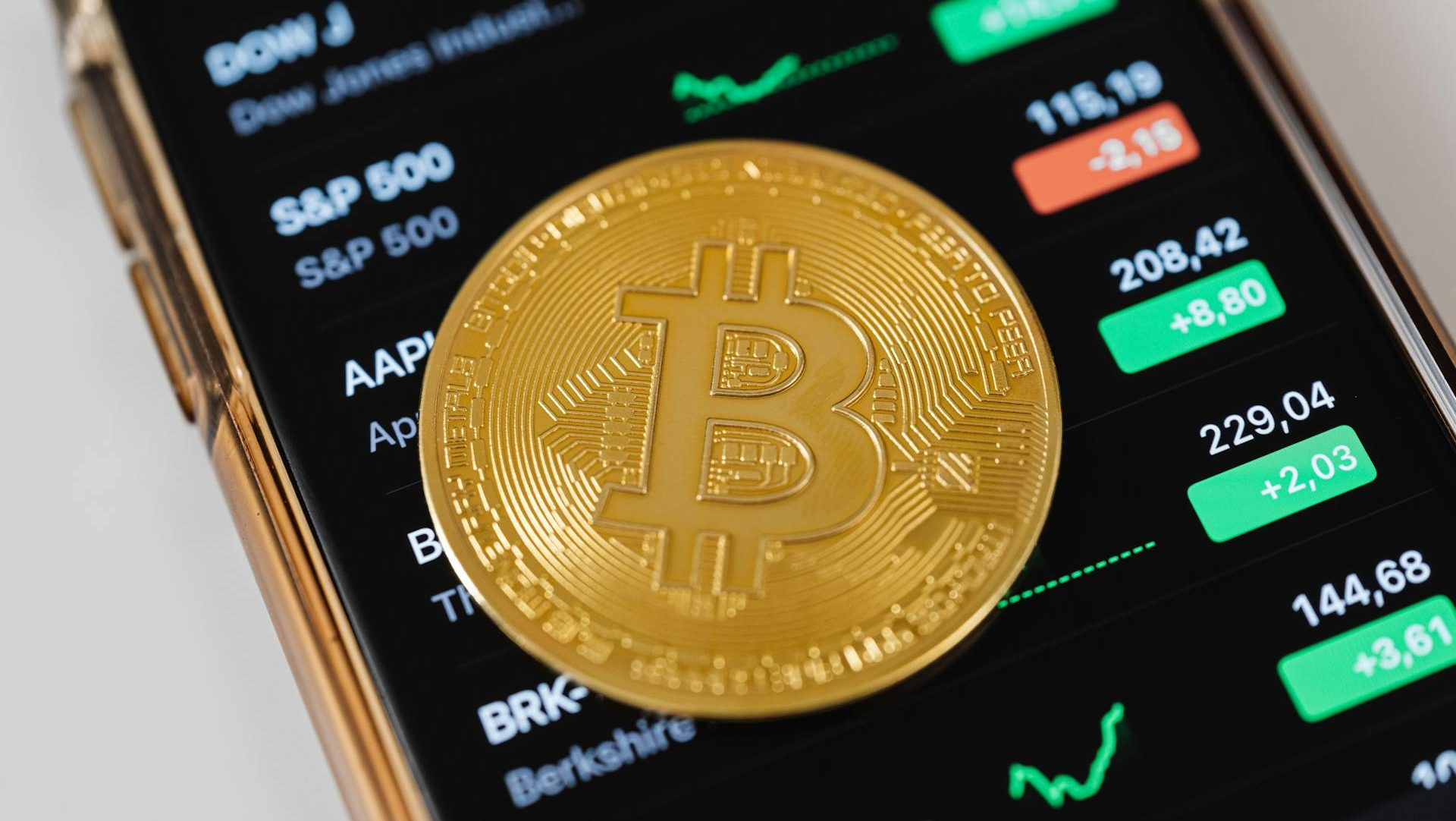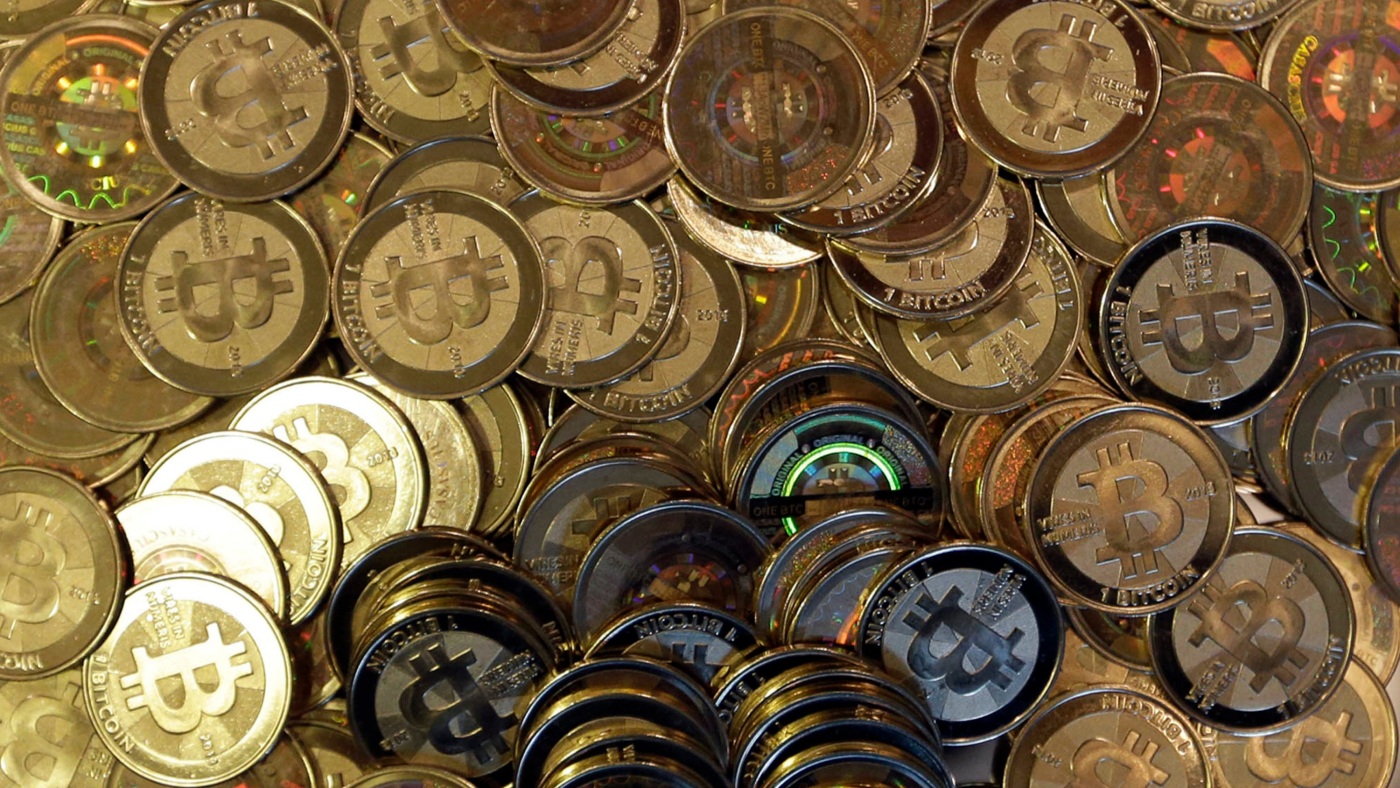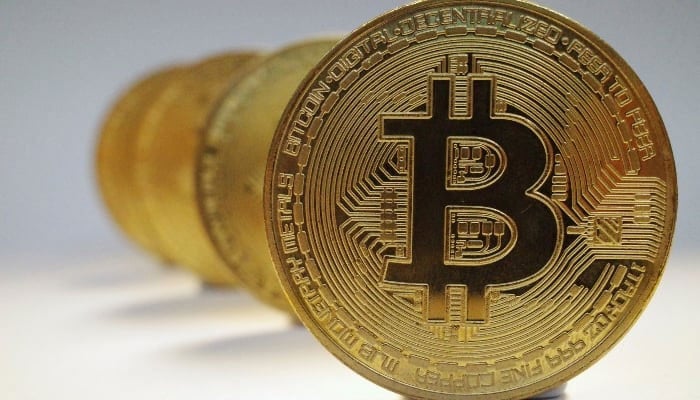
Cryptocurrencies have hit the headlines yet again in recent weeks. At the start of December, the price of a single Bitcoin – the best-known cryptocurrency – hit $100,000 (£78,000) for the first time. It has increased in value by a factor of six since 2022. Ten years ago, each Bitcoin was trading at just $320.
Bitcoin and other cryptocurrencies are expected to be major beneficiaries of Donald Trump’s victory in the recent US presidential election. The president-elect has promised to reduce the amount of regulation in the area, while also promoting more widespread use of digital currencies.
But what is crypto and what do you need to know about it?
What’s on this page?
- What is cryptocurrency?
- How is crypto different to traditional currencies?
- What are the different types of cryptocurrency?
- What is Bitcoin?
- What are memecoins?
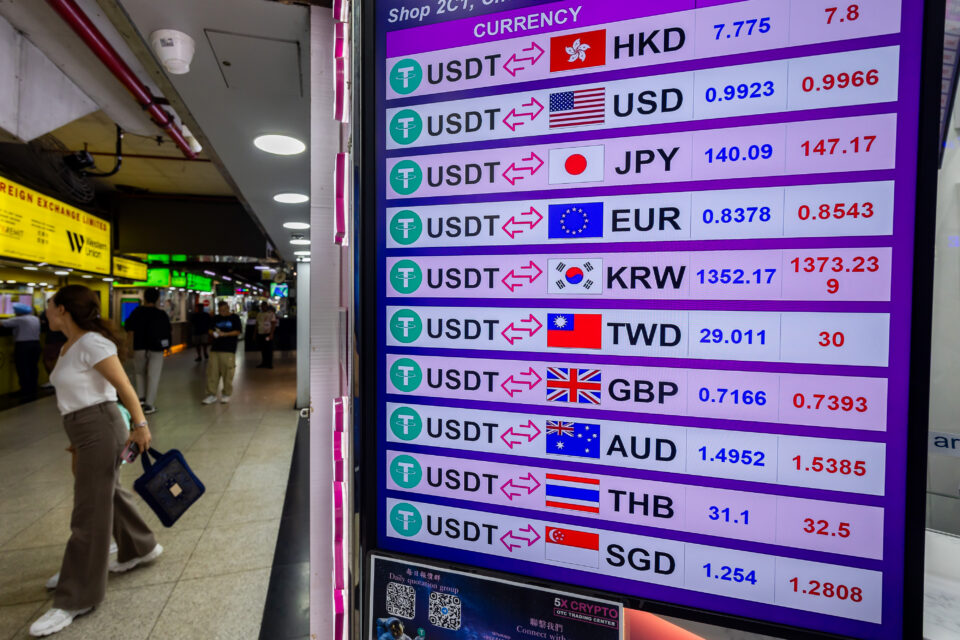
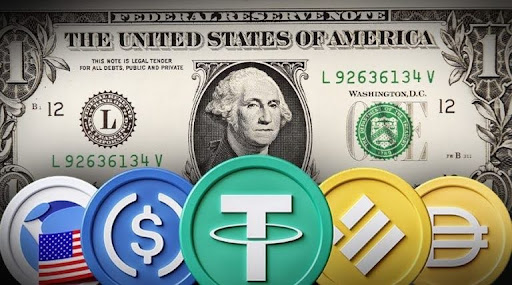
- What are stablecoins?
- Will cryptocurrencies replace traditional currencies?
- Why are people investing in cryptocurrency?
- How do people invest in crypto?
- Cryptocurrency glossary
What is cryptocurrency?
Cryptocurrencies are an asset that only exists online. They’re also called “cryptoassets”, because unlike traditional currencies, in most cases you can’t easily use them to pay for goods and services.
“Cryptocurrency is a form of digital currency that exists only online and uses secure technology called blockchain to manage transactions,” says Michał Kurdziel, an investment consultant and entrepreneur.
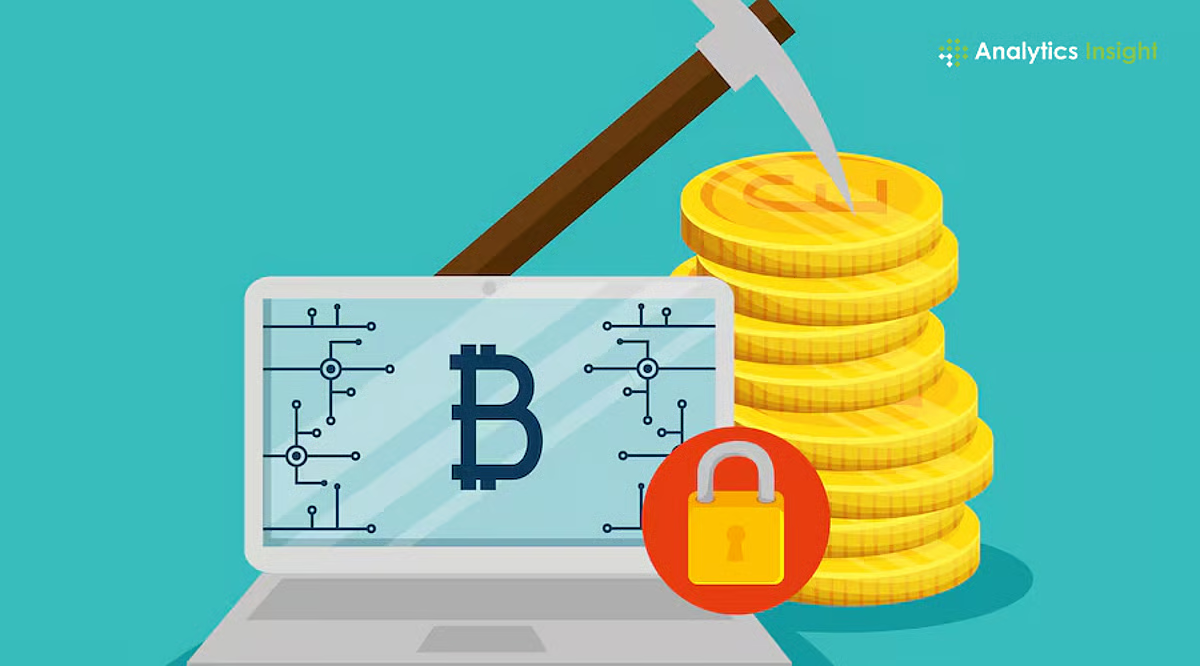
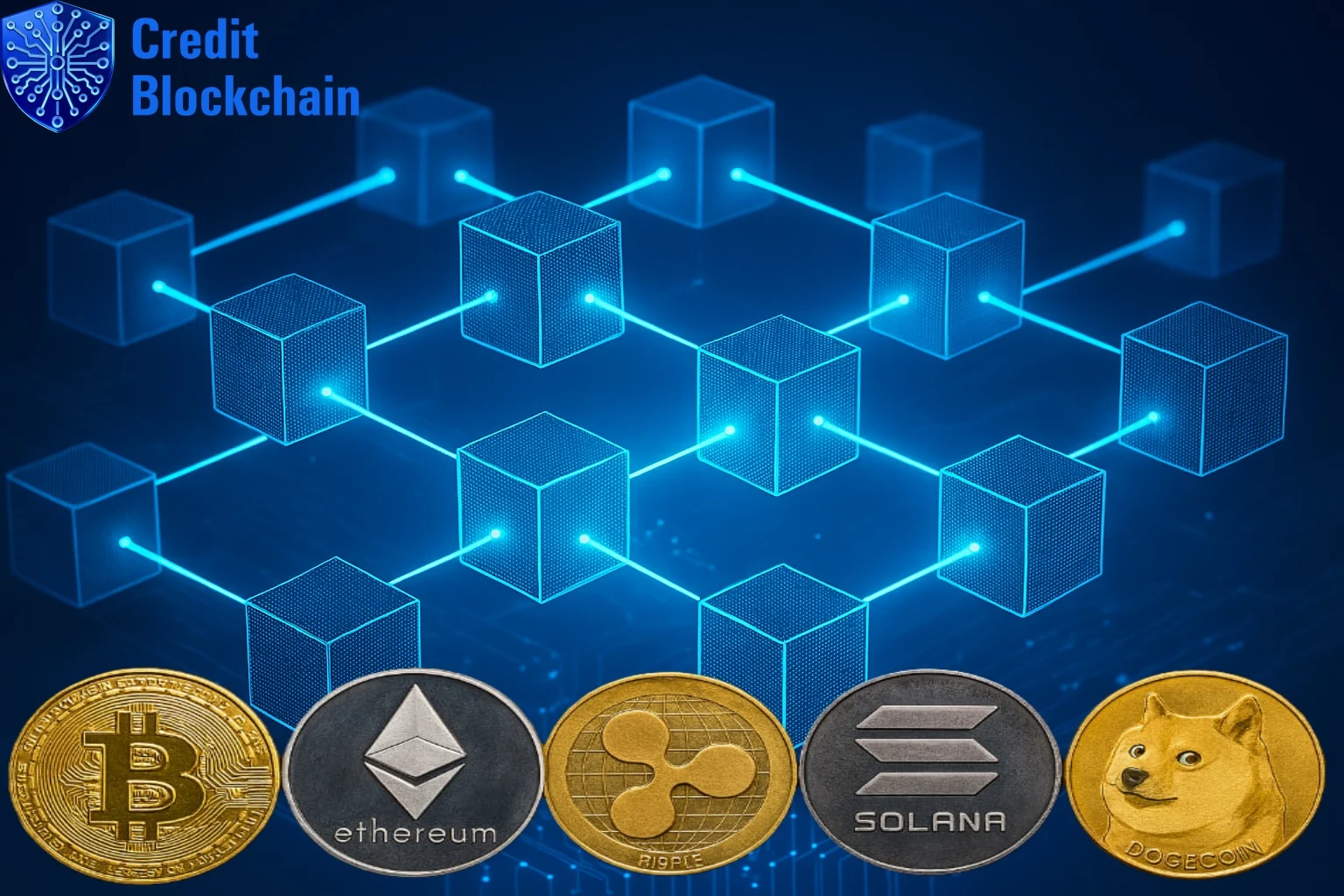
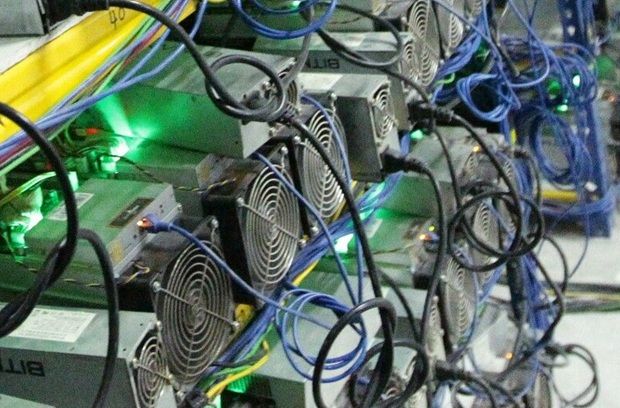
If you’re not familiar with blockchain, it’s essentially a digital ledger of transactions. Each “block” in the chain contains a record of multiple database transactions, and every block is linked to the one that came before it. This creates a continuous chain of information, and it’s very difficult to change any of the information inside the blocks, which helps to make the system secure.
Kurdziel adds: “Unlike traditional currencies such as dollars or euros, cryptocurrencies aren’t issued or controlled by governments or banks. Instead, they rely on decentralised systems, meaning no single person or organisation has authority over them.” Blockchain is decentralised because it’s run by a network of computers, rather than a central authority.
“Unlike traditional currencies such as dollars or euros, cryptocurrencies aren’t issued or controlled by governments or banks. Instead, they rely on decentralised systems, meaning no single person or organisation has authority over them.”
Lukman Otunuga, senior market analyst at trading platform FXTM, adds that cryptocurrency uses cryptography for security. “This means it is nearly impossible to counterfeit or double-spend,” he says.
“The primary purpose of cryptocurrency was to offer an alternative to traditional currencies, enabling peer-to-peer transactions without intermediaries like banks.”
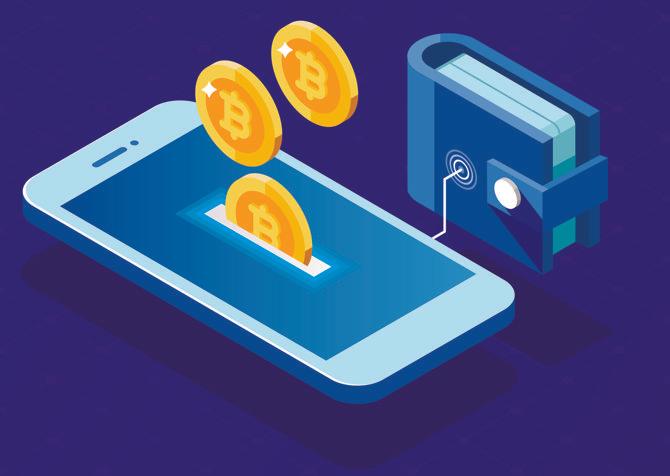
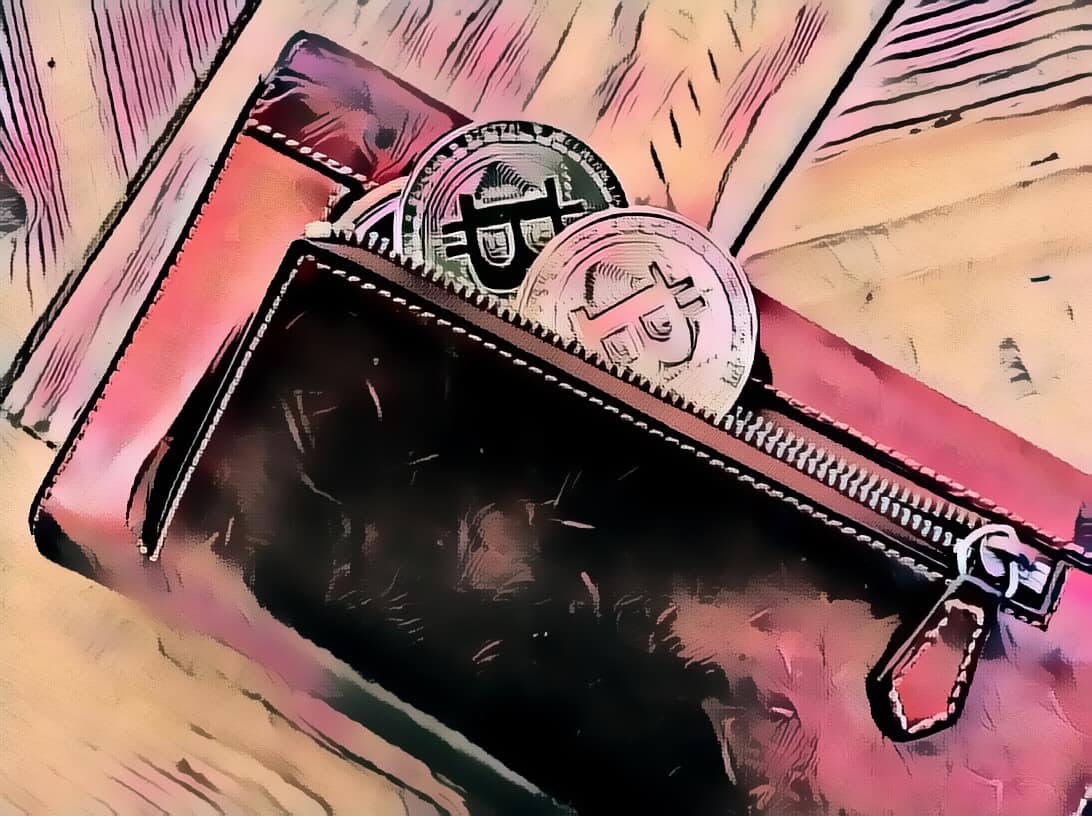
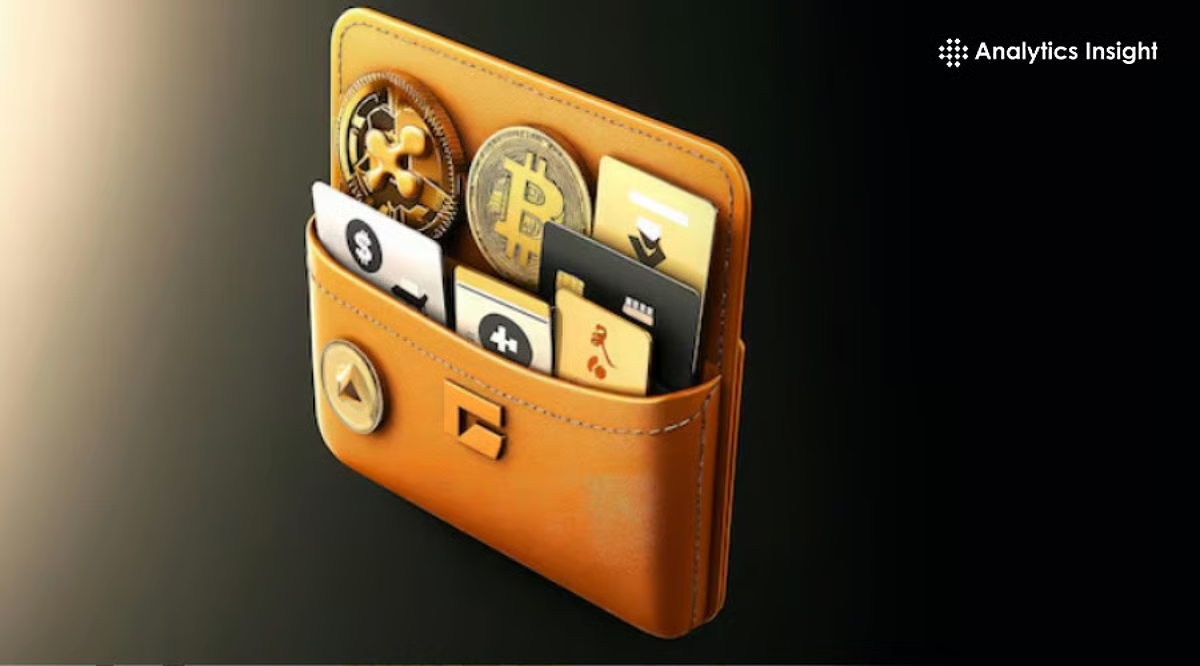
The access to cryptocurrency is controlled by a secure online digital wallet.
This wallet is proof of ownership of a particular cryptocurrency – although the currency itself is held on the blockchain database.
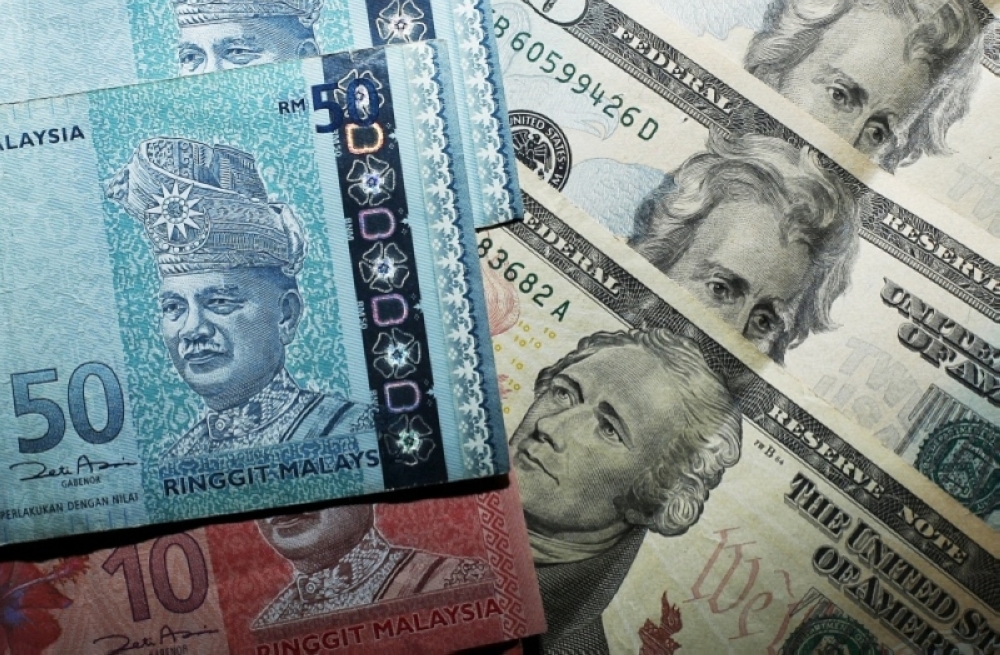
How is crypto different to traditional currencies?
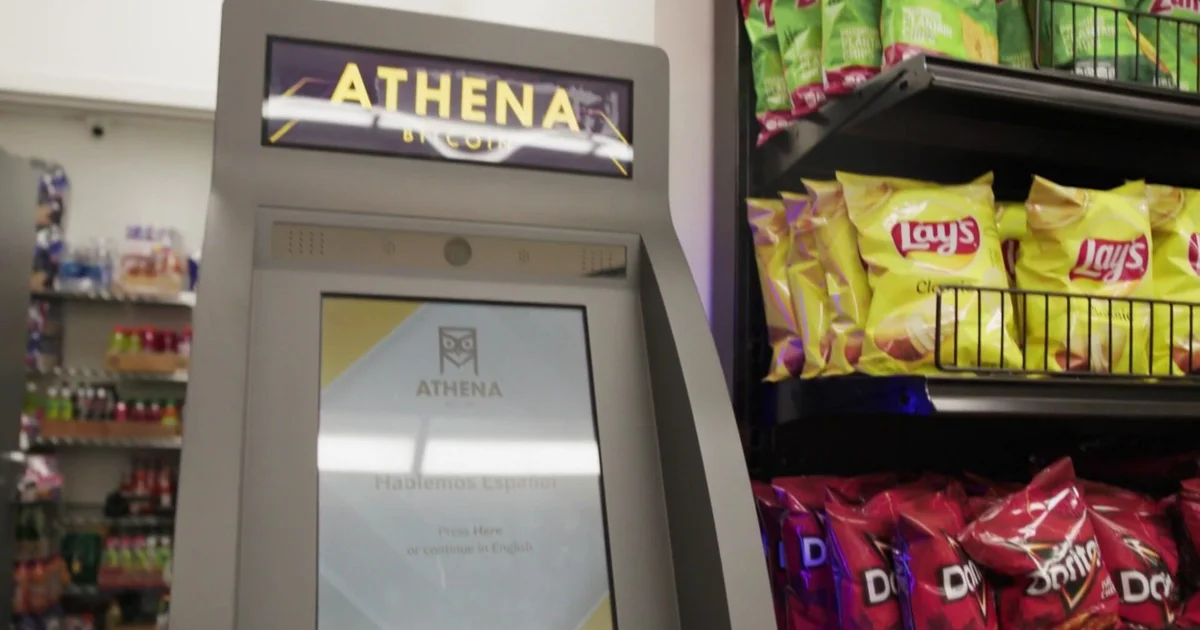
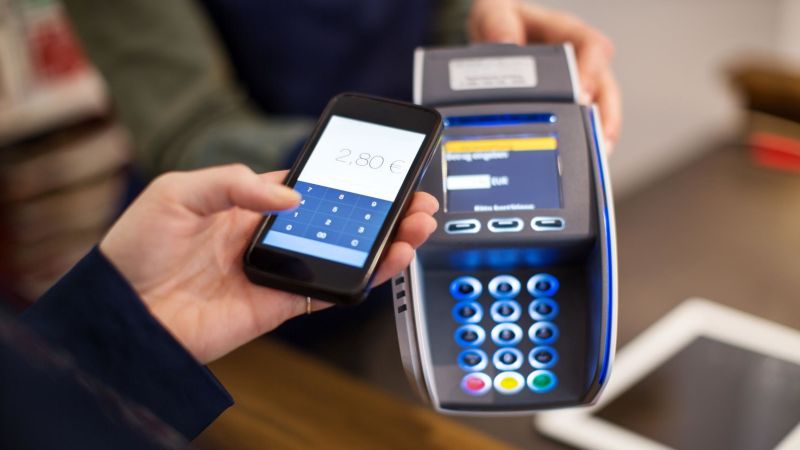
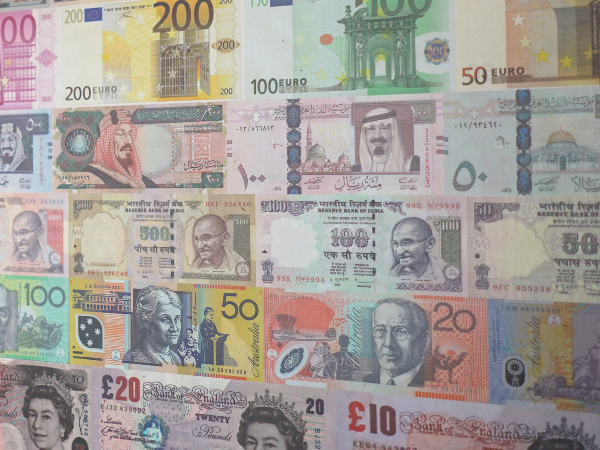
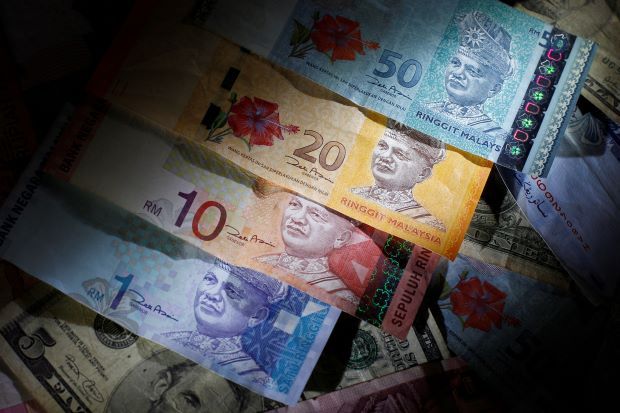
Adrien Stern, founder and CEO of payments firm Reveel, says: “While you can spend it for some goods and services, not everyone will accept cryptocurrency. Some merchants, online shopping platforms and physical shops have started accepting cryptocurrency, but it is not yet mainstream.”
Stern says that a benefit of cryptocurrency is that it “cannot be devalued by poor monetary policy or inflation”. But Otunuga says: “Unlike traditional currencies, cryptocurrencies are not backed by a government or physical assets, making their value more volatile.”
What are the different types of cryptocurrency?
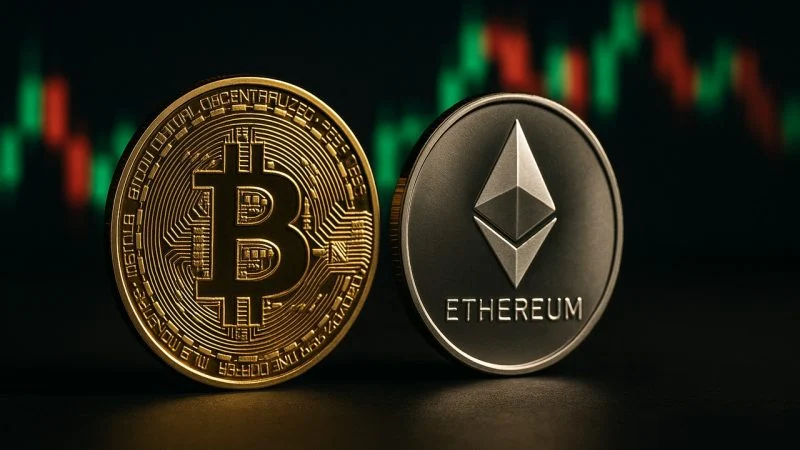
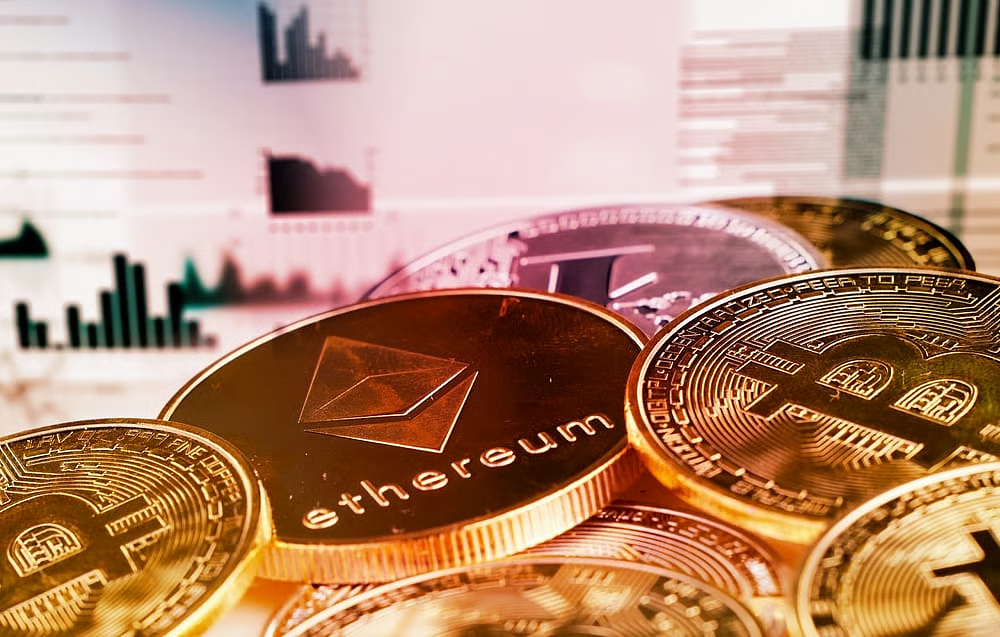
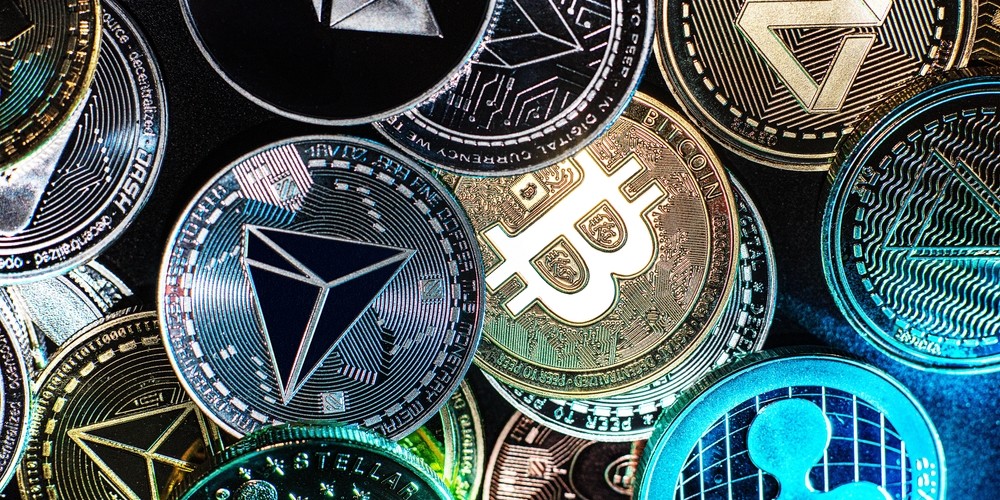
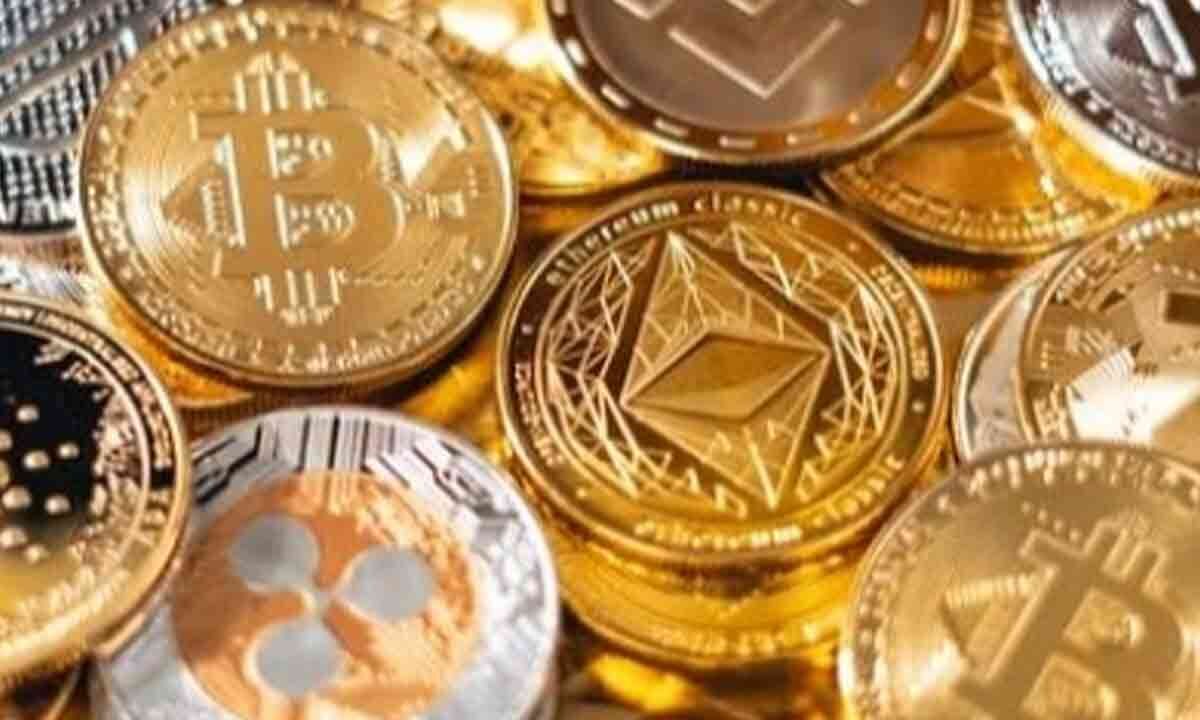
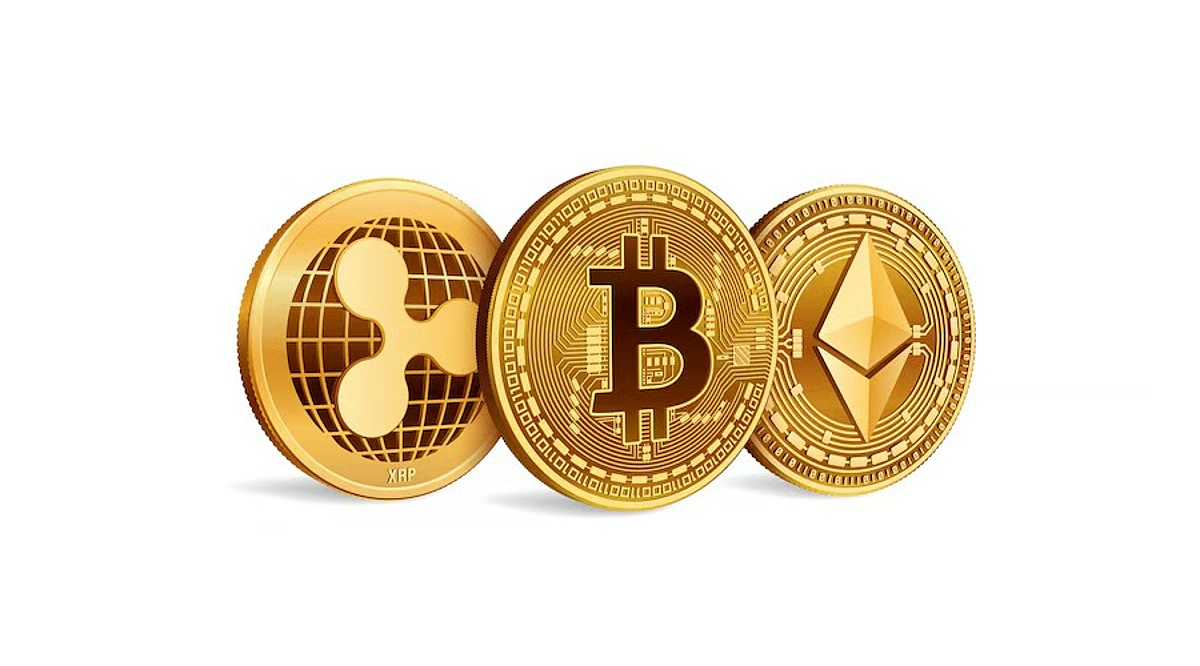
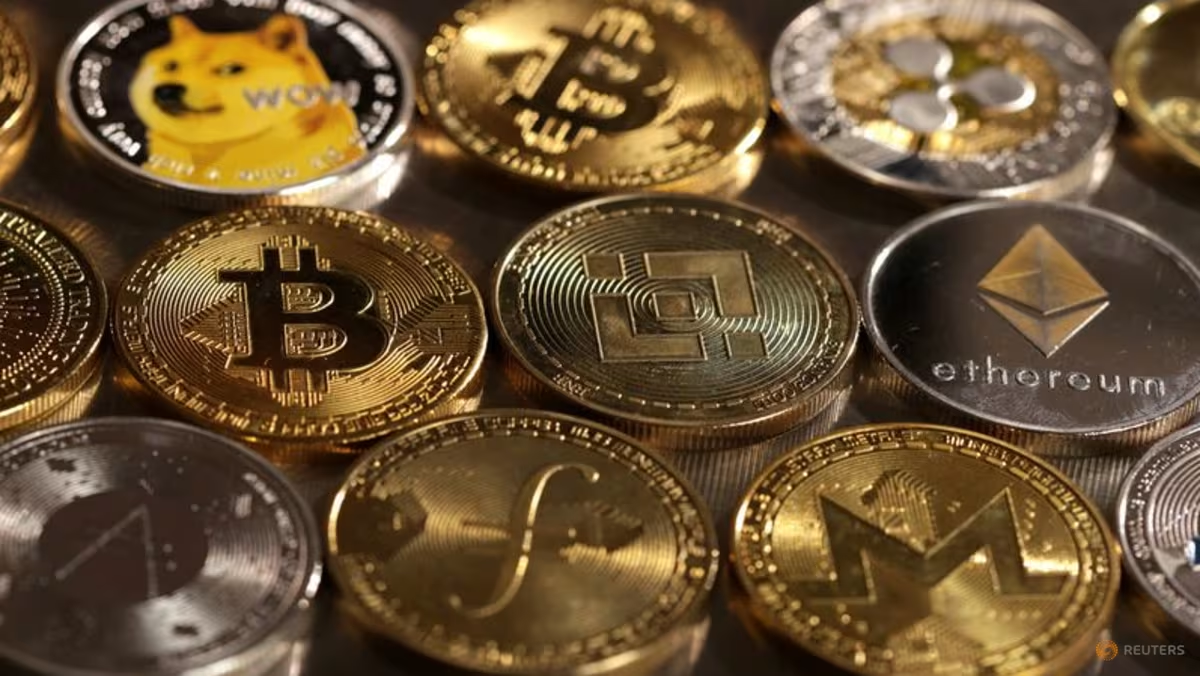
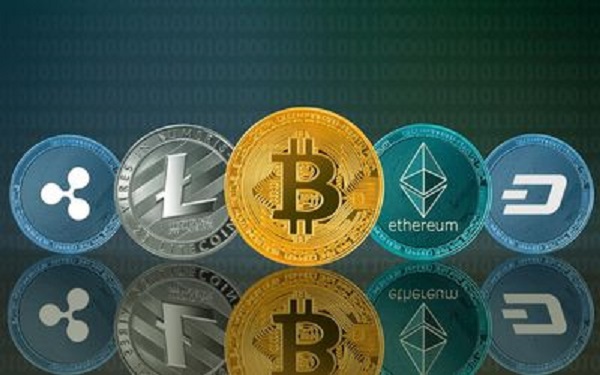
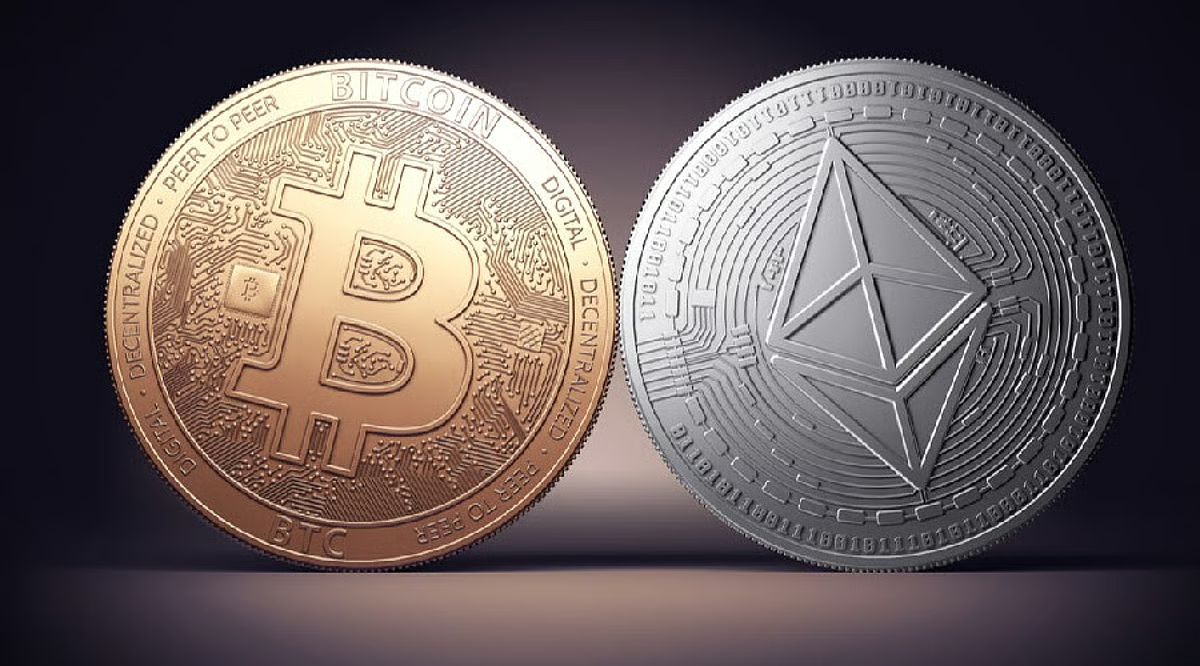
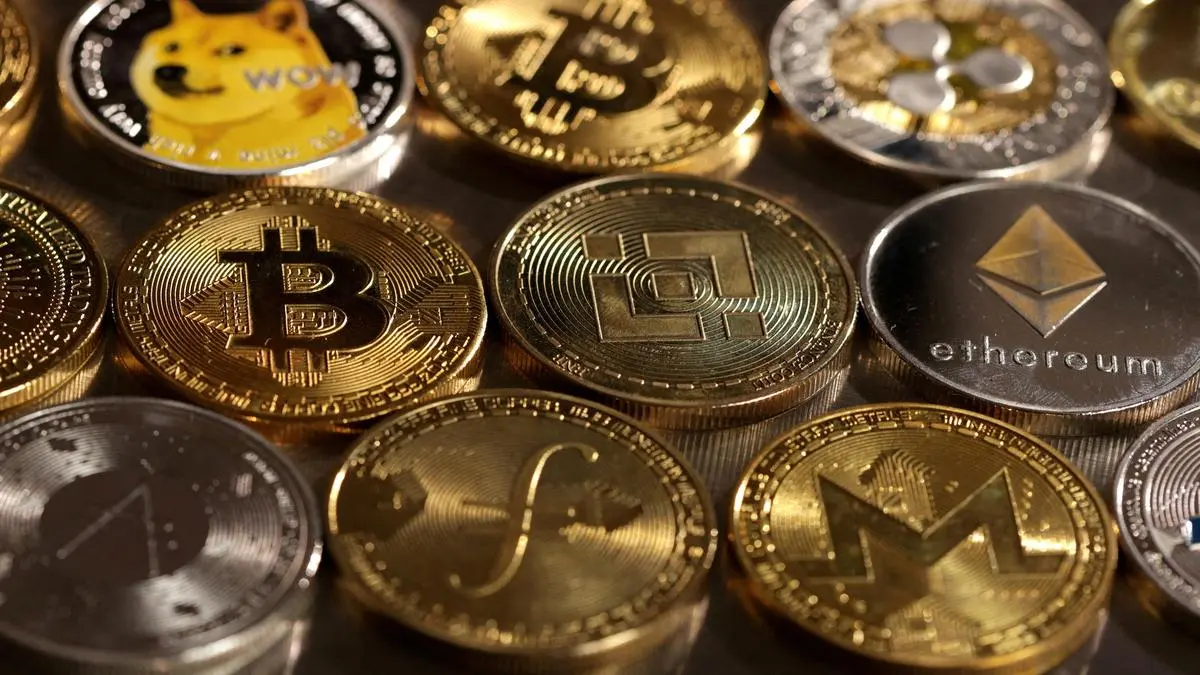
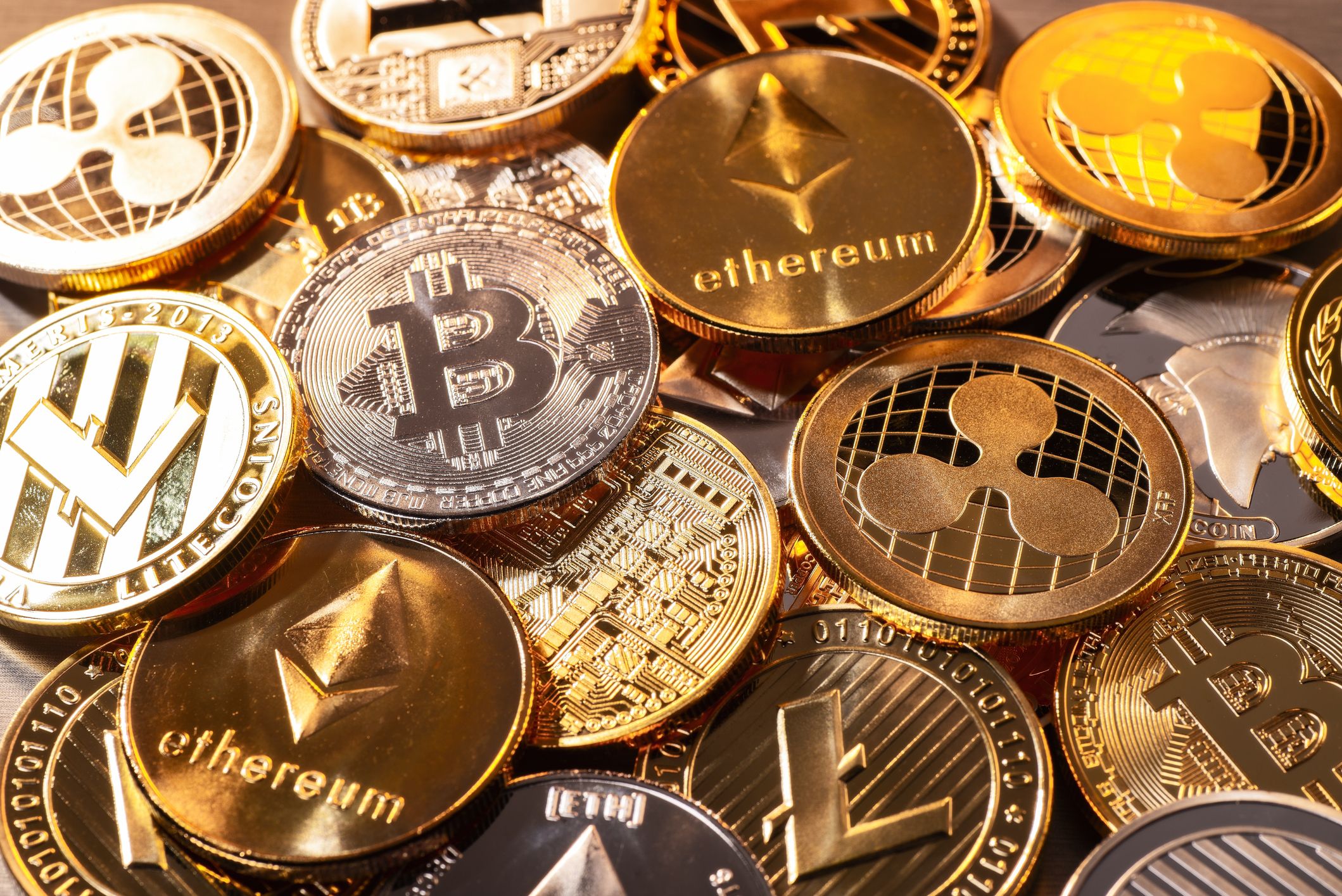
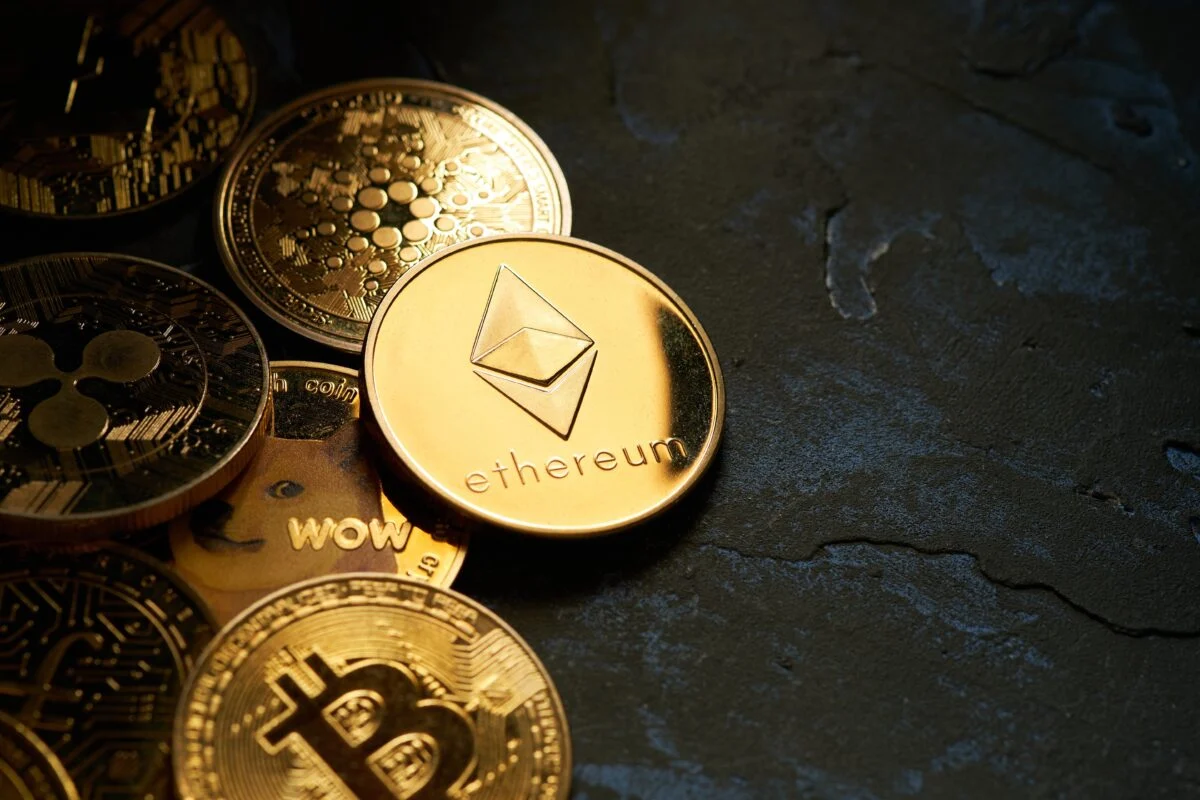
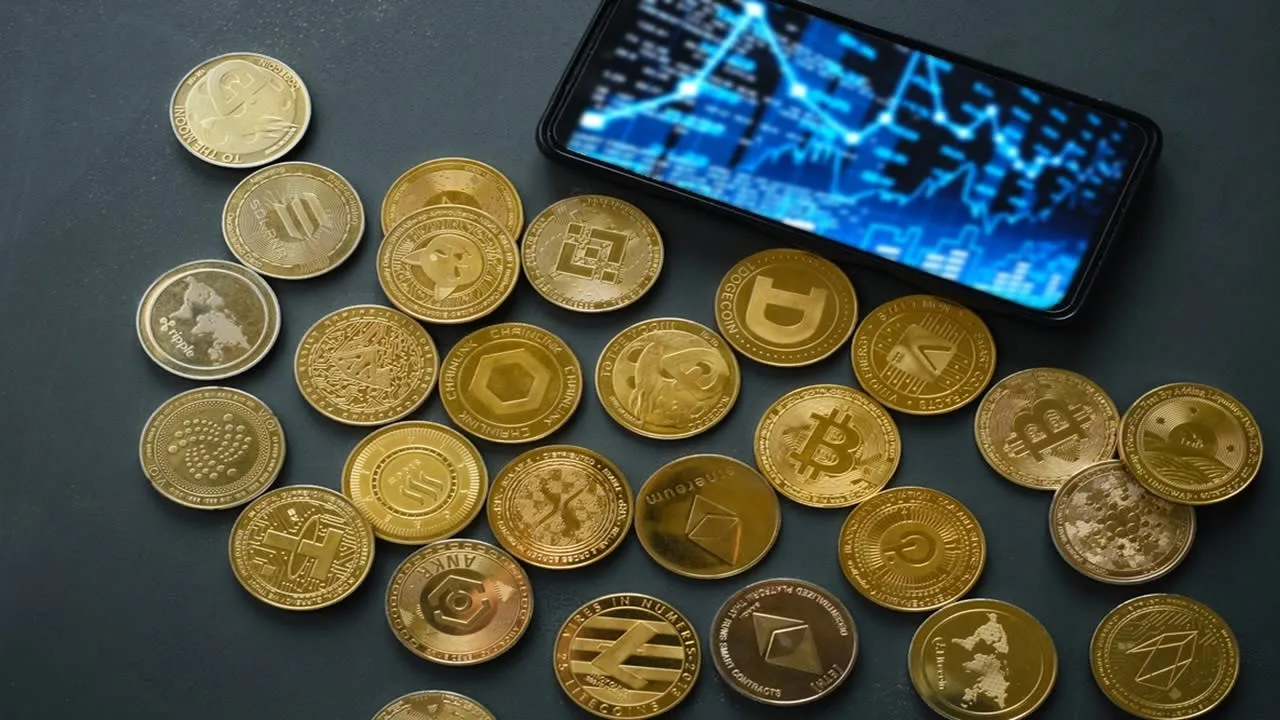
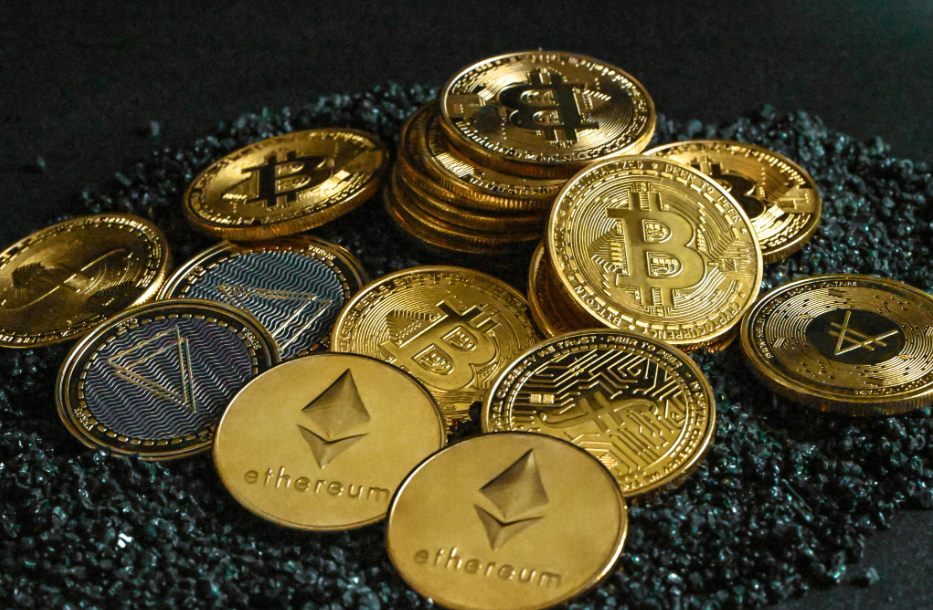
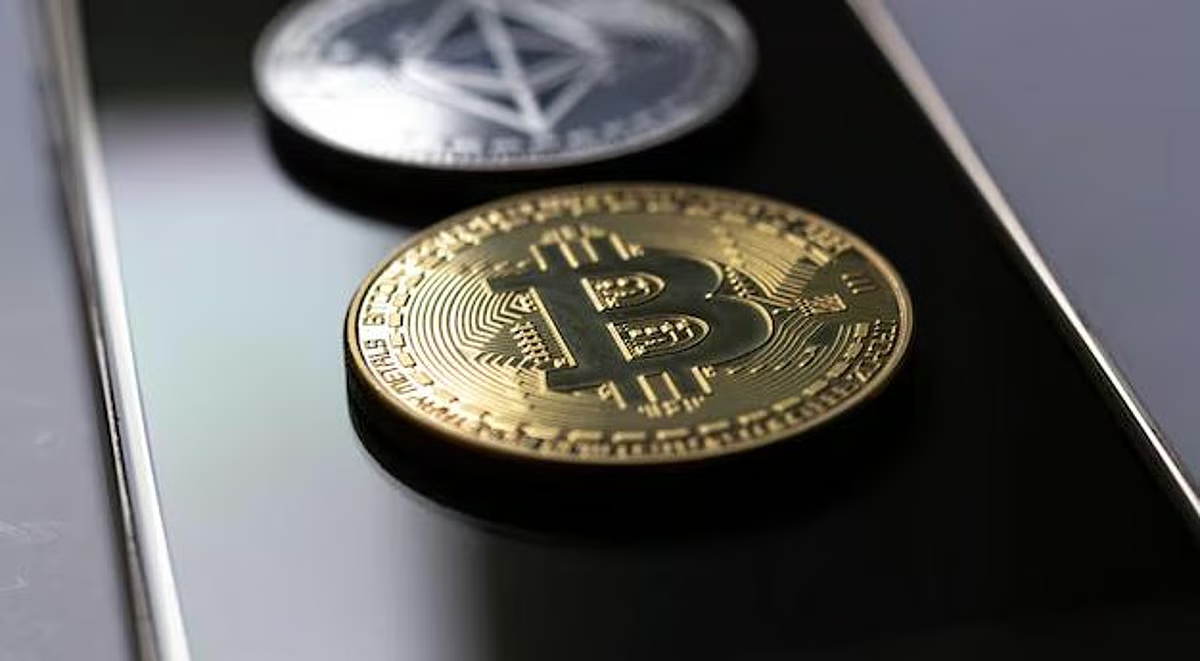
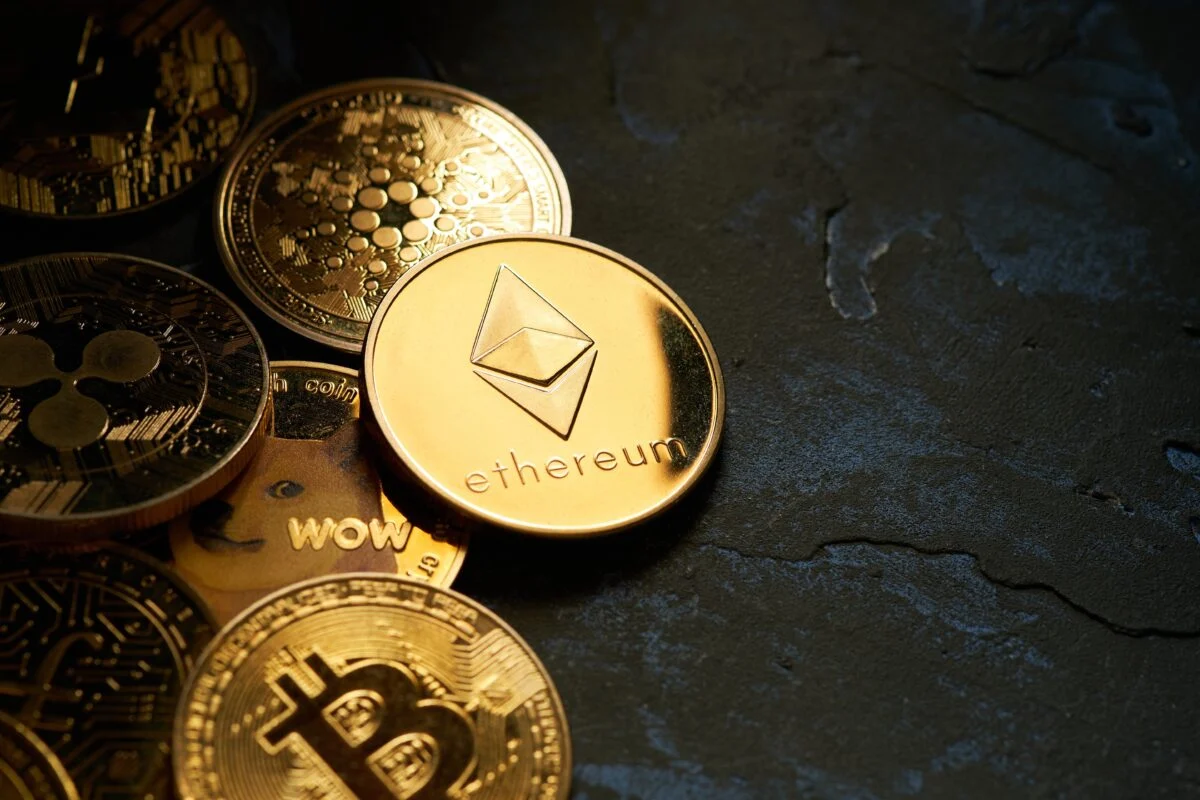
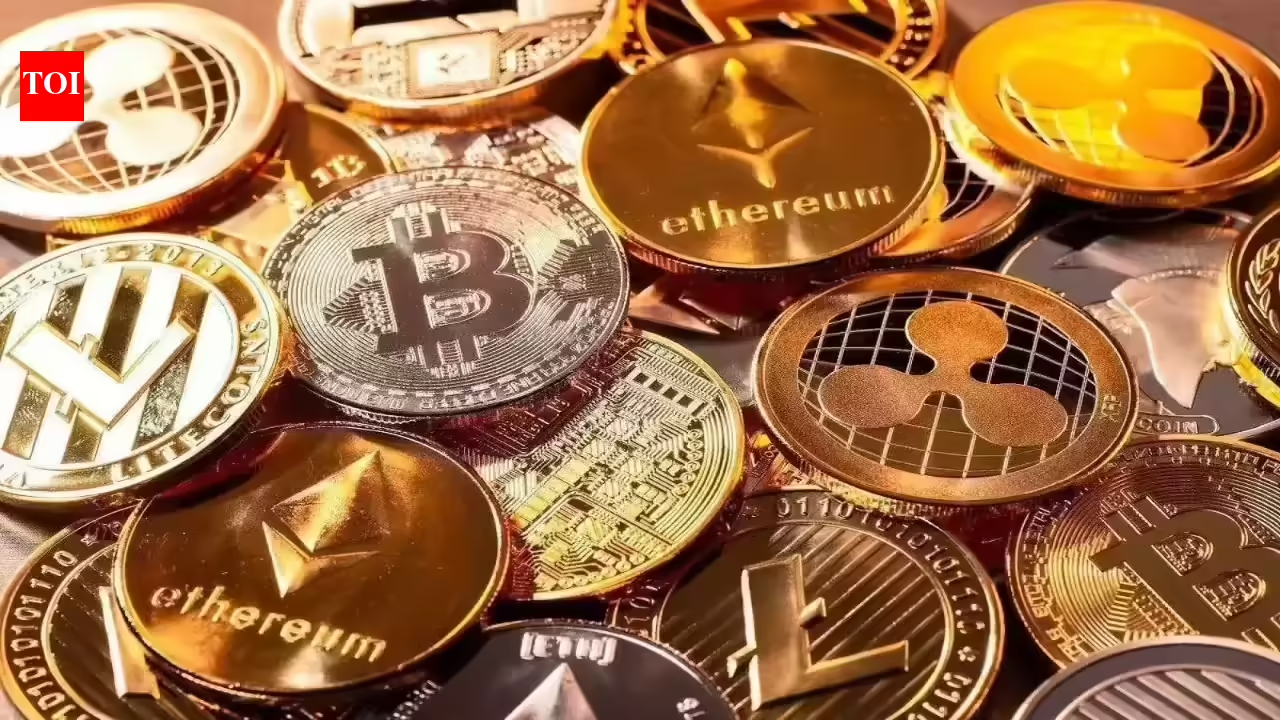
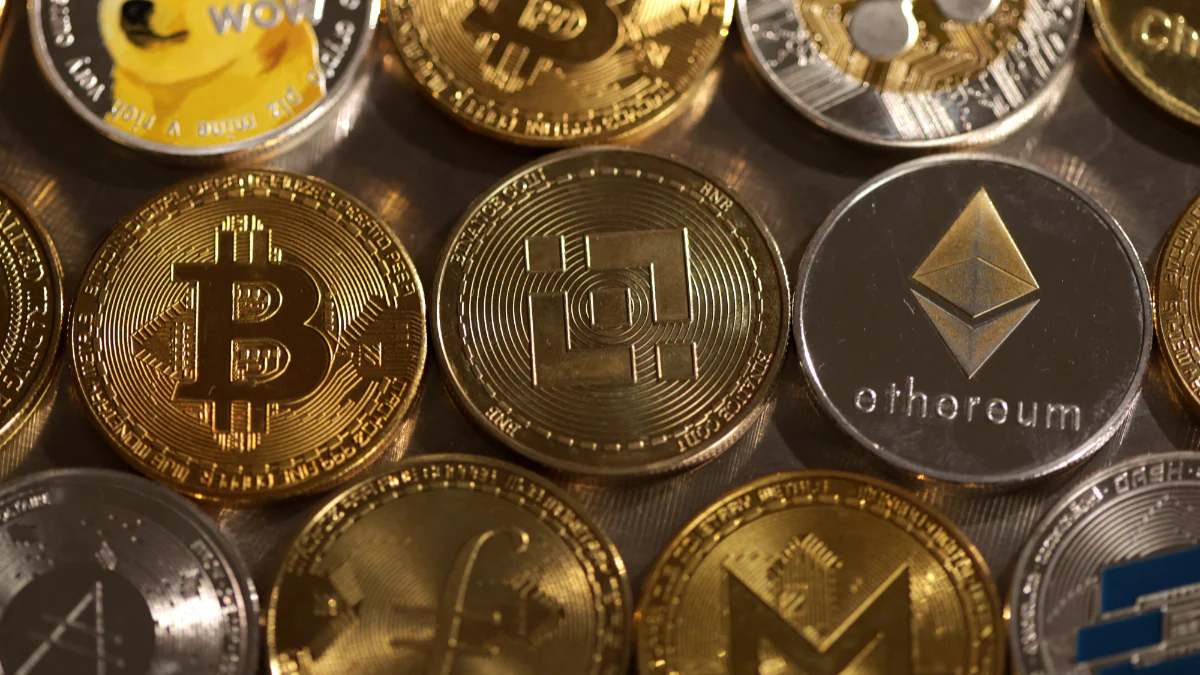
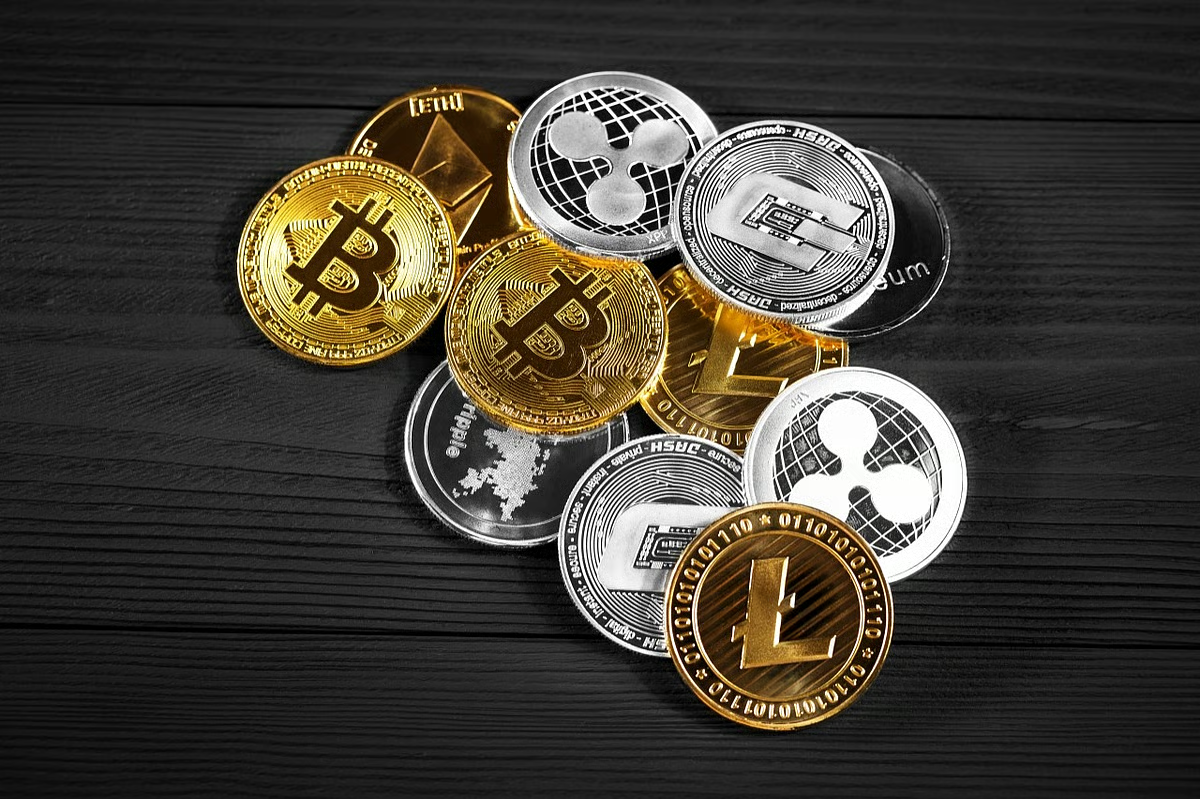
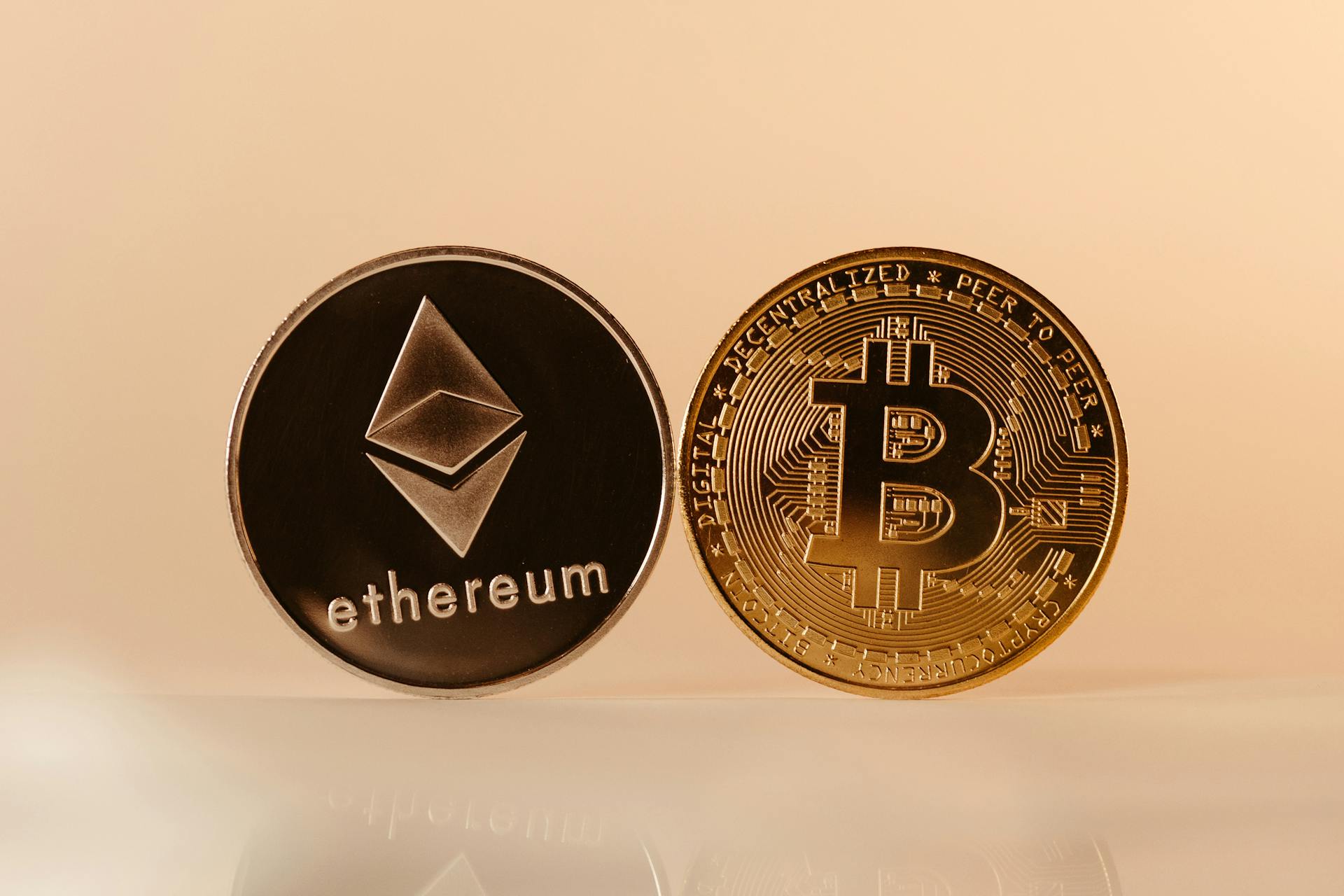
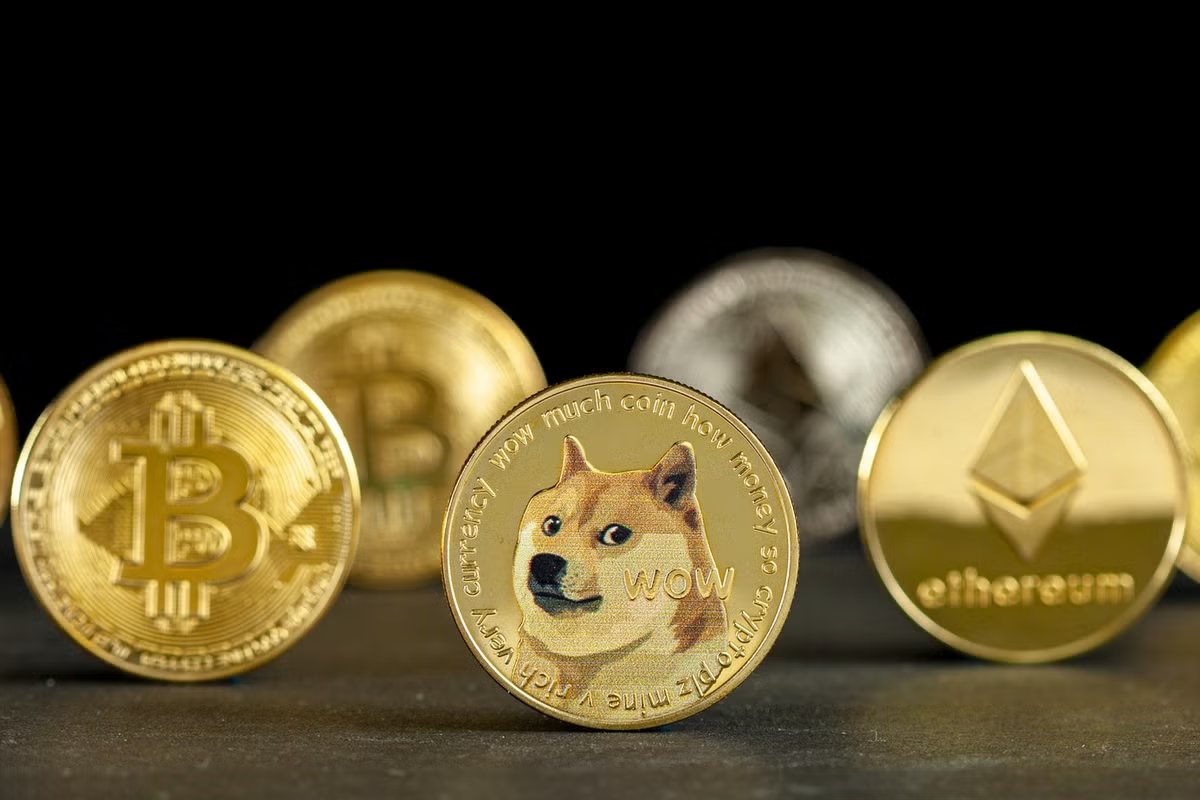
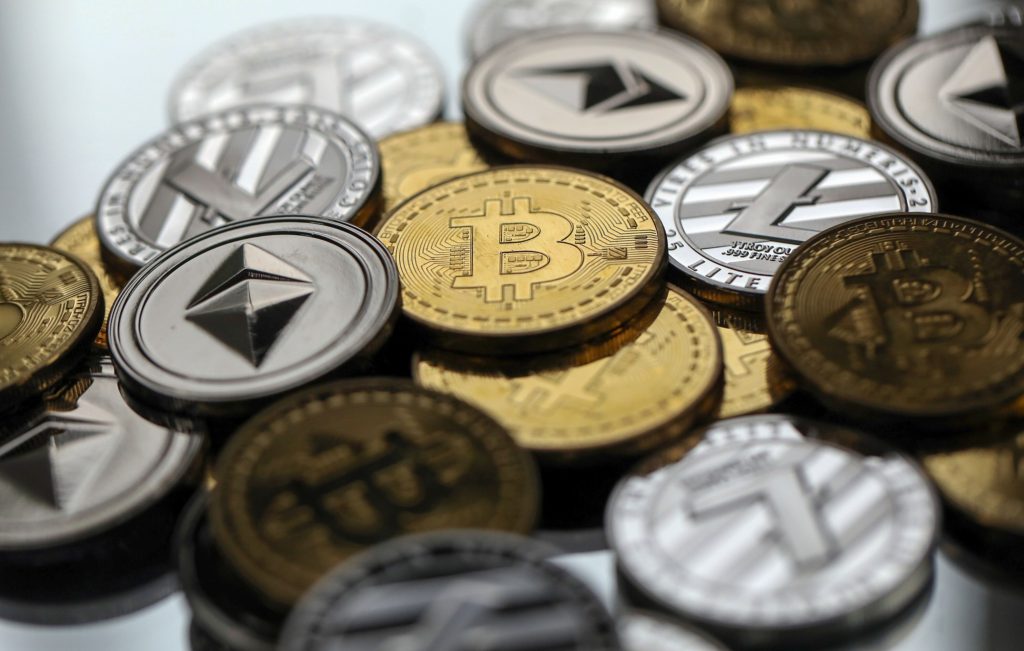
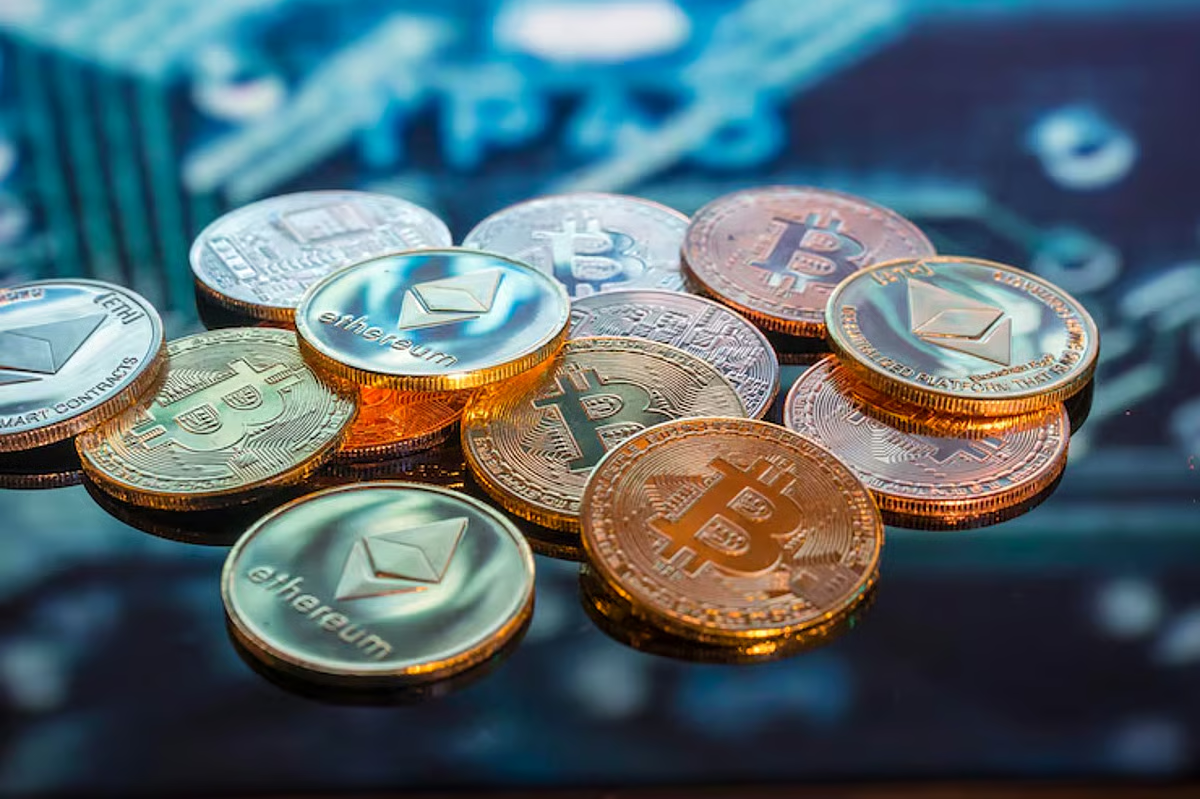
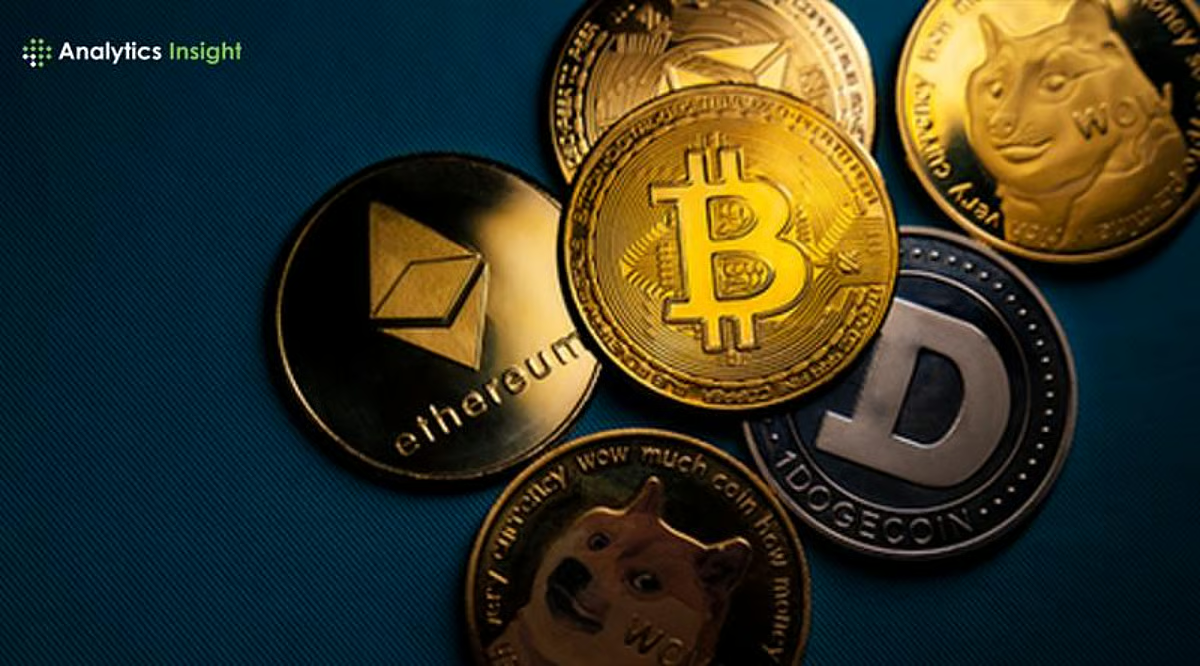
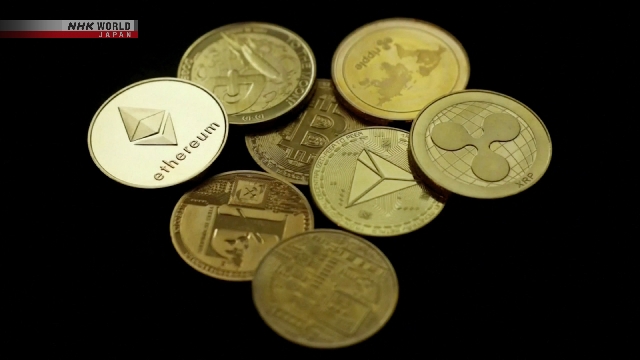
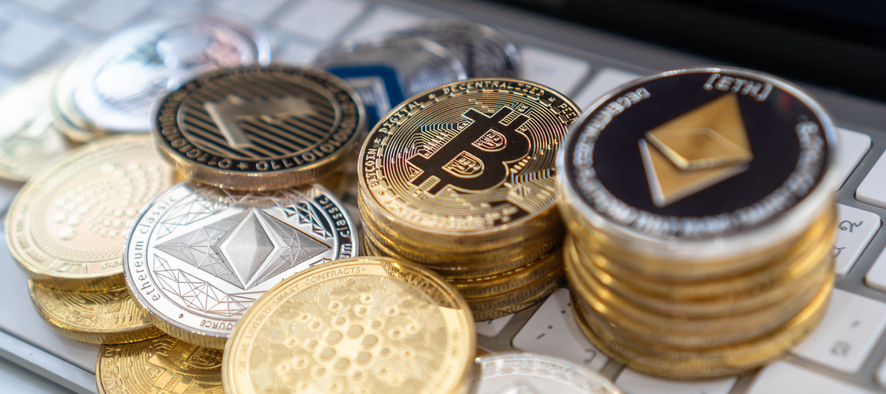
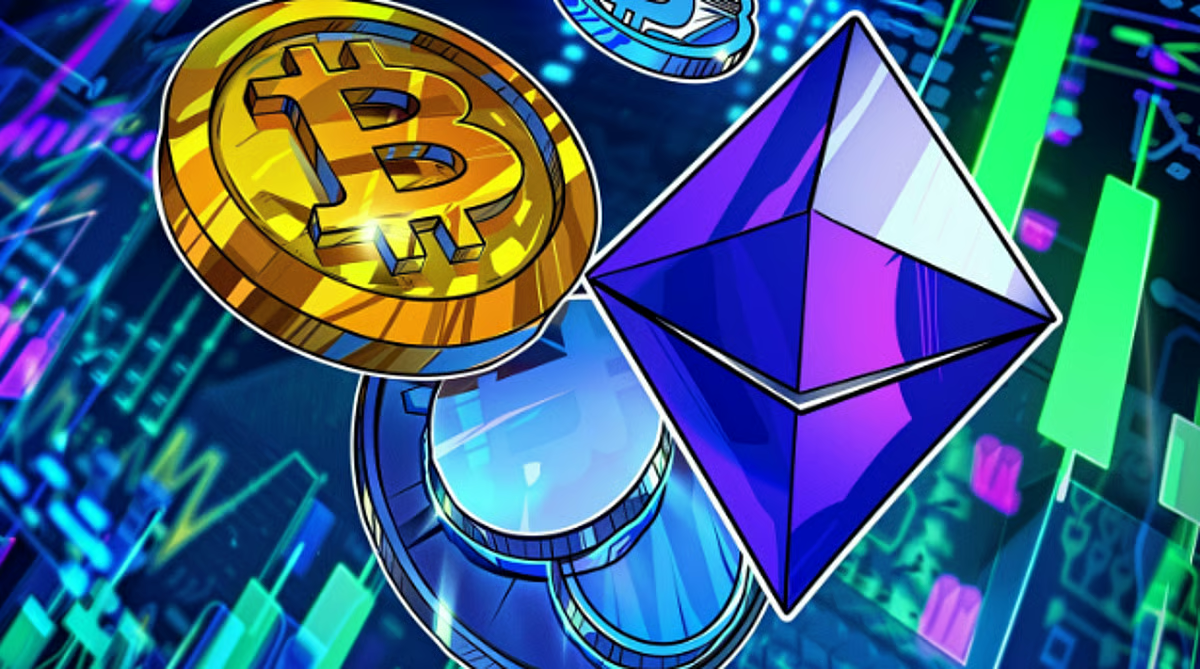
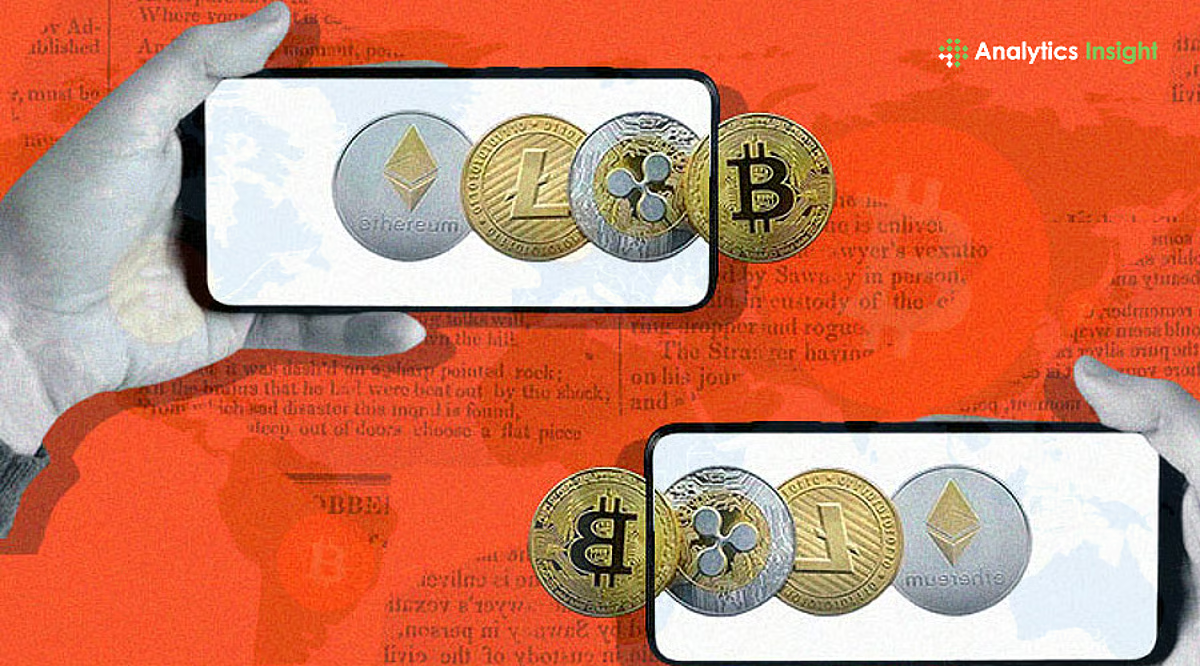
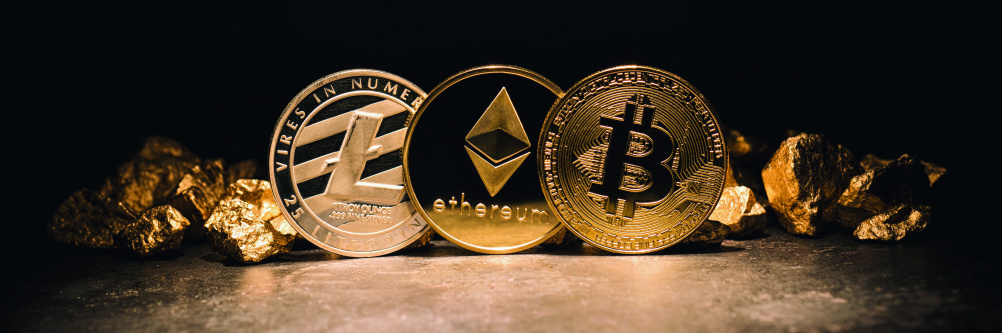
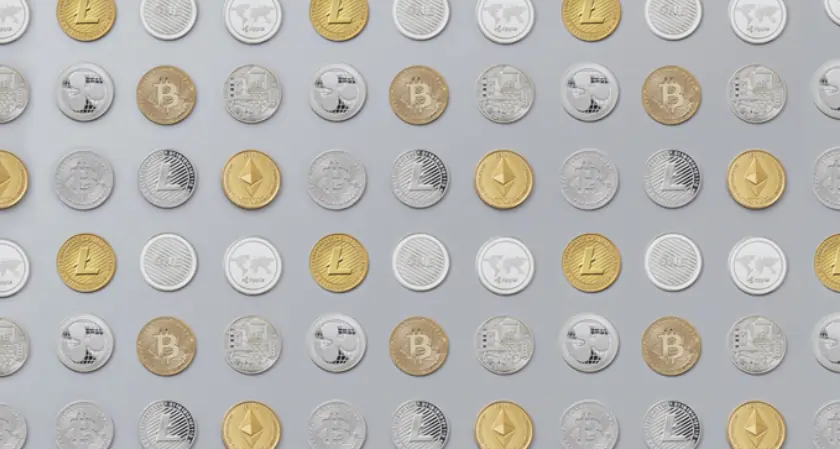
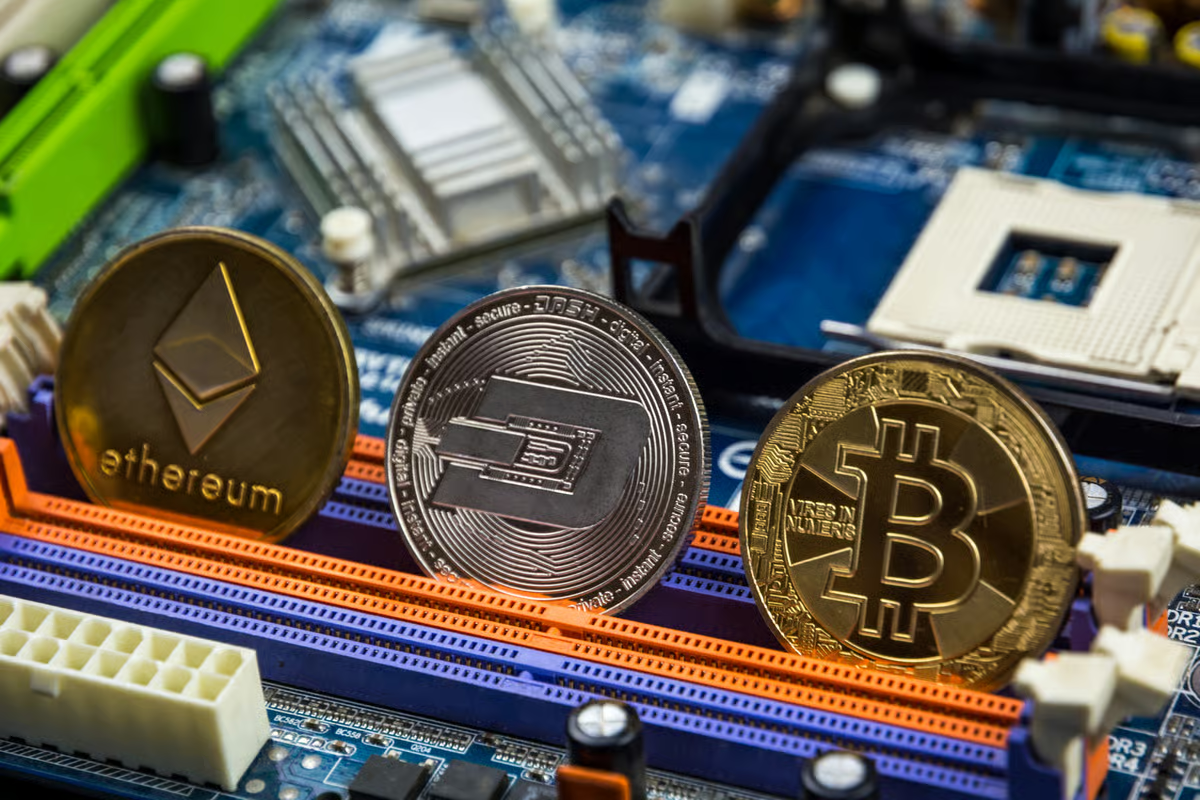
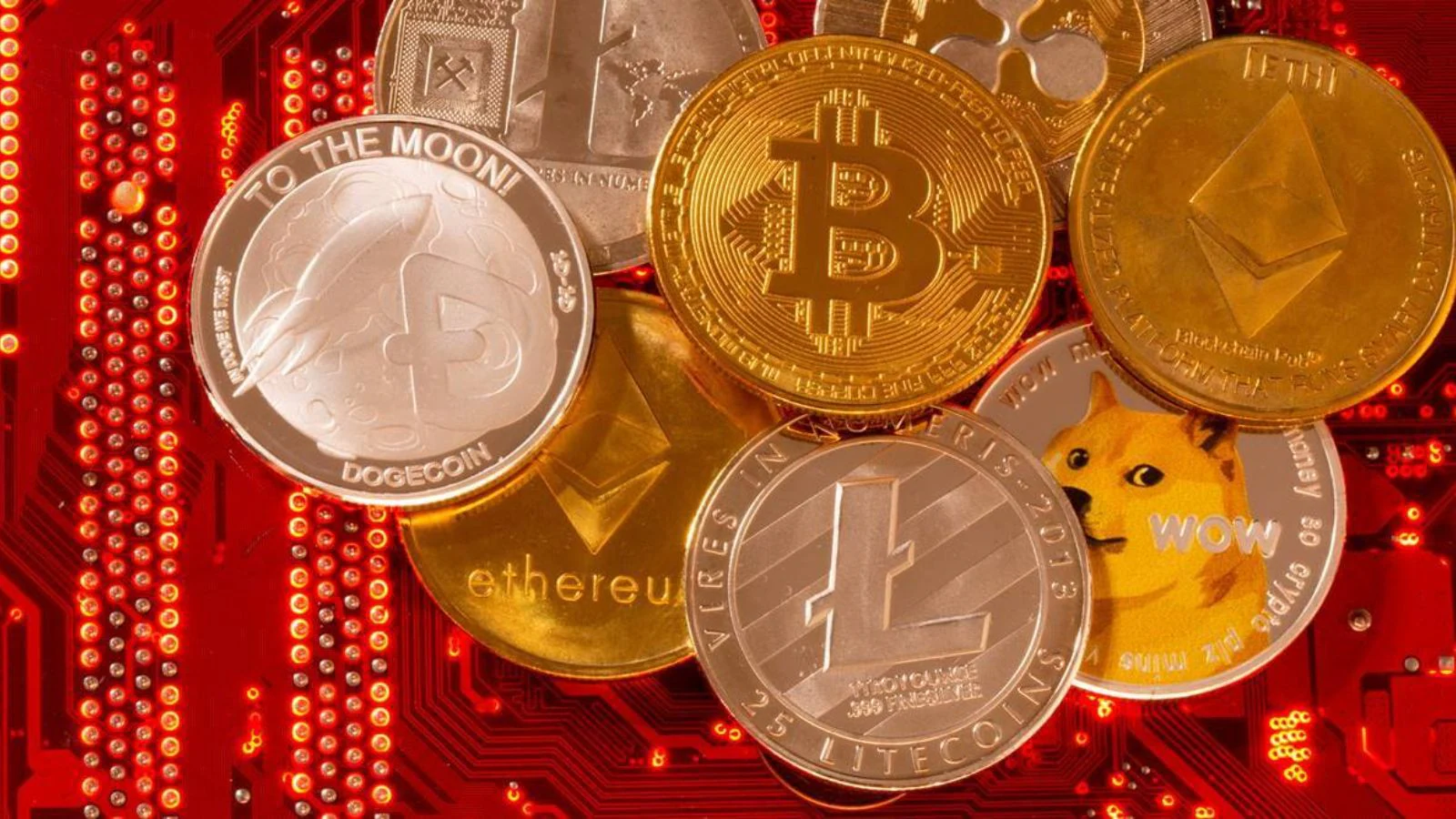
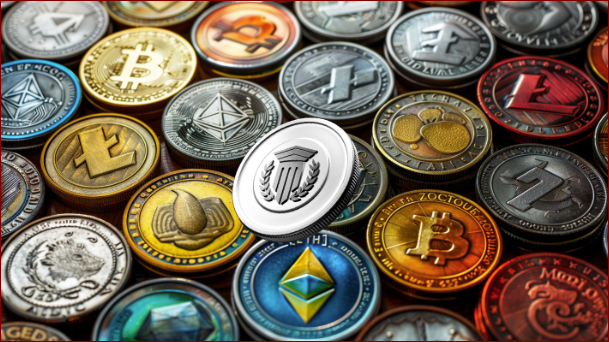
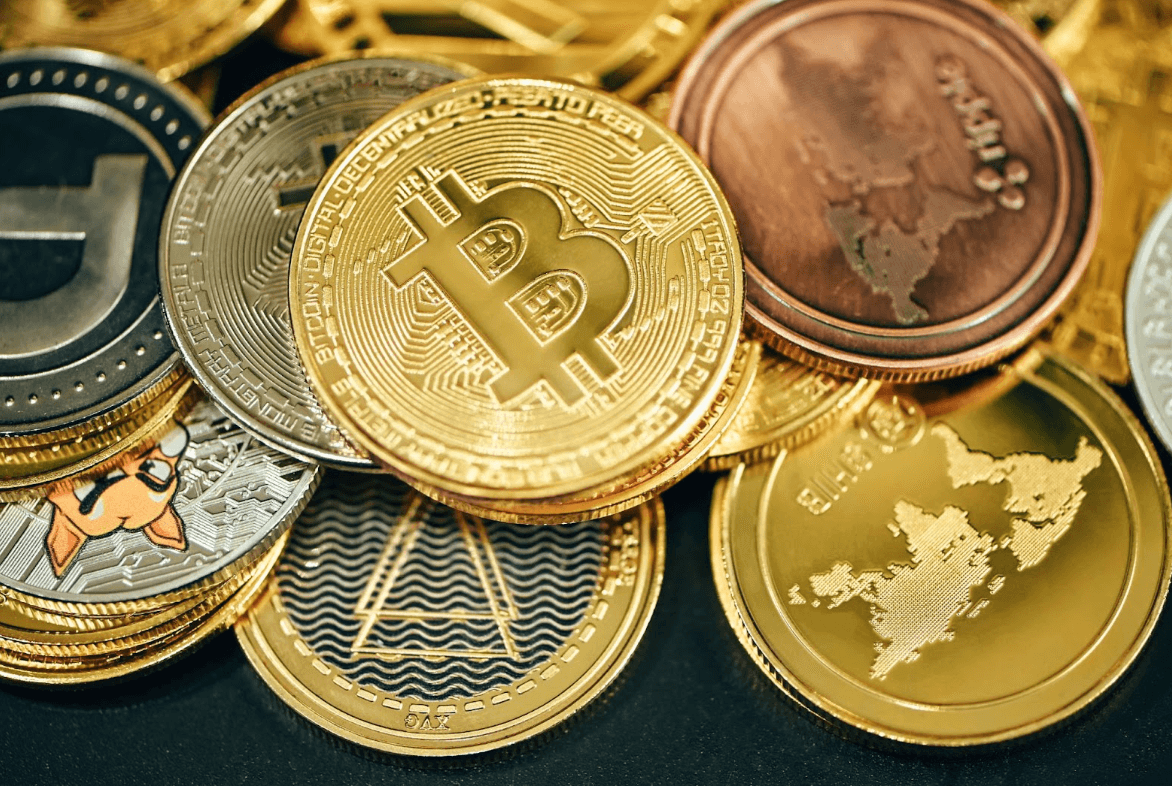
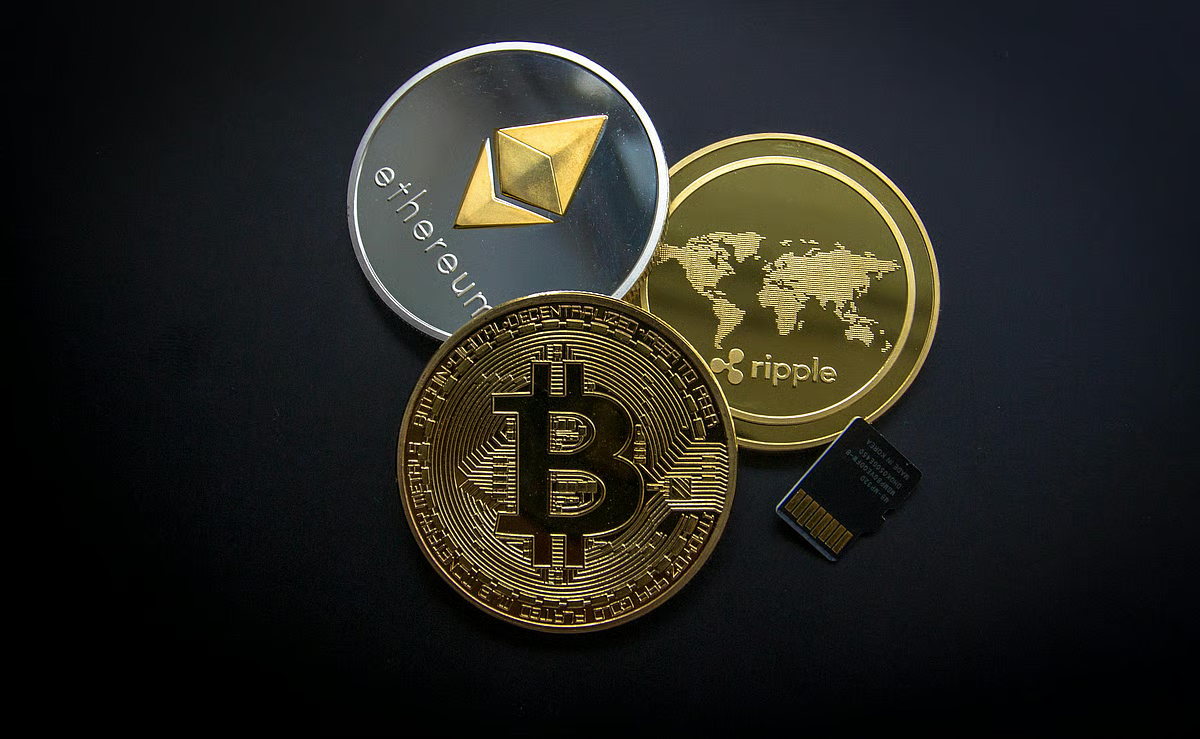
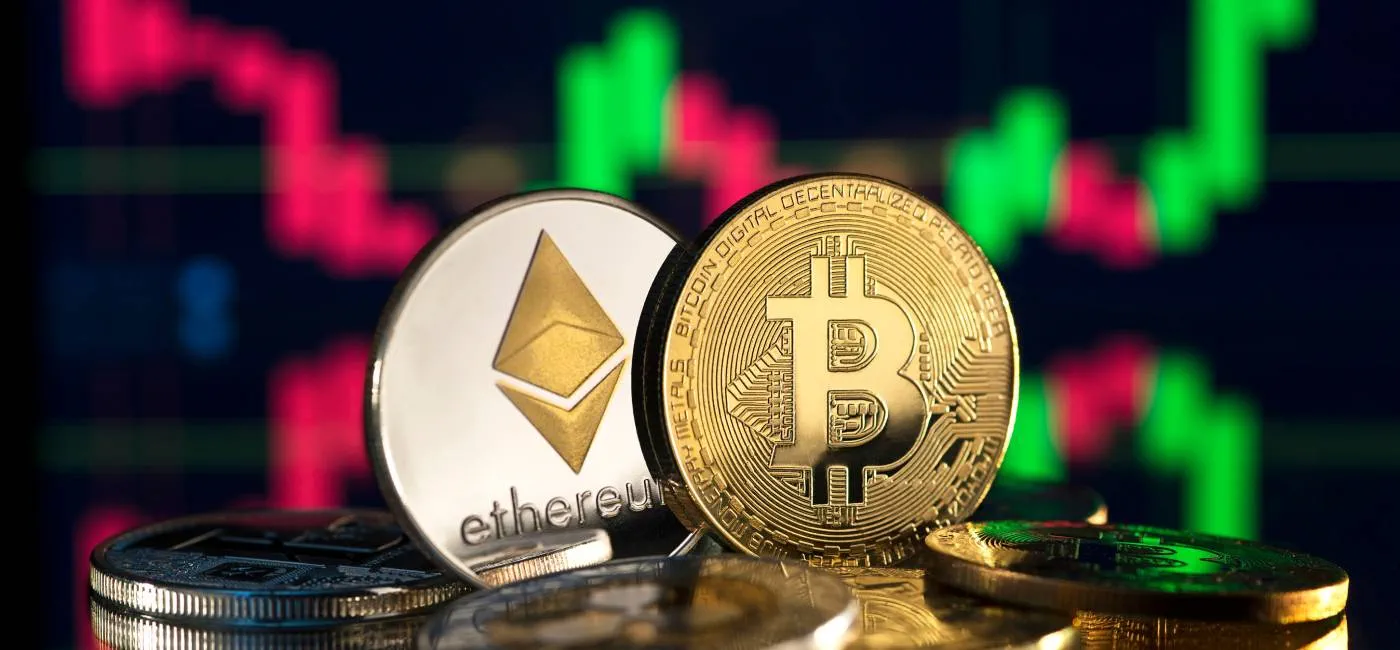
“Thousands of different cryptocurrencies exist, but the ones we see most referenced are Bitcoin and Ethereum,” says Stern.
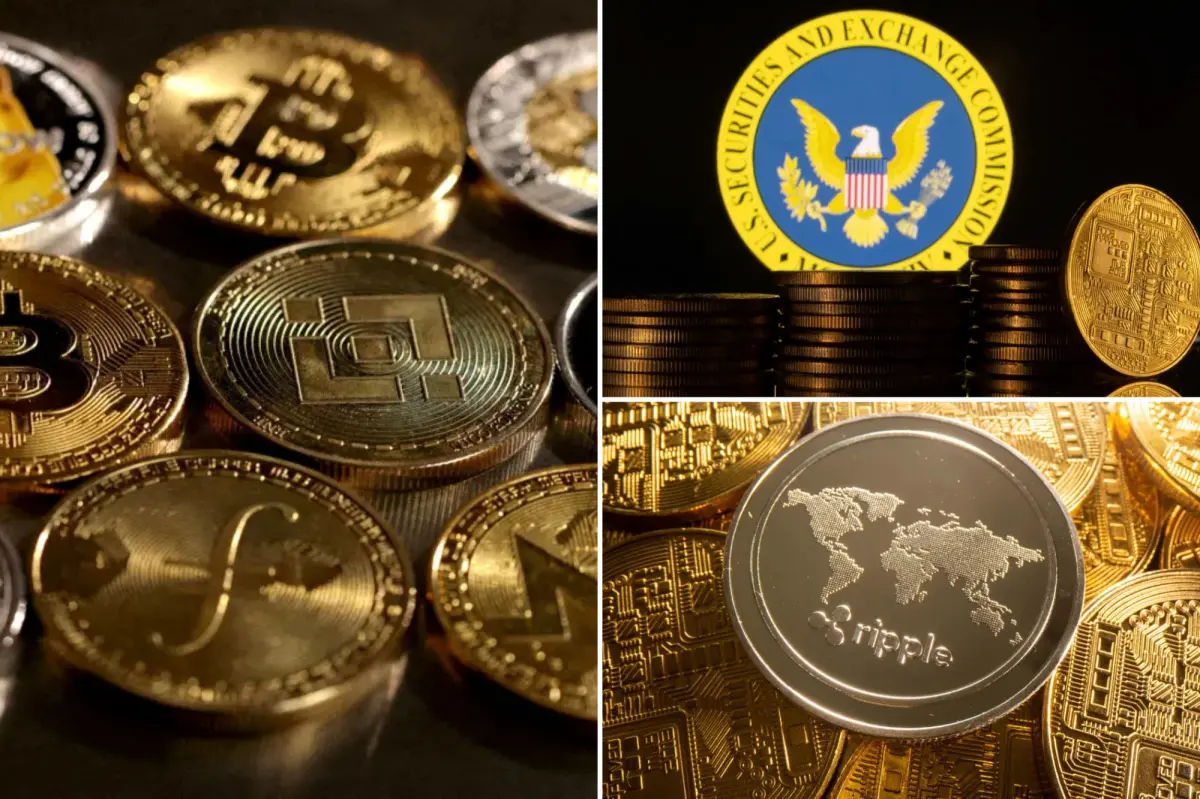
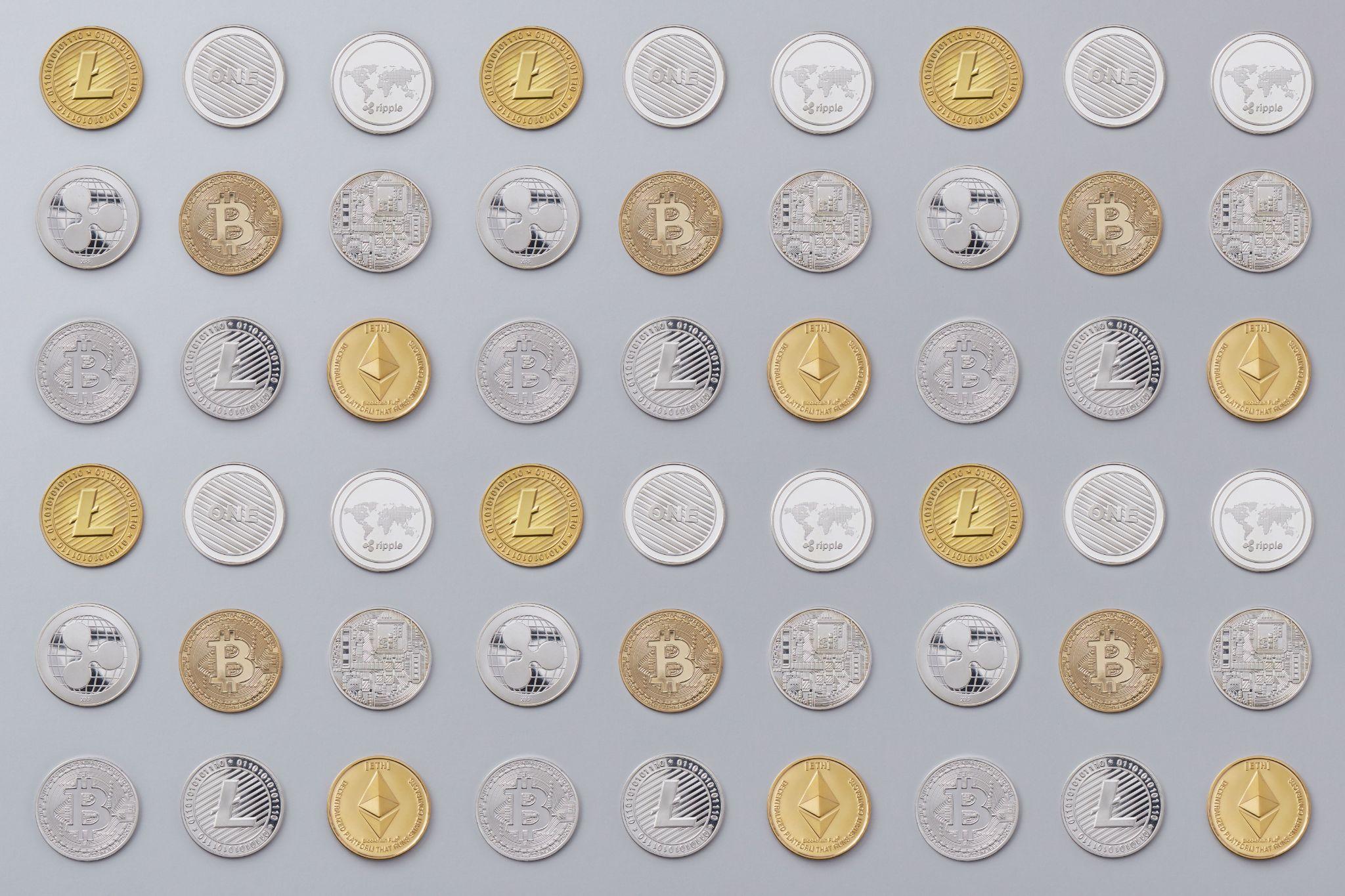
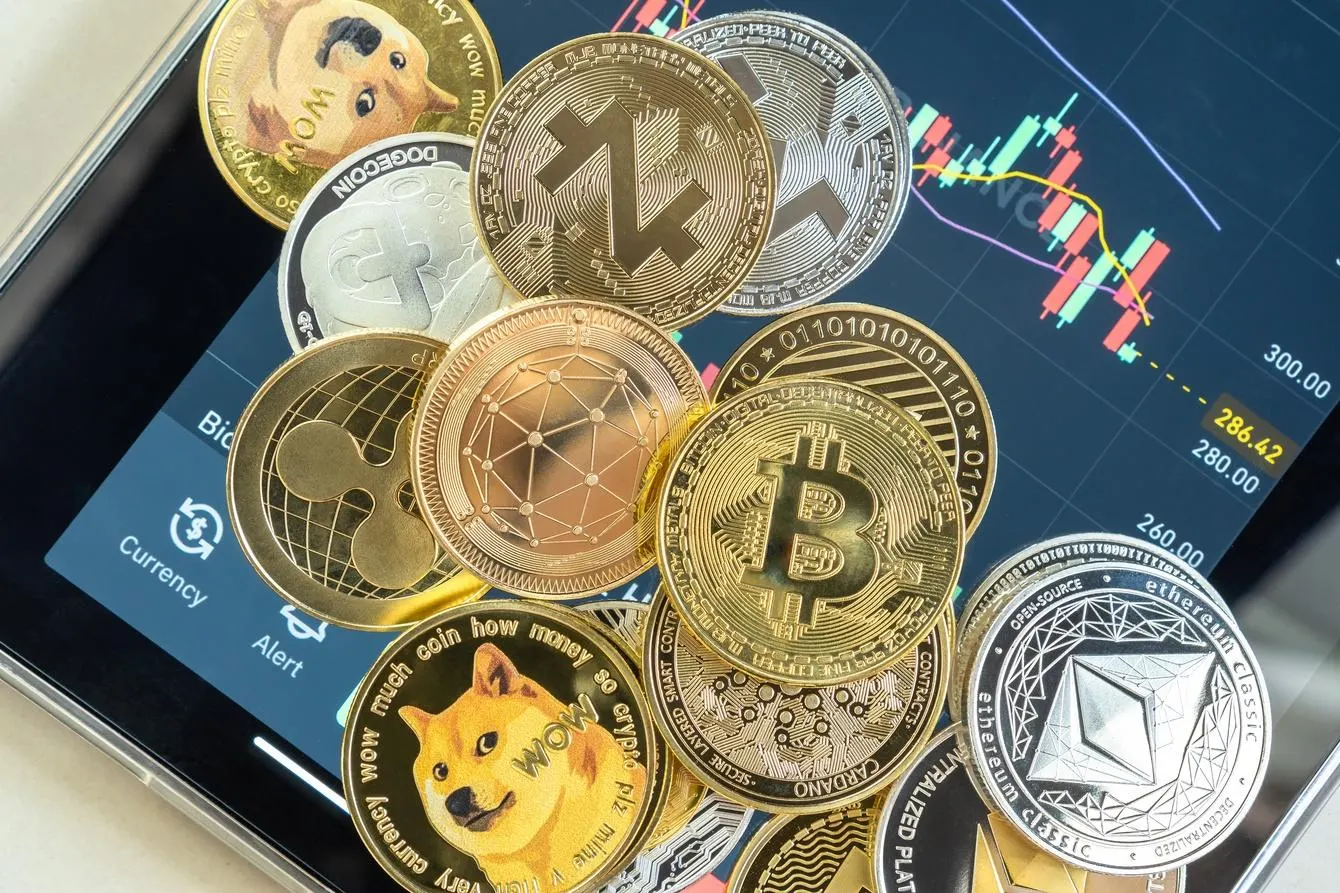
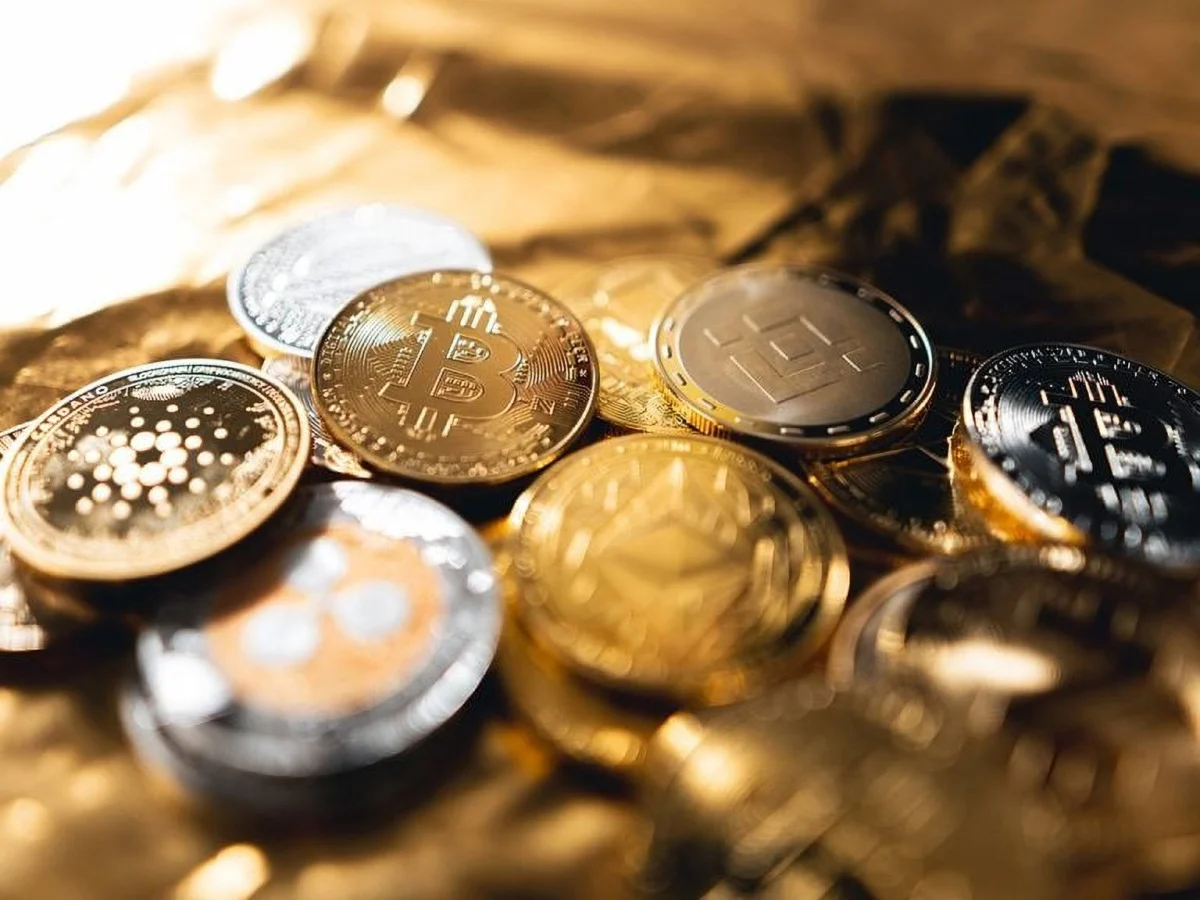
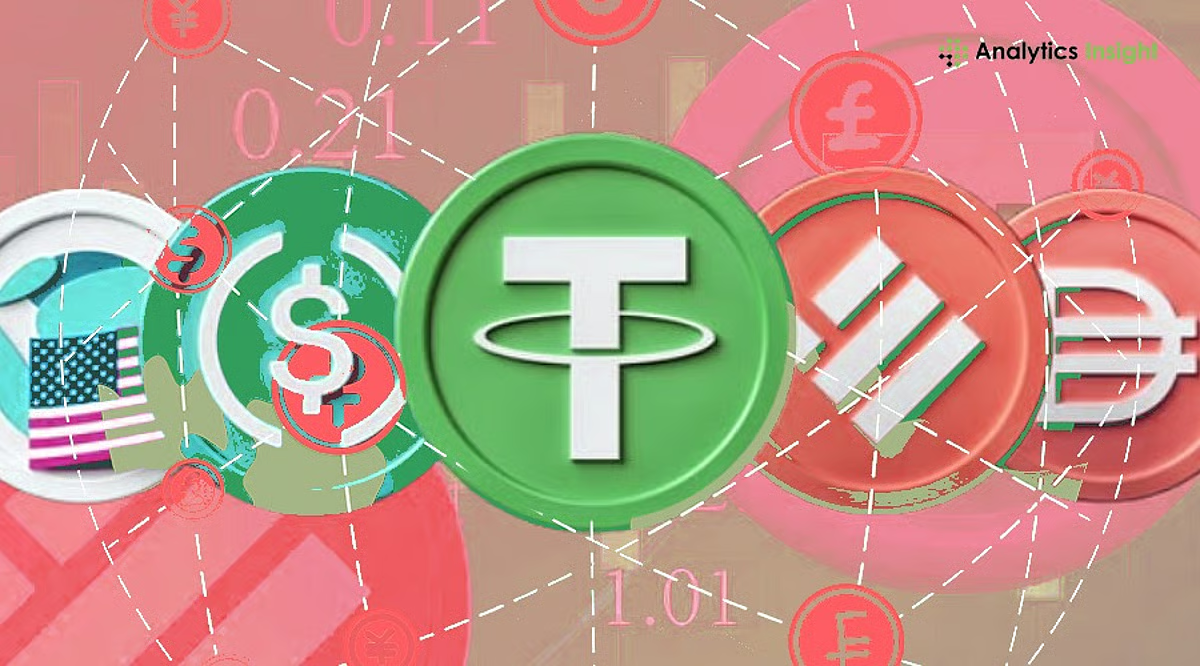
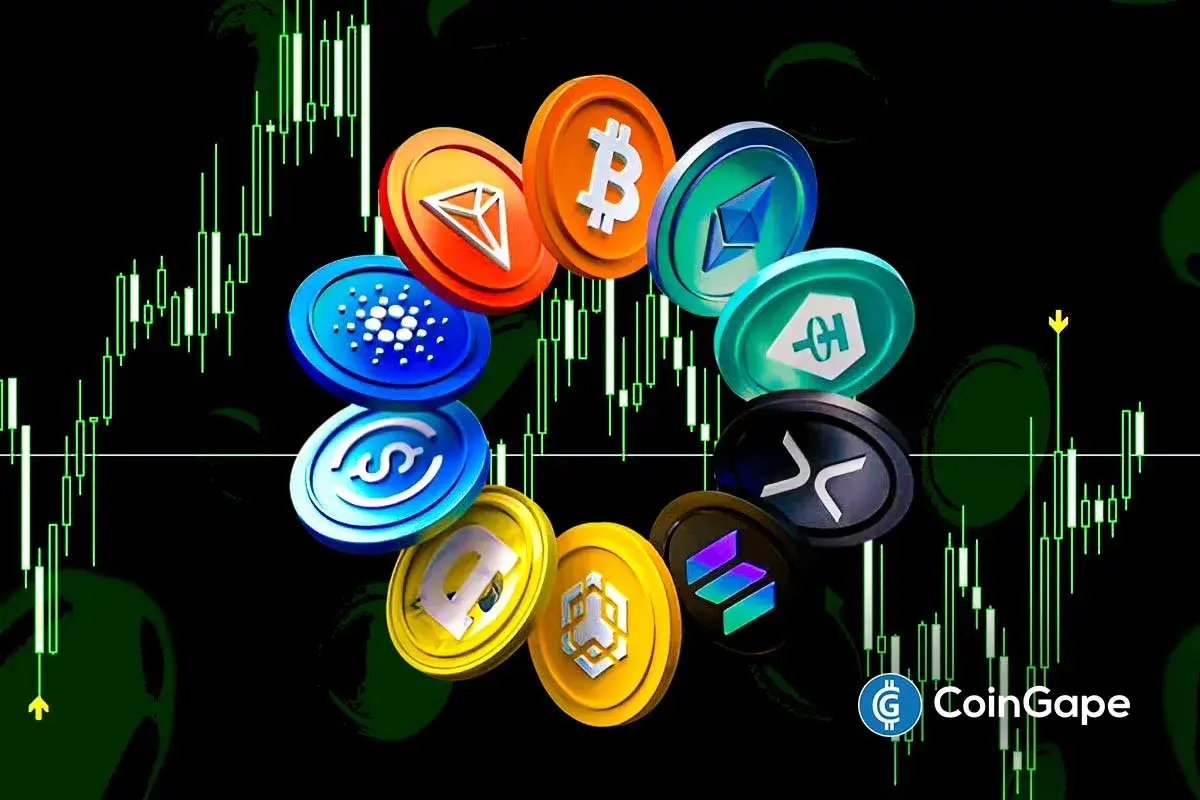
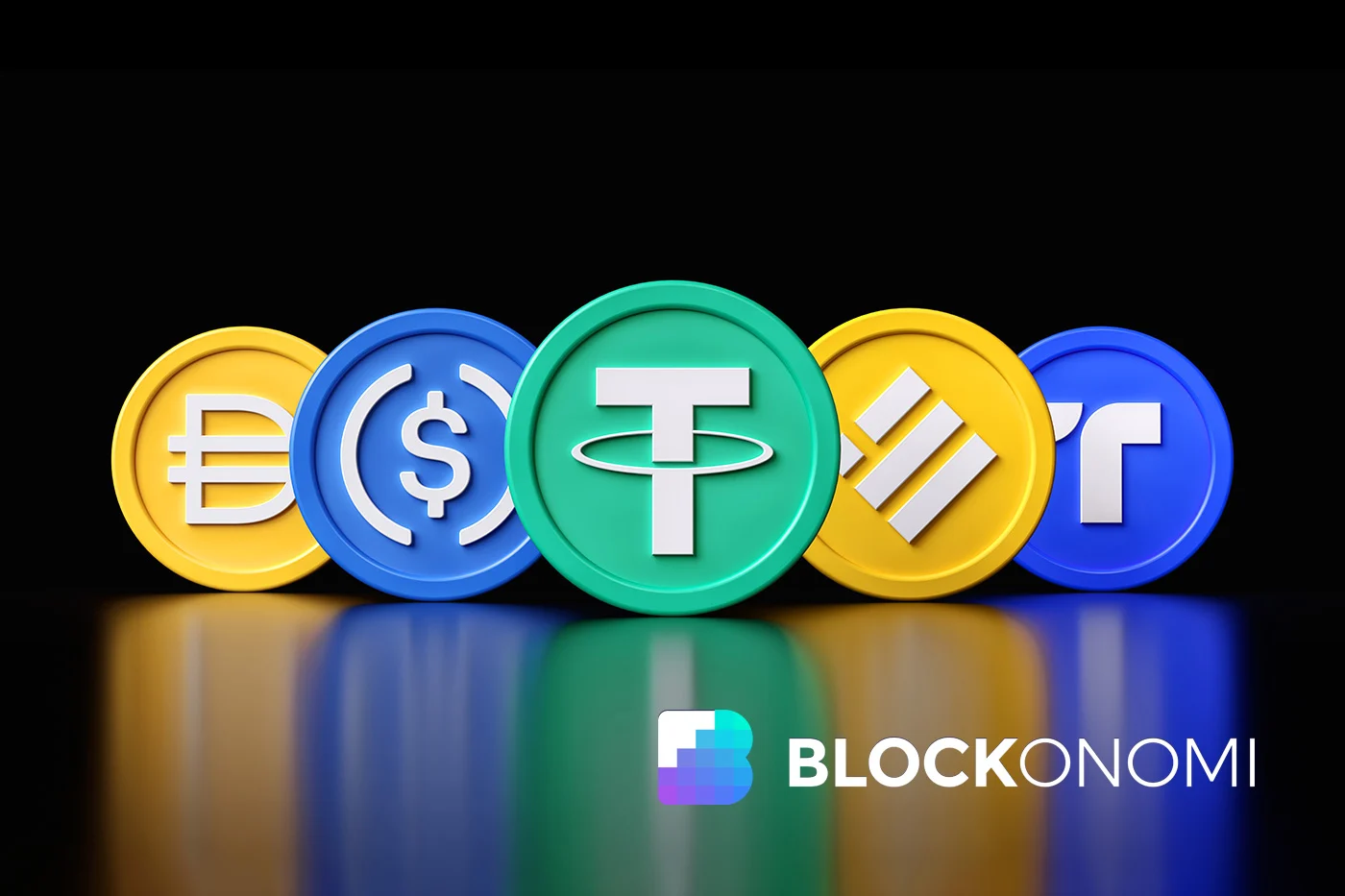
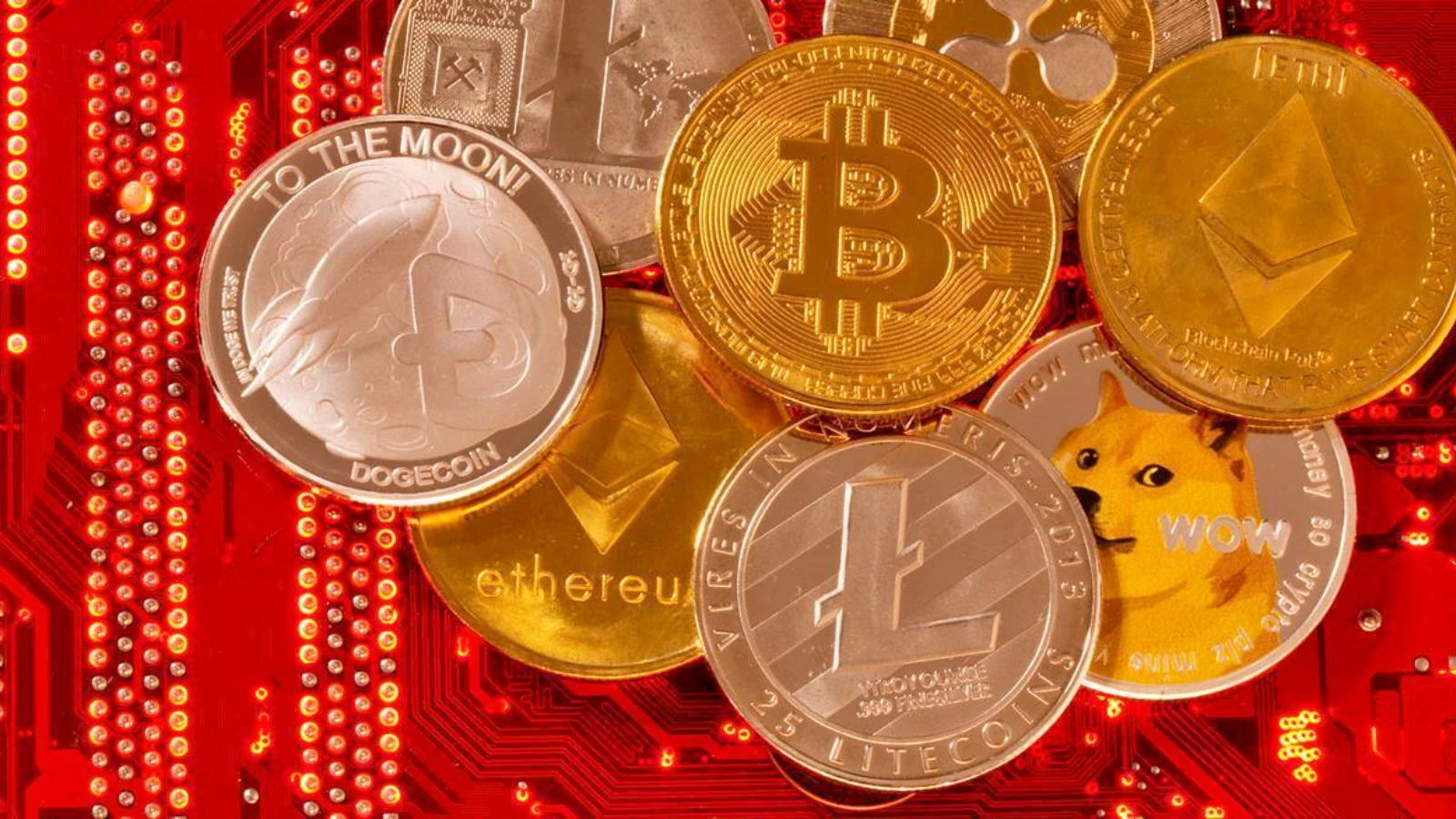
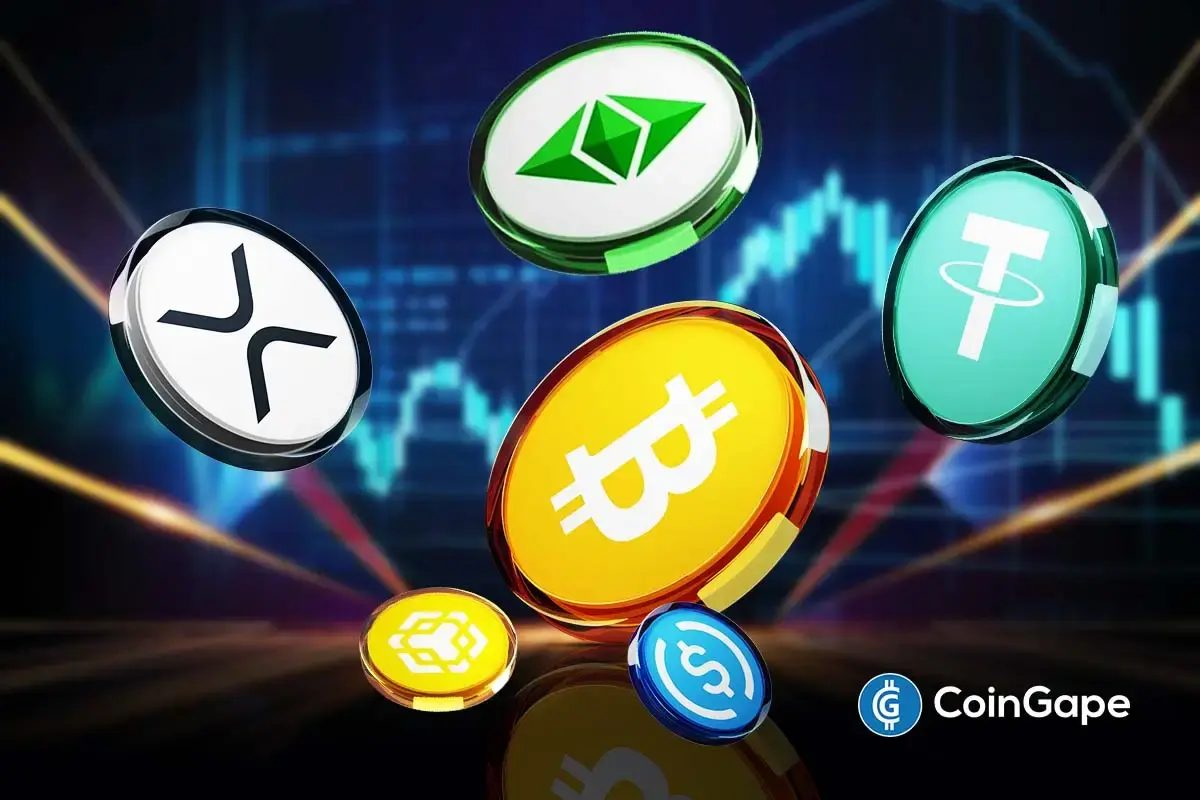
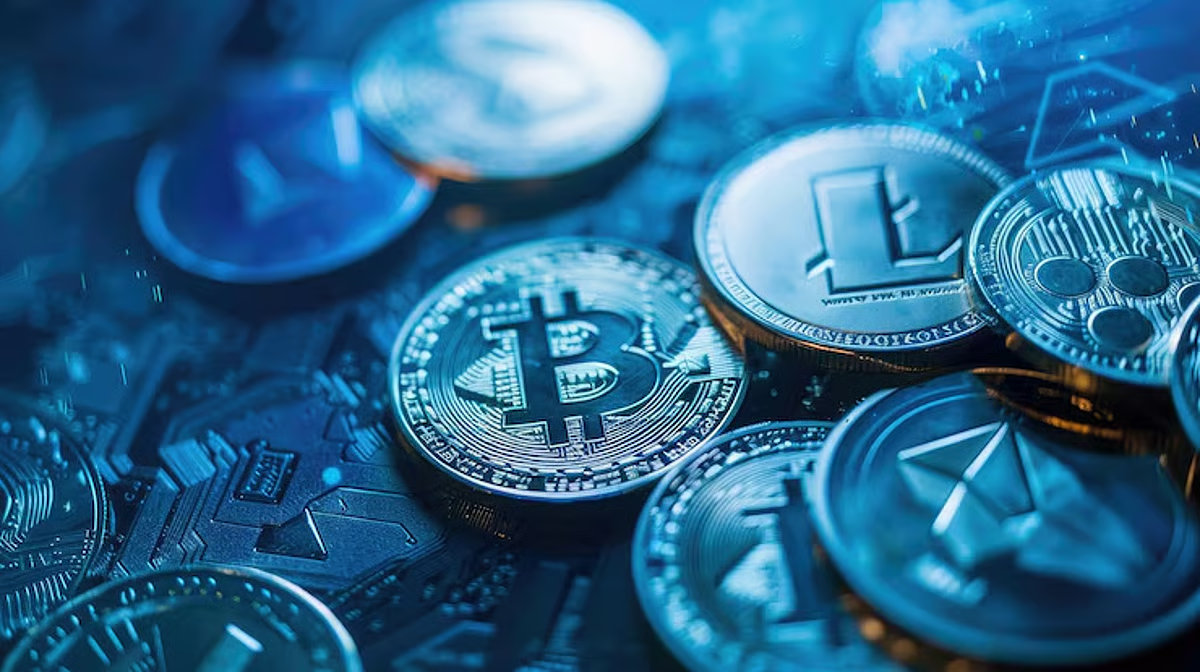
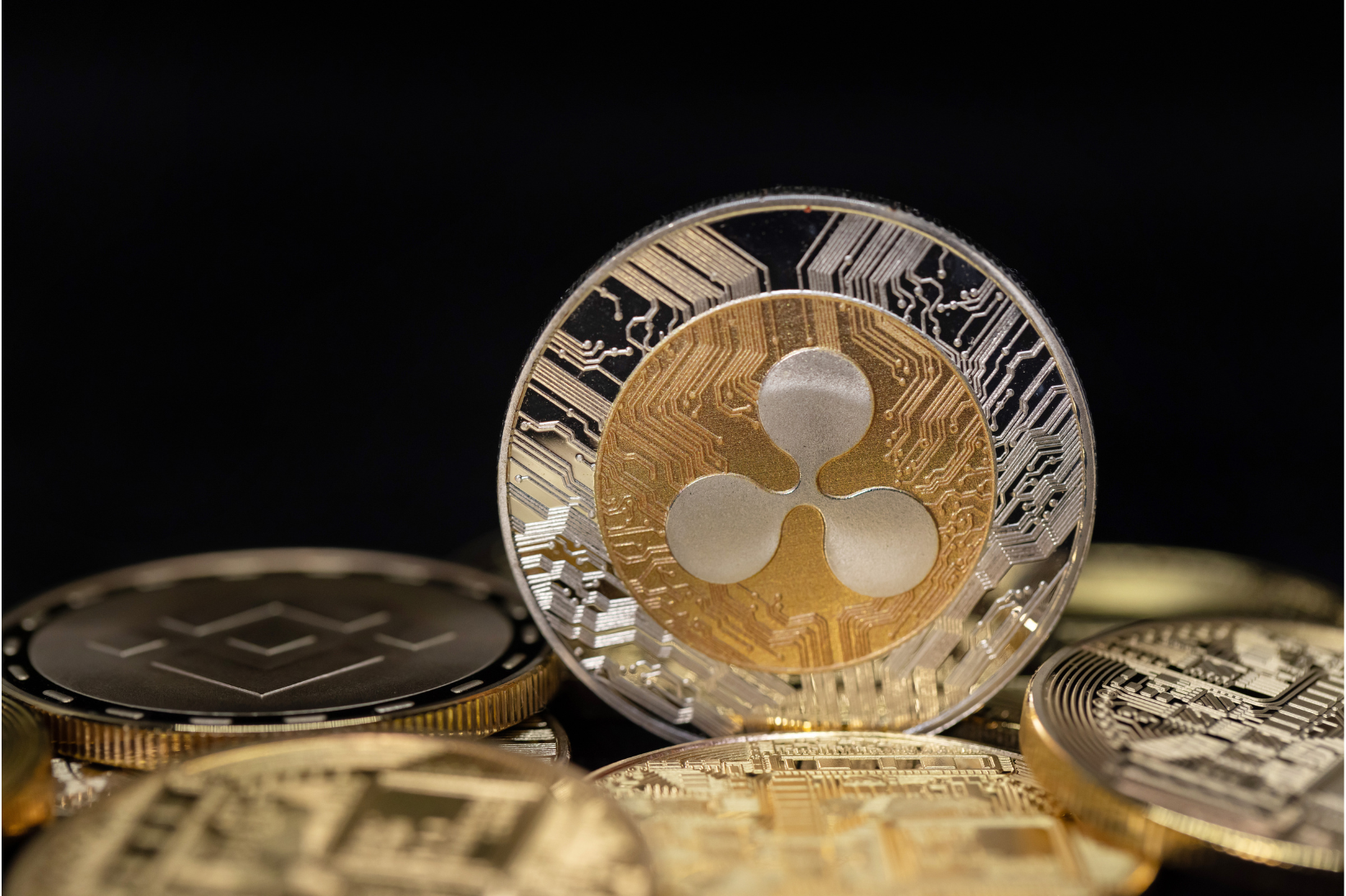
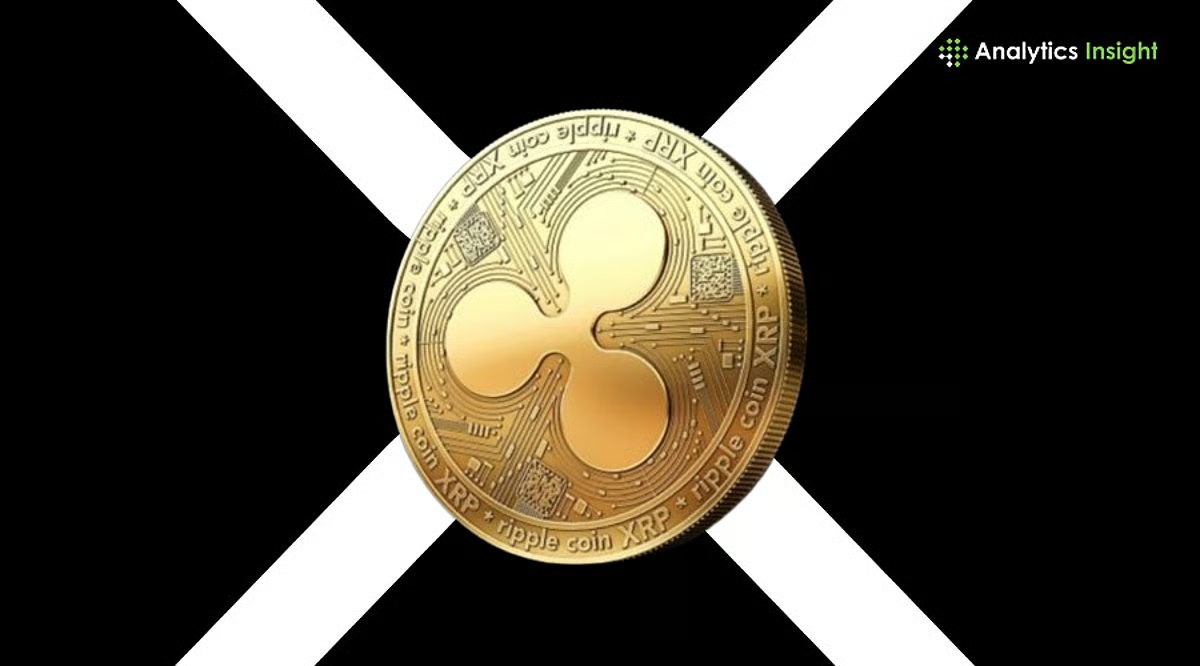
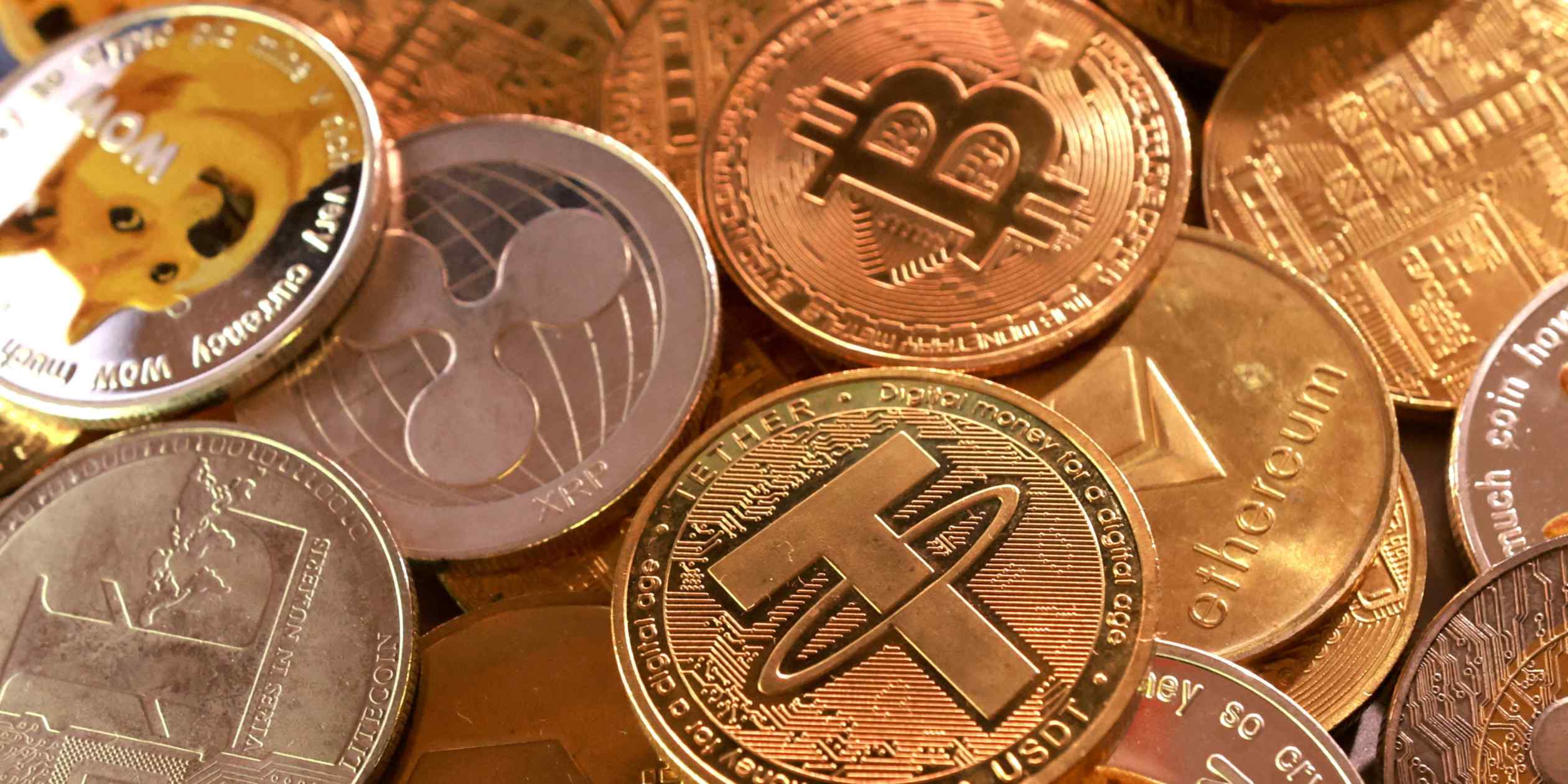
Categories of cryptocurrencies include stablecoins, such as Tether and USD Coin, and memecoins, such as Dogecoin. Binance Coin, Solana and XRP are other examples of cryptocurrencies.
Because Bitcoin dominates the market, cryptocurrencies that aren’t Bitcoin (and sometimes Ethereum) are known as altcoins.