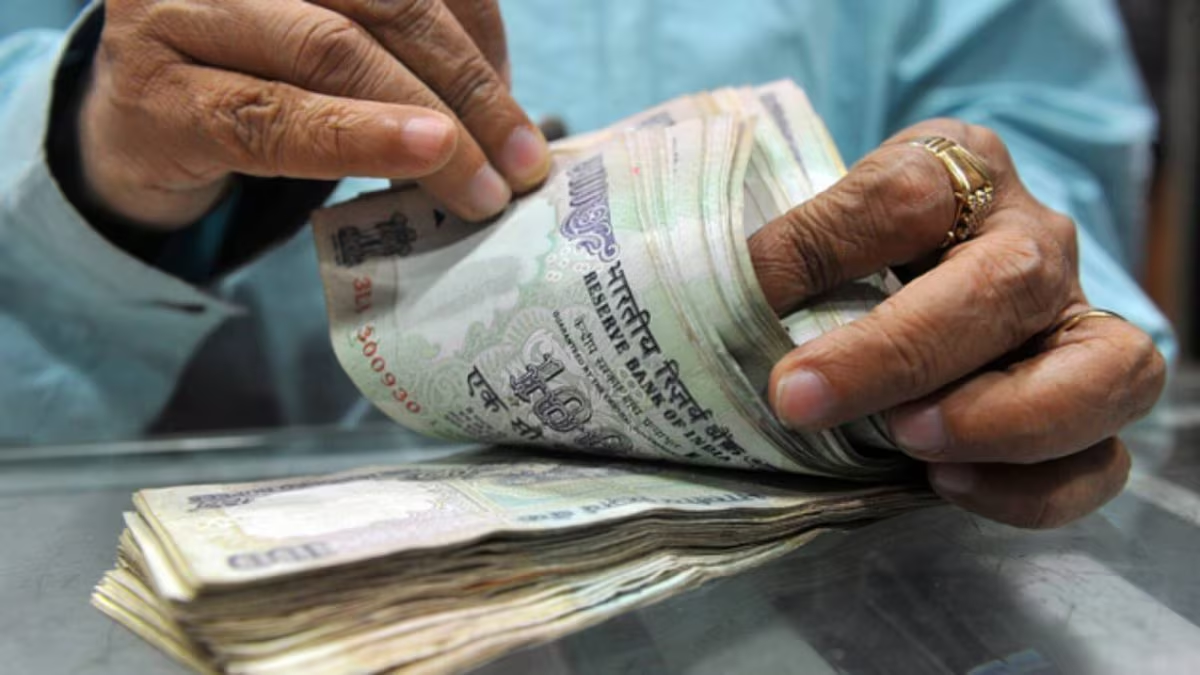
According to a Value Research analysis, the Baroda BNP Paribas Aqua Fund of Fund is currently the only international mutual fund scheme accepting fresh SIPs as well as lump-sum investments. The development comes after several fund houses temporarily stopped new inflows into their overseas schemes.
The latest to announce restrictions were PGIM India Mutual Fund, Franklin Templeton Mutual Fund and Edelweiss Mutual Fund, which suspended fresh SIP registrations across multiple international schemes. With these moves, almost all international mutual funds have closed their doors to new SIPs, the report said.
Why are fund houses restricting fresh investments?
The curbs are driven by regulation, not market performance.
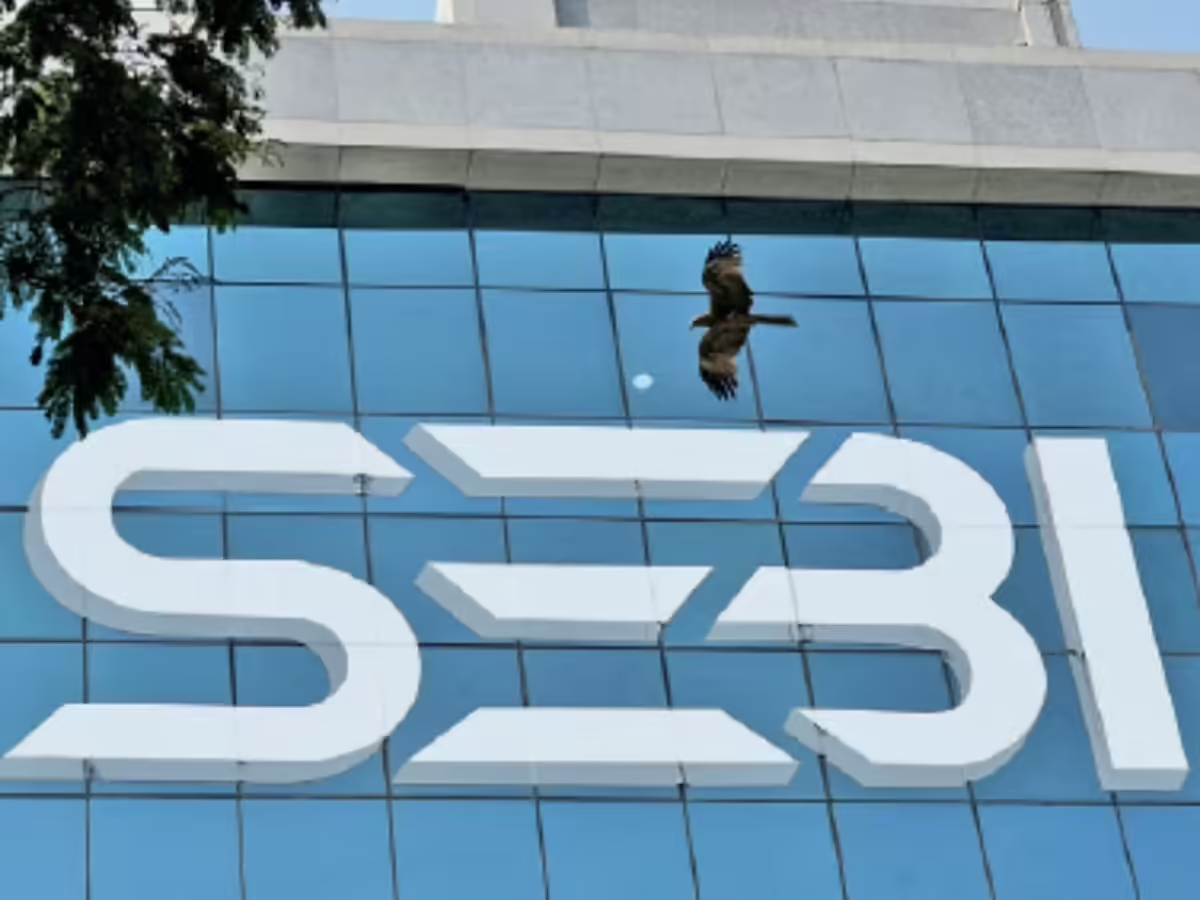
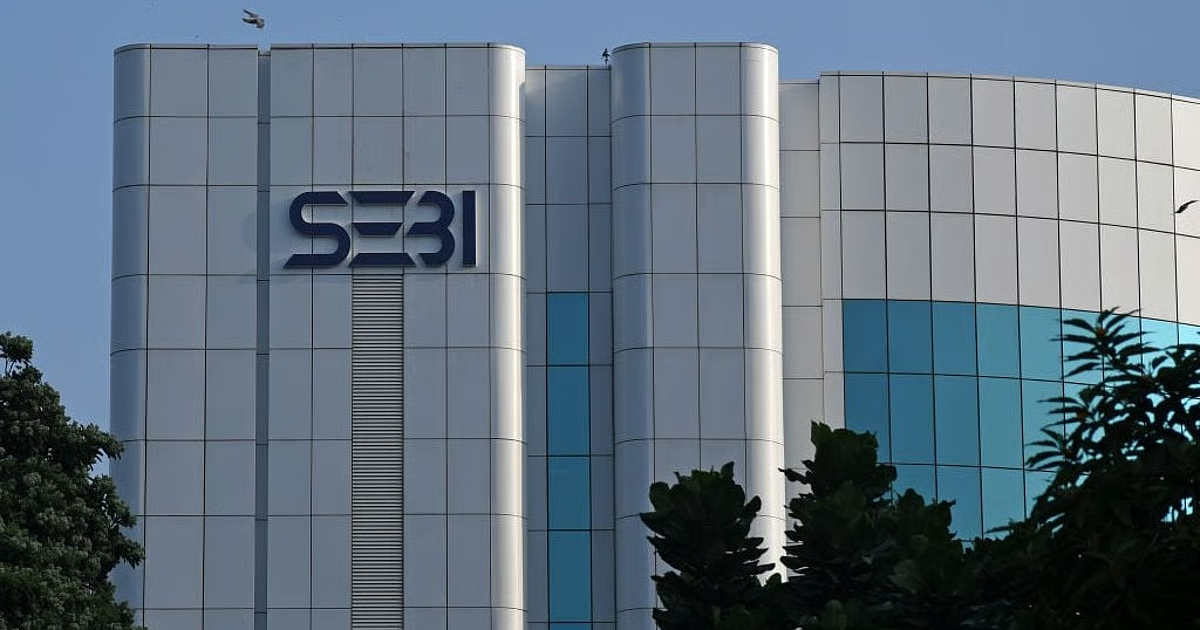
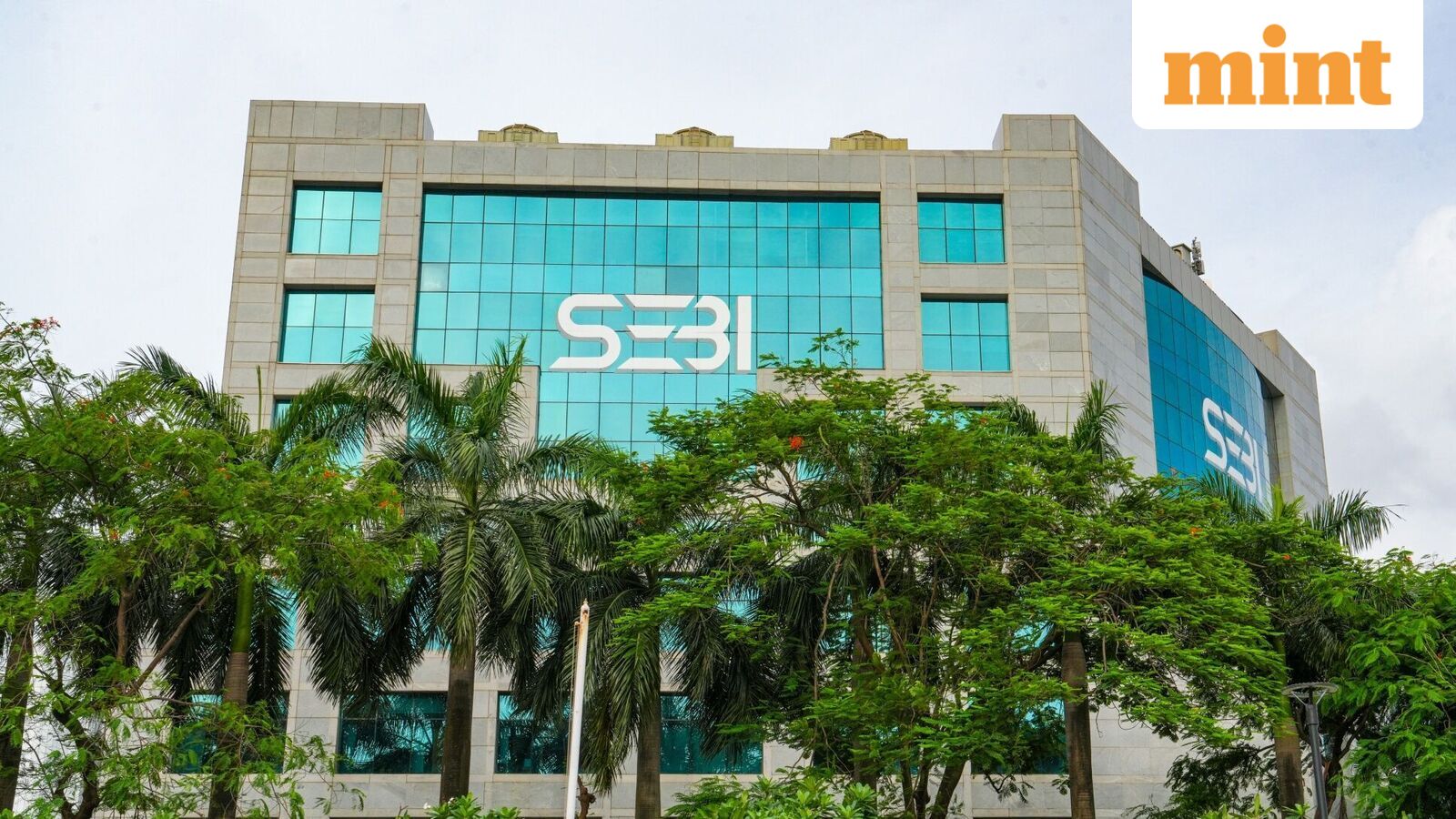
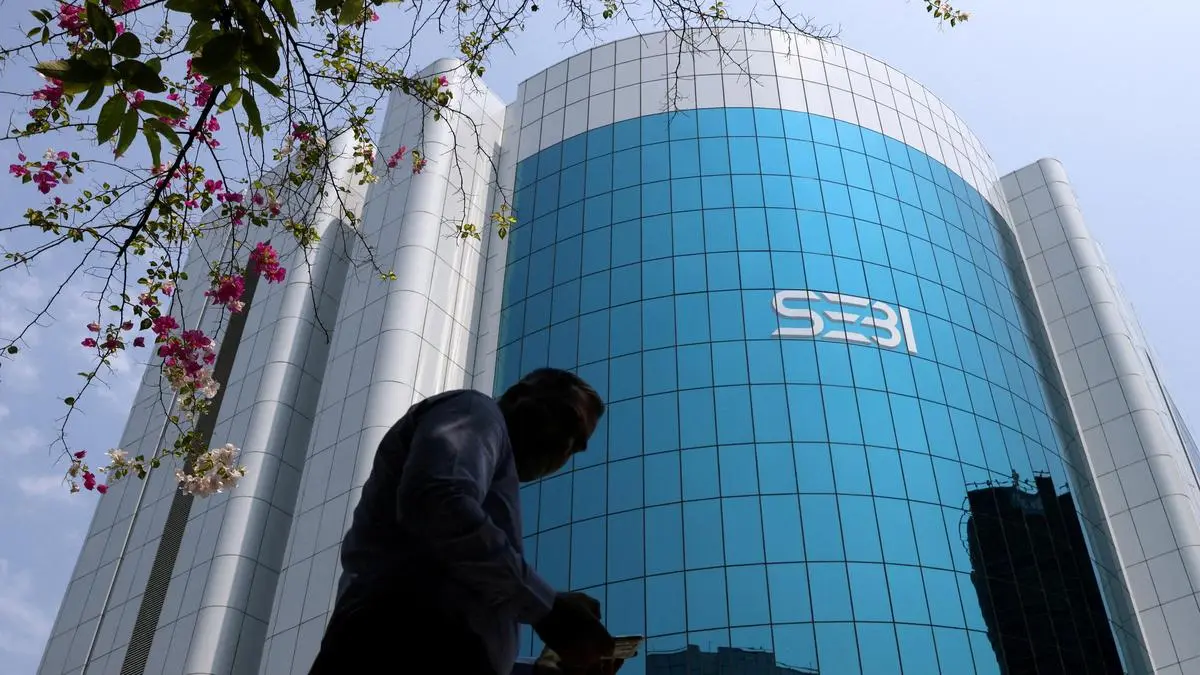
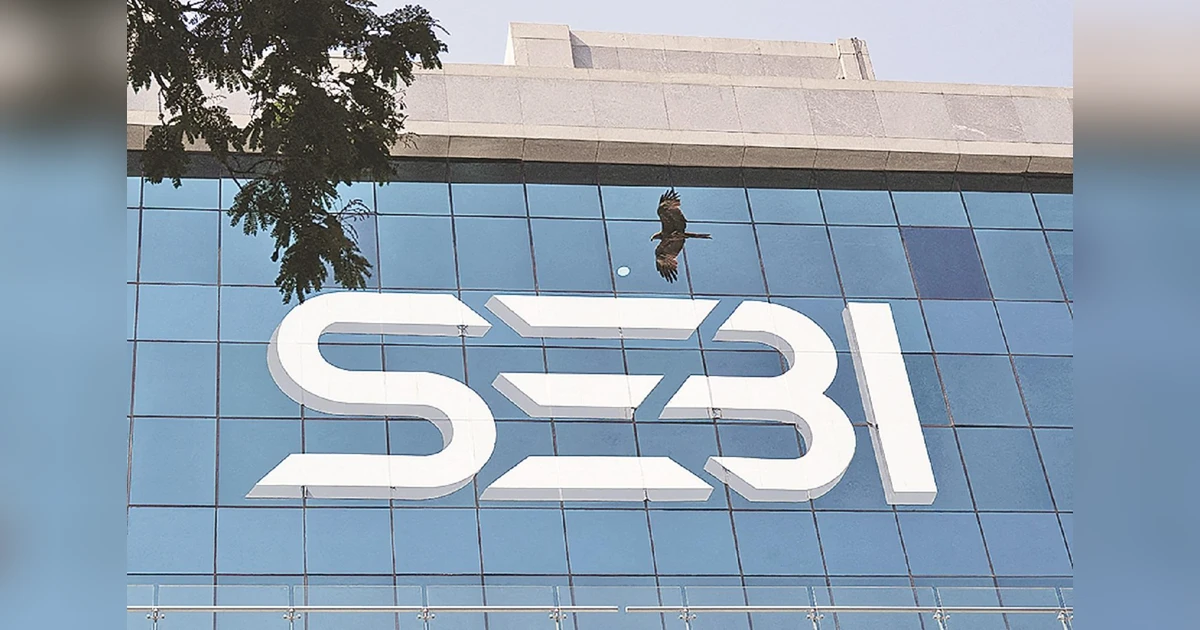
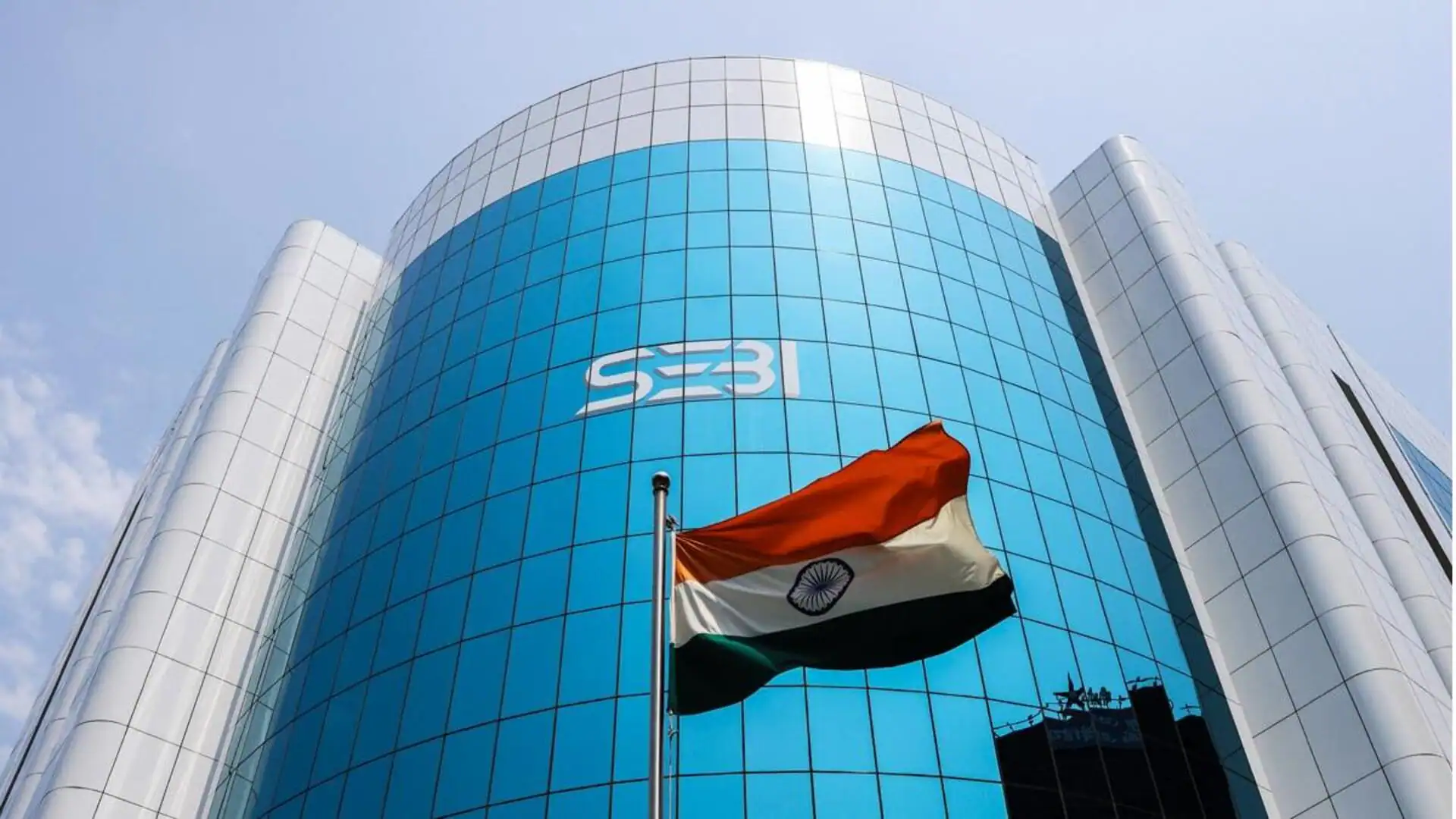
Indian mutual funds can invest overseas only within limits set by the Reserve Bank of India (RBI) and the Securities and Exchange Board of India (SEBI). The industry-wide overseas investment ceiling is $7 billion, with separate limits for overseas ETFs and individual fund houses.
As many asset management companies have exhausted their available allocation, they have paused fresh investments to remain within the prescribed limits.
What does this mean for investors?
The restrictions primarily affect investors planning to start a new SIP or make a fresh investment in international mutual funds. Existing investments are generally unaffected, unless a fund house has announced specific restrictions for ongoing SIPs.
Value Research noted that fund houses have adopted different measures depending on the headroom available. Some first stopped lump-sum investments, others suspended systematic transfer plans (STPs), before eventually halting fresh SIP registrations.
For now, the Baroda BNP Paribas Aqua Fund of Fund is the only international mutual fund scheme still open for both fresh SIPs and lump-sum investments, according to the report.
The situation is unlikely to change until additional overseas investment capacity becomes available or the regulatory limits are revised.
First Published: Jul 15, 2026 8:24 AM IST