During a period of increased volatility in financial markets, investors are advised to focus on defensive assets. Experts interviewed by Izvestia identify corporate bonds of reliable issuers, OFZ and precious metals among them. In the stock market, preference should be given to companies with stable business models and a strong dividend history, while investments in the oil and gas sector, metallurgy and developers are advised to refrain at the current stage. On June 18, the Moscow Exchange index dropped to 2,455 points, updating the minimum since the end of 2024. How to save your savings and rebuild your investment portfolio in the new conditions is in the Izvestia article.
Why did the Moscow Stock Exchange index collapse
The Moscow Exchange index is likely to remain under pressure and may continue to decline, analysts polled by Izvestia believe. In such a situation, the key task for private investors is to preserve capital by increasing the share of protective instruments in the portfolio.
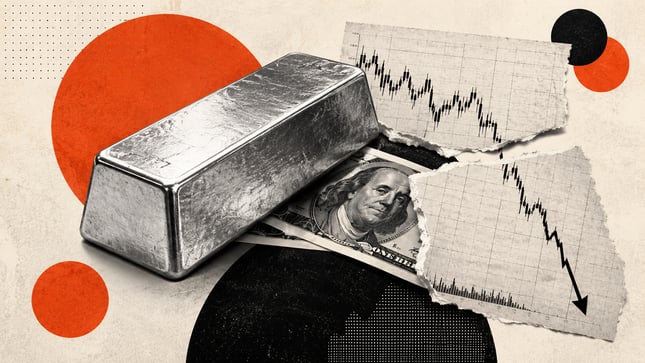
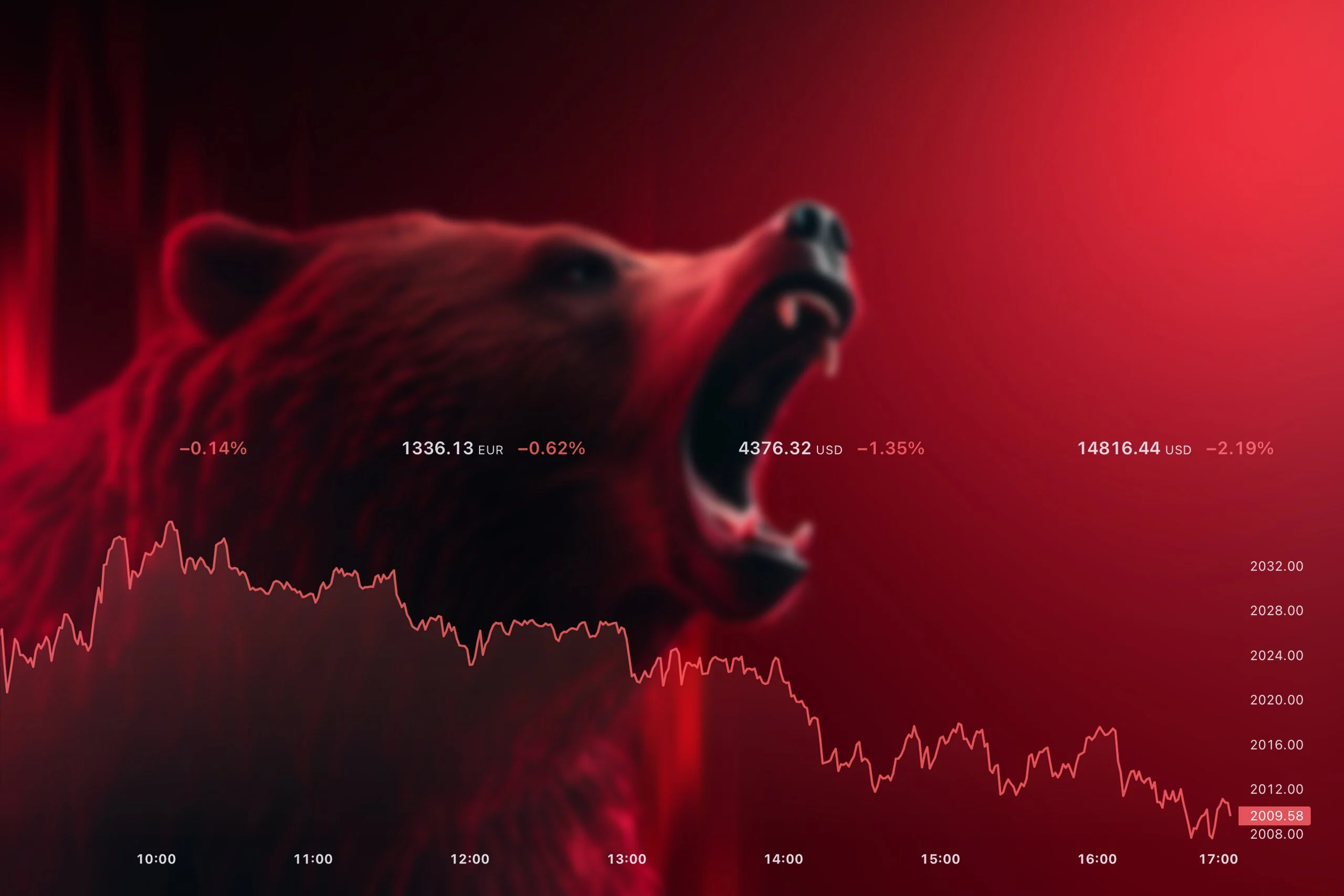
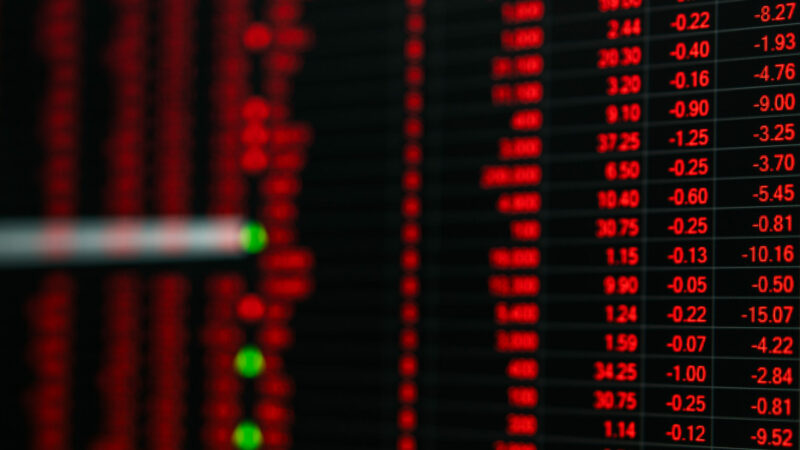
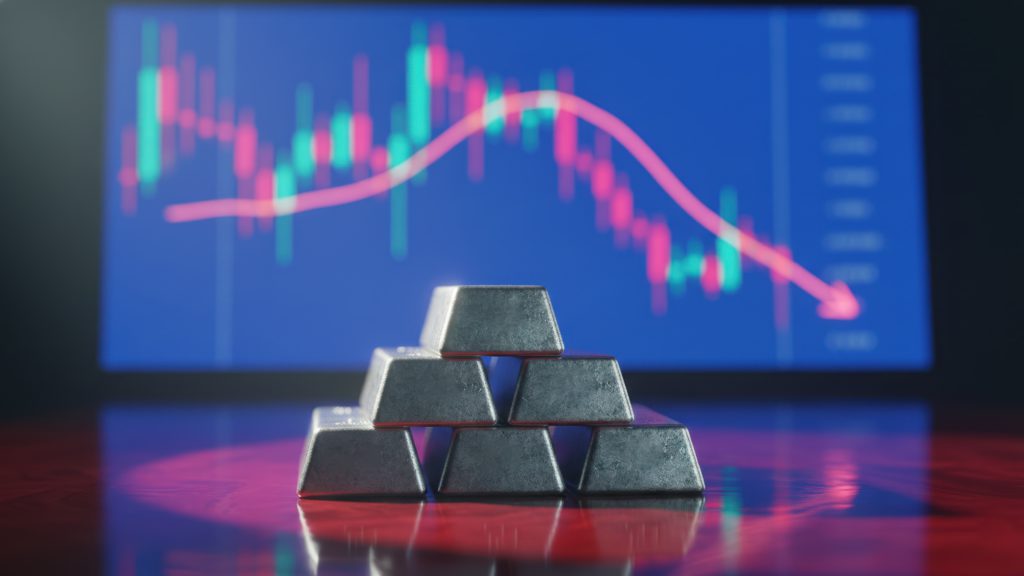
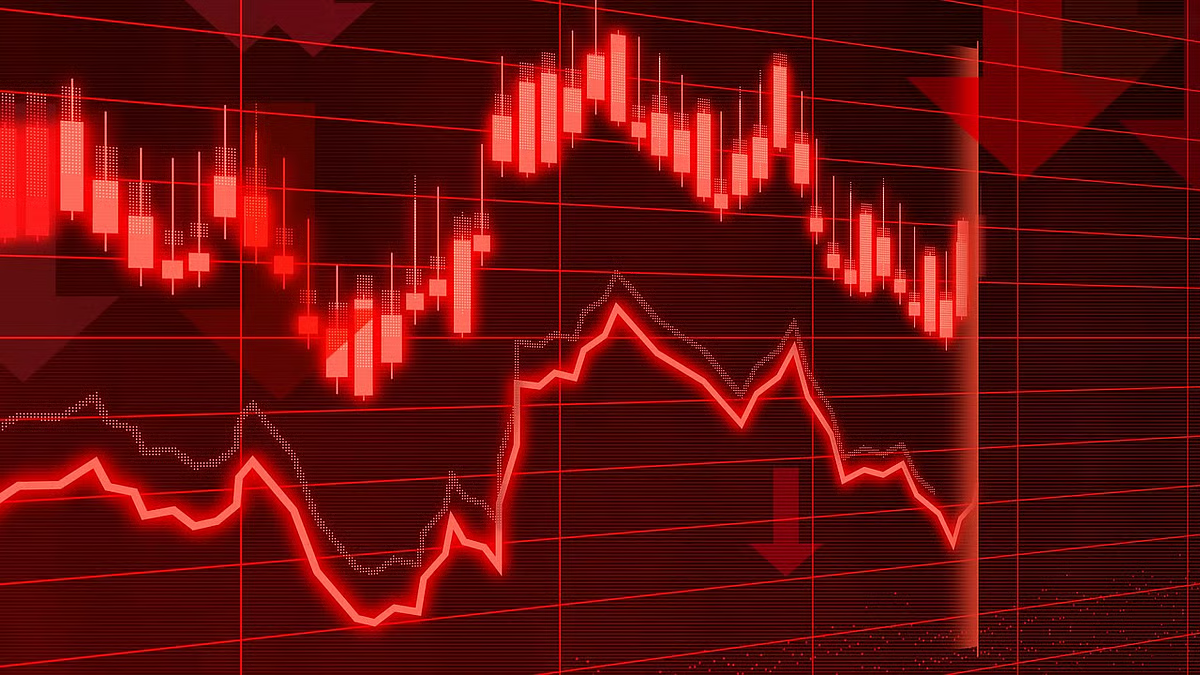
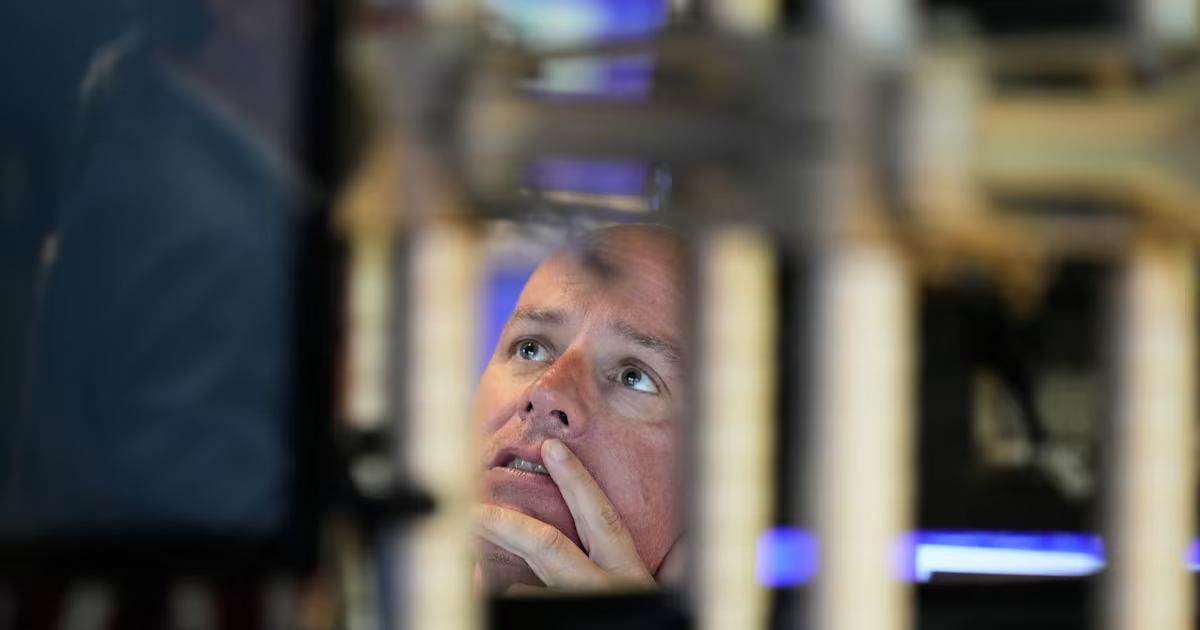
On June 18, the Moscow Exchange index lost more than 2.5%, at the moment falling to 2,455 points — the lowest level since the end of 2024. At that time, the market was also under pressure from a high key interest rate, sanctions restrictions, and geopolitical uncertainty. However, now the decline in oil prices has been added to these factors amid expectations of a complete unblocking of the Strait of Hormuz, experts say.
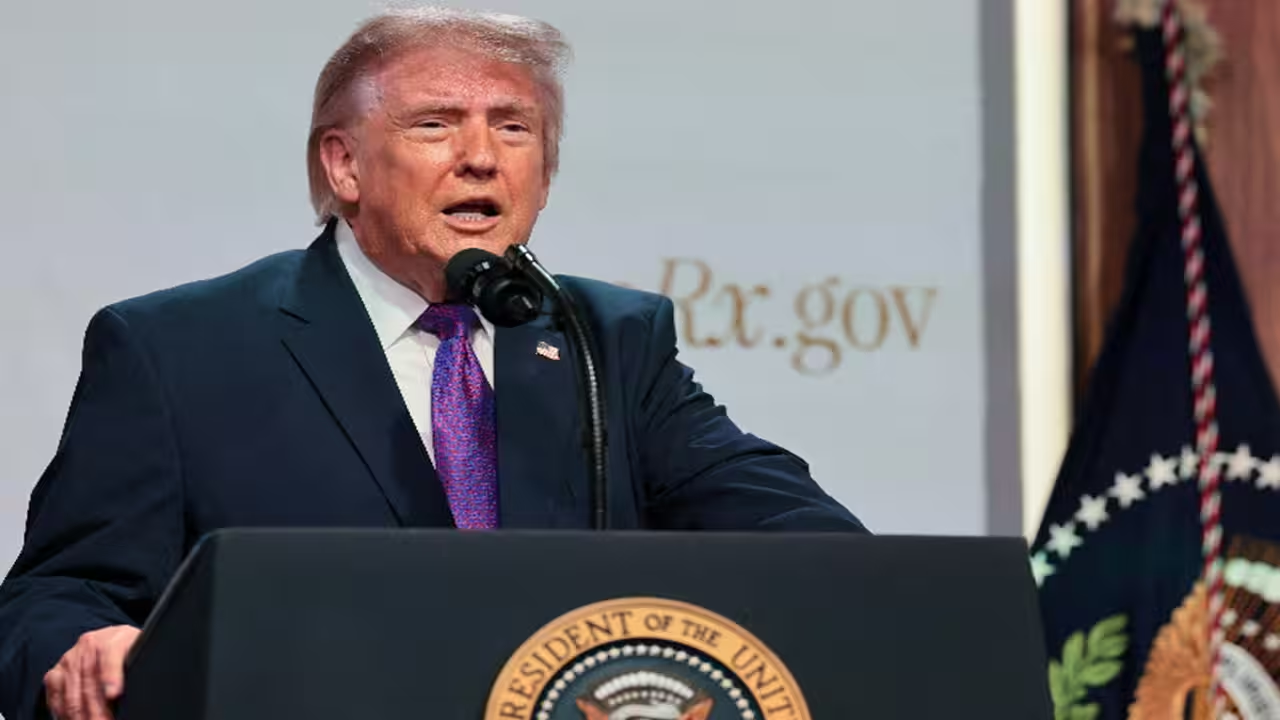
Currently, the decline in the Moscow Exchange index cannot be called a random fluctuation, says Denis Astafyev, fund manager and founder of the SharesPro fintech platform. There are serious factors behind this, which have developed into a single unfavorable combination. The recent agreements of the G7 leaders to increase pressure on the Russian energy sector have caused investors to be wary, the expert noted. In addition, US President Donald Trump’s threats to cancel the renewal of the license to allow trade in Russian oil, as well as the imposition of new sanctions against Russia, are putting pressure on the market, said Artem Outlev, an analyst at Ingosstrakh Investments Management Company.
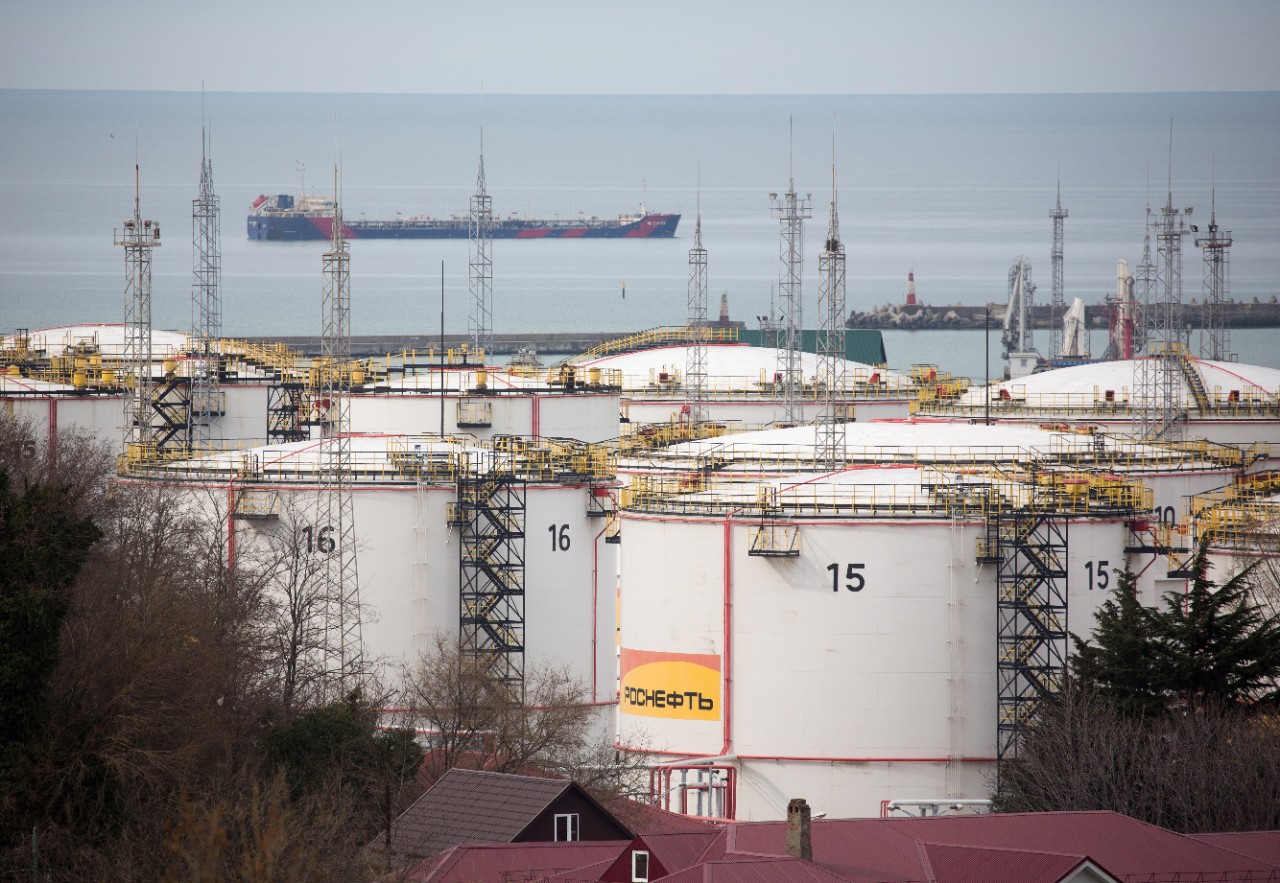
The second significant factor is the dynamics of oil prices. After the signing of the memorandum between the United States and Iran, there were expectations on the market that traffic through the Strait of Hormuz would recover. Brent prices dropped to $77 per barrel, while Urals prices dropped even below $64, Denis Astafyev noted. Since the oil and gas sector occupies a significant share in the Moscow Exchange index, the decrease in the cost of raw materials naturally pulled the entire index down, he stressed.
Among other reasons for the fall, Oleg Abelev, head of the analytical department at the Rikom-Trust investment company, highlighted the strong ruble, which prevents the index from growing. Basically, it takes into account the performance of export-oriented companies, and they are interested in weakening the national currency. The market is also under pressure from the expectation of the Central Bank’s rate meeting on June 19, added Ivan Efanov, an analyst at Cifra Broker. The market forecasts a 0.5 percentage point decrease in the key rate to 14%. Partly influenced by the fact that investors did not receive significant positive signals after the SPIEF, which increased the pressure on quotes, said financial adviser and founder Rodin.Capital Alexey Rodin.
Analysts disagree on how long the decline will last. Technically, the level of about 2,450 points is now playing the role of an important support zone, Denis Astafyev noted. If the market manages to maintain it, this will be the first sign of stabilization and may serve as a starting point for a reversal. Alexey Rodin also believes that keeping the level of 2,450 points will be a priority. However, he did not rule out a decline to 2,360 points.
The index can recover to 2,600-2700 points if the situation clears up on at least one of the key issues: the trajectory of the key decline becomes clear, the ruble stops strengthening, geopolitical risks decrease or yields on the debt market begin to fall, Oleg Abelev believes. However, according to him, so far none of these scenarios looks realistic in the near future.
Recovery is also possible if the Central Bank at the next meeting not only reduces the rate to 14% per annum, but also softens the signal to the market. For example, if the regulator announces the continuation of the monetary policy easing cycle and, perhaps, gives hope for a faster movement, said Natalia Milchakova, a leading analyst at Freedom Global. However, the effect of this may not manifest itself — now the mitigation of the key is offset by the slowdown in the economy, which also affects corporate profits, summed up Natalia Malykh, head of the stock analysis department at Finam.
Where to invest money in a period of uncertainty
Now is not the best time for extensive purchases, experts agree. In the current situation, it is logical for an investor to protect assets as much as possible by redirecting them to bonds or deposits, Alexey Rodin noted. This will save capital, but it is better to postpone the purchase of more risky assets, the expert advises.
Securities of the banking sector are still interesting, Ivan Efanov added. The strongest of them look like Sber and T-technologies. You should also pay attention to Yandex and Ozon, as their shares may be interesting for long-term investments.
If we talk about protective assets, then you can also invest in mutual funds and federal loan bonds with a duration (the period for which the investor will receive the invested money back) of up to one year, the expert believes. In times of high uncertainty, they help preserve capital while remaining sufficiently liquid. Artyom Outlev agreed with him. In addition to mutual funds, he advises shifting part of the portfolio to corporate bonds issued by issuers with good credit quality.
Money market funds (mutual funds) are investment portfolios formed by professional management companies. The investor buys a share of such a fund, and the management Company invests the collected money in reliable instruments. The profitability of such portfolios is usually close to the Central Bank’s key rate. At the same time, the fund’s shares can be bought and sold on the stock exchange on any trading day, which reduces the risks for the investor.
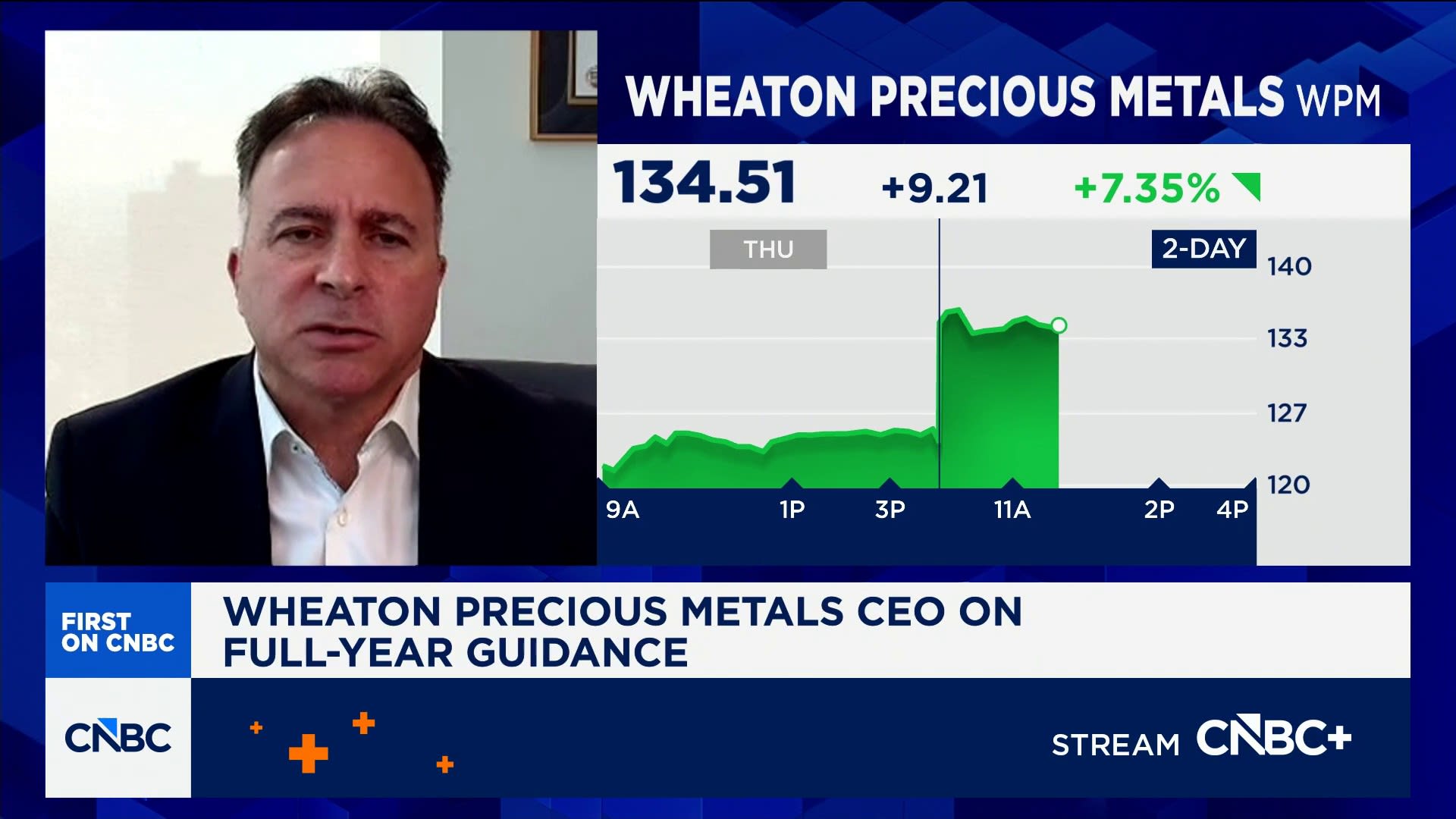
In addition, the stocks of major players in technology, gold mining, retail, pharmaceuticals, and medicine can be very profitable and reliable, Natalia Milchakova added.
But it is better to avoid the oil and gas and raw materials sectors now, Oleg Abelev warned. Instead, it is better to focus on areas with an emphasis on domestic consumption: IT, the agro-industrial sector, the food industry, and consumer goods.
In conditions of volatility, companies with a stable business model, moderate debt burden and transparent dividend policy can perform better, Denis Astafyev added. At the same time, loans like AFK Sistema and Delimobil should be avoided for now, analysts at Finam Financial Group believe. The new fiscal impulse may increase inflationary pressures and lead to a longer period of high interest rates or even to their repeated increase, the expert warned. In such a scenario, it is enterprises with a high debt burden that may suffer the most.
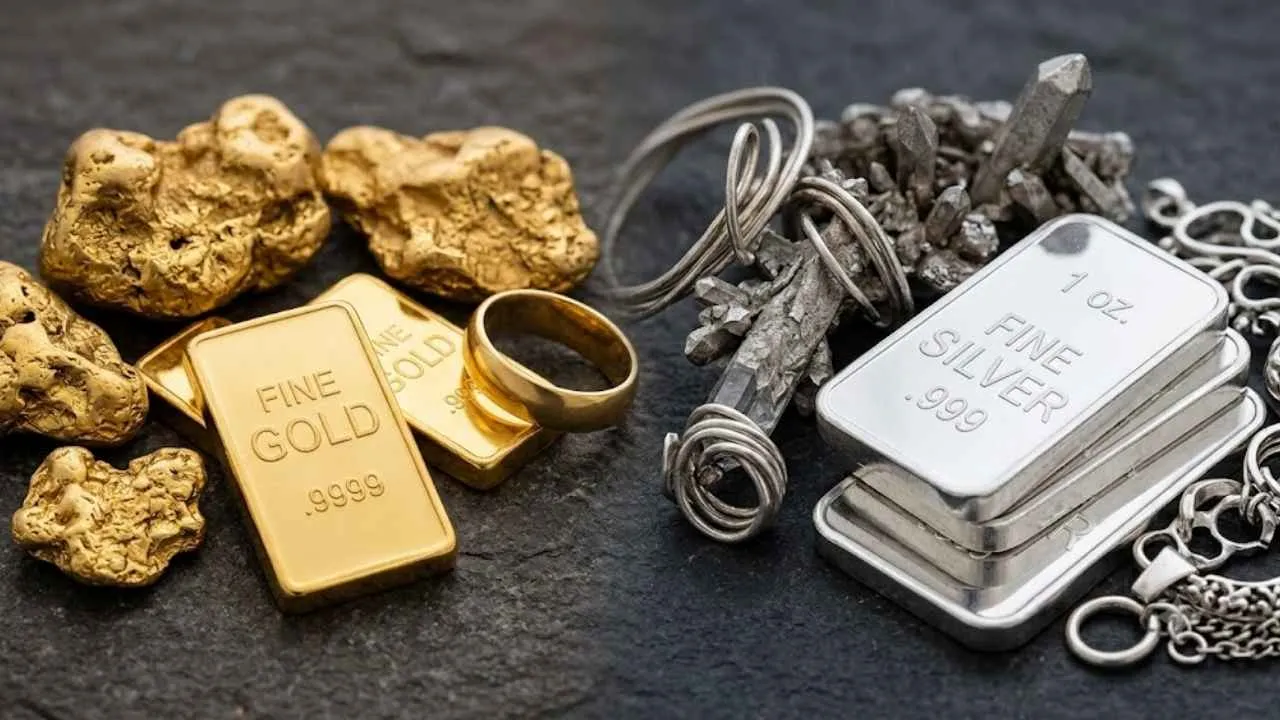
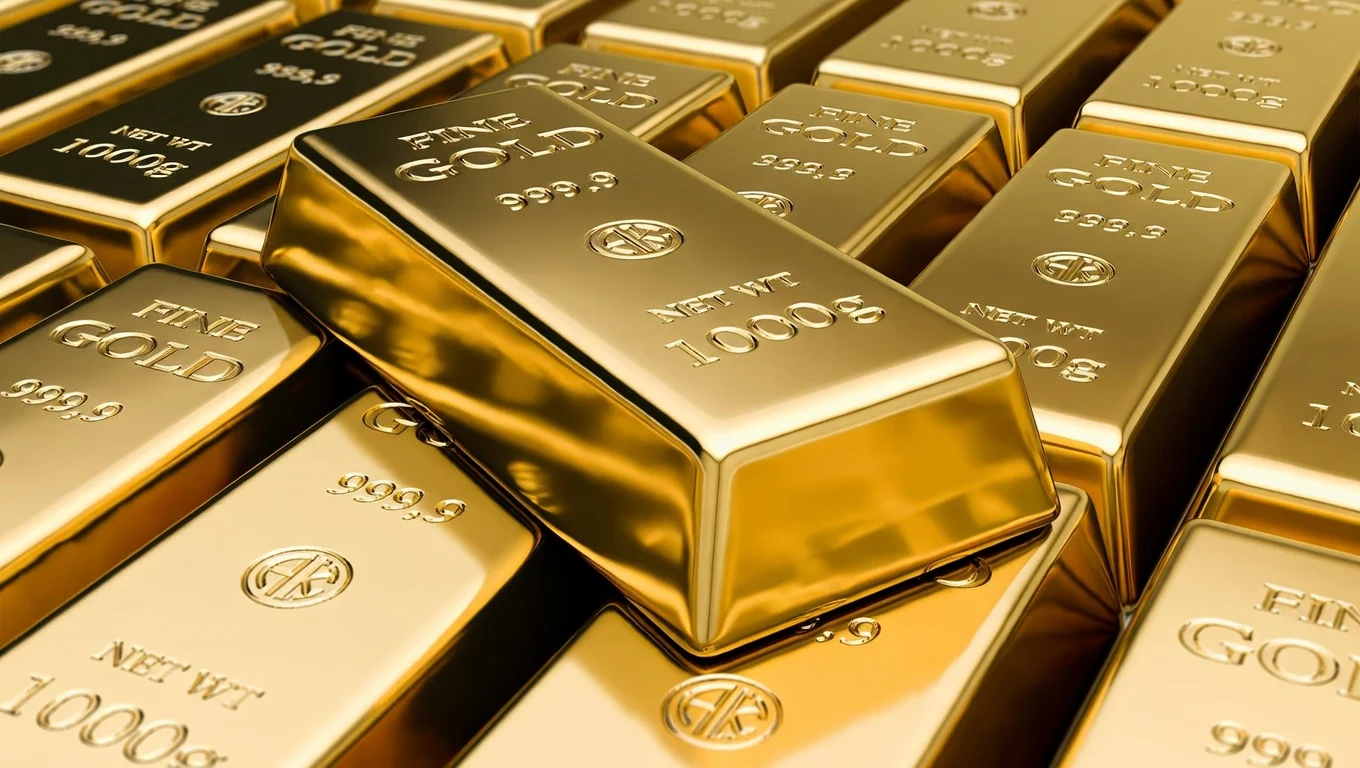
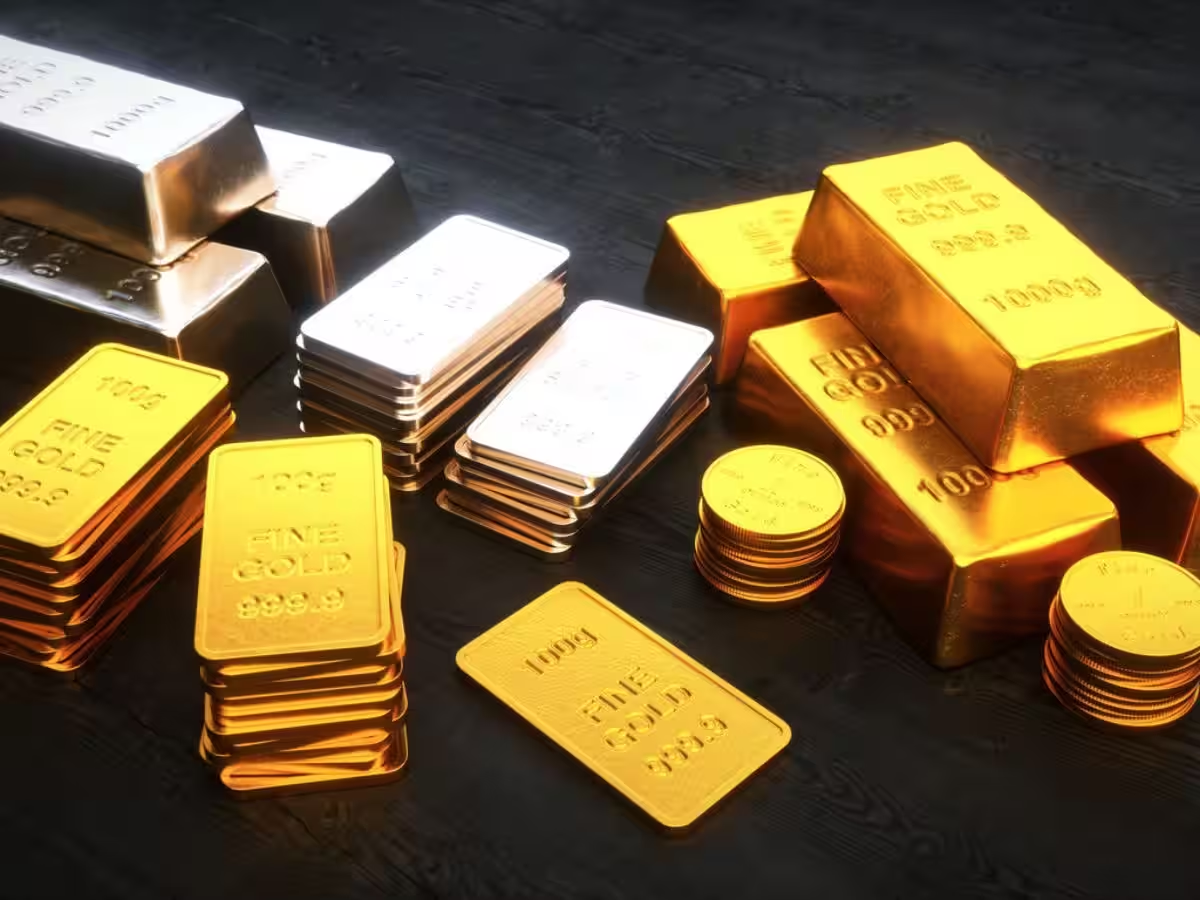
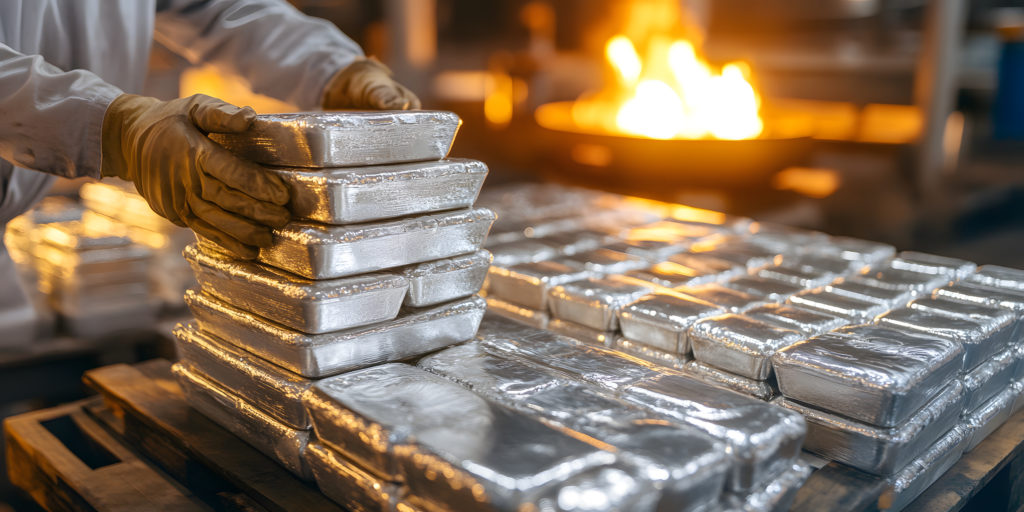
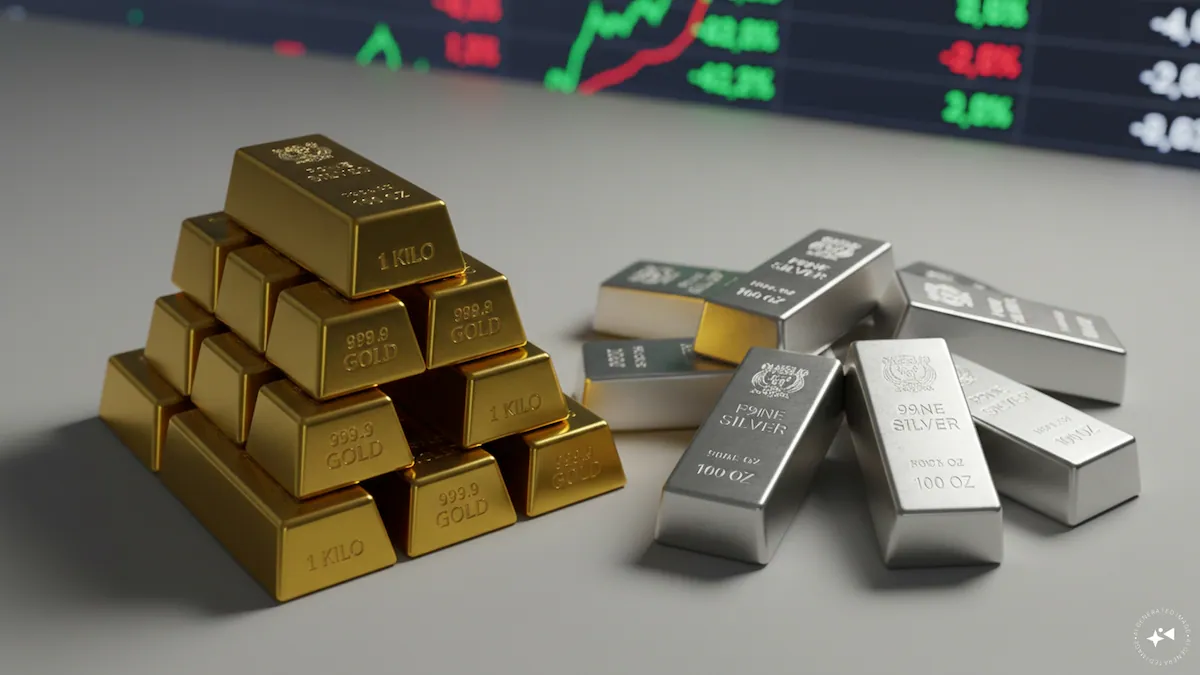
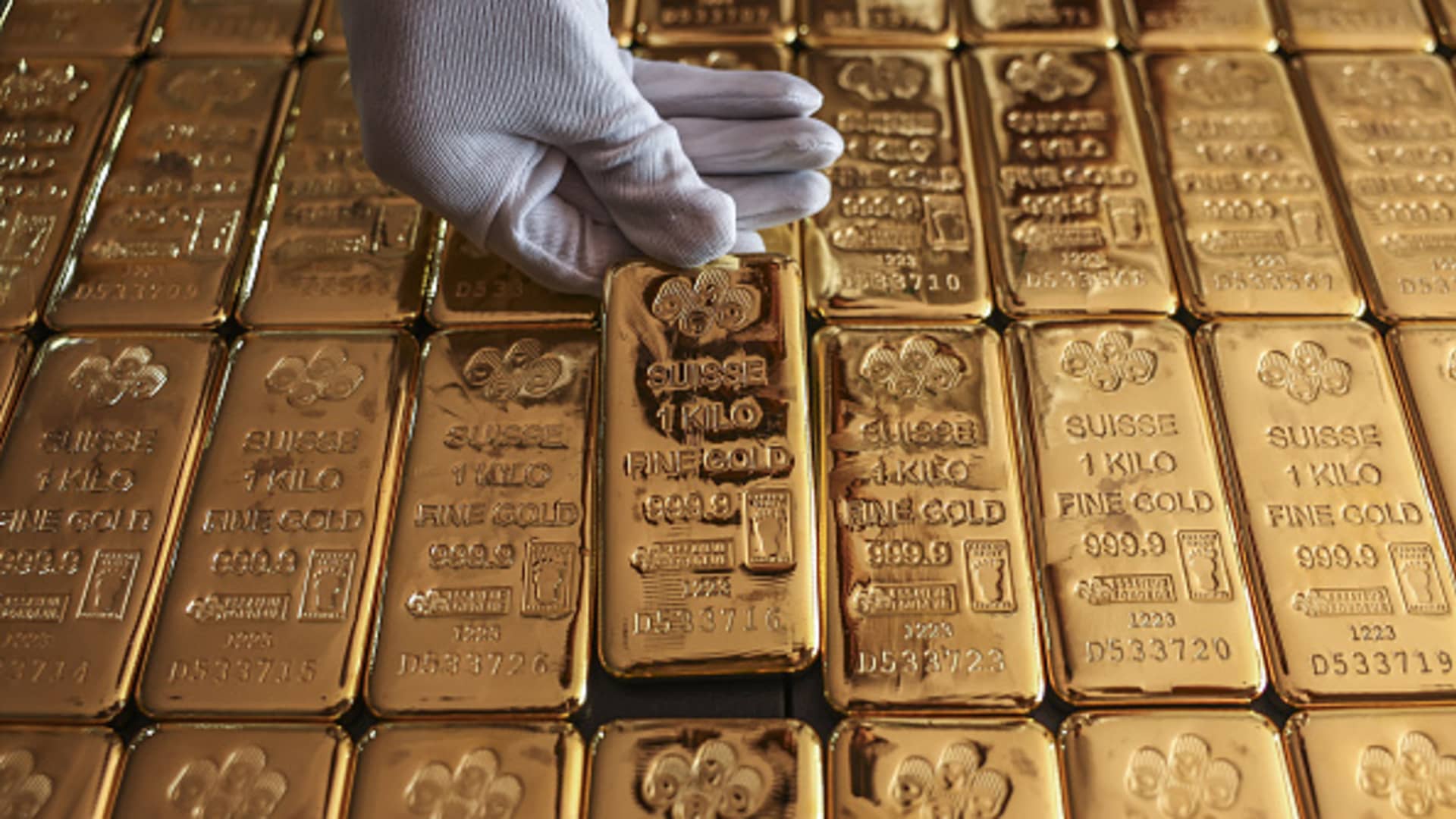
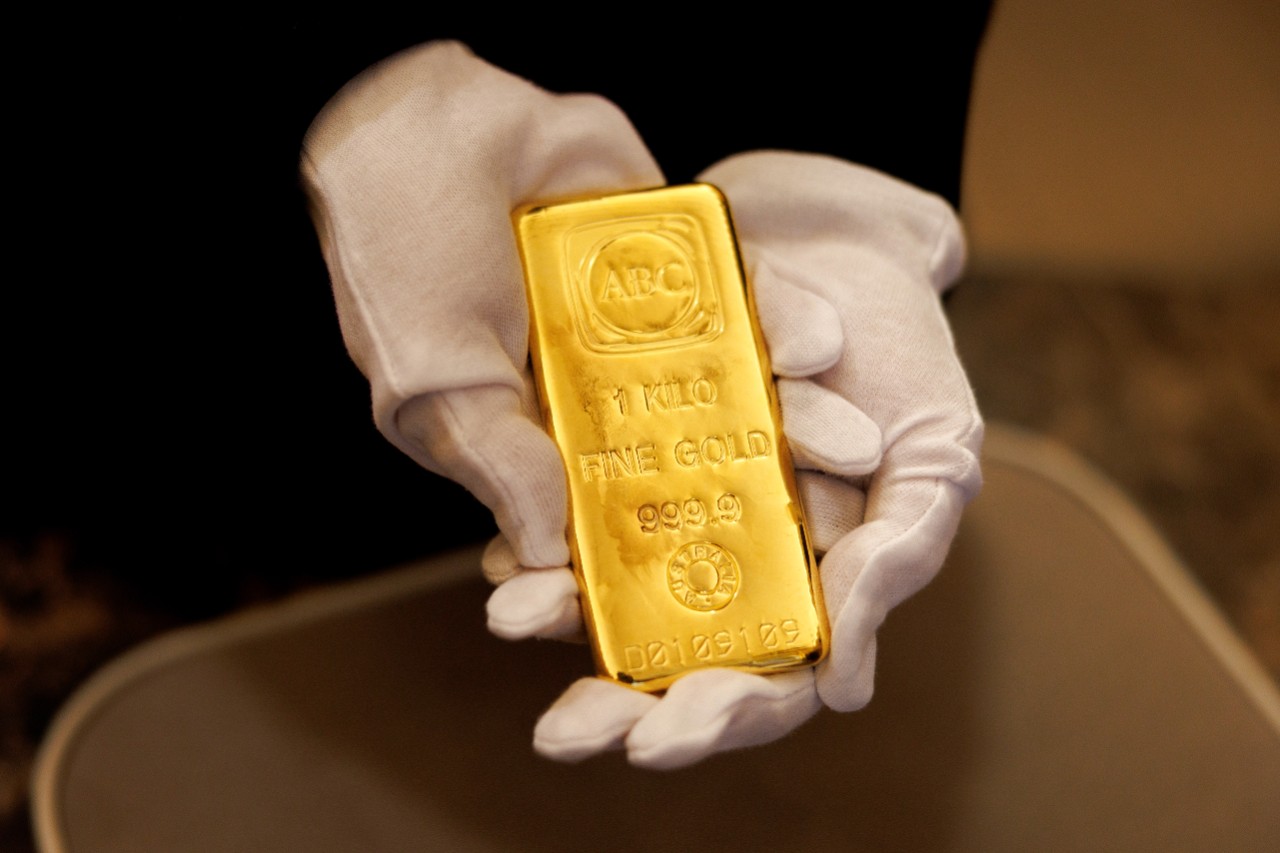
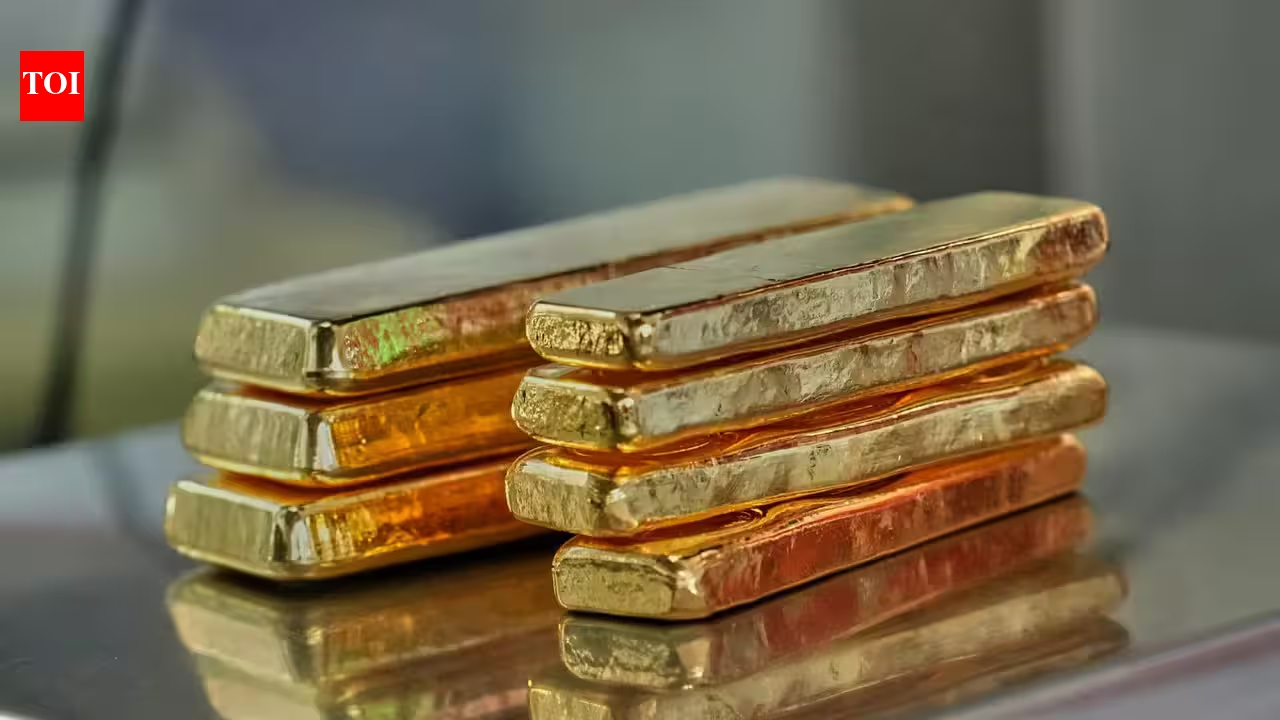
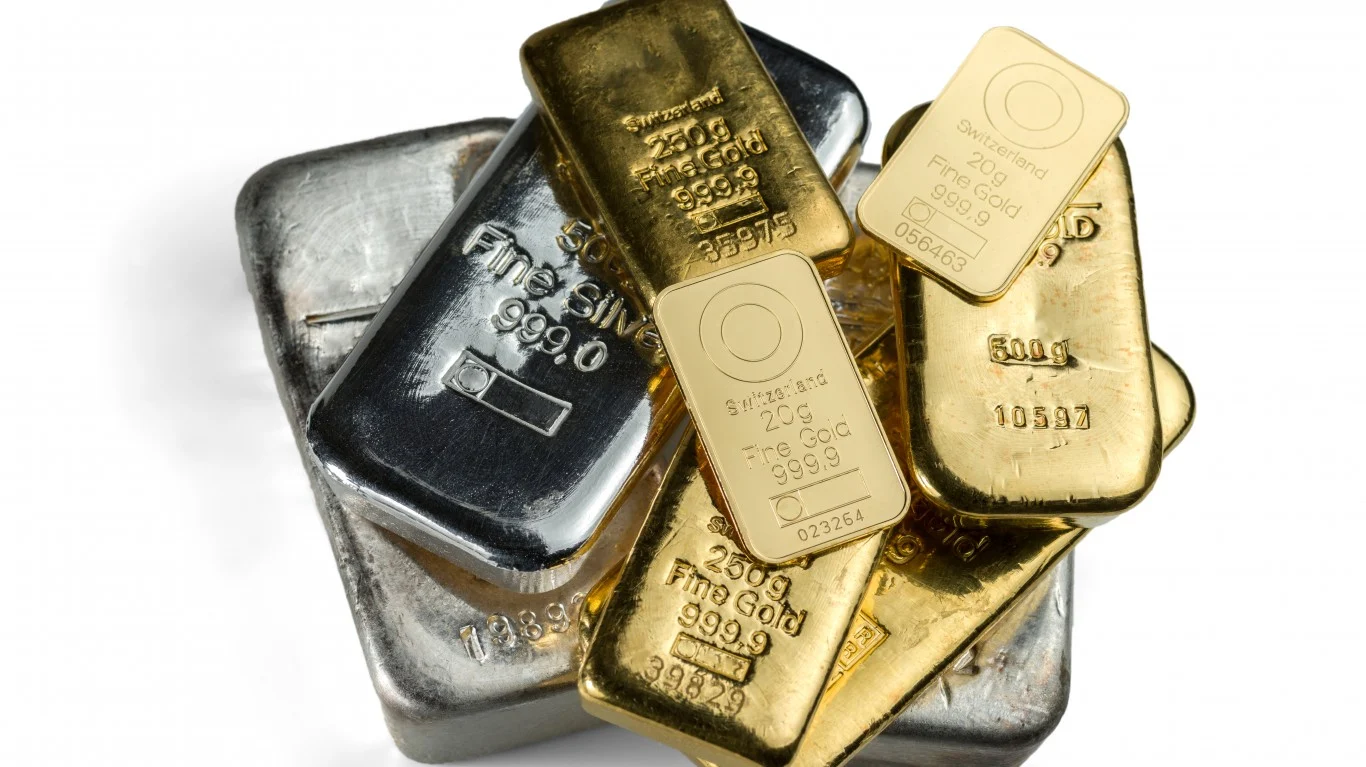
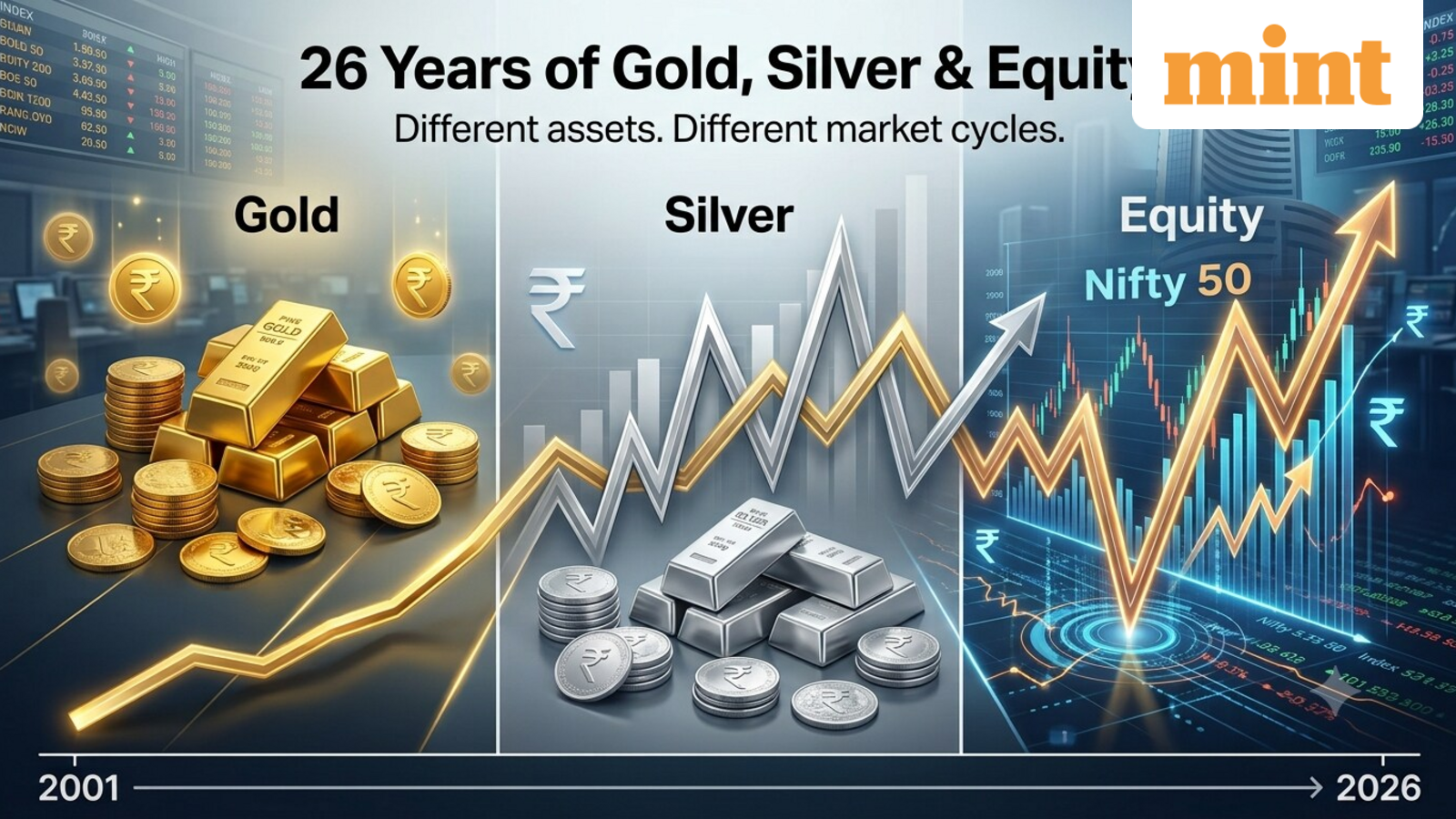
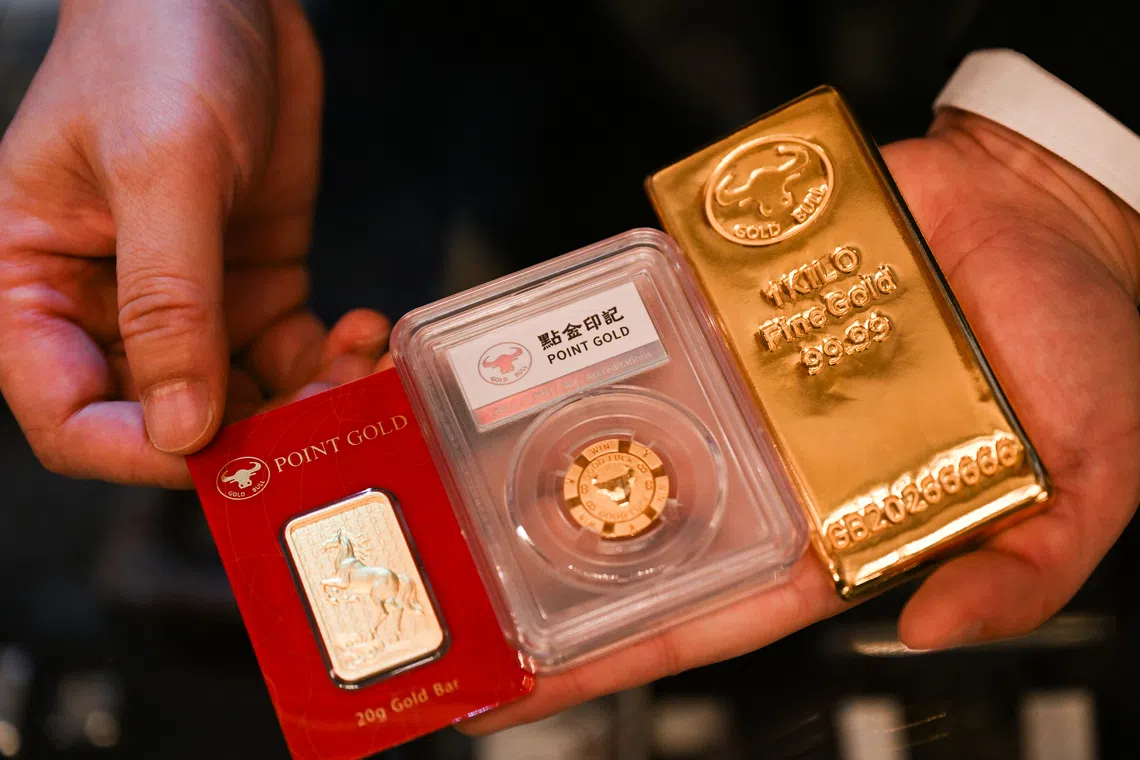
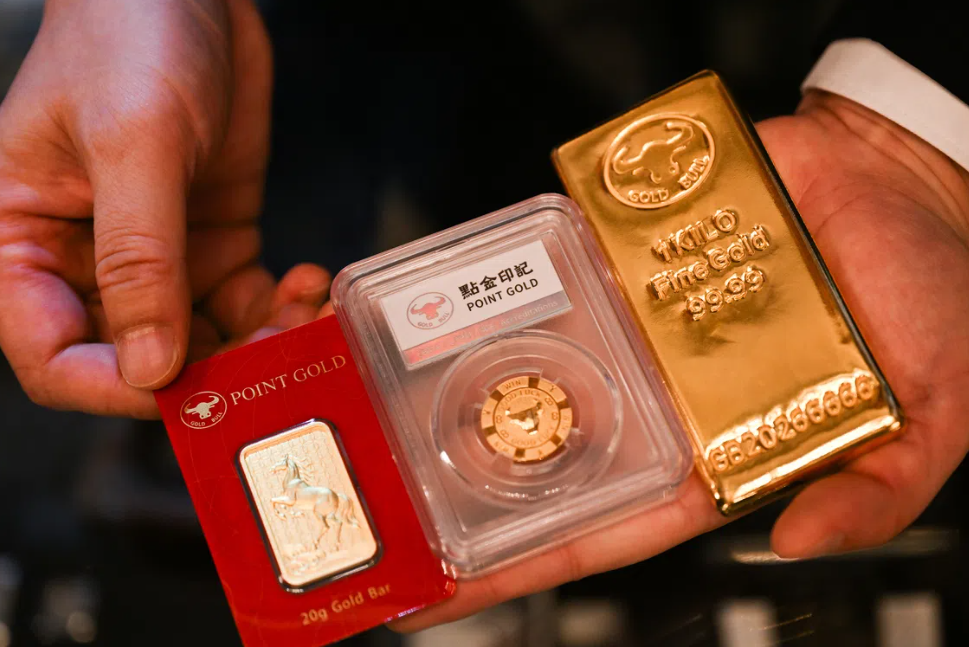
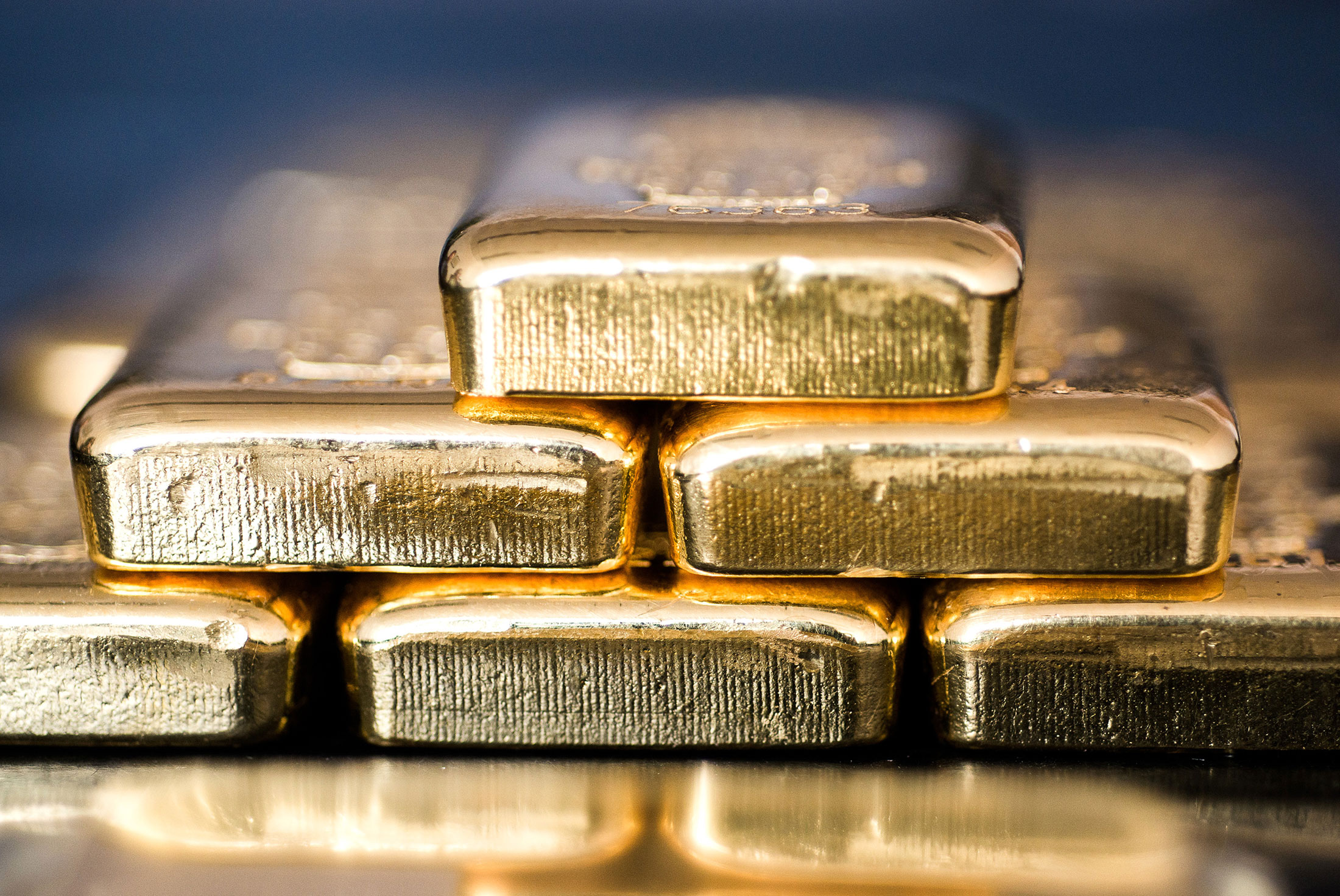
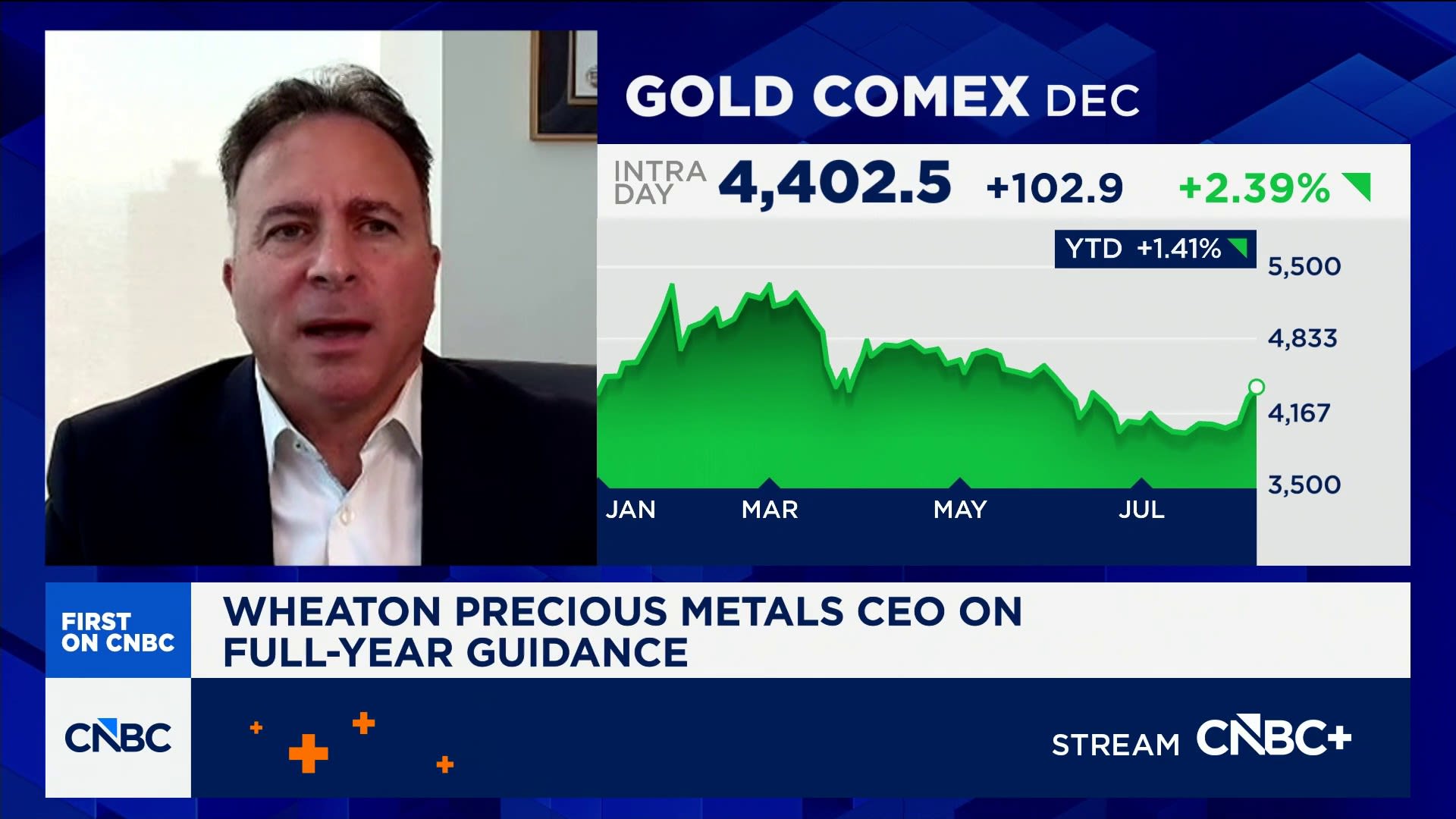
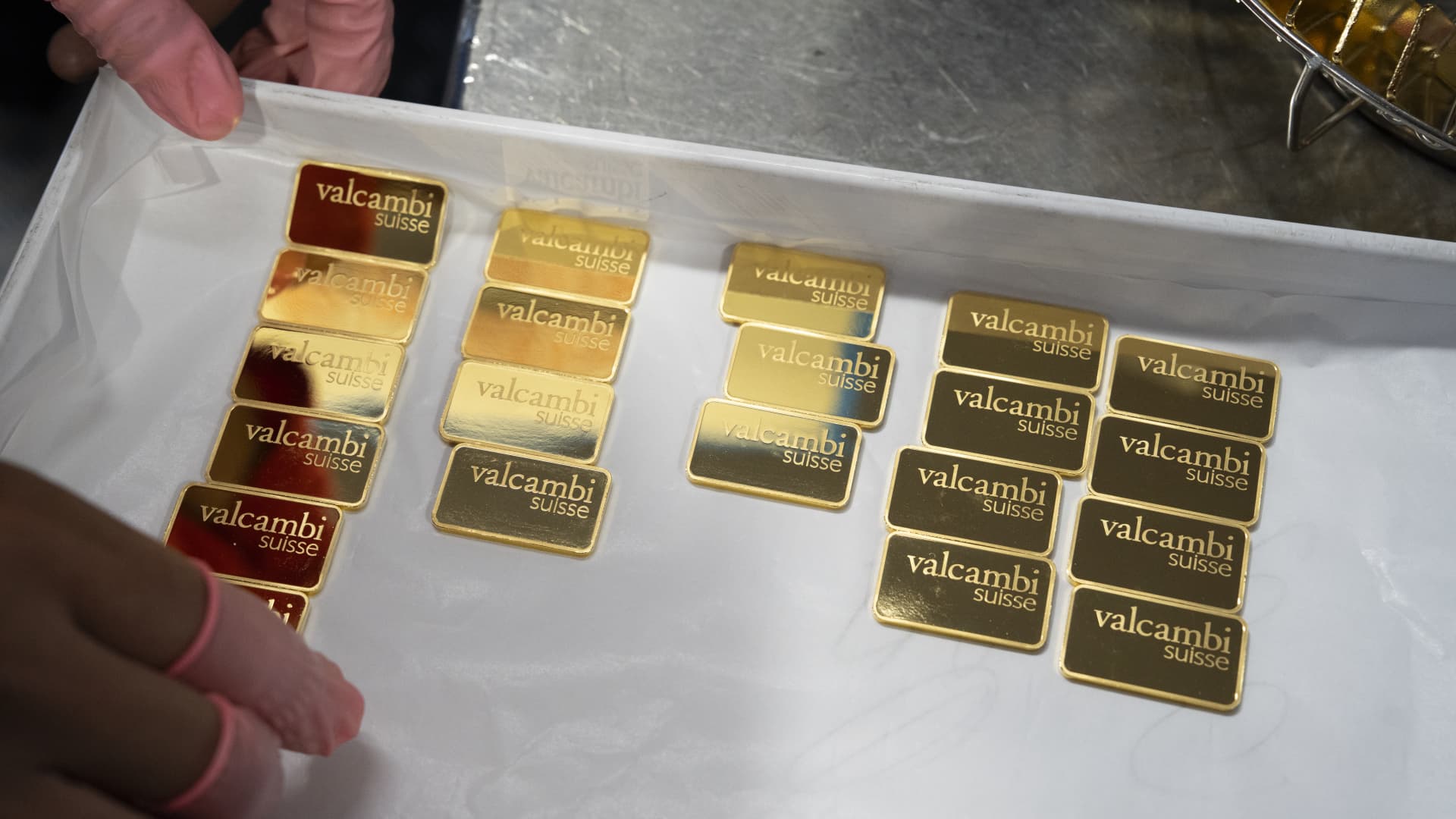
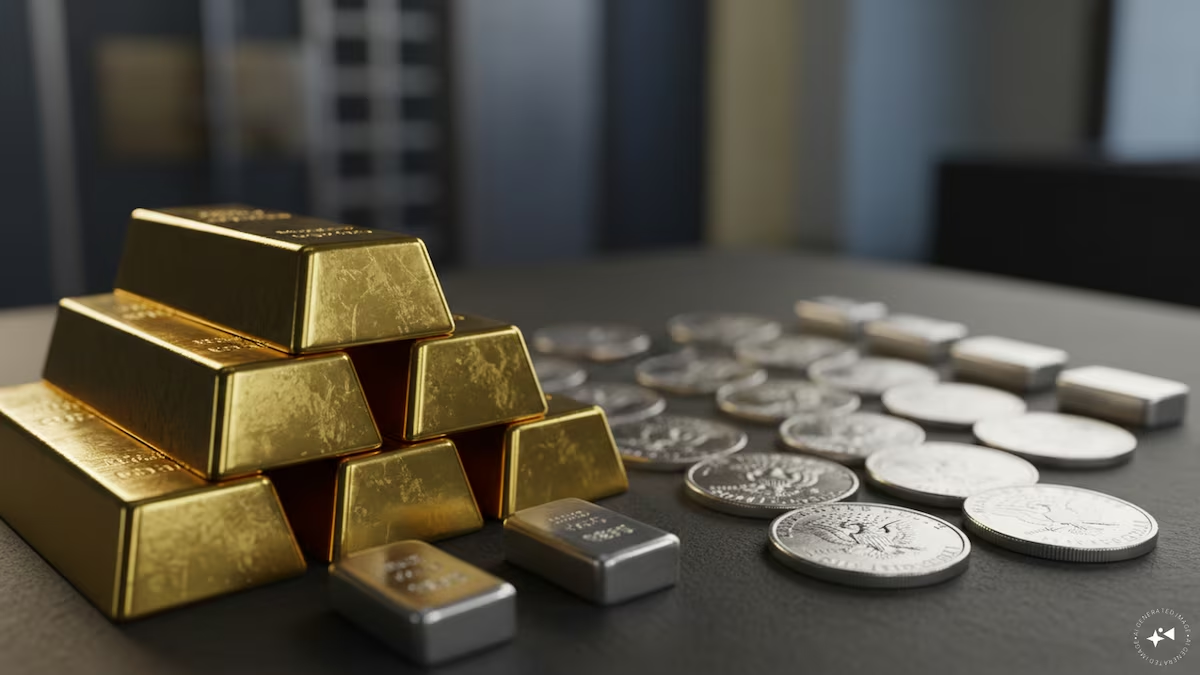
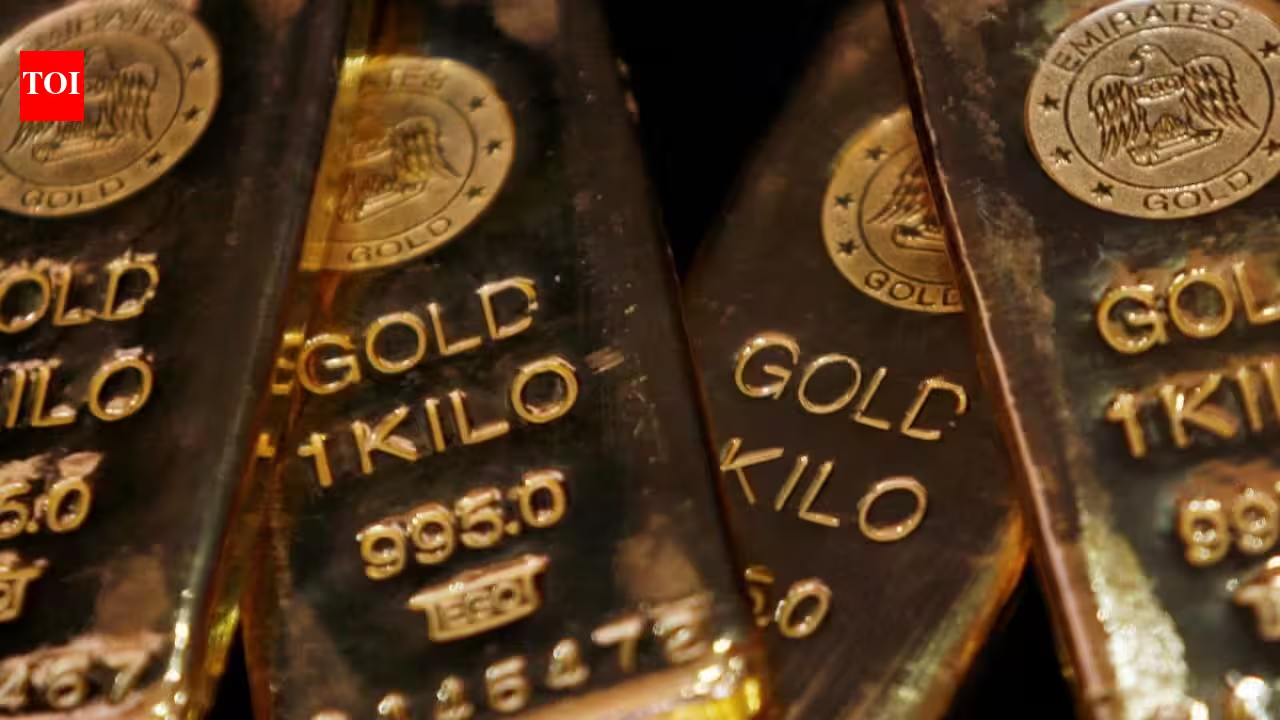
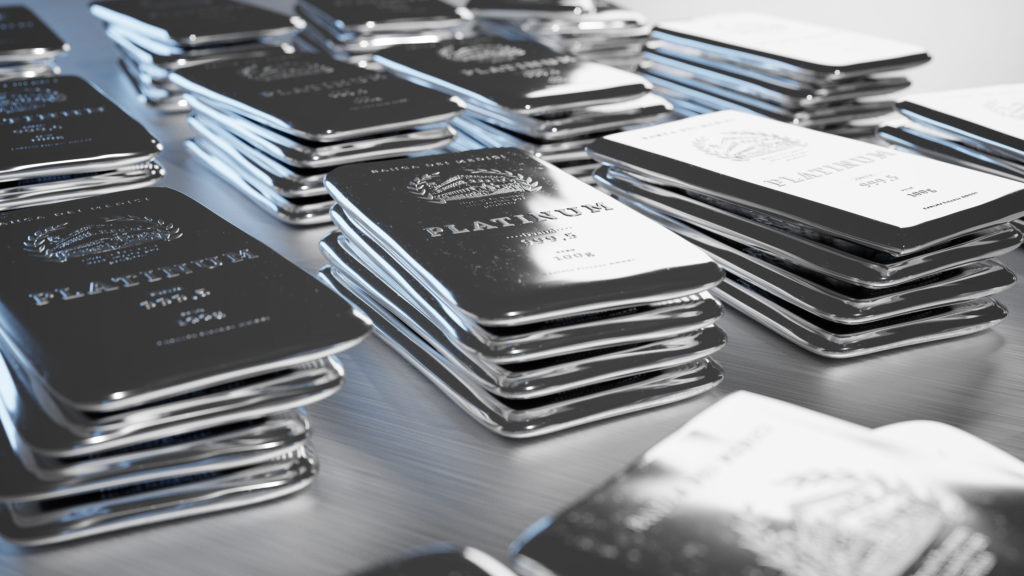
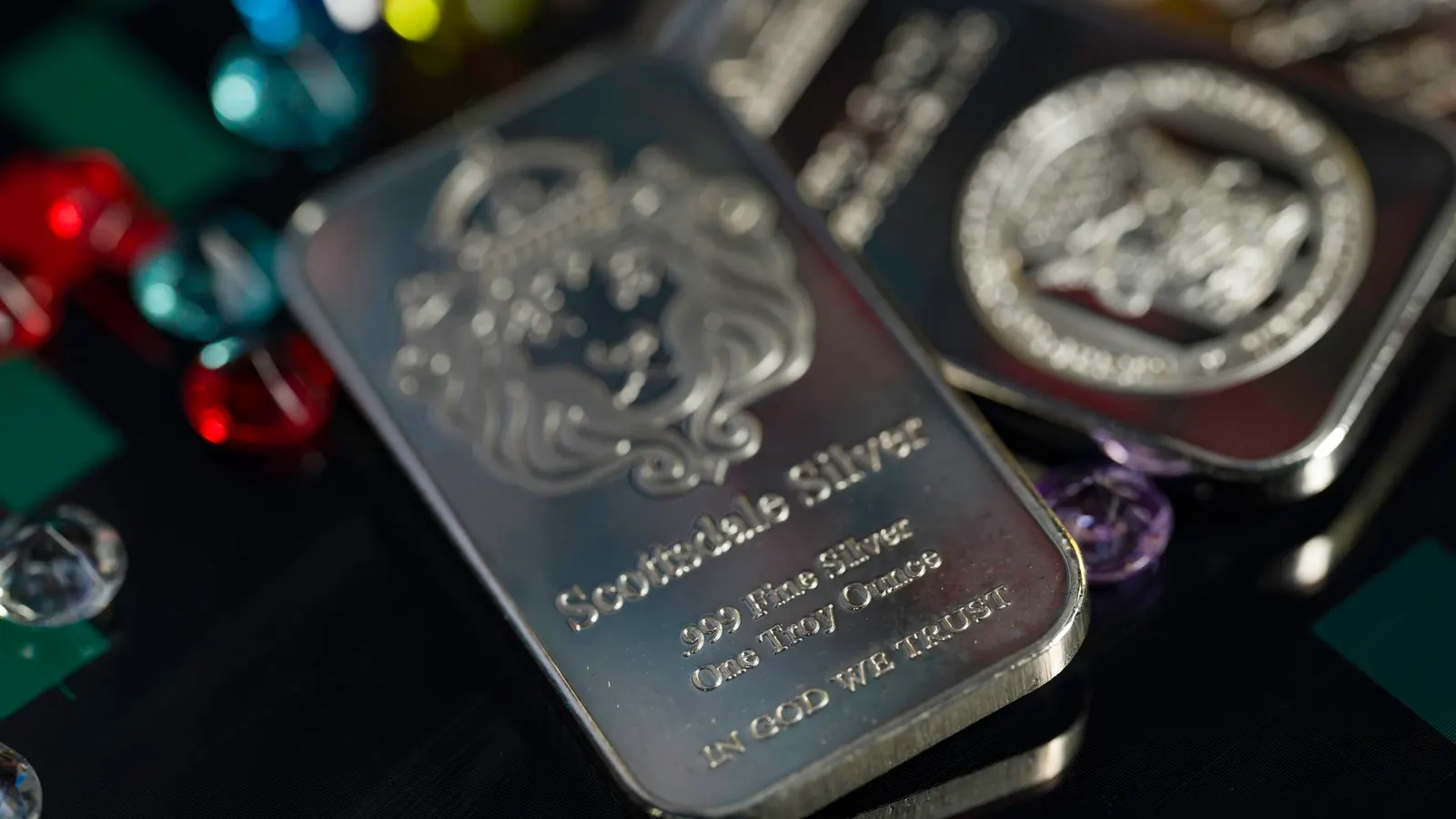
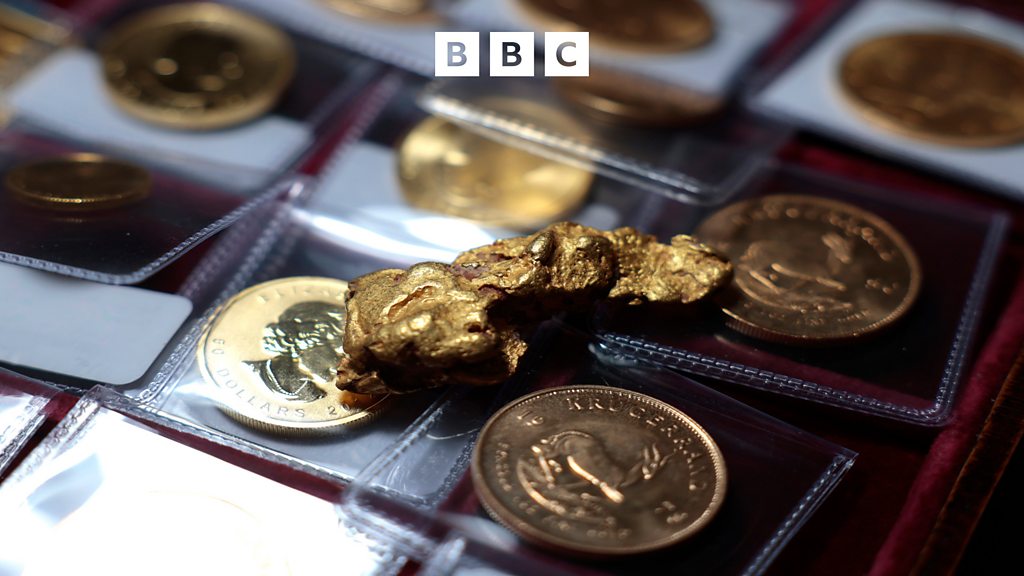
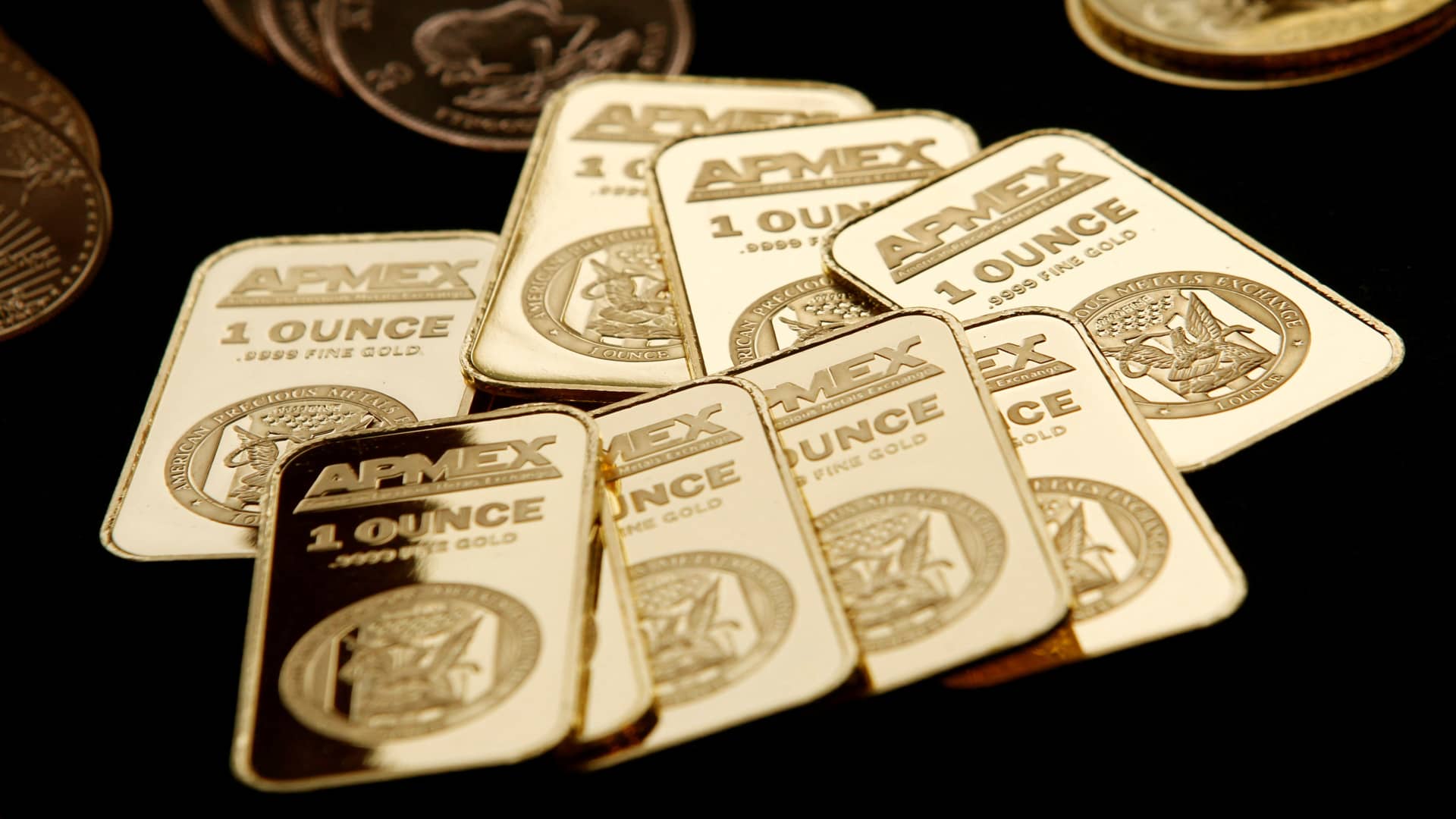
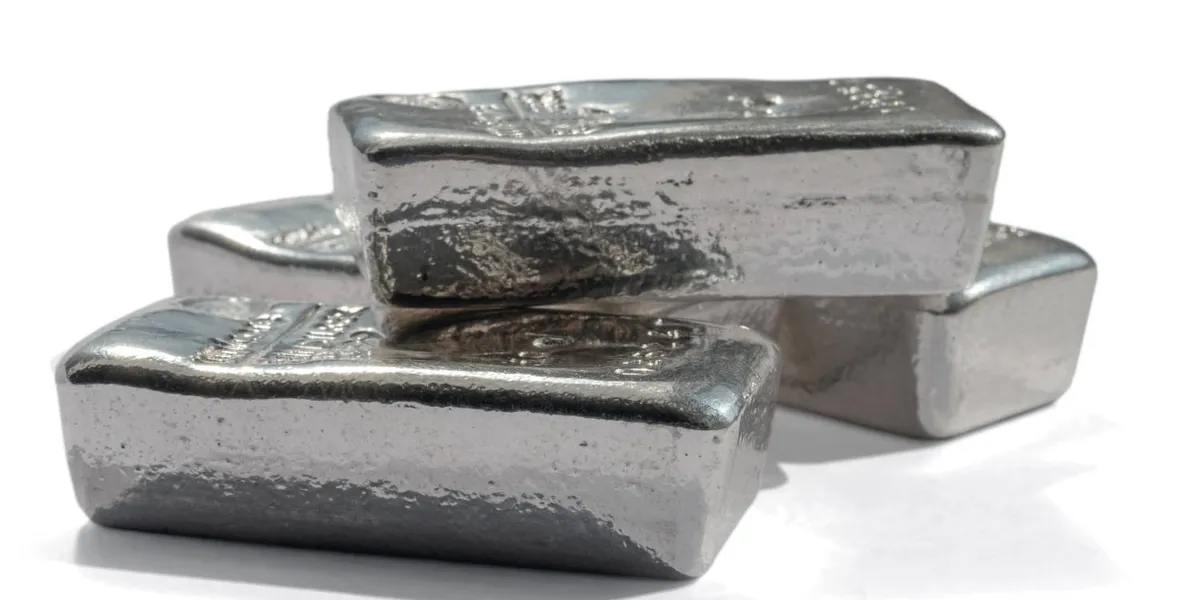
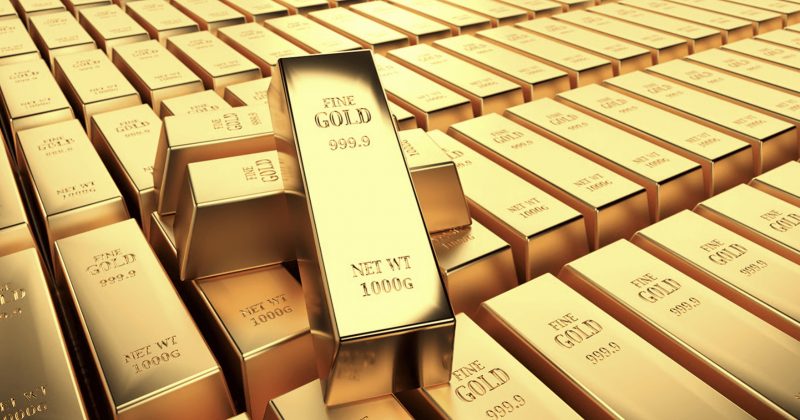
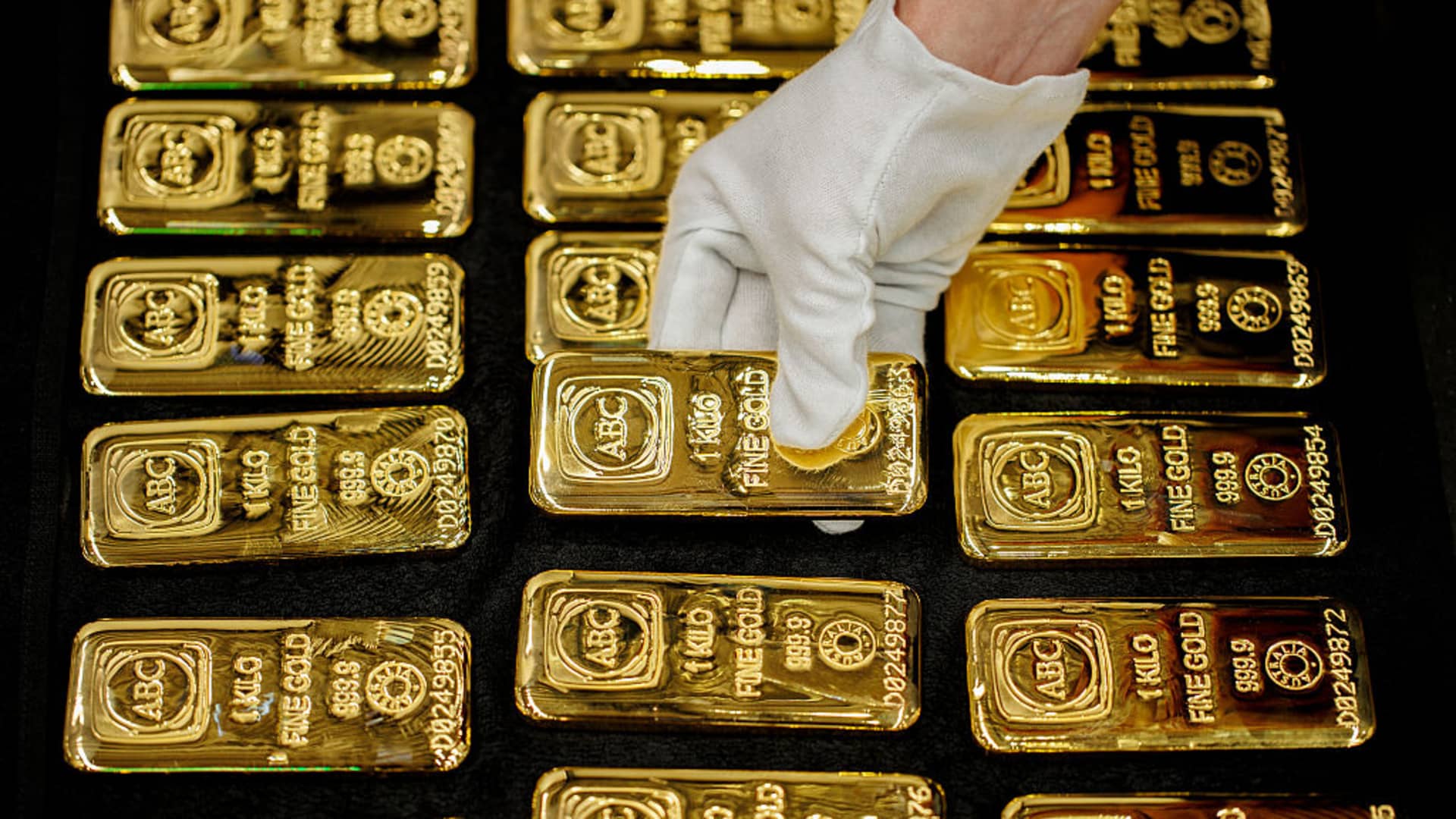
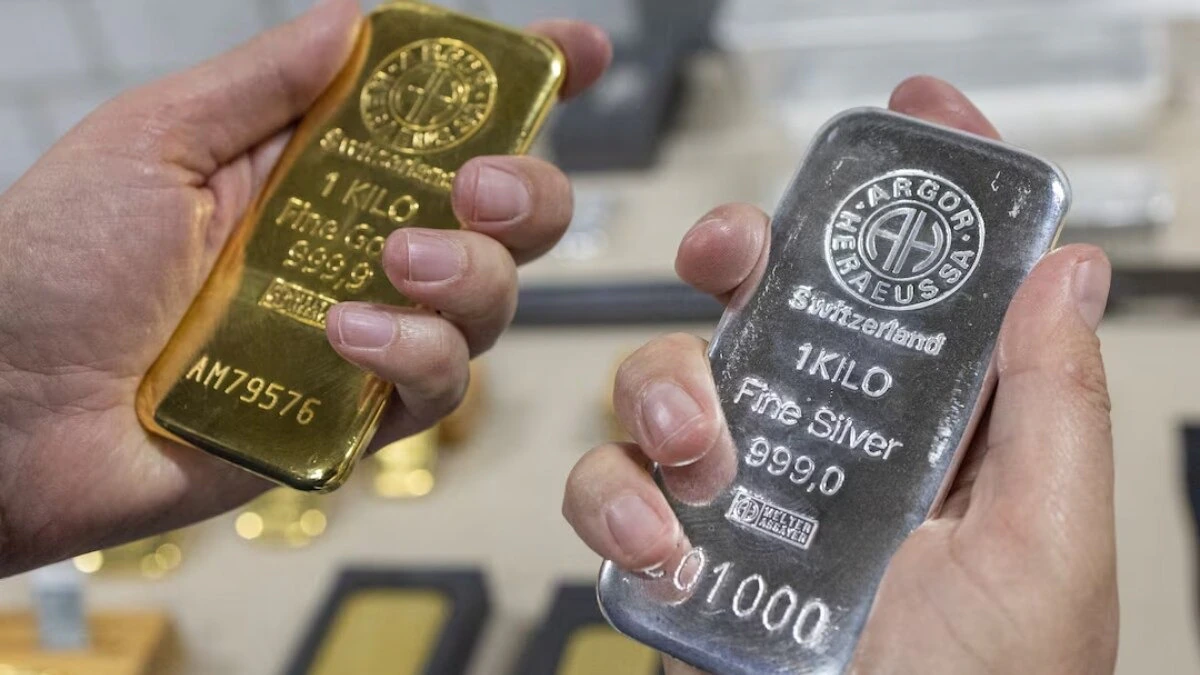
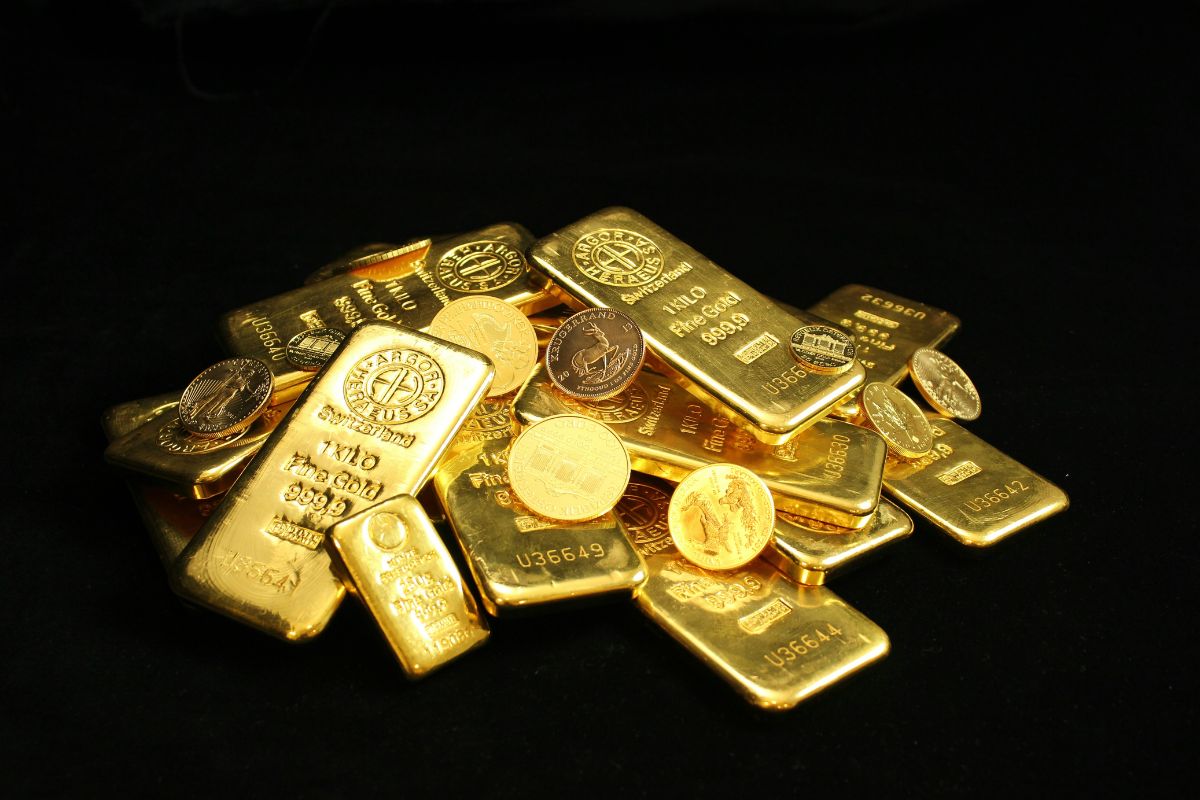
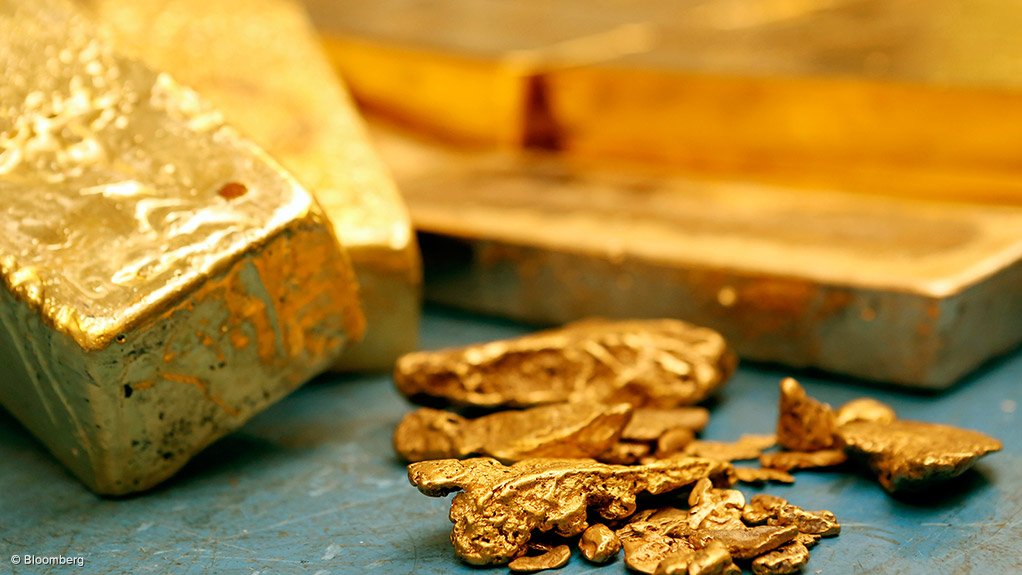
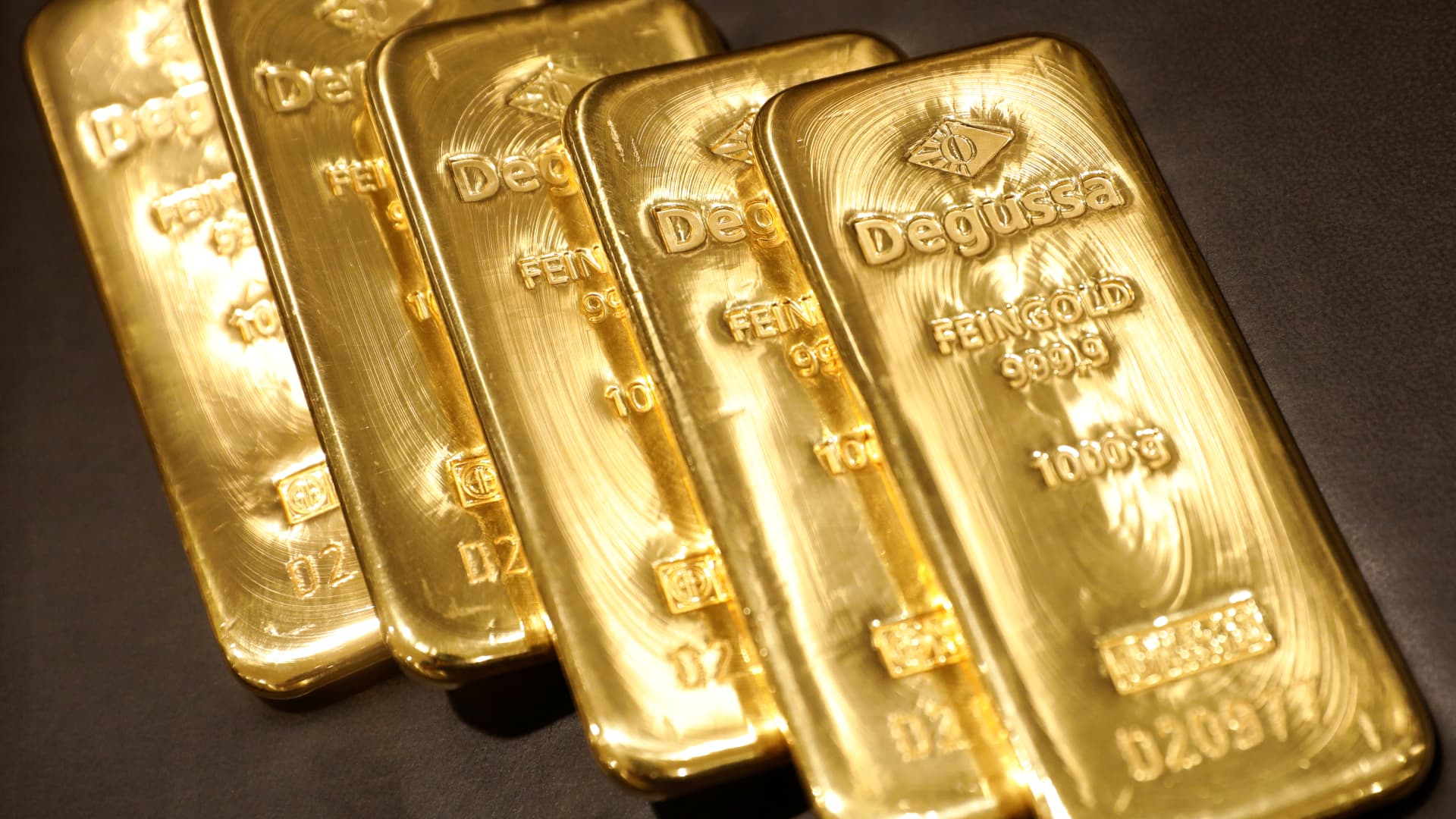
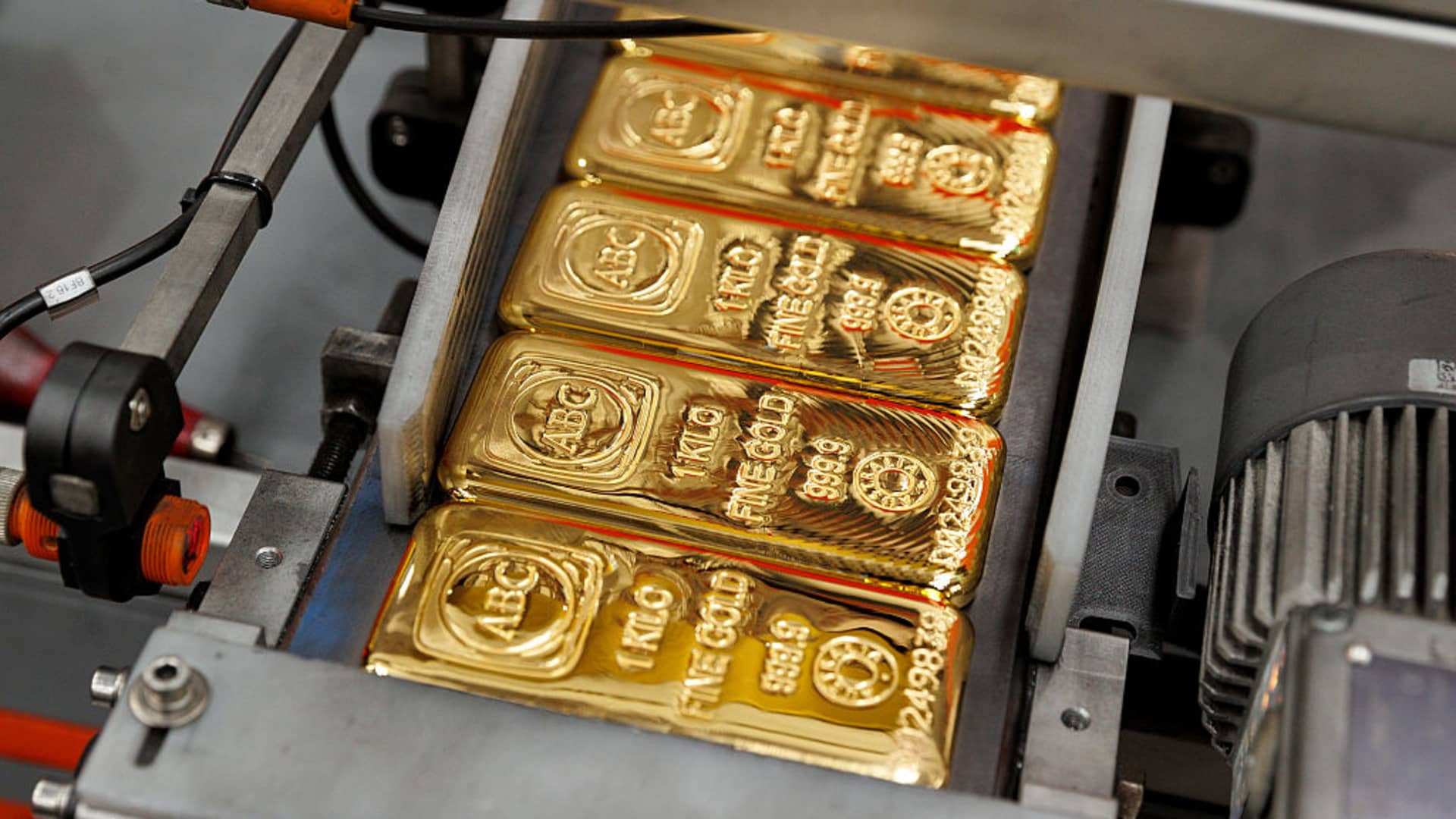
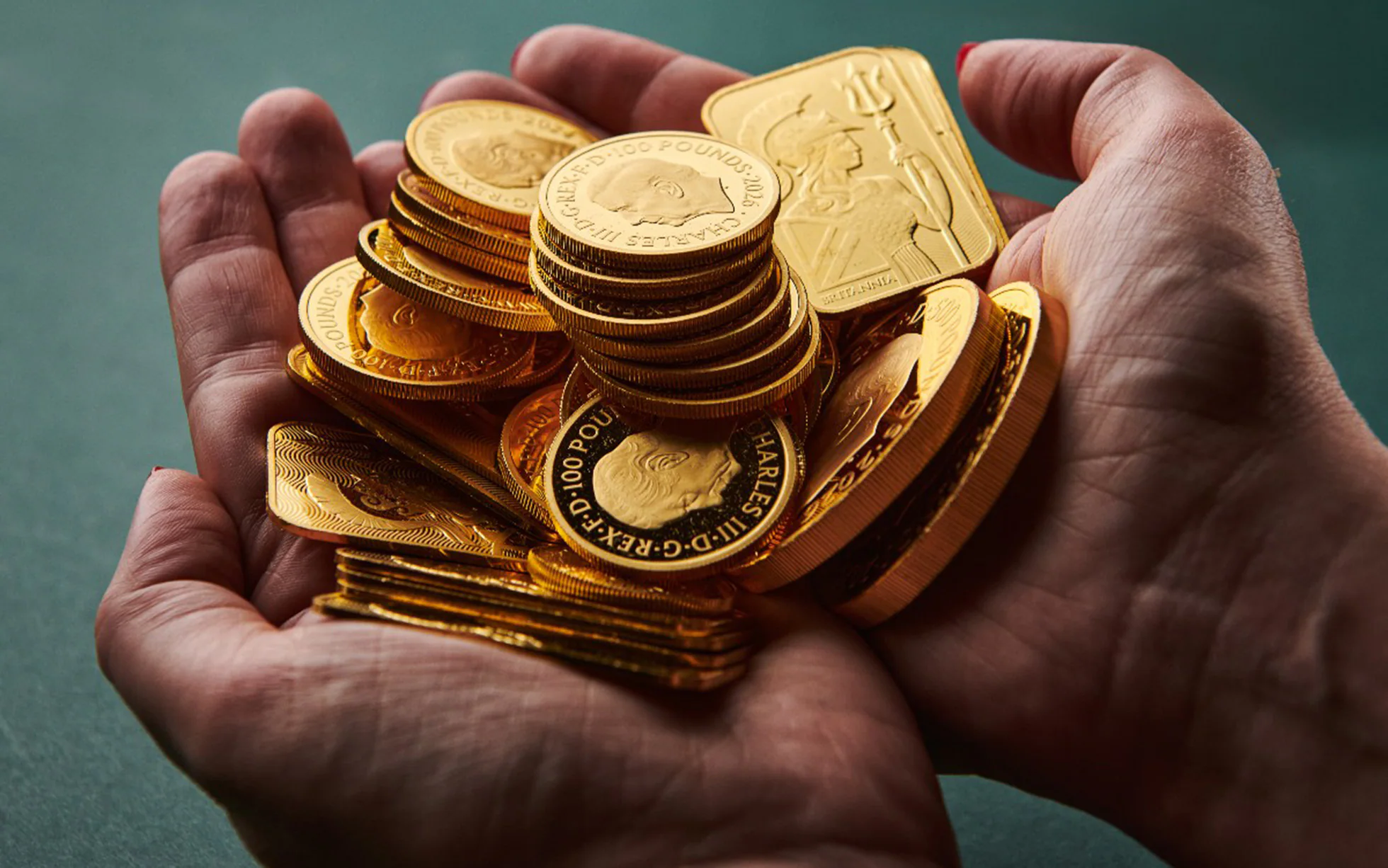
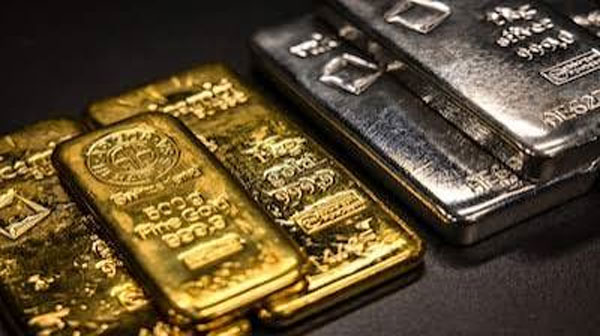
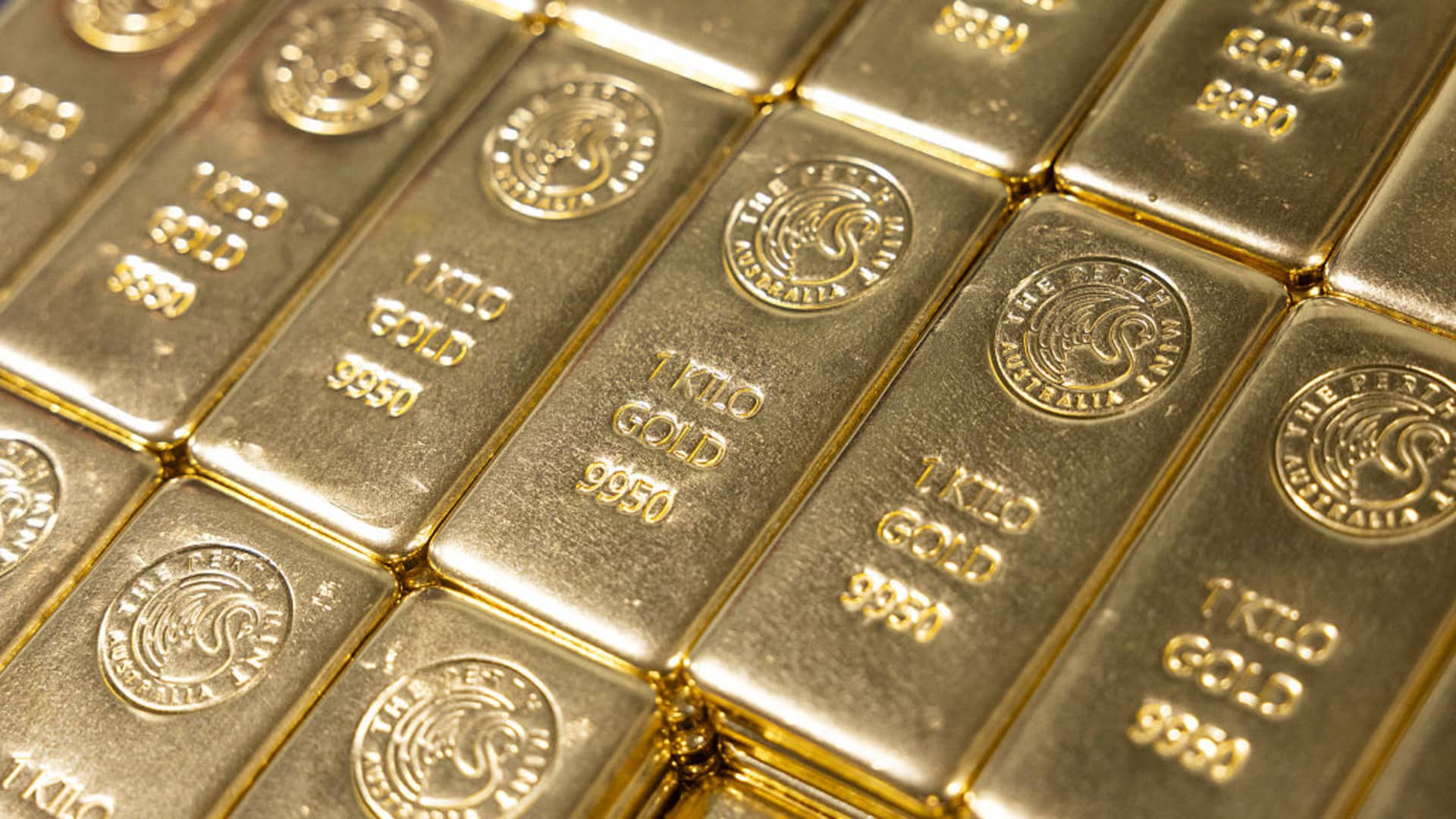
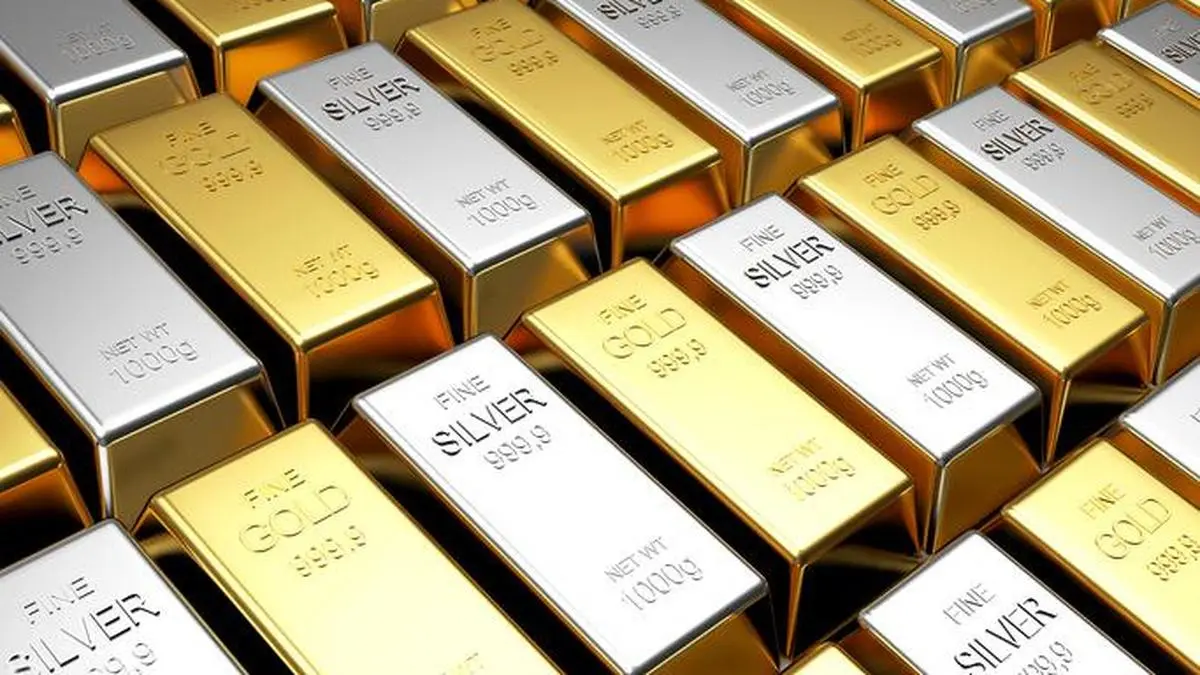
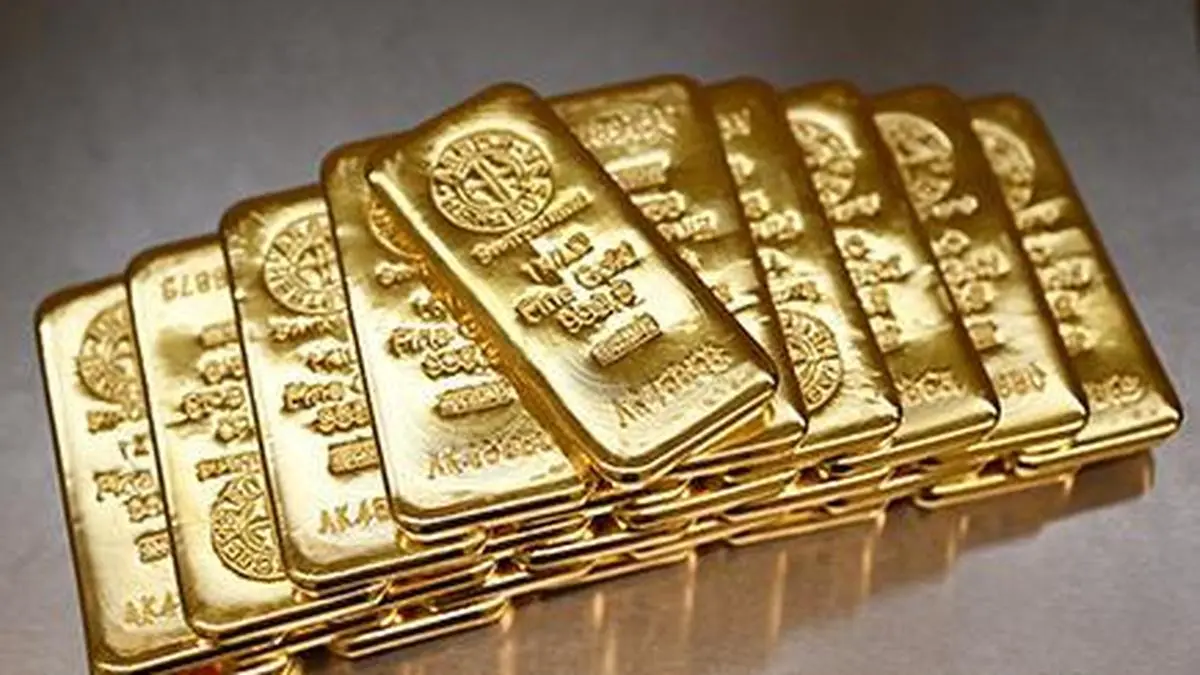
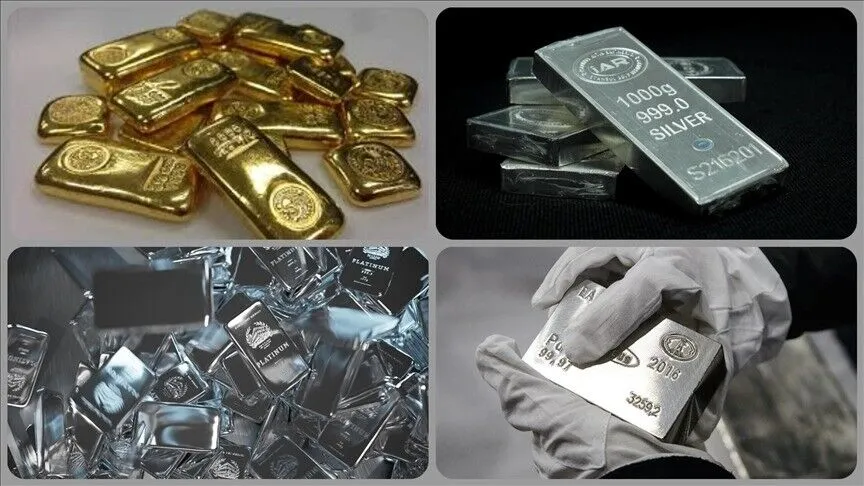
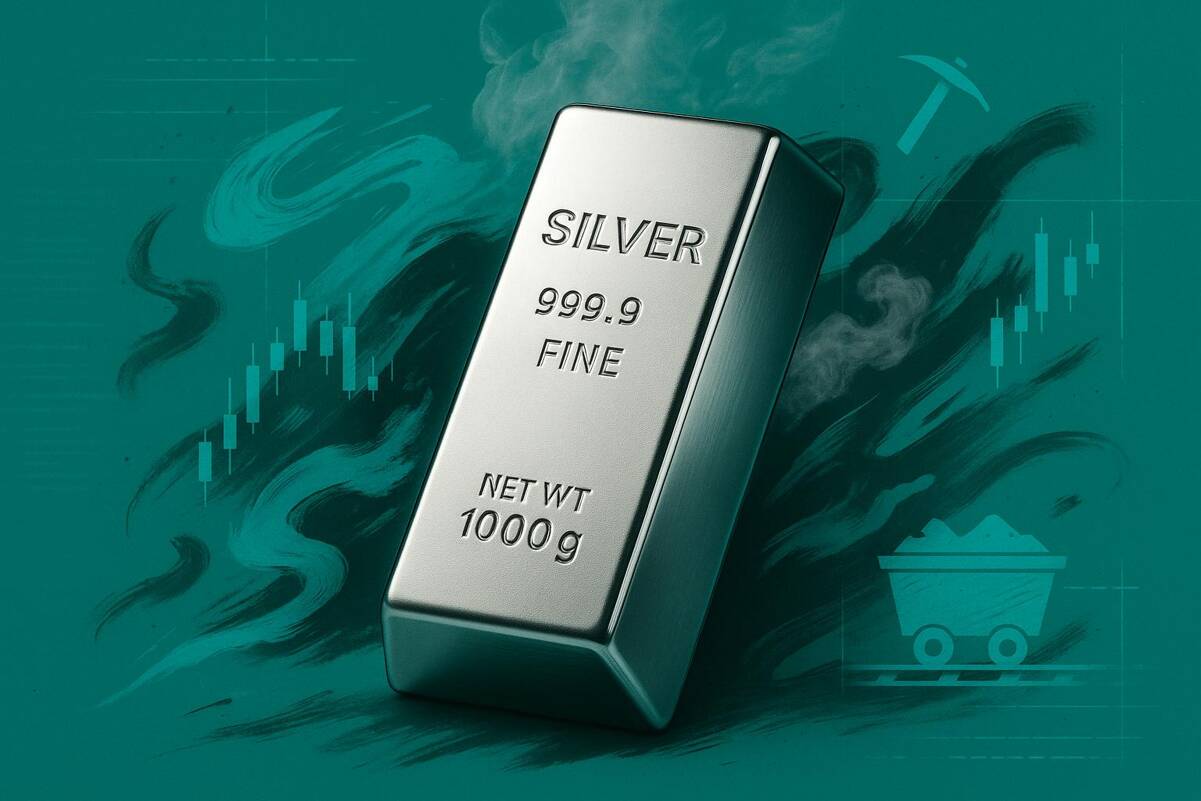
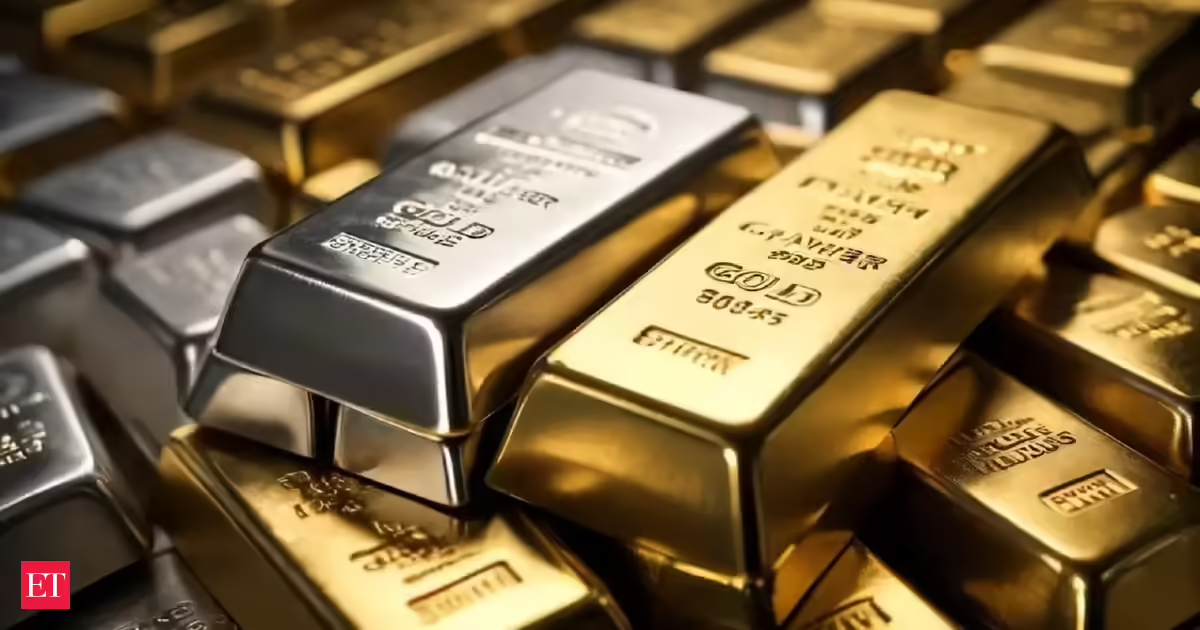
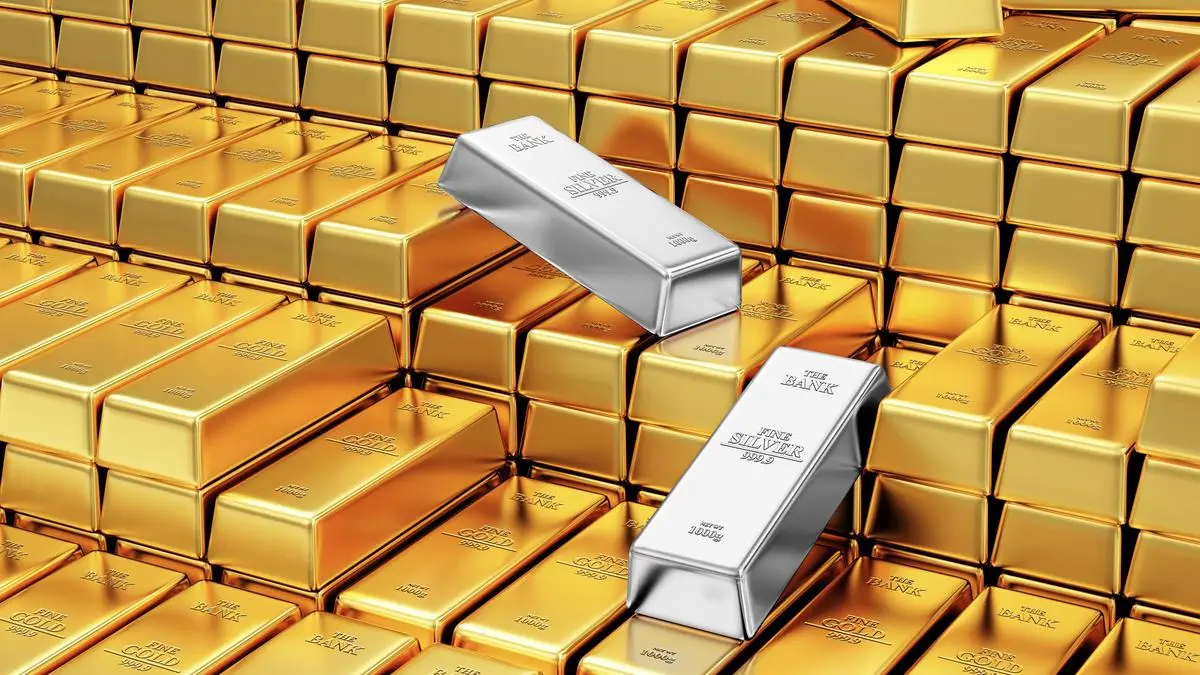
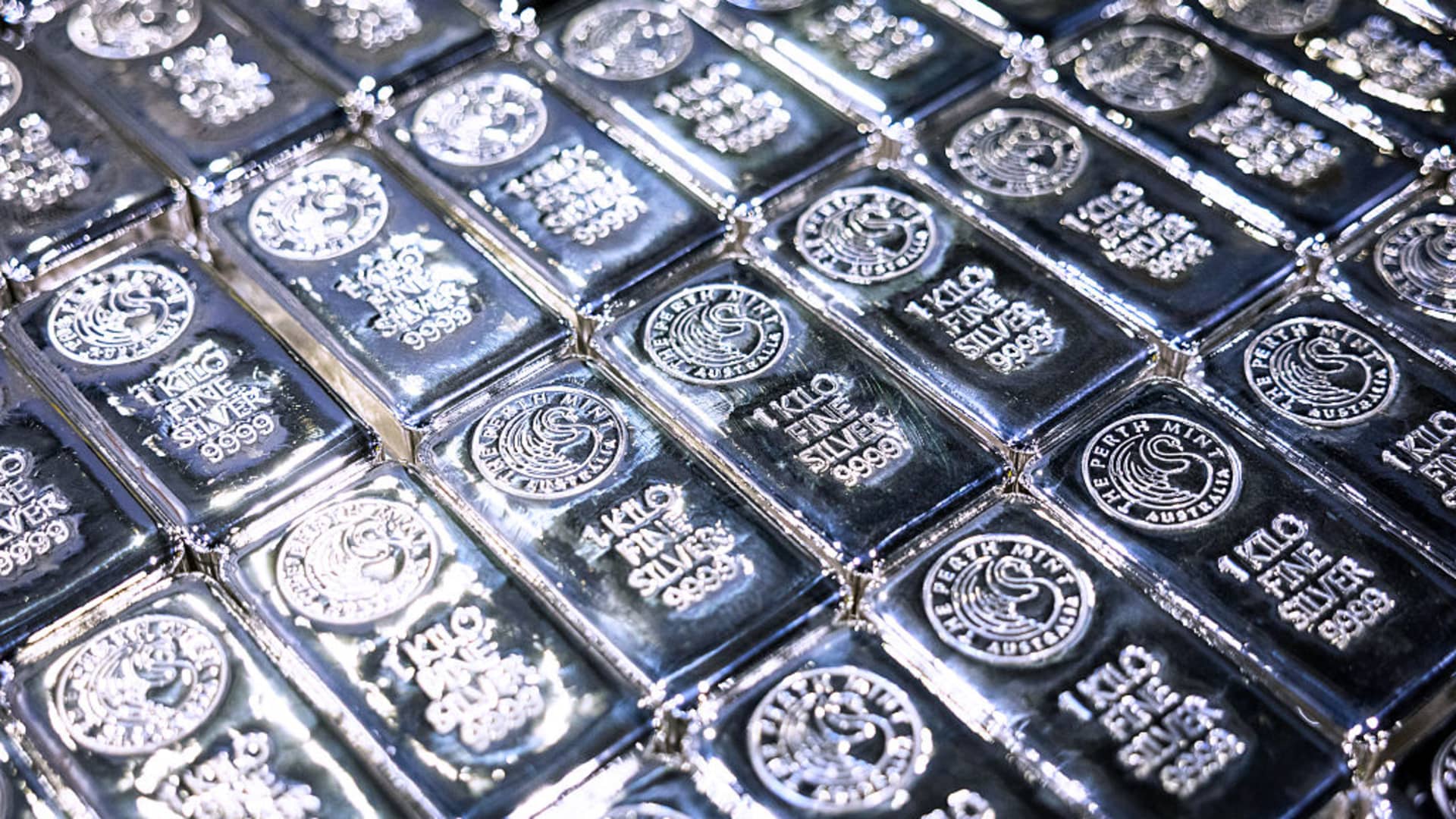
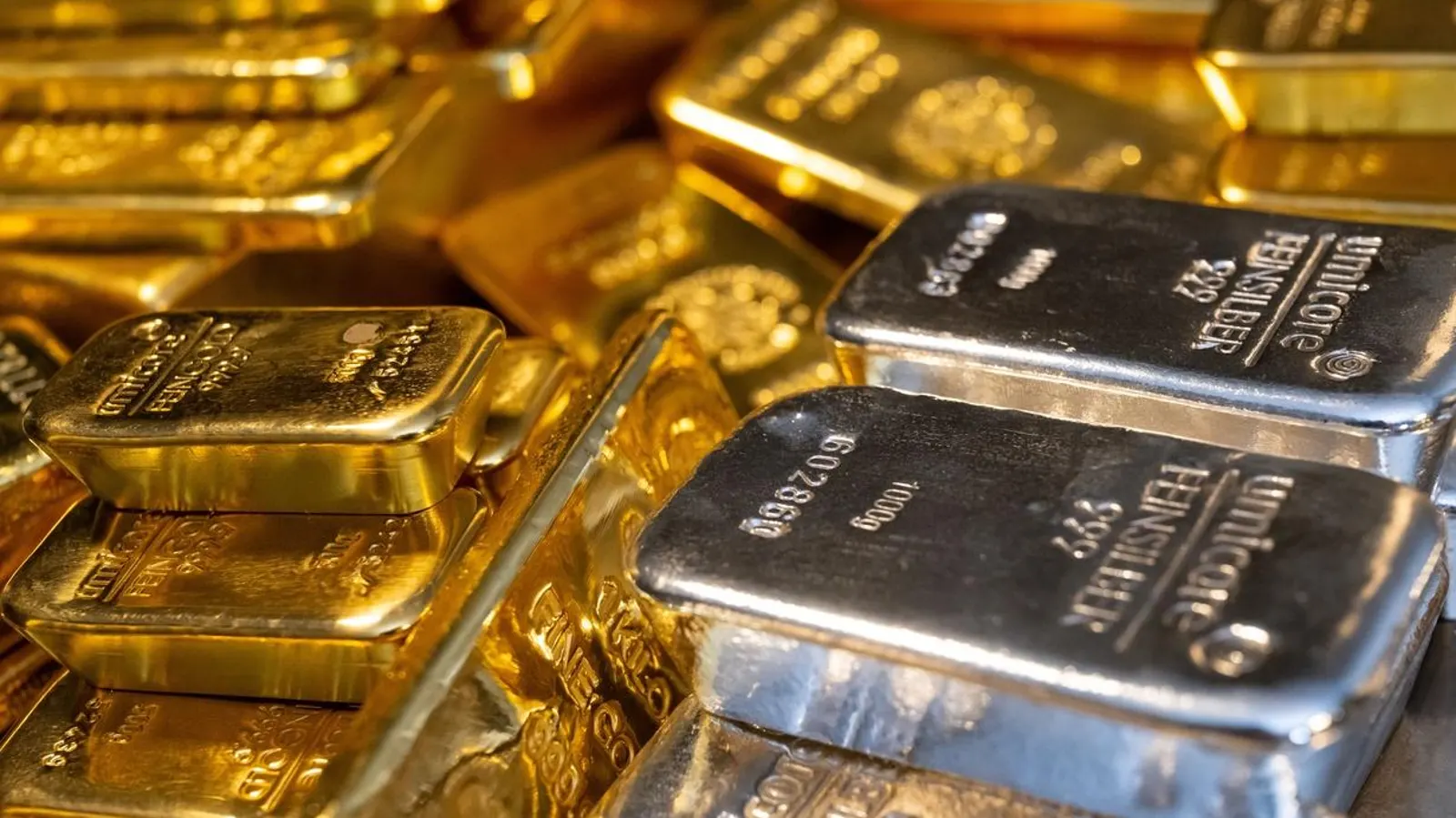
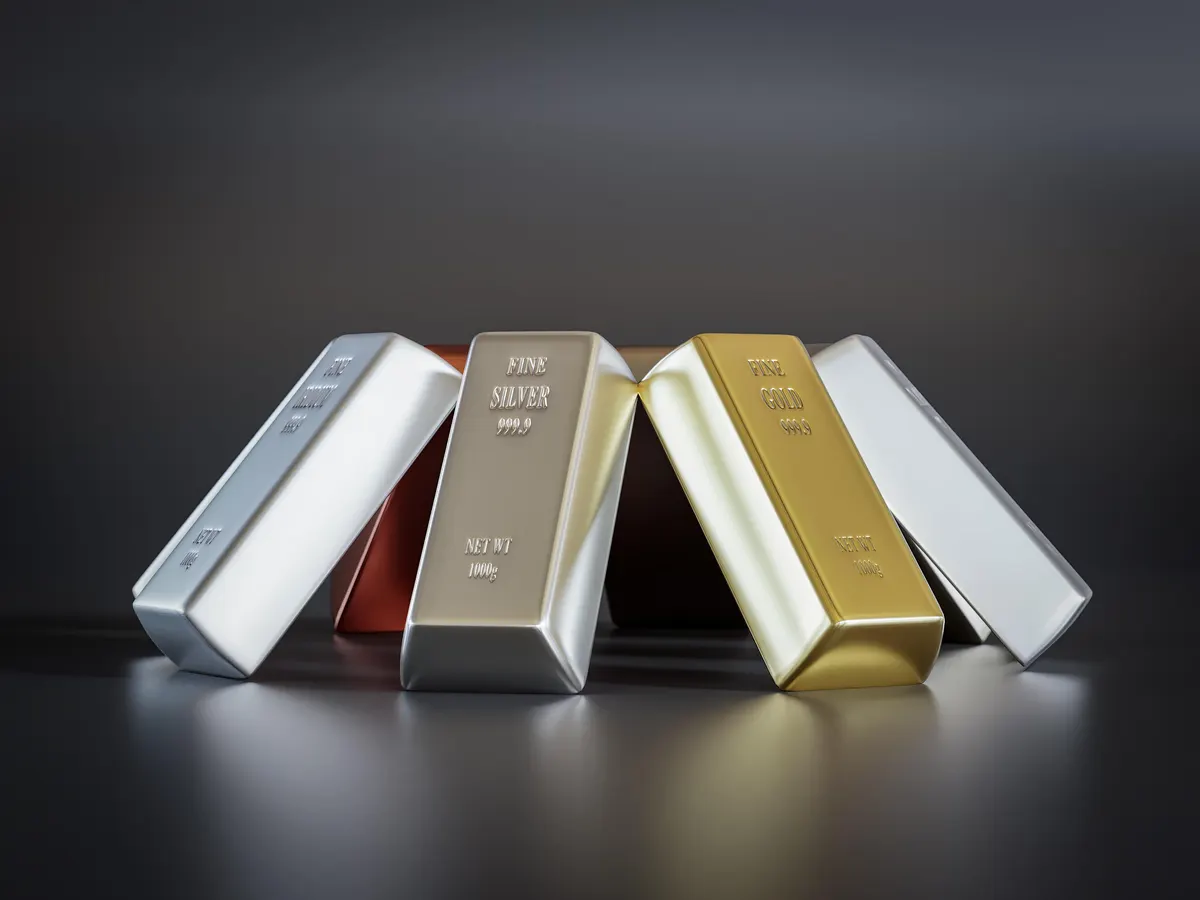
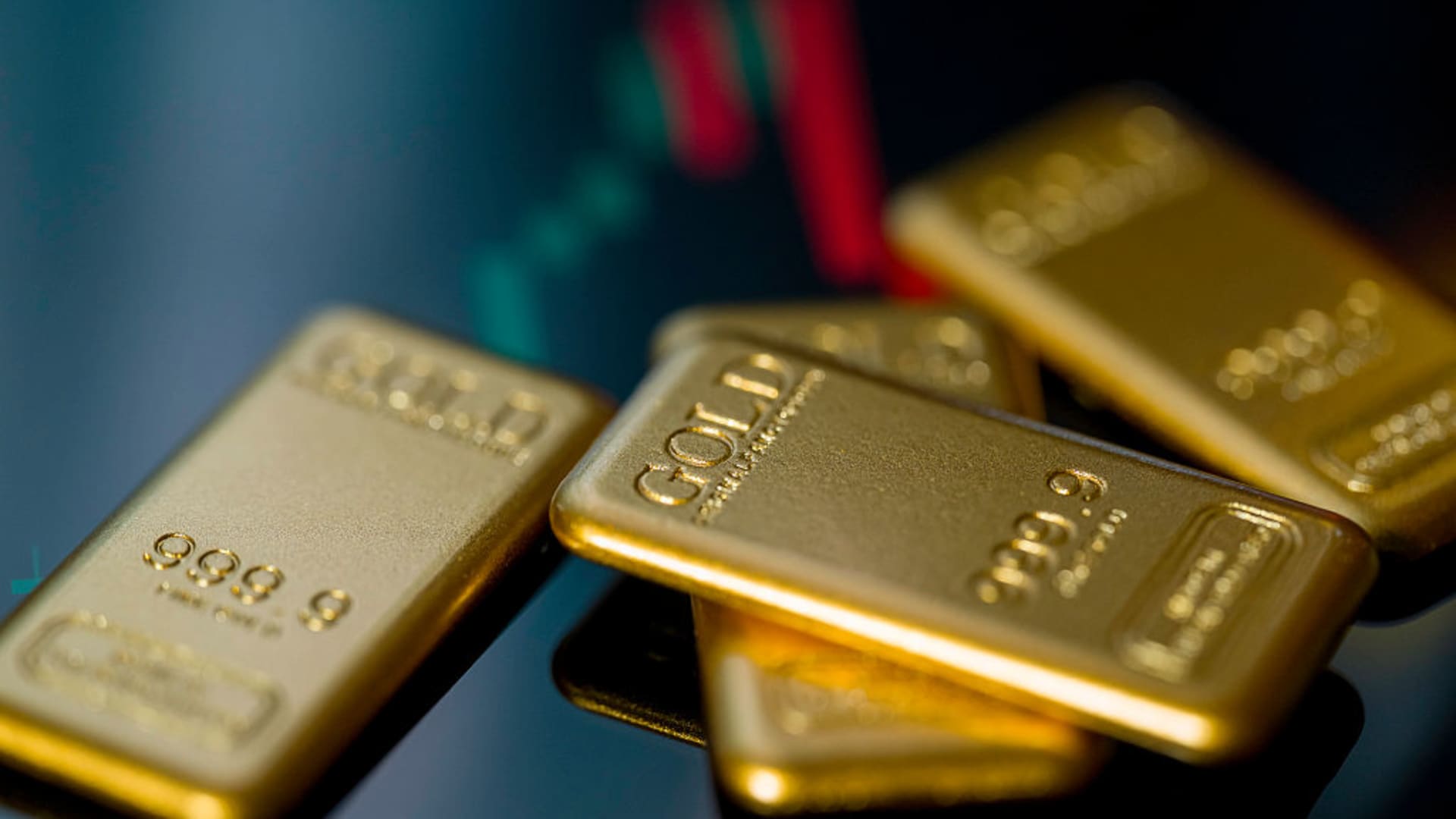
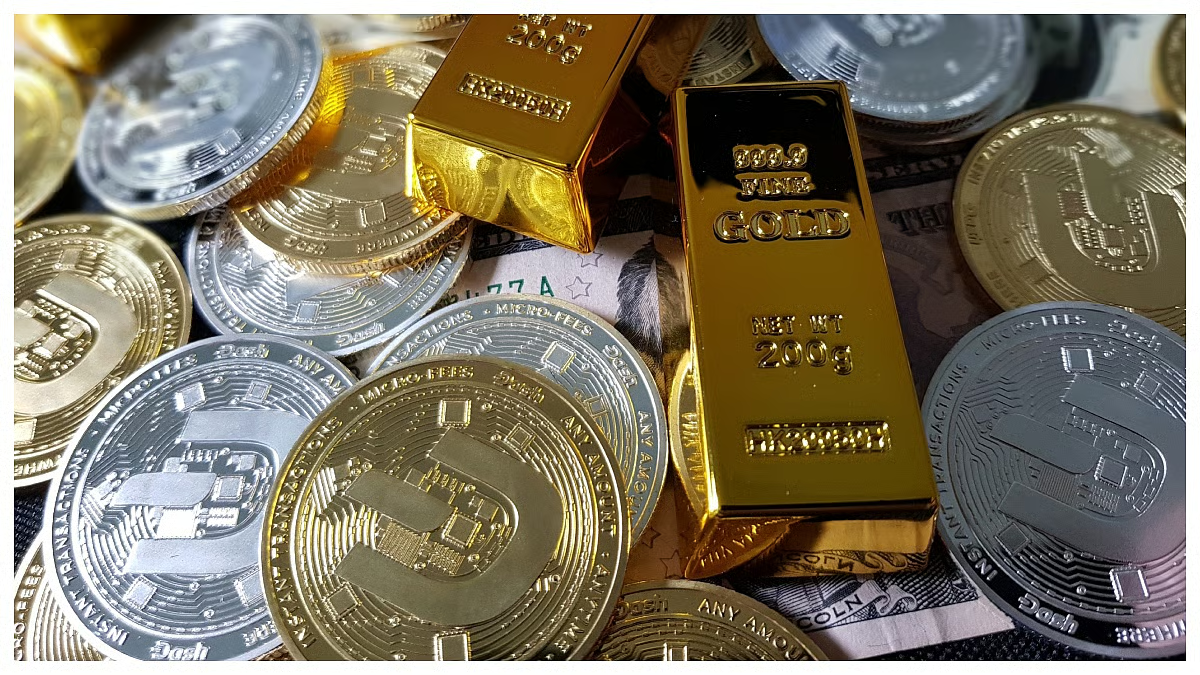
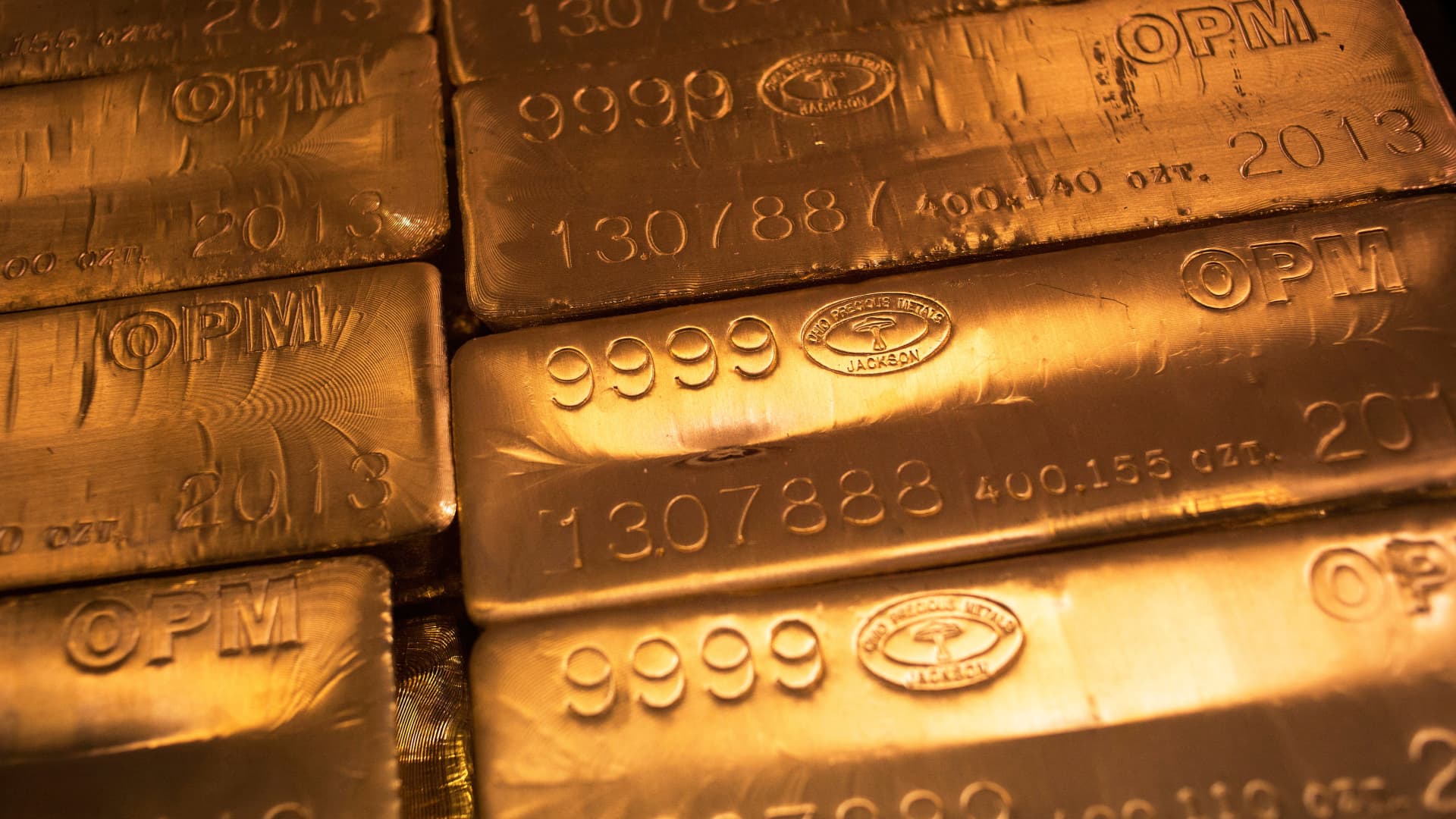
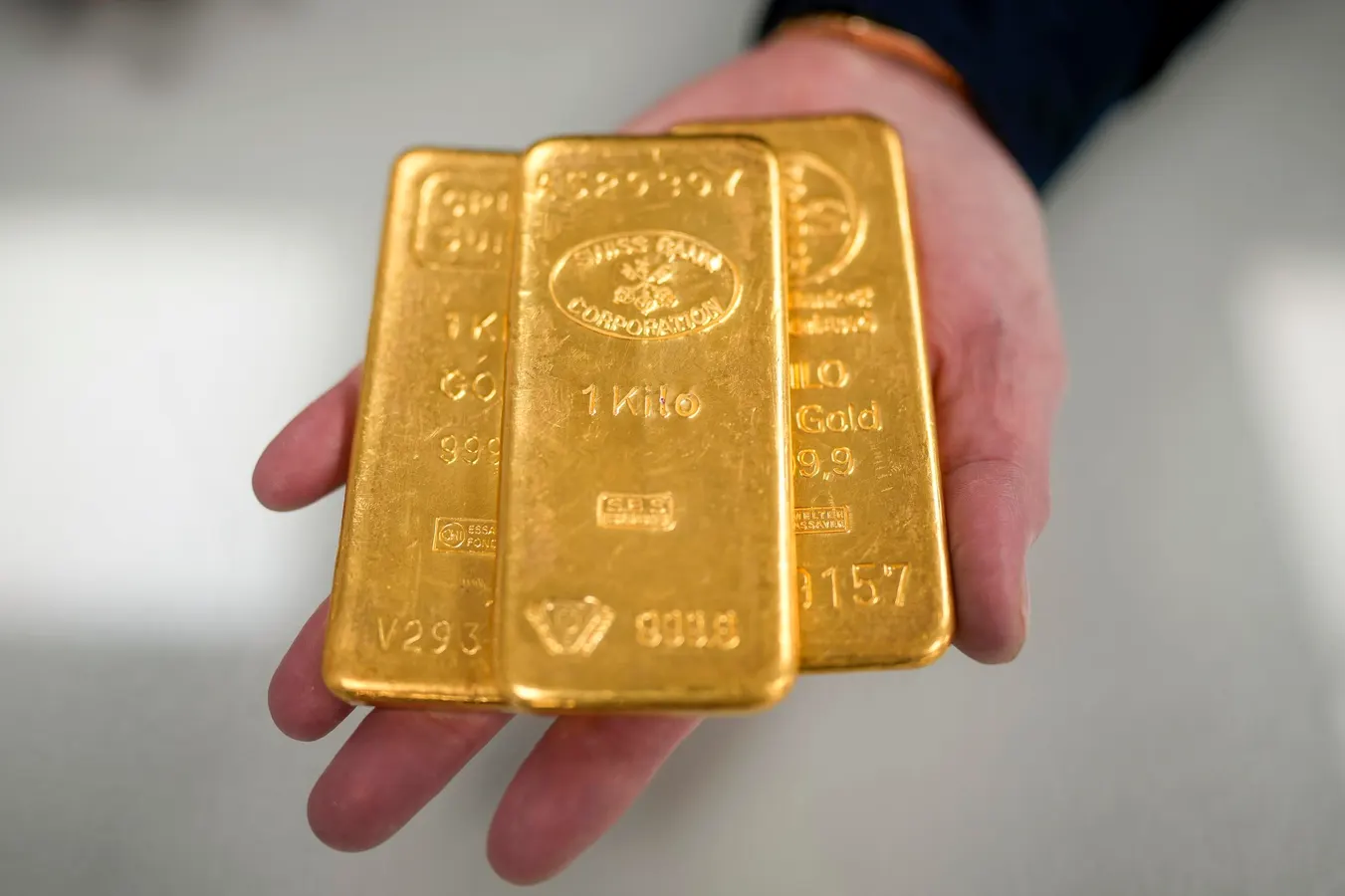
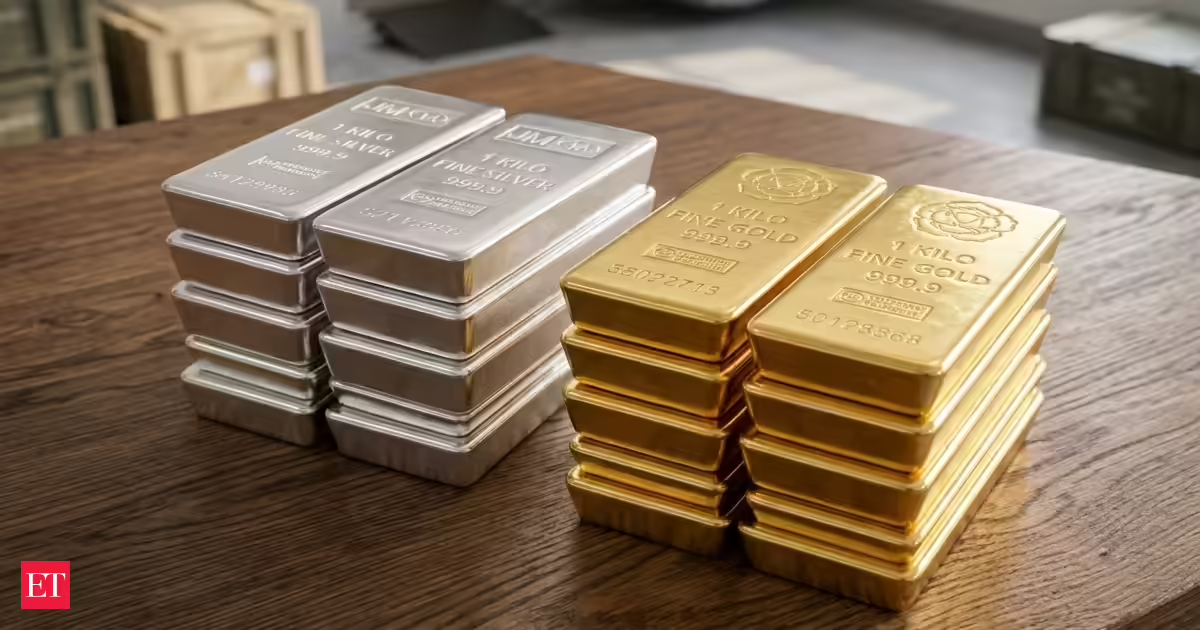
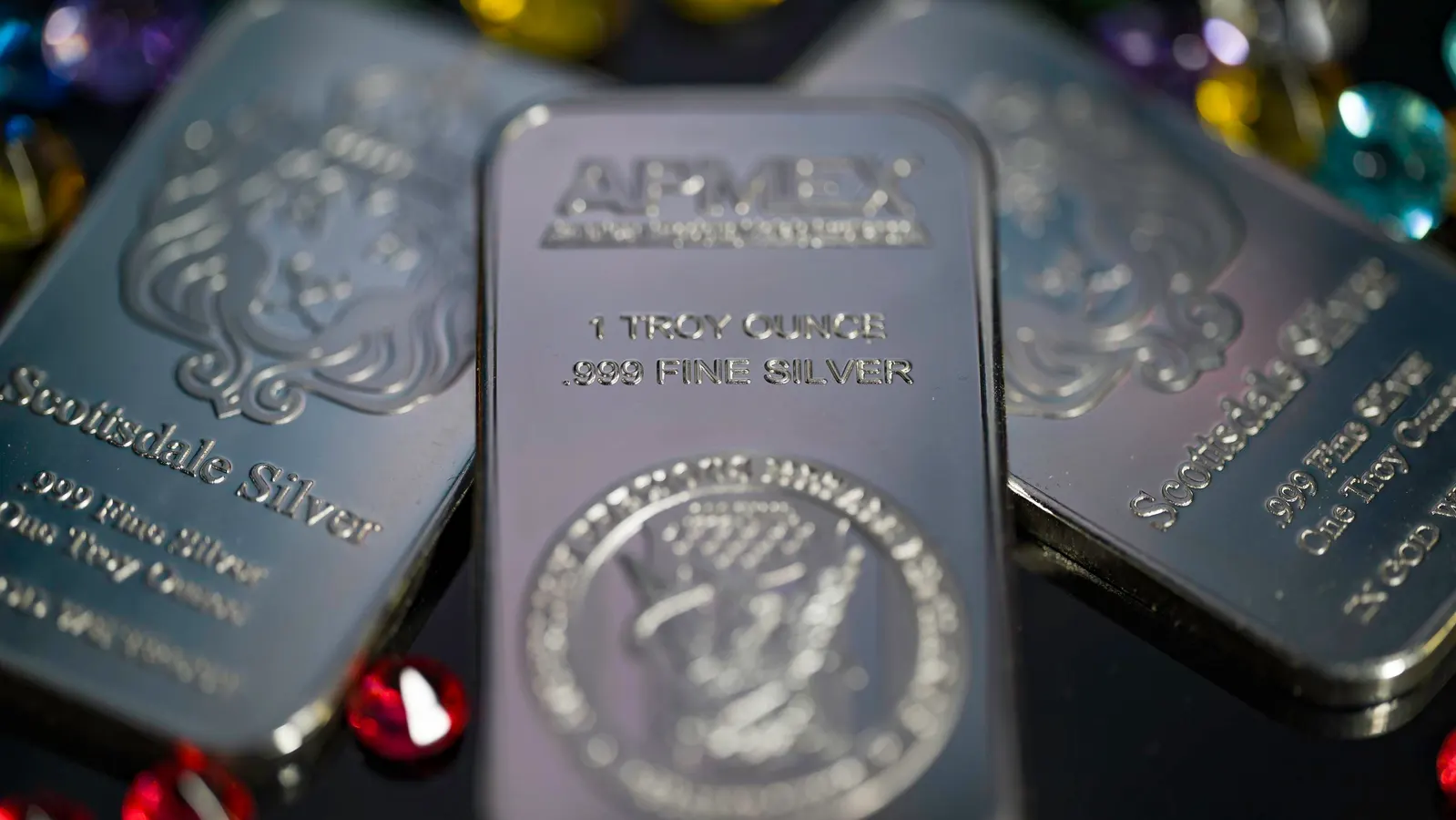
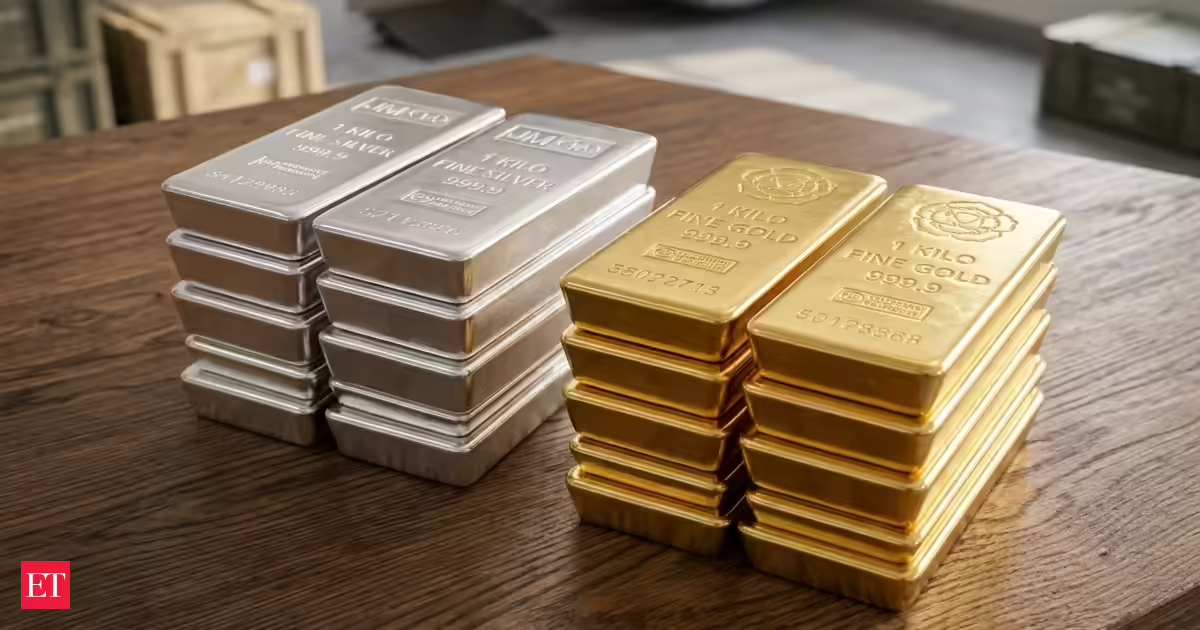
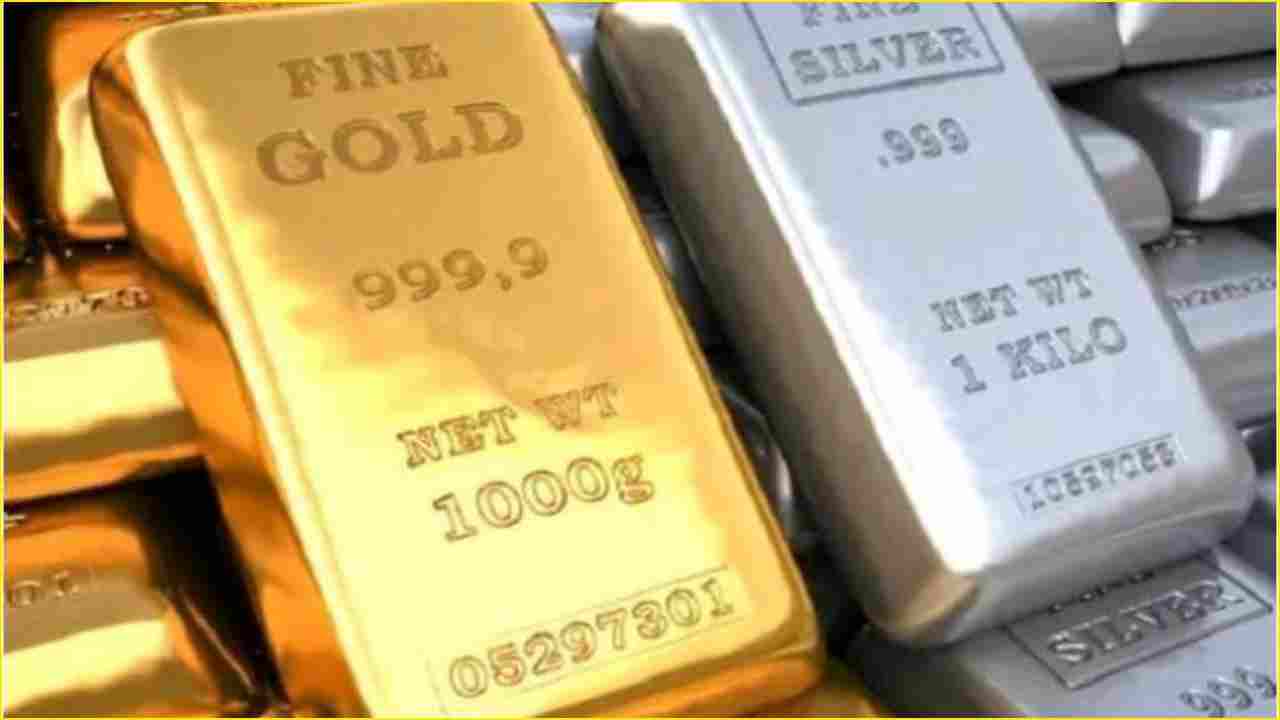
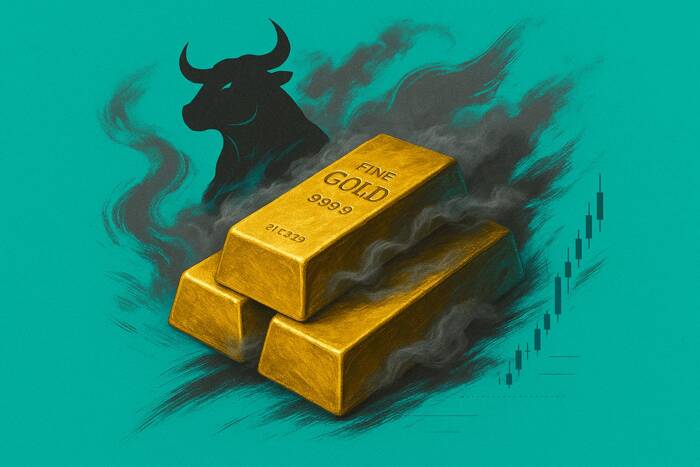
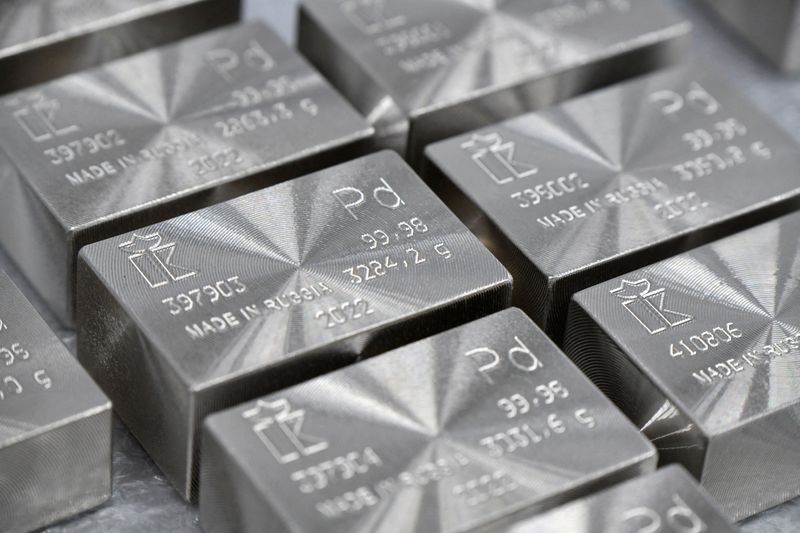
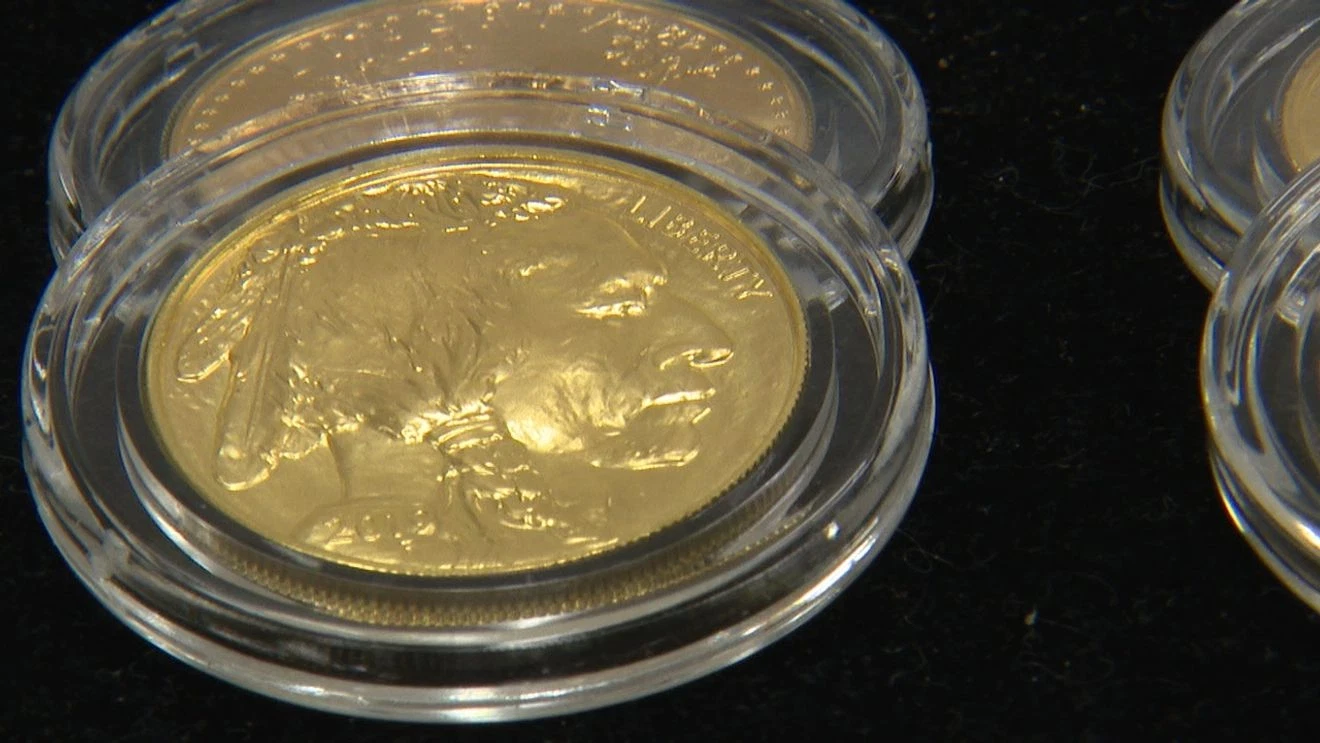
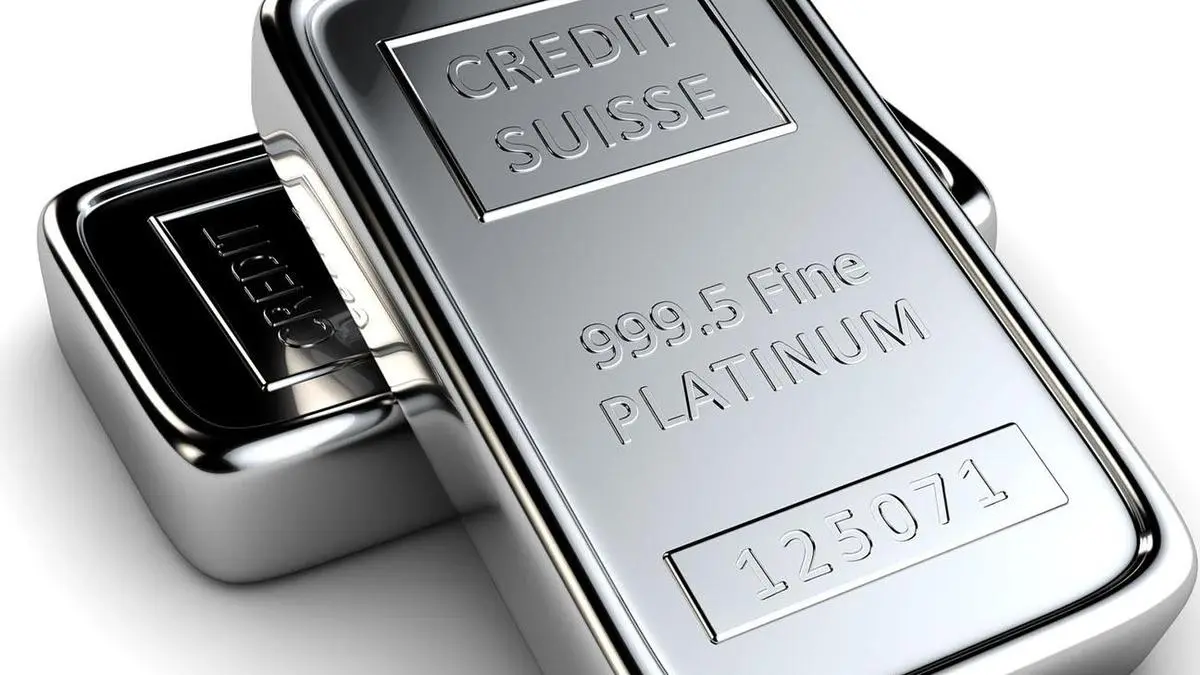
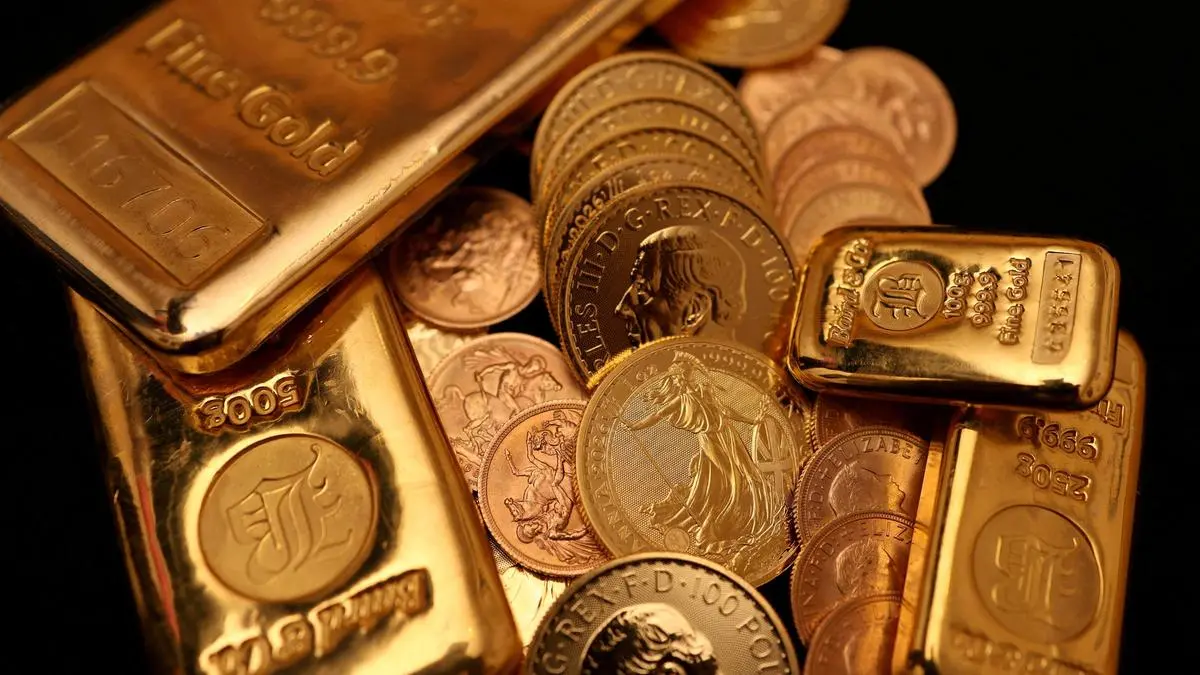
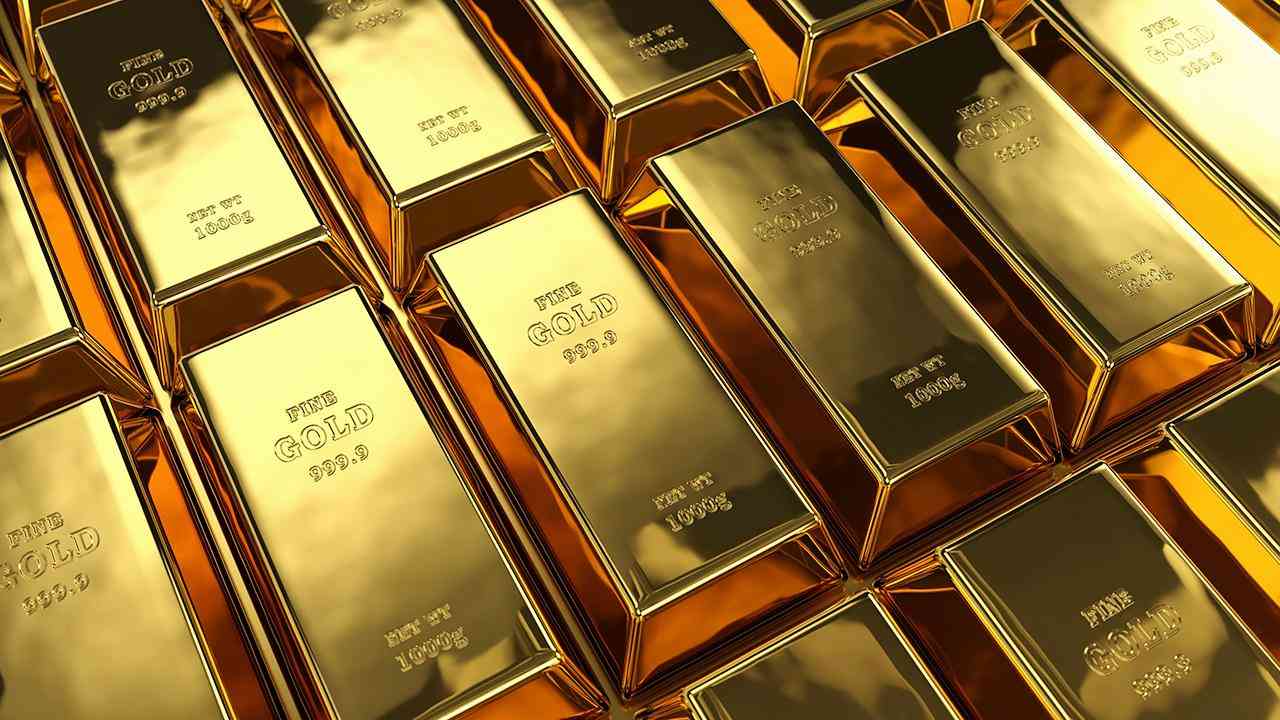
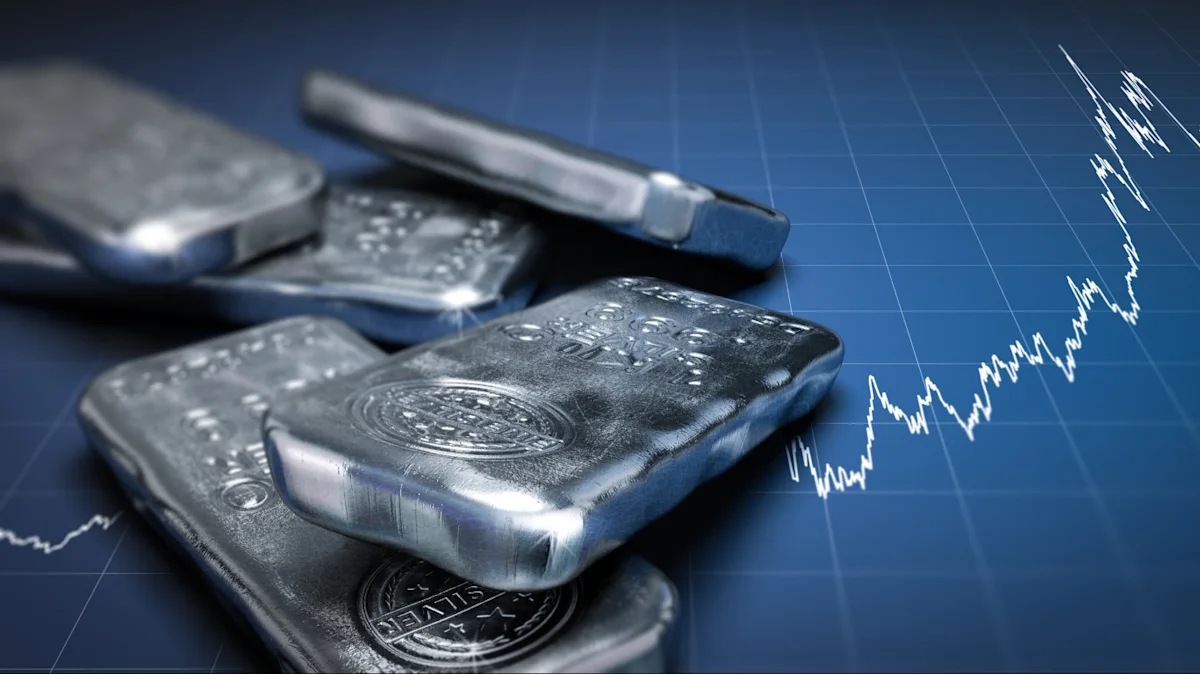
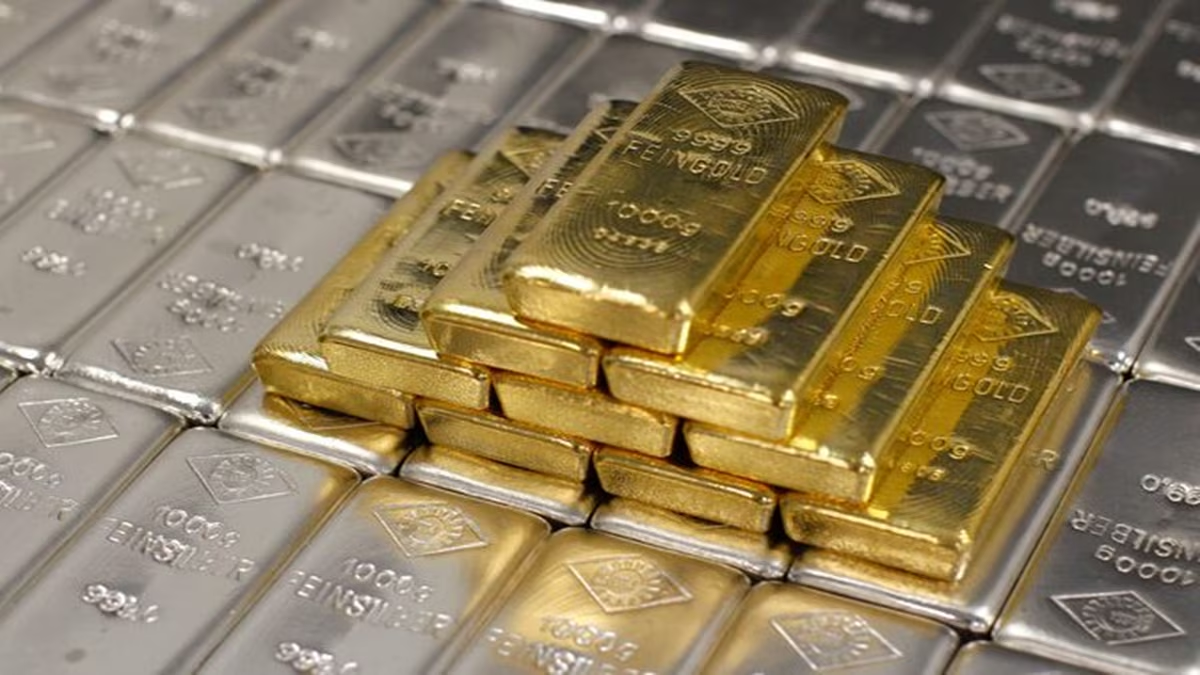
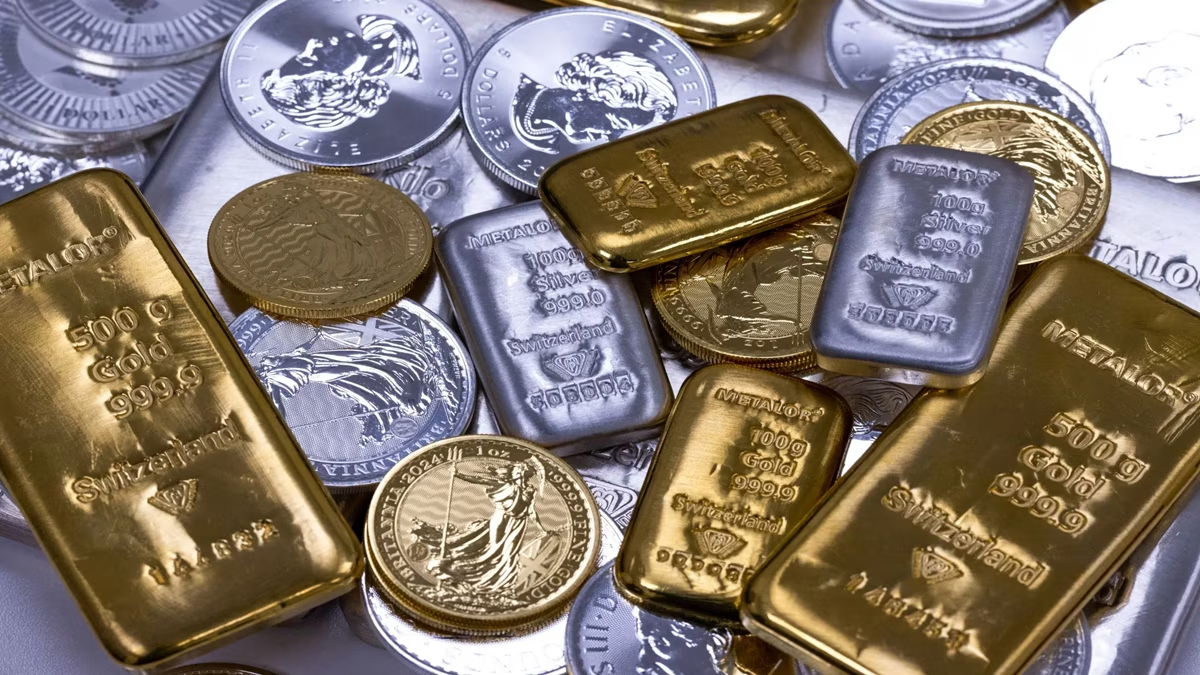
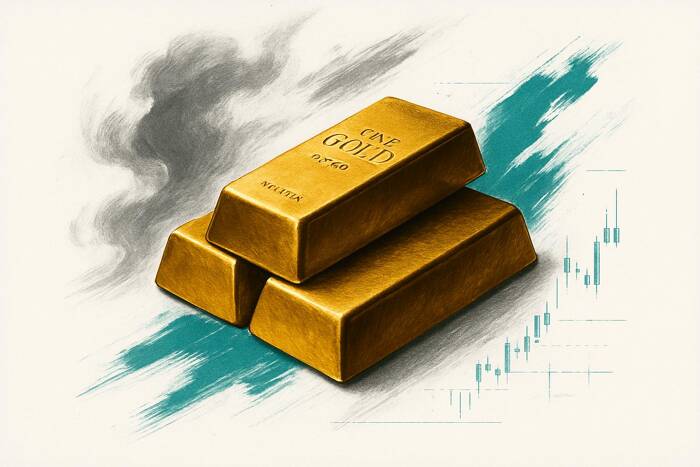
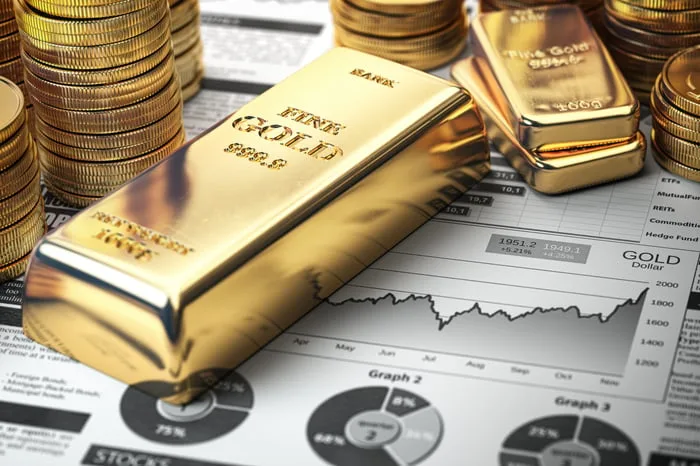
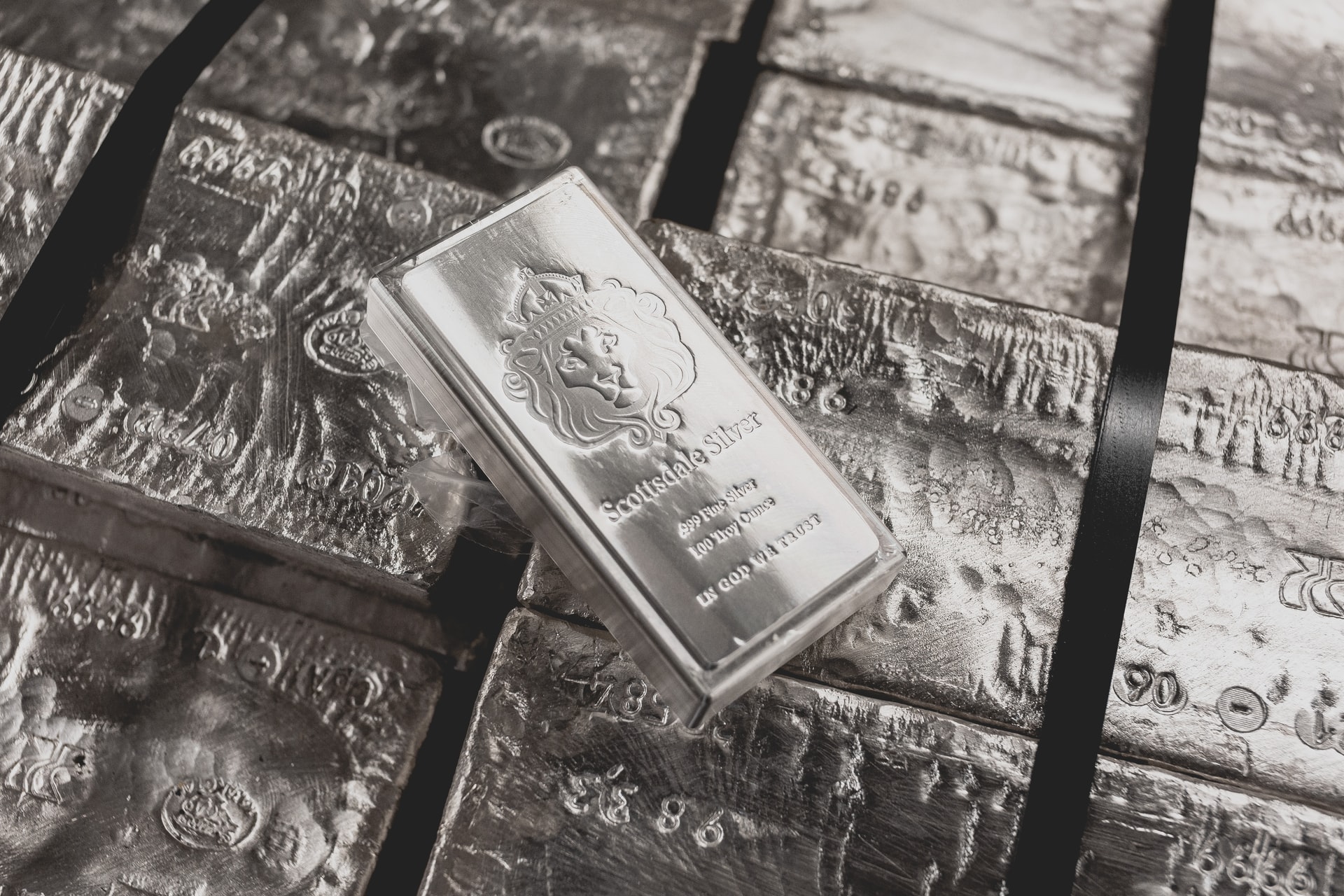
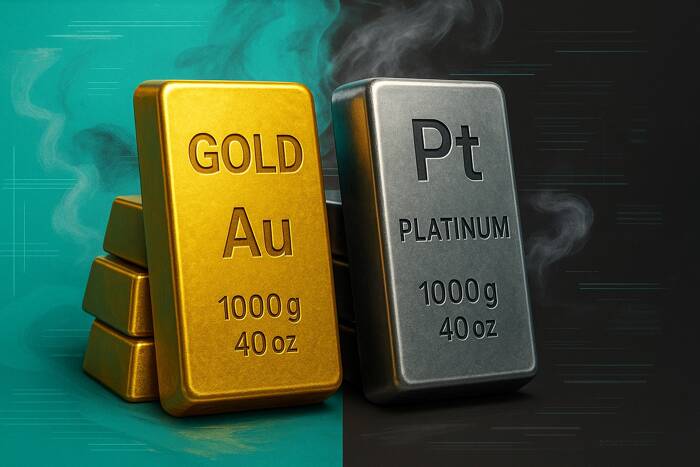
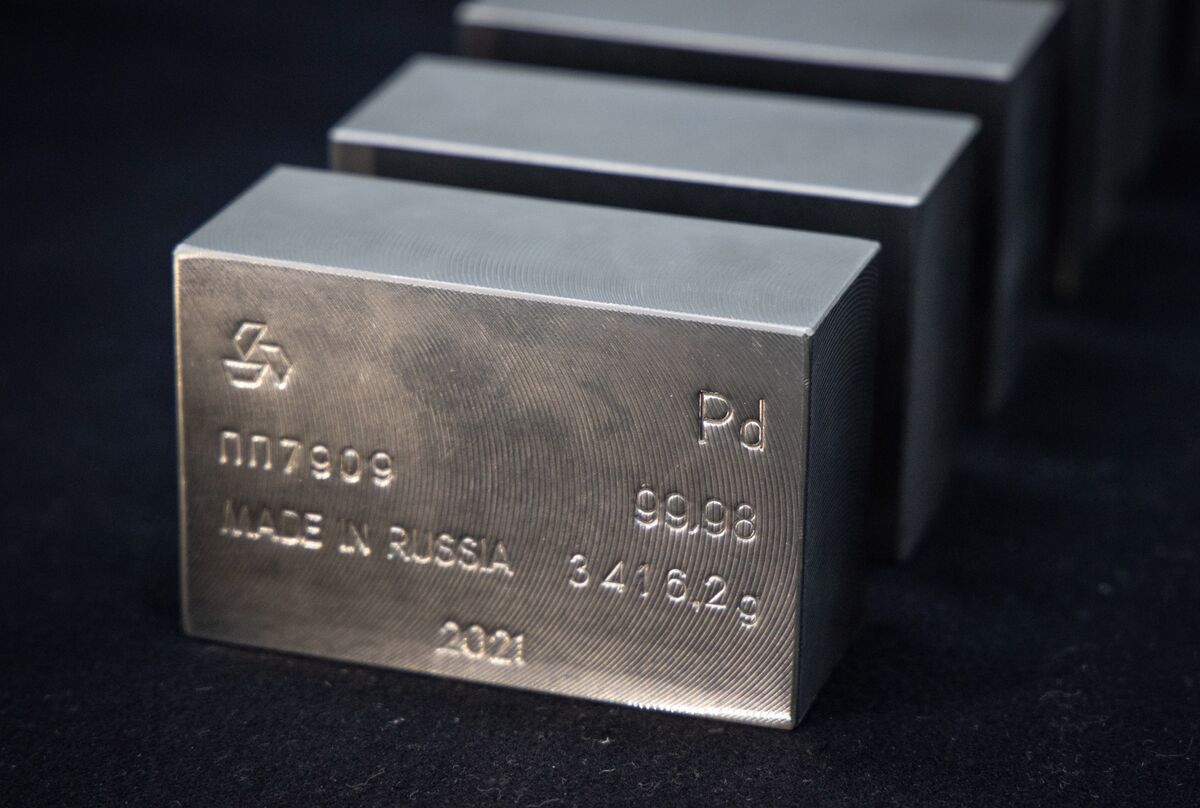
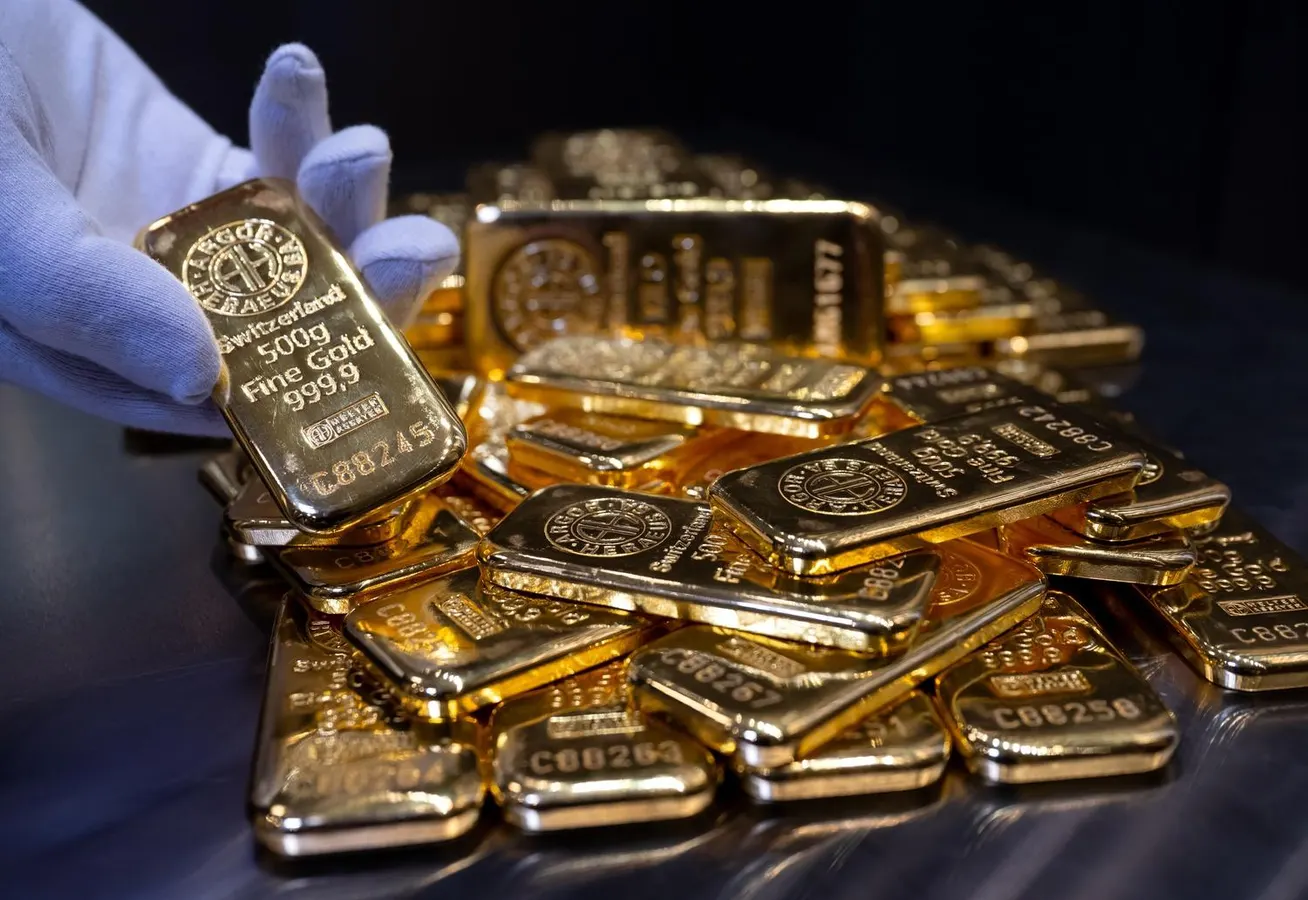
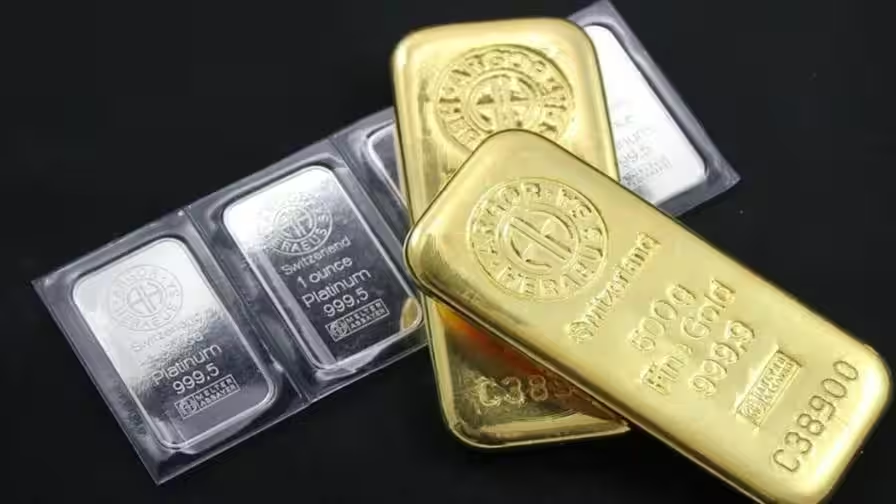
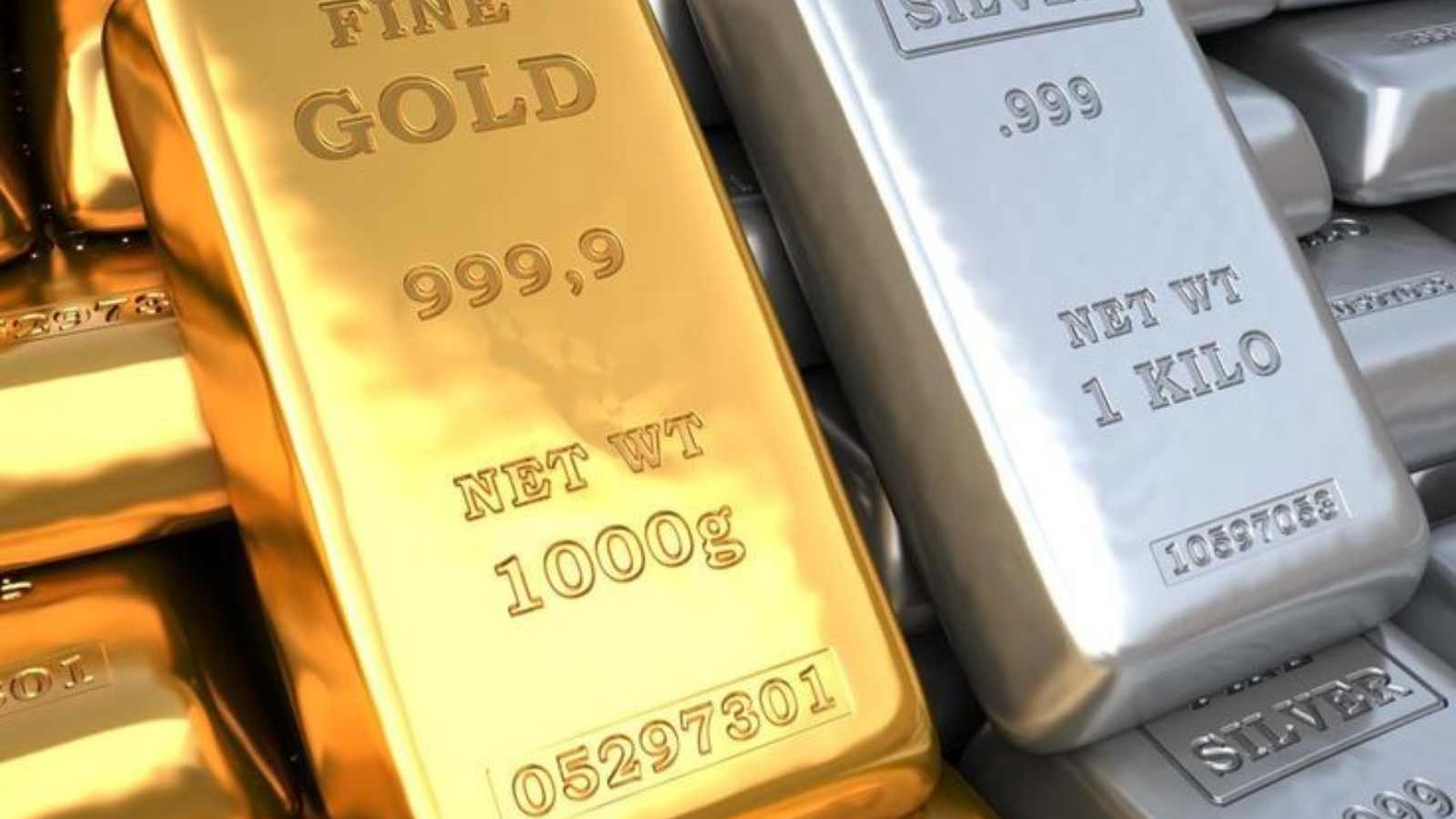
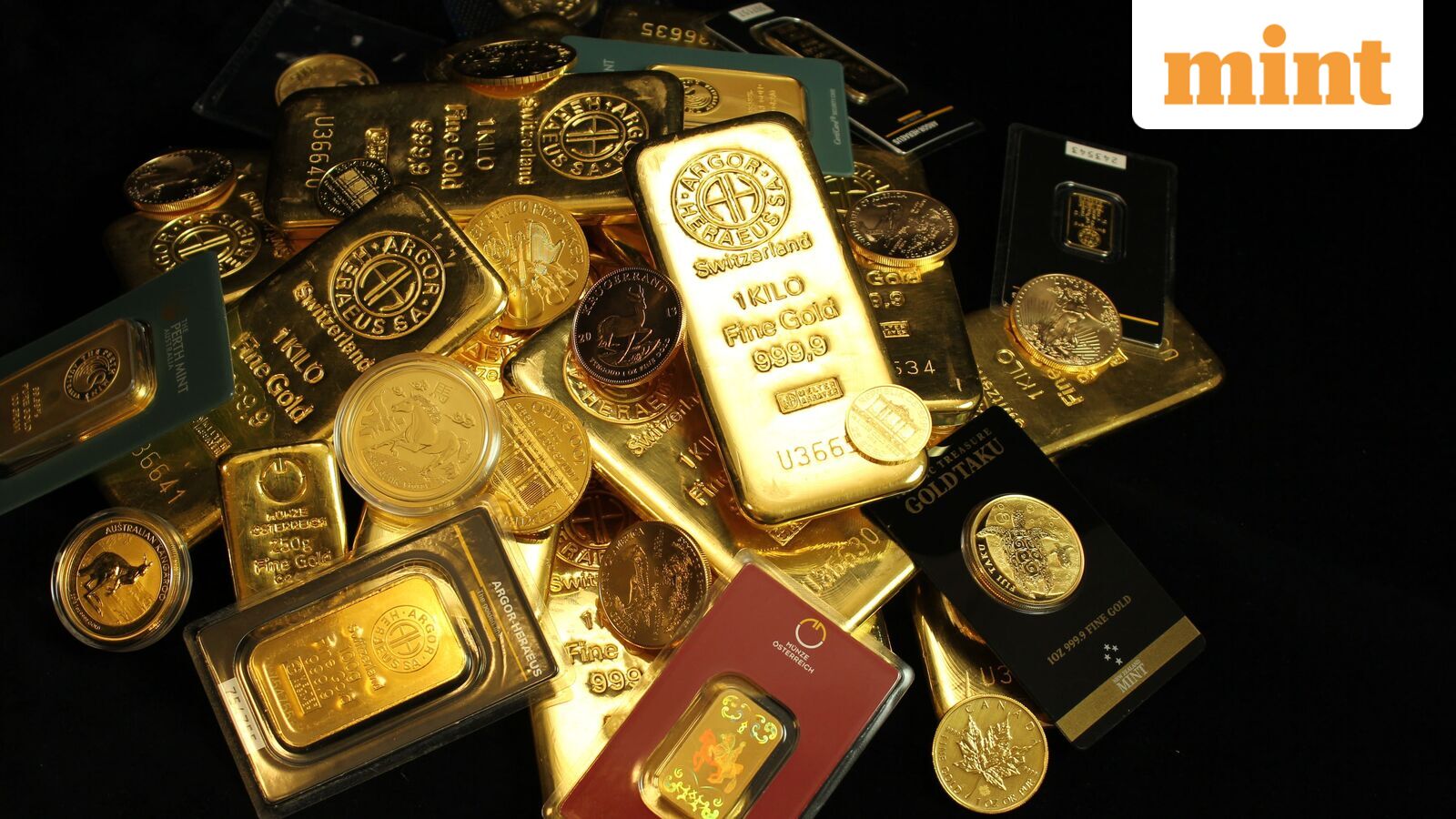
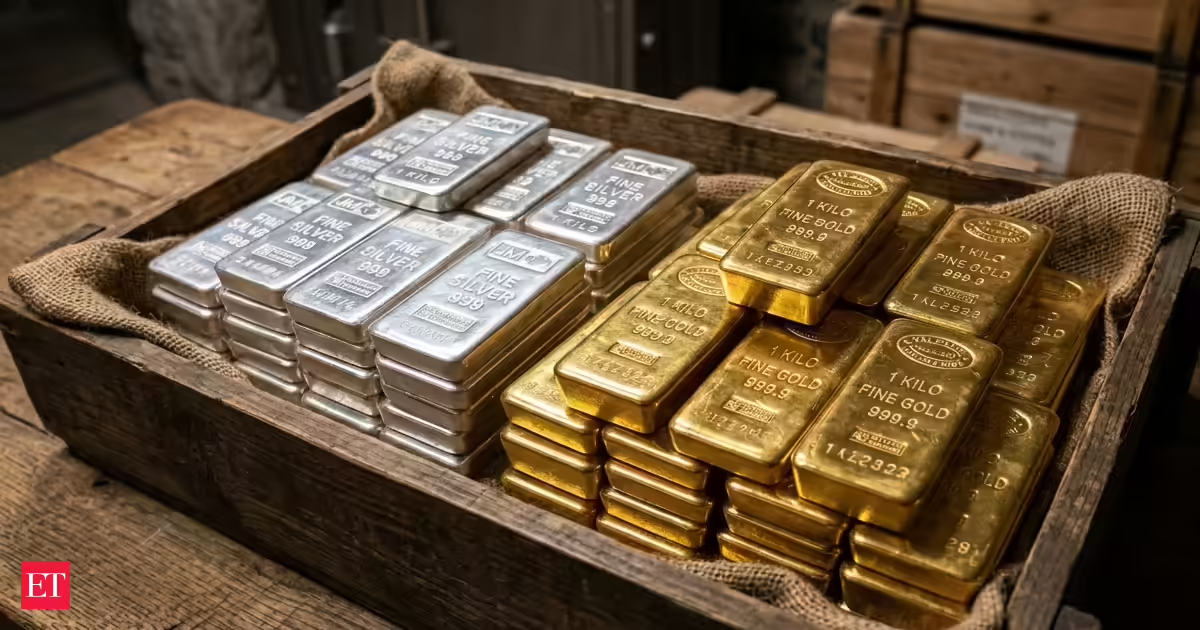
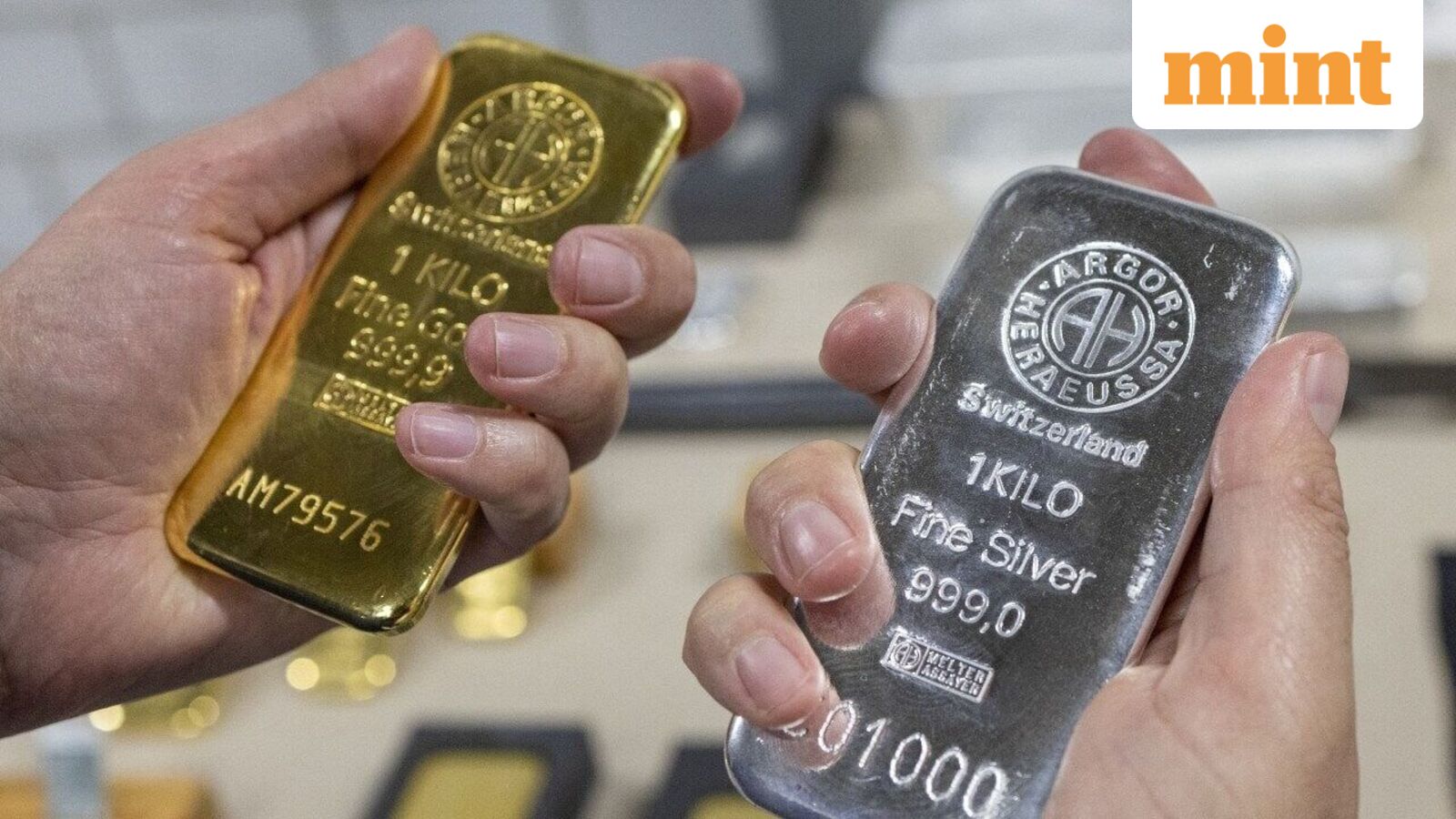
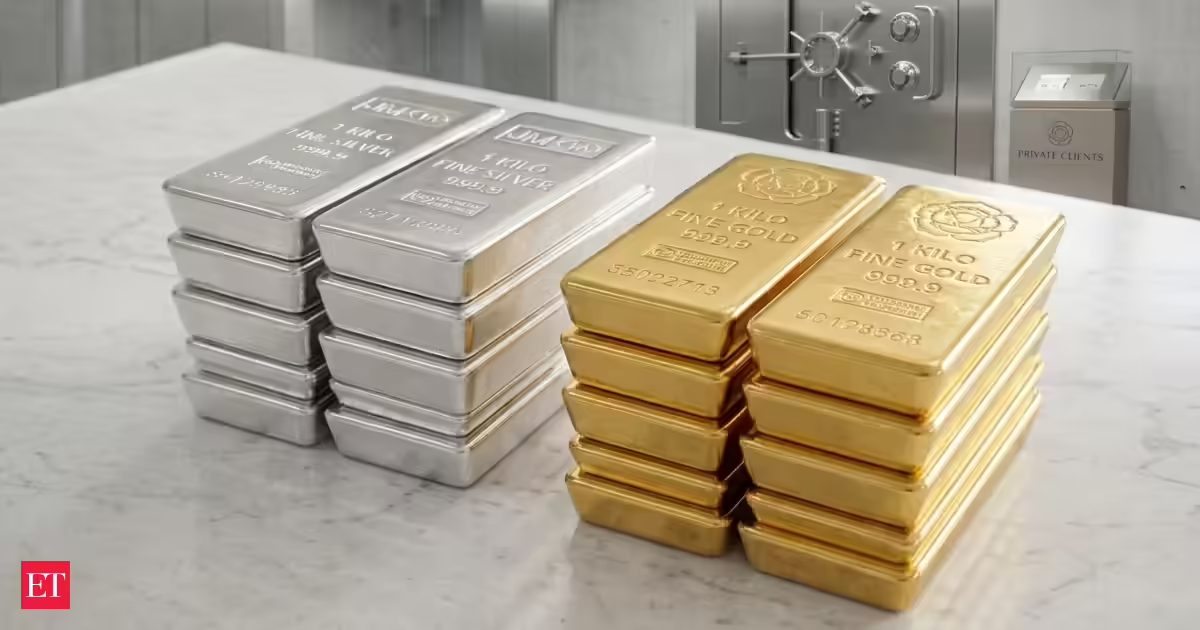
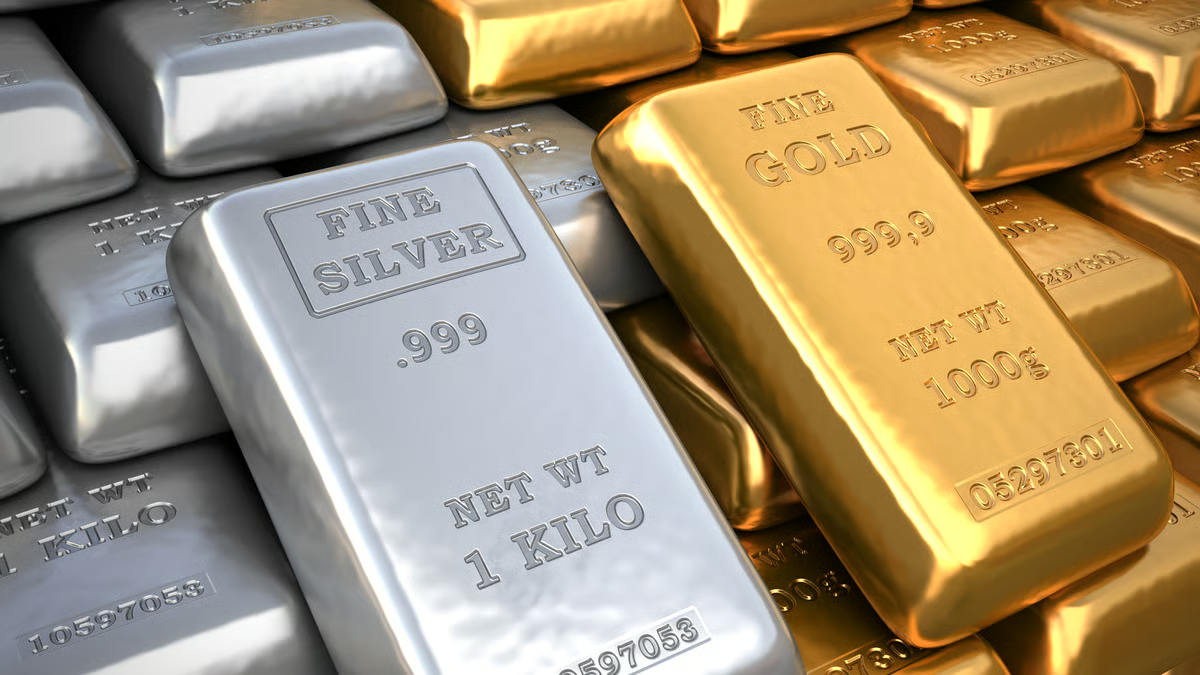
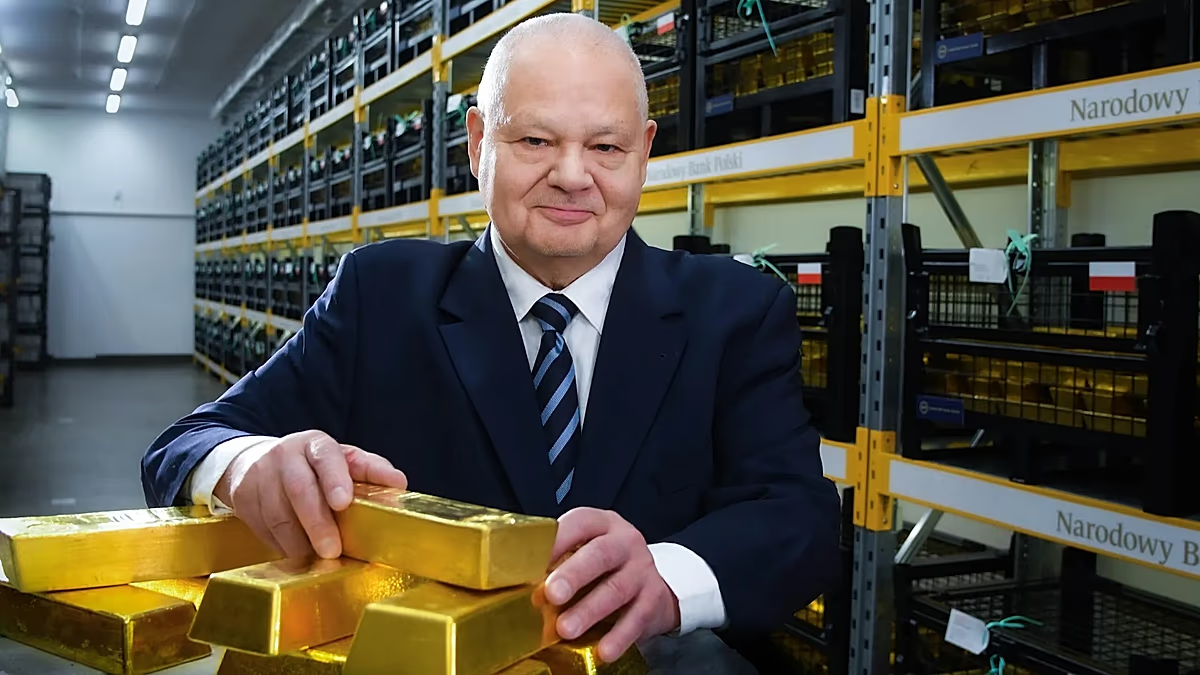
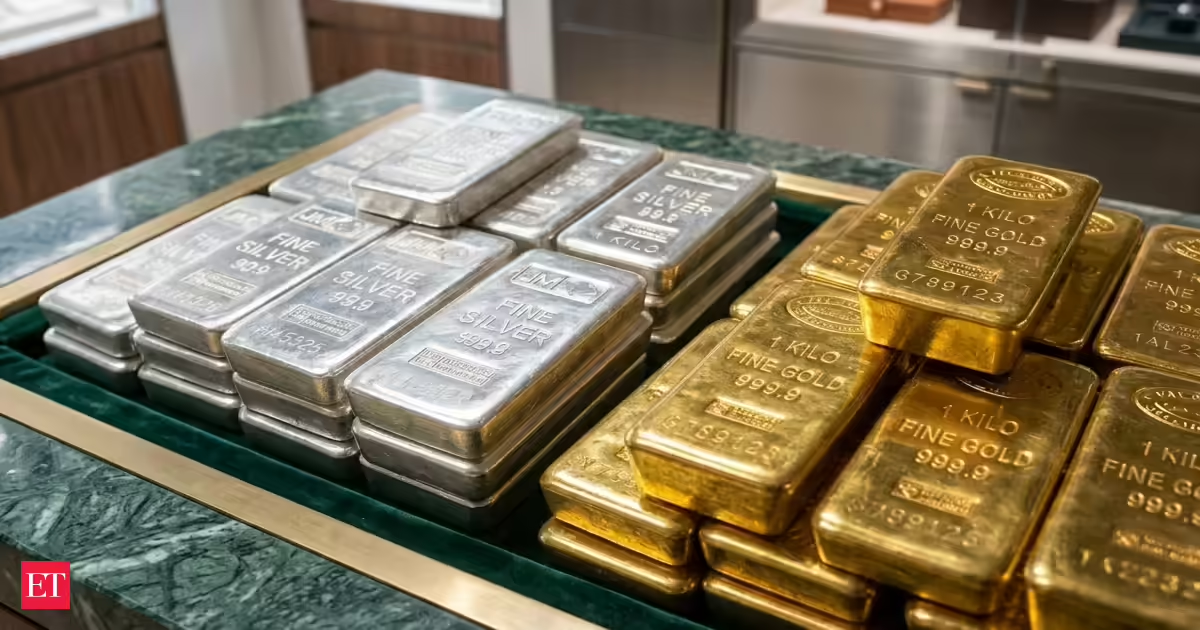
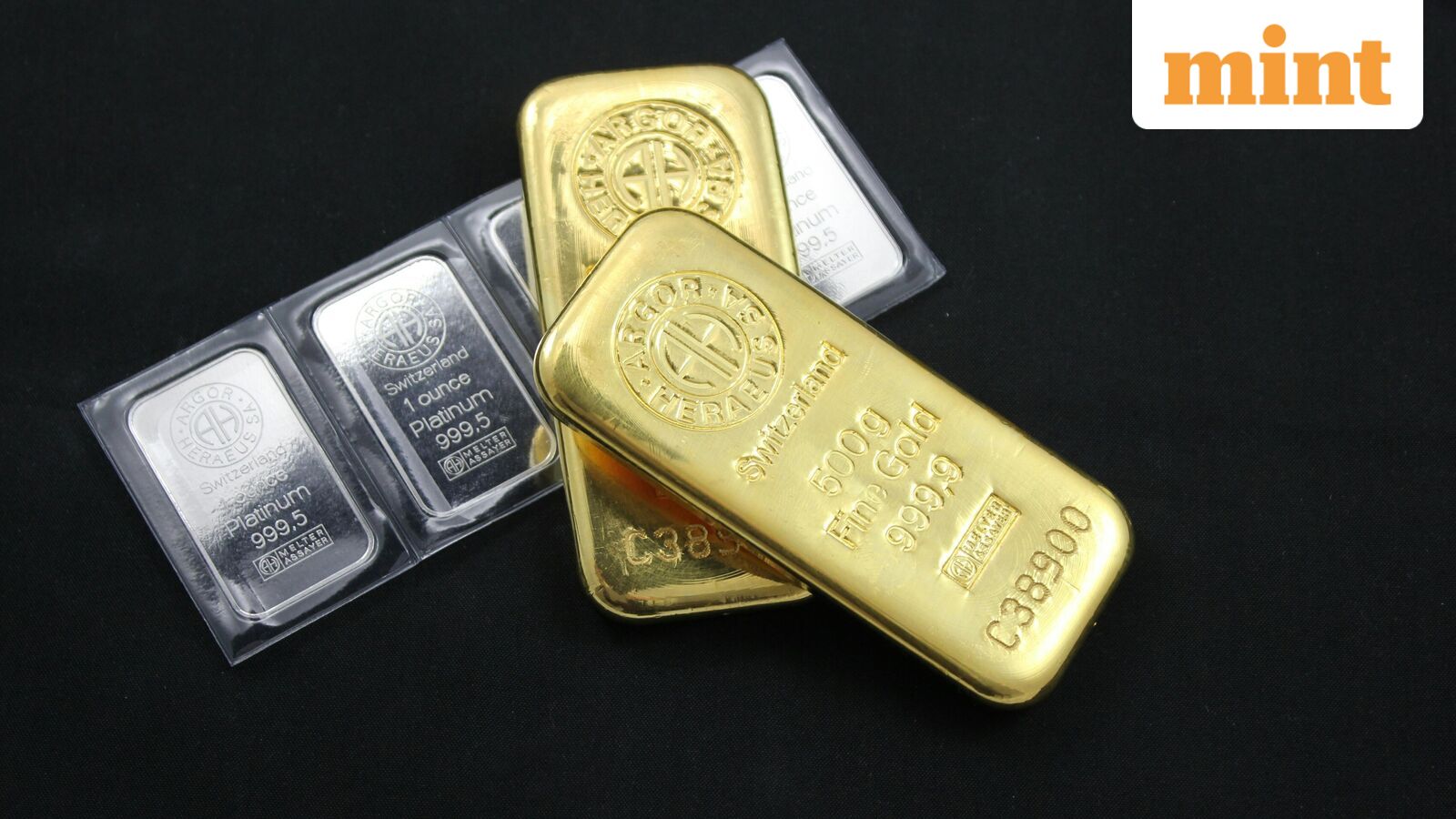
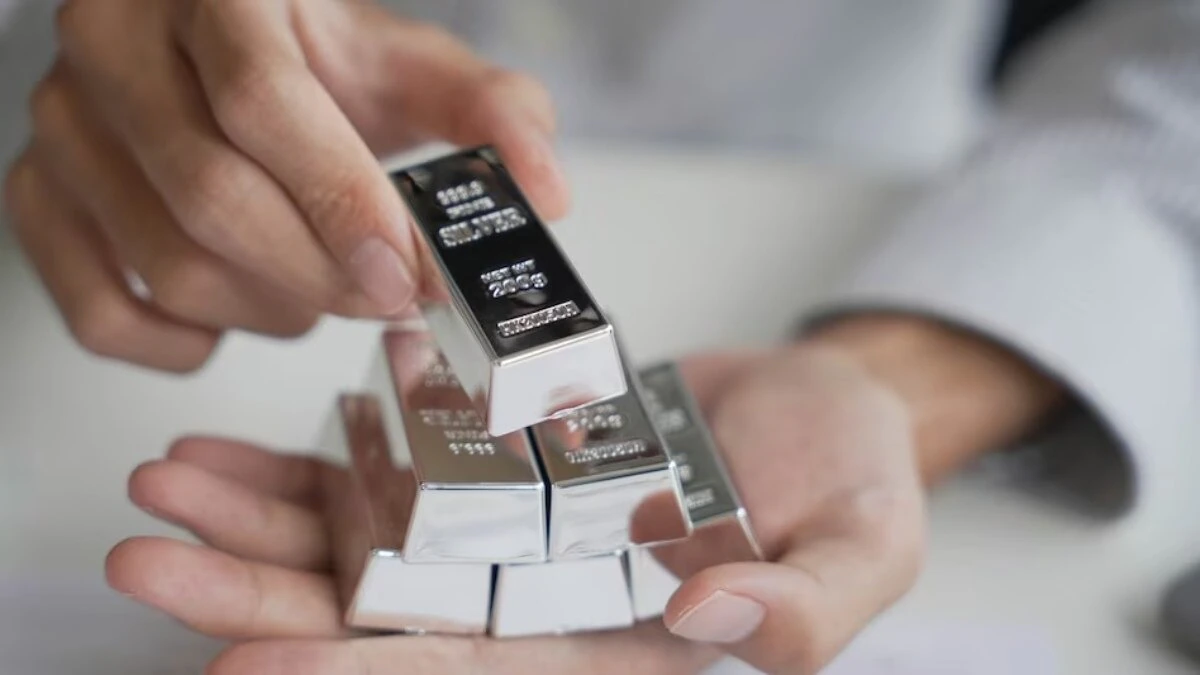
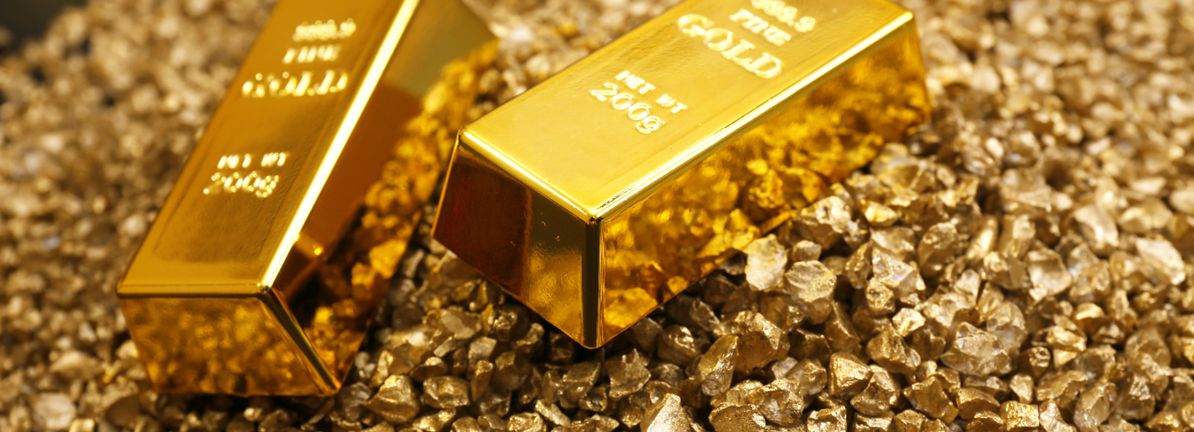
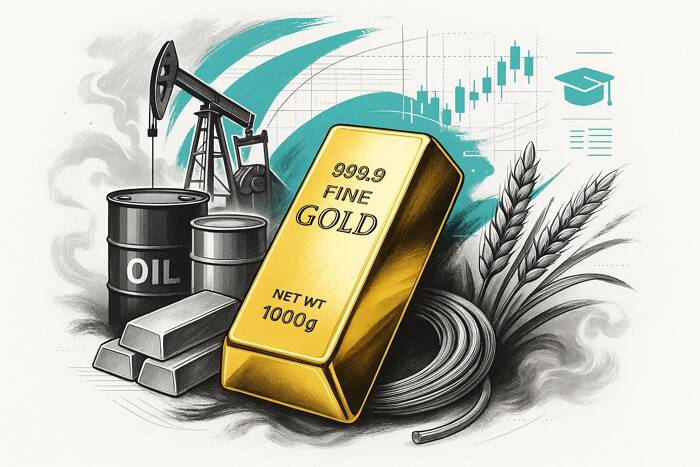
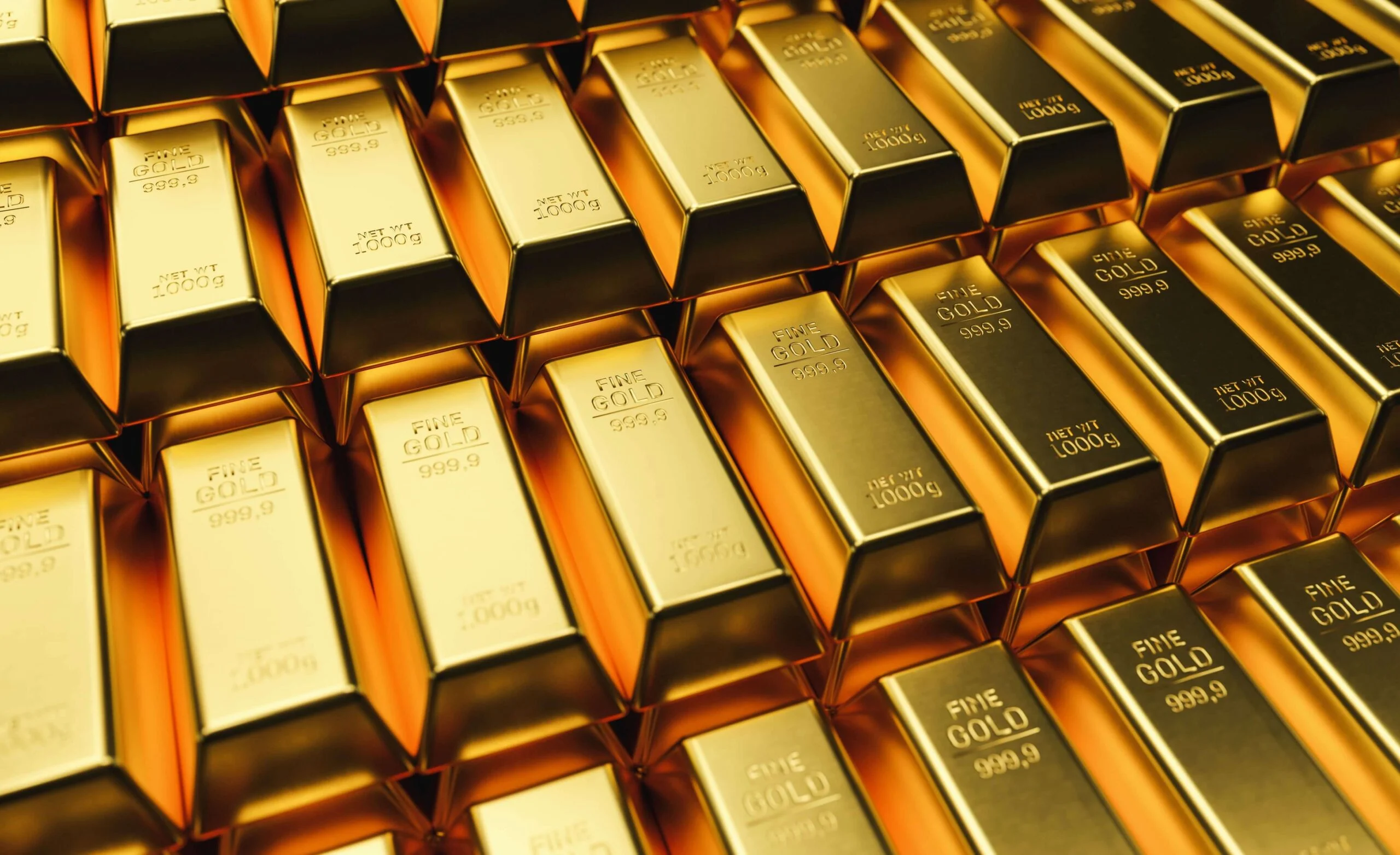
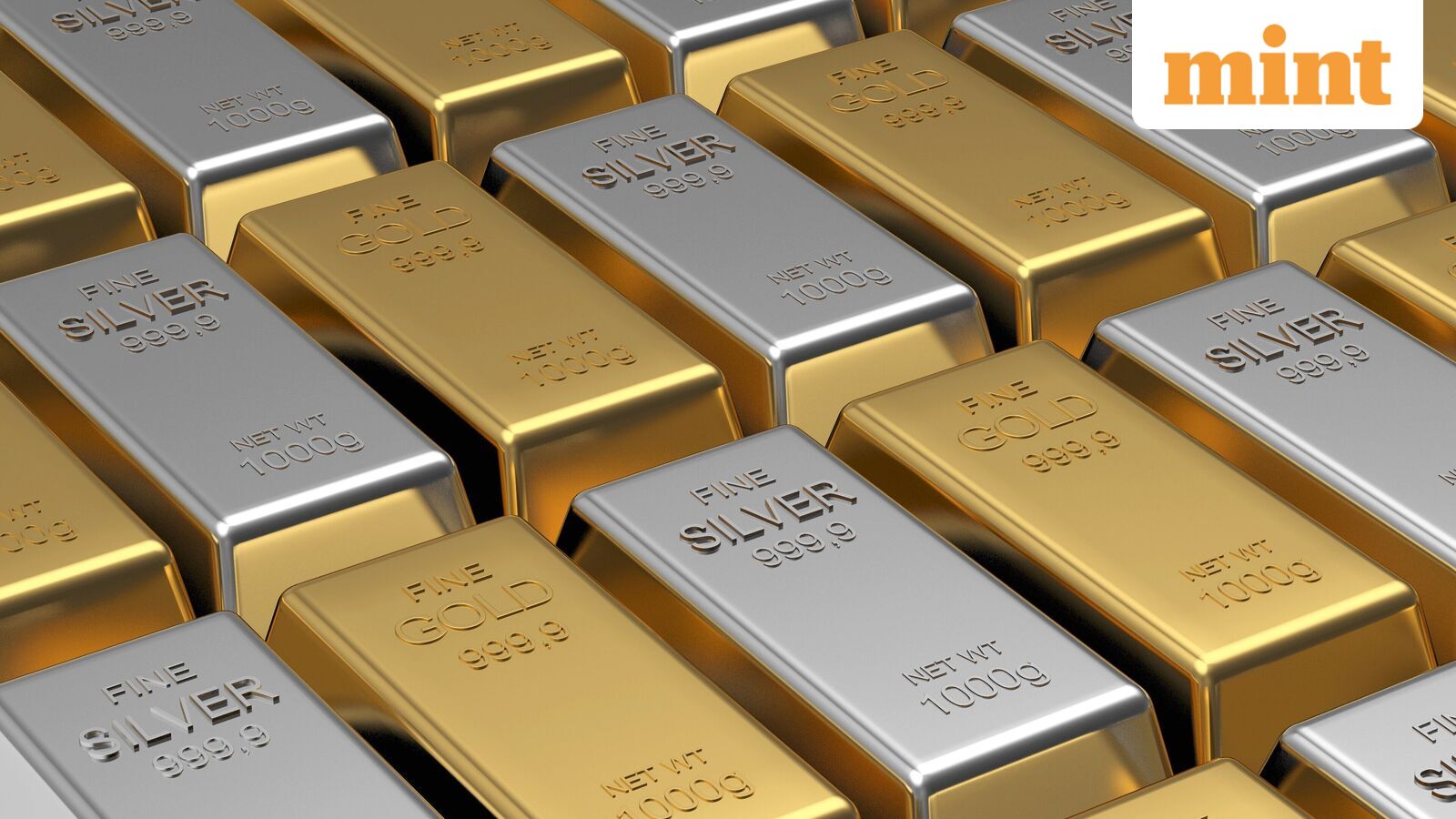
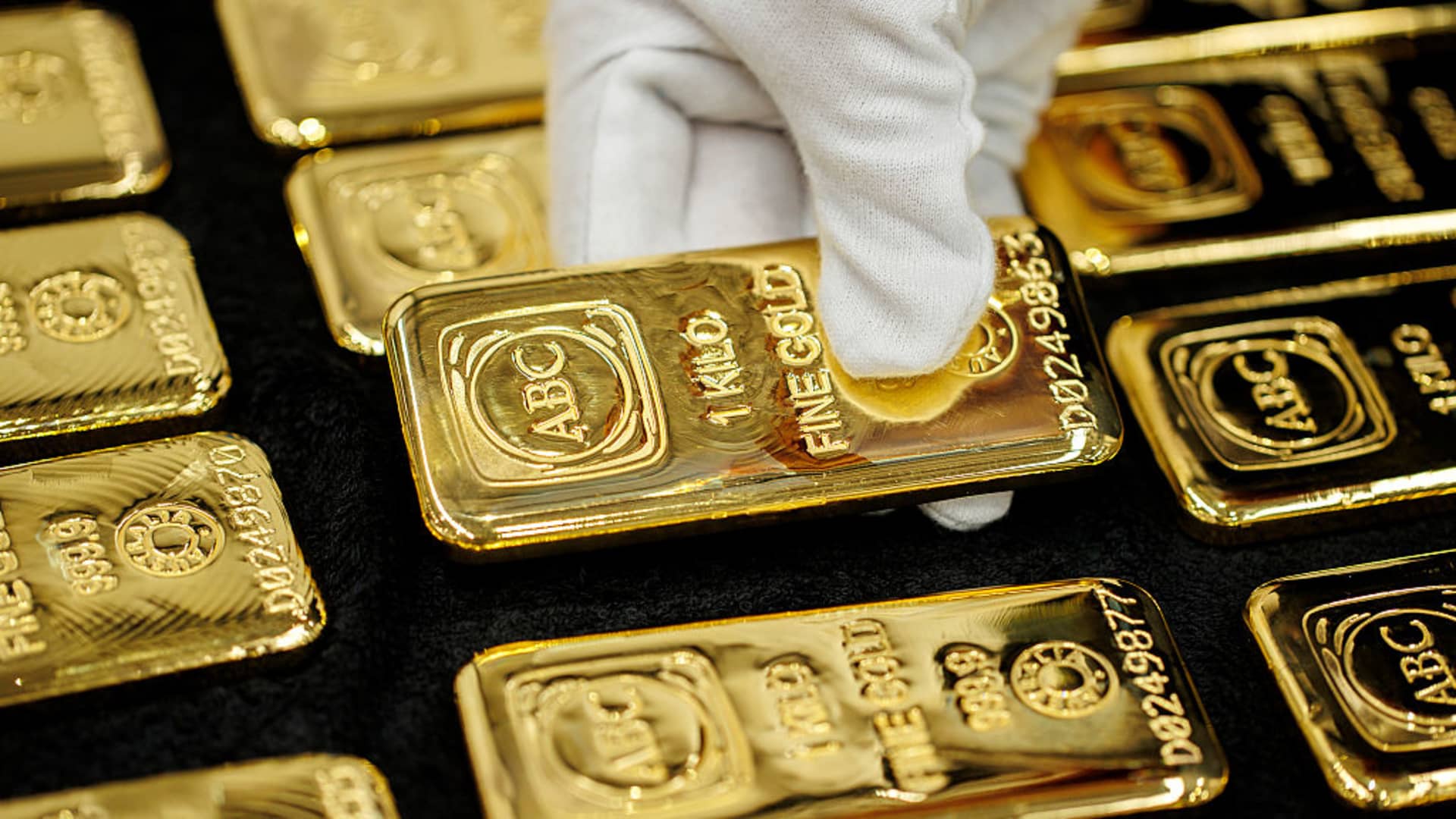
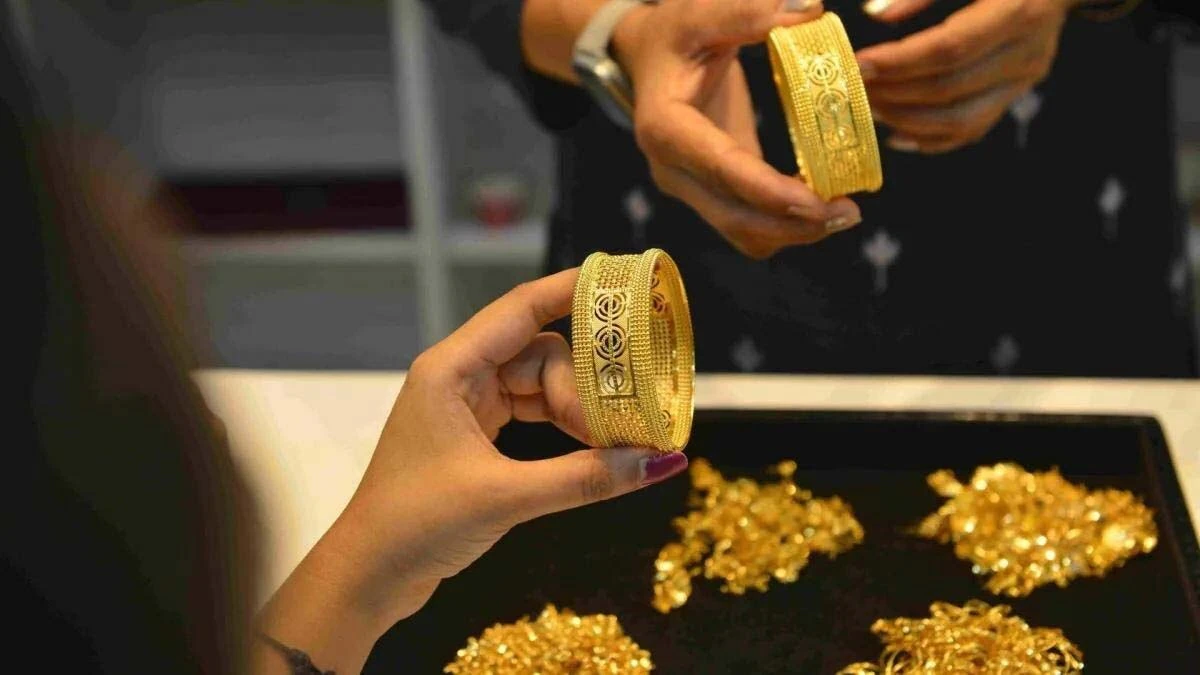
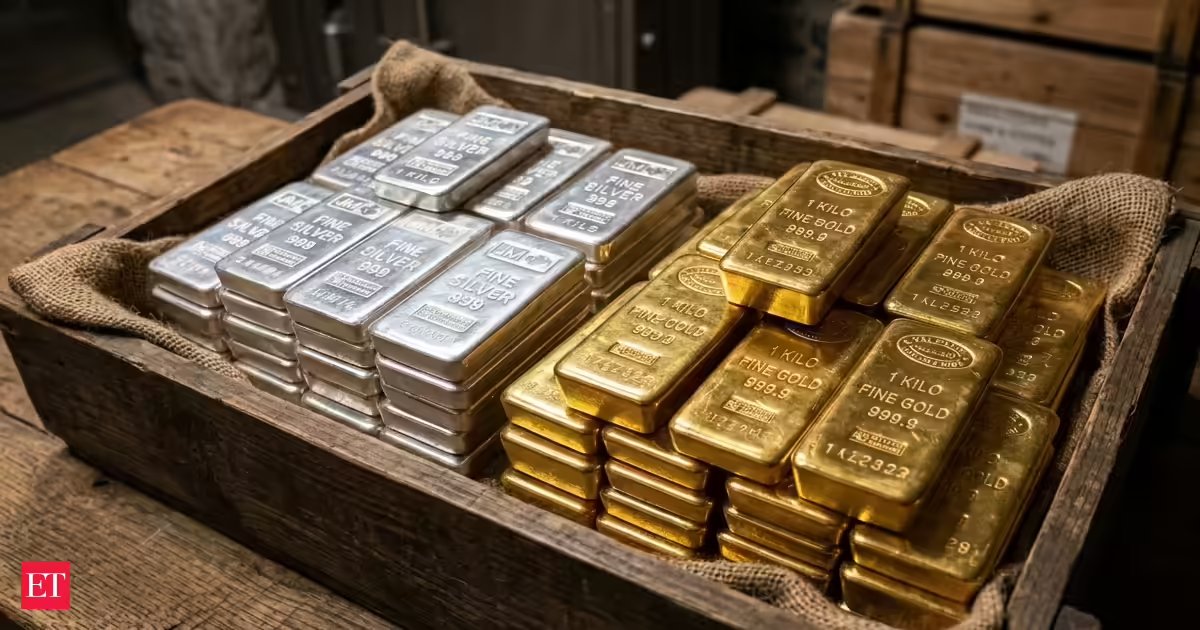
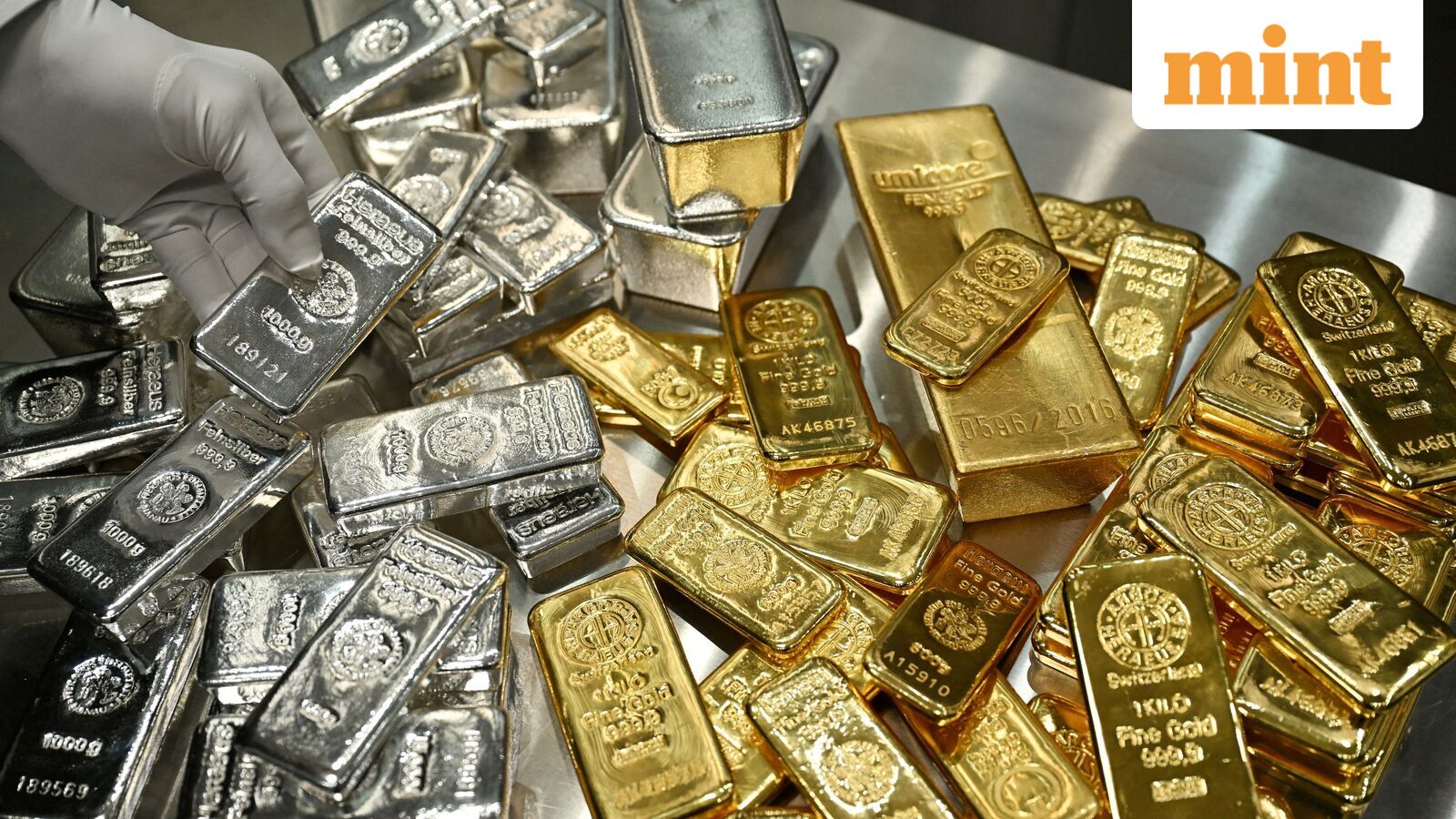
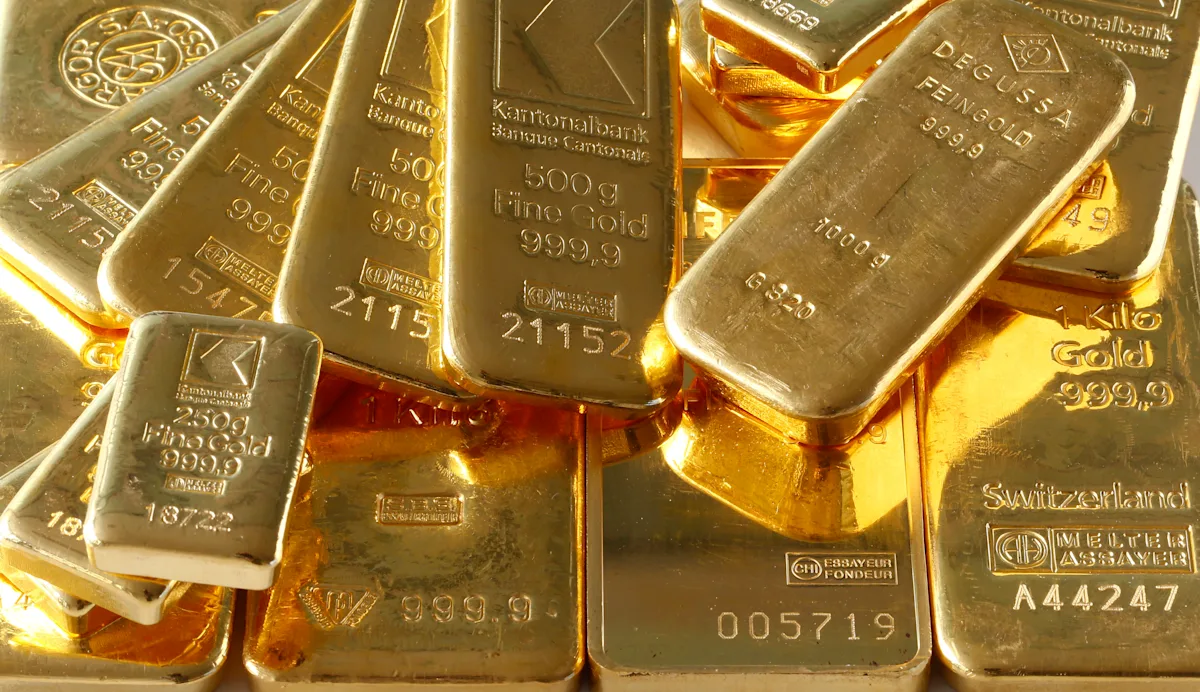
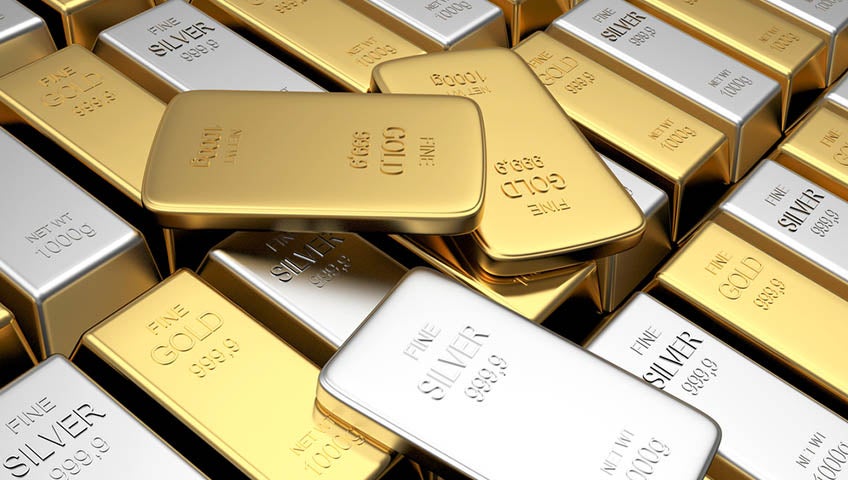
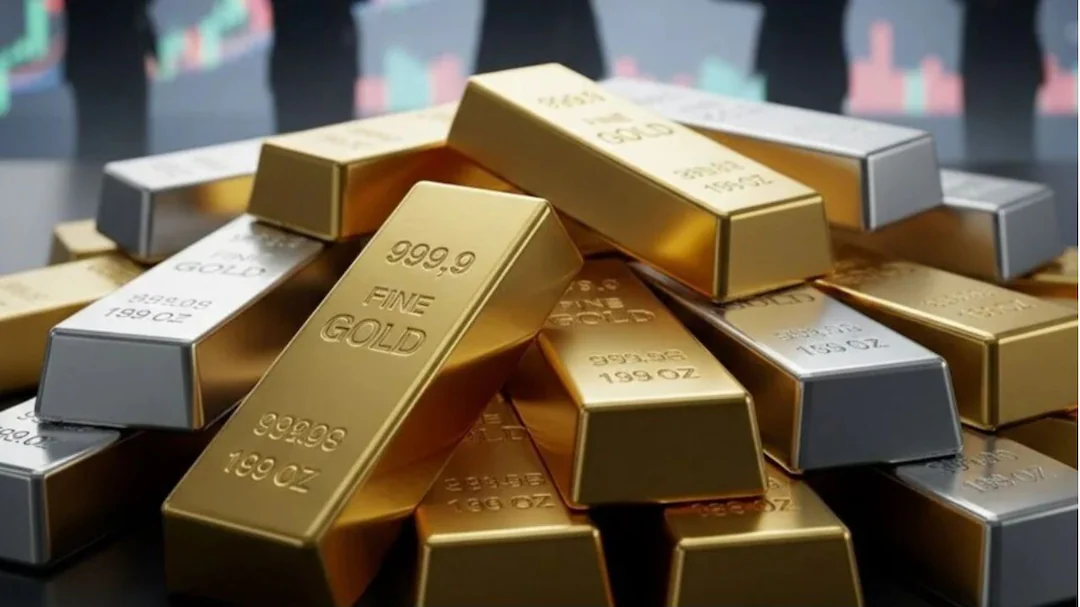
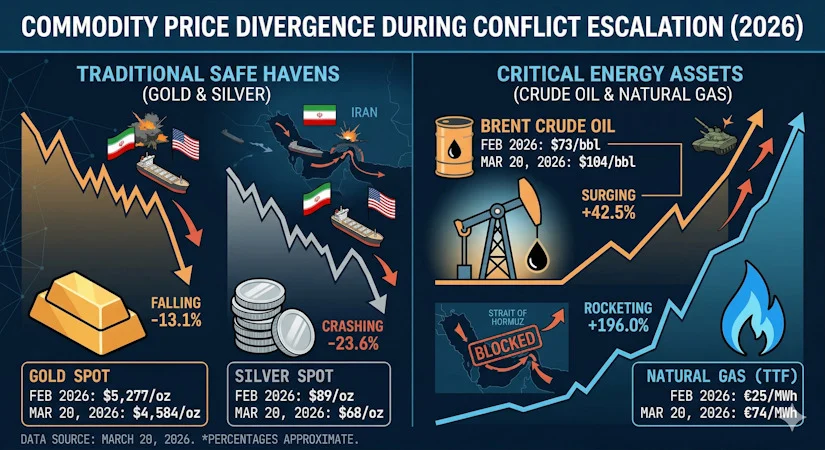
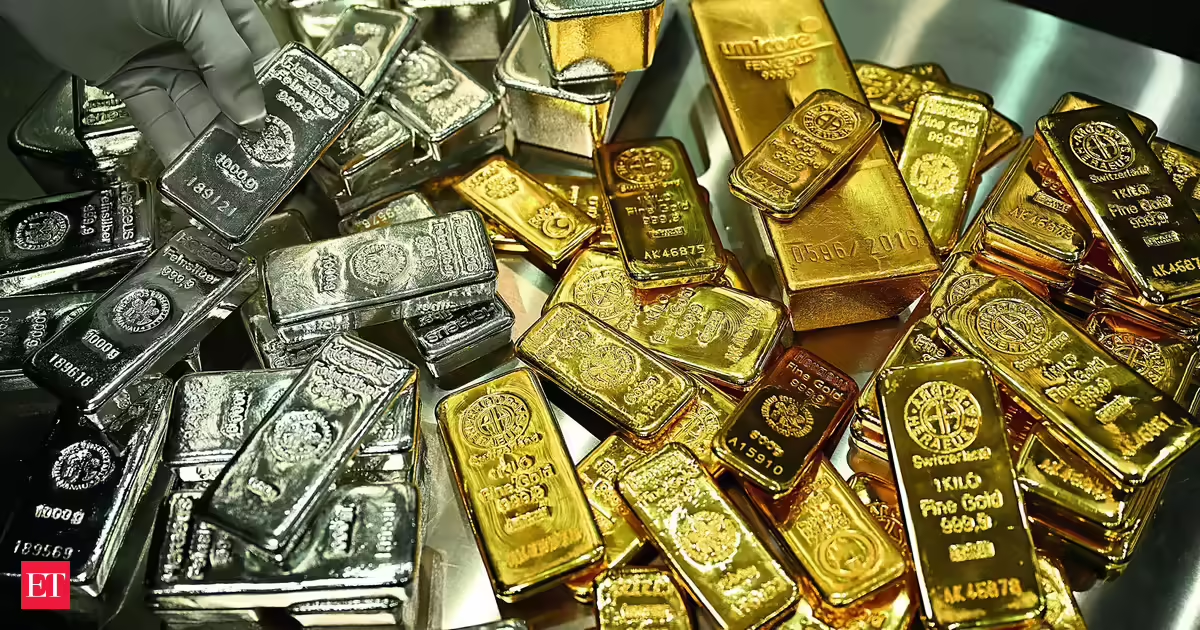
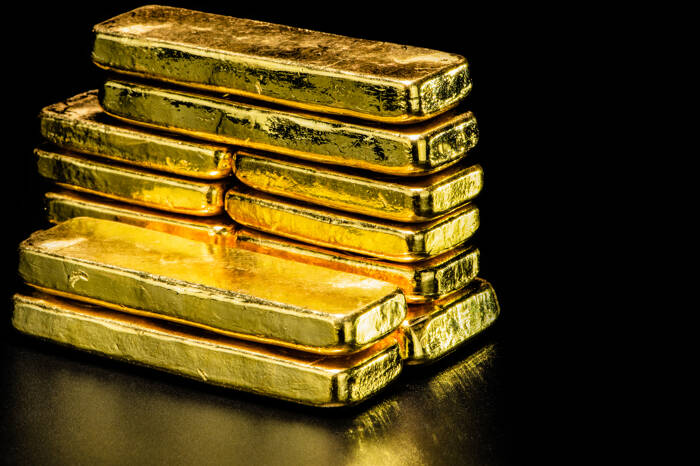
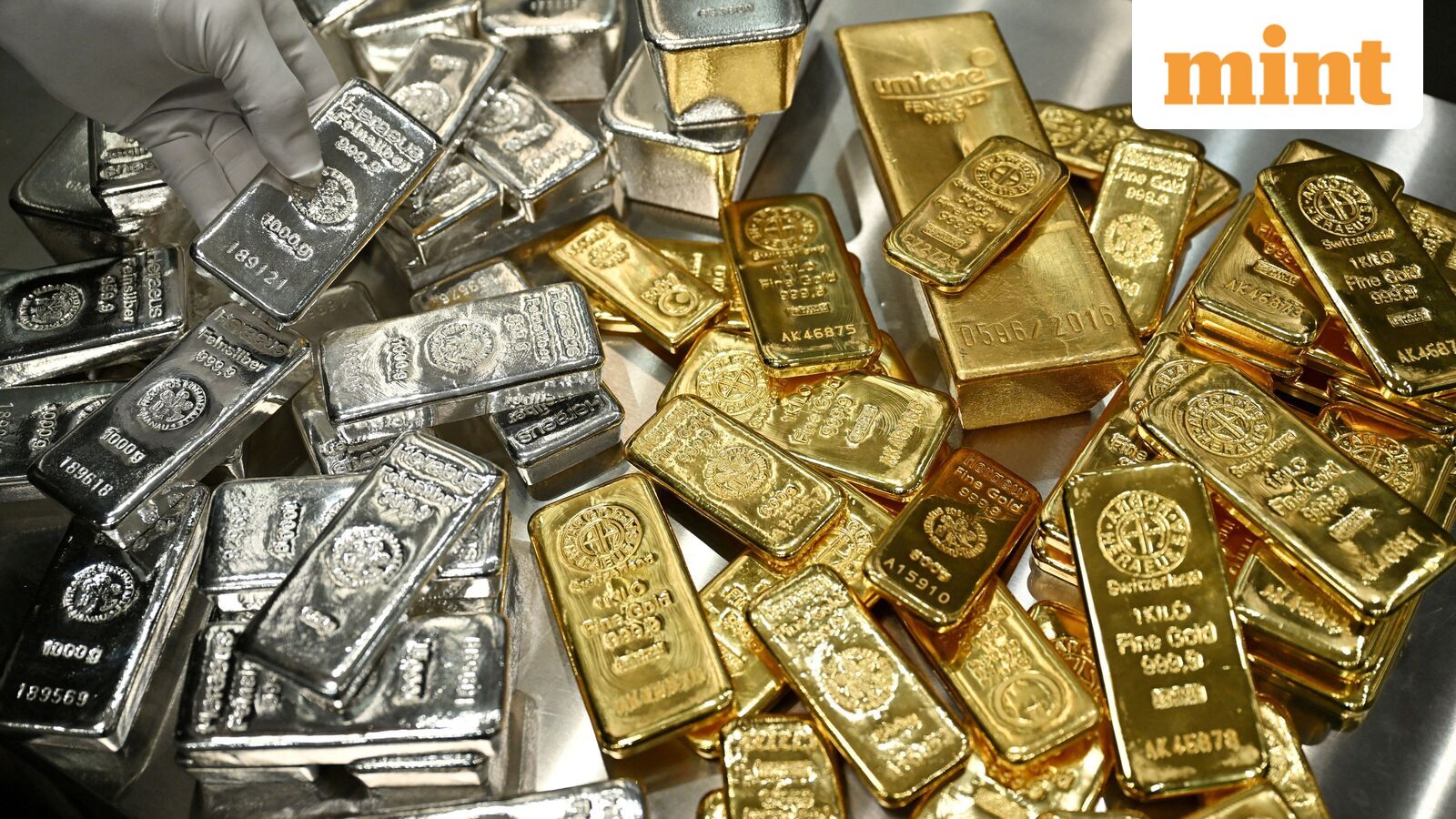
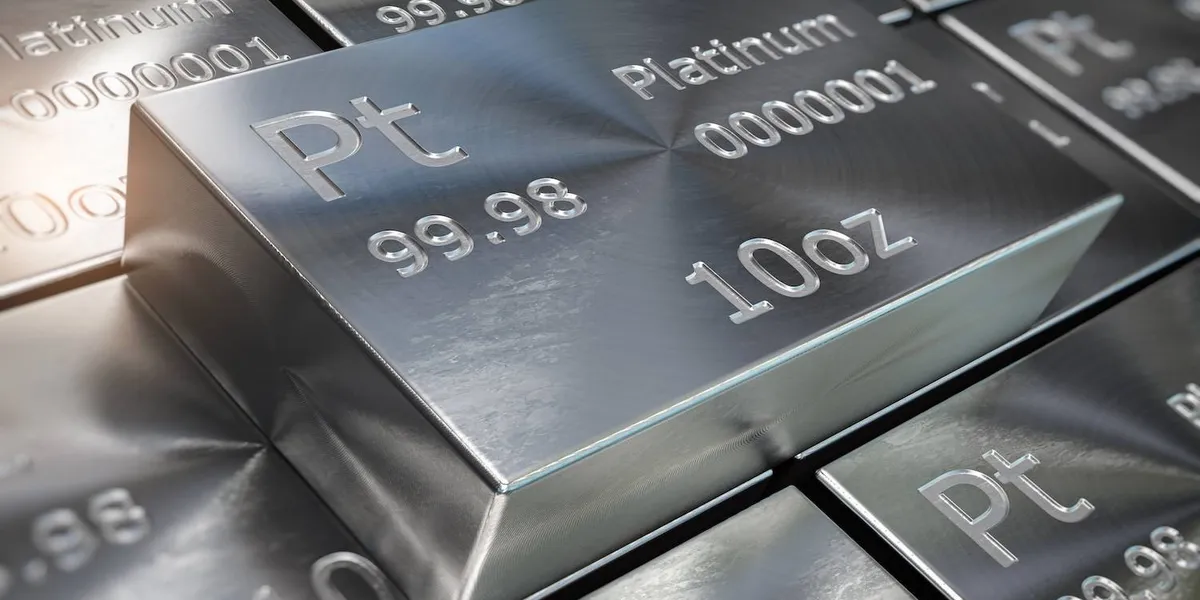
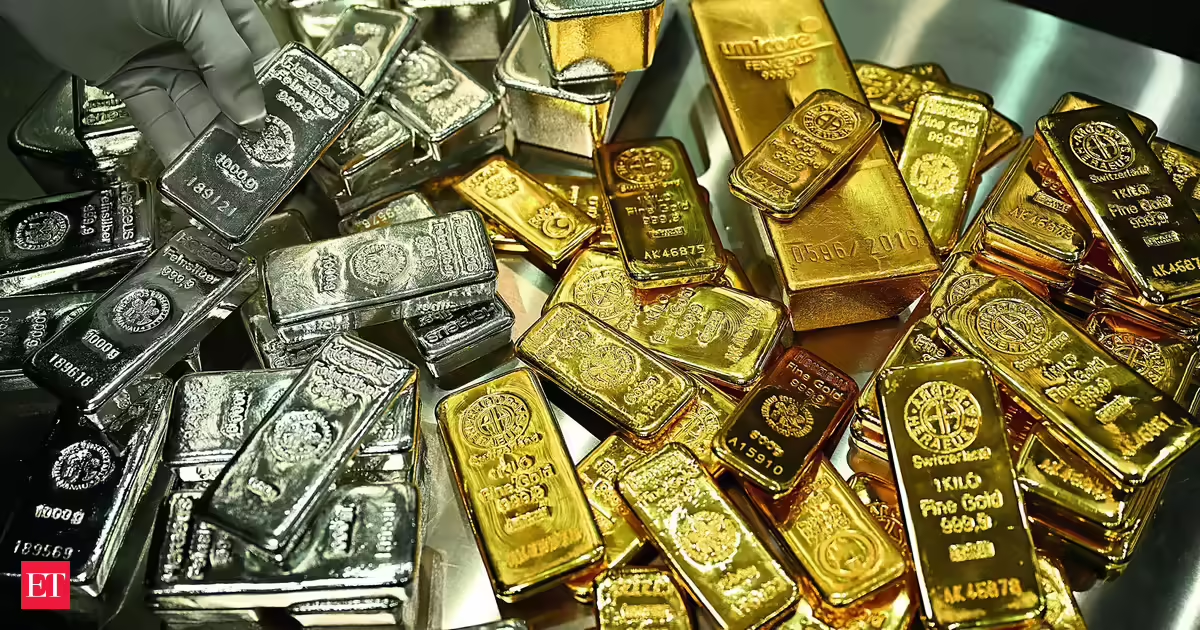
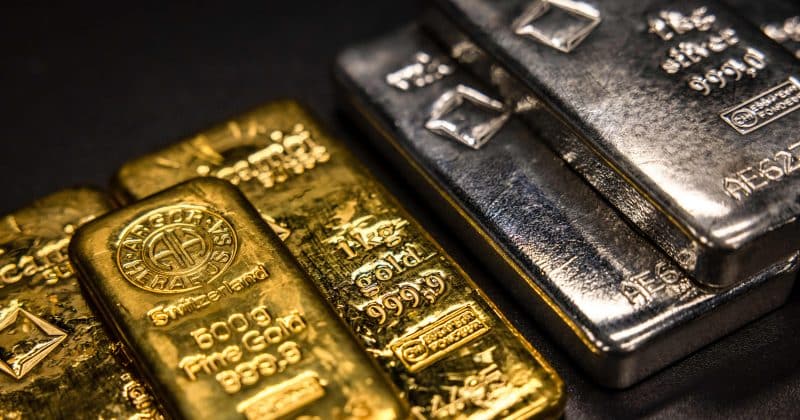
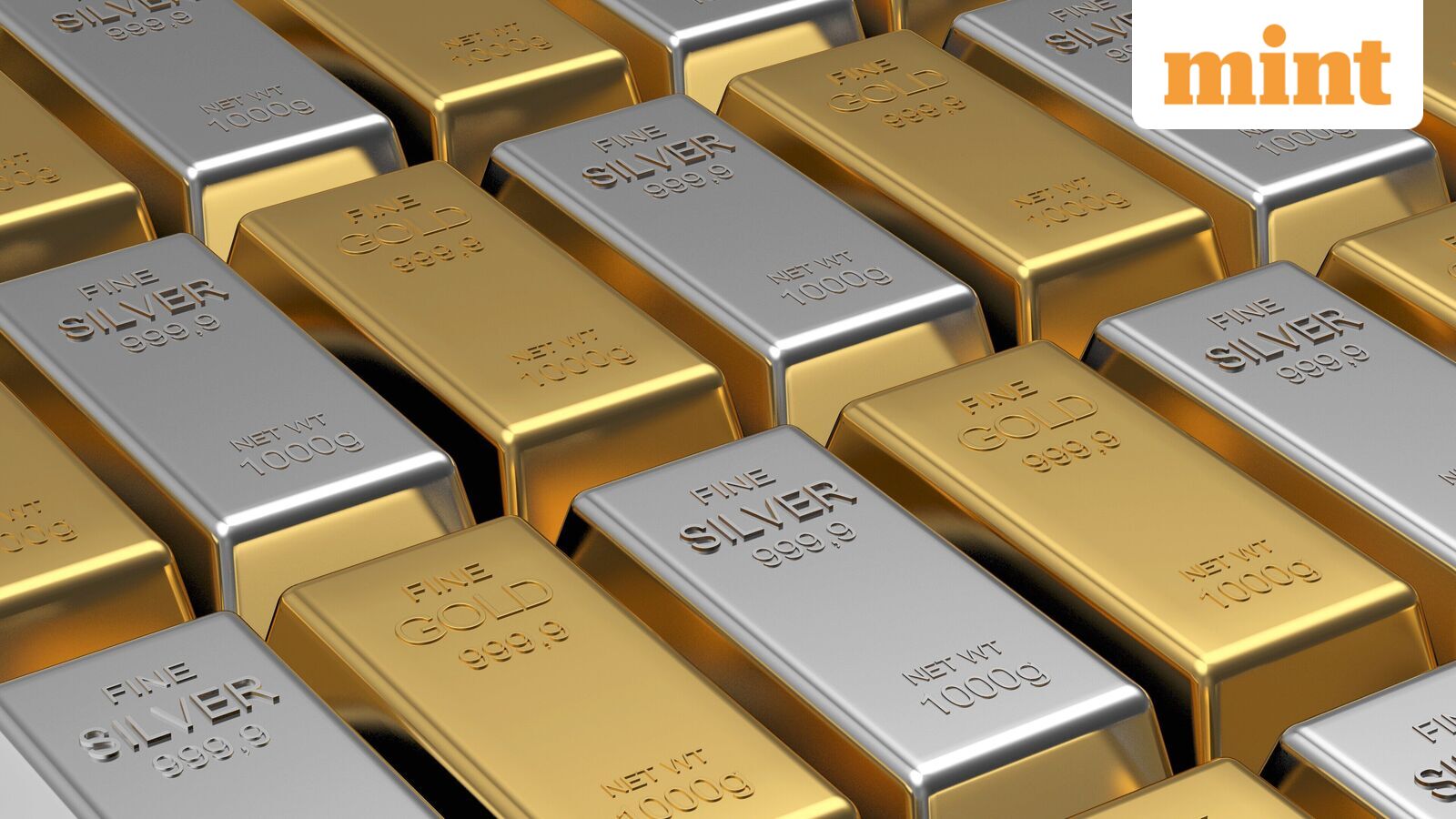
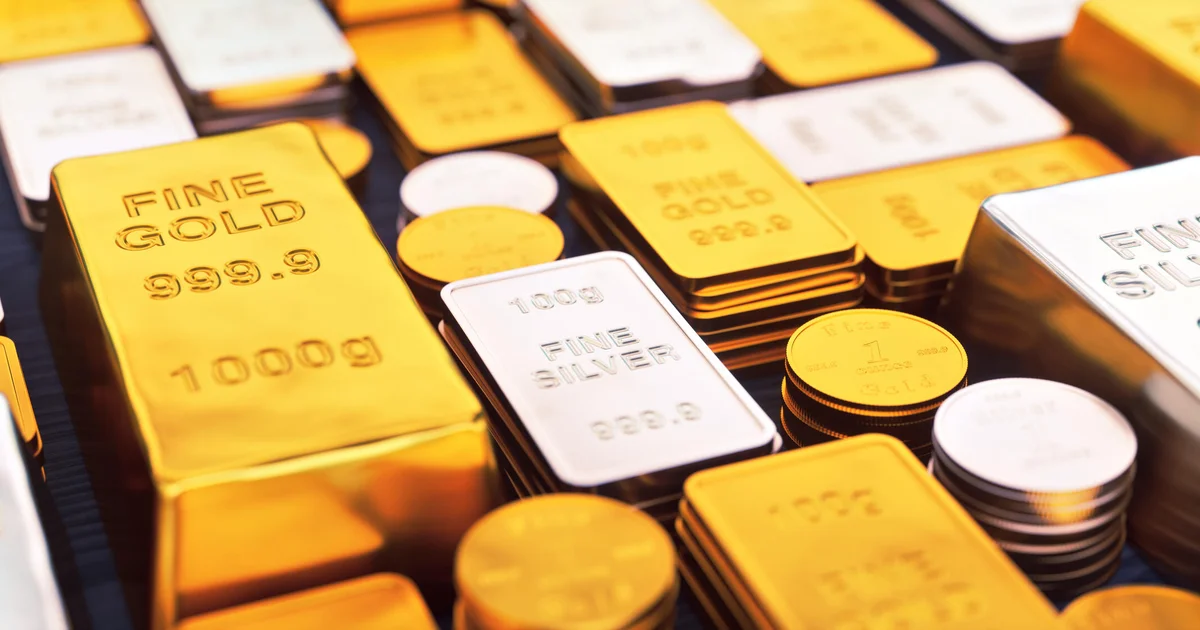
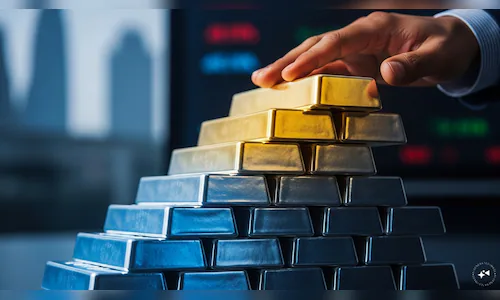
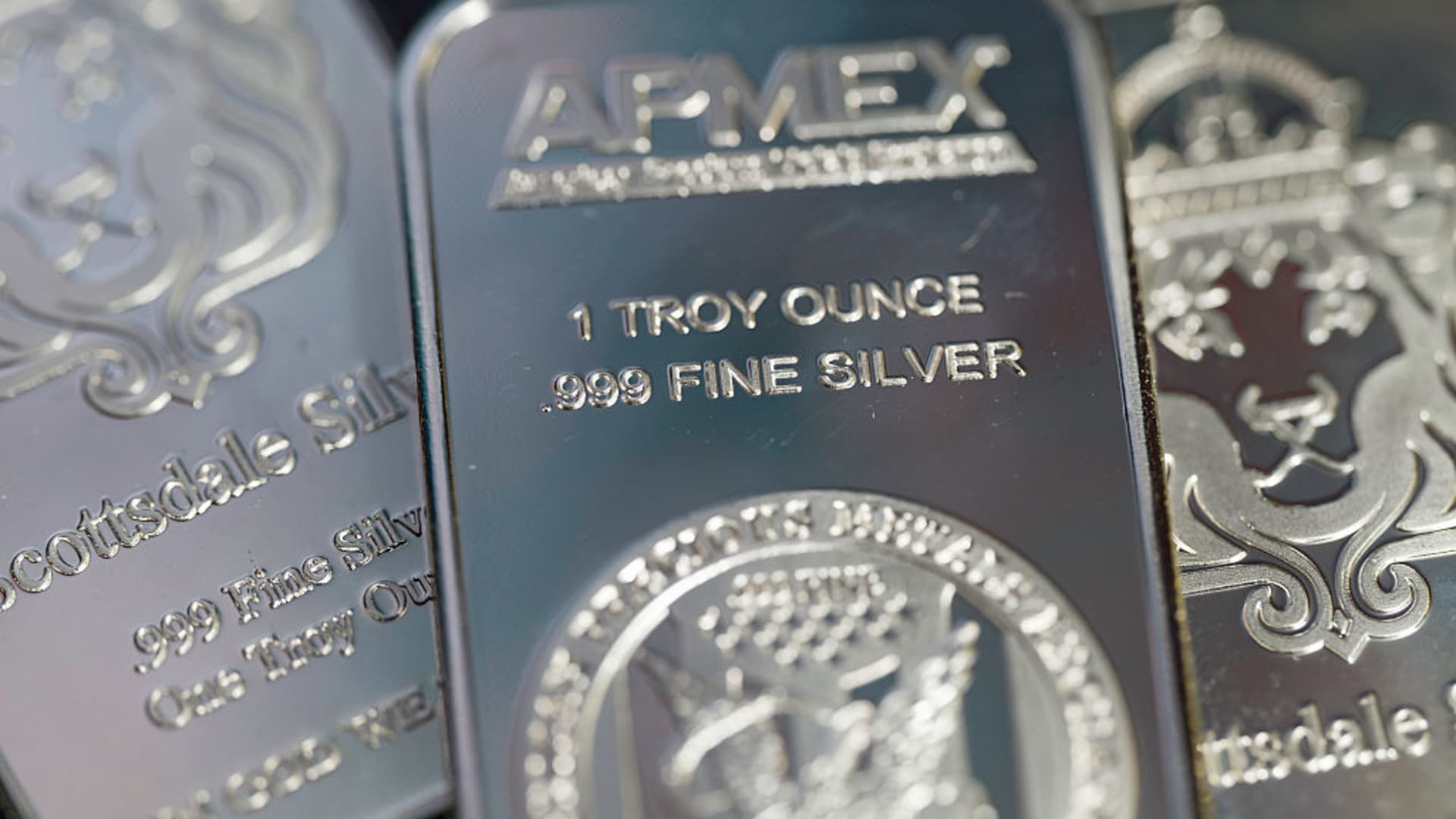
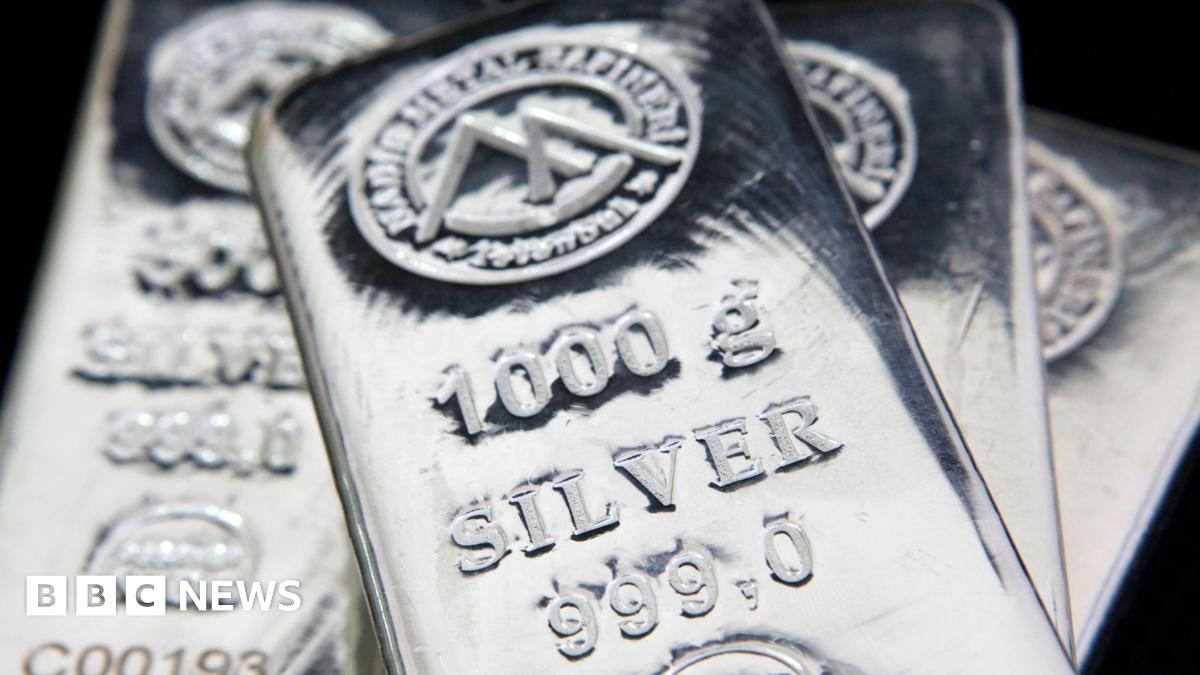
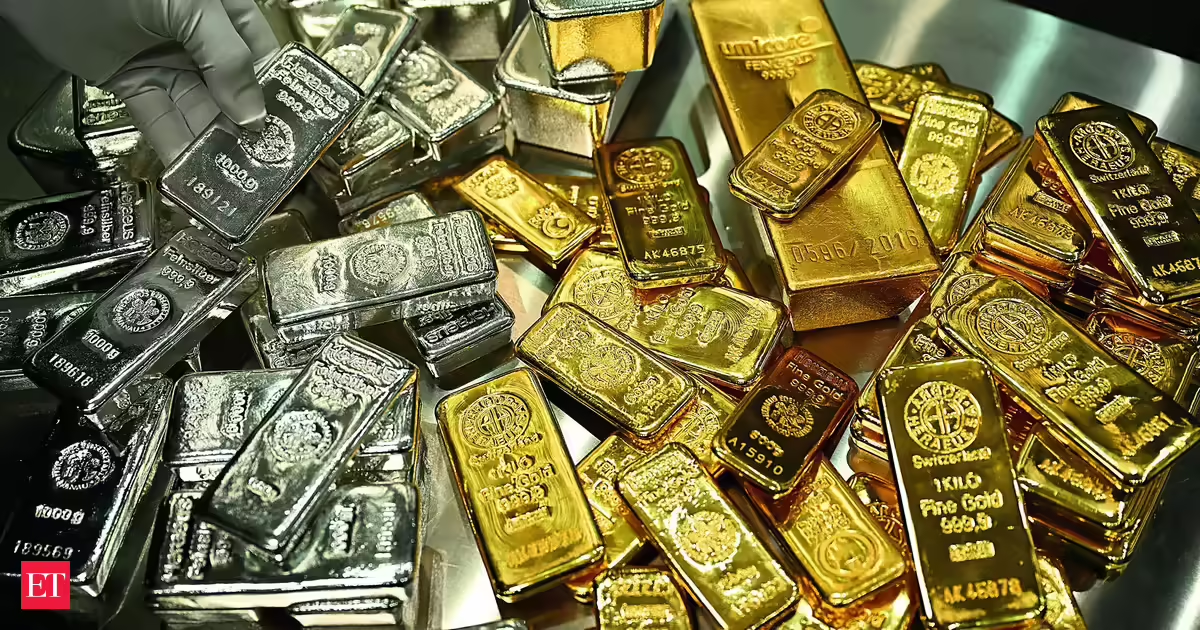
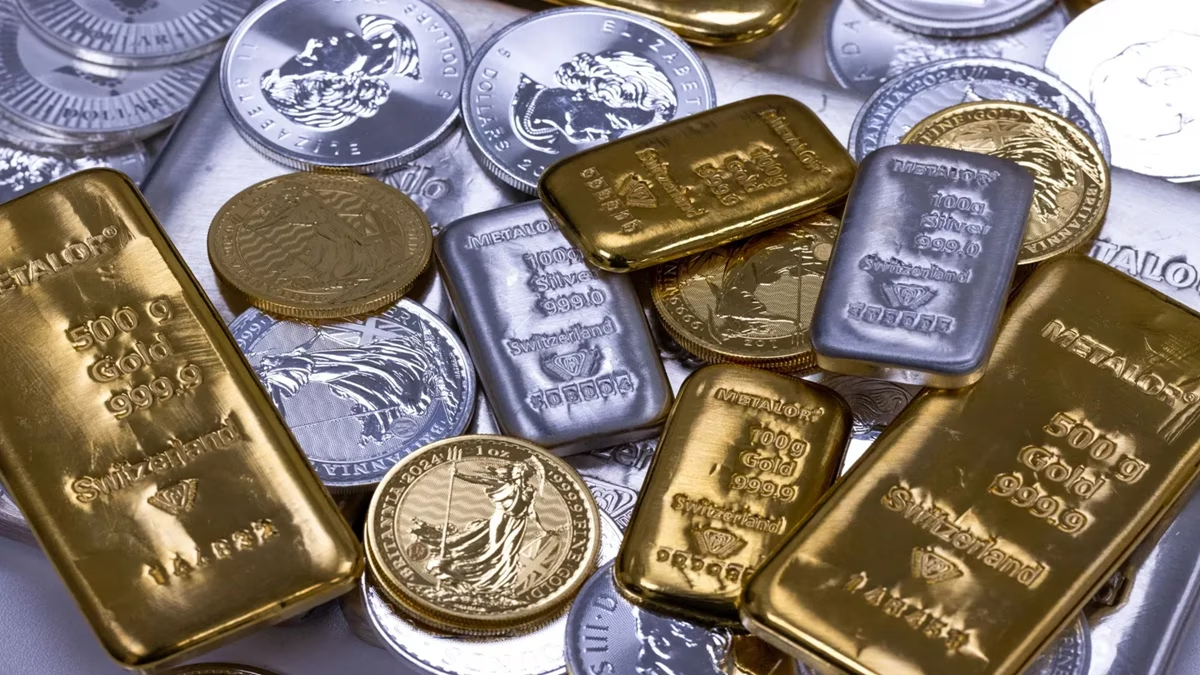
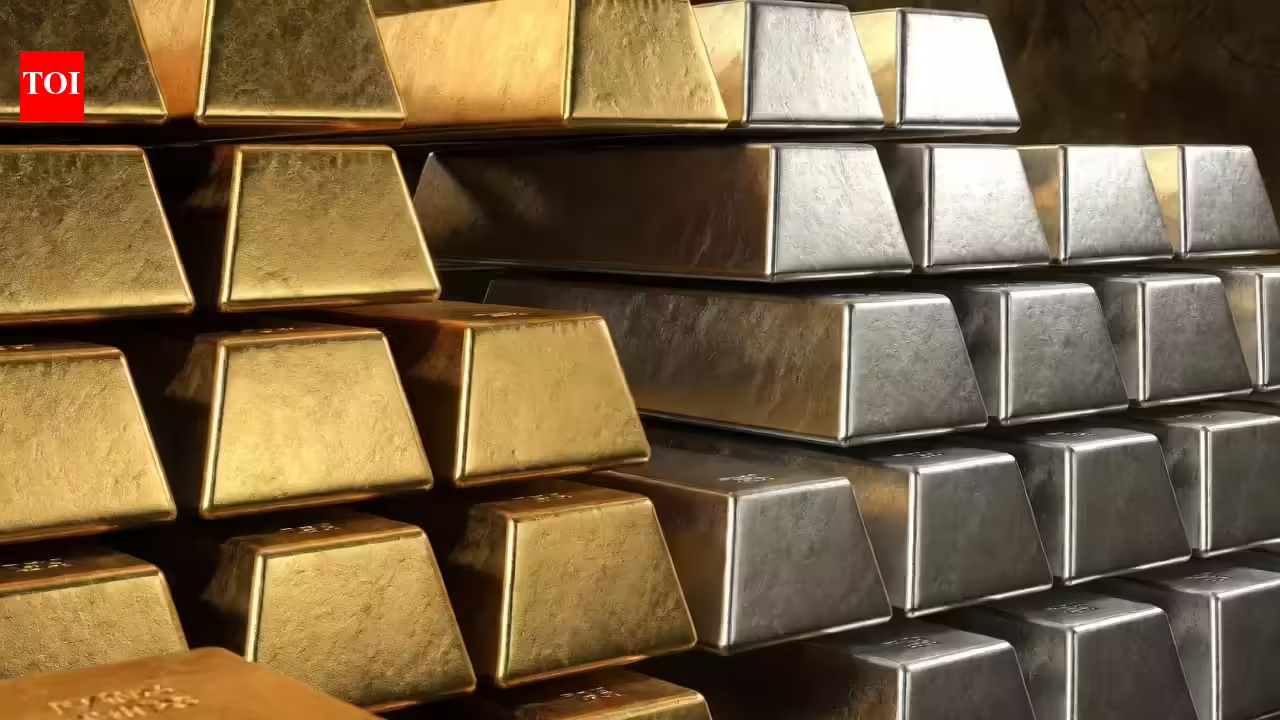
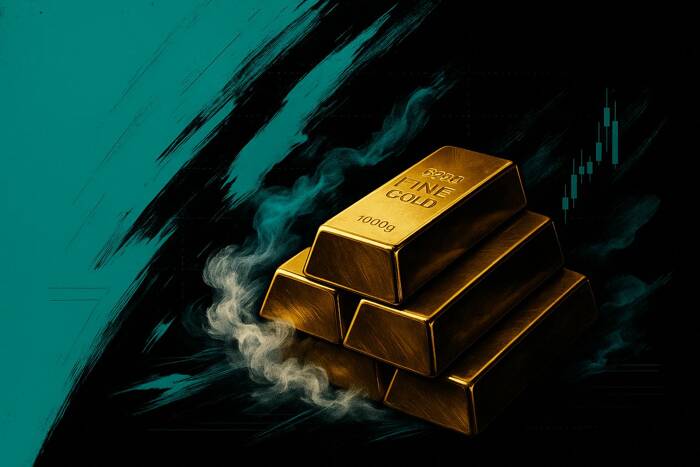
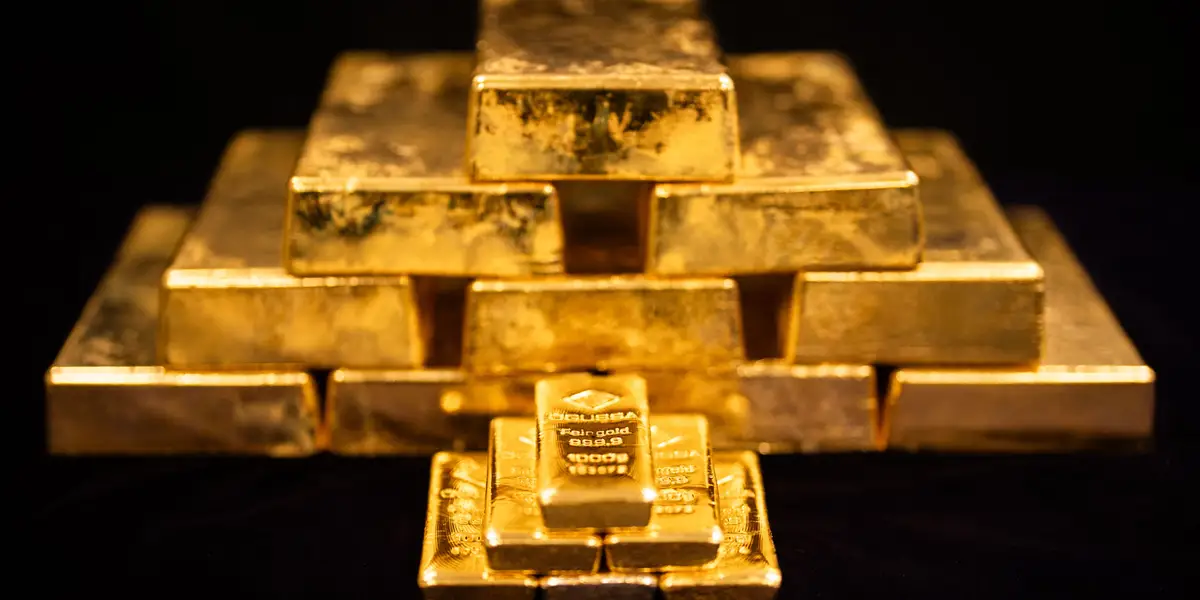
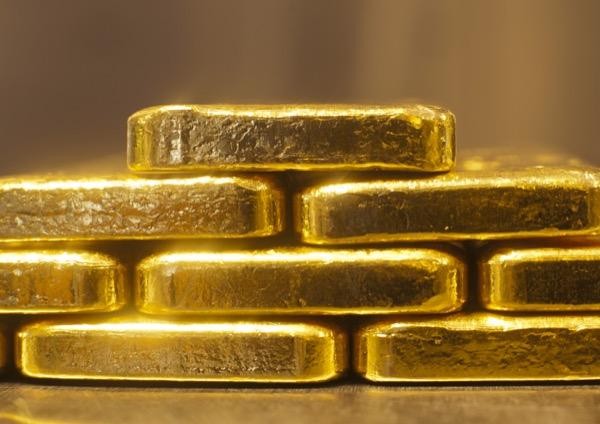
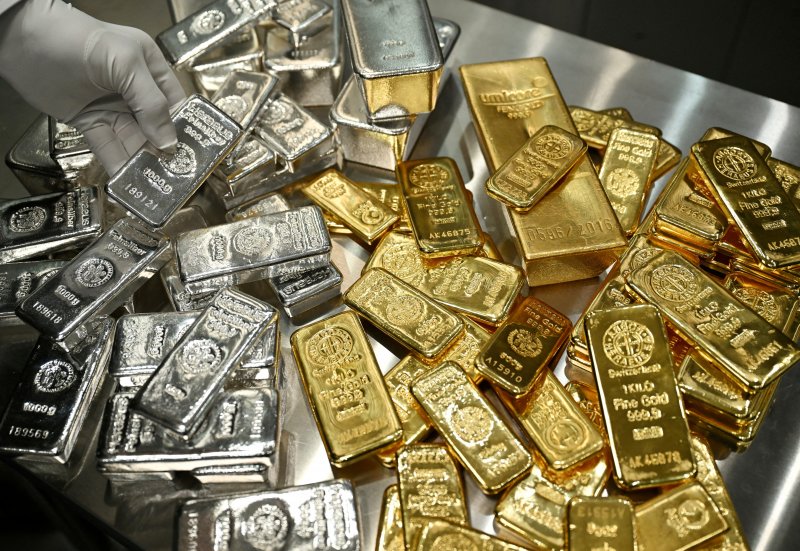
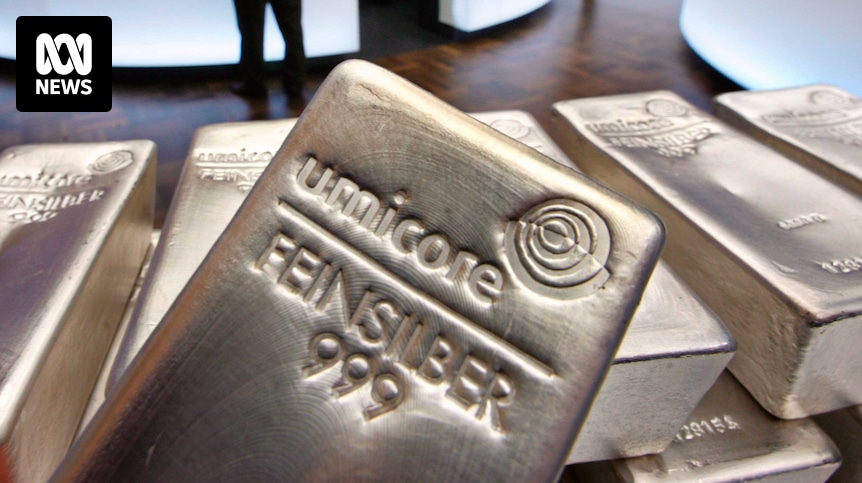
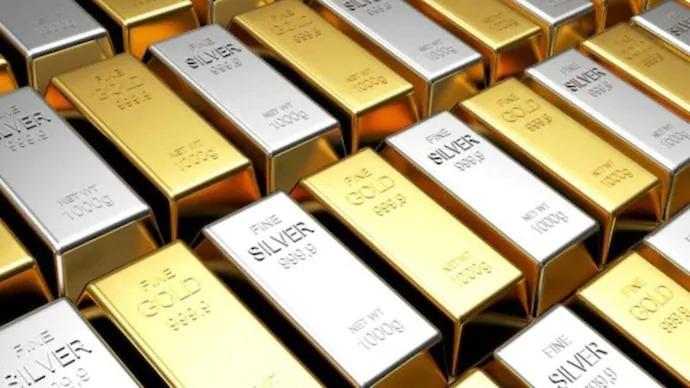
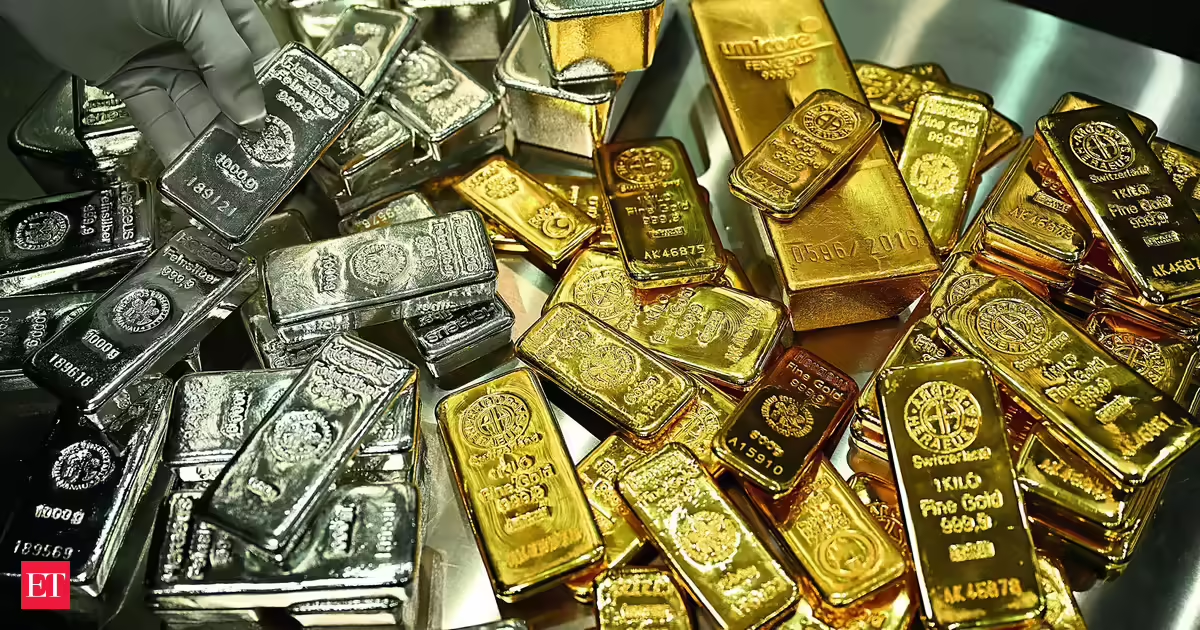
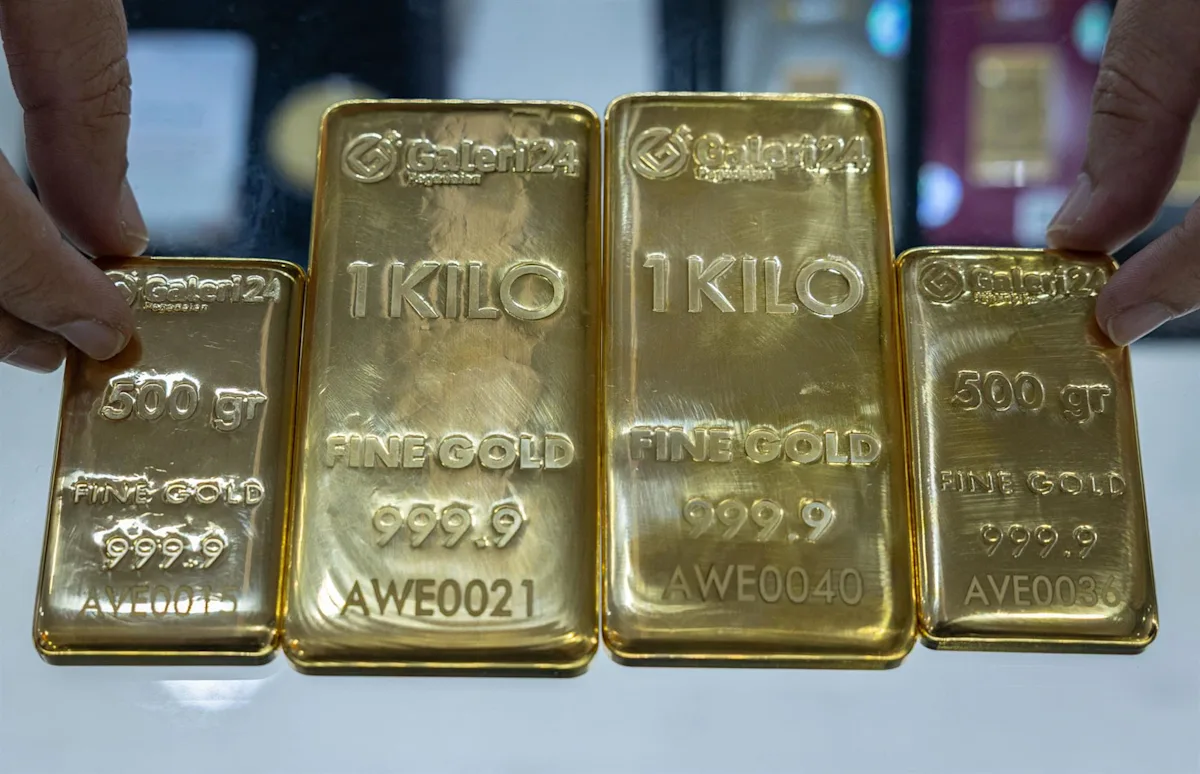
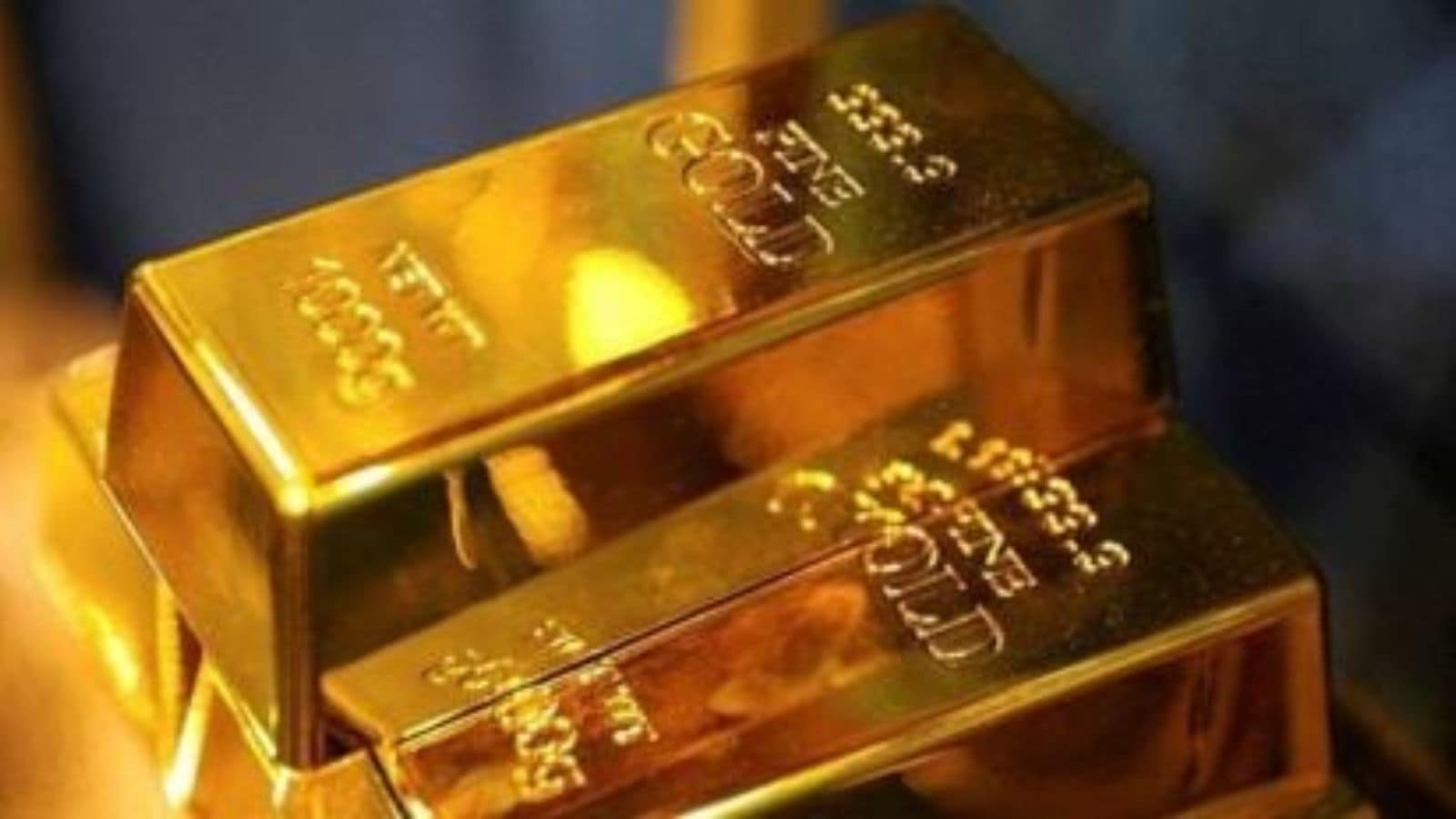
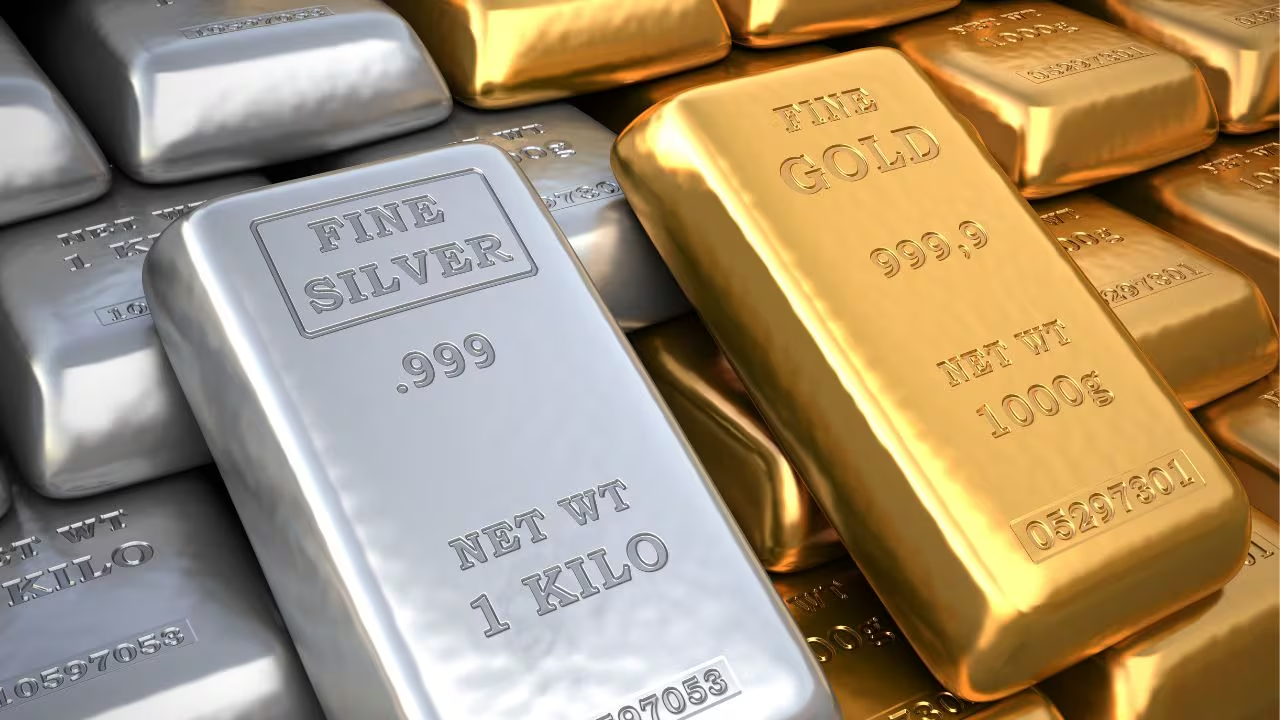
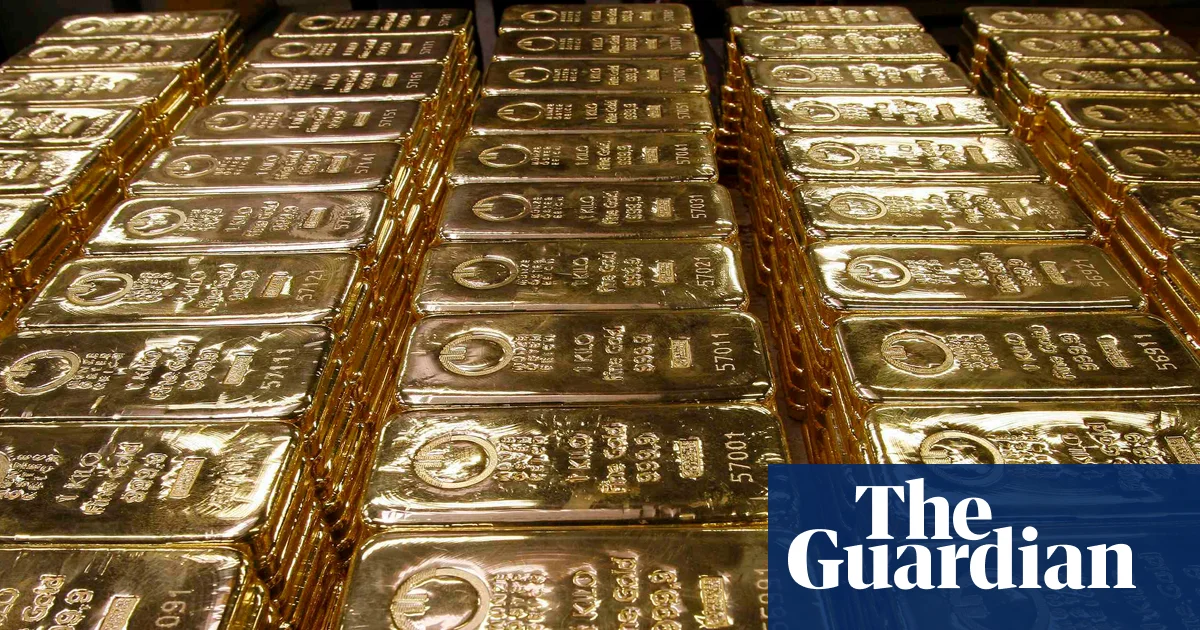
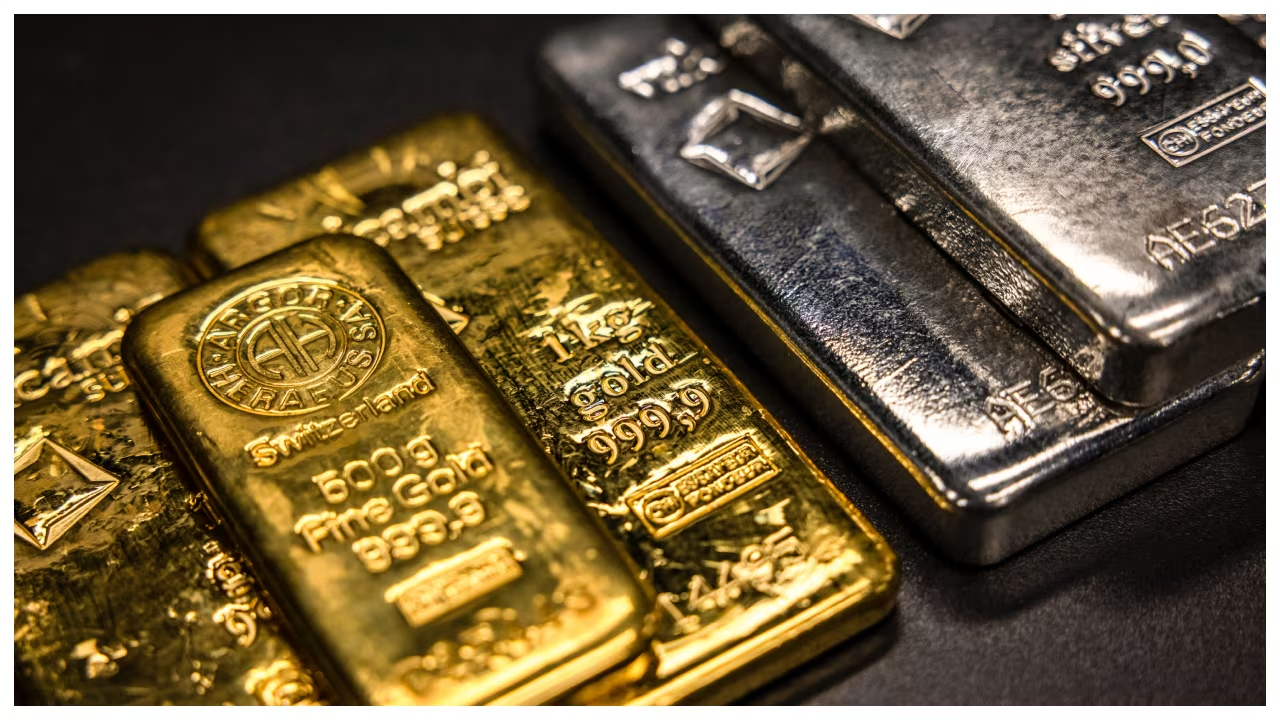
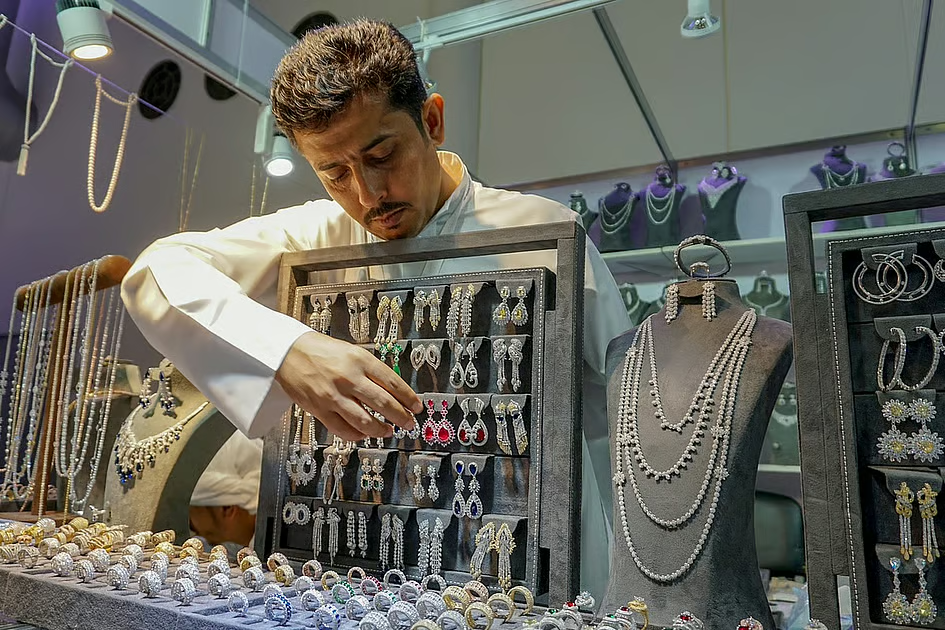
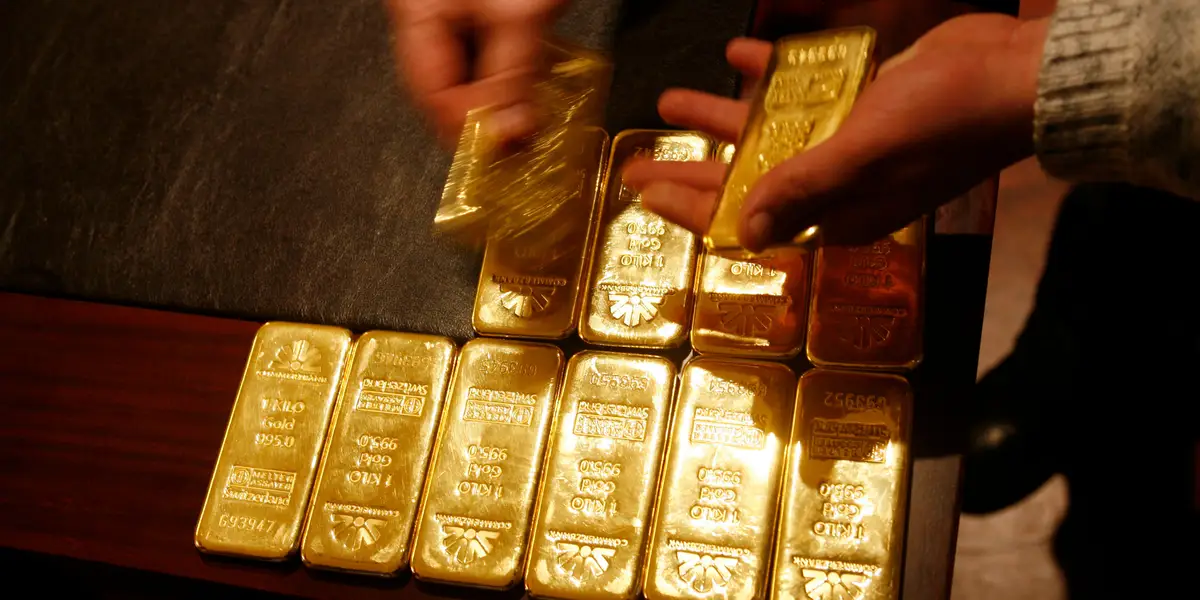
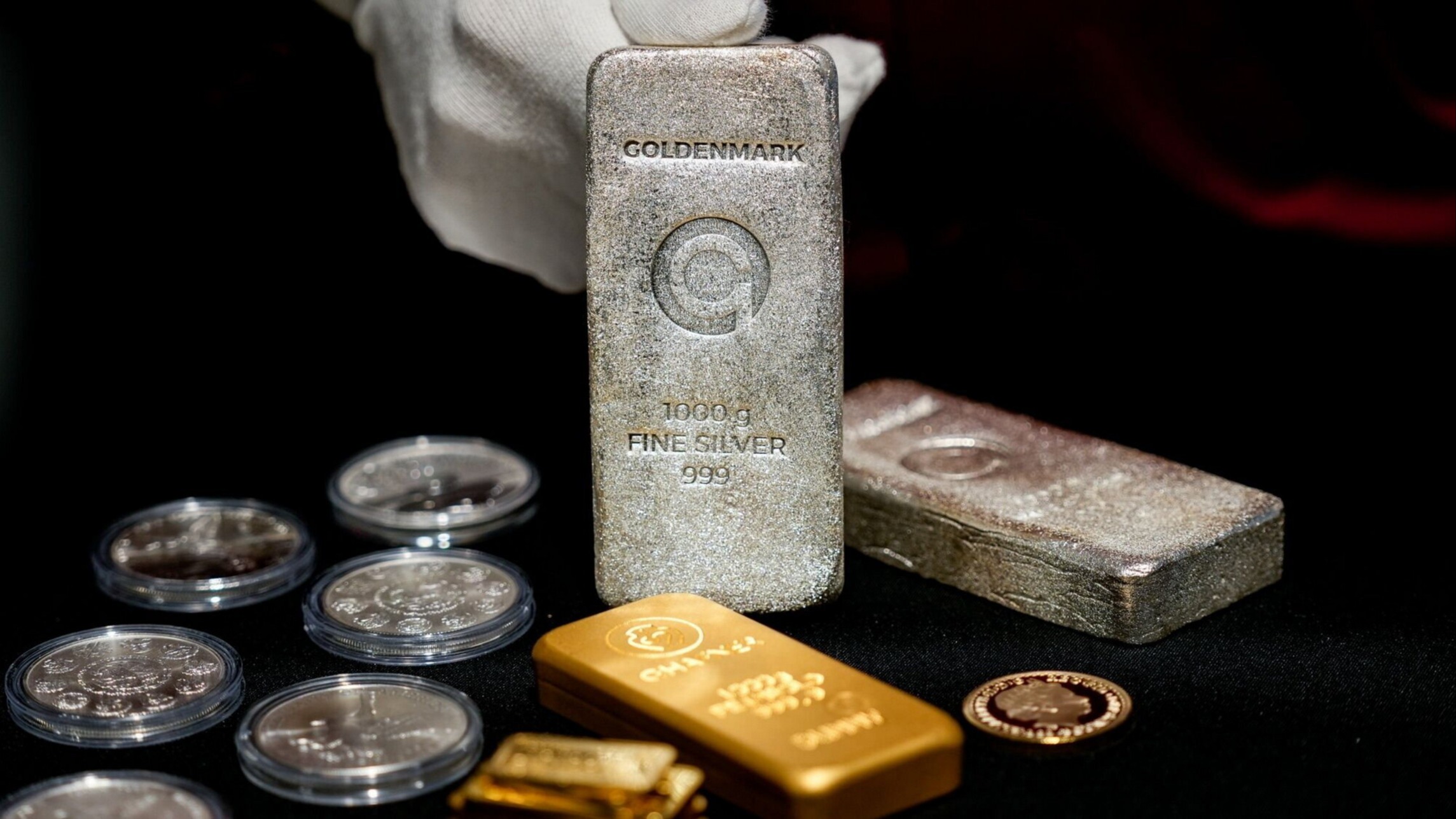
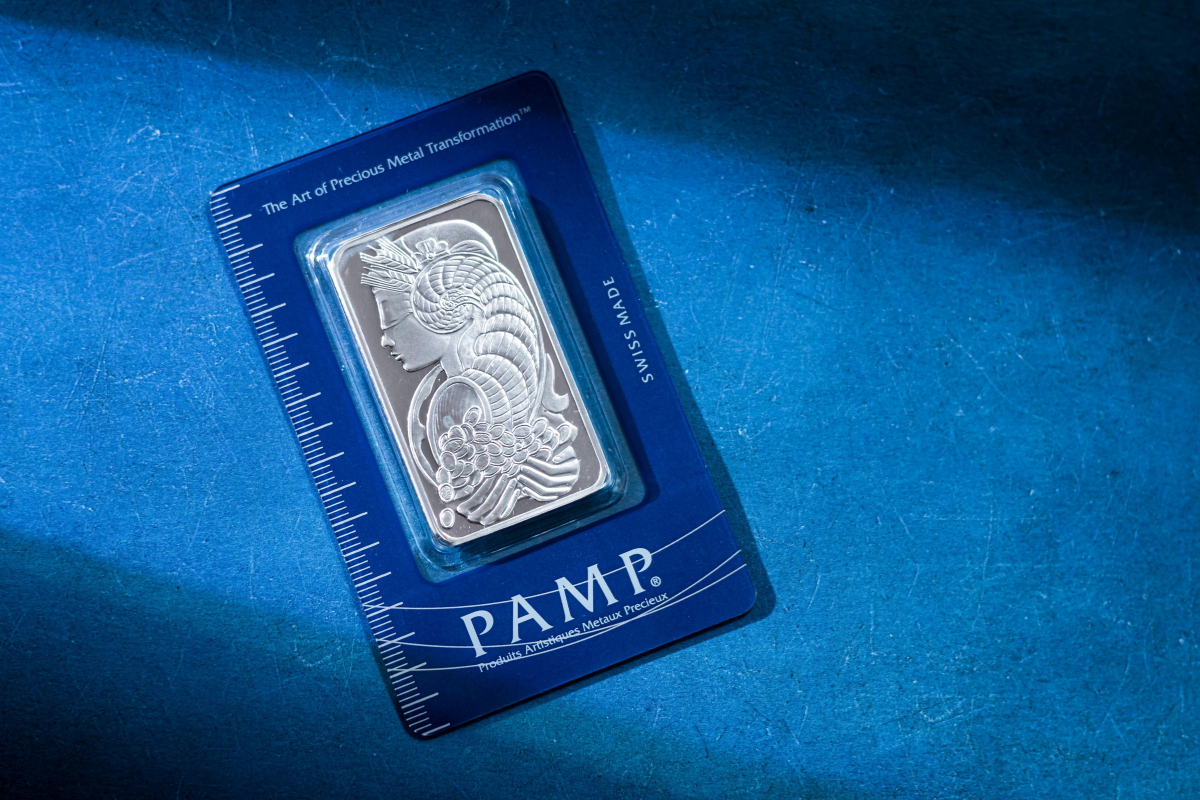
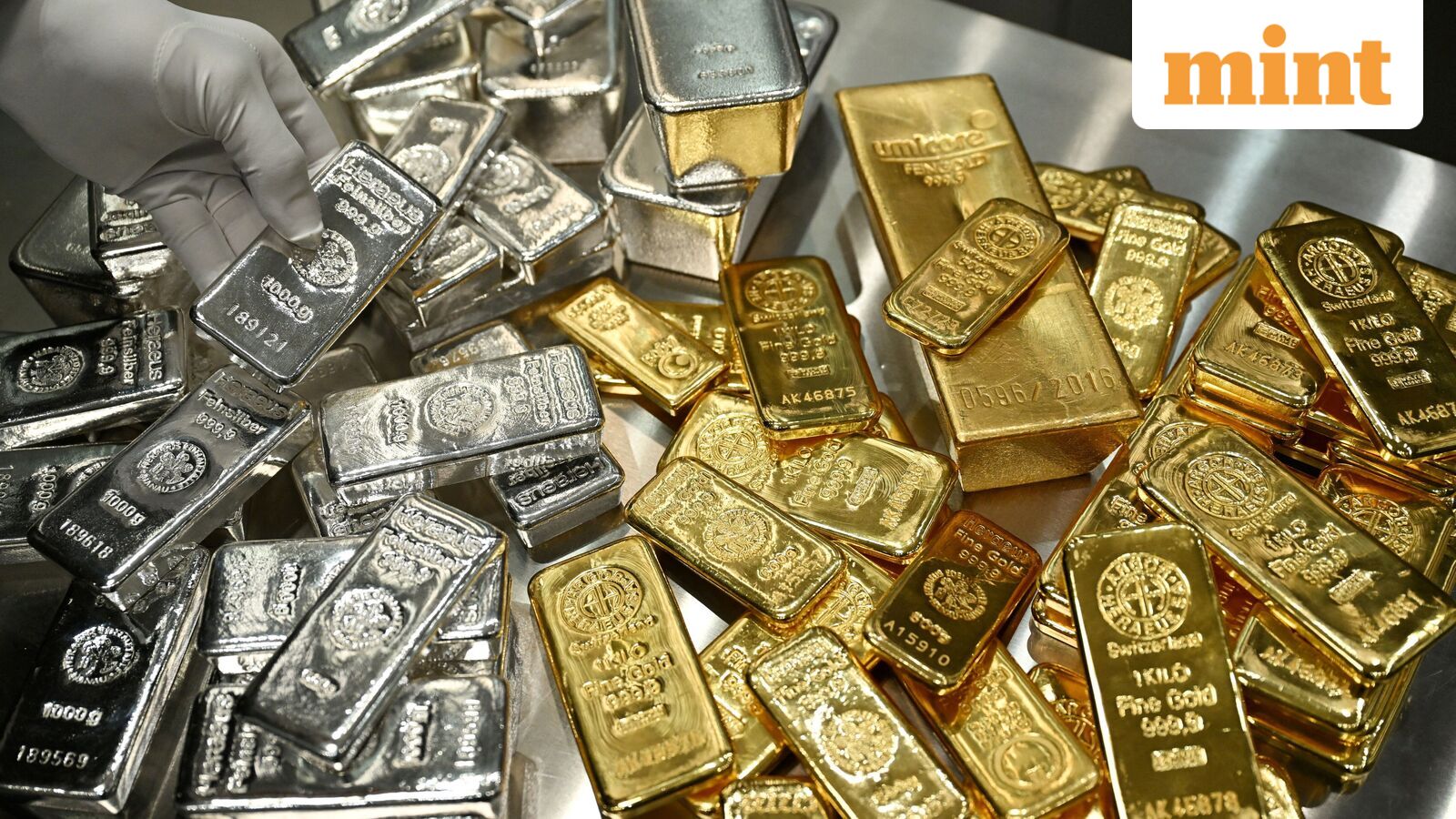
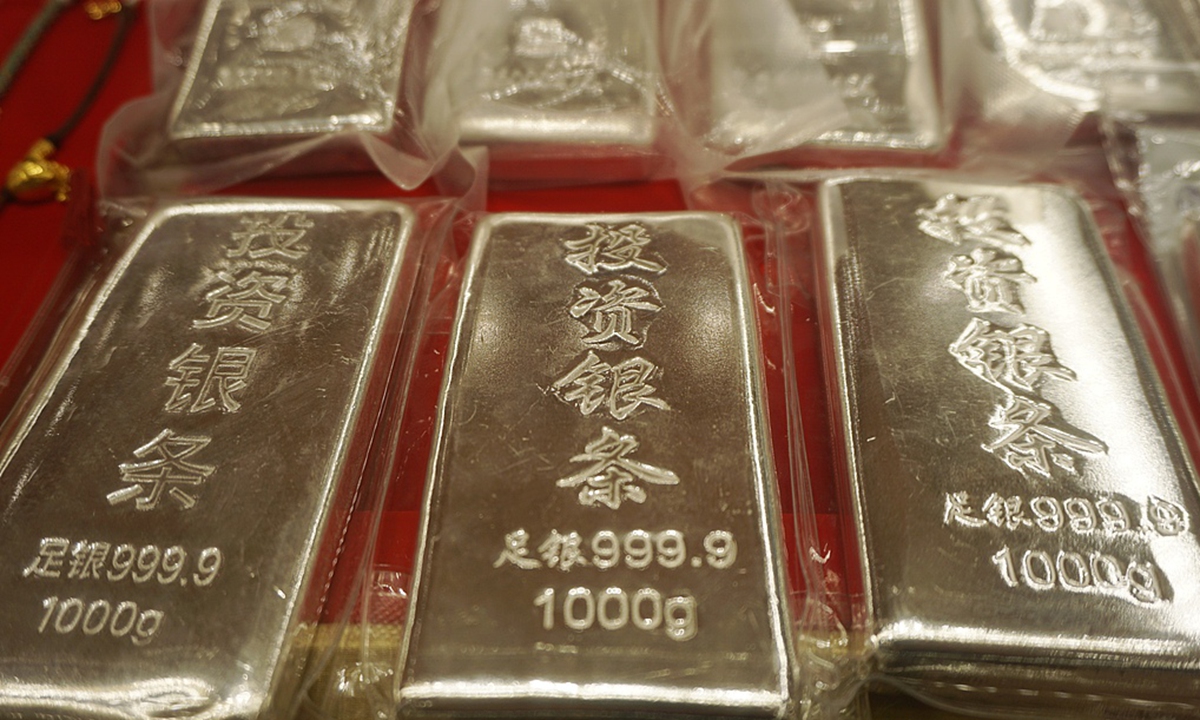
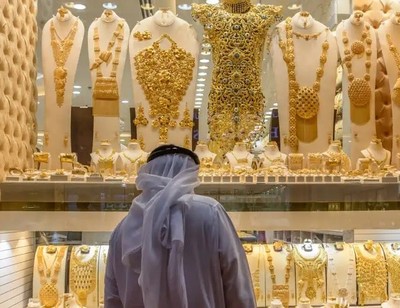
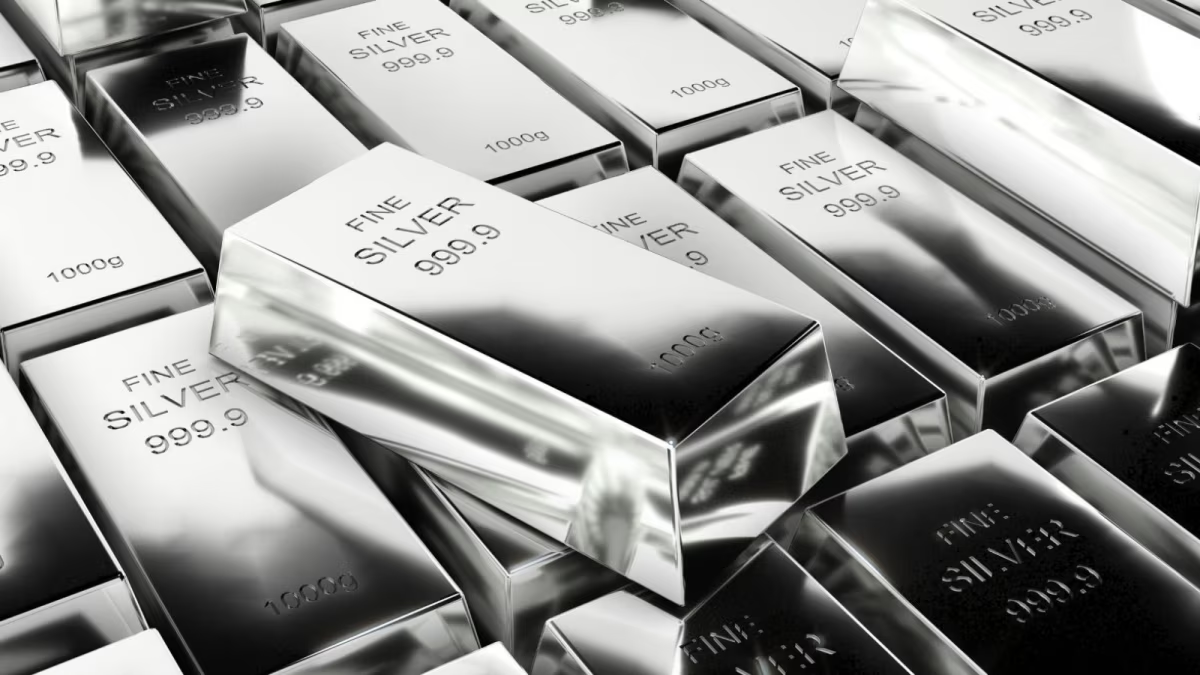
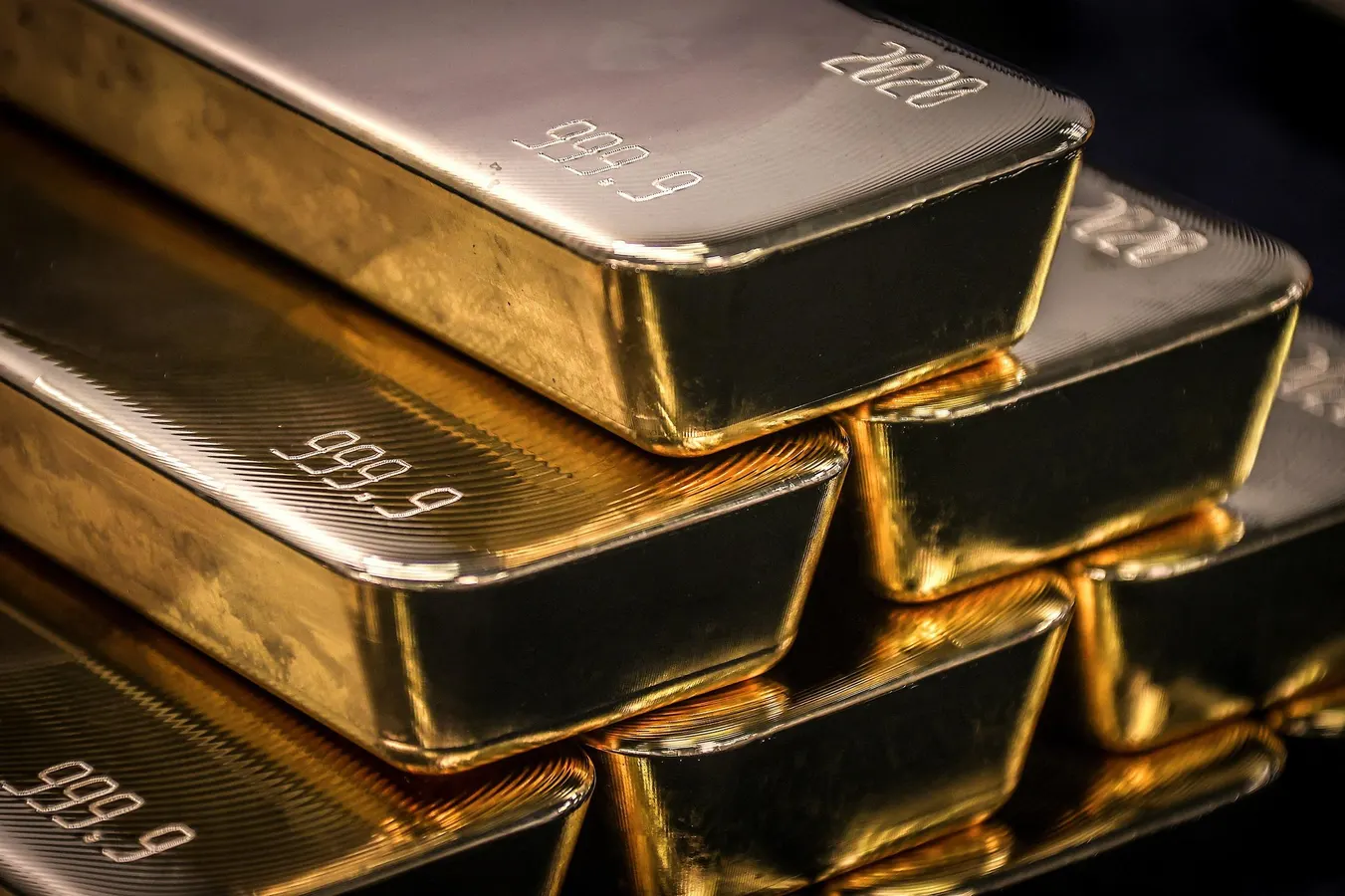
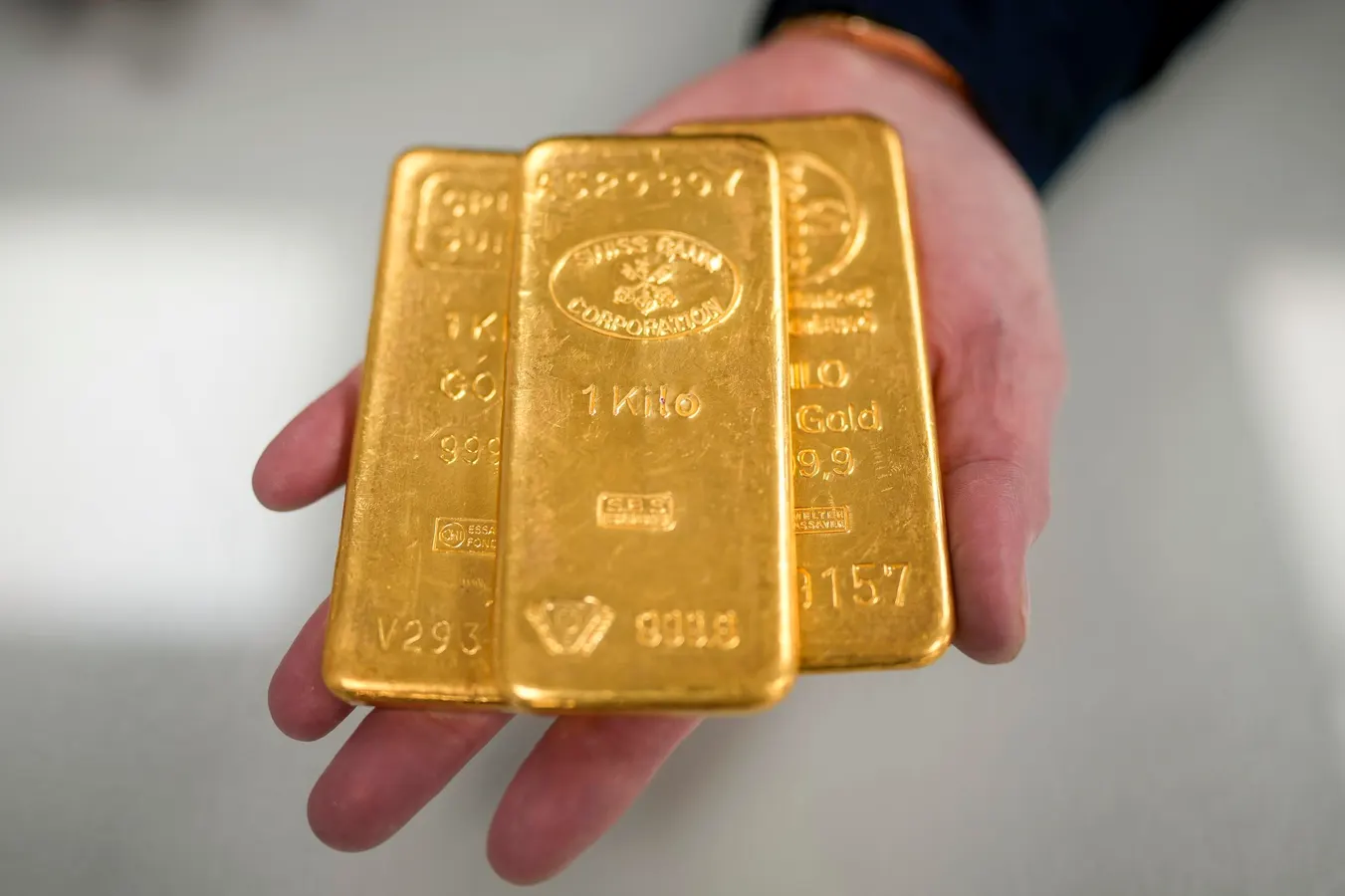
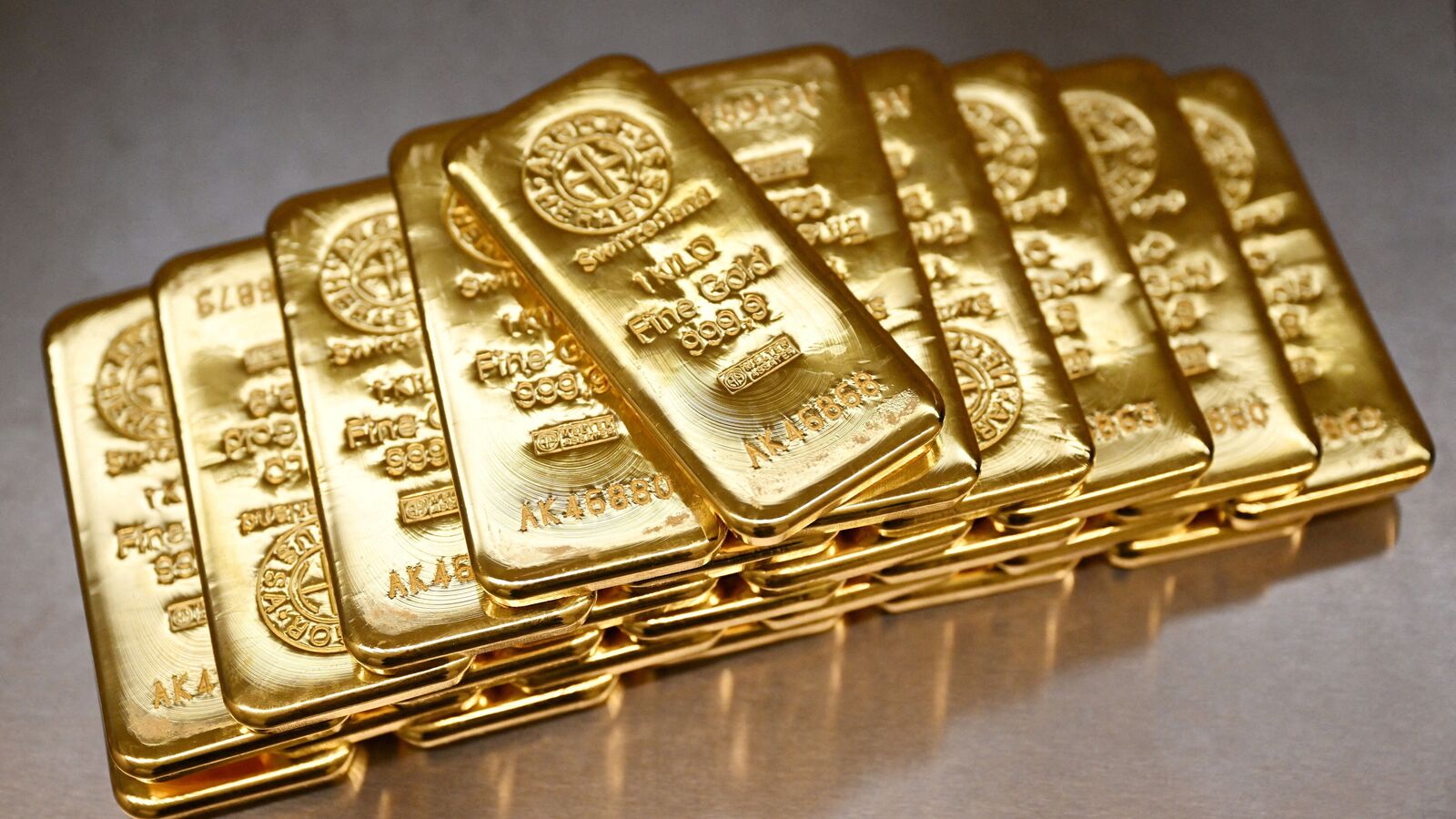
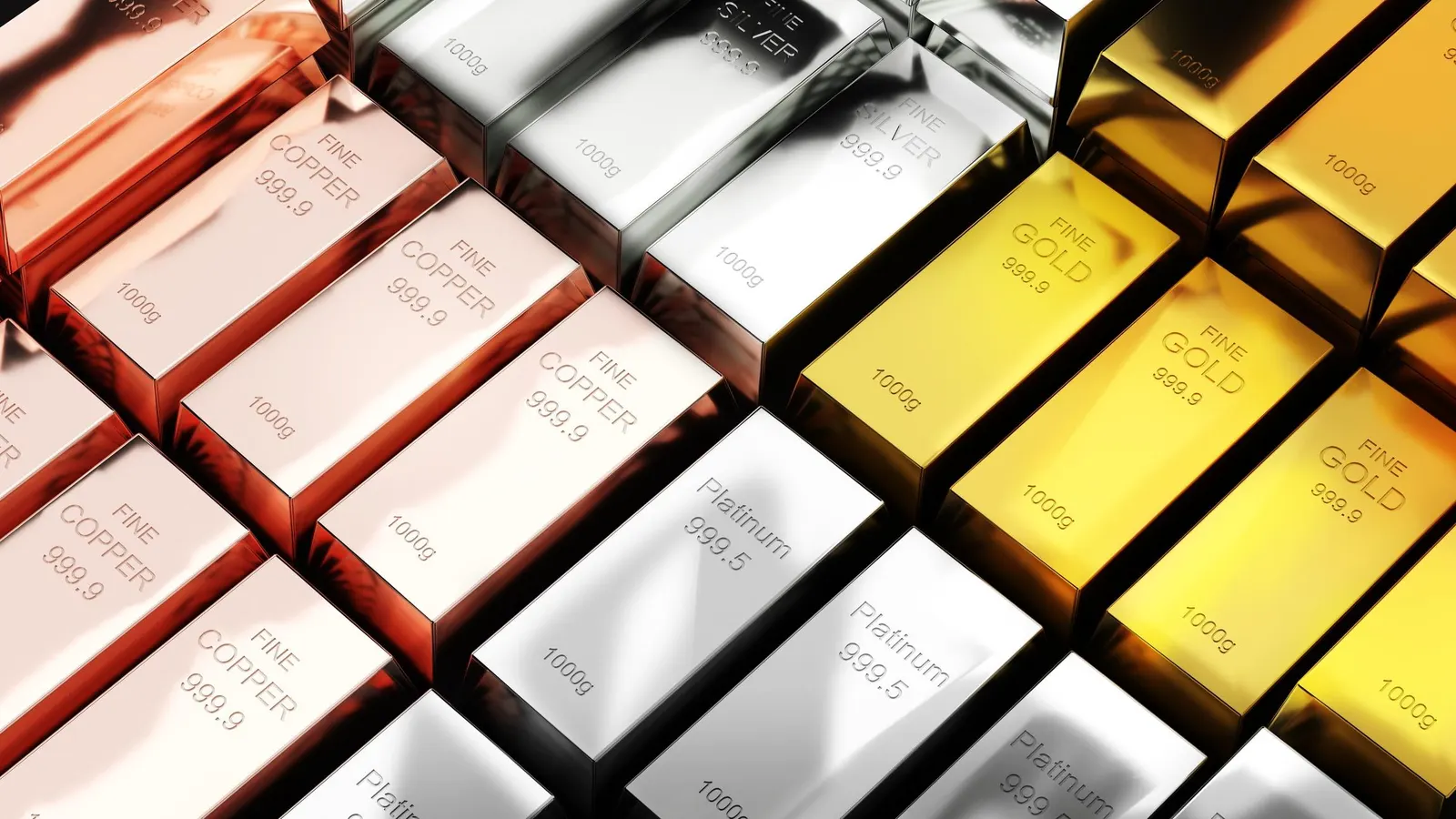
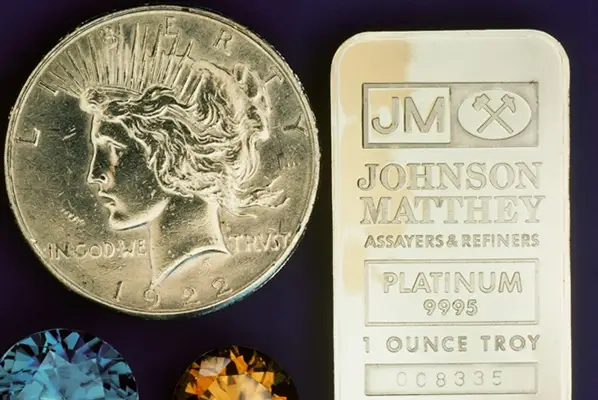
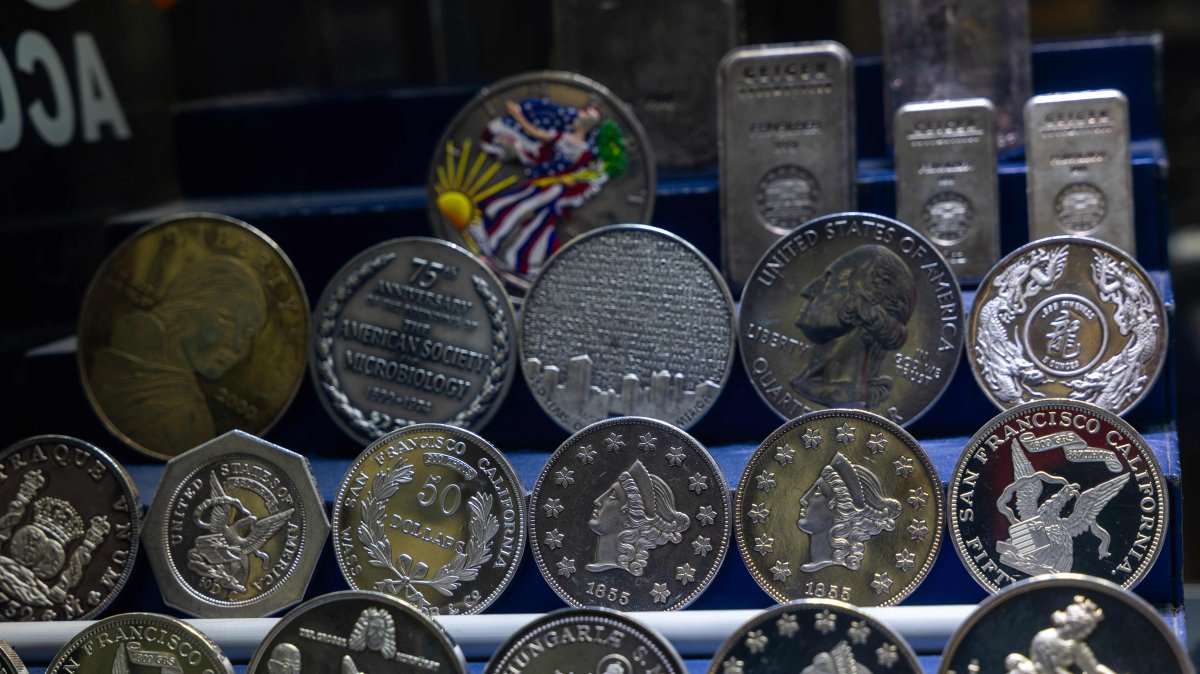
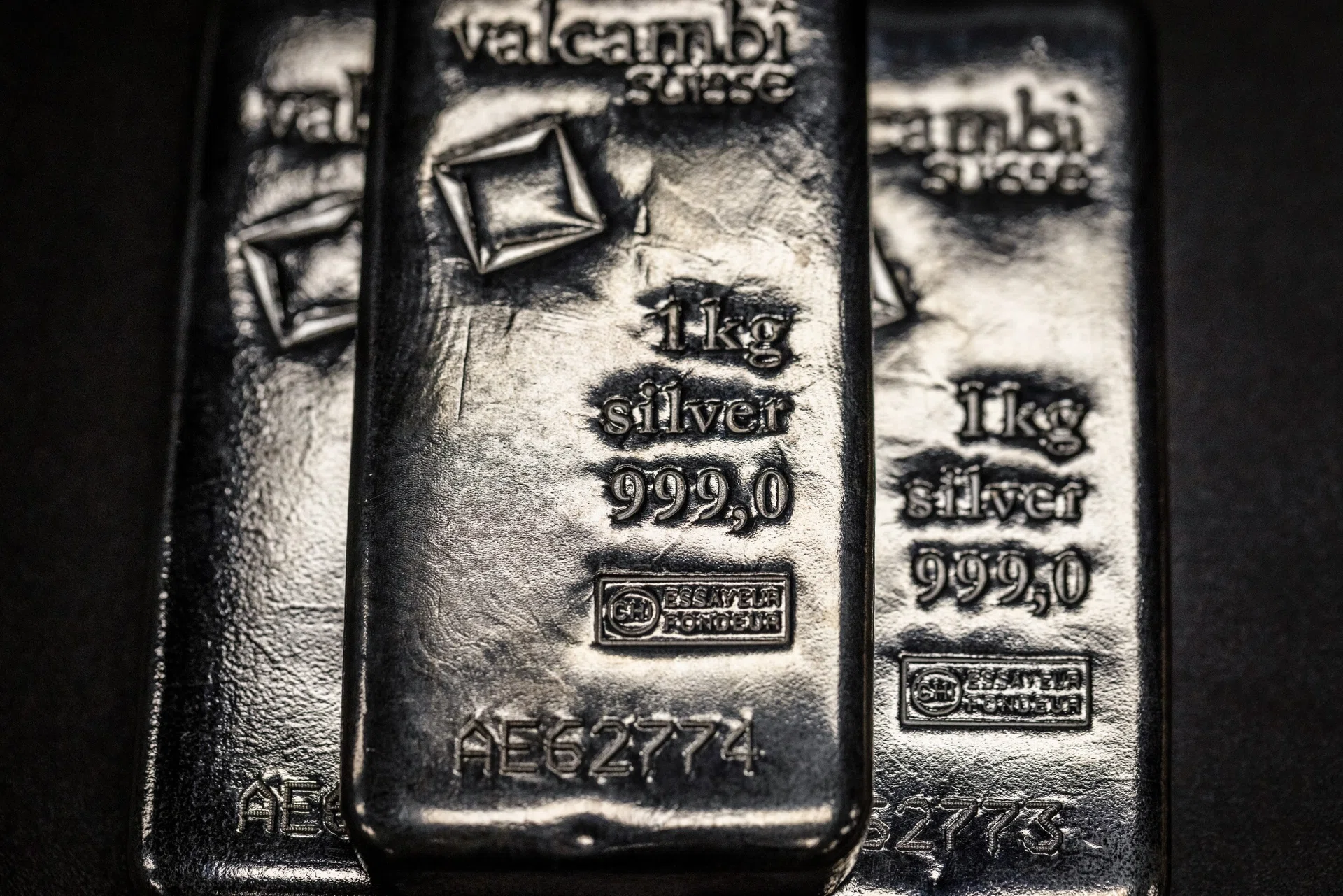
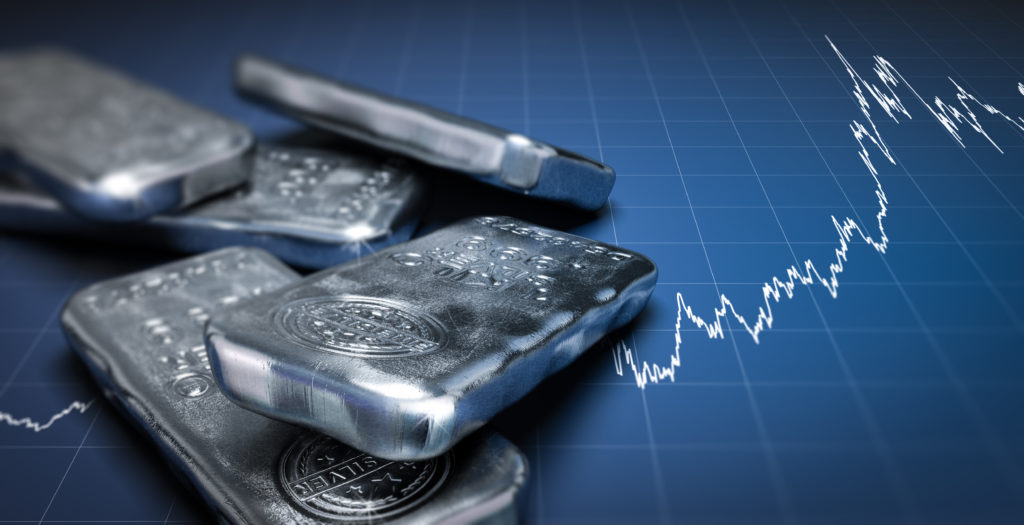
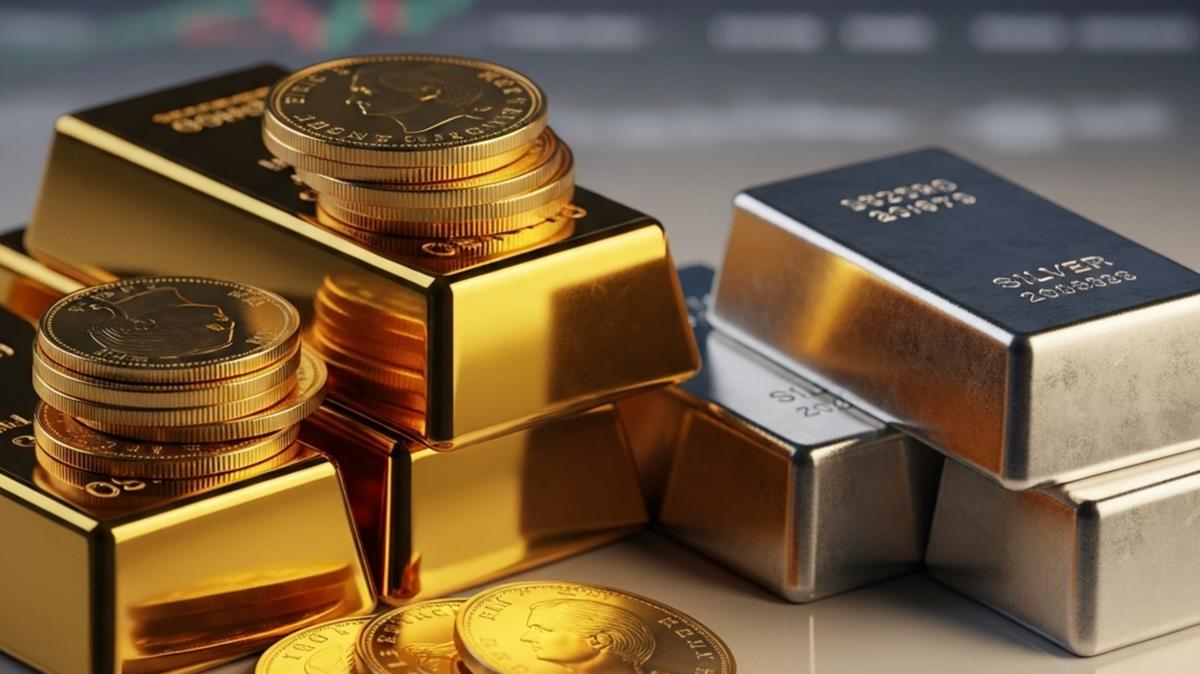
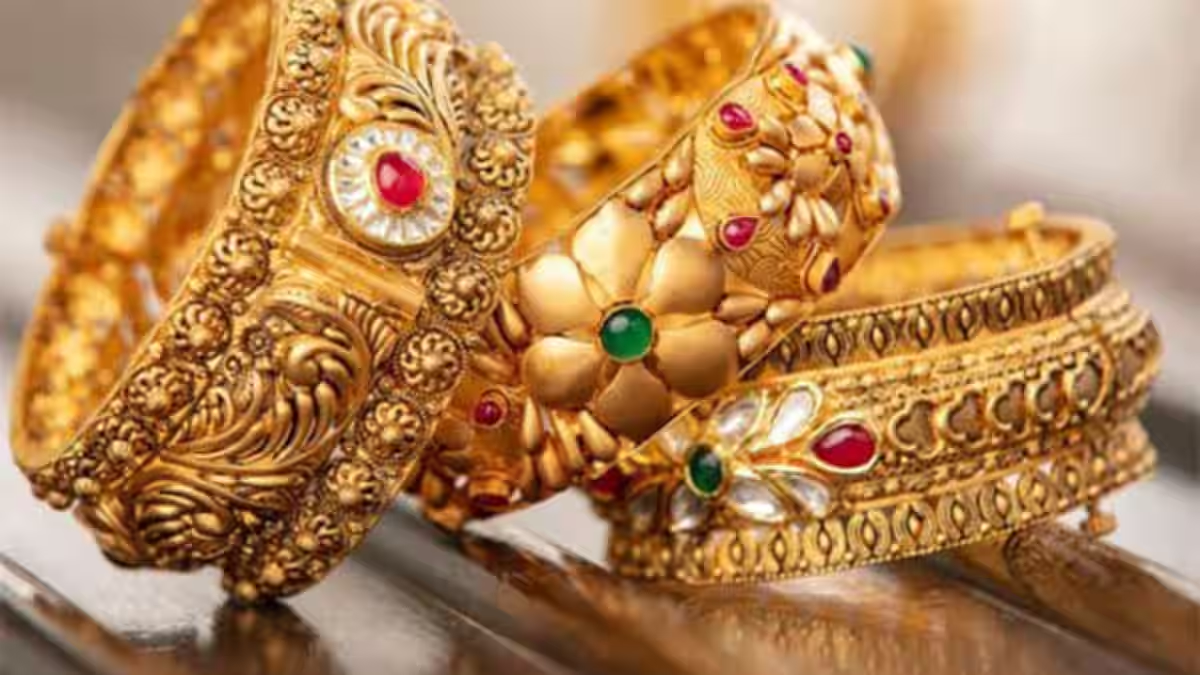
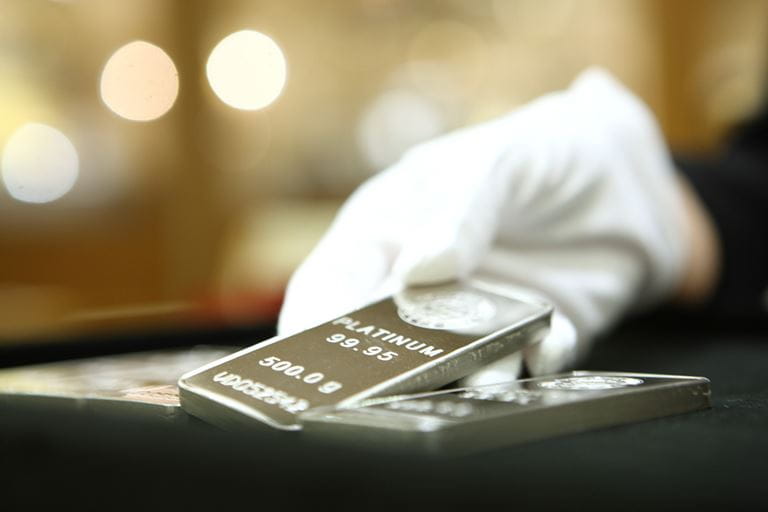
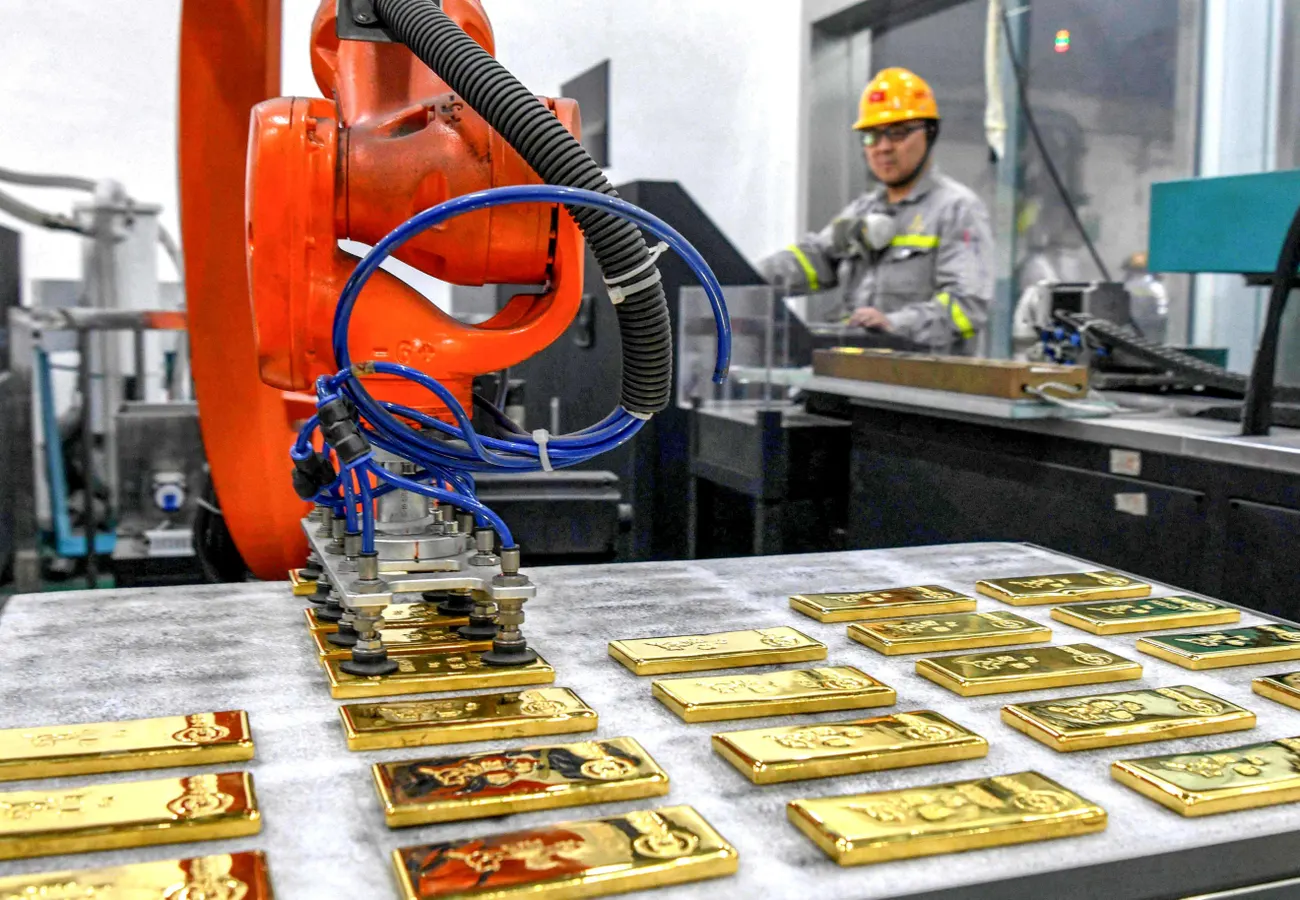
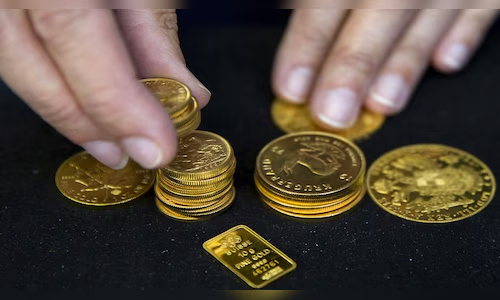
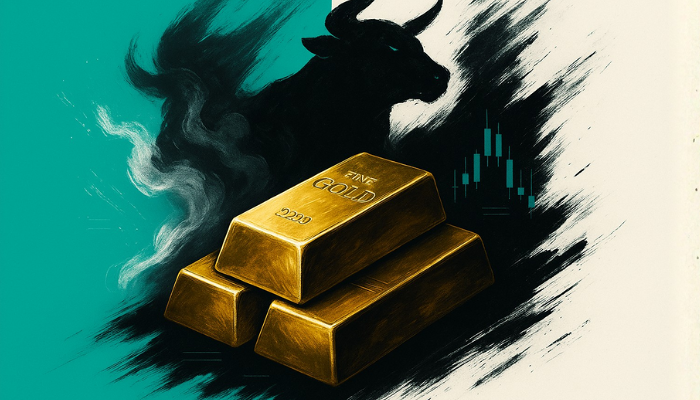
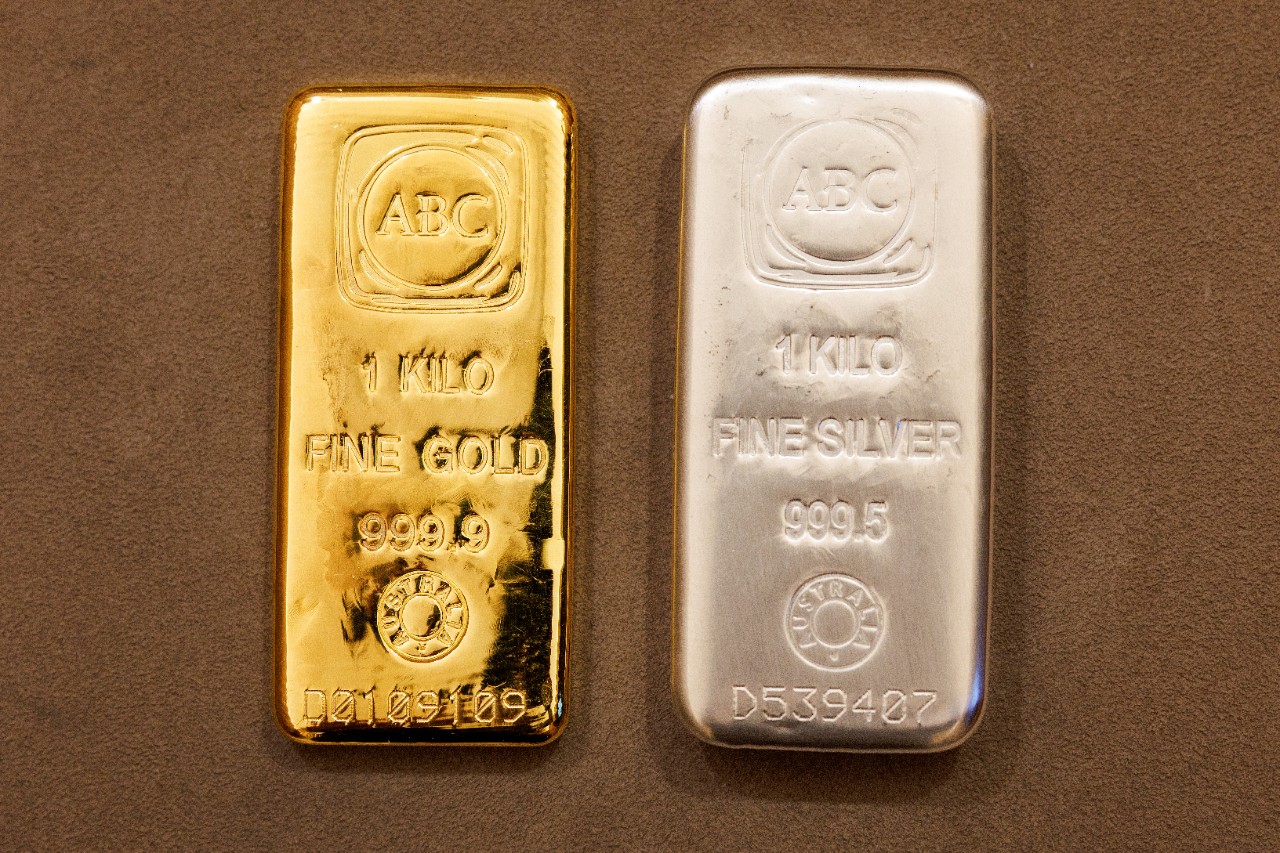
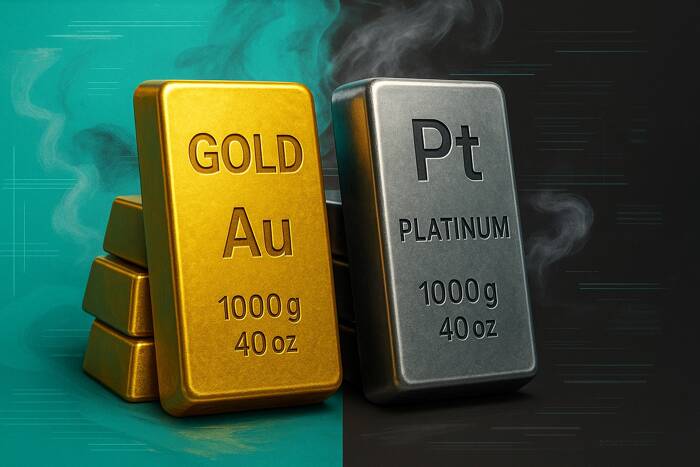
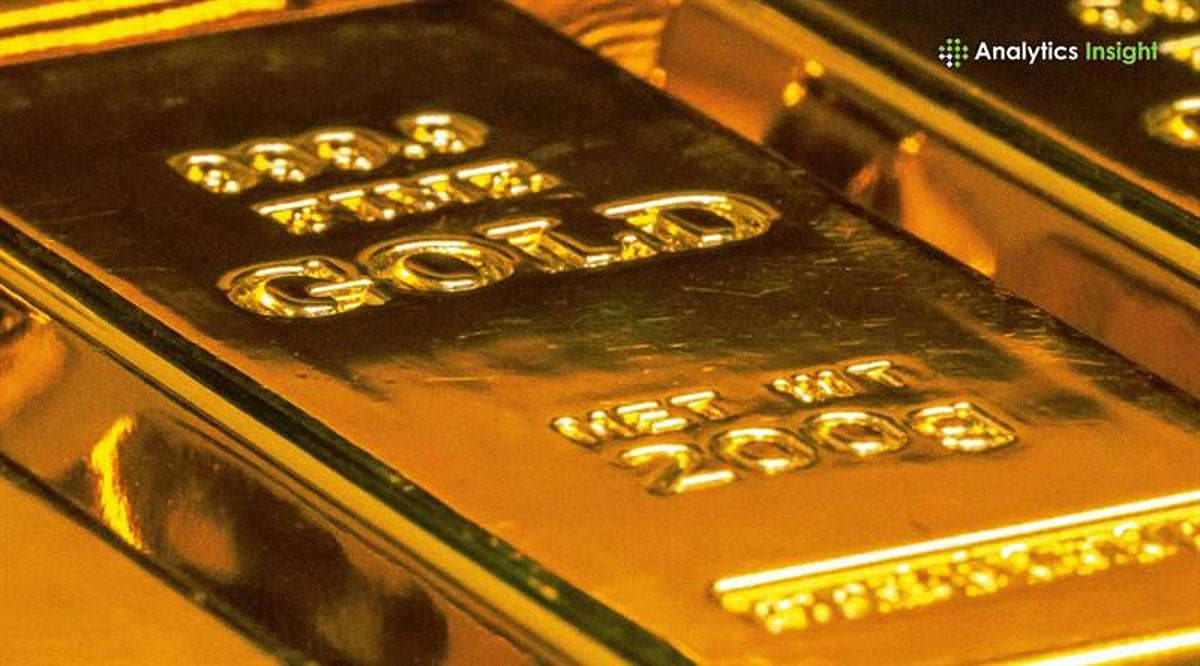
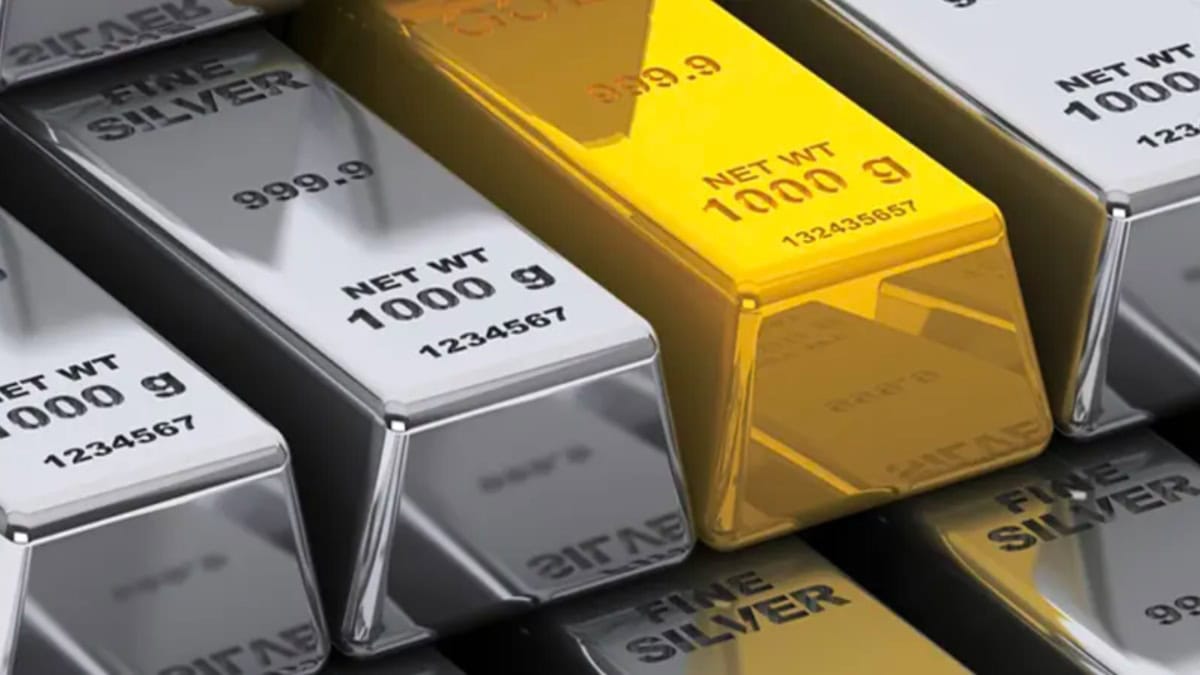
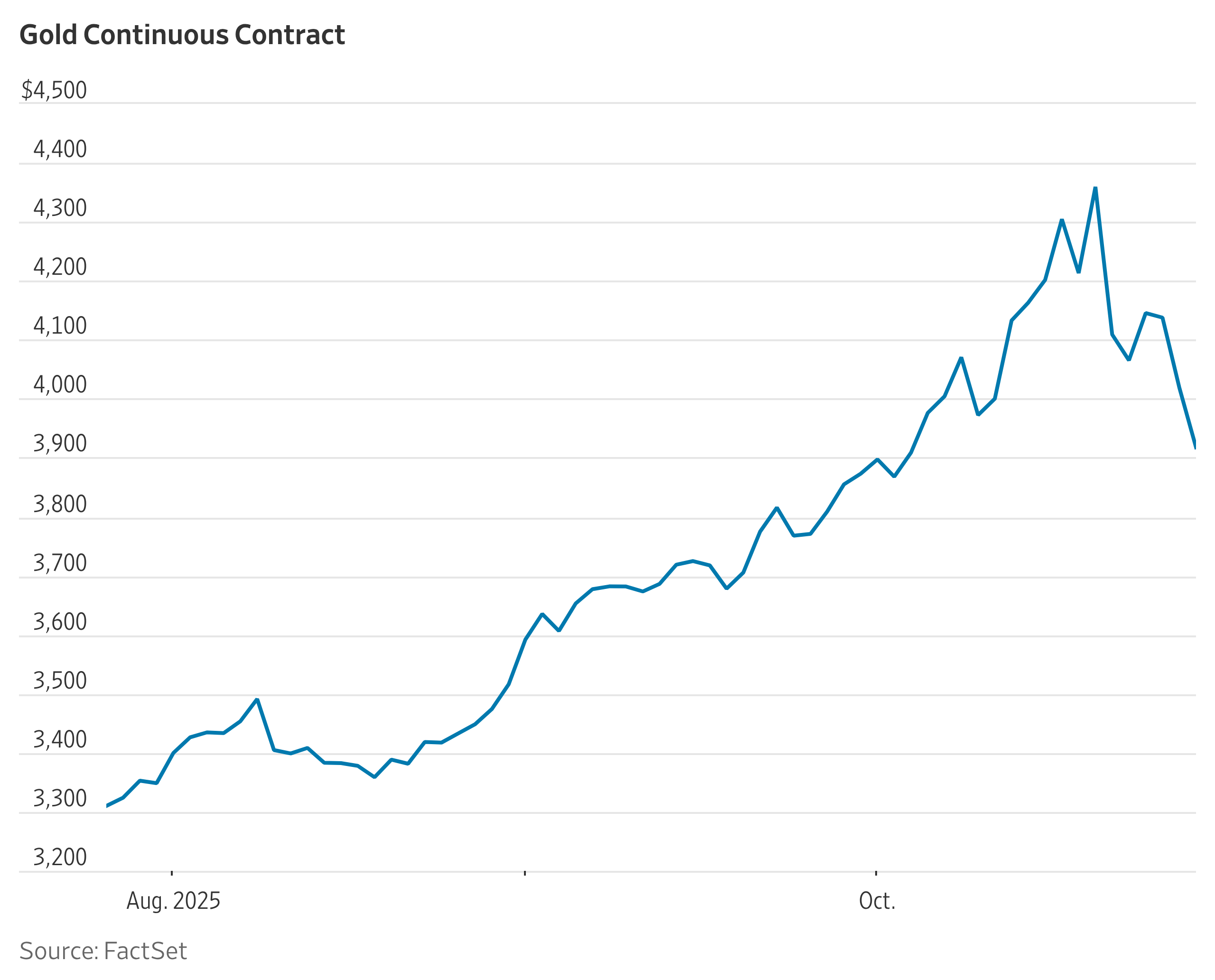
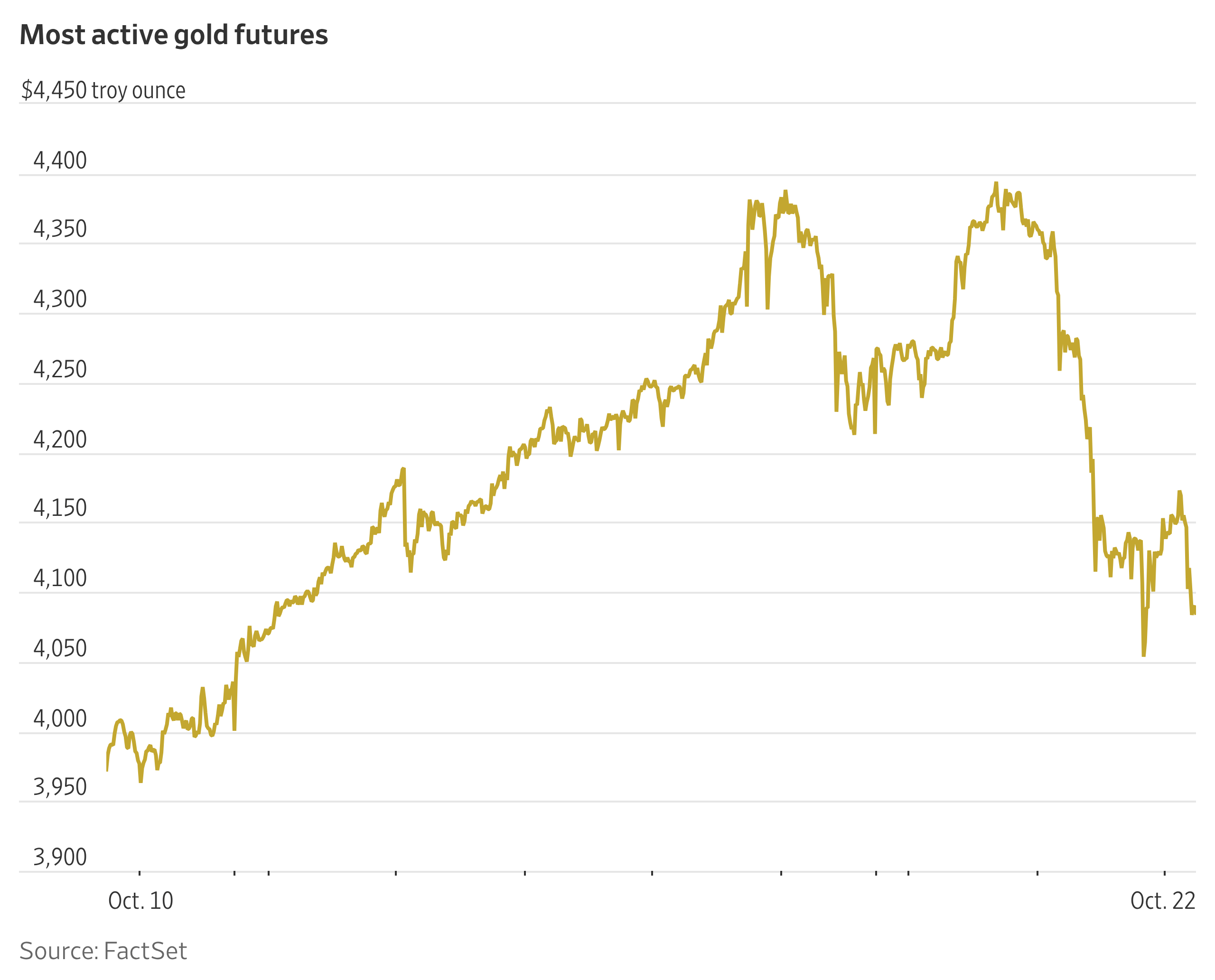
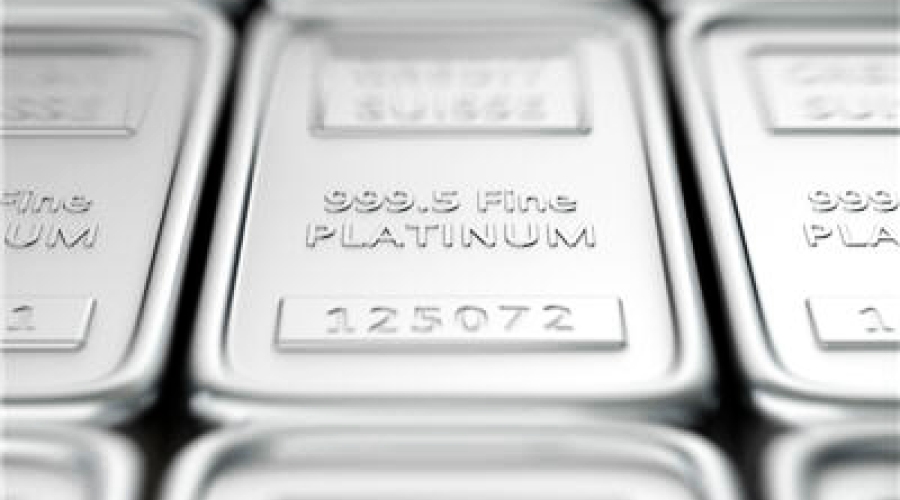
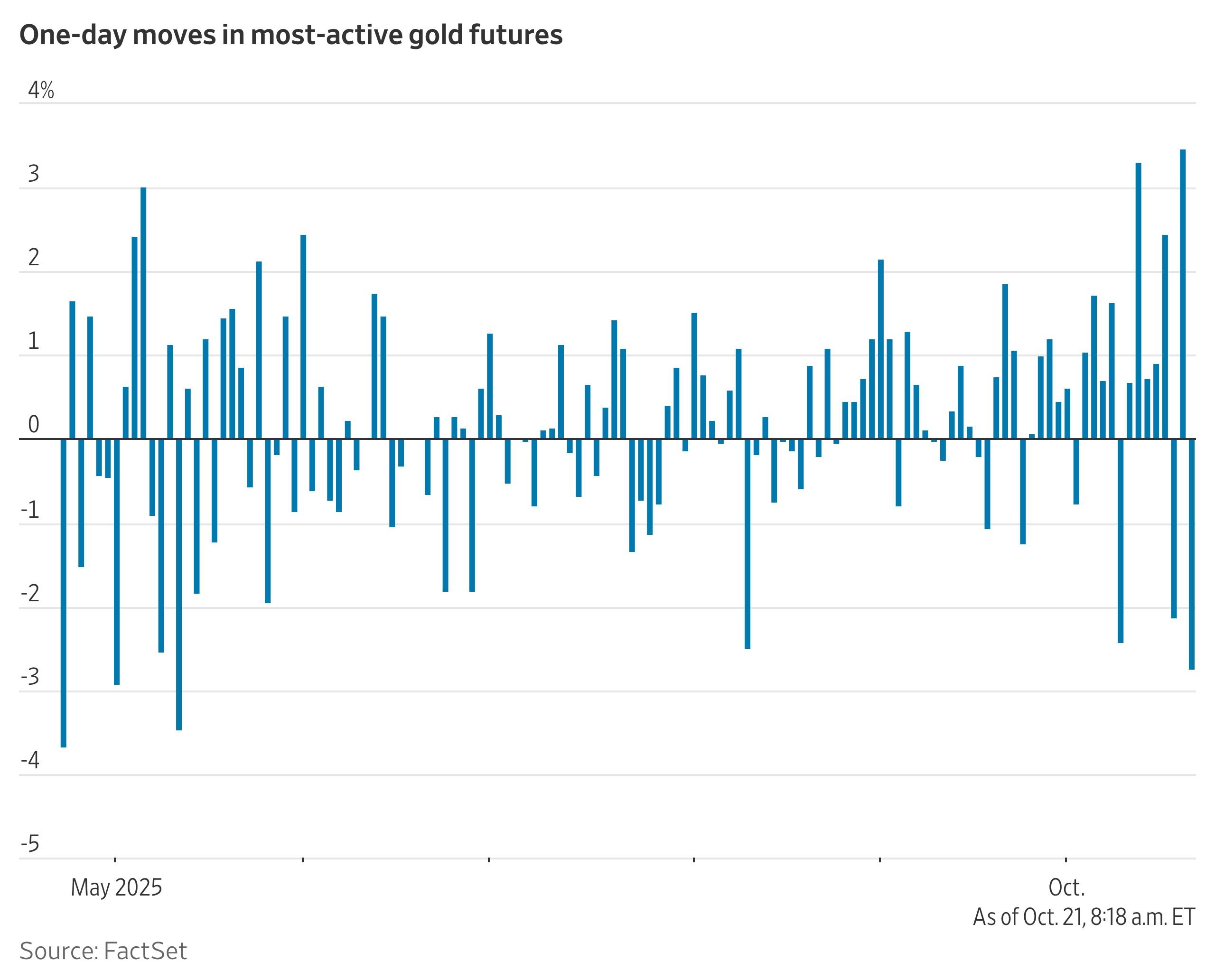
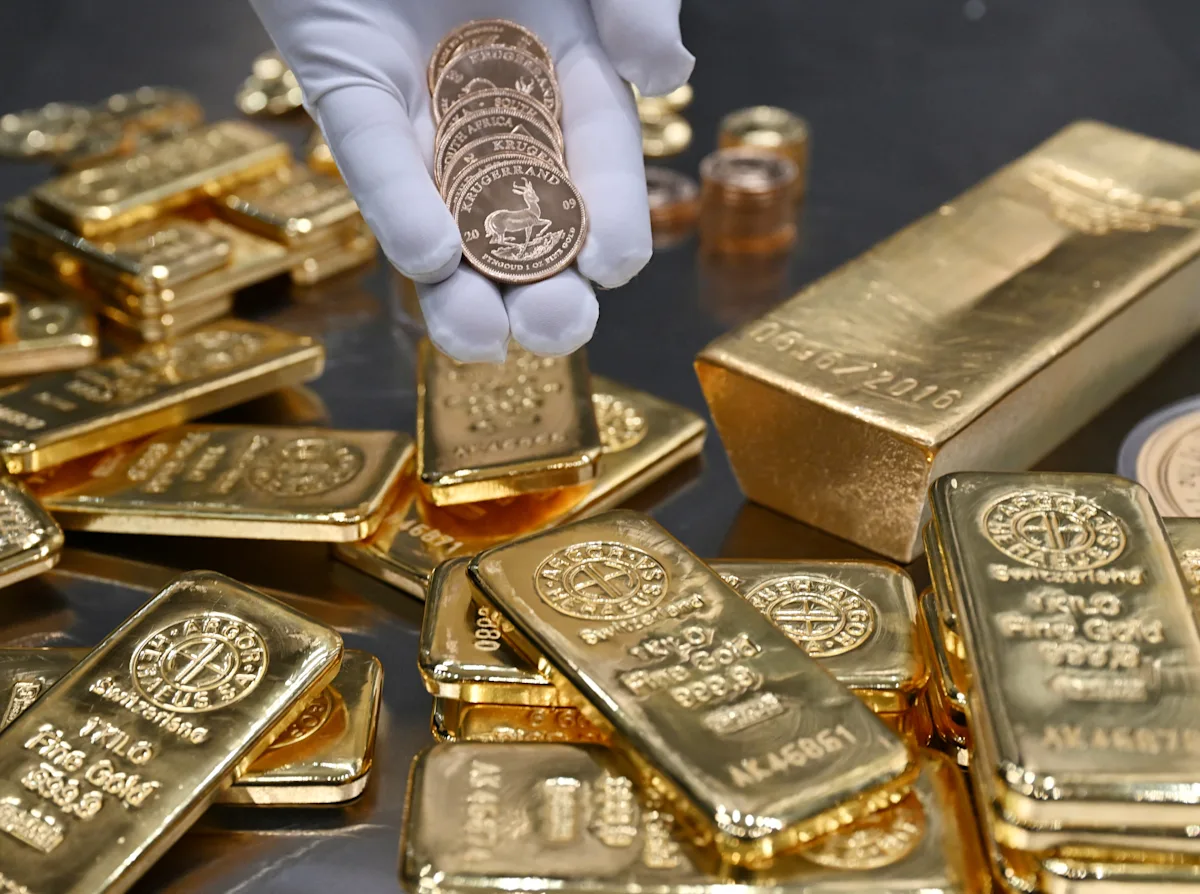
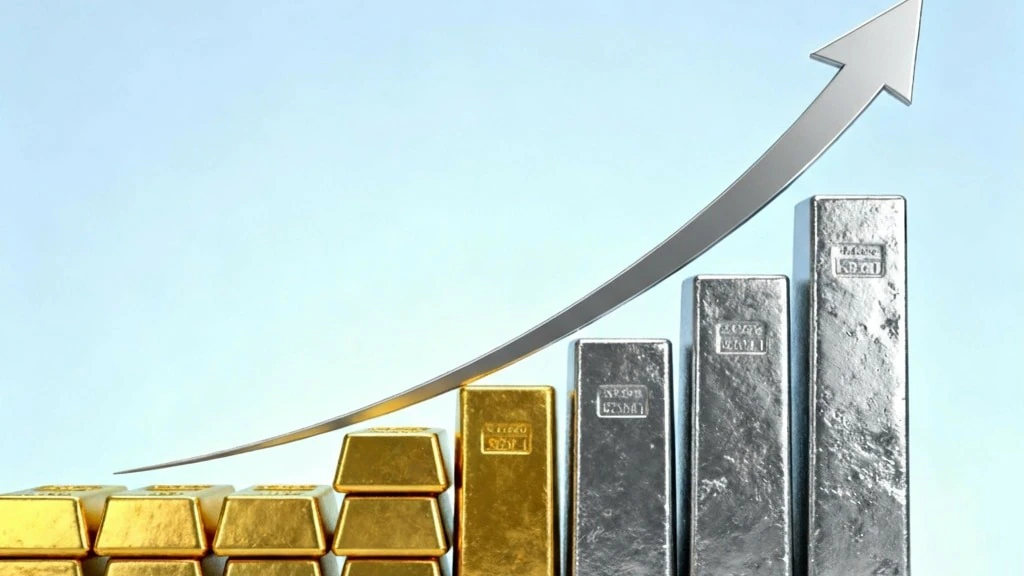
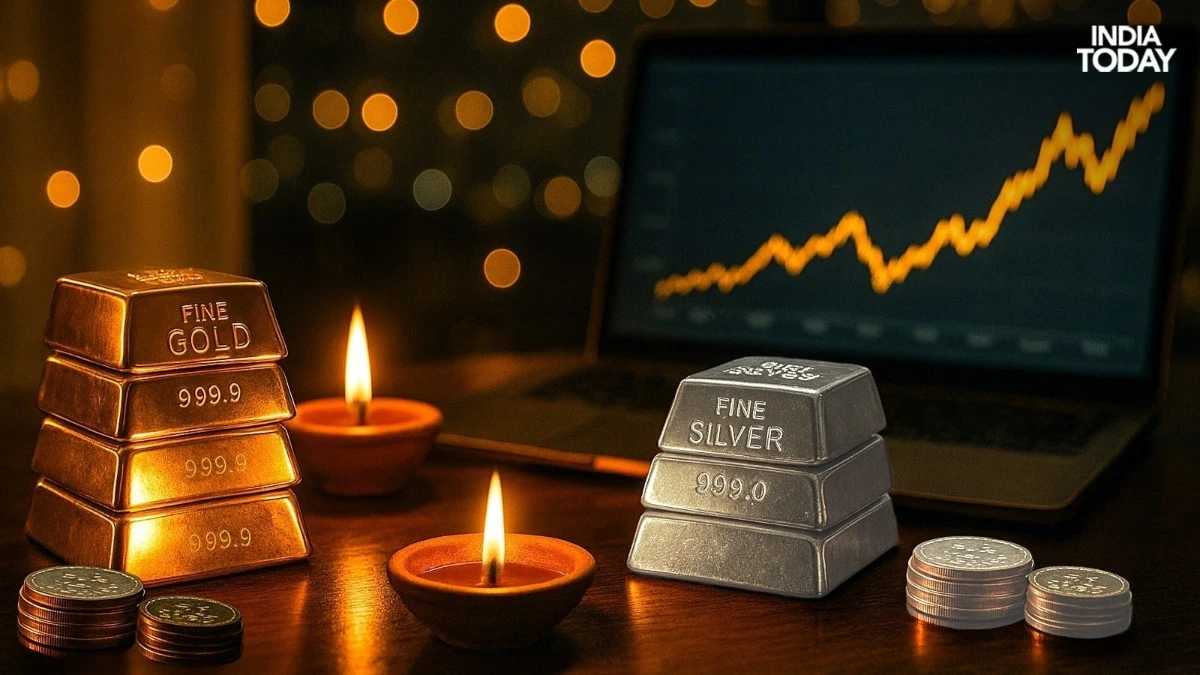
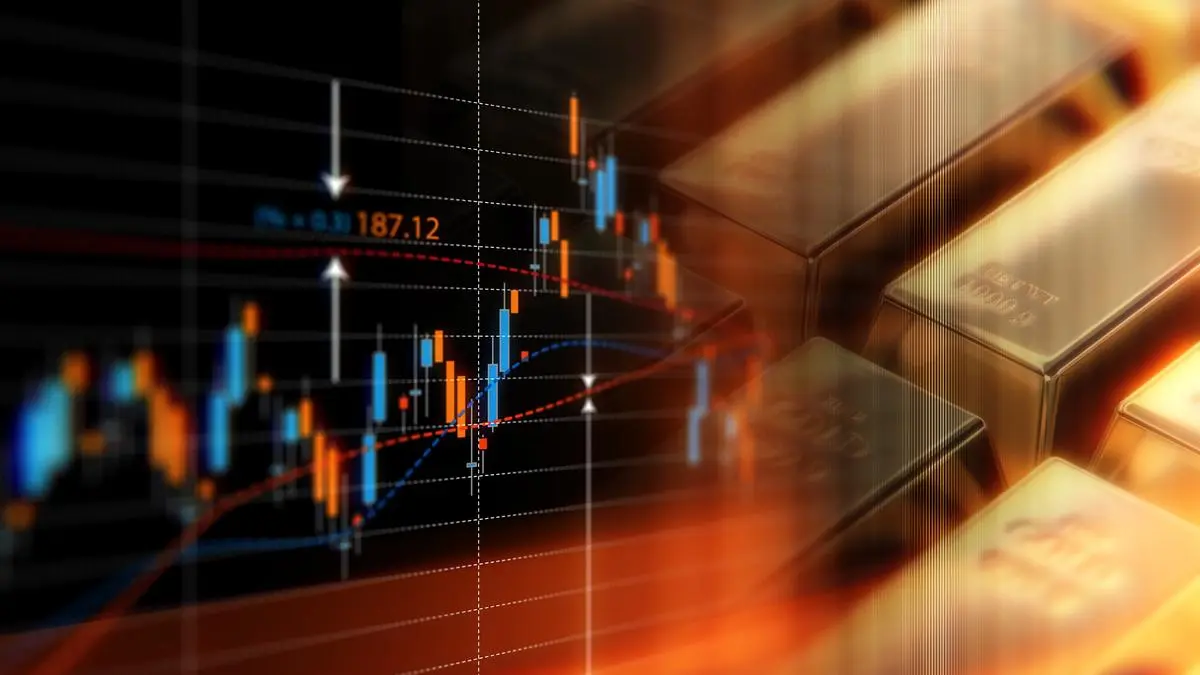
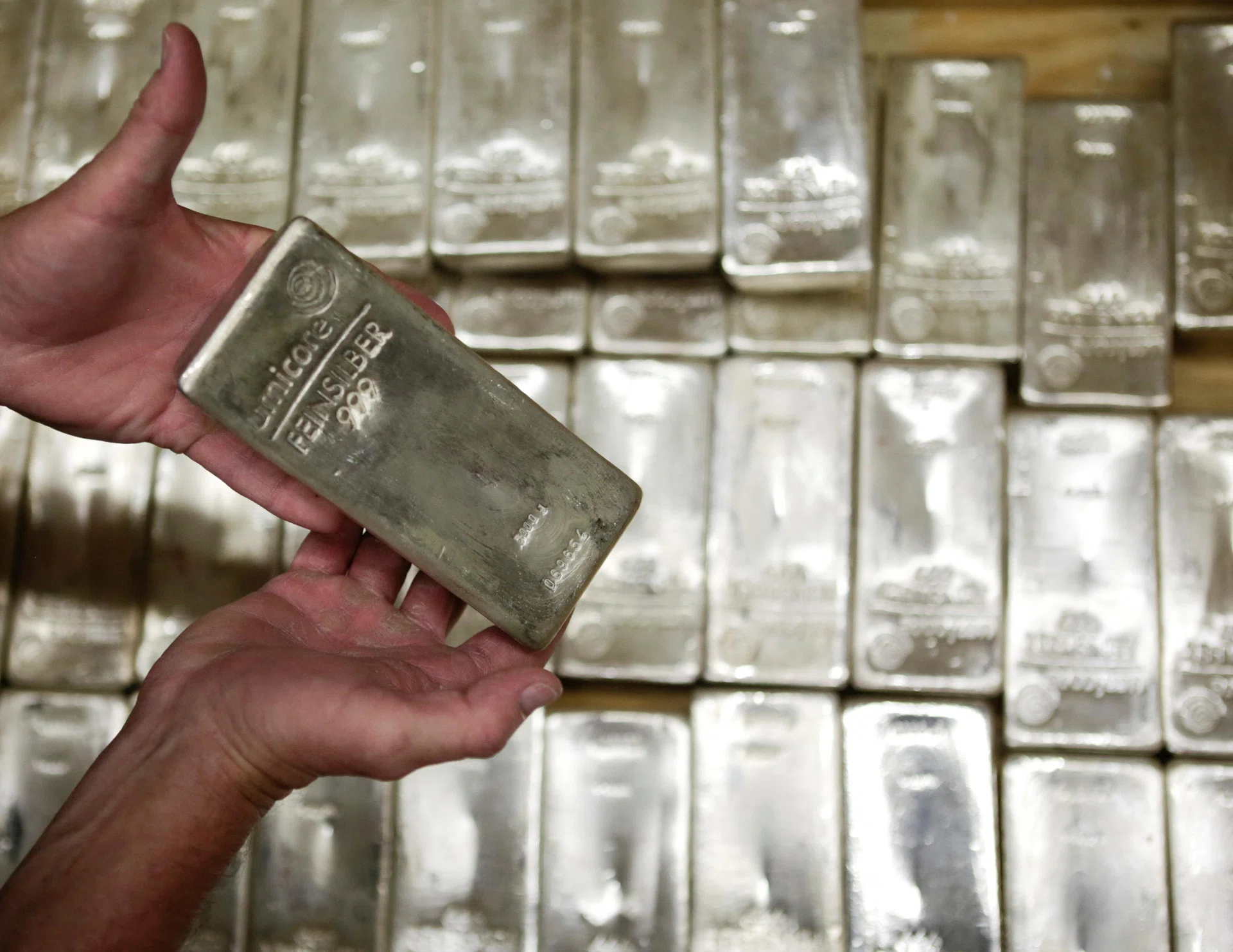
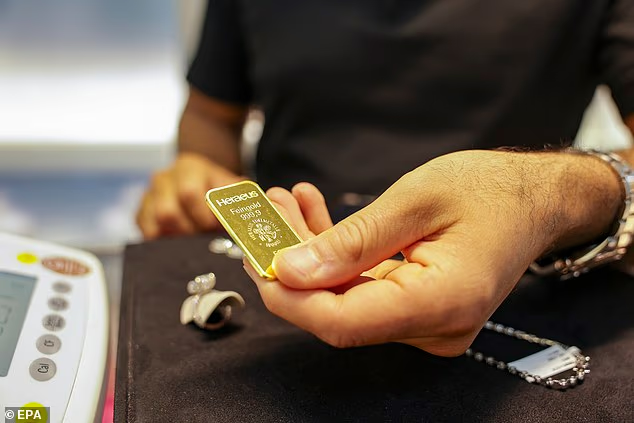
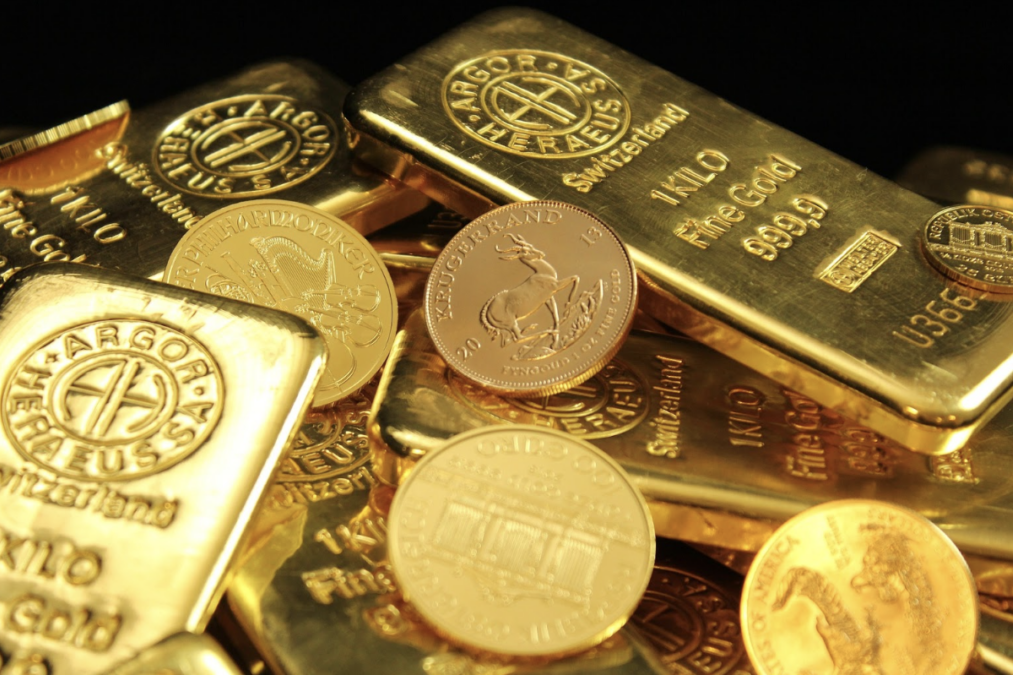
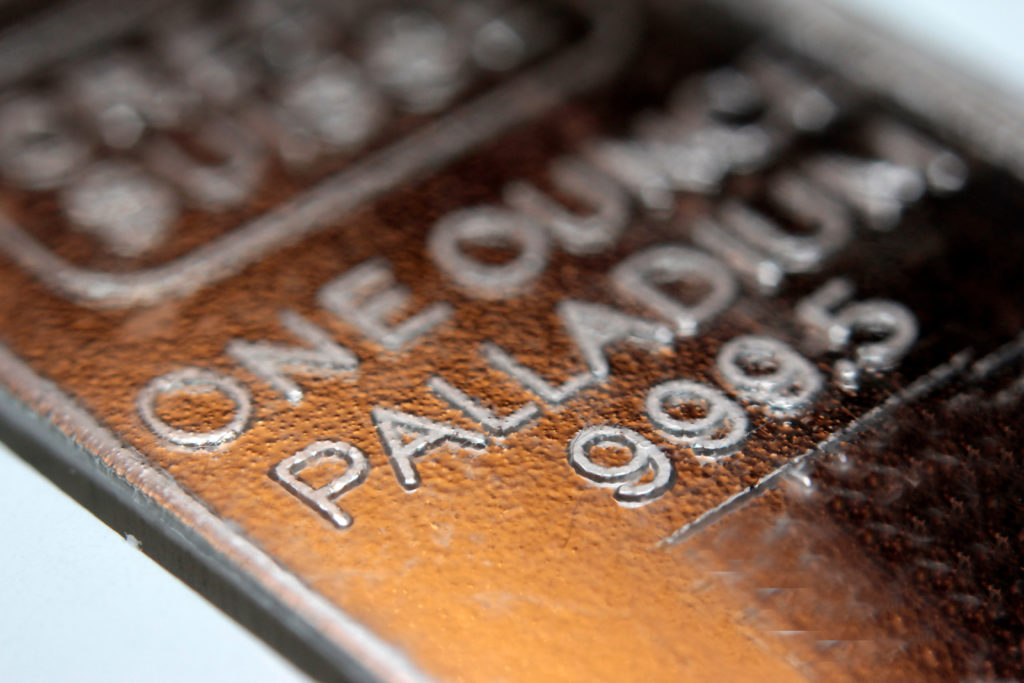
Also, professionals usually call gold a traditional “safe haven”. In 2025, the precious metal rose in price by 64% on world markets — this was the strongest movement since 1979. In January 2026, the price of it updated the historical maximum, exceeding $ 5,600 per troy ounce, and the ruble value for the first time broke through 12 thousand rubles per gram.
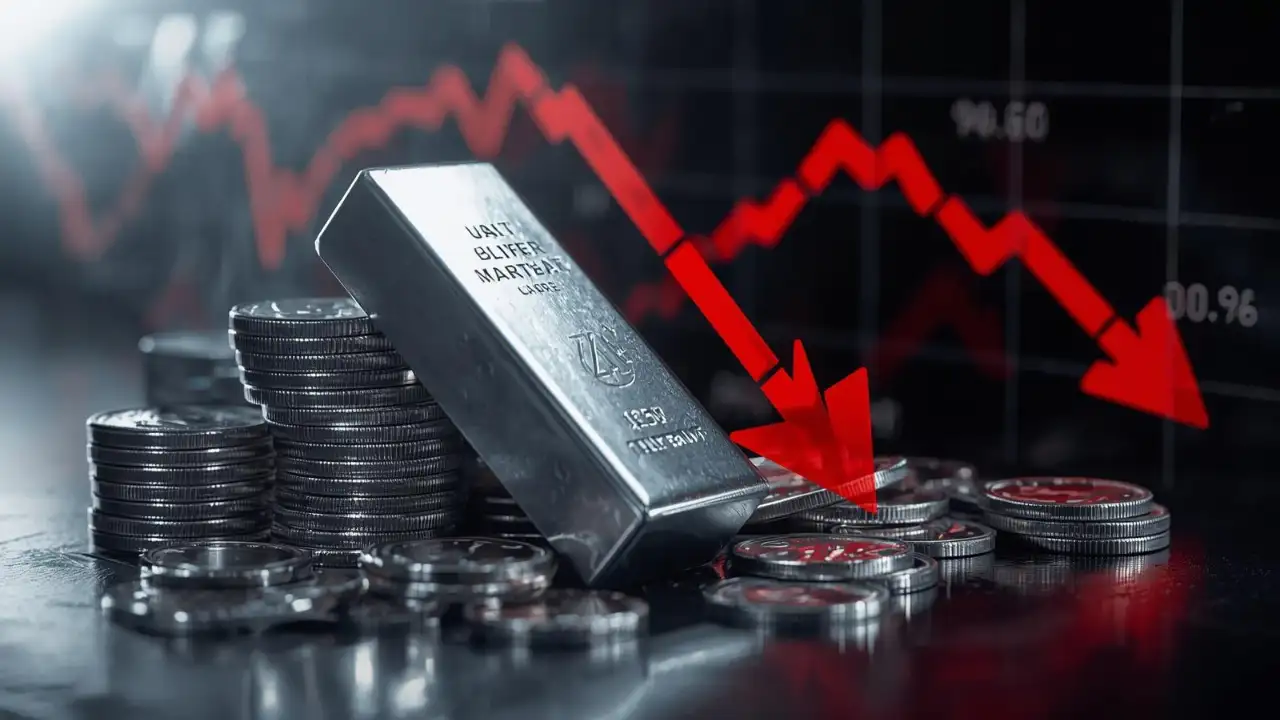
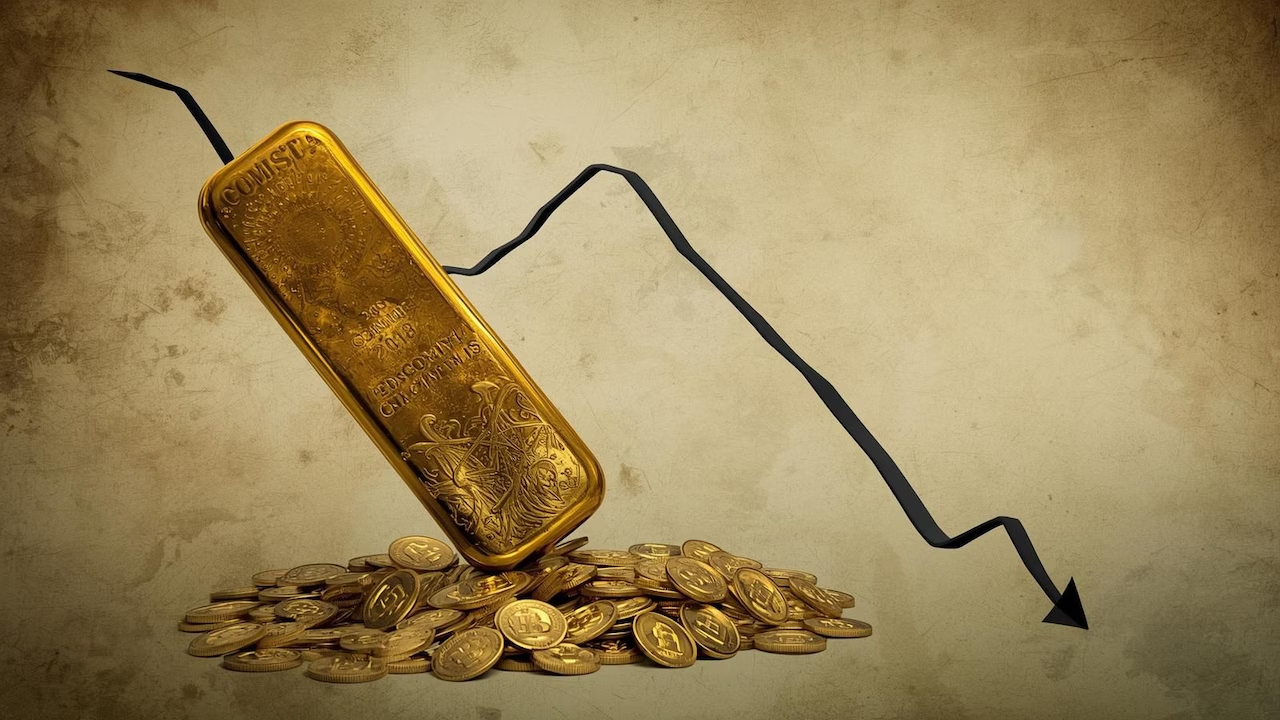
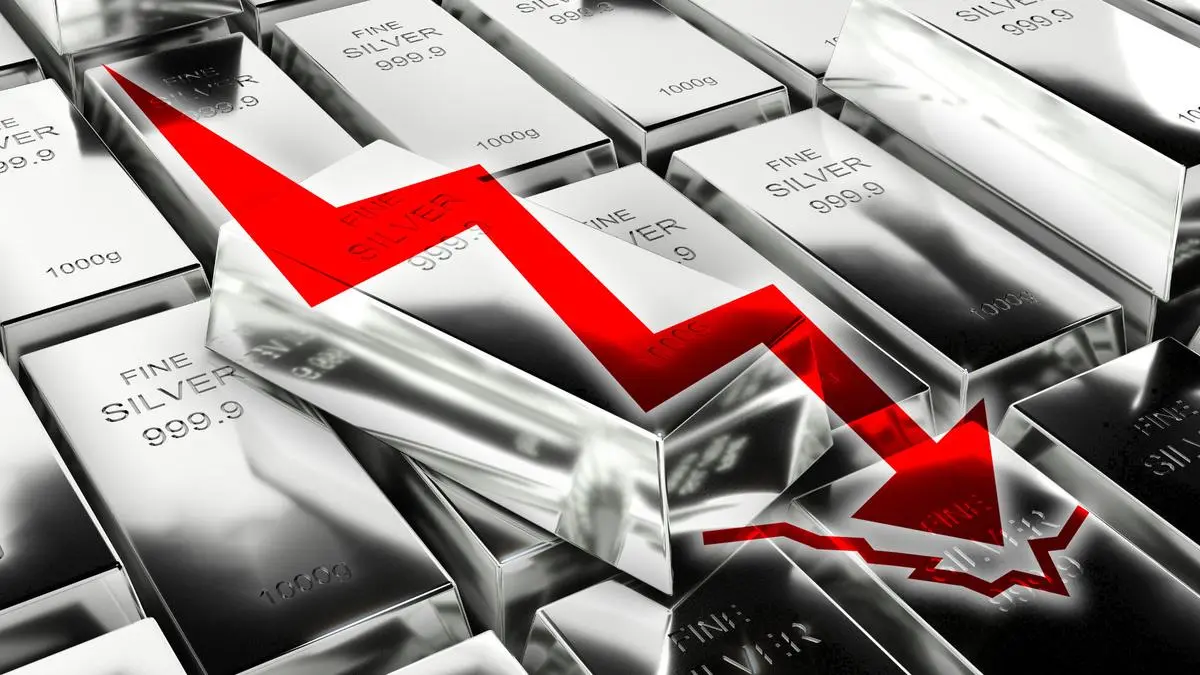
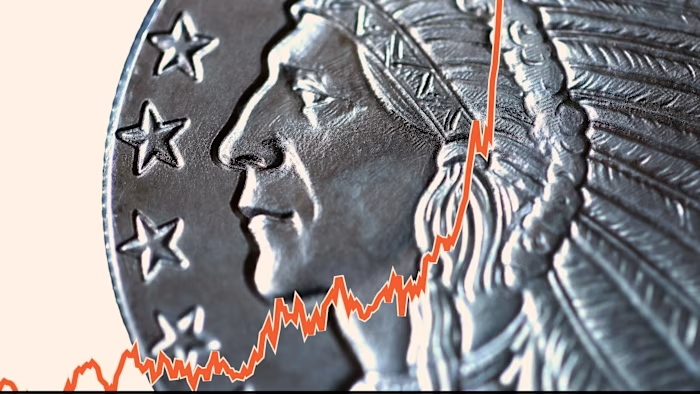
However, a sharp correction followed, by mid-June, gold had lost more than 20% of its January peak, and on the 18th it was trading at $4,250-4,300 per troy ounce. High volatility is a distinctive feature of the precious metals market in 2026. Therefore, even during a period of turbulence, gold does not guarantee stability. Experts advise treating it as part of a diversified portfolio, rather than as the only reliable asset.
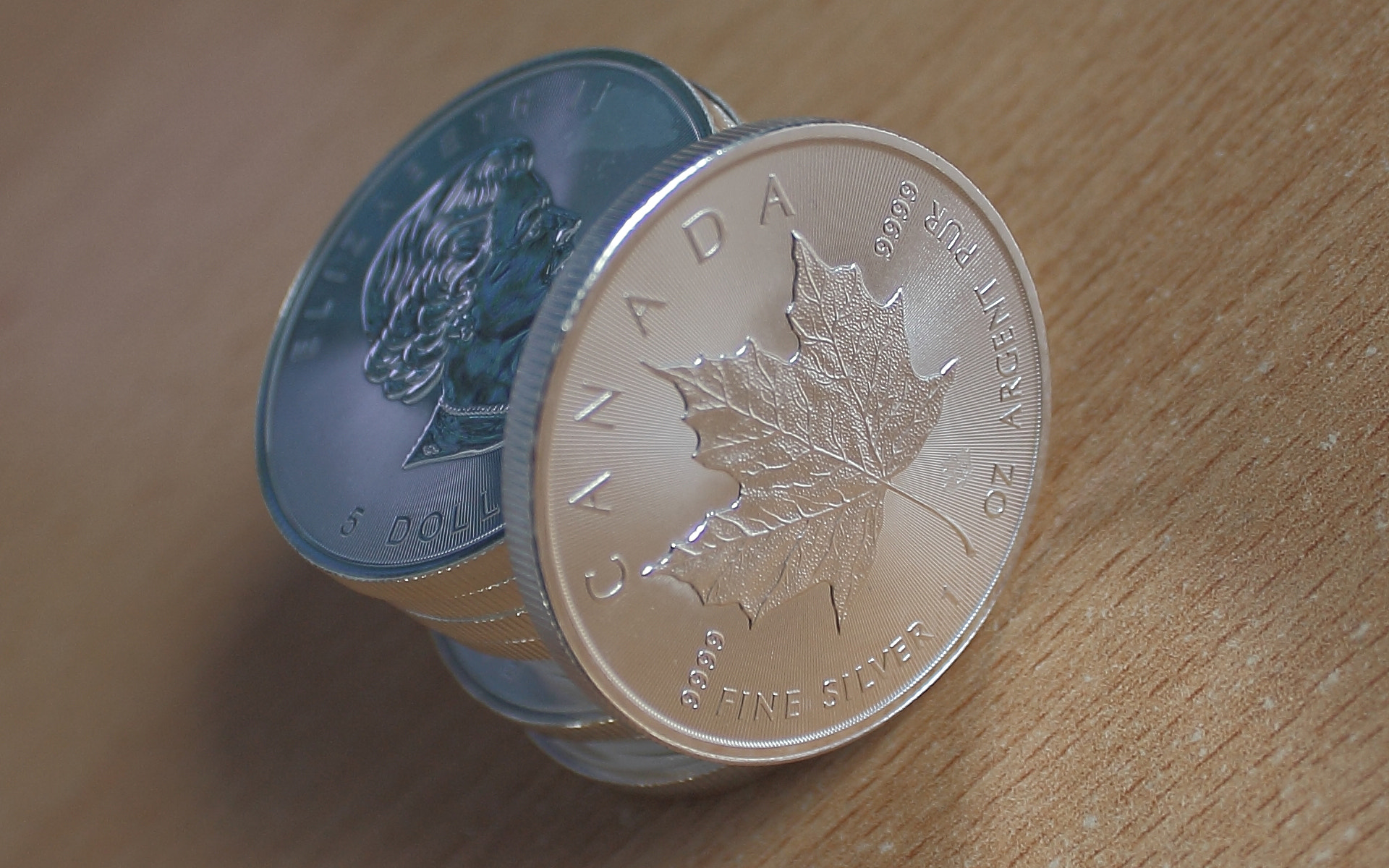
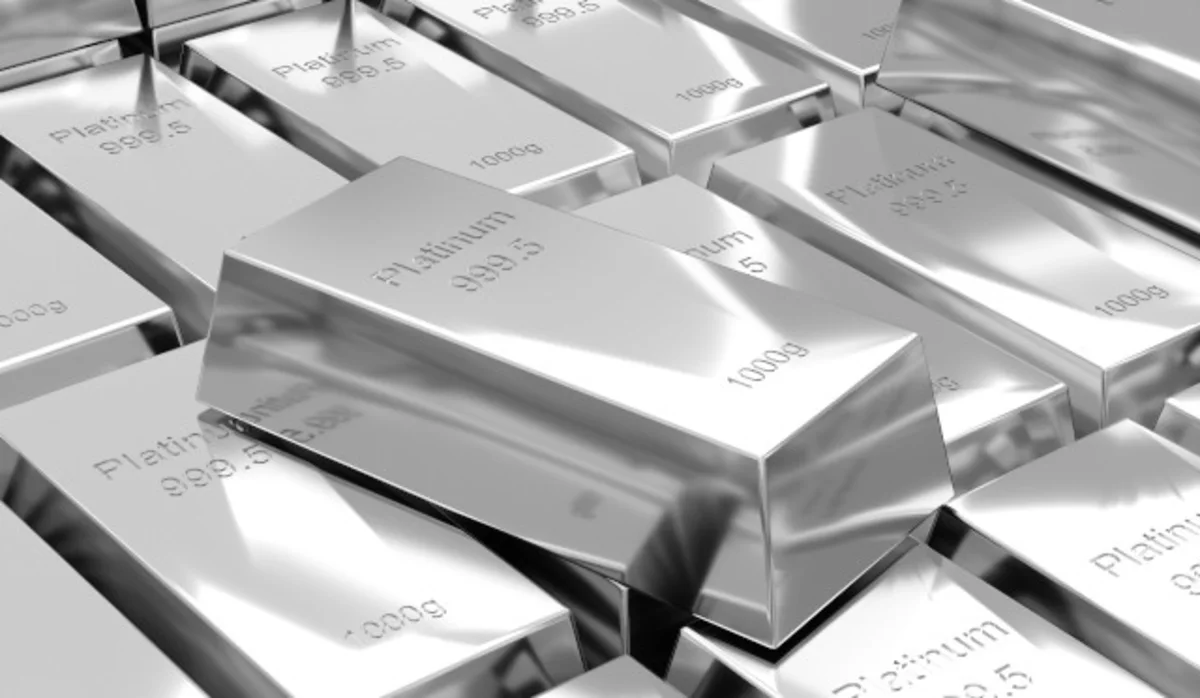
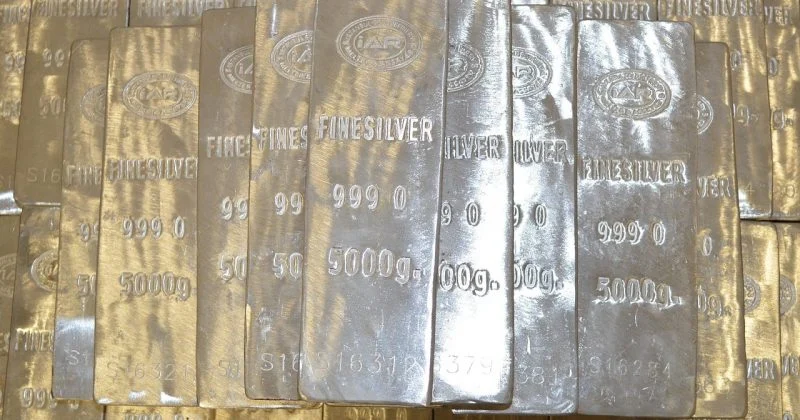
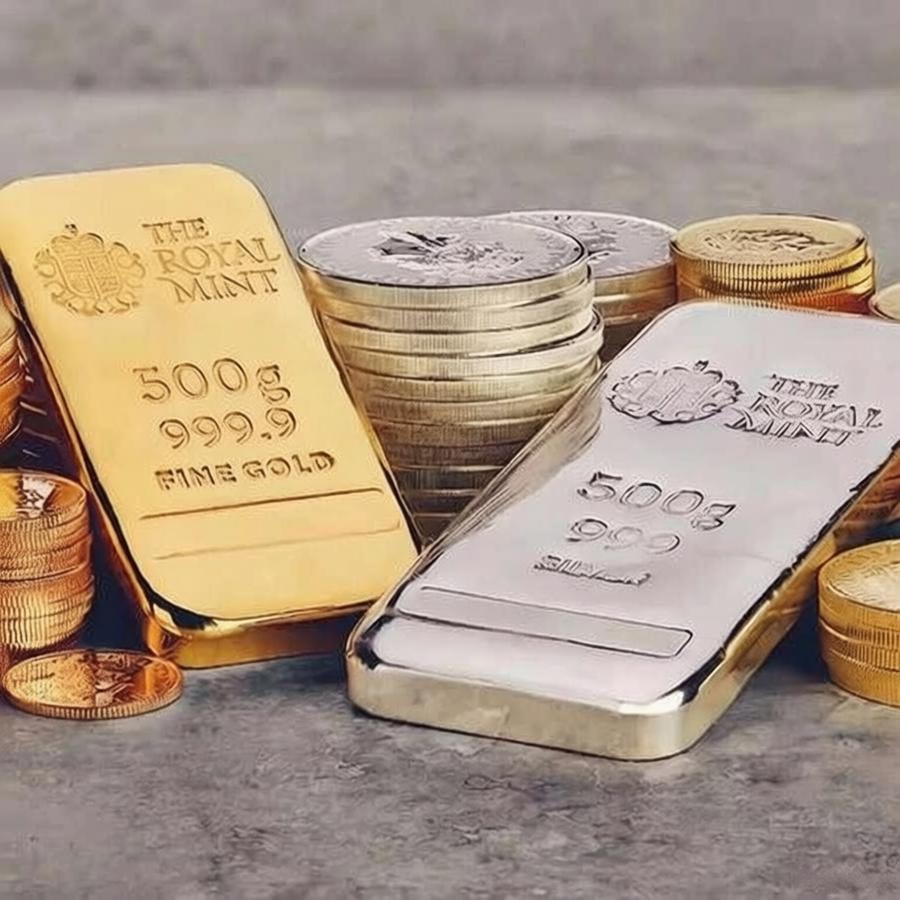
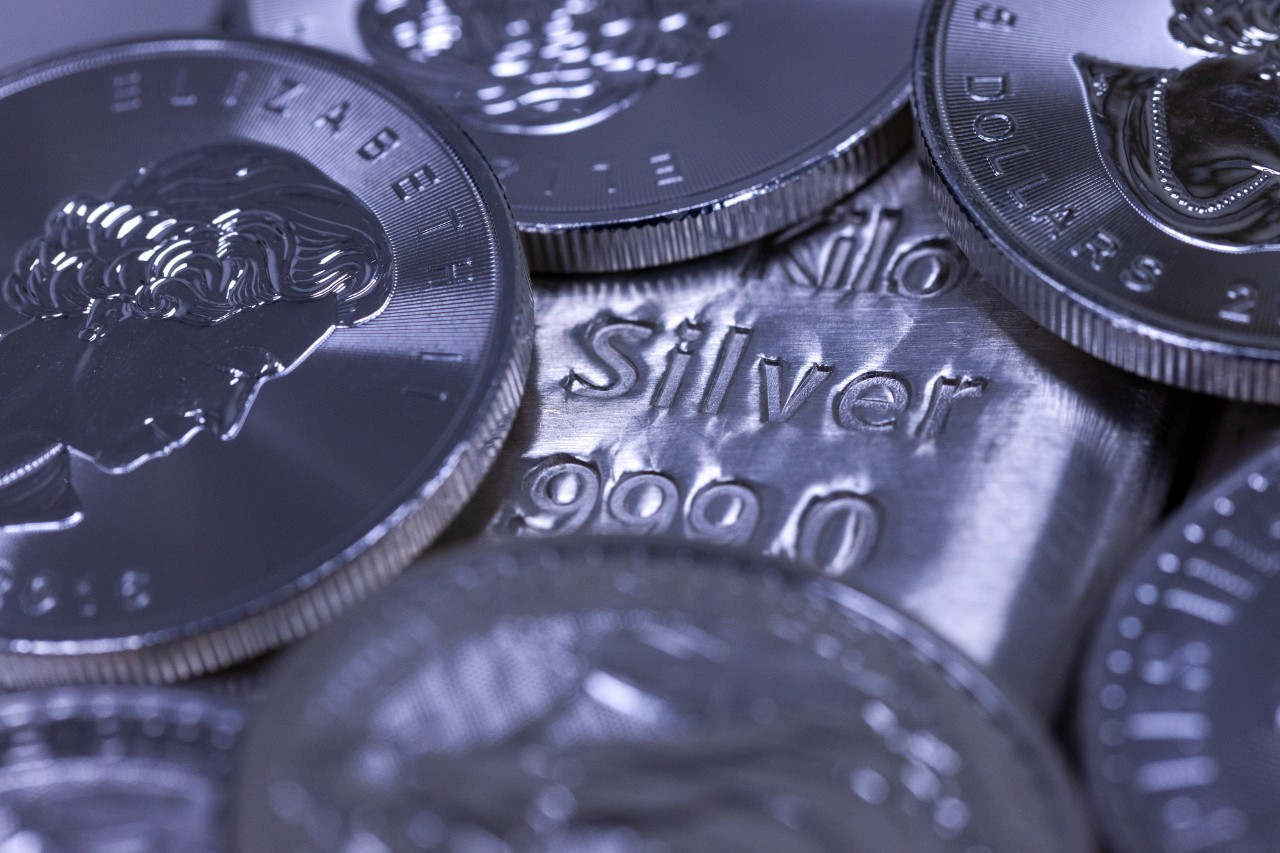
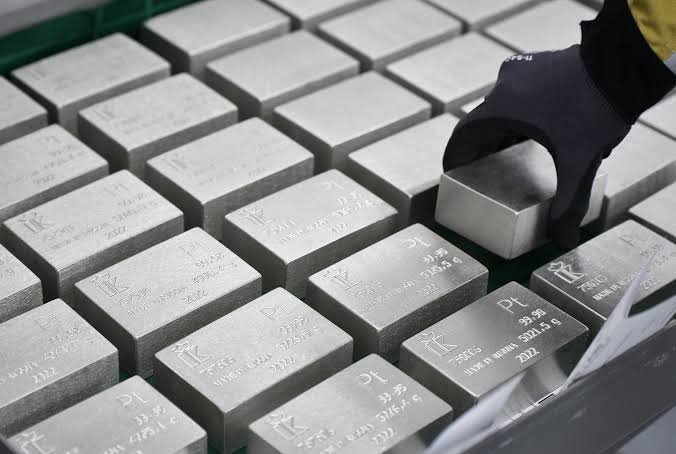
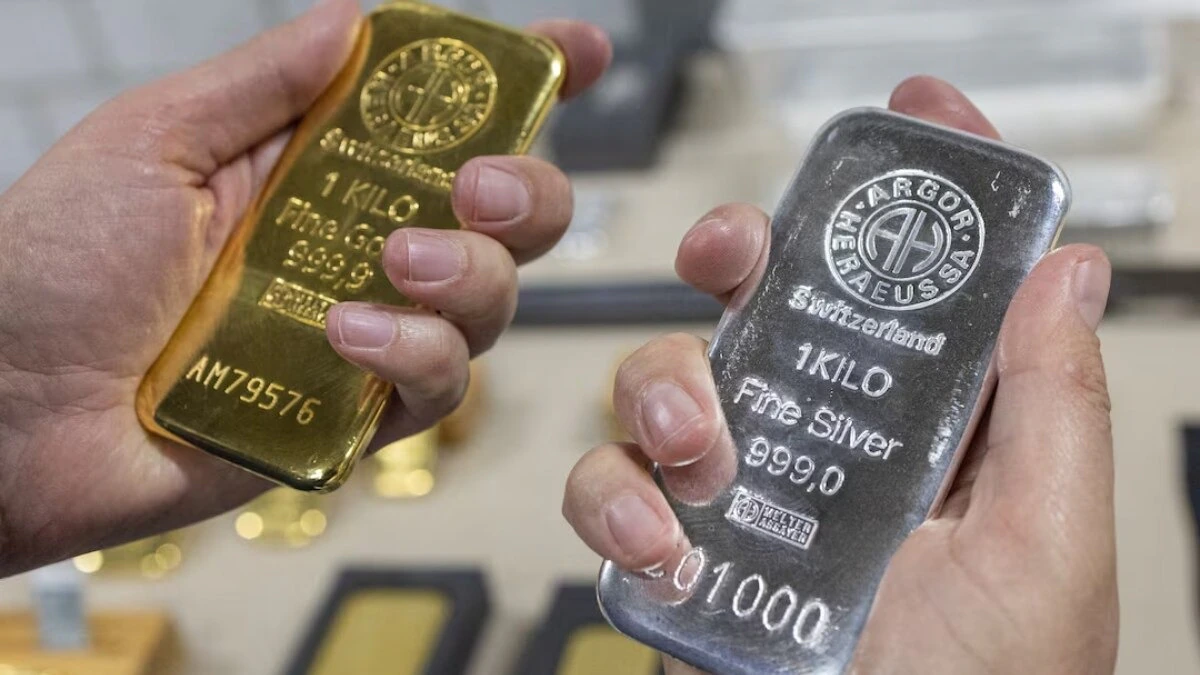
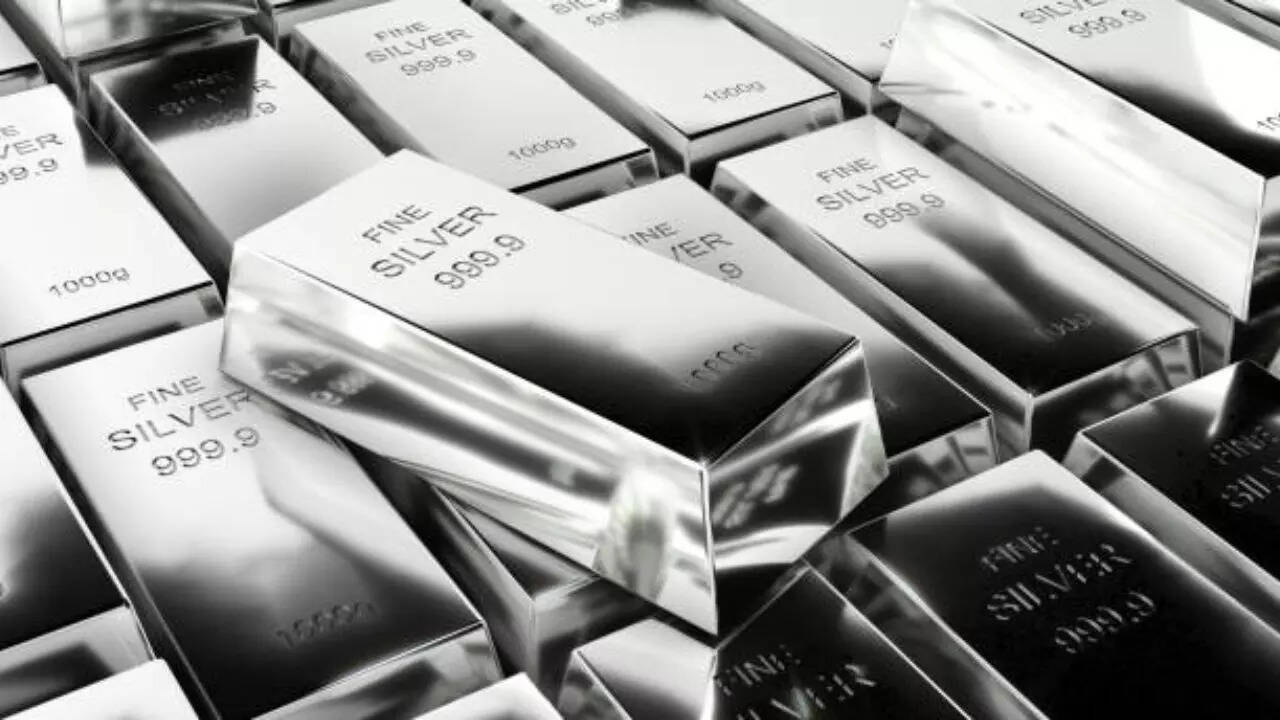
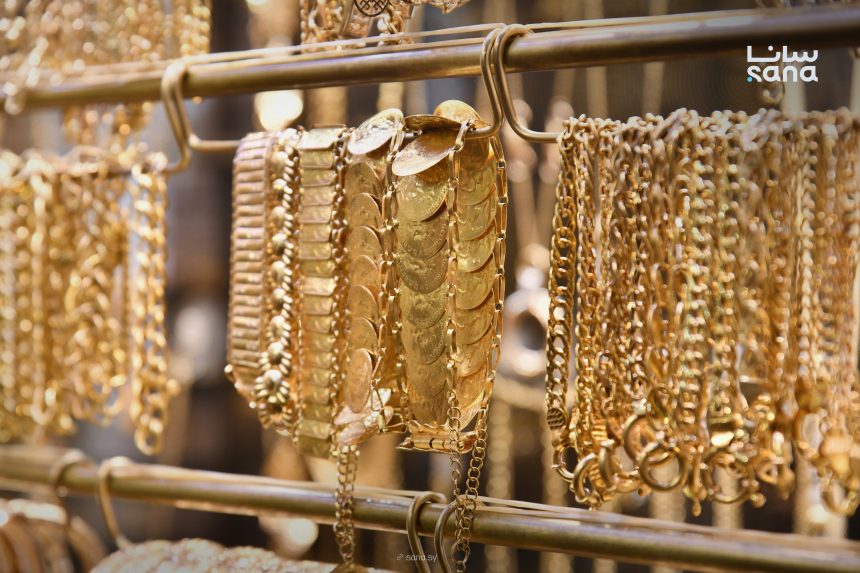
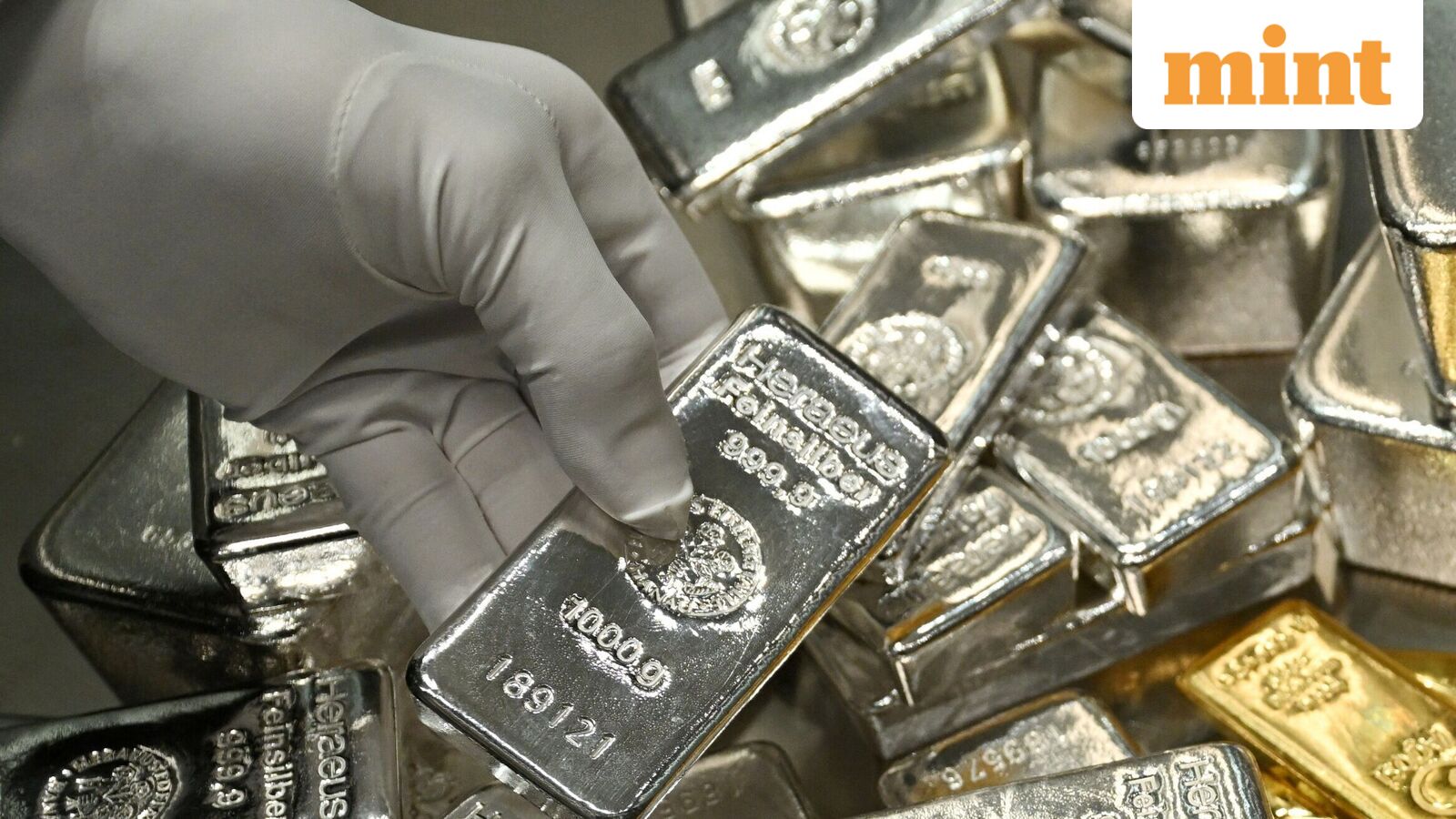
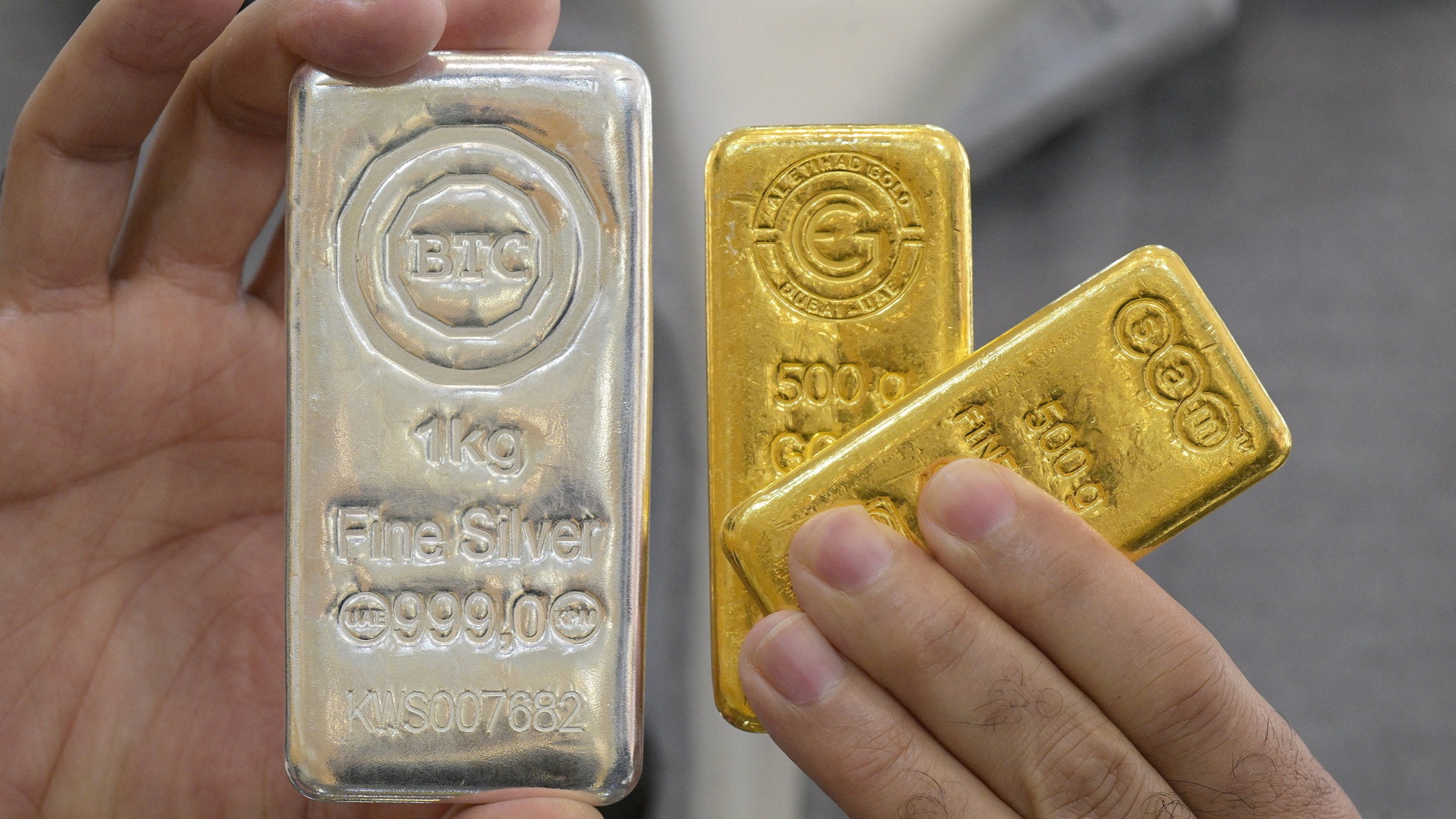
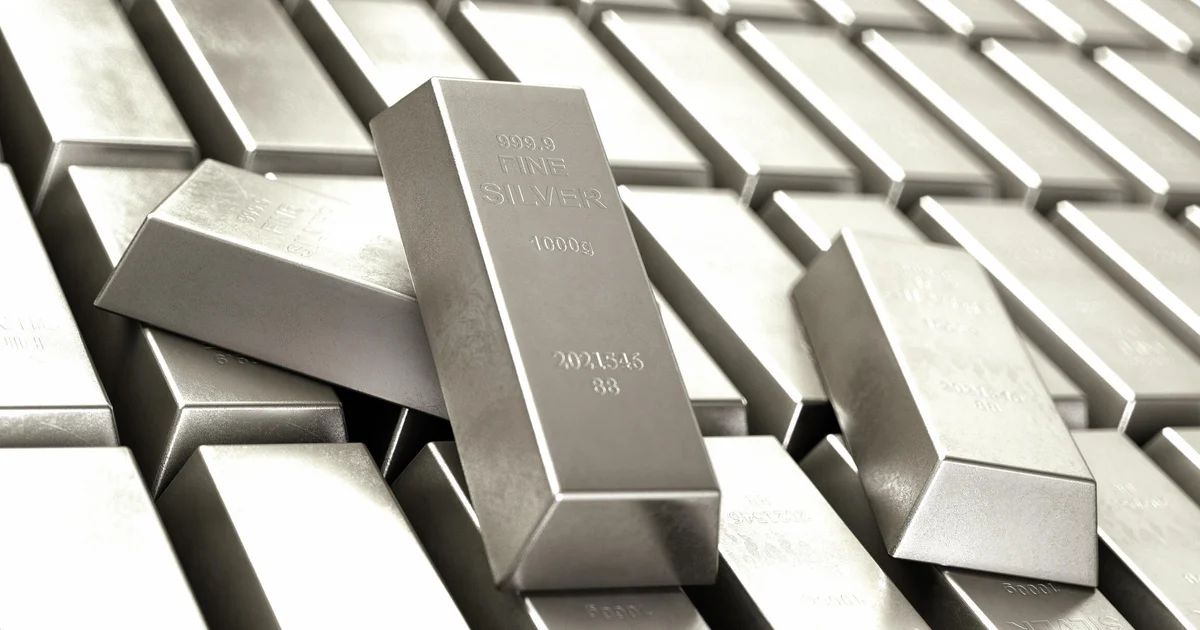
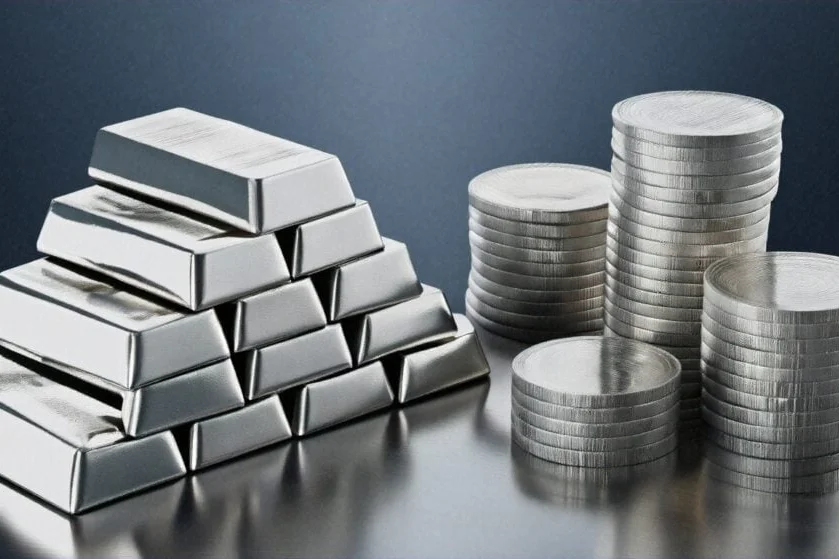
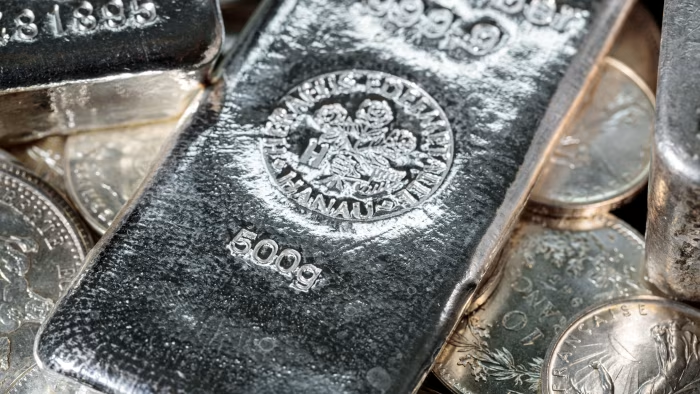
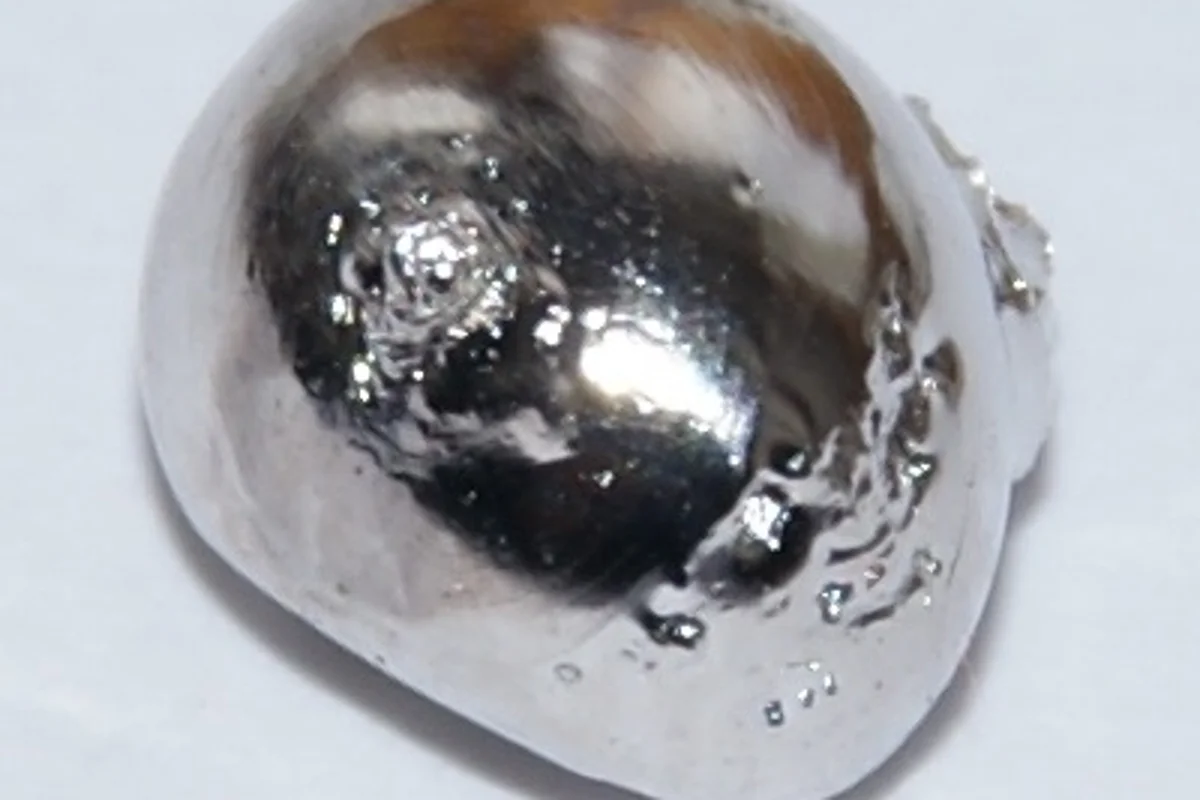
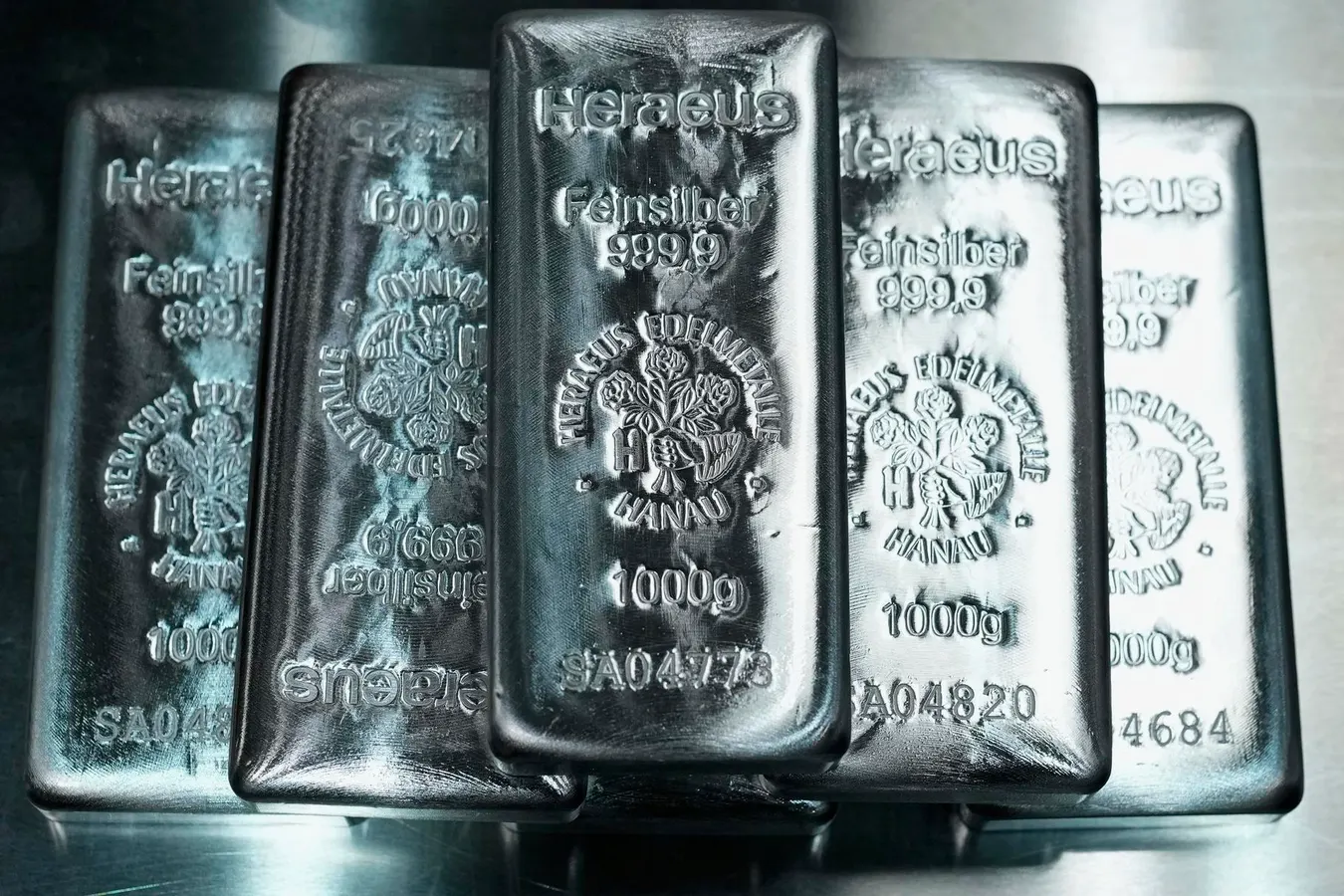
A private investor should keep at least 40% of his savings portfolio on a ruble deposit. Another 10-20% can be invested in gold or silver, and only the remaining savings can be invested in securities, Natalia Milchakova believes.
Also, do not panic — emotional sales in such a period often lead to losses, Denis Astafyev emphasized. Instead, the expert advises focusing on selectivity and sound risk management. Alexey Rodin shares the same opinion. According to him, the mass withdrawal of investors will only cause additional artificial turbulence in the market.
For long-term investors, the current market decline gives them the opportunity to gradually buy up high-quality assets at attractive prices, analysts believe. The main thing is to do it consciously, based on fundamental indicators, and not on emotions. The market is cyclical, and a fall will inevitably be followed by a recovery — it’s only a matter of time and the investor’s willingness to wait for it.