A company that has spent decades building its business and a much smaller company trying to expand into new markets can both be listed on the stock exchange. But investing in them can be a very different experience.
For an investor building an MF portfolio, understanding that difference can help decide what role each might play rather than treating them as competing versions of the same investment.
What makes a company large cap or small cap?
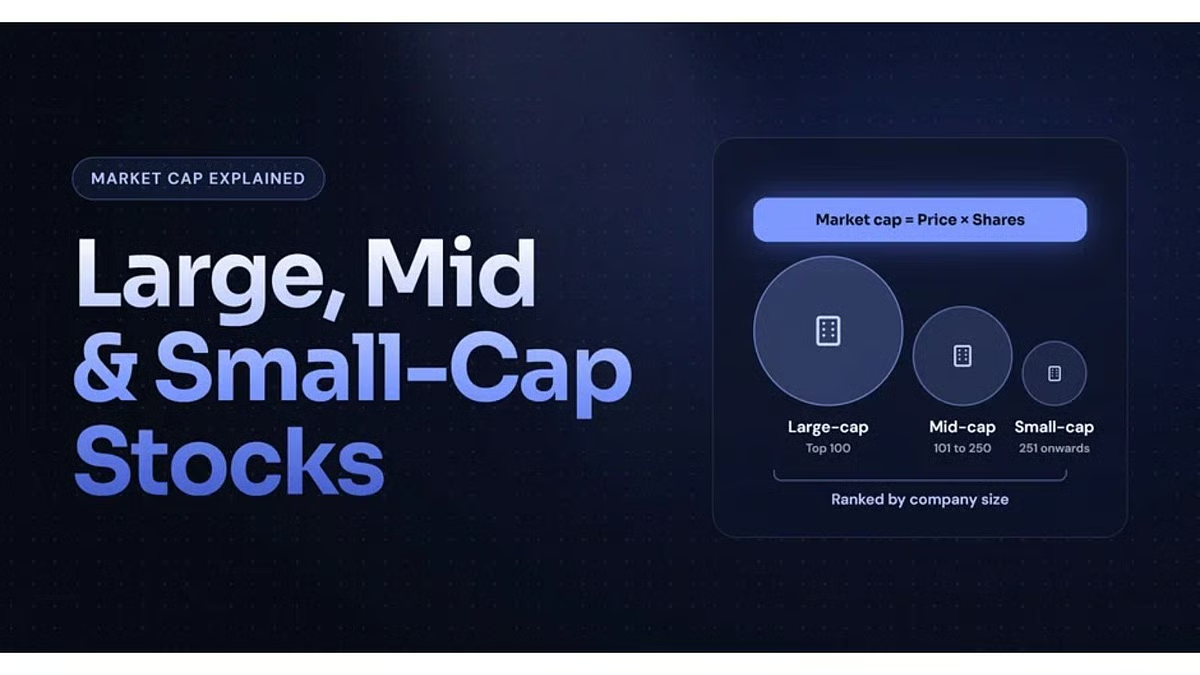
The distinction begins with market capitalisation, which broadly refers to the total market value of a company’s outstanding shares.
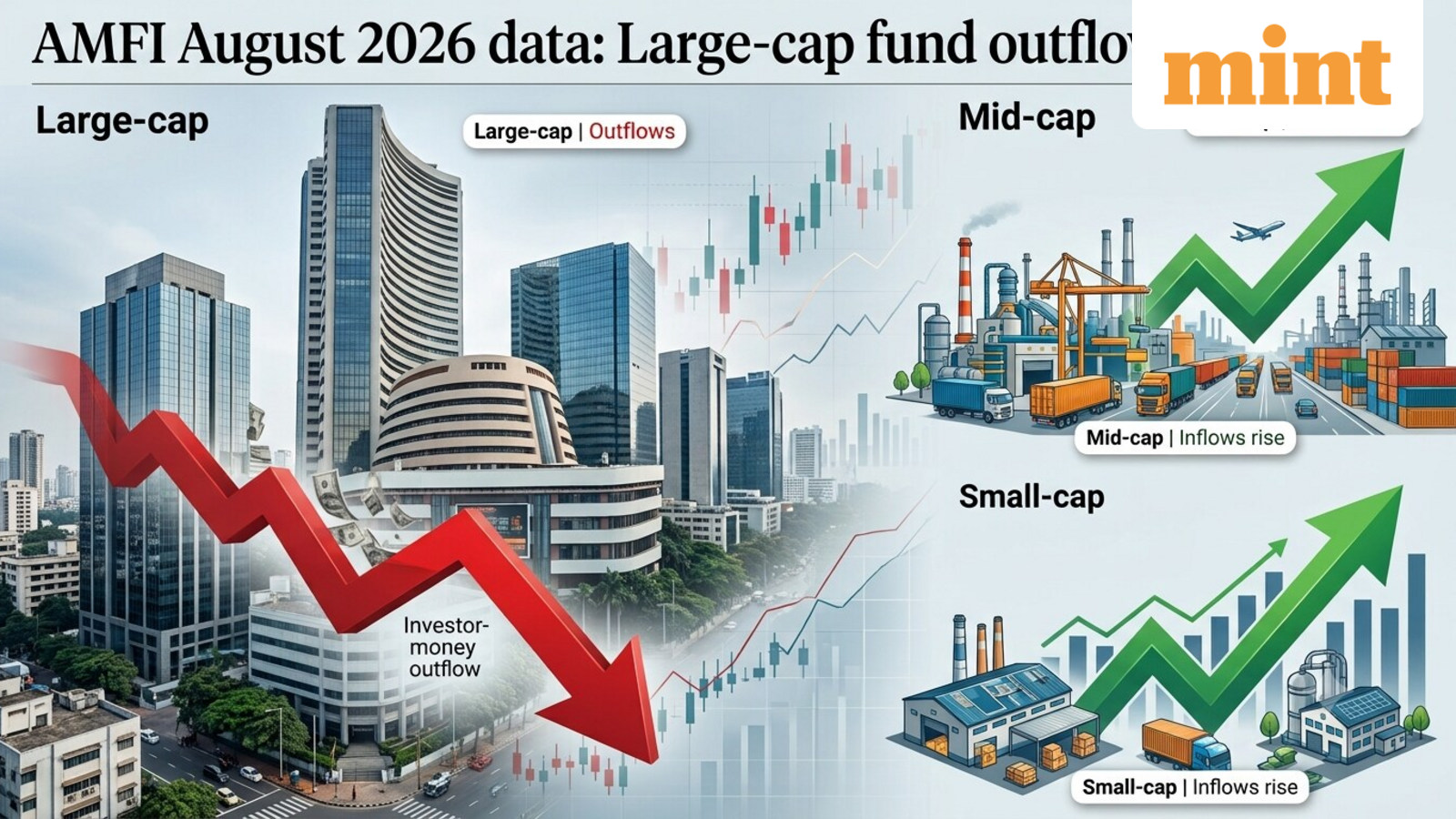
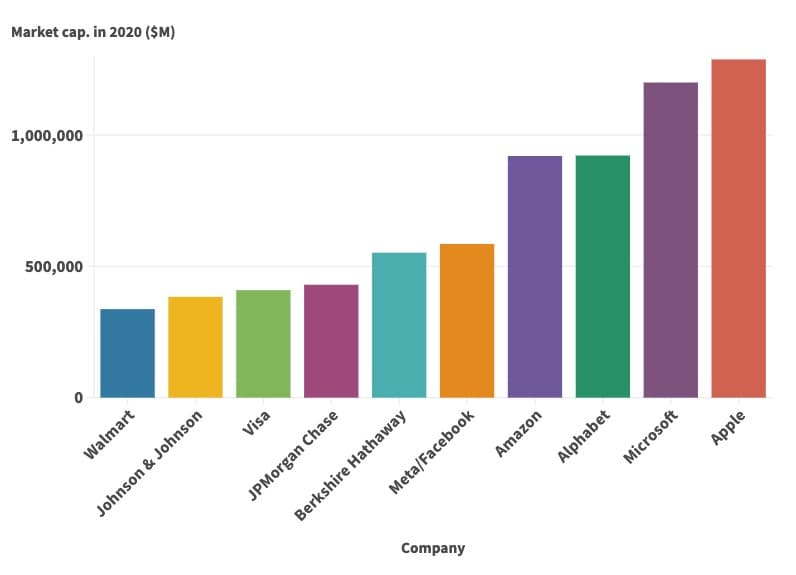
Under SEBI’s framework, the 1st to 100th entities by full market capitalisation form the large-cap universe. Those ranked 101st to 250th are classified as mid cap, while the 251st entity onwards falls into the small-cap universe. AMFI prepares the list used by mutual funds and updates it every six months.
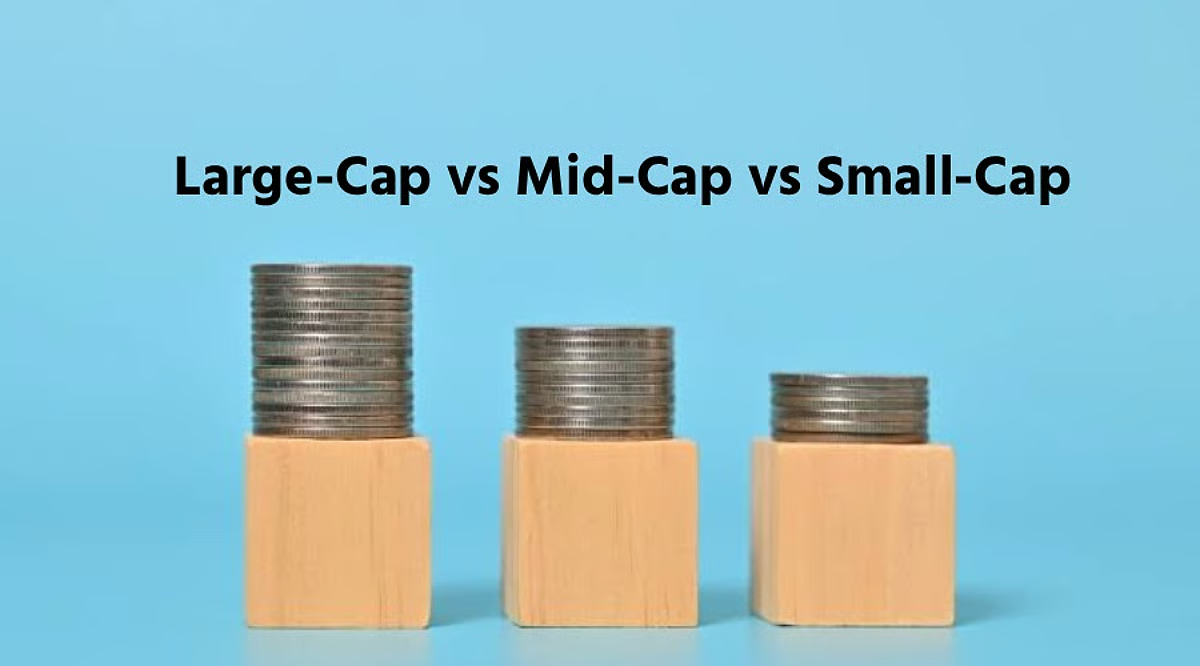
A large cap fund therefore predominantly invests in companies at the larger end of the market, while a small cap fund predominantly invests further down the market-cap spectrum.
Large cap: established businesses, but still equity risk
Large-cap companies tend to be established businesses with relatively greater scale, longer operating histories and more established market positions. Large-cap funds provide exposure predominantly to this segment. This does not make them immune to market falls. Share prices can move because of company performance, valuations, economic conditions and broader market sentiment.
Compared with smaller companies, larger businesses may generally have more established operations and greater access to capital. As a result, large-cap stocks tend to experience relatively lower volatility than small-cap stocks, although this is not guaranteed. For an investor, “large” should not be read as “risk-free”. It describes the size of the companies in the investment universe, not a promise about returns.
Small cap: greater growth potential comes with greater uncertainty
Some small-cap companies may be businesses in an earlier stage of growth, operating in narrower markets or attempting to expand their scale. That can create room for growth if the underlying businesses perform well, but can also make them more vulnerable to business setbacks, economic conditions and shifts in investor sentiment.
Consequently, a small cap fund can experience sharper price movements and higher volatility. Liquidity in small-cap stocks can also be lower than in large-cap stocks. Investors considering small-cap exposure therefore need to be comfortable with potentially significant market fluctuations.
So, does a portfolio need to pick a side?
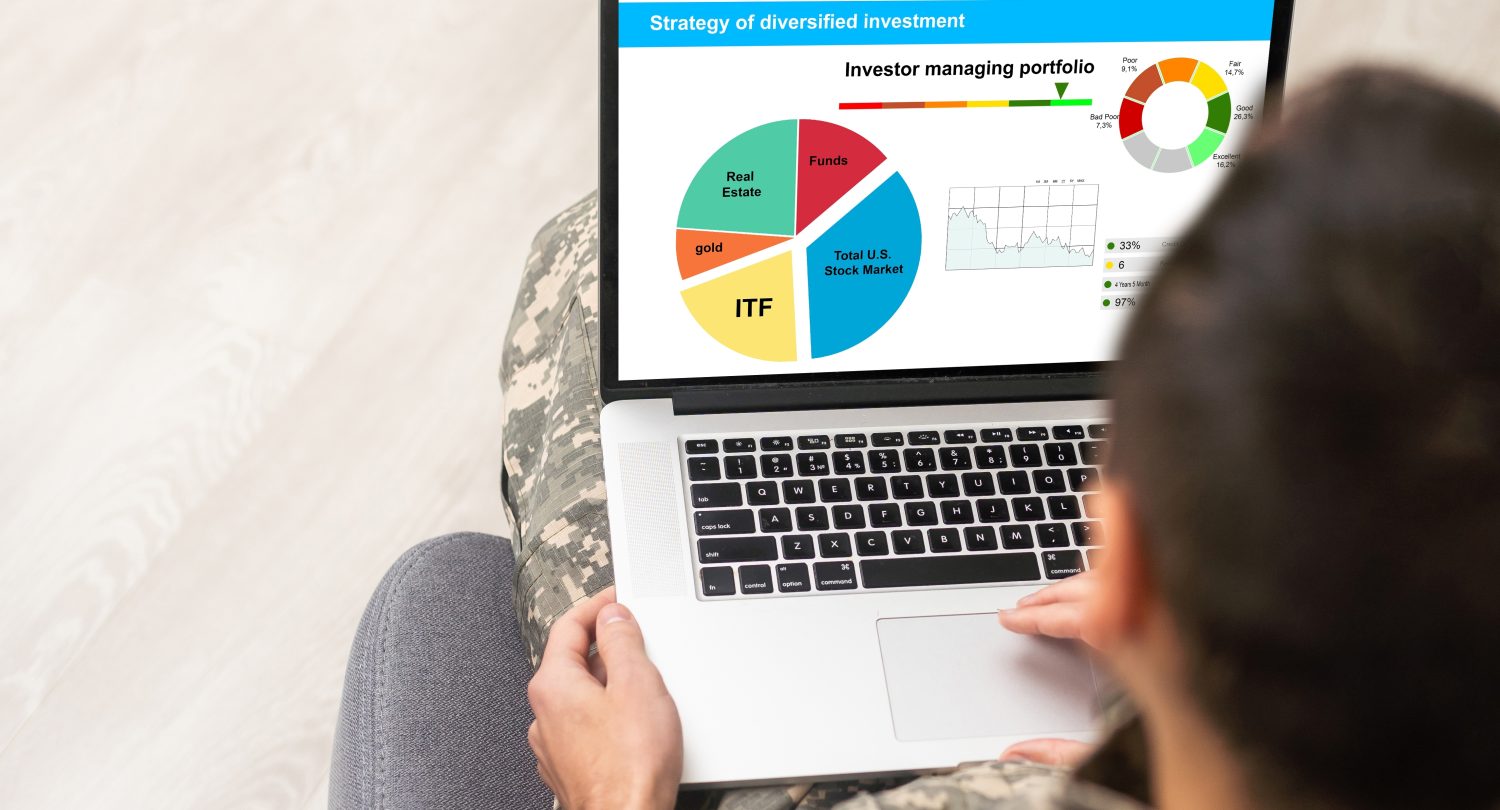
Not necessarily. Because large-cap and small-cap funds provide exposure to different parts of the equity market, an investor can consider how each fits within the overall portfolio.
The appropriate mix, if any, depends on investment horizon, financial objectives, existing investments and risk appetite. Diversifying across market-cap segments can reduce dependence on one segment of the equity market, but it does not eliminate market risk or guarantee better returns.
SIPs can change how money enters the strategy
Once an investor has decided on an appropriate allocation, an SIP provides a way to invest periodically rather than committing the intended investment amount at once.
Regular investing does not remove the underlying risks of either category. A small-cap fund does not become a low-risk investment simply because money enters through an SIP. What an SIP can do is make the investment process systematic and spread purchases across different market levels. Investors who want their contributions to rise over time can also consider increasing their SIP amount periodically, subject to affordability.
The Nippon India Mutual Fund Step Up SIP Calculator lets investors enter a monthly SIP, investment duration, assumed rate of return and annual increase to see an illustrative comparison of investing with and without an annual step-up. A step up SIP calculator is a planning tool rather than a forecast: actual mutual fund returns will depend on market performance.
Build around the portfolio, not the label
Large-cap funds and small-cap funds provide exposure to businesses at different points on the market-cap spectrum. Their return potential, volatility and risks can therefore differ too.
A sensible MF strategy begins by deciding what role an investment is expected to play and how much risk the overall portfolio can accommodate. Large cap and small cap can then be considered as building blocks within that strategy, not contestants in a race where one must always beat the other.
Mutual fund investments are subject to market risks, read all scheme related documents carefully.
Note to the reader: This article has been produced on behalf of the brand by HT Brand Studio and does not have journalistic/editorial involvement of Mint.