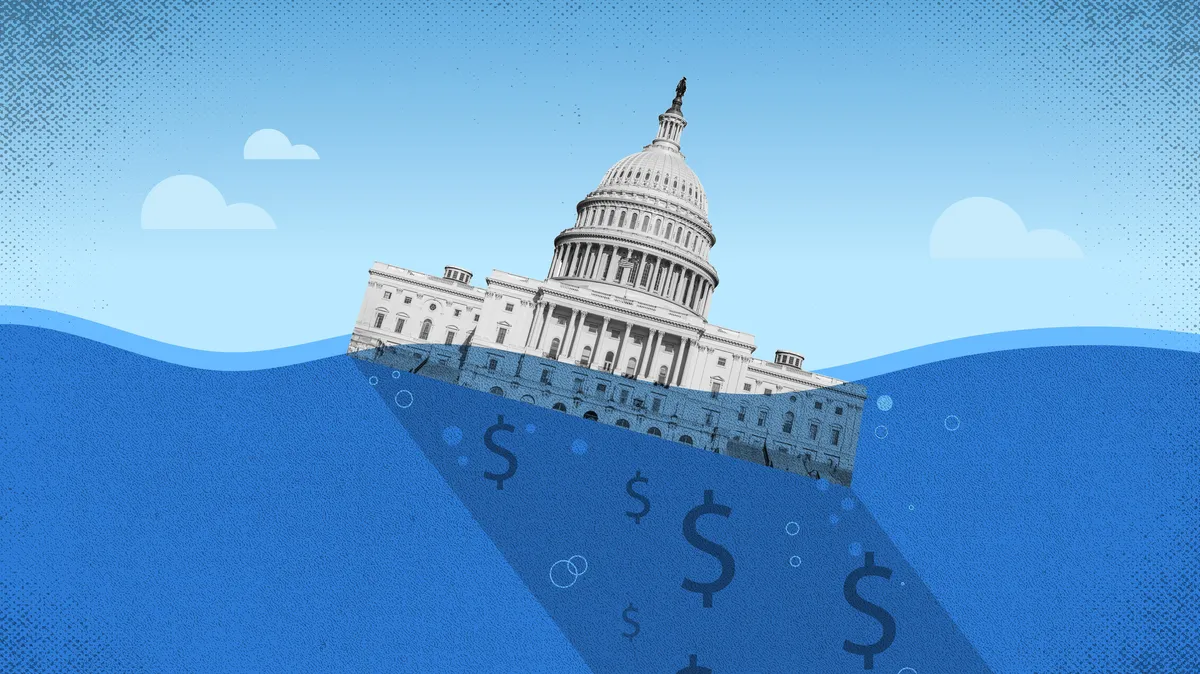
The World Bank has cautioned commercial banks in Kenya on the growing sovereign debt risk due to heavy investments in government securities, which have risen by about Sh150 billion in the last six months.
Sovereign debt is borrowing by a national government, usually through bonds, bills, or loans, to fund public investment and support the economy. Sovereign debt could carry the risk that a government may default on its financial obligations, like bonds, or impose regulations that negatively affect foreign exchange agreements.
The multilateral lender says the exposure of banks in Kenya to government securities remains high, with the lenders holding approximately Sh2.2 trillion in government securities, which is equivalent to about 35 percent of domestic debt and about 27 percent of total banking sector assets.
“Kenya’s banking sector remains broadly stable, supported by strong liquidity and capital buffers. However, asset quality remains a key vulnerability, and the gross non-performing loan to gross loans ratio reached 15.6 percent in March 2026,” the bank says in its latest economic update report for Kenya.
“Exposure to government securities remains elevated, with commercial banks holding approximately Sh2.2 trillion in government securities, equivalent to roughly 35 percent of domestic debt and about 27 percent of total banking sector assets.”
Central bank data shows that investment by banks in government securities has increased by about Sh150 billion from Sh2.41 trillion in the week ending January 23, 2026 to Sh2.56 trillion in the week ending August 7, 2026.
Rating agency Fitch said last year Kenya’s banking sector’s performance would remain tempered by significant sovereign exposure via investments in securities.
Banks are usually significant holders and traders of local debt, which covers proceeds raised from Treasury Bills and Bonds auctions.
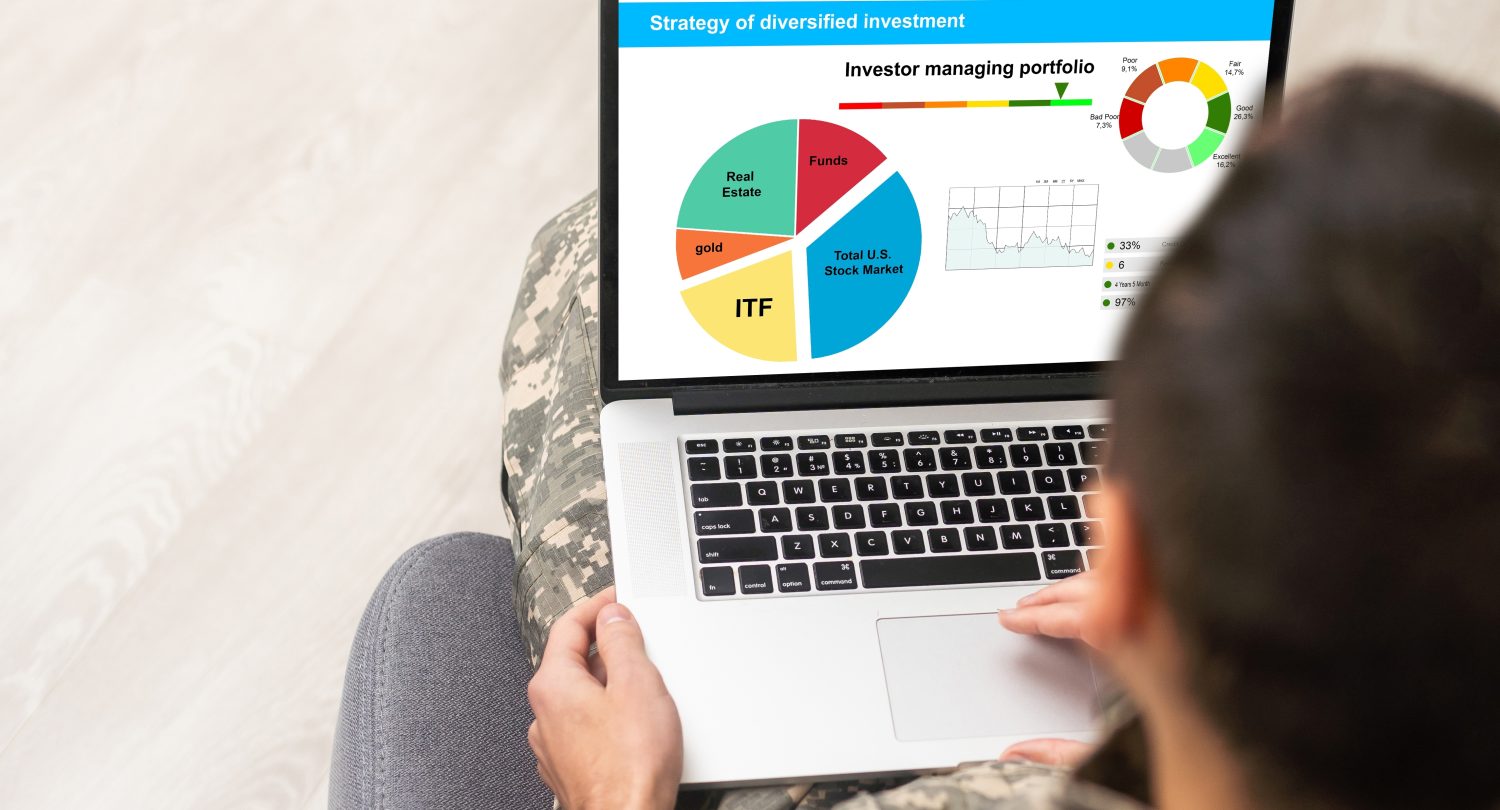
The Kenya Bankers Association, the banking industry’s lobby, says banks hold about 30 percent of their assets in government securities as part of diversifying their portfolios over time.
“We are not worried at all since there is confidence in the Government’s efforts to ensure public debt sustainability,” said Raimond Molenje, the association’s chief executive.
“Any decision to adjust investments in Government securities is made at a bank level based on each bank’s risk appetite and adopted asset structure.”
Data from the National Treasury shows that total public debt increased to Sh13.01 trillion as at the end of June 2026, representing 68.5 percent of the gross domestic product (GDP) from Sh11.81 trillion (67.8 percent) as at the end of June 2025.
Of the Sh13.01 trillion debt, domestic and external debts amounted to Sh7.32 trillion (38.6 percent of GDP), and external debt stock was Sh5.68 trillion (29.9 percent of GDP), respectively.
The 2025 Debt Sustainability Analysis undertaken jointly by the National Treasury indicates that Kenya’s public debt remains sustainable but with high risk of debt distress.
Treasury, however, says the country’s external liquidity has strengthened, reflected in higher foreign exchange reserves, a narrower current account deficit, and a more stable exchange rate.
“These developments have eased balance of payments pressures. The recent Eurobond liability management operations have contributed to smoother debt amortization and supported private sector credit growth, against the backdrop of improving macroeconomic and civil stability,” it says.
“These measures have helped to position the country more favourably to international lenders and investors.”
Kenya remains active in the debt market amid shortfalls in revenue collection. For instance, a debt plan by the National Treasury for 2026 shows that Kenya expects funding from three World Bank support schemes, including: Sh94.2 billion from the Development Policy Operations (DPO), Sh52 billion from the Rapid Response Option (RRO), and Sh5 billion from the programme-for-results (PforR) window.
The DPO scheme provides vital budget support tied to institutional and policy reforms. It helps to ease heavy public debt pressures and fiscal deficits by funding governance, accountability, and social protection.
The RRO is a fast-disbursing mechanism which allows enrolled countries to immediately use up to 10percent of their undisbursed project financing balances to address emergency economic shocks such as disruptions caused by surging fuel and fertiliser prices.
PforR financing focuses on fund disbursement directly to the delivery of specific, verifiable programme results. It helps countries improve public sector performance, build institutional capacity, and enhance transparency by releasing money only when agreed-upon milestones are met.